FULTON GARDENS POST ACUTE, LLC
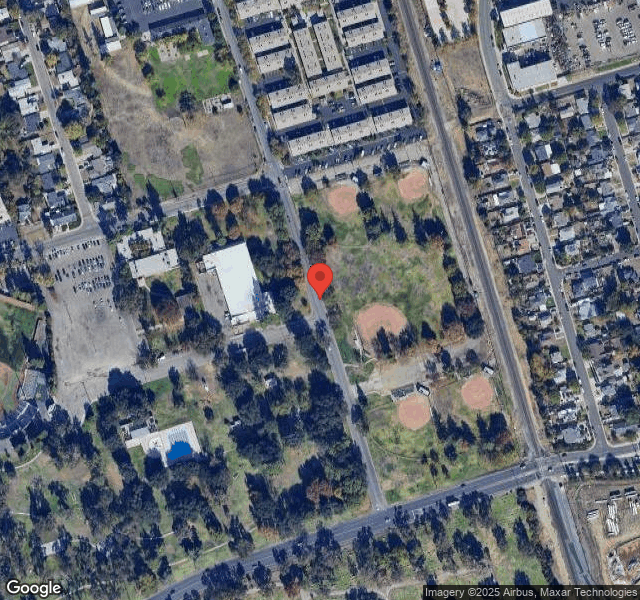

537 E. FULTON STREET, STOCKTON, CA 95204 (209) 466-2066
For profit - Corporation 116 Beds ABBY GL, LLC Data: November 2025
Trust Grade
60/100
#584 of 1155 in CA
Last Inspection: January 2025

Within standard 12-15 month inspection cycle. Federal law requires annual inspections.

Overview

Fulton Gardens Post Acute, LLC has a Trust Grade of C+, which means it is slightly above average but not particularly impressive. In California, it ranks #584 out of 1155 facilities, placing it in the bottom half, and #12 out of 24 in San Joaquin County, indicating that only one local option is better. Unfortunately, the facility is worsening, with issues increasing from 2 in 2024 to 17 in 2025. Staffing is a positive aspect, rated 4 out of 5 stars, with a turnover rate of 31%, which is better than the state average. There are no fines on record, which is a good sign, but the RN coverage is average, and concerning incidents include failures in meal preparation that affected food quality and safety, such as improper portion sizes and unclean kitchen conditions. Overall, while there are strengths in staffing and compliance with fines, there are notable weaknesses in food service and care quality that families should consider.

Trust Score
C+
60/100
In California
#584/1155
Top 50%
Safety Record
Low Risk
No red flags
Inspections
Getting Worse
2 → 17 violations
Staff Stability
○ Average
31% turnover. Near California's 48% average. Typical for the industry.
Penalties
✓ Good
No fines on record. Clean compliance history, better than most California facilities.
Skilled Nurses
○ Average
Each resident gets 34 minutes of Registered Nurse (RN) attention daily — about average for California. RNs are the most trained staff who monitor for health changes.
Violations
⚠ Watch
48 deficiencies on record. Higher than average. Multiple issues found across inspections.
★★★☆☆
3.0
Overall Rating
★★★★☆
4.0
Staff Levels
★★★★☆
4.0
Care Quality
★★★☆☆
3.0
Inspection Score
Stable
2024: 2 issues
2025: 17 issues

The Good

  • 4-Star Staffing Rating · Above-average nurse staffing levels
  • 4-Star Quality Measures · Strong clinical quality outcomes
  • Full Sprinkler Coverage · Fire safety systems throughout facility
  • No fines on record
  • Staff turnover below average (31%)

    17 points below California average of 48%

Facility shows strength in staffing levels, quality measures, fire safety.

The Bad

3-Star Overall Rating

Near California average (3.1)

Meets federal standards, typical of most facilities

Staff Turnover: 31%

15pts below California avg (46%)

Typical for the industry

Chain: ABBY GL, LLC

Part of a multi-facility chain

Ask about local staffing decisions and management

The Ugly 48 deficiencies on record

Feb 2025 1 deficiency
CONCERN (D) 📢 Someone Reported This

A family member, employee, or ombudsman was alarmed enough to file a formal complaint

Potential for Harm - no one hurt, but risky conditions existed

Quality of Care (Tag F0684)

Could have caused harm · This affected 1 resident

Based on observation, interview, and record review, the facility failed to maintain professional standards of quality care for one out of four sampled residents (Resident 1) when, Resident 1's prescri...

Read full inspector narrative →
Based on observation, interview, and record review, the facility failed to maintain professional standards of quality care for one out of four sampled residents (Resident 1) when, Resident 1's prescribed medications were left unattended at her bedside, and a diagnostic test ordered to determine the cause of her illness was not completed in a timely manner. These failures had the potential for harm to Resident 1 and other residents who could gain access to her medications and to cause a delay in Resident 1's medical treatment. Findings: A review of Resident 1's admission RECORD, indicated she was admitted to the facility with diagnoses which included type 2 diabetes mellitus (chronic disease that affects blood sugar levels) and hypertension (high blood pressure). During a concurrent observation and interview on 2/18/25, at 10:50 AM, Resident 1 was observed sitting up in bed with her tray table in front of her. Resident 1 stated she had been coughing so much that she could not take her morning medications. Resident 1 pointed to a plastic cup containing two capsules and six tablets and stated the nurse had left the medication with her. A review of Resident 1's Medication Administration Record, (MAR) for February 2025, indicated Resident 1 had one medication due at 8 AM- metformin (for diabetes, to be given with meals) and seven medications due at 9 AM as follows: Aspirin ( for stroke prevention) Multivitamin with minerals (supplement) Cranberry tablet (for urinary tract infection prevention) Folic acid (supplement) Lisinopril (for high blood pressure) Vitamin D3 (supplement) Gabapentin (for nerve pain) During an interview on 2/18/25, at 11:03 AM, Licensed Nurse (LN) 3 stated that medications should not be left at a resident's bedside unless the resident had an order to self-administer medication. LN 3 stated she was allowed to leave Resident 1's medications with her since she was alert. During a concurrent interview and record review on 2/18/25, at 12:10 PM, the Minimum Data Set (a federally mandated resident assessment and screening tool which identifies care needs) Coordinator (MDSC) reviewed Resident 1's Self-Administration of Medication Assessment, dated 10/24/23. The MDSC confirmed the assessment indicated Resident 1 could safely self-administer Bengay (a cream used for muscle or arthritis pain). The MDSC further confirmed the assessment did not indicate Resident 1 could self-administer any other medications. The MDSC stated Resident 1's medications should not have been left unattended in her room. The MDSC further stated medications should be administered one hour before and one hour after they were prescribed and no later than that. During an interview on 2/18/25, at 12:34 PM, the Director of Staff Development (DSD) stated there was a risk to residents if medications were left at their bedside. The DSD further stated another resident could have entered the room and taken Resident 1's medications. The DSD stated there was also the potential for Resident 1 to choke on her medications. The DSD further stated the LN should always stay with the resident when they were taking their medications. During a concurrent interview and record review on 2/18/25, at 12:50 PM, LN 3 confirmed the medications left at Resident 1's bedside were metformin, gabapentin, aspirin, cranberry tablet, folic acid, and lisinopril. LN 3 confirmed the medications should have been administered between one hour before or one hour after their scheduled time. LN 3 stated the medications should not have been left at the bedside as she would not know if Resident 1 had taken them. LN 3 further stated medications left at the bedside could be a potential choking hazard, or another resident could enter the room and take the medications. A review of a facility policy titled, ADMINISTERING MEDICATIONS, dated 3/23, indicated, .To provide employees with guidelines for the safe and timely administration of medication per physician order .Medications must be administered in accordance with the orders .medications must be administered in accordance with state and federal guidelines . b. A review of Resident 1's clinical document titled, SBAR [Situation, Background, Assessment/Appearance, Request] : Change of Condition, dated 1/16/25, indicated, .The change in condition, symptoms, or signs I am calling about are .productive cough and sore throat .This started on 1/16/25 .Reported to MD .1/16/25 0600 [6 AM] . A review of Resident 1's Order Details, dated 1/17/25, at 3:27 PM, indicated .Chest Xray to r/o [rule out] PNA [pneumonia, an infection of the lungs] . A review of Resident 1's RADIOLOGY [x-ray] REPORT, indicated, .service date 1/19/25 .report date 1/20/25 .Conclusion: Slight bilateral upper lobe infiltrates [ a condition where substances like blood, pus, or protein build up in the upper lobes of both lungs]. Clinical correlation [connecting symptoms with test results] is advised .Clinical or repeat examination follow up is advised . A handwritten note on the radiology report indicated, .ZPAC [ an antibiotic medication to treat infection] order carried out on 1/21/25 . A review of Resident 1's Order Details, dated 1/21/25, at 7:02 AM, indicated, .Azithromycin [antibiotic] Tablet 250 mg [milligrams] .for infection . A review of Resident 1's progress notes dated 1/23/25, at 10:19 AM, indicated, .Reached out to [Business name] Labs re: CXR [regarding chest x ray] for resident performed on 1/19/25. Confirmed routine order received from our MD [Medical Doctor] for CXR on 1/17/25, order placed via business email by LN. [Business name] confirmed closed Friday and Saturdays for Labs, but open 24/7 [24 hours per day/7 days per week] for x-rays. Stated routine (normal) x-ray orders done within 8-24hrs [hours] and would only be rescheduled by [Business name] if no staff available to come out to facility. [Business name] rep [representative] confirmed they have no notes on file for any request by facility to reschedule CXR from date order was submitted on 1/17/25 and that no confirmation was sent to facility about rescheduling . During an interview on 2/18/25, at 11:03 AM, LN 3 stated when an x-ray was ordered a requisition was sent to the x-ray provider. LN 3 further stated the provider was not open on Fridays and Saturdays. LN 3 stated they had to be on top of them and good communication was needed to get x-rays done. During an interview on 2/18/25, at 12:10 PM, the MDSC stated when an x-ray was ordered and had not been completed in a timely manner the nurse on each shift should call the x-ray provider and follow up. The MDSC further stated if the x-ray still was not done the LN should escalate the issue to the Director of Nurses. The MSDC stated it was her expectation that the LNs would have followed up on Resident 1's x-ray order to prevent a delay in her care. A review of a facility job description titled, Licensed Vocational Nurse (LVN), dated 10/16, indicated, .The licensed Vocational Nurse (LVN) is responsible for managing the residents' care plans and supervising resident care activities. Both care management and supervisory responsibilities must be executed in accordance with state and federal regulations and facility policies and procedures .Report all care ordered but not delivered .to the Director of Nursing .Complete medication and treatment passes as applicable in a timely manner and in accordance with state and federal regulation and facility policy . A review of a facility policy titled, LABORATORY SERVICES, dated 3/23, indicated, .Laboratory, radiology, or other diagnostic services ordered by the physician will be completed in a timely manner; and abnormal results will be reported to the physician in a timely manner to ensure results can be acted upon quickly .The facility strives to meet the needs of residents with regard to the quality and/or timeliness of providing laboratory services and reporting laboratory results .
Jan 2025 16 deficiencies
CONCERN (D)

Potential for Harm - no one hurt, but risky conditions existed

Resident Rights (Tag F0550)

Could have caused harm · This affected 1 resident

Based on observation, interview, and record review, the facility failed to ensure 1 of 22 sampled residents (Resident 74) was treated with dignity and respect, when Certified Nursing Assistant (CNA) 3...

Read full inspector narrative →
Based on observation, interview, and record review, the facility failed to ensure 1 of 22 sampled residents (Resident 74) was treated with dignity and respect, when Certified Nursing Assistant (CNA) 3 and CNA 5 were speaking a foreign language over Resident 74 while providing care. This failure had the potential to impact Resident 74's self-esteem and quality of life. Findings: During an observation on 1/7/25, at 10:12 AM, CNA 3 and CNA 5, were observed on opposite sides of Resident 74's bed, providing Activities of Daily Living (ADL) care. While providing this care, CNA 3 and CNA 5 were observed speaking a foreign language over Resident 74 to each other. The conversation could be heard from outside of Resident 74's bedroom door. During a joint interview on 1/7/25, at 10:15 AM, with CNA 3 and CNA 5, CNA 3 stated CNA 5 was explaining something personal in their native language. CNA 5 stated the conversation had to do with something about her family and not Resident 74. CNA 5 stated they were only allowed to speak a foreign language in the break room. During an interview on 1/7/25, at 10:18 AM, with Resident 74, when asked about CNA 3 and CNA 5 speaking a foreign language over her while providing care, Resident 74 stated, They are not supposed to do that. They should know that. I hate it. During an interview on 1/9/25, at 3:43 PM, with the Director of Staff Development (DSD), the DSD stated the facility policy was to always speak English. The DSD stated staff speaking a foreign language made the resident feel emotionally uncomfortable and was a violation of their rights. The DSD stated this type of behavior was not acceptable and not the facility's practice. During an interview on 1/10/25, at 12:25 PM, with the Director of Nursing (DON), the DON stated Resident 74 had the right to feel a sense of belonging and to know what staff were talking about. The DON explained speaking a foreign language while providing care was a violation of a resident's right to dignity. A review of a facility provided document titled, DIGNITY AND RESPECT, dated March 2023, indicated, .Each resident shall be cared for in a manner that promotes and enhances quality of life, dignity, respect and individuality .To provide staff with guidelines to ensure residents are treated with kindness, respect, and dignity .Residents shall be treated with dignity and respect at all times .Resident's private space and property shall be respected at all times .
CONCERN (D)

Potential for Harm - no one hurt, but risky conditions existed

Deficiency F0554 (Tag F0554)

Could have caused harm · This affected 1 resident

**NOTE- TERMS IN BRACKETS HAVE BEEN EDITED TO PROTECT CONFIDENTIALITY** Based on observation, interview, and record review, the facility failed to ensure two of three sampled residents who were permit...

Read full inspector narrative →
**NOTE- TERMS IN BRACKETS HAVE BEEN EDITED TO PROTECT CONFIDENTIALITY** Based on observation, interview, and record review, the facility failed to ensure two of three sampled residents who were permitted to self-administer medications (Resident 16 and Resident 60) had their medications stored in a safe manner, when expired and nonexpired medications were accessible to residents at their bedside and the facility failed to follow their self-medication administration Policy and Procedure (P&P). This failure had the potential for a medication overdose for Resident 16, Resident 60, and other residents in the facility, and low efficacy (decrease in effectiveness of medication) of Resident 16's expired medications. Findings: 1. Review of Resident 16's clinical record titled, admission RECORD, indicated Resident 16's diagnoses included diabetes mellitus (inability of the body to regulate blood sugar), hypertension (high blood pressure), and hypothyroidism (inability of the body to secrete enough thyroid hormone). During a concurrent observation and interview on 1/7/25, at 4:07 p.m., with Resident 16, prescribed (medications ordered by Medical Doctor -MD) and over the counter (OTC - purchased at a drug store) medications were found at Resident 16's bedside table and bedside drawer. The bedside table had Bengay (OTC pain reliever cream), Cepacol (OTC cough drops), Chloraseptic spray (OTC sore throat pain reliver spray), and Tylenol 500 milligrams (mg - unit of measurement - OTC pain reliever medication) that were unlocked and accessible to residents. Resident 16 stated she also had medications in her bedside drawer in a blue bag. Resident 16 stated she took Tylenol in-between her administered Norco (narcotic - prescribed pain medication that contained Tylenol) medication. During a concurrent observation and interview on 1/08/25, at 8:30 a.m., with the Licensed Nurse (LN) 8 and Resident 16, unlocked medications were found in a soft plastic lunch bag on Resident 16's bedside table. Resident 16 stated it was okay for LN 8 to open the bag to view the medications. The medications found in the lunch bag were: -Cepacol Extra Strength (OTC sore throat drops) - unable to visualize expiration date -Tylenol (OTC pain reliver) 500 mg - unable to see expiration date -Acetaminophen (OTC pain reliever) 500 mg - expiration date 6/26 -VICKS rub - (OTC pain ointment) - unable to visualize expiration date -Tiger Balm - (OTC pain ointment) - unable to visualize expiration date -Leg Cramps PM (nighttime - OTC pain medicine)- unable to visualize expiration date -Amlodipine (prescribed by MD - calcium channel blocker - used to treat chest pain) 10 mg - expired 4/11/22 -Atorvastatin (prescribed by MD - cholesterol reducer) 20 mg - expired 10/23 -Atorvastatin (prescribed by MD - 2nd bottle) 20 mg - expired 1/24 -Lisinopril (prescribed by MD - high blood pressure medication) 40 mg - expired 8/23 -Cephalexin (prescribed by MD - antibiotic used to treat bacterial infections) 500 mg - expired 12/23 - Ear Drops - (OTC - pain reliever) - unable to visualize expiration date - Aspirin (OTC medication used to relieve pain or thin the blood to prevent a stroke) 81 mg - expired 4/23 -Metformin (prescribed by MD - used to lower blood sugar) 1000 mg - expired 10/23 - Levothyroxine (prescribed by MD - used to treat low thyroid hormones) 175 mg - expired 7/24 - [NAME] Antibiotic ointment (OTC medication used to treat skin infections) - expired 2/21 - Gas X - (OTC medication used to treat excess gas) - unable to visualize expiration date - Tylenol cold and flu - (OTC medication - cold symptom reducer) - expired 6/20 - Mucinex (OTC medication used to treat congestion) - expired 2/24 - Phenylephrine (OTC medication used to treat nasal discomfort with a cold) - expired 7/24 - US med Glucometer pen (needle used to detect blood sugar) - unable to visualize expiration date During a concurrent interview on 1/8/25, at 8:45 a.m., with LN 8, Resident 16's medication orders were reviewed. LN 8 stated all the medications in the lunch bag at Resident 16's bedside were unlocked, and some medications were expired. LN 8 further stated blood pressure medication, cholesterol medication, blood glucose medication, and Tylenol, were all facility stored medications the facility administered to Resident 16 on a daily basis. LN 8 stated the facility did not have a way to track what medications Resident 16 self-administered. LN 8 further stated according to Resident 16's orders, she was only permitted to self-administer Centrum Silver (combination of vitamins and selected minerals used to prevent or treat vitamin deficiency), and Vitamin D3 (vitamin that helps the body absorb calcium and phosphorus). LN 8 stated Resident 16's self-administration of medications meant that Resident 16 took the specified medications independently without supervision, not that any medications could be stored at the bedside unsecured. LN 8 verified the lunch bag (at the bedside) with Resident 16's medications were not locked, and the medicine containers all had medication inside of them. LN 8 stated the facility had lock boxes and the medications at the bedside should have been locked. LN 8 further stated all of Resident 16's roommates (Resident 74, Resident 52, Resident 10) were confused and accessible medicaions at the bedside put them at risk for overdosing on medications. LN 8 stated Resident 16 was at risk for an overdose on Tylenol (could result in liver damage), Aspirin (bleeding), Levothyroxine (could result in seizures-uncontrolled body movements), and Metformin (hypoglycemia-low blood sugar that could result in death). During an interview on 1/8/25, at 8:56 a.m., with Resident 16, Resident 16 stated she has had the medications at her bedside for about a year and a half. Resident 16 further stated staff had never checked the expiration dates on the medications. Resident 16 stated she had not kept a record of when she self-administered medications that were at her bedside. Resident 16 further stated she self-administered her bedside Tylenol and cold medicine when needed. Resident 16 stated all her roommates (Resident 74, Resident 52, Resident 10) were confused. During an interview on 1/8/25, at 11:07 a.m., with LN 9, LN 9 stated Resident 16 had a physician's order to self-administer Vitamin D and Centrum Silver. LN 9 further stated even when medications were self-administered, the medications should not be left unlocked at the bedside. LN 9 stated the facility had locked boxes that could be kept at the bedside, but the boxes were usually used to house the resident's cigarettes. LN 9 further stated the danger of Resident 16 having expired medications at the bedside was risk of overdose, other residents getting into the medications, and expired medications may have lost their efficacy. LN 9 stated the facility had residents with wandering behavior who could have gotten into the medications. LN 9 further stated the facility did not have a way to track which medications resident's self-administered and at what time. LN 9 stated Resident 16 should not have had unlocked medications at the bedside, and this placed Resident 16 and other residents at risk for injury (overdose). A review of Resident 16's clinical record titled, Self-Administration of Medication Assessment, dated 10/10/24, at 10:45 p.m., by LN 10, indicated Resident 16 was approved to self-administer Centrum Silver and Vitamin D3. A review of Resident 16's clinical record titled, Order Review History Report, dated 11/8/24, indicated Resident 16 was permitted to self-administer (unsupervised), Vitamin D3 (one time a day) and Centrum Silver (one time a day). A review of Resident 16's clinical record titled, Progress Notes, dated 1/7/25, at 6:14 p.m., by the Assistant Director of Nursing (ADON), indicated, .Noted resident has a Tylenol 500 mg ES [extra strength] at bedside with no MD [Medical Doctor] order, per resident she is taking as needed for her arthritis [inflammation of joints] pain . Resident also noted she was keeping expired medications at bedside .She takes Tylenol in-between her Norco . A review of Resident 16's clinical record titled, Medication Administration Record, (MAR) indicated Resident 16 received the following medications administered by the facility and that Resident 16 also had at her bedside: -Aspirin 81 mg (one time a day) -Atorvastatin 40 mg (one time a day) -Levothyroxine 75 Micrograms (mcg - unit of measurement) -Lisinopril 40 mg (one time a day) -Metformin 500 mg (two times a day) -Tylenol Extra Strength 500 mg (every six hours as needed for pian) A review of Resident 16's clinical record titled, Weekly Summary: Nursing Progress Notes, dated 1/7/25, at 3:06 p.m., by LN 8, indicated Resident 16 had some forgetfulness. A review of Resident 74's (Resident 16's roommate) clinical record titled, admission RECORD, indicated Resident 74's diagnoses included history of stroke (the brain was deprived of oxygen for a time and caused brain damage), depression (a mental health condition causing persistent low mood), and anxiety (feeling of worry, nervousness, and unease). A review of Resident 74's (Resident 16's roommate) clinical record titled Brief Interview Mental Status (BIMS- an evaluation of cognitive impairment - Severe impairment: 0-7 points; Moderate impairment: 8-12 points; Cognitively intact: 13-15 points), dated 12/13/24, indicated Resident 74's BIMS was 11 (moderately impaired). A review of Resident 52's (Resident 16's roommate) clinical record titled, admission RECORD, indicated Resident 52's diagnoses included alzheimer's disease (a brain disorder that gradually destroys memory and thinking skills, and eventually the ability to perform daily tasks). A review of Resident 52's (Resident 16's roommate) clinical record titled, BIMS, dated 10/9/24, indicated Resident 52's BIMS score was 01 (severe impairment). A review of Resident 10's (Resident 16's roommate) clinical record titled, admission RECORD, indicated Resident 10's diagnoses included dementia (general term for a number of neurological conditions that cause a decline in mental abilities, such as thinking, remembering, and reasoning). A review of Resident 10's (Resident 16's roommate) clinical record titled, BIMS, dated 10/9/24, indicated Resident 10's BIMS score was 04 (severe impairment). A review of the facility's document titled, Wander, indicated the facility had ten residents who wandered around the facility. During a joint concurrent interview and record review on 1/08/2, at 11:48 a.m., with the Administrator (ADM) and the Director of Nursing (DON), the facility's P&Ps titled, Labeling of Biologicals and Storage of Biologicals, dated 3/23; Resident Self Administer Medications, dated 3/23; and Resident 16's orders were reviewed. The ADM and the DON acknowledged Resident 16 had expired medications at her bedside. The ADM stated Resident 16's medications were not locked at the bedside and the medications should have been locked at the nurse's station. The DON reviewed Resident 16's medication orders and acknowledged that Resident 16 was only ordered to self-administer Vitamin D and Centrum Silver. The DON stated Resident 16 was at risk for an overdose of medications, especially Tylenol which could lead to liver failure. The ADM and the DON stated their expectations were for the staff to track which medications and at what time medications were self-administered. The DON stated medications that were expired could have a low efficacy rate. The P&P titled, Resident Self Administer Medications, indicated, .3. e. The resident's comprehension of instruction for the medications they are taking, including .when to report to staff . g. The resident's ability to ensure that medication is stored safely and securely .7. The licensed nurse will ask the resident if he or she has self-administered their medications and document results in the medical record. 8. Medications self-administered by the resident and which the resident has been determined safe to be maintained at bedside, shall be stored in a locked container to maintain safety . The P&P titled, Labeling of Biologicals and Storage of Biologicals, indicated, .The facility .provides accurate labeling to facilitate precautions and safe administration of medications, and safe and secure storage . 2. The medication label at a minimum includes the medication name .prescribed dose, strength, the expiration date .3. For medications designed for multiple administrations .the label identifies the specific resident for whom it was prescribed .6. If a multi-dose vial has been opened or accessed .the vial should be dated and discarded within 28 days .Storage of Drugs and Biologicals .4. The facility has procedures for the control and safe storage of medications for those residents who can self-administer medications . The ADM and the DON acknowledged the facility P&Ps were not followed. 2. A review of Resident 60's admission RECORD, indicated Resident 60 was admitted to the facility in 2023 with diagnoses including chronic obstructive pulmonary disease (COPD, a long-term lung disease that causes shortness of breath and cough). During an observation on 1/8/25, at 1:30 p.m., Resident 60 pulled containers of medications out of a pink tote bag that she had on the shelf of her walker and showed them to the facility Regional Nurse Consultant (RNC) in the hallway near the conference room. During an interview on 1/9/25, at 11:35 a.m., with the RNC, the RNC confirmed Resident 60 had medications in her tote bag on the shelf of her walker in the hallway near the conference room on 1/8/25, and stated Resident 60 should not have been carrying medications in her tote bag on the shelf of her walker around the facility. The RNC stated that the risk was that other residents could access the medications. The RNC confirmed that the facility policy was not followed. During an interview on 1/9/25, at 12:20 p.m., with Resident 60, Resident 60 confirmed that she self-administered medications. Resident 60 stated that she started to self-administer medications on 1/8/25. Resident 60 further stated that she now had a locked box for her medications in her room and pointed to a black locked box on the table next to her bed. Resident 60 stated that her medications were in the locked box. Resident 60 did not state what medications were in the locked box when asked. During an interview on 1/9/25, at 1:52 p.m., with the Assistant Director of Nursing (ADON), the ADON stated Resident 60 showed her two inhalers - Albuterol and Symbicort, OTC medication for toothache, and some OTC athletes foot cream that she wanted to self-administer. The ADON stated that as of yesterday there were two inhalers, the OTC foot cream, and OTC toothache medication in Resident 60's locked box. The ADON stated the risk of Resident 60 not keeping medications in the locked box was that other residents could access them. The ADON acknowledged that the facility policy was not followed. A review of Resident 60's Physician Order Summary, indicated the following orders: .May self-administer Albuterol Sulfate Inhalation Nebulization Solution [medication prescribed to improve breathing] 2.5mg/3ml [unit of measure] inhale orally via nebulizer every four hours as needed .order date 1/8/2025 . .May self-administer Anbesol Mouth/Throat Liquid 10% to affected area four times a day for mouth pain .If symptoms persist, irritation, severe pain or redness notify MD .order date 1/9/2025 . .May self-administer Athlete's Foot Cream 0.5 oz. Apply it between the toes twice a day or on the bottom or sides of the foot twice a day for two weeks. Notify MD if worsening .as needed for itching for 14 days to treat fungal skin infections, such as athlete's foot .order date 1/9/2025 . .May self-administer Budesonide-Formoterol Fumarate [Symbicort, medication prescribed to improve breathing] Inhalation Aerosol 160-4.5 mcg/act two puff inhale orally one time a day related to Chronic Obstructive Pulmonary Disease .rinse mouth with water and spit back to cup after each use .order date 1/9/2025 . A review of a facility policy and procedure (P&P) titled, Resident Self-Administer Medications, revised March 2023, indicated, .Procedure .8. Medications self-administered by the resident and which the resident has been determined safe to be maintained at bedside, shall be stored in a locked container to maintain safety . A review of a facility P&P titled, Labeling of Biologicals and Storage of Biologicals, revised March 2023, indicated, .Storage of Drugs and Biologicals .4. The facility has procedures for the control and safe storage of medications for those residents who can self-administer medications .
CONCERN (D)

Potential for Harm - no one hurt, but risky conditions existed

Comprehensive Care Plan (Tag F0656)

Could have caused harm · This affected 1 resident

Based on interview, and record review, the facility failed to implement an individualized care plan intervention for 1 of 22 sampled residents (Resident 44) when Resident 44 had recommendations from a...

Read full inspector narrative →
Based on interview, and record review, the facility failed to implement an individualized care plan intervention for 1 of 22 sampled residents (Resident 44) when Resident 44 had recommendations from a PASRR level II screening (identifies additional resources needed for residents with mental illness, intellectual or development disabilities) which were not incorporated into Resident 44's plan of care. This failure had the potential for Resident 44 to not receive recommended services to support health and well-being. Findings: A review of Resident 44's admission RECORD, indicated Resident 44 was admitted to the facility in 2023. Resident 44's admission diagnoses included dementia (a general term for loss of memory, language, problem- solving and other thinking abilities that are severe enough to interfere with daily life), and schizophrenia (a serious mental disorder in which a person interprets reality abnormally). During a record review of Resident 44's facility Electronic Medical Record (EMR- a digital version of a resident's medical history including diagnoses, medications, tests, physician orders, care plans, and treatment records), the EMR indicated PASRR Level I positive screening results, but no PASRR Level II report. During a concurrent interview and record review on 1/9/25, at 7:57 a.m., with the facility Minimum Data Set Coordinator (MDS- a nurse that collects data related to residents in order to develop and evaluate a comprehensive care plan), Resident 44's EMR was reviewed. The MDS confirmed Resident 44's PASRR Level I screenings were completed on 2/2/23, & 2/23/23. The MDS stated Resident 44's PASRR Level II screening was completed on 2/13/23, but it was not attached to Resident 44's EMR. The MDS further stated the PASRR Level II screening should have been uploaded to Resident 44's EMR. The MDS logged into the PASRR website and found Resident 44's PASRR Level II screening letter dated 2/13/23. A review of Resident 44's PASRR Level II Screening/Evaluation, dated 2/13/23, indicated, .The results of this Level II Evaluation are provided in the PASRR Determination Report attached to this letter. Facility staff will receive a copy of this Determination Report, will discuss the results with you in a timely manner, and will incorporate the recommendations into your care plan . During a concurrent interview and record review on 1/9/25, at 8:33 a.m., with the MDS, Resident 44's Care Plan, was reviewed. The MDS stated the recommendations from Resident 44's PASRR II Screening/Evaluation should have been included in Resident 44's care plan. The MDS confirmed that the PASRR II recommendations were not included in Resident 44's care plan. The MDS stated that the risk was that the facility would not follow through on the PASRR Level II recommendations for Resident 44. During an interview on 1/9/25 at 10:58 a.m., the Director of Nursing (DON), the DON stated the recommendations from the PASRR Level II Screening/Evaluation should have been added to the resident's care plans. The DON stated that the risk was that the recommendations would not be followed. The DON confirmed that the facility policy was not followed. During a review of a facility policy and procedure (P&P) titled, Develop-Implement Comprehensive Care Plans, revised March 2023, the P&P indicated, .The facility develops a person-centered comprehensive care plans that are culturally competent and trauma-informed, developed and implemented to meet his or her preferences and goals, and address the resident's medical, physical, mental and psychosocial needs .Guidelines .1. The comprehensive care plan describes .c. Any specialized services or specialized rehabilitative services the nursing facility will provide as a result of PASRR recommendations .Specialized Services - PASSR: 1. The comprehensive care plan must coordinate with and address any specialized services or specialized rehabilitation services the facility will provide or arrange as a result of PASRR recommendations .
CONCERN (D)

Potential for Harm - no one hurt, but risky conditions existed

Deficiency F0688 (Tag F0688)

Could have caused harm · This affected 1 resident

Based on observation, interview, and record review, the facility failed to ensure 1 of 22 sampled residents (Resident 12) received the appropriate range of motion (ROM - the distance and direction a j...

Read full inspector narrative →
Based on observation, interview, and record review, the facility failed to ensure 1 of 22 sampled residents (Resident 12) received the appropriate range of motion (ROM - the distance and direction a joint can move) services to increase range of motion and/or to prevent further decrease in range of motion. This failure could have resulted in Resident 1's ability to use his right hand to his fullest capacity and could have led to a decrease in quality of life. Findings: Review of Resident 12's clinical record titled, admission RECORD, indicated Resident 12's diagnoses included a history of stroke (oxygen was deprived from the brain for a time that resulted in brain damage) and aphasia (a language disorder that made it difficult to understand or express language). A review of Resident 12's clinical record titled, Emergency Documentation - MD [Medical Doctor], dated 8/26/19, at 1:23 p.m., by Physician (PHYS) 1, indicated Resident 12 had a history of aphasia following cerebral infarction (also known as an ischemic stroke, occurs when blood flow to the brain is blocked, causing brain tissue to die) and was unable to care for himself. Resident 12 was discharged from the acute care hospital to the facility. During a concurrent observation and interview on 1/7/25 at 3:28 p.m., with Resident 12, Resident 12 was noted in his bed, his right hand was contracted (a condition of shortening and hardening of muscles, tendons, or other tissue, often leading to deformity and rigidity of joints), and he had limited range of motion (LROM). Resident 12 stated nursing staff would occasionally perform Assisted Active ROM (AAROM - the use of the muscles surrounding the joint to perform the exercise but requires some help from the therapist) exercises with him. Resident 12 did not have a splint (a soft brace placed over the hand and used to treat joint stiffness and limited range of motion) on his right hand. A review of Resident 12's clinical record titled, Order Summary Report, dated 9/19/22, indicated Resident 12's orders included AAROM of Upper and Lower Extremities (arms, hands, feet, and legs) during Activities of Daily Living (ADL - brush teeth, brush hair, get dressed, toilet care) every day as tolerated. A review of Resident 12's clinical record titled, Care Plan, (a list of resident specific problems, goals, and interventions) dated 8/27/19, indicated Resident 12 had a self-care deficit with ADL functions related to history of stoke, aphasia, and weakness. Interventions included the Certified Nursing Assistants (CNA) would provide AAROM to bilateral upper and lower extremities each day as tolerated. A review of Resident 12's clinical record titled, Care Plan, dated 9/17/19, indicated Resident 12 had limited physical mobility related to weakness and history of stroke. The goal included Resident 12 remained free of complications related to contractures. Interventions included ROM with daily care. A review of Resident 12's clinical record titled, Care Plan, dated 3/5/21, indicated Resident 12 was at risk of pain related to contracture of the right arm. A review of Resident 12's clinical record titled, Section GG - Functional Abilities, (part of a comprehensive assessment) dated 11/20/24, indicated Resident 12 had a functional limitation in ROM in one arm and used a wheelchair as a mobility device. Resident 12 was dependent on staff for toileting hygiene, shower/bath, personal hygiene, and needed moderate assistance with dressing. A review of Resident 12's clinical records titled POC [Point of Care] Response History Task, dated 12/11/24 through 1/9/25, indicated the CNAs would document AAROM as: the amount of time AAROM was performed, Not Applicable, Not Available, or Resident Refused. The CNAs documented Not Applicable for AAROM on BUE and BLE on the following dates: 12/13/24 12/17/24 through 12/19/24 12/22/24 through 12/25/24 12/28/24 through 12/29/24 12/31/24 1/3/25 through 1/6/25 1/9/25 During an interview on 1/09/25, at 12:13 p.m., with Certified Nursing Assistant (CNA) 4, CNA 4 stated AAROM was supposed to be documented in Resident 12's Electronic Health Record (EHR). CNA 4 stated if/when Resident 12 refused AAROM, there was a section in the documentation that would have identified the refusal. CNA 4 stated she had not done AAROM with Resident 12 on 1/9/25 and AAROM was performed to help Resident 12 maintain function in his right hand. During a concurrent interview and review on 1/9/25, at 12:15 p.m., with Licensed Nurse (LN) 11, Resident 12's EHR was reviewed. LN 11 stated Resident 12's right hand was contracted. LN 11 stated it was important for the CNAs to perform AAROM to stimulate blood flow in the hand and to avoid worsening of the contractures. LN 11 stated if Resident 12 refused AAROM there should have been a nurse's note in Resident 12's EHR. LN 11 verified there was not a nurse's note indicating Resident 12 refused AAROM from 12/13/24 through 1/9/25. During a concurrent observation and interview on 1/9/25, at 12:28 p.m., with the Therapy Director (TD), the TD assessed Resident 12's ROM on the upper extremities. Resident 12 had full strength and ROM in his left hand and his right hand was weak and contracted. The TD stated she was unaware Resident 12's right thumb was so stiff and stated Resident 12 would benefit from a splint on the right hand. During a concurrent interview and record review on 1/9/25, at 3:16 p.m., with the Administrator (ADM) and the Director of Nursing (DON), the facility's policy and procedures (P&P) titled, Increase/Prevent Decline in ROM Mobility, dated 3/23, the facility's document titled, Certified Nursing Assistant (C.N.A) Job Description, dated 12/2016, and Resident 12's record titled, POC [Point of Care] Response History Task, was reviewed. The document titled, Increase/Prevent Decline in ROM Mobility, indicated, . 6. Reasons for residents with limited ROM, not receiving services, should be documented in the medical record . The document titled, Certified Nursing Assistant (C.N.A) Job Description, indicated, .Roles and Responsibilities .Assist with turning, lifting, positioning .residents Record entries in electronic format, notes, chart, etc The DON and the ADM reviewed Resident 12's records titled, POC Response History Task, and acknowledged there was no way to ensure Resident 12 received AAROM on 12/13/24, 12/17/24 through 12/19/24, 12/22/24 through 12/25/24, 12/28/24 through 12/29/24, 12/31/24, 1/3/25 through 1/6/25, and 1/9/25. The DON stated AAROM was important to assist Resident 12 in mainlining his ROM in the affected right hand. The ADM and the DON acknowledged the P&P and CNA Job Description was not followed.
CONCERN (D)

Potential for Harm - no one hurt, but risky conditions existed

Accident Prevention (Tag F0689)

Could have caused harm · This affected 1 resident

Based on observation, interview, and record review, the facility failed to ensure protection from potentially hazardous items, when three shaving razors were left on the counter unattended in a shared...

Read full inspector narrative →
Based on observation, interview, and record review, the facility failed to ensure protection from potentially hazardous items, when three shaving razors were left on the counter unattended in a shared bathroom of four unsampled residents (Resident 58, Resident 55, Resident 87, Resident 41). This failure placed the facility's residents at risk for an injury in the case of accidental access to sharp items. Findings: During an observation on 1/7/25, at 10:20 AM, in a resident bathroom, there were three shaving razors on the counter. The bathroom was shared by four residents. During a concurrent observation and interview on 1/7/25, at 10:21 AM, with Licensed Nurse (LN) 8, LN 8 confirmed the razors were left on the counter and accessible. LN 8 stated these placed residents at risk of injury and infection, especially if a confused resident was able to access the razors. During an interview on 1/9/25, at 3:40 PM, with the Director of Staff Development (DSD), the DSD stated razors were sharp objects and should not be left unattended on a shared bathroom counter. They should be disposed of in a designated container for sharp objects. The DSD stated this practice posed a risk for injury and infection from using someone else's razor. During an interview on 1/10/25 at 12:25 PM, with the Director of Nursing (DON), the DON stated leaving razors out could result in injury to a resident who was not alert and oriented. The DON stated this finding did not meet the facility's expectations. A review of a facility policy titled, ACCIDENTS PHYSICAL AND PLANT HAZARDS, dated March 2023, indicated, .The facility ensures the resident environment remains as free of accident hazards as is possible and each resident receives adequate supervision .GUIDELINES 1. Supervision and/or contaminant of hazards are needed to protect residents from harm .various materials in the resident environment can pose a potential hazard to residents .
CONCERN (D)

Potential for Harm - no one hurt, but risky conditions existed

Pharmacy Services (Tag F0755)

Could have caused harm · This affected 1 resident

Based on observation, interview, and record review, the facility failed to ensure safe pharmaceutical services for a census of 104 when: 1. The emergency kit (E-kit, a box containing emergency medicat...

Read full inspector narrative →
Based on observation, interview, and record review, the facility failed to ensure safe pharmaceutical services for a census of 104 when: 1. The emergency kit (E-kit, a box containing emergency medications for faster and easy access when needed) for oral medications was opened and resealed on 1/2/25 and had not been replaced as of 1/7/25; and, 2. Narcotic medication use was not accurately documented in the Medication Administration Record (MAR- a record of the residents' medications and treatments) when removed from the Controlled Drug Record (CDR- a paper record that kept track of narcotic opioid medication [medications used to treat pain that cause drowsiness, dull the senses, and are prone to abuse] use for accountability) sheet for Resident 73. The failure of an opened e-kit not being replaced could result in the unavailability of the medication when needed and unsafe storage of emergency drugs. The failure of not accurately documenting narcotic medications in the MAR could result in unsafe pain medication use and a risk for drug diversion. Findings: 1. During a concurrent observation and interview on 1/7/25, at 9:50 a.m., with Licensed Nurse (LN) 1 in the East Station Medication Storage Room, an e-kit with oral medications was labeled opened on 1/2/25 at 10 a.m., and oral antibiotic doses of Cefpodoxime (antibiotic medication for treating infection) 200 mg one tablet (milligram- unit of measure), and Sulfamethoxazole (antibiotic medication) 400mg/80ml (milligram per milliliter- unit of measurement) two doses were removed on 1/2/25. LN 1 stated once medications were removed, the e-kit was locked, and an e-kit report form was faxed to the pharmacy. LN 1 further stated once pharmacy sent the facility a confirmation fax receipt of the e-kit report form, the faxed receipt received from the pharmacy was placed in the binder. LN 1 stated when the e-kit was replaced, a LN signed for the receipt of the replacement e-kit, and the form was placed in the binder. LN 1 checked the binder, and there was no confirmation fax receipt from the pharmacy for the medications that were removed from the e-kit on 1/2/25. LN 1 stated that she needed to follow up with Medical Records to see if the confirmation faxed receipt was there. During a follow up interview on 1/7/25, at 3:05 p.m., with LN 1 regarding faxed confirmation from pharmacy for medications removed from the e-kit on 1/2/25, LN 1 stated the faxed confirmation was not found. LN 1 further stated that the request to refill the e-kit was faxed to the pharmacy today. LN 1 stated the risk of not confirming the request was received by the pharmacy when the medications were removed from the e-kit was that the medications would not be available if needed for another resident. During a concurrent interview and record review on 1/9/25, at 10:58 a.m., with the Director of Nursing (DON), the DON stated when the e-kit was opened by staff and doses of medications were removed, staff needed to fax the form to pharmacy indicating which medication and dosage was removed from the e-kit. The DON further stated the form needed to be faxed to pharmacy within 24 hours of opening the e-kit. The DON stated the staff needed to follow up with the pharmacy to make sure that the form was received. The DON further stated the form was placed in the binder once receipt was confirmed by the pharmacy. The DON stated licensed staff needed to sign the delivery form when the new e-kit was delivered to confirm receipt. The DON confirmed the facility policy was not followed. 2. A review of Resident 73's admission Record, indicated Resident 73 was admitted to the facility in 2022 with diagnoses which included intervertebral disc degeneration (the breakdown of one or more of the discs that separate the bones of the spine causing pain in the back of the neck and frequently in the legs and arms). During a concurrent interview and record review on 1/9/25, at 10:58 a.m., with the DON, Resident 73's CDR and January 2025 MAR, were reviewed. The DON acknowledged the CDR for Hydrocodone-Acetaminophen 325 (an opioid narcotic medication prescribed for pain) indicated one tablet was signed out on 1/6/25 at 5:16 a.m., and one tablet was signed out on 1/7/25 at 9:10 p.m. The DON further acknowledged the MAR indicated no dosage was documented on 1/6/25, and no dosage was documented on 1/7/25. The DON stated that she would follow up with the staff nurses who signed out the medications from the CDR. During a follow up interview on 1/9/25 at 3:08 p.m., with the DON, the DON stated she spoke with the staff nurses who signed out the doses from Resident 73's CDR, and both nurses stated the medications signed out on the CDR for Resident 73 were administered to Resident 73. The DON acknowledged the risk was that the medications were not given to the resident and could have been diverted. The DON stated that the facility policy was not followed. A review of a facility policy and procedure (P&P) titled, Administering Medications,, revised March 2023, indicated, .Purpose Statement: To provide employees with guidelines for the safe and timely administration of medications per physician order .4. Medications must be administered in accordance with state and federal guidelines .9. Following verification of the resident and scheduled medication, the licensed nurse follows the 'pour, pass, chart' standard of practice . A review of a facility P&P titled, 3.4 Emergency Pharmacy Service and Emergency Kits (E-Kits), dated January 2024, indicated, .Emergency pharmaceutical service is available on a 24-hour basis .Procedures .3. The provider pharmacy supplies emergency or stat medications/items according to the provider pharmacy agreement. Emergency supplies are kept secure, checked periodically for integrity, and dating and stored in accordance with State Board of Pharmacy and federal regulations .8. Upon removal of any medication or supply item from the emergency kit, the nurse documents the medication or item used on an emergency kit log. One copy of this information should be immediately faxed to the pharmacy .The hard copy will be retained in the nursing care center .10. The faxed log sheet will inform the pharmacy of items used from the emergency kit. This will notify the pharmacy to replace the kit or item, as applicable per state law, if the provider pharmacy requires a faxed log sheet .12. When the replacement kit arrives, the receiving nurse gives the used kit to the pharmacy personnel for return to the pharmacy . A review of a facility P&P titled, 4.2 Controlled Medication Storage,dated January 2023, indicated, .Medications included in the Drug Enforcement Administration (DEA) classification as controlled substances [a drug or chemical that is regulated by the government in terms of its manufacture, possession, and use] are subject to special handling, storage, disposal, and record keeping in the nursing care center in accordance with federal, state, and other applicable laws and regulations .Procedures .1. The director of nursing and the consultant pharmacist monitor for compliance with federal and state laws and regulations in the handling of controlled medications .5. A controlled medication accountability record is prepared when receiving inventory of a Schedule II medication [drugs with a high abuse risk, but also have safe and accepted medical use in the United States] .Any discrepancy in controlled substance medication counts is reported to the director of nursing immediately. The director of nursing or designee investigates and makes every reasonable effort to reconcile all reported discrepancies .
CONCERN (D)

Potential for Harm - no one hurt, but risky conditions existed

Deficiency F0757 (Tag F0757)

Could have caused harm · This affected 1 resident

Based on interview, and record review, the facility failed to ensure 1 of 22 sampled residents (Resident 31) was free from unnecessary medications when, Resident 31 continued receiving an antibiotic f...

Read full inspector narrative →
Based on interview, and record review, the facility failed to ensure 1 of 22 sampled residents (Resident 31) was free from unnecessary medications when, Resident 31 continued receiving an antibiotic for a urinary tract infection (UTI- an infection in any part of the urinary system) without having met established McGeer Criteria (a set of guidelines for identifying infections in long-term care facilities) for continued use of the antibiotic as specified in the facility's Antibiotic Stewardship Program (ASP- a federally mandated program with goals of monitoring, optimizing antibiotic use, and reducing misuse of antibiotics). This failure had the potential to result in unnecessary antibiotic side effects (an undesired effect from a medication) for Resident 31 and had the potential to result in the development of multi-drug resistant organisms (MDRO- germs that have developed the ability to survive antibiotics that were previously used to kill them; decreasing antibiotic resistance [when antibiotics become ineffective against infection]). Findings: Review of Resident 31's SBAR [Situation Background Assessment Recommendation] Change of Condition . dated 12/28/24, indicated, [Resident 31] .Situation .The Change in condition .pain upon urination .MD [medical doctor] notified .For RN [registered nurse] .Assessment Details .MD notified with order to start ABT [antibiotic therapy] and encourage fluids . During a concurrent interview and record review on 1/9/24, at 3:15 PM, Resident 31's electronic medical record (EMR) and the Antibiotic/Infection Surveillance, spreadsheet were reviewed with the Infection Preventionist (IP). The IP confirmed Resident 31 was started on an antibiotic (Ciprofloxacin) on 12/29/24 for a UTI. The IP stated the facility used SBAR as the assessment tool for the initial start of the antibiotic and McGeer Criteria for continuation of the antibiotic. The IP stated the Antibiotic Surveillance - UTI form was the electronic version of McGeer Criteria. The IP confirmed Resident 31's electronic form indicated Resident 31 had met both required criteria, having signs and symptoms of an infection and had a positive laboratory culture. The IP stated she marked Met McGeer Criteria on the Antibiotic/Infection Surveillance spreadsheet in error after confirming a urine specimen (the process of obtaining a biological sample from a patient for laboratory analysis) was not collected. The IP further stated she should not have indicated in the EMR on the Antibiotic Surveillance - UTI form results were obtained from specimen collection when a urine specimen was not collected. Review of Resident 31's medication order dated 12/29/24, indicated, Ciprofloxacin HCl [hydrochloric acid] Oral Tablet 500 MG [an abbreviation for milligram, a unit of measurement for mass in the metric system] .Give 1 tablet by mouth two times a day for UTI for 10 days .1/3/25 . Review of Resident 31's Care Plan initiated on 12/29/24, indicated, .Interventions .Give antibiotic therapy as ordered. Monitor/document side effects and effectiveness . During an interview on 1/10/25, at 2:45 PM, with the Director of Medical Records (DMR), the DMR stated she could not find any urinalysis results (a laboratory test that examines urine to detect and measure various substances such as bacteria) for the month of December for Resident 31. During a review of Resident 31's Physician Progress notes for the month of 12/2024 there were no physician progress notes for Resident 31 addressing the physician assessment for a new infection nor a review of antibiotic effectiveness. During an interview on 1/13/25, at 10:15 AM, with the Pharmacist Consultant (PC), the PC stated diagnostic tests needed to be done when antibiotics were prescribed because if not done, it would lead to antibiotic resistance. The PC stated drugs (antibiotics) were becoming resistant, new drugs (antibiotics) could not be created fast enough; the bacteria were evolving and adapting faster than new medication could be made leading to MDROs. The PC stated if the facility was not ordering culture and sensitivity (a laboratory test that checks for bacteria and determines which antibiotics will best treat the infection) laboratory tests when prescribing an antibiotic, they may be prescribing the incorrect medication. The PC confirmed, if he did not see the laboratory results for culture and sensitivity testing (when antibiotics are prescribed), he would say the facility was out of compliance with McGeer criteria. Review of a facility policy titled, INFECTION PREVENTION AND CONTROL PROGRAM, last revised 11/10/21 indicated, The facility must establish an Infection Prevention and Control Program under which it .maintains a record of incidents [an event or occurrence] and corrective actions related to infections .Review, establish, and monitor environment infection control approaches in accordance with CDC [Center for Disease Control and Prevention- the nation's leading science-based, data-driven, service organization that protects the public's health]/HICPAC [Healthcare Infection Control Practices Advisory Committee. It's a federal advisory committee that provides advice to the CDC]/OSHA [Occupational Safety and Health Administration- a regulatory agency in the United States Department of Labor that sets and enforces standards to ensure safe and healthy workplaces] guidelines .Surveillance .The Licensed Nurse will notify the attending physician to determine the treatment plan, including, but not limited to, laboratory tests .The identification of the infection is based upon standard, published definitions of infections, laboratory results, and surveillance data collected by the Facility . Review of a facility policy titled, Antibiotic Stewardship Interventions last revised 1/17 indicated, .All clinicians should perform a review of antibiotics 48 hours after antibiotics are initiated to answer these key questions .Does this patient have an infection that will respond to antibiotics .is the patient on the right antibiotic(s), dose, and route of administration .Can a more targeted antibiotic be used to treat the infection .Many patients who get antibiotics for UTI's actually have asymptomatic [without symptoms] bacteriuria [presence of bacteria in urine] and not infections .
CONCERN (D)

Potential for Harm - no one hurt, but risky conditions existed

Deficiency F0761 (Tag F0761)

Could have caused harm · This affected 1 resident

Based on observation, interview, and record review, the facility failed to ensure safe medication storage for a census of 104 when: The refrigerator in the Medication Storage Room containing liquid co...

Read full inspector narrative →
Based on observation, interview, and record review, the facility failed to ensure safe medication storage for a census of 104 when: The refrigerator in the Medication Storage Room containing liquid controlled substances (a drug or chemical that is regulated by the government in terms of its manufacture, possession, and use) was unlocked. This failure increased the risk of drug diversion. Findings: During an observation and concurrent interview on 1/7/25, at 3:10 p.m., with Licensed Nurse (LN) 5 in the [NAME] Unit Medication Storage Room, the medication refrigerator in the Medication Storage Room containing liquid narcotic (medications used to treat pain that cause drowsiness, dull the senses, and are prone to abuse) medications and an e-kit (emergency kit, a box containing emergency medications for faster and easy access when needed) was unlocked. LN 5 stated that the refrigerator should have been locked, and quickly locked the refrigerator. LN 5 stated the risk was that someone who was not supposed to have access to the medications could open the refrigerator. During an interview and concurrent record review on 1/9/25, at 10:58 a.m., with the Director of Nursing (DON), the DON stated that medication refrigerators in the medication storage rooms should be locked because they contained controlled substances. The DON stated the risk was that anyone could access the controlled substances if the refrigerators were unlocked. The DON confirmed that the facility policy was not followed. During a review of a facility policy and procedure (P&P) titled, 4.1 Storage of Medication, dated January 2023, the P&P indicated, .Medications and biologicals are stored properly, following manufacturers or provider pharmacy recommendations to maintain their integrity and to support safe effective drug administration. The medication supply shall be accessible only to licensed nursing personnel, pharmacy personnel, or staff members lawfully authorized to administer medications .2. Controlled medications should be stored separately from non-controlled medications .Schedule II medications (drugs with a high abuse risk, but also have safe and accepted medical use in the United States) and preparations must be stored in a separately locked permanently affixed compartment .3. In order to limit access to prescription medications, only licensed nurses, pharmacy staff, and those lawfully authorized to administer medications are allowed access .Medication rooms, cabinets and medication supplies should remain locked when not in use or attended by persons with authorized access . A review of a facility P&P titled, 4.2 Controlled Medication Storage, dated January 2023, the P&P indicated, .Medications included in the Drug Enforcement Administration (DEA) classification as controlled substances are subject to special handling, storage, disposal, and record keeping in the nursing care center in accordance with federal, state and other applicable laws and regulations .Procedures .1. The director of nursing and the consultant pharmacist monitor for compliance with federal and state laws and regulations in the handling of controlled medications. 2. Only authorized licensed nursing and pharmacy personnel have access to controlled medications. The medication nurse on duty maintains possession of the key to controlled medication storage areas .4. Controlled medications requiring refrigeration are stored within a locked, permanently affixed box within the refrigerator .
CONCERN (D)

Potential for Harm - no one hurt, but risky conditions existed

Garbage Disposal (Tag F0814)

Could have caused harm · This affected 1 resident

Based on observation, interview, and record review, the facility failed to maintain a closed garbage (dumpster) bin. This failure had the potential to lead to insect and rodent infestation. Findings...

Read full inspector narrative →
Based on observation, interview, and record review, the facility failed to maintain a closed garbage (dumpster) bin. This failure had the potential to lead to insect and rodent infestation. Findings: During a concurrent observation and interview on 1/7/25, at 8:56 AM, with the Dietary Service Supervisor (DSS) in the area where the garbage bins were kept outside, the lids of the bins were not in place. The dumpsters were noted to open. The DSS stated the garbage dumpsters should be kept closed in order to avoid pests. A review of a facility policy titled, Adequate Sewage Disposal and Plumbing, dated 2019, indicated, .Sanitary garbage disposal. Improperly disposed of garbage is an excellent source of unsanitary practices and unpleasant odors. The real dangers are: Harboring place for vermin, flies, rodents, and cockroaches .To prevent this, follow these easy practices: a. Provide garbage containers that are .Are in adequate supply to hold all garbage between collections. b. Lids must be tight fitting .Secure garbage tightly .
CONCERN (D)

Potential for Harm - no one hurt, but risky conditions existed

Medical Records (Tag F0842)

Could have caused harm · This affected 1 resident

Based on interview, and record review, the facility failed to maintain the confidentiality of 1 of 22 sampled residents (Resident 19), when portions of Resident 19's medical records were discovered in...

Read full inspector narrative →
Based on interview, and record review, the facility failed to maintain the confidentiality of 1 of 22 sampled residents (Resident 19), when portions of Resident 19's medical records were discovered in Resident 001's medical record. This failure had the potential for exposure of Resident 19's private and confidential information to unauthorized individuals. Findings: During a concurrent interview and record review on 1/13/25, at 4:20 p.m., with the Director of Medical Records (DMR), the DMR confirmed that Resident 19's Preadmission Screening and Resident Review, (PASSR - a federal assessment requirement to help ensure that individuals who have a mental disorder or intellectual disabilities are placed in facilities that can provide the appropriate care) PASSR negative level 1 (the initial assessment did not show any signs of a serious mental illness or intellectual disability), and PASSR negative level 2 (Indicates the individual does not meet the criteria for having a condition requiring specialized services based on the comprehensive Level 2 assessment), forms were found in Resident 001's Electronic Health Record (EHR). The DMR stated the medical records assistant used a program called [SOFTWARE COMPANY NAME] to scan the records into the resident's EHR. The DMR stated that this had been an on ongoing problem and she had been correcting the issues as she found them. The DMR acknowledged that finding Resident 19's records in Resident 001's chart was a Health Insurance Portability and Accountability Act (HIPAA - a federal law that protects the privacy and security of health information) issue. The DMR stated that it would also be a concern if she tried to find a record for a resident and could not find it because it was in another resident's chart. During a concurrent interview and record review on 1/9/25, at 4:24 p.m., with the Administrator (ADM), the ADM acknowledged that Resident 19's records were in Resident 001's EHR. The ADM stated the facility used the program called [SOFTWARE COMPANY NAME] for a year, which made it easier to scan medical records into the resident's EHR. The ADM further stated even with the new program, the records were uploaded incorrectly. The ADM stated that having Resident 19's records in Resident 001's EHR was a HIPAA concern. During a concurrent interview and record review on 1/9/25, at 5 PM, with the ADM, Resident 19's PASSR, PASSR negative level 1, and PASSR negative level 2, forms were already out of Resident 001's chart and were uploaded to Resident 19's chart. The ADM confirmed that Resident 19's three records were in the wrong chart and medical records already deleted them from Resident 001's chart. The ADM acknowledged the facility's Privacy and Confidentiality Policy, was not followed. A review of the facility's policy titled, Privacy and Confidentiality, dated 3/23, indicated, .The resident has a right to personal privacy and confidentiality of his or her personal and medical records, including all provisions of the HIPAA Privacy Rule .The HIPAA Privacy Rule: Established national standards to protect individuals' medical records and other individually identifiable health information (collectively defined as protected health information) .6. Personal and medical records include all types of records the facility might keep on a resident, whether they are medical, social, fund accounts, automated, electronic, or other .
CONCERN (D)

Potential for Harm - no one hurt, but risky conditions existed

Deficiency F0849 (Tag F0849)

Could have caused harm · This affected 1 resident

Based on interview, and record review, the facility failed to ensure one of three sampled residents (Resident 2) who received hospice care (end of life care) had care coordinated between the facility ...

Read full inspector narrative →
Based on interview, and record review, the facility failed to ensure one of three sampled residents (Resident 2) who received hospice care (end of life care) had care coordinated between the facility and the hospice agency, when the facility requested a medication review recommended on 12/10/24 for Resident 2, and did not follow up on the outcome of the review. This failure resulted Resident 2's medication review not available in Resident 2's clinical record and had the potential for not providing quality care to a terminally ill resident (Resident 2). Findings: A review of Resident 2's clinical record titled, admission RECORD, indicated Resident 2 was admitted to the facility with diagnoses which included, palliative care (comfort measures) and alzheimer's disease (a brain disorder that slowly destroys memory and thinking skills). A review of Resident 2's hospice care plan initiated on 7/14/24 indicated, .On HOSPICE CARE .Facility staff and Hospice Staff are coordinating together for resident's centered care and communicating together to promote comfort, privacy and dignity .Interventions .Care coordination between Hospice Care & facility team and Resident/Resident representative . Review of Resident 2's IDT [interdisciplinary team- a group of professionals from different disciplines who work together to achieve a common goal] PROGRESS NOTES-INCIDENT/ACCIDENT, dated 12/10/24, indicated, .res [Resident 2] .scratched face of res [another resident] .IDT rec [recommendation] .review meds by hospice . During a concurrent interview and record review on 1/9/25, at 9:37 a.m., Resident 2's IDT note dated 12/10/24 was reviewed with the Director of Nursing (DON). The DON confirmed the IDT recommended Resident 2's medications were to be reviewed by hospice. The DON was unable to find in Resident 2's record that her medications were reviewed by the hospice agency. The DON stated she did not know if Resident 2's medications were reviewed by hospice as recommended in the IDT note. During a phone interview on 1/9/25, at 11:15 a.m., the Hospice Director of Nursing (DON) stated Resident 2's medications were reviewed on 12/10/24 as recommended by the facility IDT. The Hospice DON further stated they faxed Resident 2's reviewed medication report to the facility. The Hospice DON stated sometimes the facility staff specifically during the shifts' change did not receive faxes from the hospice agency. During a concurrent interview and record review on 1/9/25 at 3:10 p.m., the facility's service agreement with the hospice agency was reviewed with the DON. The Nursing Facility Service Agreement dated 2020, indicated, .(D) COORDINATION OF CARE (i) General .Hospice and Facility shall communicate with one another and as needed for each particular Hospice Patients. Each party is responsible for documenting such communications in its respective clinical records to ensure that the needs of Hospice Patients are met 24 hours per day . The DON stated that the Nursing Facility Service Agreement with the hospice agency was not followed. During a concurrent interview and record review on 1/9/25, at 3:10 p.m., the facility policy and procedure (P&P) titled, HOSPICE SERVICES, dated March 2023, was reviewed with the DON. The P&P indicated, .GUIDELINES .5. D. a process for communicating needs and changes in condition, including how the communication will be documented between the facility and the hospice provider, to ensure that the needs of the resident are addressed and met 24 hours per day . The DON stated the facility P&P was not followed. The DON further stated the medication review report by the hospice agency should have been available/documented in Resident 2's medical record to meet Resident 2's needs and safety.
CONCERN (E)

Potential for Harm - no one hurt, but risky conditions existed

Menu Adequacy (Tag F0803)

Could have caused harm · This affected multiple residents

Based on observation, interview, and record review, the facility failed to ensure the menu and recipes were followed during the lunch meal preparation on 1/8/25, for 94 residents who received food pre...

Read full inspector narrative →
Based on observation, interview, and record review, the facility failed to ensure the menu and recipes were followed during the lunch meal preparation on 1/8/25, for 94 residents who received food prepared in the facility kitchen when: 1. The recipe for Asian Cucumber Salad was not followed; 2. The recipe for Asian [NAME] was not followed; and, 3. The Asian smooth sauce was not prepared. These failures had the potential to affect the flavor of the food, with the potential for inadequate food intake, and could negatively affect the residents' dining experience. Findings: 1. Review of the facility document titled, Winter Menu, for Wednesday 1/8/25 indicated, .Beef & Broccoli Asian [NAME] Rice Asian Cucumber Salad Pot Sticker Glazed Apricots . During a concurrent observation and interview on 1/8/25, at 10:26 AM, with the Dietary Service Supervisor (DSS) during lunch preparation, the DSS stated the facility had eight cucumbers available, which were not enough to make 100 servings of Asian Cucumber Salad as listed on the menu. The DSS cut and peeled approximately eight cucumbers, then mixed those cucumbers with sliced red bell peppers, white onions, and two cans of three bean salad. After all items were mixed, the DSS added Italian dressing. The DSS stated when items ran out, they substituted them for something they had in stock. A review of a facility document titled, Standard Winter 2025 Salad, Asian Cucumber, listed the recipe and ingredients. The document indicated for 100 servings, 3 gallons of cucumbers sliced and peeled were needed. In addition to the cucumbers the following items were listed in the recipe: rice vinegar, honey, sesame oil, red crushed pepper, and salt. During an interview on 1/9/25, at 12:11 PM, with the DSS, when asked about the substitution of ingredients, the DSS stated the changes to the menu needed to be approved by the RD to assure a balanced diet was provided for the residents. During an interview on 1/9/25, at 1:35 PM, with the Registered Dietician (RD), the RD stated when there were necessary changes to the meals, they needed to be approved by the RD. The RD stated adding the three-bean salad to the residents' lunch was not approved by him, and this practice did not meet his expectations. The RD stated not following the recipe could result in poor intake and weight loss. A review of a facility provided document titled, Menu Changes, indicated, .The Dining Services Director is responsible for the supervising meal preparation and service to assure the menu is followed and served as planned .The substitution must be of equal nutritional value . 2. During a concurrent observation and interview on 1/8/25, at 10:21 AM, with the DSS, the DSS explained the rice located in a large metal pan in the steamer was prepared with brown rice and seven quarts of water. The DSS stated once the rice was finished steaming in the water, it would be done and ready to serve. During an observation on 1/8/25, at 12:10 PM, of the lunch tray line, the Asian [NAME] was served without adding the other ingredients. A review of a facility provided document titled, Standard Winter 2024-25 Rice, Asian Brown, indicated, .Ingredients: Low sodium chicken stock, brown rice, low sodium soy sauce, sesame oil, and sliced green onions . A review of a facility document titled, Menu, dated 1/1/2019, indicated, .Menus are planned to meet the state and federal guidelines .Menus are written following the guidelines for persons 51+ years of age .Menus are reviewed and approved by the consultant dietician indicating that the menu is nutritionally adequate. The Dining Services Director is responsible for supervision meal preparation and service to assure the menu is followed and served as planned. 3. During a concurrent observation and interview on 1/8/25 at 11:30 AM, with the DSS after the food preparation was completed, the DSS was asked if the menu item Asian Smooth Sauce was prepared. The DSS stated they did not prepare the sauce. During an observation on 1/8/25, at 12:10 PM, of the lunch tray line, there was no Smooth Sauce, or an alternative placed on the trays for residents who required soft, bite sized, minced, moist, and ground consistency. A review of a facility provided document titled,Standard Winter 2024-25 Rice, Asian Brown, indicated, Soft & Bite Size, Minced and Moist, Ground .Mix Extremely Thick, Smooth Sauce that keeps the rice from separating into individual grains.
CONCERN (E)

Potential for Harm - no one hurt, but risky conditions existed

Deficiency F0805 (Tag F0805)

Could have caused harm · This affected multiple residents

Based on observation, interview, and record review, the facility failed to ensure food was prepared and served to meet the needs of 94 residents who received food from the kitchen during the lunch mea...

Read full inspector narrative →
Based on observation, interview, and record review, the facility failed to ensure food was prepared and served to meet the needs of 94 residents who received food from the kitchen during the lunch meal on 1/8/25 when: 1. Residents on regular portion diet received less than the required amount; 2. 12 Residents with orders for chopped and easy to chew, soft bite-sized, and minced and moist textured diets did not receive the correct amount of Beef and Broccoli; 3. Residents on a pureed diet received the incorrect portion of Asian Beef and Broccoli, and did not receive Potstickers; 4. Three Residents on a large portion diet did not receive the correct amount of Asian Beef and Broccoli and Asian [NAME] Rice; 5. Residents with orders for Consistent Carbohydrate Diet (CCHO-helps manage blood sugar levels) received the incorrect portion size of Asian [NAME] Rice; and, 6. 14 Residents requiring fortified (added calories) diet did not receive the added items to increase calories. These failures had the potential to result in residents not receiving adequate nutrients, which could lead to unplanned weight loss or gain, vitamin imbalances, and further compromise their medical status. Findings: 1. During an observation on 1/8/25, at 12:10p.m., of the lunch tray line, residents with an ordered regular diet received their Beef and Broccoli serving via tongs and kitchen staff used a #10 (3/8 cup) scooper for the Asian [NAME] Rice. During an interview on 1/9/25, at 11:29 AM, with the Dietary Aide (DA) 1, DA 1 stated during tray line the spreadsheet with serving sizes should be followed. DA 1 stated the spreadsheet indicated the #8 (1/2 cup) scoop should be used to serve the starch item for residents on a regular diet. A review of a facility document titled, Daily [NAME] Menu Meal: Noon, indicated serving directions for residents on regular portion diets should receive 2/3 cup of Asian Beef and Broccoli and scooper #8 (½ cup) portion of Asian [NAME] Rice. 2. During an observation on 1/8/25, at 12:10 PM, of the lunch tray line, kitchen staff placed broccoli on the plate using tongs and Asian Beef using a 3/8 cup scoop for residents requiring chopped and easy to chew and soft bite sized diets. A review of a facility document titled, Daily [NAME] Menu Meal: Noon, indicated the portion size for Asian Beef and Broccoli for residents on an ordered chopped and easy to chew and soft bite sized was a #6 scoop (2/3 cup). For the residents on minced and moist diets, the scoop size was #8 (½ cup). 3. During an observation on 1/8/25, at 12:10 PM, of the lunch tray line, residents with an ordered puree texture diet received a #12 scoop (1/3 cup) of Asian Beef, 1/3 cup Broccoli, 1/3 cup of mashed potatoes, and no potstickers. A review of the facility document titled, Daily [NAME] Menu Meal: Noon, indicated the serving size for residents on a pureed diet was a #8 scoop (½ cup) for Asian Beef and Broccoli, and Potstickers #20 scoop (3 tablespoons). 4. During an observation on 1/8/25, at 12:10 PM, of the lunch tray line, plates were prepared for three residents requiring large servings. Kitchen staff used a #10 (3/8 cup) scooper for Asian Beef, Asian [NAME] Rice, and added one tong of broccoli for each plate. A review of the facility document titled, Daily [NAME] Menu Meal: Noon, for the meal served on 1/8/25, indicated the portion size for residents requiring a large portion diet was two #8 scoops (total one cup) of Asian Beef and Broccoli, and two #8 scoops of Asian [NAME] Rice. A review of a facility policy titled, Menu Planning, dated 1/1/2019 indicated, .The Large Portion diet provides for the normal nutritional needs of residents .Additional servings of basic foods and other foods such as fats, sugars, and sweets are added to complete the menu and meet caloric needs of the individual .Meat .at least 6 meat or meat alternatives .Fruits and Vegetables .5 or more servings . 5. During an observation ,on 1/8/25 at 12:10 PM, of the lunch tray line, plates were prepared for residents with an ordered CCHO diet. Kitchen staff placed Asian [NAME] on the plates using a #10 (3/8 cup) scoop. During an interview on 1/9/25, at 11:29 AM, with the Dietary Aide (DA) 1, DA 1 stated during tray line the spreadsheet with serving sizes should be followed. DA 1 stated the #8 (1/2 cup) scoop was to be used to serve the starch for residents on a regular diet, not for those requiring controlled carbohydrates. A review of the facility document titled, Daily [NAME] Menu Meal: Noon, for the meal served on 1/8/25, indicated the portion size for residents requiring CCHO was a #12 scoop (1/3 cup) of Asian [NAME] Rice. 6. During a concurrent observation and interview on 1/8/25, at 12:10 PM, during the lunch tray line, staff prepared the trays for residents with an ordered fortified diet. No items were added to provide additional calories. The Registered Dietician (RD) confirmed the findings and asked DA 2 to call out to the cook when making trays, however the fortified diets continued to be prepared without additional calories. During an interview on 1/9/25, at 12:11 PM, with the DSS, the DSS confirmed the residents on a Fortified diet did not receive their lunch as ordered. The DSS stated this did not meet his expectations. A review of a facility document titled, Fortified Diet, dated 2017, indicated, The Fortified diet provides nutrient dense foods for residents requiring extra protein and calories who are unable to consume adequate amounts of food .Additional servings of basic foods and other foods such as fats, sugars, and sweets are added to complete the menu and meet the caloric needs of the individual .
CONCERN (E)

Potential for Harm - no one hurt, but risky conditions existed

Food Safety (Tag F0812)

Could have caused harm · This affected multiple residents

Based on observation, interview, and record review, the facility failed to provide safe food storage and preparation, as well as maintain kitchen equipment and food contact surfaces in accordance with...

Read full inspector narrative →
Based on observation, interview, and record review, the facility failed to provide safe food storage and preparation, as well as maintain kitchen equipment and food contact surfaces in accordance with professional standards for food safety for the 94 residents who ate facility prepared meals when: 1. Stove and oven contained grease, build-up of food particles, and white, black, and brown colored grimy areas; 2. Over-ripe and spoiled produce was available for use in the walk-in refrigerator; 3. Food was stored in the refrigerator beyond the use by date (UBD) and food marked on the box Keep Frozen was stored in the refrigerator; 4. Food was not stored and maintained at the proper temperatures in the walk-in refrigerator and walk-in freezer; 5. Food was not stored and maintained at the proper temperatures at the East Station refrigerator designated as Unit Refrigerator/Resident Outside Food and freezer temperatures were not monitored; 6. Unit Refrigerator/Freezer located at the [NAME] Station was not clean and was broken with missing parts. Resident food inside the refrigerator was not labeled properly, and freezer temperatures were not monitored; 7. A visibly ill employee was preparing food for use and was not performing hand hygiene after coughing into hands; and, 8. Unwashed mushrooms with visible dirt was prepared and served. These failures placed residents at risk for foodborne illnesses. Findings: 1. During a concurrent observation and interview on 1/7/25, at 7:57 AM, with the Lead Cook/Dietary Aid (DA) 1, the stove was noted to have layered black, white, and yellow debris with various types of food particles. The silver-colored back portion of the stove had a dark brown substance that appeared to be dripping down toward the stove burners. Below the stove the two-compartment oven was observed with aluminum foil on the bottom of each compartment and layers of splattered drippings and food particles that were tan, white, brown, and black found inside ovens. The side of the oven/stove was observed to have layers of a dark liquid type of substance. DA 1 confirmed the oven and stove were not clean. DA 1 stated the stove and oven were usually cleaned weekly but due to staffing they had not been cleaned on schedule. DA 1 further stated it was last cleaned the week of 12/9/24 - 12/15/24 and should be cleaned weekly. During a concurrent interview and record review on 1/7/25, at 9:07 AM, with the Dietary Service Supervisor (DSS), the DSS confirmed the stove and oven was not clean and did not meet his expectation. The DSS obtained and reviewed the cleaning log for the kitchen. The DSS further stated the stove, and oven was supposed to be cleaned weekly and was last cleaned on 12/9/24 according to the log titled Daily Cleaning Schedule. The DSS further stated it was not cleaned on schedule due to staffing issues. Review of the facility policy titled, Infection Control -Principles of Sanitation, revised 1/19, indicated, .the purpose of sanitation is to remove soil .the most common of soils - dirt, grease, food particles, etc .Follow proper sanitary procedures in cleaning equipment . Review of the facility policy titled, Infection Control -Cleaning Procedure -Range, revised 1/19, indicated, .Range .Person responsible for cleaning: [NAME] .When to clean: Weekly . Review of the FDA 2022 Food Code, under section 4-601.11 Equipment, Food-Contact Surfaces, Nonfood-Contact Surfaces, and Utensils indicated, .(A) Equipment Food-Contact surfaces and utensils shall be clean to sight and touch. (B) The Food-contact surfaces of cooking equipment and pans shall be kept free of encrusted grease deposits and other soil accumulations. (C) NonFood-contact surfaces of equipment shall be kept free of an accumulation of dust, dirt, food residue, and other debris 2. During the initial kitchen tour on 1/7/25, at 8:24 AM, the walk-in refrigerator had the following items observed available for use. The findings were confirmed with the DSS: a. 10 of approximately 75 tomatoes were mushy to touch, had broken skin, and had a fuzzy black and green substance on them. b. 4 of approximately 30 lemons were discolored, noted to be decreased size and had a white and green fuzzy substance on them. c. 3 of approximately 50 oranges had a black and green fuzzy substance on the stems, and brown spots on them. 3. During the initial kitchen tour on 1/7/25, at 8:24 AM, the following items were observed stored in the walk-in refrigerator. The findings were confirmed with the DSS: a. A left over cherry pie dated 12/29/24 was available for use. The DSS stated it should have been disposed of after three days. b. An opened box of Garlic Texas Toast and an unopened box of breadsticks which stated Keep Frozen was observed in the refrigerator. The box was not labeled with a date when it was removed from the freezer. c. One large clear container labeled marinara sauce with a UBD of 12/30/24 - 1/2/25 was observed in the refrigerator. d. One large clear container labeled cranberry sauce with a UBD of 11/24/24 was observed in the refrigerator. During an interview on 1/9/25, at 1:35 PM, with the Registered Dietician (RD), the RD stated the status of the over ripe, mushy, tomatoes, lemons and oranges did not meet his expectations. The RD further stated the foods in the refrigerator which were over ripe or were past the UBD, and foods that were labeled to keep frozen and not dated with the removed date from the freezer, were not safe for consumption. The RD explained the risk to the residents was foodborne illness. Review of the facility policy, Food Management Services -Dining Services, revised 1/19, indicated, .All food items in refrigerators are properly dated, labeled .Once opened, frozen food is dated, labeled, and wrapped .Frozen food will be cooked from the frozen state unless thawing is necessary .Canned fruits, vegetables, and juices are not stored in open cans. After opening, the food is transferred to non-corrosive containers with tight fitting lids, dated and labeled. Discard after 72 hours .Sort stored produce regularly and discard any damaged or spoiled pieces .Sort stored produce regularly and discard any damaged or spoiled pieces . Review of The Food and Drug Administration (FDA) Food Code 2022, under section 3-501.17 (A) (B) (C) (D), indicated, .the day the original container was opened in the food establishment shall be counted as Day 1 .The date marked shall not exceed a manufacturer's use-by date .mark the date or day of preparation, with a procedure to discard the food on or before the last date or day by which the food must be consumed on the premises . (https://www.fda.gov/media/164194/download) 4. During the initial kitchen tour on 1/7/25, at 8:23 AM, the following temperatures were observed for the walk-in refrigerator and the walk-in freezer. All findings were confirmed with the DSS. a. On 1/7/25, at 8:23 AM, the external thermometer of the walk-in refrigerator read: 42 degrees Fahrenheit (F - a unit of temperature measure). The internal thermometer of the walk-in refrigerator read: 44 degrees F. (Normal refrigerator temperature 32-41 degrees) b. On 1/7/25, at 8:35 AM, the external thermometer of the walk-in freezer read: 8 degrees F. The internal thermometer of the walk-in freezer read: 6 degrees F. (Normal freezer temperature 0 degrees or below) c. On 1/7/25, 9:13 AM, a subsequent observation of the external thermometer of the walk-in refrigerator read: 44 degrees F. The internal thermometer of the walk-in refrigerator read: 46 degrees F. d. On 1/8/25, at 3:02 PM, a follow-up observation of the external thermometer of the walk-in refrigerator read: 44 degrees F. The internal thermometer read: 44 degrees F. e. On 1/8/25, at 3:03 PM, a third observation of the external thermometer of the walk-in freezer read: 10 degrees F. The internal thermometer read: 6 degrees F. During an observation and interview on 1/8/25, at 3:01 PM, with the DSS, the DSS confirmed the temperatures were still out of safe food storage range and stated the commercial walk-in refrigerator and freezer maintenance company was contacted and was coming out to see why the temperatures were out of range. During an interview on 1/8/25, at 4:18 PM, with the Maintenance Service Director, the MSD stated the servicing agency had to calibrate the refrigerator and freezer condensers to activate at a 2-degree difference rather than the 5 to 10 degrees difference the condensers were set to. The MSD also stated the sensor probe thermometer for the freezer was in the far back behind a box and was not open to free-flowing air. During an interview on 1/9/25, at 1:35 PM, the RD stated the walk-in refrigerator and walk-in freezer temperatures did not meet his expectation and needed to be in the required temperature ranges. The RD further explained the risk to the residents was spoiled food that can cause foodborne illness. Review of the facility policy Food Service Management -Perishable Storage, revised 1/19, indicated, .The refrigerator is maintained in a temperature range of 34 degrees to 41 degrees F .A thermometer is displayed in each refrigerator and freezer . Review of an online document published by the Center for Disease Control (CDC) titled, About Four Steps to Food Safety, dated 4/24, indicated, .Keep your refrigerator at 40 degrees F or below and your freezer at 0 degrees F or below . https://www.cdc.gov/food-safety/prevention/index.html#:~:text=Bacteria%20can%20multiply%20rapidly%20if,food%20that%20reach%20room%20temperature 5. During observations of the unit refrigerator and freezer located at the East Nurse station, in a room labeled Oxygen Supply, on 1/8/25, at 12:52 PM, the following was observed and confirmed by the DSS and Assistant Administrator (AADM): a. Temperature in the refrigerator was out of range reading 55 degrees F. b. No temperature monitoring or log for the freezer. c. No thermometer inside the freezer. During an interview on 1/8/25, at 12:55 PM, the DSS observed and confirmed the temperature at 55 degrees F, was unsafe and out of range. The DSS and AADM confirmed there was no thermometer inside the freezer and no monitoring or log of monitoring of the freezer temperature. The DSS stated nursing was responsible to monitor and log the temperatures for the unit refrigerators and freezers. The DSS and AADM also confirmed a singular ice cream sandwich was unlabeled and undated inside the freezer. The DSS stated it should have the residents name and date labeled on it. During an interview on 1/9/25, at 1:35 PM, the RD stated temperature of the East Station unit refrigerator did not meet expectations. The RD further stated the risk to the residents was foodborne illness. The RD stated it was best practice to monitor the freezer temperature with a thermometer. During an interview on 1/10/25, at 12:14 PM, with the Director of Nursing (DON), the DON stated it was the expectation for food to always be labeled with resident name and date received prior to going into the unit/resident refrigerators. The DON explained nurses check the unit refrigerators and freezers, but they did not monitor the freezer temperature. The DON expected monitoring of the unit's refrigerator and freezer temperatures. The DON further stated the temperature of the East unit refrigerator was not acceptable because it was too warm. The DON explained food was expected to be thrown out after three days to prevent foodborne illness. Review of the facility policy titled, Menu Planning -Food from Outside Source, revised 1/18, indicated, .hold or transport foods containing perishable ingredients at 41 degrees F or less . Review of the facility policy titled, Food Service Management -Perishable Storage, revised 1/19, indicated, .The refrigerator is maintained in a temperature range of 34 degrees F to 41 degrees F .A thermometer is displayed in each refrigerator and each freezer .The temperature of all cold storage equipment is checked and recorded daily .all food items in refrigerators are properly dated, labeled . 6. During observations of the unit refrigerators and freezer located at the [NAME] Nurse station in a room labeled Utility on 1/8/25, at 12:59 PM, the following items were observed and confirmed by the DSS: a. No temperature log for temperature monitoring posted for the freezer. b. The freezer contained approximately 15 frozen TV dinners which were not labeled with the received date. A poster on the door to the refrigerator indicated, .Residents food needs to have name and date . c. The refrigerator and freezer were not clean with splattered unidentifiable brown liquid, multiple layers of food particles, dirt, caked on debris and hair observed inside the refrigerator and freezer. d. The refrigerator had a broken shelf with missing parts, and the freezer had a broken piece of plastic inside the door. During an interview on 1/8/25, at 12:59 PM, the DSS confirmed the unit refrigerator and freezer located at the [NAME] Nurse station utility room was dirty and needed to be cleaned. The DSS confirmed the resident food in the freezer was not labeled properly, missing the date. The DSS confirmed there were missing and broken pieces of the refrigerator and freezer. The DSS stated he did not see a log monitoring the freezer temperatures and explained nursing staff was responsible for monitoring and cleaning the unit refrigerator and freezers. During an interview on 1/9/25, at 1:35 PM, the RD stated the dirty unit refrigerator and freezer should be cleaned and does not meet expectations due to the risk for foodborne illness to the residents. The RD stated it was best practice to monitor the freezer temperature with a thermometer. During an interview on 1/9/25, at 3:18 PM, the MSD stated the refrigerator and freezers were supposed to be cleaned by the janitor once a week, but no longer than two weeks. The cleaning process for the unit refrigerators and freezers included a food safe cleanser, where all the shelves and surface areas were cleansed. The MSD confirmed the dirty unit refrigerator at the [NAME] Nurses station does not meet expectations. The MSD further stated the dirt and debris in it could cause contamination. During an interview on 1/10/25, at 12:14 PM, with the Director of Nursing (DON), the DON stated it was the expectation for food in the unit refrigerator and freezer to be labeled with resident name and date received. The DON explained nurses check the unit refrigerators and freezers, but they did not monitor the freezer temperature. The DON expects monitoring of the refrigerator and freezer temperatures and stated monitoring was important to prevent spoiled food, especially foods that need to be frozen. Review of the facility policy titled, Daily Cleaning Schedule, dated 12/9/24 to 12/15/24, indicated .Item: Reach in Fridge .Reach in Freezer .Frequency .Daily . Review of the facility policy titled, Food Service Management -Perishable Storage, revised 1/19, indicated, .A thermometer is displayed in each refrigerator and each freezer .The temperature of all cold storage equipment is checked and recorded daily .all food items in refrigerators are properly dated, labeled . Review of the facility policy titled, Food Service Management -Equipment Maintenance, revised 1/19, indicated, .The Dining Services Director will periodically check all equipment and report items needing repair to the maintenance .The maintenance department routinely monitors all equipment for proper functioning and safety . Review of the FDA 2022 Food Code, under section 4-601.11, indicated, .Equipment, Food-Contact Surfaces, Nonfood-Contact Surfaces, and Utensils, version 1/23, indicated, (A) Equipment Food-Contact Surfaces and utensils shall be clean to sight and touch. (B) The Food-contact surfaces of cooking equipment and pans shall be kept free of encrusted grease deposits and other soil accumulations. (C) NonFood-Contact surfaces of equipment shall be kept free of an accumulation of dust, dirt, FOOD residue, and other debris . 7. During observation and interview on 1/8/25, at 9:20 AM, DA 1 was observed with red eyes, coughing, and runny nose while preparing the residents lunch meal. DA 1 stated she did not feel well today still. DA 1 was observed coughing into her hands. DA 1 stated she became ill last week and was taken off work by her doctor for three days and put on antibiotics. DA 1 further stated they were currently short staffed in the kitchen. DA 1 was observed touching her eyes and eyeglasses while sniffling, DA 1 did not wash her hands after touching her face or personal items and continued food preparation. During an interview on 1/8/25, at 9:54 AM, the DSS was advised by DA 1 she did not feel well. The DSS stated he would move DA 1 to another area of the kitchen. During a follow up interview with the DSS on 1/9/25, at 12:10 PM, the DSS stated they did not have a kitchen sick policy, they left it up to the individual staff member to self-screen. During an interview on 1/9/25, at 8:05 AM, with the Infection Preventionist (IP), the IP stated it was her expectation for staff who work in the kitchen and prepare food to use their own judgement regarding coming to work. The IP further stated if they were showing signs of illness like coughing, sneezing, runny nose to test for Covid and to not show up to work sick. The IP further explained it was important for staff to follow protocol and guidelines for hand washing, it was important because it lowered the risk for residents and staff getting sick, and then being short staffed. Review of facility policy titled, Infection Control -Dining Services Employee Health Standards, revised 1/19, indicated, .Each dining services employee shall report the information about their health and activities as it relates to diseases that are transmissible through food in a manner that allows the Dining Services Director (DSD) to reduce the risk of foodborne disease transmission .Proper hand washing procedures .The PIC [person in charge] must understand the requirements for excluding and reinstating food employees who work with food and with highly susceptible populations with increased risk .older adults with compromised immune systems .According to FDA Food Code, food establishments in health care .nursing homes .are required to take additional precautions to prevent the transmission of foodborne illness . Review of the FDA 2022 Food Code, under Section 2-401.12, titled, Food Contamination Prevention, indicated, .Food employees experiencing persistent sneezing, coughing, or a runny nose that causes discharges from the eyes, nose, or mouth may not work with exposed food . Review of the FDA 2022 Food Code, under Section 2-301.14, titled, When to Wash, indicated, .(A) After touching bare human body parts other than clean hands and clean, exposed portions of arms .(D) Except as specified in 2-401.11(B), after coughing, sneezing .(I) After engaging in other activities that contaminate the hands . 8. During an observation and interview in the kitchen on 1/8/25, at 9:20 AM, DA 1 was observed preparing mushrooms from a cardboard box. The mushrooms had visible layers of dark brown dirt particles. DA 1 stated she diced them and planned to wash them after they were diced. At 10:25 AM the unwashed diced mushrooms were observed being added to the beef mixture on the stove by the DSS. During an interview on 1/9/25, at 11:29 AM, DA 1 stated the mushrooms were supposed to be washed prior to being cut. DA 1 explained she forgot to tell the DSS she did not wash them. During an interview on 1/9/25, at 12:11 PM, the DSS stated the unwashed mushrooms did not meet his expectation. The DSS further stated all fruits and vegetables should be washed prior to being prepared. During an interview on 1/9/25, at 1:35 PM, the RD stated the expectation was for the produce to be fully washed prior to resident consumption. Review of the facility policy titled, Food Service Management -Refer to Food Preparation-General, revised 1/19, indicated, .Wash all vegetables in cold water and chill before preparing. Use only vegetables in good condition . Review of the FDA Food Code 2022, under Section 3-302.15 indicated, .Washing fruits and vegetables .raw fruits and vegetables shall be thoroughly washed in water to remove soil and other contaminants before being cut, combined with other ingredients, cooked, served, or offered for human consumption .
CONCERN (E)

Potential for Harm - no one hurt, but risky conditions existed

Infection Control (Tag F0880)

Could have caused harm · This affected multiple residents

Based on observation, interview, and record review, the facility failed to practice appropriate infection prevention and control measures for a census of 104, when: 1. Licensed Nurse (LN) 1 did not we...

Read full inspector narrative →
Based on observation, interview, and record review, the facility failed to practice appropriate infection prevention and control measures for a census of 104, when: 1. Licensed Nurse (LN) 1 did not wear the required personal protective equipment (PPE -gown, gloves, eye protection, and/or facemasks used to prevent the spread of germs) for Resident 72 on Enhanced Barrier Precautions (EBP - infection control intervention to reduce transmission of resistant germs through gown and glove use during high-contact resident care activities) while providing gastrostomy tube (G-tube - a feeding tube that was surgically inserted into the resident's stomach to allow access for food, fluids, and medications) care; 2. A sterile wound dressing was stored open in a treatment cart; 3. Resident 89's room did not have an EBP sign posted, and the PPE supplies were not available outside the door to the room; and, 4. LN 9 did not wear the appropriate PPE when accessing a peripherally inserted central catheter (PICC- a tube inserted into a vein and guided into a large vein above the heart, used to administer intravenous medication) for Resident 77. These failures had the potential to spread infection and cause health problems to the residents in the facility. Findings: 1. During a concurrent observation and interview on 1/7/25, at 12:11 PM, in Resident 72's room, LN 1 was observed preparing to care for Resident 72's G-tube. LN 1 entered Resident 72's room, washed her hands, applied gloves, and began the procedure. After the procedure, LN 1 removed her gloves and was shown the sign posted on the door that indicated EBP Isolation. LN 1 confirmed she did not wear the required PPE when she cared for Resident 72's G-tube. LN 1 stated they were supposed to wear a gown and gloves when caring for G-tubes to prevent infection. During an interview on 1/9/25, at 8:05 AM, with the Infection Preventionist (IP), the IP stated the expectation was for staff to wear the required PPE while they rendered care to the residents. The IP explained the purpose for PPE was to prevent the transmission of bacteria from staff to resident, or from resident to staff. The IP further stated it was important for staff to follow guidelines to prevent the spread of infection. During an interview on 1/10/25, at 7:53 AM, with the Director of Nursing (DON), the DON stated her expectation was for the staff to wear the required PPE when providing care to residents with G-tubes and other indwelling devices (relating to a device that is left inside the body, such as a tube). The DON further stated the risk to residents and staff was cross- contamination (physical movement or transfer of harmful bacteria from one person, object, or place to another). The DON explained it was important to wear PPE to prevent infection and the spread of multi-drug resistant organisms (MDRO- infections that are resistant to three or more drugs that kill infections). Review of the facility policy and procedure (P&P) titled, Enhanced Barrier Precautions, implemented 4/24, indicated, .refers to an infection control intervention designed to reduce transmission of multidrug-resistant organisms that employs targeted gown and glove use during high contact resident care activities .For all residents for whom EBP are indicated, EBP is employed when performing the following high-contact resident care activities: Device care or use: feeding tube . 2. During a concurrent observation and interview on 1/8/25, at 11:35 a.m., with LN 7 at the [NAME] Unit Treatment Cart, an opened [Brand Name] sterile dressing package was found in the second drawer of the treatment cart. LN 7 stated that she opened the package and prepped to do a dressing change on a resident, but the resident went to take a shower. LN 7 further stated the dressing should have been discarded. LN 7 explained that if the opened dressing was used to do a resident wound dressing change, the risk was infection because the dressing was not sterile. LN 7 then discarded the opened dressing. During an interview on 1/9/25, at 8:24 a.m., with the IP, the IP stated staff followed EBP guidelines during wound care. The IP further stated that opened dressings should be discarded (thrown away) if not used. During an interview on 1/9/25, at 10:58 a.m., with the DON, the DON stated the expectation was that when wound care was done, staff would throw away any opened dressings that were unused. The DON stated the risk of using opened dressings for wound care was infection by cross- contamination. The DON confirmed the facility policy was not followed. A review of the facility P&P titled, Dressing Change Clean-Aseptic, dated December 2024, indicated, .15. Open dry, clean dressing(s) by pulling corners of the exterior wrapping outward, touching only the exterior surface .25. Discard disposable items . A review of the facility P&P titled, Infection Prevention and Control Program, revised 10/24/22, indicated, .the facility establishes and maintains an Infection Control Program designed to provide a safe, sanitary and comfortable environment and to help prevent the development and transmission of disease and infection in accordance with Federal and State requirements . Review of the online manufacturer instructions for [Brand Name] titled, [Brand Name] Waterproof Foam Island Dressing for Senior Care Facilities, indicated, .Waterproof Bordered Foam Dressing .sterile unless opened or damaged . http://dermarite.com/product/bordered-foam/ A review of an online document published by the Centers for Disease Control and Prevention (CDC) titled, Infection Control Assessment and Response (ICAR) Tool for General Infection Prevention and Control (IPC) Across Settings Module 8: Wound Care Facilitator Guide, last updated 4/12/24, indicated, .Any unused disposable supplies that enter the patient's/resident's care area should remain dedicated to that patient/resident or be discarded. They should not be returned to the clean supply area .If supplies are dedicated to an individual patient/resident, they should be properly labeled and stored in a manner to prevent cross-contamination or use on another patient/resident (e.g., in a designated cabinet in the patient/resident's room) . https://www.cdc.gov/healthcare-associated-infections/php/toolkit/icar.html 3. A review of Resident 89's admission RECORD, indicated Resident 89 was admitted to the facility in 2024 with diagnoses which included end stage renal disease (a condition when the kidneys have completely stopped working) and dependence on renal dialysis (a treatment to cleanse the blood of wastes and extra fluids artificially through a machine when the kidneys have failed). Review of Resident 89's care plans, initiated on 1/4/25, indicated .Enhanced Barrier Precaution Related to PERMACATH RUC .Goal .Will minimize risk and complications of infection .Interventions .Promote proper EBP signage .Health Teaching to resident, family members and staff about importance of Enhanced Barrier Precaution including proper hand hygiene and wearing of personal protective equipment (PPE) during high-contact resident activities . A review of Resident 89's orders, dated 1/6/25, indicated .Enhanced Barrier Protection due to PERMACATH RUC [right upper chest] every shift . During a concurrent observation and interview on 1/10/25, at 11:44 AM, with Certified Nurse Assistant (CNA) 2, CNA 2 confirmed Resident 89's door did not have a sign for EBP. CNA 2 further stated that she did not wear gloves or any PPE when she changed or assisted Resident 89. CNA 2 stated that she was never told by staff to take any EBP precautions when taking care of Resident 89. CNA 2 explained that a resident without EBP in place would be at risk of getting infections and cross- contamination if EBP were not followed. During a concurrent observation, interview, and record review on 1/10/25, at 11:55 AM, with LN 3 outside Resident 89's room, LN 3 confirmed there was no signage posted on Resident 89's door for EBP. LN 3 further confirmed the PPE bin was currently located inside; in the middle of Resident 89's room. LN 3 stated Resident 89's EBP sign should have been posted on the door and the PPE bin needed to be placed outside of the resident's room by the doorway. LN 3 acknowledged Resident 89's had an order for EBP due to his permacath. LN 3 stated that if EBP were not in place then Resident 89 would be at risk of infection. LN 3 further stated that hand hygiene and PPE were important to avoid cross- contamination and infection. During an interview on 1/10/25, at 12:03 PM, with the IP, the IP stated that EBP was mainly in place for residents with indwelling devices (medical device, such as a tube or catheter, that is inserted into the body and left there for a period of time to drain fluids or deliver medication), chronic (long term) open wounds, catheters, G-tubes, PICC lines, wound vac (a treatment that uses suction to help wounds heal) and exposed dialysis ports. The IP further stated Resident 89 was the only resident with a permacath in the facility. The IP explained if a resident was on EBP then the EBP sign should be posted on the door. The IP stated if a resident was on isolation, the PPE supplies should be placed outside of the resident's room near the door. The IP further stated she expected staff to follow the guidelines for EBP. During on 1/10/25, at 12:41 PM, with the DON, the DON stated if an order for EBP was in place then there should have been signage for EBP placed on the resident's door. The DON further stated the PPE bin needed to be close to the door for staff to wear PPE upon seeing the EBP sign. The DON stated the risk of not following the EBP was the potential for infection and cross- contamination due to Resident 89 having an exposed dialysis port. The DON stated all staff members who took care of Resident 89 should have been aware of the EBP order in place and should have followed the precautions. Review of the facility's policy titled, Enhanced Barrier Precautions, dated 4/1/24, indicated .Purpose .to ensure the use of Enhanced Barrier Precautions as required in the care of residents .Procedure .EBP are used in conjunction with standard precautions and expand the use of PPE to donning [to put on] of gown and gloves during high-contact resident care activities that provide opportunities for transfer of MDROs to staff hands and clothing .VIII. For residents for whom EBP are indicated, EBP is employed when performing the following high-contact resident care activities: A. Dressing .B. Bathing/showering .C. Transferring .F. Changing briefs or assisting with toileting . Review of an online document published by the Centers for Disease Control (CDC) titled, Implementation of Personal Protective Equipment (PPE) Use in Nursing Homes to Prevent Spread of Multidrug-resistant Organisms (MDROs), updated 4/2/24, indicated .When implementing Contact Precautions or Enhanced Barrier Precautions, it is critical to ensure that staff have awareness of the facility's expectations about hand hygiene and gown/glove use, initial and refresher training, and access to appropriate supplies .Post clear signage on the door or wall outside of the resident room indicating the type of Precautions and required PPE (e.g., gown and gloves) .For Enhanced Barrier Precautions, signage should also clearly indicate the high-contact resident care activities that require the use of gown and gloves .Make PPE, including gowns and gloves, available immediately outside of the resident room . https://www.cdc.gov/long-term-care-facilities/hcp/prevent-mdro/PPE.html 4. During a concurrent observation and interview on 1/8/25, at 11:40 AM, with LN 9 in Resident 77's room, an EBP sign was posted on the door. LN 9 was observed accessing Resident 77's PICC line wearing a mask and gloves. After accessing the PICC line, LN 9 removed her gloves and washed her hands. LN 9 was shown the EBP sign posted on the door which indicated, .ANYONE PARTICIPATING IN ANY OF THESE SIX MOMENTS MUST ALSO: DON [put on] GOWN .caring for devices and giving medical treatments . LN 9 stated she was supposed to have worn a gown when accessing Resident 77's PICC line. LN 9 specified the risk of not wearing correct PPE was cross- contamination to other residents and staff. LN 9 confirmed she did not wear the required PPE when accessing Resident 77's PICC line. During an interview on 01/9/25, at 8:12 AM, with the IP, the IP stated staff should wear gown and gloves when accessing a PICC line. The IP further stated the risk of not following EBP guidelines was transmitting infection to other residents and staff. A review of the facility policy titled, Infection Prevention and Control Program, revised 11/10/21, indicated, .Infection Control Policies and Procedures .Prevent, detect, investigate, and control infections in the Facility .Prevent the further spread of infection . A review of the facility policy titled, Enhanced Barrier Precautions, implemented 4/24, indicated, .EBP .expand the use of PPE to donning of gown and gloves during high-contact resident care activities .are indicated for residents with any of the following .indwelling medical devices .Indwelling medical device examples include central lines .EBP should be used for any residents who meet the above criteria .
CONCERN (E)

Potential for Harm - no one hurt, but risky conditions existed

Antibiotic Stewardship (Tag F0881)

Could have caused harm · This affected multiple residents

Based on interview and record review, the facility failed to ensure the Antibiotic Stewardship Program (ASP- a federally mandated program with goals of monitoring, optimizing antibiotic use, and reduc...

Read full inspector narrative →
Based on interview and record review, the facility failed to ensure the Antibiotic Stewardship Program (ASP- a federally mandated program with goals of monitoring, optimizing antibiotic use, and reducing misuse of antibiotics) was followed based on facility policy and national standards for a resident census of 104 when: 1. McGeer Criteria (a set of guidelines for identifying infections in long-term care facilities) was not followed for prescribing antibiotic(s) for Resident 31; and, 2. Antibiotic outcomes (the result of antibiotic use for the infection) were not measured. During a concurrent interview and record review on 1/9/25, at 3:17 PM, with the Infection Preventionist (IP), an ASP spreadsheet titled, ANTIBIOTIC/INFECTION SURVEILLANCE, dated 12/24, was reviewed. The IP stated the spreadsheet was maintained by adding residents' names and information to the document when residents were prescribed antibiotics. The IP further stated McGeer Criteria was used for infection surveillance (the systematic collection, analysis [detailed examination of the elements of something], and interpretation of data about infections). The IP confirmed all 28 boxes (for each line corresponding to a resident's name) under the heading Met McGeer Criteria and Physician Justification for Prescribing were marked. The IP confirmed 11 boxes were marked under the column heading Diagnostic Tests Ordered. The spreadsheet logged the name of residents' admit date (date resident admitted to the facility), onset date (the date infection was noticed), date ordered (the date of the antibiotic order), Antibiotic Name/Dose/Route/Days (antibiotic order details). The log did not consistently include the duration of the antibiotic (or total days of antibiotic therapy) for every antibiotic ordered, did not include the date of Diagnostic Tests Ordered (a biological sample sent to a laboratory to determine the type of germ causing the infection), and did not include an outcome (tracking antibiotic prescribing, side effects, and resistance patterns) or stop date for the antibiotic. The IP stated the duration (how long a medication should be taken) of antibiotic therapy was not consistently documented as it was specified by a doctor as part of the medication order. The IP stated she did not monitor for outcome of antibiotic use. The IP stated this information used to be part of the spreadsheet specified in the facility's ASP (IC - 02 - Form B - Antibiotic Tracking Sheet) but was no longer included on the spreadsheet currently in use. During a concurrent interview and record review on 1/9/25, at 3:17 PM, with the IP, an Infection Prevention and Control Summary Record, dated 1/2/25, was reviewed. The Infection Prevention and Control Summary Record indicated .Number of total infections .28 .Number of infections cultured (a biological sample sent to a laboratory to determine the type of germ causing the infection): 6 . During a concurrent interview and record review on 1/9/25, at 3:17 PM, with the IP, Resident 31's Antibiotic Surveillance - UTI [urinary tract infection-an infection in any part of the urinary system] (Without Catheter [a tube inserted into the bladder to drain urine]), assessment form was reviewed in the facility's computer system. The IP stated the Antibiotic Surveillance assessment form indicated two criteria for infection must be met to meet McGeer Criteria. The IP confirmed Resident 31's assessment indicated she had met both required criteria, having signs and symptoms of an infection and a positive laboratory culture, but no laboratory specimen was sent out for testing. During a concurrent interview and record review on 1/10/25, at 9:35 AM, with the IP, an ASP spreadsheet titled, ANTIBIOTIC/INFECTION SURVEILLANCE, dated 1/2/25, was reviewed for Resident 31. The IP stated no outcome monitoring was documented. The IP stated a specimen was not collected for this course of antibiotics even though Met McGeer Criteria was marked on the spreadsheet. The IP stated the McGeer Criteria marked as met on the spreadsheet was marked in error. The IP confirmed outcomes or follow-up activity responses for antibiotic use was not currently followed in the facility. During an interview on 1/13/25, at 10:15 AM, with the Pharmacist Consultant (PC), the PC stated diagnostic tests needed to be done when antibiotics were prescribed because if not done, it could lead to antibiotic resistance (when bacteria or other microorganisms develop the ability to survive antibiotics or other drugs that are used to treat them). The PC stated drugs (antibiotics) were becoming so resistant new drugs (antibiotics) could not be created fast enough; the bacteria were evolving and adapting faster than new medication could be made, leading to Multiple Drug Resistant Organisms (MDRO - a microorganism that is resistant to multiple antibiotics increasing risk of a more severe infection). The PC stated if the facility was not ordering culture and sensitivity (a laboratory test that checks for bacteria and determines which antibiotics will best treat the infection) laboratory tests when prescribing antibiotic medication they may be prescribing the incorrect medication. The PC confirmed if he did not see the laboratory results for culture and sensitivity testing (when antibiotics are prescribed), he would say the facility was out of compliance with the McGeer criteria. Review of a facility policy titled, Antibiotic Stewardship Program, revised 1/1/17, indicated, .Purpose .To limit antibiotic resistance in the post-acute care setting, improve treatment efficacy and resident safety .Policy .designed to promote appropriate use of antibiotics while optimizing the treatment of infections, and simultaneously reducing the possible adverse events associated with antibiotic use .The IP will collect and analyze infection surveillance data and monitor the adherence to the ASP .Recommendations will be communicated to the Attending Physician .Tracking .The IP will be responsible for infection surveillance and MDRO tracking .The IP will utilize IC - 02 - Form B - Antibiotic Tracking Sheet .The IP will measure and report outcomes and success rate at monthly/quarterly ICC meetings . Review of a facility policy titled, Antibiotic Stewardship Interventions revised 1/17 indicated, .Broad Interventions .All clinicians should perform a review of antibiotics 48 hours after antibiotics are initiated to answer these key questions .Does this patient have an infection that will respond to antibiotics .is the patient on the right antibiotics .Can a more targeted antibiotic be used to treat the infection (de-escalate) .Infection and Syndrome Specific Interventions .Urinary Tract Infections (UTI's) .Many patients who get antibiotics for UTI's actually have asymptomatic [without symptoms] bacteriuria [presence of bacteria in urine] and not infections . Review of an online document published by the Centers for Disease Control and Prevention (CDC) in 2015, titled, Core Elements of Antibiotic Stewardship for Nursing Homes indicated, . Antibiotics are among the most frequently prescribed medications in nursing homes, with up to 70% of residents in a nursing home receiving one or more courses of systemic antibiotics [antibiotics that are taken to treat infections throughout the body] when followed over a year .studies have shown that 40-75% of antibiotics prescribed in nursing homes may be unnecessary or inappropriate .Harms from antibiotic overuse are significant for the frail and older adults receiving care .These harms include risk of serious diarrheal infections from Clostridium difficile (a bacteria that causes diarrhea and inflammation of the colon-the longest part of the large intestines, which is an organ in the digestive system) increased adverse drug events (harm caused by appropriate or inappropriate use of a drug) and drug interactions (a change in the way a drug acts in the body when taken with certain other drugs), and colonization (when bacteria are present on or inside a person's body, growing and multiplying, but without causing any noticeable symptoms or illness) and/or infection with antibiotic-resistant organisms . (https://www.cdc.gov/antibiotic-use/media/pdfs/core-elements-antibiotic-stewardship-508.pdf)
Nov 2024 1 deficiency
CONCERN (D) 📢 Someone Reported This

A family member, employee, or ombudsman was alarmed enough to file a formal complaint

Potential for Harm - no one hurt, but risky conditions existed

Deficiency F0658 (Tag F0658)

Could have caused harm · This affected 1 resident

**NOTE- TERMS IN BRACKETS HAVE BEEN EDITED TO PROTECT CONFIDENTIALITY** Based on interview, and record review, the facility failed to provide care and services according to professional standards of p...

Read full inspector narrative →
**NOTE- TERMS IN BRACKETS HAVE BEEN EDITED TO PROTECT CONFIDENTIALITY** Based on interview, and record review, the facility failed to provide care and services according to professional standards of practice and the comprehensive care plan for one of three sampled residents (Resident 1) when a physician ordered pain medication (Tramadol-used to relieve moderate to moderately severe pain) did not arrive from the pharmacy until three days after Resident 1's admission to the facility, and the medication was not administered from the E-kit (an emergency supply of medication) even though it was available. These failures put Resident 1 at risk for increased, uncontrolled pain and had the potential to affect her psychosocial wellbeing. Findings: A review or Resident 1's medication administration record (MAR), dated 10/2024, indicated Start date 10/1/24 .Tramadol .50 mg [unit of measure] give one tablet every 12 hours as needed for pain .Monitor level of pain (0-10 scale): Document pain level as follows: 0=None .1-3=Mild Pain .4-6=Moderate Pain .7-10=Severe Pain . A review of Resident 1's Pain Level Summary indicated on 10/2/24, Resident 1's highest level of expressed pain was a 5 (moderate pain). On 10/3/24, Resident 1's highest level of expressed pain was a 5 (moderate pain). A review of Resident 1's pain care plan, initiated 10/2/24, indicated .The resident [is] at risk of pain .Administer analgesia [pain medication] as per orders . A review of a nurse progress note, dated 10/2/24 at 8:35 a.m., indicated, .The resident requesting pain medication PRN [as needed]. Spoke to MD regarding pain medication and ordered Tylenol [used to relieve mild pain] 650 mg q [every] 6 hours PRN . A review of a nurse progress note, dated 10/2/24 at 10 a.m., indicated, Called the pharmacy .regarding Tramadol orders. Stated will fax the prescription to [physician/MD]. Called back to pharmacy around 1255 [12:55 p.m.] stated that MD did not reply yet. Resident aware. Called pharmacy staff around 1338 [1:38 p.m.] for follow up regarding tramadol order still in process. Endorsed to PM nurse for follow up. During a concurrent observation and interview with the Director of Nursing (DON) on 11/12/24, at 11:46 a.m., the E-kits stored at Nurses Station's one and two were observed to have four tablets of 50mg Tramadol in each of the E-kits. During an interview on 11/12/24, at 2:01 p.m., Licensed Nurse (LN) 1 stated when the facility admits a new resident their medication orders are sent to the pharmacy and usually arrive at the facility within 24 hours. LN 1 stated if controlled substances (A drug that is tightly controlled by the government because it may be abused or cause addiction. This includes Tramadol) are part of the new orders, a triplicate (a prescription signed by the doctor) was needed for the pharmacy to fill the prescription. If a triplicate was available, the medication can be removed from the E-kit with a code from a pharmacist prior to the medication being delivered. During an interview on 11/12/24, at 2:13 p.m., LN 2 stated if there was not a triplicate available staff needed to contact the physician. LN 2 stated Tylenol was not adequate for a pain level of 5 and Resident 1 kept asking for the Tramadol. LN 2 stated I felt sorry for her [Resident 1]. LN 2 stated if a resident's pain was not controlled it could lead to other health concerns like high blood pressure, anxiety, and increased pain. A review of Resident 1's Tramadol prescription indicated the facility physician wrote and signed an order for Resident 1's Tramadol on 10/2/24. A review of a pharmacy Shipping Manifest, dated 10/3/24, indicated a nurse received, and signed for, Resident 1's delivery of Tramadol to the facility on [DATE] at 1:15 a.m. During an interview on 11/15/24, at 3:54 p.m., the Administrator (ADM) stated the risk of delayed pain medication delivery was the resident would be in pain. The ADM stated it was important to alleviate pain and to follow the physician's orders.
Jul 2024 1 deficiency
CONCERN (D) 📢 Someone Reported This

A family member, employee, or ombudsman was alarmed enough to file a formal complaint

Potential for Harm - no one hurt, but risky conditions existed

ADL Care (Tag F0677)

Could have caused harm · This affected 1 resident

Based on interview and record review, the facility failed to ensure necessary services were provided for two of three sampled residents (Resident 1 and Resident 2) when Resident 1 went one week (6/19/...

Read full inspector narrative →
Based on interview and record review, the facility failed to ensure necessary services were provided for two of three sampled residents (Resident 1 and Resident 2) when Resident 1 went one week (6/19/24-6/26/24) without receiving a shower and Resident 2 did not have a shower for six days. These failures placed Resident 1 and Resident 2 at risk for poor hygiene, poor skin integrity, increased risk of infection, and self-isolation. Findings: a. Review of Resident 1's admission record indicated Resident 1 was admitted with diagnosis of generalized weakness and difficulty walking. Review of Resident 1's Minimum Data Set (MDS, an assessment tool), dated 6/12/24, in section GG (functional abilities and goals) and section E (ability to shower/bathe self) indicated Resident 1 needed partial to moderate assistance with bathing and other Activities of Daily Living (ADL's). During an interview with Resident 1 on 7/2/24, at 2:26 PM, Resident 1 stated, Sometimes they only do showers once a week. They keep saying they have too many people to shower. Resident 1 also stated, Sometimes I'll get a shower once a week and sometimes not at all. Resident 1 stated bed baths were offered in place of a shower. Resident 1 stated the facility did not offer a choice of a shower when she received a bed bath. Resident 1 stated, I would prefer to have a shower and have never refused a shower. Resident 1 stated, I feel awful all over when I don't get a shower. During an interview on 7/2/24 at 2:26 PM, with Family Member (FM) 1, in response to Resident 1's missed showers, FM 1 stated, Usually I'll get involved and they'll put her on the schedule. FM 1 also stated, I've had to talk to them [facility] three times about her showers. She's been here since the beginning of June. b. Review of Resident 2's admission record indicated Resident 2 was admitted for generalized weakness and rehabilitation. During a concurrent Interview and record review with Certified Nurse Assistant (CNA) 1 on 7/2/24, at 2:44 PM, Resident 2's document titled, Task: Shower, dated 6/5/24 through 7/2/24, was reviewed. CNA 1 stated showers were given twice a week. CNA 1 stated when residents were new admissions, sometimes they were put on the schedule right away. CNA 1 explained, sometimes a resident was placed on the morning shift but not given a group (CNA the resident was assigned to). CNA 1 stated staff needed to double check both schedules or the showers could be missed. CNA 1 stated Resident 2 complained about her shower not being given to her family member. CNA 1 stated Resident 2's family member complained to staff over a period of three or four days about Resident 2 not getting a shower. CNA 1 stated Resident 2's family member ended up giving a shower to Resident 2. CNA 1 confirmed the documentation in the clinical record of missed showers for both Resident 1 and Resident 2. During a concurrent interview and record review with Licensed Nurse (LN) 1, on 7/2/24 at 3:11 PM, LN 1 stated showers were given twice a week. LN 1 confirmed no showers were documented as given for Resident 1 from 6/19/24 to 6/26/24. LN 1 stated Resident 2 should have had a shower on 6/15/24, but it was missed. LN 1 stated there was no reason documented for Resident 1 and Resident 2's missed showers, and no documentation of a refusal from either Resident 1 or Resident 2. LN 1 stated Resident 1's preference for a shower over a bed bath should have been honored. LN 1 indicated residents missing their showers could cause residents to become dirty, smell bad, and placed residents at risk for skin breakdown and complications. During a concurrent interview and record review with the Director of Staff Development (DSD) on 7/2/24 at 4:41 PM, the DSD stated the CNAs were supposed to double check the master shower sheet (A document of all of the showers scheduled for the facility). The DSD stated Resident 2 made a complaint about not receiving her showers. The DSD stated Resident 2 should have received a shower on Sunday 6/15/24, however the shower was missed. The DSD stated the risk of Resident 1 and Resident 2 missing their showers could result in issues such as feeling dirty and not wanting to leave their room due to having a foul body odor. The DSD stated showers should have been given as scheduled. The DSD confirmed that this practice of the residents missing their scheduled showers did not meet her expectations of the staff. During an interview with the Administrator on 7/2/24 at 5:00 PM, the Administrator stated her expectation was for all residents to have a shower twice weekly. The Administrator mentioned that showers may be missed under extenuating circumstances however confirmed that was not the case for Resident 1 and Resident 2 missing their showers. Review of the facility policy, Dignity and Respect, revised March 2023 indicated, .Residents shall be treated with dignity and respect at all times .means the resident will be assisted in maintaining and enhancing his or her self-esteem and self-worth . Residents shall be groomed as they wish to be groomed .
Dec 2023 14 deficiencies
CONCERN (D)

Potential for Harm - no one hurt, but risky conditions existed

Resident Rights (Tag F0550)

Could have caused harm · This affected 1 resident

Based on observation, interview, and record review, the facility failed to ensure one of 29 sampled residents (Resident 105), was treated with dignity and respect when: 1. Certified Nursing Assistant ...

Read full inspector narrative →
Based on observation, interview, and record review, the facility failed to ensure one of 29 sampled residents (Resident 105), was treated with dignity and respect when: 1. Certified Nursing Assistant (CNA) 2 did not knock on Resident 105's door prior to entering his room; and, 2. CNA 2 was not seated when assisting Resident 105 with his breakfast meal. These failures resulted in Resident 105 not being treated with dignity and respect and had the potential to negatively affect Resident 105's feeling of self-worth. Findings: A review of Resident 105's admission Record indicated Resident 105 was admitted to the facility with diagnoses which included vascular dementia (problems with reasoning, planning, judgment, memory, and other thought processes caused by brain damage from impaired blood flow to your brain) and blindness. 1. During an observation outside of Resident 105's room on 12/13/23, at 07:55 AM, CNA 2 was observed entering the room without knocking and setting down Resident 105's breakfast tray. During an interview in Resident 105's room with CNA 2, on 12/13/23, at 8:18 AM, CNA 2 confirmed he did not knock prior to entering Resident 105's room. CNA 2 explained it was important to knock to ensure Resident 105's privacy. During an interview with the Director of Nursing (DON) on 12/15/23, at 9:59 AM, the DON stated it was important for staff to knock on residents' doors to respect a resident's privacy. 2. During an observation outside of Resident 105's room on 12/13/23, at 8:02 AM, CNA 2 was observed entering Resident 105's room and closing the door. A review of Resident 105's Care Plan, dated 11/3/23, indicated, .Assist with meals as needed . During a concurrent observation and interview in Resident 105's room with CNA 2, on 12/13/23, at 8:18 AM, CNA 2 was observed standing while assisting Resident 105 with his meal. CNA 2 explained he was supposed to be sitting down when assisting Resident 105 with his meal and confirmed he was not. During an interview with the DON on 12/15/23, at 9:59 AM, the DON stated staff needed to sit down while assisting residents with their meals for positioning and to be at the residents' level. The DON stated her expectations were for staff to be in a seated position when assisting residents with meals. A review of the facility policy titled, DIGNITY AND RESPECT, revised March 2023, the policy indicated, .Each resident shall be cared for in a manner that promotes and enhances quality of life, dignity, respect and individuality .Residents shall be treated with dignity and respect at all times. Treated with dignity means the resident will be assisted in maintaining and enhancing his or her self-esteem and self-worth .Residents' private space and property shall be respected at all times .
CONCERN (D)

Potential for Harm - no one hurt, but risky conditions existed

Deficiency F0558 (Tag F0558)

Could have caused harm · This affected 1 resident

2. A review of Resident 61's admission RECORD indicated Resident 61 was admitted to the facility in 2022 with diagnoses which included, acute and chronic respiratory failure (disease that can cause sh...

Read full inspector narrative →
2. A review of Resident 61's admission RECORD indicated Resident 61 was admitted to the facility in 2022 with diagnoses which included, acute and chronic respiratory failure (disease that can cause shortness of breath, anxiety, and confusion), muscle weakness, and polyneuropathy (nerve disease that causes a decreased ability to move and feel). During an observation on 12/12/23, at 8:46 AM, Resident 61 was observed lying in bed with no call light visible. When asked to demonstrate call light use, Resident 63 attempted to reach his call light multiple times without success. During an observation and interview on 12/12/23, at 9:03 AM, the Director of Staff Development (DSD) confirmed Resident 61's call light was not in reach. The DSD obtained Resident 61's call light from underneath his pillow behind his left shoulder. The DSD stated the call light should be in reach for Resident 61 to obtain assistance when he needed it. The DSD further stated if Resident 61 could not reach his call light he could potentially fall or have unmet needs. A review of Resident 61's care plan, initiated 9/7/22, indicated, .The resident has self-care deficit with ADL [activities of daily living, activities related to daily care] functions .r/t [related to] weakness .Be sure call light is within reach and encourage to use it for assistance. Respond promptly to all requests for assistance . During an interview on 12/15/23, at 9:16 AM, the DON stated the facility's policy indicated call lights should be answered as soon as possible to ensure the resident needs did not go unmet. The DON further stated it was her expectation that staff were always checking to ensure call lights were in reach of the residents. The DON stated if the call light was not in reach there was the potential risk of falls and other unmet needs. The DON further stated staff should always follow the call light policy. A review of a facility policy and procedure (P&P) titled, RESIDENT CALL SYSTEM, revised March 2023, indicated, .When the resident is sitting in his/her chair or confined to his/her bed, be sure to provide resident with call light access .Resident call systems should be accessible to residents while in their bed . Based on observation, interview, and record review, the facility failed to ensure call lights (devices used to communicate a need for assistance) were within reach for 2 of 29 sampled residents (Resident 36 and Resident 61) when: 1. Resident 36's call light was on the floor; and, 2. Resident 61's call light was tucked under his pillow. These failures had the potential for Resident 36 and Resident 61's needs to be unmet, a delay in care, and to cause physical and psychosocial harm due to their inability to call for assistance. Findings: 1. A review of Resident 36's admission Record indicated Resident 36 was admitted to the facility in 2022 with diagnoses which included dementia (impairment of brain function including loss of memory and judgment), difficulty in walking, and glaucoma (an eye disease that can cause vision loss and blindness). During a concurrent observation and interview on 12/12/23, at 1:45 p.m., with Licensed Nurse (LN) 6 in Resident 36's room, Resident 36 was observed lying in bed and the call light was on the floor. LN 6 confirmed Resident 36's call light was on the floor and should not be. LN 6 stated Resident 36 knew how to use the call light to ask for help, and Resident 36 had the potential to fall if it was not within reach. A review of Resident 36's Care Plan titled, The resident is at risk for falls r/t [related to] history of fall prior to admission, Gait/balance problems, Dementia, muscle weakness . initiated on 3/3/22 indicated interventions which included, .Call light is within reach and encourage the resident to use it for assistance as needed .Keep call lights within reach at all times .Promote safe environment with .a working and reachable call light . During an interview on 12/14/23, at 2:27 p.m., the Director of Nursing (DON) stated the call light should be within a resident's reach and not on the floor. The DON further stated the risk of a call light not within a resident's reach were resident safety, needs not being met, and delay of care.
CONCERN (D)

Potential for Harm - no one hurt, but risky conditions existed

Deficiency F0578 (Tag F0578)

Could have caused harm · This affected 1 resident

**NOTE- TERMS IN BRACKETS HAVE BEEN EDITED TO PROTECT CONFIDENTIALITY** Based on interview and record review, the facility failed to ensure 1 out of 29 sampled residents (Resident 63) rights related t...

Read full inspector narrative →
**NOTE- TERMS IN BRACKETS HAVE BEEN EDITED TO PROTECT CONFIDENTIALITY** Based on interview and record review, the facility failed to ensure 1 out of 29 sampled residents (Resident 63) rights related to treatment preferences were known and documented in their physician orders and care plans when: Resident 63's cardiopulmonary resuscitation (CPR, an emergency lifesaving procedure) status order and care plan did not match the CPR preferences listed on her Physician Order for Life Sustaining Treatment (POLST, a written medical order from a physician specifying the types of treatment an individual wants to receive during a serious illness). This failure had the potential risk for Resident 63's preferences regarding emergency treatment to not be followed. Findings: A review of Resident 63's admission RECORD, indicated Resident 63 was admitted to the facility in July of 2023 with diagnoses which included chronic obstructive pulmonary disease (COPD, long term lung disease that causes shortness of breath and cough). A review of Resident 63's POLST, signed by the physician on [DATE], indicated, .Attempt Resuscitation/CPR .Full Treatment-primary goal of prolonging life by all medically effective means . A review of Resident 63's Order Review History Report, dated [DATE]-[DATE], indicated, .DNR [do not resuscitate] selective treatment . A review of Resident 63's care plan initiated on [DATE], indicated, .No code/DNR (Do not resuscitate) as chosen by resident .Respect Resident/responsible party/surrogate decision maker wishes if there are any changes to it and notify physician . During a concurrent interview and record review on [DATE], at 1:38 PM, licensed nurse (LN) 3 confirmed Resident 63's preferences as indicated on her POLST did not match her orders. LN 3 stated Resident 63 had updated her POLST in November and the orders and care plan should have been revised immediately to ensure Resident 63 received CPR per her wishes. During an interview on [DATE], at 9:42 AM, the Director of Nurses (DON) stated it was her expectation that the residents' orders and care plans would be updated immediately after the POLST was signed by the physician. The DON further stated in an emergency the staff needed to know the residents' preferences. The DON stated if the documentation was not updated the residents were at risk of not receiving CPR per their wishes. During an interview on [DATE], at 11:12 AM, the Nurse Consultant (NC) stated discrepancies between the POLST and CPR orders had the potential risk of residents not receiving life sustaining treatment as per their preference. The NC further stated the orders and the care plan should have been updated immediately after the physician signed the POLST to inform the staff of what to do in an emergency. During a concurrent interview and record review, on [DATE], at 11:12 AM, with the NC, the facility policy and procedure titled, CARDIOPULMONARY RESUSCITATION (CPR), revised [DATE], was reviewed. The policy indicated, .Physician orders supporting resident wishes for CPR are obtained as soon as possible after admission or a change in a resident preference or condition, to facilitate staff in honoring residents' choices .Resident wishes to receive CPR are documented in the medical record, physician's orders, and care plan so staff know what actions to take when an emergency arises . The NC confirmed the policy was not followed for Resident 63.
CONCERN (D)

Potential for Harm - no one hurt, but risky conditions existed

Deficiency F0646 (Tag F0646)

Could have caused harm · This affected 1 resident

Based on interview, and record review, the facility failed to ensure 1 of 29 sampled residents' (Resident 1) Pre-admission Screening Resident Review (PASSR, a screening tool used to evaluate an indivi...

Read full inspector narrative →
Based on interview, and record review, the facility failed to ensure 1 of 29 sampled residents' (Resident 1) Pre-admission Screening Resident Review (PASSR, a screening tool used to evaluate an individual who may have a mental disorder or intellectual disabilities) was updated when Resident 1 received an additional diagnosis, other schizophrenia (a mental disorder characterized by disruptions in thought processes, perceptions, emotional responsiveness, and social interactions), on 2/3/23. This failure had the potential to result in Resident 1 not receiving additional mental health services. Findings: A review of Resident 1's admission Record indicated Resident 1 was admitted to the facility in early 2021 with diagnoses which included bipolar disorder (a serious mental illness that causes unusual shifts in mood, ranging from extreme highs (mania or manic episodes) to lows (depression or depressive episode) and other schizophrenia. A record review of Resident 1's clinical document titled, Preadmission Screening and Resident Review (PASRR ) Level 1 Screening Document, dated 3/3/21, indicated, Level 1 - Negative, meaning at the time a Level 2 screening was not necessary. A record review of Resident 1's admission Record indicated on 2/1/23, Resident 1 received a new diagnosis, Other Schizophrenia (characterized in general by fundamental and characteristic distortions of thinking and perception, and affects that are inappropriate or blunted. During a concurrent interview and record review with the Director of Nursing (DON) on 12/14/23, at 10:36 AM, the DON stated when there was a new mental health diagnosis a Resident Review Established Change (RREC) needed to be done. The DON confirmed the RREC was not done for Resident 1 and it should have been done on February 2023 due to Resident 1's new diagnosis of other schizophrenia. The DON stated completing the RREC was important because it checked if the resident was stable. The DON further explained completing the RREC for Resident 1 may lead to additional mental health services. A review of the facility policy titled, Pre-admission Screening Resident Review (PASSR), revised 3/7/23, indicated, .If there has been a significant change in the individual's condition at any point, the individual must receive a new Level 1 screening .The Facility must notify the state-designated mental health or intellectual disability authority promptly when a resident with MD [mental disability] ID [intellectual disability] experiences a significant change in mental or physical status .
CONCERN (D)

Potential for Harm - no one hurt, but risky conditions existed

Respiratory Care (Tag F0695)

Could have caused harm · This affected 1 resident

Based on observation, interview, and record review, the facility failed to ensure 1 of 14 residents (Resident 46) receiving oxygen in the facility, received oxygen consistent with professional standar...

Read full inspector narrative →
Based on observation, interview, and record review, the facility failed to ensure 1 of 14 residents (Resident 46) receiving oxygen in the facility, received oxygen consistent with professional standards of care when Resident 46 had an oxygen concentrator that was not free of dust and debris. This failure had the potential to result in respiratory illness and infection in Resident 46. Findings: During a concurrent observation and interview with licensed nurse (LN) 4 on 12/12/23, at 11:08 AM, in Resident 46's room, Resident 46's oxygen concentrator filter was noted to have a large amount of dust and debris. LN 4 confirmed there was a large amount of dust and debris. LN 4 explained the filter should not be dusty. LN 4 further explained the dust and debris could cause upper respiratory infections and cough. During an interview with the Director of Nursing (DON) on 12/15/23, at 10:03 AM, the DON stated it was important to keep the oxygen concentrator free of dust and debris due to infection control and the risk for additional respiratory issues. A review of an undated oxygen concentrator manual, indicated, .Air Filter-Prevents dirt, dust and lint from entering your unit .Cabinet Filter-It is critical to inspect the cabinet filter on a routine basis. Remove the cabinet filters, clean with mild soap or detergent, rinse thoroughly and ensure filters are dry before reinstalling .
CONCERN (D)

Potential for Harm - no one hurt, but risky conditions existed

Pharmacy Services (Tag F0755)

Could have caused harm · This affected 1 resident

Based on observation, interview, and record review, the facility failed to ensure safe medication handling for a census of 99 when: 1. Facility did not ensure safe storage and handling of hazardous me...

Read full inspector narrative →
Based on observation, interview, and record review, the facility failed to ensure safe medication handling for a census of 99 when: 1. Facility did not ensure safe storage and handling of hazardous medications (drugs that pose short-or long-term harm upon exposure to human via skin or inhalation); and, 2.Facility did not ensure prescription medication delivery receipts were signed and accounted for by a licensed nurse (LN). These failures could contribute to unsafe medication handling and possible drug diversion (illegal or abuse of prescription drugs). Findings: 1a. During a medication administration observation for Resident 66, in the East station of the facility with LN 5 on 12/12/23, at 4:44 p.m., LN 5 poured Valproic acid (or Depakote- a medicine to control seizures) in a medicine cup with bare hands for administration via G-tube (or Gastrotomy tube- a tube inserted through the belly that delivers nutrition and medication directly to the stomach). During a review of Resident 66's medical record titled, Medication Administration Record, (or MAR- listed medications and times for the nurse to administer per doctor's order) dated 12/23, the MAR order for Valproic acid liquid indicated, Valproic Acid Oral Solution .(Valproate Sodium) Give 5 ml (milliliter- measure of volume) by mouth three times a day related to OTHER SEIZURES (abnormal brain activity); pls(please) wear proper PPE(Personal Protective Equipment like gowns, gloves, eye protection) .-start date-11/14/2023 . During a review of Resident 66's Valproic acid prescription label on an original amber colored bottle dated 11/14/23, the label had no yellow colored Hazardous Drug alert that could be easily recognized. The label had a small black and white colored print in the lower portion of the label, which was not easily recognizable. Additionally, the Valproic acid bottle had red spillage stains on the outer surface of the bottle. During an interview with LN 5, in the East Hall, on 12/13/23, at 4:15 p.m., LN 5 confirmed she was not using gloves during the handling and administering of liquid Valproic acid. LN 5 stated she was not aware of this drug being hazardous and the bottle did not have recognizable yellow sticker. The bottle was not stored with a proper hazardous handling sign in a zip lock bag. 1b. During a concurrent interview and inspection of the East 1 medication cart with LN 6, on 12/12/23, at 10:42 a.m., a bottle of Megestrol liquid (or Megace- hormonal therapy drug used to treat cancer and used to help with appetite) labeled as hazardous medicine was not stored safely in a zip lock bag. LN 6 with bare hands, removed the name label from the bottle and poured the remaining liquid medicine in the garbage attached to the medication cart with bare hands along with the empty bottle of Megace. LN 6 then took the full garbage bag out and there was a hole noted in the bag. LN 6 acknowledged the finding and stated the medication was completed and the bottle was almost empty. During an interview on 12/14/23, at 4:30 p.m., with the Director of Nursing (DON) in her office, when asked about hazardous medication storage and handling, the DON stated the hazardous medication should have been stored in the zip lock bags. The DON further stated the nurses should have followed the MAR instructions and the label on the medicine while handling the hazardous drugs. 2.During a concurrent interview and medication storage inspection with LN 6, on 12/12/23, at 10:30 a.m., at the [NAME] Nurse station, the medication delivery receipts binder was not signed and dated by nursing staff upon pharmacy delivery to the facility. Further inspection of the delivery receipts indicated narcotic opioid (drugs with highest risk of abuse or diversion) medications were not signed and dated when received by nursing staff. LN 6 confirmed the findings and stated the receipts should have been signed by the receiving nurse. During a review of the facility's policy and procedure ( P&P) titled, SAFEGUARDING CONTROLLED SUBSTANCES, revised March 2023, indicated, .The facility has established guidelines for safe handling, receiving, storing, administering, reconciling, and safeguarding controlled substances .When controlled substances are delivered from a pharmacy, they shall be verified .and signed by a licensed nurse and the delivery driver .receipt .of controlled substances will be documented on a disposition log [records basic information about the medicines destroyed] and signed by two nurses . During a review of the facility's P& P titled, PROVIDER PHARMACY REQUIREMENTS, dated 2007, indicated, .The provider pharmacy is responsible for rendering the required service in accordance with local, state, and federal laws and regulations .and professional standards of practices .The provider pharmacy agrees to perform .assisting the nursing care center, as necessary, in determining the appropriate acquisition, receipt .of all medications .providing medications packaged in accordance with the nursing care center's needs and equipment requirements . Review of the drug information for Valproic acid, last accessed via Lexicomp (a drug information database) on 12/19/23, the information indicated to handle valproic acid as a hazardous drug as follow Hazardous Drugs Handling Considerations; Hazardous agent (NIOSH .National Institute for Occupational Safety and Health (NIOSH) conducts research and makes recommendations for the prevention of work-related injury and illness) .Use appropriate precautions for receiving, handling, administration, and disposal .Gloves (single) should be worn during receiving, unpacking, and placing in storage. NIOSH recommends single gloving for administration of intact tablets or capsules. NIOSH recommends double gloving, a protective gown, and (if there is a potential for vomit or spit up) eye/face protection for administration of an oral liquid/feeding tube administration. Review of the drug information for Megace (Megestrol), last accessed via Lexicomp on 12/19/23, the drug information indicated the following: Hazardous Drugs Handling Considerations: Hazardous agent (NIOSH .). Use appropriate precautions for receiving handling, storage, preparation, dispensing, transporting, administration, and disposal .
CONCERN (D)

Potential for Harm - no one hurt, but risky conditions existed

Deficiency F0757 (Tag F0757)

Could have caused harm · This affected 1 resident

Based on interview, and record review, the facility failed to ensure a high dose of Ergocalciferol [Vitamin D product; helps the body absorb calcium and phosphorous (vital minerals) for healthy bones ...

Read full inspector narrative →
Based on interview, and record review, the facility failed to ensure a high dose of Ergocalciferol [Vitamin D product; helps the body absorb calcium and phosphorous (vital minerals) for healthy bones and used in the treatment of diseases caused by a hormonal imbalance like hypoparathyroidism (a hormone that regulated mineral absorption)] was reassessed for continued use in 1 out of 5 residents (Resident 95) sampled for unnecessary medications. This failure could result in unsafe medication use, accumulation of medication in the resident's body and adverse effects. Findings: During a review of DailyMed (drug information site by US National Institutes of Health, NIH, which provides trustworthy information about marketed drugs) drug information on Ergocalciferol (a Vitamin D product) 50,000 units (a unit for measuring vitamins), last accessed on 12/19/23, via https://dailymed.nlm.nih.gov/dailymed/drugInfo.cfm?setid=e58cfb46-f8a7-4327-bbe8-da4d4be2bd1d, the drug information indicated, Therapeutic dosage should be readjusted as soon as there is clinical improvement. Dosage levels must be individualized, and great care exercised to prevent serious toxic effects .When high therapeutic doses are used progress should be followed with frequent blood calcium determinations .Adequate dietary calcium is necessary for clinical response to vitamin D therapy. Further review of the drug information section on Adverse Reactions, indicated the following possible side effects: Gastrointestinal (abdominal effect): Nausea, anorexia (no appetite to eat), constipation .anemia, weight loss. During a review of Resident 95's electronic medical record titled, Medication Administration Record, (or MAR, a document listed medication orders and administration) dated 12/23, the MAR indicated a doctor's order for the high dosage vitamin D as follows: Ergocalciferol Oral Capsule 1.25 MG (50,000 units; same as Vitamin D; MG and units are unit of measure): Give 1 capsule by mouth one time a day every Wed (Wednesday) for supplement -Start Date- 5/31/23. Further review, the order did not have a duration of use. During a review of Resident 95's electronic medical record under the Orders section on 12/13/23, the record indicated Vitamin D 50,000 units order was originally initiated on 4/17/23 as supplement and had continued for over 7 months. The order section did not include any order for calcium supplement to improve clinical response to vitamin D therapy. During a review of Resident 95's electronic medical record titled, Nursing Progress Notes, under the Assessment Summary, dated 11/14/23, at 12:39 PM, the note indicated 10% (or about 22 lbs., lbs. a measure of weight; % is fraction of 100) weight loss from 5/29/23 to 11/14/23. Further review of Resident 95's electronic MAR dated 12/2023, the MAR indicated an order for metoclopramide (or Reglan, a medication used for nausea) since 6/1/23 for treatment of nausea and vomiting. During a review of Resident 95's nursing plan of care or Care Plan, last reviewed on 12/14/23, the plan of care included ergocalciferol (vitamin D) use as supplements/nourishments and vitamin/minerals as ordered under the resident's nutritional risk section. The plan called for Monitor labs as available. During a review of the facility's Consultant Pharmacist (CP) note to Medical Doctor (MD) 1, dated 8/2/23, the note indicated Resident 95 was on a relatively high-dose vitamin D 50,000 units weekly (equivalent of 7000 units/day) since 5/31/23. Vitamin D 50,000 units given weekly is generally recommended for treating deficiency for 6-8 weeks .Maintenance dose of Vitamin D is generally 800-2,000 units/day; May consider rechecking vitamin D [redacted] level to determine if current vitamin D should be continued. The note was signed by a provider as Agree and was dated on 8/4/23. During a review of Resident 95's electronic medical record titled, Lab Result Record, dated 9/18/23, the lab report for vitamin D level was listed as 72 ng/mL (nanogram/milliliter- a measure of quantity or level in blood). The lab report also included the following guideline: Deficiency (means body have very low level): <20 ng/mL (< means Less than); Insufficiency (means the body did not have adequate level): 20-29 ng/mL; Sufficiency: =>30 ng/mL (> more than). Further review did not show any note or comments if the lab results were reviewed or acknowledged by a medical provider. In a telephone interview with MD 1 on 12/15/23, at 1:22 PM, MD 1 stated she did not order this medication and she would have limited the duration of use. MD 1 stated the high dose Vitamin D should have been re-assessed after 4 weeks of use. During a review of the facility's policy titled, Medication Monitoring, dated 1/23, the policy indicated Resident-specific MRR (Medication Regimen Review) recommendations and findings are documented and acted upon by nursing care center and/or physician .The nursing care center follows up on the recommendations to verify that appropriate actions has been taken. Recommendations shall be acted upon within 30 calendar days .For those issues that require physician intervention, the attending physician either accepts and acts upon the report and recommendations or reject all or some of the report and should document his or her rationale .
CONCERN (D)

Potential for Harm - no one hurt, but risky conditions existed

Medication Errors (Tag F0758)

Could have caused harm · This affected 1 resident

Based on interview, and record review, the facility failed to ensure antipsychotic medication (drugs used to treat mood and mental health disease) use, diagnosis (medical or mental indication), and mo...

Read full inspector narrative →
Based on interview, and record review, the facility failed to ensure antipsychotic medication (drugs used to treat mood and mental health disease) use, diagnosis (medical or mental indication), and monitoring was based on standards of practice in 2 out of 18 residents (Resident 5, Resident 61) when: 1. Resident 5 did not have a specific diagnosis for the use of an antipsychotic medication called Zyprexa (a mind-altering antipsychotic drug); and, 2. Resident 61 was documented as having a diagnosis of schizophrenia for resistive to care as documented in the medical record for use of Risperdal (a mind-altering antipsychotic drug). These failures could result in unsafe medication use and/or treatment of mental health or behavior issues. Findings: 1. During a review of Resident 5's electronic medical record titled, History and Physical, (a comprehensive review of medical conditions) written by Medical Doctor (MD) 1, dated 11/20/23, the record indicated, a medically complex patient, who was admitted with generalized weakness and a history of kidney, heart issues and seizure (a disease causing burst of uncontrolled electrical activity in the brain and muscle twitching or stiffness) while not having the mental capacity to care for self. During a review of Resident 5's electronic medical record titled, Medication Administration Record, (or MAR- document listed medication use and nursing monitoring documentations) dated 12/23, the record indicated a psychotropic medication was prescribed for an unspecified psychosis (psychosis refers to a collection of symptoms that affect the mind) as follows: Olanzapine Oral Tablet 20 MG .(or Zyprexa, a drug used to treat mental illness; MG is unit of measure); Give 1 tablet by mouth one time a day related to UNSPECIFIED PSYCHOSIS .m/b (manifested by) angry outburst .-Start Date- 11/18/23. Further review of Resident 5's medical record from Hospital A, dated 11/16/23, the record did not give an indication for use of Zyprexa which was a medication prior to admit to the hospital. During a review of a communication note from the facility's East Nurse Station to MD 1's office, dated 11/20/23, the communication note indicated patient (Resident 5) is on olanzapine (with) no diagnosis. Can we get psychosis dx (diagnosis) for med (medication) use? The record further indicated a handwritten note Yes with initials and dated 11/20/23. In a telephone interview with MD 1 on 12/15/23, at 1:29 PM, the MD 1 stated the psychosis was a collection of symptoms and not specific to the resident's mental issues or diagnosis. During a review of Resident 5's MAR, dated 12/23, the record indicated behavior monitoring for use of olanzapine as follows: OLANZAPINE: Monitor episodes of DEMENTIA (memory loss) .WITH PSYCHOTIC DISTURBANCE M/B (Manifested By) angry outburst. every shift -Start Date- 11/17/23. The behavior monitoring diagnosis was not the same as the documented diagnosis for the use of Zyprexa. In an interview with Director of Nursing (DON) in her office on 12/15/23, at 2:20 PM, the DON acknowledged the nurse-doctor communication, and stated it was the physician who made an assessment on the documenting diagnosis for residents. 2. During a review of Resident 61's medical record titled, History and Physical, (or H&P, a summary of medical, physical, and mental health issues) dated 9/2/22, written by Medical Doctor (MD) 1, the H&P indicated a medically complex resident with recent heart attack surgery, blood sugar disease, and seizure among other medical conditions. The H&P did not indicate any mental health diagnosis for Resident 61. During a review of Resident 61's medical record titled, Medication Administration Record, (or MAR, a document listed medication orders and documentation of care by nursing staff) dated 12/23, the MAR indicated an order for a mind-altering medication for schizophrenia (a mental disease that could cause delusions and/or hallucinations) as follows: Risperdal Oral Tablet 0.5 MG (or Risperidone, drug use to control mood; MG is milligram, a measure of the unit); Give 1 tablet by mouth two times a day related to PARANOID SCHIZOPHRENIA m/b (manifested by) resistive to care -Start Date- 6/22/23. Further review of the MAR indicated no behavior issues related to Risperdal use and resistive to care documented in the record. During a review of Resident 61's admission record from Hospital B, dated 8/31/22, the record did not indicate any mental health diagnosis for the use of Risperdal. During a review of Resident 61's mental health consult written by Nurse Practitioner for mental health (NP-M), dated 1/6/23, the record indicated a telehealth visit (visit via video conference) follow up, the note indicated, Resident 61 is talkative and aware of his diagnosis of paranoid schizophrenia .Not endorsing .AVH (Auditory/Visual Hallucination, or hearing/seeing unreal things). The record on section titled, Assessment ., indicated three mental health diagnoses including Schizophrenia- rule out paranoid type by patient endorsement. In a telephone interview with MD 2 who oversaw Resident 61's mental health care, on 12/15/23, at 2:02 PM, the MD 2 stated he had the initial telehealth encounter on 11/18/22 and endorsed history of schizophrenia based on the resident's statement. MD 2 could not comment on why his tele-visit documentations was not part of the electronic medical records. MD 2 stated that he did not talk to family members for more background information when the resident's BIM score was documented to be 9 (BIMS stands for Brief Interview for Mental Status and used to get a quick snapshot of how well one functioning cognitively at the moment; the BIM score is from 0-15; with 0 to 7 points: Suggests severe cognitive impairment; 8 to 12 points: Suggests moderate cognitive impairment; 13 to 15 points: Indicates cognitive intactness.) In a telephone interview with Resident 61's Responsible Party (RP) on 12/15/23, at 8:49 AM, the RP stated Resident 61 had a history of mood swings and bipolar but was never told he had schizophrenia. During a review of Resident 61's nursing plan of care or Care Plan, the document indicated, The resident is on (risperidone) (Antipsychotic Medications) r/t (related to) schizoaffective disorder/psychosis manifested by: behaviors of (resistive to care). Mood disorders (e.g. mania, bipolar disorder), Schizo-affective disorders; Date Initiated: 9/1/22.Attending MD and responsible party fully aware with the use of psychotropic meds. The care plan did not identify any areas that Resident 61 resisted care. During a review of the facility's policy titled, Psychotropic Medication ., with a revision date of 3/23, the policy indicated, the intent was To provide staff with guidelines to ensure each resident attains and maintains .an environment that prohibits the use of chemical restraint .and not required to treat a resident's medical symptoms. The policy further indicated, a definition for Indication for use as the identified, documented clinical rationale for administering a medication that is based upon an assessment of the resident's condition and therapeutic goals and is consistent with manufacturer recommendations and/or clinical practice guideline, clinical standards of practice, medication references . The policy on the Guidelines section indicated, Residents who have not used psychotropics drugs are not given these drugs unless the medication is necessary to treat a specific condition as diagnosis and documented in the clinical record. During a review of an undated facility's policy titled, Medical Director-Services Provided, the policy indicated the medical director Oversee all services provided .and physician Medical Consultants .Review and evaluate medication profile of patients and write prescription . During a review of the facility's policy titled, Develop-Implement Comprehensive Care Plan, dated 3/23, the policy under Refusal of Treatment, indicated, A resident may choose to refuse services or treatments that staff believes may be indicated to assist the resident reaching .or to keep the resident safe. When a resident's choice to decline care or treatment pose a risk to the resident's health or safety, the comprehensive care plan must .Identify the care or services being declined; attempts to find alternative means to address the identified risk.
CONCERN (D)

Potential for Harm - no one hurt, but risky conditions existed

Unnecessary Medications (Tag F0759)

Could have caused harm · This affected 1 resident

Based on observation, interview, and record review the facility failed to ensure safe medication administration practices when the medication error rate was more than 5% (% or percentage- number or ra...

Read full inspector narrative →
Based on observation, interview, and record review the facility failed to ensure safe medication administration practices when the medication error rate was more than 5% (% or percentage- number or ratio that expressed as a fraction of 100) for a census of 99 residents. The facility had a total of four errors out of 44 opportunities which resulted in a facility wide medication error rate of 9.09 %. Medication administration observations were conducted at varied times, in random locations throughout the facility. These failures had the potential to result in unsafe medications use and not following the doctor's orders. Findings: 1. During a medication administration observation in the West-2 wing of the facility with Licensed Nurse (LN) 4, on 12/12/23, at 9:05 a.m., LN 4 administered Resident 57's medications. The administered medications included a total of six pills, one eye drop, one inhaler (breathing treatment), and one nasal (nose) spray that were due at 9 a.m. on a daily basis. During a review of Resident 57's medical record titled, Medication Administration Record, (or MAR; listed medications and times for the nurse to administer per doctor's order) dated 12/23, the MAR indicated, Advair .inhalation (a combination of two drugs in one used to treat breathing difficulty) .1 puff inhale two times a day -Start Date- 3/15/23 was due at 9 a.m. Further review of the MAR and the facility's document titled, Medication Admin Audit Report[ a computer report that documented the exact time the medication was documented as given] indicated that LN 4 marked and signed off on Advair as being given at 9:18 a.m., when it was not observed to be given, along with the other medications that were due at 9 a.m. During an interview with LN 4 in the [NAME] Hall, on 12/13/23, at 2:23 p.m., LN 4 acknowledged Resident 57's Advair was due at 9 a.m., and was not given during medication observation from 9:05 a.m. to 9:35 a.m. 2.During a medication administration observation in the East station of the facility with LN 5, on 12/12/23, at 4:06 p.m., LN 5 administered Resident 76's medications. The administered medications included 7 pills that were due at 5 p.m. on a daily basis and one pill called Lasix (water pill) that was not due at 5 p.m. During a review of Resident 72's medical record titled, Medication Administration Record, dated 12/23, the MAR indicated, .Furosemide .[ Lasix] .Give 1 tablet by mouth one time a day .-Start date-4/13/23 . was due at 9 a.m. on a daily basis. Further review of the MAR indicated Resident 72 was out of the facility at 9 a.m. on 12/12/23. During a review of the facility's document titled, Medication Admin Audit Report, indicated, Lasix was given at 7:36 a.m. by another morning nurse. LN 5 was observed giving Lasix at 5 p.m. and the audit report did not show any documentation of the administration. During an interview with LN 5 in the East Hall, on 12/13/23, at 4:14 p.m., LN 5 confirmed Resident 72's Lasix was due at 9 a.m. LN 5 stated Resident 72 went out of the facility for a procedure in the morning. LN 5 stated there was no order to give the morning medicine in the evening. LN 5 stated she was not sure why she gave Lasix to Resident 72 at 5 p.m. 3. During a medication administration observation in the East station of the facility with LN 5, on 12/12/23, at 5:01 p.m., LN 5 administered Resident 262's one medication called Atorvastatin (cholesterol medication). During a review of Resident 262's medical record titled, Medication Administration Record, dated 12/23, the MAR indicated, .Atorvastatin .Give 1 tablet by mouth at bedtime .-Start date 11/29/23 . was due at 8 p.m. and was observed to be given at 5 p.m. During an interview with LN 5 in the East Hall, on 12/13/23, at 4:14 p.m., LN 5 confirmed Resident 262's Atorvastatin was due at 8 p.m., and was given at 5 p.m. three hours earlier than the scheduled time. LN 5 stated Resident 262 wanted her Atorvastatin before dinner and LN 5 did not document the need for administration time change. 4. During a medication administration observation in the East station of the facility with LN 5, on 12/12/23, at 5:16 p.m., LN 5 administered three medications to Resident 76 along with the nutritional supplement via G- tube (or Gastrotomy tube- a tube inserted through the belly that delivers nutrition and medication directly to the stomach). During a review of Resident 76's MAR, dated 12/2023, the MAR indicated, .Metoprolol [a medicine to control blood pressure] .Give 1 tablet .two times a day .-Start date- 10/17/2023 . was due at 5 p.m. on 12/12/23. Further review of the MAR and the facility's document titled, Medication Admin Audit Report, indicated that LN 5 documented Metoprolol was given at 5:50 p.m. when it was not observed to be given, along with the other medications that were due at 5 p.m. During an interview with LN 5 in the East Hall, on 12/13/23, at 4:19 p.m., LN 5 confirmed Resident 76's Metoprolol was due at 5 p.m., and was not given during medication observation from 5:16 p.m. to 5:50 p.m. LN 5 stated, she gave Metoprolol with the next tube feeding at 11:20 p.m. on 12/12/23. During an interview with the Director of Nursing (DON) in her office, on 12/14/23, at 4:29 p.m., the DON stated the nurses were expected follow the facility's policy on medication administration. Review of the facility's policy and procedure titled, ADMINISTERING MEDICATIONS, revision date 2022, the policy indicated, To provide employees with guidelines for the safe and timely administration of medications per physician order .Medications must be administered in accordance with the orders. Medications must be administered in accordance with state and federal guidelines The policy further indicated, .The licensed nurse must check the label three times to verify right resident, right medication, right dosage, right time and right method(route) of administration before giving the medication .
CONCERN (D)

Potential for Harm - no one hurt, but risky conditions existed

Deficiency F0761 (Tag F0761)

Could have caused harm · This affected 1 resident

**NOTE- TERMS IN BRACKETS HAVE BEEN EDITED TO PROTECT CONFIDENTIALITY** Based on observation, interview, and record review, the facility failed to ensure safe medication storage practices for one out ...

Read full inspector narrative →
**NOTE- TERMS IN BRACKETS HAVE BEEN EDITED TO PROTECT CONFIDENTIALITY** Based on observation, interview, and record review, the facility failed to ensure safe medication storage practices for one out of two medication rooms (a locked room for storage of prescription, non-prescription and controlled medications) and two out of four medication carts (mobile cart that stored resident's medication and supplies) with a census of 99 when: 1.Expired (outdated) medications were stored in the medication storage room and medication carts; and, 2.A medication refrigerator located in the facility's [NAME] station was overcrowded and the temperature was 50 degrees upon opening. These unsafe medication storage practices could contribute to medication error and unsafe medication use. Findings: 1 a. During a concurrent observation and interview on [DATE], at 9:50 a.m., in the facility's [NAME] station medication room with Licensed Nurse (LN) 3, a Flu vaccine (a shot to prevent against Flu) bottle was expired on [DATE] while it was stored in the active storage area. LN 3 confirmed the finding and stated it should have been discarded. 1b. During a concurrent interview and inspection of the East- 1 medication cart with LN 6 on [DATE], at 11 a.m., the following were acknowledged by LN 6: i. An opened insulin Lantus (insulin- medication to treat diabetes or blood sugar) bottle was labeled with an opened date of [DATE] and was expired after 28 days of beyond the use date. LN 6 confirmed the insulin bottle was expired and should have been discarded. ii. An opened Levemir (insulin) bottle was labeled with an open date of [DATE] and was expired after 42 days of beyond the use date. LN 6 acknowledged it was expired and should not be in the cart. iii. An unopened and undated insulin Basaglar (Lantus) pen was not refrigerated. LN 6 confirmed it should have been in the refrigerator for long term storage, and not in the medication cart. iv. A box of inhalation medication called Breo Ellipta (medicine to treat breathing difficulty) was dated with an opened date of [DATE]. The manufacturer's label on the package indicated, discard the inhaler 6 weeks after opening. LN 6 confirmed the finding and stated the inhalation medicine should have been discarded and reordered. 1c. During a concurrent interview and inspection of the West- 1 medication cart with LN 7 on [DATE], at 2:45 p.m., the following findings were acknowledged by LN 7: i.An opened insulin Basaglar pen was not labeled with an open date. ii.An opened insulin Lantus Solostar (insulin) had no open date. iii. A box of inhalation medication called Breo Ellipta was dated with an opened date of [DATE]. The label on the box was covering the manufacturer's information. LN 7 confirmed the inhalation medicine was good for 6 weeks. LN 7 then stated the nurses should have used the pharmacy provided medication table (a document with instructions from pharmacy about the inhalation medicine use) to look for the beyond use date after opening each product. LN 7 stated the expired medicine should not be in the cart. iv. A box of inhalation medication called Wixela (a combination of two drugs in one used to treat breathing difficulty) was not dated and was out of the foil package. The manufacturer's label on the package indicated, Discard .1 month after removal from the foil pouch. 2. During a concurrent interview and inspection of the facility's [NAME] station medication room with LN 3 on [DATE], at 9:50 a.m., a dormitory style refrigerator (a small combination refrigerator and freezer unit) was overfilled and overcrowded with the temperature noted to be 50 degrees Fahrenheit (temperature scale) upon opening. LN 3 acknowledged the findings. A review of the refrigerator temperature monitoring log posted on the outer side of refrigerator door, dated 12/23, the document indicated, Refrigerator temperature should be between 36-46 degrees. During an interview on [DATE], at 2:20 p.m., with the Director of Nursing (DON) in her office, the DON stated she expected the nursing staff to follow facility's guidelines or policy on dating multidose products upon opening and regularly checking the medication storage area for outdated products. During a review of the facility's policy and procedure (P&P) titled, LABELING OF BIOLOGICALS AND STORAGE OF BIOLOGICALS, revised [DATE], indicated, .The facility, in coordination with the licensed pharmacist, provides accurate labelling to facilitate precautions and safe administration of medications, and safe and secure storage .The medication label at a minimum includes the medication name .the expiration date .A multidose vial has been opened or accessed .the vial should be dated and discarded within 28 days .A multidose vial has not been opened or accessed .it should be discarded according to the manufacture's expiration date . The policy further indicated, The facility's safe medication storage includes the provision of appropriate environmental control, including exposure to improper temperature .
CONCERN (D)

Potential for Harm - no one hurt, but risky conditions existed

Food Safety (Tag F0812)

Could have caused harm · This affected 1 resident

Based on observation, interview, and record review, the facility failed to ensure food was prepared in accordance with professional standards of food service safety for 90 out of 99 residents receivin...

Read full inspector narrative →
Based on observation, interview, and record review, the facility failed to ensure food was prepared in accordance with professional standards of food service safety for 90 out of 99 residents receiving food from the kitchen when: 1. Pureed food was taste tested using the same spoon, 2. All food items for the lunch meal on 12/14/23 were not temped (process for taking temperatures of prepared food items using a calibrated kitchen thermometer); and, 3. The food preparation sink did not have an air gap (a break in the plumbing to prevent unsanitary water from flowing back into the sink) located under the food preparation sinks (where fruits, vegetables and other foods are prepared). These failures had the potential to expose 90 residents of a census of 99 to food borne illnesses (illnesses caused by the ingestion of contaminated food or beverages). Findings: 1. During a concurrent observation and interview with [NAME] 1 in the kitchen on 12/14/23, at 11:15 AM, [NAME] 1 was observed preparing the pureed (blended food) food items. [NAME] 1 stated she always taste tested the pureed food items and was observed stepping away and retrieving a plastic white spoon. [NAME] 1 was further observed preparing the Barley puree, after obtaining the correct consistency, [NAME] 1 used the white spoon to taste test the barley and the placed the spoon down on the counter that was covered with parchment paper. [NAME] 1 was then observed preparing the first batch of pureed spinach and when the spinach was the correct consistency, [NAME] 1 used the same white spoon from the barley taste test and dipped it in the pureed spinach and tasted it. During an interview with [NAME] 1 on 12/14/23, at 11:33 AM, prior to [NAME] 1 pouring the pureed spinach into the tray for the steam table, [NAME] 1 was asked if she used the same spoon she used to taste test the barley. [NAME] 1 confirmed she was using the same spoon and threw out the batch of pureed spinach. [NAME] 1 explained she should have used a different spoon. [NAME] 1 further explained using a new spoon was important due to contamination. During an interview with the Registered Dietitian (RD) on 12/14/23, at 12:46 PM, the RD explained it was important to use separate spoons due to cross contamination (what happens when bacteria or other microorganisms are unintentionally transferred from one object to another) and food safety concerns. A review of the facility policy titled, Proper Food Tasting, dated 2019, the policy indicated, .Cooks are required to taste all food prior to serving .Proper tasting procedures are followed to avoid contamination of the resident food .Proper tasting procedures include .In the two-spoon method, a large spoon is used to take a sample of food from the container .The sample is placed in a serving dish or directly into a smaller spoon, which is used for tasting .Separate spoons are used for each item tasted . 2. During an observation of the kitchen tray line with [NAME] 1, on 12/14/23, at 11:55 AM, [NAME] 1 was observed temping (taking the temperature of the food) the food items on the tray table. [NAME] 1 did not take the temperature of the two items on the steam table for the mechanical diet including the barley and the fish. During an interview with [NAME] 1, on 12/14/23, at 12:03 PM, [NAME] 1 stated she should have temped the barley and fish and she had not. During an interview with the Certified Dietary Manager (CDM), on 12/14/23, at 12:46 PM, the CDM confirmed all food items on the steam table needed to be temped to ensure the foods reached the correct temperature. During an interview with the RD on 12/14/23, at 1:54 PM, the RD stated the importance of temping the food was to ensure the food got to the correct temperature to prevent bacteria from growing and getting residents ill. A review of the facility policy titled, Thermometers, dated 2019, the policy indicated, .The cook will test the temperatures of all food, both hot and cold, just prior to serving . 3. During a concurrent observation and interview of the initial tour of the kitchen with the CDM on 12/12/23, at 8:21 AM, it was noted that the food preparation sink did not have an air gap. The CDM confirmed the food preparation did not have an air gap. During an interview with the RD on 12/14/23, at 1:54 PM, the RD stated an air gap prevented back flow of contaminated water into the food preparation sink, which would contaminate the food. The RD explained it was a food safety hazard to have a food preparation sink without an air gap. The RD further explained a resident could get food born illnesses if contaminated water gets onto the food. A review of the Food and Drug Administration (FDA) document titled, Food Code, dated 2017, in section, 5-202.13 Backflow Prevention, Air Gap, the Food Code indicated, .During periods of extraordinary demand, drinking water systems may develop negative pressure in portions of the system. If a connection exists between the system and a source of contaminated water during times of negative pressure, contaminated water may be drawn into and foul the entire system. Standing water in sinks, dipper wells, steam kettles, and other equipment may become contaminated with cleaning chemicals or food residue. To prevent the introduction of this liquid into the water supply through back siphonage, various means may be used. The water outlet of a drinking water system must not be installed so that it contacts water in sinks, equipment, or other fixtures that use water. Providing an air gap between the water supply outlet and the flood level rim of a plumbing fixture or equipment prevents contamination that may be caused by backflow. (https://www.fda.gov/media/110822/download)
CONCERN (D)

Potential for Harm - no one hurt, but risky conditions existed

Infection Control (Tag F0880)

Could have caused harm · This affected 1 resident

Based on observation, interview, and record review, the facility failed to ensure safe infection control and prevention practices with a census of 99 when: 1. Safe infection control practices were not...

Read full inspector narrative →
Based on observation, interview, and record review, the facility failed to ensure safe infection control and prevention practices with a census of 99 when: 1. Safe infection control practices were not followed for cleaning and disinfecting a shared glucometer (a device used to measure blood sugar) in-between resident care for Resident 66; and, 2. Staff did not follow hand hygiene (cleaning and sanitizing hand) in-between resident care for Resident 57 and Resident 82, and Resident 72. These failures could pose health safety risks and spread of infection in the facility. Findings: 1. During a medication administration observation with Licensed Nurse (LN) 5 on 12/12/23, at 4:35 PM, in the facility's East hallway, LN 5 gathered the blood sugar measurement supplies plus a glucometer into the Resident 66's room. LN 5 then placed the supplies and glucometer on Resident 66's bed sheet, with gloved hands, LN 5 poked one left middle finger with a lancet (a sharp small needle) and squeezed the finger to get blood. LN 5 then soaked the test strip attached to the glucometer with blood to measure the blood sugar. Once out of the room, LN 5 removed her gloves and placed the glucometer on top of medication cart without cleaning and proceeded with Resident 66's medication administration task. LN 5 then placed the glucometer inside the medication cart drawer before moving to the next resident in the East hallway. In an interview with LN 5 in the East Hallway, on 12/13/23, at 3:55 PM, LN 5 acknowledged that she forgot to wipe, clean, and sanitize the glucometer after use. LN 5 then explained how it should have been cleaned and sanitized. In an interview with the facility's Infection preventionist (IP) in her office, on 12/13/23, at 3 PM, the IP stated the facility had two glucometers in each medication cart and nursing staff were to alternate use in-between care and clean the glucometer after each use. The IP stated in her training she emphasized the nursing staff to put the glucometer on a tissue to avoid contact with surfaces and use a wipe to clean and keep wet for 2 minutes. The IP stated the facility's approved sanitizing wipe had a two-minute wet time to kill all the germs. The IP stated the sanitizing wipe used for glucometer cleaning had no bleach (a cleaning chemical that kill germs in health care facilities) and they would use bleach if a resident had an infection called C. Diff (or Clostridium Difficile- a germ that causes a severe infection of the stomach and spreads very easily). The IP added there was no need for the nursing staff to use gloves when using the sanitizing wipe to clean and disinfect the glucometer or other shared resident care devices. In an interview with the Director of Nursing (DON) in her office on 12/14/23, at 4:45 PM, the DON stated the nursing staff should sanitize the glucometers before and after use and alternate the two glucometers in the medication cart. The DON stated the facility used the purple top sanitizer wipe to clean and sanitize the glucometer. The DON stated the bleach wipe was only used when there was a C. Diff infection was suspected. During a review of the glucometer manufacturer's instructions with [brand name] Assure Platinum Blood Glucose Monitoring System, with revision date of 9/2019, last accessed on 12/18/23, via https://medaval.ie/docs/manuals/Arkray-Assure-Platinum-Manual.pdf, the section on Cleaning and Disinfecting . indicated, The meter should be cleaned and disinfected after use on each patient .The cleaning procedure is needed to clean dirt, blood, and other body fluids off the exterior of the meter before performing the disinfecting procedure. The disinfecting procedure is needed to prevent the transmission of blood-borne pathogens (means germs in the blood). During a review of the facility's policy titled, Glucose Monitor Cleaning/Disinfecting, dated 1/2021, the policy indicated, The glucose meter should be cleaned and disinfected after use on each patient .Open disinfectant package, follow product label instruction to disinfect the meter .Following cleaning, the meter should be disinfected with a .5-6% sodium hypochlorite solution (same as bleach) .unless a cleaning and disinfectant in one are used. 2. During a medication observation with LN 4 on 12/12/23, at 9:05 AM, in the facility's [NAME] hallway, LN 4 entered Resident 57's room without gloves or sanitizing hands to administer the medications including an eye drop. LN 4 after medication administration, exited the room without hand sanitization. LN 4 moved on to the next resident (Resident 82) for medication administration and put on gloves without using the hand sanitizing gel. Once done with the medication administration, LN 4 exited the room, and with the same gloves cleaned the medication tray then removed his gloves without using alcohol gel or washing hands. In another medication administration observation with LN 5 in the East hallway on 12/12/23, at 4:06 PM, LN 5 entered Resident 72's room with a blood pressure device without sanitizing hands with alcohol gel. LN 5 once out of the room, with bare hands, used one germicidal (kills germs) wipe to quickly clean one side of the blood pressure device and returned it to the bottom drawer of medication cart. LN 5 did not wash or sanitize their hands before re-entering the Resident 72's room for medication administration. In an interview with LN 4 on 12/13/23, at 2:29 PM, in the [NAME] hallway, LN 4 stated he may have missed hand sanitization before or after entering the room. LN 4 stated the hand washing was more important than hand sanitization and it should have been done frequently. For the eye drop administration, LN 4 stated the Resident did not like him using gloves during eye drop administration and did not want him to touch his face. In an interview with LN 5 on the East Hallway, on 12/13/23, at 3:55 PM, LN 5 acknowledged that she should have used gloves when using the sanitizing wipe to clean blood pressure device and may have forgotten to use hand gel before and after resident care. In an interview with the facility's Infection preventionist (IP) in her office on 12/13/23, at 2:47 PM, the IP stated she had been doing educational sessions on hand hygiene and had performed audits to give feed back to staff. The IP stated staff should wash their hands when soiled and use alcohol-based hand gel to sanitize their hands before and after entering any resident room. In an interview with the DON in her office on 12/14/23, at 4:45 PM, the DON stated she expected staff to sanitize their hands before any resident contact and wash their hands with soap and water if C. Diff. was suspected. During a review of the facility's approved disinfectant wipe labeled as Super Sani-Cloth Germicidal Disposable Wipe, with a purple color top, the label on Personal Protection indicated, When using this product, wear disposable protective gloves . During a review of the facility's policy titled, Hand Washing-Hand Hygiene, dated 8/20, the policy indicated, This facility considers hand hygiene the primary means to prevent the spread of infections .Personnel shall follow hand washing/hand hygiene procedures to help prevent the spread of infection .When indicated, employee must wash their hands .using soap and water .Apply (alcohol based hand rubs) to palm of hand and rub hands together .
CONCERN (E)

Potential for Harm - no one hurt, but risky conditions existed

Accident Prevention (Tag F0689)

Could have caused harm · This affected multiple residents

3b. A review of Resident 462's admission RECORD indicated Resident 462 was admitted to the facility in 2023 with diagnoses which included muscle weakness and difficulty in walking and mobility. During...

Read full inspector narrative →
3b. A review of Resident 462's admission RECORD indicated Resident 462 was admitted to the facility in 2023 with diagnoses which included muscle weakness and difficulty in walking and mobility. During a concurrent observation and interview on 12/12/23, at 2:45 PM, in Resident 462's room, Resident 462 was observed sitting in bed, being fed by Family member (FM) 1. FM 1 stated Resident 462 attempted to stand up on his own and fall. FM 1 further stated Resident 462 lost strength following a recent illness. A review of Resident 462's Care Plan dated 11/29/23, indicated, .the resident is at risk for falls r/t (related to) weakness, pain, new placement, unsteady gait .Will minimize risk of injury from falls .Landing mat [mat used to reduce the risk of fall related injuries] at bedside . During a concurrent observation and interview on 12/14/23, at 9:30 AM, in Resident 462's room with CNA 1, CNA 1 confirmed there were no landing mats at Resident 462's bedside. CNA 1 stated landing mats were a care plan intervention for residents at risk for falls. CNA 1 further stated landing mats should be on the floor beside Resident 462's bed to prevent injury from a fall. During a subsequent observation on 12/15/23, at 9:58 AM, Resident 462 was observed resting in bed. There were no landing mats on the floor at Resident 462's bedside. During an interview with the DON on 12/15/23, at 11:45 AM, the DON stated residents who were identified at risk for falls were provided interventions which included placing the bed in low position, landing mats at the bedside, and monitoring residents' cooperation with the interventions. The DON further stated it was her expectation if the care plan indicated an intervention for a landing mat at the bedside, the intervention would be implemented immediately. The DON explained if a landing mat was not placed beside the bed of a resident who was determined to be a fall risk, this placed the resident at risk for further injury from a fall. A review of the facility policy and procedure titled, FALL MANAGEMENT PROGRAM, revised March 2023, indicated, .INTENT To ensure the facility provides an environment that is free from accident hazards over which the facility has control .Resdients at risk for falling shall have a care plan that identifies individual risk factors and person-centered interventions, based on risk factors .The facility nursing staff .shall update the residents plan of care accordingly to reduce the risk of further occurences of a fall and/or to reduce the risk(s) for significant injury related to falling . 3a. A review of Resident 101's admission RECORD indicated he was admitted to the facility in 2023 with diagnoses which included metabolic encephalopathy (a condition that can cause confusion, behavioral changes, and weakness), muscle weakness, and difficulty in walking. A review of Resident 101's clinical document titled, SBAR [Situation, Background, Assessment/Appearance, Request]: Change of Condition, dated 12/6/23, indicated, .Staff found resident lying on the floor by his bed, facing the footboard. Stated he is rushing and hit his head under the bed .Order to send to ER [emergency room] for further eval and treatment . A review of Resident 101's care plan initiated on 12/6/23, indicated, .The resident has had an actual fall .The resident will resume usual activities minimizing the risk of injury .Poor Balance Unwitnessed fall .Landing mat [mat used to reduce the risk of fall related injuries] at bedside . During a concurrent observation and interview on 12/13/23, at 10:34 AM, Resident 101 was observed lying sideways in his bed. LN 3 confirmed Resident 101 did not have a landing mat on the floor beside his bed. LN 3 stated the purpose of the landing mat was to prevent injuries. LN 3 further stated Resident 101 was at an increased risk of injury including a fracture from a fall. LN 3 stated Resident 101's care plan indicated a landing mat at the bedside. LN 3 further stated the care plan should always be followed. During an interview with the Director of Nurses (DON) on 12/15/23, at 9:36 AM, the DON stated assessments were performed after a fall to ensure resident specific interventions were care planned and implemented. The DON further stated landing mats were used to prevent injuries from a fall and if the mat was not in place Resident 101 was at a higher risk of sustaining an injury.The DON explained the purpose of the care plan was to direct resident care and ensure appropriate interventions were in place. The DON stated it was her expectation that staff would follow all care plan interventions. 1d. A review of Resident 43's admission Record indicated Resident 43 was admitted to the facility in the beginning of 2023 with diagnoses which included chronic obstructive pulmonary disease (COPD, a group of disease that cause airflow blockage and breathing related problems) and respiratory failure with hypoxia (not enough oxygen in the blood to reach the tissues). A review of Resident 43's Order Review History Report, indicated Resident 43 had a physician order for Oxygen @ [at] 2 LPM [liters per minute] via nasal cannula [a small flexible tube that contains two open prongs intended to sit just inside the nostrils] . During a concurrent observation and interview with Resident 43 on 12/12/23, at 2:08 p.m., Resident 43 stated she was a smoker. Resident 43 further stated, I always keep my own lighter. Resident 43 was observed to grab her small black bag from her bed and pulled out 1 cigarette and 1 lighter. During an interview with LN 7 on 12/13/23, at 3:44 p.m., LN 7 stated a resident who was an assisted smoker should not have any smoking paraphernalia at their bedside or on them. LN 7 further stated they had a lockbox at the East Nurse Station where they kept assisted smoker residents' paraphernalia. LN 7 explained Resident 43 was an assisted smoker. During a concurrent observation and interview with LN 7 on 12/13/23, at 4 p.m., at the East Nurse Station, LN 7 confirmed Resident 43 had no smoking paraphernalia stored in the lockbox. During a concurrent observation and interview with LN 7 on 12/13/23, at 4:03 p.m., in Resident 43's room, Resident 43 was observed in bed and pulled out 1 lighter from a small black bag. LN 7 confirmed Resident 43 had smoking paraphernalia at the bedside and should not. LN 7 stated the risk was the resident's safety. During an interview with the ADM on 12/13/23, at 4:14 p.m., the ADM stated residents who were assisted smokers should not have smoking paraphernalia at the bedside. The ADM further stated assisted smokers who had smoking paraphernalia with them at the bedside had the potential for injury, resident safety, and fire. A review of Resident 43's Smoking Risk Assessment, dated 12/3/23, indicated, .High Risk (Unsafe to smoke) .Forgetful/Confused . A review of Resident 43's Care Plan, dated 12/4/23, indicated, .Resident is an assisted SMOKER. At risk for injury .Resident will have minimum risk from burns/injury related to smoking .Will adhere to facility smoking safety policy . A review of the facility undated document titled, [name of facility] Smoking Rules Assisted Smokers, indicated, .All smoking paraphernalia will be managed by staff . During a review of the facility's policy and procedure (P&P) titled, SMOKING POLICY, revised March 2023, the P&P indicated, .To promote the safety of the smoking resident .Smoking material(s) for residents requiring supervision will be labeled and kept at the nurses' station . 2. During a concurrent observation and interview on 12/13/23, at 4:06 p.m., with CNA 3 in Resident 43's room, Resident 43 stated she wanted to go outside to smoke. Resident 43 was observed getting out of bed and walked to a wheelchair. An oxygen tank was observed inside a black bag tied to the back of the wheelchair with a blanket partially covering the top of the oxygen tank. Resident 43 had a nasal cannula attached to the oxygen tank. CNA 3 was observed to wheel Resident 43 out of the room and down the hall towards the designated patio smoking area. During an observation on 12/13/23 at 4:08 p.m., Resident 43 and CNA 3 were noted in the the designated patio smoking area. Resident 43 was observed sitting in the wheelchair with the nasal cannula resting below Resident 43's chin. Resident 43 was further observed lighting up a cigarette while the oxygen tank was still tied to the back of the wheelchair. CNA 3 was observed standing next to Resident 43. During a concurrent observation and interview on 12/13/23, at 4:14 p.m., with LN 7 near the designated smoking area, LN 7 confirmed Resident 43 had an oxygen tank in the designated smoking area and should not. LN 7 stated the risk was a fire or explosion. During an interview with the ADM on 12/13/23, at 4:14 p.m., the ADM stated an oxygen tank was not allowed to be in the designated smoking area and the risk was a fire and injury. A review of Resident 43's Care Plan dated 12/4/23, indicated, .Resident is an assisted SMOKER. At risk for injury .Resident will have minimum risk from burns/injury related to smoking .Will adhere to facility smoking safety policy .No Oxygen in the designated smoking area . During a review of the facility's policy and procedure (P&P) titled, SMOKING POLICY, revised March 2023, the P&P indicated, .To promote the safety of the smoking resident .Oxygen is not permitted in designated smoking areas . Based on observation, interview, and record review, the facility did not ensure a safe environment for 6 out of 29 sampled residents (Resident 1, Resident 6, Resident 83, Resident 43, Resident 101, and Resident 462) when: 1. Resident 1, Resident 6, Resident 83, and Resident 43's smoking paraphernalia were not stored correctly, 2. Resident 43 was smoking in the designated smoking area with an oxygen tank; and, 3. Resident 101 and Resident 462's fall care plan interventions for landing mats at the bedside were not implemented. These failures had the potential to result in avoidable injuries for Resident 1, Resident 6, Resident 83, Resident 43, Resident 101, Resident 462, and the potential to affect all residents' safety in the facility. Findings: 1a. During a concurrent observation and interview on 12/12/23, at 9:54 AM, in the [NAME] Hallway, Resident 1 was observed with a lighter and cigarette on his wheelchair. Resident 1 stated he got his lighter from somebody out there and pointed in the direction of the smoking area. Resident 1 further stated he was an assisted smoker and was not supposed to be smoking unsupervised. Resident 1 explained he was smoking unsupervised, and no staff were present to make sure he did not burn himself. During an interview with the Administrator (ADM) and Resident 1 on 12/12/23, at 10:02 AM, in the [NAME] Hallway, the ADM stated Resident 1 should not have the cigarette and lighter and retrieved the cigarette and lighter from Resident 1. The ADM explained Resident 1 required assistance with smoking and should not have the cigarette. Resident 1 stated he had his cigarettes in a lockbox and he should not have the lighter. The ADM stated Resident 1 could be at risk for injury because he needed assistance due to left sided weakness. A review of Resident 1's clinical document titled, Smoking Risk Assessment, dated 11/8/23, indicated, .High Risk (Unsafe to smoke) .Resident has had increased difficulty with getting to and from the smoking area. Administrator explained due to this difficulty it was appropriate for him to return to the assisted smoking schedule. He expressed his understanding and agreement . A review of Resident 1's Care Plan, dated 11/8/23, indicated, .Resident is an assisted SMOKER. At risk for injury .Resident will have minimum risk from burns/injury related to smoking .Resident will be assisted by staff during smoke breaks .Supervise while smoking . A review of the facility document titled, .Smoking Rules Assisted Smokers, indicated, .All smoking paraphernalia will be managed by staff . 1b. During an observation on 12/13/23, at 9:36 AM, in Resident 6's room, Resident 6 was observed to take out two lighters out of his pocket, five lighters were noted in a jar on his nightstand, and a pack of cigarettes on his overbed table. During an interview with licensed nurse (LN) 4 on 12/13/23, at 9:40 AM, in Resident 6's room, LN 4 stated Resident 6 should not have the lighters and cigarettes. LN 4 explained the lighters and cigarettes should be in a lockbox. LN 4 further explained the lighter and cigarettes should not be there because there was a risk for fire. A review of Resident 6's clinical document titled, Smoking Risk Assessment, dated 12/1/23, indicated, .Low Risk (Safe to smoke) . A review of Resident 6's Care Plan, dated 9/21/23, indicated, .Will adhere to facility smoking safety policy . A review of the facility document titled, Resident Smoker Contract Independent Smoker .I understand I must keep my smoking paraphernalia secure for the safety of the other residents in the facility. Lock boxes are available from the facility to be loaned to the resident to secure items . 1c. During an observation on 12/12/23, at 11:19 AM, in Resident 83's room, Resident 83 appeared to be sleeping. A large, 16-ounce (unit of weight) bag of pipe tobacco was noted to be on the floor by Resident 83's bed. During an interview on 12/12/23, at 1:15 PM, in Resident 83's room, Resident 83 confirmed he had been keeping the tobacco on the ground. Resident 83 explained social services came by and gave him a lockbox to put his tobacco in today. During an interview with LN 4 on 12/12/23, at 1:32 PM, LN 4 confirmed Resident 83's tobacco was on the ground prior to receiving the lockbox. During an interview with the Social Services Director on 12/12/23, at 1:20 PM, the SSD stated she gave Resident 83 a lockbox. The SSD explained Resident 83 should be storing his tobacco in a lockbox. A review of Resident 83's clinical document titled, Smoking Risk Assessment, dated 8/26/23, indicated, .Low Risk (Safe to smoke) . A review of Resident 83's Care Plan, revised 12/5/23, indicated, .Will adhere to facility smoking safety policy . A review of the facility document titled, Resident Smoker Contract Independent Smoker .I understand I must keep my smoking paraphernalia secure for the safety of the other residents in the facility. Lock boxes are available from the facility to be loaned to the resident to secure items .
CONCERN (E)

Potential for Harm - no one hurt, but risky conditions existed

Deficiency F0800 (Tag F0800)

Could have caused harm · This affected multiple residents

Based on observation, interview, and record review, the facility failed to ensure the correct measuring scoops were used when [NAME] 1 did not measure the small portion diets correctly for 8 residents...

Read full inspector narrative →
Based on observation, interview, and record review, the facility failed to ensure the correct measuring scoops were used when [NAME] 1 did not measure the small portion diets correctly for 8 residents who received small portions. This failure resulted in plating unknown quantites of lunch items including starch with a potential to negatively impact the residents' nutritional status. Findings: During an observation in the kitchen on 12/14/23, at 11:50 AM, [NAME] 1 was observed serving small portions without using the appropriate scoops. During an interview with [NAME] 1 on 12/14/23, at 12:38 PM, [NAME] 1 confirmed she did not use the appropriate scoops to measure the small portions and she should have. During an interview with the Certified Dietary Manager (CDM) on 12/24/23, at 12:46 PM, the CDM stated they should measure the small portions. The CDM explained it was important to make sure the residents were getting the correct nourishment. During an interview with the Registered Dietitian (RD) on 12/14/23, at 1:54 PM, the RD stated portion sizes were important due to nutrition concerns such as to make sure the residents were receiving the right amount of nutrition. A review of the facility document titled, Food Production Chart, dated 2019, indicated, .Always use scoops or ladles for accurate portion control .
Oct 2023 1 deficiency
CONCERN (D) 📢 Someone Reported This

A family member, employee, or ombudsman was alarmed enough to file a formal complaint

Potential for Harm - no one hurt, but risky conditions existed

Accident Prevention (Tag F0689)

Could have caused harm · This affected 1 resident

**NOTE- TERMS IN BRACKETS HAVE BEEN EDITED TO PROTECT CONFIDENTIALITY** Based on interview and record review, the facility failed to provide an accurate, and complete assessment for 1 of 3 sampled res...

Read full inspector narrative →
**NOTE- TERMS IN BRACKETS HAVE BEEN EDITED TO PROTECT CONFIDENTIALITY** Based on interview and record review, the facility failed to provide an accurate, and complete assessment for 1 of 3 sampled residents (Resident 1) when Resident 1's elopement (a situation in which a resident leaves the premises or a safe area without the facility's knowledge and supervision) risk assessments were not completed accurately. This failure potentially contributed in Resident 1 eloping from the facility on 10/25/23 without the facility's knowledge and was not found for over 24 hours. Findings: The Department received a report from the facility on 10/25/23, at 12:09 a.m., indicating, . [Resident 1] .Date/Time 10/24/23 .left facility around 1704 [5:04 p.m.] without informing staff. Has Dx [diagnosis] Dementia [loss of memory and judgment that results in forgetfulness, limited social skills, and impaired thinking abilities that interferes with daily functioning] Staff searched the .whole building unable to find him . During an interview on 10/25/23, at 3:23 p.m., the Administrator (ADM) stated Resident 1 was missing since 10/24/23 at 5:04 p.m. and had not been found yet. Review of an admission Record indicated Resident 1 was admitted to the facility in mid-2021 with multiple diagnoses including dementia , Chronic Obstructive Pulmonary Disease (COPD: a group of diseases that cause airflow blockage and breathing related problems), and nuclear cataract (a clouding and hardening of the lens center of the eye, resulting in blur, glare and other changes in vision). Review of an MDS (Minimum Data Set: a standardized assessment tool that measures health status in nursing home residents) dated 7/30/23, indicated Resident 1 had moderately impaired cognition. Review of Resident 1's physician order, dated 11/22/21, indicated, .Resident Is NOT capable of understanding his . rights . During an interview on 10/25/23, at 3:38 p.m., Licensed Nurse (LN) 1 stated Resident 1 was alert and oriented to self only. LN 1 stated Resident 1 was at risk of elopement given a history of elopement and being confused. LN 1 further stated Resident 1 used to have a wander guard (a monitoring device used to alert staff of a resident leaving the premises) but the Interdisciplinary Team (IDT: a team of professional staff or a care team consisting of different disciplines) decided to take off his wander guard. LN 1 believed it was based on his recent elopement risk assessment. Review of Resident 1's nurses' progress note, dated 10/25/23, indicated, .Resident was found by El Dorado St. close to the Baptist church. Brought back to facility by Nurse .and CNA . Review of Resident 1's IDT progress note, dated 8/8/23, indicated, .IDT reviewed Elopement risk assessment, noted resident is ambulatory and stayed most of the time in his room. No elopement noted nor signs of leaving the facility for the last 6 months. Per current elopement risk assessment .dated on 8/4/23. IDT recommend to d/c [discontinue] wander guard . Review of Resident 1's record Elopement Risk Evaluation - V 2 dated 8/4/23, indicated, .Score: 7 .RESIDENT EVALUATION FACTORS .4. Does the resident have a history of elopement (1.e Home, SNF, ALF, etc.)? . No .6. Is the resident cognitively impaired with poor decision-making skills (i.e [that is] intermittent confusion, cognitive deficit or disoriented all the time)? . No .9. Does the resident have a history of leaving or attempting to leave the facility without supervision or informing staff? . No . During a concurrent interview and record review on 10/25/23, at 7:10 p.m., the Director of Nursing (DON) stated Resident 1 was cognitively impaired, had dementia and a history of elopement. The DON added sometimes Resident 1 had episodes of confusion. The DON stated the elopement risk assessment was completed quarterly to assess residents' risk of elopement. The DON further stated the IDT reviewed the risk assessment and developed a care plan accordingly. Resident 1's elopement risk evaluation from 8/4/23 was reviewed with the DON. The DON stated the elopement risk assessment score of 7 meant no risk of elopement. The DON stated the responses to Resident 1's elopement risk evaluation factor number (#) 4 Does the resident have h/o elopement, #6 Is resident cognitively impaired with poor decision-making skills and #9 Does resident has h/o leaving or attempting to leave the facility without supervision or informing staff, should have been yes. The DON stated those 3 factors were answered incorrectly. The DON stated Resident 1's elopement risk evaluation was not done accurately. The DON stated if the elopement risk assessment was done correctly, Resident 1 would have had a higher score which meant Resident 1 was at high risk of elopement. The DON stated historically Resident 1 had been at high risk except his elopement risk evaluation from 11/3/2022, which indicated low risk. Resident 1's elopement risk evaluation from 11/3/22 reviewed with the DON, which indicated, .Score: 2 .Low Risk for Wandering . Elopement risk evaluation factor mobility was coded as ambulated with one assist. Elopement risk evaluation factors disoriented, forgetful and h/o elopement were not checked. The DON stated orientation, forgetful, h/o elopement and mobility factors were not completed correctly on the assessment. The DON stated there had not been any changes to Resident 1's condition including cognition and mobility. The DON verified Resident 1's elopement risk assessment dated [DATE] and 8/4/23 were not done accurately. The DON stated the assessments should have reflected the actual condition of the resident. The DON stated if Resident 1's elopement risk assessment would have been done correctly, the plan of care would have been different. The DON added they would not have removed the wander guard. The DON stated once a resident had a history of elopement they could not predict when the resident would attempt to elope again. The DON further stated even if Resident 1 no longer had exit seeking behavior staff should not have removed his wander guard. The DON added he might not have succeeded in eloping if the wander guard was left on. The DON stated Resident 1 succeeded in eloping which put his safety at risk and put him at risk for injury. The DON stated Resident 1 was found around 5:30 p.m. today. The DON stated Resident 1 was missing for over 24 hours which resulted in missing his medications and spending the night outdoors. The DON stated it was really cold at night which put Resident 1 at risk for developing infections. The DON added they did not know if Resident 1 ate any food while he was missing for over 24 hours. Review of a facility policy titled, Elopement Prevention and Management Standard indicated, .Resident safety is a primary concern of the facility. Elopement, the unplanned absence of a resident from the facility poses potential hazards including but to limited to overexposure to weather elements, drowning, being struck by a motor vehicle, accosted by a perpetrator and medical possible complications related to lack of care during the elopement period. Using standards of practice .the interdisciplinary team .Comprehensively evaluate the resident for the risk of elopement .The interdisciplinary team develops an[sic] person-centered care plan based on the elopement risk assessment to decrease the risk for a resident to elope, to the extent possible. Consideration of the resident's mobility, cognition, locomotion, behavior, and ambulation should be evaluated for the purpose of implementing effective strategies to promote safety .
Sept 2023 1 deficiency
CONCERN (D) 📢 Someone Reported This

A family member, employee, or ombudsman was alarmed enough to file a formal complaint

Potential for Harm - no one hurt, but risky conditions existed

Free from Abuse/Neglect (Tag F0600)

Could have caused harm · This affected 1 resident

**NOTE- TERMS IN BRACKETS HAVE BEEN EDITED TO PROTECT CONFIDENTIALITY** Based on observations, interviews, and record review, the facility failed to protect one resident's rights (Resident 2) of three...

Read full inspector narrative →
**NOTE- TERMS IN BRACKETS HAVE BEEN EDITED TO PROTECT CONFIDENTIALITY** Based on observations, interviews, and record review, the facility failed to protect one resident's rights (Resident 2) of three sampled residents, to be free from physical abuse when Resident 1 went to Resident 2's room and pushed Resident 2 out of his wheelchair causing Resident 2 to fall. This failure resulted in Resident 1 physically attacking Resident 2, resulting in a fall and a scratch to the left cheek. Findings: A review of an admission Record indicated Resident 1 was admitted to the facility middle 2023 with multiple diagnoses which included psychoactive substance abuse (an impaired capacity to control substance-taking behavior), bipolar disorder (a mental illness that causes extreme mood swings), and anxiety. A review of a Minimum Data Set (MDS, an assessment tool), dated 8/17/23, indicated Resident 1 had no memory problems. A review of an admission Record indicated Resident 2 was admitted to the facility middle 2019 with multiple diagnoses which included psychotic disorder (affects the mind, where there has been some loss of contact with reality), and dementia (impaired ability to remember, think, or make decisions that interferes with doing everyday activities). A review of an MDS, dated [DATE], indicated Resident 2 had some memory problems. A review of a facility document titled, SBAR [Situation report]: Change of Condition, dated 8/13/23, at 10:30 a.m., indicated, Resident [1] presented to the [NAME] nurse station re: altercation with 208 [sic]. Resident [1] stated to this writer [Licensed Nurse 3] that he was . going to slap the shit out of him [Resident 2] . Resident [1] went outside and came back into 208's [Resident 2] room, where he proceeded to push 20B [Resident 2] out of his wheelchair and scratched him on the left cheek. A review of Resident 1's progress notes dated 8/13/23, at 11:05 a.m., indicated, .[Resident 1] then confirmed he came back inside the facility, went to [Resident 2]'s room (20B) and proceeded to shake/rattle his wheelchair until [Resident 2] fell out of the chair and scratched [Resident 2] on the left side cheek . A review of Resident 2's IDT (Interdisciplinary team) progress notes, dated 8/14/23, at 9:23 a.m., indicated, . Inside his room res. [Resident 2] stated that res. [Resident 1] came in to his rm. [room] while he was sitting on his wheelchair grabbed his left cheek where he sustained scratch mark and when he tried to stand up he [Resident 1] pulled his wheelchair then he fell . An interview on 9/1/23, at 12:55 p.m., with Resident 1 by his room, Resident 1 was alert and oriented to himself, time and place, sitting on his wheelchair, and cooperative. Resident 1 stated, .He [Resident 2] kept aggravating me for two weeks .in the coffee social, [Resident 2] hit me in the leg and back .then he called me names, I felt threatened by him .I snapped .went to his room, pushed him out of his wheelchair and he fell . An interview on 9/2/23, at 2:13 p.m., with the ADM (Administrator), when asked if each resident has the right to be free from abuse per facility's policy on Abuse Prevention and Prohibition Program, the ADM stated, Yes my expectation is in line with our policy . A review of a facility policy and procedure titled, Abuse Prevention and Prohibition Program, revised October 2022, indicated, To establish, operationalize, and maintain an Abuse Prevention and Prohibition Program designed to ensure .prevention .of resident abuse .Each resident has the right to be free from . abuse .The Facility is committed to protecting residents from abuse by anyone .
Aug 2023 1 deficiency
CONCERN (D) 📢 Someone Reported This

A family member, employee, or ombudsman was alarmed enough to file a formal complaint

Potential for Harm - no one hurt, but risky conditions existed

Report Alleged Abuse (Tag F0609)

Could have caused harm · This affected 1 resident

Based on interviews and record review, the facility failed to report an allegation of abuse when one of three sampled residents (Resident 1) alleged she was handled roughly by a Certified Nursing Assi...

Read full inspector narrative →
Based on interviews and record review, the facility failed to report an allegation of abuse when one of three sampled residents (Resident 1) alleged she was handled roughly by a Certified Nursing Assistant (CNA) 3 when CNA 3 provided care to the resident. This failure to report and investigate an allegation of abuse had the potential to expose other vulnerable residents in the facility to abuse. Findings: A review of Resident 1's clinical record titled, Face sheet (a record of admission), indicated that Resident 1 was admitted in mid-July of 2023 with diagnoses that included fracture of upper and lower end of right fibula (the outer and usually smaller of the two bones between the knee and the ankle). Resident 1's Minimum Data Sheet (MDS - an assessment tool to help measure health status of patients in nursing homes), dated 7/25/23, indicated that, Resident 1 was non-English speaking and needed an interpreter to communicate with a doctor or healthcare staff. Resident 1 was cognitively intact and needed extensive assistance for bed mobility, transfer, dressing, toilet, and personal hygiene. In an interview with Resident 1 and Resident 1's daughter on 7/28/23 at 10:30 a.m., Resident 1's daughter stated that Resident 1's leg looked swollen and discolored. Resident 1 informed her that a CNA grabbed her leg and hurt her. Resident 1 also indicated she feared the CNA. In an interview with Resident 2 on 7/28/23 at 10:45 a.m., Resident 2 stated that she had heard her roommate [Resident 1] scream in pain and pulled the curtain back that separated the residents. She saw CNA 3 at the bedside and stated she told the CNA that was not how you treat [residents]. In an interview on 7/28/23 at 12:30 p.m., with the Director of Nursing (DON), the DON stated that on 7/25/23 around 7:20 p.m., Resident 1's daughter came to her regarding concerns that a CNA [CNA 3] was rough with her mother while providing care. The DON went to assess Resident 1 and asked both Resident 1 and her daughter about the incident. DON stated that she spoke to Resident 2 about the incident as well. The DON stated that she did not report the incident to the necessary authorities. A review of the facility's policy titled Abuse Prevention and Prohibition Program, revised 10/24/22, indicated, .Facility Staff are Mandatory Reporters .owners, operators, employees, agents, and contractors are obligated by the Elder Justice Act and Dependent Adult Civil protection Act to report or suspected instances of abuse of elder or dependent adults .Failure to report suspected or known abuse may result in legal action against the individual(s) with holding such information . A review of the facility's policy titled Elder and Dependent Adult Suspected Abuse & Reporting , revised 11/28/21, indicated, .The Facility should promptly and thoroughly investigate reports of resident abuse .
Apr 2023 1 deficiency
CONCERN (D) 📢 Someone Reported This

A family member, employee, or ombudsman was alarmed enough to file a formal complaint

Potential for Harm - no one hurt, but risky conditions existed

Accident Prevention (Tag F0689)

Could have caused harm · This affected 1 resident

Based on interview, record review, and facility policy review, the facility failed to ensure one of three sampled residents (Resident 1) received adequate monitoring and supervision, when an elopement...

Read full inspector narrative →
Based on interview, record review, and facility policy review, the facility failed to ensure one of three sampled residents (Resident 1) received adequate monitoring and supervision, when an elopement risk assessment was not completed timely; and Resident 1 eloped (a situation in which a resident leaves the premises or a safe area without the facility's knowledge and supervision) from the facility. This failure placed Resident 1's health and safety at risk. Findings: Review of Resident 1's admission record revealed Resident 1 was admitted to the facility with diagnosis of hepatic encephalopathy (the loss of brain function when a damaged liver doesn't remove toxins from the blood). The Minimum Data Set (MDS, an assessment tool), dated 3/18/23, section C revealed Resident 1 had short term and long-term memory problems. Review of Resident 1's clinical record Elopement Risk Assessment, initiated 3/16/23, revealed a score of 7 . indicating Resident 1 was at moderate risk for wandering and elopement. The elopement risk assessment was not complete. There were no entries made in Behavior/Mood or Mobility. Review of Resident 1's clinical record, Progress notes, dated 3/18/23, at 10:10 a.m., revealed, .resident's family came to the facility to let the staff know that the resident fell 2 houses away from the resident's house .there are injuries on her nose and mouth .told them that the resident left the facility without telling/informing us the staff/nurse that she will be going out of the facility. MD made aware, DON [Director of Nursing] made aware, administrator made aware. A review of the hospital record titled, Emergency Documentation, dated 3/18/23, indicated, . She was at [name of facility] and managed to elope from their facility this morning and was trying to walk back to her home .neighbor witnessed the patient stepped [sic] off the curb and fall .She did have trauma to her face and .couple of teeth that were knocked out . During an interview on 3/30/23, at 2:20 p.m., Licensed Nurse (LN) 1 stated the elopement risk assessment must be initiated upon admission, and it had to be completed within 24 hours. During an interview on 3/30/23, at 3:05 p.m., with the administrator (ADM), the ADM stated Resident 1 left the facility without notifying staff. During an interview on 4/3/23, at 2:34 p.m., the DON stated upon admission, a nurse should start the admission packet, which included an elopement risk assessment. The DON stated the elopement risk assessment needed to be completed within 24 hours. During a concurrent interview and record review on 4/3/20, at 2:34 p.m., with the DON, Resident 1's Elopement Risk Assessment, dated 3/16/23, confirmed she closed the assessment on 3/30/23 at 1:43 p.m. In a phone interview with Certified Nurse Assistant (CNA) 3 on 4/4/23, at 11:41 a.m., CNA 3 stated on 3/18/23, between 8:30 a.m. to 9:00 a.m., Resident 1 was walking in the hallway, holding the handrails. CNA 3 further stated, Resident 1 informed her that she was almost done with exercise and would then go back to her room. CNA 3 confirmed she was not aware that Resident 1 left the facility. During a review of the facility policy titled, Wandering and Elopement Resident revised April 2023, indicated Policy statement .The facility evaluates residents for safety risk associated with unsafe wandering or elopement and completes comprehensive care plan to addressing risk factors .DEFINITIONS: .Elopement: A situation in which a resident leaves the premises or a safe area without the facility's knowledge and supervision, if necessary .PROCEDURE: Residents are evaluated .following admission to identify potential safety risks related to elopement or unsafe wandering .The facility has procedures for monitoring and managing residents at risk for elopement and that help to minimize the risk of a resident leaving a safe area without authorization and/or appropriate supervision .
Nov 2022 1 deficiency
CONCERN (D) 📢 Someone Reported This

A family member, employee, or ombudsman was alarmed enough to file a formal complaint

Potential for Harm - no one hurt, but risky conditions existed

Medical Records (Tag F0842)

Could have caused harm · This affected 1 resident

**NOTE- TERMS IN BRACKETS HAVE BEEN EDITED TO PROTECT CONFIDENTIALITY** Based on interview and record review, the facility failed to ensure Resident 1 received quality care when facility nursing staff...

Read full inspector narrative →
**NOTE- TERMS IN BRACKETS HAVE BEEN EDITED TO PROTECT CONFIDENTIALITY** Based on interview and record review, the facility failed to ensure Resident 1 received quality care when facility nursing staff did not document a physical assessment of Resident 1 was done when Resident 1 had complaints of abdominal (belly) pain, document the physician was notified of Resident 1 ' s symptoms, or document and follow up on interventions which could have treated or prevented constipation. These failures resulted in the inaccuracy of Resident 1 ' s medical record which potentially prevented the continuity of care across all disciplines at the facility and had the potential for constipation and other serious medical conditions to remain undiagnosed. Findings: Resident 1 was admitted to the facility in early 2022 with diagnoses which included a left arm and left leg fracture that resulted from a fall in the community, and pain caused by the fractures. During an interview on 7/21/22, at 3:58 p.m., Licensed Nurse (LN) 1 stated he remembered Resident 1 had complaints of feeling bloated and gassy. LN 1 stated he texted the physician and received a medication order for Simethicone (used to relieve the painful symptoms of too much gas in the stomach and intestines) and requested laboratory blood tests from the physician to help diagnose the problem. A review of Resident 1's Medication Administration Record, dated 3/2022 and 4/2022, did not indicate there was a physician ' s order for Simethicone but did reveal an order for TUMS (used to relieve heartburn and stomach upset) received on 4/15/22. The record indicated Resident 1 received TUMS on 4/15, 4/16, 4/17, and 4/18/2022. During an interview on 9/22/22, at 10:54 a.m., Family Member (FM) 2 stated Resident 1's tummy issues started with stomach upset, and gas so the facility gave her TUMS. The distention (swollen belly) and confusion started approximately one week prior to her first hospital visit on 4/21/22. Resident 1 had occasional complaints of pain related to her fractures at first, later she complained of stomach pain. FM 2 stated she informed nursing staff of Resident 1 ' s pain and informed them Resident 1 had a past medical history of an obstructed colon (A condition in which digested material is prevented from passing normally through the bowel). FM 2 stated during the first hospital visit on 4/21/22 the physician said [Resident 1] was constipated and he tried to clear up the colon, hoping to start it working. FM 2 believed the physician physically tried to remove some of the stool from Resident 1's rectum. During an interview on 9/24/22, at 10:45 a.m., Physical Therapy Assistant (PTA) 1 stated Resident 1 often refused therapy due to not feeling well. Resident 1 needed a lot of help with transfers and would take two steps and her knees would wobble. PTA 1 went on to say Resident 1 had complaints of pain with and without movement and included complaints of abdominal pain. PTA 1 stated Resident 1's nurses were informed of her complaints of pain by therapy staff but could not specifically remember when. During an email correspondence with the facility Administrator (ADM) on 10/14/22, the ADM wrote she spoke with the Director of Therapy and there was no written documentation by therapy staff about Resident 1 ' s complaints of abdominal pain or that nursing staff were notified of the abdominal pain. During a concurrent interview and record review on 9/24/22, at 12:00 p.m., the Director of Nursing (DON) stated Resident 1 had Miralax (a laxative) ordered as needed since admission to the facility and was given one time on 3/12/22. When asked if the medication resulted in a bowel movement, the DON confirmed there was no follow up documentation by nursing to indicate if the medication was effective. The DON confirmed Resident 1 had Senna (a laxative) ordered for 30 days from the hospital admission orders. A review of Resident 1's record with the DON indicated the order for Senna was discontinued after 30 days on 4/8/22. The DON stated there should have been a nurse's note about the discontinuation of the Senna order after 30 days, but nothing was documented. When asked if the physician was contacted to ask if he would like to continue with the Senna order, the DON confirmed there was no documentation the physician was contacted but should have been. The DON went on to say Resident 1 took narcotic pain medication, an iron supplement, and had poor mobility which could lead to constipation. The DON stated facility interventions for constipation could include increased fluids and a high fiber diet but stated Resident 1 was not on a high fiber diet. She stated the average fluid intake for a resident was between 1000 to 1500 milliliters (mL, a unit of measure) of fluid per day. An order for TUMS on 4/15/22 was confirmed by the DON. The DON stated she would have expected to see documentation from the nurse as to why TUMS were ordered and the signs and symptoms Resident 1 was experiencing, but no documentation could be found. The indication for TUMS would be heartburn (irritation caused by stomach acid) and indigestion (belly pain caused by any number of reasons). If Resident 1 had abdominal pain the expectation would be for a nurse to palpate the abdomen, check when the last bowel movement was, listen to bowel sounds, and document the findings in Resident 1's record. The DON was unable to find any documentation a physical assessment from a nurse regarding Resident 1's abdominal discomfort was done, or any documentation the physician was notified. The DON stated the expectation would be to monitor abdominal pain for improvement or worsening and could be a change in condition. On palpation, constipation or fecal impaction could be felt on the left side of the abdomen. A continued review of Resident 1's record with the DON indicated the Nurse Practitioner (NP) visited Resident 1 on 4/5, 4/7, 4/15, 4/19, and 4/21/22 with no mention of abdominal complaints in the after-visit documentation or that the nursing staff mentioned Resident 1 had abdominal pain. A review of Resident 1 ' s fluid intake during her stay indicated Resident 1 was at the facility for 22 days in the month of March. Of those 22 days, Resident 1 drank less than 1000 ml ' s per day 19 times. Resident 1 was at the facility for 20 days in the month of April. Of those 20 days, Resident 1 drank less 1000 ml ' s per day 14 times. A review of Resident 1 ' s care plan, dated 3/10/22, indicated, .The resident at risk for constipation r/t [related to]: decreased mobility, medications side effects, pain .Administer medications as ordered, monitor for effectiveness .and notify MD .Encourage fluids .Monitor medications for side effects of constipation. Keep physician informed of any problems .Monitor/document/report to MD .complications related to constipation: change in mental status, new onset: confusion .abdominal distention .bowel sounds .abdomen tenderness . A review of Resident 1's nurse ' s note titled SBAR Communication for Changes in Condition dated 4/21/22, at 11:28 a.m., indicated, .Resident ' s oxygen is 88% [normal is 95% and above] RA [room air] .and 91% with oxygen .Resident ' s HR [heart rate] is increased, 124 bpm [beats per minute, normal is 70] .also noted increased confusion . A review of Resident 1 ' s nurse progress note dated 4/21/22, at 11:55 a.m., indicated the physician was called and gave an order to send Resident 1 to the hospital due to her drop in oxygen levels. A review of Resident 1's emergency room (ER) visit documents, dated 4/21/22, indicated she was sent to the hospital due to shortness of breath. Notes reviewed written by the ER physician indicated Resident 1 had tenderness noted to the left side of her lower abdomen with distention. A scan was done which showed diverticulitis (small, bulging pouches that can form in the lining of your digestive system and become infected), stercoral colitis (when chronic constipation leads to unmoving stool), and a distended rectum. Resident 1 was sent back to the facility later that day with an order for antibiotics for diverticulitis and a UTI (urinary tract infection) and was ordered laxatives. The discharge diagnoses included constipation and diverticulitis. A review of Resident 1's nurse ' s note titled SBAR Communication for Changes in Condition dated 4/22/22, at 7:23 p.m., indicated, .Resident was noted with melena [dark sticky feces containing partly digested blood], dark and tar-like stool and distended abdomen may be related to diverticulitis or possible GI [abdomen/stomach/intestines] Bleeding . Resident 1 was sent back to the hospital. During a concurrent interview and record review on 11/4/22, at 2:25 p.m., LN 1 stated when Resident 1 told him she felt gassy and bloated he tapped her belly using his fingers and felt gas, let the physician know and received an order for TUMS from the physician all on 4/14/22. LN 1 confirmed he made no further physical assessment of Resident 1. LN 1 stated the first time he noticed Resident 1 ' s abdomen was distended was on 4/22/22 when he sent Resident 1 to the hospital. A voicemail was left on 9/24/22, and twice on 11/3/22 for the NP to return my call with no response. A review of Resident 1 ' s second hospital stay physician notes, dated 4/22-5/6/22, indicated Resident 1 had stool physically removed from her rectum on 4/22/22. On 4/23/22 a scan was done of Resident 1 ' s abdomen which showed a .significant volume of retained fecal material [stool] noted throughout the entire colon .severe rectal impaction [unmoving stool in the intestines] . Other significant notes with dates indicated: 4/26/22- .scan of the abdomen showed stercoral ulcer perforation [holes made in the intestine from stagnant, unmoving stool/constipation] . 4/27/22- .respiratory failure [a serious condition that makes it difficult to breathe on your own] probably due to abdominal distention . 4/28/22- .large volume of stool in the rectum again identified . 5/3/22-A physician's note indicated, [Resident 1] .past medical history .constipation presented with severe septic shock [wide spread infection] found to have a perforated [holes] bowel. Patient has been suffering from severe constipation which led to bowel perforation required emergent ex lap [exploratory surgery] and bowel resection [surgery to remove all or part of your large bowel] surgery. Since then, she has been declining significantly in the hospital but even prior to hospital stay patient has not been doing well .due to the fx [fracture] .much less ambulatory .most likely on pain regimens which led to her severe constipation. This then led to .bowel perforation . 5/6/22-Resident 1 passed away at the hospital. A review of the facility's policy and procedure titled, Change of Condition Notification, revised 1/1/17, indicated, .The facility will promptly .consult with the resident's attending physician .when the resident endures a significant change in their condition caused by .a significant change in the resident's physical .status .The licensed nurse will assess the resident's change of condition and document the observations and symptoms .A licensed nurse will document the following .date, time, and pertinent details of the incident and the .assessment in the nursing notes . A review of the facility ' s policy and procedure titled, Documentation-Nursing, revised 1/8/16, indicated, .Nursing documentation will be concise, clear .accurate .Any communications with .physician is to be noted in nurse ' s notes .Alert charting is documentation done to track a medical event for a period of 72 hours or longer .events may include .new physicians orders .suspected or actual change in condition .Alert charting describes what is going on .describe the resident ' s condition, include what you see .feel .use the resident ' s own words if needed .describe what you have done in response to what is going on with the resident .
Feb 2022 10 deficiencies
CONCERN (D)

Potential for Harm - no one hurt, but risky conditions existed

Resident Rights (Tag F0550)

Could have caused harm · This affected 1 resident

Based on observation, interview, and record review, the facility failed to protect the rights of one of 24 sampled residents (Resident 59) when Resident 59's choice to eat her breakfast at a later pre...

Read full inspector narrative →
Based on observation, interview, and record review, the facility failed to protect the rights of one of 24 sampled residents (Resident 59) when Resident 59's choice to eat her breakfast at a later preferred time was not respected. This failure resulted in Resident 59 feeling upset with not having her wishes respected. Findings: A review of Resident 59's admission Record indicated, Resident 59 was admitted to the facility in late 2017 with diagnoses which included major depressive disorder. During a concurrent observation and interview with Resident 59 on 2/18/22, at 8 a.m., Resident 59 was observed sitting up in bed and eating her breakfast. Resident 59 stated it was too early to eat and preferred to eat her breakfast later. Resident 59 further stated, It makes me mad, they [the facility] are not following my wishes .this has been going on for over one year and no one here listens to me. A review of Resident 59's care plan, in the Focus section, dated 9/11/20, showed .The resident has potential nutritional problem and weight fluctuations ., indicated an intervention was initiated on 6/22/21, Late breakfast 8:30am [sic]. During an interview on 2/18/22, at 8:03 a.m., CNA (Certified Nursing Assistant) 1 confirmed Resident 59 received her breakfast tray at 7:50 in the morning. CNA 1 stated she was not aware Resident 59 had a preference to eat her breakfast late. During a concurrent interview with LN (Licensed Nurse) 5 on 2/18/22, at 8:11 a.m., and review of Resident 59's care plan, LN 5 confirmed Resident 59's care plan listed late breakfast at 8:30 in the morning. LN 5 stated Resident 59's care plan was not being followed and the facility was not honoring the resident's choice to eat breakfast later. During an interview on 2/18/22, at 11:57 a.m., the Director of Nursing (DON) confirmed the facility did not honor Resident 59's choice to eat her breakfast late. The DON stated the Resident 59's care plan should have been followed and the facility should have allowed the resident to choose her own breakfast time. The DON further stated the facility was unable to provide a home-like environment when Resident 59's choice of a late breakfast was not honored. Review of the facility policy titled, Dignity, dated 11/1/17, indicated, .The facility shall treat each resident with respect and dignity and care for each resident in a manner and in an environment that promotes maintenance or enhancement of his or her quality of life, recognizing each resident's individuality . Review of the undated facility policy and procedure titled, Resident Rights indicated, .Residents in long term care facilities have rights guaranteed to them .including the right to a dignified existence, self-determination, and communication with and access to persons and services and outside the facility, including . a. Be informed about what rights and responsibilities he or she has .
CONCERN (D)

Potential for Harm - no one hurt, but risky conditions existed

Comprehensive Care Plan (Tag F0656)

Could have caused harm · This affected 1 resident

**NOTE- TERMS IN BRACKETS HAVE BEEN EDITED TO PROTECT CONFIDENTIALITY** Based on observation, interview, and record review, the facility failed to develop and implement an individualized care plan (pr...

Read full inspector narrative →
**NOTE- TERMS IN BRACKETS HAVE BEEN EDITED TO PROTECT CONFIDENTIALITY** Based on observation, interview, and record review, the facility failed to develop and implement an individualized care plan (provides direction on the type of nursing care the resident requires based on their needs) for 1 of 24 sampled residents (Resident 48) when Resident 48 did not have a care plan to address dementia care (a condition affecting memory, thinking, and social abilities that interfere with daily life). This failure had the potential for Resident 48 not to receive consistent and individualized care. Findings: Review of Resident 48's admission record indicated Resident 48 was admitted to the facility in mid 2020 with dementia. Review of his minimum data set (MDS-an assessment tool) dated 12/30/21, indicated he had a severely impaired cognitive function with a brief interview for mental status (BIMS) score of 0 out of 15. During a concurrent observation of Resident 48 and interview with the certified nurse assistant (CNA) 3 on 2/17/22, at 9:43 a.m., Resident 48 was pushing CNA 3's hands away from his forehead during care. CNA 3 stated Resident 48 did not want her to touch his forehead. During a concurrent record review of Resident 48's care plan and interview with MDS coordinator (MDSC) on 2/17/22, at 10:12 a.m., MDSC confirmed there was no documented evidence a dementia care plan for Resident 48 was developed. MDSC stated, .there was no care plan . She explained, care for dementia residents should include a care plan for staff to follow, and without a care plan staff would not know how to care for them. She further explained, a care plan was important because it was a guide on how to care for Resident 48. MDSC also confirmed Resident 48's [NAME] (a brief overview of a resident for CNAs to refer to) did not have documented evidence of dementia care for Resident 48. During an interview with the assistant director of nursing (ADON) and the director of nursing (DON) on 2/17/22, at 4:48 p.m., both agreed residents with dementia should have a care plan. Both expected a dementia care plan should have been developed for staff to know what specific interventions to provide to residents. The DON stated, without a care plan, staff would not know how to care for the resident. Review of the facility's policy and procedure titled, Care of a Resident with Dementia, date revised 1/1/20, indicated, .To provide facility staff a systematic approach to caring for a resident with Dementia .For the individual with confirmed dementia, the staff . will identify a plan to maximize remaining function and quality of life . Review of the facility's policy and procedure titled, Care Planning, date revised 1/1/17, indicated, .To ensure that a comprehensive person-centered Care Plan is developed for each resident based on their individual assessed needs .The Care Plan serves as a course of action where the resident .and IDT [interdisciplinary team] work to help the resident move toward resident-specific goals that address the resident's medical, nursing, mental, and psychosocial needs .
CONCERN (D)

Potential for Harm - no one hurt, but risky conditions existed

Deficiency F0688 (Tag F0688)

Could have caused harm · This affected 1 resident

Deficiency Text Not Available

Read full inspector narrative →
Deficiency Text Not Available
CONCERN (D)

Potential for Harm - no one hurt, but risky conditions existed

Medication Errors (Tag F0758)

Could have caused harm · This affected 1 resident

Based on interview and record review the facility failed to ensure mind-altering medications were monitored and used based on residents' specific needs and wishes for one out of 24 sampled residents (...

Read full inspector narrative →
Based on interview and record review the facility failed to ensure mind-altering medications were monitored and used based on residents' specific needs and wishes for one out of 24 sampled residents (Resident 56) when: 1. Resident 56 received quetiapine (an antipsychotic medication used to treat mental conditions) without monitoring for the targeted behaviors causing distress to Resident 56. 2. Documented Informed Consent (agreeing to use the mind-altering drug when all of the side effects and benefits are explained in an understandable form) for the medication called escitalopram (a medication used to treat depression) was not signed by the physician, confirming Resident 56 or Resident 56's Representative (RR, a relative or a person who had legal authority for care of the resident) received information on the medication's risk and benefit These failures placed Resident 56 at risk for side effects, or effectiveness of quetiapine not being recognized, and denied Resident 56 or the RR of information regarding risks and benefits of escitalopram. Findings: 1. A review of Resident 56's physician order indicated [Brand Name for quetiapine] Tablet 50 MG (milligram, a unit of measure) .Give 1 tablet by mouth one time a day every Mon, Wed, Fri for agitation/anxiety m/b (manifested by) pulling-out of lines at dialysis .start date 11/26/21. A review of Resident 56's Medication Administration Record (MAR) for quetiapine administered between 11/26/21 and 2/16/22, indicated Resident 56 was not monitored for behavior or side effects until 2/16/22. During a concurrent interview with Licensed Nurse (LN) 8 and review of Resident 56's medical record on 2/17/22, at 1:55 p.m., LN 8 acknowledged Resident 56 was taking quetiapine and behavior and side effects were not monitored until 2/16/22. LN 8 stated the targeted behavior and side effects of the drugs should have been monitored when the medication was first started. During an interview on 2/17/22, at 3:59 p.m., the Director of Nursing (DON) stated behavior and side effects needed to be monitored for residents who received antipsychotic medications. The DON confirmed this was not initiated for Resident 56 until 2/16/22. 2. A review of Resident 56's physician order indicated Escitalopram Oxalate (medication to treat depression and anxiety) Tablet 10 MG (milligram- a unit of measurement) Give 1 tablet by mouth one time a day for Depression m/b (manifested by) crying + verbalizations od [sic] being sad .start date 11/17/21. A review of Residents 56's Informed Consent for the medication escitalopram indicated there was no physician signature. During a concurrent interview with LN 8 and review of Resident 56's medical record on 2/17/22, at 1:55 p.m., LN 8 stated Resident 56's Informed Consent for escitalopram should have been signed by the physician to confirm the information about the drug was provided to the Resident or the RR. During a concurrent interview with the DON and review of Resident 56's Informed Consent on 2/17/22, at 2:38 p.m., the DON acknowledged the physician did not sign the consent and a signature was required. During a phone interview with the Consultant Pharmacist (CP), on 2/18/22, at 11:32 a.m., the CP stated he reviewed mind-altering medication for appropriateness in terms of dosage, monitoring side effects, and behaviors that caused the distress. The CP indicated during the facility's psychotropic meeting (a meeting where the staff discuss how the mind-altering medication are used and/or monitored), the team reviewed and discussed which medication needed further review by the doctor. The CP stated, he did not recall addressing behavior monitoring and/or Informed Consent with the facility; and the team may have missed the lack of behavior monitoring and the unsigned informed consent. Review of the facility's undated policy titled Informed Consent indicated, .The Facility will have the Attending Physician/Licensed Healthcare Practitioner (LHP) determine when material circumstances have changed so that an informed consent is required from the resident before providing treatment. The Attending Physician/LHP will then obtain an informed consent from the resident or authorized representative before administration of a therapy or procedure that requires an informed consent.
CONCERN (D)

Potential for Harm - no one hurt, but risky conditions existed

Unnecessary Medications (Tag F0759)

Could have caused harm · This affected 1 resident

Based on observation, interview, and record review the facility failed to ensure the medication error rate was less than 5% during medication administration for 3 of 11 residents (Resident 41, Residen...

Read full inspector narrative →
Based on observation, interview, and record review the facility failed to ensure the medication error rate was less than 5% during medication administration for 3 of 11 residents (Resident 41, Resident 2, and Resident 82), when the facility had five errors out of 33 opportunities which resulted in a facility wide medication error rate of 13.51%. This failure could contribute to unsafe medication use in the facility. Findings: 1. A review of Resident 41's physician order indicated Ferrous Sulfate (iron medication) Liquid Give 325 mg (milligram, unit of measurement) by mouth two times a day for Anemia (a condition in which the blood does not have enough healthy red blood cells) Give 7 ml (milliliters, unit of measurement) =325 mg. The medication was scheduled to be administered at 9 a.m. During an observation of medication administration on the facility's [NAME] Side, on 2/15/22, at 9:32 a.m., Licensed Nurse (LN) 1 prepared all of Resident 41's morning medications. LN 1 was observed pouring ferrous sulfate liquid into a medicine cup with measurement of 5 mL and 7.5 mL. LN 1 poured the medication liquid above the 5 mL mark of the medicine cup. During an interview on the facility's [NAME] Side, on 2/16/22, at 2:21 p.m., LN 1 confirmed using a medicine cup to measure 7 mL and stated she should have used a syringe for accurate measurement. 2. A review of Resident 2's physician order indicated Aspirin 81 Tablet Delayed Release (Aspirin) Give 1 tablet by mouth one time a day for DVT (deep vein thrombosis, a blood clot in a deep vein usually in the legs) Prophylaxis (means prevention), Docusate Sodium Tablet (a stool softener medication) 100 MG Give 2 tablet by mouth in the morning for constipation hold for LBM (last bowel movement), FerrouSul Tablet 325 (65 Fe) MG (Ferrous Sulfate) Give 1 tablet by mouth two times a day for Supplement. All three medication were scheduled to be given at 9:00 a.m. During an observation of medication administration on the facility's [NAME] Side, on 2/15/22, at 9:50 a.m., LN 1 administered scheduled medications to Resident 2. LN 1 did not administer aspirin, docusate, and ferrous sulfate. During an interview in the facility's [NAME] Side, on 2/16/22, at 2:21 p.m., LN 1 said she thought she gave everything to the resident during the medication pass observation. 3. A review of Resident 82's physician order indicated Folic Acid Tablet 1 MG Give 1 tablet by mouth one time a day for macrocytic anemia (red blood cell larger than normal). The medication was scheduled to be administered at 9 a.m. During an observation of medication administration on the facility's [NAME] Side, on 2/15/22, at 10:15 a.m., LN 1 administered scheduled medications to Resident 82. LN 1 did not administer folic acid tablet. During an interview in the facility's [NAME] Side, on 2/16/22, at 2:21 p.m., LN 1 said she thought she gave everything to the resident during medication pass observation. During an interview on 2/17/22, at 2:38 p.m., the Director of Nursing (DON) stated she expected staff to administer medications as ordered by the physicians. The DON further stated an oral syringe needed to be used in order to measure 7 mL accurately . Review of the facility's policy titled, Medication Administration revised November 2019, indicated .Medications must be administered in accordance with the orders.
CONCERN (E)

Potential for Harm - no one hurt, but risky conditions existed

Tube Feeding (Tag F0693)

Could have caused harm · This affected multiple residents

Based on observation, interview, and record review, the facility failed to provide appropriate care and services for two of eight residents (Resident 44 and Resident 21) requiring tube feeding (method...

Read full inspector narrative →
Based on observation, interview, and record review, the facility failed to provide appropriate care and services for two of eight residents (Resident 44 and Resident 21) requiring tube feeding (method of providing nutrients via a tube directly into the stomach or intestine when a person is unable to eat by mouth) when their feeding bottles were not labeled correctly. 1. Resident 44's tube feeding bottle label did not indicate the name of the resident, room number, start time of the feeding and the rate of the feeding; and 2. Resident 21's tube feeding bottle label did not indicate the time that it was hung. These failures had the potential for the residents to have complications related to tube feedings and/or risk for infections. Findings: 1. A review of Resident 44's admission Record indicated Resident 44 was admitted to the facility in late December of 2021 with diagnoses which included dysphagia (difficulty swallowing foods or liquids) and presence of a gastrostomy (a tube that is surgically inserted into the resident's stomach to allow access for food, fluids, and medications). During an observation in Resident 44's room on 2/15/22, at 11:41 a.m., Resident 44's feeding pump was noted to be on and running. The bottle attached to the pump was not labeled. During a concurrent interview with the Director of Staff Development (DSD) and observation in Resident 44's room on 2/15/22, at 11:45 a.m., the DSD confirmed the feeding bottle label was blank. The DSD stated the licensed nurse who hung the feeding was responsible for filling out the label on the feeding bottle which included the resident's name, room number, date, start time and the rate of the feeding. During an interview with the Director of Nursing (DON) on 2/18/22, at 11:45 a.m., the DON acknowledged Resident 44's feeding bottle label was left blank. The DON stated she expected the feeding bottle label to be filled out by the licensed nurse to indicate the resident, date, room number, type of feeding, start time and the rate of the feeding. The DON further stated the risks involved by not correctly labeling a hung feeding included: the wrong resident, the wrong dose, the wrong rate, or an expired feeding could be given. 2. A review of Resident 21's admission Record indicated Resident 21 was admitted to the facility in mid-February of 2021 with diagnoses which included presence of a gastrostomy. During an observation in Resident 21's room on 2/18/22, at 6:01 a.m., Resident 21's feeding pump was noted to be on and running. The bottle attached to the pump was not labeled with the time the feeding started. During a concurrent interview with licensed nurse (LN) 4 and observation of Resident 21's room, LN 4 confirmed there was no start time indicated on the hung feeding bottle. LN 4 stated the start time should have been labeled when the tube feeding was turned on. During an interview with the DON on 2/18/22, at 11:48 a.m., the DON acknowledged Resident 21's feeding bottle label did not indicate a start time. The DON stated she expected the feeding bottle label to be filled out including the start time of the feeding by the licensed nurse. Review of the facility policy titled, ENTERAL NUTRITION-PUMP, dated 8/11/19, indicated, .On the formula label document initials, date and time the formula was hung . Review of the facility policy titled, ENTERAL NUTRITION-SAFETY PRECAUTIONS, dated 8/11/19, indicated, .The nurse shall verify the enteral nutrition label against the order before administration. To ensure: Resident name, ID and room number .Type of formula .Date and time formula was prepared .Rate of administration .
CONCERN (E)

Potential for Harm - no one hurt, but risky conditions existed

Respiratory Care (Tag F0695)

Could have caused harm · This affected multiple residents

Based on observation, interview, and record review, the facility failed to provide respiratory care consistent with professional standards of practice for two of 11 residents (Resident 62, and Residen...

Read full inspector narrative →
Based on observation, interview, and record review, the facility failed to provide respiratory care consistent with professional standards of practice for two of 11 residents (Resident 62, and Resident 41) when: The oxygen flow rate was not followed per physician order for Resident 62 and Resident 41. These failures had the potential to cause health decline and respiratory distress. Findings: a. A review of Resident 62's admission Record indicated Resident 62 was admitted to the facility in early 2019 with diagnoses which included chronic obstructive pulmonary disease (COPD- a lung disease that blocks airflow and makes it difficult to breathe). During a concurrent interview with licensed nurse (LN) 3 and observation in Resident 62's room on 2/17/22, at 3:29 p.m., LN 3 confirmed Resident 62 was receiving oxygen and the concentrator (oxygen delivery device) was set at 3 liters per minute (LPM). During a concurrent interview and record review on 2/17/22, at 3:31 p.m., LN 3 confirmed Resident 62's current physician's order for oxygen was 2 LPM. LN 3 stated the oxygen concentrator should have been set at 2 LPM. LN 3 further stated a COPD resident receiving too much oxygen could cause the resident to have breathing issues and risk carbon dioxide retention (carbon dioxide; a gas that builds up in a person's blood stream, and can cause effects such as headaches, dizziness, and fatigue, as well as serious complications such as seizures or loss of consciousness). b. A review of Resident 41's admission Record indicated Resident 41 was admitted to the facility in mid 2021 with diagnoses which included COPD. During a concurrent interview with LN 3 and observation in Resident 41's room on 2/17/22, at 3:39 p.m., LN 3 confirmed Resident 41 was receiving oxygen and the concentrator was set at 3 LPM. During a concurrent interview and record review on 2/17/22, at 3:40 p.m., LN 3 confirmed Resident 41's current physician's order for oxygen was 2 LPM. LN 3 stated the oxygen concentrator should have been at 2 LPM. LN 3 further stated a COPD resident receiving too much oxygen could cause the resident to have breathing issues and carbon dioxide retention. During an interview with the Director of Nursing (DON), on 2/18/22, at 11:50 a.m., the DON stated Resident 62 and 41's physician order for oxygen at 2 LPM should have been followed. The DON further stated she expected all licensed nurse staff to check the oxygen concentrator settings with the current physician order for oxygen therapy. Review of the facility policy titled, Oxygen Therapy, dated, 11/1/18, indicated, .The facility provides resident(s) who needs respiratory care .consistent with professional standards of practice .interventions for oxygen therapy based upon the resident's assessment and orders, such as .equipment settings for the prescribed flow rates .
CONCERN (E)

Potential for Harm - no one hurt, but risky conditions existed

Deficiency F0761 (Tag F0761)

Could have caused harm · This affected multiple residents

**NOTE- TERMS IN BRACKETS HAVE BEEN EDITED TO PROTECT CONFIDENTIALITY** Based on observation, interview, record review, and inspection of medication rooms, medication carts, and treatment cart (medica...

Read full inspector narrative →
**NOTE- TERMS IN BRACKETS HAVE BEEN EDITED TO PROTECT CONFIDENTIALITY** Based on observation, interview, record review, and inspection of medication rooms, medication carts, and treatment cart (medication and treatment carts used for easy transport and storage of drugs or treatment supplies) the facility failed to ensure safe storage and labeling of medications to meet the needs of residents in two out of two medication rooms and two out of four medication carts when: 1. Unlabeled and/or expired (should no longer be used) medications and supplies were stored at the East Nurse Station, a medication cart at the East Nurse Station and a medication cart at the [NAME] Nurse Station; 2. The emergency kit (e-kit, a small quantity of emergency medications in a sealed container) in the refrigerator of the East Side medication room was marked as expired on [DATE] and was not sealed. The duplicate emergency kit in the refrigerator on the [NAME] Side medication room was not returned to the provider pharmacy and was missing multiple medications; 3. Temperature monitoring was not consistently documented and/or monitored in one of two medication room and refrigerators; and, 4. Staff's personal belongings were stored in the medication rooms at the East Nurse Station and [NAME] Nurse Station. These failures had the potential for unsafe medication storage and use in the facility. Findings: 1a. During a concurrent inspection of the medication room and medication cart on the East Nurse Station and interview with Licensed Nurse (LN) 2 on [DATE], at 8:28 a.m., the following medications were found to be expired, undated and/or unlabeled: I.Two unopened single dose vials of Pneumovax 23 (vaccine medication for pneumonia) 25 mcg/0.5 mL (microgram and milliliter-a unit of measurement) had no prescription labeled. LN 2 confirmed there was a handwritten resident name on one vial and that these two vaccine vials were not part of facility stock medication. II. Three unlabeled Insulin Glargine Pen (Insulin medication in pen shaped device used for diabetes) was in the East Side medication refrigerator with no prescription label. III. One unlabeled Novolog FlexPen (Insulin medication in pen shape used for diabetes) was in the East Side medication refrigerator with no prescription label. IV. One vial of a Tuberculin Purified Protein Derivative (a medication used to test for a disease called tuberculosis) was found opened with open date marking of [DATE]. The information on the Tuberculin box, indicated Once entered, vial should be discarded after 30 days. V. A bottle of First-Omeprazole (medication used to treat heartburn or stomach ulcers) 2 mg/mL for Resident 21 with a prescription label expiration date of [DATE]. VI. A bottle of First-Omeprazole 2 mg/mL for Resident 21 with a prescription label fill date of [DATE]. Manufacturer instruction expired date is 30 days from when the medication powder was reconstituted (mixed with water). VII. Four opened bottles of Nitroglycerin (medication used to treat chest pain) 0.4 mg/tablet for Resident 55, Resident 66, and Resident 439 were in the medication cart by the East Nurse Station with no open date marking. VIII. One Insulin Glargine Pen (a type of insulin medication used for diabetes in a pen shape form) for Resident 47 was in the medication cart by the East Nurse Station with no prescription label. IX. An open package of Ipratropium Bromide and Albuterol Sulfate inhalation solution (medications used to treat asthma or breathing issues) 0.5 mg/3 mg per 3 mL for Resident 78 was in the medication cart by the East Nurse Station with no open date marking. The information found on the medication package indicated Once removed from the foil pouch, the individual vials should be used within two weeks. LN 2 verified the findings. 1b. During a concurrent inspection of the medication cart used for the red zone on the [NAME] Nurse Station and interview with LN 1 on [DATE], at 10:44 a.m., the test strip bottle (the strip was used in a device to measure blood sugar level) and a medication were found to be undated: I. The opened bottle of blood sugar test strip called Assure Platinum Blood Glucose Test Strips had no open date marking. The product package label indicated Use within 90 days (3 months) of first opening. II. An opened and used Budesonide and Formoterol Fumarate Inhalation Aerosol 160-4.5 (an inhaler medication used to treat shortness of breath or other breathing issues) for Resident 188 did not have an open date marking. The product package label indicated that it should be used within 3 months after first use. LN 1 verified the findings and stated by marking the date open on the product, the licensed nurses could prevent administration of unsafe and outdated medications. 2a. During a concurrent inspection of the medication storage at the East Nurse Station and interview with LN 2 on [DATE], at 8:28 a.m., the e-kit had an expiration date of [DATE] and was not secured. LN 2 confirmed the findings. 2b. During a concurrent inspection, interview, and record review with LN 1 of the medication storage at the [NAME] Nurse Station on [DATE], at 10:31 a.m., two e-kits were stored in the refrigerator with one noted as opened with a yellow seal. Further review of a document found inside the opened e-kit, titled EMERGENCY KIT PHARMACY LOG indicated, Lispro (Insulin medication used for diabetes) was signed out on [DATE]. Review of the medication list document inside the e-kit titled SALINAS REFRIGERATED EMERGENCY KIT inventory list, indicated which medications should have been in the e-kit. LN 1 confirmed medications should have been logged when taken out of the e-kit. The missing medications were as follows: I. Insulin Glargine (medication used for diabetes) 100 units/ml (Units and mL are units of measure), quantity: 1 x 10 mL II. Isophane-Regular Insulin (medication used for diabetes) 100 units/ml, quantity: 1 XML III. Prochlorperazine (medication used to treat nausea and vomiting) 25 mg suppository (supp-medication given via rectal route), quantity: 4, missing 2. IV. Promethazine (medication used to treat allergies, motion sickness, nausea, and vomiting) 25 mg supp, quantity: 4 supp, missing 2. V. Tobramycin nebulizer solution (an antibiotic medication used to treat lung infection) 300 mg/5 mL, quantity: 3 x 5mL In an interview with LN 1 on [DATE], at 10:35 a.m., LN 1 confirmed the medication list for the e-kit was not consistent with facility's regular refrigerated kit and it had another facility's name on it. 3. During an inspection of the medication storage at the East Nurse Station and review of the Medication Refrigerator & Room Temperature Log (record of the daily temperature readings) with LN 2 on [DATE], at 8:28 a.m., LN 2 confirmed missing refrigerator temperatures for the morning and night shifts between the dates of [DATE] to [DATE] and the medication room temperatures between the dates of [DATE] to [DATE]. LN 2 confirmed the refrigerator in the East Side stored vaccines products. 4a. During a concurrent inspection of the medication storage at the East Nurse Station and interview with LN 2 on [DATE], at 8:28 a.m., a personal belonging bag was stored inside the medication storage room. LN 2 confirmed this and stated personal belongings should not be in the medication room. 4b. During a concurrent observation of the medication storage at the [NAME] Nurse Station and interview with LN 7 on [DATE], at 2:17 p.m., personal belongings were observed on the bottom right cabinet with a label STAFF BELONGINGS. LN 7 confirmed and stated they had the personal belongings in the medication storage for a while now. During an interview on [DATE], at 2:38 p.m., the Director of Nursing (DON) stated she expected staff to put an open date and expiration date on medications and test strip bottles. The DON expected every medication to have a pharmacy label to know which medication belongs to which resident. The DON further stated staff were expected to reorder an e-kit once it is opened, to log what medication was taken out, seal the e-kit afterwards, and return the used e-kit to the pharmacy delivery staff when they deliver a new e-kit. The DON expected the nurses to document the temperature log every shift before they start their shift. The DON also stated personal belongings should not be in the medication storage room as it is an infection control, contamination, and presented a risk for drug diversion or loss. During a telephone interview on [DATE], at 11:27 a.m., the Consultant Pharmacist (CP) stated he performed audits of the medication room and medication carts. The CP further stated when a new e-kit is dropped off by the pharmacy provider, the old one needed to be returned. The CP was unsure why the facility had an extra e-kit with another facility's name. Review of the facility's undated policy titled Storage of Drugs and Biologicals indicated, Drugs and biologicals used in the facility are labeled in accordance with currently accepted professional principles, and include the appropriate accessory and cautionary instructions, and the expiration date when applicable .If a multi-dose vial has been opened or accessed (e.g., needle-punctured), the vial should be dated and discarded within 28 days unless the manufacturer specifies a different (shorter or longer) date for that opened vial. The policy did not address personal belongings and did not address temperature monitoring in the medication rooms and refrigerators. Review of the facility's undated policy titled EMERGENCY PHARMACY SERVICE AND E-KITS indicated, .Refrigerated emergency supplies are kept at med room refrigerator, refrigerated E-Kit in a sealed, portable container .The nurse records the medication use from the emergency kit on the medication use form and calls the pharmacy for replacement of the kit/dose and flags the kit with a green lock to indicate need for replacement of kit/dose as soon as possible after the medication has been administered .If exchanging kits, when the replacement kit arrives, the receiving nurse give the used kit to the pharmacy personnel for return to the pharmacy .If exchanging kits, opened kits are replaced with sealed kits within 72 hours of opening .
CONCERN (E)

Potential for Harm - no one hurt, but risky conditions existed

Food Safety (Tag F0812)

Could have caused harm · This affected multiple residents

Based on observation, interview, and record review, the facility failed to ensure safe food production and minimize the potential for food borne infections when: 1. Open dry goods were not stored prop...

Read full inspector narrative →
Based on observation, interview, and record review, the facility failed to ensure safe food production and minimize the potential for food borne infections when: 1. Open dry goods were not stored properly in closed containers (bag of pinto beans, and a bag of rice); 2. Open food packages including produce (dehydrated potato slices, frozen biscuits, raisin cinnamon bread, frozen tater tots, various dressings, zucchini, broccoli, tortillas, and various spices) were not labeled with an open date; and, 3. Expired food products were not properly removed (salsa, frozen green chile peppers, and frozen chicken). These failures had the potential to expose 77 residents of a census of 85 to expired foods and placed these residents at risk for food borne infections (illness caused by consuming contaminated foods or beverages). Findings: 1. During the initial kitchen tour observation on 2/15/22, at 8:46 a.m., an opened 25-pound (unit of measurement) bag of pinto beans and an opened 20-pound bag of white rice were on a metal wire shelf. During an interview on 2/15/22, at 8:47 a.m., the Director of Dietary Services (DDS) confirmed the bag of pinto beans and the bag of white rice were open and were stored directly on the shelf. The DDS stated bulk dry goods such as beans and rice should have been stored in closed containers and then placed on the shelf. During an interview on 2/18/22, at 10:29 a.m., the registered dietician (RD) stated the pinto beans, and the rice should have been stored and sealed in individual plastic containers. The RD further stated improper storage would pose risk of the dry goods going stale, cause bacteria growth, or cause sickness to residents. 2. a. During a concurrent observation and interview with the DDS on 2/15/22, at 8:55 a.m., the DDS confirmed 2 bags of dehydrated potato slices were not labeled with an open date. The DDS stated the bags should have been labeled once opened. b. During a concurrent observation and interview with the DDS on 2/15/22, at 9 a.m., the DDS confirmed an open clear plastic bag which contained 8 frozen biscuits was not labeled with an open date. The DDS stated the bag of biscuits should have been labeled when the bag was first opened. c. During a concurrent observation and interview with the DDS on 2/15/22, at 9:01 a.m., the DDS confirmed 2 loaves of raisin cinnamon bread were not labeled with an open date or a received date. The DDS stated he was unable to determine how old the bread was, and it should be removed. d. During a concurrent observation and interview with the DDS on 2/15/22, at 9:02 a.m., the DDS confirmed 2 clear plastic bags of frozen tater tots were opened with no open date marked. The DDS stated the bags containing tater tots should have been labeled. e. During a concurrent observation and interview with the DDS on 2/15/22, at 9:08 a.m., the DDS confirmed 1 gallon (unit of measurement) clear plastic containers of coleslaw dressing, Italian dressing, honey mustard dressing and sauerkraut were all open and did not have an open date labeled. The DDS stated kitchen staff should have labeled the containers with open dates. f. During a concurrent observation and interview with the DDS on 2/15/22, at 9:19 a.m., the DDS confirmed a clear plastic bag containing 4 zucchinis and a clear plastic bag of 1 pound of broccoli were both opened and did not have open dates marked. The DDS stated he expected opened bagged produce to be labeled with an open date. g. During a concurrent observation and interview with the DDS on 2/15/22, at 9:21 a.m., the DDS confirmed 1 opened clear plastic bag containing 10 flour tortillas and 4 closed bags of 24 corn tortillas had no date marked. The DDS stated he expected all the tortilla packages to be labeled with either an open or received date. h. During a concurrent observation and interview on 2/15/22, at 9:33 a.m., [NAME] 1 confirmed opened spice containers for cinnamon, pumpkin spice, black pepper, and steak seasoning did not have open dates listed. [NAME] 1 stated her normal practice for new spice containers would be to label them once opened with an open date. [NAME] 1 further stated the spice containers should have had an open date. During an interview on 2/18/22, at 10:29 a.m., the RD stated every food item should be labeled with an open date or shelf date. The RD further stated the practice of dating food items in the kitchen was to keep track of how long the food was good for. 3. a. During a concurrent observation and interview with the DDS on 2/15/22, at 9:11 a.m., the DDS confirmed a nearly empty large clear plastic container of salsa had an open date listed as 10/18/21. When asked how long the salsa was good for once opened, the DDS stated the salsa was good for one month. The DDS further stated the salsa was expired and should be removed from the fridge. b. During a concurrent observation and interview with the DDS on 2/15/22, at 9:28 a.m., the DDS confirmed 10 frozen green chile stuffed peppers were in their original packaging box which had an expiration date listed as 11/30/21. The DDS stated the frozen chile peppers were expired and should have been removed from the freezer. c. During a concurrent observation and interview with the DDS on 2/15/22, at 9:29 a.m., the DDS confirmed the frozen chicken had a label date of 11/9/21. The DDS considered the frozen chicken expired and stated, It [frozen chicken] should not be in here [walk in freezer] . During an interview on 2/18/22, at 10:31 a.m., the RD acknowledged all expired food items should have been removed. Review of the facility policy titled, Leftovers, dated 7/1/16, indicated, .Dietary department employees will use safe food handling .label and date all containers . Review of the facility policy titled, Food Storage, dated 7/1/19, indicated, .When food, food products or beverages are delivered to the nursing home, the food and nutritional services staff shall .ensure their proper storage, keeping track of when to discard perishable foods .labeling, and dating all foods stored in the refrigerator or freezer .
CONCERN (E)

Potential for Harm - no one hurt, but risky conditions existed

Infection Control (Tag F0880)

Could have caused harm · This affected multiple residents

**NOTE- TERMS IN BRACKETS HAVE BEEN EDITED TO PROTECT CONFIDENTIALITY** Based on observation, interview, and record review, the facility failed to follow infection control practices for a census of 85...

Read full inspector narrative →
**NOTE- TERMS IN BRACKETS HAVE BEEN EDITED TO PROTECT CONFIDENTIALITY** Based on observation, interview, and record review, the facility failed to follow infection control practices for a census of 85 when: 1. Staff did not disinfect resident care equipment or medication devices; 2. Staff did not perform hand hygiene; and, 3. Staff did not wear an isolation gown (protective clothing to prevent transfer of infectious materials) while providing care in a designated yellow room (for exposed or suspected COVID-19 residents). These failures had the potential to place residents at risk for infection. Findings: 1a. During a medication observation with Licensed Nurse (LN) 2 on 2/15/22, at 12:02 p.m., in the East Side 2, LN 2 came out of Resident 47's room and placed a glucometer (glucose meter, a device used to measure blood sugar levels) on top of the medication cart (a mobile cart carrying medication for residents). LN 2 did not sanitize the glucometer based on standards of practice and manufacturer guidelines prior to returning it to the medication cart. Subsequently, LN 2 was observed to put on gloves, gather Resident 47's insulin KwikPen (Insulin device in pen shape used to inject medication for diabetes) and an alcohol wipe from the medication cart, and went inside Resident 47's room to administer the medication. LN 2 came out of Resident 47's room and put the insulin KwikPen inside the medication cart. LN 2 did not sanitize the medication pen prior to returning it to the medication cart. During a medication observation with LN 2 on 2/15/22, at 12:06 p.m., in the East Side 2, LN 2 placed a test strip into the glucometer and removed the glucometer from the top of the medication cart. LN 2 entered Resident 74's room to measure Resident 74's blood sugar. LN 2 came out of Resident 74's room and placed the glucometer on top of the medication cart. LN 2 did not sanitize the glucometer based on standards of practice and manufacturer guidelines prior to returning it to the medication cart. During an interview on 2/15/22, at 12:45 p.m., in the East Side 2, LN 2 acknowledged that she did not sanitize the glucometer device in-between resident care and did not sanitize the insulin KwikPen after use. Review of the facility's policy titled GLUCOSE MONITOR CLEANING/DISINFECTING, last revised on January 2021, the policy indicated .The glucose meter should be cleaned and disinfected after use on each patient .Commercially available EPA-registered disinfectant or detergent of germicide wipe may be used to clean and disinfect the Assure Platinum Glucose Meter .Follow Product label instructions to disinfect the meter. Review of facility's product labeling for Sani-Cloth- Plus (a disposable cloth saturated with germ reducing chemicals) used to disinfect medical devices, the labeling indicated the 3-minute germ killing product was suitable for use on equipment. The product labeling further indicated to disinfect and deodorize: Unfold a clean wipe and thoroughly wet surface. Allow surface to remain wet for three (3) minutes. Let air dry. If present, remove gross filth prior to disinfecting. During an interview with the Director of Nursing (DON) on 2/17/22, at 2:38 p.m., the DON stated that staff were expected to sanitize the glucometer with the Sani Cloth based on standards of practice and manufacturer guidelines before and after use on a resident. The DON also expected staff to use the Sani Cloth to wipe the outer surfaces of the insulin pen medication before and after use on a resident as well. Review of the facility's policy titled Medication Administration, revision date November 1, 2019, the policy did not address cleaning insulin pen device. 2. During an observation of coffee and snack distribution by Activity Aide (AA) 1, in the facility's [NAME] Side on 2/16/22, at 10:15 a.m., AA 1 entered and exited room [ROOM NUMBER] and room [ROOM NUMBER] without hand sanitization while providing coffee and snack to the residents. In an interview with AA 1 on 2/16/22, at 10:25 a.m., in the hallway next to the [NAME] Nurse Station, AA 1 stated she may have missed hand sanitization when going in and out of Resident's rooms. Review of the facility's policy titled Hand Hygiene, revision date October 2021, the policy indicated .Facility Staff, visitors, and volunteers must perform hand hygiene procedures in the following circumstances. A. Wash hands with soap and water: . Before and after food preparation . B. Alcohol-based hand hygiene products can and should be used to decontaminate hands: i. Immediately upon entering a resident occupied area (single or multiple bed room, procedure or treatment room) regardless of glove use. ii. Immediately upon exiting a resident occupied area (e.g., before exiting into a common area such as a corridor) regardless of glove use. iii. Before moving from one resident to another in a multiple-bed room or procedure area regardless of glove use. 3. During an observation on 12/15/22, at 10:09 a.m., a room in the east wing (residents' space in the facility) was labeled yellow room, and contact and droplet precaution signs (to alert those entering the room regarding a possible infection and what type of personal protective equipment (PPE) was required to help stop the spread of germs from one person to another) were posted at the door outside the room. The certified nurse assistant (CNA) 2 was observed without an isolation gown while providing care to residents who were in the yellow room. During an interview with CNA 2 on 12/15/22, at 10:09 a.m., she confirmed she was not wearing an isolation gown while in the yellow room providing care to residents. She stated, .I forgot . She also stated, she should have put one on prior to entering the room. During a subsequent interview with the director of nursing (DON), she stated, CNA 2 should be wearing an isolation gown while providing care to residents in the yellow room due to the precautions which were necessary to prevent spread of infection. Review of the facility's policy and procedure titled, Personal Protective Equipment, date revised October 2021, indicated, .Facility Staff wear a gown whenever performing a task(s) that are likely soil the staff's clothing . Review of the facility's policy and procedure titled, Infection Prevention Control for COVID-19 or PUI [person/patient under investigation-potentially exposed], date revised 6/16/21, indicated, .Minimize chance of exposure by doing the following .wear personal protective equipment (PPE) while caring for affected or potentially exposed residents .
Understanding Severity Codes (click to expand)
Life-Threatening (Immediate Jeopardy)
J - Isolated K - Pattern L - Widespread
Actual Harm
G - Isolated H - Pattern I - Widespread
Potential for Harm
D - Isolated E - Pattern F - Widespread
No Harm (Minor)
A - Isolated B - Pattern C - Widespread

Questions to Ask on Your Visit

  • "Can I speak with families of current residents?"
  • "What's your RN coverage like on weekends and overnight?"

Our Honest Assessment

Strengths
  • • No major safety red flags. No abuse findings, life-threatening violations, or SFF status.
  • • No fines on record. Clean compliance history, better than most California facilities.
  • • 31% turnover. Below California's 48% average. Good staff retention means consistent care.
Concerns
  • • 48 deficiencies on record. Higher than average. Multiple issues found across inspections.
Bottom line: Mixed indicators with Trust Score of 60/100. Visit in person and ask pointed questions.

About This Facility

What is Fulton Gardens Post Acute, Llc's CMS Rating?

CMS assigns FULTON GARDENS POST ACUTE, LLC an overall rating of 3 out of 5 stars, which is considered average nationally. Within California, this rating places the facility higher than 0% of the state's 100 nursing homes. This mid-range rating indicates the facility meets federal standards but may have areas for improvement.
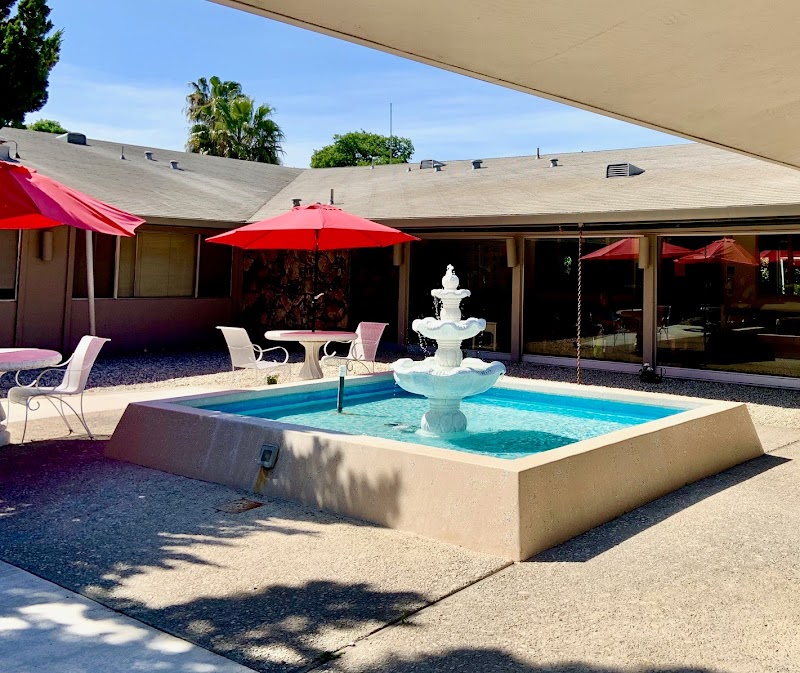
How is Fulton Gardens Post Acute, Llc Staffed?

CMS rates FULTON GARDENS POST ACUTE, LLC's staffing level at 4 out of 5 stars, which is above average compared to other nursing homes. Staff turnover is 31%, compared to the California average of 46%. This relatively stable workforce can support continuity of care.

What Have Inspectors Found at Fulton Gardens Post Acute, Llc?

State health inspectors documented 48 deficiencies at FULTON GARDENS POST ACUTE, LLC during 2022 to 2025. These included: 48 with potential for harm.
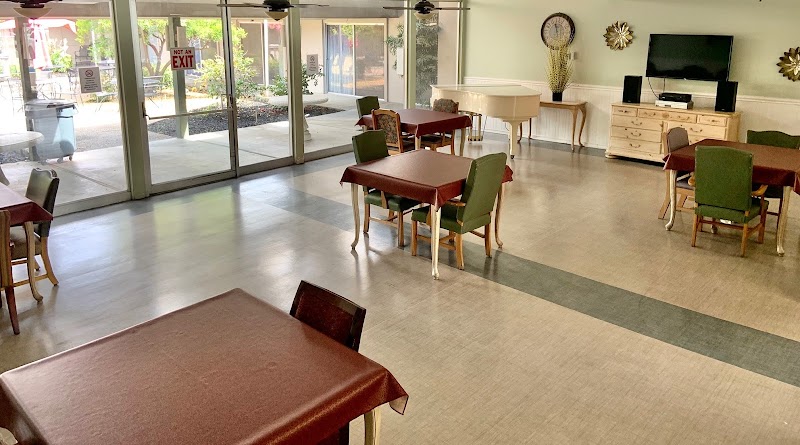
Who Owns and Operates Fulton Gardens Post Acute, Llc?

FULTON GARDENS POST ACUTE, LLC is owned by a for-profit company. For-profit facilities operate as businesses with obligations to shareholders or private owners. The facility is operated by ABBY GL, LLC, a chain that manages multiple nursing homes. With 116 certified beds and approximately 104 residents (about 90% occupancy), it is a mid-sized facility located in STOCKTON, California.
How Does Fulton Gardens Post Acute, Llc Compare to Other California Nursing Homes?

Compared to the 100 nursing homes in California, FULTON GARDENS POST ACUTE, LLC's overall rating (3 stars) is below the state average of 3.1, staff turnover (31%) is significantly lower than the state average of 46%, and health inspection rating (3 stars) is at the national benchmark.

What Should Families Ask When Visiting Fulton Gardens Post Acute, Llc?

Based on this facility's data, families visiting should ask: "Can I visit during a mealtime to observe dining assistance and food quality?" "How do you handle medical emergencies, and what is your hospital transfer rate?" "Can I speak with family members of current residents about their experience?"

Is Fulton Gardens Post Acute, Llc Safe?

Based on CMS inspection data, FULTON GARDENS POST ACUTE, LLC has a clean safety record: no substantiated abuse findings (meaning no confirmed cases of resident harm), no Immediate Jeopardy citations (the most serious violation level indicating risk of serious injury or death), and is not on the Special Focus Facility watch list (a federal program monitoring the lowest-performing 1% of nursing homes). The facility has a 3-star overall rating and ranks #100 of 100 nursing homes in California. While no facility is perfect, families should still ask about staff-to-resident ratios and recent inspection results during their visit.

Do Nurses at Fulton Gardens Post Acute, Llc Stick Around?

FULTON GARDENS POST ACUTE, LLC has a staff turnover rate of 31%, which is about average for California nursing homes (state average: 46%). Moderate turnover is common in nursing homes, but families should still ask about staff tenure and how the facility maintains care continuity when employees leave.

Was Fulton Gardens Post Acute, Llc Ever Fined?

FULTON GARDENS POST ACUTE, LLC has no federal fines on record. CMS issues fines when nursing homes fail to meet care standards or don't correct problems found during inspections. The absence of fines suggests the facility has either maintained compliance or corrected any issues before penalties were assessed. This is a positive indicator, though families should still review recent inspection reports for the full picture.

Is Fulton Gardens Post Acute, Llc on Any Federal Watch List?

FULTON GARDENS POST ACUTE, LLC is not on any federal watch list. The most significant is the Special Focus Facility (SFF) program, which identifies the bottom 1% of nursing homes nationally based on persistent, serious quality problems. Not being on this list means the facility has avoided the pattern of deficiencies that triggers enhanced federal oversight. This is a positive indicator, though families should still review the facility's inspection history directly.