GOOD SAMARITAN REHAB AND CARE CENTER
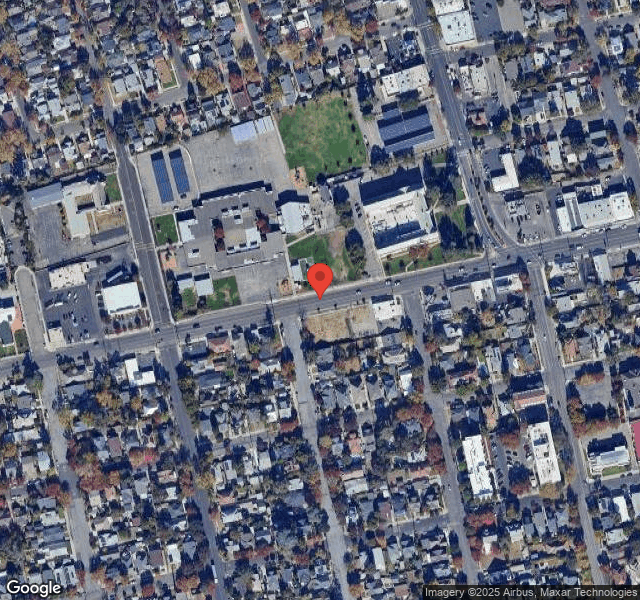

1630 N. EDISON STREET, STOCKTON, CA 95204 (209) 948-8762
For profit - Corporation 98 Beds Independent Data: November 2025
Trust Grade
75/100
#357 of 1155 in CA
Last Inspection: February 2025

Within standard 12-15 month inspection cycle. Federal law requires annual inspections.

Overview

Good Samaritan Rehab and Care Center in Stockton, California has a Trust Grade of B, indicating it is a solid choice for care, though not without areas for improvement. It ranks #357 out of 1155 facilities in California, placing it in the top half, and #5 out of 24 in San Joaquin County, meaning only a few local options are better. Unfortunately, the facility is experiencing a worsening trend, with issues increasing from 16 in 2024 to 17 in 2025. Staffing is a relative strength, with a 4/5 star rating and a low turnover rate of 24%, significantly better than the state average, which allows staff to build strong relationships with residents. However, there are no recorded fines, which is a positive sign. On the downside, there have been concerning incidents noted in inspections. For example, meal tray tickets containing personal resident information were improperly disposed of, which could lead to identity theft. Additionally, there were multiple food safety violations, such as raw chicken not being properly thawed and spoiled produce being stored for use. These issues indicate that while there are strengths in staffing, the facility must address significant concerns regarding resident safety and food handling practices.

Trust Score
B
75/100
In California
#357/1155
Top 30%
Safety Record
Low Risk
No red flags
Inspections
Getting Worse
16 → 17 violations
Staff Stability
✓ Good
24% annual turnover. Excellent stability, 24 points below California's 48% average. Staff who stay learn residents' needs.
Penalties
✓ Good
No fines on record. Clean compliance history, better than most California facilities.
Skilled Nurses
○ Average
Each resident gets 30 minutes of Registered Nurse (RN) attention daily — about average for California. RNs are the most trained staff who monitor for health changes.
Violations
⚠ Watch
44 deficiencies on record. Higher than average. Multiple issues found across inspections.
★★★★☆
4.0
Overall Rating
★★★★☆
4.0
Staff Levels
★★★★★
5.0
Care Quality
★★★☆☆
3.0
Inspection Score
Stable
2024: 16 issues
2025: 17 issues

The Good

  • 4-Star Staffing Rating · Above-average nurse staffing levels
  • 5-Star Quality Measures · Strong clinical quality outcomes
  • Low Staff Turnover (24%) · Staff stability means consistent care
  • Full Sprinkler Coverage · Fire safety systems throughout facility
  • No fines on record
  • Staff turnover is low (24%)

    24 points below California average of 48%

Facility shows strength in staffing levels, quality measures, staff retention, fire safety.

The Bad

No Significant Concerns Identified

This facility shows no red flags. Among California's 100 nursing homes, only 1% achieve this.

The Ugly 44 deficiencies on record

Jul 2025 2 deficiencies
CONCERN (D) 📢 Someone Reported This

A family member, employee, or ombudsman was alarmed enough to file a formal complaint

Potential for Harm - no one hurt, but risky conditions existed

ADL Care (Tag F0677)

Could have caused harm · This affected 1 resident

Based on interview and record review, the facility failed to ensure one of five sampled residents, (Resident 3) who was dependent on staff to carry out activities of daily living, (ADLs, tasks of ever...

Read full inspector narrative →
Based on interview and record review, the facility failed to ensure one of five sampled residents, (Resident 3) who was dependent on staff to carry out activities of daily living, (ADLs, tasks of everyday life including eating, dressing, bathing, showering, and using the bathroom) received services to maintain personal hygiene when Resident 3 was not provided with once weekly showers for two months.This failure had the potential to cause discomfort, skin impairment, infection, and a decline in emotional and psychological well-being.Findings:A review of Resident 3's clinical record titled, admission Record, indicated Resident 3 was admitted to the facility in 2018 with diagnoses which included Cerebral Infarction (a result of disrupted blood flow of the brain - also known as a stroke), Hemiplegia (unable to move a part of the body), and Hemiparesis (muscle weakness on one side of the body).A review of Resident 3's clinical record titled, Minimum Data Set, (MDS, a comprehensive care assessment tool) indicated that Resident 3 was dependent of the staff for completion of ADLs.During a phone interview with Resident 3's Responsible Party (RP, the person designated to direct the care of a loved one admitted into a nursing facility) on 7/3/25 at 10:43 a.m., the RP stated that she was concerned that the facility had not provided Resident 3 with showers but had only provided bed baths.During a concurrent interview and record of review on 7/7/25 at 11:33 a.m., with the Director of Staff Development (DSD), Resident 3's clinical record titled, Skin Check Forms, were reviewed. The DSD stated the Certified Nursing Assistants (CNAs) completed the skin check forms and placed them in the binder each day. The DSD stated the residents' skin checks, baths, and/or showers were completed at the same time unless the residents were bedridden. The DSD stated that residents like Resident 3 (who were bedridden) would have received bed baths daily and showers once a week. During a concurrent interview and record review on 7/8/25 at 4:10 p.m., with the Licensed Nurse (LN) 1, the document titled, July 2025 ADL-Bathing, (a task list documentation in the electronic medical record [EMR]) was reviewed. LN 1 stated that the residents' baths and showers were documented with body skin checks by the CNAs. LN 1 stated that residents in A beds were checked Monday, Wednesday, Friday, residents in B beds were checked Tuesday, Thursday, Saturday, and residents in C beds were checked on the days that the residents in the A beds were checked. LN 1 stated that the CNAs also documented baths and/or showers on the task lists electronically in the residents' medical records. LN 1 stated that Resident 3 went to the acute (area that treated new health concerns) care facility on 6/27/25 and returned to the facility from acute care on 7/3/25. LN 1 confirmed that Resident 3 received a shower on 7/8/25.During a concurrent interview and record review on 7/8/25 at 4:35 p.m., with the Medical Records (MR), Resident 3's clinical document titled, May 2025 and June 2025 ADL-Bathing (task list documentation) was reviewed. The MR stated that she was not able to print a report that indicated specifically whether Resident 3 received a bath or shower, as she did not have access to do so. MR stated that the Director of Nursing (DON) would be able to print a report that indicated whether Resident 3 received a shower in May or June 2025. During a concurrent interview and record review on 7/8/25 at 4:40 p.m. with the Minimum Data Set (MDS) Coordinator, Resident 3's clinical document titled, ADL-Bathing (located in the EMR that tracked shower dates) was reviewed. MDS stated the document did not indicate if Resident 3 had a bath or shower. The MDS confirmed that Resident 3's ADL-Bathing task list indicated that Resident 3 did not have a shower in May 2025 or in June 2025. During a concurrent phone interview and record review on 7/9/25 at 9:30 a.m., with the DON, Resident 3's EMR was reviewed. The DON stated that her expectation was that residents in A beds had skin checks Monday, Wednesday, Friday, residents in B beds had skin checks Tuesday, Thursday, Saturday, and residents in C beds had skin checks on the days that the residents in the A beds had skin checks and that the residents received bed baths or showers with the skin checks. The DON stated that her expectation was that residents who were bedridden received bed baths daily and received showers once a week. The DON stated that when the residents received bed baths, they were wet fully while in bed. The DON confirmed that Resident 3 did not receive a shower in May 2025 or June 2025. The DON stated that the risk of Resident 3 not receiving a shower was that a shower was more comfortable and refreshing than a bed bath. The DON acknowledged that the facility policy was not followed.A review of an undated facility policy and procedure (P&P) titled, Policy and Procedure on Bathing, indicated, .Policy .It shall be this facility's policy to provide bathing services to residents to promote cleanliness, good hygiene, and comfort .8. Formulate plans of care to meet the resident's bathing needs .
CONCERN (D) 📢 Someone Reported This

A family member, employee, or ombudsman was alarmed enough to file a formal complaint

Potential for Harm - no one hurt, but risky conditions existed

Medical Records (Tag F0842)

Could have caused harm · This affected 1 resident

Based on observation, interview, and record review the facility failed to maintain the confidentiality of two of three sampled residents (Resident 6 and Resident 7) when portions of Resident 6's and R...

Read full inspector narrative →
Based on observation, interview, and record review the facility failed to maintain the confidentiality of two of three sampled residents (Resident 6 and Resident 7) when portions of Resident 6's and Resident 7's medical records were discovered in Resident 3's medical record.This failure had the potential for exposure of Resident 6's and Resident 7's private and confidential information to unauthorized individuals.Findings:A review of Resident 3's clinical record titled, admission Record, indicated Resident 3 was admitted to the facility in 2018 with diagnoses which included Cerebral Infarction (a result of disrupted blood flow of the brain, also known as a stroke), Hemiplegia (unable to moved parts of the body), and Hemiparesis (muscle weakness on one side of the body).A review of Resident 6's clinical record titled, admission Record, indicated that Resident 6 was admitted to the facility in 2014 with diagnoses which included Respiratory Failure (disease that can cause shortness of breath, anxiety, and confusion).A review of Resident 7's clinical record titled, admission Record, indicated that Resident 7 was admitted to the facility in 2019 with diagnoses which included Diabetes Mellitus (a chronic condition that affects the way the body processes blood sugar), and Hemiparesis. During a concurrent interview and record review on 7/7/25 at 4:10 p.m. with Medical Records (MR), Resident 3's medical records were reviewed. MR confirmed that intake and output forms for Resident 7 and a physician's order for a Licensed Nurse to pronounce the time of death and release of body to mortuary for Resident 6 were in Resident 3's medical record. The MR stated that the documents were mixed up and someone could have followed the order for the wrong resident. The MR confirmed that the facility policy was not followed.During a review of the faciliy's undated policy and procedure (P&P) titled, Health Policy and Procedure Manual Long Term Care Storage and Protection of Records, indicated, .The facility must maintain clinical records on each resident in accordance with acceptable professional standards and practices that are: 1. Complete 2. Accurately documented .It is the policy of this facility to store all medical records in such a manner so as to protect against .unauthorized use .Each patient is assigned a medical record number upon admission, and this number is retained for all subsequent readmissions .all admissions are filed under the .number .Do not allow records out in an area where they could be lost, misplaced .
Feb 2025 15 deficiencies
CONCERN (D)

Potential for Harm - no one hurt, but risky conditions existed

Resident Rights (Tag F0550)

Could have caused harm · This affected 1 resident

Based on observation, interview, and record review, the facility failed to ensure privacy and dignity were maintained for 1 of 21 sampled residents (Resident 287) when, Resident 287's urinary catheter...

Read full inspector narrative →
Based on observation, interview, and record review, the facility failed to ensure privacy and dignity were maintained for 1 of 21 sampled residents (Resident 287) when, Resident 287's urinary catheter bag (a bag that collects urine draining from the bladder) did not have a privacy cover over it. This failure had the potential to negatively impact Resident 287's feelings of dignity and self-worth. Findings: During an observation on 2/18/25, at 12:25 PM, in Resident 287's room, Resident 287's urinary catheter bag was not covered with a privacy cover. During a concurrent observation and interview on 2/18/25, at 12:25 PM, with Certified Nursing Assistant (CNA) 1 in Resident 287's room, CNA 1 stated the urinary catheter bag hanging on the bed did not have a privacy cover. CNA 1 stated it should have been covered for privacy and dignity of Resident 287. During a concurrent observation and interview on 2/18/25, at 12:36 PM, with Licensed Nurse (LN) 1 in Resident 287's room, LN 1 confirmed the urinary catheter bag was hanging on the bed and not covered (with a privacy cover). LN 1 stated the purpose of the privacy cover, besides maintaining Resident 287's dignity, was not all residents were comfortable with the bag visible both inside and outside of the resident's room. A review of Resident 287's PHYSICIAN ORDERS, dated 2/11/25, indicated, .catheter .to drainage bag .[diagnosis] urinary retention [unable to empty the bladder completely] . During an interview on 2/21/25, at 9:25 AM, with the Director of Nursing (DON), the DON stated the urine catheter bag needs to be covered to maintain Resident 287's dignity. The DON stated it was the (facility's) policy to always use a privacy cover for urinary catheter bags. The DON explained her expectation was for the bag to be covered to preserve Resident 287's dignity. A review of an undated facility policy titled, RESIDENT RIGHTS, indicated, .It is the policy of this facility to promote and protect the rights of the residents residing in the facility .to assure that the resident is always treated with respect, kindness, and dignity . A review of an undated facility policy titled, RESIDENT RIGHTS, indicated, .The Social Services Coordinator will be involved in educating the staff at least annually .to observe and monitor compliance with the implementation of resident's rights at all times .
CONCERN (D)

Potential for Harm - no one hurt, but risky conditions existed

Deficiency F0552 (Tag F0552)

Could have caused harm · This affected 1 resident

Based on interview, and record review, the facility failed to ensure 1 of 21 sampled residents (Resident 29) was informed in advance by a physician or other professional in charge of Resident 29's car...

Read full inspector narrative →
Based on interview, and record review, the facility failed to ensure 1 of 21 sampled residents (Resident 29) was informed in advance by a physician or other professional in charge of Resident 29's care of the risks and benefits of psychotropic medication use (any drug capable of affecting the mind, emotions, and behavior) when Risperidone (medicine which may help symptoms such as aggressive or agitated behavior for some mental health conditions) and Valproic Acid (a medication which may help reduce behaviors that can include agitation, restlessness, combativeness, and verbal aggression) were prescribed and given without consent from Resident 29's Responsible Party (Resident 29's responsible party was a conservator-a person appointed by a court to make medical decisions for another adult who cannot care for themselves). The failure had the potential for not honoring the resident's right to be informed about his medical treatment including medication side effects or other alternative options. Findings: A review of Resident 29's admission RECORD, indicated Resident 29 was admitted to the facility with the diagnosis of DEMENTIA (a decline in mental ability that affects a person's memory, thinking, and behavior). Resident 29's admission record listed a Deputy Public Guardian as Resident 29's responsible party/conservator. During a concurrent interview and record review on 2/21/25, at 9:12 AM, with Licensed Nurse (LN) 1, Resident 29's undated FACILITY VERIFICATION OF RESIDENT INFORMED CONSENT FOR PHYSICAL RESTRAINTS, PSYCHOTHERAPEUTIC DRUGS OR 'PROLONGED USE OF A DEVICE' (informed consent form) for Risperidone and Valproic Acid were reviewed. LN 1 stated he was not sure when the doctor signed the forms because they did not include a date and there was not a check mark indicating with whom the informed consent was discussed. LN 1 stated the purpose (of obtaining informed consent) was to explain the medication risks and benefits to the resident (or their Responsible Party/Conservator) and allow them to make an informed decision (regarding treatment with medications). During a concurrent interview and record review on 2/21/25, at 9:21 AM, with the Director of Nursing (DON), Resident 29's undated FACILITY VERIFICATION OF RESIDENT INFORMED CONSENT FOR PHYSICAL RESTRAINTS, PSYCHOTHERAPEUTIC DRUGS OR 'PROLONGED USE OF A DEVICE' for Risperidone and Valproic Acid were reviewed. The DON confirmed the forms were not dated or completely filled out and only signed (by the doctor) and a signature would indicate the physician had explained side effects, risks, and benefits (of the medications). A review of Resident 29's Order Summary Report, indicated Resident 29 was prescribed Valproic Acid on 04/26/24 and Risperidone on 7/30/24 to be used as follows: Valproic Acid Oral Capsule 250 MG [milligram - a unit of measurement of mass or weight in the metric system] .Give 1 capsule by mouth three times a day for Mood stabilizer m/b [manifested by - evidence of] physical aggression . Risperidone Tablet 0.5 MG Give 0.5 mg by mouth at bedtime every Mon., Wed., Fri. for Mood Stabilizer m/b verbal aggressiveness. Risperidone Tablet 1 MG Give 1 tablet my mouth at bedtime every Tues., Thu., Sat, Sun for Mood Stabilizer m/b verbal aggressiveness. A review of Resident 29's Medication Administration Record (MAR), dated 2/2025, indicated that Valproic Acid Oral Capsule 250 MG, Risperidone Tablet 0.5 MG, and Risperidone Tablet 1 MG were administered as ordered indicated by Licensed Nurses' documentation on the MAR. A review of the facility's undated policy titled, RESIDENT RIGHTS, indicated, .Free choice .the resident has the right to .Be fully informed in advance about the care and treatment and of any changes in in that care or treatment that may affect the resident's well-being . During a review of the facility's undated policy titled, POLICY AND PROCEDURE ON CHEMICAL RESTRAINTS, indicated, .The facility shall ensure that each resident receives .the necessary care and services to attain and maintain the highest practicable physical, mental, and psychosocial well-being .The facility shall use a psychotherapeutic drug .only if the resident, or his/her surrogate decision maker [conservator] has given consent to the use of the medication .Physician shall obtain an informed consent .
CONCERN (D)

Potential for Harm - no one hurt, but risky conditions existed

Accident Prevention (Tag F0689)

Could have caused harm · This affected 1 resident

Based on observation, interview, and record review, the facility failed to ensure an environment free of accidents or hazards for two of five residents (Resident 288 and Resident 61) whom smoked when:...

Read full inspector narrative →
Based on observation, interview, and record review, the facility failed to ensure an environment free of accidents or hazards for two of five residents (Resident 288 and Resident 61) whom smoked when: 1. Resident 288 smoked a cigarette in the facility courtyard without supervision; and 2. Resident 61 kept a cigarette lighter in his room that was accessible to other residents. These failures had the potential to place Resident 288 and other residents in the facilit,y with a census of 81, at risk for accidental burns and injuries. Findings: 1. A review of Resident 288's admission RECORD, indicated that Resident 288 was admitted to the facility with diagnoses which included metabolic encephalopathy (a change in how the brain works which causes confusion, memory loss and loss of consciousness). During an observation in the facility courtyard on 2/19/25, at 7:58 a.m., Resident 288 and the Nursing Assistant (NA) were outside in the courtyard. The NA lit Resident 288's cigarette with a cigarette lighter and left Resident 288 in the courtyard to smoke. During am interview on 2/19/25, at 8 a.m Licensed Nurse (LN) 6 stated that there was a smoking schedule which included which facility staff were assigned to supervise the residents who were smoking in the courtyard. LN 6 stated that LNs monitored residents who smoked to make sure that the residents did not harm themselves while smoking and to make sure that the residents properly extinguished the cigarettes after smoking. LN 6 stated that the Social Services Director (SSD) reviewed the smoking policy with the residents and/or their responsible parties (RP, family) when they were admitted to the facility. LN 6 stated that the facility had smoking aprons in the medication storage rooms for residents. LN 6 stated that residents can only smoke in the courtyard. LN 6 stated that the SSD and/or LNs kept the cigarettes for residents who were not independent smokers (able to use their lighter and hold their cigarette to smoke without staff assistance). LN 6 stated that if allowed, some residents could keep their smoking paraphernalia (cigarettes and lighters) in their rooms. LN 6 stated that smoking assessments for residents were kept in their charts and in a smoking binder in the SSD's office. During an interview with the NA on 2/19/25 at 9:45 a.m., the NA confirmed that she lit Resident 288's cigarette and left him in the courtyard to smoke unsupervised. The NA stated that she was told that since she was not a certified nursing assistant, she could not supervise the resident in the courtyard, so she left the resident in the courtyard and went inside the facility. The NA confirmed that Resident 288 needed to be supervised while smoking per his smoking care plan. The NA stated that the risk of leaving Resident 288 alone on the patio to smoke without supervision was that he could get hurt. During an interview with the Social Services Director (SSD) on 2/19/25, at 10:25 a.m., the SSD stated that when residents were admitted , the resident or RP was asked if the resident smoked. The SSD stated that if the resident was alert and oriented, the resident could smoke anytime, but still needed supervision per the smoking schedule. The SSD stated that the residents could go out to the courtyard to smoke, but a staff member had to go out to the courtyard with the residents to supervise. The SSD stated that the residents obtained their cigarettes and lighters from the smoking kit at the nurses' station or from the SSD before going out to smoke. The SSD stated that residents were not allowed to keep their lighters in their rooms for safety, but residents could keep their cigarettes. During a review of Resident 288's Smoking Data Collection and Assessment, dated 2/17/25, indicated .The resident may only smoke with supervision. (Notify the resident and/or authorized responsible party) . During a review of Resident 288's undated Assessment of Safe Possession of Smoking Paraphernalia, indicated, .Cognitive [thinking, reasoning, or remembering] ability of resident is assessed to be alert with periods of confusion [lack of understanding, uncertainty] .IDT's [Interdisciplinary Team, a group of healthcare professionals with various levels of expertise who work together towards the goals of their residents] recommendation .2. Resident may possess smoking paraphernalia: no . During a review of Resident 288's Smoking Risk Care Plan, dated 2/3/25, indicated, .Problem .High Risk for Accidental Injury from Cigarette burns .Keep cigarette in mouth unlighted and wheels around in facility .Goal: Resident will exhibit safe smoking practices daily .Interventions: Observe/report unsafe smoking practices .Heightened Safety Risk R/T [related to]: Cognitive issue .confusion, forgetfulness .Physical Issues: Poor trunk control [ability to control the upper body, how well a resident can hold the body upright while sitting or moving] .Medical Issues: weakness .Recommended Smoking Plan: Independent Smoking .Safety Modifications: staff to retain cigarettes .staff to retain lighter .supervised smoking . During an interview with the DON on 2/21/25 at 9:15 a.m., the DON stated that the expectation was that all residents were supervised while smoking in the courtyard. The DON confirmed that the facility policy was not followed. 2. A review of Resident 61's admission Record, indicated that Resident 61 was admitted to the facility with diagnoses which included acute respiratory failure with hypoxia (a life-threatening condition that occurs when the lungs cannot deliver enough oxygen to the body) and chronic obstructive pulmonary disease (COPD, a lung disease causing restricted airflow and breathing problems). During an interview with Resident 61 in the courtyard on 2/19/25, at 7:55 a.m., Resident 61 stated that he smoked. Resident 61 stated that he kept his cigarettes and his lighter in his pocket. Resident 61 stated that he heard conflicting reports on whether he had to lock his cigarettes and his lighter up in his room. Resident 61 stated that he could smoke outside whenever he wanted. Resident 61 stated that smoking was only allowed in the courtyard. Resident 61 stated that the courtyard door was not locked at night. During an interview on 2/19/25, at 8 a.m., LN 6 stated that there was a smoking schedule which included which facility staff were assigned to supervise the residents who were smoking on the courtyard. LN 6 stated that residents can only smoke at the courtyard. LN 6 stated that the SSD and/or LNs kept the cigarettes for residents who were not independent smokers (able to use their lighter and hold their cigarette to smoke without staff assistance). LN 6 stated that if allowed, some residents could keep their smoking paraphernalia (cigarettes and lighters) in their rooms. During an interview with the Social Services Director (SSD) on 2/19/25 at 10:25 a.m., the SSD stated that the residents obtained their cigarettes and lighters from the smoking kit at the nurses' station or from the SSD before going out to smoke. The SSD stated that residents were not allowed to keep their lighters in their rooms for safety, but residents could keep their cigarettes. During an interview with the facility Director of Nursing (DON) on 2/19/25 at 10:30 a.m., the DON stated that residents assessed to be independent smokers could keep their cigarettes and lighters in their rooms. The DON stated that residents that kept their cigarettes and lighters in their rooms must always have their cigarettes and their lighters in their possession. The DON stated that one resident in the facility was on continuous oxygen and four or five residents had orders for as needed oxygen. The DON stated that residents who had their cigarettes and their cigarette lighters in their possession were always monitored by the staff. The DON stated that the staff were aware of which residents smoked in the facility and monitored the residents to make sure that they always kept their cigarettes and their lighters with them. The DON stated that at night, the charge nurses and the Certified Nursing Assistants (CNAs) monitored the residents at night to make sure that no one had access to their cigarettes and their lighters. The DON stated that the risk was explosion if a resident obtained a lighter and cigarette and lit it in the presence of oxygen. During an interview with the DON on 2/21/25 at 9:15 a.m., the DON stated that the expectation was that all residents were supervised while smoking in the courtyard. The DON confirmed that the facility policy was not followed. A review of an undated facility policy and procedure (P&P) titled Policy and Procedure on Smoking, the P&P indicated .Policy: It shall be this facility's policy to allow residents to smoke provided smoking is done in an area and in a manner that does not pose any harm or danger to facility, personal property or personal endangerment. In the case of any resident who is physically or mentally incapacitated, resident shall be permitted to smoke provided that smoking is done under close supervision of staff .Procedures .4. Smoking shall only be allowed in designated areas .11. Residents who are either physically or cognitively incapacitated shall be permitted to smoke only under the close supervision of staff .12. Residents who are not capable of smoking safely including handling smoking paraphernalia safely may be placed on scheduled and/or supervised smoking . A review of an undated facility P&P titled Policy and Procedure on Smoking: Smoking Paraphernalia, the P&P indicated, .Policy: It is this facility's policy to uphold resident's rights to smoke, provided smoking is done in an area and manner that does not pose potential harm or danger to self, facility/personal property or others. In this regard, smoking paraphernalia such as cigarettes, lighters and matches may be in a resident's possession only under conditions deemed safe by the facility's inter-disciplinary team. Procedures .7. Smoking materials or paraphernalia shall be made available to the resident during smoking time, only under close supervision of staff .
CONCERN (D)

Potential for Harm - no one hurt, but risky conditions existed

Pharmacy Services (Tag F0755)

Could have caused harm · This affected 1 resident

Based on observation, interview, and record review, the facility failed to provide accurate administration of medication for 1 out of 16 residents (Resident 62) observed during medication administrati...

Read full inspector narrative →
Based on observation, interview, and record review, the facility failed to provide accurate administration of medication for 1 out of 16 residents (Resident 62) observed during medication administration when, Resident 62's medication was given when her vital signs were outside of prescribed parameters. This failure had the potential for Resident 62 to experience an adverse reaction to her prescribed medication. Findings: A review of Resident 62's admission RECORD indicated that Resident 62 was admitted to the facility with diagnoses which included cerebral infarction ( a result of disrupted blood flow of the brain due to problems with the blood vessels that supply it, also known as stroke) and hypertension (a condition in which the force of blood pushing against the blood vessel walls is consistently too high which causes the heart to work harder to pump blood). During an interview and concurrent medication administration observation with Licensed Nurse (LN) 7 on 2/19/25, at 4:15 p.m., LN 7 checked Resident 62's blood pressure and obtained a reading of 102/57. LN 7 then administered an oral tablet of Amlodipine (a medication prescribed by Resident 62's physician for hypertension) to Resident 62 with water. LN 7 watched Resident 62 take the tablet and the water afterward. During a review of Resident 62's [Facility name] Order Summary Report, dated 2/20/25, indicated, .amLODIPine Besylate [medication for hypertension] Oral Tablet 5 MG [milligrams; a unit of measure] Give 1 tablet by mouth in the evening for HTN [hypertension] Hold if sBP [systolic blood pressure, (top number) which is the amount of pressure the blood exerts on blood vessel walls when the heart beats] < [symbol for is less than] 110 .Order Date .04/17/2024 . During an interview on 2/19/25, at 5:20 p.m., LN 7 stated that Resident 62's blood pressure reading was 102/57. LN 7 confirmed that the blood pressure medication given to Resident 62 had a hold parameter. LN 7 confirmed that the Medication Administration Record (MAR, a document listing medications and monitoring parameters) listed a hold parameter for the blood pressure medication that was administered to Resident 62. LN 7 confirmed that the blood pressure medication should not have been given to Resident 62. LN 7 stated that the risk was that Resident 62's blood pressure could go too low. During an interview and concurrent record review with the facility's Director of Nursing (DON) on 2/21/25 at 9:15 a.m., the DON stated that the expectation was that when LN's gave blood pressure medications to residents, the LN's took the residents' blood pressure then checked the medication orders and MARs for hold parameters. The DON stated that it was not acceptable to give a blood pressure medication if the resident's blood pressure was outside of the hold parameters. The DON stated that if the blood pressure medication was given to a resident whose blood pressure was outside of the hold parameters, the expectation was that the LN would call the physician to report the error and monitor the resident's blood pressure. The DON stated that the risk was that the resident's blood pressure could go too low. The DON confirmed that the facility policy was not followed. During a review of a facility policy and procedure (P&P) titled, Medication Administration - General Guidelines, dated 8/19, the P&P indicated, .Policy: Medications are administered as prescribed in accordance with good nursing principles and practices and only by persons legally authorized to do so .Procedures .A. Preparation .5) the medication administration record (MAR) is always employed during medication administration .B. Administration .2) medications are administered in accordance with written orders of the prescriber .
CONCERN (D)

Potential for Harm - no one hurt, but risky conditions existed

Deficiency F0761 (Tag F0761)

Could have caused harm · This affected 1 resident

Based on observation, interview, and record review, the facility failed to ensure safe medication and medical supplies storage in the medication cart, treatment cart, medication refrigerator, and the ...

Read full inspector narrative →
Based on observation, interview, and record review, the facility failed to ensure safe medication and medical supplies storage in the medication cart, treatment cart, medication refrigerator, and the medication storge room for a census of 81 when: 1. Staff beverages, and staff belongings were stored in the medication storage rooms; 2. The medication refrigerator in the medication storge room which contained narcotics was not locked; 3. Expired medications and opened unlabeled medications were stored in the medication cart; 4. Multi-use wound care irrigation solutions in the treatment cart were opened but not dated; 5. Expired single use wound care ointment and cream, expired multi-use wound care ointments, and expired wound dressing material were stored in the treatment cart; and, 6. A single use sterile dressing in the treatment cart was opened but not discarded. These failures could contribute to unsafe medication use, storage, and medication errors that could affect the well-being of the facility's vulnerable elderly residents. Findings: During a concurrent observation and interview, in the medication storage room at Nursing Station #3 with Licensed Nurse (LN) 8 on 2/18/25 at 10:12 a.m., staff coffee cups, staff bags and staff drink cups with straws in them were located in the medication room. LN 8 stated that they should not be there due to a risk of infection (exposure to germs). LN 8 confirmed the medication refrigerator in the medication storage room was not locked, and a narcotic locked box in the medication refrigerator contained lorazepam (a controlled substance medication (drug tightly controlled by the government due to its abuse) used to treat panic attacks and seizures). During a concurrent observation and interview, in the medication storage room at Nursing Station #1 and #2, on 2/18/25 at 10:27 a.m. with LN 3, a staff's coffee cup and a staff's water cup were in the medication storage room. LN 3 stated that the staff cups should not be in the medication room. LN 3 stated that the risk was infection. LN 3 removed the staff cups from the medication room. During an interview on 2/18/25 at 10:37 a.m. with (LN) 9, LN 9 stated that the medication refrigerator should be locked when there were narcotics in the refrigerator. LN 9 stated that the risk was that someone could have access to the narcotics who was not authorized. During a concurrent interview and observation of Medication Cart #3 on 2/20/25 at 11:24 a.m. with LN 5 at Nurses Station #3, LN 5 confirmed the drawer on the right side of the cart contained expired eye drops. LN 5 confirmed an expired container of oral calcium (vitamin supplement), an expired container of docusate sodium capsules (medication to prevent constipation), an opened unlabeled multi-use bottle of Milk of Magnesia (liquid medication to prevent constipation), and an expired Albuterol Sulfate inhaler (medication to improve breathing) were located in drawer two. All expired medications were removed by LN 5. LN 5 stated that the risk of using expired medications was that the residents might get sick. During a concurrent observation and review of Treatment Cart #3 with LN 5 confirmed there were two expired bottles of sterile saline solution single use for irrigation were opened, but not dated. LN 5 stated that the saline solution should have been discarded as it was for single use. LN 5 discarded the saline solution. LN 5 confirmed there was one expired tube of Fluconozole (medicated ointment for wound care) ointment, one tube of expired Fluconozole cream (medicated cream for wound care), and a box of expired triple antibiotic ointment packets located in drawer two. LN 5 confirmed there was an opened sterile Maxorb calcium alginate dressing (used to cover surgical wounds and ulcers) located in drawer three of the treatment cart. LN 5 stated that the expired items should have been discarded. LN 5 confirmed an opened multi-use bottle of povodine iodine ointment (antibiotic ointment used to kill germs in wounds) was not dated and an opened multi-use bottle of Dakin's solution (used to clean wounds) was not dated. LN 5 confirmed an opened, expired package of Medfil collagen particles (used to treat deep wounds) had spilled in the third drawer of the treatment cart. LN 5 stated that the expired items should have been discarded. LN 5 stated that when solutions for wound care were opened, they should be dated. LN 5 threw away all expired items. During an interview with the facility Director of Nursing (DON) on 2/20/25 at 12:47 p.m., the DON stated that the expectation was that no staff personal belongings were kept in the medication storage room. The DON stated that staff had lockers in the breakroom to keep their personal belongings, and the staff should have their drinks in the breakroom as well. The DON stated that the medication refrigerator must be locked when narcotics were stored in the medication refrigerator. The DON stated that there should not be any expired medications in the medication cart. The DON stated that sterile saline for irrigation in single use containers must be discarded after use. The DON stated that sterile wound dressings must remain sealed until used and should be thrown away if the packaging was opened, expired, or damaged as the dressing would no longer be sterile and could put a resident at risk for infection in the wound. The DON stated that multi-dose bottles of Dakin's solution and povodine iodine ointment must be dated when opened. The DON stated that the facility policy was not followed. A review of a facility policy and procedure (P&P) titled, Storage of Medications, dated 8/19, the P&P indicated, .Policy: Medications and biologicals are stored safely, securely, and properly, following manufacturer's recommendations or those of the supplier .Procedures .H. Outdated, contaminated, or deteriorated medications and those in containers that are cracked, soiled, or without secure closures are immediately removed from inventory, disposed of according to procedures for medication disposal .I. Medication storage areas are kept clean, well-lit, and free of clutter .D. When the original seal of a manufacturer's container or vial is initially broken, the container or vial will be dated .G. All expired medications will be removed from the active supply and destroyed in the facility, regardless of the amount remaining .H. Disposal of any medication prior to the expiration date will be required if contamination or decomposition is apparent . A review of a facility P&P titled, Controlled Substances, dated 8/19, the P&P indicated, .Medications included in the Drug Enforcement Administration (DEA) classification as controlled substances are subject to special handling, storage, disposal, and recordkeeping in the facility, in accordance with federal and state laws and regulations .C. All controlled substances are stored and maintained in a locked cabinet or compartment. If refrigeration is required, the refrigerator .is locked .
CONCERN (D)

Potential for Harm - no one hurt, but risky conditions existed

Deficiency F0825 (Tag F0825)

Could have caused harm · This affected 1 resident

Based on interview and record review, the facility failed to provide Physical Therapy (PT- the treatment of disease, injury, or deformity by physical methods such as message, heat treatment, and exerc...

Read full inspector narrative →
Based on interview and record review, the facility failed to provide Physical Therapy (PT- the treatment of disease, injury, or deformity by physical methods such as message, heat treatment, and exercise) and Occupational Therapy (OT- treatment that helps improve the ability to perform daily tasks) services to one of twenty one sampled residents (Resident 81), when Resident 81 did not receive a PT/OT evaluation and treatment as ordered. This failure had the potential for Resident 81 not to attain, maintain, or restore his highest practicable level of physical, mental, functional, and psycho-social well-being. Findings: A review of Resident 81's admission RECORD indicated Resident 81 was admitted to the facility with diagnoses which included generalized muscle weakness, repeated falls, and other symptoms and signs involving cognitive functions and awareness. A review of Resident 81's physician orders dated 1/10/25, indicated Resident 81 had orders for OT Evaluation and Treatment as indicated and PT Evaluation & Treatment as indicated. Further review of Resident 81's record failed to show PT/OT evaluations or treatments were provided. During an interview on 2/18/25, at 11:13 AM, Resident 81 stated he was supposed to be on therapy because he was admitted for balance problems. Resident 81 further stated his balance problems were not being addressed. Resident 81 confirmed he was not provided with physical and occupational therapy since the day he was admitted to the facility. During an interview on 2/19/25, at 4:06 PM, the Occupational Therapist (OT) 1 stated Resident 81 was not receiving therapy services. OT 1 stated she did not receive a referral for him. Resident 81's medical record was reviewed with OT 1 and OT 1 confirmed Resident 81 had an order to receive a PT/OT evaluation and treatment on 1/10/25. OT 1 confirmed Resident 81 did not receive rehabilitation services. During a concurrent interview and record review on 2/20/25, at 2:33 PM, Physical Therapist (PT) 1 stated as per facility protocol, resident should be seen and receive rehabilitation services within 72 hours from the time when ordered. PT 1 stated that the importance of the rehabilitation evaluation was for safety purposes like providing recommendations on activities of daily living and safe transfers which included getting in and out of bed. PT 1 further stated that they also recommended assistive devices for residents such as walkers, wheelchairs, and RNA services (Restorative Nursing Aide; provides skill practice to residents with activities such as walking and mobility, dressing, grooming, and eating), or ongoing PT/OT. PT 1 stated that he did not receive a referral for PT/OT services for Resident 81. Resident 81's medical record was reviewed with PT 1 and PT 1 confirmed Resident 81 had an order for PT/OT evaluation and treatment dated 1/10/25. PT 1 stated he was not aware of it. PT 1 stated Resident 81 was placed at risk of decline and fall when rehabilitation services were not provided as ordered. During an interview on 2/21/25, at 12:03 PM, with the Director of Nursing (DON), the DON confirmed that Resident 81 had physical therapy and occupational therapy orders upon admission. The DON confirmed that the facility did not have rehabilitation services from the beginning of December through January 14, 2025, during the transition period. The DON stated that the facility wanted an in-house rehabilitation service, and the negotiations to renew the contract took some time. The DON stated that if there was an order for PT/OT evaluation, it must be done within 24 hours. The DON stated if a resident was not provided PT/OT evaluation and treatment as ordered then it placed residents at risk of physical deterioration. A review of Resident 81's undated BASELINE CARE PLAN, indicated, .OTHER SPECIAL CARE INSTRUCTIONS .Therapy service: PT OT .PHYSICIAN ORDER FOR THERAPY .PT Evaluation Treatment .OT Evaluation Treatment . A review of Resident 81's care plan dated 1/10/25, indicated, .LONG TERM GOAL: To maintain/improve physiological and psychosocial functions daily .Concerns & Problems Extensive assist with ADL's [Activities of Daily Living] d/t[due to] weakness 2[secondary to] health issues . A review of Resident 81's care plan dated 2/7/25, indicated, CLIENT PROTECTION PLAN: SAFETY/FALL .Approach Plan .Physical therapy as ordered or range of motion during ADL care to help improve movement & strength & decreases pain . A review of an undated facility policy and procedure titled, [Facility Name] Policy and Procedure for Rehabilitation Program, indicated, .Policy Statement [Facility Name] is committed to providing evidence-based rehabilitation services tailored to the individual needs of residents. The rehabilitation program shall be designed to maximize functional abilities, promote safety, and facilitate resident's return to their highest level of independence .Procedure 1. admission to Rehabilitation Program .Residents requiring rehabilitation services will be identified through physician referrals, nursing assessments, and interdisciplinary team evaluations. A comprehensive evaluation will be conducted by a licensed therapist to determine the resident's rehabilitation needs and goals. The rehabilitation plan of care will be developed based on assessment findings, physical recommendations, and resident preferences .
CONCERN (D)

Potential for Harm - no one hurt, but risky conditions existed

Medical Records (Tag F0842)

Could have caused harm · This affected 1 resident

Based on observation, interview, and record review, the facility failed to maintain and obtain complete medical records for 1 out of 21 sampled residents (Resident 72), when Resident 72's medical reco...

Read full inspector narrative →
Based on observation, interview, and record review, the facility failed to maintain and obtain complete medical records for 1 out of 21 sampled residents (Resident 72), when Resident 72's medical record did not contain progress notes from the primary care provider. This failure resulted in an incomplete reflection of Resident 72's progress toward achieving her person-centered plan of care and potentially resulted in insufficient information for the staff to facilitate communication among the interdisciplinary team that provided care for Resident 72. Findings: During an observation on 2/18/25 at 11:23 AM, Resident 72 was observed scratching her chest and upper extremities. During an interview on 2/19/25 at 10:45 AM, License Nurse (LN) 5 stated that Resident 72 was under the care of an outside primary care provider who was treating her and prescribing her medications. A review of Resident 72's medical record failed to show progress notes from her outside primary care provider. During a concurrent interview and record review, on 2/20/25 at 4:04 PM, Resident 72's medical records were reviewed with the Director of Nursing (DON). The DON stated Resident 72 was under the care of an outside primary care provider who managed her care. The DON stated the outside primary care provider started providing services to Resident 72 in August of 2024. The DON confirmed Resident 72's outside primary care provider notes were not available in Resident 72's medical record at the facility. During an interview on 2/20/25 at 4:18 PM, Medical Records (MR) 1 stated she had not received medical records from Resident 72's outside primary care provider and had never requested them. During an interview on 2/20/25 at 4:22 PM, Resident 72's outside Primary Care Provider (PCP) stated that the progress notes were the communication between the PCP and the nurses for any new orders, updates, and for Resident 72's continuity of care. During an interview on 2/21/25 at 11:49 AM, the DON stated not having Resident 72's primary care provider's progress notes in her medical record at the facility would result in not knowing what measures or interventions the facility needed to do for the resident.
CONCERN (D)

Potential for Harm - no one hurt, but risky conditions existed

Deficiency F0865 (Tag F0865)

Could have caused harm · This affected 1 resident

Based on interview, and record review, the facility failed to provide evidence of the ongoing efforts of a Quality Assurance and Performance Improvement (QAPI- a data driven and proactive approach use...

Read full inspector narrative →
Based on interview, and record review, the facility failed to provide evidence of the ongoing efforts of a Quality Assurance and Performance Improvement (QAPI- a data driven and proactive approach used to continuously identify opportunities for improving the overall quality of life and quality of care and services to nursing home residents) program/plan for a resident census of 81. This deficient practice had the potential for the facility to miss efforts to identify, report, investigate, analyze, and prioritize identified concerns in the facility. Findings: During an interview with the Administrator (ADM) on 2/18/25 at 1:15 PM, the ADM stated she would provide the QAPI documents as requested that morning during the Entrance Conference held at 9:17 AM. During a concurrent interview and record review on 2/18/25 at 5 PM, with the ADM, the Entrance Conference Worksheet, dated 10/23 was reviewed.The Entrance Conference Worksheet indicated, QAPI plan was listed on the worksheet under the heading INFORMATION NEEDED FROM FACILITY WITHIN FOUR HOURS OF ENTRANCE and the worksheet was provided at the Entrance Conference. The ADM acknowledged the worksheet information and stated she would provide the QAPI plan documents as requested. Interviews with the ADMIN to request the facility's QAPI plan and names of its members were held on the following dates and times: 2/19/25 at 12:25 PM and at 4:15 PM 2/20/25 at 11:57 AM 2/21/25 at 2:15 PM During a concurrent interview and record review on 2/21/25 at 2:15 PM with the ADM and Director of Nursing (DON), a facility document titled, QUALITY ASSURANCE/ACTION PLAN, dated 2/19/25 was reviewed. The ADM stated this was the facility's current QAPI plan and that the document was created the week of the survey. The ADM stated she created the document after being told the survey team had identified the issue of F761 Expired Medications. The ADM was again asked for a QAPI plan initiated prior to the current survey week, and the DON provided document titled, QUALITY ASSURANCE/ACTION PLAN, which was signed and dated 1/21/25. During a review of the facility's policy and procedure titled, FACILITY QUALITY ASSESSMENT & ASSURANCE AND QUALITY ASSURANCE IMPROVEMENT PROGRAM, dated 10/01/94, indicated, .is maintained in accordance with the Federal Requirements, all applicable State regulations .The function of such program will be the responsibility of the QAA [specifies who attends the QAPI meetings and how often] and QAPI committee .In coordination with QAA/QAPI Program governing body, the facility administrator is responsible to oversee the Quality Improvement [QI] Program in order to meet the needs, goals and objectives of the resident population that it serve[s] and meet the QI Standards of Care established through the QAPI Program .to work systematically in order to identify, analyze and evaluate quality issues . Review of an undated facility document titled, QAPI Written Plan: Introduction, indicated, .The QAPI plan will guide your organizations performance improvement efforts .The QAPI regulation requires a written plan .Your written plan will be made available to a state agency, federal surveyor, or CMS upon request .
CONCERN (D)

Potential for Harm - no one hurt, but risky conditions existed

Infection Control (Tag F0880)

Could have caused harm · This affected 1 resident

Based on observation, interview, and record review, the facility failed to provide an environment free from the risk of infection for a census of 81 when staff refilled an empty soda bottle from the w...

Read full inspector narrative →
Based on observation, interview, and record review, the facility failed to provide an environment free from the risk of infection for a census of 81 when staff refilled an empty soda bottle from the water dispenser at Nurse Station #3 with the water dispenser spout touching the mouth of the soda bottle. These failures resulted in the potential for the spread of infection to residents, visitors, and staff in the facility. Findings: During a concurrent observation and interview, at Nursing Station #3, on 2/18/25, at 3:45 p.m., Medical Records Assistant (MR) 2 filled an empty plastic soda bottle with water from the resident water dispenser with the bottle mouthpiece touching the spout of the resident water dispenser. MR 2 confirmed that she refilled the empty plastic soda bottle with water from the resident water dispenser at the nurses' station with the mouth of the bottle touching the spout of the resident water dispenser. MR 2 stated that it was not acceptable to refill the soda bottle from the resident water dispenser with the mouth of the empty plastic soda bottle touching the spout of the resident water dispenser. MR 2 stated that the risk was if she was ill, the residents who drank water from the dispenser would be ill, too. During an interview on 2/21/25 at 12:45 p.m. with the facility Director of Nursing (DON), the DON stated that the water dispensers at the nurses' stations were cleaned every 24 hours and filled with fresh water. The DON stated that disposable cups were provided for drinking water next to the water dispensers. The DON stated that if staff used the drinking water for personal use, staff used the drinking cups or their personal refillable containers. The DON stated that if staff used their personal refillable containers, staff should not allow their personal reusable water containers to touch the spout of the water dispenser while refilling their personal containers. The DON stated that the risk was contamination (introducing germs into or on areas that are normally clean or sterile) and potential spread of infection (growth of germs in the body). The DON confirmed that facility policy was not followed. A review of an undated facility policy and procedure (P&P) titled, The Infection Control Program, indicated, .Policy: It is the policy of this facility to establish an Infection Control Program designed to provide a safe, sanitary and comfortable environment for residents and staff, visitors and the general public and to help prevent the development and transmission of disease and infection .
CONCERN (D)

Potential for Harm - no one hurt, but risky conditions existed

Antibiotic Stewardship (Tag F0881)

Could have caused harm · This affected 1 resident

Based on interview and record review, the facility failed to ensure the Antibiotic Stewardship Program (ASP- a federally mandated program that includes a set of practices to ensure antibiotics are use...

Read full inspector narrative →
Based on interview and record review, the facility failed to ensure the Antibiotic Stewardship Program (ASP- a federally mandated program that includes a set of practices to ensure antibiotics are used appropriately) was followed for one of two sampled residents (Resident 42) on an antibiotic when: 1. Resident 42 developed signs and symptoms of a Urinary Tract Infection (UTI-an infection of the urinary system) and the facility's ANTIBIOTIC STEWARDSHIP GUIDELINE (a set of rules for identifying infections in long-term care facilities) used as part of ASP was not initiated for Resident 42; 2. The Infection Preventionist (IP) was not aware Resident 42 was prescribed antibiotics and did not add Resident 42 to the ANTIBIOTIC STARTS TRACKING log, the MONTHLY SURVEILLANCE REPORT FORM, or the ANTIBIOTIC LOG; and 3. An antibiotic time-out (an active reassessment of an antibiotic prescription 48-72 hours after the medication's first dose) was not done for Resident 42. These failures had the potential to contribute to unsafe antibiotic use and monitoring in the facility for a census of 81 and placed Resident 42 at higher risk of antibiotic resistance (when bacteria/germs change in some way that reduces or eliminates the effectiveness of drugs, chemicals, or other agents designed to cure or prevent infections). Findings: Review of Resident 42's PHYSICIAN ORDERS, dated 2/7/25, written by Medical Doctor (MD) 1, indicated, .New order for UA [urine analysis (UA test) is a medical examination of the urine to detect potential health issues] stat d/t [due to] resident c/o [complaint of] burning sensation during urination .6:40 PM .urine specimen collected [a sample of urine that's collected for analysis in a lab] . Review of Resident 42's PHYSICIAN ORDERS, dated 2/11/25, written by MD 1, indicated, .Ciprofloxacin [antibiotic medication] 500 mg [a unit of measurement] Q [every] day X [for] 5 days for UTI . Review of a facility document titled, MONTHLY SURVEILLANCE REPORT FORM, dated 2/25, indicated four residents were tracked for signs and symptoms of infection for the month of February. Further review indicated Resident 42 was not listed on the form. Review of a facility document titled, ANTIBIOTIC STARTS TRACKING, dated 2/25, indicated four residents were started on antibiotics for the month of February. Further review indicated Resident 42 was not listed on the form. Review of a facility document titled, ANTIBIOTIC LOG, dated 2/25, indicated five residents were started on antibiotics. Further review indicated Resident 42 was not listed on the form. During a concurrent interview and record review on 2/21/25 at 9:28 AM with the Infection Preventionist (IP), the IP stated ASP guidelines were used as a tracking system for residents with signs and symptoms of infectious disease. During a review of the IP's ASP binder, the IP acknowledged Resident 42 was not listed on a spreadsheet titled MONTHLY SURVEILLANCE REPORT FORM, dated 2/2025. The IP confirmed Resident 42 was not listed on the tracking spreadsheets titled, ANTIBIOTIC STARTS TRACKING and ANTIBIOTIC LOG for February of 2025. The IP stated she was not aware Resident 42 was on antibiotics for a UTI in February of 2025 and she should have been listed on the forms so Resident 42 could have been tracked on both spreadsheets for antibiotic use. The IP stated the nurse should have filled out the form ANTIBIOTIC STEWARDSHIP GUIDELINE for Resident 42 when Resident 42 initially complained of signs and symptoms of a UTI and placed the form in the binder located in the nursing station for the IP to retrieve to add Resident 42 to ASP tracking forms. The IP confirmed Resident 42 did not have the ANTIBIOTIC STEWARDSHIP GUIDELINE form initiated for her regarding her UTI that was diagnosed in February of 2025. The IP acknowledged antibiotic time-outs were not included on any of the facility's ASP forms and was not done for Resident 42 or the other residents listed on the form. The IP stated, an antibiotic time-out should have been conducted on day three from the start of antibiotic treatment to ensure effectiveness of the medication ordered and to notify the MD if new orders were needed. The IP further explained this process helped to ensure correct antibiotic treatment was used for susceptible organisms (bacteria that cannot grow in the presence of a specific drug), to prevent spread of infectious disease, and provide timely treatment to decrease duration of infection. The IP acknowledged antibiotic time-outs were not being conducted on residents receiving antibiotics in the facility and stated they should be conducted for the residents on the residents being tracked as part of the ASP. The IP stated if not following the facility's ASP policy and guidelines could lead to the facility not implementing an ASP program to its fullest effect and could lead to residents taking antibiotics for longer than necessary and not the shortest duration. A review of the facility's undated policy and procedure titled, ANTIBIOTIC STEWARDSHIP POLICY AND PROCEDURE, indicated, .Purpose .improving the use of antibiotics in healthcare to protect our residents and reduce the threat of antibiotic resistance .Components of this policy were developed by using evidence-based practice [a systematic approach to clinical decision-making that integrates the best available research] guidelines and are aligned with the Core Elements of Antibiotic Stewardship for Nursing home, published by the Centers for Disease Control and Prevention (CDC) .This facility will incorporate all seven (7) core elements .Utilize antibiotic-use and other data to ensure that Antibiotic Stewardship Policy Procedures and other best practices are followed .how to quantify [express or measure the quantity of] and assess appropriateness of antibiotics prescribed and how to identify adverse outcomes .Nurses will utilize the approved antibiotic stewardship guideline algorithm in identifying signs and symptoms specific to different systems .Antibiotic 'time-out.' At 72 hours after antibiotic initiation .each resident will be reassessed for consideration of antibiotic need, duration, selection, and de-escalation potential [a process whereby the delivery of effective initial antibiotic treatment is achieved while avoiding unnecessary antibiotic use] .completion of an antibiotic time-out must be recorded in the resident record .What will be measured/tracked .Antibiotic starts .Days of therapy .Antibiotic use .Stewardship actions .Outcomes .A monthly ASP Tracking Report will be compiled . Review of an online document published by the Centers for Disease Control and Prevention (CDC) in 2015 titled, Core Elements of Antibiotic Stewardship for Nursing Homes, indicated, . Antibiotics are among the most frequently prescribed medications in nursing homes, with up to 70% of residents in a nursing home receiving one or more courses of systemic antibiotics [antibiotics that are taken to treat infections throughout the body] when followed over a year . studies have shown that 40-75% of antibiotics prescribed in nursing homes may be unnecessary or inappropriate .Harms from antibiotic overuse are significant for the frail and older adults receiving care .These harms include risk of serious diarrheal infections from Clostridium difficile (a bacteria that causes diarrhea and inflammation of the colon-the longest part of the large intestines, which is an organ in the digestive system) increased adverse drug events (harm caused by appropriate or inappropriate use of a drug) and drug interactions (a change in the way a drug acts in the body when taken with certain other drugs), and colonization (when bacteria are present on or inside a person's body, growing and multiplying, but without causing any noticeable symptoms or illness) and/or infection with antibiotic-resistant organisms . Infection prevention coordinators have key expertise and data to inform strategies to improve antibiotic use .This includes tracking of antibiotic starts, monitoring adherence to evidence-based published criteria during the evaluation and management of treated infections . practices include improving the evaluation and communication of clinical signs and symptoms when a resident is first suspected of having an infection, optimizing the use of diagnostic testing, and implementing an antibiotic review process, also known as an antibiotic time-out, for all antibiotics prescribed . Perform reviews on resident medical records for new antibiotic starts to determine whether the clinical assessment, prescription documentation and antibiotic selection were in accordance with facility antibiotic use policies and practices . (https://www.cdc.gov/antibiotic-use/media/pdfs/core-elements-antibiotic-stewardship-508.pdf)
CONCERN (F)

Potential for Harm - no one hurt, but risky conditions existed

Deficiency F0583 (Tag F0583)

Could have caused harm · This affected most or all residents

Based on observation, interview, and record review, the facility failed to ensure the protection to residents' personal information for a census of 81 when meal tray tickets (contained resident names ...

Read full inspector narrative →
Based on observation, interview, and record review, the facility failed to ensure the protection to residents' personal information for a census of 81 when meal tray tickets (contained resident names and other identifying information) were thrown into the trash and outside dumpsters. This failure had the potential for identity theft and misuse of personal information. Findings: During an observation of dishwashing on 2/18/25, at 9:24 AM, with Dietary Aid 1 (DA 1) in the kitchen, DA 1 was observed removing items from residents breakfast trays. DA 1 was threw the meal tray tickets from the breakfast trays into the regular trash along with food scraps. During a concurrent observation and interview on 2/18/25, at 12:56 PM, with DA 2 in the kitchen, DA 2 was observed removing items from the residents breakfast trays. DA 1 was throwing the meal tickets from the breakfast trays into the regular trash along with food scraps. DA 2 confirmed this was the facility's practice of disposal of meal tray tickets. During an interview with the Registered Dietician (RD) on 2/21/25, at 1:26 PM, the RD acknowledged the meal tray tickets being throwing in the trash was a confidentiality issue and stated, she was unaware of any other way to dispose of them. A review of a facility's meal tray ticket indicated the meal tray ticket contained residents' information such as the residents' complete name, where the resident usually eats his/her meal, residents' unit, room, and bed number, residents' diet order, resident's allergies, resident's food notes and alerts, residents' standing food order, resident's likes and dislikes, the date, and type of meal. During an interview on 2/21/25, at 1:36 PM, with the Director of Nursing (DON), the DON stated there were privacy and confidentially concerns, all meal tray tickets should be shredded after recording the intake information. The DON stated this was a violation of the residents privacy and this practice did not meet her expectations. During a review of an undated facility's policy and procedure (P&P) titled, How To Dispose/Destruct Of Patient Health information, the P&P indicated, .The facility shall destruct or destroy medical records by shredding or otherwise destroying Patient Health Information so the PHI is rendered essentially unreadable, indecipherable, and other cannot be reconstructed prior to being placed in a dumpster or other trash receptacle .
CONCERN (F)

Potential for Harm - no one hurt, but risky conditions existed

Food Safety (Tag F0812)

Could have caused harm · This affected most or all residents

Based on observation, interview, and record review, the facility failed to provide safe food storage and preparation, as well as maintain kitchen equipment and food contact surfaces in accordance with...

Read full inspector narrative →
Based on observation, interview, and record review, the facility failed to provide safe food storage and preparation, as well as maintain kitchen equipment and food contact surfaces in accordance with professional standards for food safety for the 81 residents who ate facility prepared meals when: 1. Raw chicken was left thawing in the sink without running water; 2. Over-ripe and spoiled produce was available for use in the walk-in refrigerator; 3. Leftover food was kept beyond a safe time frame, incorrectly dated, and the cool down process was omitted; 4. Staff food was stored in the walk-in refrigerator which contained resident food and placed on top of cooked food; 5. Boxes of food, drinks, supplies, and food products were found on the floor in the dry storage room; 6. Non-food items and staff personal items were stored in the dry storage room; 7. Dented cans were found in the dry storage room ready to serve; 8. Clean food service items were found put away wet such as trays and steam table pans; and 9. The oven was found dirty with layers of grease and food debris. These failures placed residents at risk for foodborne illnesses. Findings: 1. During a concurrent observation and interview, during the initial kitchen tour on 2/18/25, at 8:14 AM, the [NAME] (CK) confirmed there were three clear bags of raw chicken placed in an empty bucket over the sink without running water. During an interview with the Registered Dietician (RD) on 2/21/25 at 12:04 PM, when asked about the raw chicken, the RD stated the kitchen staff have been in serviced on the thawing process for raw meat. The RD stated the raw meat if thawing under water should be running at 70 degrees. The RD stated thawing meat without running water is not safe for the residents and the meat will be in the danger zone for bacteria growth. The RD stated chicken needed to be handled safely due to the risk of Salmonella (define) and can effect the quality of the meat. A record review of a facility provided documents titled, Thawing of Meats, dated 2023, indicated, .Submerge under running, potable water at a temperature of 70 degrees or lower, with a pressure sufficient to flush away loose particles .The food product cannot remain in the temperature danger zone (41 F- 140F [Fahrenheit, a unit of temperature measurement]) for more than four hours . Review of the Food and Drug Administration (FDA) Food Code 2022, under section 3-501.1, titled, Thawing, indicated, .(B) Completely submerged under running water: (1) At a water temperature of 21oC [celcius; a unit of temperature measurement] (70F) . With sufficient water velocity to agitate and float off loose particles in an overflow . (https://www.fda.gov/media/164194/download) 2. During a concurrent observation and interview, during the initial kitchen tour on 2/18/25, at 8:14 AM, the CK confirmed the following items were found in the walk in refrigerator in the kitchen where food was stored for residents: a. Three eggplants with black, white, yellow spots, and large indentations on them was available for use. b. One large grey tub of cucumbers was found on the floor of the refrigerator directly below One log of raw ground beef and a package of raw roast beef. c. One large clear container of minced garlic dated 1/20/24 with no use by date written on it. d. One large clear container or prepared ham sandwiches ready to serve dated 2/10/25 with a UBD of 2/14/25 e. Eight out of fifteen red bell peppers were found in pieces with exposed seeds, mushy in texture, and with green and white fuzzy substances on them ready to serve. f. One out of four tomatoes were found with a black fuzzy substance on it and mushy in texture. During an interview with the RD on 2/21/25 at 12:44 PM, the RD stated the facility policy was as soon as any brown is seen on a produce they were to be removed. The RD stated her expectation was for staff to remove produce from use as soon as there was any discoloration. The RD stated use of food in a decomposed state posed a risk to the residents due to potential exposure to bacteria. The RD stated the quality of the produce could affect the quality of the food. A review of a facility provided document titled, STORING PRODUCE, dated 2023, indicated, .Check boxes of fruit and vegetables for rotten, spoiled items. One rotten tomato, apple, or potato in a box can cause the rest of the produce to spoil faster. Throw away the spoiled items .When storing vegetables that should remain crisp such as lettuce and other leafy greens .green bell peppers .they will stay fresh longer if you place them in a sealed bag or container A record review of a facility provided document titled, Produce Storage Guidelines, dated 2023, indicated, .Garlic, Jarred, Chopped or Minced unopened on the shelf 8 months . opened in the refrigerator use by date . A review of The Food and Drug Administration (FDA) Food Code 2022, under section 3-501.17 (A) (B) (C) (D), indicated, .the day the original container was opened in the food establishment shall be counted as Day 1 .The date marked shall not exceed a manufacturer's use-by date .mark the date or day of preparation, with a procedure to discard the food on or before the last date or day by which the food must be consumed on the premises . (https://www.fda.gov/media/164194/download) 3. During a concurrent observation and interview, during the initial kitchen tour on 2/18/25, at 8:14 AM, the CK confirmed there was the following left overs in the walk in refrigerator located in the facility kitchen where food was stored for residents: a. One medium size tray line container with left over ground beef and approximently eight hamburger patties inside of it with aluminum foil placed over and dated 2/17/25. b. One small tray line container halfway full with left over brown gravy inside of it with aluminum foil placed over and dated 2/17/25. c. One large tray line container with left over tuna salad and aluminum foil placed over it and dated 2/17/25. d. One small tray line container with left over sausage patties and bacon covered with aluminum foil and dated 2/17/25. e. One medium size tray line container with left over porkchops with aluminum foil placed over it and dated 2/14/25. f. One small tray line container with left over white rice with aluminum foil over it and dated 2/14/25. g. One medium size container of left over ground sausage with aluminum foil placed over it and dated 2/17/25. During an interview with the Certified Dietary Manager (CDM) on 2/21/25 at 11:51 AM, the CDM stated the leftovers were kept for 24 hours in the refrigerator and then discarded. The CDM stated the facility's practice is the day the leftovers were cooked they were placed into a container, dated, and then placed in the refrigerator. The CDM stated the leftovers may be used the following day for an alternative if a resident requested. The CDM stated if the leftovers will be reused, then the cook would reheat the food to 155 degrees for twenty seconds and then serve it. The CDM stated prior to storing the leftovers they do not use the cool down process (steps to monitor the temperature of cooked food to prevent bacteria growth) or any other monitoring tool. The CDM stated, when cooking food, they followed the menu strictly. During a concurrent interview and record review on 2/21/25 at 12:16 PM, the facility weekly menus for the month of Feburary 2025 were reviewed with the RD. The RD stated the expectation was for the cooks to use the cool down process and log when saving leftovers. The RD reviewed the photos taken during the initial walk through of the various leftovers. The RD stated the leftovers were unacceptable and should have been thrown out. A review of the weekly menus for 2/17/25- 2/23/25 revealed, the items that were left over were not cooked on 2/17/25 when comparing the times to the menu for 2/17/25. A review of the menu for 2/10/25-2/16/25 showed no items that were leftover in the fridge were cooked on 2/16/25 and 2/15/25. Further review of the menu indicated the left-over items were first listed on the menu on 2/14/25 and earlier in February. A concurrent review of a document titled Meal Service Alternatives for winter 2024-2025 was reviewed as well with no correlation to the leftovers. The RD stated her expectations were that the leftovers should be disposed of 24 hours after being cooked. The RD stated leftovers that were kept longer than the 24 hours have a decrease in the quality of the food and placed the residents at risk for food born illness. A review of an undated facility provided document titled, Cool Down Log, indicated the last documented entry was on 12/19/25 for roast beef. A review of a facility provided document titled, Leftover foods, dated 2023, indicated, .Policy: Left over foods will be stored and served in a safe manner .Should food be cooled off before placing in the refrigerator? .The answer is that food is not safe when it is between 41 F to 140F. Therefore, as soon as hot food has dropped to 140 F the proper methods of cooling food must be used . Review of The Food and Drug Administration (FDA) Food Code 2022, under section 3-501.17 (A) (B) (C) (D), indicated, .the day the original container was opened in the food establishment shall be counted as Day 1 .The date marked shall not exceed a manufacturer's use-by date .mark the date or day of preparation, with a procedure to discard the food on or before the last date or day by which the food must be consumed on the premises . (https://www.fda.gov/media/164194/download) 4. During a concurrent observation and interview, during the initial kitchen tour on 2/18/25, at 8:14 AM, the CK confirmed there was raw tilapia with only the heads cut off found in a small tray line container with aluminum foil placed over the container and written with marker Tilapia Head without a date . The CK confirmed the tilapia was stacked on top of cooked food and vegetables in the refrigerator. During an interview on 2/18/25 at 8:43 AM, with the Dietary Aide (DA) 3, when asked about the tilapia, DA 3 stated the tilipia was going to be cooked by the CDM for their personal consumption. During an interview with the CDM on 2/18/25 at 3:45 PM, the CDM stated the tilapia was something she was going to cook for the staff. The CDM confirmed the facility was not supposed to store and cook food where the resident's food was cooked and stored. During an interview with the RD on 2/21/25 at 12:57 PM, the RD stated the food should be stored in the refrigerator and handled properly for food safety practices which was not the case with the tilapia. The RD stated the tilapia that was in the resident's refrigerator and the improper placement in the refrigerator placed the residents at risk for cross contamination and food borne illnesses. The RD stated the facility was not aware of the origin of the tilapia and if safe handling practices were implemented. The RD stated the tilapia belonging to the staff being stored in the resident's refrigerator did not meet her expectations. The RD stated her expectations were for the staff to store their items in the designated areas for staff. A review of the facility's provided document titled, Good For Your Health Menus, for the following dates 2/17/25-2/23/25 indicated, no future item listed as Head of Tilapia. A review of a facility provided documents titled, Thawing of Meats, dated 2023, indicated, .Store raw meat, poultry, and fish separately from cooked and ready to eat food to prevent cross contamination .Store cooked or ready to eat food above raw meat, poultry, and fish if these items re stored in the same unit. This will prevent raw- product juices from dripping onto the raw prepared food causing food borne illness . A review of a facility provided document titled, Employee Personal Items, dated 2023, indicated, .POLICY: Personal items brought in by staff from outside will not be kept in the kitchen. PROCEDURE: Employees bringing in personal items from outside . will not be kept in the kitchen area. These items will be kept in the corner outside the storeroom . A Review of The Food and Drug Administration (FDA) Food Code 2022, under section 6-305.11 Designation, indicated, .personal belongings can contaminate food, food equipment, and food-contact surfaces. Proper storage facilities are . (https://www.fda.gov/media/164194/download) A Review of The Food and Drug Administration (FDA) Food Code 2022, under section 6-403.11 Designated Areas, indicated, .Because employees could introduce pathogens to food by hand-to-mouth-to-food contact and because street clothing and personal belongings carry contaminants, areas designated to accommodate employees' personal needs must be carefully located. Food, food equipment and utensils, clean linens, and single-service and single-use articles must not be in jeopardy of contamination from these areas . (https://www.fda.gov/media/164194/download) A Review of The Food and Drug Administration (FDA) Food Code 2022, under section 6-501.110 Using Dressing Rooms and Lockers indicated, .personal belongings can contaminate food, food equipment, and food preparation surfaces and consequently must be stored in properly designated areas or rooms . (https://www.fda.gov/media/164194/download) 5. During a concurrent observation and interview, during the initial kitchen tour on 2/18/25, at 8:49 AM, the CK confirmed the following items located on the floor in the dry storage area: one box of coffee covers, one box of roasted coffee placed, one box of 24 pack of pepper soda, one box of 24 pack of lemon-lime soda, three cases of water stacked on top of one another, and two cases of 24 pack of cola soda placed on top of the 24 pack of pepper soda. During an interview with the RD on 2/21/25 at 1:18 PM, the RD stated the facility did not allow food or food items to be placed on the floor and food items must be at least 6 inches off of the ground for safety and risk of insects and pests. The RD stated her expectations was for all items in the dry storage room to be placed at least 6 inches from the floor. A review of a facility provided document titled, Storage of Food Supplies, dated 2023, indicated, .All food and food containers are to be stored 6 [inches] off the floor and on a clean surface in a manner that protects it from contamination . A review of The Food and Drug Administration (FDA) Food Code 2022, under section 4-903, indicated, .Storing (D) Items that are kept in closed PACKAGES may be stored less than 15 cm (6 inches) above the floor on dollies, pallets, racks, and skids that are designed as specified under § 4-204.122 . (https://www.fda.gov/media/164194/download) 6. During a concurrent observation and interview, during the initial kitchen tour in the dry storage room on 2/18/25, at 8:49 AM, the CK confirmed the findings of one kids blue chair, one black chair with four wheels, one plastic foot stool, one black space heater, one black round house fan, and one blue personal lunch pail. During an concurrent observation and interview with Dietary Aide (DA) 3 on 2/18/25 at 8:49 AM, DA 3 stated the items were being used by staff who took their breaks in the dry storage room. During a concurrent interview and observation in the dry storage with the CDM on 2/18/25 at 12:30 PM, the CDM confirmed the personal items present belonged to staff. The CDM also stated the items found were utilized by staff while taking their breaks in the dry storage room. During an interview with the RD on 2/21/25 at 1:21 PM, the RD stated the employees have access to breakrooms. The RD stated the items found in the dry storage room did not appear to be clean or safe to use for staff. The RD stated the facility was unaware of where the items came from and how often they were cleaned. The RD stated the facility aims to minimize the amount of human contact wherever food is stored and these items that was found in the dry storage room goes against the facility food storage policy. The RD stated only food was to be stored in the dry storage room. The RD stated her expectations were for the staff to take breaks in their designated break rooms and for only food to be stored in the dry storage room. A review of a facility provided document titled, Employee Personal Items, dated 2023, indicated, .POLICY: Personal items brought in by staff from outside will not be kept in the kitchen. PROCEDURE: Employees bringing in personal items from outside . will not be kept in the kitchen area. These items will be kept in the corner outside the storeroom . A Review of The Food and Drug Administration (FDA) Food Code 2022, under section 6-305.11 Designation, indicated, . personal belongings can contaminate food, food equipment, and food-contact surfaces .(https://www.fda.gov/media/164194/download) A Review of The Food and Drug Administration (FDA) Food Code 2022, under section 6-403.11 Designated Areas, indicated, .Because employees could introduce pathogens to food by hand-to-mouth-to-food contact and because street clothing and personal belongings carry contaminants, areas designated to accommodate employees' personal needs must be carefully located. Food, food equipment and utensils, clean linens, and single-service and single-use articles must not be in jeopardy of contamination from these areas . (https://www.fda.gov/media/164194/download) A review of The Food and Drug Administration (FDA) Food Code 2022, under section 7-209.11, titled, Storage indicated, .Employee personal care items may serve as a source of contamination and may contaminate food, food equipment, and food-contact surfaces if they are not properly labeled and stored .(https://www.fda.gov/media/164194/download) A review of the facility provided document titled, storage of food and supplies, dated 2023, indicated, Storage areas should be used for food only . 7. During a concurrent observation and interview during the the initial kitchen tour on 2/18/25, at 8:49 AM, the CK confirmed the findings of two dented cans of pineapple, one dented can of ripe olives, two dented cans of fruit salad, one dented can of shredded sauerkraut, and one dented can of pork and beans. These cans were stocked and stored in a ready to serve area. During an interview with the RD on 2/21/25 at 1:11PM, the RD stated having dented cans on the shelves ready to serve did not meet the facility's expectations. The RD stated the facility's process and her expectations were when dented cans were discovered the staff should place the cans in a separate area and have them returned to the vendor for a credit. The RD stated the dented cans posed a serious risk because the integrity of the can was compromised and presented the ability of bacteria growth that could become deadly. A review of a undated facility provided document titled, FOOD STORAGE-DENTED CANS OR ALTERATION IN PACKAGING OF ANY FOOD ITEM POLICY AND PROCEDURES, indicated, .Policy: Food in unlabeled, rusty, leaking, broken containers or cans with side seam dents, rim dents or swells shall not be retained or used by the facility .Update: Do not use any food item, canned or in any form that has altered packaging .dented cans .If a food item has a dent or crumpled carton, separate the item DO NOT USE. Return to the vendor for credit . 8. During a concurrent observation and interview during the initial kitchen tour on 2/18/25 at 9:08 AM, the CK confirmed twelve tray line pans were found stocked and stored wet with visible drops of liquid. During an interview with the RD on 2/21/25 at 11:11 PM, the RD stated the tray line pans should be allowed to air dry prior to storing them. The RD stated the pans being stocked and stored wet placed a risk for bacteria growth and contamination of the residnets food and posed a food borne illness risk. The RD stated her expectations were for the pans to be fully air dry prior to being stored. A review of a facility provided document titled, 3-Compartment Procedure for Manual Dishwashing, dated 2023, indicated, .Step 1. Clean and sanitize all work surfaces. Set up area for air drying .Step 6. All items are air dried, which means no water or droplets are present . Review of The Food and Drug Administration (FDA) Food Code 2022, under section 4-901.11 Equipment and Utensils, Air-Drying Required, indicated, .Items must be allowed to drain and to air-dry before being stacked or stored. Stacking wet items such as pans prevents them from drying and may allow an environment where microorganisms can begin to grow. Cloth drying of equipment and utensils is prohibited to prevent the possible transfer of microorganisms to equipment or utensils . (https://www.fda.gov/media/164194/download) 9. During a concurrent observation and interview during the initial kitchen tour on 2/18/25 at 9:09 AM, the CK confirmed that the stove was found with layers of a black greasy substance, layers of black hard flaky debris in the range area, and the oven was found to have layers of splattered liquid of various colors on the inside of the door of the oven and on the base of the oven. During a concurrent record review and interview with the CDM on 2/18/25 at 3:45 PM, the CDM stated the stove was to be cleaned after each shift to be prepared for the next shift on duty. The CDM stated the cleaning of the oven and stove was the cook on duty responsibility. The CDM stated maintenance cleans only the hood to the oven and the other duties belong to the cook. When shown the picture of the stove. the CDM confirmed the cooks need to scrub it with a scrubber and the chemicals provided by the vendor to get the stove and oven to meet her expectations. During an interview with the RD on 2/21/25 at 12:51 PM, the RD stated the stove and oven have a cleaning schedule and the expectations were for the cleaning schedule to be followed. The RD stated the purpose for the stove to be cleaned appropriately is to maintain the temperature along with fire safety and if it was not cleaned properly there could be gaps in the temperature when cooking food. The RD stated that her expectations was for the stove to be cleaned after every use by the cook. A review of a facility provided document titled, Ranges and Ovens, dated 2023, indicated, .CLEANING PROCEDURE: 1 .Immerse grills in a solution of water and grease solvent to soak. Remove encrusted material with a blunt scraper . 2 .Clean clogged burner posts with a stiff wire brush .5.Grills must be cleaned after each use .OVENS CLEANING PROCEDURE: .2. Weekly, and as often as necessary, racks and shelves should be removed and cleaned in a warm detergent solution following manufactures instructions .5. Clean the exterior of the oven according to the manufacture's instructions . Review of The Food and Drug Administration (FDA) Food Code 2022, under section 4-501.14 Warewashing Equipment, Cleaning Frequency, indicated, .During operation, warewashing equipment is subject to the accumulation of food wastes and other soils or sources of contamination. In order to ensure the proper cleaning and sanitization of equipment and utensils, it is necessary to clean the surface of warewashing equipment before use and periodically throughout the day . (https://www.fda.gov/media/164194/download) Review of the FDA 2022 Food Code, under section 4-601.11, indicated, .Equipment, Food-Contact Surfaces, Nonfood-Contact Surfaces, and Utensils, version 1/23, indicated, .(A) Equipment Food-Contact Surfaces and utensils shall be clean to sight and touch. (B) The Food-contact surfaces of cooking equipment and pans shall be kept free of encrusted grease deposits and other soil accumulations. (C) Nonfood-Contact surfaces of equipment shall be kept free of an accumulation of dust, dirt, FOOD residue, and other debris . (https://www.fda.gov/media/164194/download)
CONCERN (F)

Potential for Harm - no one hurt, but risky conditions existed

Room Equipment (Tag F0908)

Could have caused harm · This affected most or all residents

Based on observation, interview and record review, the facility failed to maintain equipment in safe operating condition when: 1. The can opener was found with layers of metal shavings and food partic...

Read full inspector narrative →
Based on observation, interview and record review, the facility failed to maintain equipment in safe operating condition when: 1. The can opener was found with layers of metal shavings and food particles; and 2. The dishwashing machine remained below manufacture required temperature of 120 degrees. These deficient practices had the potential to compromise food safety for the 81 residents receiving food from the facility. Findings: 1. During the initial kitchen tour on 2/18/25 at 8:45 AM, in the presence of [NAME] (CK) 1, the can opener was found with paint chipped off, food debris, and layer of metal shavings behind the blade. CK 1 confirmed the findings. During an interview with the Registered Dietician (RD) on 2/21/25, the RD stated the can opener should be cleaned regularly. The RD stated, there was a cleaning schedule for the staff to follow. The RD stated the can opener was dirty and for all of the metal build up staff had been taught to use a wired brush to clean the can opener properly. The RD stated, this did not meet her expectations and posed a risk to the residents as a can opener in this condition could harbor pathogens that could be unsafe for the residents. 2. During a concurrent observation, interview and record review with the Certified Dietary Manager (CDM) and RD on 2/18/25 at 1:10 PM, after observing three complete dishwashing cycles it was found that the temperature on the machine did not exceed/reach 120 degrees. The CDM stated the reason for the temperature difference was because it was a low temperature washing machine. On the dishwashing machine was manufacture requirements and recommendations. The CDM confirm the minimum required temperature per manufacturer guldens was 120 Fahrenheit. The RD placed a handheld thermometer in a part of the dishwasher that allows external access during washing cycles. The handheld thermometer would not go above 117 degrees Fahrenheit during a full cycle of dish washing. During an interview with the RD on 2/21/25, the RD stated the chlorine works to sanitize the dishes at 120 degrees Fahrenheit at least and it had to be at 120 degrees Fahrenheit for safety. If not at 120 degrees Fahrenheit this poses a risk to the residents. No, the condition of the dishwasher did not meet my expectations. At 120 degrees Fahrenheit the dishes are not hygienically sanitized as that is completely necessary. During an interview with the Maintenance Supervisor (MS) on 2/21/25 at 3:34 PM, the MS stated the dishwashing machine needed to be calibrated to the correct temperature. Review of the FDA 2022 Food Code, under section 4-202.15, Tilted Can Openers Indicated, .Once can openers become pitted or the surface in any way becomes uncleanable, they must be replaced because they can no longer be adequately cleaned and sanitized. Can openers must be designed to facilitate replacement. (https://www.fda.gov/media/164194/download) Review of the FDA 2022 Food Code, under section 4-501.15 , Titled Warewashing Machines, Manufacturers' Operating Instructions indicated, To ensure properly cleaned and sanitized equipment and utensils, warewashing machines must be operated properly. The manufacturer affixes a data plate to the machine providing vital, detailed instructions about the proper operation of the machine including wash, rinse, and sanitizing cycle times and temperatures which must be achieved. Review of the FDA 2022 Food Code, under section 4-501.110 titled. Mechanical Warewashing Equipment, Wash Solution Temperature indicated, The wash solution temperature in mechanical warewashing equipment is critical to proper operation. The chemicals used may not adequately perform their function if the temperature is too low. Therefore, the manufacturer's instructions must be followed. The temperatures vary according to the specific equipment being used. (https://www.fda.gov/media/164194/download) Review of the FDA 2022 Food Code, under section 4-601.11, .Equipment, Food-Contact Surfaces, Nonfood-Contact Surfaces, and Utensils, version 1/23, indicated, (A) Equipment Food-Contact Surfaces and utensils shall be clean to sight and touch. (B) The Food-contact surfaces of cooking equipment and pans shall be kept free of encrusted grease deposits and other soil accumulations. (C) NonFood-Contact surfaces of equipment shall be kept free of an accumulation of dust, dirt, FOOD residue, and other debris . (https://www.fda.gov/media/164194/download)
CONCERN (F)

Potential for Harm - no one hurt, but risky conditions existed

Deficiency F0925 (Tag F0925)

Could have caused harm · This affected most or all residents

Based on observation, interview, and record review, the facility failed to ensure the environment was free of pests for a census of 81 residents when roaches were found in front and beneath the microw...

Read full inspector narrative →
Based on observation, interview, and record review, the facility failed to ensure the environment was free of pests for a census of 81 residents when roaches were found in front and beneath the microwave that was used to reheat foods for the residents. This failure had the potential for the cross-contamination of foods stored in the resident's refrigerator, and foods being reheated in the resident's microwave, resulting in food-borne illnesses. Findings: During a concurrent interview and observation with the Certified Dietary Manager (CDM) on 2/18/25 at 4:41 PM, The resident's microwave that was used to reheat the residents outside food, was found with layers of old food splatters. The CDM stated the house keeping were the ones cleaning the microwave. During a follow up observation on the microwave to reheat the residents' food on 2/21/25 at 9:13 AM, prior to opening the microwave, a roach was found walking in front of the microwave. During a concurrent interview and observation with the House Keeping Supervisor (HS) on 2/21/25 at 9:20 AM, the HS confirmed the splatters that were there three days ago remained with additional layers of food and stated the microwave was supposed to be cleaned twice a day. While observing the microwave, the microwave was moved, and multiple roaches began to run in various directions. The HS grabbed a paper towel and began to smash the roaches. The HS confirmed the bugs running away were roaches. During an interview with the Maintenance Supervisor (MS) on 2/21/25 at 1:40 PM, the MS stated the facility had regular pest control monthly. The MS confirmed the presence of roaches and stated, the roaches are bad and pose an infection control issue. During a concurrent interview and record review with the MS and the Physical Plant Supervisor (PPS) on 2/21/25 at 2:07 PM, the PPS stated, when there were reports of pests, they would inspect the issue and contact the contractor. The MS stated he had not seen roaches in the building ever. A record review of the pest control document titled, Work Order/ Invoice, service date 11/5/24, indicated, one resident reported sightings of roaches in their room and treatment was provided. The PPS stated the risk for having roaches in the facility were that they bring diseases, can make the residents sick, and they may swallow it. The PPS stated, it's important to have a pest control program because these roaches multiply fast. The PPS stated his expectation was the facility needs to be cleaned every day and [including] the counter tops. According to the 2022 Federal Food Code, section 6-501.111 stated . Controlling Pests .The premises shall be maintained free of insects, rodents, and other pests .by .routinely inspecting the premises for evidence of pests .Insects and other pests are capable of transmitting disease to humans by contaminating food and food-contact surfaces. Effective measures must be taken to eliminate their presence in food establishments. (https://www.fda.gov/media/164194/download)
MINOR (B)

Minor Issue - procedural, no safety impact

Deficiency F0912 (Tag F0912)

Minor procedural issue · This affected multiple residents

**NOTE- TERMS IN BRACKETS HAVE BEEN EDITED TO PROTECT CONFIDENTIALITY** Based on observation and interview, four rooms (rooms 5, 18, 22, and 45) in the facility did not meet the required 80 square fee...

Read full inspector narrative →
**NOTE- TERMS IN BRACKETS HAVE BEEN EDITED TO PROTECT CONFIDENTIALITY** Based on observation and interview, four rooms (rooms 5, 18, 22, and 45) in the facility did not meet the required 80 square feet per resident. This failure placed the residents in rooms 5, 18, 22, and 45 at potential risk to impede their care and highest possible level of functioning due to smaller than required square footage. Findings: During an observation with the Maintenance Supervisor (MS), the following measurements were obtained for rooms 5, 18, 22, and 45. a. room [ROOM NUMBER], a 3-bed room, measured 237.37 square feet, rather than the required 240 square feet. b. room [ROOM NUMBER], a 3-bed room, measured 235.58 square feet, rather than the required 240 square feet. c. room [ROOM NUMBER], a 3-bed room, measured 233.21 square feet, rather than the required 240 square feet. d. room [ROOM NUMBER], a 2-bed room, measured 142.85 square feet, rather than the required 160 square feet. a. During a concurrent observation and interview with the MS, on 2/20/25, at 9:30 AM, the MS confirmed room [ROOM NUMBER] measured at 21 feet 5 inches x 11 feet 1 inch (237.37 square feet) for a 3-bed room, leaving 79.1 square feet per resident, less than the 80 square feet per resident required. During a concurrent observation and interview with Resident 40 in room [ROOM NUMBER], on 2/20/25, at 10:11 AM, Resident 40 stated that there was plenty of room and she was able to get the care that she needed without any issues. b. During a concurrent observation and interview with Resident 24 in room [ROOM NUMBER], on 2/18/25, at 11:30 AM, Resident 24 stated that he had no issues with the room or his care. Resident 24 stated the room had adequate space to keep his wheelchair in the room without hindering workable areas or access to the residents residing in the room. During a concurrent observation and interview with the MS, on 2/20/25, at 9:40 AM, the MS confirmed room [ROOM NUMBER] measured at 14 feet 3 inches x 17 feet (242.25 square feet), with a free-standing closet measuring 4 feet x 20 inches (6.67 square feet), leaving a total of 235.58 square feet for a 3-bed room or 78.5 square feet per resident, less than the 80 square feet per resident required. During a concurrent observation and interview with Resident 34 in room [ROOM NUMBER], on 2/20/25, at 10:14 AM, Resident 34 stated that there was enough space in the room and that staff could get around with no problems to provide care to him. He further stated that he was happy with the room. c. During a concurrent observation and interview with the MS, on 2/20/25, at 9:35 AM, the MS confirmed room [ROOM NUMBER] measured at 14 feet 3 inches x 16 feet 10 inches (239.88 square feet), with a free-standing closet measuring 4 feet x 20 inches (6.67 square feet), leaving a total of 233.21 square feet for a 3-bed room or 77.7 square feet per resident, less than the 80 square feet per resident required. During a concurrent observation and interview with Resident 16 in room [ROOM NUMBER], on 2/20/25, at 10:12 AM, Resident 16 stated that the room was big enough and that there was enough room for her to get care with no issues. d. During a concurrent observation and interview with the MS, on 2/20/25, at 9:30 AM, the MS confirmed room [ROOM NUMBER] measured at 14 feet 2 inches x 10 feet 1 inch (142.85 square feet), leaving a total of 71.4 square feet per resident, less than the 80 square feet per resident required. During a concurrent observation and interview with Resident 288 in room [ROOM NUMBER], on 2/20/25, at 4:37 PM, Resident 288 stated that he did not have any problems moving around the room, even though it was a little smaller than other rooms. Resident 288 further stated that he could transfer into and out of the wheelchair without problems. Resident 288 added he could walk with the wheelchair to the bathroom and around the room without trouble. During an interview with licensed nurse (LN) 3, on 2/20/25, at 10:22 AM, LN 3 stated that he had provided treatments and care to the residents in the smaller rooms with no issues. LN 3 further stated there was enough room for him to safely provide care. During an interview with certified nursing assistant (CNA) 3, on 2/20/25, at 10:23 AM, CNA 3 stated that he had provided direct care in the smaller rooms. CNA 3 stated there was more than enough space for him to safely provide care to the residents and had no issues. During an interview with CNA 2, on 2/21/25, at 9:35 AM, CNA 2 stated she could take care of each resident in the rooms without any problems related to room space. CNA 2 further stated that she can move between beds and around each bed without difficulty. CNA 2 added the smaller rooms did not impact daily tasks. During an interview with LN 2, on 2/21/25, at 9:42 AM, LN 2 stated that the small room sizes did not have any negative effects on care provided to the residents. During an interview with the Administrator (ADM), on 2/21/25, at 12:17 PM, the ADM confirmed the room sizes of rooms 5, 18, 22, and 45. The ADM stated there were not any complaints from residents or staff that the room spaces were too small or that they were unable to accommodate the resident needs. Room waiver was recommended to continue, as contingent upon compliance with federal regulations at Resident Rights (481.10) and Physical Environment (483.90).
Oct 2024 1 deficiency
CONCERN (D) 📢 Someone Reported This

A family member, employee, or ombudsman was alarmed enough to file a formal complaint

Potential for Harm - no one hurt, but risky conditions existed

Deficiency F0698 (Tag F0698)

Could have caused harm · This affected 1 resident

Based on interview, and record review, the facility failed to ensure that one of three sampled residents (Resident 1) was provided dialysis (the process of removing excess water, solutes, and toxins f...

Read full inspector narrative →
Based on interview, and record review, the facility failed to ensure that one of three sampled residents (Resident 1) was provided dialysis (the process of removing excess water, solutes, and toxins from the blood in people whose kidneys can no longer perform these functions naturally) care and services consistent with professional standards of practice when: 1. Resident 1 was unable to attend his scheduled dialysis session and his make-up dialysis session due to transport being unavailable; and, 2. Resident 1's monthly labs from the dialysis center were not available in Resident 1's medical record. The failure of unavailable transportation led to a delay in dialysis care for Resident 1 with a potential to alter Resident 1's health status. The failure to include Resident 1's labs in his medical record had the potential for a lapse in Resident 1's care between the facility and the dialysis center. Findings: 1. A review of Resident 1's admission Record indicated Resident 1 was admitted to the facility in 2022 with diagnoses that included hypertension, end stage renal disease (chronic disease where the kidneys are permanently damaged and can no longer function) and dependence on dialysis. During a review of Resident 1's Electronic Health Record (EHR), in the orders section, indicated Resident 1 would attend scheduled hemodialysis (a process of filtering the blood of a person whose kidneys are not working normally) sessions three times a week. The specific days were Monday, Wednesday, and Friday at 2 PM. The order indicated Resident 1 was to be picked up at 1:30 PM by .[name of transportation company] . During an interview on 9/6/24, at 1:25 PM, with the Assistant Director of Nursing (ADON), the ADON confirmed Resident 1 did not go to his scheduled dialysis session on 8/16/24. The ADON stated Resident 1's next dialysis session was made for 8/19/24. During an interview on 9/6/24, at 1:33 PM, with Licensed Nurse (LN) 1, LN 1 stated Resident 1 had missed a regularly scheduled dialysis session due to transportation issues. LN 1 further stated she would have preferred to make an appointment for a make-up session on the same day a resident missed a session or as soon as possible. During an interview on 9/6/24, at 2:08 PM, with LN 2, LN 2 stated dialysis was very important. LN 2 stated it was concerning that Resident 1 went four days without receiving dialysis treatment. LN 2 further stated four days was a long wait and that a make-up session should have occurred the very next day after a missed session. During an interview on 9/6/24, at 2:19 PM, with LN 3, LN 3 stated there could be many complications that occur with missing dialysis appointments. During an interview on 10/10/24, at 12:55 PM, with the Nursing Secretary (NS), the NS stated she did not try calling the two private transportation and ride-sharing companies to request services for medical transport. The NS further stated she did not call an ambulance for an emergency pick-up either. The NS stated she did not notify the resident's family for a possible pick-up as well. During a phone interview on 10/11/24, at 2:25 PM, with the Primary Doctor (PD), the PD stated she could not recall if anyone called her from the facility regarding Resident 1 missing his dialysis appointment. During a concurrent interview and record review on 10/10/24, at 2:50 PM, with the DON and LN 6, a facility contract titled, NURSING HOME DIALYSIS TRANSFER AGREEMENT, dated 1/16/2024 was reviewed. The DON confirmed the facility was responsible for providing transportation for residents to and from the dialysis center. During a phone interview on 10/16/24, at 3:25 PM, with the Dialysis Nurse (DN) 1, DN 1 stated Resident 1 did not attend his scheduled dialysis session on 8/16/24 due to transport not being available at the facility. A review of an undated facility policy and procedure titled, PRE AND POST DIALYSIS MONITORING, in the section Before Dialysis Procedure, indicated, .If resident is cleared to go to dialysis center, arrange transportation services and secure transfer information for the dialysis center . 2. During a concurrent interview and record review on 10/10/24, at 1:50 PM, with LN 6, LN 7, and the DON, Resident 1's [ dialysis center] Labs, dated 4/29/24 to 5/29/24 were reviewed. LN 6 stated labs were being done at the dialysis center monthly for Resident 1. LN 6 confirmed the facility did not have any lab results for Resident 1 since 5/29/24. The DON stated the charge nurses were responsible for reviewing the labs. The DON further stated the PD would review the labs only if they were critical values (abnormal lab values that require a physician's attention) and did not review them monthly. During a phone interview on 10/11/24, at 2:25 PM, with the PD, the PD stated she did not review the monthly labs for Resident 1. The PD further stated that unless labs were critical, she would not review them. The PD stated she did not order a monthly lab draw for Resident 1 because he got them done at the dialysis center. During a phone interview on 10/16/24, at 3:25 PM, with the Dialysis Nurse (DN) 1, DN 1 stated the facility had to request labs from the dialysis center to view them. DN 1 further stated Resident 1 was getting labs drawn monthly as well some labs were drawn every two weeks. DN 1 stated Resident 1's last lab draw was on 8/14/24. A review of an undated facility policy and procedure titled DIALYSIS CARE, in the section Procedures, indicated, .Information such as the following, shall be documented on resident's medical record .Laboratory tests as indicated .
Mar 2024 15 deficiencies
CONCERN (D)

Potential for Harm - no one hurt, but risky conditions existed

Deficiency F0578 (Tag F0578)

Could have caused harm · This affected 1 resident

**NOTE- TERMS IN BRACKETS HAVE BEEN EDITED TO PROTECT CONFIDENTIALITY** Based on interview, and record review, the facility failed to ensure the Physician's Orders for Life Sustaining Treatment (POLST...

Read full inspector narrative →
**NOTE- TERMS IN BRACKETS HAVE BEEN EDITED TO PROTECT CONFIDENTIALITY** Based on interview, and record review, the facility failed to ensure the Physician's Orders for Life Sustaining Treatment (POLST- a written physician's order that documents the types of medical treatment the resident wants to receive during serious illness, for example, chest compressions if the heart stops beating and/or a tube placed down the throat if breathing stops) was fully completed and/or uploaded to the resident's Electronic Health Record ([EHR]- information stored in the facility's computer system) per facility policy for 1 of 21 sampled residents (Resident 64). This failure had the potential for a delay in treatment for Resident 64 during a medical emergency and/or the incorrect life sustaining treatment administered to Resident 64. Findings: A review of Resident 64's medical record titled, admission Record, indicated Resident 64 was admitted to the facility with diagnoses which included diabetes (problems with blood sugar) and dependence on renal dialysis (a procedure to remove waste products and excess fluid from the blood when the kidneys stop working properly). A review of Resident 64's clinical record titled, Physician Orders for Life-Sustaining Treatment (POLST), dated [DATE], indicated the sections requiring resident information were not completed. Section A, Cardiopulmonary Resuscitation (CPR), had the box checked for Do Not Attempt Resuscitation/DNR, (meaning no life saving measures were to be taken). Section D, Information and Signatures, did not contain Resident 64's name and the area for Resident 64's signature was blank. During a concurrent interview and record review with licensed nurse (LN) 8, on [DATE], at 9:12 AM, LN 8 explained the first section of the POLST lets staff know what to do in the event the resident was not breathing, or there was no pulse. LN 8 further explained the last section contained information on discussion with the resident and whoever the resident discussed it with. LN 8 confirmed there was no identifying information on the POLST for Resident 64. LN 8 stated if staff were to look in the chart to see what to do in the event Resident 64 required life saving measures, and there was no identifying information for Resident 64, they would have to do a full code (provide CPR). LN 8 stated, If it is not filled out, I would not consider this to be his document, and while it indicates DNR I would have to start compressions [the part of CPR in which the rescuer pushes on the chest]. During a concurrent interview and record review with the Director of Nursing (DON), on [DATE], at 9:20 AM, the DON stated it was important to have resident identifying information on the POLST in case the document was misfiled. The DON explained staff would not know who the POLST belonged to because there was no identifying information listed. The DON stated, If there was no name, we would not know if the paper was his and we would have to do a full code. A review of the facility policy titled, POLST (Physician's Order for Life Sustaining Treatment, reviewed [DATE], indicated, .The POLST form is to be completed based on the patient's expressed treatment preferences and medical conditions .In order to be valid, the POLST must be signed by a physician, and by the patient, or if the patient lacks decisionmaking capacity the legally recognized health care decisionmaker .
CONCERN (D)

Potential for Harm - no one hurt, but risky conditions existed

Safe Environment (Tag F0584)

Could have caused harm · This affected 1 resident

**NOTE- TERMS IN BRACKETS HAVE BEEN EDITED TO PROTECT CONFIDENTIALITY** Based on observation, interview, and record review, the facility failed to ensure 2 of 21 sampled residents (Resident 75 and Res...

Read full inspector narrative →
**NOTE- TERMS IN BRACKETS HAVE BEEN EDITED TO PROTECT CONFIDENTIALITY** Based on observation, interview, and record review, the facility failed to ensure 2 of 21 sampled residents (Resident 75 and Resident 81) received care and services safely when Resident 75 and Resident 81 were unable to open bathroom door #7. This failure led to feelings of entrapment (caught, trapped or entangled) and the inability to maintain independence with Activities of Daily Living (ADL - examples: toileting, shaving, brushing teeth). Findings: a. During a review of Resident 75's clinical record titled admission Record, (a document that contains the resident's demographic information), the record indicated Resident 75's diagnosis included muscle weakness. During an interview with Resident 75 on 3/5/24, at 10 a.m., Resident 75 stated she had not been able to open hallway bathroom door #7 by herself because the door was too heavy. A review of Resident 75's clinical record titled Minimum Data Set Section GG Functional Abilities and Goals, (MDS - an assessment tool utilized for facilitating care management in the nursing home), indicated Resident 75 did not have any impairment (weakness) on her upper shoulders, elbows, wrists, and hands. Resident 75 utilized a manual wheelchair and a walker. A review of Resident 75's clinical record titled Care Plan, dated 6/8/23, indicated toileting required limited assistance. During an observation on 3/5/24, at 4:30 p.m., the Department attempted to open bathroom door #7. The bathroom door was difficult to open (heavy door and sticky door jamb), and the doorknob needed to be yanked a few times before it would open. When the door shut, it was observed the door latch did not completely engage, leaving the door slightly ajar (open). During a concurrent observation and interview with Resident 75 on 3/5/24, at 4:37 p.m., Resident 75 was observed attempting to exit bathroom [ROOM NUMBER]. Resident 75 used her foot to nudge open the door (multiple times) to get the door to open wide enough to get her wheelchair through the bathroom door. Resident 75 stated it took her a while to open the door because the door was heavy. During an interview with Licensed Nurse (LN) 9 on 3/5/24, at 4:40 p.m., LN 9 stated depending on the weather, bathroom door #7 could be sticky and hard to open. During a concurrent observation and interview with Certified Nursing Assistant (CNA) 1 on 3/5/24, at 4:42 p.m., CNA 1 was observed attempting to close bathroom door #7. CNA 1 verified that bathroom door #7 would not completely shut and was open at the top of the door. During an interview with LN 9 on 3/5/24, at 5:05 p.m., LN 9 stated bathroom door #7 appeared to be a fire door (fire doors are heavy to be able to contain a fire) and needed to be replaced. During a concurrent observation and interview with the Maintenance Director (MD) on 3/6/24, at 3:16 p.m., bathroom door #7 was observed. MD verified the bathroom door knob was loose and the door was difficult to open and close. MD stated the bathroom door was very heavy and possibly a fire door; however, the expectation was that the residents were all able to open the bathroom door independently, if that was their ability. During an interview with the Director of Nursing (DON) on 3/6/24, at 3:22 p.m., the DON stated her expectation was that the residents could open the bathroom doors independently to maintain their level of independence and dignity. b. During a review of Resident 81's clinical record titled admission Record, (a document that contains the resident's demographic information) indicated Resident 81's diagnoses included muscle weakness and loss of right leg. During an interview with Resident 81 on 3/4/24, at 2:12 PM, stated the door to bathroom [ROOM NUMBER] was too heavy for him to open. Resident 81 stated he informed the staff about this problem on the morning on 3/4/24. Resident 81 stated he went into the bathroom because he wanted to shave. Resident 81 stated he had a hard time opening the door and once he was in the bathroom, he needed to use the call light in the bathroom to have someone open the door. Resident 81 stated he had concerns he would be trapped in the bathroom if there was a fire. A review of Resident 81's clinical record titled Care Plan, dated 2/5/24, indicated Resident 81 was able to use his upper extremities to wash his upper body. During a concurrent observation and joint interview with Resident 81 and LN 9 on 3/5/24, at 5:05 p.m., Resident 81 was observed struggling to get his wheelchair up the slight incline on the floor leading up to bathroom door #7. Resident 81 was using the hallway handrails to hoist himself up the ramp in his wheelchair to reach the bathroom door knob. Resident 81 attempted to grab the door knob 3 times, sliding down the floor incline each time. Resident 81 eventually was able to grab the bathroom door knob and then had difficulty getting the door to open as it was stuck closed. It took Resident 81 approximately two minutes to get the bathroom door open. Resident 81 was observed entering bathroom [ROOM NUMBER] and then pressed the bathroom call light for assistance to exit the bathroom. Once out of the bathroom, Resident 81 stated he was unable to open the bathroom door independently due to the heaviness of the door. LN 9 stated the door was way too heavy for him [Resident 81] to open. LN 9 further stated Resident 81 would be at risk for falls associated with struggling to open bathroom door #7 while in a wheelchair. LN 9 stated the door appeared to be a fire door and needed to be replaced. During an interview with Resident 81 on 3/5/24, at 5:10 p.m., Resident 81 stated he felt claustrophobic (fear of closed spaces) and stuck in the bathroom when he was unable to open bathroom door #7. Resident 81 stated he had entered the bathroom to shave but the big slope outside the bathroom door made it very difficult to enter the bathroom in his wheelchair. Resident 81 explained the bathroom door was solid, very heavy, and not manageable. Resident 81 stated the event of not being able to open the bathroom door was traumatic. During a joint interview on 3/6/24, at 3:22 p.m., with the DON and Resident 81, the DON asked Resident 81 to open bathroom door #7. Resident 81 stated he would not go in the bathroom again because he was unable to get back out of the bathroom independently because the door was too heavy. Resident 81 stated earlier in the week when he was inside bathroom [ROOM NUMBER] and could not open the door, he felt claustrophobic and was afraid he would not be able to get out of the bathroom if there was a fire. The DON stated her expectation was that the residents could open the bathroom doors independently to maintain their level of independence and dignity. During a concurrent interview and record review with the DON on 3/6/24, at 3:25 p.m., the undated document titled, Policy and Procedures on Resident Accommodation of Needs, was reviewed. The document indicated, It shall be this facility's policy to uphold resident's right to reside and receive services in the facility with reasonable accommodations of resident's needs .8. Other areas where facility should reasonably accommodate a resident's individual needs and preferences shall include but not limit to .b). Environment c). Quality of Life . The DON acknowledged the P&P was not followed when the residents did not have easy access to bathroom [ROOM NUMBER].
CONCERN (D)

Potential for Harm - no one hurt, but risky conditions existed

Comprehensive Care Plan (Tag F0656)

Could have caused harm · This affected 1 resident

Based on interview, and record review, the facility failed to develop and implement psychotropic (mind altering medications often used to treat mood disorder, anxiety, or depression) and high-risk med...

Read full inspector narrative →
Based on interview, and record review, the facility failed to develop and implement psychotropic (mind altering medications often used to treat mood disorder, anxiety, or depression) and high-risk medication (medication known to cause serious harmful effect due to nature of the product) care plans (a component of care that outlines nursing care to provide coordinated and resident specific care to improve overall health and ensure appropriate nursing actions) for 3 out of 21 sampled residents (Resident 80, Resident 57, and Resident 28) when: 1. Resident 80's psychotropic medication use was not care planned for the licensed staff to monitor the progress and use of the two medications called duloxetine (also known as Cymbalta mind altering medication used to treat depression) and cariprazine (also known as Vraylar, a mind-altering drug used to treat mood disorder), 2. Resident 80's blood thinner medication (by thinning the blood , the medicine could cause bleeding and at the same time prevented blood clot formation, heart attack or stroke) use was not care planned for the licensed staff to monitor progress and adverse effects of combination of three medications called apixaban (also known as Eliquis, drug used to prevent blood clot by thinning the blood), ticagrelor (also known as Brilinta, drug used to thin the blood to prevent stroke or heart attack) and naproxen (also known as Naprosyn, a pain medication known to have bleeding side effects) that could have resulted in bleeding side effects, 3. Resident 57's blood thinner medication use was not care planned for the licensed staff to monitor the adverse effect of two medications called clopidogrel (also known as Plavix, drug used to thin the blood to prevent stroke or heart attack) and aspirin (a drug often used for prevention of heart attack by thinning the blood); and, 4. Resident 28's antidepressant medication use was not care planned for the licensed staff to plan the progress and the use of duloxetine (also known as Cymbalta, a medication used to treat depression) medication. These failures could contribute to unsafe medication use, without appropriate monitoring and interventions when indicated. Findings: 1. During a concurrent interview and record review with Licensed Nurse (LN) 1 and the Director of Nursing (DON), on 3/5/24, at 5:06 PM, in the DON's office, the electronic and paper version of Resident 80's medical record was reviewed. Review of the records did not show any documented care plan to monitor the use of mind-altering medications ordered for Resident 80. The record indicated duloxetine and cariprazine were ordered on 2/28/24 and the resident was not monitored for use, adverse effects and the goal or anticipated outcomes. The DON and LN 1 both acknowledged the findings. 2. During a concurrent interview and record review with LN 1 and the DON on 3/5/24, at 5:06 PM, in the DON's office, the electronic and paper version of Resident 80's medical record was reviewed. The review of the record did not show any documented care plan to monitor the use of high-risk medications to address nursing care in preventing, addressing, updating and monitoring the potential for bleeding and other adverse effects with the concurrent use of apixaban, ticagrelor and naproxen. The DON and LN 1 both acknowledged the findings. 3. During a record review of Resident 57's paper based medical record titled Order Summary Report, dated 2/27/24, the record under the Pharmacy (medication orders) section indicated Resident 57 had orders for aspirin and Plavix since 9/7/23 for stroke prevention. The record under other orders did not show any monitoring as directed by the nursing plan of care. During a review of Resident 57's paper based medical record on 3/5/24, at 9 AM, the record under the section Care Plan, did not indicate a plan of care for use of blood thinner medications aspirin and Plavix to guide nursing staff to manage the safe use and monitoring of these two medications. During an interview with the DON and LN 1 on 3/5/24, at 5:15 PM, in the DON's office, the DON stated the care plan should have reflected the nursing care and how the problem list and related medications were addressed. The DON acknowledged the findings. 4. During a record review of the Resident 28's electronic medical record titled Order Summary Report, dated 3/6/24, the record under the Pharmacy section indicated a doctor's order for duloxetine for treatment of depression since 12/14/23. During a concurrent interview and record review with LN 2 on 3/6/24, at 3:37 PM, Resident 28's paper based medical record at nursing station 2 was reviewed, the record under the section Care Plan, did not indicate a plan of care for depression, use of duloxetine, and how the nursing staff should have been monitoring the resident's progress to a set goal of safety and improvements. LN 2 confirmed the finding. Review of an undated facility policy titled, Policy and Procedure on Care Plan, the policy indicated, the facility shall ensure development of a comprehensive care plan for each resident to meet his/her medical, nursing, and mental and psychosocial needs as identified . The policy further indicated, Care Plans should be oriented to prevention of avoidable declines .Care Plans must show evidence of facility's effort to address or manage risk factors . Review of an undated facility policy titled Policy and Procedure on Chemical Restraints, the policy on section 3 indicated, The psychotropic Drug Assessment shall be completed and include .Behavioral problem or behavioral manifestation .in order for resident to achieve his/her highest level of .mental well-being. The policy on section 7 indicated, Formulate plan of care indicating the duration and circumstances under which the chemical restraint is to be used. Approaches to prevent decreased in functioning including monitoring of possible adverse reaction shall also be included.
CONCERN (D)

Potential for Harm - no one hurt, but risky conditions existed

Accident Prevention (Tag F0689)

Could have caused harm · This affected 1 resident

Based on observation, interview, and record review, the facility failed to ensure a safe environment, and adequate supervision for one of four sampled residents (Resident 72) when: 1. Resident 72's fa...

Read full inspector narrative →
Based on observation, interview, and record review, the facility failed to ensure a safe environment, and adequate supervision for one of four sampled residents (Resident 72) when: 1. Resident 72's fall risk assessment was not completed accurately and fall interventions were not updated after Resident 72 experienced multiple falls in February of 2024; and, 2. Resident 72 eloped (leaving) from the facility on 1/29/24, without staff being aware until they were contacted by the police department. These failures may have contributed to Resident 72's recurrent falls and the potential for serious injury, negatively effecting Resident 72's health and well-being. Findings: 1. During a review of Resident 72's clinical record titled, admission Record, (a document that contains the resident's demographic information) indicated Resident 72's diagnosis included epilepsy (a brain disorder that leads to involuntary movements), Merrf syndrome (a syndrome that results in brief, sudden, jerking muscle movements, impaired ability to coordinate movements), and muscle weakness. During an observation on 3/4/24, at 3:35 p.m., Resident 72 was observed sitting in her bed with her knees up to chest. Resident 72 was observed experiencing moderate (average amount in intensity), intermittent (stopping for a time) tremors (involuntary movements) affecting her arms and legs. A review of Resident 72's clinical record titled, Fall Risk Assessment (a standardized assessment that predicts the resident's risk of a fall so interventions can be implemented), dated 1/29/24, indicated section G -Medications (antiseizure [medicines to combat a brain disorder that leads to involuntary movements], Benzodiazepines [medications to reduce anxiety], sedatives [medications used for calming measures], psychotropics [psychiatric medications], narcotics [prescription pain medications], antihypertensive [blood pressure management medications]) was left blank. A total score of 10 or more indicated a high fall risk. Resident 72 scored a 7 on the fall assessment. Section G choices were: 0= none of these medications taken currently or within last 7 days 2= Takes 1-2 of these medications currently and/or within last 7 days 4 = Takes 3-4 of these medications currently and/or within last 7 days 1 = If resident has had a change in medication and/or change in dosage in the past 5 days = score 1 additional point During a concurrent interview and record review with the Director of Nursing (DON), on 3/6/24, at 10:57 a.m., Resident 72's Fall Risk Assessment, dated 1/29/24, was reviewed. The DON stated the Fall Risk Assessment score was incorrect, and the score should have been an 11 (due to current medications), which would have alertd staff Resident 72 was at high risk for falls and additional interventions should have been in place. During an interview with Licensed Nurse (LN) 1, on 3/6/24, at 9:15 a.m., LN 5 stated Resident 72 was at risk for falls because of her diagnosis of tremors and seizures. A review of Resident 72's clinical record titled, Nurses Notes, dated 2/5/24, at 5:30 p.m., indicated Certified Nursing Assistant (CNA) found Resident 72 on the floor. Resident 72's roommate reported Resident 72 had tried to get up out of bed. A review of Resident 72's clinical record titled, Nurses Notes, dated 2/11/24 at 10:15 p.m., indicated Resident 72's roommate yelled for a CNA to come to the room. The CNA reported seeing Resident 72 on the floor with a cut on her forehead and blood coming from her head. According to the roommate, Resident 72 had tried to get out of bed. A review of Resident 72'c clinical record titled, Nurses Notes, dated 2/16/24, at 9:50 p.m., indicated Resident 72 had an unwitnessed fall and the housekeeper found Resident 72 sitting on the floor in the hallway of the facility. During an interview with LN 5 on 3/6/24, at 9:38 a.m., LN 5 stated Resident 72 was a high fall risk because of her diagnosis of seizures. LN 5 stated Resident 72 was unstable and needed assistance with getting out of bed and with her personal hygiene needs. LN 5 stated Resident 72 had fallen while at the facility. LN 5 stated the staff could have gotten a physician's order for a fall mat (a padded mat that cushions a fall) to be placed next to Resident 72's bed. LN 5 verified Resident 72 did not currently have a fall mat in place. During a review of the Resident 72's clinical record titled, Client Protection Plan For Safety: Seizure, dated 1/26/24, indicated Resident 72 was at risk for falls related to seizure disorder. The interventions included an applied body alarm (a portable alarm on the resident's person that alarms when transferring from one level to another) to alert nursing staff of an unsafe transfer. During an interview with the DON on 3/6/24, at 11 a.m., the DON stated a body alarm was attempted, however, Resident 72 took the alarm off. The DON stated the failed intervention was not updated on the care plan and new interventions were not implemented after the falls. During a concurrent interview and record review with the DON on 3/6/24, at 11:13 a.m., the undated document titled, Policy and Procedure on Protocol for Prevention, Monitoring and Recording of Accidents and Incidents, was reviewed. The document indicated, . Facility shall implement measures to prevent .accidents and incidents .6. Immediate corrective actions should be taken to prevent accidents or incidents .12. Examples of resident-related accidents or incidents include .falls .14. Documentation of resident accident or incident shall contain the following information .immediate intervention to prevent recurrence of accident or incident . The DON acknowledged the policy and procedure was not followed. 2. A review of Resident 72's medical record titled, Nurses Notes, dated 1/29/24, indicated, .Police Department called facility to state resident found at a nail salon on [nail salon address] .2 staff members to resident sitting on chair in nail salon stable. Asked resident to come back to the facility, resident stated, 'No I'm not going back. I don't want to go back with you.' Explained to resident risk for safety. Resident still refused. 2 police officer interviewed resident and staff. Resident stands and pushes wheelchair with steady gait out of nail salon to side-walk. Asked resident where she is going. Resident states she is going to El Dorado street. Police officer asked resident why she wants to go. Resident states she does not want to go back. [family member (FM) 2] was called. Met resident at sidewalk, talked to resident and assisted resident back to facility. In stable condition . A review of Resident 72's medical record titled, Elopement Risk Evaluation, dated 1/29/24, indicated a score of 15, indicating Resident 72 was at Moderate Risk, for elopement, and required care planning to address safety risks. A review of Resident 72's care plans did not indicate a care plan was initiated for Elopement Risk. During an interview with FM 1 and FM 2, on 3/6/24, at 11:58 AM, FM 1 stated the nail salon had called the police and when the officer arrived, he found Resident 72's information on the wheelchair and called the facility. FM 1 further stated the facility found out where Resident 72 was when the police called the facility. During an interview with Police Officer (PO) 1, on 3/6/24, at 3:20 PM, PO 1 stated they got a call for a lady at a nail salon. PO 1 stated the call was dispatched at 11:36 AM, PO 1 got on scene at 11:45 AM and contacted the facility at 11:52 AM letting the facility know where the resident was. PO 1 explained FM 2 helped staff escort Resident 72 back to the facility. During an interview with Licensed Nurse (LN) 1, on 3/6/24, at 3:59 PM, LN 1 stated the first time the facility became aware Resident 72 was missing was when the police called the facility. LN 1 further stated the facility did not know how long Resident 72 was missing prior to the police calling. LN 1 stated staff contacted Resident 72's emergency contact so they could bring Resident 72 back to the facility safely as Resident 72 did not want to go back to the facility. During an interview with the Director of Nurses (DON), on 3/6/24, at 4:16 PM, the DON stated the process for an elopement is to first call the family, then call the physician, and then would report it to the police. A review of an undated facility policy and procedure (P&P) titled, Elopement Policy and Procedure, the P&P indicated, .Upon admission, when a resident is assessed to be Elopement Risk, an evaluation will be done .resident has been found to be elopement risk .stay in the facility an evaluation of the resident will also be done to ensure that staff monitors the resident's whereabouts .
CONCERN (D)

Potential for Harm - no one hurt, but risky conditions existed

Respiratory Care (Tag F0695)

Could have caused harm · This affected 1 resident

Based on observation, interview, and record review, the facility failed to follow the Physician's orders for one of 34 residents receiving supplemental (additional) oxygen (Resident 80). This failure...

Read full inspector narrative →
Based on observation, interview, and record review, the facility failed to follow the Physician's orders for one of 34 residents receiving supplemental (additional) oxygen (Resident 80). This failure resulted in Resident 80 receiving over twice the ordered amount of supplemental oxygen and could have led to injury due to a diagnosis of Chronic Obstructive Pulmonary Disease (COPD - long term inflammatory lung disease that causes obstructed airflow from the lungs and too much oxygen could cause a person to lose their drive to breathe). Findings: During a review of Resident 80's clinical record titled, admission Record (a document that contains the resident's demographic information), the record indicated Resident 80's diagnosis included COPD and asthma (chronic lung disease that can cause coughing, wheezing, and shortness of breath). A review of Resident 80's clinical record titled, Physician Orders, dated 1/17/2024, indicated Resident 80 had a physician's order for supplemental oxygen at 2 Liters (L) via nasal canula (device that delivers extra oxygen through a tube and into the nose). During an observation on 3/4/2024 at 10:57 a.m., observed Resident 80 on 5 L of supplemental oxygen via nasal canula. During an observation on 3/6/2024 at 8:00 a.m., observed Resident 80 to be on 3.5 L of supplemental oxygen via nasal canula. During an interview with Licensed Nurse (LN) 6, on 3/4/2024 at 11:27 a.m., LN 6 stated Resident 80's current physician's order for oxygen was 2 L via nasal cannula. LN 6 stated Resident 80 was currently on 5 L of supplemental oxygen and the facility was not following the physician's orders. LN 6 stated she would contact the physician to get the order changed from 2 L of supplemental oxygen to 5 L of supplemental oxygen via nasal canula. A review of Resident 80's clinical record titled, O2 [oxygen] Sats [saturations] Summary (amount of oxygen in the blood), dated 1/2024 through 2/2024, indicated Resident 80 was not placed on the ordered supplemental oxygen on the following dates: 1/18/2024 - 3 L supplemental oxygen via nasal cannula 1/19/2024 - 3 L supplemental oxygen via nasal cannula 1/23/2024 - 3 L supplemental oxygen via nasal cannula 1/24/2024 - 3 L supplemental oxygen via nasal cannula 1/25/2024 - 3 L supplemental oxygen via nasal cannula 1/28/2024 - 3 L supplemental oxygen via nasal cannula 1/30/2024 - 3 L supplemental oxygen via nasal cannula 2/3/2024 - 3 L supplemental oxygen via nasal cannula 2/4/2024 - 3 L supplemental oxygen via nasal cannula 2/25/2024 - 3 L supplemental oxygen via nasal cannula A review of Resident 80's clinical record titled, Care Plan, dated 1/24/2024, indicated Resident 80 was at risk for injury related to respiratory problems such as shortness of breath, cough, and wheezing. One of the interventions included to administer oxygen as ordered by the physician. During an interview with LN 4, on 3/6/2024 at 8:45 a.m., LN 4 stated supplemental oxygen should be administered per physician's order. LN 4 stated if Resident 80 had a hard time breathing and needed additional oxygen support, she would have called the physician for a new oxygen order before changing the oxygen flow rate. During a concurrent interview and record review on 3/6/2024 at 8:08 a.m., with the Director of Nursing (DON), the Policy and Procedure (P&P) titled, [FACILITY NAME] Policies and Procedures on Oxygen Therapy, not dated, was reviewed. The Policy and Procedure indicated, Policy. It is this facility policy to provide oxygen to residents, in a safe and therapeutic manner. Oxygen therapy shall be administered as ordered by the physician . 9. Licenses nurse shall also check and ensure that correct oxygen flow rate is administered in accordance with physician order . 18. Oxygen saturation level shall be monitored as needed and ordered by the physician . The DON acknowledged the P&P was not followed.
CONCERN (D)

Potential for Harm - no one hurt, but risky conditions existed

Deficiency F0700 (Tag F0700)

Could have caused harm · This affected 1 resident

Based on observation, interview, and record review, the facility failed to apply appropriate siderails for 1 of 21 sampled residents (Resident 63), when Resident 63 was ordered half siderails but was ...

Read full inspector narrative →
Based on observation, interview, and record review, the facility failed to apply appropriate siderails for 1 of 21 sampled residents (Resident 63), when Resident 63 was ordered half siderails but was found with two full bed siderails in use. This failure had the potential to cause restricted exiting from the bed, increased risk of injury, increased depression, and entrapment. Findings: A review of Resident 63's medical document titled, admission Record, indicated Resident 63 was admitted to the facility with diagnoses which included post-traumatic stress disorder (PTSD - a disorder that develops when a person has experienced or witnessed a scary, shocking, terrifying, or dangerous event), and depression. During an observation in Resident 63's room, on 3/5/24, at 9:51 AM, Resident 63 was lying in bed with her eyes open. Resident 63's bed was equipped with full siderails bilaterally (on both sides of the bed) which were up at the time of the observation. Resident 63 was non-interviewable. During an observation in Resident 63's room, on 3/6/24, at 3:15 PM, Resident 63 was lying in bed with her full siderails up bilaterally. A review of Resident 63's medical record titled, Fall Risk Assessment, dated 4/24/23, indicated a score of 14, with scores above 10 indicating a high risk for falls. A review of Resident 63's medical record titled, Siderail Assessment, dated 4/22/23, indicated, .Res. [resident] is ambulatory (including use of assistive devices .Yes .How is resident condition .Impaired Judgement .What is the reason for potential use of siderails .As enabler to promote safe bed transfers .If siderails will be used, describe how often it will be used .bed mobility .What kind of siderails will be used .half rail, both sides . A review of Resident 63's medical record titled, Order Summary Report [contains physician order], with active orders as of 3/6/24, indicated, .TX [treatment]: Half siderails up as enabler for bed mobility & transfers .order date 5/28/22 . During a concurrent observation, interview, and record review, with licensed nurse (LN) 8, on 3/6/24, at 3:16 PM, LN 8 confirmed Resident 63's bed had full siderails. LN 8 explained Resident 63 had an order for 1/2 bedrails, not the full siderails. LN 8 further explained full siderails were more of a danger to residents as they could get caught up in them and they could fall if they tried to climb over them. During a concurrent observation, interview, and record review, with the Director of Nurses (DON), on 3/6/24, at 3:41 PM, the DON confirmed Resident 63's bed was equipped with full siderails. The DON reviewed Resident 63's bedrail order and confirmed the order indicated 1/2 bedrails. The DON further reviewed Resident 63's siderail assessment, siderail care plan, and siderail consent. The DON stated there was not an assessment, care plan, or consent in place for full siderails, only the 1/2 bedrails. The DON explained the siderails were to accommodate residents needs and if Resident 63 was using the siderails for mobility they need to be appropriate. The DON further explained the importance of appropriate use of siderails was to ensure all disciplines were aware of the type of siderail the residents are supplied with, and to plan the residents care. The DON stated siderails were considered a restraint. A review of an undated facility policy and procedure (P&P) titled, Siderail Assessment, the P&P indicated, .It shall be this facility's policy to assess a resident for the appropriate use of bed rails or siderails and provide necessary care and services that will reduce or limit adverse effect of use of siderails .licensed nurse shall complete the Siderail Assessment when determining appropriateness of use of siderails to address medical symptom or condition of resident .resident's medical symptom requires use of siderails, resident shall be referred to members of the interdisciplinary team for further assessment and identification of use of least restrictive measures .Plan of care shall be developed to address use of siderails including preventing or reducing associated risks of use of siderails .
CONCERN (D)

Potential for Harm - no one hurt, but risky conditions existed

Deficiency F0757 (Tag F0757)

Could have caused harm · This affected 1 resident

Based on interview and record review, the facility failed to monitor the adverse effects of high-risk medications (medication known to cause serious harmful effect due to nature of the product) in two...

Read full inspector narrative →
Based on interview and record review, the facility failed to monitor the adverse effects of high-risk medications (medication known to cause serious harmful effect due to nature of the product) in two out of five residents (Resident 80 and Resident 57) sampled for unnecessary drugs when: 1. Resident 80's blood thinner medications (by thinning the blood , the medicine could cause bleeding and at the same time prevent blood clot formation, heart attack or stroke) was not monitored for adverse effects of apixaban (also known as Eliquis, drug used to prevent blood clot by thinning the blood), ticagrelor (also known as Brilinta, drug used to thin the blood to prevent stroke or heart attack) and naproxen (also known as Naprosyn, a pain medication known to have bleeding side effects) with a known adverse bleeding side effects per manufacturer drug information; and, 2. Resident 57's blood thinner medication was not monitored for adverse effect of clopidogrel (also known as Plavix, drug used to thin the blood to prevent stroke or heart attack) and aspirin (a drug often used for prevention of heart attack by thinning the blood) with a possible adverse bleeding side effect per manufacturer drug information. These failures could contribute to unsafe medication use and adverse side effects such as bleeding in the body. Findings: 1. During a review of Resident 80's medical record titled, Order Summary Report, dated 3/2024, the record indicated the following blood thinner and pain medications orders: Eliquis Oral Tablet 5 MG (apixaban; MG is milligram, a measure of unit); Give 1 tablet by mouth every 12 hours for atrial fibrillation (a heart Rhythm disease); Start Date: 1/18/24. Ticagrelor Oral Tablet 90 MG (ticagrelor); Give 1 tablet by mouth two times a day for CVA PROPHYLAXIS (Stroke prevention); Start Date: 1/17/24. Naproxen Oral Tablet 500 MG (Naprosyn; a pain medication with bleeding side effect): Give 1 tablet by mouth two times a day for PAIN; Start Date: 2/3/24. Further review of the report did not show if nursing staff were monitoring the adverse effects of these medications. During a concurrent interview and record review on 3/5/24, at 5:06 PM, with Licensed Nurse (LN) 1 and the Director of Nursing (DON), in the DON office, the electronic and paper version of Resident 80's medical record was reviewed. Review of the records did not show any documented monitoring of the high-risk medication use by nursing staff. The DON acknowledged the finding. DON stated this was overlooked and the combination of three medications increased the potential for risk of bleeding. 2. During a review of Resident 57's paper based medical record titled, Order Summary Report, dated 2/27/24, the record indicated the following blood thinner medication orders: Aspirin 81 Oral Tablet Chewable; Give 1 tablet by mouth one time a day for CVA, STROKE PROPHYLAXIS [stroke prevention]; Start Date: 9/7/23. Clopidogrel Bisulfate Oral Tablet 75 MG [ Plavix]; Give 1 tablet by mouth one time a day for CVA, STROKE PROPHYLAXIS; Start Date: 9/7/23. Further review of the report did not show if nursing staff were monitoring the adverse effects of these two medications as of 3/4/24. During concurrent interview with the DON and LN 1, in the DON's office, on 3/5/24, at 5:15 PM, the DON stated the nursing monitoring should have been part of daily care and resident assessment. The DON acknowledged the shortcomings. Review of the facility's undated policy titled, Medication Monitoring and Management: Preventing, and Detecting Adverse Consequences indicated, The interdisciplinary team reviews the resident's medication regimen for efficacy and actual or potential medication-related problems on an ongoing basis in accordance with the policy . The policy in section B indicated, When a resident received a new medication, the medication order is evaluated for the . dose . duration, and monitoring are in agreement with current clinical practice . and/or manufacturer specification for use. The policy in section C indicated, facility staff monitor the resident for possible medication-related adverse consequences . The policy in Section E indicated, the facility staff monitor residents on the following combinations for possible adverse consequences . The policy further included a table listing of high-risk medications that did not include the newer blood thinner medications used in the facility.
CONCERN (D)

Potential for Harm - no one hurt, but risky conditions existed

Medication Errors (Tag F0758)

Could have caused harm · This affected 1 resident

Based on interview and record review, the facility failed to develop and implement psychotropic (mind altering medications often used to treat mood disorder, anxiety, or depression) medication side ef...

Read full inspector narrative →
Based on interview and record review, the facility failed to develop and implement psychotropic (mind altering medications often used to treat mood disorder, anxiety, or depression) medication side effect and behavior monitoring in one out of five sampled residents (Resident 80) when Resident 80's duloxetine (also known as Cymbalta mind altering medication used to treat depression) and cariprazine (also known as Vraylar, a mind-altering drug used to treat mood disorder) were not monitored based on manufacturer instructions and standards of practice. This failure could have contributed to unsafe medication use and contribute to lack of progress in Resident 80's mental health care. Findings: During a review of Resident 80's medical record titled, Order Summary Report dated 3/2024, the record indicated the following mind-altering medication orders: Cariprazine HCl Oral Capsule 1.5 MG [or Vraylar, MG is milligram a unit of measure]; Give 1 capsule by mouth one time a day related to ANXIETY .Start Date: 2/27/24. DULoxetine HCl Oral Capsule . 60 MG [or Cymbalta]; Give 1 capsule by mouth one time a day related to ANXIETY .Start Date: 2/27/24. Further review of the report did not show if nursing staff were monitoring the adverse effects and targeted behaviors related to Resident 80's anxiety with the use of these medications. During a concurrent interview and record review on 3/5/24, at 5:06 PM, with Licensed Nurse (LN) 1 and the Director of Nursing (DON), in the DON office, the electronic and paper version of Resident 80's medical record was reviewed. Review of the records did not show any documented daily monitoring by nursing staff for the use of mind-altering medications ordered for Resident 80. LN 1 confirmed duloxetine and cariprazine were ordered on 2/28/24, and the resident was not monitored for use of these two medications for adverse effects and a targeted behavior with the goal of monitoring improvement or worsening of the mental health issues. The DON acknowledged the findings and stated this was overlooked when the other discontinued mind-altering drug was still active in the medical record for monitoring. Review of the facility's undated policy titled, Policy and Procedure on Chemical Restraints, the policy indicated, The facility shall use psychotherapeutic drug or chemical restraint on residents as part of a plan to eliminate or modify symptoms for which the drug is prescribed . health record must contain a diagnosis and specific behavior manifestation for which the medication is being used . The policy in section 3 indicated, The psychotropic Drug Assessment shall be completed and include . Behavioral problem or behavioral manifestation for which use of psychotherapeutic drug . in order for resident to achieve his/her highest level of . mental well-being . IDT recommendation on how drug therapy will be evaluated, including monitoring of resident for possible adverse drug reactions .
CONCERN (E)

Potential for Harm - no one hurt, but risky conditions existed

Deficiency F0658 (Tag F0658)

Could have caused harm · This affected multiple residents

Based on observation, interview, and record review, the facility failed to ensure safe practices in handling hazardous medications (Drugs that pose short- or long-term harm upon exposure to human via ...

Read full inspector narrative →
Based on observation, interview, and record review, the facility failed to ensure safe practices in handling hazardous medications (Drugs that pose short- or long-term harm upon exposure to human via skin or inhalation) during storage and medication administration with a resident census of 79. The unsafe handling of hazardous medications could pose a health risk to staff and residents. Findings: 1. During a medication administration observation with Licensed Nurse (LN) 5, on 3/4/24, at 8:44 AM, at Hallway 3, LN 5 administered Resident 33's medication, in pill form, called valproic acid (or Depakote, used to treat seizure or used for mental issues) without using any gloves during preparation or administration of the medication. During a review of Resident 33's Medication Administration Record (or MAR, where nursing staff look at doctor's order during medication administration), dated 3/2024, the MAR did not have any instruction on how to handle the medication during pouring and administration related to hazardous drug handling. 2. During a medication administration observation with LN 4, on 3/4/24, at 9:40 AM, at Station 3, LN 4 administered Resident 55's medication, in pill form, called valproic acid without using any gloves during preparation or administration. During a review of Resident 55's Medication Administration Record (or MAR), dated 3/2024, the MAR did not have any instruction on how to handle the medication during pouring and administration related to hazardous drug handling. 3. During a medication administration observation with LN 4, on 3/4/24, at 9:55 AM, at Station 3, LN 4 administered Resident 8's medication, in pill form, called finasteride (or Proscar, medication used to treat prostate issues) without using any gloves during preparation or administration. A review of the Resident 8's MAR, dated 3/2024, the MAR did not have any instruction on how to handle the medication during pouring and administration. 4. During a medication administration observation with LN 5, on 3/5/24, at 9:45 AM, in Hallway 2, LN 5 administered Resident 10's medication, in liquid form, called valproic acid by pouring into a small cup without having any gloves or other personal protective measures during preparation and administration via the tube feeding (or TF when a tube surgically inserted into the stomach for food and drug administration). The valproic acid bottle in the medication cart was not contained in a zip lock bag to prevent accidental touch contamination. A review of the Resident 10's MAR, dated 3/2024, the MAR did not have any instruction on how to handle the medication during pouring and administration. During an interview with LN 4, on 3/6/24, at 2:59 PM, at Station 3, LN 4 stated she was not aware of special handling or use of glove with drugs that were hazardous. The label from pharmacy only stated, not to take if pregnant. During an interview with LN 5, on 3/7/24, at 10:45 AM, at Station 1, LN 5 stated she was not aware of hazardous medication handling and use of gloves or protective measures. LN 5 stated having a specific warning or guidance on the MAR or drug label would have helped during direct resident care. During an interview with the Director of Nursing (DON), on 3/7/24, at 9:28 AM, at Station 1, the DON stated the facility was revising their policy to help nursing staff safely handle hazardous drugs. The DON stated she was aware of the shortcomings. Review of the drug information for Valproic acid, last accessed via Lexicomp (a drug information database) on 3/14/24, the information indicated to handle the medication as a hazardous drug as follows, Hazardous Drugs Handling Considerations; Hazardous agent (NIOSH .National Institute for Occupational Safety and Health (NIOSH) conducts research and makes recommendations for the prevention of work-related injury and illness) .Use appropriate precautions for receiving, handling, administration, and disposal .Gloves (single) should be worn during receiving, unpacking, and placing in storage. NIOSH recommends single gloving for administration of intact tablets or capsules. NIOSH recommends double gloving, a protective gown, and (if there is a potential for vomit or spit up) eye/face protection for administration of an oral liquid/feeding tube administration. Review of the drug information for finasteride (Proscar), last accessed via Lexicomp, on 3/14/24, the drug information indicated the following: Hazardous Drugs Handling Considerations: Hazardous agent (NIOSH .). Use appropriate precautions for receiving handling, administration, and disposal. Gloves (single) should be worn during receiving, unpacking, and placing in storage. NIOSH recommends single gloving for administration of intact tablets or capsules . Review of the Center for Disease Control's National Institute for Occupational Safety and Health (CDC, and NIOSH, a federal agency sets standard of safety in health care) document, titled Managing Hazardous Drug Exposures: Information for Healthcare Settings, dated 4/2023, the document indicated, Many .drugs intended for individual use can be hazardous to healthcare workers with potential occupational exposure to those who handle, prepare, dispense, administer, or dispose of these drugs. Workplace exposure to hazardous drugs can result in negative acute and chronic health effects in healthcare workers including adverse reproductive outcomes .PPE (or Personal Protective Equipment, items like glove or mask) provides worker protection to reduce exposure to hazardous drugs .Efforts should be made to reduce all worker exposures to hazardous drugs. Occupational exposure to hazardous drugs merits serious consideration, as workers may be exposed daily to multiple hazardous drugs over many years. NIOSH suggests careful precautions and safeguards to protect workers, fetuses, and breastfed infants. Further review of the document indicated to use single glove for handling intact tablet form and double glove for handling oral liquid form of the hazardous medications as directed.
CONCERN (E)

Potential for Harm - no one hurt, but risky conditions existed

Deficiency F0697 (Tag F0697)

Could have caused harm · This affected multiple residents

Based on interview and record review, the facility failed to ensure one of 21 sampled resident's (Resident 28) pain was managed, when the facility did not notify the physician of Resident 28's severe ...

Read full inspector narrative →
Based on interview and record review, the facility failed to ensure one of 21 sampled resident's (Resident 28) pain was managed, when the facility did not notify the physician of Resident 28's severe pain, and treated Resident 28 with a medication ordered to manage mild to moderate pain. This failure resulted in Resident 28 experiencing unmanaged pain for long periods of time. Findings: During a review of Resident 28's clinical record titled, admission Record (a document that contains the resident's demographic information), the record indicated Resident 28's diagnoses included paralysis (inability to move the body) affecting the left side of the body following a stroke (occurs when something blocks blood supply to part of the brain or when a blood vessel in the brain bursts - causing parts of the brain to die). During an interview with Resident 28 on 3/6/24 at 1:38 p.m., Resident 28 stated his left leg was in pain. Resident 28 stated his left leg was crushed during the Vietnam War. Resident 28 stated it made him feel like a little kid when the facility would not give him the correct medication to keep his pain under control. A review of Resident 28's clinical record titled, Physician Progress Notes, by Phys.1 indicated: 6/14/23- Resident 28 complained of left knee pain; 7/14/23 - Resident 28 complained of left knee pain; 8/15/23 - Resident 28 complained of left knee pain; 9/2/2023 Resident 28 complained of left knee pain; 1/6/2024 - Resident 28 complained of left knee pain; 2/3/2024 - Resident 28 complained of left knee pain. A review of Resident 28's clinical record titled, Order Summary Report, dated 6/4/2023, indicated Resident 28 had an order for ibuprofen (over the counter pain reducer) Oral Tablet 600 milligrams (mg - unit of measurement) every 8 hours as needed for mild to moderate pain (Pain Scale Utilized - Faces Pain Rating Scale with a scale of 0-10, where 0-4 = mild pain, 5-7 = moderate pain, and 8-10= severe pain). A further review of Resident 28's clinical record titled, Order Summary Report, dated, 11/16/2023, indicated Resident 28 had an order for Morphine Sulfate Extended Release (prescription narcotic medication used to treat severe pain) Oral Tablet - 15 mg every 24 hours as needed for severe pain (8 through 10 on the Faces Pain Rating Scale) and was ordered to be administered at bedtime. A review of Resident 28's clinical record titled, Initial/Annual/Status Change Pain Assessment, dated 2/12/24, by Phys.1, indicated Resident 28's acceptable pain level (level of pain that did not require pain medication intervention) was assessed by utilizing the Faces Pain Rating Scale. Resident 28 reported his acceptable pain level was between 1 - 4 out of 10. A review of Resident 28's clinical record titled, Medication Administration Record (MAR), dated 1/2024 through 3/2024, and Progress Notes, dated 1/2024 through 3/2024, indicated ibuprofen 600 mg (ordered for mild to moderate pain) was administered to Resident 28 for severe pain on: 1/1/2024 - pain level of 8/10 - left leg pain 1/2/2024 - pain level of 8/10 - left leg pain 1/10/2024 - pain level of 9/10 - left leg pain 1/11/2024 - pain level of 9/10 - left leg pain 1/20/2024 - pain level of 9/10 - left leg pain 1/21/2024 - pain level of 9/10 - left knee pain 1/26/2024 - pain level of 9/10 - left leg pain 2/1/2024 - pain level of 9/10 - left leg pain 2/2/2024 - pain level of 9/10 - left knee pain 2/3/2024 - pain level of 9/10 - left knee pain 2/8/2024 - pain level of 9/10 -left knee pain 2/9/2024 - pain level of 9/10 - left knee pain 2/10/2024 - pain level of 9/10 - left knee pain 2/13/2024 - pain level of 9/10 - left knee pain 2/19/2024 - pain level of 9/10 - left leg pain 2/20/2024 - pain level of 9/10 - left knee pain 2/22/2024 - pain level of 8/10 - left knee pain 2/26/2024 - pain level of 9/10 - left leg pain 2/27/2024 - pain level of 9/10 - left knee pain 3/2/2023 - pain level of 9/10 - left leg pain 3/3/2024 - pain level of 9/10 - left knee pain 3/5/2023 -- pain level of 9/10 - left leg pain A review of Resident 28's clinical record titled, Client Protection Plan: Safety/Fall indicated Resident 28 was at risk for reoccurrence of pain or discomfort related to a diagnosis of stroke and inability to move the left side of the body. Interventions included to offer pain medication, monitor for effectiveness and ineffectiveness, and notify the physician. During a concurrent interview and record review on 3/6/2024, at 1:42 p.m., with the Licensed Nurse (LN) 5, Resident 28's MAR, dated 1/2024 through 3/2024 was reviewed. LN 5 stated according to the MAR, Resident 28 was ordered to receive ibuprofen for mild to moderate pain and Morphine for severe pain at bedtime. LN 5 stated the licensed nurse should have called the physician for a new medication order to address the severe pain during the daytime hours. LN 5 verified the facility did not manage Resident 28's severe pain during the daytime hours. During a phone interview with Phys. 1 on 3/6/2024 at 2:19 p.m., Phys. 1 stated Resident 28 could have benefited from around the clock pain medication and the licensed nurses should have communicated to the primary physician the severity of Resident 28's pain during the daytime hours. During a concurrent interview and record review, on 3/6/2024 at 2:05 p.m., with the Director of Nursing (DON), the document titled, Policy and Procedures on Physician Notification, not dated, was reviewed. The Policy and Procedure (P&P) indicated, It is the policy of this facility to notify the attending physician of any significant change in a resident's condition . The Licensed nurse shall promptly notify primary physician of any significant change in resident's conditions. Examples of significant changes . others as deemed appropriate . The DON stated the licensed nurses should have called the physician for an additional pain medication order to cover severe pain during the day. The DON acknowledged the P & P was not followed.
CONCERN (E)

Potential for Harm - no one hurt, but risky conditions existed

Pharmacy Services (Tag F0755)

Could have caused harm · This affected multiple residents

Based on observation, interview, and record review the facility failed to ensure prescribed medication unavailability was communicated to the medical doctor and failed to ensure vital medications were...

Read full inspector narrative →
Based on observation, interview, and record review the facility failed to ensure prescribed medication unavailability was communicated to the medical doctor and failed to ensure vital medications were available for administration for two residents (Resident 43 and Resident 80), in a sample of 21, when: 1. Anxiety and narcotic pain medications were not available for administration for Resident 43 with Post Traumatic Stress Disorder (PTSD); 2. Insulin (medication in shot form to treat high blood sugar level) was not available for Resident 80 with a diabetic (blood sugar disease) diagnosis. These failures had the potential to negatively impact Resident 43 and Resident 80's health and well-being. The facility also failed to ensure safe pharmaceutical services with medication disposal, waste, and the accountability of delivered medications based on standards of practice for a resident census of 79 when: 3. Pharmaceutical waste (discontinued or no longer needed drugs) including prescription and narcotic (drugs with potential for abuse) medications were not rendered unusable when disposed in the pharmaceutical waste bin (also known as a drug waste bucket) and were accessible with hand retrieval from the waste bin. 4. Prescription drug disposition records were not co-signed and witnessed by a licensed staff during destruction and disposal; and, 5. Medication delivery receipts and manifests by the pharmacy provider were not signed by licensed staff for accountability and accuracy. These failures could result in unsafe disposal of the discontinued prescription medications and the risk of drug diversion (illegal use of drugs). Findings: 1a. A review of Resident 43's admission Record, indicated Resident 43 was admitted to the facility with diagnoses which included PTSD and Parkinson's Disease (brain disorder that causes unintended or uncontrollable movements, such as shaking, stiffness, and difficulty with balance and coordination, and musculoskeletal pain is experienced by up to 75 percent of people, and includes pain in the muscles, bones or skeleton). During an interview with Resident 43, on 3/4/24, at 11:46 AM, Resident 43 stated she was okay until she ran out of medication. Resident 43 explained sometimes she had to go three to four days without her anxiety medication. Resident 43 further explained since residing in the facility, noises and enclosed places caused her anxiety. A review of Resident 43's medical record titled, Medication Administration Record (MAR), dated 2/1/24 through 2/29/24, indicated, Alprazolam [an anxiety medication and a controlled substance] Oral Tablet 0.25 MG [milligrams - a unit of measure] .Give 2 tablet by mouth one time a day for Anxiety M/B [manifested by] Fidgeting Up & About Give 2 tabs [tablets-total dosage 0.5 mg] po [by mouth] for anxiety at 2200 [10 PM]-Start Date 5/23/23 . was not available for administration on the following days: 2/9/24, 2/25/24, 2/26/24, and 2/27/24. A review of Resident 43's MAR, dated 2/1/24 through 2/29/24, indicated, Alprazolam Oral Tablet 0.25 MG . Give 1 tablet by mouth two times a day for Anxiety M/B Fidgeting Up & About Give 1 tab [0.25 mg] po for anxiety at 0600 [6 AM] & 1400 [2 PM]. -Start Date-5/23/23 . was not available for administration on the following day: 2/9/24, 2/25/24, 2/26/24, and 2/27/24. During an interview with the Pharmacist (Pharm), on 3/7/24, at 10:15 AM, the Pharm explained the process for facilities to request a refill of a controlled substance was the facility sends the request for controlled substances to the physician's office for approval. The Pharm further explained, once the physician approves it, they would fill it. The Pharm stated sometimes the Physician (Phys. 3) did not respond right away. The Pharm further stated they had been having problems with Phys. 3 signing the requests for controlled substances. During an interview with Phys. 3, on 3/7/24, at 10:38 AM, Phys. 3 explained the process was the pharmacy faxed the request to Phys. 3, Phys. 3 reviewed it and faxed it back to the pharmacy. Phys. 3 further explained the pharmacy then filled the prescription and sent it to the facility. Phys. 3 stated, regarding the Alprazolam, I don't really know why it wasn't available. When I fax it to the pharmacy, I assumed they got it. If they got it, they should have filled it. Regarding whether an alternative to Alprazolam should have been made available for Resident 43 when the Alprazolam was not available for administration, Phys. 3 stated he agreed, an alternative should have been supplied. During a concurrent interview and record review with the DON, on 3/7/24, at 11:38 AM, the DON confirmed Resident 72 was not administered her scheduled Alprazolam on 2/9/24, 2/25/24, 2/26/24, and 2/27/24. The DON explained the Alprazolam had been requested on 2/24/24 and confirmed there was no documented evidence that there had been another request and there were no progress notes indicating the facility had contacted the pharmacy to follow-up. The DON further confirmed there was no documented evidence the Medical Director had been contacted either. The DON stated the facility should have contacted the Medical Director. During a follow-up interview with Phys. 3, on 3/7/24, at 11:57 AM, Phys. 3 stated in the future he would make sure and complete the requests for controlled substances right away. 1b. A review of Resident 43's MAR, dated 3/1/24 through 3/31/24, indicated, Tramadol HCI (controlled pain medication) Tablet 50 MG give 0.5 tablet by mouth two times a day for Moderate to Severe Pain . was not available for administration on the following days: 3/3/24, 3/4/24, and 3/5/24. During an interview with Phys. 3, on 3/7/24, at 10:38 AM, Phys. 3 stated he did not remember being notified of an issue with Resident 43's Tramadol (controlled pain medication). During an interview with the DON, on 3/7/24, at 11:10 AM, the DON explained the process for re-ordering controlled substances like Alprazolam and Tramadol was when there was a physician's order for a controlled substance, to fax the pharmacy, and the pharmacy sent a C2 form (form for controlled substances) to the physician, the physician signed it and faxed it back to the pharmacy, the pharmacy filled the prescription and sent it to the facility. The DON stated the nurses would contact the pharmacy frequently to follow up so there was not a delay in filling the prescription. The DON explained if it had been over 24 hours the facility was supposed to call the medical director to ensure the C2 form was filled out and sent. During a concurrent interview and record review with the DON, on 3/7/24, at 11:38 AM, the DON confirmed the Tramadol was not available for administration between 3/3/24 and 3/5/24. The DON confirmed there were requests to the pharmacy for the Tramadol on 3/3/24 and 3/5/24. The DON stated the e-kit (contains medications) contained Tramadol, and the nurses would have to contact the physician to get approval to access it and administer the medication. A review of the facility policy and procedure (P&P) titled, Policy and Procedure on Physician Orders, undated, the P&P indicated, .It shall be this facility's policy to provide care and services to the resident in accordance with physician orders .All aspects of care, including but not limited to the following shall only be provided if ordered by the physician .Medications . A review of the pharmacy policy, supplied by the facility, titled, Medication Ordering and Receiving From Pharmacy: .Receiving Controlled Substances, effective date 8/1/2019, indicated, .controlled substances and medications classified as controlled substances .are subject to special ordering, receipt, and recordkeeping by the facility .Controlled substances are reordered when a [five day] supply remains to allow for transmittal of the required written prescription to the pharmacists . 2. During a review of Resident 80's medical record titled Medication Administration Record (or MAR, where medication and nursing administration records are kept), dated 3/2024, the record indicated an order for insulin glargine (a long-acting insulin) subcutaneous (shot under the skin) to be given twice a day since 1/17/24. Further review of the MAR indicated no insulin Glargine was documented as given on the morning of 3/1/24 and 3/2/24 and was marked with code number 9 in the record. The code number 9 was explained as Other/See Progress Notes. Review of Resident 80's electronic medical record, titled Administration Note, dated 3/1/24, at 10:27 AM, the note indicated Insulin Glargine Subcutaneous .Medication not given. Awaiting pharmacy supply. MD [Medical Doctor] aware. Pt [patient] in stable condition. Review of Resident 80's electronic medical record, titled Administration Note, dated 3/2/24, at 9:29 AM, the note indicated Insulin Glargine Subcutaneous .Medication not given due. Awaiting pharmacy delivery. MD aware. Pt in stable condition. Further review of Resident 80's MAR, dated 3/2024, indicated the afternoon doses of insulin glargine were administered at 9 PM on 3/1/24 and 3/2/24. Review of Resident 80's blood sugar levels measured on 3/1/24 at 5:26 PM, indicated the level was high at 406 mg/dL (normal blood sugar level is 80-120; mg/dL is milligram per deciliter, a measure of unit) despite being on other insulin and diabetic products. The electronic nursing administration notes did not indicate if the medical doctor was contacted. In an interview with DON, on 3/5/24, at 5:06 PM, the DON stated the nursing staff could have called the doctor to use the emergency supply of the insulin in the emergency kit (supply of medication in the facility for emergency use when pharmacy supply not available) so the resident could have received the ordered medication. DON was not sure if medical doctor addressed high blood sugar after resident missed the morning insulin. Review of the facility's policy, titled Medication Administration-General Guidelines, dated 1/2018, the policy on documentation indicated If a dose of regularly scheduled medication is withheld .not available .an explanatory note is entered on the .record. If . a vital medication is withheld, or not available the physician is notified. Nursing documents the notification and physician response. Review of the undated facility's policy, titled Medical Director Job Description, the policy indicated Assist the facility in incorporating current standards of practice into resident care policies and procedures to help assure that they address the needs of the residents. The policy further indicated Assisting the facility in assuring the other practitioners who may perform physician delegated tasks, act within the regulatory requirements and within their scope of practice defined by the state law. 3. During a concurrent observation of the facility's medication room at Station 2, and interview with Licensed Nurse (LN) 7, on 3/4/24, at 10:53 AM, the medication disposition bin (Pharmaceutical waste bin) was accessible by hand and the pills and products were not rendered unusable. Additionally, the container had a clear plastic bag lining (similar to a garbage bag) with a very strong foul smell upon opening the lid. The medication disposal bin contained multiple unopened bottles of medications and inhalation products in addition to individual pills reachable by hand. LN 7 confirmed the finding and stated he was not sure why it smelled, and pills inside the waste bin were retrievable by hand. 4. During a concurrent interview and record review with the Director of Nursing (DON), on 3/5/24, at 9:57 AM, the destruction record for prescription medication was reviewed. The destruction record included medications that were discontinued, or the residents were no longer there to use them. The record listed the name and quantity of the medication disposed along with a signature space for a co-signer (a person that witnessed the medication destruction). The records further indicated there was no co-signature by a licensed staff for non-controlled medications. The DON stated discontinued medications including narcotic (controlled opioid medications subject to abuse) medications were disposed in the pharmaceutical waste bin located in the medication room. The DON stated the pharmaceutical bins were last collected on 1/25/24 by the waste disposal contractor. The DON stated she was not aware that the staff had placed full bottles of prescription medication in the bin and the loose pills were reachable by hand. The DON was not sure what the clear garbage bag lining in the bin was used for and no one reported the foul smell to her. The DON acknowledged the witness signature pages were missing from the non-narcotic disposition documentation consistently. 5. During a concurrent observation and interview with LN 7, in Station 2, on 3/4/24, at 11 AM, the record for medication receipts and delivery was reviewed. The white binder had sheets of delivery records from the provider pharmacy. The paper sheets listed the name and quantity of medications delivered. The medications included controlled medications and non-controlled medications. The delivery receipt was not consistently signed by a licensed staff including the narcotic medications delivery sheet. LN 7 acknowledged the findings and stated they received delivery from provider pharmacy two times per day. LN 7 was not sure why a large number of delivery sheets were not signed. In an interview with the DON, in her office, on 3/5/24, at 10:56 AM, the DON stated the delivered medication should have been checked for accountability and accuracy by the licensed staff receiving it. The DON stated the staff had been signing the delivery driver's record for the pharmacy, but the facility's record should have been signed. Review of the facility's policy titled, Ordering and Receiving from Pharmacy, dated 8/1/19, indicated, Medication and related products are received from the dispensing pharmacy on a timely basis. The facility maintains accurate records of medication order and receipt. Review of the facility's policy titled, Preparation and General Guidelines: Controlled Substances, dated 8/1/19, indicated, Medications included in the Drug Enforcement Administration [DEA- a federal agency that monitors use of controlled opioid medications] classification as controlled substances are subject to special handling, storage, disposal, and record keeping in the facility, in accordance with federal and state laws and regulations. The policy further indicated, Medications supplies by the provider pharmacy shall identify medications as controlled drugs, either as a part of the label (i.e., a red letter C stamped on the label) . Review of the facility's policy titled, Disposal of Medications ., dated 8/1/19, section E indicated, Medication destruction occurs only in the presence of at least two licensed healthcare professional or according to regulation and applicable law. Review of the facility's policy titled, Controlled Substance Disposal, dated 8/1/19, indicated, Medications included in the Drug Enforcement Administration (DEA) classification as controlled substances are subject to special handling, storage, disposal, and record keeping in the facility, in accordance with federal and state laws and regulations. The policy did not address a disposal method in the facility to render the drug unusable and prevent risk of drug diversion.
CONCERN (E)

Potential for Harm - no one hurt, but risky conditions existed

Deficiency F0761 (Tag F0761)

Could have caused harm · This affected multiple residents

Based on observation, interview, and record review the facility failed to ensure safe medication storage and labeling practices were based on standards of practice with census of 79 when: 1. The Emerg...

Read full inspector narrative →
Based on observation, interview, and record review the facility failed to ensure safe medication storage and labeling practices were based on standards of practice with census of 79 when: 1. The Emergency Kit (or Ekit- a supply of products for use when urgently needed) for IV (Intravenous, into the vein) medications was not labeled with a list of items or the earliest beyond use date (or expiration date) in medication room at Station 3. 2. Expired hand gel (a liquid gel for hand sanitization) bottles were stored in the active storage area in the medication room at Station 3. 3. Undated and opened medication container was stored in the unlocked refrigerator at Station 3's medication room where staff's personal bags were stored at the same time. 4. Undated, unsecured, and opened medication containers were stored in the medication room at Station 1 including the unlocked refrigerator where food items were stored along side medications. 5. Unlabeled and undated medications were stored in the active storage areas in medication cart 2, medication cart 3 and and treatment cart 2. These failures could contribute to unsafe medication use and storage in the facility. Findings: 1. During a concurrent interview and inspection of the facility's medications room at Station 3, on 3/4/24, at 10:39 AM, accompanied by Licensed Nurse (LN) 3, the Ekit for IV medication was located on the floor, sealed with a red tag with no label or list indicating the contents or the earliest expiration date of items stored inside. LN 3 acknowledged the finding and stated she would call the pharmacy to get a new Ekit with proper labeling. 2. During a concurrent interview and inspection of the facility's medications room at Station 3, on 3/4/24, at 10:39 AM, accompanied by LN 3, the small and large bottles of sanitizing hand gel were outdated as follows: i. Hand Sanitizer 500 mL (mL stands for milliliter, a measure of volume) was marked as expired on 7/22/2022. ii. Germ-X Moisturizing Hand Sanitizer; one gallon (gallon is a measure of volume) was marked as expired on 8/2022. LN 3 acknowledged the finding and stated she would remove the outdated hand gel products from other areas of the facility. 3. During a concurrent interview and inspection of the facility's medication room at Station 3, on 3/4/24, at 10:39 AM, accompanied by LN 3, the medication refrigerator was not locked and stored the Ekit for refrigerated medications including lorazepam (or Ativan, a controlled medication used to treat anxiety). Further inspection of the refrigerator indicated a multi-dose open vial of a testing product called Tuberculin Purified Protein Derivative (Mantoux) (PPD-a product injected into skin to test for tuberculosis, a dangerous lung infection) not marked with the open date when it was used for the first time. The staff's personal bags and lunch boxes were sitting on a container in the medication room. LN 3 acknowledged the findings and stated the refrigerator had no lock and the PPD vial should have been marked when first used. LN 3 stated the staff had their own lockers and should not have stored the personal belongings in the medication room. 4. During a concurrent interview and inspection of the facility's medication room at Station 1, on 3/4/24, at 10:53 AM, accompanied by LN 7, the unlocked medication refrigerator was marked with a label For Medications Only. The refrigerator contained ice cream and nutritional supplements along with refrigerated medications on the same shelves. Further inspection of the refrigerator indicated a multi-dose opened vial of PPD testing product with no open date marked on the vial. Further observation indicated the Ekit for controlled medications (drugs with potential for abuse) was sealed and stored on an unlocked shelf in the medication room. LN 7 acknowledged the findings. 5a. During a concurrent interview and inspection of the facility's medication cart at Station 2, on 3/4/24, at 3 PM, accompanied by LN 5, the cart contained the following: i. One box of ipratropium and albuterol (or Duoneb- a breathing treatment for shortness of breath) in an opened foiled pouch with no open date marked on the container. The label on the foil pouch indicated Once removed from the foil pouch, the individual vial should be used within two weeks. ii. One container of inhaler called Umeclidinium and vilanterol inhalation (or Anoro Ellipta, a combination inhalation product to treat respiratory disease) with open date marked 1/8/24. The label on the product container indicated Discard the inhaler 6 weeks after opening the moisture-protective foil tray. LN 5 acknowledged the findings and removed the products from active storage. 5b. During a concurrent interview and inspection of the facility's medication cart at Station 2, on 3/4/24, at 3:15 PM, accompanied by LN 4, the cart stored the following: i. Two boxes of ipratropium and albuterol (or Duoneb- a breathing treatment for shortness of breath) in an opened foiled pouch with no open date marked on the containers. The label on the foil pouch indicated, Once removed from the foil pouch, the individual vial should be used within two weeks. ii. An opened eye drop called latanoprost (or Xalatan, eye drop to treat glaucoma, an eye disease) not marked with the date it was opened and removed from the refrigerator. The yellow pharmacy label on the box indicated Refrigerate the unopened product. May store at room temperature after opening. Once bottle is opened, discard unused medication after 6 weeks. iii. An open container of inhalation aerosol called budesonide and Formoterol (or Symbicort, a combination inhalation medicine used to treat lung disease) with no open date marked on the box. The label on the box indicated Discard within three months after removing from the foil pouch. LN 4 acknowledged the findings and removed the products from active storage. 5c. During a concurrent interview and inspection of the facility's treatment cart at Station 2, on 3/5/24, at 9:37 AM, accompanied by Nurse Consultant (RN-Consultant), the cart stored: i. A prescription topical cream called Silver Sulfadiazine or SSD (a cream used to treat or prevent infection related to skin burn) 50 gm (gm, or gram, a unit of weight) that did not have a resident label on the container. ii. An opened half used bottle of Sterile . Normal Saline USP 100mL (germ free salt solution; mL is milliliter and unit of volume) with a marking Do not reuse on the label. RN-Consultant acknowledged the finding and removed the product form the storage. In an interview with Director of Nursing (DON), in her office, on 3/5/24, at 10:49 AM, the DON stated the staff should follow the policy on multi-dose container for dating and beyond use date. The DON stated each medication had a different instruction on when to discard. The DON stated she was aware of unlocked refrigerator, and it should have been used only for medications. The DON stated the list of medications should have been posted outside of the Ekit. A review of the facility's policy, titled Storage of Medications, dated 8/1/19, indicated, Medications and biologicals are stored safely, securely, and properly, following manufacturer's recommendation or those of the suppliers. The policy further indicated, Certain medications or package types .,multiple dose injectable vials, ophthalmic (eye medicine) . once opened, require an expiration date shorter than the manufacturer's expiration date to insure medication purity and potency. A review of the facility's policy titled, Controlled Substance Storage, dated 8/1/19, the policy indicated, Medications included in .classification as controlled substances are subject to special handling, storage, disposal, and record keeping in the facility in accordance with federal, state and other applicable laws and regulations. The policy further indicated, Scheduled . medications and other medications subject to abuse or diversion are stored in a permanently affixed double locked compartment separate from all other medications .
CONCERN (E)

Potential for Harm - no one hurt, but risky conditions existed

Infection Control (Tag F0880)

Could have caused harm · This affected multiple residents

**NOTE- TERMS IN BRACKETS HAVE BEEN EDITED TO PROTECT CONFIDENTIALITY** 4. A review of Resident 19's clinical record titled, admission Record (a document that contains the resident's demographic infor...

Read full inspector narrative →
**NOTE- TERMS IN BRACKETS HAVE BEEN EDITED TO PROTECT CONFIDENTIALITY** 4. A review of Resident 19's clinical record titled, admission Record (a document that contains the resident's demographic information), indicated Resident 19's diagnoses included Urinary Tract Infection (UTI - infection of the bladder and/or kidneys), pseudomonas (bacteria [germ] that is found commonly in the environment and was difficult to treat), and sepsis [blood infection] due to Escherichia (bacteria found in the gut (GI) and environment). During a review of Resident 19's clinical record titled, History and Physical [H+P], dated 6/16/23, written by Physician 3, the H+P indicated Resident 19 had chronic (occurring often) UTIs, and chronic indwelling Foley catheter use (tube placed in the bladder to empty urine and requires extreme cleanliness to avoid infection), due to neurogenic bladder (lack of bladder control due to nerve problems). During a concurrent observation and interview on 3/4/2024 at 12:37 p.m., with Resident 19, the condition of Resident 19's room was observed. There was a strong sour smell in the room. There was a portable hanging clothes rack on the left side of the bed with seven hanging jackets and four large plastic totes under the portable hanging clothes rack. The portable hanging clothes rack was between the head of the beds of Resident 19's and his roommate. To the right of Resident 19's bed, there were approximately 10 large plastic bags that were stuffed in the corner of the room (by the head of the bed). The pile of bags was spilling over to the right side on Resident 19's bed. The plastic bag pile went over the height of the windowsill and was approximately four feet tall. Resident 19's bedside table was covered in paper towels, trash, an empty plastic container, and a black trash bag. There was no empty clean surface area on the bedside table. Resident 19's electric wheelchair had 2 pillows on the seat of the chair, a large folded up blanket, and a bedliner on top of the wheelchair. The items on the wheelchair reached the top of the back area of the wheelchair. There were three full urinals (portable receptacle used for holding urine) observed in the trash can in Resident 19's room. Resident 19 stated he purchased items when he went to town and took them back to his room. During a concurrent observation and interview on 3/4/2024 at 12:44 p.m. with Certified Nursing Assistant (CNA) 2, CNA 2 stated Resident 19's room smelled sour, and the room posed a hazard due to all the clutter of items in the room. During an interview with LN 5, on 3/4/2024 at 12:57 p.m., LN 5 stated Resident 19 had a foley catheter placed, but it was recently removed. LN 5 stated Resident 21 had a current UTI. LN 5 stated she was unsure what items were in the plastic bags and Resident 19 hoarded items. During a concurrent observation and interview with the Infection Preventionist Nurse (IP) on 3/6/2024 at 2:40 p.m., the IP stated she had concerns with Resident 19's room as it pertained to the clutter and infection control. The IP stated Resident 19's room was a source of infection, and she was unaware of where the items in his room came from, and stated the room had a musty smell. During an interview with the Director of Nursing (DON) on 3/04/2024 at 3:00 p.m.,the DON stated the items in Resident 19's room was an infection control issue, in which the bagged items could attract insects and pests. A review of Resident 19's clinical record titled, Care Plan, dated 7/2/2023, indicated Resident had multiple bags of belongings in his room. The goal was to be able to comply with infection control and fire hazard policies and procedures. The plan included to rid the room of things that were not needed and to remind the resident of fire hazards and infection control concerns. During a concurrent interview and record review on 3/6/2024 at 3:40 p.m., with the Director of Nursing (DON), the Policy and Procure (P&P) titled, Housekeeping Department, not dated, indicated, . The purpose of this policy is to decrease the risk of disease transmission . and to ensure an effective infection control program . and will comply with all local, state, and federal laws, standards, regulations, and guidelines . The DON acknowledged the P&P was not followed. Based on observation, interview, and record review the facility failed to ensure safe infection prevention practices with a census of 79 according to standards of practice when: 1. The facility failed to ensure safe infection control practices with use of shared Blood Pressure (BP) devices (a device that measures rate of blood flow using the arm or the wrist) in-between resident care with Resident 55, Resident 69, and Resident 80. 2. The facility failed to ensure safe infection prevention practices with the use of a shared glucometer (device used to measure blood sugar) in-between resident care with Resident 3, Resident 15, Resident 17, and Resident 36. 3. The facility failed to ensure a water management program (a program to reduce the risk of growth and spread of bacteria in a water system which can cause serious lung infections) was developed and implemented in the facility. 4. The facility failed to ensure Resident 19's room was clean, and free from sources of infection. These failures could contribute to unsanitary medical device use and the spread of infection in the facility. Findings: 1a. During a medication administration observation, with Licensed Nurse (LN) 4, at Station 3, on 3/4/24, at 9:40 AM, LN 4 used an electronic blood pressure device to measure Resident 55's blood pressure by attaching the device to the wrist. LN 4 then exited the room and placed the device on top of the medication cart without cleaning or sanitizing it. 1b. During a medication administration observation, with LN 4, at Station 3, on 3/4/24, at 9:50 AM, LN 4 used the same electronic blood pressure device (that was not sanitized) to measure Resident 69's blood pressure, by attaching the device to the wrist while Resident 69 was sleeping in the bed. The blood pressure device was not cleaned and sanitized after use. 1c. During a subsequent medication administration observation, with LN 4, at Station 3, on 3/4/24, at 10:12 AM, LN 4 used the same electronic blood pressure device (that was not sanitized) to measure Resident 80's blood pressure by placing it on Resident 80's wrist. In an interview with LN 4, at nursing Station 3, on 3/6/24, at 2:59 PM, LN 4 stated she should have used the bleach wipe to clean and sanitize the BP cuff that touched the resident's skin. In an interview with Infection Preventionist (IP), on 3/7/24, at 9:45 AM, the IP stated she expected the staff to clean and sanitize the shared BP devices with the facility's approved disinfectant wipe before and after each use. In an interview with the Director of Nursing (DON), on 3/7/24, at 12:52 PM, the DON stated BP devices should be sanitized before and after each use. Review of the undated facility's policy, titled Policy and Procedure for use of Digital Blood Pressure Monitor, the policy indicated After use, clean the blood pressure cuff and monitor according to the manufacturer's instruction and facility protocols. 2a. During a medication administration observation, with Licensed Nurse (LN) 7, at Station 1, on 3/4/24, at 11:40 AM, LN 7 gathered the glucometer and supplies needed to measure Resident 15's the blood sugar. LN 7 with gloved hand poked Resident 15's left finger to get blood and then soaked the test strip attached to glucometer with the blood. LN 7 then exited the room and cleaned the glucometer with two pieces of small alcohol wipes. 2b. During a subsequent medication administration observation with LN 7, at Station 1, on 3/4/24, at 11:53 AM, LN 7 used the same glucometer to measure Resident 36's blood sugar. LN 7 took the glucometer and supplies to Resident 36's bedside and poked the left finger to get blood to measure the blood sugar. LN 7 exited the room and used two small alcohol wipes to sanitize the glucometer. 2c. During a medication administration observation, with Licensed Nurse (LN) 4, on 3/4/24, at 12:01 PM, at Station 3, LN 4 gathered glucometer and supplies into Resident 3's room to measure the blood sugar. LN 4 with poked the left finger and squeezed it to get blood for the test. LN 4 then exited the room and cleaned the glucometer with two small alcohol pads very quickly. 2d. During the subsequent medication administration observation, with LN 4, on 4/4/24, at 12:25 PM, at Station 3, LN 4 used the same glucometer that was cleaned with the alcohol pads, to measure the blood sugar of Resident 17. LN 4 took the glucometer and supplies into the room, poked Resident 17's right middle finger to get blood, and then soaked the test strip with blood to measure the blood sugar. LN 4 exited the room and used small alcohol wipes to clean the glucometer. In an interview with LN 7, on 3/6/24, at 2:20 PM, LN 7 stated he was trained for one month when he followed other senior nurses on how to manage medication administration including blood sugar measurement using a glucometer. LN 7 stated he was trained to clean the glucometer with an alcohol wipe before and after each use. In an interview with LN 4, on 3/6/24, at 2:59 PM, LN 4 stated she followed how she was trained to clean the glucometer with alcohol wipes. She was not aware any other method of cleaning and sanitizing the glucometer in-between resident care. In an interview with Infection Preventionist (IP) on 3/7/24, at 10:03 AM, the IP stated the nursing staff should use facility provided wipes to clean the glucometer before and after each use and leave the device on a flat surface to air dry. The IP stated the alcohol pad would not disinfect the serious bugs often seen in a health care setting. The IP stated the nurse had to follow the manufacturer instruction as well. The IP stated she was not aware of a policy that instructed nurses to use alcohol wipes for sanitization of the shared glucometer. The IP acknowledge the current facility approved wipe would not cover all the serious bugs that could spread very quickly via simple touch. In an interview with DON, on 3/5/24, at 10:56 AM, in her office, the DON stated the glucometer use policy was reviewed on 1/24/24 by the Quality Assurance committee. The DON stated she expected the nurses to be trained based on policy and manufacturer recommendation on how to handle or clean the resident care devices including glucometer. The DON stated the facility's Policy needed to be reviewed in order to be in line with most recent guidelines. Review of the facility's undated policy, titled Glucometer Machine Cleaning, the policy indicated Glucometer machine shall be cleaned daily and as when contamination is likely. The procedure section indicated Clean the glucometer machine with 70% (% or percent, measure of potency) alcohol wipes every after-patient use. Review of facility's undated policy, titled Glucometer Machine Cleaning Policy and Procedures, the policy indicated Disinfect with 1:10 bleach solution or OSHA (or Occupational Safety and Health Act ensure safe and healthful working conditions for workers by setting and enforcing standards) approved disinfectant with a facial tissue on the exterior only. This policy was not consistent with previous policy on use of cleaning agents. Review of CDC (Center for Disease Control, nation's leading science-based, data-driven, service organization that protects the public's health) guideline titled Infection Prevention during Blood Glucose Monitoring and Insulin Administration last accessed via https://www.cdc.gov/injectionsafety/blood-glucose-monitoring.html#anchor_1556215485 ,on 3/14/24, the guideline indicated If blood glucose meters must be shared, the device should be cleaned and disinfected after every use, per manufacturer's instructions, to prevent carry-over of blood and infectious agents. If the manufacturer does not specify how the device should be cleaned and disinfected, then it should not be shared. 3. During an interview on 3/7/24 at 11:40 a.m., the Administrator stated the facility did not have a policy and procedure for the required water management program. During an interview on 3/7/24 at 12:00 p.m., the Administrator stated she had worked at the facility for more than 10 years and there had never been a water management program at all during that time. During an interview on 3/7/24 at 12:05 p.m., the Infection preventionist stated the facility not having a water management program placed residents at risk for water borne illnesses. According to a memo released by the Centers for Medicare and Medicaid Services (CMS) to all healthcare facilities, dated 7/6/18, and titled, Requirement to Reduce Legionella [bacteria that can cause serious lung infections] Risk in Healthcare Facility Water Systems to Prevent Cases and Outbreaks of Legionnaires' Disease (LD), the memo indicated, . Legionella can cause a serious type of pneumonia [lung infection] .Those at risk include persons who are at least [AGE] years old, smokers, or those with underlying medical conditions such as chronic lung disease .Outbreaks have been linked to poorly maintained water systems in buildings with large or complex water systems including .long-term care facilities .Transmission [spread] can occur via .devices such as showerheads .Facilities must develop and adhere to policies and procedures that inhibit [prevent] microbial growth [growth of bacteria] in building water systems that reduce the risk of growth and spread of Legionella .and other .pathogens [bacteria] in water .Legionella can grow in parts of building water systems that are continually wet, and certain devices can spread contaminated water droplets .Examples of these .devices include .Hot and cold water storage tanks .Water heaters .Pipes, valves, and fittings .Water filters .faucets .
MINOR (B)

Minor Issue - procedural, no safety impact

Deficiency F0912 (Tag F0912)

Minor procedural issue · This affected multiple residents

**NOTE- TERMS IN BRACKETS HAVE BEEN EDITED TO PROTECT CONFIDENTIALITY** Based on observation and interview, four rooms (rooms 5, 18, 22, and 45) in the facility did not meet the required 80 square fee...

Read full inspector narrative →
**NOTE- TERMS IN BRACKETS HAVE BEEN EDITED TO PROTECT CONFIDENTIALITY** Based on observation and interview, four rooms (rooms 5, 18, 22, and 45) in the facility did not meet the required 80 square feet per resident. This failure placed the residents in rooms 5, 18, 22, and 45 at potential risk to impede their care and highest possible level of functioning due to smaller than required square footage. Findings: During an observation with the Maintenance Director (MD), the following measurements were obtained for rooms [ROOM NUMBER]. An interview with the Administrator (ADM) confirmed the room size of room [ROOM NUMBER]. a. room [ROOM NUMBER], a 3-bed room, measured 236.73 square feet, rather than the required 240 square feet. b. room [ROOM NUMBER], a 3-bed room, measured 238 square feet, rather than the required 240 square feet; c. room [ROOM NUMBER] a 3-bed room, measured 231.2 square feet, rather than the required 240 square feet; and, d. room [ROOM NUMBER], a 2-bed room, measured 140 square feet, rather than the required 160 square feet. a. During a concurrent observation and interview with Resident 46 (an unsampled resident) in room [ROOM NUMBER], on 3/4/24, at 10:03 AM, Resident 46 stated there was enough space in the room for her and she did not have any concerns. The room had adequate space to keep Resident 46's wheelchair in the room without hindering workable area or access to the residents residing in the room. During an interview with Resident 56 (an unsampled resident), on 3/5/24, at 11:15 AM, Resident 56 stated she did not have any concerns with the space she was provided. Resident 56 further stated she had everything she needed. During an observation on 3/5/24, at 11:28 AM, a staff member was observed in room [ROOM NUMBER]. The staff member was able to work with residents effectively in the space available. During an interview with the Administrator (ADM) on 3/13/24, at 10:14 AM, the ADM stated room [ROOM NUMBER] was 11 x 22 (242 square feet), with a free-standing closet measuring 2 feet 9 inches x 1 foot 11 inches (5.27 square feet), leaving a total of 236.73 square feet for a 3-bed room or 78.9 square feet per resident, less than the 80 square feet required. b. During a concurrent observation and interview with Resident 40 (an unsampled resident), on 3/5/24, at 11:32 AM,in room [ROOM NUMBER], bed space 18a was empty. Resident 40 stated his room was fine and he did not have issues with the space provided. Observation of the room indicated there was enough room for Resident 40's personal items and durable medical equipment (DME - wheelchairs, walkers, etc.,). During an interview with Resident 27 (an unsampled resident), on 3/5/24, at 11:35 AM, Resident 27 stated he had enough room for his needs and his wheelchair was not in the way. During a concurrent interview and observation with the MD, on 3/7/24, at 12:35 PM, the MD measured room [ROOM NUMBER] at 14 x17 feet (238 square feet) for a 3-bed room, leaving 79.3 square feet per resident, less than the 80 square feet per resident required. c. During a concurrent observation and interview with Resident 9 (an unsampled resident), on 3/4/24, at 10:28 AM, Resident 9 was in bed. Resident 9 stated she did not have any issues with the size of her room. During a concurrent observation and interview with the MD, on 3/4/24, at 10:35 AM, the MD measured the room, and stated room [ROOM NUMBER], a 3-bed room, measured 231.2 square feet (77.06 square feet per resident), less than the 80 square feet required. d. During a concurrent observation and interview with the MD, on 3/4/24, at 10:39 AM, the MD measured room [ROOM NUMBER] and stated the room was 140 square feet (70 square feet per resident), less that the 80 square feet per resident required. During a concurrent observation and interview with Resident 81, on 3/4/24, at 2:12 PM, Resident 81 stated he had enough room. room [ROOM NUMBER] was a 2-bed room. During an interview with certified nursing assistant (CNA) 3, on 3/7/24, at 9:48 AM, CNA 3 stated they had worked at the facility for over 9 years. CNA 3 explained she did not have any trouble working in the smaller rooms. CNA 3 further explained they feel they are safe, and the residents had not complained about the smaller rooms. During an interview with CNA 4, on 3/7/24, at 9:51 AM, CNA 4 stated he was able to safely do patient care in the smaller rooms. CNA 4 further stated the residents were safe in the smaller rooms and residents and family had not complained about the size of the rooms. During an interview with licensed nurse (LN) 5, on 3/7/24, at 10 AM, LN 5 stated she was able to perform her job safely in the smaller rooms. LN 5 further stated she had not received any complaints from residents residing in the smaller rooms or their family members. Room Waiver recommended to continue, as contingent upon compliance with federal regulations at Resident Rights (481.10) and Physical Environment (483.90).
MINOR (C)

Minor Issue - procedural, no safety impact

Deficiency F0838 (Tag F0838)

Minor procedural issue · This affected most or all residents

Based on interview and record review, the facility failed to ensure a review of the Facility Assessment (document containing information on the resident population, facility resources, and a community...

Read full inspector narrative →
Based on interview and record review, the facility failed to ensure a review of the Facility Assessment (document containing information on the resident population, facility resources, and a community-based risk assessment), was conducted at least annually. This failure had the potential to negatively affect the health and well-being of all residents residing in the facility. Findings: A review of the Facility Assessment, provided by the facility, indicated the last time the Facility Assessment was reviewed and updated, was January 17, 2018. During a concurrent interview and record review with the Administrator (ADM) and Director of Nurses, (DON), on 3/7/24, at 11:05 AM, the ADM confirmed the last time the facility assessment had been updated was 1/17/18. The ADM explained the Facility Assessment should have been updated and reviewed at least annually. A review of the facility policy titled, Facility Assessment, undated, indicated, .It is the policy of this facility that it must conduct and document an individualized facility-wide assessment to determine what resources are necessary to care for its residents competently during both day-to-day operations and emergencies . The facility will review and update the facility assessment annually and as necessary .
Mar 2019 11 deficiencies
CONCERN (D)

Potential for Harm - no one hurt, but risky conditions existed

Deficiency F0583 (Tag F0583)

Could have caused harm · This affected 1 resident

b. Resident 46 was admitted to the facility with a pressure ulcer on the tailbone. Resident 46 was dependent on staff for activities of daily living (ADL) care. During a concurrent interview and obser...

Read full inspector narrative →
b. Resident 46 was admitted to the facility with a pressure ulcer on the tailbone. Resident 46 was dependent on staff for activities of daily living (ADL) care. During a concurrent interview and observation on 3/5/19, at 10:05 a.m., Resident 46 was observed, naked, in bed with feces all over her buttocks and an indwelling urinary catheter (tube that collects urine from the bladder and leads to a drainage bag). CNA 4 was at the bedside providing care to Resident 46. The privacy curtain was pulled, but was not wide enough to remove Resident 46 from public view during provision of care. The privacy curtain only covered the left side of Resident 46's bed and did not go all the way around the resident's bed. CNA 4 explained the resident should be covered during care, but the curtain is too short. On 3/7/19, at 11:50 a.m., Resident 46 was observed in bed turned to her right side with her briefs off, exposing a pressure ulcer (injuries to skin and underlying tissue resulting from prolonged pressure on the skin) on her tailbone. Licensed Nurse (LN 3) was at Resident 46's bedside to assist LN 5 with treating the pressure ulcer on Resident 46's tailbone. The privacy curtain was pulled but did not remove Resident 46 from public view during provision of wound care. In a concurrent interview with LN 3 and LN 5, they explained privacy curtains should be pulled during provision of care but Resident 46's privacy curtain was too short. c. Resident 25 was a long term resident of the facility. She was dependent on staff for ADL care. On 3/7/19, at 9:15 a.m., Resident 25 was observed in bed with her gown up exposing her briefs and with her blankets pulled down to her feet. CNA 3 was at the bedside providing care to Resident 25. The privacy curtain was not pulled all the way around Resident 25's bed and not removing Resident 25 from public view during provision of wound care. In a concurrent interview with CNA 3, she stated she should have pulled the privacy curtain around Resident 25. In an interview with the Director of Nurses (DON) on 3/7/19, at 5:30 p.m., she stated privacy curtains should be pulled to completely cover residents from view during provision of wound and ADL care. Review of an undated facility policy titled PROVIDING ASSISTANCE WITH ADL CARE included the following: Procedures. 15. Provide privacy at all times during ADL care, i.e. privacy curtain, shower curtain, closing of doors, etc. Based on observation, interview, and policy review, the facility failed to ensure personal privacy for three of 27 sampled residents (Resident 25, Resident 46, and Resident 142) when the privacy curtain or window curtain was not pulled while personal care was being provided. This failure resulted in Resident 25, Residents 42, and Resident 142's privacy not being protected. Findings: a. Resident 142 was a long-term resident of the facility. During a concurrent interview and observation on 3/5/19, at 9:15 a.m., Resident 142 was observed lying in bed, naked, while certified nurse assistant (CNA) 1 provided incontinent care. Resident 142 resided in the B bed, next to the window. The privacy curtain between the A bed and B bed had been pulled, however, neither the privacy curtain on the other side of Resident 142's bed or the window curtain was pulled. While standing at the foot of Resident 142's bed, a car was observed driving past the unblocked window. CNA 1 stated she should have pulled the privacy curtain or pulled the window curtain.
CONCERN (D)

Potential for Harm - no one hurt, but risky conditions existed

Assessment Accuracy (Tag F0641)

Could have caused harm · This affected 1 resident

**NOTE- TERMS IN BRACKETS HAVE BEEN EDITED TO PROTECT CONFIDENTIALITY** Based on observation, interview, and record review, the facility failed to ensure the Minimum Data Set (MDS, an assessment tool)...

Read full inspector narrative →
**NOTE- TERMS IN BRACKETS HAVE BEEN EDITED TO PROTECT CONFIDENTIALITY** Based on observation, interview, and record review, the facility failed to ensure the Minimum Data Set (MDS, an assessment tool) and the Joint Mobility Assessment accurately reflected one of 27 sampled resident's (Resident 33) condition. This failure had the potential for Resident 33 to receive inadequate care. Findings: Resident 33 was admitted to the facility with diagnoses which included Parkinson's disease (progressive nervous system disorder that affects movement). On 3/5/19, at 10:40 a.m., Resident 33 was observed in bed. Resident 33 had contractures (deformity and rigidity of joints) on both upper extremities and on her right lower extremity. Three splints were observed on Resident 33's wheelchair at the bedside. A review of an MDS and a joint mobility assessment dated [DATE] were not consistent. The MDS showed Section G (Functional Status assessment) G0400A Upper extremity (shoulder, elbow, wrist, hand) and Section G0400B Lower extremity (hip, knee, ankle, foot) were coded as 0, which indicated the resident had no functional limitation on BUE and BLE. The joint mobility assessment was marked M for both wrists which indicated the resident had minimal functional limitations on both wrists, MS for both shoulders which indicated moderate/severe functional limitations on both shoulders, and WFL for both knees and ankles which indicated within functional limits on both lower extremities. A review of an MDS and a joint mobility assessment, dated 10/1/18, were not consistent. The MDS Section G0400A was coded 1 which indicated impaired functional mobility on either of the upper extremities; Section G0400B was coded 2 which indicated impaired functional mobility on both lower extremities. The joint mobility assessment was marked M for both wrists which indicated minimal functional limitations on both wrists, MD which indicated moderate functional limitation on the left shoulder, MS for the right shoulder which indicated moderate/severe functional limitation on the right shoulder, and WFL for both knees and ankles which indicated within functional limits on both lower extremities. A review of Section G0400A and G0400B of the MDS, dated [DATE], were coded 2 which indicated impaired functional mobility on both upper and both lower extremities. This assessment was not consistent with the 11/2/18 physician's order and did not reflect the resident's current condition. A joint mobility assessment dated [DATE] was not consistent with the 11/2/18 physician's order and the MDS dated [DATE], and did not reflect the resident's current condition. The joint mobility assessment was marked M for both wrists which indicated the resident had minimal functional limitation on both wrists, MS for both shoulders which indicated moderate/severe functional limitations on both shoulders, and WFL for both knees and ankles which indicated within functional limits on both lower extremities. In an interview with the director of nursing on 3/8/19, at 1:03 p.m., she acknowledged, the MDS assessments and the joint mobility assessments did not accurately reflect Resident 33's condition.
CONCERN (D)

Potential for Harm - no one hurt, but risky conditions existed

Comprehensive Care Plan (Tag F0656)

Could have caused harm · This affected 1 resident

Based on observation, interview, and record review, the facility failed to develop a comprehensive smoking care plan (CSCP) for one of 27 sampled residents (Resident 53). This failure had the potenti...

Read full inspector narrative →
Based on observation, interview, and record review, the facility failed to develop a comprehensive smoking care plan (CSCP) for one of 27 sampled residents (Resident 53). This failure had the potential to not provide a plan for safe and person centered care for Resident 53. Findings: Resident 53 was admitted with diagnoses which included altered mental status. In an interview on 03/05/19, at 10:21 a.m., Resident 53 stated, he was admitted to the facility as a smoker. When asked how often he smoked a day, Resident 53 stated, I smoke four times a day by myself. During an observation on 3/6/19, at 4:30 p.m., Resident 53 was seen sitting in a wheelchair smoking in the facility designated smoking area. Review of Resident 53's clinical record showed no evidence that a CSCP was developed. In an interview and concurrent record review on 3/7/19, at 7:41 a.m., licensed nurse (LN) 6 confirmed Resident 53 was a smoker and a CSCP was not developed. LN 6 stated she could not find a CSCP in Resident 53's clinical records. LN 6 added the CSCP should have been developed to ensure Resident 53 was provided with effective and person centered care. In an interview on 3/7/19, at 9:19 a.m., the director of nurses (DON) acknowledged Resident 53 was a smoker and a CSCP was not developed. The DON stated it was her expectation LNs develop a CSCP when a resident was admitted and identified as a smoker. A review of the undated facility document titled, Care plan indicated, .the facility's policy of providing appropriate care and services to residents admitted to the facility, the facility shall ensure development of a comprehensive care plan for each resident .Goals for plan of care should be measurable, achievable/attainable and resident-centered .
CONCERN (D)

Potential for Harm - no one hurt, but risky conditions existed

Deficiency F0658 (Tag F0658)

Could have caused harm · This affected 1 resident

Based on observation, interview, and record review, the facility failed to provide measures to prevent further decrease in joint mobility as ordered by the physician for one (Resident 33) of 27 sample...

Read full inspector narrative →
Based on observation, interview, and record review, the facility failed to provide measures to prevent further decrease in joint mobility as ordered by the physician for one (Resident 33) of 27 sampled residents when splints were not applied per physician's order. This failure had the potential to place Resident 33 at risk to develop further decrease in range of motion. Findings: Resident 33 was admitted to the facility with diagnoses which included Parkinson's disease (progressive nervous system disorder that affects movement). On 3/5/19, at 10:40 a.m., Resident 33 was observed in bed without a splint or a brace on. Resident 33 had contractures (deformity and rigidity of joints) on both upper extremities and on her right lower extremity. Three splints were observed on Resident 33's wheelchair at the bedside. In a subsequent observation on 3/5/19, at 2:34 p.m., Resident 33 remained in bed without a splint on. In a concurrent interview and record review on 3/5/19, at 2:43 p.m., restorative nurse assistant (RNA) 1 explained she applies Resident 33's right knee and bilateral arm splints five times a week except on Mondays and Tuesdays. She stated when splints are applied to Resident 33, they are left on for 4 to 6 hours and then removed. She reviewed Resident 33's RNA charting dated March 2019. Mondays and Tuesdays were marked by asterisks on the RNA charting, which according to RNA 1, indicated splints were not to be applied on those days. During a review of Resident 33's clinical record, the physician's order for March 2019 listed two different orders for splint application as follows: a. Static knee and arm orthosis [correction of disorder of the limbs by use of braces] on bilateral knees and BUE [bilateral upper extremities]: RNA to apply in bed after lunch. Keep for 8 hours as tolerated. Licensed nurse to check skin before and after removal. b. RNA to facilitate wearing of BUE elbow-hand orthosis and RLE [right lower extremity] splint for 4-6 hours. Check for skin integrity issues. In a concurrent interview and record review with the director of nurses (DON) on 3/6/19, at 4:21 p.m., she reviewed the physician's order for March 2019, and the RNA charting for February and March 2019. In February 2019, Resident 33's splints were documented by RNAs as applied every day. For March 2019, splints were documented by RNAs as applied every day except on Mondays and Tuesdays. The DON stated when the physician's orders do not specify how many days a week a splint should be applied to a resident, the splint should be applied seven days a week. The undated facility policy and procedure titled Policy and Procedure on Physician Orders indicated, It shall be this facility's policy to provide care and services to the resident in accordance with physician orders . The California Nursing Practice Act, enacted on 1/1/13, indicated, .The practice of nursing within the meaning of this chapter means .Direct and indirect patient care services, including, but not limited to, the administration of medications and therapeutic agents, necessary to implement a treatment, disease prevention, or rehabilitative regimen ordered by and within the scope of licensure of a physician .
CONCERN (D)

Potential for Harm - no one hurt, but risky conditions existed

Accident Prevention (Tag F0689)

Could have caused harm · This affected 1 resident

2. Resident 53 was admitted with diagnoses which included altered mental status. In an interview on 03/05/19, at 10:21 a.m., Resident 53 stated he was admitted to the facility as a smoker. When asked ...

Read full inspector narrative →
2. Resident 53 was admitted with diagnoses which included altered mental status. In an interview on 03/05/19, at 10:21 a.m., Resident 53 stated he was admitted to the facility as a smoker. When asked how often he smoked a day, Resident 53 stated, I smoke four times a day by myself. During an observation on 3/6/19, at 4:30 p.m., Resident 53 was, sitting in a wheelchair, smoking in the facility designated smoking area. Review of Resident 53's clinical record showed no evidence that an SDCA was completed. In an interview and concurrent record review on 3/7/19, at 7:41 a.m., licensed nurse (LN) 6 confirmed Resident 53 was a smoker and the SDCA was not completed. LN 6 stated she could not find a completed SDCA in Resident 53's clinical records. LN 6 added the SDCA should have been completed to assess the resident ability to smoke safely. In an interview on 3/7/19, at 9:19 a.m., the director of nurses (DON) acknowledged Resident 53 was a smoker and the SDCA was not completed. The DON stated it was her expectation LNs complete the SDCA when a resident was admitted and identified to be a smoker to determine the resident's ability to smoke safely. A review of the undated facility document titled, Nursing admission assessment indicated, .It shall be the facility's policy to initiate data collection and assessment of every resident admitted to the facility .Data collection and assessment shall include: .Safety concerns .Evaluate resident for any safety concerns including falls, smoking-related injury . Based on observation, interview, and record review, the facility failed to provide an environment that is free from accident hazards for two of 27 sampled residents (Resident 46 and Resident 53) when: 1. Resident 46's care plan for padded siderails was not implemented. This failure had the potential for Resident 46 to sustain an injury during seizure activity. 2. Resident 53's Smoking Data Collection and Assessment (SDCA-an assessment tool) was not completed. The SDCA was used to determine the resident's ability to smoke safely. This failure had the potential for Resident 53 to receive inadequate supervision to smoke safely. Findings: 1. Resident 46 was admitted to the facility with diagnoses which included seizure disorder. Resident 46 used siderails in bed for bed mobility. On 3/7/19, at 9:15 a.m., Resident 46 was observed in bed with both siderails up and not padded. In a review of Resident 46's clinical record, a care plan for safety during seizure activity, dated 10/7/18, indicated Resident 46's siderails should be padded. In an interview with the director of staff development (DSD) on 3/7/19, at 9:59 a.m., the DSD reviewed the care plan for Resident 46 and stated Resident 46's siderails should be padded as stated in the care plan.
CONCERN (D)

Potential for Harm - no one hurt, but risky conditions existed

Tube Feeding (Tag F0693)

Could have caused harm · This affected 1 resident

Based on observation, interview, and record review, the facility failed to implement aspiration (breathing in food or liquid into the airway) precautions for one (Resident 46) of 27 sampled residents ...

Read full inspector narrative →
Based on observation, interview, and record review, the facility failed to implement aspiration (breathing in food or liquid into the airway) precautions for one (Resident 46) of 27 sampled residents when Resident 46's bed was flat during tube feeding (nutrition administered through a tube inserted through the abdomen). This failure placed Resident 46 at risk for aspiration pneumonia (inflammation or infection of the lungs caused by aspiration). Findings: Resident 46 was admitted to the facility with dysphagia (difficulty swallowing). Resident 46 received tube feeding via a tube feeding pump. On 3/5/19, at 10:05 a.m., Resident 46 was observed in bed with the tube feeding infusing via pump at 75 milliliters (ml, unit of measure) per hour. Resident 46's head of bed (HOB) was flat. Certified nurse assistant (CNA) 4 was at the bedside providing care to Resident 46. In a concurrent interview with CNA 4, CNA 4 stated she just put Resident 46's HOB down to provide care. When asked if Resident 46's tube feeding was on, CNA 4 replied, Yes. I put her [HOB] up right away when I'm done [providing care]. In a concurrent observation and interview with licensed nurse (LN) 6 on 3/5/19, at 10:07 a.m., LN 6 was observed putting Resident 46's HOB up as soon as she saw the tube feeding was infusing. LN 6 stated It [HOB] should be up. In an interview with LN 3 on 3/5/19, at 10:25 a.m., LN 3 stated tube feeding is supposed to be turned off when a resident's HOB is flat. In an interview with CNA 4 on 3/5/19, at 11:44 a.m., she stated, Tube feeding should be [put] on hold before putting resident's head of bed down. The undated facility policy and procedure titled Policy and Procedure on Enteral Feeding Tube Care indicated, It is this facility's policy to provide services to a resident receiving nutrition via enteral feeding tube to prevent discomfort .Explain the adverse effects and/or complications of the procedure to the resident .Position resident in semi-Fowler's position [positioned on their back with the head and trunk raised to between 15 to 45 degrees] .
CONCERN (D)

Potential for Harm - no one hurt, but risky conditions existed

Respiratory Care (Tag F0695)

Could have caused harm · This affected 1 resident

Based on observation, interview, and record review, the facility failed to ensure qualified staff provided oxygen (O2) therapy for one (Resident 55) of 27 sampled residents when certified nurse assist...

Read full inspector narrative →
Based on observation, interview, and record review, the facility failed to ensure qualified staff provided oxygen (O2) therapy for one (Resident 55) of 27 sampled residents when certified nurse assistant (CNA) 8 turned on Resident 55's O2 concentrator (device that concentrates the oxygen from the air). This failure placed Resident 55 at potential risk of receiving an incorrect amount of O2 which can lead to respiratory distress. Findings: Resident 55 was admitted with diagnoses which included chronic obstructive pulmonary disease (COPD - a lung disease that blocks airflow and makes it difficult to breathe). During a concurrent interview and observation on 3/5/19, at 11:15 a.m., Resident 55 was seen lying in bed wearing a nasal cannula (NC-a tubing or device that is placed in the nostrils to deliver supplemental oxygen). The NC was attached to the O2 concentrator next to Resident 55's bed. The O2 concentrator was noted to be off and the O2 indicator gauge was at a 0. When asked if she could feel the air from the O2 concentrator, Resident 55 stated, No. During a continuous observation on 3/5/19, at 11:26 a.m., Resident 55 pressed her call light for assistance. CNA 8 acknowledged the call light; walked over to the O2 concentrator and turned it on. A review of a physician's order, dated 8/26/18, indicated Resident 55 was to receive continuous O2 to keep O2 level above 90 percent. In an interview on 3/5/19 at 11:51 a.m., CNA 8 confirmed he turned on the O2 concentrator. CNA 8 stated he turned on the O2 concentrator due to not being able to find a LN to turn on the O2 concentrator. In an interview on 3/5/19, at 11:30 a.m., licensed nurse (LN) 7 verified CNA 8 should not have turned on the O2 concentrator. LN 7 stated CNAs should have the LN turn the O2 concentrator on. In an interview on 3/6/19, at 1:20 p.m., the director of nurses (DON) acknowledged CNA 8 should not have turned on the O2 concentrator. The DON stated it was her expectation from CNAs to call or inform a LN to turn on the O2 concentrator.
CONCERN (D)

Potential for Harm - no one hurt, but risky conditions existed

Deficiency F0761 (Tag F0761)

Could have caused harm · This affected 1 resident

Based on observation, interview, and medication warning label review, the facility failed to safely store medications for one resident (Resident 68) out of a census of 89 when Calmoseptine ointment (s...

Read full inspector narrative →
Based on observation, interview, and medication warning label review, the facility failed to safely store medications for one resident (Resident 68) out of a census of 89 when Calmoseptine ointment (skin ointment used to prevent and heal skin irritation) was found on top of Resident 68's bedside table. This failure had the potential for accidental ingestion of a harmful substance by a resident. Findings: On 3/5/19, at 9:49 a.m., two clear, plastic 30 milliliters (ml, unit of measure) cups with light pinkish ointment in them were observed on top of Resident 68's bedside table. In a concurrent observation and interview on 3/5/19, at 9:51 a.m., licensed nurse (LN) 6 went inside Resident 68's room, picked up the two plastic cups of ointment, and brought them outside the room. LN 6 said, I'm not sure what it is. In a concurrent observation and interview with the director of staff development (DSD) on 3/5/19, at 9:53 a.m., LN 6 showed the DSD the two cups of ointment. The DSD said, I'm not sure if it's ok to be at bedside. In an interview with LN 3 on 3/5/19, at 9:55 a.m., she looked at the two cups of ointment and stated, That's Calmoseptine ointment. LN 3 said, It shouldn't be at the bedside. In an interview with certified nurse assistant (CNA) 4 on 3/5/19, at 11:44 a.m., CNA 4 stated, staff were not supposed to leave Calmoseptine ointment at the bedside, Because somebody can come and get a hold of it and eat it. In an interview with CNA 5 on 3/7/19, at 8:09 a.m., CNA 5 verified she was assigned to care for Resident 68 on the morning of 3/5/19. CNA 5 stated staff were, Not supposed to leave Calmoseptine ointment at the bedside. CNA 5 explained, on the morning of 3/5/19, she asked LN 3 to apply Calmoseptine ointment to Resident 68's reddened buttocks before she got the resident up out of bed. LN 3 came with two cups of Calmoseptine ointment, but CNA 5 left Resident 68's room to answer another resident's call light. In an interview with the director of nurses (DON) on 3/5/19, at 3:05 p.m., she said, Calmoseptine ointment is medicated and should not be left at the bedside. The warning label on the Calmoseptine ointment package indicated, In case of accidental ingestion contact a physician or Poison Control Center immediately.
CONCERN (E)

Potential for Harm - no one hurt, but risky conditions existed

Food Safety (Tag F0812)

Could have caused harm · This affected multiple residents

Based on observation, staff interview, and document review, the facility failed to store food in a sanitary manner when containers of left over food in the refrigerator were found not fully covered, u...

Read full inspector narrative →
Based on observation, staff interview, and document review, the facility failed to store food in a sanitary manner when containers of left over food in the refrigerator were found not fully covered, undated, and unidentified. These failures placed residents at risk of being served spoiled, outdated food and/or contribute to foodborne illness. Findings: During a concurrent observation and interview on 3/5/19, at 8:05 a.m., a walkthrough of the kitchen was conducted with the facility's cook. When the walk-in refrigerator was entered, a container of gravy, soup, and partly covered containers of prepared food were found to be undated and unidentified. When the cook was asked what the food was and how long it had been there, she said it was stewed pork with vegetables from yesterday. In a subsequent interview and review of the week's menu for the past 3 days, the facility's registered dietician (RD) verified, pork with vegetables was not found as a resident food item in the lunch or dinner menus. The cook was then asked further about the left over food; she declared the food had been prepared to be consumed by facility staff. The RD indicated that no personal food items should be stored in the facility's kitchen refrigerator. Review of the facility's policy titled, Procedure for Refrigerated Storage, dated 2018, indicated that leftover foods should, .be covered, labeled and dated .
CONCERN (E)

Potential for Harm - no one hurt, but risky conditions existed

Infection Control (Tag F0880)

Could have caused harm · This affected multiple residents

Based on observation, interview, and record review, the facility failed to implement their infection prevention program for 5 residents (Resident 38, Resident 71, Resident 46, and 2 unknown residents)...

Read full inspector narrative →
Based on observation, interview, and record review, the facility failed to implement their infection prevention program for 5 residents (Resident 38, Resident 71, Resident 46, and 2 unknown residents) out of a census of 89 when: 1. Certified nurse assistant (CNA) 4 did not perform hand hygiene after contact with Resident 5 before she picked up Resident 71's plate and bowl and assisting Resident 38 with her meal; 2. CNA 6 did not perform hand hygiene after picking food up off the floor and before assisting two unknown residents out of the dining room; 3. Licensed nurse (LN) 8 and CNA 9 did not perform hand hygiene after contact with Resident 46. These failures placed Resident 38, Resident 71, Resident 46, and two unknown residents at risk for the spread of infection. Findings: 1. During a dining observation in the activity room on 3/5/19, at 12:20 p.m., CNA 4 assisted Resident 38 with her meal when Resident 5, who was seated at a different table, pounded his fist on the table, and yelled at Resident 71 who was trying to grab his (Resident 5's) dessert. CNA 4 got up, walked to Resident 5, touched his arm, and talked to him. CNA 4 then picked up Resident 71's plate and bowl which were on the edge of the table and placed it in front of Resident 71, who was seated across from Resident 5. CNA 4 went back to where she was seated before the incident and continued to assist Resident 38 with her meal. CNA 4 did not perform hand hygiene before assisting Resident 71 and 38. 2. During an observation in the activity room on 3/5/19, at 12:30 p.m., CNA 6 put gloves on to pick up food on the floor. After she picked up food off the floor, CNA 6 removed her gloves and then assisted residents out of the activity room. CNA 6 did not perform hand hygiene. In an interview with CNA 6 on 3/5/19, at 12:40 p.m., she said, I'm supposed to use hand sanitizer after picking up food on floor and in between pushing different residents' wheelchair. In an interview with CNA 7 on 3/5/19, at 12:45 p.m., CNA 7 said, I have to use hand sanitizer in between different residents, when assisting with meals, and when pushing different residents' wheelchairs. 3. On 3/5/19, at 3:35 p.m., CNA 9 was observed pushing a cart of water pitchers down the hall when LN 8 asked her for assistance to reposition Resident 46 in bed. CNA 9 left the cart of water pitchers outside Resident 46's room, put on gloves, and went inside the room to assist LN 8. After repositioning Resident 46, CNA 9 removed her gloves, and without washing her hands, continued to push the water pitcher cart down the hall. LN 8 removed her gloves and used the hand sanitizer on top of the medication cart. In a subsequent interview, CNA 9 was asked about hand hygiene practice after resident contact. CNA 9 said, I'm supposed to wash my hands, I'm sorry for that. LN 8 was asked if she was supposed to wash her hands or use hand sanitizer after repositioning a resident. LN 8 said, I'm supposed to wash my hands. The undated facility policy and procedure titled Handwashing indicated, All employees are required to follow the handwashing procedure. The use of gloves does not take the place of handwashing .a waterless hand sanitizer is used until access to soap and running water are available .Handwashing is required but not limited to the following: 1. Before and after every patient contact .5. After gloves or other PPE is removed (PPE-PERSONAL PROTECTIVE EQUIPMENT) .
MINOR (B)

Minor Issue - procedural, no safety impact

Deficiency F0912 (Tag F0912)

Minor procedural issue · This affected multiple residents

**NOTE- TERMS IN BRACKETS HAVE BEEN EDITED TO PROTECT CONFIDENTIALITY** Based on observation, interviews, and room dimension measurements obtained from the facility, rooms 5, 18, 22 and 45 measured le...

Read full inspector narrative →
**NOTE- TERMS IN BRACKETS HAVE BEEN EDITED TO PROTECT CONFIDENTIALITY** Based on observation, interviews, and room dimension measurements obtained from the facility, rooms 5, 18, 22 and 45 measured less than 80 square feet per resident as required. This failure placed the residents in rooms 5, 18, 22, and 45 at potential risk to impede their care and highest possible level of functioning due to smaller than required square footage. Findings: On 3/7/19, room size measurements were obtained from the assistant administrator: a. room [ROOM NUMBER], a 3-bed room, measured 232.87 square feet, rather than the required 240 square feet; b. room [ROOM NUMBER] a 3-bed room, measured 231.2 square feet, rather than the required 240 square feet; c. room [ROOM NUMBER], a 3-bed room, measured 231.2 square feet, rather than the required 240 square feet; and d. room [ROOM NUMBER], a 2-bed room, measured 142.5 square feet, rather than the required 160 square feet. a. There were three residents in room [ROOM NUMBER] (Resident 59, Resident 25, and Resident 46). All three residents were dependent on staff for activities of daily living (ADLs). Resident 59 and Resident 25 were non-interviewable. In an observation in room [ROOM NUMBER] on 3/5/19, at 10:05 a.m., no issue with staff maneuvering in the room during care was observed. In an interview with Resident 46 on 3/6/19, at 8:15 a.m., she said, Yeah, there's enough room here. In an interview with certified nurse assistant (CNA) 3 on 3/7/19, at 9:15 a.m., CNA 3 stated there was enough room to care for residents in room [ROOM NUMBER] and she had no trouble maneuvering care equipment (wheelchairs, lifts, etc.) in the room. b. In an observation in room [ROOM NUMBER] on 3/5/19, at 10:40 a.m., there was one resident in the room (Resident 33). The resident was non-interviewable. In a concurrent observation and interview with licensed nurse (LN) 7 on 3/6/19, at 3:34 p.m. in room [ROOM NUMBER], LN 7 stated there was enough space in the room to care for the resident and staff had enough room to maneuver care equipment. In a subsequent observation on 3/6/19, at 5 p.m., an unidentified male CNA had enough space to provide care to Resident 33. c. On 3/5/19, at 9 a.m. an observation of room [ROOM NUMBER] revealed a room that was clean and bright due to the large window in the room. The room included three beds that were situated so maneuverability was maximized. The space around each bed was clutter free and enabled free access to the bed. On 3/6/19, at 7 a.m. Resident 88 was interviewed. He stated he was able to do many activities of daily living himself. He stated he could walk but used a wheelchair most of the time. He stated he had no problems maneuvering about his room, getting to the bathroom or accessing his bed. He stated he had no complaints about the size of the room. On 3/6/19, at 11 a.m. Resident 26 was interviewed. He stated he required a lot of assistance by facility staff for much of his activities of daily living. He stated it was difficult to maneuver around the room but he was able to access his bed and the bathroom with assistance. He stated he had not complained to anyone about his room and if offered another room he would decline; that he wanted to stay in his current room. d. On 3/5/19, at 9:30 a.m. an observation and concurrent interview was conducted in room [ROOM NUMBER]. The room included two beds positioned next to each other. The room was wider than it was deep with sufficient space to maneuver around each bed. The room was free of clutter but did contain personal items belonging to the residents. Resident 12 and Resident 13 resided in the room; they were a younger married couple who were at the facility short-term. Resident 13 stated Resident 12 was out of the room but somewhere in the facility. She stated she was pleased with the care they had received at the facility. She stated they kept the room clean and she didn't have any complaints or concerns regarding the room or the facility. Room Waiver recommended to continue, as contingent upon compliance with federal regulations at Resident Rights (481.10) and Physical Environment (483.90).
Understanding Severity Codes (click to expand)
Life-Threatening (Immediate Jeopardy)
J - Isolated K - Pattern L - Widespread
Actual Harm
G - Isolated H - Pattern I - Widespread
Potential for Harm
D - Isolated E - Pattern F - Widespread
No Harm (Minor)
A - Isolated B - Pattern C - Widespread

Questions to Ask on Your Visit

  • "Can I speak with families of current residents?"
  • "What's your RN coverage like on weekends and overnight?"

Our Honest Assessment

Strengths
  • • No major safety red flags. No abuse findings, life-threatening violations, or SFF status.
  • • No fines on record. Clean compliance history, better than most California facilities.
  • • 24% annual turnover. Excellent stability, 24 points below California's 48% average. Staff who stay learn residents' needs.
Concerns
  • • 44 deficiencies on record. Higher than average. Multiple issues found across inspections.
Bottom line: Generally positive indicators. Standard due diligence and a personal visit recommended.

About This Facility

What is Good Samaritan Rehab And's CMS Rating?

CMS assigns GOOD SAMARITAN REHAB AND CARE CENTER an overall rating of 4 out of 5 stars, which is considered above average nationally. Within California, this rating places the facility higher than 99% of the state's 100 nursing homes. This rating reflects solid performance across the metrics CMS uses to evaluate nursing home quality.

How is Good Samaritan Rehab And Staffed?

CMS rates GOOD SAMARITAN REHAB AND CARE CENTER's staffing level at 4 out of 5 stars, which is above average compared to other nursing homes. Staff turnover is 24%, compared to the California average of 46%. This relatively stable workforce can support continuity of care.

What Have Inspectors Found at Good Samaritan Rehab And?

State health inspectors documented 44 deficiencies at GOOD SAMARITAN REHAB AND CARE CENTER during 2019 to 2025. These included: 40 with potential for harm and 4 minor or isolated issues.

Who Owns and Operates Good Samaritan Rehab And?

GOOD SAMARITAN REHAB AND CARE CENTER is owned by a for-profit company. For-profit facilities operate as businesses with obligations to shareholders or private owners. The facility operates independently rather than as part of a larger chain. With 98 certified beds and approximately 76 residents (about 78% occupancy), it is a smaller facility located in STOCKTON, California.

How Does Good Samaritan Rehab And Compare to Other California Nursing Homes?

Compared to the 100 nursing homes in California, GOOD SAMARITAN REHAB AND CARE CENTER's overall rating (4 stars) is above the state average of 3.2, staff turnover (24%) is significantly lower than the state average of 46%, and health inspection rating (3 stars) is at the national benchmark.

What Should Families Ask When Visiting Good Samaritan Rehab And?

Based on this facility's data, families visiting should ask: "Can I visit during a mealtime to observe dining assistance and food quality?" "How do you handle medical emergencies, and what is your hospital transfer rate?" "Can I speak with family members of current residents about their experience?"

Is Good Samaritan Rehab And Safe?

Based on CMS inspection data, GOOD SAMARITAN REHAB AND CARE CENTER has a clean safety record: no substantiated abuse findings (meaning no confirmed cases of resident harm), no Immediate Jeopardy citations (the most serious violation level indicating risk of serious injury or death), and is not on the Special Focus Facility watch list (a federal program monitoring the lowest-performing 1% of nursing homes). The facility has a 4-star overall rating and ranks #1 of 100 nursing homes in California. While no facility is perfect, families should still ask about staff-to-resident ratios and recent inspection results during their visit.

Do Nurses at Good Samaritan Rehab And Stick Around?

Staff at GOOD SAMARITAN REHAB AND CARE CENTER tend to stick around. With a turnover rate of 24%, the facility is 21 percentage points below the California average of 46%. Low turnover is a positive sign. It means caregivers have time to learn each resident's needs, medications, and personal preferences. Consistent staff also notice subtle changes in a resident's condition more quickly.

Was Good Samaritan Rehab And Ever Fined?

GOOD SAMARITAN REHAB AND CARE CENTER has no federal fines on record. CMS issues fines when nursing homes fail to meet care standards or don't correct problems found during inspections. The absence of fines suggests the facility has either maintained compliance or corrected any issues before penalties were assessed. This is a positive indicator, though families should still review recent inspection reports for the full picture.

Is Good Samaritan Rehab And on Any Federal Watch List?

GOOD SAMARITAN REHAB AND CARE CENTER is not on any federal watch list. The most significant is the Special Focus Facility (SFF) program, which identifies the bottom 1% of nursing homes nationally based on persistent, serious quality problems. Not being on this list means the facility has avoided the pattern of deficiencies that triggers enhanced federal oversight. This is a positive indicator, though families should still review the facility's inspection history directly.