LINCOLN SQUARE POST ACUTE CARE
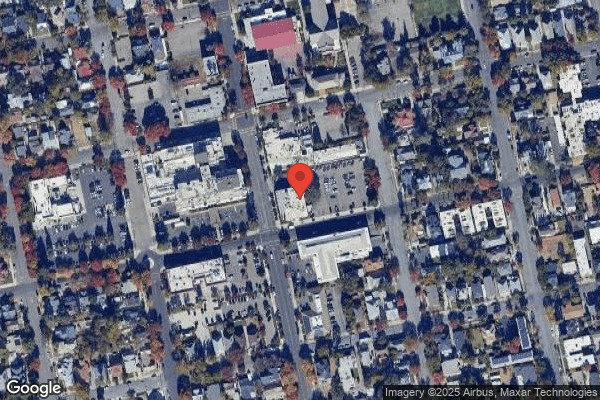
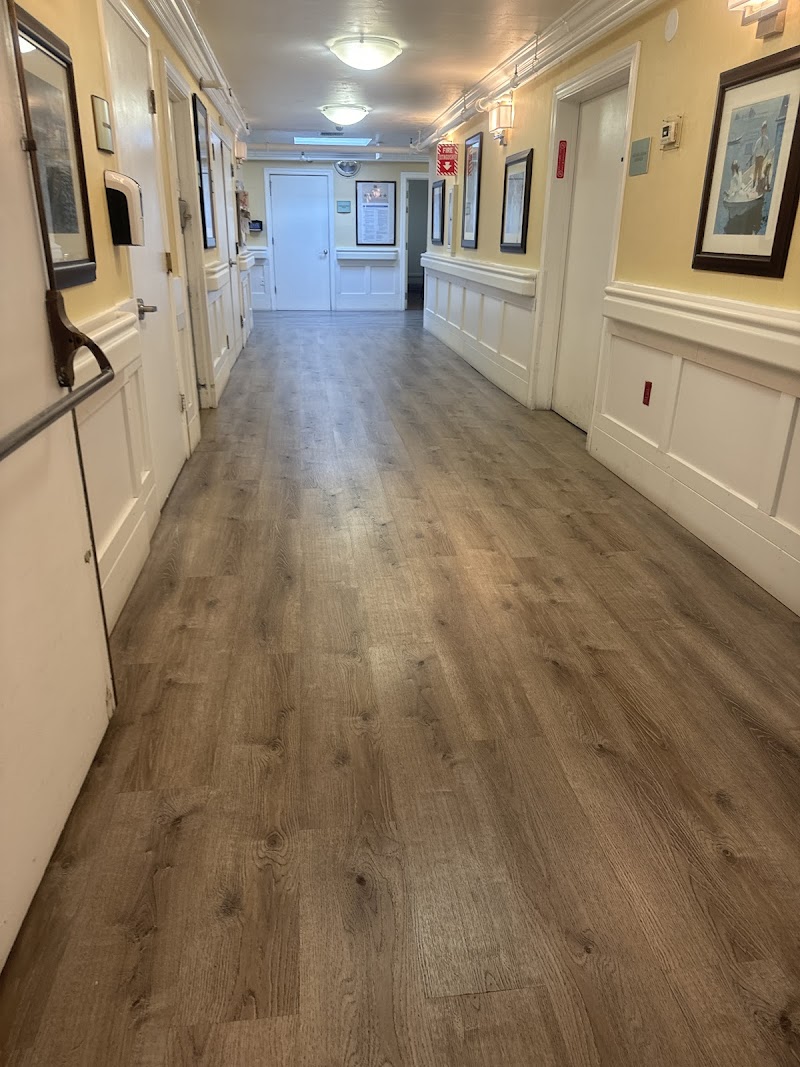
1032 N. LINCOLN STREET, STOCKTON, CA 95203 (209) 466-5341
For profit - Corporation 68 Beds NAHS Data: November 2025
Trust Grade
65/100
#619 of 1155 in CA
Last Inspection: December 2024

Within standard 12-15 month inspection cycle. Federal law requires annual inspections.

Overview

Lincoln Square Post Acute Care has a Trust Grade of C+, indicating it is slightly above average but not exceptional. It ranks #619 out of 1155 facilities in California, placing it in the bottom half of the state, and #13 out of 24 in San Joaquin County, meaning there are only a few better options nearby. The facility is improving, having reduced issues from 14 in 2024 to just 1 in 2025. Staffing is a positive aspect with a turnover rate of 15%, significantly lower than the state average, although RN coverage is only average. On the downside, recent inspections revealed concerns such as improperly discarding residents' meal tickets, which risks their privacy, and failures in food safety practices that could lead to foodborne illnesses, highlighting areas that need immediate attention.

Trust Score
C+
65/100
In California
#619/1155
Bottom 47%
Safety Record
Low Risk
No red flags
Inspections
Getting Better
14 → 1 violations
Staff Stability
✓ Good
15% annual turnover. Excellent stability, 33 points below California's 48% average. Staff who stay learn residents' needs.
Penalties
✓ Good
No fines on record. Clean compliance history, better than most California facilities.
Skilled Nurses
⚠ Watch
Each resident gets only 28 minutes of Registered Nurse (RN) attention daily — below average for California. Fewer RN minutes means fewer trained eyes watching for problems.
Violations
⚠ Watch
55 deficiencies on record. Higher than average. Multiple issues found across inspections.
★★★☆☆
3.0
Overall Rating
★★★☆☆
3.0
Staff Levels
★★★★★
5.0
Care Quality
★★☆☆☆
2.0
Inspection Score
Stable
2024: 14 issues
2025: 1 issues

The Good

  • 5-Star Quality Measures · Strong clinical quality outcomes
  • Low Staff Turnover (15%) · Staff stability means consistent care
  • Full Sprinkler Coverage · Fire safety systems throughout facility
  • No fines on record
  • Staff turnover is low (15%)

    33 points below California average of 48%

Facility shows strength in quality measures, staff retention, fire safety.

The Bad

3-Star Overall Rating

Near California average (3.1)

Meets federal standards, typical of most facilities

Chain: NAHS

Part of a multi-facility chain

Ask about local staffing decisions and management

The Ugly 55 deficiencies on record

May 2025 1 deficiency
CONCERN (D) 📢 Someone Reported This

A family member, employee, or ombudsman was alarmed enough to file a formal complaint

Potential for Harm - no one hurt, but risky conditions existed

Accident Prevention (Tag F0689)

Could have caused harm · This affected 1 resident

Based on interview, and record review, the facility failed to ensure an environment free of accidents or hazards for one of two sampled residents (Resident 1) when Resident 1 exited the facility throu...

Read full inspector narrative →
Based on interview, and record review, the facility failed to ensure an environment free of accidents or hazards for one of two sampled residents (Resident 1) when Resident 1 exited the facility through an unlocked door on 3/22/25 and was missing from the facility for one and one-half hours before staff became aware. This failure resulted in Resident 1 falling out of her wheelchair sustaining injuries that included bruises (contusion, ecchymosis; skin discoloration from damaged, leaking blood vessels under the skin) and a facial laceration (cut) that required sutures (stitches). This failure had the potential to result in Resident 1 sustaining life-threatening injuries. Findings: A review of Resident 1's admission RECORD, indicated Resident 1 was admitted to the facility in 2022 with diagnoses which included diabetes mellitus (a chronic condition that affects the way the body processes blood sugar), chronic kidney disease (progressive damage and loss of function in the kidneys), and spinal stenosis (spinal stenosis happens when the space inside the backbone is too small, this can put pressure on the spinal cord and nerves that travel through the spine). A review of Resident 1's Minimum Data Set, (MDS, a comprehensive care assessment tool) dated 3/24/25, indicated, .Brief Interview for Mental Status Score: 06 [BIMS, a tool to assess cognition. The total possible BIMS score ranges from 00 to 15. 13 - 15: cognitively intact; 08 - 12: moderately impaired; 00 - 07: severe impairment] . A review of Resident 1's Elopement [a resident who is incapable of adequately protecting himself or herself departs the healthcare facility unsupervised and undetected]/Wandering [a resident who roams around and becomes lost or confused about their location] Risk Assessment, dated 12/24/24, indicated, .Instructions .select most appropriate answer .the number next to your selection is the score .add all scores at the end of your assessment to determine if resident is at risk for elopement. A score of 9 or higher indicates a risk for elopement .Mental Status .1. Intermittent Confusion .Usual emotional behavior .0. Complacent .Ambulation .3. Ambulatory with assistance (including ability to self propel in w/c [wheelchair]) .Mobility .3. Slightly Impaired .Medications .0. No significant change .Elopement risk .0. Has not attempted to leave the facility and does not wander .Total score: 7 .Is the resident at risk for elopement? No .Summarize findings, conclusions and recommendations: No risk for elopement . A review of Resident 1's Elopement/Wandering Risk Assessment, dated 3/21/25, indicated, .Instructions .select most appropriate answer .the number next to your selection is the score .add all scores at the end of your assessment to determine if resident is at risk for elopement. A score of 9 or higher indicates a risk for elopement .Mental Status .1. Intermittent Confusion .Usual emotional behavior .0. Complacent .Ambulation .3. Ambulatory with assistance (including ability to self propel in w/c) .Mobility .3. Slightly Impaired .Medications .0. No significant change .Elopement risk .0. Has not attempted to leave the facility and does not wander .Total score: 7 .Is the resident at risk for elopement? No .Summarize findings, conclusions and recommendations: No risk for elopement . A review of Resident 1's Elopement/Wandering Risk Assessment, dated 3/22/25, indicated, .Instructions .select most appropriate answer .the number next to your selection is the score .add all scores at the end of your assessment to determine if resident is at risk for elopement. A score of 9 or higher indicates a risk for elopement .Mental Status .1. Intermittent Confusion .Usual emotional behavior .0. Complacent .Ambulation .3. Ambulatory with assistance (including ability to self propel in w/c) .Mobility .3. Slightly Impaired .Medications .0. No significant change .Elopement risk .3. Has attempted to leave the building 1-2 times within a week unattended .Total score: 10 .Is the resident at risk for elopement? Yes .Select all interventions initiated .a. Wander guard [A Wander Guard system consists of a bracelet that residents wear, sensors that monitor doors and a technology platform that sends safety alerts in real time. When a resident with a bracelet approaches a monitored door, the system alarms] .c. Identification bracelet .d. Recreational activities .f. Photo on wander list .g. Staff aware of resident's wander risk .Summarize findings, conclusions, and recommendations: RESIDENT HAD ONE EPISODE OF ELOPEMENT .Effective Date 03/22/2025 23:00 [11 PM] . A review of Resident 1's Interdisciplinary Team Meeting, (IDT, a group of healthcare professionals with various levels of expertise who work together toward the goals of their residents) dated 3/24/25, indicated, .IDT - Incident Review .Resident elopement incident .date and time of incident: 03/22/2025 17:15 [5:15 PM] .Description of incident: Around 1715, Resident was not in the room for dinner. CNA [Certified Nursing Assistant] alerted her LN [Licensed Nurse]; LN and other staffs [sic] went around to check in rooms, (bedrooms, bathrooms, dining rooms, outdoor patio) and around the perimeters of the facility. LN informed the administration (at 1726 [5:26 PM]) .Some staff drove around the facility area looking for the resident; LN called hospitals EDs [emergency departments] to check for the resident .ED at 1730 [5:30 PM] stated resident is there in their ED. She was identified with her ID [Identification] band. 2 facility staff went to ED to identify and confirmed. Per ED .resident was brought in by a good Samaritan [bystander] .Resident .treated .for a Left lateral eye laceration [cut on the side of the left eye] .being sutured .son was informed .Dr. [doctor] was also informed .Contributing factors .k. Cognitive impairment .n. History of Fall(s) .Cognitive impairment comments: BIMS - 06 .Resident is alert and oriented X2 [to person (self) and place] with periods of forgetfulness and confusion . A review of Resident 1's [HOSPITAL NAME] EMERGENCY RECORD, dated 3/22/25, indicated, .3/22/25 1623 [4:23 PM] initial vital signs [recorded temperature, heart rate and blood pressure readings] .Pt [patient] BIBA [brought in by ambulance] bystander after sustaining a fall outside of the hospital .hitting the front of her face .laceration to the left side of the face. Bleeding controlled .Spanish-speaking only .pain left side of face, on a scale of 0-10 [numeric pain scale with 0 being no pain and 10 being highest level of pain] .rates pain as 5 .also complained of loss of consciousness .PHYSICAL EXAM .Head exam included findings of, Battle's sign [bruising on bone behind the ear that can appear after a head injury] present, Raccoon Eyes (bruising around the eyes that can appear after a head injury) present, Contusion to face, Abrasion to face, Laceration to face .DIAGNOSIS .FINAL: PRIMARY: Acute facial injury, [bone or soft tissue damage to the face caused by fall] ADDITIONAL: Acute head injury [any sort of injury to your brain, skull, or scalp], Cervical spine sprain [injury to muscles or ligaments in the back of the neck; whiplash], Left facial laceration [cut to the left side of the face] .sutures to wound .discharged .in a wheelchair, transported via non-urgent ambulance, accompanied by emergency medical services personnel . During an interview on 5/23/25, at 2:15 p.m., with the Director of Nursing (DON), the DON stated the footage from the facility cameras was reviewed on 3/25/25. The DON further stated that during the facility camera footage review, Resident 1 was seen on camera footage exiting the facility through the rear Dining Room door. The DON stated that the rear Dining Room door led to a courtyard where the Maintenance and facility portables were. The DON further stated the courtyard had a gate that led to the facility's rear parking lot. The DON stated Resident 1 left the facility around 3:25 p.m. to 3:30 p.m. in her wheelchair per the camera footage timestamp on 3/22/25. The DON further stated that during the facility cameras footage review Resident 1 was then seen crossing the street in her wheelchair headed toward the acute care facility across the street. The DON stated that after Resident 1 crossed the street toward the acute care facility in her wheelchair, she was out of the facility camera view. The DON further stated that based on the facility camera footage timestamp, Resident 1 was out of the facility for one and one-half hours before facility staff discovered that she was missing. The DON stated that Resident 1 had not attempted to leave the facility since being admitted to the facility in 2022. The DON further stated that Resident 1 was Spanish-speaking, but some of the facility staff spoke Spanish. The DON stated that there was no alarm on the rear Dining Room door on the day of the incident, but an alarm was installed after the incident. During an interview on 5/23/25, at 2:39 p.m., with LN 1, LN 1 stated she was familiar with Resident 1 and was on duty on the day of the incident on 3/22/25. LN 1 further stated the CNA told her at 5 p.m. that day that Resident 1 was not in her room. LN 1 stated that she and the CNA looked for Resident 1 while alerting the rest of the staff on duty that day that Resident 1 was missing. LN 1 further stated they checked the facility and the patio areas, but did not find Resident 1. LN 1 stated that she drove around the neighborhood in a two to three block radius (measure of distance) looking for Resident 1, but did not find her. LN 1 further stated that Resident 1's family was called to see if they had picked her up, but the family had not picked her up. LN 1 explained that the family was notified that Resident 1 was missing. LN 1 stated the Administrator (ADM) and the DON were also notified. LN 1 further stated that they called 911. LN 1 explained that another LN called the local acute care hospitals and discovered Resident 1 was in the ED at a local acute care hospital located across the street from the facility. LN 1 stated that she and another LN went to the ED and verified that Resident 1 was there. LN 1 further that Resident 1's family, the ADM, the DON and Resident 1's physician were notified. LN 1 stated that the ED staff told her that Resident 1 fell out of her wheelchair in front of the hospital and a bystander brought her to the ED. LN 1 further stated that the CNAs checked the residents in the facility at shift change and every two hours for incontinent (loss of bladder or bowel control) care. LN 1 stated Resident 1 was usually in her wheelchair in the Dining Room and would let staff know when she needed toileting. LN 1 further stated Resident 1 was Spanish-speaking, and facility staff spoke Spanish. LN 1 stated that she had no idea how long Resident 1 was away from the facility. LN 1 further started Resident 1 had an alarm in her wheelchair that alarmed when she stood up. LN 1 stated that Resident 1 did not have a Wander Guard device before the incident. LN 1 further stated that Resident 1 was given a Wander Guard bracelet after the incident. LN 1 stated that extra alarms were added to the doors after the incident. During an interview on 5/23/25, at 2:47 p.m., with the CNA, the CNA stated that the facility CNAs made rounds every two hours for incontinent care. The CNA further stated that prior to the incident Resident 1 had a wheelchair alarm but no Wander Guard. The CNA explained that the wheelchair alarm sounded whenever Resident 1 stood up. The CNA stated that Resident 1 had a bed alarm that sounded when she got out of bed. The CNA further stated that she checked Resident 1 whenever the chair alarm went off, because Resident 1 did not like the alarm sound. The CNA stated that Resident 1 was scheduled for a shower on the day of the incident, so she went to her room to prepare her for her shower at the beginning of her shift, but Resident 1 refused her shower. The CNA further stated she went back a bit later, but Resident 1 refused her shower again. The CNA stated that at 4 p.m. she was in the breakroom and she heard a chair alarm sounding. The CNA further stated that her coworker said that she saw Resident 1 at 4 p.m. when the chair alarm sounded but she was okay. The CNA stated that at dinnertime during the tray pass is when she found out that Resident 1 was not in her room. The CNA further stated she reported to LN 1 that Resident 1 was not in her room, and she and LN 1 began looking for her. The CNA stated that Resident 1 was brought back to the facility that evening. During an interview with Resident 1 in her room on 5/23/25, at 3 p.m., Resident 1 responded to questions in Spanish. Resident 1 stated in Spanish that she was fine. During a concurrent interview and record review on 5/23/25, at 3:05 p.m., with the Maintenance Supervisor (MS), the facility Wander Guard testing logs were reviewed. The MS stated that he checked the Wander Guard system once a week and documented the results in a computer log. The MS further stated that he took the tester device and walked to all of the facility exit doors to set off the Wander Guard alarm to test it weekly. The MS stated the rear Dining Room door now had a Wander Guard alarm. The MS further stated that he logged the test results as a pass or fail. The Main stated that if he was late in checking the Wander Guard system or if he did not check it when scheduled, the electronic log would turn red. During an interview on 5/23/25, at 4 p.m., with the DON, the DON stated that Resident 1 was not deemed a high risk for elopement prior to the incident. The DON further stated that there could have been a safety risk if Resident 1 was deemed a high risk for elopement at the time of the incident. The DON stated that the rear Dining Room door could be considered a hazard because there was no alarm on the door on the day of the incident, and Resident 1 was not aware of the hazard. During a phone interview on 5/27/25, at 1 p.m., with Resident 1's primary physician (MD), the MD stated that he vaguely remembered Resident 1's elopement incident. The MD further stated Resident 1 did not have any long-lasting effects due to her injuries from the fall. The MD stated that he was not aware of how Resident 1 got out of the facility. The MD further stated that he was not aware that there was no lock or alarm on the rear Dining Room door leading outside of the facility on the day of the incident. During a phone interview on 5/27/25, at 2:50 p.m., with Resident 1's Family Member (FM), the FM stated the facility called on the day of the incident asking if any family had come to the facility to take Resident 1 out on pass (out of the facility with family). The FM further stated she told facility staff that they had not taken Resident 1 out on pass. The FM explained that the facility staff notified her that Resident 1 was missing and that they had called 911 and were looking for her and would call them back. The FM stated that about 30 minutes to one hour later, the facility called back to say that Resident 1 was in the acute care hospital ED across the street from the facility. The FM further stated that the facility staff told them that someone had found Resident 1 and took her to the ED. The FM stated that she and her father went to the ED and stayed with Resident 1 until she was returned to the facility. The FM further stated that the facility informed them a few days later that they would put a Wander Guard bracelet on Resident 1 to alert staff if she attempted to leave again. The FM stated that the family signed consent for the Wander Guard. The FM stated that sometimes Resident 1 was disoriented (confusion about who she was, where she was, and what time of day it was), she believed due to her medications, and wanted to leave the facility. The FM further stated that she and her father informed the facility that they could call when Resident 1 became disoriented, and they would come to visit her as they lived ten minutes from the facility. During an interview on 5/27/25, at 3:25 p.m., with the Clinical Consultant (CC), the CC stated that on the day of the incident the rear Dining Room door leading to the outside was unlocked. The CC further stated that the Wander Guard alarm and an alarm chime that made a doorbell sound when the door was opened were added to the rear Dining Room door leading to the outside after the incident. The CC stated that she did not think that Resident 1 was at risk because she was assessed for elopement and her elopement risk was low. The CC further stated that Resident 1 was at risk because of her confusion. The CC stated that the unlocked door in the rear of the Dining Room was not a hazard to Resident 1 as she never tried to exit the door before. The CC stated that the gate leading to the rear parking lot was locked from the outside, so a resident had to push it open from the inside to enter the rear parking lot. During a phone interview on 5/27/25, at 3:40 p.m., with the ADM, the ADM stated the rear Dining Room door was not locked during business hours as it was an exit door. The ADM further stated the rear Dining Room door was an egress (a means of going out), and that both the rear Dining Room door and the gate in the patio outside of the rear Dining Room were the exit route for residents and staff in case of a fire at the facility. The ADM stated that there were no issues with needing a lock on the rear Dining Room door. The ADM further stated that based on the elopement assessment, Resident 1 was not an elopement risk, and the facility was not a locked facility. The ADM stated that he did not believe the elopement and injury to Resident 1 during the incident was preventable - the ADM stated that it was an accident. The ADM further stated that based on an egress the unlocked rear Dining Room door was not a hazard. The ADM stated that Resident 1 was in the Dining Room every day participating in activities and was not an elopement risk. During a concurrent interview and record review of a posted facility document on 5/27/25, at 3:57 p.m., in the hallway next to the Physical Therapy department with LN 2, LN 2 stated that in the event of a fire at the facility, the black dotted lines on the posted facility document indicated the exit routes for staff and residents to take. LN 2 further stated that staff and residents in the Dining Room would exit the Dining Room through the front entrance, go down the hallway past the ADM's office, and exit the building through the exit door near the facility Laundry Room as indicated by the black dotted lines and arrows on the posted facility document. LN 2 stated that the rear door in the Dining Room that led to the patio was not a fire exit as indicated on the posted facility document. A review of a facility policy titled, Accidents and Incidents . dated July 2017, indicated, .7. Incident/accident reports will be reviewed by the safety committee for trends related to accident or safety hazards in the facility and to analyze any individual resident vulnerabilities . Based on interview and record review, the facility failed to ensure an environment free of accidents or hazards for one of two sampled residents (Resident 1) when Resident 1 exited the facility through an unlocked door on 3/22/25 and was missing from the facility for one and one-half hours before staff became aware. This failure resulted in Resident 1 falling out of her wheelchair sustaining injuries that included bruises (contusion, ecchymosis; skin discoloration from damaged, leaking blood vessels under the skin) and a facial laceration (cut) that required sutures (stitches). This failure had the potential to result in Resident 1 sustaining life-threatening injuries. Findings: A review of Resident 1's admission RECORD, indicated Resident 1 was admitted to the facility in 2022 with diagnoses which included diabetes mellitus (a chronic condition that affects the way the body processes blood sugar), chronic kidney disease (progressive damage and loss of function in the kidneys), and spinal stenosis (spinal stenosis happens when the space inside the backbone is too small, this can put pressure on the spinal cord and nerves that travel through the spine). A review of Resident 1's Minimum Data Set, (MDS, a comprehensive care assessment tool) dated 3/24/25, indicated, .Brief Interview for Mental Status Score: 06 [BIMS, a tool to assess cognition. The total possible BIMS score ranges from 00 to 15. 13 - 15: cognitively intact; 08 - 12: moderately impaired; 00 - 07: severe impairment] . A review of Resident 1's Elopement [a resident who is incapable of adequately protecting himself or herself departs the healthcare facility unsupervised and undetected]/Wandering [a resident who roams around and becomes lost or confused about their location] Risk Assessment, dated 12/24/24, indicated, .Instructions .select most appropriate answer .the number next to your selection is the score .add all scores at the end of your assessment to determine if resident is at risk for elopement. A score of 9 or higher indicates a risk for elopement .Mental Status .1. Intermittent Confusion .Usual emotional behavior .0. Complacent .Ambulation .3. Ambulatory with assistance (including ability to self propel in w/c [wheelchair]) .Mobility .3. Slightly Impaired .Medications .0. No significant change .Elopement risk .0. Has not attempted to leave the facility and does not wander .Total score: 7 .Is the resident at risk for elopement? No .Summarize findings, conclusions and recommendations: No risk for elopement . A review of Resident 1's Elopement/Wandering Risk Assessment, dated 3/21/25, indicated, .Instructions .select most appropriate answer .the number next to your selection is the score .add all scores at the end of your assessment to determine if resident is at risk for elopement. A score of 9 or higher indicates a risk for elopement .Mental Status .1. Intermittent Confusion .Usual emotional behavior .0. Complacent .Ambulation .3. Ambulatory with assistance (including ability to self propel in w/c) .Mobility .3. Slightly Impaired .Medications .0. No significant change .Elopement risk .0. Has not attempted to leave the facility and does not wander .Total score: 7 .Is the resident at risk for elopement? No .Summarize findings, conclusions and recommendations: No risk for elopement . A review of Resident 1's Elopement/Wandering Risk Assessment, dated 3/22/25, indicated, .Instructions .select most appropriate answer .the number next to your selection is the score .add all scores at the end of your assessment to determine if resident is at risk for elopement. A score of 9 or higher indicates a risk for elopement .Mental Status .1. Intermittent Confusion .Usual emotional behavior .0. Complacent .Ambulation .3. Ambulatory with assistance (including ability to self propel in w/c) .Mobility .3. Slightly Impaired .Medications .0. No significant change .Elopement risk .3. Has attempted to leave the building 1-2 times within a week unattended .Total score: 10 .Is the resident at risk for elopement? Yes .Select all interventions initiated .a. Wander guard [A Wander Guard system consists of a bracelet that residents wear, sensors that monitor doors and a technology platform that sends safety alerts in real time. When a resident with a bracelet approaches a monitored door, the system alarms] .c. Identification bracelet .d. Recreational activities .f. Photo on wander list .g. Staff aware of resident's wander risk .Summarize findings, conclusions, and recommendations: RESIDENT HAD ONE EPISODE OF ELOPEMENT .Effective Date 03/22/2025 23:00 [11 PM] . A review of Resident 1's Interdisciplinary Team Meeting, (IDT, a group of healthcare professionals with various levels of expertise who work together toward the goals of their residents) dated 3/24/25, indicated, .IDT - Incident Review .Resident elopement incident .date and time of incident: 03/22/2025 17:15 [5:15 PM] .Description of incident: Around 1715, Resident was not in the room for dinner. CNA [Certified Nursing Assistant] alerted her LN [Licensed Nurse]; LN and other staffs [sic] went around to check in rooms, (bedrooms, bathrooms, dining rooms, outdoor patio) and around the perimeters of the facility. LN informed the administration (at 1726 [5:26 PM]) .Some staff drove around the facility area looking for the resident; LN called hospitals EDs [emergency departments] to check for the resident .ED at 1730 [5:30 PM] stated resident is there in their ED. She was identified with her ID [Identification] band. 2 facility staff went to ED to identify and confirmed. Per ED .resident was brought in by a good Samaritan [bystander] .Resident .treated .for a Left lateral eye laceration [cut on the side of the left eye] .being sutured .son was informed .Dr. [doctor] was also informed .Contributing factors .k. Cognitive impairment .n. History of Fall(s) .Cognitive impairment comments: BIMS - 06 .Resident is alert and oriented X2 [to person (self) and place] with periods of forgetfulness and confusion . A review of Resident 1's [HOSPITAL NAME] EMERGENCY RECORD, dated 3/22/25, indicated, .3/22/25 1623 [4:23 PM] initial vital signs [recorded temperature, heart rate and blood pressure readings] .Pt [patient] BIBA [brought in by ambulance] bystander after sustaining a fall outside of the hospital .hitting the front of her face .laceration to the left side of the face. Bleeding controlled .Spanish-speaking only .pain left side of face, on a scale of 0-10 [numeric pain scale with 0 being no pain and 10 being highest level of pain] .rates pain as 5 .also complained of loss of consciousness .PHYSICAL EXAM .Head exam included findings of, Battle's sign [bruising on bone behind the ear that can appear after a head injury] present, Raccoon Eyes (bruising around the eyes that can appear after a head injury) present, Contusion to face, Abrasion to face, Laceration to face .DIAGNOSIS .FINAL: PRIMARY: Acute facial injury, [bone or soft tissue damage to the face caused by fall] ADDITIONAL: Acute head injury [any sort of injury to your brain, skull, or scalp], Cervical spine sprain [injury to muscles or ligaments in the back of the neck; whiplash], Left facial laceration [cut to the left side of the face] .sutures to wound .discharged .in a wheelchair, transported via non-urgent ambulance, accompanied by emergency medical services personnel . During an interview on 5/23/25, at 2:15 p.m., with the Director of Nursing (DON), the DON stated the footage from the facility cameras was reviewed on 3/25/25. The DON further stated that during the facility camera footage review, Resident 1 was seen on camera footage exiting the facility through the rear Dining Room door. The DON stated that the rear Dining Room door led to a courtyard where the Maintenance and facility portables were. The DON further stated the courtyard had a gate that led to the facility's rear parking lot. The DON stated Resident 1 left the facility around 3:25 p.m. to 3:30 p.m. in her wheelchair per the camera footage timestamp on 3/22/25. The DON further stated that during the facility cameras footage review Resident 1 was then seen crossing the street in her wheelchair headed toward the acute care facility across the street. The DON stated that after Resident 1 crossed the street toward the acute care facility in her wheelchair, she was out of the facility camera view. The DON further stated that based on the facility camera footage timestamp, Resident 1 was out of the facility for one and one-half hours before facility staff discovered that she was missing. The DON stated that Resident 1 had not attempted to leave the facility since being admitted to the facility in 2022. The DON further stated that Resident 1 was Spanish-speaking, but some of the facility staff spoke Spanish. The DON stated that there was no alarm on the rear Dining Room door on the day of the incident, but an alarm was installed after the incident. During an interview on 5/23/25, at 2:39 p.m., with LN 1, LN 1 stated she was familiar with Resident 1 and was on duty on the day of the incident on 3/22/25. LN 1 further stated the CNA told her at 5 p.m. that day that Resident 1 was not in her room. LN 1 stated that she and the CNA looked for Resident 1 while alerting the rest of the staff on duty that day that Resident 1 was missing. LN 1 further stated they checked the facility and the patio areas, but did not find Resident 1. LN 1 stated that she drove around the neighborhood in a two to three block radius (measure of distance) looking for Resident 1, but did not find her. LN 1 further stated that Resident 1's family was called to see if they had picked her up, but the family had not picked her up. LN 1 explained that the family was notified that Resident 1 was missing. LN 1 stated the Administrator (ADM) and the DON were also notified. LN 1 further stated that they called 911. LN 1 explained that another LN called the local acute care hospitals and discovered Resident 1 was in the ED at a local acute care hospital located across the street from the facility. LN 1 stated that she and another LN went to the ED and verified that Resident 1 was there. LN 1 further that Resident 1's family, the ADM, the DON and Resident 1's physician were notified. LN 1 stated that the ED staff told her that Resident 1 fell out of her wheelchair in front of the hospital and a bystander brought her to the ED. LN 1 further stated that the CNAs checked the residents in the facility at shift change and every two hours for incontinent (loss of bladder or bowel control) care. LN 1 stated Resident 1 was usually in her wheelchair in the Dining Room and would let staff know when she needed toileting. LN 1 further stated Resident 1 was Spanish-speaking, and facility staff spoke Spanish. LN 1 stated that she had no idea how long Resident 1 was away from the facility. LN 1 further started Resident 1 had an alarm in her wheelchair that alarmed when she stood up. LN 1 stated that Resident 1 did not have a Wander Guard device before the incident. LN 1 further stated that Resident 1 was given a Wander Guard bracelet after the incident. LN 1 stated that extra alarms were added to the doors after the incident. During an interview on 5/23/25, at 2:47 p.m., with the CNA, the CNA stated that the facility CNAs made rounds every two hours for incontinent care. The CNA further stated that prior to the incident Resident 1 had a wheelchair alarm but no Wander Guard. The CNA explained that the wheelchair alarm sounded whenever Resident 1 stood up. The CNA stated that Resident 1 had a bed alarm that sounded when she got out of bed. The CNA further stated that she checked Resident 1 whenever the chair alarm went off, because Resident 1 did not like the alarm sound. The CNA stated that Resident 1 was scheduled for a shower on the day of the incident, so she went to her room to prepare her for her shower at the beginning of her shift, but Resident 1 refused her shower. The CNA further stated she went back a bit later, but Resident 1 refused her shower again. The CNA stated that at 4 p.m. she was in the breakroom and she heard a chair alarm sounding. The CNA further stated that her coworker said that she saw Resident 1 at 4 p.m. when the chair alarm sounded but she was okay. The CNA stated that at dinnertime during the tray pass is when she found out that Resident 1 was not in her room. The CNA further stated she reported to LN 1 that Resident 1 was not in her room, and she and LN 1 began looking for her. The CNA stated that Resident 1 was brought back to the facility that evening. During an interview with Resident 1 in her room on 5/23/25, at 3 p.m., Resident 1 responded to questions in Spanish. Resident 1 stated in Spanish that she was fine. During a concurrent interview and record review on 5/23/25, at 3:05 p.m., with the Maintenance Supervisor (M[TRUNCATED]
Dec 2024 13 deficiencies
CONCERN (D)

Potential for Harm - no one hurt, but risky conditions existed

Resident Rights (Tag F0550)

Could have caused harm · This affected 1 resident

Based on observation, interview, and record review, the facility failed to ensure Resident 119 was treated with dignity for a census of 57 when staff did not cover resident's genital area with a sheet...

Read full inspector narrative →
Based on observation, interview, and record review, the facility failed to ensure Resident 119 was treated with dignity for a census of 57 when staff did not cover resident's genital area with a sheet while he was sleeping in bed. These failures had the potential to negatively impact Resident 119's psychosocial well-being. Findings: During a concurrent observation and interview on 12/16/24, at 10:02 a.m., in Resident 119's room, with Certified Nursing Assistant (CNA) 2, CNA 2 confirmed Resident 119 was not covered with a sheet and Resident 119's genitals were exposed while he was in bed sleeping. CNA 2 stated we have to cover it .his private part. CNA 2 further stated the expectation was for residents' private parts to be covered. CNA 2 explained the risk included a loss of dignity and feelings of shame. During an interview on 12/16/24, at 11:52 a.m., the Assistant Director of Nursing (ADON) stated residents should be covered with a sheet when they were in bed for dignity. The ADON further stated, To prevent having residents exposed like that, staff should make rounds to make sure everyone is decent, if the gown is too small offer something bigger. The ADON explained the risk for not covering residents private areas were a loss of dignity and it could embarrass them. During an interview on 12/17/24, at 2:22 p.m., Resident 119 stated he did not like to wear any undergarments because it was easier for him to use the bathroom. Review of the facility policy titled, Quality of Life - Dignity, revised 2/20, indicated, .Staff promote, maintain and protect resident privacy, including bodily privacy .
CONCERN (D) 📢 Someone Reported This

A family member, employee, or ombudsman was alarmed enough to file a formal complaint

Potential for Harm - no one hurt, but risky conditions existed

PASARR Coordination (Tag F0644)

Could have caused harm · This affected 1 resident

Based on interview, and record review, the facility failed to submit a new Level I PASRR (Preadmission Screening and Resident Review- a screening for mental illness and treatment to ensure the facilit...

Read full inspector narrative →
Based on interview, and record review, the facility failed to submit a new Level I PASRR (Preadmission Screening and Resident Review- a screening for mental illness and treatment to ensure the facility coordinates with the appropriate State-designated authority to ensure that individuals with a mental disorder, intellectual disability or a related condition receives care and services appropriate to their needs) for 1 of 18 sampled residents (Resident 2) when, a level II Mental Health Evaluation was not completed for Resident 2 due to Resident 2 being on isolation as a health or safety precaution which required the facility to submit a new Level I screening for Resident 2. This failure had the potential to place Resident 2 at risk for not receiving the necessary care or services. Findings: During a review of Resident 2's admission RECORD, indicated that Resident 2 was admitted to the facility in 2022 with a diagnosis of schizophrenia (a mental disorder characterized by disruptions in thought process, perceptions, emotional responsiveness, and social interactions). A review of Resident 2's PASRR dated 9/26/22, indicated, .Positive Level I Screening Indicates a Level II Mental Health Evaluation is Required .The Level I Screening identifies if an individual has a suspected Mental Illness (MI) .Result: Positive for suspected MI Level II Mental Health Evaluation Referral: Required . During a concurrent interview and record review on 12/17/24, at 3:15 p.m., with the Assistant Director of Nursing (ADON) Resident 2's PASRR dated 10/6/22 was reviewed. The PASRR indicated, .UNABLE TO COMPLETE LEVEL II EVALUATION .After reviewing the Positive Level I Screening and speaking with staff, a Level II Mental Health Evaluation was not scheduled for the following reason: The individual was isolated as a health or safety precautions. The case is now closed. To reopen, please submit a new Level 1 Screening . The ADON stated that Resident 2 had a diagnosis of schizophrenia which resulted in the positive Level I PASRR on 9/26/22 and Resident 2 required a Level II PASRR. The ADON confirmed the Level II evaluation was not completed for Resident 2 and Resident 2 required a new Level I screening. The ADON further stated Resident 2's behavior could worsen if not treated properly. During a concurrent interview and record review on 12/17/24, at 1:45 p.m., with the Director of Nursing (DON), Resident 2's PASRR dated 10/6/22 was reviewed. The DON confirmed a new Level I Mental Health Screening was not completed. The DON stated there was a potential to miss the behavior monitoring, missing the proper treatment of Resident 2, and a risk of putting Resident 2 and the facility at risk when a resident did not receive proper care. During a joint concurrent interview and record review on 12/17/24, at 2:15 p.m., with the Administrator (ADM) and the DON, the facility's undated policy and procedure (P&P) titled, Preadmission Screening & Resident Review (PASARR), was reviewed. The P&P indicated, .The facility will obtain/complete a Preadmission Screening and Resident Review (PASARR) timely: a. Filed in the electronic or manual health record according to the time frames required for all recipients initially entering a nursing facility to determine if they have a Mental or have Intellectual [A neurodevelopmental condition that limits a person's intellectual functioning and adaptive skills including learning, problem solving, judgment, and adaptive functioning such communication and social participation] or Developmental Disabilities [Is a diverse group of chronic conditions, comprising mental or physical impairments that causes individuals difficulties in certain areas of life, especially in language, mobility, learning, self-help and independent living] . The DON and the ADM acknowledged a new Level 1 screening should have been completed to reflect Resident 1's mental health diagnosis. The DON and the ADM stated the policy was not followed.
CONCERN (D)

Potential for Harm - no one hurt, but risky conditions existed

Quality of Care (Tag F0684)

Could have caused harm · This affected 1 resident

Based on interview, and record review, the facility failed to ensure 1 of 18 sampled residents (Resident 269) received quality care when staff administered rapid-acting insulin to Resident 269 (Lispro...

Read full inspector narrative →
Based on interview, and record review, the facility failed to ensure 1 of 18 sampled residents (Resident 269) received quality care when staff administered rapid-acting insulin to Resident 269 (Lispro-medication which starts to lower blood sugar within 10-15 minutes) on 12/17/24 based on a medication order that did not include parameters (a fixed limit that establishes how something must be done) defining when to hold/not administer the insulin; and staff did not notify the physician when Resident 269 did not eat her scheduled meal after the rapid-acting insulin was administered. These failures led to Resident 269 experiencing a hypoglycemic event (when the body's blood sugar level drops too low for the body to function properly) with a blood glucose (BG) of 36 (a BG below 70 is considered low BG; hypoglycemic) and needing emergent medical treatment. Findings: Review of Resident 269's admission RECORD, indicated Resident 269 was initially admitted to the facility with diagnoses including but not limited to type 2 diabetes mellitus (DM- inability for the body to regulate blood sugar/glucose) with diabetic chronic kidney disease (diabetes damages the kidneys over time, making it difficult for them to filter waste). During an interview on 12/17/24, at 1:45 PM, with Resident 269's Responsible Party (RP), the RP stated a licensed nurse (LN) administered ten units of rapid-acting insulin when Resident 269's BG was 129 (normal BG is between 70-100). The RP further stated she told the LN that Resident 269 did not take insulin at home. The RP stated she left the facility and upon return, observed a certified nurse assistant (CNA) removing blankets from Resident 269 because Resident 269 was sweating. The RP requested Resident 269's BG level be checked. The BG level reading was 36. The RP stated emergency action was required to get the BG level to a normal reading. During a review of Resident 269's physician medication orders, dated 12/15/24, indicated .Insulin Lispro .Inject 10 unit[s] subcutaneously [an injection under the skin] before meals . During a review of Resident 269's Medication Administration Record (MAR) dated 12/1/24 - 12/31/24, the MAR indicated Resident 269 was administered 10 units of Insulin Lispro for a BG of 129 at 12:15 PM on 12/17/24. The order did not contain hold parameters. Review of Resident 269's Care Plan dated 12/15/24, the care plan indicated, .POTENTIAL FOR HYPOGLYCEMIA .MONITOR FOR COMPLIANCE WITH DIET . During a review of Resident 269's NUTRITION - Amount Eaten documentation dated 12/2024, the amount eaten indicated, .RR . (resident refused) the lunchtime meal on 12/17/24. Review of Resident 269's Progress Notes, dated 12/17/24, at 2:36 PM, indicated, .Glucagon Emergency Kit [medication used to treat low BG] 1 MG [milligram, a unit of measurement] .Inject 1 mg intramuscularly [into the muscle] as needed for Blood glucose less than 70 .Resident observed to be sleepy and sweaty, blood glucose reading of 36 . Review of Resident 269's Medication Administration Record (MAR) dated 12/1/24 - 12/31/24, indicated, Glucagon Emergency Kit 1 MG . was administered on 12/17/24 for blood glucose level of 36. Review of Resident 269's Progress Notes dated 12/17/24 at 3:18 PM indicated, .PRN [as needed] Administration was: Effective .Blood Glucose reading of 123 . Review of Resident 269's SBAR [Situation Background Assessment Recommendations] Communication Form, and Progress Note, both dated 12/17/24, indicated, .change in condition . Resident observed to be sleepy and noted to be sweating, blood sugar taken with reading of 36. Resident given 8oz [ounces, a unit of measurement] of orange juice with 4 packets of sugar and 1 dose of glucagon. MD [medical doctor] notified with new orders to D/C [discontinue] standard order of 10 units with meals and start Humalog [fast acting insulin] on low dose sliding scale [refers to the progressive increase in the pre-meal or nighttime insulin dose, based on pre-defined blood glucose ranges] .Orders noted and carried out. Follow-up blood glucose taken with reading of 123. Daughter remains at bedside . Review of Resident 269's physician medication orders dated 12/17/24, at 3:31 PM, indicated .Insulin Lispro .Inject 10 unit subcutaneously before meals .DISCONTINUE . During an interview on 12/18/24, at 8:15 AM, with Licensed Nurse (LN) 4, LN 4 stated if BG results were outside parameters, she would not give the dose. LN 4 further stated if an insulin order did not include hold parameters she would call and clarify the order with the physician. LN 4 stated the process for concerns with an insulin order was to contact the physician. LN 4 further stated the risk of giving insulin before a meal when food was late or when the resident did not eat; was a resident's BG could drop drastically and the resident would become unresponsive. During an interview on 12/18/24, at 2:13 PM, with the Medical Doctor (MD), the MD stated a nurse did not call to clarify the insulin order or to obtain [hold] parameters. During an interview on 12/18/24, at 4:20 PM, with the Director of Nursing, the DON stated there should be hold parameters for insulin orders. The DON further stated if there were no hold parameters in place the risk to the resident was hypoglycemia. The DON stated if a nurse was not sure whether to give an insulin dose, they should call the MD. The DON further stated LN's should look at a resident's [BG] trends to decide to give the dose; they should not blindly follow the order. Review of a facility document titled, Diabetes - Clinical Protocol, revised 12/20, indicated, .Related considerations .Risk of hypoglycemia should be considered in any treatment plan, as it is a significant and high-risk complication of treatment. It may be necessary to accept somewhat higher blood sugars in order to minimize the risk of hypoglycemia .The Physician will order desired parameters for monitoring and reporting information related to blood sugar management .staff will incorporate such parameters into the Medication Administration Record and care plan . During a review of a facility document titled, Insulin Administration, revised 9/14, indicated, .three key characteristics of insulin are .onset of action - how quickly the insulin reaches the bloodstream and begins to lower blood glucose .Peak effects - the time when the insulin is at its maximum effectiveness .Duration of effects - the length of time during which the insulin is effective .Type .Rapid-acting .Onset .10-15 min .Peak .0.5-3 hrs .Duration .3-6 hrs .
CONCERN (D)

Potential for Harm - no one hurt, but risky conditions existed

Pharmacy Services (Tag F0755)

Could have caused harm · This affected 1 resident

Based on observation, interview, and record review, the facility failed to ensure safe pharmaceutical services for a census of 57 residents when, narcotic medications (used for pain) were not accurate...

Read full inspector narrative →
Based on observation, interview, and record review, the facility failed to ensure safe pharmaceutical services for a census of 57 residents when, narcotic medications (used for pain) were not accurately documented in the Medication Administration Record (MAR, a document listing medications and monitoring parameters) when removed from the Controlled Drug Record (CDR, a paper record that kept track of opioid medication use for accountability) for Resident 55. This failure resulted in the inaccurate documentation of Resident 55's pain medication dosages and had the potential to result in decreased well-being for Resident 55. Findings: A review of Resident 55's admission RECORD, indicated Resident 55 was admitted with diagnoses which included but were not limited to chronic kidney disease (progressive damage and loss of function in the kidneys), and non-pressure chronic ulcer of right midfoot and heel (an open wound that develops on the skin). A review of Resident 55's Physician Order Summary, indicated that Resident 55 was treated under Hospice Care (also considered as palliative care, a program that provides comfort care and support for people who are terminally ill and have stopped treatment to cure their disease). During a concurrent interview and record review of Resident 55's CDR on 12/17/24, at 3:30 p.m., with Licensed Nurse (LN) 1, the CDR indicated .Morphine Sulfate [narcotic medication prescribed for pain] 100mg [milligrams, unit of measure]/[per] 5ml (20mg/ml [milliliter, a unit of measurement]) solution . LN 1 confirmed there was one bottle of Morphine Sulfate 20mg/ml solution in the medication cart labeled for Resident 55. LN 1 stated that facility LNs gave Resident 55 Morphine Sulfate medication for pain as needed from the Morphine Sulfate 20mg/ml bottle kept in the medication cart. LN 1 stated hospice nurses also brought Morphine Sulfate to the facility to medicate Resident 55 under hospice care as needed. LN 1 stated hospice nurses documented medication that they gave to residents on hospice in the hospice binder. LN 1 was unable to find the hospice binder for Resident 55. During an interview by phone on 12/17/24, at 3:57 p.m., with LN 2 (Resident 55's hospice nurse not employed by the facility), LN 2 stated medications that hospice nurses gave to residents under hospice care came from facility staff. LN 2 stated that facility LNs got the pain medication from the facility medication cart. LN 2 stated that if the prescribed pain medication was not available, the pain medication was sent from the same pharmacy that the facility used. LN 2 stated hospice nurses requested medication from the facility LNs and the facility LNs obtained the requested medications from facility medication cart. LN 2 stated facility LNs documented medication given by hospice nurses to the residents. During a review of Resident 55's Physician Order Summary, on 12/17/24, at 4 p.m., the Physician Order Summary indicated, .Morphine sulfate 20 mg/ml give 0.25ml by mouth every one hour as needed for moderate pain or difficulty breathing and give 0.5ml by mouth every one hour as needed for severe pain or difficulty breathing, order dated 7/16/24 . During a review of Resident 55's Physician Order Summary on 12/17/24, at 4 p.m., the Physician Order Summary, indicated, .Morphine Sulfate oral solution 20mg/5ml give 0.25ml by mouth three times a day for pain management related to non-pressure chronic ulcer of right heel and midfoot limited to breakdown of skin; encounter for palliative care [a visit to a resident receiving hospice care] dated 7/29/24 . During a review of Resident 55's Physician Order Summary, on 12/17/24, at 4 p.m., the Physician Order Summary, indicated, .Morphine Sulfate concentrate oral solution 20mg/ml give 0.25ml by mouth every one hour as needed for moderate pain or difficulty breathing related to encounter for palliative care dated 7/31/24 . During a review of Resident 55's Physician Order Summary, on 12/17/24, at 4 p.m., the Physician Order Summary indicated, .Morphine Sulfate concentrate oral solution 20mg/ml give 0.25ml by mouth every one hour as needed for severe pain or shortness of breath related to peripheral vascular disease [a circulatory condition that occurs when blood vessels outside of the brain and heart narrow, spasm, or become blocked] dated 7/31/24 . During a review of Resident 55's Physician Order Summary, on 12/17/24, at 4 p.m., the Physician Order Summary indicated, .Morphine Sulfate oral solution 20mg/5ml give 0.5ml by mouth every one hour as needed for moderate-severe pain/SOB [shortness of breath] related to adult failure to thrive [the body is not able to maintain its normal functioning and is experiencing a significant decline in health and well-being] encounter for palliative care dated 9/23/24 . During a review of Resident 55's CDR on 12/14/24, at 4:05 p.m., the CDR indicated the following dosages of Morphine Sulfate 20mg/ml were documented as removed from the bottle in the medication cart to be given to Resident 55: .Morphine Sulfate 0.25ml three times a day . doses given three times a day on the following dates: 11/3/24 - 11/17/24, 11/19/24 - 11/27/24, 11/29/24, and 12/1/24 - 12/16/24. In addition, Resident 55's CDR indicated the following additional doses of Morphine Sulfate 20mg/ml were documented as removed from the bottle in the medication cart to be given to Resident 55: 11/2/24 at 1700 - 0.25ml, 11/18/24 at 0800 &1300 - 0.25ml, 11/28/24 at 0856 - 0.25ml, 11/30/24 at 1635 - 0.25ml, 11/30/24 at 1300 - 0.5ml, 12/4/24 at 1400 - 0.5ml, and 12/9/24 at 1140 - 0.5ml. During a review of Resident 55's MAR, dated 12/24, the MAR indicated, .Morphine Sulfate Oral Solution 20mg/5ml give 0.25ml by mouth three times a day for pain management related to non-pressure chronic ulcer of right heel and midfoot limited to breakdown of skin; encounter for palliative care . doses were documented as given on the following dates: 11/1/24 - 11/30/24, and 12/1/24 - 12/16/24. During a review of Resident 55's MAR, dated 12/24, the MAR indicated, .Morphine Sulfate Oral Solution 20mg/5ml give 0.5ml by mouth every one hour as needed for moderate-severe pain/SOB related to adult failure to thrive; encounter for palliative care . doses were documented as given on the following dates: 12/4/24 at 1400 for pain level of 4; and, 12/9/24 at 1139 for pain level of 8. During a concurrent interview and record review on 12/17/24, at 4:15 p.m., with the Director of Nursing (DON), Resident 55's Physician Order Summary, CDR for Morphine Sulfate 100mg/5ml/(20mg/ml), November 2024 MAR, and December 2024 MAR were reviewed. The DON confirmed the active physician's orders for Morphine Sulfate. The DON confirmed that staff documented Resident 55's doses of Morphine Sulfate inaccurately on the November 2024 MAR and the December 2024 MAR. The DON further confirmed that the facility policy was not followed. Review of a facility policy and procedure (P&P) titled, Medication Administration - General Guidelines, dated 5/22, indicated, .Procedures .A. Preparation .4. Five Rights - Right resident, right drug, right dose, right route and right time, are applied for each medication being administered .A triple check of these 5 rights is recommended at three steps in the process of preparation of a medication for administration: (1) when the medication is selected, (2) when the dose is removed from the container, and finally (3) just after the dose is prepared and the medication is put away .A. Check#1: Select the medication - label, container and contents are checked for integrity, and compared against the medication administration record (MAR) by reviewing the 5 Rights. B. Check#2: Prepare the dose - the dose is removed from the container and verified against the label and the MAR by reviewing the 5 Rights. C. Check#3: Complete the preparation of the dose and re-verify the label against the MAR by reviewing the 5 Rights .5. The medication administration record (MAR) is always employed during medication administration .If the label and the MAR are different .the physician's orders are checked for the correct dosage schedule . Review of a facility P&P titled, Hospice Program, dated 2001, the P&P indicated, .10. In general, it is the responsibility of the facility to meet the resident's personal care and nursing needs .and ensure that the level of care provided is appropriately based on the individual resident's needs. These responsibilities include the following .c. Administering prescribed therapies, including those therapies determined appropriate by the hospice . Review of an online document medically reviewed by Drugs.com titled, Morphine Oral Solution: Package Insert/Prescribing Info, last reviewed dated 1/3/24 indicated, .Ensure accuracy when prescribing, dispensing, and administering Morphine Sulfate Oral Solution. Dosing errors due to confusion between mg and ml, and other morphine sulfate oral solutions of different concentrations can result in accidental overdose and death .Dosage forms and strengths .Oral Solution: 10mg/5ml (2mg/ml), 20mg/5ml (4mg/ml), 100ml/5ml (20mg/ml) .use extreme caution when measuring the dose . (https://www.drugs.com/pro/morphine-oral-solution.html)
CONCERN (D)

Potential for Harm - no one hurt, but risky conditions existed

Deficiency F0757 (Tag F0757)

Could have caused harm · This affected 1 resident

Based on interview, and record review, the facility failed to ensure 1 of 18 sampled residents (Resident 56) was free from unnecessary medications when, Resident 56 received an antibiotic (medication ...

Read full inspector narrative →
Based on interview, and record review, the facility failed to ensure 1 of 18 sampled residents (Resident 56) was free from unnecessary medications when, Resident 56 received an antibiotic (medication used to treat infection) even though Resident 56 did not meet the criteria established for use of an antibiotic medication through the facility's antibiotic stewardship program (a set of efforts to ensure that antibiotics are used appropriately and only when necessary). This failure had the potential to result in unnecessary medication side effects for Resident 56 and had the potential to result in the development of multi-drug resistant organisms (MDRO; germs that have developed the ability to survive antibiotics that were previously used to kill them; decreasing antimicrobial resistance (when antibiotics become ineffective against infection) requires antimicrobial stewardship and infection prevention efforts). Findings: Review of Resident 56's SBAR [Situation Background Assessment Recommendation] Communication Form and progress note . dated 12/7/24, indicated, .[Resident 56] noted with productive cough and complaining of pain on her left ear .[name of family member of Resident 56] was present during assessment and was requesting MD [medical doctor] to ask for antibiotics order. MD notified and ordered [Levofloxacin; a medication to treat an infection] .QD [everyday] for 7 days. Order noted and carried out . During a concurrent interview and record review on 12/16/24, at 2:59 PM, Resident 56's electronic medical record was reviewed with the Nurse Consultant (NC). The NC confirmed Resident 56 started on an antibiotic medication (Levofloxacin) on 12/7/24 with an indication for use for chest congestion and left ear pain. The NC stated the Infection Screening Evaluation [contains Loeb (a set of minimum signs and symptoms that indicate a resident in long-term care likely has an infection and may need antibiotic) and McGeer criteria (a set of definitions typically used to identify infection after an antibiotic is started)] should be completed when a resident was started on an antibiotic medication. The NC confirmed there was no record of an initial Infection Screening Evaluation completed for Resident 56 for the antibiotic ordered on 12/7/24. The NC stated an antibiotic time out should be completed within forty-eight to seventy-two hours after the start of an antibiotic. The NC confirmed Resident 56's Infection Screening Evaluation, dated 12/9/24, indicated .McGeer's Criteria Met: Gastroenteritis [an infection of the stomach and intestines] . but not met for the reason why Resident 56 was ordered an antibiotic. The NC stated the expectation would be for staff to communicate with the medical doctor if the infection screening criteria was not met. The NC confirmed there was no record of communication with the medical doctor to inform the medical doctor that Resident 56 did not meet the infection screening criteria. The NC stated the purpose of completing antibiotic stewardship was to make sure that antibiotics were not overused and that if an antibiotic was prescribed it was for the correct reason. During an interview on 12/18/24, at 10:15 AM, the Pharmacist Consultant (PC) stated had the antibiotic medication for Resident 56 been active when he completed the drug regimen review (an evaluation of a resident's medications to identify and prevent potential issues) he would have recommended that the medication was not needed because Resident 56 did not meet infection criteria to be prescribed an antibiotic. The PC stated the nurse completed the McGeer's criteria for Resident 56 on 12/9/24, but the antibiotic was started on 12/7/24. The PC explained he would expect the criteria to be checked prior to the initiation of the antibiotic. The PC stated Levofloxacin was not typically given for bronchitis unless the resident had a history of bronchitis progressing to pneumonia. The PC stated, in his opinion, it was a little too early to prescribe the Levofloxacin antibiotic medication to Resident 56. The PC stated he would have liked to see more documentation from the medical doctor as to the rational for the antibiotic being prescribed, however the antibiotic therapy was not needed for Resident 56. The PC explained unnecessary antibiotic administration (when no infection was present) could result in development of resistance to antibiotics and unnecessary side effects from the medications. Review of an undated facility policy titled, INFECTION PREVENTION AND CONTROL PROGRAM, in the section ANTIBIOTIC STEWARDSHIP PROGRAM, indicated, .Antibiotic stewardship program includes protocols to monitor antibiotic use and resistance including: Optimizing the treatment of infections by ensuring that residents who require an antibiotic, are prescribed the appropriate antibiotic .Reducing the risk of adverse events, including the development of antibiotic-resistant organisms, from unnecessary or inappropriate antibiotic use and .Implementing a facility-wide system to monitor the use of antibiotics . Review of a facility policy titled, Antibiotic Stewardship - Orders for Antibiotics, dated 12/16, indicated, .If an antibiotic is indicated, prescribers will provide complete antibiotic orders including .Indications for use .Appropriate indications for use of antibiotics include: a. Criteria met for clinical definition of active infection or suspected sepsis; and b. Pathogen susceptibility, based on culture and sensitivity, to antimicrobial (or therapy begun while culture is pending) . Review of an online article published by the Agency for Healthcare Research and Quality (AHRQ) titled, 12 Common Nursing Home Situations and Infection Control Guidelines for MRSA [methicillin-resistant Staphylococcus aureus, a type of bacteria that is resistant to several antibiotic], C. Difficile [Clostridioides difficile; a bacteria that causes infection in the longest part of the large intestine], and VRE [Vancomycin-resistant Enterococci; bacteria that are resistant to vancomycin, a medication often used to treat infections] Pocket Cards, dated 5/14, in the section 12 Common Nursing Home Situations in Which Systemic Antibiotics [drugs that, when given, affect the whole body] are Generally Not Indicated, indicated, .Upper respiratory infection (common cold) .Bronchitis [inflammation of the bronchial tubes, the airways that carry air to and from the lungs] or asthma [a chronic inflammatory lung disease that causes the airways to become inflamed and narrow, making it difficult to breathe] in a resident who does not have COPD [Chronic obstructive pulmonary disease; a group of lung diseases that cause ongoing breathing problems] .Infiltrate [a substance in the lungs that is denser than air, such as pus, blood, or protein] on chest x-ray [medical imaging procedure that uses X-rays to create detailed images of the lungs, heart, and rib cage] in the absence of clinically significant symptoms .Suspected or proven influenza [an infection of the nose, throat and lungs] in the absence of a secondary infection (but DO treat influenza with antivirals [medications that help your body fight off viral infections]) . (https://www.ahrq.gov/sites/default/files/wysiwyg/nhguide/4_TK2_T2-Antibiotic_Pocket_Cards.pdf)
CONCERN (D)

Potential for Harm - no one hurt, but risky conditions existed

Deficiency F0760 (Tag F0760)

Could have caused harm · This affected 1 resident

Based on observation, interview, and record review, the facility did not ensure residents were free from significant medication errors when Resident 55 received more than the prescribed dose of a narc...

Read full inspector narrative →
Based on observation, interview, and record review, the facility did not ensure residents were free from significant medication errors when Resident 55 received more than the prescribed dose of a narcotic pain medication (a controlled medication that is used for pain that is severe) for more than one month. This failure had the potential for a decreased quality of life and well-being for Resident 55. Findings: A review of Resident 55's admission RECORD, indicated that Resident 55 was admitted with diagnoses which included but were not limited to chronic kidney disease (progressive damage and loss of function in the kidneys), and non-pressure chronic ulcer of right midfoot and heel (an open wound that develops on the skin). Review of Resident 55's Physician Order Summary, dated 7/16/24, indicated, .Morphine Sulfate [a medication used for severe pain] 20 mg/ml [milligram per milliliter; units of measurement] give 0.25ml by mouth every one hour as needed for moderate pain or difficulty breathing and give 0.5ml by mouth every one hour as needed for severe pain or difficulty breathing, order dated 7/16/24 . Based on the physician order for Morphine Sulfate 20mg/ml, one dose of 0.25ml would provide a 5mg dose of Morphine Sulfate (20mg/ml, 10mg/0.5ml, 5mg/0.25ml), and a 0.5ml dose would provide a 10mg dose of Morphine Sulfate. Review of Resident 55's Physician Order Summary, dated 7/29/24, indicated, .Morphine Sulfate oral solution 20mg/5ml give 0.25ml by mouth three times a day for pain management related to non-pressure chronic ulcer of right heel and midfoot limited to breakdown of skin; encounter for palliative care (a visit to a resident receiving hospice care) dated 7/29/24 . Based on the physician order for Morphine Sulfate 20mg/5ml solution, one dose of 0.25ml would provide a 1mg dose of Morphine Sulfate (20mg/5ml, 10mg/2.5ml, 5mg/1.25ml, 4mg/1ml, 3mg/0.75ml, 2mg/0.5ml, 1mg/0.25ml). Review of Resident 55's Physician Order Summary, dated 7/31/24, indicated, .Morphine Sulfate concentrate oral solution 20mg/ml give 0.25ml by mouth every one hour as needed for moderate pain or difficulty breathing related to encounter for palliative care [a specialized form of medical care that focuses on improving the quality of life for people with serious or life-threatening illnesses] dated 7/31/24 . During a review of Resident 55's Physician Order Summary, dated 7/31/24, indicated, .Morphine Sulfate concentrate oral solution 20mg/ml give 0.25ml by mouth every one hour as needed for severe pain or shortness of breath related to peripheral vascular disease (a circulatory condition that occurs when blood vessels outside of the brain and heart narrow, spasm, or become blocked) dated 7/31/24 . During a review of Resident 55's Physician Order Summary, dated 9/23/24, indicated, .Morphine Sulfate oral solution 20mg/5ml give 0.5ml by mouth every one hour as needed for moderate-severe pain/SOB ([shortness of breath] related to adult failure to thrive [the body is not able to maintain its normal functioning and is experiencing a significant decline in health and well-being)] encounter for palliative care dated 9/23/24 . During a review of Resident 55's Controlled Drug Record, (CDR, a paper record that kept track of opioid medication use for accountability) the CDR indicated the following dosages of Morphine Sulfate 20mg/ml were documented as removed from the bottle in the medication cart to be given to Resident 55: .Morphine Sulfate 0.25ml three times a day . doses given three times a day on the following dates: 11/3/24 - 11/17/24, 11/19/24 - 11/27/24, 11/29/24, and 12/1/24 - 12/16/24. In addition, Resident 55's CDR indicated the following additional doses of Morphine Sulfate 20mg/ml were documented as removed from the bottle in the medication cart to be given to Resident 55: 11/2/24 at 1700 - 0.25ml, 11/18/24 at 0800 &1300 - 0.25ml, 11/28/24 at 0856 - 0.25ml, 11/30/24 at 1635 - 0.25ml, 11/30/24 at 1300 - 0.5ml, 12/4/24 at 1400 - 0.5ml, and 12/9/24 at 1140 - 0.5ml. During a review of Resident 55's Medication Administration Record [MAR], dated December 2024, the MAR indicated, .Morphine Sulfate Oral Solution 20mg/5ml give 0.25ml by mouth three times a day for pain management related to non-pressure chronic ulcer of right heel and midfoot limited to breakdown of skin; encounter for palliative care . doses were documented as given on the following dates: 11/1/24 - 11/30/24, and 12/1/24 - 12/16/24. During a review of Resident 55's MAR, dated December 2024, the MAR indicated, .Morphine Sulfate Oral Solution 20mg/5ml give 0.5ml by mouth every one hour as needed for moderate-severe pain/SOB related to adult failure to thrive; encounter for palliative care . doses were documented as given on the following dates: 12/4/24 at 1400 for pain level of 4; and, 12/9/24 at 1139 for pain level of 8. During an concurrent interview and record review on 12/17/24, at 4:15 p.m., with the facility Director of Nursing (DON), Resident 55's Physician Order Summary, CDR for Morphine Sulfate 100mg/5ml/(20mg/ml), November 2024 MAR, and December 2024 MAR were reviewed. The DON confirmed the active physician's orders for Morphine Sulfate. The DON further confirmed that the doses of Morphine Sulfate 20mg/5ml documented as given on Resident 55's November 2024 MAR and December 2024 MAR were less than the doses that were removed from the bottle of Morphine Sulfate oral solution 20mg/ml in the facility's medication cart and administered to Resident 55 as indicated on Resident 55's CDR. The DON acknowledged that the documentation by the staff was in error. The DON stated that the risk was that Resident 55 did not receive the correct dose of pain medication. The DON stated that the LNs were responsible to clarify the physician orders for pain. The DON confirmed that the facility policy was not followed. Review of a facility policy and procedure (P&P) titled, Medication Administration - General Guidelines, dated 5/22, the P&P indicated, .Procedures .A. Preparation .4. Five Rights - Right resident, right drug, right dose, right route and right time, are applied for each medication being administered .A triple check of these 5 rights is recommended at three steps in the process of preparation of a medication for administration: (1) when the medication is selected, (2) when the dose is removed from the container, and finally (3) just after the dose is prepared and the medication is put away .a. Check#1: Select the medication - label, container and contents are checked for integrity, and compared against the medication administration record (MAR) by reviewing the 5 Rights. B. Check#2: Prepare the dose - the dose is removed from the container and verified against the label and the MAR by reviewing the 5 Rights. C. Check#3: Complete the preparation of the dose and re-verify the label against the MAR by reviewing the 5 Rights .5. The medication administration record (MAR) is always employed during medication administration .If the label and the MAR are different .the physician's orders are checked for the correct dosage schedule . Review of a facility P&P titled, Hospice Program, dated 2001, the P&P indicated, .10. In general, it is the responsibility of the facility to meet the resident's personal care and nursing needs .and ensure that the level of care provided is appropriately based on the individual resident's needs. These responsibilities include the following .c. Administering prescribed therapies, including those therapies determined appropriate by the hospice . Review of an online document medically reviewed by Drugs.com titled, Morphine Oral Solution: Package Insert/Prescribing Info, last reviewed dated 1/3/24 indicated, .Ensure accuracy when prescribing, dispensing, and administering Morphine Sulfate Oral Solution. Dosing errors due to confusion between mg and ml, and other morphine sulfate oral solutions of different concentrations can result in accidental overdose and death .Dosage forms and strengths .Oral Solution: 10mg/5ml (2mg/ml), 20mg/5ml (4mg/ml), 100ml/5ml (20mg/ml) .use extreme caution when measuring the dose . (https://www.drugs.com/pro/morphine-oral-solution.html)
CONCERN (D)

Potential for Harm - no one hurt, but risky conditions existed

Deficiency F0761 (Tag F0761)

Could have caused harm · This affected 1 resident

Based on observation, interview, and record review, the facility failed to ensure medications were labeled, stored, and disposed of according to standards of practice for a census of 57 residents when...

Read full inspector narrative →
Based on observation, interview, and record review, the facility failed to ensure medications were labeled, stored, and disposed of according to standards of practice for a census of 57 residents when: 1. An opened, unlabeled container of a psyllium fiber supplement (helps to bulk and soften poop, making it easier to pass) was stored in the medication cart; 2. An opened, unlabeled bottle of cough medicine was stored in the medication cart; and, 3. Medications for a discharged resident were stored in the medication cart. These unsafe medication storage practices could contribute to medication errors and unsafe medication use. Findings: During a concurrent observation and interview on 12/17/24, at 10:35 a.m., with Licensed Nurse (LN) 3, the [NAME] Unit Medication Cart Number 2 was observed. Medications for a discharged resident were observed in the medication cart lower left drawer. LN 3 stated the medications for a discharged resident should not be in the medication cart. LN 3 then removed the medications. A large container of psyllium fiber supplement was found in the medication cart opened but not dated with an open date. LN 3 stated the container of psyllium fiber was not being used and should not be in the medication cart. LN 3 removed the psyllium fiber supplement from the medication cart. A bottle of an over-the-counter cough medicine was further observed in the medication cart opened without an open date on the bottle. LN 3 removed the undated bottle of cough medicine from the medication cart. During an interview on 12/17/24, at 2:43 p.m., with the Director of Nursing (DON), the DON stated that when residents were discharged , medications for the discharged resident were removed from the medication cart, locked in a cabinet in the medication storage room, and were destroyed routinely. The DON further stated that discharged residents' medications were placed in the medication destroyer bottles (used for safe, environmentally responsible and secure disposal of medications). The DON stated the risk of having a discharged resident's medications in the medication cart was that the medications could be given to another resident in error. The DON further stated the expectation was for staff to follow the policy for placing open dates on medications in the cart. The DON explained certain medications did not need an open date placed on the container. The DON acknowledged that the facility policy was not followed. During a review of a facility policy and procedure titled, Storage of Medications, dated 5/22, indicated, .Medications .are stored safely, securely, and properly, following manufacturer's recommendations or those of the supplier .Expiration Dating (Beyond-use dating) .B. Drugs dispensed in the manufacturer's original container will be labeled with the manufacturer's expiration date .D. When the original seal of a manufacturer's container or vial is initially broken, the container or vial will be dated. 1) The nurse shall place a date opened sticker on the medication and enter the date opened and the .date of expiration .
CONCERN (D)

Potential for Harm - no one hurt, but risky conditions existed

Infection Control (Tag F0880)

Could have caused harm · This affected 1 resident

Based on observation, interview, and record review, the facility failed to ensure safe infection prevention practices were used for a census of 57 when: 1. Resident 171 was placed in a room with anoth...

Read full inspector narrative →
Based on observation, interview, and record review, the facility failed to ensure safe infection prevention practices were used for a census of 57 when: 1. Resident 171 was placed in a room with another resident who tested positive for RSV (Respiratory Syncytial Virus, a virus (germ) that causes infection (invasion and growth of germs in the body) of the lung and the respiratory tract) with no Droplet Isolation Precautions (hand hygiene, wearing a surgical mask, eye protection, and a gown and gloves (if contact with blood/bloody fluids is possible) are used when in contact with a person who has an infection with germs that can be spread to others by coughing, talking, or sneezing) in place on 12/15/24; and, 2. Resident 9 tested positive for RSV on 12/11/24 but was not in Droplet Isolation Precautions on 12/15/24. These failures had the potential to decrease Resident 171's health and well-being and put other residents, staff, and visitors at increased risk for infection. Findings: 1. A review of Resident 171's admission RECORD indicated that Resident 171 was admitted with diagnoses which included but were not limited to generalized muscle weakness (lack of strength and fatigue). During an observation on 12/15/24 at 8:23 a.m. Resident 171 and Resident 9 were roomates and both residents were in the room. No isolation precaution signs were noted on the residents' room doorframe. During an interview and concurrent observation on 12/16/24 at 12:30 p.m. with Certified Nursing Assistant (CNA) 1 outside Resident 171's room, CNA 1 confirmed that Resident 171 was moved to a different room and was placed on Droplet Isolation Precautions. A Droplet Isolation Precautions sign was posted on Resident 171's room doorframe, and personal protective equipment (PPE; mask, gown, gloves, protective eyewear, or respirators used to prevent the spread of germs) was in a cart near Resident 171's room door. During an interview and concurrent observation with the Infection Preventionist (IP) on 12/16/24 at 3:15 p.m. outside Resident 171's room, the IP stated that Resident 171 was transferred out of the room that he shared with Resident 9 and placed in a private room on Droplet Isolation Precautions. The IP stated that Resident 171's roommate, Resident 9, tested positive for RSV on 12/12/24. The IP stated that Resident 9 should have been on Droplet Isolation Precautions on 12/15/24 but was not. The IP stated that the risk was that Resident 171 was exposed to RSV when Resident 171 was placed in the room with Resident 9. The IP stated that Resident 171 was not tested for RSV as he had no symptoms. The IP stated that the facility policy was not followed. During a review of Resident 171's care plan dated 12/17/24, indicated, .Focus: Resident exposed to RSV Resident, at risk for infection and/or changes in condition R/T [related to] RSV date initiated 12/17/24 .Goal: Resident will have no complications related to exposure .Interventions .Monitor for symptoms of RSV: cough, runny nose, sneezing, fever, congestion .Place in Contact/Droplet Precautions . 2. A review of Resident 9's admission RECORD indicated that Resident 9 was admitted to the facility with diagnoses which included but were not limited to paroxysmal atrial fibrillation (an irregular heartbeat that speeds up and slows down at random and can cause fatigue (tiredness, trouble breathing, and dizziness), dementia (a general term for loss of memory, language, problem- solving and other thinking abilities that are severe enough to interfere with daily life), and diabetes mellitus (a condition that occurs when your blood glucose (sugar) is consistently too high). During an observation and concurrent interview on 12/15/24 at 8:23 a.m. with Resident 9 in his room, Resident 9 stated that he had no concerns with his care at the facility. No isolation precaution signs were noted on the resident's room doorframe. Resident 9 had a roommate, Resident 171. During an interview and concurrent observation on 12/16/24 at 12:32 p.m. with CNA 1 outside of Resident 9's room, CNA 1 confirmed that Resident 9 was placed on Droplet Precautions. A Droplet Precautions isolation sign was posted on Resident 9's room doorframe, and PPE was in a cart near Resident 9's room door. During an interview and concurrent observation with the facility Infection Preventionist (IP) on 12/16/24 at 3:15 p.m. outside Resident 9's room, IP stated that Resident 9 tested positive for RSV on 12/12/24. IP stated that Resident 9 should have been on Droplet Precautions on 12/15/24 but was not. IP stated that the risk was that other residents, staff, and visitors were at risk of exposure to RSV. IP stated that the facility policy was not followed. A review of Resident 9's Lab Results Report on 12/16/24 at 3:30 p.m. indicated, .Misc. send out .Respiratory Panel .collection date 12/6/24 13:40 .received date 12/9/24 08:31 .reported date 12/11/24 20:37 .Respiratory Syncytial Virus detected abnormal . A review of Resident 9's Care Plan on 12/16/24 at 3:30 p.m. indicated, .Focus: Isolation Room for Droplet Precautions date initiated 12/10/24 .Goal .spread of infection will be contained with use of isolation techniques .Interventions .provide nursing and therapy services within the room until cleared from isolation precautions . A review of Resident 9's Physician Order Summary on 12/16/24 at 3:30 p.m. indicated, .Isolation Room for Droplet Precautions discontinued 12/10/24 .Isolation Room Due To RSV Infection active 12/12/24 . A review of Resident 9's Progress Notes on 12/16/24 at 3:30 p.m. indicated, .Effective Date: 12/12/2024 23:22 .Type: Change in Condition .Note Text: Alert and verbally responsive. On observation for RSV . During a review of a facility policy and procedure (P&P) titled, Isolation - Initiating Transmission-Based Precautions, revised August 2019, the P&P indicated, .Policy Statement: Transmission-Based Precautions (TBP, precautions implemented based upon means of transmission to prevent or control the spread of germs) are initiated when a resident develops signs and symptoms of a transmissible (capable of spreading to other people) infection (contamination with disease-producing germs); arrives for admission with symptoms of an infection; or has a laboratory confirmed infection; and is at risk of transmitting the infection to other residents. Transmission-Based Precautions may include .Droplet Precautions .Transmission-Based Precautions are used only when the spread of infection cannot be reasonably prevented by less restrictive measures .2. Transmission-Based Precautions are utilized when a resident meets the criteria for a transmissible infection AND the resident has risk factors that increase the likelihood of transmission. These may include (but are not limited to): a. Uncontained excretions/secretions; b. Non-compliance with standard precautions (Standard Precautions include a group of infection prevention practices that apply to all patients, regardless of suspected or confirmed infection status, in any setting in which healthcare is delivered. These include hand hygiene; use of gloves, gown, mask, eye protection, or face shield, depending on the anticipated exposure; and safe injection practices. Also, equipment or items in the patient environment likely to have been contaminated with infectious body fluids [Blood, urine, spit] must be handled in a manner to prevent transmission of infectious agents [e.g., wear gloves for direct contact, contain heavily soiled equipment, properly clean and disinfect or sterilize reusable equipment before use on another patient]); or c. Cognitive deficits that restrict or interfere with the resident's ability to maintain precautions .3. When Transmission-Based Precautions are implemented, the Infection Preventionist (or designee): a. Clearly identifies the type of precautions, the anticipated duration, and the PPE that must be used .d. Determines the appropriate notification on the room entrance door .so that personnel and visitors are aware of the need for and type of precautions . Review of an online document published by the Centers for Disease Control and Prevention (CDC) titled, Viral Respiratory Pathogens Toolkit For Nursing Homes, last reviewed dated 10/28/24 indicated, .Prevent Spread .Residents: Apply appropriate Transmission-Based Precautions for symptomatic residents based on the suspected cause of their infection .symptomatic residents should not be placed in a room with a new roommate unless they have both been confirmed to have the same respiratory infection .
CONCERN (D)

Potential for Harm - no one hurt, but risky conditions existed

Deficiency F0883 (Tag F0883)

Could have caused harm · This affected 1 resident

Based on interview, and record review, the facility failed to provide the influenza vaccine (also known as a flu shot, a safe and effective way to protect against the influenza virus) to 1 of 5 sample...

Read full inspector narrative →
Based on interview, and record review, the facility failed to provide the influenza vaccine (also known as a flu shot, a safe and effective way to protect against the influenza virus) to 1 of 5 sampled residents (Resident 11) when, there was no documented evidence in Resident 11's medical record that the vaccine had been offered, given, and/or refused. This failure had the potential to result in Resident 11 acquiring, transmitting, or experiencing complications from influenza. Findings: Review of Resident 11's admission RECORD, indicated Resident 11 was admitted to the facility in 2022 with diagnoses including chronic obstructive pulmonary disease (a disease of the lungs that blocks airflow and makes it difficult to breath) and dementia (a general term for loss of memory, language, problem-solving and other thinking abilities that are severe enough to interfere with daily life). Resident 11's admission record listed a conservator (a person appointed to make decisions on behalf of another person who is incapable of fully managing their own affairs due to age or physical or mental limitations) from the county as Resident 11's responsible party (takes on some responsibility for the resident's well-being) and included a phone number and email contact information. During a concurrent interview and record review on 12/16/24, at 2:25 PM, Resident 11's electronic medical record was reviewed with the Infection Preventionist (IP). The IP confirmed there was no record in Resident 11's medical record that Resident 11 was offered and/or received the influenza vaccination for the current flu season (usually occurs in the fall and winter months). The IP stated she had attempted to contact Resident 11's conservator regarding the influenza vaccination but did not receive a call back. The IP confirmed there was no documentation in Resident 11's medical record to indicate that an attempt to obtain consent for administration of the influenza vaccination was made. During an interview on 12/17/24, at 3:17 PM, with the Director of Nursing (DON) and the Nurse Consultant (NC), the NC stated the influenza vaccine was available and offered to residents starting in September of this year (2024). The NC stated the influenza vaccine was offered to all current residents and was documented on the consent form (documentation of communication between residents and healthcare providers that leads to agreement or refusal for medical care) if the vaccine was given or declined (refused). The DON stated the expectation would be for the IP to document in a resident's medical record if an attempt was made to obtain approval from a resident's responsible party to administer the influenza vaccine. The DON further stated if staff was not able to get ahold of a resident's responsible party (or conservator) to obtain consent to administer the vaccine then the expectation would be for staff to continue to try once a week and document the attempts on a progress note in the resident's medical record. Review of a facility policy titled, Influenza Vaccine, dated 10/19, indicated, .All residents .who have no medical contraindications to the vaccine will be offered the influenza vaccine annually to encourage and promote the benefits associated with vaccinations against influenza .Between October 1st and March 31st each year, the influenza vaccine shall be offered to residents .A resident refusal of the vaccine shall be documented on the Informed Consent for Influenza Vaccine and placed in the resident's medical record .
CONCERN (F)

Potential for Harm - no one hurt, but risky conditions existed

Deficiency F0583 (Tag F0583)

Could have caused harm · This affected most or all residents

Based on observation, interview, and record review, the facility failed to maintain a resident's rights to privacy of personal and medical records when residents' meal tickets were discarded in the fa...

Read full inspector narrative →
Based on observation, interview, and record review, the facility failed to maintain a resident's rights to privacy of personal and medical records when residents' meal tickets were discarded in the facility kitchen garbage bin for the 57 residents who ate facility prepared meals. This failure had the potential for unauthorized access of residents' personal and medical records. Findings: During an observation on 12/15/24, at 9:45 AM, with the Dietary Aide (DA) 1 in the dishwashing area, DA 1 was observed throwing uneaten food, used napkins, and residents' meal tickets left on the meal trays into the garbage bin. DA 1 confirmed the observation. During a concurrent observation and interview on 12/16/24, at 8:52 AM, with the Dietary Service Supervisor (DSS) in the dishwashing area, the DSS confirmed that DA 1 threw the residents' meal tickets into the garbage bin. The DSS also confirmed that multiple residents' meal tickets were returned with their meal trays to the kitchen. The DSS stated although this did not meet the facility's expectations, they currently did not have a process in place to dispose of the meal tickets other than throwing them away in the trash bin. A review of the facility's meal ticket indicated the meal ticket contained residents' information such as the resident's complete name, resident's unit, room, and bed number, resident's diet order, resident's allergies, resident's food notes and alerts, resident's standing food order, resident's likes and dislikes, and the date and type of meal. During an interview on 12/17/24, at 12:16 PM, with the Registered Dietician (RD), the RD stated she was aware of the practice of throwing the tray cards in the garbage. The RD stated throwing the tray cards in the trash did not meet her expectations. The RD further stated the residents' meal tickets should have been shredded after the resident finished eating to avoid violating HIPPA (Health Insurance Portability and Accountability Act- a federal law that requires the creation of national standards to protect sensitive patient health information from being disclosed), and if the meal ticket was returned in the kitchen, the kitchen staff should shred them. During an interview on 12/18/24, at 2:59 PM, with the Director of Nursing (DON), the DON stated the tray tickets were a part of the resident's medical record and should not be thrown in the trash bin. The DON further stated the proper disposal of the tray tickets would be in the shredder. The DON stated throwing the tray tickets in the trash bin placed the residents at risk for having their private information stolen and that this practice did not meet her expectations. A review of a facility provided document titled, HEALTH INFORMATION RECORD MANUAL, dated 11/10/20, indicated, .Residents information, both automated and manual as well as applicants for admission or related health information pertaining to a resident is protected by law and must be secured against loss, destruction, and unauthorized access or use . A review of a facility provided document titled, Confidentiality of Information and Personal Privacy Policy, Dated 10/17, indicated, .The facility will safeguard the personal privacy and confidentiality of all resident personal and medical records .
CONCERN (F)

Potential for Harm - no one hurt, but risky conditions existed

Food Safety (Tag F0812)

Could have caused harm · This affected most or all residents

Based on observation, interview, and record review, the facility failed to provide food storage and preparation, as well as maintain kitchen equipment and food contact surfaces in accordance with prof...

Read full inspector narrative →
Based on observation, interview, and record review, the facility failed to provide food storage and preparation, as well as maintain kitchen equipment and food contact surfaces in accordance with professional standards for food safety for the 57 residents who ate facility prepared meals when: 1. Expired food was not thrown away; 2. Food was not labeled/dated properly; 3. Non food items were found in the dry food storage room; 4. A coffee water filter was expired; 5. A fan located in the food prep area was not clean; 6. Various tray line pans were stacked and stored wet; 7. The food processor bowel was ready to use wet; and 8. The ice machine was dirty. These failures had the potential to put residents eating facility prepared meals at risk for foodborne illnesses. Findings: 1. During the initial kitchen tour on 12/15/24, at 8:10 AM, in the reach in refrigerator and dry storage the following items were found ready to serve. The findings were confirmed by the Dietary Service Supervisor (DSS): a. Four out of twelve cases of strawberries (approximately 20 strawberries in each case) were covered in a white fuzzy substance. b. Approximately 20 out of 50 tomatoes were noted to have a black fuzzy substance on them, smashed, leaking juices, integrity broken, and mushy to touch. 2. During the initial kitchen tour on 12/15/24, at 8:10 AM, the following items were found to be improperly labeled. The findings were confirmed by the DSS: a. One large clear container labeled peaches with the open date of 12/8/24 and the Used By Date (UBD) of 12/12/24. b. One large clear container labeled Red Jell-O opened 12/8/24 with UBD of 12/14/24. c. One large clear container labeled sugar free Strawberry Jell-O open date of 12/9/24 with UBD of 12/14/24. d. Two opened whipped cream piping bags one with an open date of 12/08/24 and UBD 12/12/24 and the other with a received date of 11/19/24 without an open date and UBD. During an interview on 12/18/24, at 12:02 PM, with the Registered Dietician (RD), the RD stated the quality of the produce may have been overlooked by the assigned person. The RD further stated the findings did not meet the facility's expectations and if served could make the residents sick. A review of a facility provided document titled, Food Service Management, dated 2023, indicated, .Labeling marking refrigerated foods .most commercially processed food are safe until their expiration or use by date . A review of a facility provided document titled, What is food Sanitation? dated 2023, indicated, .Sanitation is largely concerned with the removal and/or effective control of micro-organisms (germs, mold, bacteria etc.) in food and everything that touches food. Micro-organisms are important because they cause certain diseases. For example (food Poisoning) which are transmitted by food or other means . During a review of The Food and Drug Administration (FDA) Food Code 2022, 3-501.17 (A) (B) (C) (D), the food code indicated, .Discussed required food labeling and dating. It states the day the original container was opened in the food establishment shall be counted as Day 1 .The date marked shall not exceed a manufacturer's use-by date .mark the date or day of preparation, with a procedure to discard the food on or before the last date or day by which the food must be consumed on the premises . (https://www.fda.gov/media/164194/download) 3. During an observation on 12/15/24, at 8:44 AM, three black folding chairs were folded and stored together. The placement of these chairs was between the can goods rack and another shelf that contained items such as pasta, hot chocolate, and dried mashed potatoes. During a concurrent observation and interview on 12/16/24, at 10:30 AM, with the DSS, the DSS acknowledged the chairs that remained in the dry storage room. When asked the reasoning for the placement; the DSS was unsure. During an interview on 12/18/24, at 12:44 PM, with the RD, the RD stated the dry storage room was for the resident's food storage only. The RD further stated the chairs were not supposed to be placed in the dry storage. A review of a facility provided document titled, STORAGE OF FOOD AND SUPPLIES, dated 2018, indicated, .Food storage area shall be used for only food . 4. During an initial observation on 12/15/24 at 8:50 AM, the water filter for the coffee machine had 06/17/2022 written on the side of it with a thick black marker. During a concurrent observation and interview with the DSS on 12/16/24, at 10:25 AM, the DSS stated the date written on the filter was the last time the filter was changed. The DSS further stated he was unaware of the frequency of changes needed to manage the filter. During an interview on 12/17/24, at 2:55 PM, with the DSS, the DSS stated that he was informed by the service provider that the filter needed to be changed once 80,000 gallons of water had passed through it. The DSS further stated the facility did not have a log or any form of a tracking system in place to monitor the amount of water that passed through the filter to determine the necessary maintenance. The DSS presented with one page from the manufacturer manual for the water filter. The DSS acknowledged the manual indicated the filter needed to be changed every 6-12 months. The DSS was unsure about the proper maintenance of the filter. During an interview on 12/18/24, at 1:09 PM, with the RD, the RD stated the water filter not being changed per the manufacturer guidelines could cause improper filtering of the filter and contaminants to enter the water. A review of a facility provided document titled, POLICY AND PROCEDURE .Equipment Maintenance, dated 1/1/18, indicated, .The Director of Food & Nutrition Services (DFNS) will periodically check all equipment and report items needing to repair to the maintenance department .2. The maintenance department routinely monitors all equipment for proper and safety and performs preventative maintenance . A review of the manufacturer's manual for the water filter titled, Water Filtration Products for Single Cartridge Systems, dated 2020, on page three indicated, .REPLACE FILTER CARTRIDGE every 6 or 12 months, at the rated capacity, or sooner if a noticeable reduction in flow occurs. Failure to replace the filter cartridge at the required time may lead to property damage due to water leakage or flooding. On page four of the manual indicated, .Change the disposable filter cartridge at the recommended interval; the disposable filter cartridge must be replaced every 6 or 12 months or sooner. Failure to replace the disposable filter cartridge at recommended intervals may lead to reduced filter performance and failure of the filter, causing property damage from water leakage or flooding . On page 26 of the manual indicated, .For proper maintenance of your filtration system, routine replacement of filter cartridges is required . 5. During an observation on 12/15/24, at 8:53 AM, an upright house fan with a thick fuzzy grey substance inside of it rotating from left to right was located on top of the counter in the kitchen preparation area. During a concurrent interview and observation on 12/16/24 at 10:25 AM, with the DSS, in the kitchen preparation area, the DSS acknowledged the fan and the grey fuzzy substance within it. The DSS stated the fan was usually brought in and utilized during the hot seasons. The DSS indicated the risk of that fan being on in the food preparation area would be particles becoming loose and going into the residents food. During an interview on 12/18/24, at 12:36 PM, the RD stated the particles could dislodge from the fan and enter the resident's food, make them sick and possibly cause an allergic reaction. The RD stated the condition of the fan did not meet the facility's expectations due to the dirt and debris. A review of the United States (US) Food and Drug Administration (FDA) 2022 Food Code, section 4-601.11, titled, Equipment, Food-Contact Surfaces, Nonfood-Contact Surfaces, and Utensils, dated 1/18/23, indicated, .(C) Non-Food Contact Surfaces of Equipment shall be kept free of an accumulation of dust, dirt, food residue, and other debris . (https://www.fda.gov/media/164194/download) 6. During an observation on the initial kitchen tour on 12/15/24, at 8:53 AM, seven large and twelve small tray line pans were observed stocked and stored wet. The findings were confirmed by the [NAME] (CK) 1 and the DSS. During an interview on 12/18/24 at 12:44 PM, with the RD, the RD stated the pans being stacked and stored wet placed them at risk for growing mildew and getting the resident's sick. The RD further stated the pans should be fully dried before they were stored. The RD explained storing while wet did not meet the facility's expectations. 7. During an observation on 12/15/24, at 9:05 AM, the bowl to the food processor was found with a pool of water inside of it. This was confirmed by CK 1. During an interview on 12/18/24 at 12:44 PM, with the RD, the RD stated the food processor being ready to use with a pool of water placed inside of it, placed the residents at risk for having their food contaminated. The RD further stated the condition of the food processor did not meet the facility's expectations. A review of US FDA 2022 Food Code, Section 4-901.11, titled Equipment and Utensils, Air-Drying Required, dated 1/18/23, indicated, .Items must be allowed to drain and to air-dry before being stacked or stored. Stacking wet items such as pans prevents them from drying and may allow an environment where microorganisms can begin to grow. Cloth drying of equipment and utensils is prohibited to prevent the possible transfer of microorganisms to equipment or utensils . (https://www.fda.gov/media/164194/download) 8. During an interview and observation on 12/15/24, at 10:03 AM, with the Maintenance Director (MD), the ice machine was observed to have a black slimy substance, light pink substance, and thick white substances near the ice dispenser. The MD confirmed the findings and stated if the ice machine was dirty that it would cause the residents to have stomach pain. During an interview on 12/18/24, at 1 PM, with the RD, the RD stated the condition of the ice machine placed the residents at risk for becoming sick and did not meet the facility's expectations. A review of a facility provided document titled, Cleaning Procedure Ice Machine, dated 2023, indicated, .Ice is considered food and is under the dietary regulations. Dietary staff may not actually do the cleaning, but they are to ensure that it is done .clean with an approved ice machine cleaner (for removal of slime, algae, and mineral build up) . A review of US FDA 2022 Food Code, Section 4-204.17, dated 1/18/23, indicated, .The potential for mold and algal growth in this area is very likely due to the high moisture environment. Molds and algae that form .are difficult to remove and present a risk of contamination to the ice stored in the bin . (https://www.fda.gov/media/164194/download)
CONCERN (F)

Potential for Harm - no one hurt, but risky conditions existed

Garbage Disposal (Tag F0814)

Could have caused harm · This affected most or all residents

Based on observation, interview, and record review the facility failed to maintain trash in a closed dumpster for a census of 57 residents. This failure had the potential to lead to insect and rodent...

Read full inspector narrative →
Based on observation, interview, and record review the facility failed to maintain trash in a closed dumpster for a census of 57 residents. This failure had the potential to lead to insect and rodent infestation. Findings: During a concurrent interview and observation on 12/15/24, at 9:18 AM, with the [NAME] (CK) 1, the trash bin for the facility was overflowing with trash bags and the lid was placed completely behind the bin. When asked why the bins were opened CK 1 stated the trash service placed them that way. During an interview on 12/16/24, at 10:58 AM, with the Dietary Services Supervisor (DSS), when interviewed about the trash bin lids being opened, the DSS stated the trash dumpster lids being opened was not the facility's normal process and it was important for the dumpster lids to be closed to avoid any pests. During an interview on 12/18/24 at 12:55 PM, with the Registered Dietician (RD), the RD stated the expectation was for the dumpster lids to be closed and there should be no garabage overflowing out of the dumpster to ensure no pests gets into the dumpster. The RD stated the risk when trash bins were overflowing or left wide open posed a sanitation issue and developing a rodent and/insect issue. A review of the 2022 Food Code, published by the Food and Drug Administration (FDA), dated 1/18/23, in the Section 5-501.15, 111, and 115, indicated, .Proper storage and disposal of garbage and refuse are necessary to minimize the development of odors, prevent such waste from becoming an attractant and harborage or breeding place for insects and rodents, and prevent the soiling of food preparation and food service areas .All containers must be maintained in good repair and cleaned as necessary in order to store garbage and refuse under sanitary conditions as well as to prevent the breeding of flies .Outside receptacles must be constructed with tight-fitting lids or covers to prevent the scattering of the garbage or refuse by birds, the breeding of flies, or the entry of rodents . (https://www.fda.gov/media/164194/download)
CONCERN (F)

Potential for Harm - no one hurt, but risky conditions existed

Antibiotic Stewardship (Tag F0881)

Could have caused harm · This affected most or all residents

Based on interview, and record review, the facility did not consistently implement an antibiotic stewardship program (to ensure medications used to treat infections are used only when necessary and ap...

Read full inspector narrative →
Based on interview, and record review, the facility did not consistently implement an antibiotic stewardship program (to ensure medications used to treat infections are used only when necessary and appropriate) for a census of 57 residents when, Loeb (a set of minimum signs and symptoms that indicate a resident in long-term care likely has an infection and may need antibiotic) and/or McGeer criteria (a set of definitions used to identify infection after an antibiotic is started) were not consistently used to assess the initiation and/or the appropriateness of continued use of an antibiotic, including accurate documentation of the correct indication for use. This failure had the potential to result in antibiotics being prescribed when not indicated and the development of multi- drug resistant organisms (MDRO; germs that have developed the ability to survive antibiotics that were previously used to kill them; decreasing antimicrobial resistance (when antibiotics become ineffective against infection) requires antimicrobial stewardship and infection prevention efforts). Findings: 1. Review of Resident 122's medication orders, dated 12/14/24, indicated, .Azithromycin [antibiotic medication used to treat infections] .give one time only for productive cough and congestion for 1 Week . Review of Resident 122's medication orders, dated 12/15/24, indicated, .Azithromycin .one time a day for URI [upper respiratory infection; a contagious illness that affects the nose, throat, and sinuses] until 12/22/2024 . Review of Resident 122's PHYSICIAN'S PROGRESS NOTES, dated 12/15/24, indicated, Cough productive .No fever Suspected Bronchitis [lower respiratory infection; inflammation of the bronchial tubes, the airways that carry air to and from the lung] R/O [rule out] pne [pneumonia; lower respiratory infection; a serious lung infection that causes the air sacs in the lungs to fill with fluid or pus, making it difficult to breathe] . Review of Resident 122's Infection Screening Evaluation, dated 12/15/24, in the section Infection Analysis, neither the Loeb's criteria or McGeer criteria were marked met to indicate a suspected infection. There was no Infection Screening Evaluation completed on 12/14/24 for Resident 122. During an interview on 12/16/24, at 1:50 PM, the Infection Preventionist (IP) stated the purpose of antibiotic stewardship was to ensure the appropriate use of antibiotics for resident safety and for the prevention of MDRO's. The IP stated she completed the Infection Screening Evaluation, for Resident 122 on 12/15/24, but Resident 122's symptoms did not meet the McGeer's criteria for infection. The IP further stated that she communicated with the doctor to clarify the indication for use of the antibiotic, but not regarding the negative infection screening evaluation. The IP stated the doctor prescribed the antibiotic to Resident 122 for a URI and the antibiotic was prescribed prophylactically (administering a treatment or taking a precaution to prevent a disease or infection before it occurs). The IP stated the purpose of completing the McGeer's criteria for infection was to determine if the antibiotic was appropriate or not. The IP stated there should be evidence of why a resident was on an antibiotic and if the antibiotic was effective. During an interview on 12/16/24, at 2:59 PM, the Nurse Consultant (NC) stated staff should follow-up with the medical doctor if the resident did not meet the McGeer's criteria. The NC stated if the prescribing doctor still had a rational for continuing the antibiotic for the resident even when criteria was not met, the expectation would be for that information to be documented in a resident's medical record. The NC stated the purpose of completing antibiotic stewardship was to make sure that antibiotics were not overused and that if an antibiotic was prescribed it was for the correct reason. 2. Review of Resident 56's SBAR [Situation Background Assessment Recommendation] Communication Form and progress note . dated 12/7/24, indicated, .[Resident 56] noted with productive cough and complaining of pain on her left ear .[name of family member of Resident 56] was present during assessment and was requesting MD [medical doctor] to ask for antibiotics order. MD notified and ordered [Levofloxacin; a medication to treat an infection] .QD [everyday] for 7 days. Order noted and carried out . Review of Resident 56's PHYSCIAN'S PROGRESS NOTE, dated 12/8/24, indicated, c/o [complaint of] cough/cold .URI with early bronchitis . During a concurrent interview and record review on 12/16/24, at 2:59 PM, Resident 56's electronic medical record was reviewed with the Nurse Consultant (NC). The NC confirmed Resident 56 started on an antibiotic medication (Levofloxacin) on 12/7/24 with an indication for use for chest congestion and left ear pain. The NC stated the Infection Screening Evaluation [contains Loeb and McGeer criteria] should be completed when a resident was started on an antibiotic medication. The NC confirmed there was no record of an initial Infection Screening Evaluation completed for Resident 56 for the antibiotic ordered on 12/7/24. The NC stated an antibiotic time out should be completed within forty-eight to seventy-two hours after the start of an antibiotic. The NC confirmed Resident 56's Infection Screening Evaluation, dated 12/9/24, indicated .McGeer's Criteria Met: Gastroenteritis [an infection of the stomach and intestines] . but not met for the reason why Resident 56 was ordered an antibiotic. The NC stated the expectation would be for staff to communicate with the medical doctor if the infection screening criteria was not met. The NC confirmed there was no record of communication with the medical doctor to inform the doctor that Resident 56 did not meet the infection screening criteria. The NC stated the purpose of completing antibiotic stewardship was to make sure that antibiotics were not overused and that if an antibiotic was prescribed it was for the correct reason. During an interview on 12/18/24, at 10:15 AM, the Pharmacist Consultant (PC) stated because the antibiotic had already been completed for Resident 56, he would have ignored it during Resident 56's next drug regimen review (an evaluation of a resident's medications to identify and prevent potential issues) that was done monthly. The PC stated had the medication been active he would have recommended that the medication was not needed because Resident 56 did not meet infection criteria to be prescribed as an antibiotic. The PC stated inappropriate antibiotic orders found would be something that could be shared during antibiotic stewardship meetings, however, the facility had not invited him to attend any. The PC stated the nurse completed the McGeer's criteria on 12/9/24 for Resident 56, but the antibiotic was started on 12/7/24. The PC explained he would expect the criteria (McGeer/Loeb) to be checked prior to the initiation of the antibiotic. The PC explained unnecessary antibiotic administration (when no infection was present) could result in development of resistance to antibiotics and unnecessary side effects from the medications. Review of a facility policy titled, Antibiotic Stewardship - Review and Surveillance of Antibiotic Use and Outcomes, dated 12/16, indicated, .Antibiotic usage and outcome data will be collected and documented using a facility-approved antibiotic surveillance tracking form. The data will be used to guide decisions for improvement of individual resident antibiotic prescribing practices and facility-wide antibiotic stewardship .As part of the facility Antibiotic Stewardship Program, all clinical infections treated with antibiotics will undergo review by the Infection Preventionist .The IP .will review antibiotic utilization as part of the antibiotic stewardship program and identify specific situations that are not consistent with the appropriate use of antibiotics .Therapy may require further review and possible changes if: (1) The organism is not susceptible to antibiotic chosen; (2) The organism is susceptible to narrower spectrum antibiotics .(4) Therapy was started awaiting culture, but culture results and clinical findings do not indicate continued need for antibiotics . Review of a facility policy titled, Antibiotic Stewardship - Orders for Antibiotics, dated 12/16, indicated, .If an antibiotic is indicated, prescribers will provide complete antibiotic orders including .Indications for use .Appropriate indications for use of antibiotics include: a. Criteria met for clinical definition of active infection or suspected sepsis; and b. Pathogen susceptibility, based on culture and sensitivity, to antimicrobial (or therapy begun while culture is pending) . Review of a facility policy titled Infection Prevention and Control Program, dated 2001, in the section Antibiotic Stewardship, indicated, .Culture reports, sensitivity data, and antibiotic usage reviews are included in surveillance activities .Medical criteria and standardized definitions of infections are used to help recognize and manage infections .Antibiotic usage is evaluated and practitioners are provided feedback on reviews . Review of a facility policy titled Antibiotic Stewardship, dated 1/23, indicated, .Antibiotics will be prescribed and administered to residents under the guidance of the facility's antibiotic stewardship program . Review of an undated online document published by the Centers for Disease Control and Prevention (CDC) titled, The Core Elements of Antibiotic Stewardship for Nursing Homes, in the section .Broad interventions to improve antibiotic use, indicated, Standardize the practices which should be applied during the care of any resident suspected of an infection or started on an antibiotic. These practices include improving the evaluation and communication of clinical signs and symptoms when a resident is first suspected of having an infection, optimizing the use of diagnostic testing, and implementing an antibiotic review process, also known as an antibiotic time-out, for all antibiotics prescribed in your facility. Antibiotic reviews provide clinicians with an opportunity to reassess the ongoing need for and choice of an antibiotic when the clinical picture is clearer and more information is available . In the section titled, Pharmacy interventions to improve antibiotic use, indicated, .Integrate the dispensing and consultant pharmacists into the clinical care team as key partners in supporting antibiotic stewardship in nursing homes. Pharmacists can provide assistance in ensuring antibiotics are ordered appropriately, reviewing culture data, and developing antibiotic monitoring and infection management guidance in collaboration with nursing and clinical leaders . (https://www.cdc.gov/antibiotic-use/media/pdfs/core-elements-antibiotic-stewardship-508.pdf) Review of a document published by the Minnesota Department of Public Health titled Loeb and McGeer Criteria, dated 6/5/19, in the section Loeb Criteria are Designed for Clinical Use, indicated, .Loeb criteria are meant to be a minimum set of signs and symptoms which, when met, indicate that the resident likely has an infection and that an antibiotic might be indicated, even if the infection has not been confirmed by diagnostic testing . In the section titled, McGeer .Criteria are Designed for Surveillance, indicated, .Revised McGeer criteria .are used for retrospectively counting true infections .To meet the criteria for definitive infection, more diagnostic information (e.g., positive laboratory tests) is often necessary .Surveillance criteria are not intended for informing antibiotic initiation because they depend on information that might not be available when that decision must be made. If, instead of Loeb criteria, these McGeer guidelines are used to retrospectively assess antibiotic initiation appropriateness, they should be applied without inclusion of diagnostic criteria (e.g., positive urine culture, chest x-ray) that were not available at the time of antibiotic initiation . (https://www.health.state.mn.us/diseases/antibioticresistance/hcp/asp/ltc/loebmcgeer.pdf)
Oct 2024 1 deficiency
CONCERN (D) 📢 Someone Reported This

A family member, employee, or ombudsman was alarmed enough to file a formal complaint

Potential for Harm - no one hurt, but risky conditions existed

Deficiency F0661 (Tag F0661)

Could have caused harm · This affected 1 resident

**NOTE- TERMS IN BRACKETS HAVE BEEN EDITED TO PROTECT CONFIDENTIALITY** Based on interview, and record review, the facility failed to accurately complete a medication reconciliation (the process of id...

Read full inspector narrative →
**NOTE- TERMS IN BRACKETS HAVE BEEN EDITED TO PROTECT CONFIDENTIALITY** Based on interview, and record review, the facility failed to accurately complete a medication reconciliation (the process of identifying the most accurate list of all medications that the patient is taking, including name, dosage, frequency, and route) on post- discharge medications for one of three residents (Resident 1) when Resident 1 was discharged home with a discontinued (no longer provided) medication. This failure had the potential for Resident 1 to take an unprescribed medication in error which could negatively affect his health and well-being. Findings: A review of Resident 1's admission Record, indicated Resident 1 was admitted to the facility in 2024 with diagnoses that included depression (a mental health condition that involves a persistent feeling of sadness and loss of interest that interferes with daily life) and muscle weakness. A review of Resident 1's Order Summary Report, (list of physician orders) dated 6/27/24, indicated Resident 1 was prescribed Mirtazapine (medication to treat depression) 7.5 mg (milligram- a unit of measure) one tablet at bedtime. Further review of the record indicated the order for Mirtazapine was discontinued on 6/28/24. A review of Resident 1's Medication Administration Record, (MAR) indicated Resident 1 received Mirtazapine on 6/27/24. A review of Resident 1's Discharge Instructions, with an effective date of , .Date of discharge: [DATE] .Final Discharge Location: Home/Family Assist .7/31/24, indicated Medications .Please see attached medication instruction form . A review of Resident 1's Transfer/ Discharge Report, dated 7/31/24, indicated Mirtazapine was not found on the list of Resident 1's current medications. A review of Resident 1's Discharge Meds Release ., (list of medications sent home when the patient is discharged ) dated 8/1/24, indicated Mirtazapine was 1 of 12 medications sent home with Resident 1. During a concurrent interview and record review on 10/18/24, at 10:45 a.m., with the Director of Nursing (DON) and Licensed Nurse (LN) 1, Resident 1's discharge records were reviewed. LN 1 confirmed the nurse that discharged Resident 1 gave Mirtazapine, a discontinued medication to Family Member (FM) 1 to take home that was not on the list of medications in Resident 1's discharge instructions. LN 1 stated that when the error was discovered by facility administration, the nurse was counseled and no longer worked at the facility. LN 1 further stated FM 1 should not have been given a medication that was not listed on Resident 1's current discharge medication list. The DON and LN 1 both confirmed there was a risk to Resident 1 when a discontinued medication was sent home with the resident and FM 1. During a phone interview on 10/18/24, at 11:29 a.m., with FM 1, FM 1 confirmed Mirtazapine was one of the medications that was sent home with Resident 1 when he was discharged from the facility. FM 1 stated she did not give Mirtazapine to Resident 1 as it was not listed on his discharge instructions list of medications. During a review of a facility policy and procedure (P&P) titled, Discharge Medications, dated December 2016, indicated, .2. The Charge Nurse shall verify that the medications are labeled consistent with current physician orders including instructions for use .4. The nurse will reconcile pre-discharge medications with the resident's post-discharge medications. The medication reconciliation will be documented. 5. The nurse shall review medication instructions with the resident, family member or representative before the resident leaves the facility . During a review of a facility P&P titled, Discharge Summary and Plan, dated December 2016, indicated, .When a resident's discharge is anticipated, a discharge summary and a post-discharge plan will be developed to assist the resident to adjust to his/her new living environment .2. The discharge summary will include .Medication Therapy (all prescription and over-the-counter medications taken by the resident including dosage, frequency of administration, and recognition of significant side effects that would be most likely to occur in the resident) .As part of the discharge summary, the nurse will reconcile all pre-discharge medications with the resident's post-discharge medications. The medication reconciliation will be documented .
Dec 2023 14 deficiencies
CONCERN (D)

Potential for Harm - no one hurt, but risky conditions existed

Assessment Accuracy (Tag F0641)

Could have caused harm · This affected 1 resident

Based on interview, and record review, the facility failed to accurately assess 2 of 18 sampled residents (Resident 3, and Resident 17) when Resident 3 and Resident 17's documentation of a mental heal...

Read full inspector narrative →
Based on interview, and record review, the facility failed to accurately assess 2 of 18 sampled residents (Resident 3, and Resident 17) when Resident 3 and Resident 17's documentation of a mental health diagnosis in the medical record was not accurately assessed. This failure resulted in Resident 3, and Resident 17's medical record with an inaccurate mental health diagnosis which could affect the care provided. Findings: 1a. During a record review of Resident 3's medical record, titled Medication Administration Record, (or MAR- a document that listed the medication use and doctor's orders) dated 11/2023, the record indicated Resident 3 was receiving a mind-altering medication called quetiapine (or Seroquel, a mind altering drug) for a diagnosis of schizoaffective disorder (a mental disorder marked by a combination symptoms, such as hallucinations or delusions, and mood disorder symptoms). Further review of the Resident 3's medical record titled, History and Physical, (or H&P, a summary of medical condition upon admission to the facility) dated 10/19/22, the record written by Medical Doctor (MD) 1, did not indicate a diagnosis for schizoaffective disorder. During a review of Resident 3's medical record from an acute care hospital titled, Final Report, dated 10/17/22, the record did not show a past or current history of a schizoaffective disorder. A review of Resident 3's electronic medical record titled, MDS, (or Minimum Data Set, a mandated reporting by the federal government on resident's medical diagnosis and care) indicated two contradictory pieces of information on the mental health diagnosis section I as follows: a. on 11/9/2022, the record on section I indicated NO for diagnosis of schizophrenia. b. on 11/9/2023, the record on section I indicated YES for diagnosis of schizophrenia. In a concurrent record review and interview with the facility's MDS coordinator (MDS-LN), in her office, on 11/29/23, at 4:28 PM, MDS-LN stated the diagnosis for use of Seroquel should have been listed as depression and it was mislabeled in the MDS database and medical chart. MDS-LN stated she could not find any diagnosis for a schizoaffective disorder. In a telephone interview with Resident 3's Responsible Party (RP) 1 on 11/29/23, at 3:15 PM, RP 1 stated Resident 3 never had mental issues and was not aware of a schizoaffective disorder. In an interview with the Interim Director of Nursing (IDON) on 11/30/23, at 1:30 PM, the IDON stated the facility was reviewing and trying to clarify the indication for use of the mind-altering medication. The IDON stated she believed the medical doctors had access to hospital records and could extract the diagnosis if needed. The IDON acknowledged that the medical doctors for Resident 3 did not document a schizoaffective disorder diagnosis in their H&P or progress notes. 1b. During review of Resident 17's electronic medical record titled, Order Summary Report, (a document that listed the doctor's orders for medications and nursing care), dated 11/23, the record indicated Resident 17 was receiving two mind-altering medication orders for quetiapine and perphenazine (a mind-altering medication used to treat mental health) for a diagnosis of schizophrenia. During a review of Resident 17's medical record titled, History and Physical, (or H&P) dated 7/26/23, written by MD 1, the record did not show any diagnosis for schizophrenia. The H&P indicated all available hosp. (hospital) records reviewed in detail. During a review of Resident 17's medical record from Hospital A titled, Discharge Summary, dated 7/25/23, the record did not indicate any diagnosis of schizophrenia for mind altering medication use. During review of Resident 17's medical record titled, MDS, dated 11/13/23, the record on section I indicated YES for diagnosis of schizophrenia under Psychiatric/Mood Disorder. In a concurrent record review and interview with the MDS-LN, in her office, on 11/29/23, at 4:02 PM, MDS-LN stated the diagnosis documentation in the MDS was a collaborative effort by nursing, medical records and MDS staff. MDS-LN stated the schizophrenia diagnosis should have been clarified and she was not sure why it was chosen. MDS-LN stated she contacted Resident 17's family doctor that had known the resident for a long time, and he didn't have the indication in his records. In an interview with the IDON on 11/29/23, at 10:15 AM, the IDON stated the facility could not find any documentation in the records and/or from the previous hospitalization for a schizophrenia diagnosis. The IDON stated the facility was looking into how the mental health diagnosis was documented in the records without a clear indication. The IDON stated the medical doctor was asking for a psychiatric consult (a mental health doctor) to assess mental health issues with no prior documentation history. The IDON stated she contacted the family and was told Resident 17 had a history of episodic temper tantrums. In a telephone interview with Resident 17's RP 2 on 11/29/23, at 2:35 PM, RP 2 stated she was never informed or told that Resident 17 had schizophrenia. RP 2 stated the only episodes of outburst for Resident 17 was after having a major seizure due to a having a big cyst (abnormal growth) at the base of her scalp since childhood. In a telephone interview with MD 1 who cared for both Resident 3 and Resident 17, on 11/30/23, at 12:19 PM, MD 1 stated they should have looked at the diagnosis closely for accuracy. Review of the facility's policy titled, Physician Services, revised date of 5/16/19, the policy on section 12 indicated, Orders shall be verified on admission with the attending physician by the designated licensed nursing personnel; Orders for medication .shall state .reason for administration and shall be supported by a diagnosis. Review of the facility's policy titled, Psychotropic Medication Use, dated 7/2022, the policy indicated, Residents, families and/or the representatives are involved in the medication management process. Psychotropic medication management include; a. indication for use .
CONCERN (D)

Potential for Harm - no one hurt, but risky conditions existed

Deficiency F0685 (Tag F0685)

Could have caused harm · This affected 1 resident

**NOTE- TERMS IN BRACKETS HAVE BEEN EDITED TO PROTECT CONFIDENTIALITY** Based on interview, and record review, the facility failed to ensure 1 of 18 sampled residents (Resident 26) received proper vis...

Read full inspector narrative →
**NOTE- TERMS IN BRACKETS HAVE BEEN EDITED TO PROTECT CONFIDENTIALITY** Based on interview, and record review, the facility failed to ensure 1 of 18 sampled residents (Resident 26) received proper vision treatment when Resident 26 was not seen by an ophthalmologist (a medical doctor who specializes in eye and vision care) as referred. This failure had the potential to delay care and treatment for Resident 26. Findings: During an interview on 11/28/23, at 12:15 p.m., Resident 26 stated he had an eye problem and he wanted to see a doctor. Resident 26 stated he could not see anything, and he wanted to tell the doctor that his eyes were not the same. Resident 26 stated he did not know what had happened to his eyes and he needed a doctor to help him. Resident 26 further stated the facility staff told him that there was no doctor. Review of Resident 26's nurses progress note, dated 7/9/23, indicated, Resident seen by NP [Nurse Practitioner] [Provider Name] for routine monthly routine visit. Received orders for referral to ophthalmologist. Orders noted and carried out. Review of Social Services note dated 7/17/23, indicated, Resident was referred to specialist for Cornea [the clear, outer part of the eye that help eyes focus] consultation with [Eye Clinic], first available appointment is [DATE]th @ 2:20 Further review of Resident 26's medical record failed to show if Resident 26 was seen by the ophthalmologist. Review of Social Services note dated 11/27/23, indicated, Writer called [Eye Clinic] to schedule appointment the soonest appointment they had available is February 16th at 1pm, for cornea specialist. During an interview on 11/29/23, at 12:10 p.m., the Social Services Director (SSD) stated Resident 26's primary care provider referred him to be seen by an ophthalmologist. The SSD stated she contacted Resident 26's optometrist's (a doctor who performs eye exams to identify any problems in the vision and prescribe many of the most common treatments to correct the vision such as eyeglasses) clinic and they told her that Resident 26 needed to be seen by the specialist, an ophthalmologist. The SSD further stated she called an ophthalmologist's office who scheduled an appointment for Resident 26 to be seen on 9/27/23. The SSD stated the ophthalmologist's office told her to keep the appointment and they would call her once they got the required paperwork from his optometrist. The SSD stated they never called her and she should have followed up with Resident 26's ophthalmologist sooner. The SSD stated she should have followed up before Resident 26's appointment on 9/27/23, to confirm his appointment for a corneal consultation. The SSD stated they had an appointment book for residents, but she did not enter Resident 26's 9/27/23 ophthalmology appointment in the book because she needed to confirm it. The SSD stated Resident 26 missed his ophthalmology appointment on 9/27/23 which delayed his eye care or treatment if needed. During an interview on 11/29/23, at 12:46 p.m., Licensed Nurse (LN) 4 stated Resident 26 could only see shadows. LN 4 stated Resident 26 had been complaining that he could not see. LN 4 added Resident 26 had been asking to see a doctor. LN 4 further stated his primary care provider was aware and referred him to be seen by an ophthalmologist. LN 4 stated the SSD was aware who scheduled the appointments. During an interview on 11/30/23, at 3:12 p.m., the interim Director of Nursing (IDON) stated when a resident was referred to be seen by a specialist then staff should work on it within 24 hours. The IDON stated if staff did not hear back from the specialist's office, then staff should follow up with the office. The IDON stated she was aware that Resident 26 missed his ophthalmology appointment. The IDON stated Resident 26 was placed at risk to continue to be impaired for his vision. The IDON added Resident 26's ophthalmology appointment and treatment/care was delayed which could result in worsening of Resident 26's eyes condition. Review of Resident 26's care plan dated 5/3/22, indicated, The resident has impaired visual function r/t [related to] Disease Process: DRY EYE SYNDROME OF BILATERAL LACRIMAL GLANDS [tear glands], UNSPECIFIED VISUAL LOSS .Arrange consultation with eye care practitioner as required Review of a facility policy titled, Social Services, revised 11/29/23, indicated, .Medically-related social services are provided to assist residents to attain/maintain the highest practicable physical, mental and psychosocial well-being and to improve their ability to manage their everyday physical, mental and psychosocial needs .Social services includes items such as .Arranging ancillary services that residents need such as .optometry and ophthalmology routine services or as needed .Social services will be responsible for coordinating resident referrals to outside agencies .
CONCERN (D)

Potential for Harm - no one hurt, but risky conditions existed

Accident Prevention (Tag F0689)

Could have caused harm · This affected 1 resident

Based on observation, interview, and record review, the facility failed to provide a safe environment and supervision for one of two residents (Resident 2) at risk of elopement (resident leaves the pr...

Read full inspector narrative →
Based on observation, interview, and record review, the facility failed to provide a safe environment and supervision for one of two residents (Resident 2) at risk of elopement (resident leaves the premises without the facility's knowledge and supervision) when: 1. Resident 2 eloped from the facility, falling out of her wheelchair and sustaining a fractured left ankle; and, 2. Resident 2's Elopement/Wandering Risk Assessment was not assessed accurately. These failures resulted in Resident 2 not receiving additional monitoring which allowed Resident 2 to exit the facility unnoticed and sustain an accidental injury while outside the facility's premises without supervision from staff. 1. During a review of Resident 2's clinical record titled, admission RECORD, (a document that contains the resident's demographics) indicated, Resident 2's diagnosis included dementia (impaired ability to remember, think, or make decisions that interferes with doing everyday activities), depression (a medical illness that negatively affects how one feels or acts), and a history of falling. During an interview on 11/29/23 at 3:52 PM, with the Administrator (ADM), the ADM played the facility's video surveillance (front entrance view from inside and outside) from 8/14/23 (date of accident). The ADM confirmed the contents of the video were as follows: the inside video surveillance depicted Resident 2 in her wheelchair in the front lobby and able to propel (drive, push, or cause to move forward) her wheelchair independently. The video displayed three other residents in the lobby (two resident sitting in a wheelchair, and the other resident sitting in a chair with the walker in front of the resident). There was a staff member walking around the lobby doing various tasks. There was another staff member seen emptying the trash can. When the staff members left the lobby, Resident 2 wheeled herself to the front lobby doors and the two glass sliding doors opened all the way (automatically) and then partially opened and closed two times (possible malfunction) and then remained open. The video then displayed Resident 2 swiftly rolling down the cement slope (in her wheelchair) towards the street. The second video surveillance was captured from outside the facility. Resident 2 was seen swiftly rolling down the sloped cement entry ramp and towards the street. Resident 2's front wheelchair wheels caught on the curb, and she fell out of her wheelchair, front first, into the street (next to the curb). Three bystanders quickly came to Resident 2's aid as cars were driving past her on the street. The ADM stated, Resident 2 was able to leave the facility undetected by staff and the staff were alerted when a bystander notified facility staff. The ADM stated Resident 2 had a pattern of sitting in the lobby. The ADM stated, once exiting the facility doors, a cement slope ramp levels off at the sidewalk and then the street. The ADM stated, he was unsure what to do about the slope, as it could pose as a safety hazard. The ADM stated this was an avoidable accident. During a review of Resident 2's clinical record titled, Situation-Background-Assessment-Recommendation [SBAR] Communication Form and progress note, dated 8/14/23, indicated, Resident 2 had an unwitnessed fall on 8/14/23 at 1:35 PM, on the sidewalk of the facility. Resident 2 was able to verbalize severe pain of 10/10 (numerical pain assessment tool - 0= no pain through 10 being the worst pain) to the left leg. The document further indicated, . Bystander notified staff that resident found on street near curb by front entrance on the floor with wheelchair nearby. Resident found siting ground [sic] on [sic] with legs bent at 45-degree angle. Tx [treatment] nurse and therapist assessed resident. Resident .able to report pain to L [left] ankle. Upon further assessment to area noted with L ankle bent outward with resident yelling in pain upon palpation [feeling with the fingers or hands during a physical examination] with skin tear to L outer ankle Resident then lifted back into wheelchair .L leg stabilized with splint and PRN [as needed] pain medication administered for c/o [complaints of] severe pain to L leg. 911 contacted and [AMBLANCE NAME] arrived at approximately 1:45 PM, resident transferred to [HOSPITAL NAME]. During a review of Resident 2's clinical record titled, Emergency Documentation, dated 8/14/23, by the Emergency Department Physician (ED Phys.), indicated, Resident 2 was brought into the hospital via ambulance after a fall outside the facility. An x-ray (photographic or digital image of the internal portion of the body) of of the left leg indicated, there was a displaced fracture (break) of the left distal fibula (the outer and usually smaller of the two bones between the knee and the ankle) and a displaced fracture of the left ankle. Resident 2 had a reduction (push or pull the ends of the fractured bone until they line up) of the left ankle and was discharged with a well-padded 3-sided short leg splint (a supportive device that supports a broken bone or injury). During a review of Resident 2's clinical record titled, Care Plan, dated 8/14/23, indicated, Resident 2 had a fall with an injury to the lower left leg as evidenced by Resident 2 verbalizing severe pain to the extremity. During a review of Resident 2's clinical record titled, Care Plan, dated 12/13/22, indicated, Resident 2 had impaired cognitive (mental) function or impaired thought processes related to dementia. During a review of Resident 2's clinical record titled, Care Plan, dated 6/16/21, indicated, Resident 2 had a potential for fall or injury related to impulsive mobility. During a review of Resident 2's clinical record titled, Care Plan, dated 6/8/21, indicated, Resident 2 was at risk for elopement/wandering due to cognitive impairment secondary to dementia and depression. Interventions included, check Wander Guard (electronic monitoring system that alarms when the resident exits a facility door) or safety alarm devices for functioning, keep resident safe by using a Wander Guard on a wheelchair and or upper/lower extremity (arm or leg), monitor residents whereabouts frequently, provide a name band and replace as needed, provide diversional activities tailored towards residents functional and cognitive capabilities. During a concurrent observation and interview on 11/29/23, at 12:37 PM, with Resident 2, Resident 2 was observed in her wheelchair (in the dining room) with a Wander Guard around her right ankle. Resident 2 had a splint around her left leg. Resident 2 stated, she was in pain due to her ankle injury but was unable to identify how the ankle injury occurred. During an observation on 11/30/23, at 4:10 PM, the cement slope ramp was observed, beginning outside the facility's lobby doors then leveling out by the sidewalk to the curb, and finally dipping down from the curb to the street. The cement slope distance was approximately 12.5 feet (unit of measurement) long from the entrance doors and then leveled out onto the sidewalk. The sidewalk was approximately 9 feet to the curb. The curb was approximately a one-foot drop to the street. During an interview on 11/29/23, at 11:07 AM, with Licensed Nurse (LN) 3, LN 3 stated Resident 2 liked to sit in her wheelchair by the front door and watch people outside the glass doors. LN 3 stated, she was unsure if Resident 2 had a Wander Guard in place at the time of the accident on 8/14/23. During an interview on 11/29/23, at 12:45 PM, with the Clinical Liaison (CL), the CL stated on 8/14/23, Resident 2 was in the front lobby in her wheelchair. The CL further stated Resident 2's normal behavior was to look out the front glass sliding doors. The CL explained on 8/14/23, the receptionist at the front lobby left the area to use the bathroom. The CL stated Resident 2 exited the front lobby doors (unnoticed) in her wheelchair and rolled down a slope that led to the sidewalk, curb, and street. The CL further stated Resident 2 fell out of her wheelchair onto the street (by the curb). The CL explained Resident 2's diagnosis of dementia made her a higher risk for elopement. During an interview on 11/29/23, at 3:24 PM, with Certified Nursing Assistant (CNA) 1, CNA 1 stated on 8/14/23, she did not see Resident 2 leave the facility. CNA 1 further stated Resident 2 had wandering behaviors, was confused, needed a Wander Guard, and a bed alarm (an alarm that alerts staff when the resident has gotten out of bed). CNA 1 explained Resident 2 was able to move around the facility independently in her wheelchair. CNA 1 stated, Resident 2 left the facility via the front lobby sliding doors, fell out of her wheelchair, and broke her ankle. CNA 1 further stated she was unsure if the Wander Guard alarm was activated on the day of the accident. During an interview on 11/30/23, at 9:41 AM, with the Minimum Data Set Licensed Nurse (MDS-LN [MDS - tool for implementing standardized assessment and for facilitating care management in nursing homes]). MDS-LN stated Resident 2 was able to propel her way around the facility, frequently sat by the front lobby door, and asked to exit the front door (exit seeking behavior). MDS-LN further stated due to the fact Resident 2 fell and broke a bone, the facility did not provide a safe environment which was free from accidents. During an interview on 10/30/23, at 10:53 AM, with the Infection Preventionist (IP), the IP stated Resident 2 was able to move around the facility independently, was very confused, difficult to redirect, and enjoyed sitting by the nurse's station near the front lobby doors. The IP stated, the front lobby doors did not always function properly. During an interview on 11/30/23, at 11:11 AM, with the Maintenance Supervisor (MS), MS stated in the past, the nob at the top of the front entrance doors had been manually changed to a different code setting (automatically open and/or locked function). MS stated, he had been called at least two times at night because the entrance doors were malfunctioning by opening automatically (could not recall dates). During an interview on 11/30/23, at 11:15 AM, with LN 6, LN 6 stated the facility had issues with the front door malfunctioning. LN 6 further stated sometimes the doors wouldn't open and sometimes the doors were stuck in the open position. LN 6 explained the doors had a setting to allow it to automatically open when it sensed a person at the door. LN 6 stated the staff were not supposed to have it on that setting and did not know why it would ever be moved to that setting. LN 6 further stated Resident 2 was able to get around the facility independently in her wheelchair, was confused, and would sometimes sit by the front lobby doors. During an interview on 11/30/23, at 11:28 AM, with LN 4, LN 4 stated on the date of the accident, Resident 2 was supposed to have a Wander Guard on her. LN 4 further stated Resident 2 had intermittent confusion, frequently wandered around the facility, and liked to sit in the lobby. LN 4 explained when residents were at increased risk for elopement, the staff encouraged activities to keep them occupied. LN 4 stated Resident 2 should not have been permitted to sit by the front door because she was a risk for elopement. LN 4 further stated once in a while the front glass sliding doors did not close and a staff member would have to stand by the door until maintenance fixed the door. During a phone interview on 11/30/23, at 3:09 PM, the Medical Doctor (MD) 1, MD 1 stated Resident 2 was an elopement risk because she was confused. During a concurrent interview and record review on 11/30/23, at 12:07 PM, with the IDON, the P&P titled, Resident Rights, dated December 2022, was reviewed. The P&P indicated, . Policy Interpretation and Implementation - Federal and state laws guarantee certain basic rights to all residents of this facility. These rights include the resident's right to . e. be free from injury/accident. The IDON stated the front lobby sliding doors were malfunctioning on 8/14/23. The IDON further stated due to the malfunction of the front sliding doors, Resident 2's fall and fracture was preventable if the lobby doors would have been locked. The IDON explained it was the responsibility of the entire staff to keep the residents safe and free from accidents and the P&P was not followed. During a review of the P&P titled, Fall Risk Assessment, dated 3/2018, indicated, Policy Statement - The nursing staff, in conjunction with the attending physician, consultant pharmacist, therapy staff, and others, will seek to identify and document resident risk factors .8. The staff will seek to identify environmental factors that may contribute to falling . 2. During a concurrent interview and record review on 11/30/23, at 9:49 AM, with the Assistant Director of Nursing (ADON), Resident 2's Elopement/Wandering Risk Assessments were reviewed. The Elopement/Wandering Risk Assessments indicated, - 5/28/21 - Elopement/Wandering Risk Assessment - Elopement/Wandering Risk Score = 8 (9 or above indicated a risk for elopement). Due to bouts of forgetfulness & confusion d/t [due to] dementia & depression, resident remains at risk for elopement. Interdisciplinary Team [IDT- group of caretakers and staff who discuss the Resident's treatment and status] recommends to continue use on interventions stated above. Wander Guard monitored daily for function and placement. The assessment further indicated, the interventions included, Wander Guard, frequent monitoring, identification bracelet, recreational activities, personalization of room with facility objects and photos, photo on wander list, and staff aware of resident's wander risk. The ADON stated the assessment should have indicated Resident 2 was slightly limited not very limited (able to independently move around the facility in her wheelchair). The modified score would have increased Resident 2's risk for elopement. - 6/15/21 - Elopement/Wandering Risk Assessment - Elopement/Wandering Risk Score = 8. The assessment indicated, Resident alert and oriented x 2 [knows who they are and where they are, but not what time it is or what is happening to them] with intermittent confusion. Resident had a behavior of wandering the facility. Risk for elopement at this time. Elopement interventions in place. The assessment further indicated, the interventions in place included, Wander guard, frequent monitoring, identification bracelet, recreational activities, personalization of room with facility objects and photos, photo on wander list, and staff aware of resident's wander risk. The ADON stated Resident 2's elopement/wandering score did not match the comments of being high risk for elopement. - 8/14/23 at 1:40 PM (day of elopement)- Elopement/Wandering Risk Assessment - Elopement/Wander Risk Score = 6. The assessment indicated, Resident was at risk for elopement, and the interventions in place were, Wander Guard, frequent monitoring, identification bracelet, recreational activities, personalization of room with facility objects and photos, photo on wander list, and staff aware of resident's wander risk. Comments included: Resident is wheelchair bound and able to propel inside the facility. Has not attempted to leave the facility. The audit report indicated, the assessment was edited on 8/17/23, 8/23/23, and 9/1/23 (unable to see what was edited). The assessment was completed after the elopement. - 11/27/23 - Elopement/Wandering Risk Assessment - Elopement/Wander Risk Score = 8. The assessment indicated, Resident 2 was very limited, and Resident 2 was not an elopement risk (Resident 2 eloped on 8/14/23). The ADON stated she coded the assessment incorrectly and Resident 2 should have been deemed an elopement risk. The ADON further stated it was important to complete the Elopement Wandering Assessments correctly to ensure Resident 2 had the correct amount of supervision. The ADON explained Resident 2 had severe dementia, could propel herself around the facility in her wheelchair, had wandering behaviors, and; therefore, was at risk for elopement. The ADON stated on the day of the accident, Resident 2 did not have a Wander Guard in place. The ADON further stated it was the entire staff's responsibility to ensure the safety of Resident 2. The ADON explained Resident 2 was able to exit the facility through the lobby doors without being detected by the staff, therefore, the accident was preventable. The ADON stated Resident 2 could have been hit by a car. During a concurrent interview and record review on 11/30/23, at 11:50 AM, with the Interim Director of Nursing (IDON), Resident 2's elopement/wandering risk scores, care plans, physician's orders, and admission/discharge history were reviewed. The IDON stated the LVN coded the 11/27/23 elopement/ wandering assessment incorrectly and Resident 2 should have been deemed an elopement risk. The IDON further stated, she was unsure of the reason Resident 2 did not remain a high risk for elopement. During and concurrent interview and record review on 11/30/23, at 12:03 PM, with the IDON, the Policy and Procedure (P&P), titled, Wandering and Elopements, dated March 2019, was reviewed. The P&P indicated, The facility will identify residents who are at risk of unsafe wandering .Policy Interpretation and Implementation 1. If identified as a risk for wandering, elopement, or other safety issues, the resident's care plan will include strategies and interventions to maintain the resident' safety . The IDON stated Resident 2's diagnosis of dementia, intermittent confusion, and ability to propel herself around the facility was an important factor when assessing for elopement risk. The IDON stated, the importance of an accurate wandering assessment was to ensure residents had the appropriate supervision. The IDON stated, Resident 2 was an elopement risk in 2020 and had a Wander Guard in place; however, on the date of the accident, Resident 2 did not have a Wander Guard on her person and was deemed not to be an elopement risk. The IDON stated, she was not sure why Resident 2's elopement risk changed from high risk to not a high risk for elopement. The IDON verified the elopement assessment completed on 11/27/23 was incorrect when it indicated Resident 2 was not at risk for elopement. The IDON stated, interventions that are implemented with high-risk elopement residents are frequent monitoring, Wander Guard, and staff are made aware of the wandering risk.
CONCERN (D)

Potential for Harm - no one hurt, but risky conditions existed

Incontinence Care (Tag F0690)

Could have caused harm · This affected 1 resident

**NOTE- TERMS IN BRACKETS HAVE BEEN EDITED TO PROTECT CONFIDENTIALITY** Based on observation, interview, and record review, the facility failed to ensure the necessary services and assistance were pro...

Read full inspector narrative →
**NOTE- TERMS IN BRACKETS HAVE BEEN EDITED TO PROTECT CONFIDENTIALITY** Based on observation, interview, and record review, the facility failed to ensure the necessary services and assistance were provided to maintain bowel and bladder continence (the ability to control movements of the bowels and bladder) for 1 of 18 sampled residents (Resident 4), when: 1. A bowel and bladder training program (a schedule of urinating and defecating to improve continence) was not developed and initiated for Resident 4 as indicated by her bowel and bladder assessment; and, 2. Resident 4's bowel and bladder assessments were not completed accurately. These failures resulted in Resident 4 using briefs (adult diapers) for urination, had the potential to not provide adequate care and a risk for further decline to Resident 4's bowel and bladder control. Findings: 1. Review of Resident 4's admission record indicated Resident 4 was admitted to the facility in September 2023 with multiple diagnoses including fracture of right femur (leg bone), chronic kidney disease, pain in right hip. Review of Resident 4's bowel & bladder assessments dated 9/13/23, and 9/27/23, indicated, .Candidate for Scheduled toileting (timed voiding) . Review of Resident 4's care plan dated 9/19/23, indicated BOWEL FUNCTION ALTERED MANIFESTED BY .[X] INCONTINENCE .Interventions .PLACEMENT IN THE FOLLOWING: [] BOWEL TRAINING PROGRAM [] SCHEDULED TOILETING [x]INCONTINENCE CARE AND COMFORT .PROVIDE DISPOSABLE BRIEFS FOR DIGNITY . Review of Resident 4's care plan revised 10/16/23, indicated, .PATIENT HAS INCONTINENCE FREQUENTLY INCONTINENT OF: [X] BOWEL [X] BLADDER AT RISK FOR: *SKIN BREAKDOWN *UTI [Urinary Tract Infection] .Interventions .PROVIDE INCONTINENT BRIEFS FOR DIGNITY AND COMFORT . Review of the MDS (Minimum Data Set: a standardized assessment tool that measures health status in nursing home residents) assessment dated [DATE], indicated Resident 4 had intact cognition and needed one-person physical assist for toilet use. Further review of Resident 4's MDS Section H Bladder and Bowel indicated a trial of toileting program had not been attempted. During an interview on 11/27/23, at 11:28 a.m., Resident 4 stated she started using briefs when she came to the facility because the facility staff put a brief on her when she came to the facility. Resident 4 stated she was on a water pill and needed to urinate frequently. Resident 4 stated she assumed she needed to go in the brief because staff put a brief on her, and staff could not be there constantly to help her to the toilet. Resident 4 stated she could not have a bowel movement (BM) in the brief and would hold the BM until staff came to help her to the toilet. Resident 4 stated at home before she came to the facility, she was going in the toilet for both urination and BM even while she was taking the water pill. During a concurrent observation and interview on 11/29/23, at 11:19 a.m., Resident 4 was sitting up in a wheelchair in her room. Resident 4 stated she would be going home soon, and she would be going in the toilet for both urination and BM. Resident 4 stated she did not have a strong urge to urinate when she was sitting up but as soon as she would stand up, she had to go and could not hold/control it. Resident 4 stated she did not have a strong urge to urinate but she could go in the toilet if someone could help her now. During an observation on 11/29/23, at 11:33 a.m., Certified Nursing Assistant (CNA) 2 assisted Resident 4 to the toilet when Resident 4 requested. Resident 4 urinated in the toilet. During an interview on 11/29/23, at 11:43 a.m., after Resident 4 used the bathroom, Resident 4 stated, I feel better. It always feels better to relieve yourself in the toilet. I am so glad to say goodbye to the diapers. I will use the pull-ups just to make sure I make it to the toilet. During an interview on 11/29/23, at 11:44 a.m., CNA 2 stated Resident 4 urinated in the toilet when she assisted her. CNA 2 stated Resident 4 needed assistance to use the bathroom. CNA 2 stated sometimes they had residents on timed voiding where they put them on the toilet before and after meals or so on as per their bowel and bladder training program. CNA 2 stated currently they did not have any residents on bowel and bladder training/timed voiding. During a concurrent interview and record review on 11/29/23 at 3:24 p.m., the Director of Staff Development (DSD) confirmed that she completed Resident 4's bowel and bladder assessment, dated 9/27/23, which indicated Resident 4 was a candidate for scheduled toileting/timed voiding. The DSD stated she was just helping her nurse. The DSD stated she did not know what happened next. The DSD stated they did not do toilet trainings at the facility. During a concurrent interview and record review on 11/29/23, at 3:56 p.m., the Clinical Liaison (CL) stated the bowel and bladder assessment was done upon admission. The CL stated if there was an indication that a resident was a candidate for bowel and bladder training, then they would initiate a scheduled toileting program based on resident needs/assessment for bowel and bladder training. The CL verified Resident 4's bowel & bladder assessment upon admission and on 9/27/23, indicated Resident 4 was a candidate for bowel & bladder training program. The CL verified there was no record indicating a bowel & bladder training program was developed or initiated for Resident 4. The CL stated Resident 4's admission assessment indicated Resident 4 had been incontinent for about a month only, which could be from being sick and in the hospital. The CL stated based on Resident 4's admission assessment and elimination record, Resident 4 was a good candidate for the bowel and bladder training program. The CL stated Resident 4 should have been started on a scheduled toileting program for bowel and bladder training as her assessment indicated. The CL stated Resident 4 was at risk of increased incontinence, brief dependence, skin integrity issues such as rash or redness from brief use, dignity issues. The CL stated incontinence could affect a resident's quality of life. During an interview on 11/30/23, at 3:03 p.m., the Interim Director of Nursing (IDON) stated the bowel and bladder assessment was done upon admission, at 14 days, and quarterly. The IDON stated after completion of a resident's assessment, staff should plan a toileting schedule program and implement as applicable based on a resident centered approach. The IDON stated the risks of not developing and initiating a bowel and bladder training program as indicated were increased incontinence, skin impairment, dignity issues such as wearing a brief could make someone feel embarrassed. 2. During a concurrent interview and record review on 11/29/23, at 3:56 p.m., Resident 4's bowel and bladder assessments, dated 9/13/23 and 9/27/23, were reviewed with the CL. The CL stated Resident 4's bowel and bladder assessments were completed incorrectly. The CL stated Resident 4's bowel and bladder assessments indicated Resident 4 was always mentally aware of her toileting needs but was never continent. The CL stated if Resident 4 always knew when she needed to go then she could not be always incontinent. The CL stated the first two sections of Resident 4's bowel and bladder assessments were not done correctly. The CL stated Resident 4's assessments should have been done correctly to reflect an accurate resident condition. During a concurrent interview and record review on 11/30/23, at 2:28 p.m., the DSD confirmed she completed Resident 4's bowel and bladder assessment on 9/27/23. The DSD stated she reviewed Resident 4's bowel and bladder elimination task to complete her bowel and bladder assessment. Resident 4's bowel and bladder elimination task for the month of September 2023 were reviewed with the DSD. The DSD verified Resident 4 was not always incontinent of bowel and bladder. The DSD verified Resident 4 had episodes of bowel and bladder continence prior to 9/27/23, when she did the assessment. The DSD stated she should have selected the option of continent 1-2 times per day instead of never continent on Resident 4's bowel and bladder assessment. The DSD stated Resident 4's bowel and bladder assessment was not accurate. The DSD stated Resident 4's bowel and bladder assessment should have been completed accurately. During an interview on 11/30/23 at 3:03 p.m., the IDON stated a bowel and bladder assessment was completed upon admission, at 14 days and quarterly. The IDON stated staff developed a plan of care based on the assessment results. The IDON stated the bowel and bladder assessment should be accurate and reflect the resident's condition accurately. The IDON stated if an assessment was not completed accurately then possibly the resident would not have an appropriate plan of care and would not receive appropriate care. Review of a facility policy titled Bowel and Bladder Program revised May 2023, indicated, .Purpose .To enable the resident to regain bowel/bladder control .To restore the resident to the highest level of independence possible .To improve/restore the resident's dignity, self image and morale .To avoid the possibility of skin breakdown due to incontinency .It is the policy of this facility to assist each resident to achieve and maintain the highest level of independence. To achieve this goal each resident will be assessed within two weeks of admission for the need for bowel/bladder program .When the written assessment indicates the presence of incontinency or there is evidence of a decline in continency, the licensed nurse will initiate the individual bowel and bladder management program .Prepare appropriate training - Enter the individualized program to be followed: toileting method, and times. Instruct resident and staff on procedure and recording result .
CONCERN (D)

Potential for Harm - no one hurt, but risky conditions existed

Deficiency F0727 (Tag F0727)

Could have caused harm · This affected 1 resident

Based on interview, and record review, the facility failed to provide the services of a full time (working 40 or more hours a week) Director of Nursing (DON) onsite to fulfill the job duties of the DO...

Read full inspector narrative →
Based on interview, and record review, the facility failed to provide the services of a full time (working 40 or more hours a week) Director of Nursing (DON) onsite to fulfill the job duties of the DON. This failure had the potential to result in the needs of the residents not being adequately assessed and met in a timely manner and could potentially impact the quality of care delivered by licensed and non-licensed nursing staff for a census of 57 residents. Findings: A review of the undated facility's job description titled, JOB DESCRIPTION JOB TITLE: Director of Nursing Services, the job description indicated, .The primary purpose of .[the DON] is to plan, organize, develop and direct the overall operation of .Nursing Service Department .to ensure that the highest degree of quality care is maintained at all times .The Director of Nursing Services reports to the Administrator .DUTIES AND RESPONSIBILITIES .Develop, implement, and maintain an ongoing Quality Assurance and Performance Improvement [QAPI; a data driven and proactive approach to quality improvement] Program for the nursing service department related to Quality of Care, Quality of Life and resident choice .Serve on, participate in, and attend various committees of the facility (i.e., Infection Control, Policy Advisory, Pharmaceutical, Budget, Quality Assurance and Performance Improvement .) as required .EDUCATION REQUIREMENTS .Must be a graduate of an accredited college or university .Must possess a current, unencumbered, active license to practice as a Registered Nurse . During an interview on 11/28/23, at 4:33 p.m., with the Interim Director of Nursing (IDON), the IDON stated she was filling in for the facility to support as the DON and her hours varied as she also went to another facility. The IDON further stated she worked 8 hours a day. The IDON mentioned she came to the facility 2-4 days a week and worked an average of 16-32 hours a week. During an interview on 11/28/23, at 5:17 p.m., with the IDON, the IDON stated she was not full time, and she was not working 40 hours a week since she started in December 2022 as the IDON for the facility. When asked if the IDON was able to fulfill the duties and responsibilities of the DON, the IDON stated there were 2 Assistant Directors of Nursing (ADONs) who she coordinated with to assist in completing the DON's task. A review of the facility's document titled, CONSULTANTS SIGN IN LOG, from June 2023-November 2023, indicated the IDON's hours were less than 40 hours per week. The record indicated: 1. The month of June 2023: a. The days 6/1/23 and 6/2/23 had hours worked, a total of 13.5 hours worked. b. For the week of 6/4/23 (6/8/23, 6/9/23 hours worked), a total of 14 hours worked. c. For the week of 6/11/23 (6/16/23 hours worked), a total of 6.5 hours worked. d. For the week of 6/18/23 (6/19/23- 6/21/23, 6/23/23 hours worked), a total 27 hours worked. e. For the week of 6/25/23 (6/30/23 hours worked), a total of 7 hours worked. 2. The month of July 2023: a. For the week of 7/2/23, no hours worked documented. b. For the week of 7/9/23 (7/10/23, 7/11/23 hours worked), a total of 14 hours worked. c. For the week of 7/16/23 (7/21/23 hours worked), a total of 7 hours worked. d. For the week of 7/23/23 (7/24/23 hours worked), a total of 6.5 hours worked. e. For the week of 7/30/23, no hours worked documented for 7/30/23 and 7/31/23. 3. The month of August 2023: Facility did not provide document. 4. The month of September 2023: a. The days 9/1/23 and 9/2/23 no hours worked documented. b. For the week of 9/3/23 (9/5/23, 9/6/23 hours worked), a total of 16 hours worked. c. For the week of 9/10/23, no hours worked documented. d. For the week of 9/17/23 (9/20/23 hours worked), a total of 8 hours worked. e. For the week of 9/24/23 (9/25/23, 9/29/23 hours worked), a total of 16 hours worked. 5. The month of October 2023: a. For the week of 10/1/23 (10/2/23, 10/6/23 hours worked), a total of 16 hours worked. b. For the week of 10/8/23 (10/12/23, 10/13/23 hours worked), a total of 16 hours worked. c. For the week of 10/15/23 (10/19/23, 10/20/23 hours worked), a total of 16 hours worked. d. For the week of 10/22/23 (10/25/23-10/27/23 hours worked), at total of 22 hours worked. e. For the week of 10/29/23 (10/30/23, 11/3/23 hours worked), a total of 16 hours worked. 6. The month of November 2023: a. For the week of 11/5/23, no hours worked documented. b. For the week of 11/12/23 (11/16/23 hours worked), a total of 8 hours worked. c. For the week of 11/19/23 (11/20/23-11/22/23 hours worked) a total of 24 hours worked. d. For the days 11/27/23 and 11/28/23, 12 hours worked per day. During an interview on 11/27/23, at 4:43 p.m., with the Clinical Liaison (CL), the CL stated her job title was the Clinical Liaison and Staffing Coordinator. The CL further mentioned she was a Licensed Vocational Nurse (LVN). During an interview on 11/29/23, at 5:20 p.m., with the Assistant Director of Nursing (ADON) in the [NAME] Nurse Station, the ADON stated she was the only ADON, and she was a LVN. During a concurrent interview on 11/30/23, at 11:11 a.m., with the Administrator (ADM), the facility document titled, CONSULTANTS SIGN IN LOG, for the month of November 2023 was reviewed. The ADM confirmed the IDON was not working 40 hours a week full time, and she should be. During an interview on 11/30/23, at 12:29 p.m., with the ADM, the ADM stated the IDON had not met the 40 hours fulltime since he began his position at the facility in February of 2023. During a concurrent interview and record review on 11/30/23, at 3:49 p.m., the ADM stated the facility's quality assessment and assurance (QAA) committee met monthly for QAPI meetings rather than required quarterly to have closer view of areas needing improvement. The ADM stated the facility's QAA committee members included Medical Director (MD), ADM, DON, Infection Preventionist (IP), Director of Staff Development (DSD), Minimum Data Set (MDS) nurse, Rehabilitation Department, and Dietary Department. The facility's QAPI meetings sign-in sheets were reviewed with the ADM. The ADM verified the IDON did not attend the monthly QAPI meetings on 3/23/23, 5/18/23, 6/15/23, 7/27/23, 8/17/23 and 9/14/23. The ADM stated the expectation was to have the IDON attend the QAPI meetings at least quarterly. The ADM stated the IDON gave input in QAPI meetings, followed through with the nursing plans, and oversaw nurses. During an interview on 11/30/23, at 5:24 p.m., the ADM stated he did not have the QAPI meeting sign in sheet for the month of April 2023. The ADM verified the IDON did not attend the QAPI meetings for the second and third quarter. Review of an undated facility document titled QA & A Committee Information indicated, 1. Administrator .2. Director of Nursing - [name of the IDON] .Meetings are held on a monthly basis for QA . Review of the facility policy titled SNF [Skilled Nursing Facility] Quality Assurance Performance Improvement QAPI Plan, revised 7/31/23, indicated, .our purpose is to provide excellent quality care to the residents we serve .Our QAPI committee consists of a chairperson and seven subcommittees with representation from administration, the medical director, nursing .Our QAPI Program is Chaired by the Administrator Our seven subcommittee's each has a chairperson who leads the committee and assigns indicators to members on a monthly basis. Subcommittees 1. Resident Choice .This subcommittee meets monthly to review the Resident Choice to view potentially deficient practices, identify trends, and develop a plan of correction to be implemented to ensure substantial compliance. Current Resident Choice subcommittee members: Chairperson [name of IDON] DON .2. Quality of Life .This subcommittee meets monthly to review the Quality of Life dashboard to identify potentially deficient practices, identify trends and develop a plan of correction to be implemented to ensure substantial compliance. Current Quality of Life subcommittee members: Chairperson [name of IDON] DON .3. Clinical Care .This subcommittee meets monthly along with the Medical Director to review the Clinical Care dashboard to identify potentially deficient practices and identify trends to develop a plan of correction to be implemented to ensure substantial compliance. Additionally, the subcommittee monitors existing QI[Quality Improvement]/QM[Quality Management] results, internal monitors for falls, medication errors, pressure ulcers, incident reports, infection reports, and any other concerns. Current Clinical Care subcommittee members: Chairperson [name of IDON] DON .5. Facility Standards .This subcommittee meets monthly to review the Facility Standards dashboard .Current Facility Standards subcommittee members: Chairperson [name of IDON] DON .6. Surveys addresses Resident Satisfaction Surveys .This subcommittee meets monthly .Current Surveys Subcommittee members .[name of IDON] DON .7. Audits addresses critical areas of medical records and other documentation .This subcommittee meets monthly to review the audits .Current Audit subcommittee members .[name of IDON] DON .The Administrator, Director of Nursing and Medical Director are responsible and accountable for developing, leading, and closely monitoring the QAPI program . A review of the facility's policy titled, ADMINISTRATIVE MANUAL .Nursing Services, revised dated 9/12/19, the policy indicated, .Director of Nursing Services .Is designated full-time* to carry out the Resident Care Policies under the direction of the Medical Director and Administrator .Qualifications include Registered professional nurse with full time administrative authority, responsibility and accountability for nursing functions, activities, and training of the nursing staff .Serves only one facility as Director of Nursing Services .
CONCERN (D)

Potential for Harm - no one hurt, but risky conditions existed

Pharmacy Services (Tag F0755)

Could have caused harm · This affected 1 resident

Based on observation, interview, and record review, the facility failed to ensure safe and accountable medication use, documentation, and the timely availability of medication with a census of 57 when...

Read full inspector narrative →
Based on observation, interview, and record review, the facility failed to ensure safe and accountable medication use, documentation, and the timely availability of medication with a census of 57 when: 1. There was a discrepancy between the Controlled Drug Record (or CDR, an accountability record for opioid use) removal and the respective Medication Administration Record (or MAR referred to as a drug chart that serves as a legal record of the drugs administered to a resident) documentation for two residents (Resident 163 and Resident 999); and, 2. Diabetic medication (medication to lower blood sugar) was not available for Resident 113. These failures had the potential risk for diversion (transfer of a medication from a legal to an illegal use from the individual for whom it was prescribed, to another person for illicit use) and could negatively impact Resident 113's blood sugar control. Findings: 1a. During a review of the facility's document titled, Controlled Drug Record, dated 11/17/23, the record indicated Resident 163's narcotic medication called Oxycodone (a pain medication) was removed from the CDR and was not documented in the MAR as follows: i. On 11/22/23; Oxycodone was removed from CDR at 3:20 a.m., with no corresponding documentation in the MAR for 11/22/23. ii. On 11/24/23; Oxycodone was removed from CDR at 8:00 p.m., with no corresponding documentation in the MAR for 11/24/23. 1b. During a review of the facility's document titled, Controlled Drug Record, dated 11/18/23, the record indicated Resident 999's narcotic medication called Oxycodone was removed from the CDR and was not documented in the MAR as follows: i. On 11/25/23; Two oxycodone tablets were removed from CDR at 5:20 a.m. and 1:58 p.m., with no corresponding documentation in the MAR for 11/25/23. ii. On 11/22/23; Two oxycodone tablets were removed from CDR at 6 a.m., with no corresponding documentation in the MAR for 11/22/23. iii. On 11/19/23; Two oxycodone tablets were removed from CDR at 12:36 p.m., with no corresponding documentation in the MAR for 11/19/23. iv. On 11/26/23 and 11/22/23; Two Oxycodone tablets were removed from CDR at 8:58 a.m. and 12 noon respectively, when only one tablet was documented in the MAR for 11/26/23 and 11/22/23 administration. During an interview on 11/28/23, at 3:37 p.m., with the Interim Director of Nursing (IDON), the IDON acknowledged the findings and stated she would investigate why the removals were not documented in the MAR. 2. During a medication administration observation on 11/27/23, at 4:51 p.m., with Licensed Nurse (LN) 7, Resident 113 asked LN 7 for his blood sugar medication he was taking at home. During a concurrent medication administration observation and interview on 11/28/23, at 8:20 a.m., with LN 5 at East hallway, Resident 113 once again asked LN 5 for his blood sugar medication he was taking at home. LN 5 stated the family brought in the medication and they needed an order from the doctor to administer. During a review of Resident 113's medical records, from Hospital A, titled, Hospital discharge instructions, dated 11/27/23, the records indicated Medications to continue with no changes .Semaglutide (Rybelsus [medicine to lower blood sugar ] .oral tablet) 1 tab (s) By mouth once daily . During a review of Resident 113's medical record titled, Medication Administration Record, dated 11/2023, the MAR did not indicate Rybelsus was included in the admission orders to the facility. During a review of Resident 113's medical records titled, Progress notes, for the date range of 11/17/23 to 11/27/23, the record did not indicate any note or explanation on why Rybelsus was not restarted. During a review of Resident 113's medical records titled, Progress notes, dated 11/28/2023, the note indicated, Resident requested for his Rybelsus .to be continued as he is currently taking it at home. Notified MD 2 .Son brought medication from home. Endorsed with staff. During an interview on 11/28/23, at 11:34 a.m., with Resident 113, in his room, Resident 113 stated his blood sugar had been creeping up since coming to the facility and wanted to go back to his home medicine that worked for him. Resident 113 was not sure why it was not given to him and he asked his family to bring his supply to the facility. During an interview on 11/28/23, at 3:42 p.m., with the Clinical Liaison (CL), at the [NAME] nursing station, the CL stated new admission orders were called in and reviewed over the phone with the doctor based on hospital discharge records. Then the orders were sent to the provider pharmacy for dispensing. During a telephone interview on 11/30/23, at 11:13 a.m., with Medical Doctor (MD) 2, MD 2 stated the facility would have called him with the medication list from the hospital and if the medication was not available or cost was an issue, he would substitute another medication if applicable. MD 2 further stated he was not aware that Resident 113 had been asking for the medication and the medicine was brought in by the family. During a review of the facility's policy titled, Administering Medications, revised April 2019, indicated, .Medications are administered in a safe and timely manner .If a drug is withheld, refused, or a given time .the individual administering the medication shall initial and circle the MAR space provided for that drug and dose .The individual administering the medication initials the resident's MAR on the appropriate line after giving each medication and before administering he next ones . During a review of the facility's policy titled, Physician Services, dated 5/16/19, the policy on section 7 indicated, .Verify orders upon admission with the licensed nursing personnel .inform the resident of his/her medical condition, treatments/medications, risks/benefits, and alternatives .
CONCERN (D)

Potential for Harm - no one hurt, but risky conditions existed

Deficiency F0757 (Tag F0757)

Could have caused harm · This affected 1 resident

Based on interview, and record review, the facility failed to ensure insulin (a medicine to control blood sugar levels) use was documented and blood sugar monitoring was performed as ordered for 1 of ...

Read full inspector narrative →
Based on interview, and record review, the facility failed to ensure insulin (a medicine to control blood sugar levels) use was documented and blood sugar monitoring was performed as ordered for 1 of 5 residents (Resident 45). These failures had the potential to negatively impact Resident 45's blood sugar control and monitoring. Findings: During a review of Resident 45's electronic medical record titled, Medication Administration Record, (or MAR, a legal drug chart where nurse documented medications administration), dated 11/2023, the MAR indicated a doctor's medication order for blood sugar monitoring and to give insulin when indicated per parameters three times a day. Further review of Resident 45's MAR indicated the insulin was not documented with corresponding blood sugar measurements on 11/4/23 at 6:30 a.m., 11/10/23 at 6:30 a.m., and 11/14/23 at 6:30 a.m. During a review of Resident 45's medical record titled, Weights & Vitals, (a document where blood sugar monitoring is documented) dated 11/2023, the record indicated, blood sugar measurement was not documented on 11/4/23 at 6:30 a.m., 11/10/23 at 6:30 a.m., and 11/14/23 at 6:30 a.m. In a concurrent interview and record review on 11/29/23, at 3:30 p.m., with the Clinical Liaison (CL) at Nursing station [NAME] 1, the CL confirmed insulin use and blood sugar measurements were not documented for Resident 45 on 11/4/23 at 6:30 a.m., 11/10/23 at 6:30 a.m., and 11/14/23 at 6:30 a.m. During a review of the facility's policy titled, Administering Medications, revised April 2019, indicated, .Medications are administered in a safe and timely manner .If a drug is withheld, refused, or a given time .the individual administering the medication shall initial and circle the MAR space provided for that drug and dose .The individual administering the medication initials the resident's MAR on the appropriate line after giving each medication and before administering the next ones .
CONCERN (D)

Potential for Harm - no one hurt, but risky conditions existed

Medication Errors (Tag F0758)

Could have caused harm · This affected 1 resident

**NOTE- TERMS IN BRACKETS HAVE BEEN EDITED TO PROTECT CONFIDENTIALITY** Based on interview, and record review, the facility failed to ensure a psychotropic (mind-altering drug) medication called loraz...

Read full inspector narrative →
**NOTE- TERMS IN BRACKETS HAVE BEEN EDITED TO PROTECT CONFIDENTIALITY** Based on interview, and record review, the facility failed to ensure a psychotropic (mind-altering drug) medication called lorazepam (or Ativan, an [NAME]-anxiety medication) ordered for PRN (means as needed) use had a duration and clear direction for use in 1 out of 18 sampled residents (Resident 2). This failure could result in unsafe medication use and contribute to medication error. Findings: During a review of Resident 2's medical record titled, Medication Administration Record, (or MAR, a document that listed orders for medication and nursing care), dated 11/2023, the MAR indicated the following orders: Lorazepam Oral Tablet 0.5 MG .(or Ativan, an anxiety treatment medication; MG is milligram, a unit of measure); Give 1 tablet by mouth every 6 hours as needed for moderate anxiety and restlessness .-Start Date- 10/27/23. Lorazepam Oral Tablet 0.5 MG .; Give 1 tablet by mouth every 2 hours as needed for Severe Terminal agitation Titrate (means increase dosage) tabs 25% -100% (% is fraction of 100) every 2 hrs (Hours) PRN (as needed) for severe terminal agitation only to a max (maximum) of 4mg per dose. -Start Date-10/27/23. Further review of the electronic medical record, under Orders (means doctor's orders), on 11/28/23, the orders indicated Resident 2 had been ordered lorazepam on and off for 15 days to 1 month duration since 5/19/23. The most recent order started on 10/27/23 with no duration of use, no explanation on difference between moderate and severe anxiety and how the dose titration should have been managed by nursing staff. In an interview with the facility's Clinical Liaison (CL) on 11/29/23, at 3:36 PM, at the [NAME] nursing station, the CL stated this order was being clarified for duration of use and the clarification of dose adjustments. The CL stated, the hospice doctor had ordered the drug and was administered a few times last month. In a telephone interview with the facility's Consultant Pharmacist (CP) on 11/30/23, at 11:49 AM, the CP stated the PRN orders for psychotropic medication without duration should have been questioned by the pharmacy. The CP stated the facility should have clarified the order. In an interview with the Interim Director of Nursing (IDON), on 11/30/23, at 1:30 PM, the IDON stated the new medication orders should be reviewed by both a nurse taking the order and charge nurse for completeness, safety and meeting the resident's needs. Review of the facility's policy titled, Medication Monitoring and Management, dated 10/2019, the policy indicated when a resident received a new medication, the medication order is evaluated for the following: The dose, route of administration, duration and monitoring are in agreement with current clinical practice, clinical guidelines, and/or manufacturer specification for use. Review of the facility's policy titled, Psychotropic Medication Use, dated 7/2022, the policy indicated Psychotropic medication are not prescribed or given on a PRN basis unless that medication is necessary to treat a diagnosed specific condition .PRN orders for psychotropic medications are limited to 14 days .If the prescriber or attending physician believes it is appropriate to extend the PRN order beyond 14 days, he or she will document the rationale for extending the use and include the duration for the PRN order.
CONCERN (D)

Potential for Harm - no one hurt, but risky conditions existed

Deficiency F0761 (Tag F0761)

Could have caused harm · This affected 1 resident

**NOTE- TERMS IN BRACKETS HAVE BEEN EDITED TO PROTECT CONFIDENTIALITY** Based on observation, interview, and record review, the facility failed to ensure safe medication storage practices in one out o...

Read full inspector narrative →
**NOTE- TERMS IN BRACKETS HAVE BEEN EDITED TO PROTECT CONFIDENTIALITY** Based on observation, interview, and record review, the facility failed to ensure safe medication storage practices in one out of two medication rooms (a locked room for storage of prescription, non-prescription and controlled medications) and two out of four medication carts (mobile cart that stores resident's medication and supplies) with a census of 57 when: 1. One emergency kit (or Ekit- a box that stored medication for emergency use) was opened and unsealed with no documentation of its use, 2. The medication refrigerator was frosted when medications sensitive to freezing were stored in proximity, 3. Extra supplies were placed under the sink-based cabinet in the medication storage room, 4. Staff's personal belongings were stored in the active medication storage room; and, 5. Expired (outdated) supplies and medications were stored in medication carts and hazardous liquid (medication that may pose health risk upon direct exposure to the skin and body during handling) medication was not safely labeled as hazardous. These unsafe medication storage practices could contribute to medication errors and unsafe medication use. Findings: During a concurrent observation and interview on [DATE], at 9:12 a.m., in the facility's East station medication room with Licensed Nurse (LN) 4, the following were noted and acknowledged by LN 4 as follows: 1. A black container marked as IV (intravenous injections into veins) Ekit containing two injectable medication boxes, was opened, and not sealed. Further review of the opened Ekit indicated two injectable antibiotic (Vancomycin and Rocephin- medicines that fight infections caused by bacteria) medications were missing. Furthermore, review of the Ekit log sheet indicated there was no documentation when those missing medicines were removed and who they were removed for. LN 4 confirmed the findings and stated the Ekits should have been resealed after opening and should have been documented in the removal log sheet. LN 4 further stated the staff who opened the Ekit should have notified the pharmacy for a replacement Ekit. 2. The medication refrigerator had excessive frosting on the top where the insulin pens (injectable medication to control blood sugar in a pen like form) were stored. LN 4 acknowledged the insulin pens should not have been exposed to frost and could affect the effectiveness of the insulin. 3. The cabinet underneath the sink was used to store sanitizing soap and gel supplies, and an ice chest for specimens. LN 4 confirmed there was a water stain and white spillage at the base of the cabinet. LN 4 acknowledged the supplies should not have been underneath the sink as it could be a source of contamination. 4. Three black bags containing personal belongings of facility staff were placed on the opened black box E-kits in the active medication storage room. LN 4 acknowledged the personal belongings should not be stored in the medication storage room. 5a. During a concurrent interview and inspection of the facility's East station medication cart on [DATE], at 9:48 a.m., with LN 4, the following were acknowledged by LN 4: i. One opened box containing two bottles of eye drop medication called Latanoprost (or Xalatan, eye drops for eye disease) was open and had no open date on the box or bottles. LN 4 confirmed there was no open date on the box and one of the bottles was unopened. The manufacturer's label and pharmacy label on the box indicated, .Store unopened bottle under refrigeration .opened bottle may be stored at room temperature .discard opened bottle after 6 weeks . ii. An undated and unopened insulin Lantus (insulin- medication to treat diabetes or blood sugar) pen was not refrigerated. LN 4 confirmed it should have been in the refrigerator for long term storage, not in the medication cart. iii. Megestrol liquid (or Megace- hormonal therapy drug used to treat cancer and used to help with appetite) was not stored safely in a zip lock bag and was not labeled as hazardous. 5b. During a concurrent interview and inspection of 1 [NAME] medication cart, on [DATE], at 12:08 p.m., the following were acknowledged by LN 1: i. A bottle of glucometer (a device for measuring blood sugar) test strips (supply used to test the blood for blood sugar) was not dated with an open date and a used by date in the West-1 medication cart. The manufacturer's label on the bottle indicated, Use within 90 days (3 months) of first opening. ii. A box of inhalation medication called Ipratropium and albuterol (or DuoNeb- a combination of two drugs in one used to treat breathing difficulty) were not dated when foil wrap was opened. The manufacturer's label on the package indicated, use within 2 weeks of removing from foil pouch. During an interview on [DATE], at 1:03 p.m., with the Interim Director of Nursing (IDON) in her office, the IDON stated staff's personal belongings should not be stored in the medication storage room. The IDON stated there should be no supplies stored under the sink cabinet due to risk of leak and contamination. The IDON stated the Ekits should have been resealed after opening and communicated to pharmacy for replacement. The IDON further stated, she was not able to figure out who opened the Ekits, when they were opened and who they were opened for. During a review of the facility's policy and procedure (P&P) titled, MEDICATION ORDERING AND RECEIVING FROM PHARMACY, updated [DATE], indicated, .After removing the medication, complete the emergency e-kit slip and re-seal the emergency supply. An entry is made in the emergency logbook containing all required information .The nurse records the medication use from the emergency kit on the medication order/use form and calls the pharmacy for replacement of the kit/dose and /or flags the kit with a color-coded lock to indicate need for replacement of kit/dose as soon as possible after the medication has been administered . During a review of the facility's P&P titled, MEDICATION STORAGE IN THE FACILITY, updated [DATE], indicated, .Medications and biologicals are stored safely, securely, and properly .Medication storage areas are kept clean .and free of clutter . The P&P further indicated, Outdated, contaminated .are immediately removed from stock, disposed of according to procedures for medication .Medication storage conditions are monitored on monthly basis by the consultant pharmacist and corrective action taken if problems are identified. During a review of the facility's P&P titled, HAZARDOUS DRUGS, updated [DATE], indicated, .Facility Handling of Hazardous Drugs (HD) .HDs must be handled under conditions that promote patient and employee safety and environmental protection .
CONCERN (D)

Potential for Harm - no one hurt, but risky conditions existed

Deficiency F0868 (Tag F0868)

Could have caused harm · This affected 1 resident

Based on interview, and record review, the facility's quality assessment and assurance (QAA) committee failed to meet quarterly with all the required members, when the Interim Director of Nursing (IDO...

Read full inspector narrative →
Based on interview, and record review, the facility's quality assessment and assurance (QAA) committee failed to meet quarterly with all the required members, when the Interim Director of Nursing (IDON) did not attend the second and third quarter meetings for the year of 2023. This failure had the potential for quality care improvement activities not to be evaluated and revised as needed with a possible decline in residents' quality of care. Findings: During a concurrent interview and record review on 11/30/23, at 3:49 p.m., the Administrator (ADM) stated the facility's QAA committee met monthly for Quality Assurance and Performance Improvement (QAPI: a data driven and proactive approach to quality improvement) meetings rather than required quarterly to have closure view of areas needed improvement. The ADM stated the facility's QAA committee members included Medical Director (MD), ADM, IDON, Infection Preventionist (IP), Director of Staff Development (DSD), Minimum Data Set (MDS) nurse, Rehabilitation Department, Dietary Department. Facility's QAPI meetings sign-in sheets were reviewed with the ADM. The ADM verified the IDON did not attend monthly QAPI meetings on 3/23/23, 5/18/23, 6/15/23, 7/27/23, 8/17/23 and 9/14/23. The ADM stated the expectation was to have the IDON attend the QAPI meeting at least quarterly. The ADM stated the IDON gave input in QAPI meetings, followed through with the nursing plans, and oversaw the nurses. During an interview on 11/30/23, at 5:24 p.m., the ADM stated he did not have the QAPI meeting sign in sheet for the month of April 2023. The ADM verified the IDON did not attend the QAPI meetings for the second and third quarter. Review of an undated facility document titled QA & A Committee Information indicated, 1. Administrator .2. Director of Nursing - [name of the IDON] .Meetings are held on a monthly basis for QA . Review of the facility policy titled SNF [Skilled Nursing Facility] Quality Assurance Performance Improvement QAPI Plan revised 7/31/23, indicated, .our purpose is to provide excellent quality care to the residents we serve .Our QAPI committee consists of a chairperson and seven subcommittees with representation from administration, the medical director, nursing .Our QAPI Program is Chaired by the Administrator Our seven subcommittee's each has a chairperson who leads the committee and assigns indicators to members on a monthly basis. Subcommittees 1. Resident Choice .This subcommittee meets monthly to review the Resident Choice to view potentially deficient practices, identify trends, and develop a plan of correction to be implemented to ensure substantial compliance. Current Resident Choice subcommittee members: Chairperson [name of the IDON] DON .2. Quality of Life .This subcommittee meets monthly to review the Quality of Life dashboard to identify potentially deficient practices, identify trends and develop a plan of correction to be implemented to ensure substantial compliance. Current Quality of Life subcommittee members: Chairperson [name of the IDON] DON .3. Clinical Care .This subcommittee meets monthly along with the Medical Director to review the Clinical Care dashboard to identify potentially deficient practices and identify trends to develop a plan of correction to be implemented to ensure substantial compliance. Additionally, the subcommittee monitors existing QI[Quality Improvement]/QM[Quality Management] results, internal monitors for falls, medication errors, pressure ulcers, incident reports, infection reports, and any other concerns. Current Clinical Care subcommittee members: Chairperson [name of the IDON] DON .5. Facility Standards .This subcommittee meets monthly to review the Facility Standards dashboard .Current Facility Standards subcommittee members: Chairperson [name of the IDON] DON .6. Surveys addresses Resident Satisfaction Surveys .This subcommittee meets monthly .Current Surveys Subcommittee members .[name of the IDON] DON .7. Audits addresses critical areas of medical records and other documentation .This subcommittee meets monthly to review the audits . Current Audit subcommittee members .[name of the IDON] DON .The Administrator, Director of Nursing and Medical Director are responsible and accountable for developing, leading, and closely monitoring the QAPI program .
CONCERN (D)

Potential for Harm - no one hurt, but risky conditions existed

Infection Control (Tag F0880)

Could have caused harm · This affected 1 resident

Based on observation, interview, and record review, the facility failed to ensure infection prevention measures were followed for a census of 57 when: 1. The shared glucometer (a device used to measur...

Read full inspector narrative →
Based on observation, interview, and record review, the facility failed to ensure infection prevention measures were followed for a census of 57 when: 1. The shared glucometer (a device used to measure blood sugar) and blood pressure devices (or BP, Blood Pressure, measures the pressure of blood pushing against the walls of arteries) were not cleaned and sanitized in-between resident care based on manufacturer recommendation and standards of practice; and, 2. Hand hygiene was not performed in-between resident care during the medication administration task. These failures could pose health safety risks and spread of infection in the facility. Findings: 1a. During an observation with Licensed Nurse (LN) 1, in West-2 hallway, on 11/27/23, at 11:26 AM, LN 1 gathered the blood sugar supplies including a glucometer with a lancet device (spike needle) and entered Resident 43's room. LN 1 spiked Resident 43's right thumb finger to get blood and then soaked the test strip (a disposable testing strip that helped with blood sugar measurement) attached to glucometer with blood to get the blood sugar reading. After exiting the room, LN 1 placed the glucometer on top of the mobile medication cart. LN 1 with bare hands used one wipe (purple top Super Sani-Cloth disposable wipe) to quickly clean the outer surface of the glucometer and left it on top of the cart. LN 1 then proceeded to administer Insulin (blood sugar medicine shot) with a pen shape injection device. LN 1 did not sanitize the outer surface of insulin pen after use and returned it to the cart. 1b. During an observation with LN 1, in West-2 hallway, on 11/27/23, at 11:42 AM, LN 1 gathered the blood sugar supplies including a glucometer previously used, with lancet device and entered Resident 38's room. LN 1 poked Resident 38's finger to get blood and then soaked the test strip attached to glucometer with blood to get the blood sugar reading. After exiting the room, LN 1 with bare hands, used one wipe (purple top Super Sani-Cloth disposable wipe) to quickly clean the outer surface of the glucometer and left it on top of the cart. LN 1 then proceeded to administer Insulin (blood sugar medicine shot) with a pen shape injection device. LN 1 did not sanitize the outer surface of insulin pen after use and returned it to the cart. 1c. During an observation with LN 1, in [NAME] hallway, on 11/27/23, at 11:50 AM, LN 1 gathered the blood sugar supplies including a glucometer, with lancet device and entered Resident 46's room. With gloved hand, LN 1 poked Resident 46's finger to get blood and then soaked the test strip attached to glucometer with blood to get the blood sugar reading. After exiting the room, LN 1 with bare hands, used one wipe (purple top Super Sani-Cloth disposable wipe) to quickly clean the outer surface of the glucometer and left it on top of the cart. LN 1 then proceeded to administer Insulin (blood sugar medicine shot) with a pen shape injection device. LN 1 did not sanitize the outer surface of insulin pen after use and returned it to the cart. 1d. During a medication administration observation, with LN 3, in the East hallway, on 11/27/23, at 8:27 AM, LN 3 used a wrist size blood pressure device (device had a cuff that wrapped around the wrist and was attached to a digital display screen that showed the blood pressure readings) to measure the Resident 40's blood pressure. After leaving the room, the BP device was not cleaned. 1e. During a medication administration observation, with LN 3, in the East hallway, on 11/27/23, at 8:59 AM, LN 3 used the same wrist size blood pressure device to measure the Resident 263's blood pressure. After leaving the room, the BP device was not cleaned. 2a. During a medication administration observation, with LN 3, in the East hallway, on 11/27/23, at 8:59 AM, LN 3 did not sanitize her hands when entering and exiting Resident 40's room. 2b. During a medication administration observation, with LN 3, in the East hallway, on 11/27/23, at 8:52 AM, LN 3 did not sanitize her hands when entering and exiting Resident 22's room. In an interview with LN 3 on 11/28/23, at 10:55 AM, at [NAME] nursing station, LN 3 stated she realized that she should have used the facility provided BP device for its accuracy. LN 3 stated she would have washed her hands if soiled or after providing care to 2-3 residents but using hand sanitizer before and after entering the rooms was important and she may have missed it during resident care. In an interview with Infection Prevention (IP) nurse on 11/28/23, at 11:07 AM, at [NAME] Nursing station, the IP nurse stated she expected the nursing staff to use hand sanitizer gel before and after entering the resident's rooms and to wash their hands with soap and water after providing care to the third resident. The IP nurse stated to clean the glucometer in-between resident care, the nurse with a gloved hand should have used the facility provided sanitizer wipe and allow it to be wet for 2 minutes. The IP nurse stated if an infectious diarrhea called C. diff. (or Clostridioides difficile, a highly contagious type of bug that causes diarrhea) was suspected, the nurse should use a bleach-soaked wipe to clean shared devices in-between resident care to prevent spread of the germs. The IP nurse stated, currently the facility did not stock any bleach wipes as their supply was outdated. The IP nurse acknowledged that they need to re-educate the staff on proper two step cleaning and sanitizing of the shared patient care devices including the glucometer. In an interview with the Interim Director of Nursing (IDON), in her office, on 11/28/23, at 1:30 PM, the IDON stated she expected the nursing staff to sanitize their hands before entering a resident's room and clean their hands again once exiting the room either with alcohol sanitizer or washing hands with soap and water. The IDON stated the nursing staff should have used the facility provided BP cuff that measured the blood pressure manually as it was more accurate, in addition to sanitizing them thoroughly in-between resident use. The IDON added that the shared glucometer should have been cleaned and sanitized using facility provided wipes and allowed for 2 minutes of wet time to kill germs. The IDON acknowledged that using a bleach wipe would have eliminated the infectious C. diff. bug and it was a preferred prevention method. Review of the facility's policy, titled Handwashing/Hand Hygiene, dated 8/2019, the policy indicated Wash hands with soap .and water .when hands are visibly soiled .Use an alcohol-based hand rub .for the following situations: Before and after direct contact with residents, before preparing or handling medications .after removing gloves . Review of the facility's policy, titled Cleaning and Disinfecting of Resident-Care Items and Equipment, dated 10/2018, the policy indicated Resident care equipment including reusable items .will be cleaned and disinfected according to current CDC (or Center for Disease Control, a federal agency) recommendations for disinfection . The policy further indicated Reusable items are cleaned and disinfected .between residents . Review of the facility's undated policy, located in a binder on each medication cart, titled Cleaning and Disinfecting Assurance Platinum Glucose Meter, (a brand name for glucometer) the policy indicated to use a disinfectant with bleach and the glucose (sugar) meter (glucometer) needs to be cleaned and disinfected after each use. Cleaning can be accomplished by wiping the meter .Disinfecting can be accomplished with .disinfectant with bleach. Review of the facility's approved disinfectant wipe, labeled as Super Sani-Cloth Germicidal Disposable Wipe, with a purple color top, the label indicated When using this product, wear disposable protective gloves .cleaning procedure: All blood .must be thoroughly cleaned from surfaces before disinfection by the germicidal wipe. Open, unfold and use first germicidal wipe to remove visible soil .Use second germicidal wipe to thoroughly wet surface. Allow to remain wet two (2) minutes.
CONCERN (E)

Potential for Harm - no one hurt, but risky conditions existed

Deficiency F0658 (Tag F0658)

Could have caused harm · This affected multiple residents

Based on interview, and record review, the facility failed to ensure accurate documentation of a mental health diagnosis for 2 of 18 sampled residents (Resident 3 and Resident 17) based on standards o...

Read full inspector narrative →
Based on interview, and record review, the facility failed to ensure accurate documentation of a mental health diagnosis for 2 of 18 sampled residents (Resident 3 and Resident 17) based on standards of practice when: 1. Resident 3's medical record was marked with schizoaffective disorder (a mental health disorder marked by a combination symptom, such as hallucinations or delusions, and mood disorder symptoms) as a diagnosis for use of quetiapine (or Seroquel, an antipsychotic [mind altering] medication used to treat mental disease) with no prior history of such diagnosis; and, 2. Resident 17's medical record was marked with schizophrenia (a serious mental condition involving a breakdown between thought, emotion, and behavior, leading to faulty perception and withdrawal from reality) as a diagnosis for use of quetiapine and perphenazine (a mind-altering medication used to treat mental disease) with no prior history of such diagnosis. These failures may result in unsafe treatment and care of the residents. Findings: 1. During a record review of Resident 3's medical record titled, Medication Administration Record, (or MAR- a document that listed the medication use and doctor's orders) dated 11/2023, the record indicated Resident 3 was receiving a mind-altering medication order as follows: Quetiapine .Oral Tablet 25 MG (or Seroquel, MG or milligram, a unit of measure); Give 1 tablet by mouth one time a day for m/b (manifested by) refusal of essential care related to schizoaffective disorder .-Start Date- 2/3/23. During a review of Resident 3's medical record titled, History and Physical, (or H&P, a summary of medical condition upon admission to the facility) dated 10/19/22, the record written by Medical Doctor (MD) 1, did not indicate a diagnosis for schizoaffective disorder. During a review of Resident 3's medical record, from an acute care hospital titled, Final Report, dated 10/17/22, the record did not show a past or current history of schizoaffective disorder. During a review of MD 1's monthly progress note, dated 11/3/23, the progress note for Resident 3 did not indicate a diagnosis for schizoaffective disorder. During a review of Hospice Records (an end-of-life service for comfort care) visit dated 11/11/23, the record did not indicate a diagnosis for schizophrenia for Resident 3 on quetiapine use. During a review of Resident 3's medical record titled, MDS, (or Minimum Data Set, a mandated reporting by federal government on resident's medical diagnosis and care) dated 11/9/22, the record on section I indicated NO for diagnosis of schizophrenia. During a review of Resident 3's medical record titled, MDS, dated 11/9/2023, the record on section I indicated YES for diagnosis of schizophrenia. Review of Resident 3's electronic medical record, under Medical Diagnosis, the record indicated, on 1/5/23, the diagnosis of schizoaffective disorder was listed as number 12 under classification of During Stay diagnosis. Review of the Resident 3's electronic record for Psychotherapeutic Drug Summary-Monthly, (a review & summary of behavior monitoring that facility tallying for targets behavior) dated 10/1/23 to 10/31/23, the document indicated the refusal of essential care was noted once during the whole month. In a telephone interview with Resident 3's Responsible Party (RP) 1 on 11/29/23, at 3:15 PM, RP 1 stated Resident 3 never had mental issues and was not aware of a schizoaffective disorder. In a concurrent record review and interview with the facility's Clinical Liaison (CL) on 11/29/23, at 3:36 PM, the CL confirmed the records did not show any prior history of a schizoaffective disorder. The CL stated the behavior monitoring listed as refusal of essential care was not likely to pose harm to anyone and it should be reassessed. In a concurrent record review and interview with the facility's MDS coordinator (MDS-LN), in her office, on 11/29/23, at 4:28 PM, MDS-LN stated the diagnosis for use of Seroquel should have been listed as depression and it was mislabeled in the MDS database and medical chart. MDS-LN stated she could not find any diagnosis for a schizoaffective disorder. In an interview with the Medical Record Director (MR) on 11/30/23, at 12:04 PM, in her office, MR stated she had been looking for Resident 3's source of the diagnosis documented in the medical record and, so far, could not figure out how it was added. MR stated she only entered them in the electronic medical record when the director or nurse manager gave her the diagnosis list. In an interview with the Interim Director of Nursing (IDON) on 11/30/23, at 1:30 PM, the IDON stated the facility was reviewing and trying to clarify the indication for use of the mind-altering medication. The IDON stated, she believed the medical doctors had access to hospital records and could extract the diagnosis if needed. The IDON acknowledged that the medical doctors for Resident 3 did not document a schizoaffective disorder diagnosis in their H&P or progress notes. 2. During a review of Resident 17's electronic medical record titled Order Summary Report, (a document that listed the doctor's orders for medications and nursing care) dated 11/23, the record indicated Resident 17 was receiving two mind-altering medication orders as follows: Quetiapine .Oral Tablet 25 MG .(or Seroquel, MG or milligram, a unit of measure); Give 1 tablet by mouth one time a day for SCHIZOPHRENIA M/B (manifested by) AUDITORY HALLUCINATION (hearing unreal voices); Start Date- 7/27/23. Perphenazine Oral Tablet 2 MG .Give1 tablet by mouth one time a day for SCHIZOPHRENIA M/B AUDITORY HALLUCINATIONS; Start Date- 7/27/23. During a review of Resident 17's medical record titled, History and Physical, (or H&P) dated 7/26/23, written by MD 1, the record did not show any diagnosis for schizophrenia. The H&P indicated all available hosp. (hospital) records reviewed in detail. During a review of Resident 17's medical record from Hospital A, titled, Discharge Summary, dated 7/25/23, the record did not indicate any diagnosis of schizophrenia for mind altering medication use. During a review of MD 1's monthly progress notes, dated 10/6/23 and 11/1/23, the progress note for Resident 17 did not indicate a diagnosis for schizophrenia. During a review of Resident 17's medical record titled, MDS, dated 11/13/23, the record on section I indicated YES for diagnosis of schizophrenia under Psychiatric/Mood Disorder. Review of Resident 17's electronic medical record, under Medical Diagnosis, the record indicated on 7/28/23, the diagnosis of schizophrenia was listed as number 13 under classification of Admission diagnosis. In an interview with the IDON on 11/29/23, at 10:15 AM, the IDON stated the facility could not find any documentation in the records and/or from the previous hospitalization for a schizophrenia diagnosis. The IDON stated the facility was looking into how the mental health diagnosis was documented in the records without a clear indication. The IDON stated the medical doctor was asking for a psychiatric consult (a mental health doctor) to assess mental health issues with no prior documentation history. The IDON stated she contacted the family and was told Resident 17 had a history of episodic temper tantrums. In a telephone interview with Resident 17's RP 2 on 11/29/23, at 2:35 PM, RP 2 stated she was never informed or told that Resident 17 had schizophrenia. RP 2 stated the only episodes of outburst for Resident 17 was after having a major seizure due to having a big cyst (abnormal growth) at the base of her scalp since childhood. In a concurrent record review and interview with MDS-LN, in her office, on 11/29/23, at 4:02 PM, MDS-LN stated the diagnosis documentation in the MDS was a collaborative effort by nursing, medical records and MDS staff. MDS-LN stated the schizophrenia diagnosis should have been clarified and she was not sure why it was chosen. MDS-LN stated she contacted Resident 17's family doctor that had known her for a long time, and he didn't have the indication in his records. In an interview with the MR on 11/30/23, at 12:04 PM, in her office, MR stated she had been looking for Resident 17's source of the diagnosis documented in the medical record and so far, could not figure out how it was added. MR stated she entered the diagnosis in the electronic medical record when the director or nurse manager gave her the list to add in the computer. In a telephone interview with MD 1 who cared for both Resident 3 and Resident 17, on 11/30/23, at 12:19 PM, the MD 1 stated they should have looked at the diagnosis closely for accuracy. In a telephone interview with the facility's Consultant Pharmacist (CP) on 11/30/23, at 11:49 AM, the CP stated he relied on the documented diagnosis in the medical record for accuracy as it must have been reviewed and approved by medical doctors. The CP stated during the IDT (Interdisciplinary team meeting- a team of health care professional caring for residents) meeting, a new diagnosis and/or respond to therapy was discussed and he did not recall questioning the accuracy of the diagnosis or the type of behavior monitored. Review of the facility's policy titled, Psychotropic Medication Use, dated 7/2022, the policy indicated, Residents, families and/or the representatives are involved in the medication management process. Psychotropic medication management includes: a. indication for use . Review of the facility's policy titled, Medication Orders: Non-controlled Medication Order Documentation, dated 8/2019, the policy indicated, Elements of the Medications Order; Medication orders specify the following .Diagnosis or indication for use. The policy on section B indicated, Any dose or order that appears inappropriate considering resident's age, condition .or diagnosis is verified with the attending physician. Review of the facility's policy titled, Consultant Pharmacist Reports: Medication Regimen Review, dated 8/2019, the policy on section D indicated, In performing medication regimen reviews, the consultant pharmacist incorporates federally mandated standards of care, in addition to other applicable professional standards. Review of the facility's policy titled, Medication Monitoring and Management, dated 10/2019, the policy indicated, when a resident received a new medication, the medication order is evaluated for the following: 1. The dose, route of administration, duration and monitoring are in agreement with current clinical practice, clinical guidelines, and/or manufacturer specification for use. 2. A written diagnosis/indication .support the use of the medication. Review of the facility's policy titled, Physician Services, revised date of 5/16/19, the policy on section 12 indicated, Orders shall be verified on admission with the attending physician by the designated licensed nursing personnel; Orders for medication .shall state .reason for administration and shall be supported by a diagnosis.
CONCERN (E)

Potential for Harm - no one hurt, but risky conditions existed

Medical Records (Tag F0842)

Could have caused harm · This affected multiple residents

Based on interview, and record review, the facility failed to maintain an accurate and complete medical record for 3 of 18 sampled residents (Resident 11, Resident 19, and Resident 165) when: 1. Resid...

Read full inspector narrative →
Based on interview, and record review, the facility failed to maintain an accurate and complete medical record for 3 of 18 sampled residents (Resident 11, Resident 19, and Resident 165) when: 1. Resident 11 and Resident 19's COVID immunization records was not readily available in their medical record, 2. Resident 165's Interdisciplinary (IDT- a care team consisting of different disciplines) care conference record was inaccurate and incomplete; and, 3. Resident 165's speech screening evaluation was not available in his record. This failures resulted in an incomplete and inaccurate medical documentation for Resident 11, Resident 19, and Resident 165. Findings: 1. A review of Resident 11's admission Record indicated Resident 11 was admitted to the facility in June 2023. A review of Resident 19's admission Record indicated Resident 19 was admitted to the facility the beginning of November 2023. Further review of Resident 11's medical records indicated Resident 11 had no immunization for COVID on file. Further review of Resident 19's medical record indicated Resident 19 had no immunization for COVID on file. During a concurrent interview and record review on 11/30/23, at 12:31 p.m., with the Infection Preventionist (IP), Resident 11 and Resident 19's clinical records were reviewed. The IP confirmed Resident 11 and Resident 19's clinical records had no COVID immunization on file and should be. The IP stated she kept track of current residents' COVID immunization on a document titled, Resident Covid-19 Vaccination Log. The IP confirmed Resident 11 and Resident 19's Covid vaccination was on the log and should have been transferred to the resident's electronic medical record. The IP stated she was the only one who had access to the log. During an interview on 11/30/23, at 3:19 p.m., with the Interim Director of Nursing (IDON), the IDON stated she expected staff to document accurately in the residents' medical record. A review of the facility's policy titled, HEALTH INFORMATION RECORD MANUAL .GENERAL RECORD POLICIES, revised date 9/18/18, the policy indicated, .Clinical records, electronic and/or manual, will be kept for each resident admitted for care .All clinical information regarding a resident's stay will be centralized in the clinical record .Records will be .Maintained in a permanent form, computerized .Reviewed periodically for currency and completion .readily available upon the request of the attending physician, facility staff, or any authorized officer, agent, or employee of either, or any other person authorized by law to make such request . 2. Review of Resident 165's IDT care conference meeting (IDT team members meet together with resident/family to share information and updates, collaborate to solve problems, and develop and update resident's care plan) dated 11/21/23, indicated the IDT care conference team meeting was conducted on 11/22/23 with Resident 165's family member. Further review of Resident 165's IDT care conference indicated the activities section was completed on 11/21/23, the social services section was completed on 11/29/23 and the nursing section was blank. During a concurrent interview and record review on 11/30/23, at 9:31 a.m., with the Assistant Director of Nursing (ADON), Resident 165's IDT care conference record was reviewed. The ADON stated Resident 165 had an IDT care conference on 11/22/23. The ADON verified the nursing section of Resident 165's IDT care conference was blank and the social services section was completed on 11/29/23, 8 days later. The ADON stated it was not acceptable, she could not tell who attended the meeting from the nursing department, what was discussed and what were the expectations. The ADON stated the IDT care conference record should be complete and accurate to reflect what was discussed, otherwise the care would not be done. During an interview on 11/30/23, at 9:40 a.m., the Director of Staff Development (DSD) stated she attended Resident 165's care conference on behalf of the nursing department on 11/22/23. The DSD stated she did not have her laptop with her during the meeting and had not been able to enter the meeting notes in Resident 165's record yet. During a concurrent interview and record review on 11/30/23, at 9:53 a.m., the Social Services Director (SSD) stated Resident 165's IDT care conference was held on 11/22/23 at 12:30 p.m. with Resident 165's family member. The SSD stated Resident 165 was not present during the meeting due to a health condition. The SSD stated the IDT care conference notes were supposed to be entered right away in the resident record. The SSD stated she should have entered her notes for Resident 165's IDT care conference right away because it was mandatory. It was also to ensure a resident's record was complete, so that other departments and staff also knew what was discussed and being done. During an interview on 11/30/23, at 12:11 p.m., the Activities Director (AD) stated she did her individual department assessment with Resident 165 on 11/21/23, a day before the IDT care conference meeting. The AD stated she did not attend Resident 165's IDT care conference meeting on 11/22/23 and entered her notes in Resident 165's IDT care conference meeting record from an assessment that she did a day before. 3. During an interview on 11/30/23, at 10:14 a.m., the Registered Dietitian (RD) stated she attended Resident 165's IDT care conference meeting on 11/22/23. The RD stated she mentioned during the meeting that Resident 165 needed to be seen by the speech therapist (ST) to evaluate if oral feedings were appropriate for him. The RD stated the rehabilitation department was also present during the meeting who would have followed up with the ST. During an interview on 11/30/23, at 11:44 a.m., the Director of Rehabilitation (DOR) stated she was not present during Resident 165's IDT care conference meeting on 11/22/23. The DOR stated she met with Resident 165 the same day after the meeting, did her own care conference with Resident 165 and entered her notes in Resident 165's IDT care conference record. The DOR stated she was not informed that Resident 165 needed to be seen by the ST. During a concurrent interview and record review on 11/30/23, at 2:41 p.m., the DOR stated the ST screened Resident 165 on 11/20/23, but the ST had not entered her notes in Resident 165's record. The DOR stated the ST just entered her notes today in Resident 165's record and it was a late entry. During an interview on 11/30/23, at 2:46 p.m., the Interim Director of Nursing (IDON) stated IDT team members needed to be present during the IDT care conference meetings. The IDON further stated the purpose of an IDT care conference meeting was to provide continuity of care; if all team members did not attend the meeting then possibly the resident would not have continuity of care. The IDON explained a meeting with a resident for individual department assessments was separate than an IDT care conference meeting. The IDON stated staff entering data under an IDT care conference meeting without attending the IDT care conference was not acceptable. The IDON further stated the IDT care conference documentation was not accurate. The IDON explained individual department assessment notes should be documented in a progress note and not in the IDT care conference notes. The IDON stated staff should document their notes when they attended the IDT care conference as soon as possible within the same day, no later than the day of the meeting. The IDT stated the ST notes should be documented promptly and be available in the resident's record. The IDON further stated residents' records should be complete and accurate. The IDON stated inaccurate and incomplete records could affect resident care. A review of the facility's policy titled, HEALTH INFORMATION RECORD MANUAL .GENERAL RECORD POLICIES, revised date 9/18/18, the policy indicated, .Clinical records, electronic and/or manual, will be kept for each resident admitted for care .All clinical information regarding a resident's stay will be centralized in the clinical record .Records will be .Maintained in a permanent form, computerized .Reviewed periodically for currency and completion .readily available upon the request of the attending physician, facility staff, or any authorized officer, agent, or employee of either, or any other person authorized by law to make such request . Review of a facility policy titled HEALTH INFORMATION RECORD MANUAL DOCUMENTATION GUIDELINES revised 2/11/19, indciated .Promptly record as the events or observations occur; complete, concise, descriptive, factual, and accurately describe services provided to/for the resident .Never document before an event/observation/action occurs .Entries must be dated, and time recorded (as required) by the individual making the observation/providing the service, and as applicable, written in chronological sequence. Where the note or entry is not (and should be) in sequence, then entry must be identified as late entry for .or other explanation that will stand up to independent review .
CONCERN (F)

Potential for Harm - no one hurt, but risky conditions existed

Food Safety (Tag F0812)

Could have caused harm · This affected most or all residents

Based on observation, interview, and record review, the facility failed to maintain a kitchen free of potential hazards for food borne illnesses (nausea, vomiting, and diarrhea) for 55 residents who r...

Read full inspector narrative →
Based on observation, interview, and record review, the facility failed to maintain a kitchen free of potential hazards for food borne illnesses (nausea, vomiting, and diarrhea) for 55 residents who received and ate food from the kitchen when: 1. Perishable food items in the kitchen were not properly labeled; and, 2. The inside of the ice machine contained a black like substance. These failures had the potential to result in food borne illnesses for 55 of the residents who ate food from the kitchen. Findings: 1. During a concurrent observation and interview on 11/27/23, at 8:30 AM, with the Dietary Supervisor (DS), the large freezer was observed to have the following items without a use by date labeled on the food packages: cheese omelets (24 count), donuts (24 count), hamburger patties (6 count), and garlic (1/4 bag). The DS verified the listed food items were not labeled with a use by date. The DS stated there should have been an open date and a use by date on all opened food packages to ensure expired food items were not eaten, which could lead to the residents contracting a food borne illness. During a concurrent observation and interview on 11/27/23, at 8:35 AM, with the DS, the dry storage area was observed with the following food items that did not contain a use by date label on the packages: cake mix (1/4 bag), bag of pasta (5-pound bag), and gravy mix (1/4 bag). The DS verified there was no use by date label on the listed food items and stated, the food items should all have a use by date label. During a concurrent observation and interview on 11/27/23, at 8:40 AM, with the DS, a five pound (unit of weight) jar of peanut butter was observed to be opened with no open date or use by date label on the container. The DS verified there was no open date or use by date label and stated, the peanut butter should have been properly labeled to ensure expired foods were not served to the residents. During an interview on 11/28/23, at 9:55 AM, with the [NAME] (Cook), the [NAME] stated the expectation of labeling opened food items was, once a food package had been opened, the packaging needed to have an opened date and use by date labeled on the outside of the package, according to manufacturer's guidelines. The [NAME] stated without an opened and use by date label, there would be a potential for the residents to be served expired food, which could lead to food borne illnesses. During a concurrent interview and record review on 11/28/23, with the Registered Dietitian (RD), the Policy and Procedure (P&P) titled, LABELING AND DATING OF FOODS, dated 2020, was reviewed. The P&P indicated, POLICY: All food items in the storeroom, refrigerator, and freezer need to be labeled and dated. PROCEDURE .Newly opened food items will need to be closed and labeled with an open date and used by the date that follows guidelines . The RD stated when food packages were opened, there needed to be an opened date and a use by date to prevent the consumption of expired foods. The RD stated the P&P was not followed. 2. During a concurrent observation and interview on 11/28/23, at 9:28 AM, with the Maintenance Supervisor (MS), the facility's ice machine's (located in the kitchen) external lid was opened and dark black splotches were observed along the entire bottom of the interior ice cube making portion of the machine. The MS stated the black substance in the ice machine appeared to be black mold and the machine needed to be cleaned. The MS stated the ice machine should be clean at all times to prevent residents from getting sick from contaminated ice. During an interview on 11/28/23, at 9:53 AM, with the DS, current photos of the internal portion of the ice machine (taken on 11/28/23) were reviewed. The photos depicted dark black splotches along the entire bottom of the interior ice cube making portion of the machine. The DS stated the black substance in the ice machine appeared to be black mold. The DS stated it was important to maintain a clean ice machine to protect the residents from gastrointestinal illnesses (nausea, vomiting, and diarrhea). The DS stated the ice machine should not ever be dirty. During an interview on 11/28/23, at 3:41 PM, with the RD, current photos of the internal portion if the ice machine (taken on 11/28/23) were reviewed. The RD stated it appeared like there was black mold on the inside of the ice machine. The RD stated a contaminated ice machine had the potential to result in residents getting sick after consuming the ice. During an interview on 11/30/23 at 9:04 AM, with the MS, the MS stated a service technician from [COMPANY NAME], inspected the ice machine on 11/28/23 and the technician's inspection indicated, the ice machine was dirty because the internal ice machine pump needed to be removed and cleaned. The MS stated, he had not been pulling out the pump during the monthly cleanings. During a concurrent interview and record review on 11/28/23, at 10:45 AM, with the DS and MS, the ice machine handbook titled, [MANUFACTURE NAME] .Service Manual, dated 7/03, was reviewed. The manual indicated, .Interior Cleaning and Sanitizing GENERAL You are responsible for maintaining the ice machine in accordance with the instructions in this manual .Clean and sanitize the ice machine every six months for efficient operation. If the ice machine requires more frequent cleaning and sanitizing, consult a qualified service company to test the water quality and recommend appropriate water treatment . The MS stated, the facility did not consult a qualified service company to test the water to find out why the machine was dirty after one month of being cleaned. The MS and DS verified, the service manual guidelines for cleaning and sanitizing the ice machine was not followed.
Feb 2023 2 deficiencies
CONCERN (D) 📢 Someone Reported This

A family member, employee, or ombudsman was alarmed enough to file a formal complaint

Potential for Harm - no one hurt, but risky conditions existed

Deficiency F0573 (Tag F0573)

Could have caused harm · This affected 1 resident

Based on interview and record review, the facility failed to ensure a request for medical records was received and records were provided within 2 working days for 1 of 3 sampled residents (Resident 1)...

Read full inspector narrative →
Based on interview and record review, the facility failed to ensure a request for medical records was received and records were provided within 2 working days for 1 of 3 sampled residents (Resident 1) when, Resident 1's family member had requested records by leaving a message on a facility voicemail on two different dates, but received no follow-up from the facility, nor were the records requested provided. This failure delayed Resident 1's right to obtain medical records in a timely manner. Findings: During an interview on 12/28/22, at 8:41 a.m., Family Member (FM) 1 stated she had left a couple of voicemail messages with medical records to request Resident 1's medical records on 12/20/22 and did not receive a return phone call regarding the request. FM 1 stated she had also left voicemail messages with medical records prior to 12/20/22, also with no return phone call. During an interview on 1/3/23, at 12:29 p.m., the Medical Records Director (MRD) stated when she received a request for medical records they would be provided within forty-eight hours. The MRD explained, if someone called on the phone then she would ask the person to fill out a medical records request form and fax it back to the facility or send it via email to the facility. The MRD stated the typical process was for the receptionist to transfer the phone call to her office or to take a message if she was out of the office. The MRD stated it was possible that a medical record request could have been left on her voicemail, however her voicemail had not worked since she started at the facility years ago. The MRD stated she requested for the voicemail to be fixed, but it never occurred. During an interview on 1/3/23, at 3:19 p.m., the Staffing Coordinator (SC) stated on 12/19/22 she had been assigned to do receptionist duties on Mondays and Tuesday. The SC stated that if administrative staff were not in their office and someone called the facility requesting to speak to a specific person, she would take a message. The SC explained, sometimes people who call the facility do not want to leave a message and requested to be sent to the persons voicemail. The SC stated that she was unaware if anyone's voicemail box did not work. Review of a facility policy and procedure titled HEALTH INFORMATION RECORD MANUAL .RESIDENT ACCESS TO RECORDS, revised 1/21/19, indicated, .The resident has the right to and the facility will provide access to the resident's personal and medical records pertaining to himself or herself, upon an oral or written request, in the form and format requested by the individual .The facility and/or its Business Associates (BA) or subcontractors of the Business Associate will provide access to any adult resident or any resident's authorized representative to inspect, to obtain copies or a summary explanation of health information/records, whether maintained electronically or manual, located in one or more designated record sets, in form and format requested, when possible .Request for Copies of the Record: Send requested copies of the record by mail with return receipt requested within 48 hours (excluding weekends and holidays) of the receipt of a valid written request. Request must specify exact records desired .
CONCERN (D) 📢 Someone Reported This

A family member, employee, or ombudsman was alarmed enough to file a formal complaint

Potential for Harm - no one hurt, but risky conditions existed

Quality of Care (Tag F0684)

Could have caused harm · This affected 1 resident

Based on interview and record review, the facility failed to ensure one of three sampled residents (Resident 1) received treatment and care in accordance with professional standards of practice when; ...

Read full inspector narrative →
Based on interview and record review, the facility failed to ensure one of three sampled residents (Resident 1) received treatment and care in accordance with professional standards of practice when; 1. Licensed Nurses (LN) administered two different cardiac medications (to treat heart disease) on several occasions to Resident 1 when the medications indicated to be held per the physicians order; and 2. There was a delay in receiving additional diuretic medication (used to help rid your body of sodium and water) for Resident 1 after the initial diuretic orders were completed. These failures had the potential to result in physical harm to Resident 1. Findings: 1. During an interview on 1/3/23, at 1:09 p.m., LN 1 stated when administering a cardiac medication the residents blood pressure and heart rate should be checked. LN 1 explained, according to the medication order the medication may need to be held if the blood pressure and/or heart rate was outside of the parameter indicated on the order. LN 1 explained, the typical order for cardiac medications was to hold a blood pressure medication if the systolic blood pressure (Blood pressure is measured in two numbers, the first number, called systolic blood pressure, measures the pressure in your arteries when your heart beats) number was under 100, but sometimes the number to hold the medication varies per resident. LN 1 stated the risk to the resident if the medication was given when the order indicated to hold the medication could result in a drop or increase in the blood pressure. LN 1 stated a low blood pressure could cause the resident to feel dizzy which could result in a fall and the resident could have a heart attack (a blockage of blood flow to the heart muscle) or a stroke (damage to the brain from interruption of blood supply). During a concurrent interview and record review on 1/3/23, at 1:26 p.m,, Resident 1's Medication Administration Record (MAR), dated 12/2022, was reviewed with the Assistant Director of Nursing (ADON). The MAR indicated, Midodrine [medication used to treat low blood pressure] .tablet .give 1 tablet by mouth three times a day for HYPOTENSION [low blood pressure] *HOLD FOR SBP [systolic blood pressure] GREATER THAN 130* . The ADON confirmed Resident 1 should not have received Midodrine according to the order parameters to hold the medication for the following dates and times; at 6:30 a.m. on 12/3/22 (SBP 143), at 6:30 a.m. on 12/7/22 (SBP 132), and at 6:30 a.m. on 12/19/22 (SBP 132). The ADON explained, the purpose of the parameters was to ensure that the residents blood pressure did not go higher than 130. The MAR indicated, .Metoprolol Tartrate Tablet [a medication given to treat high blood pressure] .Give 1 tablet by mouth two times a day for HTN [hypertension - high blood pressure] HOLD FOR SBP LESS THAN 100 OR HR [heart rate] LESS THAN 60 . The ADON confirmed Resident 1 should not have received metoprolol according to the hold parameters indicated on the order on the following dates; at 4 p.m. on 12/25/22 (SBP 94), at 8 a.m. on 12/26/22 (SBP 94), and at 4 p.m. on 12/27/22 (SBP 78). The ADON explained the purpose of the hold parameters for Metoprolol was to ensure the resident's blood pressure did not get too low. The ADON stated a low blood pressure could cause the resident to become dizzy when they get out of bed or could cause the resident to go into cardiac arrest. The ADON stated it was the expectation that licensed staff followed the provider orders. The ADON stated, the licensed staff should have held the medication and notified the physician of the low blood pressure results. Review of a facility policy and procedure titled Administering Medications, revised 4/19, indicated, .Medications are administered in accordance with prescriber orders, including any required time frame . 2. During an interview on 12/28/22, at 8:41 a.m., Family Member (FM) 1 stated on 12/16/22 Resident 1 was unable to get out of bed and participate in physical therapy exercises due to swelling and pain in her legs. FM 1 stated a call was made to the facility to enquire about Resident 1's diuretic (furosemide). FM 1 stated at that time, they were made aware that Resident 1 did not receive furosemide since admission to the facility, a medication that Resident 1 took prior to admission to the facility. During an interview on 1/3/23, at 1:09 p.m., LN 1 stated a resident should continue on a diuretic when the resident comes to the facility. LN 1 stated the risks to missing doses of a diuretic could result in swelling, edema, fluid retention (holding onto), could have effects on the resident's breathing, and could possibly make the body shut down. During a concurrent interview and record review on 1/3/23, at 1:26 p.m., Resident 1's MAR, dated 12/2022, was reviewed with the ADON. The ADON confirmed the two diuretics ordered on admissions for Resident 1 were Bumetanide [medication used to treat swelling and high blood pressure] .give 1 tablet by mouth two times day for CHF EXACERBATION [congestive heart failure; occurs when there is an increase in or worsening of heart failure symptoms. Heart failure happens when your heart is unable to pump enough blood throughout your body] for 7 days . with the last dose given at 4 p.m. on 12/9/22 and Metolazone [medication used to treat fluid retention (edema) and swelling that is caused by congestive heart failure] .give one tablet by mouth one time a day for CHF EXACERBATION for 10 days . with the last dose given at 9 a.m. on 12/12/22. The ADON stated she was unaware of why the diuretic medications were only ordered for a total of 7 days and the other one for only 10 days. The ADON confirmed that Resident 1 went two days without receiving a diuretic medication. The ADON stated Resident 1 requested furosemide (on 12/15/22) so the provider was called to obtain an order for the medication requested. The ADON stated the risk to a resident not receiving a diuretic medication could result in water retention, shortness of breath, weight gain, and respiratory distress (condition in which fluid collects in the lungs' air sacs, depriving organs of oxygen). Review of Resident 1's Daily Nurses Note, dated 12/15/22, indicated, .Upon resident's request, MD gave new order for [furosemide] 40 mg [milligrams, a unit of measurement] PO [by mouth] twice daily. Order noted and carried out. Resident is self RP [responsible party] and made aware. Mother .also made aware via phone . Review of Resident 1's Change in Condition, dated 12/15/22, indicated, Resident cont. [continues] with +2 pitting edema [occurs when excess fluid builds up in the body, causing swelling; when pressure is applied to the swollen area, a pit, or indentation, will remain. Edema is measured on a scale of severity from one to four, with four being the worst] to lower abdomen [stomach], bilateral [both] upper thighs, and non-pitting edema to bilateral foot .Resident c/o bilateral leg pain . Review of Resident 1's Physical Therapy note, dated 12/15/22, indicated, .Patient reported discomfort on both LE [lower extremities] due to increase in bilateral LE swelling. Disscused concern to charge nurse .Patient revisited twice, reported need to reconcile medication with charge nurse regarding [furesomide], charge nurse aware .Barriers Impacting Session: Exhibits heigthened anxiety w/[with]activity. Shortness of breath and Pain levels . Review of Resident 1's physician progress note, dated 12/21/22, indicated, .Multiple c/o .pain low ext [extremity] .Edema .Mother c/o change of [furosemide] upon admission from [local hospital] to different medications informed them she's on diuretics just as good as [furosemide] .she came from [local hospital] with these orders . During an interview on 1/15/23, at 3:29 p.m., Medical Doctor (MD) 1 stated Resident 1 had some swelling in her ankles. When asked why the diurteics were only ordered at the facility for a specific time period, MD 1 stated that was a question for the hospital (resident was under MD 1's care at the facility). When asked what the plan was for when the diuretic orders stopped, MD 1 stated, we ordered her furesomide. MD 1 stated there was no ill side effects or risks to the resident when the diuretic medication was not taken for two days.
Dec 2022 3 deficiencies
CONCERN (D) 📢 Someone Reported This

A family member, employee, or ombudsman was alarmed enough to file a formal complaint

Potential for Harm - no one hurt, but risky conditions existed

Deficiency F0552 (Tag F0552)

Could have caused harm · This affected 1 resident

Based on interview and record review, the facility failed to allow one of three sampled residents (Resident 1) to participate in treatment options when Resident 1 was not asked or allowed to choose wh...

Read full inspector narrative →
Based on interview and record review, the facility failed to allow one of three sampled residents (Resident 1) to participate in treatment options when Resident 1 was not asked or allowed to choose which hospital emergency department she preferred for medical treatment. This failure removed Resident 1's right to participate in treatment options and did not allow for Resident 1 to make a decision in regard to her medical care. Findings: During an interview on 12/7/22, at 1:58 p.m., LN 2 stated she was assigned to Resident 1 on 11/1/22, when Resident 1 went to the emergency room. LN 2 stated LN 3 told her which emergency room Resident 1 was going to. LN 2 stated she did not ask Resident 1 which emergency room she wanted to go to, and indicated residents had the right to choose the emergency room they wanted to go to. During an interview on 12/8/22, at 10:18 a.m., LN 3 stated it was a typical practice to talk to residents to see which emergency room they wanted to go to. LN 3 stated she did not ask Resident 1 that day which emergency room she wanted to go to, that Restorative Nurse Aide (RNA) 1 had asked her. LN 3 stated RNA 1 then informed her Resident 1 was agreeable to go to the hospital across the street from the facility. During an interview on 12/13/22, at 12:57 p.m., RNA 1 stated she told Resident 1 she was going to the emergency room across the street per LN 3's instructions. RNA 1 stated she did not have a discussion with Resident 1 about which emergency room she wanted to go to. During an interview on 12/13/22, at 1:30 p.m., Medical Doctor (MD) 1 stated instruction was not given to facility staff on which emergency room to send Resident 1 to, and that residents had the right to choose which emergency room they wanted to receive treatment at. During an interview on 12/8/22, at 3:31 p.m., Resident 1 stated she told the desk nurse (LN 3) she wanted to go to a different emergency room than the one across the street. Resident 1 stated she was instructed by LN 3 that the doctor ordered for her to go to the emergency room across the street. Resident 1 stated that she did not want to argue about it anymore because her heart was hurting. Resident 1 stated she wanted to go to the hospital emergency room where she just had her surgery, because they had all of her records there and they knew her. Resident 1 stated she had not been to the hospital across the street, and did not want to go there because they did not know her. Review of Resident 1's Plan of Care Note, dated 11/1/22, indicated, .Received hemoglobin [a protein in your red blood cells that carries oxygen to your body's organs and tissues] test results critical low of 6.20 [healthy range for women is between 11.6 to 15] . Review of Resident 1 orders, dated 11/1/22, indicated, .STAT [urgent or rushed] TRANSFUSION OF 2 (TWO) UNITS OF PRBC [packed red blood cells; blood replacement product given through the vein] OUTPATIENT . An additional order for Resident 1, created on 11/1/22, indicated, .Yes, resident had mental capacity to make their own decisions . Review of Resident 1's Daily Nurses Note, dated 11/1/22, indicated, Per [Medical Doctor (MD) 1], we attempted to set up patient with outpatient transfusion appt [appointment] today but hospitals were unable to accommodate patient today. Per [MD 1], send pt [patient] to ED [emergency department] for transfusion . Review of a facility policy and procedure titled, Resident Rights, dated 12/16, indicated, .be supported by the facility in exercising his or her rights .exercise his or her rights without interference .be notified of his or her medical condition and of any changes in his or her condition .be informed of, and participate in, his or her care planning and treatment .choose an attending physician and participate in decision-making regarding his or her care .
CONCERN (D) 📢 Someone Reported This

A family member, employee, or ombudsman was alarmed enough to file a formal complaint

Potential for Harm - no one hurt, but risky conditions existed

Safe Environment (Tag F0584)

Could have caused harm · This affected 1 resident

Based on interview and record review, the facility failed to ensure personal property was protected for one of three residents (Resident 1) when Resident 1's back brace was missing, the back brace was...

Read full inspector narrative →
Based on interview and record review, the facility failed to ensure personal property was protected for one of three residents (Resident 1) when Resident 1's back brace was missing, the back brace was not replaced or reimbursed by the facility, and the facility did not keep an accurate record of Resident 1's belongings. This failure had the potential for Resident 1 to experience distress due to loss of personal items and limited Resident 1's participation in rehabilitation services. Findings: During an interview on 12/8/22, at 3:31 p.m., Resident 1 stated she resided at the facility on two different occasions and had brought her back brace with her both times. Resident 1 stated she was sent to the emergency room, without her back brace, and was admitted to the hospital. Resident 1 stated after her hospital stay she did not return to the facility again. Resident 1 explained, her family went to the facility to pick up her personal belongings but the back brace was not included in the items that she received back from the facility. Resident 1 stated that it was hard for her to participate in rehabilitation services without her back brace. During an interview on 12/7/22, at 2:12 p.m., Family Member (FM) 1 stated when Resident 1's belongings were picked up from the facility the back brace was not with the belongings. FM 1 stated that the facility was informed of the missing back brace and the facility was asked if the back brace could be replaced by the facility. FM 1 indicated the facility told her the family would be responsible for replacement of the back brace and the facility would not reimburse them for the cost of a new one. FM 1 stated Resident 1 needed the back brace for physical therapy. FM 1 stated she was unaware of a personal belongings list. During an interview, on 12/7/22, at 2:58 p.m., Licensed Nurse (LN) 1 stated when residents were admitted to the facility, a certified nurse assistant checked in all of the residents belongings and marked them on an inventory sheet. LN 1 stated if an item went missing then staff would inform the administrator and the social services department. During a concurrent interview and record review on 12/7/22, at 3:01 p.m., Resident 1's INVENTORY OF PERSONAL EFFECTS, dated 9/3/22, was reviewed with the Social Services Director (SSD). The SSD confirmed this was the inventory sheet for Resident 1's first admission to the facility and it indicated, .back brace . and the section which stated ON DISCHARGE was not signed. The SSD explained, the facility had the resident or family member sign the inventory sheet on discharge from the facility to confirm that the resident had all of the items that they came to the facility with. The SSD could not locate a new inventory sheet in Resident 1's medical record for Resident 1's second admission to the facility. The SSD stated when items went missing staff would inform her or if it was after hours, staff would fill out a form and place it in the social services box. The SSD explained, if an item on the inventory sheet was missing, the facility would either replace the item or reimburse the resident for the missing item. The SSD stated that she was aware of Resident 1's missing back brace, but did not complete a missing property report. The SSD stated the back brace was not replaced or reimbursed by the facility because she had forgot about it. During a concurrent interview and record review, on 12/7/22, at 4:16 p.m., Resident 1's medical record was reviewed with the Medical Records Assistant (MRA). The MRA confirmed that there was not an inventory of personal effects located in Resident 1's medical record for Resident 1's second admission to the facility. Review of a facility policy and procedure title Personal Property, dated 6/12, indicated, .The resident's personal belongings and clothing shall be inventoried and documented upon admission and as such items are replenished .The facility will promptly investigate any complaints of misappropriation or mistreatment of resident property .
CONCERN (D) 📢 Someone Reported This

A family member, employee, or ombudsman was alarmed enough to file a formal complaint

Potential for Harm - no one hurt, but risky conditions existed

Quality of Care (Tag F0684)

Could have caused harm · This affected 1 resident

Based on interview and record review, the facility failed to provide quality of care in relation to resident choices and treatment for one of three sampled residents (Resident 1) when facility staff p...

Read full inspector narrative →
Based on interview and record review, the facility failed to provide quality of care in relation to resident choices and treatment for one of three sampled residents (Resident 1) when facility staff pushed Resident 1 in a wheel chair to the emergency department across the street from the facility in the rain and against Resident 1's wishes. This failure caused psychosocial distress to Resident 1 and had the potential to result in physical harm. Findings: During an interview on 12/8/22, at 3:31 p.m., Resident 1 stated she was not feeling well and she had her blood work drawn at the facility. Resident 1 stated she was informed on 11/1/22 that her hemoglobin (a protein in your red blood cells that carries oxygen to your body's organs and tissues) was low. Resident 1 stated she felt light headed, was dizzy, felt like throwing up, was seeing double, and was more short of breath than she was prior to coming to the facility. Resident 1 explained staff came to her room to prepare her to leave. They placed a few blankets over her head. Resident 1 explained when she arrived at the front of the facility she saw that it was raining outside. Resident 1 stated she saw a black vehicle outside the front door and thought that was her transportation. Resident 1 explained, The staff pushed me outside in the wheelchair, turned to the left, then over a hump in the street, then over some speed bumps, and then over some more speed bumps, and then into the hospital emergency room. Resident 1 stated the blankets and her yellow socks were soaking wet by the time she arrived to the emergency room. Resident 1 stated the staff left shortly afterwards and she sat in the emergency waiting room for fifteen minutes, soaking wet and short of breath, until she was assisted by hospital staff. Resident 1 stated she did not want to go to the emergency room via the wheelchair. It was her expectation she would receive transportation, and that it was not good for her to go to the emergency room that way because she just had open heart surgery. During an interview on 12/8/22, at 10:14 a.m., Licensed Nurse (LN) 3 stated that emergency medical transportation (ambulance) was not indicated for Resident 1 per Medical doctor (MD) 1 and the order from MD 1 was to just push Resident 1 across the street to the emergency room. When asked why the medical record or order from MD 1 did not reflect this, LN 3 stated she typically would document that information in the medical record, but she had forgotten to do so. LN 3 stated it was not a typical practice to push residents in a wheelchair to the emergency room, but it just depended on the situation. During an interview on 12/7/22, at 1:58 p.m., LN 2 stated she was assigned to Resident 1 on the day she went to the emergency room. LN 2 stated she was unsure of why Resident 1 was pushed in a wheelchair to the emergency room instead of going by emergency medical services. LN 2 stated it was not a typical facility practice to push residents to the emergency room in a wheelchair. LN 2 stated there was risk to taking a resident via wheelchair to the emergency room. LN 2 stated those risks included: the resident could get pneumonia (infection in the lungs) if it was raining outside, the resident could fall, the resident might not receive adequate care if they needed something in route to the emergency room, and it was a resident safety issue. During an interview on 12/13/22, at 12:57 p.m., Restorative Nurse Aide (RNA) 1 stated she was directed by LN 3 to take Resident 1 to the emergency department across the street around one in the afternoon on 11/1/22. RNA 1 stated she inquired about transportation to the emergency room and was told there was not a ride for Resident 1, and to push Resident 1 across the street in the wheelchair to the emergency room as it was urgent. RNA 1 stated she then went to Resident 1's room and prepared her to go. RNA 1 stated that she put a couple of blankets over Resident 1 because it was raining hard outside and she did not want Resident 1 to get wet. RNA 1 explained that she could not hold an umbrella over Resident 1 on the way to the emergency room because she had to push the wheelchair. RNA 1 stated that she was instructed in the past that residents must go by transportation to the emergency room and residents could not be pushed there in a wheelchair. RNA 1 stated that it was a liability to take residents to the emergency room via a wheelchair and it was not safe for the resident or the staff. RNA 1 stated that she just followed the instruction from the nurse even though she knew it was not ok to transport the resident via the wheelchair to the emergency room. During an interview on 12/13/22, at 1:30 p.m., Medical Doctor (MD) 1 stated because the local outpatient infusion centers did not have availability that day to see Resident 1 she instructed facility staff to send Resident 1 to the emergency department for treatment of her low hemoglobin. MD 1 stated facility staff did not report to her that Resident 1 had any symptoms from her hemoglobin being low. MD 1 explained, facility staff did not typically discuss the mode of transportation to the emergency room for residents with the doctor, but she was under the impression that Resident 1 wanted to go to the emergency room via a wheel chair, instead of via an ambulance per staff report. MD 1 stated that she did not instruct staff to bring Resident 1 to the emergency room via a wheelchair. MD 1 stated that she was not aware that it was raining that day. When asked what the risk would be to a resident who was taken to the emergency room via a wheelchair, MD 1 stated that there could be a potential for a negative outcome to happen to a resident should an event (medical emergency) occur. During an interview on 12/7/22, at 1:30 p.m., LN 1 stated she did not think that they were allowed to push residents across the street in a wheelchair to the emergency room. When asked why the practice was not allowed, LN 1 explained, things could get worse for the resident, the resident could fall, the resident could go into cardiac arrest (the abrupt loss of heart function), and the equipment needed for cardiac arrest would not be available to treat the resident. During an interview on 12/7/22, at 3:30 p.m., the Assistant Director of Nursing (ADON) stated that when a resident needed to go to the emergency room, emergency medical response would be called to transport the resident. The ADON stated that it was not a facility practice to push residents across the street in a wheel chair to the emergency room. The ADON stated that RNA 1 only took Resident 1 across the street in the wheelchair to the emergency room because she was instructed to do so by LN 3. Review of Resident 1's Plan of Care Note, dated 11/1/22, indicated, .Received hemoglobin test results critical low of 6.20 [healthy range for women is between 11.6 to 15] . Review of Resident 1 orders, dated 11/1/22, indicated, .STAT [urgent or rushed] TRANSFUSION OF 2 (TWO) UNITS OF PRBC [packed red blood cells; blood replacement product given through the vein] OUTPATIENT . An additional order for Resident 1, created on 11/1/22, indicated, .Yes, resident had mental capacity to make their own decisions . Review of Resident 1's Daily Nurses Note, dated 11/1/22, indicated, Per [MD 1], we attempted to set up patient with outpatient transfusion appt [appointment] today but hospitals were unable to accommodate patient today. Per [MD 1], send pt [patient] to ED [emergency department] for transfusion . Review of a facility policy and procedure titled, Transfer or Discharge, Emergency, dated 8/18, indicated, .Should it become necessary to make an emergency transfer or discharge to a hospital .Prepare the resident for transfer .Assist in obtaining transportation .
Dec 2022 2 deficiencies
CONCERN (D) 📢 Someone Reported This

A family member, employee, or ombudsman was alarmed enough to file a formal complaint

Potential for Harm - no one hurt, but risky conditions existed

Deficiency F0697 (Tag F0697)

Could have caused harm · This affected 1 resident

Based on interview and record review, the facility failed to ensure adequate pain management was provided to two of two sampled residents (Resident 1 and Resident 2) when; 1. Resident 1 was not assess...

Read full inspector narrative →
Based on interview and record review, the facility failed to ensure adequate pain management was provided to two of two sampled residents (Resident 1 and Resident 2) when; 1. Resident 1 was not assessed appropriately for pain by staff; and 2. Non-pharmalogical pain interventions (interventions that do not involve the use of medications to treat pain) were not documented as provided for Resident 1 and Resident 2 when a non-pharmalogical intervention was indicated. These failures resulted in unmanaged pain and delayed and/or hindered Resident 1 and Resident 2's participation in rehabilitation services and recovery. Findings: 1. Review of Resident 1's undated admission RECORD indicated that Resident 1 was admitted to the facility in late 2022 with diagnosis which included, fracture of left pubis (bone in the hip) and symptoms and signs involving cognitive functions (ability to remember, learn new things, concentrate or make decisions about everyday life) and awareness. Review of Resident 1's Brief Interview for Mental Status, dated 9/30/22, indicated Resident 1 had severe cognitive impairment (Severe levels of impairment can lead to losing the ability to understand the meaning or importance of something and the ability to talk or write, resulting in the inability to live independently). Review of Resident 1's care plan for pain, initiated on 10/05/22, in the section Focus, indicated, .ALTERATION IN COMFORT/PAIN . In the section Goal, indicated, .ABLE TO PARTICIPATE IN ADL'S [activities of daily living] AND/OR THERAPY THROUGH NEXT REVIEW DATE . In the section Interventions/Tasks, indicated, .PAIN ASSESSMENT Q [every] SHIFT USING NUMERICAL PAIN SCALE . Review of Resident 1's Medication Administration Record, dated 10/22, indicated, .MONITOR AND ASSESS LEVEL OF PAIN EVERY SHIFT USING PAIN SCALE .0= NO PAIN 1-4 MILD PAIN 5-7 MODERATE PAIN 8-10= SEVERE PAIN . Staff documented the following pain scores from 10/1/22 through 10/9/22 for the day, evening, and night shifts: 10/1/22 0, 8, 0 10/2/22 9, 8, 0 10/3/22 8, 0, 0 10/4/22 5, 0, 0 10/5/22 0, 3, 5 10/6/22 0, 6, 0 10/7/22 0, 8, 0 10/8/22 0, 8, 0 10/9/22 0, 8, 0 Review of Resident 1's MAR, dated 10/22, indicated, .Oral Tablet .(Oxycodone w/ [with] Acetaminophen) [medication used for pain] Give 1 tablet by mouth every 6 hours as needed for severe pain -Start Date- 09/30/2022 . On 10/5/22 Resident 1's oxycodone with acetaminophen order was changed and reflected to administer the medication for .BREAKTHROUGH PAIN . instead of severe pain. Resident 1 received the pain medication on the following dates and frequency: 10/1/22 administered 3 times, 10/2/22 administered 3 times, 10/3/22 administered 1 time, 10/4/22 administered 1 time, 10/5/22 administered 2 times, 10/6/22 administered 3 times, 10/7/22 administered 2 times, 10/8/22 administered 1 time, 10/9/22 administered 1 time. Review of Resident 1's undated Occupational Therapy OT Evaluation & Plan of Treatment, indicated, .Start of Care: 9/30/22 .Clinical Impressions: Patient is vaguely alert and orient to self, c/o [complains of] 9/10 [a pain number scale from 0 to 10 with a score of 0 being no pain and a score of 10 being the worst possible pain] pain in left hip, is a poor historian who is limited by cognition, pain and fear . Review of Resident 1's Occupational Therapy Treatment Encounter Note(s) dated 10/5/22, in the section Pain - General, indicated, Pain = Present, assessment indicated; Pain Assessment Method = Pain level determined based upon behaviors exhibited by patient; Behaviors Exhibited; Extremely resistive to both UE/LE [upper extremity/lower extremity] movements and AROM [active range of motion], difficulty articulating location of pain and needs. ; Does pain limit patient's functional activities? = Yes; Pain limits the following functional activities:: Bed mobility, functional transfers, LB [lower body] dressing; What relieves pain? = Prescribed Medications; What exacerbates pain? = Sitting, Standing, Bending, Reaching, Inactivity, Prolonged Activity . In the section Pain - At Rest, indicated, Pain at Rest = 9/10; Frequency = Constant; Location; LLE [left lower extremity]; Pain Description/Type: Unable to describe pain . In the section Pain - With Movement, indicated, Pain with Movement = 10/10; Frequency = Constant; Location: LLE; Paint Description/Type: Unable to describe pain . Review of Resident 1's Occupational Therapy Treatment Encounter Note(s) dated 10/7/22, indicated, .Complexities/Barriers Impacting Session: pain levels . During an interview on 11/7/22, at 2:14 p.m., Occupational Therapist (OT) 1 stated that he had provided occupational therapy services to Resident 1. OT 1 explained that Resident 1's speech was limited, Resident 1 had a hard time participating in therapy sessions, and Resident 1 was unable to voice what number her pain level was at. During an interview on 10/7/22, at 2:28 p.m., Licensed Nurse (LN) 1 stated Resident 1 was not able to express what level her pain number was. LN 1 explained, Resident 1 would be crying so she would administer pain medications to her and would just guess what her pain number was and document that number in the medical record. LN 1 stated that she did not see any other type of pain scale used for Resident 1, nor did she assess Resident 1's pain using a different type of pain scale. LN 1 stated, after a discussion with Resident 1's family member, an order was placed for a narcotic pain medication and the plan was to give the medication to Resident 1 around the clock to help manage Resident 1's pain. During an interview on 11/7/22, at 2:33 p.m., the Director of Nursing (DON) stated when residents could not express what their pain level was on a scale of 0 to 10, then staff would medicate the resident for pain based off of facial grimacing or other pain symptoms they saw. When asked what number staff would document for a pain score when a resident was unable to provide that information, the DON stated that the staff would not document a number if they were not given one. When asked how staff would know what pain medication to administer to a resident when the order indicated to give the medication based off of a pain scale number (no pain, mild pain, moderate pain, or severe pain), the DON stated that the staff would use their best judgement to decide what the pain number is. During an interview on 11/7/22, at 2:58 p.m., the Assistant Director of Nursing (ADON) stated when residents were not able to verbally express a pain level number, the facility would attempt to obtain a standard order for pain medications so the medication could be given on a schedule. The ADON explained that a nurse could not guess what the resident pain level was as the number is subjective (based on or influenced by a personal feeling or opinion). The ADON stated the risk to the nurse assigning a number to a resident pain could result in the residents pain not being controlled and the resident not receiving the pain medication that they need. The ADON stated uncontrolled pain could result in delayed participation in therapy which could prolong their stay at the facility and prevent a resident from going home sooner. Review of a facility policy and procedure titled, Pain Assessment and Management, revised 3/20, indicated, .The pain management program is based on a facility-wide commitment to appropriate assessment and treatment of pain, based on professional standards of practice, the comprehensive care plan, and the resident's choices related to pain management .Assess pain using a consistent approach and a standardized pain assessment instrument appropriate to the resident's cognitive level .The physician and staff will establish a treatment regimen based on consideration of the following: a. The resident's medical condition; b. Current medication regimen; c. Nature, severity and cause of the pain; d. Course of the illness; and e. Treatment goals. 4. Strategies that may be employed when establishing the medication regimen include: a. Starting with lower doses and titrating upward as necessary; b. Administering medications around the clock rather than PRN [as needed] .Document the resident's reported level of pain with adequate detail . 2. During a concurrent interview and record review, on 11/7/22, at 3:58 p.m., Resident 1's Medication Administration Record (MAR), dated 10/22, was reviewed with the Administrator (ADM). The MAR indicated, .PAIN MEDICATION NON-PHARMACOLOGICAL INTERVENTION CODE: 1) REPOSITIONING 2/ DIM LIGHT/QUIET 3) HOT/COLD APPLICATIONS 4) RELAXATION TECHNIQUE 5) DISTRACTION 6) MUSIC 7) MASSAGE as needed -Start Date- 09/29/2022- . The ADM confirmed there was no documentation of non-pharmalogical interventions implemented for Resident 1 from 10/1/22 through 10/9/22. The ADM stated, if the documentation is blank then would assume that the non-pharmalogical intervention was not done. Review of Resident 1's care plan for pain, initiated on 10/05/22, in the section Focus, indicated, .ALTERATION IN COMFORT/PAIN . In the section Goal, indicated, .ABLE TO PARTICIPATE IN ADL'S [activities of daily living] AND/OR THERAPY THROUGH NEXT REVIEW DATE . In the section Interventions/Tasks, indicated, .NON-PHARMALOGICAL PAIN INTERVENTIONS i.e. REPOSITIONING, MASSAGE, COMFORTABLE ENVIRONMENT . During a concurrent interview and record review, on 11/7/22, at 3:58 p.m., Resident 2's MAR, dated 11/22, was reviewed with the ADM. The MAR indicated, .PAIN MEDICATION NON-PHARMACOLOGICAL INTERVENTION CODE: 1) REPOSITIONING 2/ DIM LIGHT/QUIET 3) HOT/COLD APPLICATIONS 4) RELAXATION TECHNIQUE 5) DISTRACTION 6) MUSIC 7) MASSAGE as needed -Start Date- 10/27/2022- . The ADM confirmed there was no documentation of non-pharmalogical interventions implemented for Resident 2 from 11/1/22 through 11/7/22. Review of Resident 2's care plan for pain, initiated on 10/27/22, in the section Focus, indicated, .ALTERATION IN COMFORT/PAIN . In the section Goal, indicated, .ABLE TO PARTICIPATE IN ADL'S AND/OR THERAPY THROUGH NEXT REVIEW DATE . In the section Interventions/Tasks, indicated, .NON-PHARMALOGICAL PAIN INTERVENTIONS i.e. REPOSITIONING, MASSAGE, COMFORTABLE ENVIRONMENT . During an interview on 11/7/22, at 11:30 a.m., Resident 2 stated she was admitted to the facility to receive rehabilitation services after her hospital stay. Resident 1 explained, she fell at home and broke her femur (bone in the leg) which required surgery and fractured a bone in her arm. Resident 2 stated, her pain was fine as long as she did not move. When asked what the facility did to help relieve her pain, Resident 2 explained, the facility had been giving her acetaminophen for pain, but it did not always work and she felt like she needed something stronger. Resident 2 explained, she had pain while participating in therapy and felt like if her pain was more controlled she could help more in the therapy sessions. Resident 2 stated the pain had limited her from participating in therapy. During an interview on 10/7/22, at 1:22 p.m., Licensed Nurse (LN) 2 stated she would try and do a non pharmalogical intervention before giving a resident a narcotic pain medication, but when the pain required a narcotic pain medication, she would not do a non pharmalogical intervention for the resident. During an interview on 10/7/22, at 2:28 p.m., Licensed Nurse (LN) 1 stated she always used non-pharmalogical interventions for pain management. LN 1 explained, prior to giving pain medications she would try a non pharmalogical intervention to see if that helped relieve a patients pain. LN 1 stated a pain medication and a non pharmalogical intervention to alleviate pain could be used at the same time. LN 1 stated she attempted non pharmalogical interventions for Resident 1, but needed to get better at charting and document when a non pharmalogical intervention was used. Review of a facility policy and procedure titled, Pain Assessment and Management, revised 3/20, indicated, .Non-pharmacological interventions may be appropriate alone or in conjunction with medications .Pharmacological interventions (i.e., analgesics) may be prescribed to manage pain, however they do not usually address the cause of pain and can have adverse effects on the resident ( e.g., drowsiness, increased risk of falling; loss of appetite) .
CONCERN (D) 📢 Someone Reported This

A family member, employee, or ombudsman was alarmed enough to file a formal complaint

Potential for Harm - no one hurt, but risky conditions existed

Pharmacy Services (Tag F0755)

Could have caused harm · This affected 1 resident

Based on interview and record review, the facility failed to obtain pain medications in a timely manner for one of two sampled residents (Resident 2), when, a pain medication was ordered on 10/31/22 a...

Read full inspector narrative →
Based on interview and record review, the facility failed to obtain pain medications in a timely manner for one of two sampled residents (Resident 2), when, a pain medication was ordered on 10/31/22 and the facility still had not received the medication from the pharmacy as of 11/7/22. This failure resulted in Resident 2 not receiving pain medication when needed/requested and delayed Resident 2's full participation in rehabilitation services and recovery. Findings: During an interview on 11/7/22, at 11:30 a.m., Resident 2 stated she was admitted to the facility to receive rehabilitation services after her hospital stay. Resident 1 explained, she fell at home and broke her femur (bone in the leg) which required surgery and fractured a bone in her arm. Resident 2 stated, her pain was fine as long as she did not move. When asked what the facility did to help relieve her pain, Resident 2 explained, the facility had been giving her acetaminophen for pain, but it did not always work and she felt like she needed something stronger. Resident 2 stated that she voiced the need for a stronger pain medication to facility staff and was told that they were working on it, but it had been a couple of days since she asked. Resident 2 explained, she had pain while participating in therapy and felt like if her pain was more controlled she could help more in the therapy sessions. Resident 2 stated the pain had limited her from participating in therapy. During a concurrent interview and record review on 11/7/22, at 1:22 p.m., Resident 2's Medication Administration Record (MAR) was reviewed with Licensed Nurse (LN) 2. LN 2 confirmed Resident 2's MAR indicated there was an order for hydrocodone-acteaminophen pain medication every four hours as needed with a start date of 10/31/22. LN 2 stated that they had not yet received the medication from the pharmacy as of 11/7/22. The MAR indicated that the medication had not been administered at all since the start date. LN 2 stated by not having the medication available, the resident could be in a lot of pain and not giving the pain medication as ordered could be considered neglect. During an interview on 11/7/22, at 1:58 p.m., the Assistant Director of Nursing (ADON) stated she placed the verbal physicians order for the hydrocodone-acteaminophen pain medication on 10/31/22. The ADON explained, Resident 2 and the family requested for something stronger for pain control for when Resident 2 started working with therapy. The ADON stated a faxed order was sent to the provider to sign off on so the pharmacy could fill the medication. The ADON stated uncontrolled pain could result in delayed participation in therapy which could prolong a residents stay at the facility and prevent a resident from going home sooner. Review of a facility policy and procedure titled Pharmaceutical Services, dated 4/28/04, indicated, .1. The facility [ ] provides routine and emergency drugs and biologicals to its residents [ x ] obtains them under agreement with a pharmacy (or pharmacies) on a timely basis. 2. The facility provides pharmaceutical services that include assuring the accurate acquiring, receiving, dispensing and administering of all drugs and biologicals to meet the needs of each resident .
Jan 2022 19 deficiencies
CONCERN (D)

Potential for Harm - no one hurt, but risky conditions existed

Deficiency F0558 (Tag F0558)

Could have caused harm · This affected 1 resident

Based on observation, interview, and record review, the facility failed to ensure one of fifteen sampled residents (Resident 35) accommodation of needs were met when, Resident 35's call light (device ...

Read full inspector narrative →
Based on observation, interview, and record review, the facility failed to ensure one of fifteen sampled residents (Resident 35) accommodation of needs were met when, Resident 35's call light (device used to signal a need for assistance from staff) remained unanswered for a total of fourteen minutes. This failure caused Resident 35's needs not be met in a timely manner, with a potential to cause psychosocial and/or physical harm. Findings: During an interview on 1/10/22, at 11:59 a.m., on Hallway [NAME] 1, Resident 35 stated sometimes she had to wait a long time for help when she used the call light. Resident 35 explained she typically had to wait 30 minutes before the call light was answered. Resident 35 stated she usually used her call light because she had to use the bathroom and needed staff assistance to get out of bed. Resident 35 explained, I think they forgot about us all the way down here on the end [Resident 35's room was located at the end of the hall]. During an observation on 1/10/22, at 12:19 p.m., on hallway [NAME] 1, Resident 35's call light was on, the light above Resident 35's doorway was illuminated. The following events then occurred on hallway [NAME] 1: -At 12:19 p.m. a certified nurse assistant grabbed a spoon off of the medication cart. -At 12:20 p.m. a licensed nurse was standing at the medication cart. -At 12:22 p.m. a licensed nurse came out of a room and pushed the medication cart down the hallway. -At 12:22 p.m. a certified nurse assistant placed a meal tray in the food cart. -At 12:25 p.m. a certified nurse assistant placed a meal tray in the food cart. -At 12:26 p.m. a certified nurse assistant placed a meal tray in the food cart. -At 12:29 p.m. a certified nurse assistant entered a residents room, came out of the room, and entered another residents room (resident rooms entered did not have call light on). -At 12:31 p.m. a certified nurse assistant placed a meal tray in the food cart. -At 12:33 p.m. the Director of Nursing (DON) answered Resident 35's call light. During an interview on 1/12/22, at 12:42 p.m. the DON stated call lights should be answered right away. The DON explained the expectation is for staff to answer a call light within 5 minutes. The DON stated if staff were in the hallway, she would expect them to answer the call light. Review of an undated facility policy and procedure titled CALL SYSTEM, indicated, .Answer call bells promptly .Routine calls: Routine calls will be accompanied by an audible signal and a light above the resident's room door will go on. Routine calls should be answered within three minutes .
CONCERN (D)

Potential for Harm - no one hurt, but risky conditions existed

Deficiency F0582 (Tag F0582)

Could have caused harm · This affected 1 resident

Based on interview and record review, the facility failed to give one of three closed record sample residents (Resident 205) the Skilled Nursing Facility Advanced Beneficiary Notice (SNF ABN/CMS 10055...

Read full inspector narrative →
Based on interview and record review, the facility failed to give one of three closed record sample residents (Resident 205) the Skilled Nursing Facility Advanced Beneficiary Notice (SNF ABN/CMS 10055) (a form which gave the choice to continue services under private pay if Medicare did not provide payment), with the appeal contact information. As a result, Resident 205 did not have the choice to appeal the decision or have knowledge of the costs to continue treatment in the facility. Findings: Review of admission record indicated Resident 205 was admitted to the facility in March 2021 and was her own responsible party. Resident 205 was given a Notice of Medicare Non-Coverage (NOMNC) letter on 4/13/21 and was signed by Resident 205 on 4/13/21. The last covered date of Medicare Part A service designated in the letter was 4/15/21. Review of the facility record titled, 2022 BENEFICIARY LIST_ RESIDENTS discharged WITHIN THE LAST SIX MONTHS/MEDICARE PART A, indicated Resident 205 remained at the facility for 4 months and 11 days after the last covered day of Medicare part A service. The SNF ABN form was not given to Resident 205. During an interview on 1/13/22, at 2:10 p.m., the Business Office Manager (BOM) stated Resident 205 had 65 remaining skilled days after last Medicare Part A service covered date 4/15/21. The BOM stated the Minimum Data Set (MDS) nurse was responsible to issue the NOMNC and SNF ABN notices to the residents. During an interview on 1/13/22, at 2:15 p.m., the MDS nurse stated she was only giving NOMNC notice to the residents. She added she did not know when to give the SNF ABN notice to the residents and who was responsible to give the SNF ABN notice. During an interview on 1/13/22, at 2:17 p.m., the Director of Nursing (DON) was not aware of the SNF ABN form. She did not know who was responsible to issue the SNF ABN form to the residents and when. During an interview on 1/13/22, at 2:24 p.m., the BOM stated as per their facility consultant the SNF ABN form needed to be issued to the residents when they had remaining skilled days and they stayed in the facility after last Medicare part A covered day. The BOM verified the SNF ABN form was not given to Resident 205. She stated the SNF ABN notice should have been provided to Resident 205.
CONCERN (D)

Potential for Harm - no one hurt, but risky conditions existed

Comprehensive Assessments (Tag F0636)

Could have caused harm · This affected 1 resident

**NOTE- TERMS IN BRACKETS HAVE BEEN EDITED TO PROTECT CONFIDENTIALITY** Based on interview and record review, the facility failed to complete the admission MDS (Minimum Data Set: a standardized assess...

Read full inspector narrative →
**NOTE- TERMS IN BRACKETS HAVE BEEN EDITED TO PROTECT CONFIDENTIALITY** Based on interview and record review, the facility failed to complete the admission MDS (Minimum Data Set: a standardized assessment and care screening tool) assessment within 14 calendar days after admission for one of fifteen sampled residents (Resident 204). This deficient practice had the potential to delay care planning and delivery for Resident 204's care areas that would have been identified in the admission MDS assessment. Findings: Review of admission record indicated Resident 204 was admitted to the facility on [DATE]. Review of Resident 204's MDS assessments indicated admission MDS assessment was incomplete and was eight days overdue. During a concurrent interview and record review on 1/13/22 at 09:44 a.m., the MDS nurse verified Resident 204's admission MDS assessment was incomplete and eight days overdue. The MDS nurse stated the admission MDS assessment should have been completed within 14 days from admission date by 1/5/22. During an interview on 1/13/22 at 10:25 a.m., the Director of Nursing stated the MDS assessments should be completed timely. Review of the facility policy titled, MDS Completion and Submission Timeframes revised July 2017 indicated, .Our facility will conduct and submit resident assessments in accordance with current federal and state submission timeframes .Timeframes for completion and submission of assessments is based on the current requirements published in the Resident Assessment Instrument Manual . According to the RAI (Resident Assessment Instrument) Version 3.0 Manual, dated October 2019, .The admission assessment is a comprehensive assessment for a new resident and, under some circumstances, a returning resident that must be completed by the end of day 14, counting the date of admission to the nursing home as day 1 .admission assessment (required by day 14) . https://downloads.cms.gov/files/mds-3.0-rai-manual-v1.17.1_october_2019.pdf
CONCERN (D)

Potential for Harm - no one hurt, but risky conditions existed

Deficiency F0637 (Tag F0637)

Could have caused harm · This affected 1 resident

Based on interview and record review, the facility failed to conduct an MDS (Minimum Data Set: a standardized assessment and care screening tool) significant change in status assessment (SCSA- an asse...

Read full inspector narrative →
Based on interview and record review, the facility failed to conduct an MDS (Minimum Data Set: a standardized assessment and care screening tool) significant change in status assessment (SCSA- an assessment that indicates a major decline or improvement in the resident's status) for one of fifteen sampled residents (Resident 7), when Resident 7 elected hospice services. This failure had the potential of not providing the appropriate care and services to Resident 7 based on Resident 7's current medical status. Findings: Review of admission record indicated Resident 7 was admitted to the facility in early September 2021. Review of Resident 7's physician orders indicated Resident 7 start receiving hospice services on 10/19/21. Review of Resident 7's MDS assessments failed to show an MDS significant change in status assessment was conducted after hospice services were initiated. During a concurrent interview and record review on 1/12/22 at 11:12 a.m., the MDS nurse verified Resident 7 was receiving hospice services since 10/19/21 and an MDS significant change in status assessment was not conducted. She stated the facility must complete a significant change of condition status assessment for a resident who transitions to hospice within 14 days. The MDS nurse further stated the MDS significant change in status assessment should have been completed by 11/2/21 after Resident 7 elected hospice services on 10/19/21. During an interview on 1/13/22 at 10:14 a.m., the Director of Nursing (DON) stated an MDS significant change in status assessment should have been done when Resident 7 elected hospice services. The DON stated MDS assessments should be done timely as per CMS (Centers for Medicare and Medicaid Services) guidelines. Review of the facility policy titled Electronic Transmission of the MDS revised September 2010, indicated, .All MDS assessments (e.g., admission, annual, significant change, quarterly review, etc.) and discharge and reentry records will be completed . Review of the facility policy titled MDS Completion and Submission Timeframes revised July 2017 indicated, .Our facility will conduct and submit resident assessments in accordance with current federal and state submission timeframes .Timeframes for completion and submission of assessments is based on the current requirements published in the Resident Assessment Instrument Manual . According to the CMS's RAI (Resident Assessment Instrument) Version 3.0 Manual, dated October 2019, .Significant Change in Status Assessment .Must be completed .within 14 days after the determination that the criteria are met for a Significant Change in Status assessment .If a nursing home resident elects the hospice benefit, the nursing home is required to complete an MDS Significant Change in Status Assessment (SCSA) .It is a CMS requirement to have an SCSA completed EVERY time the hospice benefit has been elected, even if a recent MDS was done and the only change is the election of the hospice benefit. https://downloads.cms.gov/files/mds-3.0-rai-manual-v1.17.1_october_2019.pdf
CONCERN (D)

Potential for Harm - no one hurt, but risky conditions existed

Deficiency F0638 (Tag F0638)

Could have caused harm · This affected 1 resident

**NOTE- TERMS IN BRACKETS HAVE BEEN EDITED TO PROTECT CONFIDENTIALITY** Based on interview and medical record review, the facility failed to ensure the quarterly MDS (Minimum Data Set: a standardized ...

Read full inspector narrative →
**NOTE- TERMS IN BRACKETS HAVE BEEN EDITED TO PROTECT CONFIDENTIALITY** Based on interview and medical record review, the facility failed to ensure the quarterly MDS (Minimum Data Set: a standardized assessment and care screening tool) assessment was completed for one of fifteen sampled residents (Resident 7). This failure had the potential risk of Resident 7 not receiving adequate or appropriate care and services for her specific needs. Findings: Review of admission record indicated Resident 7 was admitted to the facility on [DATE]. Review of Resident 7's MDS assessments indicated the admission MDS assessment was completed on 9/14/21. The quarterly MDS assessment was not conducted by 12/14/21, and was overdue. During a concurrent interview and record review on 1/12/22, at 11:12 a.m., the MDS nurse stated quarterly MDS assessments needed to be done every 3 months. She verified Resident 7's quarterly MDS assessment was missing and should have been completed by 12/14/21. During an interview on 1/13/22 at 10:14 a.m., the Director of Nursing stated MDS assessments should be done timely as per CMS (Centers for Medicare and Medicaid Services) guidelines. Review of the facility policy titled Electronic Transmission of the MDS revised September 2010, indicated, .All MDS assessments (e.g., admission, annual, significant change, quarterly review, etc.) and discharge and reentry records will be completed .
CONCERN (D)

Potential for Harm - no one hurt, but risky conditions existed

Deficiency F0642 (Tag F0642)

Could have caused harm · This affected 1 resident

**NOTE- TERMS IN BRACKETS HAVE BEEN EDITED TO PROTECT CONFIDENTIALITY** Based on interview and record review, the facility failed to complete MDS (Minimum Data Set: a standardized assessment and care ...

Read full inspector narrative →
**NOTE- TERMS IN BRACKETS HAVE BEEN EDITED TO PROTECT CONFIDENTIALITY** Based on interview and record review, the facility failed to complete MDS (Minimum Data Set: a standardized assessment and care screening tool) discharge-return anticipated and reentry tracking assessments for one of fifteen sampled residents (Resident 7), when Resident 7 was discharged to the acute care hospital and was readmitted to the facility in October 2021. This deficient practice placed Resident 7 at risk of not receiving accurate care driven by her individualized assessment and care plans. Findings: Review of admission record indicated Resident 7 was admitted to the facility in early September 2021. Review of nurses' progress notes dated 10/13/21, indicated Resident 7 was sent out to the acute care hospital. Review of nurses' progress notes dated 10/15/21, indicated Resident 7 was readmitted from the acute care hospital. Review of Resident 7's MDS assessments did not show a discharge-return anticipated assessment was completed when Resident 7 was transferred to the acute care hospital on [DATE]. A reentry assessment was not completed for Resident 7 when the resident was readmitted to the facility on [DATE]. During a concurrent interview and record review on 1/12/22 at 11:12 a.m., the MDS nurse stated when a resident was sent to the hospital, they have to complete MDS discharge-return anticipated interrupted-stay assessment within 14 days from the day the resident was sent to the hospital. She further stated a reentry assessment needed to be completed within 14 days from the day the resident was readmitted from the hospital. The MDS nurse verified Resident 7 was discharged to the hospital on [DATE] and was readmitted on [DATE]. She verified discharge-return anticipated and reentry assessments were not completed for Resident 7. She stated a discharge return anticipated assessment should have been initiated on 10/13/21 and completed by 10/27/21 for Resident 7. She further stated a reentry assessment should have been initiated on 10/15/21 and completed by 10/29/21 for Resident 7. During an interview on 1/13/22 at 10:25 a.m., the Director of Nursing stated MDS assessments should be completed timely. Review of the facility policy titled Electronic Transmission of the MDS revised September 2010, indicated, .All MDS assessments (e.g., admission, annual, significant change, quarterly review, etc.) and discharge and reentry records will be completed . Review of the facility policy titled MDS Completion and Submission Timeframes revised July 2017 indicated, .Our facility will conduct and submit resident assessments in accordance with current federal and state submission timeframes .Timeframes for completion and submission of assessments is based on the current requirements published in the Resident Assessment Instrument Manual . According to the RAI (Resident Assessment Instrument) Version 3.0 Manual, dated October 2019, .Reentry .Entry tracking record is coded Reentry every time a person: - is readmitted to this facility, and was discharged return anticipated from this facility, and returned within 30 days of discharge .Must be completed every time a resident is admitted (admission) or readmitted (reentry) into a nursing home .Must be completed within 7 days after the admission/reentry .Must be submitted no later than the 14th calendar day after the entry . Discharge Assessment-Return Anticipated .Must be completed when the resident is discharged from the facility and the resident is expected to return to the facility within 30 days .Must be completed .within 14 days after the discharge date . https://downloads.cms.gov/files/mds-3.0-rai-manual-v1.17.1_october_2019.pdf
CONCERN (D)

Potential for Harm - no one hurt, but risky conditions existed

Comprehensive Care Plan (Tag F0656)

Could have caused harm · This affected 1 resident

Based on interview and record review the facility failed to develop and implement a care plan for use of a high-risk psychotropic medication (mind altering drug) for one of 15 sampled residents (Resid...

Read full inspector narrative →
Based on interview and record review the facility failed to develop and implement a care plan for use of a high-risk psychotropic medication (mind altering drug) for one of 15 sampled residents (Resident 48). This failure had the potential for Resident 48's needs to be unmet for safe and effective monitoring and prevention of recurrent falls and injury. Findings: Review of the clinical record indicated Resident 48 was admitted to the facility in late 2021 with diagnosis of fall with fracture of left radius (large bone in the forearm), weakness, and major depressive disorder. A record review of Resident 48's physician order dated 12/28/21, indicated .Diazepam (mind altering sedative drug) Tablet 5 MG (milligram-unit of measure) Give 1 tablet by mouth as needed for MUSCLE SPASPMS [sic] TWICE DAILY . Review of Resident 48's medical record titled Medication Administration Record (or MAR where doctor's orders were tabulated electronically as a drug chart and serves as a legal record of the drugs administered), with date range of 1/1/2022 to 1/31/22, the MAR indicated Diazepam was administered three times on 1/2/22, twice on 1/3/22, once on 1/4/22, once on 1/5/22, once on 1/8/22, twice on 1/9/22, once on 1/10/22, and once on 1/12/22. The MAR further indicated no monitoring of side effect or behavior monitoring for the medication Diazepam. A subsequent record review of Resident 48's care plan (provides direction on the type of nursing care the resident may need based on their health and medication needs), with date range of 12/29/21 to 12/31/21, the care plan did not indicate any nursing guidelines to monitor for safety precautions and adverse effects of the diazepam, a high-risk psychotropic medication. During an interview with the Director of Nursing (DON) on 1/12/22, at 4:12 p.m., in the DON's office, the DON acknowledge a care plan should have been initiated because diazepam could contribute to risks of fall due to its effect on causing unsteady gait and mental confusion. During an interview with Resident 48 on 1/13/22, at 8:44 a.m., Resident 48 stated she was taking diazepam at home for relief of anxiety [not for muscle spasms]. Review of the facility's policy and procedure titled, MEDICATION ADMINISTRATION-GENERAL GUIDELINES, dated October 2019, the policy indicated, Monitoring of side effects or medication-related problems occurs continually, but particularly after medication administration. Review of the facility's policy and procedure titled, MEDICATION MONITORING AND MANAGEMENT, dated October 2019, the policy indicated, Facility staff monitor the resident for possible medication-related adverse consequences, including mental status and level of consciousness. Review of the undated facility's policy and procedure titled, PSYCHOTROPIC DRUG USE POLICY, the policy indicated, Monitoring of side effects and Black Box Warning (the highest warning for drugs to alert the public and health care providers of serious side effects) of Psychotropic medication should be done.
CONCERN (D)

Potential for Harm - no one hurt, but risky conditions existed

Deficiency F0657 (Tag F0657)

Could have caused harm · This affected 1 resident

Based on interview and record review, the facility failed to develop and revise a comprehensive nutrition care plan which included measureable goals and interventions related to weight loss for one of...

Read full inspector narrative →
Based on interview and record review, the facility failed to develop and revise a comprehensive nutrition care plan which included measureable goals and interventions related to weight loss for one of fifteen sampled residents (Resident 14). This failure had the potential to result in Resident 14's nutritional needs not being met. Findings: A review of Resident 14's nutrition assessment, dated 4/5/21, indicated Resident 14 was admitted to the facility with a feeding tube (a tube placed in the stomach to deliver nutrition and hydration) and weighed 163 pounds. The Registered Dietician (RD) documented the goal for Resident 14 was to maintain a consistent weight of plus or minus five pounds (158-168 pounds). During an interview on 1/11/22, at 2:58 p.m., the RD confirmed Resident 14 was admitted with a feeding tube but was upgraded to a pureed, low sugar, oral diet with nectar thick liquids on 4/26/21. On 7/4/21, Resident 14 weighed 150 pounds which was a thirteen-pound weight loss in two months, and a 7.98 percent overall significant weight loss in two months. A review of Resident 14's nutrition comprehensive care plan, not implemented until 7/25/21, indicated Resident 14 was at risk for alteration in nutrition and hydration due to a Recent weight loss of 5 LBS [pounds] in a week. A review of an Interdisciplinary Team (IDT, a group of healthcare professionals) weight change review, dated 7/28/21, indicated Resident 14 now weighed 141 pounds and had a five-pound weight loss in one week, and had lost a total of 22 pounds since admission. Resident 14 remained on a pureed, low sugar diet with nectar thick liquids and received a high calorie drink three times per day. The new recommended interventions for the significant weight loss included to fortify (adding extra fats/calories) the current diet and serve Resident 14 larger portions at mealtimes. A review of Resident 14's comprehensive nutrition care plan revealed the new recommendations implemented on 7/28/21, were never added to the care plan and the overall weight loss of 22 pounds was not mentioned. A review of an IDT weight change review, dated 8/6/21, indicated Resident 14 now weighed 137 pounds and had a four-pound weight loss in one week. Resident 14 lost a total of 26 pounds since admission and a 16 percent significant weight loss since admission. The form indicated Resident 14 consumed 79 percent of her meals on average, and 0-100 percent of her high calorie drink daily. The IDT did not recommend any new interventions for Resident 14 and the comprehensive nutrition care plan was not revised. On 9/5/21, Resident 14 weighed 133 pounds which was now a thirty-pound weight loss since admission, and an 18 percent significant weight loss since admission. On 9/19/21, Resident 14 was sent to the hospital and returned to the facility on 9/24/21, with a diagnosis of COVID-19 and pneumonia. When weighed upon return to the facility Resident 14 weighed 131 pounds. A review of a nutrition assessment, dated 9/24/21, indicated Resident 14's diet had returned to a pureed, low sugar diet with nectar thick liquids without the large portions. The form indicated Resident 14's appetite was fair eating less than 50 percent of her meals on average and no longer had the high calorie drink ordered. The RD recommended to resume the high calorie drink and to fortify the diet for Resident 14. The RD's documented goal for Resident 14 was to maintain a consistent weight of plus or minus five pounds. Resident 14 weighed 129 pounds on 10/3/21, 127 pounds on 11/7/21, and 126 pounds on 1/2/22. This was a cumulative weight loss of 37 pounds in nine months, and a 22.7 percent significant weight loss in nine months. A review of Resident 14's clinical record revealed the comprehensive nutrition care plan initiated on 7/25/21, was cancelled on 9/20/21, and was never implemented or revised when Resident 14 returned from the hospital. During an interview on 1/11/22, at 2:58 p.m., the DON stated her expectation was for nursing to initiate resident care plans when a change in condition happened which included weight loss. During an interview on 1/12/22, at 4:00 p.m., the DON confirmed the RD was responsible for updating the nutrition care plan with any new recommendations and interventions. During an interview on 1/13/22, at 9:57 a.m., the DON confirmed a resident care plan was important because it outlined the current plan of care for each resident. A review of the facility's policy and procedure titled Care Plans-Comprehensive Person Centered, revised 2016, indicated, .A comprehensive, person-centered care plan .is developed and implemented for each resident .the Interdisciplinary Team must review and update the care plan .when there has been a significant change in the residents condition .when the desired outcome is not met .when the resident has been readmitted from a hosptital stay .
CONCERN (D)

Potential for Harm - no one hurt, but risky conditions existed

Incontinence Care (Tag F0690)

Could have caused harm · This affected 1 resident

Based on observation, interview, and record review, the facility failed to ensure one of fifteen sampled residents (Resident 7) who entered the facility with a urinary catheter (a tube inserted into t...

Read full inspector narrative →
Based on observation, interview, and record review, the facility failed to ensure one of fifteen sampled residents (Resident 7) who entered the facility with a urinary catheter (a tube inserted into the bladder to drain or collect urine) received an assessment for the removal of the catheter as soon as possible unless the resident's clinical condition indicated that catheterization was necessary. This failure had the potential for Resident 7 to develop urinary tract infections. Findings: Review of Resident 7's admission record indicated Resident 7 was admitted to the facility in early September 2021 with diagnoses including encounter for palliative care (specialized care focused on providing relief from the symptoms and stress of serious illness to improve quality of life), urinary tract infection, acute kidney failure (when kidneys suddenly become unable to filter waste products from the blood) and overactive bladder (a frequent and sudden urge to urinate that may be difficult to control). admission record indicated Resident 7 had a family member as her designated representative. During an observation on 1/10/22, at 9:28 a.m., Resident 7 had a urinary catheter. During an interview on 1/10/22, at 2:34 p.m., the Resident Representative (RR) stated he did not know why Resident 7 had the urinary catheter. The RR stated Resident 7 got the urinary catheter at the hospital when she went there in October 2021 from the facility. Review of Resident 7's records indicated there was no physician order for the urinary catheter, no catheter care plan and no record of indication for catheter use. Review of nurses' progress notes dated 10/15/21, indicated, .Resident came from the hospital .16 FR [French: unit of tube measurement] Foley [urinary] catheter is in place . During an interview on 1/12/22, at 10:21 a.m., Licensed Nurse (LN) 1 verified Resident 7 had urinary catheter. LN 1 stated she needed to review Resident 7's record to check the medical indication for catheter use. After concurrent review of Resident 7's physical and electronic records, LN 1 verified Resident 7 did not have a physician order for urinary catheter and record of clinical indication for catheter use. LN 1 stated she did not know what was the indication for Resident 7's catheter use. LN 1 stated she believed Resident 7 came back with urinary catheter when she went to hospital in October 2021. During a concurrent interview and record review on 1/12/22, at 10:42 a.m., the Assistant Director of Nursing (ADON) verified Resident 7 came back from the hospital with urinary catheter on 10/15/21. The ADON stated the facility protocol was to evaluate the resident for the need of catheter use when the resident came with a urinary catheter from the hospital, if there was no valid medical indication then catheter was to be discontinued. The ADON verified Resident 7 was not evaluated when she came back from hospital with the urinary catheter on 10/15/21 for a medical indication for catheter use or removal of catheter in the absence of appropriate medical indication. The ADON stated Resident 7 should have been assessed for removal of the urinary catheter unless there was a medical condition that required catheterization. She verified Resident 7 did not have a physician order for catheter and catheter care plan. She stated based on Resident 7's records she did not need a urinary catheter, it should have been discontinued. The ADON further stated Resident 7 was placed at risk of infections due to unnecessary catheterization. During an interview on 1/13/22, at 10:02 a.m., the Director of Nursing (DON) stated if a resident came with a urinary catheter from the hospital, the resident needed to be assessed for the necessity of catheter use. She stated, A lot of times when residents come from the hospital they come with foley [urinary catheter], hospital puts everyone on foley who does not even need it. The DON stated the resident will be at increased risk for urinary infection if the catheter is placed unnecessarily, especially elderly resident. Review of the facility policy titled, Orders for Indwelling urinary catheters and Catheter Care revised September 2017, indicated, .Physicians shall order indwelling urinary catheters only for appropriate indications .Staff shall limit the use of indwelling catheters and try to discontinue them whenever possible .Residents/patients will not have an indwelling urinary catheter unless medically necessary .Assess to Identify Indications .The physician will document a valid medical reason for initiating or continuing an indwelling catheter .Periodically, the physician and staff will reassess the need to continue an indwelling catheter and discontinue it when no longer indicated .
CONCERN (D)

Potential for Harm - no one hurt, but risky conditions existed

Respiratory Care (Tag F0695)

Could have caused harm · This affected 1 resident

Based on observation, interview, and record review the facility failed to provide respiratory care consistent with professional standards of practice for one of fifteen sampled residents (Resident 204...

Read full inspector narrative →
Based on observation, interview, and record review the facility failed to provide respiratory care consistent with professional standards of practice for one of fifteen sampled residents (Resident 204) when, Resident 204's physician orders of Oxygen (O2) flow rate and to use O2 humidification (provides moisture to prevent drying out of the airways) were not followed. These deficient practices had the potential to cause health decline and respiratory distress for Resident 204. Findings: Review of Resident 204's admission record indicated Resident 204 was admitted to the facility in late December 2021 with diagnoses including chronic respiratory failure with hypercapnia (a medical condition in which body has low oxygen and too much carbon dioxide), chronic obstructive pulmonary disease (COPD - a lung disease that blocks airflow and makes it difficult to breathe), emphysema (a lung condition that causes shortness of breath), and dependence on supplemental oxygen. On 1/10/22 at 11:03 a.m., Resident 204 was observed in bed with oxygen via O2 face mask (used when patients require a high percentage of O2) at O2 flow rate 9 liters per minute. The O2 humidification container was observed on top of the bedside drawer and was not connected to the O2 concentrator (oxygen delivery device). Review of Resident 204's physician orders dated 12/23/21, indicated, CHANGE HUMIDIFIER. every night shift every Sun [Sunday] .OXYGEN VIA SIMPLE MASK AT 8LPM [Liters per minute] CONTINUOUSLY . During a concurrent observation and interview on 1/10/22, at 12:58 p.m., Licensed Nurse (LN) 1 verified Resident 204 was receiving O2 at flow rate of 9 liters per minute and O2 humidification container was not connected to the O2 concentrator. During a concurrent interview and record review on 1/10/22, at 1:00 p.m., LN 1 verified Resident 204's physician orders were to administer O2 at 8 liters per minute and to use O2 humidification. LN 1 stated, It [Resident 204's oxygen rate] supposed to be at 8 liters. LN 1 stated O2 humidification container should have been connected to the O2 concentrator. LN 1 stated giving oxygen at higher rate than ordered can cause O2 poisoning and can affect resident's brain negatively. LN 1 stated O2 from concentrator was dry and can cause nose bleeding when O2 humidification was not used. During an interview on 1/13/22, 10:36 a.m., the Director of Nursing (DON) stated O2 should be administered at the rate physician prescribed. The DON stated O2 humidification should be used if O2 is administered at greater rate than 4 liters per minute. She stated giving O2 at higher rate than prescribed can cause higher carbon dioxide levels especially in COPD residents. She stated it was important to use O2 humidification because it can cause nose dryness and bleeding. Review of the undated facility policy titled, OXYGEN THERAPY indicated, .It is the policy of this facility that oxygen therapy is administered as ordered by the physician .Humidifier (for O2 flow>4 liters/min.) .Connect humidifier to outlet of flowmeter, if oxygen liter flow> 4 l/min [liters per minute] .
CONCERN (D)

Potential for Harm - no one hurt, but risky conditions existed

Medication Errors (Tag F0758)

Could have caused harm · This affected 1 resident

Based on interview, and record review, the facility failed to ensure psychotropic medications (mind altering medication) were effectively monitored, had a specific documented diagnosis, dosage adjustm...

Read full inspector narrative →
Based on interview, and record review, the facility failed to ensure psychotropic medications (mind altering medication) were effectively monitored, had a specific documented diagnosis, dosage adjustments or a signed consent when perscribed for two out of 15 sampled residents (Resident 2 and Resident 11). This failure could result in unsafe medication use in the facility. Findings: 1. During a review of the Resident 2's medical record titled Order Summary Report (means a list of doctor's orders for medication and therapy), dated 1/6/22, the report indicated a doctor's order for Zyprexa, a mind altering medication as follows: Zyprexa (or Olanzapine, a mind altering medication) Tablet 5 mg (mg a unit of measure) (OLANZapine-- generic name for Zyprexa); Give 1 tablet by mouth one time a day for PSYCHOTIC DISORDER ( Psychotic disorders were a group of illnesses that affect the mind) M/B (Manifested By) HALLUCINATIONS.- start date 11/24/20. Further Review of Resident 2's medical record titled Medication Administration Record (or MAR- a drug chart for nursing staff to document and monitor medications), with date range of 1/1/2022 to 1/31/22, the MAR indicated Monitor and record # (number of) psychotic behavior manifested by hallucinations (an experience involving the apparent perception of something not present; like seeing or hearing things) every shift- Start date 11/23/20. Review of the Resident 2s MAR documents for Zyprexa behavior monitoring indicated the following information: January 1- 12th, 2022: Zero behavior disturbances documented by nursing staff December 2021: Zero behavior disturbances documented by nursing staff November 2021: Zero behavior disturbances documented by nursing staff October 2021: Zero behavior disturbances documented by nursing staff September 2021: Zero behavior disturbances documented by nursing staff August 2021: Zero behavior disturbances documented by nursing staff July 2021: Zero behavior disturbances documented by nursing staff June 2021: Zero behavior disturbances documented by nursing staff Review of Resident 2s medical record for nursing plan of care (or nursing care plan contained all of the relevant information about a patient's diagnoses, the goals of treatment, the specific nursing orders including what observations are needed and what actions must be performed), dated 11/25/20, the document indicated the nursing staff's goal on monitoring was as follows: Behavior will be reduced from 5 to 1 monthly though next review; Date initiated: 11/25/20; Revision on 1/12/22 In an interview with Resident 2 on 1/10/22 at 4:29 PM, Resident 2 was not fully aware of why she was taking Zyprexa. Resident 2 stated perhaps it helped her with digestion and stomach. Resident 2 denied ever having hallucinations, having memory issues or getting upset with anyone. In an interview with Director of Nursing (DON) on 1/11/22 at 4:15 PM, the DON stated the quarterly (four times per year) Interdisciplinary Care Conference (a Meeting that reviewed Resident's plan of care for optimization) was attended by the Resident 2 and the overall plan of care including mind altering drug use were discussed. Review of Resident 2's Interdisciplinary Care Conference document, dated 9/9/21 and 3/26/21, the document indicated on both dates under Psychotropic Medication (mind altering drug)/Behavior Manifestations/Risks: On Trazodone (sleep and depression medication) and Zyprexa . The document did not address the number of behavioral issues with use of mind altering drugs and if per plan of care the behaviors issues were reduced. The document further indicated Resident 2, the DON and Social Services were in attendance for care conference meeting. Review of Resident 2's medical record titled History and Physical Examination (or H&P, where the Medical Doctor provided a concise information about a patient's medical history and outlined a plan for addressing the health issues), dated 11/25/21 and 11/24/20, the MD 2 did not provide a diagnosis or an explanation for the use of psychotropic medications. Review of the Resident 2's medical record titled Physician's Progress Notes (means doctor's monthly note in the health record), dated 12/18/21, 10/24/21, 9/18/21, 8/9/21, 6/14/21, 7/10/21, 5/13/21, 4/14/21, 3/13/21, 2/14/21, and 1/23/21, the progress notes written by MD 2 did not address psychotropic medication indication, use or benefits. Review of Resident 2's medical record titled Informed Consent for Psychotherapeutic Drugs (means resident accepted to receive mind altering medication once its effects were explained by a medical doctor), dated 11/23/20, the record included the names of two perscribed mind altering medications including Zyprexa for psychotic disorder, without a medical doctor signature. In an interview with Director of Nursing (DON) on 1/12/22 at 4:30 PM, the DON stated the medical doctors signed the required documents when they visited the facility or, if needed, it was faxed to their office for signature. The DON acknowledged the informed consent was not signed by a medical doctor. In a telephone interview with Medical Doctor 2 (MD 2) who was the primary doctor for Resident 2, on 1/13/22 at 9:31 AM, MD 2 stated resident entered the facility with these medications and he was not the one that initiated the Zyprexa. MD 2 stated that he did not assesse the number of behavior issues recorded by nursing staff in the past year and did not see a need for dose reduction because the resident was doing well. MD 2 stated that he will ask for Psych Consult (means have a mental health specialist ) to see the resident. MD 2 agreed that the diagnosis psychotic disorder listed in the MAR was not specific for a mental health disorder. 2. During a review of the Resident 11's medical record titled Order Summary Report (means a list of all doctor's orders for medication and therapy) dated 1/6/22, the report indicated a doctor's order for risperidone, a mind altering medication as follow: risperiDONE tablet 3 mg; Give 1 tablet by mouth two times a day for PSYCHOSIS (A conditions that affected the mind and loss of contact with reality) M/B (manifested By) Auditory Hallucinations ( when one hears voices in the head); Start Date 10/28/21. Further Review of Resident 11's medical record titled MAR, with date range of 1/1/2022 to 1/31/22, the MAR indicated Monitor and record # (number of) psychosis manifested by auditory hallucinations (an experience involving the apparent perception of hearing voices) every shift- Start date 10/28/21. Review of the Resident 11's MAR documents for risperidone behavior monitoring indicated the following information: January 1- 12th, 2022: Zero behavior disturbances documented by nursing staff December 2021: one behavior disturbances documented by nursing staff November 2021: Zero behavior disturbances documented by nursing staff Review of Resident 11's medical record titled History and Physical Examination, written by Medical Doctor 1 (MD 1), dated 10/31/21, the MD 1 indicated mood disorder as a diagnosis. Review of the Resident 11's medical record titled Physician's Progress Notes, dated 11/24/21, the progress notes written by MD 1 indicated Anxiety/ Depression as a diagnosis. Review of Resident 11's undated medical record titled Informed Consent for Psychotherapeutic Drugs, the record included the names of three perscribed mind altering medications including risperidone for psychosis, without a medical doctor signature. In an interview with Director of Nursing (DON) on 1/12/22 at 4:30 PM, the DON stated the medical doctors signed the required documents when they visited the facility or if needed it was faxed to their office for signature. The DON acknowledged the informed consent was not signed by medical doctor. Review of Resident 11's discharge document from hospital, dated 10/28/21, the document included a list of transfer medications with no diagnosis for use of the perscribed drugs. In an interview with Resident 11 on 1/13/22, at 2:45 PM, in her room, Resident 11 stated she had problems with blurred vision and she could not read her bible or books anymore. Resident 11 stated that her medication could be contributing to the blurred vision. In an interview with Resident 11's Medical Doctor 1 (MD 1) who was the facility's medical director, on 1/13/22 at 9:52 AM, the MD 1 stated when a resident was admitted to the facility, the nursing staff were the ones that compiled the medications orders and put it together for behavior and diagnosis based on transfer documents. MD 1 added, he signed the orders at the earliest time when he made rounds at the facility. MD 1 stated he tried to stabilized the resident medically for a safe dischage to home or next level of care and would not want to change anything if no problem was noted. MD 1 acknowledged psychosis diagnosis for risperidone was not in the hospital transfer documents. MD 1 stated the psychosis diagnosis was not specific enough to describe the use of a mind altering drug and this could impact the care residents received. MD 1 stated there should be a psych Consult to address this type of diagnosis. MD 1 was aware of Resident 11's problem with blurred vision and stated he will be looking to see if it was related to psychotropic medications use. Review of the facility's undated policy titled Psychotropic Drug Use Policy, the policy indicated 'The residents has the right to be free from chemical restraint . The policy further indicated Gradual dose reduction should be done unless clinically contraindicated, in an effort to reach the lowest possible dose and/or discontinue psychotropic medication if there is no manifested behavior. The policy on Procedure section indicated, there Must be an appropriate specific diagnosis and behavior or manifestation documented for the drug being perscribed . Monthly behavior episodes will be tallied and compared to the previous months . unless clinically contraindicated, the facility may request the attending physician to attempt a gradual dose reduction. Review of the facility's undated policy number 4030, titled Informed Consent , the policy indicated The resident has the right to make decisions with regard to his/her medical condition, to receive information related to the need for and the risks related to use of . psychotherapeutic drugs; attending physician shall be responsible for informing the resident prior to the first use of . psychotherapeutic drugs . for the verification of informed consent to the facility . The facility shall be responsible for documenting verification of informed consent on the Physician's Order with provided stamp. The policy further indicated, A physician order . shall not be considered valid and shall not be carried out until the facility has received verification from the physician that the resident . has given informed consent.
CONCERN (D)

Potential for Harm - no one hurt, but risky conditions existed

Deficiency F0761 (Tag F0761)

Could have caused harm · This affected 1 resident

**NOTE- TERMS IN BRACKETS HAVE BEEN EDITED TO PROTECT CONFIDENTIALITY** Based on observation, interview, record review, and inspection of medication rooms, medication cart, and treatment carts (medica...

Read full inspector narrative →
**NOTE- TERMS IN BRACKETS HAVE BEEN EDITED TO PROTECT CONFIDENTIALITY** Based on observation, interview, record review, and inspection of medication rooms, medication cart, and treatment carts (medication and treatment carts used for easy transport and storage of drugs or treatment supplies) the facility failed to ensure safe storage and labeling of the medications to meet the needs of residents when: 1. Unlabeled and /or expired (means no longer should be used) medications and supplies were stored in three out of five active medication storage areas including medication room [ROOM NUMBER], medication cart #2 and the treatment cart. 2. The temperature monitoring documentation was not consistently documented and/or monitored in two out of two medication refrigerators. These failures had the potential for residents to receive medication with reduced effect due to unsafe storage. Findings: 1a. During an inspection of the medication room and medication cart #2 on the facility's East Side, on 1/10/22, at 11:18 a.m., accompanied by Licensed Nurse (LN) 1, the following medications were found to be expired, undated and/or unlabeled: I. Trelegy Ellipta (Asthma medication) for Resident 255 had no open date marking. The instruction on the box noted to discard after 6 weeks after opening. II. A box of Novolog FlexPen (Insulin medication in pen shape used for diabetes) in the medication cart, for Resident 21, had date open of 12/1/21 on the outer box, with an unopened and unrefrigerated insulin pen inside. III. A bottle of Nitroglycerin (medication used to treat chest pain) 0.4 mg/tablet (milligram-unit of measure) in the medication cart with no prescription label. IV. A bottle of Lactulose (medication used to treat constipation and liver disease) 10 gm/15 mL (gram and milliliter-unit of measure) for Resident 6 had no prescription labeled. V. Two unlabeled Novolog FlexPens (Insulin medication in pen shape used for diabetes) were in the East side medication refrigerator with no prescription label. VI. One vial of a Tuberculin Purified Protein Derivative or Mantoux (a medication used to test for a disease called tuberculosis) was found opened with no open date marking. The information on the Mantoux box, indicated to Discard opened product after 30 days. 1b. During an inspection of the treatment cart on facility's [NAME] side, accompanied by the Director of Nursing (DON) on 1/10/22 at 11:30 a.m., the following supplies were found to be expired or unlabeled: I. Sani-cloth bleach wipes (disinfectant wipes that cleans and disinfects germs) had an expiration date of 12/21. II. Dakin's solution half strength (topical antiseptic solution used to clean infected wounds, ulcers, and burns) had expiration date of 11/21. III. Lidocaine (an anesthetic medication to relieve pain and numb the skin) 2% Jelly noted as Rx only (a symbol for a medical prescription) had a handwritten mark noted House Supply with no prescription labeled. During an interview on 1/10/22, at 11:45 a.m., the DON confirmed and was aware of the unlabeled and expired medications. 2. During an inspection of the [NAME] Side medication room and review of the MEDICATION ROOM & REFRIGERATOR TEMPERATURE LOG (record of the daily temperature readings) with Infection Preventionist (IP) on 1/10/22 at 9:42 a.m., the IP confirmed missing refrigerator temperatures for the morning and evening shifts of 1/8/22 to 1/10/22 and the medication room temperatures for the morning shifts of 1/8/22 to 1/10/22, the evening shifts of 1/2/22-1/10/22. During an inspection of the East Side medication room and review of the MEDICATION ROOM & REFRIGERATOR TEMPERATURE LOG with LN 1 on 1/10/22, at 10:50 a.m., LN 1 confirmed missing temperatures for the morning shift on the following dates of: 1/2/22, 1/4/22-1/6/22, 1/8/22, 1/9/22; and missing temperature for the evening shift for 1/2/22. During an interview on 1/12/22, at 4:12 p.m., the DON confirmed the inconsistent temperature monitoring and documentations. Review of the facility's policy titled Storage of Medications, last revised on 4/2007, the policy indicated Drug containers that have missing, incomplete, improper, or incorrect label shall be returned to the pharmacy for proper labeling before storing. The policy on section 4 indicated, The facility shall not use discontinued, outdated, or deteriorated drugs . All such drug shall be returned . or destroyed. The policy on section 9 further indicated, Medications requiring refrigeration must be stored in a refrigerator located in the drug room . Review of the facility's policy titled Refrigerator under section for infection Control, with revision date of 11/7/2011, the policy indicated Medication refrigerators shall be: Temperature shall be documented on the [Refrigerator Daily Temperature Log] form twice daily [e.g. PM and Noc (night) shift]. Review of the facility's policy titled Vials and Ampules of Injectable Medications, last updated on 10/2019, the policy indicated The date opened and the initials of the first person to use the vial are recorded on multidose vials. The policy on section F indicated, Medication in multidose vials may be used (until the manufacturer's expiration date/for the length of time allowed by state law/according to facility policy/for 30 days) if inspection reveals no problem during that time.
CONCERN (D)

Potential for Harm - no one hurt, but risky conditions existed

Infection Control (Tag F0880)

Could have caused harm · This affected 1 resident

Based on observation, interview, and record review, the facility failed to ensure safe infection control practices to prevent the spread of infection when: 1. The glucometer (device used to measure t...

Read full inspector narrative →
Based on observation, interview, and record review, the facility failed to ensure safe infection control practices to prevent the spread of infection when: 1. The glucometer (device used to measure the blood sugar level) was not sanitized per manufacturer specifications in-between resident care use on two residents (Resident 8 and Resident 12) who required blood sugar monitoring. 2. The Blood Pressure device (or BP device, included a cuff that wraps around the arm, a rubber squeeze bulb, and a gauge that measured the blood pressure flow in the body) was not sanitized in-between resident care use on two residents (Resident 5 and Resident 12) out of a census of 50. These failures could result in the spread of infection among residents in the facility. Findings: 1. During a medication administration observation with Licensed Nurse 2 (LN 2) on 1/10/22 at 4:45 PM in the [NAME] unit, LN 2 went into the Resident 8's room holding the glucometer device, and a bottle of test strips (the strips used with glucometer to help measure blood sugar) to measure Resident 8's blood sugar. LN 2 placed the test strip bottle and one extra lancet needle (its a sharp needle used to puncture finger to get small blood specimen) on Resident 8s side table. LN 2 measured the blood sugar, exited the room and placed the glucometer device, test strip bottle and one lancet needle on the top of the medication cart. LN 2 did not sanitized the glucometer proir to returning it to the medication cart. During a medication administration observation with LN 2 on 1/10/22 at 5:04 PM in the [NAME] unit, LN 2 entered Resident 12s room holding the same unsanitized glucometer with a new test strips on the device to measure Resident 12's blood sugar. In an interview with LN 2 on 1/10/22 at 5:18 PM, LN 2 acknowledged that she did not sanitized the glucometer device in-between resident care and was aware of the risks involved with transmission of infection. In an interview with the Director Of Nursing (DON) on 1/12/22 at 4:12 PM in her office, the DON stated the policy on shared devices was to sanitized the device appropriately in between resident use. Review of the undated facility's policy titled Shared Glucometer Cleaning Protocol, the policy indicated Glucometer shared by multiple patients will be thoroughly wiped with PDI Sani-Cloth Bleach Germicidal Disposable and allowed to air dry for after every use and between every patient . Note: the contact time recommended .is 4 minutes. Review of the facility's policy titled Infection Prevention and Control Program, dated 2021, the policy indicated The elements of infection prevention and control program consist of coordination/oversight, . Prevention of infection . The policy on section 11 further indicated educating staff and ensuring that they adhere to proper techniques and procedures. 2. During a medication administration observation with LN 2 on 1/10/22 at 5 PM in the [NAME] unit, LN 2 went into the Resident 5's room holding the Blood Pressure device (BP device) to measure the blood pressure. LN 2 placed the BP cuff on Resident 5's upper arm and measured the blood pressure. LN 2 then exited the room and placed the blood pressure device on the top of the medication cart. LN 2 did not sanitized the BP device proir to returning it to the medication cart. During a medication administration observation with LN 2 on 1/10/22 at 5:11 PM in the [NAME] unit, LN 2 entered Resident 12s room holding the same unsanitized BP device to measure the blood pressure. In an interview with LN 2 on 1/10/22 at 5:18 PM, LN 2 acknowledged that she did not sanitized the BP device in-between resident care and was aware of the risks involved with transmission of infection. In an interview with the Director Of Nursing (DON) on 1/2/22 at 4:12 PM in her office, the DON stated the policy on shared devices was to sanitized the device appropriately in between resident use. Review of the undated facility's policy titled Share Blood Pressure Cuff Cleaning Protocol, the policy indicated Blood pressure cuffs shared by multiple patients will be thoroughly wiped with Super Sani-Cloth Germicidal Disposable Wipe (cleaning wipe) and allowed to air dry for after every use and between every patient . Note: the contact time recommended . is 2 minutes. Review of the facility's policy titled Infection Prevention and Control Program, dated 2021, the policy indicated The elements of infection prevention and control program consist of coordination/oversight, . Prevention of infection . The policy on section 11 further indicated educating staff and ensuring that they adhere to proper techniques and procedures.
CONCERN (E)

Potential for Harm - no one hurt, but risky conditions existed

Assessment Accuracy (Tag F0641)

Could have caused harm · This affected multiple residents

**NOTE- TERMS IN BRACKETS HAVE BEEN EDITED TO PROTECT CONFIDENTIALITY** Based on interview and record review, the facility failed to ensure resident assessments accurately reflected a resident status ...

Read full inspector narrative →
**NOTE- TERMS IN BRACKETS HAVE BEEN EDITED TO PROTECT CONFIDENTIALITY** Based on interview and record review, the facility failed to ensure resident assessments accurately reflected a resident status for two out of fifteen sampled residents (Resident 4 and Resident 14) when the quarterly Minimum Data Set (MDS - an assessment tool) were not accurate for Resident 4 and Resident 14. These failures had the potential to negatively affect the care and services provided to Resident 4 and Resident 14, due to the inaccurate assessment of their strengths, needs, and health status. Findings: 1a. During a concurrent interview and record review, on 1/12/22, at 11:59 a.m., with the Director of Nursing (DON), Resident 4's Weights and Vitals Summary was reviewed. The DON confirmed Resident 4's weight record showed a 10.7 percent weight loss over 6 months on 11/7/21 and a 12.6 percent weight loss over 6 months on 12/5/21. During a concurrent interview and record review on, 1/13/22, at 10:46 a.m., with the DON, Resident 4's quarterly MDS section Swallowing/Nutritional Status, dated 12/19/21 was reviewed. The DON confirmed the section Weight Loss was marked as 0 which indicated No . Loss of 5% or more in the last month or loss of 10% or more in last 6 months . The DON stated the no answer was not accurate because Resident 4 had more than a 10 percent weight loss in the last 6 months. 1b. During a concurrent interview and record review on 1/13/22, at 9:56 a.m., with the DON, Resident 14's Weights and Vitals Summary and most current MDS were reviewed. The DON confirmed Resident 14's weight record showed a 20.9 percent weight loss over 6 months on 10/3/21. A review of Resident 14's quarterly MDS, dated [DATE], section Weight Loss, was marked as 0 which indicated Resident 14 did not have a significant weight loss in the last 6 months. The DON confirmed the quarterly MDS was not accurate and should have reflected Resident 14's significant weight loss. Review of the Centers for Medicare and Medicaid Services document titled, Long-Term Care Facility Resident Assessment Instrument [RAI] 3.0 User's Manual, dated 10/19, indicated, .The RAI process has multiple regulatory requirements. Federal regulations .require that (1) the assessment accurately reflects the resident's status . (https://downloads.cms.gov/files/mds-3.0-rai-manual-v1.17.1_October_2019.pdf)
CONCERN (E)

Potential for Harm - no one hurt, but risky conditions existed

Deficiency F0692 (Tag F0692)

Could have caused harm · This affected multiple residents

**NOTE- TERMS IN BRACKETS HAVE BEEN EDITED TO PROTECT CONFIDENTIALITY** Based on interview, record review, and facility policy review, the facility failed to ensure two of fifteen sampled residents (R...

Read full inspector narrative →
**NOTE- TERMS IN BRACKETS HAVE BEEN EDITED TO PROTECT CONFIDENTIALITY** Based on interview, record review, and facility policy review, the facility failed to ensure two of fifteen sampled residents (Resident 4 and Resident 14) nutritional status was maintained when: 1. Resident 4 was not weighed weekly as ordered; 2. Resident 4 did not receive a supplement at the frequency recommended; 3. Resident 4 and Resident 14's physician was not notified of a significant weight loss (greater than a 5 percent weight loss over 1 month, greater than a 7.5 percent weight loss over 3 months, greater than 10 percent weight loss over a 6 months); 4. Resident 14's physician ordered a medication which may have helped stimulate the appetite but was never started by nursing staff at the facility; and, 5. Resident 14's nutritional status was not consistently monitored, and interventions for weight loss were not revised or monitored for effectiveness. These failures resulted in a significant weight loss for Resident 4 and Resident 14 which they have not recovered from, and had the potential to result in hospitalization and death. Findings: 1. Review of Resident 4's IDT [Interdisciplinary Team - a group of healthcare professionals]- WEIGHT CHANGE REVIEW V 2, dated [DATE], indicated, .[Resident 4] lost 6 lbs. [pounds] x 1 month .Recommend weekly weights . During a concurrent interview and record review, on [DATE], at 11:59 a.m., with the Director of Nursing (DON), Resident 4's Weights and Vitals Summary, and physician orders were reviewed. The DON confirmed an order for weekly weeks started on [DATE]. The DON reviewed the Weights and Vitals Summary and confirmed Resident 4 had only monthly weights completed since [DATE] (no weekly weights occurred). 2. During a concurrent interview and record review on [DATE], at 11:19 a.m., with the Registered Dietician (RD), Resident 4's IDT - WEIGHT CHANGE REVIEW - V 2, dated [DATE] and physician orders were reviewed. The RD confirmed the weight change review indicated .Recommendation: MedPass [a fortified nutritional shake that provided extra calories and protein] 90 ml [milliliters] TID [three times a day] w/[with]medications . The RD confirmed Resident 4's orders indicated, .Order Date: [DATE] .Order Summary: Medpass two times a day for SUPPLEMENT 90 ML **GIVE WITH MEDICATION** . The RD explained, to determine the frequency of the medpass supplement she would speak to staff to see how much a resident was eating and drinking. The RD stated Resident 4 liked to drink more fluids then he ate and because of the consistent weight loss she had suggested the supplement to be given 3 times a day (as opposed to two times per day as ordered). Review of Resident 4's IDT - WEIGHT CHANGE REVIEW V 2, dated [DATE] and signed by the RD, indicated, .Offered supplements .sample was given. Resident willing to try w/medication. Continue to monitor 3a. During an interview on [DATE], at 11:19 a.m., the RD stated Resident 4 weighed 214 pounds on [DATE] and 183 pounds on [DATE]. The RD stated this was a weight loss of 14.5 percent over a 6 month period and was a total weight loss of 31 pounds. The RD stated the nursing staff was responsible for notification to the physician when there was a significant weight change. During a concurrent interview and record review, on [DATE], at 11:59 a.m., with the Director of Nursing (DON), Resident 4's Weights and Vitals Summary, WEIGHT VARIANCE REPORT TO PHYSICIANS, and care plans were reviewed. The DON confirmed Resident 4's weight record showed a 10.7 percent weight loss over 6 months on [DATE], a 12.6 percent weight loss over 6 months on [DATE], and a 13.7 percent weight loss over 6 months on [DATE]. The DON confirmed Resident 4's care plan indicated to notify the physician when there was a weight loss of greater than 10 percent in 6 months. The DON confirmed there was no WEIGHT VARIANCE REPORT TO PHYSICIAN reported for the greater than 10 percent weight loss which occurred on [DATE], [DATE], and [DATE]. The DON stated, in January of 2022 a weight loss of 4 pounds in a month was reported to the physician. The DON explained the physician would not have the full picture (admission weight not recorded on the form), would just see the 4 pound weight loss over 1 month and maybe would not seem like that big of a deal. The DON explained, the licensed nurses get a report that only show 1 month weight loss, not 3 months or 6 months. The licensed nurses are responsible for faxing the WEIGHT VARIANCE REPORT TO PHYSICIANS, but the RD should also be responsible for notifying the physician with a weight change. 3b. A review of Resident 14's clinical record revealed an admission weight of 163 pounds on [DATE]. On [DATE], Resident 14 weighed 150 pounds which was a thirteen-pound weight loss in two months, and a 7.98 percent overall significant weight loss in two months. A review of a weight variance report sent to Resident 14's physician on [DATE], indicated Resident 14 had a five-pound weight loss in one week. The report did not address the cumulative weight loss for Resident 14. On [DATE], Resident 14 weighed 137 pounds which was a thirteen-pound weight loss in one month, and an 8.67 percent significant weight loss in one month. A review of a subsequent weight variance report sent to Resident 14's physician on [DATE], indicated Resident 14 had a four-pound weight loss in one week. The report did not address the cumulative weight loss for Resident 14. Resident 14 weighed 133 pounds on [DATE], 129 pounds on [DATE], 127 pounds on [DATE], and 126 pounds on [DATE]. This was a cumulative weight loss of 37 pounds in nine months, and a 22.7 percent significant weight loss in nine months. A review of Resident 14's clinical record revealed no other weight variance reports had been sent to Resident 14's physician after [DATE]. During an interview on [DATE], at 4 p.m., the DON stated Restorative Nurse Assistants (RNA) weigh residents every Sunday and if there is a three-pound weight loss or gain nurses notify the residents physician of the change. The DON went on to say the RD should have notified Resident 14's physician of the cumulative significant weight changes as they occurred but did not. A review of the facility's policy and procedure titled Change In Resident Condition, not dated, indicated, .It is the policy of this facility .all changes in resident condition will be communicated to the physician .Routine medical change .weight loss or gain. 4. A review of Resident 14's clinical record revealed an admission weight of 163 pounds on [DATE]. On [DATE], Resident 14 weighed 141 pounds which was a 22-pound weight loss in three months. A review of a weight variance report sent to Resident 14's physician on [DATE], indicated Resident 14 had lost five pounds in one week. A review of a physician's progress note, dated [DATE], indicated Resident 14 lost over 20 pounds in three months. The physician ordered Remeron (a medication which can help stimulate the appetite) every evening. A review of Resident 14's current and past physician's orders did not reveal Remeron had ever been started by nursing staff at the facility. During an interview on [DATE], at 9:52 a.m., the DON confirmed Remeron had never been started for Resident 14. When asked if there was documentation which explained why Remeron was never started, the DON stated no. The DON confirmed Remeron could have helped boost Resident 14's appetite. Resident 14 weighed 133 pounds on [DATE], 129 pounds on [DATE], 127 pounds on [DATE], and 126 pounds on [DATE]. This was a cumulative weight loss of 37 pounds in nine months, and a 22.7 percent significant weight loss in nine months. 5. A review of Resident 14's nutrition assessment, dated [DATE], indicated Resident 14 was admitted to the facility with a feeding tube (a tube placed in the stomach to deliver nutrition and hydration) and weighed 163 pounds. The RD documented the goal for Resident 14 was to maintain a consistent weight of plus or minus five pounds. During an interview on [DATE], at 2:58 p.m., the RD confirmed Resident 14 was admitted with a feeding tube but was upgraded to a pureed, low sugar, oral diet with nectar thick liquids on [DATE]. On [DATE], Resident 14 weighed 150 pounds which was a thirteen-pound weight loss in two months, and a 7.98 percent overall significant weight loss in two months. A review of an IDT weight change review, dated [DATE], indicated Resident 14 now weighed 141 pounds and had a five-pound weight loss in one week, and had lost a total of 22 pounds since admission. Resident 14 remained on a pureed, low sugar diet with nectar thick liquids and received a high calorie drink three times per day. The form indicated Resident 14 consumed 95 percent of her meals and approximately one third of her high calorie drink on average. The new recommended interventions for the significant weight loss included to fortify (adding extra fats/calories) the current diet and serve Resident 14 larger portions at mealtimes. A review of a physician's progress note, dated [DATE], indicated Resident 14 lost over 20 pounds in three months. The physician ordered Remeron (a medication which can help stimulate the appetite) every evening. A review of Resident 14's current and past physician's orders did not reveal Remeron had ever been started. During an interview on [DATE], at 9:52 a.m., the DON confirmed Remeron had never been started for Resident 14. When asked if there was documentation which explained why Remeron was never started, the DON stated no. The DON confirmed Remeron could have helped boost Resident 14's appetite. A review of an IDT weight change review, dated [DATE], indicated Resident 14 now weighed 137 pounds and had a four-pound weight loss in one week. Resident 14 lost a total of 26 pounds since admission and a 16 percent significant weight loss since admission. Resident 14 remained on a large portioned, fortified, pureed, low sugar diet with nectar thick liquids and received a high calorie drink three times per day. The form indicated Resident 14 consumed 79 percent of her meals on average, and 0-100 percent of her high calorie drink daily. The IDT did not recommend any new interventions for Resident 14. On [DATE], Resident 14 weighed 133 pounds which was now a thirty-pound weight loss since admission, and an 18 percent significant weight loss since admission. On [DATE], Resident 14 was sent to the hospital and returned to the facility on [DATE], with a diagnosis of COVID-19 and pneumonia. When weighed upon return to the facility Resident 14 weighed 131 pounds. A review of a nutrition assessment, dated [DATE], indicated Resident 14's diet had returned to a pureed, low sugar diet with nectar thick liquids without the large portions. The form indicated Resident 14's appetite was fair, eating less than 50 percent of her meals on average and no longer had the high calorie drink ordered. The RD recommended to resume the high calorie drink and to fortify the diet for Resident 14 but did not recommend large portions. The RD documented goal for Resident 14 was to maintain a consistent weight of plus or minus five pounds. Resident 14 weighed 129 pounds on [DATE], 127 pounds on [DATE], and 126 pounds on [DATE]. This was a cumulative weight loss of 37 pounds in nine months, and a 22.7 percent significant weight loss in nine months. A review of Resident 14's clinical record revealed no new dietary recommendations were recommended or implemented after [DATE], even though Resident 14 continued to lose weight. There were also no other IDT weight change reviews done. During an interview on [DATE], at 12:55 p.m., the RD stated she was in the facility three days per week. Each week the RD received a printout from the facility with resident weights and stated herself and the DON would have IDT weight change review meetings based on a three-pound weight loss or gain or a significant weight change of five percent or more in a month, or ten percent or more in six months. A review of Resident 14's Physician Orders for Life-Sustaining Treatment (POLST, used to determine resident wishes in case of an emergency) indicated Resident 14 wished to have full treatment which included cardiopulmonary resuscitation (CPR), and a feeding tube. During a concurrent interview with the RD and DON on [DATE], at 2:58 p.m., the RD was asked if reintroducing the feeding tube or an appetite stimulant medication was ever discussed with Resident 14's family, or with the IDT. The RD stated, It's not like [Resident 14] wasn't eating and would not say more. The DON reviewed Resident 14's clinical record and confirmed there was not a documented discussion with the family, or among the IDT, regarding a feeding tube or an appetite stimulant medication. During an interview on [DATE], at 4:00 p.m., the DON was asked if snacks or any other dietary interventions were offered to Resident 14. The DON stated at one point a high calorie ice cream might have been offered but was unable to find documentation to confirm. When asked if snacks, extra desserts, or a high calorie ice cream could have been an option for extra calories, the DON stated yes. The DON confirmed Resident 14's physician never addressed the weight loss again after [DATE], but should have. A review of the facility's procedure titled, Weight Variance Program, not dated, indicated, .To ensure .on-going monitoring of resident weights and any needed adjustments in diet in accordance with weight variance issues .Weight variance committee .meetings are held weekly .residents with significant weight variance issues for 30, 90, or 180 days .can be discussed .
CONCERN (E)

Potential for Harm - no one hurt, but risky conditions existed

Drug Regimen Review (Tag F0756)

Could have caused harm · This affected multiple residents

Based on observation, interview, and record review, the facility failed to ensure Drug Regimen Reviews (or DRR- review of all medications the residents were using in order to optimized therapy, identi...

Read full inspector narrative →
Based on observation, interview, and record review, the facility failed to ensure Drug Regimen Reviews (or DRR- review of all medications the residents were using in order to optimized therapy, identify any potential drug reactions, ineffective drug therapy or duplicate drug therapy) by the Consultant Pharmacist ( or CP, a pharmacist with specialized training to review safety aspects of medication use) were acted upon on monthly basis with census of 50 residents. This failure could results in not addressing medication safety irregularities in a timely manner and/or help optimize the drug therapy. Findings: During a review of the facility's document titled Drug Regimen Review (DRR) dated with monthly sections for the year 2021, the document included a printout of recommendations by Consultant Pharmacist (CP) with no follow-through markings. Further review of the DRR documents in a binder for the date range from 4/8/21 to 12/15/21, indicated the following number of recommendations to Medical Doctors (MD) and nursing staff by CP: 12/15/21: 26 notes to MD; 41 notes to nursing 11/11/21: 13 notes to MD; 31 notes to nursing 10/14/21: 9 notes to MD; 39 notes to nursing 09/12/21: 6 notes to MD; 41 notes to nursing 8/17/21: 11 notes to MD; 50 notes to nursing 7/12/21: 11 notes to MD; 54 notes to nursing 6/2021: Empty slot in the DRR binder 5/9/21: 10 notes to MD; 43 notes to nursing 4/8/21: 22 notes to MD; 43 notes to nursing In an interview with Director Of Nursing (DON) on 1/11/22 at 4:51 PM, the DON stated Consultant Pharmacist's notes to Medical Doctors (MD) were placed in the chart and/or faxed to doctor's office for their review. The DON stated that she or her staff did not routinely go through the DRR packet to address nursing recommendations. In a telephone interview with the Consultant Pharmacist (CP) on 1/12/22 at 5:15 PM, the CP stated DRR document were emailed to DON on a monthly basis. CP stated the notes to the MD's were printed on a separate single sheet for MD to review or address. CP added, the majority of the notes to the nursing staff were medication administration recommendations and were formatted as a list of individual residents for nursing to address with follow-through comments section. CP stated, that he had noticed that some recommendations were not addressed and he had to keep repeating them for consideration. CP stated if a safety issue not addressed within a reasonable timeframe, he would call the facility. CP stated during the pandemic the access to paper chart was limited and if no adjustment to medications were noted in the Electronic Medical Records (EMR- means electronic availability of information about a resident's health history, medicines and notes), the CP had assumed the recommendations were denied. A record review of the DRR for the months of November 2021 and December 2021, indicated nursing recommendation for two sampled residents ( Resident 2 and Resident 12) were not addressed as follows: 1. DRR on December 2021 for Resident 2, indicated Suggest adding GIVE WITH 8 Oz of Water to the cholestyramine (cholesterol lowering drug) . packets order on the recaps (means medication summary) and med sheet ( means MAR or Medication Administration Record or a drug chart) per manufacturers recommendation for administration. Review of Resident 2's MAR on 12/12/2022, indicated the order for cholestyramine as follows: Cholestyramine Light Packet 4 gm (gm is unit of measure); Give 1 packet by mouth two times a day for HYPERLIPIDEMIA;Follow Manufacturer Instruction. Start date 11/30/2020 During a medication administration observation on 1/10/22 at 5:22 PM, Licensed Nurse 2 (LN 2) administered cholestyramine powder packet in less than half of a small cup of water to Resident 2. LN 2 did not look up the manufacturer instruction as noted in the MAR. 2. DRR on November 2021 for Resident 12, indicated Please add take with Food to the following order: Glipizide ER (Diabetes medication that lower blood sugar). Review of the Resident 12's MAR for January 2022, indicated the order for glipizide as follows: glipiZIDE ER tablet Extended Release-24 hour 2.5 mg; Give 1 tablet by mouth one time a day for DM (means diabetes) . Start date 8/6/2021 Review of the drug information on glipizide ER ( ER means Extended Release or long acting medicine) via Lexicomp ( a drug database information for health care staff) last accessed on 1/19/22, indicated the glipizide Extended release: Administer with breakfast or the first meal of the day; swallow tablets whole, do not chew, divide or crush. Review of the facility's policy titled Medication Regimen Review (Monthly Report) last updated on 8/2019, the policy indicated The Consultant Pharmacist performs a comprehensive medication regimen review (MRR) at least monthly . Findings and recommendations are reported to the director of nursing and the attending physician . The policy on section F indicated Recommendations are acted upon and documented by facility staff and or the prescriber . The director of nursing or designated licensed nurse address and document recommendations that do not require a physician intervention, e.g., monitor blood pressure.
CONCERN (E)

Potential for Harm - no one hurt, but risky conditions existed

Deficiency F0757 (Tag F0757)

Could have caused harm · This affected multiple residents

Based on interview, and record review the facility failed to ensure: 1. High risk anticoagulant medications (or blood thinners) were monitored for side effects (adverse effect of medication) on a regu...

Read full inspector narrative →
Based on interview, and record review the facility failed to ensure: 1. High risk anticoagulant medications (or blood thinners) were monitored for side effects (adverse effect of medication) on a regular basis for two out of 15 sampled residents (Resident 34 and Resident 48). 2. The medication side effects were effectively monitored and addressed by medical provider for one out of 15 sampled residents (Resident 11). These failures could result in unsafe medication use for Residents 34, 48 and 11. Findings: 1a. During a review of Resident 34's medical record titled Medication Administration Record (or MAR, a legal drug chart where nurse documented medications administration), dated January 2022, the MAR indicated a doctor's medication order for Eliquis (or apixaban, a blood thinner) as follow: Eliquis Tablet 5 mg (Apixaban) ( mg is unit of measure); Give 1 tablet by mouth two times a day for PULMONARY EMBOLISM (means blood clot in the lung) .- start Date:12/12/2021 Review of the Resident 34's nursing Care Plan (Care Plan correctly identified resident's needs and potential risks related to medication and other health issues) with initiation date of 12/5/21, the care plan document for anticoagulant (blood thinner) medication called Eliquis, indicated a goal of Resident will have no S/SX (means sign and symptoms) of bleeding daily though next review; Date initiated: 12/13/21 and Target Date: 3/12/22. Further review of the Care Plan document under Interventions/Tasks indicated, Check skin Q shift (every shift), Hold the dose (drug dose) and notify MD if any of the following are observed: Blood in urine, Blood in stool, unusual bleeding after shaving, bleeding from gums, bleeding from nose, excessive wound bleeding, large hemorrhagic (refers to excessive bleeding) areas, petechiae (tiny spots of bleeding under the skin) . ; Monitor for bleeding: Gums, stool, skin(bruising), urine . Review of the Resident 34's MAR where the nursing staff were guided to monitors resident's response to medication or adverse effects, the MAR did not show daily monitoring for bleeding or brusing from use of a high risk blood thinner based on the Care Plan. 1b. During a review of Resident 48's medical record titled MAR, dated January 2022, the MAR indicated a doctor's medication order for apixaban as follows: Eliquis Tablet 5 mg (Apixaban); Give 1 tablet by mouth two times a day for HX OF LE STENT VASCULAR ( means for blood flow or clotting issues in the legs)-Start Date 12/31/2021 Review of the Resident 48's nursing Care Plan (Care Plan correctly identified resident's needs and potential risks related to medication and other health issues) with initiation date of 12/29/21, the care plan document for anticoagulant (blood thinner) medication called Eliquis, indicated a goal of Resident will have no S/SX ( means sign and symptoms) of bleeding daily though next review; Date initiated: 01/03/22 and Target Date: 3/29/22. Further review of the Care Plan document under Interventions/Tasks indicated, Check skin Q shift ( every shift), Hold the dose ( drug dose) and notify MD if any of the following are observed: Blood in urine, Blood in stool, unusual bleeding after shaving, bleeding from gums, bleeding from nose, excessive wound bleeding, large hemorrhagic (refers to excessive bleeding) areas, petechiae (tiny spots of bleeding under the skin) . ; Monitor for bleeding: Gums, stool, skin(bruising), urine . Review of the Resident 48's MAR where the nursing staff were guided to monitors resident's response to medication or adverse effects, the MAR did not show daily monitoring for bleeding or brusing from use of a high risk blood thinner based on the Care Plan. In an interview with Director of Nursing (DON) on 1/12/22 at 4:51 PM, the DON stated if the medication care plan required any type of nursing monitoring, it should be forwarded into the MAR for nurses to document it in each shift. The DON stated the night shift nurses performed skin assessment every day and this information was shared with other shifts. If a nurse administered a high risk blood thinner medication they should have looked at the skin assessment sheet. DON acknowledged with nursing workload during medication administration, it was a safer approach to have a specific monitoring line in the MAR to document the serious side effects. Review of the facility's policy titled Medication Monitoring and Management, last updated on 10/2019, the policy indicated The facility employs a system to assure that medication usage is evaluated .when a resident has a change in condition, medication-related problem are considered. The policy further indicated, Facility staff monitor the resident for possible medication-related adverse consequences . 2. During a review of Resident 11's medical record titled Order Summary Report (means doctors order for medicationn and therapy), the document indicated the following doctor's medication orders: Benzotropine ( drug helps with side effects of some mind altering drugs) .Tablet 1 mg (mg is unit of measure); Give 1 tablet by mouth two times a day for EPS( Extra Pyramidal Side effect-- a type of uncontrolled movement of body from medication side effect); Start Date: 10/29/2021 Cyclobenaprine ( medication help with muscle relaxation) Tablet 5 mg; Give 1 tablet by mouth every 8 hour for MUSCLE SPASM ( means body stiffness); Start Date: 10/29/2021 Oxybutynin (medication help with bladder control) Tablet 5 mg; Give 1 tablet by mouth every 8 hours as needed for urinary discomfort; Start Date: 10/29/2021 Review of the product labeling via Food and Drug Administration's approved drug information page called Daily Med which was accessed on 1/13/22, indicated blurred vision was one of the adverse effects related to the anticholinergic (anticholinergic is a group of side effects on the brain and body where nerves in the brain controled the body's response to medication) property of the three medications such as benztropine, Cyclobenzaprine and Oxybutynine. The product labeling for oxybutynine indicated If a patient experiences anticholinergic CNS (means Central Nervous System- or brain/nerve issues) effects, dose reduction or drug discontinuation should be considered. Review of Resident 11's medical record titled Nursing Notes dated 1/2/22, the note indicated Resident 11 C/O (Complaining Of) blurred vision; Resident 11 told the nurse I've not been able to see or read much. In an interview with Resident 11 on 1/13/22 at 2:45 PM, in her room, Resident 11 stated she had trouble with reading including reading her bible and stated I think its the medicine causing this. Resident 11 stated, she saw an eye doctor and was given new glasses, but still had problem with her eyes and blurriness comes and goes. In an Interview with Resident 11's Medical Doctor (MD 1) on 1/13/22 at 9:52 AM, the MD 1 stated that he will look into the resident's medical record to assess if multiple medications with anticholinergic effects were contributing to resident's vision issue. The MD 1 stated, he often continued the prior to admission medications and at times, the full history of medication use were not communicated to the facility. Review of facility's policy titled Medication Administration General Guidelines, last updated 10/2019, the policy on section 16, indicated Monitoring of side effects or medication-related problems occurs continually, but particularly after medication administration . Review of facility's policy titled Medication Monitoring and management: Preventing and Detecting Adverse Consequences ., last updated 10/2019, the policy indicated The facility employs a system to assure that medication usage is evaluated on an ongoing basis. The policy indicated Facility staff monitor the resident for possible medication related adverse consequences .
CONCERN (E)

Potential for Harm - no one hurt, but risky conditions existed

Unnecessary Medications (Tag F0759)

Could have caused harm · This affected multiple residents

Based on observation, interview, and record review the facility failed to ensure medication error rate was less than 5% during medication administration. The facility had a total of two errors out of ...

Read full inspector narrative →
Based on observation, interview, and record review the facility failed to ensure medication error rate was less than 5% during medication administration. The facility had a total of two errors out of 30 opportunities which resulted in a facility wide medication error rate of 6.7%. Medication observations were conducted over multiple days, at varied times, in random locations throughout the facility. The two medication errors identified were as follows: 1. Licensed Nurse 3 (LN 3) opened sealed phenytoin capsules (or Dilantin - a medication used to prevent or treat seizure) for oral (by mouth) administration for one resident ( Resident 3) out of 15 sampled residents. This practice could have resulted in lower than expected medication level to protect against seizure. 2. LN 2 administered Metformin pill (a Medication used to treat blood sugar in diabetes) belong to another resident (Resident 13) when the medication supply could not be located for one (Resident 12) out of 15 sampled residents. This practice could pose medication safety risk for residents. Findings: 1. During a medication pass observation on 1/10/22 at 10:43 AM with LN 3 in the Central unit, LN 3 opened up two sealed capsules of phenytoin for Resident 3 and mixed them up with apple sauce for oral administration. Review of Resident 3's medical record titled Medication Administration Record (or MAR where doctor's orders were tabulated electronically as a drug chart and serves as a legal record of the drugs administered), with date range of 1/1/2022 to 1/31/22, the MAR indicated the following doctor's order for phenytoin: Dilantin (phenytoin sodium extended) Capsule 100 mg ( mg is a unit of measure); Give 2 capsule by mouth three times a day for seizures; Do Not Crush or Chew; Start Date: 5/31/2021 In an interview with licensed Nurse 3 (LN 3) on 1/12/22 at 2:01 PM at the [NAME] side nursing station, LN 3 stated she did not know not to open the sealed capsule for oral (by mouth) administration. LN 3 stated that Resident 3 was unable to swallow the capsules and was not aware if other forms of phenytoin could have been ordered for oral administration. In an interview with Director Of Nursing (DON) on 1/12/22 at 4:30 PM in her office, DON stated the phenytoin extended capsule for Resident 3 should have been changed to other forms that was appropriate for oral administration by a phone call to the medical doctor. Review of a document kept in a binder on top of the medication cart, titled Medications Not to Be Crushed dated 12/2010, the list included phenytoin (extended release- means slowly released into the body) with an explanation that the medication was a time release formulation and should not be crushed. Review of the facility's policy titled Medication Administration: General Guidelines, last updated on 10/2019, the policy indicated Medications are administered as prescribed in accordance with good nursing principles and practices . Personnel authorized to administer medications do so only after they have familiarized themselves with the medication. The policy on section 6 indicated If it is safe to do so, medication tablet may be crushed or capsules emptied out when a resident has difficulty swallowing or is tube-fed. The Policy on section 7 indicated liquid dosage forms may be a practical alternative in place of solid tablets . The nurse checks with . Pharmacy . to determine if a liquid form is available . The physician is contacted for a new order before changing the dosage form. 2. During a medication pass observation on 1/10/22 at 5:04 PM with LN 2 in the [NAME] unit, LN 2 was not able to locate a medication called Metformin (medication used to treat diabetes) for Resident 12 in the medication cart. Subsequently, LN 2 found a packet of Metformin medication belonging to another resident (Resident 13). LN 2 decided to use Resident 13's Metformin and administered an equivalent dose to Resident 12. Review of Resident 12's medical record titled Medication Administration Record (or MAR where doctor's orders were tabulated electronically as a drug chart and serves as a legal record of the drugs administered), with date range of 1/1/2022 to 1/31/22, the MAR indicated the following doctor's order for Metformin: metFormin HCL Tablet 500 mg ('mg' is unit of measure); Give 1 tablet by mouth two times a day for DM-2 (means diabetes); Take with food; Start Date:08/19/2021 Review of Resident 13's medical record titled Medication Administration Record with date range of 1/1/2022 to 1/31/22, the MAR indicated the following doctor's order for Metformin: metFormin HCL Tablet 500 mg; Give 0.5 tablet by mouth two times a day for DM=250 mg; Start Date:09/20/2020 In an interview with LN 2 on 1/10/22 at 5:11 PM, LN 2 stated, she was not sure why Metformin was not re-ordered from the provider pharmacy. LN 2 stated it was better to give the same medication from another resident rather than not giving it at all during her shift. In an interview with Director Of Nursing (DON) on 1/12/22 at 4:35 PM in her office, DON stated it was the policy and standard of practice not to borrow medication from another resident. DON added, nursing staff should ask for refill by ordering the product in a timely manner to prevent running out of medication. DON added the provider pharmacy made medication delivery twice per day and if needed, they could facilitate the medication delivery through a local pharmacy for urgent needs. Review of facility's policy titled Unavailable Medications last updated on 8/2019, the policy indicated The facility must make every effort to ensure that medications are available to meet the needs of each resident. Review of the facility's policy titled Medication Administration: General Guidelines, last updated on 10/2019, the policy on section 12 indicated, Medications supplies for one resident are never administered to another resident.
CONCERN (F)

Potential for Harm - no one hurt, but risky conditions existed

Food Safety (Tag F0812)

Could have caused harm · This affected most or all residents

Based on observation, interview, and record review, the facility failed to ensure professional standards were maintained for food service safety and storage for a facility census of 50 when; 1. A bag ...

Read full inspector narrative →
Based on observation, interview, and record review, the facility failed to ensure professional standards were maintained for food service safety and storage for a facility census of 50 when; 1. A bag of frozen chicken breasts were not dated, or labeled as to the contents of the bag in the freezer; 2. Frozen turkey and peeled bananas were freezer burned and available for use in the freezer; 3. Two large serving trays and a twelve-quart clear container used for food preparation and serving were stacked and put away wet; and, 4. Hand hygiene was not performed after using sanitizer to clean a food preparation area and before preparing pureed food in a blender for residents. These failures had the potential to result in chemical food contamination, reduced food quality and taste, and an environment where bacteria can begin to grow in prepared food and on kitchen food preparation and serving equipment. Findings: 1. During the initial tour of the kitchen with [NAME] 1 on 1/10/22, at 8:30 a.m., a clear, sealed plastic bag was observed out of the original shipping container and contained approximately fifteen of the same frozen food products. The plastic bag was not labeled with a date, or a description of the bag's contents. When asked, [NAME] 1 explained the frozen food items were chicken breasts and confirmed they were out of their original shipping container, and were not labeled with a description or a date. A review of the facility's procedure titled Procedure For Freezer Storage, dated 2018, indicated, .All frozen food should be labeled and dated . 2. During the initial tour of the kitchen with [NAME] 1 on 1/10/22, at 8:30 a.m., an opened, resealable plastic bag was observed in the reach in freezer and was labeled Turkey and dated 1/6/22. The large, single piece of turkey had a thick layer of ice over most of the surface area as well as ice flakes coating the inside of the bag. Further observation revealed a resealable plastic bag labeled Bananas, and dated 12/21/21, with approximately eight peeled bananas inside. The bananas had a thick layer of ice covering all visible surface areas as well as ice flakes coating the inside of the bag. When asked, [NAME] 1 stated all stored food in the freezer should be in a sealed bag and should not be freezer burned. [NAME] 1 removed the items and stated they would be discarded. A review of the facility's procedure titled Procedure For Freezer Storage, dated 2018, indicated, .Store frozen foods in an airtight moisure-resistant wrapper .to prevent freezer burn . An article published by the United States Department of Agriculture (USDA) titled Freezing and Food Safety, dated 6/15/13, indicated, .Freezer Burn .Heavily freezer-burned foods may have to be discarded for quality reasons . 3. During a concurrent observation and interview on 1/12/22, at 10:36 a.m., the Dietetic Services Supervisor (DSS) was observed removing a clear plastic 12-quart (a unit of measure) food container and the lid from the drying rack still wet. The DSS proceeded to take the wet container and lid and stack them on top of dry 12-quart containers and lids. When asked, the DSS confirmed dishes should not be put away wet and placed the two items back on the drying rack. During a concurrent observation and interview on 1/12/22, at 11:04 a.m., Dietary Aide (DA) 2 was observed removing two large serving trays from the drying rack still wet. DA 2 proceeded to stack the two wet serving trays on top of dry serving trays. When asked, the DSS confirmed the trays should not have been put away wet and placed the trays back on the drying rack. A review of the facility's policy and procedure titled, Dishwashing, dated 2018, indicated, .Dishes are to be air dried in racks before stacking and storing . 4. During a concurrent observation and interview in the kitchen on 1/12/22, at 10:43 a.m., DA 1 was observed removing a cleaning cloth from the sanitation bucket and proceeded to wipe off the stainless-steel food preparation area with gloved hands. DA 1 then dropped the cleaning cloth back in the sanitation bucket and walked over to the blender where peaches were being pureed for residents. With the same gloves on, DA 1 turned off the blender, opened the lid, and used a spatula to scrape down the pureed peaches. When asked, DA 1 confirmed hand hygiene was not performed after using the sanitizer solution but should have been and stated, I forgot. During an interview on 1/12/22, at 10:55 a.m., the DSS confirmed without performing hand hygiene between tasks food for the residents could become contaminated. A review of the facility's procedure titled, Hand Washing Procedure, dated 2018, indicated, .When hands need to be washed .before and after doing housekeeping procedures .before and after handling food with the hands ( .mixing, etc.) .
Understanding Severity Codes (click to expand)
Life-Threatening (Immediate Jeopardy)
J - Isolated K - Pattern L - Widespread
Actual Harm
G - Isolated H - Pattern I - Widespread
Potential for Harm
D - Isolated E - Pattern F - Widespread
No Harm (Minor)
A - Isolated B - Pattern C - Widespread

Questions to Ask on Your Visit

  • "Can I speak with families of current residents?"
  • "What's your RN coverage like on weekends and overnight?"

Our Honest Assessment

Strengths
  • • No major safety red flags. No abuse findings, life-threatening violations, or SFF status.
  • • No fines on record. Clean compliance history, better than most California facilities.
  • • 15% annual turnover. Excellent stability, 33 points below California's 48% average. Staff who stay learn residents' needs.
Concerns
  • • 55 deficiencies on record. Higher than average. Multiple issues found across inspections.
Bottom line: Mixed indicators with Trust Score of 65/100. Visit in person and ask pointed questions.

About This Facility

What is Lincoln Square Post Acute Care's CMS Rating?

CMS assigns LINCOLN SQUARE POST ACUTE CARE an overall rating of 3 out of 5 stars, which is considered average nationally. Within California, this rating places the facility higher than 0% of the state's 100 nursing homes. This mid-range rating indicates the facility meets federal standards but may have areas for improvement.
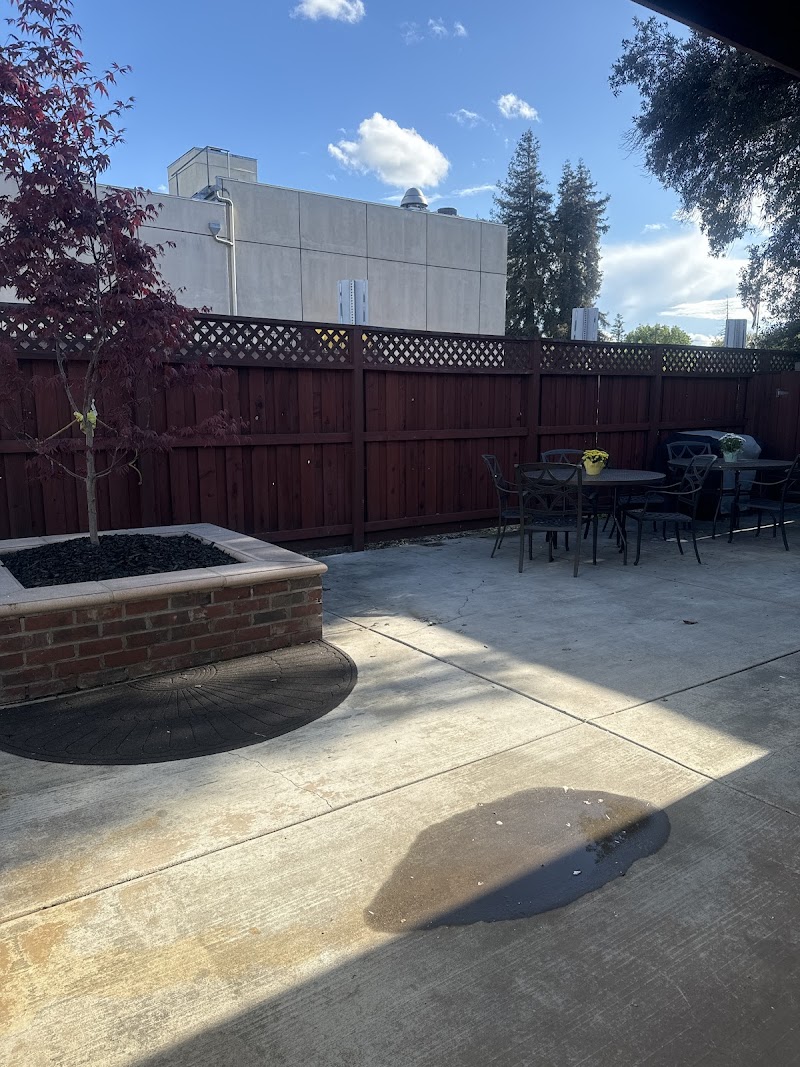
How is Lincoln Square Post Acute Care Staffed?

CMS rates LINCOLN SQUARE POST ACUTE CARE's staffing level at 3 out of 5 stars, which is average compared to other nursing homes. Staff turnover is 15%, compared to the California average of 46%. This relatively stable workforce can support continuity of care.

What Have Inspectors Found at Lincoln Square Post Acute Care?

State health inspectors documented 55 deficiencies at LINCOLN SQUARE POST ACUTE CARE during 2022 to 2025. These included: 55 with potential for harm. While no single deficiency reached the most serious levels, the total volume warrants attention from prospective families.
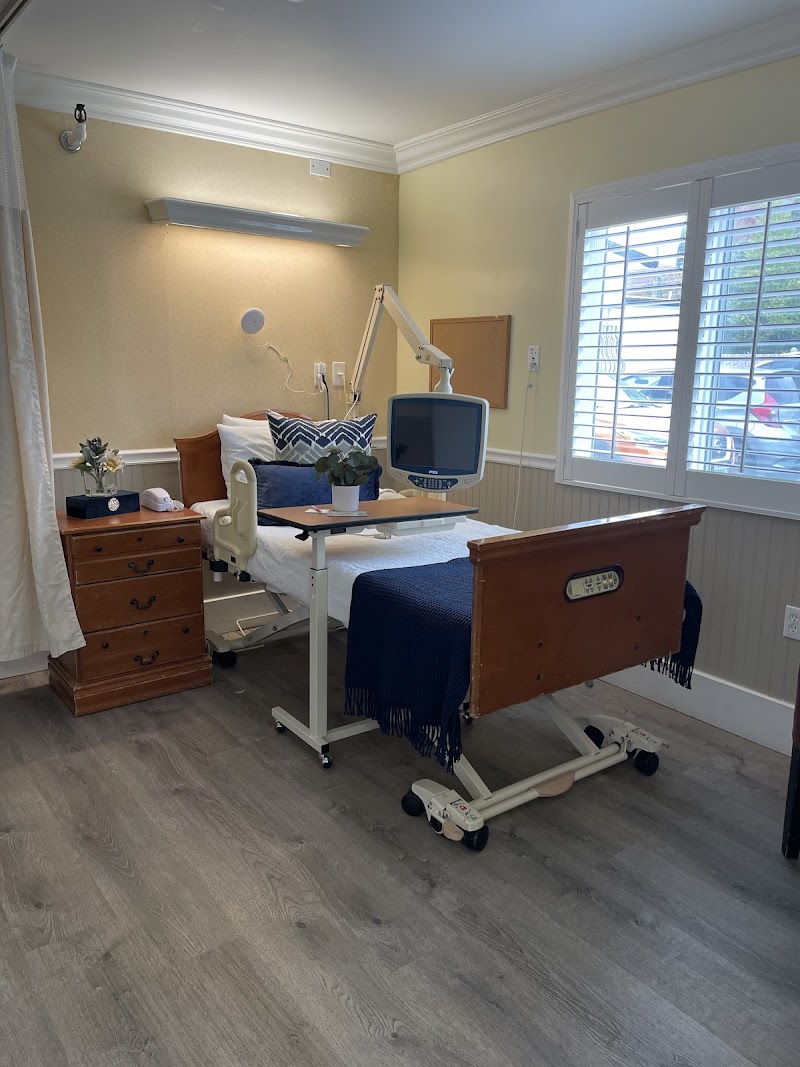
Who Owns and Operates Lincoln Square Post Acute Care?

LINCOLN SQUARE POST ACUTE CARE is owned by a for-profit company. For-profit facilities operate as businesses with obligations to shareholders or private owners. The facility is operated by NAHS, a chain that manages multiple nursing homes. With 68 certified beds and approximately 58 residents (about 85% occupancy), it is a smaller facility located in STOCKTON, California.
How Does Lincoln Square Post Acute Care Compare to Other California Nursing Homes?

Compared to the 100 nursing homes in California, LINCOLN SQUARE POST ACUTE CARE's overall rating (3 stars) is below the state average of 3.1, staff turnover (15%) is significantly lower than the state average of 46%, and health inspection rating (2 stars) is below the national benchmark.

What Should Families Ask When Visiting Lincoln Square Post Acute Care?

Based on this facility's data, families visiting should ask: "Can I visit during a mealtime to observe dining assistance and food quality?" "How do you handle medical emergencies, and what is your hospital transfer rate?" "Can I speak with family members of current residents about their experience?"

Is Lincoln Square Post Acute Care Safe?

Based on CMS inspection data, LINCOLN SQUARE POST ACUTE CARE has a clean safety record: no substantiated abuse findings (meaning no confirmed cases of resident harm), no Immediate Jeopardy citations (the most serious violation level indicating risk of serious injury or death), and is not on the Special Focus Facility watch list (a federal program monitoring the lowest-performing 1% of nursing homes). The facility has a 3-star overall rating and ranks #100 of 100 nursing homes in California. While no facility is perfect, families should still ask about staff-to-resident ratios and recent inspection results during their visit.

Do Nurses at Lincoln Square Post Acute Care Stick Around?

Staff at LINCOLN SQUARE POST ACUTE CARE tend to stick around. With a turnover rate of 15%, the facility is 31 percentage points below the California average of 46%. Low turnover is a positive sign. It means caregivers have time to learn each resident's needs, medications, and personal preferences. Consistent staff also notice subtle changes in a resident's condition more quickly.

Was Lincoln Square Post Acute Care Ever Fined?

LINCOLN SQUARE POST ACUTE CARE has no federal fines on record. CMS issues fines when nursing homes fail to meet care standards or don't correct problems found during inspections. The absence of fines suggests the facility has either maintained compliance or corrected any issues before penalties were assessed. This is a positive indicator, though families should still review recent inspection reports for the full picture.

Is Lincoln Square Post Acute Care on Any Federal Watch List?

LINCOLN SQUARE POST ACUTE CARE is not on any federal watch list. The most significant is the Special Focus Facility (SFF) program, which identifies the bottom 1% of nursing homes nationally based on persistent, serious quality problems. Not being on this list means the facility has avoided the pattern of deficiencies that triggers enhanced federal oversight. This is a positive indicator, though families should still review the facility's inspection history directly.