MEADOWOOD A HEALTH AND REHABILITATION CENTER
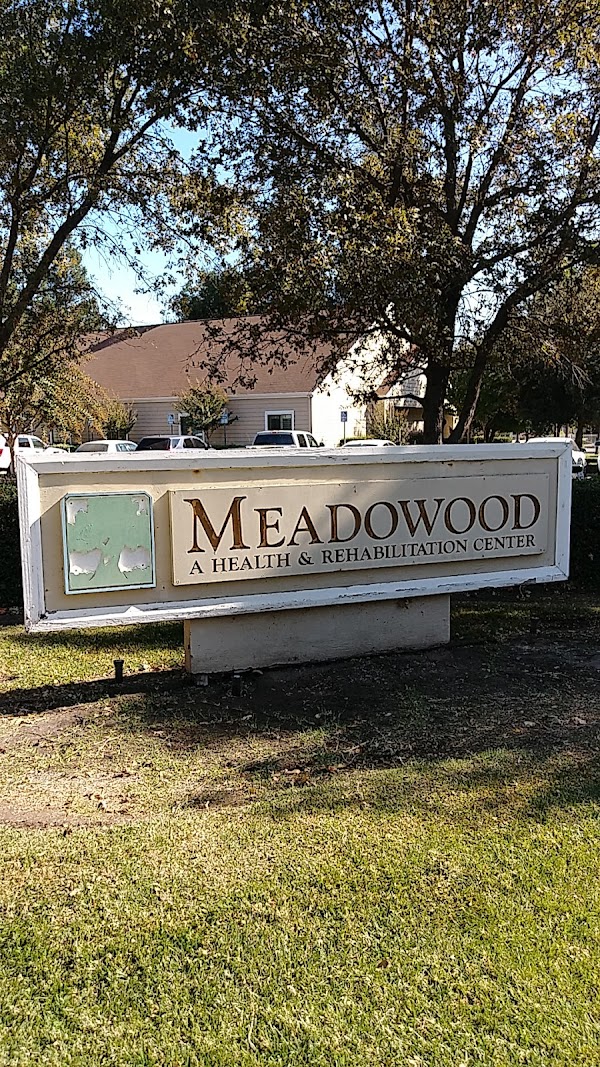
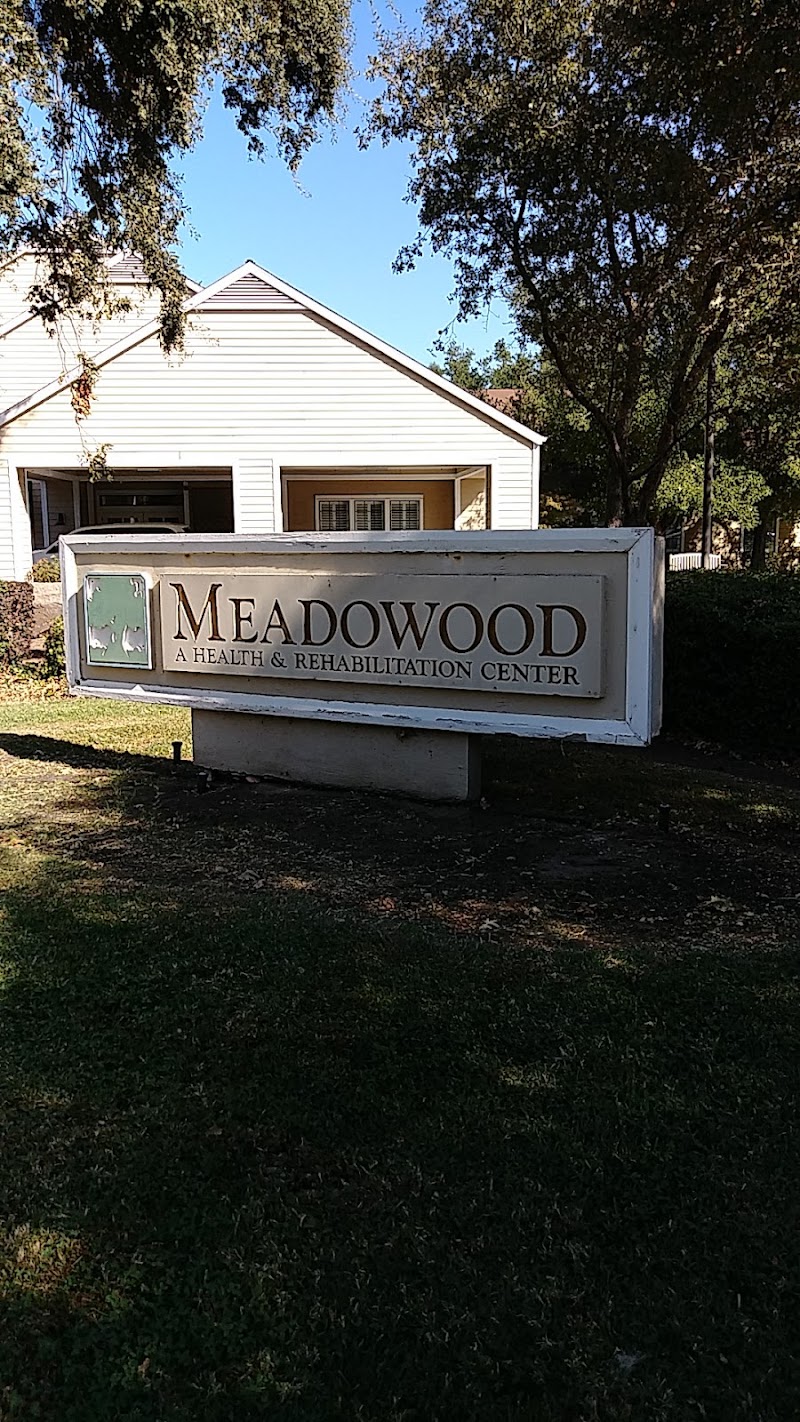
3110 WAGNER HEIGHTS ROAD, STOCKTON, CA 95209 (209) 956-3444
Non profit - Corporation 100 Beds Independent Data: November 2025
Trust Grade
70/100
#400 of 1155 in CA
Last Inspection: February 2025

Within standard 12-15 month inspection cycle. Federal law requires annual inspections.

Overview

Meadowood A Health and Rehabilitation Center has earned a Trust Grade of B, indicating it is a good choice for families looking for a nursing home, as it falls in the solid middle range. It ranks #400 out of 1,155 facilities in California, placing it in the top half of nursing homes statewide, and #8 out of 24 in San Joaquin County, meaning only seven local options are better. The facility has shown improvement, reducing its issues from 15 in 2024 to 12 in 2025, which is a positive trend. Staffing is a strong point with a perfect rating of 5 out of 5 stars and a turnover rate of 33%, which is below the state average, indicating experienced staff who are likely to know the residents well. However, there have been some concerning incidents, such as the failure to store food safely, which poses a risk of foodborne illnesses, and inadequate infection control measures that could lead to the spread of infections among residents. Overall, while there are notable strengths, families should be aware of these weaknesses.

Trust Score
B
70/100
In California
#400/1155
Top 34%
Safety Record
Low Risk
No red flags
Inspections
Getting Better
15 → 12 violations
Staff Stability
○ Average
33% turnover. Near California's 48% average. Typical for the industry.
Penalties
✓ Good
No fines on record. Clean compliance history, better than most California facilities.
Skilled Nurses
○ Average
Each resident gets 41 minutes of Registered Nurse (RN) attention daily — about average for California. RNs are the most trained staff who monitor for health changes.
Violations
⚠ Watch
44 deficiencies on record. Higher than average. Multiple issues found across inspections.
★★★★☆
4.0
Overall Rating
★★★★★
5.0
Staff Levels
★★★★☆
4.0
Care Quality
★★★☆☆
3.0
Inspection Score
Stable
2024: 15 issues
2025: 12 issues

The Good

  • 5-Star Staffing Rating · Excellent nurse staffing levels
  • 4-Star Quality Measures · Strong clinical quality outcomes
  • Full Sprinkler Coverage · Fire safety systems throughout facility
  • No fines on record
  • Staff turnover below average (33%)

    15 points below California average of 48%

Facility shows strength in staffing levels, quality measures, fire safety.

The Bad

Staff Turnover: 33%

13pts below California avg (46%)

Typical for the industry

The Ugly 44 deficiencies on record

Aug 2025 1 deficiency
CONCERN (D) 📢 Someone Reported This

A family member, employee, or ombudsman was alarmed enough to file a formal complaint

Potential for Harm - no one hurt, but risky conditions existed

Deficiency F0919 (Tag F0919)

Could have caused harm · This affected 1 resident

Based on interview and record review, the facility failed to ensure that one of three sampled resident's (Resident 3) call lights was functioning properly when Resident 3's call light did not light up...

Read full inspector narrative →
Based on interview and record review, the facility failed to ensure that one of three sampled resident's (Resident 3) call lights was functioning properly when Resident 3's call light did not light up outside his bedroom doorway when the call light button was pressed.This failure resulted in Resident 3 experiencing an episode incontinence and put Resident 3 at risk of fall or injury.A review of Resident 3's admission RECORD, indicated Resident 3 was admitted to the facility in 2025, with diagnoses which included Pneumonia (a lung infection) and lack of coordination.During an interview on 8/14/25, at 10:09 AM, with Family Member (FM)1, FM 1 stated Resident 3's call light was not working from Saturday 8/2/25 through Tuesday 8/5/25. FM 1 further stated Resident 3 pressed his call light but the light above the door did not light up. FM 1 stated there was an incident where Resident 3 was incontinent (not able to hold urine) of urine and no one responded to his call light for assistance to the bathroom. FM 1 stated Resident 3 was unable to get up to go to the bathroom.A review of Resident 3's clinical document titled, Care Plan, dated 7/24/25, indicated, .Problem.Potential for falls and injury due to unsteady gait.Approach.CALL LIGHT WITHIN REACH AND ANSWERED PROMPTLY.ENSURE RESIDENT UNDERSTANDS HOW TO USE CALL LIGHT.During an interview on 8/14/25, at 1:08 PM, with Certified Nurse Assistant (CNA) 1, CNA 1 stated when a call light was broken the staff wrote an entry in the maintenance log. CNA 1 further stated if the call light broke on a weekend, maintenance waited until Monday to fix it. CNA 1 stated she was unaware of other options for the residents when the call light was not working. During a telephone interview on 8/15/25, at 10:28 AM, with Licensed Nurse (LN) 3, LN 3 stated when a call light was not working, she would check with maintenance. LN 3 further stated she was not sure if the facility had spare call lights or hand bells to provide for the residents when the call lights did not work.A review of a facility document titled, Maintenance Log, indicated, .8/2.Item Location.[Resident 3's room]. Call Light Broken.8-4.Fixed. and .8/5.Item Location. [Resident 3's room].Call Light Broke.8-5.Fixed .During an interview on 8/14/25, at 2:24 PM, with the Administrator (ADM), the ADM confirmed the call light had not been illuminating outside Resident 3's doorway. The ADM stated when Resident 3 pressed his call light, the panel by the nurse's station lit up. The ADM further stated Resident 3 was not provided a hand bell because the light was working at the panel even though it was not working outside Resident 3's room. During a telephone interview on 8/15/25, at 1:15 PM, with the Director of Maintenance (DOM), the DOM confirmed the call light outside room Resident 3's room had been broken. The DOM stated that the light would only show up at the panel near the nurse's station and not outside Resident 3's room. The DOM further stated when a call light was broken the staff placed an order in the electronic maintenance request system. The DOM stated the maintenance department received a work order for Resident 3's call light on 8/3/25 and the light bulb was replaced on 8/4/25. The DOM stated the wrong bulb was used on 8/4/25 and it overheated and popped. The DOM further stated the correct bulb was placed on 8/5/25.A review of a facility policy titled, Call Light System, dated 3/5/02, indicated, .Each resident will be provided the means to communicate their immediate needs with the staff and provide the staff with a means to identify residents with immediate needs.Procedure.When resident activates call light, the light above resident's door will light as well as the corresponding light at the nurse's station. A staff member will respond promptly, and attend to resident's immediate need.If the call light system malfunctions, an alternative method such as individual bells will be initiated until the call light system is functioning again.
Feb 2025 11 deficiencies
CONCERN (D)

Potential for Harm - no one hurt, but risky conditions existed

Resident Rights (Tag F0550)

Could have caused harm · This affected 1 resident

Based on observation, interview, and record review, the facility failed to ensure residents rights to be treated with dignity and respect were honored for one of twenty two sampled residents (Resident...

Read full inspector narrative →
Based on observation, interview, and record review, the facility failed to ensure residents rights to be treated with dignity and respect were honored for one of twenty two sampled residents (Resident 38) when Resident 38's meal was placed in front of her, but not fed to her, for greater than 20 minutes. Findings: A review of Resident 38's Resident Face Sheet, indicated she was admitted to the facility with diagnoses which included Alzheimer's disease (a progressive disease that affects the parts of the brain that control thought, memory, and language). A review of Resident 38's Care Plan History, dated 8/1/19, indicated, Problem .Nutritional Status . AT RISK FOR ALTERED NUTRITIONAL STATUS . Requires assistance with feeding . During an observation in the memory care unit (focuses on the care and well-being of individuals with memory issues) dining room, on 2/25/25, at 12:15 PM, Resident 38 was observed seated at a table with a plate of food in front of her. Resident 38 was alert and looking around the room. Licensed staff were observed feeding another resident seated at the table with Resident 38. During an observation on 2/25/25, at 12:31 PM, Resident 38 was observed crying out (to shout or make a loud noise), her plate of food remained in front of her. Licensed staff continued to feed the other resident at the table. During an observation on 2/25/25, at 12:38 PM, Licensed Nurse (LN) 6 began to feed Resident 38 her meal. The temperature of the potatoes on Resident 38's plate registered 110 degrees Fahrenheit (F°) when LN 6 began feeding her. During an interview on 2/25/25, at 1:38 PM, LN 6 stated she had placed Resident 38's tray in front of her on the table because she thought a Certified Nurse Assistant (CNA) student would be coming to feed the residents. LN 6 further stated when no one came LN 6 started feeding the other resident seated at the table. LN 6 stated Resident 38 may have been wondering why she was not eating too. LN 6 stated it created a dignity issue for Resident 38 when she had to sit and watch the other resident eat. During an interview on 2/26/25, at 1:24 PM, the Director of Nurses (DON) stated it was her expectation that all residents at a table would eat their meals at the same time. The DON further stated it was a dignity issue to not serve residents their meals together. The DON further stated when Resident 38's meal was delayed staff should have informed the kitchen and received a fresh meal tray. During an interview on 2/27/25, at 12:45 PM, the Certified Dietary Manager (CDM) stated food served to residents should be between 145-150 F° . The CDM further stated that it was inappropriate to serve food that was 110 F°. The CDM stated staff should have requested a new tray or fed Resident 38 when her tray had arrived. A review of an undated, facility provided document titled, Know Your Rights under Federal Nursing Home Regulations, indicated, . you have the right to be treated with respect and dignity . A review of a facility policy titled, Supervision of Resident Nutrition, dated 5/1997, indicated, .Each resident shall receive proper nutrition .Residents needing assistance in eating must be promptly assisted upon being served . A review of a facility policy titled, Meal Temperature, dated 1/1/21, indicated, .All food items are evaluated for proper food temperature, taste, and appearance prior to meal service .Food and drinks should be palatable, attractive and served at a safe and appetizing temperature .to ensure patients/residents' satisfaction .Do not serve food at unacceptable temperatures .
CONCERN (D)

Potential for Harm - no one hurt, but risky conditions existed

Deficiency F0578 (Tag F0578)

Could have caused harm · This affected 1 resident

Based on interview, and record review, the facility failed to ensure one of twenty two sampled residents (Resident 64) had their rights related to treatment choices known and protected when a copy of ...

Read full inspector narrative →
Based on interview, and record review, the facility failed to ensure one of twenty two sampled residents (Resident 64) had their rights related to treatment choices known and protected when a copy of Resident 64's Advance Directive (a legal document indicating resident preference on end-of-life treatment decisions) was not kept in Resident 64's record. This failure had the potential to result in Resident 64's preferences for emergent and end of life treatment to not be followed. Findings: A review of Resident 64's medical record titled, Resident Face Sheet, indicated that Resident 64 was admitted to the facility in early 2024 with diagnoses that included aftercare following right hip joint surgery, fracture of neck of right femur (upper part of the thigh), and need for assistance with personal care. A review of Resident 64's medical record titled, Physician Orders for Life-Sustaining Treatment [POLST - a form that contains written medical orders for healthcare professionals regarding specific medical treatments that can or cannot be done at the end of life], dated 1/14/24, indicated Section D that an Advance Directive was discussed with the Resident 64 and that Resident 64 had an Advance Directive. A review of Resident 64's physical chart (paper medical record) at the nurses station, indicated that a copy of Resident 64's POLST was in the chart but no copy of an Advance Directive was found. A review of Resident 64's Electronic Health Record (EHR - information stored in the facility's computer system), indicated that Resident 64's Advance Directive was not uploaded into Resident 64's EHR. During a concurrent interview and record review with the Social Services Director (SSD), on 2/26/25, at 2:34 p.m., the SSD confirmed that there was no copy of an Advance Directive found in Resident 64's EHR. The SSD stated that the Advance Directive copy should have been scanned into Resident 64's EHR. The SSD also confirmed that there was not an Advance Directive copy found in Resident 64's physical chart at the nurses station. The SSD stated that the admitting nurse should have reviewed the POLST information during the admission process and should have ensured that a copy of Resident 64's Advance Directive was obtained if the resident had an Advance Directive. The SSD stated that the importance of having the Advance Directive copy was for the resident's wishes to be known and to determine who would be in charge or appointed if they would not be able to make their own decisions. The SSD added that the POLST and Advance Directive copies should be in the resident's chart because these copies would be taken with the resident if they were transferred out to another facility. During a concurrent interview and record review with the Director of Nursing (DON), on 2/27/25, at 12:47 p.m., the DON confirmed that Resident 64's copy of the Advance Directive was not found in Resident 64's EHR. The DON stated that the copy should be in Resident 64's chart since the POLST form specified that there was an Advance Directive. The DON stated that it was her expectation for the Advance Directive copy to have been in Resident 64's chart at all times. The DON stated that the process involved the admission nurse initiating the POLST form with the resident, responsible party, or family, during the admission process. The DON stated that it was her expectation to get the POLST form completed as soon as possible. The DON further stated that the facility conducts a 72-hour conference after admission with the admitting nurse, Social Services and Admissions Coordinator and they should have reviewed these forms to ensure that they were completed. The DON stated that the importance of having the Advance Directive in the chart was to provide legal guidance when providing care. The DON added that the POLST and Advance Directive forms would go with the resident whenever they were sent or transferred out of the facility. A review of the facility's document titled, Physician Orders for Life-Sustaining Treatment [POLST], dated 10/6/09, indicated .Completing a POLST form with the resident: 1. If the resident or representative chooses to complete a POLST form .Discussion will include the resident's Advance Directive (if done) or other statements the resident has made regarding their wishes for end of life care and treatments . A review of the facility's document titled, Advance Directives, dated 8/13/08, indicated .1. On admission, each resident is asked if they have completed an Advance Health Care Directive .a. If a Directive has been completed, the community shall request a copy to be included in the medical record .3. At least quarterly, the completed Advance Health Care Directive will be reviewed with the resident and their responsible party, as applicable .
CONCERN (D)

Potential for Harm - no one hurt, but risky conditions existed

Deficiency F0583 (Tag F0583)

Could have caused harm · This affected 1 resident

Based on observation, interview, and record review, the facility failed to ensure residents rights of privacy and confidentiality were honored for one of twenty two sampled residents (Resident 12) whe...

Read full inspector narrative →
Based on observation, interview, and record review, the facility failed to ensure residents rights of privacy and confidentiality were honored for one of twenty two sampled residents (Resident 12) when Resident 12's incontinence (lacking control of bowel and bladder) care needs were posted in public view in his room. Findings: A review of Resident 12's Resident Face Sheet, indicated, he was admitted to the facility with diagnoses which included urinary incontinence (inability to control urination/bladder). During an observation in Resident 12's bedroom on 2/26/25, at 9:46 AM, a handwritten sign and two photos were observed posted on Resident 12's bathroom door facing out into the room. The sign indicated, .[Resident 12's] Cath Bag [urine collection bag] .AM .Remove old condom tip [condom catheter used to direct urine to a collection bag] with Adhesive remover wipe .Use NoSting Prep [skin protectant] to place new condom tip .attach leg bag to top of calf and above ankle .PM .Remove old condom tip with Adhesive remover wipe/spray .attach to 2000ml [milliliter] bag . The photos included pictures of the condom catheter packages, the wipes, and the drainage bags to attach to the catheters. During a concurrent interview and document review (sign and photos) in Resident 12's room, on 2/26/25, at 10:24 AM, licensed nurse (LN) 6 stated the information for Resident 12's condom catheter was posted on the bathroom door to inform staff of which supplies to use. LN 6 further stated, for privacy, the documents could have been posted inside the bathroom door. During a concurrent interview and document review (sign and photos) in Resident 12's room, on 2/26/25, at 1:28 PM, the Director of Nurses (DON) stated any sign posted in a resident's room with personal information should be covered with a blank page. The DON further stated not covering the postings created a dignity issue for Resident 12. A review of an undated, facility provided document titled, Know Your Rights under Federal Nursing Home Regulations, indicated, .you have the right to be treated with respect and dignity .
CONCERN (D)

Potential for Harm - no one hurt, but risky conditions existed

Deficiency F0604 (Tag F0604)

Could have caused harm · This affected 1 resident

Based on observation, interview, and record review, the facility failed to ensure one of twenty two sampled residents (Resident 12) was free from physical restraint when Resident 12 was unable to inde...

Read full inspector narrative →
Based on observation, interview, and record review, the facility failed to ensure one of twenty two sampled residents (Resident 12) was free from physical restraint when Resident 12 was unable to independently unbuckle the self-release belt he wore while seated in his wheelchair. This failure had the potential for Resident 12 to experience a lack in freedom of movement, injury, and psychosocial distress. Findings: A review of Resident 12's Resident Face Sheet, indicated he was admitted to the facility with diagnoses which included Parkinsonism (a progressive disease of the nervous system marked by tremor, muscle rigidity, and slow imprecise movement) and unspecified dementia (condition that causes a decline in memory, thinking, reasoning, and problem solving). A review of Resident 12's Minimum Data Set (MDS, federally mandated resident assessment and screening tool) Section C - Cognitive Patterns, dated 1/4/25, indicated Resident 12's Brief Interview for Mental Status (BIMS, cognitive screening test, a score of 0-7 suggests a severe cognitive impairment, 8-12 suggests moderate cognitive impairment, 13-15 suggests intact cognitive response) score was 7. A review of Resident 12's MDS Section GG-Functional Abilities, dated 1/4/25, indicated Resident 12 required, .Partial moderate assistance-Helper does LESS THAN HALF the effort . for the categories of eating and upper body dressing. A review of Resident 12's Restraint/Adaptive Equipment Use Assessment, dated, 11/13/24, indicated, .resident requested a self release belt for when he's up in chair md (medical doctor) notified md approved observation complete. patient educated on how to use the belt and patient demonstrated how to release belt on his own . A review of Resident 12's Care Plan History, dated 11/13/24, indicated, .Problem .Self release belt when up in wheelchair related to involuntary movement related to his disease process .Approach .resident is able to self release belt . During an observation on 2/26/25, at 10:15 AM, Resident 12 was observed in his room seated in his wheelchair. When asked to demonstrate how his self-release belt was unbuckled, Resident 12 reached down to his belt, grasped the sides of the buckle and wiggled it up and down, he tried to pull on the buckle and stated, I can't. During a concurrent observation and interview on 2/26/25, at 10:25 AM, Licensed Nurse (LN) 6, stated Resident 12 could remove his belt independently. LN 6 prompted Resident 12 to open the belt buckle, Resident 12 tried but was unable. LN 6 prompted him a few more times and then opened the buckle for him. LN 6 confirmed Resident 12 was unable to release the belt buckle independently. During a concurrent interview and record review on 2/26/25, at 2:01 PM, the MDS Coordinator (MDSC) stated Resident 12 had Parkinson's disease which affected his cognition and mobility. The MDSC stated if Resident 12 was unable to release his self-release buckle independently it was considered a restraint. The MDSC confirmed Resident 12's quarterly MDS was completed in January and Resident 12 was not reassessed for the use of the self-release belt at that time but should have been. The MDSC stated it was important for the assessment to have been completed because his condition could change. A review of Resident 12's Restraint/Adaptive Equipment Use Assessment, dated, 2/26/25, indicated, .reassessment done on self release belt while in wheelchair, resident was unable to pull the self release belt open without cueing and further instruction . A review of an undated, facility provided document titled, Know Your Rights under Federal Nursing Home Regulations, indicated, .You have the right to be free from physical .restraint .Physical restraints are any manual method, or physical or mechanical device, material, or equipment attached to or near your body so that you can't remove the restraint easily. Physical restraints prevent your freedom of movement or normal access to your own body . A review of a facility policy titled, Restraints -Physical, dated, 9/12/24, indicated, .[Facility] will attempt to provide an environment which is restraint free and discourages the use of restraints unless medically necessary, and when the safety and/or well-being of a resident is at risk examples of physical restraints as defined by CMS [Centers for Medicare & Medicaid Services] include but are not limited to .Leg restraints, arm restraints, hand mitts, soft ties or vests, lap cushions, and lap trays the resident cannot remove easily .the continued need for restraint is reevaluated no less than quarterly by the interdisciplinary team members .
CONCERN (D)

Potential for Harm - no one hurt, but risky conditions existed

Comprehensive Care Plan (Tag F0656)

Could have caused harm · This affected 1 resident

Based on observation, interview, and record review, the facility failed to ensure one of twenty two sampled residents (Resident 42), had a care plan (a formal process that identifies existing needs an...

Read full inspector narrative →
Based on observation, interview, and record review, the facility failed to ensure one of twenty two sampled residents (Resident 42), had a care plan (a formal process that identifies existing needs and recognizes potential needs or risks) developed to address Resident 42's oxygen needs and use. This failure potentially contributed to Resident 42 not receiving the correct rate of oxygen (liters per minute-LPM. A unit of measure for oxygen delivery). Findings: During a concurrent observation and record review, on 2/26/25 at 10:03 AM in Resident 42's room, Licensed Nurse (LN) 6 confirmed Resident 42 was receiving oxygen at a rate of 2.5 LPM. LN 6 reviewed Resident 42's physician orders and confirmed Resident 42 should have been receiving oxygen at a rate of 4 LPM, continuously. During a concurrent interview and record review on 2/26/25 at 12:09 PM, with LN 6, Resident 42's care plans were reviewed. LN 6 stated she was unable to locate an oxygen use care plan for Resident 42. LN 6 confirmed a care plan should have been created for Resident 42's oxygen needs and use. LN 6 further stated a care plan could have prevented Resident 42 from receiving an incorrect rate of oxygen. LN 6 explained the importance of a care plan was to have interventions in place as a guide for nurses to follow which helped them understand the plan of care. During a concurrent interview and record review on 2/26/25 at 1:41 PM, the Director of Nursing (DON) confirmed an oxygen use care plan was never created for Resident 42. The DON stated a care plan was important because it gave the nurses interventions to look out for and a guide to follow. The DON further explained the risk to Resident 42 was a lower amount of oxygen being administered which could lead to shortness of breath, or other complications. A review of a facility provided document for Resident 42 titled, General Order dated 7/23/2024, indicated, .Order Description: OXYGEN AT 4L/MIN [LPM] .CONTINUOUS .Order Class: Physician Order . A review of a facility policy and procedure titled, Interdisciplinary Team/Care Plan Process, revised 12/2021, indicated, .An interdisciplinary assessment team .develops and maintains a comprehensive care plan .designed to .a. Incorporate identified problem areas; b. Incorporate risk factors associated with identified problems .
CONCERN (D)

Potential for Harm - no one hurt, but risky conditions existed

Incontinence Care (Tag F0690)

Could have caused harm · This affected 1 resident

Based on observation, interview, and record review, the facility failed to ensure appropriate urinary catheter (a flexible tube inserted into the bladder used to drain urine) care and services were pr...

Read full inspector narrative →
Based on observation, interview, and record review, the facility failed to ensure appropriate urinary catheter (a flexible tube inserted into the bladder used to drain urine) care and services were provided for one of two residents (Resident 71) with urinary catheters in a sample of 22 residents when: 1. Resident 71's urinary catheter bag (a device that attaches to the end of the tube to collect urine) was on the floor; and, 2. Resident 71's urinary catheter bag did not have a dignity cover (a cover that helps maintain the dignity of people who use catheters). These failures had the potential to affect Resident 71's sense of self-worth and self-esteem and placed Resident 71, and others in the facility, at risk for adverse medical outcomes. (When a drainage bag on the floor touches or comes into contact with anything other than a clean surface, that item becomes contaminated, which could increase the chances of an infection for anyone that comes into contact with the contaminated item.) Findings: A review of Resident 71's Resident Face Sheet, indicated Resident 71 was admitted to the facility with multiple diagnoses including sepsis (a serious condition in which the body responds improperly to an infection) and bilateral hydronephrosis (a condition where both kidneys become enlarged due to a buildup of urine). During a concurrent observation and interview on 2/25/25, at 4:47 PM, with Licensed Nurse (LN) 1 in Resident 71's room, LN 1 confirmed Resident 71 was lying in bed with his urinary catheter bag on the floor and the bag did not have a dignity cover. LN 1 stated that the catheter bag should be off the floor and should be covered. LN 1 added, there was a risk for contamination if the urinary catheter bag was left on the floor. LN 1 further stated having a dignity bag at all times would protect the resident's privacy and dignity. During an interview on 2/27/25, at 1:57 PM, with LN 2, LN 2 stated that the urinary catheter bag should be placed below the bladder and attached to the bedrail when a resident was in bed for infection control prevention. LN 2 further stated the urinary catheter bag should have a dignity cover to protect the resident's privacy. During an interview on 2/28/25, at 8:43 AM, with the Director of Nursing (DON), the DON stated that her expectation for the staff was to ensure the urinary catheter bags were off the floor and with a dignity cover at all times. The DON stated that the urinary catheter bag should not be on the floor because of a potential infection control risk. The DON added that the urinary catheter bag should be covered to protect the resident's dignity and privacy. Review of a facility policy and procedure titled, Bowel and Bladder Program - Indwelling Catheter, revised 2/1/25, indicated, .Residents with indwelling catheters .Catheter bags will be covered to maintain resident dignity . According to the Center for Disease Control and Prevention - Healthcare Infection Control Practices Advisory Committee's Guideline for prevention of Catheter Associated Urinary Tract Infections 2009 updated April 12, 2024, indicated, .Proper Techniques for Urinary Catheter Maintenance .Do not rest the bag on the floor . https://www.cdc.gov/infection-control/hcp/cauti/index.html
CONCERN (D)

Potential for Harm - no one hurt, but risky conditions existed

Respiratory Care (Tag F0695)

Could have caused harm · This affected 1 resident

Based on observation, interview, and record review, the facility failed to ensure respiratory care provided was consistent with professional standards of practice for 1 of 8 residents who received oxy...

Read full inspector narrative →
Based on observation, interview, and record review, the facility failed to ensure respiratory care provided was consistent with professional standards of practice for 1 of 8 residents who received oxygen at the facility (Resident 42) when Resident 42's oxygen order was not followed. This failure placed Resident 42 at risk for respiratory distress and inadequate treatment. Findings: During a concurrent observation and interview on 2/26/25 at 10:03 AM, with Licensed Nurse (LN) 6 in Resident 42's room, Resident 42 was observed receiving oxygen via nasal cannula (NC -a small flexible tube that contains two open prongs intended to sit inside the nostrils). LN 6 observed and confirmed the oxygen concentrator (a device that delivers oxygen) was on and running at 2.5 liters per minute (LPM, a unit of measure for oxygen delivery). During a concurrent interview and record review on 2/26/25 at 10:05 AM, LN 6 reviewed Resident 42's current physician order for oxygen. LN 6 stated the physician's order for oxygen was 4 LPM. LN 6 confirmed the oxygen order was not being followed as prescribed by the physician. LN 6 stated the risk to the resident for not receiving the correct dose was hypoxia (a condition where there is not enough supply of oxygen to the body's tissue). During an interview on 2/26/25 at 1:41 PM, with the Director of Nursing (DON), the DON confirmed the ordered amount of oxygen for Resident 42 was 4 LPM continuously. The DON stated the risk to the resident was Resident 42 could desaturate (to have low blood oxygen levels) or become short of breath. The DON explained it was important to follow the physician prescribed orders. A review of a facility provided document for Resident 42 titled, General Order dated 7/23/2024, indicated, .Order Description: OXYGEN AT 4L/MIN [LPM] VIA NC CONTINUOUS .Order Class: Physician Order . A review of the facility's policy and procedure titled, Oxygen Administration, revised 12/2021, indicated, .The licensed nurse will carry out the oxygen therapy orders .
CONCERN (D)

Potential for Harm - no one hurt, but risky conditions existed

Unnecessary Medications (Tag F0759)

Could have caused harm · This affected 1 resident

Based on observation, interview, and record review, the facility failed to ensure safe medication administration practices when the medication error rate was more than 5% (% or percentage - number or ...

Read full inspector narrative →
Based on observation, interview, and record review, the facility failed to ensure safe medication administration practices when the medication error rate was more than 5% (% or percentage - number or ratio expressed as a fraction of 100) with a resident census of 67. Medication administration observations were conducted over multiple days, at varied times, in random locations throughout the facility. The facility had a total of 2 errors out of 36 opportunities which resulted in a facility wide medication error rate of 5.55% in 1 of 4 residents (Resident 234 ) observed for medication administration. These failures had the potential to result in unsafe medication use and medication errors affecting the resident's health and well-being. Findings: During a medication administration observation, in the facility's Sequoia station, with Licensed Nurse (LN) 3, on 2/27/25 from 8:28 AM to 9:40 AM, the following observations were noted with medication administration to Resident 234 and Resident 79 as follows: a. Resident 234's order for dorzolamide-timolol (an eye drop medication used to treat glaucoma [an eye disease that leads to vision loss]) .1 DROP .BOTH EYES FOR GLAUCOMA . was not administered during observation but was documented as given at 9 AM with a comment noted by LN 3, given as due. b. Resident 234's order for Restasis (cyclosporine-an eye drop medication used to treat dry eyes) .1 DROP .BOTH EYES FOR GLAUCOMA . was not administered during observation but was documented as given at 9 AM with a comment noted by LN 3, given as due. A review of Resident 234's Medications Administration History, dated 02/01/25 - 02/28/25, indicated, .dorzaloamide-timolol .Scheduled Date 02/27/2025, Scheduled Time: 09:00 [9AM], Charted Date: 2/27/2025 10:33 [AM] .Reason/Comments: Late Administration .Comment: given as due . The late medication administration documentation was made by LN 3. A review of Resident 234's Medication Administration History, dated 02/01/25 - 02/28/25, indicated, .Restasis (cyclosporine) .Scheduled Date 02/27/2025, Scheduled Time: 09:00, Charted Date: 2/27/2025 10:33 .Reason/Comments: Late Administration .Comment: given as due . The late medication administration documentation was made by LN 3. During an interview on 2/28/25 at 10:10 AM with the Director of Nursing (DON), the DON stated the expectation for passing medications would be for the nurses to not chart a medication was given if it was not given. The DON further stated the risk to the residents who did not receive medications as ordered, and missed doses of medication, was poor wound healing and not getting the required dose that was prescribed for a specific diagnosis. A review of the facility's policy and procedure titled, Medication Administration dated 9/18, indicated, .Medications are to be administered in accordance with written orders of the prescriber .Medications are administered within 60 minutes of scheduled time .If a dose of regularly scheduled medication is withheld, refused, or given at other than the scheduled time .An explanatory note is entered .
CONCERN (D)

Potential for Harm - no one hurt, but risky conditions existed

Deficiency F0761 (Tag F0761)

Could have caused harm · This affected 1 resident

**NOTE- TERMS IN BRACKETS HAVE BEEN EDITED TO PROTECT CONFIDENTIALITY** Based on observation, interview, and record review, the facility failed to ensure safe medication storage for a census of 67 whe...

Read full inspector narrative →
**NOTE- TERMS IN BRACKETS HAVE BEEN EDITED TO PROTECT CONFIDENTIALITY** Based on observation, interview, and record review, the facility failed to ensure safe medication storage for a census of 67 when: 1. Employee's personal items were stored in two of two medication storage rooms (a locked room for storage of medication and supplies); and, 2. Expired medication was available for use in medication cart (a mobile cart containing medications used daily to give medications to the residents) #2, located on the Sequoia unit. These failures may pose unsafe medication use in the facility. Findings: 1a. During an inspection on [DATE] at 9:44 AM, of the facility's Sequoia unit medication room with Licensed Nurse (LN) 4, the cabinet under the sink was observed to contain employee's personal items. The following items were observed and confirmed with LN 4: An opened partial bottle of water in a plastic container, two coffee cups, and two tote style bags with personal belongings and a printed copy of the staffing schedule laying on top of one of the bags. All items were located under the sink. 1b. During an inspection on [DATE] at 4:15 PM, of the facility's Redwood/Harmony unit medication room with LN 5, the countertop contained a navy water bottle with a strap, a multicolored backpack, and a lunch box, all confirmed by LN 5. LN 5 stated the personal items belonged to staff. Under the sink another personal bag was observed and confirmed by LN 5. LN 5 stated staffs' personal belongings should not be in the medication rooms or under the sinks. During an interview on [DATE] at 11:19 AM, the Administrator (ADM) stated staffs' personal belongings were not allowed in the medication rooms or under the sinks. 2. During an inspection on [DATE] at 12:02 PM, of medication cart #2, located on the Sequoia unit with LN 7, an opened foil package of Ipratropium bromide/albuterol (two medications in one for breathing problems) was found with an opened date of [DATE]. The label on the container indicated, .once removed from foil pouch, the individual vials should be used within two weeks . LN 7 confirmed the medication was expired and should have been removed from the medication cart. LN 7 further stated the risk to the resident's if given the Ipratropium bromide/albuterol was they could have a reaction to the medication, it could be too weak, and they would not get the right dose. During an interview on [DATE] at 1:22 PM, with the Director of Nursing (DON), the DON stated the expectation for the medication Ipratropium bromide/albuterol was to remove it from the medication cart 14 days after the foil package was opened. The DON further stated the risk to the residents if given was the medication would not be as effective. A review of a facility policy titled, Medication Storage (Nursing Care Center Pharmacy Policy & Procedure Manual -2007 PharMerica Corp), dated 09/2018, indicated, .Medications and biologicals are stored properly, following manufacturers or provider pharmacy recommendations .Medication storage should be kept clean .organized, free of clutter .
CONCERN (E)

Potential for Harm - no one hurt, but risky conditions existed

Food Safety (Tag F0812)

Could have caused harm · This affected multiple residents

Based on observation, interview, and record review, the facility failed to prepare and serve food in accordance with professional standards of food service safety for eight residents who received soup...

Read full inspector narrative →
Based on observation, interview, and record review, the facility failed to prepare and serve food in accordance with professional standards of food service safety for eight residents who received soup for lunch on 2/27/25 when there was no temperature recorded for the soup prior to being served to those eight residents. This failure put the eight residents who received soup from the kitchen on 2/27/25 at risk for food borne illness when it was unknown if the soup being served was in the safe temperature zone (above 140 °Fahrenheit to prevent the growth of harmful bacteria). Findings: During a tray line observation on 2/27/25, at 11:45 AM, tomato soup was not available to fulfill a resident request. Dietary staff were observed heating a pan of soup on the stove and after several minutes a serving was provided to tray line staff. Seven separate servings of chicken noodle soup were observed being placed on meal trays. A review of a facility recipe titled, Soup Tomato . indicated, .COOK-END TEMP 63 °C [degrees Celsius] . (145.4 degrees Fahrenheit) A review of a facility recipe titled, Soup Chicken Noodle . indicated, .COOK-END TEMP 71 °C . (159.8 degrees Fahrenheit) During a concurrent interview and record review on 2/27/25, at 1:49 PM, the Certified Dietary Manager (CDM) confirmed the lunch time temperature log did not indicate a temperature check for the soups served during lunch time. The CDM confirmed the temperature should have been recorded to ensure the food temperature was in the safe zone to prevent food borne illness. During an interview on 2/28/25, at 8:25 AM, [NAME] 1 stated she checked the food temperatures right before she began serving food and documented the temperatures on the log. [NAME] 1 stated every food item served required its temperature checked because people would get sick if food was served at the wrong temperature. [NAME] 1 stated if the temperature was incorrect the food would be reheated or cooled as appropriate. A review of a facility document tiled, Time and Temperature Control, dated 2019, indicated, . Time and temperature are a perfect food safety pair, because to reduce pathogens [harmful germs] in food to safe levels, you have to cook the food to its correct minimum internal cooking temperature then hold the food at this temperature for a specific amount of time . A review of a facility policy titled, Meal Temperature, dated 1/1/21, indicated, .All food items are evaluated for proper food temperature, taste, and appearance prior to meal service .The supervisor/designee must allow adequate time prior to meal service to record the temperatures of foods being served .An accurate temperature of all menu items is to be taken and recorded, utilizing an accurate thermometer .If hot food temperatures are not greater than or equal to the standards, or cold temperature are not less than or equal to the standards, respond accordingly to correct. Do not serve food at unacceptable temperatures .
CONCERN (E)

Potential for Harm - no one hurt, but risky conditions existed

Infection Control (Tag F0880)

Could have caused harm · This affected multiple residents

Based on observation, interview, and record review, the facility failed to practice appropriate infection prevention and control measures for a census of 67, when: 1. Signage for Enhanced Barrier Prec...

Read full inspector narrative →
Based on observation, interview, and record review, the facility failed to practice appropriate infection prevention and control measures for a census of 67, when: 1. Signage for Enhanced Barrier Precautions (EBP- a set of infection control measures that use gown and gloves to reduce the spread of multi-drug resistant organisms [MDRO- bacteria that are resistant to many antibiotics] and for people with medical devices that remain in the body for an extended period, providing continuous support or treatment) was not posted on, or near the doorway of Resident 335's room to alert staff to use personal protective equipment (PPE- protective clothing, gown, gloves, or other garments used to prevent the spread of germs) prior to entering the room; and, 2. PPE supplies were not available outside the rooms for Resident 14, Resident 35, Resident 42, and Resident 64 while on EBP. These failures had the potential to spread infection and cause health problems to the residents, and staff, who live and work in the facility. Findings: 1. A review of Resident 335's clinical record titled, Resident Face Sheet, indicated Resident 335 was admitted to the facility with diagnoses which included, cellulitis (a common bacterial infection of the skin and underlying tissues) on the back, and bacteremia-staph aureus (a serious bloodstream infection caused by the staph bacteria which can spread through skin-to-skin contact, contaminated surfaces, and shared items). A review of an undated facility provided document titled, Residents on Isolation, indicated Resident 335 was on EBP. A review of Resident 335's care plan titled, Care Plan .Resident requires IV [intravenous- within the vein] medication D/T [due to] STAPH AUREUS BACTEREMIA ., created on 2/20/25, which indicated, .Approach .ENHANCED BARRIER PRECAUTIONS . During a concurrent observation and interview on 2/25/25, at 9:51 a.m., with the Unit Manager/Case Manager (UM/CM) in the hallway outside of Resident 335's room, the UM/CM confirmed Resident 335 was on an IV antibiotic to treat his infection. The UM/CM further confirmed no EBP sign was placed at the doorway to indicate the type of isolation and what PPE was required for staff when taking care of Resident 335. The UM/CM stated not placing the isolation sign could contribute to the spread of infection in the facility. During a concurrent interview and record review on 2/26/25, at 10:14 a.m., with the Infection Preventionist (IP), the IP confirmed that Resident 335 was on the list of residents on EBP due to having staph aureus bacteremia. The IP stated that if a resident was on EBP there should be an EBP sign posted on, or near the doorway of the resident's room. The IP further stated that it was her expectation for nursing staff to post an EBP sign outside of the room, so staff could don (put on) the appropriate PPE prior to entering the resident's room. The IP stated the isolation precaution sign was a method of communication to inform staff about the type of isolation and required PPE. The IP further stated there was a potential risk to spread infection in the facility due to not having EBP signage posted on, or near the doorway of the resident's room. During a concurrent interview and record review on 2/26/25, at 11 a.m., with the Director of Nursing (DON), the facility's policy and procedure (P&P) titled, Isolation Precautions, Categories Of, revised 1/27/25, was reviewed. The P&P indicated, .Transmission-based isolation precautions will be used for residents who are documented or suspected to have infections or communicable diseases that can be transmitted .f) Signs - A sign will be used to alert staff and visitors of the implementation of isolation precautions, while protecting the privacy of the resident . The DON stated that it was her expectation to have an EBP sign posted outside by the room's entrance door for staff to ensure the required PPE was worn. The DON further stated she expected staff to follow the facility's P&P for isolation precautions. The DON confirmed the facility's P&P for isolation precautions was not followed. The DON stated there was a potential risk of spreading infection in the facility when signage was not used. 2a. Review of Resident 35's medical record titled, Resident Face Sheet, indicated that Resident 35 was admitted to the facility with diagnoses that included chronic kidney disease stage 4 (a condition when the kidneys are severely damaged and only functioning at a very low level) and dependence on renal dialysis (a treatment to cleanse the blood of wastes and extra fluids artificially through a machine when the kidney(s) have failed). Review of Resident 35's Care Plan History, initiated on 2/25/25, indicated .Problem .HISTORY OF antibiotic resistant infection VRE [Vancomycin-resistant enterococci - a type of bacteria that is present in the stomach and intestines that develop resistance to many antibiotics, especially vancomycin] .Approach .Enhanced Barrier Precautions . During a concurrent interview and record review with the Infection Preventionist (IP), on 2/26/25, at 9:53 a.m., the IP confirmed that Resident 35 was on the list of residents on EBP due to having a dialysis port and a history of VRE. The IP stated that it was expected for staff to wear PPE like gowns and gloves during high contact activities for residents on EBP. The IP further stated that the PPE supplies should be in the linen closets and central supply rooms. The IP stated that the Certified Nurse Assistants (CNA) were supposed to gather the supplies before entering the resident's room. The IP confirmed that the PPE should be readily available for staff. The IP confirmed that Resident 35 was at higher risk for infection due to having a dialysis port in place. The IP stated that it was her expectation for all LN and CNA staff to know and follow precautions and policies for all types of contact precautions in place. During a concurrent observation and interview with LN 2, on 2/27/25, at 10:53 a.m., LN 2 confirmed that an EBP sign was posted outside of Resident 35's room but there was no PPE bin (a container used to store PPE) outside of Resident 35's room. LN 2 confirmed that the PPE gowns were located inside Resident 35's room right by the doorway and the gloves were inside Resident 35's bathroom. LN 2 stated that the staff should don the PPE before direct contact with Resident 35. LN 2 added that the risk of not having the PPE supplies outside of the EBP room would be for possible infection and cross contamination. LN 2 further stated that Resident 35 would be at greater risk of infection due to having the dialysis port in place for dialysis treatments. During an interview with the DON, on 2/27/25, at 12:47 p.m., the DON stated that if a resident was on EBP that there should be an EBP sign posted outside the entrance of the room and an isolation cart or PPE bin should also be outside of the room. The DON further stated that EBP was in place for residents with wounds, feeding tubes (a tube placed in the stomach that provides nutrition), urinary catheters (a tube that drains urine from the bladder into a collection bag), and dialysis ports. The DON stated that it was her expectation for staff to be gowning up and using the PPE when providing care to residents. The DON stated that the IP usually had the PPE bins outside the room so the staff can don the PPE before entering the resident's room. The DON stated that it was her expectation to have the PPE bin outside the room for staff to don the PPE. The DON stated that the risk of not having the PPE supplies outside the room was for infection to spread and the main goal was to prevent and contain any infection. 2b. Review of Resident 64's medical record titled, Resident Face Sheet, indicated that Resident 64 was admitted to the facility with diagnoses that included aftercare following right hip joint surgery, fracture of neck of right femur (upper part of the thigh) and pressure ulcer of sacral region stage 4 (full-thickness skin and tissue loss with exposed muscle, tendon, ligament, cartilage, or bone on the base of the spine area). During an interview with Resident 64, on 2/26/25, at 9:06 a.m., Resident 64 stated that she had a pressure wound on her bottom that had been going on for a year now. Resident 64 stated that her pressure wound dressing was changed three times a week on Mondays, Wednesdays, and Fridays. During a concurrent observation and interview with Certified Nurse Assistant (CNA) 3, on 2/26/25, at 9:13 a.m., CNA 3 confirmed that Resident 64 had an EBP sign posted outside the room's doorway and stated that it was her first time seeing the sign. CNA 3 stated that there was no mention of a reason why Resident 64 was on EBP. CNA 3 stated that she knew that Resident 64 had an open wound on her bottom but was covered and treated by the wound nurse. CNA 3 stated that if a resident was on EBP, staff were supposed to use PPE like gloves, gowns, and a mask when providing care. CNA 3 confirmed that there was no PPE bin outside the doorway of Resident 64's room. CNA 3 stated that the risk of not having PPE supplies was for the resident to get an infection or for cross contamination. CNA 3 further stated that Resident 64 was at higher risk for infection due to her having the pressure ulcer wound on her bottom. During a concurrent observation and interview with LN 4, on 2/26/25, at 9:27 a.m., LN 4 confirmed that an EBP sign was posted outside Resident 64's doorway. LN 4 confirmed that Resident 64 had a stage 4 pressure ulcer. When asked where the PPE supplies should be located, LN 4 stated that the PPE should be within the first wall of the resident's room upon entrance. LN 4 confirmed that a hand sanitizer and PPE gowns were placed by the doorway inside Resident 64's room close to the restroom door. LN 4 stated that the gloves were inside Resident 64's restroom or in the medication cart. LN 4 confirmed that there was no PPE bin outside Resident 64's doorway. LN 4 stated that the risk of not having PPE supplies readily available would be for infection and cross contamination. LN 4 stated that Resident 64 would be at greater risk of infection due to being diabetic (inability to regulate sugar levels in the body) and having the pressure ulcer. During a concurrent interview and record review with the Infection Preventionist (IP), on 2/26/25, at 9:53 a.m., the IP confirmed that Resident 64 was on the list of residents on EBP due to having a stage 4 pressure ulcer. The IP stated that it was expected for staff to wear PPE like gowns and gloves during high contact activities for residents on EBP. The IP added that the CNA should be aware if residents were on any precautions and the LN should know the reason for the precautions in place. The IP confirmed that Resident 64 was at higher risk for infection due to being diabetic and with the presence of the pressure ulcer. Review of Resident 64's Care Plan History, initiated on 2/25/25, indicated .Problem .Pressure Ulcer/Injury ALTERATION IN SKIN INTEGRITY - STAGE 4, PRESSURE ULCER .Approach .Enhanced Barrier Precautions . During a concurrent interview and record review with LN 2, on 2/27/25, at 10:13 a.m., LN 2 reviewed Resident 64's EHR and confirmed that Resident 64 had a care plan, dated 2/25/25, that indicated EBP was in place related to an unhealed wound. 2c. During a concurrent observation and interview on 2/25/25 at 9:28 AM, in front of Resident 42's room with LN 6, an EBP sign was observed at the entrance to Resident 42's room. LN 6 stated Resident 42 was on EBP due to a Stage III Pressure Ulcer (a localized injury to the skin and/or underlying tissue usually over a bony prominence, because of pressure, or a pressure in combination with friction) located on Resident 42's back. LN 6 further stated Resident 42 had wound care with dressing changes every Monday, Wednesday, and Friday. LN 6 confirmed Resident 42 did not have PPE (gown and gloves) at the entrance to the room since it was kept on the medication cart (a locked rolling cart stocked with medication and supplies) and in the utility room. During a concurrent observation and interview on 2/25/25 at 10:23 AM the Director of Staff Development (DSD) confirmed PPE was not available for use outside of Resident 42's room and stated it was supposed to be. 2d. During a concurrent observation and interview on 2/25/25 at 10:13 AM, inside of Resident 14's room, CNA 2 was observed in PPE while caring for Resident 14. CNA 2 stated Resident 14 had a gastrostomy tube (GT - a tube that is surgically inserted into the resident's stomach to allow access for fluids, nutrition, and medications) and was on EBP requiring PPE which included a gown and gloves while performing resident care. An EBP sign was confirmed to be on the door at the entrance to the room. CNA 2 confirmed there were no PPE supplies available at the entrance of the room. CNA 2 stated she retrieved the PPE from the utility room, prior to entering Resident 14's room. During a concurrent observation and interview on 2/25/25 at 10:23 AM the Director of Staff Development (DSD) confirmed PPE was not available for use outside of Resident 14's room and stated it was supposed to be. During an interview on 2/26/25 at 1:38 PM with the DON, the DON stated her expectation for residents on EBP precautions, was for the PPE to be available at the doorway. The DON further stated the staff should not have to go looking for PPE. The DON explained the risk to the residents for not having PPE available was infection or the spread of infection from residents to staff, or staff to residents. Review of the Centers for Disease Control (CDC) website, Implementation of Personal Protective Equipment (PPE) Use in Nursing Homes to Prevent Spread of Multidrug-resistant Organisms (MDROs), updated 4/2/24, indicated .When implementing Contact Precautions or Enhanced Barrier Precautions, it is critical to ensure that staff have awareness of the facility's expectations about hand hygiene and gown/glove use, initial and refresher training, and access to appropriate supplies .Post clear signage on the door or wall outside of the resident room indicating the type of Precautions and required PPE (e.g., gown and gloves) .For Enhanced Barrier Precautions, signage should also clearly indicate the high-contact resident care activities that require the use of gown and gloves .Make PPE, including gowns and gloves, available immediately outside of the resident room . (https://www.cdc.gov/long-term-care-facilities/hcp/prevent-mdro/PPE.html)
Oct 2024 2 deficiencies
CONCERN (D) 📢 Someone Reported This

A family member, employee, or ombudsman was alarmed enough to file a formal complaint

Potential for Harm - no one hurt, but risky conditions existed

Transfer Notice (Tag F0623)

Could have caused harm · This affected 1 resident

**NOTE- TERMS IN BRACKETS HAVE BEEN EDITED TO PROTECT CONFIDENTIALITY** Based on interview and record review, the facility failed to ensure Resident 1 ' s right to be fully informed of her discharge a...

Read full inspector narrative →
**NOTE- TERMS IN BRACKETS HAVE BEEN EDITED TO PROTECT CONFIDENTIALITY** Based on interview and record review, the facility failed to ensure Resident 1 ' s right to be fully informed of her discharge and the possibility for appeal was protected, when Resident 1, who was deemed unable to make health care decisions, signed the notice for her discharge on [DATE] and was discharged on 7/15/24. Resident 1 ' s responsible party (RP) was not provided notice of the discharge appeal process. This failure resulted in Resident 1 ' s responsible party being uninformed of the right to appeal the discharge decision, with the potential that Resident 1 would not receive additional services needed if an appeal was sought and upheld. Findings: A review of Resident 1 ' s Resident Face Sheet, indicated she was readmitted to the facility in the summer of 2024 with diagnoses which included unspecified dementia (a progressive state of decline in mental abilities), severe. A review of Resident 1 ' s CALIFORNIA ADVANCE HEALTH CARE DIRECTIVE, dated 11/6/2023, indicated, DESIGNATION OF AGENT. I hereby designate my husband, [name], as my agent to make health care decisions for me .if my agent is not available to make a health care decision for me, I designate my daughter and my son. WHEN AGENTS AUTHORITY BECOMES EFFECTIVE. My agents authority becomes effective when my primary physician determines that I am unable to make my own health care decisions. A review of Resident 1 ' s physician order, dated 7/8/24, indicated, Resident is not capable of making his/her own health care decisions. A review of Resident 1 ' s NOTICE OF PROPOSED TRANSFER/DISCHARGE, dated 7/11/24, indicated Resident 1 ' s signature with the handwritten date next to her name as 7-11-202424. A review of Resident 1 ' s Notice of Medicare Non -Coverage (NOMNC, document that informs beneficiaries when their covered services are ending and of their right to appeal the decision), dated 7/11/24, indicated Resident 1 ' s signature with the handwritten date next to her name as 9-2-22-24-20024. 7-11-11. 7/11/24. A review of Resident 1 ' s clinical record, RESIDENT PROGRESS NOTES, dated 7/11/24, at 3:53 PM, indicated, CASE MANAGEMENT. Met with resident to discuss discharge planning. Informed resident that she has last cover date under [insurance provider] of 7-14-24. Resident signed NOMNC with last cover date of 7-14-24 and signed the Proposed Notice of Transfer of 7-15-24. A review of Resident 1 ' s clinical record, RESIDENT PROGRESS NOTES, dated 7/11/24, at 4:02 PM, indicated, Daughter called back updated her regarding LCD [last covered day] 7/14/24, dc [discharge] 7/15/24. The documentation did not indicate information was provided of the right to appeal the discharge decision. During an interview on 10/11/24, at 3:03 PM, the Case Manager (CM) stated the NOMNC was provided to residents and their responsible parties three days before discharge to provide an opportunity to appeal. The CM stated she usually reviewed the physician orders prior to having the documents signed to determine if the resident had decision making capacity. The CM stated she did not check Resident 1 ' s orders for decision making capacity prior to having her sign the transfer paperwork because Resident 1 was alert. The CM further stated she should have verified Resident 1 ' s capacity before she had her sign the documents. A review of a facility policy titled Notice of Proposed Transfer/Discharge,revised 1/20/18, indicated, Our community shall provide a resident and/or the resident ' s representative written notice of an impending transfer or discharge. The resident and/or representative will be provided with the following information. A statement of the resident ' s appeal rights, including the name, address (mailing and email), and telephone number of the entity which receives such requests, and information on how to obtain an appeal form, assistance in completing the form and submitting the appeal form, submitting the appeal hearing request.
CONCERN (E) 📢 Someone Reported This

A family member, employee, or ombudsman was alarmed enough to file a formal complaint

Potential for Harm - no one hurt, but risky conditions existed

Pharmacy Services (Tag F0755)

Could have caused harm · This affected multiple residents

**NOTE- TERMS IN BRACKETS HAVE BEEN EDITED TO PROTECT CONFIDENTIALITY** Based on interview and record review, the facility failed to obtain the necessary medications for one of three sampled residents...

Read full inspector narrative →
**NOTE- TERMS IN BRACKETS HAVE BEEN EDITED TO PROTECT CONFIDENTIALITY** Based on interview and record review, the facility failed to obtain the necessary medications for one of three sampled residents (Resident 1) when Resident 1 ' s Intravenous (IV, in the vein) antibiotic (medication to treat infections) and a pain-relieving medication for migraine headache were not available for use. These failures had the potential to cause prolonged illness for Resident 1 as well as unrelieved pain. Findings: a. A review of Resident 1 ' s SNF [Skilled Nursing Facility] admission HISTORY AND PHYSICAL, indicated she was admitted to the facility on [DATE], at 5:30 PM, with diagnoses which included bronchiectasis (condition in which the airways become damaged, making it hard to clear mucous) with pseudomonas/klebsiella (a group of germs that can cause severe infections and are only treated by certain antibiotics) and migraine (a headache that can cause moderate to severe throbbing pain and pulsating sensation). A review of Resident 1 ' s SNF Summary for Placement, printed 5/26/24, at 2PM, indicated, Medications Cefiderocol [antibiotic for difficult to treat infections] give intravenously every 8 hours for 5 days. A review of Resident 1 ' s Medication Administration Record (MAR) for May 2024, indicated, Fetroja [cefiderocol] every 8 hours The administration times were listed as 6 AM, 2 PM, and 10 PM. On 5/26/24 at 10 PM, the MAR indicated, Not administered: Drug/ Item unavailable On 5/27/24 at 6 AM the MAR indicated, waiting for delivery MD aware During a telephone interview on 10/10/24, at 12:46 PM, Family Member (FM) 1 stated resident 1 had a superbug infection that was resistant to all antibiotics. FM 1 further stated Cefiderocol was started at the hospital and should have been continued at the facility. FM 1 stated Resident 1 ' s admission to the facility was dependent on the facility being able to provide the antibiotic. During a telephone interview with a facility pharmacy representative on 10/11/24, at 4:06 PM, the Pharmacist (PharmD) stated the facility had price points for managed care insurances and prior approval was required from the Director of Nurses (DON) before they could fill the prescriptions for medications above those price points. The PharmD stated the pharmacy did not receive the infusion order request for Resident 1's Cefiderocol until 5/27/24. A review of a pharmacy document titled, INFUSION THERAPY ORDERS, indicated, Drug : Fetroja Frequency: every 8 hours Duration of therapy: 5 days DON approved 5/27/24 0952 [9:52 AM] A review of Resident 1 ' s Resident Progress Notes, dated 5/27/24, at 10:56 AM, indicated, I spoke with [pharmacy] regarding atb [antibiotic] iv, this writer faxed over DON approval, as well as iv infusion order sheet. This writer spoke to pharmacist about missed doses. Pharmacist assured this writer to monitor resident. If symptoms worsen, notify md [medical doctor] During an interview on 10/11/24, at 2:52 PM, the DON stated during the admission process there were certain medications the facility ensures are available prior to admission. The DON confirmed the purpose of the admission prescreening process was to determine if the facility could meet the needs of the resident prior to accepting the resident into their care. b. A review of Resident 1 ' s MAR indicated, SUMatriptan [also known as Imitrex and is used for migraine headaches] Pen injector Amount to Administer: 0.5 mL [milliliters-a unit of measurement] FOR HEADACHE INJECT UNDER THE SKIN AT FIRST SIGN OF MIGRAINE. MAY REPEAT AFTER ONE HOUR The start date was 5/26/24. A review of Resident 1 ' s clinical record, Resident Progress Notes, dated 5/27/24, at 11:42 AM, indicated, Spoke with [Pharmacy staff] at 1138 [11:38 AM] regarding out of stock sumatriptan for migraine. Received notice medication is temp [temporarily] out of stock and will send as soon as available. [Pharmacy staff] verbalized if resident is able to take oral medications, we can use with a dr [doctor] order change. A review of Resident 1 ' s MAR dated 5/28/24, at 4:39 AM, indicated, medication administration as hydrocodone-acetaminophen [ Norco, narcotic pain reliever] tablet MODERATE-SEVERE PAIN Pain 7/10 [moderate pain level] PRN [as needed] reason : Pain Comment: headache. A review of Resident 1 ' s clinical record, Resident Progress Notes, dated 5/28/24, at 6:49 AM, indicated, Norco 1 tab given for headache but was not effective. [family member] called at around 0400 [4 AM] and spoke to Ln [licensed nurse] regarding about pt ' s order of Imitrex [sumatriptan] for headache. [family member] claims she has discussed the patient ' s Imitrex order change to a pill form with the nurses on May 27th, during the morning shift called Ccap [physician contact number] to request Imitrex in pill form and d/c [discontinue] injection spoke to PT [patient] around 0600 [6AM] and she agreed to get the injection. LN called [pharmacy]said they would deliver the injection as soon as possible. A review of Resident 1 ' s clinical record, Resident Progress Notes, dated 5/28/24, at 6:52 AM, indicated, received a Call back order From Dr. to give Imitrex 50mg [milligram-a unit of measure] 1 tab [tablet] now if symptoms worsen or pt became unstable then call 911. A review of Resident 1 ' s MAR for May 2024, indicated, sumatriptan tablet. Amount to Administer 1 tab for headache. On 5/28/24 at 9 AM, the MAR indicated, Not Administered : Drug /Item unavailable Pain scale : 6 [moderate pain] unavailable, follow up with pharmacy today. A review of Resident 1 ' s clinical record, Resident Progress Notes, dated 5/28/24, at 2:28 PM indicated, pt c/o [complaint of] headache 5/10 [moderate pain] requested sumatriptan for headache. Refused injection stated that she wanted pill form, notified MD [medical doctor] . During a telephone interview and concurrent record review on 10/15/24, at 10:09 AM, the DON confirmed the documentation indicated the LN was aware on 5/27/24 that sumatriptan could be supplied by the pharmacy in tablet form if an order was received from the MD. The DON further confirmed there was no documentation to indicate the MD was informed of the request on 5/27/24. The DON stated it was her expectation that the nurse would have informed the MD of the request on 5/27/24. The DON confirmed the narcotic administered for Resident 1 ' s headache pain was ineffective. The DON stated there was the potential for Resident 1 to have unrelieved pain when the sumatriptan was not available to treat her headache. A review of a facility policy titled, Admissions to the facility, revised 3/4/02, indicated, Our facility will admit only those residents whose medical and nursing care needs can be met. The objectives of our admissions policies are to. Admit residents who can be adequately cared for by the facility. A review of a facility policy titled, MEDICATION SHORTAGES, dated 2007, indicated, The facility nurse must make every effort to ensure that a medication ordered for the resident is available to meet their needs .Nursing staff shall, if the shortage will impact the patient ' s immediate need of the ordered product. Notify the attending physician of the situation. Obtain a new order, Notify the pharmacy of the replacement order.
Aug 2024 2 deficiencies
CONCERN (D) 📢 Someone Reported This

A family member, employee, or ombudsman was alarmed enough to file a formal complaint

Potential for Harm - no one hurt, but risky conditions existed

Comprehensive Care Plan (Tag F0656)

Could have caused harm · This affected 1 resident

Based on observation, interview, and record review, the facility failed to ensure measures were planned and implemented to prevent injury from a fall for one of two sampled residents (Resident 2), whe...

Read full inspector narrative →
Based on observation, interview, and record review, the facility failed to ensure measures were planned and implemented to prevent injury from a fall for one of two sampled residents (Resident 2), when: 1. Resident 2 was at high risk for falling and his care planned interventions did not include measures adequate to prevent an injury if a fall occurred; and, 2. Staff left Resident 2's bed in a high position after Resident 2 fell on 7/2/24, and his revised care plan directed the bed was to be kept low. These failures resulted in Resident 2 sustaining an injury from a fall on 7/2/24 and increased the risk of further falls resulting in serious injury. Findings: 1. Review of Resident 2's Physician Order Report indicated Resident 2 was admitted to the facility with a diagnosis of aftercare following hip hemiarthroplasty (a partial hip joint replacement) and severe dementia (disorder of the brain that results in declined cognition causing individuals to lose the ability to think and appropriately respond to information). Review of Resident 2's Minimum Data Set (comprehensive assessment of a patient's health status and care needs), dated 6/25/24, indicated .Brief Interview for Mental Status [BIMS- a brief screener that aids in detecting cognitive impairment] .BIMS Summary Score .03 [13-15: cognitively intact 8-12: moderately impaired 0-7: severe impairment] . Review of Resident 2's John Hopkins Fall Risk Assessment Tool (a standardized assessment of fall risk. A score of less than 6 points indicates low risk, a score of 6-13 points indicates moderate risk, and a score of more than 13 points indicates high risk), dated 6/19/24, indicated a score of 17 and that Resident 2 was at high risk for falling. Review of Resident 2's Physical Therapy PT Evaluation & Plan of Care dated 6/20/24, indicated, .Precautions: posterior hip precautions, fall risk .Safety Awareness .Impaired .Reason for Skilled Services .Patient requires skilled PT [physical therapy] services to minimize falls . Review of Resident 2's clinical record, Care Plan History with a date range of 6/19/24-6/30/24 indicated a care plan, .POTENTIAL FOR FALLS AND INJURY DUE TO: weakness and unsteady gait . was created on 6/20/24. The long-term goal indicated, RESIDENT WILL NOT EXPERIENCE SIGNIFICANT INJURY FROM A FALL . Interventions included, .FREQUENT VISUAL CHECKS .NOTIFY PHYSICIAN IF ANY FALLS OR INJURIES .OBSERVE FOR EXTERNAL FALL RISK FACTORS SUCH AS .ENVIRONMENTAL . Review of Resident 2's physician progress note dated 6/21/24, indicated, .Recently admitted due to fall, rt [right] femur neck fx [thigh leg fracture near the hip joint] .PLAN .Monitor mental state .fall precaution . Review of Resident 2's clinical record, Event Report, dated 7/2/24 at 8:50 p.m., indicated .FALL EVENT .Writer was called by CNA [Certified Nursing Assistant] because pt [patient] was on the floor. When entering the room writer noticed pt was laying on left side of the bed and was on his left side in fetal position .Upon assessment writer also noticed that right leg was positioned inwards. Resident had previous femur neck fx [fracture] with surgical intervention. Staples are intact to left hip Md [physician] was notified as well with orders to get xray to right hip .received xray . Notified [physician's name] and received an order to send pt to ER [emergency room] .paramedics came to facility @ [at] appox. 2355 [11:55 p.m.] and transfer pt via gurney to [name of hospital] . Review of Resident 2's Radiology Interpretation, dated 7/2/24 indicated, .IMPRESSION .Complete dislocation of the right hip. Orthopedics consultation recommended . Review of Resident's 2 hospital Discharge Summary *Final Report* dated 7/15/24, indicated, .In ED [emergency department] hip x-ray reveals dislocation of the femoral [relating to femur or thigh] component .Orthopedic consulted for operative repair . In a concurrent interview and record review on 7/30/34, at 2:38 p.m., LN 2 stated Resident 2 now had a true low bed and mats on either side of the bed due to his history of falls. LN 2 stated a true low bed went down almost to the floor whereas regular beds were two to three feet off the ground in their lowest position. LN 2 stated Resident 2 had a fall from his bed with reinjury here at facility. LN 2 reviewed Resident 2's clinical record and stated Resident 2's readmission to the facility was on 7/15/24 following right hip revision. In an interview and record review on 7/30/24, at 4:58 p.m., with the DON, the DON stated Resident 2 was admitted into the facility on 6/19/24 and fell in the facility on 7/2/24. The DON confirmed Resident 2 had a fall risk assessment completed in June of 2024 which placed him at high risk for falls. The DON stated prior to readmission from the hospital, Resident 2 had a regular bed. The DON stated he now had the special bed as well as fall mattresses on both sides of his bed to prevent reinjury from a fall. In an interview on 7/30/24, at 6:52 p.m., LN 4 stated Resident 2 was confused and would try to get out of bed. LN 4 stated she made sure Resident 4's bed was always low, but CNAs would leave Resident 2's bed in a higher position. LN 4 stated she would remind the CNAs at the beginning of her shift, but she would still need to remind them again later. LN 4 stated she expected staff to put the bed in its lowest position for residents with fall risks. During a concurrent interview and record review on 8/7/24, at 12:34 p.m., LN 7 stated residents with dementia or confusion were more at risk for falls because they forgot instructions. LN 7 stated she would make sure the bed was in low position for a resident with dementia, and that fall mats were placed. LN 7 reviewed Resident 2's care plan initiated 6/20/24 and stated it did not include the use of fall mats or lowered bed prior to his fall on 7/2/24. In a concurrent interview and record review on 8/7/24 at 1:21p.m., PT 1 stated cognition was the biggest risk factor for falls due to the resident not having safety awareness, coordination, weakness, sensation, and ability to follow commands. PT 1 stated yesterday he found Resident 2 on the floor of his room with his upper body on the floor mattress and his lower body on floor. PT 1 stated floor mats helped reduce impact and lessened injury. PT 1 reviewed Resident 2's PT treatment notes and confirmed he conducted a PT fall risk assessment for Resident 2 on 6/20/24. PT 1 stated, .We base interventions on resident assessment, and this resident should have had fall mats in place due to his cognition, weakness, lack of range of motion, and potential for reinjury. PT 1 stated he would have expected Resident 2's bed to be in the lowest position. In a concurrent interview and record review on 8/7/24, at 3:36 p.m., the DON stated a fall risk care plan provided a guide to staff on how to care for residents. The DON confirmed Resident 2 was at high risk for falling and his care plan to address the risk, dated 6/20/24, did not include fall mats as an intervention. The DON stated nursing interventions would also include a bed in low position. The DON stated Resident 2 did have a fall, he was reinjured, and if he had fall mats in place, they could have cushioned him. In an interview on 8/8/24, at 3:42 p.m., via phone call, FM 3 stated somehow Resident 2 fell and reinjured himself at the facility. FM 3 stated the facility called her around 9:30 p.m. on 7/2/24 and stated Resident 2 was going back to the hospital. FM 3 stated the staff member told her they were not exactly sure how he fell or where he fell, they just said they were sending him back to the hospital. FM 3 stated Resident 2's surgeon wanted mattresses on the floor to prevent injury from falls. FM 3 stated the surgeon put something on Resident 2's legs to prevent another injury and surgery. FM 3 stated Resident 2's bed was left in high position when she would visit. 2. Review of Resident 2's clinical record, Care Plan, initiated on 7/16/24 indicated, POTENTIAL FOR FALLS AND INJURY .MATTRESS ON FLOOR .LOW BED . During a concurrent observation and interview on 7/30/24, at 2:07 p.m., PT 1 and Occupational Therapist (OT) 1 exited Resident 2's room. Upon entering Resident 2's room with CNA 3, Resident 2 was laying in his bed and the bed was in a high position. CNA 3 placed the bed in a low position and stated this happened often. CNA 3 stated keeping the bed low was especially important for Resident 2 because he already had injuries. CNA 3 stated the last time Resident 2 had a fall he was reinjured, and she thought they had to redo his surgery. In an observation and interview on 7/30/24, at 2:16 p.m., outside of Resident 2's room, with OT 1 and PT 1, OT 1 stated they were doing therapy due to Resident 2's hip replacement of the right side. OT 1 confirmed Resident 2 was laying in his bed and the bed was left in a high position when OT 1 and PT 1 left Resident 2's room. OT 1 stated the risk to the resident of leaving the room and the resident's bed in a high position was reinjury and pain, and stated this would be a major setback for Resident 2. PT 1 stated part of resident education was keeping the bed in low position and explaining the risk of falls and reinjury. In an observation on 7/30/24, at 2:25 p.m., in Resident 2's room, Resident 2 was observed sleeping in his bed with braces on both lower legs. It was observed Resident 2's bed was very low to the floor and there were two floor mats on either side of his bed. During an interview on 7/30/24, at 7:20 p.m., the DON stated the true low bed went down further then a regular bed and Resident 2 received a true low bed after he returned from the hospital due to safety and his risk for reinjury in the event of another fall. The DON stated her expectation of staff was for Resident 2's bed to be kept in the lowest position. Review of a facility P&P titled Fall Prevention Program, revised 5/25/21, indicated, .Residents will be provided an environment which will reasonably maximize safety while maintaining an optimal level of independence .Residents are assessed for falls using the Minimum Data Set (MDS) .Fall risk care plans will be updated by nursing to reflect the potential problem .and individualized interventions . Review of a facility P&P titled Interdisciplinary Team / Care Plan Process, revised 12/15/21, indicated, .The care plan is developed by an interdisciplinary team which includes .Attending physician .Licensed nurse who has responsibility for the resident .Nursing assistants responsible for resident care .Dietary Manager / Registered Dietician .Social Services worker responsible for the resident .Therapists (speech .) .Consultants (as applicable) .Others as appropriate or necessary .In interdisciplinary assessment team, in coordination with the resident and his/her family or representative, develops and maintains a comprehensive care plan for each resident .The comprehensive care plan has been designed to .Incorporate identified problem areas .Identify the professional services that are responsible for each element of care .Prevent declines in the resident's functional status and/or functional levels .Enhance the optimal functioning of the resident .
CONCERN (D) 📢 Someone Reported This

A family member, employee, or ombudsman was alarmed enough to file a formal complaint

Potential for Harm - no one hurt, but risky conditions existed

Dental Services (Tag F0791)

Could have caused harm · This affected 1 resident

Based on observation, interview, and record review, the facility failed to ensure dental care was provided for one of two sampled residents (Resident 1) when Resident 1 had an unwitnessed fall on 7/4/...

Read full inspector narrative →
Based on observation, interview, and record review, the facility failed to ensure dental care was provided for one of two sampled residents (Resident 1) when Resident 1 had an unwitnessed fall on 7/4/24, which resulted in missing front teeth, and no oral assessment and/or follow-up dental care was provided. This failure led to Resident 1 experiencing pain, difficulty eating, potentially contributed to his weight loss, and had the potential to negatively affect his psychosocial well-being and quality of life. Findings: Review of Resident 1's Observation Report indicated Resident 1 was admitted to the facility with Parkinson disease (progressive disorder which affects the nervous system and the parts of the body controlled by the nerves) and need for assistance with personal care. Review of Resident 1's Minimum Data Set (MDS, an assessment tool), dated 6/13/24, indicated, .Section L- Oral/Dental Status .D. Obvious or likely cavity or broken natural teeth [unmarked] .E. Inflamed or bleeding gums or loose natural teeth [unmarked] F. Mouth or facial pain, discomfort with chewing [unmarked] G. Unable to examine [unmarked] .Z .None of the above were present [marked] . Review of Resident 1's Physician Order Report dated 6/7/24, indicated .MAY HAVE DENTAL EVALUATION AND CARE PRN [As Needed] . Review of Resident 1's nursing progress note, dated 7/4/24, indicated, .1:15 PM House keeper called me and reported [Resident 1] on the floor, found him lying on left side position in the hallway near in [sic] room XXX , remain alert and verbally responsive , we assisted back to wheelchair and stated he didn't passed out, and stated propelling his wheelchair and fell down on the floor, bumped his forehead on ground, noted redness on forehead and skin tear right FA [forearm] and right hand re open, and left hand skin tear left knee, noted blood from his mouth, AND at 145 PM 2nd neuro checked and I asked him how he fell and stated he feel dizzy and v/s bp [blood pressure] 96/56 . MD ordered to sent to ER [emergency room] .e [electronically] Signed by [Licensed Nurse (LN) 1] . During an interview on 7/29/24, at 11:41 a.m., Certified Nurse Assistant (CNA) 1 stated she did not witness Resident 1's recent fall at the facility, but assisted LN 1 to get Resident 1 back into his wheelchair after the fall. CNA 1 stated she had observed Resident 1 had scratches, skin tears, was bleeding from the mouth, and was missing his two front teeth. CNA 1 further explained Resident 1 had all his front teeth when she had assisted Resident 1 to brush his teeth the morning before the fall occurred. CNA 1 stated she told LN 1 that Resident 1 was now missing his front teeth after the fall occurred. CNA 1 stated she looked for Resident 1's teeth on the ground in the hallway but could not find them. During a concurrent observation and interview on 7/30/24, at 12:35 p.m., in Resident 1's room, Resident 1 stated he had his front teeth, but had lost them in a fall. Resident 1 stated the fall was in June or July, or in the summertime. Resident 1 stated his bottom teeth and his front teeth hurt. LN 1 then entered Resident 1's room. Resident 1 opened his mouth, and it was observed Resident 1 had all his lower bottom front teeth and was missing his top two or three front teeth. During a follow-up interview on 8/7/24 at 12:59 p.m., LN 1 confirmed Resident 1 had no upper front teeth when she performed a mouth check on 7/30/24 at 12:35 p.m. in his room. In an interview on 7/30/24, at 12:40 p.m., LN 1 stated Resident 1 had a fall in the hallway in July. LN 1 stated housekeeping called her over to let her know Resident 1 was on floor. LN 1 further explained she found Resident 1 on his left side on the floor after falling from his wheelchair. LN 1 stated Resident 1 was bleeding from his mouth and had bleeding skin tears on his arms. LN 1 stated she checked Resident 1's mouth at the time and was not sure where the bleeding was coming from. LN 1 stated she did not remember if Resident 1 had front teeth prior to the fall. LN 1 stated she did not let the doctor know Resident 1 might have lost his teeth during the fall because she was not sure if he had his teeth prior or not. LN 1 stated if a resident had teeth and they were to get knocked out during a fall, she would inform the doctor and they would send the resident to the hospital. LN 1 stated they would do this in case the resident swallowed their teeth and so the doctor can check their mouth. LN 1 stated Resident 1 was transferred to the hospital by her, due to the resident complaining of feeling dizzy. LN 1 stated after Resident 1 fell, she called Family Member (FM 1) and stated she forgot to ask FM 1 if Resident 1 had front teeth prior to the fall. LN 1 explained it would have been an important question to ask FM 1 as this information could have helped with Resident 1's treatment. During an interview on 7/30/24, at 4:15 p.m., FM 1 stated he received a phone call from the nurse regarding Resident 1 having an unwitnessed fall from his wheelchair, but the nurse did not mention Resident 1's mouth bleeding or his teeth status. FM 1 stated Resident 1 lived at a board and care home prior to being admitted to the facility and stated his prior caregiver was FM 2. FM 1 stated Resident 1 lived with FM 2 for two years and she would know if Resident 1 had his front teeth or not prior to being admitted to the facility. During an interview on 7/30/24, at 4:32 p.m., FM 2 stated she had taken care of Resident 1 for the last two years providing care such as brushing his teeth and assisting with meals. FM 2 stated Resident 1 had a full set of teeth, including his front upper teeth, prior to being admitted to the facility. During an interview on 8/22/24, at 9:08 a.m., via phone, Speech Therapist (ST) 2 confirmed she performed the initial evaluation for Resident 1. ST 2 explained a speech therapist was designated to evaluate residents swallowing and an evaluation checked swallowing, choking risks, aspiration risk, and the oral cavity. ST 2 stated she would note if a resident had teeth, or dentures, or was missing teeth. ST 2 explained it would be important to specify exactly what teeth were missing as it could impact chewing. ST 2 stated she did not recall Resident 1's front teeth missing and if Resident 1 had his front teeth missing, she would have noted that in her speech assessment report. During an interview on 7/30/24, at 7:20 p.m., the DON stated if a resident was to have a fall, then the expectation was for the nurse to notify the RP (representative party) and physician to determine if the resident needed to be transferred to the hospital or needed a higher level of care. The DON stated the expectation was for the nurse to inform the doctor if the resident had his normal teeth and was bleeding from the mouth. The DON stated if the nurse was not sure if the resident had his front teeth or not prior to fall the nurse would need to tell the doctor the possibility that the resident had lost their teeth. The DON explained if this was not communicated to the doctor that the resident lost his teeth during a fall or there was a possibility, then the risk to the resident could be chewing problems, pain, speech issues, and could affect the resident's psychosocial well-being. The DON explained, the resident could need a speech consult and a dental consult. The DON stated the expectation for the nurses if they were unsure of the residents' mouth status after a fall was to check with the RP, the resident, and the CNA as they work with them and brush their teeth, so the information obtained could be given to the doctor. During a concurrent interview and record review on 8/7/24, at 3:36 p.m., Resident 1's electronic health record (EHR) was reviewed with the DON. The DON stated if a resident was bleeding from their mouth after a fall than an assessment must be completed to check the resident's mouth because the bleeding could be a cut or could be from the teeth. The DON stated the risk to the resident when an oral assessment did not occur could result in affecting the treatment course and could result in weight loss if a resident hit their mouth or lost their teeth, resulting in pain. Review of Resident 1's EHR, the DON confirmed Resident 1 did have weight loss after the fall, and there was an IDT (Interdisciplinary Team) meeting held on 7/10/24 to address Resident 1's weight loss. The DON stated Resident 1's diet was changed at that time and confirmed there was no documentation of a physical assessment of Resident 1's mouth in the EHR. The DON stated it would have been important to perform a physical assessment of Resident 1's mouth. The DON explained an oral assessment would be done to see if there was anything going on in Resident 1's mouth which could impact his food intake or cause mouth discomfort. The DON stated the risk to Resident 1's mouth not being properly assessed or checked would be continued loss of weight, weakness, and the resident's functional level could be impacted. During an interview on 8/14/24, at 2:24 p.m., via phone call with the Medical Director (MD), regarding Resident 1, the MD stated the nurse must assess the resident and he would listen to what the nurse tells him in terms of the resident's assessment. The MD stated Resident 1's teeth probably were knocked out when Resident 1 fell, and the nurse needed to inform him of that information. The MD stated lost teeth would have been an emergency and Resident 1 should have had his teeth and mouth pain evaluated by a doctor. The MD explained the nurse should have informed the ambulance of Resident 1's condition and the expectation was the nurse would call the ER (emergency room) to let them know of the resident's condition otherwise they would not be sure of why resident was there. The MD explained, when the nurse shares all the information then all the resident problems get addressed.
Apr 2024 2 deficiencies
CONCERN (D) 📢 Someone Reported This

A family member, employee, or ombudsman was alarmed enough to file a formal complaint

Potential for Harm - no one hurt, but risky conditions existed

Quality of Care (Tag F0684)

Could have caused harm · This affected 1 resident

Based on interview and record review, the facility failed to ensure one resident (Resident 1) received treatment and care in accordance with professional standards of practice on 5/16/23 when, 1a. Lic...

Read full inspector narrative →
Based on interview and record review, the facility failed to ensure one resident (Resident 1) received treatment and care in accordance with professional standards of practice on 5/16/23 when, 1a. Licensed Nurse (LN) 3 gave orange juice to Resident 1 for a low blood sugar reading of 59 milligrams per deciliter (mg/dL, units of measure. Normal blood sugar is 70 to 99 mg/dL) instead of physician ' s ordered glucagon gel (a sugary gel used to increase a low blood sugar reading) to increase Resident 1 ' s low blood sugar reading, b. LN 3 did not notify Resident 1 ' s physician of the low blood sugar reading per the physician ' s order, and, c. LN 3 did not recheck Resident 1 ' s blood sugar level every 15 minutes until a blood sugar level of at least 110 mg/dL was reached. These failures resulted in Resident 1 ' s physician ' s orders not being followed and had the potential for Resident 1 ' s health to be negatively affected. Findings: Resident 1 was admitted to the facility in mid-2023 with diagnoses which included diabetes (inability for the body to maintain normal blood sugar levels). A review of Resident 1 ' s Minimum Data Set (MDS, an assessment tool) revealed a brief interview of mental status (BIMS) score of 8 (score can range from 00 for severe impairment to 15 for no impairment) which indicated moderate cognitive impairment (difficulty with thinking clearly). A review of Resident 1 ' s Physicians Order Report dated 5/12/23, indicated, .Glucose Gel .for BS [blood sugar level] <70MG/DL, give glucose gel .or meal tray if available, if BS less than 110MG/DL after dose, administer Q15 mins [every 15 minutes] until BS is stable and Notify MD to re-evaluate diabetic orders . A review of Resident 1 ' s nurse ' s progress note dated 5/16/23 indicated, .0851 [8:51 a.m.] FSBS [blood sugar reading] check with s/sx [signs and symptoms] of diaphoretic skin [sweaty] cold and clammy. Morning FS [blood sugar level] was 59, held insulin [a medication used to control blood sugar levels] and went to kitchen to get res [Resident 1] Orange juice. Rechecked glucose [blood sugar level] 20 min [minutes] after got a reading of 109 .FS was taken reading was 80, lunch served res .approx [approximately] 1400 [2 p.m.] writer went to recheck BS [blood sugar level] after res meal to see any change. FS reading was 81 . Resident 1 ' s blood sugar levels were rechecked twice from 8:51 a.m., to 2 p.m., instead of every 15 minutes and did not reach 110 mg/dL as outlined in the physician ' s order. During a concurrent interview and record review with LN 4 on 4/23/24, at 3:33 p.m., Resident 1 ' s nurse ' s progress notes were reviewed. LN 4 confirmed Resident 1 ' s physician ' s order was not followed when LN 3 gave orange juice to Resident 1 instead of glucose gel, did not notify Resident 1 ' s physician of the low blood sugar level, and did not re-check Resident 1 ' s blood sugar levels every 15 minutes. LN 4 stated that LN 3 should have followed Resident 1 ' s physician ' s order but did not. A review of the facility ' s policy and procedure titled, Orders-Physicians revised 2/28/24, indicated, .It is the policy of this facility that drugs and treatments shall be administered only upon the order of a person duly licensed and authorized to prescribe such drugs .
CONCERN (E) 📢 Someone Reported This

A family member, employee, or ombudsman was alarmed enough to file a formal complaint

Potential for Harm - no one hurt, but risky conditions existed

Pharmacy Services (Tag F0755)

Could have caused harm · This affected multiple residents

Based on interview and record review, the facility failed to ensure medications ordered by the physician were administered to one resident (Resident 1) when dronabinol (a medication used to increase a...

Read full inspector narrative →
Based on interview and record review, the facility failed to ensure medications ordered by the physician were administered to one resident (Resident 1) when dronabinol (a medication used to increase appetite) and vitamin B6 (supplement) were not acquired from the pharmacy in a timely manner. These failures resulted in Resident 1 missing 6 doses of dronabinol and 3 doses of vitamin B6 and had the potential to negatively affect Resident 1 ' s health. Findings: Resident 1 was admitted to the facility in mid-2023 with diagnoses which included severe protein calorie malnutrition (inadequate intake of food as a source of protein, calories, and other essential nutrients) and gastric bypass (surgery that helps you lose weight by changing how your body handles the food you eat but limits the nutrients that your body can absorb). A review of Resident 1 ' s Minimum Data Set (MDS, an assessment tool) revealed a brief interview of mental status (BIMS) score of 8 (score can range from 00 for severe impairment to 15 for no impairment) which indicated moderate cognitive impairment (difficulty with thinking clearly). A review of Resident 1 ' s Medication Administration Record (MAR), dated May of 2023, indicated, .vitamin B6 .1 tablet once daily . 05/13/2023 09:00 [9 a.m.] Not Administered: Drug/Item unavailable 05/14/2023 09:00 Not administered: Drug/Item unavailable Comment: pending delivery from pharmacy 05/15/2023 09:00 Not Administered: Drug/Item unavailable . .dronabinol .2 capsules twice a day . 05/13/2023 09:00 Not Administered: Drug/Item unavailable 05/13/2023 17:00 [5 p.m.] Not Administered: Drug/Item unavailable - Comment: waiting for delivery 05/14/2023 09:00 Not Administered: Drug/Item unavailable Comment: pending delivery from pharmacy 05/14/2023 17:00 Not Administered: Drug/Item unavailable 05/15/2023 09:00 Not Administered: Drug/Item unavailable 05/15/2023 17:00 Not Administered: Other Comment: pending delivery from pharmacy. During a concurrent interview and record review with Licensed Nurse (LN) 4 on 4/23/24, at 3:33 p.m., Resident 1 ' s MAR was reviewed. LN 4 confirmed Resident 1 missed 6 doses of dronabinol and 3 doses of vitamin B6 and there was no follow up phone call to the pharmacy, or the physician documented in Resident 1 ' s record. LN 4 stated nursing staff should have contacted Resident 1 ' s physician to get an order to hold the medications until they were delivered from the pharmacy. LN 4 stated Resident 1 ' s appetite may not have been as good due to the missed doses of medication. A review of the facility ' s policy and procedure titled, Medication Ordering and Receiving From Pharmacy Provider Ordering and Receiving Non-Controlled Medications dated 2010, indicated, .New medications . please telephone or transmit the medication orders to the pharmacy immediately upon receipt. Inform the pharmacy of the need for prompt delivery . Timely delivery of new orders is required so that medication administration is not delayed .
Feb 2024 9 deficiencies
CONCERN (D)

Potential for Harm - no one hurt, but risky conditions existed

Resident Rights (Tag F0550)

Could have caused harm · This affected 1 resident

Based on observation, interview, and record review, the facility failed to ensure one of twenty sampled residents (Resident 6) was treated with dignity, when the facility failed to replace Resident 6'...

Read full inspector narrative →
Based on observation, interview, and record review, the facility failed to ensure one of twenty sampled residents (Resident 6) was treated with dignity, when the facility failed to replace Resident 6's missing upper dentures, leaving Resident 6 without her upper dentures for over one month. This failure resulted in Resident 6 requiring a change in the texture of her diet (in order to eat without upper teeth) and resulted in Resident 6 self-isolating from other residents due to embarrassment of missing teeth. Findings: Review of Resident 6's clinical record titled, Resident Face Sheet (a document that contains the resident's demographic information), indicated Resident 6's diagnosis included a need for assistance with personal care. During a concurrent observation and interview on 2/06/24 at 11:30 a.m., with Resident 6, Resident 6 was observed without upper dentures in her mouth. Resident 6 stated, Do you know how hard it is to eat with no upper teeth? Resident 6 further stated the dentures were lost soon after admission to the facility, about a month ago. A review of Resident 6's clinical record titled, Observation Report, dated 12/19/23 at 4:56 p.m., by Licensed Nurse (LN) 5, indicated Resident 6 was admitted to the facility with a full set of dentures. A review of the facility's document titled, Theft & Loss Report, dated 12/27/23, indicated Resident 6 was missing the upper dentures. A review of Resident 6's clinical record titled, Fax Communication, dated 12/28/23 at 12:10 a.m., indicated a request was made to the physician regarding a change in Resident 6's diet due to Resident 6 having trouble eating regular food. During an interview on 2/7/24 at 9:40 a.m., with LN 3, LN 3 stated dental appointments were made by the facility's Social Service Department. During an interview on 2/07/24 at 4:00 p.m., with the Social Services Director (SSD), the SSD stated Resident 6's family reported to the facility that Resident 6's upper dentures were missing. The SSD stated the facility had not yet made a dental appointment for Resident 6. The SSD acknowledged it was a dignity concern for Resident 6 not having her upper dentures for over a month. During a concurrent observation and interview on 2/7/24 at 4:22 p.m., with Resident 6, Resident 6 was observed holding her head down while talking with the Department. When Resident 6 was asked how it made her feel to be missing her upper dentures, Resident 6 stated, How would you feel if you only had half your teeth - it makes me feel lousy. Resident 6 stated she made up her mind that tomorrow she would go to the facility's office and stand up for herself, and find out what could be done to get replacement dentures. During an interview on 2/8/24 at 11:28 a.m., with LN 4, LN 4 stated Resident 6's dentures had been missing for about a month and was unsure if replacement dentures had been purchased. During an interview on 2/8/24 at 2:07 PM, with Resident 6, Resident 6 stated she very seldom ate in the communal dining room, and if she had all her dentures, she would feel more comfortable to eat with other residents. A review of the facility's document titled, Resident Rights, dated 12/13/2016, indicated, . (12). To be treated with consideration, respect, and full recognition of dignity (b). a right to dignity, privacy, and humane care . (d). A right to prompt medical care and treatment . During a review of the facility's document titled, Social Services Designee, not dated, the Job Description indicated, the Social Services Designee's essential job functions included, . assists with processing, verifying coverage or completing applications for all insurance coverage's as needed . uphold resident rights, . assists with providing for each resident social, emotional, and psychological needs . assists residents . in areas of all theft/loss . program, ancillary services coordination for dental . health .
CONCERN (D)

Potential for Harm - no one hurt, but risky conditions existed

Safe Environment (Tag F0584)

Could have caused harm · This affected 1 resident

Based on observation, interview, and record review, the facility failed to maintain a clean environment for two of 20 sampled Residents (Residents 26 and 30) when the fall mats beside their beds were ...

Read full inspector narrative →
Based on observation, interview, and record review, the facility failed to maintain a clean environment for two of 20 sampled Residents (Residents 26 and 30) when the fall mats beside their beds were soiled and torn. This failure had the potential to cause infection for Residents 26 and 30. Findings: During an observation on 2/6/24, at 10:00 a.m., the two fall mats in Resident 26's room were observed with sticky substance and tears. During an observation on 2/6/24, at 10:45 a.m., the two fall mats in Resident 30's room were observed with tears. During a concurrent observation and interview on 2/9/24, at 9:00 a.m., with the Infection Preventionist Nurse (IPN), in Resident 30's room, the IPN confirmed the mats in Resident 30's room were torn. The IPN stated the torn mats could lead to infection from cross contamination because it was difficult to clean a torn surface. Review of facility policy and procedure titled, Maintenance Department undated, indicated, The Maintenance Department will implement effective systems to ensure the facility and equipment are clean, safe, and in good repair .The Maintenance Supervisor will work closely with the infection control team to establish and maintain consistent practices and high standards of cleanliness .
CONCERN (D)

Potential for Harm - no one hurt, but risky conditions existed

Respiratory Care (Tag F0695)

Could have caused harm · This affected 1 resident

Based on observation, interview, and record review, the facility failed to provide oxygen therapy per its policy for one of two sampled residents (Resident 28) on oxygen therapy, when Resident 28's ox...

Read full inspector narrative →
Based on observation, interview, and record review, the facility failed to provide oxygen therapy per its policy for one of two sampled residents (Resident 28) on oxygen therapy, when Resident 28's oxygen tubing had not been changed for 17 days. This failure had the potential to lead to respiratory infection for Resident 28. Findings: During a concurrent observation and interview with Resident 28, on 2/6/24, at 10:05 a.m., Resident 28's oxygen tubing was dated 1/20/24. Resident 28 stated, It has been a while since they changed it. During an interview on 2/6/24, at 2:17 p.m., Licensed Nurse (LN) 3 stated, Oxygen tubing should be changed every Saturday. We missed the 27th of January and the 2nd of February. Review of the facility's policy and procedure titled, Oxygen Equipment dated 5/2017, indicated, .tubing .are to be changed every 7 days and as needed.
CONCERN (D)

Potential for Harm - no one hurt, but risky conditions existed

Unnecessary Medications (Tag F0759)

Could have caused harm · This affected 1 resident

Based on observation, interview, and record review, the facility failed to ensure the medication error rate was less than 5% (% or percentage is a fraction of a number out of 100) during medication ad...

Read full inspector narrative →
Based on observation, interview, and record review, the facility failed to ensure the medication error rate was less than 5% (% or percentage is a fraction of a number out of 100) during medication administration. The facility had a total of five errors out of 32 opportunities, which resulted in a facility wide medication error rate of 15.6%. Medication observations were conducted over multiple days, at varied times, in random locations throughout the facility. The five medication errors were identified in two residents (Resident 35 and Resident 175) out of eight residents observed for medication administration observation as follows: 1. Resident 35's medications were crushed and mixed in one cup for Tube Feeding (TF, a way to provide nutrition and medications when one cannot eat or drink safely by mouth. The tube is surgically inserted into the stomach) administration; and, 2. Resident 175's medications were crushed when the product labeling did not indicate crushing the medication was a safe practice. These unsafe medication administration practices could result in medication error and complications from clogging the surgically inserted feeding tube. Findings: 1. During a medication administration observation with Licensed Nurse (LN) 4, on 2/6/24, at 8:50 AM, in the Sequoia unit, LN 4 poured the pills belonging to Resident 35 in a plastic pouch and crushed them all together. The three pills crushed were listed in the medical record's Medication Administration Record (or MAR- a document that listed all drugs resident was receiving) as follows: ascorbic acid [vitamin C, a supplement] tablet; 250 mg [mg is milligram, a unit of measure]; gastric tube [via tube into stomach]; Once a Day; Start Date 1/25/24. carbidopa-levodopa tablet 25-100 mg [medication to treat a movement disorder called Parkinson disease]; gastric tube, Four Times a Day . Start Date 1/10/24. sodium chloride [a salt pill] . 1,000 mg .gastric tube; Twice A Day; Start Date 1/22/24. LN 4 mixed the crushed powder of pills with water in a cup and poured it into a syringe that was connected to the TF. The flow of pills mixed in water into the feeding tube was slow and LN 4 had to add water multiple times to dilute the slurry to go through. Further observation indicated LN 4 did not check the tube feeding residuals (it's the amount of feeding or water inside the stomach. It indicated how fast the stomach clears the liquids to prevent breathing the liquid into the lung) prior to giving the medication. Review of Resident 35's medical record, titled Medication Administration Record (or MAR), dated 2/8/24, the record did not address the medication administration through the tube feeding. The MAR indicated Flush PEG [percutaneous endoscopic gastrostomy] with 80 mL Water Pre and Post Bolus feeding Four Times per Day; Start Date: 1/30/24. In an interview with LN 4, at the Sequoia nursing station, on 2/6/24, at 2:50 PM, LN 4 acknowledged the medications should have been crushed and given individually and separately. LN 4 also acknowledged the feeding tube residual was not checked since it was checked earlier that day during the morning tube feeding. In an interview with Interim Director of Nursing (IDON), in her office, on 2/8/24, at 10:07 AM, the IDON stated she expected the nursing staff follow the facility's policy and each medication should have been individually administered through the feeding tube to prevent clogging and the complications. The IDON stated the residuals should have been checked prior to any feeding and medication administration to assess if the feeding tube and stomach were working properly. Review of the facility's policy, tilted Medication Administration, dated 2007, the policy on section 5 indicated If the resident is tube-fed, medications are crushed finely to prevent clogging the tube. Check for specific prescriber order to crush medications . During a review of the facility's policy titled, Medication Administration: Enteral Tubes (Enteral tube same as Tube Feeding), dated 2007, the policy on section 10 indicated Crushed medications are not mixed together. The powder from each medication is mixed with water before administration .The standard of practice is that crushed medications should not be combined and given all at once via feeding tube. The policy in section 12 indicated, .each medication is administered separately to avoid interaction and clumping. 2. During a medication administration observation, with Licensed Nurse (LN) 4, on 2/6/24, at 9:15 AM, in the Sequoia unit, LN 4 crushed 10 pills to administer to Resident 175 and mixed them with apple sauce in a cup. LN 4 then spoon fed Resident 175 the apple sauce mixed with medications. Review of Resident 175's medical record titled, Medication Administration Record (MAR), indicated two of the 10 crushed pills were not crushable per product formulations as follows: aspirin ., delayed release [DR/EC- Enteric Coated and Delayed Release; a blood thinner]; 81 mg . Once A Day; For Pulmonary Embolism [blood clot in lung]; Start Date 1/23/24. guaifenesin . tablet extended release 12hr [a cough medication; slow-release pill]; 600 mg; Twice A Day; For Chronic Cough; Start Date 2/1/24. Further review of the MAR, indicated there was no order to crush medications by the doctor. In an interview with LN 4, at the Sequoia nursing station, on 2/6/24 at 2:55 PM, LN 4 stated she realized that she should not have crushed the slow released pills. LN 4 stated she had access to resources in the facility to check if a medication was crushable or not. In an interview with the Interim Director of Nursing (IDON), in her office, on 2/8/24, at 10:18 AM, the IDON stated the nursing staff should check the DO NOT CRUSH list (a standard medication list that should not be crushed) to check if they can crush a medication. The IDON stated the nursing staff needed to get an order and/or call pharmacy if a medication needed to be crushed. During a review of the facility's policy, tilted Medication Administration, dated 2007, the policy indicated Medications are administered as prescribed in accordance with manufacturer' specification, good nursing principles and practices . The policy in section 5 indicated, .the need for crushing medications is indicated on the resident's order and the MAR so that all personnel administering medication are aware . The policy further indicated, Long-acting, extended release or enteric coated dosage forms should generally not be crushed; an alternative should be sought.
CONCERN (D)

Potential for Harm - no one hurt, but risky conditions existed

Deficiency F0761 (Tag F0761)

Could have caused harm · This affected 1 resident

Based on observation, interview, and record review, the facility failed to ensure medications were labeled and used according to the manufacture specifications for a census of 74 when: 1. The medicati...

Read full inspector narrative →
Based on observation, interview, and record review, the facility failed to ensure medications were labeled and used according to the manufacture specifications for a census of 74 when: 1. The medication cart (a wheeled cart that stores medications given to residents on daily basis) in Sequoia station contained medications not dated upon opening; and, 2. The medication cart in Harmony station contained medications not dated upon opening. These failures could result in unsafe medication use in the facility and ineffective medication treatment. Findings: 1. During a concurrent interview and medication cart inspection, accompanied by Licensed Nurse (LN) 6, in the Sequoia nursing station, on 2/6/24, at 2: 22 PM, medication cart 2 contained the following medications without a date marked when opened as follows: a. albuterol and ipratropium [also called Duoneb, a liquid medication used in a breathing machine to help with asthma or shortness of breath] inhalation solution, inside a box with opened foil pouch, was not marked with an opened date. Review of the manufacturer label on the box indicated, once removed from the foil pouch, the individual vial should be used within one week. b. Flucatisone and Salmeterol (same as Advair, a combination breathing medicine helped with asthma and shortness of breath) inhalation DISKUS [a medication device to breath in the medicine] was in an opened box, out of the foil packaging, and not marked with an opened date. Review of the manufacturer label on the box indicated, Discard inhaler 1 month after opening the foil pouch . LN 6 confirmed the finding and stated the pharmacy's label to put an open date was not marked or noticed when it was first opened. 2. During a concurrent interview and medication cart inspection, accompanied by Licensed Nurse (LN) 7, in the Harmony station, on 2/7/24, at 11:40 AM, the medication cart contained the following medications without a date marked when opened as follows: a. Breztri Aerosphere(a combination of 3 drugs in one inhaler for treatment of breathing problems) inhalation aerosol was open, out of foil, and was not marked with the date opened. The manufacturer label on the box indicated, Discard the inhaler when the labeled number of inhalations have used or within 3 months of opening the foil pouch, whichever comes first. b. Ellipta inhalation Powder (a combination of two drugs used to help treat the breathing problems including asthma) inhaler box was open, out of the foil pouch, and was not marked with the date that it was first opened. The manufacturer label on the drug box indicated, Discard the inhaler 6 weeks after opening the moisture-protective foil tray . LN 7 confirmed the findings and stated the date opened should have been marked on the box when it was first opened. In an interview with Interim Director of Nursing (IDON), in her office, on 2/8/24 at 10:18 AM, the IDON stated the nursing staff should follow manufacturer direction to look for the beyond use dates or call the pharmacy for the information. Review of the facility's document titled, Appendix of Resources: Medications with Shortened Expiration Dates, dated 2007, the document with a color marking of SAMPLE, had a table that listed medications for inhalation and breathing diseases. The list included Advair inhaler with one month beyond use date. The respiratory table on the appendix did not include Breztri, Ellipta and Duoneb products. Review of the facility's policy titled, Medication Storage, dated 2007, the policy indicated Medications and biologicals are stored properly, following manufacturers or provider pharmacy recommendations, to maintain integrity and to support safe effective drug administration. The policy in section 7 indicated, Medications for oral inhalations are stored in the dispensed containers following manufacture guidelines .
CONCERN (D)

Potential for Harm - no one hurt, but risky conditions existed

Deficiency F0790 (Tag F0790)

Could have caused harm · This affected 1 resident

Based on observation, interview, and record review, the facility failed to ensure one of twenty sampled residents (Resident 6) had a referral to a dentist following the loss of Resident 6's upper dent...

Read full inspector narrative →
Based on observation, interview, and record review, the facility failed to ensure one of twenty sampled residents (Resident 6) had a referral to a dentist following the loss of Resident 6's upper dentures shortly after admission to the facility. This failure resulted in Resident 6 being without upper dentures for over a month and affected Resident 6's quality of life. Findings: Review of Resident 6's clinical record titled, Resident Face Sheet (a document that contains the resident's demographic information), indicated Resident 6's diagnoses included a need for assistance with personal care. During a concurrent observation and interview on 2/6/24 at 11:30 a.m., Resident 6 was observed without upper dentures in her mouth. Resident 6 stated, Do you know how hard it is to eat with no upper teeth? Resident 6 further stated the dentures were lost soon after admission to the facility, about a month ago. A review of Resident 6's clinical record titled, Observation Report, dated 12/19/23 at 4:56 p.m., by Licensed Nurse (LN) 5, indicated Resident 6 was admitted to the facility with a full set of dentures. A review of the facility's document titled, Theft & Loss Report, dated 12/27/23, indicated Resident 6 was missing the upper dentures. A review of Resident 6's clinical record titled, Fax Communication, dated 12/28/23 at 12:10 a.m., indicated a request was made to the physician regarding a change in Resident 6's diet due to trouble eating regular food. During an interview on 2/7/24 at 9:40 a.m., with LN 3, LN 3 stated dental appointments were made by the facility's Social Service Department. During an interview on 2/7/24 at 4 p.m., with the Social Services Director (SSD), the SSD stated Resident 6's family reported to the facility Resident 6's upper dentures were missing. The SSD stated the facility had not yet made a dental appointment for Resident 6, and had informed Resident 6's family that the family would have the responsibility of making the dental appointment due to insurance issues. The SSD stated it was the job function of the Social Service Department to make the resident's dental appointments, and the SSD could have made a dental appointment for Resident 6 with the resident's regular dentist (not the in-house dentist), and not relied on the family to make the appointment. During a concurrent observation and interview on 2/7/24 at 4:22 p.m., with Resident 6, Resident 6 held her head down while talking with the Department. When Resident 6 was asked how it made her feel to be missing her upper dentures, Resident 6 stated, How would you feel if you only had half your teeth - it makes me feel lousy. Resident 6 stated she made up her mind that tomorrow she would go to the facility's office and stand up for herself, and find out what could be done to get replacement dentures. During an interview on 2/8/24 at 11:28 a.m., with LN 4, LN 4 stated Resident 6's dentures had been missing for about a month and was unsure if replacement dentures had been purchased. During an interview on 2/8/24 at 2:07 p.m., Resident 6 stated she very seldom ate in the communal dining room, and if she had all her dentures, she would feel more comfortable to eat with other residents. Review of the facility's Policy and Procedure titled, Dental Services, dated 10/23/2017, indicated, . In the event that the resident's dentures are . lost, nursing will work with Social Services and the attending physician to obtain a referral for dental services timely; referral made within 3 business days for an appointment . dental services are available to all residents requiring routine and emergency dental care . During a review of the facility's Job Description titled, Social Services Designee, the Job Description indicated the Social Services Designee's essential job functions included, . assists with processing, verifying coverage or completing applications for all insurance coverage's as needed . uphold resident rights . assists with providing for each resident social, emotional, and psychological needs . assists residents . in areas of all theft/loss . program, ancillary services coordination for dental .
CONCERN (D)

Potential for Harm - no one hurt, but risky conditions existed

Food Safety (Tag F0812)

Could have caused harm · This affected 1 resident

Based on observations during the initial tour of the kitchen, interview, and record review, the facility failed to follow its policy and procedure for safe storage of food when: 1. Staff was not wear...

Read full inspector narrative →
Based on observations during the initial tour of the kitchen, interview, and record review, the facility failed to follow its policy and procedure for safe storage of food when: 1. Staff was not wearing a hair covering; and, 2. Expired food was available for consumption These failures had the potential to lead to contamination of food for all 74 residents. Findings: 1. During an observation on 2/6/24, at 8:35 a.m., the Director of Dining Services was in the kitchen without a hair covering. The Director stated he should have a hair covering and forgot to put one on when he entered the kitchen. 2. During an observation on 2/6/24, at 8:42 a.m., there was a box of Popsicles observed in the freezer labeled to use by 9/16/23. During an observation on 2/6/24 at 8:43 a.m., there was a container of curry powder dated good thru 5/28/23. During an interview with the Kitchen Services Manager on 2/6/24, at 8:50 a.m., she stated all staff should be wearing head coverings while in the kitchen and there should be no expired food in the kitchen as this may cause contamination. Review of the facility's policy and procedure titled, Personnel-Sanitary and Dress Standards, dated 7/29/19, indicated, Hair nets or caps are to be worn when in food production, food storage and ware-washing areas of the Dining Services . Review of the facility's policy and procedure titled, Food and Supply Storage dated 1/2024, indicated, Cover, label, and date unused portion of open packages complete all sections of the orange label .Products are good through the close of business on the date noted on the label .
CONCERN (D)

Potential for Harm - no one hurt, but risky conditions existed

Medical Records (Tag F0842)

Could have caused harm · This affected 1 resident

Based on observation, interview, and record review, the facility failed to document in the electronic health record (EHR) for one of twenty sampled residents (Resident 6) when, there was no documentat...

Read full inspector narrative →
Based on observation, interview, and record review, the facility failed to document in the electronic health record (EHR) for one of twenty sampled residents (Resident 6) when, there was no documentation on the measures taken by the facility to replace Resident 6's missing upper dentures. This failure had the potential to result in staff being unaware of Resident 6's missing upper dentures with the delay in documentation. Findings: During a concurrent observation and interview on 2/6/24 at 11:30 AM, Resident 6 was observed with lower dentures but no upper dentures. Resident 6 stated, Do you know how hard it is to eat with no upper teeth? Resident 6 stated her dentures had been missing since she arrived at the facility, about a month ago. During a concurrent interview and record review on 2/7/24 at 4 PM, Resident 6's progress notes were reviewed with the Social Services Director (SSD). The SSD stated the family reported to her that the dentures of Resident 6 were missing. The SSD stated Resident 6's family was informed the facility would reimburse them for the cost of replacement of the missing dentures. The SSD stated she filed a theft and loss report. The SSD agreed that no follow-up notes regarding communication with the family were documented in the Social Services progress notes section of the EHR related to Resident 6's dentures. During an interview on 2/8/24 at 11:28 a.m., with Licensed Nurse (LN) 4, LN 4 stated Resident 6's dentures had been missing for about a month and was unsure if replacement dentures had been purchased. During a concurrent interview and record review on 2/8/24 at 11:37 AM with the Interim Director of Nurses (IDON), the IDON stated she would like to see documentation somewhere in the medical record to see how the missing dentures were being addressed. Review of an undated facility provided document titled SOCIAL SERVICES DESIGNEE, in the section, Essential Functions, indicated, .8. Thoroughly documents complaints and processes filing requirements as needed as per regulation and reporting protocols .
CONCERN (E)

Potential for Harm - no one hurt, but risky conditions existed

Deficiency F0578 (Tag F0578)

Could have caused harm · This affected multiple residents

Based on interview and record review, the facility failed to ensure the Physician's Orders for Life Sustaining Treatment (POLST- a written physician's order that documents the types of medical treatme...

Read full inspector narrative →
Based on interview and record review, the facility failed to ensure the Physician's Orders for Life Sustaining Treatment (POLST- a written physician's order that documents the types of medical treatment the resident wants to receive during serious illness, for example, chest compressions if the heart stops beating and/or a tube placed down the throat if breathing stops) was fully completed and/or uploaded to the resident's Electronic Health Record ([EHR]- information stored in the facility's computer system) per facility policy for five of eight sampled residents: 1. Resident 6 2. Resident 25 3. Resident 54 4. Resident 275 5. Resident 276 These failures could have resulted in a delay in treatment during a medical emergency and/or the incorrect life sustaining treatment administered to the Resident. Findings: 1. During a review of Resident 6's clinical record titled, Resident Face Sheet (a record that contains the resident's demographic information), indicated Resident 6's diagnoses included heart failure (when the heart doesn't pump adequately), high blood pressure (the high force of blood flowing through blood vessels), and peripheral vascular disease (blood circulation disorder). A review of Resident 6's clinical record titled, Physician Orders for Life-Sustaining Treatment (POLST), dated 12/20/2023, indicated, Section D was not completed, when it was not documented if Resident 6 had an Advanced Directive (a legal document that provided instructions for medical care and only went into effect if the resident could not communicate his/her wishes), the name of the Health Care Agent (an individual the resident appointed to make health care decisions if incapable of making own decisions) listed on the Advanced Directive (if applicable), and with whom the POLST information was discussed. 2. During a review of Resident 25's clinical record titled, Resident Face Sheet, Resident 25's diagnoses included cardiomyopathy (damage to the heart muscle), heart valve replacement, and inability to communicate effectively. A review of Resident 25's clinical record titled, Physician Orders for Life-Sustaining Treatment (POLST), dated 12/29/2023, indicated Section D was not completed when it was not documented whether Resident 25 had an Advanced Directive and the name of the Health Care Agent listed on the Advanced Directive (if applicable). A review of Resident 25's EHR, indicated Resident 25's code (emergency measures to resuscitate if the heart and/or breathing stops) status and the POLST form were not uploaded to Resident 25's EHR. 3. During a review of Resident 54's clinical record titled, Resident Face Sheet, Resident 54's diagnoses included respiratory failure, pneumonia (lung infection), and severe kidney disease (inefficiency in filtering toxins from the body). A review of Resident 54's clinical record titled, Physician Orders for Life-Sustaining Treatment (POLST), dated 2/5/2024, indicated Section D was not completed when it was not documented whether Resident 54 had an Advanced Directive, the name of the Health Care Agent listed on the Advanced Directive (if applicable), and with whom the POLST information was discussed. A review of Resident 54's EHR, indicated Resident 54's code status and POLST form were not uploaded to Resident 54's EHR. 4. During a review of Resident 275's clinical record titled, Resident Face Sheet, Resident 275's diagnoses included a fractured (broken) back, cerebral palsy (a brain disorder that affects movement, balance and posture), and Parkinson's disease (a progressive disorder that affects the ability to control body movements). A review of Resident 275's clinical record titled, Physician Orders for Life-Sustaining Treatment (POLST), dated 1/24/24, indicated Section D was not completed when it was not documented if Resident 54 had an Advanced Directive, and the name of the Health Care Agent listed on the Advanced Directive (if applicable). A review of Resident 275's EHR, indicated Resident 275's code status and POLST form were not uploaded to Resident 275's EHR. 5. During a review of Resident 276's clinical record titled, Resident Face Sheet, Resident 276's diagnoses included heart disease, heart attack (damage to heart muscle), high blood pressure, and pneumonia. A review of Resident 276's clinical record titled, Physician Orders for Life-Sustaining Treatment (POLST), dated, 1/25/2024, indicated Section D was not completed when it was not documented if Resident 276 had an Advanced Directive, and the name of the Health Care Agent. A review of Resident 276's EHR, indicated Resident 276's code status and POLST form were not uploaded to Resident 276's EHR. During a concurrent interview and record review on 2/7/24 at 11:31 a.m., with LN 1, LN 1 stated POLST forms were completed by the admission nurse during the resident's facility admission process. LN 1 stated the POLST form was a legal document and a physician's order with instructions for resident specific life-sustaining treatment. During a concurrent interview and record review on 2/7/24 at 11:44 a.m., with LN 2, LN 2 stated the facility's admission nurse initiated the process of completing the POLST forms. LN 2 stated if a resident did not have an Advanced Directive (Section D), there was a box that should have been checked that indicated, Advance Directive not available or no Advanced Directive. LN 2 further stated some staff members were not aware of the meaning of an Advanced Directive and more education needed to be provided. LN 2 stated the entire POLST form should always be completed in its entirety. During a concurrent interview and record review on 2/8/24 at 8:51 a.m., with the Infection Preventionist Nurse (IPN), Resident 25, Resident 54, Resident 275, and Resident 276's EHR were reviewed. The IPN verified the EHR for Resident 25, Resident 54, Resident 275, and Resident 276 failed to list the residents' code status; and the POLST forms were not uploaded to the EHRs. The IPN stated not having the code status listed in the EHRs could result in a delay of care because a staff member would have to leave the resident's side to search through the paper chart (housed in the nurse's station), to find the resident's code status. During a concurrent interview and record review on 2/8/24 at 11:27 a.m., with the IDON, the POLST forms and EHRs for Resident 6, Resident 25, Resident 54, Resident 275, and Resident 276 were reviewed. The IDON verified the POLST forms and the code statuses for Resident 25, Resident 54, Resident 275, and Resident 276 were not uploaded to the resident's EHR and the POLST forms were not completed in their entirety for Resident 6, Resident 25, Resident 54's, Resident 275, and Resident 276. The IDON stated this practice could result in delayed care to the resident during a medical emergency. During a review of the facility's document titled, Physician Orders for Life-Sustaining Treatment (POLST), dated 10/26/1999, the Policy and Procedure indicated, . if the resident or representative chooses to complete a POLST form . a designated staff member . will discuss the treatment options in the POLST form. Discussion will include the resident's Advanced Directive . The POLST form is uploaded into the resident's EHR in the Resident Documents section .
Mar 2023 1 deficiency
CONCERN (E) 📢 Someone Reported This

A family member, employee, or ombudsman was alarmed enough to file a formal complaint

Potential for Harm - no one hurt, but risky conditions existed

Pharmacy Services (Tag F0755)

Could have caused harm · This affected multiple residents

Based on interview and record review, the facility failed to ensure controlled medications (medications that could become a drug of abuse) were secured for destruction. This failure contributed to uns...

Read full inspector narrative →
Based on interview and record review, the facility failed to ensure controlled medications (medications that could become a drug of abuse) were secured for destruction. This failure contributed to unsafe medication handling and drug diversion (controlled drug loss and/or unauthorized use). Findings: During an interview with the facility's Administrator (ADM), on 2/27/23, at 9:59 a.m., the ADM stated the facility had controlled drug loss discovered on 1/19/23 during the narcotic drug destruction process. The ADM stated the narcotic medications awaiting to be disposed were stored in a padlocked file cabinet in the Director of Nursing (DON) office. The ADM stated the padlock, the cabinet or the room's lock showed no sign of being tampered with. The ADM stated there were two keys to the padlock, one kept by the ADM and the other by the DON. The ADM further indicated the duplicate keys to the DON office door were held by DON, the ADM, and the master copy by the Facility Maintenance Manager (FMM). The ADM stated the only time the FMM went into the DON office was to check the air vents or empty the shredder items (papers that needed to be shredded for privacy protection) and he had no access to the narcotic cabinet. The ADM stated the video camera recording to the office area only kept 30 days and this loss appeared to have happened in the prior 2 months. The ADM stated the previous case of narcotic loss in the facility happened around the same time last year during the holiday season. In an interview with the Facility's Maintenance Manager (FMM) on 2/27/23, at 11 a.m., the FMM stated the outside doors to the facility were locked all the time. The FMM stated he checked on waste containers including pharmaceutical waste and once full, they were transferred to an area to be picked up by the contracted disposal company. A review of the facility's document titled Controlled Drug Disposition Log, dated 12/22, listed missing medications for disposition on seven discharged residents collected by the DON during a period from 11/25/22 to 12/3/22 as follows: Tramadol 50mg tablets (pain medication with abuse potential; mg is the unit of measure) 12 tablets collected on 12/3/22 Tramadol 50mg tablets # 22 tablets collected on 12/3/22 Oxycodone 5 mg (opioid pain medication, drug of abuse) 17 tablets collected on 11/25/22 Oxycodone 5 mg 14 tablets collected on 12/3/22 Hydrocodone 5mg -Acetaminophen 325mg (combination opioid pain killer medication, drug of abuse) 56 tablets collected on 12/3/22 Hydrocodone 5mg -Acetaminophen 325mg 15 tablets collected on 11/25/22 Hydrocodone 5mg -Acetaminophen 325mg 11 tablets collected on 11/25/22 In an interview with the facility's Consultant Pharmacist (CP), on 2/27/23, at 12:36 p.m., the CP stated the narcotic destruction was performed every 2 months with the DON in her office. The CP stated a narcotic destruction event occurred with the former Director of Nursing (DON) 2, the current DON, and herself in November of 2022 during the nursing leadership transition period. The CP stated the next narcotic destruction event occurred with the new DON on 1/19/23, when they discovered the missing narcotics from the storage cabinet. The CP stated after reviewing the controlled Drug Disposition Log for the months of November and December 2022, she concluded the missing narcotic medications were added to the narcotic cabinet between 11/25/22 and 12/6/22. The CP was not sure how the process of removal from the unit's medication cart to the DON cabinet were conducted, and if the co-signers witnessed the narcotic placement into the locked cabinet. The CP stated the pharmacy provider recommended use of a more secure storage unit with limited access to the area. In an interview with Director of Nursing (DON), on 2/27/23, at 1:08 p.m., the DON stated the narcotic destruction day on late January was her first solo drug disposition with the CP. The DON stated If she knew the history of narcotic medication loss, she would have been safer. The DON stated after the current incident, she kept her office door locked anytime she exited her office. The DON stated the key to the narcotic cabinet was on a key chain she carried with her all the time. The DON stated at the end of each week on Fridays, she went to facility's nursing unit and collected the discontinued narcotics in a basket and co-signed the Controlled Drug Disposition Log with the nursing staff for storage in her office's cabinet. DON stated she instructed the nurses not to bring the narcotics to her office and she would instead collect them at the nursing station. In an interview with Licensed Nurse (LN) 1, on 2/27/23, at 1:31 p.m., LN 1 described the process of removing the discontinued narcotics from the active storage area. LN 1 stated the narcotic medications were bundled with the Controlled Drug Record sheet (an accountability sheet for narcotic use), then listed in the Controlled Drug Disposition Log for the DON to pick up and cosign. LN 1 stated they were instructed not to take the discontinued narcotics to DON's office, and the DON would come to the unit to receive it. In an interview on 3/15/23, at 9:38 a.m., DON 2 stated she assumed another role within the organization as the new DON took over on 11/3/22. DON 2 stated she co-led with the new DON for another 2 weeks when they destroyed all stored narcotics on 11/17/23 with the CP. DON 2 stated she continued the narcotic collection on a weekly basis and asked the licensed nurses to witness and co-sign when narcotics were placed inside the storage cabinet. DON 2 stated the keys to her office were also held by ADM and FMM and she held one key to the file cabinet for the discontinued narcotics. DON 2 stated she turned over her keys to the new DON upon her departure on 11/17/22. In an interview with Environmental Services Staff member (EVS 1), on 2/27/23, at 2:05 p.m., the EVS 1 stated she floated to different areas of the facility and frequently assigned to the office areas. EVS 1 stated she cleaned and removed the garbage in the office areas if the offices were open. EVS 1 stated she had no key to access the offices or the area. In another interview with FMM on 3/15/23, at 9:52 a.m., the FMM stated he has had the master key to the original doors in the facility when it was first built. FMM stated if the individual locks to the door had been changed, then he had no access to that lock. FMM stated there were 10-12 door locks that had been changed including the ADM office and the medical records. FMM stated the door lock to the DON office, to his knowledge, had not been changed. FMM stated if he needed to go to a medication room to fix something, he would ask nurses to get inside. Review of the facility's policy titled Disposal of Medications; California Specific, dated 11/17, the policy's section 5.5 indicated, Medications included in the Drug Enforcement Administration (DEA- a federal government entity regulating controlled medications subject to misuse or abuse) classification as controlled substance (or those classified as such by state regulation) are subject to special handling, storage, disposal, and record keeping in the nursing care center (or nursing home) in accordance with federal and state laws and regulations. The policy further indicated, controlled substances . remaining in the nursing care center after the order has been discontinued are retained in the nursing care center in a securely double locked area with restricted access until destroyed. Review of the facility's policy titled, Medication Storage: Controlled Medication Storage; California Specific, dated 11/17, the policy in section 4.2 indicated, Medications included in the Drug Enforcement Administration (DEA) classification as controlled substances are subject to special handling, storage, disposal and record keeping in the nursing care center in accordance with federal, state and other applicable laws and regulations. The policy on section 2 indicated, Only authorized licensed nursing and pharmacy personnel have access to controlled medications . The director of nursing shall keep back-up keys to all medication storage areas, including those for controlled medications. The policy on section 11 indicated, Controlled medications remaining in the nursing care center after the order has been discontinued are retained in the nursing care center in a securely double locked area with restricted access until destroyed as outlines by state regulation.
Mar 2023 2 deficiencies
CONCERN (D) 📢 Someone Reported This

A family member, employee, or ombudsman was alarmed enough to file a formal complaint

Potential for Harm - no one hurt, but risky conditions existed

Resident Rights (Tag F0550)

Could have caused harm · This affected 1 resident

Based on interview and record review, the facility failed to ensure that resident rights were honored for two of three sampled residents (Resident 1 and Resident 2) when; 1. Resident 1's brief was cha...

Read full inspector narrative →
Based on interview and record review, the facility failed to ensure that resident rights were honored for two of three sampled residents (Resident 1 and Resident 2) when; 1. Resident 1's brief was changed at a time when Resident 1 did not want it changed; and 2. Resident 2 was not provided showers when indicated or when Resident 2 wanted them. These failures removed the right of a dignified existence and self-determination for Resident 1 and Resident 2. Findings: 1. During an interview on 3/8/23, at 6:11 a.m., Certified Nurse Assistant (CNA) 4 stated Resident 1 used his call light when he wanted his briefs changed. CNA 4 stated sometimes Resident 1 refused to have his brief changed on the night shift. CNA 4 explained staff should just attempt again and if the resident continued to refuse or the resident became agitated, then they reported the refusal to the charge nurse. During a concurrent observation and interview on 3/8/23, at 7 a.m., Resident 1 pulled up his sleeve and pointed to his left arm to show an area of skin discoloration. The area was red in color and was approximately the size of a quarter. Resident 1 stated a nursing assistant came into his room and started to change his brief. Resident 1 explained he did not want the nursing assistant to change him, told the nursing assistant no, and fought him. Resident 1 stated the nursing assistant was just focused on getting the job done. Resident 1 stated that was how he received the bruising on his arm. Resident 1 held up his call light and stated his understanding was when he needed help he would push this (the call light button). Resident 1 stated he did not call to be changed and had wanted to sleep. During an interview on 3/8/23, at 7:43 a.m., the Administrator (ADM) stated the facility was able to determine the nursing assistant Resident 1 had complained of was CNA 1.The ADM stated CNA 1 worked the night shift, starting on 2/19/23 and ending on the morning of 2/20/23. The ADM stated CNA 1 had only worked the one shift at the facility. During an interview on 3/8/23, at 8:19 a.m., the Director of Staff Development (DSD) stated residents had the right to refuse care. The DSD stated she taught CNA's to attempt to provide the care again after some time had passed or have another CNA attempt the care. The DSD explained if the resident continued to refuse, then the CNA should inform the nurse. During an interview on 3/9/23, at 8:58 a.m., Licensed Nurse (LN) 2 stated she worked with Resident 1 often. LN 2 explained sometimes Resident 1 refused to be changed and it was typically from new staff that he did not know. LN 2 stated Resident 1 typically slept the entire night and used his call light when he needed assistance. LN 2 stated she had worked with Resident 1 for the last three months and had never noticed any bruising to Resident 1's skin. During an interview on 3/8/23, at 12:06 p.m., Certified Nurse Assistant (CNA) 2 stated on 2/21/23 she answered Resident 1's call light. CNA 2 stated she noted bruising to Resident 1's right arm and left arm and hand. CNA 2 explained Resident 1 told her a CNA changed him when he did not want to be changed, and he fought the CNA. CNA 2 stated residents had the right to refuse care. During a review of Resident 1's Progress Note, dated 2/21/23, indicated, .Reported by assigned CNA that resident had skin discolorations to his left hand, left FA [forearm] right hand .Writer asked how did he get his skin discolorations to his hands and FA. Per resident a male CNA approached him and going to changed him [sic]. Resident said I did not call and he woke me up. I don't want him to changed me but the CNA did it any way. I fought but he is strong . 2. During an interview on 3/8/23, at 9:35 a.m., Resident 2 stated that her shower days were on Tuesday, Thursday, and Saturday in the evening. Resident 2 stated she only received showers one time a week. Resident 2 stated she preferred to shower more often and preferred to have a shower in the early morning time. Resident 2 stated she had reported this to facility staff, but was informed that showers were at scheduled times and other residents were scheduled for morning showers. Resident 2 explained she washed herself in the bathroom because she did not want to go that long without a shower. During an interview on 3/8/23, at 9:53 a.m. Certified Nurse Assistant (CNA) 3 stated if a resident requested a shower on the day shift then staff would provide a shower to the resident on the day shift. CNA 3 stated if a resident's schedule was to receive a shower on the evening shift, but the resident preferred a shower during the day, then they would talk to the nurse to see if the resident's shower schedule could be changed to the day time. During an interview on 3/8/23, at 12:06 p.m., Certified Nurse Assistant (CNA) 2 stated that Resident 2's shower days were on Tuesday, Wednesday, and Saturday on the evening shift. CNA 2 stated that Resident 2 preferred to have showers early in the day. CNA 2 stated she did not have any recollection of Resident 2 refusing showers. During a concurrent interview and record review on 3/8/23, at 12:05 p.m., Resident 2's Point of Care History dated 2/22/23 - 3/8/23, was reviewed with Unit Manager (UM) 1. UM 1 confirmed Resident 2's shower days were on Tuesday, Thursday, and Saturday in the PM (evening). UM 1 confirmed Resident 2's Point of Care History, in the section Type of bath? did not have documentation to show that a shower had occurred or was refused on 3/2/23 (Thursday) and 3/4/23 (Saturday). Review of a facility policy titled RESIDENT RIGHTS, dated 4/1/97, indicated, .This community acts in accordance with all of the rights guaranteed to residents under federal and state law . Review of a document provided by the facility titled ATTACHMENT F RESIDENT BILL OF RIGHTS, dated 5/2011, in the section for Skilled Nursing Facilities, indicated, .Patients shall have the right .To consent to or to refuse treatment .To be treated with consideration, respect and full recognition of dignity and individuality, including privacy in treatment and in care of personal needs . Review of the California Advocates for Nursing Home Reform (CANHR) webpage titled Residents' Rights, dated 7/15/22, indicated, .Residents of nursing homes have rights under both federal and state law. Nursing homes are required to inform residents of these rights and protect and promote their rights . In the section titled Free Choice and Participation, indicated, .The resident has the right to .Choose activities and schedules consistent with his or her interests and care plan . (http://www.canhr.org/factsheets/resrights_fs/html/fs_resrights.htm#Choice)
CONCERN (D) 📢 Someone Reported This

A family member, employee, or ombudsman was alarmed enough to file a formal complaint

Potential for Harm - no one hurt, but risky conditions existed

Deficiency F0761 (Tag F0761)

Could have caused harm · This affected 1 resident

Based on observation, interview, and record review, the facility failed to ensure that two treatment carts located in a common hallway, which contained prescribed medications, were kept locked for a c...

Read full inspector narrative →
Based on observation, interview, and record review, the facility failed to ensure that two treatment carts located in a common hallway, which contained prescribed medications, were kept locked for a census of 84. This failure had the potential to result in access to prescription ointments and treatments, which could result in illness and/or injury from unauthorized use by residents or visitors. Findings: During an observation on 3/8/2023, at 6:35 a.m., by the Harmony Unit Nursing station, two treatment carts labeled Cart 3 and Cart 4, were unlocked and unattended. Four staff members and three residents were observed passing the carts. During a concurrent observation and interview on 3/8/2023, at 6:42 a.m., with the Resident Assessment Coordinator (RAC), Cart 3 and Cart 4 were both unlocked and unattended. RAC confirmed both carts were unlocked and unattended and stated they should be locked. During inspection of the cart, RAC acknowledged the carts contained prescription medications. She stated the carts should be locked because of potential of harm should a resident access the medications in the cart. She explained only licensed personnel should have access to the medications. During an interview on 3/8/2023, at 7:21 a.m., Licensed Nurse (LN) 4, stated treatment carts should be locked to prevent access by residents. She further stated it could pose a risk if medications were ingested. She explained that most treatments were done on AM shift, but night shift used the cart to access the various creams used during care. She explained the keys for the cart were on the set of keys used for the unit and endorsed each shift. During an interview on 3/8/2023, at 8:20 a.m., the Director of Staff Development (DSD) was asked about the process for the treatment carts. She responded the licensed nurses had the keys and the cart should be locked because of medications and scissors stored in the carts. She stated if unlocked, this posed a risk to patients and visitors. During a record review of policy 4.1 Medication Storage: Storage of Medication, dated 1/2021, the policy indicated, .The medication supply shall be accessible only to licensed nursing personnel, pharmacy personnel, or staff members lawfully authorized to administer medications. It further stated under item 3, In order to limit access to prescription medications, only licensed nurses, pharmacy staff, and those lawfully authorized to administer medications (such as medication aides) are allowed access to medication carts. Medication rooms, cabinets and medication supplies should remain locked when not is use or attended by persons with authorized access.
Feb 2023 2 deficiencies
CONCERN (D) 📢 Someone Reported This

A family member, employee, or ombudsman was alarmed enough to file a formal complaint

Potential for Harm - no one hurt, but risky conditions existed

Deficiency F0637 (Tag F0637)

Could have caused harm · This affected 1 resident

Based on interview and record review, the facility failed to complete a Significant Change of Condition Assessment (SCSA- an assessment which captures a major decline or improvement in a resident's co...

Read full inspector narrative →
Based on interview and record review, the facility failed to complete a Significant Change of Condition Assessment (SCSA- an assessment which captures a major decline or improvement in a resident's condition) in a timely manner for one of three sampled residents (Resident 1) when the Minimum Data Set (MDS- an assessment tool) was not completed when Resident 1 developed three new pressure ulcers. This failure placed Resident 1 at risk for not receiving the necessary services indicated for the change in status. Findings: Resident 1 was admitted in 2017 with diagnoses including Buerger's Disease (affects blood vessels in the body, most commonly in the arms and legs), Bilateral Above the Knee Amputation (AKA- removing the leg from the body by cutting through the thigh tissue), Congestive Heart Failure (CHF- a chronic condition in which the heart doesn't pump blood as well as it should) and Hypertension (HTN- high blood pressure). During a concurrent interview and record review with the MDS Coordinator (MDSC) on 1/26/23, at 2:06 PM, MDSC stated she completed an MDS quarterly assessment (an assessment conducted every three months, to re-evaluate status and needs) dated 10/21/22. The MDSC stated her process to determine resident status was to attend stand up meeting ( a short organizational meeting held each day). The MDSC indicated she learned of Resident 1's pressure ulcers from one of the licensed nurses. MDSC stated a resident needed to have two or more areas of decline or improvement in order to proceed a SCSA. MDSC confirmed there was no SCSA done after 10/21/22. During a review of Resident 1's MDS assessment, dated 10/21/22, section M (section were used to capture resident's skin condition), resident had no pressure ulcer within the look back period (the time period over which the resident's condition or status is captured by the MDS assessment). During a review of Resident 1's medical record titled Wound Evaluation and Management Summary, dated 11/28/22, it indicated Resident 1 had unstageable deep tissue injury (DTI- purple or maroon localized area of discolored intact skin due to damage of underlying soft tissue from pressure) of the left hip, stage 3 (full-thickness skin loss potentially extending into the subcutaneous [situated or applied under the skin] tissue) pressure wound of the left buttock and stage 3 pressure ulcer of the left lower buttock. Review of the Long Term Care Facility Resident Assessment Instrument (RAI) 3.0 User's Manual, Version 1.17.1 dated October 2019, indicated in Chapter 2: Assessments, An SCSA is appropriate when: there is a determination that a significant change (either improvement or decline) in a resident's condition .resident's condition is not expected to return to baseline within two weeks . emergence of a new pressure ulcer at stage 2 or higher, a new unstageable pressure ulcer/injury, a new deep tissue injury or worsening in pressure ulcer status, Must be completed .within 14 days after the determination that the criteria are met for a Significant Change in Status assessment.
CONCERN (D) 📢 Someone Reported This

A family member, employee, or ombudsman was alarmed enough to file a formal complaint

Potential for Harm - no one hurt, but risky conditions existed

Pressure Ulcer Prevention (Tag F0686)

Could have caused harm · This affected 1 resident

**NOTE- TERMS IN BRACKETS HAVE BEEN EDITED TO PROTECT CONFIDENTIALITY** Based on observation, interview, and record review, the facility failed to ensure interventions for pressure ulcers (PU, areas o...

Read full inspector narrative →
**NOTE- TERMS IN BRACKETS HAVE BEEN EDITED TO PROTECT CONFIDENTIALITY** Based on observation, interview, and record review, the facility failed to ensure interventions for pressure ulcers (PU, areas of damaged skin typically caused by staying in one position for too long) were implemented in a timely manner for 2 of 3 sampled residents (Resident 1 and Resident 2) when: 1. A scab with redness to the right buttock and redness to the left buttock were identified on [DATE] for Resident 1 and Resident 1's medical record did not include details of how the area looked over a seventy-two-hour monitoring period, nor did the medical record indicate if the areas had resolved; 2. A low-air loss mattress (a mattress designed to prevent and treat pressure wounds) was not provided in a timely manner for Resident 1 and Resident 2; and 3. The wound medical doctor did not continue to follow Resident 1 after the initial consultation on [DATE] when multiple stage 3 pressure ulcers were identified. This failure had the potential to contribute to the worsening of Resident 1's pressure ulcers and/or delay appropriate and timely treatment by a specialist. This failure had the potential to delay healing of Resident 2's pressure ulcers. Findings: 1.Review of Resident 1's admission record indicated Resident 1 was admitted to the facility in 2017 with diagnoses which included Buerger's Disease (affects blood vessels in the body, most commonly in the arms and legs), Bilateral Above the Knee Amputation (AKA- removing the leg from the body by cutting through the thigh tissue), Congestive Heart Failure (CHF- a chronic condition in which the heart doesn't pump blood as well as it should) and Hypertension (HTN- high blood pressure). During a concurrent interview and record review on [DATE], at 4:30 p.m., Resident 1's Resident Progress Notes, dated [DATE] through [DATE], and Resident 1's medical record was reviewed with the Director of Nursing (DON) and the Unit Manager (UM). Resident 1's progress note, dated [DATE], indicated, .upon assessment writer notice scab on the right side of the buttocks and slight redness measurement 0.5 cm [centimeters, a unit of measurement] and on the left side of the buttocks looks like round red dot 0.1-0.3 cm. No signs and symptoms (s/s) of infection, no swelling, no drainage . Resident 1's progress note, dated [DATE], indicated, .monitoring redness to bilateral [both] buttocks . Resident 1's progress note, dated [DATE], indicated, .continue monitoring redness to bilateral buttocks . The DON confirmed the progress notes to monitor the identified red area over a 72-hour period did not include details of what the red area looked like. The DON stated the following records did not include detailed information about the progress of the identified red areas such as if it was blanchable or not blanchable (blanchable-red when it blanches and turns white when pressed with a fingertip, and then immediately turns red again when pressure is removed, non-blanchable- the skin does not turn white when touched with fingertip). The DON confirmed that the record did not show if the identified area had resolved or not. The DON stated the expectation would be to see continued documentation on the area of concern until it had resolved. The UM stated there should had been an order to monitor the area of concern, but there was not any record of continued monitoring of the identified areas of concern in Resident 1's medical record. During an interview on [DATE], at 12:29 p.m., the Director of Staff Development (DSD) stated when a skin problem was observed on a resident, staff would create an event in the medical record and the area would be monitored for seventy-two hours. The DSD stated the licensed staff needed to check the area and document what the area looked like in the medical record. The DSD explained, once the seventy-two-hour monitoring was completed it did not mean that licensed staff stopped documenting on the skin area of concern. The DSD stated the expectation was to continue monitoring the area to determine if the area was resolved, improved or was worse and apply treatment when indicated. During an interview on [DATE], at 5:14 p.m., Licensed Nurse (LN) 4 stated when an area of concern related to skin was identified an event would be created in the resident's medical record. LN 4 explained, the area of concern would be monitored for a three-day period and the documentation would include the wound size, a description of how it looked, and if the area was getting worse. LN 4 stated once the area of concern was resolved it would be documented in the progress notes. LN 4 stated when areas of redness were identified an order for treatment should be obtained to prevent the area from becoming worse. Review of Resident 1's Progress Note, dated [DATE], indicated, .RESIDENT IS C/O [complaining of] PAIN ON HIS BOTTOM . Review of Resident 1's Progress Note, dated [DATE], indicated, .Skin checked and observed two dry scabs to R [right] buttock .Redness obs [observed] to L [left] and R inner buttocks . Review of Resident 1's [Facility name] Progress Notes, dated [DATE], indicated, .Asked to see pt [patient] for skin. Per nsg [nursing] pt has two small open area on B [bilateral] buttocks. Pt state does not know how got areas .ASSESSMENT: 1) small (less than 1 cm) scabbed areas to B buttocks - pressure r/t? [related to] .PLAN: Monitor skin . During a review of facility Policy and Procedure titled, Nursing Progress Notes, revised 2016, indicated .A weekly progress note will be written as part of the resident's medical record according to the facility schedule .the treatment summary will be written on the weekly Pressure/Wound Record, or Skin Integrity Record by the licensed nurse .documentation of skin integrity will address the care of skin and include the following as applicable: size and depth in centimeters .presence or absence of exudate/type .odor, if present .color .stage .description of necrotic tissue .notification of physician, as appropriate .progress . lack of progress .care plans will be updated at least weekly at the time of the weekly summary .upon changes in the resident condition, to ensure that all documentation remains consistent. During a review of facility Policy and Procedure titled, Skin Integrity Protocol, revised [DATE], indicated, .Residents are evaluated to identify any current skin impairment as well as their potential risk of skin impairment .quality improvement: All pressure ulcers are to be measured weekly by a licensed nurse and a wound report can be located in the health record . 2a. During an interview on [DATE] at 2:23 p.m., the Wound Medical Doctor (WMD) stated a resident who had a stage 3 pressure ulcer should have an order for a low air loss mattress. During a review of Resident 1's Wound Evaluation and Management Summary, dated [DATE], the WMD indicated in the summary, .RECOMMENDATIONS .low air loss mattress . During a review of Resident 1's WOUND EVALUATION AND TREATMENT SUMMARY, dated [DATE], indicated, .Summarized Wound Care Assessment and Individualized Treatment Plan .(Site 1) Unstageable deep tissue injury (DTI) [DTI- purple or maroon localized area of discolored intact skin due to damage of underlying soft tissue from pressure] of the left hip- initial evaluation partial thickness .(Site 2) Stage 3 [full-thickness skin loss potentially extending into the subcutaneous layer. P ressure ulcers are staged from 1 to 4, with 4 being the worst] tissue pressure wound of the left buttock- initial evaluation full thickness .(Site 3) Stage 3 pressure wound of the left lower buttock-initial evaluation full thickness . During an interview on [DATE], at 5:14 p.m., Licensed Nurse (LN) 4 stated she recalled Resident 1 had an order for a LAL mattress and the LAL mattress was not applied when it was ordered. LN 4 stated the LAL mattress was applied a week or two before [DATE]. During an interview on [DATE], at 12:48 p.m., Resident Representative (RP) 1 stated, Resident 1 was unable to move (roll) onto his side. RP 1 stated on [DATE] a LAL mattress was requested and was applied to Resident 1's bed the day the request was made. During a review of Resident 1's Resident Progress Notes, dated [DATE], indicated, .AIR MATTRESS IS INSTALLED . Review of Resident 1's pressure ulcer care plan, initiated on [DATE], indicated, .ALTERATION IN SKIN INTERGIRTY - PRESSURE ULCER SITE: L [left] HIP .Approach Start Date: [DATE] .PRESSURE RELIEVING DEVICE WHILE IN BED . 2b. During a concurrent observation and interview, on [DATE], at 4:04 p.m., LN 5 confirmed there was not a LAL mattress on Resident 2's bed. LN 5 stated a LAL mattress aids to relieve pressure areas and prevents pressure ulcers from worsening. During an interview on [DATE], at 4:21 p.m., the Director of Nursing (DON) stated the expectation was for the LAL mattress be placed on the bed if it was an intervention listed in the care plan. The DON stated the risk of not having the LAL mattress in place could result in deterioration or worsening of the PU. Review of Resident 2's pressure ulcer care plan, created [DATE], indicated, .ALTERATION IN SKIN INTEGRITY -PRESSURE ULCER SITE:_RIGHT HEEL .Approach Start Date: [DATE] EQUIPMENT: __ LAL [low air loss mattress] . 3. During a concurrent interview and record review on [DATE] at 2:23 p.m., Resident 1's WOUND EVALUATION AND MANAGEMENT SUMMARY, dated [DATE] and Resident 1's PROGRESS NOTE, dated [DATE], was reviewed with the WMD. The WMD confirmed he evaluated Resident 1's wounds on [DATE]. Resident 1's Wound Evaluation and Management Summary, dated [DATE], indicated, .follow up .evaluation by wound care specialist in 8-14 day (s) with further intervention as indicated. Resident 1's Progress Note, dated [DATE], indicated, .NOTE .Patient was not seen due to non-wound related hospitalization since last visit. The WMD confirmed after [DATE], he did not see Resident 1 again. The WMD stated the potential risk when a follow-up evaluation was not done was not knowing if the wound had improved or not. The WMD stated a follow-up of the wound was absolutely needed. The WMD stated he signed off on a resident when they were discharged , expired and/or sent to the hospital. The WMD stated he followed the list of residents to see from the facility and did not recall Resident 1's name on the list of residents to see after [DATE]. The WMD stated he came to the facility every Monday or every other Monday if the census was low. The WMD explained, chronic, stable, and non-high-risk residents were seen every two weeks. The WMD stated, Resident 1 was at high risk of acquiring a pressure ulcer. The WMD explained, if a resident was on the list and the resident refused to be seen, there should be a note indicating refused. During an interview on [DATE], at 3:06 p.m., LN 3 stated Resident 1 did not really refuse care, he would let you do the wound care treatments, he just wanted to do them when he wanted to do them. LN 3 explained, if Resident 1 was already up and out of bed, he did not want to get back into bed. During interview on [DATE], at 4:07 PM, Wound Care Nurse (WCN) 1 stated Resident 1 did not refuse wound care and would allow the wound care nurses to provide wound care. WCN 1 further stated the Unit Manager made the list of who the wound care doctor saw when he came to the facility. During an interview on [DATE], at 4:09 p.m. Unit Manager (UM) 1 stated the UM created a list of patients eligible to be seen by the wound care doctor. The UM stated the WCD came to the facility every two weeks and a resident would be seen weekly if the WCD decided that the resident needed to be seen weekly. The UM stated the WCD was in the facility on the 5th and the 19th of [DATE]. UM 1 stated she just gave the WCD the list of new residents to see and the wound care nurse created the list of residents for the WCD to see again. During a concurrent interview and record review on [DATE], at 2:47 p.m., Resident 1's wound doctor visits notes were reviewed with the Director of Nursing (DON). The DON confirmed the only two visit notes from the wound doctor were dated [DATE] and [DATE]. The DON confirmed there were no other notes in Resident 1's medical record from the wound care doctor. During an interview on [DATE], at 4:21 p.m., the Director of Nursing (DON) explained, the facility told the WCD which residents to see and the WCN created the list of residents. The DON stated the doctor came back to the facility after the holidays. The DON stated the WCD would continue to monitor the wound until it had resolved. The DON explained, with Resident 1's other comorbidities (a disease or medical condition that is simultaneously present with another or others in a resident) the wound progressed fast, and the wound doctor did not see Resident 1 after [DATE]. During an interview on [DATE], at 12:48 p.m., Resident Representative (RP) 1 stated the facility informed her of Resident 1's worsening pressure ulcers on [DATE]. RP 1 stated she had asked when the wound doctor would be coming and was told because of the holiday's it might be a while. Review of Resident 1's Progress Note, dated [DATE], indicated, .Writer went to [doctors name who was in the facility at the time] .and updated on resident's condition and his wounds. Resident also being seen by the Wound Dr. [doctor] . Review of Resident 1's Progress Note, dated [DATE], indicated, LATE ENTRY AM SHIFT [DATE] .RESIDENT HAS NEW WOUNDS TO THE SACRAL AREA [tailbone] AND RIGHT SIDE OF THE BOTTOM WITH 4 SITES .COMPLAINT OF PAIN AND DISCOMFORT .MD NOTIFIED VIA PHONE .NEW ORDERES ARE TO .AND HAVE TREATMENT MD EVAL MONDAY [DATE] . Review of Resident 1's Treatments Administration History, dated [DATE] - [DATE], indicated, .Order PLs [please] let [WCD] wound consult to see resident Re: penile area [relating to or affecting the penis] with dry scab. and left hip wound with foul order noted .Frequency Once .Start/End Date [DATE] . Review of Resident 1's Progress Note, dated [DATE], indicated, Writer found two new open areas on resident while doing treatment to old wounds .MD notified . Review of Resident 1's PHYSICIAN ORDER SHEET, dated [DATE], .Wound MD to change order if needed . Review of Resident 1's pressure ulcer care plan, initiated [DATE], indicated, .WOUND CONSULT AS NEEDED .
Jan 2023 2 deficiencies
CONCERN (D) 📢 Someone Reported This

A family member, employee, or ombudsman was alarmed enough to file a formal complaint

Potential for Harm - no one hurt, but risky conditions existed

Resident Rights (Tag F0550)

Could have caused harm · This affected 1 resident

Based on observation, interview and facility policy review, the facility failed to ensure resident rights were promoted for a census of 73, when Certified Nursing Assistant (CNA) 1 did not wear an Ide...

Read full inspector narrative →
Based on observation, interview and facility policy review, the facility failed to ensure resident rights were promoted for a census of 73, when Certified Nursing Assistant (CNA) 1 did not wear an Identification (ID) badge while providing care to Resident 1. This failure had the potential to cause emotional distress and anxiety for Resident 1 by not knowing the identity of the staff member providing care. Findings: During an interview on 1/3/23 at 11:13 a.m., Resident 1 stated a week or so ago she was unable to identify a staff member because the staff member did not say what her name was and did not have an ID badge on. Resident 1 stated she was a new staff member and believed she was from registry (contracted staffing agency that provides temporary staff on a day-to-day basis at the facility). During an observation on 1/3/23 at 11:38 a.m., CNA 1 assisted Resident 1 and did not have an ID badge on. During an interview on 1/3/23 at 12:10 p.m., CNA 1 stated she was from registry. CNA 1 stated she did not have an ID badge and neither the facility nor the registry company gave her one. During an interview on 1/3/23 at 12:50 p.m., The Director of Nursing (DON) stated staff were supposed to always wear an ID badge. The DON stated registry staff were supposed to wear their own ID's given to them by the registry company. The DON stated it was important for residents and families to know who was providing care. The DON added, It's accountability. During an interview on 1/3/23 at 1:30 p.m., the Administrator (ADM) stated staff were required to always wear an ID badge. The ADM stated registry staff should be wearing an ID badge provided to them by the registry company but if they did not have one, one could be provided by the facility. The ADM stated an ID badge was important so residents could identify the staff member and their discipline. Review of the facility policy titled General Dress Code revised 2/15/17 indicated, .This policy applies to any person working on the [facility] campus, including: Employees, Volunteers, and Contractors It is required that your photo ID badge be worn at all times while at [facility]. It is only to be worn on the lapel, collar, or hanging from a badge holder .
CONCERN (D) 📢 Someone Reported This

A family member, employee, or ombudsman was alarmed enough to file a formal complaint

Potential for Harm - no one hurt, but risky conditions existed

Report Alleged Abuse (Tag F0609)

Could have caused harm · This affected 1 resident

Based on interview and record review, the facility failed to report an allegation of verbal abuse in a timely manner for one of three sampled residents (Resident 1), when a family member made facility...

Read full inspector narrative →
Based on interview and record review, the facility failed to report an allegation of verbal abuse in a timely manner for one of three sampled residents (Resident 1), when a family member made facility staff aware on 12/19/22 of Resident 1's allegation of verbal abuse by a staff member but was not reported to the facility Administrator (ADM) and other officials including the State Survey Agency until 12/20/22. This failure led to the delayed immediate protection of Resident 1, delayed the investigation of the alleged abuse, and put other residents at risk for abuse. Findings: During an interview on 1/3/23 at 12:34, the Minimum Data Set nurse (MDS, a nurse who collects, assesses, and documents information for the health and well-being of residents in nursing homes) stated Resident 1's family member informed her on 12/19/22 around 1 p.m. that, per Resident 1, she was spoken to by a staff member who made her feel she should be doing more for herself and called her a fraud. The MDS stated Resident 1's family member stated, as per Resident 1, it happened after 3 p.m. on 12/18/22 by a new nurse. The MDS stated she did not check on Resident 1 after the incident was reported to her. The MDS stated she informed the Director of Nursing (DON) around 1:30 p.m. to 2 p.m. the same day [12/19/22] of Resident 1's allegation of verbal abuse by a staff member. The MDS stated she did not report Resident 1's allegation of verbal abuse to the ADM. The MDS stated she did not report Resident 1's alleged verbal abuse to other officials including the State Survey Agency and the ombudsman until the next day, 12/20/22. During an interview on 1/3/23 at 12:50 p.m., the DON stated the MDS informed her on 12/19/22 around 5 p.m. to 6 p.m. that Resident 1's family member mentioned to her that Resident 1 was concerned about being called a fraud by a nurse on 12/18/22. The DON stated she did not follow up with Resident 1 until 12/20/22. The DON stated Resident 1 should have been assessed immediately when her abuse concern was verbalized to facility staff. The DON stated she did not inform the ADM of Resident 1's allegation of verbal abuse until 12/20/22. The DON stated the facility ADM was the abuse coordinator and needed to be notified of abuse concerns immediately. The DON stated Resident 1's allegation of verbal abuse was not reported to the State Survey Agency or the ombudsman until 12/20/22. The DON stated calling a resident a fraud was considered verbal abuse. The DON stated allegations of abuse should be reported to the State Survey Agency and the ombudsman within 2 hours. The DON added, It was overlooked. The DON stated it was important to report alleged verbal abuse within 2 hours and assess the resident immediately after the abuse concern was voiced for safety reasons, and to assess for any emotional effects on the resident. During an interview on 1/3/23 at 1:30 p.m., the ADM stated she was notified of Resident 1's allegation of verbal abuse on 12/20/22. The ADM stated calling a resident a fraud was considered verbal abuse. The ADM confirmed she was the facility's abuse coordinator and should have been notified immediately when Resident 1's family member brought the allegation of abuse to the MDS's attention. The ADM stated Resident 1 should have been assessed immediately to prevent other incidents from happening, for her safety, and to ensure Resident 1 was doing ok. The ADM stated allegations of abuse should be reported to the State Survey Agency within 2 hours. Review of a facility policy titled, ELDER AND DEPENDENT ADULT SUSPECTED ABUSE & REPORTING revised 11/28/21, indicated, .Verbal Abuse Any use of oral, written or gestured language that includes disparaging and derogatory terms to residents .Reporting Requirements: In response to allegations of abuse .the facility must: (1) Ensure that all alleged violations involving abuse .are reported immediately, but not later than 2 hours after the allegation is made, if the events that cause the allegation involve abuse .to the administrator of the facility and to other officials (including to the State Survey Agency and adult protective services where state law provides for jurisdiction in long-term care facilities) in accordance with State law through established procedures .All allegations involving abuse or result in serious bodily injury shall be immediately reported by telephone to the local law enforcement AND within 2 hours the SOC 341 written report shall be made to the Long-Term Care Ombudsman, local law enforcement and the licensing agency .
Jul 2022 10 deficiencies
CONCERN (D)

Potential for Harm - no one hurt, but risky conditions existed

Report Alleged Abuse (Tag F0609)

Could have caused harm · This affected 1 resident

Based on interview, and record review, the facility failed to ensure an allegation of suspected resident to resident physical abuse (Resident 4 and Resident 14) was reported to the Department in a tim...

Read full inspector narrative →
Based on interview, and record review, the facility failed to ensure an allegation of suspected resident to resident physical abuse (Resident 4 and Resident 14) was reported to the Department in a timely manner, for a census of 63. This failure resulted in a delay in the abuse investigation process and decreased the facility's potential to protect residents from physical and psychosocial harm. Findings: A review of Resident 4's admission Record indicated Resident 4 was admitted to the facility in the Summer of 2022 with diagnoses which included difficulty in walking, muscle weakness, and dementia (a general term for loss of memory, language, problem- solving and other thinking abilities that are severe enough to interfere with daily life). A review of Resident 14's admission Record indicated Resident 14 was admitted to the facility in the Spring of 2022 with diagnoses which included dementia. On 7/7/22 the Department received a report alleging Resident 4 was pushed out of his wheelchair by Resident 14. The alleged date of the allegation was documented as 7/1/22. A review of Resident 4's progress note, dated 7/7/22, at 4:52 p.m., indicated, .Alleged abuse reported between [Resident 4] and another resident [Resident 14] . A review of Resident 4's progress note, dated 7/7/22, at 5:30 p.m., indicated, .[Resident 4's] fall incident on July 1st .[Resident 4] verbalized that somebody pushed him that is why he fell . During an interview on 7/15/22, at 10:23 a.m., certified nursing assistant (CNA) 3 stated on 7/1/22 she went outside to the back patio and found Resident 4 lying on the ground and Resident 14 was standing behind Resident 4's wheelchair. CNA 3 further stated Resident 4 told her later that day while in his room that a tall white man had pushed him out of his wheelchair. CNA 3 explained she reported Resident 4's incident as an alleged abuse allegation to the charge nurse right away. During a phone interview on 7/15/22, at 12:11 p.m., licensed nurse (LN) 4 confirmed CNA 3 had reported to her on 7/1/22 about Resident 4's alleged abuse allegation against Resident 14. LN 4 further confirmed she did not document or report the abuse allegation. LN 4 stated she thought since the alleged allegation was not witnessed it did not have to be documented or reported. LN 4 further stated it was a mistake and she should have reported the incident as abuse to her supervisor and Administrator right away. During an interview on 7/15/22, at 10:42 a.m., the Social Service Director (SSD) confirmed LN 4 did not report the abuse allegation between Resident 4 and Resident 14 and it should have been done. The SSD stated the risk for not reporting an abuse allegation could be harmful to the resident. The SSD stated all abuse allegations needed to be reported right away to the appropriate agencies and had to be documented. During an interview on 7/15/22, at 10:50 a.m., the Director of Staff Development (DSD) stated she expected all staff to report any abuse allegations immediately. During an interview on 7/15/22, at 10:56 a.m., the Administrator (ADM) acknowledged LN 4 failed to report Resident 4's claim against Resident 14 on 7/1/22 as an abuse allegation. The ADM stated it should have been done because LN 4 was a mandated reporter. Review of facility policy titled, ELDER AND DEPENDENT ADULT SUSPECTED ABUSE & REPORTING, dated 11/28/17, indicated, .Mandated reporters shall report any such incidents by staff, visitors, or residents .All suspected/alleged or witnessed abuse .shall be immediately reported .
CONCERN (D)

Potential for Harm - no one hurt, but risky conditions existed

Comprehensive Care Plan (Tag F0656)

Could have caused harm · This affected 1 resident

Based on interview and record review, the facility failed to develop a comprehensive care plan for one of 22 sampled residents (Resident 22) when Resident 22's fall care plan did not include his most ...

Read full inspector narrative →
Based on interview and record review, the facility failed to develop a comprehensive care plan for one of 22 sampled residents (Resident 22) when Resident 22's fall care plan did not include his most recent fall or the current use of fall interventions. This failure placed Resident 22 at risk for falling again and had the potential for risk of injury and harm to the resident. Findings: A review of Resident 22's admission Record indicated Resident 22 was admitted to the facility in the Spring of 2022 with diagnoses which included dementia (a general term for loss of memory, language, problem- solving and other thinking abilities that are severe enough to interfere with daily life), muscle weakness, unsteadiness on feet, and a history of falls. A review of Resident 22's clinical record titled, Event Report, dated 7/13/22, indicated, .[Resident 22] was noted by staff on floor in a sitting position at bedside on mat .No injuries noted at this time. [Resident 22] was then helped back to bed by staff . A review of Resident 22's clinical record titled, Event Report, dated 7/14/22, indicated, .0240 CNA [certified nursing assistant] reported that [Resident 22] found on the floor mat behind his bed by the window lying down to his right side with his head by the foot of the bed direction. Asked [Resident 22] what happened and he stated he wants to get up and walk .[Resident 22] is alert but with episodes of confusion . A review of Resident 22's clinical record titled, Progress Note, dated 7/13/22, indicated, .IDT [interdisciplinary team, a team of professional staff or a care team consisting of different disciplines] recommends to request to have Sensor Alarm placed in [Resident 22's] room . A review of Resident 22's clinical record titled, Progress Note, dated 7/14/22, indicated, .IDT recommends to have mattress placed on the floor next to the right side of the bed . During an interview on 7/14/22, at 5:05 p.m., certified nursing assistant (CNA) 8 stated Resident 22 was considered a fall risk. When asked what fall interventions were in place to prevent Resident 22 from falling, CNA 8 stated she did not know except to keep Resident 22's bed in the lowest position. During a concurrent interview and record review on 7/14/22, at 5:33 p.m., licensed nurse (LN) 2 confirmed she did not see a care plan for Resident 22's most recent fall on 7/14/22. LN 2 further confirmed Resident 22's current fall interventions for the sensor alarm and mattress were not listed on Resident 22's care plan. LN 2 stated the nurse should have updated Resident 22's care plan to reflect his most recent fall. LN 2 further stated the IDT should have updated Resident 22's care plan to include his current fall interventions. LN 2 explained the risk of not having a fall care plan included staff not knowing what current fall interventions were in place for Resident 22 or if the fall interventions were working. LN 2 stated there was also a risk of Resident 22 falling again or injuring himself. During a concurrent interview and record review on 7/15/22, at 10:11 a.m., LN 1 confirmed Resident 22's care plan did not include his fall from 7/14/22. LN 1 further confirmed Resident 22's current fall care plan dated 7/13/22, did not show the use of a sensor alarm and the mattress as fall interventions for Resident 22. LN 1 stated she expected a fall care plan to be developed for each fall. LN 1 explained the purpose of a short-term care plan was to address a resident's actual fall while a long-term care plan would address a resident's risk for fall. LN 1 stated the nurse should have created a short-term care plan for Resident 22's most recent fall. LN 1 further stated a member of the IDT fall meeting was responsible for updating the resident's care plan to show the new fall interventions. During an interview on 7/15/22, at 11:07 a.m., the Director of Nursing (DON) confirmed a fall care plan was not developed for Resident 22's fall on 7/14/22. The DON stated she expected licensed nurses to develop a separate fall care plan to address each of Resident 22's fall incidents. The DON further stated the nurse from the fall IDT meeting should have checked and updated to make sure there was a fall care plan in place to address Resident 22's current fall interventions. Review of facility policy titled, Fall Prevention Program, dated 5/25/21, indicated, .Fall Risk care plans will be updated by nursing . Review of facility policy titled, Change in a Resident's Condition, dated 1/15/10, indicated, .Examples of changes may include but are not limited to .accidents/incidents and falls .Resident Care Plans will be updated .
CONCERN (D)

Potential for Harm - no one hurt, but risky conditions existed

Deficiency F0658 (Tag F0658)

Could have caused harm · This affected 1 resident

Based on observation, interview, and record review, the facility failed to provide professional standards of practice for two of twenty-two sampled residents (Resident 33 and Resident 14) when, Reside...

Read full inspector narrative →
Based on observation, interview, and record review, the facility failed to provide professional standards of practice for two of twenty-two sampled residents (Resident 33 and Resident 14) when, Resident 33 and Resident 14's insulin (a medication used to help control the amount of blood sugar in your body) order was not followed. This deficient practice had the potential to result in hypoglycemia (low blood sugar level) for Resident 33 and Resident 14. Findings: 1. Review of Resident 33's admission record indicated that Resident 33 was admitted to the facility late 2015 with a diagnosis of diabetes mellitus (a chronic condition that affects the way the body processes blood sugar). During an observation on 7/12/22, at 12:56 p.m., Resident 33 was laying in bed, with her lunch tray in front of her. Resident 33 had eaten her potatoes, yogurt, and fruit. Licensed Nurse (LN) 3 entered Resident 33's room and checked her blood glucose level (BG; a sugar that is the body's primary source of energy). During an observation on 7/12/22, at 1:04 p.m., LN 3 administered a dose of insulin to Resident 33. During a concurrent record review and interview on 7/12/22, at 1:05 p.m., Resident 33's orders were reviewed with LN 3. LN 3 confirmed that Resident 33's insulin order indicated, .Insulin .Per Sliding Scale .If Blood Sugar is 201 to 250, give 4 units .Frequency: Before Meals and At Bedtime .1200 [p.m.] . LN 3 confirmed that Resident 33's BG was 226 when she checked it at 12:56 p.m. and she administered 4 units of insulin according to the insulin sliding scale (amount of insulin to administer according to the residents blood sugar level) order. LN 3 confirmed that Resident 33 had eaten all of her potatoes, vanilla yogurt, and pears already at the time she checked Resident 33's BG. LN 3 stated, Resident 33's insulin sliding scale order indicated to check the BG level before meals, but she did not today because she was at lunch. LN 3 stated that she would not have done anything different when correcting the BG level with the sliding scale order, even if the BG level was from after the resident had their meal. LN 3 stated that there was a risk for a resident to become hypoglycemic when a BG level was obtained after a resident ate their meal and was corrected with insulin. During an interview on 7/15/22, at 10:17 a.m., the Director of Nursing (DON) stated a BG level checked after a resident had already eaten was not an accurate number. The DON explained, if a BG level was checked after a meal and treated with insulin there could be a risk of hypoglycemia. The DON stated, if a resident already ate before checking the BG level the expectation would be for staff to call the doctor to check if they still wanted to treat the residents BG level with the current sliding scale order. 2. Review of Resident 14's admission record revealed he was admitted to the facility early part of 2022 with diagnosis of diabetes mellitus. During a medication observation, on 7/12/22, at 12:05 p.m., Resident 14 was eating his lunch in his room when LN 2 entered Resident 14's room to measure his blood sugar level with a glucometer (a device used to measure the blood sugar level), a test strip (a strip used with glucometer to help measure blood sugar), and a lancet (a sharp needle used to puncture the finger to get a small amount of blood specimen). LN 2 then pricked Resident 14's finger, collected a drop of blood specimen onto the test strip, then inserted the test strip into the glucometer while Resident 14 was already eating his lunch. During a subsequent interview with LN 2, while in Resident 14's room, on 7/12/22, at 12:05 p.m., LN 2 stated Resident 14's blood sugar level reading was 268 mg/dl (milligrams/deciliter-unit of measurement). A blood sugar level while Resident 14 was eating his lunch. She further stated, Resident 14 would need six units of sliding scale insulin in addition to five units of scheduled insulin. LN 2 then administered the insulin to Resident 14. When asked if she gave the correct dose of insulin with the corresponding blood sugar level taken while eating, she explained the blood sugar level might have been altered. Review of Resident 14's medical record titled, Physician Order Report, dated 7/14/22, revealed an order for insulin and how to manage the blood sugar test results as follow, .MONITOR FSBS (fingerstick blood sugar) .Before Meals .Insulin .Solution; 100 unit/ml (unit of measurement) .Per Sliding Scale .If Blood Sugar is 201 to 250, give 4 units. If Blood Sugar is 251 to 300, give 6 Units . During an interview with the DON, on 7/12/22, at 3:48 p.m., she explained, resident's FSBS should have been done half an hour to one hour before meals and should not be done while resident was eating because the blood sugar level would have not been accurate. She further explained, the reading would have changed quickly and would have affected the amount of insulin. Review of the facility's policy and procedure titled, Medication Administration, dated September 2018, indicated, .Medications are administered in accordance with written orders of the prescriber. If a dose seems excessive .or .seems to be unrelated to the resident's .condition .the nurse contacts the prescriber for clarification .
CONCERN (D)

Potential for Harm - no one hurt, but risky conditions existed

Accident Prevention (Tag F0689)

Could have caused harm · This affected 1 resident

Based on observations, interviews, and record reviews, the facility failed to ensure one of two resident who smoked (Resident 16) received adequate supervision to prevent an avoidable accident when, R...

Read full inspector narrative →
Based on observations, interviews, and record reviews, the facility failed to ensure one of two resident who smoked (Resident 16) received adequate supervision to prevent an avoidable accident when, Resident 16's smoking care plan interventions were not implemented. This failure had the potential to cause an avoidable injury to Resident 16. Findings: Review of Resident 16's admission record indicated that Resident 16 was admitted to the facility early 2021 with a diagnosis of nicotine dependence. During an interview on 7/13/22, at 2:20 p.m., Resident 16 stated that he kept his cigarettes and lighter in his pocket. Resident 16 explained, he would go outside and smoke whenever he wanted to. Resident 16 stated, he did not wear a smoking apron and staff were not present with him when he smoked. During an interview on 7/15/22, at 6:48 a.m., Licensed Nurse (LN) 8 stated he was familiar with Resident 16 and his cares. LN 8 stated that Resident 16 smoked in the past, about two months ago, but he had not seen Resident 16 smoke in a while. LN 8 stated, another resident here also smoked, but was not sure if he still smoked too. LN 8 confirmed, the facility did not keep cigarettes or lighters for the residents who smoked in the facility. During a concurrent observation and interview, on 7/15/22, at 7:14 a.m., Certified Nursing Assistant (CNA) 6, confirmed that Resident 16 was smoking outside, near the Redwood wing exit door. CNA 6 confirmed Resident 16 did not have on a smoking apron and no staff was present with Resident 16 outside. CNA 6 stated that she told Resident 16 that he needed to smoke in the designated smoking area. During an interview, on 7/15/22, at 7:20 a.m., CNA 7 stated that she typically worked on the hallway where Resident 16 resided. CNA 7 stated that she was unaware if Resident 16 smoked or not, that maybe he had in the past, but she had not seen him smoking. During an interview on 7/15/22, at 7:37 a.m., LN 7 stated she worked the night shift and was assigned to Resident 16. LN 7 stated that she was unaware if Resident 16 smoked or not. LN 7 confirmed that she did not give Resident 16 a cigarette, nor did the facility keep Resident 16's cigarettes and lighter. LN 7 stated, if Resident 16 smoked, there would be a care plan and interventions related to smoking. During a concurrent interview and record review, on 7/15/22, at 10:17 a.m., Resident 16's smoking care plan, dated 2/24/22, was reviewed with the Director of Nursing (DON). The DON confirmed, Resident 16's smoking care plan indicated, .RESIDENT DEMONSTRATES UNSAFE BEHAVIOR AT TIMES WHILE SMOKING. HX [history] OF HAVING CIGARETTES IN RESIDENTS POSSESSION .DESIGNATED SMOKING AREAS .EDUCATE RESIDENT ON SMOKING TIMES .REMIND RESIDENT THAT CIGARETTES/LIGHTERS MUST BE KEPT AT THE NURSES STATION .SMOKING APRON AS NEEDED .STAFF TO SUPERVISE RESIDENT DURING SCHEDULED SMOKING TIMES . The DON stated that residents should smoke in the designated smoking area because there was a place to extinguish their cigarette when they were done smoking. The DON stated, there was a risk for a fire to occur if residents smoked and extinguished their cigarette outside of the designated smoking area. The DON explained, as needed smoking apron meant, when the staff supervised the resident smoking, they would put the smoking apron on if they noted issues with the resident holding the cigarette. The DON stated, if a resident needed to be supervised while smoking we would talk to the resident and see what time they wanted to smoke. The DON further explained, times would be arranged for when the resident wished to smoke and staff would accompany the resident. Review of a facility policy and procedure (P&P) titled, SMOKING, revised 12/26/14, indicated, .Residents and visitors may smoke only outside in designated areas and are prohibited from smoking within twenty (20) feet of any entrance where No Smoking signs are posted .All residents who smoke will be required to participate in a Resident Smoking Assessment conducted by a member of the interdisciplinary team to determine whether they exhibit the ability to smoke safely. As a result of the assessment, residents may require supervision and/or a smoking apron while smoking for safety .Smoking materials (matches, lighters, cigarettes, etc.) belonging to residents who require smoking supervision will be maintained in a secure location .In an attempt to ensure a safe environment for all residents, visitors, and employees, smoking materials may be removed from residents who are deemed to be unsafe to smoke independently . Review of a facility P&P titled, Patient Safety Plan, revised 1/30/09, indicated, .The facility maintains a Patient Safety Plan designed to improve resident safety and reduce preventable events .A definition of a resident safety event, which shall include, but not limited to, all adverse events or potential adverse events .
CONCERN (D)

Potential for Harm - no one hurt, but risky conditions existed

Pharmacy Services (Tag F0755)

Could have caused harm · This affected 1 resident

Based on interview, observation, and record review the facility failed to ensure safe and accountable medication handling for a census of 63 when: 1. The Ekit (Emergency Kit- a sealed container for em...

Read full inspector narrative →
Based on interview, observation, and record review the facility failed to ensure safe and accountable medication handling for a census of 63 when: 1. The Ekit (Emergency Kit- a sealed container for emergency medications uses) medication box was stored unsealed with no documentations for two missing medications. 2. The unused or discontinued medications were disposed of without double signature of the two licensed staff and the hazardous medications (medications that may pose health and safety hazard to humans or the environment) were not disposed in the facility's designated hazardous waste container. 3. Narcotic medication (medications with high potential for abuse or unlawful use) called Hydrocodone/ Acetaminophen (or Norco; a combination pain medication) removal from the Controlled Drug Record (or CDR, a paper record that tracked narcotic medication use) were not documented in the Medication Administration Record (or MAR- a legal document that recorded the medications given to a residents) when administered to Resident 2. 4. The monitoring parameter for measuring blood sugar (a blood test that measured sugar) did not include nursing guide for potential low blood sugar readings on insulin (medication given as a shot to treat blood sugar disease) orders for Resident 8 and Resident 45. These failures could contribute to unsafe medication use in the facility. Findings: 1. During a concurrent observation and inspection of the facility's medication room in the Sequoia Unit (a unit in the facility), accompanied by the Director of Nursing (DON), on 7/12/22, at 9 AM, the Ekit for the injectable medications (Medications given as a shot into the vein or under the skin) was open with no seal and two medications were missing. Further inspection indicated there was no nursing written note on when or who these medications were used for. The missing medications were as follow: Two vials of an antibiotic called ceftriaxone 1 gm (gm is a measure of unit) and one injection shot called Glucagon 1 mg Kit (medication used to treat low blood sugar emergency). The DON acknowledged the finding. In an interview with DON, on 7/12/22 at 3:50 PM, the DON stated her search indicated that ceftriaxone antibiotic was used on 7/9/22 on a new order for Resident 30. The DON stated she could not figure out what happened to the Glucagon injection kit. The DON stated the Ekit was sent to provider pharmacy for refill on 7/12/22. Review of the facility's policy titled Emergency Pharmacy Service and Emergency Kits (E-Kits), last updated on 1/20, the policy on page 2 indicated, Upon removal of any medication or supply item from the emergency kit, the nurse documents the medication or item on an emergency kit log. One copy of this information should be immediately faxed to the pharmacy with the original prescriber order .and placed within the resealed emergency kit until it is scheduled for exchange. The hard copy will be retained in the nursing care center . 2. During a concurrent observation and inspection of the facility's medication room in the Sequoia Unit, accompanied by the Director of Nursing (DON), on 7/12/22, at 9:36 AM, the Medication Disposition Record (or MDR, a handwritten record documented the destruction of the unused or discontinued drugs by licensed staff) indicated pages of the unwitnessed medication destruction (means the destruction was not co-signed by two licensed staff) on 1/29/22, 3/24/22 and 6/1/22. Further review of the MDR log, indicated some of the frequently used hazardous drugs such as warfarin (a blood thinner medication, made from rat poison) and Finastriede (a hormone like medication) were disposed in the non-hazardous pharmaceutical bin. Further observation of the medication room indicated; a black color container labeled as Hazardous Waste Pharmaceuticals was empty. The DON acknowledged the finding and stated two licensed nurses were required to dispose medications. The DON further stated, she was not sure if licensed staff were aware of which medications should go inside the black hazardous container. In an interview with Licensed Nurse 2 (LN 2), in the Redwood/Harmony Unit's (a unit in the facility) medication room, on 7/12/22, at 11:15 AM, LN 2 stated she was not sure what went into the black hazardous waste bin. In an interview with the DON, on 7/12/22, at 4:20 PM, the DON stated she asked the facility's pharmacist to help her with a list of common hazardous drugs used in the facility, for staff to be aware of risks of exposure or proper disposition. Review of the facility's policy titled Disposal of Medications, dated 12/12, the policy indicated Methods of disposition of pharmaceutical hazardous and non-hazardous waste are consistent with applicable state and federal requirements, local ordinances, and standards of practice. The policy further indicated non controlled medications shall be destroyed by the nursing care center in the presence of a pharmacist, or nurse, and one other witness as per state regulation. The policy on page 4, indicated a non-controlled medication disposition log or form shall be used for documentation and . shall contain . signatures of the required witnesses. 3. During a review of the facility's document titled Controlled Drug Record, dated 7/6/21, the record indicated Resident 2's narcotic opioid medication called Hydrocodone/ Acetaminophen (or Norco; a combination pain medication) was removed from the CDR and was not documented in the MAR as follow: a. Date 4/16/22; Norco removed from CDR at 3:00 AM, with no corresponding documentation in the MAR for 4/16/22. b. Date 4/17/22; Norco removed from CDR at 6:00 AM, with no corresponding documentation in the MAR for 4/17/22. c. Date 5/14/22; Norco removed from CDR at 1:00 AM, with no corresponding documentation in the MAR for 5/14/22. In a concurrent observation and interview with Licensed Nurse 6 (LN 6), during medication administration, on 7/13/22, at 9:33 AM, LN 6 removed a controlled narcotic medication for Resident 54 from CDR, and she subsequently documented it in the MAR. LN 6 stated documenting removal from CDR and administration in the MAR was the routine workflow for her. In an interview with Director of Nursing (DON), on 7/14/22, at 3:37 PM, the DON acknowledged the finding and stated she will investigate why the removal was not documented in the MAR per facility's policy. Review of the facility's policy titled Medication Administration: Documentation, dated 09/18, the policy indicated The individual who administers the medication dose, records the administration on the resident's MAR immediately following the medication being given. 4 a. During a review of Resident 8's medical record, titled Physician Order Report, dated 7/14/22, the record indicated a doctor's order for insulin (medication to treat blood sugar disease) and an order on how to manage the blood sugar test results as follow: Date 4/20/2022; Novolog .Insulin Aspart (a type on insulin) 100 Unit/mL (unit a measure of quantity and mL is a measure of volume); subcutaneous (injection under the skin) . (measure blood sugar) Before meals and at Bedtime at; 0700, 12:00, 17:00, 21:00 If Blood Sugar is 10 to 149 (blood sugar number), give 0 (zero) Units (of insulin) If Blood Sugar is 150 to 200, give 2 Units (of insulin) . If Blood Sugar is greater than 400, give 12 Units (of insulin) If Blood Sugar is greater than 400, call MD (Medical Doctor) The record did not address how the nursing staff should have handled the low or dangerously low blood sugar level. 4 b. During a review of Resident 45's medical record, titled Physician Order Report, dated 7/14/22, the record indicated a doctor's order for insulin (medication to treat blood sugar disease) and an order on how to manage the blood sugar test results as follow: Date 7/10/2022; Humalog .insulin Lispro (a type on insulin) solution; 100 Unit/mL; subcutaneous (injection under the skin) . Special Instructions: . (measure blood sugar) Before meals and at Bedtime at; 0700, 12:00, 17:00, 21:00 If Blood Sugar is 200 to 300, give 2 Units (of insulin) If Blood Sugar is 301 to 400, give 4 Units (of insulin) . If Blood Sugar is greater than 400, give 5 Units (of insulin) If Blood Sugar is greater than 400, call MD (Medical Doctor) The record did not address how the nursing staff should have handled the low or dangerously low blood sugar level. In an interview with Licensed Nurse 2 (LN 2), on 7/14/22, at 2 PM, LN 2 stated when the blood sugar went low, she used her nursing knowledge to give orange juice if the resident was alert. LN 2 acknowledged the order should be clear, so all nurses do what was expected of them especially when the resident showed symptoms of low blood sugar. In an interview with DON on 7/14/22, at 3:42 PM, the DON stated the doctor's order should have had detailed parameter on how to handle low blood sugar. The DON stated, the nursing staff may have missed clarifying these insulin orders with the doctor. The DON stated the initial orders from the hospital, were reviewed by a charge nurse before sending to the doctor for review and approval. Review of the facility's policy titled Medication Administration: General guidelines, dated 9/18, the policy indicated Medications are administered in accordance with written orders . If .a medication order seems to be unrelated to the resident's current . condition . if necessary, the nurse contacts the prescriber for clarification.
CONCERN (D)

Potential for Harm - no one hurt, but risky conditions existed

Deficiency F0761 (Tag F0761)

Could have caused harm · This affected 1 resident

**NOTE- TERMS IN BRACKETS HAVE BEEN EDITED TO PROTECT CONFIDENTIALITY** Based on interview, observation, and record review the facility failed to ensure safe medication storage practices in the two ou...

Read full inspector narrative →
**NOTE- TERMS IN BRACKETS HAVE BEEN EDITED TO PROTECT CONFIDENTIALITY** Based on interview, observation, and record review the facility failed to ensure safe medication storage practices in the two out of two medication rooms (a locked room used to store medications and supplies) and two out of four storage carts (a mobile cart stored medications and supplies needed for administration) when: 1. Expired (outdated) medication and supplies were stored in the active storage areas of the medication room. 2. Unlabeled prescription medications were stored in the active storage areas of the medication room and the treatment cart. 3. Undated multidose containers were stored in active storage areas in the medication cart. 4. Discontinued medications were stored in the active storage areas in the medication room and treatment cart. 5. Opened and uncapped eye drop medication was stored in the medication cart. 6. Refrigerator temperature was not monitored where the TB testing medication called Mantoux was stored (TB stand for Tuberculosis which could cause serious spreadable lung infection; Mantoux was the brand name for the TB testing agent). These failed practices could contribute to unsafe medication storage in the facility. Findings: 1. During a concurrent observation and inspection of the facility's medication room (a locked room used to store medications and supplies) in the Sequoia Unit (a unit within the facility), on 7/12/22, at 9 AM, accompanied by the Director of Nursing (DON), the following items were found to be outdated (or expired; no longer should be used): a. Heparin Lock Flush Solution, . 100 units/mL, 5 mL (a form of blood thinner used to keep arteries open; units and mL are unit of measure for quantity and volume); outdated as of 4/30/22. b. Packages of defibrillator pads (pad used with a machine to help restart the heart during a heart attack) with brand name of Philips on the label and it was outdated on 7/31/2020. c. Needleless IV (into vein) connector (used to help keep blood line safe and germ free), brand name 'RyMed, it was outdated on 1/2022. d. SmartSite Needle-Free Valve (used for a safe and sterile connection when giving medication through veins); it was outdated on 5/2018. e. MicroClave clear connector (used for safe and sterile connections with IV medication); outdated on 1/2022. The DON acknowledged the findings and stated these were extra supplies that should have been returned or destroyed when resident no longer needed them. Review of the facility's policy titled Storage of Medication, dated 9/18, the policy on section 14, indicated outdated, contaminated, discontinued or deteriorated medication and those in containers that are cracked, soiled, or without secure closures are immediately removed from stock, disposed of according to procedure for medication disposal. 2. During a concurrent observation and inspection of the facility's medication room and the treatment cart in the Redwood/Harmony Unit (a unit in the facility), accompanied by Licensed Nurse 2 (LN 2) and Licensed Nurse 11 (LN 11), on 7/12/22, at 11:15 AM and 1:31 PM respectively, the following medications were found with no prescription label: a. Two boxes of Victoza (Liraglutide) injection (medication in a pen like shape given under the skin, used to treat blood sugar disease) stored in the medication room; there was a handwritten note indicating Resident 65's name. b. Nystatin topical powder bottle (medication used to treat yeast type skin infection), with no resident name or label on it. c. Diclofenac topical gel 1% (skin product for pain relief- 1% is measure of strength), marked as RX Only (means a prescription drug); four tubes of medicine with no label and one tube did not have a cap. LN 2 and LN 11 acknowledged the findings. In an interview with Licensed Nurse Manager 10 (LN 10) on 7/12/22, at 1:15 PM, LN 10 stated the unlabeled medication should have been removed from the cart and a new one ordered. 3. During a concurrent observation and inspection of the facility's medication cart, in the Redwood/Harmony Unit, accompanied by Licensed Nurse 3 (LN 3), on 7/12/22 at 2:30 PM, the following multi use medications were not marked with a date open when it was first opened per manufacturer recommendation: a. Eye drop medication called Dorzolamide HCL/Timolol Maleate .Preservative Free (two medications in one to treat eye disease called Glaucoma; Preservative Free means no chemicals other than the medication in the eye medicine), in a pouch for Resident 2, were open with no date indicating when it was first opened. Further review of the label on the eye drops medication pouch, indicated Throw away any unused single-use container 15 days after first opening the pouch. LN 3 acknowledged the finding with three more opened pouches were not dated. b. Bottle of Blood Glucose Test Strip (a medicated strip used in a device that test and measured the blood sugar level) was not dated when it was first opened. Review of the label on the bottle, indicated Use within 4 months of opening. LN 3 acknowledged the finding. Review of manufacturer document for blood sugar monitoring titled [NAME] TRUE METRIX® PRO Professional Monitoring Blood Glucose Meter (brand name for the device and supplies that measured blood sugar), last accessed on 7/20/22, via https://imgcdn.[NAME].com/CumulusWeb/Click_and_learn/True_Metrix_Pro_Manual.pdf , the documented on use of test strips, indicated Write date first opened on vial label. Discard vial and unused test strips either 4 months after first opening or date printed next to EXP (means Expiration Date when outdated or no longer should be used) on vial label has passed, whichever comes first .Caution! Use of test strips .past the Expiration Dates may give incorrect test results. Discard out-of-date products and test with new products. c. Inhalation medication called Ipratropium Bromide and Albuterol Sulfate Inhalation solution . (two medication in one unit, used for treatment of breathing problems and given by inhalation or breathing into the lung) in a pouch for Resident 43, was open with no date indicating when it was first opened. Further review of the label on the medication box, indicated Once removed from the foil pouch, the individual vials should be used within two weeks. LN 3 acknowledged the finding. Review of the facility's policy titled Medication Administration: General guidelines, dated 9/18, the policy under section 8, indicated The nurse shall place a date opened sticker on the medication if one is not provided . Certain products or package types .have specified shortened end-of-use dating, once opened, to ensure medication purity and potency .Manufacturer recommendation for beyond use dating (means no longer good to use) should take precedence . 4. During a concurrent observation and inspection of the facility's medication room, and the treatment cart, on 7/12/22, at 9 AM and 1:40 PM respectively, accompanied by DON and LN 11, the following discontinued medications for discharged residents were stored in the active storage areas: a. Nystatin . Powder bottle (medication for topical use for yeast type infections), dated 6/19/22, prescribed for Resident 999 and was stored in the treatment cart. b. Ammonium Lactate . lotion (medicated lotion for skin), with prescribed label for Resident 888 and was stored in the treatment cart. c. Heparin Lock Flush solution . (a very diluted form of blood thinner helped keep veins and arteries open, dated 20/27/21, labeled for use by Resident 777, was stored in the medication room. d. Dressing Change Kit [a set of sterile supplies used to clean the IV (into the vein) site where medications were administered via veins] dated 4/15/22, labeled for Resident 666 use, was stored in the medication room. DON and LN 11 acknowledged the findings. 5. During a concurrent observation, and inspection of the facility's medication cart, in the Red Wood/Harmony Unit, accompanied by Licensed Nurse 3 (LN 3), on 7/12/22, at 2:30 PM, a bottle of an eye drop medicine called Brimonidine 0.2% (medication to treat an eye disease called glaucoma; 0.2% is the strength of medication) belonged to Resident 2, was stored with cap and top wide open exposing the content to open air. LN 3 acknowledged the finding and when she placed the box on the top of the medication cart, the content of eye drop spilled on the countertop. LN 3 was not sure why or how the eye drop cap was wide open and exposed. Review of the facility's policy titled Storage of Medication, dated 9/18, the policy on section 14, indicated outdated, contaminated, discontinued or deteriorated medication and those in containers that are cracked, soiled, or without secure closures are immediately removed from stock, disposed of according to procedure for medication disposal. 6. During a concurrent observation and inspection of a refrigerator storing the testing and/or vaccine products, accompanied by Infection Preventionist (IP), on 7/13/22, at 4:27 PM, the small refrigerator in the locked office had no temperature monitoring log to monitor the temperature. The refrigerator stored five unopened vials of TB testing medication called Mantoux. Further observation indicated the temperature was 38-degree Fahrenheit (Fahrenheit is a scale of temperature; the medication refrigerator had range of 36 to 46 degrees Fahrenheit). The finding was acknowledged by IP and the IP stated the refrigerator temperature was visually monitored on daily basis. Review of the facility's undated policy titled Refrigerator/Freezer Checklist, the policy indicated Adequate temperature of drug/food stored in the refrigerator will be maintained . The charge nurse on the AM +Noc (day and night) shift will check and record the temperature of the refrigerator .
CONCERN (E)

Potential for Harm - no one hurt, but risky conditions existed

Respiratory Care (Tag F0695)

Could have caused harm · This affected multiple residents

2b. A review of Resident 8's admission record, indicated Resident 8 was originally admitted to the facility early 2017 with multiple diagnoses including acute respiratory failure with hypoxia (not eno...

Read full inspector narrative →
2b. A review of Resident 8's admission record, indicated Resident 8 was originally admitted to the facility early 2017 with multiple diagnoses including acute respiratory failure with hypoxia (not enough oxygen level in the blood). Review of Resident 8's physician order dated 4/10/22, indicated, OXYGEN AT 1L/MIN VIA NC CONTINUOUS. Review of Resident 8's physician order dated 4/10/22, indicated, OXYGEN: CHANGE TUBING Q7 DAYS ON SATURDAY. During a concurrent observation and interview on 7/12/22, at 11:42 a.m., LN 2 confirmed Resident 8's oxygen tubing was dated 7/2/22. LN 2 stated the oxygen tubing should have been changed last Saturday. LN 2 further stated, oxygen tubing is changed every Saturday, evening shift and documented on the resident's treatment records. During an interview, on 7/14/22, at 11:55 a.m., the Director of Nursing (DON) stated, oxygen tubing should be changed once a week and staff should label the tubing with the date it was changed. The DON confirmed, it was the facility policy to change the oxygen tubing once a week. Review of a facility policy titled, Oxygen Administration, revised 12/13/21, indicated, .Change tubing every seven (7) days and as needed . Review of a facility policy and procedure titled Oxygen Equipment, revised 5/17/17, indicated, .Pre-filled humidifiers, tubing and cannulas or masks are to be changed every 7 days and as needed . Based on observation, interview, and record review, the facility failed to ensure respiratory care was provided in accordance with professional standards of practice for a census of 63 when: 1. Resident 59 and Resident 43's oxygen concentrator (a machine used to deliver extra oxygen to a person) filter was covered in dust/debris; and 2. Oxygen tubing and/or a nebulizer mask (a device used to administer a medicated breathing treatment) and tubing was not changed at the frequency indicated for Resident 8, Resident 59 and Resident 43. These failures had the potential to result in ineffective oxygen therapy and the spread of infection. Findings: 1. During a concurrent observation and interview, on 7/12/22, at 11:30 a.m., Licensed Nurse (LN) 2 confirmed, Resident 43's and Resident 59's filter on the oxygen concentrator was covered in lint and dust and was a gray color in appearance. LN 2 stated that the filter should be checked and cleaned at least weekly. LN 2 removed the filter from Resident 59's oxygen concentrator, washed it in the bathroom sink with water, and showed that the filter was black in color after it was cleaned. LN 2 stated when the filter was not cleaned as needed it could prevent the resident from receiving the benefit of the oxygen. During an interview on, 7/12/22, at 11:25 a.m., the Infection Preventionist (IP) stated nursing staff was responsible for changing the filter on the concentrator when it was dirty. The IP explained, if the filter had a buildup of dust and debris the dust could be inhaled by the resident, the oxygen concentrator could become clogged, and there was a risk for infection if the filter was not changed. During an interview on, 7/14/22 at 11:55 a.m., the Director of Nursing (DON) stated the filter on the concentrator should be cleaned at least monthly. The DON stated, it was the facility's responsibility to maintain the oxygen concentrator and the facility would follow the manufacture recommendations for the maintenance. During an interview on, 7/14/22, at 12:39 p.m., the Environmental Services Supervisor (EVS) stated the nurses should check the filter on the oxygen concentrator when they changed the oxygen tubing and should clean the filter as needed. The EVS stated the oxygen concentrator filters were cleaned with water. The EVS stated cleaning the filter was part of the preventative maintenance for the oxygen concentrator in order to prevent the oxygen concentrator from alarming. The EVS explained, an alarm could indicate a decreased air flow which would result in insufficient oxygen being provided to the resident. Review of a facility provided document titled [Company name] 5 Liter Oxygen Concentrator Instruction Guide, dated 2016, indicated, .Before operating your unit, always check to be sure the air filter (located on the back of your unit) is clean .The air filter and connector should be cleaned at least once a week. To clean follow these steps: 1. Remove the air filter, located on the back of the unit .2. Wash in a solution of warm water and dishwashing detergent .3. Rinse thoroughly with warm tap water and towel dry. The filter should be completely dry before reinstalling . Review of a facility policy and procedure titled Oxygen Equipment, revised 5/17/17, indicated, .Concentrator filters are to be cleaned weekly . 2a. During a concurrent observation and interview on 7/12/22, at 11:30 a.m., Licensed Nurse (LN) 2 confirmed, Resident 43's oxygen tubing and nebulizer mask and tubing were both dated for 6/4/22. LN 2 confirmed Resident 59's oxygen tubing was dated for 6/4/22. LN 2 stated that oxygen tubing and nebulizer tubing and mask were to be changed every week, on Saturday evening shift. LN 2 stated that oxygen tubing and nebulizer mask and tubing needed to be changed weekly to prevent the build up of germs. During an interview on 7/12/22, at 11:25 a.m., the Infection Preventionist (IP) stated that oxygen tubing was replaced every seven days and staff labeled the tubing when it was changed. During an interview on 7/14/22 at 11:55 a.m., the Director of Nursing (DON) stated oxygen tubing and the nebulizer mask and tubing should be changed weekly. The DON confirmed, staff would write the date on the tubing when it was changed. Review of Resident 43's Prescription Order, indicated, Received Date: 06/06/2022 .Start Date: 06/17/22 .ipratropium-albuterol solution [medication used to help control the symptoms of lung diseases] for nebulization [to turn a liquid medication into a mist so that it can be breathed directly into the lungs through a face mask] .Frequency: Four Times A Day . Review of Resident 43's General Order, indicated, .Start Date: 03/03/2022 .Order Description: OXYGEN: CHANGE TUBING Q7DAYS [every 7 days] ON EVERY SATURDAY . Review of Resident 43's care plan, created 7/12/22, in the section Problem, indicated, .Resident requires oxygen therapy as needed . In the section Approach, indicated, .Administer oxygen at 2-4 L [liters] via N/C [nasal cannula; device used to deliver supplemental oxygen] .Change O2 [oxygen] tubing q [every] 7 days on Saturday . Review of Resident 59's General Order, indicated, .Start Date: 09/20/2019 .Order Description: OXYGEN: CHANGE TUBING AND HUMIDIFIER Q7DAYS ON SATURDAY . Review of Resident 59's care plan, created 10/1/19, in the section Problem, indicated, .Resident has potential for respiratory distress . In the section Approach, indicated, .Administer oxygen at 2L/MIN [minute] via N/C PRN [as needed] .Change tubing and humidifier q 7 days. Saturday .
CONCERN (E)

Potential for Harm - no one hurt, but risky conditions existed

Deficiency F0804 (Tag F0804)

Could have caused harm · This affected multiple residents

**NOTE- TERMS IN BRACKETS HAVE BEEN EDITED TO PROTECT CONFIDENTIALITY** Based on observation, interview, and record review, the facility failed to properly prepare pureed foods to ensure flavor and pa...

Read full inspector narrative →
**NOTE- TERMS IN BRACKETS HAVE BEEN EDITED TO PROTECT CONFIDENTIALITY** Based on observation, interview, and record review, the facility failed to properly prepare pureed foods to ensure flavor and palatability for five of five residents (Resident 51, Resident 50, Resident 15, Resident 6, and Resident 8) who were on a pureed food diet when, pureed food recipes were not followed for the preparation of the lunch meal on 7/12/22. This failure had the potential for resident's nutritional needs not to be met. Findings: During a concurrent observation and interview on 7/12/22, at 10:14 a.m., [NAME] 2 placed a measured amount of butter into the pan of drained cooked carrots on the stove. [NAME] 2 then measured out water and poured it over the carrots. [NAME] 2 then emptied the contents of the pan into the blender and turned the blender on. When asked how much water was added to the drained pan of carrots, [NAME] 2 stated that she used the amount that the recipe called for. [NAME] 2 confirmed she then added 2/3 cups of a thickening agent to the blender and turned on the blender again. [NAME] 2 then scooped the blended carrots into a metal container. [NAME] 2 explained, she was preparing the recipes for 10 servings, but there were only 5 residents who received pureed food. [NAME] 2 confirmed she added 8 cooked fish fillets to the clean blender bowl, along with 1/2 cup of thickener, a measured amount of water, and broth base. [NAME] 2 blended the fish and other ingredients together with the blender. [NAME] 2 then scooped out the pureed fish into a metal container, covered it with foil, and placed it in the oven. [NAME] 2 then scoped a measured amount of rice pilaf into a large measuring cup and put it into the clean blender bowl. [NAME] 2 then poured in water, mixed with a vegetable broth base and blended the mixture together. [NAME] 2 confirmed that she then added 1/3 cup of thickener to the rice pilaf and blended it together with the blender. [NAME] 2 then poured the rice pilaf into a container and covered it with tinfoil. During a concurrent observation and interview, on 7/12/22, at 11:18 a.m., [NAME] 2 confirmed that she placed 8 rolls, a ½ cup of water, and 1 tablespoon of thickener into the blender bowl and blended it together. [NAME] 2 then opened the cover to the blender, confirmed she added 1/4 more cup of water, and blended the mixture again. [NAME] 2 then poured the pureed bread into a container. During a concurrent interview and record review, on 7/14/22, at 1:54 p.m., the pureed recipes used for the lunch meal on 7/12/22 were reviewed with the Registered Dietician (RD). The RD stated that the cooks would follow the recipe when making pureed foods. The RD stated that using the retained water from cooking the carrots to puree them would be the best choice because there would be leached nutrients in the water from cooking the carrots. The RD stated that using just plain water to puree the carrots could reduce the taste of the carrots. The RD stated that staff should remove the food from the food processor (blender) and place it into a bowl. The RD explained, this would give the pureed food a chance to cool prior to adding the thickening agent. The RD explained, the thickener can clump when it was added to hot food. During an interview on 7/15/22, at 12:59 p.m., the Dietary Manager (DM) stated that the cooks followed the recipes, but it was ok that they did not follow step 3 in the process as it was a production step and it would not change the nutrient content of the food. When asked what the purpose of the production step of removing the blended food into a bowl prior to adding the thickening agent, the DM was unable to answer, and called the Corporate Executive Chef (CEC) to clarify. During an interview on 7/15/22, around 1:28 p.m., the CEC stated, the production step of removing the food from the blender and then gradually adding the thickener until a mashed potato consistency was formed was an important step. The CEC explained, this step in the recipe was to ensure that there were no lumps or clumps in the food. The CEC further explained, due to the blade in the blender you would be unable to see the food located under the blade. The CEC stated, for that reason, the food would be placed in a bowl, then the thickener would be added, and then would be mixed to a mashed potato consistency, while ensuring that there were not any lumps or clumps in the pureed food. The CEC confirmed that it was his expectation that staff followed that step when preparing pureed foods for every pureed food recipe. Review of an undated facility provided recipe titled P. [pureed] Carrots Buttered (P.Buttered Carrots), indicated, .INGREDIENTS .Broth Vegetable .Base .10 [servings] 1/3 Cup .Prepare Vegetable per separate recipes .Drain all liquid. NOTE: you can reserve the liquid and add in place of Broth .Remove from processor; place in a bowl twice the volume of the food product. Gradually add Thickener, fold into product with a wire whip or rubber spatula blend until smooth Mashed Potato consistency is reached . Review of an undated facility provided recipe titled P.Fish Cod [NAME] Vista Soft (P.Cod [NAME] Vista, indicated, .Chop Seafood item in food processor until it reached a fine grind .Gradually add Stock in a thin stream to Seafood mixture in food processor and continue to process until the product is completely pureed (smooth no lumps or bits) .Remove food product from food processor, place in a stainless steel bowl twice the volume of the food product. Gradually add Food Thickener, fold into food product with a wire whip or rubber spatula, blend until it develops a smooth Mashed Potato consistency . Review of an undated facility provided recipe titled, P.Pilaf [NAME] (P.Rice Pilaf), indicated, .Blend Pasta in a food processor until smooth. Gradually add Broth in a thin stream to Pasta; blend until thoroughly combined, no lumps or bits .Removed from processor; place in a bowl twice the volume of the food product, Gradually add Thickener, fold into product with a wire whip or rubber spatula blend until a smooth Mashed Potato consistency is reached . Review of an undated facility provided recipe titled, P.Roll Wheat .RTB [Ready To Bake] (P. Roll Wheat .RTB), indicated, .INGREDIENTS .Stock Vegetable .Blend Bread in food processor until smooth .Heat Stock. Gradually add Stock in a thin stream to bread. Blend until thoroughly combined; no lumps or bits .Remove from processor, place in stainless steel bowl twice the volume of Bread. Gradually add Thickener, fold into Bread with a wire whip or rubber spatula. Blend until Mashed Potato consistency is reached . Resident 50, Resident 15, Resident 6, Resident 8, and Resident 51 were not interviewable and/or refused to be interviewed in regards to the pureed food they received from the facility.
CONCERN (E)

Potential for Harm - no one hurt, but risky conditions existed

Infection Control (Tag F0880)

Could have caused harm · This affected multiple residents

**NOTE- TERMS IN BRACKETS HAVE BEEN EDITED TO PROTECT CONFIDENTIALITY** 3. During a concurrent observation and interview, on 7/13/22, at 1:45 p.m., in Resident 13's room, there was a used insulin syri...

Read full inspector narrative →
**NOTE- TERMS IN BRACKETS HAVE BEEN EDITED TO PROTECT CONFIDENTIALITY** 3. During a concurrent observation and interview, on 7/13/22, at 1:45 p.m., in Resident 13's room, there was a used insulin syringe with an attached needle located on Resident 13's nightstand. Resident 13 stated that he did not administer his own insulin and was unaware that the syringe was there or how long it had been there. During a concurrent observation and interview on, 7/13/22, at 1:51 p.m., the Director of Staff Development (DSD) confirmed that there was a used insulin syringe with an attached needle on Resident 13's nightstand. The DSD stated that it could be very dangerous to leave the syringe at the resident's bedside. The DSD further explained, there was a risk for infection, risk for injury, and/or risk that resident might not know that the sharp needle was there and grab it and poke himself. The DSD stated that the used needle and syringe should have been disposed of in the sharp's container located on the nurse's cart after use and should not be left at the resident's bedside. Review of a facility policy and procedure titled Sharps Injury, revised 10/21/03, indicated, .All personnel will take precautions to prevent injuries caused by needlesticks .Used needles, and other sharp objects, must be placed in a puncture-resistant container. Containers are located on each medication cart . 4. Review of Resident 14's admission record revealed, he was admitted to this facility early 2022 with diagnosis of diabetes mellitus (a high blood sugar disorder). Review of Resident 22's admission record revealed, he was admitted to this facility early 2020 with diagnosis of diabetes mellitus. During a medication administration observation with Licensed Nurse (LN) 2, on 7/12/22, at 11:53 a.m., in the memory care unit (a space in the facility for residents), LN 2 entered Resident 22's room with a shared glucometer, a test strip (a strip used with glucometer to help measure blood sugar), and a lancet (a sharp needle used to puncture finger to get a small blood specimen) to measure Resident 22's blood sugar level. LN 2 took the lancet and pricked Resident 22's finger, she then collected a drop of the blood specimen on to the test strip and placed it into the glucometer. After measuring Resident 22's blood sugar, LN 2 left the room and went to her medication cart, and with her bare hand took out a [brand name] a germ fighting disposable wipe, wrapped it around the glucometer and left it on the top of her cart. LN 2 did not sanitize the glucometer. LN 2 continued her medication administration and took her medication cart to Resident 14's room at 12:05 p.m., LN 2 entered Resident 14's room with the same un-sanitized shared glucometer, a new test strip, and a new lancet. After LN 2 measured Resident 14's blood sugar level, she went back to her medication cart, took out a wipe, wrapped it around the glucometer and left it on the top of her cart. LN 2 did not sanitize the glucometer. During an interview with the Director of Nursing (DON) on 7/12/22, at 3:48 p.m. in her office, the DON stated the glucometer should be cleaned with facility approved wipe and the nurse had to wait 5 minutes before using it on the next resident. The DON further explained, the manufacturer's recommendation in cleaning the glucometer should have been followed. During an interview with LN 2, on 7/14/22, at 2:08 p.m., at the nurses' station, LN 2 confirmed the glucometer should have been cleaned first, then get a second wipe to sanitize it, and then wrap the glucometer with the wipe for at least 2 minutes of contact time (the amount of time a disinfectant must sit on a surface, without being wiped away or disturbed). LN 2 stated, she should have cleaned with one wipe then sanitized the glucometer with a second wipe after each use and/or before using it on another resident. Review of the facility's policy titled, Glucose Monitoring, revised 3/15/11, indicated, .All glucometers currently being utilized for resident testing will be cleaned according to manufacturer's recommendation . Review of the undated glucometer manufacturer's instruction titled, Meter Care, Cleaning and Disinfecting indicated, .Cleaning removes blood and soil from the meter. Disinfecting removes most .infectious agents (bacteria or virus) from the meter .the meter and lancing device should be cleaned and disinfected prior to use .Cleaning must occur before disinfecting .Let meter air dry thoroughly before using to test . Based on observation, interview, and record review the facility failed to ensure infection prevention procedures were followed when: 1. One Licensed Nurse (LN) 9 did not perform hand hygiene during wound care, 2. One LN, LN 5 did not wear the correct personal protective equipment (PPE) when caring for residents in the Yellow Zone (an area in the facility where persons under investigation (PUI) for COVID-19 rooms are). 3. A used insulin syringe with an attached needle was left on Resident 13's nightstand. 4. Shared glucometer (device used to measure the blood sugar level), was not cleaned and sanitized in between resident care. These failures had the potential to put residents at increased risk for infections, including COVID-19 (a potentially fatal respiratory illness). Findings: 1. Resident 419 was admitted to the facility in the summer of 2022 with diagnoses which included pressure ulcers (injuries to the skin and underlying tissue). During a wound care observation for Resident 419 on 7/13/22, at 9:50 a.m., with LN 9, LN 9 was observed to have 5 opportunities, during wound care, to perform hand hygiene and did not perform hand hygiene at any opportunity. During an interview on 7/13/22, at 9:57 a.m., with LN 9, when asked what was done between donning (putting on) and doffing (taking off) gloves, she stated, Wash my hands. When asked if she washed her hands, during wound care, between donning and doffing her gloves, she acknowledged she did not, and further stated she was in a hurry. During an interview on 7/13/22, at 10:19 a.m., with the Infection Preventionist (IP), when asked what should be done between doffing and donning gloves, the IP stated his expectation was to use hand sanitizer before donning and after doffing gloves. When asked what the importance of washing your hands was, the IP stated, Basically the transmission of infection or germs is caused by hands and whether the hands are dirty or clean. A review of the facility policy and procedure (P&P) titled, Hand Hygiene Program, the P&P indicated, POLICY STATEMENT: Hand hygiene shall be regarded by this organization as the single most important means of preventing the spread of infections. POLICY INTERPRETATION AND IMPLEMENTATION: .15) Handwashing for approximately 20 seconds must be performed under the following conditions: .j) After removing gloves . 2. a) During a concurrent observation and interview on 7/12/22, at 4:07 p.m., with LN 5, LN 5 was observed entering room [ROOM NUMBER], a Yellow Zone room. LN 5 was wearing a surgical mask and regular glasses. When asked what PPE should be worn in Yellow Zone rooms, LN 5 indicated he knew the patients and if they had signs and symptoms of COVID he would definitely wear the PPE. He would wear the PPE if his boss told him to. When asked if COVID could be spread by people not showing symptoms and he stated it can be and acknowledged he would wear the PPE since it was pointed out or if his boss told him to. During an interview on 7/13/22, at 7:57 a.m., with the Infection Preventionist (IP), when asked what PPE staff were required to wear in the Yellow Zone, the IP stated when you have full contact procedures, you wear full PPE, and for all other patient care tasks staff would wear N95 (a respiratory protective device designed to achieve a very close facial fit and very efficient filtration of airborne particles) and faceshield. A review of the facility policy and procedure (P&P) titled, Coronavirus (COVID-19) Mitigation Plan, dated June 27, 2022, the P&P indicated, The goal for using mitigation strategies in our community is to slow the transmission of disease and in particular to protect: Individuals at increased risk for severe illness; more specifically older adults and persons with underlying health conditions that we care for in our community every day, and Our direct care and support staff .1. INFECTION PREVENTION AND CONTROL .UNIVERSAL MASKING .N95 Respirators: Fit-tested N95 Respirators are worn by all staff providing direct care and support to COVID-19 positive patients as well as those suspected to be positive .
CONCERN (F)

Potential for Harm - no one hurt, but risky conditions existed

Food Safety (Tag F0812)

Could have caused harm · This affected most or all residents

Based on observation, interview, and record review, the facility failed to store foods according to professional standards for food safety for a total of 63 residents when: 1. The resident refrigerato...

Read full inspector narrative →
Based on observation, interview, and record review, the facility failed to store foods according to professional standards for food safety for a total of 63 residents when: 1. The resident refrigerator contained unlabeled drinks and resident food past the best by date; 2. A non-food grade can liner was used to store flour; 3. There was an opened pack of tortillas that was not labeled with the open and use by date; 4. A bag of frozen biscuit dough was left open to air; and 5. A bottle of food coloring was not removed from kitchen by use by date. These failures had the potential to increase the risk of foodborne illnesses among residents who received food from the kitchen. Findings: 1. During a concurrent observation and interview, on 7/14/22, at 10:08 a.m., in the medication room of Redwood and Harmony station, the resident refrigerator where outside food was kept was checked with Licensed Nurse (LN) 1. LN 1 stated food brought in from the outside in the resident's refrigerator should be labeled with resident's name, date received, and resident's room number. LN 1 confirmed the grape soda and energy drink was not labeled [with resident's name] or dated and stated that it most likely belonged to the night shift staff. LN 1 further stated that staff food or drinks should be kept in the break room refrigerator, not in the resident's refrigerator. LN 1 additionally confirmed the individually wrapped oatmeal cookies that belonged to a resident had a best by date of June 23, 2022. LN 1 stated that it should have been removed from the refrigerator. During an interview on 7/14/22 at 11:55 a.m., the Director of Nursing (DON) stated, for food brought in from outside, the staff should label the food with patient's name and date it was brought in. The DON stated sealed food kept in the refrigerator would be discarded on the expiration date. The DON further stated cleaning and checking expired food from refrigerator should be done weekly by the evening shift. The DON stated, staff are not allowed to keep their food in the resident refrigerator, it is for the residents only. Review of a facility policy and procedure (P&P) titled Food Brought by Family/Friends, revised 7/17/15, indicated, .Perishable foods, kept in unit refrigerators .must be dated, labeled and are removed within 3 days . 2. During a concurrent observation and interview, during the initial kitchen tour on 7/12/22, at 9:22 a.m., accompanied by the Dietary Manager (DM), there was flour inside of a plastic container food bin that had a plastic liner in it. The DM stated she was not sure if the can liner was food grade or not. When reviewed, the box of can liners did not indicate if it was food grade or not. The DM stated that staff also use the can liners for the garbage cans. The DM explained, there is a risk for bacteria contamination if non-food grade liners were used. During an interview on 7/13/22, at 9:01 a.m., the DM confirmed that the can liner that was used in the flour bin was not food grade and stated they have removed that bag. Review of the United States Department of Agriculture's (USDA) website titled, AskUSDA U.S. Department of Agriculture dated, 7/17/19 indicated, .The use of plastic trash bags is not recommended for food storage or cooking because they are not food grade plastic and chemicals from them may be absorbed into the food . (https://ask.usda.gov/s/article/Can-I-cook-or-store-foods-in-a-trash-bag) Review of a facility P&P titled Storage of Food and Supplies, revised 12/7/20, indicated, .Use food grade plastic bags for food storage. Do not use garbage can liners . 3. During a concurrent observation and interview, on 7/12/22, at 9:01 a.m., in the kitchen, the DM confirmed there was an opened pack of tortillas located in the refrigerator that was not labeled and should be discarded. The DM stated that the tortillas should be labeled and dated to know until when they [tortillas] are good to use. Review of a facility P&P titled Storage of Food and Supplies, revised 12/7/20, indicated, If there is no expiration date on the package, add the time listed here to the date the food received. Add the time in the opened column to the date when the food is prepared or opened .Label when product is opened. The time listed below added to today's date .Unused portions of food prepared on site; NOT REHEATED .+3 days . 4. During a concurrent observation and interview, on 7/12/22, at 9:04 a.m., in freezer located in the kitchen, the DM confirmed there was a box of biscuits, and the bag was opened to air. The DM stated, the bag should be closed, because if not closed, there was a risk for freezer burn that would affect the food quality. During an interview, on 7/13/22, at 9:03 a.m., the RD stated, the biscuit bag should be tied and closed shut. Review of a facility P&P titled Storage of Food and Supplies, revised 12/7/20, indicated, All food .used in food preparation shall be stored in such a manner as to prevent contamination to maintain the safety and wholesomeness of the food for human consumption .Freezer Foods .Wrap food tightly to prevent cross contamination . 5. During a concurrent observation and interview, on 7/12/22, at 9:22 a.m., in the kitchen, a bottle of red food coloring labeled with opened date: 11/25/21 and discard date: 5/25/22 was found near the kitchen prep counter. The DM confirmed the red food coloring bottle's use by date was 5/25/22. DM stated that the bottle is not good to use and should have been tossed. Review of a facility P&P titled Storage of Food and Supplies, revised 12/7/20, indicated, .Discard food past the use by, sell-by, or enjoy by date .
Understanding Severity Codes (click to expand)
Life-Threatening (Immediate Jeopardy)
J - Isolated K - Pattern L - Widespread
Actual Harm
G - Isolated H - Pattern I - Widespread
Potential for Harm
D - Isolated E - Pattern F - Widespread
No Harm (Minor)
A - Isolated B - Pattern C - Widespread

Questions to Ask on Your Visit

  • "Can I speak with families of current residents?"
  • "What's your RN coverage like on weekends and overnight?"

Our Honest Assessment

Strengths
  • • No major safety red flags. No abuse findings, life-threatening violations, or SFF status.
  • • No fines on record. Clean compliance history, better than most California facilities.
  • • 33% turnover. Below California's 48% average. Good staff retention means consistent care.
Concerns
  • • 44 deficiencies on record. Higher than average. Multiple issues found across inspections.
Bottom line: Mixed indicators with Trust Score of 70/100. Visit in person and ask pointed questions.

About This Facility

What is Meadowood A Center's CMS Rating?

CMS assigns MEADOWOOD A HEALTH AND REHABILITATION CENTER an overall rating of 4 out of 5 stars, which is considered above average nationally. Within California, this rating places the facility higher than 99% of the state's 100 nursing homes. This rating reflects solid performance across the metrics CMS uses to evaluate nursing home quality.
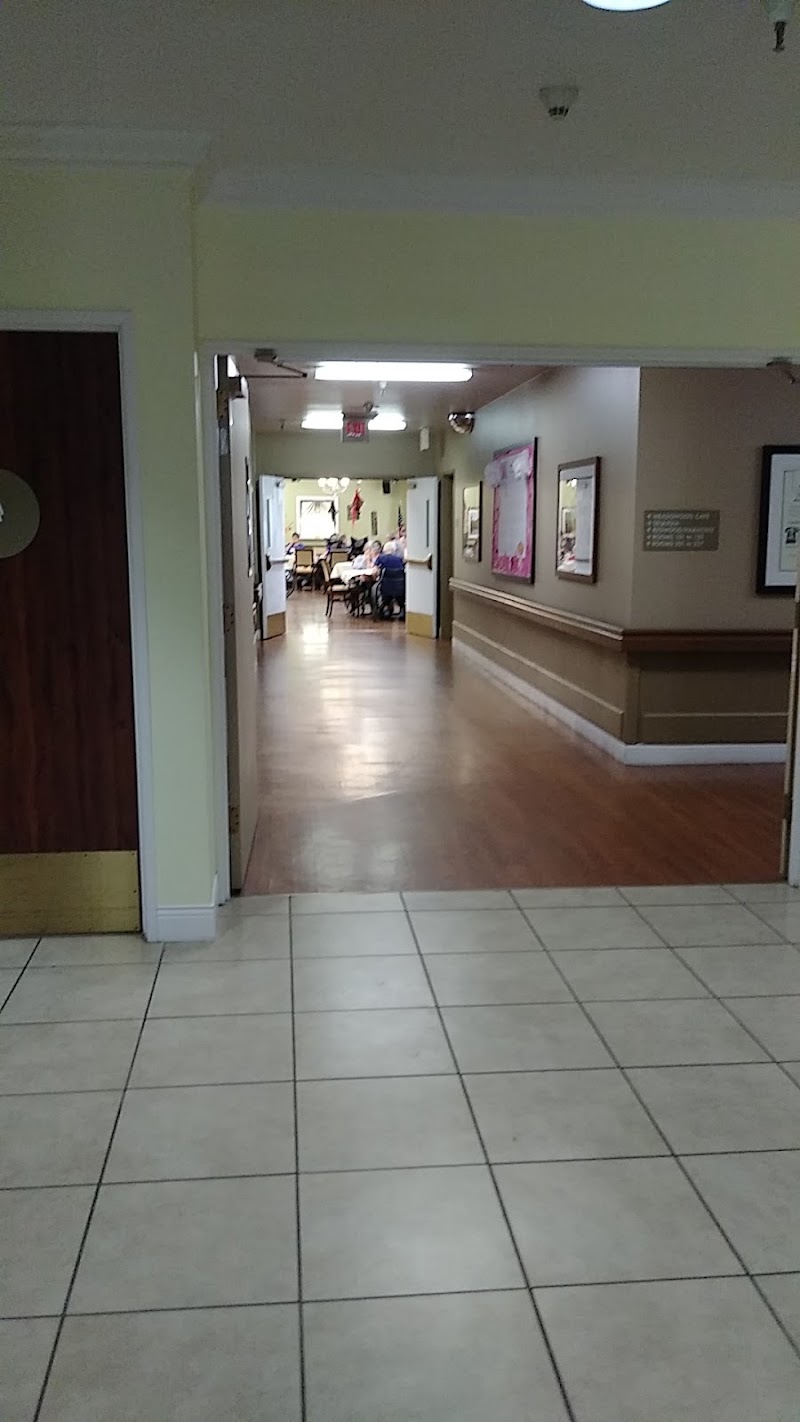
How is Meadowood A Center Staffed?

CMS rates MEADOWOOD A HEALTH AND REHABILITATION CENTER's staffing level at 5 out of 5 stars, which is much above average compared to other nursing homes. Staff turnover is 33%, compared to the California average of 46%. This relatively stable workforce can support continuity of care.

What Have Inspectors Found at Meadowood A Center?

State health inspectors documented 44 deficiencies at MEADOWOOD A HEALTH AND REHABILITATION CENTER during 2022 to 2025. These included: 44 with potential for harm.
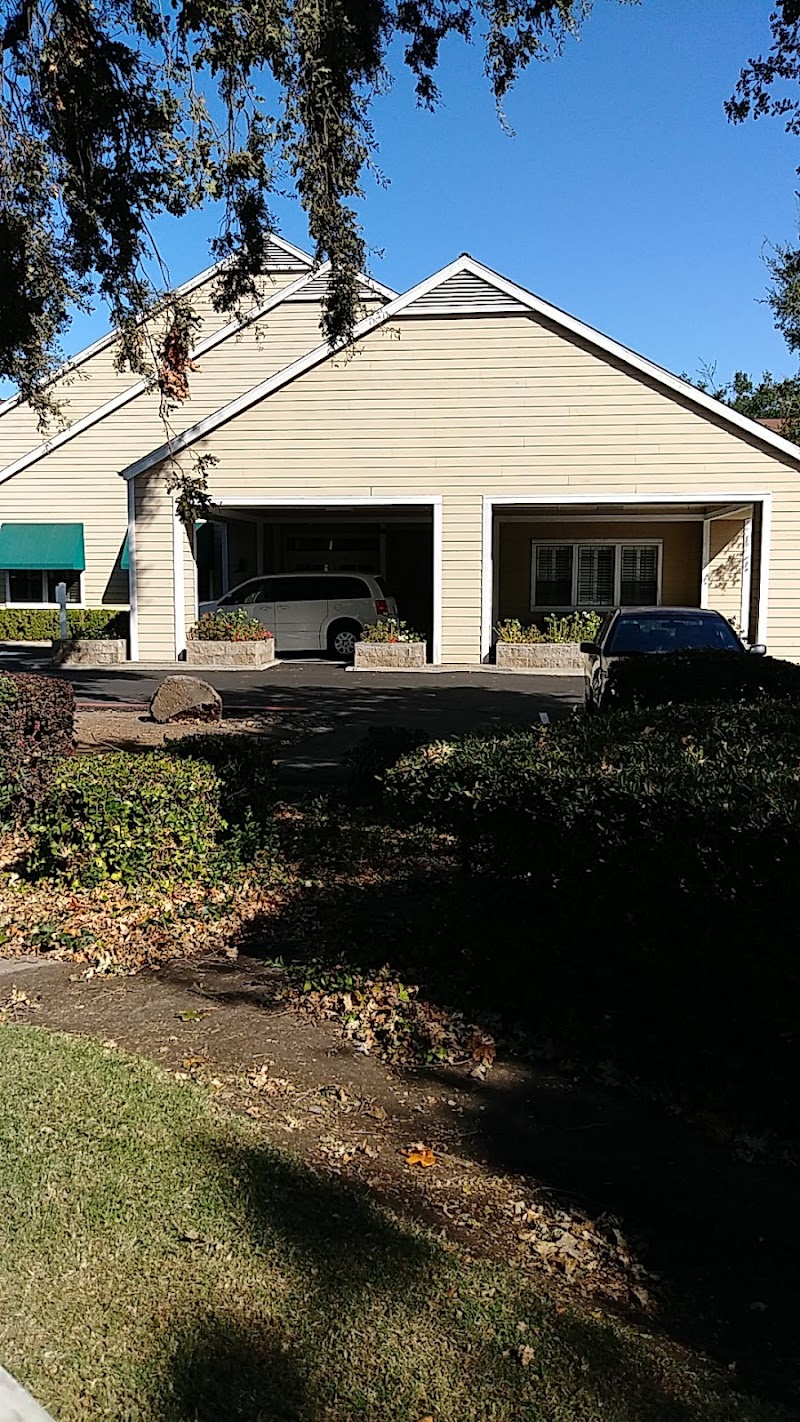
Who Owns and Operates Meadowood A Center?

MEADOWOOD A HEALTH AND REHABILITATION CENTER is owned by a non-profit organization. Non-profit facilities reinvest revenue into operations rather than distributing to shareholders. The facility operates independently rather than as part of a larger chain. With 100 certified beds and approximately 70 residents (about 70% occupancy), it is a mid-sized facility located in STOCKTON, California.
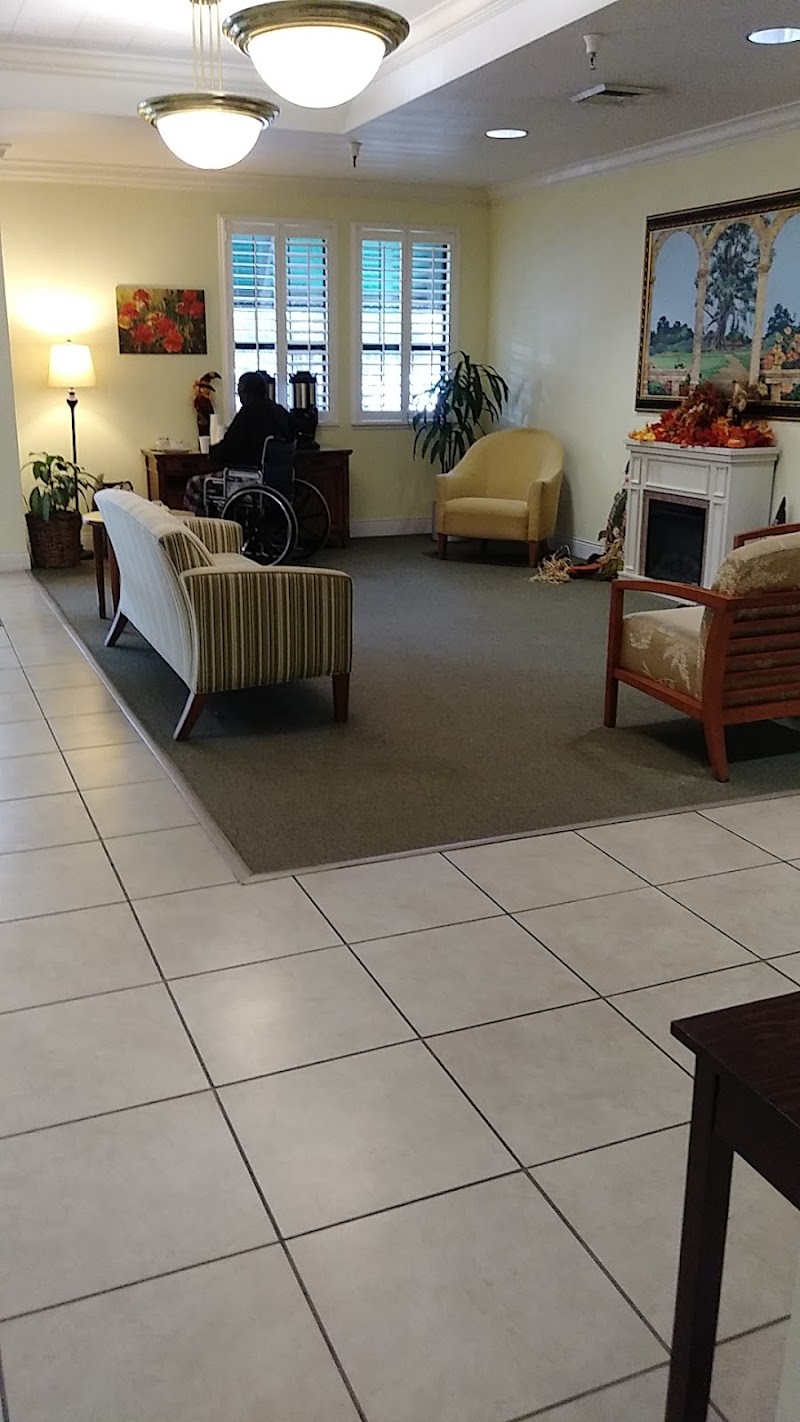
How Does Meadowood A Center Compare to Other California Nursing Homes?

Compared to the 100 nursing homes in California, MEADOWOOD A HEALTH AND REHABILITATION CENTER's overall rating (4 stars) is above the state average of 3.2, staff turnover (33%) is significantly lower than the state average of 46%, and health inspection rating (3 stars) is at the national benchmark.

What Should Families Ask When Visiting Meadowood A Center?

Based on this facility's data, families visiting should ask: "Can I visit during a mealtime to observe dining assistance and food quality?" "How do you handle medical emergencies, and what is your hospital transfer rate?" "Can I speak with family members of current residents about their experience?"

Is Meadowood A Center Safe?

Based on CMS inspection data, MEADOWOOD A HEALTH AND REHABILITATION CENTER has a clean safety record: no substantiated abuse findings (meaning no confirmed cases of resident harm), no Immediate Jeopardy citations (the most serious violation level indicating risk of serious injury or death), and is not on the Special Focus Facility watch list (a federal program monitoring the lowest-performing 1% of nursing homes). The facility has a 4-star overall rating and ranks #1 of 100 nursing homes in California. While no facility is perfect, families should still ask about staff-to-resident ratios and recent inspection results during their visit.

Do Nurses at Meadowood A Center Stick Around?

MEADOWOOD A HEALTH AND REHABILITATION CENTER has a staff turnover rate of 33%, which is about average for California nursing homes (state average: 46%). Moderate turnover is common in nursing homes, but families should still ask about staff tenure and how the facility maintains care continuity when employees leave.

Was Meadowood A Center Ever Fined?

MEADOWOOD A HEALTH AND REHABILITATION CENTER has no federal fines on record. CMS issues fines when nursing homes fail to meet care standards or don't correct problems found during inspections. The absence of fines suggests the facility has either maintained compliance or corrected any issues before penalties were assessed. This is a positive indicator, though families should still review recent inspection reports for the full picture.

Is Meadowood A Center on Any Federal Watch List?

MEADOWOOD A HEALTH AND REHABILITATION CENTER is not on any federal watch list. The most significant is the Special Focus Facility (SFF) program, which identifies the bottom 1% of nursing homes nationally based on persistent, serious quality problems. Not being on this list means the facility has avoided the pattern of deficiencies that triggers enhanced federal oversight. This is a positive indicator, though families should still review the facility's inspection history directly.