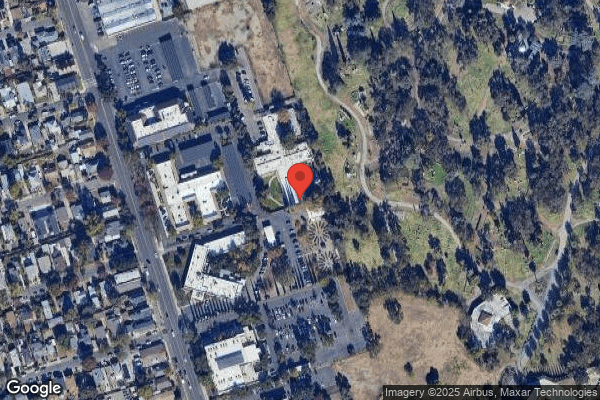
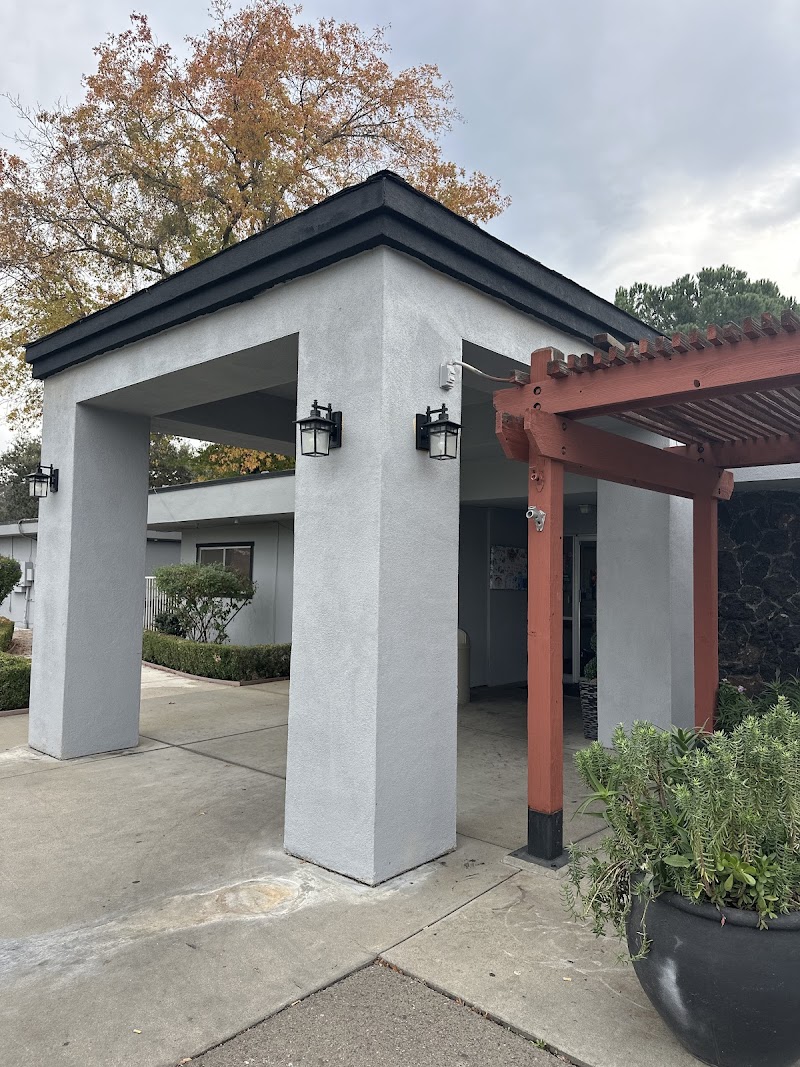
NOBLE CARE CENTER

2740 NORTH CALIFORNIA STREET, STOCKTON, CA 95204 (209) 466-3522
For profit - Limited Liability company 99 Beds AJC HEALTHCARE Data: November 2025
Trust Grade
38/100
#1075 of 1155 in CA
Last Inspection: March 2025

Within standard 12-15 month inspection cycle. Federal law requires annual inspections.

Overview

Noble Care Center in Stockton, California has received a Trust Grade of F, which indicates significant concerns about the facility’s quality of care. It ranks #1075 out of 1155 nursing homes in California, placing it in the bottom half of facilities statewide, and #23 out of 24 in San Joaquin County, meaning only one local option is better. Although the facility's number of issues has decreased from 31 in 2024 to 26 in 2025, it still has an alarming total of 91 reported issues, with 88 classified as having potential harm. Staffing is somewhat stable, with a turnover rate of 33%, which is below the state average, but the overall staffing rating is only 2 out of 5 stars, indicating below-average performance. Specific incidents noted by inspectors include a failure to maintain a clean environment, as garbage dumpsters were left uncovered, risking insect and rodent infestations. There were also concerns about medication management, with inadequate systems to ensure proper administration of controlled drugs, putting residents at risk of inadequate treatment. Additionally, food safety practices were lacking, with issues such as an open walk-in freezer and improperly labeled food items, increasing the risk of foodborne illness for residents. While the facility has some strengths, such as lower staff turnover, the significant number of concerns and deficiencies should be carefully considered by families researching care options.

Trust Score
F
38/100
In California
#1075/1155
Bottom 7%
Safety Record
Low Risk
No red flags
Inspections
Getting Better
31 → 26 violations
Staff Stability
○ Average
33% turnover. Near California's 48% average. Typical for the industry.
Penalties
○ Average
$9,750 in fines. Higher than 60% of California facilities. Some compliance issues.
Skilled Nurses
⚠ Watch
Each resident gets only 20 minutes of Registered Nurse (RN) attention daily — below average for California. Fewer RN minutes means fewer trained eyes watching for problems.
Violations
⚠ Watch
91 deficiencies on record. Higher than average. Multiple issues found across inspections.
★☆☆☆☆
1.0
Overall Rating
★★☆☆☆
2.0
Staff Levels
★★☆☆☆
2.0
Care Quality
★☆☆☆☆
1.0
Inspection Score
Stable
2024: 31 issues
2025: 26 issues

The Good

  • Full Sprinkler Coverage · Fire safety systems throughout facility
  • No fines on record
  • Staff turnover below average (33%)

    15 points below California average of 48%

Facility shows strength in fire safety.

The Bad

1-Star Overall Rating

Below California average (3.1)

Significant quality concerns identified by CMS

Staff Turnover: 33%

13pts below California avg (46%)

Typical for the industry

Federal Fines: $9,750

Below median ($33,413)

Minor penalties assessed

Chain: AJC HEALTHCARE

Part of a multi-facility chain

Ask about local staffing decisions and management

The Ugly 91 deficiencies on record

Aug 2025 2 deficiencies
CONCERN (D) 📢 Someone Reported This

A family member, employee, or ombudsman was alarmed enough to file a formal complaint

Potential for Harm - no one hurt, but risky conditions existed

Notification of Changes (Tag F0580)

Could have caused harm · This affected 1 resident

Based on interview, and record review, the facility failed to ensure that the Medical Director (MD) was notified and made aware of potential health changes for one of two sampled residents (Resident 1...

Read full inspector narrative →
Based on interview, and record review, the facility failed to ensure that the Medical Director (MD) was notified and made aware of potential health changes for one of two sampled residents (Resident 1) when Resident 1 refused to eat, take his medications, and exhibited aggressive behavior.This deficient practice resulted in the MD not being able to assess Resident 1's health status with the potential delay in treatment.Findings:A review of Resident 1's admission RECORD, indicated Resident 1 was admitted to the facility in the summer of 2025 with diagnoses including: need for assistance with personal care, unspecified dementia/ unspecified severity with other behavioral disturbance (an umbrella term for a decline in mental abilities severe enough to interfere with daily life. It affects memory, thinking, and behavior, and is not a normal part of aging), and suicidal ideations.During a review of Resident 1's Progress Notes, dated 7/16/25, the Progress Notes, indicated, .Resident has done nothing except lay facing the wall in his bed. Refused to eat. Refused Covid booster. Refused all medications. Will continue to monitor. Call light in reach.During a review of Resident 1's Progress Notes, dated 7/17/25, the Progress Notes, indicated, .Resident noted very aggressive behavior. He took the medicine from the nurse and pretending he is going to take while he tried to sit on the edge of the bed. He lead forward and throw away all his medicine under the night stand and under the bed. Re-direct the resident. Will continue to monitor.During an interview on 8/14/25, at 1:07 PM, with Licensed Nurse (LN) 2, LN 2 stated that Resident 1's behavior on 7/17/25 was very aggressive as she carefully entered the room to check and was able to validate the actions of Resident 1. LN 2 confirmed that she did not notify the MD and that she should have done so. LN 2 stated that informing the MD could have led to a further evaluation of Resident 1, including the ordering of possible laboratory tests. During a concurrent interview and record review on 8/14/25, at 11:11 AM, with the Director of Nursing (DON), Resident 1's Progress Notes, were reviewed. The DON confirmed that Resident 1 was exhibiting aggressive behaviors, was refusing his medications, and was also refusing to eat. The DON stated that the LNs should have notified the MD if there were behavioral changes occurring for Resident 1. The DON further stated that if Resident 1 was refusing to eat or take his medications, that those were other reasons to inform the MD. The DON explained that notifying the MD would have provided guidance on what actions to take with Resident 1. During an interview on 8/14/25, at 1:38 PM, with the MD, the MD stated that he could not recall any LNs notifying him about Resident 1's refusal to eat, refusal to take medications, or his aggressive behaviors. The MD further stated that he was available 24 hours a day and 7 days a week. The MD stated that he would have liked the facility to have notified him about Resident 1 so he could have discussed some medical options with him.During a review of the facility's policy and procedure (P&P) titled, Change in a Resident's Condition or Status, revised on 4/2025, the P&P indicated, .The nurse will notify the resident's Attending Physician/Physician On-Call/Nurse Practitioner when there has been a(an).significant change in the resident's condition.need to alter the resident's medical treatment significantly.specific instruction to notify the Physician/Nurse Practitioner of changes in the resident's condition .
CONCERN (D) 📢 Someone Reported This

A family member, employee, or ombudsman was alarmed enough to file a formal complaint

Potential for Harm - no one hurt, but risky conditions existed

Deficiency F0627 (Tag F0627)

Could have caused harm · This affected 1 resident

**NOTE- TERMS IN BRACKETS HAVE BEEN EDITED TO PROTECT CONFIDENTIALITY** Based on interview, and record review, the facility failed to ensure that a safe discharge plan was in place for one of two samp...

Read full inspector narrative →
**NOTE- TERMS IN BRACKETS HAVE BEEN EDITED TO PROTECT CONFIDENTIALITY** Based on interview, and record review, the facility failed to ensure that a safe discharge plan was in place for one of two sampled residents (Resident 1) when:1. The facility did not notify and document that the Ombudsman (acts as an independent and impartial resource to help individuals and groups resolve issues and complaints, often within a larger organization or government agency), Adult Protective Services (APS- programs that promote the safety, independence, and quality-of-life for vulnerable adults who are, or are in danger of, being abused, neglected by self or others, or financially exploited, and who are unable to protect themselves), the police department, and Resident 1's Responsible Party (RP) were contacted upon his Discharge Against Medical Advice ([NAME]- when a patient leaves a hospital or healthcare facility before their doctor recommends they be discharged ) from the facility.2. The Medical Director (MD) did not receive notification from the facility that Resident 1 was attempting to leave the facility.3. The MD was not made aware of potential changes in behavior during Resident 1's stay in the facility.4. An elopement care plan (a proactive strategy to prevent residents in care facilities from leaving unsupervised, especially those with dementia or other cognitive impairments) was not created after Resident 1 was readmitted to the facility; when he had a history of leaving the facility during his initial admission on [DATE].These deficient practices had the potential to result in poor continuity of care and could lead to adverse health outcomes for Resident 1.Findings:1. A review of Resident 1's admission RECORD, indicated Resident 1 was initially admitted to the facility on [DATE] and then readmitted on [DATE] with diagnoses including: need for assistance with personal care, unspecified dementia/ unspecified severity with other behavioral disturbance (an umbrella term for a decline in mental abilities severe enough to interfere with daily life. It affects memory, thinking, and behavior, and is not a normal part of aging), and suicidal ideations.During a review of Resident 1's clinical record titled, Nurses Notes, dated 7/11/25, at 9:37 PM, indicated, .[Resident 1] arrived via ambulance with 2 attendants .Resident is alert and oriented .he doesn't understand the situation .Resident started questioning me on whether or not the doors were locked and if he could go outside. Stated to resident that its getting dark .When resident saw EMT's [sic] he started yelling take me with you .resident became irate for some reason and stated he was leaving. Headed for the door. Didn't try to physically stop him as he was getting very aggressive in language and posture. Followed him out door, trying to convince resident to come back inside .Told my CNA [certified nursing assistant] to back off and let him go, it wasn't worth getting hurt. Came inside and called 911 .Received call our from maintenance supervisor that he is following the resident he saw leave the facility grounds. Maintenance stated policespotted [sic] them and started questioning resident .Police came to facility and told me that they were putting him [Resident 1] on a hold .During a review of Resident 1's clinical record titled, Nurses' Progress Note, dated 7/15/25, at 3:36 PM, indicated, .admission Note: Resident arrived from [local hospital] .Resident is alert and oriented .with episodes of confusion .Elopement Evaluation Score .High Risk .During a review of Resident 1's clinical record titled, [facility name] History and Physical, dated 7/16/25, the record indicated, .This is a medically complex patient, he has a baseline cognitive impairment and dementia, he is a poor historian.he is at high risk for decline and worsening due to his poor functional status as well as his cognitive impairment.Psychiatry exam indicated that Resident 1 has a baseline cognitive impairment and is unable to participate in the exam.During a review of Resident 1's clinical record titled, Social Service Assessment - Admission/Readmission, dated 7/17/25, the record indicated, .Resident 1 and Resident Representative/Family will participate in discharge planning. Safety concerns with Resident 1 preferred discharge plan indicated Resident 1 would need HH (Home Health), DME (Durable Medical Equipment) and caregiver for a successful discharge.During a review of Resident 1's clinical record titled, Nurses Note, dated 7/17/2025, the record indicated, .Resident 1 packed his belongings, put them in his walker, walked to the desk to tell staff that he is leaving. Licensed Nurse stated to Resident 1 to wait a moment to sign the [NAME] form. Resident 1 signed and Licensed Nurse pointed him to the door.During a phone interview on 7/29/25, at 1:49 PM, with Resident 1's RP, the RP stated that the facility did not notify her when Resident 1 left the facility. The RP further stated Resident 1 needed to be at the facility due to his severe dementia. The RP stated that a representative from a hospital contacted her on 7/18/25 to inform her that Resident 1 was no longer residing at the facility and had been admitted to the hospital. The RP further stated how upset she was that the facility did not notify her of Resident 1's [NAME] and was concerned that Resident 1 was left homeless overnight from 7/17/25 to 7/18/25.During a phone interview on 8/15/25, at 11:04 AM, with Licensed Nurse (LN) 3, LN 3 stated that Resident 1 was readmitted to the facility on [DATE] and he helped to perform the readmission assessment along with LN 1. LN 3 further stated that based on his assessment, Resident 1 was not safe to be discharged against medical advice ([NAME]) due to his behaviors of being very aggressive, yelling, having impaired cognition, and having dementia. LN 3 stated Resident 1 was alert and able to make needs known but he had cognitive issues and behavioral problems. LN 3 further stated that if a resident attempted to leave against medical advice (AMA), his expectation was to follow protocol by notifying the Ombudsman, contacting APS, and completing the SOC-341 (a form used to report suspected dependent adult/elder abuse in California).During a concurrent interview and record review on 7/30/25, at 11:43 AM, with the Social Services Director (SSD), an undated facility provided document titled, [facility name] AMA tracker, was reviewed. The SSD confirmed that the APS, Ombudsman, and the local police department were not notified of Resident 1's [NAME]. The SSD stated that it was a lapse in the facility's protocol. The SSD further stated that it was important to involve the other agencies because it could give additional support to ensure the residents' safety. The SSD stated that if the proper agencies are not aware, they would not be able to help in these types of cases.During an interview on 7/30/25, at 11:51 AM, with the Administrator (ADM), the ADM stated that APS and the Ombudsman were not notified regarding Resident 1's [NAME]. The ADM further stated that Resident 1 preferred to live on the streets and be homeless.During an interview on 7/30/25, at 12:24 PM, with the Director of Nursing (DON), the DON confirmed that the RP was the responsible party for Resident 1. The DON further confirmed that they had missed notifying Resident 1's RP, the Ombudsman, APS, and the police department regarding Resident 1's [NAME]. The DON stated that the entire notification process should always be used for the safety of the residents.During a review of an undated facility policy and procedure (P&P) titled, Transfer and Discharge (including AMA), the P&P indicated, .The resident and family/legal representative should be informed of the risks involved, the benefits of staying at the facility, and the alternatives to both.Notify Adult Protection Services, or other entity as appropriate.During a review of the facility's P&P titled, Transfer and Discharge Planning, revised on 8/20, the P&P indicated, .The Facility will determine if a referral to Adult Protective Services or other state agency responsible for investigating abuse and neglect is necessary. If indicated, the referral to Adult Protective Services or other state agency will be made at the time of discharge.2. A review of Resident 1's [facility name] Decision Making Capacity, signed by the MD, dated 7/16/25, the first box was checked that indicated, .Yes, Resident is Capable of Understanding Rights, Responsibilities, and Informed Consent .A review of Resident 1's [facility name] History and Physical, signed by the MD, dated 7/16/25, indicated, .This is a medically complex patient, he has a baseline cognitive impairment and dementia, he is a poor historian.he is at high risk for decline and worsening due to his poor functional status as well as his cognitive impairment.Psychiatry exam indicated that Resident 1 has a baseline cognitive impairment and is unable to participate in the exam.During a concurrent interview and record review on 8/14/25, at 1:38 PM, with the MD, Resident 1's clinical record titled, .History and Physical, dated 7/16/25, and Resident 1's .Decision Making Capacity, dated 7/16/25, were reviewed. When questioned the capacity for Resident 1 to make his own decisions if the H&P indicated Resident 1 had a cognitive impairment, the MD stated that the documentation is not jiving and appeared to reflect a wrong determination. The MD explained that Resident 1 was able to understand basic information but had more difficulty with comprehending complex information. The MD described Resident 1 as borderline, with the ability to understand simple matters but not complex medical information. The MD stated that during Resident 1's [NAME] event, he could not recall personally speaking to any of the LNs. The MD further stated that he just received notification that Resident 1 left already or was leaving. The MD stated that he could not recall speaking with Resident 1 regarding his plan to leave [NAME]. The MD further stated that it would have been much safer for Resident 1 if he had been given the opportunity to speak with him. The MD stated that he expected the LNs to offer Resident 1 the opportunity to speak with him so he could have explained the risks, benefits, and alternative options for a safe discharge.During a review of the facility's P&P titled, Transfer and Discharge Planning, revised on 8/20, the P&P indicated, .If the resident/representative wishes to be discharged to a setting that does not appear to meet the resident's post-discharge needs or appears unsafe, the Facility will treat this request similarly to a refusal of care.The Facility will discuss and document the risks/implications of being discharged to a location not equipped to meet the resident's needs with the resident/representative.The Facility will attempt to determine why the resident/representative is choosing that location.The Facility will document that other more suitable options were presented and discussed with the resident/representative but that the alternate locations were refused.During a review of the facility's P&P titled, Change in a Resident's Condition or Status, revised 4/25, the P&P indicated, .The nurse will notify the resident's Attending Physician/Physician On-Call/Nurse Practitioner when there has been a(an).discharge without proper medical authority.3. During a review of Resident 1's Progress Notes, dated 7/16/25, the Progress Notes indicated, .Resident has done nothing except lay facing the wall in his bed. Refused to eat. Refused Covid booster. Refused all medications. Will continue to monitor. Call light in reach.During a review of Resident 1's Progress Notes, dated 7/17/25, the Progress Notes, indicated, .Resident noted very aggressive behavior. He took the medicine from the nurse and pretending he is going to take while he tried to sit on the edge of the bed. He lead forward and throw away all his medicine under the night stand and under the bed. Re-direct the resident. Will continue to monitor.During an interview on 8/14/25, at 1:07 PM, with LN 2, LN 2 stated Resident 1's behavior on 7/17/25 was very aggressive as she carefully entered the room to check and was able to validate the actions of Resident 1. LN 2 confirmed that she did not notify the MD and that she should have done so. LN 2 stated that informing the MD could have led to a further evaluation of Resident 1, including the ordering of possible laboratory tests.During a concurrent interview and record review on 8/14/25, at 11:11 AM, with the DON, Resident 1's Progress Notes, were reviewed. The DON confirmed that Resident 1 was exhibiting aggressive behaviors, was refusing his medications, and was also refusing to eat. The DON stated that LNs should have notified the MD if there were behavioral changes occurring for Resident 1. The DON further stated that if Resident 1 was refusing to eat or take his medications, that those were other reasons to inform the MD. The DON explained that notifying the MD would have provided guidance on what actions to take with Resident 1.During an interview on 8/14/25, at 1:38 PM, with the MD, the MD stated that he could not recall any LNs notifying him about Resident 1's refusal to eat, refusal to take medications, or his aggressive behaviors. The MD further stated that he was available 24 hours a day and 7 days a week. The MD stated that he would have liked the facility to have notified him about Resident 1 so he could have discussed some medical options with him.During a review of the facility's P&P titled, Change in a Resident's Condition or Status, revised 4/25, the P&P indicated, .The nurse will notify the resident's Attending Physician/Physician On-Call/Nurse Practitioner when there has been a(an).significant change in the resident's condition.need to alter the resident's medical treatment significantly.specific instruction to notify the Physician/Nurse Practitioner of changes in the resident's condition .4. During a review of Resident 1's clinical record titled, Nurses Notes, dated 7/11/25, at 9:37 PM, indicated, .[Resident 1] arrived via ambulance with 2 attendants .Resident is alert and oriented .he doesn't understand the situation .Resident started questioning me on whether or not the doors were locked and if he could go outside. Stated to resident that its getting dark .When resident saw EMT's [sic] he started yelling take me with you .resident became irate for some reason and stated he was leaving. Headed for the door. Didn't try to physically stop him as he was getting very aggressive in language and posture. Followed him out door, trying to convince resident to come back inside .Told my CNA [certified nursing assistant] to back off and let him go, it wasn't worth getting hurt. Came inside and called 911 .Received call our from maintenance supervisor that he is following the resident he saw leave the facility grounds. Maintenance stated policespotted [sic] them and started questioning resident .Police came to facility and told me that they were putting him [Resident 1] on a hold .During a review of Resident 1's clinical record titled, Nurses' Progress Note, dated 7/15/25, at 3:36 PM, indicated, .admission Note: Resident arrived from [local hospital] .Resident is alert and oriented .with episodes of confusion .Elopement Evaluation Score .High Risk .During an interview on 8/14/25, at 10:26 AM, with the Minimum Data Set (MDS) Nurse, the MDS stated that Resident 1's history of dementia and previous instance of leaving the facility during his first admission on [DATE], along with a high elopement risk score, were all indications that an elopement care plan should have been made. The MDS further stated that based on Resident 1's high elopement risk score, a care plan should have already been in place. The MDS explained that an elopement care plan is important in order to provide appropriate interventions.During a concurrent interview and record review on 8/14/25, at 10:46 AM, with LN 1, Resident 1's Electronic Health Record (EHR) was reviewed. LN 1 stated she did the readmission assessment for Resident 1 on 7/15/25 along with LN 3. LN 1 further stated that based on her clinical assessment, Resident 1 demonstrated confusion and had an inability to answer questions accurately. LN 1 confirmed that she stood by her documentation that Resident 1 was confused. LN 1 further stated that based on her assessment, Resident 1 required an elopement care plan as part of the baseline care plan. LN 1 confirmed that an elopement care plan was not made for Resident 1. LN 1 stated that an elopement care plan was important to ensure staff knew how to appropriately provide care for Resident 1, particularly given his confusion and desire to leave the facility.During a concurrent interview and record review on 8/14/25, at 11:11 AM, with the DON, Resident 1's Electronic Health Record (EHR) was reviewed. The DON stated that she expected the LNs to chart thoroughly so that anyone reviewing the clinical record would have a clear picture of Resident 1. The DON further stated that proper documentation was important to provide Resident 1 with the appropriate level of care. The DON confirmed that no elopement care plan had been developed for Resident 1. During a phone interview on 8/15/25, at 11:04 AM, with LN 3, LN 3 stated that Resident 1 was readmitted to the facility on [DATE]. LN 3 further stated that Resident 1 should have had an elopement care plan created because of his high risk for elopement and having a diagnosis of dementia as well as a history of leaving AMA. LN 3 explained that if a resident was a high risk for elopement, especially with dementia, staff would implement interventions such as assigning a sitter or 1:1 direct supervision, applying a WanderGuard, (a security system designed to protect residents in healthcare facilities, particularly those with memory care needs, from wandering out of designated safe areas) and providing 24-hour monitoring for 3 days to ensure safety. LN 3 stated that all shifts were responsible for working together to develop a care plan. LN 3 further stated that an elopement care plan was important to ensure Resident 1's safety.During a review of the facility's P&P titled, Elopements and Wandering Residents, dated 4/16/21, the P&P indicated, .This facility ensures that residents who exhibit wandering behavior and/or are at risk for elopement receive adequate supervision to prevent accidents, and receive care in accordance with their person-centered plan of care addressing the unique factors contributing to wandering or elopement risk.The facility shall establish and utilize a systematic approach to monitoring and managing residents at risk for elopement or unsafe wandering, including identification and assessment of risk, evaluation and analysis of hazards and risks, implementing interventions to reduce hazards and risks, and monitoring for effectiveness and modifying interventions when necessary.Residents will be assessed for risk of elopement and unsafe wandering upon admission and throughout their stay by the interdisciplinary care plan team.Interventions to increase staff awareness of the resident's risk, modify the resident's behavior, or to minimize risks associated with hazards will be added to the resident's care plan and communicated to appropriate staff.Staff may be educated on the reasons for elopement and possible strategies for avoiding such behavior.
Jul 2025 1 deficiency
CONCERN (E) 📢 Someone Reported This

A family member, employee, or ombudsman was alarmed enough to file a formal complaint

Potential for Harm - no one hurt, but risky conditions existed

Deficiency F0825 (Tag F0825)

Could have caused harm · This affected multiple residents

**NOTE- TERMS IN BRACKETS HAVE BEEN EDITED TO PROTECT CONFIDENTIALITY** Based on interview and record review, the facility failed to provide physical therapy services for one of three sample residents...

Read full inspector narrative →
**NOTE- TERMS IN BRACKETS HAVE BEEN EDITED TO PROTECT CONFIDENTIALITY** Based on interview and record review, the facility failed to provide physical therapy services for one of three sample residents (Resident 1) as ordered by the physician and as outlined in the plan of care when Resident 1 was ordered to receive physical therapy five times per week beginning on 7/4/25 but documentation showed multiple missed therapy sessions.This failure placed Resident 1 at risk for decline in functional abilities and unmet care plan goals.Findings:A Review of Resident 1's admission RECORD, indicated, Resident 1 was admitted to the facility on [DATE] with primary diagnoses of urinary tract infection (UTI, an infection in the urinary system), diabetes type 2 (the body's inability to regulate sugar levels), acute kidney failure (sudden onset usually due to a medical issue), stage 3 chronic kidney disease (a condition where the kidneys are moderately damaged and unable to filter waste products effectively), and muscle wasting atrophy (a condition where muscles lose mass and strength due to prolonged inactivity or immobilization).Review of Resident 1's Brief Interview for Mental Status (BIMS, an assessment tool), dated 7/7/25, indicated Resident 1 scored 15 out of 15 points total. A score of 15 indicated Resident 1 had no cognitive impairment. During an interview with Resident 1 on 7/31/25 at 9:25 a.m., Resident 1 stated that she was informed she would receive physical therapy (PT) and occupational therapy (OT) every Monday, Wednesday and Friday. Resident 1 also reported that just recently, another therapist came in on Saturdays and Sundays to provide therapy. Resident 1 stated that if she does not have therapy, she remained in bed and performed her own exercises with a resistance band (elastic bands of varying resistance used to add tension to strength training exercises, promoting muscle growth), leg lifts, and Kegel exercises (exercises to strengthen the muscles in the pelvis region). Resident 1 stated her last therapy session consisted of sitting on the edge of the bed with her legs hanging down, performing leg exercises, squeezing a ball with her hand, and lifting a weight over her head. Resident 1 expressed that PT/OT services were not helping her improve.A review of Resident 1's physician order, dated 7/4/25, indicated, .PT to address .thera ex [therapeutic exercise], thera ac [therapeutic activity], neuro reeducation [a therapeutic technique used to retrain the brain and body to restore normal coordinated movement patterns], w/c [wheelchair] mgt [management] training, and pt [patient]/care giver training for 5x [times]/week for 6 weeks [stop date of 8/15/25] .During an interview with the Occupational Therapist (OT) on 7/31/25 at 1:46 p.m., the OT stated that the physical therapist was not in the building, and she was unsure if the therapist may be reached via phone. The OT confirmed that Resident 1 was scheduled to receive rehabilitation services five times per week. A review of Resident 1's physician progress note dated 7/4/25, indicated, .[Resident 1] has a chronic left upper extremity weakness, she wears a brace for prevention of contractures [a permanent tightening and shortening of muscles, tendons, skin, or ligaments]. [Resident 1] has generalized weakness, patient will be participating in physical therapy .she is at high risk for decline .A review of Resident1's Care Plan Report initiated on 7/4/25 indicated, .Focus: Physical Therapy Care Plan.Goal: Pt will improve bed mobility to mod [moderate]/min [minimal assistance] .Target Date: 9/30/25. Interventions: .Therapeutic activity.Therapeutic exercise.Wheelchair mobility.A review of PT documentation dated 7/4/25 titled, PT Evaluation & Plan of Treatment showed Resident 1 was evaluated and a treatment plan was developed with the following details: .Treatment Approaches. Frequency: 5 time(s)/week.Duration: 6 weeks.Intensity: Daily.Certification Period: 7/4/2025 - 8/15/2025.A review of Resident 1's Physical Therapy Treatment Encounter Note(s) dated 7/4, 7/6, 7/7, 7/8, and 7/14/25 indicated Resident 1 received a PT session.A review of Resident 1's Physical Therapy Treatment Encounter Note(s) dated 7/9/25 indicated, .[Resident 1] Refused Treatment .A review of Resident 1's Physical Therapy Treatment Encounter Note(s), dated 7/11/25, indicated, .Missed therapy session d/t [due to] staff illness. Despite efforts to cover it, there was insufficient staff available to facilitate the session. The client [Resident 1] has been notified of the situation and rescheduled .A review of Resident 1's Physical Therapy PT Therapy Progress Note dated 8/18/25, indicated, .[Resident 1] was seen for 5 day(s) during the 7/4/25-8/2/25 progress period .During an interview with the Administrator (Admin) on 7/31/25 at 4:28 P.M., the Admin stated that the facility did not have a Physical Therapist at this time but expected one to return on 8/4/25.During a concurrent interview and record review over the phone with the Director of Nursing (DON) on 9/15/25 at 3:45 p.m., the DON confirmed Resident 1's physical therapy progress note read that Resident 1 was only seen 5 times from 7/4/25-8/2/25 and that her PT order was to have five therapy sessions per week. The DON confirmed Resident 1 was not seen by PT in the month of July after 7/14/25. The DON stated missed therapy session risks included missed opportunities for strengthening which was the goal. Review of an online article from the Cleveland Clinic titled, Physical Therapy (Physiotherapy), dated 3/7/24, indicated, .Physical therapy is a common treatment that can help you .manage symptoms from a health condition that affects how you move. It's a combination of exercises, stretches and movements that'll increase your strength, flexibility and mobility to help you move safely and more confidently . https://my.clevelandclinic.org/health/treatments/physical-therapy
Mar 2025 1 deficiency
CONCERN (D) 📢 Someone Reported This

A family member, employee, or ombudsman was alarmed enough to file a formal complaint

Potential for Harm - no one hurt, but risky conditions existed

Deficiency F0660 (Tag F0660)

Could have caused harm · This affected 1 resident

Based on interview and record review, the facility failed to ensure one of three sampled residents (Resident 1) had a safe discharge plan in place when Resident 1 expressed wanting to leave the facili...

Read full inspector narrative →
Based on interview and record review, the facility failed to ensure one of three sampled residents (Resident 1) had a safe discharge plan in place when Resident 1 expressed wanting to leave the facility against medical advice (AMA - a situation where a resident left a facility without following the physician's recommendation for treatment). This failure resulted in Resident 1 leaving the facility AMA when he was not equipped to meet his healthcare needs and was found lying in an unknown person ' s front yard 3.4 miles from the facility confused and gravely disabled (a person who was unable to provide for their basic needs [food, clothing, shelter, gravely disabled personal safety, or necessary medical care]). Findings: A review of Resident 1 ' s clinical record from [ACUTE CARE HOSPTIAL NAME], titled, History and Physical Reports, dated 2/9/25, by Physician (PHYS) 1, indicated upon entrance to the Emergency Department (ED), Resident 1 was restless and only able to identify his name (not place, time, or event). Resident 1 had fallen and hit his head on 2/8/25 and had acute encephalopathy (new onset of brain dysfunction or damage, causing confusion) and imaging of the head indicated Resident 1 had a brain bleed. A review of Resident 1 ' s clinical record from [ACUTE CARE HOSPTIAL NAME], titled, Discharge Summary, dated 2/13/25, by PHYS 2, indicated Resident 1 was discharged from the hospital to the facility and ordered to have Physical Therapy (PT - (exercises to help Resident 1 improve movement, manage pain, and regain function), Occupational Therapy (exercises to help Resident 1 improve or maintain skills needed for daily living), and a nutritional consult. Resident 1 was on fall precautions (measures taken to prevent falls). A review of Resident 1 ' s clinical record (at the facility) titled, History and Physical, dated 2/13/25, by the Medical Director (MD), indicated Resident 1 was recently transferred from [ACUTE CARE HOSPITAL NAME] to the facility and had a history of atrial fibrillation (irregular heartbeat), heart failure, and kidney disease. Upon admission to the facility, Resident 1 demonstrated cognitive impairment (confusion) and was oriented to person but not to place, time, or event. During a concurrent interview and record review on 3/19/25 at 11:22 a.m., with Licensed Nurse (LN ) 1, Resident 1 ' s document titled, Progress Notes, dated 2/16/25, was reviewed. The record indicated, Resident [Resident 1] was . restless, wandering around the facility claiming he 'needed to leave'. During AM [morning] medication pass, resident began to pack his belongings and when asked where he was going, he would state ' to go with my wife ' (wife not on scene) .Resident .does have intermittent episodes of forgetfulness and is a poor historian .resident left the facility with his bag (no medications discharged with patient) . LN 1 stated Resident 1 verbalized that he wanted to leave the facility for approximately two hours before he left AMA. LN 1 stated she texted MD 1 that Resident 1 wanted to leave the facility, but she never received a text back. LN 1 stated there was not a follow up phone call to MD 1 until after Resident 1 left the facility. LN 1 stated Resident 1 did not have a walker (used to provide support and stability while walking) when he left the facility. LN 1 stated she did not notify the ombudsman (an independent official that attempted to resolve conflicts or concerns raised by a resident), the facility social services director (SSD), or Adult Protective Services (APS - an agency that assisted elders, and dependent adults who are disables when the adults are unable to meet their own needs) that Resident 1 wanted to leave the facility AMA. LN 1 acknowelged she did not document in Resident 1 ' s clinical record specific alternatives to AMA that were offered to Resident 1. LN 1 stated it was her first time she had a resident leave AMA, and she was unsure whom she was supposed to notify. LN 1 stated Social Services would have been a great support to Resident 1 and could have possibly provided Resident 1 safe transportation from the facility to his home. LN 1 stated the Ombudsman could have provided Resident 1 with some community resources. LN 1 stated she was unaware if she should have called APS. A review of the document titled, Incident Report [CITY NAME 2] Police Department, dated 2/23/25, at 9:53 a.m., by Deputy Officer (DO) 1, indicated at approximately 10:00 a.m. on 2/16/25, Resident 1 left the facility AMA and was last seen walking on foot in an unknown direction away front the facility. At 12:32 p.m., DO 1 was alerted that Resident 1 ' s family member (FM) had filed a missing person ' s report. DO 1 called FM and FM stated he had gone to the facility to visit Resident 1, and the facility staff had advised him that Resident 1 had left the facility earlier that morning. Upon hearing this, FM drove around [CITY NAME 2] and looked for Resident 1 because FM was not sure if Resident 1 could get home independently. On 2/16/25, at approximately 4:47 p.m., DO 2 and DO 3 were sent on a call that a man (Resident 1) was laying on a homeowner ' s front yard (approximately 3.4 miles from the facility). Resident 1 stated he was lying on the yard because he had fallen. Upon arrival, DO 2 and DO 3 determined Resident 1 was unable to properly care for himself and considered Resident 1 gravely disabled. Resident 1 lived in [CITY NAME 1] approximately 21 miles from the facility. APS was notified, and Resident 1 was placed on a 72-hour evaluation hold (temporary involuntary detention for evaluation and treatment when a person was deemed a danger to themselves, others, or are gravely disabled) and sent to [ACUTE CARE HOSPITAL NAME]. A review of Resident 1's clinical record (from the Hospital Emergency Department), titled, [ACUTE CARE HOSPITAL NAME] Discharge Summary, dated 2/21/25, indicated Resident 1 remained disoriented while at the hospital and was later discharged home with a bedside commode (portable toilet), front wheeled walker, and a shower chair. A review of Resident 1 ' s clinical record titled, Malnutrition, dated 2/13/25, by MD, indicated Resident 1 had a diagnosis of malnutrition. A review of Resident 1 ' s clinical record titled, Fall Risk Assessment, dated 2/13/25, at 2:25 p.m., indicated Resident 1 was a high fall risk related to 1 to 2 falls in the past three months, required use of an assistive device (i.e. cane, w/c walker, furniture), took three or more medications that could have contributed to falls, had a recent change in medication in the past five days, and had 1 to 2 predisposing diseases that could have contributed to falls. A review of Resident 1 ' s clinical record titled, Care Plan Report (a document that contained Resident 1 ' s problems, goals and interventions), dated 2/14/25, indicated Resident 1 had declined in functional mobility, had decreased leg strength and coordination, and had increased falls. Resident 1 required moderate to maximum assist with Activities of Daily Living (ADL - brushed hair, brushed teeth, toileted) and moderate assist with mobility skills and safety activity tolerance. A review of Resident 1 ' s clinical record titled, Section GG - Function Abilities (a portion of a comprehensive assessment conducted at Skilled Nursing Facilities), dated 2/16/25, indicated Resident 1 required partial to moderate assistance (helper did less than half the effort) with toileting hygiene, upper body dressing, chair to bed transfer, toilet transfers, rolling to the left and to the right while in bed, and assistance when Resident 1 walked 10 feet in a room or 50 feet with two turns in a room. Resident 1 required substantial to maximum assistance (helper did more than half the effort) with lower body dressing and when he put on and took off socks. A review of Resident 1's clinical record titled, Evaluation Summary, dated 2/14/25, at 12:01 p.m., by the Social Services Director (SSD), indicated prior to admission, Resident 1 lived on the second floor of an apartment building and required home health and durable medical equipment (DME - medically necessary devices and supplies) prior to discharge from the facility. During a phone interview on 3/18/24 at 11:19 a.m., with the Ombudsman (OMB), the OMB stated the facility had not contacted him when Resident 1 had expressed the desire to leave the facility AMA. The OMB stated if he would have been notified, he would have provided AMA instructions to the facility. During a phone interview on 3/18/25, at 2:34 p.m., with APS employee (APS ) 1, APS 1 stated when Resident 1 left the facility AMA, it was considered self-neglect (not caring for oneself) and an unsafe discharge. APS stated it was her expectation to be notified when Resident 1 left the facility AMA. APS 1 stated the failure of the facility to notify APS when Resident 1 left the facility AMA delayed the process of locating Resident 1 and delayed arranging services to assist Resident 1 with ADL assistance and medical care. During a concurrent interview and record review on 3/19/25, at 10:50 a.m., with LN 2, Resident 1 ' s Electronic Health Record (EHR) at the facility was reviewed. LN 2 stated Resident 1 was a high fall risk. LN 2 stated there were not any progress notes in the record that indicated that staff attempted to provide other options to Resident 1 prior to leaving AMA. LN 2 stated there was no documentation as to the time Resident 1 left AMA or the destination address. LN 2 stated the Ombudsman and APS should have been notified when Resident 1 left AMA but was unsure as to what the OMB and APS would have done to help. During a concurrent interview and record review on 3/19/25, at 12:10 p.m., with LN 3, LN 3 stated the LN on duty should have notified the MD at the first sign that Resident 1 wanted to leave AMA and documented the notification in the EHR. LN 3 stated if the LN was unable to reach the MD, the LN should have attempted to notify the Nurse Practitioner (NP). LN 3 acknowelged the times the LN attempted to reach the MD were not documented in Resident 1 ' s clinical record. LN 3 stated Resident 1 was not safe to leave the facility AMA because he was a high fall risk. LN 3 stated the ombudsman, and APS should have been notified when Resident 1 left AMA because Resident 1 was at risk for injuries. During an interview on 3/19/25, at 12:25 p.m., with the SSD, the SSD stated she would have liked to have been notified when Resident 1 expressed he wanted to leave the facility AMA. The SSD stated she would have attempted to create a safer plan (such as home health-medical care provided in a person's home) upon leaving AMA. SSD stated she would have asked Resident 1 to wait until the MD could assess Resident 1 ' s ability to safety leave the facility. SSD stated Resident 1 had lived in an apartment approximately 21 miles from the facility and the staff had not formulated a plan on how Resident 1 was going to get home. The SSD stated she would have expected the LN to document all attempts that were made to have Resident 1 agree to remain at the facility until a safe discharge plan could have been arranged. During a phone interview on 3/19/25, at 2:10 p.m., with the MD, the MD stated when he assessed Resident 1 upon admission Resident 1 had intermittent confusion. The MD stated he was not aware Resident 1 had left AMA until after Resident 1 had already left the facility. The MD stated if he would have been made aware of Resident 1 ' s desire to leave AMA, he would have attempted to have a conversation with Resident 1 to ascertain (conclude) why Resident 1 was eager to leave. The MD stated he would have tried to convince Resident 1 to stay at the facility until he was deemed safe to discharge home. The MD stated the facility could have provided transportation to his home and/or followed up with Resident 1 to ensure he had arrived safely at home. During a joint phone interview with the Director of Nursing (DON) and the Administrator (ADM), the DON and ADM acknowelged Resident 1 had cognitive impairment and his orientation waxed and waned (stronger than weaker). The DON and ADM acknowelged it was not documented in Resident 1 ' s clinical record that alternative options (other than Resident 1 leaving AMA) were presented to Resident 1. The ADM stated APS should be called when a resident has left AMA and had mobility issues. The DON acknowelged Resident 1 was admitted with decreased mobility and needed PT and assistance with ADL care. During a joint concurrent phone interview and record reviews on 3/20/25, at 3:35 p.m., a review of the facility ' s Policy and Procedure (P&P) titled, Transfer and Discharge (including AMA [Against Medical Advice]), dated 2025, and Discharge Planning Process, dated 2025, was reviewed. The P&P titled, Transfer and Discharge (including AMA [Against Medical Advice]), indicated, .Discharge Against Medial Advice (AMA) .the physician should be notified of the intended AMA discharge and be encouraged to speak with the resident to encourage them to stay at the facility. Documentation of this notification should be entered in the nurses ' notes .The social service designee should document any discussions held with the resident/family in the social service progress notes .Notify Adult Protection Services other entity as appropriate, if self-neglect is suspected. Document accordingly . The P&P titled, Discharge Planning Process, indicated, .In cases where the resident wishes to be discharged to a setting that does not appear to meet his or her post-discharge needs, or appears unsafe, the interdisciplinary team will treat this situation similarly to refusal of care: a. Discuss with the resident .and document the implications and/or risks of being discharged to a location that is not equipped to meet his/her needs and attempt to ascertain why the resident is choosing that location. b. Offer other, more suitable, options of locations that are equipped to meet the needs of the resident. Document any discussions related to the options presented. c. Document refusals of other options that could meet the resident ' s needs. d. At time of discharge, follow policies regarding discharged Against Medical Advice, and refer to Adult Protective Services . The DON and ADM acknowelged Resident 1 had had two recent falls and had been diagnosed with a brain bleed following the fall. The DON and ADM acknowelged Resident 1 had intermittent confusion. The ADM stated the staff should have asked Resident 1 his plan to get home from the facility and documented the plan. The DON and ADM stated the AMA process had room for improvement and there was a lack of documentation by the LN on the steps that were taken prior to Resident 1 leaving the facility AMA. The DON and ADM stated from here on forward, APS would be called with AMAs to ensure the safety of a resident when the resident was not appropriate to leave the facility. During a joint concurrent phone interview and record review on 3/20/25, at 3:33 p.m., with the ADM and DON, a review of the facility ' s Policy and Procedure (P&P) titled, Accidents and Supervision, dated 2024 was reviewed. The P&P indicated, . The facility shall establish and utilize a systematic approach to address resident risk and environmental hazards to minimize the likelihood of accidents .A. All staff .are to be involved in observing and identifying potential hazards in the environment .The facility should make a reasonable effort to identify the hazards and risk factors for each resident . The ADM and DON acknowelged Resident 1 was a high risk for falls, had had a recent brain bleed, and there was not a plan in place as to how Resident 1 would get from the facility to his home when he left the facility AMA. Based on interview and record review, the facility failed to ensure one of three sampled residents (Resident 1) had a safe discharge plan in place when Resident 1 expressed wanting to leave the facility against medical advice (AMA - a situation where a resident left a facility without following the physician's recommendation for treatment). This failure resulted in Resident 1 leaving the facility AMA when he was not equipped to meet his healthcare needs and was found lying in an unknown person's front yard 3.4 miles from the facility confused and gravely disabled (a person who was unable to provide for their basic needs [food, clothing, shelter, gravely disabled personal safety, or necessary medical care]). Findings: A review of Resident 1's clinical record from [ACUTE CARE HOSPTIAL NAME], titled, History and Physical Reports , dated 2/9/25, by Physician (PHYS) 1, indicated upon entrance to the Emergency Department (ED), Resident 1 was restless and only able to identify his name (not place, time, or event). Resident 1 had fallen and hit his head on 2/8/25 and had acute encephalopathy (new onset of brain dysfunction or damage, causing confusion) and imaging of the head indicated Resident 1 had a brain bleed. A review of Resident 1's clinical record from [ACUTE CARE HOSPTIAL NAME], titled, Discharge Summary , dated 2/13/25, by PHYS 2, indicated Resident 1 was discharged from the hospital to the facility and ordered to have Physical Therapy (PT - (exercises to help Resident 1 improve movement, manage pain, and regain function), Occupational Therapy (exercises to help Resident 1 improve or maintain skills needed for daily living), and a nutritional consult. Resident 1 was on fall precautions (measures taken to prevent falls). A review of Resident 1's clinical record (at the facility) titled, History and Physical , dated 2/13/25, by the Medical Director (MD), indicated Resident 1 was recently transferred from [ACUTE CARE HOSPITAL NAME] to the facility and had a history of atrial fibrillation (irregular heartbeat), heart failure, and kidney disease. Upon admission to the facility, Resident 1 demonstrated cognitive impairment (confusion) and was oriented to person but not to place, time, or event. During a concurrent interview and record review on 3/19/25 at 11:22 a.m., with Licensed Nurse (LN ) 1, Resident 1's document titled, Progress Notes , dated 2/16/25, was reviewed. The record indicated, Resident [Resident 1] was . restless, wandering around the facility claiming he 'needed to leave'. During AM [morning] medication pass, resident began to pack his belongings and when asked where he was going, he would state ' to go with my wife' (wife not on scene) .Resident .does have intermittent episodes of forgetfulness and is a poor historian .resident left the facility with his bag (no medications discharged with patient) . LN 1 stated Resident 1 verbalized that he wanted to leave the facility for approximately two hours before he left AMA. LN 1 stated she texted MD 1 that Resident 1 wanted to leave the facility, but she never received a text back. LN 1 stated there was not a follow up phone call to MD 1 until after Resident 1 left the facility. LN 1 stated Resident 1 did not have a walker (used to provide support and stability while walking) when he left the facility. LN 1 stated she did not notify the ombudsman (an independent official that attempted to resolve conflicts or concerns raised by a resident), the facility social services director (SSD), or Adult Protective Services (APS - an agency that assisted elders, and dependent adults who are disables when the adults are unable to meet their own needs) that Resident 1 wanted to leave the facility AMA. LN 1 acknowelged she did not document in Resident 1's clinical record specific alternatives to AMA that were offered to Resident 1. LN 1 stated it was her first time she had a resident leave AMA, and she was unsure whom she was supposed to notify. LN 1 stated Social Services would have been a great support to Resident 1 and could have possibly provided Resident 1 safe transportation from the facility to his home. LN 1 stated the Ombudsman could have provided Resident 1 with some community resources. LN 1 stated she was unaware if she should have called APS. A review of the document titled, Incident Report [CITY NAME 2] Police Department , dated 2/23/25, at 9:53 a.m., by Deputy Officer (DO) 1, indicated at approximately 10:00 a.m. on 2/16/25, Resident 1 left the facility AMA and was last seen walking on foot in an unknown direction away front the facility. At 12:32 p.m., DO 1 was alerted that Resident 1's family member (FM) had filed a missing person's report. DO 1 called FM and FM stated he had gone to the facility to visit Resident 1, and the facility staff had advised him that Resident 1 had left the facility earlier that morning. Upon hearing this, FM drove around [CITY NAME 2] and looked for Resident 1 because FM was not sure if Resident 1 could get home independently. On 2/16/25, at approximately 4:47 p.m., DO 2 and DO 3 were sent on a call that a man (Resident 1) was laying on a homeowner's front yard (approximately 3.4 miles from the facility). Resident 1 stated he was lying on the yard because he had fallen. Upon arrival, DO 2 and DO 3 determined Resident 1 was unable to properly care for himself and considered Resident 1 gravely disabled. Resident 1 lived in [CITY NAME 1] approximately 21 miles from the facility. APS was notified, and Resident 1 was placed on a 72-hour evaluation hold (temporary involuntary detention for evaluation and treatment when a person was deemed a danger to themselves, others, or are gravely disabled) and sent to [ACUTE CARE HOSPITAL NAME]. A review of Resident 1's clinical record (from the Hospital Emergency Department), titled, [ACUTE CARE HOSPITAL NAME] Discharge Summary, dated 2/21/25, indicated Resident 1 remained disoriented while at the hospital and was later discharged home with a bedside commode (portable toilet), front wheeled walker, and a shower chair. A review of Resident 1's clinical record titled, Malnutrition , dated 2/13/25, by MD, indicated Resident 1 had a diagnosis of malnutrition. A review of Resident 1's clinical record titled, Fall Risk Assessment , dated 2/13/25, at 2:25 p.m., indicated Resident 1 was a high fall risk related to 1 to 2 falls in the past three months, required use of an assistive device (i.e. cane, w/c walker, furniture), took three or more medications that could have contributed to falls, had a recent change in medication in the past five days, and had 1 to 2 predisposing diseases that could have contributed to falls. A review of Resident 1's clinical record titled, Care Plan Report (a document that contained Resident 1's problems, goals and interventions), dated 2/14/25, indicated Resident 1 had declined in functional mobility, had decreased leg strength and coordination, and had increased falls. Resident 1 required moderate to maximum assist with Activities of Daily Living (ADL - brushed hair, brushed teeth, toileted) and moderate assist with mobility skills and safety activity tolerance. A review of Resident 1's clinical record titled, Section GG - Function Abilities (a portion of a comprehensive assessment conducted at Skilled Nursing Facilities), dated 2/16/25, indicated Resident 1 required partial to moderate assistance (helper did less than half the effort) with toileting hygiene, upper body dressing, chair to bed transfer, toilet transfers, rolling to the left and to the right while in bed, and assistance when Resident 1 walked 10 feet in a room or 50 feet with two turns in a room. Resident 1 required substantial to maximum assistance (helper did more than half the effort) with lower body dressing and when he put on and took off socks. A review of Resident 1's clinical record titled, Evaluation Summary , dated 2/14/25, at 12:01 p.m., by the Social Services Director (SSD), indicated prior to admission, Resident 1 lived on the second floor of an apartment building and required home health and durable medical equipment (DME - medically necessary devices and supplies) prior to discharge from the facility. During a phone interview on 3/18/24 at 11:19 a.m., with the Ombudsman (OMB), the OMB stated the facility had not contacted him when Resident 1 had expressed the desire to leave the facility AMA. The OMB stated if he would have been notified, he would have provided AMA instructions to the facility. During a phone interview on 3/18/25, at 2:34 p.m., with APS employee (APS ) 1, APS 1 stated when Resident 1 left the facility AMA, it was considered self-neglect (not caring for oneself) and an unsafe discharge. APS stated it was her expectation to be notified when Resident 1 left the facility AMA. APS 1 stated the failure of the facility to notify APS when Resident 1 left the facility AMA delayed the process of locating Resident 1 and delayed arranging services to assist Resident 1 with ADL assistance and medical care. During a concurrent interview and record review on 3/19/25, at 10:50 a.m., with LN 2, Resident 1's Electronic Health Record (EHR) at the facility was reviewed. LN 2 stated Resident 1 was a high fall risk. LN 2 stated there were not any progress notes in the record that indicated that staff attempted to provide other options to Resident 1 prior to leaving AMA. LN 2 stated there was no documentation as to the time Resident 1 left AMA or the destination address. LN 2 stated the Ombudsman and APS should have been notified when Resident 1 left AMA but was unsure as to what the OMB and APS would have done to help. During a concurrent interview and record review on 3/19/25, at 12:10 p.m., with LN 3, LN 3 stated the LN on duty should have notified the MD at the first sign that Resident 1 wanted to leave AMA and documented the notification in the EHR. LN 3 stated if the LN was unable to reach the MD, the LN should have attempted to notify the Nurse Practitioner (NP). LN 3 acknowelged the times the LN attempted to reach the MD were not documented in Resident 1's clinical record. LN 3 stated Resident 1 was not safe to leave the facility AMA because he was a high fall risk. LN 3 stated the ombudsman, and APS should have been notified when Resident 1 left AMA because Resident 1 was at risk for injuries. During an interview on 3/19/25, at 12:25 p.m., with the SSD, the SSD stated she would have liked to have been notified when Resident 1 expressed he wanted to leave the facility AMA. The SSD stated she would have attempted to create a safer plan (such as home health-medical care provided in a person's home) upon leaving AMA. SSD stated she would have asked Resident 1 to wait until the MD could assess Resident 1's ability to safety leave the facility. SSD stated Resident 1 had lived in an apartment approximately 21 miles from the facility and the staff had not formulated a plan on how Resident 1 was going to get home. The SSD stated she would have expected the LN to document all attempts that were made to have Resident 1 agree to remain at the facility until a safe discharge plan could have been arranged. During a phone interview on 3/19/25, at 2:10 p.m., with the MD, the MD stated when he assessed Resident 1 upon admission Resident 1 had intermittent confusion. The MD stated he was not aware Resident 1 had left AMA until after Resident 1 had already left the facility. The MD stated if he would have been made aware of Resident 1's desire to leave AMA, he would have attempted to have a conversation with Resident 1 to ascertain (conclude) why Resident 1 was eager to leave. The MD stated he would have tried to convince Resident 1 to stay at the facility until he was deemed safe to discharge home. The MD stated the facility could have provided transportation to his home and/or followed up with Resident 1 to ensure he had arrived safely at home. During a joint phone interview with the Director of Nursing (DON) and the Administrator (ADM), the DON and ADM acknowelged Resident 1 had cognitive impairment and his orientation waxed and waned (stronger than weaker). The DON and ADM acknowelged it was not documented in Resident 1's clinical record that alternative options (other than Resident 1 leaving AMA) were presented to Resident 1. The ADM stated APS should be called when a resident has left AMA and had mobility issues. The DON acknowelged Resident 1 was admitted with decreased mobility and needed PT and assistance with ADL care. During a joint concurrent phone interview and record reviews on 3/20/25, at 3:35 p.m., a review of the facility's Policy and Procedure (P&P) titled, Transfer and Discharge (including AMA [Against Medical Advice]), dated 2025, and Discharge Planning Process , dated 2025, was reviewed. The P&P titled, Transfer and Discharge (including AMA [Against Medical Advice]) , indicated, .Discharge Against Medial Advice (AMA) .the physician should be notified of the intended AMA discharge and be encouraged to speak with the resident to encourage them to stay at the facility. Documentation of this notification should be entered in the nurses' notes .The social service designee should document any discussions held with the resident/family in the social service progress notes .Notify Adult Protection Services other entity as appropriate, if self-neglect is suspected. Document accordingly . The P&P titled, Discharge Planning Process , indicated, .In cases where the resident wishes to be discharged to a setting that does not appear to meet his or her post-discharge needs, or appears unsafe, the interdisciplinary team will treat this situation similarly to refusal of care: a. Discuss with the resident .and document the implications and/or risks of being discharged to a location that is not equipped to meet his/her needs and attempt to ascertain why the resident is choosing that location. b. Offer other, more suitable, options of locations that are equipped to meet the needs of the resident. Document any discussions related to the options presented. c. Document refusals of other options that could meet the resident's needs. d. At time of discharge, follow policies regarding discharged Against Medical Advice, and refer to Adult Protective Services . The DON and ADM acknowelged Resident 1 had had two recent falls and had been diagnosed with a brain bleed following the fall. The DON and ADM acknowelged Resident 1 had intermittent confusion. The ADM stated the staff should have asked Resident 1 his plan to get home from the facility and documented the plan. The DON and ADM stated the AMA process had room for improvement and there was a lack of documentation by the LN on the steps that were taken prior to Resident 1 leaving the facility AMA. The DON and ADM stated from here on forward, APS would be called with AMAs to ensure the safety of a resident when the resident was not appropriate to leave the facility. During a joint concurrent phone interview and record review on 3/20/25, at 3:33 p.m., with the ADM and DON, a review of the facility's Policy and Procedure (P&P) titled, Accidents and Supervision , dated 2024 was reviewed. The P&P indicated, . The facility shall establish and utilize a systematic approach to address resident risk and environmental hazards to minimize the likelihood of accidents .A. All staff .are to be involved in observing and identifying potential hazards in the environment .The facility should make a reasonable effort to identify the hazards and risk factors for each resident . The ADM and DON acknowelged Resident 1 was a high risk for falls, had had a recent brain bleed, and there was not a plan in place as to how Resident 1 would get from the facility to his home when he left the facility AMA.
Mar 2025 22 deficiencies
CONCERN (D)

Potential for Harm - no one hurt, but risky conditions existed

Deficiency F0578 (Tag F0578)

Could have caused harm · This affected 1 resident

**NOTE- TERMS IN BRACKETS HAVE BEEN EDITED TO PROTECT CONFIDENTIALITY** Based on interview and record review, the facility failed to ensure one of twenty sampled residents (Resident 39) had their righ...

Read full inspector narrative →
**NOTE- TERMS IN BRACKETS HAVE BEEN EDITED TO PROTECT CONFIDENTIALITY** Based on interview and record review, the facility failed to ensure one of twenty sampled residents (Resident 39) had their rights related to treatment choices known and protected when, a copy of Resident 39's Advance Directive (a legal document indicating resident preference on end-of-life treatment decisions) was not available in the medical record. This failure had the potential to result in Resident 39's preferences for treatment to not be followed. Findings: A review of Resident 39's admission RECORD, indicated that Resident 39 was admitted to the facility in the fall of 2023 with diagnoses that included Alzheimer's (a disease characterized by a progressive decline in mental abilities), dementia (a progressive state of decline in mental abilities), and cognitive communication deficit (communication problem that stems from difficulties with thinking and processing information). A review of Resident 39's medical record titled, Physician Orders for Life-Sustaining Treatment [POLST - a form that contains written medical orders for healthcare professionals regarding specific medical treatments that can or cannot be done at the end of life], dated 9/13/23, indicated Section D (area on the POLST form about Advance Directives) was not filled out and was left blank. A review of Resident 39's Electronic Health Record (EHR - information stored in the facility's computer system), indicated that Resident 39's Advance Directive was not uploaded in Resident 39's EHR. During a concurrent interview and record review on 3/13/25, at 11:13 a.m., with the Social Services Director (SSD), Resident 39's EHR was reviewed. The SSD confirmed section D of Resident 39's POLST form not filled out. The SSD stated she recalled Resident 39's Responsible Party (RP) - telling her that Resident 39 had an Advance Directive and sent photos via email to the SSD. The SSD further stated the photos were not clear and was not uploaded in Resident 39's EHR. The SSD confirmed that there was no documentation found for notes regarding her conversation about the Advance Directive with Resident 39's RP. The SSD stated Resident 39's POLST form and Advance Directive should have been reviewed and checked. The SSD further stated it was her expectation to have the Advance Directive on file because the facility would not be able to honor Resident 39's wishes. The SSD explained that Resident 39's RP should have been contacted to obtain the copy of Resident 39's Advance Directive. The SSD stated the risk of not having a copy of the Advance Directive was for Resident 39's wishes to not be honored if something happened. During an interview on 3/13/25, at 4:04 p.m., with Resident 39's RP, the RP stated she had power of attorney (a legal document that allows someone else to act on your behalf) and had provided a copy of Resident 39's Advance Directive to the facility and the SSD was aware. The RP further stated that the copy of Resident 39's Advance Directive was sent via email to the facility on [DATE]. During an interview on 3/13/25, at 5:12 PM, with the Director of Nursing (DON), the DON stated the POLST form contained the resident's code status (the type of emergency treatment a person would or would not receive if their heart or breathing stops). The DON stated it was her expectation for the POLST form to be completed by the admitting nurse during the admission process. The DON further stated the admitting nurse and the Interdisciplinary team (IDT - a group of healthcare professionals who work together to provide comprehensive care, focusing on the individual needs of each resident) would also review the completion of the Advance Directive. The DON acknowledged Resident 39's POLST form section D was not completed. The DON stated the risk of not having the Advance Directive available in the chart was that the resident's wishes might not be implemented or followed. A review of the facility's document titled, Advance Directives, revised 9/22, indicated, .Advance Directive - a written instruction, such as a living will or durable power of attorney for health care, recognized by state law (whether statutory or as recognized by the courts of the state), relating to the provisions of health care when the individual is incapacitated .Determining Existence of Advance Directive 1. Prior to or upon admission of a resident, the social services director or designee inquires of the resident, his/her family members and/or his or her legal representative, about the existence of any written advance directives .If the Resident Does not have an Advance Directive .2. Information about whether or not the resident has executed an advance directive is displayed prominently in the medical record in a section of the record that is retrievable by any staff .If the Resident Has an Advance Directive .7. The interdisciplinary team will review annually with the resident his or her advance directives to ensure that such directives are still the wishes of the resident. Such reviews will be made during the annual assessment process and recorded in the medical record .
CONCERN (D)

Potential for Harm - no one hurt, but risky conditions existed

Deficiency F0645 (Tag F0645)

Could have caused harm · This affected 1 resident

Based on interview and record review, the facility failed to resubmit the Pre-admission Screening and Resident Review (PASRR - a required assessment for individuals with mental illness, intellectual o...

Read full inspector narrative →
Based on interview and record review, the facility failed to resubmit the Pre-admission Screening and Resident Review (PASRR - a required assessment for individuals with mental illness, intellectual or developmental disabilities, or related conditions, so that a determination of need, appropriate setting, and a set of recommendations for services to be included in the individual's plan of care is provided) for one of twenty sampled residents (Resident 71) when, Resident 71's PASRR was not submitted by the facility on the 31st day after admission to the facility. This failure had the potential for Resident 71 to not receive the necessary services to meet their mental and psychosocial (the link between social factors and individual thought and behavior) needs. Findings: A review of Resident 71's admission RECORD, indicated that Resident 71 was admitted to the facility in early 2024 with diagnoses which included schizophrenia (a mental illness that is characterized by disturbances in thought). A review of Resident 71's medical record, from the transferring hospital, titled, Preadmission Screening and Resident Review (PASRR) Level 1 Screening, dated 3/28/24, indicated .Result of Level 1 Screening: Level 1 - Negative .Reason Code: 30-Day Exempted Hospital Discharge . A review of Resident 71's letter from the State of California - Health and Human Services Agency Department of Health Care Services (DHCS), dated 3/28/24, indicated .Negative Level 1 Screening indicates a Level II Mental Health Evaluation is Not Required .Result: Negative .Reason: Exempted Hospital Discharge .Level II Mental Health Evaluation Referral: Not Required .If the individual remains in the NF [Nursing Facility] longer than 30 days, the facility should resubmit a new Level I screening as a Resident Review on the 31st day . During a concurrent interview and record review on 3/12/25, at 10:14 a.m., with the Social Services Director (SSD), the SSD stated Resident 71 had the mental disorder diagnosis of schizophrenia. The SSD confirmed that Resident 71 had a PASSR Level 1 assessment done at the hospital on 3/28/24 on the day that he left the hospital. The SSD stated that Resident 71's PASSR level 1 assessment was good for 30 days. The SSD confirmed that Resident 71 had a PASSR Level II screening done on 7/8/24 and was completed late. The SSD further stated the facility should have resubmitted Resident 71's PASSR Level I assessment within the 30-day timeframe of the first one done by the hospital. The SSD stated that the facility should have done another PASSR Level I assessment after the expiration of the first PASSR Level I completed from the hospital if the resident stayed at the facility after the initial 30 days from admission. The SSD stated she checked the DHCS online portal and did not see a PASSR Level I screening completed for Resident 71 during the 30-day window from the initial screening done at the hospital. The SSD stated that the risk of not submitting the PASSR Level I screening would be the potential for Resident 71's needs to be unmet based on the assessment determination results. During a concurrent interview and record review on 3/13/25, at 5:03 p.m., with the Director of Nursing (DON), the DON stated the hospital will start the PASSR Level I screening prior to sending the resident to the facility and after 30 days needs to be reevaluated. The DON stated that the SSD is in charge to make sure that PASSR assessments were completed. The DON confirmed that Resident 71's PASSR level I was not resubmitted timely, and it was months later when it was resubmitted on 7/8/24. The DON stated that it was her expectation for the PASSR Level I to have been completed within the first 30 days of Resident 71's admission at the facility. The DON further stated it was Social Services mainly reviewing PASSR assessments but should have also been reviewed during care conferences with the Interdisciplinary Team (IDT) as well. The DON stated the risk of not completing the PASSR Level I screening was the potential for Resident 71 not receiving appropriate care since he may need specific recommendations based on the assessment determination. A review of Resident 71's letter received from the State of California - Health and Human Services Agency DHCS, dated 7/8/24, indicated .A SERIOUS MENTAL ILLNESS (SMI) LEVEL II MENTAL HEALTH EVALUATION IS REQUIRED .Your Level I Screening indicates that a SMI Level II Mental Health Evaluation is required and an ID (intellectual disability)/DD (developmental disability)/RC (related conditions) Level II Mental Health Evaluation is not required .Result: Positive for SMI; Negative for ID/DD/RC .Level II Mental Health Evaluation Referral: Required for SMI; Not Required for ID/DD/RC . A review of Resident 71's letter received from the State of California - Health and Human Services Agency DHCS, dated 7/8/24, indicated .SUBJECT: NOTICE OF LEVEL II CATEGORICAL DETERMINATION .Your Level I Screening was conducted at [name of skilled nursing facility], followed by a Categorical Review on 07/09/2024, by a PASSR Level II SMI evaluator. The results of this Categorical Review are provided in the PASSR Categorical Determination Report attached to this letter . A review of the facility's undated document titled, Resident Assessment - Coordination with PASARR Program, indicated .Policy: This facility coordinates assessments with the preadmission screening and resident review (PASARR) program under Medicaid to ensure that individuals with a mental disorder, intellectual disability, or a related condition receives care and services in the most integrated setting appropriate to their needs .Policy Explanation and Compliance Guidelines: .5. If a resident who was not screened due to an exception above and the resident remains in the facility longer than 30 days: a. The facility must screen the individual using the State's Level I screening process and refer any resident who has or may have MD, ID, or a related condition to the appropriate state-designated authority for Level II PASARR evaluation and determination. b. The Level II resident review must be completed within 40 calendar days of admission .
CONCERN (D)

Potential for Harm - no one hurt, but risky conditions existed

Deficiency F0655 (Tag F0655)

Could have caused harm · This affected 1 resident

**NOTE- TERMS IN BRACKETS HAVE BEEN EDITED TO PROTECT CONFIDENTIALITY** Based on interview and record review, the facility failed to develop a baseline care plan within 48 hours of admission as requir...

Read full inspector narrative →
**NOTE- TERMS IN BRACKETS HAVE BEEN EDITED TO PROTECT CONFIDENTIALITY** Based on interview and record review, the facility failed to develop a baseline care plan within 48 hours of admission as required to address resident-specific care needs for one of twenty sampled residents (Resident 249) when, Resident 249's admission document identified a communication need that was not addressed on his baseline care plan. This failure had the potential for Resident 249 to not receive person-centered care. Findings: A review of Resident 249's admission RECORD indicated that Resident 249 was admitted in 2/28/25 with diagnoses which included dementia (a decline in memory, language, problem-solving and other thinking abilities that are severe enough to interfere with daily living). A review of Resident 249's Social Services Assessment-Admission/Re-Admission, dated 3/5/25, indicated that Resident 249's primary language was [NAME], and further indicated that Resident 249 could not communicate in English. During an observation on 3/12/25, at 12:29 p.m., of Resident 249 in his room, Resident 249 spoke [NAME] in response to all questions asked in English. During an interview on 3/13/25, at 11:30 a.m., with the Respiratory Therapist (RT), the RT confirmed that Resident 249 did not speak English. The RT stated that he believed staff used an interpreter to communicate with Resident 249. During an interview on 3/13/25, at 11:35 a.m., with Licensed Nurse (LN) 2, LN 2 stated that Resident 249 did not speak English. LN 2 stated that Resident 249 spoke [NAME]. LN 2 stated that the facility included at least one staff member who spoke [NAME] on the schedule each shift. LN 2 stated that Resident 249's inability to speak English should be on his care plan. During an interview and concurrent record review on 3/14/25, at 10:15 a.m., Resident 249's care plans were reviewed with the Director of Nursing (DON). The DON stated that when a resident was admitted whose primary language was not English, facility administration worked to identify if anyone on staff spoke the same dialect, or if the resident's Responsible Party (RP, the person designated to direct the care of a loved one admitted into a nursing facility) was able to translate for the resident. The DON stated that a communication board was also used to help with communication with residents as needed. The DON stated that a care plan was developed that listed the types of communication used with the resident. The DON stated that the risk of not developing a care plan was that staff would not know how to assist the resident with communication/translation needs. The DON confirmed that Resident 249 did not have a care plan that addressed his communication needs. The DON acknowledged that the facility policy was not followed. A review of an undated facility policy and procedure (P&P) titled, Culturally Competent Care, the P&P indicated, .Policy: It is the policy of this facility to provide culturally competent care in accordance with professional standards of practice. The facility has established a culture that treats each resident with respect and dignity as an individual, and addresses, supports and/or enhances his/her feelings of self-worth including personal control over choices and cultural preference . Language Assistance Services is defined as language assistance to individuals who have limited English proficiency and/or other communication needs, at no cost to them, to facilitate timely access to all health care and services. This may include oral interpretation, written language translation, or both .Policy Explanation and Compliance Guidelines: 1. The facility will use the Facility Assessment to identify resident populations having unique cultural characteristics, such as language .2. Each resident will be assessed upon admission .3. The facility will provide sufficient guidance for staff, including temporary staff, on how to communicate and deliver care for the resident .4. The facility social worker or designee will meet with the resident .5. If the resident is non-English speaking, the facility will identify how communication will occur with the resident .The care plan will identify the language spoken and tools used to communicate .
CONCERN (D)

Potential for Harm - no one hurt, but risky conditions existed

Comprehensive Care Plan (Tag F0656)

Could have caused harm · This affected 1 resident

Based on interview and record review the facility failed to develop and implement a resident-specific care plan intervention for 1 of 20 sampled residents (Resident 66) when, Resident 66 had no care p...

Read full inspector narrative →
Based on interview and record review the facility failed to develop and implement a resident-specific care plan intervention for 1 of 20 sampled residents (Resident 66) when, Resident 66 had no care plan addressing his anticoagulant care needs. This failure placed Resident 66 at risk for a decline in their health and well-being. Findings: A review of Resident 66's admission RECORD indicated that Resident 66 was admitted to the facility with diagnoses which included amputation of both legs below the knees (surgical procedure to remove the lower legs below the knees when they were severely damaged or diseased), and amputation of fingers on right and left hand due to frostbite (surgical procedures to remove fingers of both hands when they were severely damaged due to frostbite (injury caused by freezing of the skin and underlying tissue)). A review of Resident 66's Physician Order Summary, indicated, .Apixaban Oral Tablet [anticoagulant (medication used to prevent or reduce blood clots)] 5 MG [unit of measure] .Give 1 tablet by mouth two times a day for treat and prevent blood clot (clumps that occur when blood hardens from a liquid to a solid). Monitor for s/s [signs/symptoms] of bleeding [loss of blood]/bruising [skin discoloration from damaged, leaking blood vessels under the resident's skin]; monitor for s/s thromboembolism [a blood clot that travels in a vein and blocks blood flow to a part of the resident's body] .order date 2/9/2025 . A review of Resident 66's Physician Order Summary, indicated, .Aspirin 81 Oral Tablet [medication used to prevent blood clots] Chewable .Give 1 tablet by mouth one time a day for Prevention of blood clot. Monitor for s/s of bleeding/bruising; monitor for s/s thromboembolism .order date 2/9/2025 . During a concurrent interview and record review of Resident 66's care plans with the Director of Nursing (DON) on 3/12/25, at 4:25 p.m., the DON stated her expectation was that residents who were prescribed anticoagulant medication had a care plan for monitoring signs and symptoms of bleeding while taking the anticoagulant. The DON stated that Licensed Nurses (LNs) monitored residents on anticoagulant medications for signs and symptoms of bleeding. The DON stated that LNs documented that they monitored residents for signs and symptoms of bleeding on the resident's Medication Administration Record (MAR, a document listing medications and monitoring parameters). The DON stated that the risk of not having a care plan for residents on an anticoagulant was missing the signs and symptoms of bleeding. The DON confirmed that Resident 66 did not have a care plan for anticoagulant use. The DON acknowledged that the facility policy was not followed. During an interview on 3/13/25, at 9:28 a.m., LN 7 stated that residents who were on anticoagulants were monitored for signs and symptoms of bleeding. LN 7 stated that LNs documented monitoring for signs and symptoms of bleeding in the progress notes and on the MAR. LN 7 stated that when the physician ordered the anticoagulant, the monitoring parameters were on the MAR. LN 7 stated that a care plan was developed for residents who were on anticoagulants. LN 7 stated that the risk of not having the care plan and the monitoring on the MAR for anticoagulants was that the staff would not know which residents had a risk for bleeding. A review of a facility policy and procedure (P&P) titled Care Plans, Comprehensive Person-Centered, revised 3/22, indicated, .Policy Statement: A comprehensive, person-centered care plan that includes measurable objectives and timetables to meet the resident's physical, psychosocial and functional needs is developed and implemented for each resident .Policy Interpretation and Implementation .7. The comprehensive, person-centered care plan: .describes the services that are to be furnished to attain or maintain the resident's highest practicable physical, mental, and psychosocial well-being, including: .e. reflects currently recognized standards of practice for problem areas and conditions .
CONCERN (D)

Potential for Harm - no one hurt, but risky conditions existed

Deficiency F0657 (Tag F0657)

Could have caused harm · This affected 1 resident

Based on interview and record review, the facility failed to conduct an IDT (Interdisciplinary Team: group of healthcare professionals from various disciplines that works together to develop and imple...

Read full inspector narrative →
Based on interview and record review, the facility failed to conduct an IDT (Interdisciplinary Team: group of healthcare professionals from various disciplines that works together to develop and implement individualized resident care plans) meetings for one of twenty sampled residents (Resident 31), when Resident 31 ' s quarterly IDT care conferences were not conducted as scheduled for April 2024 and October 2024. This failure had potential to result in Resident 31's changing care needs not being accurately reflected in the care plan and the current care interventions not being readily available to implement and evaluate for their effectiveness and relevance. Findings: Review of Resident 31's admission RECORD indicated Resident 31 was admitted to the facility with multiple diagnoses including diabetes (abnormal blood sugar levels) and hyperlipidemia (elevated levels of lipids (fats) in the blood). During a concurrent interview and record review on 3/13/25, at 10 a.m., Resident 31's electronic medical record (EHR) was reviewed with the Social Services Director (SSD). The SSD stated resident IDT care conferences were conducted quarterly. The SSD stated IDT care conferences were done to allow a resident and/or resident representative to discuss the residents plan of care. The SSD stated that there should have been a care conference meetings conducted for Resident 31 in April 2024 and October 2024. The SSD stated Resident 31's quarterly IDT care conferences were not conducted in April 2024 and October 2024 as scheduled due to change in social services staffing. During a concurrent interview and record review on 3/14/25 at 10 a.m., Resident 31's EHR was reviewed with the Director of Nursing (DON). The DON stated IDT care conferences for Resident 31 should be done quarterly. The DON confirmed Resident 31's quarterly care conferences for April 2024 and October 2024 were missed. The DON stated that there was a change in the social services staffing during the time frame of Resident 31's missed care conference meetings, which resulted in the care conferences not being conducted for Resident 31 in April 2024 and October 2024. The DON stated care conferences were meant to review plans of care for residents and was a way to communicate with family regarding medication. The DON added, when quarterly IDT care conferences were not conducted, resident's care plans were not reviewed and care plan interventions could be missed. Review of the facility policy titled, Care Planning-Resident Participation, dated 2024, indicated, .This facility supports the resident's right to be informed of and participate in, his or her care planning and treatment . The facility will discuss the plan of care with the resident and/or representative at regularly scheduled care plan conferences and allow them to see the care plan, initially, at routine intervals, and after significant changes. The facility will make an effort to schedule the conference at the best time of the day for the resident/resident representative. The facility will obtain a signature from the resident and/or resident representative after discussion or viewing of the care plan .
CONCERN (D)

Potential for Harm - no one hurt, but risky conditions existed

Quality of Care (Tag F0684)

Could have caused harm · This affected 1 resident

Based on observation, interview, and record review, the facility failed to ensure adequate treatment and services were provided for one of twenty sampled residents (Resident 96) when Resident 96's STA...

Read full inspector narrative →
Based on observation, interview, and record review, the facility failed to ensure adequate treatment and services were provided for one of twenty sampled residents (Resident 96) when Resident 96's STAT order (should be prioritized first as it is needed urgently) left hand x-ray was delayed and the delay in the order being carried out was not reported to the physician in a timely manner. This failure placed Resident 96's at risk of worsening and prolonged pain while awaiting for diagnosis of the left hand injury. Findings: A review of Resident 96's medical record titled, admission RECORD, indicated that Resident 96 was admitted to the facility in early 2025 with diagnoses that included encephalopathy (a disturbance of brain function) and cognitive communication deficit (communication problem that stems from difficulties with thinking and processing information). During an observation and interview on 3/11/25, at 11:36 a.m., with Resident 96, Resident 96 was noted to have bruising on the back part of his left hand. Resident 96 stated that he got the bruising from somewhere but does not recall how. A review of Resident 96's Electronic Health Record (EHR - information stored in the facility's computer system), indicated Resident 96's had an order, dated 3/8/25, for .STAT: xray to left hand one time only for fracture rule out for 3 days . During a concurrent interview and record review on 3/11/25, at 12:18 p.m., with Licensed Nurse (LN) 9, LN 9 stated Resident 96 had left hand bruising and a skin tear. LN 9 confirmed Resident 96 had an order for a STAT x-ray to the left hand and a treatment order that was initiated on 3/8/25. LN 9 stated there was a change in Resident 96's condition for the left hand skin tear on 3/8/25. LN 9 further stated the notes showed that Resident 96 had a verbal altercation with another resident and Resident 96 slammed the activity room door to his own left hand. LN 9 stated the doctor ordered for a STAT left hand x-ray on 3/8/25 and the x-ray was done on 3/10/25. LN 9 stated usually if there was an order for a STAT x-ray, the x-ray company would come on the same day. During a concurrent interview and record review on 3/12/25, at 9:53 a.m., with LN 10, LN 10 confirmed Resident 96's STAT left hand x-ray was ordered on 3/8/25. LN 10 stated she contacted the x-ray company and was advised that they called the facility to notify staff that they could not come right away and would send someone as soon as they had an x-ray tech available. LN 10 stated the x-ray was done on 3/10/25 at 11:52 a.m. and reported result were received at 12:41 p.m. on the same day. LN 10 further stated per the x-ray company, STAT x-rays should be done within 1 to 5 hours and if they could not make it within that window, then they would call the facility right away. LN 10 stated the expectation for staff who received a call from the x-ray company about not having the tech come on time should have documented that information in Resident 96's chart for tracking. LN 10 stated the facility only used one company for x-rays for the residents. During an interview on 3/12/25, at 11:29 a.m., with the Director of Nursing (DON), the DON stated she reached out to the nurse who worked the evening of 3/8/25 with Resident 96. The DON stated according to the nurse, she received a call from the x-ray company stating that they did not have a tech so there would be a delay. The DON confirmed the STAT order should have been done right away, but the company notified the facility that there would be a delay. The DON stated it was her expectation for the x-ray company to have the x-ray tech be sent right away for STAT orders. A review of Resident 96's medical record titled View Progress Note, dated 3/8/25, indicated .Effective Date: 3/8/2025 .Created Date: 3/11/2025 .I received a call from [x-ray company] stating that the left-hand X-ray of the resident would be delayed. The MD was made aware of the delay . During a concurrent interview and record review on 3/13/25, at 4:14 p.m., with LN 8, LN 8 stated she received the call from the x-ray company on 3/8/25. LN 8 stated the company told her there was a delay that night because there was no tech available and did not specify how long the delay was for. LN 9 confirmed the x-ray company was aware that the order for the left hand was a STAT order. LN 9 stated her documentation of x-ray company's call was late due to having two codes that night. LN 9 stated she expected for the company to have come in by the next morning and that the nurses should have also followed up. LN 9 confirmed she received that call from the x-ray company on 3/8/25, but was not able to notify the MD about the delay until 3/11/25 when she did the late documentation on Resident 96's chart. During an interview on 3/13/25, at 5:27 p.m., with the DON, the DON stated it was her expectation for the nurses who worked the next shift to have followed up about the x-ray especially with a STAT order. The DON added the MD should have been notified of any delay. The DON stated the risk of having a delay in STAT orders would be the delay in treatment for Resident 69. A review of the facility's undated policy document titled, Provision of Physician Ordered Services, indicated .Policy Explanation and Compliance Guidelines: 1. Facility will maintain a schedule of diagnostic tests (laboratory and radiology) in accordance with the physician's orders .4. Documentation of consultations, diagnostic tests, the results, and date/time of Physician notification will be maintained in the resident's clinical record .5. In instances where diagnostic testing or consultations are not available to be performed on-site OR the physician has requested that the services be performed at an off-site facility, this facility will work with the resident and their family to secure appropriate transportation arrangements for such appointments .
CONCERN (D)

Potential for Harm - no one hurt, but risky conditions existed

Accident Prevention (Tag F0689)

Could have caused harm · This affected 1 resident

Based on observation, interview, and record review, the facility failed to provide a safe environment for 1 of 20 sampled residents (Resident 65) when, Resident 65's footboard (part of the bed frame l...

Read full inspector narrative →
Based on observation, interview, and record review, the facility failed to provide a safe environment for 1 of 20 sampled residents (Resident 65) when, Resident 65's footboard (part of the bed frame located at the foot of the bed) was broken and splintered. This failure had the potential to cause harm to Resident 65. Findings: During a concurrent observation and interview on 3/11/25, at 11:53 AM, in Resident 65's room, it was observed that Resident 65 had a broken footboard that had exposed splinters and sharp edges on the side that faced Resident 65. Upon further observation it was noted that there was a thick black tape placed around the broken part of the footboard; however, it did not cover the sharp and splintered part facing Resident 65. Resident 65 stated it had been taped for a while, but could not recall who taped it, or when it was taped. Resident 65 further stated she could hurt herself on it and the footboard should be fixed. During a concurrent observation and interview on 3/11/25, at 12:24 PM, in Resident 65's room, Licensed Nurse (LN) 1 confirmed the footboard was broken. LN 1 further stated it was a risk of harm to Resident 65 when the resident got into or out of bed or moved a foot across it while in bed. During an interview on 3/13/25, at 10:06 AM, the Maintenance Director (MATD) stated he was not sure why the footboard was taped. The MATD confirmed the broken exposed part of the footboard was a hazard. The MATD further stated the broken footboard was sharp, and Resident 65 was at risk to be injured. During an interview on 3/13/25, at 2:21 PM, the Administrator (ADM) stated the footboard was a priority to be replaced and should not have been taped. The ADM further stated the risk to Resident 65 was an injury if touched. The ADM explained his expectation was no harm was done to the residents. A review of an undated facility provided policy and procedure titled, Accidents and Supervision, indicated, .The resident environment will remain free of accident hazards as is possible .Identifying hazard(s) and risk(s) .Implementing interventions to reduce hazard(s) and risk(s) .Hazards refers to elements of the resident environment that have the potential to cause injury .All staff .are to be involved in observing and identifying potential hazards in the environment .
CONCERN (D)

Potential for Harm - no one hurt, but risky conditions existed

Pharmacy Services (Tag F0755)

Could have caused harm · This affected 1 resident

Based on interview and record review, the facility failed to ensure pharmaceutical services were provided to meet the needs for two of twenty sampled residents (Resident 66 and Resident 300) when: 1. ...

Read full inspector narrative →
Based on interview and record review, the facility failed to ensure pharmaceutical services were provided to meet the needs for two of twenty sampled residents (Resident 66 and Resident 300) when: 1. Resident 66's antibiotic (a medication that kills germs) doses were not documented accurately in the medical record; and, 2. Resident 300's nicotine patch (a nicotine medicated patch worn on the skin to help reduce cravings of cigarettes) was not available for use for 6 days. These failures had the potential for Resident 66's infection (invasion and growth of germs in the body) to not be fully treated, resulting in a decline of his health and well-being and, resulted in Resident 300 feeling anxious without the nicotine patch and did not allow Resident 300 to achieve his highest practicable physical, mental, and psychosocial well-being. Findings: 1. A review of Resident 66's admission RECORD indicated that Resident 66 was admitted to the facility in 2025 with diagnoses which included Methicillin Resistant Staphylococcus Aureus Infection (MRSA, presence of germs in the body that do not respond to commonly used medications used to kill them), osteomyelitis (presence of germs in a bone), amputation of both legs below the knees (surgical procedure to remove the lower legs below the knees when they were severely damaged or diseased), and amputation of fingers on right and left hand due to frostbite (surgical procedures to remove fingers of both hands when they were severely damaged due to frostbite [injury caused by freezing of the skin and underlying tissue]). A review of Resident 66's Physician Order Summary, indicated, .DAPTOmycin [antibiotic medication used to kill germs that cause infection] Intravenous Solution [I.V., medication and/or fluids placed into a vein using a needle or catheter] Reconstituted [adding a liquid to a dry ingredient to make a specific concentration of liquid] .Give 500 mg [unit of measure] intravenously one time a day for Osteomyelitis of multiple sites until 03/10/2025 .start date-02/06/2025 . During a review of Resident 66's Medication Administration Record, (MAR, a document listing medications and monitoring parameters) for March of 2025, Resident 66's MAR indicated that doses of Daptomycin were not documented as given to Resident 66 on 3/4/25, 3/5/25, and 3/7/25. A review of Resident 66's Progress Notes indicated no entries for missed or refused doses of antibiotics on 3/4/25, 3/5/25, and 3/7/25. During a concurrent interview and record review of Resident 66's MAR, dated 3/25, with Licensed Nurse (LN) 2 on 3/12/25, at 10:25 a.m., LN 2 confirmed there was no documentation on the MAR for doses of Resident 66's Daptomycin on 3/4/25, 3/5/25, and 3/7/25. During an interview on 3/12/25, at 10:40 a.m., LN 5 stated that if a dose of medication was missing, was given late, or was refused by the resident, LNs documented the reason that the medication was not given or was late on the MAR and documented a note in the resident's progress notes. During a concurrent interview and record review on 3/12/25 at 4:25 p.m.,Resident 66's MAR, dated 3/25, and Resident 66's Progress Notes were reviewed with the Director of Nursing (DON). The DON stated that her expectation was that medications were administered as ordered by the physician per the scheduled administration times following the rights of medication administration. The DON stated that when I.V. medications were delivered to the facility, the courier took the medications to the nurses' station, the LNs verified the medications on the invoice, signed the invoice, and placed the medications in the medication cart and/or medication storage room. The DON stated that she expected the LNs to document missed medication dosages in the MAR with the reason the medication was missed. The DON stated that the LNs also called the physician when medications were missed and/or refused. The DON stated that the LNs documented the physician notifications in the progress notes of the residents' electronic medical record (EMR). The DON stated that the risk of missed doses of antibiotic was the potential delay in resolving an infection. The DON confirmed that doses of Resident 66's Daptomycin were not documented as given on 3/4/25, 3/5/25, and 3/7/25, with no physician notifications in the progress notes. The DON acknowledged that the facility policy was not followed. A review of an undated facility policy and procedure (P&P) titled, Medication Administration, indicated, .Medications are administered by licensed nurses, or other staff who are legally authorized to do so in this state, as ordered by the physician and in accordance with professional standards of practice, in a manner to prevent contamination or infection .Policy Explanation and Compliance Guidelines: .20. Sign MAR after administered .23. Correct any discrepancies and report to nurse manager .2. During a concurrent observation, interview, and record review, on 3/13/25 at 9:10 AM, Licensed Nurse (LN) 5 prepared Resident 300's medications for administration. LN 5 stated Resident 300 had an order for a Nicotine patch 21mg (milligrams -a unit a measure) to be given once daily, with the first dose to be given 3/7/25. LN 5 stated she would have to follow-up with the pharmacy because it had not been available since it was ordered by the physician on 3/6/25. LN 5 reviewed Resident 300's medication administration record (MAR), dated 3/25, and confirmed the nicotine patch had not been given on 3/7/25, 3/8/25, 3/9/25, 3/10/25, 3/11/25, and 3/12/25, with the explanation given as, Medication not available. LN 5 stated she was unable to locate any progress notes that indicated the pharmacy had been called for follow-up, or the physician had been notified that Resident 300 had missed doses of the medication. LN 5 stated the facility policy when a medication was unavailable was to call the pharmacy to check the status of the medication and notify the physician of any missed medication. LN 5 explained the risk to Resident 300 for missing the medication was increased anxiety and cravings (of nicotine). During an interview on 3/13/25 at 9:22 AM, in Resident 300's room, Resident 300 stated he still wanted the nicotine patch and felt anxious without it. During an interview on 3/13/25, at 9:58 AM, with the Director of Nursing (DON), the DON stated the process of ordering the medication from the pharmacy included notifying the pharmacy of the medication orders from the physician. The DON stated the pharmacy's delivery time was usually no later than 24 hours and normally received on the same day. The DON further stated on 3/7/25 when the nurse noticed the medication was not available the nurse should have called the pharmacy to follow-up on the status of delivery. The DON further explained it was facility policy to notify the physician if Resident 300 missed doses of the medication. During a telephone interview on 3/14/25 at 8:46 AM, with a pharmacy representative (PR), the PR stated the pharmacy received the order for the medication on 3/6/25. The PR explained on 3/6/25 at 5:18 PM, the pharmacy sent the order back to the facility via fax for the signature and approval of the DON. The PR further explained since the medication was over the counter (OTC - medications you can buy without a prescription from a doctor) it required a signature from the DON. The PR further stated a second request was sent to the facility on 3/9/25 at 2:59 PM requesting a signature from the DON for the medication. During an interview on 3/14/25, at 11:30 AM, the DON stated she had not received the fax requests from the pharmacy. The DON further stated they now have the medication because the facility went out to a local pharmacy and purchased it on 3/13/25, so Resident 300 would not miss anymore doses. The DON explained the physician was notified on 3/13/25 Resident 300 missed 6 doses of the medication. A review of the facility provided policy and procedure (P&P) titled, Medication Ordering and Receiving from Pharmacy Provider, dated 1/23, indicated, .Medications and related products are received from the provider pharmacy on a timely basis. The nursing care center maintains accurate records of medication order and receipt .Timely delivery of new orders is required so that medication administration is not delayed . A review of an undated facility P&P titled, Medication Administration, indicated, .Review MAR to identify medication to be administered .Correct any discrepancies and report to nurse manager .
CONCERN (D)

Potential for Harm - no one hurt, but risky conditions existed

Drug Regimen Review (Tag F0756)

Could have caused harm · This affected 1 resident

Based on interview and record review, the facility failed to ensure one of six sampled patients (Patient 68) was free from unnecessary medication when Patient 68 was receiving antidepressant medicatio...

Read full inspector narrative →
Based on interview and record review, the facility failed to ensure one of six sampled patients (Patient 68) was free from unnecessary medication when Patient 68 was receiving antidepressant medication with no monitoring for side effects or behavior manifestations of depression and the pharmacist's recommendation for a review of the medication use was not acknowledged by the physician in a timely manner. These failures had the potential for Patient 68 to receive unnecessary medication and the potential for medication side effects to go unnoticed, negatively impacting Patient 68's health and well - being. Findings: A review of Patient 68's admission RECORD, indicated, she was admitted to the facility in early 2024, with diagnoses which included depression. A review of Patient 68's Order Details, dated 6/12/24, indicated, .Selegiline HCL [hydrochloride] [medication prescribed to treat depression] .one time a day for m/b [manifested behavior] verbalization of sadness related to DEPRESSION . A review of an online document, accessed on 3/21/25, published by the National Library of Medicine (NLM) DAILYMED, titled, SELEGILINE HYDROCHLORIDE capsule, revised 10/1/24, indicated, .ADVERSE REACTIONS .Nausea, Dizziness/Lightheaded/fainting, abdominal pain, Confusion, Hallucinations, Dry mouth, Vivid dreams, Dyskinesia [involuntary, repetitive, and abnormal movements], Headache . https://dailymed.nlm.nih.gov/dailymed/drugInfo.cfm?setid=1924db3d-6a16-4496-cfd0-6903be146925 During a concurrent interview and record review on 3/13/25, at 10:09 AM, Licensed Nurse (LN) 2 confirmed there was no documentation in Patient 68's electronic health record (EHR) to indicate staff were monitoring her for side effects of the antidepressant medication or monitoring for verbalizations of sadness related to depression. LN 2 stated there should be monitoring in place to determine if the medication was working correctly and to determine if the medication dose needed to be increased or decreased. LN 2 further stated Resident 68 should be monitored closely to ensure she did not experience side effects of her medication. During a concurrent interview and record review on 3/13/25, at 10:19 AM, the Director of Nurses (DON) confirmed there was no documentation in Patient 68's EHR to indicate staff were monitoring for side effects of the antidepressant medication or for depressive behaviors. The DON stated monitoring was important to ensure staff could intervene when side effects were observed and to modify interventions as needed. The DON further stated the monitoring would provide data to inform the physician if there was a need for adjustments in the medication dosage. A review of Patient 68's pharmacy document titled, Consultant Pharmacist's Medication Regimen Review Recommendations Pending a Final Response' dated 1/31/25, indicated, .Recommendation: .patient has been taking the antidepressant Selegiline 5mg [milligrams] since 1/6/24. Please evaluate the current dose and consider a dose reduction . Recommendation Status .Pending . A review of Resident 68's pharmacy document titled NURSING RECOMMENDATIONS, Dated 2/28/25, indicated, .Routing: Physician .patient has been taking antidepressant Selegiline 5 mg since 1/6/24. Please evaluate the current dose and consider a dose reduction .Follow-Through .Note written to physician . During a concurrent interview and record review on 3/14/25, at 12:40 PM, the DON confirmed the consultant pharmacist's recommendation for the physician to consider a reduction in Resident 68's antidepressant medication was not responded to in a timely manner. The DON stated there was no documentation in Patient 68's EHR to indicate the physician reviewed the recommendation. The DON further stated recommendations from the pharmacist should be responded to right away. The DON stated behavior monitoring and pharmacist reviews were important to ensure Resident 68 was receiving the right medication at the right dose. A review of a facility policy titled, Use of Psychotropic Medication[medications that affect the mind, emotions, and behavior], dated 2024, indicated, .Residents are not given psychotropic drugs unless the medication is necessary to treat a specific condition, as diagnosed and documented in the clinical record, and the medication is beneficial to the resident, as demonstrated by monitoring and documentation of the resident's response to the medication(s) .Psychotropic drugs include, but are not limited to the following categories .antidepressants .The resident's response to the medications(s), including progress towards goals and the presence/absence of adverse consequences, shall be documented in the resident's medical record . A review of a facility policy titled Medication Regimen Review, dated 2024, indicated, The drug regimen of each resident is reviewed at least once a month .Medication Regimen Review (MRR), or Drug Regimen Review, is a thorough evaluation of the medication regimen of a resident, with the goal of promoting positive outcomes and minimizing adverse consequences and potential risks associated with medication .
CONCERN (D)

Potential for Harm - no one hurt, but risky conditions existed

Deficiency F0757 (Tag F0757)

Could have caused harm · This affected 1 resident

Based on interview and record review, the facility failed to ensure safe monitoring and assessment of blood pressure (BP-the force of your blood pushing against the walls of your arteries as your hear...

Read full inspector narrative →
Based on interview and record review, the facility failed to ensure safe monitoring and assessment of blood pressure (BP-the force of your blood pushing against the walls of your arteries as your heart pumps blood and was measured as two numbers: systolic (when the heart beats) and diastolic (when the heart rests between beats)) and heart rate (HR-frequency of your heart beats per minute) for medications to treat high (hypertension (HTN)) and low (hypotension) BP for 1 of 20 sampled residents (Resident 35) when: 1. Resident 35's physician's prescribed hold parameters (a set of numbers that guide the nursing staff when to not give medication for safety reasons) for midodrine (medication used to treat low BP) was not followed; 2. Resident 35's physician's prescribed hold parameters for labetalol (a medication used to treat HTN) were not followed; 3. Resident 35's BP and HR readings used to determine hold parameters for administering BP medications were used for more than one dose of medication at different times on the same day for both midodrine and labetalol; and, 4. Licensed Nurses (LN) documented administering both midodrine and labetalol at the same time on the Medication Administration Records (MAR) over a two month period (1/25 and 2/25). These failed practices could put Resident 35 at risk of adverse drug effects including hypotension and HTN which increased Resident 35's chance of having a severe medical emergency. Findings: During an interview on 3/13/25, at 11:40 AM, with LN 5, LN 5 stated, midodrine was given to raise a low BP, and labetalol was given to lower BP. LN 5 stated she would need to know Resident 35's BP and HR to administer these medications at the time doses were due. LN 5 stated these two medications should never be given at the same time and the risk to the resident would be a BP that fluctuated (rise and fall irregularly). LN 5 stated LNs should never use the same vital signs to administer doses of medication scheduled for different times of the day and would always need to obtain the most recent vital signs right before administration of a BP medication. During a concurrent interview and record review on 3/13/25, at 2:22 PM, with the Director of Nursing (DON), Resident 35's Medication Administration Record (MAR) for 1/2025 was reviewed. The DON confirmed the MAR for 1/2025 indicated, four occurrences midodrine was administered without a documented BP reading and six occurrences it was given outside the hold parameters. The DON confirmed labetalol was administered three times outside of the hold parameters and on six occurrences the same BP reading was used to give the 7 AM dose of labetalol was also used to give the 1 PM dose of labetalol. The DON verified both midodrine and labetalol were documented as given on the same days and times one to two hours apart 14 times. The DON also confirmed the LN used the same BP readings to administer midodrine as was used to administer labetalol even though the two medications were ordered to be given at different times on the same day. The DON stated the risk for Resident 35 was fluctuating BP and HR. During a concurrent interview and record review on 3/13/25 at 2:22 PM with the DON, Resident 35's MAR for 2/2025 was reviewed. The DON confirmed the 2/2025 MAR indicated, there were six occurrences midodrine was given outside of the hold parameters and labetalol was given three times outside of the hold parameters. The DON confirmed the same BP readings were used for doses of midodrine and labetalol given at different times on the same day ten times, and both medications were administered within one to two hours apart 18 times. The DON confirmed the risk for Resident 35 of giving both midodrine and labetalol too close together would be fluctuating BP and HR. During a phone interview on 3/14/25, at 9:20 AM, with the Pharmacist Consultant (PC), the PC stated the purpose of labetalol was to lower the BP and the purpose of midodrine was to raise the BP. The PC stated the onset of action (the time it takes for a drug to start producing its therapeutic effects after it is given) for labetalol was twenty minutes to two hours and the duration (the length of time the medication produces its desired therapeutic effect) was eight to twelve hours. The PC stated for midodrine the onset of action was about one hour and the duration was two to three hours. The PC confirmed these medications should not be given together. The PC confirmed if BP medication was given, the BP and HR must be checked prior to giving the dose and if BP medications were given at different times the LN would need to recheck the BP again at the time of each medication administration. The PC further confirmed if LNs were not heeding to the hold parameters it could cause hypotension or HTN and the risk to Resident 35 could result in kidney injury (a condition where the kidneys suddenly lose their ability to function properly) and could cause a severe medical emergency. During a review of the facility's undated policy and procedure (P&P) titled, Medication Administration, the P&P indicated, .Medications are administered by licensed nurses .in accordance with professional standards of practice .Obtain and record vital signs, when applicable or per physician's orders .when applicable, hold medication for those vital signs outside the physician's prescribed parameters .Refer to drug reference material if unfamiliar with the medication, including its mechanism of action [processes by which a drug or substance produces its effect in the body] or common side effects .Medication requiring vital signs prior to administration .anti-hypertensives [drugs used to treat and prevent hypertension by lowering blood pressure] . During a review of the facility's undated policy and procedure (P&P) titled, Vital Signs, the P&P indicated, .Vital signs will be obtained by the nurse .when administering certain medications .Certain cardiac drugs are given only when a resident's pulse or blood pressure is within a certain range .
CONCERN (D)

Potential for Harm - no one hurt, but risky conditions existed

Deficiency F0804 (Tag F0804)

Could have caused harm · This affected 1 resident

Based on observation, interview, and record review, the facility failed to ensure standardized recipes were utilized for food preparation to ensure foods were prepared by methods that conserve nutriti...

Read full inspector narrative →
Based on observation, interview, and record review, the facility failed to ensure standardized recipes were utilized for food preparation to ensure foods were prepared by methods that conserve nutritive value and flavor when vegetables were placed into the steam table approximately three hours before meal service, and measurement tools were not used during meal preparation for the 87 residents receiving kitchen prepared meals. These deficient practices placed residents at an increased risk for nutritional impairment. Findings: During an observation on 3/12/25, at 8:29 a.m., [NAME] 1 (CK 1) added a green scoop of butter to vegetables in a pot on the stove. The [NAME] was unsure of the amount in the scoop. During an observation on 3/12/25, at 8:32 a.m., CK 1 set a pot of water on stove to make noodles and added an unmeasured amount of oil. During an observation on 3/12/25, at 9 a.m., CK 1 transferred vegetables from the steamer to a steam table pan and added a handful of salt, a plastic spoon of black pepper, 3 spoonfuls of garlic powder, and an unmeasured amount of butter. After having mixed in the seasonings, CK, 1 tasted the vegetables then added another handful of salt, and placed vegetables into steam table at 9:04 a.m. During an interview on 3/12/25, at 11:42 a.m., CK 1 stated she cooked for food to taste good and not necessarily by the recipe. During an interview on 3/13/25, at 8:56 a.m., with the Registered Dietitian (RD). The RD stated that recipes should have been followed to ensure nutritive value was consistent and served in accordance with the planned menu that was designed to meet the recommended dietary allowances. The RD stated dietary staff needed to measure ingredients and follow recipes, as well as utilize proper scoop sizes to ensure residents are receiving accurate amount of nutrients. During an interview on 3/14/25, at 10:12 a.m., with the Certified Dietary Manager (CDM), the CDM stated cooks should prepare foods according to what menu items take the longest amount of time. The CDM stated she would expect them to prepare the protein item first. The CDM explained that the starch and vegetable should cook last to ensure texture and nutrient content were not affected. The CDM stated these practices had the potential to diminish nutritive value of food that could lead to increased risk for nutritional impairment for residents in the facility. Review of the facility provided recipe titled, RECIPE: STIR FRY VEGETABLES, dated 2024, indicated, .Serves 96 .Ingredients .20 lbs. [pounds- unit of measurement] Assorted vegetables such as: cauliflower, broccoli, squash, onions, zucchini, carrots (fresh or frozen vegetable), 1 ½ cup [cup- unit of measurement] Margarine (9 oz [ounces- unit of measurement]), 1 ½ tsp [teaspoon] of Garlic, powdered, 1 Tbsp [tablespoon] of Salt .
CONCERN (D)

Potential for Harm - no one hurt, but risky conditions existed

Deficiency F0806 (Tag F0806)

Could have caused harm · This affected 1 resident

Based on observation, interview, and record review, the facility failed to ensure that the alternative meal option of a grilled cheese sandwich had a similar protein content to the main entrée ...

Read full inspector narrative →
Based on observation, interview, and record review, the facility failed to ensure that the alternative meal option of a grilled cheese sandwich had a similar protein content to the main entrée for the 87 residents receiving kitchen prepared meals. This had the potential of leading to inadequate protein intake/malnutrition for those residents choosing the sandwich in place of the main entrée. Findings: During an observation of the facility menu posted outside of the kitchen on 3/11/25, at 10:50 a.m., the alternative choices menu was observed. The choices on the Spring 2025 menu included a Grilled Cheese Sandwich without any additional items listed. Review of a facility provided recipe titled, Grilled Two-Cheese Sandwich, indicated that each sandwich was made with 2 ounces [unit of measurement] of cheese, the equivalent of 2 ounces of protein or 14 grams [unit of measurement] of protein. Review of the Cook's Spreadsheet for the lunch meal served on 3/12/25, indicated that the serving size for the Sweet and Sour Chicken was ½ cup (4 ounces) for the small portion, and ¾ cup (6 ounces) for the regular and large portions. Review of the facility provided document titled, Nutritional Breakdown, dated 2025, indicated that the regular diet provided 100 grams of protein per day. During an interview on 3/13/25, at 8:56 a.m., with the Registered Dietitian (RD), the RD confirmed that the grilled cheese sandwich was not equivalent in protein content to the main entrée.
CONCERN (D)

Potential for Harm - no one hurt, but risky conditions existed

Medical Records (Tag F0842)

Could have caused harm · This affected 1 resident

Based on interview and record review, the facility failed to maintain the confidentiality of 1 of 20 sampled residents (Resident 31) when portions of Resident 31's medical records were discovered in R...

Read full inspector narrative →
Based on interview and record review, the facility failed to maintain the confidentiality of 1 of 20 sampled residents (Resident 31) when portions of Resident 31's medical records were discovered in Resident 98's medical record during a closed record review (examining a residents medical records after their care has concluded (for example; discharge, death). This failure had the potential for exposure of Resident 31's private and confidential information to unauthorized individuals. Findings: During a closed record review of Resident 98's paper medical record file on 3/14/25, at 8:12 a.m., Resident 98's paper medical record file contained paper medical record documents belonging to Resident 31. During an interview and concurrent record review on 3/14/25, at 9:05 a.m., Resident 98's paper medical record file was reviewed with the Medical Records Clerk (MR). The MR confirmed that there were medical record documents in Resident 98's medical record file that belonged to Resident 31. The MR stated that the risk of placing another resident's records in the wrong file was a violation of the Health Insurance Portability and Accountability Act (HIPAA, The Health Insurance Portability and Accountability Act of 1996 establishes federal standards protecting sensitive health information from disclosure without a patient's consent). During an interview with the facility Director of Nursing (DON) on 3/14/25, at 10:15 a.m. the DON stated that her expectation was that the residents' medical records files would be placed in a folder with the residents' identifiers (ex. Name, date of birth , medical record number or other unique identifier) and stored securely for record review. The DON stated that the risk of not putting the resident's medical record information in the correct file was that the information of one resident may not be found if the document was misplaced in another resident's medical record file.
CONCERN (D)

Potential for Harm - no one hurt, but risky conditions existed

Infection Control (Tag F0880)

Could have caused harm · This affected 1 resident

**NOTE- TERMS IN BRACKETS HAVE BEEN EDITED TO PROTECT CONFIDENTIALITY** Based on observation, interview, and record review, the facility failed to practice appropriate infection prevention and control...

Read full inspector narrative →
**NOTE- TERMS IN BRACKETS HAVE BEEN EDITED TO PROTECT CONFIDENTIALITY** Based on observation, interview, and record review, the facility failed to practice appropriate infection prevention and control measures for a census of 91 when: 1. Licensed Nurse (LN) 1 did not clean, sanitize, and disinfect the glucometer (a device that measures blood sugar levels) per manufacturer's guidelines; and 2. A partially full urinal was sitting on the bedside table with Resident 300's water. These failures had the potential to spread infection and cause health problems to the residents for a census of 91. Findings: 1. During a concurrent observation and interview on 3/11/25, at 12:24 PM, in front of room [ROOM NUMBER], LN 1 was observed cleaning a glucometer after use. LN 1 took one (name brand pre-moistened disinfectant wipe) and cleansed the glucometer for a few seconds and then placed the glucometer on a tray on her medication cart. LN 1 stated she cleaned the glucometer for approximately 15 seconds and could not remember how long the recommended wet-contact time was (how long a disinfectant needs to stay wet on a surface to be effective) was. LN 1 stated the policy was to clean the glucometers with the (name brand pre-moistened disinfectant wipe). A review of the back of the wipes with LN 1 indicated, .Unfold a clean wipe and thoroughly wet surface. Allow surface to remain wet for two (2) minutes . During an interview on 3/13/25, at 9:58 AM, the Director of Nursing (DON) stated it was the policy of the facility to follow the manufacturer's guidelines when the glucometers were cleaned and should have a wet contact time of 2-4 minutes. The DON stated the risk to the residents was the spread of infection and bloodborne pathogens (small viruses or bacteria that are present in blood and can cause disease). A review of an undated facility provided policy and procedure (P&P) titled, Glucometer Disinfection, indicated, .facility will ensure blood glucometers will be cleaned and disinfected after each use and according to manufacturer's instructions .Retrieve (2) disinfectant wipes from the container. Using first wipe, clean first to remove heavy soil .use second wipe to disinfect the glucometer thoroughly with the disinfectant wipe, following manufacturer's instructions . A review of the glucometer's manufacturer's cleaning instructions, titled, Cleaning and Disinfecting the Assure Prism multi Blood Glucose Monitoring System (BGMS), revised 9/24, indicated, .Each time the cleaning and disinfecting procedure is performed, two wipes are needed; one wipe to clean the meter and a second wipe to disinfect the meter .Meter surfaces must remain wet according to the contact times listed in the wipe manufacturer's instructions . (https://arkrayusa.com/diabetes-management/professional-healthcare-products/assure/assure-prism-multi/) 2. During a concurrent observation and interview on 3/13/25, at 9:17 AM, with LN 5 and Resident 300, in Resident 300's room, LN 5 confirmed a urinal half full of urine was sitting on the bedside table with Resident 300's drinking water. Resident 300 stated he asked for it to be emptied earlier in the morning, but it still had not. LN 5 stated it should have been emptied and placed in a blue holder that hangs from the side of the bed. LN 5 was unable to locate the blue hanging holder at Resident 300's bedside. LN 5 explained the risk to the resident was infection or accidentally mistaking the urinal for his drinking water. LN 5 confirmed it should have been emptied when he asked earlier. LN 5 did not empty the urinal, and it was left on the bedside table while she administered his medications. During an interview on 3/13/25, at 9:58 AM, the Director of Nursing (DON) stated Resident 300 should have had the bedside holder for his urinal, so it was not placed on the table over his bed. The DON further stated the urinal should have been emptied immediately when it was brought to the nurse's attention. The DON stated the urine sitting on the bedside table was an infection control risk. A review of an undated facility P&P titled, Disinfection of Bedpans and Urinals, indicated, .urinals are handled in a manner to prevent the spread of infection through personal equipment .place urinals in the Urinal Holds as per facility policy .do not allow placement on the floor or on a bedside table that is used for eating or drinking .
CONCERN (D)

Potential for Harm - no one hurt, but risky conditions existed

Antibiotic Stewardship (Tag F0881)

Could have caused harm · This affected 1 resident

Based on interview and record review, the facility failed to ensure the Antibiotic Stewardship Program (ASP- a federally mandated program with goals of monitoring, optimizing antibiotic use, and reduc...

Read full inspector narrative →
Based on interview and record review, the facility failed to ensure the Antibiotic Stewardship Program (ASP- a federally mandated program with goals of monitoring, optimizing antibiotic use, and reducing misuse of antibiotics) was followed for one of two residents on antibiotics (Resident 90) in a sample of 20 based on facility policy and national standards when: 1. McGeer Criteria (a set of guidelines for identifying infections in long-term care facilities) was not followed for prescribing antibiotics as indicated in the facility policy and procedure for Resident 90; and, 2. An antibiotic time-out (an active reassessment of an antibiotic prescription 48-72 hours after the medication's first dose) for Resident 90 was done within 24 hours and did not follow the facility's policy and procedure of the ASP; and, 3. The facility did not order a diagnostic urine Culture (a test to find germs, such as bacteria, that can cause an infection) and Sensitivity ([C&S]- a sensitivity test checks to see what kind of medicine such as an antibiotic that will work best to treat an infection) test for Resident 90. These failures had the potential to contribute to unsafe antibiotic use and monitoring in the facility for a census of 91 and placed Resident 90 at higher risk of antibiotic resistance (when bacteria/germs change in some way that reduces or eliminates the effectiveness of drugs, chemicals, or other agents designed to cure or prevent infections). Findings: During a concurrent interview and record review on 03/14/25 at 10:53 AM with the Infection Preventionist (IP), the facility's Infection Control Log dated 2/2025 was reviewed. The IP stated the Infection Control Log indicated, Resident 90 had a diagnosis of a Urinary Tract Infection (UTI-an infection that affects any part of the urinary system, commonly caused by bacteria) but did not have culture (a biological sample sent to a laboratory to determine the type of germ causing an infection) results under the heading Culture (pathogens-[a microorganism that causes, or can cause, disease]). The IP confirmed the C&S was not done for Resident 90. The IP confirmed on the Infection Control Log under the column heading criteria met? indicated, Yes. The IP could not explain how Resident 90 could meet the UTI surveillance definition without a positive result of C&S which was an essential criteria in McGeer guidelines as referenced in facility policies and procedures. During a concurrent interview and record review on 03/14/25 at 10:53 AM with the IP, the facility's Antibiotic Time Out document for Resident 90 was reviewed. The Antibiotic Time Out indicated, .Diagnostic Testing Ordered .Other .Other laboratory tests .Resident concern regarding too much voiding [urinating] and she is using 3 incontinent brief [designed to absorb and contain urine or stool] each time . The IP confirmed documentation indicated Resident 90 started antibiotics on 2/26/25 and the Antibiotic Time Out was completed and signed on 2/27/25. The IP verified the antibiotic time out was done one day after Resident 90 started on antibiotics and not within the 48-72 hours as specified in the McGeer Criteria guidelines and the facility's policies and procedures. During a concurrent interview and record review on 03/14/25 at 10:53 AM with the IP, the facility's undated policy and procedure (P&P) titled, Antibiotic Stewardship Program was reviewed. The P&P indicated, .Nursing will monitor the initiation of antibiotics on residents and conduct an 'antibiotic timeout' within 48-72 [hours] of antibiotic therapy to monitor response to the antibiotic and review laboratory results .New or changed orders for antibiotics based on the antibiotic time out recommendations will be obtained from the practitioner . The IP confirmed this P&P was not followed. During a concurrent interview and record review on 3/14/25 at 12:27 AM with the Director of Nursing (DON), Resident 90's medical record and the Infection Control Log, dated 2/2025 were reviewed. Resident 90's medical record indicated, an antibiotic was started on 2/26/25 and the antibiotic time out was done on 2/27/25. The [NAME] stated an antibiotic time out should have been done 48-72 hours after the start of the antibiotics. The DON confirmed (the antibiotic time out) did not meet the criteria of 48-72 hours. The DON stated the purpose of an antibiotic time out is to check for any adverse reactions (unwanted or undesirable effects related to a medication) and to make sure the correct antibiotic was prescribed. The DON verified a urine C&S was not done for Resident 90. The DON stated if the wrong antibiotic was prescribed the risk to Resident 90 was the infection may not resolve or may worsen, and Resident 90 could develop resistance to the antibiotic causing multi-drug resistant organisms. Review of the facility's undated policy and procedure titled, Infection Surveillance indicated, .CDC's [Centers for Disease Control] National Healthcare Safety Network (NHSN) Long Term Care Criteria, Updated McGeer criteria .will be used to define infections .Data to be used in the surveillance activities .Lab reports . Review of the facility's undated policy and procedure titled, Antibiotic Stewardship Program indicated, .policy of this facility to implement an Antibiotic Stewardship Program as part of the facility's overall infection prevention and control program .The program includes antibiotic use protocols and a system to monitor antibiotic use .Antibiotic use protocol .Laboratory testing shall be in accordance with current standards of practice .facility uses the .CDC's NHSN Surveillance Definitions, updated McGeer criteria .to define infections .Monitor response to antibiotics .to determine if the antibiotic is still indicated or adjustments should be made (e.g. antibiotic time-out) .
CONCERN (E)

Potential for Harm - no one hurt, but risky conditions existed

Safe Environment (Tag F0584)

Could have caused harm · This affected multiple residents

**NOTE- TERMS IN BRACKETS HAVE BEEN EDITED TO PROTECT CONFIDENTIALITY** Based on observation and interview, the facility failed to ensure a clean, comfortable homelike environment for a census of 91 w...

Read full inspector narrative →
**NOTE- TERMS IN BRACKETS HAVE BEEN EDITED TO PROTECT CONFIDENTIALITY** Based on observation and interview, the facility failed to ensure a clean, comfortable homelike environment for a census of 91 when: 1. room [ROOM NUMBER], occupied by three residents, had patched wall work done unevenly in white spackle (a compound used to fill cracks and holes in walls) that did not match the paint on the wall, and several spots of different colored paint; and, 2. A Shared [NAME] and [NAME] (shared bathroom between two rooms that have an entrance from each room) style bathroom between room [ROOM NUMBER] and room [ROOM NUMBER] had a sink pulling out from the wall with cracked caulking (a waterproof filler and sealant), a large circular area on the wall near the handrail had missing paint, and a broken raised toilet seat; and, 3. room [ROOM NUMBER], occupied by three residents, had white caulked patches over dark spots on a tan door frame, uneven white spackle was not painted to match the tan wall, tan and brown stains on the wall, a large area of the wall next to bed C had uneven spackle, and a soiled privacy curtain between bed B and bed C; 4. A Shared [NAME] and [NAME] style bathroom between room [ROOM NUMBER] and room [ROOM NUMBER] had damaged walls, mismatched and chipped paint, damage to wall near sink, damage to wall near soap and paper towel dispensers, cracked paint, and damage to wall around the toilet; and 5. room [ROOM NUMBER], occupied by three residents, had tan, gray and yellow paint that covered holes in a wall that was painted that was white, white spackled marks on the wall with deep gouges, damaged and uneven spackle to the inside door frame, a large patch of damaged wall with missing paint, damage to the wall behind bed A, and damaged baseboards pulling away from the walls. These deficient practice can have negative impact on residents' comfort and well being. Findings: 1. During a concurrent observation and interview with Resident 12 on 3/11/25 at 11:58 AM, in room [ROOM NUMBER], there was a large oval area of damage to the wall near bed C. The damage had been patched unevenly with spackle. Surrounding the uneven spackle were varying spots of peeled paint, exposed dry wall and different colored paint under the white paint on the walls. Resident 12 stated the walls should not be like that, and they should be fixed to match. 2. During an observation on 3/11/25 at 12:03 PM of the shared bathroom between room [ROOM NUMBER] and room [ROOM NUMBER], the bathroom door facing room [ROOM NUMBER] had 3 white uneven spackle spots with dent marks and chipped paint. The white spackled spots did not match the light brown painted door. Inside the bathroom, the crooked sink was slightly pulled away from the wall, with cracked caulking. A large gash in the wall below the sink had exposed dry wall. Chipped and missing paint was observed around the tank of the toilet, and uneven spackle with differing textures was observed around the soap dispenser. A melon sized circular peeled paint area near the handrail was observed above the toilet paper dispenser. A large, raised, over-the-toilet commode (a portable toilet seat that was raised for different sized people to make it safer to transfer on and off the toilet) seat had broken pieces. 3. During an observation on 3/11/25 at 10:51 AM, of room [ROOM NUMBER], the wall next to bed C had a large area that was unevenly spackled with missing paint, and another area of tannish pink stains on the wall. The wall at the head of the bed by bed A had holes with white uneven spackle and was not smooth or painted the same color as the rest of the wall. The privacy curtain between bed B and bed C had an orange stain. The doorframe leading to the hallway was damaged, dented, and had missing paint, and was unevenly spackled. 4. During an observation 3/11/25 at 10:53 AM, the shared bathroom between room [ROOM NUMBER] and room [ROOM NUMBER], had a large amount of uneven caulking and had cracks, the wall near the sink had two large white spackled repairs that did not match the paint of the bathroom, paint was chipping near the sink, the soap dispenser had exposed dry wall, and the area surrounding the toilet tank had chipped paint and dented walls. 5. During a concurrent observation and interview on 3/13/25 at 9:08 AM, in room [ROOM NUMBER], Licensed Nurse (LN) 5, confirmed dented, damaged walls, mismatched paint, unfinished dry wall repairs, uneven spackle, and the damaged torn baseboards near bed A. LN 5 stated it was not a home like environment. Resident 299 stated he did not feel like his room (room [ROOM NUMBER]) was in good shape and it did not look professional. Resident 299 stated if he had the tools and paint, he would do the work himself. Resident 299 stated the damage to the wall near his bed with the baseboards pulled away from the wall should not be that way. Resident 299 also pointed out to LN 5 damage to the wall near the bathroom with deep scratches, and the foil butterfly decorations on the wall by the television which were partially worn off. During a concurrent observation and interview on 3/13/25 at 10:06 AM, the maintenance director (MATD) confirmed the damages, mismatched paint, uneven spackle, cracked caulking, damaged baseboards, and dirty privacy curtains in the rooms and bathrooms. The MATD stated he was the only maintenance person and shared a map of each wing. The MATD further explained repairs to each wing would begin in late Spring of this year. The MATD stated the status of these rooms and other rooms in the building did not contribute to a homelike environment. During an interview on 3/13/25 at 2:41 PM, the Administrator (ADM) stated it was his expectation that the resident's bedrooms and bathrooms were in good repair. The ADM further stated the damage did not match his expectation or the facility policy for a homelike environment. A review of a facility provided policy and procedure titled, Safe and Homelike Environment, undated, indicated, .the facility will provide a safe, clean, comfortable and homelike environment .maintenance services will be provided as necessary to maintain a sanitary, orderly and comfortable environment .
CONCERN (E)

Potential for Harm - no one hurt, but risky conditions existed

Deficiency F0761 (Tag F0761)

Could have caused harm · This affected multiple residents

**NOTE- TERMS IN BRACKETS HAVE BEEN EDITED TO PROTECT CONFIDENTIALITY** Based on observation, interview, and record review, the facility failed to ensure safe medication storage for a census of 91 whe...

Read full inspector narrative →
**NOTE- TERMS IN BRACKETS HAVE BEEN EDITED TO PROTECT CONFIDENTIALITY** Based on observation, interview, and record review, the facility failed to ensure safe medication storage for a census of 91 when: 1. Two over-the-counter (medication that can be obtained without a doctors order) medication bottles were stored in open view on the bedside table of Resident 90, in a multi-resident room; 2. An Emergency Kit (E-kit -a locked and secure box containing an available collection of medications and supplies designed to address immediate needs when the pharmacy is unavailable) was opened and a medication was used without the proper documentation per facility policy; and, 3. An opened and used multi-dose vial of Heparin (an injectable medication given to prevent blood clots) was not dated with an opened or use by date per standards of practice. These failures may pose unsafe medication use in the facility. Findings: 1. During a concurrent observation and interview, on [DATE], at 12:20 PM, in Resident 90's room with Licensed Nurse (LN) 1, LN 1 confirmed Resident 90 had one bottle of Fish oil which expired on 4/2024, and one bottle of Centrum Multi-Vitamin tablets sitting in open view on Resident 90's bedside table. LN 1 stated the facility does not permit residents to keep medications at bedside unless they were assessed for self-administration and had a physician order. LN 1 stated Resident 90 did not have an order, or an assessment, and the medications are not on Resident 90's medication list. LN 1 explained Resident 90 had been told previously that medications could not be kept at bedside. LN 1 stated the risk for the medications being at bedside was other residents could take them, and Resident 90 could take more than prescribed. LN 1 further explained Fish oil could interact with the Resident 90's anticoagulant medication (to prevent blood from clotting). During an interview on [DATE], at 10 AM, with the Director of Nursing (DON), the DON stated medications should never be kept at the bedside. The DON stated the risk to the resident was not being able to monitor for drug interactions and the risk that other residents could take the medication. A review of a facility provided policy and procedure (P&P) titled, Medication Storage, undated, indicated, .It is the policy of this facility to ensure all medications housed on our premises will be stored in the pharmacy and/or medication rooms .to ensure proper sanitation, temperature .security . A review of a facility provided P&P titled, Storage of Medication-(Nursing Care Center Pharmacy Policy & Procedure [NAME] -2007 PharMerica Corp) dated 9/18, indicated, .Medications and biologicals are stored properly .to maintain their integrity and to support safe effective drug administration. The medication supply shall be accessible only to licensed nursing personnel, pharmacy personnel, or staff members lawfully authorized to administer medications . 2. During a concurrent interview and observation on [DATE], at 4:11 PM, in the facility's medication room located behind the North Nurses Station, with LN 2, an Intravenous (a thin tube placed inside a vein to received medication) E-kit labeled #80 was confirmed to have been opened. LN 2 stated the E-kit contained a blue lock tag which meant someone had opened the E-kit. LN 2 explained when an E-kit was opened, a paper slip was placed inside the E-kit, and a copy was placed in a binder and written in a log at the nurse's station. LN 2 checked the binder and was unable to locate documentation on the log, or the paper slip indicating who opened the E-kit, and what medication or supply was used. LN 2 opened the E-kit to check the paper slip inside, LN 2 confirmed no paper slip was located inside the E-kit. LN 2 further explained the paper slip was supposed to be filled out with the date, time, what item was used, and who used the item. LN 2 checked the E-kit to find the missing contents and stated one 10-millimeter (mL -a unit of measure) syringe of Normal Saline (NS - 0.9% sodium chloride solution used in or as medication) was missing, as there were only 9 and there was supposed to be 10, according to the contents sheet. During an interview on [DATE], at 11:35 AM, the DON stated they investigated and were unable to find who accessed the E-kit. The DON further stated they were unable to find a paper slip or fax confirmation to the pharmacy of the item used, and none of their nurses stated they used it. The DON explained their policy was to leave a completed paper slip inside the E-kit once opened and fax the other paper slip to the pharmacy so they could replace the E-kit. The DON confirmed their policy was not followed. The DON stated the risk for the policy not being followed was diversion (theft or illegal transfer) of the medications or supplies in the E-kit. A review of a facility provided P&P titled, Emergency Pharmacy Services and Emergency Kits (E-Kits) (Nursing Care Center Pharmacy Policy & Procedure Manual -2007 PharMerica Corp) dated 1/20, indicated, .7. Emergency medications are only administered with a valid prescribed order .8. Upon removal of any medication or supply item from the emergency kit, the nurse documents the medication or item used on an emergency kit log. One copy of this information should be immediately faxed to the pharmacy or replaced within the resealed emergency kit .The hard copy will be retained by the nursing care center. Items to be documented on the log include .residents name, medication name .date and time of medication removal .prescribers name .date and time pharmacy notified .signature of nurse removing the administered dose . 3. During a concurrent observation and interview on [DATE], at 10:36 AM, on the West Medication Cart, an opened and used multi-dose vial of Heparin was observed without an opened or a use-by-date. LN 4 confirmed the vial was not labeled and stated the vial should have been labeled with a use-by-date for 28 days after it was opened. LN 4 stated the risk to the resident if used was it may not be strong enough. During an interview on [DATE], at 11:30 AM, the DON stated it was her expectation anytime a multi-dose bottle was opened it should labeled with the date of opening and the use by date, so it was not used beyond the manufacturers recommended use-by-date. The DON further stated the risk to the residents was less effective medication. A review of the Heparin package instructions indicated, .After opening, heparin vials may be kept for 28 days at 25 degrees C, after which they should be discarded . A review of the Center for Disease Control (CDC) publication titled, Preventing Unsafe Injection Practices, dated [DATE], indicated, .Once a multi-dose vial is opened .the vial should be dated and discarded within 28 days unless the manufacturer states another date for that opened vial . (https://www.cdc.gov/injection-safety/hcp/clinical-safety/?CDC_AAref_Val=https://www.cdc.gov/injectionsafety/providers/provider_faqs_multivials.html)
CONCERN (E)

Potential for Harm - no one hurt, but risky conditions existed

Deficiency F0808 (Tag F0808)

Could have caused harm · This affected multiple residents

Based on observation, interview, and record review, the facility failed to ensure residents receiving pureed chicken and pureed noodles received the appropriate nutritive content as prescribed by a ph...

Read full inspector narrative →
Based on observation, interview, and record review, the facility failed to ensure residents receiving pureed chicken and pureed noodles received the appropriate nutritive content as prescribed by a physician when serving sizes were smaller than ordered for the 14 residents receiving a Pureed (soft, pudding-like consistency) diet, and the 10 residents receiving the pureed meat on the Dysphagia Mechanical diet (texture- modified diet designed to make foods easier to chew and swallow). This failure had the potential of leading to malnutrition and weight loss for the 14 residents receiving a Pureed diet, and the 10 residents receiving the pureed meat on the Dysphagia Mechanical diet. Findings: During an observation of the lunch meal on 3/12/25, at 11:42 a.m., the service utensils were noted for the various foods. The pureed sweet and sour chicken was noted to have a green handled scoop (equivalent to 2 2/3 ounces {unit of measurement}) in the pan, which was the only scoop used during the lunch meal service. The pureed noodles also had a green handled scoop (2 2/3 ounces) placed in the pan and was the only scoop used during the meal plating. Both items were given as one scoop on the meal plates receiving these items. Review of an undated facility provided cook's spread sheet indicated the serving amounts for the pureed sweet and sour chicken (for both the pureed and dysphagia mechanical meals) was a ¾ cup (unit of measurement) serving, the equivalent of 6 ounces. The spread sheet also indicated the portion size for the pureed noodles was a number 8 (gray handle) scoop or 4 ounces. Review of an undated facility provided document titled, Portion Control Chart, had the following scoops portions indicated the following: Green color=#12 scoop which held 2 2/3 ounces or 1/3rd of a cup Gray color=#8 scoop which held 4 ounces or ½ of a cup Blue color=#16 scoop which held 2 ounces or ¼ of a cup During an interview on 3/13/25, at 8:56 a.m., with the Registered Dietitian (RD), the RD stated it was important that staff measure accurately to ensure the proper nutrient content of the meals was provided to residents as ordered by the physician. During an interview on 3/14/25, at 10:12 a.m., with the Certified Dietary Manager (CDM), the CDM concurred that the scoops were incorrect to meet the portions of the menu. The CDM stated that the pureed chicken would have needed a gray scoop (4 ounces) combined with a blue scoop (2 ounces) to meet the 6-ounce serving, and the pureed noodle serving should have been a gray scoop The CDM further stated that the green scoop was not large enough and would lead to a decrease in amount of nutrients provided with residents receiving an improper nutrient amount.
CONCERN (E)

Potential for Harm - no one hurt, but risky conditions existed

Food Safety (Tag F0812)

Could have caused harm · This affected multiple residents

Based on observation, interview, and record review, the facility failed to provide food storage and preparation, as well as maintain kitchen equipment and food contact surfaces in accordance with prof...

Read full inspector narrative →
Based on observation, interview, and record review, the facility failed to provide food storage and preparation, as well as maintain kitchen equipment and food contact surfaces in accordance with professional standards for food safety for the 87 residents who ate facility prepared meals when: 1. Two food labels were unreadable, two labels did not include the year, and several bottles of seasoning did not have a use by date; 2. Dry storage walls were not smooth and cleanable, floor of the dry storage was uneven, the refrigerator door appeared discolored, and the kitchen floor had missing and cracked tiles; 3. One container of baking powder was left open and unsealed; 4. Dry storage floor was discolored and sticky, oven doors, microwave, and toaster had food residue on surfaces, and the shelf under the dishwashing machine appeared discolored and rough to the touch; 5. Two containers of sugar and flour were stored directly on kitchen floor, as well as a box of juices in the emergency food closet; 6. Kitchen had worn food preparation equipment such as a rusty strainer, one pot had food residue on the surface, two pans and one pot had discoloration on the surfaces, the can opener tip was missing metal, five syrup container tops were discolored, and eleven black bowls lacked glaze and had scratches on the eating surface; and, 7. Five steam table pans were stored in the ready to use area but were wet and stacked together. These facility failures had the potential of leading to food borne illness and the growth of microorganisms. Findings: 1. During a concurrent observation and interview of the initial tour of the kitchen on 3/11/25, at 8:12 a.m., with the Certified Dietary Manager (CDM), in the kitchen's walk-in refrigerator, the following items were noted: a. A container of vanilla low fat yogurt in the walk-in refrigerator was labeled with an open date of 2/5/25 but had an unreadable used by date. During a subsequent concurrent observation and interview on 3/11/25, at 8:20 a.m., the CDM confirmed that the label was unreadable and stated, When in doubt, throw it out. b. A bag of shaved parmesan cheese was dated 3/9 without a year. During a subsequent concurrent observation and interview on 3/11/25, at 8:21 a.m., the CDM stated she expected the year labeled with the date and threw it out. c. Three seasoning containers (onion powder with an open date of 2/26/25, tarragon with an open date of 3/5/25, and poultry seasoning with an open date of 3/5/25) were noted without use-by dates. During an interview on 3/13/25, at 8:56 a.m., with the Registered Dietitian (RD), the RD stated the container labels were important for the rotation of food products to use food in order of delivery. During an interview on 3/14/25, at 10:12 a.m., with the CDM, the CDM stated products should have a use by date, as well as a received date, and an open date to ensure the food is still safe to eat since seasonings were good for 1 year after opening. Review of the facility provided document titled, REFRIGERATED STORAGE GUIDE, dated 2019, indicated, .Cream, yogurt, cottage cheese, cream cheese, follow expiration date or 7 days after opening, whichever comes first . Review of the US Food and Drug Administration, Food Code 2022, section 3-501.17 on Ready-to-Eat, Time/Temperature Control for Safety Food, Date Marking, indicated, .(B) Except as specified in (E) - (G) of this section, refrigerated, READY-TO-EAT TIME/TEMPERATURE CONTROL FOR SAFETY FOOD prepared and PACKAGED by a FOOD PROCESSING PLANT shall be clearly marked, at the time the original container is opened in a FOOD ESTABLISHMENT and if the FOOD is held for more than 24 hours, to indicate the date or day by which the FOOD shall be consumed on the PREMISES, sold, or discarded, based on the temperature and time combinations specified in (A) of this section and: (1) The day the original container is opened in the FOOD ESTABLISHMENT shall be counted as Day 1; and (2) The day or date marked by the FOOD ESTABLISHMENT may not exceed a manufacturer's use-by date if the manufacturer determined the use-by date based on FOOD safety . 2. During a concurrent observation and interview of the initial tour of the kitchen on 3/11/25, at 8:12 a.m., with the CDM, the following items were noted: a. Walls of the dry storage had a textured area that was a different color. During an interview on 3/11/25 at 10:12 a.m., Maintenance Director (MATD) stated he had recently patched the holes, and still needed to sand down and paint. b. The door to the walk-in refrigerator was noted to be silver with a discoloration of areas that were white as well as black. During a concurrent observation and interview on 3/11/25 at 10:12 a.m., the CDM stated the door to the walk-in refrigerator had white as well as black discolorations. The CDM further stated it should be replaced or repaired as it was old due to the possibility of cross contamination potentially leading to residents' illness. c. The dry storage floor had a slope and appeared with darkened areas. During an interview on 3/11/25, at 10:12 a.m., the CDM acknowledged that the slope had been there since she started working in the facility and added it was a hazard for staff safety. d. The kitchen floor under the dish washing area had missing and cracked tiles. During a concurrent observation and interview on 3/11/25, at 10:12 a.m., the MATD confirmed that the kitchen floor had missing and cracked tiles. The MATD stated the kitchen floor should be replaced as it was old and hard to clean. Review of the US Food and Drug Administration, Food Code 2022, section 4-202.11 on Food-Contact Surfaces, indicated, .The purpose of the requirements for multi-use food-contact surfaces is to ensure that such surfaces are capable of being easily cleaned and accessible for cleaning. Food contact surfaces that do not meet these requirements provide a potential harbor for foodborne pathogenic organisms. Surfaces which have imperfections such as cracks, chips, or pits allow microorganisms to attach and form biofilms. Once established, these biofilms can release pathogens to food. Biofilms are highly resistant to cleaning and sanitizing efforts . Review of the US Food and Drug Administration, Food Code 2022, section 4-202.16 on Nonfood-Contact Surfaces, indicated, .NonFOOD-CONTACT SURFACES shall be free of unnecessary ledges, projections, and crevices, and designed and constructed to allow easy cleaning and to facilitate maintenance .Hard-to-clean areas could result in the attraction and harborage of insects and rodents and allow the growth of foodborne pathogenic microorganisms. Well-designed equipment enhances the ability to keep nonfood-contact surfaces clean . 3. During a concurrent observation and interview of the initial tour of the kitchen on 3/11/25, at 8:12 a.m., with the CDM, one opened box of baking soda was observed with the top not sealed and open to the environment. During an interview on 3/13/25, at 8:56 a.m., the RD stated that the container closure was important to prevent contamination. During an interview on 3/14/25, at 10:12 a.m., the CDM stated that baking soda being left open could lead to the product becoming hard as well as allow bacteria and dust into the product. The CDM stated if left open it should be tossed in 3 days. Review of the facility's policy and procedure (P&P) titled, .STORAGE OF FOOD AND SUPPLIES, dated 2020, indicated, POLICY: Food and supplies will be stored properly and in a safe manner .9. Dry food items which have been opened .will be tightly closed . 4. During a concurrent observation and interview of the initial tour of the kitchen on 3/11/25, at 8:12 a.m., with the CDM, the following was noted: a. The dry storage floor was observed to be discolored with black and gray areas and sticky to touch. b. The microwave oven, toaster, and two oven doors had food residue on surfaces. During a subsequent observation on 3/12/25 at 9:43 a.m., the microwave oven, toaster, and two oven doors was noted with food residue on surfaces. c. The shelf under the dishwashing machine appeared with white, brown, and black discolorations and was rough to touch. During an interview on 3/14/25, at 10:12 a.m., the CDM stated the expectation was for all food contact and non-food contact surfaces to be cleaned to prevent cross contamination. Review of the facility's P&P titled, .SANITATION, dated 2018, indicated, .PROCEDURE .9. All utensils, counters, shelves and equipment shall be kept clean, maintained in good repair and shall be free from breaks, corrosions, open seam, cracks and chipped areas . Review of the US Food and Drug Administration, Food Code 2022, section 4-601.11 on Equipment, Food-Contact Surfaces, and Nonfood-Contact Surfaces, and Utensils, indicated, .(A) EQUIPMENT FOOD-CONTACT SURFACES and UTENSILS shall be clean to sight and touch. Pf (B) The FOOD-CONTACT SURFACES of cooking EQUIPMENT and pans shall be kept free of encrusted grease deposits and other soil accumulations. (C) NonFOOD-CONTACT SURFACES of EQUIPMENT shall be kept free of an accumulation of dust, dirt, FOOD residue, and other debris .The objective of cleaning focuses on the need to remove organic matter from food contact surfaces so that sanitization can occur and to remove soil from nonfood contact surfaces so that pathogenic microorganisms will not be allowed to accumulate and insects and rodents will not be attracted . 5. During a concurrent observation and interview of the initial tour of the kitchen on 3/11/25, at 8:12 a.m., with the CDM, two plastic containers of sugar and flour were stored directly on the kitchen floor, as well as a box of juices in the emergency food closet. During an interview on 3/14/25, at 10:12 a.m., the CDM stated the expectation was for containers not to be stored directly on the floor. The CDM stated there was a risk for contamination and a possibility of bugs that could get easily into the containers which could lead to a resident's illness. Review of the facility's P&P titled, .STORAGE OF FOOD AND SUPPLIES, dated 2020, indicated, .POLICY: Food and supplies will be stored properly and in a safe manner. PROCEDURES FOR DRY STORAGE .4 .All food and food containers are to be stored 6 [inches- unit of measurement] off the floor and on clean surfaces in a manner that protects it from contamination . 6. During a concurrent observation and interview of the initial tour of the kitchen on 3/11/25, at 8:12 a.m., with the CDM, the kitchen was noted with worn food preparation equipment such as: a. One pot had food residue on the surface in the ready to use area; b. Two oven pans and one pot had yellow, brown, and black discolorations on the surfaces in the ready to use area; c. One strainer had rust on the surface the in ready to use area; d. A can opener tip was missing metal; e. Five syrup container tops had white discoloration on food-contacting surfaces; and, f. Eleven black bowls were observed with a lack of glaze and had scratches on the eating surface. During a concurrent observation and interview on 3/11/25, at 9:43 a.m., the CDM confirmed that the metal tip of the can opener was chipped. The CDM further stated that there was a concern that chips of metal could be dropped into the food and the can opener should be replaced. During an interview on 3/14/25, at 10:12 a.m., the CDM stated the expectation was for food preparation equipment to be clean, in good condition, and free of rust to prevent cross contamination that could lead to resident's illness. The CDM further stated items that had rust and or, the lack of glaze on the surfaces should be discarded. Review of the facility's P&P titled, .SANITATION, dated 2018, indicated .PROCEDURE .10. Plastic ware, china, and glassware that becomes unsightly, unsanitary or hazardous because of chip, cracks or loss of glaze shall be discarded . Review of the US Food and Drug Administration, Food Code 2022, section 4-501.11 on Good Repair and Proper Adjustment, indicated, .(A) EQUIPMENT shall be maintained in a state of repair and condition that meets the requirements specified under Parts 4-1 and 4-2. (B) EQUIPMENT components such as doors, seals, hinges, fasteners, and kick plates shall be kept intact, tight, and adjusted in accordance with manufacturer's specifications. (C) Cutting or piercing parts of can openers shall be kept sharp to minimize the creation of metal fragments that can contaminate FOOD when the container is opened . 7. During a concurrent observation and interview of the initial tour of the kitchen on 3/11/25, at 8:12 a.m., with the CDM, five steam table pans were stored in the ready to use area, but were wet and stacked together. During an interview on 3/14/25, at 10:12 a.m., the CDM stated the expectation was for wet pans to be air dried before stacking and storing. The CDM further stated it could lead to rust and contamination (e.g. mold), possibly leading to a resident's illness. Review of the facility's P&P titled, .DISH WASHING, dated 2018, indicated .PROCEDURE .5. Dishes are to be air dried in racks before stacking and storing . Review of the US Food and Drug Administration, Food Code 2022, section 4-901.11 on Equipment and Utensils, Air-Drying Required, indicated, .Items must be allowed to drain and to air-dry before being stacked or stored. Stacking wet items such as pans prevents them from drying and may allow an environment where microorganisms can begin to grow. Cloth drying of equipment and utensils is prohibited to prevent the possible transfer of microorganisms to equipment or utensils .
CONCERN (E)

Potential for Harm - no one hurt, but risky conditions existed

QAPI Program (Tag F0867)

Could have caused harm · This affected multiple residents

Based on interview and record review, the facility's Quality Assessment Performance Improvement (QAPI, a systematic, interdisciplinary, comprehensive, and data-driven approach to maintaining and impro...

Read full inspector narrative →
Based on interview and record review, the facility's Quality Assessment Performance Improvement (QAPI, a systematic, interdisciplinary, comprehensive, and data-driven approach to maintaining and improving safety and quality in nursing homes) committee failed to develop and implement action plans, for a problem identified in June 2024, when three of eight sampled employee files (Certified Nurse Assistant (CNA) 1, CNA 2, and Licensed Nurse (LN) 8) did not contain background checks until 22-24 months after their hire dates. These failures had the potential to expose residents to physical and psychosocial harm. Findings: During an interview and record review on 3/11/25, at 12:09 PM, CNA 1's employee file was reviewed with the Director of Staff Development (DSD). The DSD confirmed Certified Nurse Assistant (CNA) 1 was hired on 4/26/23, and the background check (a screening for a history of fraud, abuse, and criminal offenses) in her file was completed on 2/11/25. The DSD confirmed the background check was not completed until 22 months after the hire date. The DSD stated the importance of background checks was to make sure staff did not have a history of criminal activity that would affect their job description. The DSD further stated the residents would be at risk of possible injury or abuse if background checks were not completed. During an interview and record review on 3/11/25, at 12:44 PM, CNA 2's employee file was reviewed with the DSD. The DSD confirmed CNA 2 was hired on 2/14/23, and the background check in her file was completed on 2/9/25. During an interview and record review on 3/12/25, at 10:51 AM, LN 8's employee file was reviewed with the DSD. The DSD confirmed LN 8 was hired on 2/8/23, and the background check in her file was completed on 2/8/25. During an interview on 3/12/25, at 3:07 PM, the Director of Nurses (DON) stated the facility was performing audits but had not initiated a QAPI for the delayed background checks. The DON further stated the issue was identified in June of 2024. The DON stated the importance of a QAPI for background checks was to ensure there were no issues that would prevent staff from working with residents. The DON further stated not having background checks completed for newly hired staff put the residents at risk of potential abuse. During an interview on 3/12/25, at 3:17 PM, the DON stated QAPI was important to identify a specific problem, ensure the problem was reviewed and re- audited, to monitor for improvement, and if the interventions were not working to look for new ways to improve the system. A review of a facility policy titled, Quality Assurance and Performance Improvement (QAPI), dated 2024, indicated, .It is the policy of this facility to develop, implement, and maintain an effective, data-driven QAPI program that focuses on indicators of the outcomes of care and quality of life and addresses all the care and unique services the facility provides .Develop and implement appropriate plans of action to correct identified quality deficiencies .All identified problems will be addressed and prioritized .
CONCERN (F)

Potential for Harm - no one hurt, but risky conditions existed

Garbage Disposal (Tag F0814)

Could have caused harm · This affected most or all residents

Based on observation, interview, and record review, the facility failed to provide a clean and safe environment for residents when two of two garbage dumpsters located outside the kitchen service entr...

Read full inspector narrative →
Based on observation, interview, and record review, the facility failed to provide a clean and safe environment for residents when two of two garbage dumpsters located outside the kitchen service entrance did not have the lids down to cover the trash. This failure had the potential for an unsafe environment for the residents due to possible insect and rodent infestation and spread of disease in the facility. Findings: During observations on 3/12/25 at 8:12 a.m., and again at 9:30 a.m., two garbage dumpsters were located outside the kitchen service entrance in the facility's parking lot, that were locked behind a gate with open lids. During a concurrent observation and interview on 3/12/25 at 9:30 a.m., with the Certified Dietary Manager (CDM). The CDM stated that leaving the lids open was normal and the dumpsters had always been uncovered since she started working in the facility. The CDM further stated that this practice had the potential to lead to insect and rodent infestation. A review of an undated facility policy and procedure (P&P) titled, Disposal of Garbage and Refuse, indicated, .The facility shall properly dispose of kitchen garbage and refuse .7. Refuse containers and dumpsters kept outside the facility shall be designed and constructed to have tightly fitting lids, doors, or covers. Containers and dumpsters shall be kept covered .that accumulation of debris and insect/rodent attractions are minimized . Review of the US Food and Drug Administration Food Code 2022, under section 5-501.15, indicated that .(A) receptacles and waste handling units REFUSE, recyclable, and returnable used with materials containing FOOD residue and used outside the FOOD ESTABLISHMENT shall be designed and constructed to have tight-fitting lids, doors, or covers. (B) Receptacles and waste handling units for REFUSE and recyclables such as an on-site compactor shall be installed so that accumulation of debris and insect and rodent attraction and harborage are minimized and effective cleaning is facilitated around and, if the unit is not installed flush with the base pad, under the unit .
MINOR (B)

Minor Issue - procedural, no safety impact

Deficiency F0912 (Tag F0912)

Minor procedural issue · This affected multiple residents

**NOTE- TERMS IN BRACKETS HAVE BEEN EDITED TO PROTECT CONFIDENTIALITY** Based on observation, interview, and record review, the facility failed to ensure shared resident bedrooms measured at least 80 ...

Read full inspector narrative →
**NOTE- TERMS IN BRACKETS HAVE BEEN EDITED TO PROTECT CONFIDENTIALITY** Based on observation, interview, and record review, the facility failed to ensure shared resident bedrooms measured at least 80 square feet (sq. ft.) per resident in a total of thirty-three resident rooms. This failure had the potential for an inadequacy of space for provision of care and to limit space for residents' personal belongings. Findings: During a concurrent observation and interview on 3/14/25, at 8:42 a.m., with the Maintenance Director (MATD), the MATD measured rooms 9, 29 and 31 with the Department to ensure accuracy of the measurements. The MATD provided the following documented room measurements for rooms not meeting the space requirement of 80 sq. ft. per resident in a shared bedroom: Room Number Occupancy Required/Actual Sq. Ft. Sq. ft per Resident 1 3 residents 240/220.71 73.57 2 3 residents 240/220.71 73.57 3 3 residents 240/220.71 73.57 4 3 residents 240/220.71 73.57 5 3 residents 240/220.71 73.57 6 3 residents 240/220.71 73.57 7 3 residents 240/220.71 73.57 8 3 residents 240/220.71 73.57 9 3 residents 240/220.71 73.57 10 3 residents 240/220.71 73.57 11 3 residents 240/220.71 73.57 12 3 residents 240/219.99 73.33 14 3 residents 240/219.99 73.33 15 3 residents 240/219.99 73.33 16 3 residents 240/219.99 73.33 17 3 residents 240/231.99 77.33 19 3 residents 240/231.99 77.33 21 3 residents 240/231.99 77.33 22 3 residents 240/219.45 73.15 23 3 residents 240/219.45 73.15 24 3 residents 240/219.45 73.15 25 2 residents 160/143.14 71.57 26 2 residents 160/143.14 71.57 29 3 residents 240/228.99 76.33 30 3 residents 240/231.99 77.33 31 3 residents 240/228.99 76.33 32 3 residents 240/231.99 77.33 33 3 residents 240/231.99 77.33 34 3 residents 240/231.99 77.33 35 3 residents 240/231.99 77.33 36 3 residents 240/231.99 77.33 During an interview on 3/14/25, at 8:39 a.m., with the housekeeper (HK), the HK stated that she was assigned to clean rooms 22 to 28. The HK stated that she had no issues with cleaning and moving around the rooms during cleanup and had no concerns with the size of the rooms. The HK stated that it was easy for her to move stuff around and did not feel that the rooms were tight or too small. During an interview in room [ROOM NUMBER], on 3/14/25, at 9:31 a.m., Resident 31 stated that the room size was okay and had enough space. Resident 31 stated that she had no problems with the room size. During a resident council meeting held with the Department on 3/12/25, at 9:30 a.m., there were no complaints about the room size reported by the residents in attendance. Based on the findings during the Recertification Survey, the Department recommends granting continuation of the Room Waiver, contingent upon compliance with federal regulations at Resident Rights (481.10) and Physical Environment (483.90).
Dec 2024 1 deficiency
CONCERN (D) 📢 Someone Reported This

A family member, employee, or ombudsman was alarmed enough to file a formal complaint

Potential for Harm - no one hurt, but risky conditions existed

Deficiency F0655 (Tag F0655)

Could have caused harm · This affected 1 resident

**NOTE- TERMS IN BRACKETS HAVE BEEN EDITED TO PROTECT CONFIDENTIALITY** Based on interview, and record review, the facility failed to develop a care plan for one of two sampled residents (Resident 1) ...

Read full inspector narrative →
**NOTE- TERMS IN BRACKETS HAVE BEEN EDITED TO PROTECT CONFIDENTIALITY** Based on interview, and record review, the facility failed to develop a care plan for one of two sampled residents (Resident 1) when Resident 1's care needs for alcohol withdrawal and elopement prevention were not addressed on admission. This deficient practice resulted in Resident 1 ' s elopement from the facility on 12/6/24 and 12/13/24. Findings: Review of Resident 1 ' s admission RECORD, indicated Resident 1 was admitted to the facility from Acute Hospital 1 on 12/4/24 with diagnoses including but not limited to alcohol use with intoxication, discitis (an inflammation of the intervertebral discs, convulsion (a sudden, violent, irregular movement of a limb or of the body, caused by involuntary contraction of muscles), and chronic obstructive pulmonary disease (a chronic lung disease that causes breathing problems and restricted airflow). Review of Resident 1 ' s Physician Progress Note from Acute Hospital 1 dated 11/27/24, indicated Resident 1 was admitted to the hospital for generalized pain. Resident 1 had a past medical history of alcohol abuse disorder (an impaired ability to stop or control alcohol use despite adverse social, occupational, or health consequences), and alcohol withdrawal seizures (a sudden, uncontrolled electrical disturbance in the brain that can cause temporary changes in behavior, consciousness, and body movements). Review of Resident 1 ' s Physician Progress Note from Acute Hospital 1 dated 11/28/24, indicated Resident 1 .had left AMA [Against Medical Advice] yesterday and today come back after he drank alcohol . It also indicated Resident 1 .left AMA multiple times in the ER [emergency room] and during previous admissions . Review of Resident 1 ' s Nursing – Clinical admission Evaluation, in the Elopement Risk section, with a signed date of 12/04/24, indicated a yes was checked for Question 5 Is the wandering behavior a pattern, goal-directed (i.e. specific destination in mind, going home etc.)? Review of Resident 1 ' s Progress Note (Nurses Note), dated 12/6/24, indicated, .During shift report, it was noted that resident [Resident 1] was unable to be located within the facility. Last observed at 1410 [2:10 p.m.] A comprehensive search was conducted with staff performing a triple check of all rooms and areas within the facility .Attempts to reach the emergency contact were unsuccessful .At 1650 [4:50 p.m.], resident returned to the facility .MD [medical doctor] notified and ordered to send resident to ER for further evaluation . Review of Resident 1 ' s Progress Note (Note Text: HISTORY & PHYSICAL), with a date of service of 12/7/24, indicated, HPI [History of Present Illness]: Patient .presented to Acute care hospital 1 due to alcohol withdrawal. He elopement [sic] from the ER but returned with profound weakness and dizziness. Patient would drink 750 ml [milliliter- unit of volume] to 1 L [liter- unit of volume] of hard liquor on a daily basis. He is now in this facility for PT/OT [Physical Therapy/Occupational Therapy] . Review of Resident 1 ' s Progress Note (Note Text: Nurses Note), with an Effective Date of 12/13/24, indicated, .At approximately 4:15 p.m. the resident was observed smoking in the designated smoking area by a CNA. During rounds at 5:00 p.m., the nurse could not locate the resident .Despite these efforts, the resident could not be located. DON [Director of Nursing] and administrator were notified .The police were notified .It was emphasized to the officers that the resident left AMA without signing out, and the presence of a PICC [peripherally inserted central catheter- access device to large vein] line made it crucial to locate the resident promptly . During a concurrent interview and record review on 12/17/24, at 9:40 a.m., with the Director of Nursing (DON), the DON stated Resident 1 had two episodes of elopement from the facility since his admission to the facility on [DATE]; one occurred on 12/6/24 and the second elopement occurred on 12/13/24. The DON further stated the interventions after Resident 1 ' s elopement on 12/6/24 should have included education and monitoring. During a concurrent interview and record review on 12/31/24, at 8:30 a.m., with Licensed Nurse (LN) 1, LN 1 acknowledged that there was only one elopement assessment completed (on 12/4/24) throughout Resident 1 ' s stay in the facility from 12/4/24 thru 12/13/24. LN 1 further acknowledged there was no care plan developed for Resident 1 to address his alcohol withdrawal and elopement risk. During a concurrent interview and record review on 12/31/24, at 10:15 a.m., with LN 2, LN 2 acknowledged there was no elopement precaution/monitoring or withdrawal behavior precaution/monitoring placed on Resident 1. LN 2 stated, We keep a white binder where we have listed all the residents on any special monitoring, i.e. fall, elopement precaution. He [Resident 1] was listed on IV [Intravenous therapy] monitoring only. Review of a facility policy titled, Wandering and Elopement, with a revised date of March 2019, indicated, .The facility will identify residents who are at risk of unsafe wandering and strive to prevent harm while maintaining the least restrictive environment for residents .If identified as at risk for wandering, elopement, or other safety issues, the resident ' s care plan will include strategies and interventions to maintain the resident ' s safety .
Nov 2024 1 deficiency
CONCERN (D) 📢 Someone Reported This

A family member, employee, or ombudsman was alarmed enough to file a formal complaint

Potential for Harm - no one hurt, but risky conditions existed

Deficiency F0573 (Tag F0573)

Could have caused harm · This affected 1 resident

Based on interviews and record reviews, the facility failed to provide a copy of medical records to Resident 1 within 2 days after a written request was made by Resident 1 on 11/14/24. This failure de...

Read full inspector narrative →
Based on interviews and record reviews, the facility failed to provide a copy of medical records to Resident 1 within 2 days after a written request was made by Resident 1 on 11/14/24. This failure delayed Resident 1's right to obtain his medical records in a timely manner. Findings: During a review of Resident 1's, admission Record, dated 5/5/23, the admission record indicated that Resident 1 was his own Responsible Party (person responsible for making health care decisions). During an interview on 11/19/24 at 9:55 a.m. with Social Services (SS), the SS stated Resident 1 called on 11/4/24 to ask for a copy of his discharge paperwork. The SS informed Resident 1 he would need to fill out a medical records request form and send it back to the facility. The SS stated the medical records request form was sent to Resident 1 on 11/4/24. During an interview on 11/19/24 at 10:17 a.m. with Medical Records (MR), the MR stated she received a fax number from SS to send Resident 1's discharge paperwork to. The MR stated there was a protocol in place for medical record requests. The MR stated once a signed request for medical records was received, it must be uploaded into a shared drive for review and approval. The MR stated she got approval to send the documents to Resident 1 on 11/15/24 but was not aware of this approval because she did not follow up to confirm. During an interview on 11/19/24 at 10:22 a.m. with Resident 1 via cell phone, Resident 1 verified he had not yet received his medical records. Resident 1 verified the fax number given to the facility and stated he would wait for the requested discharge records to arrive. A review of Resident 1's Resident/Resident Representative Request for Access to Protected Health Information indicated, .Need discharge paper showing month/date/years .of [Resident 1] discharge . Resident 1's signature on the request was dated 11/14/24. During an interview on 11/19/24 at 11:19 a.m. with the Administrator (Admin), the Admin stated for a medical records request after 2 days, we have it to them. The Admin stated he was usually in the email group to see emails sent for approval. The Admin stated he did not see an email for this request. The Admin stated it was the expectation of the medical records request process the MR should gather requested documents, put them into a shared drive for approval, and within 2 days, issue the records. During a review of the facility's undated Policy titled, Release of Medical Records, indicated .Access Rights to Medical Information are as Follows .1 .The Resident .may receive a copy of his/her record within 2 working days after the request has been made .
Oct 2024 1 deficiency
CONCERN (D) 📢 Someone Reported This

A family member, employee, or ombudsman was alarmed enough to file a formal complaint

Potential for Harm - no one hurt, but risky conditions existed

Pharmacy Services (Tag F0755)

Could have caused harm · This affected 1 resident

Based on observation, interview, and record review, the facility failed to provide pharmaceutical services to meet the needs of one of two sampled residents (Resident 1) when a medication used to cont...

Read full inspector narrative →
Based on observation, interview, and record review, the facility failed to provide pharmaceutical services to meet the needs of one of two sampled residents (Resident 1) when a medication used to control pain was not ordered and delivered. This failure had the potential for Resident 1 to experience nerve pain. Findings: A review of Resident 1's admission record indicated Resident 1 was admitted to the facility in the winter of 2024, with diagnosis of, but not limited to, Type 2 Diabetic Mellitus (DM) (a long-term condition in which the body has trouble controlling blood sugar and using it for energy), acute and chronic respiratory failure with hypoxia (condition in which your lungs have a hard time loading your blood with oxygen or removing carbon dioxide). During a review of Resident 1's Order Summary Report dated 10/23/2024, the Order Summary Report indicated that Gabapentin (a medication used for nerve pain, which can be caused by different conditions, including diabetes and shingles) Oral Capsule 100 MG (Gabapentin) was ordered for Resident 1 on 5/02/24 with the following directions: Give 1 capsule by mouth three times a day for DM Neuropathy (weakness, numbness, and pain from nerve damage, usually in the hands and feet.) During a medication pass observation and interview on 10/23/24 at 12:13 PM with Licensed Nurse (LN) 1, medications were observed being given to Resident 1. During the observation, LN 1 stated that she did not administer Resident 1's Gabapentin medication because the medication was not available. During an interview on 10/24/24 at 12:18 PM with Resident 1, Resident 1 confirmed that she did not receive her dose of Gabapentin. During an interview on 10/23/24 at 1:01 PM with the Infection Preventionist (IP), the IP stated that Gabapentin was an important medication because it was used for pain management. The IP stated that the nurses should give medications as ordered by the doctor. The IP also stated that if residents do not get the pain medication as prescribed, it could lead to pain for them. The IP further stated that nurses should order medications when there are four to six pills left because it would allow time for the pills to arrive from the pharmacy. During an interview on 10/23/24 at 1:12 PM with the Director of Staff Development (DSD), the DSD stated that Gabapentin was important for neuropathy. The DSD also stated that the nurses should reorder medications when there are about eight left. The DSD also stated that it was the responsibility of the nurses who are working on the medication carts to order the medications. The DSD further stated that if medications were not ordered timely, adverse reactions could occur for the residents and their symptoms could worsen. During an interview on 10/23/24 at 1:19 PM with LN 1, LN 1 stated that Resident 1 did not receive her medications as ordered. LN 1 stated that it was very frustrating not having the medication available. LN 1 also stated she did not check the Emergency Kit ([E-Kit] a box containing emergency medications) to see if Gabapentin was available. LN 1 further stated that the risks for not having the medication available for Resident 1 could be that her pain would increase. During an interview on 10/23/24 at 2:27 PM with LN 2, LN 2 stated that somebody should have followed up with the pharmacy to ensure that Resident 1's medication was ordered and available. During a review of Resident 1's Medication Administration Record (MAR), dated 10/23/2024, the MAR indicated that Gabapentin Oral Capsule 100 MG (Gabapentin) was not given on 10/23/24 at the ordered timeframe of 1 PM. A review of the facility's policy and procedure titled, Medication Reordering, revised 2/2023, in the section, Policy Explanation and Compliance Guidelines, indicated, .Acquisition of medications should be completed in a timely manner to ensure medications are administered in a timely manner .Each time a nurse is administering medications and observes (6) or less doses left of one kind, that nurse will reorder the medication . A review of a facility contract titled, PHARMACY SERVICES AGREENMENT, dated 5/11/2022, in the section, OBLIGATIONS OF THE PHARMACY, indicated, .On Monday through Friday, Pharmacy will make three (3) scheduled deliveries per day. On Saturday and Sunday, Pharmacy will make two (2) scheduled deliveries, if requested and based on needs of Customer .
Aug 2024 1 deficiency
CONCERN (D) 📢 Someone Reported This

A family member, employee, or ombudsman was alarmed enough to file a formal complaint

Potential for Harm - no one hurt, but risky conditions existed

Transfer Notice (Tag F0623)

Could have caused harm · This affected 1 resident

**NOTE- TERMS IN BRACKETS HAVE BEEN EDITED TO PROTECT CONFIDENTIALITY** Based on interview, and record review, the facility failed to provide the office of the local Long-Term Care (LTC) Ombudsman (OM...

Read full inspector narrative →
**NOTE- TERMS IN BRACKETS HAVE BEEN EDITED TO PROTECT CONFIDENTIALITY** Based on interview, and record review, the facility failed to provide the office of the local Long-Term Care (LTC) Ombudsman (OMB, an official advocate who represents the interests of the residents residing in a LTC facility) a copy of the Notice of Transfer/ Discharge for Resident 1 prior to Resident 1's discharge from the facility. This failure placed Resident 1 at risk of not receiving the necessary protections and support of the LTC Ombudsman office. Findings: A review of Resident 1's clinical document titled, admission RECORD, indicated Resident 1 was admitted to the facility in May of 2024. A review of Resident 1's clinical document titled, NOTICE OF TRANSFER/DISCHARGE, indicated .Notification Date: 6/21/24 .Effective Date: 6/27/24 .Transfer/Discharge to .Shelter for the Homeless .This notice is to inform you that transfer/discharge is necessary for the following reason .The transfer or discharge is appropriate because your health has improved sufficiently .If you intend to file an appeal of this transfer/discharge, it is important that you do so within 10 days .The facility may not transfer or discharge the resident while the appeal is pending .Copy to State LTC Ombudsman Office date: 6/27/24 . During a telephone interview on 7/31/24, at 4:15 PM, the OMB stated their office did not receive notice of Resident 1's pending discharge. The OMB further stated their office learned of Resident 1's discharge plan during a visit to the facility, when Resident 1 reported he had not received a 30-day notice of discharge. The Ombudsman stated the facility informed Resident 1 of his pending discharge but not of his right to appeal. The OMB further stated the OMB office assisted Resident 1 to initiate the appeal process. The OMB stated the Office of Administrative Hearings and Appeals (OAHA) notice was received by the facility on 6/25/24 and an appeal hearing was scheduled for 7/15/24. The OMB further stated the facility Operations Manager (OM) was notified by the OAHA not to discharge the resident prior to the hearing. The OMB stated their office became aware of Resident 1's discharge on [DATE] when they were researching his medical eligibility and previous address to determine if the homeless shelter was the appropriate placement for him. The OMB stated during their research they discovered he applied for food stamps due to becoming homeless on 6/27/24. The OMB further stated Resident 1 was discharged on 6/27/24 prior to the hearing and was now homeless and could not be located. A review of an email notification provided by the LTC Ombudsman office, from the Staff Services Analyst (SSA) at the OAHA dated 6/25/24, at 3:03 PM, indicated .An appeal has been filed with the office of Administrative Hearings and Appeals-Transfer Discharge and Refusal to Readmit Unit for [Resident 1] .Please type received and send this email .Please do not discharge the resident until after a decision has been issued by our office . The reply email dated 6/26/24, at 11:12 AM, indicated .Received . and was signed by the facility OM. A review of Resident 1's clinical document titled, Progress Notes, dated 6/27/24, at 1:52 PM, indicated, .resident got discharged home .transported to location of liking by facility transport . During a telephone interview on 8/1/24, at 1:37 PM, Family Member (FM) 1 stated Resident 1 told them that the facility threw him out. FM 1 further stated the facility treated Resident 1 differently after they found out about his history of criminal offenses. During an interview on 8/2/24, at 2:07 PM, the Social Service Director (SSD) stated she was responsible for providing Discharge /Transfer Notices to residents receiving public health insurance. The SSD stated she sent Discharge and Transfer Notices to the Ombudsman's office on the day the resident discharged or the next business day. The SSD further stated she waited to send the notices because the discharge date might change, or the resident may remain in the facility. During a telephone interview on 8/7/24, at 10:34 AM, the OM stated discharge notices should be sent to the Ombudsman. The OM further stated the reason the Ombudsman was notified of discharges and transfers was to provide an advocate for residents if they chose to appeal the discharge. A review of a facility policy titled Transfer and Discharge (including AMA), dated 2024, indicated .It is the policy of this facility to permit each resident to remain in the facility .The facility's transfer/discharge notice will be provided to the resident and the residents representative in a language and manner in which they can understand .Generally, the notice must be provided at least 30 days prior to a facility-initiated transfer or discharge .Exceptions to the 30 -day requirement apply when .The residents health improves sufficiently to allow a more immediate transfer or discharge .In these exceptional cases, the notice must be provided to the resident, residents representative if appropriate, and the LTC ombudsman .The facility will maintain evidence that it was sent to the Ombudsman .Assist with any appeals and Ombudsman consultations .
Jul 2024 1 deficiency
CONCERN (D) 📢 Someone Reported This

A family member, employee, or ombudsman was alarmed enough to file a formal complaint

Potential for Harm - no one hurt, but risky conditions existed

Medical Records (Tag F0842)

Could have caused harm · This affected 1 resident

Based on observation, interview, and record review, the facility failed to ensure that one of five sampled residents' (Resident 1) smoking safety evaluation records were completed in a timely manner. ...

Read full inspector narrative →
Based on observation, interview, and record review, the facility failed to ensure that one of five sampled residents' (Resident 1) smoking safety evaluation records were completed in a timely manner. This deficient practice had the potential to cause inaccurate documentation in Resident 1's clinical record and had the potential to cause injury from smoking. Findings: A review of Resident 1's admission Record indicated Resident 1 was admitted to the facility in June of 2024, with a diagnosis of, but not limited to, personal history of nicotine dependence (an addiction to tobacco products caused by the drug nicotine) and toxic effect of tobacco cigarette. During an observation on 7/11/24, at 4:05 p.m., in the designated smoking area, Resident 1 was observed smoking without a smoking apron. During a review of Resident 1's undated Smoking Safety Evaluation record, the effective date of the evaluation record was listed as 6/26/24 at 3 pm. The signed date was listed as 7/12/24 at 3:16 pm. During a concurrent interview and record review on 7/24/24, at 3:51 p.m., with the Medical Records Director (MRD), Resident 1's Smoking Safety Evaluation record was reviewed. The MRD stated that if someone forgot to sign a document, it would not lock and then it would stay open. The MRD confirmed that Resident 1's Smoking Safety Evaluation record was initiated on 6/26/24 but did not have a lock date until 7/12/24. The MRD further confirmed that the Director of Staff Development (DSD) was the person who signed Resident 1's Smoking Safety Evaluation record. During a concurrent interview and record review on 7/26/24, at 10:30 a.m., with the DSD, Resident 1's Smoking Safety Evaluation record was reviewed. The DSD confirmed that he signed Resident 1's Smoking Safety Evaluation record on 7/12/24. The DSD stated that he would have preferred to sign the record on the day it was conducted. The DSD stated that the purpose of conducting a smoking evaluation was to confirm if a resident could smoke for safety reasons. The DSD further stated that a smoking evaluation would not be considered complete until it was signed by a nurse. The DSD's expectation would be to have the assessments signed at the moment of completion. During a concurrent interview and record review on 7/26/24, at 10:41 a.m., with the Director of Nursing (DON), Resident 1's Smoking Safety Evaluation record was reviewed. The DON acknowledged that Resident 1's Smoking Safety Evaluation record effective date was 6/26/24. The DON further acknowledged that the record was not signed until 7/12/24. The DON's expectations were for the nurses to complete the assessment and document in the same shift. The DON further stated that the moment any evaluation sheet was started, that it would be documented at that time. During a review of the facility's undated policy and procedure titled, Documentation in Medical Record, in the section, Policy Explanation and Compliance Guidelines, indicated, .Documentation shall be completed at the time of the service, but no later than the shift in which the assessment, observation, or care service occurred .
May 2024 1 deficiency
CONCERN (D) 📢 Someone Reported This

A family member, employee, or ombudsman was alarmed enough to file a formal complaint

Potential for Harm - no one hurt, but risky conditions existed

Free from Abuse/Neglect (Tag F0600)

Could have caused harm · This affected 1 resident

Based on interview and record review, the facility failed to protect one of three sampled resident's (Resident 1) right to be free from physical abuse by facility staff, when Resident 1 was grabbed an...

Read full inspector narrative →
Based on interview and record review, the facility failed to protect one of three sampled resident's (Resident 1) right to be free from physical abuse by facility staff, when Resident 1 was grabbed and was hit in the face by Certified Nursing Assistant (CNA) 1. This failure resulted in Resident 1 crying and sustaining bleeding and discoloration to her lip. Findings: During a review of Resident 1's admission Record, dated September 2023, the admission Record indicated Resident 1's diagnoses included Dementia, (an impairment of brain function including loss of memory and judgment); and Alzheimer's disease, (the most common cause of dementia -a gradual decline in memory, thinking, behavior, and social skills which causes the brain to shrink and brain cells to eventually die). During a review of Resident 1's clinical record, Progress Notes, dated 5/8/24 at 9:55 p.m., the note indicated, .Resident noted lip bleeding, first aid rendered . During a review of Resident 1's clinical record, IDT-Interdisciplinary Post Event Note [IDT-an interdisciplinary team consists of staff from different backgrounds], dated 5/8/24, at 10:01 p.m., the note indicated, .At approx. 1730 [5:30 p.m.], resident attempting to leave dementia unit, CNA redirected resident into dining room when resident became combative towards CNA kicking and striking at her yelling out let me go CNA responded by striking resident in the face with her hand. Resident noted lip bleeding, first aid rendered . During a review of Resident 1's clinical record, IDT-Interdisciplinary Post Event Note, dated 5/9/24, at 9:38 a.m., the note indicated, .IDT team met to discuss COC [change of condition] that occurred on 5/8/24 .Witness saw CNA strike resident. Resident noted with discoloration on lip . During a review of Resident 1's Physician Orders, dated 5/9/24, at 9:46 a.m., the orders indicated, .TREATMENT: Lower Lip Tear: cleanse with NS [normal saline-used to clean a wound] then pat dry with gauze, leave open to air. Daily and as needed .MONITOR: Lower Lip Tear: monitor for signs and symptoms of infection and report to MD . During a review of Resident 1's clinical record, Progress Notes, dated 5/10/24, at 10:44 a.m., the note indicated, .denies pain to left upper lip, discoloration still visible .staff will continue with plan of care . During a review of Resident 1's clinical record, Progress Notes, dated 5/11/24, at 2:36 p.m., the note indicated, .noted left upper lip has bruise with blue and purple color .c/o [complaint of] slight pain. Will continue to monitor . During a review of Resident 1's clinical record, Progress Notes, dated 5/12/24, at 7:38 a.m., the note indicated, .Discoloration still noted to the resident's left lower arm .Lips monitored for injury .no active bleeding noted. No c/o pain or distress noted . During a review of Resident 1's clinical record, Care Plan, dated 5/13/24, the care plan indicated, [Resident 1] .focus: is at risk for potential signs and symptoms of depression or anxiety related to recent alleged abuse .goal: [Resident 1] will not experience any increased signs and symptoms of depression or anxiety .interventions: allow [Resident 1] time to verbalize feelings and concerns, assess for signs and symptoms of depression and anxiety . During a phone interview on 5/28/24, at 11:13 a.m. with CNA 6, CNA 6 stated that a commotion was heard between the dining area and the hallway on the South Unit. Resident 1 was angry and crying. CNA 6 stated Resident 1 had a cut on her lip and stated Resident 1 said CNA 1 hit her. During a phone interview on 5/28/24 at 12:45 p.m. with Resident 1's family member (FM) 1, FM 1 stated, I was in Los Angeles working when I was notified. I had to return the next day to come and see about my mother. FM 1 stated, The staff stated that the nurse hit my mother in the face. FM 1 stated, When I saw my mother, her lip was busted, and she had a bruise on her hand. During an interview on 5/28/24 at 2:30 p.m. with Licensed Nurse (LN) 2, LN 2 stated, [Resident 1] has a tendency of walking out of the unit .[CNA1] tried to direct [Resident 1] back to the room. Then [Resident 1] became combative .then [CNA1] hit [Resident 1] in the face. During an interview on 5/28/24 at 4:40 p.m. with the facility Operations Manager (OPM), and the facility Administrator (Admin) in the Business Office, the OPM and the Admin stated the injury to Resident 1 was preventable. During an interview on 5/29/24 at 11:08 a.m. with the Social Services Director (SSD), the SSD stated she spoke with Resident 1 and FM 1 regarding the incident. SSD stated FM 1 was upset about the alleged abuse incident. During an interview on 5/29/24 at 11:14 a.m. with the Director of Nursing (DON), the DON stated the facility was a safe environment for Resident 1. The DON stated CNA 1's behavior toward Resident 1 was not acceptable. During an interview on 5/29/24 at 11:37 a.m. with the OPM and Admin., the OPM and the Admin stated CNA 1's behavior with Resident 1 was not acceptable. During a phone interview on 5/29/24 at 12:00 p.m. with the facility Medical Director (MD), the MD stated the facility was a safe environment for residents. The MD stated, I believe this was an isolated incident. The MD stated CNA 1's behavior toward Resident 1 was never acceptable. During a review of the facility ' s policy and procedure titled, Abuse, Neglect and Exploitation, dated 2023, the policy indicated, .Definitions: ' Abuse ' means the willful infliction of injury, unreasonable confinement, intimidation, or punishment with resulting physical harm, pain or mental anguish, which can include staff to resident abuse . ' Physical Abuse ' includes, but is not limited to, hitting, slapping, punching, biting, and kicking .The facility will provide ongoing oversight and supervision of staff in order to assure that its policies are implemented as written . Prevention of Abuse, Neglect and Exploitation . Assigning responsibility for the supervision of staff on all shifts for identifying inappropriate staff behaviors .Protection of Resident: the facility will make efforts to ensure all residents are protected from physical and psychosocial harm .
May 2024 2 deficiencies
CONCERN (D) 📢 Someone Reported This

A family member, employee, or ombudsman was alarmed enough to file a formal complaint

Potential for Harm - no one hurt, but risky conditions existed

Comprehensive Care Plan (Tag F0656)

Could have caused harm · This affected 1 resident

Based on interview and record review the facility failed to develop a comprehensive care plan for two of seven sampled residents (Resident 1 and Resident 6) when Resident 1 and Resident 6 were involve...

Read full inspector narrative →
Based on interview and record review the facility failed to develop a comprehensive care plan for two of seven sampled residents (Resident 1 and Resident 6) when Resident 1 and Resident 6 were involved in resident-to-resident altercations and post incident care plans were not developed. These failures had the potential for Resident 1 and Resident 6 to not receive adequate care and to have unmet psychosocial needs. Findings: A review of Resident 1's admission RECORD, indicated she was admitted to the facility in 2024, with diagnoses which included bipolar disorder (a mental health condition that causes changes in a person mood, energy, and ability to function). A review of Resident 1's Progress Notes, dated 4/26/24 at 6:29 AM, indicated, . had an altercation with another Resident .claimed [Resident name] threatened to kill her . A review of Resident 6's admission RECORD indicated she was admitted to the facility in 2023 with diagnoses which included schizophrenia (a disorder that affects a person's ability to think, feel, and behave clearly). A review of Resident 6's Progress Notes, dated 4/18/2024, at 9:28 PM, indicated, resident was lying in bed, when roommate became angry and splashed her with water . During a concurrent interview and record review on 5/20/24, at 4:18 PM, the Director of Nurses (DON) confirmed there were no care plans developed for Resident 1 or Resident 6 following each incident and there should have been. The DON stated care plans should be in place to indicate what happened, how it could be prevented, the resident's goals and the appropriate interventions for each resident to keep them safe. A review of a facility document titled, CHARGE NURSE .JOB DESCRIPTION, dated 2020, indicated, .Major Duties and Responsibilities .Initiates, reviews and updates care plans as required . A review of a facility policy titled, Comprehensive Care Plans, dated 2023, indicated, .It is the policy of this facility to develop and implement a comprehensive person-centered care plan for each resident, consistent with resident rights, that includes measurable objectives and time frames to meet a residence medical, nursing, and mental and psychosocial needs .
CONCERN (D) 📢 Someone Reported This

A family member, employee, or ombudsman was alarmed enough to file a formal complaint

Potential for Harm - no one hurt, but risky conditions existed

Quality of Care (Tag F0684)

Could have caused harm · This affected 1 resident

Based on interview and record review, the facility failed to ensure professional standards of care were provided for one of seven sampled residents (Resident 7) when Resident 7 sustained a cervical (n...

Read full inspector narrative →
Based on interview and record review, the facility failed to ensure professional standards of care were provided for one of seven sampled residents (Resident 7) when Resident 7 sustained a cervical (neck) fracture on 4/8/24 and her medical provider was not informed until 4/26/24. This failure resulted in a delay of treatment, and placed Resident 7 at risk of improper healing and worsening of her injury. Findings: A review of Resident 7's admission RECORD, indicated she was admitted to the facility in 2019 with diagnoses which included epilepsy (a brain condition that causes recurring seizures) and Alzheimer's disease (a progressive disease that affects the parts of the brain that control thought, memory and language). A review of Resident 7's Progress Notes, dated 4/8/2024, at 11:18 AM, indicated, .Back from ED [emergency department] .due to a fall this morning .Assisted resident back to bed, check for any alteration in skin integrity but none noted .with new order of Cefdinir [an antibiotic medication used to treat an infection] .Noted and carried out . The note included results from tests performed at the hospital which included: .Cervical spine CT [computed tomography, computerized x-ray imaging] .Impression is nondisplaced fracture [bone remains aligned] through the right C3 transverse process [ bony process of third neck bone] extending to transverse foramen [opening that is occupied by the vertebral artery and vein] . During an interview on 5/20/24, at 3:10 PM, Licensed Nurse (LN) 5 stated he cared for Resident 7 on 4/8/2024, when she returned from the ED. LN 5 further stated he received discharge documents from the hospital which indicated a discharge diagnosis of multiple falls and urinary tract infection (UTI) and that was the information he gave to the medical provider. A review of Resident 7's clinical document titled, Emergency Department Patient Discharge Instructions, indicated, .Visit Date 04/08/2024 . page 2 indicated, .Discharge Diagnosis Frequent falls .Urinary tract infection . page 5 indicated, Follow -up Instructions: .Report: CT C spine . continued to page 6, .IMPRESSION: Nondisplaced fracture through right C3 transverse process extending to the transverse foramen . During an interview on 5/20/24, at 3:37 PM, the Director of Staff Development (DSD) stated the ED paperwork indicated diagnoses of frequent falls and UTI on the first page of the discharge instructions and that was the information LN 5 relied on. The DSD further stated another nurse reviewed the discharge notes on 4/26/24 and discovered the documentation about the fracture. The DSD stated the medical provider was informed of the CT results on 4/26/24 and new orders were received. The DSD stated Resident 7 was at risk for potential worsening of her condition due to the delay in treatment. A review of Resident 7's Progress Notes, dated 4/26/24, at 8:36 PM, indicated, NP [Nurse Practitioner] . made a rounds today and order, cervical MRI [magnetic resonance imaging, uses magnets and radio waves to make detailed pictures of the body's organs, muscles, soft tissues, and structures], refer to ortho, neck brace, and u/s [ultrasound] to soft tissue neck, refer to ENT [ear, nose and throat physician] . A review of Resident 7's Progress Notes, dated 4/26/24, at 8:30 PM, indicated .Resident is on monitoring day 1 for nondisplaced fracture through the right c3 transverse . During an interview on 5/20/24, at 4:10 PM, the Director of Nurses (DON) stated it was her expectation that all discharge instructions would be reviewed when a resident returned from the hospital. The DON further stated the delay in treatment put Resident 7 at potential risk of improper healing and of more severe injury if she sustained another fall. A review of a facility policy titled, Incidents and Accidents, dated 2023, indicated, .Any injuries will be assessed by the licensed nurse or practitioner .The nurse will contact the resident's practitioner to inform them of the incident/accident, report any injuries or other findings, and obtain orders, if indicated . A review of a facility policy titled, Provision of Quality Care, dated 2023, indicated, .Qualified persons will provide the care and treatment in accordance with professional standards of practice .
May 2024 1 deficiency
CONCERN (D) 📢 Someone Reported This

A family member, employee, or ombudsman was alarmed enough to file a formal complaint

Potential for Harm - no one hurt, but risky conditions existed

Free from Abuse/Neglect (Tag F0600)

Could have caused harm · This affected 1 resident

Based on observation, interview and record review, the facility failed to ensure residents were free from verbal and physical abuse for 2 of 5 sampled residents (Resident 3 and Resident 5), when Resid...

Read full inspector narrative →
Based on observation, interview and record review, the facility failed to ensure residents were free from verbal and physical abuse for 2 of 5 sampled residents (Resident 3 and Resident 5), when Resident 3 hit resident 5 on her face and shoulder after Resident 5 shouted and cursed at him to stop staring at her. This failure resulted in physical pain for Resident 5 and the altercation had the potential to diminish the psychosocial well-being of both residents. Findings: According to Resident 3 ' s ' admission Record ' the facility admitted him in 2023 with multiple diagnoses that included head trauma and communication deficit. According to the most recent Brief Interview for Mental Status (BIMS, a tool used to test memory and recall) contained in his quartely assessment, he scored 10 out of 15 which indicated he had moderate cognitive impairment. A review of Resident 3 ' s ' .Post Event Note ' dated 5/6/24 indicated the event date was on 5/3/24 at 6:35 p.m. when, A female resident [Resident 5] shouted at (name of Resident 3) to stop looking at her while he was passing by . then struck female resident on the face and shoulder. Resident 5 ' s ' admission Record ' was reviewed and indicated she was admitted by the facility in 2023 with a diagnoses that included depression and anxiety. Resident 5 scored 15 out of 15 in the most recent BIMS assessment which indicated she was cognitively intact. A review of Resident 5 ' s ' .Post Event Note ' dated 5/6/24 indicated the event date was 5/3/24 at 6:35 p.m. and , Resident was in wheelchair in hallway when she went passed [sic] by another resident [Resident 3] and shouted at him Don ' t look at me! The other resident who was passing by in the wheelchair struck her in the face (L [left] cheek) and left shoulder with back of his hand. The note indicated Resident 5 was given medication for pain. During an observation and interview with Resident 3 on 5/13/24, at 1:28 p.m., he was observed sitting in wheelchair and was interviewed in the Social Services Director ' s (SSD) office. Resident 3 was able to carry out a meaningful conversation and stated Resident 5 shouted at him in a mean way and he got upset and hit her on the face and shoulder using his closed fist. Resident 3 stated the incident happened a weeks ago in the hallway close to the nurse ' s station. Resident 3 stated he felt demeaned by Resident 5 in front of other people who were in the hallway. An interview was conducted with Licensed Nurse (LN 1) on 5/13/24, at 2:21 p.m. LN 1 stated Resident 5 had behaviors of being verbally loud and cursing at other residents if they came close to her space. LN 1 stated the altercation between Resident 5 and Resident 3 happened on 5/3/24 near the nurse ' s station hallway. LN 1 stated Resident 5 verbally cursed Resident 3 and he got upset and hit her on the face. During an interview with a Certified Nursing Assistant (CNA 1) on 5/13/24, at 2:29 a.m., she stated Resident 5 had behaviors of yelling and cursing at other residents if they came close to her space. CNA 1 stated she did not witness the incident between Resident 3 and Resident 5 but was aware they had a physical altercation when Resident 3 hit Resident 5 on her face. During an observation and interview with Resident 5 on 5/13/24, at 2:33 p.m., she was observed in the hallway sitting in her wheelchair and agreed to be interviewed in her room. Resident 3 stated she was sitting in the hallway near the nurses station when Resident 3 started staring at her and she shouted at him, stop staring at me. Resident 5 stated she may have cursed at him for staring at her. Resident 5 stated she was hit hard on the face and shoulder by Resident 3 and she was in pain, and the nurse gave her pain pills. An interview was conducted with the Operations Manager (OM) on 5/13/24 at 3:35 p.m. The OM stated the incident between Resident 3 and Resident 5 was witnessed by staff and another Resident (Resident 4, currently in the hospital). The OM stated Resident 5 had behaviors of shouting at peers and when she yelled at Resident 3 on 5/3/24, the resident got upset and hit her. The OM stated Resident 4 was angry with Resident 3 for hitting Resident 5 and he verbally cursed and threatened Resident 3. The OM stated the altercation happened in the hallway and the staff told him it happened very fast and the staff were not able to stop it from escalating into a fight. A review of the facility ' s ' Abuse , Neglect and Exploitation ' policy dated 2023 indicated, It is the policy of this facility to provide protections for the health, welfare and rights of each resident by developing and implementing written policies and procedures that prohibit and prevent abuse .
Apr 2024 1 deficiency
CONCERN (D) 📢 Someone Reported This

A family member, employee, or ombudsman was alarmed enough to file a formal complaint

Potential for Harm - no one hurt, but risky conditions existed

Deficiency F0558 (Tag F0558)

Could have caused harm · This affected 1 resident

**NOTE- TERMS IN BRACKETS HAVE BEEN EDITED TO PROTECT CONFIDENTIALITY** Based on observation, interview, and record review, the facility failed to ensure one of five sampled residents' (Resident 1) ne...

Read full inspector narrative →
**NOTE- TERMS IN BRACKETS HAVE BEEN EDITED TO PROTECT CONFIDENTIALITY** Based on observation, interview, and record review, the facility failed to ensure one of five sampled residents' (Resident 1) needs were accommodated promptly, when Resident 1's call light was not within his reach. This failure had the potential of Resident 1's needs not being met and to cause psychosocial and/or physical harm for Resident 1 when unable to contact staff when needed. Findings: Review of Resident 1's admission Record indicated Resident 1 was admitted to the facility in 2022 with multiple diagnoses including myocardial infarction (heart attack, usually occurs due to blockage of blood flow to the heart muscle), respiratory failure (inability to breathe normally), weakness, and history of falling. Review of Resident 1's Minimum Data Set (MDS, a standardized assessment tool that measures health status in nursing home residents) dated 2/7/24 indicated Resident 1 needed assistance with daily living activities. Review of Resident 1's fall risk assessment dated [DATE], indicated Resident 1 was at high risk for falls. Review of Resident 1's change in condition report dated 4/10/24 indicated Resident 1 had a fall. Further review indicated, Found resident on A bed with a lac [laceration/cut] to his right eye brow. Lots of blood. Cleaned up resident. Pressure placed on lac to stop bleeding. Body check done. Notified MD [Medical Doctor]. Sent to [hospital name] ED [Emergency department] for further evaluation and treatment . During a concurrent observation and interview on 4/11/24, at 11:35 a.m., Resident 1 asked the Department (California Department of Public Health staff member) to help him wash his hands. Resident 1 stated he did not know how to call facility staff for help. Resident 1's call light was hanging on the wall near the outlets and was not within Resident 1's reach. During a concurrent observation and interview on 4/11/24, at 11:43 a.m., Certified Nursing Assistant (CNA) 1 verified Resident 1's call light was not within his reach and was hanging on the wall by the outlets. CNA 1 further stated the call light was not supposed to be there, it was supposed to be right on the bed, close to the resident, within his reach. CNA 1 stated call lights should be within residents' reach so that if residents needed help they could call staff. During a concurrent observation and interview with Resident 1, CNA 2 and Licensed Nurse (LN) 1 on 4/11/24, at 2:30 p.m., CNA 2 stated she was assigned to Resident 1. CNA 2 pointed at the call light and asked Resident 1 if he knew what it was, Resident 1 replied it was some kind of a mic (microphone). Resident 1 stated no one ever informed him that it was his call light and to use it to call for help. CNA 2 stated Resident 1 was transferred over from another unit within the facility. CNA 2 stated she did not inform Resident 1 of the call light and its purpose. During an interview on 4/11/24, at 2:37 p.m., LN 1 stated Resident 1 was able to use the call light and was able to make his needs known. LN 1 stated staff should have informed Resident 1 of the call light and its purpose. LN 1 further stated staff should remind Resident 1 of the call light daily multiple times since his memory was not so good. LN 1 stated call lights should be within residents reach at all times since the resident may need to call for help, to meet their needs, and to provide assistance. During an interview on 4/11/24, at 3:02 p.m., the Assistant Director of Nursing (ADON) stated Resident 1 was able to make his needs known. The ADON further stated Resident 1 would use the call light and would alert the CNA and nurses if he needed something. The ADON stated Resident 1 was able to use his call light and it should be within his reach so he could alert the staff when he need something. The ADON stated Resident 1 had diagnoses of dementia (group of thinking and social symptoms that interferes with daily functioning such as forgetfulness, limited social skills, and thinking abilities) and staff needed to remind Resident 1 to use his call light every time staff checked on him. The ADON stated Resident 1 was at risk of falling and if his call light was not within reach, he could potentially fall, and his needs would not be met. During an interview on 4/11/24, at 4:01 p.m. the Operation Manager (OM) stated call lights should be accessible to residents at all times in case they needed help. The OM stated if a call light was not within a resident's reach, then the resident would end up waiting a long time for assistance, could potentially have an emergency, resident needs might go unmet, and would pose a fall risk and safety risk for the resident. Review of Resident 1's care plan revised 4/12/24, indicated, . [Resident 1] is at risk for falls and/or self injury r/t [related to]: poor safety awareness .4/10/24 had a fall with injury .Interventions .Follow facility fall protocol .Provide assistance in ADLS [Activities of Daily Living] .The resident needs prompt response to all requests for assistance . Review of a facility policy titled Call Lights: Accessibility and Timely Response dated 2023, indicated, .The purpose of this policy is to assure the facility is adequately equipped with a call light at each residents' bedside, toilet, and bathing facility to allow residents to call for assistance .All residents will be educated on how to call for help by using the resident call system .The call system will be accessible to residents while in their bed or other sleeping accommodations within the resident's room .
Feb 2024 20 deficiencies
CONCERN (D)

Potential for Harm - no one hurt, but risky conditions existed

Deficiency F0578 (Tag F0578)

Could have caused harm · This affected 1 resident

**NOTE- TERMS IN BRACKETS HAVE BEEN EDITED TO PROTECT CONFIDENTIALITY** Based on observation, interview, and record review the facility failed to ensure resident preferences regarding life sustaining ...

Read full inspector narrative →
**NOTE- TERMS IN BRACKETS HAVE BEEN EDITED TO PROTECT CONFIDENTIALITY** Based on observation, interview, and record review the facility failed to ensure resident preferences regarding life sustaining treatment were accurately reflected in the electronic health record (EHR) for 1 of 21 sampled residents (Resident 48) when Resident 48's code status order (an order whether or not to perform resuscitation in an emergency) in the EHR did not match the code status listed on the Physician Orders for Life-Sustaining Treatment (POLST- care directives during life threatening situations). This failure had the potential risk of Resident 48's wishes for life sustaining treatment to not be followed. Findings: A review of Resident 48's POLST, dated [DATE], indicated, .Attempt Resuscitation/CPR [cardiopulmonary resuscitation, lifesaving technique used when a person is not breathing, or their heart has stopped] .Full Treatment . A review of Resident 48's physician order dated [DATE], indicated, .DNR [do not resuscitate], COMFORT TX [treatment] . A review of Resident 48's Progress Notes, dated [DATE], at 12:40 AM, indicated, .Code Status: DNR, COMFORT TX . During a concurrent interview and record review on [DATE], at 10:10 AM, Licensed Nurse (LN) 28 confirmed Resident 48's POLST, located in the EHR, dated [DATE], indicated her desire to receive CPR and the orders in the EHR indicated DNR. LN 28 referred to a POLST in resident 48's paper chart dated [DATE] which indicated DNR. LN 28 confirmed the POLST in the paper chart was not the most recent POLST. LN 28 stated it was important for the POLST to match the order in the chart to provide the resident care per their wishes. LN 28 further stated when the order and POLST did not match there was the potential for Resident 48 to not receive life sustaining treatment. During an interview on [DATE], at 9:14 AM, the Director of Nurses (DON) stated when a POLST was received or updated, staff confirmed the order and the EHR matched the residents wishes. The DON further stated the staff needed the correct information to determine the type of emergency care they provided. The DON stated Resident 48 was at risk of not having her preference to receive life sustaining treatment honored. A review of a facility policy and procedure titled, Communication of Code Status, copyright 2023, indicated, It is the policy of this facility to adhere to residents' rights .In accordance to these rights, this facility will implement procedures to communicate a resident's code status to those individuals who need to know this information .The nurse who notates the physician order is responsible for documenting the directions in all relevant sections of the medical record .The resident's code status will be reviewed at least quarterly and documented in the medical record .
CONCERN (D)

Potential for Harm - no one hurt, but risky conditions existed

Deficiency F0582 (Tag F0582)

Could have caused harm · This affected 1 resident

Based on interview, and record review, the facility failed to ensure 2 of 3 sampled residents (Resident 47 and Resident 84) were provided timely and specific notification of how their discharge from M...

Read full inspector narrative →
Based on interview, and record review, the facility failed to ensure 2 of 3 sampled residents (Resident 47 and Resident 84) were provided timely and specific notification of how their discharge from Medicare Part A skilled services (specialized services provided in a skilled nursing facility) would affect their continued stay at the facility when the Skilled Nursing Facility Advanced Beneficiary Notice of Non - coverage (SNF ABN, a form which lists the items or services that Medicare may not pay for, the reason why, and the estimated cost to the resident) was not provided prior to their Medicare A services end date. This failure had the potential for Resident 47 and Resident 84 to be unaware of their potential liability for payment of services not covered under Medicare A and their rights to appeal the decision. Findings: A review of Resident 47's admission RECORD, indicated, she was admitted to the facility in September of 2023. During a concurrent observation and record review on 2/22/24, at 4:50 PM, the Assistant Business Office Manager (ABOM) confirmed Resident 47's SNF ABN indicated, .Beginning on 11/4/2023, you may have to pay out of pocket for this care .custodial care .$295/day . the notice further indicated, .Discussed W/RP [with the responsible party] via telephone .2/22/24 . A review of Resident 84's admission RECORD, indicated she was admitted to the facility in August of 2023. During a concurrent interview and record review on 2/22/24, at 4:50 PM, the ABOM confirmed resident 84's last covered day for Medicare services was 9/28/23. The ABOM was unable to produce a SNF ABN form to indicate Resident 84 had been informed of her rights and responsibilities when she remained in the facility after her Medicare services had ended. During a concurrent interview and record review on 2/23/24, at 9:44 AM, the Administrator (ADM) confirmed Resident 47's SNF ABN was dated 11/4/23 and discussed with the RP on 2/22/24. The ADM further confirmed there was no documentation to indicate a SNF ABN was provided to Resident 84. The ADM stated the purpose of the SNF ABN was to inform the resident of what coverage they had and what payment they were responsible for. The ADM further stated the residents would not know what their payor source was or the cost of services if the SNF ABN was not provided. The ADM stated it was her expectation that the SNF ABN would be provided to the residents prior to their Medicare A services ending. A review of a facility policy and procedure titled, MEDICARE NOTICE OF MEDICARE NON-COVERAGE/ADVANCED BENEFICIARY NOTICE, revised 11/21/18, indicated, .Advance Beneficiary Notice of Noncoverage (ABN) will be completed and delivered to affected beneficiaries or their representative before providing the items or services that are the subject of the notice .
CONCERN (D) 📢 Someone Reported This

A family member, employee, or ombudsman was alarmed enough to file a formal complaint

Potential for Harm - no one hurt, but risky conditions existed

Report Alleged Abuse (Tag F0609)

Could have caused harm · This affected 1 resident

Based on interview, and record review, the facility failed to ensure an allegation of verbal abuse was reported for 1 of 21 sampled residents (Resident 33) when licensed nurse (LN) 1 did not report to...

Read full inspector narrative →
Based on interview, and record review, the facility failed to ensure an allegation of verbal abuse was reported for 1 of 21 sampled residents (Resident 33) when licensed nurse (LN) 1 did not report to facility administration about Resident 33's allegation of verbal abuse. This failure resulted in a delay of an investigation of the alleged abuse and had a potential to affect Resident 33's psychological well-being. Findings: During an interview 2/20/24, at 11:48 a.m., with Resident 33, Resident 33 stated that Resident 63 banged on the door of his room and called him the 'N word [a derogatory word], a few nights ago and the staff did not do anything. During a review of Resident's 33 record on 2/18/24, at 7 a.m., signed by LN 1 indicated, [Resident 63] had banged on [Resident's 33] door and said FU [a derogatory word] to him. During an interview on 2/20/24, at 4 p.m., the Operations Manager stated he had not been informed of the allegation of verbal abuse of Resident 33 by Resident 63. During an interview on 2/21/24, at 11 a.m., with the Director of Nursing (DON), the DON stated the incident on 2/18/24 with Resident 33 and Resident 63 should have been reported to the Administrator (ADM) but was not. During an interview on 2/21/24 at 11:20 a.m., the Administrator stated the incident between Resident 33 and Resident 63 on 2/18/24 should have been reported to her (the ADM) but was not. During an interview on 2/22/24 at 9:20 a.m., LN 1 stated Resident 33 reported to him on 2/18/24 at 7 a.m., that Resident 63 kicked on his door and said FU to him. LN 1 stated I should have reported to the ADM, [the Department], and the PD [police department] when I was told about it. I got busy and forgot to report it. During a review of the facility's policy and procedure titled, Abuse, Neglect and Exploitation, dated 2023, indicated, .Reporting of all alleged violations to the Administrator, State agency . No later than 24 hours .
CONCERN (D)

Potential for Harm - no one hurt, but risky conditions existed

Comprehensive Care Plan (Tag F0656)

Could have caused harm · This affected 1 resident

Based on interview, and record review, the facility failed to develop and implement a resident specific care plan (provides direction on the type of nursing care the resident may need based on their h...

Read full inspector narrative →
Based on interview, and record review, the facility failed to develop and implement a resident specific care plan (provides direction on the type of nursing care the resident may need based on their health, medication, mental, and or psychosocial needs) for 2 of 21 sampled residents (Resident 90 and Resident 197) when: 1. Resident 90 did not have a care plan developed for the dialysis (procedure to remove waste products and excess fluid from the blood when the kidneys stop working properly) services she was receiving; and, 2. Resident 197 did not have a care plan developed for the hospice (specialized in end-of-life care for all residents with an advanced, life-limiting illness) services she was receiving. These failures placed Resident 90 and Resident 197 at risk to not have appropriate, consistent, and individualized care to meet their needs. Findings: 1. During a review of Resident 90's admission RECORD, indicated Resident 90 was admitted to the facility in early 2024 with diagnoses which included end stage renal disease (the last stage of long-term kidney disease when the kidneys can no longer support the body's needs) and dependence on renal dialysis (procedure to remove waste products and excess fluid from the blood when the kidneys stop working). During a review of Resident 90's Minimum Data Set, (MDS-an assessment tool) dated 1/31/24, indicated Resident 90 was receiving dialysis treatment in a dialysis center while residing in the facility. During a review of Resident 90's Order Summary Report, indicated Resident 90 had dialysis treatment three times a week. During a concurrent interview and record review on 2/23/24, at 12:14 p.m., with the facility's Clinical Resource (CR), Resident 90's clinical record was reviewed. The CR stated, she did not see a care plan for dialysis. The CR confirmed there was no care plan developed related to Resident 90's dialysis treatment and services. During an interview on 2/23/24, at 12:18 p.m., with the Director of Staff Development (DSD), the DSD stated Resident 90's dialysis care plan should have been developed to implement appropriate measures and interventions necessary to care for Resident 90 before and after dialysis treatment, and to ensure her needs were met. During a review an undated facility policy and procedure titled, Hemodialysis, indicated, .This facility will provide the necessary care and treatment, consistent with professional standards of practice, physician orders, the comprehensive person-centered care plan, and the resident's goals and preferences, to meet the special medical, nursing, mental, and psychosocial needs of residents receiving hemodialysis . 2. During a review of Resident 197's admission RECORD, indicated, Resident 197 was admitted to the facility in 2024 with a diagnosis of end stage renal disease. During a review of Resident 197's Order Summary Report, indicated, Resident 197 was in the care of the [agency name] Hospice on 2/13/24. During an interview on 2/20/24, at 10:05 a.m., with Licensed Nurse (LN) 24, LN 24 stated Resident 197 was now on hospice. During a concurrent interview and record review on 2/23/24, at 12:36 p.m., with the DSD and the Social Service Director (SSD), Resident 197's clinical record was reviewed. Both the DSD and the SSD confirmed they could not find a hospice care plan in Resident 197's clinical record. The DSD and SSD stated there was no care plan developed. The DSD stated there should be a care plan for Resident 197's hospice care. The SSD stated care plans were important to establish the necessary and appropriate interventions to meet the needs of the resident. The SSD further stated without the hospice care plan, Resident 197 would not receive proper care related to hospice services. During a review of an undated facility policy and procedure titled, Providing End of Life Care, indicated, .The facility utilizes a systematic approach for recognition, assessment, treatment, and monitoring of end of life care .The facility will complete a comprehensive assessment to provide direction for the development of the resident's care plan .The facility and resident/family will coordinate a plan of care, and will implement interventions in accordance with the comprehensive assessment .The plan of care will identify the care and services that each discipline will provide .The facility will monitor and evaluate the resident's response to the established care plan, including the hospice care plan . During a review of an undated facility policy and procedure titled, Comprehensive Care Plans indicated, .It is the policy of this facility to develop and implement a comprehensive person-centerd care plan for each resident .that includes measurable objectives and timeframes to meet the resident's me,dical, nursing, and mental and psychosocial needs .
CONCERN (D)

Potential for Harm - no one hurt, but risky conditions existed

Deficiency F0657 (Tag F0657)

Could have caused harm · This affected 1 resident

Based on interview, and record review, the facility failed to consistently complete quarterly Interdisciplinary Team (IDT, care team consisting of different disciplines who assess and coordinate care)...

Read full inspector narrative →
Based on interview, and record review, the facility failed to consistently complete quarterly Interdisciplinary Team (IDT, care team consisting of different disciplines who assess and coordinate care), care plan conferences (a meeting which provides opportunities for the resident's and/or their representative, and each discipline to revise the residents care plans) for 2 of 21 sampled residents (Resident 13 and Resident 41). These failures had the potential for unmet care needs for Resident 13 and Resident 41. Findings: a. A review of Resident 13's admission RECORD, indicated, she was admitted to the facility in September of 2022. A review of Resident 13's clinical document titled, .IDT-Care Conference Summary ., dated 9/29/22, indicated, .Meeting Type .Initial/admission .Meeting Date and Time 09/29/2022 14:00 [2 PM] . A review of Resident 13's clinical document titled, IDT- Care Conference Summary, dated 12/7/23, indicated, .Meeting Type .Quarterly .Meeting Date and Time 12/07/2023 13:45 [ 1:45 PM] . A review of Resident 13's electronic health record (EHR) showed no documentation of care conferences for the months of December 2022, March 2023, June 2023, or September 2023. During a concurrent interview and record review on 2/22/24, at 6:07 PM, the Director of Staff Development (DSD) confirmed there were no care conferences documented between September 2022 and December 2023 for Resident 13. b. A review of Resident 41's admission RECORD, indicated she was admitted to the facility in August of 2019. A review of Resident 41's clinical document titled, .IDT- Care Conference Summary ., dated 5/17/22, indicated, .Meeting Type . the section was blank.Meeting Date and Time . the section was blank. A review of Resident 41's clinical document titled, IDT- Care Conference Summary, dated 1/11/2024, indicated, .Meeting Type .Quarterly .Meeting Date and Time .01/11/2024 13:15 [1:15 PM] . During a concurrent interview and record review on 2/22/24, at 6:07 PM, the Director of Staff Development (DSD) confirmed there were no care conferences documented in 2023 for Resident 41. The DSD further stated care conferences should take place quarterly and annually to track the care and status of the residents. During an interview on 2/22/24, at 6:01 PM, the Social Services Director (SSD) stated care conferences offered the resident or responsible party the ability to participate in care planning and provided an opportunity to discuss any concerns with the IDT. The SSD further stated care conferences were very important for the evaluation of needs and to address any new issues. During an interview on 2/23/24, at 3:35 PM, the Director of Nurses (DON) stated care conferences were performed on admission, quarterly, annually, and as requested by the family. The DON further stated care conferences provided an opportunity for the family and all departments to meet and establish a plan of care for the resident. The DON stated during the care conference they set expectations and created goals for the resident. The DON further stated resident care could be affected if care conferences did not occur. A review of a facility policy and procedure (P&P) titled, Comprehensive Care Plans, copyright 2023, indicated, .The comprehensive care plan will be prepared by an interdisciplinary team, that includes, but is not limited to .attending physician .registered nurse .nurse aide .member of food and nutritional services .resident and the resident's representative .Other appropriate staff .The comprehensive care plan will be reviewed and revised by the interdisciplinary team after each comprehensive and quarterly MDS [(minimum data set, a resident assessment and screening tool] . A review of a facility P&P titled, Resident Participation-Assessment/Care Plans, Care Conferences, revised February 2021, indicated, .The care planning process: facilitates the inclusion of the resident and/or representative .includes an assessment of the residents strengths and his or her needs .Facility staff supports and encourages resident/representative participation in the care planning process by .holding care planning meetings .when resident, representative .can attend .
CONCERN (D)

Potential for Harm - no one hurt, but risky conditions existed

Deficiency F0658 (Tag F0658)

Could have caused harm · This affected 1 resident

Based on interview and record review, the facility failed to provide treatment in accordance with current professional standards for 1 of 5 sampled residents (Resident 18) when Resident 18 received du...

Read full inspector narrative →
Based on interview and record review, the facility failed to provide treatment in accordance with current professional standards for 1 of 5 sampled residents (Resident 18) when Resident 18 received duplicate medication therapy with the administration of valproic acid suspension (medication for seizure that is also used for mood disorders) for seizures with no diagnosis for seizures, and was also administered Depakote (antiseizure medication also used to treat mood disorders) DR (delayed release) tablets. This failure resulted in unnecessary psychotropic medications (medication that alternates brain chemistry to help reduce mood disorder symptoms) for Resident 18, which increased the potential for medical interactions, adverse reactions, and unidentified risks associated with the use of psychotropic medications including but not limited to sedation, respiratory depression, constipation, anxiety, agitation, memory loss, and death. Findings: During a concurrent interview and record review on 2/22/24, at 9:37 a.m., with Licensed Nurse (LN) 26, Resident 18's undated admission Record, was reviewed. Resident 18's admission Record indicated that Resident 18 was admitted to the facility in 2019 with diagnoses including schizoaffective disorder (mental disorder with symptoms such as seeing and hearing things that are not there, as well as changes in mood such as depression), dementia (group of thinking, memory loss, impaired judgement, and social symptoms that interfere with daily functioning), and depression. When asked to describe Resident 18, LN 26 stated, .[Resident 18] usually walks around asking for food, does have episodes of taking other resident food after resident done eating. We redirect him to not take the food, he's usually a calm guy to talk with, he likes to request food and lemonade .he can get easily agitated and we try to keep him from getting agitation by distracting him, we walk him around building, asks for food, try to get him some crackers . During a record review of Resident 18's physician order for valproic acid suspension, the order indicated, valproic acid 250mg (milligrams- unit of measure)/5ml (milliliters- unit of measure) Give 2.5ml every 8 hours for seizure from 5/22/23 to present. During a record review of Resident 18's physician order dated 2/14/23, the order indicated, Depakote Tablet Delayed Release 125 MG .Give 1 tablet by mouth three times a day related to Dementia . During a concurrent interview and record review 2/22/24, at 10:18 a.m., with LN 26, Resident 18's Medication Administration Record (MAR), and admission Record were reviewed. When asked about Resident 18's diagnosis of seizure, LN 26 stated he was unable to find documentation for Resident 18's diagnosis of seizure. LN 26 stated, .resident has never had episode of seizure under my care .no, it has never been communicated to me that resident has history of seizures .important to have accurate diagnosis so we are not administering unnecessary medications to the resident . During an interview on 2/23/24, at 10:28 a.m., with the Director of Nursing (DON), the DON stated .Valproic acid suspension was ordered on 5/23, [Resident 18] was discharged on it .in the current diagnosis list right now I'm not seeing diagnosis for seizure .of course not, if no seizures should not be on medication for seizures .always check for the safety of the patients, will add to patient's comorbidity, can affect function of organs and electrolytes . The DON acknowledged Depakote DR was brand name for valproic acid and Resident 18 was being administered Depakote DR tablets 125 mg three times daily and valproic acid suspension 125 mg three times daily. DON stated, .Yes, both medications active and resident is being administered both medications right now .yes, Depakote and valproic acid are both considered psychotropic medications. Psychotropic medications are used for mood disorders and behavior disorders, can cause side effects, and might cause death, that's why there is a regulation for safety . During a telephone interview on 2/23/24, at 3:31 p.m., with the Consultant Pharmacist (CP), the CP was asked about Resident 18's administration of valproic acid suspension and Depakote DR tablets concurrently. The CP acknowledged Resident 18 was being administered valproic acid suspension for seizures. CP stated prior to going to the hospital, Resident 18 did not have a diagnosis of seizures. The CP stated Resident 18 was being administered Depakote DR for behaviors and did not have seizure prior to admission to the hospital. The CP stated, .It might be therapy duplication if he doesn't need both, different formulations of the same thing .I think when he was brought back to the facility, the facility sent a request to [pharmacy] to do a medication review, and there was a note about being on both medications, I don't know what the doctor said about that .in general, if he doesn't have an actual diagnosis, there isn't a good reason to be on medication .they should have continued valproic acid or went back to Depakote he had before, should have been on one if no reason to be on both . During a review of the facility's Policy and Procedure (P&P) titled, Use of Psychotropic Medication, dated 2023, the P&P indicated, .Residents are not given psychotropic drugs unless the medication is necessary to treat a specific condition, as diagnosed and documented in the clinical record, and the medication is beneficial to the resident .For psychotropic drugs that are initiated after admission to the facility, documentation shall include the specific condition as diagnosed by the physician. Psychotropic medications shall be initiated only after medical, physical, functional, psychosocial, and environmental causes have been identified and addressed .The physician in collaboration with the consultant pharmacist shall re-evaluate the use of medication and consider whether or not the medication can be reduced or discontinued upon admission or soon after admission .
CONCERN (D)

Potential for Harm - no one hurt, but risky conditions existed

Deficiency F0804 (Tag F0804)

Could have caused harm · This affected 1 resident

Based on observation, interview, and record review, the facility failed to ensure pureed food (pudding-like texture that is smooth and blended) was prepared in a manner that preserved the nutritional ...

Read full inspector narrative →
Based on observation, interview, and record review, the facility failed to ensure pureed food (pudding-like texture that is smooth and blended) was prepared in a manner that preserved the nutritional value for thirteen residents who received pureed food from the kitchen when, [NAME] 2 did not follow the recipe for pureed pasta. This failure had the potential to decrease the nutritive value of the pureed food being served. Findings: During an observation of the dinner preparation on 2/21/24, at 3:45 p.m., with [NAME] 2, [NAME] 2 stated she was going to prepare pureed pasta. [NAME] 2 took out a pan of pasta from the steamer and added sauce and melted butter. She then filled the pitcher with pasta and poured the pasta into the blender. She filled half of the pitcher with water from the faucet and poured the water into the blender with the pasta and turned on the blender. [NAME] 2 confirmed she used water to liquify the pasta. [NAME] 2 stated she used water since the pasta had butter. During a review of the facility's undated document titled, RECIPE: PUREED STARCH (RICE, PASTA, POTATOES) the directions indicated, .Puree on low speed to a paste consistency before adding any liquid .Gradually add warm milk .Starting with the smaller amount and adding it more as needed to achieve the desired consistency. If starch is already moist after being pureed, you may not need much added milk . During an interview on 2/22/24, at 4:17 p.m. with the Registered Dietitian (RD) and the Certified Dietary Supervisor (CDS), the RD stated water would change the nutritive value if the recipe was not followed in preparing pureed food. The CDS confirmed the recipe for pureed pasta was correct based on the dietary handbook. They both added the recipe should have been followed.
CONCERN (D)

Potential for Harm - no one hurt, but risky conditions existed

Garbage Disposal (Tag F0814)

Could have caused harm · This affected 1 resident

Based on observation, interview, and record review, the facility failed to ensure trash was properly disposed of for a census of 93, when the facility's dumpster lids were left open. This failure had ...

Read full inspector narrative →
Based on observation, interview, and record review, the facility failed to ensure trash was properly disposed of for a census of 93, when the facility's dumpster lids were left open. This failure had the potential to attract unwanted pests. Findings: During a concurrent observation and interview on 2/22/24, at 8:51 a.m., with the Director of Staff Development (DSD) in the dumpster area located behind the kitchen; there were two dumpsters with both lids left open and one of the dumpsters was overfilled with boxes preventing the lid from closing. The DSD confirmed the lids had been left open and should have been closed to prevent infections, contamination, and from attracting pests. During a review of the facility's undated procedure titled, MISCELLANEOUS AREAS indicated, .Garbage and trash cans must be inspected daily that no debris is on the ground or surrounding area, and that the lids are closed . According to the USDA Food Section 2022 Section 5-501.113 Covering Receptacles. Receptacles and waste handling units for REFUSE, recyclables, and returnables shall be kept covered: (B) With tight-fitting lids or doors if kept outside the food establishment.
CONCERN (D)

Potential for Harm - no one hurt, but risky conditions existed

Deficiency F0847 (Tag F0847)

Could have caused harm · This affected 1 resident

Based on interview and record review, the facility failed to inform residents and/or their representatives of the nature and implications of any proposed binding arbitration agreement (a contract betw...

Read full inspector narrative →
Based on interview and record review, the facility failed to inform residents and/or their representatives of the nature and implications of any proposed binding arbitration agreement (a contract between two or more parties that requires them to resolve disputes before an arbitrator, neutral third party, rather than the court system) when the agreements and the right to rescind within 30 days, were not clearly explained to 2 out of 3 sampled residents (Resident 4 and Resident 298). This failure resulted in Resident 4 and Resident 298 or their responsible party (RP) signing the binding arbitration agreement without fully understanding that they were giving up their right to litigation in a court proceeding should a dispute arise and that they had the right to revoke the agreement within 30 days of signing. Findings: During an interview on 2/22/24, at 8:26 AM, the Director of Business Development and Admissions (DBDA) stated the arbitration agreement was reviewed with residents and/or their responsible parties as the last part of their admission packet. The DBDA further stated the agreement informed the resident or RP that they could settle out of court or take the facility to court. The DBDA stated the agreement gave the resident/RP the right to hire their own lawyer. A review of Resident 4's admission RECORD, indicated she was admitted to the facility in May of 2023. A review of Resident 4's ARBITRATION AGREEMENT, indicated, it was signed by Resident 4 on 05-2023, and by a facility representative on 05/16/23. During an interview on 2/23/24, at 8:23 AM, Resident 4 stated she signed her own admission paperwork. Resident 4 further stated no one had explained the arbitration agreement to her. Resident 4 stated she was surprised that she had signed the agreement and may not have if she understood what it was. A review of Resident 298's admission RECORD, indicated he was admitted to the facility in February of 2024. A review of Resident 298's ARBITRATION AGREEMENT, indicated it was signed by RP 1 on 2/22/24. During an interview on 2/22/24, at 4:59 PM, RP 1 stated she did not remember signing an arbitration agreement. RP 1 further stated she was not provided any information about an arbitration agreement or that she could revoke it. RP 1 stated she thought it was necessary to sign all the paperwork to get Resident 289 admitted to the facility. During an interview on 2/23/24, at 9:24 AM, the DBDA stated it was important for residents and their RP's to understand the arbitration process and their right to revoke the agreement. The DBDA Further stated it was important for the residents to understand their rights. During an interview on 2/23/24, at 9:25 AM, the Director of Nurses (DON) stated it was her expectation that the arbitration agreement would be provided to the residents on admission and explained in an easily understandable manner that allowed them to make an informed decision. A review of a facility policy and procedure titled, Binding Arbitration Agreements, dated November 2023, indicated, .Residents (or representatives) are informed of the nature and implications of any proposed binding arbitration agreements so as to make informed decisions on whether to enter such agreements .The terms and conditions of a binding arbitration agreement are explained to the resident (or representative) in a form and manner that he or she understands .If the arbitration agreement is embedded within other contracts or agreements .the facility will ensure that the arbitration agreement is distinguished from the other agreement and explain to the resident ( or representative) that they may accept or decline each agreement separately .
CONCERN (D)

Potential for Harm - no one hurt, but risky conditions existed

Deficiency F0849 (Tag F0849)

Could have caused harm · This affected 1 resident

Based on interview, and record review, the facility failed to ensure hospice services (specializes in end-of-life care for all residents with an advanced, life-limiting illness) were coordinated for o...

Read full inspector narrative →
Based on interview, and record review, the facility failed to ensure hospice services (specializes in end-of-life care for all residents with an advanced, life-limiting illness) were coordinated for one of six residents receiving hospice (Resident 197)when, 1. The facility did not secure a written agreement describing the responsibilities between the hospice agency and the facility prior to initiating care for Resident 197; and, 2. The hospice agency's nurse progress notes and visit information were not in Resident 197's hospice clinical record. These failures had the potential for Resident 197 to not receive proper and appropriate hospice care and services from the facility and the hospice agency; and had the potential for Resident 197's medical record to have insufficient information to reflect the condition, care, and services provided. Findings: 1. A review of Resident 197's admission RECORD indicated Resident 197 was admitted to the facility in 2024 with a diagnosis of end stage renal disease (the last stage of long-term kidney disease when the kidneys can no longer support the body's needs). During a review of Resident 197's Order Summary Report indicated Resident 197 was in the care of the [agency name] Hospice on 2/13/24. During an interview on 2/20/24, at 10:05 a.m. with Licensed Nurse (LN) 24, LN 24 stated Resident 197 was now on hospice. During an interview on 2/22/24, at 6:14 p.m. with the Director of Nursing (DON), the DON confirmed Resident 197 was on hospice services. During an interview on 2/23/24, at 10:10 a.m. with the Administrator (ADM), the ADM stated she could not find the hospice agreement or contract with the hospice agency providing services to Resident 197. The ADM explained she had a letter of agreement with the agency however, the agency did not sign their part of the agreement. The ADM confirmed there was no agreement in place prior to Resident 197 receiving hospice care and services with the agency. The ADM stated there should be an agreement and should not do business with the hospice agency without the agreement. The ADM further stated the facility would not know what services the facility would provide and what services the hospice would provide while resident was on hospice care. The ADM also stated the facility would not know what was expected of the hospice agency. 2. A review of Resident 197's admission RECORD indicated Resident 197 was admitted to the facility in 2024 with a diagnosis of end stage renal disease (the last stage of long-term kidney disease when the kidneys can no longer support the body's needs). A review of Resident 197's Order Summary Report indicated Resident 197 was in the care of the [agency] Hospice. During an interview on 2/20/24, at 10:05 a.m. with Licensed Nurse (LN) 24, LN 24 stated Resident 197 was now on hospice. During a concurrent interview and record review on 2/22/24, at 10:58 a.m. with the Central Supply/Staffing Coordinator (CS/SC), Resident 197's hospice binder was reviewed. The binder did not indicate a schedule for when the hospice aides would be visiting. The CS/SC stated the hospice home health aides visited twice a week to assist Resident 197 with her activities of daily living. The CS/SC confirmed there were no notes of tasks completed by the home health aides in Resident 197's hospice binder. During a concurrent interview and record review on 2/22/24, at 11:11 a.m. with LN 1, Resident 197's hospice binder was reviewed. LN 1 confirmed the hospice binder did not include a log of who visited Resident 197. LN 1 stated the hospice agency should inform the facility when the hospice nurse would visit Resident 197. LN 1 stated the hospice nurse just pop up without advance notice like a surprise visit, no exact day, no exact time. LN 1 also stated there were no LN visit progress notes found in Resident 197's hospice binder. During an interview on 2/22/24, at 11:27 a.m. with the Director of Staff Development (DSD), the DSD confirmed there was no schedule, no visit log, and no LN progress notes found in Resident 197's hospice binder. The DSD stated the hospice agency should be providing the visit information and the LN progress notes, and should be readily available to the facility nurses to better care for Resident 197. During a review of the facility's undated policy and procedure titled, Providing End of Life Care, indicated, .End of life and palliative [providing relief from pain and other symptoms] care choices made by the resident/representative will be upheld by the facility. The resident's choices for care will be honored .If the resident chooses hospice services .will specify the care and services to be provided by the facility/hospice .The facility will maintain communication with the .hospice .as it relates to the .care and services provided .
CONCERN (E)

Potential for Harm - no one hurt, but risky conditions existed

PASARR Coordination (Tag F0644)

Could have caused harm · This affected multiple residents

Based on interview and record review, the facility failed to coordinate assessments with the Preadmission Screening and Resident Review (PASARR, a federal requirement to screen all potential nursing h...

Read full inspector narrative →
Based on interview and record review, the facility failed to coordinate assessments with the Preadmission Screening and Resident Review (PASARR, a federal requirement to screen all potential nursing home residents for mental illness and intellectual disability, to help ensure that individuals are not inappropriately placed in a nursing home, and to ensure they receive any specialized services that are required) Program for 3 of 21 sampled residents (Resident 13, Resident 41, and Resident 56) when: 1. Resident 13's PASARR Level II recommendations were not implemented, 2. Resident 41's PASARR level I did not include her mental illness diagnosis of schizoaffective disorder (a mental health disorder characterized by abnormal thought processes and an unstable mood); and, 3. The facility did not initiate PASARR level I re-screening when Resident 56 received a mental illness diagnosis of bipolar disorder (a mental health condition that causes changes in a person mood, energy, and ability to function). These failures had the potential for Resident 13, Resident 41, and Resident 56 to not receive the necessary services to meet their mental and psychosocial (link between social factors and individual thought and behavior) needs. Findings: 1. A review of Resident 13's admission RECORD, indicated she was admitted to the facility in 2022 with diagnoses which included bipolar disorder, major depressive disorder (a mood disorder that causes a persistent feeling of sadness and loss of interest), and anxiety disorder (feelings of worry, anxiousness or fear that interfere with one's daily activities). During a concurrent interview and record review on 2/21/24, at 3:37 PM, the Social Services Director (SSD) obtained Resident 13's Level II Evaluation letter from the Department of Health Care Services (DHCS) website. The PASARR determination letter issued by the DHCS, dated 8/30/23, indicated Your level I screening was conducted at [Facility Name], followed by a Level II Evaluation on 8/28/23 .The results of this Level II Evaluation are provided in the PASARR Determination Report .Facility staff will receive a copy of this Determination Report .and incorporate the recommendations into your care plan . The recommendations included, .Medication Education and Training .Mental Health Rehabilitation Activities .Activities of Daily Living (ADL) Training/Reinforcement .Supportive Services .Psychotherapy/Counseling .Neuropsychology Consultations .Psychiatry Consultation and or Follow up care . The SSD stated the PASARR had been submitted by the previous Director of Nurses (DON) and she was not sure the facility was aware of it. The SSD confirmed the recommendations from the Level II Evaluation were not incorporated into Resident 13's plan of care. The SSD stated Resident 13 did not receive a psychological follow up. 2. A review of Resident 41's admission RECORD, indicated, she was admitted to the facility in 2019 with diagnoses which included schizoaffective disorder, major depressive disorder, and anxiety disorder. A review of Resident 41's Preadmission Screening and Resident Review (PASARR) Level I Screening, dated 10/10/2023, indicated, Section III-Serious Mental Illness .Does the resident have a serious diagnosed mental disorder such as Depressive Disorder, Anxiety Disorder .Schizophrenia/Schizoaffective Disorder .Yes .Explain depression . A review of Resident 41's PASARR determination letter, dated 10/10/23 indicated, UNABLE TO COMPLETE LEVEL II EVALUATION .a Level II Mental Health Evaluation was not scheduled for the following reason: The individual has no serious mental illness . During a concurrent interview and record review on 2/21/24, at 3:50 PM, the SSD confirmed Resident 41's Level I PASARR did not list schizoaffective disorder and anxiety disorder under Section III-Serious Mental Illness of the PASARR. The SSD further stated the facility should have caught the error. 3. A review of Resident's 56's admission RECORD, indicated he was admitted to the facility in 2021 with diagnoses which included major depressive disorder and anxiety disorder. A review of Resident 56's PHYSICIAN PROGRESS NOTES, dated 3/23/23, indicated, .pt. [patient] examined found to have Bipolar disorder/Depression . A review of Resident 56's Preadmission Screening and Resident Review (PASRR) Level I Screening Document, dated 2/1/21, indicated, .Level I-Negative .Section V-Mental Illness .Does the resident have a diagnosed mental disorder .No . During a concurrent interview and record review on 2/21/24, at 3:58 PM, the SSD stated Resident 56 should have had a new Level I PASARR submitted when he received the bipolar disorder diagnosis in March of 2023. The SSD further stated the PASARR was important to make sure residents received the necessary services related to their mental health diagnosis. The SSD stated if a resident did not receive the appropriate services, they could become manic (an abnormally high level of activity or energy) and put other residents at risk. The SSD further stated there was the potential for residents to need services that the facility was unable to provide. During an interview on 2/22/24, at 9:31 AM, the DON stated the PASARR was usually completed at the hospital prior to the resident's admission to the facility. The DON further stated if the PASARR was inaccurate and/or a resident had a change of condition the facility completed a new PASARR. The DON stated the PASARR was important to determine if a resident could benefit from special services to meet their mental health needs. A review of a facility policy and procedure titled, Resident Assessment-Coordination with PASARR Program, copyright 2023, indicated, .This facility coordinates assessments with the preadmission screening and resident review (PASARR) program under Medicaid to ensure that individuals with a mental disorder .or related condition receives care and services in the most integrated setting appropriate to their needs .Recommendations, such as any specialized services, from a PASARR level II determination and/or PASARR evaluation report will be incorporated into the resident's assessment, care planning, and transitions of care .
CONCERN (E)

Potential for Harm - no one hurt, but risky conditions existed

Drug Regimen Review (Tag F0756)

Could have caused harm · This affected multiple residents

**NOTE- TERMS IN BRACKETS HAVE BEEN EDITED TO PROTECT CONFIDENTIALITY** Based on interview and record review, the Consultant Pharmacist (CP) failed to identify and report to the facility an irregulari...

Read full inspector narrative →
**NOTE- TERMS IN BRACKETS HAVE BEEN EDITED TO PROTECT CONFIDENTIALITY** Based on interview and record review, the Consultant Pharmacist (CP) failed to identify and report to the facility an irregularity related to: 1. Resident 18 was administered valproic acid (suspension for seizure) with no resident diagnosis of seizure, therapy duplication for valproic acid suspension and Depakote DR tablet (antiseizure medications also used to treat mood disorders), a gradual dose reduction (GDR- stepwise tapering of a dose to determine if symptoms, conditions or risks can be managed by a lower dose or if the dose or the medication can be discontinued) was not attempted for Depakote DR tablets, follow up on Resident 18's triglyceride (a type of fat found in blood) critical levels, Zyprexa (antipsychotic medication that alternates brain chemistry to help reduce psychotic symptoms), and nortriptyline were administered unnecessarily; and, 2. Resident 41 was administered Zoloft and bupropion (medications to treat depression) unnecessarily and therapy duplication for Zoloft and Lexapro (medication to treat depression). These failures resulted in the potential for unnecessary psychotropic medications for Resident 18 and 41, which increased the potential for medical interactions, adverse reactions, and unidentified risks associated with the use of psychotropic medications including but not limited to sedation, respiratory depression, constipation, anxiety, agitation, memory loss, and death. Findings: 1. During a concurrent interview and record review on 2/22/24, at 9:37 a.m., with Licensed Nurse (LN) 26, Resident 18's undated admission Record (AR), was reviewed. Resident 18's AR indicated that Resident 18 was admitted to the facility on [DATE], with diagnoses including schizoaffective disorder (mental disorder with symptoms such as seeing and hearing things that are not there, as well as changes in mood such as depression), diabetes (disease marked by elevated blood sugar), dementia (group of thinking, memory loss, impaired judgement, and social symptoms that interfere with daily functioning), and depression (mood disorder). When asked to describe Resident 18 stated, He's usually walks around asking for food, does have episodes of taking other resident food after resident done eating. We redirect him to not take the food, he's usually a calm guy to talk with, he likes to request food and lemonade .he can get easily agitated and we try to keep him from getting agitation by distracting him, we walk him around building, asks for food, try to get him some crackers. During a record review of Resident 18's Physician's Orders (PO) for Zyprexa, the PO indicated, Zyprexa 10mg once daily for schizoaffective disease manifested by angry outburst, dated 5/22/23 to present. During a record review of Resident 18's PO for valproic acid suspension, the PO indicated, valproic acid 250mg/5ml (milliliters- unit of measure) Give 2.5ml every 8 hours for seizure, dated 5/22/23 to present. During a record review of Resident 18's PO for Depakote DR tablets, the PO indicated, Depakote DR 125mg three times daily for dementia with behavioral disturbances manifested by throwing objects, dated 9/26/23 to present . Depakote DR 125mg three times daily for dementia with behavioral disturbances manifested by angry outburst dated 2/14/23 to 9/28/23. During a concurrent interview and record review 2/22/24, at 10:18 a.m., with LN 26, Resident 18's Care Plan, Medication Administration Record (MAR), and AR were reviewed. When asked about Resident 18's diagnosis of seizure, LN 26 stated he was unable to find documentation for Resident 18's diagnosis of seizure. LN 26 stated, .resident has never had episode of seizure under my care .no, it has never been communicated to me that resident has history of seizures .Yes, if diagnosis, there should be a care plan for it .I didn't find care plan for seizure .important to have accurate diagnosis so we are not administering unnecessary medications to the resident. During a concurrent interview and record review on 2/22/24, at 11:50 a.m., with LN 26, Resident 18's GDR Records was reviewed. LN 26 acknowledged Resident 18 had been administered Depakote DR 125 three times daily since 2/14/23, and nortriptyline 10mg twice daily since 2/14/23. LN 26 stated, .for GDR, the pharmacy makes a recommendation .GDR is important because lower dose can help avoid toxicity to patient. LN 26 was unable to provide documentation for a GDR for Resident 18's Depakote DR dosing. During a concurrent interview and record review on 2/22/24, at 12:27 p.m., with LN 26, Resident 18's progress note dated 2/14/23, MAR dated 2/1/24 to 2/29/24, and Hospital Discharge Summary (HDS) dated 5/22/23 were reviewed. Resident 18's progress note for Zyprexa dated 2/14/23, indicated, D/C [discontinue] Zyprexa, change Depakote to 125mg, nortriptyline 10mg BID [twice daily] . Resident 18's HDS indicated, discharge diagnosis .severe hyperglycemia (high concentration of blood sugar) newly diagnosed .T2 [type 2] diabetes mellitus .encourage follow-up with psychiatrist (doctor who treat mental health conditions) in 1 to 2 weeks to help psychiatric medications. Consider other medications with less hyperglycemia side effects .Olanzapine [Zyprexa generic] 10mg oral tablet 1 tab oral every day . Resident 18's MAR indicated, Olanzapine Oral Tablet 10 mg Give 1 tablet by mouth one time a day .Start Date 5/23/24. LN 26 acknowledged Resident 18's Zyprexa order was discontinued on 2/14/24 at 2.5mg daily and was re-admitted on 10mg daily on 5/22/23. LN 26 was unable to provide documentation that upon re-admission on [DATE], Resident 18's Zyprexa 10mg daily dose was re-evaluated by the physician. During a concurrent interview and record review on 2/22/24, at 7:01 p.m., with LN 26 and the Assistant Director of Nursing (ADON), Resident 18's MAR dated 5/1/23 to 5/31/23, and HDS dated 5/22/23 were reviewed. Resident 18's MAR dated 5/1/23 to 5/31/23 indicated nortriptyline 10mg was administered twice daily until hospitalization on 5/18/23 and resumed upon readmission on [DATE]. LN 26 acknowledged Resident 18 was administered nortriptyline 10mg twice daily prior to hospitalization and nortriptyline 10mg twice daily dose was resumed upon re-admission to the facility. Resident 18's HDS dated 5/22/23 indicated, nortriptyline 10mg once daily. LN 26 was unable to provide documentation as to why Resident 18's nortriptyline dose was increased to 10mg twice daily upon re-admission on [DATE]. ADON stated, No documentation for why nortriptyline dose increased .it doesn't justify why we are treating them with high dosage if it's not recommended. During an interview on 2/23/24, at 10:28 a.m., with the Director of Nursing (DON), when asked about Resident 18's administration of valproic acid for seizures, DON stated, Valproic acid suspension was ordered on 5/23, resident was discharged on it .in the current diagnosis list right now I'm not seeing diagnosis for seizure .yes, if resident has seizure there is supposed to be a care plan . no, no care plan for seizures .of course not, if no seizures should not be on medication for seizures .always check for the safety of the patients, will add to patient's comorbidity, can affect function of organs and electrolytes. DON acknowledged Depakote DR was brand name for valproic acid and Resident 18 was being administered Depakote DR tablets 125 mg three times daily and valproic acid suspension 125mg three times daily. DON stated, Yes, both medications active and resident is being administered both medications right now .yes, Depakote and valproic acid are both considered psychotropic medications. Psychotropic medications are used for mood disorders and behavior disorders, can cause side effects, and might cause death, that's why there is a regulation for safety. During a follow up interview on 2/23/24, at 11:05 a.m., with the DON, when asked about Resident 18's Zyprexa 10mg daily dose upon re-admission on [DATE], the DON stated, On the date of the admit, when the patient came back from the hospital, that was the order from hospital, Zyprexa 10mg daily 5/22/23 .transferred to the hospital on 5/18/23 because patient is refusing all treatment .the end date for Zyprexa 2.5mg daily was 2/14/23 and he come back from hospital on 5/22/23 there is an order for Zyprexa 10mg daily .Zyprexa side effect can increase blood sugar .I am not seeing note that Zyprexa 10mg dose was re-evaluated or assessed after resident re-admitted and started on Zyprexa .yes, when a resident comes in facility with psychotropic medication, facility is supposed to evaluate whether or not they need medication. During a concurrent interview and record review on 2/23/24 at 11:33 a.m., with DON, Resident 18's Clinical Lab Report (CLR) dated 7/11/23 was reviewed. The CLR indicated Resident 18's triglyceride level to be 341. DON acknowledged Resident 18's triglyceride level was critical. DON stated, Normal level for triglycerides is 35 to 150, lab dated 7/11/23, triglyceride level 341 .yes critical, nursing needs to call doctor and get advice .nurse notified doctor on 7/11/23 and doctor ordered metformin on 7/21/23 .if doctor does not respond to critical lab value, you call if you can't reach the doctor, you get a hold of the medical director .resident is not on any medication right now for high triglycerides .there are no lipid labs after 7/23 .you are going to have stroke or CVA [cerebrovascular accident- stroke] and it can affect your kidneys as well .black box warning for Zyprexa- it increase mortality in the elderly. When asked about Resident 18's nortriptyline dose increase upon re-admission to the facility on 5/22/23, the DON stated, Nortriptyline 10mg twice daily before he went to hospital .when he came from hospital, it was put in for nortriptyline 10mg twice daily .yes, order is supposed to be clarified with doctor, if different in hospital. DON was unable to provide documentation that Resident 18's behaviors for depression was re-evaluated prior to dose increase of nortriptyline upon re-admission. When asked about GDR for Resident 18's nortriptyline and Zyprexa orders, DON stated, GDR important for safety for patient and prevent adverse effects and minimize adverse effects .recommendations made by pharmacist, and we ask advice of physician .9/30/23 the pharmacist asked for GDR recommendation for nortriptyline, and the doctor said no GDR 10/9/23 .2/12/24 pharmacist asked for GDR recommendation for Zyprexa, and doctor said resident with good response, maintain current dose 2/12/24. The DON was unable to provide documentation for a GDR attempt for Depakote DR. During a review of Lexicomp, a nationally recognized drug reference, the manufacturer for Zyprexa indicated, Elderly patients with dementia-related psychosis treated with antipsychotic drugs are at an increased risk of death . Although the causes of death were varied, most of the deaths appeared to be either cardiovascular (eg,[example] heart failure, sudden death) .Dyslipidemia observed with olanzapine primarily manifests as hypercholesterolemia [high cholesterol] and/or hypertriglyceridemia, including cases of severe hypertriglyceridemia .Monitoring parameter .TSH .Monitoring Parameter .annually . 2. During a concurrent interview and record review on 2/22/24, at 4:27 p.m., with LN 26, Resident 41's undated AR was reviewed. Resident 41's AR indicated that Resident 41 was admitted to the facility on [DATE], with diagnoses including dementia, and depression. During a record review of Resident 41's PO for Zoloft, Resident 41's PO indicated, Zoloft 50mg once daily for depression, manifested by easily upset or tearful, dated 1/21/24 to present. During a record review of Resident 41's PO for Lexapro, Resident 41's PO indicated, Lexapro 10mg once daily for depression, manifested by excessive worries, dated 1/21/24 to present. During a record review of Resident 41's PO for bupropion, Resident 41's PO indicated, bupropion 75mg once daily for depression, manifested by trying to get up in bed, climbing up in bed, dated 1/18/24 to present .bupropion 150mg twice daily for depression manifested by trying to get up in bed and climbing up in bed 1/3/24 to 1/17/24. During a concurrent interview and record review on 2/22/24 at 6:05 p.m., with LN 26, Resident 41's PO and progress notes were reviewed. When asked about Resident 41's antidepression medications, LN 26 acknowledged Resident 41 was being administered Lexapro 10mg once daily, initiated on 9/15/23; Zoloft 50mg once daily, initiated on 12/27/23; and bupropion 5mg once daily initiated on 1/4/24. When asked why Resident 41 was being administered three antidepressant medications, LN 26 stated Lexapro 10mg once daily was initiated on 9/15/23 for depression. On 12/26/23 at 10:16 p.m., a nursing note indicated, MD came by today to sign orders and noticed resident's behaviors. Explained to MD that resident has episodes for calling for help but when talking to her, she doesn't know exactly what she needs, or she asks for something random such as car keys or needing to go to the bank. Even after redirecting or reassuring, resident continues with behaviors after 10-15 minutes. MD ordered Zoloft 50mg: 1 TAB PO [by mouth] once daily . LN 26 acknowledged Resident 41 has a diagnosis of dementia, and the behaviors described in the nursing note were examples of behaviors for a resident with dementia. LN 26 acknowledged the behaviors described in the nursing note were not behaviors of depression. LN 26 stated that on 1/24/24, Resident 41 was initiated on bupropion 150mg once daily. LN 26 stated that a nursing note dated 1/3/24 at 5:49 a.m., indicated, Resident [41] climbs out of bed more than 6x [6 times] on this shift. Writer and staff assist resident back into her bed and then climbs down again yelling in the hallway. Offered snacks and fluids and tried to redirect resident but still still continues to climb herself down. RP [responsible person] notified, MD notified with new order of bupropion 150mg 1 tab PO [by mouth] daily. LN 26 acknowledged the behaviors described in the nursing note were not symptoms of depression. When asked why it was important for residents not to be administered psychotropic medications unnecessarily, LN 26 stated, Important for residents not to get unnecessary medications because it lessens toxicity level in their systems, side effects may lead to death, interactions with other medications may also increase . When asked about why Resident 41 was initiated on Lexapro on 9/14/23, LN 26 stated that Resident 41 had returned from the hospital that day. A nursing note dating 9/14/23 8:29 p.m., indicated, patient noted with behaviors keeping yelling and screaming. MD notified about patient behavior, MD ordered as follows Ativan [benzodiazepine used to treat anxiety] 1mg by mouth every 8 hours as needed behavior such as yelling and screaming danger to self and her coresident, escitalopram oxalate [Lexapro] tablet 10mg give 1 table by mouth one time a daily for anxiety and Depakote Tablet Delayed Release 500mg to give 1 tablet by mouth three times a day for behaviors. LN 26 was unable to provide documentation that resident specific non-pharmacological interventions had been attempted for Resident 18 prior to initiation of psychotropic medications. During an interview with the DON on 2/23/24, at 12:24 p.m., DON acknowledged non-pharmacological interventions implemented for Resident 41 were not resident specific. DON stated, .non-pharmacological interventions has to be unique to the patient, whatever intervention is on the care plan is supposed to be on the MAR for the nurses . DON stated Resident 41 was being monitored for tearful behavior for Zoloft and worry/verbalization of sadness for Lexapro. DON stated there was no documentation of depression in the nursing notes dated 12/26/23 and 1/3/24. DON acknowledged Resident 41 had a diagnosis of dementia, and stated behaviors could be symptoms of dementia. DON acknowledged Resident was on Lexapro when Zoloft was initiated, and stated, Yes, Resident [41] was already on Lexapro, Lexapro and Zoloft are the same for anti-depression. During a telephone interview on 2/23/24, at 3:31 p.m., with the CP, CP was asked about Resident 18's administration of valproic acid suspension and Depakote DR tablets concurrently, and Resident 41's administration of Lexapro and Zoloft concurrently. CP stated, .little unusual to have two medications from the same class of antidepressants .important to use psychotropics so they are actually on medications that are beneficial for them, if you dont have that they will be on medications with side effects without clinical benefits . CP acknowledged Resident 18 was being administered valproic acid suspension for seizures. CP stated prior to going to the hospital, Resident 18 did not have a diagnosis of seizures. CP stated Resident 18 was being administered Depakote DR for behaviors and did not have seizure prior to admission to the hospital. CP stated, It might be therapy duplication if he doesn't need both, different formulations of the same thing . I think when he was brought back to the facility, the facility sent a request to [pharmacy] to do a medication review, and there was a note about being on both medications, I don't know what the doctor said about that .in general, if he doesn't have an actual diagnosis, there isn't a good reason to be on medication .they should have continued valproic acid or went back to Depakote he had before, should have been on one if no reason to be on both. When asked about Resident 18's Zyprexa dose of 10mg daily, CP stated Resident 18's Zyprexa dose should have been reassessed upon re-admission to the facility. CP acknowledged Resident 18's triglyceride levels dated 7/11/23 were critically elevated. CP stated, .there should have been some response from doctor, maybe prescribe something to help lower it. I would expect doctor to say I reveiewed it and I'm not going to do anything and why. Or I reviewed it and this is what we are going to do. During a review of Lexicomp, the manufacturer for Zoloft indicated, pharmacologic category .Antidepressant, Selective Serotonin Reuptake Inhibitor [a type of antidepressant] .the manufacturer for Lexapro indicated, pharmacological category . Antidepressant, Selective Serotonin Reuptake Inhibitor . During a review of the facility's Policy and Procedure (P&P) titled, Use of Psychotropic Medication, dated 2023, the P&P indicated, Residents are not given psychotropic drugs unless the medication is necessary to treat a specific condition, as diagnosed and documented in the clinical record, and the medication is beneficial to the resident .For psychotropic drugs that are initiated after admission to the facility, documentation shall include the specific condition as diagnosed by the physician. Psychotropic medications shall be initiated only after medical, physical, functional, psychosocial, and environmental causes have been identified and addressed .Residents who use psychotropic drugs shall receive gradual dose reductions, unless clinically contraindicated, in an effort to discontinue these drugs .The physician in collaboration with the consultant pharmacist shall re-evaluate the use of medication and consider whether or not the medication can be reduced or discontinued upon admission or soon after admission.
CONCERN (E)

Potential for Harm - no one hurt, but risky conditions existed

Medication Errors (Tag F0758)

Could have caused harm · This affected multiple residents

**NOTE- TERMS IN BRACKETS HAVE BEEN EDITED TO PROTECT CONFIDENTIALITY** Based on observation, interview, and record review the facility failed to ensure two out of three residents (Resident 18 and Res...

Read full inspector narrative →
**NOTE- TERMS IN BRACKETS HAVE BEEN EDITED TO PROTECT CONFIDENTIALITY** Based on observation, interview, and record review the facility failed to ensure two out of three residents (Resident 18 and Resident 41) were free from unnecessary psychotropic (drugs that affect brain activities associated with mental processes and behavior) medications when: 1. Resident 18 was administered Zyprexa (antipsychotic medication that alternates brain chemistry to help reduce psychotic symptoms), nortriptyline (medication used to treat depression), and valproic acid suspension/Depakote Delayed Release (DR)tablet (an antiseizure medication also used to treat mood disorders) and the facility did not implement resident specific non-pharmacological interventions. Resident 18 was administered valproic acid with no resident diagnosis of seizure, a consent was not obtained for Resident 18's administration of Zyprexa 10mg (milligram- unit of measure) dose and Zyprexa 10mg was administered unnecessarily, no monitoring of TSH (thyroid stimulating hormone- levels can indicate if thyroid disease present) according to manufacturer specifications, inappropriate dose increase of nortriptyline, a gradual dose reduction (GDR- stepwise tapering of a dose to determine if symptoms, conditions or risks can be managed by a lower dose or if the dose or the medication can be discontinued) was not attempted for Depakote DR tablets, and a clinical rationale was not provided for declining a GDR attempt for nortriptyline and Zyprexa. 2. Resident 41 was administered Depakote DR, Zoloft, bupropion, and Lexapro (antidepressant medications used to treat depression) and did not implement resident specific non-pharmacological interventions, Zoloft and bupropion were administered unnecessarily, therapy duplication for Lexapro and Zoloft, and inadequate behavior monitoring for Depakote DR (Divalproex DR). These failures resulted in the potential for unnecessary psychotropic medications for Resident 18 and 41, which increased the potential for medical interactions, adverse reactions, and unidentified risks associated with the use of psychotropic medications including but not limited to sedation, respiratory depression, constipation, anxiety, agitation, memory loss, and death. Findings 1. During a concurrent interview and record review on 2/22/24 at 9:37 a.m., with Licensed Nurse (LN) 26, Resident 18's admission Record (AR), undated, was reviewed. Resident 18's AR indicated that Resident 18 was admitted to the facility on [DATE], with diagnoses including schizoaffective disorder (mental disorder with symptoms such as seeing and hearing things that are not there, as well as changes in mood such as depression), diabetes (disease marked by elevated blood sugar), dementia (group of thinking, memory loss, impaired judgement, and social symptoms that interfere with daily functioning) , and depression. LN 26 when asked to describe Resident 18 stated, He's usually walks around asking for food, does have episodes of taking other resident food after resident done eating. We redirect him to not take the food, he's usually a calm guy to talk with, he likes to request food and lemonade . he can get easily agitated and we try to keep him from getting agitation by distracting him, we walk him around building, asks for food, try to get him some crackers. During a record review of Resident 18's Physician's Orders (PO) for Zyprexa, the PO indicated, Zyprexa 10mg once daily for schizoaffective disease manifested by angry outburst, from 5/22/23 to present. During a record review of Resident 18's PO for Depakote DR tablets, the PO indicated, Depakote DR 125mg three times daily for dementia with behavioral disturbances manifested by throwing objects 9/26/23 to present. Depakote DR 125mg three times daily for dementia with behavioral disturbances manifested by angry outburst 2/14/23 to 9/28/23 During a record review of Resident 18's PO for nortriptyline, the PO indicated, nortriptyline 10mg twice daily for depression manifested by verbalizing constant concerns 2/14/23 to present During a record review of Resident 18's PO for valproic acid suspension, the PO indicated, valproic acid 250mg/5ml (milliliters- unit of measure) Give 2.5ml every 8 hours for seizure from 5/22/23 to present During a concurrent interview and record review 2/22/24 at 10:18 a.m. with LN 26, Resident 18's Care Plan, Medication Administration Record (MAR), and AR were reviewed. When asked about Resident 18's diagnosis of seizure, LN 26 stated he was unable to find documentation for Resident 18's diagnosis of seizure. LN 26 stated, .resident has never had episode of seizure under my care . no, it has never been communicated to me that resident has history of seizures . Yes, if diagnosis, there should be a care plan for it . I didn't find care plan for seizure . important to have accurate diagnosis so we are not administering unnecessary medications to the resident. When asked about non-pharmacological interventions implemented for Resident 18's behaviors for use of Depakote DR, nortriptyline, and Zyprexa, LN 26 stated, for non-pharmacological interventions, we provide activities for the day, music therapy, singing together. When asked what interventions were documented on Resident 18's care plan, LN 26 stated, .[For] care plan for non-pharm behaviors for screaming/yelling , false accusation, throwing chair or any furniture objects including television, interventions [are] likes to listen to music, speak to me unhurriedly and in a calm voice, help me avoid situation or people that are upsetting to me . [care plan for] hitting during care, depression with agitation, dementia with behavioral disturbance manifested by hitting, [intervention is] please tell me what you are going to do before you begin . LN 26 stated resident specific non-pharmacological interventions are important because it can reduce side effects of having to take medications. When asked what resident specific non-pharmacological interventions documented on Resident 18's MAR were being implemented, LN 26 stated, .interventions for throwing objects: redirect, 1 on 1, activity, toileting, repositioning, offer snack, others . for depression manifested by constant complaining about personal needs like foods, non-pharm interventions are same, for episodes of psychosis manifested by violent outbursts, non-pharm interventions are same that's more of a general, it's a facility protocol that we try to offer, the specific ones will be to their preferences . LN 26 stated it was important for resident specific interventions to be implemented first because it is the resident's preferred option. LN 26 stated, .plan of care for patient for better well being of patient, for them to be included and know what their preference is . yes, non-pharmacological interventions care planned not listed as option to implement. During a concurrent interview and record review on 2/22/24 at 11:50 a.m. with LN 26, Resident 18's GDR Records was reviewed. LN 26 acknowledged Resident 18 had been administered Depakote DR 125 three times daily since 2/14/23, and nortriptyline 10mg twice daily since 2/14/23. LN 26 stated, .for GDR, the pharmacy makes a recommendation . GDR is important because lower dose can help avoid toxicity to patient. Resident 18's GDR Records dated 2/12/24, indicated a recommendation by the Consultant Pharmacist (CP) to consider a dose reduction for Resident 18's Zyprexa 10mg daily dose, and a decline of GDR to Resident 18's Zyprexa by Resident 18's physician stating, Resident with good response, maintain the current dose. Resident 18's GDR Records dated 10/9/23 indicated a recommendation by the CP to consider a dose reduction for Resident 18's nortriptyline 10mg twice daily dose, and a decline of GDR to Resident 18's nortriptyline by Resident 18's physician stating, Resident with good response, maintain the current dose. Resident 18's physician did not provide a clinical rationale for declining the GDR for Resident 18's Zyprexa and nortriptyline doses. LN 26 was unable to provide documentation for a GDR for Resident 18's Depakote DR dosing. During a concurrent interview and record review on 2/22/24 at 12:27 p.m. with LN 26, Resident 18's progress note dated 2/14/23, MAR dated 2/1/24 to 2/29/24, and Hospital Discharge Summary (HDS) dated 5/22/23 were reviewed. Resident 18's progress note for Zyprexa dated 2/14/23, indicated, D/C [discontinue] Zyprexa, change Depakote to 125mg, nortriptyline 10mg BID [twice daily] . Resident 18's HDS indicated, discharge diagnosis . severe hyperglycemia (high concentration of blood sugar) newly diagnosed .T2 [type 2] diabetes mellitus . encourage follow-up with psychiatrist (doctor who treat mental health conditions) in 1 to 2 weeks to help psychiatric medications. Consider other medications with less hyperglycemia side effects . Olanzapine [Zyprexa generic] 10mg oral tablet 1 tab oral every day . Resident 18's MAR indicated, Olanzapine Oral Tablet 10 mg Give 1 tablet by mouth one time a day . Start Date 5/23/24. LN 26 acknowledged Resident 18's Zyprexa order was discontinued on 2/14/24 at 2.5mg daily and was re-admitted on 10mg daily on 5/22/23. LN 26 was unable to provide documentation that upon re-admission on [DATE], Resident 18's Zyprexa 10mg daily dose was re-evaluated by the physician. During a concurrent interview and record review on 2/22/24 at 3:10 p.m. with LN 26, Resident 18's Clinical Labs were reviewed. LN 26 was unable to provide documentation that Resident 18's TSH blood concentration levels had been obtained. Ln 26 stated, no TSH was done . important to make sure they're not having toxicity levels . if labs not in normal range, follow up with MD [medical doctor] and notify them, and they may increase or decrease dose of medication. During a concurrent interview and record review on 2/22/24 at 7 p.m. with LN 26 and Assistant Director of Nursing (ADON), Resident 18's Consents for Psychotropic Medications were reviewed. When asked for the consent for Resident 18's consent for administration of Zyprexa 10mg daily, LN 26 was unable to provide documentation of the consent. ADON stated, Did not find documentation for Zyprexa consent . important, they might not agree with the increase . consent has name of medication and reason why it's been increased, it would have risk, benefits, and side effects. During a concurrent interview and record review on 2/22/24 at 7:01 p.m. with LN 26 and ADON, Resident 18's MAR dated 5/1/23 to 5/31/23, and HDS dated 5/22/23 were reviewed. Resident 18's MAR dated 5/1/23 to 5/31/23 indicated nortriptyline 10mg was administered twice daily until hospitalization on 5/18/23 and resumed upon readmission on [DATE]. LN 26 acknowledged Resident 18 was administered nortriptyline 10mg twice daily prior to hospitalization and nortriptyline 10mg twice daily dose was resumed upon re-admission to the facility. Resident 18's HDS dated 5/22/23 indicated, nortriptyline 10mg once daily. LN 26 was unable to provide documentation as to why Resident 18's nortriptyline dose was increased to 10mg twice daily upon re-admission on [DATE]. ADON stated, No documentation for why nortriptyline dose increased . it doesn't justify why we are treating them with high dosage if it's not recommended. During an interview on 2/23/24 at 10:28 a.m., with DON, when asked about Resident 18's administration of valproic acid for seizures, DON stated, Valproic acid suspension was ordered on 5/23, resident was discharged on it . in the current diagnosis list right now I'm not seeing diagnosis for seizure . yes, if resident has seizure there is supposed to be a care plan . no, no care plan for seizures . of course not, if no seizures should not be on medication for seizures . always check for the safety of the patients, will add to patient's comorbidity, can affect function of organs and electrolytes. DON acknowledged Depakote DR was brand name for valproic acid and Resident 18 was being administered Depakote DR tablets 125 mg three times daily and valproic acid suspension 125mg three times daily. DON stated, Yes, both medications active and resident is being administered both medications right now . yes, Depakote and valproic acid are both considered psychotropic medications. Psychotropic medications are used for mood disorders and behavior disorders, can cause side effects, and might cause death, that's why there is a regulation for safety. DON acknowledged Resident 18's non-pharmacological interventions listed on the MAR, were not resident specific. DON stated, non-pharm intervention is specific to a certain behavior, even though they are having mood and behavior, they have unique likes, if you give intervention that is unique to them, it can help not giving the meds . what can work for them might not work for others, helps caregivers take care of them, helps with GDR. DON acknowledged Resident 18 did not have a consent for Zyprexa 10mg twice daily dosing. DON stated, consent is taken by the doctor, it is very important because there are times they will disagree or agree they are informed of the risks and benefit of giving the medication, important because the care is towards the safety of the patient. During a follow up interview on 2/23/24 at 11:05 a.m. with DON, when asked about Resident 18's Zyprexa 10mg daily dose upon re-admission on [DATE], DON stated, On the date of the admit, when the patient came back from the hospital, that was the order from hospital, Zyprexa 10mg daily 5/22/23 . transferred to the hospital on 5/18/23 because patient is refusing all treatment . the end date for Zyprexa 2.5mg daily was 2/14/23 and he come back from hospital on 5/22/23 there is an order for Zyprexa 10mg daily . Zyprexa side effect can increase blood sugar . I am not seeing note that Zyprexa 10mg dose was re-evaluated or assessed after resident re-admitted and started on Zyprexa . yes, when a resident comes in facility with psychotropic medication, facility is supposed to evaluate whether or not they need medication. During a concurrent interview and record review on 2/23/24 at 11:33 a.m., with DON, Resident 18's Clinical Lab Report (CLR) dated 7/11/23 was reviewed. The CLR indicated Resident 18's triglyceride level to be 341. DON acknowledged Resident 18's triglyceride level was critical. DON stated, Normal level for triglycerides is 35 to 150, lab dated 7/11/23, triglyceride level 341 . yes critical, nursing needs to call doctor and get advice . nurse notified doctor on 7/11/23 and doctor ordered metformin on 7/21/23 . if doctor does not respond to critical lab value, you call if you can't reach the doctor, you get a hold of the medical director . resident is not on any medication right now for high triglycerides . there are no lipid labs after 7/23 . you are going to have stroke or CVA [cerebrovascular accident- stroke] and it can affect your kidneys as well . black box warning for Zyprexa- it increase mortality in the elderly. DON acknowledged Resident 18 has not had a laboratory blood concentration of TSH obtained as specified by the manufacturer. DON stated, Important to monitor the labs, that's our baseline on how to give medications, and so doctor is able to determine dosing of medication, if dosing is safe based on lab results. When asked about Resident 18's nortriptyline dose increase upon re-admission to the facility on 5/22/23, DON stated, Nortriptyline 10mg twice daily before he went to hospital . when he came from hospital, it was put in for nortriptyline 10mg twice daily . yes, order is supposed to be clarified with doctor, if different in hospital. DON was unable to provide documentation that Resident 18's behaviors for depression was re-evaluated prior to dose increase of nortriptyline upon re-admission. When asked about GDR for Resident 18's nortriptyline and Zyprexa orders, DON stated, GDR important for safety for patient and prevent adverse effects and minimize adverse effects . recommendations made by pharmacist, and we ask advice of physician . 9/30/23 the pharmacist asked for GDR recommendation for nortriptyline, and the doctor said no GDR 10/9/23 . 2/12/24 pharmacist asked for GDR recommendation for Zyprexa, and doctor said resident with good response, maintain current dose 2/12/24. DON was unable to provide documentation for a GDR attempt for Depakote DR. During a review of Lexicomp, a nationally recognized drug reference, the manufacturer for Zyprexa indicated, Elderly patients with dementia-related psychosis treated with antipsychotic drugs are at an increased risk of death . Although the causes of death were varied, most of the deaths appeared to be either cardiovascular (eg,[example] heart failure, sudden death) . Dyslipidemia observed with olanzapine primarily manifests as hypercholesterolemia [high cholesterol] and/or hypertriglyceridemia [type of fat found in blood], including cases of severe hypertriglyceridemia . Monitoring parameter . TSH . Monitoring Parameter . annually . 2. During a concurrent interview and record review on 2/22/24 at 4:27 p.m., with LN 26, Resident 41's AR, undated, was reviewed. Resident 41's AR indicated that Resident 41 was admitted to the facility on [DATE], with diagnoses including dementia, and depression. During a record review of Resident 41's PO for Zoloft, Resident 41's PO indicated, Zoloft 50mg once daily for depression, manifested by easily upset or tearful 1/21/24 to present Zoloft 50mg once daily for depression 12/26/23 to 1/21/24 During a record review of Resident 41's PO for Lexapro, Resident 41's PO indicated, Lexapro 10mg once daily for depression, manifested by excessive worries 1/21/24 to present Lexapro 10mg once daily for depression 9/20/23 to 1/21/24 Lexapro 10mg once daily 9/14/23 to 9/19/23 During a record review of Resident 41's PO for Depakote DR, Resident 41's PO indicated, Divalproex DR (generic for Depakote DR) 500mg three times daily for dementia with behavioral disturbance 1/9/24 to present Divalproex DR 500mg three times daily for schizoaffective disorder, manifested by episodes of striking out 10/16/23 to 1/9/24 Divalproex DR 500mg three times daily for depression 10/11/23 to 10/16/23 Depakote DR 250mg three times daily for behaviors 9/12/23 to 9/14/23 Depakote DR 125mg three times daily for behavior 8/16/23 to 9/12/23 During a record review of Resident 41's PO for bupropion, Resident 41's PO indicated, bupropion 75mg once daily for depression, manifested by trying to get up in bed, climbing up in bed 1/18/24 to present bupropion 150mg twice daily for depression manifested by trying to get up in bed and climbing up in bed 1/3/24 to 1/17/24 During a concurrent interview and record review on 2/22/24 at 4:30 p.m., with LN 26, Resident 41's CP, MARs, and AR were reviewed. When asked about what non-pharmacological interventions were documented on Resident 41's care plan, LN 26 stated, Resident has a behavior problem, aggressive behavior related to screaming, yelling, and lashing out . [for] interventions, administer medications as ordered, anticipate residents need, if reasonable, discuss resident behavior, explain why behavior is inappropriate and /or unacceptable to the resident. For depression, encourage me to get involved in activities that relate to my interests such as music, tv or talk to others, help me to keep contact with family, sister-in-law and friends, take time to discuss my feelings when i am feeling sad. When asked what resident specific non-pharmacological interventions documented on Resident 41's MAR were being implemented, LN 26 stated, Depression: redirect, reposition, offer snack, offer fluid, distraction, offer activities striking out: offer activities, emotional support, redirect, quiet environment, allow to express feelings, offer snack. LN 26 acknowledged the non-pharmacological interventions documented on Resident 41's care plan, were not documented on Resident 41's MAR. LN 26 stated, .yes, non-pharmacological interventions on MAR are what nursing is implementing when resident has behaviors [resident specific non-pharmacological interventions] is what they prefer, and one of the ways for them to get calm, if non-pharmacological interventions working, may need less medications for behaviors. During a concurrent interview and record review on 2/22/24 at 5:55 p.m., with Social Service Director (SSD) and LN 26, Resident 41's MARs were reviewed. Resident 41's MARs for behavior monitoring for the use of Depakote DR, MAR dated 9/1/23 to 9/19/23 indicated 22 episodes of verbal aggression, 0 episodes of striking out; MAR dated 9/19/23 to 9/30/23 indicated 0 episodes of striking out. SSD was unable to provide documentation for monitoring of behaviors of striking out from 10/1/23 to 2/2/24. SSD acknowledged Resident 41's behavior monitoring for striking out was not monitored from 10/1/23 to 2/22/24. SSD stated, When we review behaviors, we pull up MAR for that month, but we don't keep paper log of tallies the IDT[interdisciplinary team- team of professionals that assess care of resident], myself, ADON, DON, activities and sometimes DSD, medical records, we look to see if patient exhibiting behaviors, if they are not, consider reaching out to doctor to ask if doctor agrees with attempting a GDR or for a pharmacy review. SSD and LN 26 were unable to provide documentation for Resident 41's Depakote DR dose increase from 125mg three times daily to 250mg three times daily on 9/12/23. During a concurrent interview and record review on 2/22/24 at 6:05 p.m., with LN 26, Resident 41's PO and progress notes were reviewed. When asked about Resident 41's antidepression medications, LN 26 acknowledged Resident 41 was being administered Lexapro 10mg once daily, initiated on 9/15/23; Zoloft 50mg once daily, initiated on 12/27/23; and bupropion 5mg once daily initiated on 1/4/24. When asked why Resident 41 was being administered three antidepressant medications, LN 26 stated Lexapro 10mg once daily was initiated on 9/15/23 for depression. On 12/26/23 at 10:16 p.m., a nursing note indicated, MD came by today to sign orders and noticed resident's behaviors. Explained to MD that resident has episodes for calling for help but when talking to her, she doesn't know exactly what she needs, or she asks for something random such as car keys or needing to go to the bank. Even after redirecting or reassuring, resident continues with behaviors after 10-15 minutes. MD ordered Zoloft 50mg: 1 TAB PO [by mouth] once daily . LN 26 acknowledged Resident 41 has a diagnosis of dementia, and the behaviors described in the nursing note were examples of behaviors for a resident with dementia. LN 26 acknowledged the behaviors described in the nursing note were not behaviors of depression. LN 26 stated that on 1/24/24, Resident 41 was initiated on bupropion 150mg once daily. LN 26 stated that a nursing note dated 1/3/24 at 5:49 a.m., indicated, Resident [41] climbs out of bed more than 6x [6 times] on this shift. Writer and staff assist resident back into her bed and then climbs down again yelling in the hallway. Offered snacks and fluids and tried to redirect resident but still still continues to climb herself down. RP [responsible person] notified, MD notified with new order of bupropion 150mg 1 tab PO [by mouth] daily. LN 26 acknowledged the behaviors described in the nursing note were not symptoms of depression. When asked why it was important for residents not to be administered psychotropic medications unnecessarily, LN 26 stated, Important for residents not to get unnecessary medications because it lessens toxicity level in their systems, side effects may lead to death, interactions with other medications may also increase . When asked about why Resident 41 was initiated on Lexapro on 9/14/23, LN 26 stated that Resident 41 had returned from the hospital that day. A nursing note dating 9/14/23 8:29 p.m., indicated, patient noted with behaviors keeping yelling and screaming. MD notified about patient behavior, MD ordered as follows Ativan [benzodiazepine used to treat anxiety] 1mg by mouth every 8 hours as needed behavior such as yelling and screaming danger to self and her coresident, escitalopram oxalate [Lexapro] tablet 10mg give 1 table by mouth one time a daily for anxiety and Depakote Tablet Delayed Release 500mg to give 1 tablet by mouth three times a day for behaviors. LN 26 was unable to provide documentation that resident specific non-pharmacological interventions had been attempted for Resident 18 prior to initiation of psychotropic medications. During a concurrent interview and record review on 2/22/24 at 6:55 p.m. with ADON, Resident 41's MARs were reviewed. MAR dated 9/1/23 to 9/30/23 indicated 1 behavior for depression, MAR dated 10/1/23 to 10/31/23 indicated 2 behaviors for depression, MAR dated 11/1/23 to 11/30/23 indicated 0 behaviors, MAR dated 12/1/23 to 12/31/23 indicated 2 behaviors and MAR dated 1/1/24 to 1/31/24 indicated 0 behaviors for depression. ADON acknowledged she was a part of the IDT who was responsible for evaluating Resident 41's behaviors and making recommendations. ADON stated, upon review of Resident 41's behavior for depression, she would not recommend medication. ADON stated, I would recommend eval or more review to see if medication is needed for depression and manifestations, they are showing . During an interview with DON on 2/23/24 at 12:24 p.m., DON acknowledged non-pharmacological interventions implemented for Resident 41 were not resident specific. DON stated, .non-pharmacological interventions has to be unique to the patient, whatever intervention is on the care plan is supposed to be on the MAR for the nurses . DON stated Resident 41 was being monitored for tearful behavior for Zoloft and worry/verbalization of sadness for Lexapro. DON stated there was no documentation of depression in the nursing notes dated 12/26/23 and 1/3/24. DON acknowledged Resident 41 had a diagnosis of dementia, and stated behaviors could be symptoms of dementia. DON acknowledged Resident was on Lexapro when Zoloft was initiated, and stated, Yes, Resident [41] was already on Lexapro, Lexapro and Zoloft are the same for anti-depression. When asked about Resident 41's behavior monitoring for depression and antidepressant medications, DON stated, We monitor behaviors so that we should know if we if medication is effective or not. tallying behavior is important so we can ask doctor to evaluate patient . yes, part of IDT, make recommendation to doctor . if not having that many behaviors inform doctor and pharmacy to review medications . DON acknowledged Resident 41's behaviors of striking out for the use of Depakote DR, were not monitored from 10/1/23 to 2/22/24. During a review of Lexicomp, the manufacturer for Zoloft indicated, pharmacologic category . Antidepressant, Selective Serotonin Reuptake Inhibitor [a type of antidepressant] . the manufacturer for Lexapro indicated, pharmacological category . Antidepressant, Selective Serotonin Reuptake Inhibitor . During a review of the facility's Policy and Procedure (P&P). titled, Use of Psychotropic Medication, dated 2023, the P&P indicated, Residents are not given psychotropic drugs unless the medication is necessary to treat a specific condition, as diagnosed and documented in the clinical record, and the medication is beneficial to the resident . Residents and/or representatives shall be educated on the risks and benefits of psychotropic drug use, as well as alternative treatments/non-pharmacological interventions. For psychotropic drugs that are initiated after admission to the facility, documentation shall include the specific condition as diagnosed by the physician. Psychotropic medications shall be initiated only after medical, physical, functional, psychosocial, and environmental causes have been identified and addressed . Residents who use psychotropic drugs shall receive gradual dose reductions, unless clinically contraindicated, in an effort to discontinue these drugs . Residents who use psychotropic drugs shall also receive non-pharmacological interventions to facilitate reduction or discontinuation of the psychotropic drugs . The resident's response to the medications (s), including progress towards goal and presence/absence of adverse consequences, shall be documented in the resident's medical record . The physician in collaboration with the consultant pharmacist shall re-evaluate the use of medication and consider whether or not the medication can be reduced or discontinued upon admission or soon after admission.
CONCERN (E)

Potential for Harm - no one hurt, but risky conditions existed

Unnecessary Medications (Tag F0759)

Could have caused harm · This affected multiple residents

**NOTE- TERMS IN BRACKETS HAVE BEEN EDITED TO PROTECT CONFIDENTIALITY** Based on observation, interview, and record review, the facility failed to ensure the facility medication error rate did not exc...

Read full inspector narrative →
**NOTE- TERMS IN BRACKETS HAVE BEEN EDITED TO PROTECT CONFIDENTIALITY** Based on observation, interview, and record review, the facility failed to ensure the facility medication error rate did not exceed five percent or greater when observation of 25 opportunities during the medication pass resulted in four errors. The calculated medication error rate was 16%. This failure resulted in: 1. Placing Resident 1 at risk of constipation and nicotine withdrawal when Licensed Nurse (LN) 20 did not administer nicotine patch (patch to help quit smoking) and Miralax (medication for constipation). 2. Placing Resident 202 at risk of low levels of magnesium and folic acid when LN 20 did not administer magnesium and folic acid. Findings: 1. During a review of Resident 1's admission Record (AR- a document that provides resident contact details, a brief medical history), the AR indicated, Resident 1 was admitted to the facility on [DATE]. During an observation on 2/20/24 at 8:38 a.m. in Resident 1's room, LN 20 administered aspirin chewable 81mg (milligram- unit of measure) tablet, docusate (medication for constipation) 100mg, 2 puffs of Dulera (medication for lung disease) 100mcg/5mcg, losartan (medication for high blood pressure) 25mg, risperidone (medication for mental illness) 1mg, senna (medication for constipation) 8.6mg, and 2 puffs of albuterol (medication for lung disease) inhaler to Resident 1. During a review of Resident 1's Medication Administration Record (MAR) for medications to be administered to Resident 1 at 9 a.m., the MAR dated 2/1/24 to 2/29/24 indicated, Nicoderm CQ Transdermal Patch 24-hour 7 mg/24 hr. (Nicotine) Apply 1 patch transdermally one time a day for nicotine craving/withdrawal . Start Date 1/18/2024 0900 Polyethylene Glycol 3350 Powder Give 17 gram by mouth one time a day for constipation. Mix with 8oz water or juice. Start Date 1/18/24 0900. During an interview on 2/20/24 at 1.m. 2:22 p.m. with LN 20, LN 20 acknowledged nicotine patch and Miralax were due to be administered at 9 a.m. and acknowledged she did not administer the nicotine patch and Miralax to Resident 1 during medication pass. LN 20 stated Resident 1 did not like Miralax, so she did not offer her the medication. LN 20 stated, Yes, I should offer medication, we need to educate patient of benefits of medication . LN 20 stated she did not administer the nicotine patch to Resident 1 because she could not find scissors in her cart and put it on later. LN 20 stated, Important to give when ordered to have continued effects from medication. A review of Resident 1's nicotine patch administration details indicated that on 2/20/24, Resident 1's nicotine patch was administered to the lower back at 11:07 a.m. 2. During a review of Resident 202's AR, the AR indicated, Resident 202 was admitted to the facility on [DATE], with diagnoses including Diabetes Mellitus (disease where one's blood sugar is too high). During an observation on 2/20/34 at 8:56 a.m. in Resident 202's room, LN 20 administered Keppra (medication for seizures) 100mg, metformin (medication for high blood sugar) 1000mg, aspirin enteric coated 81mg, furosemide (medication for excess fluid and high blood pressure) 20mg, lisinopril (medication for high blood pressure) 20mg, metoprolol extended release (er) (medication for high blood pressure) 100mg, and potassium ER (medication for low potassium) 10 meq (milliequivalent- unit of measure). LN 20 did not administer Resident 202's magnesium and folic acid tablets. During a review of Resident 202's MAR for medications to be administered to Resident 202 at 9 a.m., the MAR dated 2/1/24 to 2/29/24 indicated, Magnesium Gluconate Oral Tablet 250mg (Magnesium Gluconate) Give 1 tablet by mouth two times a day for supplement Start Date 2/10/2024 0900 . Folic Acid Oral Tablet 1mg (Folic Acid) Give 1 tablet by mouth one time a day for supplement Start Date 2/10/2024 0900. During an interview on 2/20/24 at 2:26 p.m., with LN 20, LN 20 acknowledged magnesium and folic acid tablets were due to be administered at 9 a.m. and acknowledged she did not administer the magnesium and folic acid tablets to Resident 202 during medication pass. LN 20 stated, Magnesium was due at 9 a.m., we don't have that one . we are out of folic acid also. During an interview on 2/20/24 at 4:31 p.m. with Director of Staff Development (DSD), DSD stated if a resident was running out of medication that is over the counter, nursing staff should check the medication room for stock and if none, order from the pharmacy. DSD stated, They [medications] should be administered because one of the rights, also to administer medication on time . expectation is nursing staff still to offer medication and if medication is refused, nursing has to document refused . residents may not refuse all the time, nursing cannot assume . During a review of the facility's Policy and Procedure (P&P) titled, Medication Administration, dated 2023, the P&P indicated, Review MAR to identify medication to be administered. Compare medication source (bubble pack, vial, etc.) with MAR to verify resident name, medication names, form, dose, route, and time . administer within 60 minutes prior to or after scheduled time unless otherwise ordered by physician .
CONCERN (E)

Potential for Harm - no one hurt, but risky conditions existed

Deficiency F0761 (Tag F0761)

Could have caused harm · This affected multiple residents

Based on observation, interview and record review, the facility failed to ensure all medications used in the facility were properly labeled and discarded after the expiration date or discontinued date...

Read full inspector narrative →
Based on observation, interview and record review, the facility failed to ensure all medications used in the facility were properly labeled and discarded after the expiration date or discontinued date when: 1. In the [NAME] Wing medication cart, Resident 64's discontinued hydrocodone/acetaminophen (medication used to treat pain) 5-325 mg (milligrams- unit of measure); Resident 16's two latanoprost (medication for high blood pressure in the eyes) bottles, one expired and one with no open or expiration dates; Resident 21's two expired latanoprost bottles; Resident 78's two expired latanoprost and two expired Rhopressa (medication for high blood pressure in the eyes) 0.02% ophthalmic bottles; Resident 33's Lantus (medication for high blood glucose) pen with no open or expiration date; Resident 247's Lantus and Humalog (medication for high blood glucose) pens with no open or expiration dates; Resident 10's two Novolog (medication for high blood glucose) pens with no open or expiration dates, were found not separated from medications that were in use for facility residents. 2. In the North Wing medication cart, Resident 15's discontinued mupirocin (medication for skin infections) ointment and expired Incruse (medication for lung disease) inhaler with no resident identifier, Resident 1's Spiriva (medication for lung disease) inhaler with no resident identifier and Incruse inhaler with no resident identifier and no open or expiration dates, Resident 199's albuterol nebulizers (medication for lung disease) not stored in manufacturer pouch and Incruse inhaler with no resident identifier and no open or expiration dates, Resident 200's Humalog vial with no expiration date, Resident 197's expired Humalog vial and Lantus pen, and Resident 44's discontinued ondansetron (medication for nausea and vomiting), were found not separated from medications that were in use for facility residents. 3. In the East Wing treatment cart, Resident 52's triamcinolone 0.1% cream (steroid medication to treat skin conditions) was found with an incorrect label for directions, diclofenac 1% gel (medication for pain), Iodosorb (medication for wound treatment) gel, and Santyl (medication for wound treatment) gel were found with no resident identifiers, were found in use for facility residents. These failures had the potential for medications to be administered incorrectly causing an underdosing or overdosing of medications, or to be administered to the wrong residents causing harm to the resident. Findings: 1. During a concurrent observation and interview on 2/20/24 at 9:45 a.m. with Licensed Nurse (LN) 22 at the [NAME] Wing medication cart, a blister card containing eight hydrocodone/acetaminophen 5-325 mg tablets for Resident 64, two latanoprost bottles with no open or expiration dates for Resident 16, two expired latanoprost bottles for Resident 21 with open date 12/18/23 and 12/31/23, two expired latanoprost bottles for Resident 78 with open date 12/2/23 and 12/10/23, one expired latanoprost bottle with open date 12/3/23, and one latanoprost bottle with no open or expiration dates for Resident 16 were observed in the medication cart. LN 22 acknowledged the latanoprost bottles with open dates 1/18/23, 12/31/23, 12/2/23, 12/10/23, and 12/3/23 were expired. LN 22 stated the expiration date for latanoprost was 42 days after opening, and expired medications should be taken to the medication room to get destroyed. Two Rhopressa 0.02% ophthalmic bottles for Resident 78 with open dates 12/15/23 and 12/18/23 were observed in the medication cart. LN 22 acknowledged the Rhopressa bottles were expired, and stated the expiration date for Rhopressa was 42 days after opening. A Lantus pen with no open and expiration date for Resident 33, a Lantus pen with no open and expiration date for Resident 247 was observed in the medication cart. LN 22 acknowledged the Lantus pens did not have expiration dates, and stated the expiration date for Lantus after opening was 28 days. Two Novolog pens without expiration dates for Resident 10 were observed in the medication cart. LN 22 acknowledged the Novolog pens did not have expiration dates and stated the expiration date for Novolog pens was 28 days after opening. A Humalog pen with open date 12/12/23 for Resident 247 was observed in the medication cart. LN 22 acknowledged the Humalog pen was expired and stated the Humalog pen should have been discarded. LN 22 stated the Humalog pen could be accidentally administered to a resident and they would not be able to get the full effect of the medication. During a concurrent record review and interview on 2/20/24 at 10:02 a.m. with LN 22, the physician order for Resident 64's hydrocodone/acetaminophen 5-325 mg order was reviewed. The physician order dated 11/16/23 indicated, Norco Oral Tablet 5-325 MG (Hydrocodone-Acetaminophen) Give 1 tablet by mouth every 6 hours as needed for pain for 5 days . LN 22 acknowledged Resident 64's hydrocodone/acetaminophen 5-325 mg order was discontinued, and the medication should have been removed from the cart and given to the Director of Nursing (DON). During a review of Lexicomp, a nationally recognized drug reference, the manufacturer for latanoprost indicated, Once opened, the container may be stored at room temperature up to 25°C (77°F) for 6 weeks. During a review of Lexicomp, the manufacturer for Rhopressa indicated, After opening, may store refrigerated at 2°C to 8°C (36°F to 46°F) until the manufacturer's expiration date or at 2°C to 25°C (36°F to 77°F) for 6 weeks. During a review of Lexicomp, the manufacturer for Lantus pen indicated, Store in-use prefilled pens at room temperature <30°C (<86°F) and use within 28 days; do not freeze or refrigerate. During a review of Lexicomp, the manufacturer for Novolog pen indicated, Store in-use cartridges and prefilled pens at room temperature <30°C (<86°F) and use within 28 days. During a review of Lexicomp, the manufacturer for Humalog pen indicated, Store in-use cartridges and prefilled pens at room temperature <30°C (<86°F) and use within 28 days. 2. During a concurrent observation and interview on 2/20/24 at 10:12 a.m., with LN 20 at the North Wing medication cart, an Incruse inhaler with an open date of 12/15/23 with no resident identifier for Resident 15, an Incruse inhaler for Resident 1 and an Incruse inhaler for Resident 199, both with no resident identifiers and expiration dates, and a Spiriva inhaler with no resident identifier for Resident 1 were observed in the medication cart. LN 20 acknowledged Resident 15's Incruse inhaler was expired and stated it should have been discarded on 2/1/24. LN 20 acknowledged Residents 1 and 199's inhalers did not have resident identifiers and expiration dates. LN 20 stated, No, can't tell when inhalers expired so we are not supposed to give . its not going to be effective if its expired . Important to have label on inhaler so I don't give to wrong patient, and it's infection control. Three albuterol nebulizers stored out of the manufacturer pouch for Resident 199 were observed in the medication cart. LN 20 stated, Directions say store in pouch until time of use No, medication was not stored in pouch, the medication may not be effective and may not help patient. A Humalog vial with no expiration date for Resident 200, a Humalog vial with an open date of 1/9/24 for Resident 197, and a Lantus pen with an open date of 1/9/24 for Resident 197 was observed in the medication cart. LN 20 acknowledged Resident 197's Humalog and Lantus pens were expired, and stated, I can't tell if medication for [Resident 200] is expired because there is no open date. Mupirocin ointment for Resident 15 and 4 ondansetron tablets for Resident 44 was observed in the medication cart. A review of Resident 15's Medication Administration Record (MAR), dated 2/1/24 to 2/29/24, indicated, Mupirocin External Ointment 2% (Mupirocin) Apply to Right Naris [nose] topically three times a day for Vestibulitis [nose infection] for 10 days. Apply small amount to affected area. Start Date 2/9/2024. LN 20 stated, When order completed, no medication does not stay in cart, supposed to discard . A review of Resident 44's MAR, dated 9/1/23 to 9/30/23, indicated, Zofran tablet 4 MG (ondansetron HCl) Give 1 tablet by mouth every 6 hours as needed for vomiting for 14 days Start Date 9/28/2023. LN 20 stated, Order completed in October 2023, important to remove medication discontinued to prevent giving to patient and also medication could become expired. During a review of Lexicomp, the manufacturer for Incruse indicated, Discard inhaler 6 weeks after opening the foil tray or after the labeled number of inhalations have reached zero, whichever comes first. During a review of Lexicomp, the manufacturer for albuterol indicated, Nebulization solution: Store at 2°C to 25°C (36°F to 77°F). Do not use if solution changes color or becomes cloudy. Products packaged in foil should be used within 1 week (or according to the manufacturer's recommendations) if removed from foil pouch. 3. During a concurrent observation and interview on 2/20/23 at 10:53 a.m. with LN 26 at the East Wing treatment cart, triamcinolone 0.1% cream with incorrect directions labeling for Resident 52, diclofenac 1% gel, Iodosorb gel, and Santyl gel without resident identifiers were observed in the treatment cart. LN 26 acknowledged diclofenac 1% gel, Iodosorb gel, and Santyl gel did not have resident identifiers. LN 26 stated, We make sure label on box and medications are labeled . it could be med error, it could be administered to wrong resident, and they could have an adverse reaction. A review of Resident 52's MAR dated 2/1/23 to 2/28/23, indicated, Triamcinolone Acetonide External Cream 0.1% (Triamcinolone Acetonide (Topical)) Apply to both feet topically two times a day for both feet rashes with redness [for] 10 days. Start Date 2/3/2023. LN 26 stated, Order has been changed to as needed, not for 10 days anymore . we notify pharmacy and put medication with old direction in the med room to be discarded, that's for the pills. I haven't really come across this one . During an interview on 2/20/24 at 4:12 p.m., with Director of Staff Development (DSD). DSD stated medications with shorten expiration dates, should have open date and expiration date before using after opened. DSD stated, Important because meds can be expired, and when they are expired, they can have low efficacy. DSD stated the expectation was for nursing to remove expired medications from the medication cart and placed in destruction bin in the medication room. DSD stated, Important so expired medications are not used. DSD stated nursing staff was expected to label the medication device, not only the box. DSD stated, Resident might get wrong medication. DSD stated if there is a change in the frequency of an order, nursing staff should put a sign on the label of the medication card, so nursing staff doesn't give the wrong dose to a resident. During an interview on 2/23/24 at 2:05 p.m., with DON, DON stated that nursing staff was expected to remove discontinued medications from the carts so its not mixed with active medications to prevent med errors. DON stated the expectation was to put change of direction stickers on medications and check with the residents' MAR when there was a change in frequency. DON stated it was important to verify proper treatment, dosing, order and patient. During a review of the facility's Policy and Procedure (P&P) titled, Medication Storage, dated 2023, the P&P indicated, All drugs, which require light protection while in storage, remain in the original package, in closed drawers or cabinets, or in a specially wrapped manner until the time of administration . The pharmacy and all medication rooms are routinely inspected by the consultant pharmacist for discontinued, outdated, defective, or deteriorated medications with worn, illegible, or missing labels. These medications are destroyed in accordance with our Destruction of Unused Drugs Policy.
CONCERN (E)

Potential for Harm - no one hurt, but risky conditions existed

Deficiency F0801 (Tag F0801)

Could have caused harm · This affected multiple residents

Based on interview and record review, the facility failed to provide sufficient oversight of the daily food service operations for 90 residents who received food from the kitchen out of a census of 93...

Read full inspector narrative →
Based on interview and record review, the facility failed to provide sufficient oversight of the daily food service operations for 90 residents who received food from the kitchen out of a census of 93 when the facility did not employ a full-time Registered Dietitian (RD) or a Certified Dietary Manager/Supervisor (CDS). This failure resulted in inadequate supervision of the dietary department and had the potential for unsafe food practices and food-borne illness for residents who received facility-prepared foods. Findings: During an interview on 2/20/24, at 8:32 a.m. with two Dietary Aides (DA) and a [NAME] in the kitchen, the DA 1 stated the dietary department did not have a CDS for the last two weeks and the RD was not in the building. [NAME] 1 stated she was not the supervisor and did not give orders. During the initial tour of the kitchen on 2/20/24, at 8:47 a.m. with [NAME] 1 and DA 1, multiple issues were identified regarding providing and serving nutritive food (Cross-Reference F804); ensuring food was stored, prepared, and served in a safe and sanitary manner (Cross-Reference F812); and keeping the kitchen and surrounding areas clean and free from pests (Cross-Reference 814). [NAME] 1 stated the dietary department did not have a CDS to supervise staff in correcting unsafe kitchen practices. During an interview on 2/21/24, at 1:33 p.m. with the Administrator (ADM) and Operations Manager (OM), the ADM stated the CDS, who was borrowed from their sister facility provided supervision two to three times in a week, and the RD, who was based out from their sister facility provided oversight once a week and he was available by phone or email if needed. The ADM also stated she and the OM would be supervising the kitchen when the CDS or the RD were not in the building. The OM confirmed the last day of work the previous CDS was on 2/1/24. During an interview on 2/21/24, at 1:46 p.m. with the RD, the RD stated he visited the facility once or twice a week. The RD explained when he visited the facility, he would supervise the kitchen to make sure dietary staff were following their policies and procedures, he would prepare menus, and he would perform nutritional assessments for new admissions. The RD also explained he was available via text as needed. When asked how many days he visited the facility last week and the previous week, the RD responded he did not keep track of the days he was in the facility. The RD stated he ensured the facility had RD and /or CDS coverage full-time. During an interview on 2/21/24, at 1:53 p.m. with the CDS, the CDS confirmed she worked full-time at a sister facility and she was here helping out. The CDS explained when here at the facility, she would place food orders, print tray cards, update tray cards, check temperature logs, perform standard walk through to check for cleanliness, check expiration dates and used by dates, check spices for open dates and use by dates, and check freezer and refrigerator doors were properly closed. The CDS also explained depending on the RD's days in the facility, she would offset the days with his days in the facility. During a concurrent interview and record review on 2/22/24, at 5:16 p.m. with the Assistant Business Office Manager (ABOM) and the Business Office Manager (BOM) who was from their sister facility, reviewed the timesheet of the RD and CDS that were provided. The RD's timesheet indicated he worked on 2/19/24 for 8 hours and on 2/20/24 for another 8 hours. The CDS's timesheet indicated she worked on 2/16/24 for 4 hours and on 2/19/24 for 0.5 hours. The combined total hours worked between the RD and the CDS was 20.5 hours from 2/1/24 through 2/20/24. The ABOM and the BOM confirmed the RD's and CDS's hours worked in the facility were correct. During a review of the facility's undated job description titled, Dietary Manager [Supervisor] indicated, .Plans, organizes, supervises and directs all administrative and operational activities of the Food and Nutrition Services Department . During a review of the facility's undated job description titled, Dietitian indicated, .Planning, organizing, developing, and directing the nutritional care of the resident in accordance with curent federal, state and local standards, guidelines, regulations and established facility policies and procedures . During a review of the facility's document titled, FACILITY ASSESSMENT, dated 2/19/24 indicated, .Facility Resources Needed to Provide Competent Support and Care for our Resident Population Every day and During Emergencies .Food and Nutrition Services (Dietary service supervisor, cook, dietary aide and registerd dietician) . According to the California Code, Health, and Safety Code - HSC § 1265.4: A licensed health facility shall employ a full-time, part-time, or consulting dietitian. A health facility that employs a registered dietitian less than full time, shall also employ a full-time dietetic services supervisor who meets the requirements of subdivision (b) to supervise dietetic service operations.
CONCERN (E)

Potential for Harm - no one hurt, but risky conditions existed

Infection Control (Tag F0880)

Could have caused harm · This affected multiple residents

During a medication pass observation on 2/20/24 at 9:25 a.m., with Licensed Nurse (LN) 20, LN 20 was observed using a glucometer to check Resident 49's concentration of blood glucose. LN 20 was observ...

Read full inspector narrative →
During a medication pass observation on 2/20/24 at 9:25 a.m., with Licensed Nurse (LN) 20, LN 20 was observed using a glucometer to check Resident 49's concentration of blood glucose. LN 20 was observed at the North Wing medication cart, wiping the glucometer with a bleach germicidal disposable wipe, and putting away the glucometer in her medication cart. During an interview on 2/20/24 at 2:31 p.m. with LN 20, LN 20 acknowledged she wiped the glucometer used to obtain Resident 49's blood glucose concentration with a germicidal bleach wipe before putting the glucometer in her medication cart. LN 20 stated, Clean glucometer with wipes and let air dry . disinfecting is like cleaning the pathogens . no, I don't know what contact time is . important so pathogens are not going to transmit to another patient. During a medication pass observation on 2/20/24 at 12:43 p.m., with LN 24, LN 24 was observed using a glucometer to check Resident 94's concentration of blood glucose. LN 24 was observed at the East Wing medication cart, wiping the glucometer with a bleach germicidal disposable wipe, and using the same wipe to wrap the glucometer. During a medication pass observation on 2/20/24 at 12:52 p.m., with LN 24, LN 24 was observed using the same glucometer used for Resident 94, to check Resident 20's concentration of blood glucose. LN 24 was observed at the East Wing medication cart, wiping the glucometer with a bleach germicidal disposable wipe, and wrapping the glucometer with the same wipe. During an interview on 2/20/24 at 2:07 p.m., with LN 24, LN 24 acknowledged she wiped the glucometer used to obtain Resident 94's concentration of blood glucose with a germicidal bleach wipe and used the same glucometer to obtain Resident 20's concentration of blood glucose. LN 24 acknowledged she did not use a second wipe to disinfect the glucometer and stated, I used same wipe . cross contamination can occur if same wipe used to clean and disinfect. During a concurrent medication pass observation and interview on 2/21/24 at 11:23 a.m., with LN 28, LN 28 was observed using a glucometer to check Resident 47's concentration of blood glucose. LN 28 was observed at the South Wing medication cart, wiping the glucometer with two bleach germicidal disposable wipes, and using the same wipes to wrap the glucometer. LN 28 acknowledged she did not use a new wipe to disinfect the glucometer after cleaning the glucometer. LN 28 stated, Yes, in-serviced about glucometer cleaning. During an interview on 2/20/24 at 4:35 p.m., with Director of Staff Development (DSD), DSD stated, Expectation is that after use, nursing staff gets bleach, wipe, clean glucometer and discard wipe, get another wipe and wrap it and set it aside for 4 mins . important to prevent cross contamination. During an interview on 2/23/24 at 2:19 p.m., with Director of Nursing (DON), DON stated, It is to prevent cross contamination and it's infection control . don't want to spread infection to another patient. During a review of the facility's Policy and Procedure (P&P), titled Glucometer Disinfection, dated 2023, the P&P indicated, Cleaning is the removal of visible soil from objects and surfaces normally accomplished manually or mechanically using water with detergents or enzymatic products. Disinfection is a process that eliminates many or all pathogenic microorganisms, except bacterial spores, on inanimate objects . Glucometers will be cleaned and disinfected after use and according to manufacturer's instructions regardless of whether they are intended for single resident or multiple resident use Retrieve (2) disinfectant wipes from container. Using first wipe, clean first to remove heavy soil, blood and/or other contaminants left on the surface of the glucometer. After cleaning, use second wipe to disinfect the glucometer thoroughly with the disinfectant wipe, following the manufacturer's instructions. Allow the glucometer to air dry. During a review of the manufacturer instructions for the germicidal bleach disposable wipes, the manufacturer indicated, . open, unfold and used first germicidal wipe to remove heavy soil . use second germicidal wipe to thoroughly wet surface . Therefore, a four (4) minute wet contact time must be use for TB [tuberculosis- contagious lung disease caused by bacteria] and pathogenic [disease causing] fungi . Based on observation, interview, and record review, the facility failed to implement infection control practices for a census of 93 residents when: 1. The facility failed to implement their water management program for monitoring legionella's disease (an illness caused by bacteria which grow in moist areas) and other water borne illnesses when the processes for water treatment were not documented since August 2023. This failure had the potential to allow for water borne illnesses. 2. Licensed Nurse (LN) 20, 24, and 28 failed to appropriately disinfect (to clean and make free of disease-causing organisms) shared glucometers before and after resident care, according to manufacturer's specifications. This failure had the potential to spread infection to other residents. Findings: 1. During an interview on 2/23/24, at 9:15 a.m., with the DOM (Director of Maintenace), he stated their water management program had no evidence it was done after August 2023. During an interview on, 2/23/24, at 10 a.m., the Administrator stated there was no documentation of a water management program being implemented after August 2023, as required. During an interview on, 2/23/24, 10:15 a.m., the Infection Preventionist stated there was a risk to Residents for water borne illnesses and infections, if measures for testing the water were not in place. During a review of the facility's policy and procedure titled, Developing a Water Management Program to Reduce Legionella Growth and Spread in Buildings undated, indicated, Weekly Flushing of Little-Use Outlets and Temperature Check of Water Heaters. The last documented weekly check was 8/17/23.
CONCERN (F)

Potential for Harm - no one hurt, but risky conditions existed

Pharmacy Services (Tag F0755)

Could have caused harm · This affected most or all residents

**NOTE- TERMS IN BRACKETS HAVE BEEN EDITED TO PROTECT CONFIDENTIALITY** Based on observation, interview, and record review, the facility failed to have an adequate system for periodically reconciling ...

Read full inspector narrative →
**NOTE- TERMS IN BRACKETS HAVE BEEN EDITED TO PROTECT CONFIDENTIALITY** Based on observation, interview, and record review, the facility failed to have an adequate system for periodically reconciling controlled drugs (substances that have an accepted medical use and have a potential for abuse and may also lead to physical or psychological dependence), and properly administering medications to meet the needs of the residents for a census 93 when: 1.The facility did not clarify midodrine (medication for hypotension) order parameters and administer midodrine to Residents 45 and 199; and, 2. The facility did not have an adequate system for the Director of Nursing (DON) to accurately periodically reconcile controlled drugs received from the pharmacy by nursing staff to prevent drug diversion (the illegal distribution or abuse of prescription drugs or their use for purposes not intended by the prescriber). These failures had the potential for Residents 45 and 199 to be inadequately treated for hypotension, and drug diversion of controlled medications after nursing staff received medications from the pharmacy. Findings: 1. During a medication cart inspection at the [NAME] Wing on 2/20/24, at 9:47 a.m., with Licensed Nurse (LN) 22, a medication card containing 21 midodrine 5mg tablets for Resident 45 was observed in the medication cart with a label reading, Take 1 tablet by mouth three times daily. Hold for sbp< [systolic blood pressure less than]140. LN 22 acknowledged Resident 45's midodrine was for hypotension, and stated, If you are holding it for under 140, resident not getting medication needed to treat low blood pressure. During a medication cart inspection at the North Wing on 2/20/24, at 10:12 a.m., with LN 20, a medication card containing 15 midodrine 10mg tablets for Resident 199 was observed in the medication cart with a label reading, Give 1 tablet by mouth three times a day for low blood pressure. Hold for systolic BP<140. LN 20 acknowledged Resident 199's midodrine was for hypotension, and stated, Its supposed to be great than 140 .when see an order like that, we verify with the doctor .if medication held, patient will continue to have low blood pressure, its not going to meet expectation to treat blood pressure. During a review of Resident 45's admission Record, (AR- a document that provides resident contact details, a brief medical history) the AR indicated, Resident 45 was admitted to the facility on [DATE], with diagnoses including end stage kidney disease. During a review of Resident 45's Medication Administration Record (MAR) dated 2/1/24 to 2/29/24, the MAR indicated, Midodrine HCl Tablet 5mg Give 1 tablet by mouth three times a day for hypotension. Hold sbp above 140. The MAR indicated Resident 45 was administered midodrine 5mg tablet on 2/4/24 with SBP 130, 2/6/24 with SBP 136, 2/7/24 with SBP 138, 2/13/24 with SBP 135, 2/20/24 with SBP 132. During a review of Resident 199's AR, the AR indicated, Resident 199 was admitted to the facility on [DATE]. During a review of Resident 199's MAR dated 2/1/24 to 2/29/24, the MAR indicated, Midodrine HCl Oral Tablet 10mg Give 1 tablet by mouth three times a day for treats low BP. Hold for SBP>140. The MAR indicated Resident 199 was administered midodrine 10mg tablet on 2/12/24 with SBP 128, 2/13/24 with SBP 140, 2/16/24 with SBP 132. During an interview on 2/21/24, at 11:47 a.m., with the Director of Staff Development (DSD), DSD acknowledged midodrine was for low systolic blood pressure. DSD stated, On the MAR it says hold if sbp greater than 140, should be like 110. During an interview on 2/23/24, at 2:15 p.m., with the Director of Nursing (DON), DON stated, Midodrine is used for hypotension .less than 110 is considered hypotension and depending on doctor .No, blood pressure of 120 or 130 is not considered hypotension .if midodrine is given to resident with normal blood pressure, it will increase blood pressure. During a review of an undated National Institute of Health, National Heart, Lung, and Blood Institute article titled, Low Blood Pressure, the article indicated, If your blood pressure reading is 90/60 or lower, you have low blood pressure. 2. During an interview on 2/20/24 at 4:42 p.m. with DON and Assisted DON (ADON), when asked about the facility's periodic reconciliation process for controlled drugs (drugs controlled by the federal government because of their potential to be highly addictive), the DON stated, When we receive narcotics for destruction, two nurses have to log in destruction logbook We have [an electronic system] you go in there, if medication is not delivered, we can check it in there . no process [periodic reconciliation] in place, important for safety issue. ADON stated, I don't think we have one, important for diversion, so they [nursing staff] are not taking it.
CONCERN (F)

Potential for Harm - no one hurt, but risky conditions existed

Food Safety (Tag F0812)

Could have caused harm · This affected most or all residents

Based on observation, interview, and record review, the facility failed to meet food storage and food service standards when: 1. The walk-in freezer door was left open and ice build-up was found at th...

Read full inspector narrative →
Based on observation, interview, and record review, the facility failed to meet food storage and food service standards when: 1. The walk-in freezer door was left open and ice build-up was found at the bottom of the door. 2. Various dry food items were not labeled with the use by date, 3. Various opened spices were not labeled with an open date, 4. Bowls of ready to eat green salads were not covered appropriately, 5. Fruits were not washed prior to peeling, 6a. Dishwasher temperature and the sanitizer readings were not done as scheduled; and, 6b. The red bucket sanitizer readings were not completed as scheduled. These deficient practices had the potential of leading to food-borne illness for the 90 out of 93 residents eating facility prepared foods. Findings: 1. During the initial kitchen tour on 2/20/24, at 8:47 a.m., with [NAME] 1 in the walk-in refrigerator where the walk-in freezer was located, the freezer door was open and ice build-up at the bottom of the door was found. [NAME] 1 tried to close the freezer door but it would not latch on. [NAME] 1 stated she had to push hard to close the door. [NAME] 1 also stated staff did not take the time to push the door and there was no supervisor to supervise the staff in what they were doing. During an interview on 2/21/24, at 1:53 p.m., with the Certified Dietary Manager/Supervisor (CDS), the CDS stated the freezer door should be closed, because if left open, it would affect the time/ temperature control for safety of foods (foods at risk for bacteria growth at certain temperatures and times). During an interview with the Registered Dietitian (RD) on 2/23/24, at 8:37 a.m., the RD stated the freezer doors needed to be closed for time control and maintain the quality of the food. The RD also stated that the constant thawing and freezing of frozen food items would cause freezer burn. During a review of the facility's undated procedure titled, PROCEDURE FOR FREEZER STORAGE indicated, .Freezer doors are to close tightly and should be opened as little as possible to prevent storage temperature fluctuations . 2. During the inital kitchen tour on 2/20/24, at 8:52 a.m. with Dietary Aide (DA) 1 in the dry food storage area, various packages of food items stored in transparent plastic containers did not have a use by date label written on the plastic containers. DA 1 stated the packages that were in the plastic containers were re-stocked from the original box into the plastic containers. DA 1 confirmed the use by date labels were missing. DA 1 further stated there should be a use by date written on the plastic containers. The food items found with a missing use by date label written on the plastic containers were as follows: One plastic container of lemonade drink mix packages One plastic container of creamer packets Four packages of chicken gravy mix Two packages of biscuit gravy mix One package of homestyle old fashioned biscuit mix Five packages of brown gravy mix Four packages of cream soup base mix Five packages of food cake mix Six packages of New York style no bake cheesecake mix During an interview on 2/22/24, at 4:17 p.m., with the RD and the CDS, the RD explained the use by date was stricter than the expiration date. the RD further explained when following the use by date, foods were rotated faster since the residents in the facility were at higher risk for food-borne illnesses. The CDS stated when the shipment came, the food items were removed from the box and placed in plastic containers. The use by date should have been written on the container when it was transferred. During an interview on 2/23/24, at 8:37 a.m. with the RD, the RD stated the food should be used before the use by date to ensure the quality of the food was still intact and no contaminants or bacterial growth were present in the food. During a review of the facility's undated policy and procedure titled, LABELING AND DATING OF FOODS indicated, .All food items in the storeroom .need to be labeled and dated .food items will need to be .labeled with .used by the date . 3. During the initial kitchen tour on 2/20/24, at 8:52 a.m. with DA 1 at the preparation sink area, an open shelf above the sink contained containers of spices that were opened, with missing open dates. The containers found with no open dates were: onion powder a quarter full, dill weed half full, granulated garlic a quarte full, and ground nutmeg half full. DA 1 confirmed these four containers of spices were not labeled when opened. During an interview on 2/21/24, at 1:53 p.m. with the DCS, the DCS stated whoever opened the containers of spices should have written the open date. During an interview on 2/23/24, at 8:37 a.m. with the RD, the RD stated food items could only go for a certain period of time once opened because the quality of the food would be lost and there was the potential for growth of microorganisms such as mold. During a review of the facility's undated policy and procedure titled, LABELING AND DATING OF FOODS indicated, All food items .need to be labeled and dated .Newly opened food items will need to closed and labeled with an open date . 4. During an observation of the dinner food preparation on 2/21/24, at 3:22 p.m., a tray of uncovered bowls of green salad was observed at the bottom shelf of an open 3-shelf push cart. A second tray of uncovered green salad in small bowls was on top of the first tray. DA 1 then placed a third tray of uncovered green salad in small bowls on top of the second tray. When asked, DA 1 why she placed the trays on top of each other with the salad greens uncovered, DA 1 responded that was how she usually did it. During an interview on 2/23/24, at 8:37 a.m. with the RD, the RD stated all foods whether ready to eat foods or not, should be covered to prevent food contamination that could cause food-borne illnesses. During a review of the facility's undated policy and procedure titled, COVERING FOOD DURING TRANSPORT indicated, .All foods will be covered on trays if not in an enclosed or covered cart . 5. During the dinner food preparation on 2/21/24, at 4:01 p.m., DA 1 stated she ran out of fruits and needed more cantaloupes for residents who were on a pureed diet. DA 1 went to the refrigerator and took out four more cantaloupes, and laid them on the chopping board. She then took one cantaloupe and started peeling it. When asked if she washed the fruits, DA 1 responded no and stated she forgot. During an interview on 2/22/24, at 4:17 p.m., with the RD and the DCS, both stated fruits, specifically cantaloupes needed to be washed prior to peeling for sanitation and preventing cross contamination. During an interview on 2/23/24, at 8:37 a.m., with the RD, the RD explained the importance of washing especially the cantaloupes before peeling because the fruit's skin could collect bacteria from the soil and the bacteria when cut with the knife, would drag the bacteria through, and would contaminate the ready to eat fruits which could lead to food-borne illnesses. During a review of the facility's undated procedure titled, FOOD PREPARATION indicated, .Preparation of Fruits: Wash fresh fruit thoroughly under running water and scrub with a brush if needed to remove soil or other contaminants before being cut, peeled, combined with other ingredients, cooked or served. Failure to wash fruit before cutting it may result in contamination of the fruit's interior . 6a. During an interview on 2/22/24, at 8:18 a.m., with DA 2 during the process of dishwashing, DA 2 stated the test results of the dishwasher temperature and the concentration of the dishwasher sanitizer were taken everyday for every meal, and recorded and documented in the dishwashing machine log. During a subsequent record review with DA 2, the dishwashing machine temperature and sanitizer log was reviewed. The dishwashing machine log indicated there were days in February the temperature and sanitizer concentration tests were not done for the noon meal and evening meal. There was no record on February 3, 4, 15, and 16 for the noon meal and there was no record on February 6, 10,11,12,13, and 15 for the evening meal. DA 2 confirmed the findings. During an interview on 2/22/24, at 4:17 p.m., with the RD and CDS, both stated checking the dishwasher temperature and testing the sanitizer concentration of the dishwashing machine should be done during every meal. During an interview on 2/23/24, at 8:37 a.m., with the RD, the RD stated appropriate temperature and sanitizer concentration for the dishwashing machine would ensure the dishes were clean from debris and sanitized for the next service. During a review of the facility's document titled, DISH MACHINE TEMPERATURE LOG, dated February 2024, indicated, Instructions .initial temperature and/or chemical concentration recording for each meal . 6b. During an interview on 2/22/24, at 8:18 a.m., with DA 2 during the sanitation of the kitchen surfaces, DA 2 stated the test results of the concentration of the red bucket sanitizer for cleaning the kitchen surfaces was tested everyday for every meal, and recorded and documented in the sanitizer red bucket log. During a subsequent record review with DA 2, the red bucket sanitizer log was reviewed. The sanitizer bucket log indicated there were days in February the sanitizer concentration test were not done for the noon meal and the evening meal. There was no record on February 3, 4, 15, and 16 for the noon meal and there was no record on February 6 and 16 for the evening meal. DA 2 confirmed the findings. During an interview on 2/23/24, at 8:37 a.m. with the RD, the RD stated the appropriate sanitizer concentration for the red bucket would ensure the kitchen surfaces were clean to prevent contamination from bacteria and prevent cross contamination. During a review of the facility's document titled, SANITIZER BUCKET LOG, dated February 2024, indicated, Instructions .initial chemical solution concentration recording for each meal .
MINOR (C)

Minor Issue - procedural, no safety impact

Deficiency F0912 (Tag F0912)

Minor procedural issue · This affected most or all residents

**NOTE- TERMS IN BRACKETS HAVE BEEN EDITED TO PROTECT CONFIDENTIALITY** Based on observation, interview, and record review, the facility failed to ensure shared resident bedrooms measured at least 80 ...

Read full inspector narrative →
**NOTE- TERMS IN BRACKETS HAVE BEEN EDITED TO PROTECT CONFIDENTIALITY** Based on observation, interview, and record review, the facility failed to ensure shared resident bedrooms measured at least 80 square feet (sq. ft.) per resident in a total of thirty-three resident rooms. This failure had the potential for an inadequacy of space for provision of care and to limit space for residents' personal belongings. Findings: During a concurrent observation and interview on 2/20/24, at 2:24 PM, the Director of Maintenance (DOM) measured rooms [ROOM NUMBER] with the Department to ensure accuracy of the measurements. The DOM provided the following documented room measurements for rooms not meeting the space requirement of 80 sq. ft. per resident in a shared bedroom: Room Number Occupancy Required/Actual Sq. Ft. Sq. ft. per Resident 1 3 residents 240/221.1 73.7 2 3 residents 240/223.1 74.4 3 3 residents 240/225 75 4 3 residents 240/223.1 74.4 5 3 residents 240/223.1 74.4 6 3 residents 240/223.1 74.4 7 3 residents 240/223.1 74.4 8 3 residents 240/223.1 74.4 9 3 residents 240/223.1 74.4 10 3 residents 240/223.1 74.4 11 3 residents 240/223.1 74.4 12 3 residents 240/225 75 14 3 residents 240/230.4 76.8 15 3 residents 240/230.4 76.8 16 3 residents 240/230.4 76.8 17 3 residents 240/230.4 76.8 18 3 residents 240/232.3 77.4 19 3 residents 240/234.2 78 20 3 residents 240/236.1 78.7 21 3 residents 240/236.1 78.7 22 3 residents 240/223.8 74.6 23 3 residents 240/223.8 74.6 24 3 residents 240/223.8 74.6 25 2 residents 160/144.9 72.5 26 2 residents 160/146.1 73 29 3 residents 240/230.4 76.8 30 3 residents 240/230.4 76.8 31 3 residents 240/234.2 78 32 3 residents 240/234.2 78 33 3 residents 240/234.2 78 34 3 residents 240/234.2 78 35 3 residents 240/234.2 78 36 3 residents 240/234.2 78 During an interview on 2/20/24, at 11:09 AM, housekeeper (HSK) 1 stated she cleaned rooms 1-12 and had plenty of space to work in and had no concerns with the size of the rooms. During an interview on 2/20/24, at 11:37 AM, Certified Nurse Assistant (CNA) 1 stated she had no concerns with the size of the rooms. CNA 1 further stated she was able to perform resident care with no issues and had plenty of room to use the mechanical lift and to store resident wheelchairs. During an interview, in room [ROOM NUMBER], on 2/21/24, at 9:01 AM, Resident 90 stated the room was fine, there was no issue with space and the room did not feel small. During a resident council meeting held with the Department on 2/21/24, at 10:15 AM, no room size complaints were brought forward by any resident in attendance. Based on the findings during the Recertification Survey, the Department recommends granting continuation of the Room Waiver, contingent upon compliance with federal regulations at Resident Rights (481.10) and Physical Environment (483.90).
Jan 2024 1 deficiency
CONCERN (D) 📢 Someone Reported This

A family member, employee, or ombudsman was alarmed enough to file a formal complaint

Potential for Harm - no one hurt, but risky conditions existed

Deficiency F0906 (Tag F0906)

Could have caused harm · This affected 1 resident

Based on interview, and record review, the facility failed to provide emergency electrical power on 1/10/24 when the electricity went out and failed to ensure the generator (machine for converting mec...

Read full inspector narrative →
Based on interview, and record review, the facility failed to provide emergency electrical power on 1/10/24 when the electricity went out and failed to ensure the generator (machine for converting mechanical energy into electricity) safety checks were completed per the facility's policy and procedure (P&P). These failures resulted in the facility being without emergency electrical power for 15-20 minutes and could have resulted in harm to 94 residents who reside at the facility. Findings: During a concurrent interview and record review on 1/23/24, at 9:53 AM, with the Maintenance Director (MD), the generator maintenance logs were reviewed. MD stated there was a major power outage at the facility and the surrounding area on 1/10/24 due to a car accident down the street. MD further stated that during the power outage, the facility's generator failed to automatically turn on for approximately 15-20 minutes. MD explained he was unsure why the generator failed to automatically turn on when the facility's power went out. MD stated he did not have records of the weekly generator checks from 8/25/23 through 1/23/24, or the monthly generator check for 12/2023. MD further stated he was unaware the weekly generator checks needed to be documented. During a phone interview on 1/23/24, at 10:01 AM, the Administrator (ADM) stated he was called to the facility on 1/10/24 when the facility's power went out and the generator failed to automatically start. The ADM further stated all facility power was out for about 15-20 minutes before the generator turned on. During an interview on 1/23/24, at 12:43 PM, Resident 1 stated she was at the facility on the day the power went out (1/10/24). Resident 1 further stated it seemed like the power was out for hours. During an interview on 1/23/24, at 12:58 PM, Resident 2 stated when the facility's power went out on 1/10/24, it took hours for the power to come back on. Resident 2 further stated the TV, lights, and call lights did not work while the power was out. During an interview on 1/23/24, at 1:35 PM, Licensed Nurse (LN) 1 stated on 1/10/24, the facility power was out for about an hour. LN 1 further stated she was unsure if the generator ever started. LN 1 stated there were residents at the facility that were dependent on supplemental (additional) oxygen machines that were powered by electricity. During an interview on 1/23/24, at 1:40 PM, LN 2 stated when the power went out on 1/10/24, it took about an hour for the power to come back on. LN 2 further stated she was unsure if the generator ever started. LN 2 stated the residents were at risk for harm when the facility did not have power because the heater did not work, there was no electricity for medical equipment, and the emergency red outlet plugs (outlets that work off the generator when the power is out) did not work when the generator was not functioning properly. During an interview on 1/23/24, at 1:50 PM, the Assistant Director of Nursing (ADON) stated it was her expectation that the facility's maintenance department was conducting weekly and monthly generator checks and documenting the results per facility policy. During a concurrent interview and record review on 1/23/24, at 10:45 AM, with the MD and the Director of Nursing (DON), the facility's P&P titled, Emergency Generator Testing, dated 2/2023, was reviewed. The P&P indicated, .It is the policy of this facility to maintain, inspect, and thoroughly test .emergency generators and systems connected to it .Emergency generator shall be inspected and tested routinely. A. Weekly - test run, visual inspection, battery .levels. B. Monthly - run with full facility load .6. All documentation shall be maintained for three years . MD and the DON acknowledged the P&P was not followed.
Nov 2023 1 deficiency
CONCERN (D) 📢 Someone Reported This

A family member, employee, or ombudsman was alarmed enough to file a formal complaint

Potential for Harm - no one hurt, but risky conditions existed

Abuse Prevention Policies (Tag F0607)

Could have caused harm · This affected 1 resident

Based on interview and record review, the facility failed to implement their policy and procedure on abuse prevention when one of three sampled staff members' employee files (Staff 1) did not contain ...

Read full inspector narrative →
Based on interview and record review, the facility failed to implement their policy and procedure on abuse prevention when one of three sampled staff members' employee files (Staff 1) did not contain a background check. This failure allowed for an incomplete employee file and exposed residents of the facility to a staff member who was working and interacting with the vulnerable population without a criminal history background check on file at the facility. Findings: During a review of Staff 1's employee file, a background check was not located. Staff 1 had been employed in the facility since 4/21/21. During an interview on 11/2/23, at 12:15 p.m., with the Administrator, the Administrator confirmed, a copy of Staff 1's background check could not be located. During a review of the facility's policy and procedure titled, Abuse, Neglect and Exploitation undated, indicated, The components of the facility abuse prohibition plan are discussed herein: Screening, A. Potential employees will be screened for a history of abuse, neglect, exploitation, or misappropriate resident property .Background, reference, and credentials' checks shall be conducted on .employee .The facility will maintain documentation of proof that the screening occurred.
Sept 2023 1 deficiency
CONCERN (E) 📢 Someone Reported This

A family member, employee, or ombudsman was alarmed enough to file a formal complaint

Potential for Harm - no one hurt, but risky conditions existed

Safe Environment (Tag F0584)

Could have caused harm · This affected multiple residents

Based on observation and interview the facility failed to ensure a clean, comfortable, and homelike environment for three out three rooms sampled (Room A, Room B, and Room C) when: 1. Room A, occupied...

Read full inspector narrative →
Based on observation and interview the facility failed to ensure a clean, comfortable, and homelike environment for three out three rooms sampled (Room A, Room B, and Room C) when: 1. Room A, occupied by three residents, had a broken light fixture, a broken foot board, a broken bedside cabinet, a broken closet door handle, and a broken bathroom window screen. Room A had three soiled divider curtains between the three beds. Room A had red stains on the floor and glass sliding door, the ceiling vent had an accumulation of dust and spider webs, and bed 3 had dried brown stains on the bed frame. 2. Room B, occupied by three residents, had three soiled divider curtains between the three beds. Room B had black grime on the floor behind the bathroom and entry doors. 3. Room C, occupied by three residents, had two broken closet storage drawer handles, and broken tiles under bed 3. These failures resulted in the facility residents not being provided a clean, comfortable, and homelike environment with the potential to negatively impact residents' physical and psychosocial wellbeing. Findings: 1. During a telephone interview, regarding room A, on 9/21/23 at 11:36 AM, a friend (F1) of a resident in Room A stated she had visited her friend on the memory care unit on September 16, 2023. F1 further stated in room A there was old blood on the ground and slider door, and the curtain was filthy. F1 stated, .It was the worst thing I have ever seen in my life. It was sad to think that was how we were treating our elders . During an observation on 9/27/23 at 10:57 AM, in Room A, the light fixture cover above bed 1 had a jagged opening exposing the two light bulbs, the footboard on bed 2 was split down the entire length and loosely attached. Three dried red spots were observed on the floor next to the glass sliding door. A clear, whitish piece of material with a pinkish/red stain was observed on the sliding glass door. The closet door handle for bed 2 was broken with sharp, jagged edges. The ceiling vent was rusty and had an accumulation of dust and spider webs. The cabinet beside bed 3 was missing a drawer and a piece of wood was propped inside. There were dried brown stain on the frame of bed 3 near the foot of the bed. The curtain for bed 1 was soiled with brown stains. The curtain for bed 2 was soiled with a white substance. The curtain for bed 3 was soiled with brown and pink stains. During a concurrent observation and interview in room A on 9/27/23 at 11:22 AM, with housekeeper (HSK) 1 and licensed nurse (LN) 1, HSK 1 stated she cleaned each room daily. HSK 1 further stated her process was to first clean the side tables from top to bottom then she cleaned the bathroom, swept, and mopped the floors. HSK 1 stated someone else cleaned the spider webs, vents, and slider doors. HSK 1 further stated if something was broken, she told the interim maintenance person. HSK 1 stated she notified him verbally and there was a book for staff to write in if no one was available. HSK 1 further stated she had not noticed the broken light fixture above bed 1 or the broken footboard on bed 2. HSK 1 stated the bedside cabinet had been reported to maintenance, but the resident must have broken it again. HSK 1 further stated the divider curtains were cleaned when they were too dirty . HSK 1 confirmed the three divider curtains in room A were soiled. The bathroom window was observed to be opened and the screen was sitting on the windowsill, not in the window frame. HSK 1 stated she noticed the screen in room A had been out earlier, but she had been unable to replace it. When asked her impression of the room, licensed nurse (LN) 1 stated she would not want to sleep in a bed with a broken footboard. LN1 touched the closet door handle and stated, it was sharp and unsafe for the residents as it could cause an injury. LN 1 further stated the room was not homelike. During a concurrent observation and interview, in room A, on 9/27/23 at 11:53 AM, certified nurse assistant (CNA) 1 stated she was aware of the broken footboard, closet handle, and bedside table, but she had not reported them. CNA 1 further stated she thought another CNA may have reported them. CNA 1 was unsure when the broken items had been reported. During an interview on 9/27/23 at 12:02 PM, the director of staff development (DSD) stated the regular maintenance person left recently and the transportation staff was filling in. The DSD further stated the facility used an electronic system for reporting broken items, but he was not sure how to log in to the system. The DSD further stated the housekeeping supervisor had moved to a different position in another facility. The DSD reviewed the pictures taken in room A and stated that the room was not homelike. During an interview on 9/27/23 at 12:08 PM, the assistant director of nurses (ADON) stated resident rooms are supposed to be clean, the floors should be clean, and broken items should be repaired. The ADON further stated when items were not repaired the residents were at risk, they could get injured. Broken items should be prioritized and fixed as soon as possible. The ADON stated that staff should report right away if anything was broken. During a concurrent observation and interview in room A on 9/27/23 at 12:21 PM, the transportation staff (TS) stated he assisted with maintenance repairs. The TS further stated the nursing staff contacted him when something was broken. If he was able to repair the item, he would. The TS stated he was unaware of the broken light, footboard, bedside cabinet, and window screen. The TS further stated someone should have told him. The TS stated staff should write in the maintenance book anytime an item was broken. During an observation of the damaged closet door handle the TS stated, the handle needed to be removed, it could cut a resident's skin. The TS stated he was not responsible for cleaning vents. 2. During an observation in room B on 9/27/23 at 12:35 PM, curtain 1 was soiled with a tan colored stain, curtain 2 was soiled with a brown substance and curtain 3 had brownish stains. The floor behind the entry door and the bathroom door was soiled with black grime. 3. During a concurrent observation and interview in room C on 9/27/23 at 12:49 PM, CNA 2 confirmed the drawers below the closets for bed 2 and 3 had broken handles with sharp edges and the tile under bed 3 was broken. CNA 2 stated she did not report the broken items. CNA 2 stated the broken drawer handles were not safe for the residents. CNA 2 further stated she had not received training on how to report a broken item. During an interview on 9/27/23 at 11:43 AM, laundry staff (LS) 1 stated the divider curtains were washed when the rooms were deep cleaned. LS 1 was not sure when or how the deep cleanings were scheduled. During an interview on 9/27/23 at 12:51 PM, LN 2 stated that any items that were broken were reported to the DON or the maintenance staff. During a concurrent interview and record review of a facility document titled Maintenance Work Order, on 9/27/23 at 12:58 PM, the ADON confirmed there were 10 entries dated from 4/10-9/19/23. The entries dated 4/10 and 5/2 indicated documentation of repairs made. The remainder of the entries did not. The ADON stated that if it was not documented as done, they could not confirm it was completed. The ADON further stated the facility was using an electronic system to report broken items. During an interview on 9/27/23 at 1:34 PM, LN 3 stated she reported broken items to the maintenance staff and if maintenance was not available LN 3 reported to the administrator (ADM). During an interview on 9/27/23 at 2:21 PM, the ADM stated that housekeeping staff were responsible for cleaning the ceiling vents and sliding glass doors in the residents' rooms. The ADM further stated all staff should be using the electronic maintenance reporting system. The ADM stated his expectation was that nursing would use the electronic system to report any broken items and all issues should be addressed by maintenance the next day. The ADM was unable to provide a report from the electronic maintenance system. The ADM further stated the TS who was currently responsible for maintenance repairs did not have access to the electronic maintenance system. The ADM confirmed no one was accessing the reports to follow up on broken items. The ADM stated, I do not have a person looking at it currently so if something was reported today it would not be looked at. The ADM further stated if anything was broken, he would reach out to one of their other facilities for maintenance assistance. The ADM stated his expectation was that housekeeping would do their job thoroughly. The ADM further stated it was a physical and biological safety factor for residents if cleaning and repairs were not completed. A review of a facility job description titled, ENVIRONMENTAL SERVICES HOUSEKEEPER, dated 2023, indicated, .Ensures the provision of a clean environment for our residents and staff, providing high quality services and standards of cleanliness .Cleans vents . A review of a facility policy and procedure titled, Safe and Homelike Environment dated 2023, indicated, .In accordance with residents' rights, the facility will provide a safe, clean, comfortable and homelike environment . Housekeeping and maintenance services will be provided as necessary to maintain a sanitary, orderly and comfortable environment .
Sept 2023 1 deficiency
CONCERN (E) 📢 Someone Reported This

A family member, employee, or ombudsman was alarmed enough to file a formal complaint

Potential for Harm - no one hurt, but risky conditions existed

Infection Control (Tag F0880)

Could have caused harm · This affected multiple residents

**NOTE- TERMS IN BRACKETS HAVE BEEN EDITED TO PROTECT CONFIDENTIALITY** Based on observation, interview, and record review, the facility failed to ensure adequate infection prevention and control meas...

Read full inspector narrative →
**NOTE- TERMS IN BRACKETS HAVE BEEN EDITED TO PROTECT CONFIDENTIALITY** Based on observation, interview, and record review, the facility failed to ensure adequate infection prevention and control measures were practiced for a census of 91 when: 1. Isolation precautions (measures taken to prevent the spread of germs/infections from one person to another) signs were not posted outside COVID positive residents' rooms and isolation precautions were not taken for all COVID positive residents, 2. A staff member did not wear an N95 (type of mask that offers the highest level of respiratory protection) mask in the Alzheimer's Care Unit (ACU) where the facility had COVID positive residents, and staff did not change facemasks after exiting the ACU unit and before entering the non-COVID unit, and 3. Staff were not fit tested (done to ensure a good fit for N95 masks) for N95's. These failures had the potential to spread COVID-19 infection among residents, staff, and visitors that could cause serious illness and/or even death. Findings: 1. During an interview on 9/5/23 at 3:29 p.m., the Infection Preventionist (IP) stated there were 12 active COVID positive residents in the ACU unit. During an observation on 9/5/23 at 3:45 p.m., there were PPE (Personal protective equipment worn to prevent the spread of germs/infections in the healthcare facilities such as gown, gloves, mask/N95, eye protection) carts available outside room [ROOM NUMBER], room [ROOM NUMBER] and room [ROOM NUMBER] and had isolation precautions signs posted outside the room doors. During an interview on 9/5/23 at 3:47 p.m., Certified Nursing Assistant (CNA) 1 stated there was only one COVID positive resident in room [ROOM NUMBER]. CNA 1 stated she was informed by the Director of Staff Development (DSD) that as of today only one resident in room [ROOM NUMBER] was COVID positive and everyone else had recovered. CNA 1 stated they were wearing full PPE including an N95, gown, gloves, and faceshield when entering a COVID positive room. CNA 1 stated today they were using full PPE only in room [ROOM NUMBER]. CNA 1 stated it was challenging to keep COVID positive residents separated from non-COVID positive residents in the ACU unit due to their behaviors and mental capacity. CNA 1 stated they were continuously redirecting COVID positive residents to their rooms. During an interview on 9/5/23 at 3:58 p.m., CNA 2 stated when she came to work today, she was informed by the DSD that there was only one COVID positive resident in room [ROOM NUMBER]. CNA 2 stated she wore full PPE when entering a COVID positive room. CNA 2 stated she was taking isolation precautions only for room [ROOM NUMBER] today. CNA 2 stated she would also know which residents were COVID positive from the isolation signs posted outside residents' rooms. CNA 2 stated she did not know why there were still isolation signs posted at room [ROOM NUMBER] and room [ROOM NUMBER]. During a concurrent interview and record review on 9/5/23 at 4:27 p.m., Licensed Nurse (LN) 1 stated the resident in room [ROOM NUMBER] was the only resident who was COVID positive and was on isolation precautions. LN 1 further stated other COVID positive residents had recovered and they completed 10 days of isolation since testing positive. LN 1 verified the resident in room [ROOM NUMBER] tested positive for COVID on 8/29/23, and was not recovered yet because it had not been 10 days since testing positive. LN 1 stated she was informed by the DSD that the resident in room [ROOM NUMBER] was the only COVID positive resident now. During a concurrent observation, interview, and record review on 9/5/23 at 4:41 p.m., the IP provided a list of active COVID positive residents that included residents from room [ROOM NUMBER], room [ROOM NUMBER], room [ROOM NUMBER], room [ROOM NUMBER], room [ROOM NUMBER], room [ROOM NUMBER], room [ROOM NUMBER] and room [ROOM NUMBER]. The IP stated staff knew which residents were actively COVID positive as it was communicated to them by herself and the DSD. The IP added there were also isolation precaution signs on the room doors of COVID positive residents. The IP stated they communicated with the staff every time a resident was placed on isolation precautions and when taken off isolation. The IP verified room [ROOM NUMBER], room [ROOM NUMBER], room [ROOM NUMBER], room [ROOM NUMBER], and room [ROOM NUMBER] did not have isolation precaution signs posted and had active COVID positive residents in those rooms. During a concurrent interview on 9/5/23 at 5:16 p.m. with the DSD and the IP, the DSD stated only the resident in room [ROOM NUMBER] was on isolation precautions for COVID. The DSD then verified there were 12 residents still actively COVID positive who had not recovered yet since they tested positive less than 10 days ago. The DSD stated not all of the 12 residents needed to be on isolation precautions since their roommates were recently recovered from COVID. The DSD then confirmed COVID positive residents in the ACU unit were not staying in their rooms for isolation due to impaired cognition level. The DSD and the IP verified staff needed to wear full PPE when providing care to active COVID positive residents to prevent COVID transmission. The DSD and the IP verified isolation precaution signs should have been posted on the rooms of COVID positive residents so that staff knew which residents were on isolation precautions and who needed to be redirected back to their rooms for isolation. During an interview on 9/5/23 at 5:37 p.m., the Administrator (ADM) stated isolation precaution signs should be posted at the room doors of COVID positive residents so that staff could understand residents in those rooms were actively contagious and staff needed to wear full PPE to prevent COVID transmission. 2. During an interview on 9/5/23 at 2:52 p.m., the IP stated there were COVID positive residents in the ACU unit and staff were expected to wear N95's at all times in the ACU unit. During an observation on 9/5/23 at 4:07 p.m., the housekeeper in the ACU unit had a facemask on and not an N95. The housekeeper swept the nurses' station near a resident then cleaned the back glass door in the ACU unit as a resident passed by her. During an observation on 9/5/23 at 4:14 p.m., the housekeeper passed by the residents down the hall and exited the ACU unit to the [NAME] unit of the facility. During an interview on 9/5/23 at 4:17 p.m., the housekeeper verified she had a facemask on and not an N95 when she was cleaning the ACU unit. The housekeeper stated she had been told to wear a facemask in the hallway and at the nurses' station in the ACU unit. The housekeeper further stated she was informed to wear an N95 and gown in the resident rooms in the ACU unit. The housekeeper verified she did not change her facemask when she exited the ACU unit to the [NAME] unit of the facility. The housekeeper stated she did not remember if she was supposed to change her facemask when she comes out of the ACU unit. The housekeeper stated she still needed to clean the rest of the facility units such as hallways, side rails, and restrooms. During a concurrent interview on 9/5/23 at 5:16 p.m., the IP stated all staff including housekeeping were required to wear N95's when in the ACU unit. The IP stated any staff who provided care including housekeeping after servicing the ACU unit should change their facemask before exiting the ACU unit and moving to other areas of the facility. The IP stated it was important to prevent and limit the transmission of COVID infection in the facility. 3. During a concurrent interview and record review on 9/5/23 at 5:50 p.m., the DSD verified the IP, LN 1, and CNA 1 were not fit tested for an N95. The DSD verified CNA 2 was last fit tested for an N95 on 3/2/22, more than a year ago. The DSD stated the purpose of N95 fit testing was to ensure staff had a good mask seal, prevent exposure to COVID and other viruses, and to prevent transmission of infection. The DSD verified LN 1, CNA 1 and CNA 2 were providing care to the COVID positive residents in the ACU unit. Review of an undated facility policy titled COVID-19 Prevention, Response and Reporting indicated, .IPC [infection prevention and control] practices when caring for residents with suspected or confirmed SARS-CoV-2 [Covid] infection .The facility may consider designating entire units within the facility, with dedicated HCP [health care personnel] to care for residents with SARS-CoV-2 infection when the number of residents with SARS-CoV-2 infection is high .HCP who enter the room of a resident with suspected or confirmed SARS-CoV-2 infection should adhere to standard precautions and use a NIOSH-approved particulate respirator with N95 filters or higher, gown, gloves, and eye protection .c. Discontinuation of transmission-based precautions on SARS-CoV-2 infection is as follows: i. Symptom Based Strategy A. Residents with mild to moderate illness who are not moderately to severely immunocompromised: a) At least 10 days have passed since symptoms first appeared and b) At least 24 hours have passed since last fever without the use of fever-reducing medications and c) Symptoms (e.g. cough, shortness of breath) have improved B. Residents who were asymptomatic [without symptoms] throughout their infection and are not moderately to severely immunocompromised: a) At least 10 days have passed since date of their first positive viral test C. Residents with severe to critical illness who are not moderately to severely immunocompromised: a) At least 10 and up to 20 days have passed since symptoms first appeared and b) At least 24 hours have passed since last fever without the use of fever-reducing medications and c) Symptoms (e.g., cough, shortness of breath) have improved . Review of an undated facility policy titled Personal Protective Equipment indicated, .This facility promotes appropriate use of personal protective equipment to prevent the transmission of pathogens to residents, visitors, and other staff .Respiratory protection .Wear a NIOSH [National Institute for Occupational Safety and Health]-approved N95 or higher-level respirator to prevent inhalation of pathogens transmitted by the airborne route .Select the size according to fit testing . According to Centers for Disease Control and Prevention (CDC)'s Interim Infection Prevention and Control Recommendations for Healthcare Personnel During the Coronavirus Disease 2019 (COVID-19) Pandemic updated 5/8/23, .Ensure everyone is aware of recommended IPC practices in the facility. Post visual alerts (e.g., signs, posters) at the entrance and in strategic places .These alerts should include instructions about current IPC recommendations .HCP who enter the room of a patient with suspected or confirmed SARS-CoV-2 infection should adhere to Standard Precautions and use a NIOSH Approved particulate respirator with N95 filters or higher , gown, gloves, and eye protection (i.e., goggles or a face shield that covers the front and sides of the face). Respirators should be used in the context of a comprehensive respiratory protection program, which includes medical evaluations, fit testing and training in accordance with the Occupational Safety and Health Administration's (OSHA) Respiratory Protection standard (29 CFR 1910.134) .Duration of Transmission-Based Precautions for Patients with SARS-CoV-2 Infection .Patients with mild to moderate illness who are not moderately to severely immunocompromised: At least 10 days have passed since symptoms first appeared and At least 24 hours have passed since last fever without the use of fever-reducing medications and Symptoms (e.g., cough, shortness of breath) have improved Patients who were asymptomatic throughout their infection and are not moderately to severely immunocompromised: At least 10 days have passed since the date of their first positive viral test. Patients with severe to critical illness and who are not moderately to severely immunocompromised: At least 10 days and up to 20 days have passed since symptoms first appeared and At least 24 hours have passed since last fever without the use of fever-reducing medications and Symptoms (e.g., cough, shortness of breath) have improved . According to OSHA's Respiratory Protection standard (29 CFR 1910.134), .A respirator shall be provided to each employee when such equipment is necessary to protect the health of such employee. The employer shall provide the respirators which are applicable and suitable for the purpose intended. The employer shall be responsible for the establishment and maintenance of a respiratory protection program .The employer shall ensure that employees using a tight-fitting facepiece respirator pass an appropriate qualitative fit test (QLFT) or quantitative fit test (QNFT) as stated in this paragraph. 1910.134(f)(2) The employer shall ensure that an employee using a tight-fitting facepiece respirator is fit tested prior to initial use of the respirator, whenever a different respirator facepiece (size, style, model or make) is used, and at least annually thereafter. 1910.134(f)(3) The employer shall conduct an additional fit test whenever the employee reports, or the employer, PLHCP, supervisor, or program administrator makes visual observations of, changes in the employee's physical condition that could affect respirator fit. Such conditions include, but are not limited to, facial scarring, dental changes, cosmetic surgery, or an obvious change in body weight. 1910.134(f)(4) If after passing a QLFT or QNFT, the employee subsequently notifies the employer, program administrator, supervisor, or PLHCP that the fit of the respirator is unacceptable, the employee shall be given a reasonable opportunity to select a different respirator facepiece and to be retested. 1910.134(f)(5) The fit test shall be administered using an OSHA-accepted QLFT or QNFT protocol. The OSHA-accepted QLFT and QNFT protocols and procedures are contained in appendix A of this section . https://www.osha.gov/laws-regs/regulations/standardnumber/1910/1910.134
Aug 2023 1 deficiency
CONCERN (D) 📢 Someone Reported This

A family member, employee, or ombudsman was alarmed enough to file a formal complaint

Potential for Harm - no one hurt, but risky conditions existed

Free from Abuse/Neglect (Tag F0600)

Could have caused harm · This affected 1 resident

**NOTE- TERMS IN BRACKETS HAVE BEEN EDITED TO PROTECT CONFIDENTIALITY** Based on interview and record review, the facility failed to ensure two residents (Resident 2 and Resident 3) were free from phy...

Read full inspector narrative →
**NOTE- TERMS IN BRACKETS HAVE BEEN EDITED TO PROTECT CONFIDENTIALITY** Based on interview and record review, the facility failed to ensure two residents (Resident 2 and Resident 3) were free from physical abuse from Resident 1. This failure resulted in Resident 2 being slapped in the face and Resident 3 was hit on the arm. Findings: A review of Resident 1's face sheet, indicated she had diagnoses which included dementia (loss of memory and judgement), and schizoaffective disorder (a combination of schizophrenia and a mood disorder, which includes hallucinations and delusions). Resident 1 has wandering and aggressive behaviors, such as hitting and yelling at staff. A review of the document titled, S (Situation), B (Background), A (Assessment), R (Recommendation), (SBAR-framework for communication between members of the healthcare team about a patient's condition), indicated, On 7/3/23 at 2:30 p.m., Resident 3 (room [ROOM NUMBER]A) wandered into room [ROOM NUMBER]. Resident 1 (room [ROOM NUMBER]B) walked up to Resident 3 and punched him in the arm. Afterwhich, Resident 1 wandered into room [ROOM NUMBER] and struck Resident 2 (room [ROOM NUMBER]B) in the head. During an interview, on 8/7/23 at 8:15 a.m. with Certified Nurse Assistant (CNA) 6, CNA 6 stated, she worked on the dementia unit when she heard the commotion between Rooms #9 and #11. CNA 6 stated, she went immediately to check on the residents and she saw Resident 1 slapping Resident 2 on the face. CNA 6 stated, Resident 2's face turned red and she cried. During another interview, on 8/7/23 at 8:21 a.m. with CNA 7, CNA 7 stated she worked on the dementia unit and she saw Resident 3 enter room [ROOM NUMBER]. CNA 7 stated she saw Resident 1 hit Resident 3 on the arm. The rsidents were immediately separated and there were no injuries on assessment of all 3 residents. A review of the facility's policy and procedure, titled, Compliance with Reporting Allegations of Abuse/Neglect/Exploitation, revised 2/23, indicated, a. Abuse: The willful infliction of injury, unreasonable confinement, intimidation, or punishment with resulting physical harm, pain or mental anguish, which can include staff to resident abuse and certain resident to resident altercations .iii. Physical Abuse includes hitting, slapping, pinching, kicking, and controlling behavior through corporal punishment .
Jul 2023 1 deficiency
CONCERN (D) 📢 Someone Reported This

A family member, employee, or ombudsman was alarmed enough to file a formal complaint

Potential for Harm - no one hurt, but risky conditions existed

Free from Abuse/Neglect (Tag F0600)

Could have caused harm · This affected 1 resident

Based on interview and record review, the facility failed to ensure one resident (Resident 1) of two sampled residents was free from physical abuse when he was struck by another resident. This failur...

Read full inspector narrative →
Based on interview and record review, the facility failed to ensure one resident (Resident 1) of two sampled residents was free from physical abuse when he was struck by another resident. This failure resulted in Resident 1 obtaining a bruised left eye. Findings: A review of Resident 1's face sheet indicated admission to the facility in July 2021 with diagnoses which included dementia (a disorder characterizd by impairment of at least two brain functions, such as memory loss and judgement). A review of Resident 1's care plan, dated 6/27/23, indicated, Resident had an altercation with another resident, where resident hit/attacked him on the face. A review of the interdisciplinary team note, dated 6/26/23 at 9:11 a.m., indicated Resident 1 was hit and sustained a bruise to the left eye. During an interview on 7/10/23 at 2:11 p.m., Resident 1 stated he was hit in the eye by another resident and it hurt. During an interview on 7/11/23 at 4:07 p.m., the Certified Nurse Assistant 1 (CNA 1) stated she saw Resident 2 on top of Resident 1 when he punched him in the face. A review of the facility's policy and procedure titled, Abuse Policy, dated 2/2023, indicated, Abuse: The willful infliction of injury .Physical Abuse includes hitting .
May 2023 1 deficiency
CONCERN (D) 📢 Someone Reported This

A family member, employee, or ombudsman was alarmed enough to file a formal complaint

Potential for Harm - no one hurt, but risky conditions existed

Accident Prevention (Tag F0689)

Could have caused harm · This affected 1 resident

**NOTE- TERMS IN BRACKETS HAVE BEEN EDITED TO PROTECT CONFIDENTIALITY** Based on interview and record review, the facility failed to ensure one of four sampled residents (Resident 1) was served hot li...

Read full inspector narrative →
**NOTE- TERMS IN BRACKETS HAVE BEEN EDITED TO PROTECT CONFIDENTIALITY** Based on interview and record review, the facility failed to ensure one of four sampled residents (Resident 1) was served hot liquids safely when the resident was given a cup of coffee in a styrofoam cup without a lid which she spilled on herself and sustained a first-degree burn (affecting only the outer layer of the skin). This failure had the potential to jeopardize Resident 1's health and safety. Findings: A review of Resident 1's admission record indicated she was admitted on [DATE], with diagnoses including conversion disorder (a condition in which a person experiences physical and sensory problems, such as paralysis, numbness or blindness, with no underlying neurological disease or injury) with seizures (a sudden, uncontrolled burst of electrical activity in the brain that can cause changes in behavior, movements, feelings and level of consciousness) or convulsions (rapid, involuntary muscle contractions that cause uncontrollable shaking and limb movement) and catatonic (motor behavior that typically involves significant reductions in voluntary movement or hyperactivity and agitation) schizophrenia (a severe mental disorder characterized by thoughts or experiences that seem out of touch with reality, disorganized speech or behavior and decreased participation in daily activities). A review of Resident 1's BIMS (Brief Interview for Mental Status, an assessment tool), dated 5/30/23, indicated the resident had moderate memory impairment. A review of Resident 1's clinical record included the following documents: An SBAR (Situation, Background, Assessment, Recommendation) Communication Form, dated 5/25/23, and written by Licensed Nurse 1 (LN 1), indicated Resident 1 had spilled coffee on her left inner, upper leg and sustained a burn requiring application of a cold compress and burn ointment. In an interview, on 5/31/23 at 10:49 a.m., Certified Nursing Assistant 1 (CNA 1) stated on 5/25/23, Resident 1 had requested a cup of coffee and she had given her one in an uncovered styrofoam cup because she could not find a clean coffee mug. CNA 1 stated that within a few seconds Resident 1 called for assistance and notified her she had spilled the coffee in her lap. In an interview, on 5/31/23 at 11:25 a.m., LN 1 stated she had assessed Resident 1 after she spilled her coffee on 5/25/23, and found she had a first-degree burn with redness on her left upper thigh measuring approximately 4-5 in. (inches, a unit of measurement) long and 3-4 in. wide. LN 1 stated they were supposed to give residents coffee in mugs with a lid because it was much safer than styrofoam cups. In an interview, on 5/31/23 at 12:25 p.m., the Director of Nursing (DON) stated she had interviewed Resident 1 after she spilled the coffee on herself and Resident 1 stated the cup of coffee slid out of her hands. The DON stated the coffee should have been given to the resident in a mug with a lid on it and agreed giving the coffee to her in an uncovered styrofoam cup could have contributed to her spilling it and sustaining the burn. The DON stated residents were assessed for their ability to handle hot liquids at admission, but confirmed Resident 1 had not yet been assessed at the time. A review of the facility's policy titled, Hot Liquid Safety, undated, stipulated, All residents are assessed for their ability to handle containers and consume hot liquids. Residents with difficulties will receive appropriate supervision and use of assistive devices in order to consume hot liquids .Limit styrofoam cups to residents with no difficulties .General safety precautions when serving hot liquids include .Use cups, mugs, or other containers that are appropriate for hot beverages.
Mar 2023 1 deficiency
CONCERN (D) 📢 Someone Reported This

A family member, employee, or ombudsman was alarmed enough to file a formal complaint

Potential for Harm - no one hurt, but risky conditions existed

Deficiency F0557 (Tag F0557)

Could have caused harm · This affected 1 resident

**NOTE- TERMS IN BRACKETS HAVE BEEN EDITED TO PROTECT CONFIDENTIALITY** Based on interviews, clinical record review, and facility documents review, the facility failed to ensure one of three sampled r...

Read full inspector narrative →
**NOTE- TERMS IN BRACKETS HAVE BEEN EDITED TO PROTECT CONFIDENTIALITY** Based on interviews, clinical record review, and facility documents review, the facility failed to ensure one of three sampled residents (Resident 1), was treated with dignity and respect when Certified Nursing Assistant (CNA) 1 said to Resident 1, Get off of your butt and use the commode while providing care. This failure resulted in Resident 1 stating, I wanted to cry. Findings: Resident 1 was admitted to the facility on [DATE] with diagnoses that included atrial fibrillation (irregular heart rate) and diabetes. Resident 1's Annual Minimum Data Set (MDS-an assessment tool), dated 1/30/23, described her as having clear speech, able to make herself understood and as able to understand others. Resident 1's BIMS (a brief screening that aids in detecting cognitive impairment) score was 15 which indicated she was cognitively intact. The MDS described Resident 1 as having no signs or symptoms of delirium or behavioral symptoms. The MDS also described Resident 1 as needing limited assistance with bed mobility, transfers, dressing, toilet use and personal hygiene. Review of Resident 1's SBAR (situation, background, assessment and recommendation tool) SBAR dated 2/7/23 indicated Resident 1 stated that she was abused verbally by a health staff (CNA 1) while providing care. Resident 1 stated to CNA 1 [to] not [be] too rough in giving care. CNA 1 replied, Then get off your butt and go the commode. During an interview on 2/27/23 at 1:19 p.m., Resident 1 stated she needed to be changed. CNA 1 came in and asked why the resident couldn't use the bedside commode. Resident 1 replied that she can't walk because she had just come back from the hospital. CNA 1 stated Get off your butt and use the commode. Resident 1 was asked how this made her feel she stated, I wanted to cry and wanted to be mean back to her. During an interview on 2/10/23 at 11:18 a.m. with the Administrator, the allegation was substantiated. CNA 1 was terminated due to there were two allegations made against CNA 1 during the facility's investigation. Review of the facility's Notice to Employees Regarding Residents' Rights and Abuse Prevention, undated, indicated residents have, The right to be treated with dignity .Speak respectfully, listen carefully, and treat residents with respect .
Feb 2023 1 deficiency
CONCERN (D) 📢 Someone Reported This

A family member, employee, or ombudsman was alarmed enough to file a formal complaint

Potential for Harm - no one hurt, but risky conditions existed

Deficiency F0557 (Tag F0557)

Could have caused harm · This affected 1 resident

**NOTE- TERMS IN BRACKETS HAVE BEEN EDITED TO PROTECT CONFIDENTIALITY** Based on interviews, clinical record review, and facility document review, the facility failed to ensure Resident 1 was treated ...

Read full inspector narrative →
**NOTE- TERMS IN BRACKETS HAVE BEEN EDITED TO PROTECT CONFIDENTIALITY** Based on interviews, clinical record review, and facility document review, the facility failed to ensure Resident 1 was treated with dignity and respect when Certified Nursing Assistant (CNA) 1 called Resident 1 an Ass. This failure resulted in Resident 1 stating she felt like dirt. Findings: Resident 1 was admitted to the facility on [DATE] with diagnoses that included major depressive disorder and hydrocephalus (buildup of fluid of the cavities in the brain). Resident 1's Quarterly Minimum Data Set (MDS-an assessment tool), dated 1/4/23, described her as having clear speech, able to make herself understood and as able to understand others. Resident 1's BIMS (a brief screening that aids in detecting cognitive impairment) score was 15, which indicated she was cognitively intact. The MDS described Resident 1 as having no signs or symptoms of delirium or behavioral symptoms. The MDS also described Resident 1 as needing extensive assistance with bed mobility, transfers, dressing, toilet use and personal hygiene. Review of Resident 1's SBAR (a written communication tool) dated 2/6/23, indicated Resident 1 spoke to the Director of Nurses (DON), Administrator and Social Services (SS) regarding a staff member who verbally abused her by using foul language when she was asking her to have her brief changed on 2/4/23 around 9 p.m. Resident stated she just reported it today because she felt comfortable talking to management. During an interview on 2/10/23 at 10:05 a.m., with Resident 1, she stated she had a diaper rash and needed to be changed every 2 hours. Resident 1 stated she got changed after dinner around 6:30 p.m., and around 9:30 p.m., she needed to be changed again. CNA 1 came in all irritated and stated, You're an ass, I could be on my break right now. CNA 1 changed her and then left. Resident stated CNA 1 never came back in her room for the rest of the shift. Resident stated it was completely uncalled for and stated she felt like dirt. Resident 1 further stated why is she the ass because she needed to be changed. Review of the facility's investigation summary dated 2/6/23, the Administrator and the DON conducted an interview with CNA 1. CNA 1 denied the accusations, avoided the questions, would redirect the conversation and/or place the blame on the resident. According to the investigation summary when CNA 1 was asked if she called Resident 1 an ass, CNA 1 response was, Not that I can recall. The facility has substantiated allegation. During an interview on 2/10/23 at 11:18 a.m., with the Administrator, he stated CNA 1 denied the allegation and could not recall if she called Resident 1 an ass. The allegation was substantiated, and CNA 1 was terminated. Review of the facility's Notice to Employees Regarding Residents' Rights and Abuse Prevention, undated, indicated residents have The right to be treated with dignity .Speak respectfully, listen carefully, and treat residents with respect .
Feb 2023 1 deficiency
CONCERN (D) 📢 Someone Reported This

A family member, employee, or ombudsman was alarmed enough to file a formal complaint

Potential for Harm - no one hurt, but risky conditions existed

Accident Prevention (Tag F0689)

Could have caused harm · This affected 1 resident

Based on observation, interview, and record review, the facility failed to ensure fall prevention measures were implemented when a fall mat was not placed on the floor next to the bed to help prevent ...

Read full inspector narrative →
Based on observation, interview, and record review, the facility failed to ensure fall prevention measures were implemented when a fall mat was not placed on the floor next to the bed to help prevent injury from a fall for one of two sampled residents (Resident 1). This failure had the potential to result in resident 1 sustaining an injury from a fall. Findings: During a concurrent observation and interview on 2/1/23, at 9:30 a.m., Resident 1 stated she was paralyzed from the waist down due to having a stroke. Resident 1 stated she liked to exercise her legs while she sat at the side of her bed. Resident 1 stated she exercised legs by lifting them with both of her hands. Resident 1 stated that on 1/12/23, the day she fell, she was sitting on the side of the bed and leaned forward too far, which she stated caused her to fall onto the floor. Resident 1 stated she was unable to stand upright on her own or walk. Resident 1 did not have a fall mat on the floor next to her bed. During concurrent observation and interview on 2/1/23, at 9:44 a.m., Licensed Nurse (LN) 1 confirmed Resident 1 did not have a fall mat placed at her bedside. During a concurrent interview and record review on 2/1/23, at 9:53 a.m., LN 1 confirmed Resident 1 had multiple interventions in place for a care planned problem of 'fall risk' which included a fall mat next to the bed. LN 1 stated the risk of not having a fall mat for a resident who is considered a fall risk would be injury. During an interview on 2/1/23, at 10:20 a.m., the Occupational Therapist (OT) stated when someone is unsafe, they usually recommended a fall mat and the bed placed in lowest position. During a concurrent interview and observation on 2/1/23, at 10:46 a.m., in Resident's 1 room, LN 2 confirmed Resident 1 did not have a fall mat in place on either side of her bed. Review of Resident 1's care plan titled, 'At Risk For Fall, initiated on 10/23/19, and last revised on 5/5/21, indicated Resident 1 was At risk for falls R/T [related to]: Generalized Weakness, Hx [history] of falls .Poor Safety Awareness with multiple falls .Resident has episodes of attempting to roll out of bed . The interventions indicated, .all mats in place [fall mat] . Review of the facility policy titled 'Falls/Accident Prevention,' dated 12/30/2021, indicated, It is the policy of this facility to prevent injurious falls, accidents, and incidents, and eliminate preventable occurrences, practices, or systems, which negatively impact residents and/or resident care and environmental hazards whenever possible.
Jan 2023 21 deficiencies
CONCERN (D)

Potential for Harm - no one hurt, but risky conditions existed

Resident Rights (Tag F0550)

Could have caused harm · This affected 1 resident

Based on observation, interview, and record review, the facility failed to ensure two of thirty-five sampled residents (Resident 4 and Resident 5) were treated with dignity, respect, and in a manner w...

Read full inspector narrative →
Based on observation, interview, and record review, the facility failed to ensure two of thirty-five sampled residents (Resident 4 and Resident 5) were treated with dignity, respect, and in a manner which promoted independence during dining when staff stood over Resident 4 and Resident 5 while assisting them to eat. This failure had the potential to negatively affect Resident 4 and Resident 5's quality of life during mealtime, with a potential for decreased social interaction and loss of appetite. Findings: During an observation on 01/12/23, at 1:14 p.m., in the Memory Care Unit dining room, Certified Nursing Assistant (CNA) 1 stood over Resident 5 while feeding them lunch at a table where several other people were seated. During an interview on 01/12/23, at 1:30 p.m., CNA 1 stated Resident 5 required maximum assistance with meals (unable to independently use utensils to eat food). CNA 1 acknowledged standing up to feed Resident 5 the lunch meal while Resident 5 was seated in a wheelchair. CNA 1 stated there were not enough chairs for staff to sit on when assisting with meals. CNA 1 stated they should sit in a chair while assisting residents to eat their meals to ensure residents felt comfortable. Review of Resident 5's nursing care plan for physical functioning, revised 8/26/22, in the section titled Focus, indicated, .Requires extensive to total assistance with most ADL's (activities of daily living) . In the section Interventions, indicated, .eating assistance of 1 staff . Review of Resident 5's Nutrition Risk Care Plan, revised 8/26/22, in the section titled Focus, indicated, .Resident needs extensive total assistance in eating . Care plan interventions include, .Provide assistance with meals and .cue small bites and slow rate . During an observation on 1/11/23, at 8:08 a.m., in Resident 4's room, Resident 4 was sitting in a wheelchair and the Activities Assistant (AA) was standing next to Resident 4 feeding Resident 4 the breakfast meal. During an interview on 1/11/23, at 8:14 a.m., the AA confirmed she stood next to Resident 4 while feeding Resident 4 the breakfast meal. The AA stated that it was ideal to sit next to a resident while assisting a resident to eat a meal, but there were no available chairs. The AA stated standing to help a resident eat their meal could be intimidating for the resident. Review of a facility policy and procedure titled, Resident Rights, dated 8/20, indicated, .All residents have a right to a dignified existence .The Facility must treat each resident with respect and dignity and care for each resident in a manner and in an environment, that promotes maintenance or enhancement of his or her quality of life .Employees are to treat all residents with kindness, respect, and dignity .
CONCERN (D)

Potential for Harm - no one hurt, but risky conditions existed

Deficiency F0558 (Tag F0558)

Could have caused harm · This affected 1 resident

3. A review of Resident 71's admission Record indicated Resident 71 was admitted to the facility in the winter of 2022 with diagnoses which included muscle weakness and lack of coordination. During an...

Read full inspector narrative →
3. A review of Resident 71's admission Record indicated Resident 71 was admitted to the facility in the winter of 2022 with diagnoses which included muscle weakness and lack of coordination. During an observation in Resident 71's room on 1/10/23, at 10:31 a.m., Resident 71 was observed sleeping in bed with no call light visible and a fall mat was noted on the floor next to the bed. During a concurrent observation and interview on 1/10/23, at 10:37 a.m., with LN 1 in Resident 71's room, LN 1 looked for the call light and found it tied up near the wall where the call light cord was plugged in. LN 1 confirmed Resident 71's call light was not within reach of the resident, and it should have been. LN 1 further stated the risk for not having a call light within reach would be falls, injury and Resident 71's needs not being met. During a concurrent interview and record review with the Director of Nursing (DON) on 1/13/23, at 2:11 p.m., the DON confirmed Resident 71's mobility required extensive assistance and he was at moderate risk for falls, so his call light should have been within reach. The DON stated a resident's call light should always be within reach. The DON further stated Resident 71 would be at risk for falls for not having the call light near him. Review of the facility policy titled, Call lights: Accessibility and Timely Response, dated 2022, indicated, .Staff will ensure the call light is within reach of resident .The call light system will be accessible to residents while in their bed . Based on observation, interview, and record review, the facility failed to ensure three of thirty five sampled residents (Resident 71, Resident 68, and Resident 79) were provided with reasonable accommodations of needs when; 1. Resident 68 was not provided with a wheelchair; 2. Resident 79 was not provided a tray table to eat meals from; and, 3. Resident 71's call light was not within reach. These failures resulted in Resident 68 and Resident 79's needs not being met, did not provide a homelike environment, removed the possibility for independent functioning, and had the potential to impact their psychosocial well-being. Resident 71 was not able to use the call light when desired which had the potential to result in physical and/or psychosocial harm. Findings: 1. During an interview on 1/10/23, at 11:07 a.m., Resident 68 stated that he borrowed his roommate's wheelchair to go to an appointment today. Resident 68 explained his roommate used his walker while he was using his roommate's wheelchair. Resident 68 stated he asked the therapy department for a wheelchair, but was told there were not enough wheelchairs to give him one. Resident 68 explained when his pain was bad, he was unable to walk with the walker and would have liked a wheelchair to use to get up and move around instead of just laying in the bed. During a concurrent observation and interview on 1/13/23, at 12:44 p.m., Certified Nurse Assistant (CNA) 2 confirmed Resident 68 did not have a wheelchair in his room, but had a walker to use. During an interview on 1/13/23, at 10:55 a.m. CNA 4 stated if a resident needed a wheelchair for their appointment, but did not have one, then staff would borrow a wheelchair from a resident who was not using theirs. During an interview on 1/13/23, at 12:35 p.m., the Clinical Resource Nurse (CRN) stated that wheelchairs were provided to all residents if needed for an appointment. During an interview on 1/13/23, at 12:37 p.m., the Director of Rehab (DOR) stated that wheelchairs were provided to residents on admission who were able to get up out of bed. The DOR stated she had not had any requests for a wheelchair from staff or residents. The DOR explained if a resident had an appointment the facility would make sure the resident had a wheelchair to use. The DOR stated it was not ok for residents to share wheelchairs for infection control reasons. The DOR stated it was the expectation for staff to inform the rehabilitation department if a resident did not have a wheelchair and they needed one. 2. During a concurrent observation and interview on 1/13/23, at 12:16 p.m., Licensed Nurse (LN) 2 confirmed Resident 79 was sitting in bed eating his lunch with the meal tray placed on the end of the bed. LN 2 confirmed there was no tray table in Resident 79's room to use. During an interview on 1/13/23, at 1:01 p.m., Resident 79 stated he had been without a tray table for about 10 days. Resident 79 explained he preferred to eat from the tray table. Resident 79 stated he chose to eat in his room for privacy. During an interview on 1/13/23, at 1:03 p.m., LN 2 stated the risks to placing the food tray on the bed to have the resident eat from included things such as placing the resident at risk for falls, it was a cleanliness issue, there was a risk for germs and infection, and it could place a strain on the resident's neck and/or back. Review of an undated facility policy and procedure (P&P) titled, Accommodation of Needs, indicated, .The facility will treat each resident with respect and dignity and will evaluate and make reasonable accommodations for the individuals needs and preferences of a resident .Based on individual needs and preferences, the facility will assist the resident in maintaining and/or achieving independent functioning, dignity, and well being to the extent possible. Review of a facility P&P titled, Accommodation of Needs - Quality of Life, revised 8/09 , indicated, .The resident's individual needs and preferences, including the need for adaptive devices .shall be evaluated upon admission and reviewed on an ongoing basis .
CONCERN (D)

Potential for Harm - no one hurt, but risky conditions existed

Deficiency F0582 (Tag F0582)

Could have caused harm · This affected 1 resident

Based on interview and record review, the facility failed to obtain acknowledgement that the beneficiary notification forms were given to two of three sampled residents (Resident 47 and Resident 59), ...

Read full inspector narrative →
Based on interview and record review, the facility failed to obtain acknowledgement that the beneficiary notification forms were given to two of three sampled residents (Resident 47 and Resident 59), when the Notice of Medicare Non-Coverage (NOMNC - a form which indicates that Medicare covered services are ending and how to appeal) and the Advanced Beneficiary Notice of Non-coverage (ABN, a form which gave the choice to continue services under private pay if Medicare did not provide payment) was not mailed to the responsible party (RP) of Resident 47 and proof of sending the forms to Resident 59's RP was not obtained. This failure resulted in Resident 47's RP and Resident 59's RP not having the information available on how to appeal the decision, or have knowledge of the costs to continue treatment in the facility. Findings: Review of Resident 47's admission RECORD indicated that Resident 47 was admitted to the facility in late 2020 with diagnosis which included Alzheimer's disease (a progressive disease that destroys memory and other important mental functions). No RP was listed on the record, but an emergency contact was. During a concurrent interview and record review, on 1/12/23, at 2:48 p.m., Resident 47's NOMNC and ABN forms, both dated 11/30/22, were reviewed with the Business Office Manager (BOM). The BOM stated she was responsible for providing the NOMNC and ABN notices to the residents and/or their responsible party when indicated. The BOM explained if the resident had a RP listed in their medical record then she would provide notification to the RP. The BOM confirmed the NOMNC and the ABN were not signed by the resident or the RP, and confirmed the forms were not mailed to the RP. The BOM explained she called the RP's to notify them, but only informed them of the last day of coverage and that they no longer needed skilled service . The BOM stated that she does not go into details on the phone about the other information on the form, such as the appeal rights. The BOM stated the risk of the resident and/or the RP not receiving the forms was they would not be informed of their appeal rights; and most residents did not have other sources of income to pay for their stay if needed. Review of Resident 59's admission RECORD indicated Resident 59 was admitted to the facility in mid 2021 with diagnoses which included dementia (a general term for loss of memory, language, problem-solving and other thinking abilities that are severe enough to interfere with daily life). Resident 59 had three RP's listed on the record. During a concurrent interview and record review, on 1/12/23, at 2:48 p.m., Resident 59's NOMNC and ABN forms, both dated 12/30/22, were reviewed with the BOM. The BOM confirmed the NOMNC and the ABN were not signed by the resident or the RP, and stated the forms were mailed to Resident 59's RP. When asked for proof of the forms being mailed, the BOM stated that she did not obtain proof when the NOMNC or ABN forms were mailed to the Resident 59's RPs.
CONCERN (D)

Potential for Harm - no one hurt, but risky conditions existed

Grievances (Tag F0585)

Could have caused harm · This affected 1 resident

Based on observation, interview, and record review, the facility failed to ensure resident's rights to file a grievance was honored for a census of 96 residents, when grievance forms were not availabl...

Read full inspector narrative →
Based on observation, interview, and record review, the facility failed to ensure resident's rights to file a grievance was honored for a census of 96 residents, when grievance forms were not available for residents to use. This failure had the potential for a grievance to not be addressed and removed the right for a resident to file an anonymous grievance at any given time. Findings: During a concurrent observation and interview on 1/11/23, at 10:56 a.m., the Social Services (SS) stated when residents voice concerns staff would fill out a grievance form and turn it into her. When asked where grievance forms were kept, the SS stated they were located in a box outside of her office and kept at the nurse's station. The SS confirmed the box outside of her office did not contain any grievance forms. The SS stated without forms available, residents would not be able to file an anonymous grievance. During an interview on 1/11/23, at 11 a.m., Licensed Nurse (LN) 5 confirmed there were no grievance forms available at the nurse's station and would obtain a form from social services if one was needed. During an interview with nine residents present, on 1/11/23, at 10 a.m., when asked if residents knew how to file a grievance, Resident 29 stated there was a box by the business office with grievance forms, but the box was empty. Resident 29 stated that there had not been any forms in the box for the last couple of months and was the only place to get a grievance form. Review of a facility policy and procedure titled, Grievances and Complaints, dated 8/20, indicated, .Grievances and/or complaints may be submitted orally or in writing and can be made anonymously .Individuals will use facility complaint forms or may use Resident Grievance/Complaint Form to submit written grievance reports .
CONCERN (D)

Potential for Harm - no one hurt, but risky conditions existed

Deficiency F0658 (Tag F0658)

Could have caused harm · This affected 1 resident

Based on interview and record review, the facility failed to ensure a mental health diagnosis was accurately reflected in the medical records for one resident (Resident 147) out of 35 sampled resident...

Read full inspector narrative →
Based on interview and record review, the facility failed to ensure a mental health diagnosis was accurately reflected in the medical records for one resident (Resident 147) out of 35 sampled residents when: Resident 147 was prescribed a mind-altering medication called quetiapine (also called Seroquel, a medication to treat mental illness) for schizoaffective disorder (a type of mental health with mood swings) and valproic acid (a medication for seizure and mental health) for aggressive behavior, while the documented diagnosis by the Mental Health Doctor (specialist doctor in mental health) was advanced dementia (profound memory loss and/or disorientation) in the medical records. Improperly documented diagnoses may result in unsafe medication use in the facility. Findings: During review of Resident 147's electronic medical record, titled Medication Administration Record (or MAR, a document that listed the prescribed medications given to residents), with date range of 1/1/23- 1/30/23, the following mind-altering medications were prescribed: Quetiapine . Tablet 25 mg (mg is unit of measure); Give 2 tablet by mouth one time a day related to schizoaffective disorder, . M/B (M/B means manifested by) ANGRY OUTBURST . Quetiapine . Tablet 25 mg; Give 2 tablet by mouth at bedtime related to schizoaffective disorder, . M/B ANGRY OUTBURST . Valproic Acid Solution 250 mg/5 mL . (mg/mL is measure of volume and dose); Give 5 ml ('ml' is a measure of volume) by mouth every 12 hours for aggressive behavioral . Review of Resident 147's medical record, titled Discharge Summary (summary of health issues after a hospitalization), dated 1/6/23, written by a hospital-based doctor, indicated Hospital Course: Resident 147 [redacted] with hx [history] of severe dementia, . presented [admitted to hospital] after a fall . For dementia, supportive care. For anxiety/agitation, on Seroquel / valproic . (mind altering medications). Review of Resident 147's medical record titled, History and Physical (a general overview of the health by a doctor when resident admitted ), dated 1/7/23, written by Medical Doctor (MD) 1, indicated psychiatry exam: Patient is awake, denies any thoughts of depression, affect is appropriate. The record under Assessment and Plan indicated, Schizophrenia .Continue current medications, no acute worsening, we'll consider mental health input if needed. Review of Resident 147's medical record, titled Physician Progress Notes, dated 1/8/23, written by Mental Health Doctor (MHD 1), the handwritten note indicated the resident was disoriented, mumbling and agitated. The MHD 1 note additionally indicated a diagnosis of Advance Dementia. Review of Resident 147's electronic medical record, titled General Notes, dated 1/12/23, written by Social Services, the note indicated Resident is alert and oriented with confusion, able to communicate basic needs. Resident had no concerns or questions . Asked resident about moving to the memory care unit (a unit in the facility for residents with safety and behavior issues), he agrees and requested to inform his son . Review of Resident 147's Care Plan (a document that helped nursing staff to monitor and understand resident's medical condition and the medications), dated 1/8/23, indicated Resident on psychotropic medication (Quetiapine) . Dx (diagnosis): Schizoaffective disorder, m/b: angry outbursts. Potential to develop side effect from the medication .The resident uses psychotropic medications (quetiapine) . Behavior management; Date Initiated: 01/8/23. In an interview with Director of Nursing (DON), on 1/12/23, at 4 PM, the DON stated the nursing staff entered the orders in the electronic medical records based on the doctor's order. In a telephone interview with MD 1, on 1/13/23, at 12:04 PM, MD 1 stated the mental health diagnosis was not his specialty and he asked a mental health specialist to help with the management. MD 1 stated for newly admitted residents he relied on previous medical records, family interview and/or transfer summary if it was available. He stated he used his best guess with goal of taking care of the resident. In a telephone interview with MHD 1, on 1/13/23, at 12:41 PM, MHD 1 stated the mental health assessments and the diagnosis of the residents were documented in his progress notes. MHD 1 stated he was not sure how the facility or other providers documented the mental health diagnosis in the medical records. Review of the facility's policy titled, Antipsychotic Medication Use (medications for behavior mental disease), with revised date of 12/2016, indicated, The attending Physician and other staff will gather and document information to clarify a resident's behavior, mood, function, medical condition, specific symptoms, and risks to the resident and others . The attending Physician will identify, evaluate and document, with input from other disciplines and consultants as needed, symptoms that may warrant the use of antipsychotic medications. The policy on section 5 indicated, Residents who are admitted from the community or transferred from a hospital and who are already receiving antipsychotic medication will be evaluated for the appropriateness and indication for use. Review of the facility's policy, titled Use of Psychotropic Medication (psychotropic is a class of mind-altering drugs), last revised on 10/21/22, indicated, The indication for use of any psychotropic drug will be documented in the medical record . Pre-admission screening and other pre-admission data shall be utilized for determining indications for use of medications ordered upon admission to the facility. The policy on section 10 indicated, .other medications not classified as antipsychotic . but can affect brain activity should not be used as a substitution for another psychotropic medication unless prescribed with a documented clinical indication consistent with accepted clinical standards of practice.
CONCERN (D)

Potential for Harm - no one hurt, but risky conditions existed

Quality of Care (Tag F0684)

Could have caused harm · This affected 1 resident

Based on observation, interview, and record review, the facility failed to ensure adequate treatment and services were provided for one of 35 sampled residents (Resident 64) when Resident 64's elevate...

Read full inspector narrative →
Based on observation, interview, and record review, the facility failed to ensure adequate treatment and services were provided for one of 35 sampled residents (Resident 64) when Resident 64's elevated blood sugar levels were not reported to the physician in a timely manner. This failure placed Resident 64 at risk for hyperglycemia (blood sugar level higher than the standard range) to be unrecognized and untreated. Findings: Review of Resident 64's admission Record indicated Resident 64 was admitted to the facility in the fall of 2022 with diagnoses which included diabetes mellitus (a condition that results in too much sugar in the blood). During an interview on 1/12/23, at 10:31 a.m., Resident 64 confirmed he took medicine for his diabetes. Resident 64 stated he was always thirsty and was going to the bathroom all the time to void. During an interview on 1/12/23, at 4:18 p.m., licensed nurse (LN) 9 stated he was familiar with Resident 64 and knew the resident was a diabetic. LN 9 stated symptoms of hyperglycemia included being thirsty, fruity breath, and being sweaty. LN 9 further stated he would follow the physician's orders if a resident's blood sugar level was considered too low or too high. During a concurrent interview and record review on 1/12/23, at 4:25 p.m., Resident 64's medication administration record (MAR) was reviewed with LN 9. LN 9 confirmed Resident 64 was taking insulin (medicine to treat high blood sugar levels) and oral medications to manage his blood sugar levels. LN 9 further confirmed Resident 64 had elevated blood sugar levels above 300 mg/dL (milligrams per deciliter, a unit of measurement for blood sugar levels) for 28 out of 31 days in December of 2022 and 11 out of 12 days in January of 2023. LN 9 stated he considered Resident 64's blood sugar levels high and it should have been reported to the physician as a change of condition. During a concurrent interview and record review on 1/12/23, at 4:35 p.m. Resident 64's clinical health record was reviewed with LN 9. LN 9 confirmed there was no documentation from the facility to show the physician was notified about Resident 64's high sugar levels for the months of December and/or January and it should have been done. When asked, LN 9 stated he would not have waited this long to report to the physician; the licensed nurse should have reported it right away. LN 9 further stated the risk of high blood sugar levels would be dangerous to the resident including kidney damage, wounds and vascular (blood vessel) damage. During an interview on 1/13/23, at 4:12 p.m., Medical Doctor (MD) 2 stated the facility did not notify him about Resident 64's high blood sugar levels for the months of December and January until he made rounds yesterday evening. MD 2 further stated the licensed nurses should have notified him sooner so he could have addressed Resident 64's issue sooner. Review of the facility policy titled, Change in a Resident's Condition or Status, dated May 2017, indicated, .Our facility shall promptly notify the resident, his or her Attending Physician .of changes in the resident's medical/ mental condition and/or status .The nurse will record in the resident's medical record information relative to changes in the resident's medical/mental condition . According to an article from Mayo Clinic, a health resource, dated 8/20/22, last accessed on 1/23/23 via https://www.mayoclinic.org/diseasesconditions/ hyperglycemia/ symptoms-causes/, titled, Hyperglycemia in diabetes, indicated, .Hyperglycemia doesn't cause symptoms until blood sugar (glucose) levels are high- above 180 to 200 milligrams per deciliter (mg/dL) .The longer blood sugar levels stay high, the more serious symptoms may become .Long-term complications of hyperglycemia that isn't treated include .Cardiovascular disease .Nerve damage .Kidney damage .
CONCERN (D)

Potential for Harm - no one hurt, but risky conditions existed

Tube Feeding (Tag F0693)

Could have caused harm · This affected 1 resident

2. A review of Resident 86's admission Record indicated Resident 86 was admitted to the facility in late 2022 with diagnoses which included dysphagia and presence of a gastrostomy. According to the Mi...

Read full inspector narrative →
2. A review of Resident 86's admission Record indicated Resident 86 was admitted to the facility in late 2022 with diagnoses which included dysphagia and presence of a gastrostomy. According to the Minimum Data Set (MDS, an assessment tool) dated 12/13/22, Resident 86 was receiving nutrition through his feeding tube. During an observation in Resident 86's room on 1/12/23, at 9:15 a.m., Resident 86's feeding pump was noted to be on and running. The tube feeding container was not labeled with the time when the feeding was hung, and the water bag attached to the pump was also not labeled. During a concurrent observation and interview on 1/12/23, at 9:32 a.m., with LN 3 in Resident 86's room, LN 3 confirmed the feeding pump was on and running. LN 3 further confirmed the feeding container label was left blank for the time it was hung and the water bag was unlabeled. LN 3 stated the licensed nurse who hung the feeding was responsible for filling out the label on the feeding container which included the resident's name, room number, date, start time, formula name, and the rate of the feeding and it should have been done. LN 3 further stated the water bag should also have been labeled with the date. LN 3 explained the risk of not labeling the start time could result in a resident receiving expired feeding. During an interview on 1/12/23, at 2:07 p.m., the DON acknowledged there was no start time listed on Resident 86's feeding container label. The DON stated she expected licensed nurses to include the resident's name, date, room, formula name, time and the rate of the feeding labeled on the feeding container. 3. During an observation in Resident 86's room on 1/12/23, at 9:15 a.m., Resident 86's feeding pump was noted to be on and running. During a concurrent interview and record review with LN 3 on 1/12/23, at 9:35 a.m., LN 3 confirmed Resident 86's tube feeding order was to be turned off by 8 in the morning and the order was not followed. LN 3 stated she forgot to turn off the pump and it should have been done. LN 3 further stated the risk for not following the tube feeding order would be Resident 86 receiving too much feeding. During an interview on 1/13/23, at 2:08 p.m., the DON stated she expected licensed nurses to follow the physician order for tube feeding. The DON further stated Resident 86's feeding should have been turned off at 8 in the morning as indicated by his order. The DON explained the risk for the pump not turned off would be overfeeding the resident. Review of the facility policy titled, Care and Treatment of Feeding Tubes, dated 2022, indicated, It is a policy of this facility to utilize feeding tubes in accordance with current clinical standards of practice .Feeding tubes will be utilized according to physician orders . Based on observation, interview, and record review, the facility failed to provide appropriate care and services for two of two residents (Resident 20 and Resident 86) requiring tube feeding (method of providing nutrients via a tube directly into the stomach or intestine when a person is unable to eat by mouth) when: 1. Resident 20's tube feeding container was not changed as indicated, 2. Resident 86's tube feeding container label did not indicate the time the feeding was started; and, 3. Resident 86's physician order for tube feeding was not followed. These failures had the potential for the residents to have complications related to tube feedings and/or risk for infections. Findings: 1. A review of Resident 20's clinical document titled, admission Record indicated Resident 20 was admitted to the facility in the spring of 2022, with diagnoses which included dysphagia (difficulty swallowing foods or liquids) and presence of a gastrostomy (a tube that is surgically inserted into the resident's stomach to allow access for food, fluids, and medications). During a concurrent observation and interview on 01/13/23, at 6:36 a.m., in Resident 20's room, with Licensed Nurse (LN) 6, Resident 20's enteral feeding was observed attached to a pump and was being administered. The label on the enteral feeding container indicated the container had been opened and started on 1/12/23 at 3 a.m., 27 and 1/2 hours prior. LN 6 confirmed the feeding expired 3 1/2 hours ago. When asked why this was an issue, LN 6 stated, Probably due to bacteria, it could possibly get patient sick. During an interview on 1/13/23, at 1:50 p.m., with the Director of Nursing (DON), the DON stated she expected feeding containers to be changed every 24 hours. When asked what the importance of it being changed every 24 hours was, the DON stated, It could clog, infection control. A review of manufacturer's specifications for the enteral feeding container used, indicated, .do not use for greater than 24 hours . A review of the facility policy titled, Care and Treatment of Feeding Tubes, dated 2022, the policy indicated, Policy: It is a policy of this facility to utilize feeding tubes in accordance with current clinical standards of practice, with interventions to prevent complications to the extent possible .Ensuring that the product has not exceeded the expiration date .
CONCERN (D)

Potential for Harm - no one hurt, but risky conditions existed

Deficiency F0800 (Tag F0800)

Could have caused harm · This affected 1 resident

Based on observation, interview, and record review, the facility failed to ensure kitchen staff accurately measured food portions when 3 residents, Resident 59, Resident 31, and Resident 60 did not re...

Read full inspector narrative →
Based on observation, interview, and record review, the facility failed to ensure kitchen staff accurately measured food portions when 3 residents, Resident 59, Resident 31, and Resident 60 did not receive the amount of food required by their diets. This failure had the potential to result in excessive or reduced caloric intake required by the individual resident, negatively impacting the residents' nutritional status, health and well-being. Findings: During a tray line observation and review of the meal tickets (a card for each tray which indicates diet and portions) on 1/12/23, at 12:50 p.m., Resident 59, Resident 31, and Resident 60's meals were plated and the following was observed: Resident 60's meal ticket indicated, Regular 1 1/2 portions, extra bread. Dietary staff plated 1 slice of chicken, 1 and 1/2 slices of bread, 1 and 1/2 scoops rice, 1 scoop vegetables. The cook acknowledged she used a full scoop and poured out some of the food to measure 1/2 a scoop, rather than using a 1/2 scoop measuring cup. Resident 31's meal ticket indicated, Dysphagia Level 3 [difficulty swallowing] (ground chicken) small portions. Dietary staff used a regular portion scoop and plated1/2 scoop of ground chicken (regular portion is 4 oz, small portion is 3 oz); 1/2 scoop squash, 1/2 scoop rice; 1/2 scoop of pureed bread. The cook acknowledged she used a full scoop and poured out some of the food to measure 1/2 a scoop. Resident 59's meal ticket indicated, Dysphagia, Level 3, (ground chicken), Large portions. Dietary staff plated 1 1/2 scoops ground chicken, 1 1/2 scoops rice, 1 1/2 scoops squash. All 1/2 measurements were obtained using a full scoop. The cook acknowledged she used a full scoop and poured out some of the food to measure 1/2 a scoop. During trayline the following scoops were used to determine the amount of food to be served. When 1/2 a scoop was called for, the [NAME] acknowledged she used a full scoop and poured out some of the food to measure 1/2 a scoop: A review of the facility document titled, .FALL WINTER 22 Diet SpreadSheet . dated 1/12/23, indicated the following diet portions for the chicken used (4 oz indicated on the box) during the lunch meal on 1/12/23: Large Portions - Chicken Tahitian = 5; [NAME] = 1 cup; seasoned yellow squash 1/2 cup. 1 1/2 portions - Chicken Tahitian = 4 1/2 oz Small Portions - Chicken Tahitian = 3 oz; [NAME] = 1/4 cup; seasoned yellow squash = 1/4 cup. Regular Portions - Chicken Tahitian = 4 oz; [NAME] = 1/2 cup; seasoned yellow squash = 1/2 cup. During an interview on 1/13/23, 12 p.m., with the RD, when asked what the impact on resident nutrition was if portion sizes were not monitored adequately, the RD stated, They may not get the amount they are suppose to. When asked how that impacts the residents health and well being, the RD stated, It depends on the resident, it's not ideal, I would be more concerned about the protein a resident gets. If a resident gets more calories's than they are suppose to get they gain weight . During an interview on 1/13/23, at 1:16 p.m., with the cook, when asked what her process was for measuring food for a small portion diet, the [NAME] stated, I give half that scoop. I was corrected and told to use a smaller scoop. When asked how she measures the chicken for a small portion regular diet, the [NAME] stated, I pick the smallest one in the pan. When asked what her process was for measuring large portions, the [NAME] stated, They would get two scoops, for the pureed, and I would use 1 scoop and then eyeball another 1/2 scoop for 1 1/2 scoops for the ground [meat]. The cook further stated for a regular large portions she would give 2 pieces of chicken. During an interview on 1/13/23, at 1:35 p.m., with the RD, when asked what the impact was of incorrect portion sizes for residents, the RD stated it depended on how often it happens and it could impact their health. The RD further stated it might not be enough to support them [residents]. When asked if 'eyeballing' measurements for portion sizes was an appropriate method for determining the specialized diets the residents require to maintain their nutritional status, the RD stated, Not in this setting. A review of the facility policy titled, Nutritional Management, dated 2022, the policy indicated, Policy: The facility provides care and services to each resident to ensure the resident maintains acceptable parameters of nutritional status in the context of his or her overall condition .'Acceptable parameters of nutritional status' refers to factors that reflect that an individual's nutritional status is adequate, relative to his/her overall condition and prognosis, such as weight, food/fluid intake .3. Evaluation/analysis: a. The assessment shall clarify the resident's current nutritional status and individual risk factors for altered nutrition/hydration. b. The dietitian shall use data gathered .to estimate the resident's calorie, nutrient, and fluid needs and whether intake is adequate to meet those needs .
CONCERN (D)

Potential for Harm - no one hurt, but risky conditions existed

Antibiotic Stewardship (Tag F0881)

Could have caused harm · This affected 1 resident

Based on interview, and record review, the facility failed to implement their Antibiotic Stewardship Program (a program designed for the safe use of antibiotics) for a census of 96 residents when Resi...

Read full inspector narrative →
Based on interview, and record review, the facility failed to implement their Antibiotic Stewardship Program (a program designed for the safe use of antibiotics) for a census of 96 residents when Resident 87 was prescribed an antibiotic treatment without a proper indication. This failure increased the potential for inappropriate antibiotic therapy resulting in the development of antibiotic resistant bacterial infections in the facility. Findings: A review of Resident 87's admission Record indicated Resident 87 was admitted to the facility in late 2022. Review of Resident 87's Medication Administration Record (MAR) indicated resident took Ciprofloxacin (also known as Cipro, medication used to treat an infection) 500 milligram (mg, a unit of measurement) 1 tablet by mouth two times a day for elevated white blood cells (WBC) for ten days. Further review of the document indicated Resident 87 had completed his antibiotic order on 1/10/23. During a concurrent interview and record review on 1/13/23, at 3:44 p.m., Resident 87's clinical health record was reviewed with the Infection Preventionist (IP) 1 and IP 2. IP 2 confirmed Resident 87's ciprofloxacin antibiotic order did not have an appropriate indication for use. IP 2 stated the nurse should have called the physician to clarify the purpose for the antibiotic and the diagnosis. IP 1 further confirmed a culture and sensitivity (a test to determine the correct antibiotic to use) test was not completed for Resident 87 and it should have been done. IP 1 stated it was the IP's responsibility to make sure antibiotic orders were reviewed to meet all the criteria for an appropriate antibiotic treatment. IP 1 was unable to provide documentation from the monthly quality assurance and performance improvement (QAPI) meetings regarding the facility's ongoing antibiotic stewardship program. During an interview on 1/13/23, at 4:47 p.m., the Consultant Pharmacist (CP) stated he attended the QAPI meetings and reported drug regimen reviews, psychotropics (mind altering drugs), and trends in gradual dose reductions (GDR). The CP further stated the facility never asked him to assess their antibiotic stewardship program. The CP explained for Resident 87 it was not appropriate for the resident to complete the full ten-day course with just an indication for elevated WBC's. The CP stated Resident 87 should have tried ciprofloxacin for three days until the culture report came back to determine if the antibiotic was appropriate for the resident. Review of the facility titled, Antibiotic Stewardship Policy, dated November 2017, indicated, .The center is committed to antibiotic stewardship which includes: Ensuring that residents who require an antibiotic are prescribed the appropriate antibiotic .Residents will be evaluated for infection using standardized tools and criteria .New admissions/re-admissions on antibiotics and new antibiotic starts will be reviewed by the pharmacist and .infection preventionist . Review of the facility policy titled, Consultant Pharmacist Services Provider Requirements, dated November 2017, indicated, .As requested, provides support for facility antibiotic stewardship program .
CONCERN (E)

Potential for Harm - no one hurt, but risky conditions existed

Deficiency F0578 (Tag F0578)

Could have caused harm · This affected multiple residents

**NOTE- TERMS IN BRACKETS HAVE BEEN EDITED TO PROTECT CONFIDENTIALITY** Based on interview and record review, the facility failed to ensure four of 35 sampled residents (Resident 71, Resident 91, Resi...

Read full inspector narrative →
**NOTE- TERMS IN BRACKETS HAVE BEEN EDITED TO PROTECT CONFIDENTIALITY** Based on interview and record review, the facility failed to ensure four of 35 sampled residents (Resident 71, Resident 91, Resident 54, and Resident 13) rights related to treatment choices were known and protected when: 1. There was no evidence an Advance Directive (legal documentation consistent with a person's medical preference when they were no longer able to make decisions for themselves) was discussed and/or offered to Resident 71, Resident 91, and Resident 54; and, 2. Resident 13's code status order (to provide or not provide life saving measures in the event of an emergency) in the electronic medical record did not match the code status listed on the POLST (Physician Orders for Life Sustaining Treatment: care directives during life threatening situations), and nursing staff were unaware of how to proceed when a discrepancy was identified. These failures had the potential to result in not determining and/or honoring the residents' wishes related to the provision of medical treatment and health care services when the residents were unable to make decisions for themselves, and had the potential Resident 13's wishes regarding emergency treatment would not be followed. Findings: 1. A review of Resident 71's admission Record indicated Resident 71 was admitted to the facility late 2022. A review of Resident 91's admission Record indicated Resident 91 was admitted to the facility late 2022. A review of Resident 54's admission Record indicated Resident 54 was admitted to the facility mid 2022. During an interview on [DATE], at 4:05 p.m., Licensed Nurse (LN) 5 stated a resident's POLST was filled out during admission by the admitting nurse and if for any reason the resident could not sign, then it was discussed with the family the next day. LN 5 indicated section D on the document was completed to indicate Advance Directives for the resident. When asked who was responsible for completing section D of the POLST, LN 5 stated he was not sure. During an interview on [DATE], at 4:39 p.m., Social Services (SS) stated the POLST was filled out on admission by nursing; and the interdisciplinary team (IDT, a team of professional staff or a care team consisting of different disciplines) reviewed the resident's POLST the next day. During an interview on [DATE], at 4:40 p.m., the Clinical Resource Nurse (CRN) stated the facility had to offer an advance directive to a resident who was admitted without one. During a concurrent interview and record review with SS on [DATE], at 4:41 p.m., SS confirmed section D of the POLST was left blank for Resident 71, Resident 91, and Resident 54. Upon further review of the electronic health record for Resident 71, Resident 91, and Resident 54, SS confirmed there was no documentation to show if an advance directive was discussed with each resident or their responsible party. SS stated she expected the Advance Directive section on the POLST to be filled out for each resident, but was not sure who was supposed to fill it out. SS further stated the risk for having a blank section D on the POLST would be not knowing if a resident had an Advance Directive. During an interview on [DATE], at 2:09 p.m., the Director of Nursing (DON), acknowledged section D of the POLST regarding Advance Directives were left blank for Resident 71, Resident 91, and Resident 54. The DON stated she did not know who was responsible for completing that section of the POLST. Review of the facility policy titled, Residents' Rights Regarding Treatment and Advance Directives, dated, 2022, indicated, .On admission, the facility will determine if the resident has executed an advance directive, and if not, determine whether the resident would like to formulate an advance directive .The facility will provide the resident or resident representative information, in a manner that is easy to understand . 2. During a concurrent interview and record review on [DATE], at 3:04 p.m., Resident 13's medical record was reviewed with LN 2. LN 2 stated if a resident was unresponsive she would check the resident's medical record for the resident's code status. LN 2 explained if a resident's code status was not in the electronic chart, she would check the resident's paper chart for a POLST to determine the resident's code status. LN 2 confirmed the code status order in Resident 13's electronic chart, dated [DATE], indicated Resident 13 was Full Code (to provide all medical means necessary to prolong life, to include Cardiopulmonary Resuscitation (CPR); an emergency lifesaving procedure performed when the heart stops beating). LN 2 reviewed Resident 13's POLST, dated [DATE], in the paper chart and confirmed, .Do Not Attempt Resuscitation/DNR [Do Not Resustate] (Allow Natural Death) . was checked. LN 2 stated when there was a discrepancy between the code status order and the POLST, there could be a chance staff would provide/or not provide treatment that was against the resident's wishes. LN 2 stated she was unsure of what she would do in that situation. During an interview on [DATE], at 4:07 p.m., LN 3 stated if there was a discrepancy between the POLST and the code status order, she would attempt to clarify the code status with the resident's family. LN 3 stated if the family was unavailable, she would call the physician to make the determination if the resident was full code or DNR. LN 3 stated she would still provide CPR if the medical record order stated full code regardless if the POLST showed DNR, until she heard from the family for further direction on the correct code status. During an interview on [DATE], at 4:20 p.m., the Clinical Resource Nurse (CRN) stated the purpose of the POLST was to guide staff on the resident wishes in regards to their code status and plan of care. The CRN stated that staff would check the POLST to guide them in what to do if a resident became unresponsive (to provide CPR or not). The CRN stated it was an expectation that the provider orders on the residents code status and the resident wishes listed on the POLST matched. The CRN stated the risk of the code status not matching between the provider order and the POLST could result in staff not providing the medical treatment wishes of the resident. The CRN reviewed Resident 13's code status in the electronic record and reviewed Resident 13's POLST and confirmed the code status listed was not the same.
CONCERN (E)

Potential for Harm - no one hurt, but risky conditions existed

Deficiency F0657 (Tag F0657)

Could have caused harm · This affected multiple residents

Based on interview and record review, the facility failed to complete three quarterly care conferences (a meeting which provides opportunities for the residents and/or their representative, and each p...

Read full inspector narrative →
Based on interview and record review, the facility failed to complete three quarterly care conferences (a meeting which provides opportunities for the residents and/or their representative, and each professional discipline to revise the residents' care plans) for one of 35 sampled residents (Resident 23). These failures had the potential for unmet care needs for Resident 23. Findings: A review of Resident 23's admission Record indicated Resident 23 was admitted to the facility in 2015 with diagnoses which included dementia (a general term for loss of memory, language, problem-solving and other thinking abilities that are severe enough to interfere with daily life) and depression (a mood disorder that causes a persistent feeling of sadness and loss of interest). During an interview on 1/11/23, at 8:47 a.m., Resident 23's representative (RR) stated no recent care plan conferences were held for Resident 23. The RR further stated it was a concern to not be involved in Resident 23's plan of care. During an interview on 1/13/23, at 11:38 a.m., Social Services (SS) stated the purpose of a care plan conference was for the resident and the resident's responsible party to go over the resident's care plan with the interdisciplinary team (IDT, a team of professional staff or a care team consisting of different disciplines). SS further stated care plan conferences should be done quarterly or every three months. During a concurrent interview and record review with SS on 1/13/23, at 11:40 a.m., SS confirmed the last care plan conference held for Resident 23 was March of 2022. SS further confirmed a total of three care plan conferences were not held for Resident 23 and they should have been done. SS stated she expected Resident 23 to have four quarterly care plan conferences in one year. During an interview on 1/13/23, at 2:12 p.m., the Director of Nursing (DON) acknowledged three quarterly care plan conferences were not completed for Resident 23. The DON stated the care plan conferences should have been completed quarterly. The DON further stated not completing quarterly conferences could impact the resident's quality of care. Review of the facility policy titled, Resident Participation- Assessment/ Care Plans, dated, December 2016 indicated, .The resident/representative's right to participate in the development and implementation of his or her plan of care includes the right to .Participate in the planning process .Participate in establishing his or her goals and expected outcomes of care .
CONCERN (E) 📢 Someone Reported This

A family member, employee, or ombudsman was alarmed enough to file a formal complaint

Potential for Harm - no one hurt, but risky conditions existed

Accident Prevention (Tag F0689)

Could have caused harm · This affected multiple residents

2. A review of Resident 395's admission Record indicated Resident 395 was admitted to the facility in late 2022. According to the Minimum Data Set (MDS, an assessment tool) dated 12/29/22, Resident 39...

Read full inspector narrative →
2. A review of Resident 395's admission Record indicated Resident 395 was admitted to the facility in late 2022. According to the Minimum Data Set (MDS, an assessment tool) dated 12/29/22, Resident 395 scored 15 out of 15 in a Brief Interview for Mental Status (BIMS) which indicated he had intact cognition (normal reasoning, understanding and memory). A review of the facility document titled, RESIDENTS WHO SMOKE UPDATED 1/10/23, indicated, Resident 395 was included in the list of nineteen residents who were considered smokers in the facility. During a concurrent observation and interview on 1/10/23, at 11:46 a.m., with Resident 395 in his room, two unused cigarettes were noted on Resident 395's bedside table. Resident 395 confirmed the two cigarettes were his and he received his cigarettes from his family and friends. Resident 395 stated he was a smoker and had been smoking since being admitted to the facility. Resident 395 further stated he would smoke about six to seven cigarettes a day and the staff were aware of his smoking. During a concurrent interview and record review with the Director of Nursing (DON) on 1/13/23, at 2:15 p.m., the DON confirmed Resident 395 was a smoker. The DON stated Resident 395's smoking evaluation completed on admission indicated he did not smoke cigarettes. The DON further confirmed there was no smoking care plan for Resident 395. The DON stated she expected a smoking evaluation completed for a resident who decided to smoke after being admitted to the facility. The DON further stated she expected a resident who smoked to have a smoking care plan. Review of the facility policy titled, Smoking Policy- Residents, dated 2017, indicated, .A resident's ability to smoke safely will be re-evaluated quarterly, upon a significant change (physical or cognitive) and as determined by the staff . Review of the facility policy titled, Resident Smoking, dated 2022, indicated, .It is the policy of this facility to provide a safe and healthy environment for residents .Residents who smoke will be further assessed .All safe smoking measures will be documented on each resident's care plan . Based on observation, interview, and record review, the facility failed to ensure two of 35 sampled residents (Resident 147 and Resident 395) received adequate supervision to prevent an avoidable accident when: 1. A safe environment was not provided for Resident 147; and, 2. A smoking assessment and smoking care plan were not completed for Resident 395. These failures had the potential to result in an avoidable injury to Resident 147 and Resident 395. Findings: 1. A review of Resident 147's admission Record (a document that contains clinical and demographic data) indicated Resident 147 was admitted to the facility in early 2023 with diagnoses which included multiple rib fractures on his right side and altered mental status (changes in cognition-process of acquiring knowledge and understanding, mood, and/or behavior). A review of Resident 147's clinical document titled, Fall Risk Evaluation ., dated 1/11/23, indicated, Fall Risk Evaluation 17 .If the total score is 10 or greater, the resident should be considered at HIGH RISK for potential falls . A review of Resident 147's care plan to address falls initiated 1/8/23, indicated, Focus: The resident is High risk for falls r/t [related to] Confusion, Incontinence, Psychoactive drug [mind altering medications which could affect awareness] use, Unaware of safety needs, history of falls .Interventions: Anticipate and meet The resident's needs . During an interview on 1/11/23, at 8:45 a.m., with the Physical Therapist (PT), the PT indicated Resident 147 required a fall mat (a padded mat placed on the floor next to the bed which may soften a fall and prevent injury) when he was in bed. During an observation on 1/12/23, at 5:40 a.m., Resident 147 was observed to be in his bed. Resident 147's bed was next to the wall on the left hand side. Lined up on the right side of Resident 147's bed were the nightstand, wheelchair, and tray table with the wheelchair pulled forward, blocking his upper body. Then there was approximately 18 inches of free space. After the free space, the wheelchair was placed with the back wheels at the foot of the bed and the front wheels at approximately the middle of the bed. Resident 147's tray table was located where the wheels were underneath the seat portion of the wheelchair. Resident 147's fall mat was folded up, and not on the floor next to the bed During a concurrent observation and interview on 1/12/23, at 6:26 a.m., in Resident 147's room, with certified nursing assistant (CNA) 4, when asked about the nightstand, wheelchair, and tray table lining the right side of Resident 147's bed, CNA 4 stated it had been like that for two days. CNA 4 further stated the resident tries to get up and walk and maybe that's why the items were there. CNA 4 confirmed a floor mat should have been on the floor next to Resident 147's bed. During a concurrent observation and interview on 1/12/23, at 6:30 a.m., with licensed nurse (LN) 7, in Resident 147's room. LN 7 confirmed the items were lining the right side of Resident 147's bed and stated, It should not be like that. When asked what the issue was with the items being placed on the side of the bed like that, LN 7 stated it was a safety issue. LN 7 stated Resident 147's fall mat should have been in place next to the bed. During a follow-up interview on 1/12/23, at 6:33 a.m., with CNA 4, CNA 4 indicated when he provided personal care for Resident 147, he moved the items out of the way and replaced them. CNA 4 indicated the items were in place when he arrived and did not know if he should move them. During an interview on 1/13/23, at 1:50 p.m., with the Director of Nursing (DON), the DON stated the expectation was for a fall mat to be in place to prevent injury if one was indicated. A review of the facility policy titled, Fall Prevention Program, dated 2022, Policy Explanation and Compliance Guidelines: .Implement universal environmental interventions that decrease the risk of resident falling, including but not limited to .A clear pathway to the bathroom and bedroom doors .
CONCERN (E)

Potential for Harm - no one hurt, but risky conditions existed

Deficiency F0692 (Tag F0692)

Could have caused harm · This affected multiple residents

**NOTE- TERMS IN BRACKETS HAVE BEEN EDITED TO PROTECT CONFIDENTIALITY** Based on interview and record review, the facility failed to evaluate acceptable parameters of nutritional status for two of thi...

Read full inspector narrative →
**NOTE- TERMS IN BRACKETS HAVE BEEN EDITED TO PROTECT CONFIDENTIALITY** Based on interview and record review, the facility failed to evaluate acceptable parameters of nutritional status for two of thirty-five sampled residents (Resident 27 and Resident 71) when Resident 27 and Resident 71 were not weighed at least weekly. This failure had the potential for weight loss or weight gain to go undetected which could result in a delay of treatment/interventions and have a negative effect on the health of Resident 27 and Resident 71. Findings: During an interview on 1/13/23, at 8:46 a.m., Restorative Nurse Aide (RNA) 1 explained weekly weights were done on all new admissions until the dietician decided the resident could change to monthly weights. RNA 1 stated weekly weeks were scheduled for Monday each week; and RNA 1 was the only staff member who did the weight measurements. RNA 1 stated she did not always work on Mondays, and if she did not work, the weights were not completed by another staff. RNA 1 confirmed she did not obtain missed weights when she returned to work. RNA 1 explained she recorded the weights in a weight book and the nurse was responsible to enter the weights into the electronic medical record. RNA 1 stated Resident 27 did not refuse to be weighed. During a concurrent interview and record review on 1/13/23, at 9:03 a.m., the paper weight log for 11/2022 and 12/2022 (contained weights done for all residents in the facility) and all of Resident 27's weights in the electronic medical record were reviewed with the Dietary Consultant (DC). The DC confirmed Resident 27's last weight recorded in the electronic medical record was from 11/28/22. The DC confirmed the only weight logged in the paper weight log book after 11/28/22 for Resident 27 was recorded on 12/26/22. The DC confirmed Resident 27's weight on 11/28/22 was 151 pounds and the weight recorded on 12/29/22 was 182 pounds, a weight gain of thirty-one pounds over a one month period. The DC stated that the thirty pound weight gain was too much. The DC confirmed Resident 71 also had missing weekly weights in the paper weight log book. The DC stated that she was watching Resident 71 closely for weight loss. The DC stated if weekly weights were not completed it could mean that the facility would not catch the weight loss or gain early. The DC explained the risk to not catching the weight change early could significantly affect a resident's health. Review of Resident 27's [Facility name] - Nutrition Assessment - V 3, dated 11/30/22, indicated, .Weight is down 3lbs [pounds] in 10 days. Will continue to follow weekly weights . Review of Resident 27's nutrition care plan, initiated on 11/30/22, in the section titled Interventions, indicated, .Weekly weights until stable; then weigh monthly . Review of Resident 71's admission record indicated that Resident 71 was admitted to the facility on [DATE] with a diagnosis of dementia . Review of a document titled Weekly Weights, dated 12/22, for Hall: NORTH showed two of four recorded weights for Resident 71, one on 12/5/22 and one on 12/26/22. Review of an undated facility policy and procedure titled, Weight Monitoring, indicated, .the facility will ensure that all residents maintain acceptable parameters of nutritional status, such as usual body weight or desirable body weight range .Weight can be a useful indicator of nutritional status. Significant unintended changes in weight (loss of gain) or insidious weight loss (gradual unintended loss over a period of time) may indicate a nutritional problem .A weight monitoring schedule will be developed upon admission for all residents: a. Weights should be recorded at the times obtained .b. Newly admitted residents - monitor weight weekly for 4 weeks c. Residents with weight loss - monitor weight weekly .
CONCERN (E)

Potential for Harm - no one hurt, but risky conditions existed

Respiratory Care (Tag F0695)

Could have caused harm · This affected multiple residents

**NOTE- TERMS IN BRACKETS HAVE BEEN EDITED TO PROTECT CONFIDENTIALITY** 3b. During a concurrent observation and interview on 01/10/23, at 11:10 a.m., with LN 5 in Resident 3's room, LN 5 confirmed Res...

Read full inspector narrative →
**NOTE- TERMS IN BRACKETS HAVE BEEN EDITED TO PROTECT CONFIDENTIALITY** 3b. During a concurrent observation and interview on 01/10/23, at 11:10 a.m., with LN 5 in Resident 3's room, LN 5 confirmed Resident 3's oxygen tubing was not dated. LN 5 stated the oxygen tubing should be changed weekly. LN 5 further confirmed Resident 3's humidifier bottle was empty and undated. LN 5 stated it usually took 2 days for humidifier bottles to empty, and stated he did not know how long the humidifier was empty. LN 5 stated there was not a way to know or look up when the humidifier or tubing was last changed. LN 5 stated the risk to the resident could be infection. Review of facility policy, dated 2022, titled Oxygen Administration, indicated .change oxygen tubing and mask/cannula weekly and as needed . and .Change humidifier bottle when empty, every 72 hours or per facility policy, or as recommended by the manufacturer . Based on observation, interview, and record review, the facility failed to ensure respiratory care was provided in accordance with professional standards of practice for a census of 96 when: 1. An Oxygen in use sign was not posted outside of the room for Resident 399, 2. The oxygen flow rate was not followed per physician order for Resident 399 and Resident 3, 3a. Resident 399's oxygen tubing was not dated when last changed; 3b. Resident 3's oxygen tubing was not dated and the oxygen humidifier bottle was empty without a date when changed; and, 3c. Resident 14, Resident 40, and Resident 42's oxygen tubing and/or nebulizer masks were not changed per facility policy. These failures had the potential to result in negative impacts on the residents' health and safety including risks for ineffective oxygen therapy, and respiratory distress. Findings: 1. A review of Resident 399's admission Record indicated Resident 399 was admitted to the facility with diagnoses which included asthma (a respiratory condition in which a person's airways become inflamed, narrow and swell, and produce extra mucus, which makes it difficult to breathe). During an observation on 1/10/23, at 11:32 a.m., Resident 399 was observed in his room with the oxygen concentrator on and running at a flow rate of 3.5 liters per minute (LPM, unit of measurement for oxygen delivery) via nasal cannula (a small flexible tube that contains two open prongs intended to sit just inside the nostrils). When asked, Resident 399 stated he had been using oxygen since his stay at the hospital. During a concurrent observation and interview on 1/10/23, at 11:41 a.m., with the Director of Staff Development (DSD) outside of Resident 399's room, the DSD confirmed there was no oxygen in use sign posted. The DSD stated there should have been a sign posted outside Resident 399's room. During an interview on 1/13/23, at 2:04 p.m., the Director of Nursing (DON) acknowledged Resident 399 did not have signage posted for oxygen use. The DON further stated there should have been signage posted for oxygen use. Review of the facility policy titled, Oxygen Administration, dated, 2022, indicated, .Oxygen warning signs must be placed on the door of the resident's room where oxygen is in use . 2a. During a concurrent observation and interview on 1/10/23, at 11:40 a.m., with the DSD in Resident 399's room, the DSD confirmed Resident 399's oxygen concentrator was on and running at a flow rate of 3.5 LPM via nasal cannula. When asked if the current setting was correct, the DSD stated he would have to check the resident's current physician orders. A review of resident 399's electronic health record titled, Order Summary Report, indicated, .O2 @ 2LPM [oxygen at 2 LPM] via NC [nasal cannula] every shift for SOB [shortness of breath] . During an interview on 1/11/23, at 12:16 p.m., the DSD confirmed Resident 399's flow rate was incorrect yesterday after he compared it to the order. The DSD stated the flow rate should have been at 2 LPM so he went back and lowered it from 3.5 to 2 LPM. The DSD further stated the oxygen concentrator settings order should match the physician's order for oxygen. The DSD explained a risk of receiving too much oxygen would be lung problems. During an interview on 1/13/23, at 2:06 p.m., the DON acknowledged Resident 399's oxygen order was not followed. The DON stated the physician's oxygen order should be followed and she expected licensed nurses to check. 2b. A review of Resident 3's admission record indicated Resident 3 was admitted to the facility with diagnoses of chronic obstructive pulmonary disorder (COPD; a group of diseases that cause airflow blockage and breathing-related problems), acute respiratory failure with hypoxia (a serious condition that makes it hard to breathe on your own, resulting in low blood oxygen levels), and obstructive sleep apnea (not breathing for short periods of time during sleep). During a concurrent observation and interview on 1/12/23, at 3:05 p.m., with LN 4, in Resident 3's room, Resident 3 was lying in bed with the oxygen concentrator on at 2.5 LPM via nasal cannula. LN 4 looked at the oxygen concentrator meter and stated Resident 3's oxygen concentrator was set at 2.1 LPM to 2.5 LPM. During a concurrent interview and record review with LN 4 on 1/12/23, at 3:08 p.m., LN 4 confirmed Resident 3's oxygen was ordered at a rate of 3 LPM. LN 4 stated there were not any other oxygen orders and stated the risk to Resident 3 was a decrease in blood oxygen levels. LN 4 stated Resident 3 needed oxygen because of a history of respiratory failure, sleep apnea, and COPD. During an interview on 01/12/23, at 3:11 p.m., Clinical Resource Nurse (CRN) stated the facility's expectation was that licensed nurses would check the level of the oxygen concentrator during visual rounds and when performing resident assessments. Review of facility policy, dated 2022, titled, Oxygen Administration, indicated, .Oxygen therapy is the administration of oxygen .with the intent of treating or preventing the symptoms and manifestations of hypoxia .Hypoxia means decreased perfusion [passage of blood to organs] of oxygen to the tissues .Oxygen is administered under orders of a physician . 3a. During a concurrent observation and interview on 1/10/23, at 11:40 a.m., with the DSD in Resident 399's room, the DSD confirmed there was no date labeled on Resident 399's oxygen tubing. The DSD stated the oxygen tubing should have been labeled with a date. The DSD stated residents' oxygen tubing was changed once a week and the tubing was then labeled. The DSD explained the risk of not labeling the oxygen tubing would be not knowing when the tubing was changed and could result in bacterial growth. During an interview on 1/13/23, at 2:05 p.m., the DON acknowledged Resident 399's oxygen tubing was not dated. The DON stated all residents' oxygen tubing was changed weekly and should be dated. The DON stated oxygen tubing was changed to avoid an infection control issue. 3c. During an interview on 1/10/23, at 1:42 p.m., Resident 14 stated she used her nebulizer machine four times a day for a breathing treatment. During a concurrent observation and interview on 1/10/23, at 1:45 p.m., LN 1 confirmed the nebulizer tubing and mask used for Resident 14 was dated 12/12/22. During an interview on 1/10/23, at 12:48 p.m., Resident 40 stated that she used oxygen at night and the facility changed the oxygen tubing every two weeks. During a concurrent observation and interview on 1/10/23, at 12:56 p.m., LN 1 confirmed that Resident 40's nasal cannula and nebulizer tubing and mask was dated 12/27/22. LN 1 stated oxygen tubing and the nebulizer mask and tubing needed to be changed every seven days to minimize the risk of infection to the resident. During a concurrent observation and interview on 1/10/23, at 1:27 p.m. LN 1 confirmed Resident 42's nasal cannula was dated 12/13/22. Review of Resident 42's MEDICATION ADMINISTRATION RECORD, schedule for [DATE], indicated, .Change O2 [oxygen] Tubing Q [every] Sunday . Review of an undated facility policy and procedured titled, Oxygen Administration, in the section Infection Control, indicated, .All oxygen tubing, humidifiers, masks, and cannulas used to deliver oxygen .Will be changed weekly and when visibly soiled .
CONCERN (E)

Potential for Harm - no one hurt, but risky conditions existed

Pharmacy Services (Tag F0755)

Could have caused harm · This affected multiple residents

**NOTE- TERMS IN BRACKETS HAVE BEEN EDITED TO PROTECT CONFIDENTIALITY** Based on observation, interview, and record review, the facility failed to ensure safe medication handling, use, and disposition...

Read full inspector narrative →
**NOTE- TERMS IN BRACKETS HAVE BEEN EDITED TO PROTECT CONFIDENTIALITY** Based on observation, interview, and record review, the facility failed to ensure safe medication handling, use, and disposition with census of 96 when: 1. There was a discrepancy between the Controlled Drug Record (CDR, an accountability record for opioid use) removal and the respective Medication Administration Record (MAR, referred to as a drug chart that serves as a legal record of the drugs administered to a resident) documentation for three residents (Resident 17, Resident 72, and Resident 349). 2. Hazardous medications (medications that may pose harm to individuals handling them based on manufacturer and government guidelines) stored in the facility's [NAME] side medication cart, were not tagged in the MAR as hazardous for nursing staff to wear gloves when handling during administration or dispensing. 3. Disposition of the discontinued non-narcotic medications did not have signatures of the two licensed staff; and the disposal container was wide open and accessible in the facility's main medication room. 4. Drug delivery records for prescriptions and controlled drugs (drugs subject to abuse) were not signed upon delivery to the facility. These deficient practices had the potential for unsafe medication use, medication errors, and risk of drug diversion. Findings: 1a. During a review of the facility document, titled Controlled Drug Record (CDR), for Resident 17, with date range of [DATE] to [DATE], the document listed the date and times a controlled medication called Norco (an opioid medication used to treat pain) was removed for administration. Further review of the document indicated the respective MAR did not reflect the removal and administration of the Norco on the following dates and times: [DATE] at 6 PM, [DATE] at 8 PM, [DATE] at 5 AM, [DATE] at 1 PM, [DATE] at 9 PM, [DATE] at 5:20 PM, 12/28 at 4 PM, 12/29 at 1 PM, 12/30 at 5 PM, 12/31 at 9 AM, and [DATE] at 12 noon. 1b. During a review of the facility document, titled Controlled Drug Record (CDR), for Resident 72, with date range of [DATE] to [DATE], the document listed the date and times a controlled medication called Norco was removed for administration to the resident. Further review of the document indicated the respective MAR did not reflect the removal and administration of the Norco on the following dates and times: [DATE] at 4PM, [DATE] at 6:30 PM, [DATE] at 9 PM, and [DATE] at 7 PM. 1c. During a review of the facility document, titled Controlled Drug Record (CDR), for Resident 349, with date range of [DATE] to [DATE], the document listed the dates and times a controlled medication called Norco was removed for administration to the resident. Further review of the document indicated the respective MAR did not reflect the removal and administration of the Norco on the following date and times: [DATE] at 9AM, [DATE] at 12:45 PM, [DATE] at 23:30, [DATE] at midnight, and [DATE] at 11:30 AM. In an interview with the Director of Nursing (DON) on [DATE], at 3:54 PM, the DON stated she would review the missed documentation and investigate why the removal from the CDR was not accurately documented in the MAR. In an interview with the DON on [DATE], at 8:45 AM, the DON stated she gave in-services (teaching/education) to the nursing staff on controlled drug use and documentation. DON added she could not see a trend on specific times or staff members for lack of documentation in the MAR. The DON confirmed that electronic medical record under nursing notes did not show pain assessment documentation for Resident 17, 72, and 349 on missed MAR documentation days. Review of the facility's undated policy titled Administering Medications, dated 12/2012, the policy indicated The individual administering the medication must initial the resident's MAR on the appropriate line after giving each medication and before administering the next one. The policy on section 20 indicated As required or indicated for a medication, the individual administering the medication will record in the resident's medical record . Any result achieved and when thoes results were observed . The signature and title of the person administering the drug. 2. During a medication pass observation on [DATE], at 8:45 AM, accompanied by Licensed Nurse (LN) 5, in the [NAME] Unit, LN 5 administered a liquid medication called Valproric Acid (medication used to treat seizure and mental health) in a small cup for Resident 147 without using a gloves during administration. The label on the brown colored bottle of valproic acid indicated Caution: Hazardous Drug; Observe Special Handling; Administration and Disposal Requirements. In an interview with LN 5 on [DATE] at 2:30 PM, LN 5 stated the Medication Administration Record (or MAR) for valproic acid did not indicate to use gloves and he did not check the label on the bottle as he was trying not to be late for his medication administration duties. During an inspection of the medication cart for the [NAME] unit on [DATE], at 2:30 PM, accompanied by Assistant Director of the Nursing (ADON), the cart contained three other medications (Finasteride ( or Proscar): medication with hormonal effect; Megestrol (or Megace) liquid form: a medication with hormonal effect; and Casodex pill (also called Bicalutamide): a medication for prostate cancer) that were labeled as Hazardous drug without protective cover or a MAR note for additional safety measure in handling. The ADON acknowledged the findings. Review of the drug information for Valproic acid, last accessed via Lexicomp (a drug information database) on [DATE], the information indicated to handle the medication as a hazardous drug as follow Hazardous Drugs Handling Considerations; Hazardous agent (NIOSH . : National Institute for Occupational Safety and Health (NIOSH) conducts research and makes recommendations for the prevention of work-related injury and illness) . Use appropriate precautions for receiving, handling, administration, and disposal . Gloves (single) should be worn during receiving, unpacking, and placing in storage. NIOSH recommends single gloving for administration of intact tablets or capsules. NIOSH recommends double gloving, a protective gown, and (if there is a potential for vomit or spit up) eye/face protection for administration of an oral liquid/feeding tube administration. Review of the drug information for finasteride (Proscar), last accessed via Lexicomp, on [DATE], the drug information indicated the following: Hazardous Drugs Handling Considerations: Hazardous agent (NIOSH .). Use appropriate precautions for receiving handling, administration, and disposal. Gloves (single) should be worn during receiving, unpacking, and placing in storage. NIOSH recommends single gloving for administration of intact tablets or capsules . Review of the drug information for Casodex (bicalutamide), last accessed via Lexicomp, on [DATE], the drug information indicated the following: Hazardous Drugs Handling Considerations: Hazardous agent (NIOSH .). Use appropriate precautions for receiving handling, administration, and disposal. Gloves (single) should be worn during receiving, unpacking, and placing in storage. NIOSH recommends single gloving for administration of intact tablets or capsules . Review of the drug information for Megace (Megestrol), last accessed via Lexicomp on [DATE], the drug information indicated the following: Hazardous Drugs Handling Considerations: Hazardous agent (NIOSH .). Use appropriate precautions for receiving handling, storage, preparation, dispensing, transporting, administration, and disposal . In an interview with facility's Consultant Pharmacist (CP), on [DATE], at 4:15 PM, the CP stated the hazardous handling alert and the use of gloves should have been in the MAR in addition to the medication label. Review of the facility's policy, titled Administering Medications, dated 12/2012, the policy statement indicated, Medications shall be administered in a safe . manner. The policy on section 2, indicated, the Director of Nursing Services will supervise and direct all nursing personnel who administer medications and/or have related functions. 3. In a concurrent observation and interview in the facility's main medication room on [DATE], at 10:37 AM, accompanied by the DON, the medication waste storage bin had a circular wide opening with a visible view of intact and colorful pills and capsules. The DON stated the facility disposed of unused or discontinued medications in the pharmaceutical bin; and she was aware that the content of the bin was accessible as one could place a hand inside the bin. During a concurrent interview and review of the facility documents titled, Medication Destruction Form, on [DATE], at 11:28 AM, accompanied by the DON and Clinical Resource Nurse (CRN), in the DON office, the DON acknowledged many pages of non-narcotic medication destruction sheets did not have a date of destruction or signature after destruction. The DON stated she expected the licensed staff to remove the discontinued medication from the active storage and place them in a secured locked cabinet in the medication room for routine destruction. The DON stated night shift nurses or the supervising nurse were expected to document the medication disposition information by removing the sticker from the container and attaching them on the destruction sheet. The DON further stated the licensed nurses should have disposed of the pills in the pharmaceutical waste bin located in the medication room. The DON acknowledged that based on facility's policy two licensed staff should have co-signed the disposition log sheet. In a telephone interview with facility's Consultant Pharmacist (CP), on [DATE], at 4:30 PM, the CP stated he helped destroy and co-signed the controlled medications with the DON. CP stated he was not involved with non-controlled medication destruction and did not review the destruction log. Review of the facility's undated policy titled, Destruction of Unused Drugs indicated, all unused, contaminated, or expired prescription drugs shall be disposed of in accordance with state laws and regulations .Drugs will be destroyed in a manner that render the drugs unfit for human consumption and disposed in compliance with all current and applicable state and federal requirements. The policy in section 5 further indicated, a Non-controlled Medication Destruction Record must be maintained for all non-controlled drugs destroyed and such record must be verified by the consultant pharmacist. The information shall be included on this record . the date the medication was destroyed .The signature of the persons witnessing the destruction of the medication . 4. During an interview with the Director of Nursing (DON), on [DATE], at 4:35 PM, the DON stated she expected the nursing staff to sign the copies of medication delivery slips or Shipping Manifest (a record of medications delivered to the facility for individual residents) upon delivery to the facility. The DON stated both the pharmacy and facility's copy should be signed and dated by the delivery person and the licensed staff. During an interview with Licensed Nurse 5 (LN 5), on [DATE], at 4:45 PM, at the main Nursing Station, LN 5 stated the nursing staff should have signed and dated the Shipping Manifest when received. During a review of facility's medication delivery documents in a binder, titled Pharmacy, accompanied by Director of Staff Development (DSD), on [DATE] at 4:50 PM, the document in the binder had many pages of unsigned shipping slips including delivery slips for controlled medications as follows: I. Delivery Slip on [DATE] at 6:23 PM: Medication for Resident .; Phenobarbital (controlled drug for sedation or seizure) . #60 tablets. II. Delivery Slip on [DATE] at 10:51 PM: Medications for two residents; Resident . Morphine (opioid controlled medication) .#60 Capsules and Resident Hydrocodone- Acetamin. (Opioid controlled medication) . #58 tablets. III. Delivery Slip on [DATE] at 6:05 PM: Medication for Resident . Morphine . # 60 tablets. The DSD acknowledged the finding and provided a copy of the delivery sheets. Review of facility's policy titled, Controlled Substance, dated [DATE], indicated, The facility shall comply with all laws, regulations, and other requirements related to handling . Controlled substances must be counted upon delivery. The nurse receiving the medication, along with the person delivering the medication, must count the controlled substances together. Both individuals must sign the designated controlled substance record . Review of facility's policy titled, Consultant Pharmacist Services Provider Requirements, dated [DATE], the policy on section m indicated, Provide information on medication delivery systems and packaging as necessary .
CONCERN (E)

Potential for Harm - no one hurt, but risky conditions existed

Deficiency F0760 (Tag F0760)

Could have caused harm · This affected multiple residents

Based on interview and record review, the facility failed to carry out a doctor's order for blood thinner medications (a type of medication that prevents blood clot harming the resident) and notify th...

Read full inspector narrative →
Based on interview and record review, the facility failed to carry out a doctor's order for blood thinner medications (a type of medication that prevents blood clot harming the resident) and notify the medical doctor of recurrent missed antibiotic use for one of 96 residents (Resident 88) when: 1. Resident 88's order for enoxaparin (or Lovenox, a blood thinner in the form of a shot or injection) and Resident 88's order for warfarin (a blood thinner given by tablet) for treatment of blood clot, was not carried out as ordered; and, 2. Resident 88's intravenous (or IV- into the vein) antibiotics called daptomycin and ceftaroline (antibiotics used to treat serious blood and wound infection) were not consistently documented in the Medication Administration Record (or MAR- a legal document that lists the medications prescribed and given) as given and the medical doctor was not notified of recurrent missed antibiotic use. These failures resulted in Resident 88 missing warfarin for two days and enoxaparin for five days, and the potential Resident 88 would experience severe complications from blood clots. Findings: 1. During review of Resident 88's electronic medical record, titled Medical Conditions, dated January 2023, the record indicated Resident 88 was admitted to the facility for treatment of infection and had a diagnosis of recurrent and active blood clot formation in her legs. During a review of Resident 88's electronic medical record, Medication Administration Record (MAR) with date range of 1/1/23 to 1/31/23, the record indicated upon admission, Resident 88 was on enoxaparin for treatment of blood clot from 12/12/22 to 1/6/23 as follows: Enoxaparin .; Inject 100 mg (mg is unit of measure, also called Lovenox) subcutaneously (shot under the skin) every 12 hours related to ACUTE EMBOLISM AND THROMBOSIS . DEEP VEIN OF LOWER EXTREMITY, BILATERAL (a type of blood clot on both legs) .Start Date- 12/12/22 9 PM -D/C (means discontinue) Date- 01/06/23. Review of Resident 88's MAR, dated January 2023, indicated a new order for a blood thinner called Warfarin (also known as coumadin-a blood thinner taken by mouth) on 1/6/23 for 3 days as follows: Warfarin . Tablet 2 mg; Give 1 tablet by mouth at bedtime .Start Date- 01/6/23 9 PM -D/C Date- 01/8/23. Further review of the MAR indicated the first dose of warfarin was given two days later, on 1/8/23 at 9 PM. Review of Resident 88's medical record, titled Nursing Notes, dated 1/7/22, at 11:16 AM, indicated Enoxaparin recently discontinued. Warfarin recently prescribed HS (for bedtime administration) Per . pharmacy, medication will be delivered on next delivery. Review of Resident 88's medical record, titled Laboratory ., with a test result dated on 1/8/23 at 4:20 PM, indicated a lab ( laboratory or blood value measured) value of 1.19 for INR (INR is a lab value to help the doctor adjust the blood thinner medication dose and stands for International Normalized Ratio, a value used to check if blood clotting was at a target level. An INR range of 2.0 to 3.0 is generally an effective range for people taking Warfarin for certain indications). Further review of a handwritten order, dated and signed on the lab sheet, indicated doctor's orders for Warfarin 5 mg orally QHS (at bedtime); Continue Lovenox (enoxaparin) same dose; recheck . INR (lab to check blood level) on 1/11/23 . Noted/Carried out at 1/8/23. There was no documented evidence the enoxaparin was administered between 1/8/23 and 1/12/23. In an interview with the Director of Nursing (DON) on 1/12/22 at 3:50 PM, the DON stated they needed to notify the doctor of missed re-start of enoxaparin and it should be clarified. DON acknowledged the risks of recurrent blood clot not being on blood thinner when a resident had an active diagnosis of blood clot and the blood level was not therapeutic (means a value that was not protective to prevent blood clot). In an interview with the DON on 1/13/22 at 8:40 AM, the DON reported that the Nurse Practitioner (NP) 1 for the primary doctor, decided to discontinue the re-start of enoxaparin on 1/12/23, and the lab value for 1/11/23 was still pending. In a telephone interview with NP 1, on 1/13/23, at 9:40 AM, NP 1 stated she asked the facility to discontinue the enoxaparin and Resident 88's target INR was 2.5-3.5 for active recurrent blood clot. NP 1 was aware that the most recent INR was below the target level. NP 1 could not explain if she followed the standards of practice to bridge (means co-administration of two blood thinners, one by mouth and one as injection, until the INR level was high enough to protect the resident) the warfarin with an injectable blood thinner until the level was safe to prevent blood clot. In a telephone interview with Medical Director (MD) 1 and Resident 88's primary doctor, on 1/13/23, at 11:57 AM, MD 1 stated enoxaparin should be restarted immediately as Resident 88 was not protected when the coumadin dose was being titrated to a therapeutic level (a level that prevents blood clot harming the resident). MD 1 added the bridging (bridging a term that refers to the use of injectable blood thinner like enoxaparin along with coumadin for a period of time when the INR is not within a therapeutic range) should continue for a minimum of 5 days. MD 1 stated he ordered the enoxaparin in his computer as he was talking on the phone. In an interview with Resident 88, in her room, on 1/13/23, at 1:51 PM, Resident 88 stated she had blood clots in her legs and could not walk on her own as her leg was still swollen and painful. Review of the facility's policy, titled administering Medications, dated 2001, the policy statement indicated Medications shall be administered in a safe and timely manner, and as prescribed. The policy on section 3 indicated Medications must be administered in accordance with the orders, including any required time frame. 2. During review of Resident 88's electronic medical record, titled MAR, for date range of 1/1/23 to 1/30/23 and 12/1/22 to 12/31/22, the record indicated IV antibiotic daptomycin (also known as Cubicin, used to treat serious infection) was prescribed as follows: Daptomycin .; Use 700 mg (mg is measure of unit) intravenously (IV) one time a day related to . INFECTION until 01/16/23 11:59 PM . Further review of the MAR record, the antibiotic was not documented by nursing staff as given on 12/17/22, 12/19/22, 12/30/22, 1/5/23, 1/6/23 and 1/9/23. Review of Resident 88's electronic medical record, titled Nursing Notes, for December 2022 and January 2023, did not show any notes as to why the antibiotic was not administered or if missing doses were reported to the medical doctor. During a review of Resident 88's electronic medical record, titled MAR, dated 12/1/22 to 12/31/22, the record indicated IV antibiotic called ceftaroline (also known as Teflaro, used for treating serious infections) as follows: Ceftaroline . 600 mg; Use 600 mg intravenously every 12 hours related to . INFECTION for 14 Days -Start Date- 12/12/22 -D/C (discontinue) Date- 12/25/22. Further review of the MAR record, indicated the antibiotic ceftaroline was not documented by nursing staff as given on 12/14/22 AM (means the morning dose not documented), 12/16/22 PM (means the afternoon dose not documented), 12/17/22 AM, 12/18/22 PM and 12/19/22 AM. Review of Resident 88's electronic medical record, titled Nursing Notes, for the month of December 2022, did not indicate any note by nursing staff on why the antibiotic was not documented as given and there was no note on notifying the medical doctor for missed antibiotic medications. In an interview with DON on 1/12/23 at 3:54 PM, the DON stated if a medication like an antibiotic was not given, the nursing staff should have notified the medical doctor. The DON stated she will investigate why this was not documented. In a telephone interview with MD 1 on 1/13/23, at 11:57 AM, the MD 1 stated he could not recall a phone call for missed antibiotic use. Additionally, he could not confirm if other providers in his group may have received calls from the facility. In an interview with Resident 88, in her room, on 1/13/23, at 1:51 PM, Resident 88 stated she could not recall if nursing staff missed giving her IV antibiotics. Resident 88 stated that at one point there was a delay in getting the antibiotic when she first came to the facility. Review of the facility's policy, titled Administering Medications, dated 2001, the policy statement indicated Medications shall be administered in a safe and timely manner, and as prescribed. The policy on section 18 indicated If a drug is withheld, refused, or given at a time other than the scheduled time, the individual administering the medication shall initial and circle the MAR space for that drug and dose. The policy did not indicate if the prescribing medical doctor should be notified of missed medications.
CONCERN (E)

Potential for Harm - no one hurt, but risky conditions existed

Deficiency F0761 (Tag F0761)

Could have caused harm · This affected multiple residents

Based on observation, interview, and record review the facility failed to ensure safe medication storage for a census of 96 when: 1. Undated and expired medications (spoiled medications that no longer...

Read full inspector narrative →
Based on observation, interview, and record review the facility failed to ensure safe medication storage for a census of 96 when: 1. Undated and expired medications (spoiled medications that no longer should be used) were stored in the refrigerator in the main medication room (a locked room for storage of medications and supplies). 2. Expired and unlabeled medication stored in the [NAME] side medication cart (a mobile cart containing medications used on daily basis for administration to residents). 3. Expired and unlabeled medications and supplies were stored in two out of two treatment carts (a mobile cart containing medication and supplies for wound and skin diseases). 4. Emergency Kits (Ekit- a sealed box with supply of medications for emergency use) in the refrigerator were marked with expiration dates of 10/2022 and 12/2022 and the Ekit for antibiotic medications were not exchanged for over 2 months after multiple use. These failures may pose unsafe medication use in the facility. Findings: 1. During an inspection of the refrigerator located in the facility's main medication room refrigerator, on 1/10/23, at 9:45 a.m., accompanied by Director of Nursing (DON), undated and expired medications were stored in the active storage areas as follows: a. Retacrit 10,000 unit/ml vial (or Epogen, units/mL a measure of volume, a medication for blood related disease) had no date open marking when opened. b. Two open vials of Mantoux test (a skin test shot for Tuberculosis or TB infection) with opened dates of more than one month on 10/19/22 and 11/24/22. c. Pfizer Covid-19 vaccine, Bivalent for booster (Pfizer is the maker of vaccine for Covid, an infection affecting breathing system) was stored in active storage area with expiration date of 12/22/22. d. Two Daptomycin (or Cubicin, an antibiotic for infection) IV (into or within a vein) bags were stored in active storage with expiration date 11/25/22. e. Humulin N Insulin (a medication for high blood sugar) vials were stored in active storage area opened and undated. The DON confirmed the findings and removed the medications from the refrigerator. 2. During concurrent observation and interview with Assistant Director Nursing (ADON), on 1/10/23, at 2:30 p.m., at the facility's [NAME] Station, the medication cart contained expired and unlabeled medications as follows: a. Combivent -Respimat inhalation spray (medication used to treat breathing problem), was opened and undated. The label on the product box indicated to discard after 3 months once the spray was opened or activated. b. DuoNeb combination of Ipratropium Bromide and Albuterol Sulfate Inhalation solution (two medication in one for breathing problems) opened and undated. The label on the container indicated, once removed from the foil pouch, the individual vials should be used within two weeks. c. Three bottles of Assure Prism blood glucose test strip (a test Strip to measure blood sugar) opened and undated. Review of the test strip label indicated it was good for up to three months after opening and it was recommended that users denote the date opened on the test strip bottle in the space provided. d. Multiple opened and used vials of Insulin (medication in shot form to treat blood sugar) products stored in the active storage cart with no open date or it was outdated as follows: I. One insulin Lispro vial (a type of quick acting insulin shot) expired with open date of 12/2/22. II. Two insulin Lispro vials opened and undated. III. One vial of Humulin-N insulin (a type of long-acting insulin shot) opened and undated. The ADON confirmed the findings and removed the medications from the cart. 3a. During an observation and inspection of the facility's treatment cart, on 1/11/23, at 9:47 a.m., at the [NAME] Station, accompanied by Infection Preventionist Nurse (IP) 1, the treatment cart contained expired, unlabeled medications and supplies as follows: a. Povidone Iodine solution 473 mL (mL is measure of volume, skin cleaning product) had an expiration date of 10/2022. b. Central Line maintenance kit (a sterile kit to care for IV access sites; IV means Into the Veins) was open and the kit was exposed to non-sterile environment in the active storage cart. c. Lubricating gel packets (a unit dose packets of topical gel) with expiration date 3/2022 in the active storage cart. d. Santyl ointment (topical wound care medication), a prescription medication had no pharmacy dispensing label. e. Mineral oil 437 mL bottle (lubricant topical oil; mL measure of volume) bottle had expiration date 11/2021. 3b. During observation and inspection of the facility's treatment cart, on 1/11/23, at 10:29 a.m., on East Station, accompanied by IP 1, the treatment cart contained expired, unlabeled medications and supplies as follows: a. Sterile normal saline solution bottle 100 mL (a germ-free salt solution used for wound care) was opened, undated and the label indicated for one time use. b. Opened sterile Iodoform Packing Strip (a sterile wound dressing pads) had no open date marking on the container. c. Topical Alcohol bottle 70% (or Isopropyl rubbing alcohol; % is measure of strength; used topically as disinfectant) was outdated with expiration date 7/22. d. Three hydro gel wound dressings (wound care medication in topical gel form) were outdated with expiration date 5/2022 and 12/2022. IP 1 confirmed the findings and removed the outdated and unlabeled items from the treatment carts. 4a. During an inspection of the facility's main medication room on 1/10/23, at 10:30 a.m., accompanied by the DON, the two refrigerated Ekits were marked as expired on 10/31/22 and 12/31/22. The DON acknowledged the findings and stated she will call the provider pharmacy to exchange for new Ekits. The DON stated she was not sure if the provider pharmacy kept track of expiration dates, and the nursing staff should have checked the expiration dates on regular basis. 4b. During an inspection of facility's main medication room, on 1/10/23, at 10:40 a.m., accompanied by the DON, the Ekit for antibiotics was opened and several medications were missing from the kit. Further review indicated multiple removals as late as of November 2022 were documented, based on the removal slips left inside the Ekit. The DON acknowledged the findings and stated the facility did not exchange the used Ekit when the new one was delivered to the facility on 1/9/23. In an interview with facility's Consultant Pharmacist (CP- pharmacist that reviewed medication use), on 1/13/23, at 4:30 PM, the CP stated he performed random spot checks of medicaiton room and carts when he was in the facility. CP stated the facility's leadership needed to request services for a Nurse Consultant (a consultant that help guided the facility) to come and perform audits of nursing medication use and handling. Review of the facility's policy, titled Storage of Medications, dated September 2018, indicated . Insulin products should be stored in the refrigerator until opened. Note the date on the label for insulin vials and pens when first used . Outdated, contaminated, discontinued or deteriorated medications and those in containers that are cracked, soiled, or without secure closures are immediately removed from the stock, disposed of according to procedures for medication disposal. Review of Facility's policy, titled Injectable Vials and Ampules, dated May 2016, indicated .Expiration dating not specifically referenced in the manufacturer's package insert should not exceed 28 days once the vial has been opened . The nursing staff is responsible for reviewing the dates opened vials and removal of expired items. Review of the facility's policy, titled Emergency Pharmacy Service and Emergency Kits (Ekits), dated January 2020, the policy indicated . The fax log sheet will inform the pharmacy of items from the emergency kit. This will notify the pharmacy to replace the kit or item, as applicable per state law, if the provider pharmacy requires a faxed log sheet. The kits may be on cycle as well . When the replacement kit arrives, the receiving nurse gives the used kit to the pharmacy personnel for return to the pharmacy .The nursing staff, consultant pharmacist and provider pharmacy designee checks the emergency kits regularly for expiration dating of the contents. The date of expiration is noted on the outside of the kit . Review of the facility's policy, titled Labeling of Medication Containers, dated April 2007, the policy indicated . Labels for individual drug containers shall include all necessary information . Review of the facility's policy, titled Consultant Pharmacist Services Provider Requirements, dated November 2017, the policy indicated, .Quality Assurance (random) inspections of medication storage areas, carts and rooms at appropriate intervals to check for proper storage, cleanliness and dating of medications .This includes checking of the emergency medication supplies (kits) to ascertain that they are properly maintained, and the contents are not outdated .
CONCERN (E)

Potential for Harm - no one hurt, but risky conditions existed

Food Safety (Tag F0812)

Could have caused harm · This affected multiple residents

Based on observation, interview, and record review, the facility failed to maintain food safety requirements when: 1. Refrigerated food items were stored in an area that contained a pipe wrapped in ta...

Read full inspector narrative →
Based on observation, interview, and record review, the facility failed to maintain food safety requirements when: 1. Refrigerated food items were stored in an area that contained a pipe wrapped in tape with a liquid dripping from it into a metal tray in the vicinity of stored food, and contained a brownish slimy fluid with residue; 2. Clean cooking equipment was stored on a surface containing food debris and other unidentifiable debris, and cooking utensils were in containers that had dust and food debris on the outside and on the inside; 3. Kitchen ovens contained loose food debris and burnt in food debris; 4. The kitchen did not have air gaps (a break in the plumbing to prevent unsanitary water from flowing back into the sink) in the food preparation sink and the dishwasher; 5. Kitchen floors contained visible dirt, food products and build up; and, 6. Refrigerator and freezer temperature logs were not kept up to date. Findings: 1. During a concurrent observation and interview with the Dietary Services Manager (DSM) on 1/10/23, at 8:23 a.m., in the kitchen, the walk in refrigerator revealed a pipe descending from the ceiling, wrapped in tape, and was dripping fluid into a metal pan, approximately 4 inches wide, 12 inches in length and 8 inches deep. The DSM acknowledged fluid dripping into the pan. There was a package of lettuce and parsley on a rack below this tray. During a concurrent observation and interview with the Registered Dietitian (DC) and the DSM on 1/11/23, at 9:40 a.m., the DSM was asked to retrieve the metal pan into which the liquid was dripping. The DC and the DSM acknowledged there was some sort of slimy growth in the liquid after the DC placed a finger into the fluid. The DSM stated, We need to get that fixed. When asked about the metal pan with the liquid and its location next to food items, the DC stated, I wouldn't want that on my food. The residual at the bottom of the tray felt a little slimy. The DC further stated, It could cause potential contamination of the food . A review of the facility policy titled, Storage of Refrigerated Food, undated, indicated, Policy: The Dining Services department will store refrigerated foods . in such a manner as to avoid spoilage and contamination according to policy guidelines . The director of dining or designee must ensure that all refrigerated food is properly stored, used or disposed of according to guidelines .Monitor Perishables . 2. During an observation on 1/10/23, at 8:46 a.m., while on the initial kitchen tour, the clean utensil area revealed clean knives stored in a knife holder which contained food debris and dust on its exterior. The tray containing the knife holder was dirty with food debris and dust. On top of the tray were six clean knives resting on the dirty surface of the tray. Plastic bins containing whisks, spatulas and other cooking utensils were stored in and on top of dusty, dirty (food debris) plastic containers. A colander and large metal bowl were noted to be stored on a food tray that was dusty, dirty and contained food debris. During an interview on 1/11/23, at 9:45 a.m., the DSM confirmed clean utensils were stored on dirty surfaces . When asked why it was important to keep debris away from clean cooking equipment, the DSM stated, It could spread and cause foodborne illness and can potentially make residents sick . Review of the Food and Drug Administration (FDA) document titled, Food Code, dated 2017, in the section 4-601.11 Equipment, Food-Contact Surfaces, Nonfood-Contact Surfaces, and Utensils, the FDA document indicated, .(A) EQUIPMENT FOOD-CONTACT SURFACES and UTENSILS shall be clean to sight and touch . (B) The FOOD-CONTACT SURFACES of cooking EQUIPMENT and pans shall be kept free of encrusted grease deposits and other soil accumulations. (C) NONFOOD-CONTACT SURFACES of EQUIPMENT shall be kept free of an accumulation of dust, dirt, FOOD residue, and other debris . in the section, 4-602.13 NONFOOD-CONTACT SURFACES, indicated, .NonFOOD-CONTACT SURFACES of EQUIPMENT shall be cleaned at a frequency necessary to preclude accumulation of soil residues . (https://www.fda.gov/media/110822/download) 3. During a concurrent observation and interview on 1/10/23, at 8:45 a.m., with the DSM and Cook, both ovens were opened and the interiors of the ovens were observed to have a large amount of loose food debris. The DSM confirmed there was loose food debris and baked on food debris. When asked when the last time the oven was cleaned, the [NAME] stated, About three months ago. When asked how often the ovens should be cleaned, the DSM stated, They should be cleaned weekly. During an interview on 1/12/23, at 1:20 p.m., with the DC, the DC stated it was important to keep the ovens clean so the residents do not get sick. Review of the Food and Drug Administration (FDA) document titled, Food Code, dated 2017, in the section, Objective: 4-601.11 .(C) NonFOOD-CONTACT SURFACES of EQUIPMENT shall be kept free of an accumulation of dust, dirt, food residue, and other debris .Frequency: .4-602.13 Nonfood-Contact Surfaces. NonFOOD-CONTACT SURFACES of EQUIPMENT shall be cleaned at a frequency necessary to preclude accumulation of soil residues . (https://www.fda.gov/media/110822/download) 4. During a concurrent observation and interview on 1/10/23, at 8:40 a.m., with the DSM, there were no air gaps for the food preparation sink (where fruits and vegetables are washed) and the dishwasher. The DSM indicated she was not aware of the purpose of an air gap. During a concurrent observation and interview on 1/12/23, 1:20 p.m., with the Dietary Consultant (DC), the DC indicated air gaps were important to prevent backflow into food prep area. The DC acknowledged there were no air gaps on both the food preparation sink and the dishwasher and stated, We don't want the food prep area contaminated. If its not thoroughly sanitized it could cause a problem. If they put clean food items on a contaminated area it could cause problems with food safety. Review of the Food and Drug Administration (FDA) document titled, Food Code, dated 2017, in the section 5-202.13 Backflow Prevention, Air Gap, the FDA document indicated, .During periods of extraordinary demand, drinking water systems may develop negative pressure in portions of the system. If a connection exists between the system and a source of contaminated water during times of negative pressure, contaminated water may be drawn into and foul the entire system. Standing water sinks, dipper wells, steam kettles, and other equipment may become contaminated with cleaning chemicals or food residue. To prevent the introduction of this liquid into the water supply through back siphonage, various means may be used. The water outlet of a drinking water system must not be installed so that it contacts water in sinks, equipment, or other fixtures that use water. Providing an air gap between the water supply outlet and the flood level rim of a plumbing fixture or equipment prevents contamination that may be caused by backflow . (https://www.fda.gov/media/110822/download). 5. During a concurrent observation and interview on 1/10/23, at 8:55 a.m., with the DSM, the DSM confirmed the floors were soiled with loose debris and stains. The DSM stated the floors should be swept and mopped after every shift. When asked if the floors looked like they had been swept and mopped, The DSM stated, Honestly, no. During a concurrent observation and interview on 1/11/23, at 9:40 a.m., with the DC, when asked about the kitchen floors, the DC stated, I saw build up in between the tiles and the linoleum, the floors still had build up. The DC stated floors should be cleaned after each shift. The DC further stated dirty floors could attract pests. Review of an untitled, undated document provided by the facility indicated, .Cleaning Kitchen Areas, continued: Mopping: Mop up spills as they occur. Follow the steps below to mop kitchen floors: 3. Move all large containers of chemicals under dish machine and pot and pan sink areas. 4. Sweep the floor, pushing all debris forward; use a dustpan to remove debris as it accumulates. 5. Sweep under all worktables and equipment that cannot be moved .8. Use a scraper to remove stubborn stains and dried-on spills . 6. During a concurrent interview and record review on 1/12/23, at 8:36 a.m., the DSM confirmed there were no temperature entries on the refigerator and freezer logs from January 3, 2023 through January 6, 2023. When asked what the importance was for keeping the logs up to date, the DSM stated, If the temperature is above 41 degrees, the food can go bad, get spoiled, and get patients sick. A review of the facility policy titled, Storage of Refrigerated Food, undated, the policy indicated, Policy: The Dining Services department will store refrigerated foods at 41 F [F - Fahrenheit a unit of measure] or below in such a manner as to avoid spoilage and contamination according to policy guidelines and federal, state and local regulations. Thermometers used in measuring temperatures in Fahrenheit must be accurate within 2 degrees F, per FDA [Food and Drug Administration] Food Code 3-501.16. The director of dining or designee must ensure that all refrigerated food is properly stored, used or disposed of according to guidelines .Monitor Perishables .Record unit temperatures daily .end of the last shift to assure that units are cooling properly .
CONCERN (E)

Potential for Harm - no one hurt, but risky conditions existed

Infection Control (Tag F0880)

Could have caused harm · This affected multiple residents

Based on observation, interview, and record review, the facility failed to maintain infection prevention and control practices for a census of 96 residents when: 1. The laundry services staff did not ...

Read full inspector narrative →
Based on observation, interview, and record review, the facility failed to maintain infection prevention and control practices for a census of 96 residents when: 1. The laundry services staff did not seperate clean and soiled items in the laundry area, and a ceiling vent fan was dirty and filled with lint; 2. Resident 71 was found with his indwelling urinary catheter (a tube inserted into the bladder to drain or collect urine) bag in contact with the floor; and, 3. Resident 88's peripherally inserted central catheter (PICC, a type of long catheter that is inserted through a peripheral vein, often in the arm, passed through to larger veins near the heart and used to give fluids, nutrition, drugs, or other treatments) line dressing was not changed at least weekly. These failures increased the risk of infectious diseases for residents in the facility. Findings: 1. During a concurrent observation and interview on 1/11/23, at 12:56 p.m., with the Housekeeping/ Laundry Supervisor (HS) in the dirty side of the laundry services area, HS confirmed there were six black trash bags of clean blankets, two clear plastic bags of clean blankets and three covered linen carts full of extra blankets, sheets and pillows that were stored in the dirty side of the laundry area among eight yellow barrels full of soiled linens. HS further confirmed one yellow barrel was touching the clean linen cart and it should not have been. HS explained there was no clear area between the clean and dirty side, and there should be, since it was an infection control issue. HS stated the clean linens had been stored on the dirty side since July of 2022 and he was trying to find another room to store the extra clean linens. During a concurrent observation and interview on 1/11/23 at 1:12 p.m., with HS in the clean side of the laundry services area, HS confirmed the large hole in the ceiling directly above the two washing machines was a ceiling fan vent, but he did not know if it worked. HS further confirmed the vent was dirty with dark brown material and it should be cleaned. HS explained it was an infection control issue because the dirty particles from the vent could fall onto the clean linen when removed by the laundry staff from the washing machines. During an interview on 1/12/23, at 7:13 a.m., the Maintenance Supervisor (MS) confirmed the ceiling fan vent in the clean side of the laundry area was dirty and it was filled with lint. MS stated the vent should be cleaned monthly to avoid a buildup of lint to prevent the risk of a fire. Review of an undated facility policy titled, Infection Prevention and Control, indicated, .An effective infective prevention and control program incorporates .sanitation procedures . 2. A review of Resident 71's admission Record indicated Resident 71 was admitted to the facility in late 2022 with diagnoses which included acute kidney failure (when kidneys suddenly become unable to filter waste products from the blood) and obstructive and reflex uropathy (the flow of urine is blocked, and urine flows backward into the kidneys). According to the Minimum Data Set (MDS, an assessment tool) dated 12/14/22, indicated Resident 71 had an indwelling urinary catheter. During a concurrent observation and interview on 1/10/23, at 10:36 a.m., with licensed nurse (LN) 1 in Resident 71's room, LN 1 confirmed Resident 71 had an indwelling urinary catheter in place and his urinary catheter bag was placed on the floor. LN 1 stated the urinary bag should be placed below the resident, but it had to be above the floor. During a concurrent observation and interview on 1/11/23, at 12:15 p.m., with the Director of Staff Development (DSD) in Resident 71's room, the DSD confirmed Resident 71's urinary catheter bag was placed on the floor. The DSD stated the urinary catheter bag should be off the floor because it was an infection control issue. During a concurrent observation and interview on 1/12/23, at 10:05 a.m., with certified nursing assistant (CNA) 6 in Resident 71's room, CNA 6 confirmed Resident 71's urinary catheter bag was resting on the floor. CNA 6 stated the urinary catheter bag should have been off the floor. CNA 6 further stated the risk of the urinary catheter bag on the floor would involve the catheter bag to be stepped on, accidentally pulled and/or contaminated. During an interview on 1/13/23, at 2 p.m., the Director of Nursing (DON) stated the expectation for an indwelling urinary catheter was to be off of the floor. Review of the facility policy titled, Catheter Care, Urinary, dated September 2014, indicated, .The purpose of this procedure is to prevent catheter-associated urinary tract infections .the catheter tubing and drainage bag are kept off the floor . 3. During a concurrent observation and interview on 1/10/23, at 9:48 a.m., Resident 88 stated that she had been at the facility since December 9th, 2022 and was there to receive antibiotics (medication to treat an infection) through the PICC line and for physical therapy. Resident 88 showed the Department her PICC line located on her right upper arm. The clear dressing was pulling away from the skin around the edges and there was no date written on the PICC line dressing. Resident 88 stated it had been over a week since the dressing was last changed. During an interview on 1/12/23, at 11:35 a.m., Resident 88 stated that her PICC line dressing had only been changed once since she had been at the facility and that was after she had asked the staff several times to change it. Resident 88 stated the last time and only time the dressing was changed was at the end of December (2022). During a concurrent observation and interview, on 1/12/23, at 11:15 a.m., Licensed Nurse (LN) 4 stated the PICC line dressing should be changed once a week to keep it clean and sanitary. LN 4 stated there could be a risk for infection if it was not changed weekly. LN 4 stated there should be an order for the dressing to be changed weekly and nursing staff should document the change, and date the dressing when it was changed. LN 4 looked at Resident 88's PICC line dressing and confirmed there was no date written on the dressing. During a concurrent interview and record review on 1/12/23, at 11:08 a.m. Resident 88's Medication Administration Record (MAR) for 12/22 and 1/23 were reviewed with LN 5. LN 5 stated PICC line dressing changes were done once a week, the dressing would be dated with the date changed, and the PICC line dressing change would be documented in the medical record. LN 5 reviewed the MAR's for Resident 88 and confirmed there was no documentation that the dressing had been changed since Resident 88 had been admitted to the facility. During an interview on 1/12/23, at 11:02 a.m., the Director of Staff Development (DSD) stated PICC line dressings were to be changed once a week. If not changed weekly, the DSD explained, there could be drainage and the dressing could be dirty, and there could be a risk for infection if it was not changed at least weekly. The DSD stated when staff changed the dressing they would label it with a date. Review of an undated facility policy and procedure titled, Intravenous Therapy [to administer fluids, medications and nutrients directly into a person's vein], indicated, .The facility will adhere to accepted standards of practice regarding infusion practices .IV documentation is recorded in the nurses' notes and/or Medication Administration Record . Review of an online document from the Joint Commission titled, CVC [Central Venous Catheter - a long, flexible tube your provider inserts into a vein in your neck, chest, arm or groin] Maintenance Bundles, dated 11/20/13, indicated, Central venous catheters (CVCs) can be in place from hours to weeks or longer and are manipulated by a multitude of staff members. CVCs are accessed many times while in place, to deliver fluids and medications and to collect blood specimens. Because each entry into access points in the delivery system is an opportunity to introduce microorganisms, the post-CVC insertion period presents multiple opportunities for risk of infection .Proper procedures for catheter site dressing monitoring/changes .Change gauze dressing every 2 days, clear dressings every 7 days (and more frequently if soiled, damp, or loose) . (https://www.jointcommission.org/-/media/tjc/documents/resources/clabsi/clabsi_toolkit_tool_3-22_cvc_maintenance_bundles.pdf?db=web&hash=DEBDCB7FB282A93419C47E4162ABA3A5&hash=DEBDCB7FB282A93419C47E4162ABA3A5)
CONCERN (F)

Potential for Harm - no one hurt, but risky conditions existed

Deficiency F0801 (Tag F0801)

Could have caused harm · This affected most or all residents

Based on observation, interview, and record review, the facility failed to ensure a qualified Dietary Services Manager (DSM) was employed in the absence of a full-time Registered Dietitian (DC) for 94...

Read full inspector narrative →
Based on observation, interview, and record review, the facility failed to ensure a qualified Dietary Services Manager (DSM) was employed in the absence of a full-time Registered Dietitian (DC) for 94 residents who received food from the kitchen. This failure had the potential for the residents' nutritional needs not to be met; and dietary staff were not supervised by a qualified person. Findings: During the initial kitchen tour on 1/10/23, at 8:23 a.m., with the DSM, the tour revealed unsanitary ovens, clean food preparation equipment stored in an unsanitary environment, loose food debris on shelving and kitchen floors, grime on the floor, and a pipe in the walk-in refrigerator with tape wrapped around it, dripping water into a metal container above where food was stored. (Cross-reference F812). During an interview on 1/11/23, at 9:40 a.m., with the DSM, when asked to see her qualifications for DSM, the DSM stated, I'm not certified. I'm going to start this month . It takes one year to complete . During an interview on 1/11/23, at 9:44 a.m., with the DC, The DC stated, I have been counseling here since mid November. The DSM is not certified, I know it's an expectation for her to be certified. When asked about the cleanliness of kitchen the DC stated, It could be better. The DC indicated she came to the facility once a week, sometimes every other week. During a concurrent observation and interview on 1/12/23, at 12:50 p.m., during trayline (when resident meals are being plated) for lunch meal, several specialized lunches were plated using the wrong measurement methods. When asked about the measuring method, the DSM acknowledged doing measurements by sight instead of using the appropriate scoop was a problem. (Cross-reference F800). During an interview with the Administrator on 1/13/23 at 1:45 p.m., when asked about the DSM's qualifications and her education, he stated they had just signed her up for classes, so she could be a qualified DSM. A review of the California Code, Health and Safety Code - HSC § 1265.4 (HSC), the HSC indicated, (a) A licensed health facility .shall employ a full-time, part-time, or consulting dietitian. A health facility that employs a registered dietitian less than full time, shall also employ a full-time dietetic services supervisor who meets the requirements of subdivision (b) to supervise dietetic service operations. The dietetic services supervisor shall receive frequently scheduled consultation from a qualified dietitian. (b) The dietetic services supervisor shall have completed at least one of the following educational requirements: (1) A baccalaureate degree with major studies in food and nutrition, dietetics, or food management and has one year of experience in the dietetic service of a licensed health facility. (2) A graduate of a dietetic technician training program approved by the American Dietetic Association, accredited by the Commission on Accreditation for Dietetics Education, or currently registered by the Commission on Dietetic Registration. (3) A graduate of a dietetic assistant training program approved by the American Dietetic Association. (4) Is a graduate of a dietetic services training program approved by the Dietary Managers Association and is a certified dietary manager credentialed by the Certifying Board of the Dietary Managers Association, maintains this certification, and has received at least six hours of in-service training on the specific California dietary service requirements contained in Title 22 of the California Code of Regulations prior to assuming full-time duties as a dietetic services supervisor at the health facility. (5) Is a graduate of a college degree program with major studies in food and nutrition, dietetics, food management, culinary arts, or hotel and restaurant management and is a certified dietary manager credentialed by the Certifying Board of the Dietary Managers Association, maintains this certification, and has received at least six hours of in-service training on the specific California dietary service requirements contained in Title 22 of the California Code of Regulations prior to assuming full-time duties as a dietetic services supervisor at the health facility. (6) A graduate of a state approved program that provides 90 or more hours of classroom instruction in dietetic service supervision, or 90 hours or more of combined classroom instruction and instructor led interactive Web-based instruction in dietetic service supervision. (7) Received training experience in food service supervision and management in the military equivalent in content to paragraph (2), (3), or (6).
MINOR (B)

Minor Issue - procedural, no safety impact

Deficiency F0912 (Tag F0912)

Minor procedural issue · This affected multiple residents

**NOTE- TERMS IN BRACKETS HAVE BEEN EDITED TO PROTECT CONFIDENTIALITY** Based on observation, interview, and record review, the facility failed to ensure shared resident bedrooms measured at least 80 ...

Read full inspector narrative →
**NOTE- TERMS IN BRACKETS HAVE BEEN EDITED TO PROTECT CONFIDENTIALITY** Based on observation, interview, and record review, the facility failed to ensure shared resident bedrooms measured at least 80 square feet (sq. ft.) per resident in a total of thirty-three resident rooms. This failure had the potential to limit personal belongings of each resident and inadequacy of space for provision of care to residents. Findings: During a concurrent observation and interview, on 1/12/22, starting at 7:50 a.m., the Maintenance Supervisor (MS) measured resident rooms [ROOM NUMBER] with the Department to ensure accuracy of the room measurements. The MS provided the following documented room measurements for the resident rooms which did not meet the minimum space requirement of 80 sq. ft per resident in a shared bedroom: Room Number Occupancy Required/Actual Sq. Ft. Sq. ft. per Resident 1 3 residents 240/221.1 73.7 2 3 residents 240/223.1 74.4 3 3 residents 240/225 75 4 3 residents 240/223.1 74.4 5 3 residents 240/223.1 74.4 6 3 residents 240/223.1 74.4 7 3 residents 240/223.1 74.4 8 3 residents 240/223.1 74.4 9 3 residents 240/223.1 74.4 10 3 residents 240/223.1 74.4 11 3 residents 240/223.1 74.4 12 3 residents 240/225 75 14 3 residents 240/230.4 76.8 15 3 residents 240/230.4 76.8 16 3 residents 240/230.4 76.8 17 3 residents 240/230.4 76.8 18 3 residents 240/232.3 77.4 19 3 residents 240/234.2 78 20 3 residents 240/236.1 78.7 21 3 residents 240/236.1 78.7 22 3 residents 240/223.8 74.6 23 3 residents 240/223.8 74.6 24 3 residents 240/223.8 74.6 25 2 residents 160/144.9 72.5 26 2 residents 160/146.1 73 29 3 residents 240/230.4 76.8 30 3 residents 240/230.4 76.8 31 3 residents 240/234.2 78 32 3 residents 240/234.2 78 33 3 residents 240/234.2 78 34 3 residents 240/234.2 78 35 3 residents 240/234.2 78 36 3 residents 240/234.2 78 During an interview on 1/10/23, at 8:52 a.m., Housekeeper (HSK) 1 stated there was enough space in the rooms to move around and clean, even when the residents were in their rooms. During an interview on 1/10/23, at 8:54 a.m., Certified Nurse Assistant (CNA) 1 stated all the rooms on the South Wing (Rooms 1 through 12) were big enough to provide care for the residents. CNA 1 stated residents who used a wheelchair or walker could get into their room easily. During an interview on 1/10/23, at 2:18 p.m., CNA 2 stated the resident that resided in room [ROOM NUMBER]B was able to move around in the room with a wheelchair and there was enough space in the room. During an interview on 1/10/23, at 10:30 a.m., in a three-bed room that was less than 80 sq. ft. per resident, Resident 345 stated that he had the best room in the facility and had no concerns with the amount of space that was provided. During an interview on 1/10/23, at 10:31 a.m., in a three-bed room that was less than 80 sq. ft. per resident, Resident 1 stated there was enough space in his room to get around and he had no concerns with the space. During an interview on 1/10/23, at 1:42 p.m., in a two-bed room that was less than 80 sq. ft. per resident, Resident 14 stated she had no concerns with the space provided in the room. During a resident council meeting held with the Department on 1/11/22, at 10 a.m., no room size complaints were brought forward by any member of the resident council that attended the meeting. Based on the findings during the Recertification survey, the Department recommends granting the continuation of the Room Waiver, contingent upon compliance with federal regulations at Resident Rights (481.10) and Physical Environment (483.90).
Jan 2023 4 deficiencies
CONCERN (E) 📢 Someone Reported This

A family member, employee, or ombudsman was alarmed enough to file a formal complaint

Potential for Harm - no one hurt, but risky conditions existed

Deficiency F0658 (Tag F0658)

Could have caused harm · This affected multiple residents

Based on observation, interview and record review, the facility failed to ensure services provided to 3 of 17 sampled residents (Resident 1, Resident 13, and Resident 17) met professional standards of...

Read full inspector narrative →
Based on observation, interview and record review, the facility failed to ensure services provided to 3 of 17 sampled residents (Resident 1, Resident 13, and Resident 17) met professional standards of quality, when 1. The physician was not consulted timely in relation to the effectiveness of Resident 1's skin rash treatment and repeat treatment for the skin rash was delayed, 2. Resident 13 was not re-evaluated post skin rash treatment for the effectiveness of the treatment and was not further assessed and/or treated for the unresolved skin rash, and, 3. Resident 17's dermatology appointment was not scheduled as ordered on 8/4/22. These failures resulted in Resident 1, Resident 13 and Resident 17's skin rash to remain unresolved, caused a delay in treatment for the skin rash, and potential discomfort. Findings: 1. Review of an admission record indicated Resident 1 was admitted to the facility in mid-2021 with multiple diagnoses including neuralgia and neuritis (a type of nerve pain usually caused by inflammation, injury, infection, or damage of the nerves), Parkinson's disease (a brain disorder that causes unintended or uncontrollable movements), insomnia (inability to sleep), major depressive disorder (a mood disorder that causes a persistent feeling of sadness and loss of interest). Review of Resident 1's nurse progress note dated 11/16/22, indicated, .The Change In Condition/s[CIC] reported on this CIC Evaluation .Nursing observations, evaluation, and recommendations are: Resident had c/o [complaint of] pruritic [itchy] rash. Noted with pin-point rashes . Primary Care Provider Feedback: Primary Care Provider responded with the following feedback: A. Recommendations: permethrin cream [a medication used to treat scabies, a contagious intensely itchy skin rash caused by a burrowing mite that spreads quickly through close physical contact], and scabies skin test . Review of Resident 1's nurse progress note dated 12/2/22, indicated, .The Change In Condition/s[CIC] reported on this CIC Evaluation .Nursing observations, evaluation, and recommendations are: Resident is c/o of rash to right and left upper extremity. Including neck area. Recently treated with permethrin. Rashes have not subsided. Primary Care Provider Feedback: Primary Care Provider responded with the following feedback: A. Recommendations: awaiting NP [Nurse Practitioner] response Review of Resident 1's nurses progress note dated 12/4/22, indicated, .NP .ordered and [sic] new round of permethrin cream to be administered. Awaiting for patient to be moved to different area of the facility where he will be able to have a shower after the administration of the medication. Review of Resident 1's Medication Administration Record (MAR) for December 2022 indicated, Permethrin Cream 5% Apply to neck to toes topically [on the skin] one time only for scabies prophylaxis [preventative] for 1 Day apply cream **PM [evening] shift and bath the next day on **AM [morning] shift start date 12/6/22 . Permethrin cream application was scheduled for 12/6/22. During a concurrent observation and interview on 12/6/22 at 11:52 a.m., Resident 1 was propelling himself in his wheelchair in the hallway. Resident 1 pulled his shirt down which revealed a skin rash on his shoulders and on his arms. Resident 1 stated he also had the rash on his back. Resident 1 added, It itches a lot. I scratch it against the wall. Resident 1 stated he had the skin rash for 2-3 weeks. Resident 1 further stated he informed the nurses, and they did not do anything about it. During a concurrent interview and record review on 12/6/22 at 1:14 p.m., the Infection Preventionist (IP) stated Resident 1 was treated with permethrin for a skin rash on 11/16/22. The IP verified, as per the nurse's note on 12/2/22, Resident 1's skin rash was not resolved after the first skin treatment on 11/16/22. The IP confirmed they should have followed up sooner with Resident 1's physician for repeat treatment since his skin rash was not resolved after the first treatment. During a concurrent interview and record review on 12/6/22 at 3 p.m., the IP stated Resident 1's permethrin treatment prescribed on 12/4/22 should not have been delayed even though Resident 1 was in the COVID unit (an isolated area of the facility for residents who test positive for COVID). The IP stated Resident 1 could have been given a shower outside the COVID unit with proper PPE (Personal Protective Equipment: measures used to prevent the spread of germs such as gowns, gloves, masks, and eye protection) on. 2. Review of Resident 13's admission record indicated Resident 13 was admitted to the facility in late 2019 with multiple diagnoses including schizoaffective disorder (a mental illness that affect a person's thoughts, mood and behavior), dementia (a condition that impairs a person's ability to remember, think, or make decisions that interferes with everyday activities), seborrheic dermatitis (a common skin condition that causes a scaly rash on oily areas of the body like the scalp and face). During an observation on 12/6/22, at 12:21 p.m., Resident 13 was watching movie in the activities room and had his left pant leg pulled up and was itching his left lower leg. Resident 13 was observed to have a skin rash on his left leg, both arms, and face. During a concurrent observation and interview on 12/6/22, at 12:30 p.m., Resident 13 was observed to also have a rash on his chest, trunk, and back. Resident 13 refused to show his thighs or other areas of the legs. Certified Nursing Assistant (CNA) 1 stated Resident 13 had the rash all over his body. During an interview on 12/6/22, at 12:48 p.m., the Director of Staff Development (DSD) stated Resident 13 had a dermatitis rash all over his body. During a concurrent interview and record review on 12/7/22, at 10:35 a.m., the Infection Preventionist (IP) stated Resident 13 was being treated with triamcinolone (used to help relieve redness, itching, swelling, or other discomfort caused by skin conditions) for a skin rash since 9/20/22. The IP stated triamcinolone was not helping Resident 13's skin rash. The IP stated Resident 13 was treated with permethrin twice which did not resolve his skin rash either. The IP verified Resident 13 still had a rash all over his body and was itching. The IP verified Resident 13 received the last permethrin treatment on 11/23/22. The IP verified no further follow up was made with his physician since 11/23/22 and there was not any other treatment in place to help Resident 13 with the rash or itching. The IP stated Resident 13 had a chronic skin rash condition. The IP stated Resident 13 had not been seen by or scheduled with a dermatologist (a physician specializing in skin conditions) for his unresolved skin rash. 3. Review of an admission record indicated Resident 17 was admitted to the facility in early 2022 with multiple diagnoses including altered mental status (confusion), lack of coordination, dementia, and schizophrenia (a mental disorder that affects a person's behavior, ability to think, and feel). Review of Resident 17's physician order dated 8/4/22, indicated, Refer to Dermatologist for generalized rashes Review of Resident 17's nurse progress note dated 9/8/22, indicated, .Resident noted after bathing with a rash from head to toe. Appears to be scratching at area. MD notified .Primary Care Provider responded with the following feedback .derm [dermatologist] consult . Review of Resident 17's IDT (Interdisciplinary Team: a group of healthcare professionals who work together to plan, coordinate and deliver personalized health care to the residents) skin note dated 9/9/22, indicated, .Resident is .with skin issues of rashes upon admission NEW SKIN ISSUE: Resident was noted with generalized rash redness noted. IDT Recommendation: -Monitor for s/sx [sign and symptoms] of infection -administer medication as ordered . Review of Resident 17's nurse progress note dated 9/10/22, indicated, .Resident is on observation day 2 for reoccurring rashes . Review of Resident 17's weekly skin check dated 9/11/22, indicated, .Are there any skin conditions, or changes, ulcers, or injuries? 1. Yes .Comments / Summary: generalized rash. Derm consult pending . Further review of Resident 17's weekly skin check notes dated 10/9/22, 10/15/22, 10/23/22, 11/13/22, and 12/11/22, indicated, .Are there any skin conditions, or changes, ulcers, or injuries? 1. Yes .Comments / Summary: generalized rash. Derm consult pending . Further review of Resident 17's record failed to show a dermatology consult was scheduled or any attempts were made to schedule a dermatology appointment. During a concurrent interview and record review on 12/20/22 at 3:22 p.m., the Infection Preventionist (IP) verified there was no record Resident 17 was seen by the dermatologist or attempts were made to schedule the dermatology appointment as ordered by the primary care physician for her skin rashes. During an interview on 12/20/22 at 3:24 p.m., the Social Services Director (SSD) stated Resident 17's daughter informed her today she had scheduled a dermatology appointment for Resident 17 on 12/12/22. The SSD further stated Resident 17's daughter then cancelled the 12/12/22 dermatology appointment because she was switching Resident 17's medical insurance. During a concurrent interview and record review on 12/20/22 at 3:35 p.m., the IP verified there was no documentation from facility staff indicating Resident 17's daughter scheduled a dermatology appointment for 12/12/22, or that it was then cancelled. The IP verified the facility was responsible for scheduling resident appointments or to follow up with a resident's responsible party (RP) if the RP was willing to schedule a resident's appointment. Multiple attempts were made to interview Resident 17's daughter with no success.
CONCERN (E) 📢 Someone Reported This

A family member, employee, or ombudsman was alarmed enough to file a formal complaint

Potential for Harm - no one hurt, but risky conditions existed

Deficiency F0711 (Tag F0711)

Could have caused harm · This affected multiple residents

Based on interview and record review, the facility failed to ensure physician progress notes were complete, signed and dated at each visit for 16 of 89 residents (Resident 2, Resident 3, Resident 4, R...

Read full inspector narrative →
Based on interview and record review, the facility failed to ensure physician progress notes were complete, signed and dated at each visit for 16 of 89 residents (Resident 2, Resident 3, Resident 4, Resident 5, Resident 6, Resident 7, Resident 8, Resident 9, Resident 10, Resident 11, Resident 12, Resident 13, Resident 14, Resident 15, Resident 16 and Resident 17), when Resident 2, Resident 3, Resident 4, Resident 5, Resident 6, Resident 7, Resident 8, Resident 9, Resident 10, Resident 11, Resident 12, Resident 13, Resident 14, Resident 15, Resident 16 and Resident 17 were seen by the physician on 11/10/22 for a skin rash condition and a physician progress note was not completed, signed and documented in each resident's record. These failures resulted in an inaccurate and incomplete presentation of Resident 2, Resident 3, Resident 4, Resident 5, Resident 6, Resident 7, Resident 8, Resident 9, Resident 10, Resident 11, Resident 12, Resident 13, Resident 14, Resident 15, Resident 16 and Resident 17's skin rash condition and had the potential to negatively affect communication between disciplines and to result in inappropriate care and services for Resident 2, Resident 3, Resident 4, Resident 5, Resident 6, Resident 7, Resident 8, Resident 9, Resident 10, Resident 11, Resident 12, Resident 13, Resident 14, Resident 15, Resident 16 and Resident 17. Findings: During an interview on 12/6/22 at 1:14 p.m., the Infection Preventionist (IP) stated 16 residents (Resident 2, Resident 3, Resident 4, Resident 5, Resident 6, Resident 7, Resident 8, Resident 9, Resident 10, Resident 11, Resident 12, Resident 13, Resident 14, Resident 15, Resident 16 and Resident 17) were noted with a skin rash on 11/10/22 in the Alzheimer's Care Unit (ACU) and were treated with permethrin (a medication used to treat scabies, a contagious intensely itchy skin rash caused by a burrowing mite that spreads quickly through close physical contact) as per physician order. During an interview on 12/6/22 at 5:15 p.m., the Administrator (ADM) stated all 16 residents were seen by the physician for their rash condition and the physician did not confirm the residents were treated for scabies or possible scabies. When all 16 residents physician progress notes related to the rash condition were requested from the facility on 12/13/22, the facility sent a single physician progress note dated 11/10/22 which indicated, .saw 16 patients today with Generalized rash noted to above residents listed below .Patients List [names of the 16 residents listed] . Record review of all 16 resident's physician progress notes at the facility on 12/20/22 failed to show a complete, signed and dated physician progress note from the 11/10/22 physician visit in each of the 16 resident records. During an interview on 12/21/22 at 12:18 p.m., the Medical Doctor (MD) stated the process was to document the visit assessment in each residents' record during each visit. The MD verified he saw multiple residents with a rash condition on 11/10/22 in the facility and documented all 16 resident's visits on a single progress note with all the residents' names on it. The MD verified the examine/visit report should be documented in each resident's record separately. The MD stated he could have the facility make copies of the single progress note with the multiple resident names to file in each resident's record, but then verified a progress note with multiple residents' names on it could not be a part of any individual resident's record due to confidentiality. The MD verified the single progress note indicated 16 residents were seen for a rash but did not describe the location, characteristics of the rash or a diagnosis. The MD stated all 16 residents were treated with permethrin because the rash looked like it could be scabies. Review of an undated facility policy titled Physician Visits and Physician Delegation indicated, .It is the policy of this facility to ensure the physician takes an active role in supervising the care of residents .The Physician should .c. Review the resident's total program of care including medications and treatments at each visit. d. Date, write and sign a progress note for each visit .
CONCERN (E) 📢 Someone Reported This

A family member, employee, or ombudsman was alarmed enough to file a formal complaint

Potential for Harm - no one hurt, but risky conditions existed

Medical Records (Tag F0842)

Could have caused harm · This affected multiple residents

Based on interview and record review, the facility failed to ensure 16 of 89 residents (Resident 2, Resident 3, Resident 4, Resident 5, Resident 6, Resident 7, Resident 8, Resident 9, Resident 10, Res...

Read full inspector narrative →
Based on interview and record review, the facility failed to ensure 16 of 89 residents (Resident 2, Resident 3, Resident 4, Resident 5, Resident 6, Resident 7, Resident 8, Resident 9, Resident 10, Resident 11, Resident 12, Resident 13, Resident 14, Resident 15, Resident 16, and Resident 17) medical records were accurate and complete in accordance with professional standards when licensed nurse documentation was not completed timely in relation to the findings/assessment of Resident 2, Resident 3, Resident 4, Resident 5, Resident 6, Resident 7, Resident 8, Resident 9, Resident 10, Resident 11, Resident 12, Resident 13, Resident 14, Resident 16, and Resident 17's skin rash on 11/10/22, there was no licensed nurse documentation of Resident 15's skin rash on 11/10/22, and no post treatment evaluation documentation was done for 15 residents. These failures resulted in an inaccurate and incomplete representation of Resident 2, Resident 3, Resident 4, Resident 5, Resident 6, Resident 7, Resident 8, Resident 9, Resident 10, Resident 11, Resident 12, Resident 13, Resident 14, Resident 15, Resident 16, and Resident 17's change in condition and had the potential to negatively affect communication and care for Resident 2, Resident 3, Resident 4, Resident 5, Resident 6, Resident 7, Resident 8, Resident 9, Resident 10, Resident 11, Resident 12, Resident 13, Resident 14, Resident 15, Resident 16, and Resident 17 between disciplines. Findings: During an interview on 12/6/22 at 1:14 p.m., the Infection Preventionist (IP) stated 16 residents (Resident 2, Resident 3, Resident 4, Resident 5, Resident 6, Resident 7, Resident 8, Resident 9, Resident 10, Resident 11, Resident 12, Resident 13, Resident 14, Resident 15, Resident 16, and Resident 17) were noted with a skin rash on 11/10/22 in the Alzheimer's Care Unit (ACU) and were treated with permethrin (a medication used to treat scabies, a contagious intensely itchy skin rash caused by a burrowing mite that spreads quickly through close physical contact) as per physician order. This evaluator received requested records on 12/13/22 for Resident 2, Resident 3, Resident 4, Resident 5, Resident 6, Resident 7, Resident 8, Resident 9, Resident 10, Resident 11, Resident 12, Resident 13, Resident 14, Resident 15, Resident 16, and Resident 17's licensed nurse documentation of 11/10/22 skin rash findings and assessment. Review of Resident 2, Resident 3, Resident 4, Resident 5, Resident 6, Resident 7, Resident 8, Resident 9, Resident 10, Resident 11, Resident 12, Resident 13, Resident 14, Resident 16, and Resident 17's licensed nurse change in condition skin rash documentation for 11/10/22 indicated a late entry was made in each of the resident's medical records. During a concurrent interview and record review on 12/20/22 at 3:35 p.m. in the facility, the IP verified Resident 2, Resident 7, Resident 8, Resident 9, Resident 12, Resident 13, Resident 14, Resident 15, Resident 16 and Resident 17's change in condition findings and assessment of their skin rash on 11/10/22 was not documented in the residents' record until 12/7/22. The IP verified Resident 3, Resident 4, Resident 5, Resident 6, Resident 10 and Resident 11's change in condition findings and assessment of their skin rash on 11/10/22 was not documented in the residents' record until 12/8/22. The IP verified Resident 2, Resident 3, Resident 4, Resident 5, Resident 6, Resident 7, Resident 8, Resident 9, Resident 10, Resident 11, Resident 12, Resident 13, Resident 14, Resident 16, and Resident 17's change in condition assessment of their skin rash on 11/10/22 was documented almost a month later. The IP stated it was important to document the assessment and findings in each resident's record the same day to help with the timeline of the condition and accuracy of the record. The IP verified there was no further documentation for the residents' rashes except for the late entries made. The IP stated there should have been an assessment of the resident's skin documented by nursing staff post treatment with permethrin to evaluate whether the treatment was effective or not. Review of Resident 15's licensed nurse progress notes failed to show the documentation of skin rash findings or an assessment from 11/10/22. During a concurrent interview and record review on 12/28/22 at 11:33 a.m., Medical Records (MR) verified there was no licensed nurse documentation of Resident 15's skin rash change in condition assessment from 11/10/22. Review of an undated facility policy titled Documentation in Medical Record indicated, .Each resident's medical record shall contain an accurate representation of the actual experiences of the resident and include enough information to provide a picture of the resident's progress through complete, accurate, and timely documentation .Licensed staff and interdisciplinary team members shall document all assessments, observations, and services provided in the resident's medical record .Documentation shall be completed at the time of service, but no later than the shift in which the assessment, observation, or care service occurred .Documentation shall be accurate, relevant, and complete, containing sufficient details about the resident's care and/or responses to care .Documentation shall be timely .
CONCERN (E) 📢 Someone Reported This

A family member, employee, or ombudsman was alarmed enough to file a formal complaint

Potential for Harm - no one hurt, but risky conditions existed

Infection Control (Tag F0880)

Could have caused harm · This affected multiple residents

**NOTE- TERMS IN BRACKETS HAVE BEEN EDITED TO PROTECT CONFIDENTIALITY** Based on observation, interview and record review, the facility failed to provide adequate infection prevention and control prac...

Read full inspector narrative →
**NOTE- TERMS IN BRACKETS HAVE BEEN EDITED TO PROTECT CONFIDENTIALITY** Based on observation, interview and record review, the facility failed to provide adequate infection prevention and control practices for preventing, identifying, reporting, investigating and controlling infections and communicable diseases for 20 (Resident 1, Resident 2, Resident 3, Resident 4, Resident 5, Resident 6, Resident 7, Resident 8, Resident 9, Resident 10, Resident 11, Resident 12, Resident 13, Resident 14, Resident 15, Resident 16, Resident 17, Resident 18, Resident 19 and Resident 20) of 79 residents, when: 1. 17 residents (Resident 1, Resident 2, Resident 3, Resident 4, Resident 5, Resident 6, Resident 7, Resident 8, Resident 9, Resident 10, Resident 11, Resident 12, Resident 13, Resident 14, Resident 15, Resident 16, and Resident 17) were noted with a skin rash (16 residents on 11/10/22 and 1 resident on 11/16/22) and were treated with permethrin (a medication used to treat scabies, a contagious intensely itchy skin rash caused by a burrowing mite that spreads quickly through close physical contact). The facility did not promptly initiate or complete an investigation of the potential outbreak, and, 2. The facility did not report the potential outbreak to their local public health department, 3. Resident 1 was not placed on isolation precautions (measures such as gowns, gloves, and masks that are used to help stop the spread of infection/germs from one person to another) for his skin rash that was possibly scabies, and, 4. Resident 18, Resident 19, and Resident 20 did not receive preventative treatment for possible exposure to scabies from their roommate Resident 1, and, 5. Repeat permethrin treatment was not provided for Resident 2, Resident 3, Resident 4, Resident 5, Resident 6, Resident 7, Resident 8, Resident 9, Resident 10, Resident 11, and Resident 12 in 7 days as per physician's order and was not provided timely in 7 days as per physician's order for Resident 13, Resident 14, Resident 15, Resident 16, and Resident 17, and, 6. Resident 1, Resident 2, Resident 3, Resident 4, Resident 5, Resident 6, Resident 7, Resident 8, Resident 9, Resident 10, Resident 11, Resident 12, Resident 13, Resident 14, Resident 15, Resident 16, and Resident 17's skin was not evaluated post treatment for effectiveness of the permethrin treatment. These failures had the potential for ineffective treatment of a potential outbreak and continued spread of infection to staff and other residents in the facility. Findings: 1. During an interview on 12/6/22 at 1:14 p.m., the Infection Preventionist (IP) stated 16 residents were noted with a skin rash on 11/10/22 in the Alzheimer's Care Unit (ACU) and were treated with permethrin as per their physician's order. The IP stated Resident 1 was noted with a skin rash on 11/16/22 while in room [ROOM NUMBER]A and was treated with permethrin as per physician's order. The IP confirmed permethrin was used for the treatment of scabies. The IP stated it was possible the rash outbreak among the residents was scabies but was never confirmed. The IP stated the rashes had been an ongoing issue in the facility. When asked what attempts were made to confirm the rashes were a scabies outbreak, the IP did not respond. Review of line-list (a table that contains key information about each case in an outbreak) titled INDEX CASE HISTORY AND CONTACT IDENTIFICATION indicated, .Recommended treatment: 5% Permethrin . Further review of line list indicated Resident 2, Resident 3, Resident 4, Resident 5, Resident 6, Resident 7, Resident 8, Resident 9, Resident 10, Resident 11, Resident 12, Resident 13, Resident 14, Resident 15, Resident 16, and Resident 17 received permethrin treatment on 11/10/22 and Resident 1 received permethrin treatment on 11/16/22. Review of Resident 1's nurse progress note dated 11/16/22, indicated, .The Change In Condition/s [CIC] reported on this CIC Evaluation .Nursing observations, evaluation, and recommendations are: Resident had c/o [complaint of] pruritic [itchy] rash. Noted with pin-point rashes . Primary Care Provider Feedback: Primary Care Provider responded with the following feedback: A. Recommendations: permethrin cream and scabies skin test [scraping an area of skin to determine if there are mites when looked at under a microscope] . Review of Resident 1's nurses' progress note dated 12/2/22, indicated, .The Change In Condition/s[CIC] reported on this CIC Evaluation .Nursing observations, evaluation, and recommendations are: Resident is c/o of rash to right and left upper extremity. Including neck area. Recently treated with permethrin. Rashes have not subsided. Primary Care Provider Feedback: Primary Care Provider responded with the following feedback: A. Recommendations: awaiting NP [Nurse Practitioner] response Review of Resident 1's nurses' progress note dated 12/4/22 indicated the Nurse Practitioner ordered a new round of permethrin cream to be applied. During a concurrent interview and record review on 12/6/22 at 1:14 p.m., the IP verified the physician ordered a scabies skin scraping test for Resident 1 on 11/16/22. The IP confirmed the scabies test was not done for Resident 1 as ordered on 11/16/22 but should have been. During an interview on 12/6/22 at 3 p.m., the IP verified an investigation was not initiated to rule out whether there was an outbreak upon identification of 17 skin rash cases in the facility. The IP stated per their policy an investigation should have been prompted since there were more than 2 cases of a skin rash in a short period of time. The IP stated they should have contacted the physician to confirm the diagnosis or should have done the skin scraping. The IP verified the outbreak of skin rashes were contagious and was possible scabies. 2. During an interview on 12/6/22 at 3:35 p.m., The IP stated the skin rash outbreak was not reported to the local public health department. The IP stated scabies was a contagious, reportable infection. During an interview on 12/14/22 at 12:41 p.m., the Local Public Health Nurse (LPHN) 1 stated if 16 residents appeared with a rash in a nursing facility then it was a problem. The LPHN 1 added it was definitely some kind of outbreak. The LPHN 1 stated the facility should have reported it. The LPHN 1 further stated usually 2 or more cases are considered an outbreak and, confirmed or not, the facility should have reported it to their local public health department. The LPHN 1 stated if residents were treated with permethrin, then they were treated for possible scabies. The LPHN 1 stated, rash is a very generalized term, if the facility would have reported it to them, she would have asked them to do a skin scraping test. A generalized rash is not treated with permethrin. 3. During a concurrent observation and interview on 12/6/22 at 11:52 a.m., Resident 1 was propelling himself in his wheelchair in the hallway of the Alzheimer's Care Unit (ACU). Resident 1 pulled his shirt down which revealed a skin rash on his shoulders and on his arms. Resident 1 stated he also had the rash on his back. Resident 1 added, It itches a lot. I scratch it against the wall. Resident 1 stated he had the skin rash for 2-3 weeks. Resident 1 further stated he informed the nurses, and they did not do anything about it. During a concurrent observation and interview on 12/6/22 at 11:56 a.m., the Director of Staff Development (DSD) stated Resident 1 probably had dermatitis (inflammation of the skin) since the rash was only at one spot on his upper arms. The DSD took Resident 1 to his room for a skin assessment. Resident 1 was itching his trunk on the way to his room. During a subsequent interview after Resident 1's skin assessment, the DSD verified Resident 1 had skin rashes on his upper arms, forearms, back of the neck, upper back, left side of the trunk, and left side of the lower back and thighs. The DSD described Resident 1's skin rash as a scattered pinpoint rash. The DSD stated Resident 1 had a physician order for permethrin treatment tonight, 12/6/22. The DSD stated Resident 1 was being treated with permethrin for possible scabies. The DSD verified scabies was a contagious infection and can spread to other residents. The DSD verified Resident 1 was not placed on isolation precautions in the ACU but should have been to prevent the spread of the potential infection. 4. During an interview on 12/6/22 at 10:57 a.m., the assistant director of nursing (ADON) stated Resident 1 had a generalized, itchy, pinpoint rash and was treated with permethrin on 11/16/22 while in room [ROOM NUMBER]A. The ADON added Resident 1 then tested positive for COVID and was moved to room [ROOM NUMBER]A in the COVID unit on 11/26/22. During an interview on 12/6/22 at 1:14 p.m., the IP stated Resident 1's roommates when in room [ROOM NUMBER]A, Resident 18 and Resident 19, should have been treated with permethrin as prophylaxis (preventative) treatment for possible scabies exposure from Resident 1 but were not. The IP confirmed when Resident 1 was moved to the COVID unit he was roommates with Resident 20 until 12/5/22. The IP verified Resident 1 still had a rash on 12/2/22 per nurse's note and his roommate, Resident 20, should have been treated with permethrin as prophylaxis for possible scabies exposure from Resident 1 but was not. A review of Resident 1's nurse's note dated 12/2/22 indicated, .c/o [complains of] rash to right and left upper extremity. Including neck area. Recently treated with permethrin. Rashes have not subsided . 5. During a concurrent interview and record review with the IP on 12/20/22 at 3:35 p.m., Resident 2, Resident 3, Resident 4, Resident 5, Resident 6, Resident 7, Resident 8, Resident 9, Resident 10, Resident 11, Resident 12, Resident 13, Resident 14, Resident 15, Resident 16, and Resident 17 's physician's orders dated 11/9/22 were reviewed and indicated to apply permethrin treatment topically one time and repeat treatment in 7 days. Review of Resident 2, Resident 3, Resident 4, Resident 5, Resident 6, Resident 7, Resident 8, Resident 9, Resident 10, Resident 11, and Resident 12's Medication Administration Record (MAR) for November 2022 failed to show permethrin treatment was repeated in 7 days, verified by the IP. Review of Resident 13, Resident 15, and Resident 17's MAR for November 2022 indicated they received their first permethrin treatment on 11/10/22 and was then repeated in 13 days on 11/23/22 rather than in 7 days per physician order, verified by the IP. Review of Resident 14 and Resident 16's MAR for November 2022 indicated they received their first permethrin treatment on 11/11/22 and was then repeated in 12 days on 11/23/22 rather than in 7 days per physician order, verified by the IP. The IP stated repeat permethrin treatment in 7 days for residents Resident 2, Resident 3, Resident 4, Resident 5, Resident 6, Resident 7, Resident 8, Resident 9, Resident 10, Resident 11, and Resident 12 treatment was never repeated because their rash was resolved. The IP verified there was no documentation of the rash being resolved in Resident 2, Resident 3, Resident 4, Resident 5, Resident 6, Resident 7, Resident 8, Resident 9, Resident 10, Resident 11, or Resident 12's medical record. 6. During a concurrent interview and record review on 12/20/22 at 3:35 p.m., the IP stated the MD should have been notified of the effectiveness of the permethrin treatment, consulted if repeat treatment was still needed, and the nurses should have documented the effectiveness of the treatment in each residents' record. The IP verified there was no documentation in Resident 1, Resident 2, Resident 3, Resident 4, Resident 5, Resident 6, Resident 7, Resident 8, Resident 9, Resident 10, Resident 11, Resident 12, Resident 13, Resident 14, Resident 15, Resident 16, or Resident 17's medical record of post treatment evaluation. The IP verified there should have been documentation in each resident's record indicating the post treatment assessment and treatment effectiveness. Review of an undated facility policy titled, Infection Outbreak Response and Investigation indicated, .The facility promptly responds to outbreaks of infectious diseases within the facility to stop transmission of pathogens and prevent additional infections .1. Prompt recognition of outbreak: a. Changes in condition and/or signs and symptoms of infection will be reported according to procedures for infection reporting. b. The following triggers shall prompt an investigation as to whether an outbreak exists .A sudden cluster of infections on a unit or during a short period of time (i.e. three or more cases) An outbreak will be reported to the local and/or state health department .2. Implementation of infection control measures: a. Symptomatic residents will be considered potentially infected, assessed for immediate needs, and placed on empiric precautions .c. Standard precautions will be emphasized. Transmission-based precautions will be implemented .Surveillance activities will increase to daily for the duration of the outbreak .3. Outbreak Investigation .The Infection Preventionist will be responsible for coordinating all investigation activities. (Note: the health department may assume decision making and coordination activities. In this case, the Infection Preventionist will be the liaison between the health department and the facility.). c. A case definition will be developed in order to identify other staff and residents who may be affected .The incubation period, period of contagiousness, and date of the most recent case will be used in making the determination that the outbreak is resolved. f. A summary of the investigation will be documented and reported to QAA committee and health department . Review of undated facility policy titled, Head Lice and Scabies Exposure or Treatment indicated, .It is the policy of this facility to ensure that residents who contract scabies .are treated according to current standards of practice to eradicate the infestation and prevent further exposure and transmission .Proper treatment and infection control measures should be utilized to prevent outbreaks within the facility .The nurse will assess the resident who complains of signs and symptoms of .scabies (such as itching, scratching, popular[sic] rash, burrows .) and inspect the body .for signs of infestation .Nursing will administer scabies .treatment .The infested resident will be placed in a single occupancy room away from other residents to avoid transmission .Staff will follow appropriate transmission-based precautions .Any other persons with scabies .will be treated at the same time .
Understanding Severity Codes (click to expand)
Life-Threatening (Immediate Jeopardy)
J - Isolated K - Pattern L - Widespread
Actual Harm
G - Isolated H - Pattern I - Widespread
Potential for Harm
D - Isolated E - Pattern F - Widespread
No Harm (Minor)
A - Isolated B - Pattern C - Widespread

Questions to Ask on Your Visit

  • "Can I speak with families of current residents?"
  • "What's your RN coverage like on weekends and overnight?"

Our Honest Assessment

Strengths
  • • No major safety red flags. No abuse findings, life-threatening violations, or SFF status.
  • • 33% turnover. Below California's 48% average. Good staff retention means consistent care.
Concerns
  • • 91 deficiencies on record. Higher than average. Multiple issues found across inspections.
  • • Grade F (38/100). Below average facility with significant concerns.
Bottom line: Trust Score of 38/100 indicates significant concerns. Thoroughly evaluate alternatives.

About This Facility

What is Noble's CMS Rating?

CMS assigns NOBLE CARE CENTER an overall rating of 1 out of 5 stars, which is considered much below average nationally. Within California, this rating places the facility higher than 0% of the state's 100 nursing homes. A rating at this level reflects concerns identified through health inspections, staffing assessments, or quality measures that families should carefully consider.

How is Noble Staffed?

CMS rates NOBLE CARE CENTER's staffing level at 2 out of 5 stars, which is below average compared to other nursing homes. Staff turnover is 33%, compared to the California average of 46%. This relatively stable workforce can support continuity of care. RN turnover specifically is 60%, which is notably high. RNs provide skilled clinical oversight, so turnover in this role can affect medical care quality.

What Have Inspectors Found at Noble?

State health inspectors documented 91 deficiencies at NOBLE CARE CENTER during 2023 to 2025. These included: 88 with potential for harm and 3 minor or isolated issues. While no single deficiency reached the most serious levels, the total volume warrants attention from prospective families.

Who Owns and Operates Noble?

NOBLE CARE CENTER is owned by a for-profit company. For-profit facilities operate as businesses with obligations to shareholders or private owners. The facility is operated by AJC HEALTHCARE, a chain that manages multiple nursing homes. With 99 certified beds and approximately 95 residents (about 96% occupancy), it is a smaller facility located in STOCKTON, California.

How Does Noble Compare to Other California Nursing Homes?

Compared to the 100 nursing homes in California, NOBLE CARE CENTER's overall rating (1 stars) is below the state average of 3.1, staff turnover (33%) is significantly lower than the state average of 46%, and health inspection rating (1 stars) is much below the national benchmark.

What Should Families Ask When Visiting Noble?

Based on this facility's data, families visiting should ask: "Can you walk me through typical staffing levels on day, evening, and night shifts?" "Can I visit during a mealtime to observe dining assistance and food quality?" "How do you handle medical emergencies, and what is your hospital transfer rate?" "Can I speak with family members of current residents about their experience?" These questions are particularly relevant given the below-average staffing rating.

Is Noble Safe?

Based on CMS inspection data, NOBLE CARE CENTER has a clean safety record: no substantiated abuse findings (meaning no confirmed cases of resident harm), no Immediate Jeopardy citations (the most serious violation level indicating risk of serious injury or death), and is not on the Special Focus Facility watch list (a federal program monitoring the lowest-performing 1% of nursing homes). The facility has a 1-star overall rating and ranks #100 of 100 nursing homes in California. While no facility is perfect, families should still ask about staff-to-resident ratios and recent inspection results during their visit.

Do Nurses at Noble Stick Around?

NOBLE CARE CENTER has a staff turnover rate of 33%, which is about average for California nursing homes (state average: 46%). Moderate turnover is common in nursing homes, but families should still ask about staff tenure and how the facility maintains care continuity when employees leave.

Was Noble Ever Fined?

NOBLE CARE CENTER has been fined $9,750 across 1 penalty action. This is below the California average of $33,176. While any fine indicates a compliance issue, fines under $50,000 are relatively common and typically reflect isolated problems that were subsequently corrected. Families should ask what specific issues led to these fines and confirm they've been resolved.

Is Noble on Any Federal Watch List?

NOBLE CARE CENTER is not on any federal watch list. The most significant is the Special Focus Facility (SFF) program, which identifies the bottom 1% of nursing homes nationally based on persistent, serious quality problems. Not being on this list means the facility has avoided the pattern of deficiencies that triggers enhanced federal oversight. This is a positive indicator, though families should still review the facility's inspection history directly.