STOCKTON NURSING CENTER
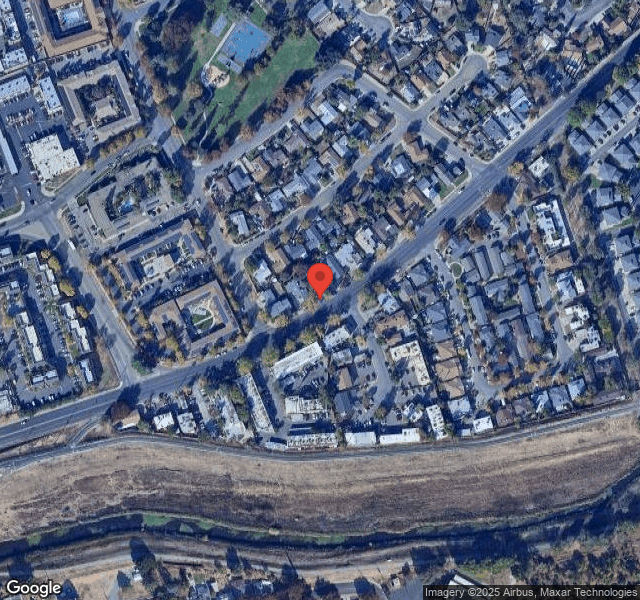
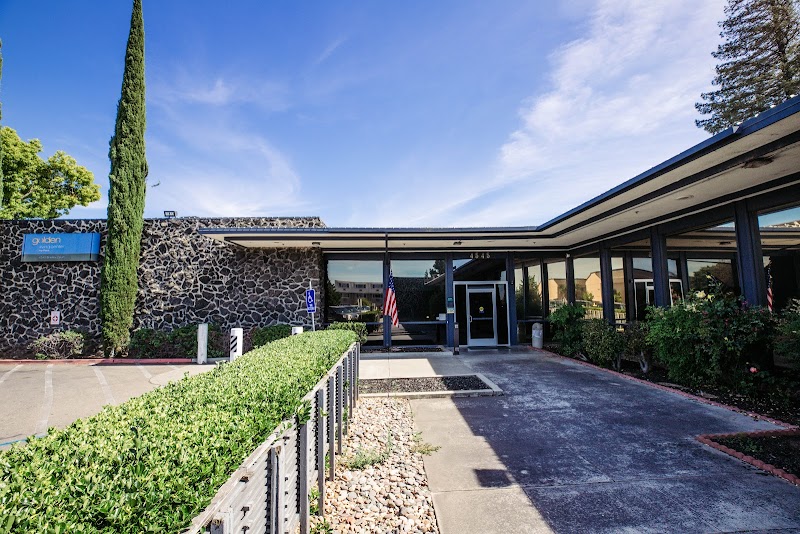
4545 SHELLEY COURT, STOCKTON, CA 95207 (209) 477-0271
For profit - Limited Liability company 119 Beds EDURO HEALTHCARE Data: November 2025
Trust Grade
0/100
#1122 of 1155 in CA
Last Inspection: December 2024

Within standard 12-15 month inspection cycle. Federal law requires annual inspections.

Overview

Stockton Nursing Center has received a Trust Grade of F, indicating significant concerns and a poor quality of care. It ranks #1122 out of 1155 facilities in California, placing it in the bottom half, and is the lowest-ranked facility in San Joaquin County at #24 out of 24. While the facility is improving, with issues decreasing from 37 in 2024 to 16 in 2025, it still faces serious challenges, including a concerning $106,469 in fines, which is higher than 90% of California facilities. Staffing is at an average level with a turnover rate of 44%, and while RN coverage is also average, they have failed to provide adequate supervision and prevent serious incidents, such as a resident developing a pressure ulcer and another suffering injuries due to a lack of monitoring. Overall, families should weigh these significant weaknesses against the facility's gradual improvements and average staffing.

Trust Score
F
0/100
In California
#1122/1155
Bottom 3%
Safety Record
High Risk
Review needed
Inspections
Getting Better
37 → 16 violations
Staff Stability
○ Average
44% turnover. Near California's 48% average. Typical for the industry.
Penalties
✓ Good
$106,469 in fines. Lower than most California facilities. Relatively clean record.
Skilled Nurses
⚠ Watch
Each resident gets only 25 minutes of Registered Nurse (RN) attention daily — below average for California. Fewer RN minutes means fewer trained eyes watching for problems.
Violations
⚠ Watch
110 deficiencies on record. Higher than average. Multiple issues found across inspections.
★☆☆☆☆
1.0
Overall Rating
★★★☆☆
3.0
Staff Levels
★★☆☆☆
2.0
Care Quality
★☆☆☆☆
1.0
Inspection Score
Stable
2024: 37 issues
2025: 16 issues

The Good

  • Full Sprinkler Coverage · Fire safety systems throughout facility
  • No fines on record
  • Staff turnover below average (44%)

    4 points below California average of 48%

Facility shows strength in fire safety.

The Bad

1-Star Overall Rating

Below California average (3.1)

Significant quality concerns identified by CMS

Staff Turnover: 44%

Near California avg (46%)

Typical for the industry

Federal Fines: $106,469

Well above median ($33,413)

Significant penalties indicating serious issues

Chain: EDURO HEALTHCARE

Part of a multi-facility chain

Ask about local staffing decisions and management

The Ugly 110 deficiencies on record

2 actual harm
Aug 2025 2 deficiencies
CONCERN (D) 📢 Someone Reported This

A family member, employee, or ombudsman was alarmed enough to file a formal complaint

Potential for Harm - no one hurt, but risky conditions existed

Pressure Ulcer Prevention (Tag F0686)

Could have caused harm · This affected 1 resident

Based on observation, interview, and record review, the facility failed to ensure necessary doctor's orders and equipment monitoring were in place for an implemented pressure ulcer/injury (PU/PI; refe...

Read full inspector narrative →
Based on observation, interview, and record review, the facility failed to ensure necessary doctor's orders and equipment monitoring were in place for an implemented pressure ulcer/injury (PU/PI; refers to localized damage to the skin and/or underlying soft tissue usually over a bony prominence) intervention for one of three residents (Resident 4) when, Resident 4 did not have an order for a Low Air Loss Mattress (LAL - alternating pressure and air circulation, which improves blood flow) to include equipment settings (typically based on the patient's weight, pressure sore risk, and skin condition) specific to Resident 4 and there was no documented monitoring to ensure the proper overall function and correct settings of the LAL mattress Resident 4 was using.This failure had the potential for Resident 4 to experience further skin breakdown.Findings:During a review of Resident 4's admission RECORD, the record indicated Resident 4's admission diagnosis included acute respiratory failure with hypoxia (a condition wherein the lungs cannot adequately transfer oxygen to the blood), dysphagia (difficulty swallowing food and liquids), PU of sacral region that was unstageable (a deep wound near the buttocks that cannot be given a severity rating because it's covered by dead tissue), PU of left lower back stage 3 (a deep hole that has gone through the top layers of skin and into the fatty tissue underneath), hemiplegia (significant or complete inability to move and control muscles on one side of the body), and pressure induced deep tissue damage of other sites.During an observation on 8/20/25, at 2:50 p.m., Resident 4 was observed resting on a LAL mattress.During a concurrent interview and record review on 8/20/25, at 3:15 p.m., with Treatment Nurse (TN- a nurse who provides wound care treatment) 1, Resident 4's Treatment Administration Record (TAR - an account of treatment orders, dates and times wound care was performed), dated 8/25, was reviewed. TN 1 verified Resident 4's TAR did not indicate a LAL mattress was in place and the TAR also did not indicate a LAL mattress was being monitored for effectiveness. TN 1 verified Resident 1 was using a LAL mattress and stated there should have been a physician's order for nursing staff to check Resident 4's LAL mattress each shift to ensure the LAL was being used correctly. TN 1 further stated when the LAL mattress was not monitored for proper function and settings, it could have caused the development of new wounds or worsening of older wounds.During an interview on 8/20/25 at 4:27 p.m., with the Assistant Director of Nursing (ADON), the ADON stated a LAL mattress was an external device tool used to manage and prevent ulcers, and the LAL mattress required a physician's order. The ADON further stated the physician's order for a LAL mattress was important because the LAL mattresses settings had to be adjusted for each resident to ensure proper use (settings customized based on things such as the resident's weight, pressure sore risk, and skin condition in order to reduce pressure on bony parts of the body).During a review of an undated facility's policy and procedure (P&P) titled, Pressure Ulcers/Skin Breakdown - Clinical Protocol, the P&P indicated, .the nurse shall describe and document/report the following.Current treatments, including support surfaces. The P&P also indicated, .Current approaches should be reviewed for whether they remain pertinent to the resident/patient's medical conditions, are affected by factors influencing wound development or healing, and the impact of specific treatment choices made by the resident or substitute decision-maker.
CONCERN (D) 📢 Someone Reported This

A family member, employee, or ombudsman was alarmed enough to file a formal complaint

Potential for Harm - no one hurt, but risky conditions existed

Deficiency F0742 (Tag F0742)

Could have caused harm · This affected 1 resident

Based on observation, interview, and record review, the facility failed to provide appropriate behavioral health treatment and services to meet the psychosocial needs for one of three sampled resident...

Read full inspector narrative →
Based on observation, interview, and record review, the facility failed to provide appropriate behavioral health treatment and services to meet the psychosocial needs for one of three sampled residents (Resident 1) when: 1. Resident 1 displayed episodes of anger, and repeated resident to resident altercations, and Resident 1's Psychiatric Initial Eval, (a comprehensive evaluation focused on the diagnosis, treatment and prevention of mental, emotional and behavioral disorders) dated 12/10/24, included treatment goals and recommended follow-up psychiatric visits were not provided, nor documented in Resident 1's clinical health record; 2. Resident 1's Physician Progress Notes, dated 3/14/25, 4/1/25, 4/29/25, 5/9/25, and 5/30/25 indicated an assessment and plan for monitor and follow-up with psychiatry, and Resident 1 was not provided psychiatry consultation or visits until 6/9/25; 3. Resident 1's PASRR Individualized Determination Report (PASRR - a federally required screening process designed to ensure that individuals with serious mental illness (SMI), intellectual disability (ID), or related conditions are not inappropriately placed in nursing facilities) recommended specialized add-on services, dated 6/10/25, were not implemented, or followed up on and there was no record of them being reviewed with the medical doctor, which resulted in specialized services including psychotherapy/counseling (a form of talk therapy where a trained professional helps patients address problematic thoughts, feelings, and behaviors to improve emotional well-being and mental health), psychology consultation, psychiatry consultation (a medical appointment with a mental health professional, such as a psychiatrist or psychologist to diagnosis mental health conditions, create treatment options, and provide support and guidance) and/or follow-up care, and neuropsychology (studies the physiological processes of the nervous system and relates them to behavior and cognition) consultation not being provided; and, 4. Resident 1's mental health consult note, via telehealth care (use of technology, video, or phone to provide long distance mental health care), dated 6/9/25, included a plan and recommendations of cognitive therapy, psychiatric evaluation, and medication recommendations, and the consultation note was not communicated to medical doctor and the licensed nursing staff to make the medication adjustments or provide the recommended evaluation and therapy. These deficient practices had the potential to negatively affect Resident 1's psychosocial (the mental, emotional, social, and spiritual effects of a disease) well-being and removed Resident 1's right to receive recommended care and services.Findings: Review of Resident 1's admission RECORD, indicated Resident 1 was originally admitted to the facility in the spring of 2024 with diagnoses which included paranoid schizophrenia (persistent delusions of persecution, grandeur, or jealousy, often accompanied by hallucinations), major depressive disorder (persistent feelings of sadness, loss of interest, and other symptoms that significantly interfere with daily life), anxiety disorder (feelings of worry, anxiety, or fear that are strong enough to interfere with one's daily activities), and psychosis not due to a substance or known physiological condition (psychotic symptoms, such as hallucinations or delusions, are present, but they do not meet the criteria for a specific disorder or when a definitive cause is not identified). During a concurrent observation and interview on 8/20/25, at 4:17 p.m., Resident 1 stated Certified Nursing Assistant (CNA) 1 was here to watch him. Resident 1 stated the bells bothered him and they were supposed to ring the bell when they needed the nurse. Resident 1 stated he was annoyed by the bells and so he went into another resident's room to tell them to stop ringing their bell, and the resident yelled at him, so he hit the resident. Resident 1 stated prior to coming to the facility he was receiving mental health services through county behavioral health. Resident 1 stated he was living by himself, but people called the police on him because he was crazy, and the police took him and then he had to stay at the hospital. During a concurrent observation and interview on 8/21/25, at 3:53 p.m., in Resident 1's room, Resident 1 was observed sitting on his bed, with the television on, and a staff member was observed to be sitting on a chair inside his room next to the doorway. Resident 1 stated he would like to have mental health therapy. Resident 1 stated he used to talk to someone before coming here and he was not sure how long he was receiving mental health services. Resident 1 stated they put a call light in his room so there was no more bell. Resident 1 stated it was better because it would not make noise, and he liked the new call light. During an interview on 8/21/25, at 3:58 p.m., CNA 2 stated she was working as Resident 1's one-on-one (ONO) for the day and was often his ONO. CNA 2 stated Resident 1 liked to have someone to talk to and would take him for smoke breaks. CNA 2 stated she was able to persuade Resident 1 to stay out of conflict with other residents. CNA 2 stated Resident 1 seemed lonely, was paranoid, and had trust issues. CNA 2 stated Resident 1 would hold on to a grudge and keep it to himself and then would eventually get his revenge against the person even if it was later. During an interview on 8/20/25, at 3:58 p.m., Licensed Nurse (LN) 1 stated she was working as a One-on-One Aid (ONO) for Resident 1. LN 1 explained Resident 1 was supervised 24 hours a day. LN 1 further explained Resident 1 could do anything he wanted to do and go anywhere he wanted to go, and she just followed him around. LN 1 stated Resident 1 had a sitter because he had good days and bad days and anything could trigger him. LN 1 stated the call lights used by other residents especially triggered him because they would ring and he would go out to find who was ringing them. LN 1 stated his last incident involving a resident-to-resident altercation was last night when he was involved in an altercation with another resident. LN 1 stated Resident 1 went into another resident's room and confronted them. LN 1 stated she had not heard from Social Services (SS) regarding last night's incident. LN 1 stated she had no knowledge of Resident 1 meeting with a psychiatrist or receiving mental health services. LN 1 stated Resident 1 one hundred percent needed his mental health issues addressed. LN 1 explained this applied to all residents who have a psychiatric diagnosis. LN 1 further explained SS did not listen or respond to the nurses regarding their concerns with residents with mental health needs such as Resident 1. LN 1 stated Resident 1's mental health information had not been shared with her or other nurses. LN 1 stated Resident 1's aggression and agitation towards other residents was a concern and he did not trust anyone. LN 1 explained that if a resident said something to Resident 1, he would get upset. LN 1 stated Resident 1 had been at the facility for over a year. LN 1 stated staff just followed him around and tried to tell him not to do something and redirected him, but he would only listen to certain nurses and staff. LN 1 stated staff would have to move other residents away from Resident 1's line of sight and get them out of his area. LN 1 explained it would be helpful for Resident 1 to receive mental health services, so he could get his feelings off his chest and to better manage his behavior. During a review of Resident 1's Psycho-Social Distress care plan, initiated on 1/27/25 and revised on 6/9/25, the document indicated, .Resident with potential/risk to exhibit Psycho-Social distress related to the following.Resident served in Vietnam War.Hx [history] of Homelessness.Dx [diagnosis] of Schizophrenia and hx [history] of stroke.Physical Aggression triggered by paranoia r/t [related to] name calling, staring, being within close proximity with another person. Resident 1's care plan further indicated Resident 1 was involved in resident to resident altercations on the following dates: 1/24/2025, 1/29/2025, 2/26/2025, 3/5/2025, 3/10/2025, 3/19/2025, 3/24/2025, 4/17/25, 4/23/25, 5/9/25, and 6/7/2025. Resident 1's care plan document further indicated, .Goal.Resident will reduce or decrease episodes of PTSD [post-traumatic stress disorder, mental health condition that's caused by an extremely stressful or terrifying event] triggered by altercations and drug use.Interventions.Psych services as indicated or needed.Psychologist-TBI [traumatic brain injury provides comprehensive support to individuals and families, offering neuropsychological assessments to identify cognitive, emotional, and behavioral changes post-injury].Psychiatrist-Behaviors.Resident to have 1:1 staff support as indicated and as needed. 1. Review of Resident 1's Order Recap Report, [a report that listed all active, complete, and discontinued orders], indicated, .MAY HAVE PSYCH [psychiatric] EVAL [evaluation]. Active.Order Date.1/14/2025.On 1on1 [sic, one-to-one staff supervision] supervision for 24 hour.Active.Order Date. 06/08/2025. Review of Resident 1's [name redacted] Psychiatric Visit Progress Report, dated 12/10/24, written by psychiatric Nurse Practitioner (NP, psychiatric Nurse Practitioner, medical practitioner who specializes in mental health) 2, indicated the following, .[Resident 1] was seen today at facility's request following a resident to resident altercation.Plan.Psychiatry team will continue to assess resident's behavior in future visits and appropriateness of current psychotropic medications [medications that affect a person's mental state, emotions, and behavior]. Further review of the document indicated a Medication Order as follows, .#Continue current medication/s and nonpharmacologic [any treatment or intervention that does not involve the use of drugs or medications] measures #Psychiatric MD or NP will follow up within 2-4 weeks or PRN [as needed] while in the facility. During a concurrent interview and record review on 8/21/25, at 4:11 p.m., the Assistant Director of Nursing (ADON) stated Resident 1 had recurrent behaviors including altercations with other residents. The ADON stated Resident 1 was usually the perpetrator but had also been the victim in resident-to-resident altercations. The ADON stated they have adjusted schedules such as making his smoking time 30 minutes before or after the other residents and provided him with a twenty-four-hour one-on-one aid (ONO) to provide him with supervision. The ADON stated Resident 1 liked playing cards and his ONO was who he will primarily interact with and talk to. The ADON stated Resident 1 was spending a lot of time in his room and could be triggered by noise and busyness. The ADON stated the ONO was established in June of 2025 after an altercation involving another resident and was implemented for his safety and the safety of others. The ADON stated she was not sure if Resident 1 was receiving mental health services prior to coming to the facility and thought he would benefit from mental health services or any other services he could qualify for. Through review of Resident 1's Psychiatric Initial Eval, dated 12/10/24, the ADON confirmed the Plan included .Psychiatric MD or NP will follow up within 2-4 weeks or PRN while in the facility. The ADON stated it was her expectation that the resident would be seen within the 2-4 weeks timeline or prior if Resident 1 required it. The ADON explained Resident 1 continued to have behaviors and the psychiatric consultation could have helped him. Review of the Resident 1's electronic medical record indicated there were no follow up mental health consult notes included in Resident 1's medical chart or progress notes to indicate he was seen within 2-4 weeks or PRN while in the facility. 2. Review of Resident 1's Physician Progress Note, written by Medical Doctor (MD) 1, dated 3/14/25, indicated, .Patient was seen during rounds for follow-up. Upon walking into the facility around 4 PM, noted that patient was just outside of the facility front door in his wheelchair with social services. Had not been informed previously of any events today. His belongings were being brought out to him. Inquired what was happening, and social services explained that the patient apparently left the facility this morning against medical advice in a taxi that he called himself in an attempt to leave the facility and live with his family in the area. He apparently was denied by his family and then returned to the facility. He then appears to have been found smoking in his room against instiution [sic] policy which puts himself and other patients at risk. The patient left the facility against medical advice. Social services informed that the patient would have to be readmitted to the facility via an emergency department. This appears to have been reviewed with the patient by staff. Later checked with staff, and the patient was allowed back in his room. The patient appears to have been seen by psychiatry on 2/6/25 with recommendations to start [Valproate; a medication to treat manic episodes (periods of abnormally elevated mood, energy, and activity) related to bipolar disorder (extreme shifts in mood, energy, and behavior)] 125 mg [milligrams, a unit of measurement] twice daily for mood lability [a condition characterized by rapid and unpredictable shifts in mood]. Handwritten order reviewed. There does not appear to be a progress note available at this time to review. Previously, patient was seen by psychiatry on 12/10/24. Psychiatry recommended increasing aripiprazole [medication used to treat schizophrenia] from 5 mg to 10 mg due to paranoid thoughts.ASSESSMENT AND PLAN.Nonadherence.patient appears to have left the facility AGAINST MEDICAL ADVICE and then was smoking within the facility. It appears that the patient has been allowed back to his room, and he will be monitored and encouraged to follow policy for his and others' safety.Paranoid schizophrenia.Monitor and follow up with psychiatry. Review of Resident 1's Social Service Progress Notes, written by Social Service Director (SSD) 1, on 3/18/25, indicated, .SSD and Admin [administrator] met with resident at bedside. Resident appeared to be resting in his bed listening to music. Resident stated that he can recall the incident with the other resident telling SSD that the other resident called him a monkey. He said that he got upset and he struck out at the other resident. SSD reeducated resident on the facilities zero tolerance for violence and resident showed no signs of remorse. SSD will continue to monitor resident's behaviors and psychosocial wellbeing and assist with any SS [social service] needs that may arise. Review of Resident 1's Physician Progress Note, written by MD 1, dated 4/1/25, indicated, . ASSESSMENT AND PLAN.Agitation.history noted. Patient's mood appears to be stable at this time. Monitor. Psychiatry follow-up has been requested.Paranoid schizophrenia.Monitor and follow up with psychiatry. Review of Resident 1's Social Service Progress Notes, written by SSD 1, on 4/24/25, indicated, .Follow-up completed with [Resident 1] to assess ongoing behaviors and emotional status. Resident was alert and oriented during the visit, though he continued to show poor insight into the incident. When asked to reflect, he stated, He deserved it. I've told you guys he's a problem. Resident was resistant to redirection and deflected responsibility. We reviewed behavior expectations and facility policy on physical aggression. Psychoeducation [information and support to better understand and cope with illness] provided on verbal de-escalation [the use of communication skills and techniques to reduce tension, prevent conflicts from escalating into violence, and encourage cooperation] and use of staff as a resource. Behavior monitoring to continue. Review of Resident 1's Social Service Progress Notes, written by SSD 1, on 4/25/25, indicated, .Resident was observed in room, calm and watching TV. During check-in, he was cooperative and stated, I'm staying in my room now. Less drama that way. Resident denied further thoughts of aggression and verbalized that he's trying to keep to himself. While he continues to show limited remorse, he did demonstrate some awareness of his triggers. Encouraged continued communication with staff and positive use of coping skills. 1:1 remains in place. Review of Resident 1's Physician Progress Note, written by the MD 1, dated 4/29/25, indicated, .ASSESSMENT AND PLAN.Paranoid schizophrenia.Monitor and follow up with psychiatry.Anxiety.Monitor.Agitation.Patient's mood appears to be stable at this time. Monitor. Psychiatry follow-up has been requested. Further review of Resident 1's Physician Progress Notes, dated 5/9/25 and 5/30/25, indicated an Assessment and Plan for monitor and follow-up with psychiatry. Review of Resident 1's clinical record did not include any psychiatry progress notes for that period of time. During a concurrent telephone interview and record review on 8/25/25, at 2:30 p.m., the Assistant Director of Nursing (ADON) reviewed Resident 1's Physicians Progress note, dated 3/7/25, and confirmed the plan of monitor and follow up with psychiatry. The ADON stated this was the physician progress note following Resident 1's readmission from the hospital. The ADON stated it seemed like the MD wanted Resident 1 to have a psychiatric consult and acknowledged Resident 1 had an active order for psychiatric consultations. The ADON confirmed there was no psychiatry progress notes in Resident 1's clinical record for all of 2025 and confirmed the last consultation note uploaded into his record was from 12/24. The ADON stated she thought Resident 1 was seen by the psychiatrist earlier in the year but acknowledged there was no record of the visit in the clinical record. The ADON stated psychiatric consultations were normally uploaded in the resident's electronic clinical record and explained they might have been emailed to the previous DON and SSD but they were no longer employed at the facility, and she did not have access to them. The ADON stated her expectation was nursing staff would review the Physician Progress Notes including the plan of care and would notify the management team of new orders. The ADON explained that the management team would reach out to psychiatric services for scheduling. The ADON stated the expectation was that all consultation notes were to be updated in the residents' clinical record and shared with the MD and nursing team. The ADON explained the psychiatric provider recommendations should have been discussed in a care conference and implemented as an attempt to manage Resident 1's behaviors. During a review of Resident 1's mental health progress note, dated 6/9/25, the ADON stated the visit was a psychiatric consult and not a psychiatric evaluation. The ADON explained that the psychiatrist was to perform Residents 1's psychiatric evaluation later that week and acknowledged it was not completed. The ADON confirmed the psychiatric evaluation had not taken place for Resident 1 and stated 6/9/25 was the last mental health visit for the resident. During an interview on 9/8/25, at 9:36 a.m., MD 1 stated he was familiar with Resident 1. MD 1 stated he was not aware Resident 1 was seen by psychiatry on 6/9/25, nor had he seen any consultation notes from that visit or was made aware of new medication orders for a nighttime dose of Valproate, cognitive therapy, and follow-up visits. MD 1 stated he would have wanted to be made aware of the visit, the recommendations, and would have implanted the new medication orders and recommendations from psychiatry. MD 1 stated the expectation was for Resident 1 to be seen every two to four weeks as recommended by psychiatry in Resident 1's consultation note from 12/10/24 and for a new psychiatrist provider to have been found if the original provider was not available. MD 1 stated for residents with schizophrenia, which Resident 1 had, the diagnosis would need to be managed by a psychiatrist because of the higher level of mental health management required for that diagnosis. MD 1 stated he would want to see the consultation notes as soon as possible, within at least two weeks, and that the facility had no real process of how the consultation notes were shared with him. MD 1 stated the risk to Resident 1 when the psychiatrist recommendations were not implemented were unstable mood, lack of medication monitoring, and continued behaviors or escalating behaviors. 3. During a concurrent interview and record review 8/20/25, at 4:36 p.m., the SSD stated she was new to the position and the previous SSD (SSD 1) no longer worked at the facility. The SSD stated Social Services (SS) served residents in need of or have mental health services and would refer them out and contact the provider for scheduling. The SSD stated the facility currently had a mental health contract with a telehealth provider (MD 2). The SSD stated Resident 1 was a long-time patient and had a history of altercations with other residents, had a lot of triggers, and was very attention seeking. The SSD stated Resident 1 had psychiatric issues, used to be a prison guard, and had experienced a lot of trauma. The SSD stated Resident 1 took a few medications to treat his paranoid schizophrenia and his mood. The SSD explained Resident 1 was suspicious of everything and everyone. Through review of Resident 1's electronic clinical record, the SSD confirmed there were two psychiatric consultation progress notes dated 7/8/24 and 12/10/24. The SSD stated these were performed as telehealth visits and confirmed these were the only visit consult notes she could locate in Resident 1's clinical record. Through review of Resident 1's Psycho-Social Distress care plan dated 6/8/25, the SSD confirmed an intervention was listed to complete a PASRR. During a concurrent interview on 8/20/25, at 5:37 p.m., the Minimum Data Set Coordinator (MDS, standardized assessment tool that measures health status in nursing home residents) stated she was responsible for completing residents' PASRR's and they were normally completed upon admission and resubmitted if there were behavioral changes, psychiatric medication changes and/or added psychiatric diagnosis with a resident while at the facility. The MDS stated the purpose of the PASRR was to make sure if a resident had an intellectual deficit or a psychiatric illness they could be cared for in the facility. The MDS stated she was somewhat familiar with Resident 1 and had resubmitted his PASRR this last June due to changes in his behavior. The MDS stated she had received a call from the PASRR representative to go over Resident 1's information. The MDS stated the business manager must have uploaded Resident 1's PASRR letters and recommendations in his electronic clinical chart. The MDS stated was not aware there were recommendations and was not aware what the process should be in terms of follow- up with the recommendations or who was responsible. The MDS stated the expectation should have been the recommendations were implemented timely. The MDS stated she was present at most of the IDT meetings held for Resident 1 regarding his resident-to-resident altercations. The MDS stated the recommended services were important for Resident 1 in terms of managing his behaviors, engaging in activities, and referral to psychiatric consultation. The MDS explained the recommendations could help address Resident 1's triggers, his psychiatric medications, and would have provided an outlet for him to speak to someone with more mental health expertise such as mental health doctor or clinician. The MDS stated the risk to Resident 1 if these were not provided timely would be continuation of behaviors and aggression to other residents. During Review of Resident 1's Department of Health Care Services Letter, dated 6/10/25, the letter indicated, .In the event of a positive SMI Level I Screening, a SMI [serious mental illness] Level II Evaluation is required. The SMI Level II Evaluation is conducted by an independent clinician contracted with DHCS. The results of the SMI Level II Evaluation are reviewed by a licensed consulting psychologist at DHCS and determinations are made regarding the appropriate nursing facility services and specialized add-on services.Your Level 1 Screening was conducted at [facility name redacted], followed by a SMI Level II Evaluation on 6/10/25, by a PASRR Level II SMI evaluator. The results of this SMI Level II Evaluation are provided in the PASRR Determinization Report attached to this letter. Facility staff will receive this PASRR Determinization Report, will discuss the results with you in a timely manner, and will incorporate the determination into your care plan. During Review of Resident 1's PASRR Individualized Determination Report, dated 6/10/25, the letter indicated, .This Determination Report is based on a review of the applicant's medical and social history, which reveals a significant medical condition with mental stressors that require nursing care.Personal goals were considered in making recommendations for specialized services, including to improve dentition, improve mobility, stop smoking, reduce anxiety, reduce depression and improve wellbeing.Recommended Specialized Services Add -on Services: Services and supports that supplement nursing facility care to address mental health needs.Medication Education and Training.Psychotherapy/Counseling.Individual and/or group and/or family treatment by a licensed mental health professional.Psychology Consultation.Provides diagnostic assessment of psychological and emotional functioning and maladaptive behavior. These services include the evaluation of mental status, diagnosis, and treatment direction and may include therapeutic intervention, development of a behavioral management plan, and/or referral for pharmacological intervention.Neuropsychology Consultation.Services to gain a better understanding of cognitive functioning, clarify the primary diagnosis, and provide treatment direction.Psychiatry Consultation and/or Follow-up Care.Services to provide psychopharmacological intervention and monitoring of mental conditions. These providers will evaluate the efficacy and necessity of psychiatric medications, review lab profiles, make adjustments as needed, consider side effects and clarify diagnosis.Safety Monitoring.Behavior Monitors. During a concurrent interview and record review 8/20/25, at 4:36 p.m., Resident 1's PASRR Level I, PASRR Level II letter, and Individualized Determination Report, dated 6/10/25, was reviewed with the SSD. The SSD stated the Recommended Specialized Services Add -on Services should have been followed up on and completed including the mental health consults. The SSD explained she was not aware follow-up was needed nor was she aware the documents were in Resident 1's electronic clinical record. The SSD further explained that the MDS and business office were responsible for the PASSR. The SSD stated the MDS was responsible for notifying SS and creating the mental health referral and/or notifying the MD to obtain the necessary orders such as psychiatrist consult and/or behavioral therapy consult. Through review of Resident 1's SS progress notes from present through 1/2025, the SSD confirmed there were no notes regarding psychiatric consults or follow-up visits. The SSD stated her expectation was the PASRR recommendations were followed up on. The SSD explained the importance of the recommendations was to manage behavior, manage psychiatric medications, and Resident 1 to get appropriate needed support. The SSD stated the risk if not done was worsening behavior, continued resident to resident altercations. The SSD indicated that Resident 1's BIMS (Brief Interview for Mental Status; a cognitive screening tool to assess thinking, reasoning, or remembering ability) score was 13 (a score between thirteen to fifteen points suggests intact cognition). The SSD stated that Resident 1 could make his own healthcare decisions. The SSD explained due to Resident 1's high cognition and his ability to make his needs known, it was more reason for him to be seen by mental health and get him the interventions and help he needs. During a concurrent interview and record review on 8/21/25, at 4:11 p.m., the ADON stated Resident 1 had recurrent behaviors of altercations with other residents. The ADON stated Resident 1 was usually the perpetrator but had also been the victim. The ADON stated there was an incident in the early morning of 8/20/25 involving Resident 1 being involved in a Resident-to-Resident altercation. The ADON stated she was not sure if Resident 1 was receiving mental health services prior to coming to the facility and thought he would benefit from mental health services or any other services he could qualify for. Regarding Resident 1's PASRR II and determination letter dated, 6/7/25, the ADON stated it was uploaded to the residents' electronic clinical record by the business office without being reviewed by clinical staff. The ADON stated the expectation was that the document was to be reviewed in an IDT (interdisciplinary team) meeting and care conference and then a determination made of what services needed to be implemented for Resident 1. The ADON acknowledged Resident 1 did not have any of the recommended services followed up on, nor shared with the medical doctor, ordered and carried out. The ADON stated Resident 1 could receive referrals and services from the county and the facility could help arrange this. The ADON stated the importance of the Individualized Determination Report was to help the facility manage Resident 1's behavior and care. The ADON stated the risk to Resident 1 was ultimately lack of services that could help him and potentially assist in providing him with behavioral management. During an interview on 9/8/25, at 9:36 a.m., MD 1 stated he was not aware of Resident 1's PASRR recommendations and stated the expectation was it was shared with him so orders could have been placed and for Resident 1 to receive the follow up mental health consultations and therapy. During a review of an undated facility policy and procedure (P&P) titled, Behavioral Health Management, the P&P indicated, .The facility will provide and residents will receive behavioral health services as needed to attain or maintain the highest practicable physical, mental and psychosocial well-being in accordance with the comprehensive assessment and plan of care.Behavioral symptoms will be identified using facility-approved behavioral screening tools and the comprehensive assessment.Behavioral health services will be provided by qualified staff who have the competencies and skills necessary to provide appropriate services to the residents. Residents will have minimal complications associated with the management of altered or impaired behavior.The facility will comply with regulatory requirements related to the use of medications to manage behavioral changes.Assessment.As part of the initial assessment, the nursing staff and Attending Physician will identify individuals with a history of impaired cognition, altered behavior, substance use disorder, or mental disorder.All residents will receive a Level I PASARR screen prior to admission.If the level I screen indicates that the individual may meet the criteria for a mental disorder, intellectual disability or related condition he or she will be referred to the state PASARR representative for the Level II (evaluation and determination) screening process.The Level II evaluation report will be used when conducting the resident assessment and developing the care plan.New onset or changes in behavior that indicate newly evident or possible serious mental disorder, intellectual disability, or a related disorder will be referred for a PASARR Level II evaluation.Current Level II residents will be referred for an additional PASARR Level II evaluation upon a s
Aug 2025 2 deficiencies
CONCERN (D) 📢 Someone Reported This

A family member, employee, or ombudsman was alarmed enough to file a formal complaint

Potential for Harm - no one hurt, but risky conditions existed

Deficiency F0583 (Tag F0583)

Could have caused harm · This affected 1 resident

Based on observation, interview, and record review, the facility failed to respect the resident's right to personal privacy for one of three sampled residents (Resident 4) when Certified Nursing Assis...

Read full inspector narrative →
Based on observation, interview, and record review, the facility failed to respect the resident's right to personal privacy for one of three sampled residents (Resident 4) when Certified Nursing Assistant (CNA) 1 and CNA 2 performed social media live streaming (the real-time broadcasting of video and audio content over the internet, allowing viewers to interact with the content creator as it is happening) in Resident 4's room during resident care activities. This failure had the potential to result in Resident 4 feeling a lack of privacy and hopelessness.Findings:A review of Resident 4's admission Record indicated that Resident 4 was admitted to the facility in 2025 with diagnoses which included Cerebral Infarction (a result of disrupted blood flow of the brain due to problems with blood vessels that supply it, also known as a stroke), End Stage Renal Disease (failure of the kidneys to function normally), and Aphasia (loss of ability to produce or understand language).During a concurrent observation and interview, on 8/15/25, at 10:21 a.m., in Resident 4's room, Resident 4 was laying in the bed. Resident 4 was unable to verbally respond to questions, but could shake his head yes or no. When asked about the incident regarding CNA 1 and CNA 2 recording a video in his room, Resident 4 did not respond. During an interview by phone on 8/14/25 at 3:43 p.m. with CNA 1, CNA 1 stated that she felt that the suspension was due to retaliation by the facility administration. CNA 1 stated that the facility changed the CNAs' assignments because the facility was short-staffed. CNA 1 stated that a grievance was filed with the corporate office regarding the staffing situation. CNA 1 stated that the Administrator (ADM), Assistant Director of Nursing (ADON), and the corporate office had a meeting. CNA 1 stated that the staffing issue was resolved. CNA 1 stated that three to four days ago the administration retaliated against her and a coworker, she recorded a video on Tik Tok. CNA 1 stated that her coworkers stalked her Tik Tok page. CNA 1 stated that she felt that she should not have been terminated. CNA 1 stated that she took responsibility for being on her personal cellphone during working hours. CNA 1 confirmed that she recorded the Tik Tok video on her cellphone while she performed her job duties at the facility. CNA 1 confirmed that she was in Resident 4's room when she recorded the Tik Tok video but stated that she was the only one on camera during the recording of the Tik Tok video. During an interview by phone on 8/14/25 at 3:54 p.m. with CNA 2, CNA 2 stated that she was pulled into the office on Monday and was asked if she had been on Tik Tok during working hours. CNA 2 stated that she said yes. CNA 2 stated that she was told that resident information was exposed while she was on Tik Tok. CNA 2 stated that she was at the North Nurses' Station in the corner when she recorded on Tik Tok. CNA 2 stated that only part of her face was showing while she recorded the video on Tik Tok. CNA 2 admitted that she should not have been on Tik Tok. CNA 2 stated that she was suspended, so she quit her job at the facility. During an interview by phone on 8/14/25 at 3:57 p.m. with Licensed Nurse (LN) 1, LN 1 stated that she was the one that reported the Tik Tok video incident. LN 1 stated that she was the assigned wound care nurse at the facility on the day of the incident. LN 1 stated that it was a Sunday, and she asked CNA 2, one of the CNAs on duty that day, to assist her in repositioning a resident, Resident 4, so that she could change his wound dressings. LN 1 stated that whenever she asked CNA 2 to help with resident care, her coworker, CNA 1, always came along to help. LN 1 stated that she needed additional supplies to change Resident 4's dressings, so she told the CNAs to reposition Resident 4 on his side and she would return to change the dressing. LN 1 stated that the CNAs were in the room with Resident 4 with the door closed while she went to get additional supplies. LN 1 stated that when she returned to the room, she began to change Resident 4's dressing on his coccyx (tailbone; the last bone at the base of the spine). LN 1 stated that the CNAs were in the room while she changed the dressing. LN 1 stated that after she finished changing the dressing, she noticed that she had forgotten her scissors, so she went to get them, then she went back to Resident 4's room and saw that CNA 2's cellphone was propped up and on Tik Tok live. LN 1 stated that they all left the room together and she stated that she said to CNA 2, I assumed your phone was not on, right? LN 1 stated that CNA 2 did not answer her question. LN 1 stated that she continued to change other residents' dressings because she thought that she had 24 hours to report the incident. LN 1 stated that she reported the incident the next morning at 6 a.m. LN 1 stated that she received an in-service and discovered that she should have reported the incident sooner. During an interview and concurrent record review of facility in-service education on 8/14/25 at 2:50 p.m. with the Director of Staff Development (DSD), the DSD stated that staff were not supposed to be on cell phones while providing resident care. The DSD stated that upon hire, staff received in-service education on cell phone use in the facility, and cell phone use by employees was also discussed in the employee handbook provided to each employee upon hire.During an interview with the ADM and the ADON on 8/15/25 at 12:20 p.m., the ADM stated that Resident 4's Responsible Party was notified regarding the incident, and the CNAs involved in the Tik Tok incident were terminated.A review of a facility policy and procedure (P&P) titled, Personal Electronic Devices, dated 11/01/23, the P&P indicated, .The Facility recognizes that cellphones and other personal communication devices have become valuable tools in managing our personal lives. However, workplace use of these devices can raise a number of issues involving safety, security, privacy, and productivity. Therefore, the Facility has adopted the following rules regarding the use of personal communication devices in the workplace during working hours.Employees should conduct personal business during meal breaks or other rest periods. This includes the use of personal communication devices (including cell phones) for personal business (including personal phone conversations and.internet use for personal reasons) .Due to the availability of sensitive resident/client information, no cameras are to be allowed without prior approval from your Administrator. Phones and other devices with cameras or recording capabilities are strictly prohibited in all work areas.Camera phones and other devices with photographic or recording capabilities may not be used in restrooms, locker rooms, or other private areas in the workplace.Unless properly authorized, employees must refrain from the use of any form of personal electronic communication devices during normal work hours. Violation of this policy may result in discipline, up to and including termination.A review of a facility P&P titled, Social Media Guidelines, dated 11/1/23, the P&P indicated, .The guidelines apply to all Facility employees who participate in any form of personal social networking.Except when expressly authorized in writing for use for business purposes, social media activities are not permitted at work or while on Facility time.You may not disclose confidential.information.Employees may not personally attack, nor post any personal information about.residents.or make any statement or posting that violates the privacy of publicity rights of any other person.Failure to comply with these policies could lead to discipline, up to and including termination.
CONCERN (D) 📢 Someone Reported This

A family member, employee, or ombudsman was alarmed enough to file a formal complaint

Potential for Harm - no one hurt, but risky conditions existed

Tube Feeding (Tag F0693)

Could have caused harm · This affected 1 resident

Based on observation, interview, and record review, the facility failed to provide appropriate care and services with the use of enteral feeding (tube feeding, TF - the delivery of nutrients through a...

Read full inspector narrative →
Based on observation, interview, and record review, the facility failed to provide appropriate care and services with the use of enteral feeding (tube feeding, TF - the delivery of nutrients through a tube inserted directly into the stomach) for one resident (Resident 4) when Resident 4's tube feeding bag and tubing (containing nutrients to be delivered by a mechanical pump delivery system at a prescribed rate of flow) did not indicate the date and time it was put into use.This failure had the potential to produce bacterial growth in the tube feeding solution resulting in an infection.A review of Resident 4's admission Record indicated that Resident 4 was admitted to the facility in 2025 with diagnoses which included Cerebral Infarction (a result of disrupted blood flow of the brain due to problems with blood vessels that supply it, also known as a stroke), End Stage Renal Disease (failure of the kidneys to function normally), and Aphasia (loss of ability to produce or understand language). A review of Resident 4's Physician Order Summary, dated 6/5/25, indicated, .every shift Nepro [enteral formula] 75/ml [milliliters] @ 16 hours [infusion rate of flow]; on 2100 [9 PM], off 1300 [1 PM].During an interview and concurrent observation in Resident 4's room on 8/15/25 at 11:10 a.m. with Licensed Nurse (LN) 2, observed Resident 4's tube feeding bag did not have a label with the date the feeding was started. LN 2 stated that the tube feeding bag should be labeled with the date and time started, resident's name, and feeding solution. LN 2 confirmed that Resident 4's tube feeding bag was not labeled. LN 2 stated that the risk of not labeling the tube feeding bag was that staff would not know when the tube feeding was started, what type of tube feeding it was, and when to change the bag. During an interview on 8/15/25 at 11:15 a.m. with the Assistant Director of Nursing (ADON), the ADON stated that it was her expectation that LNs checked the residents' orders for the type of enteral feeding formula and any flushes ordered before preparing the residents' tube feedings for administration. The ADON stated that when the LNs prepared the enteral feedings, her expectation was that the enteral feeding bags were labeled with the date and time hung, that the LNs checked the resident's identifiers before starting the feeding, and reset the feeding pump with the correct feeding rate of infusion. The ADON stated that the enteral feeding bags should be changed every 24 hours. The ADON stated that the risk of not labeling the enteral feeding bags was that staff would not know when the feeding was started and when the feeding bag needed to be changed. The ADON acknowledged that the facility policy was not followed.A review of a facility policy and procedure (P&P) titled, Enteral Tube Feeding via Syringe (Bolus), revised 11/18, the P&P indicated, .Purpose.The purpose of this procedure is to provide nutritional support to residents unable to obtain nourishment orally.General Guidelines.3. Check the enteral nutrition label against the order before administration. Check the following information.a. Resident's name, ID, and room number; b. Type of formula; c. Date and time formula was prepared.g. Rate of administration (mL/hour) .
Aug 2025 1 deficiency 1 Harm
SERIOUS (G) 📢 Someone Reported This

A family member, employee, or ombudsman was alarmed enough to file a formal complaint

Actual Harm - a resident was hurt due to facility failures

Free from Abuse/Neglect (Tag F0600)

A resident was harmed · This affected 1 resident

Based on observation, interview and record review the facility failed to provide one to one supervision (a designated staff to provide constant monitoring to prevent or redirect resident from engage i...

Read full inspector narrative →
Based on observation, interview and record review the facility failed to provide one to one supervision (a designated staff to provide constant monitoring to prevent or redirect resident from engage in harmful act) to one of three sampled residents (Resident 2, with known behavioral issues), to prevent the physical altercation between Resident 1 and Resident 2 on 6/7/25.This failure resulted in Resident 2 suffering multiple bruises and a laceration to the right side of his face and Resident 1 suffering two fractures in his left hand.Findings:Review of Resident 1's admission RECORD indicated that Resident 1 was admitted to the facility with diagnoses that included but were not limited to unspecified mental disorder to known physiologic condition (a clear link between a physical condition and the mental symptoms, but the exact nature of the mental disorder is not clear), unspecified other stimulant abuse (continued use of amphetamine-type substances, cocaine, and other stimulants that can impact health), and cognitive communication deficit.Review of Resident 1's eINTERACT Change in Condition Evaluation dated 6/7/25, indicated that Resident 1 was involved in a resident-to-resident physical altercation and indicated the following, .AFTER THE RESIDENT WAS PUNCHED IN THE FACE, HE PROCEEDED TO GET UP FROM HIS WHEELCHAIR AND PUNCH ANOTHER RESIDENT X 5 ON THEIR FACE.RESIDENT HAD SWELLING TO HIS R [Right] EYE AND SWELLING TO HIS LEFT KNUCKLES.Review of Resident 1's Interdisciplinary (IDT - a group of professionals from various disciplines who work together to provide comprehensive care to a patient or group of patients) Care Conference Note - V 5 dated 6/8/25, indicated, Resident 1 had a Brief Interview for Mental Status (BIMS - a test used to get a snapshot of how well you are functioning cognitively at the moment the test is taken) score of 12, indicating Resident 1 had mildly impaired cognitive function. Review of Resident 2's admission RECORD indicated that Resident 2 was admitted to the facility with diagnoses that included but were not limited to cerebral infarction (a medical condition that occurs when the blood flow to the brain is disrupted due to issues with the arteries that supply it), hemiplegia and hemiparesis following a cerebral infarction on the left, non-dominant side (paralysis and weakness of left side of the body after stroke), paranoid schizophrenia (a mental illness that is characterized by disturbances in thought), unspecified psychosis not due to a substance or known physiological condition (condition with symptoms that involves a disconnection from reality and the world, but does not fit into established categories of mental health disorders) and anxiety disorder. Review of Resident 2's eINTERACT Change in Condition Evaluation dated 6/7/25, indicated that Resident 2 was involved in a resident-to-resident physical altercation and indicated the following, .STAFF WITNESSED SEEING THE RESIDENT GETTING PUNCHED X 5 ON THE FACE BY ANOTHER RESIDENT.RESIDENT HAD IMMEDIATE SWELLING AND CONTUSION [bruise].Review of Resident 2's Interdisciplinary Care Conference-V5 note completed on 6/8/25, indicated that Resident 2 had a BIMS score of 13, indicating that Resident 2 was cognitively intact.During a concurrent observation and interview on 8/1/25, at 9:55 a.m., Certified Nursing Assistant (CNA) 1 was noted to be sitting outside of Resident 2's bedroom within visual site of Resident 2, who was asleep in his bed. CNA 1 stated she was providing one-to-one supervision for Resident 2. CNA 1 stated that Resident 2 was receiving one-to-one supervision on all shifts due to Resident 2's history of physical and verbal aggressive behaviors with other residents. CNA 1 stated the risk of not having Resident 2 on one-to-one supervision, was that Resident 2 could become aggressive with another resident and there would be no one closely monitoring him to step in and redirect Resident 2 before the altercation escalated. CNA 1 stated that her role in providing Resident 2 with one-to-one supervision was to monitor and ensure she watched Resident 2, to make sure he didn't start a fight with anyone.During an interview with Resident 2 on 8/1/25, at 11:15 a.m., Resident 2 was sitting up on the right side of his bed. Resident 2 was noted to have a small amount of discoloration under his right eye. Resident 2 stated that the eye was still tender and painful at times. Resident 2 stated that he was in the hallway when Resident 1 came up to him and asked him for a cigarette. Resident 2 stated that when he told Resident 1 that he did not have any cigarettes, Resident 1 said to him f. y., so Resident 2 said he said the same thing back to Resident 1. Resident 2 stated that when he did that, Resident 1 stood up and hit him. Resident 2 stated he then hit Resident 1 back but could not remember where he hit him. Resident 2 stated that Resident 1 then started to hit him repeatedly, causing a right black eye. Resident 2 stated that Resident 1 was a bad man, and he was glad Resident 1 was no longer in the facility. During a phone interview on 8/1/25, at 11:48 a.m. with Licensed Nurse (LN) 1, LN 1 stated that on 6/7/25 at approximately 11:00 p.m. she heard a loud commotion in the hallway while she was at the center nurse's station. LN 1 stated that she heard what sounded like a POW and when she came out from behind the station, she saw Resident 1 and Resident 2 in front of each other and yelling at each other. LN 1 stated that she and two other LNs ran towards the two residents and separated them upon arrival. LN 1 stated that Resident 2 had an obvious injury to his face as his right eye started to swell and was red and there was blood on his face. LN 1 stated she did not see any injury to Resident 1. LN 1 stated that Resident 1 was not on any specific monitoring prior to the altercation but was placed on one-to-one supervision after the altercation. LN 1 stated that Resident 2 was on one-to-one supervision but only on the morning and evening shifts due to his history of being verbally and physically aggressive with other residents, but that level of supervision was not in place on the night shift. LN 1 stated that the altercation might not have happened had Resident 2 been receiving one-to-one supervision on the night shift.During a phone interview on 8/1/25, at 12:04 p.m. with LN 2, LN 2 stated that she heard yelling and screaming while she was at the facility's north nurses' station. LN 2 stated she and two other LNs started running to the area. LN 2 stated while enroute to the altercation, she could see Resident 1 standing over Resident 2, who was in his wheelchair, and Resident 1 was punching Resident 2. LN 2 stated that when they arrived at the scene Resident 1 was still hitting Resident 2. LN 2 stated that one of the other LNs got in between the two residents and LN 2 pulled Resident 2 back from Resident 1. LN 2 stated Resident 2 had swelling to his right eye, redness around the orbital area (eye socket) and blood coming from a cut over his eye, while Resident 1 had a red face and knuckles but no indication of bleeding anywhere. LN 2 stated that Resident 2 did have a history of becoming physically and verbally aggressive with other residents. LN 2 stated Resident 2 had been receiving one-to-one supervision on the morning and evening shifts but not the night shift. LN 2 stated that the altercation might not have happened had Resident 2 been receiving one-to-one supervision on the night shift.During a phone interview on 8/1/25, at 12:39 p.m., with LN 3, LN 3 stated that the altercation between Resident 1 and Resident 2 occurred on 6/7/25 around 11:00 p.m. LN 3 stated she did not see the event or respond to the event but was the receiving nurse for Resident 1 when one of the other LNs brought him back to his primary nurses' station. LN 3 stated that Resident 1 stated that the guy swung at me, so I swung back. LN 3 stated that Resident 1 had no bruise or cuts on his face, but there was redness to his knuckles. LN 3 stated that Resident 1 had no history of aggressive behaviors prior to this altercation, but Resident 2 did have a history of physical and verbal aggression towards other residents. LN 3 stated that Resident 1 and Resident 2 were placed on one-to-one supervision after the altercation. During a concurrent interview and record review with the Administrator (ADM) on 8/1/25, at 10:48 a.m., the ADM stated that the Director of Nurses notified her of the altercation between Resident 1 and Resident 2. A review of Resident 1's radiology report dated 6/8/25 with the ADM, confirmed that Resident 1 sustained, . a fracture involving the 5th metacarpal [finger] and 5th proximal phalanx [the bone at the base of the little finger] distally with minimal callus [a temporary formation of new bone and cartilage that develops at the fracture site during initial stages of healing] and displacement. There is associated soft tissue swelling. The ADM stated that Resident 2 had a history of physical and verbal aggressive behaviors towards other residents and had been placed on one-to-one supervisor on the morning and evening shifts because of those behaviors. The ADM stated that Resident 2 had not received one-to-one supervision on the night shift prior to the 6/7/25 event. The ADM stated that the altercation might have been avoided had Resident 2 been receiving one-to-one supervision on the night shift prior to 6/7/25. Review of Resident 2's Care Plan Report, with a last care plan review completed date of 7/15/25, indicated Resident 2 had resident to resident altercation on the following dates: 1/24/25; 1/29/25; 2/26/25; 3/5/25; 3/10/25; 3/19/25; 3/24/25; 4/17/25; 4/23/25; 5/9/25; and 6/7/25.Review of a facility policy titled, Safety of Residents dated 6/27/22, indicated, .maintain one-on-one supervision of the resident until the behavior has subsided.Review of a facility policy titled, Resident Rights with a revised date of December 2021, indicated, .Federal and State laws guarantee certain basic rights to all residents of this facility. These rights include the resident's right to.be free from abuse.Review of a facility policy titled, Abuse Prohibition - Administrative Policies with a revised date of 10/25/24, indicated, Health Care Center prohibits abuse.for all residents.Physical abuse includes hitting, slapping, pinching, kicking, etc.Identifying, correcting and intervening in situation in which abuse.is more likely to occur.The Center will provide adequate supervision when the risk of resident-to-resident altercation is suspected. The Center is responsible for identify residents who have a history.or who exhibit other behaviors that make them more likely to be involved in an altercation.
Jul 2025 1 deficiency
CONCERN (D) 📢 Someone Reported This

A family member, employee, or ombudsman was alarmed enough to file a formal complaint

Potential for Harm - no one hurt, but risky conditions existed

Accident Prevention (Tag F0689)

Could have caused harm · This affected 1 resident

Based on observation, interview, and record review, the facility failed to ensure the environment remained free of accidents or hazards for one of five sampled residents (Resident 4) when, remnants of...

Read full inspector narrative →
Based on observation, interview, and record review, the facility failed to ensure the environment remained free of accidents or hazards for one of five sampled residents (Resident 4) when, remnants of a broken rail on the wall near Resident 4's bed with splintered wood and protruding screws were not removed.This failure had the potential to result in injury to Resident 4, facility staff, and visitors.Findings:A review of Resident 4's admission RECORD, indicated that Resident 4 was admitted to the facility with diagnoses which included major depressive disorder (a persistent feeling of sadness and loss of interest that can interfere with activities of daily living) and spinal stenosis (happens when the space inside the backbone is too small. This can put pressure on the spinal cord and nerves that travel through the spine).During a concurrent observation and interview on 7/22/25, at 12:50 p.m., with Licensed Nurse (LN) 2 in Resident 4's room, there was two square wood pieces on the wall near Resident 4's bed with splintered wood and protruding screws. LN 2 stated that she did not know why they were there. LN 2 stated that maintenance might be able to answer why they were there.During a concurrent observation and interview on 7/22/25, at 1:42 p.m., in Resident 4's room with the Maintenance Assistant (Main), the Main stated that the two square wood pieces on the wall near Resident 4's bed were from a rail that used to be there. The Main stated that the rail was likely damaged when the staff raised the height of Resident 4's bed. The Main acknowledged that the splintered wood and exposed screws could put Resident 4 and others at risk for injury. The Main stated that he could remove the two square wood pieces and the screws and patch up the wall.A review of a facility policy and procedure (P&P) titled, Homelike Environment, revised 2/21, the P&P indicated, .Policy Statement .Residents are provided with a safe .homelike environment .A review of a facility P&P titled, Safety and Supervision of Residents, revised July 2017, the P&P indicated, .Policy Statement .Our facility strives to make the environment as free from accident hazards as possible. Resident safety and supervision and assistance to prevent accidents are facility-wide priorities .Policy Interpretation and Implementation .Facility-Oriented Approach to Safety .4. Employees shall be trained on potential accident hazards and demonstrate .how to identify and report accident hazards, and try to prevent avoidable accidents .
Jul 2025 1 deficiency
CONCERN (D) 📢 Someone Reported This

A family member, employee, or ombudsman was alarmed enough to file a formal complaint

Potential for Harm - no one hurt, but risky conditions existed

Deficiency F0692 (Tag F0692)

Could have caused harm · This affected 1 resident

Based on interview, and record review, the facility failed to maintain acceptable parameters of nutrition for four of four sampled residents (Resident 1, Resident 2, Resident 3, and Resident 4) when:1...

Read full inspector narrative →
Based on interview, and record review, the facility failed to maintain acceptable parameters of nutrition for four of four sampled residents (Resident 1, Resident 2, Resident 3, and Resident 4) when:1. Resident 1's order for daily weight checks for one week and then twice a week weight checks for one month was not carried out, and;2. Resident 2, Resident 3, and Resident 4's weekly weight checks were not completed during their first month of admission.These failures had the potential for Resident 1, Resident 2, Resident 3 and Resident 4's weight loss or weight gain to go undetected, which could result in a delay in their treatment/interventions and have a negative effect on their health and functional status. Findings:1. A review of Resident 1's admission RECORD, indicated Resident 1 was admitted to the facility in 2025 with diagnoses that included congestive heart failure (CHF - a condition when the heart cannot pump enough blood well to supply the body), hypertension (high blood pressure), chronic kidney disease (CKD - a long term condition where the kidneys are not working properly) and type 2 diabetes mellitus (disorder characterized by difficulty in blood sugar control and poor wound healing). A review of Resident 1's laboratory Basic Metabolic Panel (BMP - a blood test that checks metabolism and kidney function) test result, dated 6/15/25, indicated medical doctor (MD) orders were noted and included, .monitor daily weights for 1 week, then 2 times per week for 1 month. and signed by MD on 6/17/25. A review of Resident 1's weights and vitals summary indicated Resident 1 had three documented weights as follows: a. 5/19/25 - 302 lbs. (unit of measurement for weight in pounds)b. 5/22/25 - 302 lbs. c. 6/10/25 - 295.8 lbs. A review of Resident 1's Order Summary Report, did not indicate any weight monitoring was in place for Resident 1. A review of Resident 1's Progress Notes, dated 6/17/25, indicated, .Resident was seen and examined by MD with an order of Consult nephrology [a medical doctor that specializes in treating kidney conditions]. Further review of the record indicated no other notes about the MD order for weight monitoring.During an interview on 7/16/25, at 11:35 a.m., with Certified Nursing Assistant (CNA) 1, CNA 1 stated residents were weighed monthly or as needed. CNA 1 further stated it was important to monitor residents' weights because some residents might be gaining or losing weight and not getting enough nutrition. During a concurrent interview and record review on 7/16/25, at 10:37 a.m., with Licensed Nurse (LN) 1, Resident 1's electronic health record (EHR) was reviewed. LN 1 stated residents' weights were routinely checked monthly or based on a physician's order for weight monitoring. LN confirmed there were MD orders listed which included monitor daily weights for one week and then two times per week for one month on Resident 1's laboratory BMP test results dated 6/15/25. LN 1 further confirmed there was no physician order for Resident 1's weight monitoring. LN 1 stated Resident 1's weight monitoring ordered by the MD was not carried out. LN 1 further stated the nurse who received Resident 1's lab results noted with MD orders should have entered the weight monitoring order in Resident 1's EHR. LN 1 stated it was important to monitor Resident 1's weight due to the potential of fluid overload to monitor his CHF and CKD condition.During a concurrent interview and record review on 7/16/25, at 4:01 p.m., with the Assistant Director of Nursing (ADON), the ADON reviewed Resident 1's laboratory test result dated 6/15/25 and Resident 1's orders. The ADON confirmed the MD noted order for weight monitoring was not entered as an order in Resident 1's electronic health record. The ADON confirmed Resident 1 had weights dated 5/19/25, 5/22/25 and 6/10/25 and the MD's order noted on the laboratory result dated 6/15/25 for weight monitoring was not implemented or carried out. The ADON stated it was important to monitor resident's weights because there could have been weight fluctuations that needed to be monitored. The ADON further stated the risk of not monitoring Resident 1's weights would be the potential for edema (the accumulation of excess fluid that leads to swelling), fluid build-up or loss, or malnutrition (a condition from an imbalance in nutrient intake). 2a. Review of Resident 2's ADMISSON RECORD, indicated Resident 2 was admitted to the facility in 2025 with diagnoses that included CKD, generalized muscle weakness and dementia (a progressive state of decline in mental abilities). Review of Resident 2's weights and vitals summary indicated the following documented weights: a. 6/6/25 - 198.3 lbs. b. 6/10/25 - 193.4 lbs. c. 6/26/25 - 190 lbs. d. 7/10/25 - 198.3 During a concurrent interview and record review on 7/16/25, at 2:10 p.m., with LN 2, Resident 2's EHR was reviewed. LN 2 stated for newly admitted residents the weight would be checked upon admission, then weekly for four weeks, and then monthly thereafter. LN 2 further stated if the MD or the Registered Dietician (RD) ordered weekly weights to be checked, an order would be placed in the resident's EHR. LN 2 reviewed Resident 2's weights summary and confirmed weights were taken on 6/6/25, 6/10/25 and there was more than a week gap between the 6/10/25 and 6/26/25 weight check. LN 2 stated Resident 2's weights should have been checked weekly for the first four weeks upon his admission to the facility. 2b. Review of Resident 3's admission RECORD, indicated Resident 3 was admitted to the facility in 2025 with diagnoses that included osteomyelitis (a bone infection condition), anemia (a condition where the body does not have enough healthy red blood cells) and cachexia (a condition that causes significant weight loss and muscle loss). Review of Resident 3's weights and vitals summary indicated the following documented weights: a. 6/19/25 - 142 lbs. b. 6/25/25 - 131.4 lbs. c. 7/10/25 - 131.4 lbs. During a concurrent interview and record review on 7/16/25, at 2:10 p.m., with LN 2, Resident 3's EHR was reviewed. LN 2 confirmed Resident 3 had weights documented on 6/19/25, 6/25/25 and there was more than a week gap between the 6/25/25 and 7/10/25 weight check. LN 2 stated Resident 3's weights should have been done weekly. 2c. Review of Resident 4's admission RECORD, indicated Resident 4 was admitted to the facility in 2025 with diagnoses that included type 2 diabetes mellitus, anemia and CKD. Review of Resident 4's weights and vitals summary indicated the following documented weights:a. 1/15/25 - 278 lbs. b. 1/16/25 - 278 lbs. c. 1/17/25 - 277 lbs. d. 1/27/25 - 279 lbs. e. 2/25/25 - 279 lbs. f. 4/23/25 - 256 lbs. g. 5/5/25 - 256 lbs. h. 6/4/25 - 247 lbs. i. 7/3/25 - 254 lbs. During a concurrent interview and record review on 7/16/25, at 2:10 p.m., with LN 2, Resident 4's EHR was reviewed. LN 2 confirmed Resident 4's weights were all taken on the same week for 1/15/25, 1/16/25, 1/17/25. LN 2 further confirmed Resident 4's weekly weights during the initial month of admission were not completed. LN 2 stated it was important for residents' weights to be checked to monitor if they were losing or gaining weight. LN 2 stated the risk of not monitoring the weight would be the possible change of condition, weight loss or weight gain. During a concurrent interview and record review on 6/17/25, at 4:01 p.m., with the ADON, the EHR for Resident 2, Resident 3 and Resident 4 were reviewed. The ADON stated for newly admitted residents, the expectation was for the resident's weight to be checked within the first 24 hours, then weekly for four weeks, and then monthly thereafter. The ADON further stated that residents with conditions like malnutrition, who were receiving dialysis (a treatment to cleanse the blood of wastes and extra fluids artificially through a machine when the kidneys have failed), CHF, and with heart conditions would require weight monitoring. The ADON confirmed the weekly weights for the first four weeks within admission were not completed for Resident 2, Resident 3, and Resident 4. The ADON stated it was her expectation for the residents' weights to have been checked weekly for four weeks within the first month of admission. The ADON stated it was important to check the resident's weights to monitor any weight fluctuations that could potentially be a risk for edema, fluid buildup, or malnutrition.
Jun 2025 1 deficiency
CONCERN (D) 📢 Someone Reported This

A family member, employee, or ombudsman was alarmed enough to file a formal complaint

Potential for Harm - no one hurt, but risky conditions existed

Accident Prevention (Tag F0689)

Could have caused harm · This affected 1 resident

**NOTE- TERMS IN BRACKETS HAVE BEEN EDITED TO PROTECT CONFIDENTIALITY** Based on interview, and record review, the facility failed to ensure one out of three sampled residents (Resident 1) was assesse...

Read full inspector narrative →
**NOTE- TERMS IN BRACKETS HAVE BEEN EDITED TO PROTECT CONFIDENTIALITY** Based on interview, and record review, the facility failed to ensure one out of three sampled residents (Resident 1) was assessed for risk of substance abuse (a condition characterized by use of substances, such as illicit drugs, despite negative consequences) when the electronic medical record did not reflect a history of substance abuse and no nursing plan of care was initiated upon admission. This failed practice may have contributed to health hazards when Resident 1 tested positive for possible illicit drug use as manifested by a sudden change in vital signs, mental status, and a hospital emergency room admission. Findings: During a review of Resident 1's electronic medical record titled, History and Physical (H&P), dated 9/3/24, the record indicated Resident 1 was admitted to the facility on [DATE], for generalized weakness, was wheelchair bound with back injury, had blood pressure and a history of methamphetamine use (often referred to as meth use, refers to the consumption of methamphetamine, a highly addictive synthetic stimulant illicit drug) as noted by Medical Doctor (MD) 1. The record further indicated Resident 1 was a transfer from another nursing facility in the area and was in the hospital shortly before. During a concurrent interview and record review on 6/24/25, at 11 AM, with the Assistant Director of Nursing (ADON), Resident 1's medical record titled, Interdisciplinary Care Conference, (or IDT, a team of health care workers that care for the residents) was reviewed. The IDT record, dated 2/18/25, indicated Resident 1 was transferred to hospital's emergency room on 2/17/25 at 12:30 PM. The IDT note indicated the symptoms were altered mental status and complaint of hard time breathing. The IDT record further indicated, Episode of verbal aggressiveness toward staff, and increased confusion prior to transfer to hospital emergency room. During a review of Resident 1's records from Hospital A's emergency room visit, dated 2/17/25, the record indicated Resident 1 was admitted with altered mental status, delirium (a sudden and temporary state of confusion and disorientation that affects a person's mental abilities), and the drug screening was positive for meth (or methamphetamine). The record under Social History, further indicated a history of Substance Abuse (use of illicit drugs) including the use of methamphetamine. During a concurrent interview and record review on 6/24/25, at 11 AM, with the ADON, Resident 1's medical record titled, History and Physical (or H&P), written by MD 1, dated 9/3/24, was reviewed. The H&P record upon admission to the facility indicated Resident 1 had history of methamphetamine use. Further review indicated the history of illicit drug abuse was not reflected in the electronic health record under diagnosis and in the nursing assessment of care. During a concurrent interview and record review on 5/23/25, at 2:27 PM, with the Licensed Nurse as the MDS coordinator (MDS, or the Minimum Data Set {MDS}, a standardized assessment tool used to evaluate the health and functional status of residents as required by federal government), Resident 1's medical record was reviewed. The MDS stated once a resident was admitted to the facility; the diagnosis history from the previous hospital or facility stay were entered in the medical record. The MDS stated the doctor's H&P additionally used to add any current or past diagnoses into the medical record. The MDS confirmed that Resident 1's history of substance abuse such as methamphetamine was not addressed upon admission and was not documented in the diagnosis history despite the hospital's record and MD 1's H&P notations. During a concurrent interview and record review on 5/23/25, at 2:38 PM, with the MDS, Resident 1's medical record was reviewed. The MDS confirmed no nursing plan of care for Resident 1 was created upon admission for history of illicit substance abuse. The MDS stated the history of substance use was not noted in the MDS documents. During an interview on 5/23/25, at 2:18 PM, with Licensed Nurse (LN) 1, LN 1 recalled caring for Resident 1. LN 1 stated Resident 1 was non-compliant with medication use and following the facility's safety routines. LN 1 stated Resident 1 was often verbally abusive and refused supervised smoking areas and timeframes. LN 1 further stated Resident 1's wife visited him, brought bags of items including food, cigarette plus lighter and he would not give the dangerous items to the unit for safe keeping. LN 1 stated when his blood pressure was dangerously high, he would refuse to go to the hospital per doctor's order. During a review of Resident 1's medical record titled, Social Services Assessment & Documentation, dated 12/22/24, the record indicated Resident 1 and his wife were homeless living in their car. The record under Substance Use History, indicated Resident 1's use of amphetamine (illicit substances) since age [AGE] with 3 to 6 times per week use in addition to Crack/Cocaine (illicit substances) use since age [AGE] with 1-2 times per week use and Marijuana (cannabis or weed) use since age of 16 with frequency of use recorded as Daily/Multiple times/day. The record additionally indicated date of last use per Resident's comments for: amphetamine last use was 8 months ago; Crack/Cocaine last use was in 2024, and Marijuana last use was 2 years ago, The record further indicated, The resident not cooperative when talking about this [Substance Use Disorder] and became irritable. During a concurrent interview and record review on 6/24/25, at 11:25 AM, with the ADON, Resident 1's medical record was reviewed. The ADON confirmed after the positive drug test and re-entry to the facility, Resident 1 was noted to have very high blood pressure despite use of his blood pressure medications on 2/21/25. Resident 1 refused going back to the hospital based on doctor's order and refused to do tests. The ADON stated there was no care plan to address substance use issue prior to the positive drug test. The ADON stated Resident 1's non-compliance with smoking hazards was addressed on 1/28/25, four months after admission. The ADON stated the facility had resources to address substance use issue and ensure resident's safety moving forward via staff education. During a concurrent interview and record review on 6/24/25, at 11:48 AM, with the ADON, Resident 1's Plan of care dated 1/28/25 was reviewed. The plan of care for Aggressive Behavior, indicated, Resident smoked unsupervised and stated he can smoke whenever he wants. [Resident] keep smoking paraphernalia in his possession that wife brings to him on her visits, and he will not give them up. The ADON stated Resident 1 and his wife were noncompliant and did not follow the facility's policy on smoking safety. The ADON was not sure what exactly was brought into the facility by the resident's wife, besides food items and smoking supplies. During an email communication with the facility's Administrator (Admin), on 6/24/25, the Admin indicated, The admission process falls into the comprehensive care planning process as well as the substance abuse policy .the updated CMS (stands for the Centers for Medicare & Medicaid Services, a federal agency) guidelines include management of residents with Substance Use Disorder. Staff is being in serviced and trained to include these guidelines and implement them in the admission process and the clinical meeting. Review of the facility's policy titled, Care Plan Comprehensive, dated 8/25/21, the policy indicated An individualized comprehensive care plan that includes measurable objectives and timetables to meet the resident's medical, physical, mental and psychosocial needs shall be developed for each Resident. The facility's Interdisciplinary Team, in coordination with the resident and/or his/her family or representative, must develop and implement a comprehensive person-centered care plan for each resident, that includes measurable objectives and timeframes to meet a resident's medical, physical, and mental and psychosocial needs that are identified in the comprehensive assessment. The policy under procedure indicated, Identifying problem areas and their causes and developing interventions that are targeted and meaningful to the resident are interdisciplinary processes that require careful data gathering, proper sequencing of events and systematic clinical decision making. No single discipline can manage the task in isolation. The resident's physician (or primary healthcare provider) is integral to this process .The resident's comprehensive care plan is developed within seven (7) days of the completion of the resident's comprehensive assessment (MDS) .Assessments of residents are ongoing, and care plans are reviewed and revised as information about the resident and the resident's condition change .The Interdisciplinary Team is responsible for evaluation and updating of care plans .
May 2025 1 deficiency
CONCERN (E) 📢 Someone Reported This

A family member, employee, or ombudsman was alarmed enough to file a formal complaint

Potential for Harm - no one hurt, but risky conditions existed

Free from Abuse/Neglect (Tag F0600)

Could have caused harm · This affected multiple residents

Based on observation, interview, and record review, the facility failed to protect four of nine sampled residents (Resident 1, Resident 2, Resident 3, and Resident 4) to be free from abuse (verbal, me...

Read full inspector narrative →
Based on observation, interview, and record review, the facility failed to protect four of nine sampled residents (Resident 1, Resident 2, Resident 3, and Resident 4) to be free from abuse (verbal, mental, or physical abuse) when: 1. Resident 1 struck the left side of Resident 2's face on 3/10/25; 2. Resident 1 open handed slapped Resident 3's forehead on 3/18/25; 3. Resident 1 hit Resident 3's right ear on 3/24/25; and 4. Resident 4 had a verbal altercation with Resident 1 and Resident 4 kicked Resident 1's knee on 4/17/25. These failures removed Resident 1, Resident 2, Resident 3, and Resident 4's right to be free from abuse and had the potential to result in psychosocial outcomes. Findings: During an interview on 4/14/25, at 1:46 p.m., Resident 3 stated, . some Vietnam man tried to hit me here, Staff move him away from me . During an interview on 5/22/25, at 9:48 a.m., Resident 1 stated, .sometimes I get angry. Vietnamese guy make me angry . During an interview on 4/14/25, at 1:14 p.m., Certified Nurse Assistant (CNA) 1 stated, Resident 1 had been on one-to-one care (1:1; care involves a nurse or caregiver providing support specifically to one individual). CNA 1 further stated Resident 1 had anger issues and Resident 1 used to fight with other residents before being placed on one-to-one care. CNA 1 stated Resident 1 tried to hit other residents in the past. During an interview on 4/14/25, at 2:09 p.m., Licensed Nurse (LN) 1 stated Resident 1 tried to hit Resident 3 in the past. LN 1 further stated the facility staff had been aware that Resident 1 did not like Resident 3 and facility staff had tried their best to keep both Resident 1 and Resident 3 separate from each other. During an interview on 5/22/25, at 10:24 a.m., the Activities Director (AD) stated on 4/17/25 she had witnessed Resident 1 and Resident 4 had a verbal argument in the hallway outside the physical therapy room and she had separated both Resident 1 and Resident 4 away from each other. The AD further stated she had witnessed Resident 1 had a physical altercation with Resident 3 in the activities room. The AD stated she was aware that Resident 1 and Resident 3 had physical altercations in the past. The AD stated Resident 1 went behind Resident 3 and hit Resident 3's right ear. The AD stated she should have checked to see that Resident 3 was not in the activities room prior to bringing Resident 1 in the activities room. The AD stated at the time of the altercation Resident 1 was on one-to-one care and his one-to-one care staff was moving Resident 5 out of the way to make room for other residents in the activities room. During an interview on 5/22/25, at 11:36 a.m., the Activities Assistant (AA) stated Resident 1 was placed on one-to-one care because had got into arguments with Resident 3 in the past. The AA stated as soon as she turned away to help move Resident 5 and make room for other residents in the activities room, Resident 1 wheeled his wheelchair towards Resident 3 and slapped Resident 3. AA stated she should have stayed with Resident 1 since she was assigned to provide one-to-one care to Resident 1. AA further stated if she had stayed with Resident 1 it would have prevented Resident 1 from hitting Resident 3. The AA further stated she should have waited for other staff members to make space for residents in the activities room. During an interview and concurrent record review on 5/22/25, at 1:49 p.m., the Assistant Director of Nursing (ADON) confirmed Resident 1 was placed on one-to-one care from 3/05/25 to 5/09/25. The ADON stated Resident 1 was on one-to-one care to provide safety to other residents and to make sure other altercations did not occur. The ADON stated during one-to-one care staff is assigned to always stay with Resident 1 and to make sure Resident 1's behavior was being managed. The ADON stated facility staff did not follow one-to-one care interventions with Resident 1 when the altercations had happened. During an interview on 5/22/25, at 4:10 p.m., the Administrator (ADM) stated the expectation was to always have staff have their eyes on Residents when one-to-one care was being done. The ADM stated staff providing one-to-one care did not keep their eyes on Resident 1 which resulted in altercations. The ADM stated, .injury to either one of them could occur if staff providing one-to-one care is not present or keeping a visual on them . Review of Resident 1's IDT NOTE, dated 3/11/25, written by the Director of Nursing (DON), indicated, .Resident has a history of being verbally and physical aggressive with both staff and other residents. Resident involved in multiple physical altercations with peers .during a scheduled smoke break where he physically struck out at another resident following a verbal exchange .Current Interventions in Place: 1:1 Supervision . Review of Resident 1's IDT NOTE, dated 3/19/2025, written by the DON, indicated, .Resident (alleged abuser) open handed slapped resident (victim) on the forehead leaving noted redness .Per CNA witness resident (victim) was sitting in the hallway/north station sleeping in the wheelchair when resident (alleged abuser) went up to him and slapped him .IDT is recommending a 1:1 for this resident . Review of Resident 1's IDT NOTE, dated 3/25/25, written by the DON, indicated, .while encouraging the resident to the activity room, the resident made his way through the doorway (which was crowded), surpassed his 1:1 and hit another resident .continue 1:1 . Review of Resident 2's IDT NOTE, dated 3/11/25, written by the Social Services Director (SSD), indicated, .On 3/10/2025 Activities Director witnessed this resident was involved in an altercation as the victim. It was reported that the resident and another resident (the perpetrator) were in the hallway when the perpetrator struck the victim on the left side of the face . Review of Resident 3's IDT NOTE, dated 3/25/25, written by the DON, indicated, .the resident was in the activities room, when he was approached by another resident who hit him to his right ear .residents right ear was red and warm to the touch . Review of Resident 4's IDT NOTE, dated 4/18/25, written by the DON, indicated, .resident kick another resident in the knee then resident was separated at once . Review of Resident 1's Social Service Progress Note, dated 4/17/25, written by the SSD indicated, .Resident was involved in a peer altercation .another resident allegedly attempted to kick [Resident 1] before staff intervened and separated both individuals .Resident appeared agitated and expressed frustration, stating, He keeps bothering me, I had to defend myself . Review of Resident 1's Social Service Progress Note, dated 3/18/25, written by SSD indicated, .Resident stated that he can recall the incident with the other resident telling SSD that the other resident called him a monkey. He said that he got upset and struck out at the other resident . Review of Resident 1's Care Plan, initiated on 3/5/25, the interventions indicated, .placed resident on 1:1 to closely monitor for behaviors and prevent further altercations . Review of Resident 2's Social Service Progress Note, dated 3/11/25, written by SSD indicated, .Resident met with SSD following an altercation with another resident. Resident was visibly upset but denied ongoing fear or anxiety. Expressed frustration, stating, I didn't deserve that . During a review of a facility policy and procedure (P&P) titled Abuse and Neglect - Clinical Protocol, revised 3/2018, the document indicated, .Treatment/Management .1. The facility management and staff will institute measures to address the needs of residents and minimize the possibility of abuse and neglect .Monitoring and Follow-up .2 basic medical, functional, and psychosocial needs are being met and that potentially preventable or treatable conditions affecting function and quality of life are addressed appropriately . During a review of an undated facility lesson plan titled What is 1 to 1 Care? indicated, .1 to 1 care involves a nurse or carer providing support specifically to one individual .1:1 SUPERVISION .The patient must be within your line of vision and within reach at all times. The patient must not be left alone .
May 2025 1 deficiency
CONCERN (E) 📢 Someone Reported This

A family member, employee, or ombudsman was alarmed enough to file a formal complaint

Potential for Harm - no one hurt, but risky conditions existed

Free from Abuse/Neglect (Tag F0600)

Could have caused harm · This affected multiple residents

**NOTE- TERMS IN BRACKETS HAVE BEEN EDITED TO PROTECT CONFIDENTIALITY** Based on interview, and record review, the facility failed to ensure residents remained free from neglect when activities of dai...

Read full inspector narrative →
**NOTE- TERMS IN BRACKETS HAVE BEEN EDITED TO PROTECT CONFIDENTIALITY** Based on interview, and record review, the facility failed to ensure residents remained free from neglect when activities of daily living (ADLs, essential self-care tasks related to personal care such as dressing, eating, bathing, grooming, and toileting) were not provided for two of the three sampled residents (Resident 1 and Resident 2) when: 1. Certified Nursing Assistant (CNA) 1 left Resident 1 in a soiled incontinent (involuntary loss of urine or feces) brief (adult diaper, provides maximum absorbency for incontinence) for two hours; and, 2. CNA 1 left Resident 2 without completing incontinent care and CNA 1 slapped/tapped Resident 2's right leg with an open hand after Resident 2 asked CNA 1 to not touch her legs due to pain. These failures resulted in Resident 1 and Resident 2 not being well-groomed and had the potential to cause skin breakdown (tissue damage caused by friction (when skin is rubbed or dragged over another surface such as bed sheets or clothing), shear (occurs when forces in opposite directions pull on the skin), moisture or pressure), and decreased psychosocial well-being. This failure also resulted in unnecessary pain and psychosocial distress to Resident 2. Findings: 1. A review of Resident 1's admission RECORD, indicated that Resident 1 was admitted to the facility with diagnoses which included anxiety disorder (a mental health disorder characterized by feelings of worry, anxiety, or fear that are strong enough to interfere with one's daily activities) and dementia (a general term for loss of memory, language, problem-solving and other thinking abilities that are severe enough to interfere with daily life). Review of Resident 1's MDS [Minimum Data Set, a comprehensive assessment tool], dated 4/23/25, indicated that Resident 1 was dependent on others for bathing and toileting. Review of Resident 1's Progress Notes, dated 1/27/25, indicated, .On 1/27/2025 Activity Director notified SSD [Social Services Director] and Admin [Administrator] that resident's roommate had told herthat [sic] staff member neglected the resident leaving her in a soiled brief for approximately 2 hours on 1/17/2025 during PM shift. The staff member was immediately removed from the floor and was suspended pending investigation. Resident was interviewed by SSD and resident was non-interview able [sic] d/t [due to] impairment on [sic] cognition [having difficulty with one or more aspects of thinking and memory] . Review of Resident 1's Progress Notes, dated 1/27/25, indicated, .On 1/27/25 a grievance form was given to the DON [Director of Nursing] which stated that the resident was being neglected by her CNA who left her unattended in her soiled briefs [disposable underwear] for 2 ½ hours . Review of Resident 1's bowel and bladder care plan, initiated 5/16/25, indicated, .Focus .The resident has bowel and bladder incontinence r/t [related to] Advanced Dementia .Goal .The resident will remain free from skin breakdown due to incontinence .Interventions .check the resident frequently throughout each shift, and as required for incontinence. Wash, rinse, and dry perineum [the layer of skin between the genitals]. Change clothing PRN [as needed] after incontinence episodes . During an interview on 5/16/25, at 9:39 a.m., with the Activities Director (AD), the AD stated Resident 3 had reported to her that she asked CNA 1 to change Resident 1 because Resident 1 was incontinent with stool (feces), but CNA 1 refused and stated that Resident 1 was not dirty. The AD further stated Resident 3 told CNA 1 that she could smell Resident 1, so CNA 1 checked Resident 1 and stated that she was fine. The AD stated Resident 3 stated that CNA 1 did not change Resident 1's incontinent brief for two hours. The AD further stated that she reported the incident to the Social Services Director (SSD). During a concurrent observation and interview on 5/16/25, at 10:20 a.m., with Resident 1, Resident 1 was observed seated in a wheelchair and was well-dressed and well-groomed. Resident 1 mumbled incoherently in response to questions and smiled. During an interview on 5/16/25, at 10:23 a.m., with Resident 3 (Resident 1's roommate) in her room, Resident 3 stated she asked CNA 1 several times to clean Resident 1 as Resident 1 was incontinent with stool and smelled, but CNA 1 checked Resident 1 and refused, stated that Resident 1 was not dirty. Resident 3 told CNA 1 that she could smell Resident 1. Resident 3 further stated that CNA 1 then stated that he needed to attend to another resident, and he would be back. Resident 3 stated after 30 minutes, she pressed the call light, but CNA 1 did not return to the room. Resident 3 further stated that after more than one hour, CNA 1 came back to the room. Resident 3 stated that Resident 1 had been in a soiled incontinent brief for two hours. Resident 3 further stated CNA 1 finally changed Resident 1's incontinent brief. Resident 3 stated she tried to look out for Resident 1 because Resident 1 was not able to speak and could not call for help on her own. Resident 3 stated she reported the incident to the AD and the SSD. During an interview on 5/16/25, at 10:37 a.m., with Licensed Nurse (LN) 1, LN 1 stated she had not heard about the incident with CNA 1 and Resident 1. LN 1 further stated that if a resident reported to her that a CNA did not provide incontinent care, she would pull the CNA aside and ask the CNA when the assigned residents received care. LN 1 stated she would go with the CNA to check the assigned residents. LN 1 further stated if the assigned residents had not received incontinent care, she would report the incident to the charge nurse and the Director of Nursing and document the incident. During a phone interview on 5/16/25, at 1:58 p.m., with CNA 1, CNA 1 stated he changed Resident 1's incontinent brief earlier that day. CNA 1 further stated he went back to Resident 1's room two hours later, and Resident 3 stated that he needed to change Resident 1. CNA 1 stated he told Resident 3 that he would change Resident 1 after dinner because he could not change Resident 1 during dinner. CNA 1 further stated that Resident 3 stated she was going to file a report, but he did not realize she was talking about him. CNA 1 stated he was fired from the facility. CNA 1 then abruptly ended the call. During an interview on 5/16/25, at 2:15 p.m., with the SSD, the SSD stated Resident 1 did not verbalize much and smiled and nodded her head a lot. The SSD confirmed that Resident 3 reported that CNA 1 left Resident 1 in a soiled incontinent brief for two hours. The SSD stated the complaint was investigated. The SSD further stated she provided follow-up visits with Resident 1 and did not see any change in Resident 1's behavior after the incident. The SSD stated that she believed CNA 1 was terminated. During an interview on 5/16/25, at 3:10 p.m., with CNA 2, CNA 2 stated she worked with CNA 1. CNA 2 further stated that CNA 1 came to work on time. CNA 2 stated some of the residents complained that CNA 1 left them exposed in the middle of providing incontinent care and did not come back to finish. CNA 2 further stated that she could not remember the names of specific residents who complained. During a concurrent interview and record review of CNA 1's employee file with the facility Administrator (ADM) on 5/16/25, at 3:18 p.m., the ADM stated that Resident 3 complained that CNA 1 did not provide incontinent care to Resident 1 for two hours. The ADM stated that the complaint was investigated. The ADM confirmed that CNA 1 was terminated from the facility. The ADM further confirmed that the facility policy was not followed. 2. A review of Resident 2's admission RECORD, indicated that Resident 2 was admitted to the facility with diagnoses including anxiety disorder, weakness, need for assistance with personal care, functional quadriplegia (a state of complete immobility due to severe physical disability or frailty, without any underlying structural damage to the brain or spinal cord), and hidradenitis suppurativa (a chronic skin condition that attacks hair follicles causing painful recurring abscesses [a localized collection of pus that forms in body tissues or organs] and scarring of the skin) to both legs. A review of Resident 2's MDS dated 5/2/25, indicated Resident 2 needed moderate assistance (helper lifts, holds, or supports trunk of body and limbs) with toileting and personal hygiene. A review of Resident 2's Care Plan Report, initiated 8/5/24, indicated, .Focus .Impaired physical functioning r/t [related to] ADL function/mobility impairment .incontinent in bowel and bladder .Goal .Will remain well groomed, dressed, and assisted by staff as needed .Interventions .BED MOBILITY requires 1-person support Rolling Left to Right - Partial/Moderate assistance .Toileting Hygiene - Partial/Moderate assistance to Dependent . A review of Resident 2's Care Plan Report, initiated 3/17/25, indicated, .Skin breakdown with cuts extending from the vaginal area to the anus, related to previous bumps and underlying skin condition .Interventions .Keep the area clean and dry; provide gentle cleansing with mild soap and water or perineal wipes . During an interview on 5/19/25, at 9:47 a.m., with Resident 2 in her room, Resident 2 stated CNA 1 provided care to her, and she was one and done with him. Resident 2 further stated that CNA 1 was providing incontinent care for her when another CNA entered the room and asked him for help with another resident. Resident 2 stated CNA 1 asked her if he could go help his coworker, and Resident 2 stated that he could go after he was finished helping her. Resident 2 further stated that CNA 1 left before finishing her care. Resident 2 stated her soiled incontinent brief was untaped and she was uncovered. Resident 2 further stated that she was upset. Resident 2 stated after CNA 1 left the room, an Occupational Therapist (OT) came into her room for her therapy, and she told the OT what happened. Resident 2 stated the OT stated that she would assist her with changing her incontinent brief. Resident 2 further stated that CNA 1 returned, and she asked him why he left her in the middle of providing incontinent care for her. Resident 2 stated CNA 1 stated, We black folks have to stick together! Resident 2 further stated, Don't tell me about black folks sticking together! You are young, and I am [AGE] years old - you don't know what I have done for my people! Resident 2 stated she told CNA 1 that the OT would help her with changing her incontinent brief, and that he could leave the room. Resident 2 further stated CNA 1 insisted that he would help. Resident 2 stated that during care, she told CNA 1 to be careful with her dressings on her legs because her legs were sore. Resident 2 further stated that after they finished changing her incontinent brief, CNA 1 slapped her right leg with his flat hand and said, Okay! Resident 2 stated that she cried out because it hurt. Resident 2 further stated she asked CNA 1 why he did that after she told him not to touch her legs, but he did not answer why he did it. Resident 2 stated that she was done with CNA 1 providing care for her. Resident 2 further stated that she reported the incident to the ADM. During an interview on 5/19/25, at 11:10 a.m., with the Occupational Therapist (OT), the OT stated she remembered the incident that occurred between CNA 1 and Resident 2 in Resident 2's room. The OT further stated that Resident 2 was sensitive regarding her legs because her legs were contracted (permanent tightening of the muscles, skin, tendons and nearby tissues that causes the joints to shorten and become very stiff) and had sores on them that required dressing changes and pain medication. The OT stated Resident 2 instructed staff to let her know before touching or moving her legs due to the pain. The OT further stated Resident 2 did not like staff touching the dressings on her legs. The OT confirmed that Resident 2 told her that CNA 1 left her in the middle of changing her incontinent brief when she entered her room on the day of the incident. The OT stated CNA 1 came back into the room to assist with Resident 2's incontinent brief change. The OT further stated that Resident 2 told CNA 1 not to touch the dressings on her legs. The OT stated CNA 1 tapped on Resident 2's right leg with an open hand and said, Okay! The OT further stated that Resident 2 said, Ow! Why did you do that after I told you not to?! The OT stated CNA 1 tapped Resident 2's leg with a flat hand again. The OT further stated Resident 2 was upset and was yelling, so she told the charge nurse on duty and reported the incident to the Director of Rehabilitation. During an interview on 5/19/25, at 2:25 p.m., with the ADM, the ADM confirmed that Resident 2 complained that CNA 1 left in the middle of providing incontinent care for her. The ADM stated that the complaint was investigated. The ADM confirmed that the facility policy was not followed. A review of a facility policy and procedure titled, Abuse and Neglect - Clinical Protocol, revised 3/18, indicated, .Neglect, .means the failure of the facility, its employees or service providers to provide goods and services to a resident that are necessary to avoid physical harm, pain, mental anguish or emotional distress.The facility management and staff will institute measures to address the needs of residents and minimize the possibility of abuse and neglect . A review of a facility policy and procedure (P&P) titled, Diarrhea and Fecal Incontinence, revised 9/10, indicated, .The purpose of this procedure is to provide guidelines that will aid in preventing the resident's exposure to feces. Preparation .1. Review the resident's care plan to assess for any special needs of the resident .General Guidelines .2. Residents must be cleaned after each episode of incontinence . A review of a facility P&P titled, Activities of Daily Living (ADLs), Supporting, revised 3/18, indicated, .Policy Statement .Residents who are unable to carry out activities of daily living independently will receive the services necessary to maintain .grooming and personal .hygiene .Policy Interpretation and Implementation. 1. Residents will be provided with care, treatment and services to ensure that their activities of daily living (ADLs) do not diminish .2. Appropriate care and services will be provided for residents who are unable to carry out ADLs independently .and in accordance with the plan of care, including appropriate support and assistance with .c. Elimination (toileting): Staff will do rounds prior to all meals to ensure that ADL needs are met .
Apr 2025 1 deficiency
CONCERN (D) 📢 Someone Reported This

A family member, employee, or ombudsman was alarmed enough to file a formal complaint

Potential for Harm - no one hurt, but risky conditions existed

Accident Prevention (Tag F0689)

Could have caused harm · This affected 1 resident

**NOTE- TERMS IN BRACKETS HAVE BEEN EDITED TO PROTECT CONFIDENTIALITY** Based on interview, and record review, the facility failed to ensure two out of three sampled residents (Resident 1 and Resident...

Read full inspector narrative →
**NOTE- TERMS IN BRACKETS HAVE BEEN EDITED TO PROTECT CONFIDENTIALITY** Based on interview, and record review, the facility failed to ensure two out of three sampled residents (Resident 1 and Resident 2) were safe from accidental hazards when Activity Assistant (AA) 1 gave an illegal substance (joint/gummie/marijuana/cannabis) to Resident 1 and Resident 2. This failure posed potential risks to Resident 1 and Resident 2's safety, potential drug interactions with prescribed medications, risk for falls, and changes in level of consciousness for Resident 1 and Resident 2. Findings: A facility reported incident dated 4/8/25, indicated AA 1 provided an edible (cannabis gummy) to Resident 1 and Resident 2 over the weekend. a. Review of Resident 1 ' s admission RECORD indicated Resident 1 was admitted to the facility with diagnoses including hypertension (high blood pressure) and chronic obstructive pulmonary disease (COPD: a condition caused by damage to the airways or other parts of the lung), and diabetes mellitus with diabetic neuropathy (a type of nerve damage that occurs from high blood sugar levels). During an interview on 4/14/25, at 1 PM, with LN (Licensed Nurse) 1, LN 1 stated, Resident 1 was in the dining room spacing out and talking amongst friends and said she had so much fun. She said someone gave her a special treat. LN 1 further stated Resident 1 told her that she received the marijuana from AA 1. During an interview on 4/14/25 at 2:15 PM, CNA (Certified Nursing Assistant) 3 stated on 4/8/25, Resident 1 told her that AA 1 gave her gummies. During an interview on 4/17/25 at 1:25 PM, The Social Services Director (SSD) verified Resident 1 reported to her on 4/8/25 that he received Black and Milds [pipe tobacco rolled in flavored paper] and Weed [cannibis/marijuana] from AA 1 during an interview. The SSD added Resident 1 reported it was a single incident that was voluntary and for recreational purposes. Record review of Resident 1's Change in Condition (CIC) evaluation, dated 4/8/2025, indicated, .Nursing observations, evaluation, and recommendations are: Resident reported to LN that she was given edibles with Marijuana. Per LN the resident was acting different than normal. Talking slower and laughing a bit more . Record review of Resident 1's Progress Notes, dated 4/8/25, indicated, .Resident interviewed by SSD regarding recent allegation involving staff and cannabis edibles. Resident appeared alert and oriented × [times] 3. She reported voluntary participation, citing unmanaged pain as the root cause. Resident verbalized concerns about being penalized for her honesty but denied feeling unsafe . Review of Resident 1 ' s urine lab test result indicated positive for cannabinoids on 4/8/25. 2. Review of Resident 2's admission RECORD indicated Resident 2 was admitted to the facility with diagnoses including history of falling, degenerative disease of nervous system, and hypertensive heart failure (prolonged, uncontrolled high blood pressure leads to heart failure). During an interview with the Social Services Director (SSD) on 4/17/25, at 1:19 PM, the SSD stated Resident 2 reported to her on 4/8/25 that he received Black and Mild and weed from AA 1. During an interview on 4/14/25 at 2:15 PM, CNA 3 stated she believed AA 1 was buying Black and Milds for Resident 2. CNA 3 further stated she noticed AA 1 used to go to Resident 2 's room frequently and assist him to get up from bed and into his wheelchair even though that was not part of his role as an Activity Assistant. This led CNA 3 to believe that Resident 2 might have been receiving Black and Milds from AA 1. Review of Resident 2's The Change In Condition/CIC Evaluation dated on 4/8/25 indicated, .The resident reported to a LN, that the activities aid gave him black & mild , and a blunt (weed/joint) . During a review of Resident 2's progress note dated 4/8/25, indicated, .Nursing observations, evaluation, and recommendations are: The resident reported to a LN, that the activities aid gave him black & mild , and a blunt. The LN immediately reported it to the DON .Resident was interviewed in relation to an allegation involving cannabis edibles. Resident was cooperative, AO [Alert, Oriented] x3, and forthcoming. He admitted to receiving marijuana from the staff member and described use as voluntary and recreational. Denied coercion or feeling unsafe . Review of Resident 2 ' s urine lab test report indicated a positive test result for cannabis on 4/8/25. Review of an undated facility provided document titled 5 Day Incident Summary Report indicated, .Incident: On 04/08/25, [Resident 1]reported to Licensed Nurse that she was given edibles with Marijuana. The Charge Nurse stated the resident was acting different than normal such as talking slower and laughing a bit more. [Resident 2] also reported to the Charge Nurse, that the Activities Assistant gave him black & mild , and a blunt (weed) . Investigation: Upon further investigation, in a follow-up interview with [Resident 1] and the Social Services Director, [Resident 1] confirmed receiving cannabis edible from the Activities Assistant. [Resident 1] appeared alert and oriented ×3. She reported voluntary participation .And, in a follow-up interview with [Resident 2] and the Social [NAME] [sic] Director, he admitted to receiving marijuana from the Activities Assistant and described use as voluntary and recreational .A urine analysis was completed on both Residents to confirm presence of cannabis in their system. Lab results indicated positive urine cannabinoids for both Residents .The Activities Assistant ' s employment will be terminated and not allowed to return to the facility . During an interview with the ADM on 4/21/25, the ADM stated that Resident 1 reported to LN 1 and CNA 3 that Resident 1 received edibles from AA 1. The ADM also confirmed that Resident 2 reported to the SSD and the DON on 4/8/25 that AA 1 gave him weed and a blunt. The ADM stated that illegal substances and marijuana distribution and use was prohibited from staff or residents in the facility. The ADM added that this was in the employee handbook that staff should not give illegal substances to any residents in the facility. The ADM stated that Resident 1 and Resident 2's safety was placed at risk when AA 1 gave them cannabis. The ADM added Resident 1 and Resident 2 were placed at risk for increased falls, medication interaction, and impaired cognition. The ADM stated that AA 1 had been terminated for giving Resident 1 and Resident 2 cannabis. Review of the facility's Activity Assistant job description revised October 2020, indicated, .The primary purpose of this position is to assist with the operations of the activities department in accordance with current federal, state, and local standards, guidelines, and regulations, established facility policies and procedures and as directed by Activity Director . Review of the facility Employee Handbook dated 11/1/2023 indicated, .DRUG AND ALCOHOL POLICY .The Facility is firmly committed to maintaining a drug-free and alcohol-free workplace. The Facility strictly prohibits the sale, use, possession, transfer, distribution, or manufacture of, or any attempt to sell, use, possess, transfer, distribute, or manufacture alcohol or any recreational and/or illegal drug (including marijuana) while on the Facility s property, whether on or off-duty .The Facility recognizes that involvement with alcohol or drugs is extremely disruptive and harmful to the workplace. It can adversely affect performance, pose serious safety and health risks to the user and others . Based on interview, and record review, the facility failed to ensure two out of three sampled residents (Resident 1 and Resident 2) were safe from accidental hazards when Activity Assistant (AA) 1 gave an illegal substance (joint/gummie/marijuana/cannabis) to Resident 1 and Resident 2. This failure posed potential risks to Resident 1 and Resident 2's safety, potential drug interactions with prescribed medications, risk for falls, and changes in level of consciousness for Resident 1 and Resident 2. Findings: A facility reported incident dated 4/8/25, indicated AA 1 provided an edible (cannabis gummy) to Resident 1 and Resident 2 over the weekend. a. Review of Resident 1 ' s admission RECORD indicated Resident 1 was admitted to the facility with diagnoses including hypertension (high blood pressure) and chronic obstructive pulmonary disease (COPD: a condition caused by damage to the airways or other parts of the lung), and diabetes mellitus with diabetic neuropathy (a type of nerve damage that occurs from high blood sugar levels). During an interview on 4/14/25, at 1 PM, with LN (Licensed Nurse) 1, LN 1 stated, Resident 1 was in the dining room spacing out and talking amongst friends and said she had so much fun. She said someone gave her a special treat. LN 1 further stated Resident 1 told her that she received the marijuana from AA 1. During an interview on 4/14/25 at 2:15 PM, CNA (Certified Nursing Assistant) 3 stated on 4/8/25, Resident 1 told her that AA 1 gave her gummies. During an interview on 4/17/25 at 1:25 PM, The Social Services Director (SSD) verified Resident 1 reported to her on 4/8/25 that he received Black and Milds [pipe tobacco rolled in flavored paper] and Weed [cannibis/marijuana] from AA 1 during an interview. The SSD added Resident 1 reported it was a single incident that was voluntary and for recreational purposes. Record review of Resident 1's Change in Condition (CIC) evaluation, dated 4/8/2025, indicated, .Nursing observations, evaluation, and recommendations are: Resident reported to LN that she was given edibles with Marijuana. Per LN the resident was acting different than normal. Talking slower and laughing a bit more . Record review of Resident 1's Progress Notes, dated 4/8/25, indicated, .Resident interviewed by SSD regarding recent allegation involving staff and cannabis edibles. Resident appeared alert and oriented × [times] 3. She reported voluntary participation, citing unmanaged pain as the root cause. Resident verbalized concerns about being penalized for her honesty but denied feeling unsafe . Review of Resident 1 ' s urine lab test result indicated positive for cannabinoids on 4/8/25. 2. Review of Resident 2's admission RECORD indicated Resident 2 was admitted to the facility with diagnoses including history of falling, degenerative disease of nervous system, and hypertensive heart failure (prolonged, uncontrolled high blood pressure leads to heart failure). During an interview with the Social Services Director (SSD) on 4/17/25, at 1:19 PM, the SSD stated Resident 2 reported to her on 4/8/25 that he received Black and Mild and weed from AA 1. During an interview on 4/14/25 at 2:15 PM, CNA 3 stated she believed AA 1 was buying Black and Milds for Resident 2. CNA 3 further stated she noticed AA 1 used to go to Resident 2 's room frequently and assist him to get up from bed and into his wheelchair even though that was not part of his role as an Activity Assistant. This led CNA 3 to believe that Resident 2 might have been receiving Black and Milds from AA 1. Review of Resident 2's The Change In Condition/CIC Evaluation dated on 4/8/25 indicated, .The resident reported to a LN, that the activities aid gave him black & mild , and a blunt (weed/joint) . During a review of Resident 2's progress note dated 4/8/25, indicated, .Nursing observations, evaluation, and recommendations are: The resident reported to a LN, that the activities aid gave him black & mild , and a blunt. The LN immediately reported it to the DON .Resident was interviewed in relation to an allegation involving cannabis edibles. Resident was cooperative, AO [Alert, Oriented] x3, and forthcoming. He admitted to receiving marijuana from the staff member and described use as voluntary and recreational. Denied coercion or feeling unsafe . Review of Resident 2 ' s urine lab test report indicated a positive test result for cannabis on 4/8/25. Review of an undated facility provided document titled 5 Day Incident Summary Report indicated, .Incident: On 04/08/25, [Resident 1]reported to Licensed Nurse that she was given edibles with Marijuana. The Charge Nurse stated the resident was acting different than normal such as talking slower and laughing a bit more. [Resident 2] also reported to the Charge Nurse, that the Activities Assistant gave him black & mild , and a blunt (weed) . Investigation: Upon further investigation, in a follow-up interview with [Resident 1] and the Social Services Director, [Resident 1] confirmed receiving cannabis edible from the Activities Assistant. [Resident 1] appeared alert and oriented ×3. She reported voluntary participation .And, in a follow-up interview with [Resident 2] and the Social [NAME] [sic] Director, he admitted to receiving marijuana from the Activities Assistant and described use as voluntary and recreational .A urine analysis was completed on both Residents to confirm presence of cannabis in their system. Lab results indicated positive urine cannabinoids for both Residents .The Activities Assistant ' s employment will be terminated and not allowed to return to the facility . During an interview with the ADM on 4/21/25, the ADM stated that Resident 1 reported to LN 1 and CNA 3 that Resident 1 received edibles from AA 1. The ADM also confirmed that Resident 2 reported to the SSD and the DON on 4/8/25 that AA 1 gave him weed and a blunt. The ADM stated that illegal substances and marijuana distribution and use was prohibited from staff or residents in the facility. The ADM added that this was in the employee handbook that staff should not give illegal substances to any residents in the facility. The ADM stated that Resident 1 and Resident 2's safety was placed at risk when AA 1 gave them cannabis. The ADM added Resident 1 and Resident 2 were placed at risk for increased falls, medication interaction, and impaired cognition. The ADM stated that AA 1 had been terminated for giving Resident 1 and Resident 2 cannabis. Review of the facility ' s Activity Assistant job description revised October 2020, indicated, .The primary purpose of this position is to assist with the operations of the activities department in accordance with current federal, state, and local standards, guidelines, and regulations, established facility policies and procedures and as directed by Activity Director . Review of the facility Employee Handbook dated 11/1/2023 indicated, .DRUG AND ALCOHOL POLICY .The Facility is firmly committed to maintaining a drug-free and alcohol-free workplace. The Facility strictly prohibits the sale, use, possession, transfer, distribution, or manufacture of, or any attempt to sell, use, possess, transfer, distribute, or manufacture alcohol or any recreational and/or illegal drug (including marijuana) while on the Facility s property, whether on or off-duty .The Facility recognizes that involvement with alcohol or drugs is extremely disruptive and harmful to the workplace. It can adversely affect performance, pose serious safety and health risks to the user and others .
Mar 2025 2 deficiencies
CONCERN (D) 📢 Someone Reported This

A family member, employee, or ombudsman was alarmed enough to file a formal complaint

Potential for Harm - no one hurt, but risky conditions existed

Investigate Abuse (Tag F0610)

Could have caused harm · This affected 1 resident

Based on interview and record review, the facility failed to implement corrective action for one of five sampled residents (Resident 1) when the recommended services following a facility investigation...

Read full inspector narrative →
Based on interview and record review, the facility failed to implement corrective action for one of five sampled residents (Resident 1) when the recommended services following a facility investigation related to a resident to resident physical abuse allegation when, the Interdisciplinary Team (IDT; a group of healthcare professionals) recommended a psychological evaluation (a comprehensive assessment of an individual's mental health and cognitive abilities conducted by a qualified mental health professional like a psychologist or psychiatrist) for Resident 1 following a resident-to-resident altercation that occured on 12/29/24 and Resident 1 had also requested a psychological evaluation, but the psychological evaluation was not initiated. This failure had the potential to negatively affect Resident 1's psychosocial well-being. Findings: Review of Resident 1 ' s admission RECORD, indicated Resident 1 was admitted to the facility with a diagnosis of post-traumatic stress disorder (PTSD, a mental health condition that can develop after experiencing or witnessing a traumatic event) and bipolar disorder (a mental health condition characterized by significant and persistent shifts in mood, energy, and activity levels, often involving periods of extreme highs (mania) and lows (depression)). Review of Resident 1 ' s care plan, initiated 12/9/24, indicated, .resident uses mood stabilizer(anticonvulsant) medication for behavior management .for Bipolar Disorder, manic severe with psychotic features m/b [manifested by] withdrawn/flat affect .Interventions .referral for psych [psychological] consultation as needed . Review of Resident 1 ' s care plan, initiated on 12/28/24, indicated, .EPISODIC: Resident to resident altercation (victim) . Ensure the emotional and physical well-being of the resident and prevent further incidents .Evaluate resident's emotional state for signs of fear, anxiety or agitation .Monitor for delayed emotional responses, such as withdrawal or agitation . During an interview on 3/11/25, at 2:05 PM, Resident 1 stated Resident 2 came towards her yelling at her stating that Resident 1 was sitting outside of Resident 2 ' s room door. Resident 1 stated, shortly after that statement Resident 2 splashed a cup of water on her. Resident 1 also stated Resident 2 comes to her room on a nightly basis. Resident 1 stated she closes her bedroom door at night to ensure that Resident 2 would not enter her room while she ' s asleep. However, Resident 1 stated Resident 2 would still open her door quietly and stand at the foot of her bed and stare at her while she ' s asleep. Resident 1 stated she did not feel safe in her room due to how often Resident 2 returned to her room after each incident. Resident 1 explained about an incident when Resident 2 entered her room with a box under her shirt. Resident 1 stated she had no idea what was in that box, and it scared her. Resident 1 stated, Resident 2 came to her room last night as well. Resident 1 stated each time Resident 2 would come to her room she would yell, and the staff would come and get Resident 2. Resident 1 stated when Resident 2 would come to her room she would yell GO! and sometimes that would get Resident 2 to leave. Resident 1 stated, Emotionally I feel uncomfortable. Resident 1 stated she did not feel safe in her room. During an interview with Resident 1 on 3/13/25, at 11:06 AM, Resident 1 stated Resident 2 returned to her room last night in the middle of the night. Resident 1 stated when she told Resident 2 to get out of her room, Resident 2 responded by saying, I don ' t care what you say I can do what I want. Resident 1 stated after she yelled, the staff removed Resident 2 from her room. Resident 1 stated Resident 2 kept returning to her room. Resident 1 stated that she informed staff that she did not feel safe in her room and staff informed her that they did not know what to do. Review of Resident 1 ' s Social Service Progress Note, dated 12/29/24, indicated, .Received a report that [Resident 1] had a resident-to-resident altercation with another resident from the South station. Interviewed [Resident 1] and she said that .[Resident 2] .came to her room at 3am this morning and yelled at her and told her that [Resident 1] is on her bed. [Resident 1] said that the other resident continue[d] yelling and screaming at her to get out of her bed and throw a water on her. [Resident 1] roommate in bed B said she press her call light for the staff to assist the other resident out of the room. [I]n spite of staff helping the other resident to get out of the room, the other resident is resistive and spit at staff as well. [Resident 1] and her roommate in bed B stated that .[Resident 2] keep coming to their room almost every day 3-4-5x a day. [Resident 1] was reassured that the other resident will be closely monitored so she will not come back and bother them in the room again. [Resident 1] was referring to [name of mental health services provider] for psych eval [psychological evaluation] for the possible negative impact of the other resident behavior towards her . During a concurrent interview and record review with the Social Services Director (SSD) on 3/11/25, at 2:37 PM, a review of Resident 1 ' s clinical record titled, Progress Notes, dated 12/30/24, indicated the facility conducted an Interdisciplinary Team (IDT; a group of healthcare professionals) meeting on 12/30/24 following a resident-to-resident altercation in which Resident 1 was the alleged victim. The IDT meeting recommended that Resident 1 had a psychological evaluation initiated after Resident 2 threw water on Resident 1. After reviewing Resident 1 ' s clinical record the SSD was unable provide information on a psychological evaluation being completed for Resident 1. The SSD stated Resident 1 should have had a psychological evaluation and it was not initiated. During a concurrent interview and record review with the Director of Nursing (DON) on 3/13/25, at 11:57 AM, after reviewing Resident 1 ' s clinical record titled, Progress Notes, dated 12/30/24, the DON confirmed the recommendations of the IDT meeting initiated on 12/30/24 included Resident 1 receiving a psychological evaluation due to the abuse she experienced from Resident 2. The DON confirmed although the IDT recommended the psychological evaluation, the evaluation was not initiated. When asked if the psychological evaluation should have been initiated, the DON stated, Of course, it should have been initiated and recommended after the altercation. The DON stated the interventions listed in the IDT meeting was the responsibility of all that were in attendance to carry out what was discussed. The DON stated the importance of a psychological evaluation was to make sure that Resident 1 felt safe in her home and was aware that the incident was not of any fault of her. The DON stated Resident 1 was a risk of having psychosocial issues related to the altercation such as anxiety, depression, appetite changes, weight-loss, questioning what occurred, her safety, and issues with non-compliance.
CONCERN (E) 📢 Someone Reported This

A family member, employee, or ombudsman was alarmed enough to file a formal complaint

Potential for Harm - no one hurt, but risky conditions existed

Free from Abuse/Neglect (Tag F0600)

Could have caused harm · This affected multiple residents

Based on observations, interviews, and record review, the facility failed to protect resident ' s right to be free from physical abuse by a resident for two of five sampled residents (Resident 1 and R...

Read full inspector narrative →
Based on observations, interviews, and record review, the facility failed to protect resident ' s right to be free from physical abuse by a resident for two of five sampled residents (Resident 1 and Resident 5) when: 1. Resident 2 splashed water on Resident ' s 1 face; and 2. Resident 2 spit on Resident 5. This failure resulted in Resident 1 feeling uncomfortable and had the potential to affect Resident 1 ' s and Resident 5 ' s psychosocial well-being. Findings: Review of Resident 1 ' s admission RECORD, indicated Resident 1 was admitted to the facility with a diagnosis of post-traumatic stress disorder (PTSD, a mental health condition that can develop after experiencing or witnessing a traumatic event) and bipolar disorder (a mental health condition characterized by significant and persistent shifts in mood, energy, and activity levels, often involving periods of extreme highs (mania) and lows (depression)). Review of Resident 2 ' s admission RECORD, indicated Resident 2 was admitted to the facility with diagnosis of major depressive disorder (persistently depressed mood or loss of interest in activities, causing significant impairment in daily life), dementia (a general term for loss of memory, language, problem-solving and other thinking abilities that are severe enough to interfere with daily life), insomnia (a sleep disorder characterized by difficulty falling asleep, staying asleep, or waking up too early, despite having adequate opportunity to sleep), and schizophrenia (a mental health disorder that affects a person's ability to think, feel, and behave clearly). During an interview on 3/11/25, at 2:05 PM, Resident 1 stated Resident 2 came towards her yelling at her stating that Resident 1 was sitting outside of Resident 2 ' s room door. Resident 1 stated, shortly after that statement Resident 2 splashed a cup of water on her. Resident 1 also stated Resident 2 comes to her room on a nightly basis. Resident 1 stated she closes her bedroom door at night to ensure that Resident 2 would not enter her room while she ' s asleep. However, Resident 1 stated Resident 2 would still open her door quietly and stand at the foot of her bed and stare at her while she ' s asleep. Resident 1 stated she did not feel safe in her room due to how often Resident 2 returned to her room after each incident. Resident 1 explained about an incident when Resident 2 entered her room with a box under her shirt. Resident 1 stated she had no idea what was in that box, and it scared her. Resident 1 stated, Resident 2 came to her room last night as well. Resident 1 stated each time Resident 2 would come to her room she would yell, and the staff would come and get Resident 2. Resident 1 stated when Resident 2 would come to her room she would yell GO! and sometimes that would get Resident 2 to leave. Resident 1 stated, Emotionally I feel uncomfortable. Resident 1 stated she did not feel safe in her room. During an interview with Licensed Nurse (LN) 1, on 3/11/25, at 2:19 PM, LN 1 stated Resident 2 had interactions with other residents where Resident 2 would become extremely agitated and aggressive. LN 1 stated Resident 2 ' s behavior changed quickly and when angry, Resident 2 would throw cups of water on other residents and staff. During an observation on 3/11/25, at 2:26 PM, Resident 2 was noted to be walking unattended down the hallway away from her room towards Resident ' s 1 room. Resident 2 stopped, opened the shower room door, went in the shower room and closed the door behind her. After a few minutes Resident 2 exited the shower room with a sheet taken from the shower room and continued down the hallway unattended. During an interview on 3/11/25, at 9:37 AM, with Certified Nursing Assistant (CNA) 1, CNA 1 stated Resident 2 had a known history of attacking other residents and staff. CNA 1 stated when a resident is continuously aggressive the facility would provide them a staff member that will sit with them throughout the day to prevent any altercations. CNA 1 stated that Resident 2 has never had a sitter but would benefit from one. During an interview on 3/13/25, at 10:16 AM, Resident 4 stated that Resident 2 used to be her roommate until Resident 2 poured water on her in the middle of the night while angry. Resident 4 stated, Resident 2 had an extensive history of verbal and physical altercations with the staff. Resident 4 stated, Resident 2 ' s behavior exacerbates at night. Resident 4 stated she was informed that she needed to move rooms due to Resident 2 ' s aggression and altercations between them. During an interview with Resident 1 on 3/13/25, at 11:06 AM, Resident 1 stated Resident 2 returned to her room last night in the middle of the night. Resident 1 stated when she told Resident 2 to get out of her room, Resident 2 responded by saying, I don ' t care what you say I can do what I want. Resident 1 stated after she yelled, the staff removed Resident 2 from her room. Resident 1 stated Resident 2 kept returning to her room. Resident 1 stated that she informed staff that she did not feel safe in her room and staff informed her that they did not know what to do. During an interview with Resident 3 (whom was Resident ' s 1 roommate at the time of the interview) on 3/13/25, at 11:11 AM, Resident 3 stated Resident 2 would come inside Resident 1's room at night and yell at Resident 1. Resident 3 stated Resident 2 has returned to Resident ' s 1 room five times thus far for the month of March. Resident 3 stated Resident 2 had a history of being aggressive with her and with staff including throwing coffee on them. Review of Resident 1 ' s care plan (outlines specific care needs, goals, and interventions to meet the goals), initiated on 12/28/24, indicated, .Focus Resident to resident altercation (victim). Resident(alleged abuser) [Resident 2] threw water at resident (victim) [Resident 1] on 12/28/24 . Goal Ensure the emotional and physical well-being of the resident and prevent further incidents .Interventions . Ensure that the resident is in a safe and quiet environment . Evaluate resident's emotional state for signs of fear, anxiety or agitation . 2. Review of Resident 5 ' s care plan, last reviewed 4/23/25, in the section titled Diagnosis, indicated Resident 5 had the following diagnosis, major depressive disorder and dementia. During an interview with LN 3 on 4/23/25 at 2:04 PM, LN 3 stated Resident 2 spat on Resident 5 inside of Resident ' s 5 room. LN 3 stated Resident ' s 2 bedroom was at the opposite end of the facility however Resident 2 would wander and end up on the opposite side of the building. Review of Resident ' s 5 clinical record titled, Progress Notes, dated 12/24/24, indicated, .Nursing observations, evaluation, and recommendations are: Reported from ADON [Assistant Director of Nursing], [Resident 2] witnessed by another staff on duty [Resident 2] (abuser) spitting on another [Resident 5] (victim) . A record review of Resident 5 ' s clinical record titled, Social Services Progress Note, dated 12/25/24, indicated, .Follow up on resident-to-resident altercation from yesterday incident. No changes in psychosocial wellbeing .[Resident 5] able to recall that she was spit by the said [Resident 2] . Review of Resident 5 ' s care plan, initiated 11/14/24, indicated, Focus .Resident to resident altercation- Focus on ensuring safety, providing emotional support, and promoting respectful communication and social interactions .Goal . Ensure the resident feels safe and secure in the environment . Review of Resident 5 ' s clinical record titled, Social Services Progress Note, dated 12/29/24, indicated, .Follow upon resident-to-resident altercation today and spoke to [Resident 5]. She reports that the [Resident 2] from South station .once again came to her room. [Resident 5] said that their room was closed, and she heard someone yanking at the doorknob and it eventually opened and saw the [Resident 2] from South station .at the door by her bed yelling at [Resident 5] and told her that [Resident 5] is on her bed. [Resident 5] said that she told the resident from South station to get the hell out of here and yelled for the nurse. [Resident 5] said that a nurse came and brought a wheelchair and took .[Resident 2] .back to South station . During an interview with the Assistant Director of Nursing (ADON), on 4/23/25 at 2:25 PM, the ADON was able to confirm the occurrence of the altercation between Resident 2 and Resident 5 after reviewing the documentation of the incident. The ADON stated the risk of the altercation to Resident 5 was physical and psychosocial affects. The ADON stated the risk could be that Resident 5 did not feel safe in her home, not feel heard, and could have a negative effect on her wellbeing. During an interview with the Director of Nursing (DON) on 3/13/25, at 11:57, the DON confirmed there were multiple altercations Resident 2 had with other residents. The DON stated given the history of Resident 2 the facility should have provided Resident 2 with a one-to-one support of a staff member to always be with Resident 2. The DON stated the facility should have implemented behavior monitoring to monitor the Resident 2 ' s behavior. The DON stated monitoring Resident 2 ' s behavior would have allowed the facility the opportunity to observe behavior patterns, develop a baseline of behaviors, and possibly prevent future occurrences of abuse from occurring. Review of the facilities five-day follow-up report, following the resident to resident incident, dated 12/29/24, indicated, .Incident On 12/24/24, A staff member witness Resident [2] spitting on Resident [5] . Q30 [every] minutes visual safety check initiated on Resident [2] .12/25/24 .SSD followed up with Resident [2] on resident-to resident altercation from yesterday when the resident [2] was reported spitting on another resident in North Station . A review of a facility provided document titled, Resident Rights dated 12/21, indicated, .Federal and State law guarantee certain basic rights to all residents of this facility. These rights include the resident right to .Be free from abuse, neglect . A review of an undated facility provided document titled, QAPI-Role of the Social Serviced Director, indicated, .Developing and implementing policies and procedures for the identification of medically related social and emotional needs of the resident .Develop preliminary and comprehensive assessments of the social service needs of each resident . A review of an undated facility provided document titled, Abuse Prohibition Policy and Procedure, indicated, .Purpose: to ensure that the Center staff are doing all that is within their control to prevent occurrences of abuse .Understanding the behavioral symptoms of patients that may increase the risk of abuse and neglect and how to respond .The Center is responsible for identifying residents who have a history of disruptive or intrusive interactions or who exhibit other behaviors that make them more likely to be involved in an altercation .Options for room changes will be provided based on the situation .The Center will protect the patients from further harm .Provide the patient with a safe environment by identifying the persons whom he/she would feel safe .Assign a representative from Social Services or a designee observe the patients feelings concerning the incident .Analyze occurrences to determine what changes are needed, if any, to prevent further occurrences .
Feb 2025 1 deficiency
CONCERN (D) 📢 Someone Reported This

A family member, employee, or ombudsman was alarmed enough to file a formal complaint

Potential for Harm - no one hurt, but risky conditions existed

Deficiency F0603 (Tag F0603)

Could have caused harm · This affected 1 resident

Based on interview, and record review, the facility failed to protect the rights of two residents (Resident 5 and Resident 6) to be free from unreasonable confinement when Certified Nursing Assistant ...

Read full inspector narrative →
Based on interview, and record review, the facility failed to protect the rights of two residents (Resident 5 and Resident 6) to be free from unreasonable confinement when Certified Nursing Assistant (CNA 7) tied the room door with a garbage bag to prevent Resident 5 from leaving the room shared with his roommate (Resident 6). This failure had the potential to negatively impact Resident 5's and Resident 6's sense of dignity and well-being. Findings: A review of Resident 5's admission Record, indicated Resident 5 was admitted to the facility in 2024 with diagnoses which included dementia (a general term for loss of memory, language, problem-solving and other thinking abilities that are severe enough to interfere with daily life), anxiety (a nervous disorder characterized by a state of excessive easiness and apprehension that interferes with daily living), and a history of falling. A review of Resident 5's electronic medical record (EMR) indicated that Resident 5's Responsible Party (RP, family member) and physician were notified of the incident on 2/5/25. A review of Resident 6's admission Record, indicated that Resident 6 was admitted to the facility in 2021 with diagnoses which included congestive heart failure (a chronic condition in which the heart does not pump blood as well as it should, causing fluid to back up into the lungs), and chronic kidney disease (progressive damage and loss of function of the kidneys). A review of Resident 6's EMR indicated that Resident 6's RP and physician were notified of the incident on 2/5/25. During an interview on 2/12/25, at 2 p.m., with CNA 1, CNA 1 stated that she heard about the incident. CNA 1 further stated that she had not heard of that happening at the facility before. CNA 1 stated that the CNA's role was to assist residents with meals and care needs. CNA 1 further stated that if she saw the incident she would have reported it right away because she was a mandated reporter (a person who is legally required to report suspected abuse or neglect of children, elders, or dependent adults). During an interview on 2/12/25, at 2:05 p.m., with Licensed Nurse (LN) 2, LN 2 stated that she heard about the incident during an in-service at the facility. LN 2 further stated that tying the residents' door closed so that they could not exit the room was a form of abuse. During a phone interview on 2/13/25, at 3:42 p.m., with LN 4, LN 4 stated she was the charge nurse on duty on the day of the incident. LN 4 confirmed that CNA 7 tied Resident 5's room door shut with a garbage bag, and that Resident 6 was also in the room. LN 4 further stated CNA 7 tied the room door shut because Resident 5 was trying to leave the room. LN 4 stated CNA 7 just tied the room door shut one time. LN 4 further stated she did not know how long the room door was tied because she was busy charting. LN 4 stated CNA 7 had said that she watched Resident 5 until Resident 5 went to sleep, then she untied the door, but she forgot to remove the garbage bag from the door. LN 4 stated she was aware that it was unacceptable to tie a resident's room door shut. During a phone interview on 2/13/25, at 4:15 p.m., with CNA 7, CNA 7 confirmed that she tied the door to Resident 5's room shut with a garbage bag. CNA 7 further confirmed that Resident 6 was also in the room when the door was tied shut. CNA 7 stated she tied the doors with the garbage bag to keep Resident 5 from leaving the room and going outside because he was agitated. CNA 7 stated she only tied the resident's room door shut one time, just that night, to keep the resident safe. CNA 7 stated she had informed the charge nurse that she tied the resident's room door shut. CNA 7 further stated she was aware that tying a resident's room door shut was unacceptable. During an interview on 2/13/25, at 11:30 a.m., with the Social Services Director (SSD), the SSD stated one of the facility CNAs took a photo of Resident 5 and Resident 6's room door that was tied shut with a garbage bag on 2/5/25 and sent the photo and a text message to the Assistant Director of Nursing (ADON). The SSD further stated the ADON was in a meeting with the SSD, Administrator (ADM), and the Director of Nursing (DON) when she received the text message. The SSD stated the ADON showed the photo and text message to the ADM, DON, and SSD. During an interview on 2/13/25, at 12:21 p.m., with the DON, the DON confirmed that she saw the photo and text message sent by a CNA showing Resident 5 and Resident 6's room door tied shut with a garbage bag. The DON further confirmed that Resident 5 and Resident 6 were in the room that had the door tied shut with the garbage bag. The DON stated that an investigation concluded that one of the CNAs on duty acknowledged that she tied the Resident 5 and Resident 6's room door shut with a garbage bag after another CNA identified her as the one who tied the door shut. The DON further stated the Licensed Nurse (LN) on duty stated that she was aware that the CNA tied the residents' room door shut. The DON stated that tying the residents' room door shut was unacceptable. During an interview on 2/13/25, at 2:45 p.m., with the ADM, the ADM stated that she became aware of the incident on 2/5/25 when the ADON showed her a text message from one of the CNAs with a photo of the resident room door tied with a garbage bag. The ADM further stated that this was the only instance of a resident room being tied shut that she was aware of. The ADM stated that she did not know how long the room door was tied shut. The ADM further stated that the incident occurred on the night shift which began on 2/4/2025 at 10:30 p.m. and ended on 2/5/2025 at 7 a.m. The ADM explained that this was involuntary seclusion and this was not an acceptable practice. The ADM stated the incident affected Resident 5's and Resident 6's sense of dignity. During a review of a facility policy and procedure (P&P) titled, Use of Restraints, revised 4/2017, the P&P indicated, .Restraints shall only be used to treat the resident's medical symptom(s) and never for discipline or staff convenience .13. Seclusion .shall not be employed . During a review of a facility P&P titled, Abuse Prohibition Policy and Procedure, dated 2/23/21, the P&P indicated, .HealthCare Centers prohibit abuse, mistreatment .for all residents.This includes, but is not limited to .involuntary seclusion .Involuntary seclusion is defined as separation of a patient from other patients or from her/his room or confinement to her/his room (with or without roommates) against the patient's will .6.1 Anyone who witnesses an incident of suspected abuse, neglect, involuntary seclusion .is to tell the abuser to stop immediately and report the incident to his/her supervisor . During a review of a facility P&P titled, Resident Rights, revised 12/2021, the P&P indicated, .Employees shall treat all residents with kindness, respect, and dignity. 1. Federal and state laws guarantee certain basic rights to all residents of this facility. These rights include the resident's right to; a. a dignified existence .d. to be free from .involuntary seclusion . During a review of a facility P&P titled, Dignity, revised 2/2021, the P&P indicated, .Policy Statement: Each resident shall be cared for in a manner that promotes and enhances his or her sense of well-being, level of satisfaction with life, and feelings of self-worth and self-esteem .1. Residents are treated with dignity and respect at all times .13. Staff are expected to treat cognitively impaired residents with dignity and sensitivity; for example: a. addressing the underlying motives or root causes for behavior .
Jan 2025 2 deficiencies
CONCERN (D) 📢 Someone Reported This

A family member, employee, or ombudsman was alarmed enough to file a formal complaint

Potential for Harm - no one hurt, but risky conditions existed

Safe Environment (Tag F0584)

Could have caused harm · This affected 1 resident

**NOTE- TERMS IN BRACKETS HAVE BEEN EDITED TO PROTECT CONFIDENTIALITY** Based on observation, interview, and record review, the facility failed to maintain a sanitary and comfortable facility interior...

Read full inspector narrative →
**NOTE- TERMS IN BRACKETS HAVE BEEN EDITED TO PROTECT CONFIDENTIALITY** Based on observation, interview, and record review, the facility failed to maintain a sanitary and comfortable facility interior for two of two sampled bathrooms when, two jack and [NAME] bathrooms (a bathroom shared between two bedrooms, with doors entering from each room) that were intended for use for eleven residents (Resident 1, Resident 2, Resident 3, Resident 4, Resident 5, Resident 6, Resident 7, Resident 8, Resident 9, Resident 10, and Resident 11) were noted in disrepair with large areas of peeling paint behind the toilet, an open gap behind the toilet, missing baseboards, and a chipped trim counter located at the front of the sink. These failures did not provide a homelike environment for Resident 1, Resident 2, Resident 3, Resident 4, Resident 5, Resident 6, Resident 7, Resident 8, Resident 9, Resident 10, and Resident 11 with the potential to result in injury and/or negative psychosocial outcomes. Findings: During a concurrent observation and interview on 1/6/25, at 3:29 PM, the Maintenance Director (MD) confirmed the shared bathroom, for Resident 7, Resident 8, Resident 9, Resident 10, and Resident 11 was missing all the baseboards and the wood trim in front of the sink counter was damaged with a chipped laminate covering exposing the bare wood. The MD stated the baseboards needed to be installed and the trim in front of the sink counter needed to be repaired. The MD stated if a piece of the trim in front of the sink continued to break off a resident could cut their foot on the broken pieces. The MD confirmed the shared bathroom, for Resident 1, Resident 2, Resident 3, Resident 4, Resident 5, and Resident 6, had a wall that was peeling away from behind the toilet. The MD stated the wall to the bottom left of the toilet was damaged, peeling, and needed to be repaired. The MD confirmed there was an open gap behind the toilet that measured approximately ¼ to ½ of an inch. The MD stated he was not aware of the condition of the bathrooms, and he would have repaired them prior had staff made him aware. The MD stated the condition of the bathrooms in their current state were ugly and did not provide a home like environment for the residents. During an interview on 1/6/25 at 3:42 PM, Licensed Nurse (LN) 1 stated staff complained about the condition of the bathrooms all the time, but nothing was ever done. LN 1 stated the resident bathrooms were not great, nor were the walls in the bathroom well maintained. LN 1 stated the bathroom walls in the current condition could contain bacteria and could affect a resident's well-being. During an interview on 1/6/24, at 4:01 PM the Assistant Director of Nursing (ADON) stated any staff could put in a maintenance request for repairs to the facility. The ADON stated the current condition of the two identified resident bathrooms was a safety hazard. The ADON explained, with the resident bathrooms in their current condition it did not provide for a homelike environment for the residents. The ADON stated the purpose of creating a home like environment for the residents was so the residents would feel welcomed and comfortable in their home (the facility). During an interview on 1/6/24 at 4:19 PM, the Administrator (ADM) confirmed the current condition of the two resident bathrooms identified was not acceptable and needed to be repaired. The ADM stated the condition of the resident bathrooms was a safety issues and did not provide a home like environment for the residents. Review of a facility Policy and Procedure (P&P) titled Homelike Environment, dated 2/21, indicated, .Resident are provided with a safe, clean, comfortable and homelike environment .The facility staff and management maximizes, to the extent possible, the characteristics of the facility that reflect a personalized, homelike setting. These characteristics include .clean, sanitary and orderly environment . Review of a facility P&P titled Maintenance Services, dated 12/09, indicated, .Maintenance service shall be provided to all areas of the building .The Maintenance Department is responsible for maintaining the buildings, grounds, and equipment in a safe and operable manner .Functions of maintenance personnel include, but are not limited to .Maintaining the building in good repair and free from hazards .Establishing priorities in providing repair service .Providing routinely scheduled maintenance service to all areas . Based on observation, interview, and record review, the facility failed to maintain a sanitary and comfortable facility interior for two of two sampled bathrooms when, two jack and [NAME] bathrooms (a bathroom shared between two bedrooms, with doors entering from each room) that were intended for use for eleven residents (Resident 1, Resident 2, Resident 3, Resident 4, Resident 5, Resident 6, Resident 7, Resident 8, Resident 9, Resident 10, and Resident 11) were noted in disrepair with large areas of peeling paint behind the toilet, an open gap behind the toilet, missing baseboards, and a chipped trim counter located at the front of the sink. These failures did not provide a homelike environment for Resident 1, Resident 2, Resident 3, Resident 4, Resident 5, Resident 6, Resident 7, Resident 8, Resident 9, Resident 10, and Resident 11 with the potential to result in injury and/or negative psychosocial outcomes. Findings: During a concurrent observation and interview on 1/6/25, at 3:29 PM, the Maintenance Director (MD) confirmed the shared bathroom, for Resident 7, Resident 8, Resident 9, Resident 10, and Resident 11 was missing all the baseboards and the wood trim in front of the sink counter was damaged with a chipped laminate covering exposing the bare wood. The MD stated the baseboards needed to be installed and the trim in front of the sink counter needed to be repaired. The MD stated if a piece of the trim in front of the sink continued to break off a resident could cut their foot on the broken pieces. The MD confirmed the shared bathroom, for Resident 1, Resident 2, Resident 3, Resident 4, Resident 5, and Resident 6, had a wall that was peeling away from behind the toilet. The MD stated the wall to the bottom left of the toilet was damaged, peeling, and needed to be repaired. The MD confirmed there was an open gap behind the toilet that measured approximately ¼ to ½ of an inch. The MD stated he was not aware of the condition of the bathrooms, and he would have repaired them prior had staff made him aware. The MD stated the condition of the bathrooms in their current state were ugly and did not provide a home like environment for the residents. During an interview on 1/6/25 at 3:42 PM, Licensed Nurse (LN) 1 stated staff complained about the condition of the bathrooms all the time, but nothing was ever done. LN 1 stated the resident bathrooms were not great, nor were the walls in the bathroom well maintained. LN 1 stated the bathroom walls in the current condition could contain bacteria and could affect a resident's well-being. During an interview on 1/6/24, at 4:01 PM the Assistant Director of Nursing (ADON) stated any staff could put in a maintenance request for repairs to the facility. The ADON stated the current condition of the two identified resident bathrooms was a safety hazard. The ADON explained, with the resident bathrooms in their current condition it did not provide for a homelike environment for the residents. The ADON stated the purpose of creating a home like environment for the residents was so the residents would feel welcomed and comfortable in their home (the facility). During an interview on 1/6/24 at 4:19 PM, the Administrator (ADM) confirmed the current condition of the two resident bathrooms identified was not acceptable and needed to be repaired. The ADM stated the condition of the resident bathrooms was a safety issues and did not provide a home like environment for the residents. Review of a facility Policy and Procedure (P&P) titled Homelike Environment, dated 2/21, indicated, .Resident are provided with a safe, clean, comfortable and homelike environment .The facility staff and management maximizes, to the extent possible, the characteristics of the facility that reflect a personalized, homelike setting. These characteristics include .clean, sanitary and orderly environment . Review of a facility P&P titled Maintenance Services, dated 12/09, indicated, .Maintenance service shall be provided to all areas of the building .The Maintenance Department is responsible for maintaining the buildings, grounds, and equipment in a safe and operable manner .Functions of maintenance personnel include, but are not limited to .Maintaining the building in good repair and free from hazards .Establishing priorities in providing repair service .Providing routinely scheduled maintenance service to all areas .
CONCERN (D) 📢 Someone Reported This

A family member, employee, or ombudsman was alarmed enough to file a formal complaint

Potential for Harm - no one hurt, but risky conditions existed

Comprehensive Care Plan (Tag F0656)

Could have caused harm · This affected 1 resident

Based on observation, interview, and record review, the facility failed to implement and revise a person-centered care plan for one of two sampled residents (Resident 1) when, Resident 1's fall care p...

Read full inspector narrative →
Based on observation, interview, and record review, the facility failed to implement and revise a person-centered care plan for one of two sampled residents (Resident 1) when, Resident 1's fall care plan interventions of a bedrail, call light within reach, and the bed in the low position was not implemented. This failure had the potential to be a safety risk which could result in Resident 1 falling, negatively impacting Resident 1's health and wellbeing. Findings: Review of Resident 1's actual fall care plan, initiated on 5/13/24, in the section Focus indicated, .hx [history] of fall(s) w/ [with] recent major injury .poor memory, bouts of confusion, poor safety awareness, impulsive, attempts to get up and out of bed/chair without staff assistance . During a concurrent observation and interview on 1/6/25, at 3:01 PM, Licensed Nurse (LN) 1 confirmed Resident 1 was in bed and Resident 1's bed was not in the lowest position. LN 1 confirmed Resident 1's call light was draped in the bottom drawer in the nightstand located to the left of Resident 1's bed. LN 1 stated Resident 1 would not be able to reach the call light to use it if needed. LN 1 confirmed Resident 1's bed did not have any side rails in place. During an interview on 1/6/25, at 3:42 PM, LN 1 stated, the risk to residents when care plan interventions were not implemented could result in resident falls and residents could hurt themselves. LN 1 stated the purpose of a care plan was to make sure safety precautions were in place. During a concurrent interview and record review on 1/6/24 at 4:01 PM, Resident 1's fall care plans were reviewed with the Assistant Director of Nursing (ADON). The ADON confirmed Resident 1's fall care plan, initiated on 12/20/24, included interventions of .Bed in lowest position .Place call light within reach at all times . The ADON confirmed Resident 1's fall care plan, initiated 5/13/24, included interventions of .Implement measures to prevent falls: keep bed in low position with side rails up when client is in bed keep needed items within easy reach . The ADON stated care plan interventions should be carried out and were necessary for the safety of the residents. The ADON checked Resident 1's medical record and noted that the facility conducted a bed rail assessment on 11/16/24 which indicated that Resident 1 did not need bed rails. The ADON acknowledged that Resident 1's care plan should have been updated/corrected to remove the intervention of the bed rails. Review of a facility policy and procedure (P&P) titled, Goals and Objectives, Care Plans, dated 4/09, indicated, .When goals and objectives are not achieved, the resident's clinical record will be documented as to why the results were not achieved and what new goals and objectives have been established. Care plans will be modified accordingly .Goals and objectives are entered on the resident's care plan so that all discipline have access to such information and are able to report whether or not the desired outcomes are being achieved .Goals and objectives are reviewed and/or revised: . at least quarterly . Review of a facility P&P titled CARE PLAN COMPREHENSIVE, dated 8/25/21, indicated, .must develop and implement a comprehensive person-centered care plan for each resident .to meet a resident's medical, physical, and mental and psychosocial needs .Assessments of residents are ongoing and care plans are reviewed and revised as information about the resident and the resident's condition change . Review of a facility P&P titled Answering the Call Light, dated 10/24/24, indicated, .Ensure that the call light is accessible to the resident when in bed, from the toilet, from the shower or bathing facility and from the floor . Based on observation, interview, and record review, the facility failed to implement and revise a person-centered care plan for one of two sampled residents (Resident 1) when, Resident 1's fall care plan interventions of a bedrail, call light within reach, and the bed in the low position was not implemented. This failure had the potential to be a safety risk which could result in Resident 1 falling, negatively impacting Resident 1's health and wellbeing. Findings: Review of Resident 1's actual fall care plan, initiated on 5/13/24, in the section Focus indicated, .hx [history] of fall(s) w/ [with] recent major injury .poor memory, bouts of confusion, poor safety awareness, impulsive, attempts to get up and out of bed/chair without staff assistance . During a concurrent observation and interview on 1/6/25, at 3:01 PM, Licensed Nurse (LN) 1 confirmed Resident 1 was in bed and Resident 1's bed was not in the lowest position. LN 1 confirmed Resident 1's call light was draped in the bottom drawer in the nightstand located to the left of Resident 1's bed. LN 1 stated Resident 1 would not be able to reach the call light to use it if needed. LN 1 confirmed Resident 1's bed did not have any side rails in place. During an interview on 1/6/25, at 3:42 PM, LN 1 stated, the risk to residents when care plan interventions were not implemented could result in resident falls and residents could hurt themselves. LN 1 stated the purpose of a care plan was to make sure safety precautions were in place. During a concurrent interview and record review on 1/6/24 at 4:01 PM, Resident 1's fall care plans were reviewed with the Assistant Director of Nursing (ADON). The ADON confirmed Resident 1's fall care plan, initiated on 12/20/24, included interventions of .Bed in lowest position .Place call light within reach at all times . The ADON confirmed Resident 1's fall care plan, initiated 5/13/24, included interventions of .Implement measures to prevent falls: keep bed in low position with side rails up when client is in bed keep needed items within easy reach . The ADON stated care plan interventions should be carried out and were necessary for the safety of the residents. The ADON checked Resident 1's medical record and noted that the facility conducted a bed rail assessment on 11/16/24 which indicated that Resident 1 did not need bed rails. The ADON acknowledged that Resident 1's care plan should have been updated/corrected to remove the intervention of the bed rails. Review of a facility policy and procedure (P&P) titled, Goals and Objectives, Care Plans, dated 4/09, indicated, .When goals and objectives are not achieved, the resident's clinical record will be documented as to why the results were not achieved and what new goals and objectives have been established. Care plans will be modified accordingly .Goals and objectives are entered on the resident's care plan so that all discipline have access to such information and are able to report whether or not the desired outcomes are being achieved .Goals and objectives are reviewed and/or revised: . at least quarterly . Review of a facility P&P titled CARE PLAN COMPREHENSIVE, dated 8/25/21, indicated, .must develop and implement a comprehensive person-centered care plan for each resident .to meet a resident's medical, physical, and mental and psychosocial needs .Assessments of residents are ongoing and care plans are reviewed and revised as information about the resident and the resident's condition change . Review of a facility P&P titled Answering the Call Light, dated 10/24/24, indicated, .Ensure that the call light is accessible to the resident when in bed, from the toilet, from the shower or bathing facility and from the floor .
Dec 2024 27 deficiencies
CONCERN (D)

Potential for Harm - no one hurt, but risky conditions existed

Resident Rights (Tag F0550)

Could have caused harm · This affected 1 resident

Based on observation, interview, and record review, the facility failed to ensure 1of 41 sampled residents (Resident 26), was treated with dignity and respect when a staff member stood over Resident 2...

Read full inspector narrative →
Based on observation, interview, and record review, the facility failed to ensure 1of 41 sampled residents (Resident 26), was treated with dignity and respect when a staff member stood over Resident 26 while assisting Resident 26 with the lunch meal. These failures had the potential to negatively impact feelings of self-worth and self-esteem for Resident 26 and posed a safety issue. Findings: During a review of Resident 26's clinical record titled, admission RECORD, indicated Resident 26's diagnoses included dysphagia (difficulty swallowing). During an observation on 12/11/24, at 1:03 p.m., the Minimum Data Nurse (MDS - nurse who completed comprehensive assessments on the residents) stood next to Resident 26 (who was seated in a wheelchair) and spoon fed Resident 26 her lunch meal. Additional staff members assisted other residents with their meals, but they sat at eye level with the residents. During an interview on 12/11/24, at 1:10 p.m., with Certified Nursing Assistant (CNA) 1, CNA 1 stated staff were supposed to sit at eye level with Resident 26 while she was assisted with her meals. CNA 1 stated when staff sat at eye level with Resident 26 it provided dignity and safety for Resident 26 to ensure the food was safely being fed to Resident 26. During an interview on 12/11/24, at 1:15 p.m., with the MDS, the MDS acknowledged she stood over Resident 26 while she assisted her with her lunch meal. The MDS stated she was not aware that she was supposed to sit next to Resident 26 while she fed her the meal. During an interview on 12/12/24, at 9:13 a.m., with the Registered Dietitian (RD), the RD stated it was her expectation that staff would sit side by side with Resident 26 while Resident 26 was assisted with her meals. The RD stated it was important for staff to visualize how Resident 26 tolerated the food intake and important to provide Resident 26 with dignity and respect by sitting at eye level. A review of Resident 26's clinical record titled, Order Details, dated 9/7/24, indicated Resident 26 was on a pureed diet (smooth, lump-free foods that require no chewing). During a concurrent interview and record review, on 12/12/24, at 9:17 a.m., with the Administrator (ADM) and the Director of Nursing (DON), the facility's Policy and Procedure titled, Dignity, dated 2/21, was reviewed. The P&P indicated, .Each resident shall be cared for in a manner that promotes and enhances his or her sense of well-being, level of satisfaction with life, and feelings of self-worth and self-esteem .Demeaning practices and standards of care that compromise dignity are prohibited. Staff are expected to promote dignity and assist residents . The ADM and the DON acknowledged the P&P was not followed, and Resident 26 was not provided dignity during the meal time period.
CONCERN (D)

Potential for Harm - no one hurt, but risky conditions existed

Deficiency F0583 (Tag F0583)

Could have caused harm · This affected 1 resident

Based on interview, and record review, the facility failed to accurately maintain confidential medical information for 1 of 41 sampled residents (Resident 109), when Resident 109's progress notes were...

Read full inspector narrative →
Based on interview, and record review, the facility failed to accurately maintain confidential medical information for 1 of 41 sampled residents (Resident 109), when Resident 109's progress notes were uploaded into Resident 110's medical chart. This deficient practice increased the potential for Resident 109's privacy and confidentiality of personal medical information to be violated. Findings: During a review of Resident 110's Progress Notes, it was noted that Resident 109's medical information was uploaded into Resident 110's chart. During a concurrent interview and record review on 12/12/24, at 8:42 AM, with the Social Services Director (SSD), Resident 110's Progress Notes, were reviewed. The SSD confirmed that she wrote the progress note for Resident 109. The SSD further confirmed that Resident 109's progress note was in Resident 110's medical chart. The SSD acknowledged that she forgot to correct the mistake. The SSD stated that placing incorrect notes into the medical charts could affect both residents. The SSD further stated that wrong or incorrect information may be relayed. During a concurrent interview and record review on 12/12/24, at 9:27 AM, with the Administrator (ADM), Resident 110's Progress Notes, were reviewed. The ADM confirmed that Resident 109's progress notes were in Resident 110's medical chart. The ADM stated Resident 109's medical information should not be in another person's chart. The ADM further stated that this would be a violation of privacy for Resident 109. The ADM stated that this action was a HIPAA (HIPAA stands for Health Insurance Portability and Accountability Act, a federal law that protects the privacy and security of health information) violation. During a review of the facility's Policy and Procedure (P&P) titled, Protected Health Information (PHI), Resident's Rights Relative to, revised 3/2014, the P&P indicated, .Agree not to further disclose the resident's protected health information (PHI) Residents have a right to an accounting of disclosures of their protected health information (PHI) Each resident has the right to be notified if his or her unsecured PHI has been (or is reasonably believed to have been) accessed, acquired, used, or disclosed . During a review of the facility's P&P titled, Resident Rights, revised 12/2021, the P&P indicated, .t. privacy and confidentiality .The unauthorized release, access, or disclosure of resident information is prohibited. All release, access, or disclosure of resident information must be in accordance with current laws governing privacy of information issues .
CONCERN (D)

Potential for Harm - no one hurt, but risky conditions existed

Safe Environment (Tag F0584)

Could have caused harm · This affected 1 resident

Based on observation, interview, and record review, the facility failed to ensure a home-like environment for 1 of 41 sampled residents (Resident 51), when Resident 51's room did not have a curtain to...

Read full inspector narrative →
Based on observation, interview, and record review, the facility failed to ensure a home-like environment for 1 of 41 sampled residents (Resident 51), when Resident 51's room did not have a curtain to the sliding glass door, and the screen for the sliding glass door was propped outside of the room. This failure resulted in Resident 51 expressing feelings of dissatisfaction with the facility, with the potential to negatively impact feelings of self-worth and self-esteem. Findings: During a concurrent observation and interview, on 12/9/24, at 12:43 PM, in Resident 51's room, the room was observed not to have a curtain up on the sliding glass door. It was further observed that the screen for the sliding glass door in Resident 51's room, was propped on its side outside the sliding glass door. Resident 51 stated he felt the quality of the facility was not adequate. Resident 51 explained there were issues that needed to be addressed. During an interview with the [NAME] President of Operations (VPO), on 12/12/24, at 2:47 PM, the VPO stated the curtains on a sliding glass door were important for the resident's privacy. A review of the facility policy titled, Homelike Environment, revised February 2021, indicated, .Residents are provided with a safe, clean, comfortable and homelike environment . A review of the facility policy titled, Dignity, revised February 2021, indicated, .Staff promote, maintain and protect resident privacy .
CONCERN (D)

Potential for Harm - no one hurt, but risky conditions existed

Report Alleged Abuse (Tag F0609)

Could have caused harm · This affected 1 resident

Based on interview and record review, the facility failed to report the results of an investigation into an alleged resident-to-resident abuse incident to the Department, within 5 working days for two...

Read full inspector narrative →
Based on interview and record review, the facility failed to report the results of an investigation into an alleged resident-to-resident abuse incident to the Department, within 5 working days for two of 41 sampled residents (Resident 3 and Resident 79). This failure had the potential for the alleged abuse to reoccur and prevented the Department from initiating possible necessary action to protect Resident 3, Resident 79, and other residents in the facility. Findings: On 11/15/24 at 9:24 AM, the Department received notification of an alleged resident-to-resident physical abuse situation between Resident 3 and Resident 79, when during an argument in the hallway, Resident 3 allegedly poured water on Resident 79's head and pushed Resident 79 to the ground. During a concurrent interview and record review on 12/12/24 at 11:10 AM with the facility's Administrator (ADM), the ADM was unable to locate documentation of the five-day follow-up report. The ADM was also unable to find documentation or receipt the five-day follow-up was sent to the Department. The ADM further stated she was responsible for completing and sending the five-day follow-up investigations and it was possible it was not completed or sent. The ADM explained the importance of completing and sending the five-day follow-up was to ensure resident safety. The risk to the residents for not completing the five-day follow-up investigation was reoccurring abuse. During a concurrent interview and record review on 12/12/24 at 3:09 PM, it was confirmed with the Department that the five-day follow-up investigation was never received. Review of the facility policy Abuse Prohibition Policy and Procedure dated 2/21 indicated, .The CED [Center Executive Director] or designee will: Take all necessary corrective action depending on the results of the investigation; Report findings of all completed investigations within five (5) working days to the Licensing District Office [The Department] .
CONCERN (D) 📢 Someone Reported This

A family member, employee, or ombudsman was alarmed enough to file a formal complaint

Potential for Harm - no one hurt, but risky conditions existed

Comprehensive Care Plan (Tag F0656)

Could have caused harm · This affected 1 resident

**NOTE- TERMS IN BRACKETS HAVE BEEN EDITED TO PROTECT CONFIDENTIALITY** Based on interview and record review, the facility failed to develop a Comprehensive Care Plan (outlines a resident's care goals...

Read full inspector narrative →
**NOTE- TERMS IN BRACKETS HAVE BEEN EDITED TO PROTECT CONFIDENTIALITY** Based on interview and record review, the facility failed to develop a Comprehensive Care Plan (outlines a resident's care goals, interventions, and expected outcomes) for 3 of 41 sampled residents (Resident 52, Resident 89, and Resident 88) when: 1. A safety care plan was not developed for Resident 52 after Resident 52 left the faciity on 8/29/24 with an unauthorized caregiver without the facilities knowledge, was discovered at the hospital on 9/2/24, and was re-admitted to the facility again on 10/2/24; 2. Resident 88 did not have a hospice (special care given at the end of life) care plan in place; and 3. Resident 89 did not have a care plan developed to monitor for side effects and treatment of target behaviors related to the use of a medication called quetiapine (a medication to treat bipolar disorder-a serious mental illness). These failures had the potential for Resident 89, Resident 52, and Resident 88 to not receive appropriate care, services, and treatment. Findings: 1. Review of Resident 52's admission RECORD, indicated Resident 52 was re-admitted on [DATE] to the facility with multiple diagnoses including moderate protein-calorie malnutrition (poor nutrition), other abnormalities of gait and mobility (problems with walking and moving around), and hypotension (low blood pressure). During a concurrent interview and record review on 12/12/24, at 12:36 PM, Resident 52's care plans were reviewed with the Director of Nursing (DON). The DON stated that when Resident 52 and the unauthorized caregiver left the faciity on 8/29/24, there should have been a care plan in place with safety measures to make sure it did not happen again. The DON confirmed after Resident 52 was readmitted to the facility on [DATE] a care plan was not developed regarding Resident 52 leaving the facility unauthorized. The DON stated a care plan should have been created because Resident 52 was at high risk for elopement (leaving without the facility's knowledge). The DON explained precautions should have been in place in the event Resident 52 or the caregiver attempted to leave the facility again. Review of a facility policy titled, CARE PLAN CONFERENCE dated 8/25/21, indicated, .The comprehensive care plan includes the following: . 4. Care plan interventions are designed after careful consideration between the resident's problem areas and their causes . 7. Assessments of residents are ongoing and care plans are reviewed and revised as information about the resident and the resident's condition change . 2. A review of Resident 88's clinical record titled, admission Record, (a document that contained Resident 88's demographic information), indicated Resident 88's diagnoses included Alzheimer's disease (a progressive, irreversible brain disorder that causes a gradual decline in memory and thinking skills), chronic kidney disease stage four (the kidneys are no longer able to filter out toxins in the body), and heart failure. During a concurrent interview and record review on 12/11/24, at 9:10 AM, with Licensed Nurse (LN) 5, LN 5 verified Resident 88 did not have a hospice care plan in place. LN 5 stated the importance of having a care plan in place was to ensure Resident 88 had a plan in place for pain management, a nutrition plan, and other specific plans to ensure quality of care was provided. A review of Resident 88's clinical record titled, Orders, dated 11/26/24, indicated Resident 88 was admitted to [HOSPICE NAME] on 11/26/24. A review of Resident 33's clinical record titled, [HOSPICE NAME] Hospice and Nursing Facility Services Agreement, dated, 5/5/21, indicated, . Hospice shall, in coordination with the Nursing Facility, develop a Hospice POC [plan of care] for each new nursing home Hospice resident. The Hospice POC will detail the management .of the resident's terminal illness, including the scope and frequency of Hospice services and supplies needed to meet the resident's terminal care needs . During a concurrent interview and record review on 12/11/24, at 12:00 p.m., with the Administrator (ADM) and the Minimum Data Set Nurse (MDS - a nurse who completed the comprehensive resident assessment), the facility's Policy and Procedure (P&P) tiled, Care Plan Comprehensive, dated 8/25/21, indicated, . Purpose: An individualized comprehensive care plan that includes measurable objectives and timetable to meet the resident's medical. Physical, mental and psychosocial needs shall be developed for each resident . g. identify the professional services that are responsible to each element of care . 2. The comprehensive care plan includes the following: . b. Any specialized services or specialized . 7. Assessments of residents are ongoing and care plans are reviewed and revised as information about the resident and the resident's condition change. The ADM and MDS acknowelged the hospice care plan should have been initiated the day Resident 88 began hospice treatment and stated the P&P was not followed. 3. A review of Resident 89's medical record indicated she was admitted to the facility with diagnoses including vascular dementia (a mental decline caused by damage to the blood vessels in the brain) with other behavioral disturbance and psychosis (a mental health condition characterized by a loss of contact with reality). A review of Resident 89's medical record indicated a physician's order dated 12/11/24, for .Seroquel [used to treat mental illness] 25 milligrams (mg, a unit of measurement), give two tablets two times a day for striking out during care related to unspecified psychosis . During a concurrent interview and record review on 12/11/24 at 12:57 p.m. with the Director of Nursing (DON), Resident 89's care plans were reviewed. DON confirmed Resident 89 did not but should have had a care plan developed to monitor for side effects and treatment of target behaviors related to the use of Seroquel. During a review of the facility's policy and procedure (P&P) titled, Care Plan Comprehensive, dated 8/5/21, the P&P indicated, Policy: The facility's Interdisciplinary Team, in coordination with the resident and/or his/her family or representative, must develop and implement a comprehensive person-centered care plan for each resident, that includes measurable objectives and timeframes to meet a resident's medical, physical and mental and psychosocial needs that are identified in the comprehensive assessment . Procedure: 1. Each resident's comprehensive care plan is designed to: a. Incorporate identified problem areas b. Incorporate risk and contributing factors associated with identified problems . f. Reflect treatment goals, timetables, and objectives in measurable outcomes 2. The comprehensive care plan includes the following: a. The services that are to be furnished to attain or maintain the resident's highest practicable physical, mental, and psychosocial well-being .
CONCERN (D)

Potential for Harm - no one hurt, but risky conditions existed

ADL Care (Tag F0677)

Could have caused harm · This affected 1 resident

Based on observation, interview, and record review, the facility failed to ensure activities of daily living (ADL) were provided to maintain good hygiene for one of 41 sampled residents (Resident 56) ...

Read full inspector narrative →
Based on observation, interview, and record review, the facility failed to ensure activities of daily living (ADL) were provided to maintain good hygiene for one of 41 sampled residents (Resident 56) when Resident 56's fingernails were long with sharp edges and contained a dark brown and yellow substance under the fingernails. This failure resulted in Resident 56's nails not being groomed, and the potential for injury due to sharp edges, and infection from harboring microorganisms (bacteria, virus, or fungus). Findings: A review of Resident 56's Minimum Data Set (MDS, an assessment and care screening tool), Functional Abilities, dated 10/8/24, indicated Resident 56 needed substantial/maximal assistance with personal hygiene and showering. During a concurrent observation and interview in Resident 56's room on 12/9/24 at 9:39 AM, Resident 56 was observed to be disheveled (untidy or disorderly) with matted hair, stains on his gown, and long, sharp, dirty finger nails with a dark brown and yellow substance under the nails. During an interview in Resident 56's room on 12/10/2024 at 2:41 PM, Resident 56 stated he wanted his nails trimmed. Resident 56 stated he asked staff to assist him to cut his nails, maybe last week, but could not recall who he asked. During a concurrent observation and interview in Resident 56's room on 12/10/24 at 2:45 PM, Certified Nursing Assistant (CNA) 9 confirmed Resident 56's nails were very dirty, and they should be trimmed during showers. During a concurrent observation and interview in Resident 56's room on 12/10/24 at 2:49 PM, Licensed Nurse (LN) 9 observed Resident 56's nails and stated they should be cut and cleaned. LN 9 further stated the risk to the resident was infection and scratching himself. LN 9 explained Resident 56's nails should have been trimmed during showering on the previous Sunday, 12/8/24. During a concurrent observation, interview, and record review on 12/10/24 at 4:16 PM with the Director of Nursing (DON), the DON stated the last documented nail care or shower for Resident 56 was 11/10/24 per her treatment records. The DON observed and verified Resident 56's nails were dirty and stated by the length of the nails they looked overgrown by at least two months. The DON did not agree the documentation of Resident 56's nails last being trimmed on 11/10/24 was accurate. The DON stated her expectation for showering and cleaning of the nails was that both be done at least twice a week, and prior to meals, daily. The DON explained the risk to the residents was being scratched with the dirty nails which could create a break in the skin and cause an infection. A review of the facility's policy and procedure titled, Activities of Daily Living (ADLs), Supporting, revised 3/18, indicated, . Residents who are unable to carry out activities of daily living independently will receive the services necessary to maintain good .grooming and personal .hygiene .Appropriate care and services will be provided for residents who are unable to carry out ADLs independently, with the consent of the resident and in accordance with the plan of care, including appropriate support and assistance with: Hygiene .bathing, grooming .
CONCERN (D)

Potential for Harm - no one hurt, but risky conditions existed

Quality of Care (Tag F0684)

Could have caused harm · This affected 1 resident

Based on observation, interview, record review, the facility failed to provide care and services for 1 of 41 sampled residents (Resident 50), when Resident 50 did not have a means to be mobile within ...

Read full inspector narrative →
Based on observation, interview, record review, the facility failed to provide care and services for 1 of 41 sampled residents (Resident 50), when Resident 50 did not have a means to be mobile within the facility and was not fitted or provided a wheeled device to use. This failure had the potential to limit Resident 50's mobility within the facility, cause physical limitations and decline, and negatively impact his psychosocial (the mental, emotional, social, and spiritual effects of a disease) well-being. Findings: Review of Resident 50's admission RECORD, indicated Resident 50 was originally admitted to the facility in early 2021, with diagnoses including major depressive disorder (a persistent feeling of sadness and loss of interest that can interfere with activities of daily living), acquired absence (surgical amputation- surgical procedure that removes a part or all of a body part such as a limb, finger, toe, hand or foot) of other left toes, acquired absence (surgical amputation) of right leg above knee, hemiplegia and hemiparesis (weakness on one side of the body) following other cerebrovascular disease affecting right dominant side neurologic neglect syndrome (after damage to one side of the brain, can cause memory and mobility issues), chronic kidney disease (progressive disease of the kidneys which leads to loss of their ability to remove waste from the blood), diabetes (chronic disease which causes high blood sugar), and long term use of insulin (injectable medication used to treat high blood sugar). Review of Resident 50's readmission Assessment, dated 11/4/21, indicated .ADL/Functional Devices .Transfer Ability .Two persons physical assist .Mobility devices .wheelchair .Is the resident bedfast? [confined to bed either by physician restriction or due to an inability to tolerate being out of bed] .no .Is the resident cooperative/non-combative .yes . During a concurrent observation and interview on 12/9/24, at 11:18 a.m., with Resident 50 in his room, Resident 50 was observed laying in his bed and stated he had lived in the facility for five years. Resident 50 further stated he had no leg and wanted to move around the facility but had no wheelchair to do so in. Resident 50 explained he had told staff he wanted to get up in the wheelchair, but they did not help him. During an interview on 12/9/24, at 11:25 a.m., with Certified Nursing Assistant (CNA) 2, CNA 2 stated Resident 50 used to have a wheelchair that he would get up in into and be mobile within the facility. CNA 2 further stated Resident 50 currently did not have a wheelchair and stated he had been asking for a wheelchair for a year. CNA 2 stated the Administrators came in his room about two months ago regarding Resident 50 not having a wheelchair. When asked about the risk to Resident 50 not having a way to be mobile in the facility, CNA 2 stated Resident 50 would just lay in the bed, and stated he was still young. During a concurrent observation and interview on 12/10/24, 3:19 p.m., Resident 50 was observed laying in his bed. Resident 50 stated he was still young, he did not get up from his bed, and felt angry. Resident 50 further stated he got depressed and felt stuck in his bed. Resident 50 stated the facility would not give him a wheelchair and he did not have the freedom to move around the facility. Resident 50 further stated the last wheelchair staff gave him to use was too big. During a concurrent interview and record review on 12/10/24, at 3:38 p.m., with the Therapy Director (TD), the TD stated in terms of a wheelchair, Resident 50 would require a high back wheelchair due to the level of his leg amputation, as it would be more comfortable. The TD further stated the expectation was for Resident 50 to have his own wheelchair and it should be labeled. The TD explained the importance of labeling the wheelchair was so that a CNA could locate it within the facility. The TD stated Resident 50 did not use his wheelchair often, so staff removed the wheelchair for another resident to use. The TD further stated the removal of the wheelchair caused a barrier due to having less opportunities for Resident 50 to get up from bed and made it harder for staff to locate the wheelchair for Resident 50. During a concurrent interview and record review on 12/12/24, at 11:46 a.m., Resident 50's Nursing Progress Note, dated 11/5/24 were reviewed. The TD stated Resident 50's wheelchair situation should have been addressed and the resident would have been fitted for a wheelchair. The TD stated Resident 50's quality of life could be affected and could cause depression. The TD further stated Resident 50 had a history of CVA (cerebral vascular accident, brain injury) and with him being so young; the risk to Resident 50 was not addressing his mobility and his physical limitations. During a concurrent interview and record review on 12/10/24, at 4:38 p.m., the Social Services Director (SSD) stated Resident 50 was a long-term care resident who was a above the knee amputee (had an amputation) and was also a diabetic. The SSD further stated that regarding a mobility chair for Resident 50, the new ownership did not want clutter in his room. The SSD stated there was a very large wheelchair in the hall intended for Resident 50 and she had asked staff to put it outside the facility, but she was not sure where it was now. The SSD further stated the Administrator asked physical therapy to order a proper wheelchair for Resident 50. The SSD explained Resident 50 needed a specific type of wheelchair due to his (medical) condition. The SSD stated she never saw Resident 50 up out of his room and it would be beneficial for him to have a wheelchair that fit him to give him independence. The SSD further stated it was important for Resident 50's mental health and for physical stimulation, as it was depressing to only stay in his room. During an interview on 12/11/24, at11:50 a.m., with Central Supply (CS), CS stated in his role; all orders for new wheelchairs would go through him to process. The CS further stated he had not received a request to order a wheelchair or other equipment for Resident 50 to be mobile within the facility. During an interview on 12/11/24, at 12:26 p.m., with the Nurse Practitioner (NP), the NP stated Resident 50 had an amputation of his leg and he would benefit from therapy. The NP further stated Resident 50 was not walking or getting out of bed and was not sure if he was refusing or if he was not receiving assistance to get out of bed. The NP stated it was her expectation that Resident 50 have a wheelchair to get up in and stated he should not stay in his bed. The NP further stated every resident should have a wheelchair and it was her expectation that residents get up and out of bed unless they refused. During a concurrent interview and record review on 12/12/24, at 1:41 p.m., with the Director of Nursing (DON), the DON stated Resident 50 would need to be measured for a wheelchair and stated every resident in the facility should have access to a wheelchair. The DON further stated it was important for Resident 50 to have a wheelchair so he could be mobile within the facility and not stuck in his room. Review of Resident 50's Care Plan, initiated on 11/5/21, and revised on 12/2/24, indicated, .RISK for DECLINE in ADLs [activities of daily living]/ SELF-CARE DEFICIT due to: limited mobility, unsteady balance during transitions of TFRs[transfers]/mobility, reqs [requires] physical staff assist in most ADLs to initiate, sequence or complete ADL tasks; prefers to stay in bed most days, requires increase encouragement to get up & OOB [out of bed] .Goal . Resident will have ADL [activities of daily living] function/mobility maintained, and have no decline in ADL function x 90 days .Intervention .Assess need for adaptive equipment and provide PRN [as needed] .Encourage independence, but intervene when patient cannot perform .Keep call light within reach, and provide verbal reminders to resident to use call light for staff assistance . Review of Resident 50's Care Plan, initiated on 11/5/21, and revised on 12/9/24, indicated, .Risk for PHYSICAL MOBILITY IMPAIRMENT due to: right-sided weakness following (old) CVA [cerebral vascular accident, brain injury], unsteady balance during transfers; requires physical staff assistance in ADLs [activities of daily living], cardiorespiratory comorbidities, use of medications that may affect function/mobility; other active medical diagnoses/conditions; right AKA [above the knee], amputation of some left toes .Resident will be able to perform physical activity independently or with assistive devices as needed .Assess Residents ability to perform ADL's effectively and safely on a daily basis .Evaluate the need for assistive devices . During a review of a facility document titled, Physical Therapist Job Description, dated 3/10/14, indicated, .The Physical Therapist evaluates and treats patients/residents .Secure necessary durable medical equipment for patients/residents to facilitate independence and mobility .walkers, canes . Review of a facility P&P titled, Activities of Daily Living (ADLs), Supporting, revised 3/18, indicated, .Residents will be provided with care, treatment and services as appropriate to maintain or improve their ability to carry out activities of daily living .Residents will be provided with care, treatment and services to ensure that their activities of daily living do not diminish unless the circumstances of their clinical condition(s) demonstrate that diminishing ADL's are unavoidable .The existence of a clinical diagnosis or condition does not alone justify decline in our resident's ability to perform ADLs .Appropriate care and services will be provided for residents and in accordance with the plan of care, including appropriate support and assistance with mobility [transfer and ambulation .] .Care and services to prevent and/or minimize functional decline will include appropriate pain management as well as treatment for depression and symptoms of depression .If a resident resists or refuses care, staff will attempt to identify the underlying cause of the behavior and consider approaching the resident in a different way or at a different time, or having another staff member speak to the resident .
CONCERN (D)

Potential for Harm - no one hurt, but risky conditions existed

Pressure Ulcer Prevention (Tag F0686)

Could have caused harm · This affected 1 resident

Based on observation, interview, and record review, the facility failed to implement interventions to manage pressure ulcers (areas of damaged skin caused by staying in one position for too long) for ...

Read full inspector narrative →
Based on observation, interview, and record review, the facility failed to implement interventions to manage pressure ulcers (areas of damaged skin caused by staying in one position for too long) for one of forty-one sampled residents (Resident 13), when Resident 13's pressure ulcer intervention of a wedge (a specially shaped pillow used to lift a specific part of the body off the bed to reduce pressure) was not replaced when the wedge was first identified as missing. This failure had the potential to further worsen Resident 13's pressure ulcer on his back. Findings: During a concurrent observation and interview with the Infection Preventionist (IP), on 12/12/24, at 12:09 PM, the IP verified that Resident 13 had a pressure ulcer on his back. The IP stated that Resident 13 had an order in place for using the wedge while in bed which was provided by hospice (compassionate care for people who are near the end of life). The IP confirmed that Resident 13 was laying on his bed without the wedge in place. The IP also confirmed that Resident 13 had a regular mattress with no other devices to relieve pressure on the bed. The IP stated that hospice made assessments, determined the orders, and then the facility implemented the orders. During an interview with Certified Nurse Assistant (CNA) 4, on 12/12/24, at 1:07 PM, CNA 4 stated that Resident 13 had a wedge from hospice but it had been missing for a while now. CNA 4 stated that the importance of having Resident 13's wedge in place was to prevent pressure ulcers. During an interview with Licensed Nurse (LN) 7, on 12/12/24, at 1:12 PM, LN 7 stated that she noticed that Resident 13's wedge was missing. LN 7 stated that she could not recall when she reported the wedge missing to hospice. LN 7 stated it was important to have the wedge in place to prevent further skin breakdown. Review of Resident 13's Order Summary Report, dated 8/2/24, indicated .Position wedge under patient's back changing sides 2-3 hours during the day every shift . Review of Resident 13's Progress Notes, indicated the following dates when the wedge was missing - 12/7/24, 12/8/24, and 12/9/24. Resident 13's progress note, dated 12/9/24, indicated .cannot find wedge will notify hospice . Review of Resident 13's care plans, indicated Focus: ALTERED SKIN INTEGRITY Pressure ulcer stage 2 [partial-thickness loss of skin, presenting as a shallow open sore or wound] to left mid-back ., initiated on 12/4/24, indicated, .Interventions .Continue to encourage resident to turn/reposition frequently throughout each shift .to use the wedge hospice has provided for repositioning . During an interview with the Director of Nursing (DON), on 12/12/24, at 2:15 PM, the DON stated that it was important for staff to have followed the policies, interventions, and care plans in place to prevent the pressure ulcers from worsening. Review of the facility's policy and procedure titled Skin Integrity Management, dated 5/26/21, indicated .Implement pressure ulcer prevention for identified risk factors .Determine the need for offloading devices (used to treat wounds by reducing or removing pressure from a specific area of the body) .Implement Special Wound Care treatments/techniques, as indicated and ordered .
CONCERN (D)

Potential for Harm - no one hurt, but risky conditions existed

Deficiency F0688 (Tag F0688)

Could have caused harm · This affected 1 resident

Based on interview and record review, the facility failed to ensure two of forty-one sampled residents (Resident 50 and Resident 100) who had contractures (a permanent shortening of muscle, tendon, or...

Read full inspector narrative →
Based on interview and record review, the facility failed to ensure two of forty-one sampled residents (Resident 50 and Resident 100) who had contractures (a permanent shortening of muscle, tendon, or scar tissue producing deformity or distortion) of their hands were wearing their hand splints as ordered by the physician, when, 1. Resident 50 had a physician order for a right hand splint (providing support and stability for the contracture area), dated 1/26/23, but never received it; and, 2. Resident 100 had a physician order for a brace for a hand contracture, dated 7/22/24, but never received it. These deficient practices placed the residents at risk of further loss of function and decline of their hand contractures. Findings: 1. Review of Resident 50's admission RECORD, indicated Resident 50 was originally admitted to the facility with diagnoses including but not limited to hemiplegia and hemiparesis (weakness on one side of the body) following other cerebrovascular disease affecting right dominant (after damage to one side of the brain, can cause memory and mobility issues). Review of Resident 50's clinical document titled, Order Summary Report, dated 1/26/23, contained physician orders indicating, . Res [resident] may have right hand resting splint applied daily every shift . Review of Resident 50's Care Plan, initiated on 11/5/21, and revised on 12/2/24, indicated, .RISK for DECLINE in ADLs/ SELF-CARE DEFICIT due to: limited mobility .Assess need for adaptive equipment and provide PRN [as needed] .Encourage independence, but intervene when patient cannot perform Res [resident] may have right hand splint applied daily . [date initiated 1/26/23] . During a observation and interview on 12/10/24, 3:19 p.m., Resident 50 was observed laying in his bed. Resident 50 stated he had never had anything to wear on his hand for his contractures and stated he had resided in the facility for five years. During a concurrent interview and record review on 12/10/24, at 3:38 p.m., the Therapy Director (TD) stated he helps to facilitate residents needs in the facility. Though review of Resident 50's clinical record, the TD confirmed Resident 50 had an order for a hand splint dated 1/26/23, and stated the expectation was Resident 50 would have been fitted for one at that time. The TD stated the process for a resident to get fitted for a device or splint, was for a physician to write an order, staff would discuss it, and the Physical Therapist (PT) and Occupational Therapist (OT) would address it with the resident. The TD stated the PT and/or OT would have completed an evaluation for the resident and would refer the resident for RNA (Restorative Nurse Services (RNA, a certified nursing assistant who helps provide rehabilitation and supports patients by increasing their strength and mobility). The TD stated the RNA would make sure the residents were wearing their splint every day, and explained residents wear the splint daily for four to six hours. The RNA would place it on the resident and take it off the resident. The TD stated the facility has a supply of resting hand splints. The TD stated the risk of residents not wearing a hand splint was their fingers curling into their hand, and hand contractures getting worse. In terms of the risk to Resident 50 for not receiving or wearing a hand splint, the PT stated the longer residents go without treatment or the hand splint the more permanent the loss of function would be. The TD stated Resident 50 had not been assessed for a hand splint since he has been at facility. The TD stated he has been trying to work on a contracture management program for the facility's residents but had not reached Resident 50 yet. During an interview on 12/11/24, at 12:26 p.m., the Nurse Practitioner (NP) stated her expectation for residents who have splints ordered was they wear it as indicated as they are at risk for contractures due to their bones being week. The NP stated if a contracture device was not worn, the resident was at risk for injury due to their nails curling into their hand, and stated within twenty-four hours of the order the resident should be wearing the splint. 2. Review of Resident 100's admission RECORD, indicated Resident 100 was originally admitted to the facility with diagnoses including but not limited to anoxic brain damage (brain injury caused by loss of oxygen and can cause cognitive problems and disabilities) and acute embolism and thrombosis (blood clots that obstruct or decrease blood flow and cause injury to surrounding tissue) of superficial veins of left upper extremity. Review of Resident 100 s admission and baseline careplan/summary, dated 2/25/24, indicated, .Upper Extremities .d/t [due to] brain injury .Contractures .Yes .Specify Location .Upper extremities .Devices .None . Review of Resident 100's clinical document titled, Order Summary Report, dated 7/22/24, contained physician orders indicating, .Brace for hands Contracture one time a day . Review of Resident 100's PHYSICAL MOBILITY IMPAIRMENT Care Plan, dated 2/12/24, indicated, .Nueromuscular Impairment [dysfunction of nerves and muscles] .anoxic brain injury .Resident will be free of complications of immobility .Place joints in functional position and monitor for evidence of immobility eg [example] contractures . During an observation and interview on 12/09/24, at 11:46 a.m., Resident 100 was observed laying in his bed and his left hand was observed to be contracted. Resident 100 stated he had lived in the facility for four months. During an interview and record review on 12/10/24, at 4:10 p.m., the TD confirmed Resident 100 had a physician order for a brace for his hand contracture dated 7/22/24. The TD stated Resident 100 had not been fitted for the brace. The TD stated he was not aware of Resident 100's physician order. The TD stated he was not familiar with Resident 100 and relied on staff recommendations in terms of triggering or referring a resident with therapy needs to his department and stated this would start the evaluation process. The TD stated Resident 100 needs a brace to prevent skin breakdown and worsening of his hand contracture. During an interview on 12/12/24, at 1:41 p.m., the Director of Nurses (DON) stated regarding hand splints for residents, the physician order should be implemented within a couple of days. The DON stated her expectation was Resident 50 should have been referred by staff to the TD who would have determined if the resident met the qualifications for the hand splint and then would have given the order for RNA services. The DON stated the risk to the residents if this was not done was more problems with their joints or more inability of joint function resulting in contractures. The DON stated her expectation was that the resident receives their splint/brace within a couple of days of the physician's order.
CONCERN (D)

Potential for Harm - no one hurt, but risky conditions existed

Accident Prevention (Tag F0689)

Could have caused harm · This affected 1 resident

Based on observation, interview, and record review, the facility failed to ensure six of forty-one sampled residents were free from accidents and hazards when: 1. The facility did not provide adequate...

Read full inspector narrative →
Based on observation, interview, and record review, the facility failed to ensure six of forty-one sampled residents were free from accidents and hazards when: 1. The facility did not provide adequate supervision to prevent an unauthorized care giver from taking Resident 52 without the facility's knowledge after the caregiver attempted twice to take Resident 52 out of the facility on 8/9/24 and 8/12/24; 2. Resident 51 did not have a safe and functioning mobility device installed in the bathroom. 3. The wanderguards (an alarm monitoring system) for four residents (Resident 91, Resident 60, Resident 79, and Resident 104) were not tested per manufacturers specifications. a. Resident 60 b. Resident 79 c. Resident 61 d. Resident 104 These failures could have resulted in the residents sustaining an injury by fire, entrapment (when a person is trapped by the bed rail in a position they cannot move from), falls, continuation of heath care not being delivered, and elopement (leaving the facility without the staff's knowledge). Findings: 1. Review of Resident 52's admission RECORD, indicated Resident 52 was admitted to the facility with multiple diagnoses including, moderate protein-calorie malnutrition (poor nutrition), other abnormalities of gait and mobility (problems with walking and moving around), and hypotension (low blood pressure). Review of Resident 52's Progress Note, dated 8/9/24, indicated, . [name of the unauthorized caregiver] show up in the facility claiming that she and her daughter is taking resident home. Informed unauthorized caregiver that the doctor declares the resident having incompetent to make decision (not able to make your own decisions due to cognitive function) . It happened also that [Physician 2] is in the facility. Informed [Physician 2] of what is going on, he stated that he already assessed the resident and found that he has no capacity and has impaired memory . Review of Resident 52's Progress Note, dated 8/12/24, indicated, .Today, [name of unauthorized caregiver] visited the resident in the facility and came to SS [Social Services] office stating she will take the resident home. Informed [name of unauthorized caregiver] about the conversation last Friday with [Physician 2] and with the Ombudsman [patient advocate], but [name of unauthorized caregiver] is persistent . PD [Police Deputies] spoke to [name of unauthorized caregiver] told that she cannot take the resident if the doctor said no to and was advised to go to the court and apply for the conservatorship . Review of Resident 52's IDT Event Review [Interdisciplinary Team Event Review is when group of different discipline professionals meet together to discuss patients' unique situations, develop shared understandings, and integrate care plans.], dated 8/30/24, indicated, At 1805 [6:05 p.m.] patient was last seen in his bed by his CNA [Certified Nursing Assistant] and noticed a white lady with long blonde hair with another guy. At 1815 [6:15 p.m.] one of the licensed nurse noticed a white lady with long blonde hair rushing out by the front door of the facility carrying a bag. At 1830 [6:30 p.m.], charge nurse noticed that patient is no longer in the bed . Further review of Residents 52's record failed to show any other IDT Event Review after attempts made by the unauthorized caregiver to take Resident 52 out of the facility on 8/9/24 and 8/12/24. During an interview on 12/11/24, at 3:05 PM, CNA 13 stated that she had been working in the facility for 2 years and was taking care of Resident 52 a few times in the afternoon shifts. CNA 13 added Resident 52 had visitors once or twice. CNA 13 stated she was not aware of any visitor restrictions for Resident 52 and any incidents of someone attempted to take him out of the facility. During an interview on 12/11/24, at 3:23 PM, LN (Licensed Nurse) 13 stated she saw the Social Services Director (SSD) and the former Administrator in the lobby talking to the unauthorized care giver while coming to work. LN 13 further stated she heard that unauthorized caregiver attempted to take Resident 52 out of the facility on 8/9/24. LN 13 stated she was unaware of any subsequent incidences. During an interview on 12/11/24, at 12:37 PM, the SSD stated there were multiple attempts made by the unauthorized caregiver to take the Resident 52 out of the facility. The SSD recalled the initial incident happened on 8/9/2024, followed by 8/12/2024 where police officers were notified, and finally on 8/29/2024 during dinner time when Resident 52 left the facility with the unauthorized care giver together with an unidentified male companion. The SSD verified she documented each incident in the electronic health records (EHR) but failed to initiate an IDT Event Review to inform the other departments of the facility of each incident. The SSD acknowledged that if the other teams were informed on each incident, the event could have been prevented. During an interview on 12/11/24, at 4:26 PM, the Business Office Manager (BOM), stated that any visitor issues with residents were discussed in their morning meetings every day, and in any special situations, there would also be a message in the resident's EHR. The BOM stated somebody took Resident 52 out of the facility on 8/29/24 during the dinner time. The BOM further stated it was the only incident she knew about. The BOM added it would have been helpful if IDT was made aware of any previous attempts. During an interview on 12/12/24 at 12:36 PM with the DON and Administrator, the DON stated that during the first attempt of resident 52 and the caregiver to leave the facility, she would expect the care plan should have been updated and would put the resident as a high risk for elopement. The DON added that an IDT Event Review progress note is important because it contains vital information that needs to be addressed and shared with the team to achieve quality care and resident safety. The DON confirmed in resident 52's EHR (electronic health records), there were no care plans developed to safeguard the resident from the attempt of the unauthorized caregiver to exit the facility with the resident. The DON also verified that there was no documentation of any IDT Event Review with the 2 attempts of the resident leaving the facility with the unauthorized caregiver. 2. A review of Resident 51's admission Record, indicated Resident 51 was admitted to the facility with diagnoses which included obesity (chronic disease that occurs when a person has too much body fat, or more than is considered healthy for their height). During a concurrent observation and interview with Resident 51, on 12/9/24, at 12:43 PM, Resident 51 stated instead of a mobility device in his bathroom there was only a towel rack that was not screwed in correctly. Resident 51 further stated the towel rack only had two screws instead of four. Resident 51 explained he was concerned about the towel rack because it should instead be a mobility device that could support his weight if he needed to lean on it, and the towel rack would not be able to support his weight. During an interview with the Director of Maintenance (DOM), on 12/12/24, at 2:38 PM, the DOM confirmed it was a towel rack in Resident 51's bathroom instead of a mobility device. The DOM further explained the rack was not supposed to be in there as it would not support the weight of a person. The DOM stated the risk was a resident could fall and they could hurt themselves and it was a liability because it would not support the weight of a person. During an interview with the [NAME] President of Operations (VPO), on 12/12/24, at 2:47 PM, the VP stated a mobility device was for safety. A review of the facility policy titled, Safety of Residents, effective 6/27/24, indicated, .To provide a safe environment for residents . 3. A record review of the facility elopement (resident's at risk for leaving the facility without anyone knowing) binder containing admission RECORD['s], for four of four residents (Resident 60, Resident 79, Resident 91, and Resident 104) wearing (brand name) elopement monitoring devices, indicated the facility did not have a process for ensuring the Devices were functioning and there were no records of monitoring the Devices to ensure the Devices were functioning. a. Resident 60's clinical documents titled, Wandering Assessment, and Order Summery Report, containing physicians order requested and not received. b. Resident 79's clinical documents titled, Wandering Assessment, and Order Summery Report, containing physicians order requested and not received. c. A review of Resident 91's clinical record titled, Order Summary Report, containing physician orders, printed 12/20/24, indicated, .Check resident [Device] to LLE [left lower extremity] for functioning Q [every] shift ., dated 4/5/24. A review of Resident 91's clinical document titled, Wandering Assessment, dated 6/17/24, indicated, .High Risk for Wandering . d. A review of Resident 104's clinical record titled, Order Summary Report, containing physician orders, printed 12/20/24, indicated, .Check resident [Device] to LLE [left lower extremity] for functioning Q [every] shift ., dated 4/5/24. A review of Resident 104's clinical document titled, Wandering Assessment, dated 8/14/24, indicated, .High Risk for Wandering . During an interview with Licensed Nurse (LN) 9, on 12/10/24, at 9:07 AM, LN 9 stated she checked to see if the Devices were functioning by taking the resident by the door to see if it alarms. LN 9 stated they have a machine to check if the Device is functioning, but she never uses it. During an interview with LN 17, on 12/10/24, at 9:40 AM, LN 17 stated he visually checked the Device every shift, to ensure placement. LN 17 stated there was a machine to check to see if the Device was working. LN 17 further stated he had never used the machine to check if the Device was functioning. During an interview with LN 3, on 12/10/24, 10:05 AM, LN 3 stated he visually checked to see if the Device was on the resident and there was a machine that checks if the Device was functioning. LN 3 explained he thought the Assistant Director of Nursing (ADON), or the Director of Nursing (DON) used the machine to check and see if the Devices were functioning and that he just checks placement of the Device on the resident. During an interview with the Administrator (ADM) and the DON, on 12/12/24, at 9:40 AM, the ADM stated the nurses were responsible for testing the Devices. The DON stated the Devices were checked for functioning every shift. The ADM and DON could not provide any documentation showing the Devices were checked for functioning. A review of the facility policy titled, Tab Alarms, Bed Alarms, [brand name device - Device], undated, indicated, .The [Device's] are checked daily on the night shifts by the Supervisors and are documented in the treatment book on the units . A review of the manufacturer's document titled, [Brand Name Monitoring Device], provided by the manufacturer, published December 2020, indicated, .Bracelet battery status can be tested by the [Device] Detector. We recommend that you use the [Device] Detector to check the Bracelet battery at least once a week .We recommend that caregivers perform a check of the Bracelet battery and band once a week. The Bracelet battery check, using the Detector, verifies that the Bracelet is operating properly. The Bracelet band check involves visually looking for signs of resident tampering. This gives caregivers an opportunity to verify that the resident is still wearing the Bracelet (that it has not been removed) and replace a damaged band, if necessary .We recommend that you test the Controller at the door once a week and make sure it locks and issues alarms as expected We recommend that you check the Bracelet battery at least once a week .
CONCERN (D)

Potential for Harm - no one hurt, but risky conditions existed

Respiratory Care (Tag F0695)

Could have caused harm · This affected 1 resident

Based on observation, interview, and record review, the facility failed to ensure respiratory care provided was consistent with professional standards of practice for 2 of 41 sampled residents (Reside...

Read full inspector narrative →
Based on observation, interview, and record review, the facility failed to ensure respiratory care provided was consistent with professional standards of practice for 2 of 41 sampled residents (Resident 14, and Resident 69) when an oxygen in use sign was not posted outside of the rooms for Resident 14 and Resident 69. These failures had the potential to result in negative impacts on the residents' health and safety. Findings: 1a. A review of Resident 14's clinical record titled, admission Record, indicated Resident 14's diagnoses included pneumonia (a lung infection that required supplemental oxygen for treatment). A review of Resident 14's clinical record titled, Orders, dated 11/18/24, indicated Resident 14 required 2 Liters (L=unit of measurement) of supplemental oxygen for shortness of breath. During an observation on 12/9/24, at 9:40 a.m., in Resident 14's room, an oxygen tank and compressor (used to produce supplemental oxygen) was observed on the floor by the right side of the bed. A review of Resident 14's clinical record titled, Care Plan, (a list of Resident 14's problems, goals, and interventions) indicated Resident 14 required supplemental oxygen for shortness of breath and chest pain. During a concurrent observation and interview on 12/9/24, at 9:40 a.m., with the Licensed Nurse (LN) 1, LN 1 verified Resident 14 utilized supplemental oxygen and that there was not an oxygen in use sign on the outside of the bedroom door. LN 1 stated the importance of having oxygen in use signage on the door was to alert staff and visitors that smoking was not permitted near oxygen tanks due to the risk of fire. 1b. A review of Resident 69's clinical record titled, admission Record, indicated Resident 69's diagnoses included respiratory failure (when the lungs can't get enough oxygen). A review a Resident 69's clinical record titled, Orders, dated 12/5/24, indicated Resident 69 was on 2L of supplemental oxygen via nasal canula (plastic tubing under nostrils that assisted with the delivery of supplemental oxygen) for respiratory failure. During a concurrent observation and interview on 12/9/24, at 9:14 a.m., with the Infection Preventionist (IP), Resident 69 had an oxygen concentrator next to the left side of the bed and supplemental oxygen was being delivered at 2 L via nasal canula. The IP verified there was no signage outside the bedroom door that indicated supplemental oxygen was in use. The IP stated it was important to have proper signage in place because the facility had a lot of smoking residents and if a flame was in contact with the oxygen tank, it could have caused a fire. During a concurrent interview and record review on 12/11/24, at 12 p.m., with the Administrator (ADM) and Minimum Data Set Nurse (MDS - licensed nurse who performed comprehensive resident assessments), the Policy and Procedure (P&P) titled, Fire Safety Precautions, dated 12/09, was reviewed. The P&P indicated, .Personnel will follow facility established fire safety precautions in order to provide safety to all concerned .39 .signs shall be visible where oxygen is stored or being administered . The ADM and the MDS stated oxygen in use signs should have been outside the doors as a precautionary measure to reduce the risk of a fire. The ADM and the MDS acknowledged the P&P was not followed.
CONCERN (D)

Potential for Harm - no one hurt, but risky conditions existed

Deficiency F0697 (Tag F0697)

Could have caused harm · This affected 1 resident

Based on observation, interview, and record review, the facility failed to provide adequate pain management for one of 41 sampled residents (Resident 56) when Resident 56's pain medication was not giv...

Read full inspector narrative →
Based on observation, interview, and record review, the facility failed to provide adequate pain management for one of 41 sampled residents (Resident 56) when Resident 56's pain medication was not given in a timely manner. This failure led to Resident 56 experiencing unnecessary pain and potentially affected his physical and psychosocial well-being. Findings: A review of Resident 56's admission Record, indicated he was admitted to the facility with diagnoses including, but not limited to, unspecified abdominal pain (pain in the abdomen where the cause is not identified) and other chronic pain (pain that lasts longer than three months). During an interview in Resident 56's room, on 12/9/24 at 9:29 AM, Resident 56 stated he was sore and in pain. Resident 56 pressed the call light (a device used to request assistance from staff) to request pain medication. At 9:32 AM Certified Nursing Assistant (CNA) 8 came into Resident 56's room. Resident 56 advised CNA 8 he was in pain and needed pain medication. CNA 8 stated to Resident 56 she would tell Licensed Nurse (LN) 9 about Resident 56's request for pain medication. During a concurrent observation and interview in Resident 56's room on 12/9/24, at 10:48 AM, Resident 56 stated a nurse still had not come to medicate his pain. Resident 56 stated the pain was a ten out of ten (1-10 pain scale, one being very little pain and 10 being the worst pain) to the left upper side of his abdomen. Resident 56 pressed the call light again. Resident 56 became tearful and cried. During an interview in the hallway near Resident 56's room on 12/9/24 at 10:49 AM, CNA 8 stated she told LN 9 about Resident 56's pain the first time he pressed the call light around 9:30 AM. CNA 8 stated she would let LN 9 know again. During an observation and interview in Resident 56's room on 12/9/24 at 10:54 AM, LN 9 was observed assessing Resident 56's pain. LN 9 stated Resident 56 had seven out of ten (pain scale) pain to his abdomen. LN 9 stated residents should be medicated for pain right away. LN 9 stated she just learned Resident 56 was in pain. A review of Resident 56's clinical record, Medication Administration Record indicated Resident 56 was given pain medication on 12/9/24 at 10:58 AM. During an interview on 12/10/24 at 4:31 PM, the Director of Nursing (DON) stated she expected pain medication to be given as soon as possible. The DON stated an hour and a half was too long for a resident to wait for pain medication. The DON further explained the risk to the resident not getting timely pain medication was it would make it harder to control the pain, and possibly would need higher doses of pain medication. The DON stated it was important to medicate for pain for overall comfort and health. A review of Resident 56's Care Plan revised 7/24 indicated, Risk for and actual ALTERED COMFORT/PAIN due to: abdominal pain, chest pain .Goal, Resident will have complaints of pain relieved in timely fashion at all times . A review of Resident 56's Care Plan revised 12/24 indicated, Resident exhibits or is at risk for alterations in comfort related to other severe abdominal pain and vomiting .Resident will achieve acceptable level of pain control . A review of a facility policy and procedure title, Pain Management, dated 8/21, indicated, .To maintain the highest possible level of comfort for Residents by providing a system to identify, asses, treat, and evaluate pain . Pain management that is consistent with professional standards of practice, the comprehensive person-centered care plan, and the Resident's goals and preferences is provided to Residents who require such services . Facility staff will report any observations or communication of pain to the nurse responsible for that Resident .
CONCERN (D)

Potential for Harm - no one hurt, but risky conditions existed

Deficiency F0742 (Tag F0742)

Could have caused harm · This affected 1 resident

Based on observation, interview, and record review, the facility failed to provide appropriate behavioral health treatment and services to meet the psychosocial needs for one of forty-one sampled resi...

Read full inspector narrative →
Based on observation, interview, and record review, the facility failed to provide appropriate behavioral health treatment and services to meet the psychosocial needs for one of forty-one sampled residents (Resident 50), when Resident 50 displayed episodes of anger and was refusing his treatments and medications, including his antipsychotic medication, and the resident's psychological evaluation (a comprehensive evaluation focused on the diagnosis, treatment and prevention of mental, emotional and behavioral disorders) and/or consultation was not provided as ordered by the physician on 10/29/22, 3/8/23, and 10/18/24. This deficient practice had the potential to negatively affect the Resident 50's psychosocial (the mental, emotional, social, and spiritual effects of a disease) well-being. Findings: Review of Resident 50's admission RECORD, indicated Resident 50 was originally admitted to the facility in early 2021, with a diagnosis including but not limited to major depressive disorder (a persistent feeling of sadness and loss of interest that can interfere with activities of daily living), acquired absence (surgical amputation) of other left toes, acquired absence (surgical amputation) of right leg above knee, hemiplegia and hemiparesis following other cerebrovascular disease affecting right dominant side neurologic neglect syndrome (after damage to one side of the brain, can cause memory and mobility issues), chronic kidney disease (progressive disease of the kidneys which leads to loss of their ability to remove waste from blood), diabetes (chronic disease which causes high blood sugar), and long term use of insulin (injectable medication used to treat high blood sugar). A record review of Resident 50's clinical document titled, Order Summary Report, and Nursing Notes, both of which contained physician orders for psychiatric consults on the following dates which were never completed were as follows: 10/29/22 .please refer pt [patient] to psychologist for depressive symptoms stemming from confinement and lack of social interaction . 3/8/23 .for psyche [psychiatric] evaluation once available . 10/18/24 .Consult psychiatry .one time only related to MAJOR DEPRESSIVE DISORDER [depression/sadness] . During an interview with the Social Service Director (SSD) on 12/10/24, at 4:38 p.m., the Social Services Director (SSD) confirmed the orders for psychiatric consultations/evaluations on 10/29/22, 3/8/23, and 10/18/24 were not completed for Resident 50. During a review of Resident 50's PASRR INDIVIDUALIZED DETERMINITATION REPORT (PASRR, a required assessment for individuals with mental illness, intellectual or developmental disabilities, or related conditions, so that a determination of need, appropriate setting, and a set of recommendations for services to be included in the individual's plan of care is provided), dated 3/17/22, indicated, .Are Specialized Services Recommended .Yes .Recommended Specialized Services .Services and supports that supplement nursing facility care to address mental health needs . The document indicated services and supports recommended included, .Medication Education and Training .Activities of Daily Living (ADL) Training/ Reinforcement .Supportive Services .Psychotherapy/Counseling .Psychiatry Consultation and/or Follow-up Care . A review of Resident 50's Physician Progress Notes, dated 9/27/24, written by MD 3, indicated .Patient was seen during rounds for follow-up. He was alert and oriented .The patient was agitated and cursing at staff. Went to check check [sic] on the patient, and it was not clear immediately why the patient was upset. He had multiple complaints such as he has been at the facility for a long time, that he has had amputations previously of the lower extremities .The patient was able to deescalate after speaking with him. He is known to regularly refuse Medications .Reviewed IDT [inter-disciplinary team, collaborative approach to patient care that involves nurses working with other health professionals to improve patient outcomes] notes from 5/8/24. Patient was demonstrating angry outbursts, refusing medications, cursing, throwing objects. It was recommended to continue current medications and monitoring . Record review of Resident 50's eMAR [Medication Administration Record or MAR, a document listing medications and treatments to be given to resident based on doctor's order] Progress Notes, written by LN 3, indicated on the following days Resident 50 refused all vital signs, fingerstick blood sugar (FSBS, a method to test blood sugar) testing, and all medications including blood pressures medications, two diabetic insulin medications, and venlafaxine (a medication used to treat depression) among other medications on: 11/21/24 at 1:58 p.m. 11/26/24 at 3:00 p.m. 11/30/24 at 2:04 p.m. 12/1/24 at 2:32 p.m. 12/2/24 at 2:35 p.m. Review of the notes indicated, .Resident refused x3 [times three], explained risks and benefits . The document did not indicate the physician was notified of Resident 50's refusal. During a concurrent interview and record review on 12/11/24, at 12:01 p.m., LN 3 stated Resident 50 had behavioral issues and stated if he needs something he will start yelling and he will refuse his medications. LN 3 stated one time Resident 50 threw his medications at him. LN 3 stated when Resident 50 refuses his medications, he will explain the medications to him and stated he has a care plan for his refusal of medications. During a record review of Resident 50's Medication Refusal Care Plan LN 3 confirmed the LN should be notifying the physician when he refused his medications after the third attempt. LN 3 stated none of the LN's were notifying the doctor of Resident 50's refusal of medications because the physician was already aware of his medication refusals. LN 3 stated medications refused included insulin, blood pressure lowering medications, a medication used to address behaviors and agitation, and fingerstick checks to monitor his blood sugar. LN 3 stated he should have notified the physician so he was aware and could address or give other options for Resident 50. LN 3 stated there was a risk for resident safety since he could have high or low blood sugars. LN 3 confirmed he wrote a nursing note regarding Resident 50's refusal of medication on multiple days in 11/2024 and 12/2024. Review of Resident 50's Care Plan, initiated 4/12/22 and last revised 9/18/23, indicated, . Problem .risk for self-isolation due to resident is dependent on activity staff for activities; resident has, little or no activity involvement .resident wishes not to participate in scheduled group/social activities other contributing factors include resident expressing wanting to be/live closer to family .depression w/ use of antidepressant, pain w/ use of opioids (medication used for pain), active medical diagnoses/conditions, limited mobility . Review of Resident 50's Care Plan, initiated 8/24/23, and last revised 9/2/24, indicated, .BEHAVIOR: REJECTION OF CARE .refusal of medications .Goal . resident will have no adverse reactions due to rejection of care through next review date .give resident time and try to administer again at a later time within the shift .Notify the MD [medical doctor] and RP [patient representative] . Review of Resident 50's Care Plan, initiated on 11/18/23, and last revised on 9/2/24, indicated, .Resident will remain in this SNF [skilled nursing facility] for long-term custodial care .Possible referral for psychological services to assist in adjustment to change in functional abilities and assist staff with appropriate behavioral interventions . During an observation on 12/9/24 at 9:50 a.m., LN 1 was observed doing a medication pass and it was observed Resident 50 refused all medications including his diabetic mediations, blood pressure medication, antiplatelet (a drug used to prevent blood clots from forming in the blood and used to treat peripheral artery disease) medication, pain medication and his Venlafaxine (a drug used to treat major depressive disorder and anxiety). During a concurrent observation and interview on 12/10/24, 3:19 p.m., Resident 50 was observed laying in his bed. Resident 50 stated he is still young and does not get up from his bed, and feels angry. Resident 50 stated the doctor told him he could get a prosthetic leg and stated MD 2 ordered him a prosthetic leg consult, and he had never been seen or fitted for one. Resident 50 stated he has not seen a psychiatrist and stated it would help with his feelings. Resident 50 stated he gets depressed and feels stuck in his bed. Resident 50 stated the facility will not give him a wheelchair and does not have the freedom to move around the facility. Resident 50 stated the last wheelchair staff gave him to use was too big. Resident 50 stated he does refuse his medications and was sick of testing for finger stick blood sugar (FSBS). It was observed Resident 50's call light was not working, and Resident 50 stated the bell they gave him to use was not loud enough. Resident 50 stated he was tired of wasting my time for nothing, tired of people .it sucks. During a concurrent interview and record review on 12/10/24, at 4:38 p.m., the SSD stated Resident 50 was a long-term care patient and he had behaviors such as yelling, cussing, and was verbally abusive to staff. The SSD stated Resident 50 will get mad and throw things in his room, and stated this happens when he wants something, or was missing something and cannot get it. The SSD stated when a resident had an order for a psychiatrist consult the LN should refer the resident to social services (SS), then SS would contact the psychiatrist to schedule the appointment. The SSD stated Resident 50 should have been seen by the psychiatrist. The SSD stated Resident 50 has been depressed, his family hardly comes to visit him, and he wants to go home. The SSD stated it would have been beneficial for him to be seen by the psychiatrist and she assumed he was seen. The SSD stated the risk to Resident 50 for not being seen by the psychiatrist was increased negative behaviors and increased depression. During an interview on 12/11/24, at 12:26 p.m., the Nurse Practitioner (NP) stated the facility does not currently have a psychiatric NP or a psychiatrist, and stated they are essential for gradual dose reductions (a reduction in medications used to treat mental health diagnoses) trials for residents with psychiatric medications such as Resident 50. The NP stated her expectation was the LN communicates with the physician or NP if the resident refuses their medications. The NP stated the LN should attempt to give the residents their medication three times and if they still refuse, then by end of the end of their shift, the LN must notify the medical doctor (MD). The NP stated the MD would visit the resident to give education to them regarding taking their medications and would also notify the family. The NP stated Resident 50 was on insulin, blood pressure medications, and psychiatric medications and it was important for the MD to be informed so they could follow up, continue offering the medications, and order labs (Measures the number and types of cells in the blood) for the resident. The NP stated Resident 50 had a psychiatric consult ordered and her expectation was he would have visits with the psychiatrist every four to six weeks. The NP stated the psychiatrist has a different focus than the MD and they might have provided therapy and monitoring for Resident 50's behaviors. The NP stated Resident 50's psychiatric problems could lead to depression. During a review of a facility P&P titled Referrals, Social Services, revised 12/08, the document indicated, . social services personnel shall coordinate most resident referrals with outside agencies .Social services shall coordinate most resident referrals . Referrals for medical services and must be based on physician evaluation of resident need and their related physician order . Social services will collaborate with the nursing staff or other pertinent disciplines to arrange for services that have been ordered by the physician .Social services will document the referral in the resident's medical record . social services will help arrange transportation to outside agencies, clinic appointments, etc., as appropriate . During a review of a facility P&P titled Behavioral Management, revised 2/23, the document indicated, . Resident exhibiting behavioral symptoms will be individually evaluated to determine the behavior. The interdisciplinary team identifies underlying medical, physical functional, psychosocial, emotional, psychiatric, or environmental causes that contribute to changes in the Resident's behavior . Based on the comprehensive assessment staff must ensure that a Resident .Who displays or is diagnosed with mental disorder or psychosocial adjustment difficulty receives appropriate treatment and services to correct the assessed problem or to attain the highest practicable mental and psychosocial well-being .Whose assessment did not reveal or who does not have a diagnosis of a mental or psychosocial adjustment difficulty does not display a pattern of decreased social intervention and/or increased withdrawn, angry, or depressive behaviors unless, the resident's clinical condition demonstrates that development of such a pattern was unavoidable .staff will use non-pharmacological interventions as the first line of approach to managing challenging behaviors .Behaviors and interventions will be addressed in the care plan . The Facility monitor identified resident will be used for Resident who . Exhibit behavioral symptoms (e.g., verbally or physically abusive, socially inappropriate/disruptive, resist care) .
CONCERN (D)

Potential for Harm - no one hurt, but risky conditions existed

Medication Errors (Tag F0758)

Could have caused harm · This affected 1 resident

**NOTE- TERMS IN BRACKETS HAVE BEEN EDITED TO PROTECT CONFIDENTIALITY** Based on interview, and record review, the facility failed to ensure 1 of 41 sampled residents (Resident 89), was free from unne...

Read full inspector narrative →
**NOTE- TERMS IN BRACKETS HAVE BEEN EDITED TO PROTECT CONFIDENTIALITY** Based on interview, and record review, the facility failed to ensure 1 of 41 sampled residents (Resident 89), was free from unnecessary psychotropic (drugs that affects brain activities associated with mental processes and behavior) medication when Resident 89 received Seroquel (an antipsychotic to treat mental illness) without prescriber-documented rationale, attempted gradual dose reductions (GDR, a tapering of a dose to determine if symptoms, conditions, or risks can be managed by a lower dose or if the dose or medication can be discontinued), or implementation of non-pharmacological (non-drug) interventions in an effort to lower the dose or discontinue the medication. This failure had the potential to result in unnecessary use of medication. Findings: A review of Resident 89's medical record indicated she was admitted to the facility on [DATE] with diagnoses including vascular dementia (a type of cognitive decline caused by damage to the blood vessels in the brain) with other behavioral disturbance and unspecified psychosis (a mental health condition characterized by a loss of contact with reality) and diabetes (a chronic disease that affects how the body uses sugar for energy). A review of Resident 89's medical record indicated the following physician's orders for Seroquel: - Seroquel 25 milligrams (mg, a unit of measurement): Give 1 tablet by mouth two times a day for dementia with behavioral disturbance, dated 10/4/23 to 11/7/23 - Seroquel 25 mg: Give 1 tablet by mouth two times a day for manifested by hallucination related to vascular dementia (a type of cognitive decline caused by damage to the blood vessels in the brain) . with other behavioral disturbance, dated 11/8/23 to 5/11/24 - Seroquel 25 mg: Give 2 tablet by mouth two times a day for striking out during care related to unspecified psychosis not due to a substance or known physiological condition, ordered 5/12/24 to current A review of the manufacturer's labeling for Seroquel indicated, Seroquel is indicated for: the management of the manifestations of schizophrenia [a chronic mental illness characterized by significant disruptions in thought processes, perceptions, emotions, and social behaviors] .Seroquel is indicated as monotherapy for the acute management of manic .depressive episodes associated with bipolar .disorder [a chronic mental health condition characterized by extreme mood swings between periods of mania (elevated mood) and depression (low mood)]. During an interview on 12/11/24, at 11:24 a.m., with Licensed Nurse (LN) 7, LN 7 stated Resident 89 was usually quiet, did not scream and was not combative with care. LN 7 stated Resident 89 allowed staff to change her. During an interview on 12/11/24, at 11:35 a.m., with LN 3, LN 3 described Resident 89 as alert, content and very gentle. LN 3 stated he had never observed Resident 89 experience hallucinations. LN 3 stated Resident 89 did not display psychotic behavior and was always quiet and in a good mood. A review of Resident 89's target behavior monitoring related to the use of Seroquel, dated May 2024 to December 2024 indicated Resident 89 had only one episode of striking out during care. During a concurrent interview and record review on 12/11/24, at 11:57 a.m., with the Director of Nursing (DON), Resident 89's medical record was reviewed. The DON stated she did not see a diagnosis of psychosis due to bipolar disorder or schizophrenia or other clinical documentation of behaviors to justify the use of Seroquel. During a follow-up concurrent interview and record review on 12/11/24, with the DON, Resident 89's target behaviors and attempted GDR were reviewed. The DON confirmed Resident 89 had only 1 episode of biting staff during care from May 2024 to December 2024 and that she would have expected to see an attempted GDR. During a follow-up concurrent interview and record review on 12/11/24, with the DON, the DON confirmed Resident 89 did not have non-pharmacological interventions implemented or attempted. The DON stated she expected non-pharmacological interventions to be attempted unless contraindicated. During a concurrent interview and record review on 12/11/24, at 3:35 p.m., with the DON, Resident 89's provider note dated 6/19/24 was reviewed. The provider note indicated, .Resisting care biting . The DON confirmed biting alone did not justify the use of Seroquel and there was no documentation to indicate that the behaviors were not due to environmental stressors or other health issues. During a review of the facility's policy and procedure (P&P) titled, Behavior Management, revised 2/1/23, the P&P indicated, .A. Resident exhibiting behavioral symptoms will be individually evaluated to determine the behavior. The interdisciplinary team identifies underlying medical, physical, functional, psychosocial, emotional, psychiatric, or environmental causes that contribute to changes in the Resident's behavior .C. Staff will use non-pharmacological interventions as the first line of approach to managing challenging behaviors .I. The Facility monitor identified resident will be used for Resident who: 1. Exhibit behavioral symptoms (e.g. verbally abusive, socially inappropriate/disruptive, resist care, wandering, etc) 1. Implement non-pharmacologic interventions as initial interventions . During a review of the facility's P&P titled, Tapering Medications and Gradual Drug Dose Reduction, revised July 2022, the P&P indicated, .4. The staff and practitioner will consider tapering under certain circumstances, including when: a. the resident's clinical condition has improved or stabilized .10. Residents who use psychotropic medications shall receive gradual dose reductions, unless clinically contraindicated, in an effort to discontinue the use of such drugs .11. Within the first year after a resident is admitted on a psychotropic medication or after the resident has been started on a psychotropic medication, the staff and practitioner shall attempt a GDR in two separate quarters .After the first year, the facility shall attempt a GDR at least annually, unless clinically contraindicated .
CONCERN (D)

Potential for Harm - no one hurt, but risky conditions existed

Deficiency F0849 (Tag F0849)

Could have caused harm · This affected 1 resident

1. Based on interview, and record review, the facility failed to ensure 2 of 11 residents (Resident 33 and Resident 88) who received hospice care (end of life care) had their care coordinated between ...

Read full inspector narrative →
1. Based on interview, and record review, the facility failed to ensure 2 of 11 residents (Resident 33 and Resident 88) who received hospice care (end of life care) had their care coordinated between the facility and the hospice agency. These failures could have resulted in a failure to provide quality care to terminally ill residents (Resident 33 and Resident 88). Findings: 1a. During a review of Resident 33's clinical record titled, admission Record, indicated Resident 33's diagnoses included breast cancer and palliative care (comfort measures). A review of Resident 33's clinical record titled, Orders, dated 10/23/24, indicated Resident 33 was evaluated for hospice treatment. During an interview on 12/11/24, at 9:03 a.m., with Licensed Nurse (LN) 5, LN 5 acknowledged Resident 33 did not have any hospice progress notes in her Electronic Health Record (EHR) or in the hospice binder at the nurse's station. LN 5 stated there should have been hospice notes in the binder and the lack of coordination of care between the facility and hospice agency placed Resident 33 at risk for improper care. During a phone interview on 12/11/24, at 9:32 a.m., with LN 6 from [HOSPICE AGENCY NAME], LN 6 stated the normal process when he visited Resident 33 at the facility was to check in with the receptionist in the lobby and then contacted Resident 33's nurse. LN 6 further stated he asked the LN if Resident 33 had any changes of condition. LN 6 then assessed Resident 33 and provided whatever care was needed. After the care had been provided, LN 6 updated Resident 33's nurse. LN 6 stated he would document his care on his computer once at home. LN 6 further stated he did not provide the facility with the progress notes unless they were requested. LN 6 stated he saw a problem with the process of not providing the facility with the progress notes and stated the process did not lend to coordination of care and put Resident 33 at risk for subpar quality of care. A review of Resident 33's clinical record titled, Care Plan, (a document that indicated Resident 33's problems, goals, and interventions) dated 10/24/24, indicated Resident started hospice treatment on 10/24/24 due to end stage breast cancer. Interventions included staff were supposed to notify hospice of significant changes, clinical complications, or plan of care changes. A review of the facility's record titled, [HOSPICE NAME] Hospice and Nursing Facility Services Agreement, dated, 5/5/21, indicated, .III C. POC Development .Hospice shall, in coordination with the Nursing Facility, develop a Hospice POC for each new nursing home Hospice resident. The Hospice POC will detail the management and palliation of the resident's terminal illness, including the scope and frequency of Hospice services and supplies needed to meet the resident's terminal care needs . 1b. During a review of Resident 88's clinical record titled, admission Record, indicated Resident 88's diagnoses included Alzheimer's disease (a progressive, irreversible brain disorder that causes a gradual decline in memory and thinking skills), chronic kidney disease stage four (the kidneys are no longer able to filter out toxins in the body), and heart failure. A review of Resident 88's clinical record titled, Orders, dated 11/26/24, indicated Resident 88 was admitted to [HOSPICE NAME] on 11/26/24. During a concurrent interview and record review on 12/11/24, at 8:55 a.m., with the Treatment Nurse (TN) 2, TN 2 stated Resident 88's EHR and hospice folder did not contain hospice progress notes. During an interview on 12/11/24, at 9:03 a.m., with LN 5, LN 5 acknowledged Resident 88 did not have any hospice progress notes in her EHR or in the hospice binder at the nurse's station. LN 5 stated there should have been hospice notes in the binder and the lack of coordination of care between the facility and hospice agency placed Resident 88 at risk for improper care. During a phone interview on 12/11/24, at 9:32 a.m., with the LN 6 from [HOSPICE AGENCY NAME] LN 6 stated the normal process when he has visited Resident 88 at the facility was that he checked in with the receptionist in the lobby and then contacted Resident 88's nurse. LN 6 stated he asked the LN if Resident 88 had any change of condition. LN 6 then assessed Resident 88 and provided whatever care was needed. After the care had been provided, LN 6 updated Resident 88's nurse. LN 6 stated he would document his cares on his computer once at home. LN 6 stated he did not provide the facility with the progress notes unless they were requested. LN 6 stated he saw a problem with the process of not providing the facility with the progress notes and stated the process did not lend to coordination of care and put Resident 88 at risk for subpar quality of care. A review of Resident 88's clinical record titled, [HOSPICE NAME] Social Worker Spiritual Counselor Communication Form, dated 11/29/24, at 9:40 a.m., indicated 11/29/24 was the initial visit. The only notes written under Services and support provided was initial meet. A review of the facility's record titled, [HOSPICE NAME] Hospice and Nursing Facility Services Agreement, dated, 5/5/21, indicated, .III C. POC Development .Hospice shall, in coordination with the Nursing Facility, develop a Hospice POC for each new nursing home Hospice resident. The Hospice POC will detail the management and palliation of the resident's terminal illness, including the scope and frequency of Hospice services and supplies needed to meet the resident's terminal care needs . During a concurrent interview and record review on 12/11/24, at 12 p.m., with the Administrator (ADM) and the Minimum Data Set Nurse (MDS - a nurse who completed the comprehensive resident assessment), the facility's Policy and Procedure (P&P) titled, Hospice Program,dated 7/17, was reviewed. The P&P indicated, .10. In general, it is the responsibility of the facility to meet the resident's personal care and nursing needs in coordination with the hospice representative and ensure that the level of care provided is appropriately base don't he individual resident's needs . The ADM stated the importance for coordination of care between the facility and the hospice agency was to ensure high quality of care was provided and that everyone was on the same page for the plan of care. The MDS stated hospice was supposed to sign in with the receptionist, assess the resident, and then report back to the nurse with any concerns and changes in the plan of care. The ADM acknowledged even though the hospice agency was an outside company, the facility was ultimately responsible to ensure the facility and the hospice agency communicated the plan of care to each other. The ADM and MDS acknowledged the P&P was not followed.
CONCERN (D)

Potential for Harm - no one hurt, but risky conditions existed

Deficiency F0883 (Tag F0883)

Could have caused harm · This affected 1 resident

Based on interview and record review, the facility failed to ensure four of five sampled residents (Resident 34, Resident, 31, Resident 38, and Resident 85) received vaccine (a process whereby a perso...

Read full inspector narrative →
Based on interview and record review, the facility failed to ensure four of five sampled residents (Resident 34, Resident, 31, Resident 38, and Resident 85) received vaccine (a process whereby a person is made resistant to a disease by the administration of vaccines) education when residents were offered or declined the Pneumococcal (vaccine to prevent pneumonia) and Influenza (a contagious respiratory illness cause by influenza viruses) vaccines, and failed to offer one of five residents (Resident 69) the influenza vaccine, when: 1. The facility did not provide education, regarding the benefits and potential side effects of the Pneumococcal or Influenza vaccines for Resident 34; 2. The facility did not provide education regarding the benefits and potential side effects of the Influenza vaccine for Resident 31; 3. The facility did not offer the Influenza vaccine to Resident 69; 4. The facility did not provide education regarding the benefits and potential side effects of the Influenza vaccine for Resident 38; and, 5. The facility did not provide education regarding the benefits and potential side effects of the Influenza vaccine for Resident 85. These failures had the potential for Resident 34, Resident 31, Resident 69, Resident 38, and Resident 85 to not be aware or informed of the benefits, risks, and potential side effects of the immunizations, prior to receiving or refusing the vaccinations. Findings: 1. During a concurrent interview and record review on 12/11/24 at 10:15 AM, the Infection Preventionist (IP) stated Resident 34 refused the influenza vaccine on 10/16/24, and Resident 34 refused the pneumococcal vaccine on 2/24. During record review the IP was unable to find documented evidence where Resident 34 was educated on the risk and benefits of the influenza or pneumococcal vaccines. 2. During a concurrent interview and record review on 12/11/24 at 10:15 AM, the IP stated Resident 31 received the influenza vaccine on 10/16/24. The IP was unable to find documented evidence where Resident 31 was educated on the risk and benefits of the influenza vaccine. 3. During a concurrent interview and record review on 12/11/24 at 10:15 AM, the IP stated Resident 69 was eligible to receive the influenza vaccine, but it was not offered. The IP stated it was in the policy that each resident was offered the vaccine but Resident 69 slipped through and was not offered the vaccine. 4. During a concurrent interview and record review on 12/11/24 at 10:15 AM, the IP stated Resident 38 received the influenza vaccine on 10/16/24. The IP was unable to find documented evidence where Resident 38 was educated on the risk and benefits of the influenza vaccine. 5. During a concurrent interview and record review on 12/11/24 at 10:15 AM, the IP stated Resident 5 received the influenza vaccine on 10/16/24. The IP was unable to find documented evidence where Resident 5 was educated on the risk and benefits of the influenza vaccine. During an interview on 12/11/24 at 12:13 PM, the IP stated the importance of giving the education and benefits of the vaccines was, so the residents knew the side effects, benefits, and were educated about what they were (or were not) getting. The IP further stated the risk to the resident when not offered the influenza vaccine was the resident being more at risk to get influenza or other infections. During an interview on 12/11/24 at 4:13 PM with the Director of Nursing, the DON stated her expectation was residents were educated on the risks, benefits, and alternatives of vaccines prior to being offered the vaccines. The education included should be for all vaccines and education should be provided with acceptance or denial of the vaccines and documented at the time the education occurs. A review of the facility policy and procedure titled, Vaccination of Residents, dated 2018, indicated, . All residents be offered vaccines that aid in preventing infectious diseases .Prior to receiving vaccinations the resident or legal representative will be provided information and education regarding the benefits and potential side effects .Provisions of such education shall be documented in the resident's medical record .If vaccines are refused, the refusal shall be documented in the resident's medical record . A review of the facility policy and procedure titled, Influenza Vaccine, dated 2018, indicated, .Between October 1st and March 31 each year, the influenza vaccine shall be offered to residents .Prior to the vaccination, the resident .will be provided information and education regarding the benefits and potential side effects of the influenza vaccine .Provision of such education shall be documented in the resident's/employee's medical record .A resident's refusal of the vaccine shall be documented on the Informed Consent for Influenza Vaccine and placed in the resident's medical record . A review of the facility policy and procedure title, Pneumococcal Vaccine, dated 2018, indicated, Before received a pneumococcal vaccine, the resident .shall receive information and education regarding the benefits and potential side effects of the pneumococcal vaccine . If refused, appropriate entries will be documented in each resident's medical record .
CONCERN (E)

Potential for Harm - no one hurt, but risky conditions existed

Grievances (Tag F0585)

Could have caused harm · This affected multiple residents

Based on interview, and record review, the facility failed to ensure a process was in place to address and follow-up on resident concerns following Resident Council meetings (a gathering of residents ...

Read full inspector narrative →
Based on interview, and record review, the facility failed to ensure a process was in place to address and follow-up on resident concerns following Resident Council meetings (a gathering of residents who come together to discuss concerns, share information, and make decisions) for a census of 105. This failure resulted in multiple concerns from residents to go unresolved, with the potential to negatively impact their self-worth, self-esteem, and physical health. Findings: A review of the resident council notes supplied by the facility for May 2024, June 2024, July 2024, August 2024, September 2024, and November 2024, indicated concerns to be addressed by Maintenance, Dietary, Laundry/Housekeeping, Nursing, CNA [certified nursing assistants], and Activities. Of the six departments where residents indicated there were issues, one of six departments responded; Dietary in May, June and July. There was no documentation of responses from the other five departments, no consistency in listing residents who attended the meetings, and repeat issues were as follows: CNA: Timely personal care - May, June, July, August, November Answering call lights timely - May, June, July Maintenance: Electrical plug in same resident room - June, August Nursing: Not administering medications on time - June, July, November Taking too long to bring PRN [as needed] medications - June, July Laundry: Clothes are not being returned - June, July, August. September Dietary: Food served cold - June, July Food dislikes being served to residents - June, July, August Small portion sizes - August, September, November Food overcooked - July, September No snacks in activities - June, July, September, November During an interview on 12/11/24, at 8:16 AM, with Licensed Nurse (LN) 4, LN 4 stated since the new company purchased the facility, the food portions had decreased. LN 4 explained three snacks were offered per day and bedtime snacks were only offered to certain residents not all residents. LN 4 further explained the food portions were small and a lot of residents had complained about being hungry. During an interview on 12/11/24, at 10:26 AM, with the Dietary Manager (DM), the DM stated if a resident requested larger food portions she would speak directly to that resident. During an interview on 12/11/24, at 10:50 AM, with the Activities Director (AD), the AD acknowledged she did not have resident council resolutions in the binder for May 2024, June 2024, July 2024, August 2024, September 2024, and November 2024. The AD explained it was important to review the resident council issues to ensure problems were being addressed. During an interview on 12/11/24, at 10:51 AM, with the Social Services Director (SSD), the SSD explained it was her department's responsibility to find resolutions to issues brought up during resident council. The SSD further explained the importance of having the departments review the issues was to be able to address and resolve resident issues. The SSD confirmed there was no follow-up on the resident council dietary requests for larger food portions and snacks. During an interview on 12/12/24, at 11:56 AM, with the Director of Nursing (DON), the DON stated her expectation was for issues that were brought up in resident council to be addressed as soon as possible. A review of the facility policy titled, Resident Council, revised February 2021, indicated, .The purpose of the resident council is to provide a forum for .discussions of concerns and suggestions for improvement .consensus building and communication between residents and facility staff .disseminating information and gathering feedback from interested residents .A 'Resident Council Response Form' will be utilized to track issues and their resolutions. The facility department related to any issues will be responsible for addressing the item(s) of concern .
CONCERN (E) 📢 Someone Reported This

A family member, employee, or ombudsman was alarmed enough to file a formal complaint

Potential for Harm - no one hurt, but risky conditions existed

Free from Abuse/Neglect (Tag F0600)

Could have caused harm · This affected multiple residents

Based on observation, interview, and record review, the facility failed to protect resident rights to be free from mental and sexual abuse and misappropriation of property for 3 of 41 sampled resident...

Read full inspector narrative →
Based on observation, interview, and record review, the facility failed to protect resident rights to be free from mental and sexual abuse and misappropriation of property for 3 of 41 sampled residents (Unsampled Resident 2, Unsampled Resident 1, and Resident 17) when: 1. Resident 82, with a history of inappropriate sexual behavior towards male staff and Unsampled Resident 2, was left alone with Unsampled Resident 2 in the dining/activity room on 7/22/24, at approximately 4 a.m., and touched his private area without his consent; 2. Licensed Nurse (LN) 2 videotaped Unsampled Resident 2 with her personal cell phone, without Unsampled Resident 2's consent, and posted the video, along with disparaging comments about Unsampled Resident 2's sexuality on a group text message which included twenty-three facility licensed nurses and two other staff members on 9/11/24 at 4:59 a.m.; and, 3. An undetermined amount of narcotic pain medication (used to treat moderate to severe pain and can be addictive) were found to be diverted (when healthcare providers obtain or use prescription medicines illegally) by LN 20 belonging to Unsampled Resident 1 and Resident 17. These failures resulted in psychosocial distress, and mental and sexual abuse for Unsampled Resident 2, and had the potential to result in unmanaged pain for Unsampled Resident 1 and Resident 17. These failures also placed other vulnerable residents in the facility at risk for psychosocial harm, sexual abuse, physical harm, and unmanaged pain. Findings: 1. Review of Resident 82's admission RECORD, indicated Resident 82 was originally admitted to the facility with a diagnosis including but not limited to neurologic neglect syndrome (damage to one half of the brain which can cause problems related to memory, reasoning, attention, and physical movement). A review of Unsampled Resident 2's admission RECORD, indicated Unsampled Resident 2 was originally admitted to the facility with diagnoses including but not limited to anxiety disorder (excessive fear or worry about a specific situation), major depression disorder (affects how you feel, think and behave and can lead to a variety of emotional and physical problems), dependence on dialysis, and dysarthria (difficulty speaking because the muscles you use for speech are weak) following cerebral infarction (area of brain tissue that dies as a result of loss of oxygen). A review of Resident 82's Nurse's Note, dated 7/22/24, at 12:28 p.m., indicated, .Another male resident [Unsampled Resident 2] stated that he fell asleep in the dining room last night and male resident reported to charge nurse that around 4am, while male resident was sleeping in the dining room, pt [patient] woke up with a female resident [Resident 82] holding his crotch. Male resident asked the female resident, What are you doing? Female resident stated that I was trying to wake you up. Charge nurse asked [Unsampled Resident 2] if the incident was reported to NOC [night] shift charge nurse, he stated No, because I was in a hurry to go to my dialysis [a treatment that removes waste products, excess fluids, and harmful salts from the blood when the kidneys are not working properly] .Reported the alleged sexual abuse to Administrator, DON [Director of Nurses]. Desk Nurse/Supervisor also interviewed female resident. Where female resident confirmed she accidently touched his private area trying to wake male resident up thinking it was his stomach and quickly realized it was male residents private area . A review of Unsampled Resident 2's Nurse's Note, dated 7/23/24, at 6:22 a.m., written by LN 2, indicated, .The resident is up in his wheelchair, propel self in and out of his room. NON-compliant with care and facility guidelines and protocols. A great liar, argumentative, trouble maker and fault finder. The resident is on day 1 shift 3 monitoring for alleged sexual abuse, the resident being the victim? The other resident, being the abuser didn't try to come closer to him nor visit him in his station. The resident is highly functional, very strong and can walk without assistance/wheel chair. Will continue to follow with the current POC (plan of care) as ordered . During a concurrent observation and interview on 12/9/24, at 10:14 a.m., Resident 82 stated (Unsampled Resident 2) was laying on the floor in the gym sleeping (prior dining/activity room) and stated (Unsampled Resident 2's) ride came to take him to dialysis, and he would not wake up and he did not respond. Resident 82 stated she was sitting in her wheelchair and shook Resident 82 by his private parts. Resident 82 stated (Unsampled Resident 2) talked to her afterwards, and he asked her why did she do that. Resident 82 stated she shook him by his private parts because it was sticking up. During an interview on 12/11/24, at 11:37 a.m., CNA 2 stated she heard about Resident 82 groping Unsampled Resident 2's private parts and stated with Resident 82 staff must watch her regarding men because she gets infatuated with them. CNA 2 stated Resident 82 will follow male staff around in the facility and will try to touch them inappropriately so the facility will not assign male staff to take care of her. CNA 2 stated the facility called the police when the incident happened, and they talked to both residents. During an interview on 12/11/24, at 12:58 p.m., LN 4 stated Unsampled Resident 2 told Resident 82 she had sexually assaulted him. During an interview on 12/11/24, 1:16 p.m., CNA 3 stated she usually worked the night shift, and stated Unsampled Resident 2 told her that he was groped (touched inappropriately) by Resident 82 and told her this behavior had happened a couple of times. CNA 3 stated Unsampled Resident 2 told her he was asleep, and he was groped by Resident 82. CNA 3 stated Unsampled Resident 2 told her that Resident 82 used to bother him, and he was very irritated and mad regarding the incident. During a concurrent interview and record review on 12/11/24, 3:27 p.m., the Social Services Director (SSD) stated Resident 82 had a history of admiring male residents. The SSD stated Resident 82 would talk with male staff, and she would follow one male charge nurse around the facility. The SSD stated Resident 82 would need frequent reminders from staff for her not to touch others. The SSD stated she was not aware of the incident involving Resident 82 inappropriately touching Unsampled Resident 2. The SSD stated she would have wanted to know of any incident involving a resident with another resident. The SSD stated she would have wanted to know if there were any negative effects on Unsampled Resident 2. The SSD reviewed Resident 82's Nursing Note dated 7/22/24, and stated she was not aware of incident. The SSD stated she would have wanted to investigate and question both residents and observe for mental/health changes of conditions. The SSD stated she would have written psychosocial progress notes, and possibly referred the residents for a psychiatric evaluation. The SSD stated the inappropriate touching would have automatically triggered for sexual abuse. The SSD stated the potential harm for Unsampled Resident 2 would be more behavior outbursts and negative psychosocial effects and he could possibly harm the female resident (Resident 82). The SSD stated Unsampled Resident 2 was more at risk for psychosocial effects due to his depressive disorder diagnosis (depression). The SSD stated Unsampled Resident 2 might not feel safe in his home (the facility) and stated care plans should be developed for both residents because of the potential change in their psychosocial wellbeing. Through review of Unsampled Resident 2's Care Plans, the SSD confirmed Unsampled Resident 2 did not have a care plan related to the incident created for him. During a concurrent interview and record review on 12/11/24, 4:47 p.m., the DON stated Unsampled Resident 2 and Resident 82 were both alert and orientated and both residents went to the activities room, where the incident occurred. The DON stated Unsampled Resident 2 would watch television in the activity room. The DON stated according to Unsampled Resident 2, he fell asleep and when he woke up, he alleged Resident 82's hand was on his private parts. The DON stated the allegation was considered sexual abuse. The DON stated Resident 82 told her that her hand slipped and touched Resident 82's private parts. The DON stated Resident 82's hand was on his private parts and Unsampled Resident 2 was upset about this and reported it to the LN. The DON stated his allegations were confirmed by Resident 82. Through record review of Unsampled Resident 2's Care Plans the DON stated a care plan should have been created and confirmed there was not one created. The DON stated monitoring for psychosocial effects was especially important for Unsampled Resident 2 since there was unwanted sexual contact. The DON stated social services should be involved and it was important for them to know the psychosocial issues which were triggering this type of behavior in Resident 82. The DON stated she was not aware the SSD was not aware of the incident and would have expected the SSD to follow up in case the residents needed a psychiatric evaluation in the future. The DON confirmed there was no monitoring by staff in the former activities/dining room and stated the residents should have been monitored. The DON stated the risk for residents not being monitored by staff and alone in the room was they could engage in nonconsensual activity and there could be claims of unwanted sexual contact. During a phone interview on 12/12/24, at 9:26 a.m., Unsampled Resident 2 stated the incident happened around 4 a.m., and he was asleep in the dining room while waiting for his transportation to arrive that would take him to his dialysis appointment. Unsampled Resident 2 stated he woke up to Resident 82 reaching under his undergarments and touching his private parts. Unsampled Resident 2 stated he was unsure if there were staff present in the room and stated the police were called but Unsampled Resident 2 declined to press charges. Unsampled Resident 2 stated he felt the staff should have done something to prevent the incident and stated he had been avoiding Resident 82 because she was trying to make it look like something was going on between them and she could not keep her hands to herself. Unsampled Resident 2 stated Resident 82 would graze his body with her arms and touch his face. Unsampled Resident 2 stated Resident 82 would touch him, and it was wrong. Unsampled Resident 2 stated prior to the incident, he had told the SSD this behavior was happening with Resident 82. During an interview on 12/12/24, at 2:18 p.m., the Administrator (ADM) stated she was unaware of the incident between Unsampled Resident 2 and Resident 82. The ADM stated residents have the right to be free from unwanted touch. The ADM stated the room was now kept locked because it led to residents not being monitored and could be a dangerous situation. The ADM stated her expectation was for the SSD to be involved in these types of incidents due to the possible negative psychosocial outcomes. 2. Review of Unsampled Resident 2's Behaviors Care Plan, initiated 7/11/24, indicated, .behaviors have been observed from the resident since admission to the SNF [skilled nursing facility] .behavior of denying allegations despite being caught, manipulative .yells at staff .Goals .Anticipate and meet resident's needs .Do no force resident to comply against his wishes .Intervene as necessary to protect the rights and safety of others . Review of Unsampled Resident 2's Interdisciplanary Care Conference Note, dated 9/13/24, at 6:50 a.m., written by the ADON, indicated, .resident was video recorded by a facility staff [LN 2] without consent and made an inappropriate comment .Recommendations: Stop use of WhatsApp [allows users to send texts, voice messages and video messages, and share images] .provide staff in-services [education] on Abuse, HIPAA [The Health Insurance Portability and Accountability Act (HIPAA) Privacy Rule provides consumers with important privacy rights and protections with respect to their health information], Resident's Rights, Social Media Use .Refer for psych eval [psychiatric evaluation] .social services follow-up x [times] 3 days . Review of a document, provided by the Administrator (ADM) on 12/12/24, at 4:30 p.m., indicated there were a total of 25 staff members on the nurse group chat, with twenty-three LN's, the DON, and the receptionist. Review of Unsampled Resident 2's Nurse's Note, dated 7/23/24, at 6:22 a.m., written by LN 2, indicated, .The resident is up in his wheelchair, propel self in and out of his room. NON-compliant with care and facility guidelines and protocols. A great liar, argumentative, trouble maker and fault finder . During an interview on 12/11/24, at 12:01 p.m., LN 3 stated LN 2 recorded Unsampled Resident 2 and sent it to the nurses group chat. LN 3 stated the video was an invasion of Unsampled Resident 2's privacy. LN 3 stated the video was of Unsampled Resident 2's backside and LN 2 wrote shaking his bootie in the text. LN 3 stated they had a privacy in-service after the incident. During a concurrent interview and record review on 12/11/24, 3:27 p.m., the Social Services Director (SSD) stated Unsampled Resident 2 was on medication related to his depression and anxiety. Through review of Unsampled Resident 2's Nursing Note, dated 9/13/24, the SSD confirmed that she was not aware of the incident and stated the video recording by LN 2 could negatively affect and harm Unsampled Resident 2. The SSD stated the videotaping, comments, and posting was not appropriate and could be considered abuse of Unsampled Resident 2 and stated it could cause psychosocial harm. During an interview on 12/11/24, 4:31 p.m., LN 13 stated LN 2 took a video of Unsampled Resident 2 and posted it on a group chat for licensed nurses that work in the facility. LN 13 stated the Director of Nurses (DON) was on the group chat as well as herself. LN 13 stated the work group chat was located on the employees private or personal phones. LN 13 stated the video included an image of Unsampled Resident 2 walking back to his room. LN 13 stated Unsampled Resident 2 was part of the LGBTQ (An acronym that collectively refers to individuals who are lesbian, gay, bisexual, transgender, or queer) community. LN 13 stated LN 2 was making fun of Unsampled Resident 2 and stated the chat included the text look at [redacted name, Unsampled Resident 2] walking so sexy. LN 13 stated Unsampled Resident 2 was wearing a dress and was walking and swaying his hips like a female. LN 13 stated LN 2 was being derogatory toward his LGBTQ status. During a concurrent interview and record review on 12/11/24, at 4:47 p.m., the DON stated regarding staff members videotaping residents, a payroll employee saw a post on a group chat of a video of Unsampled Resident 2 posted by LN 2. The DON stated the video posted was of Unsampled Resident 2's backside as he was walking to his room down a facility hallway. The DON stated there was a written post from LN 2 which stated, so sexy. The DON stated she and other employees were thinking the incident would be considered abuse due to the videotaping of the resident. The DON stated LN 2 was counseled by the administrator and the DON. The DON explained she wanted to know if Unsampled Resident 2 felt offended and stated she brought restoritive nursing aide (RNA) 1 into Unsampled Resident 2's room as a witness to the conversation. The DON stated she told Unsampled Resident 2 that the staff member described the way he was walking as so sexy. The DON stated LN 2's videotaping and subsequent post on a group chat was not part of best nursing practices and stated LNs were always supposed to protect resident confidentiality. During a phone interview on 12/11/24, at 5:31p.m., RNA 1 stated her first encounter with Unsampled Resident 2 was when the DON asked her to be a witness to a conversation. RNA 1 stated her understanding of Unsampled Resident 2 was he was dramatic and complicated. RNA 1 stated the DON told Unsampled Resident 2 the video was taken with a caption of sexy. RNA 1 stated Unsampled Resident 2 was caught off guard and stated he asked if the video was taken to make fun of him. RNA 1 stated in her opinion it was confusing as to why the video was taken of him and Unsampled Resident 2 was confused too. RNA 1 stated in her training it was never okay to take a video of a resident. RNA 1 explained it was a violation of resident rights and their privacy and stated she was surprised by it. During a phone interview on 12/12/24, at 9:26 a.m., Unsampled Resident 2 stated the DON came into his room and informed him that a staff member had taken a video of him without his permission. Unsampled Resident 2 stated he felt like the DON tried to act like nothing happened and it was not a big deal. Unsampled Resident 2 stated he was not okay with being recorded and felt like it was a violation (resident rights/privacy), and stated he never would have allowed any staff member to take a video of him. During an interview on 12/12/24, at 10:07 a.m., LN 2 stated Unsampled Resident 2 was a problematic guy. Regarding the post made to the group chat, LN 2 stated Unsampled Resident 2 was walking gracefully which was the reason for the comment, and he was always acting as (derogatory term). LN 2 stated she posted the video and comment to a chat group which was exclusively used for nurses. LN 2 stated she did not have permission from Unsampled Resident 2 to take the video of him. During an interview on 12/12/24, at 2:18 p.m., the Administrator (ADM) stated LN 2 recorded Unsampled Resident 2 walking down the hall and posted it on a group chat which included other nurses and made a comment regarding his sexy walk. The ADM stated Unsampled Resident 2 did not consent to being videotaped. The ADM stated LN 2's intent behind the comment, picture, and post was inappropriate, and the group chat was cancelled. The ADM stated this was considered abuse. The ADM stated the incident was brought to her attention because a staff member was offended because it was inappropriate to post and was a privacy violation. The ADM stated Unsampled Resident 2 could have felt targeted especially by staff who were supposed to take care of him and there was a risk to the resident for psychosocial harm. A review of a facility P&P titled Confidentiality of Information and Personal Privacy, revised 10/17, indicated, .Our facility will protect and safeguard resident confidentiality and personal privacy .The facility will safeguard the personal privacy and confidentiality of all resident personal and medical records .The facility will strive to protect the residents privacy regarding his or her .accommodations .medical treatment .personal care .Release of resident information, including video, audio, or computers stored information, will be handled in accordance with residents rights and privacy policies . A review of a facility job description titled Registered Nurse, revised 8/11, indicated, .Position Summary .plans and delivers nursing care to residents in accordance with current company, federal, state, and local standards, guidelines and regulations to ensure that the highest degree of quality care and dignity is maintained at all times .Demonstrates commitment to companies mission values and standards of ethical behavior .Ensures that all residents are treated fairly with kindness dignity and respect and their rights are protected at all times . Respects and upholds all residents personal and property rights whenever carrying out duties . A review of a facility P&P titled Dignity, revised 2/21, indicated, .each resident shall be cared for in a manner that promotes and enhances his or her sense of well-being, level of satisfaction with life, and feelings of self worth and self esteem. Residents are treated with dignity and respect at all times .the facility culture supports dignity and respect for residents by honoring resident goals, choices, preferences, values and beliefs .This begins with the initial admission and continues throughout the residents facility stay .Residents may exercise their rights without interference, coercion, discrimination, or reprisal from any person or entity associated with this facility .When assisting with care residents are supported in exercising their rights for example residents are encouraged to dress in clothing that they prefer .Staff speak respectfully to residents at all times including addressing the resident by his or her name of choice and not labeling or referring to the resident by his or her room number diagnosis or care needs .Staff protect confidential clinical information .Demeaning practices and standards of care that compromise dignity are prohibited .Staff are expected to promote dignity and assist residents. Staff are expected to treat cognitively impaired residents with dignity and sensitivity, for example, addressing the underlying motives or root causes for behavior and not challenging .the resident's beliefs or statements . A review of a facility P&P titled Resident Rights, revised 12/21, indicated, .employees shall treat all residents with kindness, respect, and dignity . federal and state law guarantees certain basic rights to all residents of this facility these rights include the residents right to . a dignified existence . be treated with respect, kindness, and dignity . Be free from abuse neglect misappropriation of property and exploitation . self determination . exercise his or her rights as a resident of the facility and as a resident or citizen of the united states . be supported by the facility and exercising his or her rights exercise his or her rights without interference coercion discrimination or reprisal from the facility . privacy and confidentiality . the unauthorized release access or disclosure of resident information is prohibited .disclosure of resident information must be in accordance with current laws governing privacy of information . 3a. A review of Resident 17's admission RECORD, indicated Resident 17 was admitted to the facility with diagnoses which included breast cancer. A review of Resident 17's clinical document titled, Order Summary Report (contains physician orders), indicated, .HYDROcodone-Acetaminophen [a narcotic pain medication] Oral Tablet 10-325 MG (milligrams a unit of measure) .Give 1 tablet by mouth every 6 hours as needed for Moderate pain ., with a start date of 8/25/24. A review of Resident 17's Medication Administration Record (MAR), dated 9/1/24 through 9/30/24, indicated, .HYDROcodone-Acetaminophen Oral Tablet 10-325 MG) .Give 1 tablet by mouth every 6 hours as needed for Moderate pain ., was administered to Resident 17 by LN 20, on 9/17/24, at 7 AM and 1:02 PM. During a concurrent interview and record review with Registered Nurse Consultant (RNC) 1, on 12/12/24, at 10:54 AM, a review of the facility documents regarding RNC 1's investigation and audit of narcotics administered by LN 20 indicated, . [Resident 17] stated she did not have any pain and did not ask the [LN 20] for any pain medications [on 9/17/24] . RNC 1 explained LN 20 had stated he had not signed the narcotics out when he administered them to Resident 17 and wanted to sign them out only when RNC 1 asked to see the narcotics binder (where narcotics are signed out by the LN when administered to a resident) on 9/17/24. During an interview with the Assistant Director of Nursing (ADON) 2, on 12/18/24, at 9:30 AM, ADON 2 stated they had noticed some controlled (narcotic) medications missing. ADON 2 further stated they monitored LN 20 and it was noted that he had removed narcotics for a 10 AM administration time at 8 AM. ADON 2 explained on another occasion while monitoring LN 20 one residents narcotic bubble pack of 30 narcotic pills ended up missing but could not recall the name of the resident. ADON 2 further explained on 9/17/24, LN 20 was observed popping pills out of bubble packs and not administering them to residents, explaining that LN 20 had written down he administered the narcotic pain medication for Resident 17 at 10 AM, when it was still only 8 AM in the morning. During a follow-up interview with the Director of Nursing (DON), on 12/18/24, at 10:01 AM, the DON stated Resident 17 had not asked for any pain medications on 9/17/24. The DON explained Resident 17 informed her the last time she requested and received any narcotic pain medication was on the evening of 9/16/24. A review of Resident 17's clinical document titled, Progress Notes, dated 9/17/24, indicated, .Management noted there's a drug diversion and forging signature on controlled medications, interviewed the pt [resident] stated she did not ask for medications today 9/17/24, and denies any pain or discomfort, she mentions the last pain medication was yesterday 09/16/24 PM [evening] shift . 3b. A review of Unsampled Resident 1's admission RECORD, indicated Unsampled Resident 1 was admitted to the facility with diagnoses which included pain in his right hip and pain in his right knee. A review of Unsampled Resident 1's Medication Administration Record (MAR), dated 9/1/24 through 9/30/24, indicated, .Norco [a narcotic pain medication] Oral Tablet 5-325 MG .Give 1 tablet by mouth as needed for moderate to severe pain ., was administered on 9/17/24 at 10:20 AM. A review of Unsampled Resident 1's clinical document titled, Narcotic Dispensing Record, indicated, LN 20 had pulled the narcotic pain medication to administer it on 9/17/24, at 10:40 AM, 20 minutes after documenting LN 20 had administered the dose to Unsampled Resident 1 at 10:20 AM. A review of Unsampled Resident 1's clinical document titled, Progress Notes, dated 9/17/24, at 5:03 PM, indicated, .[LN 20] was audited by regional consultant and noticed discrepancy about controlled medications administration and documentations, per resident he remembers that he took his pain medication in the morning between 7-8 am however EMAR [Electronic Medication Administration Record] and controlled medications logbook is not matching . During an interview with the DON, on 12/12/24, at 11:47 AM, the DON stated it was important to acccurately account for narcotics because of the side effects of those types of medications. The DON stated facility staff were able to spot the discrepancies because one of the nurses had been working with the residents for a long time and noticed the discrepancies. A review of the facility policy titled, Controlled Substances, revised November 2022, indicated, .Controlled substance inventory is monitored and reconciled to identify loss or potential diversion in a manner that minimizes the time between loss/diversion and detection/follow-up .Nursing staff count controlled medication inventory at the end of each shift, using these records to reconcile the inventory count .The director of nursing services documents irreconcilable discrepancies in a report to the administrator . A review of the facility policy titled, Identifying Exploitation, Theft and Misappropriation of Resident Property, revised April 2021, indicated, .theft and misappropriation of resident property are strictly prohibited .'Misappropriation of resident property' means the deliberate misplacement, exploitation, or wrongful, temporary or permanent use of a resident's belongings .' .Examples of misappropriation of resident property include .drug diversion .
CONCERN (E)

Potential for Harm - no one hurt, but risky conditions existed

Deficiency F0692 (Tag F0692)

Could have caused harm · This affected multiple residents

Based on observation, interview, and record review the facility failed to ensure proper hydration (process of providing fluid to the body) for three of 41 sampled residents (Resident 5, Resident 58, a...

Read full inspector narrative →
Based on observation, interview, and record review the facility failed to ensure proper hydration (process of providing fluid to the body) for three of 41 sampled residents (Resident 5, Resident 58, and Resident 89), per facility policy and each residents comprehensive plan of care when: 1. Resident 5 did not have available fluids to drink at bedside; and, 2. Resident 58 did not have available fluids to drink at bedside; and, 3. Resident 89 did not have available fluids to drink at bedside. These failures had the potential to result in altered hydration status, and complications associated with fluid imbalance (when the body loses or gains too much water/fluids) for Resident 5, Resident 58, and Resident 89. Findings: 1. During a concurrent observation and interview in Resident 5's room on 12/9/24 at 4:40 PM, Resident 5 was observed to not have any fluids to drink or available at bedside. During a concurrent observation and interview in Resident 5's room on 12/9/24 at 4:45 PM, Certified Nursing Assistant (CNA) 11 confirmed Resident 5 did not have water available to drink at Resident 5's bedside. During an interview in Resident 5's room on 12/9/24 at 4:49 PM, Licensed Nurse (LN) 10 advised Resident 5 had orders for regular fluids. LN 10 further stated fluids at bedside were important because the elderly get dehydrated (a harmful reduction in the amount of water in the body) easily, hypotension (low blood pressure) and fluid depletion (occurs when the body loses more fluids than it takes in) could also occur. LN 10 further explained fluids were important to prevent a urinary tract infections (UTI- a condition in which bacteria grow in the urinary tract) in residents with a foley catheter (a thin tube placed into the urethra that drains urine [pee] from the bladder into a collection bag) like Resident 5. During a concurrent observation and interview in Resident 5's room on 12/10/24 at 2:59 PM, Resident 5 was observed to not have fluids at bedside. Resident 5 stated she feels upset because she was thirsty. During a concurrent observation and interview in Resident 5's room on 12/10/24 at 3:01 PM, LN 11 confirmed no fluids to drink were available at bedside for Resident 5. LN 11 stated the risk to the resident for not having fluids available was a UTI and becoming dehydrated. A review of Resident 5's Care Plan revised 1/24 indicated, . risk for ALTERED SKIN INTEGRITY .Encourage good .oral fluid intake . A review of Resident 5's Care Plan revised 7/24 indicated, .Resident will show no untreated s/s [signs and symptoms] of underhydration . A review of Resident 5's Care Plan revised 2/24 indicated, . risk for RE-OCCURING URINARY TRACT INFECTION due to use of foley catheter .encourage resident to increase fluid/water intake daily . 2. During an observation in Resident 58's room on 12/9/24 at 12:07 PM it was observed Resident 58 did not have fluids available to drink at bedside. During a concurrent observation and interview in Resident 58's room on 12/9/24 at 12:10 PM, CNA 12 confirmed Resident 58 did not have fluids available at bedside. CNA 12 stated he did not keep Resident 58's fluids at bedside because Resident 58 pockets food and drinks. CNA 12 stated he took it upon himself to prevent the resident from choking. CNA 12 stated Resident 58 lowers the head of her bed which increased her risk of choking. CNA 12 further stated the importance of having available fluids for the residents was to prevent dehydration. During a concurrent interview and record review, on 12/9/24 at 12:17 PM, LN 1 stated Resident 58 could have water, took her pills whole, and did not require thickened fluids. LN 1 further explained all residents not on special restrictions should always have fluids at bedside. LN 1 stated it was important for residents to always have fluids for hydration, comfort, prevention of constipation (slow movement of stool through the stomach) and preventing UTI's. A review of Resident 58's Care Plan revised 12/24 indicated, .Monitor fluid intake daily .monitor for s/s (sign and symptoms) of dehydration daily . 3. During a concurrent observation and interview in Resident 89's room on 12/9/24 at 4:07 PM, Resident 89 was observed to not have fluids available to drink at bedside. Resident 89 stated she was thirsty. During a concurrent observation and interview in Resident 89's room on 12/9/24 at 4:07 PM, LN 10 confirmed no fluids were at bedside. LN 10 stated it was important for fluids to stay at the bedside because the elderly get dehydrated easily, and hypotensive. During an observation on 12/11/24 at 9:47 AM in Resident 89's room, it was observed Resident 89 did not have fluids at bedside. During a concurrent observation and interview in Resident 89's room on 12/11/24 at 9:48 AM, CNA 1 confirmed Resident 89 did not have fluids at bedside. CNA 1 stated the risk to the resident was dehydration. A review of Resident 89's, Care Plan revised 6/24, indicated, .Encourage .fluid intake . During an interview with the Director of Nursing (DON) on 12/10/24 at 4:36 PM, the DON stated it was her expectation for all residents to always have fluids at bedside to prevent dehydration. The DON further stated the kitchen provides large jugs of water and ice to each nurse's station at the beginning of every shift, three times a day. The CNAs are expected to make rounds and provide hydration to residents every one to two hours. The DON explained the process was important for vulnerable residents so the staff can offer the residents sips of water throughout the day. Review of facility policy Encouraging and Restricting Fluids revised 10/10, indicated, Purpose: The purpose of this procedure was to provide the resident with the amount of fluids necessary to maintain optimum health .Be supportive of the resident's fluid intake .Encourage the resident to drink fluid .
CONCERN (E)

Potential for Harm - no one hurt, but risky conditions existed

Pharmacy Services (Tag F0755)

Could have caused harm · This affected multiple residents

3a. During a medication administration observation on 12/9/24, at 8:45 AM, with LN 16 in the South station, LN 16 administered a medication called Mycophenolate (a hazardous drug that suppressed immun...

Read full inspector narrative →
3a. During a medication administration observation on 12/9/24, at 8:45 AM, with LN 16 in the South station, LN 16 administered a medication called Mycophenolate (a hazardous drug that suppressed immune system and used for various conditions to help body adjust to inflammation or rejection) to Resident 16 with gloved hands. The medication bottle did not have a label to inform the nurse about its hazardous nature or how to handle with care. Review of Resident 16's MAR (Medication administration Record, a document listed the drug to be given by nursing), dated 12/2024, the MAR record for mycophenolate did not have a warning for the nursing staff to use gloves or handle with care. 3b. During a medication administration observation on 12/9/24, at 9:06 AM, , with LN 1 in the South station, LN 1 administered a medication called valproic acid (or Depakote, a drug used to treat behavior or seizure) to Resident 58 without using gloves. The medication container (a bubble pack- individually packaged pills) did not have a warning label for the nurse to handle with gloves. Review of Resident 58's MAR, dated 12/2024, the MAR record for valproic acid did not have warning for the nursing staff to use gloves or handle with care. 3c. During a medication administration observation on 12/9/24, at 9:14 AM, with LN 1 in the South station, LN 1 administered a medication called valproic acid (or Depakote, a drug used to treat behavior or seizure) to Resident 65 without using gloves. The medication container (a bubble pack- individually packaged pills) did not have a warning label for the nurse to handle with gloves. Review of Resident 65's MAR, dated 12/2024, the MAR record for valproic acid did not have warning for the nursing staff to use gloves or handle with care. During an interview on 12/9/24, at 2:12 PM, with LN 1, LN 1 stated she was not aware valproic acid was a hazardous drug and she should have handled it with gloves during medication administration. During an interview on 12/10/24, at 3:16 PM, with the DON, the DON stated she expected the medications to have labeling to warn the nursing staff if they had to wear gloves or handle it safely. The DON further stated it was the pharmacy's responsibility to provide the information. Review of the Center for Disease Control's National Institute for Occupational Safety and Health (CDC, and NIOSH, a federal agency sets standard of safety in health care) online document titled, Managing Hazardous Drug Exposures: Information for Healthcare Settings, dated 12/2024, last accessed on 12/20/24 via https://www.cdc.gov/niosh/docs/2023-130/default.html and https://www.cdc.gov/niosh/docs/2025-103/default.html, the documents indicated, .Workplace exposure to hazardous drugs can result in negative acute and chronic health effects in healthcare workers including adverse reproductive outcomes .Efforts should be made to reduce all worker exposures to hazardous drugs. Occupational exposure to hazardous drugs merits serious consideration, as workers may be exposed daily to multiple hazardous drugs over many years .NIOSH suggests careful precautions and safeguards to protect workers, fetuses, and breastfed infants . Further review of the document indicated to use single gloves for handling the intact tablet form and/or double gloves for handling the oral liquid form of the hazardous medications as directed. Review of the drug information for Valproic acid, last accessed via Lexicomp (a drug information database) on 12/20/24, the information indicated to handle the medication as a hazardous drug as follows, .Hazardous agent .Use appropriate precautions for receiving, handling, storage, preparation, dispensing, transporting, administration, and disposal. Follow NIOSH and .recommendations and institution-specific policies/procedures for appropriate containment strategy . Review of the drug information for mycophenolate, last accessed via dailymed (a website by National Library of Medicine, that provides information about FDA-approved drug labels for humans), last accessed on 12/20/24 via https://dailymed.nlm.nih.gov/dailymed/lookup.cfm?setid=741e079a-646b-47ec-84ac-8e12574c2aaf#boxedwarning, the information indicated mycophenolate was a hazardous drug and .Wearing disposable gloves is recommended .Avoid inhalation or direct contact with skin or mucous membranes of the powder contained in mycophenolate mofetil capsules . Review of the facility's policy and procedure titled, Storage of Medications, revised 11/2020, indicated, .Drug containers that have missing, incomplete, improper, or incorrect labels are returned to the pharmacy for proper labeling before storing .Hazardous drugs are clearly marked and stored separately from other medications . Based on observation, interview and record review, the facility failed to ensure: 1. Controlled substance medications (medication with a high potential for abuse and addiction) were accurately accounted for on the medication administration record (MAR) and the Controlled Drug Record (CDR) for two of two randomly selected residents (Residents 85 and 101); 2. Ensure the availability of routine medication for 1 of 41 sampled residents (Residents 65); and, 3. Hazardous medications (hazardous drugs (or HD), drugs that pose short- or long-term harm upon exposure to humans via skin or inhalation per manufacturer specification) were not labeled and handled safely with appropriate accessory and cautionary instructions. These failures resulted in the facility not safely handling hazardous medications, not having accurate accountability of controlled medications and potential for abuse or misuse of these medications, and the potential for not meeting the residents' therapeutic needs or worsening of their medical conditions. Findings: 1. Resident 85 had a physician's order dated 8/5/23, for oxycodone (a medication to treat pain) 5 milligrams (mg, a unit of measurement), one tablet by mouth every 6 hours as needed for moderate to severe pain. The MAR indicated one tablet was administered to Resident 85 on 12/6/24 at 2:18 a.m. but the removal from the medication cart was not documented on the CDR. Resident 101 had a physician's order dated 3/5/24, for hydrocodone/acetaminophen (a medication to treat pain) 5/325 mg, one tablet by mouth every 6 hours as needed for moderate or severe pain. The CDR indicated 2 tablets was removed from the medication cart on 9/8/24 times however only one administration at 12:57 p.m. was documented on the MAR. The CDR also indicated 1 tablet was removed on 11/14/24 at 8:04 a.m., but the respective administration was not documented on the MAR. During an interview on 12/10/24, at 3:16 p.m., with the Director of Nursing (DON), the DON stated nursing staff were expected to document administered medications in both the CDR and MAR, especially if it was a medication to treat pain or a narcotic. The DON stated it could be dangerous to the resident if narcotic medications were not documented accurately. During a review of the facility's policy and procedure (P&P) titled, Controlled Substances, revised November 2022, the P&P indicated, Handling Controlled Substances .4 .an individual resident controlled substance record is made for each resident who will be receiving a controlled substance .This record contains .i. Time of administration .l. signature of nurse administering medication . During a review of the facility's P&P titled, Administering Medications, revised April 2019, the P&P indicated, .23. As required or indicated for a medication, the individual administering the medication records in the resident's medical record: a. The date and time the medication was administered . 2. During a concurrent observation and interview on 12/9/24, at 9:14 a.m., with Licensed Nurse (LN) 1, LN 1 was observed preparing nine medications for Resident 65. LN 1 stated Resident 65's scheduled Pentasa Extended Release (a medication to treat diseases associated with inflammation, ulcers and sores in the bowel causing bleeding, stomach pain, and diarrhea) was not available in the medication cart for the scheduled administration. A review of Resident 65's medical record indicated a physician's order, dated 5/1/23, for Pentasa Extended Release 500 mg, give 2 capsules by mouth four times a day for diarrhea related to diseases of anus and rectum. A review of Resident 65's MAR dated December 2024 indicated she did not receive the scheduled morning dose of Pentasa. During a review of the facility's P&P titled, Pharmacy Services Overview, revised April 2019, the P&P indicated, .4. Residents have sufficient supply of their prescribed medications and receive medications (routine and emergency or as needed) in a timely manner .
CONCERN (E)

Potential for Harm - no one hurt, but risky conditions existed

Unnecessary Medications (Tag F0759)

Could have caused harm · This affected multiple residents

Based on observation, interview, and record review, the facility failed to ensure safe medication administration practices when the medication error rate was more than 5% (% or percentage- number or r...

Read full inspector narrative →
Based on observation, interview, and record review, the facility failed to ensure safe medication administration practices when the medication error rate was more than 5% (% or percentage- number or ratio that expressed as a fraction of 100) with a resident census of 105. Medication administration observations were conducted over multiple days, at varied times, in random locations throughout the facility. The facility had a total of five errors out of 33 opportunities which resulted in a facility wide medication error rate of 15.15% in 3 out of 10 residents (Resident 16, Resident 58, and Resident 65) observed for medication administration. These failures may result in unsafe medications use affecting residents' health and well-being. Findings: 1. During a medication administration observation, accompanied by Licensed Nurse (LN) 16, in facility's South station, LN 16 administered a total of 6 medications to Resident 16 including a pain medication called Tylenol (or acetaminophen) as requested by the resident. During a review of Resident 16's MAR (Medication Administration Record- a document listed the drug to be given by nursing staff), dated 12/2024, the administration record did not show LN 16's documentation of Tylenol use as given. 2a. During a medication administration observation, accompanied by LN 1, in facility's South station, LN 1 administered a total of 6 medications to Resident 58 including one tablet of Vitamin D 10 mcg (a supplement vitamin; mcg is microgram, a measure of strength; 10 mcg was equal to 400 units). During a review of Resident 58's MAR, dated 12/2024, the administration record and doctor's order indicated a higher dosage to be administered as follows: Vitamin D Oral Capsule 125 MCG (5000 units) . ; Give 1 capsule by mouth one time a day for Vitamin D deficiency; -Start Date- 12/08/24. 2b. Further review of Resident 58's MAR record, dated 12/2024, the record indicated a nose spray called Saline Nasal spray (a salt solution used to cleanse and moisturize the nasal passages) should have been given at the same time as the 9 AM medications. It was not observed as administered but documented as given at 9 AM. 3. a. During a medication administration observation, accompanied by LN 1, in facility's South station, LN 1 administered a total of 9 medications to Resident 65 including one tablet of Vitamin D 25 mcg. During a review of Resident 65's MAR, dated 12/2024, the administration record and doctor's order indicated a higher dosage of Vitamin D 4000 units (or 4 x 1000 units) should have been administered as follows: Vitamin D Oral Tablet 25 MCG (1000 units) .; Give 4 tablets by mouth one time a day for Supplement; -Start Date- 05/02/23. b. Further review of the Resident 65's MAR record, dated 12/2024, the record indicated multivitamin with mineral should have been given at the same time as the 9 AM medications, it was not observed as given but documented as administered at 9 AM. During an interview on 12/9/24, at 2:20 PM, with LN 1 at the South station, LN 1 stated she was working an extra shift after her regular night shift and was not quite oriented to the medication cart. LN 1 stated she may have missed some items despite trying to double check the accuracy of her medication administration. Review of the facility's policy titled, Administering Medications, dated 4/2019, the policy indicated, .Medications are administered in a safe and timely manner and as prescribed . The policy on section 10 indicated, .The individual administering the medication checks the label THREE (3) times to verify the right resident, right medication, right dosage, right time, and right method (route) of administration before giving the medication .
CONCERN (E)

Potential for Harm - no one hurt, but risky conditions existed

Deficiency F0761 (Tag F0761)

Could have caused harm · This affected multiple residents

Based on observation, interview, and record review, the facility failed to ensure drugs and biologicals used in the facility were labeled and stored in accordance with currently accepted professional ...

Read full inspector narrative →
Based on observation, interview, and record review, the facility failed to ensure drugs and biologicals used in the facility were labeled and stored in accordance with currently accepted professional principles for a resident census of 105 when: 1. Expired and used single-use medications were identified in medication carts and storage rooms; 2. Medications with shorter expiration dates after first use were not labeled with opened dates; 3. Medications requiring refrigeration were stored at room temperature; 4. Prescription medications with incomplete or missing labels were available for use in facility stock; and, 5. A treatment cart was left unlocked in the hallway during wound care. These failures could contribute to unsafe medication use, storage, and result in medication errors that could affect the well-being of the residents. Findings: 1. During a medication cart inspection on 12/9/24, at 10:31 AM, with Licensed Nurse (LN) 9, at the south nursing station, the south medication cart 1 was inspected. The following items were observed to have been expired and/or were single-use items that were stored in the medication cart: A.) A bottle of Geri-Lanta (a medication that is used to treat the symptoms of too much stomach acid such as stomach upset, heartburn, and acid indigestion) had an expiration date of 10/24. B.) A vial containing Glycopyrrolate (a medication used to reduce excessive drooling caused by medical conditions) 0.2 mg/ml (milligram per millileter- unit of measurement) oral solution had an expiration date of 4/30/24. C.) A bottle containing Vitamin D3 (nutrients the body needs for healthy bones, muscles, nerves, and to support the immune system) 125 mcg (micrograms, unit of measurement) capsules had an expiration date of 9/24. D.) A bottle containing Normal Saline 0.9% (a purified salt solution that is used for short term fluid replacement) 100 ml (milliliters, unit of measurement) was used and stored in the cart for reuse. The label indicated, DO NOT REUSE. During an interview on 12/9/24, at 10:40 AM, with LN 9, LN 9 confirmed that the medications were all expired or should have been disposed of after use. LN 9 stated the expired medications should not be in the cart. During a medication cart inspection on 12/9/24, at 12:15 PM, with LN 7, at the north nursing station, the north medication cart 1 was inspected. The following items were observed to have been expired and/or were single-use items that were stored in the medication cart: A.) A bottle containing Vitamin D3 125 mcg capsules had an expiration date of 9/24. B.) A bottle containing Cranberry 450 mg (milligrams) tablets had an expiration date of 5/24. C.) A bottle containing Vitamin B1 100 mg tablets had an expiration date of 7/24. During an interview on 12/9/24, at 12:20 PM, with LN 7, LN 7 confirmed that the medications were all expired. LN 7 stated the expired medications should not have been in the cart. During a medication storage room inspection on 12/9/24, at 12:28 PM, with LN 7, at the north nursing station, the north medication storage room was inspected. The following items were observed to have been expired and/or were single-use items that were stored in the medication cart: A.) A vial containing Heparin (a medicine used to decrease the clotting ability of the blood and help prevent harmful clots from forming in blood vessels) 5,000 units per ml (unit per millimiter- a unit of measurement) had an expiration date of 11/15/24. B.) A container of Assure Dose control solution (a control solution is a mixture of sugar, water and other stabilizers used to test blood glucose machines) had an expiration date of 10/6/24. During a medication storage room inspection on 12/9/24, at 2:28 PM, with LN 9, at the south nursing station, the south medication storage room was inspected. The following items were observed to have been expired and/or were single-use items that were stored in the medication cart: A.) A package containing Ipratropium Solution (a medication used to help control breathing problems) for nebulization (a process using compressed air through a 'nebulizer' to convert liquid medications into a mist that can then be breathed in by the patient) had an expiration date 9/5/24. B.) A package containing BioPatch Protective Disk with CHG (a protective disk with chlorhexidine gluconate which may reduce the incidence of drain-related infections) had an expiration date of 3/31/19. C.) A vial containing Heparin 5,000 units per ml had an expiration date of 4/24. During an interview on 12/9/24, at 2:40 PM, with LN 9, LN 9 stated that she was not aware of the expired items in the medication south medication storage room. LN 9 also stated that expired medications should not be available for use in the medication storage room. During an interview on 12/10/24, at 3:10 PM, with the Director of Nursing (DON), the DON stated expired medications should not be available for resident use. The DON further stated each nurse at the beginning of the shift was responsible for going through the medication carts and checking for expired items. The DON stated the charge nurses were also responsible for checking the medications in the medication storage rooms that may be expired. The DON confirmed that the nursing supervisors on various shifts were responsible of disposing expired medications. The DON acknowledged that single use items should not be kept in the medication carts or medication storage rooms once they had already been used and should then be disposed. During a review of the facility's document titled, Storage of Medications, revised 11/2020, the Policy and Procedure indicated, .Drug containers that have missing, incomplete, improper, or incorrect labels are returned to the pharmacy for proper labeling before storing. Discontinued, outdated, or deteriorated drugs or biologicals are returned to the dispensing pharmacy or destroyed . 2. During a medication cart inspection on 12/9/24, at 10:31 AM, with LN 9, at the south nursing station, the south medication cart 1 was inspected. The following items were observed to have been used without having a first use label dated upon them: A.) A bottle containing Latanoprost Ophthalmic Solution 0.005% eye drops did not have a first use date written on the package box. The package insert indicated the eye drops were available for use up to 42 days after opening. B.) A bottle containing EvenCare G2 test strips (testing strips that are used to measure blood glucose levels in a glucometer) did not have a first use date written on the package box. The package label indicated to use within 6 months after opening. C.) A small box a BreoEllipta 100/25 mcg inhaler (a prescription medicine for breathing problems) had 21 doses remaining out of a possible 60 indicating it had been used 39 times. There was no first use by date listed on the package insert. The package insert indicated, to discard after six weeks after first use. D. Two bottles containing Lacosamide Solution (a medication used to treat seizures) 10 mg/ml did not have a date opened by or first use date labeled on the bottles. The package insert indicated, Discard any unused product remaining after six (6) months of first opening the bottle. During an interview on 12/9/24, at 10:45 AM, with LN 9, LN 9 confirmed that the medications should have had a first use date or the date when opened on the labels of the packages. During an interview on 12/10/24, at 3:21 PM, with the DON, the DON stated medications should have first opened date labels on them. The DON further stated it was the responsibility of the nurse who initially opened the medication to label it with a first opened date. During a review of the facility's document titled, Storage of Medications, revised 11/2020, the Policy and Procedure indicated, .Drug containers that have missing, incomplete, improper, or incorrect labels are returned to the pharmacy for proper labeling before storing . 3. During a medication cart inspection on 12/9/24, at 12:15 PM, with LN 7, at the north nursing station, the north medication cart 1 was inspected. A bottle of Lorazepam Intensol (a medication that is used to treat anxiety) 2mg/ml was noted to be kept in the medication cart at room temperature. The package insert indicated, KEEP IN REFRIGERTAOR .Discard opened bottle after 90 days. The bottle did not have a first open date listed. During an interview on 12/9/24, at 12:20 PM, with LN 7, LN 7 confirmed that Lorazepam was not stored in the refrigerator. LN 7 stated she was not aware that the medication needed to be stored in the refrigerator. During a phone call interview on 12/10/24, at 11:45 AM, with the Pharmacist (PM) 1, PM 1 stated Lorazepam should be stored in the refrigerator. PM 1 further stated the efficacy of the medication would be affected if stored at room temperature and it would not be as effective. During an interview on 12/10/24, at 3:22 PM, with the DON, the DON stated medications that should be refrigerated should not be kept in the medication carts. The DON further stated the nurses should follow the label instructions on the medication bottles and there should have been a first opened date on the bottle of Lorazepam. During a review of the facility's document titled, Storage of Medications, revised 11/2020, the Policy and Procedure indicated, .Medications requiring refrigeration are stored in a refrigerator located in the drug room at the nurses' station or other secured location. Medications are stored separately from food and are labeled accordingly . 4. During a treatment cart inspection on 12/9/24, at 12:09 PM, with LN 14, at the central nursing station, the central treatment cart was inspected. A tube of Collagenase SANTYL (a medication to help with wound healing) 250 units/g 9units per gram- a unit of measurement) was stored with a ripped prescription label. During an interview on 12/9/24, at 12:11 PM, with LN 14, LN 14 stated there should have been an intact prescription label on the medication. During a medication storage room inspection on 12/9/24, at 12:28 PM, with LN 7, at the north nursing station, the north medication storage room was inspected. Two bottles of Risperidone Oral Solution (a medication used to treat certain mental health disorders) 1 mg/ml 30 ml and Seroquel (a medication used to treat certain mental health disorders) 50 mg tablets in an opaque (not clear) plastic pouch were observed. During an interview on 12/9/24, at 12:33 PM, with LN 7, LN 7 stated she was not sure why those items were in the north medication storage room. LN 7 acknowledged the medications should have had proper prescription labels on them. During a medication storage room inspection on 12/9/24, at 2:28 PM, with LN 9, at the south nursing station, the south medication storage room was inspected. A vial containing Heparin 5,000 units per ml was stored without a prescription label. During an interview on 12/9/24, at 2:40 PM, with LN 9, LN 9 stated the vial of Heparin should have had a prescription label on it. During an interview on 12/10/24, at 3:20 PM, with the DON, the DON stated prescription labels should not be ripped. The DON stated all medications with prescriptions should have intact prescription labels placed on them. The DON further stated medications that were stored without prescription labels should have been disposed of. The DON stated that Heparin should not be used in this type of healthcare setting. During a review of the facility's document titled, Storage of Medications, revised 11/2020, the Policy and Procedure indicated, .Drugs and biologicals used in the facility are stored in locked compartments under proper temperature, light and humidity controls .Drugs and biologicals are stored in the packaging, containers or other dispensing systems in which they are received. Only the issuing pharmacy is authorized to transfer medications between containers .The nursing staff is responsible for maintaining medication storage and preparation areas in a clean, safe, and sanitary manner .
CONCERN (E)

Potential for Harm - no one hurt, but risky conditions existed

Infection Control (Tag F0880)

Could have caused harm · This affected multiple residents

3. During a concurrent observation and interview on 12/12/24, at 3:28 PM, with Treatment Nurse (TN) in Resident 13's room, TN stated she was already done with the wound care for Resident 13's wound an...

Read full inspector narrative →
3. During a concurrent observation and interview on 12/12/24, at 3:28 PM, with Treatment Nurse (TN) in Resident 13's room, TN stated she was already done with the wound care for Resident 13's wound and had applied the dressing to cover it. TN was observed wearing gloves and a gown as Personal Protective Equipment (PPE - clothing and equipment that is worn or used to provide protection against hazardous substances and/or environments). TN then removed the gloves she was wearing and placed the gloves in a clear plastic cup. TN did not perform hand hygiene after removing the gloves. TN then assisted Resident 13 to lay on his back, readjusted the blanket, and adjusted the bed with the bedside controls, still without performing hand hygiene. TN then removed the PPE gown she was wearing and discarded the gown and the plastic cup with the gloves in the trash bin inside Resident 13's room. TN did not perform hand hygiene after removing the gown and before leaving Resident 13's room. TN confirmed she did not perform hand hygiene after she removed her PPE. TN stated that hand hygiene was important to prevent infection and cross contamination. During an interview on 12/12/24, at 4 PM, with the Infection Preventionist (IP), the IP stated it was expected for staff doing wound care to perform proper hand hygiene in between glove changes. The IP further stated it was important to perform hand hygiene prior to starting wound care, in between glove changes, after gloves were removed, and before exiting the resident's room. The IP stated the risk to the resident when hand hygiene was not performed was the potential for wounds to become infected. During a concurrent interview and record review on 12/12/24, at 2:15 PM, with the DON, the facility's Policy and Procedure (P&P) titled, Handwashing /Hand Hygiene, dated 9/18/23, was reviewed. The DON stated it was expected that staff perform hand hygiene when gloves were changed during and after wound care. The DON further stated TN did not follow infection control measures and should have been following their policy to prevent infection. The DON stated hand hygiene was important to prevent infection for the residents and for germs not to spread to other residents being handled by TN. The DON confirmed TN did not follow the facility's P&P which indicated, .Use an alcohol-based hand rub containing at least 62% [percent] alcohol .After removing personal protective equipment .The use of gloves does not replace handwashing/hand hygiene. Integration of glove use along with routine hand hygiene is recognized as the best practice for preventing healthcare-associate infections . Based on observation, interview, and record review, the facility failed to practice appropriate infection prevention and control measures for a census of 105, when: 1. Resident 5, Resident 38, Resident 56 and Resident 48 had visibly soiled curtains in their rooms; 2. Resident 50, Resident 55 and Resident 75 had a missing bathroom vent cover (covering holes from the ventilation system); 3. Treatment Nurse (TN) did not perform hand hygiene when gloves were removed after wound care; 4. The facility did not ensure glucometers (device to measure blood sugar) were cleaned and sanitized; 5. The facility did not clean, sanitize, and disinfect an automatic blood pressure machine (a device to measure a person's blood pressure), after resident use; 6. The facility did not clean, sanitize, and disinfect the pill cutter (a device used to split a pill); and, 7. The facility did not clean, sanitize, and disinfect the pulse oximeter (a medical device that measures the oxygen in the blood) after resident use., These failures had the potential to spread infection and cause health problems for the residents of the facility. Findings: 1. During a concurrent observation and interview on 12/9/24, at 9:29 AM, with Resident 56, in Resident 56 and Resident 48's shared room, a dirty privacy curtain was observed to have a large dark stain in the middle and bottom of the curtain, as well as several small circular discolored stains on the end of the curtain. Resident 56 stated he was not sure what the stains were from and further stated it was gross because it was touching his bed. During a concurrent observation and interview on 12/9/24, at 9:32 AM, Certified Nursing Assistant (CNA) 8 confirmed there were several stains, and the curtain was dirty. CNA 8 stated she would notify housekeeping. During a concurrent observation and interview on 12/10/24,, at 2:45 PM, the dirty curtain was still observed in Resident 56 and Resident 48's room. CNA 9 confirmed the curtain was dirty, and the process was once staff was notified, housekeeping was supposed to come and take down the curtain, wash it, and return it to the room. During a concurrent observation and interview on 12/10/24 at 2:49 PM, with Licensed Nurse (LN) 9, LN 9 verified the curtain was stained, dirty, and needed to be cleaned. LN 9 further stated the curtain posed a risk for infection to Resident 56 and Resident 48 who shared the curtain. During a concurrent observation and interview on 12/10/24, at 3:26 PM, with CNA 13 in Resident 5 and Resident 38's room, CNA 13 stated the curtain was dirty with an unknown dark red/rust colored fluid or substance. CNA 13 further stated the risk to the residents was infection since it was so close to Resident 38's bed. During an interview on 12/10/24, at 4:40 PM, with the Director of Nursing (DON), the DON verified the curtains were dirty and did not meet her expectation. The DON explained all staff were expected to observe for soiled equipment, linens, or curtains, every time they entered a room. The DON stated the curtains should have been taken down and laundered when it was first brought to the attention of staff on 12/9/24. The DON further stated it was an infection control risk. Review of an undated facility document titled, Housekeeping Daily Routine, indicated, .Check privacy curtains, make sure curtain is not dirty or soiled if so, replace . Review of the facility policy titled, Infection Prevention and Control Program, reviewed 9/24, indicated, .Purpose: An infection prevention and control program (IPCP) is established and maintained to provide a safe, sanitary and comfortable environment and to help prevent the development and transmission of communicable diseases and infections .Prevention of Infection (3) educating staff and ensuring they adhere to proper techniques and procedures . 2. During a concurrent observation and interview on 12/9/24, at 10:58 AM, with CNA 2, in Resident 50, Resident 55, and Resident 75's shared bathroom, CNA 2 observed there was no vent cover over the vent in the bathroom and stated the bathroom was dirty. CNA 2 further stated there should be a vent cover and she had seen cockroaches in the bathroom. CNA 2 stated she reported it to maintenance and housekeeping. CNA 2 explained the risk to the residents was infection. During an interview on 12/9/24, at 11:11 AM, with the Director of Housekeeping (DOH), the DOH confirmed the bathroom was dirty, and the vent cover was missing in the bathroom shared by Resident 50, Resident 55 and Resident 75. The DOH stated the bathroom should be cleaned daily. The DOH further stated the risk to the residents was the vent cover kept lint from coming down, residents could be allergic to vent particles and it was an infection risk. Review of the facility job description, Maintenance Director updated 10/2010, indicated, .Duties and Responsibilities .Inspects facility on regular basis to ensure that grounds, buildings and equipment are maintained in a safe, clean, attractive, efficient and fully operational manner, in accordance with established policies and procedures . Review of the facility policy titled, Infection Prevention and Control Program, reviewed 9/24, indicated, .Purpose: An infection prevention and control program (IPCP) is established and maintained to provide a safe, sanitary and comfortable environment and to help prevent the development and transmission of communicable diseases and infections .Prevention of Infection (3) educating staff and ensuring that they adhere to proper techniques and procedures . 4. During a medication pass observation on 12/9/24, at 11:31 AM, at the central nursing station, LN 14 was observed cleaning a glucometer machine with only one wipe. LN 14 performed blood a sugar check on Resident 30. LN 14 used an orange-colored Sani-wipe to wipe the outer surface of the glucometer for less than 10 seconds. LN 14 then used the same wipe to wrap the glucometer. LN 14 proceeded to use the same glucometer to conduct a blood sugar on Resident 87. During an interview on 12/9/24, at 4:20 PM, with LN 14, LN 14 acknowledged that she should have disposed the first wipe after cleaning the glucometer. LN 14 stated she should have used a second wipe to sanitize for wet time (how long a disinfectant needs to stay wet on a surface in order to be effective). LN 14 stated the glucometer needed to stay wet for about 4 minutes. During an interview on 12/10/24, at 2:30 PM, with the IP, the IP stated glucometers needed to be sanitized between each resident use. The IP further stated two wipes need to be used; one for cleaning and one for sanitizing and disinfecting the glucometer. The IP acknowledged it was an infection control risk if glucometers were not cleaned and sanitized properly. During a concurrent interview and record review on 12/10/24, at 2:37 PM, with the IP, the manufacturer's instructions titled, [Brand Name]: BLOOD GLUCOSE MONITORING SYSTEM, dated 2017, was reviewed. The IP confirmed that the wipes that the facility was using to clean the glucometers were not acceptable. The IP confirmed a two-step process to clean and sanitize the glucometer was recommended by the manufacturer. Review of an undated facility policy and procedure (P&P) titled, Glucometer Cleaning, indicated, .Prior to being returned to the docking station, ALL glucometers are cleaned and disinfected .Use a fresh germicidal wipe to thoroughly clean all external surfaces (top, bottom, sides) avoiding the bar code scanner & electrical connector. Discard the wipe .Using a fresh germicidal wipe, thoroughly wipe all external surfaces of the meter in both horizontal and vertical directions avoiding the bar code scanner & electrical connector . 5. During a medication pass observation on 12/9/24,, at 9:14 AM with LN 1, at the south nursing station, LN 1 was observed using an automatic blood pressure machine (ABPM) in Resident 65's room. LN 1 was observed using her ABPM that she retrieved from her own personal bag. LN 1 did not clean or sanitize the ABPM before placing it on Resident 65's left wrist. LN 1 stated that an error message was occurring on her ABPM and retrieved another ABPM from LN 9. LN 1 did not clean or sanitize the ABPM before placing it on Resident 65's left wrist. LN 1 noted the results from the blood pressure reading and placed the ABPM on her medication cart without cleaning or sanitizing it. During a medication pass observation on 12/9/24, at 9:50 AM, at the south nursing station, LN 1 was observed using an ABPM in Resident 50's room. LN 1 proceeded to take the blood pressure of Resident 50 without cleaning or sanitizing the ABPM. LN 1 placed the ABPM on top of her medication cart upon exiting the room. LN 1 did not clean or sanitize the ABPM before placing it upon the medication cart. During an interview on 12/9/24, at 2:20 PM, with LN 1, LN 1 confirmed that she did not clean or sanitize either of the two ABPM's that she used for the morning medication pass. LN 1 stated that she forgot to clean the ABPM. LN 1 further stated that not cleaning the ABPM could contribute to the spread of infection. During an interview on 12/10/24, at 2:30 PM, with the IP, the IP stated that ABPM's should be cleaned and sanitized before and after resident use. The IP further stated that there could be a spread of infection if the blood pressure machines were not cleaned. 6. During a medication cart inspection on 12/9/24, at 12:15 PM, at the north nursing station, a blue pill cutter with white medication residue throughout was observed. During an interview on 12/9/24, at 12:20 PM, with LN 7, LN 7 stated the blue pill cutter should have been cleaned after use and should not have had residue on it. During an interview on 12/10/24, at 2:36 PM, with the IP, the IP stated pill cutters should be cleaned after use. The IP further stated that there could be an allergy risk to the residents due to the residue left on the pill cutter. During an interview on 12/10/24, at 2:53 PM, with the DON, the DON stated pill cutters should be cleaned after use and be free of residue. The DON further stated that residents could be exposed to potential allergens due to the residue remaining on the pill cutters. 7. During a medication pass observation on 12/9/24, at 9:14 AM, at the south nursing station, LN 1 was observed using a pulse oximeter on Resident 65's right index finger. LN 1 did not clean or sanitize the pulse oximeter. LN 1 proceeded to place the pulse oximeter in her pocket. During an interview on 12/9/24, at 2:20 PM, with LN 1, LN 1 confirmed she did not clean or sanitize the pulse oximeter that she used for the morning medication pass. LN 1 stated that she forgot to clean the pulse oximeter and just placed it in her pocket. LN 1 further stated that not cleaning the pulse oximeter could contribute to the spread of infection. During an interview on 12/10/24, at 2:30 PM, with the IP, the IP stated pulse oximeters should be cleaned and sanitized before and after resident use. The IP further stated that there could be a spread of infection if the pulse oximeters were not cleaned. During an interview on 12/10/24, at 2:59 PM, with the DON, the DON stated that her expectation was for staff to sanitize and disinfect multi- resident use medical equipment. The DON further stated that it was an infection control risk if medical equipment was not properly cleaned. Review of the facility's P&P titled, Cleaning and Disinfection of Resident-Care Items and Equipment, revised 9/2022, indicated, .Reusable items are cleaned and disinfected or sterilized between residents (e.g., stethoscopes, durable medical equipment) .Durable medical (DME) is cleaned and disinfected before reuse by another resident . Review of the facility's P&P titled, Infection Prevention and Control Program, dated 9/18/2023, indicated, .educating staff and ensuring that they adhere to proper techniques and procedures .
CONCERN (E)

Potential for Harm - no one hurt, but risky conditions existed

Deficiency F0887 (Tag F0887)

Could have caused harm · This affected multiple residents

Based on interview, and record review, the facility failed to provide documented evidence of education for immunizations (a process whereby a person is made resistant to a disease by the administratio...

Read full inspector narrative →
Based on interview, and record review, the facility failed to provide documented evidence of education for immunizations (a process whereby a person is made resistant to a disease by the administration of vaccines (shots)) when five of five sampled residents (Resident 34, Resident 31, Resident 69, Resident 38, and Resident 85) clinical records did not contain documented evidence of education for receiving or refusing the COVID-19 (an infectious disease caused by the SARS-CoV-2 virus) vaccination. This failure had the potential for Resident 34, Resident 31, Resident 69, Resident 38, and Resident 85 to not be aware or informed of the benefits, risks, and potential side effects of the COVID-19 vaccination prior to receiving or declining the vaccination. Findings: During a concurrent interview and record review on 12/11/24 at 10:15 AM, with the Infection Preventionist (IP), the IP completed a record review for Resident 34, Resident 34, Resident 69, Resident 38, and Resident 85 and confirmed that their medical records did not contain documented evidence of education for the COVID-19 risk and benefits to the above residents. During an interview on 12/11/24 at 12:13 PM, the IP stated the importance of giving the education and benefits of the vaccines was, so the residents know the side effects, benefits, and are educated about what they are (or not) getting. The IP further stated the risk to the residents when not offered the COVID-19 vaccine was the residents were more at risk to get COVID-19. During an interview on 12/11/24 at 4:13 PM with the Director of Nursing, the DON stated her expectation was residents were educated on the risks, benefits, and alternatives of vaccines prior to being offered the vaccines. The DON stated education should be provided with acceptance or denial of the vaccines and documented at the time they occur. A review of the facility policy and procedure titled, Vaccination of Residents, dated 2018, indicated, .All residents be offered vaccines that aid in preventing infectious diseases .Prior to receiving vaccinations the resident or legal representative will be provided information and education regarding the benefits and potential side effects .Provisions of such education shall be documented in the resident's medical record .If vaccines are refused, the refusal shall be documented in the resident's medical record . A review of an undated facility policy and procedure titled, COVID-19 Vaccine, indicated, .Prior to the vaccination, the resident .will be provided information and education regarding the benefits and potential side effects of the COVID-19 vaccine .Provision of such education shall be documented in the resident's/employees medical record .
CONCERN (E)

Potential for Harm - no one hurt, but risky conditions existed

Deficiency F0919 (Tag F0919)

Could have caused harm · This affected multiple residents

Based on observation, interview, and record review, the facility failed to ensure there was a functioning call light system (system/device used by residents to call staff for assistance) for five of 4...

Read full inspector narrative →
Based on observation, interview, and record review, the facility failed to ensure there was a functioning call light system (system/device used by residents to call staff for assistance) for five of 41 sampled residents when: 1. Resident 35 did not have a functioning call light and an alternative means to call for assistance was not provided; and, 2. Resident 36 did not have a functioning call light; and, 3. Resident 5 did not have a functioning call light; and, 4. Resident 50 did not have a functioning call light and an alternative means to call for assistance was not provided; and, 5. Resident 58 did not have a functioning call light. These failures had the potential to result in Resident 35, Resident 36, Resident 5, Resident 50, and Resident 58 being unable to call staff for help when needed, and their physical and emotional needs not being met. Findings: 1. During a concurrent observation and interview in Resident 35's room on 12/9/24 at 8:57 AM, Resident 35 was observed crying. Resident 35 stated she was bed bound (someone who is unable to move around safely or confined to their bed) and her call light did not work. Resident 35 stated it has not worked for a few days, maintenance came and looked at it, but was not able to fix it. Resident 35 stated she had to yell out to get the attention of staff. Resident 35 further stated a staff member at night closed her door, she tried to explain she was claustrophobic (a fear of being in small or enclosed spaces) and staff would not be able to hear her call for help with the door closed. During a concurrent observation and interview in Resident 35's room on 12/9/24 at 9:22 AM, Certified Nursing Assistant (CNA) 2 verified the call light did not work and Resident 35 was dependent on staff for care. CNA 2 further stated not having a call light meant Resident 35 could not get her needs met and would have to yell (for help). During a concurrent observation and interview in Resident 35's room on 12/9/24 at 9:31 AM, Director of Maintenance (DOM) verified the call light did not work. The DOM stated the importance of a working call light was to allow residents to call for help. The DOM further stated it was important for Resident 35 to have a working call light because Resident 35 was dependent on staff for care. During an interview on 12/11/24 at 9:22 AM with the DOM, the DOM stated Resident 35 and other resident call lights were still not working due to a needed part that was ordered. The part was expected to arrive on 12/16/24. The DOM further stated the residents were given a bell to ring if assistance was needed. During an observation and interview in Resident 35's room on 12/12/24 at 12:14 PM, Resident 35 stated she still did not have a working call light and the facility did not provide a bell to her. Resident 35 stated she does not feel good about not being able to get a hold of staff. Resident 35 stated some CNA's would check on her, some do not. During a concurrent observation and interview on 12/12/24 at 12:16 PM in Resident 35's room, LN 12 confirmed that Resident 35 still did not have a working call light and did not have a bell to use at bedside. LN 12 stated the importance of Resident 35 having a bell was to request assistance to meet daily needs. LN 12 further stated the risk to Resident 35 not having a bell would be a decline in care or neglect. 2. During a concurrent observation and interview in Resident 50's room on 12/9/24 at 11:18 AM, Resident 50 stated he used to have a call light and does not know why he no longer had one. Resident 50 stated at one time he had a bell that staff could not hear when it was rung. Resident 50 stated he had to yell for help. During a concurrent observation and interview in Resident 50's room on 12/9/24 at 11:25 AM, CNA 2 stated Resident 50 used to have a call light but was not sure what happened. CNA 2 stated Resident 50 at one point had a bell to ring for help but was difficult for Resident 50 to reach. During a follow up interview on 12/11/24 at 9:22 AM, the DOM verified the call light was still not working for Resident 50 and Resident 50 should have a bell as an alternative to call for help. The DOM stated he had to order a part for the call light system for Resident 50 and it was expected to arrive on 12/16/24. The DOM stated he would give Resident 50 a bell to call for help until the call light system was repaired. During a concurrent observation and interview on 12/12/24 at 12:41 PM, the DOM verified Resident 50 still did not have a bell at bedside. 3. During a concurrent observation and interview in Resident 5's room on 12/9/24 at 10:56 AM, Resident 5 attempted to use the call light to get assistance from staff but the call light did not work. During concurrent observation and interview in Resident 5's room on 12/9/24 at 11:38 AM, LN 1 verified the call light did not work and would alert maintenance. 4. During an interview in Resident 36's room on 12/9/24 at 10:38 AM, Resident 36 stated he had back pain and was unable to call the nurse due to the call light not working. During a concurrent observation and interview in Resident 36's room on 12/9/24 at 10:45 AM, CNA 8 verified Resident 36's call light was not working. CNA 8 stated it was unplugged from the wall. CNA 8 plugged the call light back into the wall and it still did not work. CNA 8 stated the risk of the call light not working was Resident 36 would not be able to call staff for help, Resident 36 could try to get out of bed without being assisted and be at risk for a fall. During an interview on 12/9/24 at 11:39 AM, the DOM confirmed Resident 36's call light was not working. 5. During a concurrent observation and interview in Resident 58's room, on 12/9/24 at 12:07 PM, Resident 58's call light did not work. During a concurrent observation and interview in Resident 58's room, on 12/9/24 at 12:08 PM, the Director of Housekeeping (DOH) verified the call light was not working. During a concurrent observation and interview in Resident 58's room on 12/9/24 at 12:10 PM, CNA 12 also verified the call light did not work. CNA 12 stated the importance for having a working call light was so the resident would not try to get out of bed without assistance if they needed help or anything from staff. During an interview on 12/9/24 at 4:30 PM, the DOM stated the importance of having a working call light was the resident's livelihood, it was how they asked for help. The DOM further stated in an emergency if they do not have a functioning call light they cannot call for help. During an interview on 12/9/24 at 4:36 PM the Director of Nursing (DON) stated it was not acceptable for nonfunctioning call lights. The DON further stated she recently implemented policies where call lights must be functioning. A review of the facility's policy and procedure, Answering the Call Light, revised 10/24 indicated, . Be sure the call light is plugged in and functioning at all times .
CONCERN (E)

Potential for Harm - no one hurt, but risky conditions existed

Deficiency F0925 (Tag F0925)

Could have caused harm · This affected multiple residents

Based on observation, interview, and record review, the facility failed to have an effective pest control program for six of forty-one sampled residents (Resident 36, Resident 50, Resident 55, Residen...

Read full inspector narrative →
Based on observation, interview, and record review, the facility failed to have an effective pest control program for six of forty-one sampled residents (Resident 36, Resident 50, Resident 55, Resident 75, Resident 84, Resident 100) when multiple live cockroaches were observed on the counter and floor in the residents' shared bathroom (three residents in each room with a shared bathroom between the rooms). This failure had the potential to spread a variety of diseases and bacteria throughout the facility to its residents, staff, and visitors. Findings: Review of [name redacted, Pest Control] Work Order Summary, dated, 9/20/24, indicated the service was an initial service and areas of the facility serviced were the dishwashing area, food storage/pantry area, kitchen, kitchen-stove/oven line, and offices. The summary indicated German cockroaches (most common species of cockroach) were found in the dishwashing area. During a concurrent observation and interview on 12/9/24, at 10:49 a.m., Resident 55 was observed in his room, lying in his bed, and stated this morning his certified nursing assistant (CNA) told him there were a lot of cockroaches in his bathroom. Resident 55 further stated his CNA told him there were always cockroaches in the shared bathroom. During a concurrent observation and interview on 12/9/24, at 10:58 a.m., in the shared bathroom of Residents (36, 50, 55, 75, 84, 100), CNA 2 stated the bathroom was always a mess and there were always cockroaches in the bathroom. CNA 2 stated the bathroom was dirty and pointed out a live cockroach on the floor. CNA 2 stated the messiness of the bathroom was an infection control issue and stated there were usually cockroach traps on the floor of the bathroom but did not see them now. CNA 2 stated she sees at least five or six cockroaches every time she turns the light on in the bathroom. CNA 2 stated she has told maintenance and housekeeping staff about the cockroaches in the bathroom. During a concurrent observation and interview on 12/9/24, at 11:11 a.m., in Residents (36, 50, 55, 75, 84, 100) shared bathroom, the Director of Housekeeping (DOH) confirmed the bathroom was dirty. The DOH stated the bathroom being dirty placed the residents at risk for infection and stated the bathroom should be cleaned every day. The DOH stated the cleaning of the bathroom would depend on the resident's use of the bathroom, and it could be cleaned up to three times a day if it was necessary. The DOH stated residents would not want to use a dirty bathroom and regarding cockroaches in the bathroom, the DOH stated he had been trying to get someone out from pest control to spray the bathroom. The DOH stated the cockroaches in the resident's bathroom had been a problem for the last couple months and stated they kill them as they clean the bathroom. The DOH stated their bathroom should not be dirty and stated dirtiness was a risk for more cockroaches. The DOH stated when they see cockroaches in the bathroom the facility has the pest control company come out the same day or next day to spray. In a concurrent observation and interview on 12/11/24, at 11:37 a.m., CNA 2 stated the cockroaches have been present for a couple of years and they are worse when the light was off in the bathroom. After turning on the light to Residents (36, 50, 55, 75, 84, 100) shared bathroom, it was observed and confirmed by CNA 2 there were three live cockroaches on the countertop and floor. CNA 2 stated she usually will see them every time she enters the bathroom and explained this was why staff would leave the light on in the bathroom. CNA 2 stated she informs the housekeepers or the DOH when she sees the cockroaches. During an interview on 12/11/24, 3:18 p.m., Housekeeper (HK) 1 stated she sees cockroaches every time she cleans Residents (36, 50, 55, 75, 84, 100) shared bathroom and explained it had been a problem for the last year. HK 1 stated the restroom was cleaned once every day, and stated the residents were making it dirty. HK 1 stated if she sees cockroaches she will spray them with bleach to kill them and clean them up. During an interview on 12/11/24, 4:37 p.m., the Infection Preventionist (IP) stated there should not be any type of bugs in resident bathrooms. The IP stated if there were bugs in the residents bathrooms, staff would need to report it so there could be some kind of intervention. The IP stated she saw two cockroaches in her office in September, so she told the administrator (ADM) during stand up (daily meeting with staff). The IP stated the process was for staff to report it to housekeeping and the IP. The IP stated then the ADM, or the Maintenance Director (DOM) would contact the pest control company. The IP stated she had never heard and was not aware there were live cockroaches in Residents (36, 50, 55, 75, 84, 100) shared bathroom. The IP explained the residents were vulnerable to infection and the cockroaches could spread infections, and stated they would need to deep clean the residents' rooms and their shared bathroom. During a phone interview on 12/12/24, at 10:26 a.m., the Pest Control Service Representative (PCSR) stated the technician comes out weekly to the facility. The PCSR stated the last time someone serviced the facility was 12/3/24 and stated it was the Pest Control Service Technician (PCST) who comes to facility. The PCSR stated according to her records on 10/11/24 a phone call was placed from the facility requesting a technician treat for roaches in the kitchen area of the facility. During a phone interview on 12/12/24, at 11:03 a.m., the PCST stated for four to six months there was an issue with the pest control account for the facility and he was not able to provide pest control service. The PCST stated he only recently started pest control services again (9/20/24). The PCST stated he spot treats the resident's bathrooms and would speak to the Maintenance Director (DOM) or a facility kitchen staff member regarding any issues with pests in the facility. The PCST stated he has never recieved a phone call from the administrator or any other staff member regarding cockroaches in resident bathrooms. The PCST stated when he was in the facility treating the nursing stations the nurses informed him there were cockroaches in Residents (36, 50, 55, 75, 84, 100) shared bathroom. The PCST stated if the facility called him for service, he would come out to the facility within 24 hours. The PCST stated if you can see live cockroaches that means the infestation was getting bad. The PCST stated the risk to residents for having cockroaches in their bathroom was breathing the fecal matter (poop) of the cockroaches which can cause respiratory problems especially for the elderly, a vulnerable population who have health problems. During an interview on 12/12/24, at 11:39 a.m., the DOM stated if staff reported to him there were cockroaches, he would get in contact with [pest control company name] for them to spray the specific area. The DOM stated today was the first he heard of live cockroaches in Residents (36, 50, 55, 75, 84, 100) shared bathroom. The DOM stated he can call for pest control service any time. The DOM stated the risk to residents for live cockroaches in their room or shared bathroom was risk of diseases spread by the cockroaches and stated they were gross, and nobody wants to see them. During an interview on 12/12/24, at 1:41 p.m., the Director of Nurses (DON) stated live cockroaches in residents shared bathroom was a public health issue. The DON stated the risk to the residents was infection, gastrointestinal (tummy) issues, and cockroaches crawling on food. The DON stated the expectation was staff who see live cockroaches was they should report it to the IP, DON, administrator (ADM), or housekeeper. The DON stated the facility might need to spend extra to expand the services of [name redacted, pest control company]. During an interview on 12/12/24, at 2:18 p.m., the ADM stated she found out there were cockroaches in the facility and called the pest control company to reestablish the contract (on 9/20/24). The ADM stated no staff member had ever told her there were cockroaches in Residents (36, 50, 55, 75, 84, 100) shared bathroom and stated she was unaware. The ADM stated she can expand the contract to cover resident rooms. The ADM stated the DOM should have called the pest control technician if there were cockroaches. The ADM stated at the stand-up meetings (daily meetings) cockroaches in resident bathrooms should have been discussed. The ADM stated the expectation was for staff working those rooms to inform the DON or the DOM as soon as cockroaches were seen. The ADM stated the risk for having cockroaches in resident's bathrooms was a safety issue due to cleanliness of the area and a dignity issue for the residents. During a review of a facility P&P titled Pest Control, revised 5/2008, the document indicated, . Our facility shall maintain an effective pest control program .This facility maintains an on-going pest control program to ensure that the building is kept free of insects and rodents . Maintenance services assist when appropriate and necessary, in providing pest control services . During a review of a facility P&P titled Homelike Environment, revised 2/21, the document indicated, . residents are provided with a safe clean comfortable and homelike environment .The facility staff and management maximizes to the extent possible the characteristics of the facility that reflect a personalized home like setting .These characteristics include clean, sanitary .environment . During a review of a facility P&P titled Infection Prevention, revised 12/23, the document indicated, .The facility adopted infection prevention and control policies and procedures are intended to help maintain a safe, sanitary, and comfortable environment and to help prevent and manage transmission of diseases and infection . Infection prevention and control policies and procedures apply to all personnel, consultants, contractors, residents, visitors and volunteers . The objectives of the infection prevention and control policies and procedures are to .monitor prevent detect investigate and control infections in the facility .to maintain a safe sanitary and comfortable environment for personnel residents visitors and the general public and provide evidence based guidelines for infection prevention and control based on current best practices .
CONCERN (F)

Potential for Harm - no one hurt, but risky conditions existed

Food Safety (Tag F0812)

Could have caused harm · This affected most or all residents

Based on observation, interview, and record review, the facility failed to ensure safe and sanitary conditions were maintained for food storage according to standards of practice and facility policy w...

Read full inspector narrative →
Based on observation, interview, and record review, the facility failed to ensure safe and sanitary conditions were maintained for food storage according to standards of practice and facility policy when: 1a. Resident drinking glasses were not clean; 1b. Utensils were stored in dirty utensil bins; 1c. A dirty vent was blowing into the food area; 2. Pantry contained expired foods; 3. Grilled cheese sandwiches were stored in the oven overnight and were available for resident consumption; 4. Food temperatures were not written down accurately on 12/11/24 for the breakfast meal; 5. Kitchen staff did not wear hair nets appropriately; 6. Incorrect portion sizes were plated for two residents (Resident 83 and Resident 22) for lunch on 12/11/24; and, 7. Lunch meal on 12/11/24 did not have safe food temperatures recorded. These deficient practices exposed 98 of 105 facility residents who consume food from the kitchen to potentially harmful substances which could have led to widespread foodborne illness. Findings: 1a. During a concurrent observation and interview on 12/9/24, at 9:40 AM, with the Dietary Aide (DA) 1, blue drinking glasses that were available for resident use; were observed to have a thick white residue on the bottom half of the glasses, which was easily removable. DA 1 stated it was soap build-up. During a concurrent observation and interview on 12/9/24, at 9:45 AM, with the Dietary Manager (DM), the DM confirmed there was soap build-up in the blue drinking glasses. The DM explained it was not safe to drink out of the blue drinking glasses because they were not clean. The DM further explained there was a possibility for cross-contamination (the transfer of harmful bacteria or other microorganisms from one person, object, or place to another). During a concurrent observation and interview on 12/9/24, at 9:47 AM, with the Registered Dietitian (RD), the RD confirmed build-up on the blue drinking glasses. The RD explained residents could become ill if they ingested the soap. 1b. During a concurrent observation and interview on 12/9/24, at 10:12 AM, with the RD, three utensil bins were observed with one holding spoons, one holding forks, and one holding butter knives, containing a moderate amount of dust and debris. The RD confirmed all three utensil bins contained dust and debris. The RD explained it was possible mechanical contamination and residents could have breathing problems if they ingested it. 1c. During a concurrent observation and interview on 12/9/24, at 10:15 AM, with the RD, a vent on the ice machine was observed to have a moderate amount of dust and debris, and was blowing out toward the food preparation areas. The RD acknowledged the vent was dirty and blowing out into the food preparation area. The RD explained the dust and debris could contaminate residents food and the residents could become ill. A review of the facility policy titled, Sanitation, revised November 2022, indicated, .The food service area is maintained in a clean and sanitary manner .All utensils, counters, shelves and equipment are kept clean .All equipment, food contact surfaces and utensils are cleaned and sanitized using heat or chemical sanitizing solutions . 2. During a concurrent observation and interview on 12/9/24, at 9:50 AM, with the RD in the pantry, the RD confirmed there was no expiration date listed on the dry mashed potatoes, available for resident consumption, and stated there should be. The RD further confirmed multiple bags of [name brand] potato chips were available for resident consumption and were expired, with an expiration date of 9/27/24. The RD confirmed orange gelatin, with an expiration date of 9/27/24 was available for resident consumption. The RD confirmed there was a large bin of crackers, with an expiration date of 12/1/24, available for resident consumption. The RD explained there should not be expired food available for resident consumption since the residents were a high-risk population. The RD further explained the importance of getting rid of expired food was to prevent illness in residents. A review of an undated facility policy titled, Food Receiving and Storage, indicated, .Dry Food Storage .Dry food and goods are handled and stored in manner that maintains the integrity of the packaging until they are ready to use .Dry food that are stored in bins are removed from original packaging, labeled and dated (use by date) . 3. During a concurrent observation and interview on 12/11/24, at 6:40 AM, with the Cook, the [NAME] stated neither oven worked. When the left sided oven was opened, three grilled cheese sandwiches were noted to be inside, partially covered with foil and undated. The [NAME] stated they must have been from the previous evening and did not get thrown away, stating they should not be in there. During a follow-up interview on 12/11/24, at 8:45 AM, with the Cook, the [NAME] explained the issue with the three grilled cheese sandwiches left in the oven overnight, was bacteria and risk of infection to residents. The [NAME] further explained kitchen staff may not be aware the sandwiches were from the previous evening and give one of the grilled cheese sandwiches to a resident. The [NAME] stated it was not safe to leave the sandwiches in the oven and there was a risk the grilled cheese sandwiches could attract pests and rodents. A review of the facility policy titled, Food Preparation and Service,revised November 2022, indicated, .Food and nutrition services employees prepare, distribute and serve food in a manner that complies with safe food handling practices .The danger zone for food temperatures is above 41 [degrees Fahrenheit] and below 135 [degrees Fahrenheit]. This temperature range promotes the rapid growth of pathogenic microorganisms that cause foodborne illness .The longer foods remain in the danger Zone the greater the risk for growth of harmful pathogens. Therefore, PHF [potentially hazardous foods] must be maintained at or below 41 [degrees Fahrenheit] or at or above 135 [degrees Fahrenheit] . 4. During an interview on 12/11/24, at 6:50 AM, with the Cook, the [NAME] stated the temperatures for the breakfast food items were not written down. The [NAME] explained she took the temperatures but had not written them down. The [NAME] stated the temperatures were as follows: Sausage 169 degrees F (Fahrenheit - a unit of measure) Waffle 172 degrees F Oatmeal 180 degrees F Cream of Wheat 172 degrees F Eggs 169 degrees F During a follow-up interview and record review on 12/11/24, at 8 AM, with the Cook, the sausage temperature was written down as 182 degrees F, which was not the 169 degrees F she had stated earlier. During an interview on 12/11/24, at 9:33 AM with the RD, the RD explained the food temperatures should be taken to ensure the food was safe for the residents to eat. The RD further explained the temperature of the food should be taken prior to the tray line and throughout to ensure the food maintains a safe temperature. The RD stated the temperatures should be documented as soon as they are taken. A review of the facility policy titled, Food Preparation and Service, revised November 2022, indicated, .Proper hot and cold temperatures are maintained during food distribution and service .The temperatures of foods held in steam tables are monitored throughout the meal service by food and nutrition services staff . 5. During a concurrent observation and interview on 12/11/24, at 7 AM, with the DM, five dietary staff members were noted to not have their hair within their hair nets. The DM confirmed the five dietary staff members did not have their hair within their hair nets. The DM explained their hair should be completely covered by the hair net, so hair does not get in the food. The DM further explained hair would be considered a foreign object and the residents could get stomach issues. A review of the facility policy titled, Infection Control for Dietary Employees, effective 12/6/24, indicated, .Clean hair- covered with an effective hair restraint while in all kitchen and food storage areas . 6. During an observation of the tray line, on 12/11/24, at 11:45 AM, food items for two residents (Resident 83 and Resident 22) were plated with the wrong measurement of food for their diets. Resident 83 and Resident 22 were to receive large portion diets. Resident 83 received 1 scoop of fried rice using the #8 scoop (equals 1/2 cup) and was to receive a quarter cup for a total of 1 1/2 scoops. The 1/2 scoop was guessed at by pouring approximately 1/2 the fried rice out of the #8 scoop. Resident 22 received 1 scoop of fried rice using the #8 scoop (equals 1/2 cup) and was to receive a quarter cup for a total of 1 1/2 scoops. The 1/2 scoop was guessed at by pouring approximately 1/2 the fried rice out of the #8 scoop. During an interview on 12/11/24, at 12:10 PM, with the Regional Dietary Consultant (RDC), the RDC explained accurate portion sizes were to ensure residents were receiving their diet as ordered. The RDC further explained portion sizes should not be estimated. 7. During a concurrent interview and record review on 12/12/24, at 6:15 AM, with the Cook, the temperatures for the lunch meal on 12/11/24 were reviewed and indicated the following unsafe food temperatures: Chicken, baked 151 Chicken, orange glazed 158 Chicken, mm [minced moist] orange glazed 152 Chicken, sb [soft bite sized] orange glazed 160 Chicken, P [pureed] orange glazed 150 During an interview on 12/12/24, at 6:30 AM, with the Cook, the [NAME] stated she had not taken the temperatures for the lunch meal on 12/11/24, the DM had taken the temperatures. The [NAME] explained the final cooking temperature for the chicken should have been 165 degrees F in order for food to be safe to eat, and for it to be palatable. The [NAME] further explained the importance was to ensure residents would not get sick from eating the undercooked chicken. During an interview on 12/12/24, at 7:47 AM, with the RDC and the DM, the DM stated the final cooking temperature for chicken should be 140 degree F. The RDC clarified and stated the final cooking temperature for chicken should be 165 degrees F. The RDC further explained the importance of reaching 165 degrees F was to prevent foodborne illness in residents. A review of the facility policy titled, Food Preparation and Service, revised November 2022, indicated, The following internal cooking temperatures/times for specific foods are reached to kill or sufficiently inactivate pathogenic microorganisms [a microbe that can cause disease in a host, such as a person] .165 degree F .Poultry .
Dec 2024 1 deficiency
CONCERN (D) 📢 Someone Reported This

A family member, employee, or ombudsman was alarmed enough to file a formal complaint

Potential for Harm - no one hurt, but risky conditions existed

Infection Control (Tag F0880)

Could have caused harm · This affected 1 resident

Based on observation, interview, and record review, the facility failed to practice appropriate infection prevention and control measures for one of four sampled residents (Resident 1), when a staff m...

Read full inspector narrative →
Based on observation, interview, and record review, the facility failed to practice appropriate infection prevention and control measures for one of four sampled residents (Resident 1), when a staff member did not wear appropriate Personal Protective Equipment (PPE- refers to protective clothing, gloves, face shields, goggles, face masks and/or respirators or other equipment designed to protect from injury or the spread of infection) while providing care to Resident 1 who was on Enhanced Barrier Precautions (EBP- a set of infection control practices that use gowns and gloves to reduce the spread of multidrug-resistant (difficult to treat) organisms). This failure had the potential to spread infections to residents residing in the facility, negatively impacting their health and well-being. Findings: A review of Resident 1's admission RECORD, indicated Resident 1 was admitted to the facility with multiple diagnoses including dysphagia (difficulty swallowing), and gastrostomy status (an artificial entrance to the stomach). During an observation on 12/2/24, at 4:06 PM, while in the hallway near Resident 1's room, a EBP sign was posted outside of Resident 1's room. The EBP sign indicated for staff to wear gown and gloves for high contact resident care activities including when giving medical treatments. Licensed Nurse (LN) 1 was observed to be inside Resident 1's room and was not wearing a gown. During a concurrent observation and interview on 12/2/24, at 4:11 PM, LN 1 was standing inside Resident 1's room near the doorway with her medication cart and did not have a gown on. LN 1 stated she had given Resident 1's medications via G-tube (gastrostomy tube- a flexible tube that is inserted through the abdomen and into the stomach to provide nutrition, fluids, and medications). LN 1 further stated Resident 1 was on EBP because of the G-tube. LN 1 confirmed she did not wear a gown when Resident 1's medications were administered in the G-tube. LN 1 stated .I don't need to wear the gown. I only need to wear gloves and wash my hands afterwards . During an interview on 12/2/24, at 4:32 PM, the Infection Preventionist (IP) stated Resident 1 was identified as a resident on EBP due to her G-tube. The IP further stated staff should wear gown and gloves while providing care to residents who were on enhanced barrier precautions. The IP explained if staff did not wear the appropriate PPE, there was a risk of a breach in infection control. During a review of Resident 1's care plan dated 4/2/24, indicated, Focus .Enhanced Barrier Precautions for G/T [G-tube] use .Goal .Resident will maintain infection free with the help of this precaution .Interventions .Educate all staff on the importance of wearing PPE whenever providing direct resident care . During a review of an undated facility policy and procedure titled, Enhanced Standard/Barrier Precautions, indicated, .It is the policy of this facility to implement enhanced standard/barrier precautions for the prevention of transmission of multidrug-resistant organisms .Enhanced Standard/Barrier Precautions refer to the use of gown and gloves for use during high contact resident care activities .Policy Explanation and Compliance Guidelines .3. Implementation of Enhanced Barrier Precautions .c. Wear gowns and gloves while performing the following task associated with the greatest risk .ii. Device care, for example, central line, urinary catheter feeding tube . iii. Any care activity where close contact with the resident is expected to occur .
Nov 2024 1 deficiency
CONCERN (D) 📢 Someone Reported This

A family member, employee, or ombudsman was alarmed enough to file a formal complaint

Potential for Harm - no one hurt, but risky conditions existed

Quality of Care (Tag F0684)

Could have caused harm · This affected 1 resident

Based on interview and record review, the facility failed to ensure their staff provided quality care according to standards of practice for one of four sampled residents (Resident 1) when; 1. The fac...

Read full inspector narrative →
Based on interview and record review, the facility failed to ensure their staff provided quality care according to standards of practice for one of four sampled residents (Resident 1) when; 1. The facility's health care providers did not ensure the facility received and reviewed Resident 1's discharge summary from [ACUTE CARE HOSPITAL NAME] on 8/29/24, 9/5/24, 9/28/24, 10/1/24, and 10/21/24 and the facility did not inquire if a urine culture and sensitivity (test the urine to see which antibiotic would be useful to fight the specific bacteria) test was completed on 8/29/24 and 10/2/24 while Resident 1 was at [ACUTE CARE HOSPITAL NAME]. 2. The facility's staff did not follow up in a timely manner for Resident 1's Gastroenterology (the study of diseases of the esophagus, stomach, small intestine, colon and rectum, pancreas, gallbladder, bile ducts and liver) consult. These failures could have resulted in Resident 1 not receiving effective medical treatment and experiencing prolonged pain. Findings: 1. A review of Resident 1's clinical record titled, admission Record (a document that contained the resident's demographic information), indicated Resident 1's diagnoses included anemia (a blood disorder that occurred when the body didn't produce enough healthy red blood cells or the red blood cells don't function properly), diaphragmatic hernia (a birth defect or hole in the diaphragm (a muscle located below the lungs) that allows abdominal organs to move into the chest). A review of Resident 1's clinical record titled, Order Listing Report , dated 8/9/24 through 10/15/24, indicated Resident 1 was on four different antibiotics within approximately seven weeks for Urinary Tract Infections (UTIs-bladder infection that can cause pain). 8/29/24 – cephalexin (antibiotic for 5 days) 10/2/24 – cephalexin (antibiotic given for 5 days) 10/14/24 – metronidazole (antibiotic for 7 days) 10/15/24 – levofloxacin (antibiotic for 7 days) A review of Resident 1's clinical record titled, eMAR (Electronic Medication Administration Record) Progress Note , dated 9/28/24, at 1:29 p.m., indicated Resident 1 returned back from [ACUTE CARE HOSPITAL NAME] and was started on macrobid (antibiotic used to treat urinary tract infections). A review of Resident 1's clinical record titled, [ACUTE CARE HOSPITAL NAME] Discharge Instructions , dated 10/14/24, indicated Resident 1 had complaints of abdominal pain and pain with urination. Resident 1 had 117 [NAME] Blood Cells (WBC -blood cells in the body that fight infection - normal WBC range was 2-5) in her urine sample. The document further indicated the [ACUTE CARE HOSPITAL NAME ] staff was supposed to culture (a lab used to diagnose urinary tract infections the urine if the sample was positive for bacteria (germs). A review of Resident 1's clinical record titled, Care Plan , dated 10/15/24, indicated, . potential for complications r/t (related to) UTI . interventions . notify MD (medical doctor) as needed . During an interview on 11/20/24, at 1 p.m., with Licensed Nurse (LN) 4, LN 4 stated it was the responsibility of the licensed nurse (LN) to receive and review hospital discharge paperwork and lab results each time Resident 1 went to the hospital. LN 4 stated the LNs should have alerted PHYS 1 that Resident 1 had recurrent UTIs within a short amount of time and all the urine lab results from the hospital should have been reviewed. LN 4 stated the LN should have called [ACUTE CARE HOSPITAL NAME] to enquire if a urine culture test had been processed. LN 4 stated failure to have all the lab results, tests, and antibiotics that were given while at the hospital could have led to ineffective administration of antibiotics and/or prolonged illness while at the facility. During an interview on 11/20/24, at 1:30 p.m., with Resident 1, Resident 1 stated her pain was treated with acetaminophen (pain reliever) and opioids (narcotic – strong pain medication). Resident 1 stated she had multiple UTIs in the past few months and was unsure of the reason. During a concurrent interview and record review on 11/20/24, at 1:40 p.m., with the Infection Preventionist (IP), the facility's document titled, FAX to [ACUTE CARE HOSPITAL NAME], dated 11/20/24, at 1:40 p.m., was reviewed. The document indicated the facility was requesting discharge summaries from [ACUTE CARE HOSPITAL NAME] for Resident 1 on 8/10/24, 8/29/24, 9/5/24, 9/28/24, 10/1/24, at 10/21/24 and urine culture and sensitivity (test the urine to see which antibiotic would be useful to fight the specific bacteria) results on 8/29/24 and 10/2/24 (if one had been completed). The IP stated the facility did not have the listed discharge paperwork and/or lab results at the facility and it was the expectation of the LN to immediately obtain the records and lab results to effectively treat Resident 1's medical condition. IP stated the LNs needed to be reeducated. During a phone interview on 11/21/24, at 12:17 p.m., with PHYS 1, PHYS 1 stated it was his expectation that the nursing staff would have requested and received all of Resident 1's discharge paperwork from [ACUTE CARE HOSPITAL NAME] and followed up on tests and medications that were given. PHYS 1 stated there was no way for the facility to properly care for Resident 1 without all the hospital documentation of care given and laboratory test results. PHYS 1 stated the lack of information placed Resident 1 at risk for substandard quality of care. During a joint concurrent phone interview and record review on 11/21/24, at 4:30 p.m., with the Administrator (ADM) and the Director of Nursing (DON), the following policy and procedure (P&P) and Job Descriptions (JDs) were reviewed: -A review of the facility's Policy and Procedure (P&P), untitled and undated, indicated, . POLICY: When a nursing home resident is hospitalized , follow-up calls from the nursing home to the hospital are crucial for ensuring continuity of care and addressing any immediate needs. PROCEDURE: . 4. Post – Discharge Follow-Up: After the resident returns to the nursing home, follow up calls to the hospital can help clarify any questions about the discharge instructions and ensure that the resident's care plan is being implemented correctly . -A record review continued with the ADM and DON with the facility's Job Descriptions titled, Registered Nurse (RN) , dated 5/22, and Licensed Practical (Vocational) Nurse (LPN)/LVN) , dated 5/22. Registered Nurse (RN) , indicated, . Duties and Responsibilities . facilitate physician rounds by . flagging areas of concern . Provide nursing services to residents in accordance with scope of practice, facility policies and professional standards of care . Licensed Practical (Vocational) Nurse (LPN)/LVN) , indicated, . Duties and Responsibilities . facilitate physician rounds by flagging areas of concern . Provide nursing services to residents in accordance with scope of practice, facility policies and professional standards of care . The DON stated nursing should have ensured that Resident 1 had all her discharge paperwork and results back from [ACUTE CARE HOSPITAL NAME] and confirmed any possible pending lab results. The DON and ADM acknowelged the P&P and JDs were not followed. 2. A review of Resident 1's clinical record titled, [ACUTE CARE HOSPITAL NAME] Discharge Instructions , dated 8/10/24, indicated Resident 1 was admitted for abnormal lab findings and had a hemoglobin (blood cell that carried oxygen to the body) of 6.6 (normal range 12-16) and was given two blood transfusions (a medical procedure that involved giving a supplemental blood through an intravenous line (IV – a plastic tube that was inserted into the vein). A review of Resident 1's clinical record titled, Order Details , dated 8/16/24, by Physician (PHYS 1), indicated, . consult gastroenterology [significant iron deficiency anemia requiring transfusion during hospitalization] . A review of Resident 1's clinical record titled, Social Service Note , dated 8/21/24, at 9:51 a.m., by the social services assistant (SSA), indicated, . Sent a referral for gastroenterology consult to PHYS. 2 . A review of Resident 1's clinical record titled, Change of Condition Note , dated 9/5/24, by LN 1, indicated, Resident stated, ' I need to go to the hospital for surgery. I can feel myself bleeding from my . hernia' (a condition that occurs when an organ or tissue pushed through a weakened area in the muscle or tissue wall) . Resident left the facility . A review of Resident 1's clinical record titled, Care Plan (a document that indicated the resident's specific problems, goals, and interventions), dated 9/28/24, indicated, . pain in the upper region of her abdomen .Stated ' I feel like passing out' (faint) . A review of Resident 1's clinical record titled, Nurse Progress Note , dated 10/1/24, by LN 2, indicated Resident 1 called 911 (request for immediate medical aid) from the facility to get a ride to the hospital because of gut pain. A review of Resident 1's clinical record titled, Note , dated 10/21/24, at 4:20 p.m., by LN 3, indicated Resident 1 had severe abdominal pain and went to the hospital. A review of Resident 1's clinical record titled, Computerized Tomography (CT – provided detailed images of inside of the body), dated 10/21/24, indicated, . Impression: suspicious for proctocolitis (swelling of the rectum and colon)/stercoral colitis (a rare, life-threatening inflammatory condition of the colon that occurs when fecal impaction causes increased pressure in the colon), however recommend . colonoscopy (camera inserted into colon for better visualization) to exclude underlying malignancy (cancer) . A review of Resident 1's clinical record titled, Social Service Note , dated 11/18/24, at 4:17 p.m., by SSA, indicated the facility followed up with PHYS 2's office regarding the referral that was initiated on 8/2024 and PHYS 2's office stated they received the referral but could not view the documents and needed the facility to refax the referral form. During a concurrent interview with the Social Services Director (SSD) and SSA, on 11/20/24, at 11:26 a.m., SSA stated that on 11/18/24 she followed up with PHYS 2's office regarding the referral request that was initiated on 8/16/24. SSA and SSD stated that Resident 1 had been waiting almost three months for her referral appointment to be made and that was way too long. SSD stated SSA should have followed up with the referral after one week of sending the initial fax request for an appointment. During an interview on 11/20/24, at 1 p.m., with LN 4, LN 4 stated the referral process was as follows; PHYS 1 put in an order for a referral, then the licensed nurse printed the order and gave the order to the social services department who called and made the referral appointment. LN 4 stated the social services department followed up on appointment dates and times. LN 4 stated the delay in the referral appointment put Resident 1 at risk for recurrent bleeding and a delay in care. During an interview on 11/20/24, at 1:30 p.m., with Resident 1, Resident 1 stated her abdominal pain was being treated with acetaminophen (pain reliever) and opioids (narcotic – strong pain medication). Resident 1 stated she was told she might have cancer and has had five blood transfusions in the last three months. Resident 1 stated she thought her hernia was bleeding. During a phone interview on 11/21/24, at 12:17 p.m., with PHYS 1, PHYS 1 stated he was not aware that Resident 1 had not yet received her Gastroenterology consult. PHYS 1 stated he was unsure why Resident 1 was having anemia and abdominal pain and was relying on the consult for further direction for treatment. PHYS 1 stated Resident 1's consult should have occurred by now and waiting nearly three months was not acceptable. PHYS 1 stated the lack of medical information placed Resident 1 at risk for substandard quality of care. During an interview on 11/20/24, at 12:18 p.m., with SSD, SSD stated the referral to the gastroenterologist was important because Resident 1's health had been so poor that Resident 1 had needed a blood transfusion at the hospital. SSD acknowelged the facility staff had not followed-up on Resident 1's gastroenterology referral in a timely manner. During a joint concurrent phone interview and record review on 11/21/24, at 4:30 p.m., with the ADM and DON, the following policy and procedure (P&P), and Job Descriptions (JD) were reviewed: -A review of the facility's P&P titled, Referrals, Social Services Quality of Care , dated 12/08, indicated .1. Social services shall coordinate most resident referrals . 2. Referrals for medication services must be based on physician evaluation of resident need and a related physician order. 3. Social services will collaborate with nursing staff or other pertinent disciplines to arrange for services that have been ordered by the physician . -A further review of the facility's Job Descriptions titled, Registered Nurse (RN) , dated 5/22, and Licensed Practical (Vocational) Nurse (LPN)/LVN) , dated 5/2022, were reviewed. Registered Nurse (RN) , indicated, . Duties and Responsibilities . facilitate physician rounds . flagging areas of concern . Initiate requests for consultations or referrals as requested . Provide nursing services to residents in accordance with scope of practice, facility policies and professional standards of care . Licensed Practical (Vocational) Nurse (LPN)/LVN) , indicated, . Duties and Responsibilities . facilitate physician rounds by .flagging areas of concern . Provide nursing services to residents in accordance with scope of practice, facility policies and professional standards of care . The ADM stated checks and balances needed to be in place to ensure nursing followed up with social services regarding timing of referrals. ADM acknowelged Resident 1 waited way too long for a referral appointment date to be in place and the follow up was missed. The ADM and DON acknowelged the P&P and JDs were not followed.
Oct 2024 2 deficiencies
CONCERN (D) 📢 Someone Reported This

A family member, employee, or ombudsman was alarmed enough to file a formal complaint

Potential for Harm - no one hurt, but risky conditions existed

Comprehensive Care Plan (Tag F0656)

Could have caused harm · This affected 1 resident

Based on interview and record review, the facility failed to ensure a change in condition and needs were addressed for one of three sampled residents (Resident 3) when Resident 3 tested positive for C...

Read full inspector narrative →
Based on interview and record review, the facility failed to ensure a change in condition and needs were addressed for one of three sampled residents (Resident 3) when Resident 3 tested positive for COVID-19 (a potentially serious respiratory illness) on 8/17/24, required isolation (precautions taken to prevent spread of disease), and the facility did not develop a care plan. This failure placed Resident 3 at risk for disease progression, spread of infection to other residents in the facility, and reduced care from staff. Findings A review of Residents 3 ' s admission RECORD indicated Resident 3 ' s diagnoses included Palliative Care (care focused on providing comfort) and Dementia (a condition that affects thinking, reasoning, decision making, and emotions). During a review of Resident 3 ' s clinical record titled, Progress Notes, the record indicated Resident 3 tested positive for COVID-19 on 8/17/24 and was placed in an isolation room on 8/19/24. During a review of Resident 3 ' s record titled, Care Plan, there was no evidence a COVID-19 and isolation care plan were developed. During an interview with the Infection Preventionist (IP) on 9/24/24, at 1:04PM, the IP stated a care plan should be developed within 72 hours of the change of condition. The IP stated she was responsible for developing care plans involving COVID-19 and isolation for residents. During a concurrent interview and record review with the Director of Nursing (DON) on 9/24/24, at 2:34 PM, the DON reviewed Resident 3 ' s care plans and confirmed the absence of a COVID-19 or isolation care plan following Resident 3 ' s diagnosis of COVID-19. The DON stated her expectation was to immediately initiate a care plan for a problem, change of condition, and new orders. The DON stated if this was not done, there was a risk the resident would not receive the care needed, and other staff would not know what was needed for the residents ' care. The DON stated the absence of a COVID-19 care plan placed other residents and staff at risk for exposure to the virus, due to not being informed of the resident ' s infection and plan of care. A review of the facility ' s policy and procedure titled CARE PLAN COMPREHENSIVE dated 8/25/21 indicated, Each resident ' s comprehensive care plan is designed to .Aid in preventing or reducing declines in the resident ' s functional status and/or functional levels. Reflect currently recognized professional standards of practice for problem areas and conditions. The Interdisciplinary Team is responsible for evaluation and updating of care plans: a. When there has been a significant change in the resident ' s condition.
CONCERN (E) 📢 Someone Reported This

A family member, employee, or ombudsman was alarmed enough to file a formal complaint

Potential for Harm - no one hurt, but risky conditions existed

Infection Control (Tag F0880)

Could have caused harm · This affected multiple residents

Based on interview and record review, the facility failed to ensure infection prevention procedures were followed for three of five sampled residents (Resident 1, Resident 2, and Resident 3) when: 1. ...

Read full inspector narrative →
Based on interview and record review, the facility failed to ensure infection prevention procedures were followed for three of five sampled residents (Resident 1, Resident 2, and Resident 3) when: 1. Resident 3 tested positive for Covid-19 (a potentially serious respiratory illness) on 8/17/24, and was not placed on isolation (precautions taken to prevent spread of disease) until 8/19/24; 2. The facility admitted Resident 2 into Resident 3 ' s room on 8/17/24, and Resident 2 did not have Covid-19; and, 3.The facility did not ensure testing following exposure to Covid-19 was carried out for Resident 1 and Resident 2, who shared a room with Resident 3, and were exposed to the disease for two days. These failures placed Resident 1 and Resident 2 at risk for contracting Covid-19 and had the potential for Covid-19 to spread throughout the facility to other residents and staff, resulting in potentially serious illness. Findings: 1. During an interview with the Infection Preventionist (IP) on 9/24/24 at 1:04 PM, the IP stated the process once a resident tested positive for Covid-19 was to place them in an isolation room, either alone or with other Covid positive residents. The IP stated personal protective equipment (PPE) was set up outside the room, along with signs on the door to inform staff and visitors the type of isolation required, and how to properly use the PPE. During a concurrent interview and record review with the IP on 9/24/24, at 1:27 PM, the IP reviewed Resident 3 ' s progress notes and stated Resident 3 tested positive for Covid-19 on 8/17/24 and was placed in an isolation room on 8/19/24. The IP confirmed Resident 3 had roommates on 8/17/24 and stated she did not know why Resident 3 was not placed in an isolation room immediately. The IP stated this delay placed residents and staff at risk for becoming infected with Covid-19. During a review of the census provided by the facility with the following dates 8/17/24 and 8/18/24, the census indicated three residents (Resident 1, Resident 2, and Resident 3), remained in the room together until 8/19/24, when Resident 3 was placed into an isolation room. During an interview with the Director of Nursing (DON) on 9/24/24 at 2:24 PM, the DON stated she expected staff to move a resident who tested positive for Covid-19 to an isolation room immediately. The DON stated other residents were at an increased risk of contracting Covid-19 and the facility was at risk for experiencing an outbreak if this wasn't done. During an interview with the facility Administrator (ADM) on 10/25/22 at 4:35 PM, the ADM stated her expectation was for the Covid-19 positive residents to be immediately placed on isolation for 10 days per CDC (Centers for Disease Control) guidelines. 2. Review of Resident 2 ' s clinical record titled, Progress Notes dated 8/17/24, indicated Resident 2 was admitted into the facility and placed into bed A in Resident 3 ' s room at 4:20 PM. During a concurrent interview and record review on 10/18/24 at 2:30 PM, the IP reviewed Resident 2's admission notes and stated Resident 2 was admitted the afternoon of 8/17/24, after Resident 3 tested positive. Resident 2 was not known to have Covid-19. During an interview with the facility Administrator (ADM) on 10/25/22 at 4:35 PM, the ADM indicated there were multiple people with a role in the decision making for the placement of a new admission, including the admissions coordinator, DON, and the IP. The ADM indicated a resident who was negative for Covid-19 should not be placed in the same room as a resident who was Covid-19 positive. 3. A review of Resident ' s 2 ' s clinical record titled, Electronic Medication Administration Record [EMAR] indicated Resident 2 was to be tested for Covid-19 on 8/17/24, 8/19/24, 8/20/24, and 8/22/24. A review of Resident 2 ' s clinical record titled, Order Details initiated on 8/17/24, indicated Covid-19 tests were ordered with the indication stating, Admission, and included in this order were three tests to be performed. There was an additional order initiated on 8/19/24 for Resident 2 to have a Covid-19 test with the indication, exposure. During a concurrent interview and record review with the IP on 10/18/24 at 2:30 PM, the IP reviewed the facility Line Listing (information about persons who may be involved in an infectious outbreak and includes exposure dates, tests, and results), Resident 2 ' s name was not on the document as being monitored following exposure to Covid-19. The IP confirmed, despite all the testing that was ordered for Resident 2, due to the facility ' s admission protocol, there was no documented evidence of Covid-19 test results. During a concurrent interview with the IP on 10/22/24 at 3:57 PM, the IP indicated when Resident 3 tested positive for Covid-19, Resident 1 was offered a test for Covid-19, but he refused three times. The IP reviewed Resident 3 ' s clinical record titled, Progress Notes, and stated there was no indication an attempt was made to test Resident 1, or that Resident 1 refused. Review of a facility policy titled, COVID-19 Management Infection Control indicated, To provide a safe environment and to prevent the development and transmission of COVID-19 Isolation Confirmed Covid-19 Case Isolate in a dedicated COVID-19 isolation area. A review of a facility policy titled, Infection Prevention and Control Program dated 9/18/23, indicated, An infection prevention and control program (IPCP) is established and maintained to provide a safe, sanitary and comfortable environment and to help prevent the development of communicable diseases and infections .outbreak management is a process that consist of: (1) determining the presence of an outbreak; (2) managing the affected residents; (3) preventing the spread to other residents; (4) documenting information about the outbreak following established general and disease-specific guidelines such as those of the Center for Disease Control. Review of the Centers for Disease Control indicated, patients with close contact with someone with SARS-CoV-2 [Covid-19] infection should have a series of three viral tests for SARS-CoV-2 infection. Testing is recommended immediately (but not earlier than 24 hours after the exposure) and, if negative, again 48 hours after the first negative test and, if negative, again 48 hours after the second negative test. Place a patient with suspected or confirmed SARS-CoV-2 infection in a single-person room. The door should be kept closed (if safe to do so). Ideally, the patient should have a dedicated bathroom. If cohorting, only patients with the same respiratory pathogen should be housed in the same room. (Infection Control Guidance: SARS-CoV-2 | COVID-19 | CDC)
Aug 2024 1 deficiency
CONCERN (E) 📢 Someone Reported This

A family member, employee, or ombudsman was alarmed enough to file a formal complaint

Potential for Harm - no one hurt, but risky conditions existed

Deficiency F0559 (Tag F0559)

Could have caused harm · This affected multiple residents

Based on observation, interview, and record review, the facility failed to provide written notification of a room change for eleven of eleven sampled residents (Resident 1, Resident 2, Resident 3, Res...

Read full inspector narrative →
Based on observation, interview, and record review, the facility failed to provide written notification of a room change for eleven of eleven sampled residents (Resident 1, Resident 2, Resident 3, Resident 4, Resident 5, Resident 6, Resident 7, Resident 8, Resident 9, Resident 10, and Resident 11), when: 1. Resident 1, Resident 3 and Resident 4 were moved to another room on 7/29/24 without a written notification including the reason for the move and had no documentation of notice of room change in their record, 2. Resident 7's responsible party (RP) was not provided written notification of Resident 7's room change on 7/29/24, and 3. Resident 2, Resident 5, Resident 6, Resident 8, Resident 9, Resident 10, and Resident 11 were moved to another room on 7/29/24 without advanced verbal or written notification of room change to their RPs. These failures violated the rights of Resident 1, Resident 2, Resident 3, Resident 4, Resident 5, Resident 6, Resident 7, Resident 8, Resident 9, Resident 10 and Resident 11 to receive a written notice explaining the reason for the move before the room change and had the potential to cause psychosocial distress including feelings of confusion, panic, or upset about their room change and living situation. Findings: During an interview on 8/14/24, at 12:25 p.m., the Infection Preventionist (IP) stated they had a scabies (a contagious itchy skin rash caused by a mite that spreads quickly through physical contact) outbreak in the facility. The IP stated they moved Resident 1, Resident 2, Resident 3, Resident 4, Resident 5, Resident 6, Resident 7, Resident 8, Resident 9, Resident 10, and Resident 11 to different rooms to cohort (Cohorting residents in dedicated rooms during infection outbreaks reduces transmission of the illness/infection to others) the infection in one unit and to prevent the spread of infection. The IP stated she informed the resident's RPs who were not self-responsible of the resident's room change. The IP stated the Director of Marketing (DOM) informed alert residents of their room change. During an interview on 8/14/24, at 1:08 p.m., Resident 1 stated he and his roommates (Resident 5 and Resident 6) were moved to this room (Room X) from the X wing (group of rooms) on 7/29/24. Resident 1 stated a male staff told him at 1:30 p.m. on 7/29/24 to be ready to move by 2:30 p.m. Resident 1 stated he was notified verbally of the room change an hour before he was moved but was not given written notice of the room change. Resident 1 stated he felt like, All of a sudden I have to move. During an interview on 8/14/24, at 1:14 p.m., Resident 2 stated she was moved last week from the X unit (group of rooms) to room Y. Resident 2 stated a male staff told her that they were going to move her and moved her to room Y the same day. Resident 2 stated she was not given a written notice about the room change including the reason for the room change before she was moved. During a concurrent interview and record review on 8/14/24, at 1:22 p.m., Licensed Nurse (LN) 1 stated Resident 1, Resident 2, Resident 4, Resident 5, and Resident 6 were moved to the Y wing (group of rooms) from the X wing. LN 1 stated Social Services (SS) was supposed to inform the residents and RPs of the room changes. Resident 1, Resident 2, Resident 4, Resident 5, and Resident 6's records were reviewed with LN 1. LN 1 verified there was no record of notice of room change in Resident 1, Resident 2, Resident 4, Resident 5, and Resident 6 's medical record. LN 1 stated written notice of room change was supposed to be given to the residents to give them a choice and the right to refuse. During an interview on 8/14/24, at 1:39 p.m., Resident 3 stated facility staff moved her from the Y wing to Room Z because she got a serious contagious skin disease. Resident 3 stated she was informed of the room change verbally. Resident 3 stated she was not given a written notice. During a concurrent interview and record review on 8/14/24, at 1:59 p.m., LN 3 stated any time a resident's room was changed a form titled Room Change Worksheet was filled out and signed by different departments such as Dietary and Nursing. LN 3 confirmed it was an internal communication form to inform all disciplines of a resident's room change. LN 3 confirmed this was not the written notice of room change with the reason for the room change given to the resident or their RP. LN 3 stated the SS informed residents or RP's of room changes, and nurses monitored the residents after the room change and documented how they were adjusting in the record. LN 2 and LN 3 stated Resident 3, Resident 7, and Resident 8 were moved to the X wing from the Y wing on 7/29/24. Resident 3, Resident 7, and Resident 8's records were reviewed with LN 2 and LN 3. LN 2 and LN 3 verified there was no record of written or verbal notification of room change provided to Resident 3 and Resident 8 prior to the room change. LN 2 verified there was no record of written notice of room change provided to Resident 7's RP. During an interview on 8/14/24 at 2:19 p.m., Resident 4 stated she never wanted a room change. The DOM told her that they were moving her to the Y wing from the X wing because of the scabies outbreak. Resident 4 stated they just told her verbally about an hour before they started moving her. Resident 4 stated they did not provide her a written notice. Resident 4 stated she did not like her new room. Resident 4 was upset about the room change. During a concurrent interview and record review on 8/14/24, at 2:35 p.m., the Social Services Director (SSD) stated when the decision was made to change a resident's room then she would initiate a communication form Room Change Worksheet that all interdisciplinary team (IDT) members signed. The SSD stated she then would inform the resident or RP of the room change and the resident's roommates. The SSD stated sometimes she would document the conversation with the resident, family, and roommate and sometimes she would not. The SSD stated she was not providing written notice of room change to residents or RPs. The SSD stated they had a lot of room changes recently due to the scabies outbreak. The SSD stated she had internal communication forms of resident room changes in her office in a binder and also provided a copy to Medical Records to upload in the residents record. The room change communication forms were reviewed with the SSD. The SSD verified Resident 1, Resident 2, Resident 3, Resident 4, Resident 5, Resident 6, Resident 7, Resident 8, Resident 9, Resident 10 and Resident 11's rooms were changed on 7/29/24. The SSD verified there was no record of notification of room change provided before the room changes on 7/29/24 in Resident 9, Resident 10, and Resident 11's medical record. The SSD stated they just talked to the residents when they moved them to another room. The SSD stated they did not provide written notice of room change to residents or RPs. The SSD stated she should have documented when the residents were notified of the room changes in their record as per their policy. During an interview on 8/14/24, at 3:48 p.m., the Director of Marketing (DOM) stated he just provided a preliminary notification to residents when they were moved due to the scabies outbreak because he knew there would be a lot of push back. The DOM stated the residents who were moved were saying they did not want to move. The DOM stated official notification was done by SS. The DOM stated he just provided initial verbal notification but had not documented the conversation and did not provide written notice for the room changes. The DOM stated the SS department were the ones who had to provide notice of room change in writing to the residents or their RP's. During a concurrent interview and record review on 8/14/24, at 3: 54 p.m., the IP stated she informed the residents' RPs via phone. The IP stated she did not provide written notification of the room changes to the RPs. The IP stated she informed Resident 2, Resident 5, Resident 6, Resident 8, Resident 9, Resident 10, and Resident 11's RP of the room change via phone since these were not self-responsible residents. Resident 2, Resident 5, Resident 6, Resident 8, Resident 9, Resident 10, and Resident 11's medical records were reviewed with the IP. The IP verified Resident 2, Resident 5, Resident 6, Resident 8, Resident 9, Resident 10, and Resident 11's rooms were changed on 7/29/24. The IP verified she did not notify Resident 2, Resident 5, Resident 6, Resident 8, Resident 9, Resident 10, and Resident 11's RP of the room changes until 8/1/24. The IP stated they were notified late, after the room change but should have been notified before the room change. The IP stated RPs should have been notified before the room change so that way they knew what was about to happen, everyone was on the same page. The IP acknowledged the resident, or RP should be notified of a room change in advance to honor the r esident's right to know of aroom change, to provide the opportunity to answer any questions, and to provide clarifications. The IP stated when residents or RPs were not notified of room changes in advance then it would make a person feel upset, could get nervous, panic, or be confused as to what was going on. During a concurrent interview and record review with the Administrator (ADM) and IP on 8/14/24, at 4:20 p.m., the ADM stated facility staff should notify the resident or RP before the room was changed and provide it in writing. The ADM stated they had been providing verbal notices to residents or RPs of the room changes, but not written notification. The ADM stated they should give them something in writing. The ADM stated it should be documented that the resident or RP was notified of the room change that way the residents knew what was happening and the reason for the change, consented to the change, and to ensure all disciplines were on same page. Review of a facility policy titled Room Change/Roommate Assignment revised March 2021, indicated, .Resident room or roommate assignments may change if the facility deems it necessary. Resident preferences are taken into account when such changes are considered .Prior to changing a room or roommate assignment all parties involved in the change/assignment (e.g., residents and their representatives) are given at least a 2 hour/day advance written notice of such change. a. Advance written notice of a roommate change includes why the change is being made and any information that will assist the roommate in becoming acquainted with his or her new roommate .Documentation of a room change is recorded in the resident's medical record .
Jul 2024 2 deficiencies
CONCERN (D) 📢 Someone Reported This

A family member, employee, or ombudsman was alarmed enough to file a formal complaint

Potential for Harm - no one hurt, but risky conditions existed

Pharmacy Services (Tag F0755)

Could have caused harm · This affected 1 resident

Based on observation, interview, and record review, the facility failed to provide pharmaceutical services to meet the needs of one of four sampled residents (Resident 2) when a medication for Residen...

Read full inspector narrative →
Based on observation, interview, and record review, the facility failed to provide pharmaceutical services to meet the needs of one of four sampled residents (Resident 2) when a medication for Resident 2 was not ordered and administered for five days. This failure had the potential to cause a rash to spread further throughout the body. Findings: A review of Resident 2's admission Record indicated Resident 2 was admitted to the facility in 2024, with a diagnosis of, but not limited to, allergic contact dermatitis (an itchy rash caused by direct contact with a substance or an allergic reaction to it). During a review of Resident 2's Order Summary Report, dated 7/22/24, indicated Hibiclens External Solution 4% (Chlorhexidine Gluconate [an antiseptic medication used to clean and disinfect the skin to prevent infections]) was ordered on 7/17/24 by the doctor. The order was to be started on 7/18/24 with the following directions: Apply to Entire Body topically [apply to a body surface such as skin] one time a day every Mon [Monday], Thu [Thursday] for Rash for 90 days Apply to entire body q (every) shower x [for] 3 months. During a review of Resident 2's Treatment Administration Record, dated 7/22/24, indicated the antiseptic medication was not given as ordered on 7/18/24 and 7/22/24. During an interview on 7/22/24, at 12:26 p.m., with Licensed Nurse (LN) 1, LN 1 stated the antiseptic medication was not given on the morning of 7/22/2024 as it was not in stock. LN 1 further stated it was the responsibility of the charge nurses to order the medications. During a concurrent observation and interview on 7/22/24, at 12:47 p.m., with LN 1, Resident 2's back was observed in his room. Resident 2 was observed to have red marks on his upper-mid back. LN 1 stated that abscesses (collection of pus that has built up within the tissue of the body) were present on Resident 2's back. During a concurrent observation and interview on 7/22/24, at 12:51 p.m., with LN 1 and LN 3 at the north station medication storage area, no backstock of the antiseptic medication was observed. LN 3 stated the fax machine was broken and the medication possibly had not been ordered yet. During an interview on 7/22/24, at 1:58 p.m., with LN 2, LN 2 stated the process for ordering medications was handled by the charge nurses. LN 2 further stated that once an order was entered into to the system, a script would be printed and then that needed to be faxed to the pharmacy. LN 2 stated her expectation was for the nurses to order medications right away once they were prescribed by the doctor. LN 2 further stated if the antiseptic medication was not ordered, the rash could spread for Resident 2. During an interview on 7/22/24, at 2:02 p.m., with LN 3, LN 3 stated she assumed the Director of Staff Development (DSD) carried out the order on 7/17/2024. LN 3 further stated five days was too long to wait for a medicine to be delivered by the pharmacy. During an interview on 7/22/24, at 2:47 p.m., with the Director of Nurses (DON), the DON stated the pharmacy delivered medications to the facility twice a day. The DON further stated five days was too long to wait for a medication. The DON stated the expectation was for the person who carried out the order to place an order for the medication. The DON further stated she expected the medication to be ordered on the same day the order was placed by the doctor. The DON stated she was unsure if the DSD ordered the medication. The DON explained that not getting the medication for Resident 2 placed him at further risk for skin problems. The DON stated Resident 2's skin may not improve right away if the medication was not applied. During an interview on 7/22/24 at 2:58 p.m. with the DSD, the DSD stated she was unaware that she had to fax the pharmacy to order the medication. The DSD further stated she assumed once the order was carried out, that medications would automatically be ordered from the pharmacy via the facility's electronic health system. The DSD stated five days was too long to wait to order the medication. The DSD further stated she messed up by not ordering the medication on time. During a review of a facility document titled, LPN Job Description, dated 5/2019, in the section, Nursing Duties, indicated, .Provision of prophylactic [preventive] skin care to avoid impaired skin integrity . During a review of the facility's policy and procedure titled, Staffing, Sufficient and Competent Nursing, dated 8/2022, in the section, Competent Staff, indicated, .Staff must demonstrate the skills and techniques necessary to care for resident needs including (but not limited to) the following areas .Medication Management .
CONCERN (D) 📢 Someone Reported This

A family member, employee, or ombudsman was alarmed enough to file a formal complaint

Potential for Harm - no one hurt, but risky conditions existed

Deficiency F0825 (Tag F0825)

Could have caused harm · This affected 1 resident

Based on interview, and record review, the facility failed to provide rehabilitation services and treatment for one of four sampled residents (Resident 1) when a speech therapy (ST) evaluation and tre...

Read full inspector narrative →
Based on interview, and record review, the facility failed to provide rehabilitation services and treatment for one of four sampled residents (Resident 1) when a speech therapy (ST) evaluation and treatment was not completed as ordered by the doctor. This deficient practice resulted in delayed treatment and services for Resident 1 and placed the resident at higher risk for further decline. Findings: A review of Resident 1's admission Record indicated Resident 1 was re-admitted to the facility in 2024, with a diagnosis of, but not limited to, dysphagia oropharyngeal phase (swallowing problems occurring in the mouth and/or the throat). During a review of Resident 1's Order Summary Report, dated 7/22/24, indicated an ST eval and treatment was ordered on 6/26/24. During a review of Resident 1's Care Plan, dated 7/22/24, indicated Resident 1 was at Risk for and actual care SELF-CARE DEFICIT/DECLINE in ADLS. One of the interventions included Skilled therapy services and evaluation as ordered: treatment as indicated with a start date of 7/3/24. Further review of Resident 1's Care Plan, dated 7/22/24, indicated Resident 1 was at Risk for choking or aspiration [when food, liquid or other material accidentally enters a person's airway and/or lungs] due to resident with swallowing impairment. One of the interventions included SLP [Speech-Language Pathologist- a professional that treats communication and swallowing disorders] to evaluate and treat with a start date of 7/3/24. During a review of Resident 1's Service Log Matrix dated 7/22/24, indicated Resident 1 was approved for services on 7/2/2024. Further review of the record indicated the first session of ST therapy for Resident 1 did not occur until 7/10/24. During an interview on 7/22/24, at 12:04 p.m., with Resident 1, Resident 1 stated that his ST services started on 7/2/24. Resident 1 stated that he would sometimes go to therapy and other times he did not. Resident 1 further stated that his therapy was so-so. During an interview on 7/22/24, at 12:56 p.m., with the Rehab Aide (RA), the RA stated Resident 1 started his ST services on 7/2/2024. The RA further stated Resident 1 was to receive ST services three times a week. The RA stated they were lucky to even have one therapist. During an interview on 7/22/24, at 2:30 p.m., with the Director of Rehab (DOR), the DOR stated that communication between the nursing and rehab departments needed to improve. The DOR further stated the ST evaluation for Resident 1 was ordered on 6/26/24 and the evaluation did not occur until 7/2/24. The DOR stated evaluations needed to be completed within 48 hours of being ordered. The DOR further stated Resident 1 missed two of his ordered sessions during the first week of his certified period which started on 7/2/24. During an interview on 7/22/24, at 2:47 p.m., with the Director of Nursing (DON), the DON stated her expectation was for the residents to attend their scheduled ST sessions. The DON further stated that ST services were important because they were used to improve the function of the residents allowing them to return to their prior level of independence. The DON stated the residents could decline if they did not receive those services. The DON further stated there would be a decline in health for those residents who did not attend their rehab sessions. During a review of the facility policy titled, Specialized Rehabilitative Services, revised December 2009, indicated, Our facility wil provide Rehabilitative Services to residents .Specialized Rehabilitative Services include the following .Speech Pathology .
Jul 2024 1 deficiency
CONCERN (E) 📢 Someone Reported This

A family member, employee, or ombudsman was alarmed enough to file a formal complaint

Potential for Harm - no one hurt, but risky conditions existed

Deficiency F0688 (Tag F0688)

Could have caused harm · This affected multiple residents

F-688 Based on interviews and record reviews, the facility failed to ensure services to prevent loss of mobility ordered by physician, were provided by restorative nursing assistants (RNA) to three of...

Read full inspector narrative →
F-688 Based on interviews and record reviews, the facility failed to ensure services to prevent loss of mobility ordered by physician, were provided by restorative nursing assistants (RNA) to three of ten residents receiving RNA services (Resident 1, Resident 2, and Resident 3) when there was limited or no documented evidence of RNA services received, and there were insufficient RNA staff to provide the needed services. Based on interview and record review, the facility failed to ensure services to prevent loss of mobility ordered by a physician, were provided by restorative nursing assistants (RNA) to three of ten residents receiving RNA services (Resident 1, Resident 2, and Resident 3) when there was limited or no documented evidence of RNA services received, and there were insufficient RNA staff to provide the needed services. This failure had the potential to result in a decline in physical functioning for Resident 1, Resident 2, and Resident 3, negatively impacting their health and well-being. Findings: a. A review of Resident 1's admission Record , indicated Resident 1 was admitted in Spring 2024 with diagnoses which include cerebral infarction (a result of disrupted blood flow of the brain also used with the term stroke), hemiplegia (inability to use one side of the body), and hemiparesis (muscle weakness on one side of the body). A review of Resident'1's Care Plan, initiated 2/28/24, indicated, .Focus: risk for self-care deficit [inability to perform certain daily functions]/decline in ADLs [activities of daily living: includes bathing, dressing, getting in and out of bed or chair, eating and toileting] .Goal: resident will be able to safely perform (to maximum ability) self-care activities .Interventions: .skilled therapy services evaluation as ordered; treatment as indicated . A review of Resident1's Care Plan, initiated 4/2/24, indicated, .Focus: resident has right-sided weakness following recent stroke .Goal: resident will maintain optimal status and quality of life within limitations imposed by right-sided weakness .Interventions .Range of motion (active or passive) with am [morning]/pm [evening] care . A review of Resident 1's medical record titled, Order Summary, dated 4/17/24, indicated, RNA Program: AROM [active range of motion: in which you move a part of your body by using your muscles] PROM [passive range of motion: when someone moves or physically stretches a part of your body] to BUE [both arms] with five-ten second holds at ends of ranges in all planes of motion in the morning every Monday, Tuesday, Thursday, Friday, Saturday for restorative for sixteen weeks. Sit at edge of bed or on mat table x [for] five minutes. Sit in wheelchair for lunch every day shift every Monday, Tuesday, Thursday, Friday, Saturday for restorative for sixteen weeks. AROM/PROM of BLE [both legs] for ten second holds at end of ranges in all planes in the morning every Monday, Tuesday, Thursday, Friday, Saturday for restorative for sixteen weeks. During an interview with Licensed Nurse (LN) 2 on 6/28/24 at 3:55 p.m. at South Unit nurses' station, LN 2 stated the facility had not had physical therapy (PT) staff since April 2024. LN 2 stated Resident 1's family complained during Interdisciplinary Team (IDT, a group of professionals who coordinate and deliver personalized health care) Care Conferences about no therapy for Resident 1. LN 2 stated the facility promised Resident 1's family that Resident 1 would get therapy. During an interview on 6/28/24 at 4:10 p.m. with the facility Administrator (Admin), the Admin stated the facility RNAs worked on the floor with residents as certified nursing assistants (CNA), but the facility tried to keep them assigned as RNAs. The Admin acknowledged that some residents with RNA orders did not receive RNA Services. The Admin stated that the risks for residents not receiving RNA Services were unfulfilled physician orders and no ROM, or RNA Services provided to residents. During an interview on 7/1/24 at 1:10 p.m. with the facility Director of Nursing (DON) in the Business Office, the DON acknowledged that there was no documentation of RNA services in Resident 1's medical record for April 2024. The DON stated that one of the RNAs was on modified duty (a temporary work modification given to an injured worker in order to accommodate their physical restrictions while recovering from the injury) in April, and could not do RNA services in April for Resident 1. The DON stated that the part-time RNA was in nursing school, and was not available to do RNA services in April for Resident 1. During an interview and concurrent record review on 7/1/24 at 3:37 p.m. with the DON, the DON acknowledged that there were no RNA services documented in May of 2024 in Resident 1's medical record. The DON acknowledged documented RNA Services for June 2024 indicated Resident 1 received services four times and refused RNA services two times out of twenty-one opportunities. A review of a document in Resident 1's medical record titled, Nursing Notes , dated 4/19/24 at 1:29 p.m., indicated the DON spoke to Resident 1's family member and confirmed therapy services would start the following week. The DON confirmed she spoke to the family member of Resident 1 and confirmed that therapy services would start the following week. During an interview on 7/2/24 at 3:15 p.m. with Family 1, Family 1 stated Resident 1 comprehended Spanish, but spoke some words in English. Family 1 stated Resident 1 also used facial expressions and moaned to communicate needs. Family 1 stated Resident 1 had no physical therapy (PT) or RNA Services since March 2024. Family 1 stated Resident 1 suffered due to delayed RNA services. Family 1 stated Resident 1 moved his legs a lot more in March 2024 than now. Family 1 stated Resident 1 had more discomfort now and stated this was probably due to no exercise. Family 1 stated that Resident 1 slept more and spent more time in bed now. Family 1 stated she wanted Resident 1 to get the services he needed. b. A review of Resident 2's admission Record , indicated Resident 2 was admitted in Fall 2023 with diagnoses which included epilepsy (seizures), hemiplegia, and hemiparesis following cerebral infarction. A review of Resident 2's medical record titled, Order Summary , dated 3/11/24, indicated, RNA Program: PROM/Splint [a rigid support for restricting movement of an injured part of the body]/Brace [a device fitted to a weak or injured part of the body to give it support] move legs ankle PF/DF [plantarflexion/dorsiflexion: move, rotate, range of motion of ankle], knee flex [bend] extend [straighten] hip abduction [move away from body] hip adduction [move toward body] x ten repetitions, place hip abductor wedge [cushion to separate the legs] between legs for up to eight hours five times a week every day day shift for five days on and two days off for sixteen weeks. During an interview on 7/1/24 at 12:15 p.m., Resident 2 stated she received no exercises since the PTs left the facility a couple of weeks ago. Resident 2 stated she did not receive RNA Services as ordered. Resident 2 stated she felt increased weakness since she had no RNA Services or PT. During an interview and concurrent record review with the DON on 7/1/24 at 3:37 p.m., the DON acknowledged documented RNA Services for April 2024 indicated Resident 2 received RNA Services eleven times and refused four times out of twenty-two opportunities. The DON stated documented RNA Services for May 2024 indicated Resident 2 received RNA Services four times and refused six times out of twenty-three opportunities; and documented RNA Services for June 2024 indicated Resident 2 received RNA Services eleven times and refused three times out of twenty opportunities. c. A review of Resident 3's admission Record , indicated Resident 3 was admitted in Fall 2022 with diagnoses which included hypertension (high blood pressure), paraplegia (inability to use the legs and lower body), muscle weakness, and contracture of the right hand (when muscles, tendons, joints or other tissues tighten or shorten causing a deformity and loss of movement). A review of Resident 3's medical record titled, Order Summary , dated 5/10/24, indicated, RNA Program: AROM; three pound wrist weight RUE [right arm], eleven pound wrist weight and two pound hand weight LUE [left arm]. Biceps curls [a weight training exercise where a person bends their arm at the elbow to make the muscle in the upper arm stronger], shoulder side raises [straighten arm and raise arm up to level of the neck then lower arm to the side of the body to strengthen shoulder muscle], chest presses [pressing a weight away from the chest while seated to strengthen chest, shoulder, and arm muscles], shoulder internal [moving straightened upper arm toward the upper part of the body)]/external rotation [moving straightened upper arm away from the upper part of the body] five times a week every day shift every Monday, Wednesday, Friday for sixteen weeks. A review of Resident 3's Care Plan , initiated 9/26/22, indicated, .Focus: risk for physical mobiity impairment due to ADL functional impairment . paraplegia .Goal: Resident will be able to perform physical activity independently or with assistive devices as needed .Interventions: .RNA Program . five times a week for sixteen weeks . During an interview with Resident 3 on 7/1/24 at 12:07 p.m., Resident 3 stated he had RNA Services on a limited basis. When asked to explain, Resident 3 stated that after PT ended, he was ordered RNA Services for five days a week. Resident 3 stated he and his family fought with the facility for months for regular RNA Services. Resident 3 stated RNAs worked with him two or three days a week when the physician ordered RNA Services for five days a week. Resident 3 stated RNAs provided resistance exercises (a form of physical activity that is designed to improve muscle fitness) with weights to strengthen his left arm and hand. Resident 3 stated he was not able to use his right arm and hand. Resident 3 stated that physician's order for RNA Services changed to three days a week about three or four months ago. Resident 3 stated since the RNA Services order changed from five days a week to three days a week, he received services once or twice a week. Resident 3 stated that he felt decreased use of his left hand and arm, and he had difficulty picking things up and holding things with his left hand since RNA services decreased. During an interview on 7/1/24 12:32 p.m. with Family 2, Family 2 stated the facility had PT back in April 2024. Family 2 stated that during the IDT meeting in April 2024, family were informed that RNA Services would be provided to Resident 3 five days a week. Family 2 stated Resident 3 received two RNA Services. Family 2 stated sometime in June 2024, the facility changed the RNA Services to three days a week but stated the RNA services had not continued. Family 2 stated she called Social Services on 6/14/24, and was referred to someone else, but did not receive a call back. Family 2 stated after that phone call, Resident 3 received RNA Services once a week. Family 2 stated Resident 3 used to be able to put puzzles together, but since he had not received RNA Services, it was difficult for Resident 3 to pick up the pieces. Family 2 stated that it was more difficult for Resident 3 to hold items with his left hand compared to his ability to do so in April 2024. During an interview and concurrent record review with the DON in the DON's office on 7/1/24 at 3:37 p.m., the DON acknowledged documented RNA Services for April 2024 indicated Resident 3 received RNA Services thirteen times out of eighteen opportunities; RNA Services for May 2024 indicated Resident 3 received RNA Services ten times and refused once out of twenty opportunities; and documented RNA Services for June 2024 indicated Resident 3 received RNA Services eleven times and refused once out of sixteen opportunities. A review of a facility policy and procedure (P&P) titled, Restorative Nursing Services, revised July 2107, indicated, .Residents will receive restorative nursing care as needed to help promote optimal safety and independence .Restorative goals may include, but are not limited to supporting and assisting the resident in: a. Adjusting or adapting to changing abilities; b. Developing, maintaining or strengthening his/her physiological and psychological resources; c. Maintaining his/her dignity, independence and self-esteem; and, d. Participating in the development and implementation of his/her plan of care . A review of a facility P&P titled, Resident Mobility and Range of Motion, reviewed July 2017, indicated, .Residents will not experience an avoidable reduction in range of motion (ROM). 2. Residents with limited range of motion will receive treatment and services to increase and/or prevent a further decrease in ROM .5. The care plan will include specific interventions, exercises and therapies to maintain, prevent avoidable decline in, and/or improve mobility and range of motion .
Jun 2024 1 deficiency
CONCERN (D) 📢 Someone Reported This

A family member, employee, or ombudsman was alarmed enough to file a formal complaint

Potential for Harm - no one hurt, but risky conditions existed

Deficiency F0688 (Tag F0688)

Could have caused harm · This affected 1 resident

Based on interview and record review, the facility failed to ensure appropriate treatment and services were provided to one of three residents (Resident 3), when the restorative nursing assistant (RNA...

Read full inspector narrative →
Based on interview and record review, the facility failed to ensure appropriate treatment and services were provided to one of three residents (Resident 3), when the restorative nursing assistant (RNA, a program that helps residents improve quality of life by increasing their level of strength and mobility) services were not implemented per the physician's order. This deficient practice had the potential to result in Resident 3's decline in range of motion (ROM-the range of joint movement). Findings: Review of Resident 3's Physical Functioning Deficit Care Plan, dated 3/10/20, indicated Resident 3 had limited mobility and limited range of motion. The care plan also indicated Resident 3 needed the RNA program as ordered by the physician. Review of Resident 3's Order Summary Report, with an order dated 2/5/24 indicated, RNA Program: Contracture [shortening of muscles] management .Passive range of motion (PROM) for bilateral [both] upper extremities [arms] and bilateral lower extremities [legs] x3/week [three times a week] indefinitely. During an interview on 6/10/24, at 1:58 p.m. with Restorative Nurse Assistant (RNA) 1, RNA 1 stated he was not sure if Resident 3 was on the RNA program. RNA 1 also stated he was not yet trained to do the documentation when services were provided. During a phone interview on 6/20/24 at 2:27 p.m. with the Director of Nursing (DON), the DON stated the RNA services were not provided as ordered since RNA staff were not aware that an order for the RNA program was in place. The DON stated she could not provide documentation that RNA services were provided. The DON further stated if there was no documentation the RNA program was not done. The DON also stated the risk for not providing RNA services would be a decline in physical functioning. During a review of the facility's policy titled, Restorative Nursing Services, dated July 2017, indicated, Residents will receive restorative nursing care as needed to help promote optimal safety and independence.
Jan 2024 1 deficiency
CONCERN (D) 📢 Someone Reported This

A family member, employee, or ombudsman was alarmed enough to file a formal complaint

Potential for Harm - no one hurt, but risky conditions existed

Resident Rights (Tag F0550)

Could have caused harm · This affected 1 resident

Based on interview and record review, the facility failed to ensure one of three sampled residents (Resident 1) was treated with dignity and respect when a Certified Nursing Assistant (CNA 6 ) sat on ...

Read full inspector narrative →
Based on interview and record review, the facility failed to ensure one of three sampled residents (Resident 1) was treated with dignity and respect when a Certified Nursing Assistant (CNA 6 ) sat on the lap of Resident 1's family member and made inappropriate remarks towards while the family member was visiting Resident 1. This failure had the potential to negatively impact the psychosocial wellbeing of Resident 1 and her family. Findings: According to the ' admission Record ' Resident 1 was admitted to the facility in 2023 with multiple diagnoses including heart failure and hypertension. The most recent Minimum Data Set (MDS, an assessment tool) indicated Resident 1 scored 15 out of 15 in a Brief Interview for Mental Status (BIMS, a tool that tests memory and recall with scores ranging from 0-15) which indicated she was cognitively intact. A report received by the Department on 1/22/24 indicated in part, CNA 6 had made inappropriate comments towards Resident 1 ' s family on 1/13/24 and had threatened Resident 1 not to report it. The report further indicated on 1/19/24, Resident 1 had reported the incident to the facility ' s Administrator. The report indicated, .her brother came to visit from out of town and during her [sic] was sitting in a chair and the [CNA 6] sat on her brother ' s lap .[CNA 6] requested the following statements be translated [by Resident 1 to her family member] Ask [family member] to take care of me because I like the way he takes care of you . You better not tell anyone anything because it ' s not like they ' ll believe you anyways. During an interview with CNA 4 on 1/29/24 at 2:57 p.m., CNA 4 stated she was in Resident 1 ' s room on 1/13/24 assisting her roommate. CNA 4 stated she witnessed CNA 6 sitting on Resident 1 ' s family member's lap and asked the Resident to translate remarks she was directing towards the family member. CNA 4 stated CNA 6 asked the family member if he liked her and her body. CNA 4 stated she could tell the resident ' s family member was uncomfortable from the look on his face. CNA 4 stated CNA 6 was not assigned to Resident 1's room that day. CNA 4 stated she did not report the incident until 1/19/24 when the Administrator came in Resident 1 ' s room and was interviewing the resident. A review of the facility ' s undated Certified Nurse ' s Aide ' Job Description ' directed the CNA ' s to respect all resident ' s rights including maintaining their dignity, privacy, and confidentiality. The job description further directed that the CNAs MUST always maintain a professional, positive, efficient, and friendly demeanor when dealing with residents and, instill positive relationships with them and their families. During an interview with the Administrator on 1/29/24 at 3 p.m., she stated CNA 6 ' s behavior was unprofessional and unacceptable. The Administrator stated the incident was witnessed by CNA 4 who was in the room at the time assisting another resident.
Dec 2023 1 deficiency
CONCERN (D) 📢 Someone Reported This

A family member, employee, or ombudsman was alarmed enough to file a formal complaint

Potential for Harm - no one hurt, but risky conditions existed

Resident Rights (Tag F0550)

Could have caused harm · This affected 1 resident

Based on observation, interview, and record review, the facility failed to ensure a resident's right to be treated with dignity and respect was honored for one of six sampled residents (Resident 2) wh...

Read full inspector narrative →
Based on observation, interview, and record review, the facility failed to ensure a resident's right to be treated with dignity and respect was honored for one of six sampled residents (Resident 2) when a Restorative Nurse Assistant (RNA) answered Resident 2's call light (device used by residents to call for assistance) but did not follow up on her request to the nurse. Resident 2 waited a total of 47 minutes for the nurse to attend to her needs. This failure had the potential to negatively impact Resident 2's psychosocial well-being and physical health. Findings: Review of Resident 2's admission record indicated Resident 2 was admitted to the facility in late 2023 with diagnoses which included Congestive Heart Failure (heart disease causing fluid to back up into the lungs making it difficult to breathe). During a concurrent observation and interview on 12/27/23, at 12:19 p.m., Resident 2 was lying in bed, slightly short of breath. Resident 2 had her oxygen nasal cannula (a device that delivers extra oxygen through a tube into the nose) next to her on her bed. Resident 2 stated her oxygen nasal cannula had been on the floor and wanted a new nasal cannula. Resident 2 stated she pressed the call light button for help but staff came into her room, turned her call light off, and no one showed up to assist her. During an observation on 12/27/23, at 12:28 p.m., in Resident 2 ' s room, Resident 2 pressed the call light button. At 12:32 p.m., an RNA walked into Resident 2's room, did not speak to Resident 2, and walked away leaving the call light on. During an observation on 12/27/23, at 12:35 p.m., in Resident 2 ' s room, the RNA was observed walking back into Resident 2's room and turned the call light off. Resident 2 informed the RNA that her nasal cannula needed to be changed because she had found it on the floor. The RNA gave Resident 2 a paper napkin to clean the nasal cannula and instructed Resident 2 to put the nasal cannula back on. When the Department interrupted and reminded the RNA that Resident 2 had found the nasal cannula on floor, the RNA stated she would let the nurse know. During an observation, on 12/27/23, at 12:40 p.m., in Resident 2 ' s room, Resident 2 pressed the call light button again. Resident 2 waited a total of 11 minutes before the call light was answered by the RNA. The RNA walked into the room and turned the call light off. Resident 2 repeated her request to the RNA that she needed the nurse. During an observation, on 12/27/23 at 1:04 p.m., in Resident 2 ' room, Resident 2 pressed the call light button again. Resident 2 waited 9 minutes before the call light was answered by the RNA. The RNA walked into the room and turned off the call light. The RNA acknowledged she had not told the nurse Resident 2 needed assistance. The RNA stated she was busy helping another resident. During a concurrent observation and interview, on 12/27/23 at 1:15 p.m., with Licensed Nurse (LN) 1 in Resident 2 ' s room, Resident 2 informed LN 1 that her nasal cannula had been on the floor and needed to be changed. LN 1 came back after 4 minutes and changed Resident 2 ' s cannula. LN 1 confirmed she was not made aware Resident 2 needed assistance until now. During an interview on 12/27/23, at 1:54 p.m., with Resident 2 in Resident 2 ' s room, Resident 2 tearfully stated, when she did not get assistance, she felt neglected and emotionally abused. During an interview on 12/27/23, at 1:30 p.m., with the RNA at the North Nursing station, the RNA stated the incident with Resident 2 was Not a big deal, and It was not a 911 thing, it was just oxygen. During a telephone interview on 1/4/24, at 2:01 p.m., with the Administrator (ADM), the ADM stated, it was her expectation that when a resident pressed the call light button, staff would answer the call light and assist the resident right away. Review of a facility policy and procedure (P&P) titled Resident Rights, revised February 2021, indicated, .Employees shall treat all residents with kindness, respect, and dignity . Review of a facility P&P titled Answering the Call Light, revised July 2023, indicated, .Answer the resident call system as quickly as staff able .if the resident needs assistance, indicate the approximate time it will take for you to respond .if the resident ' s request requires another staff member, notify the individual .if the resident ' s request is something you can fulfill complete the task within five minutes if possible .if you cannot fulfill the resident ' s request, ask the nurse supervisor for assistance .
Dec 2023 3 deficiencies
CONCERN (D) 📢 Someone Reported This

A family member, employee, or ombudsman was alarmed enough to file a formal complaint

Potential for Harm - no one hurt, but risky conditions existed

Infection Control (Tag F0880)

Could have caused harm · This affected 1 resident

Based on observation, interview, and record review, the facility failed to ensure proper infection control practices were performed for two residents (Resident 1 and Resident 3) of seven sampled resid...

Read full inspector narrative →
Based on observation, interview, and record review, the facility failed to ensure proper infection control practices were performed for two residents (Resident 1 and Resident 3) of seven sampled residents when: 1. Resident 1 was observed in the dining room with an exposed urinary catheter drainage bag (a bag that collects urine from the tubing connected to the bladder) filled with yellow fluid and was touching the floor below his wheelchair; 2. Resident 3 ' s room did not have the proper contact-based precaution sign to alert staff and visitors of the required Personal Protective Equipment (PPE) to be used upon entry and provision of care; 3. Certified Nurse Assistant 1 (CNA 1) did not use proper PPE (a gown and gloves) during the transfer of Resident 3 to a wheelchair; and 4. Licensed Nurse 1 (LN 1) carried exposed dirty linens from Resident 2 ' s to the soiled laundry room without using a hamper. These failures reduced the facility's potential to prevent spread of infection among residents for a facility census of 109. Findings: 1. A review of Resident 1 ' s admission record indicated Resident 1 was re-admitted in 2022 with diagnoses which included sepsis (a life-threatening complication of an infection), urinary tract infection, and had an antibiotic-resistant bacteria. A review of Resident 1 ' s care plan indicated a urinary catheter-related care plan was initiated on 8/23/23. During a concurrent observation and interview on 12/12/23 at 12:20 p.m. with the Director of Staff Development (DSD) near the hallway window looking into the dining room, Resident 1 was observed in the dining room in a wheelchair with an exposed urinary drainage bag which contained yellow fluid which hung under the wheelchair as the bottom of the bag touched the floor. The DSD confirmed the observation and stated the urinary drainage bag should be contained in a privacy bag and it should not touch the floor. A review of the facility ' s undated policy and procedure (P&P) titled Catheter Care, Urinary, indicated, Use standard precautions when handling or manipulating the drainage system .Maintain clean technique when handling or manipulating the catheter, tubing, or drainage bag .Be sure the catheter tubing and drainage bag are kept off the floor. 2. A review of Resident 3 ' s admission record indicated Resident 3 was re-admitted to the facility in early December of 2023 with diagnoses which included urinary tract infection and retention of urine. A review of Resident 3 ' s care plan initiated 10/24/23, indicated a care plan for indwelling urinary catheter. A review of Resident 3 ' s nursing progress note dated 12/12/23, indicated, .Continue on ABT [antibiotic] for acute UTI [urinary tract infection] .Maintained contact isolation precaution for VRE [Vancomycin Resistant Enterococcus, a type of antibiotic resistant bacteria] related to urine infection . A review of Resident 3 ' s care plan initiated 12/10/23, indicated, Enhanced Barrier Precaution [EBP] Isolation as indicated. A review of Resident 3 ' s nursing progress note dated 12/14/23, indicated, .Maintained contact isolation precaution for VRE related to urine infection . During a concurrent observation and interview on 12/14/23 at 9:12 a.m. with LN 1 in the hallway near Resident 3 ' s room, Resident 3 ' s room had PPE supplies available near the door entry but did not have a precaution sign to alert staff and visitors of the required PPE during room visits. The LN 1 stated the room should have a precaution sign to alert staff and visitors and appropriate PPE to be used upon entry. The LN 1 also confirmed Resident 3 had a VRE infection which required isolation. During an observation on 12/14/23 at 9:56 a.m. near Resident 3 ' s room, an EBP sign was posted near the door entry. The EBP sign indicated, Everyone Must Clean their hands including before entering and when leaving the room. Providers and staff must also .wear gloves and a gown for the following High-Contact Resident Care Activities .Dressing .Bathing/Showering .Transferring Changing Linens . 3. During a concurrent observation and interview on 12/14/23 at 11:22 a.m. with CNA 1 near Resident 3 ' s room which had an EBP sign posted at the entry, CNA 1 entered Resident 3 ' s room without donning a gown and gloves. The CNA 1 stated he will transfer the resident and come back. At 11:25 a.m. the CNA 1 exited the room and confirmed he transferred Resident 3 to the wheelchair without the use of the PPE indicated on the precaution sign at the entry to the room. The CNA 1 agreed he, should have used a gown to do that. During an interview on 12/14/23 at 12:24 p.m. with the DSD, the DSD stated he was certified to be an Infection Preventionist (IP) and temporarily served as the facility ' s IP on a part-time basis. The DSD confirmed Resident 3 ' s room is on EBP and should have precaution signage posted outside the room. The DSD also stated he expected staff to follow the required precautions. A review of facility ' s P&P titled Enhanced Barrier Precautions, dated August 2022, indicated, Enhanced barrier precautions (EBPs) are utilized to prevent the spread of multi-drug resistant organisms (MDROs) to residents .EBPs employ targeted gown and glove use during high contact resident care activities .Gloves and gown are applied prior to performing the high contact resident care activity .Examples of high-contact resident care activities requiring the use of gown and gloves for EBPs include . dressing .transferring .device care and use .EBPs are indicated .for residents infected or colonized with the following .Vancomycin-resistant Enterococci (VRE) .EBPs are indicated .for residents with wounds and/or indwelling medical devices regardless of MDRO colonization .Signs are posted in the door or wall outside the resident room indicating the type of precautions and PPE required . 4. During an observation on 12/14/23 at 9:08 a.m. LN 1 was observed exiting Resident 2 ' s room while carrying exposed dirty linens in her hands to the laundry room down the hallway (approximately 40 feet). In an interview on 12/14/23 at 10:12 a.m. LN 1 confirmed she carried exposed dirty linen down the hallway, and she should have used the designated hamper to transport dirty linens down the hallway. In an interview on 12/14/23 at 12:24 p.m. the DSD stated he expected staff to use the designated hampers to carry dirty linens down the hallways to the soiled laundry room. A review of the facility ' s P&P titled Laundry and Bedding, Soiled, revised September 2022, indicated, Soiled laundry/bedding shall be handled, transported, and processed according to best practices for infection prevention and control .Contaminated laundry is bagged or contained at the point of collection (i.e., location where it was used) .Contaminated linen and laundry bags/containers are not held close to the body or squeezed during transport .Separate carts are used for transporting clean and contaminated linen .
CONCERN (D) 📢 Someone Reported This

A family member, employee, or ombudsman was alarmed enough to file a formal complaint

Potential for Harm - no one hurt, but risky conditions existed

Deficiency F0882 (Tag F0882)

Could have caused harm · This affected 1 resident

Based on observation, interview and record review, the facility did not ensure an Infection Preventionist (IP) was available to dedicate the time required to meet all the requirements of the position....

Read full inspector narrative →
Based on observation, interview and record review, the facility did not ensure an Infection Preventionist (IP) was available to dedicate the time required to meet all the requirements of the position. This failure decreased the facility's potential to prevent the spread of infection among staff and residents. (Cross Reference F880) In an interview on 12/12/23 at 12:04 p.m. with Assistant Director of Nursing (ADON), the ADON stated the facility ' s former IP abruptly resigned yesterday and the Director of Staff Development (DSD), who was hired on 12/11/23 was IP certified. In an interview on 12/12/23 at 12:05 p.m., the DSD stated he was IP certified and had some prior IP experience; however, he was not able to provide a full list of residents currently on isolation at the facility. In an interview on 12/14/23 at 10:12 a.m., the LN 1 confirmed Resident 3 required a contact-based precaution sign (used to alert staff and visitors about required personal protective equipment (PPE) upon entry) and the sign was not in place this morning. She agreed if the facility had an active IP monitoring the building, this lapse in communication would not have happened. During a concurrent observation and interview on 12/14/23 at 12:24 p.m. with the DSD in the hallway near Resident 3 ' s room, the DSD stated he was hired as the DSD and was temporarily covering for the IP role, but he was not able to dedicate himself to the IP duties on a full-time basis. The DSD added he was the only person covering for the IP role on a part-time basis. The DSD also confirmed he expected isolation-based precaution signs to be placed at the room entry and staff to follow the PPE requirements. A copy of the DSD ' s IP certification and the proof of applicable continuing education was requested but was not received. A review of facility ' s policy and procedures, titled, Infection Preventionist, revised on September 2022, indicated, The infection preventionist (or designee) coordinates the development and monitoring of the infection prevention and control program .the infection preventionist has obtained specialized IPC [Infection Prevention and Control] training beyond initial professional training or education prior to assuming the role .Infection surveillance .Outbreak management .Principles of standard precautions .Principles of transmission-based precautions . Evidence of training is provided through a certificate(s) of completion or equivalent documentation .The infection preventionist is scheduled with enough time to properly assess, develop, implement, monitor, and manage the IPCP [Infection Prevention and Control Program] .
CONCERN (D) 📢 Someone Reported This

A family member, employee, or ombudsman was alarmed enough to file a formal complaint

Potential for Harm - no one hurt, but risky conditions existed

Safe Environment (Tag F0921)

Could have caused harm · This affected 1 resident

**NOTE- TERMS IN BRACKETS HAVE BEEN EDITED TO PROTECT CONFIDENTIALITY** Based on observation, interview, and record review the facility failed to provide a safe, comfortable and sanitary environment f...

Read full inspector narrative →
**NOTE- TERMS IN BRACKETS HAVE BEEN EDITED TO PROTECT CONFIDENTIALITY** Based on observation, interview, and record review the facility failed to provide a safe, comfortable and sanitary environment for the facility census of 109 when: 1. Multiple restrooms in resident rooms were observed with cracks on the linoleum floor with yellow-black deposits; 2. The south wing shower room had broken, loose, and exposed floor tiles with sharp edges; 3. Resident 4 did not have running hot water in her restroom; and, 4. Resident 5 did not have a fully functioning bed controller. These failures decreased the facility ' s potential to provide residents a homelike environment. Findings: 1. During an observation on 12/14/23 between 9:22 a.m. and 9:39 a.m. in the south wing of the facility, the following resident rooms had bathrooms with cracked linoleum flooring and yellow-black deposits observed in the cracks: rooms [ROOM NUMBERS], rooms [ROOM NUMBERS], rooms [ROOM NUMBERS], room [ROOM NUMBER], rooms [ROOM NUMBERS], and room [ROOM NUMBER] and 42. In an interview on 12/14/23 at 11:39 a.m. with Resident 4, Resident 4 confirmed her bathroom floors had cracked linoleum on its surface and she would prefer for it to be fixed. During a concurrent observation and interview on 12/14/23 at 11:50 a.m. with the Maintenance Assistant (MA) in Resident 4 ' s bathroom, the cracked linoleum floor was observed. The MA agreed the floor needed repairs and it did not provide a homelike environment. The MA also stated the facility did not hire outside contractors, so the facility maintenance staff conduct the floor replacements and maintenance. The MA was not able to provide an estimated timeline for the replacement of the floors in resident bedrooms and restrooms. 2. During a concurrent observation and interview on 12/14/23 at 10:42 a.m. with the MA in the south wing shower room, there was approximately an area which measured 4 feet by 3 feet of broken ceramic tiles in the middle of the shower room. The area had a few loose tiles and sharp edges. The MA confirmed the observation and agreed it could be a hazard if residents stepped on the sharp edges. The MA also confirmed the shower was actively being used for residents to shower in. The MA stated he was waiting on a budget clearance to fix the floor. During a concurrent observation and interview on 12/14/23 at 11: 25 a.m. with Certified Nurse Assistant 1 (CNA 1) in the facility ' s south wing shower room, the CNA 1 confirmed the shower room had broken floor tiles and he had to carefully guide residents during showering to make sure they do not step on the sharp edges. The CNA 1 also stated the floor has been in this condition for more than 2 weeks. 3. In an interview on 12/14/23 at 11:39 a.m. with Resident 4, Resident 4 stated she did not have hot running water in her bathroom. Resident 4 stated, it floods on the floor, and they keep on turning it off. During a concurrent observation and interview on 12/14/23 at 11:50 a.m. with the MA in Resident 4 ' s bathroom, the bathroom sink was assessed, and MA confirmed it had no hot water. The MA also confirmed it was turned off below the sink. The MA turned the valve below the sink open and it started to leak water from the valve stem onto the floor. The MA agreed it needed repairs. 4. During a concurrent observation and interview on 12/12/23 at 4:46 p.m. with the CNA 2 in Resident 5 ' s room, Resident 5 ' s bed controller was assessed, and the leg controls were not working. The CNA 2 stated she notified responsible staff about this issue a month ago and it still has not been fixed. During a concurrent observation and interview on 12/14/23 at 11:53 a.m. with the MA in Resident 5 ' s room, Resident 5 ' s bed controls were checked, and the MA confirmed the adjustable feet of the bed were not functioning. The MA agreed it needed repairs and went on looking for necessary bed parts. The bed was eventually replaced within approximately two hours. A review of facility ' s Policy and Procedure (P&P), titled Maintenance Service, revised December 2009, indicated, Maintenance service shall be provided to all areas of the building, grounds and equipment .The Maintenance Department is responsible for maintaining the buildings, grounds, and equipment in a safe and operable manner at all times
Nov 2023 1 deficiency
CONCERN (D) 📢 Someone Reported This

A family member, employee, or ombudsman was alarmed enough to file a formal complaint

Potential for Harm - no one hurt, but risky conditions existed

Room Equipment (Tag F0908)

Could have caused harm · This affected 1 resident

**NOTE- TERMS IN BRACKETS HAVE BEEN EDITED TO PROTECT CONFIDENTIALITY** Based on observation, interview and record review, the facility failed to ensure an electrical breakdown was fixed in a timely m...

Read full inspector narrative →
**NOTE- TERMS IN BRACKETS HAVE BEEN EDITED TO PROTECT CONFIDENTIALITY** Based on observation, interview and record review, the facility failed to ensure an electrical breakdown was fixed in a timely manner for 1 of 3 sampled residents (Resident 1) when electrical sparks and smoke from a power source was noted in his room and close to his bed and was not fixed until the following day, 13 hours later. Resident 1 shared the room with Resident 2 and Resident 3. This failure had the risk potential to result in electrical fire. Additionally, Resident 1 remained in a bed that could not be adjusted to his comfort until the power connection was repaired 13 hours later. Findings: A report received by the Department on 11/6/23 indicated in part, The resident room number [room number] almost caught fire. Sparks was all over the place. Nurses couldn't pushed [sic] the bed because it wasn't working. A review of Resident 1's 'admission Record' indicated he was admitted to the facility this year with multiple diagnoses including heart conditions, kidney disease and brain injury. Resident 1 scored 14 out of 15 in a Brief Interview for Mental Status (BIMS, tests memory and recall) contained in his Minimum Data Set (MDS, an assessment tool). This indicated he was cognitively intact. The MDS also indicated the resident required maximum to total assistance from staff to complete his activities of daily living. Resident 2's 'admission Record' was reviewed and indicated he was admitted to the facility last year with multiple diagnoses which included diabetes, heart disease and dementia (a condition that impairs brain function). Resident 2 scored 8 out of 15 in BIMS contained in his MDS which indicated he had moderate cognitive impairment. The MDS indicated he needed total assistance from staff to move, transfer from bed to wheelchair or vice versa. A review of Resident 3's 'admission Record' indicated the facility admitted him this year with multiple diagnoses which included heart failure, depression, and muscle weakness. Resident 3 scored 15 out of 15 in BIMS which indicated he was cognitively intact. During an interview with the Licensed Nurse (LN 5) on 11/13/23, at 12:47 p.m., she stated on 11/3/23 at approximately 9 p.m., the staff noted electrical sparks and smoke from an electrical connection (outlet) near Resident 1's bed. LN 5 stated 2 other residents resided in the room. LN 5 stated the staff placed electrical fans to dissipate the smoke and moved Resident 1's bed further away from the electrical connection. LN 5 stated Resident 1's bed could not be adjusted to his comfort because his bed remote control was non-functional due to the electrical issue. LN 5 stated the Administrator was notified immediately and she had indicated the Maintenance Director (MD) would come to the facility immediately to fix the problem. LN 5 stated the MD did not show up the entire night and his assistant showed up the following day. LN 5 stated the 3 residents in the room were anxious when it happened, and the staff reassured them. An interview conducted with a Certified Nursing Assistant (CNA 1) on 11/13/23 at 1:16 p.m., she stated she noted the smoke coming from Resident 1's room and staff were using electrical fans to dissipate the smoke. CNA 1 stated Resident 1's bed had been moved away closer to the next bed and his bed remote was not working. CNA 1 stated by the time she went home after the end of her shift the electrical issue had not been fixed and Resident 1's bed remained in high position. During an observation and concurrent interview with Resident 1 on 11/13/23, at 1:25 p.m., he was observed resting in bed fully awake and was able to carry out a meaningful conversation. Resident 1 stated he did not wish to be, .bothered about this whole mess. An observation and interview conducted with Resident 3 (shared same room with Resident 1) on 11/13/23, shortly after 1:18 p.m., he was observed resting in bed fully awake watching his television. Resident 3 stated it was,'traumatic' to see the sparks and smoke in the room from an electrical problem. On 11/13/23, at 1:25 p.m., the MD was interviewed, and he stated he was aware of the sparks and smoke that occurred in Resident 1's room due to 'a loose wire connection . [Resident 1's] bed was not working properly .' The MD stated he did not see the messages that were sent to him by the Administrator on 11/3/23 after 9 p.m., because he was asleep. The MD stated if he had seen the messages from the Administrator he would have come to the facility immediately to fix the problem. The MD stated he did not know if the Administrator had reached out to his assistant after he failed to respond to her messages. The MD stated his assistant came to work the following day on 11/4/23, and fixed the problem. An interview conducted with LN 6 on 11/13/23, at 2:12 p.m., LN 6 stated she had come on day shift on 11/4/23 and was assigned to Resident 1 and she noted, . his bed was all the way up . he appeared uncomfortable . LN 6 stated she called the Administrator, and she was surprised that the MD had not come to fix the electrical issue on 11/3/23 at night. LN 6 stated the maintenance assistant did not show up until after 10 a.m. on 11/4/23. During an interview with the Assistant Director of Nursing (ADON) on 11/13/23, at 1:56 p.m., she stated the staff had tried to reach out to her on 11/3/23, because of the electrical sparks and smoke situation in Resident 1's room but she was not available. The ADON stated the issue was not resolved until the following day and she would have expected the MD or his assistant to come to the facility immediately. A review of the facility's policy and procedure titled, 'Maintenance Service,' dated 12/2009 indicated, Maintenance service shall be provided to all areas of the building, grounds, and equipment . in a safe and operable manner at all times . Maintenance personnel shall follow established safety regulations to ensure the safety and well-being of all concerned. The Maintenance Supervisor/Director [MD] undated job description was reviewed and indicated, Must be able to perform duties in a timely fashion .
Nov 2023 1 deficiency
CONCERN (F) 📢 Someone Reported This

A family member, employee, or ombudsman was alarmed enough to file a formal complaint

Potential for Harm - no one hurt, but risky conditions existed

Deficiency F0727 (Tag F0727)

Could have caused harm · This affected most or all residents

Based on interview and record review, the facility failed to provide the services of a full time Director of Nursing (DON) to effectively guide and direct nursing care. This failure decreased the fac...

Read full inspector narrative →
Based on interview and record review, the facility failed to provide the services of a full time Director of Nursing (DON) to effectively guide and direct nursing care. This failure decreased the facility's potential to provide accurate and safe care per nursing professional standards for a census of 109 residents. Findings: During an interview with the Medical Records Director (MRD) on 11/7/23 at 9:40 a.m., the MRD stated the facility has been without a Director of Nursing since the second week of October, 2023. The MRD stated the DON plays a vital role in patient care in the facility. The MRD further stated there was currently no DON or temporary DON to oversee the Nursing Department. In an interview with the Assistant Director of Nursing (ADON) on 11/7/23 at 9:45 a.m., the ADON confirmed the facility did not have a full time employed DON since approximately the second week of October 2023. The ADON stated the facility had no temporary DON while a replacement DON was found. The ADON confirmed the DON fulfilled an important function in the nursing care of the residents. During a phone interview with the Administrator (ADM) on 11/7/23 at 10:35 a.m., the ADM stated the full time DON of the facility was terminated on 10/17/23. The ADM further stated since 10/17/23, the facility did not have a DON. The ADM was aware and confirmed there must be a full time DON in the building to direct Nursing Services in the provision of patient care in the facility. A review of the facility's posted ad for the DON position indicated the ad had been, .Active (two) 2 days ago which was 21 days after the DON was terminated on 10/17/23. In initial tour of the facility on 11/7/23 at 11:05 a.m. the Licensed Nurse 1 (LN 1) stated she was aware the facility had no DON. The LN 1 stated she was a Registered Nurse (RN) who provided RN coverage for the South and Central Nursing stations if any RN service or questions arose. She stated there was no DON as of this time. In an interview with the LN 2 at the North Nursing Station on 11/7/23 at 11:10 a.m., the LN 2 stated she was an RN and she was aware the facility had no current DON. In a review of the facility's undated document titled .Director of Nursing indicated, .Summary: the primary purpose of the position [Director of Nursing] is to ensure the highest quality of resident care available, support staff and establish a positive reputation in the community .Director of Nursing will plan, organize, develop and direct the overall operation of the Nursing Services Department accordance with current federal, state and local standards governing long term care facilities .to ensure that the highest degree of quality care can be provided to the residents at all times.
Nov 2023 2 deficiencies
CONCERN (D) 📢 Someone Reported This

A family member, employee, or ombudsman was alarmed enough to file a formal complaint

Potential for Harm - no one hurt, but risky conditions existed

Deficiency F0573 (Tag F0573)

Could have caused harm · This affected 1 resident

Based on interview, and record review, the facility failed to ensure a request for resident records was fulfilled in a timely manner for one of three residents (Resident 3) when an outside agency's wr...

Read full inspector narrative →
Based on interview, and record review, the facility failed to ensure a request for resident records was fulfilled in a timely manner for one of three residents (Resident 3) when an outside agency's written request for medical records on 9/27/23, on behalf of Resident 3, was not fulfilled within two working days. This failure resulted in a delay of receipt of the specified requests for Resident 3 and denied the resident's right to their medical record request being honored in a timely manner. Findings: During a concurrent interview and record review on 10/16/23, at 1:34 pm, with the Medical Records Director (MRD), Resident 3's scanned authorization to release records, dated 9/27/23, was reviewed. The MRD confirmed the record request from the outside agency was received on 9/27/23. The MRD further confirmed he sent Resident 3's records to the outside agency on 10/4/23. When asked why it was important to provide copies of records to the requestor within the 48-hour timeframe, the MRD stated the requestor may need them right away. The MRD further stated it was important to follow their facility policy for records release. During an interview with the Administrator (ADM) on 10/16/23, at 3:15 pm, the ADM stated compliance with the facility's Release of Information policy was important. The ADM further stated the medical records should have been provided in a timely manner. A review of the facility policy titled, Release of Information, dated 11/2009, indicated .a resident may obtain photocopies of his or her records by providing the facility with at least a forty-eight (48) hour (excluding weekends and holidays) advance notice of such request .
CONCERN (D) 📢 Someone Reported This

A family member, employee, or ombudsman was alarmed enough to file a formal complaint

Potential for Harm - no one hurt, but risky conditions existed

Quality of Care (Tag F0684)

Could have caused harm · This affected 1 resident

Based on interview, and record review, the facility failed to ensure professional standards of practice were followed for two of three sampled residents (Resident 1 and Resident 2) when: 1. Resident 1...

Read full inspector narrative →
Based on interview, and record review, the facility failed to ensure professional standards of practice were followed for two of three sampled residents (Resident 1 and Resident 2) when: 1. Resident 1's Physician Orders for Life Sustaining Treatment (POLST - a document which directs which type of treatment a patient wants in case of an emergency) was not signed by the resident, the resident representative, or the attending physician; and, 2. Resident 2's POLST was not signed by the resident or the resident representative. These failures had the potential for Resident 1 and Resident 2's wishes and/or preferences to not be followed regarding their option to receive or not receive life sustaining treatment. Findings: 1.During a review of Resident 1's Physician Order for Life Sustaining Treatment (POLST) document, dated 3/31/20, the POLST did not contain signatures of the resident, resident representative, or physician. Resident 1's POLST indicated that facility staff documented a verbal order on the POLST form, noting Family Member 1 as the designated representative. The POLST indicated, .To be valid, a POLST form must be signed by (1) a physician, or by a nurse practitioner or a physician assistant acting under the supervision of a physician and within the scope of practice authorized by law and (2) the patient or decisionmaker . During a review of Resident 1's Physician Order for Life Sustaining Treatment (POLST) document, dated 9/27/21, the POLST did not contain signatures of the resident, or resident representative. Resident 1's POLST indicated that facility staff documented a verbal order on the POLST form, noting Family Member 1 as the designated representative. 2. During a review of Resident 2's Physician Order of Life Sustaining Treatment (POLST) document, dated 5/18/23, the POLST did not contain signatures of the resident or resident representative. Resident 2's POLST indicated that facility staff documented a verbal order on the POLST form, noting Family Member 2 as the designated representative. During an interview on October 16, 2023, at 2:15 pm, with the Director of Nursing (DON), the DON confirmed Resident 1's POLST document dated 3/31/20, was missing signatures of the resident, the resident representative, and the physician. The DON further confirmed Resident 1's POLST document dated 3/27/21, was missing signatures of the resident and resident representative. The DON confirmed Resident 2's POLST document dated 5/18/23, was missing signatures of the resident or resident representative. The DON stated the failure to obtain written signatures from the resident or the resident representative and the attending health care provider on POLST documents could result in a resident receiving life sustaining treatment against their wishes. The DON explained a POLST was a portable medical document, and it was important for it to be valid since the POLST was provided to Emergency Medical Services (EMS) and receiving health care facilities.
Sept 2023 2 deficiencies
CONCERN (D) 📢 Someone Reported This

A family member, employee, or ombudsman was alarmed enough to file a formal complaint

Potential for Harm - no one hurt, but risky conditions existed

Assessment Accuracy (Tag F0641)

Could have caused harm · This affected 1 resident

Based on interview and record review, the facility failed to accurately complete Resident 1's Wandering Assessment (a rating system to assess risk for wandering: low, moderate, or high) for 1 of 17 re...

Read full inspector narrative →
Based on interview and record review, the facility failed to accurately complete Resident 1's Wandering Assessment (a rating system to assess risk for wandering: low, moderate, or high) for 1 of 17 residents (Resident 1), after Resident 1 eloped (a vulnerable resident who leaves a facility unnoticed) from the facility on 9/16/23. This failure resulted in Resident 1 receiving an inaccurate Wandering Assessment score on 9/16/23 and could have resulted in inadequate supervision which could have led to resident injury or death. Findings: During a review of Resident 1's clinical record titled, admission RECORD (a document that contains the resident's demographics) indicated Resident 1 was admitted with diagnoses which included Alzheimer's disease (causes brain cell changes resulting in loss of memory, behavioral changes, and loss of knowledge of current location) and dementia (a condition which causes a decline in memory, reasoning, and other thinking skills). A review of Resident 1's clinical record titled, Nursing Note, dated 9/16/23, indicated Resident 1 was last seen at the facility around 4:30 PM by the receptionist who ushered Resident 1 back to the center nursing station to prevent her from exiting the facility front door. At approximately 4:45 PM, Resident 1's dinner tray was placed in her room. At approximately 5:30 PM - 5:45 PM, the staff went around to the rooms to pick up dinner trays. It was at that time the Certified Nursing Assistant (CNA) noticed Resident 1's dinner had not been eaten. This prompted the CNA to start looking for Resident 1. The staff called 911 (emergency line) two times to aid in the search. During the second call to 911, the facility was informed the Police had found Resident 1 and she was brought back to the facility. A review of Resident 1's clinical record titled, Risk for and actual ELOPEMENT related to episodes of wandering (Care Plan - provides a list of individual problems, goals, and interventions), dated 6/9/23, indicated the goal was for Resident 1 to remain safe while at the facility. The list of interventions included, assess for risk of elopement per living center policy, check resident's wander guard (a small electronic bracelet device that is placed around the ankle) for functioning (daily every shift), and assess for a secure unit. During a concurrent interview and record review on 9/15/23 at 11:56 AM, Resident 1's clinical record titled, Wandering Assessment, dated 8/11/23, and Wandering Assessment, dated 9/16/23, was reviewed with the DON. The Wandering Assessment, dated 8/11/23, indicated Resident 1 was at high risk for wandering. The Wandering Assessment, dated 9/16/23, indicated Resident 1 was at moderate risk for wandering. The Wandering Assessment, completed on 9/16/23 further indicated; section B (Behavior/Mood) was not completed. The Admin stated Resident 1's Wandering Assessment score should not have gone down after the recent elopement event. The DON sated, Section B (Behavior/Mood) was not completed by the Licensed Nurse, affecting the score. The DON stated her expectation was for the Licensed Nurse to complete the Wandering Assessment on the same shift in which the resident eloped from the facility. The Admin stated the Wandering Assessment score should have been higher after the elopement, not lower. A review of the undated Policy and Procedure (P&P) titled, Resident Examination and Assessment, indicated, the purpose of this procedure is to examine and assess the resident for any abnormalities in health status, which provides a basis for the care plan . Documentation . 3. All assessment data obtained during the procedure. The signature and title of the person recording the data .
CONCERN (D) 📢 Someone Reported This

A family member, employee, or ombudsman was alarmed enough to file a formal complaint

Potential for Harm - no one hurt, but risky conditions existed

Accident Prevention (Tag F0689)

Could have caused harm · This affected 1 resident

Based on observation, interview, and record review, the facility failed to ensure adequate supervision for 1 of 17 residents (Resident 1) at risk for elopement (a vulnerable resident who leaves a faci...

Read full inspector narrative →
Based on observation, interview, and record review, the facility failed to ensure adequate supervision for 1 of 17 residents (Resident 1) at risk for elopement (a vulnerable resident who leaves a facility unnoticed) when, Resident 1 left the faciity on September 16, 2023, through a nonfunctioning alarmed door, without the staff 's knowledge. This failure jeopardized the health and safety of Resident 1, which could have resulted in injury or death. Findings: A review of Resident 1's clinical record titled admission RECORD, (a document that contains the resident's demographics) indicated Resident 1 was admitted with diagnoses which included Alzheimer's disease (causes brain cell changes resulting in loss of memory, behavioral changes, and loss of knowledge of current location) and dementia (a condition which causes a decline in memory, reasoning, and other thinking skills). A review of Resident 1's clinical record titled, Nursing Note,, dated 9/16/23, indicated Resident 1 was last seen at the facility around 4:30 PM by the receptionist who ushered Resident 1 back to the center nursing station to prevent her from exiting the facility front door. At approximately 4:45 PM, Resident 1's dinner tray was placed in her room. At approximately 5:30 PM - 5:45 PM, the staff went around to the rooms to pick up dinner trays. It was at that time the Certified Nursing Assistant (CNA) noticed Resident 1's dinner had not been eaten. This prompted the CNA to start looking for Resident 1. The staff called 911 (emergency line) two times to aid in the search. During the second call to 911, the facility was informed the Police had found Resident 1 and she was brought back to the facility. A review of Resident 1's clinical record titled, Risk for and actual ELOPEMENT related to episodes of wandering (Care Plan - provides a list of individual problems, goals, and interventions), dated 6/9/23, indicated the goal was for Resident 1 to remain safe while at the facility. The list of interventions included, assess for risk of elopement per living center policy, check resident's wander guard (a small electronic bracelet device that is placed around the ankle) for functioning (daily every shift), and assess for a secure unit. During an interview on 9/25/23, at 9:38 AM, with the Director of Maintenance (DOM), the DOM stated the door alarm alerted the staff when a resident who had a wander guard on their person, leaves the facility. The DOM stated the alarm can be cleared when a staff member swipes their employee badge and enters a code into the alarm system box. The DOM stated he was not sure why the alarm system failed when Resident 1 eloped. During an interview on 9/25/23 at 10:55 AM, with the DON, the DON stated Resident 1 was missing from the facility for about two and a half hours (exact return time is unknown) and found by the Police almost two miles from the facility. The DON stated after Resident 1 eloped, all the facility door alarms were checked to ensure they were in working order. The DON stated the south exit door (which leads to the outside by the trash) alarm was noted to not be functioning, and the facility had determined the south door was most likely the door Resident 1 exited from. The DON stated, Resident 1 was known for wandering all over the inside of the facility. The DON stated to keep the residents safe, it was imperative the facility had working equipment. The DON acknowelged there was a system error that allowed Resident 1 to elope from the facility without the staff being aware. The DON stated since the elopement, a barrier fence had been placed at the exterior portion of the facility, outside of the south door, as added protection. During a concurrent observation and interview on 9/25/23 at 1:30 PM, with the DON, the south exit door was observed. During the observation, the south exit door alarmed when the door was open. When the DON and the Department exited out the South door, the new chain link gait (which was recently installed) was observed to be open. The DON stated, the gait should not be open, but should be closed as an extra security measure. During a concurrent interview and record review, on 9/25/23, at 12 PM, with the DON and the Administrator (Admin), the undated facility Policy and Procedure (P&P) titled, Wandering and Elopements was reviewed. The P&P indicated The facility will identify residents who are at risk of unsafe wandering and strive to prevent harm . The DON and Admin both acknowelged, Resident 1's diagnosis of Alzheimer's and Dementia placed her at risk for wandering and elopement and a functioning door alarm was needed to ensure safety. The Admin stated, she personally came to the facility when she was informed Resident 1 had eloped. The Admin stated, she tested the south door, and the alarm was not functioning; additionally, Licensed Nurse 1 checked the south door prior to Admin's arrival at the facility, and the south door was not in working order. During a concurrent interview and record review, on 9/15/23, at 12:03 PM, with the DON and Admin., the undated P&P titled, Safety and Supervision of Residents was reviewed. The P&P indicated . Facility-Oriented Approach to Safety .1. Our facility-oriented approach to safety addresses risks for groups of residents .4. Employees shall be trained on potential accident hazards .on how to identify . accident hazards and try to prevent avoidable accidents . Individualized Resident-Centered Approach to Safety . 4. Implementing interventions to reduce accident risks and hazards shall include the following: . Ensuring that interventions are implemented . 5. Monitoring the effectiveness of inventions shall include the following: a. Ensuring that interventions are implemented correctly and consistently; . Systems Approach to Safety . 2. Resident supervision is a core component of the systems approach to safety. The type and frequency of resident supervision is determined by the individual resident ' s assessed needs and identified hazards in the environment. Resident Risks and Environmental Hazards . e. unsafe Wandering. The DON and Admin. both acknowledged the following; the P&P was not followed in its entirety, the south exit door was not in working order when Resident 1 eloped, and Resident 1 was in danger of injury or death when she eloped from the facility.
Sept 2023 1 deficiency
CONCERN (D) 📢 Someone Reported This

A family member, employee, or ombudsman was alarmed enough to file a formal complaint

Potential for Harm - no one hurt, but risky conditions existed

Accident Prevention (Tag F0689)

Could have caused harm · This affected 1 resident

Based on observation, interview and record review, the facility failed to provide adequate supervision to ensure the safety for one of seven residents identified at risk for wandering (Resident 1) whe...

Read full inspector narrative →
Based on observation, interview and record review, the facility failed to provide adequate supervision to ensure the safety for one of seven residents identified at risk for wandering (Resident 1) when he left the facility unsupervised, wandered to a busy street, was found by a bystander who called the police, and the resident was taken to the hospital. This failure had the risk potential to jeopardize Resident 1's health and safety. Findings: According to Resident 1's 'admission Record,' he was admitted by the facility recently with multiple diagnoses which included non-traumatic intracranial hemorrhage (brain bleeding) and schizoaffective disorder (a mental condition marked by hallucinations, delusions, and mood problems). Resident 1 scored 3 out of 15 in a Brief Interview for Mental Status (BIMS, a tool that tests memory and recall) contained in his MDS (Minimum Data Set, an assessment tool) assessment, dated 8/30/23. A review of Resident's physician 'Order Summary,' dated 8/30/23 indicated, Resident seen by MD [Medical Doctor], per MD evaluation, resident does not have mental capacity to make decisions for himself. A review of Resident 1's Wandering Assessment, dated 8/30/23, indicated he was known for wandering or had a history of wandering. Resident 1 scored 10 in the assessment which indicated he was at a moderate risk for wandering. A care plan, dated 8/30/23, indicated Resident 1 was at risk for injury due to wandering behavior and one of the interventions included placement of a wanderguard (a device placed on ankle or wrist, alarms exit doors) to alert staff for attempts to leave the facility. The care plan did not include staff supervision to ensure his safety. According to Resident 1's 'Change of Condition Note,' dated 9/3/23 indicated, . 1100 [11 a.m.] . Pt [Patient] was witnessed still standing by his bedroom door. 1200NN [12 noon] at lunch serving, LN [Licensed Nurse] heard assigned CNA [Certified Nursing Assistant] looking for the patient, other staff was [sic] alerted and helped search for the Pt . but unable to find Pt . At 1320 [1:20 p.m.] (a police officer) . notified facility Patient was found and was sent to (name of the hospital) for thorough assessment. A review of the hospital 'Pre-Arrival Summary,' dated 9/3/23 and timed at 11:30 a.m., indicated Resident 1 was altered when he was brought in by ambulance from the street. BYSTANDER CALLED BECAUSE PT WAS WANDERING ON THE SIDE OF THE ROAD. PT is A&OX1[ alert, oriented to self/name only], KEEPS ASKING FOR WATER . PT C/O [complains of] MOUTH PAIN. During an observation and interview with Resident 1 on 9/11/23, at 12:19 p.m., he was observed standing by the door and stated he was hungry. Resident 1 was unable to carry out a meaningful conversation. Resident 1 received his tray and quickly ate the food and came back to the doorway and he was noted looking towards the exit door to the right of his room and further away from the nursing station. Staff were busy passing food trays to other residents in their rooms. An interview conducted with CNA 1 on 9/11/23, at 12:24 p.m., she stated she was assigned to Resident 1, and he had verbalized wanting to go outside and walk around the facility, but she was too busy to take him. CNA 1 stated the resident wandered about the facility and had a wanderguard on his right ankle. During an interview with LN 3 on 9/11/23, at 12:44 p.m., she stated she was assigned to Resident 1 on 9/3/23 when he was noted missing from his room when staff delivered his lunch meal tray shortly after 12 noon. LN 3 stated the resident had a wanderguard to his right ankle and he may have eloped via the main entrance door because the alarm was set at low volume and the staff could not hear it from the nursing stations. LN 3 stated the resident was found wandering by the street by the police and taken to the nearest hospital. A group interview was conducted with 3 LNs (LN 1, LN 2, and LN 4) on 9/11/23, at 1:07 p.m., the LNs reported the facility had no wanderguard testers (to test wanderguard function every shift) as ordered. The LNs reported they checked the wanderguard functionality by taking the residents who had wanderguards near an exit door to check if it alarmed the door. LN 1 stated there were 7 residents who wandered in this nursing station alone and concurrently reviewed the wandering binder that contained the admission records (has residents' information including demographics, diagnoses and contact information). The LNs reported it was difficult to supervise all 7 residents and be able to do their jobs. An interview conducted with the Maintenance Supervisor (MS) on 9/11/23, at 1:17 p.m., he stated he had a tester for checking the functionality of the exit doors weekly. The MS was unable to locate the tester and verbalized the LNs were supposed to check the wanderguard functionality by bringing the resident close to the alarmed exit door. The MS was observed as he asked one of the LNs for a wanderguard that was not in use to check if the exit doors were alarmed. The MS stated he should use a tester, but he did not have one. The Receptionist was interviewed on 9/11/23, at 2 p.m., and she stated she did not see Resident 1 elope from the main entrance door where she sits during her shift. The Receptionist stated she did not hear the beeping of the entrance door. The Receptionist stated her other duties were to supervise residents at the smoking patio at 10:30 a.m. and 1:30 p.m. and the smoking break took about 15 to 20 minutes and she had to assist some of the residents to return to their rooms. The Receptionist stated she also delivered food and packages to the residents and staff. The Receptionist stated she was busy doing other things and her responsibility was not just monitoring the entrance door. During an interview with CNA 3 on 9/12/23, at 11:24 a.m., she stated she was assigned to Resident 1 on 9/3/23 in the morning shift. CNA 3 stated the resident had behaviors of trying to get out of the facility and will be asking her, How do I get out . I want to go outside . I want to go home. CNA 3 stated the resident wandered, 'everywhere' in the facility and had behaviors of standing outside the door to his room. CNA 3 stated she noted the resident missing from his room when she delivered his lunch meal tray shortly after 12 noon and after she could not locate him, she reported it to the nurse who was assigned to him. CNA 3 stated the staff were busy helping other residents and not able to supervise residents who wandered. During an interview conducted with the Administrator on 9/11/23, at 2:20 p.m., she reported she had established that Resident 1 was found wandering near a busy street away from the facility. When the Administrator was asked what her expectations were for staff to ensure Resident 1 was safe, she stated the staff did what they were supposed to do when the resident went missing. When the Administrator was asked how the facility provided supervision for residents at risk for elopement, she stated it was not possible to keep checking on a resident every 5 minutes and documenting where they were. The Administrator further stated the main entrance door alarm sound was increased so the staff can hear it beeping if a resident with a wanderguard eloped. The facility's Policy and Procedure titled, Safety and Supervision of Residents,dated 2018 indicated, Our facility strives to make the environment as free from accident hazards as possible. Resident safety and supervision and assistance to prevent accidents are facility-wide priorities . Resident safety and supervision and assistance to prevent accidents are facility-wide priorities . Resident supervision is a core component of the systems approach to safety. The type and frequency of resident supervision is determined by the individual resident's assessed needs and identified hazards in the environment. The policy further indicated the interdisciplinary (a group of professionals that plans resident's care) team would gather information through assessments and observations to identify each resident 's individual risks, implement interventions to mitigate the risks and evaluate the effectiveness of the interventions in place.
Aug 2023 2 deficiencies
CONCERN (E) 📢 Someone Reported This

A family member, employee, or ombudsman was alarmed enough to file a formal complaint

Potential for Harm - no one hurt, but risky conditions existed

ADL Care (Tag F0677)

Could have caused harm · This affected multiple residents

Based on observation, interview and record review, the facility failed to ensure showers were provided for 4 of 5 sampled residents (Resident 2, Resident 3, Resident 4, and Resident 5). This failure h...

Read full inspector narrative →
Based on observation, interview and record review, the facility failed to ensure showers were provided for 4 of 5 sampled residents (Resident 2, Resident 3, Resident 4, and Resident 5). This failure had the potential to diminish the resident's dignity and self-esteem, and the potential to fail to identify skin issues when showers or bathing were not done on a regular basis. Findings: 1. According to Resident 2's 'admission Record,' he was admitted recently with diagnoses which included muscle weakness, abnormalities of gait and mobility, and need for assistance with personal care. Resident 2 scored 13 out of 15 in a Brief Interview for Mental Status (BIMS, tests memory and recall) contained in his most recent Minimum Data Set (MDS) assessment. This indicated he was cognitively intact. The MDS indicated the resident needed physical help of one staff in bathing or showering. A review of the facility's undated 'PM SHIFT SHOWERS' schedule indicated Resident 2's showers were to be provided twice per week on Monday and Thursday. During an observation and interview with Resident 2 on 8/21/23 at 12:54 p.m., he was observed in bed fully awake and was able to carry out a meaningful conversation. Resident 2 stated he had never been given a shower since admission. Resident 2 stated he got a sponge bath probably once a week and he was not aware which were his shower days. Resident 2 stated although he preferred a sponge bath to a shower, he would wish to get at least more sponge baths per week. Resident 2's care plan, initiated on 7/11/23, was reviewed and indicated he was at risk for self-care deficit and needed assistance from staff with his activities of daily living which included bathing/showers. During a concurrent interview and Resident 2's shower record review with the Assistant Director of Nursing (ADON) on 8/21/23 starting from 3:10 p.m., the ADON validated the resident refused a shower or bed bath on 7/20/23 and received a bed bath on 8/3/23. This represented ONE documented bed bath and ONE refusal out of a possible 10 showers in 35 days for the period 7/11/23 through 8/20/23. 2. According to Resident 3's 'admission Record,' he was admitted over 13 years ago with diagnoses which included a stroke and muscle weakness. Resident 2's most recent quarterly MDS assessment indicated he had both short-term and long-term memory problems, and he had moderate impairment in daily decision making. The MDS indicated he was totally dependent on staff assistance in bathing or showering. A review of the facility's undated 'AM SHIFT SHOWERS' schedule indicated Resident 3 showers were to be provided twice per week on Monday and Thursday. During an observation and interview with Resident 3 on 8/21/23 at 12:47 p.m., he was observed in bed fully awake. Resident 3 was able to answer yes or no to prompted questions and he stated 'no' to getting showers twice a week and 'no' to not knowing when his showers were scheduled. Resident 3's care plan, initiated on 4/4/22, was reviewed and indicated he was at risk for self-care deficit and needed assistance from staff with his activities of daily living which included bathing/showers. During a concurrent interview and Resident 3's shower record review with the ADON on 8/21/23 starting from 3:10 p.m., she validated Resident 3 received 2 bed baths and 3 showers for the period 7/17/23 through 8/20/23 and missed 5 opportunities for a shower and/or bath. 3. According to Resident 4's 'admission Record,' he was admitted less than a year ago with diagnoses which included paraplegia (paralysis of the legs and lower body), muscle weakness and need for assistance with personal care. Resident 4's most recent quarterly MDS assessment indicated he scored 14 out of 15 in BIMS which indicated he was cognitively intact. The MDS indicated he was totally dependent on staff assistance for bathing or showering. A review of the facility's undated 'PM SHIFT SHOWERS' schedule indicated Resident 4's showers were to be provided twice per week on Wednesday and Saturday. During an observation and interview with Resident 4 on 8/21/23 at 12:34 p.m., he was observed sitting in his wheelchair by his bedside. Resident 4 was able to carry out a meaningful conversation and he stated his shower days were Wednesday and Saturday. Resident 4 stated he did not receive showers twice per week as scheduled because the staff told him they were short-staffed. The Resident reported the last shower that was provided to him was on 8/19/23. Resident 4 stated, . makes me feel I am not important. Resident 4's care plan, initiated on 9/26/22, indicated he was at risk for self-care deficit and needed assistance of staff with activities that he was unable to perform independently which included bathing or showering. During a concurrent interview and Resident 4's shower record review with the ADON on 8/21/23 starting from 3:10 p.m., the ADON validated Resident 4 received 5 showers in 35 days for the period 7/11/23 through 8/20/23 instead of 10. 5. According to Resident 5's 'admission Record,' he was admitted less than a year ago with diagnoses which included Parkinson's (a disorder of the nervous system that affects movement, often including tremors) disease and pain. Resident 5's most recent quarterly MDS indicated he scored 6 out of 15 in BIMS which indicated he had severe cognitive impairment. The MDS indicated he needed the physical assistance of staff to shower or bathe. A review of the facility's undated 'AM SHIFT SHOWERS' schedule indicated Resident 5's showers were to be provided twice per week on Wednesday and Saturday. During an observation and interview with Resident 5 on 8/21/23 at 12:33 p.m., he was observed in bed eating his lunch meal. Resident 5 did not respond to prompts. Resident 5's care plan, initiated on 2/24/23, indicated he was at risk for self-care deficit and needed physical assistance of staff with activities of daily living which included bathing or showering. During a concurrent interview and Resident 5's shower record review with the ADON on 8/21/23 starting from 3:10 p.m., the ADON validated the resident received one shower and 4 bed baths in 35 days for the period 7/11/23 through 8/20/23 and missed 5 showers. During the onsite visit on 8/21/23, five Certified Nursing Assistants (CNA 1, CNA 2, CNA 3, CNA 4, and CNA 5) were interviewed and verbalized the facility has been experiencing CNA shortages and they were not able to give showers to residents as scheduled because they were assigned to many residents per CNA. One of the CNAs (CNA 5) reported that on a date she could not recall last month (July), the facility had 5 CNAs scheduled for the PM shift for a census of above 100 residents. During interviews that were conducted with LNs while onsite on 8/21/23 and offsite on 8/24/23, a total of four LNs (LN 1, LN 2, LN 3, and LN 4) reported the facility had an acute shortage of CNAs and it was impossible for them to provide showers as scheduled and be able to do other tasks for the residents. The LNs verbalized that the CNAs try to give bed baths instead of showers, but sometimes that is not even an option because the workload was too heavy. LN 4 reported that on 7/16/23, the facility had 5 CNAs scheduled for the PM shift for a census of over 100 residents. On 8/21/23 at 1:30 p.m., the ADON was asked what her expectations were regarding showers, and she stated the licensed nurses should make sure the CNAs provided showers to all the residents as per the schedule and documented it on the shower record. The ADON stated the DSD does the CNAs scheduling and assignments. A review of the facility's policy and procedure titled 'Bath, Shower/Tub,' dated 2/2018 indicated, The purposes of this procedure are to promote cleanliness, provide comfort to the resident and to observe the condition of the resident's skin. A review of the facility's policy and procedure titled, Staffing, Sufficient . Nursing, dated 8/2022 indicated, Our facility provides sufficient numbers of nursing staff . to provide nursing and related care and services for all residents in accordance with resident care plans and the facility assessment . Minimum staffing requirements imposed by the state, if applicable, are adhered to when determining staff ratios but are not necessarily considered a determination of sufficient . staffing. The CNA's staffing ratios were reviewed for the period 8/1/23 through 8/20/23, with the Director of Staff Development (DSD) and the Human Resource staff (HR) on 8/21/23 at 3:31 p.m., and they validated they did not meet the State requirements.
CONCERN (E) 📢 Someone Reported This

A family member, employee, or ombudsman was alarmed enough to file a formal complaint

Potential for Harm - no one hurt, but risky conditions existed

Deficiency F0836 (Tag F0836)

Could have caused harm · This affected multiple residents

Based on interviews and staffing record review, the facility failed to meet the State staffing requirements for care and services for a census of 104 residents. This failure had the potential to negat...

Read full inspector narrative →
Based on interviews and staffing record review, the facility failed to meet the State staffing requirements for care and services for a census of 104 residents. This failure had the potential to negatively impact the quality of nursing care provided to residents. Additionally, 4 out of 5 sampled residents did not receive showers as scheduled 2 times per week (see also F677). Findings: A review of an 'Intake Information' report received by the Department on 8/16/23, indicated in part, Short of help everyday . Not able to give showers. According to Resident 2's 'admission Record,' he was admitted recently with diagnoses which included muscle weakness, abnormalities of gait and mobility and need for assistance with personal care. Resident 2 scored 13 out of 15 in a Brief Interview for Mental Status (BIMS, tests memory and recall) contained in his most recent Minimum Data Set (MDS) assessment. This indicated he was cognitively intact. The MDS indicated the resident needed physical help of one staff in bathing or showering. A review of the facility's undated 'PM SHIFT SHOWERS' schedule indicated Resident 2's showers were to be provided twice per week on Monday and Thursday During an observation and interview with Resident 2 on 8/21/23 at 12:54 p.m., he was observed in bed fully awake and was able to carry out a meaningful conversation. Resident 2 stated he had never been given a shower since admission. Resident 2 stated he got a sponge bath probably once a week and he was not aware which were his shower days. Resident 2 stated although he preferred a sponge bath to a shower, he would wish to get at least more sponge baths per week. During a concurrent interview and Resident 2's shower record review with the Assistant Director of Nursing (ADON) on 8/21/23 starting from 3:10 p.m., the ADON validated the resident refused a shower or bed bath on 7/20/23, and received a bed bath on 8/3/23. This represented ONE documented bed bath and ONE refusal out of a possible 10 showers in 35 days for the period 7/11/23 through 8/20/23. According to Resident 4's 'admission Record,' he was admitted less than a year ago with diagnoses which included paraplegia (paralysis of the legs and lower body), muscle weakness and need for assistance with personal care. Resident 4's most recent quarterly MDS assessment indicated he scored 14 out of 15 in BIMS which indicated he was cognitively intact. The MDS indicated he was totally dependent on staff assistance for bathing or showering. A review of the facility's undated 'PM SHIFT SHOWERS' schedule indicated Resident 4's showers were to be provided twice per week on Wednesday and Saturday. During an observation and interview with Resident 4 on 8/21/23 at 12:34 p.m., he was observed sitting in his wheelchair by his bedside. Resident 4 was able to carry out a meaningful conversation and he stated his shower days were Wednesday and Saturday. Resident 4 stated he did not receive showers twice per week as scheduled because the staff told him they were short-staffed. The Resident reported the last shower that was provided to him was on 8/19/23. Resident 4 stated, ' . makes me feel I am not important.' During a concurrent interview and Resident 4's shower record review with the ADON on 8/21/23 starting from 3:10 p.m., the ADON validated Resident 4 received 5 showers in 35 days for the period 7/11/23 through 8/20/23 instead of 10. On 8/21/23 at 1:30 p.m., the ADON was asked what her expectations were regarding showers, and she stated the licensed nurses should make sure the CNAs provided showers to all the residents as per the schedule and documented it on the shower record. The ADON stated the DSD does the CNAs scheduling and assignments. During the onsite visit on 8/21/23, five Certified Nursing Assistants (CNA 1, CNA 2, CNA 3, CNA 4, and CNA 5) were interviewed and verbalized the facility has been experiencing CNA shortages and they were not able to give showers to residents as scheduled because they were assigned to many residents per CNA. One of the CNAs (CNA 5) reported that on a date she could not recall last month (July), the facility had 5 CNAs scheduled for the PM shift for a census of above 100 residents. During interviews that were conducted with LNs while onsite on 8/21/23, and offsite on 8/24/23, a total of four LNs (LN 1, LN 2, LN 3, and LN 4) reported the facility had an acute shortage of CNAs and it was impossible for them to provide showers as scheduled and be able to do other tasks for the residents. The LNs verbalized that the CNAs try to give bed baths instead of showers but sometimes that is not even an option because the workload was too heavy. LN 4 reported that on 7/16/23, the facility had 5 CNAs scheduled for the PM shift for a census of over 100 residents. A review of the facility's 'Census and Direct Care Service Hours' was reviewed for the period starting 8/1/23 through 8/20/23 indicated the hours were not met for CNAs for the entire period as follows: 8/1=2.21 8/2=1.84 8/3=1.87 8/4=2.14 8/5=2.37 8/6=2.14 8/7=1.92 8/9=1.97 8/10=2.04 8/11=1.87 8/12=1.93 8/13=1.77 8/14=1.79 8/15=1.99 8/16=1.99 8/17=1.96 8/18=1.89 8/19=1.90 8/20=1.88 The CNA's staffing ratios were reviewed for the period 8/1/23 through 8/20/23 with the Director of Staff Development (DSD) and the Human Resource staff (HR) on 8/21/23 at 3:31 p.m., and they validated they did not meet the State requirements. A review of the 'All Facilities Letter -Summary,' dated 3/17/21, indicated the skilled nursing facilities (SNFs) were to comply with the 3.5 and/or 2.4 staffing requirements. An interview conducted on 8/21/23 at 3:08 p.m., with the Administrator and she stated the facility had contracted a staffing registry recently and they have continued to hire more staff. The Administrator further indicated there have been times when staff called off and the facility was unable to find a replacement.
Aug 2023 1 deficiency
CONCERN (D) 📢 Someone Reported This

A family member, employee, or ombudsman was alarmed enough to file a formal complaint

Potential for Harm - no one hurt, but risky conditions existed

Infection Control (Tag F0880)

Could have caused harm · This affected 1 resident

Based on observation, interview, and record review the facility failed to provide a sanitary environment when staff did not perform hand hygiene after contact with residents' belongings while passing ...

Read full inspector narrative →
Based on observation, interview, and record review the facility failed to provide a sanitary environment when staff did not perform hand hygiene after contact with residents' belongings while passing lunch trays between four of seven sampled residents (Resident 2, Resident 3, Resident 4, and Resident 5). This failure had the potential to spread infections. Findings: During an observation and concurrent interview, on 7/19/23, at 12:45 p.m., Certified Nurse Assistant (CNA 1) was observed passing lunch trays to four residents (Resident 2, Resident 3, Resident 4, and Resident 5). CNA 1 did not perform hand hygiene after touching all four resident's personal belongings on their overbed tables when making room for their lunch trays, including cups. CNA 1 did not perform hand hygiene before going into the rooms or upon coming out of the rooms. CNA 1 stated she was supposed to be using hand sanitizer after touching resident cups and setting up their meal trays. CNA 1 stated she forgot to perform hand hygiene. During an interview, on 7/19/23, at 2:20 p.m., the Infection Preventionist stated staff should be performing hand hygiene while passing residents' trays. During a review of the facility ' s policy and procedure titled, Handwashing/Hand Hygiene, dated 2022, indicated, Use an alcohol-based hand rub .or .soap .and water for the following situations .Before or after .handling food .Before and after assisting a residents with meals .
Aug 2023 2 deficiencies
CONCERN (D) 📢 Someone Reported This

A family member, employee, or ombudsman was alarmed enough to file a formal complaint

Potential for Harm - no one hurt, but risky conditions existed

Menu Adequacy (Tag F0803)

Could have caused harm · This affected 1 resident

Based on observation, interview, and record review, the facility failed to follow the menu for one of three sampled residents (Resident 2) when a therapeutic diet was not served to Resident 2 as order...

Read full inspector narrative →
Based on observation, interview, and record review, the facility failed to follow the menu for one of three sampled residents (Resident 2) when a therapeutic diet was not served to Resident 2 as ordered for the lunch meal on 7/19/23. This failure had the potential to result in a negative health outcome for Resident 2. Findings: A review of Resident 2's admission RECORD indicated, Resident 2 was admitted in early 2022 with multiple diagnoses which included Type 2 Diabetes Mellitus (A chronic condition that affects the way the body processes blood sugar or glucose). A review of Resident 1's Minimum Data Set (MDS - A resident Assessment and Screening tool) dated 5/9/23, indicated, Resident 1 had no cognitive impairment. During a concurrent observation and interview, on 7/19/23 at 12:37 p.m., in Resident 2's room, Resident 2 was served a lunch tray. Resident 2's meal tray included Barbequed chicken, baked sweet potato, spring blend vegetables, bread roll with butter, and biscuit berry shortcake. Resident 2 stated, she was diabetic, but she was served a piece of shortcake. Resident 2 further stated the shortcake was not sugar free and she had received it before. During a concurrent interview and record review on 7/19/23 at 1:32 p.m. with Licensed Nurse (LN) 1, Resident 2's Order Summary Report was reviewed. The order summary report indicated; Resident 2 had a Consistent Carbohydrate Diet (CCD -diet that helps people with diabetes to keep their carbohydrate consumption at a steady level, through every meal and snack), ordered on 8/30/22. LN 1 stated, Resident 2 was supposed to get a diabetic diet. During an interview on 7/19/23 at 1:47 p.m. with a Nurse Practitioner (NP) at nursing station North, the NP confirmed Resident 2's diet order was a Consistent Carbohydrate Diet. When the NP was shown a picture of Resident 2's lunch tray, the NP stated a piece of shortcake was not part of diabetic diet. The NP further stated it could raise Resident 2's blood sugar. During a concurrent interview and record review on 7/19/23 at 3:18 p.m., the Dietary Manager (DM) stated, Resident 2 was supposed to be served fresh strawberries with whipped cream, but she received biscuit berry shortcake instead. The DM confirmed, the biscuit berry shortcake was served by mistake. The DM stated the risk of not receiving a diabetic diet was that it could raise Resident 2's blood sugar. A review of a facility document from the kitchen titled, Daily Spreadsheet dated 7/19/23 indicated, Fresh strawberries with Whip Topping for residents who were ordered a CCD diet. During a review of facility's policy and procedure titled, Tray Identification (Revised April 2007), indicated, .To assist in setting and serving the correct food trays/diets to resident, the Food Services Department will use appropriate identification (e.g. color coded or computer generated diet cards) to identify the various diets. The food Services Manager or supervisor will check trays for correct diets before the food carts are transported to their designated area. Nursing staff shall check each food tray for the correct diet before serving the residents .
CONCERN (D) 📢 Someone Reported This

A family member, employee, or ombudsman was alarmed enough to file a formal complaint

Potential for Harm - no one hurt, but risky conditions existed

Deficiency F0806 (Tag F0806)

Could have caused harm · This affected 1 resident

Based on interview, and record review, the facility failed to honor a food preference for one of three sampled residents (Resident 1) when, Resident 1 was served fish for the lunch meal on 7/13/23 eve...

Read full inspector narrative →
Based on interview, and record review, the facility failed to honor a food preference for one of three sampled residents (Resident 1) when, Resident 1 was served fish for the lunch meal on 7/13/23 even though fish was a documented dislike in Resident 1's clinical record. This failure increased the potential for Resident 1 to have an unpleasant dining experience and had the potential to result in altered nutrition. Findings: A review of Resident 2's admission RECORD indicated, Resident 1 was admitted in Mid-2023 with multiple diagnoses which included Type 2 Diabetes Mellitus (A chronic condition that affects the way the body processes blood sugar) and anxiety disorder. A review of Resident 1's Minimum Data Set (MDS - A resident Assessment and Screening tool) dated 6/7/23 indicated, Resident 1 had no cognitive impairment. During an interview on 7/19/23 at 2:07 p.m., in Resident 1's room, Resident 1 stated, she disliked fish, but she was served fish on 7/13/23 and that made her anxious. A review of a facility document from the kitchen titled, Menus Week at a Glance 2023 June 18-July 22 indicated, Crunchy Fish Fillet was on the Menu for the lunch meal on 7/13/23. A review of Resident 1's Dietary Interview/ Prescreen (Summary) dated 7/24/23 indicated Resident 1 disliked fish. A review of Resident 1's meal ticket (a document given during meals that have the residents' nutritional information, food likes and dislikes) indicated, Resident 1 disliked fish. During an interview on 7/19/23 at 3:18 p.m., the Dietary Manager (DM) confirmed Resident 1 disliked fish. The DM also confirmed Resident 1 received fish on 7/13/23. The DM stated it was a mistake made by the cook and dietary aid. The DM further stated, if Resident 1 was served food she disliked, she would not eat it and that could negatively impact her health. During a review of the facility's policy and procedure titled, Resident Food Preferences (Revised July 2017), indicated, . individual preferences will be assessed upon admission .The dietitian and nursing staff, assisted by the Physician, will identify any nutritional issues and dietary recommendations that might be in conflict with the resident ' s food preferences .
Aug 2023 1 deficiency
CONCERN (D) 📢 Someone Reported This

A family member, employee, or ombudsman was alarmed enough to file a formal complaint

Potential for Harm - no one hurt, but risky conditions existed

Safe Environment (Tag F0584)

Could have caused harm · This affected 1 resident

**NOTE- TERMS IN BRACKETS HAVE BEEN EDITED TO PROTECT CONFIDENTIALITY** Based on observation, interview, and record review the facility failed to ensure the South Station of the building, with a censu...

Read full inspector narrative →
**NOTE- TERMS IN BRACKETS HAVE BEEN EDITED TO PROTECT CONFIDENTIALITY** Based on observation, interview, and record review the facility failed to ensure the South Station of the building, with a census of 46, maintained a safe comfortable level of temperature for one of 5 residents (Resident 5), between 71- and 81-degrees Fahrenheit when the facility air conditioner failed to operate. This failure resulted in Resident 5 taken to the hospital for possible dehydration (loss of water from the body), and the potential for dehydration and hyperthermia (overheating) to other residents. Findings: During an observation and concurrent interview with LN 3 on 7/18/23 at 12:30 p.m., LN 3 wearing a wet wash towel over her neck indicated the facility air conditioner is not working, and it is very hot in here. One resident (Resident 5) went to the hospital this morning for rehydration. According to the facility ' s Facesheet, Resident 5 was admitted with diagnoses including heart failure (heart does not pump blood as it should), Diabetes Mellitus (high blood sugar), depression, pulmonary edema (water in the lungs) and hypo-osmolaty (chemical imbalance in the blood) and hyponatremia (low salt). Review of the facility ' s Resident 5 Change of Condition Description Notes dated 7/18/23, 13:23 (1:23 p.m.), Patient reported ., she feels extremely hot and uncomfortable .patient feels warm to touch, skin very clammy .received order to Transfer resident to acute hospital for further evaluation and treatment. During a concurrent observation and interview with Resident 3, on 7/18/23 at 11:40 a.m., Resident 3 indicated it is hot here and hotter in my room [room [ROOM NUMBER]]. During a concurrent observation and interview with the facility Maintenance Manager on 7/18/23 at 12:25 p.m., the Maintenance Manager, indicated the air conditioner (AC) stopped working yesterday. The air system contractor is working on the AC, it should be done by today. During a concurrent observation and interview with the facility Maintenance Manager on 7/18/23 at 12:31 p.m., the maintenance manager checked the South station resident rooms with a handheld laser thermometer gun with the following results: room [ROOM NUMBER] – 82.5 degrees Fahrenheit room [ROOM NUMBER] - 84.5 degrees Fahrenheit room [ROOM NUMBER] – 82.7 degrees Fahrenheit room [ROOM NUMBER] – 81.5 degrees Fahrenheit room [ROOM NUMBER] – 81.3 degrees Fahrenheit room [ROOM NUMBER] – 86.7 degrees Fahrenheit room [ROOM NUMBER] – 83.4 degrees Fahrenheit South Nursing station – 81.8 degrees Fahrenheit During a concurrent interview with the Maintenance manager on 7/18/23 at 12:30 p.m., Maintenance manager indicated he does not keep maintenance records of the air conditioning. The contractor maintains the records. The Maintenance manager was not able to provide dates of last maintenance. Review of the Facility Policies and Procedures titled Emergency Generator or Alternate Energy Source dated 2015, . Temperature regulation for resident health, safety and comfort (between 71 and 81 degrees Fahrenheit) . Review of the facility Policies and Procedures titled Inspection of Heat/Air-Conditioning Systems, revised 5/2008, indicated Our facility ' s heating and air-conditioning system shall be inspected at least semi-annually.Prior to the beginning of each heating/cooling season our facility ' s .air-conditioning systems shall be inspected for possible gas leaks, lines that have burst, etc.
Jul 2023 1 deficiency
CONCERN (D) 📢 Someone Reported This

A family member, employee, or ombudsman was alarmed enough to file a formal complaint

Potential for Harm - no one hurt, but risky conditions existed

Accident Prevention (Tag F0689)

Could have caused harm · This affected 1 resident

**NOTE- TERMS IN BRACKETS HAVE BEEN EDITED TO PROTECT CONFIDENTIALITY** Based on observation, interview, and record review, the facility failed to provide adequate supervision for one of seven sampled...

Read full inspector narrative →
**NOTE- TERMS IN BRACKETS HAVE BEEN EDITED TO PROTECT CONFIDENTIALITY** Based on observation, interview, and record review, the facility failed to provide adequate supervision for one of seven sampled residents (Resident 7), when Resident 7 was left alone, by the facility's bus driver, in the facility's locked bus for 40 minutes on a warm day. This failure had the potential to result in the resident overheating which could have led to serious health complications or death. Findings: A review of Resident 7's Minimum Data Set (MDS, an assessment tool), dated 5/12/23, indicated Resident 7 is a [AGE] year-old, has multiple diagnoses including end-stage-renal-disease (the kidneys are no longer able function on their own) and is dependent on dialysis (a treatment to clean blood when kidneys are not able to). A review of an Interdisciplinary Team note, dated 7/11/23, indicated, .At about 2pm, [Licensed Nurses (LNs)] were called to the parking lot to assess [Resident 7] who was found to have been inside of the facility van without a driver present. [Resident 7] was taken out of the van and explained to staff that upon returning to the facility, he had been in the van for close to 40 minutes on his own . During a concurrent observation and interview on 7/21/23 at 9 a.m. with Staff 1, at the reception desk with views of the parking lot, the facility bus was parked in the front row of the parking lot closest to the building and in the spot farthest from the entry door. There was no shade or cover over the bus. Staff 1 confirmed it was the facility's bus and it was where it is normally parked. Staff 1 verified she worked the day Resident 7 was left in the bus. Staff 1 stated the driver had parked the bus in the normal spot, came in the facility, and said goodbye. Staff 1 stated later a staff member saw Resident 7 in the bus and Staff 1 called LN 2 to assist Resident 7. In an interview on 7/21/23 at 10 a.m., LN 2 stated she was called to the front because Resident 7 was left in the bus. The LN 2 confirmed it was a warm day and she assessed Resident 7 and took him to the office where it was cooler. The LN 2 then notified the Nurse Practitioner (NP). The NP ordered for Resident 7 to be sent to the hospital for evaluation due to his, complex medical conditions. The LN 2 stated Resident 7 returned to facility from hospital with no new orders or treatments. In an interview on 7/25/23 at 11:25 a.m., the Social Service Director (SSD) stated she followed up with Resident 7 after being left in the facility's bus. The SSD stated Resident 7 had no changes in mood or behaviors since the incident and confirmed it was a warm day the when the incident happened. The SSD added Resident 7 could have had serious physical and emotional harm from being left in the bus. In an interview on 7/25/23 at 12:15 p.m., the Nursing Unit Manager (NUM) stated the bus driver was a member of the facility staff. The NUM also stated the bus driver was responsible for Resident 7's supervision and expected the driver to ensure the resident was off the bus and in the facility prior to leaving the bus. In an interview on 7/25/23 at 12:30 p.m., Resident 7 stated on the day he was left in the bus, the driver never opened the door or dropped the ramp for him like he normally did. Resident 7 stated the driver had parked the bus and left him inside. Resident 7 said he became very hot and angry because the driver forgot about him.
Jul 2023 1 deficiency
CONCERN (D) 📢 Someone Reported This

A family member, employee, or ombudsman was alarmed enough to file a formal complaint

Potential for Harm - no one hurt, but risky conditions existed

Accident Prevention (Tag F0689)

Could have caused harm · This affected 1 resident

Based on observation, interview, record and policy and procedure review, the facility failed to provide adequate supervision to ensure safety for 1 of 3 sampled residents (Resident 1) when her roommat...

Read full inspector narrative →
Based on observation, interview, record and policy and procedure review, the facility failed to provide adequate supervision to ensure safety for 1 of 3 sampled residents (Resident 1) when her roommate removed her oxygen cannula (a plastic tubing that transmits oxygen) from the nostrils and hit her multiple times with a stuffed toy. This failure had the potential to result in injury and denied Resident 1's supplemental oxygen supply which she was dependent on. Findings: According to Resident 1's 'admission Record,' the facility admitted her over 3 years ago with multiple diagnoses that included chronic respiratory failure, chronic lung disease, chronic pain and was dependent on supplemental oxygen. Resident 1 scored 10 out of 15 in a Brief Interview for Mental Status (BIMS, tests memory and recall) contained in her most recent quarterly Minimum Data Set (MDS, an assessment tool). This indicated she had moderate cognitive impairment. Resident 1 was non-ambulatory and dependent on staff to assist with her activities of daily living. Resident 2's 'admission Record' was reviewed and indicated she was admitted to the facility originally over 10 years ago with a history of mental illness disorders, seizures, and heart condition. Resident 2's most recent MDS indicated she scored zero out of 15 in BIMs that indicated she had severe cognitive impairment. The MDS also indicated she had behaviors of inattention and disorganized thinking. Resident 2's behavior 'Care Plans' dated 5/8/22 and 3/4/21 indicated she was easily agitated, got mad, upset and was combative at times. One of the interventions was to provide 'frequent checks.' According to Resident 1's 'Nurses Note' dated 6/28/23 and timed at 7 p.m., a Certified Nursing Assistant (CNA 1) had witnessed Resident 2 remove Resident 1's oxygen nasal cannula and hit her with a stuffed toy. The assigned nurse (LN 1) had interviewed Resident 1 and she had confirmed the altercation as observed by the CNA. During an interview conducted with LN 2 on 7/10/23, at 12:52 p.m., she stated Resident 2 was confused, forgetful, moody and had behaviors of getting into other resident's space. On 7/10/23, at 12:55 p.m., Resident 2 was observed in the dining room together with other residents and was not interviewable. During an observation and concurrent interview with Resident 1 on 7/10/23, at 12:58 p.m., accompanied by a nurse, she was observed in bed fully awake and was able to carry out a meaningful conversation. Resident 1 was on oxygen via a nasal cannula and a stuffed toy was observed by her left side of bed. Resident 1 stated she could not get along with her former roommate (Resident 2) and she hit her head with a teddy bear. Resident 1 stated she could not relax while sharing a room with her and she had a 'horrible experience' while in that room. During an interview conducted on 7/10/23, at 1:07 p.m., with CNA 2, she stated Resident 1 was dependent on staff to meet her activities of daily living and she spent most of the day in bed watching TV. CNA 2 stated Resident 2 was ambulatory and had behaviors of pulling Resident 1's privacy curtains and touching her personal belongings without her consent. During an interview with LN 1 on 7/12/23, at 1:36 p.m., she stated CNA 1 reported to her that Resident 2 had removed the oxygen nasal cannula from Resident 1 and had hit her multiple times with a stuffed toy. LN 1 stated Resident 1 verbalized she was afraid, and they moved her to another room. LN 1 stated Resident 2 has behaviors of messing up with Resident 1's tray table and moving it around. LN 1 stated the staff are supposed to keep an eye on Resident 2, but everybody was busy helping other residents when the altercation happened. LN 2 reported Resident 1 was afraid of Resident 2, and she agreed to move to another room. During an interview conducted on 7/12/23, at 8:14 p.m., with CNA 1, she stated on 6/28/23 during the evening shift, she heard Resident 1 calling, help, help and when she entered her room, she observed Resident 2 had removed the resident's oxygen cannula and was hitting her with a teddy bear on her arms. CNA 1 stated Resident 1 was afraid of Resident 2 and after separating them, she reported the altercation to the nurse. CNA 1 stated Resident 2 had behaviors of touching Resident 1's personal belongings without her consent. A review of the facility's policy and procedure titled, 'Safety and Supervision of Residents' dated 2018 indicated, Our facility strives to make the environment as free from accident hazards as possible. Resident safety and supervision and assistance to prevent accidents are facility-wide priorities . Resident supervision is a core component of the systems approach to safety. The type and frequency of resident supervision is determined by the individual resident's assessed needs and identified hazards in the environment. The policy further indicated the interdisciplinary (a group of professionals that plans resident 's care) team would gather information through assessments and observations to identify each resident's individual risks, implement interventions to mitigate the risks and evaluate the effectiveness of the interventions in place. During an interview with the Administrator and the Unit Manager (UM) on 7/10/23, at 11:35 a.m. the Administrator reported the incident between Resident 1 and Resident 2 was witnessed by a CNA and was as reported to the Department.
Jul 2023 1 deficiency
CONCERN (D) 📢 Someone Reported This

A family member, employee, or ombudsman was alarmed enough to file a formal complaint

Potential for Harm - no one hurt, but risky conditions existed

Safe Environment (Tag F0584)

Could have caused harm · This affected 1 resident

**NOTE- TERMS IN BRACKETS HAVE BEEN EDITED TO PROTECT CONFIDENTIALITY** Based on observation, interview, and record review, the facility failed to maintain a clean and sanitary environment for one of ...

Read full inspector narrative →
**NOTE- TERMS IN BRACKETS HAVE BEEN EDITED TO PROTECT CONFIDENTIALITY** Based on observation, interview, and record review, the facility failed to maintain a clean and sanitary environment for one of three residents (Resident 1), when Resident 1's window curtain was dirty with large brown stains on both sides. This failure had the potential to negatively impact Resident 1's psychosocial well- being. Findings: A review of Resident 1's admission RECORD indicated, Resident 1 was admitted on [DATE] with multiple clinical diagnoses which included major depressive disorder and anxiety disorder. A review of Resident 1's Minimum Data Set (MDS - A resident Assessment and Screening tool) dated 6/27/2023, indicated, Resident 1 had no cognitive impairment. During an observation in Resident1's room, on 7/12/23 at 1:30 p.m., large stains were observed on the window curtain on both sides. During an interview, on 7/12/23 at 1:30 p.m. with Resident 1 in Resident 1's room, Resident 1 stated, the window glass and window curtain had been dirty since the day she was admitted to the facility. Resident 1 further stated, she told housekeeping and housekeeping cleaned the window but never changed the curtain. Resident 1 stated, she felt sick whenever looking at that curtain. During a concurrent observation and interview, on 7/12/23 at 2:17 p.m., with licensed nurse (LN) 1 in Resident 1's room, LN 1 confirmed, Resident 1's window curtain had multiple stains throughout the curtain. LN 1stated the curtains should be clean and would let housekeeping know. During a concurrent observation and interview, on 7/12/23 at 2:20 p.m., with the Administrator (ADM) in resident 1's room, the ADM stated, the curtains should be changed right away when found dirty. The ADM stated she would let housekeeping know about Resident 1's dirty curtain. A review of a facility policy titled Cleaning and Disinfecting Residents' Rooms, dated 8/2013, indicated, . walls, blinds and window curtains in resident areas will be cleaned when these surfaces are visibly contaminated or soiled . clean curtains, window blinds, and walls when they are visibly soiled or dusty .
Jul 2023 1 deficiency
CONCERN (D) 📢 Someone Reported This

A family member, employee, or ombudsman was alarmed enough to file a formal complaint

Potential for Harm - no one hurt, but risky conditions existed

Accident Prevention (Tag F0689)

Could have caused harm · This affected 1 resident

Based on observation, interview and record review, the facility failed to ensure safety was maintained for 1 of 3 sampled residents (Resident 1) when she eloped and was brought back to the facility by...

Read full inspector narrative →
Based on observation, interview and record review, the facility failed to ensure safety was maintained for 1 of 3 sampled residents (Resident 1) when she eloped and was brought back to the facility by a man at approximately 5:20 a.m. This failure placed Resident 1 at risk for injury when she wandered out of the facility unaccompanied at night. Findings: According to Resident 1's 'admission Record' the facility originally admitted her over 6 years ago with multiple diagnoses that included unspecified dementia (a condition manifested by loss of memory) and bipolar disorder (a mental condition characterized by episodes of mood swings). The most recent quarterly Minimum Data Assessment (MDS, a tool for assessment) indicated she scored 5 out of 15 in a Brief Interview for Mental Status (BIMS, a tool contained in the MDS) which indicated she had severe cognitive impairment. A review of Resident 1's 'Nurses Note' dated 6/28/23 indicated Licensed Nurse (LN 1) had given her something to eat and drink at around 4:45 a.m. after which, she Walks with her walker back and forth in the hallway like she usually does . As per her elopement assessment on 6/7/23, she had a score of 8 and was considered of low risk . 0500 [5 a.m.] as per [name of the nurse's station] CNA [Certified Nursing Assistant 1], somebody knocking at the door. She then opened the door and saw the resident with a man .saw her outside so I brought her back .0505 [5:05 a.m.], The writer met the resident at the nurse station scared and saying .'I am scared.' During an interview with CNA 1 on 7/11/23, at 6:52 p.m., CNA 1 stated, on the night Resident 1 eloped, she was assigned to the staff in another nursing station. CNA 1 stated she was providing incontinent care to a resident when she heard a loud bang at the main entrance, and she thought it was the kitchen staff reporting on day shift because they come in very early. CNA 1 stated the banging of the door continued and after she was done changing the resident, she went to check it out and a man showed up at the door with Resident 1 and reported he had found her at the corner. CNA 1 stated she did not ask the man which corner it was. CNA 1 stated Resident 1 was 'panicking and was scared' and she reported the incident to the nurse (LN 1) who was assigned to the resident. CNA 1 stated Resident 1 had behaviors of wandering from place to place inside the facility. CNA 1 stated they are assigned to many residents at night they can hardly have time to supervise wandering residents. An interview conducted with LN 1 on 7/11/23, at 9:51 p.m., she stated Resident 1 eloped on 6/28/23 after 4:45 a.m. and was brought back to the facility by a non-identified man between 5 a.m. to 5:20 a.m. LN 1 stated she may have eloped through a patio door because the main entrance door was locked. LN 1 stated the resident usually wandered inside the facility and the CNAs had indicated she was asking for her sister. LN 1 stated she was not aware the resident had exited the facility until a CNA (CNA 1) notified her of the incident. LN 1 stated the resident was scared when she assessed her, and she tried to calm her down. LN 1 stated the staff assumed the resident could not elope because she had not eloped in the past. LN 1 further stated residents with diagnoses of dementia have wandering behaviors and can wander anywhere and should be checked more frequently for safety. During an observation of the facility's exit doors on 7/10/23, at 12:10 p.m., accompanied by the Administrator, the alarm to some of the exit doors were noted to sound the alarm for residents wearing an alarmed device (wander guard) but not on being opened. An interview conducted with the Administrator on 7/10/23, at 11:35 a.m., she stated Resident 1 had eloped for 20 minutes or less and was brought in by a community member. The Administrator reported Resident 1 did not have a wander guard because she was assessed as low risk of elopement and had not eloped in the past. The Administrator stated she was not aware of which door the resident exit through. A review of the facility's undated policy and procedure titled, Wandering, Unsafe Resident indicated, The facility will strive to prevent unsafe wandering while maintaining the least restrictive environment for residents who are at risk for elopement.
Jul 2023 2 deficiencies
CONCERN (D) 📢 Someone Reported This

A family member, employee, or ombudsman was alarmed enough to file a formal complaint

Potential for Harm - no one hurt, but risky conditions existed

Transfer Requirements (Tag F0622)

Could have caused harm · This affected 1 resident

**NOTE- TERMS IN BRACKETS HAVE BEEN EDITED TO PROTECT CONFIDENTIALITY** Based on interview and record review, the facility failed to ensure a safe and effective transition of care after discharge from...

Read full inspector narrative →
**NOTE- TERMS IN BRACKETS HAVE BEEN EDITED TO PROTECT CONFIDENTIALITY** Based on interview and record review, the facility failed to ensure a safe and effective transition of care after discharge from the facility for one sampled resident (Resident 1) when; 1. Resident 1's discharge summary did not include information such as needed wound treatments, required assistive devices and who would provide them, the name and number of the physician responsible for the care of the resident, and the name and contact information for the Home Healthcare Agency (HHA) that would be providing support services post discharge; 2. Resident 1 was not provided with a supply of all the prescribed medications upon discharge; and 3. The basis for Resident 1's discharge was not documented in Resident 1's medical record by the physician. These failures resulted in Resident 1 not receiving a continuation of needed medical care post discharge, resulting in a need for a higher level of care for Resident 1. 1. Review of Resident 1's admission RECORD, indicated Resident 1 was admitted to the facility with diagnoses of Alzheimer's disease (a progressive disease that destroys memory and other important mental functions), cognitive communication deficit (difficulty with thinking and how someone uses language), diabetes (a chronic condition that affects the way the body processes blood sugar) with a foot ulcer (an open sore or wound as a result of the diabetes), and failure to thrive (a general state of decline in elderly patients that ' s characterized by profound weight loss, diminished appetite, poor nutrition, and a lack of physical activity). Resident 1 ' s admission record indicated that Resident 1 was discharged from the facility on 6/9/23. Review of Resident 1's Minimum Data Set (MDS, an assessment tool), dated 5/20/23, in the section titled Brief Interview for Mental Status (BIMS), indicated, Resident 1 scored a four (on a zero out of fifteen point scale) which indicated Resident 1 had severely impaired cognition (the ability to acquire knowledge and understanding through thought, experience, and the senses). Review of Resident 1's INTERFACILITY TRANSFER REPORT, dated 5/15/23, indicated, .Patient has Decision Making Capacity to understand diagnosis, prognosis and treatment options .No [was marked] .Physician orders to be carried out in new facility .Transition to long term [care] . Review of Resident 1's Comprehensive Skilled Assessment, dated 6/9/23, indicated, .Resident is alert and oriented with confusion, has impaired cognitive function. Resident has no capacity to take care of himself and family inability to provide care at home. Residents' family want[s] him to stay in long term care level of care . During a record review of a progress note dated, 6/9/23, in Resident 1's Medical Record, the Social Services Director (SSD) wrote .Informed daughter in law that I will place the resident to a small sitting facility like a room and board [provides lodging and food] ., it further stated, .Daughter was informed that the resident [Resident 1] is really a danger to other resident ' s . During an interview on 6/26/23, at 11:55 AM, the SSD stated discharge planning was started for residents on admission. The SSD further explained however, for Resident 1, the plan had been for long term placement since the resident had dementia, lived alone prior and was unable to care for himself. The SSD was asked why the discharge was conducted so quickly, and the SSD stated, it was because of the 2 altercations [Resident 1] had .his behaviors put other residents at risk. The SSD acknowledged that there were no injuries to any residents involved in the altercations and confirmed that the facility did not try to adjust or attempt to curb behaviors before discharge. During a concurrent interview and record review on 6/26/23, at 11:10 AM, Resident 1's medical record was reviewed with Treatment Nurse (TN) 1. TN 1 stated he was very familiar with Resident 1. During a review of Resident 1's Wound Evaluation and Management Summary, dated 5/31/23, TN 1 confirmed that Resident 1 had a new wound that was categorized as a Venous Ulcer (open wound to legs caused by reduced circulation) to the left lower leg, that measured 10x10x0.1 centimeters (cm, a unit of measure) and resulted from Resident 1 not being compliant with elevating his legs and having cellulitis (bacterial skin infection that causes redness, swelling and pain to the affected area). A review of Resident 1's Wound Evaluation and Management Summary dated 6/7/23, TN 1 explained that the wound doctor had performed a surgical debridement (the removal of damaged tissue to promote healing to wounds) to aid in healing the Venous Wound and that the procedure was well tolerated. TN 1 was asked if Resident 1's wound would have healed by discharge, and he stated no. TN 1 was asked if Resident 1 would be capable of performing wound treatments by himself, and TN 1 stated that with Resident 1's confusion and inability to concentrate, that would not be an option. TN 1 stated that Resident 1's discharge from the facility was very sudden and he was not contacted regarding Resident 1's wounds. A review of Resident 1's Nurses Note, dated 6/9/23, indicated that Resident 1 was discharge to a room and board on 6/9/23, and under skin condition findings it stated none. There were no documents located within the discharge paperwork given to Resident 1 that indicated the need for wound treatment. During a concurrent interview and record review on 6/26/23, at 12:26 PM, Resident 1's .Interdisciplinary [IDT] Discharge Summary, dated 6/9/23, was reviewed with the Assistant Director of Nursing (ADON). The ADON was asked to explain the discharge process and stated .each discipline completes the IDT Discharge Summary. The ADON confirmed Resident 1's IDT Discharge Summary indicated that Resident 1 would not need home care or support services, no medical equipment, and that no follow-up appointments had been arranged, or any devices to assist with mobility were ordered. The ADON stated that Resident 1 did use a walker or wheelchair for locomotion and should have had the items prior to discharge. Further review of Resident 1's IDT discharge summary showed that there was no information listed in sections: Agency/Contact/Phone Number, Provider/Phone Number for medical equipment, or Primary Care Physician/Clinic Phone Number. Review of a document provided by the HHA titled, .Start of Care, dated 6/14/23, in the section titled Musculoskeletal, indicated, .Someone must assist the patient to groom self .Someone must help the patient put on upper body clothing .Someone must help the patient put on undergarments, slacks, socks or nylons, and shoes .Someone must help the patient to maintain toileting hygiene and/or adjust clothing .Able to walk only with the supervision or assistance of another person at all times . In the section titled Nutrition, indicated, .Nutritional Health Screen .Has open decubitus [Injury to skin and underlying tissue resulting from prolonged pressure on the skin], ulcer, burn or wound [was checked] . In the section titled Management of Oral Medications, indicated, .Patient ' s current ability to prepare and take all oral medications reliably and safely, including administration of the correct dosage at the appropriate times/intervals .Unable to take medication unless administered by another person [was checked] . During an interview on 7/31/23, at 12:33 PM., the Assistant Director of Nursing (ADON) stated Resident 1 needed help with medication management. During an interview on 7/26/23, at 12:56 PM, Family Member (FM) 1 stated Resident 1 went to the hospital approximately 1 week after his arrival at the room and board. FM 1 stated Resident 1 stayed at the hospital for approximately two weeks and then was discharged to a skilled nursing facility to receive rehabilitation services (therapy). FM 1 stated Resident 1 fell when he was at the room and board. FM 1 stated she was unaware that the room and board did not provide nursing services (help with medication management, acitivites of daily living, and wound care.) During an interview on 6/27/23, at 3:15 p.m., Licensed Nurse 1 (LN, from the HHA) stated the HHA was unable to visit Resident 1 at the room and board until 6/14/23 because of the inability to get in touch with someone at the room and board. LN 1 stated Resident 1 had been picked up by the HHA due to Resident 1's needs of nursing services related to wound care to treat wounds located on Resident 1's lower legs. LN 1 stated Resident 1 was transferred to the local hospital on 6/17/23 for a possible stroke (occurs from damage to the brain from interruption of its blood supply. A stroke is a medical emergency and includes symptoms of trouble walking, speaking, and understanding, as well as paralysis or numbness of the face, arm, or leg). During an interview on 6/27/23, at 4:30 p.m., the Owner (of the room and board that Resident 1 was discharged to) stated Resident 1 was transferred to the board and care on 6/9/23. The Owner stated Resident 1 was able to walk around independently with the use of a walker that the board and care loaned to him. The Owner stated that Resident 1 kept track of his own medications but needed reminders to take the medication. The Owner stated that Resident 1 was found shaking and weak on 6/17/23 and was sent to the hospital. During an interview on 7/27/23, at 4:04 p.m., the Ombudsman stated for a resident to be transferred to a room and board the resident needed to be independent with everything including activities of daily living, medication management, and wound care. The Ombudsman explained, a room and board did not provide nursing services. Review of Resident 1's discharge MDS, dated [DATE], in the section titled Cognitive Patterns, indicated, Resident 1 had memory problems and Resident 1's cognitive skills for daily decision making were moderately impaired (decisions poor; cues and supervision required). In the section titled Functional Status, indicated, Resident 1 needed supervision to walk in the room and on the unit and Resident 1 needed limited assistance to dress, use the toilet, and for personal hygiene. The record further indicated that Resident 1 required physical help in part of a bathing activity. Review of an undated facility policy titled Transfer or Discharge, Preparing a Resident for, indicated, .A post discharge plan is to be developed for each resident prior to his or her transfer .reviewed with the resident, and/or his or her family, at least twenty four (24) hours before the resident ' s discharge or transfer from the facility .Obtaining orders for discharge or transfer, as well as the recommended discharge services and equipment .Preparing the discharge summary and post-discharge plans . 2. During a concurrent interview and record review on 6/26/23, at 1:30 PM with Charge Nurse (CN) 1 a document titled, Transfer/Discharge Reports, dated 6/9/23 was reviewed. CN 1 said she completed the discharge for Resident 1 and that she helped prepare the discharge packet. CN 1 was asked why Resident 1 was transferred and stated it was because of the altercations that had occurred over the last two days between Resident 1 and two other residents. When asked if there had been any discharge planning, CN 1 stated no since Resident 1 was admitted for long term placement. CN 1 stated that she counted Resident 1' s medications and provided education. CN 1 confirmed that the transfer/discharge report showed the total number of pills that Resident 1 was given as indicated on the form. The form indicated the following medications were not given to Resident 1 on discharge: 1. Simvastatin Oral Tablet 40 MG, 1 tablet by mouth at bedtime- 0 tablets received (used for high cholesterol) 2. Divalproex Sodium Oral Capsule Delayed Release Sprinkle 125 MG, 1 tablet by mouth one time a day for resistance to care- 4 tablets received (used for Dementia with agitation) 3. Levothyroxine Sodium Tablet 125 MCG, 1 tablet by mouth in the morning- 0 tablets received (given for low thyroid hormones) 4. Donepezil Oral Tablet 5 MG, 1 tablet by mouth at bedtime- 3 tablets received (given for Alzheimer ' s Disease) 5. Nebivolol Oral Tablet 20 MG, 1 tablet by mouth at bedtime- 0 tablets received (given for high blood pressure) 6. Aspirin Low Dose Oral Tablet 81 MG, Give 1 tablet by mouth 1 time a day to prevent stroke, no tablets received because medication listed as over the counter (can be purchased at a store without an order from the doctor) During a concurrent interview and record review on 7/31/23, at 12:33 p.m., Resident 1's Transfer/Discharge Reports, dated 6/9/23 was reviewed with the ADON. The ADON confirmed there were medications listed on the report that were not sent with Resident 1 upon discharge. The ADON stated typically a seven-to-thirty-day supply of medications would be ordered prior to a resident ' s discharge to be sent with the resident on the day of discharge. The ADON stated it was important to continue the prescribed medication because it was a continuation of a resident ' s care and medications provided maintenance for a resident ' s disease process. The ADON stated the risk to the resident being discharged from the facility without all the prescribed medication could result in the resident being hospitalized . Review of an undated facility policy titled Transfer or Discharge, Preparing a Resident for indicated, .Nursing services is responsible for .Preparing the medications to be discharged with the resident . 3. During a concurrent interview and record review on 6/26/23, at 12:26 PM, Resident 1's medical record was reviewed with the Assistant Director of Nursing (ADON). When asked why Resident 1 was discharged from the facility the ADON stated [Resident 1] had two physical altercations in two days, it was not safe having [Resident 1] here. The ADON was asked to provide documentation in Resident 1's medical record stating the reason for discharge from the medical provider and the ADON was unable to find any documentation. Review of an undated facility policy titled Transfer or Discharge Notice, indicated, .The reason for the transfer or discharge will be documented in the resident ' s medical record . Based on interview and record review, the facility failed to ensure a safe and effective transition of care after discharge from the facility for one sampled resident (Resident 1) when; 1. Resident 1's discharge summary did not include information such as needed wound treatments, required assistive devices and who would provide them, the name and number of the physician responsible for the care of the resident, and the name and contact information for the Home Healthcare Agency (HHA) that would be providing support services post discharge; 2. Resident 1 was not provided with a supply of all the prescribed medications upon discharge; and 3. The basis for Resident 1's discharge was not documented in Resident 1's medical record by the physician. These failures resulted in Resident 1 not receiving a continuation of needed medical care post discharge, resulting in a need for a higher level of care for Resident 1. 1. Review of Resident 1's admission RECORD, indicated Resident 1 was admitted to the facility with diagnoses of Alzheimer's disease (a progressive disease that destroys memory and other important mental functions), cognitive communication deficit (difficulty with thinking and how someone uses language), diabetes (a chronic condition that affects the way the body processes blood sugar) with a foot ulcer (an open sore or wound as a result of the diabetes), and failure to thrive (a general state of decline in elderly patients that ' s characterized by profound weight loss, diminished appetite, poor nutrition, and a lack of physical activity). Resident 1's admission record indicated that Resident 1 was discharged from the facility on 6/9/23. Review of Resident 1's Minimum Data Set (MDS, an assessment tool), dated 5/20/23, in the section titled Brief Interview for Mental Status (BIMS), indicated, Resident 1 scored a four (on a zero out of fifteen point scale) which indicated Resident 1 had severely impaired cognition (the ability to acquire knowledge and understanding through thought, experience, and the senses). Review of Resident 1's INTERFACILITY TRANSFER REPORT, dated 5/15/23, indicated, .Patient has Decision Making Capacity to understand diagnosis, prognosis and treatment options .No [was marked] .Physician orders to be carried out in new facility .Transition to long term [care] . Review of Resident 1's Comprehensive Skilled Assessment, dated 6/9/23, indicated, .Resident is alert and oriented with confusion, has impaired cognitive function. Resident has no capacity to take care of himself and family inability to provide care at home. Residents' family want[s] him to stay in long term care level of care . During a record review of a progress note dated, 6/9/23, in Resident 1's Medical Record, the Social Services Director (SSD) wrote .Informed daughter in law that I will place the resident to a small sitting facility like a room and board [provides lodging and food] ., it further stated, .Daughter was informed that the resident [Resident 1] is really a danger to other resident's . During an interview on 6/26/23, at 11:55 AM, the SSD stated discharge planning was started for residents on admission. The SSD further explained however, for Resident 1, the plan had been for long term placement since the resident had dementia, lived alone prior and was unable to care for himself. The SSD was asked why the discharge was conducted so quickly, and the SSD stated, it was because of the 2 altercations [Resident 1] had .his behaviors put other residents at risk. The SSD acknowledged that there were no injuries to any residents involved in the altercations and confirmed that the facility did not try to adjust or attempt to curb behaviors before discharge. During a concurrent interview and record review on 6/26/23, at 11:10 AM, Resident 1's medical record was reviewed with Treatment Nurse (TN) 1. TN 1 stated he was very familiar with Resident 1. During a review of Resident 1's Wound Evaluation and Management Summary, dated 5/31/23, TN 1 confirmed that Resident 1 had a new wound that was categorized as a Venous Ulcer (open wound to legs caused by reduced circulation) to the left lower leg, that measured 10x10x0.1 centimeters (cm, a unit of measure) and resulted from Resident 1 not being compliant with elevating his legs and having cellulitis (bacterial skin infection that causes redness, swelling and pain to the affected area). A review of Resident 1's Wound Evaluation and Management Summary dated 6/7/23, TN 1 explained that the wound doctor had performed a surgical debridement (the removal of damaged tissue to promote healing to wounds) to aid in healing the Venous Wound and that the procedure was well tolerated. TN 1 was asked if Resident 1's wound would have healed by discharge, and he stated no . TN 1 was asked if Resident 1 would be capable of performing wound treatments by himself, and TN 1 stated that with Resident 1's confusion and inability to concentrate, that would not be an option. TN 1 stated that Resident 1's discharge from the facility was very sudden and he was not contacted regarding Resident 1's wounds. A review of Resident 1's Nurses Note, dated 6/9/23, indicated that Resident 1 was discharge to a room and board on 6/9/23, and under skin condition findings it stated none. There were no documents located within the discharge paperwork given to Resident 1 that indicated the need for wound treatment. During a concurrent interview and record review on 6/26/23, at 12:26 PM, Resident 1's .Interdisciplinary [IDT] Discharge Summary, dated 6/9/23, was reviewed with the Assistant Director of Nursing (ADON). The ADON was asked to explain the discharge process and stated .each discipline completes the IDT Discharge Summary. The ADON confirmed Resident 1's IDT Discharge Summary indicated that Resident 1 would not need home care or support services, no medical equipment, and that no follow-up appointments had been arranged, or any devices to assist with mobility were ordered. The ADON stated that Resident 1 did use a walker or wheelchair for locomotion and should have had the items prior to discharge. Further review of Resident 1's IDT discharge summary showed that there was no information listed in sections: Agency/Contact/Phone Number, Provider/Phone Number for medical equipment, or Primary Care Physician/Clinic Phone Number. Review of a document provided by the HHA titled, .Start of Care, dated 6/14/23, in the section titled Musculoskeletal, indicated, .Someone must assist the patient to groom self .Someone must help the patient put on upper body clothing .Someone must help the patient put on undergarments, slacks, socks or nylons, and shoes .Someone must help the patient to maintain toileting hygiene and/or adjust clothing .Able to walk only with the supervision or assistance of another person at all times . In the section titled Nutrition, indicated, .Nutritional Health Screen .Has open decubitus [Injury to skin and underlying tissue resulting from prolonged pressure on the skin], ulcer, burn or wound [was checked] . In the section titled Management of Oral Medications, indicated, .Patient's current ability to prepare and take all oral medications reliably and safely, including administration of the correct dosage at the appropriate times/intervals .Unable to take medication unless administered by another person [was checked] . During an interview on 7/31/23, at 12:33 PM., the Assistant Director of Nursing (ADON) stated Resident 1 needed help with medication management. During an interview on 7/26/23, at 12:56 PM, Family Member (FM) 1 stated Resident 1 went to the hospital approximately 1 week after his arrival at the room and board. FM 1 stated Resident 1 stayed at the hospital for approximately two weeks and then was discharged to a skilled nursing facility to receive rehabilitation services (therapy). FM 1 stated Resident 1 fell when he was at the room and board. FM 1 stated she was unaware that the room and board did not provide nursing services (help with medication management, acitivites of daily living, and wound care.) During an interview on 6/27/23, at 3:15 p.m., Licensed Nurse 1 (LN, from the HHA) stated the HHA was unable to visit Resident 1 at the room and board until 6/14/23 because of the inability to get in touch with someone at the room and board. LN 1 stated Resident 1 had been picked up by the HHA due to Resident 1's needs of nursing services related to wound care to treat wounds located on Resident 1's lower legs. LN 1 stated Resident 1 was transferred to the local hospital on 6/17/23 for a possible stroke (occurs from damage to the brain from interruption of its blood supply. A stroke is a medical emergency and includes symptoms of trouble walking, speaking, and understanding, as well as paralysis or numbness of the face, arm, or leg). During an interview on 6/27/23, at 4:30 p.m., the Owner (of the room and board that Resident 1 was discharged to) stated Resident 1 was transferred to the board and care on 6/9/23. The Owner stated Resident 1 was able to walk around independently with the use of a walker that the board and care loaned to him. The Owner stated that Resident 1 kept track of his own medications but needed reminders to take the medication. The Owner stated that Resident 1 was found shaking and weak on 6/17/23 and was sent to the hospital. During an interview on 7/27/23, at 4:04 p.m., the Ombudsman stated for a resident to be transferred to a room and board the resident needed to be independent with everything including activities of daily living, medication management, and wound care. The Ombudsman explained, a room and board did not provide nursing services. Review of Resident 1's discharge MDS, dated [DATE], in the section titled Cognitive Patterns, indicated, Resident 1 had memory problems and Resident 1's cognitive skills for daily decision making were moderately impaired (decisions poor; cues and supervision required). In the section titled Functional Status, indicated, Resident 1 needed supervision to walk in the room and on the unit and Resident 1 needed limited assistance to dress, use the toilet, and for personal hygiene. The record further indicated that Resident 1 required physical help in part of a bathing activity. Review of an undated facility policy titled Transfer or Discharge, Preparing a Resident for, indicated, .A post discharge plan is to be developed for each resident prior to his or her transfer .reviewed with the resident, and/or his or her family, at least twenty four (24) hours before the resident's discharge or transfer from the facility .Obtaining orders for discharge or transfer, as well as the recommended discharge services and equipment .Preparing the discharge summary and post-discharge plans . 2. During a concurrent interview and record review on 6/26/23, at 1:30 PM with Charge Nurse (CN) 1 a document titled, Transfer/Discharge Reports, dated 6/9/23 was reviewed. CN 1 said she completed the discharge for Resident 1 and that she helped prepare the discharge packet. CN 1 was asked why Resident 1 was transferred and stated it was because of the altercations that had occurred over the last two days between Resident 1 and two other residents. When asked if there had been any discharge planning, CN 1 stated no since Resident 1 was admitted for long term placement. CN 1 stated that she counted Resident 1's medications and provided education. CN 1 confirmed that the transfer/discharge report showed the total number of pills that Resident 1 was given as indicated on the form. The form indicated the following medications were not given to Resident 1 on discharge: 1. Simvastatin Oral Tablet 40 MG, 1 tablet by mouth at bedtime- 0 tablets received (used for high cholesterol) 2. Divalproex Sodium Oral Capsule Delayed Release Sprinkle 125 MG, 1 tablet by mouth one time a day for resistance to care- 4 tablets received (used for Dementia with agitation) 3. Levothyroxine Sodium Tablet 125 MCG, 1 tablet by mouth in the morning- 0 tablets received (given for low thyroid hormones) 4. Donepezil Oral Tablet 5 MG, 1 tablet by mouth at bedtime- 3 tablets received (given for Alzheimer's Disease) 5. Nebivolol Oral Tablet 20 MG, 1 tablet by mouth at bedtime- 0 tablets received (given for high blood pressure) 6. Aspirin Low Dose Oral Tablet 81 MG, Give 1 tablet by mouth 1 time a day to prevent stroke, no tablets received because medication listed as over the counter (can be purchased at a store without an order from the doctor) During a concurrent interview and record review on 7/31/23, at 12:33 p.m., Resident 1's Transfer/Discharge Reports, dated 6/9/23 was reviewed with the ADON. The ADON confirmed there were medications listed on the report that were not sent with Resident 1 upon discharge. The ADON stated typically a seven-to-thirty-day supply of medications would be ordered prior to a resident's discharge to be sent with the resident on the day of discharge. The ADON stated it was important to continue the prescribed medication because it was a continuation of a resident's care and medications provided maintenance for a resident's disease process. The ADON stated the risk to the resident being discharged from the facility without all the prescribed medication could result in the resident being hospitalized . Review of an undated facility policy titled Transfer or Discharge, Preparing a Resident for indicated, .Nursing services is responsible for .Preparing the medications to be discharged with the resident . 3. During a concurrent interview and record review on 6/26/23, at 12:26 PM, Resident 1's medical record was reviewed with the Assistant Director of Nursing (ADON). When asked why Resident 1 was discharged from the facility the ADON stated [Resident 1] had two physical altercations in two days, it was not safe having [Resident 1] here. The ADON was asked to provide documentation in Resident 1's medical record stating the reason for discharge from the medical provider and the ADON was unable to find any documentation. Review of an undated facility policy titled Transfer or Discharge Notice, indicated, .The reason for the transfer or discharge will be documented in the resident's medical record . Based on interview and record review, the facility failed to ensure a safe and effective transition of care after discharge from the facility for one sampled resident (Resident 1) when; 1. Resident 1's discharge summary did not include information such as needed wound treatments, required assistive devices and who would provide them, the name and number of the physician responsible for the care of the resident, and the name and contact information for the Home Healthcare Agency (HHA) that would be providing support services post discharge; 2. Resident 1 was not provided with a supply of all the prescribed medications upon discharge; and 3. The basis for Resident 1's discharge was not documented in Resident 1's medical record by the physician. These failures resulted in Resident 1 not receiving a continuation of needed medical care post discharge, resulting in a need for a higher level of care for Resident 1. 1. Review of Resident 1's admission RECORD, indicated Resident 1 was admitted to the facility with diagnoses of Alzheimer's disease (a progressive disease that destroys memory and other important mental functions), cognitive communication deficit (difficulty with thinking and how someone uses language), diabetes (a chronic condition that affects the way the body processes blood sugar) with a foot ulcer (an open sore or wound as a result of the diabetes), and failure to thrive (a general state of decline in elderly patients that ' s characterized by profound weight loss, diminished appetite, poor nutrition, and a lack of physical activity). Resident 1's admission record indicated that Resident 1 was discharged from the facility on 6/9/23. Review of Resident 1's Minimum Data Set (MDS, an assessment tool), dated 5/20/23, in the section titled Brief Interview for Mental Status (BIMS), indicated, Resident 1 scored a four (on a zero out of fifteen point scale) which indicated Resident 1 had severely impaired cognition (the ability to acquire knowledge and understanding through thought, experience, and the senses). Review of Resident 1's INTERFACILITY TRANSFER REPORT, dated 5/15/23, indicated, .Patient has Decision Making Capacity to understand diagnosis, prognosis and treatment options .No [was marked] .Physician orders to be carried out in new facility .Transition to long term [care] . Review of Resident 1's Comprehensive Skilled Assessment, dated 6/9/23, indicated, .Resident is alert and oriented with confusion, has impaired cognitive function. Resident has no capacity to take care of himself and family inability to provide care at home. Residents' family want[s] him to stay in long term care level of care . During a record revi[TRUNCATED]
CONCERN (D) 📢 Someone Reported This

A family member, employee, or ombudsman was alarmed enough to file a formal complaint

Potential for Harm - no one hurt, but risky conditions existed

Transfer Notice (Tag F0623)

Could have caused harm · This affected 1 resident

Based on interview and record review, the facility failed to complete the required steps prior to transferring or discharging a resident (Resident 1) from the facility when, Resident 1 was discharged ...

Read full inspector narrative →
Based on interview and record review, the facility failed to complete the required steps prior to transferring or discharging a resident (Resident 1) from the facility when, Resident 1 was discharged from the facility on 6/9/23 and the facility did not provide the appropriate notice to the resident's responsible party (RP) and the notice of the transfer/discharge for Resident 1 that was sent to the the Office of the State Long-Term Care Ombudsman (advocate for residents) was inaccurate . This failure resulted in Resident 1's RP being uninformed of how to appeal the decision of a facility-initiated discharge and removed the opportunity for the RP and/or the ombudsman to advocate on Resident 1's behalf. Findings: Review of Resident 1's admission RECORD, indicated Resident 1 was admitted to the facility with diagnoses of Alzheimer's disease (a progressive disease that destroys memory and other important mental functions), cognitive communication deficit (difficulty with thinking and how someone uses language), and failure to thrive (a general state of decline in elderly patients that ' s characterized by profound weight loss, diminished appetite, poor nutrition, and a lack of physical activity). Review of Resident 1's Minimum Data Set (MDS, an assessment tool), dated 5/20/23, in the section titled Brief Interview for Mental Status (BIMS), indicated, Resident 1 scored a four on a zero out of fifteen scale which indicated Resident 1 had severely impaired cognition (the ability to acquiring knowledge and understanding through thought, experience, and the senses). Review of Resident 1's INTERFACILITY TRANSFER REPORT, dated 5/15/23, indicated, .Patient has Decision Making Capacity to understand diagnosis, prognosis and treatment options .No [was marked] .Physician orders to be carried out in new facility .Transition to long term [care] . Review of Resident 1's Comprehensive Skilled Assessment, dated 6/9/23, indicated, .Resident is alert and oriented with confusion, has impaired cognitive function. Resident has no capacity to take care of himself and family inability to provide care at home. Residents' family want him to stay in long term care level of care . During a concurrent interview and record review on 7/26/23, at 9:33 a.m., Resident 1's [Facility name] NOTICE OF TRANSFER / DISCHARGE, dated 6/9/23, was reviewed with the Social Services Director (SSD). The SSD stated that Resident 1 was discharged from the facility due to recent resident to resident altercations that Resident 1 was involved in and because Resident 1 was able to walk around and get out of bed on his own. The SSD stated she had only checked the second box (The transfer or discharge is appropriate because your health has improved sufficiently so that you no longer require services provided by the facility) on Resident 1's notification for transfer/discharge and she should had checked the third box (The safety of the individuals in the facility is endangered due to your clinical or behavioral status) as well. The SSD stated somedays Resident 1 was more alert but was kind of confused too. The SSD confirmed that she had Resident 1 sign the notice of transfer and discharge. The SSD confirmed that Resident 1's Family Member (FM) 1 was listed as the responsible party for Resident 1. The SSD stated she spoke with Resident 1's responsible party on the phone to inform them that Resident 1 was being discharged from the facility but did not provide any other information that was contained on the form. The SSD stated she was not aware that there was an appeal process related to a proposed transfer/discharge. The SSD confirmed the form contained information with contact information for the office who reviewed the appeals, as well as the contact information for the ombudsman. The SSD confirmed the responsible party would not know the information about the appeal process if the form was not provided to them. During an interview on 7/26/23, at 12:56 p.m., FM 1 stated she was contacted by the facility to inform her that Resident 1 could no longer stay in the facility because of Resident 1's behaviors. FM 1 stated the facility did not discuss the ability to appeal a discharge and no paperwork was given to her. FM 1 stated she was unaware of the appeal rights related to discharges from the facility and was something she would have done had she had the information provided to her. During an interview on 7/27/23, at 4:04 p.m., the Ombudsman stated she received the notice of transfer/discharge for Resident 1. The Ombudsman explained that the contact information for the Ombudsman was located on the notice of transfer/discharge form. The Ombudsman stated, even though the Office of the State Long-Term Care Ombudsman received the notices of transfer/discharge, the Ombudsman office cannot assist unless they are contacted by the resident (or RP). The Ombudsman stated if the Ombudsman office was contacted by the resident, then instructions would be given on how to file an administrative appeal regarding the transfer/discharge from the facility. The Ombudsman stated the phone call would stop the discharge process. During an interview on 7/27/23, at 11:21 a.m., the Administrator (ADM) stated upon discharge, if a resident did not have capacity, the residents responsible party would sign the notice of transfer/discharge paperwork. The ADM confirmed that Resident 1 did not have capacity. During a follow-up interview on 7/27/23, at 11:42 a.m., the ADM explained, the transfer/discharge notice provided information such as why the resident was transferring or discharging, who was notified about the transfer/discharge, address of the place where the resident would be going, and the information about appealing the discharge. The ADM stated, if the responsible party was not given the notice of transfer/discharge then they would not be aware of all their options. Review of an undated facility policy titled Transfer or Discharge Notice, indicated, .Our facility shall provide a resident and/or the resident's representative (sponsor) with a thirty (30)-day written notice of an impending transfer or discharge .The resident and/or representative (sponsor) will be notified in writing of the following information .A statement of the resident's right to appeal the transfer or discharge .the name, address, email and telephone number of the entity which receives such requests .information about how to obtain, complete and submit an appeal form .how to get assistance completing the appeal process . Review of the Department of Health Care Services (DHCS) webpage titled Transfer Discharge and Refusal to Readmit Unit, dated 12/3/21, indicated, .The Office of Administrative Hearings and Appeals (OAHA) is responsible for adjudicating appeals of residents who face a facility-initiated transfer or discharge from their nursing facility, or whose nursing facility has refused to readmit the resident following a period of hospitalization or therapeutic leave. Transfer or Discharge Appeals (TDA) Under federal and state law, when a nursing facility initiates the transfer or discharge of a nursing home resident, the resident has established rights that must be addressed in order to ensure that the discharge is fair and appropriate. An essential component to these rights is the right to request a hearing. Only the resident or a resident's authorized representative may request a transfer/discharge hearing. Residents desiring a hearing should submit a request as soon as possible in order for a decision in the matter to be rendered before the proposed date of discharge . (https://www.dhcs.ca.gov/formsandpubs/laws/Pages/Transfer-Discharge-and-Refusal-to-Readmit-Unit.aspx) Based on interview and record review, the facility failed to complete the required steps prior to transferring or discharging a resident (Resident 1) from the facility when, Resident 1 was discharged from the facility on 6/9/23 and the facility did not provide the appropriate notice to the resident's responsible party (RP) and the notice of the transfer/discharge for Resident 1 that was sent to the the Office of the State Long-Term Care Ombudsman (advocate for residents) was inaccurate . This failure resulted in Resident 1's RP being uninformed of how to appeal the decision of a facility-initiated discharge and removed the opportunity for the RP and/or the ombudsman to advocate on Resident 1's behalf. Findings: Review of Resident 1's admission RECORD, indicated Resident 1 was admitted to the facility with diagnoses of Alzheimer's disease (a progressive disease that destroys memory and other important mental functions), cognitive communication deficit (difficulty with thinking and how someone uses language), and failure to thrive (a general state of decline in elderly patients that ' s characterized by profound weight loss, diminished appetite, poor nutrition, and a lack of physical activity). Review of Resident 1's Minimum Data Set (MDS, an assessment tool), dated 5/20/23, in the section titled Brief Interview for Mental Status (BIMS), indicated, Resident 1 scored a four on a zero out of fifteen scale which indicated Resident 1 had severely impaired cognition (the ability to acquiring knowledge and understanding through thought, experience, and the senses). Review of Resident 1's INTERFACILITY TRANSFER REPORT, dated 5/15/23, indicated, .Patient has Decision Making Capacity to understand diagnosis, prognosis and treatment options .No [was marked] .Physician orders to be carried out in new facility .Transition to long term [care] . Review of Resident 1's Comprehensive Skilled Assessment, dated 6/9/23, indicated, .Resident is alert and oriented with confusion, has impaired cognitive function. Resident has no capacity to take care of himself and family inability to provide care at home. Residents' family want him to stay in long term care level of care . During a concurrent interview and record review on 7/26/23, at 9:33 a.m., Resident 1's [Facility name] NOTICE OF TRANSFER / DISCHARGE, dated 6/9/23, was reviewed with the Social Services Director (SSD). The SSD stated that Resident 1 was discharged from the facility due to recent resident to resident altercations that Resident 1 was involved in and because Resident 1 was able to walk around and get out of bed on his own. The SSD stated she had only checked the second box (The transfer or discharge is appropriate because your health has improved sufficiently so that you no longer require services provided by the facility) on Resident 1's notification for transfer/discharge and she should had checked the third box (The safety of the individuals in the facility is endangered due to your clinical or behavioral status) as well. The SSD stated somedays Resident 1 was more alert but was kind of confused too. The SSD confirmed that she had Resident 1 sign the notice of transfer and discharge. The SSD confirmed that Resident 1's Family Member (FM) 1 was listed as the responsible party for Resident 1. The SSD stated she spoke with Resident 1's responsible party on the phone to inform them that Resident 1 was being discharged from the facility but did not provide any other information that was contained on the form. The SSD stated she was not aware that there was an appeal process related to a proposed transfer/discharge. The SSD confirmed the form contained information with contact information for the office who reviewed the appeals, as well as the contact information for the ombudsman. The SSD confirmed the responsible party would not know the information about the appeal process if the form was not provided to them. During an interview on 7/26/23, at 12:56 p.m., FM 1 stated she was contacted by the facility to inform her that Resident 1 could no longer stay in the facility because of Resident 1's behaviors. FM 1 stated the facility did not discuss the ability to appeal a discharge and no paperwork was given to her. FM 1 stated she was unaware of the appeal rights related to discharges from the facility and was something she would have done had she had the information provided to her. During an interview on 7/27/23, at 4:04 p.m., the Ombudsman stated she received the notice of transfer/discharge for Resident 1. The Ombudsman explained that the contact information for the Ombudsman was located on the notice of transfer/discharge form. The Ombudsman stated, even though the Office of the State Long-Term Care Ombudsman received the notices of transfer/discharge, the Ombudsman office cannot assist unless they are contacted by the resident (or RP). The Ombudsman stated if the Ombudsman office was contacted by the resident, then instructions would be given on how to file an administrative appeal regarding the transfer/discharge from the facility. The Ombudsman stated the phone call would stop the discharge process. During an interview on 7/27/23, at 11:21 a.m., the Administrator (ADM) stated upon discharge, if a resident did not have capacity, the residents responsible party would sign the notice of transfer/discharge paperwork. The ADM confirmed that Resident 1 did not have capacity. During a follow-up interview on 7/27/23, at 11:42 a.m., the ADM explained, the transfer/discharge notice provided information such as why the resident was transferring or discharging, who was notified about the transfer/discharge, address of the place where the resident would be going, and the information about appealing the discharge. The ADM stated, if the responsible party was not given the notice of transfer/discharge then they would not be aware of all their options. Review of an undated facility policy titled Transfer or Discharge Notice, indicated, .Our facility shall provide a resident and/or the resident's representative (sponsor) with a thirty (30)-day written notice of an impending transfer or discharge .The resident and/or representative (sponsor) will be notified in writing of the following information .A statement of the resident's right to appeal the transfer or discharge .the name, address, email and telephone number of the entity which receives such requests .information about how to obtain, complete and submit an appeal form .how to get assistance completing the appeal process . Review of the Department of Health Care Services (DHCS) webpage titled Transfer Discharge and Refusal to Readmit Unit, dated 12/3/21, indicated, .The Office of Administrative Hearings and Appeals (OAHA) is responsible for adjudicating appeals of residents who face a facility-initiated transfer or discharge from their nursing facility, or whose nursing facility has refused to readmit the resident following a period of hospitalization or therapeutic leave. Transfer or Discharge Appeals (TDA) Under federal and state law, when a nursing facility initiates the transfer or discharge of a nursing home resident, the resident has established rights that must be addressed in order to ensure that the discharge is fair and appropriate. An essential component to these rights is the right to request a hearing. Only the resident or a resident's authorized representative may request a transfer/discharge hearing. Residents desiring a hearing should submit a request as soon as possible in order for a decision in the matter to be rendered before the proposed date of discharge . (https://www.dhcs.ca.gov/formsandpubs/laws/Pages/Transfer-Discharge-and-Refusal-to-Readmit-Unit.aspx) Based on interview and record review, the facility failed to complete the required steps prior to transferring or discharging a resident (Resident 1) from the facility when, Resident 1 was discharged from the facility on 6/9/23 and the facility did not provide the appropriate notice to the resident's responsible party (RP) and the notice of the transfer/discharge for Resident 1 that was sent to the the Office of the State Long-Term Care Ombudsman (advocate for residents) was inaccurate . This failure resulted in Resident 1's RP being uninformed of how to appeal the decision of a facility-initiated discharge and removed the opportunity for the RP and/or the ombudsman to advocate on Resident 1's behalf. Findings: Review of Resident 1's admission RECORD, indicated Resident 1 was admitted to the facility with diagnoses of Alzheimer's disease (a progressive disease that destroys memory and other important mental functions), cognitive communication deficit (difficulty with thinking and how someone uses language), and failure to thrive (a general state of decline in elderly patients that ' s characterized by profound weight loss, diminished appetite, poor nutrition, and a lack of physical activity). Review of Resident 1's Minimum Data Set (MDS, an assessment tool), dated 5/20/23, in the section titled Brief Interview for Mental Status (BIMS), indicated, Resident 1 scored a four on a zero out of fifteen scale which indicated Resident 1 had severely impaired cognition (the ability to acquiring knowledge and understanding through thought, experience, and the senses). Review of Resident 1's INTERFACILITY TRANSFER REPORT, dated 5/15/23, indicated, .Patient has Decision Making Capacity to understand diagnosis, prognosis and treatment options .No [was marked] .Physician orders to be carried out in new facility .Transition to long term [care] . Review of Resident 1's Comprehensive Skilled Assessment, dated 6/9/23, indicated, .Resident is alert and oriented with confusion, has impaired cognitive function. Resident has no capacity to take care of himself and family inability to provide care at home. Residents' family want him to stay in long term care level of care . During a concurrent interview and record review on 7/26/23, at 9:33 a.m., Resident 1's [Facility name] NOTICE OF TRANSFER / DISCHARGE, dated 6/9/23, was reviewed with the Social Services Director (SSD). The SSD stated that Resident 1 was discharged from the facility due to recent resident to resident altercations that Resident 1 was involved in and because Resident 1 was able to walk around and get out of bed on his own. The SSD stated she had only checked the second box (The transfer or discharge is appropriate because your health has improved sufficiently so that you no longer require services provided by the facility) on Resident 1's notification for transfer/discharge and she should had checked the third box (The safety of the individuals in the facility is endangered due to your clinical or behavioral status) as well. The SSD stated somedays Resident 1 was more alert but was kind of confused too. The SSD confirmed that she had Resident 1 sign the notice of transfer and discharge. The SSD confirmed that Resident 1's Family Member (FM) 1 was listed as the responsible party for Resident 1. The SSD stated she spoke with Resident 1's responsible party on the phone to inform them that Resident 1 was being discharged from the facility but did not provide any other information that was contained on the form. The SSD stated she was not aware that there was an appeal process related to a proposed transfer/discharge. The SSD confirmed the form contained information with contact information for the office who reviewed the appeals, as well as the contact information for the ombudsman. The SSD confirmed the responsible party would not know the information about the appeal process if the form was not provided to them. During an interview on 7/26/23, at 12:56 p.m., FM 1 stated she was contacted by the facility to inform her that Resident 1 could no longer stay in the facility because of Resident 1's behaviors. FM 1 stated the facility did not discuss the ability to appeal a discharge and no paperwork was given to her. FM 1 stated she was unaware of the appeal rights related to discharges from the facility and was something she would have done had she had the information provided to her. During an interview on 7/27/23, at 4:04 p.m., the Ombudsman stated she received the notice of transfer/discharge for Resident 1. The Ombudsman explained that the contact information for the Ombudsman was located on the notice of transfer/discharge form. The Ombudsman stated, even though the Office of the State Long-Term Care Ombudsman received the notices of transfer/discharge, the Ombudsman office cannot assist unless they are contacted by the resident (or RP). The Ombudsman stated if the Ombudsman office was contacted by the resident, then instructions would be given on how to file an administrative appeal regarding the transfer/discharge from the facility. The Ombudsman stated the phone call would stop the discharge process. During an interview on 7/27/23, at 11:21 a.m., the Administrator (ADM) stated upon discharge, if a resident did not have capacity, the residents responsible party would sign the notice of transfer/discharge paperwork. The ADM confirmed that Resident 1 did not have capacity. During a follow-up interview on 7/27/23, at 11:42 a.m., the ADM explained, the transfer/discharge notice provided information such as why the resident was transferring or discharging, who was notified about the transfer/discharge, address of the place where the resident would be going, and the information about appealing the discharge. The ADM stated, if the responsible party was not given the notice of transfer/discharge then they would not be aware of all their options. Review of an undated facility policy titled Transfer or Discharge Notice, indicated, .Our facility shall provide a resident and/or the resident's representative (sponsor) with a thirty (30)-day written notice of an impending transfer or discharge .The resident and/or representative (sponsor) will be notified in writing of the following information .A statement of the resident's right to appeal the transfer or discharge .the name, address, email and telephone number of the entity which receives such requests .information about how to obtain, complete and submit an appeal form .how to get assistance completing the appeal process . Review of the Department of Health Care Services (DHCS) webpage titled Transfer Discharge and Refusal to Readmit Unit, dated 12/3/21, indicated, .The Office of Administrative Hearings and Appeals (OAHA) is responsible for adjudicating appeals of residents who face a facility-initiated transfer or discharge from their nursing facility, or whose nursing facility has refused to readmit the resident following a period of hospitalization or therapeutic leave. Transfer or Discharge Appeals (TDA) Under federal and state law, when a nursing facility initiates the transfer or discharge of a nursing home resident, the resident has established rights that must be addressed in order to ensure that the discharge is fair and appropriate. An essential component to these rights is the right to request a hearing. Only the resident or a resident's authorized representative may request a transfer/discharge hearing. Residents desiring a hearing should submit a request as soon as possible in order for a decision in the matter to be rendered before the proposed date of discharge . (https://www.dhcs.ca.gov/formsandpubs/laws/Pages/Transfer-Discharge-and-Refusal-to-Readmit-Unit.aspx)
Jul 2023 1 deficiency 1 Harm
SERIOUS (G) 📢 Someone Reported This

A family member, employee, or ombudsman was alarmed enough to file a formal complaint

Actual Harm - a resident was hurt due to facility failures

Pressure Ulcer Prevention (Tag F0686)

A resident was harmed · This affected 1 resident

**NOTE- TERMS IN BRACKETS HAVE BEEN EDITED TO PROTECT CONFIDENTIALITY** Based on interview and record review, the facility failed to provide necessary care and services to prevent a pressure ulcer (a ...

Read full inspector narrative →
**NOTE- TERMS IN BRACKETS HAVE BEEN EDITED TO PROTECT CONFIDENTIALITY** Based on interview and record review, the facility failed to provide necessary care and services to prevent a pressure ulcer (a localized injury to the skin and/or underlying tissue usually over a bony prominence, because of pressure, or pressure in combination with friction) from developing and/or worsening for one of two sampled residents (Resident 2) when: 1. Resident 2 developed a wound on the lower back/coccyx (tail bone) on 4/25/23, and the wound nurse was not notified per Resident 2's care planned interventions; and, 2. Licensed nurses did not monitor Resident 2's lower back/tailbone wound according to physician orders, facility policy, and per standard of nursing practice. These failures resulted in delayed identification and treatment of a pressure ulcer for Resident 2. Resident 2' s lower back/coccyx wound was identified on 5/8/23 as an unstageable pressure ulcer (the base of the wound is covered by a layer of dead tissue that may be yellow, grey, green, brown or black. The medical professional cannot see the base of the wound to determine the extent of damage) and on 5/10/23, Resident 2's wound was determined to be a stage 4 pressure ulcer (deep wound with exposed bone, tendon, and/or muscle). Findings: 1. Review of Resident 2's admission RECORD indicated Resident 2 was admitted to the facility on [DATE] with diagnoses which included fusion of the spine (surgery to permanently join two or more bones in the spine to prevent movement between them), paraplegia (paralysis of the legs and lower body), polyneuropathy (many nerves in different parts of the body are damaged), abnormalities of gait and mobility, and muscle weakness. During a review of Resident 2's Minimum Data Set (MDS, an assessment and care planning tool), dated 4/20/23, the functional status section of the MDS indicated Resident 2 required extensive assistance to move in bed, and total dependence to transfer between surfaces. Further review of the skin conditions section of the MDS indicated Resident 2 was at risk for pressure ulcers and had no existing pressure ulcers. Review of Resident 2's admission & baseline care plan/summary, dated 4/13/23, in the BRADEN SCALE [a tool used to assess risk] FOR PREDICTING PRESSURE SORE [ulcer] RISK, indicated Resident 2 scored 13 and was at moderate risk for developing pressure ulcers. Review of Resident 2's care plan titled, 48 HOUR INITIAL CARE PLAN: has potential for and actual altered skin integrity related to multiple comorbidities (two or more diseases or medical conditions). Bed bound, current health condition, surgical orthopedic [surgery involving bones] aftercare . initiated on 4/17/23, indicated a goal for Resident 2 was, Resident will have no s/s [signs and symptoms] of skin breakdown at all times through next 90day [sic] review. The care plan interventions included, .Document any beginning stages of breakdown, notify wound consultant/nurse and MD [Medical Doctor] . Review of Resident 2's care plan titled Skin integrity impaired . Skin abrasion to lower back/upper coccyx . initiated on 4/25/23, indicated a goal for Resident 2 was to, .show s/s [signs and symptoms] of healing wound. The care plan interventions included, .Daily assessment and documentation by residents nurse .area of body .odor present .drainage color and amount .If tissue breakdown occurs: notify appropriate health care provider (e.g. [examples] physician, wound care specialist) .Notify MD as needed .Weekly skin assessments . During a concurrent interview and record review on 6/8/23, at 2:06 p.m., with the Wound Nurse (WN), Resident 2's Nurses Note, dated 4/25/23 was reviewed. The WN stated he was not notified about Resident 2's skin abrasion and had no knowledge of it. The WN further stated he should have been notified. The WN stated he learned of Resident 2's wound when a CNA notified him of a dressing change needed on 5/8/23. The WN stated he was unaware Resident 2 had a wound which needed a dressing. The WN stated he observed Resident 2's coccyx on 5/8/23 and described the skin as necrotic (dead tissue that can be dry, thick, leathery usually a tan, brown, or black color) The WN stated had he been notified of Resident 2's wound on 4/25/23, the progression of a small wound to a stage 4 pressure injury could have been prevented. During a concurrent interview and record review on 6/8/23, at 4:07 p.m., Licensed Nurse (LN) 8 reviewed Resident 2's clinical record, Nurses Note, dated 4/25/23, which indicated, .CNA [Certified Nurse Assistant] notified writer about skin abrasion in lower back, upper coccyx. Upon assessment, writer noted 4.06 cm [centimeters, unit of measurement] x 1.27 cm [approximately 1.5 by 0.5 inches] skin abrasion in lower back/upper coccyx .MD INFORMED: Yes . LN 8 stated he wrote the Nurses Note regarding Resident 2's wound. LN 8 stated when residents developed skin problems, nurses would report to the doctor and wound nurse. LN 8 further stated he notified the doctor and should have also informed the wound nurse (WN). Review of Resident 2's clinical record, Nurses Note, dated 5/8/23, written by the WN, indicated, Writer was notified by the nurse on duty that [Resident 2] has a wound on his bottom. sacrum [lower back] unstageable d/t [due to] necrosis . Review of Resident 2's Weekly Wound Review, dated 5/8/23, completed by the WN indicated, .Sacrum [lower back] .Pressure .centimeters .Length .12 .Width .7 [approximately 5 x 3 inches] .Unstageable . Review of Resident 2's INITIAL WOUND EVALUATION & MANAGEMENT SUMMARY, dated 5/10/23, completed by the Wound Physician (WP) indicated, .Etiology [cause] .Pressure .Wound Size (L x W x D) [length times width x depth] .11 x 6.5 x 0.1 cm .Surface Area .71.50 cm² [centimeter squared, a unit of an area] .Post-debridement [removal of damaged tissue from a wound] assessment of this previously unstageable necrotic wound has revealed the underlying deep tissue at the muscle/fascia level, which had been obscured by necrosis prior to this point. This wound has now revealed itself to be a Stage 4 pressure injury [pressure ulcer, both terms used interchangeably] . During an interview on 7/6/23, at 1:16 p.m., the Unit Manager (UM) stated the expectation was if the licensed nurse saw a skin change on a resident, the licensed nurse would assess the resident, complete a change of condition form, initiate a care plan, notify the Doctor, responsible party, and inform the wound nurse. 2. Review of Resident 2's physician orders with a start date of 4/25/23, indicated, Monitor skin abrasion to lower back/upper coccyx. Notify MD for worsening changes, D/C [discontinue] when resolved. every shift . Review of Resident 2's Treatment Administration Record [TAR], for the month of April 2023 and May 2023, with a start date of 4/25/23, indicated, Monitor skin abrasion to lower back/upper coccyx .every shift . Review of Resident 2's care plan titled Skin integrity impaired . Skin abrasion to lower back/upper coccyx . initiated on 4/25/23, with interventions which included, .Daily assessment and documentation by residents nurse .area of body .odor present .drainage color and amount .If tissue breakdown occurs: notify appropriate health care provider (e.g. [examples] physician, wound care specialist) .Notify MD as needed .Weekly skin assessments . During a concurrent interview and record review on 6/8/23, at 9:34 a.m., with LN 7, Resident 2's clinical record, Weekly Assessments, dated 5/7/23 was reviewed. In the section SKIN CONDITION, LN 7 stated she entered the documentation under .Skin concerns . a check, .yes . and a check mark in the box for Surgical Wound. No other check mark or comment about any other skin concerns was documented. When asked if LN 7 looked at Resident 2's lower back or coccyx, LN 7 confirmed Resident 2 had a wound on the lower back/coccyx and LN 7 did not document this on the weekly assessment. LN 7 further stated she did not look at Resident 2's lower back/coccyx because she was not able to turn Resident 2 without help. LN 7 stated she should have had someone assist in turning Resident 2, in order to assess Resident 2's wound. During a concurrent interview and record review on 6/8/23, at 6:02 p.m., with LN 9, Resident 2's TAR for May 2023 was reviewed. In the section, Monitor skin abrasion to lower back/upper coccyx ., LN 9 stated he entered a check mark and his initials for the evening shifts on 5/1/23, 5/2/23, 5/5/23, 5/6/23, 5/7/23 and the night shift on 5/7/23. LN 9 stated Resident 2 had a dressing on his lower back/coccyx which was always clean and without any drainage evident. When asked if LN 9 removed the dressing to look at the skin, LN 9 stated he did not, as the dressing was dry. LN 9 further stated he assumed the wound nurse was doing the dressing changes and monitoring Resident 2's wound. LN 9 stated he should have checked Resident 2's skin on the lower back/coccyx area. During a concurrent interview and record review on 6/9/23, at 1:28 p.m., with the WN, Resident 2's TAR for May 2023 was reviewed. In the section, Monitor skin abrasion to lower back/upper coccyx ., the WN stated he entered a check mark and his initials for the day shift on 5/1/23, 5/2/23, 5/3/23, 5/4/23 and 5/8/23. The WN stated Medical Records gave him an audit of the overdue tasks for Resident's 2 TAR, which contained missing documentation, and he signed them off. The WN further stated the staff expected him to sign them off. The WN stated the documentation was inaccurate, as he did not monitor the wound on Resident 2's lower back/coccyx and was unaware of Resident 2's wound. During a concurrent interview and record review on 6/9/23, at 2:44 p.m., with LN 10, Resident 2's TAR for May 2023 was reviewed. In the section, Monitor skin abrasion to lower back/upper coccyx ., LN 10 stated she entered a check mark and her initials for the evening shift on 5/3/23 and 5/4/23. LN 10 stated monitoring the skin abrasion would consist of looking at the wound for signs of healing or complications, drainage, signs and symptoms of infection (redness, drainage, swelling, smell, and pain) and if there was a dressing, to remove it and look at the wound. LN 10 stated Resident 2 had a wound on the lower back/coccyx. LN 10 further stated LN 10 never looked at Resident 2's lower back/coccyx, because the wound nurse did the dressing change and signed off on it. When asked where it was documented to show the wound nurse signed off on dressing changes during the monitoring period prior to 5/8/23, LN 10 was unable to find the documentation. Review of Resident 2's clinical record, Nurses Note, dated 5/8/23, written by the WN, indicated, Writer was notified by the nurse on duty that [Resident 2] has a wound on his bottom. sacrum [lower back] unstageable d/t [due to] necrosis . During a telephone interview on 6/16/23, at 8:56 a.m., the Wound Physician (WP) stated if a wound was identified early, it had a better chance of healing. He stated once a wound became larger, it took longer to heal. The WP stated covering the wound with a dressing also decreased the opportunities of visualizing the wound. The WP stated, .would see changes in the coccyx if they were monitoring, looking at the skin. A wound can change to stage 4 in 24 hours . The WP stated if monitoring had occurred during the time period between 4/25/23 and 5/8/23, changes would have been identified and the progression to a stage 4 pressure ulcer could have been avoided. During a concurrent interview and record review on 7/6/23, at 1:16 p.m., Resident 2's clinical record was reviewed with the Unit Manager (UM) and the Administrator (ADM). The UM and the ADM stated there was no documentation stating the skin abrasion on Resident 2's lower back/coccyx was healed by 5/8/23. The UM and ADM indicated the physician order to, Monitor skin abrasion to lower back/upper coccyx .D/C when resolved. every shift, with a start date of 4/25/23, and an end date of 5/8/23, would have been discontinued if the skin abrasion had healed. The UM stated the expectation was for the licensed nurse to monitor for signs and symptoms of infection, to look at the skin on Resident 2's lower back/coccyx and not the dressing if there was one. The UM further stated not monitoring the wounds but documenting the task completed was inaccurate and falsified documentation and would result in inadequate treatment and worsening of the wound. The UM stated nurses should not rely on the WN for assessments they were expected to complete. The UM reviewed Resident 2's clinical record, Weekly Assessments, dated 5/7/23, and stated Resident 2's wound on his lower back/coccyx was not assessed. The UM stated she expected staff to complete a full assessment. During a telephone interview on 7/7/23, at 5:43 p.m., with the Medical Director (MD), the MD stated he was unaware the skin abrasion on Resident 2's lower back/coccyx reported to him on 4/25/23, measured, 4.06 cm x 1.27 cm. The MD stated the size was too large to have been an abrasion, and stated the initial evaluation was not correct, and may have been a stage 1 or stage 2 pressure ulcer at the time. The MD stated in that case, a physician would have looked at the wound and provided orders for wound care. The MD stated he did not order the dressing which was in place on Resident 2's lower back/coccyx described by LN 9, and best practice was to obtain physician orders for wound care. The MD stated he expected licensed nurses to be alert to new changes in the residents and expected them to notify the physicians. The MD stated licensed nurses would have seen a worsening in Resident 2's lower back/coccyx wound during the time period from 4/25/23 to 5/8/23, if they had looked at the wound every shift. The MD stated he expected the nurse to see or identify the wound before it became unstageable. He expected the nurses to document according to regulations and the clinical condition of the resident. He stated staff should not document a task they did not complete and stated, If a nurse signs off, I assume it was done. Review of an undated John Hopkins Medicine online article titled, Bedsores, in the section, What causes bedsores?, indicated, A bedsore develops when blood supply to the skin is cut off for more than 2 to 3 hours. As the skin dies, the bedsore first starts as a red, painful area, which eventually turns purple. Left untreated, the skin can break open and the area can become infected. A bedsore can become deep. It can extend into the muscle and bone . In the section, Can bedsores be prevented?, indicated, Bedsores can be prevented by inspecting the skin for areas of redness (the first sign of skin breakdown) every day with particular attention to bony areas . (https://www.hopkinsmedicine.org/health/conditions-and-diseases/bedsores) Review of a facility policy and procedure (P&P) titled Prevention of Pressure Ulcers/Injuries, undated, indicated, .Inspect the skin on a routine basis when performing or assisting with personal care or ADLs [activities of daily living, task of everyday life include eating, dressing, bathing or showering, and using the bathroom] .Monitoring .Evaluate, report and document potential changes in the skin . Review of the American Nurses Association online publication titled, Nursing: Scope and Standards of Practice, Third Edition, dated 7/2015, in the section, Standards of Practice, indicated, .The nursing process includes the components of assessment, diagnosis, outcomes identification, planning, implementation, and evaluation . In the section, The What and How of Nursing, indicated, .Nursing actions are intended to produce beneficial effects, contribute to quality outcomes, and above all, do no harm . (https://www.nursingworld.org/~4af71a/globalassets/catalog/book-toc/nssp3e-sample-chapter.pdf)
Jun 2023 1 deficiency
CONCERN (D) 📢 Someone Reported This

A family member, employee, or ombudsman was alarmed enough to file a formal complaint

Potential for Harm - no one hurt, but risky conditions existed

Accident Prevention (Tag F0689)

Could have caused harm · This affected 1 resident

Based on interview, record, policy and procedure review, the facility failed to provide adequate supervision to ensure safety for 1 of 3 sampled residents (Resident 1) when Resident 2 hit him on the b...

Read full inspector narrative →
Based on interview, record, policy and procedure review, the facility failed to provide adequate supervision to ensure safety for 1 of 3 sampled residents (Resident 1) when Resident 2 hit him on the back of his head and both residents started punching each other. This failure had the potential to result in injury to both residents. Findings: According to Resident 1 ' s ' admission Record ' he was readmitted to the facility last year with multiple diagnoses that included kidney disease and was dependent on dialysis, lung disease, diabetes, and heart failure. Resident 1 ' s Minimum Data Set (MDS, an assessment tool) indicated he scored 15 out of 15 in a Brief Interview For Mental Status (BIMS, a tool contained in the MDS used to evaluate memory and recall) which indicated he was cognitively intact. The resident was discharged on 6/20/23. Resident 2 ' s ' admission Record ' indicated the facility admitted him recently with multiple diagnoses that included rhabdomyolysis (a condition that causes muscle injury), mild dementia with agitation. Resident 2 ' s admission MDS indicated he scored 4 out of 15 for the BIMS indicating he had cognitive impairment. A review of Resident 2 ' s progress notes indicated he had a history of a non-witnessed altercation with his roommate on 6/8/23 while in the hallway. Resident 2 had reported to the staff he had punched his roommate twice. According to Resident 2 ' s nursing progress notes, he hit Resident 1 on the back of his head while in the hallway on 6/9/23. The two residents started to fight before the staff were available to separate them. The facility discharged Resident 2 on the same day; 6/9/23. During an interview with Licensed Nurse (LN 1) on 6/26/23, at 10:45 a.m., LN 1 stated Resident 2 had verbal and physical combative behaviors directed towards others. LN 1 stated Resident 2 had an altercation recently with Resident 1 and he was the perpetrator. LN 2 stated Resident 1 had no behaviors. An interview conducted with LN 2 on 6/26/23, at 11:10 a.m., LN 2 stated Resident 2 was easily upset and was yelling loudly in the hallways. LN 2 stated the resident has had two altercations recently with two residents and he was the perpetrator. A Certified Nursing Assistant (CNA 1) was interviewed on 6/26/23, at 11:28 a.m., she stated Resident 2 had sexually inappropriate behavior towards female staff and yelling in the hallways. CNA 1 stated she reported on day shift on 6/9/23 and Resident 2 was reported to have hit Resident 1 on the back of his head. During an interview with the Social Services Director (SSD) on 6/26/23, at 11:41 a.m., the SSD stated Resident 2 was verbally and physically aggressive towards others. The SSD stated Resident 2 had hit Resident 1 on the back of his head and started a fight. The SSD stated Resident 2 had punched another resident recently. The SSD reported the two incidents that happened in the hallways were reported to her by the nurses. The SSD stated she had no other option to protect staff and residents from Resident 2 and she initiated a discharge for him to go to a boarding and care home immediately on 6/9/23. An interview conducted with LN 3 on 6/28/23, at 12:42 p.m., LN 3 stated the altercation between Resident 1 and Resident 2 happened on 6/9/23 at 6:45 a.m., during the change of shift. LN 3 stated the staff were busy doing their shift change handing over rounds and there were no staff available to directly supervise Resident 2 at the time he hit Resident 1. LN 3 stated Resident 2 was verbally and physically aggressive towards staff and residents. LN 3 further stated the facility was short of CNAs at night and they were not able to supervise Resident 2 and be able to do their job. LN 3 reported Resident 1 had no behaviors. A review of Resident 2 ' s behavior care plans dated 5/16/23, 5/24/23 and 5/25/23 had no documented evidence of behaviors of yelling in the hallways, physical and verbal combative behaviors toward others and sexually inappropriate behavior directed towards female staff as was gathered from the staff interviews, thereby; a failure to implement interventions to mitigate these behaviors. The facility ' s Administrator was interviewed on 6/29/23, at 10:56 a.m., together with the Unit Manager (UM). The Administrator stated Resident 2 was placed on 30 minutes monitoring following the altercation with Resident 1 which was included in the care plan. The Administrator stated the office staff were also expected to keep an eye on Resident 2. When the Administrator was asked how Resident 2 was supervised to ensure his safety and the safety of others across the day, afternoon, and night shifts, she asked the Department for suggestions. A review of the facility ' s policy and procedure titled, ' Safety and Supervision of Residents ' dated 7/2017 indicated, Our facility strives to make the environment as free from accident hazards as possible. Resident safety and supervision and assistance to prevent accidents are facility-wide priorities . Resident supervision is a core component of the systems approach to safety. The type and frequency of resident supervision is determined by the individual resident ' s assessed needs and identified hazards in the environment. The policy further indicated the interdisciplinary (a group of professionals that plans resident ' s care) team would gather information through assessments and observations to identify each resident ' s individual risks, implement interventions to mitigate the risks and evaluate the effectiveness of the interventions in place. A ' Resident-to-Resident Altercations ' document that was stipulated as part of the policy and procedure was requested on 6/28/23 but was not provided.
Mar 2023 1 deficiency
CONCERN (D) 📢 Someone Reported This

A family member, employee, or ombudsman was alarmed enough to file a formal complaint

Potential for Harm - no one hurt, but risky conditions existed

Safe Environment (Tag F0921)

Could have caused harm · This affected 1 resident

Based on observation, interview, and policy review, the facility failed to provide a homelike and comfortable environment for 1 (Resident 1) out of 6 sampled residents, when Resident 1's room thermast...

Read full inspector narrative →
Based on observation, interview, and policy review, the facility failed to provide a homelike and comfortable environment for 1 (Resident 1) out of 6 sampled residents, when Resident 1's room thermastat was set above 85 degrees Fahrenheit ('F, unit of measurement). This failure caused Resident 1, staff, and visitors to experience an uncomfortable environment. During an observation on 2/10/23 at 4:30 p.m., Resident 1's room felt very warm with hot air blowing out of the heating vent. The thermostat located on the wall in the room read 85 'F. During an interview with Resident 1 on 2/10/23 at 4:35 p.m., she stated that her roommate changes the temperature in the room with the thermostat on the wall. Resident 1 confirmed the room can get too warm for her. A review of the facility policy titled, Quality of Life - Homelike Environment, last revised 2018, indicated, The facility staff and management shall, maximize to the extent possible, the characteristics of the facility that reflect a personalized homelike setting. These characteristics include: . h. Comfortable and safe temperatures (71 'F - 81 'F).
Mar 2023 1 deficiency
CONCERN (D) 📢 Someone Reported This

A family member, employee, or ombudsman was alarmed enough to file a formal complaint

Potential for Harm - no one hurt, but risky conditions existed

Infection Control (Tag F0880)

Could have caused harm · This affected 1 resident

Based on observation, interview and record review, the facility failed to provide adequate infection prevention and control practices for preventing, identifying, reporting, investigating and controll...

Read full inspector narrative →
Based on observation, interview and record review, the facility failed to provide adequate infection prevention and control practices for preventing, identifying, reporting, investigating and controlling infections and communicable diseases for three (Resident 1, Resident 2, Resident 3) of six sampled residents, when Resident 1, Resident 2, and Resident 3 were noted with skin rash and treated with permethrin (a medication used to treat scabies, a contagious intensely itchy skin rash caused by a burrowing mite that spreads quickly through close physical contact), and the facility did not place them on isolation precautions (measures such as gown, gloves, mask that are used to help stop the spread of germs from one person to another) and did not report the potential scabies rash to their local public health department. This failure had the potential to spread the infection to staff and other the residents in the facility. Findings: 1. During a concurrent observation and interview on 1/24/23, at 12:50 p.m., Resident 1 was sitting in a chair in the front lobby and has dressing on her both hands. Resident 1 stated her hands were itchy. Resident 1 stated staff applied the medication that helped. Review of Resident 1's nurses' progress note dated 1/16/23, indicated, .Res [Resident] seen by Dermatologist/NP [Nurse Practitioner] on 01/16/2023. New order receive apply Permethrin Cream 5 % Apply to Whole body topically and keep on 8-12hrs, wash off repeat day 7 and 14 . Review of Resident 1's physician order dated 1/16/23, indicated, Permethrin External Cream 5 % Apply to whole body Active topically one time a day for Rash Leave on for 8-12hrs wash off. Repeat on 7th and 14th day . Review of Resident 1's care plans failed to show a care plan initiated or revised on 1/16/23 related to body rash, treated with permethrin and isolation precautions were used. 2. During a concurrent observation and interview on 1/24/23, at 1:12 p.m., Resident 2 (Resident 1's roommate) was sitting in bed in her room. Resident 2 had multiple tiny red bumps on left side of her face. Resident 2 stated she had itchy rash on her body. Resident 2 pulled her shirt up, observed multiple tiny red bumps/papules on her chest and abdomen. Resident 2 stated she had itchy body rash for about 9 weeks, and nobody did anything about it. There was no isolation precaution sign posted at Resident 2's room entrance neither there was PPE (Personal Protective Equipment worn to minimize exposure and spread of infections such as gown, gloves, facemask, eye protection) available outside the room entrance. During an interview on 1/24/23, at 1:15 p.m., Certified Nursing Assistant (CNA) 1 stated Resident 2 had itchy tiny red bumps on her stomach and chest for about couple weeks. CNA 1 stated none of the residents in that room were on any isolation precautions. Review of Resident 2's nurses' progress note dated 1/23/23, indicated, Res seen by Dermatologist/NP .today. New order receive Hydrocortisone Cream 2.5 % apply to affected areas BID. Permethrin Cream 5 % Apply to Whole body topically and keep on 8-12hrs, wash off repeat day 7 and 14 . Review of Resident 2's Treatment Administration Record (TAR) indicated permethrin treatment was scheduled to be applied on 1/24/23 at 9 a.m. During an interview on 1/23/23, at 3:17 p.m., Licensed Nurse (LN) 1 stated Resident 1 and Resident 2 were roommates and were both seen by in house dermatologist NP for skin rash. LN 1 stated both Resident 1 and Resident 2 were being treated with permethrin. LN 1 stated she did not know if Resident 1 and Resident 2's skin rash was ruled out for scabies. LN 1 stated when a resident was treated with permethrin then resident was treated for possible scabies and should be placed on contact precautions. LN 1 stated both Resident 1 and Resident 2 were not placed on isolation precautions. LN 1 stated Resident 1 and Resident 2 needed to be put on contact precautions. LN 1 stated Resident 2 was noted with a skin rash on her front upper body and legs yesterday. LN 1 stated Resident 2's rash met the definition of scabies and was being treated with scabies medicine. LN 1 stated scabies was contagious skin infection, itchy rash, looked like bed bug. LN 1 stated they needed to take contact precautions to prevent the spread of infection until scabies was confirmed. LN 1 stated contact precautions were not used for Resident 1 and Resident 2's skin rash that was being treated with permethrin. LN 1 stated scabies was a reportable disease. 3. During an interview on 1/23/23, at 1:37 p.m., Resident 3 stated she had an itchy skin rash on her stomach, back, arms and chest for about a week. Resident 3 stated doctor ordered permethrin for her skin rash which worked. Resident 3 added her rash was better but had not resolved completely. Review of Resident 3's physician order dated 1/16/23 indicated, Permethrin External Cream 5% (Permethrin) Apply to whole body topically at bedtime every 7 day(s) for rash .Apply to whole body, leave on for 8-12 hrs, then wash off. Reapply on day 7 and 14 . Review of Resident 3's nurses' progress note dated 1/16/23, indicated, CHANGE OF CONDITION NOTE .SITUATION: Resident with rash to upper & lower back, abdomen, arms, & chest area due to scratching . Review of Resident 3's nurses' progress note dated 1/17/23, indicated, .On monitoring for rashes on upper & lower back, abdomen, arms, & chest area, permethrin has been applied to whole body at 2100 . Review of Resident 3's nurses' progress note dated 1/18/23, indicated, .On monitoring for rashes on upper & lower back, abdomen, arms, & chest area due to scabies, given shower AM as per ordered after applying permethrin, educate the resident to avoid scratching . Review of Resident 3's care plan dated 1/17/23, indicated, Focus .rashes all over body contributing factors: self-scratching .Interventions: MD made aware .provide verbal reminders to resident to not scratch too much, if possible .skin care, skin txt[treatment] as ordered . Further review of the care plan interventions failed to show that isolation precautions were used. During an interview on 1/23/23, at 1:47 p.m., Licensed Nurse (LN) 2 stated Resident 3 developed a rash on her back and lower abdomen last week. LN 2 stated physician prescribed permethrin for her skin rash which was applied last week and were going to apply again tonight. LN 2 stated Resident 3 was not placed on isolation precautions. During an interview on 1/23/23, at 2:07 p.m., LN 2 stated scabies was a contagious skin condition, intensively itchy rash caused by burrowing mites looked like tiny red rashes. LN 2 stated Resident 3's skin rash was suspected for scabies. LN 2 stated Resident 3 was being treated with permethrin which was used for scabies. LN 2 stated Resident 3 was not placed on isolation precautions. LN 2 stated Resident 3 should have been placed on contact precautions to prevent the spread of infection to the roommates, staff and everyone. During an interview on 1/23/23, at 3:40 p.m. the Unit Manager (UM) stated permethrin was used for scabies. The UM stated if a physician prescribed permethrin, she would clarify with the physician the diagnosis permethrin was ordered for. The UM further stated the resident should be isolated until the diagnosis for permethrin use was clarified with the physician. The UM stated she did not know Resident 1 and Resident 2 were treated with permethrin, she was only aware of Resident 3's rash and being treated with permethrin. During an interview on 1/23/23, at 3:59 p.m., the Director of Nursing (DON) stated the residents were treated with permethrin but was not confirmed that they were treated for scabies. The DON stated physician ordered permethrin treatment but did not order scabies test. When asked what was done to confirm or rule out scabies, the DON stated staff could have asked for skin scraping (scabies test). The DON stated they did not suspect residents had scabies, the only way to prove was skin scraping. The DON further stated the physician would not know without scraping if it was scabies. The DON added he did not think physician could confirm scabies diagnosis by just looking at the rash and without scraping test. The DON stated they did not know for sure if residents' rash was scabies or not. The DON stated Resident 1, Resident 2, and Resident 3's skin rash was not ruled out for scabies, but they were treated with permethrin which was also used for scabies. The DON stated scabies was contagious and reportable disease. The DON stated residents' skin rash condition who were treated with permethrin was not reported to Local Public Health or State Department of Public Health. During an interview on 1/25/23, at 8:10 a.m., the NP stated she saw some residents with itchy skin rash at the facility on 1/23/23. The NP stated Resident 1 was treated with permethrin as a prophylactic for scabies. The NP stated there was possibility it was scabies. The NP stated skin scraping was not done because it was not reliable. The NP added skin scraping could come negative even if resident had scabies. The NP further stated she also wanted to start Resident 1's treatment immediately without delay. The NP stated whenever permethrin was prescribed for a skin rash, it was prophylactic for scabies. The NP stated scabies was contagious and staff should use the isolation precautions. During an interview on 1/25/23, at 9:28 a.m., the Medical Doctor (MD) stated permethrin was used to treat scabies or lice. The MD stated permethrin was empirically used to treat scabies in the facilities like this if prescribed for skin rash. The MD stated when a resident prescribed permethrin the resident should be placed on isolation precautions to prevent the transmission of scabies. Review of the facility policy titled Scabies Identification, Treatment and Environmental Cleaning dated 3/2018, indicated, .The purpose of this procedure is to treat residents infected with and sensitized to Sarcoptes scabiei (itch mite that causes scabies) and to prevent the spread of scabies to other residents and staff .Scabies is an itching skin irritation caused by the microscopic human itch mite, which burrows into the skin's upper layers and eventually causes itching, tiny irregular red lines just above the skin and an allergic rash .Scabies is spread by skin to skin contact with the infected area, or through contact with bedding clothing privacy curtains and some furniture .Diagnosis may be established by recovering the mite from its burrow and identifying it microscopically. Failure to identify scrapings as positive does not necessarily exclude the diagnosis. It is difficult to obtain a positive scraping because only one or two mites may cause multiple lesions. Often diagnosis is made from signs and symptoms and treatment followed without scrapings . Affected residents should remain on Contact Precautions until twenty-four (24) hours after treatment .A resident sharing room with someone infected with scabies should be examined carefully for scabies. If signs and symptoms are present, the resident should be treated in accordance with these procedures. If symptoms are not present, daily assessments should be done until the case has resolved Individuals who come into contact with the infected resident or with potentially contaminated bedding or clothing should wear a gown and gloves or other protective clothing as established by the facility's infection and exposure control programs .Control of an epidemic depends on treating all residents at risk .Place residents with typical scabies on contact precautions during the treatment period; 24 hours after application of 5% permethrin cream or 24 hours after last application of scabicides requiring more than one application Wear gloves and a long-sleeved gown for direct hands-on contact .Place bed linens, towels and clothing used by an affected person during the 4 days prior to initiation of treatment in plastic bags inside the resident's room, handled by gloved and gowned staff without sorting, and washed in hot water for at 10-20 minutes Use the hot cycle of the dryer for at least 10-20 minutes Place non-washable blankets and articles in a plastic bag for at least 72 hours .Change all bed linens, towels and clothes daily .Disinfect multiple residents-use items, such as walking belts, blood pressure cuffs, stethoscopes, wheelchairs, etc., before using on other residents .Discard all creams, lotions or ointments used prior to effective treatment .Vacuum mattresses, upholstered furniture and carpeting. Wrap vacuum cleaner bag in a plastic bag and discard General cleaning and thorough vacuuming of furniture, mattresses or rug is recommended . Review of the facility policy titled Surveillance for Infections dated 3/2018, indicated, .Nursing Staff will monitor residents for signs and symptoms that may suggest infection, according to current criteria and definitions of infections, and will document and report suspected infections to the Charge Nurse as soon as possible If a communicable disease outbreak is suspected, this information will be communicated to the Charge Nurse and Infection Preventionist immediately .The Charge Nurse will notify the Attending Physician and the Infection Preventionist of suspected infections .The Infection Preventionist and the Attending Physician will determine if laboratory tests are indicated, and whether special precautions are warranted The Infection Preventionist will determine if the infection is reportable .The Infection Control Committee will determine how important surveillance data will be communicated to the Physicians and other providers, the Administrator, nursing units, and the local and State Health Departments .
Feb 2023 1 deficiency
CONCERN (E) 📢 Someone Reported This

A family member, employee, or ombudsman was alarmed enough to file a formal complaint

Potential for Harm - no one hurt, but risky conditions existed

Deficiency F0688 (Tag F0688)

Could have caused harm · This affected multiple residents

Based on observation, interview, and record review, the facility failed to provide restorative (RNA-an intervention to increase or maintain resident's mobility and to prevent further decline in mobili...

Read full inspector narrative →
Based on observation, interview, and record review, the facility failed to provide restorative (RNA-an intervention to increase or maintain resident's mobility and to prevent further decline in mobility usually performed by a certified nursing assistant, CNA) treatment and services to 23 of 23 residents (Resident 1, Resident 2, Resident 3, Resident 4, Resident 5, Resident 6, Resident 7, Resident 8, Resident 9, Resident 10, Resident 11, Resident 12, Resident 13, Resident 14, Resident 15, Resident 16, Resident 17, Resident 18, Resident 19, Resident 20, Resident 22 and Resident 23) when recommendations from the Physical (PT) or Occupational Therapy (OT) department for RNA services were not implemented and some were not entered into the resident's medical record. This failure placed Resident 1, Resident 2, Resident 3, Resident 4, Resident 5, Resident 6, Resident 7, Resident 8, Resident 9, Resident 10, Resident 11, Resident 12, Resident 13, Resident 14, Resident 15, Resident 16, Resident 17, Resident 18 Resident 19, Resident 20, Resident 22 and Resident 23 at risk for not maintaining their highest practicable level of physical functioning and had the potential to cause a decline in their mobility. Findings: Review of an admission record indicated Resident 1 was admitted to the facility in early 2020 with multiple diagnoses including dysphagia (difficulty swallowing) following a cerebral infarction (stroke, when blood supply to part of the brain is blocked or when a blood vessel in the brain bursts causing parts of the brain to become damaged or die). Review of Resident 1's restorative referral dated 9/22/22, indicated a restorative program for eating/swallowing was recommended. Resident 1 was to receive verbal and tactile (touch) cues as needed during meals to prevent food spillage 7 times per week for 16 weeks. Review of Resident 1's restorative referral dated 8/24/22, indicated a restorative program for range of motion (ROM) to both upper extremities were recommended which included the shoulder/elbow/wrist/hand. Resident 1 was to complete the range of motion exercise, with the help of an RNA, ten times three times per week. During an observation on 1/10/23 at 10:45 a.m., Resident 1 was observed lying in bed with both hands contracted (a condition of shortening and hardening of muscles, tendons, or other tissue, often leading to deformity and rigidity of joints). During an interview on 1/10/23 at 11:06 a.m., Licensed Nurse (LN) 1 confirmed Resident 1's hands were contracted. LN 1 stated Resident 1 needed staff assistance with meals since she fed herself too fast and spilled the food. LN 1 stated Resident 1 was not receiving RNA services. During an interview on 1/10/23 at 12:32 p.m., the Director of Rehabilitation (DOR) stated OT evaluated Resident 1's range of motion in August of 2022 which revealed Resident 1 had a right elbow function impairment due to an elbow contracture, OT referred her to RNA services. During a concurrent interview and record review on 1/10/23 at 12:56 p.m., the DOR stated Resident 1's restorative referral from 8/24/22 indicated to provide Resident 1 with RNA services for range of motion exercise to both upper extremities including the shoulder, elbow, wrist and hand 3 times a week indefinitely. The DOR stated Resident 1 was referred to RNA services to prevent further functional limitations, decline in ROM, and worsening of her contracture. During a concurrent interview and record review on 1/10/23 at 1:51 p.m., the Director of Staff Development (DSD) stated there were no active RNA orders for Resident 1. The DSD verified RNA documentation from September to December of 2022 indicated RNA services were not provided to Resident 1. The DSD stated Resident 1 should have active RNA orders as per the restorative referral from therapy and should have been receiving RNA services. During an interview on 1/10/23 at 2:02 p.m., RNA 1 stated she was not aware of Resident 1's RNA orders and never provided RNA services to her. RNA 1 stated they used to have an RNA log and schedule to provide RNA services to the residents which had not been updated for over a year. RNA 1 stated residents must have an order, and the RNA task added, in the resident's medical record for them to provide the RNA services. RNA 1 stated currently they did not have an RNA schedule and none of the residents were receiving RNA services. RNA 1 further stated they had not provided RNA services to any resident since June of 2022 and had been working on the floor to provide CNA care (showers, toileting, dressing, hygiene) to the residents instead. During a concurrent interview and record review on 1/10/23 at 2:53 p.m., the DSD stated the RNAs followed the RNA schedule to provide RNA services to the residents. The DSD stated the RNA schedule, with a list of residents actively on the RNA program, was in the RNA log at the nurse's station. The DSD verified the RNA logs had resident referrals from 2020 and 2021 and could not say the RNA schedule in the RNA log was current. The DSD added there were no RNA orders from 2022 in the log. The DSD stated she thought the DOR provided the active list of residents on the RNA program. During a concurrent interview and record review on 1/10/23 at 3:17 p.m., the DOR stated she did not make or print the RNA schedule. The DOR stated they provided resident RNA referrals to the DSD and the DSD/nursing took care of the RNA schedule. The DOR added sometimes the DSD asked her to print out the list of residents who were supposed to be receiving RNA services. The DOR provided a list of residents who were supposed to be currently receiving RNA services and their Restorative referrals. A concurrent interview and record review of the residents' Restorative Referrals with the DSD on 1/10/23 at 3:37 p.m. revealed: Resident 2's Restorative Referral indicated Resident 2 was referred to RNA on 11/7/22 for two programs, transferring and walking. The RNA program was to provide sit to stand exercises and walking around the hallway three times a week for 16 weeks. The DSD verified RNA services were not provided to Resident 2 as indicated in the restorative referral. Resident 3's restorative referral indicated Resident 3 was referred to RNA on 9/23/22 for two programs, active (independently) and passive (with help) range of motion. The RNA program was to provide heel slides (sliding the heel towards the buttocks while lying flat), ankle pumps (pointing your toes towards you and then pointing your toes away from you), hip adduction/abduction (movement that involves pulling one or both legs in towards the center of your body), glute sets (squeezing your buttock muscles together) on the right and left leg, and passive range of motion of both lower extremities in all planes (front, back, left, right) five times a week for 16 weeks. Resident 3's additional restorative referral dated 9/23/22 indicated Resident 3 had weakness on the left side of the body, pain, and was a fall risk. Resident 3's restorative program included RNA assistance with applying a splint/brace for two hours per day, range of motion of the right upper extremity with a two-pound weight, range of motion of the left upper extremity including the shoulder/elbow/wrist/hand for contracture prevention daily. The DSD verified based on Resident 3's medical record RNA services were not provided to Resident 3 as indicated in the restorative referrals. Resident 4's Restorative Referral dated 12/9/22 indicated Resident 3 was a fall risk. Resident 4's restorative program included active range of motion to both upper extremities, Omni cycle (stationary bike for upper/lower extremities) for 15 minutes and sit to stand transfers using the parallel bars (side by side bars) four times per week for six weeks. The DSD verified Resident 4's RNA referral was not added correctly with specific directions in Resident 4's medical record and there was no record of the RNA services being provided. Resident 5's Restorative Referral dated 12/7/22 indicated Resident 5 was a fall risk. Resident 5's restorative program included RNA services for transfers, 15 minutes on the Omni cycle, and sit to stand exercises three times per week for 16 weeks. The program also included Omni cycle exercise of both upper extremities three times per week for six months. The DSD verified RNA services were not provided to Resident 5 as indicated in the restorative referral. Resident 6's restorative referral dated 9/30/22 included RNA services for active ROM, dressing/grooming, Omni cycle for 15 minutes, and walking three times per week for 16 weeks. The DSD verified the RNA dressing task for Resident 6 was done 30 times since October 2022 (should have been done at least 48 times). The DSD verified Omni cycle and walking task was not done for Resident 6. Resident 7's Restorative Referral dated 11/11/22 indicated Resident 7's right knee was hyperextended (an injury that happens when your knee is bent backward beyond its usual limit). Resident 7's restorative program included the Omni cycle for 15 minutes and walking with a walker three times per week for 16 weeks. The DSD verified Resident 7's RNA task was documented not applicable. The DSD stated not applicable meant it was not done. Resident 8's restorative referral dated 11/7/22 indicated Resident 8 had weakness on the left side of the body. Resident 8's restorative program included the Omni cycle for 15 minutes and transfers three times per week for 16 weeks. The DSD verified the RNA Omni cycle task was never added to Resident 8's medical record or provided to Resident 8 as indicated in the referral. Resident 9's Restorative Referral dated 11/16/22 included RNA services for active range of motion and ERGO bike (stationary bike) exercise for 15 minutes three times per week for four months. The DSD verified the ERGO Bike exercise was not entered in Resident 9's medical record and RNA treatment was not provided. Resident 10's Restorative Referral dated 10/28/22 indicated Resident 10 had weakness on the right side of the body. Resident 10's restorative program included passive range of motion to both legs, bed mobility, and rolling side to side to relieve pressure five times per week for 16 weeks. The DSD verified RNA services were not provided to Resident 10. Resident 11's restorative referral dated 10/3/22 included RNA services for transfers, bed mobility, and sit to stand exercise three times per week for 16 weeks. The DSD verified RNA services were not provided to Resident 11 as indicated on the referral. Review of Resident 12's Restorative Referral dated 11/14/22 indicated Resident 12 was a fall risk and had limited use of both legs. Resident 12's restorative program included ROM for both upper extremities using a stretch band, and preparation for transfers at the edge of the bed three times per week for six weeks. The DSD verified RNA services were not provided to Resident 12 as indicated on the referral. Resident 13's restorative referral dated 12/14/22 included active ROM, Omni cycle for 15 minutes, and transfers from bed to the wheelchair five times per week for 16 weeks. Review of an additional referral for Resident 13 dated 12/15/22 included RNA services for toileting every one to two hours and after every meal, and assistance with clothing and hygiene after restroom use daily for six weeks. The DSD verified Resident 13's RNA referrals were not followed up on. The DSD verified there were no RNA orders in Resident 13's medical record and RNA services were not provided to Resident 13 as indicated on the referral. Resident 14's restorative referral dated 11/9/22 indicated Resident 14 had weakness to the right side of the body. Resident 14's RNA services included transfers, bed mobility, and sit to stand exercise in the parallel bars five times per week for 16 weeks. The DSD verified RNA services were not provided to Resident 14 a indicated on the referral. Resident 15's restorative referral dated 11/7/22 included active range of motion, walking, and Omni cycle for 15 minutes three times per week for 16 weeks. The DSD verified Resident 15's RNA referral was not followed up on. The DSD verified there were no RNA orders in Resident 15's medical record and RNA services were not provided to Resident 15. Resident 16's restorative referral dated 10/31/22 indicated Resident 16 had weakness to the left side of the body. Resident 16's RNA services included active range of motion, transfers, Omni cycle for 15 minutes, and sit to stand exercises at the parallel bars five times per week for 16 weeks. Review of another Restorative Referral for Resident 16 dated 10/31/22 indicated Resident 16 was a fall risk. Resident 16's additional RNA services included an arm skate (rehabilitation device designed to improve range of motion in the wrist, arm, and shoulder) for the left arm, and ring transfers on a cone three times per week. The DSD verified Resident 16's RNA referrals were not followed up on and there were no RNA orders in the medical record. The DSD verified Resident 16 did not receive RNA services as indicated on the referrals. Resident 17's restorative referral dated 12/1/22 indicated Resident 17 had shoulder pain, contractures, and was a fall risk. Resident 17's RNA services included active range of motion for the shoulder, and bed mobility. The DSD verified Resident 17's RNA recommendations were not entered correctly with specific directions in her medical record and RNA treatments were not provided to Resident 17. Resident 18's restorative referral dated 12/24/22 indicated Resident 18 had right sided weakness and was a fall risk. Resident 18's RNA services included active/assisted ROM to the shoulder/elbow/forearm/wrist/finger three to five times per week for four months. The DSD verified Resident 18's RNA services were not followed up on and there were no RNA orders in his medical record. The DSD verified Resident 18 did not receive RNA services as indicated on the referral. Resident 19's restorative referral dated 12/16/22 indicated Resident 19 had left sided weakness. Resident 19's RNA services included left upper extremity ROM and the Omni cycle for 15 minutes three times per week. The DSD verified Resident 19's RNA orders were not entered into her medical record until 1/10/23 and Resident 19 did not receive RNA services as indicated on the referral. Resident 20's restorative referral dated 7/22/22 indicated Resident 20's left knee was stuck in an extended position. RNA services included rolling side to side to prevent skin breakdown and bed to wheelchair transfers three times per week. The DSD stated Resident 20 did not receive RNA services as RNA task was documented not applicable which meant it was not done. Resident 21's Restorative Referral dated 10/27/22 included active range of motion, transfers, and resistive exercises using a three-pound weight on both lower extremities, and sit to stand exercise three times per week. The DSD verified Resident 21's RNA referral was not followed up on and there were no RNA orders in Resident 21's medical record. The DSD verified Resident 21 did not receive RNA services as indicated on the referral. Resident 22's Restorative Referral dated 11/15/22 included transfers, bed mobility, rolling side to side, sitting in wheelchair for one to two hours, and both upper extremity exercise with an elastic band. Resident 23's Restorative Referral dated 11/2/22 included ROM to both upper extremities using a five-pound weight three times per day, three times per week for four weeks. The DSD verified Resident 22 and Resident 23 did not receive RNA services as indicated on their referrals. The DSD stated there were no current RNA schedules in place to provide RNA services to the residents. The DSD stated restorative referrals should be followed up on and orders should be entered in the residents' record correctly and timely so RNA services could be provided as ordered. During an interview on 1/10/23 at 4:58 p.m., the Administrator (ADM) confirmed there were no current RNA schedules to provide RNA treatments/services to the residents and RNA services/treatments were not being provided to any resident. The ADM stated residents' restorative referrals from therapy should have been followed up on, should have been entered in the residents' records, and should be entered timely and correctly to reflect all specific details of the services that needed to be provided. The ADM stated the RNA services were important to maintain or improve residents' ROM and functionality, and there was a risk of decline in residents' functional level and worsening contractures. Review of the facility policy titled Restorative Nursing Services dated 2022 indicated, .Residents will receive restorative nursing care as needed to help promote optimal safety and independence .Restorative goals and objectives are individualized and resident-centered, and are outlined in the resident's record .
Dec 2022 17 deficiencies
CONCERN (D)

Potential for Harm - no one hurt, but risky conditions existed

Resident Rights (Tag F0550)

Could have caused harm · This affected 1 resident

**NOTE- TERMS IN BRACKETS HAVE BEEN EDITED TO PROTECT CONFIDENTIALITY** Based on observation, interview and record review, the facility failed to ensure one of 43 sampled residents (Resident 261) was ...

Read full inspector narrative →
**NOTE- TERMS IN BRACKETS HAVE BEEN EDITED TO PROTECT CONFIDENTIALITY** Based on observation, interview and record review, the facility failed to ensure one of 43 sampled residents (Resident 261) was treated with respect and dignity, when Resident 261 was uncovered on an unmade mattress on the floor, with the curtain and door left open, and without a means to call for help or communicate his needs for assistance. This failure had the potential to result in psychosocial harm. Findings: A review of Resident 261's face sheet (a synopsis of the resident's admission information) indicated Resident 261 was admitted to the facility on [DATE] with a diagnosis (medical condition) of non-traumatic intracerebral hemorrhage (bleeding in the brain when weakened blood vessels rupture). During an observation in Resident 261's room, on 12/06/22, at 8:00 AM, the door to Resident 261's room was open. Resident 261 was lying on a mattress on the floor next to the bed. Resident 261 was wearing a hospital type gown that was wrapped around his waist and was wearing an adult incontinence brief. He was uncovered from the waist down. There were no blankets or fitted sheets on his bed or the mattress on the floor next to his bed. His pillow was not under his head and was at the top of the mattress. Resident 261 was lying in a diagonal position and the privacy curtain near the door and the privacy curtain between Resident 261 and his roommate were open. Resident 261's room had no visible personal belongings. Resident 261's call light was connected to the wall socket but was located on the wall across from Resident 261's bed and was outside of direct reach. During a concurrent observation and interview with Certified Nursing Assistant (CNA) 1, in Resident 261's room, on 12/06/22, at 8:52 AM, CNA 1 confirmed that Resident 261's call light was not in reach, Resident 261 was uncovered waist down, had no sheets or blankets on his bed, and had an open door and privacy curtains. CNA 1 stated Resident 261 did not know how to use the call light. In an interview with CNA 2, on 12/07/22, at 8 AM, in Resident 261's room, CNA 2 confirmed that Resident 261 was not wearing anything except for an adult incontinence brief, and that the curtains and door were open. CNA 2 stated Resident 261 took his clothes off. CNA 2 confirmed that the call light was connected to the wall and across the room lying on the floor. CNA 2 stated the call light was not within Resident 261's reach because all he does is pull it out of the wall. CNA 2 stated that Resident 261 can't use the call light, and it is just left where it currently is. CNA 2 reported difficulty communicating with Resident 261 because he spoke Spanish. During observation on 12/8/22, at 7:12 AM, in room Resident 261's room, the door to Resident 261's room was open. Resident 261 was lying flat on a floor mattress, on his back, and crossways. The mattress had a fitted sheet and there was a pillow under his neck. There were blankets on the mattress, but not on the resident. Resident was wearing an adult incontinence brief and no other clothing. The privacy curtain at the front of the room is partially open and Resident 261's legs were visible from the door. The curtain between Resident 261 and his neighbor in bed B was open. The call light was connected to the wall and not within Resident 261's reach. During an interview with LN 2 on 12/8/2022, at 7:17 AM, in Resident 261's room, LN 2 stated Resident 261 was often placed in bed but rolls onto the mattress. LN 2 further stated that some cultures like to sleep on the floor, but that she was unsure because Resident 261 speaks Spanish, and it was difficult to communicate with him. LN 2 stated Resident 261 required a Hoyer lift to be placed back into bed and was brought back to bed during meals. According to LN 2, Resident 261 was admitted a couple of weeks ago and had not been placed in a chair because they were afraid, he would slide out of it. LN 2 stated Resident 261 had not been out of bed since admission. LN 2 gave verbal confirmation that the resident's room was located furthest away from the nursing station and stated Resident 261 should be in a room closer to the nursing station. LN 2 stated she made a comment to her unit manager about moving Resident 261 to a closer room approximately a week ago, but that she had not received a response. Review of Resident 261's 48-hour initial care plan, dated 11/28/22, indicated interventions as follows: . Keep frequently used items within easy reach, . Keep call light within reach . instruct patient to call as early as possible . Provide privacy during . bathing/dressing/toileting. Review of Resident 261's care plan, dated 12/01/22, indicated he was completely dependent on staff for care with activities of daily living (ADL's), feeding, toileting, and bathing . A review of facility provided document titled, CALIFORNIA STANDARD admission AGREEMENT FOR SKILLED NURSING AND INTERMEDIATE CARE FACILITIES, DATED 5/2011, the document indicated, . IV. Your Rights as a Resident: Residents of this facility keep all their basic rights and liberties as a citizen or resident of the United States when, and after, they are admitted . Because these rights are so important, both federal and state laws and regulations describe them in detail, and state law requires that a comprehensive Resident [NAME] of Rights be attached to this Agreement .
CONCERN (D)

Potential for Harm - no one hurt, but risky conditions existed

Deficiency F0658 (Tag F0658)

Could have caused harm · This affected 1 resident

**NOTE- TERMS IN BRACKETS HAVE BEEN EDITED TO PROTECT CONFIDENTIALITY** Based on interview and record review the facility failed to ensure a schizophrenia (a mental disorder in which people interpret ...

Read full inspector narrative →
**NOTE- TERMS IN BRACKETS HAVE BEEN EDITED TO PROTECT CONFIDENTIALITY** Based on interview and record review the facility failed to ensure a schizophrenia (a mental disorder in which people interpret reality abnormally and may result in hallucinations, delusions, and extremely disordered thinking and behavior) diagnosis for antipsychotic medication (mind and mood-altering medication) use was accurately documented and/or followed the standards of practice (a professional guide for healthcare) and the facility's policy in one out of 43 sampled residents (Resident 62). This failure could contribute to unsafe medication use and adverse effects of mind-altering medications. Findings: Review of Resident 62's medical record from previous hospitalizations (Hospital A), titled Physician H&P (H&P-medical History and Physical), dated 1/7/20, indicated Resident 62 had history of bilateral strokes [means brain injury to both side of the brain] in 2019, . who presents with progressive cognitive [problem with memory] decline, found to have a new acute infarct [stroke] .He has been progressively confused over the past few months . The record on the assessment/Plan indicated, Depression: we will continue Latuda. Review of Resident 62's medical record from a previous Nursing Home (NH A), titled Progress Note, dated 3/15/20, the note under Impression and Plan indicated, Acute Left Pontine CVA [stroke injury to the front side of the brain] with prior bilateral CVA [stroke to both sides of the brain] .Dementia: Most likely Vascular dementia ( a type of mental forgetfulness related to circulation disturbance in the brain] ., Depression: Stable on Latuda, . Review of Resident 62's medical record titled Resident Dashboard, indicated Resident 62 was admitted to the facility on [DATE] from NH A. Review of the Resident 62's medical record, titled Physician Progress Notes: Psychiatry, dated 8/22/20, the handwritten note written by a Mental Health Doctor (MH 2), indicated Schizophrenia; stable from my perspective; please continue psychotropics. The note did not have any other information or clinical justification for schizophrenia diagnosis. Review of Resident 62's electronic medical record titled Plan of Care (contained relevant information about a patient's diagnosis, the goals of treatment, the specific nursing orders), dated 4/2022, indicated, This medication/s has a Black Box Warning [or BBW], the strongest warning mandated by the FDA [FDA stands for Food and Drug Administration, a government agency that regulates safe medication use], which indicates a need to closely evaluate and monitor the potential benefits and risks of the medication. Black Box Warning due to the following drug use: Latuda . BBW for ANTIPSYCHOTICS: Increased mortality in older patients with dementia related psychosis . Antipsychotics are to be used for the shortest duration at the lowest dose possible in older adults with dementia. The need for a gradual dose reduction should be re-assessed periodically; Date Initiated: 4/21/22. The Plan of care further indicated RISK for SIGNIFICANT CHANGES in MOOD/BEHAVIOR due to: SCHIZOPHRENIA m/b episodes of striking out; Date Initiated: 4/22/22. Review of Resident 62's medical record, titled Progress Notes, written by Medical Doctor 1 (MD) 1, dated 11/27/22, indicated Resident 62 had a Past Medical History of . cerebral infarction [same as brain stroke], . vascular dementia, . and depression. The MD's note under History of Present Illness indicated . schizophrenia- Stable on med [medication], no hallucination. The MD 1's note under A/P (Assessment and Plan) indicated Schizophrenia continue Latuda . Review of Resident 62's electronic medical record, titled, Medication Administration Record [MAR a record that listed key information about the administered medication], dated 12/2022, indicated a doctor's order for Latuda (a mind-altering medication) as follows: Latuda Tablet 60 MG [Lurasidone, used to treat mental disease, MG or milligram a measure of quantity]; Give 1 tablet by mouth at bedtime for m/b (manifested by) episodes of striking out related to SCHIZOPHRENIA . -Start Date- 8/24/22. The MAR further indicated another doctor's order for a medication called Ingezza (known as Valbenazine . used to help with medication-related effects such as body shaking) to treat the side effect of the antipsychotic medication as follows: Ingrezza Capsule 40 MG; (Valbenazine .); Give 2 capsule by mouth one time a day for tardive dyskinesia (side effect of antipsychotic medications that involves involuntary and abnormal body movements) -Start Date- 09/20/22. Review of Resident 62's MAR, for date range of 1/22 to 11/22, the monthly record for behavior monitoring of striking out, showed zero documentation for this behavior by nursing staff. In a telephone interview with MD 1 on 12/9/22, at 11:22 AM, MD 1 stated the facility used to have a mental health provider who helped with psychotropic medication use and he mostly came to the facility late in the evenings and he never met him. MD 1 stated the records for new admission to the facility were reviewed in person or over the phone with help from nursing staff. MD 1 could not recall details of Resident 62's diagnosis and stated he would review the documents. In a telephone interview with Resident 62's Family Member (FM) 1, on 12/9/22, at 2:27 PM, FM 1 stated Resident 62 had history of stroke, depression and heart issues. FM 1 was not aware of any schizophrenia diagnosis, and no one told him about it. In an interview with the Director of Nursing (DON) on 12/9/22, at 3:10 PM, the DON stated the nursing staff entered the diagnosis in the electronic medical record using information given to them by doctors or the information from previous providers. The DON acknowledged the only progress notes written by MH 2 on 8/22/20 and stated the facility had a hard time getting a hold of MH 2. In an interview and a follow up email communication with the facility's Consultant Pharmacist (CP) on 12/8/22, at 3:36 PM, the CP stated she relied on the diagnosis listed in electronic medical record to match the indication for psychotropic medication use. The CP stated she had no request for gradual dose reduction or psychotropic medication use issues on Resident 62. CP stated Resident 62 was readmitted in March 2022 and had a gradual dose reduction (slowly lowering the medication dose) for Latuda on 8/24/22. In an interview with Registered Nurse (RN) 8, on 12/9/22, at 5:09 PM, in the South Hall, RN 8 stated medication orders and diagnosis for new admissions to the facility were reviewed by the doctor in person or over the phone before being entered in the computer by a charge nurse. Review of the facility's policy titled Antipsychotic Medication Use, dated 12/2016, indicated, Antipsychotic medication shall be used only for the conditions/diagnosis as documented in the record, consistent with the definition(s) in the Diagnostic and Statistical Manual of Mental Disorders (or DMS a guideline that helped healthcare providers diagnose mental health disease) . The policy further indicated Diagnosis of a specific condition for which antipsychotic medication are necessary to treat will be based on a comprehensive assessment of the resident.
CONCERN (D)

Potential for Harm - no one hurt, but risky conditions existed

Quality of Care (Tag F0684)

Could have caused harm · This affected 1 resident

Based on observation, interview and record review, the facility failed to ensure adequate treatment and services were provided for one of 43 sampled residents (Resident 13) when: Resident 13 was not ...

Read full inspector narrative →
Based on observation, interview and record review, the facility failed to ensure adequate treatment and services were provided for one of 43 sampled residents (Resident 13) when: Resident 13 was not monitored for signs and symptoms (s/s) of low or high blood sugar irregularity and how to manage those s/s while on five anti-diabetic medications (drugs to help the body to lower blood glucose [sugar] levels). This failure had the potential to place Resident 13 at risk for hypo/hyperglycemia (blood sugar level lower or higher than the standard range) to be unrecognized and untreated. Findings: Review of Resident 13's admission Record indicated Resident 13 was admitted to the facility in early 2014 with a diagnosis of diabetes (a condition that results in too much sugar in the blood). During an interview with Resident 13 on 12/7/22, at 5:09 p.m., Resident 13 confirmed he was on multiple anti-diabetic medications taken by mouth and injected under the skin. Resident 13 stated, Sometimes I get dizzy. During a concurrent interview and record review of Resident 13's Physician's Order and Medication Administration Record (or MAR, documented list of medications and non-medication doctor's orders), dated December 2022, with licensed nurse (LN) 12 on 12/9/22, at 7:32 a.m., LN 12 confirmed Resident 13 received three oral (by mouth) anti-diabetic medications and two injectable anti-diabetic medications (medications injected under skin) as follows: Jardiance Tablet 25 mg (mg or milligram-unit of measure) one tablet by mouth one time a day, Glucophage Tablet 1000 mg one tablet by mouth two times a day, Sitagliptin Phosphate Tablet 100 mg one tablet by mouth one time a day, Ozempic Solution Pen-injector 2 mg/ml (milliliter-unit of measure) 1 mg subcutaneously (under the skin) one time a day every 7 days, and Insulin Glargine Solution 100 unit/ml (milliliter-unit of measure) 40 units subcutaneously two times a day. LN 12 confirmed there was no order to monitor Resident 13's blood sugar. Further review of Resident 13's physician orders and MAR did not reveal any documentation that s/s of low or high blood sugar was monitored; and no documented evidence to direct how blood sugar irregularity was to be managed for Resident 13. Review of Resident 13's diabetes care plan, date initiated 5/12/22, indicated, .Potential for complication hypo-hyperglycemia [low-high blood sugar] r/t [related to] DIABETES MELLITUS TYPE 2 .Finger Stick Blood Sugar check as ordered .Monitor for s/s [signs/symptoms] of HYPERGLYCEMIA [when blood sugar is high] .Monitor for s/s of HYPOGLYCEMIA [when blood sugar is low] .Notify MD [Medical Doctor] at once if s/s occur . During a concurrent observation and interview with LN 7 on 12/9/22, at 9 a.m., LN 7 administered one oral anti-diabetic medication without checking Resident 13 for any s/s of low blood sugar. LN 7 confirmed she did not check Resident 13's blood sugar and stated there was no order to check Resident 13's blood sugar because his blood sugar was controlled and he had no s/s of hyperglycemia or hypoglycemia. When asked what she would do when Resident 13 had complained of dizziness, LN 7 stated Resident 13 should be monitored due to possible hypoglycemia. During an interview with the Director of Nursing (DON) on 12/9/22, at 3:11 p.m., the DON stated he expected the nurses should alert the attending physician on multiple anti-diabetic medications. The DON further stated there should have been an order to monitor s/s of low or high blood sugar irregularity. Review of the facility's procedure titled, Obtaining a Fingerstick Glucose Level, dated 2018, indicated, .The purpose of this procedure is to obtain a blood sample to determine the resident's blood glucose level .The person performing this procedure may record the following information in the resident's medical record .The blood sugar results. Follow .appropriate nursing interventions regarding blood sugar results (if resident is on sliding scale coverage, and/or physician intervention is needed to adjust insulin or oral medication dosages) . According to an article from Mayo Clinic, a health resource, dated 2/1/22, last accessed on 12/20/22 via https://www.mayoclinic.org>diabetes, titled, Blood Sugar Testing: why, when and how, under section Why test your blood sugar, indicated, .Blood sugar testing provides useful information for diabetes management. It can help you: Monitor the effect of diabetes medications on blood sugar levels . Another article from Mayo Clinic titled, Hypoglycemia dated 5/4/22, last accessed on 12/20/22 via https://www.mayoclinic.org>syc.2 ., under section Symptoms, indicated, .If blood sugar levels become too low, hypoglycemia signs and symptoms can include .dizziness or lightheadedness .
CONCERN (D)

Potential for Harm - no one hurt, but risky conditions existed

Pharmacy Services (Tag F0755)

Could have caused harm · This affected 1 resident

Based on observation, interview and record review, the facility failed to ensure hazardous medication (medications that may pose a health hazard when not handled appropriately) were safely handled by ...

Read full inspector narrative →
Based on observation, interview and record review, the facility failed to ensure hazardous medication (medications that may pose a health hazard when not handled appropriately) were safely handled by nursing staff during medication administration based on manufacturers specifications and nursing standards of practice. This failure may result in unsafe medication handling and chemical exposure to nursing staff. Findings: During a medication pass observation on 12/7/22, at 8:50 AM, accompanied by licensed nurse (LN) 7, in South Hall, LN 7 administered one medication called finasteride (also known as Proscar, a hormone like medication used to treat prostate disease) with an ungloved hand. Review of the finasteride bubble pack (a sealed compartment for every pill on a flat cardboard container) pharmacy label (medication label on bubble pack with resident name, drug name, direction for use and the precautionary label) on 12/7/22, at 8:50 AM, the label indicated as follows: . Finasteride tab 5 mg (milligram unit of measure for weight) . filled 11/02/22 . 30 tablets . Take 1 tablet by mouth daily wear gloves when handling this medication . Review of Resident 59's Medication Administration Record (or MAR- a record that listed key information about the individual's medication including, the medication name, dose taken, special instructions, date and time), with date range of 12/1/22 to 12/31/22, indicated the following information for finasteride: Finasteride Tablet 5 MG; Give 1 tablet by mouth one time a day related to . PROSTATIC .SYMPTOMS -Start Date- 07/27/2021 . In an interview with LN 7 on 12/9/22, at 9:40 AM, in South Hall, LN 7 stated she was not aware of special handling of finasteride and the MAR record was her guide for precautions. LN 7 stated she looked at the bubble pack label to ensure right medication for the right resident and did not notice the handling comment on the pharmacy label. In an interview with facility's Consultant Pharmacist (CP) on 12/8/22, at 3:50PM, the CP stated during the Drug Regimen Review (DRR- review of medication list by pharmacist for discrepancy and safety), she did not notice finasteride and other hazardous medication were not tagged or labeled in the MAR for safe handling. CP stated she was aware of reproductive risk (means it may cause problems such as infertility, miscarriage, and birth defects) by female staff during handling. CP stated the nurses should have worn gloves during the handling. CP stated, she will talk to the facility to come up with a system to include these warning in the MAR. Review of National Institute for Occupational Safety and Health (or NIOSH, a federal agency that helps formulate a list of drugs that may pose risk to employees) document titled NIOSH List of . Hazardous Drugs in Healthcare Settings, dated 2016, last accessed on 12/13/22 via https://www.cdc.gov/niosh/docs/2016-161/default.html, the documents included finasteride and recommended use of gloves during handling. Review of the drug information Lexicomp (Lexicomp Online is a collection of drug databases that provides users with extensive medication use information) for finasteride use under title of Hazardous Drugs Handling Considerations, last accessed on 12/13/22, the document indicated Hazardous agent .Use appropriate precautions for receiving handling, administration, and disposal. Gloves (single) should be worn during receiving, unpacking, and placing in storage. NIOSH recommends single gloving for administration of intact tablets or capsules. Review of the facility's policy titled Administering Medications, dated 2021, the policy indicated, The individual administering the medication must check the label carefully to verify . administration before giving the medication.
CONCERN (D)

Potential for Harm - no one hurt, but risky conditions existed

Deficiency F0761 (Tag F0761)

Could have caused harm · This affected 1 resident

Based on observation, interview, and record review, the facility failed to ensure safe medication storage practices in one out of three medication storage areas when: 1. The refrigerated Emergency kit...

Read full inspector narrative →
Based on observation, interview, and record review, the facility failed to ensure safe medication storage practices in one out of three medication storage areas when: 1. The refrigerated Emergency kit (E-Kit, a sealed and labeled medication box for emergency use) contained an outdated vial of Insulin (a medication for high blood sugar) and the E-Kit par level (amount of medication expected to be in the E-Kit) was less than expected and had not been replaced by the provider pharmacy in five months. 2. The medication refrigerator had excessive ice accumulation or frost around the freezer portion of the refrigerator, and it touched the container of Glargine Insulin (a long-acting form of blood sugar medication) which could render the medication ineffective. 3. Discontinued narcotic medications (controlled medications for pain and subject to abuse) were stored in an unsecured drawer in the main medication room. 4. Pharmaceutical non-narcotic medication disposition log was not co-signed by two licensed nurses; and the pharmaceutical waste bin was not secured and the medications it contained were not rendered unusable, and were retrievable by hand. 5. Expired medications (medications which should no longer be used) were stored in active storage areas. These failures had the potential for medication error, unsafe medication use, and medication diversion. Findings: 1. During a concurrent observation and interview with Licensed Nurse (LN) 4, on 12/06/22, at 11:09 AM, in the South Nursing Station Medication room, an E-kit was found in the refrigerator with an outdated vial of N-Humulin Insulin (a medication for high blood sugar). LN 4 confirmed the expiration date on the vial was 10/22. During a concurrent observation and interview with LN 4 on 12/06/22, at 11:18 AM, in the South Nursing Station Medication room, LN 4 gave visual and verbal confirmation that the E-Kit contained two vials of Ativan (a medication for Anxiety) but had a par level (amount of medication expected to be in the kit) of three vials. LN 4 confirmed the missing vial was withdrawn from the kit in July 2022 and the E-kit had not been replaced since that date. During an interview with the Director of Nursing (DON), on 12/07/22, at 3:11 PM, the DON stated a nurse must document and notify the pharmacist and the next shift on opening the E-kit and the need for replacement. The DON stated the expectation is for E-kits to be checked by nursing staff at each change of shift and by the pharmacist on their monthly or bi-monthly inspection. The DON stated they did not know the E-kit was opened on 07/22/22, that a vial of Ativan was used, and that an expired vial of insulin was inside the E-kit. 2. During a concurrent observation and interview with LN 4, on 12/06/22, at 11:27 AM, in the South Nursing Station Medication room, LN 4 gave visual and verbal confirmation that the medication refrigerator had a freezer portion with ice accumulation. LN 4 confirmed the ice accumulation was touching the top of a medication box containing glargine insulin. LN 4 confirms the glargine insulin container label indicated .Do not freeze. During an interview with the DON, on 12/07/22, at 2:51 PM, in the DON office, DON stated the nurses that check the refrigerator temperature should also have checked any cleanliness or frost issues. 3. During a concurrent observation and interview with LN 4, on 12/06/22 at 11:33 AM, in the South Nursing Station Medication room, LN 4 confirmed an unlocked pull-out drawer under a large medication cabinet contained the following unsecured narcotic medications: a. Three containers of Morphine (a pain medication) 5 mg (mg, milligram; a measure of weight) 100 ml size (ml or milliliter; a measure of volume). b. One container of Methadone (a pain and addiction treatment medication) 10mg per 1 ml in a partial multidose brown bottle. c. Two multidose packets of Tramadol (a pain medication) 50mg tablets with 30 tablets each. d. Two vials of lorazepam (or Ativan, medication for anxiety) 2mg per ml in a box on the medication room counter. During an interview with the DON on 12/07/22, at 2:55 PM, the DON stated expired medications should have been removed from the medication room and medication cart into the discontinued medication bin, then the discontinued medications were disposed of by a nurse manager or the Assistant Director of Nursing (ADON). The DON stated discontinued narcotic medications should have been removed by the ADON or RN manager. The DON stated they are then brought to the DON office to be stored in a locked cabinet until they can be disposed of. 4. During a concurrent observation and interview with LN 4, on 12/06/22, at 11:39 AM, in the South Nursing Station Medication room, LN 4 confirmed that medications for discharged residents were placed in three different containers with openings which allowed both sealed packages and loose pills to be retrievable by hand. LN 4 confirmed that there was a large cardboard box, a medium size plastic box, and an open blue and white medication destruction container. LN 4 confirmed all the containers had openings that someone could easily stick their hand into. Review of the facility's medication destruction log, on 12/6/22, at 11:39 AM, accompanied by LN 4, indicated the log did not show signatures from two licensed staff on the disposition paper log. LN 4 confirmed the finding. 5. During a concurrent observation and interview with LN 4, on 12/06/22, at 11:51 AM, in the South Nursing Station Medication room, the following expired medications were stored in the active storage areas: a. The outer wrap for multiple small bags of 0.9% sodium chloride (an intravenous fluid used to mix medications) were out of their original outer wrap with no date indicated when they were opened. LN 4 did not know sodium chloride solutions were good for 15 to 30 days after outer wrap removal. One of the solutions had an expiration date of 09/2022. b. A bag labeled Biohazard Spill Kit had an expiration date of 3/31/15. c. Two packets of a medication called Spiriva HandiHaler (medication used to treat breathing problems) had expiration dates of 12/2020. During an interview with the DON on 12/07/22, at 2:55 PM, the DON stated expired medications should have been removed from the medication room and medication cart into the discontinued medication bin; then the discontinued medications were disposed of by a nurse manager or the Assistant Director of Nursing (ADON). Review of the facility's policy titled Storage of Medications, dated April 2021, indicated The facility shall not use discontinued, outdated, or deteriorated drugs or biologicals .All such drugs shall be returned to the dispensing pharmacy or destroyed. Review of the facility's policy titled Discarding and Destroying Medications, dated October 2014, indicated All unused controlled substances shall be retained in a securely locked area with restricted access until disposed of. This policy also stated, Non-controlled and Schedule V (non-hazardous) controlled substances will be disposed of in accordance with state regulations and federal guidelines regarding disposition of non-hazardous medications .For unused, non-hazardous controlled substances . A. Take the medication out of the original containers. B. Mix medication .with an undesirable substance .place the waste mixture in a sealable bag, empty can, or other container to prevent leakage. Review of the facility's policy titled Refrigerators and Freezers, dated December 2014, indicated, This facility will ensure safe refrigerator and freezer maintenance, temperatures, and sanitation .Supervisors will inspect refrigerators and freezers monthly for .excess condensation .Refrigerators will be kept clean, free of debris .on a scheduled basis and more often as necessary.
CONCERN (E)

Potential for Harm - no one hurt, but risky conditions existed

Deficiency F0657 (Tag F0657)

Could have caused harm · This affected multiple residents

Based on observation, interview and record review, the facility failed to complete a quarterly care conference (a meeting which provides opportunities for the residents and/or their representative, an...

Read full inspector narrative →
Based on observation, interview and record review, the facility failed to complete a quarterly care conference (a meeting which provides opportunities for the residents and/or their representative, and professional disciplines to revise the residents' care plans) for 2 of 43 sampled residents (Resident 16 and Resident 63). These failures had the potential for unmet care needs for Resident 16 and Resident 63. Findings: 1. A review of Resident 16's admission Record indicated Resident 16 was admitted to the facility in late winter of 2019 with diagnoses which included dementia (a general term for loss of memory, language, problem- solving and other thinking abilities that are severe enough to interfere with daily life) and cognitive communication deficit (problems with verbal and non-verbal communication). During an interview on 12/7/22, at 12:31 p.m., family member (FM) 2 stated she only remembered attending a few of Resident 16's care plan conferences because she was receiving last minute notices from the facility. FM 2 further stated that she felt like she was not involved in Resident 16's plan of care and would like to be. A review of Resident 16's electronic health record showed no documentation of required care plan conferences in April and October of 2022. Further review of Resident 16's record indicated a care plan conference summary was last documented on 7/14/22. During a concurrent interview and record review with the Social Services Director (SSD) on 12/8/22, at 3:21 p.m., the SSD confirmed Resident 16 did not receive two quarterly care plan conferences for April and October of 2022. The SSD stated care plan conferences were held quarterly or every three months and there should have been four care plan conferences held for Resident 16. During an interview on 12/8/22, at 4:49 p.m., the Director of Nursing (DON) acknowledged Resident 16 had only two quarterly care plan conferences for 2022. The DON stated the purpose of a care plan conference was to discuss a resident's plan of care with the resident and resident's family and to keep them in the loop so they could address any concerns. The DON further stated he expected four quarterly care plan conferences in a year for a resident who was at the facility. The DON explained the risk of not holding care plan conferences would be the resident and the resident's family would not be aware of the resident's plan of care. Review of the facility policy titled, Care Plans ., dated, 2018, indicated, .The Interdisciplinary Team (IDT), in conjunction with the resident and his/her family or legal representative develops and implements a comprehensive, person- centered care plan for each resident .The Interdisciplinary Team must review and update the care plan .At least quarterly . 2. Review of Resident 63's admission Record indicated Resident 63 was admitted to the facility in late 2020 with multiple diagnoses including a stroke affecting the left side. The Minimum Data Set (MDS-an assessment tool) revealed a Brief Interview for Mental Status (BIMS) score of 15 out of 15 indicating an intact cognitive functioning. During an interview with Resident 63 on 12/07/22, at 12:33 p.m., Resident 63 stated he was not involved in care conferences to discuss his care with the Interdisciplinary Team (IDT-different professional disciplines). Resident 63 further stated he was not scheduled for a care conference. During a concurrent interview and record review of Resident 63's Care Conference Summary with the Social Service Director (SSD) on 12/8/22, at 12:42 p.m., the SSD confirmed the last care conference scheduled for Resident 63 was on 7/28/22. The SSD further stated Resident 63 should have been scheduled for another care conference on 10/29/22. The SSD explained she was not able to make the schedule for Resident 63 because she had other several conferences she needed to do, and whatever was left behind she would catch up with the residents some other time. When asked how often a care conference should be scheduled, the SSD responded that care conferences were to be done quarterly. During a subsequent interview of the SSD on 12/8/22, at 12:42 p.m., the SSD explained it was during the care conference when the IDT, the resident, and the resident's representative got together to talk about the resident's plan of care, and an opportunity for the representative to asked questions or discuss concerns. During an interview with the Director of Nursing (DON) on 12/9/22, at 3:11 p.m., the DON stated care conferences should be done quarterly and as needed to discuss the resident's plan of care among the IDT, the resident, and the resident's representative. Review of the facility's policy and procedure titled, Resident Participation - Assessment/Care Plans, revised December 2016, indicated, .The resident and his or her representative are encouraged to participate in the resident's assessment and in the development and implementation of the resident's care plan .8. the Social Services Director or designee is responsible for notifying the resident/representative and for maintaining records of such notices .a. The date, time and location of the conference .d. Input from the resident or representative if they are not able to attend . Review of the facility policy titled, Care Plans ., dated, 2018, indicated, .The Interdisciplinary Team (IDT), in conjunction with the resident and his/her family or legal representative develops and implements a comprehensive, person- centered care plan for each resident .The Interdisciplinary Team must review and update the care plan .At least quarterly .
CONCERN (E)

Potential for Harm - no one hurt, but risky conditions existed

Deficiency F0688 (Tag F0688)

Could have caused harm · This affected multiple residents

**NOTE- TERMS IN BRACKETS HAVE BEEN EDITED TO PROTECT CONFIDENTIALITY** 2 a. A review of Resident 102's admission Record indicated Resident 102 was admitted to the facility in Fall of 2022 with diagno...

Read full inspector narrative →
**NOTE- TERMS IN BRACKETS HAVE BEEN EDITED TO PROTECT CONFIDENTIALITY** 2 a. A review of Resident 102's admission Record indicated Resident 102 was admitted to the facility in Fall of 2022 with diagnoses which included difficulty in walking, history of falling and left sided weakness. According to the MDS dated [DATE], Resident 102 scored 15 out of 15 in a Brief Interview for Mental Status (BIMS) which indicated she had intact cognition (normal reasoning, understanding and memory). During an interview on 12/6/22, at 10:09 a.m., Resident 102 stated she needed therapy because she was paralyzed on her left side from a medical condition. Resident 102 further stated she told staff she wanted therapy everyday for her left arm and left leg. Review of a facility document titled, RNA List as of 12/8/22 indicated Resident 102 was included in this list for restorative care for .AROM/TRANSFERS (10/31/22) . ACTIVE ASSISTED AROM .(10/31/22) . Review of facility document titled, Restorative Referral, signed 10/31/22, indicated, .Recommended program .LEFT ARM ACTIVE- ASSIST ROM [range of motion] .Recommended Frequency .3x/wk [3 times a week]. Review of the facility document titled, Restorative Referral, signed 10/31/22, indicated, .Restorative Programs .AROM [active range of motion] Transfers .Recommended Frequency .5x/wk [5 times a week] for 16 weeks. During a concurrent interview and record review on 12/9/22, at 9:03 a.m., with certified nursing assistant (CNA) 7, CNA 7 stated Resident 102 used to have physical therapy on the evening shift but was not sure if Resident was receiving RNA therapy. CNA 7 further stated if a resident had RNA therapy it would show up as a nursing rehab task for a CNA. Upon further review of Resident 102's electronic health record titled Tasks, CNA 7 confirmed there was no task for RNA therapy. During a concurrent interview and record review on 12/9/22, at 12:55 PM, with licensed nurse (LN) 7, LN 7 confirmed Resident 102 did not have a physician order for RNA therapy and there should be one. During a concurrent interview and record review on 12/9/22, at 2:21 p.m., with the director of nursing (DON), the DON acknowledged Resident 102 was listed on the facility RNA list. The DON confirmed Resident 102 did not have a physician order for RNA therapy. The DON stated there should have been an order for RNA therapy if it was recommended from an evaluation from the therapy department. The DON further stated a resident who completed physically therapy would be transitioned to RNA therapy. 2 b. A review of Resident 65's admission Record indicated Resident 65 was admitted to the facility in Spring of 2022 with diagnoses which included dysphagia (difficulty swallowing foods or liquids) following cerebral infarction (also known as stroke, occurs when a clot blocks a blood vessel that feeds the brain). During an interview on 12/7/22, at 11:42 a.m., family member (FM) 4 stated Resident 65 was not receiving any therapy and she should be because the resident could not walk. Review of a facility document titled, RNA List as of 12/8/22 indicated Resident 65 was included in this list for restorative care for .PROM [passive range of motion]/TRANSFERS (8/24/22) .Eating/Swallowing .(9/22/22) . Review of facility document titled, Restorative Referral, signed 9/22/22, indicated, .Recommended program .BUE [bilateral upper extremities] shoulder/ elbow/ wrist/ hand PROM in full ranges .Recommended Frequency .3x/wk [3 times a week]. Review of facility document titled, Restorative Referral, signed 9/22/22, indicated, .Restorative Program .Eating/Swallowing .Recommended Frequency .7x/wk [7 times a week] for 16 weeks. During a concurrent interview and record review on 12/9/22, at 9:07 a.m., with certified nursing assistant (CNA) 7, CNA 7 confirmed Resident 65 had a nursing rehab task listed for RNA therapy. Upon further review of Resident 65's electronic health record titled, Tasks, CNA 7 confirmed there was no documentation for ROM being performed on Resident 65 since September of 2022. CNA 7 stated the risk for RNA therapy not performed would be stiff muscles and lack of movement. During a concurrent interview and record review with the Director of Nursing (DON) on 12/9/22, at 2:27 p.m., the DON stated the current documentation did not show Resident 65 received RNA therapy. Review of the facility policy titled, Restorative Nursing Services, dated, 2018, indicated, .Residents will receive restorative nursing care as needed to help promote optimal safety and independence .Restorative goals may include, but are not limited to supporting and assisting the resident .Developing, maintaining or strengthening his/her physiological and psychological resources . Based on observation, interview, record, and facility policy review, the facility failed to provide restorative (RNA-nursing intervention to increase or maintain resident's mobility and to prevent further decline in mobility) treatment and services to three of 43 sampled residents (Resident 35, Resident 65, and Resident 102) when: 1. The recommendation from the Occupational Therapy for restorative nursing services was not carried out for Resident 35; and, 2. Restorative nursing care was not implemented in a timely manner for Resident 65 and Resident 102. These failures placed Resident 35, Resident 65, and Resident 102 at risk for not maintaining their highest practicable level of range of motion (ROM-the degree of movement that occurs at a given joint during an exercise) and mobility functioning. Findings: 1. Review of Resident 35's admission Record indicated Resident 35 was admitted to the facility in late 2018 with diagnosis of multiple sclerosis (a condition that affects the brain and spinal cord that could lead to loss of mobility and balance). During an interview with Resident 35 on 12/7/22, at 9:44 a.m., Resident 35 stated all she wanted was to sit at the edge of the bed to maintain her mobility. Review of Resident 35's care plan titled, PHYSICAL FUNCTIONING DECLINE, dated 2/8/22 indicated, .NURSING REHAB: Active ROM: BLE AROM 15 min 3-6 x week . (Active range of motion: bilateral lower extremities active range of motion 15 minutes 3-6 times per week). Further review of Resident 35's care plan titled, DECLINE IN ADLS[activities of daily living]/SELF-CARE DEFICIT, dated 2/8/22 indicated, .RNA program as ordered by the physician . Review of a facility document titled, RNA List as of 12/8/22 indicated Resident 35 was included in this list for restorative care for .AROM/Transfers/Bed Mobility (11/14/22) . During an interview with certified nurse assistant/restorative nurse assistant (CNA/RNA) 4 on 12/9/22, at 12:36 p.m., CNA/RNA 4 stated Resident 35 had requested to continue her restorative care program. CNA/RNA 4 also stated, the MDS (Minimum Data Set) Coordinator (MDSC), the Director of Staff Development (DSD), and Director of Nursing (DON) were informed regarding Resident 35's request. CNA/RNA 4 further stated restorative treatment and services could not be resumed because there was no physician's order to continue Resident 35's restorative care. During a concurrent interview and record review of Resident 35's undated Task Care Record with CNA/RNA 4 on 12/9/22, at 12: 46 p.m., indicated the following restorative care services, .NURSING REHAB: Active ROM .AROM for BLE knee bend/straight .5x a week for 12 weeks .NURSING REHAB: Bed mobility .NURSING REHAB: Transfers . CNA/RNA 4 confirmed these tasks were not completed and also confirmed the record did not reveal any documentation the services were provided. During a concurrent interview and record review of Resident 35's Occupational Therapy Evaluation & Plan of Treatment, dated 11/14/22 with the Director of Rehabilitation (DOR) on 12/9/22, at 12:49 p.m., indicated, .would benefit from RNA services . The DOR stated a restorative referral form was initiated on 11/14/22 and it was given to the DSD for implementation. During a concurrent interview and record review of Resident 35's physician order with the MDSC on 12/9/22, at 1:06 p.m., the MDSC confirmed there was no documentation Resident 35 received restorative treatment. The MDSC stated there should have been an order written for the RNA to implement the restorative care. During an interview with the DSD on 12/9/22, at 1:09 p.m., the DSD confirmed there was no order for restorative services from the OT referral dated 11/14/22. The DSD also confirmed there was no documentation restorative care was provided for Resident 35. The DSD stated the referral for restorative care was not carried out. During an interview with the DON on 12/9/22, at 3:11 p.m., the DON stated if resident requested restorative care program, he would have expected an assessment done by therapy and any recommendation made from the therapy to be forwarded to the DSD. The DON continued, the DSD would put the order in the system. The restorative care order should be added to the CNA/RNA assignment to alert the CNA/RNA that a resident was to receive restorative services. Review of the facility's undated policy and procedure titled, Restorative Nursing Services, indicated, .Residents will receive restorative nursing care as needed to help promote optimal safety and independence .5. Restorative goals may include .to support and assist the resident in: a. Adjusting or adapting to changing abilities; b. Developing, maintaining or strenghtening his/her physiological and psychological resources .
CONCERN (E)

Potential for Harm - no one hurt, but risky conditions existed

Accident Prevention (Tag F0689)

Could have caused harm · This affected multiple residents

2. A review of Resident 20's admission Record indicated Resident 20 was admitted to the facility in the Fall of 2021. A review of Resident 20's medical health record titled, Social History, dated 4/15...

Read full inspector narrative →
2. A review of Resident 20's admission Record indicated Resident 20 was admitted to the facility in the Fall of 2021. A review of Resident 20's medical health record titled, Social History, dated 4/15/22, indicated, .Smoking history .SMOKES CIGARETTES . A review of the facility document titled, [Facility Name] RESIDENT SMOKING LIST, dated 11/28/22, indicated there were eighteen residents who were considered smokers in the facility. Further review of the document indicated, .[Resident 20's name] . During an observation on 12/7/22, at 1:55 p.m., Resident 20 was observed to be smoking a cigarette while seated in her wheelchair outside in the designated smoking area next to a male resident. When asked, Resident 20 stated she did not use a smoking apron. During a concurrent observation and interview on 12/7/22, at 1:57 p.m., with the laundry aide (LA) outside in the designated smoking area next to Resident 20, LA was observed handing Resident 20 a cigarette. LA stated she took out a cigarette for Resident 20 from the facility locked box that stored cigarettes for the resident smokers. LA further stated Resident 20 did not need a smoking apron because she could safely smoke by herself. During an interview on 12/9/22, at 3 p.m., Resident 20 stated she smoked for ten years then stopped smoking for a while, but she started smoking cigarettes again when she was admitted to the facility. Resident 20 further stated she smoked five cigarettes a day and all the staff knew she smoked. Resident 20 explained she had no cigarettes of her own, so she borrowed from others. During a concurrent interview and record review on 12/9/22, at 2:09 p.m., with the Director of Nursing (DON), the DON confirmed there was no smoking assessment completed for Resident 20. The DON further stated screening for smoking was integrated with the admission process. The DON explained he expected all resident smokers to have a completed smoking assessment. Review of the facility policy titled, Smoking Policy- Residents, indicated, .The facility shall establish and maintain safe resident smoking practices .The resident will be evaluated on admission if he or she is a smoker or non-smoker. If a smoker, the evaluation will include .Ability to smoke safely with or without supervision .Residents are not permitted to give smoking articles to other residents . 3. A review of Resident 102's admission Record indicated Resident 102 was admitted to the facility in Fall of 2022 with diagnoses which included difficulty in walking, history of falling and left sided weakness. According to the MDS (Minimum Data Set-a resident assessment tool) dated 10/3/22, Resident 102 scored 15 out of 15 in a Brief Interview for Mental Status (BIMS) which indicated she had intact cognition (normal reasoning, understanding, and memory). A review of Resident 102's medical record titled, Fall Assessment-Post Incident, dated 12/6/22, indicated, .Moderate Risk . Further review indicated Resident 102 had a history of falling within the last six months. A review of Resident 102's medical record titled, Nurses Note, dated 12/6/22, indicated, .Resident [102] had an unwitnessed fall .found [Resident 102] lying flat on the floor with her face on the side, beside her bed. As per res [resident], she was on her wheelchair and tried to reach her blanket in the bed and slid through her wheelchair and fell . During an interview on 12/7/22, at 1:50 p.m., Resident 102 stated she fell out of her wheelchair yesterday while she was reaching over for something. During a concurrent observation and interview on 12/7/22, at 2:09 p.m., with certified nursing assistant (CNA) 6 in Resident 102's room, CNA 6 stated she considered Resident 102 at risk for falls, but did not know of any fall interventions. CNA 6 confirmed Resident 102's chair alarm was not placed while Resident 102 was seated in her wheelchair. During a concurrent observation and interview on 12/7/22, at 2:17 p.m., with licensed nurse (LN) 4 in Resident 102's room, LN 4 stated Resident 102 was a fall risk because she fell yesterday. LN 4 stated she was only aware of a fall mat as a fall intervention. LN 4 confirmed there was no chair alarm on Resident 102's wheelchair. During a concurrent interview and record review with LN 4 on 12/7/22, at 2:21 p.m., LN 4 confirmed Resident 102 had an order for a chair alarm and there should be one on Resident 102's wheelchair. LN 4 further confirmed Resident 102's fall care plan listed a chair alarm as an intervention. LN 4 stated Resident 102's fall care plan was not followed, and it should be. LN 4 further stated the risk for not following fall interventions would result in Resident 102 falling again and getting injured. During an interview on 12/9/22, at 1:43 p.m., the DON stated the purpose of a fall care plan was to implement fall interventions to prevent a resident from falling again. The DON further stated it was the responsibility of the licensed nurses to make sure a resident's fall interventions were followed. Review of the undated facility policy titled, Fall Prevention Program, indicated, .The Fall Prevention Program is designed to ensure a safe environment for all residents .The Director of Nursing/designee will be responsible for ensuring that residents who have been identified at risk or who have experienced a recent fall have all recommended interventions in place . Based on observation, interview and record review, the facility failed to provide monitoring and supervision to ensure the safety of three residents (Resident 92, Resident 20, and Resident 102) in a sample of 43 residents for a census of 116 when: 1.Wanderguard (WG; monitoring device which alarms when resident goes out of the building) was not maintained for Resident 92; 2. Smoking assessment was not completed for Resident 20; and, 3. Fall intervention was not followed for Resident 102. These failures had the potential to result in elopement for Resident 92, and had the potential to result in injury to Resident 92, Resident 20, and Resident 102. Findings: 1. A review of Skilled Nursing Facility admission Record indicated Resident 92 was admitted to the facility in August 2020, with diagnoses including Alzheimer's disease (a progressive disease which destroys memory and other mental functions). A review of the Minimum Data Set (MDS; an assessment tool), indicated Resident 92 had a Brief Interview of Mental Status (BIMS; an assessment tool in assessing mental cognition) score of 3 which indicated Resident 92 was cognitively impaired. A review of Resident 92's Care Plan focusing on risk of injury, dated 9/19/22, indicated Resident 92 was, at risk for injury d/t [due to] wanders [sic]. Interventions for this risk factor included, Check resident wander guard (sic) for functioning Q [every] shift .Monitor wanderguard for placement to right ankle every shift .When wandering, redirect resident to another activity. A review of the Medical Doctor's (MD) 1 order for Resident 92, dated 9/19/2022, indicated to, Check resident wanderguard for functioning Q shift .Monitor wanderguard for placement to right ankle every shift. During a concurrent interview and record review of the Medication Administration Record (MAR) for the month of December 2022 with Licensed Nurse (LN) 1 on 12/6/22 at 10:26 a.m., Resident 92's wanderguard bracelet was noted to be checked daily from December 1 to December 6, 2022. LN 1 stated, I use the detector to see if the wanderguard is functioning, or bring the resident to the front lobby. The keypads attached to the wall should alarm when resident is near the keypads. During a concurrent observation, interview, and record review with LN 9, LN 10 and LN 11, on 12/9/22 at 8:05 a.m., the licensed nurses confirmed in the eMAR (electronic Medication Administration Record) that they checked the wanderguard with the detector to see if it was functioning. The eMAR did not indicate how the nurses checked the functioning of the wanderguard. The detector was checked in the presence of the Department, and it did not alarm. LN 9 stated that it needed to be charged. During a follow-up observation and interview on 12/9/22 at 10:15 a.m. with Unit Manager (UM), LN 9 and Director of Staff Development (DSD), the UM checked a resident wearing a wanderguard and the detector did not alarm. The UM stated that the detector still needed to be charged. During an observation on 12/9/2022 at 3:45 p.m., Resident 92 was in a wheelchair wheeling herself towards to the front door. There was no one at the receptionist's desk. The wanderguard did not alarm even when she pushed the door open. Resident 92 remained at the front door for one minute and there was no alarm. During an observation on 12/9/2022 at 3:50 p.m., the Assistant Director of Nursing (ADON) wheeled Resident 92 towards the front door. The wanderguard did not alarm. The Unit Manager was also present and was trying to test if the wanderguard was going to beep. The ADON was asked if the wanderguard was working. The ADON stated the wanderguard was not working. A review of the policy titled, Policy: Wandering, Unsafe Resident (no date) version1.1 indicated, The facility will strive to prevent unsafe wandering .the staff will identify who are at risk for harm because of unsafe wandering .the resident's care plan will indicate the resident is at risk for elopement .Interventions to try to maintain safety, such as detailed monitoring plan .
CONCERN (E)

Potential for Harm - no one hurt, but risky conditions existed

Deficiency F0692 (Tag F0692)

Could have caused harm · This affected multiple residents

**NOTE- TERMS IN BRACKETS HAVE BEEN EDITED TO PROTECT CONFIDENTIALITY** Based on observation, interview and record review, the facility failed to: 1. Address weight loss in a timely manner for two res...

Read full inspector narrative →
**NOTE- TERMS IN BRACKETS HAVE BEEN EDITED TO PROTECT CONFIDENTIALITY** Based on observation, interview and record review, the facility failed to: 1. Address weight loss in a timely manner for two residents, Resident 57 and Resident 77; and, 2. The facility did not ensure the kitchen had a diet supplement order for Resident 77. These failures had the potential to increase the weight loss for Residents 57 and Resident 77, negatively impacting their health and well-being. Findings: 1a. A review of Resident 57's admission Record indicated Resident 57 was admitted to the facility in the Spring of 2019 with diagnoses which included dementia (a general term for loss of memory, language, problem-solving and other thinking abilities that are severe enough to interfere with daily life), and major depressive disorder (a mood disorder that causes a persistent feeling of sadness and loss of interest). A review of Resident 57's electronic health record titled, Weights, indicated the following: 11/16/22-116 Lbs (pounds) 10/7/22-120 Lbs 9/1/22-124 Lbs 8/5/22-127 Lbs 7/4/22-127 Lbs 6/20/22-130 Lbs A review of Resident 57's electronic health record titled, Nutritional Assessment- Quarterly, dated 10/7/22, indicated, .Weight fluctuate [sic] overall stable. Nursing updated food preferences as needed . During a concurrent interview and record review on 12/9/22, at 9:14 a.m., with the Dietary Services Manager (DSM), the DSM acknowledged Resident 57's 14 pound weight loss in the past six months. The DSM stated she considered Resident 57's weight to be stable. When asked if Resident 57 experienced weight loss, the DSM was unable to answer and stated she would have to check the resident's record. When asked if the interdisciplinary team (IDT) met to address a resident's significant weight loss, the DSM stated she did not know. During a concurrent interview and record review on 12/9/22, at 10:42 a.m., the Registered Dietitian (RD) confirmed Resident 57 had a weight loss of 10.8 percent in six months. The RD stated weight loss over 10 percent in six months was significant weight loss and Resident 57 was considered to have experienced a significant weight loss. The RD further stated a significant weight loss was considered a change of condition and the facility should have notified him sooner than yesterday. The RD explained the nursing staff would also be responsible to communicate with the physician about Resident 57's significant weight loss. The RD confirmed he did not sign the quarterly nutritional assessment dated [DATE]. The RD stated interventions such as a supplement should have been added to Resident 57's diet. During a concurrent interview and record review on 12/9/22, at 1:04 p.m., with licensed nurse (LN) 7, LN 7 confirmed there was no documentation to notify the physician regarding Resident 57's significant weight loss and it should have been done. LN 7 stated for any weight loss the licensed nurse was responsible to notify the physician, family, RD and the director of nursing (DON). During a concurrent interview and record review on 12/9/22, at 1:52 p.m., with the DON, the DON confirmed he did not see any assessments completed to address Resident 57's significant weight loss. The DON further confirmed the physician's latest documentation did not specifically address Resident 57's significant weight loss. The DON stated he expected weight loss to be a change of condition and he expected licensed nurses to notify the physician, responsible party and himself for a resident's weight loss. Review of the facility policy titled, Nutritional Assessment, dated, 2018, indicated, .The dietitian, in conjunction with the nursing staff and healthcare practitioners, will conduct a nutritional assessment for each resident upon admission .and as indicated by a change in condition that places the resident at risk for impaired nutrition . Review of the facility policy titled, Nutrition . dated 2018, indicated, .The staff will report to the physician significant weight gains or loss or any abrupt or persistent change from baseline appetite or food intake . 1b. A review of Resident 77's admission Record indicated Resident 77 was admitted to the facility in the Spring of 2021 with diagnoses which included, diabetes (problems with blood sugar) and high blood pressure. A review of Resident 77's Order Summary Report indicated a physician's order for, weekly weights for decrease appetite every day shift every Sun [Sunday], with a start date of 9/25/22. A review of Resident 77's clinical document titled, Medication Administration Record, (MAR) dated October 1 to October 31, 2022, indicated weights were to be done weekly on Sunday. On the following dates there was no signature, no weight recorded, or reason indicated on the MAR for these omissions: 10/2/22, 10/23/22, and 10/30/22. There was no weight recorded on Sunday 10/9/22, with the reason NA (not applicable) entered. There was no weight recorded on Sunday 10/16/22, with the reason refused x3 entered. There were no recorded weights for October 2022 on the MAR. A review of Resident 77's MAR dated November 1, 2022 to November 30, 2022, indicated refusals by Resident 77 on 11/13/22 and 11/27/22. On 11/6/22 NA was noted for not applicable. Resident 77's weight was recorded as 102 pounds on 11/20/22. Review of Resident 77's clinical record,Progress Notes: Dietitian General Note, dated 12/2/22, indicated, RD consult for resident w/ [with] poor appetite and weight loss. Chart reviewed. 28lb wt [weight] loss (21%) in 1 month. Suspect innacurate; request re-weigh. 0-25% PO [oral] avg [average] over the last month. On regular diet with snacks and supplements. Consider ethics/case management consult for goals of care. Patient may need feed tube [tube that administers nutrition directly to the stomach] if refusing meals. A review of Resident 77's MAR dated December 1, 2022 to December 31, 2022, indicated Resident 77 weighed 102 pounds 12/4/22. During a concurrent observation and interview on 12/9/22, at 8:34 a.m., breakfast was delivered to Resident 77. Certified nursing assistant (CNA) 5 let Resident 77 know her breakfast tray was on her bedside table. When asked what was provided for Resident 77's breakfast, CNA 5 stated, Scrambled eggs, soft and bite sized, toast pureed, apple sauce, apple juice and some oatmeal. She gets snack around 10-1030. CNA 5 stated Resident 77 was refusing breakfast. CNA 5 further stated she had noticed Resident 77 had been losing weight. CNA 5 stated she would remove Resident 77 tray before the breakfast cart left. Resident 77 had not eaten anything on the tray and a [brand name] meal supplement was not provided with her meal tray. CNA 5 removed Resident 77's tray at 8:40 a.m. During an interview on 12/09/22, at 10:57 a.m., with the Registered Dietician (RD), when asked about Resident 77's weight, the RD stated, So her weight and appetite have been declining, her last weight was questionable. When asked if he saw her most recent weight, he stated he had not, this surveyor talked him through the process of locating the most current weight in the software the facility uses, the RD stated, I see it now. When asked if the facility should have notified him when they the second weight was done, the RD stated, Assuming it was not copied over, yes. When asked about the RD assessment, the RD stated, I did briefly document regarding that weight, I did recommend that had some kind of ethics or case management consult, I do believe she would need a feeding tube at some point. When asked again about the most current RD assessment I can do one now, now that I know that weight is accurate. How are you notified regarding significant weight loss? The RD stated, One of the nurse supervisors would reach out to me and communicate who the patient is and why I'm being consulted. As noted above, the most current weight of 102 pounds was available as of 12/4/22 for Resident 77 and as indicated by the RD no one at the facility had called him to let him know. A review of the facility document titled, Nutrition (Impaired)/Unplanned Weight Loss - Clinical Protocol, dated Qtr (Quarter) 3, 2021, indicated, 1. The nursing staff will monitor and document the weight and dietary intake of residents in a format which permits comparisons over time .4. Staff will report to the physician significant weight gains or losses or any abrupt or persistent change from baseline appetite or food intake. 2. A review of Resident 77's Order Summary Report indicated a physician's order for, [(Brand Name meal supplement)] with meals, with a start date of 11/1/22. During a concurrent observation and interview on 12/9/22, 8:34 a.m., breakfast was observed to be delivered to Resident 77. Certified nursing assistant (CNA) 5 let Resident 77 know her breakfast tray was on her bedside table. When asked what was provided for Resident 77's breakfast, CNA 5 stated, Scrambled eggs, soft and bite sized, toast pureed, apple sauce, apple juice and some oatmeal. She gets snack around 10-1030. CNA 5 stated Resident 77 was refusing breakfast. CNA 5 further stated she had noticed Resident 77 had been losing weight. CNA 5 stated she would remove Resident 77 tray before the breakfast cart left, Resident 77 had not eaten anything on the tray and a [brand name] meal supplement was not provided with her meal tray. CNA 5 removed Resident 77's tray at 8:40 a.m. During an interview on 12/9/22, at 8:46 a.m., with LN 2, when asked who gives residents their [brand name meal supplement], LN 2 stated, The nurses get it if its ordered to come with the meals it comes on their tray. It's charted on how much they drink. During an interview on 12/9/22, at 9:25 a.m., with the Dietary Services Manager (DSM), when asked how dietary knows which residents receive supplements, the DSM stated It's on the tray card [(card with the resident's diet and any supplements listed)] if they get supplements. During an interview on 12/9/22, at 9:30 a.m., with the Assistant Dietary Manager (ADMgr) when asked how she knows which residents get supplements she stated, I get a diet change order, its the nurses, if its a supplement the nurses send it. During an interview on 12/9/22, at 9:40 a.m., with the DSM, the DSM stated, The order for [brand name meal supplement] came on 11/1/22. During a concurrent record review and interview on 12/9/22, at 9:41 a.m., with the ADMgr, Change of Diet forms were reviewed for Resident 77, there was no record of a Diet Change Order that included the [brand name] meal supplement. When asked about the [brand name] meal supplement the ADMgr stated, If I don't have it [Diet Change Order] they didn't send it to me, the ADMgr further stated, They didn't give it to me, referring again to the Diet Change Order. I had no knowledge, referring to the order for the [brand name] dietary meal supplement. A review of Resident 77's meal tray cards for 12/9/22 and 12/10/22, did not indicate a [brand name] meal supplement to be provided for breakfast, lunch, and/or dinner for Resident 77.
CONCERN (E)

Potential for Harm - no one hurt, but risky conditions existed

Tube Feeding (Tag F0693)

Could have caused harm · This affected multiple residents

2. A review of Resident 16's admission Record indicated Resident 16 was admitted to the facility in late winter of 2019 with diagnoses which included dysphagia (difficulty swallowing foods or liquids)...

Read full inspector narrative →
2. A review of Resident 16's admission Record indicated Resident 16 was admitted to the facility in late winter of 2019 with diagnoses which included dysphagia (difficulty swallowing foods or liquids) and presence of a gastrostomy (a tube that is surgically inserted into the resident's stomach to allow access for food, fluids, and medications). According to the Minimum Data Set (MDS - an assessment tool) dated 10/22/22, Resident 16 was receiving nutrition through her feeding tube. During an observation in Resident 16's room on 12/8/22, at 1:04 p.m., Resident 16's feeding pump was noted to be on and running. The bottle and water bag attached to the pump was not labeled. During a concurrent observation and interview on 12/8/22, at 1:19 p.m., with LN 4 in Resident 16's room, LN 4 confirmed the feeding bottle label was blank and the water bag was unlabeled. LN 4 stated the licensed nurse who hung the feeding was responsible for filling out the label on the feeding bottle which included the resident's name, room number, date, start time and the rate of the feeding and it should have been done. LN 4 further stated the water bag should also have been labeled with the date and time. LN 4 explained the risk of not labeling the feeding bottle would include the resident receiving the wrong dose or expired feeding. During an interview on 12/8/22, at 4:55 p.m., the DON acknowledged Resident 16's feeding bottle was not labeled. The DON stated he expected licensed nurses to check the physician's order before hanging a tube feeding and then label the feeding bottle with the resident's name, date, time, room number, name of feeding and the rate. The DON further stated the risks of not labeling included not knowing how much the resident consumed or when to discard the feeding. Review of the facility policy titled, Enteral Feedings ., dated, 2018, indicated, .Preventing errors in administration .Check the enteral nutrition label against the order before administration. Check the following information: a. Resident name, ID [identification] and room number; b. Type of formula; c. Date and time formula was prepared; d. Route of delivery; e. Access site; f. Method (pump, gravity, syringe); and g. Rate of administration . 3. During a concurrent observation and interview on 12/8/22, at 1:19 p.m., with LN 4 in Resident 16's room, LN 4 confirmed Resident 16's HOB was low while the feeding pump was on, and it was supposed to be 45 degrees. During a concurrent observation and interview on 12/8/22, at 1:24 p.m., with certified nursing assistant (CNA) 6 in Resident 16's room, CNA 6 confirmed she had lowered Resident 16's HOB thirty minutes ago because the feeding pump was off. CNA 6 stated she was not sure how high the HOB had to be. During a concurrent observation and interview on 12/9/22, at 6:04 a.m., with LN 12 in Resident 16's room, LN 12 confirmed Resident 16's HOB was less than 30 degrees while the feeding pump was on. LN 12 stated the HOB was too low and it should have been at 45 degrees. During an interview on 12/8/22, at 5 p.m., the DON stated residents with tube feedings should have their HOB positioned at 35 to 45 degrees. The DON further stated it was the responsibility of the licensed nurse to make sure the resident's HOB was at the proper position. The DON explained the risks of a tube feeding resident with improper positioning would include aspiration (accidental breathing of food or fluid into the lungs) and pneumonia (an infection that affects one or both lungs, causing the air sacs of the lungs to fill up with fluid or pus). Review of the facility policy titled, Enteral Feedings ., dated, 2018, indicated, .Always elevate the head of the bed (HOB) at least 30 [degrees] - 45 [degrees] during tube feeding and at least 1 hour after . Based on observation, interview, and record review, the facility failed to provide appropriate care and services for two of seven residents (Resident 3 and Resident 16) requiring tube feeding (method of providing nutrients via a tube directly into the stomach or intestine when a person is unable to eat by mouth) when: 1. Resident 3's tube feeding bottle was not changed in 24 hours and the same bottle was used the following day with Resident 3 receiving inadequate caloric intake; 2. Resident 16's tube feeding bottle label did not indicate the name of the resident, room number, date, start time of the feeding and the rate of the feeding; and, 3. Resident 16's head of bed (HOB) was not elevated to an angle of 30 to 45 degrees (unit of measurement) while the resident was receiving their tube feeding. These failures had the potential for the residents to have complications related to tube feedings and/or risk for infections. Findings: 1. A review of Resident 3's admission Record (contains clinical and demographic data), indicated Resident 3 was admitted to the facility in the Summer of 2006 with diagnoses which included anoxic brain damage (harm to the brain due to a lack of oxygen) and gastrostomy (a procedure in which a tube is placed into the stomach for nutritional support). A revew of Resident 3's Order Summary Report (lists physican's orders), the Order Summary Report indicated the following physician orders: -Enteral Feed [feeding delivered directly to the stomach] order every 12 hours [(Brand name enteral formula)] continues feeding at 90 ml/hr [(ml/hr - milliliters per hour the volume of formula administered over 1 hour)] x 12 hrs [(hours)] to provide 1080 ml, 1620 cal [(calories)], 69gm pro. [(gm - grams, pro. - protein)]. ON at 2100 [(9 p.m.)] and OFF at 0900 [(9 a.m.)] Start date 7/14/20. -Change tube feeding administration set/bag every 24hrs every shift Start date 11/29/22. During an observation on 12/8/22, at 7:45 a.m., Resident 3's feeding container indicated it was hung on 12/7/22 at 1 a.m. The feeding pump was running and alarming, due to the bag being empty. During an interview on 12/8/22, at 7:55 a.m., with licensed nurse (LN) 9, when asked about the enteral feeding that was hanging, LN 9 confirmed the bag label indicated bag was hung at 1 a.m., on 12/7/22. When asked how long the bag was good for she stated, I will check, good for 24 hours. She removed and discarded the bag. According to the date and time on the label, the bag had been hanging for 30 hours and 45 minutes, 6 hours and 45 minutes too long. During an interview on 12/8/22, 8 a.m., with the Assistant Director of Nursing (ADON), when asked how long the enteral feeding bag was good for, the ADON stated, 18 hours it is done and they usually toss it, usually it is good for 24 hours, then you have to hang a new one and change the tubing. During an interview on 12/8/22, at 1:27 p.m., with LN 5, when asked about Resident 3's enteral feeding, LN 5 stated, [Resident 3] wasn't one of mine. When I came this morning her machine was not beeping, the feeding was still running. When asked if she noticed the date and time on that bag, LN 5 stated, No, I didn't check the bag this morning, I didn't see how much was still in there. LN 5 further stated, It's supposed to be hung at 9 p.m. It didn't get changed obviously. There's no getting around it. During an interview on 12/8/22, at 1:36 p.m., with LN 5, when asked about the process for hanging enteral feedings, LN 5 stated, Actually the feeding was hung by the mid part person. We normally prepare the feeding so PM [evening shift] just needs to set up the system, prime it, turn it on. It's difficult because I didn't hang it. I signed that I turned it on. NOC [night] shift changes the syringes out. The mid part spikes and hangs it. In the morning she gets a couple of meds, and at 9 p.m., is when it gets turned on. When asked if she recalled if the bag was full when she turned it on, LN 5 stated, No I don't. When asked if she recalled what the date and time was on the bottle, No, I don't, I entrusted in my colleague. [LN 6] said she hung it. During an interview on 12/8/22, at 2:13 p.m., with LN 6, when asked if she hung the feeding last night for Resident 3, LN 6 stated, No, there was a feeding. She's off at 9 a.m., and on at 9 p.m., I just turn off in the morning. I just plugged her and flushed her .If I was starting her I would start a new bag, since I was just unplugging I left it. I should have changed the bag but I didn't. During an interview on 12/8/22, at 2:55 p.m., with the Director of Nursing (DON), when asked what his expectations were for changing the enteral feeding bags, the DON stated, My expectation is that they should change it every 24 hours. When asked if the volume of feeding and calories were an issue for one day since the bottle wasn't changed, the DON stated, Yes. The remaining volume in the enteral feeding bag was 420 mls equaling 630 calories and 26.8 grams of protein for Resident 3's feeding starting on 12/7/22 at 9 p.m., indicating Resident 3 received inadequate calories for that 24 hours. A review of facility provided connection sets (two were provided) for the Brand name enteral formula, both sets indicated, Do not use for greater than 24 hours. A review of the facility policy and procedure (P&P) titled, Enteral Feedings [(feedings administered through a tube directly into the stomach)] - Safety Precautions, dated Qtr (Quarter) 3, 2018, the P&P indicated, Purpose: To ensure the safe administration of enteral nutrition .General Guidelines: .6. Administration set changes (review Manufacturers guidelines): a. Change administration sets for open-system enteral feedings at least every 24 hours.
CONCERN (E)

Potential for Harm - no one hurt, but risky conditions existed

Respiratory Care (Tag F0695)

Could have caused harm · This affected multiple residents

**NOTE- TERMS IN BRACKETS HAVE BEEN EDITED TO PROTECT CONFIDENTIALITY** Based on observation, interview, and record review, the facility failed to ensure respiratory care was provided in accordance wi...

Read full inspector narrative →
**NOTE- TERMS IN BRACKETS HAVE BEEN EDITED TO PROTECT CONFIDENTIALITY** Based on observation, interview, and record review, the facility failed to ensure respiratory care was provided in accordance with professional standards of practice for a census of 116 when: 1. Oxygen in use signs were not posted outside of the rooms for Resident 19 and Resident 50, 2. Oxygen therapy was provided without a physician order for Resident 50; and, 3. The oxygen flow rate was not followed per physician order for Resident 19. These failures had the potential to result in negative impacts on the residents' health and safety including risks for ineffective oxygen therapy, and respiratory distress. Findings: 1a. A review of Resident 19's admission Record indicated Resident 19 was admitted to the facility in the Winter of 2014 with diagnoses which included chronic obstructive pulmonary disease (COPD: a group of lung diseases that block airflow and make it difficult to breathe). According to the Minimum Data Set (MDS - an assessment tool) dated 11/20/22, Resident 19 used oxygen therapy. During an observation on 12/7/22, at 10:34 a.m., Resident 19 was observed in his room with the oxygen concentrator on at a flow rate of 2.5 liters per minute (LPM-unit of measurement for oxygen delivery) via nasal cannula (a small flexible tube that contains two open prongs intended to sit just inside the nostrils). When asked, Resident 19 stated he had been using oxygen for a long time. During a concurrent observation and interview on 12/7/22, at 11:09 a.m., with licensed nurse (LN) 13 outside of Resident 19's room, LN 13 confirmed there was no oxygen in use sign posted. LN 13 stated Resident 19 was known to use oxygen and there should have been a sign posted outside his room. 1b. A review of Resident 50's admission Record indicated Resident 50 was admitted to the facility in the Spring of 2022 with diagnoses which included pulmonary edema (a condition involving fluid buildup in the lungs causing difficulty breathing). According to the MDS dated [DATE], Resident 50 scored 15 out of 15 in a Brief Interview for Mental Status (BIMS) which indicated she had intact cognition (normal reasoning, understanding and memory). Further review of the MDS indicated Resident 50 used oxygen therapy. During an observation on 12/7/22, at 10:52 a.m., Resident 50 was observed in her room with the oxygen concentrator on at a flow rate of 2.5 LPM via nasal cannula. When asked, Resident 50 stated she had been using oxygen since July of 2022. During a concurrent observation and interview on 12/7/22, at 11:08 a.m., with LN 13 outside of Resident 50's room, LN 13 confirmed there was no oxygen in use sign posted. LN 13 stated Resident 50 was known to use oxygen and there should have been a sign posted outside her room. During an interview on 12/7/22, at 4:45 p.m., the Director of Nursing (DON) stated he expected oxygen in use signs to be posted outside of the rooms for any resident who used oxygen. The DON further stated it was the whole team's responsibility to make sure the oxygen in use signage was posted correctly. The DON explained the risk for not posting oxygen in use signs was a safety issue because oxygen was combustible (catching fire and burning). Review of the facility policy titled, Oxygen Administration, dated, 2020, indicated, .The purpose of this procedure is to provide guidelines for safe oxygen administration .The following equipment and supplies may be necessary when performing this procedure .No Smoking/Oxygen in Use signs .Place an Oxygen in Use on the outside of the room entrance door . 2. During a concurrent observation and interview on 12/7/22, at 3:40 p.m., with LN 14 in Resident 50's room, LN 14 confirmed Resident 50's oxygen concentrator was on at a flow rate of 3 LPM via nasal cannula. During a concurrent interview and record review on 12/7/22, at 3:43 p.m., with LN 14, LN 14 confirmed Resident 50 did not currently have a physician order for oxygen use. LN 14 stated Resident 50 was known to use oxygen so she should have an order for it. LN 14 further stated the resident was at risk for receiving too much oxygen without an order from the physician. During an interview on 12/8/22, at 4:37 p.m., the DON stated he expected all residents that were receiving oxygen to have a physician order for oxygen use. The DON further stated the physician order for oxygen use would include the flow rate and all licensed nurses were responsible for following the physician orders. Review of the facility policy titled, Oxygen Administration, dated, 2020, indicated, .Verify that there is a physician's order for this procedure . 3. During a concurrent observation and interview on 12/7/22, at 3:15 p.m., with LN 4 in Resident 19's room, LN 4 confirmed Resident 19's oxygen concentrator was on at a flow rate of 2.5 LPM via nasal cannula. During a concurrent interview and record review on 12/7/22, at 3:25 p.m., with LN 4, LN 4 confirmed Resident 19 had a physician order for oxygen use at 2 LPM. LN 4 stated Resident 19's oxygen concentrator was set at the wrong flow rate and it should match the current physician order. LN 4 further stated the resident was at risk for receiving too much oxygen since the oxygen flow rate was set higher than the current physician order. During an interview on 12/8/22, at 4:46 p.m., the DON acknowledged Resident 19's oxygen order was not followed. The DON stated it was the responsibility of the licensed nurse to make sure the physician's order for oxygen matched the flow rate of the oxygen concentrator running. Review of the facility policy titled, Oxygen Administration, dated, 2020, indicated, .Review the physician's orders or facility protocol for oxygen administration .
CONCERN (E)

Potential for Harm - no one hurt, but risky conditions existed

Medication Errors (Tag F0758)

Could have caused harm · This affected multiple residents

Based on interview and record review, the facility failed to ensure a specific psychiatric diagnosis (mental health illness) and associated behaviors which could endanger a resident or others, were do...

Read full inspector narrative →
Based on interview and record review, the facility failed to ensure a specific psychiatric diagnosis (mental health illness) and associated behaviors which could endanger a resident or others, were documented in the medical record based on standards of practice and the facility's policy, for three of seven sampled residents (Resident 20, Resident 37, and Resident 39) when: 1. Resident 20's medical record did not have a specific diagnosis for use of mind-altering medication called risperidone (or also known as Risperdal, a medication used for mental health). 2. Resident 37's medical record did not have specific diagnosis for use of mind- altering medication called quetiapine (also known as Seroquel, a medication used to treat mental health) and resistive to care was listed as the targeted behavior for monitoring when it did not pose harm to resident or others. 3. Resident 39's medical record did not have specific diagnosis for use of mind- altering medication called quetiapine (also known as Seroquel, a medication used to treat mental health) and resistive to care was listed as the targeted behavior for monitoring the medication use when it did not pose harm to resident or others. These failures could contribute to unsafe psychotropic medication use and monitoring. Findings: 1. During a review of the Resident 20's medical record, titled Medication Administration Record (or MAR a record that listed key information about the administered medication), dated 12/22, the MAR indicated the following doctor's order for psychotropic (mental health) medication: risperiDONE Tablet 0.5 MG (MG or milligram was a unit of measure); Give 1 tablet by mouth at bedtime for m/b (manifested by) episodes of delusions / hallucinations (talking to self or unaware of reality) related to UNSPECIFIED PSYCHOSIS (conditions that affect the mind, where there has been some loss of contact with reality) NOT DUE TO A SUBSTANCE OR KNOWN . CONDITION . -Start Date 7/5/22. During a review of Resident 20's medical record, titled Progress Note, dated 12/8/22, written by Medical Doctor (MD) 1, the doctor's note had the indication for use as Unspecified psychosis- Continue risperidone tablet. Review of the Resident 20's medical record, Plan of Care (contained relevant information about a patient's diagnosis, the goals of treatment and the specific nursing orders), dated 7/22, indicated risk for significant changes in mood/behavior due to PSYCHOSIS m/b episodes of 1. delusions and 2. Hallucinations; Date Initiated: 07/04/22 . In a telephone interview and follow up email communication with the facility's Consultant Pharmacist (CP) on 12/8/22, at 3:36 PM, the CP stated the diagnosis listed in the electronic medical record for Resident 20 was very general and not specific. The CP stated she wrote a note to the medical doctor on 7/31/22 to clarify the non-specific diagnosis of psychosis. The CP stated she relied on the diagnosis listed in the electronic medical record to match the indication for psychotropic medication use. The CP could not recall if there was a response or follow up to her note by the medical doctor. In a telephone interview with MD 1 on 12/9/22, at 11:22 AM, MD 1 stated he made all efforts to minimize use of psychotropics medications for behavior control. MD 1 stated he had asked for a mental health provider to help with management of the residents with mental health issues. MD 1 stated he planned to look at the medical chart to see how the diagnosis was documented based on admission data from previous providers. 2. During a review of Resident 37's medical record titled, Medication Administration Record or MAR, dated 12/22, the MAR indicated the following doctor's order for psychotropic medication: QUEtiapine . Tablet 50 MG; Give 1 tablet by mouth at bedtime; for m/b resistive to care related to UNSPECIFIED PSYCHOSIS NOT DUE TO A SUBSTANCE OR KNOWN . CONDITION -Start Date- 08/04/22. During review of Resident 37's MAR, dated 12/2022, the MAR indicated the following behavior monitoring for quetiapine use by nursing staff every shift as follows: Quetiapine: Monitor episodes of m/b (manifested by) resistive to care . every shift -Start Date- 08/04/22. Review of the Resident 37's medical record, Plan of Care, dated 8/2022, the Plan of Care record for quetiapine indicated the following: Risk for significant changes in mood/behavior due to dx [diagnosis]: PSYCHOSIS m/b: 1. 2. episodes of resistive to care (Quetiapine .); Assist resident in resolving concerns and issues causing outburst of behaviors or resisting to care in a calm and non-threatening manner; monitor for episodes of resistive to care daily every shift; Date Initiated: 08/05/22. During review of Resident 37's medical record, Progress Note, written by Medical Provider (PA) 1, dated 9/1/22, the PA 1 note under Past Medical History indicated Psychotic disorder. The note further indicated Psych [short for psychiatric or mental health]: Engaged, answer questions appropriately. Review of Resident 37's medical record, Progress Note, written by MD 1, with the signed date of 12/8/22, indicated Psychotic disorder on the list of past medical history. In a telephone interview with MD 1 on 12/9/22, at 11:22 AM, MD 1 stated he made all efforts to minimize using psychotropics medications for behavior control. MD 1 could not recall the details of diagnosis on Resident 37 and stated he will review the medical record documentation for mental health diagnoses. 3. During a review of Resident 39's medical record titled, Medication Administration Record or MAR, dated 12/2022, the MAR indicated the following doctor's order for psychotropic medication: QUEtiapine .Tablet 25 MG; Give 1 tablet by mouth at bedtime for m/b resistive to care related to UNSPECIFIED PSYCHOSIS NOT DUE TO A SUBSTANCE OR KNOWN . CONDITION . -Start Date 07/06/22. Further review of the MAR, indicated the following behavior monitoring for quetiapine use by nursing staff every shift as follows: Quetiapine: Monitor episodes of m/b (manifested by) resistive to care . every shift --Start Date- 07/06/22. Review of the Resident 39's medical record, Plan of Care, dated 7/22, the Plan of Care for quetiapine indicated the following: Risk for significant changes in mood/behavior due to PSYCHOSIS m/b resistive to care. Date Initiated: 07/07/22 . resident will have no episodes of resistive to care x 90 days. Date Initiated: 07/07/22. In a telephone interview and follow up email communication with the facility's Consultant Pharmacist (CP) on 12/8/22, at 3:36 PM, the CP stated the diagnosis listed in the electronic medical record for Resident 39 was very general and not specific. The CP stated she wrote a note to medical doctor on 7/30/22 to clarify the non-specific diagnosis of psychosis. CP stated she relied on the diagnosis listed in electronic medical record to match the indication for psychotropic medication use. The CP could not recall if there was a response or follow up to her note from the medical doctor. In a telephone interview with MD 1 on 12/9/22, at 11:22 AM, MD 1 stated he made all efforts to minimize using psychotropics medications for behavior control. MD 1 stated he had asked for a mental health provider to help with management of the residents with mental health issues. MD 1 stated he planned to look at the medical chart to see how the diagnosis was documented based on admission data from previous providers. In an interview with Director of Nursing (DON) on 12/9/22, at 3:10 PM, the DON stated the nursing staff added the diagnosis in the electronic medical record using information given to them by the medical doctor or the information from a previous provider. The DON stated the monitoring parameter for behavior as resistive to care could have been worded differently to reflect the risk to resident or others. Review of the facility's policy titled Antipsychotic Medication Use, dated 12/2016, indicated Residents will only receive antipsychotic medications when necessary to treat specific condition for which they are indicated and effective. The policy on section 11, indicated Antipsychotic medications will not be used if the only symptoms are one of more of the following: . b. Poor self-care; . k. Uncooperativeness. Review of the facility's policy titled Medication Regimen Reviews, dated 4/2007, indicated The Consultant Pharmacist will provide a written report to physician for each resident with an identified irregularity . If the physician does not provide a pertinent response, or .no action has been taken, he/she will contact the medical director, or . the administrator.
CONCERN (E)

Potential for Harm - no one hurt, but risky conditions existed

Food Safety (Tag F0812)

Could have caused harm · This affected multiple residents

Based on observation, interview, and record review, the facility failed to store and prepare foods in accordance with professional standards for food safety for 109 residents who received food from th...

Read full inspector narrative →
Based on observation, interview, and record review, the facility failed to store and prepare foods in accordance with professional standards for food safety for 109 residents who received food from the kitchen when: 1. There was no air gap (a break in the plumbing to prevent unsanitary water from flowing back into the sink) under the food preparation sink, under the ice machine and under the dishwashing sink; 2. Dry food items were found undated, unlabeled and/or expired; and, 3. Kitchen appliances were not cleaned. These failures had the potential to contribute to foodborne illnesses among residents who received meals from the kitchen. Findings: 1. During a concurrent observation and interview on 12/6/22, at 9:47 a.m., there was no air gap under the food preparation sink, under the ice machine and under the dishwashing sink. The Assistant Dietary Manager (ADMgr) confirmed there was no air gap. The ADMgr stated, With no air gap, it will cause cross contamination and we have to throw everything out. During an interview on 12/6/22, at 4:10 p.m., the Maintenance Consultant (MC) confirmed there was no air gap located under the food preparation sink (where fruits and vegetables are washed), under the ice machine, and under the dishwashing sink. He further stated, We looked at a plumber on how to get installed. If no air gaps, it will result to contamination. During an interview on 12/7/22, at 9:27 a.m., the Dietary Supervisor Manager (DSM) confirmed the kitchen had no air gap. The DSM stated, The purpose of the air gap is to prevent back flow. The system here was installed that way. Review of the FDA document titled Food Code, dated 2017, in the section 5-202.13 Backflow Prevention, Air Gap, indicated, .During periods of extraordinary demand, drinking water systems may develop negative pressure in portions of the system. If a connection exists between the system and a source of contaminated water during times of negative pressure, contaminated water may be drawn into and foul the entire system. Standing water in sinks, dipper wells, steam kettles, and other equipment may become contaminated with cleaning chemicals or food residue. To prevent the introduction of this liquid into the water supply through back siphonage, various means may be used. The water outlet of a drinking water system must not be installed so that it contacts water in sinks, equipment, or other fixtures that use water. Providing an air gap between the water supply outlet and the flood level rim of a plumbing fixture or equipment prevents contamination that may be caused by backflow . (https://www.fda.gov/media/110822/download) 2. During a concurrent observation and interview with the DSM on 2/6/2022, at 10:00 a.m., one container of scrushed red pepper. The crushed red pepper had opened date 9/6/21 and use by date 9/6/22. There were two shaker containers with white powder unlabeled and undated. The DSM stated, It looks like some kind of seasoning, not labeled and no date opened. During a concurrent observation and interview, on 12/9/22, at 8:46 a.m., in the dry storage room there were food items found undated and unlabeled. These included rice in a bin with no date, barley in a bin with date opened 11/13/21, and a use by date of 11/13/22, and sprinkles with date opened on 11/2/22, and use by date of 12/2/22. The ADMgr stated there was a designated person to ensure there was no expired food in the dry storage. The ADMgr explained, there should be two dates on opened food items, the opened date, and the use by date. The ADMgr confirmed expired/undated food in the kitchen should have been discarded. Review of a facility P&P titled Food Receiving and Storage, revised 10/17, indicated, . Dry foods are stored in bins will be removed from original packaging, labeled and dated (use bydate). Such foods will be rotated using a first in - first out system . 3. During a concurrent observation and interview on 12/06/22, at 9:47 a.m., The ADMgr confirmed the bread toaster was dirty, with bread crumbs on it. The oven rack and tray were dirty with a large brown stain on the dripping pan and glass door. The ADMgr stated, We deep clean the oven at least once a month. Regular schedule has be done everyday, at least wipe it out. We tried to clean the glass door but brown stain is in the inside of the glass. For toaster, we usually use a metal brush because it is hard to clean. It is supposed to be cleaned after each use. We need a new toaster. During an interview on 12/6/22, at 10:00 a.m., the DSM confirmd that the toaster and oven door were not cleaned and indicated the expectation was to clean after each use and deep clean once a week. During a concurrent interview and record review on 12/9/22, at 1:22 p.m., with Dietary [NAME] (DC), the Daily Cleaning Log, dated December 2022 was reviewed. The Daily Cleaning Log indicated there were no staff initials in the box for cleaning of gas range and electric range between the dates of 12/1/22 to 12/5/22. The DC stated, We have daily cleaning assignment. I have to clean steamer, electric range, gas range on my daily assignment. We have to sign the log after we do our assigned task. If the daily assignment log is blank, that means it was not cleaned up. We have to clean the oven at night too, take the dripping pan out and clean off the juice dripping to the pan. Review of the Kitchen Daily Cleaning Schedule for December 2022 indicated the following areas to be cleaned . gas, electric range (burner, grates and plates, surfaces, drip pans) .conveyor toaster with catch pan -remove conveyors and soak . During a review of the facility document titled Kitchen Daily Cleaning Schedule dated November 2022, indicated there were missing initials on the following dates: 11/4,11/9,11/10, 11/15, 11/19, 11/20, 11/25 and 11/30 for cleaning of the gas range and electric range. During a review of the facility document titled Monthly Cleaning Schedule dated November 2022, indicated, missing initials on the following dates: 11/7, 11/14, 11/21 and 11/28 for weekly cleaning of the conveyor toaster with catch pan. Review of the facility Policy and Procedure titled Cleaning Schedules, revised 8/15/2017, indicated, There is evidence that the cleaning schedule is followed as evidenced by employee's initials and a clean kitchen. No dust, dirt or grease buildup. All equipment clean inside, underneath, behind, top, bottom, outside. Review of the Food and Drug Administration document titled Food Code, dated 2017, in the section 4-602.11 Equipment, Food -Contact Surfaces, Nonfood- Contact Surfaces, indicated, .EQUIPMENT FOOD-CONTACT SURFACES shall be clean to sight and touch .shall be kept free of encrusted gease deposits and other soil accumulations. NONFOOD-CONTACT SURFACES of EQUIPMENT shall be kept free of accumulation of dust, dirt, FOOD residue, and other debris . (https://www.fda.gov/media/110822/download).
CONCERN (E)

Potential for Harm - no one hurt, but risky conditions existed

Deficiency F0919 (Tag F0919)

Could have caused harm · This affected multiple residents

Based on observation, interview, and facility policy review, the facility failed to ensure the call light system (a system that provide direct communication from the resident to the staff to call for ...

Read full inspector narrative →
Based on observation, interview, and facility policy review, the facility failed to ensure the call light system (a system that provide direct communication from the resident to the staff to call for staff assistance) was functioning for one of 43 sampled residents (Resident 260) when the light outside the room above the door was not working and no alternative device was provided to call staff for assistance. This failure had the potential for unmet needs and delayed care for Resident 260. Findings: Review of Resident 260's admission Record indicated Resident 260 was admitted to the facility in late 2022 with diagnoses of multiple sclerosis (a condition that affects the brain and spinal cord that could lead to loss of mobility and balance) and epilepsy (a disorder in which nerve cell activity in the brain is disturbed). During a concurrent observation and interview with Resident 260 and Resident 260's family member (FM) 3 on 12/6/22, at 1:28 p.m., FM 3 stated Resident 260 was admitted to the facility about a week ago and Resident 260's call light had not been working since the admission. FM 3 also stated Resident 260 could use the call light for assistance. The light outside the room above the door did not light up when Resident 260 pressed her call light button. There were no other devices in Resident 260's room to alert the staff when Resident 260 needed help. During a concurrent observation and interview with the Occupational Therapist (OT) on 12/6/22, at 1:44 p.m., the OT confirmed the light outside the room above the door was not lit when Resident 260 pressed her call light. The OT stated the call light was not working. During a concurrent observation and interview with certified nurse assistant (CNA) 4 on 12/6/22, at 1:48 p.m., when asked to press Resident 260's call light, CNA 4 confirmed the light outside the room above the door was not lit. CNA 4 stated the call light was not working. CNA 4 also stated staff would not be able to respond to Resident 260's call for assistance. CNA 4 further stated Resident 260's needs would not be met in a timely manner and in case of emergency treatment would be delayed. During an interview with the Director of Nursing (DON) on 12/9/22, at 3:11 p.m., the DON stated when a call light was identified to be non-functioning, staff would report to the maintenance department in order for the call light to be fixed. The DON further stated resident's room should have a functioning call light system prior to the arrival of a new admission. The DON added all equipment in the resident's room including the call light system should have been checked. Review of the facility's policy and procedure titled, Maintenance Service, revised December 2009, indicated, .Maintenance service shall be provided to all areas of the building, grounds, and equipment .The Maintenance Department is responsible for maintaining .equipment in a safe and operable manner at all times .
CONCERN (F)

Potential for Harm - no one hurt, but risky conditions existed

Infection Control (Tag F0880)

Could have caused harm · This affected most or all residents

Based on observation, interview, and record review, the facility failed to maintain its Infection Prevention and Control Program for a census of 116 residents when: 1. Licensed Nurse did not clean and...

Read full inspector narrative →
Based on observation, interview, and record review, the facility failed to maintain its Infection Prevention and Control Program for a census of 116 residents when: 1. Licensed Nurse did not clean and sanitize a glucometer (a device that measures the level of sugar in the blood) after each resident use, based on standards of practice and manufacturer recommendation for Resident 27, and Resident 82. 2. The laundry services staff stored clean clothes and linens in the dirty area of the laundry room; 3. The facility did not develop a water management program used to prevent the build up and spread of waterborne pathogens (bacteria, viruses, microorganisms that can cause diseases); and, 4. There was no evidence of an active Infection Prevention and Control Committee, nor was there evidence of infection surveillance analysis and reporting to the Quality Assurance and Performance Improvement (QAPI) Committee. These failures increased the risk of transmitting infectious diseases between residents in the facility. Findings: 1a. During a medication pass observation, on 12/06/22, at 12:15 PM, accompanied by Licensed Nurse (LN 1), in facility's South Hall, LN 1 used a shared glucometer (used for multiple residents) to measure Resident 27's blood sugar. LN 1 did not clean and sanitize the glucometer after use based on manufacturer recommendation, and she placed the contaminated glucometer on top of the medication cart. 1b. During a medication pass observation on 12/06/2022, at 4:54 PM, accompanied by Licensed Nurse (LN 5), in facility Center Hall, LN 5 used a shared glucometer to measure Resident 82's blood sugar. After measuring Resident 82's blood sugar, LN 5 used one wipe to clean/sanitize the glucometer for less than 30 seconds and placed it on top of the medication cart. LN 5 confirmed that she only used one wipe for less than 30 seconds to clean the glucometer. During an interview with the Director of Nursing (DON), on 12/08/2022, at 3:44 PM, the DON stated glucometers need to be cleaned with sanitizer wipes containing bleach. DON stated the facility used the product titled PDI Sani Wipe bleach in the orange container. DON stated after glucometer use, nurses need to clean (removal of soil) and then sanitize (wiping item again after soil is removed) with a contact time (time the disinfectent needs to remain on the surface of the glucometer) of four minutes; then the glucometer was left to air dry. The DON stated the glucometer reference manual was used as a reference. Review of the facility's glucometer manufacturer manual titled 'Assure® Platinum +Blood Glucose Monitoring System . Reference Manual', dated October 2019, indicated To minimize the risk of transmitting blood-borne pathogens, the cleaning and disinfecting procedure should be performed as recommended in the instructions below .The meter should be cleaned and disinfected after use on each patient. The manual further clarified, Two disposable wipes are needed for each cleaning and disinfecting procedure; one wipe for cleaning and a second wipe for disinfecting .The cleaning procedure is needed to clean dirt, blood and other bodily fluids off the exterior of the meter before performing the disinfecting procedure .The disinfecting procedure is needed to prevent the transmission of blood-borne pathogens. The manual further stated,Treated surface must remain wet for recommended contact time .Please refer to wipe manufacturer's instructions. Review of the facility's preferred disinfectant, labeled 'PDI Sani Cloth® Bleach', not dated, indicated a four-minute contact time (time the wipe needs to contact the surface of the glucometer to kill germs) was required to optimally sanitize surfaces. 2. Observations of the laundry services area, and concurrent interviews with the Infection Preventionist (IP) and Laundry Aide (LA) were conducted on 12/8/22 at 1 p.m. The following was observed: a) The laundry services area had three separate rooms. The first room, considered dirty, was a temporary storage area for laundry bins which contained soiled textiles. The second room, considered dirty, contained the washing machines and dryers. The third room, considered clean, was used for folding and storage of clean textiles prior to delivery. b) There was a covered linen cart with clean resident clothing items in a hallway leading to the first room in the laundry services area. Two clothing items were touching the floor. The IP confirmed the observation and stated when clean laundry touched the floor, those items were considered dirty. The IP removed the two items and stated they would need to be re-laundered. c) In the second room, approximately 2 feet across from the dryers, were two large square plastic bins; a black bin and a blue bin. Each bin had a shelf, which hung on suspension hangers inside the bin. The LA stated she would remove the clean clothes from the washing machine and place them in the black bin for transport to a dryer. At the bottom of the inside of the black bin contained large amounts of debris. The blue bin had four pillows on the suspended shelf. The LA stated the night shift staff cleaned those pillows and placed them there for air drying. Under the shelf at the bottom of the bin contained large amounts of debris. The LA stated she did not know why there was debris inside the bins. The IP stated clothes that came out of the washing machine were considered clean and were not to be placed in soiled bins. d) Approximately 2 feet away from the washing machine hung slings for the residents' mechanical lifts. The LA stated the night shift staff cleaned the slings and hung them against that wall for air drying. There was a sign posted on the wall under the slings, which indicated Clean Area. The IP confirmed the area surrounding the washing machines was considered dirty, and posed a high risk of contaminating clean items. The IP stated the staff needed to hang the clean mechanical lift slings for air drying in the clean room. e) The clean room had wired shelving on three of the four walls. On the shelves were a mix of clean linens, residents' clothing items, and cardboard boxes from outside the facility. The LA stated she did not know what was in the boxes. The IP stated she did not think boxes from outside the facility stored in a clean room next to clean textiles was a concern for infection control. Review of the facility's Environmental Infection Control Policy and Procedure Manual indicated one policy and procedure addressing laundry services. Review of this policy and procedure titled Laundry and Bedding, Soiled, dated Qtr 3, 2018, indicated no documented evidence of procedures for transporting and storing clean linens to maintain cleanliness and reduce the risk of accidental contamination. 3. During an interview with the Administrator (ADM) on 12/8/22, at approximately 11:30 a.m., the surveyor requested to see the facility's Water Management Program. The ADM provided an invoice for Legionella (waterborne bacterium) sampling done on 12/6/22. During a follow-up interview and concurrent record review with the ADM on 12/8/22 at 1:50 p.m., regarding the requested facility Water Management Program, the ADM provided a map of the building's evacuation routes with markings of all water outlets in the building. When asked if he recently made this diagram, the ADM stated the facility had not developed a map of the building's water system prior to the surveyor's request. The ADM stated the facility followed the CDC's Developing a Water Management Program to Reduce Legionella Growth and Spread in the Building. When asked is the facility developed its own Water Management Program, which included the water sampling, the ADM stated they did not and would wait for the results of the water analysis to develop a plan. When asked who was responsible for the Water Management Program at the facility, the ADM stated, The maintenance man. Review of a facility policy and procedure titled Legionella Water Management Program, dated 7/21, indicated, As part of the infection prevention and control program, our facility has a water management program, which is overseen by the water management team .The water management program includes the following elements .An interdisciplinary water management team .A detailed description and diagram of the water system in the facility .The identification of areas in the water system that could encourage the growth and spread of Legionella or other waterborne bacteria .The identification of situations that can lead to Legionella growth .Specific measures used to control the introduction and/or spread of Legionella .The control limits or parameters that are acceptable and that are monitored .A diagram where control measures are applied .A system to monitor control limits and the effectiveness of control measures .A plan for when control limits are not met and/or control measures are not effective .Documentation of the program. During record review with the IP on 12/9/22 at 10 a.m., the IP provided the names of five residents, since June 2022, who were diagnosed with pneumonia. A review of the medical records for two of the five sampled residents (Resident 12 and Resident 72) indicated no documented evidence of cultures to test for Legionaire's Disease (pneumonia caused by Legionella bacteria). Review of a facility policy and procedure titled Legionella Surveillance and Detection, dated 7/17, indicated, Our facility is committed to the prevention, detection and control of water-borne contaminants, including Legionella. Legionaire's disease will be included as part of our infection surveillance activities .As part of the Infection Prevention and Control Program, all cases of pneumonia that are diagnosed in residents [greater than or equal to] 48 hours after admission will be investigated for possible Legionaire's disease .Diagnosis of Legionaire's disease is based on a culture of lower respiratory secretions and urinary antigen testing (concurrently). 4. During an interview and concurrent record review with the IP on 12/9/22 at 10:30 a.m., the IP presented her infection surveillance log. The log went back to June 2022 when the IP began in her role. The log did not indicate documented evidence of infection outcomes, investigation of potential sources or causal factors, and actions taken. When asked if the IP analyzed the data she collected and recorded in her log, she stated she did not, nor did she analyze infection rates over time or locations in the building to spot trends. When asked if she performed and documented process surveillance, the IP stated she did routine infection control rounds but did not have documentation of her surveillance of staff's compliance with infection control practices. When asked if there was an Infection Control Committee, the IP stated the QAPI Committee functioned as the Infection Control Committee. The IP stated she presented the infection rates and types to the QAPI committee monthly. Review of the QAPI meeting minutes from January 2022 to November 2022 indicated documented evidence of one infection control report made in February 2022; The report indicated the number of new antibiotic orders and types of infections in the facility that month. Review of a facility policy titled Infection Prevention and Control Program, dated Qtr 3, 2018, indicated, The infection prevention and control committee is responsible for reviewing and providing feedback on the overall program. Surveillance data and reporting information is used to inform the committee of potential issues and trends .The infection prevention and control committee, Medical Director, Director of Nursing Services, and other key clinical and administrative staff review the infection control policies annually. The review will include .(2) Assessment of staff compliance with existing policies and procedures; and (3) Any trends or significant problems since the previous review .The information obtained from infection surveillance activities is compared with that from other facilities and with acknowledged standards .and used to assess the effectiveness of established infection prevention and control practices .Data gathered during surveillance is used to oversee infections and spot trends .The Medical Director will help design data collection instruments, such as infection reports and antibiotic usage surveillance forms, used by the Infection Preventionist Review of a facility policy titled Monitoring Compliance with Infection Control, dated Qtr 3, 2018, indicated, Routine monitoring and surveillance of the workplace will be conducted to determine compliance with infection prevention and control policies and procedures .The infection preventionist will conduct infection control compliance rounds at least quarterly or at a frequency determined by the Infection Prevention and Control (IPC) Committee or the Quality Assurance and Performance Improvement (QAPI) committee .The infection preventionist and/or the IPC committee shall provide reports to the QAPI committee that reflects: a. Staff adherence to infection prevention processes .The QAPI committee shall review and act upon, as necessary, surveillance and monitoring records.
CONCERN (F)

Potential for Harm - no one hurt, but risky conditions existed

Antibiotic Stewardship (Tag F0881)

Could have caused harm · This affected most or all residents

Based on interview and record review, the facility failed to implement their Antibiotic Stewardship Program (a program designed for the safe use of antibiotics) for a census of 116 residents when ther...

Read full inspector narrative →
Based on interview and record review, the facility failed to implement their Antibiotic Stewardship Program (a program designed for the safe use of antibiotics) for a census of 116 residents when there was no evidence of a system for documenting and monitoring trends in antibiotic use in the facility in accordance with their Antibiotic Stewardship Program. This failure increased the potential for inappropriate antibiotic therapy resulting in the development of antibiotic resistant bacterial infections. Findings: During an interview and concurrent record review with the Infection Preventionist (IP) on 12/9/22, at 10 a.m., the IP presented her Antibiotic Stewardship log. The log included data since June 2022 when the IP began in her role. When asked if the IP analyzed the data in the Antibiotic Stewardship log for trends, such as, antibiotic resistant bacterial infections, secondary infections, adverse effects, orders for culture and sensitivity, and practitioner prescribing practices, the IP stated she did not. When asked if the IP investigated the possible sources of infections, she stated she did. When asked for documented evidence of her investigation results, identified causal factors and actions taken, the IP stated she did not have documentation. When asked if there was an Antibiotic Stewardship Program Committee (ASPC), the IP stated the Quality Assurance and Performance Improvement (QAPI) Committee functioned as the ASPC. The IP stated she presented the monthly infection rates, infection types, and prescribed antibiotics to the QAPI committee monthly. Review of the QAPI meeting minutes from January 2022 to November 2022 indicated documented evidence of one infection control report made in February 2022; The report indicated the number of new antibiotic orders and types of infections in the facility that month. Review of a facility policy titled Antibiotic Stewardship - Review and Surveillance of Antibiotic Use and Outcomes, dated Qtr 3, 2018, indicated, Antibiotic usage and outcome data will be collected and documented using a facility-approved antibiotic surveillance tracking form. The data will be used to guide decisions for improvement of individual resident antibiotic prescribing practices and facility-wide antibiotic stewardship . Review of a facility policy titled, Antibiotic Stewardship - Staff and Clinician Training and Roles, dated Qtr 3, 2018, indicated, The IP will monitor over time and report to the IPCC [Infection Prevention and Control Committee]: a. Measures of antibiotic use (new antibiotic starts/1000 resident days AND days of therapy/1000 resident days); b. Antibiotic susceptibility patterns (antibiogram data for specific timeframe); and c. Negative outcomes or events related to antibiotic use
MINOR (C)

Minor Issue - procedural, no safety impact

Deficiency F0838 (Tag F0838)

Minor procedural issue · This affected most or all residents

**NOTE- TERMS IN BRACKETS HAVE BEEN EDITED TO PROTECT CONFIDENTIALITY** Based on interview and record review, the facility failed to complete a comprehensive facility assessment that included all requ...

Read full inspector narrative →
**NOTE- TERMS IN BRACKETS HAVE BEEN EDITED TO PROTECT CONFIDENTIALITY** Based on interview and record review, the facility failed to complete a comprehensive facility assessment that included all required elements for a census of 116. This failure had the potential to result in the inability of the facility to provide the necessary care and services required of its resident population. Findings: During an interview with the Administrator (ADM) on 12/8/22, at 11:30 a.m., the ADM provided the Facility Assessment (FA) for 2022. The ADM stated the facility assessments were done each year and were usually done in January. Review of the FA for 2022 indicated the following: a) Staff competencies: The FA indicated the training requirements were the same for all staff roles in the facility (abuse, infection control, and emergency preparedness) and their assessment of competency requirements indicated, See .Competency Checklist. There was no documented evidence of how their training requirements related to their assessment of disease types, ethnic, cultural, religious needs, or care and service needs. The staff competency checklists were not included in the FA. b) Ethnic, cultural, or religious factors including activities and food and nutrition services: This section of the FA did not have documented evidence of the ethnic, cultural, religious composition of their resident population, nor did it include an assessment of their activities program or food and nutritional services. c) All personnel, including managers, staff (both employees and those who provide services under contract), and volunteers: The FA included a list of staff types and positions needed to provide support and care for their residents, and a list of whether the positions were contracted or full-time employees. The assessment did not indicate documented evidence of an assessment of the adequacy of their staffing and contracts to meet the needs of the resident population, including acuity levels, detailed staffing plan, and additional contract needs. d) Health information technology resources: The FA listed the two electronic medical record systems used at the facility. There was no documented evidence of an assessment of their function or their abilities to maintain privacy, and electronically share information with other organizations. e) Contracts, memorandums of understanding ([NAME]), or other agreements with third parties to provide services or equipment to the facility during both normal operations and emergencies: There was no documented evidence of an assessment done on the current contracts, MOUs, agreements, or identified gaps in service needs. f) A facility-based and community-based risk assessment, utilizing an all-hazards approach: The FA did not have documented evidence of a facility-based and community-based risk assessment. During an interview with the ADM on 12/9/22, at 1:10 p.m., the ADM confirmed the facility assessment was not completed to fully reflect the resident population, resource needs, specific staffing needs, training and competencies, nor did they complete a facility-based and a community-based all hazards risk assessment. The ADM agreed these assessments were needed to accurately plan for the daily and emergency care and service needs of their residents.
Jan 2019 12 deficiencies
CONCERN (D)

Potential for Harm - no one hurt, but risky conditions existed

Resident Rights (Tag F0550)

Could have caused harm · This affected 1 resident

Based on observation, interview, and record review, the facility failed to provide care in a manner that maintained Resident 23's dignity when staff were standing while feeding the resident. This fail...

Read full inspector narrative →
Based on observation, interview, and record review, the facility failed to provide care in a manner that maintained Resident 23's dignity when staff were standing while feeding the resident. This failure resulted Resident 23 being fed in a disrespectful manner. Findings: According to the admission Record, Resident 23 was admitted to the facility in mid-2013 with multiple diagnoses which included anxiety disorder and high blood pressure. The Minimum Data Set (MDS, an assessment tool) completed on 11/21/18 indicated the resident was totally dependent on staff for feeding. On 1/22/19 at 1:10 p.m., Resident 23 was observed in bed chewing his food while a Certified Nursing Assistant 2 (CNA 2) was standing over by his bed, holding a spoon with food and conversing with another CNA. On 1/22/19 at 1:15 p.m., CNA 2 was observed sitting on Resident 23's bed and looking in her phone which was seen on her lap, feeding resident at the same time. CNA 2 was questioned if it was the facility's policy to stand over the resident while assisting him with feeding. CNA 2 stated, We should be sitting when feeding residents. CNA 2 continued feeding resident without any interaction with Resident 23. On 1/24/19 at 8:08 a.m., CNA 3 was observed leaning over Resident 23 while assisting him with feeding. When CNA 3 was asked if it was okay to assist resident with feeding while standing over the resident, she stated, No, we have to be sitting. In an interview with the Director of Nursing (DON) on 1/24/19 at 3:46 p.m., the DON stated that standing over the resident while assisting with feeding was not treating the resident with respect or dignity.
CONCERN (D)

Potential for Harm - no one hurt, but risky conditions existed

Deficiency F0558 (Tag F0558)

Could have caused harm · This affected 1 resident

Based on observation, interview and record review, the facility failed to ensure Resident 77 received an adaptive dining device and feeding assistance during lunch for a census of 102. This failure ha...

Read full inspector narrative →
Based on observation, interview and record review, the facility failed to ensure Resident 77 received an adaptive dining device and feeding assistance during lunch for a census of 102. This failure had the potential for minimizing Resident 77's comfort and independence during the meal. Findings: Resident 77 was a long term resident in the facility with diagnoses that included blindness. In a meal observation at the Assisted Dining Hall on 1/22/19 starting at 12:08 p.m., the lunch trays were served to the residents between 12:18 p.m. and 12:24 p.m. Resident 77 appeared to be sleeping in his wheelchair at the table while other residents started eating or being assisted by RNAs (Restorative Nurse Assistant). In an observation on 1/22/19 at 12:33 p.m., 10 minutes after the meal was served, an RNA came to Resident 77, who had not yet touched his food, and encouraged him to eat his lunch then the RNA left to assist another resident. Resident 77 drank some coffee and fell back to the same sleeping position, leaning toward one side while holding the coffee cup in his hands. In a concurrent observation and the resident's meal card review on 1/22/19 at 12:36 p.m., it was indicated that Resident 77 needed, Adap. [Adaptive] Equip [Equipment]: Plate Guard [a spill guard to minimize messy spills or to reduce arthritic finger and hand pain while eating]. There was no plate guard provided. In an observation on 1/22/19 at 12:41 p.m., 20 minutes after the meals were served, several residents in the dining hall finished eating and left the hall. Resident 77 was in the same leaning position with the coffee cup in his hands. Resident 77 did not touch the food. In an observation 1/22/19 at 12:44 p.m. another RNA came to Resident 77 and encouraged the resident to eat. The resident drank the 4 oz chocolate shake that the RNA offered and stated he was done with the meal. Resident 77 left the dining hall assisted by staff. Resident 77 did not eat his lunch other than some coffee and the chocolate shake. In an interview on 1/22/19 at 1:17 p.m., RNA 1 verified the plate guard was not provided for Resident 77 stating, They forgot today. RNA 1 explained each RNA was assigned to assist one resident at a time during the meal and Resident 77 did not have any assigned RNA. Review of the care plan for Resident 77 for difficulty with independent feeding related to impaired cognition and vision, dated 2/10/18, indicated the resident needed, Proper positioning at meals and to provide assistance with meals and adaptive feeding device, plate guard to improve the resident meal intake. Review of the facility 2/17/16 revised policy, Adaptive Eating Devices, stipulated adaptive eating devices were to be used to enable residents to achieve or to maintain highest level of eating independence. In an interview on 1/25/19 at 10:30 a.m., the Director of Nursing (DON) stated Resident 77 needed RNA assistance with meals and that was the reason the resident had meals at the Assisted Dining Hall. The DON stated the resident should have been assisted during the meal.
CONCERN (D)

Potential for Harm - no one hurt, but risky conditions existed

Notification of Changes (Tag F0580)

Could have caused harm · This affected 1 resident

2. Resident 13 was admitted to the facility with diagnoses including cirrhosis (scarring) of the liver, and encephalopathy (deterioration of mental function). Liver disease may be manifested by signs ...

Read full inspector narrative →
2. Resident 13 was admitted to the facility with diagnoses including cirrhosis (scarring) of the liver, and encephalopathy (deterioration of mental function). Liver disease may be manifested by signs including ankle edema (swelling), ascites (an accumulation of fluid within the abdomen) and deterioration of mental function. A review of the clinical record for Resident 13 indicated that he weighed 116 pounds on 7/6/18, 126 pounds on 11/4/18, 131 pounds on 12/3/18 and 138 pounds on 1/2/19. A review of a Weight Note, dated 1/21/19, indicated that this increase represented a gain of 7% in 30 days (12/3/18-1/2/19) and 19% in 6 months (7/6/18-1/2/19). During a review of the clinical record, a Change in Condition Evaluation was completed on 1/22/19 and reported a weight gain of 22 pounds in 180 days. This report to the physician and family was made 20 days after the weight was checked. There was no evidence in the clinical record that a report of a change was made to the physician prior to 1/22/19. During an interview with Licensed Nurse 8 (LN 8), on 1/24/19 at 4:30 p.m., LN 8 stated, The RNA [Restorative Nursing Assistant] checks the resident weight, and if there is a need, the IDT [Interdisciplinary Team] writes a weight variance note. This is written when a weight needs to be followed up. This is reported to staff and staff then completes the change in condition notice to notify the doctor. During an interview with the Director of Nurses (DON), she stated that she expected the RNA to notify the nurse, and the nurse was to notify the physician. She stated, This should be done right away . this weight should have triggered a weight meeting. She [the RNA] didn't notify anyone and the weight meeting was late, which would have caught it .The weight meeting is usually scheduled a week after the weight is entered . I'm late with my weight meetings. The DON further explained that for a resident with liver disease who gained weight, We have to look at any edema [swelling] . A review of the policy titled, Clinical Health Status-Change of Condition Guideline dated 3/24/15, indicated that, The .process assists in coordinating change of condition information for concise communication with the Physician .Documentation .supports MD/family notification is completed timely. Based on observation, interview, and record review, the facility failed to notify physicians for 2 of 24 sampled residents (Resident 255 and Resident 13) when: 1. Resident 255 had a change of condition when she experienced severe weight lost, and 2. Resident 13 had significant weight gain. These failures placed Resident 255 and Resident 13 at risk for delayed physician's treatment for change of condition. Findings: 1. According to admission Record, Resident 255 was admitted to the facility in the beginning of January 2019 with diagnoses which included an abscess of the neck and a rapidly progressive infection causing death of tissue in her neck area. A review of weight records indicated that upon admission Resident 255 weighted 132 pounds. On 1/7/19 Resident 255 weighted 126 pounds. On 1/13/19 Resident 255 weighed 122 pounds, and on 1/20/19 she weighed 116 pounds, which indicated that she had change of condition (16 pounds representing a 12% weight loss in less than one month). Review of the facility's policy titled, Weight Monitoring, revised 12/17/15 indicated, .When weight change is significant or severe, the licensed nurse will notify the patient's physician, and obtain and carry out treatment orders. The following document provided guidelines for evaluating significance of unplanned and/or undesired weight loss. According to the parameters, if resident lost 5% in one month, it was categorized as a significant weight loss, and if resident lost more than 5% in one month, it was considered a severe weight loss. According to the facility's weight policy, Resident 255 was experiencing a severe weight loss. There was no documented evidence that Resident 255's physician was notified the week of 1/13/19 and there was no documented evidence on 1/20/19 her physician was notified when she had lost 16 pounds (12% weight loss in less than one month). Review of clinical records revealed that Resident 255's physician was not informed until 1/23/19. During an interview and concurrent record review on 1/23/19 at 2:15 p.m., Licensed Nurse 5 (LN 5)stated that per facility protocol, when any resident experienced significant or severe weight loss, it was considered a change in condition, and nurses were required to notify the resident's physician. LN 5 was unable to find documentation that Resident 255's physician was informed about the change of condition related to weight loss. In an interview and concurrent record review on 1/23/19 at 2:40 p.m., the Director of Nursing (DON) acknowledged that loss of 16 pounds in 15 days was considered a severe weight loss and it indicated resident experienced the change of condition. In an interview with the Nurse Consultant on 1/23/19 at 4:28 p.m., the Nurse Consultant verified that unplanned weight loss was considered a change of condition and should be reported to the physician.
CONCERN (D)

Potential for Harm - no one hurt, but risky conditions existed

Deficiency F0692 (Tag F0692)

Could have caused harm · This affected 1 resident

Based on observation, interview, clinical record review, the facility failed to recognize, evaluate, and address severe weight loss in a timely manner for one of 24 sampled residents (Resident 255) an...

Read full inspector narrative →
Based on observation, interview, clinical record review, the facility failed to recognize, evaluate, and address severe weight loss in a timely manner for one of 24 sampled residents (Resident 255) and failed to follow its weight monitoring policy. This failure contributed to Resident 225's continued weight loss and had the potential to result in delayed healing of her wounds. Findings: According to admission Record, Resident 255 was admitted to the facility in the beginning of January 2019 with diagnoses which included an abscess of the neck and a rapidly progressive infection causing death of tissue in her neck area. Review of the Minimum Data Set (MDS, an assessment tool) for Resident 255, dated 1/14/19, indicated she had reasonable and organized thinking and had no cognitive impairment. During an observation and concurrent interview on 1/22/19 at 10 a.m., Resident 255 was observed sitting in her bed and she appeared thin and frail. Resident 255 stated that she had not been eating well and lost too much weight since admission. Resident 255 stated the food was not good. Resident 255 continued, They asked me what I like, and I told them I like mashed potatoes with gravy, salads, tuna sandwiches. Every time I don't like what they served me and ask for something different, the staff would say We are out of it .I hate chicken and they keep sending it . for 3 days in a row they sent me that dry, chewy chicken. Resident 255's friend, who was present in the room stated, I have to bring food from home because she won't eat what they serve and they will not give her what she likes. On 01/22/19 at 1:12 p.m., Resident 255 was observed with an opened tray in front of her. The chicken and dumplings meal had not been touched. Resident 255 stated, I don't like what they sent me, I don't eat chicken . Nobody offered me substitute food today, they left the tray without waking me up, but even when I ask, they always say they run out of this or that. Resident 255 stated that if she received food she liked, she could eat more. At 2:16 p.m., her tray was collected with the food untouched. The meal intake percentage was not documented on the Amount Eaten worksheets where staff documented the meal percentages consumed by resident. On 1/23/19 at 1:45 p.m., a tray sat on the bedside table in front of Resident 255 and she was noted to pick at her food, pushing what appeared to be the steak to the side. She stated she was feeling sick to her stomach, but her nurse told her it was too early for her medicine. Resident 255 stated she knew she had to eat well to help her wounds' healing, but was not able to. At 2:10 p.m., her tray with barely touched food was collected and her meal intake percentage was not documented on the Amount Eaten worksheet. A review of clinical records showed that on 1/8/19 Resident 255 had a nutritional assessment completed by facility's Dietary Service Manager (DSM). In the document titled Nutritional Data the DSM recorded that Resident 255 had already experienced weight loss of six pounds since admission four days prior. The DSM recorded that Resident 255 disliked pasta and casseroles, and was to have salad/ranch with meals. The Amount Eaten worksheets documentation for Resident 255 were reviewed. The worksheets showed that on 1/4/19 Resident 255 consumed her dinner 25% or less; on 1/5/19 there were no documentation for breakfast and lunch consumed by Resident 255, and she refused her dinner; on 1/6/19 Resident 255 consumed her dinner 50% or less and no indication she ate any breakfast and lunch. Further review of Amount Eaten worksheets showed that for the next 2 weeks staff inconsistently documented the percentage of food consumed by Resident 255, where on some days only one meal percentage was documented. A review of the facility policy titled, Weight Monitoring, revised 12/17/15 indicated, To monitor nutrition and hydration .weight is recorded by the Nursing Department .All weights will be reviewed by the DSM [Dietary Service Manager] and the RD [Registered Dietician] will be notified of any significant weight changes .When weight change is significant or severe, the licensed nurse will notify the patient's physician, and obtain and carry out treatment orders. The following document provided guidelines for evaluating significance of unplanned and/or undesired weight loss. According to the parameters, if resident lost 5 % in one month, it was categorized as a significant weight loss and if resident lost more than 5 % in one month, it was categorized as severe weight loss. Review of Resident 255's weight record showed that on 1/13/19 she weighed 122 pounds, a loss of 10 pounds or more than 7 % since admission to the facility 9 days prior. There was no notation in clinical records indicating that severe weight loss was identified or evaluated by the facility. There was no evidence that Resident 255's weight loss was reviewed by a DSM, or she was referred to the RD, or that her physician was notified about her weight loss. There was no weight loss care plan with goal stated and measurable interventions derived from Resident 255's nutritional status in place. Review of Resident 255's weight taken a week later, on 1/20/19 indicated that she weighed 116 pounds and she had lost 16 pounds or more than 12%. According to the facility's weight policy, this indicated she was experiencing severe weight loss. There was no documented evidence the care plan to address weight loss was in place. On 1/21/19, after Resident 255 had lost 16 pounds, her weight loss was assessed by facility's Weight Variance Committee. In her note, dated 1/21/19 the RD documented that Resident 255 had lost 6 pounds (4.9%) in one week and was consuming only 61% of her meals. The RD recommended to add House supplement (nutritional supplement) to Resident 255's diet 3 times a day. The RD also recorded, Will add mashed potatoes and extra vegetables to [Resident 255's] lunch and dinner trays. Resident 255's physician was not informed until 1/23/19. In an interview on 1/23/19 at 2:20 p.m., Licensed Nurse 6 (LN 6) stated she had offered substitutes whenever she saw Resident 255 did not eat her food. LN 6 stated that Resident 255 had large wounds and good nutrition would help with healing those wounds. During an interview and concurrent record review on 1/23/19 at 2:15 p.m., LN 5 stated she was familiar with Resident 255's care. LN 5 acknowledged that Resident 255 was not eating well, had nausea off and on, occasionally vomited. LN 5 stated she was not aware of Resident 255 weight loss and appeared to be surprised when she was told that resident had lost 16 pounds in 15 days. LN 5 stated that per facility protocol when any resident experienced weight loss, the RNA who took the weight would report it to the charge nurse or Director of Nursing (DON) and charge nurse had to notify resident's physician and RD. During an interview on 1/24/19 at 9:33 a.m., the RD indicated she saw Resident 255 was on 1/21/19 to address weight loss and recommended nutritional supplement three times a day. The RD stated she also verbally communicated to the DSM that Resident 255's menu was to include mashed potatoes and veggies for lunch and dinner, in addition to her regular food. The RD was unable to find the evidence that addition of mashed potatoes and vegetables was reflected on Resident 255's meal card. The RD stated she was not sure why she did not get weight loss alerts until Resident 255 had lost 16 pounds. In an interview and concurrent record review on 1/23/19 at 2:40 p.m., the DON acknowledged that loss of 16 pounds in 15 days was considered a severe weight loss. The DON was unable to find nursing documentation that Resident 255's physician was notified of her weight loss. The DON agreed that there was no consistent documentation of percentage of meals consumed by Resident 255 and there was no documentation that substitutes were offered to Resident 255. DON stated the documentation of amount eaten should be accurate and if resident did not eat at all, the documentation should reflect that. The DON confirmed that Resident 255's weight loss was not addressed in timely manner or until she had lost 16 pounds.
CONCERN (D)

Potential for Harm - no one hurt, but risky conditions existed

Deficiency F0757 (Tag F0757)

Could have caused harm · This affected 1 resident

Based on observation, interview and record review, the facility failed to ensure Resident 19 was free of unnecessary medication when mood stabilizer was administered without monitoring for adverse con...

Read full inspector narrative →
Based on observation, interview and record review, the facility failed to ensure Resident 19 was free of unnecessary medication when mood stabilizer was administered without monitoring for adverse consequences of the medication for a census of 102. This failure placed the resident at risk for unwanted or dangerous drug effects including liver toxicity. Findings: Resident 19 was a long term resident at the facility with diagnoses that included brain damage and history of sudden cardiac arrest. Review of the resident's clinical record included: A physician order, dated 12/5/18, for Quetiapine Fumerate (an antipsychotic medication) 25 MG (milligram) two times a day for crying related to major depressive disorder. This order was discontinued on 1/15/18. A physician order, dated 1/11/19, for Depakene Solution (Valproate Sodium) to Give 125 milligram via G-Tube [Gastrostomy tube, a tube inserted through the abdomen that delivers nutrition directly to the stomach] every 8 hours for Mood and Behavior. This order did not indicate specific behaviors related to the use of this medication to monitor. Review of Resident 19's care plan for Depakene Solution indicated to monitor side effects and report to physician for, Liver toxicity, headache, n/v [nausea/vomiting], asthenia [abnormal physical weakness or lack of energy] diarrhea, abdominal pain, tremor .weight changes, appetite changes .emotional lability [neurological condition that causes uncontrollable laughing or crying, often at inappropriate times], insomnia .tinnitus[ringing in the ears] .vision changes . In an interview on 1/24/19 at 9: 50 a.m., Licensed Nurse 3 (LN 3) stated Resident 19 had behaviors such as spitting, kicking hard and high and combative when administered medications. Review of Resident 19's January, 2019 Medication Administration Record (MAR) on 1/24/19, indicated neither adverse effects of Depakene Solution nor behaviors were monitored. However, the side effects of Quetiapine fumerate were continued to be monitored after the medication was discontinued on 1/15/19. In a concurrent interview and review of Resident 19's January, 2019 MAR on 1/24/19 at 10:52 a.m., LN 3 stated Resident 19 no longer took Quetiapine. LN 3 stated Resident 3 switched to Depakene from Quetiapine for her behaviors. LN 3 verified adverse consequences of Depakene and behaviors were not monitored, yet, adverse consequences of Quetiapine were continued to be monitored after the medication was discontinued. LN 3 acknowledged the two medications had different adverse consequences and should have been monitored when the resident started to take Depakene. In a concurrent interview and Resident 19's clinical record review on 1/25/19 at 8:58 a.m., the Director of Nursing (DON) verified no behaviors and/or side effects of Depakene were monitored. The DON acknowledged that without monitoring manifestations and adverse consequences of the medication was considered an unnecessary medication.
CONCERN (D)

Potential for Harm - no one hurt, but risky conditions existed

Deficiency F0919 (Tag F0919)

Could have caused harm · This affected 1 resident

Based on observation, interview and facility policy review, the facility failed to ensure a call light was within reach for 1 resident (Resident 46) for a census of 102. This failure had the potential...

Read full inspector narrative →
Based on observation, interview and facility policy review, the facility failed to ensure a call light was within reach for 1 resident (Resident 46) for a census of 102. This failure had the potential for Resident 46 to not get assistance when needed. Findings: According to the admission Record, Resident 46 was admitted to the facility in late 2014 with diagnoses which included deformity of muscles and bones, fracture of hip and leg bones, muscle weakness and knee contracture. During an observation on 1/22/19 at 10: 40 a.m., Resident 46 was transferring from his wheelchair to his bed using a pole beside his bed. His call light was placed about a foot away, on top of a dresser located beside his bed about 4 feet high . The call light was observed to be not within resident's reach. During an interview on 1/22/19 at 10:43 a.m., Resident 46 stated, I can't reach the call light. It's too high. It's been there for a while. I have to shout to call for help. Pisses me off every time. During an interview on 1/22/19 at 10:45 a.m., Licensed Nurse 6 (LN 6) stated that Resident 46's call light was on top of the dresser, not within reach of the resident. LN 6 stated further, That's not right. (The call light) Should be within resident's reach for the resident to use to call for help. During an interview on 1/22/19 at 10:50 a.m., the Director of Maintenance (DOM) stated that the call light cord was short and could not reach the resident. The DOM stated further that Resident 46's bed was moved last Wednesday 1/16/19 and no one reported that the resident could not reach the call light. A review of the facility's policy and procedure titled, Call Light, Use of effective 1/26/15, indicated, Purpose: To respond promptly to resident's call for assistance .When providing care to residents be sure to position the call light conveniently for the resident to use .all call lights are placed on the bed at all times, never on the .bedside. During a confirming interview on 1/22/19 at 11:30 a.m., the Director of Nursing (DON) stated that it is expected from the staff to ensure that all call lights were on the bed and within residents' reach.
CONCERN (E)

Potential for Harm - no one hurt, but risky conditions existed

Comprehensive Care Plan (Tag F0656)

Could have caused harm · This affected multiple residents

**NOTE- TERMS IN BRACKETS HAVE BEEN EDITED TO PROTECT CONFIDENTIALITY** Based on observation, interview, and record review the facility failed to ensure the implementation of interventions for care fo...

Read full inspector narrative →
**NOTE- TERMS IN BRACKETS HAVE BEEN EDITED TO PROTECT CONFIDENTIALITY** Based on observation, interview, and record review the facility failed to ensure the implementation of interventions for care for 2 sampled residents (Resident 9 and Resident 205) for a census of 102. This failure increased the potential for residents to receive inadequate care. Findings: 1. Resident 9 was admitted in July 2018 with diagnoses including hemiplegia (loss of function of one side of the body) and hemiparesis (weakness of one side of the body) affecting the right dominant side. A review of the clinical record for Resident 9 included: The Minimum Data Set (MDS-an assessment tool) dated 1/11/19, indicated Resident 9 was admitted with an unhealed pressure ulcer (damage to skin and/or underlying tissue as a result of pressure), at risk of developing ulcers, and was not placed in a turning/ repositioning program. MDS dated [DATE], indicated a score of 10 out of 15 on a Brief Interview for Mental Status (BIMS), indicating she had moderate memory problems. A care plan dated 7/15/18 indicated a focus of care regarding, Pressure ulcer actual admitted with non-blanchable [an area of redness that does not pale when light pressure is applied] purple discoloration to coccyx [tailbone] area is not open. Review of the pressure ulcer care plan indicated an on 7/18/18 an intervention, Turning and repositioning schedule per assessment regarding the pressure ulcer care was initiated. In an interview with Resident 9 on 1/22/19 at 3:48 p.m., she stated, I've been told they should turn me every 2 hours . I got turned 2 times today. In an interview with Resident 9 on 1/23/19 at 8:35 a.m., she stated, I was not turned last night. In an interview with Certified Nursing Assistant 1 (CNA 1) on 1/23/19 at 1:53 p.m., she stated, [Resident 9] is not on a turning schedule. In an interview with Licensed Nurse 6 (LN 6) on 1/23/19 at 12:17 p.m., she stated, There are no doctor's orders to turn but it is in the care plan. The task list report on 1/24/19 at 11:38 a.m., indicated Resident 9 was not on a turning schedule. According to the American Medical Directors Association Clinical Practice Guidelines for Long Term Care Facilities, copyright 2008, pressure ulcer prevention measures include, Create a turning and positioning schedule that is based on the patient's individual risk factors. In a concurrent interview and record review with the Director of Nursing (DON) on 1/25/19 at 3:50 p.m., she stated, I expect CNAs to turn/ reposition [residents] every 2 hours. I expect them to document the turning schedule in ADL [activities of daily living] care [which is listed on task list]. There was no documented evidence that the resident was on a turning schedule in ADL care. 2. During a review of the clinical record for Resident 205, the admission Record indicated the resident was admitted recently with diagnoses including Malignant Melanoma (skin cancer that has spread to other parts of his body), and Hidradenitis Suppurativa (a chronic, relapsing, inflammatory skin disease that causes painful boils/abscesses/scarring). Resident 205 was on palliative care (care focused on providing relief from the symptoms and stress of serious illness). During an observation and concurrent interview on 1/22/19 at 9 a.m., Resident 205 was sitting in his wheelchair at his bedside. Resident 205 stated he had cancer and only had about a year to live. He stated that he had sores on his buttocks and that it hurt to sit. Resident 205 further stated he needed something on his wheelchair to make it more comfortable. His wheelchair did not have any padding, just a towel to collect the drainage from his wounds. During a review of the clinical record for Resident 205, the Care Plan dated 1/18/19, indicated under Focus .presence of open wound, diagnosis of Hidradenitis Suppurativa .Interventions included .Provide pressure reducing wheelchair cushion . In an observation on 1/22/19 at 1:53 p.m., Resident 205 did not have a cushion or padding on his wheelchair. In an interview with Licensed Nurse 6 (LN 6) at 1/25/19 at 10:36 a.m., the LN confirmed that Resident 205 did not have a chair pad on his wheelchair and she did not know it was on his care plan. During an interview with Resident 205 on 1/25/19 at 10:40 a.m., he stated that he still did not have a pad on his chair, just a towel. Resident 205 further stated, It was very uncomfortable to have to sit too long with the sores on [his] butt.
CONCERN (E)

Potential for Harm - no one hurt, but risky conditions existed

Drug Regimen Review (Tag F0756)

Could have caused harm · This affected multiple residents

Based on observation, interview and record review, the facility failed to provide thorough medication regimen reviews (MRR) for Resident 19 when irregularities of an antipsychotic medication were not ...

Read full inspector narrative →
Based on observation, interview and record review, the facility failed to provide thorough medication regimen reviews (MRR) for Resident 19 when irregularities of an antipsychotic medication were not identified and reported for 5 months for a census of 102. This failure placed the resident at an increased risk for ineffective drug therapy and risk of adverse consequences. Findings: Resident 19 was admitted to the facility in July, 2018 with diagnoses that included brain damage; and had a PEG-tube (Percutaneous Endoscopic Gastrostomy tube, a tube inserted to the abdomen to deliver nutrition and medication). In an observation and interview on 1/22/19 and 10:24 a.m., Resident 19 was lying in bed continuously shaking her hands and legs in bed and did not respond to the greetings. The resident appeared to be agitated. The roommate of Resident 19 stated do not get close to the resident because she spat on people. In an interview on 1/24/19 at 9:50 a.m., Licensed Nurse 3 (LN 3) stated Resident 19 had behaviors such as spitting, kicking hard and high and combative when care was provided. Review of MDS (Minimum Data Sets, an assessment tool) for July, 2018, October, 2018 and November, 2018 indicated Resident 19 exhibited behavioral symptoms such as hitting, scratching self .threatening others, screaming at other . There was no assessment indicated the resident had crying episodes in the MDS. Review of the physician order history for Quetiapine Fumarate (an antipsychotic medication) for Resident 19 included: 7/9/18-10/19/18: Quetiapine Fumarate Tablet 25 MG[milligram] Give 1 tablet via PEG-Tube two times a day related to Major Depressive Disorder . The indication for use of Quetiapine was related to depressive disorder, however, this order did not specify any manifestations to monitor. 10/19/18-11/17/18: Quetiapine Fumarate Tablet 25 MG Give 1 tablet by mouth two times a day for m/b [manifested by] crying related to Major Depressive Disorder . The order indicated the administration route change from via PEG-tube to by mouth and included cryingas the manifestation to monitor for the use of the medication. 11/17/18-11/24/18: Quetiapine Fumarate Tablet 25 MG Give 1 tablet by mouth two times a day related to Major Depressive Disorder . The order did not indicate manifestations to monitor. 11/24/18-12/5/18: Quetiapine Fumarate Tablet 25 MG Give 1 tablet via PEG-Tube two times a day related to Major Depressive Disorder . The order indicated the administration route back to via PEG-Tube from by mouth but did not indicate manifestations to monitor. 12/5/18-1/15/19: Quetiapine Fumarate Tablet 25 MG Give 1 tablet via PEG-Tube two times a day for m/b crying related to Major Depressive Disorder . The order included crying as the manifestation of depression to monitor and the medication was discontinued 1/15/19. Review of Resident 19's MAR (Medication Administration Records) for 6 months, from August, 2018 through January, 2019 indicated there was no documented evidence that the resident was monitored for manifestations of crying or behaviors of spitting, kicking, threatening and/or screaming to assess effectiveness of the anti-psychotic medication use. Review of the facility 8/2014 policy, Medication Regimen Review, stipulated the consultant pharmacist performed a comprehensive review of each resident's medication review to identify irregularities through a variety of sources including, Indications for use and therapeutic goals .and the evidence of monitoring for both efficacy and cumulative adverse medication effects. The policy stipulated the consultant pharmacy to document, Resident-specific irregularities and/or clinically significant risks resulting from or associated with medications in the resident's [active record] and to report to the Director of Nursing . On 1/25/19 starting at 8:58 a.m., a concurrent interview and review of Resident 19's monthly MRR, performed by the Pharmacist Consultant 1 (PC 1), from August, 2018 through December, 2018 was performed with the Director of Nursing (DON). The DON stated the resident started to take Quetiapine for the physical behaviors presented upon admission. The DON stated Quetiapine was used to treat the behaviors rather than depression and acknowledged the indication for use of Quetiapine was inaccurate. The DON verified there was no documented evidence PC 1 reported irregularities of indication for use of the medication or recommended to monitor the resident manifestations related to use of the antipsychotic medication. In a telephone interview on 1/25/19 at 9:25 a.m., PC 2, who was the new PC for the facility (since January, 2019), verified Resident 19 took Quetiapine in the absence of adequate monitoring. PC 2 stated the irregularities should have been identified and recommended during the monthly MRR.
CONCERN (E)

Potential for Harm - no one hurt, but risky conditions existed

Medication Errors (Tag F0758)

Could have caused harm · This affected multiple residents

Based on observation, interview and record review, the facility failed to ensure Resident 19 was free of an antipsychotic medication when the medication was administered in the absence of adequate mon...

Read full inspector narrative →
Based on observation, interview and record review, the facility failed to ensure Resident 19 was free of an antipsychotic medication when the medication was administered in the absence of adequate monitoring of manifestations related to medication use for a census of 102. This failure placed the resident at an increased risk for ineffective drug therapy and risk of adverse consequences. Findings: Resident 19 was admitted to the facility in July, 2018 with diagnoses that included brain damage and had a PEG-tube (Percutaneous Endoscopic Gastrostomy tube, a tube inserted to the abdomen to deliver nutrition and medication). In an observation and interview on 1/22/19 at 10:24 a.m., Resident 19 was lying in bed continuously shaking hands and legs in bed and did not respond to greetings. The resident appeared to be agitated. The roommate of Resident 16 stated do not get close to the resident because she spat on people. In an interview on 1/24/19 at 9:50 a.m., Licensed Nurse 3 (LN 3) stated Resident 19 had behaviors such as spitting, kicking hard and high and combative when care provided. Review of MDS (Minimum Data Sets, an assessment tool) for July, 2018, October, 2018 and November, 2018 indicated Resident 19 exhibited behaviors symptoms such as hitting, scratching self .threatening others, screaming at other . There was no assessment that indicated the resident had crying episodes in the MDS. Review of Resident 10's 7/10/18 care plan for Quetiapine (an antipsychotic medication) indicated the goal for use of the medication, Will be free of psychotropic drug related complications, and included an intervention, Refer to psychologist/psychiatrist for medication and behavior intervention recommendations as indicated. However, the care plan did not specify what kinds of behaviors to monitor for nurses to refer to the specialists. Review of Resident 19's 11/29/18 care plan for depression, At times I feel sad and gloomy . indicated the resident's depressive symptoms were manifested by, longing for my family and independence and did not indicatecryingwas a manifestation to monitor. Review of the physician order history for Quetiapine Fumarate (an antipsychotic medication) for Resident 19 from 7/9/18 to 1/15/19 indicated the rationale for use of the antipsychotic was to treat major depressive disorder manifested by crying (10/19/19 order and 12/5/19 order) while no manifestations specified in the orders, dated 7/9/18, 11/17/18 and 11/24/18 as follow: 7/9/18-10/19/18: Quetiapine Fumarate Tablet 25 MG[milligram] Give 1 tablet via PEG-Tube two times a day related to Major Depressive Disorder . The indication for use of Quetiapine was related to depressive disorder, however, this order did not specify any manifestations to monitor. 10/19/18-11/17/18: Quetiapine Fumarate Tablet 25 MG Give 1 tablet by mouth two times a day for m/b[manifested by] crying related to Major Depressive Disorder . The order indicated the administration route change from via PEG-tube to by mouth and included cryingas the manifestation to monitor for the use of the medication. 11/17/18-11/24/18: Quetiapine Fumarate Tablet 25 MG Give 1 tablet by mouth two times a day related to Major Depressive Disorder . The order did not indicate manifestations to monitor. 11/24/18-12/5/18: Quetiapine Fumarate Tablet 25 MG Give 1 tablet via PEG-Tube two times a day related to Major Depressive Disorder . The order indicated the administration route back to via PEG-Tube from by mouth but not indicate manifestations to monitor. 12/5/18-1/15/19: Quetiapine Fumarate Tablet 25 MG Give 1 tablet via PEG-Tube two times a day for m/b crying related to Major Depressive Disorder . The order included crying as the manifestation of depression to monitor and the medication was discontinued 1/15/19. Review of Resident 19's MAR (Medication Administration Records) for 6 months, from August, 2018 through January, 2019 indicated there was no documented evidence that the resident was monitored manifestations of crying or behavior monitoring spitting, kicking, threatening and/or screaming to assess effectiveness of the anti-psychotic medication use. Review of the facility 3/17/16 policy for Antipsychotic Medication Review stipulated, To ensure that the Medical Record of any Resident who receives antipsychotic medication contains documentation supporting the appropriateness and necessity for the use of the drug .Review the Care Plan for the following information: Behaviors; Review that behaviors are being monitored and documented . In a concurrent interview and review of Resident 19's MAR on 1/25/19 starting at 8:58 a.m., the Director of Nursing (DON) verified behaviors were not monitored and documented related to the antipsychotic use of Quetiapine from July, 2018 through January, 2019. The DON acknowledged that an antipsychotic was considered an unnecessary medication when used in the absence of adequate monitoring of manifestations.
CONCERN (E)

Potential for Harm - no one hurt, but risky conditions existed

Deficiency F0761 (Tag F0761)

Could have caused harm · This affected multiple residents

Based on observation, interview, and documentation review, the facility failed to ensure multi-dose vials (liquid medication for injection that contains more than one dose) were dated when opened and ...

Read full inspector narrative →
Based on observation, interview, and documentation review, the facility failed to ensure multi-dose vials (liquid medication for injection that contains more than one dose) were dated when opened and failed to discard medications in accordance with the facility policy for a census of 102. These failures increased the potential for contamination and the risk for drug diversion. Findings: During the medication disposition process check on 1/22/19 at 1:20 p.m., accompanied by Licensed Nurse 2 (LN 2), three used Heparin (blood thinner) 5,000 units/ml (milliliter) vials were noted placed on the medication storage room counter. LN 2 verified there were some liquid left in the vials and stated they should have been discarded in the disposal box in the adjacent room. During the medication storage room check on 1/22/19 starting at 1:25 p.m. accompanied by LN 2, the following multi-dose vials were noted, without open dates, available for use in the medication refrigerator: A half full vial of Humulin R U-100, an insulin A half full vial of PPD- Multi-dose vial Tuberculin (TB) Purified Protein Aplisol Inj 5/0.1 ml for TB test A half full multi-use bottle of Latanoprost Ophthalmic Solution 125 mcg(microgram)/2.5 ml multi-use eye drops for glaucoma. LN 2 verified the above 3 vials were opened and stored in the medication refrigerator available for use. LN 2 acknowledged they had no open dates on the vials or on the box. LN 2 stated they should have been dated when opened or should have been discarded. Review of the facility 8/2014 policy and procedure, Medication Storage in the Facility Storage of Medication, stipulated, Certain medications .such as , multiple dose injectable vials, ophthalmics [eye drops] , once opened, require an expiration date shorter than the manufacturer's expiration date to insure medication purity and potency .The nurse shall place a date opened sticker on the medication and enter the date opened and the new date of expiration .All expired medications will be removed from the active supply and destroyed . In an interview on 1/23/19 at 3:57 p.m., the Director of Nursing stated it was the facility practices to date multi-dose vials when opened and to discard insulin 28 days after opened, PPD after 30 days, and the Ophthalmic Solution per the manufacturer's instruction.
CONCERN (E)

Potential for Harm - no one hurt, but risky conditions existed

Deficiency F0806 (Tag F0806)

Could have caused harm · This affected multiple residents

Based on observation, interview, and record review, the facility failed to ensure food met the individual needs and residents' preferences were honored for four of 92 residents when: 1. Resident 255's...

Read full inspector narrative →
Based on observation, interview, and record review, the facility failed to ensure food met the individual needs and residents' preferences were honored for four of 92 residents when: 1. Resident 255's food preferences were not honored; she was served chicken and pasta despite her known dislike for both foods, and was not served mashed potatoes and vegetables as she asked; 2. The contents of meal trays for Resident 14, Resident 35, and Resident 40 were found to be inaccurate during meal service and delivery to the residents. These failures had the potential to negatively impact residents' food intake and contribute to weight loss. Findings: 1. During an observation and a concurrent interview on 1/22/19 at 10 a.m., Resident 255 stated the food she received was not good and she had lost too much weight since admission in early January this year. Resident 255 was upset and stated, They asked me what I like, and I told .I hate chicken and they keep sending it . for 3 days in a row they sent me that dry, chewy chicken. On 01/22/19 at 1:12 p.m., Resident 255 was observed with an opened tray in front of her, chicken and dumplings not touched. Resident 255 stated, I don't like what they sent me, I don't eat chicken . Nobody offered me substitute food today . During an interview on 1/24/19 at 9:33 a.m., the RD stated on 1/21/19 she verbally communicated to the Dietary Service Manager that Resident 255's menu was to include mashed potatoes and vegetables for lunch and dinner as a standing order. A review of Resident 255's meal tray card dated 1/24/19 indicated she disliked pasta and all meat and had no standing order for mashed potatoes and vegetables. 2. During an observation of the tray line service on 1/24/19 at 11:55 a.m., the following tray line inaccuracies were identified: The tray card for Resident 14 indicated he had the standing order for fortified diet and he was to be served mashed potatoes and gravy, the gravy was not on his tray. The tray card for Resident 35 indicated the resident disliked vegetables. Broccoli was on the tray. The tray card for Resident 40 indicated water, which was not on the tray. The Dietary Service Manager verified the findings and stated trays were not accurate. Review of the facility's policy titled, Tray Line/Meal Assembly Evaluation Procedure, dated 2017, indicated, Purpose: For monitoring tray line .for accuracy of diets served .and resident food preferences honored .100% of all trays/meals served will be observed for accuracy.
CONCERN (E)

Potential for Harm - no one hurt, but risky conditions existed

Food Safety (Tag F0812)

Could have caused harm · This affected multiple residents

4. During Dining Observation on 1/22/19 at 12:25 p.m., RNA 2 (Restorative Nurses Aide) was observed picking up a wheat roll from the plate of Resident 102 using her bare hands. RNA 2 buttered the roll...

Read full inspector narrative →
4. During Dining Observation on 1/22/19 at 12:25 p.m., RNA 2 (Restorative Nurses Aide) was observed picking up a wheat roll from the plate of Resident 102 using her bare hands. RNA 2 buttered the roll and handed it to Resident 102. During an interview with RNA 2 on 1/22/19 at 1:03 p.m., she stated, It is okay to use my hands when buttering the bread because I washed my hands. According to section 3-301.11 of the 2017 Federal Food Code Prior Approval for Food Employees to Touch Read-to-Eat Food with Bare Hands, indicated, .bare-hand contact with ready-to-eat food .is prohibited and suitable utensils such as spatulas, tongs, single-use gloves, or dispensing equipment are required to be used. Because highly susceptible populations include persons who are immunocompromised [weakened immune system], the very young and the elderly, establishments serving these populations may not use alternatives to the no bare hand contact with ready-to-eat food requirement. During an interview with the Director of Staff Development (DSD) on 1/24/19 at 12:54 p.m., she stated, It is never okay to touch [residents'] food with bare hands even if they wash their hands. Based on observation, interview and facility policy review, the facility failed to ensure food was stored, prepared, and served under sanitary conditions, when: 1. Dust and debris were observed accumulated on the wall mounted fan; 2. Resident's food brought from the outside was kept in the refrigerator past expiration date; 3. The kitchen staff used expired chlorine test strips used to test the sanitizer (a chemical to kill germs) level of washed dishes in the dishwasher, and, 4. A staff member used her bare hands to prepare ready to eat food for Resident 102. These findings had the potential to increase the risk of food borne illness in 92 of 104 (total residents who received their food from the facility's kitchen. Findings: 1. During the Initial Tour of the kitchen accompanied by facility's Dietary Service Manager (DSM) which started on 1/22/19 at 8:20 a.m., multiple gray, fluffy balls, approximately 1/3 of an inch were observed attached to the ceiling in the dish room. When DSM was asked what those balls were, she replied that it was probably dust from the fan. Further observation revealed there was a fan mounted on the wall just below those balls and it was coated with thick layer of greasy-dusty buildup. The fan was rotating in different directions and it was blowing air around the area. The DSM confirmed the finding and stated, Oh, yeah, it needs to be cleaned. She was not able to answer when the last time the fan was cleaned. Review of the facility's policy titled Sanitation Overview, revised 3/3/16 indicated, It is the policy of the Dining Services department to practice proper sanitation techniques .to prevent the outbreak of foodborne illness. Review of 2017 U.S. Food & Drug Administration, Food Code, part 4-601.11 titled, Equipment, Food-Contact, Nonfood-Contact Surfaces, and Utensils, indicated, NONFOOD CONTACT SURFACES OF EQUIPMENT shall be kept free of accumulation of dust, dirt, food residue, and other debris. 2. During an inspection of the refrigerator near the central nurse's station accompanied by Licensed Nurse 4 (LN 4) on 1/22/19 at 9:30 a.m., a plastic bag with food brought from outside was observed in the refrigerator. The bag had resident's name on it and was dated 1/18/19. In a concurrent observation and interview on 1/22/19 at 9:30 a.m., LN 4 stated resident's food in the bag appeared to be a meat sandwich and should have been tossed out after 72 hours. LN 4 explained that nurses were to label, date, and monitor the residents' food brought in from outside. Review of the facility policy titled, Safe Food Procurement: Food from Outside Sources, revised 12/16/16 stipulated in pertinent parts, Foods .brought in from the outside will be labeled with the resident's name, room number and dated by nursing with the current date the item(s) was brought to the facility .Designated staff members will monitor .refrigeration units for food .disposal per .dining services guidelines. In an interview on 1/25/19 at 11:18 a.m., the DSM stated her expectations were that nurses label and date the food when it was placed in the fridge, and if the food was not used, should be discarded after 72 hours. The DSM stated per facility's general policy on cooked foods, including meats, that sandwich should have been tossed out on 1/21/19. 3. During the inspection of dish room which started on 1/22/19 at 8:20 a.m., a label on the vial containing chlorine test strips had the manufacturer's expiration date of January 1, 2019. The DSM verified they were expired and stated they should not be used. On 1/22/19 at 12:20 p.m., the DM stated the facility did not have have a specific policy regarding chlorine test strips and their expiration date.
Understanding Severity Codes (click to expand)
Life-Threatening (Immediate Jeopardy)
J - Isolated K - Pattern L - Widespread
Actual Harm
G - Isolated H - Pattern I - Widespread
Potential for Harm
D - Isolated E - Pattern F - Widespread
No Harm (Minor)
A - Isolated B - Pattern C - Widespread

Questions to Ask on Your Visit

  • "What safeguards are in place to prevent abuse and neglect?"
  • "Can I speak with families of current residents?"
  • "What's your RN coverage like on weekends and overnight?"

Our Honest Assessment

Strengths
  • • 44% turnover. Below California's 48% average. Good staff retention means consistent care.
Concerns
  • • Multiple safety concerns identified: Federal abuse finding, 2 harm violation(s), $106,469 in fines. Review inspection reports carefully.
  • • 110 deficiencies on record, including 2 serious (caused harm) violations. Ask about corrective actions taken.
  • • $106,469 in fines. Extremely high, among the most fined facilities in California. Major compliance failures.
  • • Grade F (0/100). Below average facility with significant concerns.
Bottom line: This facility has a substantiated abuse finding. Extreme caution advised. Explore alternatives.

About This Facility

What is Stockton Nursing Center's CMS Rating?

CMS assigns STOCKTON NURSING CENTER an overall rating of 1 out of 5 stars, which is considered much below average nationally. Within California, this rating places the facility higher than 0% of the state's 100 nursing homes. A rating at this level reflects concerns identified through health inspections, staffing assessments, or quality measures that families should carefully consider.
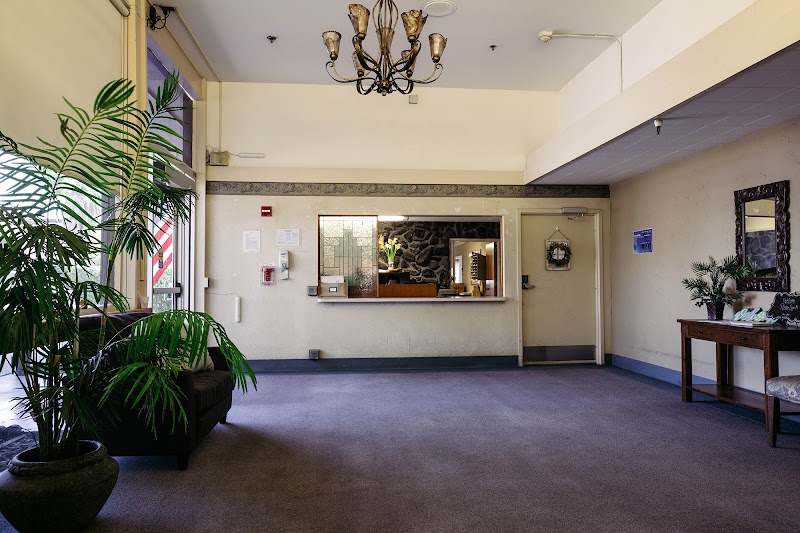
How is Stockton Nursing Center Staffed?

CMS rates STOCKTON NURSING CENTER's staffing level at 3 out of 5 stars, which is average compared to other nursing homes. Staff turnover is 44%, compared to the California average of 46%. This relatively stable workforce can support continuity of care. RN turnover specifically is 69%, which is notably high. RNs provide skilled clinical oversight, so turnover in this role can affect medical care quality.

What Have Inspectors Found at Stockton Nursing Center?

State health inspectors documented 110 deficiencies at STOCKTON NURSING CENTER during 2019 to 2025. These included: 2 that caused actual resident harm, 107 with potential for harm, and 1 minor or isolated issues. Deficiencies causing actual harm indicate documented cases where residents experienced negative health consequences.
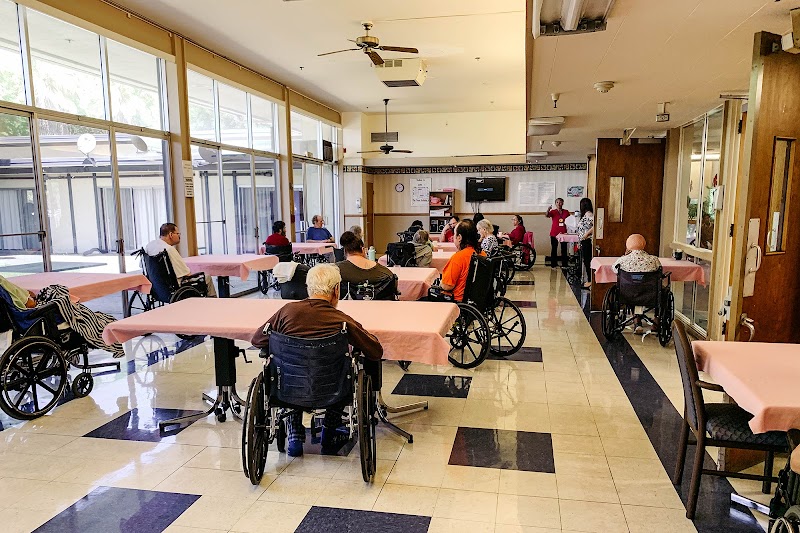
Who Owns and Operates Stockton Nursing Center?

STOCKTON NURSING CENTER is owned by a for-profit company. For-profit facilities operate as businesses with obligations to shareholders or private owners. The facility is operated by EDURO HEALTHCARE, a chain that manages multiple nursing homes. With 119 certified beds and approximately 110 residents (about 92% occupancy), it is a mid-sized facility located in STOCKTON, California.
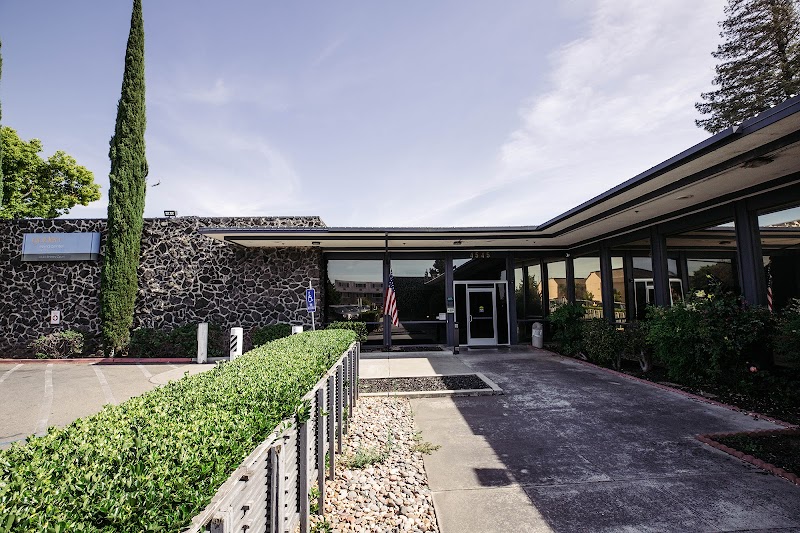
How Does Stockton Nursing Center Compare to Other California Nursing Homes?

Compared to the 100 nursing homes in California, STOCKTON NURSING CENTER's overall rating (1 stars) is below the state average of 3.1, staff turnover (44%) is near the state average of 46%, and health inspection rating (1 stars) is much below the national benchmark.

What Should Families Ask When Visiting Stockton Nursing Center?

Based on this facility's data, families visiting should ask: "What safeguards and monitoring systems are in place to protect residents from abuse or neglect?" "Can I visit during a mealtime to observe dining assistance and food quality?" "How do you handle medical emergencies, and what is your hospital transfer rate?" "Can I speak with family members of current residents about their experience?" These questions are particularly relevant given the substantiated abuse finding on record.

Is Stockton Nursing Center Safe?

Based on CMS inspection data, STOCKTON NURSING CENTER has documented safety concerns. The facility has 1 substantiated abuse finding (meaning confirmed case of resident harm by staff or other residents). The facility has a 1-star overall rating and ranks #100 of 100 nursing homes in California. Families considering this facility should ask detailed questions about what corrective actions have been taken since these incidents.

Do Nurses at Stockton Nursing Center Stick Around?

STOCKTON NURSING CENTER has a staff turnover rate of 44%, which is about average for California nursing homes (state average: 46%). Moderate turnover is common in nursing homes, but families should still ask about staff tenure and how the facility maintains care continuity when employees leave.

Was Stockton Nursing Center Ever Fined?

STOCKTON NURSING CENTER has been fined $106,469 across 7 penalty actions. This is 3.1x the California average of $34,144. Fines at this level are uncommon and typically indicate a pattern of serious deficiencies, repeated violations, or failure to correct problems promptly. CMS reserves penalties of this magnitude for facilities that pose significant, documented risk to resident health or safety. Families should request specific documentation of what issues led to these fines and what systemic changes have been implemented.

Is Stockton Nursing Center on Any Federal Watch List?

STOCKTON NURSING CENTER is not on any federal watch list. The most significant is the Special Focus Facility (SFF) program, which identifies the bottom 1% of nursing homes nationally based on persistent, serious quality problems. Not being on this list means the facility has avoided the pattern of deficiencies that triggers enhanced federal oversight. This is a positive indicator, though families should still review the facility's inspection history directly.