WAGNER HEIGHTS NURSING & REHABILITATION CENTER
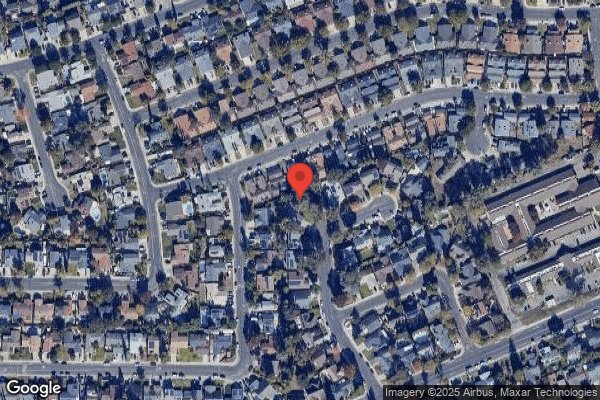
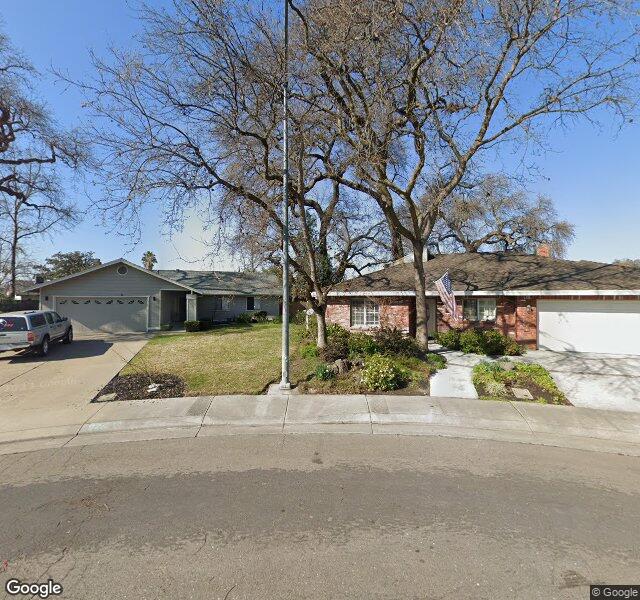
9289 BRANSTETTER PLACE, STOCKTON, CA 95209 (209) 477-5252
For profit - Corporation 152 Beds COVENANT CARE Data: November 2025
Trust Grade
45/100
#949 of 1155 in CA
Last Inspection: November 2024

Within standard 12-15 month inspection cycle. Federal law requires annual inspections.

Overview

Wagner Heights Nursing & Rehabilitation Center has a Trust Grade of D, which indicates it is below average and has some concerning issues. It ranks #949 out of 1155 facilities in California, placing it in the bottom half, and #19 out of 24 in San Joaquin County, meaning there are only a few better local options. The facility is showing signs of improvement, reducing its issues from 24 in 2024 to just 3 in 2025. Staffing is a positive aspect, with a 4/5 star rating, indicating good staff retention, even though the turnover rate is at 47%, which is close to the state average. However, there are some serious concerns noted, including failures to prevent and treat pressure injuries for residents and issues with food storage leading to potential contamination risks. Overall, while there are strengths in staffing and recent improvements, significant weaknesses in care and food safety practices remain a concern.

Trust Score
D
45/100
In California
#949/1155
Bottom 18%
Safety Record
Moderate
Needs review
Inspections
Getting Better
24 → 3 violations
Staff Stability
⚠ Watch
47% turnover. Above average. Higher turnover means staff may not know residents' routines.
Penalties
✓ Good
No fines on record. Clean compliance history, better than most California facilities.
Skilled Nurses
○ Average
Each resident gets 38 minutes of Registered Nurse (RN) attention daily — about average for California. RNs are the most trained staff who monitor for health changes.
Violations
⚠ Watch
73 deficiencies on record. Higher than average. Multiple issues found across inspections.
★★☆☆☆
2.0
Overall Rating
★★★★☆
4.0
Staff Levels
★★★★☆
4.0
Care Quality
★★☆☆☆
2.0
Inspection Score
Stable
2024: 24 issues
2025: 3 issues

The Good

  • 4-Star Staffing Rating · Above-average nurse staffing levels
  • 4-Star Quality Measures · Strong clinical quality outcomes
  • Full Sprinkler Coverage · Fire safety systems throughout facility
  • No fines on record

Facility shows strength in staffing levels, quality measures, fire safety.

The Bad

2-Star Overall Rating

Below California average (3.1)

Below average - review inspection findings carefully

Staff Turnover: 47%

Near California avg (46%)

Higher turnover may affect care consistency

Chain: COVENANT CARE

Part of a multi-facility chain

Ask about local staffing decisions and management

The Ugly 73 deficiencies on record

1 actual harm
Sept 2025 1 deficiency
CONCERN (E) 📢 Someone Reported This

A family member, employee, or ombudsman was alarmed enough to file a formal complaint

Potential for Harm - no one hurt, but risky conditions existed

Deficiency F0882 (Tag F0882)

Could have caused harm · This affected multiple residents

Based on interview, and record review, the facility failed to ensure an Infection Preventionist (IP) was consistently employed by the facility from January 1, 2021 through December 31, 2022. This fail...

Read full inspector narrative →
Based on interview, and record review, the facility failed to ensure an Infection Preventionist (IP) was consistently employed by the facility from January 1, 2021 through December 31, 2022. This failure had the potential to increase the spread of illnesses within the facility and communicable illnesses not to be appropriately tracked and assigned the appropriate precautions; negatively impacting the health and safety of all residents residing in the facility.During an interview on 8/6/25, at 2:15 PM, with Payroll/Human Resources (Payroll/HR), Payroll/HR was unable to provide information on the IPs working in the facility between 1/1/21 and 12/31/22 as the facility no longer had the files. Payroll/HR explained the facility had shipped the employee files to the previous corporation (that owned/ managed the facility) the prior week.During an interview on 8/7/25, at 10:15 AM, with the Administrator (ADM), the ADM stated he had the names of IP 1 and IP 2 and was able to provide their names. The ADM was not able to provide details from the employee files for IP 1 and IP 2 as the ADM was waiting for a response from the previous corporation regarding the employee files.During an interview on 8/21/25, at 12:29 PM, with the ADM, the ADM stated they received the employee files they had sent to the previous corporation. The ADM explained the facility had not had a chance to look for IP 1 and IP 2's employee files located somewhere in the 25 boxes that the facility received.During an e-mail exchange, on 8/21/25, at 4:38 PM, with the ADM, the ADM attached IP 2's employee file. The ADM confirmed IP 2's IP certification was not in the file.A review of IP 2's personnel file did not reveal an Infection Preventionist Certificate for IP 2.A review of IP 2's untitled employee document containing employment dates and job titles indicated, .[IP 2].Infection Preventionist.Action Date.5/4/2022.TER [termination].Reason Code.Accepted Other Employment.Action Date.3/15/24.A review of IP 1's untitled employee document containing employment dates and job titles indicated, .[IP 1].Infection Preventionist.Action Date.7/31/2020.Job Code.LVN/LPN [licensed vocational nurse/licensed practical nurse].Action Date .12/3/2021.A record review did not reveal any other IP's working in the facility from January 1, 2021, through December 31, 2022. As indicated above, IP 1 was the only IP with a documented IP certificate. During an interview on 8/21/25, at 5:24 PM, with IP 2, IP 2 stated she had completed an IP course, and it should have been on file with the facility. IP 2 explained she had not retained a copy of the IP certificate. IP 2 further explained she was a new IP, and her mentor had been a corporate IP. During an interview on 9/24/25, at 9:23 AM, with the Director of Nursing (DON), the DON stated it was required for the facility to have a full-time IP. The DON explained it was important in order to ensure infection prevention in the facility was followed. The DON further explained the risk of not having a qualified infection preventionist was infection prevention protocols not being followed. The DON stated it could lead to infections and outbreaks within the facility.During a record review of IP 1 and IP 2's limited employee records, the records indicated the facility did not have an infection preventionist from 12/3/21 through 5/4/22. Further review of the records indicated the facility did not have a qualified IP when IP 2 was working as the IP, as there was no documented evidence of IP 2 having taken specialized training to become an IP.
Apr 2025 1 deficiency
CONCERN (D) 📢 Someone Reported This

A family member, employee, or ombudsman was alarmed enough to file a formal complaint

Potential for Harm - no one hurt, but risky conditions existed

Notification of Changes (Tag F0580)

Could have caused harm · This affected 1 resident

Based on interview, and record review, the facility failed to report a change of condition (COC - a change in the resident's normal, physical, mental, or behavioral state) to the responsible party (RP...

Read full inspector narrative →
Based on interview, and record review, the facility failed to report a change of condition (COC - a change in the resident's normal, physical, mental, or behavioral state) to the responsible party (RP, a person has the authority to make decisions for another person) for one of three sampled residents (Resident 1), when Resident 1's change in behavior was not reported to Resident 1's RP. This failure resulted in Resident 1's family being uninformed that Resident 1 had gotten into an altercation with another resident. Findings: Review of Resident 1's clinical record titled, admission RECORD (a document that contained Resident 1's demographic information), indicated Resident 1 was admitted to the facility with diagnosis that included, but not limited to depression. Review of Resident 1's clinical record titled, eINTERACT Change in Condition Evaluation, dated 4/12/25, by the Licensed Nurse (LN 1), indicated Resident 1 had been physically aggressive towards another resident. The eINTERACT Change in Condition Evaluation further indicated, Son [of Resident 1] . made aware. During an interview on 4/24/25, at 3:00 p.m., with LN 1, LN 1 stated although she had documented that she had notified Resident 1's RP of Resident 1's COC, LN 1 had gotten busy and had forgotten to notify Resident 1's RP. LN 1 stated it was important to notify Resident 1's RP so the RP would be informed and aware of Resident 1's current health and/or behavioral changes. During an interview and record review on 5/7/25, at 3:30 p.m., with the Administrator (ADM), the facility's policy and procedure (P&P) titled, Change in Condition, dated 2016, was reviewed. The P&P indicated, .Basic Responsibility Licensed Nurse .To appropriately assess, document and communicate changes of condition . Notify the responsible party . The ADM stated it was important to update Resident 1's RP of the changes that had taken place regarding Resident 1's plan of care. During a concurrent interview and record review on 5/7/25, at 3:58 p.m., with the Assistant Director of Nursing (ADON), the facility's P&P titled, Change in Condition, dated 2016 was reviewed for a second time. The P&P indicated, .Basic Responsibility Licensed Nurse .To appropriately assess, document and communicate changes of condition . Notify the responsible party .assessment findings .Notify the Resident and/or responsible party of current status and subsequent actions/orders . The ADON stated the Licensed Nurses should have immediately made Resident 1's RP aware of the changes in Resident 1's behavior.
Jan 2025 1 deficiency
CONCERN (D) 📢 Someone Reported This

A family member, employee, or ombudsman was alarmed enough to file a formal complaint

Potential for Harm - no one hurt, but risky conditions existed

Accident Prevention (Tag F0689)

Could have caused harm · This affected 1 resident

Based on observation, interview, and record review, the facility failed to ensure a safe environment and adequate supervision for one of three sampled residents (Resident 1) with a history of falls wh...

Read full inspector narrative →
Based on observation, interview, and record review, the facility failed to ensure a safe environment and adequate supervision for one of three sampled residents (Resident 1) with a history of falls when Resident 1 fell on 1/6/25, 1/11/25, 1/19/25, and 1/21/25 and no new interventions were added to Resident 1 Fall Care plan after the falls on 1/19/25 and 1/21/25. These failures had the potential for Resident 1 be injured as a result of falling. Findings: A review of Resident 1 ' s admission RECORD indicated Resident 1 was admitted to the facility with diagnoses including anxiety disorder (a feeling of fear, dread, or uneasiness), brain stem stroke syndrome (blood supply to base of brain is cut off, which may cause dizziness, weakness, blurred vision, confusion), bipolar disorder (clear shifts in a person ' s mood, energy, activity level, and concentration), and encounter for palliative (end of life) care. During a concurrent observation and interview on 1/23/25 at 3:47 PM, Licensed Nurse (LN) 1 stated that he was regularly assigned to Resident 1 who was a frequent faller, and this was the reason Resident 1 was currently sitting in front of the nursing station where LN 1 was charting. LN 1 further stated, hospice (type of end of life, comfort care) provides a sitter (one-to-one supervision) for 3 hours a day 3 days a week. LN 1 also stated that even though hospice added the 3-hour sitter Resident 1 was still experiencing falls during the evening shifts. During an interview on 1/23/25 at 4:26 PM, at nursing station 3, Assistant Director of Nursing (ADON) 1 stated the IDT (group of healthcare professionals from different disciplines who work together to provide care) meets the next day after a fall occurs to review previous fall interventions or to add new fall interventions that may help prevent a resident from falling. ADON 1 stated the IDT requested assistance from the hospice provider of Resident 1 for one-to-one supervision after the fall event on 1/6/25 which hospice provided starting 1/13/25 on Mondays, Wednesdays, and Fridays for 3-hours. When asked about the effectiveness of the one-to-one sitter provided by hospice, the ADON 1 stated that it has not been effective because she continued to fall, and a one-to-one sitter provided by the facility would be decided by the administrator. During an interview on 1/24/25 10:40 AM, LN 2 stated Resident 1, Had a fall the other day at 5 PM, while aides were assisting with dinner. LN 2 further stated that Resident 1 falls usually take place during shift change and evening shift. When asked about interventions to prevent falls for Resident 1, LN 2 stated, that Resident 1 ' s medications have been adjusted but felt like the adjustments had not been effective because Resident continued to experience falls. LN 2 described the one-to-one sitter provided by hospice as, least effective because they come during day shift. During a concurrent interview and record review on 1/24/25 at 12:00 PM, Resident 1 ' s SBAR-Fall Report of Incident 8Hr-V3, was reviewed with the Director of Nursing (DON). The DON stated the IDT meets the next day after a fall to review the fall event and adjust care plans as needed. A review of Resident 1 ' s, SBAR-Fall Report of Incident 8Hr-V3, dated 1/19/25 and 1/21/25 in the IDT Recommendations section indicated, .Continue current interventions and monitor effectiveness . The DON stated Depakote (Mood stabilizing medication) was added to Resident 1's medications on 1/16/25, but since medications were only adjusted last week, we did not want to initiate new interventions before the mood stabilizer medication reached its full effectiveness. The DON confirmed Resident 1 fell on 1/19/25 and 1/21/25 and no adjustment had been made to Resident 1 ' s fall care plan. During an interview on 1/24/25 at 12:30 PM with the Administrator (ADM), the ADM described the 3-hour one-to-one sitter assignment provided by Resident 1 ' s hospice as, not as effective as it could have been because the sitter assignment had been provided from 8 AM to 11 AM. The ADM further stated that the request for assistance from Resident 1 ' s hospice was for the times of 7 PM to 10 PM and that he was giving hospice a window/grace period to provide that adjustment for the sitte'sr schedule (7 PM to 10 PM). When asked about one-to-one sitting assignments provided by the facility for other residents, the ADM stated, We provide a one-to-one sitter for the residents that not only frequently fall but for the residents that have shown aggressive behaviors towards other residents and staff. A review of facility policy and procedure titled, Fall Prevention and Response, revised 8/23, indicated, .Customize interventions/approaches based on actual or suspected causal factors .review any accident trends and risk factors .
Nov 2024 18 deficiencies
CONCERN (D)

Potential for Harm - no one hurt, but risky conditions existed

Resident Rights (Tag F0550)

Could have caused harm · This affected 1 resident

Based on interview and record review, the facility did not ensure one of 41 sampled residents (Resident 118) was treated with dignity and respect, when Resident 118 heard certified nursing assistant (...

Read full inspector narrative →
Based on interview and record review, the facility did not ensure one of 41 sampled residents (Resident 118) was treated with dignity and respect, when Resident 118 heard certified nursing assistant (CNA) 2 speaking negatively about her to licensed nurse (LN) 2. This failure resulted in Resident 118 feeling upset and crying, negatively impacting Resident 118's feelings of self-worth (the internal sense of being good enough and worthy of love and belonging from others) and self-esteem (how you value and perceive yourself, and the degree to which you think your qualities are positive). Findings: A review of Resident 118's admission Record, indicated Resident 118 was admitted to the facility in Fall 2023, with diagnoses which included obesity. During an interview with Resident 118, on 11/5/24, at 12:33 PM, Resident 118 stated CNA 2 called her fat. Resident 118, being tearful when recounting the situation, further stated CNA 2 told her that it hurt his arms to push her in her wheelchair because she was fat and asked her why she had to go outside all the time. Resident 118 stated it made her feel bad and it hurt her feelings and she would cry. Resident 118 explained she told her nurse [LN 2] and said she did not want CNA 2 taking care of her anymore. Resident 118 further explained Social Services did not follow up with her after her initial complaint. (Social Services-assess and address emotional and psychosocial needs, develop and implement care plans, and advocate for residents). A review of Resident 118's clinical document titled, Grievance/Complaint Resolution Report, dated 10/10/24, indicated, .Does not want [CNA 2] says rude stuff/things to her keeps saying slick [sic] remarks about how big she is and about her w/c [wheelchair] is too big. He does not want to work, that she hurts his back .[CNA 2] stated that he spoke to his nurse about resident and didn't realize it was close enough to hear .[CNA 2] was given a write up with in-service to follow on communication . During an interview with LN 2, on 11/5/24, at 2:37 PM, LN 2 stated Resident 118 told him CNA 2 hurt her feelings and that CNA 2 said she hurt his back in front of her. During an interview with the Social Services Director (SSD), on 11/5/24, at 2:44 PM, the SSD stated Resident 118 told her CNA 2 was making statements about her that she was uncomfortable with and that her wheelchair was too big, and it was hurting his back. During an interview with CNA 2, on 11/5/24, at 2:48 PM, CNA 2 explained Resident 118 must have overheard him talking to LN 2. CNA 2 further explained he told LN 2 it was hard on him physically having Resident 118 5-6 days a week. CNA 2 stated the Director of Staff Development (DSD) spoke to him regarding Resident 118 and informed him he needed to be professional, and he received a verbal in-service on professionalism and communication with residents, and included not saying anything negative in front of residents. During an interview with the DSD, on 11/5/24, at 3:07 PM, the DSD stated CNA 2 was given a written warning and removed from working with Resident 118's group. The DSD explained CNA 2 stated Resident 118 was heavy and was hurting his back, not realizing Resident 118 overhead him. The DSD further explained Resident 118 was upset, and did not want CNA 2 working with her anymore. During an interview with the SSD, on 11/5/24, at 3:17 PM, the SSD stated Resident 118's care plan should have been updated regarding the situation with CNA 2, and the care plan was not updated. The SSD further explained no one from the social services department followed up with Resident 118 regarding how she was doing and feeling after the incident, and they should have. The SSD acknowledged there were no social services notes regarding follow up visits to Resident 118. During an interview with the Assistant Director of Nursing (ADON), on 11/8/24, at 12:28 PM, the ADON stated the importance of not letting residents overhear staff making negative comments about them was to ensure residents maintained their dignity. The ADON further explained it was degrading to Resident 118 and residents should be treated with respect. A review of the facility supplied document titled, Resident [NAME] of Rights, dated 5/2011, indicated, .To be treated with consideration, respect and full recognition of dignity and individuality, including privacy in treatment and in care of personal needs . A review of the facility policy titled, Care Plan, Episodic, dated August 2014, indicated, .It is the policy of this facility to develop an episodic/short term care plan for acute temporary changes and/or condition .communicate resident's specific problem and approaches to establish guidance to all disciplines on meeting the individual needs of the resident .
CONCERN (D)

Potential for Harm - no one hurt, but risky conditions existed

Notification of Changes (Tag F0580)

Could have caused harm · This affected 1 resident

Based on interview and record review, the facility failed to consult the physician for 1 of 41 sampled residents (Resident 50) when Resident 50's physician recommended exercise in response to Resident...

Read full inspector narrative →
Based on interview and record review, the facility failed to consult the physician for 1 of 41 sampled residents (Resident 50) when Resident 50's physician recommended exercise in response to Resident 50's request for help with weight loss, and the facility did not notify Resident 50's physician of his inability to participate in an exercise program. This failure had the potential for a delay in interventions to assist Resident 50 with his goals for weight loss and to experience feelings of hopelessness. Findings: Review of Resident 50's admission RECORD, indicated Resident 50 was admitted to the facility in 2022, with diagnoses including morbid obesity and abnormalities of gait and mobility. Review of Resident 50's [facility name] Fax Notification /Order Transmittal, dated 7/24/24, indicated, .To doctors .Primary Concern / Reason for the fax .The resident was researching weight loss medications and discovered [semaglutide; an anti-obesity medication used for long-term weight management] injections 1x [time] a week. The resident want [sic] to try it. Please advise .current weight .417 lbs [pounds] .RNA [restorative nursing assistant] to assist with walking & exercise . PHYSICIAN SIGNATURE [signature of Nurse Practitioner (NP) 1] . The document indicated it was signed by NP 1 on 7/26/24. Review of Resident 50's Order Summary Report, dated 7/26/24 indicated, .RNA with walking and exercise . The document indicated the order was discontinued and was not completed. Review of Resident 50's Mini Nutrition Note, dated 10/10/24, written by the Registered Dietician (RD) indicated, . [Resident 50] presents with a significant weight gain of +22# [a 22-pound gain] x1month. Intake is good .BMI is 61.1, which is obese .Weight loss would be beneficial. [Resident 50] desires weight loss but states he continues to eat because he has nothing else to do and expresses demoralization to start the process d/t [due to] previous failures of change. RD encouraged weight loss . During a concurrent interview and record review on 11/8/24 at 12:58 p.m., with the Assistant Director of Nursing (ADON) 2, ADON 2 reviewed Resident 50's clinical record and indicated on 7/26/24 NP 1 recommended weight loss through exercise with RNA services. ADON 2 explained Resident 50 had been refusing as he could not walk. ADON 2 was not sure if this problem had been shared with the physician or NP 1. During an interview on 11/8/24 at 1:10 p.m., Restorative Nursing Assistant (RNA) 1 stated Resident 50 was up in his wheelchair often in the summer of 2023, and stated, .he was doing great. He was happy and in chair . RNA 1 stated Resident 50 was able to participate in sit and stand exercises in 2023. RNA 1 stated Resident 50's weight affected his breathing, and he could not tolerate the exercises now, or even being up out of bed. During a concurrent interview and record review on 11/8/24 at 1:16 p.m., ADON 2 stated, .resident not exercising and walking with RNA should have been communicated with doctor . ADON 2 explained this was important so that other options for Resident 50's goal to lose weight could be discussed. ADON 2 stated there was no evidence in Resident 50's clinical record of updates to the physician regarding Resident 50's decline of functional abilities and his inability to follow an exercise program. ADON 2 stated the facility should have asked Resident 50 if he still wanted to try the weight loss medication. During a review of a facility policy and procedure titled Resident [NAME] of Rights, undated, the document indicated, .To be fully informed by a physician of his or her total health status and to be afforded the opportunity to participate on an immediate and ongoing basis in the total plan of care including the identification of medical, nursing, and psychosocial needs and the planning of related services .To be treated with consideration, respect, and full recognition of dignity and individuality, including privacy in treatment and in care of personal needs .The resident has a right to a dignified existence, self-determination .
CONCERN (D)

Potential for Harm - no one hurt, but risky conditions existed

Deficiency F0583 (Tag F0583)

Could have caused harm · This affected 1 resident

Based on interview and record review, the facility failed to maintain 2 of 41 sampled residents (Resident 89 and Resident 95) personal privacy and confidentiality of medical records when Resident 89's...

Read full inspector narrative →
Based on interview and record review, the facility failed to maintain 2 of 41 sampled residents (Resident 89 and Resident 95) personal privacy and confidentiality of medical records when Resident 89's medical record contained Resident 95's personal health information (PHI). This failure resulted in Resident 95's PHI being available to Resident 89, violating Resident 95's right for confidentiality of his PHI. Findings A review of Resident 95's admission Record, indicated Resident 95 was admitted to the facility with diagnoses which included anxiety disorder and depression. A review of Resident 89's admission Record, indicated Resident 89 was admitted to the facility with diagnoses which included depression. A review of Resident 89's Electronic Health Record [HER] revealed a clinical document titled, Consultation Report, dated May 1, 2024, through May 16, 2024. The document belonged to Resident 95 and was filed in Resident 89's EHR. Resident 95's document contained PHI including Resident 95's birthdate, gender, a medication Resident 95 was receiving, and a recommendation for lab work which needed to be completed. During an interview with the Medical Records Director (MRD), on 11/6/24, at 11:29 AM, the MRD acknowledged Resident 95's PHI was in Resident 89's EHR. The MRD explained it was important resident clinical records which contained PHI were filed correctly to protect confidentiality and privacy. During an interview with the Assistant Director of Nursing (ADON) , on 11/8/24, at 12:27 PM, the ADON explained Resident 95's consultation report included confidential information and contained some of Resident 95's health history and personal information. A review of the facility policy titled, HIPPA [Health Insurance Portability and Accountability Act-a federal law that protects the privacy of individuals' health information] Privacy Policies, reviewed 10/15/19, indicated, .Review and Prepare Record .Remove any portion of the record relating to someone other than resident . A review of a facility supplied document titled, Resident [NAME] of Rights, dated 5/2011, indicated, .To be assured confidential treatment of financial and health records and to approve or refuse their release . A review of a document from the Centers for Disease Control and Prevention titled, Health Insurance Portability and Accountability Act of 1996 (HIPAA), dated 9/10/24, indicated, The Health Insurance Portability and Accountability Act (HIPAA) of 1996 establishes federal standards protecting sensitive health information from disclosure without patient's consent. The US Department of Health and Human Services issued the HIPAA Privacy Rule to implement HIPAA requirements. The HIPAA Security Rule protects specific information cover the Privacy Rule. https://www.cdc.gov/phlp/php/resources/health-insurance-portability-and-accountability-act-of-1996-hipaa.html#:~:text=The%20Health%20Insurance%20Portability%20and,Rule%20to%20implement%20HIPAA%20requirements.
CONCERN (D)

Potential for Harm - no one hurt, but risky conditions existed

Assessment Accuracy (Tag F0641)

Could have caused harm · This affected 1 resident

Based on observation, interview, and record review, the facility failed to ensure that 2 of 41 sampled residents' (Resident 51 and Resident 102) Minimum Data Set (MDS -a federally mandated resident as...

Read full inspector narrative →
Based on observation, interview, and record review, the facility failed to ensure that 2 of 41 sampled residents' (Resident 51 and Resident 102) Minimum Data Set (MDS -a federally mandated resident assessment and screening tool which identifies care needs) assessments reflected their current status when: 1. Resident 51's discharge MDS was not completed for discharge in July 2024 2. Resident 102's route of feeding was not correct on the MDS assessment. These failures had the potential for Resident 102's strengths and needs to go unassessed which could have resulted in inaccurate or missing individualized care plans, and led to Resident 51's health status upon discharge not being tracked in the MDS system. Findings: 1. A review of Resident 51's admission RECORD, indicated he was admitted to the facility in June of 2024. A review of Resident 51's clinical document titled, Wagner Notice of Transfer or Discharge, indicated, .Effective Transfer or discharge date .07/19/2024 . A review of a facility audit list of Resident 51's completed MDS assessments indicated, Discharge .7/19/2024 .Complete by: 8/2/24- 97 days overdue .Description .Discharge Return Not Anticipated .Status .In Progress . A review of a facility provided document titled, RAI . [Resident Assessment Instrument] -required Assessment Summary, indicated, .Assessment Type .Discharge assessment-return not anticipated .MDS Completion Date .No Later Than .discharge date + 14 calendar days .Transmission Date No Later Than . MDS Completion Date + 14 calendar days . During a concurrent interview and record review on 11/7/24, at 7:51 AM, the MDS coordinator (MDSC) confirmed Resident 51's discharge assessment was incomplete. The MDSC stated the discharge assessment was important to track the status of the resident and to mirror the true census of the facility. The MDSC stated if the assessment was not completed, the Centers for Medicare Services (CMS) would not be informed of Resident 51's discharge status. A review of a facility policy and procedure titled, MDS STANDARD OF PRACTICE, dated 10/2022, indicated, . It is the practice of this facility to conduct accurate coding and delivery of services provided to capture accurate assessment of each resident's functional capacity and health status as per CMS RAI MDS 3.0 Manual guidelines .MDSs are transmitted within the timeframe's set forth in the CMS RAI MDS 3.0 Manual . A review of an online document retrieved 11/13/24, at 8:19 AM, from https://www.cms.gov/Outreach-and-Education/Medicare-Learning-Network-MLN/MLNProducts/SNF-PPS/SNFA, Titled, MEDICARE -REQUIRED SNF PPS [skilled nursing facility prospective payment systems] ASSESSMENTS, dated, 10/2017, indicated, .Medicare -Required Discharge Assessments .are intended to collect the standardized data to calculate quality measures [measures used to determine a nursing home's star rating] . 2. A review of Resident 102's clinical record titled, admission Record (a document that contains demographic information), indicated Resident 102's diagnoses included respiratory failure. A review of Resident 102's clinical record titled, Orders, dated 5/24/24 through 10/22/24, indicated Resident 102 was on a pureed diet (diet consists of foods that are ground, mashed, or blended until they are smooth and soft, like pudding). A review of Resident 102's clinical record titled, Section K - Swallowing/Nutritional Status (a section of a comprehensive assessment), dated 8/12/24, indicated Resident 102 required a feeding tube (a tube placed in the nose or in the stomach that directly delivers food to the body, often by a pump device) to receive her food. During a concurrent observation and interview on 11/5/24, at 9:38 a.m., with Certified Nursing Assistant (CNA) 1, CNA 1 verified there was not a feeding pump next to Resident 102's bedside. CNA 1 stated Resident 102 had never received food via a feeding tube. During a concurrent interview and record review on 11/7/24, at 7:57 a.m., with the Minimum Data Set Nurse (MDS - a nurse who completes the comprehensive assessment), Resident 102's Electronic Health Record (EHR) was reviewed. MDS acknowledged that while at the facility, Resident 102 had never used a feeding tube to receive nutrition, and that the data which indicated Resident 102 received food via a feeding tube was entered in error. During a joint concurrent interview and record review on 11/7/24, at 2:39 p.m., with the Director of Nursing (DON) and the Administrator (ADM), the facility's document titled, MDS Standard of Practice, dated 10/2022, was reviewed. The document indicated, . It is the practice of this facility to conduct accurate coding and delivery of services provided to capture accurate assessment of each resident's functional capacity and health status . check the Final Validation Report for critical and data integrity errors . The DON and ADM acknowledged the facility's MDS Standard of Practice document was not followed.
CONCERN (D)

Potential for Harm - no one hurt, but risky conditions existed

Deficiency F0646 (Tag F0646)

Could have caused harm · This affected 1 resident

Based on interview and record review, the facility did not ensure 1 of 41 sampled residents (Resident 43) had her Preadmission Screening and Resident Review (PASARR- a federal requirement to help ensu...

Read full inspector narrative →
Based on interview and record review, the facility did not ensure 1 of 41 sampled residents (Resident 43) had her Preadmission Screening and Resident Review (PASARR- a federal requirement to help ensure that individuals are not inappropriately placed in nursing homes) form updated after a significant change in a mental illness diagnosis. This failure resulted in Resident 43 not receiving an updated screening assessment that could have provided services needed to improve Resident 43's mental health condition and quality of life. Findings: A review of Resident 43's clinical record titled, Preadmission Screening and Resident Review (PASARR) Level 1 Screening, dated 11/3/23, indicated Resident 43 had a diagnosis of a serious mental illness, and therefore the Level I screening was positive and required a Level II screening (an evaluation to determine if the resident could benefit from specialized mental health services). A review of Resident 43's clinical record titled, admission Record (a document that contains demographic information), indicated Resident 43's diagnosis was updated on 2/22/24 to include schizoaffective disorder (a chronic mental disorder that can cause one to see and believe things that are not real, feelings of intense sadness, higher energy levels, and depression). During a joint concurrent interview and record review on 11/7/24, at 9:25 a.m., with the Admissions Department (ADD) and the Admissions Department Manager (AM), Resident 43's clinical record titled, Level II Evaluation, dated 11/3/23, was reviewed. The document indicated, . After reviewing the Positive Level I Screening and speaking with staff, a Level II mental Health Evaluation was not scheduled for the following reason: The individual has no serious mental illness (SMI) . To reopen, please submit a new Level I Screening . The ADD and ADM stated a new PASARR Level I should have been completed after Resident 43 received her new mental illness diagnosis. The ADD and AM stated the admission department was in charge of initiating the PASARRs when a new mental health diagnosis had been identified and the information has been given to them by the Minimum Data Set Nurse (MDS - A nurse who completes comprehensive assessments on residents of the facility). The ADD and AM stated a new screening should have been completed to ensure Resident 1 received the correct specialized services and to ensure recommendations for treatment were followed. During an interview on 11/7/24, at 9:51 a.m., with the MDS Nurse, the MDS nurse stated he was unsure how the admissions department was made aware of Resident 43's new mental health diagnosis and was unsure when a PASARR re-screen needed to be completed. During a joint interview and record review on 11/7/24, at 2:39 p.m., with the Director of Nursing (DON) and Administrator (ADM), the facility's document titled, California Department of Health Care Services Preadmission Screening and Resident Review (PASARR), dated 1/12/23, was reviewed. The document indicated, . The Level I Screening should always reflect the individual's current condition. We recommend checking if a Resident Review is needed during a facility's annual or quarterly MDS review . The DON and ADM acknowledged an updated Level I screening should have been competed to reflect Resident 43's most current mental health illness diagnosis. The DON and ADM stated the policy was not followed.
CONCERN (D)

Potential for Harm - no one hurt, but risky conditions existed

Comprehensive Care Plan (Tag F0656)

Could have caused harm · This affected 1 resident

Based on interview and record review, the facility failed to ensure 2 of 41 sampled residents (Resident 54 and Resident 94) had individualized care plans (a document that indicates specific problems, ...

Read full inspector narrative →
Based on interview and record review, the facility failed to ensure 2 of 41 sampled residents (Resident 54 and Resident 94) had individualized care plans (a document that indicates specific problems, goals, and interventions) developed and implemented when: 1. Resident 54's vision care plan was not developed to include admitting diagnoses of diabetic cataract (a clouding of the eye's lens that can lead to decreased vision and blindness) and glaucoma (a chronic eye disease that occurs when fluid builds up in the eye causing gradual loss of sight); and, 2. Resident 94's care plan to address falls was not developed. These failures could have resulted in Resident 54's care needs not being addressed, and Resident 94 could have sustained a preventable fall which could have resulted in an injury. Findings: 1. A review of Resident 54's admission Record indicated Resident 54 was admitted to the facility in 2024 with diagnoses which included diabetic cataract and glaucoma. During a review of Resident 54's Clinical Case Management Progress Note dated 6/5/24, the note indicated Resident 54 informed the staff he was taking eye drops which were not on his current medication list. The note further indicated staff placed a call to Resident 54's physician regarding the ophthalmic medication (used to treat eye disorders) for Resident 54. A review of Resident 54's Physician Order Summary dated 6/5/24 indicated Resident 54 was ordered Brimonidine Tartrate Ophthalmic Solution (medicated eye drops) one drop in both eyes three times a day for glaucoma, Timoptic Ophthalmic Solution, one drop in both eyes two times a day for glaucoma, and Latanoprost Ophthalmic Solution, one drop in both eyes in the evening for glaucoma. A review of Resident 54's Care Plan indicated Resident 54 had no vision care plan developed with focus or interventions listed for vision problems related to cataracts or glaucoma. During an interview with Resident 54 on 11/5/24 at 3:56 p.m. in his room, Resident 54 stated he was legally blind (a statement that governments grant when you have severe vision loss) and had glaucoma and cataracts. Resident 54 stated he thought his vision was getting worse. Resident 54 stated that he requested to have his vision evaluated. Resident 54 stated that he had difficulty seeing with his current glasses. During an interview and concurrent review of Resident 54's electronic medical record (EMR) with the Minimum Data Set (MDS, a comprehensive care assessment tool) Coordinator (MDSC) on 11/6/24 at 1:25 p.m., the MDSC confirmed that Resident 54's admission care plan did not include diabetic cataracts or glaucoma. The MDSC also confirmed that there was no care plan for vision in Resident 54's EMR. During an interview on 11/8/24 at 12:30 p.m. with the Assistant Director of Nursing (ADON) 1, ADON 1 stated that each resident's care plan was developed upon admission and updated as needed. ADON 1 confirmed that Resident 54's care plan did not include glaucoma and diabetic cataracts upon admission. ADON 1 stated that the risk to Resident 54 was that he might not receive adequate care to meet his needs. ADON 1 confirmed that the facility policy was not followed. A review of a facility policy and procedure (P&P) titled, Care Plan, Comprehensive, dated December 2017, indicated, .It is the policy of this facility to develop, in conjunction with the resident and/or representative, the Comprehensive Resident Care Plan. The care plan is directed toward achieving and maintaining optimal status of health, functional ability, and quality of life. Baseline care plans are initiated within 48 hours of admission and completed no later than seven (7) days of the RAI (Resident Assessment Instrument, a comprehensive assessment ad care planning process used by the nursing home industry) .Purpose: To support and guide resident and Interdisciplinary Team (IDT, a team of professional staff who work together towards the goals of their clients) collaboration to achieve and maintain optimal resident health, function and quality of life . 2. During a review of Resident 94's clinical record titled, admission Record (a document that contains demographic information), indicated Resident 94's diagnosis included dementia (a general term for a decline in mental abilities that affects a person's daily life), hemiplegia and hemiparesis (inability to move one side of the body) following a stoke (oxygen deprivation to the brain for an amount of time causing brain damage), and hallucinations (seeing things that are not real). During a concurrent observation and interview with Resident 94 and Licensed Nurse (LN) 1, on 11/5/24 at 10:00 a.m., LN 1 verified Resident 94's call light was hanging off the right side of her bed and not in reach and the fall mat (a soft mat placed at the side of the bed to help cushion a fall) was pushed away (approximately 4 feet) from the right side of Resident 94's bed. LN 1 asked Resident 94 if she could reach her call light, and Resident 94 stated, no. LN 1 then handed Resident 94 her call light and prompted her to press the call light button. Resident 94 was unable to push the button due to weakness in her hands. LN 1 stated Resident 94 was a high risk for falls and should have had an adaptive call light (a call light that required the resident to tap on a pad instead of pushing a button) and the fall mat should have been pushed up close to the side of the bed. A review of Resident 94's clinical record titled, Fall Risk Assessment, dated 10/11/24, indicated Resident 94 was at high risk for falls (score of 50) related to a medical diagnosis (that contributes to falls) and that Resident 94 overestimated her ability to walk. During a review of Resident 94's clinical record titled, Section GG Functional Abilities - Admission (a section of a comprehensive assessment), dated 10/16/24, indicated Resident 94 was dependent on staff for eating, oral hygiene, toileting hygiene, shower/bath, upper and lower dressing, and rolling from side to side. During a concurrent interview and record review on 11/06/24, at 2:30 p.m., with the Minimum Data Set Nurse (MDS - the nurse who codes the assessment that indicated Resident 96's physical abilities and interventions needed for care), Resident 94's clinical record titled, Care Plan, dated 10/14/24, was reviewed. MDS stated there was not a current fall care plan in place, but there should have been because Resident 94 was at high risk for falls. MDS stated the lack of a fall care plan placed Resident 94 at risk for injury. During a review of Resident 94's clinical record titled, Care Plan, dated 10/14/24, indicated Resident 94 took specific medications that placed her at a safety risk and potential injury. A review of the facility's Policy and Procedure (P&P) titled, Fall Prevention and Response, dated 8/23, indicated, . Each Resident will be assessed for fall risk factors and will receive care and services in accordance with individualized level of risk to minimize the likelihood of falls.Facility will assess each Resident's individual fall risk factors and implement comprehensive, resident centered fall prevention plans for each resident at risk for falls .A Licensed Nurse will initiate a .comprehensive care plan to address identified risk factors and initiate appropriate interventions to minimize risk and reduce injuries . During a concurrent interview and record review on 11/7/24, at 2:39 p.m., with the Director of Nursing (DON) and the Administrator (ADM), the facility's P&P titled, Care Plan, Comprehensive, dated 12/2017 was reviewed. The P&P indicated, . the care plan is directed toward achieving and maintaining optimal status of health, functional ability, and quality of life . The DON and ADM acknowledged the Fall Care Plan should have been started immediately after the fall risk assessment deemed Resident 94 of a high fall risk and stated the P&P was not followed.
CONCERN (D)

Potential for Harm - no one hurt, but risky conditions existed

Deficiency F0685 (Tag F0685)

Could have caused harm · This affected 1 resident

Based on interview and record review the facility failed to assist 1 of 41 sampled residents (Resident 54) with obtaining vision services in a timely manner when the outside vision provider deemed Res...

Read full inspector narrative →
Based on interview and record review the facility failed to assist 1 of 41 sampled residents (Resident 54) with obtaining vision services in a timely manner when the outside vision provider deemed Resident 54 ineligible to receive vision services through them and the facility did not follow-up and/or attempt to find another vision provider. This failure resulted in Resident 54 feeling frustrated about his vision and had the potential to negatively impact Resident 54's psychosocial well-being. Findings: A review of Resident 54's admission RECORD indicated Resident 54 was admitted to the facility in 2024 with diagnoses which included diabetic cataract (a clouding of the eye's lens that can lead to decreased vision and blindness), and glaucoma (a chronic eye disease that occurs when fluid builds up in the eye causing gradual loss of sight). During an interview with Resident 54 on 11/5/24 at 3:56 p.m. Resident 54 stated that he was legally blind (a statement that governments can grant you when you have severe vision loss) and had glaucoma and cataracts. Resident 54 stated that he felt that his vision was getting worse, and he had requested to have his vision evaluated two months ago. Resident 54 stated that he had not heard an update on his request to have his vision evaluated and that he had repeatedly asked Social Services to have his vision evaluated. Resident 54 stated he was frustrated that he had not received an update on his requests and he had difficulty seeing with his current glasses. A review of Resident 54's physician order, dated 5/31/24, indicated, .May have eye health & vision consultation with follow up treatment as indicated . During a concurrent interview and record review of Resident 54's electronic medical record (EMR) with the Social Services Assistant (SSA) on 11/6/24 at 1:20 p.m., in the Social Services Office, the SSA stated Resident 54 had medical insurance. The SSA stated Resident 54 requested to have his vision assessed by a physician and that Resident 54's insurance provider was contacted regarding the request. The SSA confirmed that a document in Resident 54's EMR, Advanced Eyecare, dated 9/23/24 indicated, ineligible. The SSA stated that she did not know who scanned the document into Resident 54's EMR, or what ineligible meant. The SSA stated that she was not sure if steps were taken to have Resident 54 screened by another vision provider. The SSA confirmed that Resident 54 needed to have his vision screened. During a concurrent interview and record review of Resident 54's EMR with the Social Services Director (SSD), on 11/6/24 at 4:50 p.m., the SSD confirmed Resident 54's Social Services Progress Note, dated 7/15/24, indicated Resident 54 was ineligible to be seen by the vision provider but they had not notified Resident 54. The SSD confirmed that a document in Resident 54's EMR, Advanced Eyecare, dated 9/23/24, indicated, ineligible. The SSD stated when she saw the document, she did not know what ineligible meant, so she called to schedule an appointment for vision screening with Resident 54's insurance provider. The SSD confirmed that there was no Social Services Progress Notes regarding a call for a vision referral documented in Resident 54's EMR in September 2024 or October 2024. During an interview with the Assistant Director of Nursing (ADON) 1 on 11/8/24, at 12:30 p.m., ADON 1 stated that when residents verbalized there was a problem with their vision, the physician was called, and orders were given for an eye exam. ADON 1 stated that Social Services was notified. ADON 1 stated that the Resident and/or the Responsible Party (the person designated to direct the care of a loved one admitted into a skilled nursing facility) was notified that the vision exam was ordered. ADON 1 stated that Social Services worked to accommodate appointments and the notes from the exam were given to the nurses directly to review. ADON 1 confirmed that the facility process related to vision services was not followed.
CONCERN (D)

Potential for Harm - no one hurt, but risky conditions existed

Pharmacy Services (Tag F0755)

Could have caused harm · This affected 1 resident

Based on observation, interview, and record review, the facility failed to ensure medications were administered in accordance with professional standards of practice for two of forty-one sampled resid...

Read full inspector narrative →
Based on observation, interview, and record review, the facility failed to ensure medications were administered in accordance with professional standards of practice for two of forty-one sampled residents (Resident 111 and Resident 105) when: 1. Resident 111's medications, including controlled substances (a drug or chemical that is regulated by the government for its manufacture, possession, and use) were left at Resident 111's bedside; and 2. The facility did not ensure correct route of medication administration for Resident 105. These failures had the potential for Resident 111 not to receive his medication, and/or another resident to ingest medication not prescribed to them, and for Resident 105 to receive medications with an altered effect. Findings: 1. A review of Resident 111's admission RECORD indicated Resident 111 was admitted with diagnoses which included osteomyelitis right ankle and foot (infection of the bone), and diabetes mellitus (a chronic condition that affects the way the body processes blood sugar). A review of Resident 111's Physician Order Summary indicated there was no order that allowed Resident 111 to self-administer his medications. A review of Resident 111's Care Plan indicated there was no assessment that allowed Resident 111 to self-administer his medications. During an observation with Resident 111 on 11/5/24 at 10:10 a.m. in his room, a plastic cup with medications in pill form was left on the bedside table. Resident 111 stated these were his medications. During an interview with Licensed Nurse (LN) 6 at the medication cart on 11/5/24 at 10:17 a.m., LN 6 stated Resident 111 asked her to leave the medications at the bedside. LN 6 stated she was not supposed to leave the medications at the resident's bedside, and stated the risk was another resident could have taken the medications. LN 6 stated vitamin C (nutrition supplement), tramadol (opioid narcotic medication for pain), iron (nutritional supplement), magnesium (nutritional supplement), lactobacillus (helps with digestion), and vibegron (treatment for overactive bladder, a condition in which the bladder muscles contract uncontrollably and causes an urgent need to urinate) were the medications left at Resident 111's bedside. LN 6 stated she went back to Resident 111's room, and he took the medications. During an interview with the Assistant Director of Nursing (ADON) 1 on 11/08/24 at 1:06 p.m., ADON 1 stated nurses should have stayed with the residents until the resident took their medications to ensure that the medications were swallowed by the resident. ADON 1 stated the risk was that staff were not sure if medications were taken by the resident, and it was a danger to the other residents. ADON 1 confirmed that the facility policy was not followed. A review of a facility policy and procedure (P&P) titled, 6.0 General Dose Preparation and Medication Administration, dated 12/1/07, indicated, .3. Dose Preparation: Facility should take all measures required by facility policy and applicable law, including, but not limited to the following .3.9 Facility staff should not leave medications or chemicals unattended .5. During medication administration, facility staff should take all measures required by facility policy and applicable law, including, but not limited to the following: .5.5 Observe the resident's consumption of the medication(s) . 2. A review of Resident 105's admission RECORD, indicated Resident 105 was admitted to the facility in the Fall of 2022, with diagnoses which included gastrostomy (a surgical procedure that creates an opening in the abdomen that allows a feeding tube, G-Tube, to be inserted directly into the stomach). A review of Resident 105's Progress Notes, dated 7/25/24, indicated, .[physician name] made aware resident is on PO [by mouth] diet and med and well tolerated and clarified oral meds route of administration and noted . During a concurrent interview and medication pass observation, with licensed nurse (LN) 1, on 11/7/24, at 8 AM, LN 1 was observed passing the following medications, via G-tube route, to Resident 105: 1. Carvedilol (used to treat heart failure and high blood pressure) 3.125 mg (milligrams a unit of measure) 1 tablet PO, with an order date of 7/25/24, administered via G-Tube, after verbalizing the route ordered was PO; 2. Losartan (used to treat high blood pressure) 25 mg 0.5 tablet PO, with an order date of 7/25/24, administered via G-Tube, after verbalizing the route ordered was PO; 3. Jardiance (helps to control blood sugar levels in diabetes type 2) 25 mg 0.5 tablet PO, with an order date of 7/25/24, administered via G-Tube, after verbalizing the route was PO; 4. Multivitamin with minerals 1 tablet PO, with an order date of 7/25/24, administered via G-Tube, after verbalizing the route was PO; and, 5. Senna (medication to promote bowel movement) 8.6 mg 1 tablet PO, with an order date of 7/25/24, administered via G-Tube, after verbalizing the route was PO. A review of Resident 105's Order Summary Report, indicated the above medications were accurate and the orders indicated they should have been administered PO. A review of Resident 105's Medication Administration Report (MAR), dated 11/1/24 through 11/30/24, indicated the above medications were signed off as administered PO on 11/7/24. During an interview with LN 7, on 11/7/24, at 4 PM, LN 7 confirmed Resident 105 was the only resident he had receiving medications through a G-Tube. During an interview with LN 4, on 11/8/24, at 10:01 AM, LN 4 stated he gave Resident 105's medication via the G-Tube because Resident 105 had a G-tube. LN 4 stated if the medication was ordered PO he should administer the medications PO, and if the resident refused, he should inform the physician. A review of Resident 105's clinical document titled, [facility name] Fax Notification/Order Transmittal, dated 7/27/24, indicated, .Resident is no longer receiving G-Tube [gastrostomy] feeding. Normal PO [by mouth] intake. Can we change her medication orders to PO?. Document was signed, noted, and okayed by physician. During an interview with the Physician on 11/8/24, at 7:57 AM, the Physician stated he thought the medications should have been administered PO. The Physician explained he would expect the order to be followed if it was changed from G-tube to PO. The Physician further stated if the resident was eating by mouth, he would expect her medication would be administered PO. The Physician stated there were some medications that cannot be administered through the G-Tube, and it had to do with the form of the medication. During an interview with the Assistant Director of Nursing (ADON) 1, on 11/8/24, at 10:17 AM, ADON 1 stated the medications should be given PO, if that was what the order indicated. ADON 1 stated the nurses were not following physician orders. The ADON explained if the medication was extended release, it would not be able to be crushed and administered via the G-Tube, it would affect the efficacy of the medication. If the order was PO and there was a problem, the nurse should notify the physician. During an interview with the Pharmacist Consultant (PharmC), on 11/8/24, at 11:03 AM, the PharmC explained the medications should have been administered PO and she was not aware they were being administered via G-Tube. The PharmC explained the nurses should be following the physician orders. A review of the facility policy titled, 6.0 General Dose Preparation and Medication Administration, reviewed 1/1/13, indicated, .Prior to administration of medication, facility staff should take all measures required by facility policy and applicable laws, including, but not limited to the following .Verify each time a medication is administered that it is the correct medication, at the correct time, at the correct route .
CONCERN (D)

Potential for Harm - no one hurt, but risky conditions existed

Unnecessary Medications (Tag F0759)

Could have caused harm · This affected 1 resident

Based on observation, interview, and record review, the facility failed to ensure the medication error rate was less than 5% (% or percentage is a fraction of a number out of 100) during medication ad...

Read full inspector narrative →
Based on observation, interview, and record review, the facility failed to ensure the medication error rate was less than 5% (% or percentage is a fraction of a number out of 100) during medication administration. The facility had a total of five errors out of 28 opportunities, which resulted in a facility wide medication error rate of 17.8%. Medication observations were conducted over multiple days, at varied times, in random locations throughout the facility. The five medication errors were identified in one resident (Resident 105) out of six residents observed for medication administration observation when Resident 105's medications were administered via gastrostomy tube (G-Tube-a tube inserted directly into the stomach for nutrition and medication administration) when they were ordered to be administered by mouth (PO). This unsafe medication administration practice could result in medication errors, negatively affecting the health and well-being of Resident 105. Findings: During a concurrent interview and medication pass observation, with licensed nurse (LN) 1, on 11/7/24, at 8 AM, LN 1 was observed crushing medications for Resident 105. LN 1 verbalized the route was PO. LN 1 administered them to Resident 105 via G-tube route. The Medication Administration Record (MAR) indicated the following medications were to be administered PO: 1. Carvedilol (used to treat heart failure and high blood pressure) 3.125 mg (mg-milligrams a unit of measure) 1 tablet PO, with an order date of 7/25/24; 2. Losartan (used to treat high blood pressure) 25 mg 0.5 tablet PO, with an order date of 7/25/24; 3. Jardiance (helps to control blood sugar levels in diabetes type 2) 25 mg 0.5 tablet PO, with an order date of 7/25/24; 4. Multivitamin with minerals 1 tablet PO, with an order date of 7/25/24; and, 5. Senna (medication to promote bowel movement) 8.6 mg 1 tablet PO, with an order date of 7/25/24. The above medications were administered via G-Tube. During an interview with the Physician, on 11/8/24, at 7:57 AM, the Physician stated he thought the medications should have been administered PO. The Physician explained he would expect the order to be followed if it was changed from G-tube to PO. The Physician stated there were some medications that cannot be administered through the G-Tube and it had to do with the form of the medication. During an interview with the Assistant Director of Nursing (ADON) 1, on 11/8/24, at 10:17 AM, the ADON stated the order indicated the medications should have been given PO, and stated the nurses were not following physician orders. The ADON explained if the medication was extended release, it would not be able to be crushed and administered via the G-Tube, it would affect the efficacy of the medication. If the order was PO and there was a problem with swallowing the medications, the nurse should notify the physician. During an interview with the Pharmacist Consultant (PharmC), on 11/8/24, at 11:03 AM, the PharmC explained the medications should have been administered PO and she was not aware they were being administered via G-Tube. The PharmC explained the nurses should be following the physician orders. A review of the facility policy titled, 6.0 General Dose Preparation and Medication Administration, reviewed 1/1/13, indicated, .Prior to administration of medication, facility staff should take all measures required by facility policy and applicable laws, including, but not limited to the following .Verify each time a medication is administered that it is the correct medication, at the correct time, at the correct route .
CONCERN (D)

Potential for Harm - no one hurt, but risky conditions existed

Deficiency F0761 (Tag F0761)

Could have caused harm · This affected 1 resident

Based on observation, interview and record review, the facility failed to ensure medications were stored in a clean and sanitary environment, when medications were found not to be in its bubble pack (...

Read full inspector narrative →
Based on observation, interview and record review, the facility failed to ensure medications were stored in a clean and sanitary environment, when medications were found not to be in its bubble pack (a way to store single doses of medication). The unidentifiable medication was loose at the bottom of the medication cart drawer. This failure had the potential for medications to be unaccounted for, and increased the risk of medication error. Findings: During a concurrent observation and interview with licensed nurse (LN) 6, on 11/7/24, at 1:25 PM, a loose pill was observed at the bottom of the Station 2 Medication Cart. LN 6 stated she was not able to identify the pill. LN 6 explained the importance of ensuring there were no loose pills at the bottom of the medication cart drawer to ensure cleanliness and accountability. During an interview with the Assistant Director of Nursing (ADON) 1, on 11/8/24, at 12:29 PM, ADON 1 explained the importance of not having loose pills in the medication cart was a danger to the nurse and it was an infection control issue. A review of the facility pharmacy policy titled, 5.3 Storage and Expiration of Medications, Biologicals, Syringes, and Needles, revised 10/31/16, indicated, .Facility should ensure that the medications and biologicals for each resident are stored in the containers in which they were originally received .
CONCERN (D)

Potential for Harm - no one hurt, but risky conditions existed

Deficiency F0806 (Tag F0806)

Could have caused harm · This affected 1 resident

Based on observation, interview, and record review, the facility failed to ensure food preferences were honored for Resident 28 and Resident 101 during lunch on 11/7/24, when Resident 28's meal tray w...

Read full inspector narrative →
Based on observation, interview, and record review, the facility failed to ensure food preferences were honored for Resident 28 and Resident 101 during lunch on 11/7/24, when Resident 28's meal tray was prepared with carrots and ground beef and Resident 101 did not receive a protein portion on her meal tray. These failures had the potential to result in unintended weight loss and other adverse health effects for Resident 28 and Resident 101. Findings: A review of Resident 28's admission RECORD, indicated, she was admitted to the facility in the fall of 2022. A review of Resident 28's care plan, revised on 8/16/2024 indicated, .Altered nutrition and hydration (Risk) .Diet as Ordered .Honor food/fluid preferences . A review of Resident 101's admission RECORD, indicated she was admitted to the facility in the summer of 2022. A review of Resident 101's care plan, revised on 11/6/24, indicated, Altered nutrition and hydration (Risk) .11-2-2024: Significant weight loss: (5.1%) over ~1 month . Diet as ordered .Honor food/fluid preferences . A review of the lunch menu for 11/7/24 indicated, .HAMBURGER STEAK W/ [with] GRAVY .STEAMED RICE .PARSLIED CARROTS .WHEAT BREAD .CINNAMON APPLES . During a tray line observation and record review on 11/7/24, at 12 PM, Resident 28's meal tray was prepared with a hamburger steak and carrots. Resident 28's tray card indicated, .Dislikes .CARROTS .HAMBURGUER [sic] . Resident 101's tray was prepared with a serving of bread and mashed potatoes; no meat portion was added to the tray. Resident 101's tray card indicated, .PUREED [foods that have been ground to a soft, smooth consistency, like pudding] .Dislikes .BEEF .PORK . During an interview on 11/7/24, at 3:02 PM, the Registered Dietitian (RD) stated resident's dietary preferences were assessed on admission and quarterly to ensure they were honored. The RD further stated audits were performed to ensure residents preferences were being followed and to monitor for weight loss. The RD confirmed dietary preferences should have been followed for resident 28. The RD further confirmed Resident 101 should have been provided chicken on her meal tray due to her dislikes of beef and pork. The RD stated Resident 101 needed protein to prevent muscle loss. A review of the lunch time menu for 11/8/24, indicated, .ROAST PORK W/ ROSEMARY SAUCE .WHITE BEANS .SEASONED ZUCCHINI .WHEAT ROLL .CHILLED PEACHES . During on observation on 11/8/24, at 11:48 AM, in the Seaside dining room, Resident 101 was observed consuming her meal. Resident 101's plate contained two pureed food items, one item was dark green, and the other was tan colored. A certified nurse assistant who was passing trays stated Resident 101's tray held mashed potatoes and a green veggie. During an observation and interview on 11/8/24, at 12:09 PM, the RD stated residents should receive a protein, starch, and vegetable on their meal trays. The RD reviewed a picture of Resident 101's lunch tray and stated he could not identify the tan food item on her plate. The RD stated it could be pork or wheat bread or something else. The RD confirmed Resident 101 potentially did not receive a protein portion on her tray or she may have received a disliked item on her tray. A review of a facility policy and procedure titled, RESIDENT FOOD PREFERENCES, dated, 11/16, indicated, .PURPOSE .satisfy resident's tastes and appetites by determining and providing their food preferences at meals .All food and dining services staff will be made aware of all preferences and food allergies. The food and dining services staff will avoid serving products that contribute to food allergies and make every attempt to meet the resident's food preferences .For residents who choose not to eat food that is initially served or who request a different meal, will have appealing options of similar nutritive value .
CONCERN (D)

Potential for Harm - no one hurt, but risky conditions existed

Deficiency F0825 (Tag F0825)

Could have caused harm · This affected 1 resident

Based on observation, interview, and record review, the facility failed to ensure 1 of 41 sampled residents (Resident 94) received rehabilitation services when Resident 94 was admitted to the facility...

Read full inspector narrative →
Based on observation, interview, and record review, the facility failed to ensure 1 of 41 sampled residents (Resident 94) received rehabilitation services when Resident 94 was admitted to the facility and an order for Physical Therapy (PT; treatment that helps you improve how your body performs physical movements) and Occupational Therapy (OT; helps you improve your ability to perform daily tasks like getting dressed) was not initiated as indicated in Resident 94's hospital discharge summary. This failure had the potential to result in a decline in physical function for Resident 94. Findings: Review of Resident 94's admission RECORD, indicated Resident 94 was admitted to the facility in October 2024, with diagnoses which included hemiplegia (partial or total loss of muscle function on one side of the body) and hemiparesis (one-sided weakness but without complete loss of muscle function) affecting the left dominant side. During a concurrent interview and record review on 11/6/24 at 2:05 p.m., the Director of Rehab (DOR) confirmed Resident 94 had never been assessed for PT and OT and there was not an order from the Medical Director (MD) for physical and occupational therapy evaluation. The DOR confirmed that Resident 94's section GG (describes functional abilities) on the Minimum Data Set (MDS; an assessment tool), initiated 10/16/24, indicated, . [Resident 94] depend on staff for needs .due to unable to use left dominant side . The DOR confirmed Resident 94's Emergency Department Discharge Notes, dated 10/11/24, indicated, . [Resident 94] needs skilled PT, OT . During a concurrent observation and interview on 11/6/24, at 3:04 p.m., with the DOR, the DOR confirmed Resident 94 was unable to open her left hand and her right hand was weak. The DOR stated Resident 94 could benefit from Restorative Nurse Aide (RNA; can help ensure that each resident will maintain his or her maximum functional capacity) services and a PT and OT evaluation. The DOR stated Resident 94 could use a carrot roll to keep her left hand open so she could maintain her current level of function. During an interview on 11/7/24 at 11 a.m., with Licensed Nurse (LN) 8, LN 8 stated licensed nurses read the progress notes from the hospital discharge summary and verified the orders with the Medical Director (MD). LN 8 stated when there was no PT and/or OT orders in the Electronic Health Record (EHR) the doctor would be called to clarify if an order was needed. During an interview on 11/7/24 at 11:18 a.m., the Assistant Director of Nursing (ADON) 1 stated it was the ADON's responsibility to review hospital orders for new admissions and the Admit Nurse carried out the orders. ADON 1 stated the following day the clinical team would review admission orders and double check progress notes to ensure no orders were missed. During an interview on 11/7/24 at 12:30 p.m., the Medical Director (MD) stated her expectation was for Resident 94 to have been given PT, OT, or RNA services. During an interview on 11/7/24 at 1:19 p.m., with the Director of Nursing (DON), the job description for the Assistant Director of Nursing (ADON) was reviewed. The DON stated if any resident did not qualify for PT/OT and/or RNA services, there should have been a note entered into the residents Electronic Health Record (EHR). The DON confirmed the ADON JOB DESCRIPTION/ PERFORMANCE EVALUATION, revised 11/13/17, indicated that the ADON, .Review admission and D/C [discharge] charts in an appropriate time-frame to ensure compliance with clinical practice and documentation standards . collaborate with admissions staff and nursing staff on admission process . provide admissions and discharge support as identified by DON .
CONCERN (E)

Potential for Harm - no one hurt, but risky conditions existed

Deficiency F0558 (Tag F0558)

Could have caused harm · This affected multiple residents

3. Review of Resident 50's admission RECORD indicated Resident 50 was admitted to the facility in 2022, with diagnoses including respiratory failure, morbid obesity, and abnormalities of gait and mobi...

Read full inspector narrative →
3. Review of Resident 50's admission RECORD indicated Resident 50 was admitted to the facility in 2022, with diagnoses including respiratory failure, morbid obesity, and abnormalities of gait and mobility. During an interview on 11/5/24, at 11 a.m., Resident 50 stated he had lived at the facility for two and a half years. Resident 50 stated he had his own wheelchair but earlier in the year while he was admitted to the hospital, the facility sent it home with another resident. Resident 50 stated the facility gave him an alternate wheelchair, but it was too big to fit in his doorway. Resident 50 stated when he tried to use the wheelchair he slid down and did not feel safe in it. Resident 50 stated he has told staff the wheelchair was too large. Resident 50 stated he last used his current wheelchair a couple of months ago. In a concurrent observation and interview on 11/8/24, 9:29 a.m., with Resident 50 in his room, Resident 50 stated the current wheelchair had no footrests, was too big, and stated he felt like he was swimming in it. Resident 50 stated this caused him to start hyperventilating, so he was scared to use it. Resident 50 stated he wanted his independence back. During a concurrent interview and record review on 11/8/24, at 9:59 a.m., with the Director of Rehabilitation (DOR), the DOR stated the wheelchair Resident 50 currently used was too large, so she measured him, and told Central Supply Staff (CS) he needed a 30-inch wheelchair. The DOR stated his current wheelchair was a size 34. The DOR stated she told the CS on about 10/11/24 and stated she did not think it should take a month for the resident to receive a new wheelchair. The DOR stated she spoke to the CS yesterday regarding the wheelchair order and was told the CS ordered it yesterday. The DOR stated Resident 50 would be more comfortable in a smaller wheelchair. The DOR stated if the wheelchair was too big, he could slide out and fall. During an interview on 11/8/24 at 10:55 a.m., the CS stated she received the request a month ago, but the 30-inch wheelchair was not available, so they ordered a size 28, which would be delivered on 11/18/24. The CS indicated if their normal vendor could not locate an item they could have used an alternate vendor. Review of a facility email receipt, dated 11/7/24, indicated an order was placed through an outside vendor for a wheelchair with a seat width of 28 inches. During an interview on 11/8/24, at 11:10 a.m., Certified Nursing Assistant (CNA) 3 stated Resident 50 wanted to be able to get up, and stated he was not comfortable in his wheelchair. CNA 3 stated she had informed the nurses. During an interview on 11/8/24 at 12:58 p.m., with the Assistant Director of Nursing (ADON) 2, ADON 2 stated, .He should have a wheelchair that fits him . ADON 2 indicated he would be safer and more motivated to get up. During an interview on 11/8/24 at 1:10 p.m., Restorative Nursing Assistant (RNA) 1 stated Resident 50 was up in his wheelchair often in the summer of 2023, and stated, .he was doing great. He was happy and in chair . During an interview on 11/8/24 at 1:21 p.m., Licensed Nurse (LN) 9 stated Resident 50 could no longer transfer into his wheelchair and stated it had been about three months since his wheelchair went missing. LN 9 stated, He has the wheelchair that's too big. That is why he cannot walk or stand . During a review of the facility's Policies and Procedures titled, Accommodation of Needs Positive Practice, dated 11/2017, the policy indicated, . The facility will ensure that the physical environment will aid residents to maintain independent functioning which includes . supportive and adaptive . equipment . Based on observation, interview, and record review, the facility failed to ensure 3 of 41 sampled residents (Resident 21, Resident 94, and Resident 50) needs were accommodated based on their physical limitations when, 1. Resident 21 was unable to easily use a push button call light (a handheld device with a button to call for staff assistance) and was not assessed for the need of an adaptive call light (a device that allows people with limited hand function to call for assistance); 2. Resident 94 was unable to easily use a push button call light, was not assessed for the need of an adaptive call light, and Resident 94's fall mat (a soft pad used to reduce risk of injury in case of a fall) was not in place near the bed; and, 3. Resident 50's wheelchair was lost, and the facility provided him with a wheelchair which was too large, uncomfortable, and did not fit through his door. These failures placed Resident 21 and Resident 94 at risk for falls, injury, and psychosocial distress when both residents were unable to easily call for assistance from staff, and placed Resident 50 at risk for emotional distress and feelings of isolation. 1. A review of Resident 21's clinical record titled, admission Record (a document that contains demographic information), indicated Resident 21's diagnoses included stroke (the brain was deprived of oxygen for an amount of time to cause brain injury) and contracture (a permanent tightening of the muscles, tendons, skin, and nearby tissues that causes the joints to shorten and become very stiff) of the left hand, and weakness on one side of the body. During a concurrent observation and interview on 11/6/24. at 2:30 p.m., with the Minimum Data Set Nurse (MDS - a nurse who completes a comprehensive assessment), Resident 21's left hand was observed to have contractures and her right hand was weak. MDS asked Resident 21 to press the call light. Resident 21 was unable to place the call light in her hand or press the call light button. MDS placed the call light in Resident 21's right hand and after two minutes of encouragement and multiple prompts, Resident 21 was finally able to press the call light. Resident 21 was crying and stated sometimes she would press the call light, and no one would come to the room to help her. MDS stated Resident 21 would benefit from an adaptive call light in which Resident 21 could touch a pad instead of having to press a button to get the call light to activate. MDS stated Resident 21 was at risk for falls and that not having an adaptive call light to request staff assistance put her at risk for falls and injury. During an interview on 11/6/24, at 3:49 p.m., with the Restorative Nursing Assistant 1 (RNA - provides exercises to the residents), RNA 1 stated Resident 21 had not been assessed by nursing or physical therapy for her ability to use a conventional call light. RNA 1 stated Resident 21 had been in the same room since her admission date and had the same type of call light during her stay at the facility. RNA 1 stated Resident 21 would benefit from an adaptive call light that would not require her to push a button. A review of Resident 21's clinical record titled, Section GG - Functional Abilities (a portion of a comprehensive assessment), dated 10/4/24, indicated Resident 21 utilized a wheelchair and was dependent on staff for transferring from one location to another, bathing, rolling from side to side, showering, and dressing. A review of Resident 21's clinical record titled, Fall Risk Assessment (an assessment that assists in evaluating risk factors and recent fall history), dated 2/15/24, indicated Resident 21 was at high risk for falling (score 50) related to her state of bedrest, impaired gait (style of walk), and that Resident 21 overestimated her physical abilities. A review of Resident 21's clinical record titled, Care Plan (a document which indicated Resident 21's individual problems, goals, and interventions), dated 12/12/18, indicated Resident 21 was at risk for falls and injuries related to medications and a history of stroke. Interventions included to keep the call light within reach and to encourage the use of the call light. A review of Resident 21's clinical record titled, Care Plan, dated 12/19/18, indicated Resident 21 had impaired thought process, memory loss, and impaired decision making related to dementia (a general term for a decline in mental abilities that affects a person's daily life). Interventions included supervision as needed. 2. A review of Resident 94's clinical record titled, admission Record indicated Resident 94's diagnoses included dementia (a general term for a decline in mental abilities that affects a person's daily life), hemiplegia and hemiparesis (inability to move one side of the body) following a stoke (oxygen deprivation to the brain for an amount of time causing brain damage), and hallucinations (seeing things that were not real). During a concurrent observation and interview with Resident 94 and Licensed Nurse (LN) 1, on 11/5/24 at 10:00 a.m., LN 1 verified Resident 94's call light was hanging off the right side of her bed and not in reach and the fall mat (a soft mat placed at the side of the bed to help cushion a fall) was pushed away (approximately 4 feet) from the right side of Resident 94's bed. LN 1 asked Resident 94 if she could reach her call light, and Resident 94 stated, no. LN 1 then handed Resident 94 her call light and prompted her to press the call light button. Resident 94 was unable to push the button due to weakness in her hands. LN 1 stated Resident 94 was a high risk for falls and should have had an adaptive call light (a call light that required the resident to tap on a pad instead of pushing a button) and the fall mat should have been pushed up close to the side of the bed. A review of Resident 94's clinical record titled, Fall Risk Assessment, dated 10/11/04, indicated Resident 94 was a high risk for falls (score of 50) related to her medical diagnoses of dementia and stroke and Resident 94 overestimated her ability to walk. During a review of Resident 94's clinical record titled, Care Plan, dated 10/14/24, indicated Resident 94 took specific medications that placed her at a safety risk and potential injury. During a review of Resident 94's clinical record titled, Section GG Functional Abilities - Admission (a section of a comprehensive assessment), dated 10/16/24, indicated Resident 94 was dependent on staff for eating, oral hygiene, toileting hygiene, shower/bath, upper and lower dressing, and rolling from side to side. A review of the facility's Policy and Procedure (P&P) titled, Fall Prevention and Response, dated 8/23, indicated, . Each Resident will be assessed for fall risk factors and will receive care and services in accordance with individualized level of risk to minimize the likelihood of falls . During a concurrent interview and record review on 11/7/24, at 2:39 p.m., with the Director of Nursing (DON) and Administrator (ADM), the Policies and Procedures (P&Ps) titled, Accommodation of Needs Positive Practice, dated 11/2017, and Call Lights: Accessibility and Timely Response, dated 10/2022, were reviewed. Accommodation of Needs Positive Practice, indicated, . The facility will ensure that the physical environment will aid residents to maintain independent functioning which includes . supportive and adaptive . equipment . Call Lights: Accessibility and Timely Response, indicated, .Each resident will be evaluated for unique needs and preferences to determine any special accommodations that may be needed for the resident to utilize the call system . The DON and ADON acknowledged the policies were not followed.
CONCERN (E)

Potential for Harm - no one hurt, but risky conditions existed

Accident Prevention (Tag F0689)

Could have caused harm · This affected multiple residents

Based on observation, interview, and record review, the facility failed to ensure safe smoking practices, for eight sampled residents out of nineteen residents who smoked (Resident 22, Resident 38, Re...

Read full inspector narrative →
Based on observation, interview, and record review, the facility failed to ensure safe smoking practices, for eight sampled residents out of nineteen residents who smoked (Resident 22, Resident 38, Resident 49, Resident 53, Resident 61, Resident 112, Resident 118, and Resident 120) when: 1. Resident 38 was observed to have cigarettes and a lighter unsecured in his room, and Resident 38 was assessed and determined not to be an independent smoker; 2. Resident 49 stated she kept her cigarettes and lighter in her room unsecured, and she was observed in her room to be receiving continuous oxygen via nasal canula (NC, tubing that delivers oxygen into your nose), and was assessed and determined to not be an independent smoker; and, 3. Resident 53, Resident 120, Resident 118, Resident 112, Resident 22, and Resident 61 had their cigarettes and/or e-cigarette (a battery powered device that simulates tobacco smoking), and lighter on their person, unsecured in their room. These failures exposed the residents, staff, and visitors to be risks of burns, fire, and or explosion while in the facility, due to unsafe smoking practices. Findings: 1. Review of Resident 38's Smoking Safety Screen, dated 4/16/24, indicated, Resident 38 was High Risk for accidental injury; smoking related diseases and conditions .Supervised smoking only with smoking apron . Review of Resident 38's High Risk for Accidental Injury Care Plan, dated 4/16/24, indicated, .High Risk for accidental injury; smoking related diseases and conditions related to weakness .Interventions/Tasks .Observe/report unsafe smoking practices . Staff to retain cigarettes and lighter .date initiated 09/12/2024 . During a concurrent observation and interview on 11/5/24, at 10:43 a.m., Resident 38 was observed to be laying in his bed and on his bedside table was a pack of cigarettes and a lighter. Resident 38 stated he had been at the facility for three months and confirmed the cigarettes and lighter were his. Resident 38 stated he went to outside to smoke whenever he wanted to because if he went outside during the scheduled time from 10 a.m. to 11 a.m., he would not have time to eat his breakfast. During a concurrent observation and interview on 11/6/24, at 8:57 a.m., with Licensed Nurse (LN) 1 and Resident 38, in Resident 38's room, LN 1 confirmed Resident 38 had a pack of cigarettes and a lighter sitting on his bedside table. LN 1 stated Resident 38 goes out to smoke on the patio. LN 1 stated Resident 38 was a little forgetful due to him having a previous stroke. LN 1 stated he thought Resident 38 had a lockbox. It was observed there was a lockbox on Resident 38's table. Resident 38 stated he had never seen the lockbox before, and he did not have a key to the lockbox. Resident 38 stated he kept his extra cigarettes in the top drawer of his bedside cabinet. LN 1 confirmed there were extra packs of cigarettes in Resident 38's bedside table drawer. During an interview on 11/8/24, at 8:37 a.m., CNA 2 stated he normally helps Resident 38 get into his wheelchair, and then Resident 38 would take himself to the back patio, CNA 2 stated Resident 38 carries his cigarettes and his lighter with him. CNA 2 confirmed Resident 38 had cigarettes in an unlocked drawer in his side table. CNA 2 stated residents would go outside whenever they want to smoke, and he had not received any training regarding residents smoking. 2. Review of Resident 49's Smoking Safety Screen, dated 6/20/24, indicated, Resident 49 was High Risk for accidental injury; smoking related diseases and conditions . and must be supervised and wear a protective non-flammable cover when smoking. During a concurrent observation and interview on 11/7/24, at 9:15 a.m., with Resident 49, Resident 49 was observed in her room, sitting in her wheelchair, and wearing an oxygen nasal canula delivering oxygen via an oxygen condenser (portable oxygen concentrator is a medical device that helps deliver oxygen therapy to people who have low levels of oxygen in their blood). Resident 49 stated she had been living in the facility for five years and has worn oxygen for the last five years. Resident 49 stated she kept her cigarettes and lighter in her purse which was in her room. Resident 49 stated she kept her extra packs of cigarettes in her drawer. Resident 49 stated before yesterday no staff had ever mentioned the risk for her having her lighter and cigarettes in her room with her and stated her cigarettes and lighter had never been locked up in her room. 3. Review of Resident 53's Smoking Safety Screen, dated 9/11/24, indicated, Resident 53 was a safe smoker and may smoke independently, . non compliant with smoking schedule and wearing apron . and High Risk for accidental injury; smoking related diseases and conditions. During a concurrent observation and interview on 11/6/24, at 4:50 p.m., accompanied by CNA 1, Resident 53 was observed smoking outside on the patio, not wearing an apron. Resident 53 stated there was no supervision when she smoked. Resident 53 stated she did have a locked box in her room but did not have a key to the box so her cigarettes and lighter were not kept locked. Resident 53 stated she had one to two packs of cigarettes and one lighter with her in her room. Review of Resident 120's Smoking Safety Screen, dated 9/13/24, indicated, Resident 120 must be supervised . and wear a protective non-flammable cover (smoking apron) when .smoking . and was High Risk for accidental injury; smoking related diseases and conditions. During a concurrent observation and interview on 11/6/24, at 4:45 p.m., with Certified Nurse Assistant (CNA) 1 and Resident 120, CNA 1 accompanied Resident 120 to his room. Resident 120 was observed to have three and one half packs of cigarettes and three lighters, stored in a plastic bag, in an unlocked side table in his room. Resident 120 stated he got help from staff to get outside, and he does not wear a smoking apron. CNA 1 stated Resident 120 always kept his cigarettes and lighter with him. Review of Resident 22's Smoking Safety Screen, dated 5/14/24, indicated, Resident 22 is a High Risk for accidental injury, smoking related diseases and conditions, and required .Supervised smoking only with smoking apron . Review of Resident 61's Smoking Safety Screen, dated 9/23/24, indicated, Resident 61 is a safe smoker and may smoke independently, also .High Risk for accidental injury; smoking related diseases and conditions . Review of Resident 112's Smoking Safety Screen, dated 4/16/24, indicated, Resident 112 is a safe smoker and may smoke independently. Review of Resident 118's Smoking Safety Screen, dated 4/25/24, indicated, Resident 118 is a safe smoker and may smoke independently, and a High Risk for accidental injury; smoking related diseases and conditions. During a concurrent interview and record review on 11/6/24, at 4:09 p.m. with the Activity Director (AD), the facility document titled, Smoking Residents, undated, indicated a total of 19 residents were identified as smoking in the facility. The AD acknowledged that she kept locked the smoking supplies for only 3 of the 19 residents, which did not include Resident 53, Resident 38, Resident 49, Resident 120, Resident 118, Resident 112, Resident 22, and Resident 61. She stated none of the lock boxes in the facility had key. During an interview on 11/6/24, at 9:16 a.m., LN 1 stated the if residents were to have a lighter in their room which was not secured, the risk to residents could be a fire hazard. LN 1 stated the lighter and cigarettes were out in the open and other residents or visitors could take the cigarettes and lighter. LN 1 stated resident's cigarettes and lighters should be secured in the locked box or be kept with the Activities Department. In an interview on 11/8/24, at 12:51 p.m., the Assistant Director of Nursing (ADON) 2 stated, regarding cigarettes and lighters not secured in a resident's room, the risk to the resident would be, for burning themselves, risk to other resident's if they were to find it, risk for fire and burns, risk for burns or fire for residents who have oxygen in their room, and for explosion and fire for self and other residents. The ADON 2 stated the expectation was to follow the facility's smoking policy. The ADON 2 stated residents with oxygen should never have a lighter in their room whether they are deemed independent smokers or not due to safety risks. Review of a facility policy and procedure titled SMOKING POLICY, revised 2/2018, indicated, .For those facilities that allow smoking, it is policy to monitor and evaluate residence for safety related to smoking. Individual facilities have specific smoking rules that are provided to residents and families at the time of admission. The IDT is responsible for evaluating safety risks and providing a safe designated smoking location . PURPOSE .To assess monitor and manage resident safety specific to smoking .PROCEDURE . The IDT evaluates cognitive ability, judgment, manual dexterity, and mobility, as well as the need for adoptive or safety equipment upon admission, with a significant change of condition/function, and annually for resident expressing a desire to smoke .Staff will control the distribution of smoking material (cigarette, cigars, tobacco, lighters). Residents assessed and deemed independent smokers may be provided a way to secure their own smoking materials in a locked drawer or container .For residents who have been determined unsafe when smoking and need supervised smoking, staff will provide appropriate supervision for .Use of adaptive equipment (smoking aprons etc.) . Disposal of cigarettes in appropriate receptacles .Prohibiting smoking in the presence of oxygen use .Residents are expected to not infringe upon the rights or safety of other residents and will smoke in designated areas only . Specific facility smoking schedules will be followed where applicable .
CONCERN (E)

Potential for Harm - no one hurt, but risky conditions existed

Deficiency F0804 (Tag F0804)

Could have caused harm · This affected multiple residents

Based on observation, interview, and record review, the facility failed to prepare and serve foods in a consistent and appetizing manner when, 1. Resident 40 and Resident 120 were served food that was...

Read full inspector narrative →
Based on observation, interview, and record review, the facility failed to prepare and serve foods in a consistent and appetizing manner when, 1. Resident 40 and Resident 120 were served food that was cold, and the test trays sampled on 11/7/24 were bland in flavor and not of an appetizing temperature; and 2. Recipes were not followed for 15 of 15 residents receiving pureed diets (food that have been ground to a soft, smooth consistency, like pudding) on 11/7/24. These failures had the potential to result in decreased meal intake for the 127 residents receiving meals in the facility, which could lead to weight loss and malnutrition. Findings: 1. A review of Resident 40's admission RECORD, indicated he was admitted to the facility in the fall of 2024. A review of Resident 120's admission RECORD, indicated he was admitted to the facility in the spring of 2023. During an interview on 11/5/24, at 12:28 PM, Resident 40 stated the food was always served cold. During an interview on 11/6/24, at 8:29 AM, Resident 120 stated the food was always cold. During a concurrent observation and interview on 11/7/24, at 1:38 PM, a pureed and regular texture test tray were sampled with the Registered Dietitian (RD). The RD confirmed the pureed beef tasted bland. The RD further confirmed the rice and potatoes tasted bland and he would have added salt and pepper. The RD confirmed the food temperatures could be warmer. The RD stated it was his expectation residents would be served meals that were palatable (pleasant to taste), and that food temperatures were an individualized preference, but an important part of the palatability. The RD further stated there was a risk to the residents of not consuming their meals if they did not find them palatable. 2. During an observation on 11/7/24, at 10:40 AM, dietary assistant (DA) 2 was observed preparing pureed carrots. DA 2 added cooked carrots to the blender and turned it on. DA 2 stated she did not add liquids or anything to her pureed foods. During an observation on 11/7/24, at 11:40 AM, the cook was observed preparing the pureed meat portion of the meal. The meat used for the pureed diets was frozen, prepackaged, hamburger patties. The cook removed the patties from the oven and pureed them in the blender. During an observation on 11/7/24, at 11:42 AM, the cook placed a 2.5 quart pan of water on the steam table and poured breadcrumbs into it from a package. The dietary manager (DM) pureed slices of bread in the blender and added them to the pan with the breadcrumbs. A review of a facility recipe titled, PARSLIED CARROTS .PU [puree], indicated, .PREPARE ACCORDING TO REGULAR RECIPE .FOOD THICKENER BULK .PROCESS UNTIL SMOOTH ADDING ½ tbsp FOOD THICKENER PER SERVING .AMOUNT OF THICKENER REQUIRED MAY VARY RELATIVE TO LIQUID CONTENT OF COOKED VEGETABLE. FOR BEST RESULTS, ALTERNATE ADDING THICKENER WITH PROCESSING . A review of a facility recipe titled, HAMBURGER STEAK . indicated the following ingredients: ground beef, whole liquid egg, 2% milk, breadcrumbs, chopped onion, salt and black pepper. The recipe indicated, .FOR GROUND OR CHOPPED MENU ITEMS, GRIND TO APPROPRIATE CONSISTENCY . A review of a facility recipe titled, WHEAT BREAD . indicated, .10 servings .WHEAT BREAD 10 - 1 SLICE .WATER OR JUICE 1 1/4 Cup .FOOD THICKENER BULK 2 Tablespoon 1 1/2 teaspoon . PREPARE SLURRY AND PROCESS UNTIL SMOOTH ADDING 1 OZ. SLURRY PER PORTION .FOR BEST RESULTS, ALTERNATE ADDING THICKENER WITH PROCESSING .NUTRITIONAL ANALYSIS BASED ON USING WATER IN THE SLURRY . During an interview on 11/7/24, at 3:02 PM the Registered Dietitian (RD) stated the residents receiving pureed diets should receive the same foods as all the other residents. The RD further stated if residents received frozen foods instead of facility prepared foods they may not be as palatable and there could be a decline in a resident's meal intake. The RD stated it was his expectation that all residents would be provided the same menu items. The RD stated when foods were pureed, the recipes should be followed and a stock or slurry should be added to ensure proper consistency, proper ingredient use, and for taste. The RD further stated the cook should taste the prepared food to ensure proper seasoning. A review of a facility policy and procedure (P&P) titled, Recipes, dated 2/09, indicated, PURPOSE .Ensure consistent food and dining quality and ease of preparation .It is the policy of this facility to utilize standardized recipes in the preparation of foods . A review of a facility P&P titled, RESIDENT FOOD ACCEPTABILITY, dated 2/09, indicated, .Resident's acceptance of the menu and food is monitored routinely .All food and dining services staff and nursing staff are responsible for monitoring resident meal satisfaction .When noting individual or group dissatisfaction with any aspect of meal preparation or service, the Food and Dining Services Manager initiates action to resolve the issue that has been identified .
CONCERN (E)

Potential for Harm - no one hurt, but risky conditions existed

Deficiency F0849 (Tag F0849)

Could have caused harm · This affected multiple residents

Based on interview and record review, the facility failed to ensure coordination of care with hospice services (provides symptom management at the end of life) for three of fifteen residents (Resident...

Read full inspector narrative →
Based on interview and record review, the facility failed to ensure coordination of care with hospice services (provides symptom management at the end of life) for three of fifteen residents (Resident 139, Resident 121, and Resident 25) receiving hospice services in the facility, when the facility failed to ensure Hospice Provider's Visit Notes were received and reviewed by the facility staff. These failures had the potential for Resident 139, Resident 121, and Resident 25, care needs to go unrecognized, negatively impacting their health and well-being. Findings: a. A review of Resident 139's admission Record, indicated Resident 139 was admitted to the facility in Fall 2024, with diagnoses which included depression, anxiety disorder, and repeated falls. During a review of Hospice 1's binder (contains information to coordinate care with the facility, such as hospice nursing notes and hospice physician orders), the section for Resident 139 indicated there were no hospice visit notes available in the binder from 9/7/24 to 9/20/24 (13 days), and from 9/20/24 to 10/30/24 (40 days). During an interview with Hospice 1's Administrator (Hospice ADM) for Resident 139, on 11/7/24, at 3:15 PM, the Hospice ADM stated the Hospice care providers wrote notes for their visits to the residents. The Hospice ADM explained the Hospice care provider's notes were in their Electronic Medical Record (EMR) and were left or sent to the facility. The Hospice ADM stated the importance of leaving the notes was to ensure coordination of care with the facility by having interdisciplinary communication and keeping the facility informed of the plan of care. During a record review with the Medical Records Director (MRD), on 11/7/24, at 3:20 PM, the MRD confirmed they had not received any e-mails from the Hospice with the Hospice Nursing Notes. During an interview with the Assistant Director of Nursing (ADON) 1, on 11/7/24, at 3:24 PM, the ADON 1 stated the Hospice 1's care provider notes should be left with the facility the week of the visit. ADON 1 further explained the facility needed the hospice nursing notes to follow-up and determine the outcome of the visit. ADON 1 explained the importance of coordination of care with hospice was to better take care of the resident and follow any orders that need to be followed through on, and that was how they communicated. b. A review of Resident 121's admission Record, indicated Resident 121 was admitted to the facility in Summer 2022, with diagnoses which included depression and anxiety disorder. During a review of Hospice 2's Binder for Resident 121, there were no hospice care provider nursing notes for August 2024, September 2024, and October 2024 in Resident 121's hospice binder. During an interview with Hospice 2's Hospice Clinical Director (HCD), on 11/7/24, at 4:31 PM, the HCD stated the hospice care provider nursing notes were sent to the facility every week. The HCD explained it was her expectation the hospice care provider nursing notes be sent every week to ensure collaboration of care and for the facility to review the plan of care and medication lists from the hospice team. A review of e-mails sent by Hospice 2 to the facility showed weekly e-mails of Hospice 2's communication with the facility containing the Hospice 2's care provider nursing notes. During an interview with ADON 1, on 11/7/24, at 4:35 PM, ADON 1 confirmed the e-mails had been sent for August 2024, September 2024, and October 2024, but had not been opened and reviewed by the facility. A review of the Hospice 2's Contract, undated, indicated, .Joint Responsibilities/Mutual Promises: Communication: The hospice and the facility will establish a method to ensure that the needs patients [residents] are addressed and met 24 hours a day. This communication will be documented in the patient's medical record by both parties .both providers will develop mutually agreed upon policies and procedures which address the following: .How all needed services, medical supplies, DME [durable medical equipment] and drugs and biological necessary for the palliation and management of pain and symptoms associated with the terminal illness and related conditions will be made available to the patient 24 hours a day, 7 days a week . c. A review of Resident 25's admission Record, indicated Resident 25 was admitted to the facility in Fall 2023, with diagnoses which included anxiety disorder and bipolar disorder (a mental illness that causes extreme mood swings, or shifts in mood, energy, and activity levels). A review of Resident 25's clinical record indicated Resident 25 was admitted to Hospice 3 in September 2023. During a review of Hospice 3's Binder for Resident 25, there were no hospice care provider nursing notes for July 2024, August 2024, September 2024, and October 2024. During an interview with ADON 1, on 11/7/24, at 3:50 PM, ADON 1 acknowledged there were no hospice care provider nursing notes for July 2024, August 2024, September 2024, and October 2024. During a follow-up interview with ADON 1, on 11/7/24, at 4:21 PM, ADON 1 acknowledged the hospice care provider nursing notes for July 2024, August 2024, and September 2024 were in e-mails that had been sent to the facility and had not been opened or reviewed yet. During an interview with the Director of Nursing (DON), on 11/7/24, at 4:40 PM, the DON stated his expectation was for the hospice care provider nursing notes to be sent to the facility and placed in the resident's hospice binder at least weekly. The DON explained it was important because facility nursing staff needed to have access to the resident's clinical information as the information facilitates care of the residents on hospice.
CONCERN (E)

Potential for Harm - no one hurt, but risky conditions existed

Infection Control (Tag F0880)

Could have caused harm · This affected multiple residents

**NOTE- TERMS IN BRACKETS HAVE BEEN EDITED TO PROTECT CONFIDENTIALITY** Based on observation, interview, and record review, the facility failed to maintain its Infection Prevention and Control Program...

Read full inspector narrative →
**NOTE- TERMS IN BRACKETS HAVE BEEN EDITED TO PROTECT CONFIDENTIALITY** Based on observation, interview, and record review, the facility failed to maintain its Infection Prevention and Control Program for a census of 137, when: 1. Isolation precautions (measures taken to prevent spread of infection) were not implemented timely for Resident 68; and, 2. The facility did not ensure glucometers were cleaned and sanitized. These failures had the potential for cross contamination, negatively impacting the health and well-being of residents residing in the facility. Findings: 1a. A review of Resident 68's admission Record indicated Resident 68 was admitted to the facility in 2020 with diagnoses which included diabetes mellitus (a chronic condition that affects the way the body processes blood sugar) and end stage renal disease (failure of the kidneys to function normally). A review of Resident 68's Physician Order Summary, dated 10/9/24, indicated, . Loperamide Hydrochloride (medication given for diarrhea) 2 milligrams (mg, unit of measure) give two tablets by mouth one time only for after the first loose stool for one day, Loperamide Hydrochloride 2 mg one tablet by mouth every six hours as needed after each subsequent loose stool do not take more than four tablets in 24 hours . A review of Resident 68's Care Plan updated 11/4/24, indicated Resident 68 had loose stools (diarrhea; frequent liquid bowel movements with stomach cramping) after dialysis (a type of treatment that helps your body remove extra fluids and waste products from your blood when your kidneys are not able to). During an observation on 11/5/24 at 10:10 a.m., Resident 68 was sleeping in her room. No isolation precaution sign was observed on Resident 68's room door. No personal protective equipment (PPE, gowns, gloves, masks, eye protection or respirators used to prevent the spread of germs) was observed outside of Resident 68's room. During an observation on 11/6/24 at 11 a.m., Resident 68's room door was open, but Resident 68 was not in her room. No Contact isolation Precaution (measures taken to prevent the spread of germs that cause infections spread by direct or indirect contact with the resident or the resident's environment) sign was seen on Resident 68's room door. A review of Resident 68's Lab Results Report, dated 11/6/24, indicated that a stool specimen (obtaining a sample of the resident's diarrhea and sending it to the lab for testing) was sent on 11/5/24 to test it for Clostridium difficile (C. difficile, a highly contagious [able to be easily spread from one person to another by contact] germ that affects the intestines, causes diarrhea, and is life-threatening). Resident 68's Lab Results Report indicated the stool sample tested positive for C. difficile and the positive results were reported to the facility on [DATE] at 3:36 p.m. A review of Resident 68's Progress Notes, dated 11/6/24 at 11:05 p.m. indicated Resident 68 had loose stools. A review of Resident 68's Progress Notes, dated 11/8/24 at 7:26 a.m. indicated Resident 68 was placed on Contact Isolation Precautions by the facility Infection Preventionist (IP). During an observation and interview with the IP outside of Resident 68's room on 11/8/24 at 8:45 a.m., the IP stated Resident 68 was on contact isolation precautions. There was a Contact isolation sign and PPE outside Resident 68's room. During an interview by phone with Licensed Nurse (LN) 8 on 11/8/24 at 8:51 a.m. at the dialysis facility, LN 8 stated Resident 68 called the facility on 11/7/24 and informed them that she had C. difficile. LN 8 stated the facility did not call or notify them Resident 68 had C. difficile. During an interview and concurrent record review of Resident 68's electronic medical record (EMR) with the IP on 11/8/24 at 9:10 a.m., the IP stated she was informed of Resident 68's onset of loose stools on 11/5/24. The IP confirmed staff documented loose stools in Resident 68's EMR on 11/4/24, 11/5/24, and 11/6/24. The IP acknowledged a Progress Note in Resident 68's EMR dated 11/8/24 at 7:26 a.m., indicated Resident 68 was placed on Contact isolation precautions. The IP stated staff needed to place Resident 68 on contact isolation precautions on 11/4/24 when symptoms of loose stools began. The IP stated the facility was responsible for informing the dialysis clinic Resident 68 had tested positive for C. difficile. The IP stated licensed staff received education on when to start contact isolation precautions for onset of symptoms, until an infection was ruled out. The IP stated the risk of not starting contact isolation precautions on 11/4/24 was a potential spread of the infection to others in the facility. During an interview with Assistant Director of Nursing (ADON) 1 on 11/8/24 at 12:30 p.m., ADON 1 stated if a resident had loose stools, the physician was called, and orders for follow up were received, the resident was then placed on contact isolation pending results of testing. ADON 1 stated the IP would be notified, and the IP followed through on proper labs as ordered. A review of a facility policy and procedure (P&P) titled, Infection Prevention Manual for Long Term Care: Fact Sheet Clostridium Difficile, dated 2012, indicated .Precautions: Contact Precautions while having diarrhea . A review of a facility P&P titled, Hemodialysis, dated 12/2022, indicated, .Compliance Guidelines .3. The facility will monitor for and identify changes in the resident's behavior that may impact the safe administration of dialysis before and after treatment and will inform the attending practitioner and dialysis facility of the changes . Review of an online document published by the Centers for Disease Control and Prevention (CDC) titled, Implementation of Personal Protective Equipment (PPE) Use in Nursing Homes to Prevent Spread of Multidrug-Resistant Organisms (MDROs), last reviewed dated 7/12/22, indicated, .The use of gown and gloves for high-contact resident care activities is indicated, when Contact Precautions (a type of transmission-based precaution intended to prevent the spread of MDROs and other germs that cause infections that are spread by direct or indirect contact with the resident or the resident's environment) are implemented .Post clear signage on the door or wall outside of the resident room indicating the type of Precautions and required PPE (e.g., gown and gloves) . 2. During a concurrent interview and medication pass observation with licensed nurse (LN) 3, on 11/7/24, at 12:13 PM, LN 3 was observed cleaning the glucometer (analyzes blood to give a blood sugar number) after acquiring a blood sugar from a resident. LN 3 used a disinfectant wipe, wiping the glucometer and set the glucometer down to dry. LN 3 explained the contact time (time the disinfectant is wet) was 2 minutes. The contact time between the glucometer and disinfectant wipe was less than 10 seconds. During a concurrent interview and observation with LN 5, on 11/7/24, at 12:30 PM, LN 5 was observed cleaning the glucometer. LN 5 did not sanitize the glucometer. LN 5 explained she cleans the glucometer and then lets it air dry. During an interview with the Infection Preventionist (IP), on 11/7/24, at 1:01 PM, the IP explained the facility follows manufacturers guideline to clean and disinfect the glucometer. The IP explained cleaning the glucometer means to remove any dirt and debris. The IP further explained disinfecting the glucometer requires the chemical on the sanitizing wipe to sit for the allotted time to kill organisms that may be on the glucometer and the glucometer needs to be visibly wet for two minutes. The IP stated the importance of ensuring the glucometer was clean and disinfected was to prevent cross-contamination from bloodborne pathogens from one resident to another. A review of the facility procedure titled, Blood Sugar Monitoring, dated 2006, indicated, .Follow manufacturer's directions for use and care of the equipment . A review of a facility supplied document, untitled and undated, indicated, .Cleaning and disinfecting can be completed by using a .disinfectant .wipe .use one wipe to clean and a second wipe to disinfect . A review of the manufacturer's guidelines for the [brand name] sanitizing wipes used by the facility, dated 2023, indicated, Some organisms are removed from the surface by thoroughly wiping the surface with the wipe. Most remaining organisms are killed within two (2) minutes by exposure to the liquid in the wipe .
CONCERN (F)

Potential for Harm - no one hurt, but risky conditions existed

Food Safety (Tag F0812)

Could have caused harm · This affected most or all residents

**NOTE- TERMS IN BRACKETS HAVE BEEN EDITED TO PROTECT CONFIDENTIALITY** Based on observation, interview, and record review, the facility failed to ensure safe and sanitary food storage practices for a...

Read full inspector narrative →
**NOTE- TERMS IN BRACKETS HAVE BEEN EDITED TO PROTECT CONFIDENTIALITY** Based on observation, interview, and record review, the facility failed to ensure safe and sanitary food storage practices for a total of 127 residents receiving food from the kitchen when: 1. Food items available for use in the dry storage area, were found in an opened and unsealed container and/or past their use by or best by dates; 2. Vegetables available for use in the walk-in refrigerator were wilted, decomposing, and moldy, and containers of sour cream were past their best by dates; 3. Freezer #2 contained ice buildup on all four walls; and, 4. The dishwasher water temperature was not within range. These failures had the potential to expose the 127 residents receiving food from the kitchen to expired, contaminated foods, and placed these residents at risk of food borne illness (an illness/infection caused by consuming contaminated food). Findings: 1. During a concurrent observation and interview on 11/5/24, at 8:21 AM, during the initial kitchen tour the following items were observed: a. an opened, unsealed box cream of wheat was on a shelf available for use. The Dietary Manager Assistant (DMA) stated the box should have been placed in a Ziploc bag after it was opened to reduce the risk of pests and cross contamination. b. Four bags of grits with a best by date of 10/29/24 were observed on the shelf next to the cream of wheat. c. A container of cooking [NAME] had an opened date of 5/24/24, a use by date of 8/30/24, and a best by date of 7/15/24. d. An opened container of ground thyme had a best by date of 9/1/24, an opened container of poultry seasoning had an opened date of 7/5/23, a use by date of 7/5/24 and a best by date of 9/20/24. An opened container of poultry seasoning had an opened date of 5/24/23, a use by date of 5/24/24, and an expiration date of 8/17/24, an opened container of ground ginger had no opened date, and a best by date of 10/1/24. The DMA confirmed the items past their used by dates should not be on the shelves available for use. 2. During a concurrent observation and interview on 11/5/24, at 8:50 AM, in the walk-in refrigerator the following items were observed: a. One bag of wilted, moist, cilantro with a delivery date of 10/23/24. A box containing bags of wilted green cabbage with a received date of 10/5/24, and a use by date of 10/19/24. A clear plastic bag of wilted spring mix salad with a received date of 10/9/24, and a tomato growing a white and black substance. The DMA stated once received, vegetables where good for one week. b. On a top shelf in the walk-in refrigerator four containers of sour cream were observed with a best by date of 11/2/24 and two containers of sour cream were observed with best by dates of 10/12/24. The DMA confirmed the items should not be available for use. 3. During a concurrent observation and interview on 11/5/24, at 8:46 AM, the chest freezer labeled Freezer #2 was observed with ice buildup on all four interior walls. The DMA stated the ice should not be there. During an interview on 11/7/24, at 3:02 PM, the Registered Dietitian (RD) stated opened, unsealed foods should not be available for use. The RD further stated all food items should be dated when opened and disposed of by their use by dates. The RD stated expired food items could lack palatability (pleasant taste) and should not be used. The RD further stated the ice buildup in freezer #2 signified that it may have been above the temperature range at some point in time. 4. During a concurrent observation and interview on 11/7/24, at 9:41 AM, dietary assistant (DA) 1 was putting dishes in the dishwasher. DA 1 stated the temperature gauge indicate the water temperature was 118 degrees Fahrenheit (F°) and it should be 120 F°. DA 1 stated after he ran it a few times the temperature would come up. During an observation and interview on 11/7/24, at 2:42 PM, DA 1 was observed using the dishwasher. DA 1 stated the temperature gauge read 95 F° and it went up and down. DA 1 stated the water should be at 120 degrees to kill bacteria and sanitize the dishes. Three racks of plate covers, and two racks of cups were on the counter after having recently been washed in the dishwasher. During an interview on 11/7/24, at 3:02 PM, the RD stated the dishwasher in use was a low temperature dishwasher and should maintain a temperature of 120 F° when in use. The RD further stated if the dishwasher temperature went below 120 F°, the maintenance director and the RD should be notified. The RD stated there was a risk to the residents of food borne illnesses if the correct temperature was not maintained. A review of a facility policy and procedure (P&P) titled, FOOD SAFETY IN RECEIVING AND STORAGE, dated 2/09, indicated, Food is received and stored by methods to minimize contamination and bacterial growth . Expiration dates and use- by dates will be checked to assure the dates are within acceptable parameters .opened packages will be resealed tightly to prevent contamination . A review of a facility P&P titled DISH MACHINE TEMPERATURES, dated 2/09, indicated, .To ensure proper sanitation of dishes, glassware and flatware .The temperature for washing and sanitizing dishware in the low temperature dish machines should be 120-140 degrees F .
Sept 2024 4 deficiencies
CONCERN (D) 📢 Someone Reported This

A family member, employee, or ombudsman was alarmed enough to file a formal complaint

Potential for Harm - no one hurt, but risky conditions existed

Menu Adequacy (Tag F0803)

Could have caused harm · This affected 1 resident

Based on observation, interview, and record review, the facility failed to follow the menu for 18 of 18 residents who received pureed diets (food that has been ground, pressed, and/or strained to a so...

Read full inspector narrative →
Based on observation, interview, and record review, the facility failed to follow the menu for 18 of 18 residents who received pureed diets (food that has been ground, pressed, and/or strained to a soft, smooth consistency, like pudding) during the lunch meal service on 9/23/24, when the vegetable served did not reflect what was listed on the menu. This failure had the potential for residents ' preferences not to be met and could result in decreased meal intake. Findings: During an observation on 9/23/24 at 11:36 AM in the kitchen, [NAME] 1 placed cooked carrots into the blender, poured thickener and hot water into the blender, and pureed the items together. [NAME] 1 poured the pureed carrots into a serving dish and placed it on the steam table. During an interview on 9/23/24 at 1:45 PM with [NAME] 1 in the kitchen, [NAME] 1 confirmed she pureed carrots instead of the squash listed on the menu. [NAME] 1 stated all the residents who were on a pureed diet received pureed carrots instead of squash for the lunch meal. [NAME] 1 stated they didn ' t puree the squash because she was just busy doing other prep items. [NAME] 1 stated residents should have received the squash because it was on the menu for the day. During an interview on 9/23/24 at 2:23PM with the Administrator (Admin), the Admin stated menus were important for resident preferences and to accommodate their needs. The Admin stated if the menu was not known or not followed, needs of residents would not be met. The Admin stated Residents should be served items shown on the menu. The Admin confirmed expectations were not met. During a review of a facility document .SPRING MENU . dated 4/11/24 . indicated, .Monday .Apr-28, Jun-02, Jul-07, Aug-11, Sep-15 .Lunch .Aunties Baked Squash . A review of a facility policy and procedure (P & P) titled Menus, dated 2/2017 indicated, To ensure food/fluid variety, adequate nutrition, and allow for effective planning of food and dining service .All menus are dated and the current menu is posted in the facility so that it is available to the residents and staff .
CONCERN (D) 📢 Someone Reported This

A family member, employee, or ombudsman was alarmed enough to file a formal complaint

Potential for Harm - no one hurt, but risky conditions existed

Deficiency F0804 (Tag F0804)

Could have caused harm · This affected 1 resident

Based on observation and interview, the facility failed to ensure food served from the kitchen was appetizing when, 1. Pureed foods (food that has been ground, pressed, and/or strained to a soft, smoo...

Read full inspector narrative →
Based on observation and interview, the facility failed to ensure food served from the kitchen was appetizing when, 1. Pureed foods (food that has been ground, pressed, and/or strained to a soft, smooth consistency, like pudding) were not prepared according to recipe directions for the lunch meal on 9/23/24 for 18 of 18 residents who received a pureed diet, resulting in an unappetizing texture; and, 2. The lunch meal served on 9/17/24 was served late and was not at an appetizing temperature for two of four sampled residents. This failure had the potential to result in decreased meal intake. A decrease in meal intake could result in weight loss and malnutrition over time. Findings: 1. During an observation on 9/23/24, at 11:36 AM, [NAME] 1 prepared pureed carrots for the lunch meal. [NAME] 1 placed cooked carrots into the blender, added an unmeasured amount of hot water and a thickening product, and turned the machine on, blending the items together. [NAME] 1 poured the contents of the blender into a serving dish on the steam table. During an observation on 9/23/24 at 11:48 AM in the kitchen, [NAME] 1 spooned pureed carrots onto plates. The consistency of the carrots was too runny to hold its form, and they ran over 1/3 of the plate. The pureed carrots mixed with the other food items on the plate. During an interview on 9/23/24 at 1:35 PM, with [NAME] 1 in the kitchen, [NAME] 1 stated they prepared the pureed carrots by putting them into the blender, put water and thickener into the blender, and did not use a measuring cup for the water or thickener. During an interview on 9/23/24, at 1:45 PM with [NAME] 1, [NAME] 1 confirmed the carrots came out a little bit runny and wasn ' t the right consistency for pureed food. During a review of a facility policy and procedure (P & P) titled Recipes, dated 2/17 indicated, .Recipes are available for use and will be utilized . 2. During an observation on 9/17/24 at 12:30 PM in the Seaside Dining Room the meal cart arrived, 45 minutes after the scheduled mealtime. During a concurrent observation and interview on 9/17/24 at 12:31 PM with Resident 1 in the Seaside Dining Room, Resident 1 ' s meal tray was served at 12:31 PM. Resident 1 touched the ham with her index finger and stated the food was cold again and it was like this all week. Resident 1 reported telling staff the food was always cold when it arrived at the dining room late. During an observation on 9/17/24 at 12:33 PM in the Seaside Dining Room, Resident 2 received her lunch tray at 12:33 PM. Resident 2 ' s lunch tray contained two tacos. Resident 2 stated, I can ' t even eat this because it ' s too hard and it ' s cold . During an interview on 9/17/24 at 3:40 PM with the Director of Nursing (DON), the DON confirmed lunch was not served as scheduled today.
CONCERN (D) 📢 Someone Reported This

A family member, employee, or ombudsman was alarmed enough to file a formal complaint

Potential for Harm - no one hurt, but risky conditions existed

Deficiency F0805 (Tag F0805)

Could have caused harm · This affected 1 resident

Based on observation, interview, and record review, the facility failed to prepare and serve pureed food (food that has been ground, pressed, and/or strained to a soft, smooth consistency, like puddin...

Read full inspector narrative →
Based on observation, interview, and record review, the facility failed to prepare and serve pureed food (food that has been ground, pressed, and/or strained to a soft, smooth consistency, like pudding) at the correct texture for 18 of 18 residents who received a pureed diet, when pureed foods were not prepared according to recipe directions for the lunch meal on 9/23/24. This failure increased the risk of swallowing difficulty for residents who required a modified food texture and could also result in decreased meal intake. Findings: During an observation on 9/23/24, at 11:36 AM, [NAME] 1 prepared pureed carrots for the lunch meal. [NAME] 1 placed cooked carrots into the blender, added an unmeasured amount of hot water and a thickening product, and turned the machine on, blending the items together. [NAME] 1 poured the contents of the blender into a serving dish on the stream table. During a concurrent interview and record review on 9/23/24 at 11:44 AM with the Registered Dietitian (RD) in the kitchen, the RD confirmed water is not listed on the recipe while reviewing a facility document titled SEASONED CARROTS ., dated 4/17/2024, indicated, .FOOD THICKENER BULK .PROCESS UNTIL SMOOTH USING 1/2 TBSP [tablespoon] FOOD THICKENER PER SERVING .FOR BEST RESULTS .ALTERNATE ADDING THICKENER WITH PROCESSING, CHECKING PRODUCT CONSISTENCY PERIODICALLY . During an observation on 9/23/24 at 11:48 AM in the kitchen, pureed carrots were served from a serving spoon, not a scoop. The consistency of the carrots was too runny to hold its form. When the pureed carrots were spooned onto the plate, the contents ran over 1/3 of the plate. The pureed carrots mixed with the other food items on the plate. During an interview on 9/23/24 at 1:35pm, with [NAME] 1 in the kitchen, [NAME] 1 stated they prepared the pureed carrots by putting them into the blender to blend, put in water and thickener into the blender, just put in a little bit, and did not use a measuring cup for the water or thickener. During an interview on 9/23/24, at 1:45 PM with [NAME] 1, [NAME] 1 confirmed the carrots came out a little bit runny and wasn ' t the right consistency for pureed food. [NAME] 1 stated pureed food should resemble the consistency of mashed potatoes and stated, If I send the food out too runny or too thick, can be hard for the resident to properly eat.
CONCERN (D) 📢 Someone Reported This

A family member, employee, or ombudsman was alarmed enough to file a formal complaint

Potential for Harm - no one hurt, but risky conditions existed

Food Safety (Tag F0812)

Could have caused harm · This affected 1 resident

Based on observation and interview, the facility failed to store clean dishes in accordance with professional standards for food safety for a total of 144 residents who received food from the kitchen ...

Read full inspector narrative →
Based on observation and interview, the facility failed to store clean dishes in accordance with professional standards for food safety for a total of 144 residents who received food from the kitchen when: 1. Food trays were stacked and put away wet; 2. Plastic drinking glasses were stacked on a tray and still wet. This failure had the potential to put residents eating facility prepared meals at risk for foodborne illnesses. Findings: During an observation on 9/23/24 at 1:45 PM in the kitchen, clean dishes were observed coming out of the dishwasher and placed directly on trays, top side down. No air could circulate within the cups to allow them to air dry completely. During an interview on 9/23/24 at 1:45 PM with the Registered Dietician (RD) in the kitchen, the RD identified liquid on drying trays as water. The RD stated water should not be on the tray where dishes were placed to dry. The RD identified moisture build-up inside the plastic cups. The RD stated the problem it created was an environment for pathogen growth. The RD stated this could make residents sick. During an interview on 9/23/24 at 1:47 PM with the Director of Nursing (DON) in the kitchen, the DON stated there was moisture visible inside plastic cups placed upside down on the tray used for dry dishes. The DON stated this created an environment for bacteria growth and this could make residents sick. The DON further stated the drying process can ' t be rushed.
Jul 2024 2 deficiencies
CONCERN (D) 📢 Someone Reported This

A family member, employee, or ombudsman was alarmed enough to file a formal complaint

Potential for Harm - no one hurt, but risky conditions existed

Deficiency F0712 (Tag F0712)

Could have caused harm · This affected 1 resident

**NOTE- TERMS IN BRACKETS HAVE BEEN EDITED TO PROTECT CONFIDENTIALITY** Based on interview and record review, the facility failed to ensure one of four sampled residents (Resident 2) was examined by a...

Read full inspector narrative →
**NOTE- TERMS IN BRACKETS HAVE BEEN EDITED TO PROTECT CONFIDENTIALITY** Based on interview and record review, the facility failed to ensure one of four sampled residents (Resident 2) was examined by a physician at least every 30 to 60 days. This failure had the potential to result in unidentified medical conditions being untreated for Resident 2. Findings: A review of Resident 2 ' s admission RECORD, indicated she was admitted to the facility in mid-2023 with diagnoses which included malignant neoplasm of large intestine and rectum (rectal and intestinal cancer) and heart failure (chronic ocndition in which the heart does not pump blood as well as it should). During an interview on 6/26/24, at 11:22 AM, Resident 2 stated she had diabetes (a chronic disease in which the body has a shortage of insulin, a decreased ability to use insulin, or both which affects blood sugar levels) and her blood sugars were high off and on. Resident 2 further stated, I don ' t see a doctor here. About two months ago they said my doctor had been changed and I haven ' t seen him yet. A review of Resident 2 ' s clinical record, Progress Note dated 9/27/23, at 9 PM, indicated, .Type: *MD H& P [Medical Doctor History and Physical] Progress Note . LATE ENTRY .hospitalization .July 2023 .discharged to skilled nursing facility .Author:[name] Physician - MD . There were no other physician visits documented in Resident 2's Electronic Health Record (EHR). During a concurrent interview and record review on 6/26/24, at 4:09 PM, Health Information Management staff (HIM) 1, confirmed there were no physician progress notes documented in Resident 2 ' s EHR after 9/27/2023. During an interview on 7/3/24, at 11:31 AM, HIM 2 stated the HIM department created a monthly report of all residents to check the dates of the last physician visit. HIM 2 stated if a physician ' s visit was overdue, they would notify the physician via text, fax, and by placing a note in his/her binder at the facility. The HIM 2 further stated the overdue physician visits were reported in QAPI (Quality Assurance and Improvement Plan, a systematic, interdisciplinary, comprehensive, and data-driven approach to maintaining and improving safety and quality in nursing homes while involving residents and families in practical and creative problem solving) every month. During an interview on 7/3/24, at 12:02 PM, the Administrator (ADM) stated the HIM did discuss physician visits in QAPI and stated the facility needed to notify physicians when they were out of compliance. During an interview on 7/3/24, at 11:25 AM, the Director of Nurses (DON) stated it was his expectation that the physicians would be in to see their residents every 30-60 days per the facility policy. The DON confirmed Resident 2 ' s documentation indicated she had last been visited by a physician in September of 2023. During a phone interview on 6/28/24, at 8:47 AM, the Medical Director (MDir) stated the facility residents were visited by a physician every month. The MDir further stated Resident 2 was under the care of another physician who left suddenly. The MDir stated it was unfortunate that Resident 2 had not been seen since September. The MDir further stated the purpose of the monthly visit was to make sure the resident was okay; answer any questions or concerns they may have, and review the chart. A review of a facility document titled, AHIMA ' s [American Health Information Management Association] Long-Term Care Health Information Practice and Documentation Guidelines, dated, 2014, indicated, .Role of the Attending Physician in the Nursing Home .Progress notes must be written, signed and dated each time a physician visits a resident .Per federal regulations, the resident must be seen at least once every 30 days for the first 90 days after admission, and at least once every 60 days thereafter .Progress notes should provide documentation to explain medical decisions, enable effective care and should include .An evaluation of the resident ' s condition, current status and goals .Relevant information about significant ongoing, active, or potential problems including reasons for changing or maintaining current treatments or medications .
CONCERN (D) 📢 Someone Reported This

A family member, employee, or ombudsman was alarmed enough to file a formal complaint

Potential for Harm - no one hurt, but risky conditions existed

Deficiency F0745 (Tag F0745)

Could have caused harm · This affected 1 resident

Based on interview and record review, the facility failed to provide medically related social services for one of four sampled residents (Resident 3) when Resident 3 ' s follow up appointments with me...

Read full inspector narrative →
Based on interview and record review, the facility failed to provide medically related social services for one of four sampled residents (Resident 3) when Resident 3 ' s follow up appointments with medical specialists were not scheduled as ordered. This failure had the potential to adversely affect Resident 3 ' s health and well- being. Findings: A review of Resident 3 ' s admission RECORD, indicated she was admitted to the facility in February of 2024, with diagnoses which included fracture of the right pubis (most forward facing bone of the three hip bones), displaced (ends of the bone have come out of alignment) fracture of olecranon process (arm bone that forms the point of the elbow ) with intraarticular extension of right ulna ( fracture that extends into the joint of long thin bone in the lower arm), non displaced ( bone fracture in which the bone retains its proper alignment)Type II DENS fracture (neck bone fracture) and contusion of scalp ( a bruise under the skin of the head.) A review of Resident 3 ' s, Order Summary Report, indicated: .Aspen collar [device worn around the neck to prevent movement] Order Date 02/28/2024 . .Cast Site: RIGHT ARM Daily .Order Date 02/28/2024 . .Follow up with [name of orthopedist, (specialized physician who treats injuries and diseases of bones)] within 1 to 2 weeks .Order Date 02/28/2024 . .Follow up with [name of neurosurgeon, (specialized physician who treats injuries and diseases of the spinal cord and brain)] in 2 weeks .Order Date 02/28/2024 . During an interview on 6/26/24, at 3:10 PM, the Social Services Director (SSD) stated the nurses input residents' orders into the electronic health record (EHR). The SSD further stated the Social Services department created a daily report from the EHR system of resident appointment orders and then proceeded to schedule the appointments. The SSD confirmed there was no documentation in Resident 3 ' s EHR to indicate her follow up appointments were scheduled. During a telephone interview on 6/28/24, at 2:12 PM, the SSD confirmed there was no documentation from the orthopedist or neurosurgeon to indicate Resident 3 had been to an appointment. The SSD further confirmed there was no documentation in the facility transport book or EHR to indicate Resident 3 had attended any follow up appointments. The SSD stated the purpose of the appointments were for Resident 3 to receive follow up care for her fractures and contusion. The SSD further stated there was a risk of delayed treatment if Resident 3 did not attend her appointments. During an interview on 7/3/2024, at 11:25 AM, the Director of Nurses (DON) stated it was his expectation that physician orders for follow up appointments would be carried out. The DON further stated not attending the appointments could negatively impact Resident 3 ' s overall recovery from her injuries. A review of a facility policy and procedure manual titled, Social Services Positive Practice, dated, November 2017, indicated, .An integral part of the interdisciplinary team [group of healthcare professionals who assess and coordinate care] Social Services address the physical, mental, social, and emotional well being of residents in the facility .Social Services mission is to provide a standard of practice that enables residents and families to cope with everyday issues in a positive manner .As a member of a team of health care professional our purpose is to maintain, restore and deliver services .Through direct Social Services, we will strive to deliver quality care with respect for the rights and dignity of the resident and individual problems and needs of our residents .
Nov 2023 1 deficiency
CONCERN (E) 📢 Someone Reported This

A family member, employee, or ombudsman was alarmed enough to file a formal complaint

Potential for Harm - no one hurt, but risky conditions existed

Deficiency F0558 (Tag F0558)

Could have caused harm · This affected multiple residents

**NOTE- TERMS IN BRACKETS HAVE BEEN EDITED TO PROTECT CONFIDENTIALITY** Based on interview and record review the facility failed to respond to call lights in a timely manner for 7 out of 11 sampled re...

Read full inspector narrative →
**NOTE- TERMS IN BRACKETS HAVE BEEN EDITED TO PROTECT CONFIDENTIALITY** Based on interview and record review the facility failed to respond to call lights in a timely manner for 7 out of 11 sampled residents (Resident 1, Resident 2, Resident 3, Resident 4, Resident 5, Resident 6, and Resident 9) when residents stated staff did not answer their call lights during the night shift. These failures caused the residents to have unmet needs, Resident 4 to experience an episode of incontinence (loss of bladder control), and Resident 6 and Resident 9 to remain in soiled briefs for over an hour. Findings: A review of Resident 1 ' s Minimum Data Set, (MDS, a resident assessment and screening tool), dated September 15, 2023, indicated Resident 1 had a Brief Interview for Mental Status (BIMS) score of 14 out 15 which suggested intact cognition. During an interview on 11/21/23 at 1:29 PM, Resident 1 stated that on the midnight shift .you are lucky if staff answers the call light . Resident 1 further stated sometimes staff ignored the call light or turned it off without responding to her needs. A review of Resident 2 ' s MDS dated [DATE], indicated, Resident 2 had a BIMS score of 7 out of 15 which suggested severe cognitive impairment. During an interview on 11/21/23 at 2:08 PM, Resident 2 stated sometimes the night shift staff did not answer the call light from 10 PM until 5 AM. A review of Resident 3 ' s MDS dated [DATE], indicated, Resident 3 had a BIMS score of 15 out 15 which suggested intact cognition. During an interview on 11/21/23 at 2:41 PM, Resident 3 stated when he awakens at 4 AM .graveyard shift are sleeping out there when they should be working . Resident 3 further stated night shift answered the call light sometimes, it depended on who was working. A review of Resident 4 ' s MDS, dated [DATE], indicated, Resident 4 had a BIMS score of 15 out 15 which suggested intact cognition. During an interview on 11/21/23 at 3:08 PM, Resident 4 stated night shift was .the worst, we can wait forever it is like they go to sleep . Resident 4 further stated he had been incontinent because staff did not respond to his call light. A review of Resident 5 ' s MDS, dated [DATE], indicated, Resident 5 had a BIMS score of 11 out 15 which suggested moderate cognitive impairment. During an interview on 11/21/23 at 3:14 PM, Resident 5 stated staff did not always answer the call light at night, or it took a long time. Resident 5 further stated when she had pain and needed her position changed, she waited a long time for staff to respond. Resident 5 stated staff only came in at night if they had to administer a scheduled medication. A review of Resident 6 ' s MDS, dated [DATE], indicated Resident 6 had a BIMS score of 15 out 15 which indicated intact cognition. During an interview on 11/21/23 at 3:14 PM, Resident 6 stated she waited 45 minutes for a call light response during the night shift. Resident 6 further stated she and her roommate did not turn on the light because it was easier to get help if they hollered. Resident 6 stated they received a quicker response that way, especially if she and her roommate yelled together. Resident 6 further stated she had waited in a wet brief for a very long time, over an hour. During a concurrent interview and record review on 11/22/23 at 8:59 AM, the social services director (SSD) reviewed a grievance report dated 11/20/23, which indicated, Resident 9 was left in a soiled brief for hours. The SSD stated the incident occurred during the night shift. During an interview on 11/21/23 at 12:41 PM, the director of nurses (DON) stated an acceptable call light response time would be 3-5 minutes. The DON further stated 45 minutes would be an unacceptable length of time for a call light response. During a telephone interview on 11/30/23 at 5 PM, the administrator (ADM) stated if call lights were not responded to in a timely manner the residents were at risk for skin breakdown and falls. The ADM further stated residents could experience pain and anxiety if their needs were not met in a timely manner. A review of a facility policy and procedure (P&P) titled, Call Lights: Accessibility and Timely Response, dated October 2022, indicated, .Call lights will directly relay to a staff member or centralized location to ensure appropriate response .to facilitate timely call response, all staff members who see or hear an activated call light are responsible for responding . A review of a facility document titled, Job Description / Performance Evaluation, dated 11/13/17, indicated, .Job title LVN/LPN [licensed vocational nurse/licensed practical nurse] .Responds promptly to evaluate and remedy Patient concerns and complaints .Answers call lights and attends to Patient needs in accordance with scope of practice .Supervises/mentors CNA ' s [certified nurse assistants] in providing quality services . A review of a facility P&P titled, Dignity-Promoting/Maintaining Dignity, dated October 2022, indicated, .It is the practice of this facility to protect and promote residents rights and treat each resident with respect and dignity as well as care for each resident in a manner and in an environment, that maintains or enhances residents quality of life .Respond to requests for assistance in a timely and courteous manner .
Oct 2023 12 deficiencies
CONCERN (D)

Potential for Harm - no one hurt, but risky conditions existed

Deficiency F0558 (Tag F0558)

Could have caused harm · This affected 1 resident

Based on observation, interview, and record review, the facility failed to ensure the needs were accommodated for 2 of 30 sampled residents (Resident 106 and Resident 8) when Resident 106 and Resident...

Read full inspector narrative →
Based on observation, interview, and record review, the facility failed to ensure the needs were accommodated for 2 of 30 sampled residents (Resident 106 and Resident 8) when Resident 106 and Resident 8's call light (a device used to request assistance from facility staff) were not within reach. This failure had the potential for Resident 106 and Resident 8 to not have their needs met and delay in care. Findings: 1a. A review of Resident 106's admission Record indicated Resident 106 was admitted to the facility in 2022 with diagnoses which included dementia (impairment of brain function including loss of memory and judgment). During a concurrent observation and interview on 10/10/23, at 3:45 p.m., with Licensed Nurse (LN) 8 in Resident 106's room, Resident 106 was observed to be awake sitting in a wheelchair and the call light was clipped to the middle of the bed blanket not within reach. LN 8 confirmed Resident 106's call light was not within reach and should have been. A review of Resident 106's Care Plan titled, The resident has a communication problem r/t [related to] Hearing deficit initiated on 9/20/23 indicated interventions/tasks which included, .Ensure/provide a safe environment: Call light in reach . A review of Resident 106's Care Plan titled, At risk for falls and injuries . initiated on 7/12/22, indicated interventions/tasks which included, .Encourage use of call light .Keep call light within reach . 1b. A review of Resident 8's admission Record indicated Resident 8 was admitted to the facility in 2014 with diagnoses which included epilepsy (seizures) and dementia. During a concurrent observation and interview on 10/11/23, at 8:29 a.m., with LN 7 in Resident 8's room, Resident 8 was observed sitting in a wheelchair. Resident 8 was observed eating breakfast and the call light was not within reach. LN 7 confirmed Resident 8's call light was not within reach and should have been. LN 7 stated the risk of not having Resident 8's call light within reach was Resident 8 could choke and would not be able to call for help. A review or Resident 8's Care Plan titled, The resident has a communication problem r/t cognitive impairment (Dementia) and unclear speech . initiated on 5/30/15, indicated interventions/tasks which included, .Ensure/provide a safe environment: Call light in reach . A review of Resident 8's Care Plan titled, At risk for falls and injuries . initiated on 4/16/15, indicated interventions/tasks which included, .Keep call light within reach . During an interview on 10/13/23, at 4:26 p.m., the Director of Nursing (DON) stated call lights should be within residents' reach and if it was not within residents' reach it affected resident safety and their needs would not be met. Review of the facility's policy titled, Call Lights: Accessibility and Timely Response, dated October 2022, the policy indicated, .Call lights will directly relay to a staff member or centralized location to ensure appropriate response .Staff will ensure the call light is within reach of resident and secured, as needed .
CONCERN (D)

Potential for Harm - no one hurt, but risky conditions existed

Deficiency F0645 (Tag F0645)

Could have caused harm · This affected 1 resident

Based on observation, interview, and record review, the facility failed to ensure 2 of 30 sampled residents (Resident 45 and Resident 67) were screened accurately for a mental disorder and/or intellec...

Read full inspector narrative →
Based on observation, interview, and record review, the facility failed to ensure 2 of 30 sampled residents (Resident 45 and Resident 67) were screened accurately for a mental disorder and/or intellectual disability, to determine the required level of care and services when: 1. Resident 67's Level 1 Preadmission Screening and Resident Review (PASRR-the initial tool used to evaluate all residents for mental illness and/or intellectual disability, to ensure the most appropriate setting and/or services are provided) was completed inaccurately, and the facility did not follow up to revise the evaluation; and, 2. Resident 45 was not re-evaluated for a Level 2 assessment (an evaluation to determine the need for specialized services) as required. These failures placed Resident 45 and Resident 67 at risk to not receive the care and services they were eligible for. Findings: 1. During an observation on 10/10/23, at 10:50 a.m., in the hallway where Resident 67's room was located, Resident 67 was eating in her room by the doorway, yelling loudly, throwing things on the floor, and cursing at the staff. During a review of Resident 67's admission RECORD, dated 10/12/23 indicated Resident 67 was admitted to the facility in 2023 with diagnoses which included schizophrenia (a chronic, severe mental disorder that affects the way a person thinks, acts, expresses emotions, perceives reality, and relates to others). During a review of Resident 67's Order Summary Report, dated 10/12/23 indicated, Resident 67 was on risperidone (a psychotropic medication-drugs that affect behavior, mood, thoughts, or perception) for schizophrenia. During a review of Resident 67's Minimum Data Set (MDS-an assessment tool), dated 9/13/23 in section Behavioral Symptom indicated, .Verbal behavioral symptoms directed toward others (e.g., threatening others, screaming at others, cursing at others) .Behavior of this type occurred 1 to 3 days [in a period of 7 days] .Other behavioral symptoms not directed toward others .(such as hitting, throwing .food .screaming, disruptive sounds) .Behavior of this type occurred 1 to 3 days [in a period of 7 days] . The MDS under section Impact on Resident also indicated, .Significantly interfere with the resident's care .Significantly interfere with the resident's participation in activities or social interactions . The MDS under section Impact on Others further indicated, .Significantly disrupt care or living environment . During a concurrent interview and record review on 10/12/23, at 3:34 p.m., with the Admissions Services Manager (ASM), Resident 67's PASRR, dated 9/5/23 was reviewed. The PASRR, completed by the discharging acute care facility, indicated a no answer to the question, .Does the individual have a serious diagnosed mental disorder such as .Schizophrenia . The PASRR also indicated a no answer to the question, .The individual has been prescribed psychotropic medications for mental illness . The ASM stated her responsibility was to make sure a Level 1 PASRR was completed prior to admission to the facility. The ASM confirmed Resident 67 was admitted to the facility with an inaccurate Level 1 PASRR and stated the PASRR should have been checked for accuracy. The ASM explained Resident 67 was not screened for Level 2 PASSR because Resident 67's Level 1 PASSR showed a negative result. The ASM stated Resident 67's Level 1 PASRR should have been positive. The ASM further explained Resident 67 was not evaluated to determine if Resident 67 could benefit from specialized mental health services while in the facility. During a concurrent interview and record review on 10/12/23, at 3:49 p.m., with the MDS Manager (MDSM), Resident 67's PASRR, dated 9/5/23 was reviewed. The MDSM confirmed Resident 67's Level 1 PASRR was inaccurate. The MDSM stated the facility's responsibility was to make sure the PASRR was accurate to properly refer residents to Level 2 PASRR evaluation if appropriate. 2. During a review of Resident 45's admission RECORD, dated 10/12/23 indicated Resident 45 was admitted to the facility in 2022 with diagnoses which included psychosis (a mental disorder characterized by a disconnection from reality) and depression (a mood disorder that causes a persistent feeling of sadness and loss of interest). During a review of Resident 45's Order Summary Report, dated 10/12/23 indicated Resident 45 was on quetiapine fumarate (a psychotropic medication-drugs that affect behavior, mood, thoughts, or perception) for psychosis. During a concurrent interview and record review on 10/12/23, at 3:49 p.m., with the MDSM, Resident 45's PASRR, dated 8/23/22 was reviewed. The MDSM confirmed Resident 45's Level 1 PASRR had a positive result which indicated a Level 2 evaluation was required. The MDSM also confirmed there was no Level 2 PASRR evaluation done for Resident 45. The MDSM stated a Level 2 screening should have been done. During an interview on 10/13/23, at 4:42 p.m. with the IADM, the IADM stated she would have expected the Level 1 PASRR to be accurate and to verify the information listed in the PASRR. The IADM also stated Level 2 PASRR should have been completed. The IADM further stated inaccurate PASRR and/or without a Level 2 PASRR, residents would potentially not receive the care they need, could potentially not be in a right level of care, and would potentially miss the use of special services. During a review of the facility's policy and procedure titled, PASARR Program Policy, dated April 2023, indicated, .to ensure that individuals with a mental disorder, intellectual disability .receives care and services in the most integrated setting appropriate to their needs .
CONCERN (D)

Potential for Harm - no one hurt, but risky conditions existed

Respiratory Care (Tag F0695)

Could have caused harm · This affected 1 resident

2b. During a concurrent observation and interview on 10/10/23, at 2:01 p.m., with LN 2 in Resident 9's room, LN 2 confirmed Resident 9's oxygen flow rate was at 3 LPM. LN 2 stated the oxygen flow rate...

Read full inspector narrative →
2b. During a concurrent observation and interview on 10/10/23, at 2:01 p.m., with LN 2 in Resident 9's room, LN 2 confirmed Resident 9's oxygen flow rate was at 3 LPM. LN 2 stated the oxygen flow rate for Resident 9 should be 2 LPM as ordered by physician. A review of Resident 9's Order Summary indicated, .Last Order Date 12/14/22 .Revision Date 10/10/23 .Order Description: Oxygen at 2/LPM continuous via Nasal Canula [ NC-a small flexible tube that contains two open prongs intended to sit just inside the nostrils] every shift for Shortness of Breath . A review of Resident 9's care plan titled, The resident has oxygen therapy initiated on 3/2/23, indicated interventions which included, .OXYGEN SETTINGS: O2[ oxygen] via NC at 2 l/min continuous . During an interview on 10/10/23, at 2:04 p.m., in Resident 9's room, Resident 9 stated his oxygen flow rate had been 3 LPM for months. During an interview on 10/11/23, at 9:45 a.m., the DON stated the expectation was staff should follow physician orders for oxygen flow rate. The DON further stated not following physician orders could compromise residents' safety. Review of a facility undated procedure titled, .Oxygen Concentrator, indicated, .Verify physician's order . 3. During a concurrent observation and interview, on 10/10/23, at 1:03 p.m., LN 2 confirmed a humidification bottle attached to the oxygen concentrator was empty for Resident 9. LN 2 stated the humidification bottle should not be empty. LN 2 further stated when the humidification bottle was empty, the risk to Resident 9 was dry nostrils and nosebleed. During an interview on 10/13/23, at 4:26 p.m., the DON stated a humidification bottle attached to the oxygen concentrator should not be empty. The DON further stated if a humidification bottle was empty the resident would have a dry nasal passage and could cause injury. Review of a facility undated procedure titled, . Oxygen Concentrator, indicated, .Check the water level in the humidifier bottle . Based on observation, interview, and record review, the facility failed to ensure respiratory care was provided in accordance with professional standards of practice for 3 of 12 residents receiving respiratory treatment (Resident 107, Resident 124, and Resident 9) when: 1. A humidification bottle attached to the oxygen concentrator (a machine used to deliver extra oxygen to a person) was not dated for Resident 107; 2. Physician's orders for oxygen were not followed for Resident 124 and Resident 9; and, 3. A humidification bottle was empty for Resident 9. These failures had the potential to result in negative impacts on the residents' health and safety including risks for ineffective oxygen therapy and respiratory distress. Findings: 1. A review of Resident 107's admission Record indicated Resident 107 was admitted to the facility in early 2023 with diagnoses which included acute respiratory failure with hypoxia (a medical condition where not enough oxygen is in the tissues of the body), asthma (a medical condition in which a person's airways become inflamed making it difficult to breathe), and pneumonia (lung inflammation caused by an infection which may fill with fluid). During a concurrent observation and interview on 10/11/23, at 9:18 a.m., with Licensed Nurse (LN) 7 in Resident 107's room, LN 7 confirmed the humidification bottle attached to the concentrator for Resident 107 was not dated when it was replaced and it should have been. During an interview on 10/13/23, at 4:26 p.m., the Director of Nursing (DON) stated a humidification bottle should be labeled with a date and the purpose of the date was to identify when the humidifier was last changed. Review of the facility's undated procedure titled, .Oxygen Concentrator indicated, .attach a new/disposable humidifier bottle to outlet connection and date bottle . 2a. During an observation and concurrent interview on 10/10/23, at 9:00 a.m., Resident 124's oxygen flow rate was at 5 liters per minute (LPM). Resident 124 stated the flow rate was too high and it had been turned up a few nights before and had not been turned back down. During an interview on 10/10/23, at 9:05 a.m., with LN 6, she stated the oxygen flow rate for Resident 124 should be at 3 LPM. During a review of Resident 124's oxygen order, dated 9/28/23, indicated, Oxygen 3 liters per nasal canula.
CONCERN (D)

Potential for Harm - no one hurt, but risky conditions existed

Pharmacy Services (Tag F0755)

Could have caused harm · This affected 1 resident

Based on observation, interview and record review, the facility failed to ensure safe handling of hazardous drugs (drugs that may pose health hazard upon exposure during handling and capable of causin...

Read full inspector narrative →
Based on observation, interview and record review, the facility failed to ensure safe handling of hazardous drugs (drugs that may pose health hazard upon exposure during handling and capable of causing serious effects including toxicity, fertility problems, and birth defects) during medication administration when: The nursing staff did not wear proper Personal Protective Equipment (PPE - gloves, mask, gown) when administering and handling hazardous drugs for two out of 30 sampled residents (Resident 77 and Resident 88). This failure had the potential for unsafe drug exposure that could have affected the health and safety of the licensed nurses who handled the hazardous drugs. Findings: 1a. During a review of Resident 77's clinical record, titled admission RECORD (a document that contains the resident's demographic information) the record indicated Resident 77's diagnosis included seizure disorder (abnormal uncontrolled brain activity and body movement). During a medication administration observation on 10/10/23, at 8:40 AM, Licensed Nurse (LN) 3 administered Divalproex (a drug used to treat seizure or mood disorder) to Resident 77 without wearing gloves. The medication label provided by the pharmacy on the bubble pack (a pre-packed medication card) indicated Caution: NIOSH hazardous drug 2 in a white background (NIOSH stands for National Institute for Occupational Safety and Health, a federal agency responsible for safe handling of hazardous medications capable of causing serious effects including toxicity, fertility problems, and birth defects). A review of Resident 77's clinical record titled, Order Details (doctor's orders), dated 7/7/23 at 9:33 AM, ordered by the Medical Director (MD), the order indicated, Resident 77 was receiving Divalproex oral tablets three times a day for seizures. The order did not indicate any caution or warning information on how to handle the drug during medication administration. In an interview with LN 3, on 10/10/23, at 2:24 PM, at the facility's station 1A, LN 3 stated she could not recall what NIOSH Hazardous Drug label meant on drug labels for handling. In an interview with LN 6, on 10/11/23, at 2:55 PM, at the Club nursing station, LN 6 could not recall what the pink color label NIOSH Hazardous Drug on medications meant in terms of handling. 1b. A review of Resident 88's clinical record titled, admission RECORD indicated, Resident 88 had a history of a kidney transplant (when a diseased kidney replaced by a healthy donated kidney). A review of Resident 88's clinical record titled, Order Detail, dated 8/6/23 at 4:51 PM, by the MD, the order indicated Resident 88 was receiving Mycophenolate (a drug used to prevent a new kidney from being rejected) oral capsule two times for kidney transplant. During an observation, on 10/10/23, at 9:27 AM, LN 4 administered Mycophenolate to Resident 88 without wearing gloves. The medication packet had a pink sticker that indicated, NIOSH Hazardous Drug (warning label placed on a medication package alerting staff to take specific precautions when handling the hazardous medication). During an interview with LN 4, on 10/12/23, at 1:54 PM, LN 4 stated she was not sure what NIOSH meant, but if a drug was hazardous to touch, she would use gloves when handling it. LN 4 stated she may have missed using gloves during medication administration because the unit was a new assignment for her, and she needed to get used to the residents and their medications. During an interview with the Director of Nursing (DON), on 10/11/23, at 10:15 AM, the DON stated all hazardous medications should be handled with the correct PPE equipment. The DON stated she was concerned the nurses were not taking the time to read the drug handling instructions listed on the label. In an interview with the facility's Consultant Pharmacist (CP), on 10/11/23, at 3:15 PM, the CP stated she recently provided in-service training to the staff on how to handle the drugs with NIOSH Hazardous Drug labels. A review of the facility's P&P titled, NIOSH Hazardous Drugs ., dated 8/3/23, indicated, All staff preparing, infusing, administering, or removing a hazardous drug/chemical from its package should be trained and use personal protective equipment (PPE) such as nitrile gloves, goggles, gowns, or masks to protect themselves from exposure .Facility Staff should review pharmacy labels that carry as cautionary statement when a medication dispensed by the pharmacy and administered by staff is NIOSH Hazardous Drugs and its table number [table number indicated the drug name and formulation and what type of PPE was required in order to protect staff] . The policy further indicated hazardous medications in tablets and capsule form required the use of gloves during medication handling and administration. A review of the government document titled, NIOSH List of Antineoplastic and Other Hazardous Drugs in Healthcare Settings, 2016, last accessed via https://www.cdc.gov/niosh/topics/hazdrug/default.html, indicated, Divalproex warning for teratogenicity [ability of a medication to cause birth defects in a fetus] . The drugs in Table 2 meet one or more of the NIOSH criteria for a hazardous drug. Some of these drugs may represent an occupational hazard to males or females who are actively trying to conceive, women who are pregnant or may become pregnant, and women who are breast feeding, because they may be present in breast milk . mycophenolate mofetil - warning for embryo fetal toxicity, malignancies, and serious infections; increased risk of first-trimester pregnancy loss and increased risk of congenital malformations .
CONCERN (D)

Potential for Harm - no one hurt, but risky conditions existed

Medication Errors (Tag F0758)

Could have caused harm · This affected 1 resident

Based on interview and record review the facility failed to ensure the adverse effects (side effects) of psychotropic drugs (drugs that affect mood and mind) were monitored and resources were readily ...

Read full inspector narrative →
Based on interview and record review the facility failed to ensure the adverse effects (side effects) of psychotropic drugs (drugs that affect mood and mind) were monitored and resources were readily available to guide the nursing staff for safe monitoring in 1 out of 30 sampled residents (Resident 116). This failure could pose health risks in monitoring the adverse effects of medications in a timely manner. Findings: During review of Resident 116's medical record, titled Medication Administration Record (or MAR, a document that listed the medications given and included nursing interventions and documentation for drug monitoring), dated October 2023, indicated orders for two different psychotropic medications (mind altering drug) called alprazolam (medication for anxiety) and duloxetine (medication for sad mood or depression) and a monitoring line in the MAR for side effects as follows: Alprazolam Oral Tablet 0.25 MG (same as Xanax; drug to treat anxiety; MG a unit of measure); Give 1 tablet by mouth every 12 hours as needed for anxiety for 30 Days m/b (manifested by) excessive worry regarding health status . -Order Date- 9/18/23. Duloxetine HCl Capsule . 30 MG (same as Cymbalta; drug to treat depression); Give 1 capsule by mouth two times a day for depression m/b tearfulness, . -Order Date- 9/18/23. Psychotropic Medication Side Effect (or SE) Monitoring; Document 0 for No & 1 for Yes. Add progress note if yes. Refer to Care Plan or Drug Information sheet for potential SE's. every shift -Order Date- 07/26/23 Further review of the MAR did not show a separate documentation for each drug with different side effect profiles and the monitoring line did not list what type of side effect to monitor. Review of Resident 116's medical record, titled Plan of Care (a document that mapped the nursing care provided to the resident), dated June of 2023, indicated the care plan for alprazolam without the list of major side effects to monitor as follows: The resident has a behavior problem (anxiety) r/t excessive worry about health status/telling sister one thing and staff another. Date Initiated: 6/14/23 . Revision on: 09/13/23; Administer medications (Xanax) as ordered. Monitor/document for side effects and effectiveness. Date Initiated: 6/14/23. In an interview with licensed Nurse (LN) 9, on 10/12/23, at 1:19 PM, LN 9 stated she documented side effects in the computer if there was a MAR order for it. LN 9 stated she was not aware of online drug information and did not have a drug book on her medication cart. LN 9 stated she would ask her supervisor if there were any questions, and the care plan was also a place to look for the resident care information. In an interview with LN 10 on 10/12/23, at 1:40 PM, LN 10 stated if the MAR didn't show the side effects to be monitored, she would check with the supervisor or assistant nurse manager. LN 10 stated during the medication administration process, if any side effects were noted, she would have documented in the progress notes. LN 10 stated she was not aware of online drug information and could not locate a drug book at the nursing station B. In an interview with LN 4, on 10/12/23, at 1:54 PM, LN 4 stated she documented the side effects of the medications on the monitoring section of the MAR if required. LN 4 stated the MAR should list what to monitor for each drug, as it took time to search for each drug's side effects. LN 4 stated if not in the MAR she would need to look it up in a drug book or through her own smart phone. LN 4 could not locate a drug book in her medication cart or at the nursing station A. In an interview with Director of Nursing (DON) on 10/12/23, at 2:27 PM, the DON stated the nursing staff should be looking for adverse effects of medications they are administering, especially risky medications. The DON stated the nurses should ask the residents for any side effects noted and call the doctor to address. The DON stated the assistant nurse manager created and revised the plan of care for nursing care. The DON stated the social service staff were responsible for their section in the care plan. In a telephone interview with the facility's Consultant Pharmacist (CP) on 10/12/23, at 3:19 PM, the CP stated for monitoring the medication side effects, the nursing staff could look at the drug handbook at each nurse's station and they also could google (information search engine on the internet) the drug on the internet. The CP added the medication label on the bubble pack had the side effects listed in addition to Black Box Warning (FDA warning on a drug- that did not include other frequent side effects) on the facility's computer system. Review of the facility's policy, titled Psychotropic Medication Use, with revision date of 10/24/22, indicated, All medications used to treat behaviors should be monitored for efficacy, risks . and harm or adverse consequences.
CONCERN (D)

Potential for Harm - no one hurt, but risky conditions existed

Medical Records (Tag F0842)

Could have caused harm · This affected 1 resident

Based on interview and record review, the facility failed to maintain complete medical records for 1 of 30 sampled residents (Resident 56) when the hospice (specialized in end-of-life care for all res...

Read full inspector narrative →
Based on interview and record review, the facility failed to maintain complete medical records for 1 of 30 sampled residents (Resident 56) when the hospice (specialized in end-of-life care for all residents with an advanced, life-limiting illness) agency's nurse progress notes (provide an essential record of patient care that can help improve patient outcomes) were not contained in the clinical record. This failure had the potential to not provide sufficient information that reflected the condition, care, and services provided for Resident 56. Findings: During a review of Resident 56's Order Summary Report, dated 10/13/23, indicated, Resident 56 was admitted to Hospice Care in late 2021 with diagnosis of protein-calorie malnutrition. During a review of Resident 56's Minimum Data Set (MDS-an assessment tool) dated 9/6/23, indicated Resident 56 received Hospice Care while a resident in the facility. During a concurrent interview and record review on 10/12/23, at 10:17 a.m., with Licensed Nurse (LN) 4, Resident 56's [name of agency] Hospice Facility Visit Record and hospice clinical record were reviewed. LN 4 confirmed the record revealed the Hospice Licensed Nurse (HLN) had visited Resident 56 weekly in the last four months. LN 4 further confirmed the HLN progress notes were not available in Resident 56's Hospice Binder or in Resident 56's clinical record for each LN visit in the last four months. LN 4 stated the HLN progress notes were important to provide information about Resident 56's care and for the facility staff to provide the care as reflected in the progress notes. LN 4 further stated there would be no continuity of care without the HLN progress notes. During a concurrent interview and record review on 10/12/23, at 10:35 a.m., with the Assistant Director of Nursing (ADON) 1, Resident 56's Hospice binder and clinical record were reviewed. The ADON 1 confirmed the HLN progress notes were not available in Resident 56's clinical record nor in Resident 56's hospice binder for each LN visit in the last four months. The ADON 1 stated the HLN progress notes should have been available in Resident 56's hospice binder or clinical record. During a review of Resident 56's Hospice Care Plan, dated 1/7/22, indicated, .Updates will be provided to the nursing home in a timely manner . During an interview on 10/13/23, at 4:27 p.m., with the Director of Nursing (DON), the DON expected the HLN progress notes should have been available. The DON further stated patient safety could be compromised. During a review of the agreement contract between the Hospice and the facility titled, AGREEMENT FOR HOSPICE CARE FOR SKILLED NURSING FACILITY AND NURSING FACILITY RESIDENTS, dated 7/1/21, indicated, .Facility will maintain records documenting the care and services that it provides in accordance with all legal and professional requirements .
CONCERN (D)

Potential for Harm - no one hurt, but risky conditions existed

Infection Control (Tag F0880)

Could have caused harm · This affected 1 resident

Based on observation, interview, and record review, the facility failed to maintain infection prevention and control practices for 1 of 12 residents (Resident 111) with an indwelling urinary catheter ...

Read full inspector narrative →
Based on observation, interview, and record review, the facility failed to maintain infection prevention and control practices for 1 of 12 residents (Resident 111) with an indwelling urinary catheter (a tube inserted into the bladder to drain or collect urine) when Resident 111's indwelling urinary catheter drainage tubing was on the floor. This failure had the potential for Resident 111 to have complications related to indwelling urinary catheter use and/or risk for infections. Findings: A review of Resident 111's admission Record indicated Resident 111 was admitted to the facility in 2022 with diagnoses which included hemiplegia (paralysis of partial or total body function on one side of the body) and hemiparesis (weakness on one side of the body) following cerebral infarction (a result of disrupted blood flow of the brain also used with the term stroke), and presence of urogenital implants (injections of material into the urethra to help control urine leakage cause by a weak urinary sphincter (a muscle that allows your body to hold urine in the bladder). During a concurrent observation and interview on 10/10/23, at 10:34 a.m., with Licensed Nurse (LN) 3 in Resident 111's room, LN 3 confirmed Resident 111's indwelling urinary catheter drainage tubing was on the floor. LN 3 stated Resident 111's indwelling urinary catheter drainage tubing should not be on the floor and the resident was at risk for an infection. A review of Resident 111's Care Plan titled, High Risk for Urinary Tract infection due to: Indwelling Catheter . initiated on 2/2/23 indicated on the interventions/tasks which included, .Ensure catheter tubing and drainage bag are properly positioned to prevent urinary back-flow or contamination . During an interview on 10/13/23, at 4:26 p.m., the Director of Nursing (DON) stated a resident's indwelling urinary catheter or drainage tubing should not be on the floor or touch the floor. The DON further stated a resident would be at risk for an infection if the indwelling urinary catheter or drainage tubing was on the floor or touching the floor. Review of the facility's procedure titled, Catheter Care, Indwelling Catheter, dated 2006, the procedure indicated, .PURPOSE . To prevent infection . Review of the facility's procedure titled, Catheter (Indwelling), Insertion and Removal of (Female and Male), dated 2006, the procedure indicated, .Secure urinary drainage bag below the level of the bladder AND KEEP OFF THE FLOOR AT ALL TIMES .
CONCERN (D)

Potential for Harm - no one hurt, but risky conditions existed

Safe Environment (Tag F0921)

Could have caused harm · This affected 1 resident

Based on observation, interview, and record review, the facility failed to maintain a sanitary environment when 2 of 30 sampled residents' room were observed with drywall damaged. The failure had the ...

Read full inspector narrative →
Based on observation, interview, and record review, the facility failed to maintain a sanitary environment when 2 of 30 sampled residents' room were observed with drywall damaged. The failure had the potential to cause infection from contamination. During an observation and concurrent interview, on 10/10/23, at 9:00 a.m., the wall behind Resident 124's bed was damaged. The paint had been removed and the drywall was exposed. Resident 124 stated it had been like that for a while. During an observation on 10/10/23, at 9:05 a.m., the wall behind Resident 102's bed was damaged. The paint had been removed and the drywall was exposed. During an interview, on 10/12/23 at 9:40 a.m., with the Maintenance Supervisor, he stated the damage to the wall is from the headboards banging against it, and stated, We are in the process of remodeling all residents' rooms including repairing drywall and painting behind beds. During an interview, on 10/12/23 at 10:31 a.m., the Infection Preventionist stated the exposed drywall behind the residents' beds would not be able to be cleaned properly and could cause contamination including infections. During a review of the facility's policy and procedure titled, Safe, Clean, Comfortable, and Homelike Environment dated 6/23, indicated, .Maintenance Services will be provided to ensure a sanitary, orderly environment.
CONCERN (E)

Potential for Harm - no one hurt, but risky conditions existed

Deficiency F0761 (Tag F0761)

Could have caused harm · This affected multiple residents

**NOTE- TERMS IN BRACKETS HAVE BEEN EDITED TO PROTECT CONFIDENTIALITY** Based on observation, interview, and record review, the facility failed to ensure safe medication storage and labeling practices...

Read full inspector narrative →
**NOTE- TERMS IN BRACKETS HAVE BEEN EDITED TO PROTECT CONFIDENTIALITY** Based on observation, interview, and record review, the facility failed to ensure safe medication storage and labeling practices in three out of eight medication/treatment carts and one out of four medication storage rooms when: 1.The E-Kit (Emergency Kit - a small quantity of medications stored in a locked box that can be dispensed when pharmacy services are not available) was not completely locked and the contents were accessible without breaking the seal. 2. Unopened Insulin (medication used to lower blood sugar) bottles were stored at room temperature. 3. Lorazepam (a controlled medication that is addictive and used to treat anxiety) was not stored in a secured location inside the refrigerator. 4. Prescription (drugs specifically ordered by doctor for individual residents) creams and shampoo on the treatment cart (a cart which stored topical medications for skin or wound care) were not properly labeled with resident's name and/or pharmacy label. 5. Valproic Acid liquid medication (or Divalproex, medication used to treat seizures or mood disturbances) was not stored according to National Institute for Occupational Safety and Health standards (NIOSH, a federal agency responsible for safe handling of hazardous medications that were capable of causing serious effects including toxicity, fertility problems, and birth defects) and the hazardous warning label was not placed on the medication bottle (a label alerting staff to take specific precautions when handling the hazardous medication) for safe handling. These collective failures could have resulted in drug loss, the administration of ineffective or contaminated medications, and/or exposure to a hazardous medication. Findings: 1. During a concurrent observation and interview on [DATE], at 11:59 PM, in the Club station medication room, with the Licensed Nurse (LN 1), the sealed E-Kit for IV (into the vein) medication and supplies was not securely locked, and the medications could easily be removed. LN 1 stated she was unsure why the E-Kit was not securely locked and acknowledged the E-kit should always be locked to ensure drugs could not be removed and/or used without authorization. During an interview with the Director of Nursing (DON), on [DATE], at 9:55 AM, the DON stated when a newly admitted resident had been brought to the facility, there had been times that medication from the E-Kit was utilized until the pharmacy department was able to fill the medication order. The DON stated night shift licensed nurses were supposed to ensure the E- Kit was securely locked on each shift. The DON stated the E-Kit should have been securely locked for the safety of the residents and this failure was a compromise in resident safety. 2. During the inspection of the facility's medication cart 1C, on [DATE], at 12:25 PM, with LN 2, two unopened insulin medications vials were not refrigerated. The label on the insulin bottles indicated, Refrigerate Until Opened. LN 2 stated the insulin medication would lose its effectiveness if not properly stored. During an interview with the DON on [DATE], at 9:58 AM, the DON stated the insulin bottles should have been refrigerated. 3. During a concurrent observation and interview on [DATE], at 12:48 PM, in Medication room [ROOM NUMBER] C, with LN 2, lorazepam oral liquid pre-filled syringes and lorazepam oral liquid bottles were not stored in the metal locked box located inside the medication refrigerator. LN 2 stated the controlled medications were supposed to be in the locked box in the refrigerator to ensure safety and accountability of the medications. During an interview with the DON on [DATE], at 10:30 AM, the DON stated it was the expectation that lorazepam medication would be stored in the locked metal medication box, which was stored in the locked refrigerator in the medication room. The DON stated the storage of the medication was important to ensure addictive medications were not accessed unless it had been authorized by the physician. 4. During a concurrent observation and interview on [DATE], at 4:50 PM, with LN 5, the following prescription creams and shampoo were stored in station 1A's treatment cart without a resident's name or pharmacy label: -Three tubes of Triamcinolone cream 0.1% (cream for rash and swelling; % measure of potency); labeled as RX ONLY (means used only with a doctor's prescription for a specific resident). -Two tubes of Nystatin cream ointment (used to treat fungal or yeast infection on the skin); labeled as RX ONLY. -One bottle of Ketoconazole shampoo 2% (used to treat the scalp yeast infection); labeled as RX ONLY. During an interview with LN 5 on [DATE], at 4:45 PM, LN 5 stated each cream or shampoo should be designated for only one resident per tube of medication and should be labeled with the resident's name, date opened, and discard date. LN 5 stated this practice ensured infection prevention was implemented. During an interview with the DON on [DATE], at 10:00 AM, the DON stated prescription creams and shampoos were to be utilized for only one cream/shampoo per resident. The DON stated when prescription creams were not labeled with the resident's name, there could be a chance the creams were being utilized on multiple residents (using the same medication tube). During an interview with facility's Consultant Pharmacist (CP), on [DATE], at 3 PM, the CP stated prescription creams/shampoos should be labeled with the resident's name and the pharmacy label should have remained on the original medication box. 5. During an inspection of medication cart 1C, on [DATE], at 2:20 PM, accompanied by LN 3, the Valproic Acid liquid medication bottle (a NIOSH designated hazardous drug) was observed to be stored on the right side of the medication drawer alongside non-hazardous medication bottles without a protective bag or hazard warning label. The Valproic Acid liquid medication bottle had liquid spillage on the outer surface of medication label and the bottle did not contain a NIOSH warning label. In an interview with LN 3 on [DATE], at 2:24 PM, LN 3 stated she could not recall what NIOSH label meant on a drug label for handling. During an interview with the DON on [DATE], at 10:15 AM, the DON stated Valproic Acid required use of gloves when handling and should be stored in a separate area with protective coverings from the other non-hazardous medications. The DON stated all hazardous medications should be handled with the correct PPE (Personal Protective Equipment like gloves or mask). The DON stated she was concerned the nurses were not taking the time to read the drug handling instructions on the label. A review of the facility's Policy and Procedure (P&P) titled, General Dose Preparation and Medication Administration, dated [DATE], indicated, Facility staff should not administer a medication if the medication or prescription label is missing or illegible . Facility staff should enter the date opened on the label of medications with shortened expiration dates (e.g., insulins, .) Follow manufacturer medication administration guidelines . A review of the facility's P&P titled, Storage and Expiration Dating of Medications, dated [DATE], indicated, Facility should ensure that medication(s) . have an expired date on the label; .Once any medication or biological package is opened, Facility should follow manufacture/supplier guidelines with respect to expiration dates for opened medications. Facility staff should record the date opened on the primary medication container .when the medication has a shorter expiration date once opened .Facility should destroy and reorder medications and biologicals with soiled, illegible, worn, makeshift, incomplete, damaged, or missing labels or cautionary instructions .Controlled Substances Storage: .Controlled Substances stored in the refrigerator must be in a sperate container and double locked . A review of the facility's P&P titled, NIOSH Hazardous Drugs/Chemicals ., dated [DATE], indicated, Health Hazard means a drug/chemical for which there is scientific evidence that acute or chronic health effects may occur in exposed employees .All staff preparing, infusing, administering, or removing a hazardous drug/chemical from its package should be trained and use personal protective equipment (PPE) such as nitrile gloves, goggles, gowns, or masks to protect themselves from exposure .Guidance on the use of Personal Protective Equipment . Oral liquid - double gloves, protective gown. The policy further indicated hazardous medications in liquid form required use of double gloves and protective gown. A review of the Center for Disease Control [or CDC, a government agency responsible for health and safety of the population] document titled, NIOSH List of . Hazardous Drugs in Healthcare Settings, dated 2016, last accessed via https://www.cdc.gov/niosh/topics/hazdrug/default.html, the document indicated, The drugs in Table 3 primarily meet the NIOSH criteria for reproductive hazards. They represent a potential occupational hazard to males or females who are actively trying to conceive, women who are pregnant or may become pregnant, and women who are breast feeding, as they may be present in breast milk .
CONCERN (E)

Potential for Harm - no one hurt, but risky conditions existed

Deficiency F0801 (Tag F0801)

Could have caused harm · This affected multiple residents

Based on interview and record review, the facility failed to ensure oversight of the facility's nutrition services, when the Dietary Manager (DM) was not qualified, and the facility employed part time...

Read full inspector narrative →
Based on interview and record review, the facility failed to ensure oversight of the facility's nutrition services, when the Dietary Manager (DM) was not qualified, and the facility employed part time Registered Dietitian (RD) Consultants who did not meet the required fulltime 35 hours in a week to oversee the daily operations of the kitchen and food preparations. This failure had the potential to jeopardize the health and safety of a census of 146 residents. Findings: During an interview on 10/12/23, at 9:45 a.m., with the DM in the kitchen, the DM stated he had been in his position for six months, and he had been working as a cook for 11 years. The DM further stated he did not have the required certification as a DM. During a telephone interview on 10/13/23, at 10:33 a.m., the RD stated she was one of the part time consultants and was in the facility two days per week on Monday and Wednesday for eight hours. The RD further stated there was another part time RD consultant who came in the facility two days per week, Tuesday and Thursday for eight hours. A review of the facility's INVOICE# 23892, dated 10/2/23, indicated the RDs worked less than 35 hours per week during the month of September. A review of an untitled and undated document provided by the facility indicated from 10/1/23 to 10/13/23, the RDs worked less than 35 hours in a week. During a concurrent interview and record review on 10/13/23, at 2:50 p.m., with the Interim Administrator (IADM) the facility INVOICE# 23892, dated 10/2/23 was reviewed. The IADM confirmed RDs were not working 35 hours per week and should. The IADM also confirmed the facility did not have a certified DM. Review of a facility policy and procedure titled, STAFFING, dated 8/17, indicated, .Employ the staff necessary to maintain a well- functioning food and dining services department .The facility must employ sufficient personnel competent to carry out the functions of food and nutrition services .The facility will employ a full time Food and Dining Services Manager. A qualified manager will possess the appropriate license or certification as defined by State/Federal Regulations .Registered Dietitians will be employed by the facility on staff or on a consulting basis per State/ Federal regulations .
CONCERN (E)

Potential for Harm - no one hurt, but risky conditions existed

Food Safety (Tag F0812)

Could have caused harm · This affected multiple residents

Based on observation, interview, and record review, the facility failed to ensure safe food production for 139 residents of a census of 146 who received food service from the kitchen when: 1. Open foo...

Read full inspector narrative →
Based on observation, interview, and record review, the facility failed to ensure safe food production for 139 residents of a census of 146 who received food service from the kitchen when: 1. Open food packages including produce as follows: A five gallon box of thickened water, five boxes of juice attached to a dispensing machine, a box of 40 bunches of celery, a 2.5 pound bag of ground beef, and one bag of fettuccini were not labeled with an open date and/or use by date. 2. Expired food products as follows: 19 health shake cartons, one bag of brussels sprouts, four bags of shredded cabbage, one bag of fettuccini, a 20 pound bin of pearled barley, a 10 pound box of couscous, and three boxes of 100 iced pops were not removed from kitchen and were available for use. 3. The walk-in refrigerator was not clean; and, 4. A cook was not wearing a hairnet while handling food. These failures had the potential to expose residents to food borne illnesses (illnesses caused by the ingestion of contaminated food or beverages). Findings: On 10/10/23, at 8:20 a.m., during an initial tour of the kitchen accompanied by the Dietary Manager (DM) the following findings were observed: 1a. During a concurrent observation and interview on 10/10/23, at 8:22 a.m., with the DM in the kitchen, the DM confirmed one opened box of 5 gallons thickened water, an opened box of 3 gallons sugar free lemonade box , an opened box of 3 gallons orange juice, an opened box of 3 gallons cranberry juice, an opened box of 3 gallons apple juice, and an opened box of 3 gallons fruit punch had no open date and use by date. The DM stated there should have an opened and used by date on the boxes. b. During a concurrent observation and interview on 10/10/23, at 8:55 a.m., with the DM in the walk-in refrigerator, the DM confirmed one box of 40 bunches of celery was not labeled with a received and an opened date. The DM stated the box should have been labeled with a received and an opened date. c. During a concurrent observation and interview on 10/10/23, at 9:15 a.m., with the DM in walk-in refrigerator, the DM confirmed an opened bag of 2.5 pounds of ground beef was not labeled with an opened and used by date. The DM stated it should have been labeled when it was first opened. The DM further stated the risk of using expired beef was potential risk of food borne illness. d. During a concurrent observation and interview on 10/10/23, at 9:26 a.m., with the DM in the dry storage room, the DM confirmed one opened bag of fettuccini was not labeled with an opened and use by date. The DM stated the opened bag of fettuccini should have been labeled with an opened and use by date. 2a. During a concurrent observation and interview on 10/10/23, at 8:51 a.m., with the DM in the walk- in refrigerator, the DM confirmed an opened box of health shakes containing 19 individual health shake cartons (15 strawberry flavored and 4 vanilla flavored) had an opened date of 9/27/23. The DM stated shakes were good for seven days once opened and they were expired. The DM further stated serving expired food was potential exposure to food borne illness for residents. b. During a concurrent observation and interview on 10/10/23, at 8:54 a.m., with the DM in the walk-in refrigerator, the DM confirmed one bag of brussels sprouts with a received date of 9/20/23 without a use by date labeled on the bag. The DM stated the brussels sprouts were good for 14 days and were expired. The DM further stated the expired bag of brussels sprouts should not be in the refrigerator. c. During a concurrent observation and interview on 10/10/23, at 8:55 a.m., with the DM in the walk-in refrigerator, the DM confirmed four bags of shredded cabbage had a received date of 7/27/23 and no use by date labeled. The DM stated the bags of shredded cabbage were good for 14 days and were expired. The DM further stated the expired bags of shredded cabbage should not be in the refrigerator. d. During a concurrent observation and interview on 10/10/23, at 9:26 a.m., with the DM in the dry storage room, the DM confirmed one opened bag of fettuccini with a date of 11/30/22. The DM stated the bag of fettuccini was expired and should not be in the dry storage room. e. During a concurrent observation and interview on 10/10/23, at 9:34 a.m., with the DM in the dry storage room, the DM confirmed a 20 lb (pound) bin with opened pearled barley was labeled with a date of 10/26/22. The DM explained pearled barley was good for three months after it was opened. The DM stated the pearled barley was expired and should not be in the dry storage room. The DM further stated risk of serving expired food was exposure to food borne illnesses for the residents. f. During a concurrent observation and interview on 10/10/23, at 9:42 a.m., with the DM, in the dry storage room, the DM confirmed a 10 pound box of couscous was labeled with a received date of 9/28/22. The DM stated the box of couscous was good for one year and had expired. The DM further stated the box of couscous should not have been in the dry storage room and serving expired food to residents would expose them to food borne illnesses. g. During a concurrent observation and interview on 10/10/23, at 9:47 a.m., with the DM in the walk-in freezer, the DM confirmed three boxes of 100 iced pops were labeled with a date of 5/26/22. The DM stated the boxes of iced pops were expired and should not be in the freezer. The DM further stated iced pops were good for one year. 3. During a concurrent observation and interview on 10/10/23, at 9:16 a.m., with the DM, in the walk- in refrigerator, the DM confirmed there were two pieces of clear wrapper on the shelf, two pieces of clear wrapper on the floor, one plastic cap on the second shelf, one individual package of butter on the floor, one individual package of butter on the third rack, and a black soup bowl on the floor between the rack shelves. The DM stated these should not be in the walk-in refrigerator. The DM further stated unsanitary storage for food in the walk-in refrigerator can cause cross contamination for the foods, potential pests, bugs, and mold growth. 4. During an observation on 10/11/23, at 4:03 p.m., in the kitchen, a [NAME] (CK) was not wearing a hairnet and was handling food. During an interview on 10/11/23, at 4:04 p.m., in the kitchen, the CK confirmed she did not have a hairnet on while handling food. The CK stated the risk of not wearing a hairnet was getting hair into the residents' food and cross contamination. During an interview on 10/11/23, at 4:07 p.m., with the DM in the kitchen, the DM stated every staff in the kitchen should wear a hairnet. The DM further stated the risk of not wearing a hairnet was contamination of residents' food. During a telephone interview on 10/13/23, at 10:33 a.m. with the Registered Dietitian (RD), the RD stated the kitchen staff should label all food products and items with the received date, opened date, and a use by date. The RD explained without a label on the food products, the staff would not know if it was still good. The RD stated expired food should not be in the kitchen and should be thrown away. The RD further stated residents could be exposed to food borne illnesses if served expired food. The RD stated the walk-in refrigerator should be clean and sanitary, and if it was not clean could cause cross contamination, pest issues, growth of mold and potential health risks for residents. The RD expected everyone in the kitchen to wear a hairnet. The RD stated hair might fall in the food while prepping, cooking, and doing tray line, which could contaminate the food and cause potential health risks to the residents. Review of the facility Policy and Procedure (P&P) titled, FOOD SAFETY IN RECEIVING AND STORAGE, dated 2/09, indicated, .PURPOSE .Food is received and stored by methods to minimize contamination and bacterial growth .Expiration dates and use- by dates will be checked to assure the dates are within acceptable parameters . Review of the facility P&P titled, FOOD SAFETY, HACCP [Hazard Analysis Critical Control Points], FOOD-BORNE ILLNESS dated 2/09, indicated, .PURPOSE .To serve food that is safe . procedures and sanitation standards will be followed to ensure safe and sanitary foods, thereby limiting food- borne illness . The policy did not address expired food. Review of the facility P&P titled, KITCHEN SANITATION & CLEANING SCHEDULES dated 2/09, indicated, .Ensure a clean and sanitary food environment .Maintain a clean, sanitary and safe kitchen . Review of the facility P&P titled, PERSONNEL SANITATION STANDARDS dated 2/09, indicated, .Hair must be restrained or covered .hat or hair net . Review of a document created by the U.S. Food and Drug Administration titled 2022 Food Code, dated 1/18/2023, in the section . Preventing contamination from the premises, indicated, . Food Storage. , FOOD shall be protected from contamination by storing the FOOD .In a clean, dry location .Where it is not exposed to splash, dust, or other contamination . (https://www.fda.gov/media/164194/download)
MINOR (B)

Minor Issue - procedural, no safety impact

Deficiency F0577 (Tag F0577)

Minor procedural issue · This affected multiple residents

Based on observation, interview, and record review, the facility failed to ensure the results of the most recent survey were readily accessible to residents, family members, and legal representatives ...

Read full inspector narrative →
Based on observation, interview, and record review, the facility failed to ensure the results of the most recent survey were readily accessible to residents, family members, and legal representatives of residents, for a census of 146, when the facility's most recent survey results were not posted. This failure prevented the residents, family members, and legal representatives of residents to examine the facility's survey results without asking to see them. Findings: During an observation on 10/10/23, at 8:05 a.m., upon entering the facility's conference room, a plastic place holder mounted on the wall by the door labeled, SURVEY AND CONSUMER INFORMATION was noted to be empty. During the Resident Council Meeting on 10/11/23, at 10:30 a.m., when asked if they knew where to find the most recent survey results, the residents who were in attendance responded they did not know where the survey results were located. During an interview on 10/13/23, at 3:11 p.m., with the Activity Director (AD), the AD stated a survey result binder was kept in the front lobby with the receptionist in one of the cabinets and was usually locked in the cabinet. The AD further stated she had not shown the residents the survey result binder and was not sure where the binder was kept. During an interview on 10/13/23, at 3:11 p.m., with the Regional Director of Clinical Operations (RDCO), the RDCO confirmed the survey results binder was not in the plastic holder on the wall by the conference room. The RDCO further stated the survey results should be accessible to residents, family members, and legal representatives of residents. During an interview on 10/13/23, at 5:25 p.m., with the Director of Nursing (DON) and Interim Administrator (IADM), the DON stated the survey results binder was in a resident's room and she was not sure how long the resident had it. The DON further stated no one had access to the survey results binder because it was not in the front where it should be. The IADM stated the survey results binder should have been on the wall outside the conference room accessible to residents, family members, and legal representatives of residents. During a review of the facility's policy and procedure titled, Availability of Survey Results, dated June 2022, indicated, .The survey binder is located in the main lobby and is available for review by interested persons who wish to review information relative to our company's compliance with federal rules .Signs identifying the availability and location of our survey binder and availability of previous survey results are posted throughout the building .
Aug 2023 1 deficiency
CONCERN (D) 📢 Someone Reported This

A family member, employee, or ombudsman was alarmed enough to file a formal complaint

Potential for Harm - no one hurt, but risky conditions existed

Resident Rights (Tag F0550)

Could have caused harm · This affected 1 resident

Based on interview, and record review, the facility failed to ensure care was provided to meet the needs of one of three sampled residents (Resident 1) when translation services or a communication boa...

Read full inspector narrative →
Based on interview, and record review, the facility failed to ensure care was provided to meet the needs of one of three sampled residents (Resident 1) when translation services or a communication board was not offered to Resident 1 for her communication needs. This failure removed Resident 1's ability to express her wants and needs in her native language of Portuguese to staff and had the potential for a negative physical and psychosocial outcome. Findings: During a concurrent observation and Interview on 8/21/23, at 12:23 p.m. in Resident 1's room, Certified Nursing Assistant (CNA) 1 shrugged her shoulders multiple times over the span of 14 minutes every time Resident 1 communicated to her in Portuguese. CNA 1 stated Resident 1 knew that staff did not know her language. CNA 1 further stated, she communicated with Resident 1 using gestures but most of the time she did not know what Resident 1 was saying. CNA 1 confirmed there was no communication board (a communication tool that allows a care team to convey to a patient the plan of care on a day-to-day basis) in Resident 1's room. This writer stood outside of Resident 1's room until 12:52 p.m. and CNA 1 was not seen exiting Resident 1's room. During an interview on 8/21/23, at 12:39 p.m., Licensed Nurse (LN) 1 stated, they (staff) used an interpreter line (a service provided by a vendor who offers telephone on-line interpretation services) and Spanish speaking staff when they needed to communicate with Resident 1. During an interview on 8/21/23 at 3:02 p.m., the Social Services Director (SSD) stated, Resident 1 could get agitated if her needs were not met, and she could hurt someone. The SSD further stated, there should be a communication board in Resident 1's room. The SSD stated, there was an interpreter line staff could use to communicate with Resident 1. During an interview on 8/22/23, at 11:38 a.m., CNA 6 stated she did not know what language Resident 1 spoke and communicated with her using gestures. During an interview on 8/22/23 at 12:36 p.m., in Resident 1's room, CNA 3 stated he did not know how to speak Portuguese. CNA 3 further stated, he communicated with Resident 1 using gestures. CNA 3 confirmed, Resident 1's room had no communication board. During an interview on 8/22/23 at 10:53 a.m., the DSD stated, if Resident 1 was unable to communicate with staff, Resident 1 could get frustrated and agitated. The DSD further stated Resident 1's health could be at risk if she was unable to communicate her needs. A review of Resident 1's care plan dated 10/12/2018, indicated, .The resident has a communication problem r/t [related to] Language barrier . the resident will be able to make basic needs known on a daily basis .Resident requires a EUROPEAN PORTUGUESE TRANSLATOR with communication . During a review of the facility's policy and procedure (P&P) titled, Interpreters, dated 2016, indicated, .It is the policy of this facility to provide resources for the residents to communicate in their native language . During a review of the facility's P&P titled, Residents with Communication Problems, dated 2008, indicated, .The staff will assess the resident ' s ability to communicate at the time of admission and as needed . Staff will provide adaptive devices as needed to enable the resident to communicate as effectively as possible. The following are examples of adaptive devices (assistive tools help in communication) the staff can provide the resident; .Communication board; . interpreter services for foreign languages .
Aug 2023 1 deficiency
CONCERN (D) 📢 Someone Reported This

A family member, employee, or ombudsman was alarmed enough to file a formal complaint

Potential for Harm - no one hurt, but risky conditions existed

Free from Abuse/Neglect (Tag F0600)

Could have caused harm · This affected 1 resident

Based on interview and record review, the facility failed to protect one of five sampled resident's (Resident 3) right to be free from physical abuse by facility staff when, Certified Nursing Assistan...

Read full inspector narrative →
Based on interview and record review, the facility failed to protect one of five sampled resident's (Resident 3) right to be free from physical abuse by facility staff when, Certified Nursing Assistant (CNA) 8 grabbed Resident 3 by her shoulders and forced her to sit down on the wheelchair on 8/14/23. This failure caused an unsafe environment for Resident 3 in the facility, made her agitated and had the potential to cause physical and psychosocial harm. Findings: During an interview on 8/21/23, at 3:02 p.m., the Social Services Director (SSD) stated she observed Resident 3 walking in the activity room and CNA 8 was sitting in the corner. The SSD stated CNA 8 stood up and went to Resident 3 and grabbed Resident 3 by her shoulders and forced her to sit in a wheelchair. The SSD further stated, Resident 3 said no and stop, and CNA 8 did not stop. The SSD explained, she intervened and told CNA 8 to stop. The SSD stated she told CNA 8 that Resident 3 could walk and she had a right to walk. A review of a hand written note by the SSD, dated 8/14/23, indicated At approx [approximately] 4:30 PM witnessed 1:1 [one to one supervision of a resident, CNA 8] forcibly grab [Resident 3] to sit in wheelchair. Resident yelled stop and no more than once . During an interview on 8/23/23 at 1:58 p.m., Licensed Nurse (LN) 4 explained, on 8/14/23 she saw CNA 8 was aggressive with Resident 3. LN 4 stated, CNA 8 had her hands around Resident 3's arms. LN 4 explained, CNA 8's actions caused Resident 3 to become agitated. Review of Resident 3's progress notes, dated 8/14/23, indicated, . [LN 4] witness at the start of med [medication] pass [CNA 8] was visibly close to [Resident 3] causing [Resident 3] to get agitated when aggressively grabbed. During a review of the facility's policy and procedure (P&P) titled, ABUSE PREVENTION, INTERVENTION, INVESTIGATION & CRIME REPORTING POLICY, revised November 2016, the P&P indicated, .The resident has the right to be free from abuse, neglect .The facility is responsible for assuring resident safety by prohibiting verbal, mental, sexual, or physical abuse .Abuse is the willful infliction of injury, unreasonable confinement, intimidation, or punishment with resulting physical harm, pain or mental anguish .
Jun 2023 1 deficiency
CONCERN (D) 📢 Someone Reported This

A family member, employee, or ombudsman was alarmed enough to file a formal complaint

Potential for Harm - no one hurt, but risky conditions existed

Infection Control (Tag F0880)

Could have caused harm · This affected 1 resident

**NOTE- TERMS IN BRACKETS HAVE BEEN EDITED TO PROTECT CONFIDENTIALITY** Based on observation, interview and record review, the facility failed to provide adequate infection prevention and control prac...

Read full inspector narrative →
**NOTE- TERMS IN BRACKETS HAVE BEEN EDITED TO PROTECT CONFIDENTIALITY** Based on observation, interview and record review, the facility failed to provide adequate infection prevention and control practices for two of five sampled residents (Resident 3 and Resident 4), when Resident 3 and Resident 4 were noted with skin rashes and treated with permethrin (a medication used to treat scabies, a contagious intensely itchy skin rash caused by a burrowing mite that spreads quickly through close physical contact), and, 1. The facility did not place Resident 3 and Resident 4 on isolation precautions (measures such as gown, gloves, mask that are used to help stop the spread of germs from one person to another); 2. The facility did not have a system of surveillance in place to monitor the potential spread of scabies; and, 3. The facility did not report the potential scabies rash to their local public health department. These failures increased the risk the infection would spread to other the residents in the facility and staff. Findings: 1. During an interview on 6/6/23, at 9:15 AM, on station 1, Certified Nurse Assistant (CNA) 1 stated, Resident 3 had, .red polka dots on both arms, the nurse has itchy cream for it . CNA 1 further stated, .when caring for [Resident 3] we wear gloves. There are no special precautions. No isolation cart .I am not sure how long she had it . CNA 1 further stated several other residents had rashes. During a concurrent observation and interview on 6/6/23, at 9:43 AM, on station 1, Housekeeper (HSK) 1 was observed removing an isolation cart from outside of a resident room. HSK 1 stated, .this room doesn't need it anymore. There are no other residents on this unit on isolation . During a concurrent observation and interview on 6/6/23, at 9:55 AM, in Resident 3's room on station 1, Resident 3 stated, . I have been itching all night .they tried salve and some kind of medicine . Resident 3 further stated, . it is in my hair, on my breast, back . Resident 3 pointed to pink spots on her hands, . it itches like crazy, then it starts to burn, my head too .they treated me yesterday, I am supposed to get a shower today later . No isolation cart was observed outside Resident 3's room. During an interview on 6/6/23, at 9:59 AM, Licensed Nurse (LN) 1 stated there were several residents with ongoing rashes, . we have an onsite dermatologist who we have been in contact with. They are looking at skin and prescribe accordingly, prophylactic permethrin (used on the skin to combat scabies), several treatments, multiple times .We had 1 resident on isolation for prophylaxis. They have been treated 5 times already . Several residents have had it and have been treated with permethrin. All scabies tests have been negative . During an interview on 6/6/23, at 11:03 AM, the Infection Preventionist (IP) stated, .No one is currently on isolation . Some residents have been treated already. All skin scrapings [scabies tests] have been negative .If scabies is suspected, the facility follows Center for Disease Control (CDC) policies and public health guidelines .we are giving permethrin prophylactically . permethrin is a treatment for scabies and other itching .we use isolation for those residents on permethrin . A review of Resident 3's clinical record, SBAR [situation, background, appearance, review] Communication Form, dated 6/4/23, indicated, .Patient has a scattered rash to whole body with itching .Per MD [medical doctor] okay to treat per facility protocol . A review of Resident 3's Medication Administration Record (MAR) indicated, Permethrin External Cream 5%, Apply head to toe topically [on the skin] one time only for scattered rash to whole body (scabies prophylactic [something that prevents or protects]). The order was dated 6/5/23. The medication was documented as administered on 6/5/23 and scheduled to be readministered on 6/11/23. During a concurrent observation, interview, and record review on 6/6/23, at 2:52 PM, outside Resident 3's room, the director of nurses (DON) reviewed Resident 3's orders, .there is no isolation set up for [Resident 3] . [Resident 3] should be on isolation . there is a risk of spreading the infection to the roommate, workers, families, housekeeping, and anyone who goes in [Resident 3's] room. During a concurrent observation and interview on 6/6/23, at 12:26 PM, Resident 4 was observed sitting in a wheelchair in the doorway of her room. Another resident was walking in the room. No isolation cart was observed. CNA 3 stated Resident 4 had a rash for about a month, .it's a dry rash . CNA 3 stated she wore gloves when caring for Resident 4. CNA 3 further stated, Resident 4 .is not on isolation. During an interview on 6/6/23, at 12:31 PM, LN 2 stated, Resident 4 had a rash for a long time. An order for permethrin was received for infection prophylaxis. LN 2 further stated, .there are no special precautions, no isolation . Resident 4, .has rashes all over her body, not sure if it is scabies . A review of Resident 4's MAR indicated, .Permethrin External Cream 5%, Apply to all over body, extremities topically one time only for prophylaxis for 1 day applied overnight for at least 8 hours, then washed off and repeat process a week later-Order date 6/6/23 . A review of Resident 4's care plan initiated 6/6/23, indicated, .the resident has chronic rashes all over body and extremities .CONTACT ISOLATION: wear gloves and gown when providing direct care . During an interview on 6/6/23, at 12:40 PM, the DON stated, residents .started on permethrin .should be in isolation . During an interview on 6/6/23, at 1:47 PM, outside of Resident 4's room, housekeeper (HSK) 2, stated, . there is no isolation for that room . I have not been asked to do anything in that room . When a room is in isolation, . I gown up, make sure I have all my equipment before I enter the room . I clean all high touch areas .clean the curtains if soiled .once isolation is over, we put fresh curtains up . HSK 2 further stated, .if they are out of room for a shower, I disinfect the mattress and bed frame .all isolation rooms are treated the same, no matter what the infection is . During an interview on 6/6/23, at 2:08 PM, the IP stated the facility isolates residents with permethrin orders.We notify the family, inform them of possible scabies, we give the family education about the reason for contact isolation. We tell them it's a prophylactic treatment. We put all residents in the room on isolation . During an interview on 6/6/23, at 12:58 PM, CNA 2 stated he had a rash on his arms and hands . CNA 2 was provided with permethrin by the facility. CNA 2 further stated after the treatment the rash slowly started to resolve. During a concurrent observation and interview on 6/6/23, at 2:37 PM, on unit 1, CNA 4 stated she had a rash that started with two spots by the elbow and was itchy. The facility provided CNA 4 with permethrin. CNA 4 stated, the dermatologist .gave me medicine and told me to put it on and shower after 8-12 hours .I did it twice .told me to bag my laundry and sheets and blankets . An observation of CNA 4's left inner arm indicated 6 dry red small, raised bumps on the skin. CNA 4 stated the rash started about 2 weeks ago. CNA 4 stated the rash was also present on her hip. During an interview on 6/13/22, at 8:26 AM, the San [NAME] County Communicable Diseases Nurse (SJCCDN) stated she received a call from the facility IP on March 16, 2023, regarding an onset of rashes March 13, 2023. There were .15 residents with rashes and itching . SJCCDN further stated, Skin scrapings yielded 50% accuracy.Residents should be put on strict contact isolation . During an interview on 6/13/23, at 11:11 AM, the DON stated when rashes were observed, the physician, family and IP nurse were notified, and isolation was started. Residents in the same room were also treated. The licensed nurses informed the dermatology Nurse Practitioner (NP). The NP assessed the patients. The DON was unable to provide documentation of the MD's assessments of resident's rashes. The DON further stated, the charge nurses or IP perform scrapings for scabies. The DON further stated permethrin was used for scabies and must be used per Medical Doctor (MD) orders. During an interview on 6/13/23, at 11:54 AM, health information staff (HIS) stated, there were no dermatology notes available in Resident 3 and Resident 4's charts, and stated there were none for the other residents who recently had rashes either. During a telephone interview on 6/13/23, at 2:34 PM, the Medical Doctor (MD) stated, .the rashes spread, it did not happen at once .we have not confirmed scabies we are presuming .empirically we treat with Benadryl [medication used to control itching] and permethrin .permethrin and ivermectin [medicine used to treat lice and scabies] are used for scabies .they have policies in place they should be following the precautions . 2. During an interview on 6/6/23, at 11:03 AM, the Infection Preventionist (IP) stated, .No one is currently on isolation . Some residents have been treated already .If scabies is suspected, the facility follows Center for Disease Control (CDC) policies and public health guidelines .I am starting a line list [document used to track and monitor infections] now . A review of a facility document titled, APPENDIX B2- INDEX CASE HISTORY AND CONTACT IDENTIFICATION, received via email, from the IP on 6/15/23, indicated, Resident 3 and Resident 4 had rashes with an onset date of 6/5/23, another Resident listed had rashes with an onset date of 6/9/23. Their contacts were also listed. 3. During an interview on 6/6/23, at 11:03 AM, the Infection Preventionist (IP) stated, .If scabies is suspected, the facility follows Center for Disease Control (CDC) policies and public health guidelines .if no confirmed diagnoses, I don't have to report even if there are several outbreaks. If more than 2 confirmed cases, then we have an outbreak and report it . During an interview on 6/13/22, at 8:26 AM, the San [NAME] County Communicable Diseases Nurse (SJCCDN) stated she received a call from the facility IP on March 16, 2023, for an onset of rashes March 13, 2023. There were .15 residents with rashes and itching .Facility should notify licensing department and let them know there is a potential outbreak . The SJCCDN further stated, skin scrapings yield 50% accuracy. The SJCCDN stated the county was not notified of the current outbreak of rashes. A review of an undated facility document titled, SCABIES FACILITY QA [quality assurance] ACTION PLAN , indicated, ' .Outbreak Management & Notification Compliance: Facility will comply with state and federal notification requirements and follow CDC [Centers for Disease Control] recommended guidelines for managing scabies in LTC [long term care] . Resident Care: Residents will be monitored for symptoms, receive the proper treatment for symptoms, and be routinely assessed for suspicious rash, so that the proper care and services may be obtained .Outbreak Containment: Facility will implement proper prevention precautions to minimize transmission and comply with surveillance and monitoring procedures .Infection Control: Facility will provide adequate training and protective equipment to minimize transmission . A review of an undated facility document titled, Recommended Scabies Treatment/Management Protocol , indicated, .Place Entire Room on Contact Isolation; apply glove and long sleeved gown prior to contact .Notify housekeeping so that disinfection may commence .Strip all linens from bed and place them in plastic bags (tied with a knot), bag any clothing that has been worn by the resident in the past 72 hours .discard and replace resident's hairbrush, comb, toiletries .Clean and disinfection [sic] bed, mattress, pillow and entire room . A review of an online document published by the CDC, dated November 2, 2010, titled, Parasites-Scabies Control indicated, .A scabies outbreak suggests the transmission has been occurring within the institution for several weeks to months .measures .should consist of heightened surveillance for early detection of new cases, proper use of infection control measures when handling patients .Epidemiologic and clinical data should be reviewed to determine the extent of the outbreak and risk factors for spread . Long-term surveillance for scabies is imperative to eradicate scabies from an institution. All new patients and staff should be screened and treated for skin conditions suggestive of possible scabies. The local health department and neighboring institutions should be notified of the outbreak and of any patients who may have been transferred to or of staff who may have worked in other institutions .(https://www.cdc.gov/parasites/scabies/health_professionals/control.html) A review of a facility policy and procedure titled, INFECTION PREVENTION SURVEILLANCE , dated 2012, indicated, PURPOSE: To conduct surveillance of resident and employee infections to guide prevention activities . POLICY: The Infection Preventionist does surveillance of infections among residents and employees Surveillance documentation is maintained on the: A. Line listing of Resident Infections B. Log of Employee Infections C. Infection Surveillance Summary Reports .
Jun 2023 2 deficiencies
CONCERN (D) 📢 Someone Reported This

A family member, employee, or ombudsman was alarmed enough to file a formal complaint

Potential for Harm - no one hurt, but risky conditions existed

Accident Prevention (Tag F0689)

Could have caused harm · This affected 1 resident

Based on interview and record review, the facility failed to provide adequate supervision to prevent accidents for one of three sampled residents (Resident 1) when staff attempted to transfer Resident...

Read full inspector narrative →
Based on interview and record review, the facility failed to provide adequate supervision to prevent accidents for one of three sampled residents (Resident 1) when staff attempted to transfer Resident 1 without assistance from another staff member as required by policy. This failure resulted in Resident 1 falling. Findings: During a review of a facility report for Resident 1, dated 5/26/23, the report indicated Resident 1 fell on 5/12/23, while Certified Nursing Assistant (CNA) 1 transferred Resident 1 without the assistance of another staff member as required. During an interview on 6/7/23, at 1:45 p.m., with Resident 1, she stated CNA 1 came on 5/12/23 to transfer her to the shower chair alone and Resident 1 stated she knew there were supposed to be two staff transferring her. Resident 1 stated CNA 1 insisted on transferring her alone and that was when she fell. During an interview on 6/7/23, at 2:33 p.m. with the Director of Nursing, she stated if the resident had a care plan which indicated two-person transfer, staff should be transferring residents with assistance. The Director of Nursing stated staff should know when they needed assistance to avoid accidents. Review of the facility document titled, Kardex (directions for care to the CNAs) undated, indicated Resident 1 should be transferred with two-person physical assistance. Review of the facility policy and procedure titled, Transfer Activities undated, indicated, .General Instructions .Obtain assistance of another individual if necessary for safe transfer.
CONCERN (D) 📢 Someone Reported This

A family member, employee, or ombudsman was alarmed enough to file a formal complaint

Potential for Harm - no one hurt, but risky conditions existed

Medical Records (Tag F0842)

Could have caused harm · This affected 1 resident

Based on interview and record review the facility failed to ensure one of three sampled Residents' (Resident 1) medical records were complete, when staff did not document when Resident 1 fell on 5/12/...

Read full inspector narrative →
Based on interview and record review the facility failed to ensure one of three sampled Residents' (Resident 1) medical records were complete, when staff did not document when Resident 1 fell on 5/12/23. This failure resulted in a lack of communication regarding Resident 1's fall. Findings: During a review of a facility report for Resident 1 dated 5/26/23, the report indicated Resident 1 fell on 5/12/23 while Certified Nursing Assistant (CNA) 1 transferred Resident 1 without the assistance of another staff member as required. The report indicated Licensed Nurse (LN )1 did not document Resident 1's fall on 5/12/23. During an interview on 6/8/23, at 11:40 a.m., LN 1 stated she did not document Residents 1's fall on 5/12/23. LN 1 stated she did not notify the physician, or the care team of the fall as required by the facility's fall management policy. Review of facility document titled, Fall Management dated 8/2016, indicated, Documentation Guidelines .Fall/Change of Condition Nurses Notes.
Jun 2023 1 deficiency
CONCERN (D) 📢 Someone Reported This

A family member, employee, or ombudsman was alarmed enough to file a formal complaint

Potential for Harm - no one hurt, but risky conditions existed

Free from Abuse/Neglect (Tag F0600)

Could have caused harm · This affected 1 resident

**NOTE- TERMS IN BRACKETS HAVE BEEN EDITED TO PROTECT CONFIDENTIALITY** Based on observation, interview, and record review the facility failed to ensure two of three sampled residents (Resident 1 and ...

Read full inspector narrative →
**NOTE- TERMS IN BRACKETS HAVE BEEN EDITED TO PROTECT CONFIDENTIALITY** Based on observation, interview, and record review the facility failed to ensure two of three sampled residents (Resident 1 and Resident 2) were free from sexual abuse when staff witnessed Resident 2 with his mouth around Resident 1's penis. This failure had the potential to cause psychological distress or mental anguish. Findings: Resident 1 was admitted to the facility in late 2021 with diagnoses which included hemiplegia and hemiparesis following cerebral infarction (stroke) affecting right dominant side (loss of functional mobility) and causing aphasia (person's inability to communicate). During a review of Resident 1's most recent Minimum Data Set (MDS, an assessment tool) dated 3/10/23, the MDS indicated severe cognitive (process of thinking and understanding) impairment. Resident 2 was admitted to the facility in early 2020 with diagnoses which included encephalopathy (brain disease that alters brain function or structure) and dementia (memory loss). During a review of Resident 2's most recent MDS, dated [DATE], the MDS indicated severe cognitive impairment. During a review of the Report of Suspected Dependent Adult/Elder Abuse, reported 5/13/23, the report indicated, CNA reported walked in room and visually saw Resident 2 giving Resident 1 oral sex. During a review of the Situation background, assessment, recommendation (SBAR)-Abuse Report of the incident, dated 5/13/23, the SBAR indicated, Staff member stated she saw resident in another residents room doing sexual acts. During an interview on 5/22/23, at 2:04 p.m., with Certified Nurse Aide (CNA) 1, CNA 1 stated, I had started giving out nourishments and noticed the door closed to room [ROOM NUMBER] [Resident 1], so I opened it. The curtains were pulled around the bed and I snuck a peek, and I witnessed the oral sex between the 2 residents, there was no distress involved such as yelling pushing away crying, but I did stop them and asked Resident 2 to leave the room. During an interview on 5/22/23, at 2:25 p.m., with the Administrator (Admin), the Admin stated, The two [names of Resident 1 and Resident 2] involved in the sexual incident was a super unusual event we never had any problems with the perpetrator [Resident 2] in that way, or with [name of Resident 1]. I would not expect that to happen here. During a review of the facility's Policy and Procedure (P&P) titled, ABUSE PREVENTION, INTERVENTION, INVESTIGATION & CRIME REPORTING POLICY dated 8/2016, the P&P indicated, Every resident has the right to be free from verbal, sexual, physical, and mental abuse . Based on observation, interview, and record review the facility failed to ensure two of three sampled residents (Resident 1 and Resident 2) were free from sexual abuse when staff witnessed Resident 2 with his mouth around Resident 1's penis. This failure had the potential to cause psychological distress or mental anguish. Findings: Resident 1 was admitted to the facility in late 2021 with diagnoses which included hemiplegia and hemiparesis following cerebral infarction (stroke) affecting right dominant side (loss of functional mobility) and aphasia (person's ability to communicate). During a review of Resident 1's most recent Minimum Data Set (MDS, an assessment tool) dated 3/10/23, the MDS indicated severe cognitive (process of thinking and understanding) impairment. Resident 2 was admitted to the facility in early 2020 with diagnoses which included encephalopathy (brain disease that alters brain function or structure) and dementia (memory loss). During a review of Resident 2's most recent MDS dated [DATE], the MDS indicated severe cognitive impairment. During a review of the Report of Suspected Dependent Adult/Elder Abuse reported 5/13/23, indicated, CNA reported walked in room and visually saw Resident 2 giving Resident 1 oral sex. During a review of the Situation background, assessment, recommendation (SBAR)-Abuse Report of the incident dated 5/13/23, the SBAR indicated, Staff member stated she saw resident in another residents room doing sexual acts. During an interview on 5/22/23, at 2:04 p.m., with Certified Nurse Aide (CNA) 1, CNA 1 stated, I had started giving out nourishments notice the door closed to room [ROOM NUMBER] [Resident 1], so I opened it. The curtains were pulled around the bed I snuck a peek, and I witnessed the oral sex between the 2 residents, there was no distress involved such as yelling pushing away crying but I did stop them and asked Resident 2 to leave the room. During an interview on 5/22/23, at 2:25 p.m., with the Administrator (Admin), the Admin stated, The two [names of Resident 1 and Resident 2] involved in the sexual incident was a super unusual event we never had any problems with the perpetrator [Resident 2] in that way, or with [name of Resident 1]. I would not expect that to happen here. During a review of the facility's Policy and Procedure (P&P) titled, ABUSE PREVENTION, INTERVENTION, INVESTIGATION & CRIME REPORTING POLICY dated 8/2016, the P&P indicated, Every resident has the right to be free from verbal, sexual, physical, and mental abuse .
May 2023 1 deficiency
CONCERN (D) 📢 Someone Reported This

A family member, employee, or ombudsman was alarmed enough to file a formal complaint

Potential for Harm - no one hurt, but risky conditions existed

Safe Environment (Tag F0584)

Could have caused harm · This affected 1 resident

Based on observation, interview, and record review, the facility failed to ensure one of three sampled residents' (Resident 1) room accommodation included clean and repaired walls, when Resident 1's w...

Read full inspector narrative →
Based on observation, interview, and record review, the facility failed to ensure one of three sampled residents' (Resident 1) room accommodation included clean and repaired walls, when Resident 1's wall had multiple holes and torn wallpaper. This failure had the potential to contribute to an unwelcoming and non-therapeutic environment for Resident 1. Findings: Resident 1 was admitted to the facility in late 2021 with diagnoses which included hemiplegia and hemiparesis following cerebral infarction affecting right dominant side (loss of functional mobility) and Aphasia (person's inability to communicate). During a review of Resident 1's most recent Minimum Data Set (MDS, an assessment tool) dated 3/10/23, the MDS indicated severe cognitive (process of thinking and understanding) impairment. During an observation on 5/22/23, at 11:45 a.m., in Resident 1's room, the wall was plain with no personalized touches. His wallpaper behind the bed was torn with multiple holes. During a concurrent observation and interview on 5/22/23, at 12:10 p.m., with Director of Maintenance (DM) in Resident 1's room, the DM confirmed the torn wallpaper and holes, and stated, Most definitely need to have them look good and agree the wall needs repair. During an interview on 5/22/23, at 2:25 p.m., with the Administrator (Admin), the Admin stated, I would want the rooms to be homelike, clean and without disrepair, and these are my expectations, everyone is responsible for this task. Requested a copy of the Policy and Procedure (P&P) for homelike environment from the facility but none was not provided. Based on observation, interview, and record review the facility failed to ensure one of three sampled residents (Resident 1's) room accommodation included clean and repaired walls, when Resident 1's wall had multiple holes and torn wallpaper. This failure had the potential to contribute to an unwelcoming and non-therapeutic environment for Resident 1. Findings: Resident 1 was admitted to the facility in late 2021 with diagnoses which included hemiplegia and hemiparesis following cerebral infarction affecting right dominant side (loss of functional mobility) and Aphasia (person's ability to communicate). During a review of Resident 1's most recent Minimum Data Set (MDS, an assessment tool) dated 3/10/23, the MDS indicated severe cognitive (process of thinking and understanding) impairment. During an observation on 5/22/23, at 11:45 a.m., in Resident 1's room, the wall was plain with no personalized touches. His wallpaper behind the bed was torn with multiple holes. During a concurrent observation and interview on 5/22/23, at 12:10 p.m., with Director of Maintenance (DM), in Resident 1's room confirmed the torn wallpaper and holes, the DM stated, Most definitely to have them look good and agree the walls needed repair. During an interview on 5/22/23, at 2:25 p.m., with the Administrator (Admin), the Admin stated, I would want the rooms to be homelike clean and without disrepair, are my expectations everyone is responsible for this task. Requested a copy of the Policy and Procedure (P&P) for homelike environment from the facility but was not provided.
Mar 2023 1 deficiency
CONCERN (D) 📢 Someone Reported This

A family member, employee, or ombudsman was alarmed enough to file a formal complaint

Potential for Harm - no one hurt, but risky conditions existed

Deficiency F0558 (Tag F0558)

Could have caused harm · This affected 1 resident

Based on observation, interview, and record review, the facility failed to ensure one of three sampled residents' (Resident 1) needs were accommodated when Resident 1's call light was not within reach...

Read full inspector narrative →
Based on observation, interview, and record review, the facility failed to ensure one of three sampled residents' (Resident 1) needs were accommodated when Resident 1's call light was not within reach. This failure had the potential to put Resident 1 at risk for psychosocial and/or physical harm and unmet needs. Findings: During a concurrent observation and interview on 3/22/23 at 2:52 p.m., Resident 1's call light was on top of the nightstand, out of Resident 1's reach. Resident 1 stated he had a call button to call for help if needed but was unable to locate it. During a concurrent observation and interview on 3/22/23 at 3:18 p.m., Certified Nursing Assistant (CNA) 1 stated Resident 1 was at risk of falls. CNA 1 stated Resident 1 was not supposed to go to the bathroom on his own because of being a fall risk. CNA 1 added Resident 1 forgets to use the call light to call for assistance but staff encourage him to use it. CNA 1 verified Resident 1's call light was on top of the nightstand and was not within his reach. CNA 1 stated the call light should be within Resident 1's reach at all times to call for help. During an interview on 3/22/23, at 3:58 p.m., Licensed Nurse (LN) 1 stated Resident 1 was at risk of falls. LN 1 stated his call light should be within reach at all times to prevent a fall while reaching for it and to be able to call the staff for unmet needs. LN 1 stated there was a potential of Resident 1's needs not being met in a timely manner if his call light was not kept within reach. Review of Resident 1's care plan, dated 3/17/23 indicated, Self-Care Deficit As Evidenced by: Needs 1-2 [person] assistance with ADLs [Activities of Daily Living] Related to Dx [diagnoses] Stroke, Laryngel [sic] CA [Cancer], Weakness .Bed Mobility- One person physical assist required .Transfer: Two person physical assistance required .Toilet Use: One person physical assist required . Review of Resident 1's care plan, dated 3/17/23, indicated, At risk for falls and injuries r/t [related to] .Medical Factors: Poor safety awareness, Weakness .Encourage use of call light .Keep call light within reach . Review of the facility policy titled Call Light, Use of dated 2006, indicated, .PURPOSE .To respond promptly to resident's call for assistance .Answer ALL call lights promptly .When providing care to residents be sure to position the call light conveniently for the resident to use. Tell the resident where the call light is and show him/her how to use the call light .Be sure all call lights are placed on the bed at all times, never on the floor or bedside stand .
Mar 2023 1 deficiency
CONCERN (D) 📢 Someone Reported This

A family member, employee, or ombudsman was alarmed enough to file a formal complaint

Potential for Harm - no one hurt, but risky conditions existed

Deficiency F0806 (Tag F0806)

Could have caused harm · This affected 1 resident

Based on interview, record review, and facility policy review, the facility failed to ensure 1 of 5 sampled residents (Resident 2) food preferences were honored when her meal tray card (document that ...

Read full inspector narrative →
Based on interview, record review, and facility policy review, the facility failed to ensure 1 of 5 sampled residents (Resident 2) food preferences were honored when her meal tray card (document that lists residents food allergies, food preferences, and food dislikes) was not updated to include her food dislikes. This failure had the potential for Resident 2 to receive food she was not able to tolerate and/or disliked. Findings: A review of Resident 2's document titled admission Record (a document containing clinical and demographic data) indicated Resident 2 was admitted to the facility with diagnoses which included, INFECTION AND INFLAMMATORY REACTION DUE TO INTERNAL RIGHT KNEE PROSTHESIS . (infection and inflammation in a device that is placed inside a person's body during a procedure to permanently replace a body part), and PSORIASIS (a skin condition with patches of thick red skin and silvery scales). A review of Resident 2's clinical document titled, Dietary Profile, dated 1/17/23, listed Resident 2's food dislikes as, .wheat, spicy food. During an interview on 2/28/23, at 12:36 p.m., the Assistant Dietary Manager (Asst DM) stated Resident 2's likes/dislikes were not entered in the system which produced the Meal Tray Cards. The Asst DM stated the meal tray cards alerted staff to food allergies, food likes and dislikes, and the type of diet the resident was on, and this information should have been on Resident 2's meal tray card. During an interview on 2/28/23, at 1:55 p.m., with Resident 2, when asked if she has ever received wheat bread or spicy food, Resident 2 stated, They have given me wheat bread and spicy foods. It doesn't happen very often, but it happens. During an interview on 2/28/23, at 2:12 p.m., with licensed nurse (LN) 1, when asked how she identified residents food likes and dislikes, she stated, It's on the meal slip. When asked if there were others way to know a residents food likes and dislikes, she couldn't find any other information when she looked in the resident electronic health record (EHR). During an interview on 2/28/23, at 2:22 p.m., with the Assistant Director of Nursing (ADON), when asked how staff identified residents' food likes and dislikes, the ADON stated, The primary look up for dietary dislikes is the [meal] tray card. During an interview on 2/28/23, at 3:09 p.m., with the Administrator (Admin), when asked what his expectations were for identifying residents' food likes and dislikes, the Admin stated, Those are noted in the chart and the dietary team is notified and it should be care-planned. It should be on their [meal] tray cards. A review of the facility policy and procedure (P&P) titled, Nutritional Assessment, dated September 2017, the P&P indicated, .2.0 PRACTICE GUIDELINES: The Food and Dining Services Manager or designee utilizes the Nutritional Screening and Assessment form to complete an assessment of each resident's nutritional status, problems, needs and capabilities .4. The Nutritional Screening and Assessment includes the information noted on the form as well as additional pertinent information with may include: .j. Cultural, religious or ethnic food preferences .
Feb 2023 1 deficiency
CONCERN (D) 📢 Someone Reported This

A family member, employee, or ombudsman was alarmed enough to file a formal complaint

Potential for Harm - no one hurt, but risky conditions existed

Accident Prevention (Tag F0689)

Could have caused harm · This affected 1 resident

**NOTE- TERMS IN BRACKETS HAVE BEEN EDITED TO PROTECT CONFIDENTIALITY** Based on observation, interview, and record review, the facility failed to provide adequate direct supervision for one of three ...

Read full inspector narrative →
**NOTE- TERMS IN BRACKETS HAVE BEEN EDITED TO PROTECT CONFIDENTIALITY** Based on observation, interview, and record review, the facility failed to provide adequate direct supervision for one of three sampled residents (Resident 1) with wandering and intrusive behavior when the facility did not identify and implement specific interventions to keep residents safe. This failure resulted in Resident 1's wandering into Resident 2's room and slapping Resident 2 in the face. In addition, Resident 1's behavior also caused other residents in the facility to feel upset and anxious. Findings: Resident 1 was admitted to the facility in the fall of 2022 with multiple diagnoses including dementia (a decline in memory and thinking skills, personality changes, and impaired reasoning). A review of Resident 1's Minimum Data Set (MDS, a comprehensive assessment) dated 11/17/22, indicated Resident 1 scored 6 out of 15 on a Brief Interview for Mental Status (BIMS), which indicated her cognition was severely impaired. Resident 1 required supervision to limited assistance in her daily functions. Review of Resident 1's plan of care initiated on 12/19/22, indicated Resident 1 had wandering behaviors due to advanced dementia. The care plan's interventions were to encourage resident to attend activities and directed staff to monitor [resident's] whereabouts at all times. The care did not include any preventative measures addressing Resident 1's wandering behaviors and interventions to assure resident's safety. A review of the SBAR note (Situation, Background, Assessment, and Recommendation, a method of communication between nurses, physicians, and other members of the health care team when something unexpected in resident's condition occurred), dated 12/18/22, indicated that around 8 p.m., Resident 1 entered Resident 2's room and attempted to take some items on Resident 2's table. The report indicated that when Resident 2 asked Resident 1 to leave, she slapped Resident 2 in the face. A review of the nursing progress notes (NPN) from 12/18/22 to 12/31/22 indicated Resident 1's confusion, restlessness, and resident's behaviors needed constant supervision and redirection. A review of the NPN dated 12/19/22, at 2:30 p.m., indicated Resident 1 was on monitoring for physical aggression toward other residents. The nurse documented that Resident 1 had minor episodes of aggression .during this shift towards other patients. She was redirected to her room several times during this shift, without success. A review of the NPN dated 12/20/22, at 1:55 p.m., indicated, Resident [1] redirected many times, tried to keep resident engaged in activities, resident continued to wander around the facility. A review of the NPN dated 12/20/22, at 11:21 p.m., indicated Resident 1 had multiple episodes of aggression .during this shift towards other patients and staff .redirected to her room .without success. Resident 2 was admitted to the facility in 2016 with multiple diagnoses including anxiety (a mental disorder characterized by feelings of worry or fear that are strong enough to interfere with one's daily activities). Resident 2's BIMS indicated she had mild cognitive impairment. During an interview on 1/3/23, at 12 p.m., Resident 2 stated she remembered the incident with Resident 1. Resident 2 explained that Resident 1 entered her room and started touching her belongings on the bedside table. Resident 2 stated she told Resident 1 a few times to stop touching her things and leave the room, but she did not stop, and then she slapped me in the face. Resident 2 stated she did not want Resident 1 to touch her belongings. During an interview on 1/3/23 at 12:05 p.m., Resident 3, who was Resident 2's roommate, stated she remembered the incident. Resident 3 stated the curtain separating her roommate's bed was closed, but she heard Resident 2 repeatedly ask Resident 1 to not touch her things and to leave her alone. Resident 3 stated, Then I heard [Resident 2] saying, ah, she slapped me in the face. Resident 3 stated Resident 1 came to their room a few times a day and touched their belongings. A review of Resident 3's admission records indicated she was admitted to the facility 2 years ago with multiple diagnoses including heart disease. Resident 3's MDS assessment dated [DATE] indicated she had no cognitive impairment. During an interview on 1/3/23, at 12:13 p.m., Licensed Nurse 1 (LN 1) described Resident 1 as confused, restless, and constantly wandering around. LN 1 stated Resident 1 .goes from room to room, picks things from other residents, and sometimes brings them [other resident's things] to the desk. During an observation on 1/3/23 at 12:20 p.m., Resident 1 was walking independently in the hall. Resident 1 walked past her room and continued walking down the hall. Resident 1 smiled when her name was called, mumbled incoherently, and was unable to carry out a meaningful conversation. Resident 1's speech was unintelligible, and responses were irrelevant. Resident 1 was observed walking toward the end of the hall and was noted making attempts to enter other residents' rooms. During an interview on 1/3/23, at 12:25 p.m., Resident 4 stated Resident 1 came to her room all the time. Resident 4 stated she lived in the facility for several years and always felt safe, but lately she could not say that she was safe, and her belongings were safe. Resident 4 explained that Resident 1 had been bothering everyone here. Resident 4 explained, If there any food, drinks on the table she'll eat or drink it. I tell her to not touch it, but she ignores. She came here last night and sat on my bed. At first, I didn't say anything, thought she'll leave, but when she didn't, I called, and a girl came and took her away. They usually come and get her, but then a few minutes later she's back. All day and night . Resident 4 stated earlier this morning she got really mad when she saw Resident 1 drinking her roommate's milkshake. Resident 4 added, I can hear other residents yell at her all the time, [Resident 1's name] go away, [Resident 1's name] don't touch this, [Resident 1's name] don't do it. Resident 4 looked visibly upset and stated, Everyone knows how intrusive she is, and nothing is done, except getting her from my room, which does nothing because she comes back right away. A review of the admission record indicated Resident 4 was admitted to the facility several years ago with multiple diagnoses including lung and heart diseases. Resident 4's MDS dated [DATE] indicated her cognition was intact. During an interview on 1/3/23, at 12:35 p.m., Certified Nursing Assistant 1 (CNA 1) stated Resident 1 was very confused but could follow the directions and when the staff told her Don't go there .don't touch it, she'll stop and leave the room. CNA 1 added, We literally have to follow her as she goes from room to room. You tell her to leave one room, she'll go to another in a few minutes . Residents call us and ask to come get her all the time and all nurses know about her intrusive behaviors. CNA 1 stated that even with frequent redirection, Resident 1 continued entering other residents' rooms. CNA 1 was asked how other residents responded to Resident 1's wandering behaviors and she stated that while some residents complained about her and were upset, the others were mad and yelled at her to go away. CNA 2 stated the interventions to prevent or intervene with Resident 1's intrusive behavior were frequent checks and redirection, but it was difficult to monitor her all the time when they were providing care to other residents. During an observation on 1/3/23, at 12:40 p.m., Resident 1 was observed messing up her roommate's lunch tray who was in bed sleeping. Resident 1 lifted a tray cover, grabbed silverware as if she was about to eat food from the tray, tore the meal card from the tray into small pieces and placed on the food, and walked with the tray cover back and forth in the room. Resident 1's door was wide open, but there was no staff around to redirect the resident. During an interview on 1/3/23, at 12:45 p.m., LN 2 stated Resident 1 walked around, entered other residents' rooms because she did not remember where her room was, and required constant redirection. LN 2 stated he was aware of Resident 1's intrusive behavior when she went into other residents' room and touched their things. LN 2 stated that if the resident was a wanderer, there should be a care plan outlining the interventions directed to keep her away from other resident's rooms. LN 2 acknowledged that it was not safe for Resident 1 to go to other residents' rooms and touch their belongings because she could get hurt. During an observation and interview on 1/3/23, at 12:55 p.m., Resident 5 was asked if she experienced any trouble with other residents and if she was bothered by other residents wandering in her room. Resident 5 explained, There this one lady here, her name is [Resident 1's name] who comes here every day and touching everything I have on my table and my jewelries, pointed to the wall. I don't want her to touch it. One time she pulled on one necklace and ripped it off. I have lots of jewelries and valuable things that belong to me, and I don't like her to touch them. If I have chips or any snacks on my table, she'll grab that too. Seems like nobody watches her and [she] also comes at night as well. Resident 5 stated not long ago, she found Resident 1 in her bed when she returned from using the bathroom. Resident 5 added, [I] told her to get out of my bed and she didn't move. I got the nurse, and she got her out of here. They all know her and that she wanders into everyone's room. They come and get her when I call, but then she's back. I'm afraid to leave my room because she'll come and mess up with my jewelries. A review of Resident 5's admission record indicated she was admitted to the facility several years ago with anxiety disorder. Resident 5's MDS assessment dated [DATE] indicated she had mild cognitive impairment. During multiple observations throughout the day on 1/3/23, Resident 1 was walking in the hall and noted to make multiple attempts to enter other residents' rooms. During a concurrent interview and record review on 1/3/23, at 1 p.m., the Assistant of Director of Nursing (ADON) stated Resident 1 was known to have behaviors of wandering into other resident rooms and tended to touch everything she saw on the table. The ADON stated it was an ongoing issue and agreed that her behavior upset other residents and was not safe for Resident 1. The ADON stated after the incident with Resident 2, Resident 1 was moved to a different room, closer to the nursing station, but it did not help much. Resident 1 continued going to other residents' rooms and the residents were not happy about it. The ADON stated that Resident 1 was redirectable, but staff has to keep an eye on her all the time and watch her where she goes. The ADON stated that the facility had not attempted to put Resident 1 on one-to-one continuous supervision and monitoring (sitter). The ADON was asked what care plan interventions were in place for Resident 1's wandering and intrusive behaviors and what safety measures were put in place to protect Resident 1 and other residents. Upon reviewing Resident 1's care with a focus on wandering behaviors, the ADON stated staff were supposed to always monitor the resident's whereabouts. The ADON stated there was no documentation of the monitoring, but staff provided frequent visual checks to minimize Resident 1's going into other residents' rooms. When the ADON was asked how the facility ensured the visual checks were effective to protect Resident 1 and other residents, when she continued to wander into other rooms, causing residents to feel anxious and upset, the ADON did not provide any answer. During a joint interview with Administrator (ADM) and Director of Social Services (SSD) on 1/3/23 at 1:10 p.m., the SSD stated she was aware that Resident 1 was a wanderer and required constant supervision. The SSD stated the facility attempted to refer Resident 1 to a memory unit (a special unit to support residents with memory loss) where she used to live prior to this facility but was not successful. When discussing the incident when Resident 1 slapped Resident 2 in the face when she was told not to touch her belongings, the ADM stated, The incident happened, and it should not have happened. The ADM stated that facility had not attempted to use a one-on-one supervision with Resident 1. The ADM acknowledged that lately Resident 1's behavior exacerbated, and she needed an increased supervision for her safety and for other residents' safety. A facility policy and procedure for safety and supervision was requested but not provided. A review of the facility's policy titled Abuse Prevention, Intervention, Investigation & Crime Reporting Policy, revised 11/16, indicated, The facility is responsible for assuring resident safety .The facility will monitor the adequacy of assessment, care planning and monitoring of residents with needs or behaviors that may likely lead to conflict, altercation .disruptive behaviors, wandering into the rooms or personal space of others .
Jan 2023 1 deficiency
CONCERN (D) 📢 Someone Reported This

A family member, employee, or ombudsman was alarmed enough to file a formal complaint

Potential for Harm - no one hurt, but risky conditions existed

Deficiency F0558 (Tag F0558)

Could have caused harm · This affected 1 resident

Based on observation, interview, and record review, the facility failed to ensure two of five sampled residents' (Resident 1 and Resident 2) needs were accommodated when Resident 1 and Resident 2's ca...

Read full inspector narrative →
Based on observation, interview, and record review, the facility failed to ensure two of five sampled residents' (Resident 1 and Resident 2) needs were accommodated when Resident 1 and Resident 2's call lights were not within their reach. This failure had the potential to cause psychosocial and/or physical harm for Resident 1 and Resident 2 when they were unable to use their call light to contact staff for assistance. Findings: During a concurrent observation and interview in Resident 1 and Resident 2's shared room on 12/19/22 at 10:15 a.m., Resident 1 stated she needed to use the bathroom. Resident 1 was unable to locate her call light to call staff for help. Resident 1 and Resident 2's call lights were observed coiled up to the wall and were not within their reach. During a concurrent observation and interview on 12/19/22 at 10:20 a.m., the Director of Nursing (DON) verified Resident 1 and Resident 2's call lights were coiled up to the wall and were not within their reach. The DON uncoiled the call lights and placed within Resident 1 and Resident 2's reach. When Resident 1 was asked if she knew how to use the call light, Resident 1 pressed the call light button. When Resident 1 was asked if she knew the purpose of the call light, Resident 1 replied, Somebody answers. The DON stated the call lights should have been within Resident 1 and Resident 2's reach to call staff for help when needed. The DON stated when the call lights were not within their reach, Resident 1 and Resident 2 might not have been able to get a hold of someone when needed. The DON further stated there was potential of Resident 1 and Resident 2's needs not being met when their call lights were not within their reach. During an interview on 12/19/22 at 10:35 a.m., Certified Nursing Assistant (CNA) 1 stated Resident 1 and Resident 2 were able to use their call lights and were able to make their needs known. During an interview on 12/19/22 at 12:30 p.m., Licensed Nurse (LN) 1 stated call lights should be always within a resident's reach. LN 1 stated if call light were not within a resident's reach, the resident could try to reach things that were too far away and could fall. LN 1 added a resident could be on the ground and staff would not know. LN 1 further stated resident's daily needs would not be met if their call light was not within their reach. Review of Resident 1's care plan dated 12/19/22 indicated, Self-Care Deficit As Evidenced by: Needs . assistance with ADLs [Activities of Daily Living] .Bed Mobility- Two person physical assistance required .Transfer: Two person physical assistance required .Toilet Use: Two person physical assistance required . Review of Resident 1's care plan dated 12/19/22 indicated, At risk for falls and injuries .Encourage use of call light .Keep call light within reach . Review of Resident 2's care plan revised 10/17/22 indicated, Self-Care Deficit As Evidenced by: Needs assistance with ADLs .Bed Mobility- One person physical assist required .Transfer: One person physical assistance required .Toilet Use: One person physical assist required . Review of Resident 2's care plan revised 10/17/22 indicated, At risk for falls and injuries .Encourage use of call light .Keep call light within reach . Review of the facility policy titled Call Light, Use of dated 2006, indicated, .PURPOSE .To respond promptly to resident's call for assistance .Answer ALL call lights promptly .When providing care to residents be sure to position the call light conveniently for the resident to use. Tell the resident where the call light is and show him/her how to use the call light .Be sure all call lights are placed on the bed at all times .
Nov 2022 1 deficiency
CONCERN (D) 📢 Someone Reported This

A family member, employee, or ombudsman was alarmed enough to file a formal complaint

Potential for Harm - no one hurt, but risky conditions existed

Deficiency F0658 (Tag F0658)

Could have caused harm · This affected 1 resident

Based on interview and record review, the facility failed to meet the immediate care and needs of of one resident (Resident 1), when the facility failed to carry out physician orders upon Resident 1's...

Read full inspector narrative →
Based on interview and record review, the facility failed to meet the immediate care and needs of of one resident (Resident 1), when the facility failed to carry out physician orders upon Resident 1's admission to the facility. This failure resulted in Resident 1 not having accuchecks (a blood sugar test) done for the first 3 days of care, with the potential for Resident 1 to have unrecognized episodes of hyper/hypoglycemia (blood sugar levels that are too high or too low) which could result in increased kidney damage related to increased blood sugar levels. Findings: A review of Resident 1's admission Record indicated Resident 1 was admitted to the facility in the Fall of 2022, with diagnoses which included diabetes (problems with blood sugar) and chronic kidney disease, stage 3B (means there is some damage to the kidneys and they are not working as well as they should). A review of Resident 1's Order Summary Report from the transferring facility indicated an active order as of 9/16/22, Blood sugar check before meals and at bedtime . A review of Resident 1's Medication Administration Record, MAR, dated 9/1/22 through 9/30/22, the MAR indicated blood sugar checks were initiated on 9/19/22 at 1 p.m., 3 days after admission. During a telephone interview on 11/18/22, at 11:40 a.m., with the Director of Nursing (DON), when asked about the order for accuchecks not being initiated until September 19, 2022, 3 days after admission, the DON stated, .there was no order for blood glucose . When asked to check the orders from the transferring facility, the DON stated, It seems it should have been initiated on the dated of transfer, the 16th. When asked what the expectation was for following transferring facilities' orders, the DON stated, The expectation is that they follow the orders and it looks like it was missed on the transfer orders . During a telephone interview on 11/18/22, at 2:02 p.m., with the facility physician (MD), when asked about the transfer orders and why it took three days to start the accuchecks, the MD stated, They should be carrying out the transfer orders immediately, not waiting for me. When asked if he had to review the orders from the transferring facility, the MD stated, Not right away. They [facility nursing staff, pharmacist] carry out the transferring orders. It's their responsibility to make sure all the orders are in, and then I review them when I go there . The MD indicated the facility staff missed the orders. During a telephone interview on 11/18/22, at 4:30 p.m., with licensed nurse (LN) 1, the admitting nurse for Resident 1, when asked about the accucheck order from the transferring facility, LN 1 stated, I did miss that order, I did not put in that order .
Nov 2022 1 deficiency
CONCERN (D) 📢 Someone Reported This

A family member, employee, or ombudsman was alarmed enough to file a formal complaint

Potential for Harm - no one hurt, but risky conditions existed

Quality of Care (Tag F0684)

Could have caused harm · This affected 1 resident

Based on interview, record review, and facility policy and procedure review, the facility failed to accurately document and calculate (adding totals at the end of 24 hours) Resident 1's intake (fluids...

Read full inspector narrative →
Based on interview, record review, and facility policy and procedure review, the facility failed to accurately document and calculate (adding totals at the end of 24 hours) Resident 1's intake (fluids consumed) and output (urine). This failure had the potential if Resident 1 experienced dehydration (caused by not drinking enough fluid or by losing more fluid than you take in) or fluid overload (a condition where you have too much fluid volume in your body), the facility would not recognize the warning signs due to inaccurate monitoring of intake and output. Findings: Resident 1 was admitted to the facility in the Summer of 2022 with diagnoses which included high blood pressure, BPH (Benign prostatic hyperplasia -An enlarged prostate gland can cause uncomfortable urinary symptoms, such as blocking the flow of urine out of the bladder), and pneumonia due to COVID-19. During a review of Resident 1's Medication Administration Record, (MAR) dated July 1, 2022, through July 31, 2022, an order dated July 6, 2022 indicated, Monitor Intake & Output q [every] shift Monitor for Signs &/or Symptoms of dehydration/fluid volume overload, Notify MD. The order was discontinued July 21, 2022. There were nine instances where urine output was documented as x2 or x3 instead of in milliliters (milliliter - a unit of measure for volume), one instance with no documentation for intake, and one instance with no documentation for output. During a review of Resident 1's MAR, dated July 1, 2022, through July 31, 2022, an order dated July 6, 2022 indicated, Monitor Intake & Output .Total intake & Output for the day, The order was discontinued July 21, 2022. There were 16 opportunities to accurately calculate total intake for the day. Resident 1's intake was accurately calculated one time. There were16 opportunities to accurately calculate output. Resident 1's output was accurately calculated one time. During a telephone interview on 10/18/22, at 1:12 p.m., with licensed nurse (LN) 3, when asked what it means when the MAR indicated to ' Monitor Intake & Output', LN 3 stated, Yes, that means to put the amount of urine and any kind of output. LN 3 further stated if a resident had a catheter bag (collects urine from a tube inserted into the bladder), staff needed to measure the amount of urine. When asked if marking times 2 or times three for urine output is the correct way to chart the amount of urine out, LN 3 stated, The amount should be put in. During a telephone interview on 10/20/22, at 8:08 a.m., with the Assistant Director of Nursing (ADON), when asked the process for monitoring intake and output, the ADON stated, Usually when they come from the hospital, we have an order to monitor intake and output for at least 7 days, and their water intake. If they have a catheter, we write down how many milliliters, it depends on their condition. During a telephone interview on 10/20/22, at 1:40 p.m., with the Director of Nursing (DON), when asked what the expectations were for monitoring intake and output, the DON stated, .They [staff] should be recording how much the patient intakes via different sources, and they should be recording the output. It depends if the patient drank a full glass, it's the amount the patient drank. You record as much as possible of what the patient took in. The output when they have Lasix [diuretic - a medication that causes increased urine output], in most cases, it's the nurses who should be documenting how much gets dumped out. When asked if he meant milliliters ' dumped out', the DON stated, Correct. When asked what the importance was for monitoring Resident 1's intake and output, the DON stated, Well obviously with his diagnoses we need to know he is producing enough urine and not getting dehydrated. A review of Resident 1's Care Plan, dated July 7, 2022, the Care Plan indicated, Focus: Impaired urinary elimination R/T [related to] BPH Goal: Resident will void adequate . A review of the facility policy and procedure (P&P) titled, Intake and Output (I&O) , dated August 2014, the P&P indicated, BASIC RESPONSIBILTY: Nursing Staff, POLICY: It is the policy of this facility to monitor intake and output and accurately document when it is determined that monitoring is necessary to evaluate hydration status, compliance with fluid restrictions, or to assist in the assessing and managing of fluid needs. PURPOSE To assist in assessing and managing fluid needs. ASSESSMENT GUIDELINES: .Assessment of hydration status .PROCEDURE: 1. Place resident on intake and output monitoring as necessary .compliance with fluid restrictions .2. Potential residents may include (but are not limited to): .e. Indwelling catheter or tube feeding on admission for 30 days .
Nov 2022 2 deficiencies
CONCERN (D) 📢 Someone Reported This

A family member, employee, or ombudsman was alarmed enough to file a formal complaint

Potential for Harm - no one hurt, but risky conditions existed

Deficiency F0760 (Tag F0760)

Could have caused harm · This affected 1 resident

Based on interview and record review the facility failed to ensure one of three sampled residents (Resident1) received an anticoagulant (medication used to thin blood to dissolve or prevent a blood cl...

Read full inspector narrative →
Based on interview and record review the facility failed to ensure one of three sampled residents (Resident1) received an anticoagulant (medication used to thin blood to dissolve or prevent a blood clot) as ordered by the physician. This failure had the potential to have contributed to Resident 1 having complications from a blood clot and impaired circulation in her right leg. Findings: A review of an admission record indicated Resident 1 was admitted to the facility in January 2014 with diagnoses which included diabetes (a chronic condition that affects the way the body processes blood sugar, which decreases the body ' s ability to heal wounds), stroke (when the blood supply to the brain is reduced and causes brain cells to die), atrial fibrillation (an irregular heart rhythm that can lead to blood clots), hyperlipidemia (an abnormally high concentration of fats in the blood), and hypertension (a condition in which the force of the blood against the artery walls is too high). A review of Resident 1 ' s right leg ultrasound result dated 2/8/22 at 10 p.m., indicated, .No flow is seen in the distal superficial, femoral, popliteal, posterior tibial and dorsalis pedis arteries [arteries in the leg which carry blood and oxygen to the foot and ankle] Incidental finding is right popliteal DVT [deep vein thrombosis, a clot which forms in one or more deep veins and may interfere with circulation] . A review of a care plan regarding Resident 1's scattered discoloration of the right foot, dated 2/8/22, indicated licensed staff was to administer the anticoagulant (used to prevent or treat blood clots) as ordered. A review of a Medication Administration Record (MAR), dated February 2022, indicated, .Tablet 10 mg .rivaroxaban [an anticoagulant] .Give 1 tablet by mouth one time a day for [sic] Prevent DVT .Order date .2/8/22 at [10:25 p.m.] . The MAR also indicated the rivaroxaban was not administered on 2/9/22, and to refer to progress notes as to why it was not given. A review of Resident 1's progress notes dated 2/9/22 from 4 a.m. to 11:23 p.m. showed no documented evidence as to the reason licensed staff did not administer the anticoagulant to Resident 1. Review of the MAR for February 2022 indicated Resident 1 received the first dose of the anticoagulant on 2/10/22. A review of a history and physical, dated 2/27/22, indicated, .[Resident 1] was hospitalized for right lower extremity ischemia [a condition in which the blood flow and oxygen is restricted or reduced in a part of the body] leading to right below-the-knee amputation . In a concurrent interview and record review on 9/21/22 at 10:26 a.m., the Director of Nurses (DON) confirmed Resident 1's MAR and progress notes dated 2/9/22 did not indicate a reason why the anticoagulant was not administered per the physician's order. The DON also stated he expected licensed nurses to administer medication as soon as possible if the medication was available. When asked how long the pharmacy usually takes to deliver medication not available at the facility, the DON stated, Four to six hours. In an interview on 10/18/22, at 2:33 p.m., the Medical Director (MD) 1 stated, .we order medication like anticoagulants .and they could be needed medications right away, a day or two could make a huge difference in the outcome .It was 100% [The blockage in Resident 1 ' s circulation] .they should have started the medication right away or sent the patient out. They should have informed the physician that they couldn't get the medication at minimum .They need to discuss it with us so we can decide level of care . I was never informed the anticoagulation therapy wasn't started until two .days after it was ordered. In an interview on 11/3/22, at 12:40 p.m., the facility pharmacy customer service representative (PharmCS) stated they received the order for Resident 1's rivaroxaban on 2/9/22, at 1:26.a.m. The medication was delivered to the facility on 2/9/22, at 11:36 a.m.
CONCERN (E) 📢 Someone Reported This

A family member, employee, or ombudsman was alarmed enough to file a formal complaint

Potential for Harm - no one hurt, but risky conditions existed

Deficiency F0658 (Tag F0658)

Could have caused harm · This affected multiple residents

Based on interview and record review the facility failed to ensure one of three sampled residents (Resident 1) received care which met professional standards when: 1. Licensed nurses did not monitor R...

Read full inspector narrative →
Based on interview and record review the facility failed to ensure one of three sampled residents (Resident 1) received care which met professional standards when: 1. Licensed nurses did not monitor Resident 1 ' s right ankle following a change of condition on 1/14/22, every shift (eight hours) for 72 hours per facility policy; 2. Licensed nurses did not adequately assess Resident 1 ' s right ankle; and, 3. Resident 1 did not receive an anticoagulant (medication used to thin blood to dissolve or prevent a blood clot) as ordered by the physician on 2/9/22. These failures had the potential to have contributed to Resident 1 having complications from a blood clot and impaired circulation in her right leg. Findings: 1. A review of an admission record indicated Resident 1 was admitted to the facility in 2014 with diagnoses which included diabetes (a chronic condition that affects the way the body processes blood sugar, which decreases the body ' s ability to heal wounds), stroke (when the blood supply to the brain is reduced and causes brain cells to die), atrial fibrillation (an irregular heart rhythm that can lead to blood clots), hyperlipidemia (an abnormally high concentration of fats in the blood), and hypertension (a condition in which the force of the blood against the artery walls is too high). A review of a change in condition evaluation dated 1/14/22 at 9:16 p.m. indicated, Upon ADL [Activities of Daily Living] care with CNA [Certified Nurse Assistant] noted scattered discoloration to right ankle no skin breakdown or swelling .Recommendation of Primary Clinician .Monitor every shift [for] 72 [hours]. A review of progress notes from 1/15/22 to 1/17/22 indicated: On 1/15/22 at 2:37 p.m., [Resident 1] is monitoring [sic-monitored by staff] scattered discoloration to right ankle day #1, [sic] No signs and symptoms of infection noted .Will continue to monitor. On 1/15/22 at 6:27 p.m., [Resident 1] on monitoring for scattered discoloration to right ankle .No opening, no drainage noted . On 1/16/22 at 2:31 p.m., [Resident 1] is monitoring [sic monitored by staff] scattered discoloration to right ankle day #2, [sic] No signs and symptoms of infection noted .Will continue to monitor. On 1/16/22 at 6:29 p.m., [Resident 1] On monitoring for discoloration on right ankle, no opening, no drainage, patient not complaining of any pain or any discomfort on the site .Will continue to monitor. In an interview on 9/20/22 at 3:20 p.m., the Director of Nurses (DON) stated licensed nurses must follow physician recommendations. The DON also stated the licensed nurses had three shifts: morning (AM), evening (PM) and nocturnal (NOC). In an interview on 9/21/22 at 10:26 a.m., the DON stated he reviewed Resident 1 ' s medical record and there was no documented evidence Resident 1's ankle discoloration was monitored by licensed nurses on the NOC shifts 1/15/22 and 1/16/22, and the AM, PM, and NOC shifts on 1/17/22. In an interview on 10/18/22, at 4 p.m., the Assistant Director of Nurses (ADON) was asked about facility expectations when there was a change in condition. The ADON indicated the facility policy and expectation was for nurses to assess the resident, complete the assessment form, and notify the physician and responsible party. The nurse was expected to assess the resident regarding the change in condition every shift for a 72-hour period. 2. In an interview on 9/20/22 at 3:20 p.m., the DON stated he expected licensed nurses to include color, temperature, movement, sensation, and any changes to the resident ' s normal status in their assessments when monitoring for a discolored foot. In a concurrent interview and record review on 9/21/22 at 10:26 a.m., the DON was asked to review the licensed nurses ' assessments of Resident 1 ' s ankle dated 1/15/22 to 1/16/22. The DON indicated the assessments did not include details indicating circulation was assessed, but that it was performed during the assessment on 2/8/22. A review of a change in condition evaluation, dated 2/8/22 at 9:38 a.m., indicated, .[Resident 1] had been on monitoring of the R [right] foot for scattered discoloration since 1/14/22 .noted to have scattered purplish discoloration to the entire R Foot; R ankle. Swelling is present, R foot is slightly cool to the touch; R pedal [foot] pulse is faintly palpable. [Resident 1 complains of] excruciating pain when RLE [right lower extremity] is manipulated, for positioning or when foot is being assessed by nursing staff . A review of the American Nursing Association's publication titled Nursing: Scope and Standards of Practice, copyright 2015, indicated, The Standards of Practice describe a competent level of nursing care as demonstrated by the critical thinking model known as the nursing process. The nursing process includes the components of assessment, diagnosis, outcomes identification, planning, implementation, and evaluation .Assessment .nurse collects pertinent data and information relative to the healthcare consumer ' s health or the situation. 3. A review of Resident 1 ' s right leg ultrasound result dated 2/8/22 at 10 p.m., indicated, .No flow is seen in the distal superficial, femoral, popliteal, posterior tibial and dorsalis pedis arteries [arteries in the leg which carry blood and oxygen to the foot and ankle] Incidental finding is right popliteal DVT [deep vein thrombosis, a clot which forms in one or more deep veins and may interfere with circulation] . A review of a care plan regarding Resident 1's scattered discoloration of the right foot, dated 2/8/22, indicated licensed staff was to administer the anticoagulant (used to prevent or treat blood clots) as ordered. A review of a Medication Administration Record (MAR), dated February 2022, indicated, .Tablet 10 mg .rivaroxaban [an anticoagulant] .Give 1 tablet by mouth one time a day for [sic] Prevent DVT .Order date .2/8/22 at [10:25 p.m.] . The MAR also indicated the rivaroxaban was not administered on 2/9/22, and to refer to progress notes as to why it was not given. Review of the MAR for February 2022 indicated Resident 1 received the first dose of the anticoagulant on 2/10/22. A review of Resident 1's progress notes dated 2/9/22 from 4 a.m. to 11:23 p.m. showed no documented evidence as to the reason licensed staff did not administer the anticoagulant to Resident 1 on 2/9/22. A review of a history and physical, dated 2/27/22, indicated, .[Resident 1] was hospitalized for right lower extremity ischemia [a condition in which the blood flow and oxygen is restricted or reduced in a part of the body] leading to right below-the-knee amputation . In a concurrent interview and record review on 9/21/22 at 10:26 a.m., the Director of Nurses (DON) confirmed Resident 1's MAR and progress notes dated 2/9/22 did not indicate a reason why the anticoagulant was not administered per the physician's order. The DON also stated he expected licensed nurses to administer medication as soon as possible if the medication was available. When asked how long the pharmacy usually takes to deliver medication not available at the facility, the DON stated, Four to six hours. In an interview on 10/18/22, at 2:33 p.m., the Medical Director (MD) 1 stated, .we order medication like anticoagulants .and they could be needed medications right away, a day or two could make a huge difference in the outcome .It was 100% [The blockage in Resident 1 ' s circulation] .they should have started the medication right away or sent the patient out. They should have informed the physician that they couldn't get the medication at minimum .They need to discuss it with us so we can decide level of care . I was never informed the anticoagulation therapy wasn't started until two .days after it was ordered. In an interview on 11/3/22, at 12:40 p.m., the facility pharmacy customer service representative (PharmCS) stated they received the order for Resident 1's rivaroxaban on 2/9/22, at 1:26.a.m. The medication was delivered to the facility on 2/9/22, at 11:36 a.m
Nov 2022 3 deficiencies
CONCERN (E) 📢 Someone Reported This

A family member, employee, or ombudsman was alarmed enough to file a formal complaint

Potential for Harm - no one hurt, but risky conditions existed

Food Safety (Tag F0812)

Could have caused harm · This affected multiple residents

Based on observation, interview, and record review, the facility failed to ensure a sanitary kitchen when: a fan had a black/brown fuzzy substance on the blade guard and was blowing onto the clean dis...

Read full inspector narrative →
Based on observation, interview, and record review, the facility failed to ensure a sanitary kitchen when: a fan had a black/brown fuzzy substance on the blade guard and was blowing onto the clean dishes; a trash can was uncovered and stored next to the food prep area; a food item was stored directly next to cleaning chemicals; a six-day old container of juice was found in the kitchen refrigerator; and, doors which directly accessed the outside of the facility to the kitchen and a door to the dining room were left open and allowed flies to enter. These failures decreased the facility's ability to ensure food safety was maintained for a census of 143 residents. Findings: In an observation of the facility's kitchen on 10/12/22 at 8:22 a.m., the following were identified: -A five-foot tall fan had a black/ brown fuzzy substance on its blade guard and blowing air toward clean dishes. -A trash can was placed near the steam table and cooking area without a lid. -A container of peanut butter was stored on the bottom shelf of the kitchen next to cleaning chemicals. -A plastic container of pink/ red liquid with brown sediment at the bottom was found on the top shelf of the refrigerator. The label on the container indicated it was watermelon juice dated 10/6/22. -Three doors to the kitchen were open: one door opened from the kitchen to the dining room, another opened from the kitchen to a hallway into the rest of the facility, and a third opened from the kitchen directly to the outside of the facility which allowed flies to enter the kitchen. In an interview and concurrent observation on 10/12/22 at 9:20 a.m., the Dietary Manager (DM) confirmed the above observations. In an interview and concurrent observation on 10/12/22 at 10:15 a.m., the Infection Preventionist (IP) and Assistant Infection Preventionist (AIP) confirmed the above observations. A review of the facility's policy titled Dietary Services dated 2012, indicated, .Toxic cleaning materials must be identified, stored, and used in such a manner as not to contaminate food. They are stored in separate room .Dirty equipment should never touch food .Food waste may be disposed of in garbage disposal or covered waste cans . A review of the Food and Drug Administration's Food Code, dated 2017, indicated, .3-501.17 .refrigerated, ready-to-eat, time/temperature control for safety food prepared and held in a food establishment for more than 24 hours shall be clearly marked to indicate the date or day by which the food shall be .discarded .for a maximum of 7 days .6-202.15 Outer Openings, Protected .outer openings of a food establishment shall be protected against the entry of insects and rodents by .solid, self-closing, tight-fitting doors .6-501.14 Cleaning Ventilation System, Nuisance and Discharge Prohibition .Intake and exhaust air ducts shall be cleaned and filters changed so they are not a source of contamination by dust, dirt, and other materials .
CONCERN (E) 📢 Someone Reported This

A family member, employee, or ombudsman was alarmed enough to file a formal complaint

Potential for Harm - no one hurt, but risky conditions existed

Garbage Disposal (Tag F0814)

Could have caused harm · This affected multiple residents

Based on observation, interview, and record review, the facility failed to ensure the kitchen was sanitary when a garbage can was stored next to the steam table and the cooking area without a lid duri...

Read full inspector narrative →
Based on observation, interview, and record review, the facility failed to ensure the kitchen was sanitary when a garbage can was stored next to the steam table and the cooking area without a lid during food preparation for a census of 143 residents. This failure had a potential for cross-contamination, compromising the health and safety of residents. Findings: On 10/12/22 at 8:20 a.m., an observation of the kitchen was made accompanied by the cook. A large garbage can was next to the food prep and food cooking area without a lid. In a concurrent interview, the cook confirmed the garbage can had no lid. In an interview on 10/12/22 at 9:05 a.m., the Dietary Aide (DA) stated garbage cans need to have lids on them. In an interveiw on 10/12/22 at 10:15 a.m., the Infection Preventionist (IP) and Assistant Infection Preventionist (AIP) confirmed the open garbage can near the cooking area. A review of a facility policy titled Dietary Services dated 2012, indicated, .Food waste may be disposed of in garbage disposal or covered waste cans .
CONCERN (E) 📢 Someone Reported This

A family member, employee, or ombudsman was alarmed enough to file a formal complaint

Potential for Harm - no one hurt, but risky conditions existed

Safe Environment (Tag F0921)

Could have caused harm · This affected multiple residents

Based on observation, interview, and record review, the facility failed to ensure the kitchen was functional and comfortable for staff to safely prepare residents' food in a sanitary method. These fai...

Read full inspector narrative →
Based on observation, interview, and record review, the facility failed to ensure the kitchen was functional and comfortable for staff to safely prepare residents' food in a sanitary method. These failures had a potential for cross-contamination compromising the health and safety of residents for a census of 143. Findings: On 10/12/22 at 8:20 a.m., an observation of the facility kitchen was made accompanied by the Cook. Three doors to the kitchen were open: one door opened from the kitchen to the dining room, another opened from the kitchen to a hallway into the rest of the facility, and a third opened from the kitchen directly to the outside of the facility which allowed flies to enter the kitchen. The kitchen staff were observed to be perspiring while preparing resident food. The kitchen temperature was observed to be hot with inadequate ventilation. In a concurrent interview, the [NAME] confirmed the findings and stated the ventilation in the kitchen was uncomfortable. The [NAME] further stated the kitchen gets hotter as the day goes on. In an interview on 10/12/22 at 8:40 a.m., the Maintenance Supervisor (MS) measured the temperature of the kitchen and reported a temperature of 88 degrees Fahrenheit (F). The MS stated the kitchen ventilation was poor. On 10/12/22 at 8:56 a.m. the MS measured the kitchen temperature and reported a temperature of 94 degrees F. In a concurrent interview, the Dietary Aide (DA) stated the kitchen gets much warmer as the day goes on. The DA further stated the three doors in the kitchen had to remain open so there was ventilation. A review of the Food and Drug Administration's Food Code, dated 2017, indicated, .6-304.11 Mechanical .If necessary to keep rooms free of excessive heat, steam, condensation, vapors, obnoxious odors, smoke, and fumes, mechanical ventilation of sufficient capacity shall be provided.
Dec 2021 15 deficiencies 1 Harm
SERIOUS (G)

Actual Harm - a resident was hurt due to facility failures

Pressure Ulcer Prevention (Tag F0686)

A resident was harmed · This affected 1 resident

Based on observation, interview, and record review, the facility failed to implement interventions to prevent and/or heal pressure injuries (areas of damaged skin caused by staying in one position for...

Read full inspector narrative →
Based on observation, interview, and record review, the facility failed to implement interventions to prevent and/or heal pressure injuries (areas of damaged skin caused by staying in one position for too long) for two of four sampled residents (Resident 5, and Resident 61) when: 1. Resident 5 developed a pressure injury to his right heel, a physician's order for a high calorie supplement was not implemented, appropriate weight loss/nutritional interventions were not implemented, and care plan interventions for pressure ulcer healing were either not implemented or implemented inconsistently; and, 2. Resident 61 was admitted with a pressure injury to his sacrum (tailbone) and interventions were not in place to heal the pressure injury, or to prevent new pressure injuries from forming. These failures resulted in Resident 5 developing a pressure injury to his right heel and had the potential to delay the healing of Resident 61's pressure injury to his sacrum. Findings: 1. According to the admission record, Resident 5 was admitted to the facility in mid- 2020 with diagnoses which included kidney disease, malnutrition, and bi-polar disorder (having sad, empty, hopeless feelings most of the time). A review of the Minimum Data Set (MDS, an assessment tool) dated 11/17/21, revealed Resident 5 scored five out of fifteen on the Brief Interview for Mental Status which indicated Resident 5 was cognitively impaired. A review of Resident 5's pressure injury risk assessment, dated 6/3/20, indicated he was at risk of developing pressure injuries with a score of 17. A subsequent pressure injury risk assessment, dated 12/3/20, indicated the same score. A review of a physician's order, dated 6/16/20, indicated Resident 5 received a regular diet with large meal portions. A review of Resident 5's meal intake percentages for December 2020, and January 2021, indicated he had a significant decrease in meal intake compared to previous months since his admission. A review of Resident 5's weights indicated he weighed 189 pounds on 12/3/20, 176 pounds on 1/6/21, 168 pounds on 2/1/21, and 165 pounds on 3/3/21. This was a cumulative weight loss of 24 pounds in three months. Resident 5's weight on 12/1/21 was 165.8 pounds. A review of Resident 5's nurse progress note, dated 1/4/21, indicated a Deep Tissue Injury (DTI, an injury to tissue below the skin's surface that results from prolonged pressure causing the tissue to die) was discovered on his right heel. A review of a physician's order, dated 1/15/21, indicated Resident 5 was prescribed a high calorie drink twice a day, but did not list why it was prescribed. RD 1's note, dated 2/4/21, indicated the drink was for weight loss. A review of Resident 5's Medication Administration Record (MAR) revealed the high calorie drink was not documented as being offered in January, February, or March of 2021, after it was ordered in January. Resident 5's MAR for April revealed licensed nurses documented the high calorie drink was offered starting on 4/22/21, indicated by an initial and the amount consumed, confirmed by the Director of Nursing (DON) on 12/16/21, at 2:50 p.m. During an interview on 12/16/21, at 1:45 p.m., Registered Dietician (RD) 2 indicated interventions for poor meal intake would not be a large portioned diet, but may include reviewing food preferences, a fortified diet (higher fat content), high calorie drinks and supplements, or an appetite stimulant. RD 2 went on to say relevant nutritional laboratory tests may also be requested from the resident's physician which may include protein and electrolyte (essential minerals-like sodium, calcium, and potassium) levels. RD 2 confirmed Resident 5 had a significant weight loss over three months and should have been put on weekly weights to monitor the weight loss but was not. When asked if RD 1's notes indicated she addressed the weight loss with new interventions, RD 2 confirmed she did not, but should have, and stated the RD gets a copy of all completed resident weights. RD 2 also confirmed the weight loss was not care planned (an outline of each resident's care they should receive) but should have been. She went on to say a significant weight loss and poor meal intake could attribute to the formation of a pressure injury, and the high calorie drink could help heal a pressure injury due to the increased calories and protein contained in the drink. On 12/14/21, at 10:28 a.m., Medical Records (MR) confirmed Resident 5 did not have any nutritional relevant laboratory tests on file. During an interview on 12/16/21, at 2:50 p.m., the DON confirmed Resident 5's weight changes were a change in condition and an appropriate clinical assessment should have been completed by licensed staff but was not. A review of the wound physician's notes, dated 1/25, 6/21, and 6/28/21, confirmed Resident 5's DTI to his right heel was caused by pressure. The 1/25/21 physician's note recommended interventions for Resident 5 which included to float heels in bed (to elevate without putting pressure on the wound), reposition per facility protocol, and to off-load the wound (to keep pressure off the wound). The physician performed a surgical procedure on 6/28/21, by cutting away the dead tissue with a sharp blade and established the DTI was a stage 4 pressure injury (a very deep pressure injury, reaching into muscle and bone and causing extensive damage). A review of Resident 5's clinical record indicated a care plan for the pressure injury to Resident 5's heel was initiated on 1/26/21. The care plan interventions included monitoring for infection or worsening of the wound, to notify the physician if the wound worsened, and wound care treatment as ordered by the physician. There were no interventions on the care plan which included relieving pressure to the pressure injury site. A subsequent care plan related to Resident 5's pressure injury to his heel, dated 5/27/21, indicated interventions which included to float heels, provide off-loading for the pressure injury, re-positioning every two hours in bed, a low air loss mattress (an air mattress to prevent/heal pressure injuries), and an alternating pressure mattress (a mattress which alternates pressure on the body using air within the mattress to prevent/heal pressure injuries). The care plan read Resident 5 needed the assistance of two staff members for turning and re-positioning. During an observation on 12/8/21, at 12:59 p.m., Resident 5 was witnessed lying in bed asleep with his knees pulled up and both sock covered feet were resting flat on the bed. One heel protector boot (a cushion for the heel to prevent and/or heal pressure injuries) was seen on the nightstand next to his bed. During an observation and interview on 12/9/21, at 8:49 a.m., Resident 5 was witnessed lying in bed asleep with both heels resting on the bed, and one heel protector boot was seen on the nightstand next to his bed. During a concurrent observation, interview and record review on 12/9/21, at 2:25 p.m., the Treatment (TX) Nurse was asked what interventions were in place for Resident 5's pressure injury. The TX Nurse stated a heel protector boot, re-positioning, and the use of pillows to float his heel. A review of his clinical record revealed there was not a care plan for the heel protector boot and the TX Nurse confirmed there should have been. A visit to Resident 5's room revealed he was not in bed and the TX Nurse stated he was at a doctor appointment. The heel protector boot was seen on the nightstand next to his bed, confirmed by the TX Nurse. When asked if Resident 5 should have an air mattress, the TX Nurse stated no. She went on to say an air mattress was only for residents with stage 3 pressure injuries or higher, and because Resident 5's stage 4 pressure injury was on his heel, he only qualified for a heel protector boot. The TX Nurse went on to say if Resident 5's stage 4 pressure injury was anywhere else on his body, he would have an air mattress. During an interview on 12/16/21, at 2:50 p.m., the DON confirmed to ensure continuity of care across all disciplines, care plans should be accurate and personalized to reflect a resident's care. During a concurrent observation and interview on 12/10/21, at 8:05 a.m., Resident 5's heel protector boot was seen on the nightstand next to his bed, confirmed by the TX Nurse. During a concurrent observation and interview on 12/10/21, at 9:56 a.m., Resident 5 was witnessed lying in bed with a heel protector boot on his right foot. Resident 5 stated when asked about the heel protector boot, I don't mind it. According to the National Pressure Injury Advisory Panel (NPIAP) website, updated 2016, the NPIAP indicated recommendations for the prevention and healing of pressure injuries which included, .Avoid positioning an individual on an area of erythema [redness] or pressure injury .Assist the individual at mealtimes to increase oral intake . Encourage all individuals at risk for pressure injury to consume .a balanced diet . Assess weight changes over time . Assess the adequacy of oral .intake . Provide nutritional supplements between meals and with oral medications . Use heel offloading devices .on individuals at high-risk for heel ulcers . https://npiap.com/page/PreventionPoints 2. Resident 61 was admitted to the facility in mid-2020 with diagnoses which included a stage 4 pressure injury to the sacrum, and paraplegia (the loss of movement and sensation in both legs). A review of the Minimum Data Set (MDS, an assessment tool) dated 9/30/21, revealed Resident 61 scored 11 out of fifteen on the Brief Interview for Mental Status which indicated Resident 61 was mildly cognitively impaired. A review of Resident 61's pressure ulcer risk assessment, dated 6/26/20, indicated he was at risk for developing pressure injuries with a score of 15. A review of Resident 61's skin care plan, dated 6/26/20, indicated he was at risk for skin breakdown related to impaired mobility. Another skin care plan, dated 6/26/20, indicated Resident 61 was admitted with a pressure ulcer to his sacrum. Documented interventions did not include re-positioning or off-loading of the pressure site. A review of Resident 61's Actual Pressure Ulcer care plan for his sacral pressure injury, dated 1/14/21, indicated interventions which included off-loading of the pressure site, and re-positioning every two hours and as needed. A review of multiple wound physician notes ranging in dates from 11/2020-11/2021, indicated Resident 61's stage 4 wound was caused by pressure. The physician recommended interventions on each visit for Resident 61 which included to re-position per facility protocol, and to off-load the wound. A review of Resident 61's Interdisciplinary Team (IDT, a team of professional staff or a care team consisting of different disciplines) meeting notes, dated 9/30/21, indicated he was completely dependent on staff for his daily needs. Further review of the note revealed sections regarding a turning and repositioning program, self-re-positioning devices, and Restorative Nurse Aid (RNA, CNA's who help residents to exercise) were not checked. During a concurrent observation and interview on 12/8/21, at 2:39 p.m., Resident 61 was witnessed lying flat in bed on an air mattress. The bed did not have re-positioning siderails but did have a transfer pole (a floor to ceiling bar used to aid residents with standing, sitting, or moving) on the left side of the bed. When asked, Resident 61 stated he only used the transfer pole to pull himself to the left which helped staff change his adult brief, and not to re-position himself. Resident 61 stated staff had not provided any re-positioning pillows to help off-load his sacral pressure injury and pulled back his sheet to confirm. During a concurrent observation and interview on 12/9/21, at 3:45 p.m., Resident 61 was witnessed lying flat on his back. When asked, Resident 61 confirmed he did not have any re-positioning pillows in use. During a concurrent interview and record review on 12/9/21, at 2:25 p.m., the TX Nurse was asked what types of interventions were in place for Resident 61 to prevent new pressure injuries and to heal his current pressure injury. The TX Nurse stated he had an air mattress, was being repositioned routinely, had dietary supplements, and used a foot cradle (a device attached to the end of the bed to keep pressure from blankets off the feet and toes). When asked if he ever got out of bed, she stated no. When asked if heel protector boots would be an appropriate intervention for a resident who never got out of bed, the TX Nurse confirmed they would be but had not been provided to him. The TX Nurse also confirmed the air mattress was not care planned. During multiple observations on 12/10/21, at 7:20 a.m., 8:16 a.m., 9:53 a.m., and 10:29 a.m., Resident 61 was observed lying flat on his back without any positioning pillows in use. During an interview on 12/10/21, at 10:55 a.m., Certified Nurse Assistant (CNA) 10 was asked how often she repositioned Resident 61. She stated every two hours, or as often as she could. She went on to say he has the transfer pole at the side of his bed but confirmed he can only use it to turn to the left. When CNA 10 was asked if she had used pillows, or any other repositioning device, for Resident 61 since the start of her shift she stated no. When asked when her shift started, CNA 10 stated approximately four hours ago. During an interview on 12/16/21, at 2:50 p.m., the DON stated interventions to prevent pressure injuries for a bed bound resident may include pillows for re-positioning, re-positioning devices for the resident to use while in bed such as side rails at the head of the bed, floating the heels, RNA involvement for range of motion exercises. When asked if Resident 61 received RNA services, the DON confirmed he did not. According to the The National Pressure Injury Advisory Panel (NPIAP) website, updated 2016, the NPIAP indicated recommendations for the prevention and healing of pressure injuries which included, .Turn and reposition all individuals at risk for pressure injury . Turn the individual into a 30-degree side lying position and use your hand to determine if the sacrum is off the bed . Avoid positioning the individual on body areas with pressure injury . Continue to reposition an individual when placed on any support surface . https://npiap.com/page/PreventionPoints A review of the facility's procedure titled, Pressure Ulcer, Prevention of, dated 2006, indicated, .To prevent skin breakdown and development of pressure sores .ASSESSMENT GUIDELINES .impaired circulation .cognitive impairment .nutritional status .incontinence .weight .bedfast .refusing .care .EQUIPMENT .support surface for bed .foot cradle .pillows .PROCEDURE .develop care plans to eliminate or minimize risk factors .establish a turning and repositioning schedule in bed protect bony promininences .range of motion .to improve circulation .assist resident at mealtime .monitor nutritional status .CARE PLAN DOCUMENTATION GUIDELINES .Identify the problem .treat the underlying cause .list instructions unique to this resident .adequate nutrition .monitoring of weight .diagnostic tests .pressure reducing or relieving surfaces .frequency of positioning .
CONCERN (D)

Potential for Harm - no one hurt, but risky conditions existed

Comprehensive Care Plan (Tag F0656)

Could have caused harm · This affected 1 resident

**NOTE- TERMS IN BRACKETS HAVE BEEN EDITED TO PROTECT CONFIDENTIALITY** Based on observation, interview and record review, the facility failed to develop and implement a comprehensive care plan for on...

Read full inspector narrative →
**NOTE- TERMS IN BRACKETS HAVE BEEN EDITED TO PROTECT CONFIDENTIALITY** Based on observation, interview and record review, the facility failed to develop and implement a comprehensive care plan for one of 30 sampled residents (Resident 1), when; 1. A care plan was not developed for Resident 1's right buttock and sacrum (tail bone) pressure injuries (injuries to skin and underlying tissue usually over a bony area resulting from prolonged pressure on the skin), and, 2. Resident 1's care plan intervention to provide pressure redistribution mattress was not implemented. This failure had the potential to worsen Resident 1's skin injuries. Findings: Review of Resident 1's physician orders dated 12/1/21, indicated Resident 1 had a stage 2 pressure injury (at stage 2, injury expands into deeper layers of the skin, the skin usually breaks open, wears away, or forms an ulcer, which is usually tender and painful) at right buttock and sacrum. During an interview on 12/9/21, at 5:16 p.m., Licensed Nurse (LN) 6 stated Resident 1 was readmitted from the hospital on [DATE] with stage 2 pressure injury to her right buttock and stage 2 pressure injury to her sacrum. Review of Resident 1's care plans indicated there was no care plan developed for Resident 1's pressure injuries. During a concurrent interview and record review on 12/10/21, at 8:42 a.m., LN 5 verified Resident 1 had pressure injuries but a care plan was not developed for Resident 1's pressure injuries. During a concurrent interview and record review on 12/10/21, at 1:56 p.m., the Director of Nursing (DON) stated if a resident had a pressure injury then a pressure injury care plan should be developed. The DON reviewed Resident 1's record and verified there was no pressure injury care plan developed for Resident 1's pressure injuries. 2. Review of Resident 1's care plan dated 8/4/21, indicated, Potential for impaired skin integrity .Interventions .Pressure redistribution mattress to bed Date initiated: 09/28/21 . During a concurrent interview and record review on 12/10/21, at 8:42 a.m., LN 5 verified Resident 1's potential for impaired skin integrity care plan intervention indicated to provide pressure redistribution mattress to Resident 1. During a concurrent observation and interview on 12/10/21, at 8:48 a.m., LN 5 verified Resident 1 did not have a pressure redistribution mattress. LN 5 stated Resident 1 should have a pressure redistribution mattress as indicated in her care plan interventions. During a concurrent interview and record review on 12/10/21 at 1:56 p.m., the DON stated if care plan intervention indicated resident to have pressure redistribution mattress then resident should have pressure redistribution mattress. She added resident should be provided with pressure redistribution mattress even before intervention was added to the care plan. The DON reviewed Resident 1's care plan record and verified Resident 1's potential for impaired skin integrity care plan intervention indicated to provide pressure redistribution mattress to Resident 1. Review of the facility procedure titled, Pressure Ulcer, Prevention of dated 2006, indicated, .PURPOSE To prevent skin breakdown and development of pressure sores .Develop care plan to eliminate or minimize risk factors. a. Nutrition b. Nutritional supplement c. Hydration d. Pressure relief .Explain care plan approaches to resident .CARE PLAN DOCUMENTATION GUIDELINES .Identify the appropriate problem under which to list the pressure ulcer care as an approach .
CONCERN (D)

Potential for Harm - no one hurt, but risky conditions existed

Deficiency F0679 (Tag F0679)

Could have caused harm · This affected 1 resident

**NOTE- TERMS IN BRACKETS HAVE BEEN EDITED TO PROTECT CONFIDENTIALITY** Based on observation, interview, and record review, the facility failed to ensure two of 30 sampled residents (Resident 68 and R...

Read full inspector narrative →
**NOTE- TERMS IN BRACKETS HAVE BEEN EDITED TO PROTECT CONFIDENTIALITY** Based on observation, interview, and record review, the facility failed to ensure two of 30 sampled residents (Resident 68 and Resident 184) received activities that met their interest and needs when neither residents attended group activities and no in-room visits were offered This failure had the potential to negatively affect Resident 68 and Resident 184's mental, emotional, and psychosocial well-being. Findings: 1. Review of the admission record revealed, Resident 68 was admitted to the facility in late 2016. Review of Resident 68's minimum data set (MDS-an assessment tool), dated 10/6/21, revealed a brief interview for mental status (BIMS) score of 0 out of 15 which indicated a severe impaired cognition. During an observation on 12/7/21, at 10:45 a.m., and 12/8/21, at 9:25 a.m., Resident 68 was in his room and in bed. During an interview with the activity director (AD) and the activity assistant (AA) on 12/9/21, at 9:57 a.m., both confirmed activities such as door to door visit, one on one bingo, arts and crafts, morning exercises, and painting were offered to residents everyday throughout the day. The AD stated, residents who remain in their rooms were provided in-room visits and should have at least two or three activities from the activity calendar offered in a day. During a concurrent interview and record review of the facility activity calendar on 12/9/21, at 10:04 a.m., revealed the following activities: On 11/22/21, the activities offered were .Coffee cart, music therapy, 1:1 room visits, refreshment cart, 1:1 table games and puzzles . On 12/6/21, the activities offered were .Coffee cart, daily chronicle, Let's stretch, 1:1 room visits, refreshment cart, bingo . On 12/7/21, the activities offered were .Hot chocolate cart, daily stretching, daily chronicle, 1:1 room visits, arts and crafts, resident council meeting . On 12/8/21, the activities offered were .Hot tea cart, Let's stretch, daily chronicle, 1:1 room visits, christmas sing along, music . The AD stated, the activities provided for each resident were documented in the activities attendance record. During a subsequent interview and record review of the activities attendance record for Resident 68 on 12/9/21, at 10:04 a.m., revealed, there was no documented evidence Resident 68 was offered one or two activities including in-room visits for 11/22, 12/6, 12/7, and 12/8. The AD stated, Resident 68 should have at least one or two activities in a day. She further stated, an increased social isolation and a decline in well-being were potential outcomes for not offering activities to residents who remain in their rooms. Review of Resident 68's care plan, dated 10/6/21, indicated, .Resident will be empowered to make independent leisure choices daily and will be offered room visit check-ins . 2. Review of the admission record revealed, Resident 184 was admitted to the facility in mid 2021. Review of Resident 184's MDS, dated [DATE], revealed a BIMS score of 1 out of 15 which indicated a severe impaired cognition. During an observation on 12/7/21, at 10:45 a.m., and 12/8/21, at 9:53 a.m., Resident 184 was in his room and in bed. During an interview and record review of the activities attendance record for Resident 184 with the AD on 12/9/21, at 10:04 a.m., revealed, there was no documented evidence Resident 184 was offered one or two activities including in-room visits for 11/22, 12/6, 12/7, and 12/8. The AD stated, Resident 184 should have at least one or two activities in a day. She further stated, an increased social isolation and a decline in well-being were potential outcomes for not offering activities to residents who remain in their rooms. Review of Resident 184's care plan, dated 8/20/21, indicated, .Resident will be empowered to make independent leisure choices daily . Review of the facility policy titled, Individual and Room Visit Programs, dated 2015, indicated, .Provide adequate activity contacts and/or opportunities to those residents who are unable to leave, or who choose to stay primarily in their own rooms .Activity programs are offered with adaptations and modifications to residents who are room-bound and/or bed-bound or prefer to remain primarily in their rooms .
CONCERN (D)

Potential for Harm - no one hurt, but risky conditions existed

Quality of Care (Tag F0684)

Could have caused harm · This affected 1 resident

Based on interview, record review, and facility policy review, the facility failed to notify the physician of Resident 134's refusal to eat 5 of 9 meals over a three-day period. This failure placed Re...

Read full inspector narrative →
Based on interview, record review, and facility policy review, the facility failed to notify the physician of Resident 134's refusal to eat 5 of 9 meals over a three-day period. This failure placed Resident 134 at risk for dehydration and other adverse health consequences. Findings: During a review of Resident 134's admission Record, it indicated Resident 134 was admitted in January 2018 with multiple diagnoses including dementia (Impairment of brain function including loss of memory and judgment), low back pain, and malnutrition. During a review of the MDS (Minimum Data Set - an assessment tool), dated 10/6/2021, it indicated Resident 134 had a BIMS (Brief Interview for Mental Status - an assessment tool for cognitive status) score of 14 out of 15, that indicated she had an intact memory. During review of a care plan related to pain, initiated 3/12/18, it included the interventions of Monitor/record/report to nurse loss of appetite, refusal to eat and weight loss. During review of a care plan related to altered nutrition, revised 9/16/21, it included the intervention of monitor wts [weights], notify md [physician] if changes. A review of the ADL (activities of daily living) document Eating & Amount Eaten, dated October 2021 and November 2021, indicated Resident 134 consumed an average of 50-75% of meals. But between 10/30/21-11/1/21, Resident 134 refused 5 of 9 meals. During a record review of progress notes titled Nursing Weekly Summary Review - V 4, dated 11/01/21, LN 3 marked under section F - Changes of Condition None. During a record review of progress notes titled eINTERACT Change in Condition Evaluation - V 5.1, dated 11/2/21, it indicated .Change in Condition .Generalized weakness .started on 11/02/2021. Vital signs indicated low blood pressure at 62/56 (normal is 120/80), pulse 110 beats per minute (normal is less than 100 beats per minute) and oxygen saturation 90% (amount of oxygen in the blood - normal is greater than 92%). The note further indicated Resident 134 showed generalized weakness and she complained of dizziness when getting out of bed. The note indicated Resident 134 .Refused to eat this morning, which is not within her baseline . Primary Care Provider responded with the following feedback: . Send out to ER [emergency room]. for further evaluation . New Intervention Orders: - Oxygen (if available) . During a record review of progress notes titled Change of Condition/ Transfer, dated 11/2/21 10:00, it indicated, [Resident 134] was transferred on a gurney via ambulance to acute care hospital . During an interview on 12/9/21 at 3:49 p.m., certified nurse assistant (CNA) 8 stated the code RR means she refused her meal, CNA 8 reported the meal refusal to the charge nurse but could not remember who the charge nurse was. During an interview on 12/10/21 7:32 a.m., CNA 9 recalled Resident 134. CNA 9 reported the meal intake of refused to the charge nurse but could not remember who the charge nurse was. During an interview on 12/10/21 at 8:20 a.m., the treatment nurse (TX) stated she sometimes does the duty of a charge nurse. When a CNA reports a resident refused meals, we have to call the doctor and document. If notifications are not done, the resident is at risk for dehydration . During an interview on 12/10/21 at 8:28 a.m., licensed nurse (LN) 7 indicated when a CNA reports a resident refused meals, LN 7 assesses the resident and notifies the doctor. If no report is given to the doctor, the resident is at risk for a decline in health status. During an interview on 12/10/21 at 8:39 a.m. the director of nursing (DON) stated the expectation of reporting refusal of meals change of condition begins with the CNA to the charge nurse. The charge nurse assesses, documents, and reports to the physician. The DON confirmed there was no documentation that occurred on 10/30/21 - 11/1/21 in Resident 134's medical records to indicate the change of condition was communicated to the physician. During a review of the facility procedure for Change of Condition dated 2016, it indicated, Document assessment findings and communications as soon as practical. Notify physician and responsible party of assessment findings.
CONCERN (D)

Potential for Harm - no one hurt, but risky conditions existed

Deficiency F0688 (Tag F0688)

Could have caused harm · This affected 1 resident

Based on observation, interview, and record review, the facility failed to ensure one of three sampled residents (Resident 39) received appropriate exercises to prevent further contractures (a permane...

Read full inspector narrative →
Based on observation, interview, and record review, the facility failed to ensure one of three sampled residents (Resident 39) received appropriate exercises to prevent further contractures (a permanent shortening of a muscle or joint causing deformity) when a referral for restorative nursing assistance (RNA-care designed to improve or maintain the functional ability of individuals) was not carried out. This failure potentially placed Resident 39 at risk for further contractures of muscles to both lower legs. Findings: Review of the admission record revealed, Resident 39 was admitted to the facility mid 2021 with diagnosis of contractures of muscles to both lower legs. During a concurrent observation and interview with Resident 39 on 12/8/21, at 10:34 a.m., he was in bed with both knees flexed approximately more than 90 degrees with his feet almost touching his buttocks. He was unable to move both his knees and legs. He stated, he was not receiving any exercises to both legs. During a concurrent interview and record review of Resident 39's treatment record on 12/10/21, at 9:29 a.m., RNA 1 confirmed Resident 39 had contractures of muscles to both lower legs and that he was not currently receiving restorative care. RNA 1 further stated, she had previously discussed with the rehabilitation team the need for RNA services for Resident 39 but nothing had happened. During a concurrent interview and record review of Resident 39's clinical record titled, PT - Therapist Progress & Discharge Summary, dated 11/3/21, indicated under section discharge plans and instructions, indicated, discharge to same skilled nursing facility with restorative nursing assistance for both lower extremities range of motion exercises). The director of rehabilitation (DOR) confirmed Resident 39 had a recommendation for RNA services but it was not referred to the RNA. Therefore, RNA services were never started. She stated, .the referral has not been done . She further stated, .risk for further contractures and skin breakdown . were possible negative outcomes for not receiving RNA care. She went on to say, .with RNA may help prevent it . Review of the facility's RNA objective titled, Restorative Nursing Program, dated November 2017, indicated, .The Restorative Nursing Program (RNP) is a component of the facility comprehensive restorative nursing service and is designed to foster maximum independence in functional activities .Residents in the RNP are expected to continue to make sustained and/or incremental progress toward functional goals in an effort to restore prior abilities .
CONCERN (D)

Potential for Harm - no one hurt, but risky conditions existed

Deficiency F0692 (Tag F0692)

Could have caused harm · This affected 1 resident

Based on observation, interview, and record review, the facility failed to ensure one of thirty sampled residents (Resident 5) nutritional status was maintained when; 1. Resident 5's meal intake, and ...

Read full inspector narrative →
Based on observation, interview, and record review, the facility failed to ensure one of thirty sampled residents (Resident 5) nutritional status was maintained when; 1. Resident 5's meal intake, and weight, significantly declined and no new interventions were implemented; and, 2. Resident 5's physician was not notified of the change in condition. These failures resulted in a significant weight loss for Resident 5 and placed Resident 5 at risk for adverse health consequences. Findings: According to the admission record, Resident 5 was admitted to the facility in mid-2020 with diagnoses which included kidney disease, malnutrition, and bi-polar disorder (having sad, empty, hopeless feelings most of the time). A review of the Minimum Data Set (MDS, an assessment tool) dated 11/17/21, revealed Resident 5 scored five out of fifteen on the Brief Interview for Mental Status which indicated Resident 5 was cognitively impaired. A review of a physician's order, dated 6/16/20, indicated Resident 5 received a regular diet with large meal portions. The diet order has not changed since his admission. A review of Resident 5's meal intake percentages for 12/2020, indicated 93 meals were served. Of the 93 meals served, Resident 5 refused one meal, ate 25 percent or less of five meals, ate 50 percent or less of eight meals, ate 75 percent or less of 14 meals, and four meal percentages were not recorded. A review of Resident 5's meal intake percentages for 1/2021, indicated 93 meals were served. Of the 93 meals served, Resident 5 refused 13 meals, ate 25 percent or less of 14 meals, ate 50 percent or less of 23 meals, and ate 75 percent or less of 20 meals. A review of Resident 5's weights indicated he weighed 189 pounds on 12/3/20, 176 pounds on 1/6/21, 168 pounds on 2/1/21, and 165 pounds on 3/3/21. This was a cumulative weight loss of 24 pounds in three months (greater than 10 percent of his body weight). Resident 5's weight on 12/1/21, was 165.8 pounds. A review of a physician's order, dated 1/15/21, indicated Resident 5 was prescribed a high calorie drink twice a day, but did not list why it was prescribed. Registered Dietician (RD) 1's note, dated 2/4/21, indicated the drink was for weight loss. A review of Resident 5's Medication Administration Record (MAR) revealed the high calorie drink was not documented as being offered in January, February, or March of 2021, after it was ordered in January. Resident 5's MAR for April revealed licensed nurses documented the high calorie drink was offered starting on 4/22/21, indicated by an initial and the amount consumed, confirmed by the Director of Nursing (DON) on 12/16/21, at 2:50 p.m. The same RD 1 note from 2/4/21, revealed Resident 5's reduced meal intake, and lack of documentation by licensed staff regarding the high calorie drink in January was not addressed. Her note did not list any new interventions for Resident 5's weight loss. A review of Resident 5's care plan, dated 2/5/21, indicated he lost 9.3 pounds in one month. Further review of the document revealed no new nutritional or dietary interventions were implemented on the care plan. A review of RD 1's note, dated 3/30/21, revealed Resident 5's reduced meal intake, overall weight loss, and lack of documentation regarding the high calorie drink was not addressed. The note read he was still on a large portion diet, had not had a change in appetite, and still received the high calorie drink. During an interview on 12/16/21, at 1:45 p.m., RD 2 indicated interventions for poor meal intake would not be a large portioned diet, but may include reviewing food preferences, a fortified diet (higher fat content), high calorie drinks and supplements, or an appetite stimulant. She went on to say the nutritional care plan should be updated regularly with any new interventions and should outline the resident's daily nutritional care. RD 2 went on to say relevant nutritional laboratory tests may also be requested from the resident's physician which may include protein and electrolyte (essential minerals-like sodium, calcium, and potassium) levels. On 12/14/21, at 10:28 a.m., Medical Records (MR) confirmed Resident 5 did not have any nutritional relevant laboratory tests on file. RD 2 confirmed Resident 5 had a significant weight loss over three months and should have been put on weekly weights to monitor the weight loss but was not. When asked if RD 1's notes indicated she addressed the weight loss or poor meal intake with new interventions, RD 2 confirmed she did not, but should have, and stated the RD gets a copy of all completed resident weights. She went on to say the high calorie drink could have helped with Resident 5's weight loss due to the increased calories and protein contained in the drink. RD 2 also stated when Resident 5 started losing weight, RD 1 should have looked at the meal intake percentages and documentation regarding the intake of the high calorie drink. At 2:50 p.m., the DON confirmed the weight changes were a change in condition and an appropriate clinical assessment should have been completed by licensed staff but was not. The DON went on to say she was unable to find documentation Resident 5's physician was notified of the weight loss. A review of the facility's policy and procedure titled, Weight Management Standard, dated 10/2011, indicated, .Weekly weight monitoring may be appropriate for .significant unplanned weight loss/gain .physician .will be notified .liberalize diet .fortified diet .labs may be ordered .feeding program .medical records audit .compliance with .assessment by licensed nurse and IDT [a team of facility professionals] .physician .notification .care plan process and implementation .
CONCERN (D)

Potential for Harm - no one hurt, but risky conditions existed

Tube Feeding (Tag F0693)

Could have caused harm · This affected 1 resident

Based on observation, interview and record review, the facility failed to provide appropriate care and services with the use of tube feeding (TF - delivery of nutrients through a feeding tube directly...

Read full inspector narrative →
Based on observation, interview and record review, the facility failed to provide appropriate care and services with the use of tube feeding (TF - delivery of nutrients through a feeding tube directly into the stomach) for one of sixteen residents who received TF (Resident 84) when, Resident 84's tube feeding container (which contained liquid nutrition) did not indicate the time or date it was opened. Resident 84's water flush bag used for tube feeding did not indicate what time it was put into use. This failure had the potential to produce bacterial growth via the tube feeding and cause an infection for Resident 84. Findings: Review of Resident 84's admission record indicated, Resident 84 was admitted to the facility mid 2021 with diagnoses which included, gastrostomy (an opening into the stomach from the abdominal wall, made surgically for the introduction of food). During a concurrent observation and interview, on 12/07/21, at 1:27 p.m., Licensed Nurse (LN) 9 stated the tube feeding container and water flush bag was replaced with a new one at least every 24 hours. LN 9 stated, Resident 84's tube feeding started at 2 p.m. and would stop at 11 a.m. the next day. LN 9 confirmed, he did not replace the tube feeding or water flush bag on his shift (day shift), but was a task usually completed on the night shift. LN 9 confirmed, Resident 84's water flush bag was dated for 12/6/21, but did not indicate what time it was hung in the resident's room. LN 9 confirmed, there was no date or time written on Resident 84's tube feeding container. LN 9 stated, it was important to put the date and time on the water flush bag and tube feeding container so staff knew when to replace it. Review of Resident 84's dietary orders indicated, Enternal Feed Order [also known as tube feed] every shift Administer Jevity 1.5 VIA an Enternal Pump and Infuse .20 hrs [hours] .Begin Feedings at 1400 [2 p.m.] and continue until dose Delivered. The facility was unable to provide a policy on tube feeding. Review of Covidien undated operating manual titled Kangaroo (Trademark) ePump (Trademark) Enteral Feed and Flush Pump with Pole Clamp, Programmable, in the section, Feed & Flush Pump Sets, indicated, .Pump sets should not be reused after 24 hours of initial usage. The feeding set should also be replaced after 24 hours from initiation of feeding. This ensures that the system is operating within specified parameters and prevents bacterial growth that could be a hazard to the patient . (https://www.cardinalhealth.com/content/dam/corp/web/documents/patient-recovery/Literature/kangaroo-epump-enteral-feeding-pump-operation-and-service-manual.pdf) Review of Abbotts product guide titled Product Information: Jevity® 1.5 Cal, updated 6/29/2021, indicated, .Follow directions for use provided by manufacturer of feeding sets. Unless a shorter hang time is specified by the set manufacturer, hang product for up to 48 hours after initial connection when clean technique and only one new set are used. Otherwise hang for no more than 24 hours . (https://static.abbottnutrition.com/cms-prod/abbottnutrition-2016.com/img/Jevity-1.5-Cal.pdf)
CONCERN (D)

Potential for Harm - no one hurt, but risky conditions existed

Deficiency F0809 (Tag F0809)

Could have caused harm · This affected 1 resident

Based on interview and record review, the facility failed to consistently offer a bedtime snack to one of thirty sampled residents (Resident 50), when a bedtime snack was not offered or always availab...

Read full inspector narrative →
Based on interview and record review, the facility failed to consistently offer a bedtime snack to one of thirty sampled residents (Resident 50), when a bedtime snack was not offered or always available for Resident 50. This failure had the potential for Resident 50 to experience hunger between the dinner and breakfast meals. Findings: Review of Resident 50's admission Record indicated, Resident 50 was admitted to the facility in late 2021 with a diagnosis of diabetes mellitus (a chronic condition that affects the way the body processes blood sugar). During an interview on 12/08/21, at 1:29 p.m., Resident 50 stated he was on a long acting insulin (a medication used to treat diabetes to control blood sugar between meals, and overnight) and wanted a bedtime snack to ensure his blood sugar did not drop too low at night. Resident 50 explained, when he asked staff for a bedtime snack, staff would state that there was nothing ordered for him so he would not get one. Resident 50 stated, he did not consistently receive a bedtime snack since he was admitted to the facility, three months ago. During an interview on 12/09/21, at 3:15 p.m., the Dietary Manager (DM) stated, all residents were offered an evening snack, including diabetic residents. During an interview on 12/10/21, at 3:46 p.m., Certified Nurse Assistant (CNA) 2 stated, an evening snack cart came from the kitchen around seven in the evening. CNA 2 explained, there were not snacks for all the residents in the facility on the cart. CNA 2 stated, snacks were labeled with the residents names on them and sometimes there were a few extra snacks on the cart. CNA 2 confirmed, Resident 50 always asked for an evening snack when she worked with him and she would give him one of the extra snacks if one was available. CNA 2 stated, she did not work with Resident 50 often, but recalled a time when he asked for a snack and there was not one available. CNA 1 stated, there was not a snack on the snack cart that came out of the kitchen with Resident 50's name on it. During an interview on 12/10/21, at 4:51 p.m., the Director of Nursing (DON) confirmed all residents received an evening snack. The DON explained, the kitchen sent out evening snacks and they send out enough for everyone. The DON explained, if a resident had something such as weight loss then there would be an order for a snack for the resident to make sure the resident received one. The DON explained, if a snack came out labeled with a residents name, it was the resident preference for a specific type of snack. Review of Resident 50's [Facility name] Documentation Survey Report v2, dated 11/21, in the section HS [at bedtime] Snack, indicated, the task was marked as Tasked Completed? .1 - No . on 11/17/21. No documentation occurred to indicate if the task had been completed or not on 11/1/21, 11/5/21, 11/7/21, 11/11/21, and 11/19/21. Review of Resident 50's [Facility name] Documentation Survey Report v2, dated 12/21, in the section HS Snack, indicated, the task was marked as Tasked Completed? .1 - No . on 12/3/21. Review of a facility policy and procedure titled FOOD AND DINING SERVICES, dated 2/09, indicated, .Snacks and foods and fluids are routinely offered to each resident between meals and at bedtime .Snacks are passed at bedtime. Snacks are always available should a resident request an additional snack between meals .
CONCERN (E)

Potential for Harm - no one hurt, but risky conditions existed

Resident Rights (Tag F0550)

Could have caused harm · This affected multiple residents

Based on observation, interview, and record review the facility failed to ensure resident's rights to be treated with dignity were honored for three of thirty sampled residents (Resident 55, Resident ...

Read full inspector narrative →
Based on observation, interview, and record review the facility failed to ensure resident's rights to be treated with dignity were honored for three of thirty sampled residents (Resident 55, Resident 84, Resident 54, and Resident 39) when; 1. Resident 55 was not offered to wear her own clothing; 2. Staff was standing over Resident 54's while assisting Resident 54 to eat her lunch meal and; 3. Resident 84 was not offered a lunch meal. 4. Resident 39 waited 18 minutes for his call light (device used by residents to call for assistance) to be answered. These failures had the potential to negatively impact Resident 55's, Resident 84's, Resident 54's and Resident's 39 psychosocial well-being. Findings: 1. During a concurrent observation and interview on 12/07/21, at 2:19 p.m., Resident 55 was laying in bed, wearing a yellow hospital gown. Resident 55 stated she had her own clothing here, but never wears her own clothes. Resident 55 tearfully stated she would love to wear her own clothes, but the facility had her wear the yellow hospital gown because she wet her brief often. During an interview on 12/08/21, at 12:54 p.m., Resident 55 stated, she was wearing the same yellow hospital gown she was wearing yesterday. Resident 55 stated, the staff change the gown every other day. During an interview on 12/09/21, at 9:47 a.m., Resident 55 stated she was wearing the same yellow hospital gown from yesterday. During an interview on 12/09/21, at 2:17 p.m., Certified Nurse Assistant (CNA) 3 stated Resident 55 had her own clothing. CNA 3 stated Resident 55 was wearing a yellow gown today (12/9/21) and sometimes Resident 55 is offered to wear her own clothes, but not all the time. During an interview on 12/09/21, at 1:53 p.m., Licensed Nurse (LN) 1 stated she believed Resident 55 had her own clothes, but usually just saw her wearing a hospital gown. LN 1 stated, she did not know why Resident 55 was always in a hospital gown. LN 1 stated she did not know if Resident 55 refused to get dressed in her own clothes or not. During a concurrent interview and record review on 12/10/21, at 10:15 a.m., with the Director of Nursing (DON), Resident 55's care plans were reviewed. The DON stated residents should be dressed in their own clothing if that was how they want to be dressed. The DON stated if a resident preferred to wear a hospital gown would expect to see that care planned. The DON confirmed Resident 55's care plan did not indicate that she preferred to wear a hospital gown. During an interview on 12/10/21, at 10:44 a.m., Nurse Consultant (NC) 2 stated the expectation would be that at the minimum would see a care plan that resident prefers to wear a hospital gown. During an interview on 12/10/21, at 2:02 p.m., CNA 1 stated Resident 55 is dressed in her own clothing now because she is up in her wheelchair. CNA 1 explained, staff get residents dressed in their own clothes when they come out of their room so they looked presentable in the hallway. CNA 1 stated Resident 55 prefers to wear a gown in bed because it was easier for her to move around. 2. During an observation on 12/09/21, at 1:09 p.m., Licensed Nurse (LN) 2 was standing over Resident 54 (resident was laying in bed), assisting the resident to eat her lunch meal. During an interview on 12/09/21, at 1:11 p.m., LN 2 confirmed she was standing at Resident 54's bedside to assist her to eat her lunch mea. LN 2 stated, she should have sat in a chair while assisting a resident to eat their meal so the resident did not feel rushed to eat the meal. LN 2 confirmed, there was a chair in the residents room she could have used. During an interview on 12/10/21, at 12:27 p.m., Nurse Consultant (NC) 1 stated, staff should be sitting in a chair at the residents bedside when assisting the resident to eat their meal. NC 1 explained, staff should sit in a chair because it made meal time personal, staff should be at eye level of the resident while assisting with the meal, and staff should not tower over someone while assisting them to eat. 3. During an observation on 12/09/21, at 1:03 p.m., Resident 84's lunch tray was not removed from the meal cart. During an interview on 12/09/21, at 1:42 p.m., Licensed Nurse (LN) 1 confirmed, Resident 84's lunch tray had remained on the meal cart located in the hallway. LN 1 stated, Resident 84 was not offered the lunch meal today because she was sleeping. LN 1 explained, Resident 84 was difficult to wake up. LN 1 stated, when Resident 84 was awake she would cry and moan so attempts to wake her up were not made. LN 1 stated, during the month of August in 2021, Resident 84 was monitored for episodes of coughing while eating. LN 1 stated, she talked to the speech therapist in regards to the coughing and was instructed by the speech therapist to continue to send the lunch tray. LN 1 stated, Resident 84 is on tube feeding (delivery of nutrients through a feeding tube directly into the stomach) and had lunch meals served for the purpose of oral gratification (the satisfaction felt when the need for food is fulfilled). Review of Resident 84's care plan, dated 8/19/21, in the section Focus, indicated Res [resident] on PO [by mouth] lunch for oral gratification with coughing episodes . In the section, Interventions/Tasks, indicated, Diet downgraded from soft bite size to minced and moist . Review of Resident 84's [Facility name] Documentation Survey report v2, dated 11/21, in the section Intervention / Task indicated, Behavior Monitoring & Interventions . Every day from 11/1/21 to 11/30/21 staff documented NB [no behaviors] on the Day [shift from] 0630-1430 [6:30 a.m. to 2:30 p.m.] . Review of Resident 84's [Facility name] Documentation Survey report v2, dated 12/21, in the section Intervention / Task indicated, Behavior Monitoring & Interventions . Every day from 12/1/21 to 12/10/21 staff documented NB [no behaviors] on the Day [shift from] 0630-1430 . Review of a facility procedure titled Eating Support, dated 2006, indicated, .Diet as ordered .Take tray to resident .Sit so you are at the same level of the resident when possible . 4. Review of Resident 39's admission record revealed, he was admitted to the facility mid 2021 with diagnosis of contractures of muscles to both lower legs. Review of Resident 39's care plan, dated 5/23/21, indicated, .Needs supervision to extensive assistance with ADLs . (ADLs-activities of daily living-tasks of everyday life such as eating, dressing, getting into or out of bed or chair, taking a bath or shower, and using the toilet). The care plan also indicated Resident 39 required two person physical assistance with bed mobility, transfers, toilet use, and bathing. During an interview with Resident 39 on 12/8/21, at 10:17 a.m., he stated, he felt the facility was short of staff, sometimes there were no staff, and sometimes he had to wait for a long time for help to come. During an observation on 12/8/21, at 10:19 a.m, Resident 39 pressed his call light button. The light outside his room above the door was lit to indicate which room needed assistance. While waiting for someone to respond to his call, several staff had passed by his room and no one stopped to find out who needed help. Resident 39 waited for 18 minutes until the case manager (CM) stopped and asked who among the residents in his room called for assistance. During an interview with CNA 9 on 12/10/21, at 8:49 a.m., she stated, she would answer call lights as soon as she saw it. If she was in the middle of giving care, her co-worker could respond to the call. She further stated, residents should wait no more than 5 minutes and she would respond as soon as possible because .it could be an emergency . During an interview with the LN 8 on 12/10/21, at 9:55 a.m., she stated, anyone from the staff could answer a call light and she would notify the right person if she was unable to provide the care at that time. She also stated, residents should not wait for more than 10 minutes to respond to their request for help. During an interview with the director of staff development (DSD) on 12/10/21, at 10:59 a.m., she stated, anyone from the staff could answer call lights and should be answered right away. She further stated, a training on use of call lights was provided to staff members. During an interview with the DON on 12/10/21, at 3:43 p.m., she expected everyone from the staff to respond to a call light by finding out what the request was and direct to the appropriate person if unable to meet the request at that time. Review of the facility procedure titled, Call Light, Use of, dated 2006, indicated, .Respond promptly to resident's call for assistance .All facility personnel must be aware of call lights at all times .Answer ALL call lights promptly whether or not you are assigned to the resident .
CONCERN (E)

Potential for Harm - no one hurt, but risky conditions existed

ADL Care (Tag F0677)

Could have caused harm · This affected multiple residents

**NOTE- TERMS IN BRACKETS HAVE BEEN EDITED TO PROTECT CONFIDENTIALITY** 3. Review of Resident 50's admission Record indicated, Resident 50 was admitted to the facility in September of 2021. During an ...

Read full inspector narrative →
**NOTE- TERMS IN BRACKETS HAVE BEEN EDITED TO PROTECT CONFIDENTIALITY** 3. Review of Resident 50's admission Record indicated, Resident 50 was admitted to the facility in September of 2021. During an interview on 12/08/21, at 1:13 p.m., Resident 50 stated, his scheduled shower days were Tuesday and Friday in the evening. Resident 50 stated, he was supposed to get a shower yesterday (12/7/21 Tuesday), but was not provided one. Resident 50 stated, staff did not inform him that he would not receive a shower yesterday. Resident 50 explained, not getting a shower twice a week occurred often. Resident 50 stated, when he would inquire with staff in regards to receiving a shower, staff would say, I will let your CNA [certified nurse assistant] know, but nobody returns. Resident 50 stated, over a four week period, he did not receive a shower approximately three times out of eight scheduled shower days. Resident 50 stated, when a shower was not provided he started to feel uncomfortable and he started to smell. During an interview on 12/10/21, at 9:16 a.m., CNA 6 stated, Resident 50 had not refused personal cares. CNA 6 checked the shower sheet schedule and confirmed Resident 50's shower was scheduled for Tuesday and Friday evening. CNA 6 stated, she used the printed shower schedule sheet located in a binder at the nurses station to confirm who was scheduled for a shower on which day. CNA 6 stated Resident 50's shower task in the medical record indicated PRN (as needed) which meant Resident 50 could request additional showers outside of his scheduled shower days. CNA 6 explained staff always document on scheduled shower days, either a shower occurred, refused, or not applicable. CNA 6 stated not applicable is documented when a resident was unavailable, either not in their room or at an appointment. During an interview on 12/10/21, at 12:27 p.m., Nurse Consultant (NC) 1 stated residents should receive showers at least two times a week, preferably a shower or at least a bed bath if the resident refused a shower. NC 1 confirmed, Resident 50's shower days were scheduled for Tuesday and Friday evenings. During an interview on 12/10/21, at 3:46 p.m., CNA 2 stated Resident 50 did not refuse personal care and he liked to take a shower. When asked if Resident 50 preferred a bed bath, CNA 2 stated, no, Resident 50 prefers a shower, he did not refuse to take a shower. Review of Resident 50's [Facility name] Documentation Survey Report v2, dated 10/21, in the section ADL - Bathing: Prefers Shower . indicated, Resident 50 received a bed bath on 10/16/21 (Saturday) and 10/30/21 (Saturday) and a partial bath on 10/23/21 (Wednesday). Not applicable was documented on 10/9/21, 10/13/21, 10/20/21, and 10/23/21. No other documentation occurred for the month of October, 2021. A total of 3 bathing tasks (shower, bed bath or partial bath) were documented. Review of Resident 50's [Facility name] Documentation Survey Report v2, dated 11/21, in the section ADL - Bathing: Prefers Shower . indicated, Resident 50 received a bed bath on 11/6/21 (Saturday), 11/10/21 (Wednesday), 11/24/21 (Wednesday), a shower on 11/20/21 (Saturday) and a partial bath on 11/27/21 (Saturday). Not applicable was documented on 11/3/21, 11/13/21, and 11/17/21. No other documentation occurred for the month of November, 2021. A total of 6 bathing tasks (shower, bed bath or partial bath) were documented. During a concurrent interview and record review on 12/10/21, at 12:27 p.m., Resident 50's POC [point of care] Response History, in the section Bathing Type, dated from 11/13/21 to 12/9/21 (30 day look back), was reviewed with NC 2. NC 2 confirmed documentation showed Not Applicable (a total of 10 times). NC 2 stated he was not sure why staff marked not applicable, but should be documenting when they got a shower or refusal if they refused a shower. No refusals were documented. A shower was documented as completed on 11/20/21 (Saturday), 11/30/21 (Tuesday), 12/1/21 (Saturday), and 12/3/21 (Monday). A bed bath was documented as completed on 11/16/21(Tuesday), 11/24/21 (Wednesday), 12/4/21 (Saturday), and 12/8/21 (Wednesday). A partial bath was documented as completed on 11/27/21 (Saturday). Based on interview and record review, the facility failed to provide necessary services to maintain personal hygiene for 3 of 30 sampled residents (Resident 50, Resident 286, and Resident 288) when, showers were not provided to Resident 50, Resident 286, and Resident 288 at least two times a week as scheduled. This failure had the potential for poor hygiene, infection, and emotional distress. Findings: 1. During an interview on 12/7/21, at 9:22 a.m., Resident 286 stated he was at the facility for about a week and half and had not received a shower yet. Review of Resident 286's admission record indicated Resident 286 was admitted to the facility on [DATE] with diagnoses including hemiplegia (paralysis of partial or total body function on one side of the body) and hemiparesis (one-sided weakness but without complete paralysis) following cerebral infarction (stroke) affecting left non-dominant side. Review of Resident 286's physician order dated 11/23/21, indicated Resident 286 had intact cognition. Review of Minimum Data Set (MDS: a standardized assessment and care screening tool) assessment dated [DATE] indicated Resident 286 needed one person physical assist for bathing activity. Review of the facility's undated shower schedule indicated Resident 286 was scheduled for shower on Mondays and Thursdays. As per shower schedule, Resident 286 was due for shower on 11/25/21, 11/29/21, 12/2/21 and 12/6/21. The activities of daily living (ADL) record dated November 2021 indicated Resident 286 was not given a shower on 11/25/21 and 11/29/21, it was documented not applicable. The ADL record dated December 2021 indicated Resident 286 was given a bed bath on 12/2/21 and 12/6/21. During a concurrent interview and record review on 12/9/21, at 12:52 p.m., Licensed Nurse (LN) 5 verified Resident 286 did not receive shower on his scheduled shower days 11/25/21 and 11/29/21. She stated it should not be documented as not applicable in the ADL bathing record. LN 5 further stated not applicable would be documented if resident was not available in the facility but Resident 286 was in the facility all that time. She added bathing activity in the ADL record for Resident 286 should have been documented as shower given or refused on 11/25/21 and 11/29/21. LN 5 verified Resident 286 received bed bath instead of shower on 12/2/21 and 12/6/21. LN 5 stated staff provide bed bath when residents refuse shower. LN 5 verified there was no documentation that Resident 286 refused shower. During an interview on 12/9/21 at 3:47 p.m., LN 8 who was assisting the Director of Staff Development (DSD) stated Certified Nursing Assistants (CNAs) gave residents bed bath if residents refuse shower. She stated CNAs document in the ADL record that shower refused and bed bath provided by checking those two options in the ADL record. LN 8 reviewed Resident 286's ADL record and stated she did not know why not applicable was documented in the ADL record on 11/25/21 and 11/29/21. LN 8 stated CNAs should have documented by checking both bed bath and refused section in the ADL record on 12/2/21 and 12/6/21, if Resident 286 had refused shower and was given bed bath instead. During an interview on 12/10/21, at 8:11 a.m., Resident 286 stated staff never offered him a shower. He stated staff chose to give him a bed bath and sort of cleaned him up in the bed. Resident 286 added he preferred shower instead. Resident 286 further stated he never refused to get a shower and he had to ask for shower yesterday. Resident 286 indicated he was available in the facility on his shower days. 2. During an interview on 12/7/21, at 10:25 a.m., Resident 288 stated she did not get a shower since admitted to the facility. Review of the admission record indicated Resident 288 was admitted to the facility on [DATE] with diagnoses including malignant neoplasm (cancerous tumor) of uterus. Review of MDS assessment dated [DATE], indicated Resident 288 had moderately impaired cognition and needed one person physical assist for bathing activity. Review of the facility's undated shower schedule indicated Resident 288 was scheduled for shower on Tuesdays and Fridays. As per shower schedule, Resident 288 was due for shower on 11/23/21, 11/26/21, 11/30/21, 12/3/21 and 12/7/21. The ADL record dated November 2021 indicated Resident 288 was not given a shower on 11/23/21, 11/26/21 and 11/30/21. The ADL record indicated Resident 288 received partial bath on 11/22/21 and was documented not applicable on 11/25/21 and 11/29/21. The ADL record dated December 2021 indicated Resident 288 was not given a shower on 12/3/21 and 12/7/21, instead Resident 288 was given a partial bath on 12/2/21 and bed bath on 12/6/21. During a concurrent interview and record review on 12/9/21, at 12:52 p.m., LN 5 verified Resident 288 was scheduled to receive shower on Tuesdays and Fridays. LN 5 verified Resident 288 did not receive shower since admitted and was only given partial bed bath on 11/22/21, 11/26/21 and 12/2/21, and bed bath on 12/6/21. LN 5 stated it was documented not applicable on 11/25/21 and 11/29/21 because those were not Resident 288's scheduled shower days. LN 5 verified there was no documentation indicating that Resident 288 refused shower. LN 5 verified Resident 288 did not receive shower on her scheduled shower days. During an interview on 12/10/21, at 8:18 a.m., Certified Nursing Assistant (CNA) 14 stated if a resident refused shower and bed bath provided instead then she would document in the ADL record that resident refused shower and bed bath provided by checking those two options in the record. During an interview on 12/10/21, at 8:25 a.m., Resident 288 stated staff did not offer her shower. Resident 288 stated she preferred shower than bed bath. Review of the facility procedure titled, Bath, Shower dated 2006, indicated, .PURPOSE To cleanse and refresh the resident. To observe the skin. To provide increased circulation .
CONCERN (E)

Potential for Harm - no one hurt, but risky conditions existed

Accident Prevention (Tag F0689)

Could have caused harm · This affected multiple residents

**NOTE- TERMS IN BRACKETS HAVE BEEN EDITED TO PROTECT CONFIDENTIALITY** Based on observation, interview, and record review, the facility failed to ensure a calibrated thermometer was used to check wat...

Read full inspector narrative →
**NOTE- TERMS IN BRACKETS HAVE BEEN EDITED TO PROTECT CONFIDENTIALITY** Based on observation, interview, and record review, the facility failed to ensure a calibrated thermometer was used to check water temperatures in areas of the building accessible by residents for a census of 141. This failure had the potential to cause burn injuries to residents who resided in the facility. Findings: During an observation on 12/7/21, at 3:19 p.m., the bathroom hot water in room [ROOM NUMBER] was 120.6 degrees, confirmed by Certified Nurse Assistant (CNA) 12. During an observation on 12/7/21, at 3:22 p.m., the hot water at Nursing Station B was 119 degrees, confirmed by the Social Service Assistant (SSA). The SSA held her hand under the hot water and stated she would not be able to hold her hand under the water comfortably. During an interview on 12/7/21, at 3:30 p.m., Nurse Consultant (NC) 1 was asked how hot the hot water should be. NC 1 stated 120 degrees is too hot. During multiple observations on 12/10/21, at 1:05 p.m., the bathroom hot water was 122 degrees in resident room [ROOM NUMBER], 123 degrees in resident room [ROOM NUMBER], 122 degrees in resident room [ROOM NUMBER], 123 degrees in resident room [ROOM NUMBER], and 122 degrees in resident room [ROOM NUMBER], confirmed by an Activity Aid (AA). During an interview on 12/10/21, at 1:20 p.m. the Maintenance Supervisor (MS) stated water temperatures are checked five days per week in the facility. He went on to say different halls where residents reside, and communal resident showers, are checked randomly throughout the week. The average temperature range readings are between 114-115 degrees. The MS stated anything over 120 degrees was too hot. During an interview on 12/10/21, at 2:03 p.m., the MS stated he randomly sampled the water temperatures in rooms 25-32 and had readings above 120 degrees in some of the rooms. He went on to say he was going to adjust the temperature at the water heater. The MS was asked what could happen to the residents if the water was too hot, he stated they could get scalded. When asked if residents could sustain a burn if the water temperature was too hot, the MS confirmed they could. During an interview on 12/13/21, at 2:52 p.m., the MS stated he used the maintenance department's thermometer to check temperatures throughout the facility. When asked how often he calibrated his thermometer, the MS stated he was not aware of how to calibrate the thermometer. He went on to say to verify his thermometer he used a thermometer from the kitchen and compared both readings. If both readings were the same, he knew his thermometer was accurate. According to a ServeSafe website titled, How to Calibrate A Thermometer, dated 2008, indicated, .Thermometers should be calibrated regularly to make sure the readings are correct . https://www.cde.state.co.us/nutrition/osnfoodsafetyhowtocalibrateathermometer According to a Merck Manual website titled Changes in the Body With Aging, revised 7/2019, the website indicated, .As people age .The number of nerve endings in the skin decreases. As a result, people become less sensitive to pain, temperature, and pressure, and injuries may be more likely https://www.merckmanuals.com/home/older-people%E2%80%99s-health-issues/the-aging-body/changes-in-the-body-with-aging According to reference material supplied by the facility titled Water Temps, not dated, the reference material indicated, .The dial thermometer is accurate to 1 to 2 degrees .it is not a precision instrument and should be calibrated on a regular basis .ensure patient room water temperatures are between .105-120 [degrees] .
CONCERN (E)

Potential for Harm - no one hurt, but risky conditions existed

Respiratory Care (Tag F0695)

Could have caused harm · This affected multiple residents

3c. Review of the clinical record indicated Resident 127 was admitted to the facility in late 2021 with diagnosis of acute respiratory failure with hypoxia (a medical condition in which the body does ...

Read full inspector narrative →
3c. Review of the clinical record indicated Resident 127 was admitted to the facility in late 2021 with diagnosis of acute respiratory failure with hypoxia (a medical condition in which the body does not have enough oxygen), Pneumonia (lung inflammation caused by bacterial or viral infection), shortness of breath, and dependence on supplemental oxygen. A record review of Resident 127's physician order dated 11/10/21, indicated .Oxygen at 2 LPM via nasal cannula continuous every shift for Acute respiratory failure . During an observation on 12/7/21, at 9:46 a.m. Resident 127's oxygen was noted to be set at 2.5 LPM. During a concurrent interview and record review on 12/7/21, at 1:28 p.m., LN 3 confirmed current physician's order for oxygen at 2 LPM. During a subsequent observation and interview, LN 3 stated Resident 127's oxygen flow rate was 2.5 LPM, more than what the physician ordered. When asked what the risk of too much oxygen was, LN 3 further stated .can cause stress to [Resident 127's] body . too much air in the body can cause brain issues. During an interview on 12/9/21, at 4:33 p.m. DON stated, staff should follow MD (Doctor of Medicine) orders and carry out. Expectation for staff to check on oxygen flow rate order and mark it off as completed. Staff should assess residents and oxygen flow rate as needed. When staff first assess residents, they should do their assessment, assess oxygen flow rate. A review of resident 127's Nursing care plan dated 11/11/21, indicated in the interventions/tasks, .Give medications as ordered by physician. Monitor/document side effects and effectiveness . According to reference material supplied by the facility titled, JOB DESCRIPTION/PERFORMANCE EVALUATION, revision date 11-13-17, indicated, .LVN (Licensed Vocational Nurse)/LPN (Licensed Practical Nurse) .Key/Essential Duties .carries out complete orders .Properly prepares and administers medications . Based on observation, interview, and record review the facility failed to provide respiratory care consistent with professional standards of practice for four of thirty sampled residents (Resident 127, Resident 287, Resident 50 and Resident 12) when: 1. There was no order for the amount of oxygen to be connected to Resident 50's CPAP machine (Continuous Positive Airway Pressure - a treatment that uses mild air pressure to keep your breathing airways open); 2. Resident 12's oxygen humidification container (provides moisture to prevent drying out of the airways) was empty on 12/7/21 and 12/10/21; and 3. The oxygen flow rate was not followed per physician order for Resident 127, Resident 12, and Resident 287. These deficient practices had the potential to cause health decline and respiratory distress. Findings: 1. Review of Resident 50's admission Record indicated, Resident 50 was admitted to the facility in late 2021, with diagnoses which included, Chronic Obstructive Pulmonary Disease (COPD - a lung disease that blocks airflow and makes it difficult to breathe) and Obstructive Sleep Apnea (OSA - when the muscles that support the soft tissues in your throat, such as your tongue and soft palate, temporarily relax). During a concurrent observation and interview on 12/07/21, at 9:52 a.m., Resident 50 stated his CPAP machine had oxygen hooked up to it. Resident 50 stated the oxygen amount connected to the CPAP machine was supposed to be two liters per minute. When asked what the noise was in the room, Resident 50 stated the CPAP and oxygen might still be on because he could not reach it to turn it off. Confirmed the device used to deliver oxygen was on and was set to 2.5 liters per minute. During a concurrent observation and interview on 12/07/21, at 10:10 a.m., the Infection Preventionist (IP) confirmed Resident 50's concentrator was set to 2.5 liters per minute. During a concurrent record review and interview on 12/10/21, at 10:06 a.m., with the Director of Nursing (DON), Resident 50's orders were reviewed. The DON confirmed there was no order in place prior to 12/9/21 which indicated the amount of oxygen to be used with Resident 50's CPAP machine. The DON stated staff would know what rate to set the oxygen to by an order. 2. Review of Resident 12's admission record indicated, Resident 12 was admitted to the facility mid 2021 with diagnoses which included, COPD and encounter for palliative care (specialized medical care for people living with a serious illness that focuses on a persons quality of life). During a concurrent observation and interview on 12/07/21, at 10:10 a.m., the Infection Preventionist (IP) confirmed Resident 12's humidification container connected to the concentrator (oxygen delivery device) was empty and should have solution it in. During a interview on 12/10/21, at 9:32 a.m., Licensed Nurse (LN) 1 stated, she was not aware who refilled the humidification container connected to the concentrator when it was empty, if the hospice nurse did it when she visited or not. When asked how often Resident 12's humidification container is checked, LN 2 stated it would be checked during medication pass, but I didn't obviously today, because its empty. LN 2 stated she was not aware if the humidification container was refillable or one that was replaced when it was empty. During an interview on 12/10/21, at 9:44 a.m., the Hospice Clinical Manager (HCM) (an outside provider that provided hospice services at the facility) stated if the hospice nurse was at the facility on a visit with a resident and they noticed the humidification container was low, the hospice nurse would inform the staff at the facility. The HCM stated it was the facilities responsibility to monitor the humidification container and refill it when it was empty. During an interview on 12/10/21, at 10:06 a.m. the Director of Nursing (DON) stated, at a minimum staff should be checking the humidification container every shift. The DON explained, humidification is usually used for comfort, because receiving oxygen can dry out the resident (airway passages). 3a. During a concurrent observation and interview on 12/07/21, at 10:10 a.m., the Infection Preventionist (IP) confirmed Resident 12's was receiving oxygen and the concentrator (oxygen delivery device) was set at three liters per minute. The IP stated, Resident 12's order for oxygen was two liters per minute. The IP stated the risk for having the oxygen set at higher then prescribed could lead to carbon dioxide retention (carbon dioxide build up in your blood stream; can cause effects such as headaches, dizziness, and fatigue, as well as serious complications such as seizures or loss of consciousness). Review of Resident 12's orders for oxygen, dated 8/17/21, indicated, Oxygen at 2 LPM [liters per minute] . 3b. Review of admission record indicated Resident 287 was admitted to the facility late November 2021 with diagnoses including acute pulmonary edema (a condition involving fluid buildup in the lungs causing difficulty breathing), and dependence on supplemental oxygen. Review of history and physical dated 12/2/21, indicated Resident 287 had history of COPD. On December 7, 2021, at 10:15 a.m., Resident 287 was observed with oxygen via nasal cannula (a two-pronged plastic tubing used to deliver oxygen through the nose) at oxygen rate 2.5 liters per minute. A review of physician order dated 12/1/21, indicated to administer oxygen at 3 liters per minute via nasal cannula continuously every shift to Resident 287. On December 9, 2021, at 1:05 p.m., Resident 287 was observed in bed with oxygen via nasal cannula at oxygen rate 4 liters per minute. During a subsequent interview on 12/9/21, at 1:07 p.m., LN 5 verified Resident 287 was administered oxygen at a rate of 4 liters per minute. LN 5 verified Resident 287's physician order was to administer oxygen at 3 liters per minute. LN 5 stated Resident 287's oxygen rate should be at 3 liters per minute. LN 5 stated giving oxygen at higher rate than ordered can cause brain damage. LN 5 stated, She (Resident 287) has COPD. It could be bad, carbon (dioxide) can build up in her lungs. LN 5 further stated Resident 287's oxygen level can drop and cause confusion when given at higher rate than prescribed. During an interview on 12/10/21, at 1:31 p.m., the DON stated oxygen should be provided to the residents as per their physician's order. Review of Resident 287's admission baseline care plan dated 11/30/21, indicated, .The nurse will follow the MD orders for specialty care .OXYGEN .
CONCERN (E)

Potential for Harm - no one hurt, but risky conditions existed

Deficiency F0698 (Tag F0698)

Could have caused harm · This affected multiple residents

**NOTE- TERMS IN BRACKETS HAVE BEEN EDITED TO PROTECT CONFIDENTIALITY** Based on interview and record review, the facility failed to ensure 1 of 6 residents (Resident 1) who required dialysis ( a proc...

Read full inspector narrative →
**NOTE- TERMS IN BRACKETS HAVE BEEN EDITED TO PROTECT CONFIDENTIALITY** Based on interview and record review, the facility failed to ensure 1 of 6 residents (Resident 1) who required dialysis ( a procedure to replace the kidney function and to remove waste and fluid from the body), received such services, consistent with professional standards of practice when, Resident 1 had no active physician orders for dialysis, Resident 1's dialysis access site (artificial vein access to remove and return blood to the resident for dialysis procedure) was not monitored, and dialysis communication forms were not completed for Resident 1. This failure had potential risk for infection, delay in treatment and miscommunication between the facility and dialysis provider. Findings: Review of admission record indicated Resident 1 was admitted to the facility in late May 2021 and then readmitted in early August 2021 with diagnoses including End Stage Renal Disease (ESRD: a medical condition in which a person's kidneys stop functioning on a permanent basis), and dependence on renal dialysis. Review of physician's order dated 11/30/21, indicated Resident 1 did not have mental capacity to make healthcare decisions as per history and physical or transfer orders. Record review revealed that there were no current physician orders to receive dialysis indicating the location or what days to receive dialysis. There was no record of dialysis access site monitored, pre-dialysis assessment and post-dialysis assessment. During an interview on 12/9/21, at 4:58 p.m., Licensed Nurse (LN) 6 stated Resident 1 was readmitted to the facility on [DATE]. LN 6 stated Resident 1 was receiving dialysis once a week per her request and had been to dialysis since readmitted . LN 6 verified there were no active physician orders to receive dialysis indicating location, days, and time of dialysis. LN 6 verified there were no records indicating dialysis site was monitored for patency, signs and symptoms of infection, bleeding, post dialysis assessment and dialysis site dressing care. LN 6 stated there should have been batch of dialysis orders indicating dialysis days, time, location and to monitor dialysis access site every shift for blood flow, bleeding, signs and symptoms of infection, post dialysis assessment and dressing care. During an interview on 12/10/21, at 8:42 a.m., LN 5 stated Resident 1 was on dialysis treatment. LN 5 stated the facility nurses completed dialysis form for pre-dialysis assessment and post dialysis assessment. LN 5 stated dialysis staff entered dialysis unit assessment on the dialysis form. LN 5 stated dialysis form was also used for communication between dialysis center and the facility. LN 5 stated dialysis forms were given to the medical records to scan in the resident's electronic record after post dialysis assessment documented on the form. LN 5 verified there were no dialysis forms for Resident 1 from November and December 2021 in Resident 1's physical record at the nurses station. LN 5 verified Resident 1's last dialysis form scanned in the electronic record was from October 2021. LN 5 stated Resident 1's dialysis forms from November and December 2021 should be in the medical records. During a concurrent interview and record review on 12/10/21, at 9:00 a.m., Health Information Management (HIM) 1 and HIM 2 stated they received dialysis forms and scanned into the resident's electronic record. HIM 1 and HIM 2 stated they had no dialysis forms for Resident 1 from November and December 2021 in the medical records. They verified Resident 1's last dialysis form uploaded in the electronic record was from October 2021. During an interview on 12/10/21, at 1:35 p.m., the Director of Nursing (DON) stated active orders for dialysis should have been entered upon admission for residents admitted on dialysis treatment indicating dialysis days, time, location, transportation, monitoring of dialysis access site for any complications. The DON verified there was no record of dialysis access site monitored since Resident 1 was readmitted . The DON stated dialysis form should have been completed every time Resident 1 went to dialysis. The DON stated it was important to check resident's vital signs before and after dialysis. The DON further stated dialysis form was important because sometimes dialysis unit entered information for the facility to follow up on such as labs or order change. The DON stated resident's health could decline and resident could end up in the hospital if dialysis care was not followed and services not provided adequately. Review of the facility document titled, LTCF [Long term care Facility] -DIALYSIS (ESRD) COMPLIANCE AGREEMENT dated May 18, 2007, indicated, .The Facility wishes to provide its residents receiving dialysis services with timely, appropriate intervention of complications associated with dialysis treatment .to promote continuity of care and treatment appropriate to the needs of their patients, to use the skills and resources of their facilities in a coordinated and cooperative fashion to facilitate the provision of care to residents requiring dialysis, and to assure communication of information between the Facility and the Dialysis Provider .Coordination of care may include .Day(s), date(s) and time(s) of dialysis therapy .transportation arrangements .information transmitted to the Dialysis Provider by the Facility .Information transmitted to the Facility by the Dialysis Provider .Dialysis access orders .Facility staff .perform .Monitoring and controlling infection .at dialysis access site .Facility will cooperate in monitoring and caring for resident's access sites including .Evaluation of patency [blood flow] of the dialysis access .Monitoring of the dialysis access for signs of bleeding .
CONCERN (E)

Potential for Harm - no one hurt, but risky conditions existed

Infection Control (Tag F0880)

Could have caused harm · This affected multiple residents

**NOTE- TERMS IN BRACKETS HAVE BEEN EDITED TO PROTECT CONFIDENTIALITY** 4. During an observation on 12/09/21, at 9:28 a.m., a black cup fell to the floor, Certified Nurse Assistant (CNA) 13 picked up ...

Read full inspector narrative →
**NOTE- TERMS IN BRACKETS HAVE BEEN EDITED TO PROTECT CONFIDENTIALITY** 4. During an observation on 12/09/21, at 9:28 a.m., a black cup fell to the floor, Certified Nurse Assistant (CNA) 13 picked up the black cup from the floor and placed it back on top of a clear pitcher located on a resident bedside table. During an interview on 12/09/21, at 9:33 a.m., CNA 13 confirmed the black cup dropped on the floor and she picked it up and put it back on the clear pitcher. CNA 13 stated the pitcher had water in it and was used to brush the residents teeth with. CNA 13 explained water would be poured into the black cup for the resident to use while brushing their teeth. CNA 13 stated she should have washed the cup before replacing it back on top of the water pitcher. During an interview on 12/10/21, at 12:27 p.m., Nurse Consultant (NC) 1 stated if the cup for the water pitcher dropped on the floor the expectation would be that staff washed it or replaced it. NC 1 stated there would be a risk for infection if the cup was placed back into use. Based on observation, interview, and record review, the facility failed to implement infection control practices for a census of 141, when; 1. The Case Manager (CM) did not put on gown and gloves before entering an isolation room (designated room to isolate a resident who is suspected of, or has been diagnosed with, an infection), 2. Licensed Nurse (LN) 10 did not clean blood pressure cuff and stethoscope in-between resident use, 3. Resident 290 was kept in the yellow zone (designated area where exposed, symptomatic, newly admitted , or readmitted residents are kept under observation/quarantine for 14 days for possible COVID-19 infection) for longer than the required 14-day quarantine period, and, 4. A black cup fell to the floor and was placed back onto the water pitcher located on a bedside table in a resident room. These failures had the potential to result in the transmission of infection to the residents. Findings: 1. During an observation on 12/7/21, at 9:09 a.m., a room in the yellow zone had contact and droplet precautions (measures staff need to follow when going into or leaving a resident's room such as using mask, faceshield, gown and gloves to prevent spread of infection) sign posted outside the room doorway. During an observation on 12/7/21, at 9:28 a.m., the CM had respirator ( a facemask that protects the wearer from infection) and eye protection on. The CM entered a two-bed isolation room in the yellow zone without donning (put on) gown and gloves. During a subsequent interview on 12/7/21, at 9:30 a.m., the CM stated residents in the room she entered were on isolation precautions (measures practiced to help prevent spread of germs by using barriers such as mask, gloves, gown and goggles) and staff was required to wear gown, gloves, respirator, and eye protection before entering the room. The CM confirmed she did not wear gown and gloves before entering the isolation room. The CM stated she should have worn gown and gloves before entering the isolation room. During an interview on 12/9/21, at 4:42 p.m., the Infection Preventionist (IP) stated the room the CM entered on 12/7/21, at 9:28 a.m., was an isolation room in the yellow zone. The IP stated staff should wear respirator, eye protection, gown and gloves before entering an isolation room in the yellow zone. Review of the facility policy titled, CONTACT PRECAUTIONS dated 2012, indicated, .use contact precautions .for residents known or suspected to have serious illnesses easily transmitted .Gloves should be worn when entering the room .A gown should be donned prior to entering the room . 2. During medication pass observation on 12/9/21, at 8:07 a.m., Licensed Nurse (LN) 10 placed the stethoscope on Resident 9's stomach to check his Gastrostomy tube (G-tube: a tube surgically inserted through the abdomen into the stomach for supplemental nutrition) placement. LN 10 did not disinfect her stethoscope before and after using on Resident 9. LN 10 placed the stethoscope around her neck after she used it on Resident 9. During continued medication pass observation on 12/9/21, at 8:37 a.m., LN 10 checked Resident 67's blood pressure using same stethoscope from around her neck. LN 10 did not disinfect the stethoscope and blood pressure cuff before using on Resident 67. LN 10 placed the stethoscope around her neck and blood pressure monitor with cuff on top of the medication cart after using on Resident 67. LN 10 did not disinfect the stethoscope and blood pressure cuff after using on Resident 67. During continued medication pass observation on 12/9/21, at 9:38 a.m., LN 10 checked Resident 24's blood pressure using same stethoscope, blood pressure monitor and blood pressure cuff without disinfecting first. LN 10 placed the stethoscope around her neck and blood pressure monitor with cuff on top of the medication cart after using on Resident 24. LN 10 did not disinfect stethoscope and blood pressure cuff after using on Resident 24. During a subsequent interview, LN 10 stated stethoscope and blood pressure cuff were to be disinfected in between each resident use, before and after use. LN 10 verified she did not disinfect the stethoscope, and blood pressure cuff before, after and in-between resident use when used on Residents 9, 67 and 24. LN 10 stated,I can spread infections when stethoscope and blood pressure cuff are not disinfected before, after and in-between resident use. During an interview on 12/9/21, at 4:46 p.m., the Infection Preventionist (IP) stated staff should disinfect blood pressure monitor, blood pressure cuff and stethoscope before, after and in-between every resident use. The IP stated staff can spread infection from one resident to another resident when blood pressure monitor, cuff and stethoscope were not disinfected in between resident use. Review of the facility policy titled,COVID-19 MANAGEMENT & MITIGATION POLICY updated 9/2021, indicated, .To promote the health and safety of residents .by preventing exposure and transmission of COVID-19 .Facility should follow strictest IC [Infection Control] guidance .Shared and non-dedicated equipment is cleaned and disinfected after use . 3. Review of Resident 290's admission record indicated Resident 290 was admitted to the facility on [DATE]. During an observation on 12/7/21, at 4:00 p.m., Resident 290 was in the yellow zone on isolation precautions. During a concurrent observation and interview on 12/9/21, at 12:32 p.m., Resident 290 was still in the yellow zone on isolation precautions. Licensed Nurse (LN) 5 stated Resident 290 was on quarantine for 14 days for being new admission to the facility. LN 5 verified Resident 290 was admitted more than 14 days ago and was on quarantine for 22 days which was longer than required 14 days quarantine period. During an interview on 12/9/21, at 4:26 p.m., the Infection Preventionist (IP) stated newly admitted residents were placed in yellow zone on isolation precautions for 14 days quarantine. She added residents were tested for COVID-19 on day 15 at the end of quarantine, if result came back negative then residents were moved out of the yellow zone to the green zone (designated area for negative COVID-19 residents). The IP verified Resident 290 was admitted to the facility on [DATE]. The IP stated Resident 290 was tested for COVID-19 at the end of 14 days quarantine on 12/3/21, day 16 after admission. She added Resident 290's COVID-19 test came back negative on 12/6/21. The IP verified Resident 290 was on quarantine for 22 days which was longer than required quarantine period. The IP stated Resident 290 should have been moved out of yellow zone to green zone on 12/6/21 when his post quarantine COVID-19 test result came back negative. The IP verified Resident 290 was not on isolation precautions for any other infection. The IP indicated they had rooms available in the green zone. During a concurrent observation and interview on 12/10/21, at 7:45 a.m., Resident 290 was in a green zone room. Resident 290 stated he was happy that he was not on isolation anymore. Review of the facility policy titled, COVID-19 MANAGEMENT & MITIGATION POLICY updated 9/2021, indicated, . admissions from the hospital will be quarantined in single rooms or a separate observation area (yellow-observation) for 14 days . and then retested. If negative, the resident can be released from quarantine . A negative post-quarantine result permits transfer to non-COVID-19 cohort (Green Cohort) .
CONCERN (F)

Potential for Harm - no one hurt, but risky conditions existed

Food Safety (Tag F0812)

Could have caused harm · This affected most or all residents

Based on observation, interview and facility policy review, the facility failed to properly store food in accordance with professional standards for food service safety for 128 of 141 residents, when:...

Read full inspector narrative →
Based on observation, interview and facility policy review, the facility failed to properly store food in accordance with professional standards for food service safety for 128 of 141 residents, when: 1. The following expired items were in the kitchen dry storage available for use: one case of crackers, ten cans of ravioli, and six cans of pudding. 2. The following items were not labeled appropriately in the kitchen storage available for use: one case of bananas, twelve loaves of wheat bread, forty canned food items, one case of frozen square ravioli, one case of frozen potatoes, one tray of refrigerated meat sandwiches, and six opened cartons of drinks. These failures had the potential to expose residents to spoiled and poor-quality foods with degraded nutrient content and/or flavor. Findings: 1. During the initial kitchen tour observations and concurrent interview with the Dietary Manager (DM) on 12/7/21, at 8:32 a.m., the following food items were past their best use by dates: a. nine cans of beef ravioli 108 oz (ounce) were stamped best use by 12/1/21; b. one can of beef ravioli 108 oz was stamped best use by 3/25/21; c. one case of crackers sodium free, 300/2 count packages were marked with an open date of 6/23/21 and a received date of 7/18/18; and, d. six cans of pudding 112 oz was stamped best use by 11/2020. The DM stated, My staff, self, and assistant purge [the expired food items]. This one [can with best use by 3/25/21] would be purged. The last purge was August 2021 There is no log of purges. During an interview on 12/09/21 at 12:09 p.m., the Registered Dietitian (RD) stated, . The risk of having [food] past [their] use by date is poorer quality food with loss of nutrients. Review of the facility document titled, FOOD & DINING SERVICES MAXIMUM FOOD STORAGE PERIODS RECOMMENDED GUIDELINES, dated 6/29/2011, indicated . [for] crackers [a]recommended maximum storage period if unopened [at] 1- 6 months. Review of the facility policy titled, FOOD SAFETY IN RECEIVING AND STORAGE, dated 2/09, indicated, Expiration dates and use-by dates will be checked to assure the dates are within acceptable parameters. 2. During the initial kitchen tour observations with the Dietary Manager (DM) on 12/7/21, at 8:32 a.m., one case of dark speckled bananas was not date labeled, twelve loaves of wheat bread were marked with a date 11/24/21 and, the following items were labeled with the month and day, but no year: a. forty miscellaneous canned food items in dry storage; b. one case of frozen square ravioli in the walk in freezer was dated 10/27; c. one case of frozen potatoes was dated 11/10; d. one tray of meat sandwiches in the refrigerator was dated 12/13 (observation made on 12/7/21); e. four cartons of thickener were dated 11/17; f. one carton of med plus vanilla and one barista soy vanilla were dated 11/5. The DM stated produce was restocked weekly and the bananas are too dark We wouldn't serve them that way. The DM confirmed there was no delivery date on the box of bananas. Most likely the date was on the lid and the lid has been tossed .they should have written the date on the box. The DM explained the twelve loaves of bread were pulled by the cook last night, [He] pulled it out [of the freezer] and forgot to date the pull date on [the bags of bread]. The DM stated the expectation of staff for labeling items is to date with the month, day, and year. Food items are dated with the date received, then dated again with the date opened or pulled for use. Regarding the meat sandwiches dated 12/13 and the current date being 12/7/21, the DM was not able to explain. During an interview on 12/09/21 at 12:09 p.m., the Registered Dietitian (RD) stated, The preparer put the [four cartons of thickeners, one carton of med plus vanilla and one barista soy vanilla] in the fridge . they forgot to date them with open dates. The dates on them are the dates received. Shelf life for most [refrigerated breads and opened containers] is 7 days The risk of having [food] past [their] use by date is poorer quality food with loss of nutrients. Review of the facility document titled, FOOD & DINING SERVICES MAXIMUM FOOD STORAGE PERIODS RECOMMENDED GUIDELINES, dated 6/29/2011, indicated . [for:] bananas .[a] recommended maximum storage period [at] 2-5 days; canned goods .[a] recommended maximum storage period if unopened [at] 1 year; . luncheon meats .[a] recommended maximum storage period if unopened [at] 3-5 days; [and,] fluid milk [med plus vanilla and barista soy vanilla] .[a] recommended maximum storage period [at] 5-7 days after date on carton. Review of the facility policy titled, FOOD SAFETY IN RECEIVING AND STORAGE, dated 2/09, indicated, Expiration dates and use-by dates will be checked to assure the dates are within acceptable parameters.
Understanding Severity Codes (click to expand)
Life-Threatening (Immediate Jeopardy)
J - Isolated K - Pattern L - Widespread
Actual Harm
G - Isolated H - Pattern I - Widespread
Potential for Harm
D - Isolated E - Pattern F - Widespread
No Harm (Minor)
A - Isolated B - Pattern C - Widespread

Questions to Ask on Your Visit

  • "Can I speak with families of current residents?"
  • "What's your RN coverage like on weekends and overnight?"

Our Honest Assessment

Strengths
  • • No fines on record. Clean compliance history, better than most California facilities.
Concerns
  • • 73 deficiencies on record, including 1 serious (caused harm) violation. Ask about corrective actions taken.
  • • Grade D (45/100). Below average facility with significant concerns.
Bottom line: Trust Score of 45/100 indicates significant concerns. Thoroughly evaluate alternatives.

About This Facility

What is Wagner Heights Nursing & Rehabilitation Center's CMS Rating?

CMS assigns WAGNER HEIGHTS NURSING & REHABILITATION CENTER an overall rating of 2 out of 5 stars, which is considered below average nationally. Within California, this rating places the facility higher than 0% of the state's 100 nursing homes. A rating at this level reflects concerns identified through health inspections, staffing assessments, or quality measures that families should carefully consider.

How is Wagner Heights Nursing & Rehabilitation Center Staffed?

CMS rates WAGNER HEIGHTS NURSING & REHABILITATION CENTER's staffing level at 4 out of 5 stars, which is above average compared to other nursing homes. Staff turnover is 47%, compared to the California average of 46%.

What Have Inspectors Found at Wagner Heights Nursing & Rehabilitation Center?

State health inspectors documented 73 deficiencies at WAGNER HEIGHTS NURSING & REHABILITATION CENTER during 2021 to 2025. These included: 1 that caused actual resident harm, 71 with potential for harm, and 1 minor or isolated issues. Deficiencies causing actual harm indicate documented cases where residents experienced negative health consequences.

Who Owns and Operates Wagner Heights Nursing & Rehabilitation Center?

WAGNER HEIGHTS NURSING & REHABILITATION CENTER is owned by a for-profit company. For-profit facilities operate as businesses with obligations to shareholders or private owners. The facility is operated by COVENANT CARE, a chain that manages multiple nursing homes. With 152 certified beds and approximately 147 residents (about 97% occupancy), it is a mid-sized facility located in STOCKTON, California.

How Does Wagner Heights Nursing & Rehabilitation Center Compare to Other California Nursing Homes?

Compared to the 100 nursing homes in California, WAGNER HEIGHTS NURSING & REHABILITATION CENTER's overall rating (2 stars) is below the state average of 3.1, staff turnover (47%) is near the state average of 46%, and health inspection rating (2 stars) is below the national benchmark.

What Should Families Ask When Visiting Wagner Heights Nursing & Rehabilitation Center?

Based on this facility's data, families visiting should ask: "Can I visit during a mealtime to observe dining assistance and food quality?" "How do you handle medical emergencies, and what is your hospital transfer rate?" "Can I speak with family members of current residents about their experience?"

Is Wagner Heights Nursing & Rehabilitation Center Safe?

Based on CMS inspection data, WAGNER HEIGHTS NURSING & REHABILITATION CENTER has a clean safety record: no substantiated abuse findings (meaning no confirmed cases of resident harm), no Immediate Jeopardy citations (the most serious violation level indicating risk of serious injury or death), and is not on the Special Focus Facility watch list (a federal program monitoring the lowest-performing 1% of nursing homes). The facility has a 2-star overall rating and ranks #100 of 100 nursing homes in California. While no facility is perfect, families should still ask about staff-to-resident ratios and recent inspection results during their visit.

Do Nurses at Wagner Heights Nursing & Rehabilitation Center Stick Around?

WAGNER HEIGHTS NURSING & REHABILITATION CENTER has a staff turnover rate of 47%, which is about average for California nursing homes (state average: 46%). Moderate turnover is common in nursing homes, but families should still ask about staff tenure and how the facility maintains care continuity when employees leave.

Was Wagner Heights Nursing & Rehabilitation Center Ever Fined?

WAGNER HEIGHTS NURSING & REHABILITATION CENTER has no federal fines on record. CMS issues fines when nursing homes fail to meet care standards or don't correct problems found during inspections. The absence of fines suggests the facility has either maintained compliance or corrected any issues before penalties were assessed. This is a positive indicator, though families should still review recent inspection reports for the full picture.

Is Wagner Heights Nursing & Rehabilitation Center on Any Federal Watch List?

WAGNER HEIGHTS NURSING & REHABILITATION CENTER is not on any federal watch list. The most significant is the Special Focus Facility (SFF) program, which identifies the bottom 1% of nursing homes nationally based on persistent, serious quality problems. Not being on this list means the facility has avoided the pattern of deficiencies that triggers enhanced federal oversight. This is a positive indicator, though families should still review the facility's inspection history directly.