MENIFEE LAKES POST ACUTE
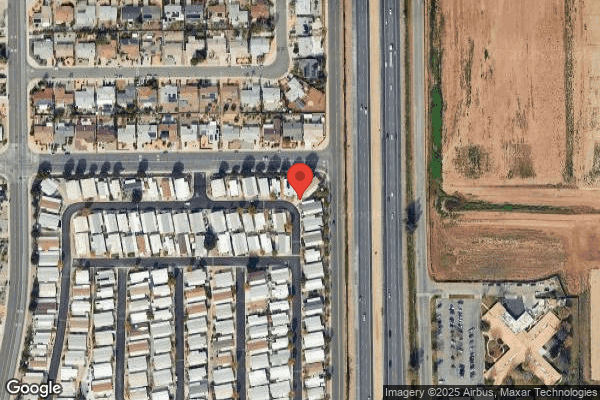
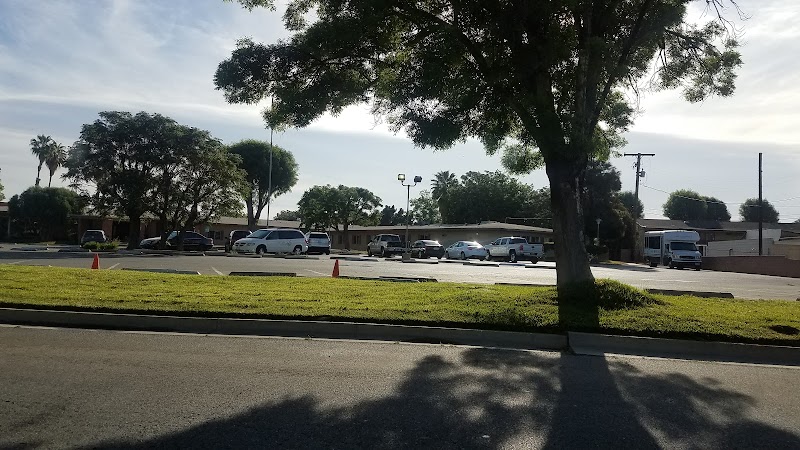
27600 ENCANTO DRIVE, SUN CITY, CA 92586 (951) 679-6858
For profit - Limited Liability company 99 Beds DAVID & FRANK JOHNSON Data: November 2025
Trust Grade
70/100
#403 of 1155 in CA
Last Inspection: March 2025

Within standard 12-15 month inspection cycle. Federal law requires annual inspections.

Overview

Menifee Lakes Post Acute in Sun City, California, has a Trust Grade of B, which means it is a good choice and generally performs well. It ranks #403 out of 1,155 facilities in California, placing it in the top half, and #13 out of 53 in Riverside County, indicating that only 12 local options are better. However, the facility is experiencing a worsening trend, with issues increasing from 4 in 2024 to 13 in 2025. Staffing is below average, with a rating of 2 out of 5 stars and a turnover rate of 45%, which is concerning as it indicates staff may not be staying long enough to build relationships with residents. On the positive side, the facility has no fines recorded, which is a good sign, and it offers more registered nurse coverage than many other facilities, helping to catch potential problems early. Despite these strengths, there are several weaknesses. Recent inspector findings revealed significant concerns, such as a resident not being provided information about advance directives and issues with the documentation of controlled substance medications, which raises the risk of misuse. Additionally, one resident was administered multiple psychotropic medications without proper oversight, leading to falls and potential adverse effects. Families should weigh these factors carefully when considering this facility for their loved ones.

Trust Score
B
70/100
In California
#403/1155
Top 34%
Safety Record
Low Risk
No red flags
Inspections
Getting Worse
4 → 13 violations
Staff Stability
⚠ Watch
45% turnover. Above average. Higher turnover means staff may not know residents' routines.
Penalties
✓ Good
No fines on record. Clean compliance history, better than most California facilities.
Skilled Nurses
⚠ Watch
Each resident gets only 26 minutes of Registered Nurse (RN) attention daily — below average for California. Fewer RN minutes means fewer trained eyes watching for problems.
Violations
⚠ Watch
50 deficiencies on record. Higher than average. Multiple issues found across inspections.
★★★★☆
4.0
Overall Rating
★★☆☆☆
2.0
Staff Levels
★★★★★
5.0
Care Quality
★★★☆☆
3.0
Inspection Score
Stable
2024: 4 issues
2025: 13 issues

The Good

  • 5-Star Quality Measures · Strong clinical quality outcomes
  • Full Sprinkler Coverage · Fire safety systems throughout facility
  • No fines on record

Facility shows strength in quality measures, fire safety.

The Bad

Staff Turnover: 45%

Near California avg (46%)

Higher turnover may affect care consistency

Chain: DAVID & FRANK JOHNSON

Part of a multi-facility chain

Ask about local staffing decisions and management

The Ugly 50 deficiencies on record

May 2025 1 deficiency
CONCERN (D) 📢 Someone Reported This

A family member, employee, or ombudsman was alarmed enough to file a formal complaint

Potential for Harm - no one hurt, but risky conditions existed

Deficiency F0658 (Tag F0658)

Could have caused harm · This affected 1 resident

Based on observation, interview, and record review, the facility failed to ensure, for one of four residents reviewed (Resident 1), to monitor blood sugar level, assess meal intake percentage, or ensu...

Read full inspector narrative →
Based on observation, interview, and record review, the facility failed to ensure, for one of four residents reviewed (Resident 1), to monitor blood sugar level, assess meal intake percentage, or ensure proper communication among staff for a resident admitted with diabetes (abnormal blood sugar level). This failure had the potential to cause adverse health effects. Findings: On April 3, 2025, Resident 1's record was reviewed. Resident 1 was admitted to the facility with a diagnosis which included, type 2 diabetes mellitus with ketoacidosis (uncontrolled blood glucose levels in the body), chronic kidney disease, stage 3 (weakened kidney function), and acquired absence of left leg below knee. A further review of Resident 1's clinical admission form dated April 3, 2025, indicated, there was no documentation of Resident 1's baseline blood glucose level and oral intake upon admission. A review of Resident 1's physician order dated April 4, 2025, indicated, .Humulin R U-500 KwikPen subcutaneous Solution Pen-injector 500 unit/ml (insulin regular [human]) inject 110 unit subcutaneously in the morning for DM .before breakfast . A review of the Medication Administration Record (MAR) for the month of April 2025, indicated Resident 1 received insulin at 7:00 a.m. with a blood glucose level of 99. A review of Resident 1's change of condition notice dated April 4, 2025, at 8:47 a.m. indicated, .At 7:45am resident found unresponsive. Opened eyes but no verbal response when stimulated with sternal rub. V/S (vital signs) 144/76 PR (pulse rate) 105 o2 (oxygen saturation - how much oxygen the blood is transporting throughout the body) at 92% T 97.6 RR 18 BS (blood sugar) 25. Given glucagon (medical glucose) shot at 7:55 and BS was 32 after 15 minutes. Before the 2nd dose of glucagon shot as ordered by MD at 8:05am, resident started to response and verbally responsive, able to say name when asked. After 15 minutes of 2nd glucagon shot BS went up to 53. Resident more alert and responsive and able to drink orange juice. Continue to give OJ (orange juice) and given Breakfast. At 8:35am BS checked again and went up to 82. MD (physician) ordered to hold all insulin at this time and continue to monitor . On April 24, 2025, at 3:06 p.m., an interview was conducted with the Licensed Vocational Nurse (LVN) 1. LVN 1 stated he was informed Resident 1 had diabetes and was alert, as reported by the Registered Nurse (RN 1). LVN 1 stated he was unsure wheher Resident 1 had received nourishment before admission or what his baseline blood glucose level was. LVN 1 stated he administered insulin to Resident 1 as per the physician's order. On April 24, 2025, at 3:30 p.m., an interview was conducted with the Registered Nurse (RN) 1. RN 1 stated she did not document Resident 1's last meal or blood glucose level and did not communicate the information to LVN 1. RN 1 stated according to admission protocol, it was necessary to record the last meal, check blood glucose levles, offer a snack to diabetic resident during admission, and relay this information to the assigned LVN. RN 1 stated, she should have done so. On April 24, 2025, at 4:03 p.m., an interview was conducted with RN 2. RN 2 stated blood glucose levles should always be checked upon admission for diabetic residents. RN 2 stated, the facility practice includes assessing if the resident has eaten, offering a snack, and documenting the intake. RN 2 stated, she could not recall receiving any blood glucose information from the hospital and remembered that Resident 1 was an unstable diabetic. RN 2 stated, administering insulin without prior food intake increases the risk of hypoglycemia (low blood glucose). On April 24, 2025, at 4:34 p.m. a concurrent interview and record review was conducted with Director of Nursing (DON). The DON stated, the admission assessment should include documentation of blood glucose levels and the last meal intake for diabetic residents. The DON stated, the clinical admission form dated April 3, 2025, had no documented blood glucose level and meal intake. The DON stated, there was a potential risk for hypoglycemia and hyperglycemia (high blood glucose) for diabetic residents and there should have been documentation and communication regarding the intake and blood glucose levels for Resident 1. On April 29, 2025, at 11:06 a.m. an interview was conducted with LVN 2. LVN 2 stated, during the endorsement rounds for Resident 1, she was informed by LVN 1 that Resident 1 was alert, diabetic, and had no overnight issues. LVN 2 stated Resident 1 was sleeping and unresponsive during the endorsement when both LVNs 1 and 2 entered the room on April 4, 2025. LVN 2 stated, she was not informed about Resident 1's last meal or blood glucose levels. LVN 2 stated, if she had been aware of the resident's sensitivity to insulin, she would have checked the blood glucose before the morning medication pass. LVN 2 stated, administering insulin without prior food intake poses a risk of hypoglycemia. A review of the facility policy and procedure titled, Nursing Care of the Resident with Diabetes Mellitus, dated 2022, indicated, .Recognize, manage, and document the treatment of complications commonly associated with diabetes .Hypoglycemia .many of these symptoms can also be caused by other conditions, for example adverse consequences due to medications or fluid and electrolyte imbalance .it should not just be assumed that these symptoms are related to diabetes, without carefully investigating and reporting other potential causes .kidney disease .nerve damage .foot complications .Glucose Monitoring .the physician will order the frequency of glucose monitoring .residents whose blood sugar is poorly controlled or those taking insulin may require more frequent monitoring, depending on the situation .Documentation .percentage of meals consumed .blood sugar results and other pertinent laboratory studies . A review of the facility policy and procedure titled, Hypoglycemia Management, dated 2022, indicated, .Hypoglycemia .compliance guidelines .residents that have a diagnosis of diabetes or on medications that could lower the blood sugar should have orders for glucose monitoring and treatment of hypoglycemia, unless otherwise ordered by the practitioner .the blood sugars(s) and treatment will be documented as per facility protocol (e.g., resident chart, MAR, eMAR, etc.) . Based on observation, interview, and record review, the facility failed to ensure, for one of four residents reviewed (Resident 1), to monitor blood sugar level, assess meal intake percentage, or ensure proper communication among staff for a resident admitted with diabetes (abnormal blood sugar level). This failure had the potential to cause adverse health effects. Findings: On April 3, 2025, Resident 1's record was reviewed. Resident 1 was admitted to the facility with a diagnosis which included, type 2 diabetes mellitus with ketoacidosis (uncontrolled blood glucose levels in the body), chronic kidney disease, stage 3 (weakened kidney function), and acquired absence of left leg below knee. A further review of Resident 1's clinical admission form dated April 3, 2025, indicated, there was no documentation of Resident 1's baseline blood glucose level and oral intake upon admission. A review of Resident 1's physician order dated April 4, 2025, indicated, .Humulin R U-500 KwikPen subcutaneous Solution Pen-injector 500 unit/ml (insulin regular [human]) inject 110 unit subcutaneously in the morning for DM .before breakfast . A review of the Medication Administration Record (MAR) for the month of April 2025, indicated Resident 1 received insulin at 7:00 a.m. with a blood glucose level of 99. A review of Resident 1's change of condition notice dated April 4, 2025, at 8:47 a.m. indicated, .At 7:45am resident found unresponsive. Opened eyes but no verbal response when stimulated with sternal rub. V/S (vital signs) 144/76 PR (pulse rate) 105 o2 (oxygen saturation - how much oxygen the blood is transporting throughout the body) at 92% T 97.6 RR 18 BS (blood sugar) 25. Given glucagon (medical glucose) shot at 7:55 and BS was 32 after 15 minutes. Before the 2nd dose of glucagon shot as ordered by MD at 8:05am, resident started to response and verbally responsive, able to say name when asked. After 15 minutes of 2nd glucagon shot BS went up to 53. Resident more alert and responsive and able to drink orange juice. Continue to give OJ (orange juice) and given Breakfast. At 8:35am BS checked again and went up to 82. MD (physician) ordered to hold all insulin at this time and continue to monitor . On April 24, 2025, at 3:06 p.m., an interview was conducted with the Licensed Vocational Nurse (LVN) 1. LVN 1 stated he was informed Resident 1 had diabetes and was alert, as reported by the Registered Nurse (RN 1). LVN 1 stated he was unsure whether Resident 1 had received nourishment before admission or what his baseline blood glucose level was. LVN 1 stated he administered insulin to Resident 1 as per the physician's order. On April 24, 2025, at 3:30 p.m., an interview was conducted with the Registered Nurse (RN) 1. RN 1 stated she did not document Resident 1's last meal or blood glucose level and did not communicate the information to LVN 1. RN 1 stated according to admission protocol, it was necessary to record the last meal, check blood glucose levles, offer a snack to diabetic resident during admission, and relay this information to the assigned LVN. RN 1 stated, she should have done so. On April 24, 2025, at 4:03 p.m., an interview was conducted with RN 2. RN 2 stated blood glucose levels should always be checked upon admission for diabetic residents. RN 2 stated, the facility practice includes assessing if the resident has eaten, offering a snack, and documenting the intake. RN 2 stated, she could not recall receiving any blood glucose information from the hospital and remembered that Resident 1 was an unstable diabetic. RN 2 stated, administering insulin without prior food intake increases the risk of hypoglycemia (low blood glucose). On April 24, 2025, at 4:34 p.m. a concurrent interview and record review was conducted with Director of Nursing (DON). The DON stated, the admission assessment should include documentation of blood glucose levels and the last meal intake for diabetic residents. The DON stated, the clinical admission form dated April 3, 2025, had no documented blood glucose level and meal intake. The DON stated, there was a potential risk for hypoglycemia and hyperglycemia (high blood glucose) for diabetic residents and there should have been documentation and communication regarding the intake and blood glucose levels for Resident 1. On April 29, 2025, at 11:06 a.m. an interview was conducted with LVN 2. LVN 2 stated, during the endorsement rounds for Resident 1, she was informed by LVN 1 that Resident 1 was alert, diabetic, and had no overnight issues. LVN 2 stated Resident 1 was sleeping and unresponsive during the endorsement when both LVNs 1 and 2 entered the room on April 4, 2025. LVN 2 stated, she was not informed about Resident 1's last meal or blood glucose levels. LVN 2 stated, if she had been aware of the resident's sensitivity to insulin, she would have checked the blood glucose before the morning medication pass. LVN 2 stated, administering insulin without prior food intake poses a risk of hypoglycemia. A review of the facility policy and procedure titled, Nursing Care of the Resident with Diabetes Mellitus, dated 2022, indicated, .Recognize, manage, and document the treatment of complications commonly associated with diabetes .Hypoglycemia .many of these symptoms can also be caused by other conditions, for example adverse consequences due to medications or fluid and electrolyte imbalance .it should not just be assumed that these symptoms are related to diabetes, without carefully investigating and reporting other potential causes .kidney disease .nerve damage .foot complications .Glucose Monitoring .the physician will order the frequency of glucose monitoring .residents whose blood sugar is poorly controlled or those taking insulin may require more frequent monitoring, depending on the situation .Documentation .percentage of meals consumed .blood sugar results and other pertinent laboratory studies . A review of the facility policy and procedure titled, Hypoglycemia Management, dated 2022, indicated, .Hypoglycemia .compliance guidelines .residents that have a diagnosis of diabetes or on medications that could lower the blood sugar should have orders for glucose monitoring and treatment of hypoglycemia, unless otherwise ordered by the practitioner .the blood sugars(s) and treatment will be documented as per facility protocol (e.g., resident chart, MAR, eMAR, etc.) .
Mar 2025 10 deficiencies
CONCERN (D)

Potential for Harm - no one hurt, but risky conditions existed

Quality of Care (Tag F0684)

Could have caused harm · This affected 1 resident

**NOTE- TERMS IN BRACKETS HAVE BEEN EDITED TO PROTECT CONFIDENTIALITY** Based on observation, interview, and record review, the facility failed to ensure an assessment was conducted for one of two res...

Read full inspector narrative →
**NOTE- TERMS IN BRACKETS HAVE BEEN EDITED TO PROTECT CONFIDENTIALITY** Based on observation, interview, and record review, the facility failed to ensure an assessment was conducted for one of two residents reviewed for respiratory issue (Resident 30) when resident developed shortness of breath. This failure had the potential to negatively impact Resident 30's physical, mental, psychosocial wellbeing. Findings: On March 10, 2025, at 3:17 p.m., during a concurrent observation and interview with Resident 30, Resident 30 stated, he could not breath adequately, while pointing to his nose. Resident 30's nasal bridge appeared to be deviated toward the left side and his speech had noticeable nasal twang. Resident 30 stated that he had been bothered by this issue for about a month and nothing had been done to address it. A review of Resident 30 's admission Record indicated Resident 30 was admitted [DATE], with the diagnoses which included chronic subdural hemorrhage (a collection of blood that accumulates between the brain and the dura mater [the outermost layer of the brain's protective covering] over an extended period) and nasal septal deviation (occurs when your nasal septum [the thin wall of cartilage and bone that separates the two nasal passages], is significantly displaced to one side, making one nasal air passage smaller than the other). Further review of Resident 30's progress notes indicated no documentation Resident 30 had been assessed for shortness of breath. On March 13, 2025, at 3:11p.m., a concurrent interview and record review were conducted with the Minimum Data Set Nurse (MDSN). The MDSN stated when a change in condition is identified such as shortness of breath due to septal deviation, a care plan should have been initiated for nursing interventions. The MDSN stated, the licensed nurse did not initiate the care plan for Resident 30. On March 13, 2025, at 9:44 p.m., an interview was conducted with LVN 2. LVN 2 stated he was not aware that the resident had a nasal septal deviation or shortness of breath. LVN 2 stated the licensed nurse should have assessed the resident, updated the care plan, and documented Resident 30's change in condition. A review of the facility policy and procedure titled, Care Plan Revisions Upon Status Change, dated December 19, 2022, indicated .Upon identification of a change in status, the nurse will notify the MDS Coordinator, the physician, and the resident representative, if applicable; The MDS Coordinator and the Interdisciplinary Team will discuss the resident condition and collaborate on intervention options; The team meeting discussion will be documented in the nursing progress notes; The care plan will be updated with the new or modified interventions; Staff involved in the care of the resident will report resident response to new or modified interventions; Care plans will be modified as needed by the MDS Coordinator or other designated staff member and The Unit Manager or other designated staff member will communicate care plan interventions to all staff involved in the resident's care .
CONCERN (D)

Potential for Harm - no one hurt, but risky conditions existed

Deficiency F0698 (Tag F0698)

Could have caused harm · This affected 1 resident

**NOTE- TERMS IN BRACKETS HAVE BEEN EDITED TO PROTECT CONFIDENTIALITY** Based on interview and record review, the facility failed to ensure post- (after) hemodialysis (removal of toxins and fluids fro...

Read full inspector narrative →
**NOTE- TERMS IN BRACKETS HAVE BEEN EDITED TO PROTECT CONFIDENTIALITY** Based on interview and record review, the facility failed to ensure post- (after) hemodialysis (removal of toxins and fluids from the blood through the use of a machine) assessment was completed on January 10, 2025, and January 27, 2025, for one of two residents reviewed for hemodialysis (Resident 20). This failure had the potential for delayed detection and/or management of complications arising from hemodialysis treatments for Resident 20. Findings: A review of Resident 20's admission Record, indicated Resident 20 was admitted to the facility on [DATE], with diagnoses which included End Stage Renal Disease (ESRD-inability of the kidney to make urine and remove waste from the blood). A review of Resident 20's Dialysis Communication Form, indicated the licensed nurse did not assessed Resident 20's weight post dialysis on the following dates: - January 10, 2025; and - January 27, 2025. On March 12, 2025, at 11:35 a.m., a concurrent interview and record review of Resident 20's Communication Log were conducted with Licensed Vocational Nurse (LVN) 1. LVN 1 stated the licensed nurse failed to weigh Resident 20 after dialysis on January 10, 2025, and on January 27, 2025. LVN 1 stated, Resident 20 could have experienced complications such as overload, and the licensed nurse was not aware due to missing assessments. On March 12, 2025, at 11:50 a.m., a concurrent interview and record review of Resident 20's Communication Log were conducted with Registered Nurse Supervisor (RNS) 1. RNS 1 stated when a resident's weight was not assessed, there was a potential risk for fluid overload. A review of the facility policy and procedure titled, Hemodialysis, dated June 5, 2023, indicated .This facility will assure that each resident receives care and services for the provision of hemodialysis .consistent with professional standards of practice. This will include: The ongoing assessment of the resident's condition and monitoring for complications before and after dialysis treatment .Ongoing assessment and oversight of the resident before during and after dialysis treatment
CONCERN (D)

Potential for Harm - no one hurt, but risky conditions existed

Deficiency F0745 (Tag F0745)

Could have caused harm · This affected 1 resident

**NOTE- TERMS IN BRACKETS HAVE BEEN EDITED TO PROTECT CONFIDENTIALITY** Based on observation, interview, and record review, the facility failed to ensure medically-related social service referrals wer...

Read full inspector narrative →
**NOTE- TERMS IN BRACKETS HAVE BEEN EDITED TO PROTECT CONFIDENTIALITY** Based on observation, interview, and record review, the facility failed to ensure medically-related social service referrals were obtained for two of 21 sampled residents (Residents 26 and 30) when: 1. A referral for CT scan (computerized tomography - procedure that uses a combinations of X-rays and computer technology to create detailed cross-sectional images of the body) of the abdomen for gross hematuria (bloody urination) was not obtained for Resident 26. This failure had the potential to delay the identification of underlying causes of gross hematuria for Resident 26; and 2. A referral for ENT (Ear, Nose, and Throat) evaluation for shortness of breath secondary to deviated nasal septum (occurs when your nasal septum [the thin wall of cartilage and bone that separates the two nasal passages], is significantly displaced to one side, making one nasal air passage smaller than the other) was not obtained for Resident 30 . This failure had the potential to result in unresolved symptoms of shortness of breath for Resident 30. Findings: 1. On March 10, 2025, at 9:48 a.m., an interview was conducted with Resident 26. Resident 26 stated she had a stroke in August and was on blood thinner due to DVT (deep vein thrombosis - a condition that occurs when a blood clot forms in a vein deep inside a part of the body). She further stated her urine was bloody two weeks ago. A review of Resident 26 's admission Record indicated Resident 26 was admitted [DATE], with the diagnoses which included hemiplegia (paralysis of one side of the body) and hemiparesis ( weakness of one side of the body) following cerebral infarction (blockage of blood vessels in the brain by a clot (thrombus). A review of Resident 26's physician order dated February 17, 2025, indicated, .needs to schedule ct scan of abdomen, pelvis with contrast . A review of Resident 26's Social Service Progress Note, dated March 6, 2025, indicated a follow-up call was made to the imaging center. The notes also stated that the authorization received included an incorrect location address. A further review of Resident 26's progress notes indicated there was no documentation that a follow-up was made regarding the CT scan referral. On March 12, 2025, at 12:29 p.m., a concurrent interview and record review of Resident 26's Social Service Progress Note, were conducted with Social Service Assistant (SSA) 1. SSA1 stated there was no documented evidence that the incorrect address issue had been addressed prior to that time. SSA 1 stated there should have been a follow up call to the source of the authorization in order to correct the imaging center's address. SSA 1 further stated, Resident 26's referral for a CT scan of the abdomen had not been completed. 2. On March 10, 2025, at 3:17 p.m., during a concurrent observation and interview with Resident 30, Resident 30 stated, he could not breath adequately, while pointing to his nose. Resident 30's nasal bridge appeared to be deviated toward the left side and his speech had noticeable nasal twang. Resident 30 stated that he had been bothered by this issue for about a month and nothing had been done to address it. A review of Resident 30 's admission Record indicated Resident 30 was admitted [DATE], with the diagnoses which included chronic subdural hemorrhage (a collection of blood that accumulates between the brain and the dura mater [the outermost layer of the brain's protective covering] over an extended period) and nasal septal deviation (occurs when your nasal septum [the thin wall of cartilage and bone that separates the two nasal passages], is significantly displaced to one side, making one nasal air passage smaller than the other). A review of Resident 30's physician order dated February 26, 2025, indicated, ENT evaluation for SOB (shortness of breath) secondary to deviated nasal septum. A further review of Resident 30's medical record indicated there was no documentation that a referral to an ENT specialist had been made. On March 12, 2025, at 12:12 p.m., a concurrent interview and record review were conducted with Licensed Vocational Nurse (LVN) 1. LVN 1 stated she was not aware of any physician's order for a referral to an ENT specialist for Resident 30. LVN 1 stated if there was an order, it should have been followed up. On March 12, 2025, at 12:29 p.m., a concurrent interview and record review was conducted with Social Service Assistant (SSA) 1. SSA 1 stated, the primary role of the Social Service (SS) department was to assist in maintaining the highest practicable level of wellbeing for every resident. SSA 1 stated, this included identifying the need for medically related social services and ensuring that such services were provided in a timely manner. SSA 1 stated that the SS would be notified of physician referral through the facility's communication portal and via printed copies of referral requests placed in a designated social services basket outside her office. SSA 1 stated that they did not receive the ENT referral order for Resident 30 until March 12, 2025. SSA 1 further stated, if the order had been dated February 26, 2025, Social Service department should have been notified immediately, and Resident 30 should have been referred to ENT as soon as the referral was received. A review of the facility policy and procedure titled, Social Services Director, Job Description, dated 2023, indicated .The Social Service Director is responsible for overseeing the development, implementation of the ongoing evaluation of the Social Services Department designed to meet and assist residents in attaining or maintaining their highest practicable well-being. This includes identifying the need for medically related social services and ensuring that these services are provided in accordance with State and Federal regulations .
CONCERN (D)

Potential for Harm - no one hurt, but risky conditions existed

Drug Regimen Review (Tag F0756)

Could have caused harm · This affected 1 resident

**NOTE- TERMS IN BRACKETS HAVE BEEN EDITED TO PROTECT CONFIDENTIALITY** Based on interview and record review, the facility failed to request a medication regimen review (MRR) following changes in cond...

Read full inspector narrative →
**NOTE- TERMS IN BRACKETS HAVE BEEN EDITED TO PROTECT CONFIDENTIALITY** Based on interview and record review, the facility failed to request a medication regimen review (MRR) following changes in condition (worsening of an existing problem or the emergence of new signs or symptoms, such as falls); and failed to ensure the consultant pharmacist (CP) identified potential medications contributing to falls and make recommendations to the facility for reduction or discontinuation of one of the medications during the monthly MRRs for one out of five sampled residents (Resident 1). This failure had the potential for medications not being optimized for best possible health outcome, and unnecessary or prolonged use of medications which could lead to medication adverse effects (such as falls) for the resident. Findings: During a review of Resident 1's admission Record, dated March 13, 2025, the admission Record indicated, Resident 1 was elderly, initially admitted to the facility on [DATE], and was admitted again on December 23, 2024. Resident 1's diagnoses included metabolic encephalopathy (brain function changes that can cause confusion, memory loss and loss of consciousness), fracture (break) of left femur (long bone extending from hip to knee), difficulty walking, schizoaffective disorder (mental health condition with symptoms such as hallucinations and mood changes), anxiety, depression, right eye blindness, and left eye low vision (difficulty seeing). A review of Resident 1's Minimum Data Set (MDS, a care area assessment and screening tool), dated June 27, 2023, and December 28, 2024, indicated the resident had no exhibition of hallucinations/delusions and no physical/verbal behavioral symptoms, had no fall history, had active psychiatric/mood disorder diagnoses, and had received antipsychotic/antidepressant medications. A review of Resident 1's current MDS dated [DATE], indicated the resident had Brief Interview of Mental Status (BIMS - a tool to assess cognitive function of an individual) score of 12 - (moderate cognitive impairment), no exhibition of hallucinations/delusions and no physical/verbal behavioral symptoms, had a fall history, had active psychiatric/mood disorder diagnoses, and had received antipsychotic/antidepressant medications. A review of Resident 1's Order Summary Report, dated March 12, 2025, indicated the following provider orders: - Oxycodone-acetaminophen (a potent controlled medication for pain, which has sedating effects) 10/325 milligram (mg, unit of measurement) every 6 hours as needed for moderate pain (4-6) to severe pain (7-10), started on December 23, 2024; - Quetiapine (an antipsychotic medication for bipolar disorder, depression, and schizophrenia, which has sedating effects) 50 mg one time a day for schizo effective d/o (disorder) m/b (manifested by) auditory/visual hallucinations, started on December 23, 2024; - Trazodone (used to treat depression and anxiety, which has sedating effects) 100mg at bedtime for depression m/b inability to sleep, started on December 27, 2024; and - Gabapentin (used to treat seizures and pain, which has sedating effects) 300 mg two times a day for neuropathy (nerve damage causing numbness), started on January 12, 2025. A review of Resident 1's clinical record indicated, on January 30, 2025, the provider ordered a new medication, Remeron (a hypnotic medication used to treat insomnia, which has sedating effects) 15 mg at bedtime for depression m/b poor PO (oral) intake less than 50 percent (%, unit of measurement). On January 31, 2025, Resident 1 sustained a fall during an Orthopedic (the medical specialty that focuses on injuries to bone, joints, muscles) office visit outside of the facility. A review of the Orthopedic provider's progress notes dated January 31, 2025 at 9 a.m., indicated, .patient took a backward slow tumble while attempting to ambulate (walk) . A review of the Prescribing Information (PI, detailed description of a drug's uses, dosage range, side effects, drug-drug interactions, and contraindications that is available to clinicians) for Remeron tablets, dated December 2011, retrieved from DailyMed (The contents of DailyMed is provided and updated daily by the U.S. Food and Drug Administration) indicated, Because of the potentially significant effects of Remeron on impairment of performance, patients should be cautioned about engaging in activities requiring alertness .Sedating drugs may cause confusion and over-sedation in the elderly .Caution is indicated in administering Remeron to elderly patients . A review of Resident 1's change of condition progress notes, dated January 31, 2025 at 2 p.m., indicated, Ortho (orthopedic) doc (doctor) told patient to walk .Patient to have proper assistive device and assist for any mobility .continue to monitor. A review of Resident 1's clinical record indicated, on February 7, 2025, the provider ordered a new medication, Ativan (a type of benzodiazepine used to treat anxiety, which has sedating effects) 0.5 mg three times a day for anxiety, m/b verbalization of feeling anxious. A review of Resident 1's Progress Notes - Psychiatry, dated February 18, 2025, indicated, .discontinuing Seroquel (quetiapine) 50 mg daily due to ineffectiveness .Initiating Depakote (used to treat seizures and psychiatric conditions, which has sedating effects) 125 mg BID (twice a day) for mood stabilization .continue Trazodone 100 mg bedtime for sleep maintenance .continue Remeron 15mg qhs (bedtime) for depressive symptoms and poor appetite . A review of Resident 1's clinical record indicated, on February 19, 2025, the provider ordered a new medication, Depakote Delayed Release (Divalproex Sodium) 125 mg tablet, one (1) tablet two times a day for Mood affective disorder m/b poor impulse control yelling. Two weeks later, on March 5, 2025, the provider increased the dose of Depakote Delayed Release (Divalproex Sodium) 125 mg tablet to two (2) tablets two times a day for Mood affective disorder m/b poor impulse control yelling. A review of Resident 1's Interdisciplinary Care Conference -Behavior and Psychotropic Medication Management, dated March 7, 2025 at 2:42 p.m., indicated, continue all current medications, no changes, continue plan of care . On March 8, 2025, Resident 1 sustained a second fall. A review of A review of Resident 1's change of condition progress notes, dated March 8, 2025 at 4:58 p.m., indicated, s/p (status post, after an event) Fall - hit his head c/o (complained of) severe pain .patient observed lying on the floor reassessed patient, stated, He got out from his bed from sleep, went to get his wheel chair, lost his balance and fell on the ground, able to move all his extremities, however he complained of severe pain, Patient was medicated with Oxycodone 10 mg as ordered. [Doctor] was notified with orders; Transfer to [hospital] for further evaluation and treatment . Further review of the PI for Remeron tablets, dated December 2011, retrieved from DailyMed, indicated, .impairment of motor skills produced by Remeron has been shown to be additive with those caused by diazepam (a type of benzodiazepine like Ativan, used to treat anxiety, which has sedating effects). Accordingly, patients should be advised to avoid diazepam and other similar drugs while taking Remeron . A review of PI for Ativan (lorazepam) tablets, dated May 2023, retrieved from DailyMed, indicated, Elderly or debilitated patients may be more susceptible to the sedative effects of lorazepam .Drug Interactions: The benzodiazepines, including lorazepam, produce increased CNS (Central Nervous System)-depressant effects when administered with other CNS depressants such as .antipsychotics, sedative/hypnotics, anxiolytics, antidepressants, narcotic analgesics (pain medications), anticonvulsants (medications to treat seizures) .Concurrent administration of lorazepam with valproate (Depakote) results in increased plasma concentrations (drug levels) and reduced clearance of lorazepam. Lorazepam dosage should be reduced to approximately 50% when co-administered with valproate .Geriatric Use .the incidence of sedation and unsteadiness was observed to increase with age . A review of PI for Depakote delayed-release (divalproex sodium) tablets, dated January 2025, retrieved from DailyMed, indicated, Divalproex sodium is .comprised of sodium valproate and valproic acid .Somnolence (drowsiness) in the elderly can occur .Depakote dosage should be increased slowly and with regular monitoring for fluid and nutritional intake .Co-administration of valproate can affect the pharmacokinetics (how the body interacts with administered medications) of other drugs (e.g. [example] diazepam .) by inhibiting their metabolism (when your body processes/breaks-down medications) . During an interview on March 12, 2025 at 11:53 a.m. with Licensed Vocational Nurse (LVN) 5, LVN 5 stated she cared the for Resident 1 for approximately two (2) months. LVN 5 stated Resident 1 was at risk for falls, needed assistance to walk, and needed to be monitored to ensure he would not get up unassisted. During an interview on March 12, 2025 at 11:59 a.m. with the Certified Nursing Assistant (CNA), the CNA stated she had witnessed Resident 1 get out of bed and crawl on his knees one time. The CNA stated she had not witnessed Resident 1 fall. The CNA stated she was aware the resident fell before and had seen his bruises. During an interview on March 12, 2025 at 12:08 p.m. with LVN 3, LVN 3 stated Resident 1 was able to stand on his own and if he was told not to stand due to the fall risk he would stand up and walk outside the door. LVN 3 stated Resident 1 was not combative and mildly confused. During an interview March 12, 2025 at 12:38 p.m. with the Assistant Director of Nursing (ADON), the ADON stated she was not aware of Resident 1's falls on January 31, 2025 or March 8, 2025. The ADON acknowledged the resident was at risk for falls and stated he needed assistance to walk. The ADON stated the pharmacist medication regiment review (MRR) process involved a monthly review of all the medications and additional MRRs could have been requested after a fall (or other event). The ADON stated the nursing staff would have needed to fax a form to the pharmacy to request another medication review to see if medications could have caused the fall (or other event). During an interview on March 12, 2025 at 1:20 p.m. with the Director of Nursing (DON), regarding Resident 1's fall on January 31, 2025, the DON stated the fall occurred outside of the facility during an office visit that was witnessed by the Orthopedic doctor. The DON acknowledged the resident was taking a combination of potentially sedating medications including Remeron, Ativan, Depakote, oxycodone-acetaminophen, trazodone, and gabapentin. When asked whether the facility asked the pharmacist to review Resident 1's medication regimen to see if the fall could have been attributed to the medications, the DON stated a medication review was not requested. The DON said, We don't think the medications affected the fall. The DON stated Resident 1 fell because he was asked to stand and walk. Regarding Resident 1's second fall on December 8, 2025, the DON stated the resident was taken to the hospital. The DON acknowledged the resident's medications had potential side effects and drug interactions. During an interview on March 12, 2025 at 1:45 p.m. with the DON, regarding the facility's process for requesting additional MRR besides the monthly review, DON stated an additional MRR could have been requested to review medications after a fall or event if it was suspected during an assessment that the resident had experienced lethargy or side effects. During a telephone interview on March 12, 2025 at 2:03 p.m. with the Medical Director (MD), the MD stated he was directly involved in Resident 1's care. The MD stated all psychotropic medications were managed by the Psychiatrist and the Psychiatry Nurse Practitioner (NP); and they updated him when changes were made to Resident 1's psychotropic medications. Regarding Resident 1's recent falls, the MD stated he was aware Resident 1 was currently hospitalized due to a fall on March 8, 2025 and he was aware of the previous fall on January 31, 2025. The MD reviewed Resident 1's current medications and acknowledged the resident was currently taking a combination of potentially sedating medications including Remeron, Ativan, Depakote, oxycodone-acetaminophen, trazodone, and gabapentin. The MD acknowledged the combination of medications could have had the potential for additive sedation. When asked if a pharmacist should have reviewed Resident 1's medications after the fall on January 31, 2025, the MD stated the pharmacist should have reviewed the medications. MD stated there was no documentation in Resident 1's medical record that a pharmacist was contacted for a medication review after Resident 1 fell on January 31, 2025 and stated the facility should have requested a medication review. During a telephone interview on March 13, 2025 at 9:03 a.m. with the Consultant Pharmacist (CP), the CP stated during the monthly Medication Regimen Review (MRR), all medications for all residents were reviewed for appropriateness (timing, with or without food, parameters, monitoring), potential adverse effects, and potential drug-drug interactions. The CP stated he was not informed by the facility when Resident 1 fell on January 31, 2025. The CP stated he was unaware Resident 1 had another fall on March 8, 2025. The CP reviewed Resident 1's current medications and acknowledged the resident was currently taking a combination of potentially sedating medications including Remeron, Ativan, Depakote, oxycodone-acetaminophen, trazodone, and gabapentin. Regarding the facility's process for requesting additional MRR besides the monthly review, the CP stated the facility could have requested an Intermediate Medication Regimen Review (IMRR) when changes in conditions (COC) such as falls occurred. The CP stated the facility would have faxed the IMRR Form to the pharmacy to request the medication review. The CP stated the facility did not request an IMRR after Resident 1 fell on January 31, 2025. When asked whether he identified in the monthly MRR in December 2024, January 2025, or February 2025, regarding the potential for Remeron, Ativan, Depakote, oxycodone-acetaminophen, trazodone, and gabapentin to contribute to the resident's fall and made recommendation for changes, the CP stated he did not make any recommendations. The CP stated if he was informed that Resident 1 fell on January 31, 2025, he would have recommended additional monitoring for increased risk of falls, dizziness and sedation when the medications were taken together. A review of the CP's monthly MRRs for Resident 1, in December 2024, January 2025, and February 2025, indicated there were no recommendations from the CP for consideration of changes to Remeron, Ativan, Depakote, oxycodone-acetaminophen, trazodone, and/or gabapentin, as they could have contributed to the resident's falls. During a telephone interview on March 13, 2025 at 9:41 a.m. with the Psychiatry Nurse Practitioner (NP), the NP stated he was Resident 1's mental health primary provider and worked with the Psychiatrist to manage Resident 1's psychotropic medications. The NP stated he recently saw Resident 1 on February 18, 2025 and acknowledged the resident was currently taking a combination of potentially sedating medications including Remeron, Ativan, Depakote, oxycodone-acetaminophen, trazodone, and gabapentin. The NP stated he was informed that Resident 1 had a fall on January 31, 2025 but had not been informed Resident 1 sustained another fall on March 8, 2025. During a follow-up interview on March 13, 2025 at 1:41 p.m. with the DON, the DON acknowledged the CP was not notified after Resident 1 had a fall on January 31, 2025 and the facility did not request an IMRR. The DON acknowledged the pharmacist's MRRs in December 2024, January 2025, and February 2025 did not identify the combination of medications having the potential to increase the risk of sedations/falls or recommend dose adjustments or further evaluation of the above medications. A review of the facility's policy and procedures (P&P) titled, Use of Psychotropic Medications, dated December 19, 2022, indicated, The effects of psychotropic medications on a resident's physical, mental, and psychosocial well-being will be evaluated on an ongoing basis, such as but not limited to .during the pharmacist's monthly medication regimen review .during significant change .The resident's response to the medication (s), including progress towards goals and presence/absence of adverse consequences, shall be documented in the resident's medical record . A review of the facility's P&P titled, Medication Regimen Review, dated December 19, 2022, indicated, .The MRR includes .Review of the medical record in order to prevent, identify, report, and resolve medication-related problems .or other irregularities .For residents experiencing a change in condition and the nurse deems a MRR is necessary outside the routine visit, the facility will notify the pharmacy provider . A review of the facility's document titled, IMRR offsite medication review, (undated) indicated a form to be filled out by the facility to request via fax, .MRR requested for Change of condition .Falls, dizziness, or evidence of impaired coordination . A review of PI for Trazodone tablets, dated February 2024, retrieved from DailyMed, indicated, Warnings and precautions .Potential for Cognitive and Motor Impairment .adverse reactions .blurred vision, syncope (dizziness), drowsiness, fatigue .drug interactions .CNS Depressants: Trazodone .may enhance effects of .other CNS depressants . A review of PI for quetiapine (Seroquel) tablets, dated January 2025, retrieved from DailyMed, indicated, Most common adverse reactions .somnolence, dizziness . A review of PI for Gabapentin tablets, dated August 2023, retrieved from DailyMed, indicated, Warnings .Somnolence/Sedation and Dizziness .adverse reactions .Somnolence, dizziness, fatigue .drug interactions .Respiratory depression and sedation, sometimes resulting in death, have been reported following coadministration of gabapentin with opioids (e.g. [example] .oxycodone .) A review of PI for Oxycodone/acetaminophen tablets, dated January 2024, retrieved from DailyMed, indicated, Risks from concomitant use with Benzodiazepines or other CNS depressants profound sedation, respiratory depression, coma, and death may result from the concomitant use of oxycodone and acetaminophen tablets with benzodiazepines and/or other CNS depressants, including .non-benzodiazepine sedatives/hypnotics, anxiolytics .antipsychotics .Because of these risks, reserve concomitant prescribing of these drugs for use in patients for whom alternative treatment options are inadequate.
CONCERN (D)

Potential for Harm - no one hurt, but risky conditions existed

Deficiency F0761 (Tag F0761)

Could have caused harm · This affected 1 resident

Based on observation, interview, and record review, the facility failed to ensure proper medication storage when one refrigerated injectable medication vial was identified stored unrefrigerated not ac...

Read full inspector narrative →
Based on observation, interview, and record review, the facility failed to ensure proper medication storage when one refrigerated injectable medication vial was identified stored unrefrigerated not according to manufacturer's specifications. This failure had a potential for residents to receive medications that were inadequately monitored with unsafe and reduced effectiveness, which could lead to unsafe and ineffective medications for the residents. Finding: An inspection of the 300 Hall Medication Cart on March 11, 2025 at 11:26 a.m. in the Nursing Station with Licensed Vocational Nurse (LVN) 6 identified one unrefrigerated, opened and used multi-dose vial (MDV) of Tuberculin PPD (test agent used in the diagnosis of tuberculosis) 5 TU (test unit) per 0.1 ml (milliliter; unit of measurement) in the top drawer of the medication cart. LVN 6 was unable to demonstrate how long the PPD vial was stored unrefrigerated inside the medication cart. LVN 6 said, It [The PPD vial] should be refrigerated. LVN 6 acknowledged the PPD vial should not have been stored inside the medication cart and said, I will discard it [the PPD vial]. A review of the PPD vial manufacturer's instructions dated March 2016, provided by the Director of Nursing (DON) on March 11, 2025 at 2:21 p.m., indicated, This product should be stored between 2° and 8°C [degrees Celsius, unit of measurement for temperature] (36° and 46°F [degrees Fahrenheit, unit of measurement for temperature]). During a concurrent interview and record review on March 11, 2025 at 4:59 p.m. with the DON, the PPD vial manufacturer's instructions were reviewed. The DON acknowledged the PPD vial's manufacturer instructions indicated the PPD vial should have been refrigerated and stated the expectation was for the PPD vial to have been stored in the refrigerator, not inside the medication cart. A review of the facility's policy and procedures (P&P) titled, Medication Storage, dated December 19, 2022, indicated, Refrigerated Products .All medications requiring refrigeration are stored in refrigerators .
CONCERN (E)

Potential for Harm - no one hurt, but risky conditions existed

Deficiency F0578 (Tag F0578)

Could have caused harm · This affected multiple residents

**NOTE- TERMS IN BRACKETS HAVE BEEN EDITED TO PROTECT CONFIDENTIALITY** 5. Resident 58's record was reviewed. Resident 58 was admitted to the facility on [DATE]. A review of Resident 58's MDS, dated J...

Read full inspector narrative →
**NOTE- TERMS IN BRACKETS HAVE BEEN EDITED TO PROTECT CONFIDENTIALITY** 5. Resident 58's record was reviewed. Resident 58 was admitted to the facility on [DATE]. A review of Resident 58's MDS, dated January 18, 2025, indicated Resident 58 had BIMS score of 14 - cognitively intact. A review of Resident 58's POLST, dated March 22, 2024, indicated, .No Advance Directive .discussed with legally recognized decision maker (daughter) . A further review of Resident 58's medical records indicated the resident was not provided information or education about formulating an AD. On March 13, 2025, at 1:02 p.m. a concurrent interview and record review were conducted with Social Service Assistant (SSA) 1. SSA 1 stated, a social services assessment was conducted for all residents upon admission and that the assessment should include notations indicating whether an AD was discussed. SSA 1 stated, if a resident had an AD, a copy should be placed in the resident's medical record. SSA 1 stated, Resident 58 did not have an AD and there was no documentation in the resident's medical record indicating that education, information, or follow-up regarding the formulation of an AD had been provided to the resident or the RP. 6. Resident 51's record was reviewed. Resident 51 was admitted to the facility on [DATE]. A review of Resident 51's MDS, dated July 16, 2024, indicated, Resident 51 had BIMS score of 15 - cognitively intact. A review of Resident 51's POLST, dated July 2, 2024, indicated, .Advanced Directive not available . A further review of Resident 51's medical records indicated the resident was not provided information or education about formulating an AD. On March 13, 2025, at 1:02 p.m. a concurrent interview and record review was conducted with SSA 1. SSA 1 stated the social service assessment was conducted for all residents upon admission and that the assessment should have notations which indicated the AD was discussed. SSA 1 stated if the resident had an AD, a copy of the AD was placed in the resident's record. SSA 1 stated Resident 51 had no AD and there were no documentations in the resident's medical records whether education, information and a follow up regarding formulating an AD were provided to the resident or RP. A review of the facility Policy and Procedure titled, Residents' Rights Regarding Treatment and Advance Directives, dated December 2022, indicated, .the facility will determine if the resident has executed an advance directive, and if not, determine whether the resident, if cognitively able to, would like to formulate an advance directive .the facility will provide information and education .the facility will provide the resident or resident representative information, in a manner that is easy to understand, about the rights to refuse medical or surgical treatment and formulate an advance directive .should the resident have an advance directive, copies will be made and placed on the chart as well as communicated to the staff . 3. On March 12, 2025, at 2:15 p.m., during an interview with Resident 29, Resident 29 stated she does not have an advance directive and would like to have one so they would know her wishes. A review of Resident 29's 'admission RECORD, indicated Resident 29 was admitted to the facility on [DATE] with diagnoses which included spinal stenosis (narrowing of the spine). A review of Resident 29's HISTORY AND PHYSICAL EXAMINATION, dated June 16, 2024, indicated, Resident 29 was alert and oriented to person, place, time and event. A review of Resident 29's Social History Assessment, dated December 26, 2023, did not indicate Resident 29 had an AD. A further review of Resident 29's medical records indicated there was no documented evidence Resident 29 and or RP were provided information and education regarding AD. On March 13, 2025, at 12:55 p.m., during a concurrent interview and review of Resident 29's medical record with SSA 1, she stated Resident 29 had no AD and was not provided with resources and education. SSA 1 further stated Resident 29 should have been provided with resource and education and documented in the medical records. 4. A review of Resident 46's 'admission RECORD, indicated Resident 46 was admitted to the facility on [DATE] with diagnoses which included malignant neoplasm of prostate (prostate cancer). A review of Resident 46's POLST dated February 29, 2024, did not include information regarding Advance Directive. A review of Resident 46's Advance Directive Acknowledgment, dated March 4, 2024, indicated, .I HAVE NOT executed an 'Advance Directive' . A review of Resident 46's Social History Assessment, dated March 11, 2024, did not indicate Resident 46 had AD. A review of Resident 46's, HISTORY AND PHYSICAL EXAMINATION, dated March 24, 2024, indicated Resident 46 was awake, alert, oriented to person, place and time. A further review of Resident 46's medical record indicated no documented evidence Resident 46 and or RP had been provided information and education regarding AD. On March 13, 2025, at 12:55 p.m., during a concurrent interview and review of Resident 46's medical record with SSA 1, she stated Resident 46 did not have an AD and was not provided with resources and education. SSA 1 further stated Resident 46 should have been provided resources and education and this should have been documented in the medical records. Based on interview and record review, the facility failed to ensure, six of nine residents reviewed for Advance Directive (AD - written statement of a person's wishes regarding medical treatment) (Residents 9, 29, 46, 50, 51, 58) had the following: 1. A copy of the AD available in the resident's record for Resident 9; and 2. The resident or their resident representative had been provided information regarding the formulation of an AD for Residents 29, 46, 50, 51, and 58. These failures had the potential to result in the ADs for Residents 9, 29, 46, 50, 51, and 58 not being readily accessible to staff and physicians, which could lead to the residents' wishes regarding medical treatment being unknown and ultimately not honored. Findings: 1. Resident 50's record was reviewed. Resident 50 was admitted to the facility on [DATE]. A review of Resident 50's Physician Orders for Life-Sustaining Treatment (POLST), dated May 4, 2023, indicated, Resident 50 did not have an AD. A review of Resident 50's Minimum Data Set (MDS - an assessment tool), dated January 6, 2025, indicated Resident 50 had Brief Interview of Mental Status (BIMS - a tool to assess cognitive function of an individual) score of 13 (intact cognitive response). A review of the Social Service assessment dated [DATE] indicated, .Advance Directives .DPOA (Durable Power of Attorney) for healthcare .agent .(name of representative). There was no documented evidence a copy of the DPOA was placed in Resident 50's medical record or was there evidence the resident or resident representative (RP) was provided information about the right to formulate an AD. On March 13, 2025, at 12:50 p.m. a concurrent interview and record review were conducted with Social Services Assistant (SSA) 1. SSA 1 stated the social service assessment indicated Resident 50 had a DPOA and that an AD had been reviewed. SSA 1 stated if a resident had an AD and DPOA, copies should be obtained and placed in the resident's medical record. SSA 1 stated no follow up had been conducted to indicate whether Resident 50 had an AD or DPOA. SSA 1 further stated Resident 50's AD and DPOA should have been available and accessible to the staff and physician. 2. Resident 9's record was reviewed. Resident 9 was admitted to the facility on [DATE]. A review of the Social Service assessment dated [DATE], indicated, an AD and POLST were marked as available. A review of Resident 9's Physician Orders for Life Sustaining Treatment (POLST), dated June 29, 2024, indicated, .Advance Directive .available and reviewed .health care agent if named in advance directive .name .(name of representative) . There was no documented evidence in Resident 9's medical record that a copy of the AD was obtained and made accessible to staff and the physician. On March 13, 2025, at 12:50 p.m. a concurrent interview and record review were conducted with Social Services Assistant (SSA) 1. SSA 1 stated a social service assessment was conducted for all residents upon admission and that the assessment should include notations indicating whether an AD was discussed. SSA 1 stated if a resident had an AD, a copy of the AD should be obtained and placed in the resident's medical record. SSA 1 stated Resident 9 was indicated to have had an AD but it was not available in the resident's record. SSA 1 further stated Resident 9's AD should have been available and accessible to both staff and the physician.
CONCERN (E)

Potential for Harm - no one hurt, but risky conditions existed

Pharmacy Services (Tag F0755)

Could have caused harm · This affected multiple residents

Based on interview and record review, the facility failed to ensure provision of pharmacy services met the needs of the residents when Residents 54 and 182 were missing documentation for the administr...

Read full inspector narrative →
Based on interview and record review, the facility failed to ensure provision of pharmacy services met the needs of the residents when Residents 54 and 182 were missing documentation for the administration of controlled substance (CS, those with high potential for abuse and addiction) medications. The CS medications were signed out of the Antibiotic or Controlled Drug Record Medication (count sheet, an inventory sheet that keeps record of the usage of controlled medications) but not documented on the Medication Administration Records (MAR) to indicate they were administered to the residents. Additionally, the CS medication was wasted (not administered to the resident and discarded) without two licensed nurses' documentation on the count sheet according to the facility's policy for Resident 54. These failures resulted in inaccurate accountability of CS medications, which had the potential for misuse or diversion. Findings: During an interview on March 11, 2025 at 10:05 a.m. with the Director of Nursing (DON), the DON stated the facility's process for CS medication administration and wasting was as follows: - Nursing staff should have assessed the resident's pain to verify the quality and location; - Offered non-pharmacologic intervention (NPI) and if NPI ineffective nurse should have given the CS pain medication; - During administration, nurse should have removed the CS pain medication from the cart and signed the count sheet and documented on the administration on the resident's MAR; - If CS pain medication was not given, nursing staff should have wasted with another nurse; and - If wasted, nursing staff should have documented in a progress note as not given and documented on the count sheet as wasted with another nurse that witnessed the waste. Resident 54 had a physician's order, dated December 29, 2024, for Ativan (lorazepam, a potent controlled medication for anxiety) 1 mg (milligram, unit of measurement), 1 tablet by mouth every 6 hours as needed for anxiety m/b (manifested by) fidgety in bed. During a concurrent interview and record review on March 11, 2025 at 11:57 a.m. with LVN 3, a review of Resident 54's Count Sheet for Ativan 1 mg tablet and MAR dated February 2025 indicated the nursing staff signed out one tablet on February 26, 2025 at 6 a.m. but did not document the administration on the MAR. LVN 3 stated facility's process for CS medication administration required nursing staff to have documented the administration on Resident 54's MAR and the Count Sheet. LVN 3 acknowledged one Ativan 1 mg tablet for Resident 54 was unaccounted in February 2025. Additionally, Resident 54's Count Sheet for Ativan 1 mg indicated one tablet was wasted on March 6, 2025 and did not have a second nurse witness documented on the Count Sheet. LVN 3 stated the nurse should have had another nurse sign on the Count Sheet as a witness for Resident 54's wasted Ativan 1mg tablet on March 6, 2025. Resident 182 had a physician's order, dated March 1, 2025, for hydrocodone-acetaminophen (a potent controlled medication for pain) 5/325 mg, 1 tablet by mouth every 4 hours as needed for moderate pain 4-6. A review of Resident 182's Count Sheet for hydrocodone-acetaminophen 5/325 mg tablet and MAR dated March 2025 indicated the nursing staff signed out one tablet on March 6, 2025 at 15:28 (3:28 p.m.) but did not document the administration on the MAR. During a concurrent interview and record review on March 13, 2025 at 1:28 p.m. with the DON, Resident 54's Count Sheet for Ativan 1 mg tablet and MAR dated February 2025; and Resident 182's Count Sheet for hydrocodone-acetaminophen 5/325 mg tablet and MAR dated March 2025 were reviewed. The DON acknowledged Resident 54 had one Ativan 1 mg tablet unaccounted in February 2025 and one Ativan 1 mg tablet wasted on March 6, 2025 without two nurse signatures on the Count sheet. Additionally, the DON acknowledged Resident 182 had one hydrocodone-acetaminophen 5/325 mg tablet unaccounted in March 2025. The DON stated it was important to have accurate CS accountability and documentation because these were controlled medications, and it could have led to diversion. A review of the facility's policy and procedures (P&P) titled, Medication Administration, dated December 19, 2022, indicated, Sign MAR after administered .If medication is a controlled substance, sign narcotic book. A review of the facility's P&P titled, Controlled Substance Administration & Accountability, dated June 5, 2023, indicated, In call cases, the dose noted on the usage form or entered into the automated dispensing system must match the dose recorded on the Medication Administration Record (MAR), Controlled Drug Record, or other facility specified from and placed in the patient's medical record .The Controlled Drug Record (or other specified form) serves the dual purpose of recording both narcotic disposition and patient administration .The Controlled Drug Record is a permanent medical record document and in conjunction with the MAR is the source for documenting any patient-specific narcotic dispensed from the pharmacy .Two licensed staff must witness any disposal or destruction of a controlled substance and document same on the Drug Disposition Record, Controlled Drug Record, or via the automated dispensing system .
CONCERN (E)

Potential for Harm - no one hurt, but risky conditions existed

Medication Errors (Tag F0758)

Could have caused harm · This affected multiple residents

**NOTE- TERMS IN BRACKETS HAVE BEEN EDITED TO PROTECT CONFIDENTIALITY** Based on interview and record review, the facility failed to ensure one of five residents (Resident 1) was free from unnecessary...

Read full inspector narrative →
**NOTE- TERMS IN BRACKETS HAVE BEEN EDITED TO PROTECT CONFIDENTIALITY** Based on interview and record review, the facility failed to ensure one of five residents (Resident 1) was free from unnecessary psychotropic (drugs that affects brain activities associated with mental processes and behavior) medications when administered a combination of psychotropic medications with sedating effects, sustained a fall, continued to receive additional sedating psychotropic medications without consideration of the potential additive sedative effects, and sustained a second fall. This failure resulted in unnecessary medications for Resident 1 which increased the potential for medication interactions, adverse reactions, and unidentified risks associated with the use of psychotropic medications that included but not limited to falls, sedation, cognitive (the mental processes involved in thinking, learning, understanding, and remembering) impairment, blurred vision, and respiratory depression. Finding: During a review of Resident 1's admission Record, dated March 13, 2025, the admission Record indicated, Resident 1 was elderly, initially admitted to the facility on [DATE], and was admitted again on December 23, 2024. Resident 1's diagnoses included metabolic encephalopathy (brain function changes that can cause confusion, memory loss and loss of consciousness), fracture (break) of left femur (long bone extending from hip to knee), difficulty walking, schizoaffective disorder (mental health condition with symptoms such as hallucinations and mood changes), anxiety, depression, right eye blindness, and left eye low vision (difficulty seeing). A review of Resident 1's Minimum Data Set (MDS, a care area assessment and screening tool), dated June 27, 2023, and December 28, 2024, indicated the resident had no exhibition of hallucinations/delusions and no physical/verbal behavioral symptoms, had no fall history, had active psychiatric/mood disorder diagnoses, and had received antipsychotic/antidepressant medications. A review of Resident 1's current MDS dated [DATE], indicated the resident had Brief Interview of Mental Status (BIMS - a tool to assess cognitive function of an individual) score of 12 - (moderate cognitive impairment), no exhibition of hallucinations/delusions and no physical/verbal behavioral symptoms, had a fall history, had active psychiatric/mood disorder diagnoses, and had received antipsychotic/antidepressant medications. A review of Resident 1's Order Summary Report, dated March 12, 2025, indicated the following provider orders: - Oxycodone-acetaminophen (a potent controlled medication for pain, which has sedating effects) 10/325 milligram (mg, unit of measurement) every 6 hours as needed for moderate pain (4-6) to severe pain (7-10), started on December 23, 2024; - Quetiapine (an antipsychotic medication for bipolar disorder, depression, and schizophrenia, which has sedating effects) 50 mg one time a day for schizo effective d/o (disorder) m/b (manifested by) auditory/visual hallucinations, started on December 23, 2024; - Trazodone (used to treat depression and anxiety, which has sedating effects) 100mg at bedtime for depression m/b inability to sleep, started on December 27, 2024; and - Gabapentin (used to treat seizures and pain, which has sedating effects) 300 mg two times a day for neuropathy (nerve damage causing numbness), started on January 12, 2025. A review of Resident 1's clinical record indicated, on January 30, 2025, the provider ordered a new medication, Remeron (a hypnotic medication used to treat insomnia, which has sedating effects) 15 mg at bedtime for depression m/b poor PO (oral) intake less than 50 percent (%, unit of measurement). On January 31, 2025, Resident 1 sustained a fall during an Orthopedic (the medical specialty that focuses on injuries to bone, joints, muscles) office visit outside of the facility. A review of the Orthopedic provider's progress notes dated January 31, 2025 at 9 a.m., indicated, .patient took a backward slow tumble while attempting to ambulate (walk) . A review of the Prescribing Information (PI, detailed description of a drug's uses, dosage range, side effects, drug-drug interactions, and contraindications that is available to clinicians) for Remeron tablets, dated December 2011, retrieved from DailyMed (The contents of DailyMed is provided and updated daily by the U.S. Food and Drug Administration) indicated, Because of the potentially significant effects of Remeron on impairment of performance, patients should be cautioned about engaging in activities requiring alertness .Sedating drugs may cause confusion and over-sedation in the elderly .Caution is indicated in administering Remeron to elderly patients . A review of Resident 1's change of condition progress notes, dated January 31, 2025 at 2 p.m., indicated, Ortho (orthopedic) doc (doctor) told patient to walk .Patient to have proper assistive device and assist for any mobility .continue to monitor. A review of Resident 1's clinical record indicated, on February 7, 2025, the provider ordered a new medication, Ativan (a type of benzodiazepine used to treat anxiety, which has sedating effects) 0.5 mg three times a day for anxiety, m/b verbalization of feeling anxious. A review of Resident 1's Progress Notes - Psychiatry, dated February 18, 2025, indicated, .discontinuing Seroquel (quetiapine) 50 mg daily due to ineffectiveness .Initiating Depakote (used to treat seizures and psychiatric conditions, which has sedating effects) 125 mg BID (twice a day) for mood stabilization .continue Trazodone 100 mg bedtime for sleep maintenance .continue Remeron 15mg qhs (bedtime) for depressive symptoms and poor appetite . A review of Resident 1's clinical record indicated, on February 19, 2025, the provider ordered a new medication, Depakote Delayed Release (Divalproex Sodium) 125 mg tablet, one (1) tablet two times a day for Mood affective disorder m/b poor impulse control yelling. Two weeks later, on March 5, 2025, the provider increased the dose of Depakote Delayed Release (Divalproex Sodium) 125 mg tablet to two (2) tablets two times a day for Mood affective disorder m/b poor impulse control yelling. A review of Resident 1's Interdisciplinary Care Conference -Behavior and Psychotropic Medication Management, dated March 7, 2025 at 2:42 p.m., indicated, continue all current medications, no changes, continue plan of care . On March 8, 2025, Resident 1 sustained a second fall. A review of A review of Resident 1's change of condition progress notes, dated March 8, 2025 at 4:58 p.m., indicated, s/p (status post, after an event) Fall - hit his head c/o (complained of) severe pain .patient observed lying on the floor reassessed patient, stated, He got out from his bed from sleep, went to get his wheel chair, lost his balance and fell on the ground, able to move all his extremities, however he complained of severe pain, Patient was medicated with Oxycodone 10 mg as ordered. [Doctor] was notified with orders; Transfer to [hospital] for further evaluation and treatment . Further review of the PI for Remeron tablets, dated December 2011, retrieved from DailyMed, indicated, .impairment of motor skills produced by Remeron has been shown to be additive with those caused by diazepam (a type of benzodiazepine like Ativan, used to treat anxiety, which has sedating effects). Accordingly, patients should be advised to avoid diazepam and other similar drugs while taking Remeron . A review of PI for Ativan (lorazepam) tablets, dated May 2023, retrieved from DailyMed, indicated, Elderly or debilitated patients may be more susceptible to the sedative effects of lorazepam .Drug Interactions: The benzodiazepines, including lorazepam, produce increased CNS (Central Nervous System)-depressant effects when administered with other CNS depressants such as .antipsychotics, sedative/hypnotics, anxiolytics, antidepressants, narcotic analgesics (pain medications), anticonvulsants (medications to treat seizures) .Concurrent administration of lorazepam with valproate (Depakote) results in increased plasma concentrations (drug levels) and reduced clearance of lorazepam. Lorazepam dosage should be reduced to approximately 50% when co-administered with valproate .Geriatric Use .the incidence of sedation and unsteadiness was observed to increase with age . A review of PI for Depakote delayed-release (divalproex sodium) tablets, dated January 2025, retrieved from DailyMed, indicated, Divalproex sodium is .comprised of sodium valproate and valproic acid .Somnolence (drowsiness) in the elderly can occur .Depakote dosage should be increased slowly and with regular monitoring for fluid and nutritional intake .Co-administration of valproate can affect the pharmacokinetics (how the body interacts with administered medications) of other drugs (e.g. [example] diazepam .) by inhibiting their metabolism (when your body processes/breaks-down medications) . During an interview on March 12, 2025 at 11:53 a.m. with Licensed Vocational Nurse (LVN) 5, LVN 5 stated she cared the for Resident 1 for approximately two (2) months. LVN 5 stated Resident 1 was at risk for falls, needed assistance to walk, and needed to be monitored to ensure he would not get up unassisted. During an interview on March 12, 2025 at 11:59 a.m. with the Certified Nursing Assistant (CNA), the CNA stated she had witnessed Resident 1 get out of bed and crawl on his knees one time. The CNA stated she had not witnessed Resident 1 fall. The CNA stated she was aware the resident fell before and had seen his bruises. During an interview on March 12, 2025 at 12:08 p.m. with LVN 3, LVN 3 stated Resident 1 was able to stand on his own and if he was told not to stand due to the fall risk he would stand up and walk outside the door. LVN 3 stated Resident 1 was not combative and mildly confused. During an interview March 12, 2025 at 12:38 p.m. with the Assistant Director of Nursing (ADON), the ADON stated she was not aware of Resident 1's falls on January 31, 2025 or March 8, 2025. The ADON acknowledged the resident was at risk for falls and stated he needed assistance to walk. During an interview on March 12, 2025 at 1:20 p.m. with the Director of Nursing (DON), regarding Resident 1's fall on January 31, 2025, the DON stated the fall occurred outside of the facility during an office visit that was witnessed by the Orthopedic doctor. The DON acknowledged the resident was taking a combination of potentially sedating medications including Remeron, Ativan, Depakote, oxycodone-acetaminophen, trazodone, and gabapentin. When asked whether the facility asked the pharmacist to review Resident 1's medication regimen to see if the fall could have been attributed to the medications, the DON stated a medication review was not requested. The DON said, We don't think the medications affected the fall. The DON stated Resident 1 fell because he was asked to stand and walk. Regarding Resident 1's second fall on December 8, 2025, the DON stated the resident was taken to the hospital. The DON acknowledged the resident's medications had potential side effects and drug interactions. During a telephone interview on March 12, 2025 at 2:03 p.m. with the Medical Director (MD), the MD stated he was directly involved in Resident 1's care. The MD stated all psychotropic medications were managed by the Psychiatrist and the Psychiatry Nurse Practitioner (NP); and they updated him when changes were made to Resident 1's psychotropic medications. Regarding Resident 1's recent falls, the MD stated he was aware Resident 1 was currently hospitalized due to a fall on March 8, 2025 and he was aware of the previous fall on January 31, 2025. The MD reviewed Resident 1's current medications and acknowledged the resident was currently taking a combination of potentially sedating medications including Remeron, Ativan, Depakote, oxycodone-acetaminophen, trazodone, and gabapentin. The MD acknowledged the combination of medications could have had the potential for additive sedation. When asked if a pharmacist should have reviewed Resident 1's medications after the fall on January 31, 2025, the MD stated the pharmacist should have reviewed the medications. During a telephone interview on March 13, 2025 at 9:03 a.m. with the Consultant Pharmacist (CP), the CP stated during the monthly Medication Regimen Review (MRR), all medications for all residents were reviewed for appropriateness (timing, with or without food, parameters, monitoring), potential adverse effects, and potential drug-drug interactions. The CP stated he was not informed by the facility when Resident 1 fell on January 31, 2025. The CP stated he was unaware Resident 1 had another fall on March 8, 2025. The CP reviewed Resident 1's current medications and acknowledged the resident was currently taking a combination of potentially sedating medications including Remeron, Ativan, Depakote, oxycodone-acetaminophen, trazodone, and gabapentin. The CP stated if he was informed that Resident 1 fell on January 31, 2025, he would have recommended additional monitoring for increased risk of falls, dizziness and sedation when the medications were taken together. During a telephone interview on March 13, 2025 at 9:41 a.m. with the Psychiatry Nurse Practitioner (NP), the NP stated he was Resident 1's mental health primary provider and worked with the Psychiatrist to manage Resident 1's psychotropic medications. The NP stated he recently saw Resident 1 on February 18, 2025 and acknowledged the resident was currently taking a combination of potentially sedating medications including Remeron, Ativan, Depakote, oxycodone-acetaminophen, trazodone, and gabapentin. The NP stated he was informed that Resident 1 had a fall on January 31, 2025 but had not been informed Resident 1 sustained another fall on March 8, 2025. A review of the facility's policy and procedures (P&P) titled, Use of Psychotropic Medications, dated December 19, 2022, indicated, The effects of psychotropic medications on a resident's physical, mental, and psychosocial well-being will be evaluated on an ongoing basis, such as but not limited to .during the pharmacist's monthly medication regimen review .during significant change .The resident's response to the medication (s), including progress towards goals and presence/absence of adverse consequences, shall be documented in the resident's medical record . A review of PI for Trazodone tablets, dated February 2024, retrieved from DailyMed, indicated, Warnings and precautions .Potential for Cognitive and Motor Impairment .adverse reactions .blurred vision, syncope (dizziness), drowsiness, fatigue .drug interactions .CNS Depressants: Trazodone .may enhance effects of .other CNS depressants . A review of PI for quetiapine (Seroquel) tablets, dated January 2025, retrieved from DailyMed, indicated, Most common adverse reactions .somnolence, dizziness . A review of PI for Gabapentin tablets, dated August 2023, retrieved from DailyMed, indicated, Warnings .Somnolence/Sedation and Dizziness .adverse reactions .Somnolence, dizziness, fatigue .drug interactions .Respiratory depression and sedation, sometimes resulting in death, have been reported following coadministration of gabapentin with opioids (e.g. [example] .oxycodone .) A review of PI for Oxycodone/acetaminophen tablets, dated January 2024, retrieved from DailyMed, indicated, Risks from concomitant (combined) use with Benzodiazepines or other CNS depressants profound sedation, respiratory depression, coma, and death may result from the concomitant use of oxycodone and acetaminophen tablets with benzodiazepines and/or other CNS depressants, including .non-benzodiazepine sedatives/hypnotics, anxiolytics .antipsychotics .Because of these risks, reserve concomitant prescribing of these drugs for use in patients for whom alternative treatment options are inadequate.
CONCERN (E)

Potential for Harm - no one hurt, but risky conditions existed

Deficiency F0800 (Tag F0800)

Could have caused harm · This affected multiple residents

**NOTE- TERMS IN BRACKETS HAVE BEEN EDITED TO PROTECT CONFIDENTIALITY** Based on observation, interview and record review, the facility failed to provide a recommended diet for Resident 51 after a cha...

Read full inspector narrative →
**NOTE- TERMS IN BRACKETS HAVE BEEN EDITED TO PROTECT CONFIDENTIALITY** Based on observation, interview and record review, the facility failed to provide a recommended diet for Resident 51 after a change in health status. This failure had the potential for Resident 51 to have uncontrolled blood sugar levels and complications from type 2 diabetes mellitus (abnormal high sugar). Findings: Resident 51's record was reviewed. Resident 51 was admitted to the facility on [DATE], with diagnoses which included type 2 diabetes mellitus and hospice services (specialized end-of-life care). A review of Resident 51's Interdisciplinary Care Conference, dated December 5, 2024, indicated .Resident discharged from Hospice services and will remain in long term care . A review of Resident 51's Minimum Data Set (an assessment tool), dated July 16, 2024, indicated, Resident 51 had a Brief Interview of Mental Status (BIMS - a tool to assess cognitive function of an individual) score of 15, cognitively intact. A review of Resident 51's Care Plan, initiated on July 16, 2024, indicated, .The resident has Diabetes Mellitus .The resident will have no complications related to diabetes .Interventions .Dietary consult for nutritional regimen and ongoing monitoring . A review of Resident 51's Physician's Orders, dated July 3, 2024, indicated the order for a regular diet (foods with moderate levels of salt, fat and sugar). On March 11, 2025, at 1:50 p.m., an interview was conducted with Resident 51. Resident 51 stated he would like his meals to have less carbohydrates, such as bread, potatoes, and rice. Resident 51 stated he had diabetes, and his blood sugar levels have been fluctuating. On March 11, 2025, at 3:43 p.m., a concurrent interview and record review was conducted with Licensed Vocational Nurse (LVN) 3. LVN 3 stated Resident 51 was admitted under hospice services but was removed from hospice on December 5, 2024, after his condition improved. LVN 3 stated, the resident was diabetic, on a regular diet, and had a recent Hgb A1c (average blood sugar over the past two to three months) of 8.8% (normal value 3.6 to 6). LVN 3 stated there was no documentation that the resident's diet was reviewed or clarified with the physician. LVN 3 stated Resident 51 should have been placed on a controlled carbohydrate (CCHO) diet to manage his diabetes. On March 12, 2025, at 8:55 a.m., a concurrent interview and record review was conducted with the Minimum Data Set Nurse (MDSN). The MDSN stated a significant change assessment was completed for Resident 51 on December 5, 2024, when hospice services ended. The MDSN further stated nursing or dietary staff should have notified the physician to clarify the resident's diet after the change in status. On March 12, 2025, at 11:15 a.m., a concurrent interview and record review were conducted with the Registered Dietitian (RD). The RD stated Resident 51, a diabetic, had a regular diet order. The RD stated during his last quarterly review on March 7, 2025, the resident remained on a regular diet. The RD stated Resident 51 had an Hgb A1c of 8.8% and fluctuating blood sugar levels. The RD stated, he should have consulted with the physician and recommended a controlled carbohydrate diet to help manage the resident's blood sugar and prevent complications from diabetes. A review of the facility's policy and procedure titled Therapeutic Diet Orders, dated December 2022, indicated, .the facility provides all residents with foods in the appropriate form and/or the appropriate nutritive content as prescribed by a physician, and/or assessed by the interdisciplinary team to support the resident's treatment/plan of care .therapeutic diet is a diet ordered by a physician, or delegated registered or licensed dietitian, as part of treatment for a disease or clinical condition .each resident's nutritional status is assessed by the interdisciplinary team in accordance with assessment policies .dietary and nursing staff are responsible for providing therapeutic diets in the appropriate form and/or the appropriate nutritive content as prescribed . A review of the facility's policy and procedure titled Notification of Changes, dated September 2022, indicated, .the facility must inform the resident, consult with the resident's physician and /or notify the resident's family member or legal representative when there is a change requiring such notification .significant change in the resident's physical, mental or psychosocial condition .discontinuation of current treatment .
CONCERN (E)

Potential for Harm - no one hurt, but risky conditions existed

Infection Control (Tag F0880)

Could have caused harm · This affected multiple residents

**NOTE- TERMS IN BRACKETS HAVE BEEN EDITED TO PROTECT CONFIDENTIALITY** Based on observation, interview, and record review, the facility failed to ensure infection control practices were implemented w...

Read full inspector narrative →
**NOTE- TERMS IN BRACKETS HAVE BEEN EDITED TO PROTECT CONFIDENTIALITY** Based on observation, interview, and record review, the facility failed to ensure infection control practices were implemented when: 1. For Residents 36 and 57, nursing staff failed to properly clean and disinfect shared blood pressure (BP-pressure of blood in blood vessels) cuffs, stethoscopes, and glucometers (blood glucose meter to measure and display the amount of sugar (glucose) in your blood) according to the disposable Sani-Cloth Prime disposable wipe manufacturer's specified contact time (the time the resident equipment was to be in contact with the disposable wipes to kill micro-organisms). 2. For Resident 18, the neurotherapy treatment nurse (healthcare provider who examines brain activity and function) did not wear personal protective equipment (PPE - equipment, such as gloves and gown, used to protect against infection or illness) when providing therapy to Resident 18 on enhanced barrier precaution (EBP-an infection control intervention to reduce transmission of multidrug-resistant organisms [MDRO- bacteria that have become resistant to multiple antibiotics). These failures had the potential for the vulnerable residents to be exposed to cross-contamination and the development of infections. Findings: 1. During a medication pass observation on March 10, 2025 at 9:15 a.m. with Licensed Vocational Nurse (LVN) 4, LVN 4 was observed using a shared manual BP cuff and stethoscope to measure Resident 57's BP. LVN 4 was observed wiping the shared manual BP cuff and stethoscope with a Sani-Cloth Prime disposable wipe and said, Those are our one-minute wipes. LVN 4 did not disinfect the manual BP cuff and stethoscope according to the manufacturer specified contact time. During a medication pass observation on March 10, 2025 at 12:20 p.m. with LVN 3, LVN 3 was observed using a shared glucometer to measure Resident 36's concentration of blood glucose. LVN 3 was observed wiping the glucometer with a Sani-Cloth Prime disposable wipe and did not disinfect the glucometer according to the manufacturer specified contact time. LVN 3 said, This is a one-minute Sani-Cloth. When asked to describe what one-minute meant, LVN 3 stated it meant to wipe and wait for one minute. LVN 3 said, Drying time is one minute. During an interview on March 11, 2025 at 8:57 a.m. with the Infection Preventionist (IP), the IP stated the expectation was for nursing staff to have used the one-minute Sani-Cloth Prime disposable wipe to sanitize equipment shared between residents such as BP cuffs, stethoscopes and glucometers. When asked to describe what one-minute meant, the IP stated, nurses should have wiped down the shared equipment and waited one minute for the product to be efficient. When asked if nurses were expected to keep the shared equipment wet when wiping with the Sani-Cloth Prime disposable wipes, the IP said, No. During the same interview, the IP reviewed the manufacturer's labeled instructions on the Sani-Cloth Prime disposable wipe bottle and acknowledged nursing staff should have been instructed to keep equipment wet for one (1) minute to achieve contact time when they wiped shared resident care equipment according to the manufacturer's instructions. The IP stated it was important to follow the manufacturer's instructions to ensure the wipe worked effectively to kill the organisms. During an interview on March 11, 2025 at 10:01 a.m. with the Director of Nursing (DON), the DON stated the expectation was for nursing staff to follow the disposable wipe manufacturer's instructions for contact time when they wiped shared resident care equipment. The DON stated it was important to follow the manufacturer's instructions to disinfect and kill bacteria to prevent the spread of infections. During a review of the facility's policy and procedure (P&P) titled, Cleaning and Disinfection of Resident-Care Equipment, dated December 19, 2022, the P&P indicated, Resident-care equipment can be a source of indirect transmission of pathogens. Reusable resident-care equipment will be cleaned and disinfected in accordance with current CDC (Centers for Disease Control and Prevention- a nationally recognized disease control and prevention organization) recommendations in order to break the chain of infection .Reusable multiple-resident items are items that may be used multiple times for multiple residents. Examples include stethoscopes, blood pressure cuffs .Non-critical items come in contact with intact skin, but not mucous membranes. These items require cleaning followed by low/intermediate-level disinfection (i.e. [example], use of EPA [Environmental Protection Agency, protects human health and the environment by enforcing environmental laws] - registered disinfectants) following manufacturer's instructions .Staff shall follow established infection control principles for cleaning and disinfecting reusable, non-critical equipment .Each user is responsible for routine cleaning and disinfection of multi-resident items after each use, particularly before use for another resident .Multiple-resident use equipment shall be cleaned and disinfected after each use .Only EPA-registered disinfectants with kill claims for the common organisms found in the facility . During a review of the manufacturer's instructions for contact time for the Sani-Cloth Prime disposable wipes provided by the facility, the manufacturer's instructions indicated, Contact time .thoroughly wet surface. Allow surface to remain visibly wet for one (1) minute. Let air dry. 2. On March 10, 2025, at 11:04 a.m., during an observation of the Neurotherapy Nurse (NN), the NN was observed entering Resident 18's room without wearing an isolation gown while providing contact care and applying an electroencephalogram headset (EEG - a device that uses sensors (electrodes) to measure and record the brain's electrical activity). On March 10, 2025, at 11:07 a.m., during a concurrent observation and interview of the NN inside Resident 18's room with the Assistant Director of Nursing (ADON), the ADON stated the NN was not wearing an isolation gown, and stated the NN should have worn an isolation gown to prevent the spread of infections. On March 10, 2025, at 11:12 a.m., during an interview with the NN, the NN stated she forgot to check the sign on the door and forgot to wear PPE. The NN further stated she should have worn an isolation gown to protect the resident and prevent the spread of germs. On March 11, 2025, at 3:45 p.m., an interview with the Infection Preventionist nurse (IP) was conducted. The IP stated her expectation was for all staff to follow the designated precaution protocols designated for each resident and to wear the appropriate PPE as indicated. The IP further stated the NN should have worn PPE to prevent the spread of infections to residents. A review of Resident 18's medical record was conducted. Resident 18 was admitted to the facility on [DATE], with diagnoses which included cerebral infarction (stroke), dysphagia (difficulty swallowing), gastrostomy status (an opening into the stomach for food). A review of Resident 18's Order Summary, dated March 12, 2025, included enteral feed (tube feeding) and enhanced standard precaution r/t gastrostomy tube use . A review of Resident 18's care plan titled, Resident on Enhanced Barrier Precautions R/T G Tube use, included the interventions, Apply Enhanced Barrier Precautions to prevent the spread of infections for specific care activities such as: Morning and Evening Care, Toileting and Changing Incontinence Briefs, Caring for Devices and Giving Medical Treatments, Wound Care, Mobility Assistance and Preparing to Leave the Room and Cleaning and Disinfecting the Environment . A review of facility policy and procedure titled, Enhanced Barrier Precautions, dated December 19, 2022, indicated, .it is the policy of this facility to implement enhanced barrier precautions for the prevention of transmission of multidrug-resistant organisms .EBP/ESP are indicated for residents with any of the following .indwelling medical devices (e.g .feeding tubes .) .make gowns and gloves available prior to performing task .enhanced barrier precautions should be followed outside the resident's room .
Feb 2025 1 deficiency
CONCERN (D) 📢 Someone Reported This

A family member, employee, or ombudsman was alarmed enough to file a formal complaint

Potential for Harm - no one hurt, but risky conditions existed

Report Alleged Abuse (Tag F0609)

Could have caused harm · This affected 1 resident

**NOTE- TERMS IN BRACKETS HAVE BEEN EDITED TO PROTECT CONFIDENTIALITY** Based on interview and record review, the facility failed to ensure an allegation of abuse was reported within two hours to the ...

Read full inspector narrative →
**NOTE- TERMS IN BRACKETS HAVE BEEN EDITED TO PROTECT CONFIDENTIALITY** Based on interview and record review, the facility failed to ensure an allegation of abuse was reported within two hours to the California Department of Public Health (CDPH), for one of four residents, (Resident 1). This failure had the potential to place Resident 1 at risk for further abuse or harm. Findings: A review of Resident 1's medical records indicated he was admitted to the facility on [DATE], with diagnoses which included atrial fibrillation (irregular heartbeat), diabetes mellitus (abnormal blood sugar levels), with diabetic neuropathy (a type of nerve damage that can occur in people with diabetes), and anxiety disorder (a chronic condition characterized by an excessive and persistent sense of apprehension). A review of Resident 1's History and Physical dated February 10, 2025, indicated he had the capacity to make decisions. A review of Resident 1's Progress Notes dated February 8, 2025, at 3:39 a.m., indicated .Resident (Resident 1) aggressive towards staff. When writer came to respond to call light resident verbalized request for immediate needs for side rails in very rude and loud: '(explicit word)' .tried to hit writer with fist. Writer immediately left pt. (patient) room and assigned resident to other SN. Pt (Resident 1) reported to local Police about being abused . A review of Resident 1's eINTERACT Change in Condition Evaluation dated February 8, 2025, at 4:02 p.m., indicated .The change in condition, symptoms or signs I am calling about is/are . allegation of physical abuse .This started on: morning . allegation of physical abuse by staff . 1.Were the change in condition and notifications reported to primary care clinician .yes .2/8/25 13:00 .Recommendation of primary clinician(s) . monitor anticipate needs . On February 21, 2025, at 12:58 p.m., a telephone interview was conducted with Registered Nurse (RN 1). RN 1 stated on February 8, 2025, at approximately 12 a.m., he responded to Resident 1's call light. RN 1 stated that Resident 1 was aggressive and using inappropriate language toward staff. RN 1 stated that Resident 1's call light had fallen to the floor, and after picking it up and placing it back on Resident 1's bed, Resident 1 attempted to punch him. RN 1 further stated, during his lunch break at 3 a.m., the police were called by Resident 1, who claimed he was being abused by the staff. RN 1 stated that allegations of abuse should be reported to the administrator within 24 hours. On February 21, 2025, at 1:54 p.m., an interview was conducted with the Licensed Vocational Nurse (LVN). The LVN stated that when there is an allegation of abuse, staff should notify the administrator within two hours. On February 21, 2025, at 2:05 p.m., an interview was conducted with RN 2. RN 2 stated that if a resident calls the police and makes an allegation of abuse, the incident should be reported to the facility administrator, the Ombudsman, the resident's physician, and the state survey agency within two hours. On February 21, 2025, at 2:36 pm., an interview was conducted with the Director of Nursing, (DON). The DON stated that Resident 1 had called the police to report that RN 1 had abused him by squeezing his leg. The DON further stated that all allegations of abuse should be reported to the state survey agency immediately. On March 6, 2025, at 3:51 p.m., an interview was conducted with the Administrator (Adm). The Adm stated, on February 8, 2025, at around 1 p.m., Resident 1 reported an allegation of physical abuse that had occurred around 12 to 2 a.m. on the same day, involving RN 1. The Adm stated, licensed nurses became aware of the allegation of physical abuse when the police arrived at around 3 a.m. on February 8. 2025. The Adm stated, he reported Resident 1's allegation of abuse to CDPH, and the local state agency immediately on February 8, 2025 (approximately 10 hours after the allegation was made). The Adm stated he placed the RN on suspension pending the investigation. The Adm stated, the licensed nurses should have reported the allegation of abuse within two hours after the allegation was made. A record review of the facility's policy and procedure titled Abuse, Neglect and Exploitation revised December 19, 2022, indicated .Reporting/Response . 1. Reporting of all alleged violations to the Administrator, state agency, adult protective services and to all other required agencies (e.g., law enforcement when applicable) within specified timeframes: a. Immediately, but not later than 2 hours after the allegation is made, if the events that cause the allegation involve abuse or result in serious bodily injury .
Jan 2025 1 deficiency
CONCERN (D) 📢 Someone Reported This

A family member, employee, or ombudsman was alarmed enough to file a formal complaint

Potential for Harm - no one hurt, but risky conditions existed

Infection Control (Tag F0880)

Could have caused harm · This affected 1 resident

Based on interview and record review, the facility failed to implement their Respiratory Protection Plan to ensure N-95 filtering facepiece respirator, (FFR - filtering facepiece respirator - a dispos...

Read full inspector narrative →
Based on interview and record review, the facility failed to implement their Respiratory Protection Plan to ensure N-95 filtering facepiece respirator, (FFR - filtering facepiece respirator - a disposable half-mask that covers the user's airway [nose and mouth] and offers protection from particulate materials) fit testing (to confirm the fit of any respirator that forms a tight seal on the wearer's face before it is used in the workplace) was conducted annually for one of four staff members. This failure had the potential to contribute to the spread of COVID-19 among residents and staff, potentially causing serious harm to the health and well-being of vulnerable residents with compromised health conditions. Findings: On January 6, 2025, at 8:41 a.m., an unannounced visit to the facility was initiated for an infection control issue. On January 6, 2025, at 10:13 a.m., an interview was conducted with the Infection Preventionist (IP). The IP stated that staff are fit-tested for the N-95 FFR upon hire and annually thereafter. The IP stated that the facility has two N-95 FFR models available for use. On January 6, 2025, at 2:27 p.m., an interview was conducted with the Physical Therapist, (PT). The PT stated that he was treating residents with COVID-19 at the end of the day and while treating COVID-19 residents, he wears a N-95 FFR. The PT stated that he was last fit tested for his N-95 mask approximately two years ago. A review of the facility ' s document titled Fit Test Record, dated August 17, 2023, indicated Name of Respirator User/Employee: [name of PT] .Respirator Make: 3M .Respirator Model: TC84A.5726 .Respirator Size one size .Pass . A review of the facility ' s policy titled Respiratory Protection Program dated 2011, indicated .Fit Testing .Employees who are required to wear tight-fitting respirators will be fit tested with the respirator that will actually be used. The facility will test the employee before the initial use, annually .
Sept 2024 1 deficiency
CONCERN (D) 📢 Someone Reported This

A family member, employee, or ombudsman was alarmed enough to file a formal complaint

Potential for Harm - no one hurt, but risky conditions existed

Deficiency F0558 (Tag F0558)

Could have caused harm · This affected 1 resident

**NOTE- TERMS IN BRACKETS HAVE BEEN EDITED TO PROTECT CONFIDENTIALITY** Based on observation, interview, and record review, the facility failed to accommodate needs for two of three sampled residents ...

Read full inspector narrative →
**NOTE- TERMS IN BRACKETS HAVE BEEN EDITED TO PROTECT CONFIDENTIALITY** Based on observation, interview, and record review, the facility failed to accommodate needs for two of three sampled residents reviewed (Residents A and B), when: 1. Resident A was not provided bedrails for repositioning as requested. This failure had the potential for Resident A to have unmet needs. 2. Resident B's call light was found not within her reach. This failure had the potential for Resident B not to be able to call for assistance from the staff. Findings: On September 4, 2024, at 8:55 a.m., an unannounced visit to the facility was conducted to investigate an allegation of quality care and treatment issue. 1. A review of Resident A ' s, admission Record, indicated Resident A was admitted to the facility on [DATE], with diagnoses which included Aftercare Following Joint Replacement Surgery. Resident A ' s History and Physical, dated August 14, 2024, indicated Resident A has the capacity to understand and make decision. A review of Resident A ' s Bedrail Assessment, dated August 10, 2024, indicated .Does the resident have bed mobility issue to cognitive losses .Yes .Indication for Use .Bedrail/Transfer bar is indicated for mobility/transfer purposes and resident demonstrates ability to use equipment as an enabler . On September 10, 2024, at 1:49 p.m., during interview, the Director of Nursing (DON) stated if a family member requested for a bedrail, the Registered Nurse Supervisor (RNS) would assess the resident, and after the assessment, she would refer it to the Maintenance Director for installation of the bedrail. On September 11, 2024, at 9:45 a.m., during a concurrent interview and record review of the Maintenance Repair Log from August 9 to August 15, 2024, with the Maintenance Director (MD), the M.D. stated he did not install the bedrail for Resident A since there was no request made by the nurse for bedrail installation for Resident A ' s bed. On September 13, 2024, at 3:06 p.m., during interview with the DON, the DON stated all beds are without bed rails, and bedrails will be installed if assessed to be beneficial for the resident. A review of the facility policy and procedure titled Proper Use Of Bed Rails, dated December 19, 2022, indicated .It is the policy of this facility to utilize a person-centered approach when determining the use of bed rails .Resident Assessment . As part of the resident ' s comprehensive assessment, the following components will be considered when determining the resident ' s needs, and whether or not the use of bed rails meets those needs: Acute medical or surgical interventions . A review of the facility policy and procedure titled Accommodation of Needs, dated December 19, 2022, indicated .The facility will treat each resident with respect and dignity and will evaluate and make reasonable accommodations for the individual needs and preferences of a resident . 2. A review of Resident B ' s s admission record, indicated Resident B was admitted to the facility on [DATE], with diagnoses which included dementia (forgetfulness), and legal blindness. On September 4, 2024, at 12:10 p.m., during concurrent observation and interview, Resident B's bed backrest was positioned at 45-degree angle and her call light was clipped on the top portion of her bed, not within her reach. On September 4, 2024, at 12:15 p.m. during a concurrent observation and interview, with the Certified nurse Assistant (CNA), the CNA stated Resident B ' s call light was located at the top part of her bed, far from her reach. The CNA stated the call light should be clipped to her clothes, close to her, for her to be able to ask for help when necessary. A review of Resident B ' s Care Plan, dated July 14, 2024, at indicated .Resident B at risk for fall r/t (related to) non-ambulatory status, legal blindness, dementia .Interventions .Place resident ' s call light within reach . On September 11, 2024, at 3:42 p.m., during interview, the Registered Nurse Supervisor (RNS) stated the expectation for the staff was to place the call light within reach of the resident at all times. A review of the facility policy and procedure titled Call Lights: Accessibility and Timely Response, dated December 19, 2022, indicated, .Staff will ensure the call light is within reach of resident and secured, as needed .
Jul 2024 1 deficiency
CONCERN (D) 📢 Someone Reported This

A family member, employee, or ombudsman was alarmed enough to file a formal complaint

Potential for Harm - no one hurt, but risky conditions existed

Safe Environment (Tag F0584)

Could have caused harm · This affected 1 resident

**NOTE- TERMS IN BRACKETS HAVE BEEN EDITED TO PROTECT CONFIDENTIALITY** Based on observation, interview, and record review, the facility failed to ensure one of seven residents (Resident 2), had a com...

Read full inspector narrative →
**NOTE- TERMS IN BRACKETS HAVE BEEN EDITED TO PROTECT CONFIDENTIALITY** Based on observation, interview, and record review, the facility failed to ensure one of seven residents (Resident 2), had a comfortable homelike environment when the curtain blinds, covering the resident's sliding door, were missing four slats and were not documented as needing repair in the maintenance repair log. This failure had the potential for Resident 2 to not feel like she was at home and has the potential to affect the efficiency of the blinds to block the sun's rays to keep the room cooler. Findings: On July 16, 2024, at 11:12a.m., an unannounced visit to the facility was conducted to investigate quality care issues. On July 16, 2024, at 12:56 p.m., an observation and concurrent interview was conducted with Resident 2, inside the resident's room. The resident had a sliding glass door, covered with curtain blinds. The curtain blinds was observed with four slats missing. Resident 2 stated, they knew about the blinds. Resident 2 was unable to state who or when the missing slats in the blinds were reported. A record review of Resident 2 ' s medical records indicated she was admitted on [DATE], with diagnoses of encounter for palliative care, (an interdisciplinary medical caregiving approach aimed at optimizing quality of life and mitigating suffering among people with serious, complex, and terminal illnesses), peripheral vascular disease, (PVD - is a slow and progressive circulation disorder), vascular dementia, (a decline in thinking skills caused by conditions that block or reduce blood flow to various regions of the brain), anxiety disorder, (a chronic condition characterized by an excessive and persistent sense of apprehension), major depressive disorder , (a mood disorder that causes a persistent feeling of sadness and loss of interest). Resident 2 ' s History and Physical dated August 1, 2023, at 111:29 p.m., indicated, Baseline dementia but otherwise pleasant and alert . On July 16, 2024, at 1:24 p.m., the Certified Nursing Assistant (CNA 1) was interviewed. CNA 1 stated that if they find missing curtain slats that need to be replaced, or other maintenance issues, they would document in the Maintenance Log which was kept at the Nurses station and would notify Maintenance services by phone. CNA 1 stated that the problem should be fixed within one day. On July 16, 2024, at 1:34 p.m., an interview was conducted with the Licensed Vocational Nurse (LVN). The LVN stated if they find missing curtain slats, they would call maintenance services by phone. The LVN denied that they have a maintenance log in the nurse ' s station. On July 16, 2024, at 1:59 p.m., an interview was conducted with CNA 2. CNA 2 stated that maintenance repairs should be documented in the maintenance book in the nurse ' s station. On July 16, 2024, at 2:20 p.m., a concurrent observation of Resident 2's room and interview was conducted with the Maintenance Director (MD). The MD verified there were missing curtain slats. The MD stated that the maintenance book is kept at the nurses ' station which he would check first thing every morning. The MD stated he would document when the problem is resolved in the maintenance repair log. The MD stated that he tries to resolve all issues within 24 hours. On July 16, 2024, at 3:54 p.m., an interview was conducted with the Director of Nursing (DON). The DON stated that all staff are responsible for documenting maintenance issues in the maintenance repair log. On July 16, 2024, at 4:07 p.m., a concurrent observation and interview was conducted with CNA 3. CNA 3 verified there were four missing blind slats inside Resident 2's room . CNA 3 stated that she did not notice the slats were missing and should have been reported in the maintenance book. A review of the Maintenance Repair Log indicated there was no documentation of room (number) ' s missing blind slats.
Jun 2024 1 deficiency
CONCERN (D) 📢 Someone Reported This

A family member, employee, or ombudsman was alarmed enough to file a formal complaint

Potential for Harm - no one hurt, but risky conditions existed

Deficiency F0573 (Tag F0573)

Could have caused harm · This affected 1 resident

**NOTE- TERMS IN BRACKETS HAVE BEEN EDITED TO PROTECT CONFIDENTIALITY** Based on interview and record review the facility failed to ensure access to personal and Medical Records (MR) was provided with...

Read full inspector narrative →
**NOTE- TERMS IN BRACKETS HAVE BEEN EDITED TO PROTECT CONFIDENTIALITY** Based on interview and record review the facility failed to ensure access to personal and Medical Records (MR) was provided within two working days for one of two sample residents (Resident 3). This failure has the potential to result in a delay of care and treatment for Resident 3 affecting the resident's physical wellbeing. Findings: On June 20, 2024, at 8:50 a.m., an unannounced visit to the facility was conducted to investigate a resident's rights issue. A review of Resident 3's admission Record, indicated, Resident 3 was admitted to the facility on [DATE] at 7:17 p.m. A review of the facility document titled Admission, Discharges, Room/Bed Transfers, indicated, Resident 3 was discharged from the facility on July 27, 2024 at 8:05 p.m. A review of Resident 3's Medical Records/Release of Information, request, indicated the following: - Dated May 28, 2024, indicated, (name) requester .Please consider this as (name) resident request and through this office as legal representative, that all writings related to him within you care, custody and control .that be made available within two working days from the receipt of this correspondence . - Dated June 3, 2024, indicated, (name) requester .Please consider this as (name) resident request by and through this office as legal representative, that all writings related to him within you care, custody and control .that be made available within two working days from the receipt of this correspondence . During a concurrent interview and record review of Resident 3's Medical Records/Release of Information request form, with the Medical Records Director (MRD) 1, she explained the process for handling requests for a resident's medical records from a law firm. The MRD stated, such requests must be sent to the facility's legal team, and an approval response must be received before any records are released. MRD 1 stated the records would be released to the requester within 48 to 72 hours. MDR 1 stated on May 30, 2024, the facility received a request for Resident 3's medical records from Resident 3's legal representatives (LR). MDR 1 further stated, MRD 2 sent the request to the facility's legal team and informed Resident 3's LR that the request did not match Resident 3's name with the facility's records. MRD 1 stated on May 31, 2024, MRD 2 called Resident 3's LR and was informed that a new request for Resident 3's medical records would be sent to the facility on June 3, 2024. MRD 1 stated she received the new medical record request from Resident 3's LR on June 10, 2024. MRD 1 further stated, she did not send the request to the facility's legal team until June 14, 2024. MRD 1 stated, she should have sent the new request to the legal team upon receiving it on June 10, 2024 and she should have sent Resident 3's medical records to the requester within 72 hours in accordance with the facility policy. During an interview and record review with the Interim Director of Nursing (IDON), he stated, the facility received Resident 3's new medical records request on June 10, 2024. The IDON further stated, MRD 1 did not send the the new request to the facility legal team until June 14, 2024. The IDON stated, MRD 1 should have sent the new medical records request to the legal team after receiving it, and Resident 3's medical records should have been released to the requester within 72 hours. The IDON further stated, MRD 1 did not follow the facility policy and procedure. During a review of the facility policy and procedure, Release of Medical Records dated December 19, 2022, indicated, .Medical records will be released with a valid request and in accordance with state and federal laws .The resident's record is accessible to him/her within 24 hours notice .The resident may have a legal representative who can exercise the same rights as the resident .The Resident or his/her legal representative may receive a copy of his/her record within 2 days after the request has been made .
Feb 2024 1 deficiency
CONCERN (D) 📢 Someone Reported This

A family member, employee, or ombudsman was alarmed enough to file a formal complaint

Potential for Harm - no one hurt, but risky conditions existed

Quality of Care (Tag F0684)

Could have caused harm · This affected 1 resident

**NOTE- TERMS IN BRACKETS HAVE BEEN EDITED TO PROTECT CONFIDENTIALITY** Based on interview and record review, the facility failed to ensure Resident 2 ' s surgical incision staples to his right below ...

Read full inspector narrative →
**NOTE- TERMS IN BRACKETS HAVE BEEN EDITED TO PROTECT CONFIDENTIALITY** Based on interview and record review, the facility failed to ensure Resident 2 ' s surgical incision staples to his right below knee Amputation (R-BKA) were removed timley as ordered for one of three residents, (Resident 2). Resident 2 ' s wound staples were removed on January 22, 2024, two months after his R-BKA amputation on November 22, 2023. This failure has the potential to result in delayed tissue healing and placed the resident at risk for wound infection. Findings: On January 22, 2024, at 9:10 a.m., an unannounced visit was conducted to investigate a quality care issue. On January 22, 2024, at 10:20 a.m., Registered Nurse Supervisor (RNS) was interviewed regarding Resident 2 ' s whereabout. RNS stated Resident 2 left for his ortho appointment (a specialized area of patient care for the maintenance of the skeletal system to correct and straighten misalignments) to remove his surgical incision staples. On January 22, 2024, Resident 2 ' s record was reviewed. Resident 2 was admitted to the facility on [DATE]. Resident 2 ' s record indicated he was hospitalized on [DATE], for osteomyelitis (a bone infection) of second toe of right foot, and S/P (Status Post) R-BKA November 22, 2023. On January 23, 2024, at 8:30 a.m., the facility was revisited for complaint follow up investigation. On January 23, 2024, at 9:09 a.m., Resident 2 was interviewed. Resident 2 stated he went out for his appointment on January 22, 2024, and had his surgical wound staples removed after 2 months. A review of Resident 2's record titled, The Physician ' s Progress Notes, dated December 4, 2023, indicated, S/P R BKA .will d/c (discontinue) staples in 2 wks (weeks) .RTC (return to clinic) in 2wks . On January 23, 2024, at 1:10 p.m., a concurrent interview and record review was conducted with RNS. The RNS stated the staple removal was approximately to be scheduled around December 18, 2023, 2 weeks as ordered. The RNS stated she was not sure if she had physically informed the Social Services Director (SSD) to arrange for the appointment or left her a copy of the physician ' s order on her desk. The RNS stated she has not updated the Treatment Nurse (TXN) of the resident ' s incoming staple removal due in 2 weeks. The RNS stated TXN is responsible for residents wound care management and should have been informed of the staple removal appointment. The RNS stated TXN was not aware she had to follow up that staples were removed. The RNS further stated the physician was not aware nor informed that staple was not removed as ordered approximately 2 weeks after his last surgical appointment on December 4, 2023. The RNS stated that not informing the physician would further delay the removal of the staples and if staples were left in place, it could serve as a port of entry for organism that could cause infection and if the wound becomes infected, wound healing can be delayed. On January 23, 2024, at 1:39 p.m., the TXN was interviewed regarding Resident 2 ' s surgical incision and staple removal. The TXN stated Resident 2 had a R-BKA and he had an incision and 19 staples on his stump. The TXN stated, she believed staple removal should be at least 2 weeks after surgery unless the doctor thinks otherwise. The TXN stated if staples are not removed, the staples can create irritation and redness of the surrounding skin and would serve as a possible port of entry for organism that can cause infection. The TXN stated she will be pro-active and make sure staples are removed as ordered in the future. On January 23, 2024, at 1:51 p.m., the Social Services Director was interviewed on Resident 2 ' s follow up appointments. The SSD stated she arranged for an ortho appointment for January 9, 2024. Resident 2 went for the appointment but came back and stated the appointment was cancelled. A concurrent review of record was conducted with the SSD. The SSD reviewed the Nursing Progress Notes, dated January 4, 2024, from the Case Manager/Licensed Vocational Nurse (CM/LVN) who indicated she had made a new arrangement for a follow up appointment on January 22, 2024, and the SSD stated she was not aware of the changes made with the appointment schedule. The SSD stated the order indicated an appointment should be arranged in 2 weeks after Resident 2 was last seen by the surgeon for the staples to be removed. On January 23, 2024, at 2:15 p.m., the CM/LVN was interviewed regarding Resident 2 ' s need for an appointment in two weeks for the removal of the surgical incision staples. The CM/LVN stated staples if not removed could cause skin irritation and this in turn can serve as a port of entry for infection. The CM/LVN stated it is important to have the staples removed. The CM/LVN stated she was not sure what happened and she did not know Resident 2 had an appointment arranged for January 9, 2024. On January 23, 2024, at 2:35 p.m., the Director of Nursing (DON) was interviewed over-the-phone, in the presence of the Director of Staff Development (DSD) and the Clinical Nurse Consultant (CNC), regarding the need for a follow up appointment in two weeks, and removal of Resident 2 ' s surgical incision staples. The DON stated that appointment changes resulted in the delay in the removal of the resident ' s surgical incision staples. The DON stated the delay can result in infection. The DON stated the plan was to have nursing make sure all appointments are set up as ordered in the future to prevent reoccurrence of missed appointments. A review of the facility policy titled Staple Removal, dated December 19, 2022, indicated, It is the policy of this facility to remove staples from a healed wound as per physician ' s order and per current standards of practice.
Nov 2023 1 deficiency
CONCERN (D) 📢 Someone Reported This

A family member, employee, or ombudsman was alarmed enough to file a formal complaint

Potential for Harm - no one hurt, but risky conditions existed

Deficiency F0557 (Tag F0557)

Could have caused harm · This affected 1 resident

**NOTE- TERMS IN BRACKETS HAVE BEEN EDITED TO PROTECT CONFIDENTIALITY** Based on interview and record review, the facility failed to treat residents with dignity when staff stated residents who were c...

Read full inspector narrative →
**NOTE- TERMS IN BRACKETS HAVE BEEN EDITED TO PROTECT CONFIDENTIALITY** Based on interview and record review, the facility failed to treat residents with dignity when staff stated residents who were continent of urine, (the ability to hold back urine), and unable to get out of bed would be placed in a brief and instructed to use the call light when the brief needed to be changed. This failure had the potential to result in a resident feeling humiliated and embarrassed. On November 21, 2023, at 9:19 a.m., a telephone interview was conducted with a family member, (FM). The FM stated that Resident 1 had a hip fracture and was discharged to the facility for rehabilitation. The FM stated that Resident 1 was continent of urine and feces, but was placed in a brief, and instructed to use the call light when her brief was wet and needed to be changed. The FM stated that Resident 1 was so distraught and cried for the first couple of days. On November 21, 2023, at 11:39 a.m., an unannounced visit to the facility on a complaint investigation was initiated. Resident 1's medical records indicated she was admitted to the facility on [DATE], and discharged on November 10, 2023, with diagnoses of left hip fracture (broken hip bone), with routine healing, and type 2 diabetes mellitus, (a chronic condition that affects the way the body uses sugar. The body either resists the effects of insulin — a hormone that regulates the movement of sugar into the cells — or doesn't produce enough insulin to maintain normal sugar levels). Resident 1's History and Physical dated November 4, 2023, indicated she was alert. On November 21, 2023, at 2:20 p.m., an interview was conducted with the Certified Nursing Assistant, (CNA). The CNA stated residents that are continent and unable to get out of bed would be placed in a brief, and instructed to use the call light to call when they were wet and needed the brief changed. On November 21, 2023, at 3:45 p.m., an interview was conducted with the Licensed Vocational Nurse, (LVN). The LVN stated if a resident had a hip fracture and was unable to get out of bed, and was continent, would be placed in a brief and instructed to use the call light when their brief was wet. The LVN stated that a continent resident was a resident that could tell you if their brief was wet, and an incontinent resident was a resident that could not tell you if they were wet. A review of the facility's policy and procedure titled Promoting/Maintaining Resident Dignity revised December 19, 2022, indicated lt is the practice of this facility to protect and promote resident rights and treat each resident with respect and dignity as well as care for each resident in a manner and in an environment, that maintains or enhances resident's quality of life by recognizing each resident's individuality . 1. All staff members are involved in providing care to residents to promote and maintain resident dignity . 3. The resident's former lifestyle and personal choices will be considered when providing care and services to meet the resident's needs and preferences . A review of the facility's policy and procedure titledHelping a Resident with Toileting Needs revised December 19, 2022, indicated It is the practice of this facility to assist residents with toileting needs in order to maintain the resident's dignity .
Nov 2023 1 deficiency
CONCERN (D) 📢 Someone Reported This

A family member, employee, or ombudsman was alarmed enough to file a formal complaint

Potential for Harm - no one hurt, but risky conditions existed

Accident Prevention (Tag F0689)

Could have caused harm · This affected 1 resident

**NOTE- TERMS IN BRACKETS HAVE BEEN EDITED TO PROTECT CONFIDENTIALITY** Based on observation, interview, and record review the facility failed to ensure bilateral floor mats for one of the three sampl...

Read full inspector narrative →
**NOTE- TERMS IN BRACKETS HAVE BEEN EDITED TO PROTECT CONFIDENTIALITY** Based on observation, interview, and record review the facility failed to ensure bilateral floor mats for one of the three sampled residents (Resident C) was in placed in accordance with the physician order. This failure increased Resident C ' s risk for injury and falls. Findings: On October 24, 2023, at 9:30 a.m., an unannounced visit to the facility was initiated to investigate an allegation of abuse. On October 24, 2023, at 12:19 p.m., a concurrent observation and interview was conducted with Resident C and Resident C's family member. Resident C ' s family member stated the resident has macular degenerative disease (an eye disease that causes vision loss), can barely see, is forgetful, and had multiple falls. The resident's family member stated the resident had one recent fall and she broke her nose. Resident C ' s family member stated, she could not remember if the resident is on a bowel and bladder program, when the resident needs to go to the bathroom, she sometimes would call for help, then gets up on her own. The family member stated the resident needs help in the bathroom. The family member stated, the doctor ordered fall mats for both sides of the resident ' s bed, there was only one mat. The family member stated the resident needs two floor mats. During concurrent observation, one floor mat was observed on the right side of the bed, and no additional floor mat on the other side of Resident C ' s bed. On October 24, 2023, at 2:40 p.m., an interview was conducted with the Certified Nursing Assistant, (CNA). The CNA stated Resident C does not use her call light, she would call out for the staff to let them know she needs help. On October 24, 2023, at 2:48 p.m., an interview was conducted with the Licensed Vocational Nurse (LVN). The LVN stated, she did not know Resident C could not see her call light, Resident C usually calls out for assistance, and does try to get up and go to the bathroom on her own without proper assistance. A record review of Resident C ' s medical records indicated she was admitted on [DATE], with diagnoses which included epilepsy (nerve cell activity in the brain is disturbed, causing seizures), cataracts (clouding of lens of the eye), legal blindness, macular degeneration, and repeated falls. A review of Resident C ' s Order Summary Report, dated October 24, 2023, indicated bilateral (involving both sides) floor mats related to fall risk, ordered on June 8, 2023. A review of Resident C ' s IDT (interdisciplinary team) Progress Note dated October 19, 2023, at 4:43 p.m., indicated .IDT met to review fall incident 10/18/2023. Resident was found on floor in hallway in prone position (lying flat on the stomach) with wheelchair on top of resident .Full body assessment performed with discoloration forehead, B (bilateral) orbit (bone structure around eye), and slight nosebleed .changes noted to B (bilateral) mandible (lower jawbone) .MD (medical doctor) has ordered f/u (follow up) CT (computed tomography-computerized x-ray images) and ortho (orthopedic) consult . A review of Resident C ' s IDT Progress Note dated October 24, 2023, at 4:11 p.m., indicated .IDT met to review fall incident 10/22/2023. Resident was found laying (sic) on the floor covered in blankets, stated ' was trying to go to restroom ' . Body assessment completed with no new injuries .MD notified with new order to transfer to ER (Emergency Room) for further eval (evaluation). CT scant [sic] at hospital indicated nasal fracture (broken nose) .Resident with impulsive (acting before thinking) behavior with poor insight into limitations, pt (patient) is visually impaired .Resident to start scheduled toileting program . A review of Resident C ' s Care Plan initiated October 23, 2023, indicated Focus .Resident has un-witnessed fall .Interventions .frequent visual checks. Call light within reach. Encourage resident to use call light for assistance. Bed in low position ., no documented intervention to start a scheduled toileting program found. On November 1, 2023, at 10:31 a.m., a concurrent interview and record review was conducted with the Registered Nurse (RN). The RN stated, bilateral floor mats were ordered for Resident C, there should be floor mats on both sides of Resident C ' s bed. The RN verified there was only one floor mat at this time. The RN stated, care plans need to have interventions, if a care plan is written to address a resident ' s problem, there needs to be ways to care for the problems, Resident C ' s care plan for Resident is occasionally incontinent of bladder and bowel, is missing interventions, there should be interventions and they should be customized for Resident C. On November 1, 2023, at 10:58 a.m., a concurrent interview and record review was conducted with the Minimal Data Set (MDS) Coordinator. The MDS coordinator stated, care plans are reviewed quarterly with IDT, Resident C ' s care plan for Resident is occasionally incontinent of bladder and bowel has no interventions, if there are no interventions, we cannot address the resident ' s problem, and this can cause complications for Resident C. The MDS coordinator stated, there are two toileting programs the facility uses, Prompted and Scheduled, Prompted Toileting is when a resident is taken to the toilet before and after meals and bedtime, Scheduled Toileting is when a resident is taken to the toilet every two hours, Resident C is currently not on a toileting program, IDT decides if a resident needs to be on a toileting program. The MDS coordinator stated, she is on the IDT, and the IDT should have added interventions to Resident C ' s care plans to decrease her risk of falls. A review of the facility ' s policy titled Fall Prevention Program, dated December 19, 2022, indicated .Each resident will be assessed for fall risk and will receive care and services in accordance with their individualized level of risks to minimize the likelihood of falls .facility utilizes a standardized risk assessment for determining a resident ' s fall risk .nurse and/or interdisciplinary team will initiate interventions on the resident ' s care plan .Fall interventions include .bed is locked and lowered .call light and frequently used items are within reach .adequate lighting .implement routine rounding schedule .monitor for changes in resident ' s cognition, gait, ability to rise/sit, and balance .resident will be placed on the facility ' s Fall Prevention Program .Implement fall interventions listed above .Provide additional interventions as directed .increased frequency of rounds .sitter, if indicated .low bed .alternative call system access .Scheduled ambulation or toileting assistance .Each resident ' s risk factors .will be evaluated when developing the resident ' s comprehensive plan of care .interventions will be monitored for effectiveness .the plan of care will be revised as needed .
Oct 2023 1 deficiency
CONCERN (D) 📢 Someone Reported This

A family member, employee, or ombudsman was alarmed enough to file a formal complaint

Potential for Harm - no one hurt, but risky conditions existed

Accident Prevention (Tag F0689)

Could have caused harm · This affected 1 resident

**NOTE- TERMS IN BRACKETS HAVE BEEN EDITED TO PROTECT CONFIDENTIALITY** Based on interview and record review, the facility failed to ensure the alarm was functioning and audible, allowing the resident...

Read full inspector narrative →
**NOTE- TERMS IN BRACKETS HAVE BEEN EDITED TO PROTECT CONFIDENTIALITY** Based on interview and record review, the facility failed to ensure the alarm was functioning and audible, allowing the resident to leave the facility without the staff's awareness for two of three sampled residents (Residents 1 and 2). This failure had the potential to compromise the resident's safety and increased the potential for accidents to occur. Findings: On September 14, 2023, at 12:35 p.m., an unannounced visit was conducted to the facility to investigate an accident issue. Resident 1's record was reviewed. Resident 1 was admitted to the facility on [DATE], with diagnoses which included metabolic encephalopathy (a problem in the brain caused by a chemical imbalance in the blood and can lead to personality changes). During a review of Resident 1's Progress Notes (PN), dated September 10, 2023, the PN indicated, .CNA called nurse at 910pm (9:10 p.m.) to inform that resident was outside facility, on wheelchair near the mortuary. Facility called 911 and staff searched parking lot. Charge nurse drove towards mortuary and found pt (patient) onthe (sic) right side of the street . On September 14, 2023, at 4:10 p.m., Licensed Vocational Nurse (LVN) 1 was interviewed. LVN 1 stated she drove to the site where Resident 1 was reportedly found, by the road. LVN 1 stated she took the resident back to the facility. LVN 1 stated there was no alarm heard when the resident left the building. LVN 1 stated when the staff were busy with their tasks, the residents could go out freely, without the staff knowledge. On September 14, 2023, at 4:45 p.m., Maintenance Director (MD) was interviewed. The MD stated the alarm was not functioning well and it did not alert the staff when the resident left the building. On September 14, 2023, at 4:55 p.m., Certified Nursing Assistant (CNA) 1 was interviewed. She stated when Resident 1 left the building, no alarm could be heard. On September 14, 2023, at 6:03 p.m., CNA 2 was interviewed. CNA 2 stated she was told that Resident 1 was missing. CNA 2 stated, the front door was locked but can be pushed open when inside the building. CNA 2 stated, the alarm at the front door was not working. CNA 2 stated she would be able to respond quickly if the alarm was working at that time. 2. Resident 2's record was reviewed. Resident 1 was admitted to the facility on [DATE], with diagnoses which included altered mental status and metabolic encephalopathy. During a review of Resident 2's Progress Notes (PN), dated July 23, 2023, the PN indicated, .At around 7:30pm, I was make round to check on patient .and found patient was not in the room .I went to the front door and two CNA were bringing the patient back to the building . On September 14, 2023, at 5:10 p.m., CNA 3 was interviewed. CNA 3 stated, since she started working in the facility about six months ago, there was no alarm that can be heard whenever the front door was opened. CNA 3 stated, Resident 2 was able to leave the building because there was no alarm heard. CNA 3 stated a visitor told her that there was a resident outside of the building near the road. CNA 3 stated the alarm was not working at that time. On October 5, 2023, at 5:35 p.m., the Administrator (ADM) was interviewed. The ADM stated the facility alarm was battery operated and could not be heard at the nurses station. The ADM stated, the alarm was not enough to be heard by the staff, so the residents left the building without the staff knowing. A review of the facility policy and procedure titled Elopements and Wandering, dated December 19, 2022, indicated, .The facility ensures that residents who exhibit wandering behavior and/or are at risk for elopement receive adequate supervision to prevent accidents .The facility is equipped with door locks/alarms to help avoid elopements .Alarms are not a replacement for necessary supervision. Staff are to be vigilant in responding to alarms in a timely manner .
Oct 2023 1 deficiency
CONCERN (D) 📢 Someone Reported This

A family member, employee, or ombudsman was alarmed enough to file a formal complaint

Potential for Harm - no one hurt, but risky conditions existed

Medical Records (Tag F0842)

Could have caused harm · This affected 1 resident

**NOTE- TERMS IN BRACKETS HAVE BEEN EDITED TO PROTECT CONFIDENTIALITY** Based on interview, and record review, the facility failed, for two of four residents reviewed (Resident 1 and 4), to maintain a...

Read full inspector narrative →
**NOTE- TERMS IN BRACKETS HAVE BEEN EDITED TO PROTECT CONFIDENTIALITY** Based on interview, and record review, the facility failed, for two of four residents reviewed (Resident 1 and 4), to maintain accurate medical records in accordance with accepted professional standards and practice when the staff failed to accurately document weekly skin assessments of wounds. This failure could increase the potential for confusion to occur in the provision of care for Resident 1 and 4. Findings: On October 25, 2023, at 10:24 a.m., an unannounced visit was conducted at the facility for a complaint investigation. On October 25, 2023, Resident 1's medical record was reviewed. Resident 1 was admitted to the facility on [DATE], with diagnoses which included acute congestive heart failure (sudden failure of the heart to pump properly), atrial fibrillation (irregular heartbeat), and generalized weakness. Resident 1 was discharged from the facility on September 18, 2023. Review of Resident 1's admission Skin Only Evaluation dated August 18, 2023, at 7:36 p.m., indicated, .Does Resident have current skin issues .Yes .Location .Left upper extremity .scabbing .Bilateral lower extremities .Skin Issue #3 .blister left foot .Pt (patient) refused complete skin assessment. Stated he would like for dressings to be removed in the morning .foam dressings to .sacral area (area above the tailbone-sacrum) and bilateral heels . Review of Resident 1's Skin Only Evaluation dated August 20, 2023, at 11:58 a.m., indicated, .Does Resident have current skin issues .Yes .scabs .to both arms and legs .scabs .both feet .Skin tear .left forearm with bruising .fluid filled blister .left foot .Deep tissue injury .sacrum .scabs .face .Sacral area noted with pressure injury from admission . Review of Resident 1's Skin Only Evaluation dated August 27, 2023, at 12:41 p.m., indicated, .Does Resident have current skin issues .Yes .sacrum .unstageable .left forearm .dry flattened blister .left foot .edema (swelling) .both feet/legs .NP (Nurse Practitioner) in facility .New dressing applied .Scattered scabs to both legs . Review of Resident 1's Skin Only Evaluation dated September 3, 2023, at 11:55 a.m., Indicated, .Does Resident have current skin issues .Yes .sacrum .unstageable .scab .right forearm .flat blister . There was no other documented Skin Only Evaluation for Resident 1 after September 3, 2023. On October 25, 2023, Resident 4's record was reviewed. Resident 4 was admitted to the facility on [DATE], with diagnoses which included peripheral vascular disease (narrowed blood vessels that reduce the blood flow to the extremities), and ulceration (skin wound usually due to poor blood flow) of the right foot. Review of Resident 4's Skin Only Evaluation dated September 4, 2023,at 8:30 a.m., .Does Resident have current skin issues .Yes .right lower leg .venous stasis ulcer (wound on the leg caused by damaged veins) .right heel . Review of Resident 4's Skin Only Evaluation dated September 18, 2023, at 1:30 p.m., .Does Resident have current skin issues .Yes .scab .right lower leg .venous stasis ulcer .right heel . There was no documented evidence a weekly skin assessment was completed for Resident 4 between September 4 and September 18, 2023. On October 25, 2023, at 2:15 p.m., an interview and concurrent record review was conducted with the Licensed Vocational Nurse/ Treatment Nurse (LVN-Tx) The LVN-Tx stated skin assessments were done weekly on residents with wounds and staff documented the wounds size and appearance. The LVN-Tx stated the Skin Only Assessment was completed weekly with rounds. The LVN-Tx stated Resident 1 was admitted with a pressure injury wound and needed weekly skin assessments. The LVN-Tx nurse stated Resident 1 had skin assessments on August 18, 20, 27 and September 3. The LVN-Tx stated Resident 1's Skin Only Assessment on September 3, was incomplete. The LVN-Tx stated Resident 1 did not have any documented skin assessments after September 3, 2023. The LVN-Tx stated Resident 1 was receiving daily wound care, but a documented skin assessment was not done, and the wound was not measured. The LVN-Tx stated Resident 1 should have had a documented skin assessment done to indicate the wound was healing. On October 25, 2023, at 2:20 p.m., review of Resident 4's record was conducted with the LVN-Tx nurse. The LVN-Tx stated Resident 4 had wounds that required wound care and weekly skin assessments. The LVN-Tx stated Resident 4 did not have a weekly Skin Only Assessment between September 4-18, 2023. The LVN-Tx stated Resident 4 should have had a weekly skin assessment with documentation and measurement of her wounds, and she did not. The LVN-Tx stated she was sick and not working when Residents 1 and 4 had the missed skin assessments. The LVN-Tx stated other staff should have done the skin assessments and documented and they did not. Review of the facility document titled Pressure Injury Prevention and Management revised September 12, 2023, indicated, .The facility shall establish and utilize a systematic approach for pressure ulcer, pressure injury .including prompt assessment and treatment .monitoring the impact of the interventions .Licensed nurses will conduct a full body skin assessment at least weekly .Findings will be documented in the medical record . Review of the facility document titled, Documentation of Wound Treatments revised September 12, 2023, indicated, .Wound assessments are documented upon admission, weekly, and as needed .The following elements are documented as part of the complete wound assessment .Type .Stage .Measurements .Description .
Oct 2023 1 deficiency
CONCERN (D) 📢 Someone Reported This

A family member, employee, or ombudsman was alarmed enough to file a formal complaint

Potential for Harm - no one hurt, but risky conditions existed

Accident Prevention (Tag F0689)

Could have caused harm · This affected 1 resident

**NOTE- TERMS IN BRACKETS HAVE BEEN EDITED TO PROTECT CONFIDENTIALITY** Based on observation, interview, and record review, the facility failed to ensure one of four residents' (Resident 4) call light...

Read full inspector narrative →
**NOTE- TERMS IN BRACKETS HAVE BEEN EDITED TO PROTECT CONFIDENTIALITY** Based on observation, interview, and record review, the facility failed to ensure one of four residents' (Resident 4) call light was within reach, when he had a history of fall. This failure had the potential for Resident 4 getting out of bed without assistance, which would increase his risk for fall. Findings: On October 10, 2023, at 11:20 a.m., an unannounced visit to the facility was conducted to investigate a quality of care issue. On October 10, 2023, at 1:03 p.m., an interview was conducted with the Certified Nursing Assistant (CNA 1). CNA 1 stated to prevent residents from falling she would ensure the call light was within reach, the bed was in the lowest position, and would check on the residents every two hours. On October 10, 2023, at 1:28 p.m., observed Resident 4 in bed. He had a hard cervical collar around his neck. Resident 4's call light was behind the head of the bed, out of his reach. There was a family member, (FM) sitting in a chair at the right side of Resident 4's bed. On October 10, 2023, at 1:29 p.m., an interview was conducted with Resident 4's FM. The FM stated that Resident 4 had falls at home and sustained a broken hip. The FM stated that Resident 4 was at the facility for physical therapy. The FM stated he did not think Resident 4 would be able to reach the call light from behind the bed. On October 10, 2023, at 1:37 p.m., an interview was conducted with CNA 3. CNA 3 stated that she was taking care of Resident 4. CNA 3 stated that Resident 4's call light was not within his reach and should have been within reach. CNA 3 stated sometimes she would forget to ensure Resident 4's call light is within reach. A review of Resident 4's medical record indicated he was admitted on [DATE], with diagnoses of seizures, (a sudden, uncontrolled electrical disturbance in the brain), cervical fracture, (broken neck bone), and fracture, left femur, (broken hip bone). A review of Resident 4's History and Physical dated October 10, 2023, indicated he had the capacity to understand and make decisions. A review of Resident 4's Fall Risk Assessment dated October 6, 2023, indicated he was at moderate risk for falls with a score of six. A review of Resident 4's Care Plan dated October 10, 2023, indicated The resident has an ADL, (activities of daily living), self-care performance deficit r/t, (related to), Impaired (sic) balance .Interventions .Encourage the resident to use bell to call for assistance . A review of Resident 4's Care Plan dated October 7, 2023, indicated .Resident is at risk for falls r/t (related to), .balance problems .history of falls .Interventions .The resident uses electronic call light alarm. Ensure the device is in place as needed . A review of the facility's policy and procedure titled Fall Prevention Program revised December 19, 2022, indicated .4. Fall interventions include, but not limited to .Call light and frequently used items are within reach .
Oct 2023 1 deficiency
CONCERN (D) 📢 Someone Reported This

A family member, employee, or ombudsman was alarmed enough to file a formal complaint

Potential for Harm - no one hurt, but risky conditions existed

Deficiency F0558 (Tag F0558)

Could have caused harm · This affected 1 resident

**NOTE- TERMS IN BRACKETS HAVE BEEN EDITED TO PROTECT CONFIDENTIALITY** Based on observation, interview, and record review, the facility failed to ensure one of four residents' (Resident 4) call light...

Read full inspector narrative →
**NOTE- TERMS IN BRACKETS HAVE BEEN EDITED TO PROTECT CONFIDENTIALITY** Based on observation, interview, and record review, the facility failed to ensure one of four residents' (Resident 4) call light was within reach. This failure had the potential for Resident 4 to have unmet needs. Findings: On October 17, 2023, at 11:23 a.m., an unannounced visit to the facility was conducted to investigate a quality of care issue. On October 17, 2023, at 1:36 p.m., observed Resident 4 sitting in a wheelchair on the left side of her bed. Resident 4's call light was in the center of the bed, not within the reach of Resident 4. Resident 4 had removed the Velcro strap to her abductor pillow (a soft but firm foam pillow that is placed between the thighs and strapped onto the legs while in a resting position. This aids in keeping the body stable and prevents an abducting motion that could cause pain or further injury after hip surgery). On October 17, 2023, at 1:36 p.m., an interview was conducted with Resident 4. Resident 4 did not know where she was at, and she was asking for assistance to get back to bed. Resident 4 was asked if she knew where her call light was, and Resident 4 stated nobody had shown her a call light. On October 17, 2023, at 1:38 p.m., an interview was conducted with the Certified Nursing Assistant, (CNA 2). CNA 2 stated Resident 4's call light was not within her reach. CNA 2 stated that she checked on Resident 4 frequently but was not aware that she was requesting assistance. On October 17, 2023, at 1:56 p.m., an interview was conducted with the Treatment Nurse, (TN). The TN stated that resident call lights should always be within reach even if the resident is confused. A record review of Resident 4's medical records indicated she was admitted to the facility on [DATE], with diagnoses of aftercare following hip replacement surgery, dementia, (a chronic or persistent disorder of the mental processes caused by brain disease or injury and marked by memory disorders, personality changes, and impaired reasoning), periprosthetic fracture around internal prosthetic left hip joint, (broken hip bone), and rheumatoid arthritis, (a chronic progressive disease causing inflammation in the joints and resulting in painful deformity and immobility). Resident 4's History and Physical dated October 12, 2023, indicated she was oriented x 1, (oriented to person). A review of Resident 4's Care Plan dated October 11, 2023, indicated .The resident is at risk for falls r/t (related to), TTWB (touch toe weight bearing), s/p (status post), LT Hip ORIF (hip surgery), .Interventions . Place the resident's call light is within reach and encourage the resident to use it for assistance as needed. The resident needs prompt response to all requests for assistance . A review of the facility's policy and procedure titled Call Lights: Accessibility and Timely Response revised December 19, 2022, indicted .1. Staff will be educated on the proper use of the resident call system, including how the system works and ensuring resident access to the call light . 5. Staff will ensure the call light is within reach of resident and secured, as needed .
Sept 2023 1 deficiency
CONCERN (D) 📢 Someone Reported This

A family member, employee, or ombudsman was alarmed enough to file a formal complaint

Potential for Harm - no one hurt, but risky conditions existed

Deficiency F0558 (Tag F0558)

Could have caused harm · This affected 1 resident

**NOTE- TERMS IN BRACKETS HAVE BEEN EDITED TO PROTECT CONFIDENTIALITY** Based on observation, interview, and record review, the facility failed to address the need to watch the television with volume ...

Read full inspector narrative →
**NOTE- TERMS IN BRACKETS HAVE BEEN EDITED TO PROTECT CONFIDENTIALITY** Based on observation, interview, and record review, the facility failed to address the need to watch the television with volume within the confines of the resident's room. This failure had the potential to affect resident ' s mental, physical, and psychosocial well-being. Findings: On February 7, 2023, at 12:22 p.m., Resident 1 was observed in her wheelchair inside the room, watching television without volume. On February 7, 2023, at 12:25 p.m., Resident 1 ' s family member (FM) was interviewed in the resident ' s room. The FM was asked regarding Resident 1 ' s watching television without volume. The FM stated Resident 1 was unable to watch television with volume due to the presence of her roommate. The FM stated the resident ' s roommate did not want the television ' s volume on. The FM stated he informed the staff about his concern, and no steps were taken to address it. The FM stated watching television would help in boosting the resident's mental well-being. Resident 1 ' s record was reviewed. Resident 1 was admitted to the facility on [DATE], with diagnoses which included dementia (memory loss). During a review of Resident 1 ' s care plan (CP), dated April 9, 2022, the CP indicated, .Patient is at risk for a decline activity of daily living due to dementia. Health status may inhibit social involvement .Introduce the resident to residents with similar background, interests and encourage/facilitate interaction .Provide activities that are compatible with physical and mental capabilities; Compatible with known interests and preferences . During a review of Resident 1 ' s Minimum Data Set (MDS – an assessment tool), dated July 29, 2022, indicated, .Interview for Activity Preferences .How important is it to you to listen to music you like .Very important . During a review of Resident 1 ' s Progress Notes (PN), dated February 6, 2023, the notes indicated, .Per (FM), patient is not able to watch TV due to roommate not wanting it on . (Name of FM) said that his (Resident 1) shouldn ' t move because of her dementia, that she would become anxious because of it . On February 7, 2023, at 1:07 p.m., Licensed Vocational Nurse (LVN) 1 was interviewed. LVN 1 stated, Resident 1 ' s roommate liked peace and quiet. LVN 1 stated Resident 1 wanted to watch television. LVN 1 stated she could not provide other interventions regarding resident ' s situation. LVN 1 stated she was aware of the resident's situation. On February 7, 2023, at 1:38 p.m., the Social Services Director (SSD) was interviewed. The SSD stated, the staff should have addressed the issue and notified the Director of Nursing (DON). The SSD stated, she should have been informed in order to handle the issue. The SSD stated, she was not aware of it. On September 15, 2023, at 4:04 p.m., the DON was interviewed. The DON stated, if there was a request from the family member, and the staff failed to resolve it, the staff should have sought alternate solutions or interventions, like offering headphones. The DON stated, the staff should take immediate action. The DON stated the staff should notify the SSD and the Activity Director. During a review of facility policy and procedure (P&P) titled, Accommodation of Needs, dated December 19, 2022, the P&P indicated, .The facility will make reasonable accommodations to individualize the resident ' s physical environment .Facility staff shall make efforts to reasonably accommodate the needs and preferences of the resident as they make use of their physical environment .
Aug 2023 1 deficiency
CONCERN (E) 📢 Someone Reported This

A family member, employee, or ombudsman was alarmed enough to file a formal complaint

Potential for Harm - no one hurt, but risky conditions existed

Infection Control (Tag F0880)

Could have caused harm · This affected multiple residents

Based on observation, interview, and record review, the facility failed to implement infection control practices when: 1. The staff did not use a NIOSH (National Institute for Occupational Safety and ...

Read full inspector narrative →
Based on observation, interview, and record review, the facility failed to implement infection control practices when: 1. The staff did not use a NIOSH (National Institute for Occupational Safety and Health) approved particulate (very tiny separate particles) respirator with an N-95 (a type of mask approved for healthcare use) filter; 2. Source control recommendation for staff to wear a barrier face covering was not followed; 3. An outbreak of Covid-19 (a disease caused by a virus that is very contagious and spreads quickly) was not reported to the local and/or state public health authorities. These failures resulted in multiple residents developing Covid-19, and the potential for transmission (moving from one place to another) of Covid-19 to other residents in the facility. Findings: 1. On August 10, 2023, at 9:40 a m., a concurrent observation and interview were conducted with the Infection Preventionist (IP). The IP was observed in an isolation room (room that keep residents separate from other resident while receiving medical care), with the door open, wearing a surgical mask, without a gown or face shield. The IP was not observed wearing an N-95 mask. The IP stated, she was conducting tests for suspected Covid-19 on three residents in the isolation room. The IP stated, she was not wearing an N95 mask or a gown during the testing. The IP stated, she should have been wearing an N-95 mask and a gown while performing the tests on the three residents suspected of having Covid-19. On August 10, 2023, at 10:09 a.m., a concurrent observation and interview was conducted with the Maintenance Director (MD). The MD was observed exiting one of the Covid-19 isolation rooms, and wearing a surgical mask around his neck. The MD stated, he should wear a surgical mask in an isolation room and gloves when working in the room. The MD stated, he did not need an isolation gown in a Covid-19 isolation room. The MD stated nobody informed him about wearing an N95 mask while working in the isolation room. During a review of the facility policy and procedure (P&P) titled, Transmission Based Isolation Precautions, dated September 2, 2022, the P&P indicated, .It is our policy to take appropriate precautions to prevent transmission of pathogens, based on the pathogen's modes of transmission .SARS-CoV-2 (COVID-19) .Precaution .Droplet or Airborne .Recommendations for Personal Protective Equipment (PPE) .Droplet .Type of PPE .Gloves, Gown .Mask .Airborne .Type of PPE .Gloves, Gown .Respirator .Wear a fit-tested NIOSH-approved N95 or higher-level respiratory protection when entering the patient's room . During a review of the facility's policy and procedure titled, Coronavirus Testing, dated June 14, 2023, the P&P indicated .The facility will maintain proper infection control and use recommended personal protective equipment (PPE), which includes a NIOSH approved N95 or equivalent or higher-level respirator (or face mask if a respirator is not available), eye protection, gloves, and a gown, when collecting specimens . 2. On August 10, 2023, at 1:25 p.m., a concurrent observation and interview was conducted with the IP. The IP stated, the facility does not have a separate Covid-19 unit at this time, and no designated staff assigned to care for Covid-19 positive residents. The IP further stated, the staff were encouraged to wear face masks at all times. The IP stated, she did not have a face mask on. The IP stated she was responsible to encourage the staff to wear correct PPE and she had not done that. On August 10, 2023, at 1:41 p.m., an interview with the Physical Therapy Assistant (PTA) was conducted. The PTA stated, she wore a face mask when working with residents in isolation rooms. The PTA stated, she did not have to wear face mask in other area of the facility. On August 10, 2023, at 1:59 p.m., a concurrent observation and interview was conducted with the Licensed Vocational Nurse (LVN). The LVN was observed exiting an isolation room. The LVN removed her N-95 mask, and did not apply another face mask. The LVN stated she chose not to wear a face mask. The LVN stated she should be wearing a face mask because she could transmit Covid-19 to other residents under her care. During a review of the facility's policy and procedure (P&P) titled, Coronavirus Prevention and Response, dated December 19, 2022, the P&P indicated .This facility will respond promptly upon suspicion of illness associated with a SARS-CoV-2 infection in efforts to identify, treat, and prevent the spread of the virus .the facility will respond promptly and implement emergency and/or outbreak procedures .Source control measures include .options for HCP (health care personnel) include a NIOSH-approved particulate respirator with N95 filters or higher .a barrier face covering .A well-fitting face mask .If source control is used during the care of a resident for which a NIOSH-approved particulate respirator or facemask is indicated for PPE, they should be removed and discarded after the resident care encounter and a new one donned .source control is recommended for everyone in a healthcare setting when there are areas of the facility where they could encounter residents .when community levels are high, source control is recommended for everyone .recommended for individuals in facility who .reside or work on a unit or area of the facility experiencing a SARS-CoV-2 outbreak .the facility may consider using or recommending source control when caring for residents who are moderately to severely immunocompromised .HCP who enter the room of a resident with suspected or confirmed SARS-CoV-2 infection should adhere to standard precautions and use a NIOSH-approved particulate respirator with N-95 filter or higher, gown, gloves, and eye protection . According to Centers for Disease Control and Prevention titled Interim Infection Prevention and Control Recommendations for Healthcare Personnel During the Coronavirus Disease 19 (COVID-19) Pandemic, dated May 8, 2023, indicated, .Recommended routine infection prevention and control (IPC) practices during the COVID-19 pandemic .Implement Source Control Measures .Source control refers to use of respirators or well-fitting facemasks or cloth masks to cover a person ' s mouth and nose to prevent spread of respiratory secretions when they are breathing, talking, sneezing, or coughing. Masks and respirators also offer varying levels of protection to the wearer . 3. On August 10, 2023, at 10:12 a.m., the IP was interviewed. The IP stated, the facility had four residents tested positive for Covid-19. On August 10, 2023, at 4:43 p.m., an interview with the IP was conducted. The IP stated, the Covid-19 outbreak started on August 8, 2023. The IP stated she did not report the Covid-19 outbreak to county or state public health. During a review of the facility's policy and procedure (P&P) titled, Infection Reporting, dated December 19, 2022, the P&P indicated .the policy of this facility to timely report possible incidents of communicable diseases or infections to appropriate personnel or authorities .Any infections or communicable disease that is a reportable disease will be reported to public health authorities . During a review of the facility's policy and procedure titled, Infection Outbreak Response and Investigation , dated December 19, 2022, the P&P indicated .The facility promptly responds to outbreaks of infectious diseases within the facility to stop transmission of pathogens and prevent additional infection .An outbreak will be reported to the local and/or state health department in accordance with the state's reportable disease website . During a review of the facility's policy and procedure (P&P) titled, COVID-19 and COVID-19 Vaccine Reporting, dated December 19, 2022, the P&P indicated .It is the policy of this facility to share appropriate information regarding COVID-19 and COVID-19 vaccines with staff, residents and their representatives and to report COVID-19 information to the local/state health department and the Center for Disease Control and Prevention (CDC) .Positive COVID-19 test results are reported to the Infection Preventionist, or designee, as soon as possible upon receipt of the results so that reporting activities may begin .Notify the state/local health department promptly about .> 1 residents or healthcare personnel (HCP) with suspected or confirmed SARS-CoV-2 infections .
May 2023 1 deficiency
CONCERN (D) 📢 Someone Reported This

A family member, employee, or ombudsman was alarmed enough to file a formal complaint

Potential for Harm - no one hurt, but risky conditions existed

Deficiency F0573 (Tag F0573)

Could have caused harm · This affected 1 resident

**NOTE- TERMS IN BRACKETS HAVE BEEN EDITED TO PROTECT CONFIDENTIALITY** Based on interview and record review, the facility failed to ensure copy of requested medical record was released timely to the ...

Read full inspector narrative →
**NOTE- TERMS IN BRACKETS HAVE BEEN EDITED TO PROTECT CONFIDENTIALITY** Based on interview and record review, the facility failed to ensure copy of requested medical record was released timely to the authorized representative for one of four residents (Resident 1) . The facility failure had the potential for the requesting party to delay services or for whatever purposes they intended to use the medical records on behalf of Resident 1. Findings: On April 20, 2023, at 9:30 a.m., an unannounced visit was conducted at the facility to investigate a resident's rights concern. A review of Resident 1's record indicated Resident 1 was admitted on [DATE], with diagnoses which included chronic inflammatory demyelinating polyneuropathy (a neurological disorder that involves progressive weakness and reduced senses in the arms and legs caused by damaged to the fat-based protective coverings on nerves). A review of the document titled, Authorization for the Release of Records, indicated the authorization for the release of records was made on dated March 2, 2023. A review of the document titled, DECLARATION OF CUSTODIAN OF RECORDS, indicated the facility processed the request on April 11, 2023, as evidenced by the affixed signature at the bottom of the form. On April 20, 2023, at 1:43 p.m., during a concurrent interview and record review of Resident 1's record with the Medical Record Director (MRD), the MRD stated that if a resident or a representative requested a copy of their medical record, the facility should give the copy within two (2) business days. The MRD stated that the request for copy was made on March 2, 2023, and the facility had forwarded the copy on April 11, 2023. The MRD stated that if a copy was requested and not provided on time, the resident or the resident representative will not be able to use the copy to whatever purposes they intend to use it. The MRD stated they have no documented evidence they have corresponded to Resident 1 ' s representative about the delay in forwarding the requested medical records. On April 20, 2023, at 2:14 p.m., the Director of Nursing (DON) was interviewed on the issue of medical record request. The DON stated the facility received the record request for Resident 1, and a copy was sent on April 11, 2023. The DON stated there was a delay in forwarding the copies of requested records. The DON stated if copies of resident ' s record requested were not provided on time, this could delay their timeline for whatever reason they need the documents for. On April 20, 2023, at 2:34 p.m., the Administrator (ADM) was interviewed on the request for record of Resident 1's representative, and the ADM stated that there was a delay in processing the requested copies of records. The ADM stated copies not forwarded on time could delay their services or for whatever reason they intended to use the record for. A review of the facility policy titled, Release of Medical Records, dated September 2, 2022, indicated, Policy: Medical records will be released with a valid request and in accordance with stated and federal laws. Policy Explanation and Compliance Guidelines .6. Upon receipt of a request for medical record copies, the facility should notify the requesting party, in writing, of the cost for obtaining records and that the records are available 2 days after receipt of payment for the copies .
May 2023 10 deficiencies
CONCERN (D)

Potential for Harm - no one hurt, but risky conditions existed

PASARR Coordination (Tag F0644)

Could have caused harm · This affected 1 resident

**NOTE- TERMS IN BRACKETS HAVE BEEN EDITED TO PROTECT CONFIDENTIALITY** Based on interview and record review, the facility failed to incorporate the Preadmission Screening and Resident Review (PASARR ...

Read full inspector narrative →
**NOTE- TERMS IN BRACKETS HAVE BEEN EDITED TO PROTECT CONFIDENTIALITY** Based on interview and record review, the facility failed to incorporate the Preadmission Screening and Resident Review (PASARR - screening for individuals with a mental disorder and individuals with intellectual disability) Level II determination into the resident's care planning such as as psychotherapy and counseling, for one of one resident reviewed for PASARR (Resident 25). This failure had the potential to result in Resident 25 not receiving the appropriate care and services the resident needs. Findings: Resident 25's record was reviewed. Resident 25 was admitted to the facility on [DATE], with diagnoses which included bipolar disorder (mental illness), alcohol abuse and anxiety (a feeling of worry and nervousness). During a review of Resident 25's PASARR INDIVIDUALIZED DETERMINATION REPORT, (PASARR) dated April 24, 2023, the PASARR, indicated, .This Determination Report is based on a review of the applicant's medical and social history which reveals a signicant (sic) medical condition with mental stressors that requires nursing care .Recommended Specialized Services .Mental Health Rehabilitation Activities .Psychotherapy/Counseling .Individual and/or group or family treatment provided by a licensed mental health professional .Substance Rehabilitative Health Services .A therapeutic approach to the rehabilitation/cessation of alcohol abuse . On May 16, 2023, at 11:03 a.m., in a concurrent interview and record review with Case Manager (CM), the CM stated, the Level II determination document was not available in the chart. The CM stated the PASARR Level I screening indicated the need for PASARR Level II evaluation. On May 18, 2023, at 9:35 a.m., in a concurrent interview and record review with the Director of Nursing (DON), the DON stated PASARR Level II recommendations, dated April 24, 2023, were not incorporated in the care plan. The DON further stated that the recommendation of the state had to be followed. A review of the facility policy and procedure titled, Resident Assessment-Coordination with PASARR Program, dated September 2, 2022, indicated, .Recommendations, such as any specialized services, from a PASARR level II determination and/or PASARR evaluation report will be incorporated into the resident's assessment, care planning .
CONCERN (D)

Potential for Harm - no one hurt, but risky conditions existed

Deficiency F0655 (Tag F0655)

Could have caused harm · This affected 1 resident

**NOTE- TERMS IN BRACKETS HAVE BEEN EDITED TO PROTECT CONFIDENTIALITY** Based on observation, interview, and record review, the facility failed to provide the resident with a copy of the summary of th...

Read full inspector narrative →
**NOTE- TERMS IN BRACKETS HAVE BEEN EDITED TO PROTECT CONFIDENTIALITY** Based on observation, interview, and record review, the facility failed to provide the resident with a copy of the summary of the baseline care plan, for one of 16 residents reviewed for baseline care plan (Resident 168). This failure had the potential to result in the resident not being aware of the care and services she would receive while at the facility. Findings: A review of Resident 168's record, indicated, Resident 168 was admitted to the facility on [DATE], with diagnoses which included fracture of right femur (broken thigh bone). Further review of Resident 168's record indicated no documented evidence the licensed nurse provided a copy of the baseline care plan to Resident 168. On May 17, 2023, at 9:44 a.m., during an interview with Resident 168, Resident 168 stated she did not receive a copy of the summary of the baseline care plan. On May 17, 2023, at 11:59 a.m., during an interview with the Director of staff Development (DSD), the DSD stated staff do not provide a copy of the summary of care plan unless the resident requests for a copy. On May 17, 2023, at 12:57 p.m., during an interview with Registerd Nurse (RN) 1, RN1 stated the admitting nurse would initiate the baseline care plan which would complete by the MDS Nurse. On May 18, 2023, at 9:45a.m., Licensed Vocational Nurse (LVN) 2 was interviewed. LVN 2 stated baseline care plan is provided to the resident for the resident to understand the care received. On May 18, 2023, at 9:30 a.m., during interview with MDS Coordinator (MDSC) stated the MDS nurse would complete the baseline care plan, and when MDS nurse completes the comprehensive assessment, the licensed nurse will provide a copy to the resident. A review of the facility policy and procedure titled, Baseline Care Plan, dated September 2, 2022, indicated, .A written summary of the baseline care plan shall be provided to the resident/representative in a language that the resident/representative can understand .The baseline care plan will .be developed within 48 hours of a resident's admission .In the event that the comprehensive assessment and comprehensive care plan identified a change in the resident's goals, or physical, mental, or psychosocial functioning, which was otherwise not identified in the baseline care plan, those changes shall be incorporated into an updated summary .
CONCERN (D)

Potential for Harm - no one hurt, but risky conditions existed

Comprehensive Care Plan (Tag F0656)

Could have caused harm · This affected 1 resident

**NOTE- TERMS IN BRACKETS HAVE BEEN EDITED TO PROTECT CONFIDENTIALITY** Based on observation, interview, and record review, the facility failed to develop the comprehensive care plans for two of 26 re...

Read full inspector narrative →
**NOTE- TERMS IN BRACKETS HAVE BEEN EDITED TO PROTECT CONFIDENTIALITY** Based on observation, interview, and record review, the facility failed to develop the comprehensive care plans for two of 26 residents reviewed (Residents 66 and 35) when: 1. For Resident 66, there was no care plan for hyponatremia (chemical imbalance of sodium in the body) and; 2. For Resident 35, there was no care plan for her left arm and hand edema. These failures had the potential for the residents not to be able to maintain a normal state of heath and receive necessary care and treatment. Findings: 1. A review of Resident 66's record indicated she was admitted to the facility on [DATE], with diagnoses which included dementia (memory loss), and hyponatremia. During a review of Resident 66's history and physical, (H&P), dated February 3, 2023, the H&P indicated, she does not have the capacity to understand and make decisions. During a review of Resident 66's Minimum Data Set (MDS-an assessment tool), dated February 6, 2023, the MDS indicated: - . BIMS (Brief Interview for Mental Status) Summary Score . 4 (severely impaired cognition) . - .Active Diagnosis .Hyponatremia . A review of Resident 66's document titled, admission Notification, dated January 31, 2023, indicated, .Diagnosis .Hyponatremia . A review of the Hospital Transfer Form dated February, 16, 2023, indicated, .Severe Hyponatremia 125 (normal range 135 -145) . There was no documented evidence a care plan was formulated to address the admitting diagnosis of Hyponatremia. On May 18, 2023, at 12:23 p.m., a concurrent interview and record review was conducted with the Director of Nursing (DON). The DON stated Resident 66 had an abnormal result for sodium chloride on February 14, 2023. The DON stated the resident had a low sodium level. The DON stated there was no indication Resident 66's care plan reflected the presence or history of hyponatremia. 2. On May 15, 2023, at 12:28 p.m., Resident 35 was observed lying in bed awake, alert, and able to verbalize her needs. Resident 35 was observed with left sided weakness, left hand and arm edema. On May 16, 2023, Resident 35's record was reviewed. Resident 35 was admitted to the facility on [DATE], with diagnoses which included stroke (damage to the brain), affecting her left side and heart failure. A review of Resident 35's nurses notes dated April 23, 2023, indicated, Resident 35 had developed edema on her left arm and hand. Further review of Resident 35's nurses notes from April 23, 2023, through May 15, 2023, indicated the edema on Resident 35's left arm and hand is still present. The care plans for Resident 35 were reviewed. There was no documented evidence a care plan was initiated for Resident 35's left arm and hand edema on April 23, 2023. On May 16, 2023, at 11:41 a.m., Physical Therapist (PT) was interviewed. He stated Resident 35 had traces of movements to the left hand, with dependent edema on her left arm and hand. On May 16, 2023, at 11:46 p.m., Occupational Therapist (OT) was interviewed. She stated Resident 35 had developed dependent edema on her left arm and hand. On May 18, 2023, at 9:49 a.m., a concurrent interview and record review was conducted with the Director of Nursing (DON). The DON stated there was no comprehensive care plan initiated when Resident 35 developed edema on April 23, 2023. She stated the licensed staff who assessed the change in resident's condition should have initiated the comprehensive care plan. The facility's policy and procedure titled, Comprehensive Care Plans, dated September 2, 2022, was reviewed. The policy indicated, .It is the policy of this facility to develop and implement a comprehensive person-centered care plan for each resident, consist with resident's rights, that includes measurable objectives and timeframes to meet a resident's medical, nursing, and mental and psychological needs that are identified in the resident's comprehensive assessment .
CONCERN (D)

Potential for Harm - no one hurt, but risky conditions existed

Deficiency F0658 (Tag F0658)

Could have caused harm · This affected 1 resident

**NOTE- TERMS IN BRACKETS HAVE BEEN EDITED TO PROTECT CONFIDENTIALITY** Based on observation, interview and record review, the facility failed to ensure services were provided to meet professional sta...

Read full inspector narrative →
**NOTE- TERMS IN BRACKETS HAVE BEEN EDITED TO PROTECT CONFIDENTIALITY** Based on observation, interview and record review, the facility failed to ensure services were provided to meet professional standards of practice for two (Residents 30 and 42) of 16 residents reviewed, when: 1. For Resident 30, one opened bottle and one unopened bottle of Systane (eyedrops to prevent dry eyes) were observed on the resident's nightstand; and 2. For Resident 42, one opened tube of Orajel cream (medication to treat toothache) was observed on the resident's nightstand. These failures had the potential for Residents 30 and 42 to receive medications without a physician's order. Findings: 1. On May 15, 2023, at 10:18 a.m., during a concurrent observation and interview with Resident 30, the resident was observed lying in bed. One opened bottle and one unopened bottle of Systane eyedrops were observed on Resident 30's nightstand. Resident 30 stated she administered the eyedrops to herself last week. Resident 30 stated she had the Systane eyedrops with her since she was admitted to the facility. On May 16, 2023, at 9:57 a.m., Resident 30 was observed lying in bed. The same bottles of Systane eyedrops were observed on Resident 30's nightstand. Resident 30's record was reviewed. Resident 30 was admitted to the facility on [DATE], with diagnoses which included spinal stenosis (narrowing of the spinal canal in the lower part of the back) and diabetes mellitus (high blood sugar). Further review of Resident 30's record indicated Resident 30 did not have a physician's order to use Systane eyedrops. On May 16, 2023, at 2:55 p.m., a concurrent interview and record review was conducted with Licensed Vocational Nurse (LVN) 3. She stated Resident 30 had informed her on May 16, 2023, of the two bottles of Systane eyedrops on the nightstand. LVN 3 stated, I did not know she had them at the bedside. She stated Resident 30 did not have an order for Systane eyedrops. LVN 3 stated all medications should be kept in the medication cart. 2. On May 15, 2023, at 1:13 p.m., during a concurrent observation and interview with Resident 42, Resident 42 was observed lying in bed. One tube of unlabeled Orajel cream was observed on Resident 42's nightstand. He stated he used the Orajel cream to treat the pain from a broken tooth. Resident 42 stated his son brought the Orajel cream over the weekend. He stated he informed staff about the Orajel cream. On May 16, 2023, at 10:17 a.m., the same Orajel cream was observed on Resident 42's nightstand. On May 16, 2023, at 10:33 a.m., Resident 42 was interviewed in the presence of the Registered Nurse (RN) 2. Resident 42 stated the Orajel cream was on the table since last week and he informed staff about it. During a concurrent interview and record review with RN 2, she stated there was no physician's order for the Orajel cream. She stated, there should not be any medication kept at the bedside. On May 18, 2023, Resident 42's record was reviewed. Resident 42 was admitted to the facility on [DATE], with diagnoses which included diabetes mellitus and peripheral vascular disease (PVD - narrowing of the blood vessels). Further review of Resident 42's record indicated Resident 42 did not have a physician's order to use Orajel cream. On May 18, 2023, at 10:47 a.m., The Director of Nursing (DON) was interviewed. She stated all medications should have a physician's order prior to administration. She also said, medications brought from home should be given to the nurse and the resident should be assessed for the use of the medication. She stated the physician should be called for an administration order. The facility policy and procedure titled, MEDICATIONS BROUGHT TO THE FACILITY BY A RESIDENT OR FAMILY MEMBER, dated August 2014, indicated, .Medications brought into the facility by a resident or family member are used only upon written order by the resident's attending physician, after the contents are verified, and if the packaging meets the facility's guidelines. Unauthorized medications are not accepted by the facility .
CONCERN (D)

Potential for Harm - no one hurt, but risky conditions existed

Quality of Care (Tag F0684)

Could have caused harm · This affected 1 resident

**NOTE- TERMS IN BRACKETS HAVE BEEN EDITED TO PROTECT CONFIDENTIALITY** 2. On May 15, 2023, at 12:05 p.m., Resident 38 was observed lying in bed. He stated he asked for the staff to check his blood pr...

Read full inspector narrative →
**NOTE- TERMS IN BRACKETS HAVE BEEN EDITED TO PROTECT CONFIDENTIALITY** 2. On May 15, 2023, at 12:05 p.m., Resident 38 was observed lying in bed. He stated he asked for the staff to check his blood pressure. Resident 38 stated a Certified Nursing Assistant (CNA) informed him that his blood pressure was low. He stated a Licensed Vocational Nurse (LVN 4) came and assessed him and monitored his blood pressure. He stated he was not aware if the physician was notified. On May 17, 2023, at 9:32 a.m., LVN 3 was interviewed. She stated Resident 38 had episodes of low blood pressure, with systolic blood pressure (pressure in the arteries when the heart beats) down to 90's. On May 17, 2023, at 10:30 a.m., a telephone interview was conducted with LVN 4. She stated she went to Resident 38's room and saw him lying in bed. LVN 4 stated she checked Resident 38's blood pressure because he complained of dizziness to CNA 1. On May 18, 2023, at 1:54 p.m., a telephone interview was conducted with CNA 2. She said Resident 38 told her he felt dizzy. CNA 2 stated she informed CNA 1 that Resident 38 complained of feeling dizzy. Resident 38's record was reviewed. Resident 38 was admitted to the facility on [DATE], with diagnoses which included hypertension (high blood pressure). The physician's orders summary for the month of May 2023, was reviewed. Resident 38 had the following medications: - .Isosorbide Mononitrate ER (a medication to increase the blood suppy and oxygen to the heart) tablet .30 milligram (MG - a unit of measurement) .one tablet by mouth one time a day .; - Metoprolol Succinate ER (medication to decrease blood pressure) Tablet .25 MG. Give one tablet by mouth one tme a day .; - Lorazepam Tablet (anti anxiety medication) 1 MG, Give one tablet by mouth every 6 hours for Anxiety .Lorazepam side effects: Drowsiness .Dizziness .; - Buspiron HCL (anti anxiety medication) Oral tablet 5 Mg. Give one tablet by mouth two times a day .Monitor for side drowsiness .dizziness . A review of Resident 38's document titled, Progress Notes, dated May 15, 2023, indicated, .he asked her to check his B/P (blood pressure) [NAME]. (because) he was dizzy when he gets up to close the door . Further review of Residents 38's record indicated the licensed nurse did not notify the physician when a change of condition related to dizziness occurred. On May 18, 2023, at 1:59 p.m., Registered Nurse (RN) 2 was interviewed. She stated if a resident complained of feeling dizzy and it was a new symptom, a change in condition should be reported to the physician. The facility policy and procedure titled, Notification of Changes, dated September 2, 2022, indicated, .the facility promptly .consults the resident's physician .Circumstances requiring notification include .Circumstances that require a need to alter treatment .This may include .New treatment .Discontinuation of current treatment due to .Adverse consequences .Acute condition .Exacerbation of a chronic condition . Based on observation, interview and record review, for three of 26 residents reviewed (Resident 38, 62, and 158), the facility failed: 1. For Resident 62, to document the pacemaker information in the resident's record; and 2. For Resident 38, to notify the physician when the resident complained of dizziness. These failures had the potential to place these vulnerable residents at high risks for complications due to the delay of provision of care and treatment. Findings: 1. On May 15, 2023, at 12:45 p.m., Resident 62 was observed lying in bed awake, alert and able to verbalize his needs. Resident stated he was on a blood thinner because of his heart condition but was stopped when he had the accident. On May 16, 2023, Resident 62's record was reviewed. Resident was admitted to the facility on [DATE], with diagnoses which included an implanted pacemaker (a device used to control irregular heart beats). On May 16, 2023, at 3 p.m., Resident 62 was observed awake lying in bed. Resident 62 was asked about his pacemaker. He pointed to the pacemaker on his left upper chest area. He stated he could not remember the last time it was checked and what type of pacemaker he had. The physician's order summary for the month of May 2023, was reviewed. The order indicated: .Monitor for pacemaker malfunction symptoms such as syncope, dizziness, palpitations, ALOC, SOB, slow or fast heart rate, hypotension, chest pain every shift for monitoring .Type of Implant: PACEMAKER Date of Implant: Specify # SPECIFY BRAND/MAKER, SPECIFY Rate setting: SPECIFY Pacemaker Q; Specify date last checked: Specify Cardiologist: Specify Address: Specify Phone# Specify as needed for monitoring and follow up . No information was provided in the physician's order regarding Resident 62's pacemaker. A review of Resident 62's care plan initiated on April 23, 2023, indicated the resident has a pacemaker. The pacemaker information was not documented in the resident's care plan. On May 17, 2023, at 10:43 a.m., a concurrent record review and interview was conducted with the Director of Nursing. The DON stated the pacemaker information should have been obtained and documented by the licensed staff on admission. She stated the pacemaker information should have been entered in the physician orders and care plan. The facility policy and procedure titled, Use of Pacemaker, dated 09/02/2022, was reviewed. The policy indicated, .All documentation about the pacemaker will be placed in the resident's chart and part of their permanent record .Pacemaker checks will be performed as ordered by physician. Immediate care staff will be aware that resident has a pacemaker .
CONCERN (D)

Potential for Harm - no one hurt, but risky conditions existed

Deficiency F0697 (Tag F0697)

Could have caused harm · This affected 1 resident

Based on interview and record review, the facility failed to provide Methadone (offers rapid onset of long acting pain relief) the pain medication of choice for one of one resident reviewed for pain (...

Read full inspector narrative →
Based on interview and record review, the facility failed to provide Methadone (offers rapid onset of long acting pain relief) the pain medication of choice for one of one resident reviewed for pain (Resident 168). This specific pain medication was from the resident's pain management physician. This failure had the potential for the resident's pain not effectively managed. Findings: On May 16, 2023, at 12:07 p.m., during an interview, Resident 168 stated she did not receive her pain medication Methadone for the first two and a half days. She stated she had severe pain on the right upper leg. Resident 168 stated the licensed nurses were giving excuses such as the medication has not been delivered by the pharmacy. She stated she brought in her own pain medication (Methadone) from the hospital. A review of Resident 168's record, indicated Resident 168 was admitted to the facility with diagnoses which included fracture of the femur (broken thigh bone), chronic pain syndrome (pain that carried on for longer than 12 weeks despite medication), and anxiety (a feeling of worry and nervousness). During a review of Resident 168's Physician's Progress Note, dated May 6, 2023, the progress notes, indicated, .Pt. (patient) arrived to facility as per nursing with 116 pills of methadone (a pain medication) from the hospital. I will allow patient to use this as it is from her pain management physician and came from hospital with inventory check. Further review of Resident 168's Nurses Progress Note, dated May 8, 2023, the progress note, indicated .at 3:56 p.m .Resident on monitoring r/t (related/to) recent admission. Alert and able to make needs known, c/o (complained of) pain, offered tylenol (pain reliever), resident refused. Diclofenac (topical form of medication for pain) gel applied as ordered. Resident vocalized displeasure over the fact that pharmacy has not yet sent her Methadone prescription. Resident had brought medication from home, medication secured in narcotic drawer . A review of Resident 168's physician order dated May 6, 2023, indicated, Methadone HCL (hydorchloride) Oral Tablet 10 MG (milligram) .Give 1 talet by mouth every 6 hours as needed for Pain . During a review of Resident 168's Medication Administration Record (MAR), for the month of May 2023, the MAR, indicated Resident 168 was given Methadone 10 milligrams on the following dates and times: a. May 6, 2023, at 10:52 p. m.; b. May 7, 2023, at 6:42 a. m.; c. May 7, 2023, at 4:56 p. m.; d. May 7, 2023, at 11:05 p. m.; and e. May 9, 2023, at 10:50 a.m. Further review of Resident 168's MAR indicated methadone was not given the whole day of May 8, 2023. On May 17, 2023, at 12:57 p.m., during an interview with Registered Nurse (RN) 1, RN 1 stated the licensed nurse who was supposed to give the Methadone on May 8, 2023, was uncomfortable giving the medication. On May 18, 2023, at 1:18 p.m., the Medical Director (MD) was interviewed. He stated the admitting nurse called him regarding Resident 168's Methadone. The MD stated he allowed the licensed nurse to give the resident her pain medication Methadone that came with her from the hospital. The MD stated Resident 168 had chronic pain. He stated the resident asked extra doses of Methadone to relieve her pain while at the hospital. He stated the licensed nurse did not inform him that the resident was not given Methadone on May 8, 2023. The MD stated, if the licensed nurse was uncomfortable giving the Methadone, she should have called him to verify the order. On May 18, 2023, at 5:10 p.m., the Director of Nursing (DON) and the Administrator were interviewed. The DON stated the nurse who was uncomfortable giving the methadone could have called the physician to verify the order. The DON also stated she could have asked her or another registered nurse. A review of the facility policy and procedure titled, MEDICATION ORDERING AND RECEIVING FROM PHARMACY, dated August 2014, indicated IC10: MEDICATIONS BROUGHT TO THE FACILITY BY A RESIDENT OR FAMILY MEMBER .The medications received directly from another health care facility, e.g. (example) discharge medications arriving with the resident from an acute hospital or those drugs dispensed or obtained after admission from a physician or any licensed or governmental pharmacy are not subject to pharmacist verification . A review of another facility's policy and procedure titled, Medication Administration, dated November 2017, indicated, .Medications are administered by licensed nurse (LN), or other staff who are legally authorized to do so in this state, as ordered by the physician .and in accordance with professional standards of practice .
CONCERN (D)

Potential for Harm - no one hurt, but risky conditions existed

Medication Errors (Tag F0758)

Could have caused harm · This affected 1 resident

Based on interview and record review, the facility failed to ensure that non-pharmacological interventions were offered before administering psychotropic (medication that affects behavior and mood) me...

Read full inspector narrative →
Based on interview and record review, the facility failed to ensure that non-pharmacological interventions were offered before administering psychotropic (medication that affects behavior and mood) medication Lurasidone (treatment for bipolar disorder [severe mood swings]), for one of five residents reviewed for unnecessary medications. This failure had the potential to delay reducing the dose of resident's medication and prolong the duration of the resident's use of psychotropic medication. Findings: A review of Resident 168's record, indicated Resident 168 was admitted to the facility with diagnoses which included bipolar disease and anxiety (a feeling of worry and nervousness). Resident 168's Care Plan, dated May 7, 2023, indicated, .(name of resident) uses psychotropic medications (Lurasidone - antipsychotic) r/t (related to) Bipolar Disorder .Interventions .Review behaviors/interventions and alternate therapies attempted and their effectiveness . Further review of Resident 168's record indicated Resident 168 was not provided non-pharmacologic interventions. On May 17, 2023, at 12:15 p.m., during a concurrent interview and record review with Licensed Vocational Nurse (LVN) 5, LVN 5 stated non-pharmacological interventions were not attempted before giving psychotropic medications. LVN 5 further stated least invasive intervention (example, relaxation techniques and music therapy) should first be attempted before more invasive interventions. A review of the facility's policy and procedure titled, Use of Psychotropic Medication, dated September 2, 2022, indicated, .Non-Pharmacological interventions that have been attempted .shall be included in the documentation .Residents and /or representatives shall be educated on the risks and benefit of psychotropic drug use, as well as alternative treatments/non-pharmacological interventions .Residents who use psychotropics shall also receive non-pharmacological interventions to facilitate reduction or discontinuation of the psychotropic drugs .
CONCERN (D)

Potential for Harm - no one hurt, but risky conditions existed

Deficiency F0773 (Tag F0773)

Could have caused harm · This affected 1 resident

**NOTE- TERMS IN BRACKETS HAVE BEEN EDITED TO PROTECT CONFIDENTIALITY** Based on interview and record review, the facility failed to ensure the physician was notified timely, for one of one resident r...

Read full inspector narrative →
**NOTE- TERMS IN BRACKETS HAVE BEEN EDITED TO PROTECT CONFIDENTIALITY** Based on interview and record review, the facility failed to ensure the physician was notified timely, for one of one resident reviewed (Resident 66), when the resident had a low sodium (electrolyte that help control the amount of fluid and the balance of acids and bases [pH balance] in your body) level. This failure resulted in Resident 66 not to receive appropriate treatment and evaluation to address the resident's low sodium level and placed the resident at risk for further health complications. Findings: A review of Resident 66's record, indicated she was admitted to the facility on [DATE], with diagnoses which included dementia (memory loss), and hyponatremia (chemical imbalance of sodium in the blood). During a review of Resident 66's HISTORY AND PHYSICAL (H&P), dated February 3, 2023, the H&P indicated, she does not have the capacity to understand and make decisions. A review of Resident 66's Minimum Data Set (MDS-an assessment tool), dated February 9, 2023, the MDS indicated: - .BIMS (Brief Interview for Mental Status) Summary Score .4 (severe impaired cognition) . - .Active Diagnosis .Hyponatremia . A review of Resident 66's document titled, admission Notification, dated January 31, 2023, indicated, .Diagnosis .Hyponatremia . A review of Resident 66's document titled SNF/NF (Skilled Nursing Facility) to Hospital Transfer Form, dated February 16, 2023, indicated, .Severe Hyponatremia 125 (normal range 135 -145) . A review of the physician order dated February 13, 2023, indicated, .BMP (basic metabolic panel - a chemical lab test to indicate the balance of chemicals in the blood) one time only. A review of Resident 66's document titled Lab (laboratory) Results Report, dated February 14, 2023, indicated, .Collection Date: 02/14/2023 (February 14, 2023) 04:58 .Received Date: 02/14/2023 16:06 (4:06 p.m.) .Reported Date: 02/14/2023 17:07 (5:07 p.m.) .Sodium 125 .Ref (reference) Range .135-145 .L (low) . Further review of Resident 66's Progress notes indicated, the physician was not notified regarding an abnormal sodium value on February 14, 2023. A review of Resident 66's document titled SNF/NF (Skilled Nursing Facility) to Hospital Transfer Form, dated February 16, 2023, indicated, .Severe Hyponatremia 125 (normal range 135 -145) . On May 18, 2023, at 12:23 p.m., a concurrent interview and record review was conducted with the Director of Nursing (DON). The DON confirmed the abnormal lab result for sodium chloride was 125 sent for review to the facility by the lab and was received on February 14, 2023 at 5:07 p.m. The DON stated the process is that the lab would fax abnormal lab, or email to the DON. The DON stated the result would be made available in electronic medical record for review. The DON stated she did not see that the physician was notified on the date the lab value was received. She stated the physician should have been notified immediately. The facility's policy and procedure titled, Laboratory Services and Reporting, dated September 2, 2022, indicated, .Promptly notify the ordering physician, physician assistant, nurse practitioner, or clinical nurse specialist of laboratory results that fall outside the clinical reference range.
CONCERN (D)

Potential for Harm - no one hurt, but risky conditions existed

Food Safety (Tag F0812)

Could have caused harm · This affected 1 resident

**NOTE- TERMS IN BRACKETS HAVE BEEN EDITED TO PROTECT CONFIDENTIALITY** Based on observation, interview, and record review, the facility failed to ensure food storage was in accordance with profession...

Read full inspector narrative →
**NOTE- TERMS IN BRACKETS HAVE BEEN EDITED TO PROTECT CONFIDENTIALITY** Based on observation, interview, and record review, the facility failed to ensure food storage was in accordance with professional standards for food service safety when: 1. One plastic bag containing 13 slices of bread was unlabeled and readily available for use; and 2. One cartoon of pasteurized liquid egg was found on the floor underneath the rack. This failure had the potential to result in cross contamination and expose medically vulnerable residents to foodborne illness. Findings: On May 15, 2023, at 9:50 a.m., an observation of the walk-in refrigerator was conducted with the Nutritional Services Director (NSD - [NAME]). The following were observed: 1. One plastic bag containing 13 slices of bread with a flexible tie was unlabelled. In a concurrent interview the NSD stated the bread should have been labeled with the date opened and date to be consumed. He stated all staff were responsible in labeling all food items. The facility's policy and procedure titled, Date Marking for Food Safety, dated December 19, 2022, was reviewed. The policy indicated, .The individual opening or preparing a food shall be responsible at the time the food is opened or prepared. The marking system shall consist of a color-coded label, the day/date of opening, and the day/date the item must be consumed or discarded . 2. One carton of pasteurized liquid egg yolk was observed on the floor underneath the storage racks. In a concurrent interview with the NSD, he stated the food item fell and staff was supposed to return and pick it up. He stated food items should be stored on the storage rack. The facility's policy and procedure titled, FOOD STORAGE, dated April 6, 2023, was reviewed. The policy indicated, Upon delivery all food items should be inspected for safe transport .Food items should be stored .in accordance with good sanitary practice . The FDA Food Code 2022, 3-305.11 Food Storage indicated, .FOOD shall be protected from contamination by storing the FOOD at least 15 cm (centimeter - a unit of measurement) 6 inches above the floor .
CONCERN (E)

Potential for Harm - no one hurt, but risky conditions existed

Deficiency F0578 (Tag F0578)

Could have caused harm · This affected multiple residents

**NOTE- TERMS IN BRACKETS HAVE BEEN EDITED TO PROTECT CONFIDENTIALITY** 1c. A review of Resident 63's record, indicated, Resident 63 was admitted to the facility on [DATE], with a diagnosis which incl...

Read full inspector narrative →
**NOTE- TERMS IN BRACKETS HAVE BEEN EDITED TO PROTECT CONFIDENTIALITY** 1c. A review of Resident 63's record, indicated, Resident 63 was admitted to the facility on [DATE], with a diagnosis which included subarachnoid hemorrhage (brain bleed). A review of Resident 63's document titled, Social Service Assessment, dated April 28, 2023, indicated, .Advance Directive in place . On May 16, 2023, at 11:30 a.m., during a concurrent interview and record review with the Case Manager (CM), the CM stated Resident 63's AD was not in his record. The CM further stated the AD should be in the resident's record, readily retrievable by staff. The facility's policy and procedure titled, Resident's Rights Regarding Treatment and Advance Directives, dated September 2, 2022, was reviewed. The policy indicated, .It is the policy of this facility to support and facilitate a residents rights to request, refuse and/or discontinue medical or surgical treatment and to formulate an advance directive .Upon admission, should the resident have advance directive, copies will be made and placed on the charts as well as communicated to the staff . 2a. On May 16, 2023, at 9:16 a.m., Resident 38 was observed lying in bed. Resident 38 was alert and oriented. Resident 38's record was reviewed. Resident 38 was admitted to the facility on [DATE], with diagnoses which included diabetes mellitus (high blood sugar) and hypertension (high blood pressure). A review of Resident 38's Minimum Data Set (an assessment tool), dated February 24, 2023, indicated Resident 38 had no cognitive impairment. Further review of Resident 38's records indicated Resident 38 signed the Physician Order Life Sustaining Treatment (POLST), document on January 19, 2022. The document indicated .Advance Directive not available . There was no documented evidence the facility provided Resident 38 with information regarding the formulation of the AD. On May 16, 2023, at 4:53 p.m., a concurrent interview and record review was conducted with the Case Manager (CM). The CM stated there was no documented evidence Resident 38 was offered information regarding the AD. Based on observation, interview, and record review, the facility failed to ensure for five of sixteen residents reviewed for Advance Directive (AD-written statement of a person's wishes regarding medical treatment) (Residents 21, 38, 63, 120, and 168): 1. A copy of the Advance Directive was in the resident's record; and 2. The facility offered assistance to the resident or responsible party in formulating the AD. These failures had the potential for Residents 21, 38, 63, 120, and 168 's advance directives not to be readily retrievable and available for the staff and physician and not know the residents' wishes regarding medical treatment. Findings: 1a. A review of Resident 21's record, indicated, Resident 21, was admitted to the facility on [DATE], with diagnoses which included diabetes (high blood sugar). A review of Resident 21's Minimum Data Set (MDS- an assessment tool), dated May 3, 2023, indicated, .BIMS (Brief Interview for Mental Status) Summary Score .12 (moderately impaired cognition) . A review of Resident 21's document titled, Social Service Assessment, dated April 27, 2023, indicated, .AD in place . On May 16, 2023, at 11:30 a.m., during a concurrent interview and record review with the Case Manager (CM), the CM stated Resident 21's AD was not in his record. The CM further stated the AD should be in the resident's record, readily retrievable by staff. 1b. A review of Resident 168's record, indicated, Resident 168 was admitted to the facility on [DATE], with diagnoses which included bipolar disorder disease (severe mood swing). Duirng a review of Resident 168's Minimum Data Set, (MDS), dated [DATE], the MDS indicated Resident 168 had no cognitive impairment. A review of Resident 168's document titled, Social Service Assessment, dated May 8, 2023, indicated, .AD in place . On May 16, 2023, at 11:30 a.m., during a concurrent interview and record review with the Case Manager (CM), the CM stated Resident 168's AD was not in her record. The CM further stated the AD should be in the resident's record, readily retrievable by staff. 2b. On May 15, 2023, at 11:53 a.m., Resident 120 was observed sitting in her wheelchair, alert and able to verbalize her needs. Resident 120 stated she lives alone, and has a son. She stated she had been making her own decisions. On May 16, 2023, Resident 120's record was reviewed. Resident 120 was admitted to the facility on [DATE], with diagnoses which included transient ischemic attack (mini stroke - a temporary disruption of the blood supply to the brain). During a review of Resident 120's Minimum Data Set, (MDS), dated [DATE], the MDS, indicated Resident 120 had a BIMS (Brief Interview for Mental Status) score of 15 (cognitively intact). Resident 120 is self responsible. A review of the facility document titled, Advance Directive Acknowledgement, dated May 13, 2023, indicated Resident 120 had executed the POLST but had not executed an Advance Directive. Further review of Resident 120's record indicated no documented evidence that Resident 120 was offered assistance to formulate an Advance Directive. On May 16, 2023, at 10:48 a.m., a concurrent record review and interview was conducted with the Case Manager (CM). The CM stated there was no documentation from the social service assessment dated [DATE], about contacting a family member to assist in formulating an AD. The facility's policy and procedure titled, Resident's Rights Regarding Treatment and Advance Directives, dated September 2, 2022, was reviewed. The policy indicated, .It is the policy of this facility to support and facilitate a residents rights to request, refuse and/or discontinue medical or surgical treatment and to formulate an advance directive .On admission, the facility will determine if the resident has executed an advance directive, and if not, determine whether the resident, if cognitively able to, would like to formulate an advance directive .
May 2023 1 deficiency
CONCERN (D) 📢 Someone Reported This

A family member, employee, or ombudsman was alarmed enough to file a formal complaint

Potential for Harm - no one hurt, but risky conditions existed

Pressure Ulcer Prevention (Tag F0686)

Could have caused harm · This affected 1 resident

**NOTE- TERMS IN BRACKETS HAVE BEEN EDITED TO PROTECT CONFIDENTIALITY** Based on interview and record review the facility failed to ensure for two of three sampled residents (Residents 1 and 2), resid...

Read full inspector narrative →
**NOTE- TERMS IN BRACKETS HAVE BEEN EDITED TO PROTECT CONFIDENTIALITY** Based on interview and record review the facility failed to ensure for two of three sampled residents (Residents 1 and 2), residents received appropriate care and treatment after a change of condition to their pressure injuries (injury to skin from prolonged pressue on the skin), when: 1. Resident 1 developed purulent drainage on his sacrum (bony structure at the base of the spine and connected to the pelvis) wound, the licensed nurse did not notify the physician and there was no change in the treatment. 2. The licensed nurse did not assess Resident 2's wound on the left hip according to pressure ulcer guidelines. This failure resulted in the delay of treatment and wound healing. Findings: On March 3, 2023, at 11:20 a.m., an unannounced visit was conducted to the facility to investigate a quality of care issue. A review of Resident 1's medical record indicated, he was admitted on [DATE], with diagnoses which included encephalopathy (brain disease alters brain function) and hemiparesis (partial paralysis on one side of body). During a review of Resident 1's care plan, dated January 14, 2023, the care plan indicated, .Resident has Pressure Injury and Potential for Pressure Injury Development .Goal .The Resident will have intact skin, free of redness, blisters, or decolorization .Interventions .follow the facility policies/protocols for prevention/treatment of skin breakdown . During a review of Resident 1's physician order, dated January 14, 2023, the physician order indicated, Sacro coccyx: cleanse with normal saline or wound cleanser, pat day and apply hydrogel and cover with foam dressing . During further review of Resident 1's care plan, dated January 24, 2023, the care plan indicated .Has Break in Skin Integrity .Goal .Minimize risks for symptoms of infection .Interventions .educate Resident and/or family regarding skin problem and treatment . During a review of Resident 1's progress note titled Skin/wound note, dated January 14, 2023, the progress note indicated, Resident 1 developed a skin opening to sacro coccyx (bottom of spine and tail bone) area, measuring 0.8 centimeters (cm) in length by 0.3 cm width by 0.1 cm depth, and painful to touch. During a review of the progress note titled Skin/Wound Note, dated January 19, 2023, the progress notes indicated, Resident 1's sacro coccyx wound was measuring 3 cm by 1cm by 0.1 cm, with granulated (pink to light red, moist, bumpy tissue) wound bed, light serosanguinous (serum and blood) drainage. During a review of Resident 1's progress note titled, Skin Only Evaluation, the progress notes indicated: - Dated February 08, 2023, .Resident has current skin issue .Moisture Associated Skin Damage (MASD) .sacrum Length:0.5 Width (cm): 0.5cm Depth: 0.2 (cm) .Wound Bed: Slough (yellow, white material).Wound Exudate (drainage) serous (pale yellow fluid) . - Dated February 15, 2023, .Resident has current skin issue . MASD .sacrum Length: 0.5 (cm) Width: 0.5 (cm) Depth: 0.2 (cm) Wound Bed: slough. Wound Exudate: Purulent (thick, milky white, unhealthy) . There was no documentation indicating Resident 1's physician was notified of Resident 1's purulent drainage on his sacrum. There was no documentation Resident 1's purulent drainage was addressed. On March 3, 2023, at 12:20 p.m., an interview with the Treatment Nurse (TN) was conducted. The TN stated, if a resident's wound was infected, she should evaluate, and should request the charge nurse or Registered Nurse (RN) to call the physician for a wound culture order. The TN further stated, signs and symptoms of wound infection include redness, warmth, odor, pain, and exudate (drainage) from wound, green or yellow in color. On May 10, 2023, at 11:15 a.m., a phone interview with the Director of Nursing (DON) was conducted. The DON stated, the facility protocol when there was slough and purulent drainage to a pressure ulcer, the licensed nurse should notify the doctor. The DON stated the doctor have to evaluate the wound. She stated the wound may need debridement (removal of damage tissue from a wound). The DON stated this should be a change of condition (COC). The DON stated, purulent drainage in the resident's wound would mean a probable infection to the wound. The DON further stated, the licensed nurse should have notified the doctor about the drainage. The DON stated, there should be a culture of the wound or a change in treatment. The DON stated, the licensed nurse should take action and should make an intervention to care for Resident 1. On May 10, 2023, at 12:52 p.m., a phone interview was conducted with the TN. The TN stated, Resident 1 had slough and purulent drainage to sacrum wound on February 15, 2023. The TN stated, purulent drainage to resident's wound was a sign of infection. The TN stated, Resident 1 developed purulent drainage to the sacrum wound and considered a change of condition. The TN further stated, the doctor should be notified. In a concurrent review of Resident 1's record, the TN stated, there was no documentation the doctor was notified of the COC and there was no new treatment for Resident 1's sacrum wound. 2. A review of Resident 2's medical record indicated Resident 2 was admitted on [DATE], with diagnoses which included Lupus (a disease when the immune system attacks itself) and stage 4 pressure ulcer (injury to skin and tissue underneath from prolonged pressure on the skin). During a review of Resident 2's care plan dated December 9, 2023, the care plan indicated, .skin tear to left hip .interventions . notify MD on skin changes or s/s (sign/symptoms) of infection, bleeding . During a review of Resident 2's progress note titled, Skin Only Evaluation, dated February 16, 2023, the progresss note indicated .traumatic skin issue (TSI) .left hip, length 5.5(cm) x width 3 x depth 1 .wound bed: epithelial (protective layer of skin) .sacrum pressure ulcer/injury stage 4, full thickness tissue loss, length:1.5cm x width 0.5cm x depth 1cm, wound bed: epithelial . On May 10, 2023, at 11:15 a.m., the DON was interviewed. She stated, the facility used [name of company] pressure ulcer guidelines to assess and classify the wounds. During a review of facility document titled [name of company] Pressure Injury Staging and Care Plan Considerations, dated 2019, the document indicated, .A pressure injury is localized damage to the skin and underlying soft tissue usually over a bony prominence .Stage 2 Pressure Injury .partial thickness skin loss with exposed dermis, the wound bed is viable, pink or red .granulation tissue, slough, and eschar are not present .This stage should not be used to describe moisture associated skin damage (MASD) including incontinence associated dermatitis .or traumatic wounds (skin tears) .Stage 3 Pressure Injury, full thickness loss of skin .granulation tissue .often present. Slough and/or eschar may be visible .Skin Tear Definition .A traumatic wound that often results from external friction and/or shearing forces or blunt trauma injuries, and falls . During further review of Resident 2's record, indicated that Resident 1's skin tear on the left hip was not changed to a staged pressure injury. In addition, Resident 1's care plan was not revised. On May 10, 2023, at 12:52 p.m., an interview with the TN was conducted. The TN stated, Resident 2's traumatic skin issue to her left hip was not a skin tear but a pressure injury. The TN stated, Resident 2's skin issue was on a bony prominence. The TN stated, Resident 2 had a stage two pressure injury. She stated she should have updated Resident 2's skin wound assessment. The TN stated, she should have completed a change of condition, notified the doctor and the family member. She stated the care plan should have been updated. In a concurrent review of Resident 2's record with the TN, she stated, there was no documentation of a completed change of condition. The facility's policy and procedure titled, Pressure Injury Prevention & Management, revised dated September 2, 2022, indicated, .The facility is committed to the prevention of avoidable pressure injuries .provide treatment and services to heal the pressure unjury, prevent infection and the development of further pressure injuries .The facility has established and utilizes a systematic approach for pressure injury prevention and management, including prompt assessment and treatment .Finding will be documented in the medical record .Assessments of pressure injuries will be performed by a licensed nurse and documented on the electronic medical record. The staging of pressure injuries will be clearly identified to ensure correct coding .pressure injuries will be differentiated from non-pressure injuries .moisture or incontinence related skin damage .treatment decisions will be based on the characteristics of the wound including the stage, size, exudate, presence of pain, signs of infection, wound bed .the attending physician will be notified of .a new pressure injury .progression .of any pressure injuries weekly .any complications (such as infection) . The facility's policy and procedure titled, Notification of Changes, dated 09/02/2022, indicated .the facility must inform the resident, consult with the resident's physician and/or notify the resident's family member or legal representative when there is a change requiring such notification .significant change in resident's physical, mental, or psychosocial condition such as deterioration of one's health, mental, or psychosocial status . Review of Policy and Procedure titled, Pressure Injury Prevention Guidelines, dated January 19, 2023, indicated .it is the policy of this facility to implement evidence-based interventions for all residents .In the absence of prevention orders, the licensed nurse will utilize nursing judgement in accordance with pressure injury prevention guidelines to provide care, and will notify physician to obtain orders .Consideration for needed modifications include .changes in wound characteristics .
May 2023 1 deficiency
CONCERN (D) 📢 Someone Reported This

A family member, employee, or ombudsman was alarmed enough to file a formal complaint

Potential for Harm - no one hurt, but risky conditions existed

Quality of Care (Tag F0684)

Could have caused harm · This affected 1 resident

**NOTE- TERMS IN BRACKETS HAVE BEEN EDITED TO PROTECT CONFIDENTIALITY** Based on interview and record review, the facility failed to ensure for one of four sampled residents (Resident 1): 1. The licen...

Read full inspector narrative →
**NOTE- TERMS IN BRACKETS HAVE BEEN EDITED TO PROTECT CONFIDENTIALITY** Based on interview and record review, the facility failed to ensure for one of four sampled residents (Resident 1): 1. The licensed nurse assessed and monitored placement of fentanyl transdermal patch after each administration. This failure resulted in unaccounted one fentanyl transdermal patch (a medication for pain administered through the skin) found on the resident during hospitalization. In addition, this failure had the potential to place Resident 1 at risk for opioid toxicity. 2. The licensed nurse conducted a skin assessment before the resident left the facility. This failure had the potential to result in not knowing the resident's skin condition before leaving the facility. Findings: On March 23, 2023, at 10:30 a.m., an unannounced visit to the facility was conducted to investigate a quality of care issue. 1. On March 23, 2023, at 10:32 a.m., an interview was conducted with the Director of Nursing (DON). She stated on March 7, 2023, Resident 1 was admitted to [name of acute hospital emergency room (ER)] for further evaluation secondary to desaturation (low oxygen in the blood) and weakness. She stated it was reported to her by the hospital staff that Resident 1 was found to have two fentanyl transdermal patches. A review of Resident 1's record indicated, Resident 1 was admitted the facility on February 22, 2023, with diagnosis which included metabolic encephalopathy (a chemical imbalance in the blood) and muscle weakness. A review of Resident 1's physician order dated March 3, 2023, indicated, fentanyl Transdermal Patch 72 Hour 100 MCG/HR (micrograms per hour) (Fentanyl) Apply 1 patch transdermal (on top of the skin) every 72 hours for Lower back pain .and remove per schedule A review of Resident 1's plan of care, dated February 27, 2023, indicated, The resident has .Back pain .Interventions .give analgesics as ordered by the physician .Monitor and document for side effects and effectiveness .monitor for fatigue .observe for signs, symptoms or complaints of pain . There was no care plan initiated to provide interventions regarding the use of the transdermal fentanyl patch. Further review of Resident 1's record did not show documentation indicating Resident 1 was assessed and monitored for placement of fentanyl patch. A review of Resident 1's progress notes dated March 7, 2023, indicated, .resident was sent to (name of hospital) at 1120 (11:20 a.m.) today for hypoxemia (sic) (low oxygen in the blood), hypotension (low blood pressure) and generalized weakness . A review of Resident 1's document titled, SNF/NF (Skilled Nursing Facility) to Hospital Transfer form dated March 7, 2023, indicated, .reasons for transfer .hypoxemia, generalized weakness, failure to thrive .O2 sat (oxygen saturation) .80 (below the normal range 95-100) .send to (name of hospital) .alert, disoriented, but cannot follow simple instructions . A review of Resident 1's document from acute hospital, dated March 7, 2023, indicated, .admission Date: march 7, 2023 XXX[AGE] year-old male who presented to the ER (emergency room) due to concerns of altered mental status. Patient was brought from live care after he was found to be altered. As per report, patient is normally aaao X4 (alert and oriented x4). As per ER report, patient was found to be altered, hypoxic (low oxygen in the blood) and was found to have 2 fentanyl patches on his skin. Patient was given narcan (a medication used to reverse the effects of opioid toxicity) due to concerns of opioid intoxication . On March 23, 2023, at 2:10 p.m., an interview was conducted with Licensed Vocational Nurse (LVN) 1. LVN 1 stated she administered fentanyl transdermal patch to Resident 1 on March 3, 2023, and March 6, 2023. LVN 1 stated she did not notice any additional patches applied to Resident 1 and that the physician's order indicated the patch should only be applied to the lower back. LVN 1 stated before she administered a new transdermal patch, she assessed the resident's skin. LVN 1 stated she placed the fentanyl transdermal patch on the same location, on the lower back. On March 23, 2023, at 2:35 p.m., an interview was conducted with Licensed Vocational Nurse (LVN) 2. LVN 2 stated before administering medication patches, an assessment should be performed which includes mental status, pain, and placement of any patch. She stated the assessment for patches should be conducted daily once a shift and if any changes were noted. LVN 2 stated before she administered any medication patch, she would look for the previous fentanyl patch. On March 23, 2023, at 3:26 p.m., a follow up interview with the DON was conducted. The DON stated a care plan should be revised for residents with pain medications like the fentanyl patch. The DON stated licensed nurses are to check placement of all transdermal patches on every shift On May 9, 2023, at 12:23 p.m., the DON was interviewed. She stated there was no documentation that the licensed nurses were assessing resident's placement of the transdermal patch. She stated when the physician order indicated for lower back pain, the licensed nurse should place the transdermal patch on the lower back. 2. A review of Resident 1's record indicated, Resident 1 was admitted to the facility on [DATE], with diagnosis which included metabolic encephalopathy (a chemical imbalance in the blood) and muscle weakness. A review of Resident 1's progress notes dated March 7, 2023, indicated, .resident was sent to (name of hospital) at 1120 (11:20 a.m.) today for hypoxemia (sic) (low oxygen in the blood), hypotension (low blood pressure) and generalized weakness . On March 30, 2023, at 2:44 p.m., an interview was conducted with Licensed Vocational Nurse (LVN) 3. LVN 3 stated she cared for Resident 1 on March 7, 2023. LVN 3 stated she observed Resident 1 was lethargic and did not have an appetite. She stated Resident 1 was transferred to acute hospital. LVN 3 stated she did not perform a head-to-toe assessment or do a skin check prior to Resident 1 leaving to the hospital. LVN 3 stated she should have performed a skin assessment before Resident 1 left the facility. On March 23, 2023, at 3:26 p.m., a follow up interview with the DON was conducted. The DON stated the licensed nurse should complete a skin assessment of the resident when the resident was transferred or being discharged from the facility.
Apr 2023 2 deficiencies
CONCERN (D) 📢 Someone Reported This

A family member, employee, or ombudsman was alarmed enough to file a formal complaint

Potential for Harm - no one hurt, but risky conditions existed

Incontinence Care (Tag F0690)

Could have caused harm · This affected 1 resident

**NOTE- TERMS IN BRACKETS HAVE BEEN EDITED TO PROTECT CONFIDENTIALITY** Based on observation, interview, and record review, the facility failed to ensure the necessary services and assistance were pro...

Read full inspector narrative →
**NOTE- TERMS IN BRACKETS HAVE BEEN EDITED TO PROTECT CONFIDENTIALITY** Based on observation, interview, and record review, the facility failed to ensure the necessary services and assistance were provided to maintain continence (able to control bowel and bladder), for two of four residents reviewed (Resident 1 and 2) when the residents used the adult brief (adult diaper used for incontinence [inability to hold urine or stool]) instead of toileting. This failure resulted in the resident to not receive the appropriate assistance needed in toileting which could lead to potential skin deterioration. Findings: On January 5, 2023, at at 8:30 a.m., a telephone interview was conducted with Resident 1's family member (FM). Resident 1's FM stated Resident 1 was continent, but the facility used an adult brief on him instead of getting Resident 1 up to the toilet. The FM stated this caused Resident 1's pressure injury/pressure ulcer (PI/PU-injury to skin and underlying tissue resulting from prolonged pressure on the skin) to get soiled. On January 5, 2023 at 10:14 a.m., an unannounced visit was conducted at the facility for a complaint investigation. On January 5, 2023, Resident 1's record was reviewed. Resident 1 was admitted to the facility on [DATE], with diagnoses which included displaced fracture of the base of the neck right femur (hip fracture) with surgical repair, atrial fibrillation (irregular heart rhythm), and diabetes mellitus (DM-abnormal sugar in the blood). Review of Resident 1's History and Physical Examination indicated Resident 1 had capacity to understand and make decisions. Resident 1 was transferred to the general acute care hospital on September 18, 2022. Review of Resident 1's facility document titled Evaluation for Bowel and Bladder Training dated August 30, 2022, indicated, .Condition of skin on Genital/Perineal .Some Redness .Continent of Urine .Most of Day .Continent of Stool .Most of Day .Score 9 .Scoring .7-14=Candidate for toileting, timed or scheduled voiding . Review of Resident 1's Minimum Data Set (MDS-a standardized, comprehensive assessment of the resident's function) Section H Bladder and Bowel dated September 6, 2022, indicated, .Bowel Continence .Always continent .Urinary Continence .Always continent . Review of Resident 1's facility document titled, Wound Observation Tool dated September 8, 2022, indicated, .Indicate whether this site was acquired during the residents stay or whether it was present on admission .Acquired .Date .09/06/2022 .Location .right upper buttock .appear like st (stage) 2 (deeper injury below the surface of the skin with skin loss) Length (cm-centimeter-measurement) .0.5 .Width (cm) .0.2 .Depth (cm) .0.1 . Review of Resident 1's facility document titled Order Summary Report included a physician order which indicated, .Cleanse coccyx (tail bone area) MASD (moisture associated skin damage) .dated September 17, 2022. On January 5, 2023, at 1:08 p.m., Resident 2 was observed lying in bed. During a concurrent interview, Resident 2 stated he was aware of when he needed to use the restroom, and would use a urinal or bedpan if they were available. Resident 2 stated he was wearing an adult brief and was told by staff to use the diaper. Resident 2 stated he did not have a urinal to use. No urinal or bedpan was observed in Resident 2's room. Resident 2 stated he would prefer to use the urinal or bedpan instead of using an adult brief. On January 5, 2023, Resident 2's record was reviewed. Resident 2 was admitted on [DATE], with diagnoses which included NSTEMI (non-ST elevation myocardial infarction-heart attack), UTI (urinary tract infection), and Diabetes Mellitus (DM). Review of Resident 2's History and Physical Examination indicated Resident 2 had capacity to understand and make decisions. Review of Resident 2's nursing progress note titled Bowel and Bladder dated December 29, 2022, indicated, .Resident needs extensive assistance with walking to the bathroom or transferring to toilet or commode, managing clothing and wiping, or managing urinal or bedpan .Resident is cognitively intact .Resident is sometimes mentally aware of toileting needs/ability to discern urge . On January 5, 2023, at 1:18 p.m., an interview was conducted with Certified Nursing Assistant (CNA) 1. CNA 1 stated residents wore adult briefs even when they were continent, unless the family requested the resident to wear underwear. CNA 1 stated male residents who were continent should have a urinal at bedside to use. He stated residents should be encouraged to use the toilet/urinal or bedpan when they were able. CNA 1 stated Resident 2 did not have a urinal or bedpan for his use. CNA 1 stated Resident 2 should have a urinal at his bedside to encourage continence. On January 5, 2023, at 1:28 p.m., an interview was conducted with Licensed Vocational Nurse (LVN) 1. LVN 1 stated residents wore an adult brief unless family requested and brought in underwear for them to use. LVN 1 stated continent residents should be encouraged to use the commode/toilet or urinal and be assisted and not told to use the adult brief. LVN 1 stated using an adult brief could increase the risk of skin deterioration by the increased moisture and soiling present, especially if a pre-existing skin condition was present. LVN 1 stated Resident 2 should have a urinal at bedside for him to use, and should not be told to use the brief. On January 5, 2023, at 1:30 p.m., a review of Resident 1's record was conducted with LVN 1. LVN 1 stated Resident 1 was continent of stool and urine. She stated Resident 1 developed a pressure injury and had an order for cleansing the coccyx due to MASD. LVN 1 stated usually a continent resident would not develop MASD when they were using the urinal/commode. LVN 1 stated it was possible Resident 1 was using the adult brief which increased his risk of skin deterioration. On January 5, 2023, at 3:37 p.m., an interview was conducted with the Interim Director of Nursing (IDON). The IDON stated alert and oriented residents should be encouraged to toilet and not be told to use an adult brief. She stated staff should encourage toileting and independence to aid with discharge. The IDON stated using an adult brief increased the risk of skin deterioration. The IDON stated Resident 2 should have had a urinal at his bedside for use. Review of the facility policy Bowel & Bladder Re-Training/ Toileting Program revised March 21, 2018, indicated, .The purpose of the Bowel and Bladder Training/Toileting Program is to ensure that .Residents who are continent of bladder and bowel on admission receives services and assistance to maintain continence .Furthermore, prevent and maintain normal bladder and/or bowel functions for continent residents .
CONCERN (D) 📢 Someone Reported This

A family member, employee, or ombudsman was alarmed enough to file a formal complaint

Potential for Harm - no one hurt, but risky conditions existed

Deficiency F0692 (Tag F0692)

Could have caused harm · This affected 1 resident

**NOTE- TERMS IN BRACKETS HAVE BEEN EDITED TO PROTECT CONFIDENTIALITY** Based on interview and record review the facility failed to ensure that one of four residents (Resident 1) intake of 50% (percen...

Read full inspector narrative →
**NOTE- TERMS IN BRACKETS HAVE BEEN EDITED TO PROTECT CONFIDENTIALITY** Based on interview and record review the facility failed to ensure that one of four residents (Resident 1) intake of 50% (percent) or less of meals for multiple days, was communicated to the physician for orders and interventions. This failure resulted Resident 1 to have a weight loss of 11 pounds in ten days, and which lead to Resident 1's transfer to the general acute care hospital (GACH) with altered level of consciousness on September 18, 2022. Findings: On January 5, 2023, at 10:14 a.m., an unannounced visit was conducted at the facility for a complaint investigation. On January 5, 2023, Resident 1's record was reviewed. Resident 1 was admitted to the facility on [DATE], with diagnoses which included displaced fracture of the base of neck right femur (hip fracture) with surgical repair, diabetes mellitus (abnormal sugar in the blood), and history of falling. Review of Resident 1's Physician Order Summary included: - .Health Shake for supplement . dated September 9, 2022; and - .Megace ES Suspension (Megestrol Acetate-medication used to treat loss of appetite) Give 10 ml (milliliters-dosage) by mouth two times a day for appetite stimulant . dated September 10, 2022 and discontinued September 10, 2022; with a new order to start September 11, 2022, for - .Megace ES Suspension (Megestrol Acetate) Give 5 ml by mouth two times a day for appetite stimulant . dated September 10, 2022; and - .Remeron Tablet 15 MG (milligrams-dosage) (Mirtazapine-medication used to increase appetite) Give 1 tablet by mouth at bedtime for DEPRESSION M/B (manifested by) POOR PO (oral) INTAKE . dated September 14. Review of Resident 1's Weights and Vitals Summary indicated: - 09/02/2022 .179 Lbs (pounds) . - .09/07/2022 .173 Lbs . - .09/12/2022 .168 Lbs .-5.0% change [comparison Weight 09/02/2022, 179.0 lbs. -6.1 %, -11.0 lbs] . Review of Resident 1's Nutrition: Assessment/Nutritional Data Collection dated September 6, 2022, indicated, .Most Recent Weight .179 .Monitoring/Evaluation .Weight .Intakes .weight 179 .on admit usual weight 179 .Monitor weight trends, po intake .Reassess prn (as needed) . Review of Resident 1's SBAR (situation, background, assessment, recommendation- used for a change of condition) Communication Form dated September 9, 2022, indicated, .Weight loss .recent wt (weight) loss over last 2wks (2 weeks) approx. (approximately) 11-12 lbs .Megace per order for diet stimulant . Review of Resident 1's nursing progress note dated September 14, 2022, at 9:51 p.m., (5 days after an SBAR was created for Resident 1's identified weight loss), indicated, .Resident is on monitoring r/t (related to) weight loss, encouraged to eat . There was no other documentation in Resident 1's nursing progress notes regarding the monitoring of Resident 1's weight loss and/or intake. Review of Resident 1's facility document indicating Resident 1's oral intake/amount eaten after Resident 1's weight loss was identified, indicated: -September 9, dinner refused; -September 10, dinner refused; -September 11, no documentation for breakfast/lunch, dinner 45% eaten; -September 12, dinner refused; -September 13, lunch 25% eaten, dinner refused; -September 14, lunch refused, dinner 50% eaten; -September 15, dinner documented as NA; -September 16, breakfast refused, lunch refused; -September 17, no documentation for breakfast/lunch, dinner refused; and -September 18, breakfast refused, and lunch refused. Review of Resident 1's SBAR Communication Form dated September 18, 2022, at 2:15 p.m., indicated, .Altered mental status, Food and/or fluid intake (decreased or unable to eat and/or drink adequate amounts) .send to (name of hospital) ER (Emergency Room) . On January 5, 2023, at 1:18 p.m., an interview was conducted with Certified Nursing Assistant (CNA) 1. CNA 1 stated the charge nurse was notified when a resident did not eat. He stated when a resident refused a meal the charge nurse was notified immediately and an alternate meal was offered. He stated when the resident refused two meals the charge was notified and the resident was assessed. CNA 1 stated residents who had decreased intake and frequent refusals of meals should be monitored closely and meal intakes reported to the nurse and documented. On January 5, 2023, at 1:28 p.m., an interview was conducted with Licensed Vocational Nurse (LVN) 1. LVN 1 stated when residents refused a meal the CNA would notify the charge nurse and offer an alternative. She stated when the resident refused a second meal the physician would be notified, a change of condition would be created for 72 hour monitoring, the resident would be assessed, and the CNA's would document all intake. LVN 1 stated the nurses' should verify the residents' intake with the CNA, after all meals. During a concurrent record review, LVN 1 stated Resident 1 had a weight loss of 11 lbs. in 10 days. She stated a change of condition was created for Resident 1's weight loss, but not for his frequent refusals of meals after his weight loss was identified, so his intake would be monitored closely. LVN 1 stated the nursing progress note on September 18, 2022, indicated Resident 1 had poor intake for 2-3 days but there was no other documentation. LVN 1 stated Resident 1's intake should have been monitored and interventions done for his frequent refusals of meals. On January 5, 2023, at 3:25 p.m., an interview was conducted with the Director of Staff Development (DSD). The DSD stated when a resident had weight loss, a change of condition was created by the charge nurse, the physician and the dietician notified for orders and monitoring done. She stated a change of condition would also be created after a resident refused two meals. During a concurrent record review, the DSD stated Resident 1 refused several meals. She stated on September 11 and 17, 2022, there was no documentation of Resident 1's intake for breakfast and lunch. She stated a change of condition was created for Resident 1's weight loss, but not for his frequent refusals to eat. The DSD stated there was no documentation Resident 1 was monitored for in his intake. The DSD stated the nursing progress note on September 18, 2022, indicated Resident 1 had not eaten for 2 days. The DSD stated Resident 1 should have been monitored for his intake and documentation done. On January 5, 2023, at 3:37 p.m., an interview was conducted with the Interim Director of Nursing (IDON). The IDON stated after a resident refused two meals a change of condition should be created for physician orders, monitoring, and the care plan updated for interventions. During a concurrent record review, the IDON stated Resident 1 frequently refused meals. The IDON stated there was no documentation for breakfast or lunch on September 11 and 17, 2022. She stated a change of condition should have been created so Resident 1 would be monitored for intake, and interventions attempted. The IDON stated there was no monitoring of Resident 1's intake or alternative treatments offered. On February 27, 2023, at 2:37 p.m., a follow-up interview was conducted with the IDON. The IDON stated when Resident 1 had weight loss identified, an IDT (interdisciplinary team-a group of healthcare individuals who work together to promote resident care) meeting with interventions should have been conducted along with the change in condition. The IDON stated Resident 1's meal consumption was less than 50% and Resident 1 had frequent meal refusals. The IDON stated Resident 1's intake should have been reported to the charge nurses by the CNA's, and communicated to the registered dietician and the physician for orders and interventions. Review of the facility policy titled, Weight Management Policy revised September 2, 2022, indicated, .the facility will ensure that all residents maintain acceptable parameters of nutritional status, such as usual body weight .unintended changes in weight (loss or gain) .may indicate a nutritional problem .A significant change in weight is defined as .5% change in weight in 1 month (30 days) .The physician should be informed of significant change in weight and may order nutritional interventions .Meal consumption information should be recorded and may be referenced by the interdisciplinary team as needed .
Dec 2022 1 deficiency
CONCERN (D) 📢 Someone Reported This

A family member, employee, or ombudsman was alarmed enough to file a formal complaint

Potential for Harm - no one hurt, but risky conditions existed

Abuse Prevention Policies (Tag F0607)

Could have caused harm · This affected 1 resident

Based on interview and record review, the facility failed in one of three sample residents (Resident A) to ensure the policy and procedure for abuse prevention was implemented when the facility failed...

Read full inspector narrative →
Based on interview and record review, the facility failed in one of three sample residents (Resident A) to ensure the policy and procedure for abuse prevention was implemented when the facility failed to inform the resident about the outcome of the investigation. This failure had the potential for Resident A to think that the facility did not pay attention to his complaint. Findings: On September 21, 2022, at 9:20 a.m., an unannounced visit to the facility was conducted to investigate an allegation of abuse: employee to resident. Resident A's record was reviewed. Resident A was admitted to the facility August 4, 2022, with diagnoses which included cerebral infarction (stroke, occurs as a result of disrupted blood flow to the brain). Resident A's History and Physical Examination dated August 7, 2022, indicated, .can make needs known but cannot make medical decision . The facility document titled, SBAR (Situation, Background, Assessment, Recommendation; a technique that can be used to facilitate prompt and appropriate communication), dated September 7, 2022, indicated, .Situation .Patient Allege incident of a cna (Certified Nurse Assistance) throwing patient on bed . On September 21, 2022, at 2:44 p.m., Resident A was interviewed. He stated nobody from the facility staff inform him about the status or the outcome on his complaint against a staff. On September 21, 2022, at 2:49 pm, in a concurrent interview and record review, with the Registered Nurse Supervisor (RNS), and Director of Social Work (DSW), they verified there were no documentation that Resident A was informed about the outcome of the investigation, they both stated the resident have the right to know they were taken cared, and they were taken seriously. A review of the facility policy and procedure titled, Abuse-Reporting & Investigation, date revised February 2020, indicated, .Informing Resident of Results of Investigation/Corrective Action .The Administrator or designee will inform the resident his/her representative of the results of the progress of the investigation .the result of the investigation and corrective action within five (5) working days of the reported incident .
Sept 2019 9 deficiencies
CONCERN (D)

Potential for Harm - no one hurt, but risky conditions existed

Deficiency F0578 (Tag F0578)

Could have caused harm · This affected 1 resident

**NOTE- TERMS IN BRACKETS HAVE BEEN EDITED TO PROTECT CONFIDENTIALITY** Based on interview and record review, the facility failed to ensure a copy of the Advance Directive (AD - written statement of a...

Read full inspector narrative →
**NOTE- TERMS IN BRACKETS HAVE BEEN EDITED TO PROTECT CONFIDENTIALITY** Based on interview and record review, the facility failed to ensure a copy of the Advance Directive (AD - written statement of a person's wishes regarding medical treatment) was in the resident's record for one of nine residents reviewed for AD (Resident 44). This failure had the potential for Resident 44's advance directive to not be readily retrievable by the staff and by the physician and not knowing the wishes of the resident regarding medical treatment. Findings: Resident 44's record was reviewed. Resident 44 was admitted to the facility on [DATE]. The Physician Orders for Life-Sustaining Treatment (POLST - end-of-life planning tool) indicated Resident 44 had no advance directive. There was no documentation Resident 44 was offered or provided information regarding AD. On September 18, 2019, at 8:52 a.m., Social Service Director (SSD) was interviewed. The SSD stated she was responsible for residents' AD. The SSD stated Resident 44 had an advance directive and was provided by his sister on November 16, 2018. In a concurrent review of Resident 44's record, the SSD stated Resident 44's AD was not in his record. The SSD stated Resident 44's AD should be in his record. The policy and procedure titled, Advance Directives, dated August 21, 2019, was reviewed. The policy and procedure indicated, .If the resident has an advance directive, the social worker will request a copy of the directive so that it may become part of the medical record .The advance directive copy should always remain in the resident's record .
CONCERN (D)

Potential for Harm - no one hurt, but risky conditions existed

Safe Environment (Tag F0584)

Could have caused harm · This affected 1 resident

**NOTE- TERMS IN BRACKETS HAVE BEEN EDITED TO PROTECT CONFIDENTIALITY** Based on observation, interview, and record review, the facility failed to ensure an adequate lighting was provided in room [ROO...

Read full inspector narrative →
**NOTE- TERMS IN BRACKETS HAVE BEEN EDITED TO PROTECT CONFIDENTIALITY** Based on observation, interview, and record review, the facility failed to ensure an adequate lighting was provided in room [ROOM NUMBER]. This failure had the potential to affect residents' comfort and safety. Findings: On September 16, 2019, at 10:45 a.m., Resident 158 was interviewed and he stated the room (room [ROOM NUMBER]) was dark. Resident 158 stated he was filling up paperwork last night and he could not see. Resident 158 stated he complained about the room being dark. He stated a staff tried to fix the light but was not able to fix it. On September 17, 2019, at 8:49 a.m., a concurrent observation of room [ROOM NUMBER] and interview were conducted with Certified Nursing Assistant (CNA) 1. CNA 1 stated the overhead center light bulb for A bed was not working. CNA 1 stated two overhead light bulbs were not working for B bed (Resident 158's bed). CNA 1 stated the light bulbs should have been replaced. On September 18, 2019, at 9:34 a.m., the Director of Nursing (DON) was interviewed. The DON stated there is a maintenance log to list down the equipment that needs repairing. The DON stated maintenance staff should check the log daily. In a concurrent review of the maintenance log, there was no documentation that the light bulbs in room [ROOM NUMBER] was reported as not working. On September 18, 2019, at 9:40 a.m., the Maintenance Director (MD) was interviewed. The MD stated he was unaware that room [ROOM NUMBER]'s light bulbs were not working. The MD stated the staff would tell him verbally or list the issue in the maintenance log for him to know which equipment was not working. On September 18, 2019, at 9:51 a.m., the Maintenance Assistant (MA) was interviewed. The MA stated CNA 1 reported the issue of the light bulbs not working at room [ROOM NUMBER], on September 17, 2019. The policy and procedure titled, Work Request System, dated June 26, 2019, was reviewed. The policy and procedure indicated, The Work Request System was designed to provide an established and effective means of requesting, coordinating, and completing maintenance of a corrective nature .
CONCERN (D)

Potential for Harm - no one hurt, but risky conditions existed

Report Alleged Abuse (Tag F0609)

Could have caused harm · This affected 1 resident

**NOTE- TERMS IN BRACKETS HAVE BEEN EDITED TO PROTECT CONFIDENTIALITY** Based on interview and record review, the facility failed to ensure an allegation of physical abuse involving Residents 19 and 2...

Read full inspector narrative →
**NOTE- TERMS IN BRACKETS HAVE BEEN EDITED TO PROTECT CONFIDENTIALITY** Based on interview and record review, the facility failed to ensure an allegation of physical abuse involving Residents 19 and 27 was reported to the California Department of Public Health (CDPH) immediately, but not later than two hours after the allegation was made. This failure had the potential to delay the identification and implementation of appropriate action and placed the residents at risk for further abuse. Findings: On September 17, 2019, at 9:08 a.m., a telephone interview was conducted with Resident 19's Responsible Party (RP). The RP stated Resident 19 had an injury during an incident with her roommate (Resident 27) involving the curtain. On September 18, 2019, at 2:16 p.m., Resident 27 was interviewed. Resident 27 stated she was unable to remember the incident and refused to talk about it. Resident 19's record was reviewed. Resident 19 was admitted to the facility on [DATE], with diagnoses which included Alzheimer's disease (memory disorder). Resident 19's progress notes dated July 11, 2019, indicated, .Pt. (patient) noted with Skin tear to left hand. pt. stating she was unsure how it happened but she and her roommate were fighting over the curtain . Resident 27's record was reviewed. Resident 27 was admitted to the facility on [DATE], with diagnoses which included essential hypertension (high blood pressure) and major depressive disorder (mood disorder). On September 18, 2019, at 2:28 p.m., Certified Nursing Assistant (CNA) 2 was interviewed. CNA 2 stated on July 11, 2019, around lunch time, she came to answer Resident 19's call light. CNA 2 stated when she came into the room, Residents 19 and 27 were yelling at each other. CNA 2 stated Resident 27 said she wanted the curtain closed and Resident 19 was saying nurse it hurts. CNA 2 stated she went to check Resident 19 and saw her hand was bleeding. CNA 2 stated she asked Resident 19 what happened and the resident pointed at Resident 27 and said she did it, she hurt me. On September 18, 2019, at 3:38 p.m., the Administrator (ADM) was interviewed. The ADM stated she was aware of the incident with Residents 19 and 27 involving the curtain. The ADM stated the incident was not reported to CDPH. On September 19, 2019 at 11:09 a.m., CNA 2 stated she reported the incident to the licensed nurse and the Director of Nursing (DON) the same day the incident happened on july 11, 2019. The facility policy and procedure titled, .Protection of Residents: Reducing the Threat of Abuse and Neglect, revised January 21, 2019, indicated, .Facilities must ensure that all alleged violations involving abuse, neglect, exploitation or mistreatment, including injuries of unknown source and misappropriation of resident property, are reported immediately, but not later than 2 hours after the allegation is made .to the administrator of the facility and to other officials (including the State Survey Agency and adult health protective services where the state law provides for jurisdiction in long-term care facilities) .
CONCERN (D)

Potential for Harm - no one hurt, but risky conditions existed

Deficiency F0655 (Tag F0655)

Could have caused harm · This affected 1 resident

**NOTE- TERMS IN BRACKETS HAVE BEEN EDITED TO PROTECT CONFIDENTIALITY** 2.) On September 6, 2019, at 4:01 p.m., Resident 55 was interviewed. Resident 55 stated she had not attended any care plan meeti...

Read full inspector narrative →
**NOTE- TERMS IN BRACKETS HAVE BEEN EDITED TO PROTECT CONFIDENTIALITY** 2.) On September 6, 2019, at 4:01 p.m., Resident 55 was interviewed. Resident 55 stated she had not attended any care plan meeting. Resident 55's record was reviewed. Resident 55 was admitted to the facility on [DATE], with diagnoses which included fracture (break in the continuity of the bone) of the right femur (broken long bone). Resident 55's History and Physical Examination dated September 1, 2019, indicated Resident 55 has the capacity to understand and make decisions. The Minimum Data Set (MDS - an assessment tool) dated September 6, 2019, indicated Resident 55's comprehensive care plan was completed on September 11, 2019. There was no documented evidence Resident 55 was provided with a written summary of the baseline care plan. On September 19, 2019, at 8:39 a.m., the Director of Nursing (DON) was interviewed. The DON stated residents were provided with a copy of the baseline care plan. The DON stated there is a form where resident signed acknowledging receipt of the baseline care plan. On September 19, 2019, at 9:34 a.m., the Licensed Vocational Nurse (LVN) 1 was interviewed. LVN 1 stated she could not find the documentation indicating Resident 55 was provided with a written summary of the baseline care plan. The policy and procedure titled, Baseline Care Plan, dated April 29, 2019, was reviewed. The policy and procedure indicated, To develop a baseline care plan within 48 hours of admission to direct the care team while a comprehensive care plan is developed .A bseline care plan will be developed for every resident within 48 hours of admission to provide an initial set of instructions needed to provide effective and person-centered care of the resident .Provide the resident and/or representative with copies of the baseline care plan . Based on interview, and record review the facility failed, for two of 19 residents reviewed for baseline care plan (Residents 55 and 108), the following: 1) For Resident 108, the baseline care plan did not include instructions to address the resident's dietary and nutritional need. This failure placed Resident 108 at risk for not receiving an effective and person centered care to maintain optimal physical and mental well-being; and 2) For Resident 55, the facility failed to provide a written summary of the baseline care plan to the resident and/or the resident's responsible party. This failure had the potential to result in the resident not being aware of the care and services he would receive while at the facility. Findings: 1.) Resident 108's record was reviewed. Resident 108 was admitted to the facility on [DATE], with diagnoses that included hemiplegia (paralysis of one side of the body) and hemiparesis (muscular weakness on one side of the body) following cerebral infarction (stroke) affecting left non-dominant side (left arm and leg) and dysarthria (difficulty speaking). A review of the facility form titled, HISTORY AND PHYSICAL EXAMINATIONS, dated September 13, 2019, indicated; .This resident: has the capacity to understand and make decisions . A review of the physician orders for September 12, 2019, indicated, . Dietary - Diet No Added Salt (NAS) diet Puree texture, Nectar consistency, fortified diet. A review of the facility form titled, Speech Therapy SLP (speech language pathology) Evaluation and Plan of Treatment, indicated; Certification Period: 9/12/2019 - 10/9/2019, Dysphagia (difficulty in swallowing) Therapy . Reason for Therapy . ST (speech therapy) services recommended to reduce the risk of aspiration . A review of Resident 108's baseline care plan dated September 13, 2019, did not address Resident 108's diet, diet precautions, and skilled instructions regarding feeding strategies. In an interview with the Director of Staff Development (DSD)on September 17, 2019, at 3:18 p.m., the DSD confirmed the baseline care plan did not address the diet or diet type. In an interview with the Director of Nursing (DON) on September 18, 2019, at 12:08 p.m., the DON stated I think it (diet/nutrition) should be on there (baseline care plan). In an interview with the Registered Dietician (RD) on September 18, 2019, at 12:14 p.m., the RD stated the base line care plan should address the diet and nutrition.
CONCERN (D)

Potential for Harm - no one hurt, but risky conditions existed

Deficiency F0679 (Tag F0679)

Could have caused harm · This affected 1 resident

**NOTE- TERMS IN BRACKETS HAVE BEEN EDITED TO PROTECT CONFIDENTIALITY** Based on observation, interview, and record reivew, the facility failed to provide the preferred activity for one of one residen...

Read full inspector narrative →
**NOTE- TERMS IN BRACKETS HAVE BEEN EDITED TO PROTECT CONFIDENTIALITY** Based on observation, interview, and record reivew, the facility failed to provide the preferred activity for one of one resident reviewed for activity care issues (Resident 18). This failure had the potential to affect Resident 18's physical, mental, and psychosocial well-being. Findings: Resident 18 was observed in bed. There was no music playing inside the resident's room and the television was turned off, as observed on multiple occasions: a. On September 16, 2019, at 10:15 a.m.; b. On September 17, 2019, at 9:39 a.m.; c. On September 17, 2019, at 2:40 p.m.; and d. On September 18, 2019, at 10:13 a.m. Resident 18's record was reviewed. Resident 18 was re-admitted to the facility on [DATE], with diagnoses which included multiple sclerosis (disabling disease of the brain and the spinal cord). The Progress Notes titled, Activity Participation Note, dated July 9, 2019, indicated, .Resident is alert but is unable to verbally respond .functional mobility may impede his ability to join activities. Staff will continue to assist resident to join activities that offer sensory stimulation such as musical programs .and movie matinees . The Care Plan dated July 20, 2019, indicated, .Resident needs to engage in activity programming to provide social stimulation for recreation participation .Interventions .Provide activities that are: Compatible with physical and mental capabilities; compatible with known interests and preferences . The Annual Minimum Data Set (MDS - an assessment tool) dated October 17, 2018, indicated, .How important is it to you to listen to music you like .Very important .How important is it to you to do things with groups of people? .Very important .How important is it to you to do your favorite activities .Very important . The document Individual Resident Daily Participation Record, for the month of September 2019, indicated, Resident 18 was not provided with music. On September 18, 2019, at 10:13 a.m., the Activity Assistant (AA) was interviewed. The AA stated she was familiar with Resident 18. The AA stated the resident (Resident 18) loved watching football games. The AA stated Resident 18 loves music. In a concurrent review of Resident 18's record, the AA verified Resident 18 was not provided with music. The AA stated Resident 18 should have been provided music since he likes music. On September 18, 2019, at 11:57 a.m., the Activity Director (AD) was interviewed. The AD stated she did activity assessments for the residents. The AD stated an assessment was done for each resident to provide an activity according to resident's preference. The policy and procedure titled, Activity Evaluation, dated May 2, 2019, was reviewed. The policy and procedure indicated, .The facility must provide, based on comprehensive assessment and care plan and the preferences of each patient, an ongoing program to support patients in their choice of activities .Person-centered care includes making an effort to understand what each resident is communicating, verbally and nonverbally, identifying what is important to each resident with regard to .preferred activities .
CONCERN (D)

Potential for Harm - no one hurt, but risky conditions existed

Deficiency F0761 (Tag F0761)

Could have caused harm · This affected 1 resident

Based on observation, interview, and record review, the facility failed to ensure medications were stored and labeled properly when unlabeled tablets were observed in a Loratadine (medication for alle...

Read full inspector narrative →
Based on observation, interview, and record review, the facility failed to ensure medications were stored and labeled properly when unlabeled tablets were observed in a Loratadine (medication for allergy symptoms) box. This failure had the potential to result for the licensed staff to administer the wrong medications to the residents. Findings: On September 17, 2019, at 3:56 p.m., an inspection of Medication Cart 400 was conducted with Licensed Vocational Nurse (LVN) 4. Six unidentified round, white tablets were observed inside a Loratadine box. In a concurrent interview with LVN 4, LVN 4 stated she could not identify the six round pills. LVN 4 stated the unidentified pills should not be in the Loratadine box. LVN 4 stated those identified pills could be mistaken for Loratadine and could be administered to the residents. The policy and procedure titled, Storage of Medication, dated September 2018, was reviewed. The policy and procedure indicated, Medications and biologicals are stored properly .to maintain their integrity and to support safe effective drug administration .Outdated, contaminated, discontinued or deteriorated medications and those in containers that are cracked, soiled, or without secure closures are immediately removed from stock .
CONCERN (D)

Potential for Harm - no one hurt, but risky conditions existed

Infection Control (Tag F0880)

Could have caused harm · This affected 1 resident

**NOTE- TERMS IN BRACKETS HAVE BEEN EDITED TO PROTECT CONFIDENTIALITY** Based on observation, interview, and record review, the facility failed to follow infection control measures for one of two resi...

Read full inspector narrative →
**NOTE- TERMS IN BRACKETS HAVE BEEN EDITED TO PROTECT CONFIDENTIALITY** Based on observation, interview, and record review, the facility failed to follow infection control measures for one of two residents reviewed for infection (Resident 409) when one staff member was observed entering and exiting an isolation room without following the proper infection control precautions. This failure had the potential to result in spreading infection to a vulnerable resident population. Findings: On September 16, 2019, at 11:45 a.m., the Maintenance Director (MD) was observed entering Resident 409's room and handling the TV remote. Resident 409's room has an isolation cart by the resident's door. The MD did not perform hand hygiene when entering or exiting the room, and did not wear appropriate PPE (Personal Protective Equipment- gown, face mask, and gloves) while in the room of Resident 409. On September 16, 2019, at 11:47 a.m., during an interview with the MD, the MD stated he should have worn appropriate PPE while in Resident 409's room, and should have performed hand hygiene when entering and exiting Resident 409's room. Resident 409's record was reviewed. Resident 409 was admitted to the facility on [DATE], with diagnoses that included Urinary Tract Infection (UTI). The physician's order dated September 16, 2019, indicated, Contact isolation precautions for VRE (Vancomycin Resistant Enterococcus - a hard to treat bacterial infection) UTI every shift . A review of the facility policy titled, Transmission-based Precautions and Isolation Procedures, reviewed July 25, 2019, indicated, .When a resident is placed on transmission-based precautions, the staff should implement the following .Don (put on) appropriate PPE upon entry into the environment (e.g., room or cubicle) of resident on transmission-based precautions (e.g., contact precautions); .Contact precautions are intended to prevent transmission of infections that are spread by direct (e.g., person-to-person) or indirect contact with the resident or environment, and require the use of appropriate PPE, including a gown and gloves upon entering (before making contact with the resident or resident's environment) the room or cubicle. Prior to leaving the resident's room or cubicle, the PPE is removed and hand hygiene is performed .
CONCERN (E)

Potential for Harm - no one hurt, but risky conditions existed

Quality of Care (Tag F0684)

Could have caused harm · This affected multiple residents

**NOTE- TERMS IN BRACKETS HAVE BEEN EDITED TO PROTECT CONFIDENTIALITY** Based on interview and record review, the facility failed to provide necessary care and services in accordance with professional...

Read full inspector narrative →
**NOTE- TERMS IN BRACKETS HAVE BEEN EDITED TO PROTECT CONFIDENTIALITY** Based on interview and record review, the facility failed to provide necessary care and services in accordance with professional standards of practice when: 1. For Resident 29, there was no physician notification of the constant potassium supplement refusals. In addition, there was no plan of care formulated to address the resident's constant refusal of medications. 2. For Resident 24, there was no assessment conducted when Resident 24 had multiple episodes of hypotension (low blood pressure). In addition, the physician was not notified of Resident 24's multiple episodes of hypotension. These failures had the potential to cause a delay in treatment and care for Resident 29's low potassium levels and Resident 24's low blood pressure. Findings: 1. On September 19, 2019, Resident 29's record was reviewed. Resident 29 was admitted to the facility on [DATE], with diagnoses which included localized edema (swelling), atherosclerotic heart disease (narrowing of the arteries), and major depressive disorder (mood disorder). The physician orders indicated the following: a. On April 20, 2019 (start date), Potassium Chloride ER tablet Extended Release 20 MEQ (milliequivalent) Give 2 tablet by mouth one time a day for supplement (40 MEQ) . ; and b. On April 23, 2019 (start date), Furosemide (water pill) 40 MG (milligrams) TAB (tablet) Give 1 tablet by mouth one time a day for edema . The laboratory result dated June 8, 2019, indicated,Potassium 3.3 L (normal range: 3.5-5.0). The Medication Administration Record (MAR) for August and September 2019, indicated Resident 29 refused Potassium supplement on August 13, 18, 20, 21, 25, 2019, and September 2, 7, 8, 10, and 18, 2019. On September 19, 2019, at 2:28 p.m., a concurrent interview and record review was conducted with the Director of Nursing (DON). The DON stated there was no documented evidence an intervention was developed to address Resident 29's multiple refusal of medications. The DON further stated there were no documented evidence the physician was informed of Resident 29's refusal of the potassium supplement. On September 19, 2019, at 3:38 p.m., the Attending Physician (AP) was interviewed. The AP stated he was not informed that the resident had refused potassium multiple times. The AP stated Resident 29 had an order for potassium as a supplement for the use of Lasix (furosemide). The AP further stated the facility was supposed to inform him every time the resident refused the medication. According to Lexicomp, Furosemide contains the following US Boxed Warning: .If given in excessive amounts, furosemide .therapy should not be initiated unless . potassium, are normalized. Risk of hypokalemia (low potassium levels) may be increased .predispose a patient to serious cardiac arrhythmias (irregular heart rate) . The facility's policy and procedure titled, Medication Administration General Guidelines (revised September 2018), indicated, .If a dose of regularly scheduled medication is withheld, refused, or given at other than the scheduled time .If two consecutive doses of a vital medication are withheld or refused, the physician is notified . 2. On September 16, 2019, at 3: 35 p.m., Resident 24 was observed in bed with the Responsible Party (RP) at the bedside. In a concurrent interview with the RP, the RP stated Resident 24 did not have the energy these past few days. The RP stated the resident sleeps even when she has company. Resident 24's record was reviewed. Resident 24 was admitted to the facility on [DATE], with diagnoses which included heart failure and hypertension (high blood pressure). The Order Summary Report, for the month of September 2019, indicated Resident 24 has the following medications: a. Furosemide (water pill) 40 milligram (mg) two times a day and to hold medication for systolic blood pressure below 90; b. Metoprolol (used to treat high blood pressure) 25 mg every 12 hours; and c. Bumetanide (used to treat swelling) 1 mg two times a day. The Medication Administration Record (MAR) indicated the following: a. For the month of August, Furosemide was not administered on August 3, 11, 17, 21, 27, 28, 30, 2019, and Metoprolol was not administered on August 17, 21, 27, 28, and 30, 2019. b. For the month of September, Furosemide was not administered on September 3, 6, 7, 11, 12, 15, 2019, and Metoprolol was not administered on September 2, 3, 10, and 11, 2019. Further review of the MAR, indicated Furosemide and Metoprolol were not administered due to Resident 24's systolic blood pressure (first number recorded) which ranges from 72 to 98 (normal systolic blood pressure between 90 to 120). There was no documentation the physician was notified of Resident 24's multiple episodes of low blood pressure. There was no documentation indicating Resident 24 was assessed with regards to the multiple episodes of low blood pressure. On September 18, 2019, at 2:13 p.m., a concurrent interview and record review was conducted with Licensed Vocational Nurse (LVN) 2. LVN 2 verified Furosemide and Metoprolol were not administered to Resident 24 multiple times. LVN 2 stated Resident 24's blood pressure was outside the parameter (below 90) and the medications were put on hold as indicated in the physician order. LVN 2 stated if licensed nurses were consistently holding the medications, the physician should be notified and if the blood pressure was not within the baseline, it would be a change of condition. On September 18, 2019, at 3:15 p.m., the Director of Nursing (DON) was interviewed. The DON stated if the blood pressure was way below the parameter, the licensed nurse would have to call the physician. The DON stated, Resident 24's low blood pressure should have been reported to the doctor. The DON stated she could not find documentation indicating Resident 24's low blood pressure was reported to the physician. In addition, she stated there was no documentation which indicated an evaluation or assessment was done for Resident 24's low blood pressure. The policy and procedure titled, Changes in Resident's Condition or Status, dated April 15, 2019, was reviewed. The policy and procedure indicated, .This facility will notify the resident, his/her primary care provider, and resident/resident representative of changes in the resident's condition or status .A facility must immediately inform the resident; consult with the resident's physician .when there is .A need to alter treatment significantly (that is, a need to discontinue an existing form of treatment due to adverse consequences, or to commence a new form of treatment) .
CONCERN (E)

Potential for Harm - no one hurt, but risky conditions existed

Food Safety (Tag F0812)

Could have caused harm · This affected multiple residents

Based on observation, interview, and record review, the facility failed to ensure sanitary conditions were maintained in the food and nutrition services when the kitchen ice machine was noted to have ...

Read full inspector narrative →
Based on observation, interview, and record review, the facility failed to ensure sanitary conditions were maintained in the food and nutrition services when the kitchen ice machine was noted to have a soft gray and light brownish substance on the edge of the ice chute (inclined channel) located in the inner upper portion of the ice bin. In addition, the ice machine was not sanitized according to the manufacturer's instructions. This failure had the potential to result in cross contamination and food borne illness in a highly susceptible resident population of 68 residents on oral diets out of a universe of 73 facility census. Findings: On September 18, 2019, at 10:53 a.m., an observation of the facility ice machine was conducted with the Dietary Supervisor (DS). A clean white napkin was used to wipe the upper edge of the ice bin chute. A smear of soft grayish and light brownish substance was observed on the napkin. In a concurrent interview with the DS, she confirmed the white napkin had a smear of grayish and brownish substance. On September 19, 2019, at 8:45 a.m., the Maintenance Director (MD) was interviewed. He stated he cleans the ice bin once a month, by pouring hot water into the ice bin to melt the ice, and cleans and wipes down the inside of the bin with 1:100 solution of chlorine bleach. A review of the facility maintenance log indicated the following: a. On June 30, 2019, Task Description: Check filters (if present), clean coils, sanitize interior, delime as necessary,; b. On July 31, 2019, Task Description: Visual check on ice machine.; and c. On August 31, 2019, Task Description: Visual Check on ice machine. The document did not indicate whether the ice machine was cleaned in July and August 2019. A review of the ice machine manufacturer's user manual dated April 2016, indicated, .Cleaning, Sanitation and Maintenance .It is the User's responsibility keep the ice machine and ice storage bin in a sanitary condition. Without human intervention, sanitation will not be maintained . .Sanitize the ice storage bin as frequently as local health codes require, and every time the ice machine is cleaned and sanitized. .Ice Storage Bin 1. Remove and discard all ice. 2. Mix a solution of 7 ounces Scotsman Clear 1 ice machine scale remover to 84 ounces of potable water and wash all interior surfaces of the ice storage bin to remove any mineral scale build up. Pour excess cleaner solution into the bin's drain. 3. Mix a solution of sanitizer and thoroughly wash all interior surfaces of the ice storage bin. Pour excess sanitizer solution into the bin's drain . A review of the Food Code 2017, indicated, Chapter 4-6 Cleaning of Equipment and Utensils .(A) EQUIPMENT FOOD-CONTACT SURFACES AND UTENSILS shall be clean to sight and touch .IN EQUIPMENT such as ice bins and BEVERAGE dispensing nozzles and enclosed components of EQUIPMENT such as ice makers .(a) At a frequency specified by the manufacturer, or (b) Absent manufacturer specification, at a frequency necessary to preclude accumulation of soil or mold.
Understanding Severity Codes (click to expand)
Life-Threatening (Immediate Jeopardy)
J - Isolated K - Pattern L - Widespread
Actual Harm
G - Isolated H - Pattern I - Widespread
Potential for Harm
D - Isolated E - Pattern F - Widespread
No Harm (Minor)
A - Isolated B - Pattern C - Widespread

Questions to Ask on Your Visit

  • "Can I speak with families of current residents?"
  • "What's your RN coverage like on weekends and overnight?"

Our Honest Assessment

Strengths
  • • No major safety red flags. No abuse findings, life-threatening violations, or SFF status.
  • • No fines on record. Clean compliance history, better than most California facilities.
Concerns
  • • 50 deficiencies on record. Higher than average. Multiple issues found across inspections.
Bottom line: Mixed indicators with Trust Score of 70/100. Visit in person and ask pointed questions.

About This Facility

What is Menifee Lakes Post Acute's CMS Rating?

CMS assigns MENIFEE LAKES POST ACUTE an overall rating of 4 out of 5 stars, which is considered above average nationally. Within California, this rating places the facility higher than 99% of the state's 100 nursing homes. This rating reflects solid performance across the metrics CMS uses to evaluate nursing home quality.
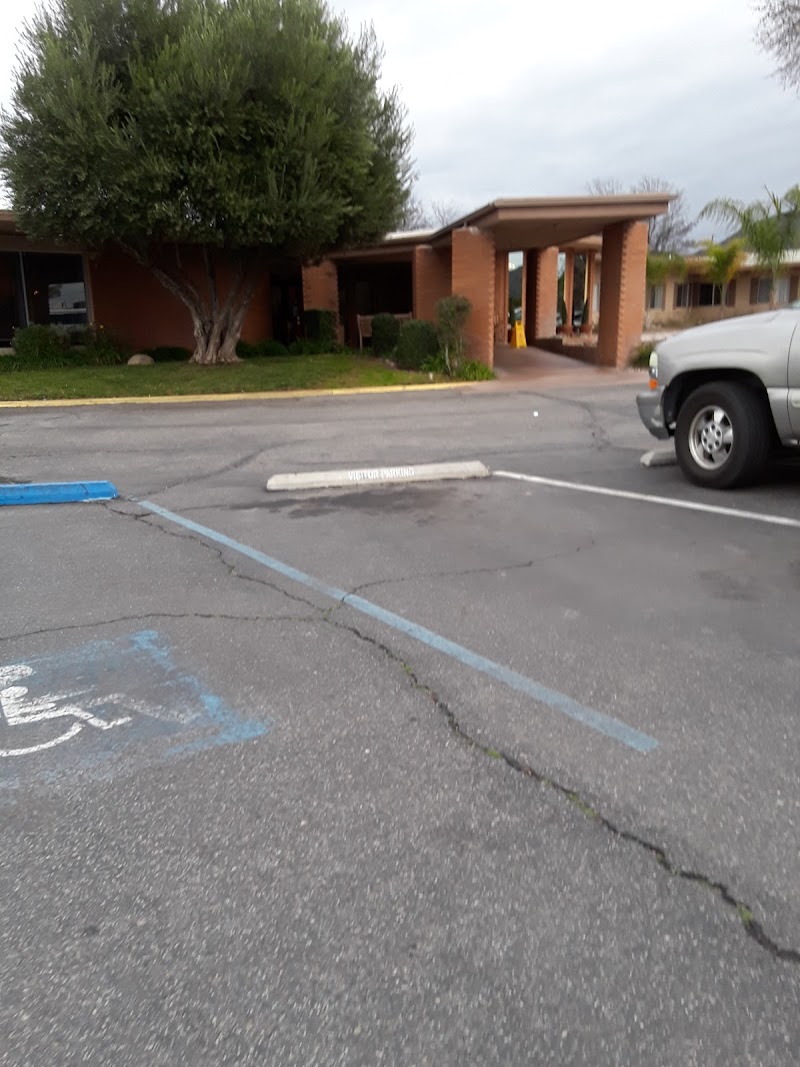
How is Menifee Lakes Post Acute Staffed?

CMS rates MENIFEE LAKES POST ACUTE's staffing level at 2 out of 5 stars, which is below average compared to other nursing homes. Staff turnover is 45%, compared to the California average of 46%. This relatively stable workforce can support continuity of care.

What Have Inspectors Found at Menifee Lakes Post Acute?

State health inspectors documented 50 deficiencies at MENIFEE LAKES POST ACUTE during 2019 to 2025. These included: 50 with potential for harm.

Who Owns and Operates Menifee Lakes Post Acute?

MENIFEE LAKES POST ACUTE is owned by a for-profit company. For-profit facilities operate as businesses with obligations to shareholders or private owners. The facility is operated by DAVID & FRANK JOHNSON, a chain that manages multiple nursing homes. With 99 certified beds and approximately 90 residents (about 91% occupancy), it is a smaller facility located in SUN CITY, California.

How Does Menifee Lakes Post Acute Compare to Other California Nursing Homes?

Compared to the 100 nursing homes in California, MENIFEE LAKES POST ACUTE's overall rating (4 stars) is above the state average of 3.2, staff turnover (45%) is near the state average of 46%, and health inspection rating (3 stars) is at the national benchmark.

What Should Families Ask When Visiting Menifee Lakes Post Acute?

Based on this facility's data, families visiting should ask: "Can you walk me through typical staffing levels on day, evening, and night shifts?" "Can I visit during a mealtime to observe dining assistance and food quality?" "How do you handle medical emergencies, and what is your hospital transfer rate?" "Can I speak with family members of current residents about their experience?" These questions are particularly relevant given the below-average staffing rating.

Is Menifee Lakes Post Acute Safe?

Based on CMS inspection data, MENIFEE LAKES POST ACUTE has a clean safety record: no substantiated abuse findings (meaning no confirmed cases of resident harm), no Immediate Jeopardy citations (the most serious violation level indicating risk of serious injury or death), and is not on the Special Focus Facility watch list (a federal program monitoring the lowest-performing 1% of nursing homes). The facility has a 4-star overall rating and ranks #1 of 100 nursing homes in California. While no facility is perfect, families should still ask about staff-to-resident ratios and recent inspection results during their visit.

Do Nurses at Menifee Lakes Post Acute Stick Around?

MENIFEE LAKES POST ACUTE has a staff turnover rate of 45%, which is about average for California nursing homes (state average: 46%). Moderate turnover is common in nursing homes, but families should still ask about staff tenure and how the facility maintains care continuity when employees leave.

Was Menifee Lakes Post Acute Ever Fined?

MENIFEE LAKES POST ACUTE has no federal fines on record. CMS issues fines when nursing homes fail to meet care standards or don't correct problems found during inspections. The absence of fines suggests the facility has either maintained compliance or corrected any issues before penalties were assessed. This is a positive indicator, though families should still review recent inspection reports for the full picture.

Is Menifee Lakes Post Acute on Any Federal Watch List?

MENIFEE LAKES POST ACUTE is not on any federal watch list. The most significant is the Special Focus Facility (SFF) program, which identifies the bottom 1% of nursing homes nationally based on persistent, serious quality problems. Not being on this list means the facility has avoided the pattern of deficiencies that triggers enhanced federal oversight. This is a positive indicator, though families should still review the facility's inspection history directly.