SUNNYVALE GARDENS POST ACUTE
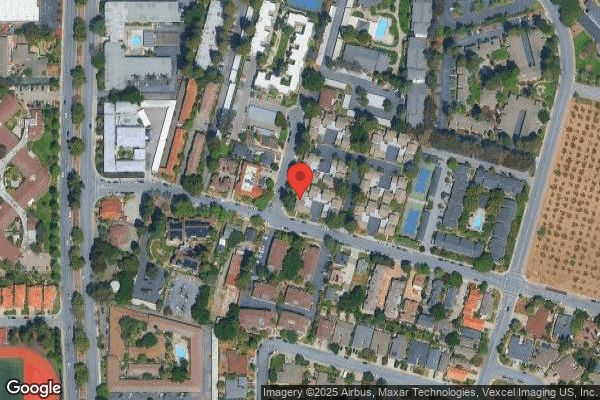

1150 TILTON DRIVE, SUNNYVALE, CA 94087 (408) 735-7200
For profit - Limited Liability company 140 Beds PACS GROUP Data: November 2025 1 Immediate Jeopardy citation
Trust Grade
23/100
#914 of 1155 in CA
Last Inspection: November 2024

Within standard 12-15 month inspection cycle. Federal law requires annual inspections.

Overview

Sunnyvale Gardens Post Acute has received a Trust Grade of F, indicating significant concerns about the facility's care and operations. With a state rank of #914 out of 1155, they are in the bottom half of California facilities, and rank #42 of 50 in Santa Clara County, meaning there are several better options nearby. While the facility is improving, having decreased from 23 issues in 2024 to just 1 in 2025, it still faces serious challenges, including $43,176 in fines, which is higher than 75% of California facilities. Staffing is average, with a 3 out of 5 rating, but the turnover rate of 57% is concerning, as it is above the state average. Specific incidents include a resident suffering serious burns from an e-cigarette explosion and another falling due to inadequate transfer assistance, highlighting both critical safety issues and the need for better staff training.

Trust Score
F
23/100
In California
#914/1155
Bottom 21%
Safety Record
High Risk
Review needed
Inspections
Getting Better
23 → 1 violations
Staff Stability
⚠ Watch
57% turnover. Above average. Higher turnover means staff may not know residents' routines.
Penalties
⚠ Watch
$43,176 in fines. Higher than 76% of California facilities, suggesting repeated compliance issues.
Skilled Nurses
○ Average
Each resident gets 34 minutes of Registered Nurse (RN) attention daily — about average for California. RNs are the most trained staff who monitor for health changes.
Violations
⚠ Watch
59 deficiencies on record. Higher than average. Multiple issues found across inspections.
★★☆☆☆
2.0
Overall Rating
★★★☆☆
3.0
Staff Levels
★★★★★
5.0
Care Quality
★☆☆☆☆
1.0
Inspection Score
Stable
2024: 23 issues
2025: 1 issues

The Good

  • 5-Star Quality Measures · Strong clinical quality outcomes
  • Full Sprinkler Coverage · Fire safety systems throughout facility
  • No fines on record

Facility shows strength in quality measures, fire safety.

The Bad

2-Star Overall Rating

Below California average (3.1)

Below average - review inspection findings carefully

Staff Turnover: 57%

11pts above California avg (46%)

Frequent staff changes - ask about care continuity

Federal Fines: $43,176

Above median ($33,413)

Moderate penalties - review what triggered them

Chain: PACS GROUP

Part of a multi-facility chain

Ask about local staffing decisions and management

Staff turnover is elevated (57%)

9 points above California average of 48%

The Ugly 59 deficiencies on record

1 life-threatening 1 actual harm
Mar 2025 1 deficiency
CONCERN (D) 📢 Someone Reported This

A family member, employee, or ombudsman was alarmed enough to file a formal complaint

Potential for Harm - no one hurt, but risky conditions existed

Quality of Care (Tag F0684)

Could have caused harm · This affected 1 resident

**NOTE- TERMS IN BRACKETS HAVE BEEN EDITED TO PROTECT CONFIDENTIALITY** Based on interview and record review, the facility failed to ensure treatment and care provided were in accordance with professi...

Read full inspector narrative →
**NOTE- TERMS IN BRACKETS HAVE BEEN EDITED TO PROTECT CONFIDENTIALITY** Based on interview and record review, the facility failed to ensure treatment and care provided were in accordance with professional standards of practice for one (Resident 1) out of two residents, when Resident 1 did not receive a medication ordered by the physician. This failure resulted in multiple missed doses of Resident 1's medication that had the potential to worsen Resident 1's physiological being. Findings: A review of Resident 1's medical record indicated an initial admission date of 4/24/2024 and readmission date of 7/3/2024 with diagnoses included hepatic encephalopathy (a brain dysfunction that happens when the liver is not working properly), alcoholic cirrhosis of liver with ascites (the liver has become severely scarred due to excessive alcohol consumption, and this scarring has caused fluid to accumulate in the abdominal cavity), liver cell carcinoma (a type of cancer that originates within the liver), and dementia (a decline in mental abilities, including memory, thinking, and reasoning, that interferes with daily life). A review of Resident 1's Minimum Data Set (MDS, an assessment tool), dated 10/4/24, indicated a brief interview for mental status score of 3 [BIMS, a tool used to assess cognition (knowing, learning, and understanding), a score of 0 to 7 indicates severe cognitive impairment, 8-12 moderate impairment, 13-15 patient is cognitively intact]. A review of Resident 1's Physician Orders indicated: Order Date 7/3/24 21:14 Rifaximin Oral Tablet 550 mg [milligram, unit of measurement] Give 1 tablet by mouth two times a day for hepatic encephalopathy. During an interview on 1/3/25 at 12:33 p.m. with Licensed Vocational Nurse (LVN) A, LVN A stated that the medication Rifaximin was available in the beginning. LVN A also stated that the facility was not able to get it from the pharmacy due to high cost. LVN A stated that Resident 1's relative found a bottle of Rifaximin in Resident 1's drawer and since then, they used that stock. During a concurrent interview and record review on 1/3/25 at 12:41 p.m. with the Case Manager (CM), the CM verified Resident 1's medical record which indicated, the medication Rifaximin was ordered upon admission on [DATE]. The CM stated that in August 2024, Resident 1's family member found a bottle of Rifaximin by the bedside. The CM also stated that the medication was brought with the Resident 1 upon admission. The CM stated that residents' belongings must be checked upon admission. The CM verified the Medication Administration Record for July and August 2024 which indicated that Rifaximin was not given from July 26 to August 6, 2024. A review of Resident 1's medical records did not indicate the physician was informed regarding these missed medications. A review of Resident 1's Inventory of Personal Effects dated 7/3/24, no medications were listed. A review of Resident 1's Hospital records titled Death/Discharge Summary dated 12/28/24 indicated, Resident 1 presented to the hospital on [DATE] for respiratory failure. Resident 1 had thoracentesis (a medical procedure where a needle is inserted through the chest wall to drain excess fluid from the space between the lungs and the chest wall) done on 12/16/24 and 12/24/24. Resident 1 did not want to pursue another procedure and wanted to focus on comfort. Resident 1 was transitioned to comfort care and passed peacefully with his family at bedside. Resident 1's date of death was 12/28/24. A review of facility's policy and procedure (P&P) entitled, Personal Belongings revised August 2022, the P&P indicated, .10. The resident's personal belongings and clothing are inventoried and documented upon admission and updated as necessary . A review of facility's policy titled Administering Medications with Revision Date April 2019 indicated, POLICY Statement: Medications are administered in a safe and timely manner, and as prescribed. POLICY INTERPRETATION and IMPLEMENTATION . 2. The director of nursing services supervises and directs all personnel who administer medications and/or have related functions. 4. Medications are administered in accordance with prescribe orders, including any required time frame. 7. Medications are administered within one (1) hour of their prescribed time, unless otherwise specified . 21. If a drug is withheld, refused, or given at a time other than the scheduled time, the individual administering the medication shall initial and circle the MAR space provided for that drug and dose.23. As required or indicated for a medication, the individual administering the medication records in the resident's medical record a. the date and time the medication was administered; . 27. Residents may self-administer their own medications only if the attending physician, in conjunction with the interdisciplinary care planning team, has determined that they have the decision-making capacity to do so safely.
Nov 2024 1 deficiency 1 IJ (1 affecting multiple)
CRITICAL (K) 📢 Someone Reported This

A family member, employee, or ombudsman was alarmed enough to file a formal complaint

Immediate Jeopardy (IJ) - the most serious Medicare violation

Accident Prevention (Tag F0689)

Someone could have died · This affected multiple residents

**NOTE- TERMS IN BRACKETS HAVE BEEN EDITED TO PROTECT CONFIDENTIALITY** Based on observation, interview and record review, the facility failed 1) To implement and inform all residents of their Smoking...

Read full inspector narrative →
**NOTE- TERMS IN BRACKETS HAVE BEEN EDITED TO PROTECT CONFIDENTIALITY** Based on observation, interview and record review, the facility failed 1) To implement and inform all residents of their Smoking Policy upon admission. Census during the survey on 11/21/24 was 127. 2) To ensure a safe environment free from accidents when one (Resident 1) out of six sampled residents suffered burns from an electronic cigarette (e-cigarette, a cigarette-shaped battery-operated device that contains nicotine, flavorings, and other chemicals that create an aerosol that is inhaled into the lungs, used to simulate the experience of smoking tobacco) explosion. These failures resulted in first degree facial burns (a burn that affects the outer layer of skin), intubation (inserting a tube into the patient's airway to help them breathe, administer medication, or remove blockages) and hospitalization for Resident 1 and this failure had the potential to result in serious injury to all the residents in the facility. On 11/22/24 , at 3:27 p.m., an Immediate Jeopardy (IJ, a situation in which the facility's noncompliance with one or more requirements of participation has caused, or is likely to cause, serious injury, harm, impairment, or death to a resident) was identified and declared, in the presence of the facility's Administrator (ADMIN) and Director of Nursing (DON) due to the facility's failure to implement and inform all residents of their smoking policy upon admission (Census was 127 on 11/21/24) and failure to provide a safe environment and supervise Resident 1 who used an E-Cigarette while connected to an Oxygen Concentrator via Nasal Cannula in her room, ended up with fire on her hair and burns on her nose and face, with the nasal cannula burnt open, her face became black and her bottom lip was bleeding. Resident 1 was sent via 911 to the hospital. On 11/22/24 at 4:32 p.m. an IJ removal plan (IJRP) with completion date of 11/26/24 was submitted but was not accepted. On 11/25/24 a revised IJRP was submitted with completion date of 11/25/24. On 11/26/24 a visit was done to the facility to review the implementation of this revised IJ Removal Plan. The IJ was lifted on 11/26/24 at 4:08 pm. The acceptable IJRP included the following corrective actions: Resident 1 was transferred to the hospital on [DATE] for further evaluation and treatment as indicated. Resident's attending physician and emergency contact were notified of the incident. The resident is still currently in the hospital. Resident 2 was provided emotional support and re-assurance of the facility staff in relation to the incident. Resident was offered psychology consult which she declined on 11/20/24. Resident 2 currently feels safe and has not brought up concerns to the facility staff. Residents 3, 4, & 5 have now been notified of the no smoking policy and a copy of the policy is available to the residents. All residents have the potential to be affected because of the use of oxygen at the facility. The facility leadership reviewed and observed all the residents on oxygen and all residents with history of smoking and found no other safety concerns such as smoking inside the room or other parts of the facility. All residents will be informed of the facility's non-smoking policy and will be educated on the complication of oxygen use and smoking (whether real cigarettes, e-cigarettes, or vapes) with signed confirmation which has been initiated and will be completed by November 25, 2024. The Director of Nursing (DON), Director of Development (DSD) or designee will in-service all staff on the facility Smoking Policy to promote resident and staff safety. The Director of Nursing (DON), Administrator or designee will in-service all admission Department on informing new admissions of the facility's non-smoking policy including the imminent risks of smoking while using oxygen or near oxygen products. To ensure ongoing compliance, the interdisciplinary team {IDT) will conduct at least a weekly review of the removal plan on ensuring residents' safety and will verify that new admissions were informed of the facility's Non-Smoking policy and were educated on the complication of smoking while using oxygen in the weekly IDT meetings. Any concerns will be discussed by the Administrator or designee for immediate resolution. The IDT will also review daily in the IDT meeting on weekdays if there are new patients with history of smoking and/or new patients that require oxygen use and verify that proper evaluation and safety interventions have been initiated. Moreover, the Administrator, Director of Nursing (DON} or designee will audit compliance in ensuring safety of residents including informing all new patients of the Non-Smoking policy and education on the complication of smoking while using oxygen or near oxygen products. This audit will be done weekly for 4 weeks, then monthly for 6 months beginning the week of November 25, 2024 and ending the month of June 2025. Any concerns or issues will be discussed in the daily stand-up meeting for immediate resolution and/or re-assessment by the interdisciplinary team. The Administrator or DON will provide a written quality assurance report that includes evaluation of the effectiveness of the plan of correction in the quarterly QAPI meeting for 6 months using pertinent compliance audit information and resolutions from November 2024 through the end of June 2025. The corrective actions have been initiated and will be completed ·by November 25, 2024. FINDINGS: 1. During an observation and walk through in the facility on 11/21/24 at 9:00 a.m., surveyor observed signs by the doors of Residents on oxygen stating, No smoking Oxygen in Use. During a concurrent observation and interview on 11/21/24 at 2:57 p.m. with Resident 3, Resident 3 was lying on bed with nasal cannula connected to an oxygen concentrator (a medical device that extracts oxygen from the surrounding air). Resident 3 stated he was not informed that smoking is prohibited in the facility upon admission. During an interview on 11/21/24 at 2:58 p.m. with Resident 4, Resident 4 stated he was not informed of smoking policy upon admission. During an interview on 11/22/24 at 11:45 a.m. with Resident 6, Resident 6 stated that she was not told that smoking is not allowed in the facility upon admission. During an interview and concurrent review with the DON on 11/21/24 at 2:02 p.m., the DON stated the facility does not admit active smokers and in February 2024, when the new management took over the facility, there was only one active smoker, Resident 5, who was grandfathered (exempted individual that existed before a new policy was implemented) by the facility. The DON verified that Resident 5 had an assessment, care plan and order for smoking. The DON also stated that Resident 5 was not in the facility and was currently in the hospital since 11/20/24 for other reasons. The DON further stated residents were informed of facility's smoking policy upon admission. During this continued concurrent interview with the DON, the surveyor reviewed the admission packet of Resident 1 with the DON, the DON verified there was no signed acknowledgement of the facility's smoking policy on Resident 1's admission packet. On 11/21/24, the Facility's Sample admission Packet was reviewed by the surveyor, but it did not include any 'smoking policy acknowledgement form' to be signed by newly admitted residents. During an interview with the DON 11/22/24 at 3:02 p.m. the DON was asked why 'smoking policy acknowledgement form' was not a found with or included in admission Packet, the DON stated, the admission Packet is based on regulations. The DON verified there was no separate smoking policy acknowledgement form included in the admission Packet. 2. The clinical records of Resident 1 were reviewed. Resident 1 was admitted on [DATE] with diagnoses including Chronic Obstructive Pulmonary Disease (COPD, group of lung diseases that make it difficult to breathe and worsen over time), ), bronchiectasis (a condition in which the lungs' airways become damaged, making it hard to clear mucus), abnormal gait and mobility, muscle weakness, major depressive disorder (a serious mood disorder that affects how a person feels, thinks, and acts); anxiety disorder (a condition that causes excessive fear, worry, dread, and uneasiness that can interfere with daily life); and hypertension (pressure of blood in your blood vessels is consistently too high). Review of Resident 1's Brief Interview for Mental Status (BIMS, an assessment to test a person's cognition level) dated 9/27/2024, Resident 1's score was 15, meaning she was cognitively intact [a score of 0 to 7 indicates severe cognitive impairment, 8-12 moderate impairment, 13-15 patient is cognitively intact]. A review of Resident 1's Nurse Practitioner's (NP, a nurse who has advanced clinical education and training) progress notes dated 10/23/24 indicated, .Past Medical History .former smoker. A review of Resident 1's Physician Orders indicated an order for Oxygen at 3 liters/minute via nasal cannula [a small flexible tube with two prongs that fit inside the nostrils] dated 3/25/34. A review of Resident 1's Social History Assessment dated 9/24/24 and timed 4:42 p.m., indicated, .Other Social History .7. Recreational Drug Use: Does the resident use of the following? . b. Cigarettes/E-Cigarettes . A review of Resident 1's clinical record indicated that Resident 1 had Smoking Observation/Assessment dated on 3/23/24, 6/28/24, 10/31/24 and 11/4/24. All four assessments indicated, 1. Safe smoking assessment: 2. Resident denies smoking or use of all tobacco products. A review of Resident 1's Nurse's Notes dated 11/4/24 at 10:56 a.m. indicated, Nicotine Patch 24 Hour 14 mg [milligram, unit of measurement]/ hr. [hour] Apply 1 patch transdermally [on the skin] one time a day for smoking cessation [stopping of] for 2 weeks and remove per schedule order received from MD [medical doctor] . During an observation upon entry to the facility on [DATE], the Administrator (ADM) presented No Smoking While on Oxygen Acknowledgement forms signed by 18 out of 19 residents who were on oxygen, and all were dated 11/20/24 (day after the accident). Resident 1 had not signed this form since she was sent out on 11/19/24 after the explosion incident. During an interview on 11/21/24 at 11:46 a.m. with Resident 1's roommate, Resident 2, Resident 2 stated that on 11/19/24, she heard an explosion and looked at Resident 1's side of the room and saw flames. Resident 2 also stated she felt scared and stressed. During an interview on 11/21/24 at 12:22 p.m. with Licensed Vocational Nurse (LVN) B, LVN B stated that Resident 1 was scheduled to be given a nicotine patch in the morning and Resident 1 liked to have it on. LVN B stated during the incident, she ran to the room, and she was instructed to call 911 (emergency number). LVN B also stated after calling 911 on 11/19/24, when she entered Resident 1's room a broken electronic cigarette was found on the floor and Resident 1 was saying she was in pain. During a concurrent interview and record review on 11/21/24 at 2:02 p.m. with the Director of Nursing (DON), the DON stated residents were informed of facility's smoking policy upon admission and it is in the admission packet. The DON also reviewed Resident 1's admission packet, and verified there was no signed acknowledgement of the facility's smoking policy on Resident 1's admission packet. During an interview on 11/21/24 at 2:45 p.m. with the Social Services Director (SSD), SSD stated that after the explosion in Resident 1's room on 11/19/24, they saw a slim electronic cigarette in the room, and it had a black tip and a gray body. SSD also stated they should have done a search in Resident 1's room more or visited her more prior to the incident to prevent an accident. During an interview on 11/21/24 at 3:17 p.m. with LVN A, LVN A stated it was around 5:45 p.m. on 11/19/24 when she heard a loud pop in the hallway and heard Resident 1 screaming. LVN A stated she then entered Resident 1's room and saw Resident 1's hair was on fire, and she was patting her head, the nasal cannula was burst open, and Resident 1 had a spark on top of her mouth and there was a little bit of bleeding on the bottom lip. LVN A stated she then took a towel from Resident 1's bedside, dampen it in the bathroom and put it over Resident 1's head to put out the fire and then LVN A turned off the oxygen concentrator. LVN A stated she interviewed Resident 1 after she put out the fire. Resident 1 did not have complaints of pain, no SOB (shortness of breath) observed and LVN A further stated Resident 1 'was in shock'. LVN A also stated that the facility's Non- Smoking Policy should have been more enforced to prevent fire accidents. During an interview on 11/22/24 at 3:02 p.m. with the DON, the DON verified that facility had no electronic cigarette acknowledgement form and that there was no signage regarding prohibition of electronic cigarette in the facility. Review of Resident 1's hospital records entitled Plastic & Burn Surgery Consult H&P [history and physical] dated 11/19/2024 6:50 pm., indicated, Reason for Consult: Facial burn after vape [electronic cigarette] explosion History: .presenting after thermal [pertains to heat] burn to the face after vape explosion. Patient was vaping in her bed while on her oxygen when the vape pen exploded in her face. Was holding vape pen in L [left] hand .Intubated in the trauma bay [the area in which emergency assessment and treatment begins] for airway protection . Assessment: Preliminary Diagnoses: 1st degree burn of face w/ unclear airway involvement . Procedures: intubation - patient intubated during initial assessment w/ RSI due to concerns of developing airway edema iso burn with unknown oropharyngeal involvement. Consultations: Burn, time called: 6:45 PM. Disposition: Probable admit to: ICU. A review of the facility's policy and procedure (P&P) entitled Smoking Policy - Residents revised August 2022, the P&P indicated, POLICY STATEMENT: This facility has established and maintains safe resident smoking practices. POLICY INTERPRETATION AND IMPLEMENTATION: 1. Prior to and upon admission residents are informed of the facility smoking policy. 2. Smoking is only permitted in designated resident smoking areas, which are located outside of the building. Electronic cigarettes are permitted in designated areas only. 3. Oxygen use is prohibited in smoking areas 15.This facility maintains the right to confiscate smoking items found in violation of our smoking policy. 16. If the facility policy changes to one that prohibits smoking (including electronic cigarettes), residents who are currently allowed to smoke will be provided an area to smoke which maintains the quality of life and safety for smoking residents, while considering the health and well-being of non-smoking residents. 17. Resident admitted after No Smoking policy is adopted are informed of the policy on admission. ELECTRONIC CIGARETTES 1. Electronic cigarettes (e-cigarettes) are not considered smoking devices with respect to the risk of ignition, but they are considered a risk for residents related: . d. explosion or fire caused by the battery 2. To prevent accidents associated with e-cigarettes and to respect the rights of resident who do not want to be exposed to second-hand aerosol, residents are permitted to use e-cigarettes with supervision and in designated smoking areas only. 3. Residents who wish to use e-cigarettes are assessed for their ability to safely handle the devices (including batteries and refill cartridges) on an individual basis. 4. Residents who wish to use e-cigarettes are instructed on battery safety and tips to avoid battery explosions per FDA recommendations. Instructions specific to e-cigarette safety is documented in the resident care plan.
Nov 2024 18 deficiencies
CONCERN (D)

Potential for Harm - no one hurt, but risky conditions existed

Deficiency F0554 (Tag F0554)

Could have caused harm · This affected 1 resident

Based on observation, interview, and record review, the facility failed to implement their policy and procedure on self-administration of medication (resident takes medication without staff assistance...

Read full inspector narrative →
Based on observation, interview, and record review, the facility failed to implement their policy and procedure on self-administration of medication (resident takes medication without staff assistance) when there were no assessments performed for self-administration of medication, and medications were left at bedside for one of six sampled residents (Resident 59). This failure had the potential for unsafe and improper administration of medications. Findings: Review of Resident 59's clinical record titled, admission Record, indicated, Resident 59 was admitted to the facility with diagnoses including chronic obstructive pulmonary disease (COPD- a long lasting lung disease), respiratory disorders, major depressive disorder (a mood disorder that causes a persistent feeling of sadness and loss of interest), and anxiety disorder (a mental illness that causes constant fear). Review of Resident 59's quarterly minimum data set (MDS - a federally mandated resident assessment tool) assessment, dated 9/27/2024, indicated Resident 59's brief interview for mental status (BIMS - an assessment tool used by facilities to screen and identify memory, orientation, and judgement status of the resident) score was 15 (a score of 0 to 7 indicates severe cognitive impairment, 8-12 moderate impairment, 13-15 patient is cognitively intact). During a concurrent observation and interview with Resident 59 on 11/12/2024 at 10:05 a.m., inside Resident 59's room, Resident 59 was in bed. There were two bottles of eyedrops placed on top of Resident 59's overbed table. One eyedrop was tetrahydrozoline hydrochloride (a drug that is used as a decongestant for the eyes and nose) and the other one was Visine (a brand name for dry eye relief). Resident 59 stated one of the eyedrops was given by her roommate and she was using both eyedrops. Resident 59 further stated, she had been requesting to self-administer her medications, but her doctor refused her request. During a concurrent observation and interview with licensed vocational nurse J (LVN J) on 11/13/2024 at 10:21 a.m., inside Resident 59's room, the two bottles of eyedrops were still located on top of Resident 59's overbed table. LVN J confirmed above observation. LVN J stated, Resident 59 should not have medications at bedside. LVN J further stated, there should have been an assessment for if Resident 59 was safe to self-administer her medications. LVN J confirmed Resident 59 did not have a physician's order for tetrahydrozoline hydrochloride eyedrops or to have any medications at bedside. Review of Resident 59's clinical record titled, Order Summary Report, dated 11/18/2024, indicated an order of Visine Dry Eye Relief to instill one drop in both eyes every 8 hours as needed for dry eyes. Further review indicated there was no order for tetrahydrozoline hydrochloride eyedrops and no order to have medications at bedside. During an interview with director of nursing (DON) on 11/18/2024 at 11:27 a.m., DON confirmed Resident 59 should not have medications at bedside. Review of the facility's policy and procedure titled, Self-Administration of Medications, revised October 2018, indicated, Residents have the right to self-administer medications if the interdisciplinary team has determined that it is clinically appropriate and safe for the resident to do so . Self-administered medications are stored in a safe and secure place . Any medications found at the bedside that are not authorized for self-administration are turned over to the nurse in charge for return to the family or responsible party.
CONCERN (D)

Potential for Harm - no one hurt, but risky conditions existed

Comprehensive Care Plan (Tag F0656)

Could have caused harm · This affected 1 resident

Based on interview and record review, the facility failed to develop and implement comprehensive care plans that included target symptoms, measurable objectives, and interventions for three out of 26 ...

Read full inspector narrative →
Based on interview and record review, the facility failed to develop and implement comprehensive care plans that included target symptoms, measurable objectives, and interventions for three out of 26 sampled residents (Resident 6, Resident 106, and Resident 111) as follows: 1. For Resident 6, the facility did not develop care plans for depression (loss of pleasure or interest in activities for long periods of time) and anxiety (apprehensive uneasiness or nervousness usually over an impending or anticipated). 2. For Resident 106, the facility did not develop care plans for depression and Parkinson's disease (a disease that include symptoms of slowness of movements, muscle rigidity, involuntary tremors/shaking and impaired balance, and posture). 3. For Resident 111, the facility did not develop a care plan for the resident's long-standing low sodium levels (measures the amount of sodium in the blood) and hypotension (low blood pressure). These failures had the potential for the residents to not attaining their highest practicable physical, mental, and psychosocial well-being. Findings: 1. Review of Resident 6's clinical record indicated Resident 6 was admitted to the facility with diagnoses includes depression and anxiety. A review of Resident 6's physician's orders indicated the following: -Venlafaxine (an anti-depressant) 150 milligrams (mg, unit of measure) give one tablet by mouth one time a day for depression, dated 10/4/24; and, -Alprazolam (an anti-anxiety medication) 1 mg, give one tablet by mouth at bedtime for anxiety, dated 11/3/24. A review of Resident 6's clinical record indicated there were no comprehensive care plans developed for the resident's depression and anxiety. During a concurrent interview and record review on 11/14/24 at 3:41 p.m., with the Director of Nursing (DON), the DON confirmed there were no care plans developed for Resident 6's depression and anxiety. The DON stated there should have been long-term care plans developed for depression and anxiety. 2. Review of Resident 106's clinical record indicated Resident 106 was admitted to the facility with diagnoses including depression. A review of Resident 106's physician's orders indicated the following: - Nortriptyline (an antidepressant) 25 mg, give 1 capsule by mouth two times a day for depression, dated 8/21/24; and, - Ropinole (medication for Parkinson's disease) 5 mg, 1 tablet one time a day, and 3 tablets in the afternoon for Parkinson's disease, dated 8/22/24. A review of Resident 106's clinical record indicated there were no care plans developed and implemented for the resident's depression and Parkinson's disease. During a concurrent interview and record review on 11/15/24 11:39 a.m., with the Director of Nursing (DON), she stated she could not find the care plans for depression and Parkinson's disease, and confirmed there should have been care plans developed for these medical conditions. 3. Review of Resident 111's clinical records indicated Resident 111 was admitted to the facility with diagnoses including alcoholic cirrhosis (severe scarring) of the liver with ascites (too much fluid build up in abdomen). Review of Resident 111's laboratory results indicated the resident had the following low sodium level readings (normal range 136-145 mEq/L, Milliequivalents per liter): -4/26/23: 128 mEq/L -7/16/24: 122 mEq/L- CL (critical Low) -7/22/24: 128 mEq/L -8/29/24: 131 mEq/L -9/06/24: 128 mEq/L -10/17/24: 129 mEq/L -11/05/24: 130 mEq/L -11/11/24: 131 mEq/L A review of Resident 111's clinical record indicated there were no care plans developed and implemented for the resident's low sodium level. During a concurrent interview and record review on 11/15/24 11:49 a.m., with the DON, the DON stated there were no care plans for low sodium level for Resident 111. She stated there should have long-term care plan for low sodium level. Review of the facility's policy and procedure titled, Care planning -Interdisciplinary team (IDT), revised September 2013, indicated, . facility's Care Planning/IDT [interdisciplinary team] is responsible for the development of an individualized comprehensive care plan for each resident.
CONCERN (D) 📢 Someone Reported This

A family member, employee, or ombudsman was alarmed enough to file a formal complaint

Potential for Harm - no one hurt, but risky conditions existed

Quality of Care (Tag F0684)

Could have caused harm · This affected 1 resident

Based on observation, interview and record review, the facility failed to ensure services provided were in accordance to standards of practice when staff did not use the correct denture cleanser for o...

Read full inspector narrative →
Based on observation, interview and record review, the facility failed to ensure services provided were in accordance to standards of practice when staff did not use the correct denture cleanser for one out of eight sampled residents(Resident 26). This failure had the potential to affect the integrity of Resident 26's dentures and may not be effective to remove stains and kill bacteria. Findings: During a concurrent observation and interview on 11/12/24 at 10:01 a.m. in Resident 26's room with Certified Nurse Aide (CNA) S, CNA S, with gloved hands, took the dentures from Resident 26's mouth. CNA S proceeded to go to the rest room with a basin and toothbrush. CNA S used liquid hand soap and water to clean Resident 26's dentures. CNA S confirmed she used the liquid hand soap in the rest room to clean the dentures. During an interview on 11/14/24 at 12:59 p.m. with the Infection Preventionist (IP), the IP stated toothpaste must be used to clean residents' dentures and not the liquid hand soap in the rest room. Review of facility's policy and procedure, Dentures, Cleaning and Storing dated 2017, indicated, Clean the dentures by brushing them with a denture cleaner or toothpaste . According to The American College of Prosthodontists [dentists who specialize in restoring and replacing missing or damaged teeth and jaw structure] (ACP) on 4/12/23, the ACP recommends that dentures be cleaned daily by soaking and brushing with an effective, nonabrasive (not rough) denture cleanser to reduce levels of biofilm (slimy layer of bacteria or other tiny living things that stick together on a surface) and potentially harmful bacteria and fungi.
CONCERN (D)

Potential for Harm - no one hurt, but risky conditions existed

Tube Feeding (Tag F0693)

Could have caused harm · This affected 1 resident

Based on observation, interview and record review, the facility failed to follow their policy and procedures for enteral feeding (a method of delivering nutrients and fluids directly to the gastrointe...

Read full inspector narrative →
Based on observation, interview and record review, the facility failed to follow their policy and procedures for enteral feeding (a method of delivering nutrients and fluids directly to the gastrointestinal [GI] tract) care for two of two sampled residents (Residents 110 and 64) when: 1. Licensed vocational nurse G (LVN G) did not check the placement (by injecting air and listening to the stomach with a stethoscope) of a gastrostomy tube (G-tube, a tube that goes directly into the stomach to deliver feeding formula and medications), and did not check for any residual (the amount of fluid remaining in the stomach after enteral feeding, which is measured by withdrawing the fluid with a syringe and checking the amount) prior to flushing the G-tube with water; and, 2. Registered nurse L (RN L) did not check G-tube placement before G-tube medication administration. These failures had the potential for enteral feeding complications (such as aspiration of medications, enteral formula, water) that could cause harm to Residents 110 and 64. Findings: 1. Review of Resident 110's clinical record titled, admission Record, indicated Resident 110 was admitted to the facility with diagnoses including hemiplegia (paralysis of one side of the body) and hemiparesis (a condition that causes partial paralysis or weakness on one side of the body) following unspecified cerebrovascular disease (CVA, commonly referred to as stroke) affecting right dominant side, dysphagia (difficulty in swallowing) following cerebral infarction (also known as stroke), and gastrostomy status. Review of Resident 110's order listing report indicated, Enteral Feed Order every shift. Check and record residuals every shift. If residuals are greater than 100ml hold feeding and call physician .Enteral Feed Order every shift. Check tube placement and patent 1) visual 2)auscultation 3) gastric content aspiration. Both orders had a revision date of 4/17/2024. During an observation on 11/13/2024 at 9:40 a.m., inside Resident 110's room, Resident 110 was in bed. LVN G flushed the G-tube with water without checking the G-tube placement and without checking for a residual. LVN G checked the G-tube residual after she flushed it with water. During a follow up interview with LVN G on 11/13/2024 at 10:00 a.m., LVN G confirmed above observation. LVN G stated she should have checked the GT placement and checked for residual prior to flushing it with water. During an interview with director of nursing (DON) on 11/18/2024 at 2:18 p.m., DON stated nurses should check the GT placement prior to flushing it with water or medication administration. DON further stated, nurses should also checked for residual prior to flushing, tube feeding or medication administration. Review of the facility's undated policy and procedure, Enteral Feedings - Safety Precautions, indicated, Preventing aspiration [when a fluid or solid accidentally enters your windpipe and lungs]: 1. Check enteral tube placement every 4 hours and prior to feeding or administration of medication. 2. Check gastric residual volume as ordered . 2. During a concurrent observation and interview on 11/12/24 at 4:21 p.m., with Registered Nurse L (RN), RN L was observed administering five medications to Resident 64 via G-tube, but she did not check the G-tube placement before administering the medications. During an interview on 11/12/24 at 4:40 p.m., with RN L, she stated she forgot to check Resident 64's G-tube placement before administering medications. RN L stated she typically would not check the G-tube placement first before administering the medication. During an interview on 11/13/24 at 09:42 a.m., with Director of Nursing (DON), the DON stated nurses are supposed to check G-tube placement with stethoscope (a medical device use for listening to internal sounds of human body) by auscultation (the action of listening to sounds from the heart, lungs, or other organs) before administering medication. During a review of facility's policy and procedure, Administering Medications through an Enteral Tube, dated 2001, the P&P indicated, Equipment .12. Stethoscope . Steps in the procedure . 6. Verify placement of feeding tube: a. if you suspect improper tube positioning, do not administer feeding or medication. Notify the Charge Nurse or Physician .
CONCERN (D)

Potential for Harm - no one hurt, but risky conditions existed

Deficiency F0700 (Tag F0700)

Could have caused harm · This affected 1 resident

**NOTE- TERMS IN BRACKETS HAVE BEEN EDITED TO PROTECT CONFIDENTIALITY** Based on observation, interview, and record review, the facility failed to follow their policy regarding use of side rails (also...

Read full inspector narrative →
**NOTE- TERMS IN BRACKETS HAVE BEEN EDITED TO PROTECT CONFIDENTIALITY** Based on observation, interview, and record review, the facility failed to follow their policy regarding use of side rails (also called bedrails, metal or plastic bars attached to the bed ranging in size from full to one-half, one quarter, or one-eighth lengths) for one out of 26 sampled residents (Resident 22), when Resident 22 did not have a documented physician's order for the use of side rails, there was no documentation that indicated the facility attempted alternatives prior to installing the side rail, and there was no documentation that indicated the facility assessed for risk of entrapment (getting caught, trapped, or entangled in the space in or around the side rail). These failures had the potential to compromise the resident's safety. Findings: During an observation on 11/12/24 at 11:38 a.m., the bed of Resident 22 was inspected. Resident 22's bed had one upper ¼ side rail in the upright position on the left side of the bed. No side rail was observed on the right side of the bed. During an observation on 11/13/24 at 10:33 a.m., inside Resident 22's room, Resident 22 was seated on a wheelchair and her bed was observed with an upper left side rail in the upright position. No side rail was observed on the right side of the bed. Review of Resident 22's admission record indicated she was admitted to the facility on [DATE] with diagnoses including multiple sclerosis (a disease affecting the brain and spinal cord that disrupts the communication of the brain and the rest of the body), and fracture (a partial or complete break in the bone) of the shaft (middle part of a long bone) of the right ulna (the long, thin bone in the lower part of the arm). Review of Resident 22's medical record indicated she had a physician's order, dated 11/13/24, May have bilateral ¼ side rails as enabler for bed mobility and positioning. There was no documentation in the medical record that indicated the facility attempted alternatives prior to installing Resident 22's side rail and no care plan for side rail use was developed prior to Resident 22's use of side rail. Review of Resident 22's bed rail evaluation report, dated 10/29/24, indicated Resident 22 did not require the use of bed rails. During an interview conducted on 11/18/24 at 2:20 p.m. with licensed vocational nurse B (LVN B), she stated a bed rail evaluation is done for residents before the bed rails are applied. LVN B stated all orthopedic residents are assessed for an overhead trapeze and other alternatives before bed rails are installed. During an interview and concurrent record review with the director of nursing (DON) on 11/18/24 at 2:24 p.m., the DON reviewed Resident 22's bed rail evaluation report dated 10/29/24. The DON confirmed Resident 22's bed rail evaluation report indicated Resident 22 did not require the use of bed rails. The DON further confirmed there was no documentation indicating alternatives were offered, no physician order and consent were obtained, and no care plan for side rail use was developed prior to Resident 22's use of a side rail. The DON stated There was a physician's order for the side rail and a nursing care plan for the side rail, but I cannot find it in the records. During a concurrent interview and record review on 11/18/24 at 2:24 p.m. with DON, she confirmed Resident 22 had a side rail. The DON reviewed the medical record of Resident 22 and confirmed there was a physician order dated 11/13/24 for bed rails, but no documentation that indicated the facility attempted alternatives prior to installing the bed rail and no development of a nursing care plan for bed rail use. During a review of the facility's policy and procedure titled, Bed Safety and Bed Rails, dated August 2022 indicated, Bed rails are adjustable metal or rigid plastic bars that attach to the bed. They are available in a variety of types, shapes, and sizes ranging from full to one-half, one quarter, or one-eighth lengths. Some bed rails are not designed as part of the bed by the manufacturer and may be installed . For the purpose of this policy bed rails include: a. side rails; b. safety rails; and c. grab/assist bars. Prior to the installation or use of a side rail or bed rail, alternatives to the use of side rails or bed rails are attempted. If attempted alternatives do not adequately meet the resident's needs the resident may be evaluated for the use of bed rails. This interdisciplinary evaluation includes: b. the resident's risk associated with the use of bed rails; c. input from the resident and/or representative and d. consultation with the attending physician. Before using bed rails for any reason, the staff shall inform the resident or representative about the benefits and potential hazards associated with bed rails and obtain informed consent.
CONCERN (D)

Potential for Harm - no one hurt, but risky conditions existed

Deficiency F0726 (Tag F0726)

Could have caused harm · This affected 1 resident

Based on observation, interview, and record review, the facility failed to ensure staff had the necessary competency to respond to resident's needs when two (Resident 90 and Resident 122) out of four ...

Read full inspector narrative →
Based on observation, interview, and record review, the facility failed to ensure staff had the necessary competency to respond to resident's needs when two (Resident 90 and Resident 122) out of four residents were assisted by the laundry aide. This failure had the potential for the facility to not meet residents' safety needs. Findings: During an interview on 11/15/24 at 3:16 p.m. with the Director of Nursing (DON), the DON stated there was a monitoring log for the sitters to use for the residents. During an interview on 11/18/24 at 10:38 a.m. with Laundry Aide (LA) E, LA E stated she was assigned to be the sitter for four residents, but was not able to state the names of the residents she was assigned to watch. LA E also stated, I'm just watching them not to fall down. I call the CNA [Certified Nurse Aide] or the nurse if I need help right away. LA E confirmed she did not have a monitoring log while watching residents. During a concurrent observation and interview on 11/18/24 at 11:06 a.m., Laundry Aide E (LA E) entered Resident 122's room, took Resident 122's call light button from the floor and clipped it on Resident 122's bed. LA E then went to Resident 122's roommate, Resident 90, LA E held Resident 90's call light button and asked if Resident 90 needs it. LA E exited the room. LA E confirmed she did not do hand hygiene upon entering the residents' room, after touching Resident 122's call light button and moving to Resident 90 and touching his call light button, and upon exiting the room. LA E also confirmed she did not sanitize Resident 122's call light button after picking it up from the floor and then clipping it on Resident 122's bed. LA E stated she should have used hand sanitizer upon entering and exiting the residents' room. During an interview on 11/18/24 at 1:26 p.m. with the Director of Nursing (DON), the DON stated that laundry aides can be sitters and were trained to be sitters but must not do any direct patient care. The DON also stated that they must also know about infection control such as hand hygiene. A review of Resident 90's comprehensive care plan initiated on 9/29/24 indicated, May provide close supervision up to 1:1 supervision as needed/indicated. A review of Resident 122's comprehensive care plan initiated on 10/10/24 indicated, Keep within supervised view as much as possible. A review of facility's Job Description for Laundry Aide revised 2/08, indicated, Job Summary Perform a variety of general laundry duties to provide quality, clean laundry service .Essential Job Functions . Safety and Sanitation .Observes safety needs of patients as indicated in care plan . A review of facility's document entitled Nurse Assistant Training Program Counseling Form for LA E dated 6/9/23, indicated, Description of Incident: Not Able to Cope with the theory. Quizzes are low. Plan of Action: To go back to laundry or be a sitter . A review of facility's policy and procedure, Safety and Supervision of Residents, dated 2001, indicated, Individualized, Resident- Centered Approach to Safety . 4. Implementing interventions to reduce accident risks and hazards shall include the following: a. Communicating specific interventions to all relevant staff; b. Assigning responsibility for carrying out interventions; . e. Documenting interventions . 5. Monitoring the effectiveness of interventions shall include the following: a. Ensuring that interventions are implemented correctly .
CONCERN (D)

Potential for Harm - no one hurt, but risky conditions existed

Deficiency F0745 (Tag F0745)

Could have caused harm · This affected 1 resident

**NOTE- TERMS IN BRACKETS HAVE BEEN EDITED TO PROTECT CONFIDENTIALITY** Based on observation, interview, and record review, the facility failed to provide appropriate social services (SS) support for ...

Read full inspector narrative →
**NOTE- TERMS IN BRACKETS HAVE BEEN EDITED TO PROTECT CONFIDENTIALITY** Based on observation, interview, and record review, the facility failed to provide appropriate social services (SS) support for one of three residents (Resident 59) when there was a lack of SS support for Resident 59, who had a history of domestic violence (also called intimate partner violence, a pattern of behavior in any relationship that is used to gain or maintain power and control over an intimate partner). This failure resulted in a lack of timely psychosocial support for Resident 59. Findings: Review of Resident 59's clinical record titled, admission Record, indicated, Resident 59 was admitted to the facility initially on 3/22/2024 with diagnoses including chronic obstructive pulmonary disease (COPD- a long lasting lung disease), respiratory disorders (a type of disease that affects the lungs and other parts of the respiratory system), major depressive disorder (a mood disorder that causes a persistent feeling of sadness and loss of interest), and anxiety disorder (a mental illness that causes constant fear). Review of Resident 59's quarterly minimum data set (MDS - a federally mandated resident assessment tool) assessment dated [DATE], indicated Resident 59's brief interview for mental status (BIMS - an assessment tool used by facilities to screen and identify memory, orientation, and judgement status of the resident) score was 15 (a score of 0 to 7 indicates severe cognitive impairment, 8-12 moderate impairment, 13-15 patient is cognitively intact). During a concurrent observation and interview with Resident 59 on 11/12/2024 at 10:05 a.m., inside Resident 59's room, she was seated on her bed, with oxygen in placed thru nasal cannula (a tubing used to deliver oxygen from the machine through the nostrils). Resident 59 stated she had been on antidepressant (type of medication used to treat depression) and anti-anxiety (a type of medication used to prevent or relieve anxiety) medications. Resident 59 further stated, she had been requesting to be seen by her own psychiatrist, but nobody followed up with her. Resident 59 confirmed SS never visited her regarding her request. Review of Resident 59's clinical records titled, Order Summary Report, indicated an order dated 3/25/2024 for Buspirone Hydrochloride (anti-anxiety - a type of medication used to prevent or relieve anxiety) 15 milligrams (mg - unit of measurement) two times a day and 30 mg one time a day for anxiety manifested by (m/b) verbalization of being anxious due to husband will be out of jail soon. It was indicated Resident 59 had history of physical abuse from her husband. Further review indicated an order dated 3/25/2024 for Mirtazapine (antidepressant - type of medication used to treat depression) 15 mg at bedtime for poor appetite and the medication dosage was changed to 7.5 mg on 11/10/2024. It had order dated 3/22/2024 for Setraline hydrochloride 100 mg two times a day for depression m/b verbalization of sadness. Review of Resident 59's Social History assessment dated [DATE], it indicated, Resident 59 had experienced physical assault, assault with a weapon, sudden, and unexpected death of someone close to her. Further review indicated, Domestic violence, was the stressful event or experienced she had. Resident 59 scored 24 (a score of 20 -27, severe depression) in her mood interview. It indicated a note that Resident would be referred to psychiatric services. Review of Resident 59's care plan titled, At risk for decreased psychosocial well-being and emotional distress ., date initiated 3/30/2024, indicated, Resident mood sx (symptom) presence are related to current health problems, abusive spouse and son on drugs Interventions .Encourage expression of feelings/concerns .Social Services to visit and evaluate as needed . During a concurrent interview with social services director (SSD) and record review on 11/18/2024 at 10:27 a.m., SSD reviewed SS progress notes and the latest psychiatric note dated 8/27/2024. SSD confirmed Resident 59 was under Adult Protective Services (APS) before due to domestic violence, but APS closed the case when Resident 59 was admitted to the facility. SSD confirmed she did not find any documentation of SS visits to Resident 59 to address her mood and there was no other psychiatric follow up done in September, October, and November 2024. SSD further confirmed, the progress notes she found were just related to Resident 59's room changed. SSD stated Resident 59 should have a weekly SS visit and it should have been documented under progress notes. During concurrent interview with director of nursing (DON) and record review on 11/18/2024 at 11:54 a.m., DON reviewed Resident 59's clinical records related to SS visits. DON confirmed there were no documented SS visits to address Resident 59's mood. DON stated SS should have documented their visits with Resident 59. During a review of the facility's document titled, Job Description: Social Services Director, dated 4/29/2024, indicated, Essential Duties .Provide medically related social services so that the highest practicable physical, mental and psychosocial well-being of each resident is attained or maintained. Evaluate social and family information, psychological and emotional needs to assist in assessing social services needs as well as develop care plans for social services issues . Document regarding resident social service status . Counselling residents and family members .
CONCERN (D)

Potential for Harm - no one hurt, but risky conditions existed

Deficiency F0757 (Tag F0757)

Could have caused harm · This affected 1 resident

Based on observation, interview, and record review, the facility failed to ensure two of 26 sampled residents (Residents 6 and 111) were free from unnecessary medications when Resident 6 received Lasi...

Read full inspector narrative →
Based on observation, interview, and record review, the facility failed to ensure two of 26 sampled residents (Residents 6 and 111) were free from unnecessary medications when Resident 6 received Lasix (used to treat edema [fluid retention; excess fluid held in body tissues]) and Resident 111 had two orders for oxycodone (a potent controlled medication for pain) 5 milligram (mg, unit of measure). This deficient practice resulted in unmonitored medical condition; and, duplicate orders that had the potential for excessive dose/adverse effects for the resident. Findings: 1. Review of Resident 6's clinical record indicated Resident 6 was admitted to the facility with diagnosis including heart failure (a condition in which the heart muscle can't pump enough blood to meet the body's needs for blood and oxygen). A review of Resident 6's physician's orders indicated an order for Lasix 20 mg, 1 tablet by mouth one time a day for edema HOLD if (systolic blood pressure) SBP < (is less than) 100, dated 11/10/24. A review of Resident 6's medication administration record (MAR) indicated the nursing staff did not monitor for the edema. During a concurrent interview and record review on 11/14/24 03:41 p.m., with the Director of Nursing (DON), the DON reviewed Resident 6's physician's orders and confirmed there was no monitoring for edema. The DON stated Resident 6 should have monitoring for edema in the MAR. 2.During a review of Resident 111's clinical record indicated Resident 111 was admitted to the facility with diagnoses including alcoholic cirrhosis (severe scarring) of the liver with ascites (too much fluid builds up in abdomen). During a review of Resident 111's physician's orders indicated he had two identical orders of oxycodone 5 mg with two different order dates, as follows: - Oxycodone 5 mg Give 1 tablet by mouth every 6 hours as needed for Moderate to severe pain, dated 8/15/24. - Oxycodone 5 mg Give 1 tablet by mouth every 6 hours as needed for moderate to severe pain, dated 9/3/24. A review of Resident 111's November MAR indicated there were two entries for oxycodone orders on the MAR. During a concurrent interview and record review on 11/15/24 11:54 a.m., with the DON, she reviewed Resident 111 physician's order and confirmed there were duplicate orders of oxycodone 5 mg on the physician's orders and on the MAR. The DON stated oxycodone tablet 5 mg 1 tablet dated, 08/15/24 should have been discontinued and Resident 111 should have only one order of oxycodone. Review of the facility's policy and procedures titled, Medication Therapy, revised April 2007, indicated, Each resident's medication regimen shall include only those medications necessary to treat existing conditions and address significant risks . Medication use shall be consistent with an individual's condition . All medication orders will be supported by appropriate care and practices . All decisions related to medications shall include appropriate elements of the care process, such as . The frequency of administration and duration of use are appropriate .
CONCERN (D)

Potential for Harm - no one hurt, but risky conditions existed

Medication Errors (Tag F0758)

Could have caused harm · This affected 1 resident

**NOTE- TERMS IN BRACKETS HAVE BEEN EDITED TO PROTECT CONFIDENTIALITY** 2. During a review of Resident 63's clinical record indicated Resident 63 was admitted to the facility with diagnosis including ...

Read full inspector narrative →
**NOTE- TERMS IN BRACKETS HAVE BEEN EDITED TO PROTECT CONFIDENTIALITY** 2. During a review of Resident 63's clinical record indicated Resident 63 was admitted to the facility with diagnosis including psychosis (a collection of symptoms that affect the mind, where there has been some loss of contact with reality) and Alzheimer's disease (a progressive disease that destroys memory and mental functions). During a review of Resident 63's physician's orders indicated an order for Abilify 5 milligram (mg, unit of measure), give 1 tablet by mouth at bedtime for (manifested by) delusional [a belief in something that is not true] thoughts such as thinking people are stealing from her, dated 10/12/2024. A review of Resident 63's clinical indicated there was no monitoring for the target behavior of delutional thoughts such as thinking of people are stealing from her and there were no documentation of non-pharmacological interventions implemented for Resident 63. During an interview on 11/14/24 at 10:05 a.m., with Certified Nursing Assistant N (CNA N), CNA N stated Resident 63 never refused her care and did not have any behaviors. During an observation on 11/14/24 at 11:53 a.m., Resident 63 was observed walking inside her room, calm, smiling and speaking on her native language. During a concurrent interview and record review on 11/14/24 at 11:58 a.m., with License Vocational Nurse M (LVN M), LVN M reviewed Resident 63's Physician orders and confirmed there was no behavior monitoring for Psychosis M/B delusional thoughts such as thinking people are stealing from her, related to the use of Abilify. LVN M also stated she did not see documentation for non-pharmacological interventions. During a concurrent interview and record review on 11/14/24 at 12:20 p.m., with the Director of Nursing (DON), the DON reviewed Resident 63's clinical record and confirmed there was no behavioral monitoring for Ability, and there was no documentation for non-pharmacological interventions. The DON stated residents' target behaviors should monitored every shift to see if medication is effective. 3. During a review of Resident 6's clinical record indicated Resident 6 was admitted to the facility with diagnoses including depression (loss of pleasure or interest in activities for long periods of time) and anxiety (apprehensive uneasiness or nervousness usually over an impending or anticipated ill). During a review of Resident 6's physician's order indicated an order for trazodone 100 mg, give 1 tablet by mouth at bedtime for Depression m/b insomnia (inability to sleep) Monitor for sleep hours, dated 10/2/24. A review of Resident 6's medication administration record (MAR) indicated the nursing staff did not monitor for the number of hours the resident slept each shift or day since 10/2/24. During a concurrent interview and record review on 11/14/24 at 03:41 p.m., with the DON, the DON reviewed Resident 6's physician's order and the MAR and confirmed there was no number of hours of sleep on Resident 6's MAR. The DON stated it should have monitored the hours of sleep. During a review of the facility's P&P titled Psychotropic Medication, dated 12/2019, indicated: The facility supports the goal for using psychotropic medications appropriately working with the interdisciplinary team in conjunction with the Physician to ensure, evaluation and monitoring. During a review of facility's P&P titled, Behavioral Assessment, Intervention and Monitoring dated 2001, the P&P indicated, . Current guidelines recommended the use of non-pharmacological interventions for Behavioral or Psychological Symptoms of Dementia (BPSD). Based on observation, interviews, and record review, the facility failed to ensure three out of 26 sampled residents (Residents 59, 6, and 63) were free from unnecessary psychotropic (drugs that affects brain activities associated with mental processes and behavior) medications when: 1. Resident 59 received an anti-anxiety (a type of medication used to prevent or relieve anxiety) and two different antidepressants (type of medication used to treat depression) without documentation wherein non-pharmacological interventions were attempted prior to psychotropic medication used; 2. Resident 63 received Abilify (is an antipsychotic [drugs treat psychosis] medication that helps treat several kinds of mental health conditions) without target behavior monitoring, and there was no documentation of non-pharmacological interventions implemented; and, 3. Resident 6 received Trazodone (anti-depressant medication) without monitoring for hours of sleep. These failures had the potential for increased risks associated with the use of psychotropic medications that could negatively affect the residents physical mental and psychosocial well-being. Findings: 1. Review of Resident 59's clinical record titled, admission Record, indicated, Resident 59 was admitted to the facility with diagnoses including chronic obstructive pulmonary disease (COPD- a long lasting lung disease), respiratory disorders, major depressive disorder (a mood disorder that causes a persistent feeling of sadness and loss of interest), and anxiety disorder (a mental illness that causes constant fear). Review of Resident 59's quarterly minimum data set (MDS - a federally mandated resident assessment tool) assessment dated [DATE], indicated Resident 59's brief interview for mental status (BIMS - an assessment tool used by facilities to screen and identify memory, orientation, and judgement status of the resident) score was 15 (a score of 0 to 7 indicates severe cognitive impairment, 8-12 moderate impairment, 13-15 patient is cognitively intact). Review Resident 59's clinical records titled, Order Summary Report, indicated an order dated 3/25/2024 for Buspirone Hydrochloride (an anti-anxiety medication) 15 milligrams (mg - unit of measurement) two times a day and 30 mg one time a day for anxiety manifested by (m/b) verbalization of being anxious due to husband will be out of jail soon. It was indicated Resident 59 had history of physical abuse from her husband. Further review indicated an order dated 3/25/2024 for Mirtazapine (an antidepressant ) 15 mg at bedtime for poor appetite and the medication dosage was changed to 7.5 mg on 11/10/2024. There was an order dated 3/22/2024 for Setraline hydrochloride (antidepressant) 100 mg two times a day for depression m/b verbalization of sadness. Review of Resident 59's clinical records such as nursing progress notes and medication administration records did not indicate non-pharmacological interventions were initiated in March 2024 prior to the used of anti-anxiety and antidepressant medications. During a concurrent interview with social services director (SSD) and record review on 11/18/2024 at 10:27 a.m., SSD reviewed Resident 59's order summary report and the November medication administration records. SSD confirmed there were no documented non-pharmacological interventions attempted prior to psychotropic medication administration when ordered in March 2024. SSD stated she did not know the non-pharmacological interventions to be attempted prior to psychotropic medication administration. During a concurrent interview with director of nursing (DON) and record review on 11/18/2024 at 11:54 a.m., DON reviewed Resident 59's clinical records. DON confirmed there were no non-pharmacological interventions attempted prior to use of psychotropic medications in March. DON confirmed the non-pharmacological interventions were only initiated on 11/15/2024 prior to the use of antidepressants while the recertification survey was in progress. DON stated the pharmacy consultant did the monthly audit, this might be overlooked that's why it was missed.
CONCERN (D)

Potential for Harm - no one hurt, but risky conditions existed

Antibiotic Stewardship (Tag F0881)

Could have caused harm · This affected 1 resident

Based on observation, interview, and record review, the facility failed to ensure implementation of their Antibiotic (medication infection) Surveillance (timely collection, analysis, and communication...

Read full inspector narrative →
Based on observation, interview, and record review, the facility failed to ensure implementation of their Antibiotic (medication infection) Surveillance (timely collection, analysis, and communication of data) protocol when antibiotic use for two (Resident 111 and Resident 331) out of three sampled residents whey they were not monitored and tracked. This failure had the potential to place residents at risk for a development of antibiotic resistance (when bacteria change to resist antibiotics that once effectively treated them). Findings: During an observation of Resident 331 on 11/12/24 at 9:26 a.m. in Resident 331's room, a PICC (peripherally inserted central catheter, a thin flexible tube that is inserted into a vein in the upper arm used to deliver medications and other treatments) line was noted in Resident 331's right upper arm. Resident 331's left foot was observed to be covered with elastic bandage with a drainage tubing connected to a wound vacuum (a suction device that is applied after a wound is dressed). A review of Resident 331's clinical record indicated an admission date of 11/5/24. It also included a diagnosis of but is not limited to Acute [sudden] osteomyelitis [infection of the bone], left ankle and foot. A review of Resident 331's Physician Order, dated 11/5/24, indicated, Ampicillin-Sulbactam Sodium Intravenous [medicine is given through a vein] Solution Reconstituted [dissolved medication into a fluid for administration] 3 (2-1) GM [gram, a unit of measurement] (Ampicillin & Sulbactam Sodium); Use 3 gram intravenously every 12 hours for left foot osteomyelitis for 35 Days. During a concurrent interview and record review on 11/14/24 at 12:59 p.m. with the Infection Preventionist (IP), the IP stated that her morning routine is to check all the residents with new antibiotic usage and document on the antibiotic surveillance form (Infection Control Log). The IP verified that Resident 331 started intravenous antibiotic since 11/5/24 and this was not documented in the November 2024 Infection Control Log. A review of Resident 111's clinical records indicated an admission date of 7/3/24. It also indicated diagnosis of, but is not limited to, alcoholic liver cirrhosis (a type of liver damage that occurs when liver cells die and are replaced by scar tissue due to chronic alcohol consumption). A review of Resident 111's Physician Orders dated 7/3/24 indicated, Bactrim DS [double strength] Oral tablet 800-160 mg [milligram, unit of measurement] (Sulfamethoxazole- Trimethoprim) Give 1 tablet by mouth one a time a day for SBP [spontaneous bacterial peritonitis, a common infection in people with advanced liver disease] prophylaxis [an attempt to prevent disease]. A review of Resident 111's Physician Orders dated 10/01/24 indicated, Rifaximin Oral 550 MG Give 1 tablet by mouth two times a day for hepatic [relating to the liver] encephalopathy [a change in brain function due to injury or disease]. During a concurrent interview and record review on 11/15/24 at 11:15 a.m. with the Director of Nursing (DON) and the IP, the IP and the DON verified Resident 111 was on the antibiotic medications Bactrim DS and Rifaximin. The IP and the DON also verified that Resident 111's use of Bactrim DS was logged on the July 2024 Infection Control Log and not in August 2024, September 2024, October 2024, and November 2024. The IP and the DON also verified that Resident 111's use of Rifaximin was logged on the October 2024 Infection Control Log and not in November 2024. A review of facility's policies and procedure, Antibiotic Stewardship- Review and Surveillance of Antibiotic Use and Outcomes, revised December 2016, indicated, .4. All resident antibiotic regimen will be documented on the facility antibiotic surveillance tracking form .
CONCERN (D)

Potential for Harm - no one hurt, but risky conditions existed

Deficiency F0919 (Tag F0919)

Could have caused harm · This affected 1 resident

**NOTE- TERMS IN BRACKETS HAVE BEEN EDITED TO PROTECT CONFIDENTIALITY** 2a. Review of Resident 97's admission record indicated she was admitted to the facility on [DATE] with diagnoses including Charc...

Read full inspector narrative →
**NOTE- TERMS IN BRACKETS HAVE BEEN EDITED TO PROTECT CONFIDENTIALITY** 2a. Review of Resident 97's admission record indicated she was admitted to the facility on [DATE] with diagnoses including Charcot's Joint (disease that causes the destruction of joints and bones), age-related osteoporosis (a bone disease that causes bones to become weak), fracture of left femur (thigh bone), and difficulty walking. Review of the most recent MDS (Minimum Data Set, an assessment tool) dated August 22, 2024, indicated Resident 97 required the use of a walker and wheelchair and required partial to moderate assistance with upper and lower body dressing. During an observation and interview on 11/12/24 at 10:28 a.m. with Resident 97, Resident 97 was sitting in her wheelchair in her room. Resident 97 stated her call light up on the wall panel mounted on the wall behind her bed, so she did not know if the light worked in the hallway to indicate she needed assistance. Resident 97 stated she told staff her call light was not working but had not been fixed and had not been working for two weeks. During an observation and interview on 11/12/24 at 10:38 a.m. with Certified Nursing Assistant (CNA) R in the room of Resident 97, CNA R verified Resident 97's call light did not light up in her room and did not light up in the hallway that indicated she needed help. During an interview on 11/12/24 at 1:40 p.m., the maintenance director (MD) indicated there had been issues with Resident 97's call light not working and he was working on it. During an observation and concurrent interview, on 11/13/24, at 10:08 a.m., Resident 97 demonstrated that her call light did not work. She stated she talked to the maintenance worker, but the light was not fixed. 2b. Review of Resident 104's admission record indicated she was admitted to the facility on [DATE] with diagnoses including cerebral palsy (a group of neurological disorders that permanently affect body movement and muscle coordination), cerebellar stroke (blockage or bleeding in the brain) syndrome, abnormal posture, generalized muscle weakness, spastic hemiplegia (abnormal brain development that causes muscle tightness on one side of the body), neuralgia (pain caused by damaged or irritated nerves), and neuritis (inflammation of a nerve or nerves). Review of the most recent MDS dated [DATE], indicated Resident 104 was Dependent in all mobility activities. The MDS indicated the resident had functional limitation in range of motion in both lower extremities. During an observation and interview on 11/12/24 at 10:35 a.m. in the room of Resident 104, Resident 104 was sitting up in her bed and stated sometimes her call light doesn't light up on the wall panel over the past month. Resident 104 stated she reported it to the staff, and she spoke to the maintenance director who told her he would have to change the wall panel, but he never replaced it. Resident 104 stated she must ask her roommate to press her call light if she needs assistance. During an interview on 11/12/24 at 1:42 p.m. with MD, he stated he was working on the call light for Resident 104 and stated he was working on replacing the entire wall panel for the special bed that Resident 104 had, but he had not finished repairing it. During a concurrent interview on 11/14/24 at 9:20 a.m. in the room of Resident 104, Resident 104 stated her call light was fixed on 11/14/24 by the MD. She stated the entire wall panel was replaced by the MD and stated, It now lights up. Review of the facility's undated policy, Answering the Call Light, indicated The purpose of this procedure is to respond to the resident's requests and needs. General Guidelines: 7. Report all defective call lights to the nurse supervisor promptly. Review of the facility's job description for the Director of Maintenance, dated August 2016, indicated The Director of Maintenance Responsibilities- Maintains electrical and mechanical equipment in good working order; Adjusts functional parts of devices and control instruments . as needed. Reports serious failures and problems to the Administrator. 3. During an observation of Resident 122 on 11/12/24 at 1:14 p.m. in Resident 122's room, a fall mat was noted on the floor in between Resident 122's bed and his bedside drawer. Resident 122's call light was inside his bedside drawer and was out of his reach. During a concurrent observation and interview with licensed vocational nurse C (LVN C) on 11/12/24 at 1:16 p.m. in Resident 122's room, LVN C took Resident 122's call light from the drawer and clipped it on Resident 122's bed sheet. LVN C stated that call light should be within his reach in his bed. During an observation on 11/15/24 at 3:14 p.m. in Resident 122's room, certified nursing assistant D (CNA D) took Resident 122's call light from his bedside table and gave it to Resident 122. During an observation on 11/18/24 at 11:09 a.m. in Resident 122's room, Resident 122's call light was on the floor by his bedside drawer out of his reach. Laundry aide E (LA E) entered the room, took Resident 122's call light from the floor and clipped it on Resident 122's bed sheet. A review of Resident 122's care plan for Falls initiated on 10/10/24 indicated an intervention to Keep call light within reach. A review of the facility's undated procedure, Answering the Call Light indicated , .When the resident is in bed or confined to a chair be sure the call light is within easy reach of the resident. Based on observation, interview, and record review, the facility failed to ensure call lights were properly functioning and accessible for four sampled residents (Resident 97, 104, 122, and 232) when: 1. Resident 232 's call light was not in reach while in bed; 2. Resident 97 and Resident 104's call lights were not functioning; and, 3. Resident 122's call light was not within reach while in bed. These failures could prevent residents from communicating with staff for basic needs and in emergency situations, which could potentially compromise the resident's care and safety. Findings: 1. Review of Resident 232's minimum data set (MDS, an assessment tool) dated 11/1/24, indicated he required supervised assistance by staff for bed mobility, dressing, toileting, bathing, and personal hygiene. Resident 232 required moderate assistance for toilet transfers and chair to bed transfers. During an observation in Resident 232's room on 11/12/24 at 12:49 p.m., Resident 232 was lying in the bed and his call light was on the floor under his bed, out of reach of Resident 232. During an interview with licensed vocational nurse A (LVN A) on 11/12/24 at 12:55 p.m., she confirmed the above observation. LVN A stated that Resident 232's call light was entangled with the bed/TV control and had fallen to the ground. LVN A stated all residents should have call lights within reach at all times.
CONCERN (E)

Potential for Harm - no one hurt, but risky conditions existed

Resident Rights (Tag F0550)

Could have caused harm · This affected multiple residents

**NOTE- TERMS IN BRACKETS HAVE BEEN EDITED TO PROTECT CONFIDENTIALITY** 2. During a concurrent observation and interview on 11/12/24 at 4:21 p.m., with Registered Nurse L (RN L), RN L did not close th...

Read full inspector narrative →
**NOTE- TERMS IN BRACKETS HAVE BEEN EDITED TO PROTECT CONFIDENTIALITY** 2. During a concurrent observation and interview on 11/12/24 at 4:21 p.m., with Registered Nurse L (RN L), RN L did not close the privacy curtains and door of Resident 64 during medication administration via G-Tube. Resident 64's abdomen was exposed without a cover. RN L stated she forgot to close Resident 64's privacy curtains during medication administration and that it should be closed when giving care. During a review of Resident 64's clinical record indicated Resident 64 was admitted to the facility with diagnoses including Gastrostomy (the surgical formation of an opening through the abdominal wall into the stomach) status. During an interview on 11/13/24 at 9:42 a.m., with the Director of Nursing (DON), the DON stated privacy curtains should have been closed during resident care to provide privacy for the resident. Teview of facility's policy and procedure, Dignity, revised February 2021, indicated, Residents are treated with dignity and respect at all times . Staff promote, maintain, and protect resident privacy, including bodily privacy during assistance with personal care and during treatment procedures . Based on observation, interview, and record review, the facility failed to maintain dignity and privacy to five of five residents (Residents 29, 11, 100, 76 and 64) when: 1. Residents 29, 11, 100, and 76's personal information and care guide were posted in their rooms visible to their roommate's visitors; and, 2. Registered nurse L (RN L) did not close the privacy curtain and door during medication administration thru gastric tube (GT - a surgical opening into the stomach for administration of nutrition, and medications). These failures had the potential to negatively affect resident's emotional and psychosocial well-being. Findings: 1a. During an observation on 11/12/2024 at 11:18 a.m., inside Resident 29's room, Resident 29 was in bed. There was a note posted on the wall above Resident 29's head of bed (HOB), which was written in red ink that indicated, Patient is Very Hard of Hearing, and type written in black ink indicated, Patient use pocket talker to communicate (Turn off after use). Another note written in a pad paper was taped at Resident 29's overbed lamp which indicated, PLEASE Wake up (Resident 29's name and room number) For BREAKfast daily !!! During a concurrent observation and interview with registered nurse U (RN U) on 11/14/2024 at 9:12 a.m., inside Resident 29's room, the notes were still posted. RN U confirmed above observation. RN U stated there should be no postings about Resident 29's information and care. During an interview with Resident 29 on 11/14/2024 at 1:03 p.m., Resident 29 stated she did not mind the postings on her wall, but it would be better if staff would cover them. Review of Resident 29's quarterly minimum data set (MDS - a federally mandated resident assessment tool) assessment dated [DATE], indicated Resident 29's brief interview for mental status (BIMS - an assessment tool used by facilities to screen and identify memory, orientation, and judgement status of the resident) score was 15 (a score of 0 to 7 indicates severe cognitive impairment, 8-12 moderate impairment, 13-15 patient is cognitively intact). 1b. During an observation on 11/12/2024 at 11:47 a.m., inside Resident 11's room, Resident was in bed and there were two notes posted on the wall above Resident 11's HOB. The first note indicated, ATTN [attention]: CNAs [certified nursing assistants]/LN [licensed nurse] PLS. [please] MAKE SURE (Resident 11's name) HAS THICK BLANKET . The second note indicated, ATTN: CNAs SHOWER SCHEDULE MONDAY - AM SHIFT, THURS - AM SHIFT. PLS. ENCOURAGE PATIENT TO SHOWER . During a concurrent observation and interview with RN U on 11/14/2024 at 9:16 a.m., inside Resident 11's room, the notes were still posted. RN U confirmed above observation. RN U stated the notes should not be posted to protect Resident 11's privacy. Review of Resident 11's annual MDS assessment dated [DATE], indicated, Resident 11's BIMS score was 03. 1c. During an observation on 11/12/2024 at 1:01 p.m., inside Resident 100, there was a note posted on Resident 100's closet door. The first note indicated, My Mom's status: She cannot speak English. She cannot feed by herself. Please help her to feed the food when the family is not here._Milk glass: 3-5 spoons, too much will cause her diarrhea. _Sweetie cup: 1/5 cup, too much will cause her diabetes . The second note which was posted at the bottom of the first note indicated, . Please don't raise her feet too high. The blood is hard to come down to her feet . During a concurrent observation and interview with RN U on 11/14/2024 at 9:18 a.m., inside Resident 100's room, the notes were still posted in Resident 100's closet door. RN U confirmed above observation and stated, it was the family who posted the note. RN U further stated it should have been covered with another sheet of paper. Review of Resident 100's quarterly MDS assessment, dated 8/8/2024, indicated, Resident 100 had both short-term and long-term memory problems. 1d. During a concurrent observation and interview with RN U on 11/14/2024 at 9:15 a.m., inside Resident 76's room, there was a note posted at the wall which could be seen once a visitor entered Resident 76's room. The note indicated, Please let her wear ONE layer of diaper each time, NOT two or three . RN U confirmed above postings. RN U stated, it should not be posted or should have been covered. Review of Resident 76's quarterly MDS, dated [DATE], indicated Resident 76 had both short-term and long-term memory problem. During an interview with director of nursing (DON) on 11/18/2024 at 11:10 a.m., DON stated residents' posted care guides should be covered especially when resident was sharing a room with another resident. Review of the facility's policy and procedure titled, Dignity, revised February 2021, indicated, Staff protect confidential clinical information. Examples include the following . b. Signs indicating the resident's clinical status or care needs are not openly posted in the resident's room . Discreet posting of important clinical information for safety reasons is permissible (e.g. taped to the inside of the closet door).
CONCERN (E)

Potential for Harm - no one hurt, but risky conditions existed

Accident Prevention (Tag F0689)

Could have caused harm · This affected multiple residents

2. During a concurrent observation and interview on 11/15/24 at 9:29 a.m. with CNA D, CNA D stated she was assigned as the sitter for six residents (Residents 26, 30, 90, 108, 116, and 122). CNA D als...

Read full inspector narrative →
2. During a concurrent observation and interview on 11/15/24 at 9:29 a.m. with CNA D, CNA D stated she was assigned as the sitter for six residents (Residents 26, 30, 90, 108, 116, and 122). CNA D also stated she sat on a chair along the hallway. CNA D also stated she was not sure if she can prevent a fall and being a sitter for six residents was hard. CNA D stated they use to have just 1:1 (one staff per resident) sitter. During an interview on 11/15/24 at 3:16 p.m. with the Director of Nursing (DON) and the Administrator (ADM), the ADM stated, We cannot stop every single fall. 1:1 sitter is rare. The DON stated there was a monitoring log for the sitters to use for the residents. During a concurrent interview and record review on 11/15/24 at 3:25 p.m. with CNA D, CNA D verified she had no monitoring log while being the sitter for six residents. CNA D also stated there was no form to record what the resident was doing. CNA D presented a paper with handwritten note of room numbers of residents she was watching. During a concurrent observation and interview on 11/18/24 at 10:38 a.m. with Laundry Aide E (LA E), LA E stated she was the sitter for four residents. LA E was able to state the resident rooms but was not able to provide the Residents' names. LA E stated, I am watching them not to fall. LA E stated she would call the CNA or the nurse if help was needed. LA E verified she had no monitoring log for the residents. During an observation on 11/18/24 at 11:06 a.m., LA E entered Resident 122 and Resident 90's room and assisted both residents with their call light buttons. During an interview on 11/18/24 at 1:26 p.m. with the DON, the DON stated that laundry aides can be sitters, but they are not supposed to do any direct patient care. A review of facility's policies and procedures, Safety and Supervision of Residents, dated 2001, indicated, . Individualized, Resident-Centered Approach to Safety . 4. Implementing interventions to reduce accident risks and hazards shall include the following: a. Communicating specific interventions to all relevant staff .e. Documenting interventions . Based on observation, interview, and record review, the facility failed to ensure fall management and safety supervision policy and procedures were implemented for nine out of 10 residents (Residents 18, 76, 106, 26, 30, 90, 108, 116, and 122) when: 1. Staff did not provide 1:1 supervision (one to one continuous observation - terms used for a registered nurse or health care support worker whose role is to provide one to one nursing or observation care to an individual patient for a period of time to help prevent a fall or redirect a patient from engaging in a harmful act) as ordered and/or careplanned for Residents 18, 76 and 106 who were identified as high risk of falling; and 2.Staff did not provide 1:1 supervision, and there were no monitoring logs for Residents 26, 30, 90, 108, 116, and 122 who were identified as at high risk of falling. These failures led to residents at risk for falls to have inadequate falls interventions. Findings: 1a. Review of Resident 18's clinical record titled, admission Record, indicated Resident 18 was admitted to the facility with diagnoses including Alzheimer's disease (a disease characterized by a progressive decline in mental abilities), encounter palliative care (a specialized medical care that focuses on providing relief from pain and other symptoms of a serious illness) and history of falling. Review of Resident 18's clinical record titled, Fall Risk Observation/Assessment, dated 10/1/2024, indicated Resident 18's score was 26 (a score of 0-8 LOW RISK; 9-15 MODERATE RISK; 16-42 HIGH RISK). Review of Resident 18's care plan related to falls indicated an intervention, may provide close supervision up to 1:1 supervision. Further review indicated the intervention was initiated on 9/7/2024. During an observation on 11/12/2024 at 10:57 a.m., inside Resident 18's room, Resident 18 was lying on her bed. There was no 1:1 supervision or a sitter (a trained professionals who cater to clients requiring constant monitoring) inside the room. During a concurrent observation and interview with staffing coordinator (SC) on 11/12/2024 at 11:01 a.m., in front of Resident 18's room, SC confirmed above observation. SC stated the sitter should have notified the certified nursing assistant (CNA) assigned to Resident 18 before she stepped out of the room. SC further stated Resident 18 should always have a sitter. SC confirmed Resident 18's sitter was inside Resident 28's room. Resident 28's bedroom door was closed (Resident 18's room was located next to Resident 28's room). During a concurrent observation and interview with certified nursing assistant V (CNA V) on 11/12/2024 at 11:06 a.m., CNA V stepped out of Resident 28's room. CNA V stated she was assigned as a sitter for Residents 18, 28, 76 and 106. CNA V was observed with a chair placed in between Residents 18 and 28's door. CNA V confirmed it was impossible to supervised Residents 18, 76, and 106 all at the same time because Resident 28 was always in the bathroom and Residents 76 and 106's rooms were located farther. During another observation outside Resident 18's room on 11/12/2024 at 11:55 a.m., CNA V was not seated outside the door, and no one was inside Resident 18's room. During a follow up observation on 11/15/2024 at 8:54 a.m., in front of Resident 18's room, there was no staff/sitter inside Resident 18's room. The sitter was observed inside Resident 28's room. 1b. Review of Resident 76's clinical record titled, admission Record, indicated Resident 76 was admitted to the facility with diagnoses including Alzheimer's disease, dementia (a progressive state of decline in mental abilities) in other diseases classified elsewhere, unspecified severity, with psychotic disturbance (a collection of symptoms that affect a person's thoughts, perceptions, and ability to distinguish reality from what is not), and history of falling. Review of Resident 76's clinical record titled, Fall Risk Observation/Assessment, dated 9/18/2024, indicated Resident 76's score was 17. Review of Resident 76's clinical record titled, Order Summary Report, indicated, close monitoring up to 1:1 supervision every shift, with order date of 10/4/2024. During a concurrent observation and interview with certified nursing assistant T (CNA T) on 11/13/2024 at 9:16 a.m., outside Resident 18's room, CNA T was observed watching videos on her personal cell phone while seated in between Resident 18's and 28's doors. CNA T confirmed above observation. CNA T stated she was assigned to provide supervision to Residents 18, 28, 76, and 106 and confirmed her use of a personal cell phone was not allowed during working hours. CNA T further stated it was hard for her to check Resident 76 because Resident 76 was located farther down the hallway. During another observation on 11/14/2024 at 9:15 a.m., outside Resident 76's room, Resident 76 was in bed and there was no sitter or staff inside Resident 76's room. The sitter assigned to Resident 76 was seated in between Residents 18 and 28's doors. During a follow up observation on 11/15/2024 at 8:57 a.m., inside Resident 76's room, Resident 76 was asleep, without sitter or staff oversight. 1c. Review of Resident 106's clinical record titled, admission Record, indicated Resident 106 was admitted to the facility with diagnoses including traumatic hemorrhage of cerebrum (bleeding within the brain tissue itself, caused by head injury or trauma), cognitive communication deficit (difficulty with any aspect of communication that is affected by disruption of cognition), and restless leg syndrome (a nervous system problem that causes an unstoppable urge to move the legs due to uncomfortable sensations like tingling, crawling, or pulling, usually occurring when sitting or lying down, especially at night). Review of Resident 106's clinical record titled, Fall Risk Observation/Assessment, dated 9/30/2024, indicated Resident 106' score was 24. Review of Resident 106's clinical record titled, Order Summary Report, order dated 9/30/2024, indicated, may provide supervision up to 1:1 supervision, every shift. During a concurrent observation and interview with Resident 106 on 11/12/2024at 1:09 p.m., inside Resident 106's room, Resident 106 was seated on his bed and there was no facility staff or sitter inside or outside the room. Resident 106 confirmed there were times when a staff would sit outside his room. Resident 106 stated staff would not be able to prevent him from falling if they were seated outside his room. During an observation on 11/13/2024 at 9:50 a.m., inside Resident 106's room, Resident 106 was lying on his bed, and there was no staff oversight. During another observation on 11/14/2024 at 9:10 a.m., inside Resident 106's room, Resident 106 was asleep on his bed, leaned more to his right side, and his bed was not in the lowest position. There was no staff oversight. During a follow up observation on 11/15/2024 at 3:50 p.m., outside Resident 106's room, Resident 106 was observed transferring self from bed to his wheelchair. There was no staff available to assist Resident 106. Resident 106's sitter was observed seated in front of Resident 18 and 28's rooms. During an interview with certified nursing assistant W (CNA W) on 11/15/2024 at 3:51 p.m., CNA W confirmed he was the sitter assigned for Residents 18, 28, 76 and 106. CNA stated his assignment was not effective because, accidents could happen in just 1 second. During an interview with director of nursing (DON) on 11/18/2024 at 11:16 a.m., DON confirmed plan of care such as to provide 1:1 supervision should be implemented especially when there was a physician's order, and it was indicated in resident's care plan. Review of the facility's undated policy and procedure titled, Falls and Fall Risk, Managing, indicated, The staff, with the input of the attending physician, will implement a resident-centered fall prevention plan to reduce the specific risk factor(s) of falls for each resident at risk or with history of falls. During a review of the facility's undated policy and procedure titled, Safety and Supervision of Residents, indicated, Our facility strives to make the environment as free from accident hazards as possible. Resident safety and supervision and assistance to prevent accidents are facility-wide priorities . Resident supervision is a core component of the systems approach to safety.
CONCERN (E)

Potential for Harm - no one hurt, but risky conditions existed

Pharmacy Services (Tag F0755)

Could have caused harm · This affected multiple residents

Based on interview and record review, the facility failed to ensure accurate accountability of controlled drugs (medications that can be easily abused and are under strict government control) and docu...

Read full inspector narrative →
Based on interview and record review, the facility failed to ensure accurate accountability of controlled drugs (medications that can be easily abused and are under strict government control) and document medication administration as in accordance with the facility policy and procedures (P&P) for one out of six sampled residents (Resident 2). The failure had the potential for medication errors and controlled drug abuse or diversion (when healthcare providers obtain or use prescription medicines illegally). Findings: Review of Resident 2's clinical record indicated Resident 2 was admitted to the facility with diagnosis includes type 2 Diabetes Mellitus (DM- a condition which affects the way the body processes blood sugar) with Diabetic Neuropathy (a nerve damage that can occur in people with diabetes). Review of Resident 2's physician's order indicated an order, dated 5/12/2023, for oxycodone (a potent controlled medication for pain)5 mg (milligram, unit of measurement), 1 tablet by mouth every 4 hours as needed for moderate pain; and 10 mg, 1 tablet every 6 hours as needed for severe pain. During a concurrent interview and record review on 11/14/24 at 09:04 a.m., with Director of Nursing (DON), a review of Resident 2's Controlled Substance Accountability Sheet (CSAS) for oxycodone 10 mg and the June, July, September, October, and November Medication Administration Records (MARs) indicated, on 8 occasions, the nursing staff signed out one tablet on CSAS but did not document their administration on the MAR, as follows: -6/23/24 at 1020 -7/4/24 at 1000 -7/6/24 at 0612 -7/18/24 at 0600 -9/2/24 at 1015 -9/19/24 at1932 -10/29/24 at 1030 -11/4/24 at 600 Similarly, a review of Resident 2's CSAS for oxycodone 5 mg and the September, October, and November MARs indicated the nursing staff signed out of the CSAS but did not document the administration on the MAR to show they were administered to the resident on the following dates and times: -9/12/24 at 0600 -1/6/24 at no time entered -10/15/24 at 0610 -11/5/24 at 0600 -11/10/24 at 0645 During an interview and record review above, the DON confirmed the findings and acknowledged a 13 oxycodone tablets for Resident 2 were not accounted for. The DON stated nurses should sign the CSAS and document on the MAR after they administered the medication. Review of facility's policy and procedure (P&P) titled, Controlled Substances, revised April 2019, indicated, 10. upon administration a. The nurse administering the medication is responsible for . (3) Time of administration . (6) signature of nurse administering medication . Review of facility's P&P, Administering Medications, dated 2001, it indicated, .23. As required or indicated for a medication, the individual administering the medication records in the resident's medical record: a. the date and time the medication was administered; b. the dosage; .e. any complaints or symptoms for which drug administered was administered; f. any result achieved and when those results were observed; and g. the signature and title of the person administering the drug .
CONCERN (E)

Potential for Harm - no one hurt, but risky conditions existed

Unnecessary Medications (Tag F0759)

Could have caused harm · This affected multiple residents

Based on observation, interview, and record review, the facility had a medication error rate of 10% when three medication errors occurred out of 30 opportunities during the medication administration f...

Read full inspector narrative →
Based on observation, interview, and record review, the facility had a medication error rate of 10% when three medication errors occurred out of 30 opportunities during the medication administration for three out of seven residents (Resident 8, Resident 64, and Resident 51). The failures resulted in the nursing staff not following physician's orders and the facility's policy and procedures (P&P), which had the potential for the residents not receiving full therapeutic effects, or complications from medications. Findings: 1. During the medication administration observation on 11/12/24 at 9:27 a.m., Licensed Vocational Nurse F (LVN F) was observed preparing and administering seven medications for Resident 8. Included in the medications was an oral inhaler called Dulera (a combined medication that includes a corticosteroid, used to control, and prevent the symptoms of asthma ). LVN F handed the inhaler to Resident 8 and did not provide instructions for how to use the inhaler. The resident did not breathe in deeply before inhaling the medication, did not close her mouth and hold her breath after each puff, and gave herself two puffs simultaneously without allowing some time in between the puffs. There was about a four or five-second time lapse between the two puffs. During this administration, LVN F also did not offer water for the resident to rinse her mouth afterwards. During a concurrent interview and record review shortly after the observation, on 11/12/24 at 9:44 a.m., LVN F was asked if he instructed Resident 8 to breathe in deeply, hold her breath after each puff, and allowing time between puffs, he said he forgot to instruct Resident 8. He also stated he should have instructed her to wait about two minutes in between the two puffs. LVN F was asked to review the physician's order for Dulera; then after the review, he stated he forgot to have the resident rinse her mouth with water which he stated for the purpose of preventing oral thrush [yeast infection]. A review of Resident 8's clinical record indicated a physician's order, dated 3/23/2024, for Dulera Inhalation Aerosol 100-5 micrograms/actuation (unit of measurement), inhale 2 puffs orally two times a day for asthma rinse mouth after use. During an interview on 11/13/24 9:42 a.m. with the Director of Nursing (DON), the DON stated, during the administration of an inhaler, The nurse instructs them [residents] to inhale and hold the breath and for 2 puffs inhaler, need to wait 3 to 5 minutes in between. During a review of the facility's P&P titled Administering Medications through a Metered Dose Inhaler, dated 2017, indicated, . 14. Administer medication: g. instruct resident to inhale deeply and hold for several seconds .15. Repeat inhalation, if ordered. Allow at least (1) minute between inhalations of the same medication . 2. During the medication administration observation on 11/12/24 at 4:15 p.m., Registered Nurse L (RN L) was observed preparing 5 medications, 1 inhaler and 4 solid medications for Resident 64. The resident was receiving medications via the gastrostomy tube (or G-tube, tube inserted through the abdomen that delivers nutrition and medications directly to the stomach). RN L crushed each solid medication separately and diluted each with about 10 milliliters (mL, unit of measurement) of water. On 11/12/24 at 4:21 p.m., RN L was observed withdrawing each of the medication from medicine cup with 60-ML syringe and injected into Resident 64's G-tube, one by one, without flushing of water in between the 4 medications. She flushed the G-tube about 60 ML of water after the last medication. During an interview shortly after the observation, on 11/12/24 at 4:40 p.m., RN L confirmed she did not flush Resident 64's G-tube with water between the medications. She said she was supposed to flush water in between medication, but she forgot. During an interview on 11/13/24 at 9:42 a.m., with the DON, she stated, for G-tube medication administration, the nurse should flush 30 ML of water before and after, and 5 ML of water in between medication. A review of the facility's P&P titled Administering Medications through an Enteral Tube, dated 2001, indicated, .13. If administering more than one medication, flush with 15 mL warm purified water (or prescribed amount) between medications . 3. During the medication administration observation on 11/13/24 at 9:25 a.m., Licensed Vocational Nurse J (LVN J) was observed administering 6 medications for Resident 51. Included in the medications was an eyedrop called cyclosporine Ophthalmic (used to increase tear production in people with dry eye disease) 0.05%. LVN J was observed instilling 1 drop directly to iris (the colored part of the eye) of Resident 51's eyes without pulling the lower eyelid down and not instructing to look up. LVN J then immediately wiped the resident's eyes with a tissue as soon as the drop was instilled. During an interview shortly after the observation, on 11/13/24 at 9:31 a.m. with LVN J, she confirmed she instilled the drops directly into the resident's iris and did not pull the resident's lower eyelid to make a pocket to instill the medication in during eyedrop administration. During an interview on 11/13/24 at 9:42 a.m. with the DON, she stated during eyedrop administration, they [nurses] need to instill the medication inside the pocket by pulling down the lower eyelid and press on the lacrimal duct (tear duct) after the instillation. During a review of the facility's P&P titled Instillation of Eye Drops, dated 2001, indicated Steps in the Procedure, Gently pull the lower eyelid down. Instruct the resident to look up. 8.Drop the medication into the mid lower eyelid (fornix). (Note: Do not touch eye or eyelid with the dropper.) Recap the medication bottle. 9. Instruct the resident to slowly close his/her eyelid to allow for even distribution of the drops. Instruct the resident not to blink or squeeze the eyelids shut, which forces the medicine out of the eye .
CONCERN (E)

Potential for Harm - no one hurt, but risky conditions existed

Deficiency F0761 (Tag F0761)

Could have caused harm · This affected multiple residents

Based on observation, interview, and record review, the facility failed to ensure proper medication storage and labeling of medications when opened multi-dose vials/inhalers had no open date; unopened...

Read full inspector narrative →
Based on observation, interview, and record review, the facility failed to ensure proper medication storage and labeling of medications when opened multi-dose vials/inhalers had no open date; unopened latanoprost (used to treat glaucoma [group of eye diseases that can cause vision loss and blindness]) bottles were not stored in the refrigerator as per manufacturer's labeling; and, expired medications were not removed from active stock. These failures had the potential for residents to receive medications with reduced efficacy. Findings: 1. On 11/12/24 at 11:39 a.m., an inspection of the medication refrigerator in Station 2 Medication Room with the Director of Nursing (DON) identified one opened multi dose vial of insulin and two opened bottles of lorazepam oral solution was found without open date label. A review of the manufacturer's label on the insulin vial indicated it must be discarded 28 days after being opened. The manufacturer's label for lorazepam oral solution indicated to discard opened bottle after 90 days. The DON confirmed this finding and stated insulin vials and lorazepam oral solutions should have an open date to ensure they are not being used past their discard dates. 2. During an inspection of Medication Cart 2B on 11/12/24 at 2:03 p.m., with Licensed Vocational Nurse F (LVN F), LVN F confirmed the following findings: a. An unopened bottle of latanoprost eyedrops stored in the top drawer. The pharmacy label indicated to refrigerate before opening. b. A bottle of latanoprost eyedrop was open and not dated with an open date. The pharmacy label indicated, After Opening, May Store At Room Temperature. Throw Away Any Drug Left After 6 weeks. c. A bottle of nitroglycerin (used to treat episodes of chest pain) tablet had an expiration of 10/ [20]24, and had expired; d. A bottle of latanoprost eyedrop had an open date of 9/15/24. Upon review with LVN F, he confirmed it was good for six weeks after opening and was expired on 10/28/24; e. A Trelegy (medication to treat breathing problems such as asthma) inhaler was undated with the open date. A review of manufacturer's label indicated, to discard one month after opening. f. A fluticasone propionate (medication to treat breathing problems) diskus had an open date of 7/24/24. A review of the manufacturer's label with LVN indicated to discard 2 months after opening. LVN F confirmed it was good for two months after opening, and that it expired on 9/24/24. 3. During an inspection of the Station 3 medication cart on 11/13/24 at 11:03 a.m., with Licensed Vocational Nurse G (LVN G), LVN G confirmed the following findings: a. A bottle of unopen latanoprost eyedrop was stored in top drawer, LVN G stated it should be in the refrigerator; b. A glucagon (an injectable medication for treating very low blood sugar) injection had an expiration of 08/21/24 and had expired; A review of facility's policy and procedure titled, Storage of Medications, revised 11/2020, indicated, .4. Drug containers that have missing, incomplete, improper, or incorrect labels are returned to the pharmacy for proper labeling before storing. Discontinued, outdated, or deteriorated drugs or biologicals are returned to the dispensing pharmacy or destroyed .7. Medication requiring refrigerators are stored in a refrigerator located in the drug room at the nurses' station or other secured location .
CONCERN (E)

Potential for Harm - no one hurt, but risky conditions existed

Infection Control (Tag F0880)

Could have caused harm · This affected multiple residents

**NOTE- TERMS IN BRACKETS HAVE BEEN EDITED TO PROTECT CONFIDENTIALITY** 9. During an observation on 11/12/24 at 12:21 p.m., Licensed Vocational Nurse H (LVN H), was doing the fingerstick blood sugar (...

Read full inspector narrative →
**NOTE- TERMS IN BRACKETS HAVE BEEN EDITED TO PROTECT CONFIDENTIALITY** 9. During an observation on 11/12/24 at 12:21 p.m., Licensed Vocational Nurse H (LVN H), was doing the fingerstick blood sugar (FBS) check for Resident 36. After done, LVN H placed the glucometer (an instrument for measuring blood sugar) on Resident 36's overbed table without placing a barrier (such as a clean paper towel) first, and did not clean the table after. During an interview shortly after the observation, on 11/12/24 at 12:27 p.m., LVN H was asked if he should have placed a barrier on the table before placing the glucometer on Resident 36's overbed table after he used it, LVN H stated he did not placed a barrier and he usually does not clean the table after use. During a follow up interview on 11/12/24 at 3:28 p.m., with LVN H, he stated the Director of Nursing (DON) advised he should have put a barrier between the glucometer and resident's overbed table and sanitized the table after. 10. During the medication administration observation on 11/12/24 at 4:21 p.m., RN L was observed putting on a pair of gloves before administering medication to Resident 64's gastric tube (G-tube, a tube that goes directly into the stomach to deliver feeding formula and medications). RN L administered 2 medications, removed her pair of gloves, and went outside of Resident 64's room. In a short moment, RN L came back in Resident 64's room with blood pressure machine, took Resident 64's blood pressure, touched Resident 64's right arm, and donned a new pair of gloves to administer the remaining medications without performing hand hygiene. During an interview on 11/12/24 at 4:40 p.m., with RN L, when asked if she performed hand hygiene in between gloves changes, RN L stated she forgot to perform hand hygiene. She stated she should have washed her hands in between gloves changed. During an interview on 11/13/24 at 9:42 a.m., with the DON, she stated, They [ nurses] need to sanitize hands in between and before applying new gloves. During a review of facility's policy and procedure, Handwashing/Hand Hygiene, revised October 2018, indicated, . 2. All personnel shall follow the handwashing/hand hygiene procedures to help prevent the spread of infections to other personnel, residents, and visitors .7. Use of alcohol-based hand rub containing at least alcohol; or, alternative, soap a (antimicrobial or non-antimicrobial) and water for the following situations . b. Before and after direct contact with residents; c. Before preparing and handling medications . i. After contact with a resident's intact skin . 9. The use of gloves does not replace hand washing/hand hygiene. Integration of glove use along with routine hygiene is recognized as the best practice for preventing healthcare-associated infections . 8a. Review of Resident 114's clinical record indicated Resident 114 was admitted to the facility on [DATE] with diagnoses including acute respiratory failure with hypercapnia, acute pulmonary edema, and asthma with acute exacerbation. Review of Resident 114's Minimum Data Set (MDS, an assessment tool) dated 10/10/24 indicated her brief interview for mental status (BIMS, cognition level) score was 13 (13 to 15 points suggests that cognition is intact). Review of Resident 114's physician's order summary indicated to administer oxygen 3liters/minute (l/min, liters per minute) via nasal cannula (NC, a plastic tubing that delivers supplemental oxygen) continuously, starting on 9/1/24. During a concurrent observation and interview with Certified Nursing Assistant (CNA) O in Resident 114's room on 1/15/24 at 9:20 a.m., Resident 114 was awake and lying in bed with the NC and part of the oxygen tubing on the floor. CNA O confirmed this observation and stated the oxygen tubing should not be on the floor. 8b. A review of Resident 111's medical record indicated Resident 111 was admitted to the facility on [DATE] with diagnoses including respiratory disorders, pneumothorax (air leak into the space between the lungs and chest wall), other alveolar (tiny branches of air tubes in the lungs), and acute pulmonary edema (increased fluid in the lung). Review of Resident 111's MDS, dated [DATE] indicated his BIMS score was 3 (0-7 points suggests severe cognitive impairment). Review of Resident 111's physician's order summary indicated to administer oxygen at 2 liters/minute via nasal cannula continuously with start date 11/13/24. During a concurrent observation and interview in the room of Resident 111, on 11/15/24 at 9:14 a.m. with the Director of Nursing (DON), the DON confirmed the oxygen tubing of Resident 111 was dragging on the floor while Resident 111 was lying in his bed. The DON stated, If the tubing is long, it's ok to be on the floor as long as the part in the nose is not on the floor. The DON then pulled the oxygen tubing up off the floor and coiled the tubing together then placed it onto the head of Resident 111's bed. Review of the facility's policy and procedure Infection Prevention and Control Program, dated October 2019, indicated, An infection prevention and control program (IPCP) is established and maintained to provide a safe, sanitary, and comfortable environment and to help prevent the development and transmission of communicable diseases and infections, 4. The elements f the infection prevention and control program consist of coordination/oversight, policies/procedures, surveillance . prevention of infection .11. Prevention of Infection a. Important facers of infection prevention include: (1) identifying possible infections . (3) educating staff and ensuring that they adhere to proper techniques and procedures. 5. During a concurrent observation and interview on 11/12/24 at 10:01 a.m. in Resident 26's room with certifed nursing assistant S, CNA S wore gloves and used a wet white washcloth to wipe Resident 26's face. CNA S then removed her gloves and put on a new pair. CNA S assisted Resident 26 to sit up, CNA S took off Resident 26's vest and long sleeve shirt and put on a long sleeves flannel shirt on Resident 26 and assisted him to lie back down. CNA S then took off her gloves and got a white washcloth from Resident 26's closet and wet it with water in the bathroom. CNA S put on new gloves, and then raised Resident 26's bed, she (CNA S) took off Resident 26's pants and socks, she then turned Resident 26 to the right side and removed his diaper, CNA S wiped Resident 26's buttocks with white wet washcloth, fecal (stool) matter was noted on the washcloth. CNA S threw the used washcloth in a plastic bag. CNA S then opened Resident 26's bedside drawer and took out a cream, she then put on a new diaper on Resident 26 and applied cream on Resident 26's buttocks and then closed the diaper. CNA S touched Resident 26's shirt, used the bed control buttons to lower the head of the bed and pulled up Resident 26. CNA S then removed her gloves and put on a new pair and went on to clean Resident 26's dentures. CNA S confirmed she did not do hand hygiene in between changing gloves and she did not change gloves and do hand hygiene after cleaning Resident 26's buttocks and removing his diaper with fecal matter. During an interview on 11/14/24 at 12:59 p.m. with the Infection Preventionist (IP), the IP stated hand hygiene should be done in between changing gloves. The IP also stated that staff must do hand hygiene and change gloves after handling a soiled diaper and before putting on a new diaper on a resident. A review of facility's policies and procedures, Handwashing/Hand Hygiene, revised October 2018, indicated, .7.Use an alcohol-based hand rub containing at least alcohol; or, alternatively, soap (antimicrobial or non- antimicrobial) and water for the following situations: .h. Before moving from a contaminated body site to a clean body site during resident care; . m. after removing gloves . 6. During an observation on 11/12/24 at 11:02 a.m. in Resident 45's bedside, Resident 45 had on nasal cannula connected to an operating oxygen concentrator (a machine that uses air around you to make oxygen). The humidifier (a medical device that adds water vapor to supplemental oxygen to help prevent dry air from irritating the sinuses and throat) on the oxygen concentrator had a written date of 10/21/24. A disconnected gastric feeding tube (a tube connected through the belly that brings nutrition directly to the stomach) set in a feeding pump (a medical device that delivers gastric feeding and flushing to patients) was also noted by the bedside with the end port uncovered and exposed on the floor. During a concurrent observation and interview on 11/12/24 at 11:10 a.m. with licensed vocational nurse H, LVN H confirmed the gastric feeding tube end port on the floor without cap/cover. LVN H stated there is no cap to cover the port when it is disconnected. LVN H also stated the caps for tube feeding set were always discarded after opening. LVN H also confirmed the oxygen humidifier had a written date of 10/21/24. LVN H stated the humidifier is changed when it is empty. During an interview on 11/14/24 at 12:59 p.m. with the IP, the IP stated gastric feeding tube set comes with a cap and ports should always be covered when disconnected. The IP also stated that oxygen humidifier should be changed every 7 days. During a concurrent observation and interview on 11/14/24 at 2:00 p.m. with the Director of Nursing (DON), the DON confirmed their stock for gastric feeding set came with cap to cover the ports. The DON stated the ports should always be covered if disconnected from the resident. A review of facility's policies and procedures, Enteral Feedings- Safety Precautions, dated 2001, indicated, .1. All personnel responsible for preparing, storing and administering enteral nutrition formulas will be trained, qualified and competent in his or her responsibilities. 7. During a concurrent observation and interview on 11/18/24 at 11:06 a.m., Laundry Aide E (LA E) entered Resident 122's room, took Resident 122's call light button from the floor and clipped it on Resident 122's bed. LA E then went to Resident 122's roommate, Resident 90, LA E held Resident 90's call light button and asked if Resident 90 needs it. LA E exited the room. LA E confirmed she did not do hand hygiene upon entering the residents' room, after touching Resident 122's call light button and moving to Resident 90 and touching his call light button, and upon exiting the room. LA E also confirmed she did not sanitize Resident 122's call light button after picking it up from the floor and then clipping it on Resident 122's bed. LA E stated she should have used hand sanitizer upon entering and exiting the residents' room. A review of facility's policies and procedures, Handwashing/Hand Hygiene, revised October 2018, indicated, .7.Use an alcohol-based hand rub containing at least alcohol; or, alternatively, soap (antimicrobial or non- antimicrobial) and water for the following situations: . l. After contact with objects (e.g., medical equipment) in the immediate vicinity of the resident . Based on observation, interview, and record review, the facility failed to ensure proper infection control practices were implemented when: 1. Certified nursing assistants did not perform hand hygiene in between residents' lunch tray set up; 2. Residents 8 and 107's oxygen concentrator's (a device which concentrates the oxygen from ambient air) filters were not changed and had some grayish substance build-up; 3. Residents 51, 59 and 18's nebulizer (a small machine that turns liquid medicine into a mist that can be inhaled directly into the lungs) mask and tubing were not properly stored when not in used; 4. Wound nurse (WN) did not change gloves in between wound treatment; 5. Staff did not perform proper hand hygiene during Resident 26's care; 6. Resident 45's oxygen humidifier was not changed in a timely manner and the gastric feeding tube port was on the floor uncovered; 7. Staff did not perform hand hygiene upon entering and exiting Resident 90 and Resident 122's room and in between resident's care; 8. Residents 114 and 111's oxygen tubings were dragging on the floor; 9. A Licensed Vocational Nurse did not place a barrier between a potentially contaminated object and the resident's overbed table and did not clean the table after performing the fingerstick blood sugar (FBS) check for Resident 36. 10. A Registered Nurse (RN) did not perform hand hygiene in between gloves changes during the medication administration. These failures had the potential to compromise resident's health and safety in the facility. Findings: 1.During meal pass observation on 11/12/2024 at 12:35 p.m., at the hallway, certified nursing assistant X (CNA X) was observed going inside Resident 59's room with Resident 59's lunch tray. CNA X was observed setting up Resident 59's lunch on her overbed table. CNA X went out of Resident 59's room without performing hand hygiene. At 12:39 p.m., CNA X poured coffee from a carafe to a cup, took Resident 8's lunch tray from the meal cart, placed the cup of coffee on Resident 8's lunch tray, and went inside Resident 8's room. CNA X was observed setting up Resident 8's lunch on her overbed table. CNA X went out of Resident 8's room without performing hand hygiene. During another observation on 11/12/2024 at 12:43 p.m., at the same hallway, certified nursing assistant Y (CNA Y) was observed coming out of Resident 54's room, touched her face, then went to the cart, prepared coffee for Resident 54 then took Resident 63's lunch tray from the food cart. CNA Y went inside Resident 63's room and set up her meals in the overbed table. CNA Y assisted Resident 63 to sit on her wheelchair and grabbed Resident 54's water pitcher without performing hand hygiene. CNA Y stepped out of the room still without performing hand hygiene to get some ice. At 12:47, CNA Y was back with a pitcher of ice and placed it on Resident 54's overbed table (Residents 63 and 54 were roommates). During a follow up interview with CNA Y on 11/12/2024 at 12:50 p.m., CNA Y confirmed above observations and stated, I should have performed hand hygiene in between residents' meal set up. During an interview with CNA X on 11/12/2024 at 12:55 p.m., CNA X confirmed observations at 12:35 p.m. and 12:39 p.m. CNA X stated she should have performed hand hygiene. During an interview with infection preventionist (IP) on 11/14/2024 at 10:06 a.m., IP stated hand hygiene should be performed in between residents' meal set up. IP further stated if staff touched any body parts of the resident, they should perform hand hygiene prior to touching another resident's meal trays. During a review of the facility's policy and procedure, Handwashing/Hand Hygiene, revised October 2018, indicated, This facility considers hand hygiene the primary means to prevent the spread of infections .Use an alcohol-based hand rub containing at least alcohol; or alternately, soap (antimicrobial or non-antimicrobial and water for the following situations: . Before and after direct contact with residents . Before and after handling food . 2a. During an observation on 11/12/2024 at 10:24 a.m., inside Resident 8's room, Resident 8 was observed finishing up her breakfast, with oxygen at 4 liters (metric unit of capacity) per minute (LPM) thru nasal cannula (NC, a tubing used to deliver oxygen from the machine through the nostrils) connected to an oxygen concentrator. The oxygen concentrator's filter located at the right side was observed with some grayish substance build up. During a concurrent observation and interview with licensed vocational nurse J (LVN J) on 11/13/2024 at 10:21 a.m., LVN J confirmed above observation. LVN J stated she was not sure who was supposed to change the oxygen concentrator's filter. 2b. During an observation on 11/13/2024 at 9:25 a.m., inside Resident 107's room, Resident 107 was observed walking inside her room with oxygen at 3.5 LPM thru NC. The oxygen concentrator's filter located at the back had grayish substance build up. During a concurrent observation and interview with licensed vocational nurse G (LVN G) on 11/13/2024 at 9:32 a.m., inside Resident 107's room, LVN G confirmed above observation. LVN G stated the oxygen filter needed to be changed. LVN G further stated, she was not sure who needed to change the filter. During an interview with IP on 11/14/2024 at 1:55 p.m., IP stated the oxygen concentrator's filters should have been changed every seven days, on a Sunday and she checked them on weekdays. 3a. During an observation on 11/12/2024 at 9:56 a.m., inside Resident 51's room, Resident 51 was asleep in bed, her nebulizer mask was placed on top of the bedside drawer and the nebulizer tubing was dated 9/27/2024. During a concurrent observation and interview with LVN J on 11/13/2024 at 10:12 a.m., inside Resident 51's room, LVN J confirmed the nebulizer mask and tubing were still placed on top of the bedside drawer and it was still dated 9/27/2024. LVN J stated the nebulizer mask and tubing should be stored inside a bag when not in used and the whole nebulizer kit (mask and tubing) should be changed every 2 weeks. During another observation inside Resident 51's room on 11/14/2024 at 1:55 a.m., the nebulizer tubing was still dated 9/27/2024. 3b. During an observation on 11/12/2024 at 10:05 a.m., inside Resident 59's room, Resident 59 was seated in bed and observed her nebulizer mask and tubing were placed on top of the nebulizer located on top of Resident 59's bedside drawer. During a concurrent interview and photo review with LVN J on 11/13/2024 at 10:15 a.m., LVN J reviewed the photo of Resident 59's nebulizer mask and tubing were placed on top of the nebulizer. LVN J stated the nebulizer tubing and mask should be stored in a bag when not in use. 3c. During an observation on 11/12/2024 at 10:57 a.m., inside Resident 18's room, Resident 18 was in bed, holding on to her nasal cannula, and observed her nebulizer tubing was placed on top on the nebulizer while the mask was touching the top of bedside drawer. During an interview with IP on 11/14/2024 at 1:55 p.m., IP stated the nebulizer kit should be stored in a zip lock bag when not in use and it should be changed every 7 days. During another observation inside Resident 18's room on 11/15/2024 at 8:54 a.m., Resident 18's nebulizer kit was placed on top of the nebulizer with mask touching the bedside drawer. During an interview with director of nursing (DON) on 11/18/2024 at 11:29 a.m., DON stated staff should store the nebulizer kit in a plastic bag they provided when not in use. During a review of the facility's policy and procedure, Administering Medications through a Small Volume (Handheld) Nebulizer, revised October 2010, indicated, The purpose of this procedure is to safely and aseptically administer aerosolized particles of medication into the resident's airway . Rinse and disinfect the nebulizer equipment according to facility protocol . When equipment is completely dry, store in a plastic bag with the resident's name and the date on it. Change equipment and tubing every seven days, or according to facility protocol. 4. During wound treatment observation on 11/15/2024 at 1:36 p.m., inside Resident 29's room, wound nurse (WN) prepared the wound treatment supplies needed on a barrier on top of the overbed table. WN started to remove old dressing on Resident 29's sacrum, then WN started to clean the wound bed, without changing gloves. WN took a clean gauze, moistened it, and soaked the wound with it. While waiting for 5 minutes to soak the wound, WN rubbed Resident 29's back with dirty gloves. After 5 minutes, WN removed her dirty gloves, performed hand hygiene, and then started to apply foam dressing to Resident 29's lower back for protection and rubbed Resident 29's back again with the same pair of gloves. WN adjusted Resident 29's robe and then removed the moist gauze from Resident 29's sacrum wound with the same contaminated gloves and started to measure the wound. WN then changed her gloves, performed hand hygiene then wiped the sacrum wound with gauze, and followed the treatment order. During a follow up interview with WN on 11/15/2024 at 1:50 p.m., WN confirmed above observation. WN stated she felt bad for not changing her gloves when touching dirty dressings. WN further stated she should have changed her gloves and performed hand hygiene every time she touched a dirty area to a clean area. During an interview with DON on 11/18/2024 at 11:29 a.m., DON stated staff should know that they must change their gloves every time they touched a dirty area to a clean area. During a review of facility's policy and procedure titled, Handwashing/Hand Hygiene, date revised October 2018, indicated, The use of gloves does not replace hand washing/hand hygiene. Integration of glove use along with routine hand hygiene is recognized as the best practice for preventing healthcare-associated infections.
CONCERN (F)

Potential for Harm - no one hurt, but risky conditions existed

Deficiency F0802 (Tag F0802)

Could have caused harm · This affected most or all residents

Based on observation, interview, and record review, the facility failed to ensure staff competently carried out the functions of the food and nutrition services department according to facility policy...

Read full inspector narrative →
Based on observation, interview, and record review, the facility failed to ensure staff competently carried out the functions of the food and nutrition services department according to facility policy and standards of practice when: 1. One dietary support staff did not know how to properly test the sanitizer in the red bucket (bucket containing sanitizer solution used for sanitizing food contact surfaces), and 2. Two dietary support staff members did not correctly demonstrate how to calibrate a thermometer used to test food temperatures These failures had the potential to expose residents to bacterial contamination, which could result in food borne illnesses for all residents who consumed food from the kitchen. Findings: 1. On 11/13/24 at 10:50 a.m., an observation and interview were conducted in the kitchen with the dietary manager (DM) and cook (Ck) P. Ck P stated she worked at the facility for 27 years. Ck P stated she checks the red bucket sanitizer solution every two hours. Ck P poured out the solution in the red bucket into the empty sink then scooped solution from the three-compartment sink filled with water and sanitizer. She stated the water and sanitizer was sitting in one of the three-compartment sinks for about three to four hours, but was not sure. Ck P placed a test strip into the solution in the red bucket while reading directions on the chart posted above the sink, then immediately compared the strip to the side of the strip canister's color chart. The test strip turned dark purple. Ck P stated it should be between 272 ppm -700 ppm (parts per million) according to the instruction chart. The DM verified the red bucket solution was not at the correct sanitizer concentration level and acknowledged Ck P did not test the sanitizer solution correctly. During a concurrent interview on 11/14/24 at 2:10 p.m., with the registered dietician (RD), she stated she did not teach how to test red bucket sanitizer with test strips. She stated, I didn't show them how to use the test strips but just told them it should be done every time the sanitation water is changed. 2. During a kitchen observation and interview on 11/13/24 at 10:58 a.m., with the DM, Ck P, and Ck Q, regarding thermometer calibration. DM stated, Our thermometers are about six months old. Ck Q was asked to demonstrate thermometer calibration. Ck Q began the thermometer calibration by placing a thermometer into a glass filled with ice and water. The glass was predominately filled with water. Ck Q stated he should wait for thermometer to reach 32°F. Ck Q verified thermometer temperature reached 38°F- 40°F. Ck P stated she knew how to calibrate the thermometer accurately so she placed a thermometer into a glass filled with ice and water and stated it should read 32°F. Ck P verified thermometer temperature reading of 38°F-40°F. Review of the undated thermometer manufacturer's guide indicated, Prepare a cup of ice with a small amount of water. Insert the stem into the water. Do not touch the bottom of cup. Temperature should read 32°F. During an interview on 11/13/24 at 11:01 a.m., with the RD, she stated she recently conducted in-services on thermometer calibration and kitchen sanitation to all kitchen staff and stated, Everyone did well. During a concurrent interview on 11/14/24 at 2:10 p.m., with the RD, she stated she did not teach how to test red bucket sanitizer with test strips during the in-services. She stated, I didn't show them how to use the test strips but just told them that it should be done. Review of the facility's Food & Nutrition Services In-Services from April 2024-November 2024, the in-service titled 3 Compartment Sink, Can Opener, Cutting Board, dated 9/19/24 indicated Ck P did not attend the in-service. The in-service titled, Thermometer, Calibration and MDSI Update, dated 11/7/24 indicated Ck P did not attend the in-service. The in-services were conducted in the format of lecture, discussion, review of spreadsheets and post-test. The in-services did not include any teach back methods from the dietary staff. Review of the facility's policy and procedure, Sanitation, dated November 2022, indicated, The food service area is maintained in a clean and sanitary manner. 3. All equipment, food contact surfaces and utensils are cleaned and sanitized using heat or chemical sanitizing solutions. 9. Service area wiping cloths are cleaned and sanitized per manufacturer's instructions. Review of the facility's policy titled, Sanitizer Bucket updated May 2024, indicated, Buckets should be changed every 2-4 hours or more as needed to keep the water clean and the sanitizer effective in use. Test solutions with test strips regularly to ensure that they are maintaining the proper strength of sanitizer for food contact surfaces. There are 3 factors that influence the effectiveness of chemical sanitizers: 1. Concentration- not using enough sanitizing agent will result in an inadequate reduction of microorganisms. Using too much sanitizing agent can be toxic . Review of the facility's job description titled Registered Dietitian, dated May 2024, indicated, Essential Duties . Monitor food services operations to ensure conformance to nutritional, safety, sanitation and quality standards, as well as state and federal regulations.
Aug 2024 3 deficiencies 1 Harm
SERIOUS (G) 📢 Someone Reported This

A family member, employee, or ombudsman was alarmed enough to file a formal complaint

Actual Harm - a resident was hurt due to facility failures

Accident Prevention (Tag F0689)

A resident was harmed · This affected 1 resident

**NOTE- TERMS IN BRACKETS HAVE BEEN EDITED TO PROTECT CONFIDENTIALITY** Based on interview and record review the facility failed to provide required supervision and assistance and failed to implement ...

Read full inspector narrative →
**NOTE- TERMS IN BRACKETS HAVE BEEN EDITED TO PROTECT CONFIDENTIALITY** Based on interview and record review the facility failed to provide required supervision and assistance and failed to implement a resident's minimum data set (MDS: clinical and functional assessment tool) assessment for assistance for bed mobility, transfers, toileting, ambulation, and risk for falls care plan for transfer and ambulation assistance, to prevent a fall on 2/3/2024 for one of 2 sampled residents (Resident 1). These failures resulted in Resident 1's fall and subsequent transfer to acute hospital (AH: where residents receive short term treatment for an urgent medical condition or severe illness) where Resident 1 was diagnosed with left wrist fracture (broken wrist bones). Findings: Review of Resident 1's face sheet (FS: a document that gives a resident's information at a quick glance) indicated Resident 1 was admitted to the facility on [DATE] and transferred to AH on 2/3/2024 following an episode of fall. Resident 1's FS indicated Resident 1 was admitted to the facility with diagnoses including wedge compression fracture of fifth lumbar vertebra (series of small back bones broken), unsteadiness on feet (pattern of walking that is unstable), muscle wasting and atrophy (decrease in size of muscle tissue), osteoporosis (a condition in which bones become weak and brittle), arthritis (swelling and tenderness in one or more joints), depression (a mood disorder that causes a persistent feeling of sadness and loss of interest in activities of daily living), and malignant neoplasm of bladder (bladder [body organ that stores urine] cancer). Resident 1 had an assigned significant family member as resident representative (RP: a person authorized to act as a resident's agent). Review of Resident 1's admission/readmission evaluation document dated 1/14/2024 indicated Resident 1 was at risk for falls due to history of falls, impaired vision, and medical problems. Review of Resident 1's MDS assessment dated [DATE] for Resident 1's brief interview for mental status (BIMS, an assessment to test a person's cognition level) indicated score 13 of 15 (score of 0-7: severe impaired cognition, 8-12: moderately impaired cognition, 13-15: intact cognition). Review of mobility device Resident 1 used indicated walker (a device that gives support to maintain balance and stability while walking). Review of toileting hygiene indicated Resident 1 required partial/moderate assistance [helper does less than half the effort. Helper lifts or holds trunk (body apart from hands and legs) or limbs (hands and legs) but provides less than half the effort]. Review of lower body dressing for Resident 1 indicated dependent (helper does all the effort). Review of lying to sitting on side of the bed and sit to lying on side of the bed for Resident 1 indicated dependent. Review of sit to stand and transfer from bed Resident 1 required partial/moderate assistance from care giver staff. Review of Resident 1's care plan for risk for falls dated 1/15/2024 indicated, Provide assist to transfer and ambulate as needed. Review of Resident 1's medical doctor (MD)'s progress notes, dated 1/15/2024, 1/17/2024, 1/24/2024, 1/25/2024, and 1/29/2024, for fall risk assessment indicated, High fall risk and for plan indicated, Strict fall precautions. Review of Resident 1's physical therapy treatment (a branch of health care that helps with exercise, massages and various other treatments based on physical stimuli) encounter notes dated 2/2/2024 indicated, spinal precautions (prevent movement of the backbone). Review of functional status for bed mobility transfers indicated Resident 1 required supervision (assistance may be provided throughout the activity or intermittently), and for gait (walking pattern) Resident 1 needed stand by (to be there, just in case need to help) assist with walker. Review of Resident 1's occupational (a branch of health care that helps with physical sensory, and cognitive problems) encounter notes dated 2/1/2024 indicated fall precautions. Review of functional status for lower body dressing and toileting, Resident 1 needed moderate assistance, and toilet/commode transfers, Resident 1 required contact guard assist (one or two hands on assistance by the staff). Review of occupational treatment encounter notes dated 2/2/2024 indicated fall precautions. Review of functional status for lower body dressing needed minimum assistance (some assistance from staff is needed), and for toileting and transfers, Resident 1 required supervision. Review of Resident 1's ADL (activities of daily living) worksheet for February 2024 indicated, Resident 1 received supervision with one-person physical assist for bed mobility, transfers, and toileting during night shift (11:00 pm to 7:00 am) on 2/1/2024 and 2/2/2024. Review of Resident 1's nurse progress notes dated 2/3/2024 at 4:00 a.m., indicated Resident 1 was found sitting on floor leaning against the closet in room with hands on the lap at 1:00 a.m. Further review of these notes indicated Resident 1 stated, I heard voices talking while going back to bed from the bathroom, and I don't know what happened I just fall. Resident 1 denied pain upon nursing assessment. Review of continuation of nurses note at 6:00 a.m., indicated Resident 1 complained of left wrist and forearm pain and requested to go to AH. Nursing noted minimal swelling on Resident 1's left wrist and forearm area. Resident 1 was sent to AH via 911 (emergency medical personnel assess and transport resident to appropriate emergency department for clinical care) around 7:23 a.m. Review of nurse progress notes dated 2/1/2024 at 11:50 a.m., and 2/2/2024 at 4:25 p.m., indicated Resident 1 ambulated with walker with supervision both times. Review of emergency department at AH MD notes dated 2/3/2024 at 8:14 a.m., indicated, left wrist x-ray (painless test that takes pictures of inside the body) with distal radius fracture (broken one of two long bones in the forearm) as well as ulnar styloid process fracture (broken wrist bone) for Resident 1. Review of case manager at AH discharge planning notes dated 2/3/2024 at 12:03 pm., indicated, Daughter said that pt (patient) fell this morning while going to the restroom. Also, pt mentioned that she was calling to go to the restroom as she is supposed to have walk with walker and assistance, but no one came to help her. Review of MD consult note from AH dated 2/3/2024 at 7:29 p.m., indicated, This morning around 1 am, while patient tried to use the restroom on her own, she developed a fall. Wrist X-ray showed fracture of the distal left radius and mildly displaced fracture of the ulnar styloid process. During an interview over the telephone with Resident 1's RP on 6/7/2024 at 11:36 a.m., RP stated, mom told me she fell after walking back from bathroom by herself, mom needed help to use the bathroom. RP also stated, Mom called for help several times, staff did not come to help her, facility staff neglected my mom's care, she had a wrist fracture from this fall. During a concurrent review of Resident 1's nurse progress notes dated 2/3/2024 at 4:00 a.m., and interview with facility's director of nursing (DON) on 6/7/2024 at 3:35 p.m., DON acknowledged Resident 1 did not receive supervision or assistance as needed for transfer, toileting, and ambulation. DON stated nursing staff did not implement risk for falls care plan to assist with transfer and ambulation as needed for Resident 1. DON also stated nursing staff should have provided supervision and assistance as needed for Resident 1 to prevent the fall on 2/3/2024. During a concurrent record review of Resident 1's ADL work sheet for February 2024 and interview over the telephone on 8/7/2024 at 2:06 p.m., with certified nursing assistance A (CNA A), assigned for Resident 1 on 2/3/2024 during night shift, when Resident had the fall, CNA A confirmed Resident 1 required supervision with set-up help from staff for bed mobility, transfers, and toileting. CNA A stated supervision with set up help means staff person required to stay in-person with Resident 1 for bed mobility, transfers, and toileting to supervise and assist as needed for Resident 1. CNA A also stated she did not recall how the fall happened for Resident 1 since it happened months ago. During an interview with facility's director of rehabilitation (DOR) on 8/8/2024 at 11:40 a.m., DOR confirmed Resident 1 required staff's supervision for bed mobility, transfers, and toileting. DOR stated supervision means staff person needed to be present with residents to assist in case if residents needed help with above tasks. DOR also stated staff should have helped as needed for Resident 1. During a review of the facility's policy and procedure (P&P) titled, Assisting Activities of Daily Living (ADL); Supervision, dated 2001, the P&P indicated, Appropriate care and services will be provided for residents who are unable to carry out ADLs independently, with the consent of the resident and in accordance with the plan of care, including appropriate support and assistance with: a. hygiene (bathing, dressing, grooming, and oral care); b. mobility (transfer and ambulation, including walking); c. elimination (toileting).
CONCERN (D) 📢 Someone Reported This

A family member, employee, or ombudsman was alarmed enough to file a formal complaint

Potential for Harm - no one hurt, but risky conditions existed

Deficiency F0602 (Tag F0602)

Could have caused harm · This affected 1 resident

**NOTE- TERMS IN BRACKETS HAVE BEEN EDITED TO PROTECT CONFIDENTIALITY** Based on interview, and record review, the facility failed to follow their policy and procedure (P&P) to safely secure and retur...

Read full inspector narrative →
**NOTE- TERMS IN BRACKETS HAVE BEEN EDITED TO PROTECT CONFIDENTIALITY** Based on interview, and record review, the facility failed to follow their policy and procedure (P&P) to safely secure and return personal belongings to one of one sampled resident (Resident 1) after Resident 1 was transferred to acute hospital (AH: where residents receive short term treatment for an urgent medical condition or severe illness). This failure had the potential for losing Resident 1's personal belongings, and negatively affect Resident 1's psychosocial wellbeing. Findings: A record review of Resident 1's face sheet (FS: a document that gives a resident's information at a quick glance) indicated Resident 1 was admitted to the facility on [DATE] and discharged to AH on 2/3/2024 following an episode of fall and did not return to facility from AH. Resident 1 had an assigned significant family member as resident representative (RP: a person authorized to act as a resident's agent). Review of Resident 1's inventory of personal effects (IPE) document indicated there were several personal items documented and signed by Resident 1 and facility staff upon Resident 1's admission to facility on 1/14/2024. Further review of inventory of personal effects form indicated there was no signature or date by Resident 1's RP or facility staff on discharge/move-out of Resident 1 on 2/3/2024. During a telephone interview with Resident 1's RP on 6/7/2024 at 11:35 a.m., RP stated facility staff were unable to locate and failed to return Resident 1's personal belongs to RP after Resident 1 transferred to AH on 2/3/2024 and did not come back to facility from AH. During a concurrent record review of Resident 1's inventory of personal effects document and interview with facility's social service assistant (SSA) on 6/13/2024 at 2:31 p.m., SSA acknowledged there was no signature by the Resident 1 or RP and staff to indicate Resident 1's personal belongings were returned or given after Resident 1 left the facility. SSA stated staff were unable to locate where Resident 1's personal belongings were stored in the facility. SSA also stated social service staff should have stored safely and returned all personal belongs of Resident 1 to Resident 1 and/or Resident 1's RP after Resident 1 left the facility. During an interview with facility's director of nursing (DON) on 6/13/2024 at 3:30 p.m., DON stated social service staff should have stored all personal items and returned them safely to Resident 1 or Resident 1's RP after Resident 1 left the facility to AH on 2/3/2024. During a review of facility's P&P titled, Release of a Resident's Personal Belongings, revised March 2017, the P&P indicated, Personal belongings of a resident transferred or discharged from our facility will be released to the resident or authorized resident representative. Personal belongings of a resident who is temporarily transferred or discharged from the facility will be inventoried and stored by the facility until the resident has returned or such items have been picked up by the resident's representative. Individuals receiving the resident's personal belongings will be required to sign a release for such items.
CONCERN (D) 📢 Someone Reported This

A family member, employee, or ombudsman was alarmed enough to file a formal complaint

Potential for Harm - no one hurt, but risky conditions existed

Abuse Prevention Policies (Tag F0607)

Could have caused harm · This affected 1 resident

**NOTE- TERMS IN BRACKETS HAVE BEEN EDITED TO PROTECT CONFIDENTIALITY** Based on observation, interview, and record review, the facility failed to implement their abuse policy and procedure for one of...

Read full inspector narrative →
**NOTE- TERMS IN BRACKETS HAVE BEEN EDITED TO PROTECT CONFIDENTIALITY** Based on observation, interview, and record review, the facility failed to implement their abuse policy and procedure for one of one resident (Resident 2) when the facility did not report Resident 2's injury of unknown source. This failure resulted in Resident 2's fractures of left third and fourth metacarpals (broken middle and ring fingers) of unknown source not reported to required agencies (California Department of Public Health [CDPH], law enforcement agency, and Long-Term Care Ombudsman). This failure had the potential to compromise the safety of the residents in the facility. Findings: Review of Resident 2's face sheet (a document that gives a resident's information) indicated, Resident 2 was admitted to the facility with diagnoses including unspecified sequelae (after effect of a disease, condition or injury) of cerebral infarction (also called stroke), wedge compression fracture of unspecified thoracic vertebra (broken backbone that occurs when the front part of the backbone collapses giving it a wedge shape), initial encounter for closed fracture, vascular dementia (problems with reasoning, planning, judgement, memory, and other thought processes caused by brain damage from impaired blood flow to the brain), age-related osteoporosis (a bone disease that weakens bones and increases the risk of breaking them) without current pathological fracture, reduced mobility and need for assistance with personal care. Review of Resident 2's quarterly minimum data set (MDS, an assessment tool) assessment dated [DATE], indicated Resident 2 had memory problem with short-term memory and long-term memory and her daily decision making with task was severely impaired (never/rarely made decision). Further review indicated Resident 2 required substantial/maximal assistance (helper does more than half the effort) with sit to stand, chair/bed-to-chair transfer, and with wheelchair locomotion (the ability to move and the act of moving from one place to another) from 50 feet with two turns to 150 feet. During an interview with certified nursing assistant B (CNA B) on 9/6/2024 at 1:20 p.m., CNA B confirmed she was assigned to Resident 2. CNA B stated Resident 2 required assistance in moving around her room and in the facility with the use of her wheelchair. CNA B further stated, Resident 2 was unable to wheel herself in the facility. During an observation on 9/6/2024 at 1:26 p.m. inside the facility's dining room, Resident 2 was observed eating lunch and only required supervision with eating. Resident 2 was calm and quiet during observation but was unable to communicate due to Resident 2 was non-English speaking only. Review of Resident 2's Nurse's note, dated 8/28/2024, indicated, At 0928 bruise found on pts [patients] left hand. Review of Resident 2's Nurse's note, dated 8/30/2024, indicated, Resident 2 was transferred to the hospital for further evaluation and treatment of the non-displaced fracture of the left fourth metacarpal (broken bone in the left ring finger). Review of Resident 2's progress notes titled, IDT [interdisciplinary team, composed of members from different departments involved in resident's care] NOTE, dated 8/30/2024, indicated to address Resident 2's fracture of the left fourth metacarpal. Further review indicated the physician ordered an X-ray (a type of electromagnetic radiation that produces images of the inside of the body or objects) for Resident 2's left hand and had a result of an acute non-displaced fracture in the fourth metacarpal. It also revealed, .staff observed no falls or received report of falls or apparent injuries during their shifts .The interdisciplinary team and attending physician deemed the resident's injury as likely a spontaneous (pathological) [pathological fracture, is a broken bone that occurs when a disease weakens the bone, rather than an injury] fracture secondary to the resident's diagnosis of Osteoporosis (a disease that causes bones to become weak and brittle, increasing the risk of breaking bones) . Review of Resident 2's emergency room (ER) report from the hospital dated 8/30/2024, indicated, Chief Complaint: Patient presents with Swelling .for evaluation of 2-day history of left hand swelling and pain after a fall. Moderate amount of swelling as well as pain noted to the left hand .Left hand: Swelling, tenderness and bony tenderness present. Further review revealed, Diagnosis:1. Closed nondisplaced fracture of fourth metacarpal bone of left hand, unspecified portion of metacarpal, initial encounter; 2. Closed nondisplaced fracture of third metacarpal bone of left hand (broken left middle finger), unspecified portion of metacarpal, initial encounter. During an interview with DON on 9/6/2024 at 2:30 p.m., DON confirmed Resident 2 did not fall on or before 8/28/2024. DON stated Resident 2's fracture on left fourth finger was just a pathological fracture due to history of osteoporosis. DON also confirmed they did not report the fracture of unknown source because they found out it was a pathological fracture. DON stated they did not need to report. During an interview with administrator (ADM) on 9/9/2024 at 10:36 a.m., ADM stated Resident 2 did not fall on or before 8/28/2024. ADM further stated, Resident 2 only had a pathological fracture caused by osteoporosis. ADM confirmed they did not report Resident 2's fracture. ADM stated they did not need to report since Resident 2 had diagnosis of osteoporosis and Resident 2 could sustain a fracture even with a slight hit of her hand on the table. During an interview with licensed vocational nurse C (LVN C) on 9/9/2024 at 12:42 p.m., LVN C confirmed he was Resident 2's nurse on 8/28/2024. LVN C stated, one of the CNAs asked him to check Resident 2's left hand because of the discoloration. LVN C confirmed there was a bruise found on Resident 2's lateral side of the left hand. LVN C stated, Resident 2 did not fall on 8/28/2024. During a concurrent interview with ADM and DON on 9/10/2024 at 3:38 p.m., ADM and DON confirmed Resident 2 did not have any falls on August. ADM stated Resident 2 could possibly sustained the fracture while she was wheeling herself in the facility. ADM stated he did not report the fracture because the location of the fracture did not indicate an abuse but he confirmed they investigated the injury of unknown source. During a review of the facility's policy and procedure titled, Abuse, Neglect, Exploitation or Misappropriation - Reporting and Investigating, date revised April 2021, All reports of resident abuse (including injuries of unknown origin) .are reported to local, state and federal agencies (as required by current regulations) .If resident abuse, neglect, exploitation, misappropriation of resident property or injury of unknown source is suspected, the suspicion must be reported immediately to the administrator and to other officials according to state law.
Jun 2024 1 deficiency
CONCERN (E) 📢 Someone Reported This

A family member, employee, or ombudsman was alarmed enough to file a formal complaint

Potential for Harm - no one hurt, but risky conditions existed

Medical Records (Tag F0842)

Could have caused harm · This affected multiple residents

**NOTE- TERMS IN BRACKETS HAVE BEEN EDITED TO PROTECT CONFIDENTIALITY** Based on interview, and record review, the facility failed to maintain accurate and systematically organized documentation in ac...

Read full inspector narrative →
**NOTE- TERMS IN BRACKETS HAVE BEEN EDITED TO PROTECT CONFIDENTIALITY** Based on interview, and record review, the facility failed to maintain accurate and systematically organized documentation in accordance with accepted professional standards and practices for three of three sampled residents (Resident 1, 2, and 3) when: a. Nursing documentation for Resident 1's allegation of abuse was not documented; b. Nursing documentation for Resident 2's allegation of abuse was not documented; c. There were no care plans for Residents 1, 2, and 3 for abuse allegations. These failures resulted to an inaccurate documentation of the care provided for Residents 1, 2, and 3 Findings: a. Review of Resident 1's face sheet (a document that gives a resident's information at a quick glance) indicated Resident 1 was admitted to facility on 2/1/2023 with diagnoses including compression fracture (broken bones due to weakened bones) of T 11-12 (lower section of middle back bones), and dorsalgia (back pain) Review of Resident 1's minimum data set (MDS, an assessment tool) assessment dated [DATE] indicated Resident 1's brief interview for mental status (BIMS - an assessment to test a person's cognition level - knowing, learning, and understanding things) score of 14 of 15 (a score of 0 to 7 indicates severe cognitive impairment, 8-12 moderate impairment, 13-15 patient is cognitively intact). Review of facility reported incident (FRI) to California Department of Public Health (CDPH: state department responsible for public health in California) received on 2/2/2023 at 4:14 p.m., indicated Resident 1 made an allegation about certified nursing assistant (CNA) attempted to provide care while Resident 1 refused and stated no to CNA on 2/2/2023 at 5:00 a.m. Review of Resident 1's nursing general progress notes indicated there was no general progress notes on 2/2/2023 for Resident 1's allegation regarding a CNA who did not stop providing care when Resident 1 refused and said no to CNA. b. Review of Resident 2's face sheet indicated Resident 2 indicated Resident 2 was admitted to facility on 12/11/2019 with diagnoses including multiple sclerosis (a long lasting disease in which body attacks itself by mistake), depression (a mood disorder that causes persistent feeling of sadness and loss of interest), sepsis (a serious condition in which the body responds improperly to an infection), urinary tract infection (an illness in any part of the urinary tract [the system of the organs that makes urine]), and acute respiratory failure (an inability to maintain adequate oxygen [odorless, tasteless, and colorless gas essential to living organisms] for tissues or adequate removal of carbon dioxide [colorless gas, commonly produced by the air when humans breath out] from tissues). Review of Resident 2's MDS assessment dated [DATE] indicated Resident 2's BIMS score of 13 of 15 (intact cognition). Review of FRI to CDPH received on 2/1/2023 at 8:00 a.m., indicated Resident 2 reported felt unsafe, was threatened to be quiet and not given medication by a licensed vocational nurse (LVN) at 4:00 p.m. Review of social service notes for Resident 2, dated 2/3/2023 at 3:34 pm., indicated on 1/31/2023 Resident 2 raised concern about medication not given allegedly, initiated investigation. Review of Resident 2's nursing general progress notes indicated there was no progress notes on 1/31/2023 for Resident 2's allegations of feeling unsafe and received abuse from an LVN. c. Review of FRI to CDPH received on 1/23/2023 at 8:36 a.m., indicated Resident 3's significant family member notified a facility nursing supervisor on duty that a facility employee mishandled Resident 3, three nights ago, possibly on 1/18/2023. Review of care plans for Residents 1, 2, and 3 indicated there was no care plan for allegations of abuse for Residents 1, 2, and 3. During a concurrent clinical record review for Residents 1, 2, and 3, and interview with facility's medical record director (MRD) on 1/8/2024 at 2:34 p.m., MRD confirmed there were no nursing general notes for Residents 1, and 2 for allegations of abuse. MRD also confirmed there were no documented care plans for allegations of abuse for Residents 1, 2, and 3. MRD stated licensed nurse should have documented when allegations of abuse happened. MRD also stated licensed staff should have initiated care plans to address the residents' allegations for Residents 1, 2, and 3. During an interview with registered nurse, unit manager (RN/UM) on 1/8/2024 at 4:02 p.m., RN/UM confirmed there was no documentation and care plans for allegations of abuse for Residents 1, 2, and 3. RN/UM stated licensed staff should have documented residents' allegation of abuse, and initiated care plans to address allegations of abuse for Residents 1, 2, and 3. Review of facility's policy and procedure (P&P) titled, Documentation, Long-term care, revised May 22,2023, the P&P indicated, Documentation associated with documentation includes: . assessment findings . resident's care plan . nursing interventions . resident's response to those interventions, according to the facility's documentation system . Review of facility's P&P titled, Suspected resident abuse assessment, long-term care, revised August 21,2023, the P&P indicated, Documentation associated with suspected resident abuse assessment includes: . date and time . resident's condition . resident's current whereabouts (for instance, whether the resident is hospitalized , out of imminent danger, and in a safe environment away from the suspected perpetrator). Based on interview, and record review, the facility failed to maintain accurate and systematically organized documentation in accordance with accepted professional standards and practices for three of three sampled residents (Resident 1, 2, and 3) when: a. Nursing documentation for Resident 1's allegation of abuse was not documented; b. Nursing documentation for Resident 2's allegation of abuse was not documented; c. There were no care plans for Residents 1, 2, and 3 for abuse allegations. These failures resulted to an inaccurate documentation of the care provided for Residents 1, 2, and 3 Findings: a. Review of Resident 1's face sheet (a document that gives a resident's information at a quick glance) indicated Resident 1 was admitted to facility on 2/1/2023 with diagnoses including compression fracture (broken bones due to weakened bones) of T 11-12 (lower section of middle back bones), and dorsalgia (back pain) Review of Resident 1's minimum data set (MDS, an assessment tool) assessment dated [DATE] indicated Resident 1's brief interview for mental status (BIMS - an assessment to test a person's cognition level - knowing, learning, and understanding things) score of 14 of 15 (a score of 0 to 7 indicates severe cognitive impairment, 8-12 moderate impairment, 13-15 patient is cognitively intact). Review of facility reported incident (FRI) to California Department of Public Health (CDPH: state department responsible for public health in California) received on 2/2/2023 at 4:14 p.m., indicated Resident 1 made an allegation about certified nursing assistant (CNA) attempted to provide care while Resident 1 refused and stated no to CNA on 2/2/2023 at 5:00 a.m. Review of Resident 1's nursing general progress notes indicated there was no general progress notes on 2/2/2023 for Resident 1's allegation regarding a CNA who did not stop providing care when Resident 1 refused and said no to CNA. b. Review of Resident 2's face sheet indicated Resident 2 indicated Resident 2 was admitted to facility on 12/11/2019 with diagnoses including multiple sclerosis (a long lasting disease in which body attacks itself by mistake), depression (a mood disorder that causes persistent feeling of sadness and loss of interest), sepsis (a serious condition in which the body responds improperly to an infection), urinary tract infection (an illness in any part of the urinary tract [the system of the organs that makes urine]), and acute respiratory failure (an inability to maintain adequate oxygen [odorless, tasteless, and colorless gas essential to living organisms] for tissues or adequate removal of carbon dioxide [colorless gas, commonly produced by the air when humans breath out] from tissues). Review of Resident 2's MDS assessment dated [DATE] indicated Resident 2's BIMS score of 13 of 15 (intact cognition). Review of FRI to CDPH received on 2/1/2023 at 8:00 a.m., indicated Resident 2 reported felt unsafe, was threatened to be quiet and not given medication by a licensed vocational nurse (LVN) at 4:00 p.m. Review of social service notes for Resident 2, dated 2/3/2023 at 3:34 pm., indicated on 1/31/2023 Resident 2 raised concern about medication not given allegedly, initiated investigation. Review of Resident 2's nursing general progress notes indicated there was no progress notes on 1/31/2023 for Resident 2's allegations of feeling unsafe and received abuse from an LVN. c. Review of FRI to CDPH received on 1/23/2023 at 8:36 a.m., indicated Resident 3's significant family member notified a facility nursing supervisor on duty that a facility employee mishandled Resident 3, three nights ago, possibly on 1/18/2023. Review of care plans for Residents 1, 2, and 3 indicated there was no care plan for allegations of abuse for Residents 1, 2, and 3. During a concurrent clinical record review for Residents 1, 2, and 3, and interview with facility's medical record director (MRD) on 1/8/2024 at 2:34 p.m., MRD confirmed there were no nursing general notes for Residents 1, and 2 for allegations of abuse. MRD also confirmed there were no documented care plans for allegations of abuse for Residents 1, 2, and 3. MRD stated licensed nurse should have documented when allegations of abuse happened. MRD also stated licensed staff should have initiated care plans to address the residents' allegations for Residents 1, 2, and 3. During an interview with registered nurse, unit manager (RN/UM) on 1/8/2024 at 4:02 p.m., RN/UM confirmed there was no documentation and care plans for allegations of abuse for Residents 1, 2, and 3. RN/UM stated licensed staff should have documented residents' allegation of abuse, and initiated care plans to address allegations of abuse for Residents 1, 2, and 3. Review of facility's policy and procedure (P&P) titled, Documentation, Long-term care, revised May 22,2023, the P&P indicated, Documentation associated with documentation includes: . assessment findings . resident's care plan . nursing interventions . resident's response to those interventions, according to the facility's documentation system . Review of facility's P&P titled, Suspected resident abuse assessment, long-term care, revised August 21,2023, the P&P indicated, Documentation associated with suspected resident abuse assessment includes: . date and time . resident's condition . resident's current whereabouts (for instance, whether the resident is hospitalized , out of imminent danger, and in a safe environment away from the suspected perpetrator).
Mar 2023 1 deficiency
CONCERN (D) 📢 Someone Reported This

A family member, employee, or ombudsman was alarmed enough to file a formal complaint

Potential for Harm - no one hurt, but risky conditions existed

Accident Prevention (Tag F0689)

Could have caused harm · This affected 1 resident

**NOTE- TERMS IN BRACKETS HAVE BEEN EDITED TO PROTECT CONFIDENTIALITY** Based on interview and record review, facility failed to ensure the environment remains as free of accident hazards for one of t...

Read full inspector narrative →
**NOTE- TERMS IN BRACKETS HAVE BEEN EDITED TO PROTECT CONFIDENTIALITY** Based on interview and record review, facility failed to ensure the environment remains as free of accident hazards for one of three sampled residents (Resident 1) when: 1. Licensed Vocational Nurse (LVN) A did not identify Resident 1 had two falls during her shift; 2. No further interventions were developed and implemented timely to prevent recurrent fall incidents; 3. Resident 1 was not assessed after falls for injuries; 4. Resident 1 was not monitored after falls; and 5. Resident 1's Responsible Party (RP) and physician were not notified. These failures had the potential to result in future falls and injury. Findings: A review of Resident 1's Face Sheet (a document that gives a resident's information at a quick glance, including contact details and a brief medical history), indicated, resident was admitted to the facility on [DATE], with fall with head strike, cerebral infarction (an ischemic stroke occurs when the blood supply to part of the brain is interrupted or reduced), dysphasia (difficulty swallowing) due to cerebral infarction, prostate cancer, and hyperlipidemia (high fat particles in the blood). A review of Resident 1's Brief Interview for Mental Status (BIMS, a screening tool for resident's cognitive condition) with score 11, which indicated Resident 1 had some mild memory loss, but was able to be interviewed. During an interview on 1/23/23 at 2:00 p.m., with Resident 1, he stated the second night after admitted to the facility, but he was not sure what time it was, he went to the bathroom by himself because he had to move his bowel, two female staffs came to the bathroom, resident fell to the floor, staffs transferred him back to his bed and cleaned him. About an hour later, he had another bowel movement, he then went to the bathroom by himself, and fell again, the same two female staffs came to the bathroom and transferred him back to his bed. A review of Resident 1's Medical Record (MR), dated between 1/19/23 and 1/22/23, including nursing progress notes, Change in Condition (CIC), incident report, indicated there was no record indicating Resident 1 had two falls on 1/20/23 and resident's physician and family were notified. A review of Resident 1's Certified Nursing Assistant (CNA) tasks (a resident's Activity of Daily Living [ADL] record completed by CNA), indicated, on 1/20/23 at 1:40 a.m., documented by Licensed Vocational Nurse (LVN) A, Resident 1 had a bowel movement; on 1/20/23 at 3:56 a.m., documented by CNA B, resident had another bowel movement. CNA tasks also indicated Resident 1 required limited assistance (resident highly involved in activity and received physical help in guided maneuvering of limb[s] or other non-weight bearing assistance) to extensive assistance (weight-bearing support provided) with ADLs. During an interview on 1/25/23 at 7:12 p.m., with LVN A, she stated she was the charge nurse on 1/20/23 night shift, around 1:40 a.m., CNA B called her to assist Resident 1 in the bathroom, resident was sitting on the floor when she arrived at the bathroom, CNA B told LVN A that resident had lowered himself to the floor, then CNA B and LVN A helped Resident 1 to get up and transferred him back to bed. LVN A did not assess Resident for fall, and did not obtain Vital Signs (VS, including body temperature, heart rate, respiration rate (rate of breathing), and blood pressure). Around 3:50 a.m., Resident 1 had a second bowel movement, CNA B notified LVN A that the resident was up in the bathroom again, when she arrived at the bathroom, she witnessed Resident 1 lowered himself to the floor. LVN A did not consider it as a fall because she thought if a resident intentionally lowered him/herself to the floor, then it was not a fall. LVN A further stated after a fall incident, the staff should assess the resident, included but not limited to assess for physical injury and pain, range of motion for all limbs, neurological assessment if the fall was unwitnessed, complete fall risk assessment (an assessment to determine resident's fall risk), CIC form, care plan for fall with new interventions, and incident report. She confirmed she did not complete above assessments and documentations for both fall incidents. LVN A further stated the Interim Direct of Nursing (IDON) had provided training regarding the incident, and she should have considered the two incidents as falls. During an interview on 1/26/23 at 1:00 p.m., with the Unit Manager (UM), he stated if a resident lowered him/herself to the floor, it was still considered as a fall incident. During an interview on 1/26/23 at 1:14 p.m., with Director of Staff Development (DSD), she stated after a fall, the licensed nurse should assess the resident, call resident's physician and family, complete CIC form, and document on the resident every shift for 72 hours. She further stated LVN A should have reported the two incidents as falls. During an interview on 1/27/23 11:43 a.m., with CNA B, she stated, on 1/20/23, during her shift, she saw Resident 1 was crawling in the bathroom after moving his bowel, then she called LVN A for help and transferred resident back to bed. After Resident 1 moved his second bowel during the shift, CNA B went to his bathroom, resident fell again on the floor, LVN A was called to assist again. She further stated the two incidents should be reported as falls, and they did not assess resident after both incidents. During an interview on 1/27/23 1:00 p.m., with the IDON, she stated she had educated LVN A, the two incidents should have reported as falls. A review of the facility's policy and procedure, titled, Fall management, long term care , revised February 18, 2022, indicated, If you weren't with the resident during the fall, [ .] ask the resident or a witness what happened; find out whether the resident experienced pain or a change in level of consciousness. [ .] Even if the resident shows no signs of distress or has sustained only minor injuries, increase the frequency of monitoring of blood pressure, pulse, and respirations for the next 70 hours or as directed by your facility. [ .] Notify the resident's attending practitioner and family with an appropriate time frame as determined by your facility. Reassess the resident's environment and risk of falling. [ .] Complete a fall risk assessment, and revise the resident's care plan to include interventions to prevent future falls. Documentation - After a fall, complete a detailed incident report to help track frequent resident falls [ .] As directed by your facility, notify the administrator, practitioner, nursing director, and family member or resident representative at the time of the fall.
Mar 2023 2 deficiencies
CONCERN (D) 📢 Someone Reported This

A family member, employee, or ombudsman was alarmed enough to file a formal complaint

Potential for Harm - no one hurt, but risky conditions existed

Quality of Care (Tag F0684)

Could have caused harm · This affected 1 resident

**NOTE- TERMS IN BRACKETS HAVE BEEN EDITED TO PROTECT CONFIDENTIALITY** Based on interview and record review, the facility failed to follow standards of practice when: 1. Laboratory results for one of...

Read full inspector narrative →
**NOTE- TERMS IN BRACKETS HAVE BEEN EDITED TO PROTECT CONFIDENTIALITY** Based on interview and record review, the facility failed to follow standards of practice when: 1. Laboratory results for one of three residents (Resident 1) were not followed up; 2. A physician order for skin monitoring for one of three residents (Resident 1) was not followed; and 3. A physician order for one of three residents (Resident 1) was not carried out. These failures had a potential to result in residents' delay of care and treatment and can lead to health complications. Findings: 1. Review of Resident 1's clinical record indicated he was admitted to the facility on [DATE] with diagnoses including displaced comminuted fracture of right patella (broken right knee) and Parkinson's (a disease that include symptoms of slowness of movements, muscle rigidity, involuntary tremors/shaking and impaired balance and posture). Review of Resident 1's physician orders, dated 12/18/21 and 12/19/21 indicated urinalysis (UA, test of a person's urine) and culture and sensitivity (C&S, test that can identify microorganisms present in the urine) on Sunday afternoon. Licensed nurse please collect sample. Review of Resident 1's nurses notes, dated 12/19/21 indicated Resident 1's urine sample was collected. Review of the Daily Interdisciplinary Eagle Room Reports, dated 12/18/21, 12/20/21, 12/22/21 indicated to follow up the UA and C&S results for Resident 1. There was no documented evidence that indicated Resident 1's UA and C&S results were followed up. During an interview on 1/23/23 at 10:05 a.m., licensed vocational nurse A (LVN A) stated urinalysis results come the next day. LVN A confirmed there was no result for Resident 1 from the 12/19/21 urine collection and there was no follow up. LVN A stated it was the responsibility of the nurses on all shifts to follow up the lab results. Review of the Daily Interdisciplinary Eagle Room Report form, revised 4/2020 indicated, Directions: Complete report to identify and communicate patient changes and to document evaluations and follow-up completed. Review of the facility's undated policy, Laboratory Guidelines, indicated the facility is responsible for contacting the lab for any results not received when expected. 2. Review of Resident 1's clinical record indicated he was admitted on [DATE] and had a physician order, dated 11/30/21 that indicated for right patella fracture, apply hinged knee brace locked at 10 degrees of extension until discontinued by orthopedic surgery. Review of Resident 1's physician orders, dated 12/4/21 indicated he had an appointment with orthopedic surgery physician assistant on 12/14/21 at 1:30 p.m. Review of Resident 1's Physician Progress Notes, dated 12/14/21 indicated the following: Post-op hinge knee brace locked at 10 degrees extension; Keep/worn at all times. Begin range of motion (ROM) (gentle) now; Weight bearing as tolerated. Please be careful due to stability of patient; Work on quadriceps strengthening: 1. Quad sets 2. Straight leg raise 10 -15 repetitions as tolerated three times a day; Ice and elevation as needed; While sitting, patient should elevate with hip at 90 degrees. [NAME] sleeping, elevate at 20 degrees as needed as tolerated; ROM: 10 degrees to 90 degrees as often as possible; Discontinue brace in 2 weeks. During an interview on 3/6/23 at 3:36 p.m., the medical record director (MRD) stated Resident 1's 12/14/21 physician order written on the Physician Progress Notes form was from Patient 1's 12/14/21 orthopedic surgery appointment. During an interview on 3/6/23 at 4:40 p.m., the unit manager (UM) stated when a resident comes back from an appointment with a physician order, the nurse should carry out the order. The UM stated there was no documentation in the nurse's notes or care plan that indicated Patient 1's 12/14/21 order was carried out. She also stated it was not Patient 1's physician orders. The UM stated it is the nurse's responsibility to collaborate with the rehabilitation team and inform them about the new order. Review of the facility's undated policy Medication and Treatment Administration Guidelines, Long-Term Care, indicated, Orders are transcribed or electronically entered then noted by the licensed nurse. The licensed nurse noting an order is responsible for accurate transcription and initiation of orders . 3. Review of Resident 1's clinical record indicated he had a right knee brace to immobilize his fractured leg. Review of Resident 1's physician orders, dated 12/4/21 indicated to monitor skin under brace on left leg every shift. There was no documented evidence that indicated Resident 1's skin under his brace was monitored. During an interview on 1/12/23 at 12:33 p.m., the unit manager (UM) confirmed there was was no skin monitoring under Resident 1's brace as ordered. She stated Patient 1's skin under the brace should have been monitored and documented. The UM also stated there was no skin care plan related to orthopedic appliance use. Review of the facility's undated policy, Braces/Splints, indicated, Carefully inspect skin and appearance of body part during and between applications. Review of the facility's Nurse Supervisor Job Description, dated 6/2018 indicated a general nursing care responsibility is to demonstrate the ability to receive, transcribe, and carry out physician orders.
CONCERN (D) 📢 Someone Reported This

A family member, employee, or ombudsman was alarmed enough to file a formal complaint

Potential for Harm - no one hurt, but risky conditions existed

Medication Errors (Tag F0758)

Could have caused harm · This affected 1 resident

**NOTE- TERMS IN BRACKETS HAVE BEEN EDITED TO PROTECT CONFIDENTIALITY** Based on interview and record review, the facility failed to monitor specific target behavior (behaviors intended to be changed ...

Read full inspector narrative →
**NOTE- TERMS IN BRACKETS HAVE BEEN EDITED TO PROTECT CONFIDENTIALITY** Based on interview and record review, the facility failed to monitor specific target behavior (behaviors intended to be changed or eliminated by medications) and document non-pharmacological interventions for one of three residents (Resident 1) who received psychotropic medications (medications that cause changes in mood, feelings or behavior). This failure had the potential to compromise the facility's ability to determine if the psychotropic medication was effective. This failure also put the residents at risk for experiencing harmful effects from the medication. Findings: Review of Resident 1's clinical record indicated he was admitted to the facility on [DATE] with diagnoses including displaced comminuted fracture of right patella (broken right knee) and Parkinson's (a disease that include symptoms of slowness of movements, muscle rigidity, involuntary tremors/shaking and impaired balance and posture). Review of Resident 1's physician orders indicated he had a physician order, dated 11/30/21 for quetiapine fumerate (antipsychotic used to treat mental and mood disorders) tablet 25 milligrams (unit of measurement) Give 1 tablet by mouth at bedtime for psychosis. During an interview on 1/12/23 at 9:37 a.m., licensed vocational nurse A (LVN A) stated for antipsychotic medications, there should be an indication and diagnosis for the reason the medication is given and the behavior that the resident manifests. During an interview on 1/30/23 at 2 p.m. the unit manager (UM) stated there was no monitoring of Resident 1's target behavior for the use of quetiapine. During an interview on 3/6/23 at 4:40 p.m., the UM stated there was no documented evidence that staff implemented non-pharmacological interventions for Resident 1. Review of the facility's policy, Psychotropic Medication Use, revised 8/2018 indicated, Where a prescriber orders a psychotropic medication for a resident, the Nursing Center should ensure that the prescriber has conducted a comprehensive assessment of the resident and has documented in the clinical record that the psychotropic medication is necessary, including risk vs benefit as appropriate to treat a specific documented condition.
Nov 2022 19 deficiencies
CONCERN (D)

Potential for Harm - no one hurt, but risky conditions existed

Deficiency F0558 (Tag F0558)

Could have caused harm · This affected 1 resident

Based on observation, interview, and record review the facility failed to ensure residents' needs were accommodated for three sampled residents (Residents 31, 9, and 40 ) and one non-sampled resident ...

Read full inspector narrative →
Based on observation, interview, and record review the facility failed to ensure residents' needs were accommodated for three sampled residents (Residents 31, 9, and 40 ) and one non-sampled resident (Resident 60) when: 1. Bedside call light or equipment was not placed within reach for Resident 31, 9 and 40, which could potentially result to resident's inability to access assistance to meet his needs. 2. Call light was not answered in a timely manner for Resident 60, which had the potential to result in the delay of responding to residents' needs. Findings: 1. During a concurrent observation and interview on 11/14/22 at 9:30 a.m., Resident 31 was lying in bed and her call light was hanging on the left side wall and touching the floor. Resident 31 stated I'm right handed and I can't reach it now. Registered Nurse A( RN A) came and placed Resident 31's call light within reach. During a concurrent observation and interview on 11/16/22 at 12:25 p.m., certified nursing assistant G (CNA G) assisted Resident 31 with her lunch tray. Resident 31 was sitting on the wheelchair and her call light was pinned to her bed sheet, not within Resident 31's reach. Licensed Vocational Nurse D (LVN D) positioned Resident 31's wheelchair closed to her bed and call light. LVN D stated Resident 31 call light should have been within reach. Review of Resident 31's minimum data set (MDS, tool assessment ) indicated she had a brief interview for mental status (BIMS) score of 15, meaning she's cognitively intact, and has one sided upper extremity impairment. During a concurrent observation and interview on 11/24/22 at 9:45 a.m., Resident 9 was lying in bed and her call light was inside the bedside drawer. LVN D stated Resident 9 used a bell instead of a call light. LVN D tried to locate for the bell and was not able to find it. Review of Resident 9's medical record indicated she was admitted to the facility with a diagnosis of major depressive disorder. During an observation on 11/14/22 at 10:05 a.m., Resident 40 was lying in bed and his call light was hanging by the wall. Review of Resident 40's medical record indicated he was admitted to the facility with a diagnosis of dementia (impaired ability to remember, think, or make decisions ) During an interview with the Assistant Director of Nursing (ADON) on 11/17/22 at 1:22 p.m., she stated staffs should make sure resident call lights are within reach. 2. During an observation on 11/26/22 at 12:48 p.m. in Station 1, Resident 60's call light was on. LVN E was alone sitting in the nursing station and charting in her computer. LVN D went to Resident 60's room at 10:58 a.m. and stated Resident 60 did not need anything. LVN E confirmed she could hear the call light and Resident 60 was in her assignment. LVN E stated she was from the registry and does not work in the facility. LVN E stated she would answer the call light since it was brought to her attention now. During an interview with the director of staff development (DSD) on 11/18/ 22 at 8:30 a.m., she stated call light was everyone's responsibility. Review of the facility's policy, Call light , dated 10/2020, indicated Answer call lights in a prompt, calm, and courteous way. All staff, regardless of assignments answer call lights. Always position call light conveniently for use and within reach.
CONCERN (D)

Potential for Harm - no one hurt, but risky conditions existed

Deficiency F0578 (Tag F0578)

Could have caused harm · This affected 1 resident

**NOTE- TERMS IN BRACKETS HAVE BEEN EDITED TO PROTECT CONFIDENTIALITY** Based on interview and record review, the facility failed to ensure an advance directive (AD, a written instruction, such as a l...

Read full inspector narrative →
**NOTE- TERMS IN BRACKETS HAVE BEEN EDITED TO PROTECT CONFIDENTIALITY** Based on interview and record review, the facility failed to ensure an advance directive (AD, a written instruction, such as a living will or durable power of attorney for health care when the individual was incapacitated) accurately reflect on the Physician Order for Life-Sustaining Treatment (POLST, a document signed by the resident and by the physician which indicated the types of medical treatment the resident wished to receive towards the end of life) and the physician order for one sampled resident ( Resident 27). This failure had the potential for the facility to provide treatment and services that was against the resident's wishes. Findings: Review of Resident 27's admission record report indicated she was admitted to the facility on [DATE] with a diagnosis including dementia (impaired ability to remember, think, or make decisions). Review of Resident 27's POLST dated [DATE], indicated attempt Resuscitation/CPR (cardiopulmonary resuscitation, person would allow all interventions needed to get their heart started) and full treatment (primary goal of prolonging life by all medically means). The AD section indicated AD dated [DATE] available and reviewed. The POLST was signed by Resident 27's family member (FM). Review of Resident 27's AD dated [DATE], indicated under health instructions that all treatments other than those needed to keep comfortable be discontinued, withheld and physician (s) allows to die as gently as possible. Resident 27 signed the AD .The AD also indicated Resident 27 did not sign under the statement that her life will be prolonged as long as possible within the limits of generally accepted health care standard. Review of Resident 27's physician order dated [DATE] , indicated Resident 27 was Full Code (FC, person would allow all interventions needed to get their heart started). During an interview with the social service coordinator (SSC) on [DATE] at 10:54 a.m., she verified Resident 27's AD, POLST and physician order did not match. SSC stated she missed to review the POLST and AD, if needed to make changes, she should have coordinated with the FM. Review of the facility's policy, Advance Directives, Long Term Care, dated [DATE] , indicated Review the advance directive with the resident, and confirm that it still reflects the resident's wishes.
CONCERN (D)

Potential for Harm - no one hurt, but risky conditions existed

Deficiency F0582 (Tag F0582)

Could have caused harm · This affected 1 resident

Based on interview and record review, the facility failed to provide a Skilled Nursing Facility Advance Beneficiary Notice of Non-Coverage (SNF ABN, a notice that transfers potential financial liabili...

Read full inspector narrative →
Based on interview and record review, the facility failed to provide a Skilled Nursing Facility Advance Beneficiary Notice of Non-Coverage (SNF ABN, a notice that transfers potential financial liability) to two of three residents (Resident 89 and 92) in timely manner. This failure had the potential to compromise the residents' right to appeal (apply for reversal of) the facility's decision to discontinue Medicare Part A services (skilled treatments paid for by Medicare). This failure also had the potential to result in the residents or residents' representatives not being informed of their payment responsibilities to the facility after Medicare Part A services ended. Findings: Review of Resident 89's medical record indicated she was admitted to the facility under Medicare Part A on 5/26/22. The medical record further indicated Resident 89 came off Medicare Part A on 6/16/22 and continued living in the facility. Review of Resident 89's SNF Beneficiary Protection Notification Review, filled out by the facility on 11/17/22, indicated the facility initiated Resident 89's discharge from Medicare Part A services when benefit days were not exhausted (the resident still had Medicare Part A days remaining). The SNF Beneficiary Protection Notification Review further indicated the facility did not provide a SNF ABN to Resident 89 until 11/17/22. Review of Resident 92's medical record indicated she was admitted to the facility under Medicare Part A on 7/01/22. The medical record further indicated Resident 92 came off Medicare Part A on 7/29/22 and continued living in the facility. Review of Resident 92's SNF Beneficiary Protection Notification Review, filled out by the facility on 11/17/22, indicated the facility initiated Resident 92's discharge from Medicare Part A services when benefit days were not exhausted. The SNF Beneficiary Protection Notification Review further indicated the facility did not provide a SNF ABN to Resident 92 until 11/17/22. During an interview with the director of nursing (DON) on 11/17/22 at 2:00 p.m., she stated the business office manager (BOM) was responsible for the SNF ABN. During an interview with the BOM on 11/18/22 at 10:15 a.m., she confirmed the facility did not provide a SNF ABN to Resident 89 and 92 when they came off Medicare Part A services. The BOM stated the facility should have provided a SNF ABN to Resident 89 and 92 when the residents came off Medicare Part A and stayed in the facility. The Department of Health and Human Services and Centers for Medicare & Medicaid Services Form CMS-20052, dated 10/2022, indicates the facility must provide a SNF ABN when residents are discharged from Medicare Part A services with remaining benefit days and continue to live in the facility.
CONCERN (D) 📢 Someone Reported This

A family member, employee, or ombudsman was alarmed enough to file a formal complaint

Potential for Harm - no one hurt, but risky conditions existed

Comprehensive Care Plan (Tag F0656)

Could have caused harm · This affected 1 resident

**NOTE- TERMS IN BRACKETS HAVE BEEN EDITED TO PROTECT CONFIDENTIALITY** 4. Review of Resident 84's clinical record indicated she was admitted on [DATE] and had the diagnoses of hemoperitoneum (a type ...

Read full inspector narrative →
**NOTE- TERMS IN BRACKETS HAVE BEEN EDITED TO PROTECT CONFIDENTIALITY** 4. Review of Resident 84's clinical record indicated she was admitted on [DATE] and had the diagnoses of hemoperitoneum (a type of internal bleeding in abdomen), dysphagia (difficulty swallowing), and hypertension (high blood pressure). Review of Resident 84's Minimum Data Set (MDS, an assessment tool) dated 8/17/22, indicated she had a brief interview of mental status (BIMS, a structured cognitive test) scoring 04 (severe impairment). Review of Resident 84's Physician order dated 2/08/22, indicated NPO (nothing by mouth). Review of Resident 84's care plan of Nutritional risk related to Dysphagia initiated on 8/09/22, included Encourage and assist as needed to consume foods and/or supplements and fluids offered. During an interview with registered nurse R (RN R) on 11/15/22 at 10:47 a.m., she confirmed Resident 84 was on NPO and should not be offered foods/fluids. RN R stated staffs were not offering foods/fluids to the resident. During an interview and record review with the director of nursing (DON) on 11/16/22 at 12:20 p.m., she reviewed Resident 84's physician's order and care plan of the nutritional risk. The DON confirmed Resident 84 had the order of NPO and should not be encouraged/assisted to consume foods/fluids. The DON confirmed the care plan was not a person-centered care plan. The DON stated a care plan should be customized to address individual resident concerns. Review of facility's policy Care plan preparation, long-term care reviewed 5/20/22, indicated A care plan is an individualized, written action plan for a resident's care, treatment, and services . The care plan must be person-specific . The care plan should reflect elements of person-centered care . 3. Review of Resident 31's clinical record titled New admission Notification, dated 10/19/21, indicated admitting diagnosis of Dementia ( impaired ability to remember, think, or make decisions ) . During a record review on 11/15/22 at 12:21 p.m. Resident 31's admission record report did not include Dementia. Review of Resident 31's MDS dated [DATE] did not include Dementia. Review of Resident 31's care plan dated 10/22/21, indicated risk for alteration in hydration related to Alzheimer's dementia. Her ADL's (activities of daily living) and pain care plans also mentioned dementia. During a concurrent interview and record review with the MDSC on 11/16/22 at 11:55 a.m., she stated Resident 31 had a diagnosis of Dementia on admission and she missed to include in her diagnosis. MDSC stated she was not sure why Resident 31's care plan indicated Alzheimer's dementia when she confirmed Resident 31's annual MDS assessment did not include the diagnosis of Alzheimer's dementia. Based on observation, interview and record review, the facility failed to develop, implement and/or update the care plans for five of 23 sampled residents (Residents 28, 107, 164, 31, and 84) when: 1. For Resident 28, there was no care plan developed for urinary retention, and licensed nurse did not follow the doctor's order to notify the doctor when the bladder scan result was greater than 300 ml. (milliliter, unit of measurement). 2. For Resident 107, there was no care plan developed for limitation in the range of motion (ROM), and urinary incontinence to help prevent pressure ulcer (PU, an injury that breaks down the skin and underlying tissue caused when an area of skin is placed under pressure); and did not implement care plan for left ram swelling and left foot edema. 3. For Resident 31, the care plan did not reflect the correct diagnosis on admission. 4. For Resident 84, the care plan of the nutritional risk was not a person-centered care plan. A personalized care plan identifies resident's individualized concerns/needs that outlines the care and services needed to meet their needs and should be implemented and revised accordingly. Findings: 1. A review of Resident 28's facesheet indicated admission on [DATE] with diagnoses of weakness, difficulty in walking, history of falling, urinary tract infection (UTI), surgery of the genitourinary system (genital and urinary systems). Had previous urinary catheter (a flexible tube used to empty the bladder and collect urine in a drainage bag) in place and was recently discontinued. During an interview with certified nursing assistant Q (CNA Q) on 11/15/22 at 2:09 p.m., CNA Q claimed Resident 28 had episodes of both urinary continence and incontinence that she had to offer the use of urinal every two hours. During a record review and concurrent interview with RN C and LVN L on 11/18/22 at 8:15 a.m., RN C and LVN L both confirmed Resident 28 had a physician's order dated 11/1/22 for PVR (post void residual, amount of urine left in the bladder after urination) bladder scan (a safe, painless, reliable procedure that allows you to assess the volume of urine retained within the bladder) every shift for three days, and notify MD (doctor of medicine) if greater than 300 ml. (milliliter, unit of measurement). Record review of Resident 28's November 2022 treatment administration record (TAR) indicated resident's bladder scan on 11/3/22 was 876 ml. Other days and shifts indicated bladder scan of 228-288 ml. RN C and LVN L did not find any documented evidence that the MD was notified when the bladder scan was greater than 300 ml. LVN L stated the physician's order was not followed, and confirmed there was no care plan developed for urinary retention. 2. A review of Resident 107's facesheet indicated admission on [DATE] with diagnoses of hemiplegia (paralysis of one side of the body), left side, and muscle wasting and atrophy (wasting away of the body or of an organ or part). His care plan for edema/swelling of left arm dated 10/27/22 included intervention of arm sling to left arm; and the care plan for edema on left lower extremity dated 10/27/22 included intervention to elevate foot of bed due to edema/swelling. His Braden Scale (an assessment tool to identify risk for PU development) dated 10/26/22 indicated a score of 13 or moderate risk for PU. During a record review with the minimum data set coordinator (MDSC) on 11/16/22 at 9:51 a.m., the MDSC reviewed resident 107's minimum data set (MDS, an assessment tool) dated 11/2/22 that indicated a modification of the previously submitted MDS was made to reflect Resident 107's functional limitation in ROM. The MDSC confirmed there was no care plan developed for resident's limited ROM and she stated, she would put one right now. During an observation on 11/16/22 at 10:08 a.m., Resident 107 was lying in bed with no arm sling applied on his left arm and the foot part of the bed was not elevated. Certified nursing assistant Q (CNA Q) who came at the resident's bedside validated the observation. During an observation and concurrent interview on 11/16/22 at 10:11 a.m., LVN L confirmed there was no sling applied on resident's left arm and the foot was not elevated. During a record review and concurrent interview on 11/16/22 at 10:21 a.m., LVN L reviewed Resident 107's Skin Evaluation dated 10/26/22 that indicated left foot edema. His LVN L confirmed the care plan was not implemented for left foot edema and there was no care plan developed for resident's incontinence to help prevent PU development. LVN L stated care plan to address risk for skin integrity problems related to bowel and bladder incontinence should have been developed. During an observation on 11/17/22 at 9:12 a.m. CNA Q confirmed Resident 107's left foot was bigger (swollen) than the right foot and the left foot was not elevated.
CONCERN (D)

Potential for Harm - no one hurt, but risky conditions existed

Deficiency F0657 (Tag F0657)

Could have caused harm · This affected 1 resident

**NOTE- TERMS IN BRACKETS HAVE BEEN EDITED TO PROTECT CONFIDENTIALITY** 3. Review of Resident 96's clinical record indicated she was admitted on [DATE] and had the diagnoses of hemiplegia (a symptom t...

Read full inspector narrative →
**NOTE- TERMS IN BRACKETS HAVE BEEN EDITED TO PROTECT CONFIDENTIALITY** 3. Review of Resident 96's clinical record indicated she was admitted on [DATE] and had the diagnoses of hemiplegia (a symptom that involves the loss of the ability to move on one-side of body) affecting left nondominant side, depression (a mood disorder that causes a feeling of sadness and loss of interest), diabetes (high blood sugar), muscle weakness, and hypertension (high blood pressure). Review of Resident 96's Minimum Data Set (MDS, an assessment tool) dated 8/30/22, indicated she had a brief interview of mental status (BIMS, a structured cognitive test) scoring 15 (cognitively intact). During an interview with Resident 96 on 11/17/22 at 8:50 a.m., she stated she had planned on being discharged by the end of December and was working on her housing. The resident stated she already expressed her discharge plan to staffs since October. During an interview with the social service coordinator (SSC) on 11/17/22 at 9:08 a.m., she stated she was aware of Resident 96's discharge plan from the middle of October. Review of Resident 96's care plan initiated on 10/17/22, indicated Patient does not show potential for discharge to the community due to lack of housing and care. Patient will remain long term care in the facility. During a concurrent interview and record review with the SSC on 11/17/22 at 9:39 a.m., she confirmed Resident 96 did not have updated discharge care plan. The SSC stated Resident 96's discharge care plan should have been updated because her discharge plan was changed. Review of facility's policy Care plan preparation, long-term care reviewed 5/20/22, indicated Evaluate the resident's progress, and revise the care plan, as appropriate. Based on observation, interview, and record review, the facility failed to update and revise the individualized and comprehensive care plans to meet individual needs for three residents (Residents 27, 45, and 96 ) when : 1. For Resident 27, an oxygen (O2, a colorless and odorless gas that people need to breathe) care plan was not discontinued when no longer in use. 2. For Resident 45, the port (a device used to draw blood and give treatments, including intravenous fluids, blood transfusions, or drugs.The port is placed under the skin, usually in the right side of the chest) site care plan was not updated to include a new diagnosis after a hospitalization, and; 3. For Resident 96, the discharge care plan was not updated when her discharge plan was changed. These failures had the potential to result in not meeting the residents' needs. Findings : 1. During an observation and concurrent interview with licensed vocational nurse D (LVN D) on 11/14/22 at 9:47 a.m., Resident 27's oxygen tubing was on top of the oxygen concentrator without a cover and dated 11/11/22. LVN D stated Resident 27 does not use oxygen lately. Review of Resident 27's physician order dated 3/24/22 indicated oxygen at 2L/m prn (as needed) for SOB (shortness of breath). Resident 27's current November 2022 physician order did not include oxygen . Review of Resident 27's care plan dated 9/27/22, indicated resident has altered respiratory status/ difficulty breathing and provide oxygen as ordered. During a concurrent interview and record review with the assistant director of nursing (ADON) on 11/17/22 at 12:10 p.m., she stated Resident 27 currently did not have oxygen order and the care plan should be updated. 2. Review of Resident 45's progress notes dated 11/1/22, indicated she was sent to acute care hospital for swollen neck and pain on port site. Resident 45 returned the same day to the facility and the progress notes did not include an assessment of Resident 45's port site. During a concurrent interview and record review with Registered Nurse A (RN A) on 11/17/22 at 8:24 a.m, she stated she remembered Resident 45 who came back to the faclility with a diagnosis of hematoma (an injury that causes blood to collect and pool under the skin) on 11/1/22. RN A provided Resident 45's emergency department (ED) After Visit Summary, dated 11/1/22, and it was indicated a diagnosis of hematoma. RN A reviewed Resident 45's care plan and it was not indicated a revision of Resident 45's port site to include hematoma. RN A stated nurses should update Resident 45's care plan.
CONCERN (D)

Potential for Harm - no one hurt, but risky conditions existed

Deficiency F0658 (Tag F0658)

Could have caused harm · This affected 1 resident

**NOTE- TERMS IN BRACKETS HAVE BEEN EDITED TO PROTECT CONFIDENTIALITY** Based on interview and record review, the facility failed to meet professional standards when nurse practitioner (NP) added a di...

Read full inspector narrative →
**NOTE- TERMS IN BRACKETS HAVE BEEN EDITED TO PROTECT CONFIDENTIALITY** Based on interview and record review, the facility failed to meet professional standards when nurse practitioner (NP) added a diagnosis of Schizophrenia or bipolar disorder for the antipyschotic medication use not previously included as one of the resident's diagnoses for one of two residents (Resident 82). This failure could potentially compromise Resident 82's health and safety. Findings: A review of Resident 82's clinical record indicated he was [AGE] year old male, admitted to the facility with diagnoses of encephalopathy (a disease in which the functioning of the brain is affected by some agents or condition such as viral infection or toxins in the blood), dementia (impaired ability to remember, think, or make decisions that interferes with doing everyday activities). His MDS (miminum data set, assessment tool) dated 11/4/22 indicated a brief interview for mental status (BIMS, an assessment for cognition) score of 5 that indicated that Resident 82 had a cognitive impairment. During an interview with the NP on 11/17/22 at 9:38 a.m., he stated Resident 82 had no previous diagnosis or of schizophrenia or any bipolar disorder. The NP also stated a resident did not develop schizophrenia or bipolar in the later part of life. He further stated I was trying to see what's the best option to use because the staff told me not to use dementia as a diagnosis and the nearest one is schizophrenia or bipolar, referring to the use of Olanzapine (used to treat schizophrenia and bipolar disorder). During a review of facility's Policy and Procedures(P&P) title Psychotropic drug use, long-term care dated May 20,2022, indicated, Review the resident's medical record to determine whether there's an underlying medical, physical, functional, psychosocial, emotional, or psychological cause of the resident's behavior.
CONCERN (D)

Potential for Harm - no one hurt, but risky conditions existed

ADL Care (Tag F0677)

Could have caused harm · This affected 1 resident

Based on observation, interview, and record review, the facility failed to provide nail care for one sampled resident (Resident 31). This failure placed the resident at risk for infection and self-inf...

Read full inspector narrative →
Based on observation, interview, and record review, the facility failed to provide nail care for one sampled resident (Resident 31). This failure placed the resident at risk for infection and self-inflicted skin injury. Findings: During an observation on 11/16/22 at 8:08 a.m., Resident 31's fingernails were long, yellowish and has black residue under her fingernails. Resident 31 was observed using her hands to feed herself. During an observation on 11/16/22 at 12:22 p.m., certified nursing assistant G (CNA G) served Resident 31's lunch tray and Resident 31 started to eat using her hand. CNA G did not clean Resident 31 hands. During a concurrent observation and interview on 11/16/22 12:51 p.m., CNA G asked Resident 31 if she wanted to have her fingernails trim and Resident 31 responded yes. CNA G stated she forgot to clean Resident 31 hands prior to eating. CNA G confirmed Resident 31 nails were long and need to be trimmed. During an interview with the director of staff development (DSD) on 11/18/22 at 8:30 a.m., she stated on 11/10/22, CNA G attended Hand Hygiene in service which included checking nails. Review of Resident 31's minimum data set (MDS, an assessment tool), indicated she had a BIMS score of 15, meaning she's cognitively intact, and has one sided upper extremity impairment. Review of Resident 31's care plan, dated 10/29/21, indicated assistance with ADL's (activities of daily living, such as daily hygiene, grooming). Review of the facility's policy, Nail Care, dated 6/17/22, indicated to provide for personal hygiene needs and prevent infection .
CONCERN (D)

Potential for Harm - no one hurt, but risky conditions existed

Tube Feeding (Tag F0693)

Could have caused harm · This affected 1 resident

**NOTE- TERMS IN BRACKETS HAVE BEEN EDITED TO PROTECT CONFIDENTIALITY** Based on observation, interview, and record review, the facility failed to ensure appropriate treatment was rendered for one sam...

Read full inspector narrative →
**NOTE- TERMS IN BRACKETS HAVE BEEN EDITED TO PROTECT CONFIDENTIALITY** Based on observation, interview, and record review, the facility failed to ensure appropriate treatment was rendered for one sampled resident (Resident 84) to prevent complications of enteral (refers to the delivery of a nutritionally complete feed, containing protein, carbohydrate, fat, water, minerals, and vitamins, directly into the stomach, duodenum or jejunum) feeding. This failure could result in health complications. Findings: Review of Resident 84's clinical record indicated she was admitted on [DATE] and had the diagnoses of hemoperitoneum (a type of internal bleeding in abdomen), dysphagia (difficulty swallowing), and hypertension (high blood pressure). Review of Resident 84's care plan of Need for feeding tube included Elevate head 30-45 degrees. During an observation on 11/15/22 at 10:32 a.m., Resident 84 was seen lying in bed and head of the bed was elevated less than 30 degrees during enteral feeding. During a concurrent interview and observation with the director of staff development (DSD) on 11/15/22 at 10:40 am., she confirmed the observation and stated Resident 84's head of the bed should be elevated to at least 45 degrees during enteral feedings to prevent complications. During a concurrent interview and observation with certified nursing assistant X (CNA X) on 11/15/22 at 10:49 am., she confirmed the observation and stated Resident 84's head of the bed should have been elevated to 45 degrees during enteral feedings. CNA X raised the resident's head of the bed to 45 degrees. A Staff development program dated 11/10/22, indicated the facility conducted an in-service on hygiene and grooming. The in-service included, Gastrostomy tube (GT, a surgically placed device for enteral feeding) patient - after changing, put patient up (45 degrees) then turn on GT. The staff development program attendance record dated 11/10/22, indicated CNA X attended this in-service. Review of facility's policy Enteral tube feeding, gastric revised 11/19/21, indicated Position the patient with the head of the bed elevated to at least 30 degrees to prevent aspiration.
CONCERN (D)

Potential for Harm - no one hurt, but risky conditions existed

Deficiency F0694 (Tag F0694)

Could have caused harm · This affected 1 resident

**NOTE- TERMS IN BRACKETS HAVE BEEN EDITED TO PROTECT CONFIDENTIALITY** Based on observation, interview, and record review, the facility failed to provide care and services in accordance with professi...

Read full inspector narrative →
**NOTE- TERMS IN BRACKETS HAVE BEEN EDITED TO PROTECT CONFIDENTIALITY** Based on observation, interview, and record review, the facility failed to provide care and services in accordance with professional standards of practice for one sampled resident (Resident 45) with a central venous line (a catheter placed into large vein commonly placed in veins of neck, chest, groin, or through veins in the arms to administer medications or prolonged intravenous therapies such as parenteral nutrition ) and receiving parenteral nutrition (TPN, to infuse specialized form of food through an IV) when the central venous dressing was not done properly, there was no flushing order, the physician order did not indicate the correct site , care plan was not revise to reflect the correct site and implement intervention, and intake and output was not initiated .These failures had the potential to affect the residents' health conditions. Findings : During a concurrent observation and interview with the director of nursing (DON) on 11/16/22 at 11:00 a.m., Resident 45's left chest central venous line has a transparent dressing secured with a white adhesive in the ends .The central venous line tip position was closed to the white adhesive and made it less visual of the surrounding site. The DON stated the dressing should have more window to look and be able to assess the entry site (tip) .The DON stated the dressing needed to be change. Review of Resident 45's clinical record indicated she was readmitted to the facility with bacteremia ( an infection that enters the bloodstream) and on vancomycin ( a type of antibiotic ) . Resident 45 was also receiving parenteral nutrition ( TPN, to infuse specialized form of food through an IV [intravenous , through a [NAME]] ) Review of Resident 45' admission/ readmission evaluation dated 11/7/22, indicated Left upper chest with double lumen (line) central line and 2 surgical incisions . Review of Resident 45's physician order dated 11/7/22, indicated Right upper chest central line : Measure external catheter length with each dressing change prn ( as needed) for Right upper chest central line care .The order on 11/7/22 also indicated TPN Therapy per physician order at bedtime and on 11/8/22,Vancomycin HCL IV solution 750 milligram /150 millimeter (mg/ml) two times a day for bacteremia until 12/3/22 . The physician order did not include flushing the central line and measuring intake and output. Review of Resident 45's medication administration record (MAR) for November 2022, indicated the flushing order every 8 hours was discontinued on 11/7/22. Review of Resident 45's care plan dated 11/8/22, potential for complications at IV insertion site : Right chest central line . Interventions included to flush IV line per physician orders. During a concurrent interview and record review with registered nurse C (RN C) on 11/16/22 at 9:57 a.m., he stated registered nurses were flushing the central venous line and confirmed Resident 45 did not have an order to flush the central venous line .RN C verified a missing physican order to flush the central line since 11/7/22. The care plan was reviewed and he stated it needed to be revised to reflect the correct site which was on the left chest and the intervention was not implemented to flush the central line as ordered. During an interview with the assistant director of nursing (ADON) on 11/17/22 at 12:09 p.m., she stated for Resident 45 receiving IV antibiotic and TPN, there was no need to record the intake and output , and it depends on the physician order . During a concurrent interview and record review with the DON on 11/18/22 at 12:00 p.m., the facility's intake / output policy was reviewed. The DON stated intake and output should have been initiated for Resident 45. Review of the facility's policy, IV Dressing Change, dated 8/19/22 , indicated Placed a sterile, transparent semipermeable dressing over the insertion site, and catheter hub to prevent contamination of the insertion site. Review of the facility's policy Intake and Output measurement, dated 2/18/22, indicated monitoring of fluid intake and output is essential in patients who receive IV therapy or parenteral or enteral feedings. Fluid intakes includes IV fluids . Record intake and output measurement in millimeters on a 24 -hour intake and output record.
CONCERN (D)

Potential for Harm - no one hurt, but risky conditions existed

Deficiency F0698 (Tag F0698)

Could have caused harm · This affected 1 resident

**NOTE- TERMS IN BRACKETS HAVE BEEN EDITED TO PROTECT CONFIDENTIALITY** Based on interview, and record review, the facility failed to ensure resident receiving dialysis (removal of waste and excess fl...

Read full inspector narrative →
**NOTE- TERMS IN BRACKETS HAVE BEEN EDITED TO PROTECT CONFIDENTIALITY** Based on interview, and record review, the facility failed to ensure resident receiving dialysis (removal of waste and excess fluid from the body) treatment received care consistent with professional standards for one sampled resident (Resident 85) when his Hemodialysis Communication Forms (HCF) were incomplete and missing. This deficient practice had the potential for Resident 85's dialysis care not being properly communicated and could put Resident 85 at risk for complications. Findings: Review of Resident 85's clinical record indicated he was admitted on [DATE] and had the diagnosis of end stage renal disease (kidneys are no longer able to work as they should to meet the body's needs). The clinical record further indicated Resident 85 received dialysis on Tuesday, Thursday, and Saturday. Review of Resident 85's HCFs indicated the HCF was not completed consistently. Resident 85's HCF dated 8/09/22, indicated the Section 1: completed by Manorcare staff was incomplete. HCFs on 7/21/22, 8/13/22, 8/25/22, and 9/17/22 were missing. The dialysis center staff used a blank paper to document Section 2: completed by dialysis center on 7/21/22. During a concurrent interview and record review with the director of nursing (DON) on 11/16/22 at 10:10 a.m., she reviewed Resident 85's HCF dated 8/09/22 and stated the HCF were incomplete. The DON further acknowledged there was no HCF on 7/21/22, 8/13/22, 8/25/22, and 9/17/22. The DON stated the HCF should have been completed by a nurse and sent with the resident to communicate with the dialysis center. Review of the facility's Dialysis Communication Form dated 4/2022, indicated Completed by nurse and sent with patient every time the patient goes to dialysis outside of the center. Review of the facility's policy, Dialysis Guidelines dated 11/2017, indicated Both the center and the dialysis facility are responsible for shared communication regarding patients receiving dialysis services. The Hemodialysis Communication Form was to be used.
CONCERN (D)

Potential for Harm - no one hurt, but risky conditions existed

Pharmacy Services (Tag F0755)

Could have caused harm · This affected 1 resident

**NOTE- TERMS IN BRACKETS HAVE BEEN EDITED TO PROTECT CONFIDENTIALITY** Based on observation, interview, and record review, the facility failed to ensure safe disposal of a used fentanyl patch (a pote...

Read full inspector narrative →
**NOTE- TERMS IN BRACKETS HAVE BEEN EDITED TO PROTECT CONFIDENTIALITY** Based on observation, interview, and record review, the facility failed to ensure safe disposal of a used fentanyl patch (a potent narcotic medication applied to the skin for pain) for one of one resident (Resident 18); and controlled substance (drugs with high potential for abuse or addiction) medications were fully accounted for three out of seven residents (Residents 83, 96, and 107), when medications were signed out of the Control Drug Record (CDR, an inventory sheet that keeps record of the usage of controlled medications) but not documented as given to the resident on the medication administration record (MAR). The failure had the potential for accidental exposure and/or diversion of controlled medications. Findings: 1. During a medication administration observation on [DATE], at 9:14 a.m., in Resident 18's room, Registered Nurse B (RN B) removed the used fentanyl patch and placed a new patch on the resident's right shoulder. During an interview with RN B, on [DATE], at 9:29 a.m., she stated she threw the used fentanyl patch in the resident's trash can by the resident's bed. RN B then picked up the used fentanyl patch and put it in the open trash bin on the side of the medication cart (which was accessible to staff, residents, and visitors). She stated she would normally dispose of the used fentanyl patch in the medication cart's trash bin. During an interview with Licensed Vocational Nurse O (LVN O),on [DATE] at 9:44 a.m., she stated she had disposed of the used fentanyl patch by putting it in the gloves and threw in the open trash bin attached to the side of medication cart. During an interview with the unit manager (RN C), on [DATE] at 11:27 a.m., he stated for the disposal of used fentanyl patch to drop in the drug buster [a disposal system that contains a solution to dissolve medications] and do not leave in the patient's room trash bin because it's a narcotic. During an interview with the Director of Nursing (DON), on [DATE] at 2:40 p.m., she stated they should put the patch in the drug buster. She stated, They can't put it in the trash can. During a review of facility's Policy and Procedures title Disposal /Destruction of Expired or Discontinued Medication, dated 04/2022, the P& P indicated, Facility staff should destroy and dispose of medications in accordance with facility policy and Applicable Law, and applicable environmental regulations. A review of Lexi-comp, a nationally recognized drug information, indicated, Accidental exposure of even one dose of fentanyl . can result in a fatal overdose of fentanyl .Deaths due to a fatal overdose of fentanyl have occurred when children and adults were accidentally exposed to fentanyl transdermal patch. Strict adherence to the recommended handling and disposal instructions is of the utmost importance to prevent accidental exposure. 2. The Controlled Drug Records (CDRs) for seven (7) random residents receiving PRN (meaning as needed) controlled medications were requested for review during the survey. During an interview with the Assistant Director of Nursing (ADON) on [DATE] at 11:02 a.m., she stated when nurses removed a controlled medication for administration, they needed to document the administration on the MAR to indicate it was given to the resident. a. Resident 107 had a physician's order, dated [DATE], for oxycodone-acetaminophen 5/325 mg 1 tablet every 3 hours as needed for cancer-related pain. On [DATE] at 11:02 a.m., a review of Resident 107's CDR for oxycodone-acetaminophen 5/325 mg and the [DATE] MAR with the RN C indicated a nursing staff signed out one (1) tablet on [DATE] at 0000 a.m., but did not document the administration on the MAR. The RN C verified this finding. b. Resident 83 had a physician's order, dated [DATE], for oxycodone (a potent controlled medication for moderate to severe pain) 10 milligrams (mg, unit of measurement), 1 tablet by mouth every 4 hours as needed for severe breakthrough pain. During a concurrent interview and record review with the ADON on [DATE] at 11:26 a.m., a review of Resident 83's CDR for oxycodone and the 5/2022 MAR reflected the nursing staff signed out of the CDR but did not document the respective administration on the MAR on [DATE] at 2:00 a.m. The ADON verified this finding and acknowledged one (1) oxycodone tablets were not accounted. c. Resident 96 had a physician's order, dated [DATE], for hydrocodone-acetaminophen (a controlled medication for pain) 5/325 mg, 1 tablet every 6 hours as needed for moderate pain. On [DATE] at 11:44 a.m., a review of Resident 96's CDR for hydrocodone-acetaminophen and the [DATE] MAR with the ADON indicated, on [DATE] at 5:45 a.m., the nursing staff removed a tablet of hydrocodone-acetaminophen without documenting the administration on the MAR. She verified one hydrocodone-acetaminophen tablet was unaccounted. During a review of facility's Policy and Procedures(P&P) title General Dose Preparation and Medication administration. dated 08/2018, it indicated, Document the administration of controlled substance in accordance with Applicable Law.
CONCERN (D)

Potential for Harm - no one hurt, but risky conditions existed

Unnecessary Medications (Tag F0759)

Could have caused harm · This affected 1 resident

Based on observation, interview and record review, the facility had a medication error rate of 11.11 %, when three medication error out of 27 opportunities during a medication administration for three...

Read full inspector narrative →
Based on observation, interview and record review, the facility had a medication error rate of 11.11 %, when three medication error out of 27 opportunities during a medication administration for three of 13 sampled residents (Residents 82, 107, and 97) as follows: 1.Resident 82 was given crushed divalproex sodium (brand name: Depakote; medication to treat seizure) ER (extended release, a long-acting form of medication) 2.Resident 107 was given Creon (medication used to treat for people who cannot digest food normally because their pancreas does not make enough enzyme) medication without a meal. 3.Resident 97 been given insulin (medication to lower blood sugar) without priming the needle. These failures had the potential to compromise the residents' medical health and the residents not receiving the full therapeutic effect of the medications. Findings: 1.During an observation of medication administration on 11/14/22 at 9:50 a.m., licensed vocational nurse N (LVN N) was observed preparing four medications for Resident 82. Using a crushing device, she crushed each medication including a tablet of Depakote ER and mixed them in applesauce before administering to Resident 82. A review of the pharmacy label on the Depakote bubble pack for Resident 82 indicated, Do NOT CHEW or CRUSH before swallowing. During an interview with LVN N on 11/14/22 at 10:23 a.m., LVN N stated, I have been crushing the Depakote ER every time I give to the resident. LVN stated she knew the Depakote ER was not supposed to be crushed but the resident could not swallow whole tablets. During an interview with the director of nursing (DON) on 11/15/22, at 2:32 p.m., the DON stated Depakote ER should not be crushed; the nurse should have contacted the physician to change to Depakote liquid. During resident 82's clinical record review for physician orders indicated, Divalproex sodium ER oral tablet extended release 24-hour 250 mg [milligram- unit of mass or weight] give 1 tablet by mouth every 8 hours for seizures, dated 8/31/22. A review of Lexi-comp, a nationally recognized drug information resource, indicated to not crush or chew extended-release tablets. 2.During an observation of the medication administration on 11/15 /22 at 11:45 a.m., LVN O was observed administering 2 medications to Resident 107 including 2 capsule of Creon. A review of the pharmacy label on the Creon bubble pack indicated to take it with meals. There was no lunch being provided at this time, at 11:45 a.m. During an interview with LVN O on 11/15/22, at 11:48 a.m., the LVN O acknowledged it should be given with a meal. On 11/15/22 at 12:17 p.m., the lunch carts were observed being brought to the hallways. During record review for resident 107's physician orders, dated 10/27/22, indicated, Creon Oral Capsule Delayed Release . give 2 capsules by mouth with meals. During an interview with the DON on 11/15/22, at 2:32 p.m., the DON stated medications with meals meant during meals or when resident had a bite of food. During a review of facility's Policy and Procedures (P&P) title Oral Drug Administration, dated 05/20/2022, it indicated, Verify that you're administering the medication at the proper time, in the prescribed dose, and by the correct route to reduce the risk of medication error. 3. During medication administration observation on 11/15/22 at 11:53 a.m., LVN O was observed preparing 3 units of insulin lispro (brand name: Humalog, a short-acting insulin) to Resident 97. She removed the insulin lispro pen from the medication cart, removed the cap, wiped the tip of the pen, placed the pen needle on the tip of the pen, dialed to 3 units, and proceeded to administering the insulin to the resident without first priming the pen needle. During an interview with LVN O on 11/15/22, at 11:56 a.m., LVN O stated she did not prime the insulin pen and did not know she was supposed to prime the pen needle. During an interview with DON on11/15/22, at 2:47 p.m., the DON stated the insulin pen should be primed at every injection to remove the air. Every nurse should know that, or it will be a med error. During record review of Resident 97's physician order, dated 8/31/22, indicated, Humalog Kwikpen Subcutaneous Solution Pen Injector 100 unit/ml (Insulin Lispro) Inject as per sliding scale (a set of instructions for administering insulin dosages based on specific blood glucose readings) for diabetes. During a review of facility's Policy and Procedures (P&P) title, Insulin pen use, home care, dated 05/2/2022, it indicated, Confirm that the patient holds the pen vertically with the needle pointing up, dials1 or 2 units on the dosage knob, and presses the injection button several times until a drop of insulin appears at the tip of the needle to prime the pen. A review of Lexi-comp, indicated the following for Humalog prefilled pen devices, Prime the needle before each injection with 2 units of insulin.
CONCERN (E)

Potential for Harm - no one hurt, but risky conditions existed

Resident Rights (Tag F0550)

Could have caused harm · This affected multiple residents

**NOTE- TERMS IN BRACKETS HAVE BEEN EDITED TO PROTECT CONFIDENTIALITY** Based on observation, interview and record review the facility failed to treat residents with respect and dignity, and care for ...

Read full inspector narrative →
**NOTE- TERMS IN BRACKETS HAVE BEEN EDITED TO PROTECT CONFIDENTIALITY** Based on observation, interview and record review the facility failed to treat residents with respect and dignity, and care for each resident in a manner and in an environment that promoted their rights that enhanced their quality of life for four of of 23 sampled residents (Resident 36, 39,102, and 162) when 1. For Resident 102, the primary care physician (PCP, her attending physician) called her as, too heavy to reach your goal, the interdisciplinary team (IDT, facility staff members from different departments who coordinate care provided to residents) did not invite her to participate during the care planning conference, and she was categorized as incontinent (having no or insufficient voluntary control over urination or defecation) which resulted to her feeling insulted and angry; 2. For Resident 162, staff did not update him or his responsible party (RP, decision maker) of his rehabilitation therapy schedule; 3. Certified Nursing Assistant M (CNA M) did not provide the privacy to Resident 36 before cleaning her; and 4. Resident 39 was covered with a blanket which had three big holes. Findings: 1. A review of Resident 102's facesheet indicated admission on [DATE] with diagnoses of fracture (break in the continuity of the bone) of upper and lower end of left fibula (calf bone-smaller bone of the lower leg). Her minimum data set (MDS, an assessment tool) dated 10/8/22 indicated a brief interview for mental status (BIMS, an assessment tool for cognition) score of 15 (intact cognition). During the interview on 11/14/22 at 1:40 p.m., Resident 102 was awake sitting at the edge of there bed and she stated her doctor (MD) told her, you're too heavy to reach your goal of going home. Resident 102 claimed feeling insulted and angry and stated, it's like saying you're too fat, now I can walk with walker and able to bear weight, reached my goal. During an interview with the PCP on 11/18/22 at 4:09 p.m., she confirmed she told Resident 102 that she was too heavy to reach your goal of going home. During an interview on 11/15/22 at 2:03 p.m., Resident 102 claimed she was not informed or invited to participate during the care conference done by the facility. Resident 102 stated, they did not involve me at all regarding my care. During an interview with the social services worker(SSW) on 11/16/22 at 12:15 p.m., the SSW confirmed Resident 102 was not invited during the interdisciplinary team (IDT, facility staff members from different departments who coordinate care provided to residents) meeting was done on 10/12/22. The SSW confirmed Resident 102 had no restriction and was capable of participating in the IDT care planning conference and had the right to participate and be involved. The SSW concurred that including the resident during the care planning would make resident to be more involved, and she could discuss her goals with the team. During a record review and concurrent interview with the licensed vocational nurse L (LVN L) on 11/16/22 at 11:19 a.m., she reviewed Resident 102's admission assessment that indicated resident was continent of Bowel and bladder (B/B, able to control her bladder and/or bowel). LVN L also reviewed Resident 102's October and November task completed every shift by certified nursing assistants (CNA's) and it indicated resident was continent of B/B. LVN L also reviewed Resident 102's urinary care plan for incontinence dated 10/4/22 and confirmed the care plan was not applicable for Resident 102 since she was continent. During an interview with Resident 102 on 11/16/22 at 1:02 p.m., residents claimed she could tell staff when to urinate, she just needed assistance to get up but she could walk to the bathroom using a FWW (front wheel walker) in order to urinate. Resident 102 also stated, she was still young to be incontinent and this was degrading, 2. A review of Resident 162's facesheet indicated he was admitted on [DATE], his physician's order dated 11/11/22 included physical therapy (PT) and occupational therapy (OT) evaluation and treatment. During the interview with Resident 162's RP on 11/14/22 at 12:05 p.m., she stated staff did not update her or the resident regarding resident's therapy schedule. Resident 162's RP pointed to the whiteboard inside resident's room which did not indicate the schedule for his therapy (it was left blank). The RP stated until today nothing was updated and nobody care yet to explain what's going on. I am here almost everyday to check but no updates regarding his therapy. During an interview with registered nurse C (RN C) on 11/14/22 at 12:18 p.m., RN C confirmed Resident 162 had a physician's order for PT and OT and admitted he did not discuss with family or resident regarding therapy schedule. RN C also stated therapy department should discuss the therapy schedule with either the family or resident. During the interview with the director of rehab department (DRD) on 11/14/22 at 12:38 p.m., the DRD stated, the schedule of therapy should have been written on the resident's whiteboard located in his room, and she would tell her staff to update and write the date and time of therapy. A review of the facility's policy and procedure dated October 15, 2016 titled, Your Resident Rights, indicated the resident has the right to a dignified existence . A facility must treat each resident with respect and dignity has a right to be informed of, participate in, his or her treatment. 3. Review of Resident 36's admission Record indicated she was admitted to the facility on [DATE]. During an observation on 11/16/22 at 10:25 a.m., Resident 36 was standing in front of the commode, and her pants were folded down to her feet. CNA M was wiping her coccyx and applying cream on it. Resident 36's room door was opened, and the curtain was not closed. Resident 36's body from the waist down was exposed and could be seen from the hallway. During a concurrent interview with CNA M, she acknowledged that she should provide the privacy to Resident 36 before cleaning her. 4. Review of Resident 39's admission Record indicated she was admitted to the facility on [DATE] with dementia (the impaired ability to remember, think, or make decisions that interferes with doing everyday activities) diagnosis. Review of Resident 39's Minimum Data Set (MDS, a clinical assessment tool), dated 10/14/22, indicated her cognition was severely impaired. During an observation and interview with licensed vocational nurse N (LVN N) on 11/14/22 at 1:30 p.m., Resident 39 was lying in bed and covered with a blanket. The blanket had three big holes on it. LVN N stated she would discard the blanket and provide another one to Resident 39. Review of the facility's policy, Your Resident Rights, dated 10/15/16, indicated A facility must treat each resident with respect and dignity and care for each resident in a manner and in an environment that promotes maintenance or enhancement of his or her quality of life, .
CONCERN (E)

Potential for Harm - no one hurt, but risky conditions existed

Quality of Care (Tag F0684)

Could have caused harm · This affected multiple residents

**NOTE- TERMS IN BRACKETS HAVE BEEN EDITED TO PROTECT CONFIDENTIALITY** Based on observation, interview and record review, the facility failed to ensure care and services were provided in accordance w...

Read full inspector narrative →
**NOTE- TERMS IN BRACKETS HAVE BEEN EDITED TO PROTECT CONFIDENTIALITY** Based on observation, interview and record review, the facility failed to ensure care and services were provided in accordance with professional standards of practice for six of 23 sampled residents (Residents 94, 28, 107, 11, 36, 43, ) when: 1. For Resident 94, a physician order for oxygen (O2, a colorless and odorless gas that people need to breathe ) was not followed and signage was not provided; 2. For Resident 28, license nurse did not follow the physician's order to administer O2 continuously at 2LPM (two liters per minute) via NC (nasal cannula); 3. For Resident 107, license nurse did not ensure the physician's order to increase the O2 to 4LPM via NC during therapy, and did not carry out the physician's order regarding the laboratory orders; 4. For Resident 11, the physician's order for oxygen was not followed; 5. For Resident 36, the physician's orders for oxygen and Norco (medication used to treat pain) were not followed; and 6. For Resident 43, there was no treatment order for his opened skin areas above his upper lip. These failures had the potential to compromise the residents' health and well-being. Findings: 1. Review of Resident 94's physician order dated 10/28/22 , indicated oxygen at 2 liters/minute (l/m) via nasal cannula (NC) every shift for shortness of breath (SOB) related to pulmonary metastatic disease. During a concurrent observation and interview with Licensed Vocational Nurse D (LVN D on 11/14/22 at 10:30 a.m., Resident 94 was observed with a nasal cannula connected to an oxygen concentrator at 3.5 l/min . There was no oxygen signage prior to entering Resident 94. LVN D stated oxygen signage should be posted . During a concurrent observation and interview with LVN D on 11/15/ 22 at 11:35 a.m., Resident 94 was observed with a nasal cannula connected to an oxygen concentrator at 1.5 l/min. LVN D stated Resident 94 's oxygen order should be on 2l/min. Review of the facility's policy,Oxygen Administration, dated 7/2017, indicated place No Smoking Oxygen in Use sign on the doorway. Verify Physician's Order. 2. During an observation on 11/15/22 at 10:03 a.m., Resident 28 was lying on bed awake with O2 inhalation at 2LPM via NC. Review of Resident 28's physician's order dated 11/16/22 indicated to increase O2 inhalation to 4LPM during therapy (Physical and Occupational therapy). Review of Resident 28's nurses progress notes dated 11/14/22 indicated, O2 sat 90% on 2LPM oxygen. The NP (nurse parctitioner) porgress notes dated 11/16/22 indicated, Patient has become more fatigued during therapy where he has begun to require 2-4L NC to maintain SPO2 (pulse oximetry, amount of hemoglobin in the blood at above 92% rather when he is attempting to move or shift body postions, his pain will immense and in turn his SPO2 levels will decrease to 88-89%. During an observation on 11/17/22 at 2:10 p.m., Resident 28 with his DPOA (durable power of attorney, person responsible for making decisions) was at bedside. The DPOA verbalized concern about the delay in completing the blood works for Resident 28. Resident 28 was having his therapy sessions with the physical therapy assistant (PTA) and certified occupational therapy assistant (COTA) and had continuous O2 inhalation at 2LPM via NC. During his therapy session, the COTA staff randomly checked Resident 28's O2 saturation (O2 sat, indicates how much oxygen was carried by the hemoglobin in the blood) which read between 90-91%. There was an episode when the resident's O2 sat went below 90% while therapy was in progress, noted exertional dyspnea (difficulty of breathing on exertion such as activities) as verified by both PTA and COTA. During the concurrent interview with the COTA, she stated the charge nurse was aware of Resident 28's therapy schedule because she administered the pain medication prior to resident's therapy. Both COTA and PTA stated the charge nurse did not increase resident's O2 inhalation to 4LPM before therapy started, or did not instruct them to increase the O2 to 4LPM during therapy. During a record review and concurrent interview with licensed vocational nurse L (LVN L) on 11/17/22 at 2:34 p.m., LVN L verified the physician's order to increase O2 to 4LPM via NC during therapy and concurred the physician's order was not followed. LVN L stated, the order should have been communicated to the therapy staff. Review of the facility's policy,Oxygen Administration, dated 7/2017, indicated to verify Physician's Order. During the record review, LVN L also verified the physician's orders dated 11/14/22 for laboratory to be done 11/15/22. LVN L confirmed this order was not followed. The blood was collected on 11/16/22 and the results were in on 11/17/22. LVN L stated, if the order for laboratory was 11/15/22, blood should ahve been collected the night before (11/14/22), that's how it works in this facility. Review of the facility's undated policy, Laboratory Guidelines, indicated laboratory tests and, or services are provided when specifically ordered by the attending physicican or physician extender. 3. Review of Resident 107's medical record indicated admission on [DATE] with diagnoses of malignaant neoplasm (cancer) of pancreas, cerebaral infarction (occurs as a result of disrupted blood flow to the brain due to problems with the blood vessels that supply it). During an observation on 11/16/22 at 10:11 a.m, Resident 107 was lying on bed without any O2 inhalation. During a record review and concurrent interview and observation done on 11/16/22 at 10:15 a.m., LVN L confirmed Resident 107 should have his O2 inhalation on continuously as ordered. LVN L confirmed Resident 107 had no O2 inhalation when she came at resident's bedside. LVN L stated, if the resident do not need continuous O2 inhalation then the order should have been discontinued or administer O2 as needed (PRN). 4. Review of Resident 11's physician order, dated 10/28/21, indicated she had an order for oxygen 2 liters (L, a metric unit of volume) per minute as needed for hypoxia (low levels of oxygen in the body tissues) to maintain oxygen saturation (O2sat, the amount of oxygen circulated in the blood) at 92%. During an observation with licensed vocational nurse N (LVN N) on 11/14/22 at 12:15 p.m., Resident 11 was administered oxygen at 4L per minute. During a concurrent interview with LVN N, she reviewed Resident 11's physician order and confirmed Resident 11 should be administered oxygen at 2L per minute as needed and not 4L per minute. LVN N checked Resident 11's O2sat, and it was at 99%. LVN N stated she would stop administering oxygen to Resident 11. 5a. Review of Resident 36's admission Record indicated she was admitted to the facility on [DATE] with respiratory failure diagnosis. Review of Resident 36's physician order, dated 7/4/22, indicated she had an order for oxygen 2L per minute continuously every shift for short of breath. During an observation and interview with LVN N on 11/14/22 at 12:21 p.m., Resident 36 was administering oxygen at 3L per minute. LVN N reviewed Resident 36's physician order and confirmed Resident 36 should have administered oxygen at 2L per minute. LVN N adjusted the oxygen meter from 3L to 2L for Resident 36. 5b. Review of Resident 36's physician orders, dated 11/9/22, indicated she had orders for Norco (used to treat pain) 5-325 milligrams (mg, a metric unit of mass) one tablet every 6 hours as needed for pain level 1-6/10 and Norco two tablets every 6 hours as needed for pain level 7-10/10. Review of Resident 36's 11/2022 Medication Administration Record (MAR) indicated Resident 36 was administered Norco one tablet when she had pain level 8/10 on 11/10/22 at 3:22 a.m., and Norco two tablets when she had pain level lower than 7/10 on 11/12/22 at 5:51 a.m. and 12:40 p.m., on 11/13/22 at 2 p.m., on 11/14/22 at 6:26 a.m. and 1:07 p.m., on 11/15/22 at 1:28 p.m., and on 11/17/22 at 12:40 p.m. During an interview with the director of nursing (DON) on 11/18/22 at 3 p.m., she reviewed Resident 36's clinical record and confirmed Resident 36 was administered Norco one tablet when she had pain level 8/10 on 11/10/22 at 3:22 a.m., and Norco two tablets when she had pain level lower than 7/10 on 11/12/22 at 5:51 a.m. and 12:40 p.m., on 11/13/22 at 2 p.m., on 11/14/22 at 6:26 a.m. and 1:07 p.m., on 11/15/22 at 1:28 p.m., and on 11/17/22 at 12:40 p.m. The DON stated the licensed nurses should follow the physician order, and she would educate them on this. Review of the California Board of Registered Nursing website, California Business and Professions Code, Division 2, Chapter 6, Article 2, Section 2725(b)(2), indicated registered nurses should ensure the safety, protection of residents; administration of medications, and therapeutic agents, necessary to implement a treatment, disease prevention, ordered by and within the scope of the licensure of a physician. Review of the facility's undated Staff Nurse Position Description, indicated Responsibilities: Resident Care Management. Ensure that treatments are administered and documented in accordance with state regulations and Manor HealthCare policies and procedures. 6. During an observation on 11/14/22 at 11:44 a.m., Resident 43 was lying in bed, and he had three opened skin areas with dry blood above his upper lip, but there was no treatment order found for these opened skin areas. During an observation and interview with licensed vocational nurse O (LVN O) on 11/16/22 at 2:35 p.m., Resident 43 was lying in bed, and he still had skin areas with dry blood above his upper lip. LVN O reviewed Resident 43's clinical record and confirmed there was no treatment order for Resident 43's skin areas with dry blood above his upper lip. LVN O stated she would inform the physician of Resident 43's skin condition. Review of the facility's policy, Change in Condition, dated 11/2016, indicated A facility must immediately inform the resident; consult with the resident's physician; and notify, consistent with his or her authority, the resident representatives when there is: . A significant change in the resident's physical, mental, or psychosocial status .
CONCERN (E) 📢 Someone Reported This

A family member, employee, or ombudsman was alarmed enough to file a formal complaint

Potential for Harm - no one hurt, but risky conditions existed

Accident Prevention (Tag F0689)

Could have caused harm · This affected multiple residents

**NOTE- TERMS IN BRACKETS HAVE BEEN EDITED TO PROTECT CONFIDENTIALITY** Based on observation, interview, and record review, the facility failed to ensure residents were free of accidents for four of 2...

Read full inspector narrative →
**NOTE- TERMS IN BRACKETS HAVE BEEN EDITED TO PROTECT CONFIDENTIALITY** Based on observation, interview, and record review, the facility failed to ensure residents were free of accidents for four of 23 sampled residents (Residents 15, 45, 74, and 410) when: 1. Resident 15 was transferred using a Hoyer lift (equipment used to transfer residents using a sling) with only one staff; 2. Staff did not keep Resident 45 's smoking materials, and oxgen signage was not posted; 3. Staff did not provide adequate supervision to prevent Resident 74 going out of facility unattended; 4. Licensed nurses did not monitor Resident 410 post fall, inform the physician about the fall , and update the fall care plan . These failures had the potential to result in serious injury to the residents in the facility. Findings: 1. Review of Resident 15's clinical record indicated he was admitted on [DATE] and had the diagnoses of transient ischemic attack (TIA, temporary stroke), muscle atrophy (decrease in size of muscle), fall, and fracture of left femoral neck (broken hip bone). Review of Resident 15's Minimum Data Set (MDS, an assessment tool) dated 8/12/22, indicated he had a brief interview of mental status (BIMS, a structured cognitive test) scoring 13 (cognitively intact) and required extensive assistance (staff provide weight-bearing support) from two or more people for transfers. Review of Resident 15's care plan of Requires assistance for transferring revised on 8/08/22, indicated he required mechanical lift transfers. During an observation on 11/17/22 at 11:30 a.m., Resident 15 was lying on the bed and certified nursing assistant H (CNA H) was in his room with a hoyer lift. CNA H closed the room door. During an observation on 11/17/22 at 11:42 a.m., Resident 15 was sitting up in a wheelchair when CNA H opened the room door and CNA H came out from the room with the hoyer lift. During an interview with CNA H on 11/17/22 at 11:42 a.m., she stated she transferred Resident 15 using the hoyer lift by herself. CNA H stated hoyer lift transfers should have performed by two staff members for the safety. During an interview with Resident 15 on 11/17/22 at 11:51 a.m., he confirmed CNA H transferred him using the hoyer lift by herself. A Staff development program dated 7/28/22, indicated the facility conducted an in-service on transferring patient with lift. The in-service included, How many person to operate a hoyer lift? It should be operated by two or more people for the patient's safety and yours. The staff development program attendance record dated 7/28/22, indicated CNA H attended this in-service. During an interview with the director of nursing (DON) on 11/17/22 at 2:10 p.m., she acknowledged hoyer lift transfers should have performed by two people. The DON stated a hoyer lift transfer should have not performed by one person. Review of facility's policy Transfer with a mechanical lift revised 5/20/22, indicated for mechanical lift, ensure that two staff members are present during the transfer to stabilize and support the resident. 2. During an interview with Resident 45 on 11/15/22 at 10:18 a.m., she stated she smoked three times a day and kept her cigarettes and lighter with her. During an interview with licensed vocational nurse D (LVN D) on 11/15/22 at 10:22 a.m., she stated Resident 45 has her own smoking supplies and she kept them with her. During an observation and concurrent interview with LVN D on 11/15/22 at 11:35 a.m., Resident 45 has an oxygen concentrator and tubing in her room. There was no oxygen signage prior to entering Resident 45's room. LVN D stated Resident 45 uses oxygen as needed. Review of Resident 45 physician order dated 11/7/22, indicated oxygen at 2L/m (liter per minute) via nasal cannula (NC) prn (as needed) for shortness of breath (SOB) . Review of Resident 45's smoking assessment dated [DATE], indicated Resident 45 was a safe smoker and understand smoking accessories must be returned and kept under control of staff when not in used. Review of Resident 45's care plan dated 12/13/21, indicated Resident 45 was an independent smoker and prefers to keep her smoking materials. During an interview with the director of nursing (DON) on 11/18/22 at 12:29 p.m., she stated Resident 45 should not keep her smoking materials with her as per facility's policy. Review of the facility's policy, Smoking Guidelines, dated 10/2019, indicated Safe Smokers must still follow smoking guidelines including , but not limited to , keeping smoking accessories in control of center staff. Retention , storage , and distribution of smoking accessories are to be kept under the control of center staff when not in use. This includes cigarettes, pipes , matches , lighter fluid, electronic cigarettes , etc. Review of the facility's policy,Oxygen Administration, dated 7/2017, indicated place No Smoking Oxygen in Use sign on the doorway. Smoking materials should have been removed from patients receiving respiratory therapy. 3. Review of Resident 74's clinical record indicated he was admitted to the facility with a diagnosis of malignant (spread to other sites) neoplasm of rectum. Review of Resident 74's minimum data set (MDS, an assessment tool) dated 9/26/22, indicated he has brief interview of mental status (BIMS) score of 1 (scores of 0-7 indicated severe mental impairment). His locomotion on and off unit indicated he needed one person supervision . Review of Resident 74's admission behavioral symptom assessment dated [DATE], indicated he was wandering without intent or purpose. During a concurrent observation and interview on 11/18/22 at 11:30 a.m., in the entrance lobby, Resident 74 was alone in the facility's parking lot. The receptionist staff (RS) confirmed it was Resident 74 and escorted Resident 74 back to the entrance lobby. RS stated she was talking to a visitor and did not notice Resident 74 went out. RS stated Resident 74 would walk around and loves to sit by the entrance lobby. RS stated on same day earlier, Resident 74 attempted to get out of the facility and she did not inform Resident 74's nurse about about his attempt to get out of facility. During an interview with the DON on 11/18/22 at 2:12 p.m., she stated this was Resident 74 first attempt to elope and wandering around the facility was not an indication to put put him on alarm system and watch process list (the facility's process to identify unsafe wanderers). Review of Resident 74's progress notes , dated 11/18/22 , indicated the nurse was made aware of three elopement attempts, Resident 74 successfully escaped from front door main entrance. Review of the facility's policy, Behavior wandering Guidelines, dated 3/2022, indicated Wandering and exit seeking are behavioral symptoms of special concern in the elderly , patients are evaluated and interventions to consider include personal security bracelet, safety, wandering interventions. 4. Review of Resident 410's fall change of condition, dated 11/16/22 at 1:52 p.m., indicated on 11/8/22, Resident 410 was found on the floor next to his bed . Review of Resident 410's Interdisciplinary Team (IDT, team members from different departments involved in a resident's care) dated 11/8/22, indicated explained benefits of low bed position and Resident 410 understood but may not comply. Review of Resident 410's nurses' notes from 11/9/22 to 11/10/22 did not include his post fall assessments. Further review also indicated on 11/8/22, there was no notification of Resident 410's physician regarding the fall. During an observation on 11/16/22 at 8:18 a.m., Resident 410's bed was high and has a trapeze bar. During a concurrent observation and interview with certified nursing assistant Z (CNA Z) on 11/16/22 at 8:20 a.m., she stated Resident 410's bed was not in lowest position and she would follow Resident 410's request if he wanted his bed up. During a concurrent interview and record review with registered nurse C (RN C) on 11/16/22 at 10:07 a.m., he stated licensed nurses should document on their notes about Resident 410's refusal to let his bed in lowest position. RN C was not able to provide evidence licensed nurses were documenting Resident 410's refusal. RN C reviewed his care plan and stated he would make an update to include Resident 410's non- complaint with his bed in lowest position. During a follow-up interview with RN C on 11/16/22 at 2:00 p.m., he stated Resident 410 should have a post fall assessment documentation for 72 hours . RN C confirmed licensed nurses did not document his post fall assessment for two days . He stated he would look for the physician notification about the fall but RN C was not able to provide evidence of physician notification.
CONCERN (E)

Potential for Harm - no one hurt, but risky conditions existed

Medication Errors (Tag F0758)

Could have caused harm · This affected multiple residents

**NOTE- TERMS IN BRACKETS HAVE BEEN EDITED TO PROTECT CONFIDENTIALITY** 3. For Resident 10, there was no specific behavior for the use of Seroquel (an antipsychotic medication) for bipolar disorder (a...

Read full inspector narrative →
**NOTE- TERMS IN BRACKETS HAVE BEEN EDITED TO PROTECT CONFIDENTIALITY** 3. For Resident 10, there was no specific behavior for the use of Seroquel (an antipsychotic medication) for bipolar disorder (a disorder associated with episodes of mood swings ranging from depressive lows to manic [extremely elevated and excitable mood associated with bipolar disorder] high). During review of Resident 10's physician's order, dated 03/04/22, indicated, Seroquel 150 mg tablet by mouth in the afternoon for bipolar disorder type manifested by paranoid (characterized by, or suffering from the mental condition pf paranoia), ideation, auditory hallucination such as hearing voices r/t physical and verbal aggression. GIVE Seroquel IN THE AFTERNOON WITH FAMILY PRESENT. IF NO FAMILY PRESENT MAY GIVE AT 7:00PM. During an interview with LVN N on 11/17/22 at 11:38 a.m., showed there was no behavioral monitoring for room to room wandering for Resident 10 During an interview with the Assistant Director of Nursing (ADON) on 11/17/22 at 2:27 p.m., she stated for behavior monitoring the staff document in progress notes. During a review of Resident 10's electronic health record and eMARs (electronic medication administration record), no specific behavior monitoring since February 2022 to November 2022. Review of facility's policy and procedure (P &P) titled Psychotropic drug use, long-term care dated May 20,2022, indicated Use a behavior monitoring tool to identify the frequency, intensity, duration, and impact of the president's behavior. Include the location, surrounding, or situation in which the behavior occurred to help the multidisciplinary team identify individualized interventions or approaches necessary to prevent or address the behavior. 4. The facility increased Resident 82's Zyprexa (Olanzapine-to treat mental disorders, including schizophrenia, [a disorder that affect a person's ability to think, feel, and behave clearly], and bipolar disorder) bipolar disorder and there was no documentation for behavior monitoring. A review of Resident 82's clinical record indicated he was admitted to the facility with diagnoses of ENCEPHALOPATHY(a disease in which the functioning of the brain is affected by some agents or condition such as viral infection or toxins in the blood), DEMENTIA (impaired ability to remember, think, or make decisions that interferes with doing everyday activities) IN OTHER DISEASES CLASSIFIED ELSEWHERE, UNSPECIFIED SEVERITY, WITH OTHER BEHAVIORAL DISTURBANCE, SCHIZOAFFECTIVE (a mental health condition including schizophrenia and mood disorder symptoms) DISORDER, UNSPECIFIED, BIPOLAR DIORDER. During an interview with licensed vocational nurse N (LVN N) on 11/17/22 at 11:31 a.m., stated nobody show to them the behavior monitoring of medication sheet. She's not sure if they entered in the computer showed behavioral monitoring for room to room wandering in a paper form, During an interview with the Assistant Director of Nursing (ADON) on 11/17/22 at 2:04 p.m., she stated nurses should undergo training, cause the way they understood the behavior observe like checking Yes or No. She acknowledges they need to educate the staff. A review of Lexi-comp, a nationally recognized drug information resource, it indicated antipsychotic medications have the ability to cause metabolic changes including increase in blood sugar and lipids (such as cholesterol and triglycerides). Lexi-comp indicated to monitor lipid panel 12 weeks after initiation and dose change, then annually for Seroquel and olanzapine use. Review of facility's P&P titled Psychotropic drug use, long-term care dated May 20, 2022, indicated identify the date, time, and location of the resident's specific behavior that's causing concern as well as any identified trigger. Gather information from staff members who have witnessed the behavior., Use a behavior monitoring tool to identify the frequency, intensity, duration, and impact of the resident's behavior. Include the location, surrounding, or situation in which the behavior occurred to help the multidisciplinary team identify individualized interventions or approaches necessary to prevent or address the behavior., Monitor the resident's behavior to evaluate the effectiveness of therapy. 7. Review of Resident 45's physician order dated 11/7/22 , indicated Buspirone HCL 10 mg , give one tablet by mouth three times a day for anxiety m/b angry outburst r/t life events and medical condition . Review of Resident 45's MAR indicated Buspirone was scheduled at 9:00 a.m.,1:00 pm., and 5:00 p.m. The documentation of behavior was either yes or no and side- effects monitoring every shift was not specified. During an interview with RN B on 11/18/22 at 10:14 a.m., she was asked the side -effects of Buspirone and stated she was not sure . RN B stated she would need to look at the internet . RN B stated she would monitor the episodes by entering yes or no in the MAR . 6. Review of Resident 22's clinical record indicated he was admitted on [DATE] with diagnoses including Alzheimer's disease (a type of brain disorder that causes problems with memory, thinking and behavior), dementia (decline in mental capacity affecting daily function), and anxiety (chronic condition characterized by excessive and persistent worry and fear without cause). Review of Resident 22's physician's order, dated 10/31/22, indicated Lorazepam 0.5 mg by mouth two times a day for anxiety/agitation manifested by inability to relax. Review of Resident 22's October and November medication administration record (MAR) indicated Lorazepam was administered at 9 a.m. and 5.p.m. every day. There was an entry on the MAR labeled behavior where licensed nurses were indicating yes or no to behavior when they administered the Lorazepam at the designated times. During an interview with licensed vocational nurse I (LVN I) on 11/17/22 at 4:20 p.m., she stated Resident 22 receives Lorazepam every evening. She further stated Resident 22 gets agitated and on occasion swings his cane at staff. LVN I stated she does not record Resident 22's number of agitation episodes on the MAR during her shift, but only documents Yes or No if behavior occurred at the time of the 5p.m. Lorazepam administration. During a record review of Resident 22's MAR and concurrent interview with licensed vocational nurse supervisor J (LVNS J) on 11/17/22 at 4:30 p.m., he stated licensed nurses document yes or no if behavior was present at 9 a.m. and 5 p.m. when Lorazepam is administered to Resident 22. When asked if behaviors occur for Resident 22 on the night shift, do the licensed nurses record the behavior yes or No on the MAR. LVNS J stated there was no documentation of behaviors by the night shift nurses, he added the behaviors would be documented in Resident 22's progress notes. LVNS J confirmed there was no documentation on the MAR to indicate the frequency of episodes of behavior manifested by Resident 22. LVNS J stated the frequency of episodes should be documented by all shifts to identify if the use of Lorazepam is effective for the target behavior. During an interview with the pharmacy consultant (PC) on 11/18/22 at 12:30 p.m., she stated there should be quantified, measurable behavior monitoring done by licensed nurses on all shifts when a resident receives Lorazepam. She further stated when licensed nurses indicate yes or no for behaviors, it only indicates there is behavior but does not indicate if there were multiple episodes of the behavior. Based on observation, interview and record review, the facility failed to ensure 12 of 23 sampled residents (Resident 102, 162, 10, 82, 2, 3, 7, 11, 36, 52, 22 and Resident 45) were free from unnecessary psychotropic (any drug that affects brain activities associated with mental processes and behavior) medications when the psychotropic medications ordered did not include monitoring of the targeted behaviors every shift, and the monitoring of side effects were not specific to each type/classification of psychotropic medications. These failures had the potential to result in staff not monitoring the intended target behaviors, the side effects of the medication and not properly evaluating the effectiveness of the psychotropic medications. Findings: 1. Review of Resident 102's clinical record indicated she was admitted on [DATE] with diagnosis that included depression (behavior that affects the person's ability to work, sleep, study, eat, and enjoy once-pleasurable activities). Her physician's order dated 10/4/22 included Cymbalta (antidepressant) DR (delayed release) 30 milligrams (mg, unit of measurement) one capsule twice per day for depression manifested by feeling down/depressed, and monitor side effects related to use of psychotropic medications. Review of Resident 102's medication administration record (MAR) for October and November 2022, indicated behaviors were monitored twice at 9:00 a.m. and 5:00 p.m. by indicating yes or no if the behavior was observed and did not indicate the number of behavior episodes observed. The behavior was not monitored during the night shift. The monitoring of the side effects monitoring done every shift was not specific to Cymbalta. 2. Review of Resident 162's clinical record indicated admission on [DATE] with diagnoses of insomnia, malignant neoplasm (cancerous tumor that develops when abnormal cells grow, multiply and spread to other parts of your body) of the lungs. A review of Resident 162's physician's order dated 11/11/22 included Sertraline (antidepressant) 25 mg. one tablet by mouth at bedtime. A review of Resident 162's medication administration record (MAR) for November 2022, indicated the behavior was monitored and documented once at 9:00 p.m. (bedtime) when the medication was ordered to be administered. The documentation of behavior was either yes or no if the behavior was observed and did not indicate the number of behavior episodes observed, and was not monitored every shift. The monitoring of the side effects monitoring done every shift was not specific to Seroquel. During a record review and concurrent interview with registered nurse S (RN S) and licensed vocational nurse T (LVN T) on 11/17/22 at 4:03 p.m., RN S and LVN T reviewed Resident 102 and 162 physician's orders and their respective MAR and verified licensed nurses did not monitor and document every shift the target behaviors specific to the ordered medications, and did not also indicate the number of behaviors episodes observed. Both RN S and LVN T confirmed they could not identify the side effects of each of the psychotropic medications. During an interview with registered nurse C (RN C), Unit Manager, on 11/17/22 at 4:21 p.m., RN C stated, no way to know the number of episodes. He confirmed and concurred the number of behavior episodes could not be quantified if the documentation required was asking if the resident exhibited the behavior or not. RN C also verified the side effects specific to each psychotropic medication were not monitored. During an interview with the pharmacy consultant (PC) on 11/18/22 at 12:22 p.m., she stated having done medication regimen review (MRR) for all the facility residents on a monthly basis. The PC upon review of Resident 102 and 104's records confirmed that the behavior were not consistently monitored every shift and could not be quantified. The PC stated, the facility can do better in quantifying the behavior episodes. The PC also confirmed the side effects monitoring done by staff were not specific to the medication. During an interview with the administrator (ADM) and director of nursing (DON) on 11/21/22 at 12:33 p.m., both the DON and ADM confirmed there was a problem in the behavior and antipsychotic medications side effects monitoring. Both staff stated these issues would be discussed during their QAPI (Quality Assurance and Performance Improvement) meeting. A review of the May 20,2022 revised facility's policy, Psychotropic Drug Use in Long Term Care, indicated facility to use a behavior monitoring tool to identify the frequency, intensity, duration, and impact of the resident's behavior. Ensure that the targeted behavior is identified, diagnosed as appropriate for treatment with psychotropic drugs, and monitored routinely. Monitor the resident closely for adverse reactions to the psychotropic drug. 5. Review of Resident 2's physician order indicated he had an order for clonazepam 0.75 mg every day for anxiety (intense, excessive, and persistent worry and fear about everyday situation) manifested by verbalizing of feeling anxious like having panic attacks, started on 1/13/22. Review of Resident 3's physician order indicated she had orders for duloxetine 20 mg at bedtime for depression (a persistent feeling of sadness and loss of interest) manifested by angry outbursts, started on 12/30/20, and olanzapine 5 mg at bedtime for schizoaffective disorder (a mental disorder characterized by abnormal thought processes and an unstable mood) manifested by hearing voices, started on 3/22/22. Review of Resident 7's physician order indicated she had an order for Lexapro 10 mg every day for depression manifested by verbalization of sadness, and it was started on 8/14/20. Review of Resident 11's physician order indicated she had an order for Paxil 30 mg every day for angry outburst, screaming, verbally aggressive to staffs, and it was started on 5/10/22. Review of Resident 36's physician order indicated she had an order for Lexapro 10 mg every day for depression manifested by verbalization of sadness, and it was started on 11/15/22. Review of Resident 52's physician order indicated she had orders for clonazepam 0.5 mg two times a day for anxiety manifested by crying and yelling, started on 1/17/22, Lexapro 10 mg every morning for depression manifested by crying, started on 2/23/22, and Seroquel 25 mg at bedtime for psychosis (a mental disorder characterized by a disconnection from reality) manifested by seeing things not present, started on 3/25/22. Review of the clinical records of Residents 2, 3, 7, 11, 36, and 52 indicated there were no monitoring the number of episodes of manifested behaviors for Residents 2, 3, 7, 11, 36, and 52. During an interview with the director of nursing (DON) on 11/18/22 at 3 p.m., she acknowledged that the number of episodes of manifested behaviors should have been monitored and recorded for Residents 2, 3, 7, 11, 36, and 52. Review of the facility's policy, Psychotropic Drug Use, Long-Term Care, dated 5/20/22, indicated Implementation: . Use a behavior monitoring tool to identify the frequency, intensity, duration, and impact of the resident's behavior.
CONCERN (E)

Potential for Harm - no one hurt, but risky conditions existed

Food Safety (Tag F0812)

Could have caused harm · This affected multiple residents

Based on observation and interview, the facility failed to ensure food was stored in accordance with professional standards for food safety when 1. Undated food, food past their best-by or use-by date...

Read full inspector narrative →
Based on observation and interview, the facility failed to ensure food was stored in accordance with professional standards for food safety when 1. Undated food, food past their best-by or use-by date, and expired food were found in the refrigerator and on the shelves in the kitchen; and 2. The ice machines did not have air gap. These failures had the potential to cause the growth of micro-organisms which could cause foodborne illness and cross-contaminated food for the 109 residents eating at the facility. Findings: 1. On 11/14/22 at 8:55 a.m., during an observation of the refrigerator and the storage shelves in the kitchen, with the Food Service Director (FSD), the following were observed: a. Two boxes of apple juice base were undated b. Six bags of frozen spinach were undated c. Two coconut cream pies were undated d. Two boxes of croissants were undated e. Four boxes of vanilla wafers best by 12/6/21 f. Four bags of angel food cake mix used by 9/30/22 g. 100 bags of one ounce of crackers used by 6/25/22 h. One bottle of banana extract expired on 9/2022 i. One bag of 25 pounds powdered non fat dry milk expired on 11/25/21 j. Two bags of 25 pounds powdered non fat dry milk expired on 11/2/22 k. Ten loads of texas toast dated 5/23/22. The FSD stated the loads were good for 3-5 months, and they were expired. l. Twelve bags of 24 ounces of gelatin mix dated 5/24/21 and 7 bags dated 10/11/21. The FSD stated the gelatin mix were good for one year, and they were expired. m. Three boxes of wild rice dated 6/21/21. The FSD stated the wild rice were good for one year, and they were expired. n. 24 bags of 24 ounces of lemonade mix dated 7/29/19. The FSD stated the lemonade mix were good for two years, and they were expired. o. One box of 500 bags of saltine crackers dated 3/8/21. The FSD stated the crackers were good for one year, and they were expired. During a concurrent interview with the FSD, he stated he would discard these food items. Review of the facility's policy, Labeling Food and Date Marking, dated 11/2020, indicated Foods are labeled following delivery, preparation or opening to identify the item and to provide date, time and, or temperature information. Review of the facility's policy, Storage of Food, dated 11/2020, indicated Guidelines: . 15. Discard food that has exceeded the expiration date or when use-by date was unclear. 2. During an observation and interview with the director of maintenance (DM) on 11/16/22 at 1:30 p.m., the ice machine in the dining room by the kitchen did not have an air gap. The DM stated he would fix it. During an observation and interview with the DM on 11/16/22 at 1:45 p.m., the ice machine at the nurse station Cambridge I did not have an air gap. The DM stated he would fix it. According to the 2017 Food and Drug Administration (FDA) Food Code, Section 5-402.11 Backflow Prevention, a direct connection may not exist between the sewage system and a drain originating from equipment in which food, portable equipment, or utensils are placed. Review of the facility's icemaker instruction manual indicated G. Water Supply and Drain Connections: . Drain lines should not be piped directly to the sewer system. An air gap of a minimum of 2 vertical inches (5 centimeters) should be between the end of the drain pipes from the icemaker, the condensation drain, the storage bin, and the water-cooled condenser (if applicable) and the floor drain.
CONCERN (E)

Potential for Harm - no one hurt, but risky conditions existed

Infection Control (Tag F0880)

Could have caused harm · This affected multiple residents

**NOTE- TERMS IN BRACKETS HAVE BEEN EDITED TO PROTECT CONFIDENTIALITY** 9. Review of Resident 8's clinical record indicated, he was admitted on [DATE] and had diagnoses of sepsis (a life-threatening i...

Read full inspector narrative →
**NOTE- TERMS IN BRACKETS HAVE BEEN EDITED TO PROTECT CONFIDENTIALITY** 9. Review of Resident 8's clinical record indicated, he was admitted on [DATE] and had diagnoses of sepsis (a life-threatening infection), obstructive and reflux uropathy (a blockage in the urinary track), urinary retention (a condition which you cannot empty all the urine from the bladder), and benign prostatic hyperplasia (BPH, a condition in men in which prostate gland is enlarged). During an observation on 11/14/22 at 9:39 a.m., Resident 8 was lying in bed and his urinary drainage bag with connecting tube was on the bed. During an observation and interview with certified nursing assistant K (CNA K) on 11/14/22 at 9:51 a.m., she confirmed the observation. CNA K stated the urinary drainage bag should be placed below the level of the bladder because urine from the bag could go back to his bladder and cause an infection. During an interview with the director of nursing (DON) on 11/15/22 at 1:34 p.m., she stated a urinary drainage bag connected to a foley catheter should be kept below the level of the bladder. Review of facility's policy Catheter care: indwelling catheter updated 4/2019, indicated Check that tubing is not kinked, looped, clamped, or positioned above the level of the bladder and off the floor. The Centers for Disease Control and Prevention (CDC) guideline for prevention of catheter-associated urinary tract infections (2009) indicated, 3. Proper techniques for urinary catheter maintenance - 3.B.2. keep the collecting bag below the level of the bladder at all times. 7. During a concurrent observation and interview on 11/14/22 at 9:30 a.m., Resident 31 was lying in bed and her call light button was on the floor. Registered Nurse A (RN A) placed Resident 31's call light within her reach. RN A did not clean the call light prior to handing to Resident 31 and she stated she should have clean the call light light. During an observation on 11/14/22 at 12:45 p.m., CNA F entered Room A and B respectively with a lunch tray and did not perform hand hygiene in between tasks. During an interview on 11/14/22 at 12:55 p.m., CNA F stated she forgot to perform hand hygiene. During a concurrent observation and interview on 11/16/22 at 12:22 pm., CNA G entered Room B with a lunch tray, fixed the wheel chair footrest, and applied hand gloves. CNA G did not perform hand hygiene prior to entering room and applying hand gloves. CNA G acknowledged she did not perform hand hygiene. 8. During an observation and concurrent interview with LVN D on 11/14/22 at 9:47 a.m., Resident 27's oxygen tubing was on top of the oxygen concentrator without a cover and dated 11/11/22. LVN D stated oxygen tubing should have a plastic cover. Review of Resident 27's physician order dated 3/24/22 indicated oxygen at 2L/m prn (as needed) for SOB (shortness of breath) During an observation and concurrent interview with LVN D on 11/15/22 at 11:35 a.m., Resident 45's oxygen concentrator has a tubing on the floor without a cover and undated. LVN D stated oxygen tubing should have been covered and dated. Review of Resident 45 physician order dated 11/7/22, indicated oxygen at 2l/m via nasal cannula (NC) prn for SOB. During an interview with the IP on 11/18/22 at 8:22 a.m., she stated staffs should perform hand hygiene before entering and exiting residents' room, and before applying hand gloves. IP also stated oxygen tubing should be secured in a bag when not in use. Based on observation, interview and record review, the facility failed to ensure infection control practices were implemented when: 1. Staff did not perform hand hygiene in between tasks and practiced triple gloving (wearing of multiple inner and outer gloves) during wound care; 2. Resident 2's oxygen tubing, nebulizer (a device that turns the liquid medicine into a mist so it can be inhaled into the lungs) mask and tubing were undated, and the filter of the oxygen concentrator was dusty; 3. Certified Nursing Assistant P (CNA P) did not cleanse her hands before feeding Resident 20 her lunch; 4. Resident 36's oxygen tubing was undated; 5. Resident 43's water flush bag and syringe were undated; 6. Licensed vocational nurse had long nails when working with residents in the facility; 7. Staffs did not perform hand hygiene in between tasks and prior to applying hand gloves; 8. For Resident 27 and 45 , oxygen tubings were left uncovered and undated; and 9. For Resident 8, facility staff did not keep a urinary drainage bag connected to Foley catheter (a flexible tube placed in the bladder to drain urine) below the level of the bladder. These failures had the potential to result in the transmission and spread of infection throughout the facility. Findings: 1. During an observation of wound care performed by the treatment nurse (TN) on 11/16/22 at 10:45 a.m., the TN performed hand hygiene and then proceeded to apply three pairs of gloves on each hand. The TN removed the old dressings from the wound and removed the outermost set of gloves from both of her hands. The TN then applied a new dressing to the wound without performing hand hygiene or removing any of her remaining gloves. The TN stated she wears three sets of gloves to reduce the number of times I need to wash my hands During an interview with the TN on 11/17/22 at 8:35 a.m., she was asked if she followed standard practices for glove wearing when she wore triple gloves. The TN stated I need to wear one pair of gloves at a time and do hand washing or hand sanitizer in between each glove change. I should change my gloves in between the dressing change when I remove the old dressing and put on new gloves to put on the new dressing. During an interview with the infection preventionist (IP, professional who ensures healthcare workers and residents are practicing infection prevention) on 11/17/22 at 4:00 p.m., she stated staff should never wear double or triple sets of gloves at any time. She further stated hand washing or hand sanitizing should be done in between glove changes and gloves should be changed in between the dirty and clean tasks when performing a wound dressing change. Review of facility's Infection Control Manual - Practice Guidelines dated 7/21, indicated Gloves: wear only one pair of gloves at a time and change gloves between tasks and proceedures on the same patient or after contact with material that may contain a high concentration of microorganisms. 6. During an observation and concurrent interview with licensed vocational nurse E (LVN E) on 11/16/22 at 1:28 p.m., LVN E was seen coming out of resident's room and noted her nails were colored light pink about three inches long. During the concurrent interview with LVN E she stated these are my own nails, I like it like that. During the concurrent interview with licensed vocational nurse V (LVN V), nurse supervisor, she stated LVN E was responsible in passing medications and responding to resident's call lights. During an interview with the director of staff development (DSD) and director of nursing (DON) on 11/16/22 at 1:31 p.m., the DON confirmed LVN E worked in the facility and from an agency. The DON stated, long nails were not allowed when working in the facility. The DSD stated, it's not safe and difficult to pass medications with long nails. The DSD also confirmed having long nails was considered infection control concern because long nails could harbor microorganisms. A review of the facility's June 2016 revised policy on Professional Appearance and Dress Code Guidelines for Employees, indicated fingernails must be kept clean and neatly trimmed so as not to interfere with work performance. Employees providing direct care must keep fingernails short (1/4 inch). 2. Review of Resident 2's physician order indicated he had an order for oxygen 4 liters (L, a metric unit of volume) per minute every shift for short of breath, started on 1/10/22. Resident 2 also had an order for ipratropium-albuterol solution (used to relax and open the air passages to the lungs to make breathing easier) 0.5-2.5 (3) milligrams (mg, a metric unit of mass) per 3 milliliters (ml, a metric unit of volume) inhale orally four times a day for short of breath, started on 1/12/22. During an observation with licensed vocational nurse N (LVN N) on 11/14/22 at 1:09 p.m., Resident 2 was on oxygen. The oxygen tubing was undated, and the filter of the oxygen concentrator was dusty. Resident 2's nebulizer (a device that turns the liquid medicine into a mist so it can be inhaled into the lungs) mask and tubing were also undated. During a concurrent interview with LVN N, she confirmed the filter of Resident 2's oxygen concentrator was dusty. LVN N stated the filter of the oxygen concentrator should have been cleaned, and she would inform the maintenance of the dusty filter. LVN N also stated Resident 2's oxygen tubing and his nebulizer mask and tubing should have been dated and changed every week. During an interview with the infection preventionist (IP) on 11/18/22 at 2:23 p.m., she stated oxygen tubing, nebulizer mask and tubing should be dated, and the filter of the oxygen concentrator should be clean. Review of the facility's policy, Oxygen Administration, dated 7/2017, indicated Preparation of Equipment: . 3. For oxygen concentrator, . Ensure that exhaust filters are clean and unblocked . Application of Nasal Cannula: . Ensure that tubing and cannula or mask is labeled with date and time. 3. Review of Resident 20's admission Record indicated she was admitted to the facility on [DATE]. During a dining observation on 11/14/22 at 12:37 p.m., certified nursing assistant P (CNA P) walked into Resident 20's room, pulled on a chair, and started feeding Resident 20 without cleansing her hands. During a concurrent interview with CNA P, she stated she should cleansing her hands before feeding Resident 20 her lunch. During an interview with the infection preventionist (IP) on 11/18/22 at 2:23 p.m., she stated the facility staff should cleanse their hands before feeding the residents. Review of the facility's policy, Feeding, Long-Term Care, dated 11/19/21, indicated Implementation: . Perform hand hygiene . 4. Review of Resident 36's admission Record indicated she was admitted to the facility on [DATE] with respiratory failure diagnosis. Review of Resident 36's physician order, dated 7/4/22, indicated she had an order for oxygen 2L per minute continuously every shift for short of breath. During an observation and interview with licensed vocational nurse N (LVN N) on 11/14/22 at 12:21 p.m., Resident 36 was on oxygen, and her oxygen tubing was undated. LVN N stated the oxygen tubing should be dated and changed every week. During an interview with the infection preventionist (IP) on 11/18/22 at 2:23 p.m., she stated the oxygen tubing should be dated. Review of the facility's policy, Oxygen Administration, dated 7/2017, indicated Application of Nasal Cannula: . 7. Ensure that tubing and cannula or mask was labeled with date and time. 5. Review of Resident 43's admission Record indicated he was admitted to the facility on [DATE] with dysphagia (difficulty swallowing) diagnosis. Review of Resident 43's physician order indicated he had an order for 1300 milliliters (ml, a metric unit of volume) of enteral feeding (a way of delivering liquid nutrition directly to the stomach or small intestine) to be infused into him every day and water flush of 80 ml per hour during infusion, started on 11/10/22. During an observation and interview with licensed vocational nurse O (LVN O) on 11/16/22 at 2:30 p.m., Resident 43's water flush bag and syringe were undated. LVN O stated the water flush bag and the syringe should be dated and changed every day. During an interview with the infection preventionist (IP) on 11/18/22 at 2:23 p.m., she stated the water flush bag and the syringe should be dated. Review of the facility's policy, Enteral Tube Feeding, Gastric, dated 11/19/21, indicated Label the enteral administration set with the date and time that it was first hung.
CONCERN (F)

Potential for Harm - no one hurt, but risky conditions existed

Deficiency F0761 (Tag F0761)

Could have caused harm · This affected most or all residents

Based on observation, interview, and record review, the facility failed to ensure proper medication storage and labeling of medication for two out of three medication storage rooms and three out of fi...

Read full inspector narrative →
Based on observation, interview, and record review, the facility failed to ensure proper medication storage and labeling of medication for two out of three medication storage rooms and three out of five medication carts, when: 1.Seven insulin (medication to treat high blood sugar) pens (devise to use to give preloaded insulin) had the pharmacy label on the caps instead of the body of the pens. 2.Two opened bottles of lorazepam ( medication used to treat anxiety disorder) were found in the medication refrigerator with no open date . 3.One inhaler (handheld portable device that delivered medication into the lungs) was found in the medication cart without open date. 4. An expired Humulin N (an intermediate acting insulin) insulin vial (a small glass or plastic bottles used to store liquids, or powder medication) was found in a medication cart These deficient practices had a potential for residents to receive medications with reduced potency from expired medications, and /or medication error due to medications not being labeled. Findings: 1. During a concurrent observation and interview with registered nurse R (RN R) on 11/14/22 at 11:05 a.m., in medication storage room V, an inspection of the medication refrigerator identified 2 insulin pens with pharmacy label on the caps instead of the body of the pens. She verified and stated there was a potential for medication error if not labeled properly. During a concurrent observation and interview with RN C on 11/14/22 at 11:33 a.m., in medication storage room W, an inspection of the medication refrigerator identified 2 insulin pens with pharmacy label on the caps instead of the body of the pens. RN C acknowledge it has a potential for wrong pen to be injected to resident in case of mix up. During a concurrent observation and interview with RN C on 11/15/22 at 9:44 a.m., in medication cart X, an inspection of the medication cart X identified 3 insulin pens with pharmacy label on the caps instead of the body of the pens. RN C stated and verified it has a potential for wrong pen to be injected to resident in case of mix up. During an interview with director of nursing (DON) on 11/15 /22, at 2:43 p.m., the DON stated the label should not be in the caps and will communicate with the pharmacist. 2. During a concurrent observation and interview with RN C on 11/14/22 at 11:33 a.m., in medication storage room X , two opened bottles of lorazepam was found with no open date. RN C verified the above observation. Review of the medication label indicated to discard medication lorazepam after 90 days once opened per manufacturer's recommendation. During an interview with director of nursing (DON) on 11/15 /22, at 2:46 p.m., the DON stated that licensed nurses should date the medication once opened 3. During a concurrent observation and interview with LVN O and LVN U on 11/15/22 at 9:44 a.m., one incruse ellipta (medication to treat chronic lung diseases) inhaler open date on the label in medication cart Y. LVN O and LVN U both verified no open date for incruse ellipta inhaler. Review of the medication label indicated to discard incruse inhaler after 6 weeks once opened per manufacturer's recommendation. During an interview with director of nursing (DON) on 11/15 /22, at 2:46 p.m., the DON stated that licensed nurses should date the medication once opened . 4. During a concurrent observation and interview with LVN U on 11/15/22 at 10:01 a.m.,Resident 104 Humulin N vial was found in medication cart X . The label indicated was opned on for 10/15/22 and expiration date of 11/13/22. RN C verified the medication was expired. During a review of facility's Policy and Procedures (P&P) title Storge and Expiration Dating of Medication s, Biologicals, Syringes, and Needles, dated 04/2022, the P& P indicated, Once any medication or biological package is opened, Facility should follow manufacturer/supplier guidelines with respect to expiration dates for opened medications. Facility staff should record the date opened on the medication container when the medication has a shortened expiration date once opened.
Nov 2022 1 deficiency
CONCERN (D) 📢 Someone Reported This

A family member, employee, or ombudsman was alarmed enough to file a formal complaint

Potential for Harm - no one hurt, but risky conditions existed

Deficiency F0697 (Tag F0697)

Could have caused harm · This affected 1 resident

**NOTE- TERMS IN BRACKETS HAVE BEEN EDITED TO PROTECT CONFIDENTIALITY** Based on interview and record review the facility failed to provide appropriate pain management when: 1. Licensed nurses did not...

Read full inspector narrative →
**NOTE- TERMS IN BRACKETS HAVE BEEN EDITED TO PROTECT CONFIDENTIALITY** Based on interview and record review the facility failed to provide appropriate pain management when: 1. Licensed nurses did not follow the physician ' s PRN (as needed) order for pain based on Resident 1's pain level; 2. Licensed nurses did not consistently monitor and document facility residents pain level every shift, and utilize a consistent numerical pain scale/indicator (a measurable way of rating and quantifying pain based on numerical value of 0-10 , using the pain score to determine scale as mild, moderate, or severe) to determine the appropriate pain treatment for the facility residents. These failures could have caused the resident to experience unnecessary pain and discomfort and could compromise residents ' health and safety. Findings: 1. A review of Resident 1 ' s clinical record indicated admission on [DATE] with diagnoses of malignant neoplasm ( cancerous tumor of urinary organ, pain in right thigh, secondary malignant neoplasm of bone, pathologic fracture(a break in a bone that is caused by an underlying disease) in neoplastic disease (cancer). A review of Resident 1 ' s physician ' s order dated 5/3022 included Norco (Hydrocodone -Acetaminophen, pain medication) 5/325 mg.( milligrams, unit of measurement) one tablet as needed for moderate pain and Hydrocodone-Acetaminophen10/325 mg. one tablet every 4 hours as needed for severe pain. A review of Resident 1 ' s May 2022 medication administration record (MAR) indicated Hydrocodone 10/325 mg 1 tab was administered on 5/31/22 for pain level of 5 and 6/10 level of pain. Hydrocodone 5/325 mg 1 tab was administered on 5/10 and 5/31/22 for 2 and 9/10 level of pain. During a record review with registered nurse G (RN G) on 11/2/22 at 2:16 p.m., RN G validated Resident 1 ' s physician ' s order dated 5/3022 indicated Norco (Hydrocodone -Acetaminophen, pain medication) 5/325 mg.( milligrams, unit of measurement) one tablet as needed for moderate pain and Hydrocodone-Acetaminophen 10/325 mg. one tablet every 4 hours as needed for severe pain; and the May 2022 medication administration record (MAR) indicated Hydrocodone 10/325 mg 1 tab was administered on 5/31/22 for pain level of 5 and 6/10 level of pain. Hydrocodone 5/325 mg 1 tab was administered on 5/10 and 5/31/22 for 2 and 9/10 level of pain. During the concurrent interview, RN G confirmed the physician ' s orders for moderate and severe pain were not followed. RN E also verified there was no physician ' s order that addressed Resident 1 ' s 2/10 (mild pain). The MAR also indicated resident was given Norco 5/325 mg one tablet for either mild and severe pain. 2. During an interview with registered nurse A (RN A) on 11/2/22 at 10:58 a.m., she stated before performing treatment to residents she would ask for their pain level from a score of 0-10. RNA also stated a score of zero (0) no pain, 1-3 mild pain, 4-5 moderate and 6 and over severe pain. During an interview with licensed vocational nurse B (LVN B) on 11/2/22 at 11:03 a.m., she stated pain score of 1-3 was mild pain, 4-6 moderate pain, 7-9 severe and 10 excruciating pain. During a interview with licensed vocational nurse C (LVN C) on 11/2/22 at 11:07 a.m., she would her ask her resident ' s pain during medication pass and rate their pain from a score of 0-10. LVN C also stated zero means no pain, 1-4 mild pain, 7-8 moderate, then 8-10 extreme or severe pain. She claimed she was not sure and would check the computer (system). LVN C checked their facility computer system for orders and could not find anything that would classify the resident ' s level of pain as to mild, moderate or severe. During a record review with registered nurse D (RN D), unit manager on 11/2/22 at 11:28 a.m., she reviewed Resident 2 ' s MAR and physician ' s orders and could not find anything specific as to the levels of pain and confirmed the order to monitor pain was only during day shift. During a record review and concurrent interview with registered nurse E (RN E) on 11/2/22 at 11:31 a.m., RN E randomly checked two of her residents ' physician ' s order for pain evaluation that indicated pain evaluation during day shift. RN E stated, pain evaluation should be done every shift. RN E also stated pain score of 1 indicated mild pain, 4-6 moderate and 7-10 severe pain. During an interview with licensed vocational nurse F (LVN F) on 11/2/22 at 11:37 a.m., LVN F claimed pain should be monitored and documented every shift. LVN F also stated pain score of 1-3 mild pain, 4-6 moderate pain, and 7-10 severe pain. A random review of Resident 1, Resident 2 and 3 ' s clinical record indicated physician ' s orders that included monitor pain evaluation every day shift. No pain monitoring ordered for evening and nights shifts. During the concurrent interview, both the DON and RN G concurred the facility should have a consistent pain scale to avoid confusion among nurses when to administer the PRN medication with no specific pain scale indicated. The DON also confirmed that the facility's pain evaluation were completed and documented every day shift only for all their residents. During the concurrent interview with the DON, she confirmed that pain should be monitored and recorded consistently every shift. The DON also stated she already had a plan on how to address this concern and would start the plan of correction as soon as possible. A review of the facility's May 20, 2022 revised policy and procedure, Pain Assessment, Long Term care, indicated it is crucial for nurses to communicate with other health care providers and assess and address residents' pain because residents are more likely to return to baseline with early recognition and treatment of pain. Be sure to choose a facility-approved tool that's appropriate for the resident's condition. Numerical Pain Scale ranges from 0-10, where 0 represents no pain and 10 represents the worst pain possible. Pain Management guidelines indicated descriptors as no pain, mild pain, moderate and severe pain.
Nov 2022 1 deficiency
CONCERN (D) 📢 Someone Reported This

A family member, employee, or ombudsman was alarmed enough to file a formal complaint

Potential for Harm - no one hurt, but risky conditions existed

Quality of Care (Tag F0684)

Could have caused harm · This affected 1 resident

**NOTE- TERMS IN BRACKETS HAVE BEEN EDITED TO PROTECT CONFIDENTIALITY** Based on interview and medical record review, the facility failed to ensure resident received the necessary care and services wh...

Read full inspector narrative →
**NOTE- TERMS IN BRACKETS HAVE BEEN EDITED TO PROTECT CONFIDENTIALITY** Based on interview and medical record review, the facility failed to ensure resident received the necessary care and services when staff did not develop a care plan and complete an intake and output (I &O) documentation for one of three sampled residents (Resident 1). These failures had potential to compromise Resident 1's medical condition. Findings: A review of Resident 1's clinical record indicated admission on [DATE] with diagnoses that included congestive heart failure (CHF, a heart condition that causes symptoms of shortness of breath, weakness, fatigue, and swelling of the legs, ankles, and feet), urinary tract infection (UTI, an infection involving the urinary system), and muscle weakness. A review of Resident 1' physician's order dated 5/27/21 included Torsemide (diuretic, medication that induces urination) 20 mg. (milligrams, unit of measurement) two tablets by mouth daily for edema, and Ciprofloxacin (antibacterial) 500 mg. one tablet every 12 hours for UTI for 5 days. A physician's order dated 6/5/21 included Bactrim (antibacterial) DS (double strength) 800-160 mg one tablet by mouth two times a day until 6/13/21. A review of Resident 1's care plan dated 6/5/21 indicated, The resident is on antibiotic therapy . and it included intervention such as any antibiotic therapy may cause diarrhea, nausea, vomiting . A review of Resident 1's progress notes dated 6/13/21 indicated Resident 1 was sent out to acute hospital at 10:51 a.m. and came back the same day at 4:54 p.m. with final diagnoses of dehydration (a condition caused by the loss of too much fluid from the body which happens when one lost more fluids than intake of fluids), acute kidney injury (is a sudden decline in the ability of kidneys to work and perform their normal function) and anemia ( a condition in which where there is a lack enough healthy red blood cells to carry adequate oxygen to body's tissues). Her emergency department (ED) progress notes dated 6/13/21 indicated she received a bolus (fast infusion intravenous (through vein) of Sodium Chloride 0.9 % 500 ml. (milliliter, unit of measurement). During a record review and concurrent interview with the director of nursing (DON) on 10/26/22 at 10:15 a.m., the DON confirmed Resident 1's laboratory test such as comprehensive metabolic panel (CMP, blood test that gives information about the body's fluid balance, levels of electrolytes like sodium; creatinine (waste product that comes from the normal wear and tear on muscles of the body) level and blood urea nitrogen (BUN, the amount of urea nitrogen in your blood. Urea nitrogen is a waste product that your kidneys remove from your blood.)). The CMP done on 6/6/21 indicated both creatinine (normal range 0.4-1.0 mg./dL (deciliter, unit of measurement), and BUN (normal range 8-20 mg/dL) levels were within normal limits (WNL). The CMP done on 6/13/22 indicated an elevated creatinine of 2.06 mg/dL and BUN of 44 mg/dL. The metabolic panel done in the ED on 6/13/22 indicated elevated BUN of 40 mg/dL and creatinine of 1.7 mg/dL. Increased BUN and creatinine levels may mean that the kidneys are not working as they should. During the concurrent interview, the DON confirmed there was no documented evidence that a care plan and I & O were done. The DON acknowledged the need to develop Resident 1's care plan, and monitor/record her I & O related to diagnoses of CHF, diuretic use, and dehydration. During an interview with licensed vocational nurse A (LVN A) on 10/26/22 at 11:15 a.m., LVN A stated I &O should be monitored for any resident who was on diuretic because they were at risk for dehydration. During an interview with registered nurse B (RN B), Unit Manager, on 10/26/22 at 111:18 a.m., RN B stated if a resident had heart failure and on diuretics, staff should monitor the I & O. A review of the facility's policy and procedure, Intake and Output Measurement in Long Term Care, indicated many long term care residents require fluid and intake monitoring . those who have fluid and electrolyte imbalances, or at risk for them I and O measurement is essential for monitoring a resident's response to treatment, particularly when treating dehydration or heart failure.
Feb 2020 11 deficiencies
CONCERN (D)

Potential for Harm - no one hurt, but risky conditions existed

Deficiency F0557 (Tag F0557)

Could have caused harm · This affected 1 resident

Based on observation, interview and record review, the facility failed to ensure one non-sampled resident (Resident 37) was not wearing clothing that belonged to another resident. This failure had the...

Read full inspector narrative →
Based on observation, interview and record review, the facility failed to ensure one non-sampled resident (Resident 37) was not wearing clothing that belonged to another resident. This failure had the potential to negatively affect the resident's dignity. Findings: During an observation and concurrent interview with certified nursing assistant Y (CNA Y) on 2/26/2020 at 8:45 a.m., Resident 37 was seen wearing a pair of socks that belonged to Resident 14. Resident 14's name was written on the socks. CNA Y stated she did not notice Resident 37 was not wearing his own socks. She further stated Resident 37's belongings were washed and delivered by the facility. During an interview with Resident 14 on 2/26/2020 at 8:47 a.m., he stated he was not aware his socks were missing. During an interview with laundry supervisor Z (LS Z) on 2/26/2020 at 3:07 p.m., he stated sometimes staff would get belongings from the laundry room instead of waiting for laundry staff to deliver them to the correct rooms. Review of the facility's undated, Theft and Loss Policy, indicated It is the policy of [the facility] to make reasonable efforts to safeguard resident property.
CONCERN (D)

Potential for Harm - no one hurt, but risky conditions existed

Deficiency F0558 (Tag F0558)

Could have caused harm · This affected 1 resident

**NOTE- TERMS IN BRACKETS HAVE BEEN EDITED TO PROTECT CONFIDENTIALITY** Based on observation, interview and record review, the facility failed to ensure call buttons were within reach and/or call ligh...

Read full inspector narrative →
**NOTE- TERMS IN BRACKETS HAVE BEEN EDITED TO PROTECT CONFIDENTIALITY** Based on observation, interview and record review, the facility failed to ensure call buttons were within reach and/or call lights were answered in a timely manner for three of 25 sampled residents (Residents 30, 72 and 166) and five non-sampled residents (Residents 10, 13, 43, 102 and 365). This failure had the potential to result in the residents' needs not being met. Findings: During an observation on 2/24/2020 at 8:12 a.m., Resident 72 was lying in bed. Her call button was on the floor. During an interview with Resident 365 on 2/24/2020 at 8:39 a.m., he stated it sometimes took an hour for staff to come when he called for assistance. He stated sometimes when he asked for the urinal (a bottle for the resident to urinate into), it took staff an hour to give it to him. Resident 365 added that staff said they were busy. During an observation on 2/24/2020 at 9:10 a.m., Resident 43 was lying in bed. His call light button was in his drawer. During an observation and concurrent interview with Resident 30 on 2/24/2020 at 9:21 a.m., Resident 30 was lying in bed and her call button was on the floor. She stated she did not have a call button. During an observation and concurrent interview with Resident 13 on 2/24/2020 at 9:36 a.m., Resident 13 was lying in bed and her call button was in her drawer. She stated, I need help. No one helps. During an interview with Resident 166 on 2/25/2020 at 9:05 a.m., he stated that about 2 or 3 days ago, about four in the morning, he pressed the call button, but staff did not check on him. He further stated, At times I don't press the call light, because I don't want the staff to think I'm a nuisance. Review of Resident 166's minimum data set (MDS, an assessment tool), dated 2/15/2020, indicated he had a brief interview for mental status (BIMS) score of 14 (a score of 13 to 15 indicates the resident is cognitively intact). During an interview with Resident 102 on 2/26/2020 at 1:46 p.m., she stated it took up to 20 minutes for staff to answer the call lights. She further stated it did not only happen during the night, it usually happened during busy hours. Review of Resident 102's MDS, dated [DATE], indicated she had a BIMS score of 14. During an interview with Resident 10 on 2/27/2020 at 1:50 p.m., she stated that about 3 weeks ago, she pressed her call button to go to the bathroom, but wet her diaper because she had been waiting for a long time for assistance. Review of Resident 10's MDS, dated [DATE], indicated she had a BIMS score of 15. During an interview with the director of nursing (DON) on 2/28/2020 at 12:47 p.m., she stated call lights must be answered as soon as possible. The DON added that staff should answer as soon as they see the light. She stated all staff were responsible for answering call lights. Review of the facility's Residents Council Minutes, dated 1/2020, indicated a concern about response time is slow on call light. Review of the facility's policy, Call Light, dated 12/2009, indicated Answer all call lights in a prompt, calm, courteous manner. All staff, regardless of assignment, answer call lights. The policy further indicated, Always position call light conveniently for use and within reach.
CONCERN (D)

Potential for Harm - no one hurt, but risky conditions existed

Deficiency F0578 (Tag F0578)

Could have caused harm · This affected 1 resident

**NOTE- TERMS IN BRACKETS HAVE BEEN EDITED TO PROTECT CONFIDENTIALITY** Based on interview and record review, the facility failed to verify the preferences for one of five sampled residents (Resident ...

Read full inspector narrative →
**NOTE- TERMS IN BRACKETS HAVE BEEN EDITED TO PROTECT CONFIDENTIALITY** Based on interview and record review, the facility failed to verify the preferences for one of five sampled residents (Resident 166) in regards to what types of medical treatments he wanted to receive in the event of an emergency. This failure had the potential to compromise the facility's ability to act in accordance with the resident's wishes during an emergency. Findings: Review of Resident 166's History of Present Illness (description of the resident's current condition) from the acute care hospital, dated 2/3/2020, indicated he was found to have a right upper lung mass suspicious for malignancy (cancer). The document further indicated a recommendation for palliative care (an approach for improving quality of life through relief of pain and other distressing symptoms, not indented to postpone death) consult for POLST (Physician Order for Life-Sustaining Treatment, orders for treatment wishes during an emergency) and/or advanced directive (legal document that specifies what actions should be taken for a person's health if they are no longer able to make decisions for themselves). Review of Resident 166's clinical record indicated he was admitted to the facility on [DATE]. The POLST form in Resident 166's record was blank, including the section designated to verify whether the resident had an advanced directive. During an interview and concurrent record review with unit manager E (UM E) on 2/25/2020 at 12:25 p.m., he reviewed Resident 166's record and verified the POLST form was blank. UM E stated the POLST form should have been completed upon admission. During an interview with licensed nurse X (LN X) on 2/25/2020 at 1:12 p.m., she explained during an emergency, nurses would review at the POLST or advanced directive to determine what actions to take. LN X stated the resident's POLST should be completed upon admission to the facility. She further explained that in the absence of a POLST or advanced directive, the resident would be considered full code (health care professionals will attempt chest compressions, mouth to mouth respirations, intubation, and all other medically effective means to prolong life during an emergency). During an interview with social services director W (SSD W) on 2/28/2020 at 1:01 p.m., she stated that when a resident is admitted , part of her initial assessment includes review and discussion of the POLST with the resident within 5 days of admission. She further stated it is an important process to help decide what the resident wants done during an emergency. Review of the facility's 2016 Social Service Manual, indicated Advanced care planning includes advance directive documents and limited treatment and code preferences. The patient's code status [what to do if the resident's heart or breathing stops] is addressed between the medical staff and the patient surrounding the admission process.
CONCERN (D)

Potential for Harm - no one hurt, but risky conditions existed

Deficiency F0685 (Tag F0685)

Could have caused harm · This affected 1 resident

**NOTE- TERMS IN BRACKETS HAVE BEEN EDITED TO PROTECT CONFIDENTIALITY** Based on observation, interview, and record review, the facility failed to ensure one of one sampled residents (Resident 166) re...

Read full inspector narrative →
**NOTE- TERMS IN BRACKETS HAVE BEEN EDITED TO PROTECT CONFIDENTIALITY** Based on observation, interview, and record review, the facility failed to ensure one of one sampled residents (Resident 166) received proper assistive device to maintain adequate hearing abilities, and failed to develop and implement a plan of care related to hearing impairment. This deficient practice resulted in Resident 166's limited ability to hear clearly during care and had the potential to negatively affect his psychosocial well-being. Findings: Review of Resident 166's clinical record indicated he was admitted on [DATE]. Review of Resident 166's discharge summary from the acute care hospital, dated 2/3/2020, indicated he had hearing loss. During an observation and concurrent interview with Resident 166 on 2/24/2020 at 2:04 p.m. in his room, the surveyor had to speak loudly and repeat some words during the interview. Resident 166 stated he was hard of hearing and did not have a hearing aid, but he had a new hearing aid prescription. He further stated staff did not help him get a new hearing aid. During a concurrent interview and record review on 2/25/2020 at 1:05 p.m., with Licensed Nurse D (LN D), she reviewed Resident 166's record and was unable to locate a care plan related to hearing impairment. LN D stated the care plan was not done upon admission. During an interview with minimum data set coordinator R (MDSC R) on 2/25/2020 at 1:33 p.m., she stated Resident 166 was hard of hearing during her assessment on 2/15/2020 and with no hearing aid. She further stated she just finished writing the care plan today. During an interview with certified nursing assistant S (CNA S) on 2/25/2020 at 12:53 p.m., she stated she did not see Resident 166 wearing a hearing aid during care. CNA S further stated Resident 166 was very hard of hearing and she had to raise her voice when talking to him. She stated said that sometimes it can be embarrassing. During an interview with social worker T (SW T) on 2/25/2020 at 1:13 p.m., she stated she had to speak louder than usual when talking to Resident 166 and did not see him wearing a hearing aid during admission. SW T stated she was not aware Resident 166 had a new hearing aid prescription. During an interview with occupational therapist U (OT U) on 2/26/2020 at 9:05 a.m., she stated during therapy, she had to speak loudly and repeat her words to Resident 166. OT U stated she did not notice Resident 166 wearing a hearing aid. During an interview with physical therapist V (PT V) on 2/26/2020 at 9:12 a.m., she stated Resident 166 was hard of hearing and no hearing aid was noticed during therapy. She further stated during therapy, she needed to speak clear and loud. Review of the facility's 2016 Social Service Manual, indicated, An aspect of advocacy involves linking and coordinating services that may or may not be available within the center, or are beyond the scope of the center's role. These services may include, but are not limited to .dental, vision, auditory and podiatry services. Review of the facility's policy, Interdisciplinary Care Planning, updated 3/2018, indicated the care plan guides the healthcare team in how to meet residents' needs and identifies the types of care the residents should receive. The policy further indicated the care plan must describe the services that are to be furnished to maintain the residents' highest practicable physical, mental, and psychosocial well-being.
CONCERN (D)

Potential for Harm - no one hurt, but risky conditions existed

Accident Prevention (Tag F0689)

Could have caused harm · This affected 1 resident

**NOTE- TERMS IN BRACKETS HAVE BEEN EDITED TO PROTECT CONFIDENTIALITY** Based on observation, interview and record review, the facility failed to provide the necessary assistance to prevent accidents ...

Read full inspector narrative →
**NOTE- TERMS IN BRACKETS HAVE BEEN EDITED TO PROTECT CONFIDENTIALITY** Based on observation, interview and record review, the facility failed to provide the necessary assistance to prevent accidents for one of 12 sampled residents (Resident 54). This failure resulted in Resident 54 sustaining a fall with injury. Findings: Review of Resident 54's clinical record indicated he was admitted on [DATE] and had the diagnoses of muscle weakness, need for assistance with personal care and hemiplegia (one side of the body is paralyzed). Review of Resident 54's undated activities of daily living (ADL, daily self-care activities such as bed mobility, transfers, toileting, hygiene, grooming, dressing and eating) care plan indicated Resident 54 had an increased need for assistance related to his disease process. The care plan indicated facility staff was to assist Resident 54 with ADLs as needed. Review of Resident 54's undated fall risk care plan indicated Resident 54 was at risk for falls due to poor coordination, impaired mobility, potential medication side effects, and hemiplegia affecting his left side (left side of the body is paralyzed). The care plan indicated staff were to use two people while turning Resident 54. Review of Resident 54's minimum data set (MDS, an assessment tool), dated 9/26/2019, indicated he had a brief interview for mental status (BIMS) score of 15 (a score of 13 to 15 indicates the resident is cognitively intact). The MDS indicated Resident 54 required extensive assistance (staff provide weight-bearing support) from two or more people for bed mobility (how resident moves to and from lying position, turns side to side, and positions body while in bed). Review of Resident 54's progress note, dated 11/5/2019, indicated Resident 54 had a witnessed fall with injury at 5:00 a.m. The note indicated a certified nursing assistant (CNA) was standing on Resident 54's right side and was about to change his brief (undergarment for residents who cannot control urination and/or bowel movements). The note indicated the CNA pulled the draw sheet (linen placed underneath the resident to help staff reposition) under Resident 54's buttocks, turned him on his side, and the resident fell to the floor. The progress note further indicated Resident 54 had a small cut on his right eyebrow that was bleeding. Resident 54's nurse called 911 and the resident was transferred to the acute care hospital. During an observation and concurrent interview with Resident 54 on 2/28/2020 at 9:36 a.m., Resident 54 was lying in his bed, which was not equipped with side rails (structural supports attached to the bed frame to assist with bed mobility and positioning). He had hemiplegia that affected the left side of his body. Resident 54 explained that when he fell on [DATE], the CNA was on the right side of his bed and turned him onto his left side. Resident 54 stated when the CNA turned him, he was too close to the edge of the bed and when the CNA pulled the sheet that was under him, he fell off the left side of the bed. Resident 54 stated the CNA was by herself and did not have assistance from another staff member at the time of the fall. Resident 54 added that his bed did not have side rails at the time of the fall. During an interview with the director nursing (DON) on 2/28/2020 at 9:50 a.m., she confirmed the facility has not used side rails on residents' beds for the past ten years. During an interview with the director of staff development (DSD) on 2/28/2020 at 10:13 a.m., she explained that when turning a resident in bed, the CNA should position the resident in such a way that when the resident is turned, he or she ends up in the middle of the bed and not close to the edge. The DSD acknowledged that if a resident was determined to require two person assistance for bed mobility based on the MDS, the CNA should not turn the resident in bed without assistance. Review of Resident 54's After Visit Summary from the acute care hospital, dated 11/5/2019, indicated Resident 54 was diagnosed with injury of the head and abrasion (wound caused by rubbing or scraping the skin) of the right eyebrow. Review of Resident 54's interdisciplinary team (IDT, staff from different departments who work together to plan and provide care) fall review note, dated 11/7/2019, indicated that on 11/5/2019 when the CNA turned Resident 54 to his left side, the CNA did not noted that the resident was near the edge of his bed and when the CNA pulled him, the resident fell to the floor and sustained an injury on his right eye. The IDT fall review note further indicated education was provided to the employee regarding mobility and providing two person assistance.
CONCERN (D)

Potential for Harm - no one hurt, but risky conditions existed

Deficiency F0698 (Tag F0698)

Could have caused harm · This affected 1 resident

Based on observation, interview and record review, the facility failed to provide necessary care and services for one of two sampled residents (Resident 219) receiving hemodialysis treatment (medical ...

Read full inspector narrative →
Based on observation, interview and record review, the facility failed to provide necessary care and services for one of two sampled residents (Resident 219) receiving hemodialysis treatment (medical procedure of removing waste products and excess fluid from the blood through an artificial kidney) when the licensed nurse did not follow-up on the communications from the dialysis center. This failure had the potential to cause the resident health complications and risk for fluid overload. Findings: Review of Resident 219's clinical record indicated she had diagnoses including dependence on hemodialysis (a process of removing waste and excess water from the blood in those whose kidneys have lost normal function) and end-stage renal disease (ESRD, kidney failure that requires dialysis or a kidney transplant to survive). Resident 219 was scheduled for dialysis every Tuesday, Thursday, and Saturday. During an observation on 2/26/2020 at 7:24 a.m., Resident 219 was eating breakfast. There was one coffee mug, one glass of milk, and one glass of water on her tray. The diet card read: CHO (carbohydrate) controlled - Hi Pro (high protein) Renal (relating to the kidneys). During an interview with certified nursing assistant B (CNA B) on 2/26/2020 at 7:34 a.m., she stated Resident 219 goes to the dialysis center. CNA B further stated she did not know if Resident 219 had any fluid restrictions. During an interview with registered nurse A (RN A) on 2/26/2020 at 7:45 a.m., she stated Resident 219 did not have any fluid restrictions ordered. Review of Resident 219's Hemodialysis Communication Form (assessment information between the facility and dialysis center before and after dialysis), dated 2/20/2020, indicated on the section completed by the dialysis center to Please continue Renal (relating to the kidneys) 1 Liter (unit of measure) fluid restriction diet. The nutrition concerns section completed by the dialysis center also indicated to continue fluid restrictions. During an interview with RN A on 2/26/2020 at 10:17 a.m., she stated licensed nurses complete the hemodialysis communication form prior to sending Resident 219 to dialysis. She further stated the form is reviewed when Resident 219 returned from the dialysis center to check for new information or orders from the dialysis center staff. RN A confirmed the notation from the dialysis center staff, on the hemodialysis communication form dated 2/20/2020, indicating to continue fluid restrictions. RN A stated the facility should have contacted Resident 219's physician on 2/20/2020 to obtain an order for fluid restrictions. Review of the facility's policy dated 11/2017, Dialysis Guidelines, indicated both the center and the dialysis facility are responsible for shared communication regarding patients receiving dialysis services. The Hemodialysis Communication Form is to be used. Collaborative communication includes information regarding nutritional/fluid management including food/fluid restrictions.
CONCERN (D)

Potential for Harm - no one hurt, but risky conditions existed

Medication Errors (Tag F0758)

Could have caused harm · This affected 1 resident

Based on observation, interview, and record review, the facility failed to ensure one of six sampled residents (Resident 107) was free from unnecessary psychotropic (drugs that affects brain activitie...

Read full inspector narrative →
Based on observation, interview, and record review, the facility failed to ensure one of six sampled residents (Resident 107) was free from unnecessary psychotropic (drugs that affects brain activities associated with mental processes and behavior) medication. Resident 107 received olanzapine (an antipsychotic medication) without an adequate indication, when his behavioral symptoms did not present a danger to himself or to others. Also, Resident 107 did not receive periodic monitoring of the blood lipids while being on olanzapine and simvastatin (medications that would affect the blood lipids). The failure resulted in unnecessary medication for the resident, and inadequate monitoring for potential side effects and effectiveness of the medication. Findings: a. On 2/25/2020, a review of Resident 107's medical record indicated he was admitted to the facility with diagnoses including vascular dementia with behavior disturbance, muscle wasting and atrophy (wasting or loss of muscle tissue), and unspecified psychosis (mental disorder characterized by a disconnection from reality). A review of the physician's order, dated 2/3/2020, indicated olanzapine 2.5 milligrams (unit of measure) give 0.5 tablet at bedtime for aggressive behavior related to unspecified psychosis . manifested by episodes of striking staff without warning during ADLs [activities of daily living]. The annual Minimum Data Set (MDS, a care area assessment and screening tool), dated 12/2/19, indicated the resident had a Brief Interview For Mental Status score (BIMS score, a test given by medical professionals that helps determine a patient's cognitive understanding that can be scored from 0, which is the lowest score, to 15, which is the highest score) of zero (0), indicating the resident had severe cognitive impairment; and was dependent on the staff for all ADLs (such as bathing, dressing, eating). On 2/25/2020 at 1:29 PM, Resident 107 was observed asleep in bed with a family member at the bedside. No behaviors were noted. On 2/25/2020, a review of Resident 107's medical record indicated the resident had been on olanzapine, in various doses, since 12/2015. During a concurrent interview and record review on 2/26/2020 at 8:14 a.m., Unit Manager F (UM F) said Resident 107 was receiving olanzapine for striking staff during ADLs such as during dressing or care. She stated the resident could not verbalize his needs and would swing his hands when he did not want something. She agreed the resident had the right to refuse care; and the striking behavior did not hurt himself or others. On 2/26/2020 at 8:21 a.m. Resident 107 was observed in bed being fed breakfast by certified nursing assistant O (CNA O). No behaviors were noted. During an interview on 2/26/2020 at 9:16 a.m., CNA O said he had been caring for Resident 107 on a full time basis for about two years. CNA O stated he had not observed any striking or pushing behaviors from the resident; he had always been very compliant during ADL care. On 2/26/2020 at 9:22 a.m. Resident 107 was observed in bed, awake, quiet. No behaviors were noted. During an interview with licensed nurse Q (LN Q) on 2/26/2020 at 9:38 a.m., when asked the reason why Resident 107 was on olanzapine, LN Q said the resident had a behavior of swinging his arm to let the staff know he did not want something during ADL care, but had not had any of such behavior within the last 6 months. She confirmed that behavior was an indication he did not want something and it did not hurt himself or others. During an interview with CNA P on 2/26/2020 at 9:40 a.m., CNA P said she had been caring for the resident for about a year. She said the resident was very good; she had never observed the resident having any behaviors whatsoever. When asked if the resident ever had striking behavior during ADL care, CNA P said no, and added that his hands were stiff so he could not strike at staff. A review of the Mood/Behavior Symptom Log (where the nursing staff documented the number of behaviors per shift), indicated Resident 107 exhibited zero (0) episodes of striking staff during ADLs for the last three months from 12/2019 to 2/2020. A review of the facility's 2015 Behavior Practice Guide, provided by the Director of Nursing (DON), indicated: According to CMS, a diagnosis of behavioral or psychological symptoms of dementia (BPSD) is not a clinical indication for the use of an antipsychotic unless the following conditions are met: - the behavior presents a danger to the patient and, or others, and - the symptoms are due to mania or psychosis . b. On 2/25/2020, a review of Resident 107's medical record indicated the resident had been receiving olanzapine, in various doses, since 12/2015. He was also receiving simvastatin (medication to treat high cholesterol and triglyceride levels) 40 mg at bedtime for high cholesterol since 11/2015. During a concurrent interview and record review of Resident 107's medical record on 02/26/20 at 1:03 p.m., UM F could not locate any laboratory monitoring for the blood lipids since 7/26/18, more than 1.5 years ago. A review of the resident's Care Plan for Psychotropic Drug Use, date 9/18/19, indicated the staff to monitor side effects related to psychotropic medication including hyperlipidemia (high lipids in the blood). Lexi-comp, a nationally recognized drug information resource, indicated high levels of cholesterol and triglyceride had been reported in patients receiving olanzapine. For the use of simvastatin, Lexi-comp, indicated, Fasting lipid profile should be rechecked 4 to 12 weeks after starting therapy and every 3 to 12 months thereafter. During an interview with the Medical Director (MD) on 2/27/20 at 3:55 p.m., MD said the lipid panel should be checked at least once a year for a resident on a statin medication.
CONCERN (D)

Potential for Harm - no one hurt, but risky conditions existed

Deficiency F0761 (Tag F0761)

Could have caused harm · This affected 1 resident

**NOTE- TERMS IN BRACKETS HAVE BEEN EDITED TO PROTECT CONFIDENTIALITY** Based on observation, interview, and record review, the facility failed to ensure an expired medication was removed from active ...

Read full inspector narrative →
**NOTE- TERMS IN BRACKETS HAVE BEEN EDITED TO PROTECT CONFIDENTIALITY** Based on observation, interview, and record review, the facility failed to ensure an expired medication was removed from active stock in one of three medication carts inspected; and four opened medications were labeled with an open date in two of three medication carts inspected. The failure had the potential for the residents to receive expired medication; or given medications beyond their effective dates. Findings: On [DATE] at 11:14 a.m., an inspection of the Medbridge 2 Medication Cart with licensed nurse C (LN C) identified a house supply (use for multiple residents) bottle of aspirin 325 milligrams (mg, unit of measure), which had an expiration date of 1/2020. Also, there were two opened eye medications for Resident 215, Timolol 0.5% and dorzolamide 2% ophthalmic solution (medications to treat high pressure inside the eye due to glaucoma), which did not have the open date. Additionally, an inhaler Breo Ellipta (an inhaled medication to treat breathing problems) for Resident 17 was opened but did not have an open date. LN C verified the aspirin bottle had expired and should not be in the cart. She said the eye drops and the Breo Ellipta should have been labeled with an open date. She stated the eye drop medications were good for 28 days after opened. A review of the labeling from the manufacturer for Breo Ellipta with LN C indicated to discard it 6 weeks after opening the foil tray or when the counter reads 0 (after all blisters have been used), whichever comes first. On [DATE] at 1:29 p.m., an inspection of the Cambridge 4 Medication Cart with registered nurse A (RN A) identified an opened ciprofloxacin 0.3% ophthalmic solution (antibiotic to treat infections) for Resident 365, which did not have an open date. RN A said it should be dated because it was good for 28 days after opened. A review of the facility's policy and procedure titled Storage and Expiration Dating of Medications, Biological, Syringes and Needles, revision date [DATE], indicated in part, Once any medication or biological package is opened, Facility should follow manufacturer/supplier guidelines with respect to expiration dates for opened medications . When ophthalmic solutions and suspensions are opened the bottle should be dated and discard within 28 days unless the manufacturer specifies a different (shorter or longer) date for that opened bottle.
CONCERN (E)

Potential for Harm - no one hurt, but risky conditions existed

Pharmacy Services (Tag F0755)

Could have caused harm · This affected multiple residents

Based on interview and record review, the facility failed to ensure accurate controlled substance (CS, medications that can be easily abused and are under strict government control) accountability for...

Read full inspector narrative →
Based on interview and record review, the facility failed to ensure accurate controlled substance (CS, medications that can be easily abused and are under strict government control) accountability for four of four CS records reviewed (for Residents 86, 95, 227, and 366), when certain counts of CS medications were signed out of the Controlled Drug Record (CDR, an inventory sheet) but were not documented on the Medication Administration Record (MAR) as given to the residents. The failure resulted in the facility not having accurate accountability of CS medications and potential for abuse or misuse of these medications. Findings: a. During a concurrent interview and record review on 2/25/2020 at 10:45 a.m. with licensed nurse D (LN D) and Unit Manager E (UM E), LN D said the nursing staff were expected to document on the resident's CDR after taking a CS medication out of the resident's supply for administration, and document on the MAR to indicate the medication was given to the resident. A review of Resident 227's physician order, dated 2/10/2020, indicated oxycodone (a CS medication for pain management) 10 milligrams (mg, unit of measure) 1 tablet every 4 hours as needed for moderate pain, and 2 tablets every 4 hours as needed for severe pain. A review of Resident 227's CDR, for February 2020, indicated oxycodone 10 mg doses were documented as removed from Resident 227's supply by licensed nursing staff on 2/12/2020 at midnight (2 tablets), on 2/13/2020 at 2:30 p.m. (2 tablets), on 2/14/2020 at 2:30 p.m. (2 tablets), on 2/18/2020 at 6 p.m. (1 tablet), and on 2/23/2020 at 10:30 p.m. (2 tablets). A review of Resident 227's February 2020 MAR indicated no documentation for administration of oxycodone 10 mg doses on 2/12/2020 at midnight, 2/13/2020 at 2:30 p.m., 2/14/2020 at 2:30 p.m., 2/18/2020 at 6 p.m., and 2/23/20 at 10:30 p.m. Additionally, a review of CDR indicated, on 2/11/2020 at 4 p.m., 1 tablet was removed; however, a review of the MAR showed two oxycodone tablets were documented as given at that time. Again, on 2/13/2020 at 10 a.m., the CDR indicated 2 tablets were removed; yet, the MAR showed 1 tablet was given. Similarly, on 2/17/2020 at 8:25 a.m., the CDR indicated 2 tablets were removed; however, the MAR showed 1 tablet was given. During the review and interview above, both LN D and UM E acknowledged the findings above and that Resident 227's oxycodone was not accurately accounted for. During a follow-up interview on 2/26/20 at 8:31 a.m., UM E said he only found documentation in the nursing progress notes indicating the oxycodone dose was given on 2/14/2020 at 2:30 p.m., but said the medication administration should be documented on the MAR each time a medication was given. b. During a concurrent interview and record review with UM F on 2/25/2020 at 12:27 p.m., UM F stated the CS medication obtained from the resident's supply was to be documented on the CDR, and on the MAR after the medication was given to the resident. A review of Resident 95's physician order, dated 1/23/2020, indicated Norco (hydrocodone-acetaminophen) (a CS medication for pain management) 5-325 mg 1 tablet every 4 hours as needed for pain management. A review of Resident 95's CDR, dated 2/7/2020, indicated Norco 5/325 mg doses were documented as removed from Resident 95's supply by licensed nursing staff on 2/10/2020 at 1 p.m., on 2/11/2020 at 2 a.m., on 2/13/2020 at 4 a.m., and on 2/18/2020 at 5:30 a.m. A review of Resident 95's February 2020 MAR indicated no documentation for administration of Norco 5/325 mg doses on 2/10/2020 at 1 p.m., 2/11/2020 at 2 a.m., 2/13/2020 at 4 a.m., and 2/18/2020 at 5:30 a.m. During a concurrent interview and record review on 2/26/2020 at 8:09 a.m., UM F said she located the nursing progress notes indicating pain meds given on 2/11/2020 at 4:08 a.m., on 2/13/2020 at 4:37 a.m., and on 2/18/2020 at 6:49 a.m. She stated medication administration should be documented on the MAR, and acknowledged Resident 95's Norco was not accurately accounted for. c. A concurrent interview and record review was conducted with UM F on 2/25/2020 at 12:40 p.m. A review of Resident 366's physician order, dated 2/14/2020, indicated Norco 5-325 mg 1 tablet every 4 hours as needed for pain management. A review of Resident 366's CDR, dated 2/15/2020, indicated a Norco 5/325 mg dose was documented as removed from Resident 366's supply by licensed nursing staff on 2/16/2020 at 8:17 a.m. However, a review of the resident's February 2020 MAR showed no documentation of Norco given on this date and time. UM F acknowledged this finding. d. A concurrent interview and record review was conducted with UM G on 2/25/2020 at 1:07 p.m. A review of Resident 86's physician order, dated 11/28/19, for opium (a CS medication for various uses) 10 mg/milliliter (ml), give 0.5 ml every 6 hours as needed for diarrhea. A review of Resident 86's CDR, dated 9/19/19, indicated opium doses were documented as removed from Resident 86's supply by licensed nursing staff on 12/17/19 at 1:30 p.m., on 12/19/19 at 12 p.m., and on 1/18/2020 at 7:42 a.m. A review of Resident 86's December 2019 and January 2020 MARs indicated no documentation for administration of opium doses on 12/17/19 at 1:30 p.m., 12/19/19 at 12 p.m., and on 1/18/2020 at 7:42 a.m. During the review, UM G confirmed they were not documented on the MAR. She reviewed the nursing progress notes and could not locate any documentation of opium administration of the dates and times in question. She said, Maybe they [the nursing staff] forgot to document. On 2/26/2020 at 11:14 a.m., the Director of Nursing (DON) provided the facility's Medication and Treatment Administration Guidelines dated 12/2014. It indicated, Medications and treatments administered are documented immediately following administration . Administration of PRN [as needed] medications include the specific reason for the medication, any non-pharmacological [non-drug] interventions utilized, and the medication effectiveness. The licensed nurse is responsible for validating documentation is completed for any medication administered during the shift.
CONCERN (E)

Potential for Harm - no one hurt, but risky conditions existed

Deficiency F0802 (Tag F0802)

Could have caused harm · This affected multiple residents

Based on observation, interview, and record review, the facility failed to employ staff with the appropriate competencies and skills to carry out the functions of the food and nutrition service when: ...

Read full inspector narrative →
Based on observation, interview, and record review, the facility failed to employ staff with the appropriate competencies and skills to carry out the functions of the food and nutrition service when: 1. Dietary staff did not know how to calibrate (to adjust a device such as thermometer for its accuracy use) the thermometer for the accurate temperature check; 2. Dietary staff did not know how to correctly check the quaternary sanitizer (sanitizer used to clean kitchen counters, tables and surfaces, and used to manually sanitize dishes). The lack of knowledge regarding food and nutrition services had the potential for dietary staff not being able to carry out their job functions properly and ensure sanitary conditions in the kitchen. Findings: 1a. During an observation and interview with [NAME] M on 2/24/2020 at 11:25 a.m., he demonstrated the thermometer calibration by inserting the thermometer into the ice water (ice water contained half water and half ice). The thermometer indicated the ice water temperature was 28 Fahrenheit (F, temperature measure unit). [NAME] M said there was no need to calibrate the thermometer. 1b. During an observation on 2/24/2020 at 11:32 a.m., cook H demonstrated thermometer calibration by inserting the thermometer into the ice water (ice water contained half water and half ice). 1c. During an observation on 2/24/2020 at 11:38 a.m., cook N demonstrated thermometer calibration by inserting the thermometer into the ice water (ice water contained half water and half ice). Review of the undated thermometer manufacture guide indicated, Prepare a cup of ice with a small amount of water. Insert the stem into the water. Do not touch the ice. Temperature should read 32 F. 2a. Review of the manufacture quaternary sanitizer guide indicated the sanitizer solution should be at room temperature of 65 to 75 F; dip the test strip into the sanitizer for 10 seconds, compare the test strip immediately with colors on the test paper package to determine the sanitizer concentration of ppm (parts per million, measure unit). 2b. During observation and interview with dietary aide K (DA K) on 2/24/2020 at 9:35 a.m., she demonstrated how to check quaternary sanitizer at the manual dish wash sink. DA K dispensed the sanitizer from the sanitizer dispenser, dipped the test strip into the sanitizer for 10 seconds and compared the test strip to the color cart on the test strip packet. DA K checked the sanitizer temperature (temp) and stated the temp was 120 F and hot. She said she did not know the sanitizer solution temp should be 65-75 F. 2c. During an observation and interview with DA J on 2/24/2020 at 9:40 a.m., she demonstrated how to check quaternary sanitizer at the manual dish wash sink. DA J dipped the test strip into the sanitizer for 10 seconds and compared the test strip to the color cart on the test strip packet. DA J checked the sanitizer temp and stated the temp was 114 F and hot. She said she did not know the sanitizer solution temp should be 65-75 F. 2d. During an observation and interview with DA L on 2/24/2020 at 2:23 p.m., he demonstrated how to check the sanitizer at the manual dish wash sink. He dispensed sanitizer from the dispenser, dipped the test strip into the sanitizer for three seconds, took the strip out and waited for two seconds before checking the color on the packet. DA L checked the sanitizer solution temp and stated the temp was 120 F. He stated he did not know the sanitizer solution temp should be 65-75 F and he did not know he should dip the test strip into the sanitizer for 10 seconds. 2e. During an observation and interview with cook M on 2/24/2020 at 2:33 p.m., he demonstrated how to check the sanitizer at the manual dish wash sink. He dispensed sanitizer and dipped the test strip into the sanitizer for five seconds and then checked the color on the packet. [NAME] M checked the sanitizer temp and said the temp was 130 F and very hot. He said he did not know the sanitizer solution temp should be 65-75 F. 2f. During an interview with food service director (FSD) on 2/25/2020 at 3:38 p.m., he stated he or registered dietitian did not give any in-service trainings for dietary staff regarding thermometer calibration or quaternary sanitizer check since 2019. FSD reviewed the facility dietary in-service training records and stated the facility's last in-service training regarding sanitizer was on 9/19/16 and the training for thermometer calibration was on 12/23/16.
CONCERN (F)

Potential for Harm - no one hurt, but risky conditions existed

Food Safety (Tag F0812)

Could have caused harm · This affected most or all residents

Based on observation, interview, and record review, the facility failed to maintain sanitary conditions when: 1. Dietary staff did not cover their hair completely with a hairnet; 2. There was no air g...

Read full inspector narrative →
Based on observation, interview, and record review, the facility failed to maintain sanitary conditions when: 1. Dietary staff did not cover their hair completely with a hairnet; 2. There was no air gap (space in-between drain spout and the in-floor drain inlet) for the coffee machine drain system; 3. A scoop was stored on top of thickener powder container lid; 4. Mixer had multi-color substances; 5. Can opener gear (part of can opener that is behind the blade) had orange substance; 6. A sick dietary staff did not cover her nose with a face mask while she handled the food; and 7. Three of three ice machines had multi-color substances both interiorly and exteriorly. These failures had the potential to cause foodborne illness for 119 out of 125 residents who consumed the food and ice from the facility. Findings: 1. During an initial kitchen tour with food service director (FSD) on 2/24/2020 at 8:11 a.m., [NAME] H, dietary aide I (DA I), DA J, and DA K did not cover their hair on the side and back completely with a hair net. During a kitchen inspection on 2/24/2020 at 2:23 p.m., DA L did not cover his hair on the sides and back completely with a hair net. During an interview with FSD on 2/24/2020 at 8:12 a.m., he stated the dietary staff should cover their hair fully with a hair net. Review of the facility policy, HAIR RESTRAINTS, dated January 2015 indicated, Hair restraints are worn to keep hair away from food and to minimize touching or handling of hair during food production .hair restraints help to avoid hair from falling into food .Hair restraints are worn in a manner that covers all hair including bangs and pony tails . 2. During an initial kitchen tour with FSD on 2/24/2020 at 8:32 a.m., the coffee machine drain pipe sprout was about one inch below the in-floor drain inlet, there was no air gap. During a concurrent interview with FSD, he stated the coffee machine drainage pipe was around 1 inch below the floor level and inside the in-floor drain sink. He stated there was no air gap to prevent back flow for possible cross contamination. According to the Federal Food Code (2017), there is to be an air gap between the water supply inlet and the flood level rim of the plumbing fixture, equipment, or nonfood equipment that was at least twice the diameter of the water supply inlet and may not be less that one inch. 3. During an initial kitchen tour with FSD on 2/24/2020 at 8:49 a.m., a scoop was on top of a thickener powder (the powder to make the food thicker) container lid. A sticky black substance and a white powdery substance were noted on the container lid. FSD stated the dietary staff should not store the scoop on the container lid. 4. During an initial kitchen tour with FSD on 2/24/2020 at 8:51 a.m., FSD stated there was only one mixer in the kitchen. Based on white paper towel test (using white paper towel to wipe the surface of kitchen food ware and surface), a black sticky substance was noted on the part of the mixer that attached to the blade; a yellow substance was noted on the bars (the part of the mixer that prevents the food from spilling out during mixing process). During a concurrent interview with FSD, he stated dietary staff should clean the mixer thoroughly. Review of the facility policy, CLEANING PROCEDURE-MIXER, dated September 2014 indicated, Immediately after use, take attachments, bowl and all removable parts to ware washing sink. Wash in hot water, rinse and sanitize .Give special attention to: underside of head, corners, cord, handles, underneath, roller rims, switches, and walls around area . 5. During an initial kitchen tour with FSD on 2/24/2020 at 9:53 a.m., the gear of the can opener had an orange substance. FSD stated the dietary staff cleaned the blade area, but not the gear area. He stated they needed to figure out how to clean the gear area. Review of the facility policy, CLEANING PROCEDURE-CAN OPENER, MANUAL BENCH TYPE, dated September 2014 indicated, Remove the opener by lifting the shaft out of the base. Take to ware washing area. Wash in detergent solution, rinse and sanitize. Give special attention to shaft opening on base, blade and gears . 6. During a kitchen inspection on 2/24/2020 at 10:30 a.m., cook H was preparing pureed food (food that has been blended to a liquid paste and easy to swallow) for residents. [NAME] H wore a face mask and the mask did not cover her nose. [NAME] H stated she did not feel well with a sore throat and cough. She stated maybe allergy. During another observation on 2/24/2020 at 11:42 a.m., cook H was checking the ready-to-eat hot food temperature from the steam table. [NAME] H wore a face mask and the mask did not cover her nose. During an interview with FSD on 2/24/2020 at 11:45 a.m., he stated that cook H should cover her nose while wearing a face mask due to her sore throat and sickness. 7. During an inspection of ice machines with maintenance director (MA) on 2/24/2020, MA stated there were a total of three ice machines in the facility. Ice Machine 1 was located in the dining room and by the kitchen, Ice machine 2 and Ice machine 3 were at different nursing stations. He stated the facility had an outside contract company to clean and sanitize the interior of the ice machines every 6 months. MA stated that the facility housekeeping department was responsible to clean the exterior of the ice machine. The maintenance department was responsible to contact the outside contract company for routine cleaning. During an inspection of Ice machine 1 with MA on 2/24/2020 at 8:44 a.m., based on the white paper towel test, black substance was noted at the interior of the top cover lid of the ice machine; yellow/orange substances were noted at the frame of the ice making part; black substance was noted inside the ice machine wall and frame. Black and gray substances were noted at exterior of ice machine; Gray substance, wrinkled paper, and soda cap were noted on the floor underneath the ice machine. During an inspection of Ice Machine 2 with MA on 2/24/2020 at 9:10 a.m., black substance was noted at the interior of the top cover lid of the ice machine; yellow/orange substances were noted at the frame of ice making part; black substance was noted inside the ice machine wall and frame; black and gray substances were noted at exterior of ice machine. Fluffy gray substances were noted on the water filter, pipes and wires behind the ice machine. During an inspection of Ice Machine 3 with MA on 2/24/2020 at 9:25 a.m., exterior of ice machine was noted with gray and black substances; interior of ice machine was noted with orange, black and white substance at the electric motor area; gray peel off substance was noted at the interior of top cover lid of the ice machine; and cracked part was noted at the interior of the ice machine. During an interview with MA on 2/24/2020 at 9:30 a.m., he acknowledged the above observations for the three ice machines and stated these ice machines were old and some parts should be replaced. Review of the facility job invoice indicated the facility's last ice machines were cleaned on 12/17/19 and 12/19/19. Review of the facility ice machine policy, Sanitation and Cleaning, dated January 2000 indicated, It is the User's responsibility to keep the ice machine and ice storage bin in a sanitary condition .Ice machines also require occasional cleaning of their water systems with a specifically designed chemical .
Understanding Severity Codes (click to expand)
Life-Threatening (Immediate Jeopardy)
J - Isolated K - Pattern L - Widespread
Actual Harm
G - Isolated H - Pattern I - Widespread
Potential for Harm
D - Isolated E - Pattern F - Widespread
No Harm (Minor)
A - Isolated B - Pattern C - Widespread

Questions to Ask on Your Visit

  • "What changes have you made since the serious inspection findings?"
  • "Why is there high staff turnover? How do you retain staff?"
  • "Can I speak with families of current residents?"
  • "What's your RN coverage like on weekends and overnight?"

Our Honest Assessment

Strengths
  • • Licensed and certified facility. Meets minimum state requirements.
Concerns
  • • Multiple safety concerns identified: 1 life-threatening violation(s), 1 harm violation(s), $43,176 in fines, Payment denial on record. Review inspection reports carefully.
  • • 59 deficiencies on record, including 1 critical (life-threatening) violation. These warrant careful review before choosing this facility.
  • • $43,176 in fines. Higher than 94% of California facilities, suggesting repeated compliance issues.
  • • Grade F (23/100). Below average facility with significant concerns.
Bottom line: Trust Score of 23/100 indicates significant concerns. Thoroughly evaluate alternatives.

About This Facility

What is Sunnyvale Gardens Post Acute's CMS Rating?

CMS assigns SUNNYVALE GARDENS POST ACUTE an overall rating of 2 out of 5 stars, which is considered below average nationally. Within California, this rating places the facility higher than 0% of the state's 100 nursing homes. A rating at this level reflects concerns identified through health inspections, staffing assessments, or quality measures that families should carefully consider.
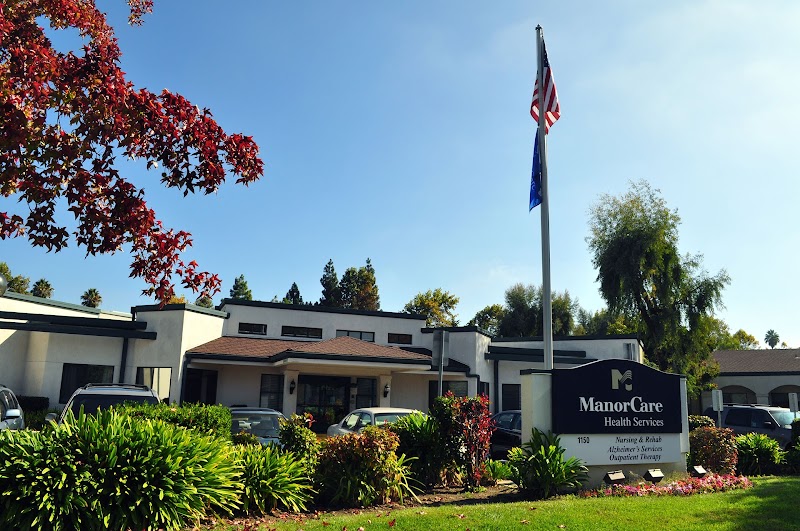
How is Sunnyvale Gardens Post Acute Staffed?

CMS rates SUNNYVALE GARDENS POST ACUTE's staffing level at 3 out of 5 stars, which is average compared to other nursing homes. Staff turnover is 57%, which is 11 percentage points above the California average of 46%. High turnover can affect care consistency as new staff learn residents' individual needs.

What Have Inspectors Found at Sunnyvale Gardens Post Acute?

State health inspectors documented 59 deficiencies at SUNNYVALE GARDENS POST ACUTE during 2020 to 2025. These included: 1 Immediate Jeopardy (the most serious level, indicating potential for serious harm or death), 1 that caused actual resident harm, and 57 with potential for harm. Immediate Jeopardy findings are rare and represent the most serious regulatory concerns. They require immediate corrective action.

Who Owns and Operates Sunnyvale Gardens Post Acute?

SUNNYVALE GARDENS POST ACUTE is owned by a for-profit company. For-profit facilities operate as businesses with obligations to shareholders or private owners. The facility is operated by PACS GROUP, a chain that manages multiple nursing homes. With 140 certified beds and approximately 134 residents (about 96% occupancy), it is a mid-sized facility located in SUNNYVALE, California.
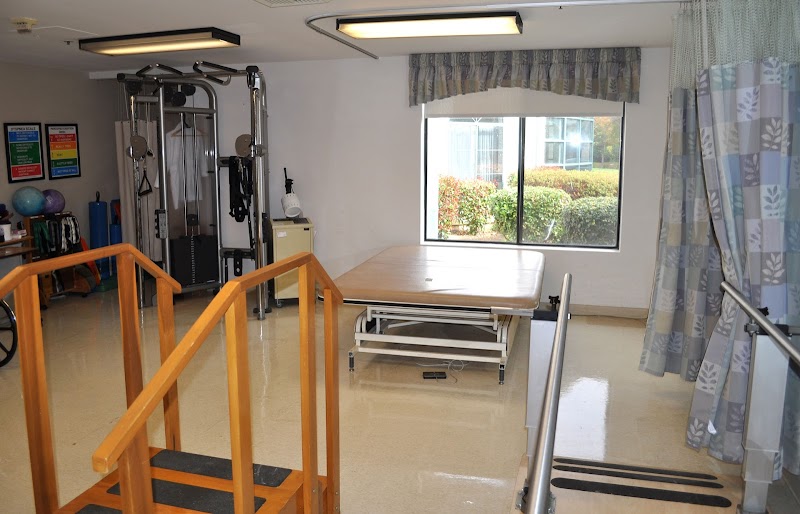
How Does Sunnyvale Gardens Post Acute Compare to Other California Nursing Homes?

Compared to the 100 nursing homes in California, SUNNYVALE GARDENS POST ACUTE's overall rating (2 stars) is below the state average of 3.1, staff turnover (57%) is significantly higher than the state average of 46%, and health inspection rating (1 stars) is much below the national benchmark.

What Should Families Ask When Visiting Sunnyvale Gardens Post Acute?

Based on this facility's data, families visiting should ask: "What changes have been made since the serious inspection findings, and how are you preventing similar issues?" "How do you ensure continuity of care given staff turnover, and what is your staff retention strategy?" "Can I visit during a mealtime to observe dining assistance and food quality?" "How do you handle medical emergencies, and what is your hospital transfer rate?" These questions are particularly relevant given the facility's Immediate Jeopardy citations and the facility's high staff turnover rate.

Is Sunnyvale Gardens Post Acute Safe?

Based on CMS inspection data, SUNNYVALE GARDENS POST ACUTE has documented safety concerns. Inspectors have issued 1 Immediate Jeopardy citation (the most serious violation level indicating risk of serious injury or death). The facility has a 2-star overall rating and ranks #100 of 100 nursing homes in California. Families considering this facility should ask detailed questions about what corrective actions have been taken since these incidents.

Do Nurses at Sunnyvale Gardens Post Acute Stick Around?

Staff turnover at SUNNYVALE GARDENS POST ACUTE is high. At 57%, the facility is 11 percentage points above the California average of 46%. High turnover means new staff may not know residents' individual needs, medications, or preferences. It can also be disorienting for residents, especially those with dementia who rely on familiar faces. Families should ask: What is causing the turnover? What retention programs are in place? How do you ensure care continuity during staff transitions?

Was Sunnyvale Gardens Post Acute Ever Fined?

SUNNYVALE GARDENS POST ACUTE has been fined $43,176 across 1 penalty action. The California average is $33,511. While any fine indicates a compliance issue, fines under $50,000 are relatively common and typically reflect isolated problems that were subsequently corrected. Families should ask what specific issues led to these fines and confirm they've been resolved.

Is Sunnyvale Gardens Post Acute on Any Federal Watch List?

SUNNYVALE GARDENS POST ACUTE is not on any federal watch list. The most significant is the Special Focus Facility (SFF) program, which identifies the bottom 1% of nursing homes nationally based on persistent, serious quality problems. Not being on this list means the facility has avoided the pattern of deficiencies that triggers enhanced federal oversight. This is a positive indicator, though families should still review the facility's inspection history directly.