SUNNYVALE POST-ACUTE CENTER
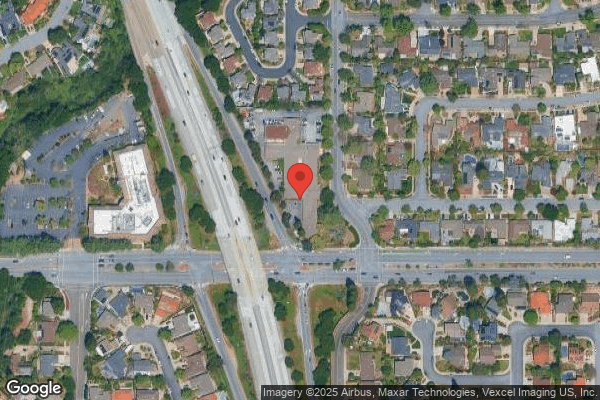

1291 S BERNARDO AVENUE, SUNNYVALE, CA 94087 (408) 245-8070
For profit - Limited Liability company 99 Beds PACS GROUP Data: November 2025
Trust Grade
60/100
#688 of 1155 in CA
Last Inspection: October 2024

Within standard 12-15 month inspection cycle. Federal law requires annual inspections.

Overview

Sunnyvale Post-Acute Center has a Trust Grade of C+, indicating it is slightly above average but not outstanding. It ranks #688 out of 1,155 facilities in California, placing it in the bottom half, and #36 out of 50 in Santa Clara County, meaning there are better local options available. The facility is improving, with a significant drop in issues from 28 in 2024 to just 3 in 2025. Staffing is average, earning a 2 out of 5 stars with a turnover rate of 39%, which is close to the state average. Notably, the facility has not incurred any fines, which is a positive sign, and it boasts average RN coverage, ensuring that residents have access to professional nursing care. However, there are several concerning findings from inspections. For example, there were issues with food storage, such as expired items and a dirty ice machine, which could affect resident health. Additionally, a urinal was found in a shared bathroom without proper labeling, and the dishwashing machine did not meet sanitary temperature standards, potentially risking foodborne illness. While there are strengths in the lack of fines and steady improvements, these weaknesses highlight areas that need attention to ensure the safety and well-being of residents.

Trust Score
C+
60/100
In California
#688/1155
Bottom 41%
Safety Record
Low Risk
No red flags
Inspections
Getting Better
28 → 3 violations
Staff Stability
○ Average
39% turnover. Near California's 48% average. Typical for the industry.
Penalties
✓ Good
No fines on record. Clean compliance history, better than most California facilities.
Skilled Nurses
○ Average
Each resident gets 31 minutes of Registered Nurse (RN) attention daily — about average for California. RNs are the most trained staff who monitor for health changes.
Violations
⚠ Watch
69 deficiencies on record. Higher than average. Multiple issues found across inspections.
★★★☆☆
3.0
Overall Rating
★★☆☆☆
2.0
Staff Levels
★★★★★
5.0
Care Quality
★★☆☆☆
2.0
Inspection Score
Stable
2024: 28 issues
2025: 3 issues

The Good

  • 5-Star Quality Measures · Strong clinical quality outcomes
  • Full Sprinkler Coverage · Fire safety systems throughout facility
  • No fines on record
  • Staff turnover below average (39%)

    9 points below California average of 48%

Facility shows strength in quality measures, fire safety.

The Bad

3-Star Overall Rating

Near California average (3.1)

Meets federal standards, typical of most facilities

Staff Turnover: 39%

Near California avg (46%)

Typical for the industry

Chain: PACS GROUP

Part of a multi-facility chain

Ask about local staffing decisions and management

The Ugly 69 deficiencies on record

Sept 2025 3 deficiencies
CONCERN (D) 📢 Someone Reported This

A family member, employee, or ombudsman was alarmed enough to file a formal complaint

Potential for Harm - no one hurt, but risky conditions existed

Report Alleged Abuse (Tag F0609)

Could have caused harm · This affected 1 resident

**NOTE- TERMS IN BRACKETS HAVE BEEN EDITED TO PROTECT CONFIDENTIALITY** Based on interview and record review the facility failed to follow their abuse reporting policy and procedure for one of three s...

Read full inspector narrative →
**NOTE- TERMS IN BRACKETS HAVE BEEN EDITED TO PROTECT CONFIDENTIALITY** Based on interview and record review the facility failed to follow their abuse reporting policy and procedure for one of three sampled residents (Resident 1).This failure had the potential to compromise Resident 1's safety.Findings:During an interview with the Director of Nursing (DON) on 7/10/25 at 10:06 a.m., the DON had been notified of an allegation of abuse.During an interview with Resident 2 on 7/10/25 at 10:16 a.m., Resident 2 was sitting on his wheelchair and stated that on 6/25/25 around 3 a.m., to 5 a.m., a male CNA was rough when changing his roommate's (Resident 1) incontinent brief and he reported the incident to the nurse. During an interview with Resident 2 on 7/10/25 at 2:15 p.m., Resident 2 stated that on 6/25/25 he reported the alleged rough handling of Resident 1 to the woman medication charge nurse. Resident 2 further stated he was asked what exactly happened.Review of Resident 2's clinical records he was admitted to the facility on [DATE] with diagnosis including post-traumatic stress disorder (a mental health condition that develops after experiencing or witnessing a traumatic event). Resident 2's minimum data set (MDS, an assessment tool) dated 5/5/25 indicated his brief interview for mental status (BIMS, an assessment tool used by facilities to screen and identify memory, orientation, and judgement status of the resident) score was 15 (score of 15 indicates cognition [ability to remember, judge and use reason] is intact).During an interview on 7/17/25 at 10:56 a.m., with Certified Nursing Assistant B (CNA B), CNA B acknowledged that he was the CNA assigned for Resident 1 at night shift on 6/25/25. CNA B stated that he did not roughly handle Resident 1 during incontinent brief change. CNA B denied that Resident 2, the roommate of Resident 1, notified the charge nurse about a CNA roughly handling Resident 1 during incontinent brief change. During an interview on 7/23/25 at 2:25 p.m., with Licensed Vocational Nurse A (LVN A), LVN A stated that she was the full-time charge nurse working night shift for Resident 1 and did not observe or there was no report of any suspicious of abuse to Resident 1 on 6/25/25. LVN A denied that Resident 2 the roommate of Resident 1 notified her about a CNA that roughly handle Resident 1 during incontinent brief change. During an interview with the DON on 8/13/25 @ 12:27 p.m., the DON stated that the allegation of abuse was not brought to her attention by LVN A and CNA B that was interviewed by CDPH on 7/17/25 and 7/23/25. The DON further stated if they were notified by anyone other than California Department of Public Health (CDPH) they would have reported it to CDPH, Ombudsman (long term care ombudsman. representatives that assist residents in the long term care facilities with issues related to day to day care, health and safety concerns) and Police.During a review of the facility's policy and procedure (P&P) titled, Abuse, Neglect, Exploitation, or Misappropriation-Reporting and Investigating, dated 2001. The P&P indicated, .1. If Resident Abuse, Neglect, Exploitation, misappropriation of resident property, or injury of unknown source is suspected, the suspicion must be reported immediately to the administrator and to other officials according to state law.
CONCERN (D) 📢 Someone Reported This

A family member, employee, or ombudsman was alarmed enough to file a formal complaint

Potential for Harm - no one hurt, but risky conditions existed

Assessment Accuracy (Tag F0641)

Could have caused harm · This affected 1 resident

**NOTE- TERMS IN BRACKETS HAVE BEEN EDITED TO PROTECT CONFIDENTIALITY** Based on observation, interview and record review, the facility failed to accurately complete the Minimum Data Set (MDS, an asse...

Read full inspector narrative →
**NOTE- TERMS IN BRACKETS HAVE BEEN EDITED TO PROTECT CONFIDENTIALITY** Based on observation, interview and record review, the facility failed to accurately complete the Minimum Data Set (MDS, an assessment tool) for one of three sampled residents (Resident1) when Resident 1's ability to hear was not coded on the MDS.Failure to accurately complete the MDS had the potential to compromise the facility's ability to develop and implement care plan interventions.Findings:During a concurrent observation and interview on 7/10/25 at 10:10 a.m., with Resident 1 in his room, surveyor asked Resident 1 a question three times before Resident 1 responded. Resident 1 was observed with no hearing aid.During an interview on 7/17/25 at 10:56 a.m., with Certified Nursing Assistant B (CNA B), he stated that Resident 1 was hard of hearing and does not have hearing aid.During an interview on 7/23/25 at 2:20 p.m., with Licensed Vocational Nurse A (LVN A), she stated that Resident 1 was hard of hearing and does not wear hearing aid.Review of Resident 1's medical record indicated he was admitted to the facility on [DATE] with diagnoses which included muscle weakness, need for assistance with personal care, bilateral (both) sensorineural hearing loss (a condition where there is damage to the inner ear or the auditory nerve. During an interview and concurrent record review with Minimum Data Set Coordinator (MDSC) on 7/10/25, at 2:53 p.m., MDSC reviewed Resident 1's MDS, dated [DATE], and confirmed section B0200 was coded 0, indicating Resident 1's ability to hear was adequate. MDSC confirmed section B0200 should have been coded 3, to indicate Resident 1's highly impaired hearing and with diagnosis of bilateral sensorineural hearing loss.The Centers for Medicare & Medicaid Services (CMS) Long-Term Care Facility Resident Assessment Instrument 3.0 User's Manual (RAI Manual, MDS coding instructions), dated 10/2024, indicated for section B0200, Code 3, for highly impaired hearing.
CONCERN (D) 📢 Someone Reported This

A family member, employee, or ombudsman was alarmed enough to file a formal complaint

Potential for Harm - no one hurt, but risky conditions existed

Garbage Disposal (Tag F0814)

Could have caused harm · This affected 1 resident

Based on observation, interview, and record review, the facility failed to ensure garbage was disposed properly when one of three facility garbage was overflowing. This failure had the potential to re...

Read full inspector narrative →
Based on observation, interview, and record review, the facility failed to ensure garbage was disposed properly when one of three facility garbage was overflowing. This failure had the potential to result in the spread of disease from vermin infestation and unsanitary environment for the residents.Findings:During an observation on 7/10/25 at 12:07 p.m., at the back of the parking area, there was an uncovered, blue bin with overflowing garbage positioned at the back door of the facility.During an interview on 7/10/25 at 1:58 p.m. with the infection control preventionist (IP), the IP verified that the garbage was overflowing from the blue bin and not covered. The IP mentioned that the garbage bin must be closed and should not be overflowing.A review of undated facility's policy and procedure (P&P) titled Food- Related Garbage and Rubbish Disposal indicated that All garbage and rubbish containers shall be provided with tight-fitting lids or covers and must be kept covered when stored or not in continuous use.
Oct 2024 23 deficiencies
CONCERN (D)

Potential for Harm - no one hurt, but risky conditions existed

Deficiency F0558 (Tag F0558)

Could have caused harm · This affected 1 resident

**NOTE- TERMS IN BRACKETS HAVE BEEN EDITED TO PROTECT CONFIDENTIALITY** 5. A review of Resident 48's clinical record indicated she was admitted to the facility on [DATE] with diagnoses including spina...

Read full inspector narrative →
**NOTE- TERMS IN BRACKETS HAVE BEEN EDITED TO PROTECT CONFIDENTIALITY** 5. A review of Resident 48's clinical record indicated she was admitted to the facility on [DATE] with diagnoses including spinal stenosis (the narrowing of one or more spaces within your spinal canal). During an observation in Resident 48's room on 10/14/24 at 3:50 p.m., she was in bed, and her call light was on the oxygen concentrator. Resident 48 was moving her hand but was not able to reach the call light, and stated she wanted to drink water. During a concurrent observation and interview with CNA A on 10/14/24 at 3:55 p.m., he confirmed the above observation and stated that Resident 48 could not reach the call light on the oxygen concentrator and the call light should be placed within her reach all the time. A review of the facility's undated policy and procedure (P&P) titled, Answering the call light indicated, .when the resident is in bed or confined to a chair, be sure the call light is within easy reach of the resident . Based on observation, interview, and record review, the facility failed to ensure needs were accommodated for five of 20 sampled residents (Residents 250, 249, 39, 25 and 48) when call light devices were not within reach of the residents. This failure had the potential for a delayed response and not meeting the resident's needs. Findings: 1. Review of Resident 250's face sheet (front page of the chart that contains a summary of basic information about the resident) indicated Resident 250 was admitted at the facility with diagnoses including sepsis (a life-threatening blood infection), pneumonia (an infection/inflammation in the lungs), and diabetes mellitus (DM, a disorder characterized by difficulty in blood sugar control and poor wound healing). During a concurrent observation and interview with Resident 250 on 10/14/24 at 8:48 a.m., inside Resident 250's room, Resident 250 was lying in bed and his call button (also called call light, a red or white button used to request assistance) was hanging at the head of bed, in between the mattress and the bed's headboard. Resident 250 tried to reach for the call button and stated, I can't. Resident 250 was unable to reach for his call button. 2. Review of Resident 249's face sheet indicated, Resident 249 was admitted to the facility with diagnoses including Parkinson's disease (a neurologic disease that significantly affects mobility) and schizoaffective disorder (a mental illness that can affect thoughts, mood, and behavior), bipolar type (mood swings that range from the lows of depression to elevated periods of emotional highs). Review of Resident 249's admission minimum data set (MDS, a federally mandated resident assessment tool) dated 9/30/24, indicated Resident 249's brief interview for mental status (BIMS-an assessment tool used by facilities to screen and identify memory, orientation, and judgement status of the resident) score was 11 (a score of 0 to 7 indicates severe cognitive impairment, 8-12 moderate impairment, 13-15 patient is cognitively intact). Further review of the MDS indicated, Resident 249 had the ability to understand others. During an observation inside Resident 249's room on 10/14/2024 at 9:22 a.m., Resident 249 was seated at the right edge of bed and her call button was hanging at the lowered left bed rail. During a concurrent observation and interview with certified nursing assistant G (CNA G) on 10/14/24 at 9:30 a.m., inside Resident 249's room, CNA G confirmed the location of Resident 249's call button was not within Resident 249's reach for use. CNA G stated call lights or call buttons should always be placed within residents' reach for use. 3. Review of Resident 39's face sheet indicated Resident 39 was admitted to the facility with diagnoses including hemiplegia (total paralysis of the arm, leg, and trunk on the same side of the body) and hemiparesis (a condition that causes partial paralysis or weakness on one side of the body) following cerebral infarction (also called stroke) affecting right dominant side, aphasia (a disorder that makes it difficult to speak), and vascular dementia (a condition that occurs when blood vessels in the brain are affected, resulting in changes to memory, thinking, and behavior). Review of Resident 39's admission MDS dated [DATE], indicated Resident 39 had memory problem with short term and long-term memory. During an observation on 10/14/24 at 9:49 a.m., inside Resident 39's room, Resident 39 as lying in bed, and her call button was attached to the handle of the bedside drawer. During a concurrent observation and interview with certified nursing assistant I (CNA I) on 10/14/24 at 10 a.m., inside Resident 39's room, CNA I confirmed Resident 39's call button was not within Resident 39's reach for use. CNA I stated the call button should not be placed at the handle of the bedside drawer. 4. Review of Resident 25's face sheet indicated Resident 25 was admitted to the facility with diagnoses including hemiplegia and hemiparesis following cerebral infarction affecting left non-dominant side, psychotic disorder with delusions (having false or unrealistic beliefs) and post-traumatic stress disorder (PTSD, a disorder in which a person has difficulty recovering after experiencing or witnessing a traumatic event). Review of Resident 25's admission MDS dated [DATE] indicated Resident 25's BIMS score was 15. During an observation on 10/14/24 at 9:58 a.m., inside Resident 25's room, Resident 25 was lying in bed and her call button was located on the floor. Resident 25 tried to look for her call button and was not able to locate it. During a concurrent observation and interview with CNA I on 10/14/24 at 10:02 a.m., inside Resident 25's room, CNA I confirmed Resident 25's call button was on the floor. CNA I stated Resident 25's call button should be placed within Resident 25's reach for use. During an interview with the director of nursing (DON) on 10/17/24 at 10:10 a.m., the DON stated residents' call lights or call buttons should always be placed within resident's reach for use.
CONCERN (D)

Potential for Harm - no one hurt, but risky conditions existed

Deficiency F0574 (Tag F0574)

Could have caused harm · This affected 1 resident

Based on observation, interview, and record review, the facility failed to provide the Ombudsman's (a government employee who investigates, reports on, and helps settle complaints) contact information...

Read full inspector narrative →
Based on observation, interview, and record review, the facility failed to provide the Ombudsman's (a government employee who investigates, reports on, and helps settle complaints) contact information to all residents when the State Long-Term Care Ombudsman's contact information was not available in the resident's care and activity areas. This failure limited resident's rights to have a confidential avenue to talk about a concern and resolved issues at the lowest possible level. Findings: During a group interview on 10/15/24, at 11:30 a.m., with one of 20 sampled residents (6) and six non-sampled residents (20, 21, 27, 34, 43 and 68), Residents (6, 20, 21, 27, 34, 43 and 68) all stated, they did not have the Ombudsman's contact information in the facility. During a concurrent tour of the facility and an interview with the director of nursing (DON) on 10/15/24, at 1 p.m. to 1:09 p.m., the DON confirmed there was no Ombudsman contact information in any part of the facility. The DON stated the facility recently just had new paint put on the walls and that they forgot to place the Ombudsman contact information back on the wall. The DON further stated the facility should have provided the Ombudsman contact information to the residents. During a review of the facility's undated policy and procedure (P&P) titled, Resident Rights, the P&P indicated, Federal and State laws guarantee certain basic rights to all residents of this facility. These rights include the resident's right to communicate with outside agencies (e.g. local, state, or federal officials, state and federal surveyors, state long-term care ombudsman, protection, or advocacy organizations, etc.) regarding any matter.
CONCERN (D)

Potential for Harm - no one hurt, but risky conditions existed

Deficiency F0577 (Tag F0577)

Could have caused harm · This affected 1 resident

Based on observation, interview, and record review, the facility failed to ensure the results of the most recent survey of the facility (the survey results in a binder) was readily accessible to resid...

Read full inspector narrative →
Based on observation, interview, and record review, the facility failed to ensure the results of the most recent survey of the facility (the survey results in a binder) was readily accessible to residents, and family members and legal representatives of residents when one of 20 sampled residents (6) and six non-sampled residents (20, 21, 27, 34, 43 and 68) stated they could not access the facility's most recent survey results. This failure potentially limited resident's rights to examine and receive the results of the most recent survey of the facility conducted by Federal or State surveyors and any plan of correction in effect with respect to the facility. Findings: During a group interview on 10/15/24, at 11:30 a.m., with one of 20 sampled residents (6) and six non-sampled residents (20, 21, 27, 34, 43 and 68), Residents (6, 20, 21, 27, 34, 43 and 68) all stated, they did not know where to find the survey binder of the facility's survey results for them to review it. During an observation on 10/15/24, at 12:53 p.m., in the facility's lobby area, the facility survey binder was nowhere to find. During a follow-up interview, on 10/15/24, at 12:55 p.m., with the front desk receptionist (FDR) at the front desk, the FDR stated the survey binder was stored inside the drawer cabinet. During an interview on 10/15/24, at 1:09 p.m., with the director of nursing (DON), the DON confirmed the above findings and stated, the survey results binder should be placed on the table readily for residents or family members' to review. During a review of the facility's undated policy and procedure (P&P) titled, Resident Rights, the P&P indicated, Federal and State laws guarantee certain basic rights to all residents of this facility. These rights include the resident's right to examine survey results.
CONCERN (D)

Potential for Harm - no one hurt, but risky conditions existed

Deficiency F0578 (Tag F0578)

Could have caused harm · This affected 1 resident

**NOTE- TERMS IN BRACKETS HAVE BEEN EDITED TO PROTECT CONFIDENTIALITY** Based on interview and record review, the facility failed to follow their policy and procedure (P&P) for an advance directive (A...

Read full inspector narrative →
**NOTE- TERMS IN BRACKETS HAVE BEEN EDITED TO PROTECT CONFIDENTIALITY** Based on interview and record review, the facility failed to follow their policy and procedure (P&P) for an advance directive (AD, a written instruction, such as a living will or durable power of attorney that authorizes another person to act on behalf of the resident) and completion of the Physician Order for Life-Sustaining Treatment (POLST, a document that specifies the medical treatments the residents wants to receive during serious illness) form for three out of five sampled residents (Residents 42, 16 and 26). These failures had the potential to lead to the delivery of unnecessary or inappropriate medical services against residents' goals and wishes. Findings: Review of Resident 42's admission record indicated Resident 42 was admitted to the facility on [DATE]. Review of Resident 42's POLST form dated 7/24/24 indicated section D for AD was not completed. Further review of Resident 42's clinical record indicated there was no documented copy of an AD signed by the resident or responsible party, or evidence that the facility offered assistance in establishing an AD prior to the survey period. Review of Resident 16's admission record indicated Resident 16 was admitted to the facility on [DATE]. Review of Resident 16's POLST form dated 8/29/24 indicated section D for AD was not completed. Further review of Resident 16's clinical record indicated there was no documented copy of an AD signed by the resident or responsible party, or evidence that the facility offered assistance in establishing an AD prior to the survey period. Review of Resident 26's admission record indicated Resident 26 was admitted to the facility on [DATE]. Review of Resident 26's POLST form dated 9/20/24 indicated section D for Ad was not completed. Further review of Resident 26's clinical record indicated there was no documented copy of an AD signed by the resident or responsible party, or evidence that the facility offered assistance in establishing an AD prior to the survey period. During a concurrent interview and record review with the facility's Social Services Director (SSD) on 10/17/24 at 8:50 AM, the SSD confirmed section D was not filled out for Residents 42, 16 and 26. The SSD stated the role of social services was to ensure the POLST form was filled out completely and to verify if there was an existing AD for the resident. The SSD stated social services also offer help in completing an advanced directive if the resident or responsible party needs help. Review of facility's undated policy and procedure (P&P) titled Advance Directives indicated If the resident or representative indicates that he or she has not established advance directives, the facility staff will offer assistance in establishing advance directives and If the resident or the residents representative has executed one or more advance directive(s), or executes one upon admission, copies of these documents are obtained and maintained in the same section of the residents medical record and are readily retrievable by any facility staff.
CONCERN (D)

Potential for Harm - no one hurt, but risky conditions existed

Safe Environment (Tag F0584)

Could have caused harm · This affected 1 resident

**NOTE- TERMS IN BRACKETS HAVE BEEN EDITED TO PROTECT CONFIDENTIALITY** Based on observation, interview, and record review, the facility failed to provide an orderly, comfortable, and homelike environ...

Read full inspector narrative →
**NOTE- TERMS IN BRACKETS HAVE BEEN EDITED TO PROTECT CONFIDENTIALITY** Based on observation, interview, and record review, the facility failed to provide an orderly, comfortable, and homelike environment for one of five sampled residents (Resident 69) when Resident 69's closet door did not latch to remain close. This failure had the potential to result for Resident 69's decreased sense of well-being and an uncomfortable environment. Findings: During an observation and interview on 10/14/24 at 11:18 a.m., inside Resident 69's room, Resident 69 was observed walking inside the room and was about to change clothing. Resident 69 complained about her closet door, located behind the bedroom door. Resident 69 stated her closet door was broken and did not remain close. Resident 69 further stated she complained about it to the facility's housekeeper but instead of fixing or having someone to fix it, the housekeeper placed a surgical tape at the edge of the closet door to temporarily closed it. Resident 69's closet door was observed to have a surgical paper tape to leave the door closed. Resident 69 stated the closet door was broken for a while. During a review of Resident 69's quarterly minimum data set (MDS, a federally mandated resident assessment tool) assessment dated [DATE], indicated Resident 69's brief interview for mental status (BIMS, an assessment tool used by facilities to screen and identify memory, orientation, and judgement status of the resident) score was 14 ( a score of 0 to 7 indicates severe cognition impairment; 8 to 12 moderate impairment; 13 to 15 patient is cognitively intact). During a concurrent observation, and interview with maintenance director L (MD L) on 10/15/24 at 09:34 a.m., inside Resident 69's room, MD L confirmed Resident 69's door did not latch to keep it closed. MD L confirmed nobody reported Resident 69's closet door was broken. During an interview with licensed vocational nurse J (LVN J) on 10/16/24 at 9:21 a.m., LVN J was assigned to Resident 69. LVN J stated she was not aware about Resident 69's broken closet door. LVN J further stated, if something was broken inside resident's room, they would call maintenance right away. LVN J stated housekeeper M (HK M) was available in the evening shift to also help in fixing anything. During an interview with certified nursing assistant K (CNA K) on 10/16/24 at 9:34 a.m., CNA K confirmed she was assigned to Resident 69 and she was not aware about the broken closet door. CNA K stated she would call maintenance if something was broken inside resident's room. During a concurrent interview with MD L and document review on 10/16/24 at 9:46 a.m., MD L reviewed the maintenance log. MD L confirmed Resident 69's broken closet door was not written in the maintenance log. MD L stated staff should write anything that needed to be fixed in the maintenance log binder. MD L confirmed he always checked the maintenance log in the morning and fixed what needed to be fixed right away. MD L stated, staff are lazy, to write down what needed to be fixed in the maintenance log. MD L further stated staff would call him if something was broken. During an interview with the director of nursing (DON) on 10/17/24 at 10:10 a.m., the DON stated nurses and housekeepers should have called maintenance when resident's if there was something wrong with residents' equipments or when something was broken inside residents' rooms. During a review of the facility's undated policy and procedure titled, Maintaining Residents Room, indicated, The Maintenance Department is responsible for maintaining the buildings, always including residents' rooms and equipment in a safe and operable manner .Residents' rooms should be in good repair and free from hazards.
CONCERN (D)

Potential for Harm - no one hurt, but risky conditions existed

Assessment Accuracy (Tag F0641)

Could have caused harm · This affected 1 resident

**NOTE- TERMS IN BRACKETS HAVE BEEN EDITED TO PROTECT CONFIDENTIALITY** Based on interview and record review, the facility failed to ensure the Minimum Data Set (MDS, a resident assessment and care sc...

Read full inspector narrative →
**NOTE- TERMS IN BRACKETS HAVE BEEN EDITED TO PROTECT CONFIDENTIALITY** Based on interview and record review, the facility failed to ensure the Minimum Data Set (MDS, a resident assessment and care screening tool) assessment was coded accurately for weight gain for one of 10 sampled residents (Resident 78). This failure compromised the facility's ability to develop and implement a resident-centered care plan and interventions for the resident's severe unplanned weight gain. Findings: Review of Resident 78's face sheet dated 10/15/24 indicated the resident was admitted on [DATE] and readmitted on [DATE] with multiple diagnoses including atrial fibrillation (an irregular heart rhythm which can lead to blood clots and stroke), Type 2 diabetes (elevated blood sugar), duodenal ulcer (a sore in the lining of part of the digestive tract), chronic venous hypertension with ulcer of bilateral lower extremities (end parts of the body- legs), and morbid obesity (having too much body fat). Review of Resident 78's three-month (August, September, and October 2024) Weight Summary indicated on 8/13/24, Resident 78's weight was 276 lbs. (lbs, symbol for pound), and on 10/13/24 his weight was 303 lbs. This was a severe weight gain of 9.78 % in three months. Review of Resident 78's quarterly MDS, section K0300, dated 9/12/24, indicated the question, Has the resident had weight loss of 5% or more in the last month or 10% or more in last 6 months? The answer to this question was coded 2. Yes to indicate that Resident 78 did have a weight loss of 5% or more in the last month or 10% or more in last 6 months. Section K0310 asked the question, Has the resident had weight gain of 5% or more in the last month or gain of 10% or more in last 6 months? The answer to this question was coded 0. No to indicate that resident did not have a weight gain of 5% or more in the last month or gain of 10% or more in last 6 months. During a concurrent interview and record review with the Minimum Data Set Coordinator (MDSC) on 10/16/24 at 1:30 p.m., the MDSC reviewed Resident 78's monthly weight summary and sections K0300 and K0310. The MDSC confirmed the above weight gain occurred within the last three months and stated Resident 78's MDS sections for weight gain were not coded accurately on the MDS dated [DATE]. She stated the MDS K0310 should have been coded 2. Yes and section K0300 should have been coded 0. No. The MDSC further explained the MDS section K dated 9/12/24 was completed by the Registered Dietitian. During an interview with the Registered Dietitian (RD) U on 10/16/24 at 2:02 p.m., RD U acknowledged Resident 78's weight gain was not coded accurately. The RD U stated the MDS assessment dated [DATE] section K0300 should have been coded as 0. No, and section K0310 should have been coded as 2. Yes. The RD U further stated it was important to have a correct MDS to accurately develop a nutrition plan for the resident. Review of the facility's policy dated November 2019, titled Certifying Accuracy of the Resident Assessment, indicated Any person completing a portion of the Minimum Data Set/MDS (Resident Assessment Instrument) must sign and certify the accuracy of that portion of the assessment .
CONCERN (D)

Potential for Harm - no one hurt, but risky conditions existed

Comprehensive Care Plan (Tag F0656)

Could have caused harm · This affected 1 resident

**NOTE- TERMS IN BRACKETS HAVE BEEN EDITED TO PROTECT CONFIDENTIALITY** Based on observation, interview, and record review, the facility failed to implement care plan interventions for one of 20 sampl...

Read full inspector narrative →
**NOTE- TERMS IN BRACKETS HAVE BEEN EDITED TO PROTECT CONFIDENTIALITY** Based on observation, interview, and record review, the facility failed to implement care plan interventions for one of 20 sampled residents (Resident 13) regarding supervision with ambulation, continue encouraging to wear shirts or gowns while not in rooms, and ensure resident have non-skid socks/shoes while walking in the hallways . This failure had the potential to result in residents not receiving the appropriate care necessary to maintain their highest practicable level of health and well-being and result in Resident 13's continued behavioral issues. Findings: A review of Resident 13's face sheet (summary of resident's demographic and admitting information) indicated that Resident 13 was admitted on [DATE] with multiple diagnoses, including unspecified dementia (a group of thinking and social symptoms that interferes with daily functioning), schizoaffective disorder ( a mental health condition that is marked by a mix of schizophrenia symptoms, such as hallucinations and delusions, and mood disorder symptoms), generalized weakness, and a history of falling. A review of Resident 13's minimum data set (MDS, a tool used to measure health status in nursing home residents) completed on 10/9/24 indicated a Brief Interview for Mental Status (BIMS, a cognitive screening tool) score of 4 out of 15. A score of 0 to 7 indicates severe cognitive impairment (problems with memory and thinking). During an observation on 10/14/24 at 3:40 p.m. in the hallway, Resident 13 was observed walking bare footed, shirtless, and only wearing pants. Resident 13 went to a medication cart, poured a cup of juice, and drank it all. During an interview with licensed vocational nurse (LVN) P on 10/14/24 at 03:45 p.m., LVN P stated Resident 13 poured cranberry juice from the pitcher, and he should not pour the juice from the medication cart by himself, he should ask certified nursing assistants when he needs a drink. During a concurrent observation and interview with certified nursing assistant (CNA) R on 10/14/24 at 4:02 p.m. in the hallway, Resident 13 was observed walking bare footed, shirtless, and only wearing pants. CNA R confirmed the observation and stated Resident 13 should wear shirt for dignity and should wear sock or shoes for safety. A review of Resident 13's care plan dated 7/11/24 indicated Resident 13 needed behavior monitoring for behavior problems prefers to be shirtless while walking in the hallways and room. This care plan indicated interventions to encourage Resident 13 to wear a shirt or gown while not in the room and ensure Resident 13 had non-skid socks/shoes while walking in the hallways. A review of Resident 13's care plan implemented on 4/24/24 indicated that due to generalized weakness, Resident 13 required assistance in walking in the room, corridor, and required assistance for dressing. This care plan indicated intervention to supervision with ambulation. During a concurrent interview and record review with the director of nursing (DON) on 10/18/24 at 9:56 a.m., the DON reviewed Resident 13's care plan and confirmed that the care plan indicated that he needed supervision for ambulation, assistance with dressing and eating, and monitoring of his behavior. The DON further stated that Resident 13 should be supervised when walking in the hallway, should not pour juice from the medication cart alone, should wear a sock or shoe for safety, and should wear a shirt or gown for dignity. A review of the facility's undated policy, Care Plans, Comprehensive Person-Centered, indicated, A comprehensive, person-centered care plan that includes measurable objectives and timetables to meet the resident's physical, psychosocial and functional needs is developed and implemented for each resident .
CONCERN (D)

Potential for Harm - no one hurt, but risky conditions existed

Deficiency F0658 (Tag F0658)

Could have caused harm · This affected 1 resident

**NOTE- TERMS IN BRACKETS HAVE BEEN EDITED TO PROTECT CONFIDENTIALITY** Based on observation, interview and record review, the facility failed to provide care and service in accordance with profession...

Read full inspector narrative →
**NOTE- TERMS IN BRACKETS HAVE BEEN EDITED TO PROTECT CONFIDENTIALITY** Based on observation, interview and record review, the facility failed to provide care and service in accordance with professional standards of practice for two of six sampled residents (Resident 15 and 92) when: 1. The licensed nurses did not apply a Lidocaine patch (eases pain by numbing the nerves and making them less sensitive to pain) as ordered by the physician; and 2. The licensed nurses stored Resident 92's custom jewelry in a narcotic box (NB, a locked medication compartment inside a medication cart) in the medication cart (MC) 2. These failures had the potential to compromise residents' health and well-being. Findings: 1. A review of Resident 15's medical record indicated he was admitted on [DATE] and had diagnoses including fracture of unspecified lumbar vertebra (a break in a bone or bones of the spine). A review of Resident 15's Minimum Data Set (MDS, a tool used to measure health status in nursing home residents) completed on 9/23/24 indicated a Brief Interview for Mental Status (BIMS, a cognitive screening tool) score of 10 out of 15. A score of 8 to 12 points suggests moderate cognitive impairment (problems with memory and thinking). A review of Resident 15's physician order dated 7/16/24 indicated applying Lidocaine External Patch 4% topically to his lower back one time a day for pain: on at 9 a.m. and off at 9 p.m.; no lidocaine patch order for his left shoulder. During a medication pass observation on 10/16/24 at 9:47 a.m., in Resident 15's room, Licensed Vocational Nurse (LVN) Q applied the Lidocaine patch to Resident 15's left shoulder when Resident 15 pointed the left shoulder as the pain area. During an interview with LVN Q on 10/16/24 at 1:40 p.m., LVN Q confirmed the above observation and stated that, according to the physician's order, she should have applied the Lidocaine patch to Resident 15's lower back instead of the left shoulder. During a follow-up interview with LVN Q on 10/16/24 at 02:15 p.m., LVN Q stated that she reported to the physician that Resident 15 complained left shoulder pain and got a new order to apply Lidocaine to his left shoulder starting 10/16/24. A review of the facility's policy titled Administering Medications, dated 2001, indicated that medications are administered in accordance with prescriber orders, including any required time frame . 2. During a medication cart inspection with Registered Nurse (RN) D on 10/15/24 at 2:15 p.m., 5 bags of custom jewelry were stored in the NB in MC 2. RN D stated that the custom jewelry was made by Resident 92 and given to staff as gifts. The staff did not accept those and kept them in the NB in MC 2, and they wanted to return to Resident 92's family. RN D further stated she did not remember when Resident 92 gave those and that the nurse should not kept those items in the NB. During an interview with the Social Service Director (SSD) on 10/18/24 at 12:21 p.m., the SSD stated that Resident 92 had a habit of giving staff fake jewelry as gifts. The SSD further stated that he did not know how long those items were stored there. The nurse should not keep those items in the NB of MC 2 and should give them to social services once they receive them. During an interview with the Director of Nursing (DON) on 10/18/24 at 1:15 p.m., the DON stated that she was not sure how long those items had been stored in the NB. The nurse should lock the items there only overnight to keep them safe and then submit them to social service the next day. During an interview with the nurse supervisor (NS) on 10/18/24 at 2:33 p.m., the NS stated that Resident 92 gave the custom jewelry to staff as a gift on Sunday 10/13/24. The staff planned to return to Resident 92's family. The NS further stated that the staff should not keep those in the NB of MC 2 and submit them to social service on Monday 10/14/24. A review of the facility's policy titled medication labeling and storage dated 2001, indicated, controlled substances (listed as schedule II-V of the Comprehensive Drug Abuse Prevention and Control Act of 1976) and other drugs subject to abuse are separately locked in permanently affixed compartments . A review of the facility's policy titled Gifts, Gratuities, and payments, dated 2001, indicated that in certain situations, when a resident is attempting to give a gift, it may be acceptable to receive the gift due to resident diagnosis, behavior, or extenuating circumstances, but the employee must store the item in a safe location and attempt to return the items to the resident, responsible party, or family in a timely manner .
CONCERN (D)

Potential for Harm - no one hurt, but risky conditions existed

Deficiency F0676 (Tag F0676)

Could have caused harm · This affected 1 resident

**NOTE- TERMS IN BRACKETS HAVE BEEN EDITED TO PROTECT CONFIDENTIALITY** Based on observation, interview, and record review, the facility failed to provide care and services for effective communication...

Read full inspector narrative →
**NOTE- TERMS IN BRACKETS HAVE BEEN EDITED TO PROTECT CONFIDENTIALITY** Based on observation, interview, and record review, the facility failed to provide care and services for effective communication when the facility did not provide language assistance or other communication aid and did not develop a baseline care plan to one of three sampled residents (Resident 254) with language barrier (speaking in foreign language). These failures had the potential to affect the psychosocial well-being of Resident 254 and a decline in the activities of daily living. Findings: 1a. Review of Resident 254's face sheet (front page of the chart that contains a summary of basic information about the resident) indicated Resident 254 was admitted to the facility on [DATE] with diagnoses including cerebral infarction (also called stroke), hemiplegia (paralysis of one side of the body) and hemiparesis (a condition that causes partial paralysis or weakness on one side of the body) following cerebral infarction affecting left non-dominant side and dysphagia (difficulty in swallowing). Review of Resident 254's admission/5-day minimum data set (MDS, a federally mandated resident assessment tool) assessment dated [DATE], indicated Resident 254's preferred language was [foreign language]. Further review of the MDS indicated Resident 254's brief interview for mental status (BIMS, an assessment tool used by facilities to screen and identify memory, orientation, and judgement status of the resident) score was 12 (a score of 0 to 7 indicates severe cognitive impairment, 8-12 moderate impairment, 13-15 patient is cognitively intact). During a concurrent observation and interview with family member N (FM N) on 10/14/24 at 8:37 a.m., inside Resident 254's room, Resident 254 was in bed and FM N was standing at bedside. FM N stated Resident 254 could understand English but unable to spoke the language. There was no communication aid posted or around Resident 254's surroundings. FM N confirmed there was no communication aid provided since Resident 254's admission. FM N stated staff did not use any communication aid to communicate with Resident 254. During an interview with registered nurse F (RN F) on 10/15/24 at 9:40 a.m., RN F confirmed Resident 254 did not have a communication aid in the room and needed a communication aid for staff to used to communicate with him. RN F stated activities staff were the ones who provided the communication aids to residents who could only speak foreign language. Review of the facility's policy and procedure titled, Translation and/or Interpretation of Facility Services, date revised November 2020, indicated, This facility's language access program will ensure that individuals with limited English proficiency (LEP) shall have meaningful access to information and services provided by the facility .This facility shall provide written translation of vital information pertaining to health services . 1b. During a concurrent interview and record review with the activities director (AD) on 10/16/24 at 11:27 a.m., the AD reviewed Resident 247's list of baseline care plan. The AD confirmed Resident 247's language barrier baseline care plan was not developed and implemented. The AD stated the language barrier baseline care plan should have been developed within 24 hours of admission. The AD confirmed activities staff were the ones responsible in providing the communication aids to residents with language barrier. The AD stated nurses should also provide the communication aid to residents who needed communication aid because they have the communication aids at the nurse station. Review of the facility's undated policy and procedure titled, Care Plans - Baseline, indicated, A baseline plan of care to meet resident's immediate health and safety needs is developed for each resident within forty-eight (48) hours of admission .The baseline care plan is used until the staff can conduct the comprehensive assessment and develop an interdisciplinary person-centered comprehensive care plan .The baseline care plan is updated as needed to meet the resident's needs until the comprehensive care plan is developed.
CONCERN (D)

Potential for Harm - no one hurt, but risky conditions existed

Accident Prevention (Tag F0689)

Could have caused harm · This affected 1 resident

**NOTE- TERMS IN BRACKETS HAVE BEEN EDITED TO PROTECT CONFIDENTIALITY** Based on observation, interview, and record review, the facility failed to update the fall care plan, provide new intervention, ...

Read full inspector narrative →
**NOTE- TERMS IN BRACKETS HAVE BEEN EDITED TO PROTECT CONFIDENTIALITY** Based on observation, interview, and record review, the facility failed to update the fall care plan, provide new intervention, and provide a resident centered care plan interventions to prevent the falls for one of two sampled residents (Resident 6) who was high risk of falling. These failures resulted in Resident 6's four falls since admission and had a potential to result in major injuries (broken bones, joint dislocation, head trauma or even death). Findings: Review of Resident 6's face sheet (front page of the chart that contains a summary of basic information about the resident) indicated Resident 6 was admitted to the facility with diagnoses including polyneuropathy (a condition that affects many nerves in different parts of the body, causing them to malfunction altogether), chronic obstructive pulmonary disease (COPD, a chronic lung disease causing difficulty in breathing), pulmonary fibrosis (a serious lung disease that causes scarring in the lungs, making it difficult to breathe), and unspecified asthma (inflammatory disease of the airway that often causes wheezing, coughing, and shortness of breath). Review of Resident 6's quarterly minimum data set (MDS, a federally mandated resident assessment tool) dated 9/2/24, indicated Resident 6's brief interview for mental status (BIMS, an assessment tool used by facilities to screen and identify memory, orientation, and judgement status of the resident) score was 12 (a score of 0 to 7 indicates severe cognitive impairment, 8-12 moderate impairment, 13-15 patient is cognitively intact). Further of the review of the MDS indicated Resident 6 required supervision with bed mobility (roll left and right, sit to lying and from lying to sitting), chair/bed to chair transfer, and with walking/wheeling self on a wheelchair. Review of Resident 6's admission Fall Risk Observation/assessment dated [DATE], indicated, Resident 6's score was 18 (0-8 low risk; 9-15 moderate risk; 16-42 HIGH RISK). Review of Resident 6's clinical record titled, Change in Condition Evaluation, dated 6/12/24, indicated Resident 6 had an unwitnessed fall. Further review of the Change in Condition Evaluation indicated Resident 6 tried to walk to the bathroom, slipped on a piece of food and fell on her knees. There was no injury after the fall. Review of Resident 6's progress notes titled, IDT [interdisciplinary team, a group of health care professionals from diverse fields who work toward a common goal for residents] - Fall, dated 6/13/24, indicated to address the 6/12/24 fall. The current interventions in the IDT indicated, Reoriented to the call and to use the light and agreed to call the staff before standing up. Frequent checks to prevent falls. Call light within easy reach. Frequent checks with the nurses to prevent falls. Reminded the resident not to pick up anything from the floor and ask someone to do it for her. Referred to rehab (physical therapy and occupational therapy) for post-fall check. The IDT deemed that the fall was considered unavoidable, related to .generalized weakness and diagnosis . Review of Resident 6's clinical record titled, Change in Condition Evaluation, dated 8/15/24, indicated Resident 6 was found seated on the floor next to bed. Further review of the Change in Condition Evaluation indicated, Resident 6 told staff she tried to turn but slid down to the floor. There was no injury from the fall. Review of Resident 6's progress notes titled, IDT-Fall, dated 8/16/24, it indicated to address the 8/15/24 fall. Further review of the IDT-Fall indicated the current interventions were the same as above interventions and there were no possible contributing factors of the fall except for generalized weakness and Resident 6' diagnoses. Review of Resident 6's clinical record titled, Change in Condition Evaluation, dated 9/3/24, indicated Resident 6 slid down from the wheelchair down to the floor. Further review of the Change in Condition Evaluation indicated, Resident 6 sustained a skin tear on the right knee. Review of Resident 6's progress notes titled, IDT-Fall, dated 9/6/24, indicated to address the 9/3/24 fall. Further review of the IDT-Fall indicated the current interventions were the same as the first fall interventions and there were no possible contributing factors of the fall except for Resident 6's generalized weakness and diagnosis. Review of Resident 6's clinical record titled, Change in Condition Evaluation, dated 9/6/2024, indicated Resident 6 was found seated on the floor in between her wheelchair and bed. Further review of the Change in Condition Evaluation indicated Resident 6 did not sustain any injury. Review of Resident 6's progress notes titled, IDT-Fall, dated 9/9/24, indicated to address Resident 6's 9/6/24 fall. There were no new interventions developed except for the frequent checks every 2 hours. During an observation on 10/14/24 at 9:11 a.m., inside Resident 6's room, Resident 6 was observed seated on a wheelchair with oxygen in placed and was able to wheel herself from the bed side to the room's door to talked to registered nurse F (RN F). During a concurrent observation and interview with Resident 6 on 10/15/24 at 9:50 a.m., Resident 6 was found at the facility's hallway, seated on her wheelchair and in front of the medication cart. Resident 6 was not wearing any footwear. Resident 6 stated she wanted to go to the bathroom and staff just left her seated in front of the medication cart. During a concurrent observation and interview with the director of nursing (DON) on 10/17/24 at 9:16 a.m., the DON reviewed Resident 6's change in condition evaluation, IDT-Fall and care plans related to falls. The DON confirmed Resident 6 was high risk for fall and had fallen four times since admission. The DON stated Resident 6 was non-compliant with fall risk interventions. The DON confirmed the IDT did not identify the possible contributing factors of each fall. The DON further confirmed they did not develop new interventions to prevent future falls and fall care plan was not updated or revised. The DON stated the fall care plan should have been updated or revised for every fall incidents. Review of the facility's undated policy and procedure titled, Falls and Fall Risk, Managing, indicated, Based on previous evaluations and current data, the staff will identify interventions related to the resident's specific risks and causes to try to prevent the resident from falling and to try to minimize complications from falling .If falling recurs despite initial interventions, staff will implement additional or different interventions, or indicate why the current approach remains relevant. If underlying causes cannot be readily identified or corrected, staff will try various interventions, based on assessment of the nature or category of falling .If the resident continues to fall, staff will re-evaluate the situation and whether it is appropriate to continue or change current interventions. Review of the facility's policy and procedure titled, Care Plans, Comprehensive Person-Centered, date revised March 2022, indicated, .Assessments of residents are ongoing and care plans are revised as information about the residents and the residents 'conditions change. The interdisciplinary team reviews and updates the care plan: a. when there has been a significant change in resident's condition; b. when the desired outcome is not met; .
CONCERN (D)

Potential for Harm - no one hurt, but risky conditions existed

Deficiency F0692 (Tag F0692)

Could have caused harm · This affected 1 resident

**NOTE- TERMS IN BRACKETS HAVE BEEN EDITED TO PROTECT CONFIDENTIALITY** Based on observation, interview, and record review, the facility failed to ensure implementation of a comprehensive systematic a...

Read full inspector narrative →
**NOTE- TERMS IN BRACKETS HAVE BEEN EDITED TO PROTECT CONFIDENTIALITY** Based on observation, interview, and record review, the facility failed to ensure implementation of a comprehensive systematic approach for effective monitoring for one sampled resident (78) who experienced a severe unplanned weight gain of a 9.78% in three months and did not maintain acceptable parameters of nutrition. This failure had the potential to result in additional unintentional weight gain for Resident 78, which could lead to further weight gain and decline in health and nutrition status. Cross reference F641 Findings: According to an article in the Cardiovascular Diabetology journal titled Extremes of Both Weight gain and Weight loss are associated with Increased Incidence of heart failure and cardiovascular death: Evidence from the CANVAS Program and CREDENCE.Obesity is an independent risk factor for cardiovascular disease (CVD) in patients with type 2 diabetes (T2D). Extremes of weight gain or loss were independently associated with a higher risk of the composite of congestive heart failure (CHF) and Cardiovascular (CV) death. In patients with Type 2 Diabetes and high CV risk, large changes in body weight should be carefully assessed in view of individualized management. Ferrannini, G., [NAME], C., [NAME], A. et al. Cardiovasc Diabetol 22, 100 (2023). https://doi.org/10.1186/s12933-023-01832-5 Per the facility's admission Record dated 10/16/24, Resident 78 was admitted on [DATE] with diagnoses which included cellulitis (inflammation and swelling) in the lower right and left limbs, morbid obesity (body mass index greater than 40) due to excess calories, type 2 diabetes mellitus (inability to manage blood sugar) and anemia (low iron in the blood). Review of Resident 78's Weight Summary report dated 10/21/24 indicated: June 2024 - 290 pounds July 2024 - 273 pounds August 2024 - 276 pounds September 2024 - 294 pounds October 2024 - 303 pounds Resident 78's three-month (August, September, and October 2024) weight summary indicated Resident 78 experienced a 9.78% severe weight gain in three months. Review of Resident 78's physician ordered diet dated 7/21/24 indicated .cardiac, no added sodium, regular texture, thin liquid consistency . During an observation and interview with Resident 78 on 10/14/24 at 12:40 p.m.,, Resident 78 received his lunch meal tray. The resident stated he liked to eat the facility's food and he had not spoken with the Dietitian department about concerns related to his food, snacks, or meals. Review of the facility's Weight variance committee note dated 7/10/24 indicated the resident's weight was 273 pounds and the recommendation by RD T was for the resident to receive prostat (protein supplementation), and a CMP (comprehensive metabolic panel) lab assessment. During an interview on 10/16/24 at with Resident 78, the resident stated he knows he lost weight after returned from the hospital when he had an infection in his lungs and stomach. But he was unaware of a recent significant weight gain. He stated he was able to walk inside his room back and forth for physical activity. During an interview on 10/16/24 at 2:02 p.m., with RD U about Resident 78's weight gain, RD U stated she should have interviewed the resident about his weight gain and food intake from meals and snacks he gets from outside the facility. During an interview on 10/16/24 at 5:19 p.m., with the Director of Nursing (DON), the DON stated Resident 78 was not on a physician ordered weight gain program. The DON also stated Resident 78's care plan should have addressed a plan for the resident's unintentional weight gain, and the food brought in from the outside. During an interview on 10/17/24 at 2:51 p.m., with RD T about Resident 78's weight gain. RD T stated in her nutrition assessment dated [DATE], she recommended protein (prostat) and zinc to address the resident's wound healing from weight loss from his recent hospitalization in July 2024. RD T stated she made a recommendation for the resident to have a CMP lab report completed to evaluate the resident's nutrition status, but she did not follow up to verify if the recommendations were carried out. Review of Resident 78's lab report dated 6/27/24 indicated the following: Vitamin D = 8 ng/L (low level) (normal= 30-100); calcium = 7.5 mg/dL (low level) (normal= 8.5-10 mg/dL); and albumin 2.8 g/dL (normal= 3.2 - 5.5 g/dL). Review of Resident 78's Nutrition Risk Review Quarterly report dated 9/9/24, completed by the Registered Dietitian indicated .Resident noted with weight gain 18lbs/6.5% x 1month. Currently at 294lbs/ BMI 41- morbidly obese weight status .PO (oral intake) has been excellent with overall 75-100%meals intake +snacks. Suspect rt is meeting estimated needs with current intake. Would benefit from weight stability or gradual weight loss for improved nutrition status. Resident already on appropriate therapeutic diet restriction. For now, continue with current plan of care . Goal: weight stability or gradual weight loss, PO>75% Monitor: PO intake, wt, labs, and adjust prn . During an interview on 10/18/24 at 10:15 a.m., with the PHYS (Physician), the PHYS stated he did not restrict Resident 78's food or fluid intake because the resident did not have renal disease or congestive heart failure (CHF), and because he had recent hospitalizations. The PHYS stated he only would consider making dietary restrictions if a resident's BMI exceeded 35 or 40 and they were morbidly obese. The PHYS stated then he would recommend the resident be educated on not eating as much food and snacks from outside. The PHYS stated he was not aware Resident 78's BMI was greater than 35 when he last checked and spoke with him. The PHYS stated he routinely checked regular lab values for residents based on their health status, but he acknowledged the labs were not ordered for Resident 78 because he was unaware, they were requested by the weight variance committee. The PHYS stated the CMP labs recommended by the RD may have helped in the resident's nutrition assessment and could have prevented the resident's unintentional weight gain. Review of the facility's Policy & Procedure (P&P) titled Weight Intervention dated 2001, the policy indicated .Residents weights are monitored undesirable or unintentional weight loss or gain .Weight Assessment- Residents are weighed upon admission and at intervals established by the interdisciplinary team. 1.) Weights are recorded in each unit's weight record chart and in the individual's medical record. 2.) Any weight change of 5% or more since the last weight assessment is retaken the next day for confirmation. a) If the weight is verified, nursing will immediately notify the dietitian in writing. 3.) Unless notified of significant weight change, the dietitian will review the unit weight record monthly to follow individual weight trends over time. 4.) The threshold for significant unplanned and undesired weight loss will be based on the following criteria [where percentage of body weight loss= (usual weight- actual weight}/(usual weight} x 100]: a). 1 month - 5% weight loss is significant; greater than 5% is severe, b.) 3 months - 7.5% weight loss is significant; greater than 7.5% is severe; c.) 6 months -10% weight loss is significant; greater than 10% is severe .Evaluation .1. The physician and the multidisciplinary team identify conditions and medications that may be causing anorexia, weight loss or increasing the risk of weight loss. For example .a.) poor digestion or absorption; b.) fluid and nutrient loss; and/or c.) inadequate availability of food or fluids . Review of the facility's Policy & Procedure (P&P) titled Nutrition Assessment the policy indicated .The dietitian, in conjunction with the nursing staff and healthcare practitioners, will conduct a nutritional assessment for each resident upon admission (within current baseline assessment timeframes) and as indicated by a change in condition that places the resident at risk for impaired nutrition. 1). As part of the comprehensive assessment, the nutritional assessment will be a systematic, multidisciplinary process that includes gathering and interpreting data and using that data to help define meaningful interventions for the resident at risk for or with impaired nutrition. 2). the nutritional assessment will be conducted by the multidisciplinary team and shall identify at least the following components: Nursing: .Usual body weight; .A description of the resident's usual intake and appetite; .A history of reduced appetite or progressive weight loss or gain prior to admission; .Current clinical conditions and recent events that may have affected a resident's nutritional status and risk factors'. Advance directives that may influence decision-making regarding nutrition support; .General appearance - a description of the resident's overall appearance; .The resident's usual route(s) of intake (e.g., oral, enteral, parenteral); .Usual meal and snack patterns; .Food preferences and dislikes (including flavors, textures, and forms); .Food restrictions, including food allergies and cultural or religious practices affecting food choices; and Preferred portion sizes .Physicians and Practitioners: Current clinical conditions and recent events that may have affected a resident's nutritional status and risk factors; Current laboratory results related to fluid and electrolyte status (BUN, creatinine, serum osmolality) .
CONCERN (D)

Potential for Harm - no one hurt, but risky conditions existed

Respiratory Care (Tag F0695)

Could have caused harm · This affected 1 resident

**NOTE- TERMS IN BRACKETS HAVE BEEN EDITED TO PROTECT CONFIDENTIALITY** Based on observation, interview and record review, the facility failed to ensure that proper care and treatment services for oxy...

Read full inspector narrative →
**NOTE- TERMS IN BRACKETS HAVE BEEN EDITED TO PROTECT CONFIDENTIALITY** Based on observation, interview and record review, the facility failed to ensure that proper care and treatment services for oxygen (O2, a colorless, odorless gas) use was provided for two of two sampled residents (Resident 6 and 10) when: 1. Registered nurse F (RN F) failed to ensure the oxygen was on and at 3 liters per minute (L,metric unit of capacity, P, M) as ordered, when Resident 6's oxygen tubing was transferred from the oxygen concentrator (a medical device that provides a safe source of oxygen-enriched air) to an E-tank (a portable 3-foot-tall aluminum tank that contains oxygen), and staff did not develop a care plan related to Resident 6's oxygen use; and 2. Staff did not post an Oxygen in use/No Smoking sign at Resident 10's room entrance door and staff did not develop a care plan related to Resident 10's oxygen use. Findings: 1a. Review of Resident 6's face sheet (front page of the chart that contains a summary of basic information about the resident) indicated Resident 6 was admitted to the facility with diagnoses including polyneuropathy (a condition that affects many nerves in different parts of the body, causing them to malfunction altogether), chronic obstructive pulmonary disease (COPD, a chronic lung disease causing difficulty in breathing), pulmonary fibrosis (a serious lung disease that causes scarring in the lungs, making it difficult to breathe), and unspecified asthma (inflammatory disease of the airway that often causes wheezing, coughing, and shortness of breath). Review of Resident 6's clinical record titled, Order Summary Report, dated 6/3/24, indicated there was an order for oxygen use at 3 LPM with a goal to maintain Resident 6's oxygen saturation (O2 sat, the amount of oxygen circulating in the blood) greater than 90%. Review of Resident 6's quarterly minimum data set (MDS, a federally mandated resident assessment tool) dated 9/2/24, indicated Resident 6's brief interview for mental status (BIMS, an assessment tool used by facilities to screen and identify memory, orientation, and judgement status of the resident) score was 12 (a score of 0 to 7 indicates severe cognitive impairment, 8-12 moderate impairment, 13-15 patient is cognitively intact). Further review of the MDS indicated Resident 6 was on oxygen therapy at the facility. During a concurrent observation and interview on 10/14/24 at 9:11 a.m., inside Resident 6's room, Resident 6 was observed seated on a wheelchair with oxygen thru nasal cannula (NC, a device used to deliver supplemental oxygen or airflow) connected to an E-tank behind Resident 6's wheelchair. It was observed that the E-tank was off. Resident 6 wheeled herself from the bed side to the room's door. Resident 6 complained of not getting air for 15 minutes. Resident 6 stated the restorative nursing assistant (RNA, a healthcare professional who helps patients regain and maintain their independence and mobility) transferred her to the wheelchair and the oxygen tubing to the E-tank. During a concurrent observation and interview with RN F on 10/14/24 at 9:15 a.m., inside Resident 6's room, RN F confirmed Resident 6's E-Tank was not on. RN F confirmed the RNA was the one who transferred Resident 6 to the wheelchair and transferred the oxygen tubing to the E-tank. RN F stated the oxygen should have been turned on at 3 LPM as ordered by the physician. During an interview with the director of nursing (DON) on 10/17/24 at 9:45 a.m., the DON confirmed the nurse should have turned on Resident 6's oxygen when the RNA transferred Resident 6 to the wheelchair. Review of the facility's policy and procedure titled, Oxygen Administration, date revised October 2010, indicated, The purpose of this procedure is to provide guidelines for safe oxygen administration. Verify that there is a physician's order for this procedure .Turn on the oxygen. 1b. During a concurrent interview with the DON and record review on 10/17/24 at 9:47 a.m., the DON reviewed Resident 6's list of active care plans. The DON confirmed Resident 6's care plan for oxygen use was not developed. The DON stated Resident 6 used the oxygen due to her diagnosis of COPD. The DON further stated Resident 6's oxygen use should have been care planned. 2a. Review of Resident 10's face sheet indicated Resident 10 was admitted to the facility with diagnoses including Parkinsonism (a neurologic disease that significantly affects mobility), chronic bronchitis (a lung condition that causes inflammation of the bronchial tubes, the airways in the lungs) and COPD. Review of Resident 10's clinical record titled, Order Summary Report, dated 9/19/24, indicated Resident 10 had an order for oxygen use at 2 LPM thru NC with a goal to maintain O2 sats greater than 90%. Review of Resident 10's quarterly MDS assessment dated [DATE], indicated Resident 10's BIMS score was 15. Further review of the MDS indicated Resident 10 was on oxygen therapy. During an observation on 10/14/24 at 10:45 a.m., inside Resident 10's room, Resident 10 was seated on a wheelchair with oxygen in placed thru NC at 2 LPM which was connected to an oxygen concentrator. There was no Oxygen in use/No Smoking sign posted at Resident 10's room entrance door. During a concurrent observation and interview with licensed vocational nurse J (LVN J) on 10/14/24 at 12:27 p.m., in Resident 10's room entrance door, LVN J confirmed Resident 10 was on oxygen and there was no Oxygen in Use sign posted at his room entrance door. LVN J stated their maintenance staff and infection preventionist (IP) nurse were supposed to provide and post the Oxygen in Use sign. LVN J stated the Oxygen in Use sign should have been posted. During an interview with the DON on 10/17/24 at 10 a.m., the DON stated the Oxygen in Use sign were stored in the facility's oxygen room and nurses should have taken one to post it at Resident 10's room entrance door. During a review of the facility's policy and procedure titled, Oxygen Administration, date revised October 2010, indicated, Place an 2. Oxygen in Use sign on the outside of the room entrance door .3. Place an Oxygen in Use sign in a designated place . 2b. During a concurrent interview with the DON and record review on 10/17/24 at 10:05 a.m., the DON reviewed Resident 10's list of active care plans. The DON also confirmed Resident 10's care plan for oxygen use was not developed. The DON stated the oxygen use care plan should indicate the oxygen rate ordered by the physician. Review of the facility's policy and procedure titled, Care Plans, Comprehensive Person-Centered, date revised March 2022, indicated, The comprehensive, person-centered care plan is developed within seven (7) days of the completion of the required MDS assessment (Admission, Annual or Significant Change in Status), and no more than 21 days after admission.
CONCERN (D)

Potential for Harm - no one hurt, but risky conditions existed

Staffing Information (Tag F0732)

Could have caused harm · This affected 1 resident

Based on observation, interview, and record review, the facility failed to ensure the nurse staffing information was posted clearly visible in a prominent place that was readily accessible to resident...

Read full inspector narrative →
Based on observation, interview, and record review, the facility failed to ensure the nurse staffing information was posted clearly visible in a prominent place that was readily accessible to residents and visitors. This failure had the potential to result in nurse staffing misinformation about resident's care. Findings: During an observation on 10/14/24 at 9:33 a.m., in nurse station AA and BB (NS AA/BB), there was no nurse staffing information posted. During an observation on 10/15/24 at 1:05 p.m., in nurse station CC (NS CC), the nurse staffing information was not seen posted. During an observation on 10/15/24 at 1:06 p.m., at the lobby area, the nurse staffing information was located behind the receptionist desk, in a frame stand. The location of the nurse staffing information was not easily visible to family members, visitors, or residents. During an additional observation on 10/15/24 at 1:08 p.m., in NS AA/BB, the nurse staffing information was not seen posted. During a concurrent observation and interview with the front desk receptionist (FDR) on 10/15/24 at 1:10 p.m., at the lobby area, the FDR confirmed the location of the nurse staffing information was not visible to visitors and residents. The FDR stated they did not post the nurse staffing information anywhere and confirmed it was just placed behind the receptionist desk. The FDR further stated the nurse staffing information should be posted in an area visible to all visitors and residents. During an interview with the staffing coordinator (SC) on 10/18/24 at 1:23 p.m., the SC confirmed she updated the projected nurse staffing information and placed in a frame stand behind the receptionist desk. The SC stated the nurse staffing information should be placed in front of the receptionist desk to be visible to all visitors.
CONCERN (D)

Potential for Harm - no one hurt, but risky conditions existed

Medication Errors (Tag F0758)

Could have caused harm · This affected 1 resident

**NOTE- TERMS IN BRACKETS HAVE BEEN EDITED TO PROTECT CONFIDENTIALITY** Based on interview and record review, the facility failed to ensure one of 20 sampled residents (Resident 18) was free from unne...

Read full inspector narrative →
**NOTE- TERMS IN BRACKETS HAVE BEEN EDITED TO PROTECT CONFIDENTIALITY** Based on interview and record review, the facility failed to ensure one of 20 sampled residents (Resident 18) was free from unnecessary psychotropic drugs (medication capable of affecting the mind, emotions, and behavior) when Resident 18's physician order of Lorazepam (used to treat anxiety) as needed (PRN) was not limited to use up to 14 days. Findings: A review of Resident 18's clinical record indicated she was admitted on [DATE] with diagnoses including depression (a mental health disorder characterized by persistently depressed mood or loss of interest in activities, causing significant impairment in daily life) and Alzheimer's disease (a progressive disease that destroys memory and other important mental functions). A review of Resident 18's physician order dated 10/14/24 indicated administering Lorazepam 0.5 milligram (mg, a metric unit of mass) by mouth every four hours as needed for anxiety. During a concurrent interview and record review with the director of nursing (DON) on 10/17/24 at 4:12 p.m., the DON reviewed Resident 18's physician order and confirmed that Resident 18's Lorazepam use was not limited to up to 14 days. A review of the facility's undated policy Psychoactive/Psychotropic Medication Use indicated, PRN psychotropic drug orders (other than PRN antipsychotics) are limited to 14 days. If it is appropriate to extend the order beyond 14 days, the attending physician or prescribing practitioner shall document the rationale in the medical record and indicate a duration for the PRN order .
CONCERN (D)

Potential for Harm - no one hurt, but risky conditions existed

Deficiency F0836 (Tag F0836)

Could have caused harm · This affected 1 resident

Based on observation, interview and document review, the facility failed to comply with Federal and State laws, and regulations when the approval letter for staffing waiver was not posted where visito...

Read full inspector narrative →
Based on observation, interview and document review, the facility failed to comply with Federal and State laws, and regulations when the approval letter for staffing waiver was not posted where visitors and residents could easily read. This failure had the potential to result in nurse staffing misinformation about resident's care. Findings: During an observation on 10/14/24 at 8:30 a.m., in front of the facility's glass covered cork board, the approval letter for the staffing waiver was not posted. During an interview on 10/15/24 at 1:34 p.m. with the staffing coordinator (SC), the SC stated the facility had a staffing waiver. During a concurrent interview with the director of nursing (DON) and record review on 10/15/24 at 1:54 p.m., the DON reviewed the approval letter for staffing waiver. The DON confirmed the staffing waiver was not posted. During a concurrent observation and interview with the clinical consultant (CC) 10/15/24 at 1:56 p.m., in front of the facility's glass covered cork board, the CC confirmed the approval letter for staffing waiver should have been posted in the board. Review of the staffing waiver's approval letter dated 7/12/2024, it indicated, Your request is approved and valid from July 1, 2024 to June 30, 2025, under the following conditions: 1. This approval letter shall be posted immediately adjacent to the facility's license. The facility shall provide written notice of the approved waiver to all residents prior to the execution of an admission agreement. The notice shall be a true copy of the approval letter.
CONCERN (E)

Potential for Harm - no one hurt, but risky conditions existed

Resident Rights (Tag F0550)

Could have caused harm · This affected multiple residents

**NOTE- TERMS IN BRACKETS HAVE BEEN EDITED TO PROTECT CONFIDENTIALITY** Based on observation, interview, and record review, the facility failed to ensure respect and dignity was maintained for three o...

Read full inspector narrative →
**NOTE- TERMS IN BRACKETS HAVE BEEN EDITED TO PROTECT CONFIDENTIALITY** Based on observation, interview, and record review, the facility failed to ensure respect and dignity was maintained for three of four residents (Resident 83, 91, and 249) when: 1. Registered nurse F (RN F) addressed Resident 83 and 91, mama; and 2. Certified nursing assistant G (CNA G) addressed Resident 249, mama. These failures had the potential to affect the emotional and psychosocial well-being of the residents. Findings: 1. Review of Resident 83's face sheet (summary page of a patient's important information) indicated, Resident 83 was admitted to the facility with diagnoses including dementia (a progressive state of decline in mental abilities) with other behavioral disturbance (a pattern of persistent, inappropriate behaviors or emotions that can cause problems in person's life) and unspecified psychosis (a collection of symptoms that affect the mind, where there has been some loss of contact with reality). Review of Resident 83's quarterly minimum data set (MDS , a federally mandated resident assessment tool), dated 8/27/24, indicated Resident 83's brief interview for mental status (BIMS, an assessment tool used by facilities to screen and identify memory, orientation, and judgement status of the resident) score was 3 (a score of 00 to 7 indicates severe cognitive impairment, 8-12 moderate impairment, 13-15 patient is cognitively intact). Further review of the MDS indicated, Resident 83 had the ability to understand others. During an observation inside Resident 250's room on 10/14/24 at 8:48 a.m., Resident 83 was observed trying to enter Resident 250's room. RN F was overheard talking to Resident 83 to stop her from going inside Resident 250's room. RN F stated, Mama, that's not your room. RN F continued to convinced Resident 83 that Resident 250's room was not her room and addressed Resident 83, mama two more times at the facility hallway. Review of Resident 91's face sheet indicated, Resident 91 was admitted to the facility with diagnoses including low back pain, and malignant neoplasm (a cancerous tumor, or abnormal growth of tissue that can spread to other parts of the body) of unspecified part of left bronchus (a large airway that leads from the trachea [windpipe] to a lung) or lung. Review of Resident 91's admission MDS dated [DATE], indicated Resident 91's BIMS score was 8. Further review of the MDS indicated, Resident 91 had the ability to understand others. During an observation inside Resident 91's room on 10/14/24 at 9:14 a.m., RN F was heard speaking to Resident 91. RN F addressed Resident 91, mama three times during her conversation with Resident 91. During an interview with RN F on 10/14/24 at 9:14 a.m., RN F confirmed she addressed both Resident 83, mama at the hallway and Resident 91 inside the room. RN F stated, she got used in calling the residents mama. RN F further stated, staff should address residents with their first names or with use of mister or miss, to provide some dignity. 2. Review of Resident 249's face sheet indicated, Resident 249 was admitted to the facility with diagnoses including Parkinson's disease (a neurologic disease that significantly affects mobility) and schizoaffective disorder (a mental illness that can affect thoughts, mood, and behavior), bipolar type (mood swings that range from the lows of depression to elevated periods of emotional highs). Review of Resident 249's admission MDS dated [DATE], indicated Resident 249's BIMS score was 11. Further review of the MDS indicated, Resident 249 had the ability to understand others. During an observation inside Resident 249's room on 10/14/24 at 9:22 a.m., CNA G was heard talking to Resident 249 and addressed Resident 249 mama two times. During an interview with CNA G on 10/14/24 at 9:30 a.m., CNA B confirmed she called Resident 249, mama. CNA G stated she should have addressed Resident 249 with her name. During an interview with the director of nursing (DON) on 10/17/24 at 9:52 a.m., the DON confirmed staff should not label or addressed residents with the use of mama, honey or [NAME]. The DON stated staff should address their residents with their first names or they should use Mister or Miss. Review of the facility's undated policy and procedure titled, Dignity, indicated, Each resident shall be cared for in a manner that promotes and enhances his or her sense of well-being, level of satisfaction with life, and feelings of self-worth and self-esteem .Staff speak respectfully to residents at all times, including addressing the resident by his or her name of choice and not labeling or referring to the resident by his or her room number, diagnosis, or care needs.
CONCERN (E)

Potential for Harm - no one hurt, but risky conditions existed

Deficiency F0725 (Tag F0725)

Could have caused harm · This affected multiple residents

Based on interview and document review, the facility failed to provide sufficient number of nursing staff on a 24-hour basis based on Staffing Data Report submitted to Centers for Medicare & Medicaid ...

Read full inspector narrative →
Based on interview and document review, the facility failed to provide sufficient number of nursing staff on a 24-hour basis based on Staffing Data Report submitted to Centers for Medicare & Medicaid Services (CMS). This failure had the potential to affect resident's care, health, and psychosocial wellbeing. Findings: During a document review titled, Census and Direct Care Services Hours Per Patient Day (DHPPD), from April through July 2024, indicated the following dates with actual DHPPD were below 3.5 hours: 4/6 - 3.11; 4/13 -3.07; 4/14 - 3.32; 5/5 - 3.43; 5/6 - 3.46; 5/25 - 3.30; 6/16 - 3.48; 6/17: 3.48; 6/29 - 3.29; 6/30 - 3.24; 7/1 - 3.44; and 7/7 - 3.42. Further review indicated the following dates with actual certified nursing assistant (CNA) DHPPD were below 2.4 hours: 4/1 - 2.15; 4/2 - 2.31; 4/3 - 2.38; 4/4 - 2.36; 4/5 - 2.29; 4/6 - 2.05; 4/7 - 2.24; 4/8 - 2.20; 4/9 - 2.40; 4/10 - 2.35; 4/12 - 2.34; 4/13 - 2.03; 4/14 - 2.16; 4/15 - 2.11; 4/16 - 2.25; 4/17 - 2.26; 4/18 - 2.37; 4/19 - 2.30; 4/20 - 2.39; 4/23 - 2.32; 4/24 - 2.22; 4/26 -2.32; 4/27 - 2.37; 4/29 - 2.35; 4/30 - 2.39; 5/3 - 2.37; 5/4 - 2.38; 5/5 - 2.29; 5/6 - 2.33; 5/10 - 2.36; 5/11 - 2.38; 5/13 - 2.17; 5/14 - 2.17; 5/17 - 2.25; 5/18 - 2.30; 5/19 - 2.36; 5/24 - 2.28; 5/25 - 2.03; 5/26 - 2.32; 5/27 - 2.28; 6/1 - 2.28; 6/2 - 2.25; 6/7 - 2.39; 6/11 - 2.25; 6/16 - 2.34; 6/17 - 2.34; 6/18 - 2.33; 6/21 - 2.39; 6/24 - 2.28; 6/29 - 2.16; and 6/30 - 2,21. During an interview with the staffing coordinator (SC) on 10/16/24 at 5:05 p.m., the SC confirmed the actual DHPPD should not be below 3.5 and the actual CNA DHPPD should not be below 2.4. During an interview with the director of staff development (DSD) on 10/18/24 at 8:53 a.m., the DSD confirmed they had weekend low staffing in April to June 2024. The DSD further stated they were in transition with the staffing coordinator on those months. During an interview with the director of nursing (DON) on 10/18/24 at 9:11 a.m., the DON confirmed they had low staffing especially on weekends in April to June 2024. The DON stated they had some staff who called in sick and were on vacation in April - June 2024. During a review of the All Facilities Letter (AFL) 21-11 dated March 17, 2021, indicated, The 3.5 DHPPD staffing requirement, of which 2.4 hours per patient day must be performed by CNAs, is a minimum requirement for SNFs (Skilled Nursing Facility). SNFs shall employ and schedule additional staff and anticipate individual patient needs for the activities of each shift, to ensure patients receive nursing care based on their needs. The staffing requirement does not ensure that any given patient receives 3.5 or 2.4 DHPPD; it is the total number of actual direct care service hours performed by direct caregivers per patient day divided by the average patient census. During a review of the facility's Certified Nursing Assistant's (CNA) waiver from the California Department of Public Health (CDPH) dated, 7/12/2024, indicated, Your request is approved and valid from July 1, 2024 to June 30, 2025, under the following conditions: .2. The facility shall continue to provide a minimum of 3.5 direct care service hours per patient day .
CONCERN (E)

Potential for Harm - no one hurt, but risky conditions existed

Deficiency F0761 (Tag F0761)

Could have caused harm · This affected multiple residents

**NOTE- TERMS IN BRACKETS HAVE BEEN EDITED TO PROTECT CONFIDENTIALITY** Based on observation, interview, and record review, the facility failed to ensure proper medication storage and labeling of medi...

Read full inspector narrative →
**NOTE- TERMS IN BRACKETS HAVE BEEN EDITED TO PROTECT CONFIDENTIALITY** Based on observation, interview, and record review, the facility failed to ensure proper medication storage and labeling of medications when: 1. Multiple expired medications were stored in medication refrigerators (REF) 2 and 1; 2. Two insulin (injectable medication to lower blood sugar) pens identified in REF1 were not labeled with resident-specific information; 3. An oral inhaler was expired and identified in the active stock in the medication room (MR) 2; 4. Discontinued and expired and controlled medication in Medication carts 1 and 2; and 5. Licensed nurses left the medication on the medication cart unattended and the medication cart key on the top of the medication cart unattended. These deficient practices had the potential for residents to receive medications with unsafe and reduced potency from being used past their discard date, medication errors due to medications not being labeled, which could lead to unsafe and ineffective medications for the residents. Findings: 1. During a visit to Med room [ROOM NUMBER] with the Nurse Supervisor (NS) on 10/14/24 at 9:10 a.m., an inspection of a MRF 2 identified: a. Two small bottles of latanoprost eye solution (a prescription medication to treat glaucoma) labeled expiration date of 8/9/24 and 6/8/24 prospectively. b. A bottle of Augmentin (a medication used to treat many types of bacterial infections) labeled to be used before 7/9/24. c. A bottle of vancomycin (medications used to treat and prevent various bacterial infections caused by gram-positive bacteria) labeled expiration date 8/6/24. d. A Pneumovax 23 (Pneumococcal polysaccharide vaccine can prevent pneumococcal disease) intramuscularly one time only for immunization labeled expiration date 6/8/24. During a visit to Med room [ROOM NUMBER] with the Nurse Supervisor (NS) on 10/14/24 at 10:24 a.m., an inspection of a medication refrigerator (MRF 1) identified: b. A bottle of Lorazepam (medication used to treat anxiety) oral concentrate 2 mg/ml expired on 10/6/24, c. A bottle of Lorazepam 2 mg/ml oral concentrate expired on 7/29/24, d. A bottle of Lorazepam oral concentrate 2 mg/ml expired on 10/6/24, e. A bottles of Amoxicillin and Clavulanate potassium (used to treat bacterial infection) for oral suspension 250 mg/62.5mg expired on 1/28/24, f. A bottle of Acidophilus probiotic dietary supplement 100 capsules open date 1/22/23 and expired in 8/24, g. A bottle of [NAME] Fluconazole (an antifungal) 40 mg/ml labeled discard date 8/11/24. The NS confirmed the above observation and stated that expired items should not be in MRF 1 but placed in the discard box to prevent medical errors. 2. During the same inspection of MRF 1 with the NS, two insulin pens without labels containing resident-specific identification information were identified. The NS confirmed the above observation and stated that they should be labeled with the resident's name and room number. 3. During a visit to Med room [ROOM NUMBER] with the Nurse Supervisor (NS) on 10/14/24 at 9:48 a.m., one bottle of inhalation (powder) with an expiration date of 2/13/24 During an interview with the NS on 10/14/24 at 09:51 a.m., the NS confirmed the above observation and stated the expired inhaler should be discarded. 4. During a medication cart inspection with Registered Nurse (RN) EE on 10/14/24 at 10:47 a.m., the following items were identified in MC 1: a. A bottle of morphine (controlled pain medication) inside a box labeled expiration date was 7/29/24. b. Three discontinued controlled medications locked in the narcotic box in MC 1. b 1). Hydro/ Apap 10-325mg 55 tablets left in the bottle and the last administeration date was 9/23/24. b 2). Morphine 20mg/ml 29.75 ml left in the bottle and the last administeration date was 9/23/24. b 3). Oxycodone tab 5mg 9 tabs left in the bottle and the last administeration date was 10/6/24. RN EE confirmed the above obervation and stated that residents with the above medications had already been discharged , and she should give the above-controlled medications to the DON immediately after the patient's discharge. 5. During an observation and concurrent interview on 10/16/24 at 10 a.m., in the hallway, seven medication pills in three medication cups and two inhalation medications were left unattended on the top of the medication cart. RN D came out from Resident's 60's room, confirmed the above observation, and stated she should have locked all the medication in the medication cart when she was not there. During an observation on 10/16/24 at 1:58 p.m., in the hallway, a box of Morphine oral solution and the medication cart key were on top of a medication cart, unattended, while four residents were near the cart. LVN J came out from Resident 36's room after administering medication, confirmed the above observation and stated that she should not have left the key and medication on the medication cart while four patients were nearby the cart. A review of the facility's policies and procedures (P&P) titled Administering Medications, dated 2001, indicated that Insulin pens are clearly labeled with the resident's name or other identifying information. Prior to administering insulin with an insulin pen, the Nurse verifies that the correct pen is used for that patient. A review of the facility's P&P titled Medication labeling and, dated 2001, indicated in part, Discontinued, outdated, or deteriorated drugs and biologicals are . destroyed. A review of the facility's P&P titled Medication labeling and, dated 2001, indicated in part, compartments( including, but not limited to, drawers, cabinets, rooms, refrigerators, carts, and boxes) containing medications and biologicals are locked when not in use, and trays or carts used to transport such items are not left unattended if open or otherwise potentially available to others.
CONCERN (E)

Potential for Harm - no one hurt, but risky conditions existed

Deficiency F0802 (Tag F0802)

Could have caused harm · This affected multiple residents

Based on observation, interview, and record review, the facility failed to ensure the kitchen staff competently carried out the functions of the food and nutrition services department according to fac...

Read full inspector narrative →
Based on observation, interview, and record review, the facility failed to ensure the kitchen staff competently carried out the functions of the food and nutrition services department according to facility policy and standards of practice when: 1. A dietary staff member did not demonstrate the correct technique for testing the sanitation level on the dish machine or maintaining the correct wash temperature. 2. Two Dietary Aides did not know how to properly test the sanitizer in the red bucket. These failures in staff competency had the potential to result in improperly sanitized resident dishes and food contact surfaces that could expose residents to food-borne illness in a highly susceptible population of 97 residents. Findings: 1. On 10/14/24 at 8:22 a.m., an observation and interview were conducted with the Dietary Director (DD), and Dietary Aides (DA S and DA Z) about dish washing procedures. DA S stated the dish machine was a low-temp dish machine. DA S was asked to describe how he checked whether the dishwasher was working properly. DA S stated he runs the wash cycle 4-5 times every morning to get the dishwasher hot. Then he writes the temperature on the dish machine log sheet. DA S ran one wash cycle and verified the dish machine thermometer gauge reading with the surveyors. The temperature reading ranged from 110 degrees Fahrenheit (°F, unit of measurement for temperature)-115°F. DA S stated the wash cycle temperature should be 120°F but it had only reached 115°F for the last two months. DA S stated it was reported to the dietary manager. DA S then used a test strip to check the dish machine sanitizer solution in the dish machine. DA S stated the test strip was dark purple and equal to 100-200 on the test strip container. DA S stated the sanitizer should be 100-200. A review of the Dietary Department's document dated October 2024 titled Dish Machine Temperature Log, indicated wash temperatures recorded by DA S from October 1-14, 2024, was 120°F. DA S verified his initials were next to the wash temperatures on the log sheet. During an interview on 10/14/24 at 11:06 a.m., with the DD, the DD stated she was aware the dish machine wash temperature was not reaching 120°F, and they were waiting for a water heater booster that would raise the dishwasher temperature. The DD verified the dishwasher temperature reached 110°F at time of interview and acknowledged the wash temperature needed to be between 120-150°F and the chlorine sanitizer should have been 50 ppm. On 10/14/24 at 11:22 a.m., an interview was conducted with the Maintenance Director (MD) L. The MD L stated the dishwasher had not been working correctly for six weeks and he called the manufacturer for a heat booster but had not received it. On 10/14/24 at 11:26 a.m. an observation and interview were conducted in the kitchen with the administrator (ADM). The ADM acknowledged the dish machine wash temperature was 110°F. The ADM stated, A representative from the dish machine company is coming to install a part to make it hotter. During an interview with the RD U on 10/16/24 at 4:12 p.m., the RD U stated she expected the kitchen staff to operate the dish machine correctly. The RD U further stated she expected the kitchen staff to perform their job functions and duties accurately. A review of the facility's document dated February 2024 titled Job Description: Dietary Aide indicated the Dietary Aides essential duties are to Observe the water temperatures of dishwasher during dishwashing cycles . A review of the manufacturer's operating requirements on the dishwasher indicated Water Temp. 120°F Minimum . A review of the dishwasher's label titled Sanitizer Check Procedures indicated .compare strip with chart on vial. Minimum 50-100 ppm . Review of the facility's policy dated November 2022 titled Sanitization indicated Dishwashing machines are operated according to manufacturer's instructions. General recommendations for heat and chemical sanitization are: .b. Low-Temperature Dishwasher (Chemical Sanitization): (1) Wash temperature (120°F); 2) Final rinse with 50 parts per million (ppm) hypochlorite (chlorine) on dish surface in final rinse; and the chemical solution is maintained at the correct concentration, based on periodic testing, at least once per shift, and for the effective contact time according to manufacturer's guidelines . 2. During an interview on 10/15/24 at 11:58 a.m., with DA Z in the kitchen, DA Z stated he did not know how to test sanitizer in red bucket. During an interview on 10/15/24 at 12 p.m., with the DD, the DD stated she trained the kitchen staff on how to test the sanitizer in the red buckets. The DD stated DA Z may have missed the in-service for testing the sanitizer solution because he works part-time. On 10/16/24 at 9:37 a.m., an observation and interview were conducted with DA S. DA S used a yellow cloth from the red sanitizer bucket containing sanitizer solution to wipe down the meal trays and food preparation counter next to the three-compartment sink. DA S stated he checks the red bucket sanitizer strength every morning. DA S tested the sanitizer in the red bucket with a test strip and the reading was 300-400 ppm, a dark teal green color. DA S stated, It kind of looks like 200 ppm on the test strip container. The DD and RD U acknowledged the DA S did not know how to correctly test the sanitizer solution. The DD stated the sanitizer strength should be 200 ppm but was a lighter teal green color on the strip container. During an interview on 10/16/24 at 4:12 p.m. with RD U, RD U stated she expected kitchen staff to perform their job functions and duties correctly. Review of the facility's document dated February 2024 titled Job Description: Dietary Aide indicated Essential Duties- To leave the kitchen in a clean and sanitary manner and . Clean work surfaces and . Review of the manufacturer's label on the sanitizer bottle for the sanitizer used in the red buckets, the effective concentration to sanitize should be at 150-400 PPM. According to section 4-701.10, titled Food-Contact Surfaces and Utensils, Effective sanitization procedures destroy organisms of public health importance that may be present on wiping cloths, food equipment, or utensils after cleaning .It is important that surfaces be clean before being sanitized to allow the sanitizer to achieve its maximum benefit. Review of the facility's policy dated November 2022 titled Sanitization indicated .9. Service area wiping cloths are cleaned and dried or placed in a chemical sanitizing solution of appropriate concentration .
CONCERN (E)

Potential for Harm - no one hurt, but risky conditions existed

Deficiency F0925 (Tag F0925)

Could have caused harm · This affected multiple residents

Based on observation, interviews, and record reviews the facility failed to ensure the Food and Nutrition Services Department, the kitchen, was free from pest and an effective pest control program mai...

Read full inspector narrative →
Based on observation, interviews, and record reviews the facility failed to ensure the Food and Nutrition Services Department, the kitchen, was free from pest and an effective pest control program maintained. This failure had the potential to contaminate food stored in the kitchen which could lead to widespread foodborne illness. Findings: During the initial kitchen tour on 10/14//24 at 8:26 a.m., an observation and interview was conducted with [NAME] (CK) W. A brown bug resembling a cockroach was observed moving across the floor in front of the tray line food preparation area. CK W tried to stomp the bug with her foot but was unsuccessful. CK W stated, I see one or two of them sometimes. On 10/14/24 at 12:01 p.m. an interview was conducted with the Administrator (ADM) about pest control maintenance. The ADM stated the kitchen was due for a quarterly fogging the end of October or the first of November to kill pests like roaches. During an interview on 10/14/24 at 12:05 p.m. with the Pest Company Technician (PCT), the PCT stated the facility's kitchen received a spray out treatment to remove the roaches a couple of months ago. The PCT further stated he did not do a fumigation treatment. On 10/14/24 at 12:51 p.m. during an concurrent interview with the PCT from the pest control company stated he does a Clean Out quarterly treatment. He stated he might need to do more treatments more often. During an observation and interview on 10/14/24 at 3:30 p.m. in the kitchen with Dietary Director (DD) and Maintenance Director (MD) L, the ice machine was checked for cleanliness. The MD L opened the ice machine air filter screen, and it was covered with black and gray debris. The air filter also had a dead brown bug that resembled a cockroach, on it. The DD and MD L acknowledged the air filter screen had black and gray debris and the dead brown bug carcass resembling a cockroach on it. The DD and MD L both stated the ice machine should not have any pests inside. A review of the outside company pest company invoice records from October 2023 through September 2024 indicated Findings- Insects, rodent droppings and pest activity. The invoices from July 2024 and August 2024 indicated Findings - German roach activity. The invoices indicated the technician made recommendations to Seal cracks, crevices and holes with grout as to mitigate potential harbor spots, empty out the trash at the end of the day or as often as possible, trash is possible source of pest food and to make sure to keep all work areas clean to not attract pest activity or create conducive conditions. According to the Centers for Disease Control and Prevention (CDC), the German cockroach is a known vector for diseases including: Salmonellosis - Salmonella food poisoning causes diarrhea, fever, and abdominal cramps within 12 to 72 hours. Symptoms are generally mild, but can be severe, especially for those with a compromised immune system . https://www.cdc.gov/healthypets/pets/wildlife/rodent-control.html According to the Food and Drug Administration, Insects and rodents are vectors of disease-causing microorganisms which may be transmitted to humans by contamination of food and food-contact surfaces. The presence of insects and rodents is minimized by protecting outer openings to the food establishment. (FDA 2022 Annex 3 - Public Health Reasons/Administrative Guidelines, 6-202.15 Outer Openings, Protected.) According to the 2022 Federal Food Code, section 6-501.111 .Controlling Pest .The premises shall be maintained free of insects, rodents, and other pests .by .routinely inspecting the premises for evidence of pests . A review of the facility's policy dated May 2008 titled, Pest Control, indicated . 1. This facility maintains an on-going pest control program to ensure that the building is kept free of insects and rodents .6. Maintenance services assist, when appropriate and necessary, in providing pest control services.
CONCERN (F)

Potential for Harm - no one hurt, but risky conditions existed

Food Safety (Tag F0812)

Could have caused harm · This affected most or all residents

Based on observation, interview and record review, the facility failed to ensure safe and sanitary conditions were maintained for food storage according to standards of practice and facility policy wh...

Read full inspector narrative →
Based on observation, interview and record review, the facility failed to ensure safe and sanitary conditions were maintained for food storage according to standards of practice and facility policy when: 1. Two bins with thawed, soft mighty health shake cartons were stored in a reach-in refrigerator with expired dates. 2. A 3-door reach-in refrigerator and a walk-in refrigerator did not have internal thermometers to monitor temperature. 3. A large yellow onion with 3 dark grayish green colored spots resembling mold on it was found in case of yellow onions in the dry storage room. 4. A plastic container half full of tuna salad stored was stored inside the walk-in refrigerator and did not have a use by date. 5. The ice machine air filter had black and dark gray debris on it, and the inside ice making parts were not cleaned and maintained according to manufacturer's instructions. 6. A water filter attached to the ice machine, and one attached to the coffee maker machine were expired and not changed according to manufacturer's guidelines. 7. A medium grease trap floor hole space near the food production area was uncovered and had sticky brown dirt and black debris. 8. Ten large plastic bins were stacked wet in the dish machine area. These deficient practices exposed facility residents who consume food from the kitchen to potentially harmful substances which could have led to widespread foodborne illness. Findings: 1. During the initial kitchen tour on 10/14/24 at 8:30 a.m., an observation and interview was conducted with the Dietary Director (DD). There were two bins containing mighty health shakes stored in the reach-in refrigerator and thawed. One bin contained about 22 chocolate mighty health shakes was labeled In: 9/26/2024, UB (Use By): 10/24/2025. The second bin contained about five vanilla mighty health shakes and was labeled In: 10/26/2024, UB: 11/8/2025. On 10/15/24 at 9:30 a.m., during an interview with the DD, the DD acknowledged the mighty health shakes were thawed and stored in the refrigerator past their use date. She stated the shakes should have been good to use 2 weeks after the date they were placed in the refrigerator. She stated the labels on the bins were incorrect and acknowledged the bin with 22 mighty shakes dated 9/26/24 were past the 14 days and were not good because their nutritional value was lowered. During an interview with Certified Nursing Assistant (CNA) V on 10/15/24 at 11:12 a.m., CNA V stated Resident 67 receives mighty shakes three times a day with meals. She stated Resident 67 drank the mighty shake in the morning with his breakfast and typically drinks the entire shake. Review of the health mighty shakes manufacturers label indicated the Store Frozen and to Thaw and serve within 4 days. https://www.hormelhealthlabs.com/wp-content/uploads/ProductFactSheet_26337_08-09-2023.pdf. 2. During the initial tour of the kitchen on 10/14/24 at 8:17 a.m., the three-door reach-in refrigerator and walk-in freezer did not have thermometers. During a concurrent interview on 10/14/24 at 8:59 a.m., the DD verified there were no thermometers in the refrigerator of the walk-in freezer and stated there should be thermometers in both the refrigerator and walk-in freezer to keep the food at an adequate temperature. According to the 2019 California Retail Food Code, section 113928, titled Temperature measuring device, TEMPERATURE MEASURING DEVICE means a thermometer, thermocouple, thermistor, or other device that indicates the temperature of FOOD, air, or water . 3. On 10/14/24 at 10:59 a.m., an observation and interview were conducted with [NAME] (CK) X and DD. CK X was cutting onions during meal preparation. One onion was discolored inside after it was cut in half. CK X stated he was still going to use the onion even though it had some discoloration. He stated, I'm just going to cut that part off. The DD verified the discoloration on the cut onion and stated, it's rotten. According to the 2022 Federal Food and Drug Administration (FDA) Food Code, section 6-404.11, Food Products which are damaged, spoiled, or otherwise unfit for .use in a food establishment may become mistaken for safe .and cause contamination of other foods . 4. During an observation on 10/14/24 at 8:21 a.m. in the main dry storage room, an opened case with six 12-ounce cans each of tuna were on a shelf. During an observation on 10/14/24 at 8:25 a.m. of the walk-in freezer in the kitchen a container with tuna salad on shelf was labeled 10/10/24. On 10/15/24 at 11:45 a.m. an observation and interview were conducted with the Dietary Aide (DA) Y. DA Y explained the procedure for making tuna salad. DA Y stated she makes tuna salad sandwiches by taking a can of tuna from the dry storage and adding one tablespoon of mayonnaise then mixes it together. She then places it in the refrigerator with a label for the date it was made. She stated the tuna was good for 4 days. She also stated she does not write a cool down temperature on the log before making the tuna sandwiches. According to the 2022 Federal Food and Drug Administration (FDA) Food Code, Section 3-501.14 titled Cooling, Time/Temperature control for Safety (TCS) Food shall be cooled within 4 hours to .41F or less if prepared from ingredients at ambient temperature, such as .canned tuna . 5. During an observation and interview with the DD and Maintenance Director (MD) L on 10/14/24 at 3:52 p.m. of the facility's ice machine in the kitchen. The MD L stated he does deep internal cleaning and bin cleaning of the ice machine every month. During a concurrent observation and interview on 10/14/24 at 3:30 p.m. in the kitchen with DD, and MD L, the ice machine was checked for cleanliness. The MD L opened the ice machine cover and described how he followed the manufacturer's guidelines for cleaning the ice machine. The ice machine's air filter screen was covered with black debris material and had a dead brown bug on it. The DD and MD L acknowledged the black debris on the filter screen and stated it should be clean and without any pest. Review of the ice machine cleaning log schedule indicated the ice machine was last cleaned on October 2, 2024. According to the 2017 Federal Food Code, section 4-601.11, Equipment Food-Contact Surfaces and Non-Food Contact Surfaces, .equipment food-contact surfaces shall be clean to sight and touch, effectively washed to remove or completely loosen soils .; Non-Food Contact Surfaces of Equipment shall be kept free of an accumulation of dust, dirt, food residue, and other debris . 6. On 10/14/24 at 3:40 p.m. an observation and interview were conducted with the DD and MD L in the kitchen. The water filter for the ice machine was dated 3/5/24 and the water filter for the coffee machine was dated 9/18/23. The DD and MD L acknowledged both filters were outdated and should have been changed. Review of the kitchen ice machine manufacturer's cleaning instructions dated August 2017, titled Ice Machine Maintenance and Cleaning Instructions for Filters, indicated The air filter . will capture airborne dust during operation. As the dirt builds up, it begins to restrict air flow and causes the refrigeration system to work less effectively. Clean air filter regularly. 2. Remove dust and dirt by washing the filter . 3. Reinstall filter . 7. During the initial tour of the kitchen on 10/14/24 at 8:30 a.m., an observation and interview was conducted with the DD. A medium sized grease trap floor hole space near the food production area was uncovered and had sticky brown dirt and black debris. The DD verified the grease trap looked dirty and should be covered with a lid. According to the 2022 Federal Food and Drug Administration (FDA) Food Code, Section 4-202.16, Nonfood-Contact Surfaces Nonfood-contact surfaces shall be free of unnecessary ledges, projections, and crevices, and designed and constructed to allow easy cleaning and to facilitate maintenance. According to the 2022 Federal Food and Drug Administration (FDA) Food Code, Section 6-201.11, Floors, Walls, and Ceilings floors, floor coverings, walls, wall coverings, and ceilings shall be designed, constructed, and installed so they are smooth and easily cleanable. 8. An observation and interview were conducted on 10/16/24 at 9 a.m. with the DD in the kitchen. There were twelve clear plastic bins stored wet on top of a wire shelf. The DD stated the bins should not be stacked and stored wet. According to the Food and Drug Administration (FDA) Food Code 2017, Section 4-901.11 Equipment and Utensils, Air-Drying Required, After cleaning and sanitizing, equipment and utensils: shall be air-dried . On 10/16/24 at 4:08 p.m. an interview was conducted with the Administrator (ADM) and RD U. Concerns with kitchen findings were discussed. RD U stated she checks on the DD regularly to ensure tasks are carried out correctly and expects the kitchen staff to perform their functions and duties according to standards of practice. The ADM stated he expects the dish washer to always function properly and tasks to be appropriately completed. Review of the facility's policy dated 2023, titled General Cleaning of Food & Nutrition Services Department, indicated Floors and Floor Mats- Floors, floor mats, and walls must be scheduled for routine cleaning and maintained in good condition. 1. Floors must be mopped at least once per day. Review of the facility's policy dated, November 2022 titled Food Receiving and Storage, indicated, Refrigerated/Frozen Storage . 7. Refrigerated foods are labeled, dated, and monitored so they are used by their use -by date, frozen, or discarded. Review of the facility's policy dated November 2001 titled, Sanitization, Filters, indicated All ice machines, water dispensers, and other units containing filters are to be kept clean, free from debris and serviced regularly. Ice machines, water dispensers . are recommended to be changed every six (6) months or as needed. Review of the kitchen ice machine manufacturer's cleaning instructions dated August 2017, titled Ice Machine Maintenance and Cleaning Instructions for Filters, indicated The air filter . will capture airborne dust during operation. As the dirt builds up, it begins to restrict air flow and causes the refrigeration system to work less effectively. Clean air filter regularly. 2. Remove dust and dirt by washing the filter .
CONCERN (F)

Potential for Harm - no one hurt, but risky conditions existed

Infection Control (Tag F0880)

Could have caused harm · This affected most or all residents

**NOTE- TERMS IN BRACKETS HAVE BEEN EDITED TO PROTECT CONFIDENTIALITY** 6. During an observation on 10/14/24 at 8:41 a.m., a urinal (a plastic container used to measure urine output) was seen in the r...

Read full inspector narrative →
**NOTE- TERMS IN BRACKETS HAVE BEEN EDITED TO PROTECT CONFIDENTIALITY** 6. During an observation on 10/14/24 at 8:41 a.m., a urinal (a plastic container used to measure urine output) was seen in the resident room bathroom which was shared between two rooms (room [ROOM NUMBER] and 2) with no resident identifier or room or bed identifier. During an interview with CNA H on 10/17/24 at 9:10 a.m., CNA H stated any basins or urinals that were used for residents should be labeled with the room number and either A or B for bed number. CNA H further stated the urinal in room [ROOM NUMBER] was used to empty the urinary catheter (a tube that drains the bladder) bag for Resident 42 and she should have a label now. During an interview with the DON on 10/18/24 at 10:58 a.m., the DON stated urinals and basins should be labeled by resident room number and bed number. Review of facility undated P&P titled Cleaning and Disinfecting Non-Critical Resident-Care Items indicated, Single resident use items are for single resident use only. [NAME] with the resident's room number and discard upon transfer or discharge. 5. During a medication pass observation and a concurrent interview with Licensed Vocational Nurse (LVN) Q on 10/16/24 at 9:45 a.m., in front of Resident 15's room, LVN Q was preparing the medication for Resident 15. She did not wash or sanitize her hands before putting gloves on or after removing the gloves and then wearing a new pair of gloves. LVN Q confirmed the above observation and stated that she should have washed or sanitized her hands before and after wearing gloves and between glove changes. During a medication pass observation and a concurrent interview with LVN J on 10/16/24 at 2:01 p.m., in front of Resident 36's room, LVN J was preparing the medication for Resident 36. She did not wash or sanitize her hand before wearing a glove and doubled the gloves before entering Resident 36's room. During an interview with the director of nursing (DON) on 10/18/24 at 1:27 p.m., the DON stated that staff should wash or sanitize their hands before wearing gloves and, after removing gloves, change gloves between tasks to prevent infections. The DON further stated staff should not wear double gloves. A review of the facility's undated policy, Handwashing/Hand Hygiene, indicated, All personnel shall follow the hand washing/ hand hygiene procedures to help prevent the spread of infections to other personal, residents and visitors .use an alcohol-based hand rub containing at least 62% alcohol, or alternatively, soap and water for the following situations: before preparing and handing medications .after removing gloves . 3. During a concurrent interview with the infection preventionist (IP), maintenance director L (MD L) and maintenance director O (MD O) on 10/18/24 at 10:30 a.m., all three disciplines could not answer about their water management program. MD O stated someone comes in to check their water and took the water sample to the laboratory. MD L stated he checked the water temperature on each resident's bathroom daily. During a follow up interview with MD O on 10/18/24 at 10:58 a.m., MD O provided the daily checks of the water temperature in each resident's bathroom. MD O confirmed they only checked the water temperature in each resident's bathroom. MD O stated maintenance did not do any other checks or assessment in their water system. MD O who was the maintenance consultant for MD L stated he did not know what a water management program was. During a follow up interview with IP on 10/18/24 at 11:05 a.m., the IP confirmed they did not have a water management program. The IP stated, I missed that. The IP confirmed they used to have a water management program when the facility was under a different company. The IP stated, but now, we forgot about it. During a concurrent interview with the IP and record review on 10/18/24 at 11:14 a.m., the IP reviewed the water management program policy and procedure provided by MD O. The IP stated they used to have the program. IP further stated, we should have a system in placed to prevent the water borne infection . During a review of the facility's policy and procedure titled, Water Management Program, dated September 2022, indicated, The purpose of the water management program are to identify areas in the water system where Legionella bacteria can grow and spread, and to reduce the risk of Legionnaire's disease. The water management program used by our facility is based on the Centers for Disease Control and Prevention .The water management program includes the following elements .The identification of areas in the water system that could encourage the growth and spread of Legionella or other waterborne bacteria .The identification of situations that can lead to Legionella growth .A system to monitor control limits and the effectiveness of control measures; A plan for when control limits are not met and/or control measures are not effective; and Documentation of the program. 4. Review of Resident 6's face sheet (front page of the chart that contains a summary of basic information about the resident) indicated Resident 6 was admitted to the facility with diagnoses including polyneuropathy (a condition that affects many nerves in different parts of the body, causing them to malfunction altogether), chronic obstructive pulmonary disease (COPD-a chronic lung disease causing difficulty in breathing), pulmonary fibrosis (a serious lung disease that causes scarring in the lungs, making it difficult to breathe), and unspecified asthma (inflammatory disease of the airway that often causes wheezing, coughing, and shortness of breath). During an observation on 10/15/24 at 9:16 a.m., inside Resident 6's room, Resident 6 was seated at the edge of bed with oxygen thru nasal cannula (NC, a device used to deliver supplemental oxygen or airflow) at 3 liters per minute (LPM). The oxygen concentrator's filter located at the right side of the machine was observed to have grayish colored substance build up. During a concurrent observation and interview with registered nurse D (RN D) on 10/15/24 at 9:17 a.m., inside Resident 6's room, RN D did not know the location of the oxygen concentrator's filter. RN D did not know when and who should change the oxygen concentrator's filter. During a concurrent observation and interview with the director of nursing (DON) on 10/15/24 at 9:21 a.m., inside Resident 6's room, the DON confirmed there was a grayish substance build up in Resident 6's oxygen concentrator's filter. The DON stated the filter should have been changed weekly. During an interview with MD L on 10/15/24 at 9:31 a.m., MD L stated they changed the oxygen concentrator's filter every Friday. Review of Resident 6's clinical record titled, Order Summary Report, dated 6/3/24, indicated there was an order for oxygen use at 3 LPM with a goal to maintain Resident 6's oxygen saturation (O2 sat, the amount of oxygen circulating in the blood) greater than 90%. Further review indicated, there was an order dated 5/31/24 to change the oxygen filters on concentrator (a medical device that provides a safe source of oxygen-enriched air) every Sunday night. During a review of the facility's undated policy and procedure titled, Departmental (Respiratory Therapy) - Prevention of Infection, indicated, The purpose of this procedure is to guide prevention of infection associated with respiratory therapy tasks and equipment, including ventilators, among residents and staff .Wash filters from oxygen concentrators every seven days with soap and water. Rinse and squeeze dry. Based on observation, interview, and record review, the facility failed to follow infection control practices when: 1. One certified nursing assistant (CNA) did not wash hands after providing care between two residents (Residents 96 and 52) who were on transmission-based precautions (are used to help stop the spread of germs from one person to another); 2. One resident (Resident 149)'s nasal cannula (a small plastic tube, which fits into the person's nostrils for providing supplemental oxygen) oxygen tubing was not changed after seven days according to facility policy; 3. The facility failed to ensure there was a plan in place to prevent the growth of Legionella (a bacteria that is found in water and can cause illness) in the facility's water supply; 4. One resident (Resident 6)'s oxygen filter was not changed according to facility policy; 5. The Licensed Nurses did not perform hand hygiene before putting on a new pair of gloves and after removing gloves, and wearing double gloves during medication administration; and 6. An unlabeled urinal was found in one resident (Resident 42)'s bathroom that was shared by more than one resident room. These failures had the potential to result in cross-contamination and the spread of infection throughout the facility. Findings: 1. During an observation on 10/14/24, at 10:32 a.m. and 12:52 p.m., Resident 52 and 96's room door showed a sign posted for transmission-based precautions. During an observation on 10/16/24, at 8:43 a.m., in the hallway, Certified Nursing Assistant (CNA) B wore a personal protective equipment (PPE, clothing and equipment that is worn or used to provide protection against hazardous substances and/or environments) facemask, gown and gloves entering Resident 52's room to check to check Resident 52's vital signs. After performing the task, CNA B removed her gown and gloves inside the room and then performed hand hygiene using a hand sanitizer outside the room. At 8:45 a.m., CNA B walked to door side of Resident 96's room and put on a gown and new pair of gloves then walked inside of Resident 96's room to check his vital signs. After performing the task, CNA B removed her gown and gloves then she washed her hands at inside of resident's shared restroom. During a follow-up interview on 10/16/24, at 9:22 a.m., with CNA B, CNA B stated she should washed her hands between Resident 52 and 96, because they were on contact precautions. During an interview on 10/17/24, at 2 p.m., with the DON and the registered nurse consultant (RNC), both confirmed staff would need to wash hands between residents' care when residents were on transmission-based precautions. During an interview on 10/18/24, at 10:21 a.m., with the infection preventionist (IP), she stated Residents 52 and 96 were both infected with Methicillin-resistant Staphylococcus aureus (MRSA, a type of bacteria that is resistant to treatment with certain antibiotics). During a review of the facility's undated policy and procedure (P&P) titled, Handwashing/ Hand Hygiene, the P & P indicated, Wash hands with soap and water: when hands are visibly soiled; and after contact with a resident with infectious diarrhea including, but not limited to infections caused by norovirus, salmonella, shigella and Clostridioides difficile (C.difficile). 2. Review of Resident 149's admission record indicated she was admitted to the facility on [DATE] and had diagnoses including shortness of breathing with congestive heart failure (a long-term condition that happens when your heart cannot pump blood well enough to give your body a normal supply). Review of Resident 149 physician's orders, dated 9/30/24, indicated she had oxygen 2 liters per minute via nasal cannula continuously and to change nasal cannula every Sunday during night shift. Review of Resident 149's October 2024 medication administration record (MAR) indicated the nasal cannula was marked changed on 10/6/24 and 10/13/24. During an observation on 10/15/24, at 9:58 a.m., with registered nurse (RN) D to check on Resident 149's oxygen filter. Resident 149 sat at bedside chair and with a nasal cannula connected to the oxygen concentrator in use. The nasal cannula oxygen tubing was labeled and dated 10/5/24. During a follow-up observation and interview on 10/16/24, at 8:36 a.m., with RN E, in Resident 149's room, RN E confirmed Resident 149's nasal cannula oxygen tubing was outdated, and it should have been changed. During an interview on 10/17/24, at 2 p.m., with the director of nursing (DON), the DON stated the nasal cannula oxygen tubing should be changed according to physician's orders. During a review of the facility's undated policy and procedure (P&P) titled, Department (Respiratory Therapy)- Prevention of Infection, the P&P indicated, Change the oxygen cannula and tubing every seven (7) days, or as needed.
CONCERN (F)

Potential for Harm - no one hurt, but risky conditions existed

Room Equipment (Tag F0908)

Could have caused harm · This affected most or all residents

Based on observation, interview, and record review, the facility failed to ensure the dish machine consistently provided accurate temperatures and properly function for cleaning and sanitizing dishes,...

Read full inspector narrative →
Based on observation, interview, and record review, the facility failed to ensure the dish machine consistently provided accurate temperatures and properly function for cleaning and sanitizing dishes, according to manufacturer's guidelines and standards of practice. This failure had the potential to result in widespread foodborne illness for 97 residents consuming food in the facility. (Cross Reference F802 and F812) Findings: During the initial kitchen tour on 10/14/24 starting at 8:22 a.m., the mechanical dishwashing process was observed. The dish machine did not reach the posted manufacturers' specifications of 120°F (degrees Fahrenheit) for both the wash and rinse cycles. The wash cycle on the machine was 110°F-115°F. Similarly, the rinse cycle was 110°F-115°F. Additional wash cycles revealed similar temperatures including 112°F and 108°F, respectively. During an observation and concurrent interview on 10/14/24, at 8:22 a.m., with Dietary Aide (DA) S in the kitchen, the dish machine's wash water temperature gauge indicated 115° F (Fahrenheit-a unit of measurement). DA S verified the temperature gauge indicated 115° F. DA S stated the dish machine's wash water temperature should be 120°F. DA S ran another load of dirty dishes and the dish machine's wash water temperature continued with readings of 110°F-115 °F. DA S verified the dish machine's water temperature only reached 115°F. DA S then stated he has to run the dish machine at least four times before getting a temperature reading of 120°F. DA S stated the dish machine temperature had not been reaching 120°F for the last two months and he notified the dietary manager. He also stated the dish machine was inspected by a technician when low temperature readings were initially noticed but it was still currently not working properly. During a review of the data plate affixed on the dish machine, the manufacturer's instructions indicated, the wash water temperature is to reach a 120°F Minimum. During a concurrent interview on 10/14/24 at 11:06 a.m., with the Dietary Director (DD), the DD verified the dish temperature reading of 115°and confirmed the temperature reading should be at 120°F. She stated she was aware of the low temperature reading of the dish washer and was waiting for the manufacturer to provide an additional mechanical part to raise the water temperature. An interview on 10/14/24 at 11:22 a.m. was conducted with the Maintenance Director (MD) L. MD L stated the dish machine had not been working correctly for the last six weeks. He stated he phoned the dish machine manufacturer and requested placement of a heat booster that would increase the temperature of the water in the dish washer. On 10/14/24 at 11:38 A.M. an interview was conducted with the Administrator (ADM) in the kitchen. The ADM stated he was aware of the dish machine not working properly over the past two months. The ADM stated they were waiting for a heat booster to be installed on the dish machine, which would increase the water temperature. The ADM further stated, We'll use disposable containers and paper goods for meals, and the three compartment sink until the dish machine is fixed. On 10/14/24 at 11:44 a.m., an observation and interview were conducted in the kitchen at the dish machine with the Dish Machine Technician (DMT), ADM, and DD. The DMT stated the manufacturer's operating instructions state the wash temperature needs to reach 120°F to correctly wash dish the dishes. The DMT stated the water temperature tank gauge may need to be repaired before a heater booster could be installed. On 10/16/24 at 4:08 p.m. during an interview with Registered Dietitian (RD) U, RD U stated she noticed the dish machine not working properly one month ago and called the maintenance department for a repair. She stated the maintenance worker turned up the water temperature, but she did not personally check the dishwasher temperature reading afterwards. The RD U stated she expected the dish machine to wash and sanitize correctly according to the dish machine's manufacturer's operation guidelines. According to the 2022 Federal Food and Drug Association (FDA) Food Code section 4-501.11, titled, Good Repair and Proper Adjustment, Part (A) indicated Equipment shall be maintained in a state of repair and condition that meets requirements. Review of the facility's policy dated November 2022 titled, Sanitization indicated Dishwashing machines are operated according to manufacturer's instructions. General recommendations for heat and chemical sanitization are: b. Low-Temperature Dishwasher (Chemical Sanitization): (1) Wash temperature (120°F).
Oct 2024 1 deficiency
CONCERN (D) 📢 Someone Reported This

A family member, employee, or ombudsman was alarmed enough to file a formal complaint

Potential for Harm - no one hurt, but risky conditions existed

Deficiency F0602 (Tag F0602)

Could have caused harm · This affected 1 resident

**NOTE- TERMS IN BRACKETS HAVE BEEN EDITED TO PROTECT CONFIDENTIALITY** Based on observation, interview, and record review, the facility failed to protect one of three sampled residents (Resident 1) f...

Read full inspector narrative →
**NOTE- TERMS IN BRACKETS HAVE BEEN EDITED TO PROTECT CONFIDENTIALITY** Based on observation, interview, and record review, the facility failed to protect one of three sampled residents (Resident 1) from misappropriation of property (unauthorized purchases from another person's account or using someone else's property) when the housekeeper (HK) cashed out Resident 1's check without Resident 1's permission. This failure compromised the resident's financial security and violated resident's rights. Findings: Review of Resident 1's face sheet (front page of the chart that contains a summary of basic information about the resident) indicated Resident 1 was admitted to the facility on [DATE] with diagnoses including major depressive disorder (mental health disorder characterized by depressed mood or loss of interest in activities). Review of the facility's 5-day Investigation Summary, dated 6/16/24, indicated that on 6/12/24, the facility was notified via email by Resident 1's daughter that checks had been cashed out from Resident 1's account. On 6/10/24, Resident 1 received a call from her bank informing her that checks were being cashed in her name. The facility promptly reported the matter to the police on 6/10/24, the police advised the facility that no further action could be taken until more evidence was gathered. Upon receiving copies of the checks, the facility identified them as matching an employee's information. The police were notified again, and an investigation was started on 6/12/24. The HK in question was not allowed to work in the facility after the issue was discovered on 6/12/24. The HK was arrested on 6/14/24, just before his scheduled shift. During an interview on 6/18/24 at 1:30 p.m., Resident 1 was interviewed in her room. She was alert and oriented and stated that she usually kept her checks in her purse. Resident 1 stated she received a call from her bank about unauthorized use of her checks and immediately informed the administrator. During an interview with the administrator (ADM) on 6/18/24, at 1:50 p.m., the ADM stated that the bank contacted him regarding unauthorized checks cashed out. The ADM stated the police was notified and Resident 1's daughter. The ADM confirmed that Resident 1 kept her credit cards and checks in her purse. During an interview with the social service director (SSD) on 10/8/24 at 1:42 p.m., the SSD stated that the facility had offered Resident 1 the option to store her valuables, such as checks and credit cards, in a secure safe at the business office. However, Resident 1 declined, preferring to manage her own finances. When the surveyor inquired if the facility provided any other options after Resident 1 refused the communal safe, the SSD confirmed that no other options were offered. When asked if a locked cabinet at Resident 1's bedside was provided, the SSD explained that it was not a practice in the facility. The only secure option offered was the communal safe monitored by the business office. Review of facility's policy, Investigating Incident of Theft and/or Misappropriation of Resident Property revised on 4/2021, indicated, 1. Residents have the right to be free from exploitation, theft and/or misappropriation of personal property. 2. Our facility exercises reasonable care to protect the resident from property loss or theft, including: a. implementing policies that strictly prohibit, and pursue to the full extent of the law, staff or employee theft or misappropriation of resident property; b. providing measures to safeguard resident valuables from easy public access . Based on observation, interview, and record review, the facility failed to protect one of three sampled residents (Resident 1) from misappropriation of property (unauthorized purchases from another person's account or using someone else's property) when the housekeeper (HK) cashed out Resident 1's check without Resident 1's permission. This failure compromised the resident's financial security and violated resident's rights. Findings: Review of Resident 1's face sheet (front page of the chart that contains a summary of basic information about the resident) indicated Resident 1 was admitted to the facility on [DATE] with diagnoses including major depressive disorder (mental health disorder characterized by depressed mood or loss of interest in activities). Review of the facility's 5-day Investigation Summary, dated 6/16/24, indicated that on 6/12/24, the facility was notified via email by Resident 1's daughter that checks had been cashed out from Resident 1's account. On 6/10/24, Resident 1 received a call from her bank informing her that checks were being cashed in her name. The facility promptly reported the matter to the police on 6/10/24, the police advised the facility that no further action could be taken until more evidence was gathered. Upon receiving copies of the checks, the facility identified them as matching an employee's information. The police were notified again, and an investigation was started on 6/12/24. The HK in question was not allowed to work in the facility after the issue was discovered on 6/12/24. The HK was arrested on 6/14/24, just before his scheduled shift. During an interview on 6/18/24 at 1:30 p.m., Resident 1 was interviewed in her room. She was alert and oriented and stated that she usually kept her checks in her purse. Resident 1 stated she received a call from her bank about unauthorized use of her checks and immediately informed the administrator. During an interview with the administrator (ADM) on 6/18/24, at 1:50 p.m., the ADM stated that the bank contacted him regarding unauthorized checks cashed out. The ADM stated the police was notified and Resident 1's daughter. The ADM confirmed that Resident 1 kept her credit cards and checks in her purse. During an interview with the social service director (SSD) on 10/8/24 at 1:42 p.m., the SSD stated that the facility had offered Resident 1 the option to store her valuables, such as checks and credit cards, in a secure safe at the business office. However, Resident 1 declined, preferring to manage her own finances. When the surveyor inquired if the facility provided any other options after Resident 1 refused the communal safe, the SSD confirmed that no other options were offered. When asked if a locked cabinet at Resident 1's bedside was provided, the SSD explained that it was not a practice in the facility. The only secure option offered was the communal safe monitored by the business office. Review of facility's policy, Investigating Incident of Theft and/or Misappropriation of Resident Property revised on 4/2021, indicated, 1. Residents have the right to be free from exploitation, theft and/or misappropriation of personal property. 2. Our facility exercises reasonable care to protect the resident from property loss or theft, including: a. implementing policies that strictly prohibit, and pursue to the full extent of the law, staff or employee theft or misappropriation of resident property; b. providing measures to safeguard resident valuables from easy public access .
Aug 2024 1 deficiency
CONCERN (E) 📢 Someone Reported This

A family member, employee, or ombudsman was alarmed enough to file a formal complaint

Potential for Harm - no one hurt, but risky conditions existed

Investigate Abuse (Tag F0610)

Could have caused harm · This affected multiple residents

Based on interview and record review, the facility failed to conduct a thorough investigation and report for nine of 11 residents (Residents 7, 8, 9, 10, 11, 12, 1, 3, and 4). This failure had the pot...

Read full inspector narrative →
Based on interview and record review, the facility failed to conduct a thorough investigation and report for nine of 11 residents (Residents 7, 8, 9, 10, 11, 12, 1, 3, and 4). This failure had the potential to compromise the facility's ability to determine the circumstances surrounding the incidents and could have compromised the residents' safety. Findings: During a review of the 5-day investigation summary of an alleged altercation between Residents 7 and 8, the summary did not indicate the outcome for the facility's investigation of whether the facility was able to determine if they thought the altercation did occur, or not. During a review of the 5-day investigation summary of an alleged altercation between Residents 9 and 10, the summary did not indicate the outcome for the facility's investigation of whether the facility was able to determine if they thought the altercation did occur, or not. During a review of the 5-day investigation summary of an alleged altercation between Residents 11 and 12, the summary did not indicate the outcome for the facility's investigation of whether the facility was able to determine if they thought the altercation did occur, or not. During a review of the 5-day investigation summary of an alleged altercation between Residents 1 and 10, the summary did not indicate the outcome for the facility's investigation of whether the facility was able to determine if they thought the altercation did occur, or not. During a concurrent interview and record review on 6/20/24 at 2:20 p.m., with the Administrator (ADM), the ADM reviewed the facility's 5-day investigation summary and confirmed that the reports does not have a conclusion of the investigation. A review of the facility submitted document SOC 341 (Report of Suspected Dependent Adult/Elder Abuse), dated 5/25/23, indicated an alleged altercation occurred between Residents 3 and 4 on 5/25/23. A review of the facility's 5-day investigation summary sent to the Department, indicated a resident [Resident 14] was with Resident 3 and 4 at the time of the alleged altercation and no documentation that the resident [Resident 14] was interviewed. During an interview on 8/15/24 at 12:21 p.m., with the Case Manager (CM), the CM confirmed that Resident 14 was with Resident 3 and 4 during the alleged altercation. The CM stated she interviewed Resident 14 about the incident but did not document. The CM stated witnesses must be interviewed in an alleged altercation and documented. Review of the facility's policy and procedure titled, Abuse, Neglect, Exploitation or Misappropriation - Reporting and Investigating, dated 9/22, indicated Investigating allegations .6. The individual conducting the investigation may include .e. interviews any witnesses to the incident. Follow-up report .2. The follow-up investigation report will provide sufficient information to describe the results of the investigation, and indicate any corrective actions taken if the allegation was verified.
Aug 2024 1 deficiency
CONCERN (D) 📢 Someone Reported This

A family member, employee, or ombudsman was alarmed enough to file a formal complaint

Potential for Harm - no one hurt, but risky conditions existed

Report Alleged Abuse (Tag F0609)

Could have caused harm · This affected 1 resident

**NOTE- TERMS IN BRACKETS HAVE BEEN EDITED TO PROTECT CONFIDENTIALITY** Based on interview and record review, the facility failed to report an allegation of abuse involving two of two sampled resident...

Read full inspector narrative →
**NOTE- TERMS IN BRACKETS HAVE BEEN EDITED TO PROTECT CONFIDENTIALITY** Based on interview and record review, the facility failed to report an allegation of abuse involving two of two sampled residents (1 and 2) to the appropriate agencies, including the State Survey Agency. This failure to report potentially compromised residents' safety in the facility and violated mandated reporting requirements. Findings: Review of the intake information dated 6/17/24, indicated Resident 1's roommate (Resident 2) allegedly threw a fan onto Resident 1's chest. During a telephone interview with Resident 1's family member (FM) on 6/17/24 at 4:30 p.m., the FM stated Resident 2 had thrown a fan at Resident 1 on the night of 6/16/24. The FM further stated the incident was reported to the charge nurse on duty. On 6/18/24, an unannounced visit was conducted at the facility to investigate a complaint regarding a resident-to-resident alleged abuse. Review of Resident 1's admission record dated 6/19/24, indicated Resident 1 was admitted on [DATE] with a primary diagnosis of infection and inflammatory reaction due to other cardiac and vascular devices (infection after a person has received medical devices or implants in their heart or blood vessels. These devices includes, pacemakers, heart valves, or stents). Review of Resident 1's minimum data set (MDS, an assessment tool) dated 6/17/24, indicated Resident 1 had a brief interview for mental status (BIMS) score of 7, indicating severe impaired cognition. Review of Resident 2's admission record dated 6/19/24, indicated Resident 2 was admitted on [DATE], with the diagnoses of acute transverse myelitis in demyelinating disease of central nervous system (a condition where the spinal cord becomes inflamed, causing weakness, numbness, or paralysis), post-traumatic stress disorder (mental health condition that can develop after someone experiences a traumatic event), unspecified mood disorder (a mental health condition characterized by changes in mood). Review of Resident 2's MDS, dated [DATE], indicated Resident 2 had a BIMS score of 14, indicating cognition was intact. Review of Resident 1's Nursing Progress Notes, dated 6/17/24, indicated, 2345 Routine care safety rounds made and resident observed sitting at side of bed; seemed anxious as this resident look on a small battery operated electric fan that is on the floor by the side of bed; offered if this writer could pick up the fan device for storage but refused .asked if the fan device is her own but shook own head, suggesting that it's not hers; this resident pointed her own fingers towards the room mate. Per outgoing nursing staff, resident may have called own family who are now on their way to check on resident. 0030 Resident's 3 daughters now at bedside and asked this writer to transfer resident to another room for resident still have difficulty getting along with the room mate. Inquired to room mate re ownership of the fan device that's on the floor, room mate acknowledged that the fan is hers; that own fan device place at the bedside table suddenly fell down the floor. During an interview with the social services director (SSD) on 6/18/24, at 12:49 p.m., the SSD stated he knew about the alleged incident from facility's staff on the morning of 6/17/24. He stated the staff informed him about a commotion during the night shift in the room shared by Residents 1 and 2. The SSD stated the FM also informed both him and the DON the morning after the alleged incident that Resident 2 had thrown a fan at Resident 1. However, the SSD stated the incident was not reportable because Resident 2 denied the action, claiming that the clip-on fan, attached to her bed rail, tends to fall when bumped. The SSD stated it was a disagreement between the two residents. During an interview with Resident 2 on 6/18/24, at 1:15 p.m, Resident 2 stated that she did not throw the fan at Resident 1. She stated that the fan was attached to her bed's side rails and likely fell on the floor. Resident 2 stated she was not physically capable of throwing objects and was asleep at that time of the incident. During a phone interview with registered nurse A (RN A) on 8/6/24, at 2:46 p.m., RN A, who was the night shift charge nurse for Residents 1 and 2 on 6/16/24, stated that Resident 1 called her family to report that Resident 2 had thrown a fan at her. RN A stated that Resident 1's FM informed him that Resident 1 believed the fan was intentionally thrown by Resident 2. RN A immediately reported the incident to the DON. During an interview with the DON on 8/7/24, at 2 p.m., the DON stated RN A called her on the night of 6/16/24 and reported that Resident 1 had complained about a fan that had rolled onto the floor. The DON stated that it was not reported to her that Resident 2 had intentionally thrown the fan at Resident 1. The DON stated if the act had been intentional, it should have been reported to the State agency. The DON stated the Administrator (ADM) initiated an internal investigation, which included interviews with staff and both residents. According to their investigation, Resident 2 stated she was asleep at the time and did not have the capacity to throw the fan at Resident 1, which led to the decision not to report the incident to the State agency. During an interview with the ADM on 8/8/24, at 4:06 p.m., the ADM, who also serves as the abuse coordinator, stated that that on 6/17/24, he received a report from the nurses that Resident 2 allegedly threw a fan at Resident 1. The ADM stated that they conducted an investigation and found that Resident 2 was asleep at that time, and the fan was not broken . The administrator stated that they only report to the State agency if an actual abuse situation occurs. In this case, since no harm resulted from the incident, they decided not to report it. Review of the facility's undated policy, titled, Abuse and Neglect - Clinical Protocol, indicated, Treatment/Management .The management and staff, with physician support, will address situations of suspected or identified abuse and reported them in a timely manner to appropriate agencies, consistent with applicable laws and regulations . Review of AFL (All Facilities Letter) 21-26, titled Mandated Reporting Requirements of Potential Abuse, Neglect, Exploitation, or Mistreatment of Elders or Dependent Adults, dated 7/26/21 indicated, Reporting of elder or dependent adult mistreatment is vital in protecting the health and welfare of one of California's most vulnerable populations. Pursuant to Title 42 CFR section 483.12(c)(1) and WIC section 15630 (b)(1)(A)(i & ii), facilities must report any instance of suspected or alleged abuse, neglect, exploitation, and/or mistreatment of elders or dependent adults to their local law enforcement agency, LTC ombudsman, and DO. Any person who has assumed full or part time care or custody of an elder or dependent adult is considered a mandated reporter, as defined in WIC section 15630(a). Pursuant to WIC section 15630(b)(1), a mandated reporter must file a report if they have observed, obtained knowledge of, or suspect abuse, neglect, exploitation, and/or mistreatment of any elder or dependent adult under their care.
Mar 2024 1 deficiency
CONCERN (E) 📢 Someone Reported This

A family member, employee, or ombudsman was alarmed enough to file a formal complaint

Potential for Harm - no one hurt, but risky conditions existed

Deficiency F0558 (Tag F0558)

Could have caused harm · This affected multiple residents

Based on observation, interview, and record review, the facility failed to accommodate individual needs to ensure resident with the same gender shared bathroom, for 34 out of 92 residents (Residents 1...

Read full inspector narrative →
Based on observation, interview, and record review, the facility failed to accommodate individual needs to ensure resident with the same gender shared bathroom, for 34 out of 92 residents (Residents 1,2,3,4,5,6,7,8,9,10,11,12,13,14,15,16,17,18,19,20,21,22,23,24,25,26,27,28,29,30,31,32,33, and 34). This failure had the potential to negatively affect the resident's psychosocial well-being. Findings: During the facility tour observation on 7/28/23 at 1:30 p.m., with the director of staff development (DSD) the following rooms were observed: Room AA (female room [FR]) and room BB (male room [MR]) shared the same bathroom. Room CC (FR) and room DD (MR) shared the same bathroom. Room EE (FR) and room FF (MR) shared the same bathroom. Room GG (FR) and room HH (MR) shared the same bathroom. Room II (MR) and room JJ (FR) shared the same bathroom. Room KK (MR) and room LL (FR) shared the same bathroom. Room MM (MR) and room NN (FR) shared the same bathroom. Room OO (FR) and room PP (MR) shared the same bathroom. Room QQ (FR) and room RR (MR) shared the same bathroom. During an interview with the DSD on 7/28/23 at 1:40 p.m., the DSD confirmed the above observations and stated the facility should ensure that male residents were not sharing the same bathroom with female residents. During a concurrent observation and interview with the social services assistant (SSA) on 7/28/23 at 3 p.m., the SSA confirmed Resident 1 was in room AA, and the room shared bathroom with room BB. The SSA further stated the facility should accommodate the individual needs of the residents to ensure that that there were no sharing of BR between male and female residents. Review of Resident 1's Minimum Data Set (MDS, an assessment tool), dated 7/17/2023, indicated her brief interview for mental status (BIMS) score was 15, which indicated her cognition is intact. During an interview on 7/28/23 at 8:34 a.m., with Resident 1, she stated that she was not comfortable sharing BR with male resident and the facility staff was aware of her concern. Review of the facility's policy and procedure, revised March 2021, titled, Accommodation of Needs, indicated our facility's environment and staff behaviors are directed toward assisting the resident in maintaining and/or achieving safe independent functioning, dignity, and well-being . The resident's individual needs and preferences are accommodated to the extent possible, except when the health and safety of the individual or other residents would be endangered. To accommodate individual needs and preferences, adaptations may be made to the physical environment, including the resident's bedroom, and bathroom, as well as the common areas in the facility.
Feb 2024 1 deficiency
CONCERN (D) 📢 Someone Reported This

A family member, employee, or ombudsman was alarmed enough to file a formal complaint

Potential for Harm - no one hurt, but risky conditions existed

Infection Control (Tag F0880)

Could have caused harm · This affected 1 resident

Based on observation, interview, and record review, the facility failed to follow infection control practices for the Corona Virus 19 precaution (guidelines recommended by the Centers for Disease Cont...

Read full inspector narrative →
Based on observation, interview, and record review, the facility failed to follow infection control practices for the Corona Virus 19 precaution (guidelines recommended by the Centers for Disease Control and Prevention for reducing the risk of the Corona Virus 19 [COVID-19, a respiratory illness that can spread from person to person] infection) for residents and staff when staff did not wear appropriate personal protective equipment (PPE, equipment worn to minimize exposure to hazards that cause serious workplace injuries and illnesses) for COVID-19 positive confirmed resident and COVID-19 exposed (having contact or close contact to an individual with confirmed or suspected COVID-19) resident (Residents 1 and 2). This failure had the potential to spread COVID-19 throughout the facility. Findings: During an interview on 2/22/2024 at 9:10 a.m. with the Assistant Director of Nursing (ADON), he stated that Resident 1 was confirmed COVID-19 positive this morning, and Resident 2 was exposed to COVID-19 as her roommate. The ADON stated that the facility started COVID-19 precautions for Resident 1 and 2. The ADON further stated that staff and visitors should wear appropriate PPE, which was a N95 mask (a respiratory protective device), gown, gloves, and face shield, before entering the room. A review of Resident 1's physician's order dated 2/22/2024 indicated Isolation with Droplet precautions related to COVID-19 + for 10 days. A review of Resident 2's physician's order dated 2/22/2024 indicated Isolation with Droplet precautions related to Exposure to COVID-19 + for 10 days. During an observation on 2/22/2024 at 10:15 a.m., there was signage for Droplet precautions and PPE and a container with PPE next to Resident 1 and 2's room door. During an observation on 2/22/2024 at 10:18 a.m., CNA A was in Resident 1 and 2's room without appropriate PPE, she was only wearing a surgical mask. During an interview on 2/22/2024 at 10:20 a.m. with CNA A, she confirmed the observation and stated she was assigned to Residents 1 and 2. CNA A stated she was not aware that Resident 1 was confirmed to be COVID-19 positive and on COVID-19 precaution. CNA A stated she saw signage for droplet precautions and PPE, as well as a container with PPE next to the room door, but did not pay attention. CNA A further stated that she forgot to check with her charge nurse. During an observation and interview on 2/22/2022 at 10:22 a.m. with the ADON, he confirmed the above observation. The ADON acknowledged that CNA A should have worn appropriate PPE, which was a N95 mask, gown, gloves, and face shield, while in the resident room on COVID-19 precaution. The ADON further stated that CNA A should have been informed about Resident 1's COVID-19 positive confirmation. Review of the facility's policy and procedure titled Coronavirus Disease 2019 (COVID-19) Mitigation Plan, updated 1/15/2023, indicated PPE: signs are posted outside of resident rooms indicating appropriate infection control and prevention precautions and required PPE in accordance with CDPH guidance. The facility will ensure confirmed COVID-19 positive residents are placed on quarantine or isolation. The Administrator or DON or Designee is responsible for communication with staff, residents and their family as indicated.
Oct 2023 1 deficiency
CONCERN (D) 📢 Someone Reported This

A family member, employee, or ombudsman was alarmed enough to file a formal complaint

Potential for Harm - no one hurt, but risky conditions existed

Investigate Abuse (Tag F0610)

Could have caused harm · This affected 1 resident

**NOTE- TERMS IN BRACKETS HAVE BEEN EDITED TO PROTECT CONFIDENTIALITY** Based on interview and record review, the facility failed to complete and submit an investigation summary regarding an alleged a...

Read full inspector narrative →
**NOTE- TERMS IN BRACKETS HAVE BEEN EDITED TO PROTECT CONFIDENTIALITY** Based on interview and record review, the facility failed to complete and submit an investigation summary regarding an alleged abuse incident that occurred between two of three sampled residents (Residents 2 and 3). This failure had the potential to compromise the facility's ability to determine the circumstances surrounding the incident and could have compromised the residents' safety. Findings: Review of Resident 2's medical record indicated she was admitted on [DATE] and had the diagnoses of Depression (A mental health disorder characterized by persistently depressed mood or loss of interest in activities, causing significant impairment in daily life), Type 2 diabetes (A chronic condition that affects the way the body processes blood sugar) and muscle weakness. Review of Resident 3's medical record indicated she was admitted on [DATE] and had the diagnoses of major depressive disorder, seizures (uncontrolled jerking movements of the arms and legs caused by abnormal brain activity), chronic obstructive pulmonary disease (COPD, a disease that affects airflow in the lungs and makes it difficult to breathe) and muscle weakness. Review of Resident 2's Change in Condition Evaluation, dated 5/6/23, indicated an incident had occurred between her and Resident 3. The documentation indicated, [Resident 2] was calling a nurse then [Resident 3] came out of her room and told [Resident 2] to go to her room and also told her to ' shut the hell up. ' [Resident 3] was behind [Resident 2's] wheelchair and was shoving her back to her room. Then [Resident 2] started to cry. All these were witnessed by another resident's family. Review of Resident 2's Minimum Data Set, (MDS, an assessment tool), dated 2/24/23, indicated she had brief interview for mental status (BIMS, cognition level) score of three, which indicated severe cognitive impairment. Review of Resident 3's nurse ' s note, dated 5/6/23, indicated a certified nursing assistant (CNA) reported to the nurse that Resident 3 had an altercation with Resident 2 in the hallway, made Resident 2 cry, and called her a bitch. This incident was witnessed by another resident's family member. During an interview on 7/25/23 at 11:30 a.m., with the family member who witnessed the incident on 5/6/23, the family member stated that on 5/6/23 around seven to eight p.m., Resident 2 was calling the nurse continuously. Resident 3 came out of her room, shouted at Resident 2, told her to shut the hell up, called her a bitch, and said, Go to your room, no one wants to hear it. The family member stated Resident 2 was crying. During a concurrent interview and record review on 7/25/23 at 10:30 a.m., with the director of nursing (DON), he could not provide the 5-day investigation summary regarding the incident that occurred on 5/6/23. When asked why there was no investigation summary, the DON stated he would ask the previous administrator (ADM) because he could not provide the document. During an interview with the ADM on 8/9/23 at 10:08 a.m., he stated the above incident between Residents 2 and 3 was reported to the police, the Ombudsman (resident advocate), and the California Department of Public Health (CDPH, state survey agency). He confirmed that when an alleged abuse incident occurs, the facility must submit an investigation summary to the CDPH within five days. The ADM provide a 5-day investigation summary for the incident that occurred between Residents 2 and 3 on 5/6/23, along with a fax confirmation page. The fax confirmation page indicated the investigation summary was faxed on 5/10/23 at 12:23 p.m. However, the investigation summary was faxed to the CDPH telephone number, not the fax machine number. During an observation on 8/18/23 at 11:00 a.m., CDPH staff did a test fax to the number indicated on the above-mentioned fax confirmation page. The fax did not go through, and a report was printed out. The printed report indicated Result Busy, meaning the fax was not successful. Review of the facility's Abuse, Neglect, Exploitation or Misappropriation-Reporting and investigating, Policy and Procedure, revised 9/2022, indicated all reports of resident abuse and incidents of suspected or alleged abuse are reported to local, state and federal agencies and thoroughly investigated. The policy further indicated, Within 5 working days of the incident, the administrator will provide a follow up investigation report. The follow up investigation report will provide sufficient information to describe the results of the investigation, and indicate any corrective actions taken if the allegation was verified. The follow-up investigation will provide as much information as possible at the time of submission of the report. The resident and or representative are notified of the outcome immediately upon conclusion of the of the investigation.
Sept 2023 1 deficiency
CONCERN (D) 📢 Someone Reported This

A family member, employee, or ombudsman was alarmed enough to file a formal complaint

Potential for Harm - no one hurt, but risky conditions existed

Antibiotic Stewardship (Tag F0881)

Could have caused harm · This affected 1 resident

**NOTE- TERMS IN BRACKETS HAVE BEEN EDITED TO PROTECT CONFIDENTIALITY** Based on interview and record review, the facility failed to implement their antibiotic stewardship program (program intended to...

Read full inspector narrative →
**NOTE- TERMS IN BRACKETS HAVE BEEN EDITED TO PROTECT CONFIDENTIALITY** Based on interview and record review, the facility failed to implement their antibiotic stewardship program (program intended to prevent overuse of antibiotics) for one of three sample residents (Resident 1). Resident 1 received a course of antibiotics (medication used to treat bacterial infections) for a urinary tract infection (UTI) but did not meet all the criteria that needed to be present for antibiotic use. The facility also failed to inform the physician that Resident 1 did not meet the criteria. These failures had the potential to increase the prevalence of multi-drug resistant organisms in the facility. Findings: Review of Resident 1's medical record indicated she was admitted to the facility on [DATE]. Resident 1's Minimum Data Set (MDS, an assessment tool), dated 8/13/22, indicated she did not have an indwelling catheter (flexible tube inserted into the bladder to drain urine). Review of Resident 1's Order Summary Report indicated she had a physician's order, dated 8/14/22, for Ertapenem Sodium Solution (an antibiotic) 500 milligrams (mg, unit of dose measurement) to be administered intravenously (into a vein) in the evening for UTI for seven days. Review of Resident 1's medication administration record (MAR) indicated she received the above antibiotic as ordered from 8/14/22 to 8/20/22. Further review of Resident 1's medical record indicated there was no documentation that she was experiencing UTI symptoms prior to, and during treatment with the above antibiotic. During an interview with the director of staff development (DSD) on 9/22/23 at 12:27 p.m., she explained the antibiotic stewardship program was designed to prevent inappropriate use of antibiotics. She explained there were specific criteria that needed to be met in order for a resident to receive antibiotics for any given infection. The DSD stated if a resident was prescribed an antibiotic but did not meet all the criteria, the facility was supposed to notify the physician for further instruction. When asked what criteria needed to be met for a resident to receive antibiotics for a UTI, the DSD presented a document titled Surveillance Data Collection Form – Urinary Tract Infections. Review of the facility's undated document titled Surveillance Data Collection Form – Urinary Tract Infections indicated for a resident without an indwelling catheter to receive antibiotics for a UTI, they must have one, or a combination of the following symptoms: acute dysuria (painful urination), acute costovertebral angle pain or tenderness (back pain at the bottom of the ribcage), suprapubic pain (pain in the lower abdomen), gross hematuria (visible blood in the urine), new or marked increase in incontinence (inability to control urination), new or marked increase in urgency (desire to pass urine), and new or marked increase in frequency (number of times passing urine). During an interview and concurrent record review with the DSD on 9/22/23 at approximately 12:35 p.m., the DSD reviewed Resident 1's medical record and verified there was no documentation that Resident 1 experienced any of the above UTI symptoms prior to, or during treatment with Ertapenem Sodium Solution from 8/14/22 to 8/20/22. The DSD also verified there was no documentation that the facility notified Resident 1's physician that she did not meet the criteria to receive antibiotic treatment for a UTI. Review of the facility's policy titled Antibiotic Stewardship, revised 12/2016 indicated, Antibiotics will be prescribed and administered to residents under the guidance of the facility's Antibiotic Stewardship Program.
Apr 2023 19 deficiencies
CONCERN (D)

Potential for Harm - no one hurt, but risky conditions existed

Resident Rights (Tag F0550)

Could have caused harm · This affected 1 resident

Based on observation, interview, and record review, the facility failed to ensure respect and dignity was maintained for one of three residents (Resident 46) when staff provided feeding assistance whi...

Read full inspector narrative →
Based on observation, interview, and record review, the facility failed to ensure respect and dignity was maintained for one of three residents (Resident 46) when staff provided feeding assistance while standing. This failure had the potential to affect the emotional and psychosocial well-being of the resident. Findings: Review of Resident 46's minimum data set (MDS, an assessment tool) dated 2/4/23 indicated his cognition was severely impaired and he needed one-person physical assistance for eating. During a breakfast meal observation on 4/3/23 at 8:00 a.m., Resident 46 was sitting in his bed in his room. CNA A stood beside him while providing spoon-feeding assistance to Resident 46. During a concurrent interview with CNA A she confirmed she was standing while feeding Resident 46. She stated he should have been sitting down when she was feeding the residents. During an interview with the director of staff development (DSD) on 4/3/23 at 8:17 a.m., she stated staff are trained to sit down and be at eye level when they are feeding residents. The DSD stated when residents are in the bed, the bed was lowered so staff seated in a chair are at eye level with the resident. She further stated staff should have not stand-up when feeding the resident. Review of the facility's revised 3/2022 policy, Assistance with Meals, indicated residents who cannot feed themselves will be fed with attention to safety, comfort, and dignity for example: a. Not standing over residents while assisting them with meals.
CONCERN (D)

Potential for Harm - no one hurt, but risky conditions existed

Deficiency F0558 (Tag F0558)

Could have caused harm · This affected 1 resident

2. A review of Resident 81's Minimum Data Set (MDS, an assessment tool) dated 2/22/23, indicated his cognition was intact and he required assistance with bed mobility, transfer, ambulation, toileting,...

Read full inspector narrative →
2. A review of Resident 81's Minimum Data Set (MDS, an assessment tool) dated 2/22/23, indicated his cognition was intact and he required assistance with bed mobility, transfer, ambulation, toileting, and personal hygiene. During an observation on 4/4/23 at 8:17 a.m., Resident 81 was lying in bed and his call light was hanging on the overhead light of the adjacent bed in his room. Resident 81 did not have a call light within his reach. During a concurrent observation and interview with director of staff development (DSD) on 4/4/23 at 8:29 a.m., she confirmed Resident 81's call light was hanging on the overhead light of the other bed in Resident 81's room. The DSD confirmed Resident 81 did not have a call light within his reach. She stated all residents should have call lights available and accessible. A review of the facility's undated policy and procedure, Answering the Call Light indicated Be sure that the call light is plugged in at all times and When the resident is in bed or confined to a chair be sure the call light is within easy reach of the resident. Based on observation, interview, and record review, the facility failed to ensure resident call-light equipment was accessible for two of 96 residents (Residents 74 and 81), when the call-light button for both residents was not within reach. This failure had the potential of harm or a decrease in these residents' well-being in the case of an emergency, and they not being able to call for help. Findings: 1. Resident 74 had been admitted with diagnoses which included metabolic encephalopathy (a chemical imbalance in the brain), type 2 diabetes (increase blood sugar), schizophrenia (a serious mental disorder in which people interpret reality abnormally), non-traumatic subdural hemorrhage (bleeding between the brain and skull, which is a rare entity that presents gradually progressive neurological symptoms, not caused by trauma or hit), cognitive communication deficit (difficulty with thinking and speaking), and respiratory arrest (not able to breathe). During an observation on 4/3/23 at 8:15 a.m., Resident 74 call light button was observed on the draped over the light fixture and above the head of his bed. During an interview on 4/3/23 at 8:16 a.m. with certified nursing assistant F (CNA F), he stated that he started to work at 7:00 a.m. CNA F stated It shouldn't be there; he did not know how long the call button had been up there. During an observation on 4/6/23 at 11:20 a.m., Resident 74's call-light button was hanging off the side of the bed.
CONCERN (D) 📢 Someone Reported This

A family member, employee, or ombudsman was alarmed enough to file a formal complaint

Potential for Harm - no one hurt, but risky conditions existed

Deficiency F0578 (Tag F0578)

Could have caused harm · This affected 1 resident

**NOTE- TERMS IN BRACKETS HAVE BEEN EDITED TO PROTECT CONFIDENTIALITY** 2. Review of Resident 89's medical record indicated she was admitted on [DATE]. Resident 89's face sheet (document with basic in...

Read full inspector narrative →
**NOTE- TERMS IN BRACKETS HAVE BEEN EDITED TO PROTECT CONFIDENTIALITY** 2. Review of Resident 89's medical record indicated she was admitted on [DATE]. Resident 89's face sheet (document with basic information) did not specify her code status. The area of the face sheet titled Advance Directive (resident's wishes regarding medical treatment) was blank. There was no Physician Orders for Life Sustaining Treatment (POLST, document that specifies the medical treatments the resident wants to receive during serious illness). During an interview and record review with director of nursing (DON) on 4/06/23 at 4:12 p.m., she confirmed above record review. The DON stated Resident 89's code status should have been indicated on the physician's orders. The DON reviewed Resident 89's medical record and confirmed her code status was not specified on the physician's orders. During an interview and record review with the DON on 4/07/23 at 8:09 a.m., she stated she received Resident 89's POLST from [name of the acute care] case manager on 4/06/23. The DON acknowledged the POLST should have been included in Resident 89's record. The POLST, dated 7/12/19, indicated Do not Attempt Resuscitation (allow natural death). During an interview and record review with the DON on 4/07/23 at 9:42 a.m., she reviewed and confirmed Physician progress note from Resident 89's attending physician, dated 12/29/22, indicated POLST: Code status: FULL. The DON stated she could not locate any evidence of making a clarification of Resident 89's POLST. The DON acknowledged the facility should have made the clarification of the POLST to determine if Resident 89 wished to make changes in her POLST. Review of the facility's policy Do not resuscitate order revised 3/2021, indicated Do not resuscitate orders must be signed by the resident's attending physician's order sheet maintained in the resident's medical record. The interdisciplinary team will review advance directives with the resident . to determine if the resident wishes to make changes in such directives. The resident's attending physician will clarify and present any relevant medical issues and decisions to the resident or legal representative as the resident's condition changes in an effort to clarify and adhere to the resident's wishes. Based on interview and record review, the facility failed to ensure two of 21 residents (Residents 18 and 89) had been inquired about having an Advance Directive (AD, a written form which indicated your instructions about your own health care), when no form was found, nor any indication of an AD was documented. This failure had the potential of these residents becoming incapacitated and them not receiving the care they would want or not want. Findings: 1. Resident 18 had been admitted to the facility with diagnoses which included: fracture (broken bone) of thoracic vertebra (bone in mid spine), Alzheimer's disease (a brain disorder that slowly destroys memory and thinking skills and, eventually, the ability to carry out the simplest tasks), dementia (impaired ability to remember, think, or make decisions that interferes with doing everyday activities), type 2 diabetes, difficulty walking, need for assistance with personal care, and disorders of bone density and structure. During a review of Resident 18's electronic record, an AD was not found. The checkboxes on the POLST (Physician Orders for Life-Sustaining Treatment), dated 2/12/15, which address whether there was an AD, the AD was not available, or there was not an AD were all left blank. During an interview on 4/5/23 at 2:36 p.m. with licensed vocational nurse B (LVN B), he stated the POLST (which was a copy), for Resident 18, does not show anything about advance directive. LVN B stated he would check with medical records to get the original. During an interview on 4/5/23 at 3:07 p.m. with LVN B, he stated the facility cannot find the original POLST, for Resident 18, which had an indication of Advance Directive. They are sending the POLST form to the family to fill out and sign. A review of the facility's policy, Advance Directives, revised 12/2016, indicated .6. Prior to, or upon admission of a resident, the social services director, or designee will inquire of the resident, his/her family members, and/or his/her legal representative, about the existence of any written advance directive. 7. Information about whether or not the resident has executed an advance directive shall be displayed prominently in the medical record.
CONCERN (D)

Potential for Harm - no one hurt, but risky conditions existed

Grievances (Tag F0585)

Could have caused harm · This affected 1 resident

**NOTE- TERMS IN BRACKETS HAVE BEEN EDITED TO PROTECT CONFIDENTIALITY** Based on interview and record review, the facility failed to provide evidence of documentation regarding the action, progress, a...

Read full inspector narrative →
**NOTE- TERMS IN BRACKETS HAVE BEEN EDITED TO PROTECT CONFIDENTIALITY** Based on interview and record review, the facility failed to provide evidence of documentation regarding the action, progress, and resolution of a complaint/grievance regarding missing glasses reported by Resident 89's family member (FM). This failure resulted in Resident 89's complaint not resolved. Findings: Review of the Resident 89's clinical record indicated she was admitted on [DATE]. Resident 89's Inventory of personal items, dated 12/16/22 included one pair of glasses. During a telephone interview with Resident 89's FM on 4/05/23 at 8:05 a.m., she stated she reported to social service assistant G (SSA G) on 2/07/23 that Resident 89's glasses were missing at the facility. Resident 89's FM further stated she had not heard any update or information regarding the missing glasses. Review of the facility's 2023 theft/loss and grievance binder indicated there was no written report regarding Resident 89's missing glasses. During an interview and record review with SSA G on 4/06/23 at 10:34 a.m., she confirmed the above review. SSA G stated Resident 89's FM reported to her the missing glasses, but she didn't document. During an interview with the social service director (SSD) on 4/06/23 at 2:38 p.m., she stated Resident 89's missing glasses was reported, but not investigated. SSD stated Resident 89's missing glasses should have been documented and investigated to resolve. Review of the facility's undated policy Grievances/Complaints, recording and investigating, indicated all grievances and complaints filed with the facility would be investigated and corrective actions would be taken to resolve the grievance. Review of the facility's policy Investigating incidents of theft and/or Misappropriation of resident property revised 1/18/2018, indicated All reports of theft or misappropriation of resident property should be promptly and thoroughly investigated. A report will be completed on each property loss that was reported.
CONCERN (D)

Potential for Harm - no one hurt, but risky conditions existed

Abuse Prevention Policies (Tag F0607)

Could have caused harm · This affected 1 resident

**NOTE- TERMS IN BRACKETS HAVE BEEN EDITED TO PROTECT CONFIDENTIALITY** Based on interview and record review, the facility failed to implement their abuse prevention policy by failing to report one of...

Read full inspector narrative →
**NOTE- TERMS IN BRACKETS HAVE BEEN EDITED TO PROTECT CONFIDENTIALITY** Based on interview and record review, the facility failed to implement their abuse prevention policy by failing to report one of three abuse allegations immediately and failing to screen certified nursing assistant K (CNA K) for criminal background. These failures had the potential to put the residents at risk for elder abuse and further abuse. Findings: Review of Resident 189's admission Record indicated she was admitted to the facility on [DATE] with diagnoses including muscle weakness and difficulty in walking. Review of Resident 189's Minimum Data Set (MDS, a clinical assessment tool), dated 3/30/23, indicated her cognition was intact. During an interview with Resident 189 on 4/3/23 at 10:30 a.m., she stated CNA K assisted her to transfer from her bed to the commode. While she was on the commode, CNA K asked her 'Can I sit on you and pee?' Resident 189 stated she told physical therapy assistant I (PTA I) and registered nurse J (RN J) about the incident. During an interview with PTA I on 4/4/23 at 10:14 a.m., she stated on 4/2/23 at 11 a.m., Resident 189 told her that CNA K assisted her to the commode. While Resident 189 was on the commode, CNA K asked her 'Can I sit on you and pee?' PTA I stated she did not report the incident to anyone until 4/3/23 at 8 a.m. when she reported it to the assistant rehab director (ARD). During an interview at 3:36 p.m., PTA I stated she acknowledged that she should have reported Resident 189's incident immediately. During an interview with the ARD on 4/4/23 at 11:50 a.m., she stated yesterday, 4/3/23 around 8 a.m., PTA I told her Resident 189 reported that CNA K assisted her to the commode. While Resident 189 was on the commode, CNA K asked her 'Can I sit on you and pee?' The ARD stated she did not report the incident to anyone until today she just reported it to the administrator (ADM). The ARD stated Resident 189's incident should have been reported immediately. During an interview with registered nurse J (RN J) on 4/5/23 at 3 a.m., she stated on 4/3/23 around 6 a.m., Resident 189 told her that CNA K assisted her to the commode. While Resident 189 was on the commode, CNA K asked her 'Can I sit on you and pee?' RN J stated she reported the incident to social service assistant G (SSA G). RN J also stated she acknowledged that she should have reported the incident to her supervisor immediately. During an interview with SSA G on 4/5/23 at 9:43 a.m., she stated on 4/3/23 around 7:30 a.m., RN J told her Resident 189 reported that CNA K assisted her to the commode. While Resident 189 was on the commode, CNA K asked her 'Can I sit on you and pee?' SSA G stated she did not report the incident to anyone until yesterday, 4/4/23, she reported it to the director of nursing (DON). SSA G stated she should have reported Resident 189's incident immediately. Review of CNA K's personal file indicated there was no background screening found for her. During an interview with the ADM on 4/10/23 at 12:44 p.m., he stated he verified with the human resources, and he was unable to provide the proof that CNA K was screened for criminal background. Review of the facility's policy, Abuse Prevention, dated 12/31/15, indicated Prevention: . Screening: .2. All CNAs will be properly screened for criminal background and approved by the Department of Health Services, . Reporting: . 6. Any employee who suspects an alleged violation should immediately notify the Administrator or designee.
CONCERN (D)

Potential for Harm - no one hurt, but risky conditions existed

Deficiency F0655 (Tag F0655)

Could have caused harm · This affected 1 resident

**NOTE- TERMS IN BRACKETS HAVE BEEN EDITED TO PROTECT CONFIDENTIALITY** Based on interview and record review, facility failed to develop baseline care plans for two of 21 sampled residents (Resident 3...

Read full inspector narrative →
**NOTE- TERMS IN BRACKETS HAVE BEEN EDITED TO PROTECT CONFIDENTIALITY** Based on interview and record review, facility failed to develop baseline care plans for two of 21 sampled residents (Resident 37 and 49) within 48 hours of admission to the facility. This deficient practices of not identifying individualized goals had the potential to negatively affect Resident 37 and 49 abilities to achieve their highest practicable physical, mental, and psychosocial well-being and their continuity of care. Findings: 1. Review of Resident 37's clinical records indicated he was admitted to the facility on [DATE] with diagnoses including muscle weakness, cognitive communication deficit, gastrostomy tube (GT tube, a surgical opening into the stomach for administration of nutrition and medication), dysphagia (difficulty swallowing) and foley catheter (catheter drains urine from your bladder into a bag outside your body) due to urinary retention. During a concurrent interview and record review on 4/6/23 at 2:12 p.m., with the with minimum data set nurse (MDSN), she reviewed a minimum data set (MDS, an assessment tool) dated 3/21/23 and stated that Resident 37 had foley catheter, gastric tube and communication problem upon admission on [DATE]. MDSN confirmed that there was no baseline care and even when the MDS was completed on 3/27/23, there were no care plans for foley catheter, gastric tube and communication problem. During a concurrent interview and record review on 4/6/23 at 2:19 p.m., with the director of nursing (DON), the DON reviewed Resident 37 's clinical record and confirmed that Resident 37 did not have a care plan for the gastric tube and foley catheter. DON stated that person-centered baseline care plan should be developed to render proper care based on resident's needs and baseline care plans should be developed within 48 hours from facility admission for continuity of care. 2. During a record review of Resident 49 had been admitted to the facility on [DATE] with diagnoses which included: Fracture (broken bone) left pubis (front, bottom of hip bone); chronic obstructive pulmonary disease (COPD, a group of diseases that cause airflow blockage and breathing-related problems); respiratory syncytial virus pneumonia (infection of the lungs); UTI (urinary tract infection, common infections that happen when bacteria, often from the skin or rectum, enter the urethra, and infect the urinary tract); sepsis (the body's extreme response to an infection); dementia (impaired ability to remember, think, or make decisions that interferes with doing everyday activities); and others. During a review of Resident 49's electronic record, a baseline care plan for his admission was not located. During an interview on 4/10/23 at 12:09 p.m. with the medical records assistant (MRA), she stated a care plan for Resident 49 dated 5/19/22 was the earliest she had found. The MRA stated there aren't any care plans for Resident 49's admission on [DATE]. A review of the facility's policy and procedure titled Care Plan -Baseline, revised 12/2016, indicated to assure that the Resident's immediate care needs are met and maintained a baseline care plan will be developed within 48 hours of the resident's admission.
CONCERN (D)

Potential for Harm - no one hurt, but risky conditions existed

Deficiency F0658 (Tag F0658)

Could have caused harm · This affected 1 resident

**NOTE- TERMS IN BRACKETS HAVE BEEN EDITED TO PROTECT CONFIDENTIALITY** 3. During a medication pass observation on 4/04/23 at 8:31 a.m., licensed vocational nurse H (LVN H) was observed preparing and ...

Read full inspector narrative →
**NOTE- TERMS IN BRACKETS HAVE BEEN EDITED TO PROTECT CONFIDENTIALITY** 3. During a medication pass observation on 4/04/23 at 8:31 a.m., licensed vocational nurse H (LVN H) was observed preparing and administering 9 medications to Resident 300. The medications included two tablets of senna (a stool softener) 8.6 milligrams. On 4/04/23, a review of Resident 300's medical record indicated: Senna docusate sodium oral tablet (a stool softener which contains senna and docusate sodium) 8.6-50 mg 2 tablet twice daily for constipation. During a concurrent interview and record review with LVN H on 4/04/23 at 9:50 a.m., he reviewed Resident 300's physician's order for senna docusate sodium and confirmed it was for senna docusate sodium, not senna. LVN H stated he had been giving senna on the days he worked. Review of the facility's policy Administering Medications revised 4/20219, indicated Medications are administered in accordance with prescriber orders. The individual administering medication checks the label three times to verify the right resident, right medication, right dose . before giving the medication. Based on observation, interview, and record review, the facility failed to ensure residents received the necessary care and services for three of 21 residents (48, 76, and 300) when: 1. Licensed nurses did not follow the physician's orders for pain medication based on the residents' pain level for Residents 48 and 76; 2. Licensed nurses did not follow ordered parameters for blood pressure medication for Resident 76; and 3. One medication was administered not in accordance with the physician's order for Resident 300. These failures had the potential to affect the residents' care and could jeopardize their health and well-being. Findings: 1a. Review of Resident 48's admission Record indicated she was admitted to the facility on [DATE]. Review of Resident 48's physician order indicated she had an order on 2/22/23 to monitor for presence of pain every shift using scale 0-10; 0 = no pain; 1-2 = least pain; 3-4 = mild pain; 5-6 = moderate pain; 7-8 = severe pain; 9-10 = very severe/horrible/worst pain. Resident 48 also had a physician order for Norco (used to treat pain) 5-325 milligrams (mg, a metric unit of mass) one tablet every 6 hours as needed for moderate to severe pain, started on 2/22/23. Review of Resident 48's 3/2023 Medication Administration Record (MAR) indicated licensed nurses administered Norco 5-325 mg to Resident 48 when she had pain level 4 which was mild pain on 3/15/23, 3/22/23, and 3/28/23. During an interview with the director of nursing (DON) on 4/10/23 at 2:05 p.m., she reviewed Resident 48's 3/2023 MAR and confirmed that licensed nurses administered Norco 5-325 mg to Resident 48 when she had pain level 4 on 3/15/23, 3/22/23, and 3/28/23. 1b. Review of Resident 76's admission Record indicated she was admitted to the facility on [DATE]. Review of Resident 76's physician order indicated she had an order on 1/27/23 to monitor for presence of pain every shift using scale 0-10; 0 = no pain; 1-2 = least pain; 3-4 = mild pain; 5-6 = moderate pain; 7-8 = severe pain; 9-10 = very severe/horrible/worst pain. Resident 76 also had a physician order for hydromorphone HCL (used to relieve pain) 2 mg one tablet every 6 hours as needed for severe pain, started on 1/27/23. Review of Resident 76's MARs, from 1/2023 to 4/2023, indicated licensed nurses administered hydromorphone HCL 2 mg to Resident 76 when she had pain level below 7 which was mild to moderate pain on 1/27/23 - 1/30/23, 2/2/23 - 2/11/23, 2/13/23, 2/15/23, 2/17/23, 2/19/23, 2/20/23, 2/24/23 - 2/27/23, 3/2/23, 3/3/23, 3/7/23, 3/9/23 - 3/13/23, 3/16/23, 3/20/23 - 3/23/23, 3/27/23, 3/31/23, 4/3/23, 4/4/23, and 4/6/23. During an interview with the director of nursing (DON) on 4/10/23 at 2:08 p.m., she reviewed Resident 76's 1/2023 to 4/2023 MARs and confirmed that licensed nurses administered hydromorphone HCL 2 mg to Resident 76 when she had pain level below 7 on 1/27/23 - 1/30/23, 2/2/23 - 2/11/23, 2/13/23, 2/15/23, 2/17/23, 2/19/23, 2/20/23, 2/24/23 - 2/27/23, 3/2/23, 3/3/23, 3/7/23, 3/9/23 - 3/13/23, 3/16/23, 3/20/23 - 3/23/23, 3/27/23, 3/31/23, 4/3/23, 4/4/23, and 4/6/23. The DON stated the licensed nurses should follow the physician's order. 2. Review of Resident 76's admission Record indicated she was admitted to the facility on [DATE] with high blood pressure diagnosis. Review of Resident 76's physician order indicated she had an order for hydralazine HCL (used to treat high blood pressure) 25 mg one tablet every 8 hours as needed for systolic blood pressure (SBP, the pressure in the arteries when the heart beats) above 140, started on 1/27/23. Review of Resident 76's MARs, from 2/2023 to 4/2023, indicated licensed nurses did not administer hydralazine HCL 25 mg to Resident 76 when her SBP above 140 on 2/1/23, 2/3/23 - 2/5/23, 2/9/23, 2/13/23, 2/14/23, 2/17/23, 2/22/23, 2/27/23, 3/4/23, 3/13/23 - 3/16/23, 3/21/23 - 3/23/23, 3/27/23, 3/30/23, and 4/1/23. During an interview with the DON on 4/10/23 at 2:10 p.m., she reviewed Resident 76's 2/2023 to 4/2023 MARs and confirmed that licensed nurses did not administer hydralazine HCL 25 mg to Resident 76 when her SBP above 140 on 2/1/23, 2/3/23 - 2/5/23, 2/9/23, 2/13/23, 2/14/23, 2/17/23, 2/22/23, 2/27/23, 3/4/23, 3/13/23 - 3/16/23, 3/21/23 - 3/23/23, 3/27/23, 3/30/23, and 4/1/23. The DON stated the licensed nurses should have followed the physician's order. Review of the facility's undated job description, Licensed Vocational Nurse (LVN), indicated Essential Duties: . Drug Administration Functions: Prepare and administer medications as ordered by the physician.
CONCERN (D)

Potential for Harm - no one hurt, but risky conditions existed

Deficiency F0676 (Tag F0676)

Could have caused harm · This affected 1 resident

**NOTE- TERMS IN BRACKETS HAVE BEEN EDITED TO PROTECT CONFIDENTIALITY** Based on observation, interview and record review, the facility failed to ensure a communication device provided to two of 21 sa...

Read full inspector narrative →
**NOTE- TERMS IN BRACKETS HAVE BEEN EDITED TO PROTECT CONFIDENTIALITY** Based on observation, interview and record review, the facility failed to ensure a communication device provided to two of 21 sampled Residents (Residents 9 and 37) who spoke in their non-English language. This failure had the potential for Residents 9 and 37 not to understand and carry out activities of daily living (ADL). Findings: 1.During an observation on 4/4/23 at 9:59 a.m., Resident 9 was communicating with certified nursing assistant O (CNA O) in her non-English language and CNA O could not understand Resident 9. During concurrent observation and interview on 4/4/23 at 10:00 a.m., with CNA O stated Resident 9 spoke only in her native language and she stated that she could only communicate with the resident through gestures and pointing. CNA O further stated there was no communication device at bedside and should have been provided in the language of Resident 9 during ADL care. During concurrent interview and record review on 4/7/23 at 10:30 a.m., with the social service specialist (SSS), she acknowledged that Resident 9 spoke only in her non-English language and communication booklet should have been provided in the language of Resident 9 at the bedside in order facility staff can use during ADL care. During concurrent interview and record review on 4/7/23 at 9:38 a.m., with the minimum data set nurse (MDSN), she reviewed a minimum data set (MDS, an assessment tool) dated 3/10/23 and stated that Resident 9 had difficulty communicating and understanding. She further stated that Resident 9 needed a communication device that should have been available at bedside during ADL care. 2. During an observation on 4/4/23 at 10:51 a.m., Resident 37 was communicating with the licensed vocational nurse E (LVN) E, in his non-English language other than English. During a concurrent observation and interview on 4/4/23 at 10:53 a.m., with LVN E, she stated Resident 37 had a problem communicating and understanding. LVN E further stated that communication device should have been available at bedside during ADL care for Resident 37. During concurrent interview and record review on 4/6/23 at 2:21 a.m., with the MDSN, she reviewed the MDS dated [DATE] and stated that Resident 37 had a problem making self-understood and understanding others. She further stated that Resident 9 needed a communication device and should have been available at bedside during ADL care. A review of the undated facility's policy and procedure titled Translation and/or Interpretation of facility services, indicated the this facility shall provide written translation of vital information pertaining to health services, resident rights and facility policy if the limited English proficiency (LEP) . Written translation for LEP shall be provided by the facility The coordinator of this facility's language access program is the director of social services, or his/her designee.
CONCERN (D)

Potential for Harm - no one hurt, but risky conditions existed

Accident Prevention (Tag F0689)

Could have caused harm · This affected 1 resident

Based on observation, interview, and record review, the facility failed to ensure the resident environment remained free from accident hazards for three residents (Resident 10, 46, and 240) when Oxyge...

Read full inspector narrative →
Based on observation, interview, and record review, the facility failed to ensure the resident environment remained free from accident hazards for three residents (Resident 10, 46, and 240) when Oxygen In Use signs were not posted in their rooms while receiving oxygen therapy; and an electrical cord was left in Resident 46's occupied bed. These failures had the potential to result in serious injury to the residents in the facility. Findings: 1. During an initial tour of the facility on 4/3/23 at 9:23 a.m., Residents 10, 46, and 240 were observed receiving oxygen inhalation (medical treatment to provide extra oxygen to breathe) via nasal cannula (a tube with two prongs that connects into the nose) inside their rooms. There was no signage on Resident 10's, 46's, or 240's room doors or anywhere within the rooms to indicate that oxygen was in use. During an interview with the infection preventionist (IP) on 3/4/23 at 9:30 a.m., she confirmed the above observation that Residents 10, 46, and 240 were receiving oxygen inhalation inside their rooms. The IP confirmed there was no signage posted to indicate that Residents 10, 46, and 240 were receiving oxygen inhalation therapy. The IP stated Oxygen in Use signs should be posted by the facility's staff in the rooms for Residents 10, 46, and 240 to ensure residents' safety while using oxygen. A review of the facility's policy and procedure Oxygen Administration, revised 2010, indicated to place an Oxygen in Use sign on the outside of the room entrance door. The policy further indicated to place an Oxygen in Use sign in a designated place on or over the resident's bed. 2. During an observation on 4/4/23 at 8:17 a.m., Resident 46 was lying in bed with his eyes closed. A thick black cord, with a metal 3-prong plug on one end, was observed in Resident 46's bed next to the pillow Resident 46's head was lying on. During a concurrent interview and observation by the director of staff development (DSD), she confirmed the presence of the cord in Resident 46's bed. The DSD stated the cord with the plug was the electrical cord for Resident 46's bed and should have been plugged into the wall to allow operation of the bed controls. The DSD stated It should not be there on his bed, it's not safe to have the cord and the plug so close to his head.
CONCERN (D)

Potential for Harm - no one hurt, but risky conditions existed

Deficiency F0697 (Tag F0697)

Could have caused harm · This affected 1 resident

**NOTE- TERMS IN BRACKETS HAVE BEEN EDITED TO PROTECT CONFIDENTIALITY** Based on observation, interview and record review, the facility failed to ensure one out 21 residents (Resident 295) received pa...

Read full inspector narrative →
**NOTE- TERMS IN BRACKETS HAVE BEEN EDITED TO PROTECT CONFIDENTIALITY** Based on observation, interview and record review, the facility failed to ensure one out 21 residents (Resident 295) received pain medication upon request when Resident 295 received her pain medication more than 1 hour after her request. This has the potential for physical harm with the resident due to pain and discomfort. During a review of Resident 295's clinical records she was admitted to the facility on [DATE] with diagnosis including surgical aftercare following surgery (Treats injuries, diseases, and deformities by the physical removal, repair, or readjustment of organs and tissues, often involving cutting into the body) on the digestive system, anxiety disorder (medical condition includes symptoms of intense anxiety or panic that are directly caused by a physical health problem) and major depressive disorder (A mental health disorder characterized by persistently depressed mood or loss of interest in activities, causing significant impairment in daily life). The Minimum Data Set (MDS, an assessment tool) dated 4/3/23 indicated her cognition is intact. Review of Resident 295's medical record indicated a physician order dated 3/29/23 indicated oxycodone- Acetaminophen oral Tablet 5-325 mg (milligrams) (Oxycodone with Acetaminophen) (Norco) give 1 tablet by mouth (po) every 6 hours as needed for severe pain not to exceed 3 grams APAP in 24 hours from all sources. Monitor of pain every shift for monitoring level of comfort using (scale 0-10), 0= no pain, 1-2= least pain,3-4=mild pain, 5-6=moderate pain, 7-8= severe pain, 9-10=very severe, horrible, worst pain. During a concurrent observation and interview on 4/4/23 at 9:17 a.m., with Resident 295, she was in bed grimacing, crying with tears coming from her eyes and holding her abdomen. Resident 295 stated that she had terrible pain since 8:00 a.m., and her last pain medication was given at 3:00 a.m., She further stated that the nurse told her that she has no pain medication available in the medication machine and waiting for the pharmacy to call back for the authorization to dispense the pain medication. During a concurrent observation and interview on 4/4/23 at 9:18 a.m., with licensed vocational nurse E (LVN E), assessed Resident 295's pain with a pain scale of 8/10 (meaning severe pain) and LVN E stated that she was waiting for the authorization from the pharmacy for the as needed (PRN) pain medication to be taken from the emergency supplies of the automated dispensing unit (ADU) machine because there was no available PRN pain medication left for Resident 295. During a concurrent interview and record review on 4/4/23 at 9:20 a.m., with LVN E she reviewed Resident 295's medication administration record (MAR) and indicate that Resident 295 received oxycodone- acetaminophen oral tablet 5-325 mg. (oxycodone with acetaminophen) (Norco) at 3:15 a.m., on 4/4/23 from night shift nurse and due at 9:15 a.m., morning shift. LVN E further stated that PRN pain medication as ordered by the physician was late for one hour which was outside of the scheduled time, late medication administration and not following facility policy. During an interview on 4/7/23 at 9:07 a.m., with the director of nursing (DON), she stated the Norco as needed pain medication should have been given upon request and are to be given on time. The DON further stated that if a pain medication was given late, then a resident can have increased pain that was difficult to control. During a concurrent observation and interview on 4/4/23 at 9:50 a.m., with LVN E, RN P and regional director of clinical services (RDCS), they confirmed that the PRN pain medication (Norco) was taken from the emergency supplies of the ADU with proper authorization from the pharmacy because there was no PRN pain medication available for Resident 295. During a concurrent observation and interview on 4/4/23 at 10:10 a.m., with Resident 295, she stated that more than one hour after her request for her pain medication given to her by the nurse. A review of the undated facility's policy and procedure titled, Pain Assessment and Management indicated Pain management is defined as the process of alleviating the resident's pain based on his or her clinical condition and established treatment goals. The purpose of this procedure are to help the staff identify pain in the resident, and to develop interventions that are consistent with the resident's goals and needs and that address the underlying cause of pain. Acute pain should be assessed every 30 to 60 minutes after the onset and reassessed as indicated until relief is obtained.
CONCERN (D)

Potential for Harm - no one hurt, but risky conditions existed

Deficiency F0698 (Tag F0698)

Could have caused harm · This affected 1 resident

**NOTE- TERMS IN BRACKETS HAVE BEEN EDITED TO PROTECT CONFIDENTIALITY** Based on observation, interview and record review, the facility failed to provide dialysis services consistent with professional...

Read full inspector narrative →
**NOTE- TERMS IN BRACKETS HAVE BEEN EDITED TO PROTECT CONFIDENTIALITY** Based on observation, interview and record review, the facility failed to provide dialysis services consistent with professional standards and to ensure staff had coordinated a resident's care with the dialysis facility for one of two residents (Resident 297) who received hemodialysis (medical procedure to remove fluid and waste products from the blood and to correct electrolyte, i.e. salts and mineral imbalances by using a machine and an artificial kidney) when: 1. Resident 297 dialysis communication records (DCR) were blank and not completed, and 2. Resident 297 physician order, treatment administration record (TAR) did not reflect the dialysis access site for necessary precautions. These deficient practices had the potential for the resident to be inadequately assessed and be at risk for complications. Findings: 1. Review of Resident 297's clinical record indicated she was admitted to the facility on [DATE] with diagnoses including acute kidney failure (kidney's no longer functioning in permanent basis) and dependence on renal dialysis. During a concurrent interview and record review with the director of staff development and infection preventionist (DSD/IP) on 4/6/23 at 11:31 a.m., the DSD/IP reviewed Resident 297's DCR and acknowledged that DCR's dated 3/29/23 and 4/5/23 were blank and was not completed by a dialysis center. She stated that there were no documentation in the nurse's notes indicating that the licensed nurse called the dialysis clinic to inquire about Resident 297's special instructions and condition while at the dialysis clinic for continuity of dialysis care. Review of Resident 297's clinical record revealed dialysis communication records (DCRs) dated 3/20/23 and 3/27/23, DCR's post dialysis facility review assessment were blank and not completed by the facility. During a concurrent interview and record review on 4/6/23 at 11:45 a.m. with DSD/IP, she confirmed DCR's dated 3/20/23 and 3/27/23 were blank and not completed by the facility staff. DSD/IP stated that the licensed nurse receiving the resident must complete the post dialysis review assessment, check the access site of the resident, the licensed nurse did not assess Resident 297 post dialysis and the post dialysis facility review should have been completed including checking the vital signs (a record of essential body functions, including your heartbeat, breathing rate, temperature, and blood pressure), check the hemodialysis site and assess for the thrill and bruit. She further stated that all those assessments needed to be charted and technically if they were not documented, meaning it was not done. 2. During a concurrent observation and interview on 4/5/23 at 9:23 a.m., with licensed vocational nurse E (LVN E) in Resident 297's room, she confirmed that there were no dialysis communication precaution instructions sign for the facility staff about the dialysis site of Resident 297 at the bedside or room. She further stated that communication precaution instructions are important during the care and for the safety of Resident 297. During a concurrent observation and interview with Resident 297 on 4/5/23, at 1:54 p.m., Resident 297 presented her right chest and further stated her dialysis access site was in her right chest and she furthere stated that there was no warning sign or any safety precaution instructions that was posted in her room or at her bedside about her dialysis access site. During a concurrent interview and record review with the DSD/IP on 4/6/23 at 12:49 p.m., the DSD/IP reviewed Resident 297's physician's order dated 3/17/23, it indicated, do not take blood pressure (B/P), venipuncture, give injections, apply restraints, or restrictive clothing to permacath (catheter placed into a vein) site. She stated that the physician's order did not reflect the dialysis access site for the necessary precautions and a sign was to be posted in the resident's room to remind certified nurse assistants, nurses, laboratory staff about permacath precautions for Resident 297's safety during care. Review of the facility's policy End -Stage Renal Dialysis, Care, dated 9/2010 indicated the resident's comprehensive care plan will reflect the resident's needs related to ESRD/dialysis care. Education and training of staff includes the nature and clinical management of ESRD, type of assessment data that is gathered about resident's condition, timing and administration of medications, particularly before and after dialysis, care of grafts and fistulas, how information will be exchanged between the facilities Residents with end-stage renal disease (ESRD) will be cared for according to currently recognized standards of care.
CONCERN (D)

Potential for Harm - no one hurt, but risky conditions existed

Pharmacy Services (Tag F0755)

Could have caused harm · This affected 1 resident

**NOTE- TERMS IN BRACKETS HAVE BEEN EDITED TO PROTECT CONFIDENTIALITY** Based on observation, interview, and record review, the facility failed to ensure safe and timely dispensing of medications to m...

Read full inspector narrative →
**NOTE- TERMS IN BRACKETS HAVE BEEN EDITED TO PROTECT CONFIDENTIALITY** Based on observation, interview, and record review, the facility failed to ensure safe and timely dispensing of medications to meet the needs of residents; accurate or effective accountability and storage of controlled substance (CS, drugs with high potential for abuse or addiction) medications; and accurate administration of medications when: 1. One medication in the automated dispensing unit (ADU, a computerized unit for the storage and dispensing of medication) was not refilled timely; 2. One CS medication was stored in the medication cart without daily accounting by the nursing staff; and 3. Resident 190 was administered medications with drug-drug interaction. These deficient practices had the potential for medications being unavailable for use; loss/abuse and unaccountability of CS medications; and inaccurate administration of medications. Findings: 1. During an interview with Resident 295 on 4/04/23 at 9:17 a.m., she stated she was in pain, but her pain medication was not available in the medication machine. During an interview with licensed vocational nurse E (LVN E) on 4/04/23 at 9:18 a.m., she stated Resident 295's pain medication was not available from the ADU. LVN E stated she tried to dispense the medication, but there was no available supply. During an interview with the pharmacy service technician (PST) on 4/04/23 at 11:44 a.m., he confirmed the canister for the pain medication in the ADU was empty. The PST stated the pharmacy should have tracked the remaining dose of the medication in the ADU and replaced the canister when the remaining was low. During an interview with the pharmacy consultant (PC) on 4/06/23 at 1:55 p.m., he confirmed the canister for the pain medication in the ADU was empty on 4/04/23 at 9 a.m. The PC stated the pharmacy should have tracked the remaining dose of the medication in the ADU and refilled the medication in a timely manner for being available to meet the needs of the resident. Review of the facility's undated policy Medication dispensing and distribution indicated Medications for PRN orders are retrieved from the ADU or EMC only when needed. Medications for new and PRN orders are delivered to the resident and are available for administration. 2. During an inspection of one out of two medication carts with LVN C on 4/05/23 at 10:58 a.m., one bottle of Morphine Sulfate (MS, a pain medication) inside the locked CS medication compartment was revealed without it's count sheet. LVN C stated she did not count the CS with the previous shift nurse because there was no count sheet of the CS. LVN C acknowledged the CS should have had its count sheet and the nurses should have counted the CS during each shift change. Review of Resident 31's physician's order, dated 12/02/22, indicated: MS solution 20 milligram (mg, a type of unit measurement)/millimeter (ml, a type of unit measurement) give 0.25 ml by mouth every 2 hours PRN (as needed) for moderate to severe pain. During an interview with the director of nursing (DON) on 4/10/23 at 1:48 p.m., the DON acknowledged all CS should have their count sheet and the nurses should count the CS during each shift change. Review of the facility's policy Controlled Substances revised 4/2019, indicated Controlled substances are reconciled upon receipt, administration, and at the end of each shift. An individual resident controlled substance record is made for each resident who is receiving a controlled substance. Controlled medications are counted at the end of each shift, The nurse coming on duty and the nurse going off duty determine the count together. 3. Review of Resident 190's clinical record indicated she had physician orders for ferrous gluconate (iron supplement used to treat or prevent low blood levels of iron) 324 milligrams (mg, a metric unit of mass) daily at 8 a.m. started on 3/23/23; and for calcium carbonate 600 (a medication used to prevent or treat low blood calcium levels) one tablet daily at 9 a.m. started on 3/23/23. Thus since 3/23/23 ferrous gluconate and calcium carbonate were given to Resident 190 daily at only one hour apart. During an interview with the PC on 4/10/23 at 1:33 p.m., he stated ferrous gluconate and calcium carbonate should have been administered at least two hours apart to avoid drug-drug interaction that decreased the absorptions of the medications. During an interview with the director of nursing (DON) on 4/10/23 at 2:03 p.m., she reviewed Resident 190's clinical record and confirmed that since 3/23/23 ferrous gluconate and calcium carbonate were given to Resident 190 daily at only one hour apart, and they should be given at least two hours apart. The DON stated she would move calcium carbonate 600 to be administered in the afternoon. According to Lexicomp (www.[NAME].com), a nationally recognized drug information resource, the concurrent use of calcium and ferrous led to a drug-drug interaction (DDI) of Risk Rating D, which was a significant interaction and required therapy modification. The effect of the DDI was that the calcium may decrease the absorption of oral preparations of iron salts. It indicated the iron absorption was decreased an average of 60% when given as ferrous and co-administered with calcium. Lexicomp also indicated to separate the administrations of these medications so it may minimize the potential for significant interaction.
CONCERN (D)

Potential for Harm - no one hurt, but risky conditions existed

Deficiency F0761 (Tag F0761)

Could have caused harm · This affected 1 resident

**NOTE- TERMS IN BRACKETS HAVE BEEN EDITED TO PROTECT CONFIDENTIALITY** Based on observation, interview, and record review, the facility failed to ensure proper medication administration and storage, ...

Read full inspector narrative →
**NOTE- TERMS IN BRACKETS HAVE BEEN EDITED TO PROTECT CONFIDENTIALITY** Based on observation, interview, and record review, the facility failed to ensure proper medication administration and storage, and labeling of medications for five out 21 residents when: 1. Expired or discontinued medications were not put away; 2. Three nasal sprays did not have resident-specific labeling on each container; 3. An eye drop medication was stored and being used past its expiration date; 4. Resident 30's medications were left on her overbed table unattended; 5. Resident 42 had one opened small packet of A&D next to her drinking glass; 6. Resident 3's room window had used calmoseptine ointment tube that was left unattended. These deficient practices had the potential for residents to receive medications with unsafe and reduced potency from being used past their expiration date; medication errors due to medications not being labeled; and inadequately monitored medications, which could lead to unsafe medication for the residents. Findings: 1. During a visit to medication room in nurse station 3 with director of nursing (DON) on [DATE] at 10:46 a.m., one Firvanq solution (premade Vancomycin, antibiotic medication) for Resident 63, one Vancomycin solution for Resident 55, and one bottle of Acidophilus probiotic were stored in the medication refrigerator. The Firvanq solution had the expiration date of [DATE]; and the Vancomycin solution had the expiration date of [DATE]; and the Acidophilus probiotic had the expiration date of March/23. The DON confirmed the medications were expired and should not be in the refrigerator. The DON further stated the Firvanq and the Vancomycin were discontinued after 14 days of use as ordered, and should have been put away to prevent medication errors. Review of the facility's policy Storage of Medications/Treatment supplies revised 11/2020, indicated Discontinued, outdated, or deteriorated drugs/biologicals or treatment supply are returned to the dispensing pharmacy or destroyed. 2. During an inspection of station 3 Medication Cart with licensed vocational nurse C (LVN C) on [DATE] at 10:44 a.m., three Fluticasone Propionate nasal spray (medication to treat allergic nasal symptoms) in the boxes were stored in the cart. There were handwritten names on the two boxes and handwritten number on the one box. There was no resident-specific labeling on each container. LVN C acknowledged the medications should have the resident-specific labeling on each container, not only on the box to prevent mix-up with other residents' containers. LVN C further acknowledged room number should not be used as resident-specific labeling to prevent medication errors in case of room change. Review of the facility's policy Storage of Medications/Treatment supplies revised 11/2020, indicated Drug containers that have missing, incomplete, improper, or incorrect labels are returned to the pharmacy for proper labeling. 3. During an inspection of station 2 Medication Cart with LVN B on [DATE] at 11:07 a.m., a Latanoprost solution (eye drop for glaucoma [eye disease]) for Resident 1 was stored in the cart. The yellow sticker on the medication container indicated it was opened on [DATE], and expiration date was blank. The label on the plastic bag for the medication indicated, After opening, store at room temperature. Throw away any drug left after 6 weeks. LVN B confirmed the Latanoprost solution had expired and should have been removed from the cart. A review of Lexi-comp, a nationally recognized drug information resource, indicated the following for Latanoprost solution storage: Once opened, the container may be stored at room temperature for 6 weeks. Review of Resident 1's medical record indicated a physician's order for Latanoprost solution, instill 1 drop in both eyes at bedtime for Glaucoma. Review of the facility's policy Administering Medications revised 4/20219, indicated The expiration/beyond use date on the medication label is checked prior to administering.5. During a concurrent observation and interview on [DATE] at 7:52 a.m., with licensed vocational E (LVN E) she acknowledged that there was one opened small packet of A and D ointment (provides effective solutions to protect the skin, including minor cuts, scrapes and burns and this ointment is different from cream and lotion) on top of the bedside table in front and next to the drinking glass water of Resident 42. She stated that A and D should not be there because Resident 42 might accidentally eat it. 6. During a concurrent observation and interview on [DATE] at 8:11 a.m., with LVN B, she acknowledged that in the Resident 3's room window had used calmoseptine ointment (used to treat and prevent minor skin irritations, such as from diarrhea, burns, cuts, scrapes) tube left unattended. She stated that Calmosseptine ointment should not be left unattended at the room instead it should be kept and locked inside the treatment cart. Review of the facility's policy, Storage of Medication/Treatment Supplies, dated 11/2020, indicated The facility stores all drugs/biologicals and treatment supplies in a safe, secure, and orderly manner. 4. Review of Resident 30's admission Record indicated she was admitted to the facility on [DATE]. During an observation on [DATE] at 12:50 p.m., Resident 30 was lying in bed. Her overbed table was at the bedside and had a cup of several medications in it. During an interview with licensed vocational nurse B (LVN B) on [DATE] at 12:55 p.m., she stated she left the cup of medications there around 11:30 a.m. for Resident 30 to take. LVN B stated she should not leave the medications there and should make sure Resident 30 took her medications.
CONCERN (D)

Potential for Harm - no one hurt, but risky conditions existed

Deficiency F0825 (Tag F0825)

Could have caused harm · This affected 1 resident

**NOTE- TERMS IN BRACKETS HAVE BEEN EDITED TO PROTECT CONFIDENTIALITY** Based on interview and record review, the facility failed to provide the required rehabilitative services for one of 21 resident...

Read full inspector narrative →
**NOTE- TERMS IN BRACKETS HAVE BEEN EDITED TO PROTECT CONFIDENTIALITY** Based on interview and record review, the facility failed to provide the required rehabilitative services for one of 21 residents (Resident 89) when physical and occupational therapy treatments were not provided as ordered for Resident 89. This failure had the potential for Resident 89 not to attain, maintain or restore her highest practicable level of physical function and well-being. Findings: Review of the Resident 89's clinical record indicated she was admitted on [DATE] and had diagnoses including hemiplegia (paralysis on one-side of body) and hemiparesis (weakness on one-side of body) following cerebral infarction (stroke), hypertension (high blood pressure), difficulty in walking, repeated falls and depression (a mood disorder that causes a feeling of sadness and loss of interest). During a telephone interview with Resident 89's family member (FM) on 4/05/23 at 8:05 a.m., she stated therapy was not provided on multiple days for Resident 89. Review of Resident 89's Physician orders (dated 12/19/22) indicated OT (occupational therapy) clarification: Skilled OT 5x [5 times] week for 4 weeks., dated 12/18/22 and PT (physical therapy) clarification: Skilled PT services for difficulty in walking 5x [5 times] week for 4 weeks. Reviewed Resident 89's Service Log Matrix indicated PT treatment was not provided on 12/23/22, 12/24/22, 12/25/22, 12/26/22, and 12/27/22; and OT treatment was not provided on 12/23/22, 12/24/22, 12/25/22, 12/26/22, 12/27/22, 12/28/22, and 12/29/22. During a concurrent interview and record review with the director of rehabilitation (DOR) on 4/06/23 at 11:51 a.m., she confirmed the above review of the physician's order and service log matrix. The DOR acknowledged the therapy treatment was not provided five times a week as ordered. During an interview with physical therapist M (PT M) on 4/06/23 at 12:40 p.m., she confirmed the above review of the physician's order and service log matrix. PT M stated the physical therapy treatment was not provided five times a week because there was not enough therapist in last December. During an interview with occupational therapist N (OT N) on 4/06/23 at 12:50 p.m., she confirmed the above review of the physician's order and service log matrix. OT N stated the occupational therapy treatment was not provided five times a week because there was not enough therapist in last December. Review of the facility's undated policy Specialized Rehabilitative Services indicated Our facility will provide Rehabilitative services to residents as indicated by the MDS. Therapeutic services are provided only upon the written order of the resident's attending physician.
CONCERN (E)

Potential for Harm - no one hurt, but risky conditions existed

Medication Errors (Tag F0758)

Could have caused harm · This affected multiple residents

**NOTE- TERMS IN BRACKETS HAVE BEEN EDITED TO PROTECT CONFIDENTIALITY** Based on observation, interview, and record review, the facility failed to ensure three of 21 sampled residents (Resident 15, 46...

Read full inspector narrative →
**NOTE- TERMS IN BRACKETS HAVE BEEN EDITED TO PROTECT CONFIDENTIALITY** Based on observation, interview, and record review, the facility failed to ensure three of 21 sampled residents (Resident 15, 46, and 76) and one non-sampled resident (Resident 6) were free from unnecessary psychotropic medications (medication capable of affecting the mind, emotions and behavior) when: 1. For Resident 15, there was no trial reduction ( tapering the dosage) for psychotropic medication use. 2. For Resident 46, the facility failed to ensure a physician's order for a PRN (as needed) psychotropic medication was limited to 14 days 3. For Resident 6, the facility failed to monitor specific targeted behaviors for psychotropic medication use. 4. For Resident 76, the facility failed to monitor specific targeted behaviors for psychotropic medication use. These failures could result in lack of adequate monitoring and had the potential for the residents to receive unnecessary medications and potentially lead to the development of significant side effects. Findings: 1. Review of Resident 15's clinical record indicated she was admitted to the facility on [DATE] with diagnoses including metabolic encephalopathy (brain disorder caused by impaired cerebral metabolism), Alzheimer's disease (a progressive mental deterioration due to generalized degeneration of the brain), dementia (decline in mental capacity affecting daily function), and major depressive disorder. Review of Resident 15's physician order dated 6/20/22 indicated Bupropion HCL (antidepressant) 25 milligrams (mg, unit of dose measurement) by mouth one time a day for depression manifested by verbalization of sadness. Review of Resident 15's medication administration record (MAR) indicated facility staff were monitoring episodes of depression manifested by verbalization of sadness every shift. Resident 15's MAR for the months of 12/2022, 1/2023, 2/2023, and 3/2023 were reviewed and there were no episodes documented for Resident 15 verbalizing sadness during any shift. During an interview and concurrent record review with the director of staff development (DSD) on 4/6/23 at 12:30 p.m., she stated Resident 15's Bupropion was ordered by the physician for depression on 6/20/22. The DSD stated the facility staff was monitoring Resident 15 for verbalization of sadness. The DSD stated the facility should review the documented episodes of depression and attempt to taper the dose if there are no episodes of the targeted behaviors. The DSD stated the facility should taper doses two times within the first year when prescribing psychotropic medications. The DSD confirmed she was unable to find any documentation of attempted dose reductions for Resident 15's Bupropion. Review of the facility's undated policy Tapering Medications and Gradual Drug Dose reduction indicated attempted tapering of psychopharmacologic medications shall be considered to demonstrate whether the resident is benefiting from a medication or might benefit from a lower or less frequent dose. During the first year after which the facility has initiated such medication, the facility will attempt to taper the medication during at least two separate quarters (with at least one month between attempts). 2. Review of Resident 46's physician order dated 2/14/23 indicated Lorazepam (anti-anxiety) 0.5 mg every 4 hours by mouth as needed for anxiety. Review of Resident 46's MAR indicated Lorazepam 0.5mg was administered for anxiety on 4/4/23 at 9:23 p.m. and the licensed nurse documented E on the MAR indicating the Lorazepam was effective. During an interview with the DSD on 4/6/23 at 12:20 p.m., she confirmed Resident 46 had a physician order for prn Lorazepam with no stop date. The DSD stated the prn Lorazepam order should not be open-ended but should be limited to 14 days only and then re-evaluated by the physician. During a concurrent record review of Resident 46's physician order and MAR with the DSD, she confirmed Resident 46 received prn Lorazepam on 4/4/23 beyond the 14-day limit for the 2/14/23 physician order for Lorazepam. The DSD stated after 14 days the physician should be contacted to see if the order should be renewed. Review of the facility's undated policy and proceedure Psychotropic Medication Policy and Proceedure - California indicated the facility will make every effort to comply with state and federal regulations related to the use of psychopharmacological medications in the long term care facility to include regular review for continued need, appropriate dosge, side effects, risk and/or benefits. 3. Review of Resident 6's admission Record indicated she was admitted to the facility on [DATE] with depression (a sad mood lasts for a long time and interferes with normal, everyday functioning) diagnosis. Review of Resident 6's physician order indicated she had an order for bupropion HCL (used to treat depression) extended release 12 hour 150 milligrams (mg, a metric unit of mass) every day for depression manifested by verbalization of sadness, started on 11/2/22. But there was no monitoring for Resident 6's verbalization of sadness. During an interview with the director of nursing (DON) on 4/10/23 at 2:15 p.m., she reviewed Resident 6's clinical record and confirmed there was no monitoring for Resident 6's verbalization of sadness. The DON stated Resident 6's episodes of manifested behavior should be monitored. 4. Review of Resident 76's admission Record indicated she was admitted to the facility on [DATE] with depression diagnosis. Review of Resident 76's physician order indicated she had an order for buspirone HCL (used to treat anxiety (ongoing worry and tension)) 30 mg two times a day for anxiety manifested by overconcern of health, started on 1/31/23. But there was no monitoring for Resident 76's episode of overconcern of health. During an interview with the director of nursing (DON) on 4/10/23 at 2:13 p.m., she reviewed Resident 76's clinical record and confirmed there was no monitoring for Resident 76's episode of overconcern of health. The DON stated Resident 76's episodes of manifested behavior should be monitored. Review of the facility's policy, Behavioral Assessment, Intervention and Monitoring, dated 3/2019, indicated Policy Interpretation and Implementation: . Management: . 10. When medications are prescribed for behavioral symptoms, documentation will include: . h. Monitoring for efficacy and adverse consequences; .
CONCERN (E)

Potential for Harm - no one hurt, but risky conditions existed

Food Safety (Tag F0812)

Could have caused harm · This affected multiple residents

Based on observation, interview, and facility document review, the facility failed to ensure food was stored, prepared, distributed, and served in accordance with professional standards for food servi...

Read full inspector narrative →
Based on observation, interview, and facility document review, the facility failed to ensure food was stored, prepared, distributed, and served in accordance with professional standards for food service safety for 91 out 96 residents who received food from the kitchen when: 1. Freezer door handle was broken; 2. Expired items were stored in dry food storage room; and 3. Undesignated staff entered in the kitchen. These failures had the potential to cause the growth of microorganisms or attract pests which could cause foodborne illness or cross-contaminate food (cross-contamination occurs when unclean surfaces or utensils spread germs to food and can potentially cause foodborne illness) for the residents eating at the facility. Findings: 1. During the initial kitchen tour with dietary cook L (DC L) on 4/03/23 at 8:02 a.m., the plastic door handle of freezer 1 was broken and covered with a white colored tape. DC L stated the door handle has been broken since 9/2022 and the dietary director (DD) reported to the maintenance supervisor (MS). DC L further stated it could cause injuries because the broken area was sharp. During an interview with the MS on 4/03/23 at 9:16 am, he confirmed the broken freezer handle was reported to him verbally last year. The MS stated he didn't repair the handle because the facility had a plan to remodel the kitchen and freezers were included in the plan. The MS acknowledged the broken handle should have been repaired because it was not safe to use. Review of the facility's undated policy Sanitation indicated All equipment shall be maintained as necessary and kept in working order. The maintenance department will assist Food & Nutrition services as necessary in maintaining equipment. Equipment shall be kept clean, maintained in good repair and shall be free from breaks, corrosions, open seam, cracks and chipped areas. 2. During the dry storage room tour with dietary cook L (DC L) on 4/03/23 at 8:20 a.m., one mango dessert sauce, one white chocolate flavored dessert sauce, and blackberry dessert sauce were stored on a shelf. The one mango dessert sauce had Best if used by: 3/28/2022; the white chocolate flavored dessert sauce had Best if used by:4/08/2022; and the blackberry dessert sauce had Best if used by: 3/29/2022. DC L confirmed the sauces were expired and should be discarded. Review of the facility's undated policy Storage of food and supplies indicated No food will be kept longer than the expiration date on the product. 3. During an interview and observation with the Registered Dietitian (RD) on 4/03/23 at 12:17 p.m., receptionist D entered to the kitchen and grabbed utensils. Receptionist D didn't wear a hair net and didn't wash her hands. RD confirmed the observation and stated receptionist D should not enter to the kitchen because she was not the designated personnel who was allowed in the kitchen. During an interview with receptionist D on 4/03/23 at 12:45 p.m., she stated a staff in the kitchen didn't understand what she wanted, so she entered to the kitchen to get spoons. Receptionist D acknowledged she should not enter to the kitchen. Review of the facility's undated policy The food & Nutrition service department indicated Only designated people are allowed in the kitchen. This is to maintain high sanitation and avoid cross-contamination. The following may be allowed in the kitchen- administrator, Food & Nutrition service personnel, Consultant dietitian, delivery personnel, Maintenance personnel, and Speech therapist. All designated people will observe dress code.
CONCERN (E)

Potential for Harm - no one hurt, but risky conditions existed

Deficiency F0813 (Tag F0813)

Could have caused harm · This affected multiple residents

Based on observation, interview, and facility document review, the facility failed to ensure residents' food was stored in a safe and sanitary manner for 91 out 96 residents, when refrigerator designa...

Read full inspector narrative →
Based on observation, interview, and facility document review, the facility failed to ensure residents' food was stored in a safe and sanitary manner for 91 out 96 residents, when refrigerator designated for residents had foods that were not properly stored and labeled. This failure had the potential for food borne illness. Findings: During an inspection of the refrigerator designated for residents with the dietary director (DD) on 4/10/23 at 8:30 a.m., there were three frozen foods without resident's name stored in the top freezer. One food with Three layer spinach lasagna with meat sauce label had Best by 3/09/2023; one food with Beef patty strips & gravy label had Best by:4/05/2023; one food with Chicken patty with brown rice & teriyaki sauce label had Best by:1/07/2023 on the plastic cover. The DD stated he was responsible for checking the food inside the refrigerator. The DD acknowledged the foods were past their best by date and should have been discarded. The DD further stated resident's food should be dated and labeled with the resident's name. Review of the facility's poster on the refrigerator To our dear residents, family members and friends, indicated food brought from outside the facility: All food and beverages that are brought in the facility must be checked by a resident assigned nurse. Items that . is past the best by date/use by date shall be discarded. Review of the facility's undated policy Storage of food and supplies indicated No food will be kept longer than the expiration date on the product.
CONCERN (E)

Potential for Harm - no one hurt, but risky conditions existed

Infection Control (Tag F0880)

Could have caused harm · This affected multiple residents

**NOTE- TERMS IN BRACKETS HAVE BEEN EDITED TO PROTECT CONFIDENTIALITY** 5. During a medication pass observation on 4/04/23 at 8:49 a.m., LVN B was observed wearing gloves and pulling Resident 45's low...

Read full inspector narrative →
**NOTE- TERMS IN BRACKETS HAVE BEEN EDITED TO PROTECT CONFIDENTIALITY** 5. During a medication pass observation on 4/04/23 at 8:49 a.m., LVN B was observed wearing gloves and pulling Resident 45's lower eyelid down before an eye drop administration. After the eye drop administration, LVN B administered oral medications by spoon-feeding without hand hygiene. During an interview with LVN B on 4/04/23 at 9:04 a.m., she confirmed the observation and stated she should have performed hand hygiene after the eye drop administration. Review of the facility's policy Administering Medications revised 4/2019, indicated Staff follows established facility infection control procedures (e.g., handwashing, antiseptic technique, gloves, isolation precautions, etc.) for the administration of medications, as applicable. Based on observation, interview and record review, the facility failed to maintain proper infection control practices for 96 out of 96 residents when: 1. Dirty linen was on the floor inside Resident 9's room; 2. Bladder scanner machine stand storage on the hallway had used, opened scanner lubricant clear jelly, blue plastic and one Clorox bleach container that was open and exposed; 3. Resident 4's nebulizer mask and tubing was undated; 4. Oxygen tubing was on the floor and contaminated, and 5. During a medication pass observation, licensed vocational nurse B administered oral medications without performing hand hygiene. These failures have the potential to result in transmission of infection among residents. Findings: 1. During the facility tour observation on 4/3/23 at 7:55 a.m., used linens was observed on the floor inside the Resident 9's room. During a concurrent observation and interview on 4/3/23 at 8:00 a.m., certified nursing assistant O (CNA O) she acknowledged the above observation and stated that dirty linens should have been stored inside the dirty hamper and she forgot to put it inside the dirty hamper. She further stated dirty linens should not be on the floor due to infection control issue. During an interview on 4/3/23 at 11:18 a.m., with the director of staff development and infection preventionist (DSD-IP) she stated that staff should not put dirty linens on the floor instead it should have been put inside the dirty hamper due to contamination and spread of infection. 2. During the facility tour observation on 4/3/23 at 7:45 a.m., bladder scanner machine stand storage had used, opened scanner lubricant clear jelly, blue plastic and one container of Clorox bleach that was open and exposed were mixed and stored together. During a concurrent observation and interview on 4/3/23 at 7:48 a.m., with licensed vocational E (LVN E), she acknowledged the above observation and stated that it should not have been stored together due to infection control and contamination. 3. Review of Resident 4's admission Record indicated she was admitted to the facility on [DATE] with pneumonitis (inflammation of lung tissue) diagnosis. Review of Resident 4's physician order, dated 1/30/23, indicated she had an order for ipratropium-albuterol (drugs work by relaxing the muscles around the airways so that they open up and the person can breathe more easily) 20-100 micrograms (mcg, a metric unit of mass) solution 3 milliliters (ml, a metric unit of volume) inhale orally every 6 hours as needed for short of breath or wheezing (a high-pitched whistling sound made while breathing). During an observation and interview with licensed vocational nurse B (LVN B) on 4/3/23 at 2:11 p.m., Resident 4's nebulizer ( a device that turns the liquid medicine into a mist which is then inhaled through a mouthpiece or a mask) mask and tubing were undated. LVN B stated Resident 4's nebulizer mask and tubing should be dated. Review of the facility's undated policy, Respiratory Therapy - Prevention of Infection, indicated Infection Control Considerations Related to Medication Nebulizers/Continuous Aerosol: . 9. Discard the administration 'set-up' every 7 days. 4. Review of Resident 191's admission Record indicated she was admitted to the facility on [DATE] with malaise (a feeling of discomfort, illness, or lack of well-being) diagnosis. Review of Resident 191's physician order indicated she had an order for 2 liter per minute (LPM) of oxygen for short of breath, chest pain, oxygen saturation (measures the amount of oxygen being carried by red blood cells) less than 90% every shift, started on 9/24/22. During an observation with licensed vocational nurse H (LVN H) on 4/4/23 at 9:38 a.m., Resident 191's oxygen tubing was lying on the floor. LVN H picked up the oxygen tubing from the floor and hooked it to Resident 191's nostrils and ears for Resident 191 to continue receiving the oxygen. During a concurrent interview with LVN H, he stated he should have had a new oxygen tubing for Resident 191 because the oxygen tubing on the floor has already been contaminated.
CONCERN (E)

Potential for Harm - no one hurt, but risky conditions existed

Deficiency F0885 (Tag F0885)

Could have caused harm · This affected multiple residents

Based on interview and record review, the facility failed to notify residents' representatives and families of a confirmed COVID-19 (a respiratory disease caused by a virus which can result in severe ...

Read full inspector narrative →
Based on interview and record review, the facility failed to notify residents' representatives and families of a confirmed COVID-19 (a respiratory disease caused by a virus which can result in severe illness and death) when four out of 96 residents (Residents 37, 241, 296, and 298) who had positive COVID-19 test result on 4/8/23 and notifications were not sent out until 4/10/23. This failure resulted in residents' representatives and families not receiving timely notification regarding the status and impact of COVID-19 in the facility. Findings: During a concurrent interview and record review on 4/10/23 at 12:44 p.m., with the director of staff development and infection preventionist, she confirmed that Residents 37, 241, 296 and 298 had positive COVID-19 test results on 4/8/2023. She further stated that the administrator was the person responsible for notifying Residents, representatives and families. During an interview on 4/10/23 at 12:48 p.m. with the Administrator (ADM), he stated the facility uses a COVR system, an automated text message system that would synch in with the PCC and 24 hours after the responsible party (RP) phone numbers were uploaded to COVR, then it will send a text message to the residents and the responsible parties. The ADM further stated he was the person responsible to ensure text messages via COVR system that were sent when the facility had a COVID-19 outbreak. During a concurrent interview and record review on 4/10/23 at 1:41 p.m., with the ADM, he confirmed that the four residents listed above had positive COVID-19 test results on 4/8/2023 and COVR was not sent out to the residents in the facility, RP and families and had not been notified about COVID-19 positive residents in the facility until 4/10/2023. During a review of the facility document titled, COVID-19 Facility Mitigation Management Plan, indicated, VIII. Communication Test results notification The facility will inform residents and their representatives and families by 5:00 P.M. the next calendar day following the occurrence of: Either a single confirmed infection of COVID-19, or Three or more resident or staff with new onset of respiratory symptoms occurring within 72 hours of each other.
Mar 2023 1 deficiency
CONCERN (D) 📢 Someone Reported This

A family member, employee, or ombudsman was alarmed enough to file a formal complaint

Potential for Harm - no one hurt, but risky conditions existed

Assessment Accuracy (Tag F0641)

Could have caused harm · This affected 1 resident

**NOTE- TERMS IN BRACKETS HAVE BEEN EDITED TO PROTECT CONFIDENTIALITY** Based on interview and record review, the facility failed to accurately complete the Minimium Data Set (MDS, an assessment tool)...

Read full inspector narrative →
**NOTE- TERMS IN BRACKETS HAVE BEEN EDITED TO PROTECT CONFIDENTIALITY** Based on interview and record review, the facility failed to accurately complete the Minimium Data Set (MDS, an assessment tool) for one of three sampled residents (Resident 1). Failure to accurately assess the resident had the potential to compromise the facility's ability to provide resident-centered care plan interventions. Findings: Review of Resident 1's medical record indicated he was admitted on [DATE] and had the diagnoses of multiple sclerosis (a disease of the brain and spinal cord that causes impaired speech and muscle coordination), muscle weakness, and history of falling. Review of Resident 1's situation, background, assessment, recommendation (SBAR, a tool used to communicate information to the doctor) Communication Form, dated 12/19/22, indicated Resident 1 was found on the floor at 3:00 p.m. Review of Resident 1's SBAR Communication Form, dated 3/3/23, indicated Resident 1 was found on the floor at 9:00 p.m. During an interview and concurrent record review with the Minimum Data Set Coordinator (MDSC) on 3/23/23 at 11:22 a.m., she reviewed Resident 1's medical record and confirmed the SBAR Communication Forms indicated the resident fell on [DATE] and 3/3/23. The MDSC stated these falls should have been coded on the MDS assessments dated 2/2/23 and 3/4/23, respectively. The MDSC reviewed these MDS assessments and confirmed section J1800 was coded 0, which indicated Resident 1 did not fall during the specified time frames. The MDSC stated J1800 should have been coded 1 to indicate Resident did fall during the specified time frames. Review of the Centers for Medicare & Medicaid Services Long-Term Care Facility Resident Assessment Instrument 3.0 User's Manual (MDS coding instructions), dated 10/2019, indicated for section J1800, Code 1, yes if the resident has fallen during the specified time frame.
Dec 2022 2 deficiencies
CONCERN (D) 📢 Someone Reported This

A family member, employee, or ombudsman was alarmed enough to file a formal complaint

Potential for Harm - no one hurt, but risky conditions existed

Investigate Abuse (Tag F0610)

Could have caused harm · This affected 1 resident

Based on observation, interview and record review, the facility failed to thoroughly investigate an injury of unknown origin after an allegation of physical abuse was reported. Resident 2 sustained a ...

Read full inspector narrative →
Based on observation, interview and record review, the facility failed to thoroughly investigate an injury of unknown origin after an allegation of physical abuse was reported. Resident 2 sustained a skin tear to his left hand that required an emergency room visit for further evaluation and treatment. The emergency room Staff applied antibiotic ointment to his left hand and steri strips (a plastic strip band placed across the wound to help hold the skin edges together). The facility stated Resident 2's physical abuse allegation was unsubstantiated; however the facility failed to further investigate the cause of Resident 2's skin tear. Findings: Clinical record review for Resident 2 was conducted on 12/13/2022. Review of Resident 2's Minimum Data Set (MDS-an assessment tool) dated 4/11/2022 showed he was cognitively intact, had no behavior issues and required extensive assistance with transfers and toileting. Review of Resident 2's Weekly Summary dated 5/21/2022 at 6:58 a.m., showed the resident was alert and oriented and required one person assistance with toileting. The head to toe skin observation showed he had a skin tear on his left arm (hand) on 5/20/2022. Review of Resident 2's care plan problem dated 5/28/2022, showed a problem to address his skin tear/abrasion on his left hand. Review of Resident 2's Treatment Flowsheet showed a treatment dated 5/28/2022 for a skin tear on his left hand. Review of Resident 2's Progress Note dated 6/1/2022 at 2:26 p.m., showed a Certified Nursing Assistant (CNA) reported the resident's left hand was swollen. A skin assessment by the licensed nurse showed a skin tear measuring 3.5 centimeters (cm) x 2 cm at the bottom of the thumb finger. The area was also red, swollen and had a few dark discolorations. Resident 2 was sent to the emergency room for further evaluation and treatment. Review of Resident 2's Hospital Transfer Form dated 6/1/2022 at 3:15 p.m., showed the resident was alert and oriented. The reason for the transfer was a skin tear to his left hand, with swelling and pain to his left hand. The resident required total assistance from the staff with his dressing, bathing, and transfers. Review of Resident 2's Progress Note dated 6/1/2022 at 9:33 p.m., showed Resident 2 returned from the emergency room with a diagnosis of an open wound left hand. A dressing was applied to his left hand and his left hand was swollen. His orders included Tylenol (mild pain medication) and to administer Cephalexin (an antibiotic) by mouth, four times a day for seven days. Review of the facility's investigation date 6/2/2022 at 9 a.m., showed the facility received information from the hospital that on 6/1/2022 during toileting assistance, a female staff member grabbed the resident's hand resulting in a skin tear. CNA C was suspended during the investigation. CNA C's interview statement showed her first day back to work was on May 28 and the skin tear was already present. The Director of Nurses (DON) checked the staffing schedule and verified CNA C did not work on 6/1/2022; therefore the Interdisciplinary Department Team (IDT) deems that allegation (of abuse) was unsubstantiated and that Resident 2's skin tear could have been an accident that happened during activities of daily living and transfers. Review of a Progress Note dated 6/2/2022 at 11:53 a.m., showed the facility was notified by the hospital that an allegation of abuse report was filed after Resident 2 was seen in the emergency room on 6/1/2022. The note indicated that during toileting assistance, a female staff member at the nursing home grabbed Resident 2's hand and pulled him up, resulting in the skin tear. The facility suspended the staff member pending the investigation. Review of Resident 2's IDT note (late entry on 6/2/2022 at 6:57 p.m.) dated 5/31/2022 at 6:57 p.m., showed a night shift Certified Nursing Assistant (CNA) reported to a licensed nurse that Resident 2 had a skin tear on his left hand. The note indicated the Resident did not remember how he got the skin tear. Continued review showed Resident 2's skin tear measured 3.4 centimeters (cm) by 2 cm and was cleaned with normal saline, triple antibiotic ointment was applied and secured by a steri strip (band placed across the wound to help hold the skin edges together). No further documentation was available to determine the exact cause of the skin tear. On 12/13/2022 at 11:45 a.m, an interview was conducted with the DON. She stated Resident 2 requires toileting assistance from the staff and on 6/1/2022 at around 9 a.m., CNA C was transferring the resident in the bathroom and she grabbed his hand during the transfer, resulting in a skin tear to his left hand. The DON stated CNA C was suspended for three days and and investigation was conducted. She stated the skin tear was an accident. On 12/13/2022 at 1:25 p.m, CNA C was interviewed. She stated Resident 2 was alert and oriented and able to make his needs known. CNA C stated Resident 2 requires assistance from two staff members for transfers. She stated on 5/29/2022 (her first day back to work) she noticed Resident 2 had a skin tear on his left hand between his thumb and index finger. She said the resident did not know how he received the skin tear. When CNA C was asked if Resident 2's left hand was swollen, she stated it was not and the resident did not complain of any pain to his left hand. During an interview on 12/13/2022 at 4 p.m, the Social Service Director (SSD) stated Resident 2 was alert and oriented and able to make his needs known. She stated the resident required total assistance from the staff for his toileting needs and was told the resident's skin tear resulted during a toileting transfer. The SSD stated the skin tear may have happened in May but she was unaware of the skin tear until June. (Resident 2 was not in the facility on 12/13/2022 during the Surveyor's investigation; therefore an observation of his hand or interview was not able to be conducted.)
CONCERN (D) 📢 Someone Reported This

A family member, employee, or ombudsman was alarmed enough to file a formal complaint

Potential for Harm - no one hurt, but risky conditions existed

Quality of Care (Tag F0684)

Could have caused harm · This affected 1 resident

Deficiency Text Not Available

Read full inspector narrative →
Deficiency Text Not Available
Nov 2022 1 deficiency
CONCERN (D) 📢 Someone Reported This

A family member, employee, or ombudsman was alarmed enough to file a formal complaint

Potential for Harm - no one hurt, but risky conditions existed

Abuse Prevention Policies (Tag F0607)

Could have caused harm · This affected 1 resident

**NOTE- TERMS IN BRACKETS HAVE BEEN EDITED TO PROTECT CONFIDENTIALITY** Based on observation, interview and record review, the facility failed to implement their Abuse Policy and Procedure when a visi...

Read full inspector narrative →
**NOTE- TERMS IN BRACKETS HAVE BEEN EDITED TO PROTECT CONFIDENTIALITY** Based on observation, interview and record review, the facility failed to implement their Abuse Policy and Procedure when a visitor and staff member witnessed Resident 1 with his hand inside Resident 3's brief and Resident 1 kissing Resident 3's groin area. The facility failed to implement their Abuse Policy and Procedure titled Reporting Abuse to State Agencies, by failing to notify the California Department of Public Health within 24 hours and a written report of the allegation of abuse within five (5) working days of the occurrence. This failure puts all residents at risk for the potential of harm related to abuse. Findings: On 11/14/2022 at 12:36 p.m., the California Department of Public Health (CDPH) received a facsimile (FAX) from the Department of Aging and Adult Services reporting an allegation of sexual abuse between two residents. The reporting party filing this report was the Sunnyvale Police Department. Clinical record review for Resident 1 was conducted on 11/15/2022. Resident 1 was admitted to the facility with diagnoses including Alzheimer ' s Dementia (a brain disorder that slowly destroys memory and thinking skills), Bipolar Disorder (mood swings) and Major Depression. Review of Resident 1's Minimum Data Set (MDS-a comprehensive assessment) indicated a brief interview for mental status (BIMS) level at a three (3-severly impaired cognition), no behaviors identified and his mobility was independent. Resident 1's Social Service History Review dated 7/7/2022 at 8:41 p.m., indicated he wanders into other resident's rooms and attempts to leave the facility. Review of Resident 1's physician orders dated 9/4/2022, showed an order to have a Wanderguard (a device placed on a resident to notify the staff of any attempts to leave the facility). Another physician order dated 11/10/22 at 10:12 p.m., showed an order to monitor Resident 1's behavior whereabouts/wandering around into resident rooms. Resident 1's care plan review showed a problem dated 11/12/2022 to monitor episodes of unfitting behavior-visiting and touching other residents. Clinical record review for Resident 2 was conducted on 11/15/2022. Resident 2 was admitted to the facility with diagnoses of Huntington's Disease (progressive breakdown of nerve cells in the brain impacting functional abilities and usually results in movement, thinking and psychiatric disorders) and unspecified psychosis (mental disorder characterized by a disconnection from reality). Resident 2's MDS dated [DATE], showed he had a BIMS level of 0, rarely/never understood. Clinical record review for Resident 3 was conducted on 11/15/2022, Resident 3 was admitted with diagnoses including traumatic subdural hemorrhage (brain injury) with left hemiparesis (weakness). His MDS dated [DATE] indicated a BIMS score of 9 (moderately impaired cognition) and he required assistance of two staff members for his bed mobility. On 11/15/2022 at 11:06 a.m., an interview was conducted with Certified Nursing Assistant (CNA) G. She stated Resident 1 was alert and oriented and able to make his needs known. CNA G stated Resident 1 walks around the facility independently. She said Resident 1 was recently moved from Room X to Room Y. When CNA G was asked about Resident 2, she stated Resident 2 was not alert and oriented and needed total assistance from the staff for his care. She stated Resident 2 was unable to make his needs known, does not communicate and has no behavior issues. In addition, she stated the staff must anticipate Resident 2's needs. An interview was conducted on 11/15/2022 at 11:20 am, with Registered Nurse (RN) H. She stated Resident 1 was oriented to person only but was able to make his needs known. RN H stated Resident 1 had no behaviors and ambulated independently. She stated she was unaware of any inappropriate touching of staff or residents. RN H stated Resident 2 was oriented to person only, was nonverbal but can nod his head if asked specific yes or no questions. During an interview on 11/15/2022 at 11:30 am, Visitor A stated Resident 2 was unable to make his needs known. She stated she has observed Resident 1 constantly walking around the facility. Visitor A stated Residents 1 and 2 use to be roommates and she was scared for Resident 2 after she observed Resident 1 touching another resident (Resident 3). She said a few days ago, she witnesses Resident 1 in Resident 3's room with Resident 1's right hand inside Resident 3 ' s brief and he was kissing Resident 3's groin area. Visitor A stated she notified a nurse and another staff member (could not remember name). She said her family called the police station and notified them of the incident. In addition, she stated, when she asked what the Administrator was going to do about this, she stated Resident 1 was moved to another room, away from Resident 2. Visitor A continued to state when she asked Resident 2 if Resident 1 ever touched him, Resident 2 stated yes and appeared scared when he saw Resident 1. On 11/15/2022 at 12:25 pm, Resident 1 was observed ambulating in his room, making his bed. He was able to answer simple questions. No staff member was with Resident 1. An interview was conducted on 11/15/2022 at 12:33 with Certified Nursing Assistant (CNA) B. He stated Resident 1 was forgetful and was always looking for his dog, son, daughter by looking under other resident's bedrooms. CNA B stated Resident 1 wanders into other resident's rooms but not every day. He stated he had never seen Resident 1 touch any resident or staff. Continued interview with CNA B: Resident 2 was nonverbal, had involuntary shaking and was unable to make his needs known. He stated the staff had to anticipate all of Resident 2's needs. On 11/15/2022 at 12:40 pm, an interview was conducted with the Social Service Assistant (SSA). He stated the SW that was involved with Resident's incident is not in the facility today. The SSA stated Resident 1 was not alert and oriented and was severely demented with sundowner's syndrome. He stated Resident 1 walks around the facility looking for his children. The SSA stated Resident 1 goes into other residents ' rooms trying to help, acting like a CNA. When the SSA was asked about any recent incident involving Resident 1, he stated about a week ago, he heard Visitor A witnessed Resident 1 in Resident 3's room. He stated the visitor stated Resident 1 had undone Resident 3's brief and attempted to put his face (Resident 1) in Resident 3's crotch area. He continued to state the Staffing Coordinator also witnessed this incident. The SSA stated Resident 3 is currently in the hospital. When the SSA was asked what measures were put in place after this incident, he stated Resident 1's family member and doctor were notified and Resident 1's family member was to give consent for a psychotropic medication and a psychological evaluation. He stated Resident 2 is nonverbal, just mumbles and sometimes can shake his head yes or no to questions. He stated any allegation of abuse should be documented. On 11/15/2022 at 1 pm, Resident 1 ' s Case Manager (CM) was interviewed. He stated he was made aware of Resident 1 ' s behavior with Resident 3 and Resident 1 ' s doctor was notified. The CM stated Resident 1 ' s family member did not consent for the new psychotropic medication, so the facility was just monitoring Resident 1 ' s behavior and keeping him engaged with activities. On 11/15/2022 at 1:09 pm, the Director of Staff Development (DSD) was interviewed. She stated she helps with completing Resident ' s care plans; however, she did not do Resident 1 ' s care plan and could not explain the care plan problem dated 11/12/2022, related to episodes of unfitting behavior. On 11/15/2022 at 1:30 pm, an interview was conducted with the Staffing Coordinator. She stated on 11/7/2022, Visitor A stated Resident 1 was in Resident 3 ' s room with his head on Resident 3 ' s private area, kissing it. The Staffing Coordinator stated she immediately went to Resident 3 ' s room and witnessed Resident 1 ' s head on top of Resident 3 ' s private area. Resident 3 ' s blanket was open, and the curtains were open. The Staffing Coordinator stated she did not see any movement of Resident 1 ' s head on Resident 3's private area. She stated Resident 3 was lying in bed awake, not moving. She stated she immediately took Resident 1 out of Resident 3's room and took him to the nurses' station. She stated she notified the SSA of this incident and he told her that he would notify the SW. The Staffing Coordinator stated Residents 1 and 2 were roommates. In addition, she stated she is aware Resident 1 walks around the facility every day, entering other residents' rooms, but doesn't do anything in their rooms. An interview was conducted on 11/15/2022 at 1:45 pm, with Licensed Vocational Nurse (LVN) C. She stated Resident 1 was alert but demented and never stops walking around the facility. LVN C stated on 11/7/2022, Visitor A was walking past Resident 3's room and told her she had seen Resident 1 kissing Resident 3's private area. She stated Resident 3 was forgetful and confused. LVN C stated on 11/7/2022, after this incident, Resident 1 was moved to either Room Z or X (she could not remember the exact room, but she told the DSD that that area had more residents that were bedbound, so they transferred Resident 1 to Room Y, close to the nurses ' station. LVN C stated she still sees Resident 1 walking up and down the hallways. On 11/15/2022 at 1:55 pm, Resident 1 was not observed in his room. An interview was conducted on 11/15/2022 at 2:04 pm with the Administrator. When he was asked if this incident on 11/7/2022 with Resident 1 and Resident 3 was reported to the State, he stated no because the resident was cognitive decline. He stated he did not see this incident as an allegation of abuse. When the Administrator was asked to see his investigation related to this incident, he stated the whole investigation is on the computer. He stated he interviewed the Staffing Coordinator but was unable to show specific documentation related to the interview. He stated he did not have individual interview; but the incident was put in a summary form on the computer. The Administrator stated Resident 1 has Alzheimer ' s Dementia and likes to assist other residents, like pushing the residents in the wheelchair. He stated after this incident, interventions that were put in place were: redirection with activities, SS visits, behavior monitoring every 2 hours, pharmacological intervention, room change to Y to be closer to the nurses' station. A follow up interview was conducted on 11/15/2022 at 3:50 pm with the Administrator in his office. An observation on his desk showed a police business card. When he was asked if the police came out to do an investigation regarding the incident with Resident 1 and Resident 3, he stated yes, but the police did not say anything. When the Administrator was asked if even with the police coming out to the facility if he felt this incident should have been reported to the State, he stated no. He stated he felt this incident was not reportable. Review of the facility ' s Policy and Procedure titled Reporting Abuse to State Agencies and Other Entities/Individuals, revised date August 2011, shows All suspected violations and all substantiated incidents of abuse will be immediately reported to appropriate state agencies as may be required by law. Should a suspected violation or substantiated incident of abuse (including resident to resident abuse) be reported, the facility Administrator or his/her designee, will promptly notify the following persons or agencies (verbally and written of such incident within twenty -four hours of the occurrence and will provide the a written report of the findings of the investigation within five (5) working days of the occurrence of the incident.
Mar 2020 13 deficiencies
CONCERN (D)

Potential for Harm - no one hurt, but risky conditions existed

Resident Rights (Tag F0550)

Could have caused harm · This affected 1 resident

Based on observation, interview, and record review the facility failed to ensure dignity for one out of 18 sampled residents (Resident 14), when the facility failed to provide privacy during cares. Th...

Read full inspector narrative →
Based on observation, interview, and record review the facility failed to ensure dignity for one out of 18 sampled residents (Resident 14), when the facility failed to provide privacy during cares. This failure resulted in the resident, who was partially uncovered, being visible to anybody walking by his room. Findings: During a review of the Resident 14's clinical record, indicated Resident 14 had diagnoses that included Huntington's disease (a progressive brain disorder that causes uncontrolled movements, emotional problems, and loss of thinking ability (cognition), muscle weakness and needed assistance with personal care. During an observation on 3/10/2020 at 9:40 a.m., while walking in the hallway pass Resident 14's door, Resident 14 was observed lying on his bed in his room, with the curtain pulled back. Additionally, in full view of the hallway, the Resident was observed with his legs uncovered and his incontinence brief (a type of brief worn that helps to protect against incontinence or accidental urination and urine leakage) was visible. During an interview on 3/10/2020 at 9:42 a.m., with certified nursing assistant (CNA) G, CNA G stated the curtain should have been closed while he left to get Resident 14 a blanket. During an interview on 3/11/2020 at 9:10 a.m., the Director of Staff Development (DSD) stated, Resident 14 should not have been left with his incontinence brief and legs showing without privacy. During a review of the facility's policy and procedure, Quality of Life - Dignity, with a revised date of January 2011, indicated Each resident shall be cared for in a manner that promotes and enhances quality of life, dignity, respect and individuality .Staff shall promote, maintain and protect resident privacy, including bodily privacy during assistance with personal care . .
CONCERN (D)

Potential for Harm - no one hurt, but risky conditions existed

Deficiency F0558 (Tag F0558)

Could have caused harm · This affected 1 resident

**NOTE- TERMS IN BRACKETS HAVE BEEN EDITED TO PROTECT CONFIDENTIALITY** Based on observation, interview, and record review, the facility failed to ensure one out of 18 sampled residents (Resident 14),...

Read full inspector narrative →
**NOTE- TERMS IN BRACKETS HAVE BEEN EDITED TO PROTECT CONFIDENTIALITY** Based on observation, interview, and record review, the facility failed to ensure one out of 18 sampled residents (Resident 14), preferences for getting up out of bed were met. This failure resulted in the Resident spending most of his time in bed and in his room, alone. Findings: During an observation on 3/9/2020 at 10:30 a.m., Resident 14 was in his wheelchair in the dining room where activities assistant (AA) N was sitting down. The television was on and there were a total of 19 residents in the room, and one activities assistant. During a review on of Resident 14's clinical record, indicated Resident 14 had diagnoses that included Huntington's disease (a progressive brain disorder that causes uncontrolled movements, emotional problems, and loss of thinking ability (cognition), muscle weakness and needed assistance with personal care. During a review of the most recent MDS (Minimum Data Set) assessment, a quarterly assessment dated [DATE], indicated Resident 14 was coded as needing extensive assistance of 2+ persons for bed mobility, personal hygiene, dressing and toilet use. Additionally, Resident 14 was coded for transferring (how the resident moves between surfaces to or from bed, chair, and wheelchair) as activity occurring once or twice with one person assistance in the past 7 day period. During a review of Resident 14's care plan, indicated Resident 14's ADL [activities of daily living] CARE PLAN with a start date of 6/23/19, did not have approaches specifying to get Resident 14 out of bed. The ADL care plan was updated on 3/10/2020 with a long term goal of, Will be able to participate in part of ADL activity .Approach Start Date: 3/10/2020 out of bed for 30 minutes before meals . During an interview on 3/10/2020 at 7:35 a.m., with certified nursing assistance (CNA) G, CNA G stated Resident 14 usually stayed in bed, unless his personal representative (PR) was in the facility. Additionally, CNA G stated Resident 14's PR needed to be with him because of his movements with his disease. When asked about Resident 14 observed in the dining room yesterday, CNA G stated Resident 14 was in his wheelchair yesterday because he was getting a new bed. Otherwise, he would have stayed in bed. During an interview on 3/10/2020 at 12:10 p.m., with Resident 14's PR, the PR stated she had spoken to the facility caregiving staff in the past to get the resident up more often. However, she stated staff had told her she needed to be present when he got up. During a review on 3/11/2020 at 3:55 p.m., of Resident 14's CNA documentation in the Point of Care History, from 2/11/2020 to 3/11/2020 for the area of, How did the resident transfer?, indicated Resident 14 was documented as transferred with extensive assistance on 2/15/2020 and 2/17/2020. During an interview on 3/11/2020 at 3:55 p.m., CNA H stated Resident 14 sometimes got up in the wheelchair when his PR visited. The CNA stated otherwise the facility did not get him up because of his Huntington's disease. During an interview on 3/10/2020, the Director of Staff Development (DSD) stated, the expectation was that Resident 14 would get up out of bed every day and should get up even if Resident 14's PR was not present. The DSD further stated it was a standard of care to get residents up. During a review of the facility's job description Certified Nurse Assistant (CNA) .ESSENTIAL JOB FUNCTIONS: .Provide care in a manner that protects and promotes resident rights, dignity, self-determination and active participation. Offer and respect resident choices in matters of daily routine. .
CONCERN (D)

Potential for Harm - no one hurt, but risky conditions existed

Deficiency F0658 (Tag F0658)

Could have caused harm · This affected 1 resident

Based on observation, interview, and record review, the facility failed to ensure care was provided according to professional nursing standards for one of 18 residents (Resident 31) when licensed voca...

Read full inspector narrative →
Based on observation, interview, and record review, the facility failed to ensure care was provided according to professional nursing standards for one of 18 residents (Resident 31) when licensed vocational nurse E (LVN E) did not use the proper procedure for testing the blood sugar (a procedure performed by puncturing a person's finger with a lancet [a type of needle] to collect blood for testing sugar levels). This failure had the potential to affect the accuracy of blood testing and could cause harm to the resident. Findings: During a concurrent observation and interview on 3/10/2020 at 11:48 a.m., LVN E was observed checking the blood sugar for Resident 31. LVN E used the lancet to puncture the skin on Resident 31's finger, collected the first drop of blood, and placed an alcohol wipe at the puncture site. LVN E confirmed the first drop of blood was collected and an alcohol wipe was placed over the puncture site. During a review of the facility-provided Assure Platinum Blood Glucose Monitoring System: Quality Assurance/Quality Control (QA/QC) Reference Manual (undated), the manual did not indicate specific procedures for obtaining a blood sample for monitoring. During a review of the clinical guidance in Lexicomp (an online reference used by pharmacists, physicians, and nurses) titled, Skin Puncture Blood Collection, dated 2/27/18, the guidance indicated upon collection, the first drop (of blood) should be wiped away as it may be diluted by tissue fluid and after collection, apply direct pressure to the puncture site with sterile gauze until bleeding stops.
CONCERN (D)

Potential for Harm - no one hurt, but risky conditions existed

Pressure Ulcer Prevention (Tag F0686)

Could have caused harm · This affected 1 resident

**NOTE- TERMS IN BRACKETS HAVE BEEN EDITED TO PROTECT CONFIDENTIALITY** Based on interview and record review, the facility failed to perform initial pressure ulcer (damage to the skin or underlying ti...

Read full inspector narrative →
**NOTE- TERMS IN BRACKETS HAVE BEEN EDITED TO PROTECT CONFIDENTIALITY** Based on interview and record review, the facility failed to perform initial pressure ulcer (damage to the skin or underlying tissue as a result of prolonged pressure) measurements and failed to provide pressure ulcer treatments for one of six sampled residents (Resident 183). These failures had the potential to cause worsening in Resident 183's pressure ulcers. Findings: Review of Resident 183's clinical record indicated he was admitted on [DATE] and had the diagnoses of cellulitis (a skin infection), muscle weakness and peripheral vascular disease (PVD, a circulatory problem that reduces blood flow to the limbs). Review of Resident 183's Compromised Skin Integrity document, dated 2/25/2020, indicated he had the following skin issues: 1. Open area on the left outer ankle that measured one by one centimeter (cm, unit of measurement) and had yellow slough (layer of dead tissue on a wound); 2. Open area on the left second toe with no specified measurements; and 3. Purplish discolorations on the left fourth toe with no specified measurements. Review of Resident 183's Skin Care Plan, dated 2/25/2020, indicated to provide Treatments for wound care as ordered. Review of Resident 183's Physician Order Report, indicated there were no wound treatment orders for his left outer ankle, left second toe, and left fourth toe until 3/2/2020. Starting 3/2/2020, Resident 183 had wound treatment orders for an unstageable pressure ulcer (pressure ulcer covered with slough or other tissue) on his left outer ankle, a deep tissue injury (DTI, pressure-related injury to tissues under intact skin) on his left second toe, and a DTI on his left fourth toe. Review of Resident 183's treatment administration record (TAR), indicated he did not receive treatments for the pressure ulcers on his left outer ankle, left second toe, and left fourth toe until 3/2/2020 (six days after the facility identified the pressure ulcers). During an interview and concurrent record review with the wound treatment nurse (WTN) on 3/11/2020 at 9:57 a.m., she confirmed that the nurse who completed the Compromised Skin Integrity document on 2/25/2020 did not include measurements for the pressure ulcers on Resident 183's left second toe and left fourth toe. She also confirmed there was no documentation of treatment for any of Resident 183's pressure ulcers until 3/2/2020. The WTN explained she was not working when the facility identified Resident 183's pressure ulcers on 2/25/2020. She further explained she initiated the measurements and treatments when she returned to work on 3/2/2020. The WTN stated the nurse who identified Resident 183's pressure ulcers should have done all measurements and initiated the treatments on 2/25/2020. Review of the facility's policy, Pressure Ulcer/Injury Risk Assessment, revised 7/2017, indicated The following information should be recorded in the resident's medical record utilizing facility forms: .2. The date and time and type of skin care provided, if appropriate .5. The condition of the resident's skin (i.e. the size and location of any red or tender areas), if identified.
CONCERN (D)

Potential for Harm - no one hurt, but risky conditions existed

Accident Prevention (Tag F0689)

Could have caused harm · This affected 1 resident

Based on observation, interview, and record review, the facility failed to ensure adequate monitoring for safety for one of one sampled resident (Resident 12) when the alarm bracelet that was attached...

Read full inspector narrative →
Based on observation, interview, and record review, the facility failed to ensure adequate monitoring for safety for one of one sampled resident (Resident 12) when the alarm bracelet that was attached to the resident. This failure had the potential for the alarm system to not work and increased the risk for elopement. Findings: During a review of Resident 12's clinical record,it indicated Resident 12 had diagnoses that included dementia, difficulty walking and altered mental status. Further review, indicated Resident 12 had a Wander Guard alarm bracelet (a system that tracks the person using a wrist or ankle band and automatically alarms doors if the person moves outside a defined area), on her left ankle. During an observation on 3/9/2020 at 10:40 a.m., Resident 12 was observed in her wheelchair with an alarm band on her left ankle. Resident 12 was also observed wandering in her wheelchair, going into the nurse's station, and up and down the hall. During a review of the nursing progress note dated 2/13/2020 at 10:21 p.m., indicated Resident noted with restlessness, pacing along the hallway with her wheelchair. Noted with one episode of coming out of the facility up to the parking lot. Redirected and reoriented but still combative and agitated. Placed on 1:1 monitoring. Monitored every hour for safety and whereabouts . During a review of the care plan for the problem, ELOPEMENT CARE PLAN At risk for Elopement/Exiting Seeking .Goal .Will have reduced episodes of exiting the facility grounds .Approach .Check function and placement of wanderguard q [every] shift .Equip resident with a device that alarms when resident wanders. Check for proper functioning of device and alarms every shift. During a review of Resident 12's Physician Order Report, dated 3/11/2020, indicated an order with a start date of 9/18/19 for, Check functionality and placement of wander-guard .Every shift; AM, PM, NOC [night]. During an interview on 3/11/2020 at 11:00 a.m., with licensed vocational nurse (LVN) D, LVN D stated Resident 12 had never got out of the facility. LVN D further stated the Wander Guard system was checked by environmental services and stated the nurses did not check the Wander Guard system. When asked how the nurses knew the system was working, LVN D stated the alarm went off regularly at the door to the outside due to Resident 12's proximity to the doors. She stated there had been no elopements, only attempts by the resident to elope. During an interview on 3/11/2020 at 11:15 a.m., with the Director of Environmental Services (DES), the DES stated the environmental services department was responsible for checking the alarm at the 2 door that accessed outside, every morning. The DES further stated nursing staff were responsible to check the alarm bracelets on the residents. During an interview on 3/11/2020 at 11:20 a.m., with the Director of Staff Development (DSD), the DSD stated nursing staff were supposed to check the placement and function of the Wander Guard every shift, and stated the tester was in the nurses' cart. During an observation on 3/11/2020 at 11:21 a.m., of station 3 nurses' cart with the DSD and LVN D, indicated a tester was in the cart, but it was from the older system and did not work for the current Wander Guard system. During an interview on 3/11/2020 at 11:21 a.m., LVN D confirmed there was no tester for the current Wander Guard system in the nurses' cart. During an interview on 3/11/2020 at 2:45 p.m., with the director of nursing (DON), the DON stated the expectation was for the nurses to test the function of the Wander Guard bracelet attached to Resident 12, every shift. The DON confirmed the tester in the nurses' cart was not the correct one to test the bracelet. She stated she now had the correct tester, and would take it to the nurses so it could be put in the nurses' cart. During a review of the facility's policy and procedure, Assistive Devices and Equipment, with a revision date of July 2017, indicated Our facility provides, maintains, trains and supervises the use of assistive devices and equipment for residents .2. Recommendations for the use of devices and equipment are based on the comprehensive assessment and documented in the residents' plan of care. 3. Staff and volunteers will be trained and will demonstrate competency of the use of devices and equipment.
CONCERN (D)

Potential for Harm - no one hurt, but risky conditions existed

Tube Feeding (Tag F0693)

Could have caused harm · This affected 1 resident

Based on observation, interview, and record review, the facility failed to ensure proper placement of the gastrostomy tube (G-tube, a tube placed directly into the stomach through the abdomen that del...

Read full inspector narrative →
Based on observation, interview, and record review, the facility failed to ensure proper placement of the gastrostomy tube (G-tube, a tube placed directly into the stomach through the abdomen that delivers food, fluids, and medications) for one of one resident (Resident 50). This failure had the potential to cause harm to the resident. Findings: During a concurrent observation and interview on 3/10/2020 at 9:24 a.m., with Licensed Vocational Nurse (LVN) F during medication administration, LVN F did not check Resident 50's G-tube placement (a procedure used to ensure the G-tube is positioned in the stomach) before flushing the G-tube with water (the process of pouring water into the G-tube to ensure the tube is clear of debris). LVN F stated she should have checked for placement. During a review of the facility's policy and procedure, Administering Medications through an Enteral Tube, dated 2017, the procedure indicated to confirm placement of feeding tube and check gastric residual volume (GRV) to assess for placement and tolerance of enteral feeding before flushing the G-tube with water and administering medications.
CONCERN (D)

Potential for Harm - no one hurt, but risky conditions existed

Deficiency F0745 (Tag F0745)

Could have caused harm · This affected 1 resident

Based on observation, interview, and record review, the facility failed to provide social services related to podiatry (the care and treatment of the foot) for one of 18 residents (Resident 21). This ...

Read full inspector narrative →
Based on observation, interview, and record review, the facility failed to provide social services related to podiatry (the care and treatment of the foot) for one of 18 residents (Resident 21). This failure had the potential to result in discomfort for the resident. Findings: During an observation on 3/9/2020, at 8:15 a.m., Resident 21 was observed to have long, thick toenails, with yellow and black discoloration on her right big toe toenail. During a concurrent interview and record review on 3/11/2020 at 10:15 a.m., with the wound treatment nurse (WTN), the current Physician's Orders were reviewed. The orders indicated podiatry consult PRN (as needed). The WTN stated podiatry was coordinated with social services. During a concurrent interview and record review on 3/11/2020, at 12:34 p.m., with the Director of Social Services (DSS), the Lumina Healthcare Podiatric Evaluation & Treatment Form, dated 9/26/2018, was reviewed. The form indicated Resident 21 was treated for painful nails on 9/26/2018. The DSS confirmed the last podiatry consult was done in 2018 and stated the consult should have been done more recently. During a review of the facility's policy and procedure, Referrals, Social Services, dated December 2008, the policy indicated Social services will collaborate with the nursing staff or other pertinent disciplines to arrange for services that have been ordered by the physician.
CONCERN (D)

Potential for Harm - no one hurt, but risky conditions existed

Pharmacy Services (Tag F0755)

Could have caused harm · This affected 1 resident

Based on observation, interview, and record review, the facility failed to ensure the accurate provision of pharmaceutical services for one of two intravenous emergency kits (IV E-kit, a storage of em...

Read full inspector narrative →
Based on observation, interview, and record review, the facility failed to ensure the accurate provision of pharmaceutical services for one of two intravenous emergency kits (IV E-kit, a storage of emergency medications that are administered directly into the vein and supplies used to deliver the medications through the vein). This failure had the potential to result in the delay of treatment for the residents. Findings: During an observation on 3/10/2020 at 8:53 a.m., in medication room (Med Room) G, the contents of the IV E-kit was missing three 24-gauge needles, three IV starter kits, and three extension max sets. The IV E-kit was last opened on 3/5/2020. During a concurrent interview and record review on 3/10/2020 at 8:53 a.m., in Med Room G with the DON, the IV E-kit Emergency Kit Dispensing Form, dated 3/5/20 was reviewed. The DON confirmed the form indicated the following items were taken out of the kit: one 24-gauge needle, one IV starter kit, and two extension max sets. During an interview on 3/10/2020, at 10:13 a.m. with the DON, she stated the IV E-kit should be replaced within 72 hours. During a review of the facility's policy and procedure, Emergency Medications, dated April 2007, it stated The facility shall maintain a supply of medication typically used in emergencies. Medications and supplies used from the emergency medication kit must be replaced upon the next routine drug order.
CONCERN (D)

Potential for Harm - no one hurt, but risky conditions existed

Medication Errors (Tag F0758)

Could have caused harm · This affected 1 resident

**NOTE- TERMS IN BRACKETS HAVE BEEN EDITED TO PROTECT CONFIDENTIALITY** Based on interview and record review, the facility failed to monitor for psychotropic medication (medication capable of affectin...

Read full inspector narrative →
**NOTE- TERMS IN BRACKETS HAVE BEEN EDITED TO PROTECT CONFIDENTIALITY** Based on interview and record review, the facility failed to monitor for psychotropic medication (medication capable of affecting the mind, emotions, and behavior) side effects and target behaviors (behavior intended to be changed by the medication) for one of five sampled residents (Resident 183). These failures had the potential to compromise the facility's ability to identify harmful effects from the medications and to monitor the effectiveness of the medications. Findings: Review of Resident 183's clinical record indicated he was admitted on [DATE] and had the diagnosis of insomnia (difficulty sleeping). Review of Resident 183's Physician Order Report indicated he had an order, dated 2/26/2020, for Ambien (psychotropic medication used to treat insomnia) 5 milligrams (mg, unit of dose measurement) by mouth as needed for insomnia. Resident 183 also had an order, dated 2/27/2020, for Trazodone (antidepressant which is often used to treat insomnia) 50 mg by mouth at bedtime for insomnia. Review of Resident 183's record indicated there was no documentation of monitoring for side effects of Ambien. There was also no documentation of monitoring for manifestations of insomnia. During an interview and concurrent record review with the nurse case manager (NCM) on 3/11/2020 at 11:17 a.m., she stated the nurses should monitor for side effects and target behaviors of psychotropic medications every shift. The NCM stated this should be documented in the behavior monitoring section of the clinical record. The NCM explained that if a resident was taking psychotropic medication to treat insomnia, nurses should monitor the resident's number of sleep hours on the afternoon (PM) and night (NOC) shifts. The NCM reviewed Resident 183's clinical record and confirmed there was no documentation of monitoring for side effects of Ambien. She also confirmed there was no documentation of monitoring for number of sleep hours on the PM and NOC shifts. Review of the facility's policy, Psychotropic Medication Use, revised 3/2018, indicated Monitoring of a resident receiving Psychotropic medication will include evaluation of the effectiveness of the medication, as well as an assessment for possible adverse consequences. Behavioral symptoms are reevaluated periodically to determine the potential for reducing or discontinuing the drug based on therapeutic goals, and any adverse effects or possible functional impairment.
CONCERN (D)

Potential for Harm - no one hurt, but risky conditions existed

Deficiency F0761 (Tag F0761)

Could have caused harm · This affected 1 resident

**NOTE- TERMS IN BRACKETS HAVE BEEN EDITED TO PROTECT CONFIDENTIALITY** Based on observation, interview, and record review, the facility failed to ensure the safe and secure storage of medications in ...

Read full inspector narrative →
**NOTE- TERMS IN BRACKETS HAVE BEEN EDITED TO PROTECT CONFIDENTIALITY** Based on observation, interview, and record review, the facility failed to ensure the safe and secure storage of medications in one of two medication rooms (Med Room H) and for one of four medication carts (Med Cart I) when: 1. For Med Room H, an expired vial of Aplisol (a medication classified as a tuberculin test used to test a person for tuberculosis [an infection in the lung]) was stored in the medication refrigerator. 2. For Med Cart I, the cart was unlocked, with a drawer open, and medications were on top of the cart. These failures had the potential to result in harm to the residents. Findings: 1. During a concurrent observation and interview on [DATE] at 11:15 a.m., with licensed vocational nurse (LVN) D, the contents of medication room (Med Room) H were observed. The refrigerator in Med Room H contained a vial of Aplisol opened on [DATE] and another vial of Aplisol opened on [DATE]. LVN D stated the Aplisol is usually kept for 30 days after the date it was opened and the vials should be thrown out. During an interview on [DATE] at 12:38 p.m., with the Director of Staff Development (DSD), she confirmed Aplisol should only be stored for 30 days after opening. During a review of the clinical guidance in Lexicomp (an online drug reference used by pharmacists, physicians, and nurses) titled, Tuberculin Tests: Storage/Stability, dated [DATE], the guidance indicated Opened vials should be discarded after 30 days. 2. During a concurrent observation and interview on [DATE] at 11:48 a.m., LVN E was observed passing medications for Resident 233 with her back toward the Med Cart I. Med Cart I was unlocked, had a drawer open, and had prescription eye drops on top. The DSD informed LVN E the medication cart should be locked. During an interview on [DATE] at 12:09 p.m. with the DSD, she confirmed Med Cart I should not have been opened during medication pass yesterday. During a review of the facility's policy and procedure, Security of Medication Cart, dated [DATE], the policy indicated The nurse must secure the medication cart during the medication pass to prevent unauthorized entry .Medication carts must be securely locked at all times when out of the nurse's view. During a review of the facility's policy and procedure, Administering Medications, dated [DATE], the policy indicated During administration of medications, the medication cart is kept closed and locked when out of sight of the medication nurse .No medications are kept on top of the cart if unattended. During a review of the facility's policy and procedure, Storage of Medications, dated [DATE], the policy statement indicated The facility shall store all drugs and biologicals in a safe, secure, and orderly manner.
CONCERN (D)

Potential for Harm - no one hurt, but risky conditions existed

Laboratory Services (Tag F0770)

Could have caused harm · This affected 1 resident

Based on interview and record review, the facility failed to provide the laboratory services as ordered by the physician for one of 18 sampled residents (Resident 8). This failure had the potential fo...

Read full inspector narrative →
Based on interview and record review, the facility failed to provide the laboratory services as ordered by the physician for one of 18 sampled residents (Resident 8). This failure had the potential for the resident not to be adequately monitored for changes in condition in order to provide necessary treatment. Findings: Review of Resident 8's admission Record indicated she had diagnoses including diabetes (elevated blood sugar) and chronic kidney disease (kidneys are unable to clean toxins and waste products from the blood properly) Review of Resident 8's physician order dated 9/16/19, indicated an order to check hemoglobin A1C (Hg AIC, blood test that indicates the average level of blood sugar over a period of two- three months) in two months. During an interview with the nurse case manager (NCM) on 3/11/2020 at 10:20 a.m., she reviewed the physician order dated 9/16/19, indicating to check HgA1C in 2 months. She stated her initials and the word noted, dated 9/16/19, written below the physician's order, indicated she had carried out the order. The NCM further stated carrying out the order would include entering the order into the computer and completing a laboratory requisition form for the bloodwork that was ordered. The NCM reviewed Resident 8's clinical record and the laboratory requisition binder and confirmed there was no laboratory results of any HgA1C being done after 9/16/19, when the physician ordered to check Resident 8's HgA1C in two months. During an interview with the director of nursing (DON) on 3/11/2020 at 10:30 a.m., she reviewed Resident 8's clinical record and was unable to locate any laboratory results for a HgA1C done after 9/16/19, when the physician ordered to check the HgA1C. She confirmed the laboratory test should have been completed as ordered by the physician. Review of the facility's policy dated 6/2013, Physician Orders, indicated physician orders must be given, managed and carried out in accordance with applicable laws and regulations. Review of the facility's policy dated 4/2007, Request for Diagnostic Services, indicated orders for diagnostic services will be promptly carried out as instructed by the physician's order.
CONCERN (E)

Potential for Harm - no one hurt, but risky conditions existed

Food Safety (Tag F0812)

Could have caused harm · This affected multiple residents

Based on observation, interview and document review, the facility failed to ensure food was prepared and served under sanitary conditions when: 1. [NAME] A used incorrect technique when testing the ki...

Read full inspector narrative →
Based on observation, interview and document review, the facility failed to ensure food was prepared and served under sanitary conditions when: 1. [NAME] A used incorrect technique when testing the kitchen sanitizer solution (solution used to disinfect food contact surfaces in the kitchen); and 2. Staff did not completely cover their hair with hair nets in the food preparation area of the kitchen. These failures had the potential to cause food contamination and spread foodborne illness (illness resulting from contaminated food) to residents who received their food from the kitchen (80 of 83 residents). Findings: 1. During an observation on 3/9/2020 at 8:20 a.m., [NAME] A tested the kitchen sanitizer solution, which was contained in a red bucket at the food preparation sink. [NAME] A took a piece of test paper, dipped it in the solution for approximately one second, then checked to see if the test paper changed to the appropriate color. [NAME] A used a thermometer to check the temperature of the kitchen sanitizer solution. The reading on the thermometer indicated the solution had a temperature of 157 degrees Fahrenheit (F, unit of temperature measurement). Review of the instructions printed on the test paper packaging indicated to dip the paper in the solution for ten seconds. The instructions also indicated the solution should be between 65-75 degrees F. During an interview with [NAME] A on 3/9/2020 at 8:22 a.m., he reviewed the test paper instructions and acknowledged he was supposed to dip the test paper in the solution for ten seconds. He also acknowledged the solution was supposed to be between 65-75 degrees F. [NAME] A stated the solution was too hot. 2. During an observation on 3/10/2020 at 10:30 a.m., [NAME] A prepared pureed (blended into a thick sauce-like texture) food to be served for lunch. Several times during the procedure, [NAME] A stopped the blender, took off the lid, and looked into the blender with his head directly above it. The hair on the sides and on the back of [NAME] A's hair was not covered by his hair net. During an observation on 3/10/2020 at 10:40 a.m., the registered dietician (RD) walked around the food preparation area of the kitchen doing multiple tasks, including handling food items that she took out of the refrigerator. The hair on the sides and on the back of the RD's head were not covered by her hair net. During an observation on 3/10/2020 at 11:40 a.m., [NAME] A handled food at the steam table (table that keeps food hot). He took the foil covering off the metal food containers and checked the food temperatures. Several times during this process, [NAME] A's head was directly above the uncovered food. After taking the food temperatures, [NAME] A began putting the food items on plates. The hair on the sides and on the back of [NAME] A's head was not covered by his hair net. During an observation on 3/10/2020 at 11:45 a.m., the administrator (ADM) helped kitchen staff with tray line (system of food preparation, used in hospitals, in which trays move along an assembly line). The ADM was handling uncovered plates of food and putting lids on them. The hair on the sides and on the back of the ADM's head was not covered by her hair net. During an observation and concurrent interview with the dietary consultant (DC) on 3/10/2020 at 11:52 a.m., he acknowledged [NAME] A and the ADM did not have their hair fully covered while handling food. The DC confirmed their hair should have been completely covered by their hair nets. Review of the facility's policy, Food Preparation and Service, revised 10/2017, indicated Food and nutrition services staff shall wear hair restraints (hair net, hat, beard restraint, etc.) so that hair does not contact food. The U.S. Food & Drug Administration Food Code, dated 2017, indicated food employees shall wear hair restraints that are designed and worn to effectively keep their hair from contacting exposed food.
CONCERN (E)

Potential for Harm - no one hurt, but risky conditions existed

Infection Control (Tag F0880)

Could have caused harm · This affected multiple residents

**NOTE- TERMS IN BRACKETS HAVE BEEN EDITED TO PROTECT CONFIDENTIALITY** Based on observation, interview, and record review the facility failed to ensure infection control practices were followed when ...

Read full inspector narrative →
**NOTE- TERMS IN BRACKETS HAVE BEEN EDITED TO PROTECT CONFIDENTIALITY** Based on observation, interview, and record review the facility failed to ensure infection control practices were followed when the following were identified: 1. Droplet precautions were not followed for two (Residents 50 and 284) out of two sampled residents that were coughing. 2. A urinary catheter drainage bag was placed above the bladder for one (Resident 284), out of two sampled residents reviewed for urinary catheters. 3. A blood pressure cuff was not cleaned after use. 4. Hand hygiene was not performed after administration of a medication. These failures had the potential to cause infection in a vulnerable population. Findings: 1. During a review of Resident 50's clinical record, indicated, Resident 50 was admitted to the facility on [DATE] and had diagnoses of hypertension (high blood pressure), heart failure (heart does not pump enough blood to meet the body's needs), and dysphagia (difficulty swallowing). Further review of the record indicated Resident 50 had a gastrostomy tube (G-tube, a tube placed directly into the stomach through the abdomen that delivers food, fluids, and medications). During an observation on 3/10/2020 at 9:24 a.m., licensed vocational nurse (LVN) F was observed administration medications via Resident 50's gastrostomy tube without wearing a face mask. Resident 50 was coughing. During an interview on 3/10/2020 at 9:24 a.m., LVN F stated she did not need a mask because Resident 50 had a negative chest X-ray (a test that provides images used to identify abnormal structures in the chest, including the lungs) last week. During a review of Resident 284's clinical record, indicated Resident 284 was admitted to the facility on [DATE], with diagnoses that included sepsis (the presence of bacteria in the blood often associated with severe disease); pneumonia (an infection and inflammation of air sacs in your lungs); heart failure (an inability of the heart to maintain adequate blood circulation in the peripheral tissues and the lungs, causing weakness, edema and shortness of breath); chronic obstructive pulmonary disease (COPD, a chronic lung disorder resulting in blocked air flow in the lungs); benign prostatic hyperplasia (an enlarged prostate gland that can cause blocking of the flow of urine) and retention of urine (the inability to voluntarily void urine). During a review of Resident 284's care plan, indicated Resident 284's was care planned for the problem Resident has potential for complications related to pneumonia .Approach .Follow principles of infection control and universal/standard precautions. During an observation on 3/9/2020 at 11:00 a.m., Resident 284 was observed in bed, coughing. During a subsequent observation on 3/10/2020 at 11:15 a.m., certified nursing assistants (CNA) K was assisting Resident 284 in bed with peri-care (perineal care, cleaning the private areas of a resident) and repositioning. During the observation Resident 284 was coughing. CNA K did not wear a face mask. During an observation on 3/10/2020 at 2:40 p.m., physical therapist assistant (PTA) L and occupational therapist (OT) M were observed standing next to Resident 284 in his room as they assisted him to stand using an APEX frame (a standing frame that helps to support physically challenged individuals with mild to severe disabilities). During the observation, Resident 284 was coughing. PTA L and OT M were not wearing face masks. During the same observation, CNA K, entered the resident's room and assisted the PTA and OT to transfer Resident 284 to bed to assist with peri-care. The CNA K did not wear a face mask. During an interview on 3/11/2020 at 8:05 a.m. with CNA K, CNA K stated she had cared for Resident 284 for the past 4 days. CNA K further stated she did not know until today that she should wear a face mask while providing care to Resident 284. During an interview on 3/11/2020 at 8:10 a.m., with registered nurse (RN) O, RN O stated she was Resident 284's nurse today. RN O stated staff should wear a face mask when providing care to Resident 284 for droplet precautions. During an interview on 3/11/2020 at 9:00 a.m., with the Director of Rehabilitation (DR), the DR stated she had just received a notice and in-service this morning that staff should wear a mask while providing care for Resident 284. During an interview on 3/11/2020 at 7:45 a.m., with the Infection Control Nurse (ICN), the ICN stated any residents with a cough were being monitored for respiratory concerns. The ICN stated Residents 50 and 284 were currently monitored. The ICN stated the expectation was for staff to wear face masks with cares for any residents with a cough. During a review of the facility's policy and procedure, Standard Precautions, with a revision date of October 2018, indicated Standard Precautions are used in the care of all residents regardless of their diagnoses, or suspected or confirmed infection status. Standard Precautions presume that all .secretions .may contain transmissible infectious agents . Further review the facility's policy and procedure, Standard Precautions, indicated the policy had an attachment entitled Transmission-Based Precautions, with a revision date of August 2016. The document stated, Droplet Precautions Potential exposure to microorganisms through droplets, via cough, sneeze, etc .Wear masks or face shield if you come within 3 feet of the resident. 2. During a review of Resident 284's care plan, indicated Resident 284's was care planned for the problem INDWELLING URINARY CATH [catheter] CARE PLAN .Approach .Place bag below bladder . During an observation on 3/10/2020 at 2:40 p.m., PTA L and OT M were observed assisting Resident 284 to stand using an APEX (standing) frame. Resident 284 was sitting and holding onto the handle bars (at chest height). Further observation of Resident 284's urinary catheter drainage bag (a bag connected to a tube that was inserted through the urinary tract into the bladder), indicated, the bag was hanging from the handle bars of the APEX frame which was above the Resident's bladder. During an interview on 3/10/2020 at 2:42 p.m., when asked about where the placement of the urinary catheter drainage bag should be placed, the PTA L stated she was not sure where the bag should be hung. During an interview on 3/10/2020 at 2:43 p.m., CNA K, who had just entered the Resident 284's room, stated the urinary catheter drainage bad should not be above the bladder and proceeded to move the bag. The CNA attached the bag to the Resident's wheelchair that was below the bladder. During an interview on 3/12/2020 at 12:45 p.m., the ICN stated the expectation was to keep the urinary catheter drainage bag below the bladder when transferring the resident and to ensure it was kept below the bladder when he was sitting. The INC stated she gave an in-service to the therapy department on this. During a review of the facility's policy and procedure, Indwelling Urinary Catheter, undated, indicated The purpose of this procedure is to prevent catheter-associated urinary tract infections by maintaining unobstructed urine flow .The urinary drainage bag must be held or positioned lower than the bladder at all times to prevent the urine in the tubing and drainage bag from flowing back into the urinary bladder. 3. During an observation on 3/9/2020 at 9:08 a.m., LVN B was observed using the blood pressure cuff attached to a vital signs machine (a reusable machine that is used to measure a person's pulse and blood pressure) to take Resident 11's blood pressure without disinfecting the blood pressure cuff before or after use. During an interview on 3/9/2020 at 9:25 a.m., LVN B stated the blood pressure cuff on the vital signs machine is used for multiple residents and should be cleaned before using it on the resident. During a review of the facility's policy, Cleaning and Disinfection of Resident-Care Items and Equipment, dated July 2014, the policy indicated reusable items are cleaned and disinfected between residents. 4. During a concurrent observation and interview on 3/9/2020 at 10:34 a.m., LVN D was observed administering eye drops to Resident 24. After the procedure, LVN D removed her gloves and did not perform hand hygiene before touching the medication cart and computer. LVN D confirmed she should have cleaned her hands before touching the cart and computer. During a review of the facility's policy, Standard Precautions, dated October 2018, the policy indicated after gloves are removed, wash hands immediately to avoid transfer of microorganisms to other residents or environments.
Understanding Severity Codes (click to expand)
Life-Threatening (Immediate Jeopardy)
J - Isolated K - Pattern L - Widespread
Actual Harm
G - Isolated H - Pattern I - Widespread
Potential for Harm
D - Isolated E - Pattern F - Widespread
No Harm (Minor)
A - Isolated B - Pattern C - Widespread

Questions to Ask on Your Visit

  • "Can I speak with families of current residents?"
  • "What's your RN coverage like on weekends and overnight?"

Our Honest Assessment

Strengths
  • • No major safety red flags. No abuse findings, life-threatening violations, or SFF status.
  • • No fines on record. Clean compliance history, better than most California facilities.
  • • 39% turnover. Below California's 48% average. Good staff retention means consistent care.
Concerns
  • • 69 deficiencies on record. Higher than average. Multiple issues found across inspections.
Bottom line: Mixed indicators with Trust Score of 60/100. Visit in person and ask pointed questions.

About This Facility

What is Sunnyvale Post-Acute Center's CMS Rating?

CMS assigns SUNNYVALE POST-ACUTE CENTER an overall rating of 3 out of 5 stars, which is considered average nationally. Within California, this rating places the facility higher than 0% of the state's 100 nursing homes. This mid-range rating indicates the facility meets federal standards but may have areas for improvement.

How is Sunnyvale Post-Acute Center Staffed?

CMS rates SUNNYVALE POST-ACUTE CENTER's staffing level at 2 out of 5 stars, which is below average compared to other nursing homes. Staff turnover is 39%, compared to the California average of 46%. This relatively stable workforce can support continuity of care.

What Have Inspectors Found at Sunnyvale Post-Acute Center?

State health inspectors documented 69 deficiencies at SUNNYVALE POST-ACUTE CENTER during 2020 to 2025. These included: 69 with potential for harm. While no single deficiency reached the most serious levels, the total volume warrants attention from prospective families.
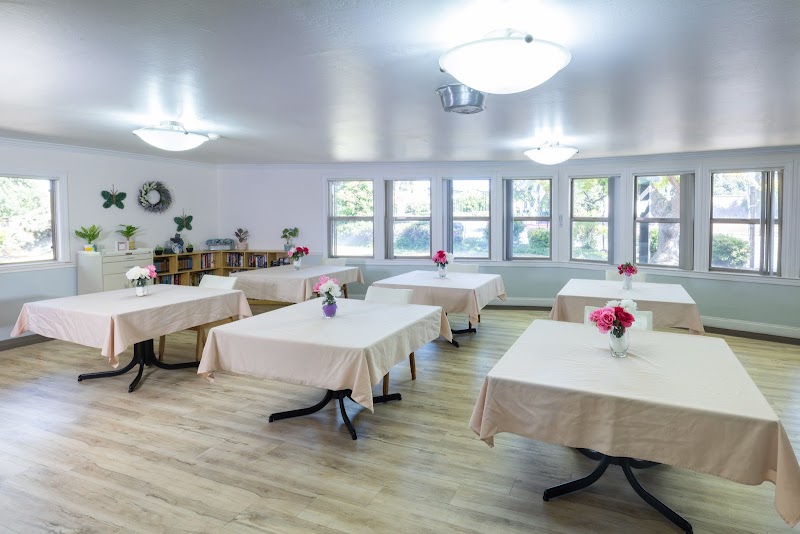
Who Owns and Operates Sunnyvale Post-Acute Center?

SUNNYVALE POST-ACUTE CENTER is owned by a for-profit company. For-profit facilities operate as businesses with obligations to shareholders or private owners. The facility is operated by PACS GROUP, a chain that manages multiple nursing homes. With 99 certified beds and approximately 92 residents (about 93% occupancy), it is a smaller facility located in SUNNYVALE, California.

How Does Sunnyvale Post-Acute Center Compare to Other California Nursing Homes?

Compared to the 100 nursing homes in California, SUNNYVALE POST-ACUTE CENTER's overall rating (3 stars) is below the state average of 3.1, staff turnover (39%) is near the state average of 46%, and health inspection rating (2 stars) is below the national benchmark.

What Should Families Ask When Visiting Sunnyvale Post-Acute Center?

Based on this facility's data, families visiting should ask: "Can you walk me through typical staffing levels on day, evening, and night shifts?" "Can I visit during a mealtime to observe dining assistance and food quality?" "How do you handle medical emergencies, and what is your hospital transfer rate?" "Can I speak with family members of current residents about their experience?" These questions are particularly relevant given the below-average staffing rating.

Is Sunnyvale Post-Acute Center Safe?

Based on CMS inspection data, SUNNYVALE POST-ACUTE CENTER has a clean safety record: no substantiated abuse findings (meaning no confirmed cases of resident harm), no Immediate Jeopardy citations (the most serious violation level indicating risk of serious injury or death), and is not on the Special Focus Facility watch list (a federal program monitoring the lowest-performing 1% of nursing homes). The facility has a 3-star overall rating and ranks #100 of 100 nursing homes in California. While no facility is perfect, families should still ask about staff-to-resident ratios and recent inspection results during their visit.

Do Nurses at Sunnyvale Post-Acute Center Stick Around?

SUNNYVALE POST-ACUTE CENTER has a staff turnover rate of 39%, which is about average for California nursing homes (state average: 46%). Moderate turnover is common in nursing homes, but families should still ask about staff tenure and how the facility maintains care continuity when employees leave.

Was Sunnyvale Post-Acute Center Ever Fined?

SUNNYVALE POST-ACUTE CENTER has no federal fines on record. CMS issues fines when nursing homes fail to meet care standards or don't correct problems found during inspections. The absence of fines suggests the facility has either maintained compliance or corrected any issues before penalties were assessed. This is a positive indicator, though families should still review recent inspection reports for the full picture.

Is Sunnyvale Post-Acute Center on Any Federal Watch List?

SUNNYVALE POST-ACUTE CENTER is not on any federal watch list. The most significant is the Special Focus Facility (SFF) program, which identifies the bottom 1% of nursing homes nationally based on persistent, serious quality problems. Not being on this list means the facility has avoided the pattern of deficiencies that triggers enhanced federal oversight. This is a positive indicator, though families should still review the facility's inspection history directly.