TRACY NURSING AND REHABILITATION CENTER
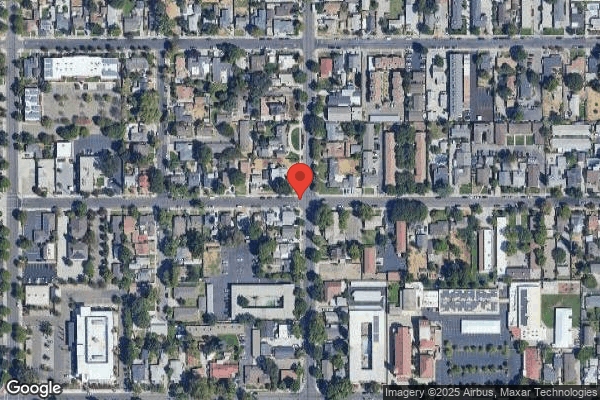
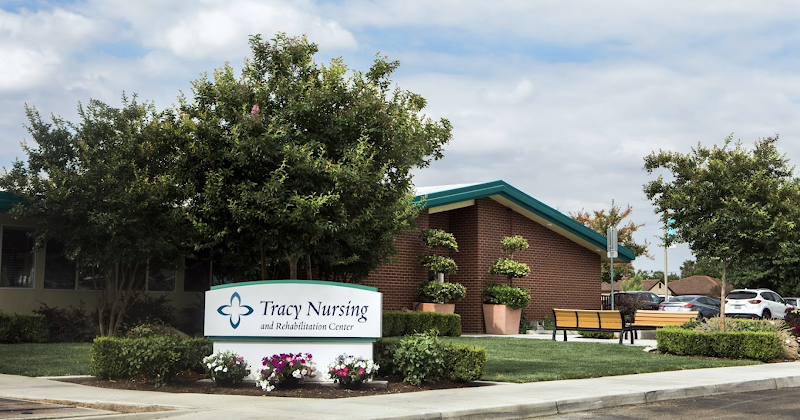
545 WEST BEVERLY PLACE, TRACY, CA 95376 (209) 835-6034
For profit - Limited Liability company 62 Beds ASPEN SKILLED HEALTHCARE Data: November 2025
Trust Grade
55/100
#703 of 1155 in CA
Last Inspection: August 2024

Within standard 12-15 month inspection cycle. Federal law requires annual inspections.

Overview

Tracy Nursing and Rehabilitation Center has received a Trust Grade of C, indicating that it is average and falls in the middle of the pack compared to other facilities. It ranks #703 out of 1,155 in California, placing it in the bottom half of nursing homes in the state, and #16 out of 24 in San Joaquin County, meaning only seven local options are better. Unfortunately, the facility's trend is worsening, with issues increasing from 15 in 2023 to 17 in 2024. Staffing is a concern with a turnover rate of 52%, which is above the California average of 38%, suggesting that staff may not be consistently familiar with residents’ needs. While the facility has not incurred any fines, there have been serious incidents, including a resident falling and suffering a head injury after being left unattended in the bathroom, as well as failures to honor advance directives and to administer correct medications for other residents, raising concerns about the overall quality of care.

Trust Score
C
55/100
In California
#703/1155
Bottom 40%
Safety Record
Moderate
Needs review
Inspections
Getting Worse
15 → 17 violations
Staff Stability
⚠ Watch
52% turnover. Above average. Higher turnover means staff may not know residents' routines.
Penalties
✓ Good
No fines on record. Clean compliance history, better than most California facilities.
Skilled Nurses
⚠ Watch
Each resident gets only 28 minutes of Registered Nurse (RN) attention daily — below average for California. Fewer RN minutes means fewer trained eyes watching for problems.
Violations
⚠ Watch
41 deficiencies on record. Higher than average. Multiple issues found across inspections.
★★★☆☆
3.0
Overall Rating
★★★☆☆
3.0
Staff Levels
★★★☆☆
3.0
Care Quality
★★★☆☆
3.0
Inspection Score
Stable
2023: 15 issues
2024: 17 issues

The Good

  • Full Sprinkler Coverage · Fire safety systems throughout facility
  • No fines on record

Facility shows strength in fire safety.

The Bad

3-Star Overall Rating

Near California average (3.1)

Meets federal standards, typical of most facilities

Staff Turnover: 52%

Near California avg (46%)

Higher turnover may affect care consistency

Chain: ASPEN SKILLED HEALTHCARE

Part of a multi-facility chain

Ask about local staffing decisions and management

The Ugly 41 deficiencies on record

1 actual harm
Aug 2024 14 deficiencies
CONCERN (D)

Potential for Harm - no one hurt, but risky conditions existed

Deficiency F0558 (Tag F0558)

Could have caused harm · This affected 1 resident

Based on observation, interview, and record review, the facility failed to meet the needs of 1 of 22 sampled residents (Resident 12) when the facility did not adequately follow up on the resident's re...

Read full inspector narrative →
Based on observation, interview, and record review, the facility failed to meet the needs of 1 of 22 sampled residents (Resident 12) when the facility did not adequately follow up on the resident's request for a prosthetic (artificial) leg. This failure had the potential to result in loss of independence, dignity, and decreased quality of life. Findings: During a review of Resident 12's clinical record titled, admission Record (a document that contained the resident's demographic information), indicated Resident 12's diagnosis included Type 2 diabetes (inability to control blood sugar) and the absence of left leg above the knee. During a concurrent observation and interview on 8/27/24, at 10:34 a.m., Resident 12 was observed in her bed with her wheelchair at the bedside. Resident 12 had her left leg amputated (a limb that had been surgically removed). Resident 12 stated she had been waiting for a year for her prosthetic leg. Resident 12 stated she was willing to put in the work with Physical Therapy to get stronger in order to walk. Resident 12 stated she would have liked a prosthetic leg in order to walk to the bathroom and outside without maximum assistance. Resident 12 stated it made her feel sad that she was unable to walk. A review of Resident 12's clinical record titled, Orders, dated 6/29/23, at 7:36 a.m., by the Physician (Phys 1), indicated Resident 12 had an order for a prosthetic evaluation. During an interview on 8/28/24, at 3:02 p.m., with the Medical Director (MD), the MD stated Resident 12 was referred for a prosthetic consultation once but was unsure of the outcome. During an interview on 8/28/24, at 3 p.m., with the Director of Rehab (DR), the DR stated Resident 12 had two referrals for an evaluation for a prosthetic leg. The DR stated the prosthetic evaluation notes were not found in Resident 12's clinical record. During a phone interview on 8/28/24, at 3:14 p.m., with Responsible Party (RP) 1, RP 1 stated the facility had not given her a lot of details as to why Resident 12 had not received a prosthetic leg. RP 1 stated she purchased Resident 12 new shoes because Resident 12 had told her she was getting a prosthetic leg. During an interview on 8/29/24, at 1:22 p.m., with the DR, the DR stated the prosthetic evaluation notes should have been in Resident 12's clinical record. The DR stated without the notes in the clinical record, the physician would not know what the prosthetic evaluation recommendation was for Resident 12. The DR stated Resident 12 was last evaluated for a prosthetic last year. During a concurrent phone interview and record review on 8/29/24, at 2:47 p.m., with the Prosthetic Representative (PR), Resident 12's clinical record titled, Orthopedics Clinical Notes, dated 8/29/24, at 2:22 p.m., by the PR, was reviewed. The document indicated, . patient seems sound of mind and is highly motivated for a prothesis. We had talked about a year ago about the possibility of providing a prosthesis . Recently I had spoken with patient again and again patient is very motivated; she really has the desire to have a prosthesis and get back to standing and possibly walking . there is the argument that with a prosthesis patient has a chance to possibly improve and may have the chance to stand with assistance . The PR stated she assessed Resident 12 a couple times last year for an evaluation for a prosthetic leg. The PR stated Resident 12 was very motivated to have a prosthetic leg. During a follow up phone interview on 8/29/24 at 3:06 p.m., with the PR, the PR stated she wrote Resident 12's clinical note on 8/29/24 (the date requested by the facility), the PR stated she could not find copies of any of the past evaluation notes. The PR stated it was not her practice to provide the facility with a copy of Resident 12's evaluation notes. The PR stated Resident 12, fell through the cracks. During a joint concurrent interview and record review on 8/29/24 at 4:10 p.m., with the Director of Nursing (DON) and the Administrator (ADM), the facility's policy and procedure (P&P) titled, Quality of Life, dated 8/2009 was reviewed. The P&P indicated, .The resident's individual needs and preferences, including the need for adaptive devices . shall be evaluated upon admission and reviewed on an ongoing basis . In order to accommodate individual needs and preferences, staff attitudes and behaviors must be directed towards assisting the residents in maintaining independence, dignity and well-being to the extent possible. The DON acknowledged the facility did not follow through with the results of the prosthetic leg assessment for Resident 12. The DON and ADM stated the P&P was not followed. A review of the facility's P&P titled, Resident Rights, 12/16, indicated, . Federal and state laws guarantee certain basic rights to all residents of this facility. These rights include the resident's right to: . communication with and access to people and services, both inside and outside the facility .
CONCERN (D)

Potential for Harm - no one hurt, but risky conditions existed

Safe Environment (Tag F0584)

Could have caused harm · This affected 1 resident

Based on observation, interview, and record review, the facility failed to ensure a homelike environment was provided for 1 of 22 sampled residents (Resident 55), when Resident 55 did not have enough ...

Read full inspector narrative →
Based on observation, interview, and record review, the facility failed to ensure a homelike environment was provided for 1 of 22 sampled residents (Resident 55), when Resident 55 did not have enough room to store personal belongings. This deficient practice did not ensure a homelike environment that encouraged the use of personal belongings to the extent possible. Findings: Review of Resident 55's admission record indicated Resident 55 had been admitted to the facility in July of 2024. During a concurrent observation and interview on 8/27/24 at 12:16 PM with a family member (FM)1, FM 1 stated he was concerned about space in the room. FM1 showed the narrow closet space dedicated to Resident 55 in bed A. FM1 then stated he felt frustrated due to lack of space for the resident's personal belongings and pointed to the drawers. FM1 indicated he was unable to use the drawers dedicated to bed A, because a previous resident's name was labeled on all of bed A's drawers. FM1 further stated that he did not feel comfortable touching the belongings that were still in the drawers. During a concurrent observation and interview on 8/27/24 at 12:20 PM, Certified Nurse Assistant (CNA) 1 confirmed that another resident's name was listed on the drawers in the room that were supposed to be dedicated to the resident in bed A. CNA 1 stated she was not sure why the drawers were labeled and agreed the name and belongings should have been removed and available for use by Resident 55. During a concurrent observation and interview on 8/28/24 at 9:35 AM, Licensed Nurse (LN) 1 verified that a discharged resident's name was still labeled on the drawers assigned to Resident 55. LN 1 further stated the drawers should have been emptied and the name of the previous resident's label should have been removed. LN 1 confirmed there were still belongings in the drawer that did not belong to Resident 55. LN 1 further stated she understood that it was a problem since Resident 55 was unable to use all the space dedicated to her personal belongings. During an interview on 8/28/24 at 10:08 AM, the Director of Nursing (DON) stated it was not their policy to label resident names on the drawers, it should just have the label of bed A or bed B. The DON stated it was her expectation that all belongings be removed at the time of the discharge. The DON stated that leaving the name and belongings was a problem because the resident could not use all the space dedicated for their personal belongings. The DON further stated this situation is not in line with their policy of a homelike environment. Review of facility policy titled, Quality of Life - Homelike Environment, revised 5/17, indicated, Residents are provided with a safe, clean, comfortable, and homelike environment and encouraged to use their personal belongings to the extent possible.
CONCERN (D)

Potential for Harm - no one hurt, but risky conditions existed

Comprehensive Care Plan (Tag F0656)

Could have caused harm · This affected 1 resident

Based on interview, and record review, the facility failed to develop and implement a resident specific care plan (provides direction on the type of nursing care the resident may need based on their h...

Read full inspector narrative →
Based on interview, and record review, the facility failed to develop and implement a resident specific care plan (provides direction on the type of nursing care the resident may need based on their health, medication, behavioral, and psychosocial needs) for 1 of 22 sampled residents (Resident 317) when Resident 317 did not have a care plan developed for catheter care. This failure had the potential for care needs not being met for Resident 317. Findings: A review of Resident 317's admission RECORD, indicated Resident 317 was admitted to the facility in the middle of 2024 with diagnoses which included urinary tract infection and artificial openings of urinary tract status. During a review of Resident 317's Minimum Data Set, (MDS-an assessment tool) dated 8/27/24, the MDS indicated Resident 317 had an indwelling catheter (a medical device that drains urine from the bladder to a drainage bag). A review of Resident 317's Order Summary Report, indicated, .Catheter Care for Indwelling catheter every shift for catheter care cleanse area every shift monitor for redness, irritation, swelling, s/s (signs and symptoms) UTI [urinary tract infection] . During a concurrent interview and record review on 8/29/24, at 1 p.m. with Licensed Nurse (LN) 8, Resident 317's care plan dated 8/21/24 was reviewed. LN 8 stated there was no care plan created for use of an indwelling catheter. LN 8 further stated there should be a care plan created to monitor care of Resident 317 pertaining to catheter use. During an interview on 8/30/24, at 10:25 a.m. with the Director of Nursing (DON), the DON stated she would have expected a care plan for catheter care was created upon admission. The DON explained the care plan dictated everything that needed to be done for the resident and without a care plan, there was a risk for care not being met. A review of the facility's procedure titled, Catheter Care, Urinary, revised September 2014, indicated, .The purpose of this procedure is to prevent catheter associated urinary tract infections .Review the resident's care plan to assess for any special needs of the resident . A review of the facility's policy titled, Care Plans, Comprehensive Person-Centered, revised December 2016, indicated, .A comprehensive, person-centered care plan that includes measurable objectives and timetables to meet the resident's physical, psychosocial and functional needs is developed and implemented for each resident .
CONCERN (D)

Potential for Harm - no one hurt, but risky conditions existed

Deficiency F0676 (Tag F0676)

Could have caused harm · This affected 1 resident

Based on interview, and record review, the facility failed to provide care and services for activities of daily living (ADLs) for 1 of 22 sampled residents (Resident 22) when Resident 22 had no docume...

Read full inspector narrative →
Based on interview, and record review, the facility failed to provide care and services for activities of daily living (ADLs) for 1 of 22 sampled residents (Resident 22) when Resident 22 had no documented evidence a shower was given from 8/6/24 through 8/15/24. This failure had the potential to result in poor hygiene and decreased psychosocial well-being for Resident 22. Findings: A review of Resident 22's admission RECORD, indicated Resident 22 was admitted to the facility in the middle of 2024 with diagnoses which included presence of left artificial hip joint, diabetes mellitus (too much sugar in the blood), and heart disease. During a phone interview on 8/29/24, at 10:16 a.m. with Resident 22's Family Member (FM) 3, FM 3 stated Resident 22's shower schedule was Tuesdays and Saturdays. FM 3 stated Resident 22 did not receive a shower on a Tuesday. During a concurrent interview and record review on 8/30/24, at 8:09 a.m. with the Director of Staff Development (DSD), Resident 22's Shower Skin Checks Sheets were reviewed. The DSD confirmed Resident 22's shower days were Tuesdays and Saturdays. The DSD explained shower skin checks sheets were to be completed everytime the resident had a shower to indicate the residents had intact skin and these sheets were to be signed by the licensed nurse and then submitted to the DSD for review. The DSD confirmed there were no shower sheets from 8/6/24 through 8/15/24. The DSD stated nine days was too long without a shower. During a concurrent interview and record review on 8/30/24, at 8:51 a.m. with the DSD, Resident 22's Documentation Survey Report for showers was reviewed. The report indicated Resident 22 had missed showers from 8/6/24 through 8/15/24. The DSD confirmed there were shower days that were not documented as given. The DSD confirmed Resident 22 did not receive a shower as scheduled. During a subsequent interview with the DSD, the DSD stated residents would feel dirty, uncomfortable, unhygienic, and embarrassed if showers were not given as scheduled. The DSD further stated a full skin assessment would not be performed if showers were missed, which could lead to unidentified skin issues. During an interview on 8/30/24, at 10:26 a.m. with the Director of Nursing (DON), the DON stated she would have expected the residents to receive their showers as scheduled because it was a basic need. The DON further stated showers would help in preventing infections and would promote a feeling of well-being. The DON also stated it was during showers residents' skin was checked thoroughly for any new skin issues. The DON confirmed showers that were not documented were missed showers. During a review of the facility's policy titled, Activities of Daily Living (ADLs), Supporting, revised March 2018, the policy indicated, .Appropriate care and services will be provided for residents who are unable to carry out ADLs independently .including appropriate support and assistance with hygiene .bathing . A review of the facility's procedure titled, Bath, Shower/Tub, revised February 2018, indicated, .The purposes of this procedure are to promote cleanliness, provide comfort to the resident and to observe the condition of the resident's skin .
CONCERN (D)

Potential for Harm - no one hurt, but risky conditions existed

Quality of Care (Tag F0684)

Could have caused harm · This affected 1 resident

Based on interview, and record review, the facility did not ensure correct medications were administered and correct plan of care was followed for 1 of 22 sampled residents (Resident 22) when Resident...

Read full inspector narrative →
Based on interview, and record review, the facility did not ensure correct medications were administered and correct plan of care was followed for 1 of 22 sampled residents (Resident 22) when Resident 22 was admitted with wrong discharging documents from the acute hospital and the error was not identified for 3 days after admission. This failure placed Resident 22 to not receive the necessary care and services at time of admission and three days thereafter. Findings: The Department received a report from the facility and a complaint regarding Resident 22's interfacility transfer (IFT) documents (IFT-it is a communication tool when transferring a patient to another facility which contains pertinent information regarding the patient's care received from the discharging facility and to continue care at the admitting facility) from the acute hospital indicated a different name and did not reflect the correct information at time of admission. This error caused Resident 22 to receive medications that were not prescribed for her and care that was not intended for her until it was discovered for at least three days after admission. This report and the complaint were investigated during the facility's unannounced annual recertification survey. During a review of Resident 22's admission RECORD, indicated Resident 22 was admitted to the facility in the middle of 2024 with diagnoses which included presence of left artificial hip joint, diabetes mellitus (too much sugar in the blood), and heart disease. During a review of Resident 22's Care Plan, dated 8/3/24, the care plan indicated, .Medication error: resident was adminitered [sic] wrong medications . During an interview on 8/29/24, at 10:37 a.m. with the Admissions Coordinator (AD), the AD explained she would review all information written on the referral documents of residents considered for admission to the facility who were waiting to be discharged from the acute hospital. The AD further explained she would review the history and physicals, therapy notes, any isolation precautions, any intravenous (IV) antibiotics, and all medications the resident received while in the acute hospital. The AD continued, she would then upload the documents into the facility's point click care (PCC) system (a cloud-based healthcare software) for the nurses to review the information prior to receiving the resident to the facility. The AD stated the IFT documents received at the time of admission were the most current and correct information for the nurses to carry out the plan of care. The AD further stated the IFT report that came with Resident 22 on admission had a sticker with her name on every page. The AD added the documents itself had a different name on every page in a smaller print. During an interview on 8/29/24, at 11:16 a.m. with the Director of Nursing (DON), the DON confirmed the IFT document that came with Resident 22 at the time of admission indicated a different name but the sticker attached on every page of the IFT documents had Resident 22's name. The DON stated the IFT documents had the correct sticker attached but had the wrong name on each page of the document. The DON also confirmed the error was discovered three days after admission when the acute hospital called the facility that the IFT documents did not belong to Resident 22. During a record review of Resident 22's Inter-Facility Transfer Report, dated 8/3/24 with the DON, indicated a list of medications Resident 22 received which was not prescribed for her. The list of medications were as follows: ampicillin-an antibiotic enoxaparin-an anticoagulant melatonin-a supplement for sleep amlodipine-lower high blood pressure linaclotide-relieve chronic constipation memantine-treat memory loss in dementia metoprolol-lower high blood pressure ranolazine-treat chronic chest pain rivastigmine-treat Alzheimer's disease rosuvastatin-lower high cholestrol The DON confirmed the list of medications that were not prescribed for Resident 22. During a record review of Resident 22's Inter-Facility Transfer Report, dated 8/6/24 with the DON, indicated a list of medications prescribed for Resident 22 and should have been receiving at the time of admission. The list of medications were as follows: oxycodone-relieve pain rivaroxaban-prevent blood clots dapagliflozin-lower blood sugar fludrocortisone-lower potassium in the blood gabapentin-used to decrease nerve pain insulin glargine-lower high blood sugar midodrine-lower blood pressure insulin aspart-lower blood sugar semaglutide-lower blood sugar sertraline-antidepressant The DON confirmed the list of medications Resident 22 should have been receiving. The DON stated she would have expected the nursing staff to check the IFT documents thoroughly and should have been checked by everyone including the pharmacy that verified the medications. The DON further stated the nurses would call the facility's medical director (MD) to verify the orders and for the MD to visit the same day of admission or the following day of admission. During an interview on 8/29/24, at 11:43 a.m. with Licensed Nurse (LN) 3, LN 3 confirmed she would call the MD and to let him know regarding a new admission and would ask the MD if the facility could follow the orders. LN 3 stated the MD would agree and would visit the same day of the resident's admission or the following day. LN 3 explained the acute hospital called her on the third day of Resident 22's admission to check the IFT documents if it had Resident 22's name on it. LN 3 stated usually the nurses would check the stickers attached to the IFT documents because the sticker stood out but did not check the name on the document. LN 3 further stated the facility usually received IFT documents with same name on the sticker and the name on the documents. LN 3 confirmed the IFT documents should have been checked both the stickers attached and the document itself to make sure the names matched to prevent errors in delivering wrong treatment or care that could possibly cause injury or harm to the resident. During an interview on 8/30/24, at 1:11 p.m. with LN 7, LN 7 stated he picked up resident from the acute hospital with the IFT documents. LN 7 explained he contacted the MD to continue the orders received from the acute hospital and stated he got the consent from the MD. LN 7 stated he checked the IFT documents thoroughly but did not catch the name on the sticker did not match the name on the documents. LN 7 stated that it was missed. During a review of the facility's procedure titled, admission assessment and Follow Up: Role of the Nurse, revised September 2012, indicated, .Reconcile the list of medications from the medication history, admitting orders, the previous MAR (medication administration record), and the discharging summary from the previous institution .Contact the Attending Physician to communicate and review the findings .and obtain admission orders based on these findings .
CONCERN (D)

Potential for Harm - no one hurt, but risky conditions existed

Accident Prevention (Tag F0689)

Could have caused harm · This affected 1 resident

Based on interview and record review, the facility failed to ensure adequate supervision was provided to prevent accidents and hazards for 1 of 22 sampled residents (Resident 62) when the facility did...

Read full inspector narrative →
Based on interview and record review, the facility failed to ensure adequate supervision was provided to prevent accidents and hazards for 1 of 22 sampled residents (Resident 62) when the facility did not implement Resident 62's care planned intervention of a wheelchair alarm, and staff did not complete bed alarm checks during the night shift on 7/3/24. This failure could have been a factor in staff not being aware of Resident 62's fall outside, and had the potential increased wandering behavior would not be identified. Findings: A review of Resident 62's admission Record indicated Resident 62 was admitted to the facility in Spring of 2024 with diagnoses including benign prostatic hyperplasia (a condition in men in which the prostate gland [a gland in the male reproductive system] is enlarged), surgical aftercare following surgery on the prostate, history of falling, anxiety disorder (a nervous condition characterized by a state of excessive uneasiness, apprehension, and panic attacks that interfere with activities of daily living), major depressive disorder (a persistent feeling of sadness and loss of interest that can interfere with activities of daily living), and disorientation (a state of mental confusion). During a review of Resident 62's SBAR Progress Note (SBAR-Situation, Background, Assessment, and Recommendation- a facility nursing note reporting a change in a resident's condition), the SBAR Progress Note indicated Resident 62 was found on his knees in the facility's front parking lot on 7/4/24 at 12:30 p.m. by facility staff. The SBAR Progress Note indicated Resident 62 refused to be touched by facility staff, so Resident 62 was sent to the acute care emergency department for further evaluation. During a phone interview on 8/30/24 at 11:11 a.m. with Resident 62 and his Responsible Party (FM 3), Resident 62 stated that after the acute care emergency department cleared him to be discharged , he decided to go home with FM 3 instead of going back to the facility. FM 3 stated that she felt that the facility was not supervising Resident 62 appropriately. FM 3 stated that she was concerned for Resident 62's safety while he was at the facility. Resident 62 stated he felt safer at home. During an interview with Licensed Nurse (LN) 7 on 8/30/24 at 1:06 p.m., LN 7 stated FM 3 would sit with Resident 62. LN 7 stated Resident 62 would try and get up on his own. LN 7 stated Resident 62 hallucinated (a perception of having seen, heard, touched, tasted, or smelled something that wasn't actually there) and had memory issues. LN 7 stated Resident 62 was at risk for falling because his gait (the way he walked) was unsteady. LN 7 stated Resident 62 had an alarm on his bed to alert staff if he tried to get up on his own, but she didn't recall if he had an alarm on his wheelchair. LN 7 stated Resident 62 did not have a Wander Guard (a monitoring device used to alert staff a resident was leaving the premises). LN 7 stated that Resident 62 was found outside in the parking lot on 7/4/24. During an interview on 8/30/24 at 1:17 p.m. with the Director of Nursing (DON) and the Administrator (ADM) in the Administrator's office, the ADM and the DON stated that Resident 62 was found in the front parking lot. and was unsure how long he had been there. The DON stated that she was one of the people who brought Resident 62 back into the facility. The DON stated Resident 62 was refusing all assessments, so Resident 62 was sent to the hospital emergency room for evaluation. The ADM and DON stated Resident 62 was at risk for falling due to psychiatric diagnoses, he walked late at night, he took the mattress off the bed, and his legs were not strong. The DON stated Resident 62 only had a bed alarm. During an interview and concurrent record review on 8/30/24 at 1:17 p.m. with the DON of Resident 62's Physician Orders, the Physician's Orders indicated there was no order for a wheelchair alarm, and there was an order for a bed alarm. The DON confirmed there was no order in Resident 62's medical record for a wheelchair alarm. During an interview and concurrent review of Resident 62's clinical record with the DON on 8/30/24 at 1:17 p.m., Resident 62's Care Plan, .High risk for falls and injury related to limitation of mobility .date initiated 6/26/24 .Goal: Resident will be able to adjust to a change in the usual environment and routine to prevent falls and injury .Interventions .use of self-release belt with alarm/tab alarm/sensor pad alarm while up in wheelchair to alert staff when resident is attempting to get up unassisted .use of sensor pad alarm or tab alarm when in bed to alert the staff when resident is attempting to get out of bed unattended . The DON confirmed the Care Plan indicated Resident 62 should have had a wheelchair alarm. During an interview and concurrent record review of Resident 62's Medication Administration Record (MAR) with the DON on 8/30/24 at 1:17 p.m., the MAR indicated the bed alarm was checked on 7/3/24 by the AM, and PM shift nurses, but was not documented as checked by the Night shift nurse. The DON stated she expected bed alarm checks to be completed each shift and documented. The DON stated she was worried about the missing documentation of bed alarm checks in Resident 62's MAR. The DON stated that if increased wandering behavior was noted, interventions could have been put in place, such as a Wander Guard, so that Resident 62 would have been more closely monitored. During an interview and concurrent record review with the DON on 8/30/24 at 1:43 p.m., the facility policy and procedure (P&P) titled, Safety and Supervision Procedures, revised 7/201, indicated, Facility-oriented approach to safety .4. Employees shall be trained on potential accident hazards and demonstrate competency on how to identify and report accident hazards, and try to prevent avoidable accidents .Individualized, resident-centered approach to safety .1. Our individualized, resident-centered approach to safety addresses safety and accident hazards for individual residents .3. The care team shall target interventions to reduce individual risks related to hazards in the environment, including adequate supervision and assistive devices . The DON stated that Resident 62 should have had closer supervision due to his behaviors of wandering and his diagnoses, and would have benefited from a Wander Guard.
CONCERN (D)

Potential for Harm - no one hurt, but risky conditions existed

Deficiency F0694 (Tag F0694)

Could have caused harm · This affected 1 resident

Based on observation, interview and record review, the facility failed to ensure one of two residents (Resident 35) who received parenteral (delivery of medication through a vein) medication was provi...

Read full inspector narrative →
Based on observation, interview and record review, the facility failed to ensure one of two residents (Resident 35) who received parenteral (delivery of medication through a vein) medication was provided services consistent with professional standards of practice when: 1. Resident 35's peripheral IV saline lock (a thin flexible tube placed in a vein in the hand or arm used to give medication and fluids) dressing was not dated; 2. Resident 35 did not have a care plan developed for the IV saline lock; 3. IV site care and flushing for Resident 35's IV saline lock was not documented in the medical record; and, 4. Resident 35's IV saline lock was left in place for eight days. These failures had the potential to increase the risk of infection for Resident 35 and further compromise her health and well-being. Findings: A review of Resident 35's admission Record indicated Resident 35 was admitted to the facility in Spring 2024. Resident 35's admission Record indicated Resident 35's admitting diagnoses included wedge compression fracture of second lumbar vertebra (a broken bone in the lower back), low back pain, and osteoarthritis (a type of arthritis that occurs when flexible tissue at the ends of bones wears down). During an observation of Resident 35 on 8/27/24 at 11:05 a.m., Resident 35 was sleeping with her left hand resting on the outside of her blanket. An IV saline lock in Resident 35's left hand was covered with a clear transparent dressing (covering to protect the IV site from germs) and had no insertion date or nurses' initials on it. During a concurrent observation, interview, and record review on 8/27/24 at 11:35 a.m. with Licensed Nurse (LN) 8, LN 8 stated that there was no date on the transparent dressing, and stated it should have been dated. LN 8 checked Resident 35's medical record and stated the IV saline lock was inserted on 8/19/24, eight days ago. LN 8 stated the device should not be in place more than seven days, in order to prevent possible infection. LN 8 stated Resident 35 also had a Peripherally Inserted Central Catheter (PICC, a tube inserted into a vein and guided into a large vein above the heart, used to administer intravenous medication) in her right upper arm, and did not need the IV saline lock. During an interview and concurrent record review on 8/27/24 at 3:40 p.m. with the Director of Staff Development (DSD), Resident 35's Treatment Administration Record (TAR, documented care procedures provided in the facility) was reviewd. The TAR indicated the IV saline lock was inserted 8/19/24 into Resident 35's left hand vein and was used to give a dose of IV antibiotic (medication to fight an infection) prescribed by resident's physician on 8/19/24. The DSD confirmed there was no documentation of site care or flushing of the IV saline lock in Resident 35's left hand. The DSD confirmed that site care and flushing of IVs needed to be documented in the resident's medical record. During an interview and concurrent review of a facility policy and procedure (P&P) titled, IV 203, dated 3/2023, with the DSD on 8/27/24 at 3:40 p.m., the P&P indicated, .Transparent dressings are changed with each site rotation and/or at least every 7 days, or if the integrity [condition] of the dressing is compromised [wet, loose, or soiled] . Condition of site will be documented at least every shift .Label dressing with date, time, and nurse's initials .Documentation in the medical record includes but is not limited to: 1. Date and time 2. Site assessment 3. Resident response to procedure 4. Resident teaching . The DSD confirmed that IV site care should be documented in the resident's medical record and stated the IV transparent dressing should have been labeled with the date of insertion and the inserting nurse's initials per policy. The DSD confirmed according to the insertion date documented in Resident 35's TAR, the IV saline lock had been in place for eight days. The DSD confirmed that the IV saline lock in Resident 35's left hand should not be in place for more than seven days to prevent complications such as infection. During an interview and concurrent review of a facility P&P titled, IV 104, dated 3/2023, with the DSD on 8/27/24 at 3:40 p.m., the P&P indicated, .Adhere to the specific IV therapy policy and procedure for site changes, tubing changes, and dressing changes . The DSD confirmed that the facility policy was not followed. During an interview on 8/29/24 at 4:47 p.m. with the Director of Nursing (DON), the DON stated that her expectation was that the policy be followed for insertion, IV site dressings be labeled with date of insertion and inserting nurses' initials, IV site assessments, care and flushing of IVs be documented, and that IV saline locks be removed once a midline catheter (a catheter inserted into a vein in the upper arm with the tip located just below the armpit) or a PICC line was in place.
CONCERN (D)

Potential for Harm - no one hurt, but risky conditions existed

Pharmacy Services (Tag F0755)

Could have caused harm · This affected 1 resident

**NOTE- TERMS IN BRACKETS HAVE BEEN EDITED TO PROTECT CONFIDENTIALITY** Based on observation, interview, and record review, the facility failed to ensure the controlled medications (highly addictive a...

Read full inspector narrative →
**NOTE- TERMS IN BRACKETS HAVE BEEN EDITED TO PROTECT CONFIDENTIALITY** Based on observation, interview, and record review, the facility failed to ensure the controlled medications (highly addictive and regulated medications) for 1 of 22 sampled residents (deceased Resident 58) were removed from the medication cart and the nurses did not count Resident 58's controlled medications at shift change. These failures could have resulted in medication being given to the wrong resident and/or drug diversion (the illegal distribution or abuse of prescription drugs or their use for purposes not intended by the prescriber) of controlled medications. Findings: A review of Resident 58's Electronic Health Record (EHR) indicated Resident 58 died on [DATE]. During a concurrent observation and interview on [DATE], at 3:17 p.m., with Licensed Nurse (LN) 1 and LN 6, the LNs counted the controlled medications for medication Cart # A (day shift)/Cart # C (PM shift). LN 1 and LN 6 acknowelged they forgot to count the controlled medications for Resident 58. LN 1 verified she should have counted Resident 58's controlled medications with LN 6. LN 6 stated it was important to count all the controlled medications with the off-going nurse (LN 1) because if there would have been missing medications, she would have been held responsible. The medications that were not counted were: -hydrocodone (narcotic pain medication) 5/325 mg (milligrams-unit of measurement) - 56 tablets on a medication card -hydrocodone 5/325 mg - 14 tablets on a medication card -lorazepam 0.5 mg - 30 tablets on a medication card (anti-anxiety medication) -lorazepam 0.5 mg - 6 tablets left on medication card -morphine 24 milliliters (unit of volume - ml) left in the medication bottle (narcotic pain medication) -lorazepam 27.5 ml left in the medication bottle. During a follow up interview on [DATE], at 3:25 p.m., with LN 6, LN 6 stated the controlled medications should have been counted and stored in the locked medication cart until the medications were given to the Director of Nursing to destroy. During an interview on [DATE], at 3:34 p.m., with LN 3, LN 3 stated LN 1 and LN 6 were supposed to count Resident 58's controlled medications to ensure there were not any missing medications. During a concurrent interview and record review on [DATE], at 8:45 a.m., with the Director of Nursing (DON), the facility's Policies and Procedures (P&Ps) titled, Medication Storage in the Facility: Controlled Medication Storage, dated 8/2014, and Disposal of Medications and Medication-Related Supplies: Discontinued Medications, dated 12/28, were reviewed. The facility's P&P tiled Medication Storage in the Facility Controlled Medication Storage, indicated, . At each shift change, a physical inventory of all controlled medications, including the emergency supply is conducted by two licenses nurses and is documented on the controlled medication accountability record . The P&P titled, Disposal of Medications and Medication-Related Supplies: Discontinued Medications, indicated, . If a medication expires, or a prescriber discontinues a medication, the discontinued drug container shall be marked or otherwise identified and shall be stored in a separate location designated soley for this purpose . Medications awaiting disposal are stored in a locked secure area designated for that purpose until destroyed . medications are removed from the medications cart . The DON stated after Resident 58 died, the licensed nurses were supposed to give the controlled medications to the DON to destroy with the pharmacist. The DON stated the on-going and off-going nurses were supposed to count the controlled medications until the medications were picked up by the hospice nurse or destroyed by the DON and pharmacist. The DON acknowledged the P&Ps were not followed.
CONCERN (D)

Potential for Harm - no one hurt, but risky conditions existed

Dental Services (Tag F0791)

Could have caused harm · This affected 1 resident

Based on observation, interview, and record review, the facility failed to ensure 1 of 22 sampled residents (Resident 30) received recommended dental services when Resident 30 was not provided the den...

Read full inspector narrative →
Based on observation, interview, and record review, the facility failed to ensure 1 of 22 sampled residents (Resident 30) received recommended dental services when Resident 30 was not provided the dental treatment recommendation of a full mouth x-ray (a set of pictures that provides images of teeth, gums, and jaw bones) for a broken tooth which was identified on 4/22/24. This failure had the potential to result in health complications for Resident 30 including increased discomfort, infection, problems chewing food, and weight loss. Findings: During a concurrent observation and interview on 8/27/24 at 10:01 AM, Resident 30 stated she needed dental care. Resident 30 reported she had dental pain in her teeth for about two months and no one had come to look at her teeth. Resident 30 stated she had told multiple staff members but did not remember which staff members. Resident 30 opened her mouth and pointed inward to her upper and lower teeth, stating she had pain. During a second interview on 8/28/24 at 2:53 PM, Resident 30 stated, I feel frustrated like I am not being heard and that they don't care. During a concurrent interview and record review on 8/28/24 at 3:14 PM, with the Social Services Director (SSD), Resident 30's paper medical chart was reviewed. When asked about Resident 30's complaint of tooth pain, the SSD stated she did not have any referrals or notices for service for Resident 30 from the nurses. The SSD advised that all the residents were seen at least annually and that the documentation or notes of their visit should be in the resident's paper chart. The SSD retrieved Resident 30's chart and produced a record from an outside healthcare agency titled, Dental Notes, dated 4/22/24. The notes under Tx [Treatment] Recommendation, indicated, #3 [tooth number] broken. The SSD advised that the dental office was responsible to follow up on treatment recommendations and it could take a while. The SSD stated that there was no follow-up done by their facility that she was aware of. The SSD further stated that the facility needed a follow up process on treatment recommendations, so the residents would know what was happening. During a concurrent interview and record review, on 8/29/24 at 8:57 AM, with the Director of Nursing (DON), Resident 30's dental notes from the visit date of 4/22/24 were reviewed. The DON confirmed the notes under treatment recommendation showed a broken tooth and further indicated in the section under Tx (treatment) in progress indicated, Fmx [full mouth x-rays]. The DON further stated that usually they write orders for follow up and this form did not have any orders listed. The DON stated the form gets filed into the resident's chart if there were no orders, and there was no additional follow up by the facility. The DON stated that they should have a system in place for a nurse to work with the SSD when the dental notes were received to ensure follow up with the outside dental service responds to the recommended treatment. The DON stated that four months was too long of a time frame for follow up. The DON stated that no follow up was a risk to Resident 30 because a broken tooth left untreated could lead to further disease or complications like increased pain, the inability to eat, infection, and weight loss. The DON further stated that the resident had the right to have the plan communicated and followed up per the dental services policy. A review of the facility's policy and procedure titled, Dental Services, revised 12/16, indicated, .Routine and emergency dental services are available to meet the resident's oral health services in accordance with the resident's assessment and plan of care .Selected dentists must be available to provide follow up care .
CONCERN (D)

Potential for Harm - no one hurt, but risky conditions existed

Medical Records (Tag F0842)

Could have caused harm · This affected 1 resident

Based on interview, and record review, the facility failed to ensure copies of evaluations were in the resident's medical records for 1 of 22 sampled residents (Resident 12), when the facility did not...

Read full inspector narrative →
Based on interview, and record review, the facility failed to ensure copies of evaluations were in the resident's medical records for 1 of 22 sampled residents (Resident 12), when the facility did not have access to copies of Resident 12's evaluations for a prosthetic (artificial) leg. This failure had the potential for medical providers not to have reviewed the recommendations regarding acquiring a prosthetic leg for Resident 12. Findings: During a review of Resident 12's clinical record titled, admission Record (a document that contained the resident's demographic information), the record indicated Resident 12's diagnosis included Type 2 diabetes (inability to control blood sugar) and absence of left leg above the knee. During a concurrent observation and interview on 8/27/24, at 10:34 a.m., Resident 12 was observed in her bed with her wheelchair at the bedside. Resident 12 had her left leg amputated. Resident 12 stated she had been waiting for a year for her prosthetic leg. Resident 12 stated she was willing to put in the work with Physical Therapy to get stronger and walk. Resident 12 stated she would like to have a prosthetic leg so she could walk to the bathroom and outside without maximum assistance. Resident 12 stated it made her feel sad that she was unable to walk. A review of Resident 12's clinical record titled, Orders, dated 6/29/23, at 7:36 a.m., by the Physician (Phys 1), indicated Resident 12 had an order for a prosthetic evaluation. During an interview on 8/28/24, at 3:02 p.m., with the Medical Director (MD), the MD stated Resident 12 was referred for a prosthetic consultation once but was unsure of the outcome. During an interview on 8/28/24, at 3 p.m., with the Director of Rehab (DR), DR stated Resident 12 had had two referrals for an evaluation for a prosthetic leg. The DR stated the prosthetic evaluation notes were not found in Resident 12's clinical record. During a phone interview on 8/28/24, at 3:14 p.m., with RP 1, RP 1 stated the facility had not given her a lot of details as to why Resident 12 had not received a prosthetic leg. RP 1 stated she purchased Resident 12 new shoes because Resident 12 had told her she was getting a prosthetic leg. During an interview on 8/28/24, at 4:00 p.m., with the Licensed Nurse (LN 1), LN 1 stated, she had contacted the prosthetic company and was waiting for them to fax over Resident 12's evaluation notes. LN 1 stated the evaluation notes were not in Resident 12's clinical record. During an interview on 8/29/24, at 9:00 a.m., with LN 1, LN 1 stated she still had not received Resident 12's evaluation notes from the prosthetic company. During an interview on 8/29/24, at 1:02 p.m., with LN 1, LN 1 stated she still had not received Resident 12's evaluation notes from the prosthetic company. During an interview on 8/29/24, at 1:22 p.m., with the Director of Rehab (DR), the DR stated the prosthetic evaluation notes should have been in Resident 12's clinical record. The DR stated without the notes in the clinical record, the physician would not know what the prosthetic evaluation recommendation was for Resident 12. The DR stated Resident 12 was last evaluated for a prosthetic last year. A concurrent phone interview and record review on 8/29/24, at 2:47 p.m., with the Prosthetic Representative (PR), Resident 12's clinical record titled, Orthopedics Clinical Notes, dated 8/29/24, at 2:22 p.m., by the Prosthetic Representative (PR), was reviewed. The document indicated, . patient seems sound of mind an is highly motivated for a prosthesis. We had talked about a year ago about the possibility of providing a prosthesis . Recently I had spoken with patient again and again patient is very motivated; she really has the desire to have a prosthesis and get back to standing and possibly walking . there is the argument that with a prosthesis patient has a change to possibly [sic] improve and may have the chance to stand with assistance . The PR stated she assessed Resident 12 a couple times last year for an evaluation for a prosthetic leg and Resident 12 was very motivated to have a prosthetic leg and walk. During a follow up interview on 8/29/24 at 3:06 p.m., with the PR, the PR stated she wrote Resident 12's clinical note on 8/29/24 (the date of request), the PR stated she did not have a copy of any of the past evaluation notes. The PR stated it was not her practice to provide the facility with a copy of Resident 12's evaluation notes. The PR stated Resident 12 fell through the cracks. During a joint concurrent interview and record review on 8/29/24 at 4:10 p.m., with the Director of Nursing (DON) and the Administrator (ADM), the facility's policy and procedure titled, Charting and Documentation, dated 7/17, indicated, . Documentation in the medical record may be electronic, manual or a combination .The following information is to be documented in the resident medical record: . treatments or services performed .Documentation . will include care-specific details, including: a. The date and time the procedure/treatment was provided, b. The name and title of the individual(s) who provided the care, c. The assessment data .notification of family, physician or other staff . d. The signature and title of the individual documenting . The DON and the ADM stated the P&P was not followed.
CONCERN (D)

Potential for Harm - no one hurt, but risky conditions existed

Infection Control (Tag F0880)

Could have caused harm · This affected 1 resident

3. During a review of Resident 46's admission RECORD (contains demographic and medical information), the record indicated Resident 46 was admitted to the facility with diagnoses including but not limi...

Read full inspector narrative →
3. During a review of Resident 46's admission RECORD (contains demographic and medical information), the record indicated Resident 46 was admitted to the facility with diagnoses including but not limited to urinary tract infection (infection of the kidneys or bladder) and retention of urine (condition in which urine is partially or fully unable to leave the bladder). During an observation on 8/27/24 at 9:13 AM, Resident 46 was observed to be laying on the bed, dressed, and well-groomed with both the catheter bag and a privacy cover (a covering used over the catheter bag to preserve resident dignity) hanging under the bed, resting on the floor. During a concurrent observation and interview on 8/27/24 at 9:52 AM, Certified Nursing Assistant (CNA 4) confirmed Resident 46's catheter bag and dignity bag were on the floor. CNA 4 further stated the catheter bag was supposed to be below the level of bladder and off the floor. CNA 4 reported the biggest risk with the catheter bag on the floor was that someone could step on it, but stated it was not an infection control issue. During a concurrent observation and interview on 8/27/24, at 10:05 AM, Licensed Nurse (LN 6) confirmed Resident 46's catheter bag was hanging under the bed and not on the side of the bed and was touching the floor and should not be. LN 6 stated the expectation was the catheter bag should be hung on the side of the bed frame, not under the bed, and always be covered with a dignity cover. LN 6 stated the risk of the urinary catheter bag on the floor was definitely infection control as the bag can be contaminated (by germs) on the floor. During an interview on 8/29/24 at 2:29 PM, the Infection Preventionist (IP) stated the expectation was to maintain a clean technique when handling catheter tubing and making sure the catheter tubing and bag were kept off the floor. The IP stated the risk of a catheter bag on the floor was infection from cross-contamination. During an interview on 8/29/24 at 4:45 PM, the Director of Nursing (DON) stated a catheter bag should be placed at a location that it must not touch the floor but be below the level of the resident so that it was draining to gravity. The DON confirmed the risk of the catheter bag on the floor was infection. During a review of the facility's policy and procedure titled, Urinary Catheter Care, dated 3/2021, the P&P indicated, .Be sure the catheter tubing and drainage bag are kept off the floor . Based on observation, interviews and record reviews, the facility failed to maintain infection control measures when: 1. Certified Nurse Assistant (CNA) 10 entered the room of a resident on Contact Isolation Precautions (a type of transmission based precautions intended to prevent the spread of multi-drug resistant organisms [MDRO, germs that are resistant to three or more drugs that kill infection] and other germs that cause infections that are spread by direct or indirect contact with the resident or the resident's environment) without the appropriate personal protective equipment (PPE, gowns, gloves, eye protection, face masks or respirators used to prevent the spread of germs), then exited the room without performing hand hygiene (washing hands with soap and water or using alcohol-based rubs [hand sanitizers] to keep hands clean); 2. CNA 7 distributed clean water pitchers to residents on a cart with dirty water pitchers, a dirty cup, and a resident food tray with partially eaten food; and 3. Resident 46's urinary catheter bag (a bag that collects urine from a tube inserted into the bladder to drain urine) was found resting on the floor beneath the bed. These failures had the potential to increase the risk of infection for residents, staff, and visitors. Findings: 1. During an observation and concurrent interview on 8/27/24 at 11:03 a.m., it was noted that the residents in Room X were on Contact Isolation Precautions. CNA 10 entered the room without gloves or gown. CNA 10 stated that she was not sure whether Room X was a Contact Isolation Precautions room. CNA 10 stated that she needed to get information from the licensed nurses. CNA 10 stated that sometimes there were isolation signs on the door, but the resident was not on isolation. CNA 10 left the room without performing hand hygiene and went down the hall to nurses' station. When asked about not wearing needed PPE in room X, CNA 10 stated that she did not know the residents in room X were on Contact Isolation Precautions. Licensed Nurse (LN) (1) informed CNA 10 that residents in room X were on Contact Isolation Precautions, and PPE was needed before entering the room. CNA 10 apologized for not wearing PPE in room X. CNA 10 stated that not wearing the appropriate PPE in room X, and leaving the room without performing hand hygiene could spread infection (germs). During an interview on 8/27/24 at 11:15 a.m. with the Director of Staff Development (DSD) at the nurses' station, the DSD stated that gown, gloves, and mask were needed for Contact Isolation Precautions. The DSD stated that risk of not wearing PPE in a Contact Isolation Precautions room was infection (germs) and cross contamination (spread of infection/germs to other areas of the facility). The DSD stated that policy was to wear PPE as indicated on the sign outside the Contact Isolation Precautions room, and to perform hand hygiene as indicated on the sign outside the Contact Isolation Precautions room. During an interview and concurrent record review with the Director of Nursing (DON) in the DON's office on 8/29/24 at 4:46 p.m., the DON stated that the expectation was that the staff wore the appropriate PPE when entering the isolation room and perform hand hygiene when leaving the room as indicated on the isolation sign outside the door. Review of a facility policy and procedure (P&P) titled, Isolation - Categories of Transmission-Based Precautions, revised 10/2018, indicated, .Transmission-Based Precautions are initiated when a resident develops signs and symptoms of a transmissible infection; arrives for admission with symptoms of an infection; or has a laboratory confirmed infection; and is at risk of transmitting the infection to other residents . 2. Transmission-Based Precautions are additional measures that protect staff, visitors, and other residents from becoming infected . 5. When a resident is placed on transmission-based precautions, appropriate notification is placed on the room entrance door and on the front of the chart so that personnel and visitors are aware of the need for and the type of precaution . a. The signage informs the staff of the type of CDC (Centers for Disease Control and Prevention) precaution(s), instructions for use of PPE, and/or instructions to see a nurse before entering the room .Contact Precautions may be implemented for residents known or suspected to be infected with microorgansms (germs) that can be transmitted by direct contact with the resident or indirect contact with the environmental surfaces or resident-care items in the resident's environment . The DON confirmed that the policy was not followed. 2. During an observation and concurrent interview with CNA 7 in the hallway near the nurses' station on 8/27/24 at 3:45 p.m., CNA 7 distributed clean water pitchers from a cart with a dirty cup, a resident tray with partially eaten food, and dirty water pitchers. CNA 7 stated that the risk for placing clean and dirty water pitchers on the same cart, was cross contamination. During an interview with the DSD in the DSD's office on 8/27/24 at 4:10 p.m., the DSD stated that the risk was cross contamination when distributing clean water pitchers on a cart with dirty water pitchers, dirty cup, and a resident food tray with partially consumed meal on it. The DSD stated that staff education was needed regarding the risk of cross contamination. During an interview with the DON in the DON's office on 8/29/24 at 4:46 p.m., the DON stated that the expectation was that the staff performed hand hygiene between residents and kept clean and dirty items separated when distributing clean water pitchers to the residents. The DON stated that the risk for mixing clean water pitchers with dirty water pitchers was infection. The DON acknowledged that the procedure for distributing clean water pitchers to residents was not followed. A review of an online document published by the United States Department of Agriculture (USDA) titled, Keep Food Safe! Food Safety Basics, last review dated 1/5/ 2024, indicated, . guidelines to keep food safe: clean - wash hands and surfaces often, separate - don't cross-contaminate .
CONCERN (D)

Potential for Harm - no one hurt, but risky conditions existed

Deficiency F0912 (Tag F0912)

Could have caused harm · This affected 1 resident

**NOTE- TERMS IN BRACKETS HAVE BEEN EDITED TO PROTECT CONFIDENTIALITY** Based on observation and interview the facility failed to ensure resident bedrooms measured at least 80 square feet per resident...

Read full inspector narrative →
**NOTE- TERMS IN BRACKETS HAVE BEEN EDITED TO PROTECT CONFIDENTIALITY** Based on observation and interview the facility failed to ensure resident bedrooms measured at least 80 square feet per resident in seven shared rooms. This failure had the potential to limit the personal belongings of each resident and compromise their ability to move freely in their rooms. Findings: During an interview on 8/27/24, at 11:00 a.m., with the Administrator (ADM), the following rooms did not meet the minimum space requirement for each resident: Room: Occupancy Room Size 1 3 243.5 x 136.5 (231 square feet (ft 2) 3 3 244.5 x 135 (229 ft 2) 5 3 243.5 x 134 (230 ft 2) 6 3 244.3 x 136.5 (232 ft2) 8 3 244 x 136.5 (231 ft 2) 10 3 243.5 x 140.5 (238 ft2) 11 3 243.5 x 135.5 (229 ft2) During an interview on 8/28/24, at 8:51 a.m., with the Licensed Nurse (LN 1), LN 1 stated she had enough room to do her job safely in rooms [ROOM NUMBERS]. LN 1 stated she has not had a resident complain to her about the room size. During a concurrent observation and interview on 8/28/24, at 8:53 a.m., with Resident 47, Resident 47 stated she had enough space in her room for her personal belongings. Resident 47 stated if she had more space, she would fill the space with things she didn't need. Resident 47 was observed to be in her bed with her personal items within reach and her wheelchair at her bedside. During a concurrent observation and interview on 8/28/24, at 8:56 a.m., with Resident 43, Resident 43 stated he had enough space in his room for his personal items but stated it would have been nicer to only share the room with one other resident instead of two residents. Resident 43 was observed in a wheelchair next to his bed with his personal items within reach. During an observation on 8/28/24, at 8:58 a.m., with the Maintenance Director (M-DIR), room [ROOM NUMBER] and room [ROOM NUMBER] were measured. room [ROOM NUMBER] -243.5 x 136.5 inches - 231 sq ft room [ROOM NUMBER] - 244.25 x 136.5 inches - 232 sq feet. During a concurrent observation and interview on 8/28/24, at 9:03 a.m., with Resident 49, Resident 49 stated his room was tight, but he was able to be comfortable in the room. Resident 49 was observed in his wheelchair at his bedside. Personal items were on the side table and within reach. During an interview on 8/28/24, at 9:11 a.m., with LN 2, LN 2 stated he had enough room to do his job safety and stated the staff ensured the rooms were free from clutter. LN 2 stated he had not received any complaints from the residents about the rooms being too small to meet their needs. During an interview on 8/29/24, at 8:50 a.m., with the Director of Nursing (DON), the DON stated she could not recall a resident ever complaining about a small room size or that staff could not do their job safely in the rooms. Based on the findings during the Recertification survey, the Department recommends the continuation of the room size waiver for rooms 1, 3, 5, 6, 8, 10 and 11 housing three residents.
CONCERN (E)

Potential for Harm - no one hurt, but risky conditions existed

Deficiency F0578 (Tag F0578)

Could have caused harm · This affected multiple residents

Based on interview and record review, the facility failed to ensure preferences for end of life or emergency care would be honored for 3 of 22 sampled residents (Residents 12, 43, 49) when, 1. The fac...

Read full inspector narrative →
Based on interview and record review, the facility failed to ensure preferences for end of life or emergency care would be honored for 3 of 22 sampled residents (Residents 12, 43, 49) when, 1. The facility failed to determine upon admission whether Resident 43 and Resident 49 had an Advance Directive (specific instructions about one's own health care) and, if not, determine whether they wished to formulate an Advance Directive; and, 2. The facility failed to ensure a copy of Resident 12's Advance Directive was available at the facility. These failures could have resulted in the residents' end of life wishes not being honored. Findings: 1a. During a review of Resident 43's clinical record titled, admission Record (a document that contained the resident's demographic information), the record indicated Resident 43's diagnosis included type 2 diabetes (the body's inability to control blood sugar), and dementia (the loss of cognitive functioning - thinking, remembering, and reasoning - to such an extent that it interferes with a person's daily life and activities). A review of Resident 43's clinical record titled, Preferred Intensity of Care, dated 6/7/24, signed by the Physician and Resident 43, did not indicate if Resident 43 did or did not have an Advanced Directive. A review of Resident 43's clinical record titled, Physician Orders for Life-Sustaining Treatment (POLST - physician's order indicating the resident's request for basic end of life care), dated 6/7/24, did not indicate if Resident 43 had an Advanced Directive, if it was discussed with Resident 43 or the legally recognized decisionmaker, or if Resident 43 had the capacity (understanding) to make decisions. A review of Resident 43's clinical record on 8/29/24, at 9:50 a.m., indicated Resident 43's Electronic Health Record (EHR) and paper chart did not contain a copy of an Advanced Directive on file or indicate if Resident 43 had formulated an Advanced Directive. During a concurrent interview and record review on 8/29/24, at 8:46 a.m., with the Director of Nursing (DON), Resident 43's POLST was reviewed. The DON stated she was not sure if an Advanced Directive portion of the POLST was discussed with the resident during the admission process. The DON stated there was a difference between a POLST and an Advanced Directive with the Advanced Directive giving more details about end-of-life care and wishes. The DON stated the POLST should have been completed in its entirety, verifying if an Advanced Directive was completed (and a copy obtained) or if the resident desired to have one completed. During an interview on 8/29/24, at 9:43 a.m., with Resident 43, Resident 43 stated he remembered signing some type of paper that indicated if he wanted to have compressions if his heart stopped beating or if he stopped breathing. Resident 43 stated the facility did not explain to him the meaning of an Advanced Directive or ask if he wanted to formulate an Advanced Directive. During an interview on 8/29/24, at 10:00 a.m., with Medical Records (MR 2), MR 2 stated Resident 43's Electronic Health Record (EHR) did not indicate if Resident 43 did or did not had an Advanced Directive. MR 2 stated it was the facility's responsibility to obtain a copy of Resident 43's Advanced Directive or ask if Resident 43 wanted to formulate an Advanced Directive to ensure his end-of-life wishes were honored. 1b. During a review of Resident 49's clinical record titled, admission Record (a document that contained the resident's demographic information), indicated Resident 49's diagnosis included history of a stroke (the brain was deprived of oxygen for a time resulting in brain damage and affecting the resident's mobility and speech). A review of Resident 49's clinical record titled, Physician Orders for Life-Sustaining Treatment (POLST - physician's order indicating the resident's request for basic end of life care), dated 1/20/23, did not indicate if Resident 49 had an Advance Directive and/or if it was discussed with Resident 49 or the legally recognized decisionmaker. During an interview on 08/28/24, at 3:29 p.m., with the Social Services Director (SSD), the SSD stated during the admission process if the resident stated he did not have an Advance Directive, the SSD did not explain what an Advance Directive was or ask the resident if he wanted help formulating and Advanced Directive. During a concurrent interview and record review on 8/29/24, at 8:46 a.m., with the Director of Nursing (DON), Resident 49's POLST was reviewed. The DON stated she was not sure if an Advance Directive portion of the POLST was discussed with the resident during the admission process. The DON stated there was a difference between a POLST and an Advance Directive with the Advanced Directive giving more details about end-of-life care and wishes. The DON stated the POLST should have been filled out in its entirety verifying if an Advance Directive was completed or if the resident desired to have one completed. During an interview on 8/29/24, at 9:46 a.m., with Resident 49, Resident 49 stated he thought he had an Advance Directive, and that the facility had a copy. During an interview on 8/29/24, at 10:00 a.m., with Medical Records (MR 2), MR 2 stated Resident 49's Electronic Health Record (EHR) did not indicate if Resident 49 did or did not have an Advance Directive. MR 2 stated the facility did not have an Advance Directive on file for Resident 49. MR 2 stated it was the facility's responsibility to obtain a copy of Resident 49's Advanced Directive or ask if Resident 49 wanted to formulate an Advanced Directive to ensure his end-of-life wishes were honored. 2. During a review of Resident 12's clinical record titled, admission Record (a document that contained the resident's demographic information), the record indicated Resident 12's diagnosis included a history of a stroke (the brain was deprived of oxygen for a time resulting in brain damage and affecting the resident's mobility and speech), type 2 diabetes (body's inability to control blood sugar), and epilepsy (intermittent, uncontrolled body movements caused by electrical dysfunction in the brain). A review of Resident 12's clinical record titled, Preferred Intensity of Care, dated 5/18/23, signed by the physician and the surrogate (stand-in) decision maker, indicated Resident 12 had an Advanced Directive and the document further indicated the facility was supposed to attach a copy of the Advanced Directive to the Preferred Intensity of Care form. A review of Resident 12's clinical record titled, Physician Orders for Life-Sustaining Treatment (POLST - physician's order indicating the resident's request for basic end of life care), dated 1/24/24, did not indicate whether or not Resident 12 had an Advanced Directive. During an interview on 8/28/24, at 3:11 p.m., with the Licensed Nurse (LN 4), LN 4 stated during the admission process, the facility should have called Resident 12's family to obtain a copy of Resident 12's Advanced Directive. During an interview on 8/28/24, at 3:29 p.m., with the Social Services Director (SSD), the SSD stated her process was, once she was made aware the resident had an Advanced Directive, she called the resident's family to obtain a copy. During a joint interview on 8/29/24, at 10:55 a.m., with the DON and the Administrator (ADM), the DON and the ADM acknowledged that Social Services should have followed up with Resident 12 regarding obtaining a copy of the Advanced Directive. During an interview on 8/29/24, at 9:59 a.m., with Resident 12's Responsibly Party (RP 1- assisted resident in making decisions), RP 1 stated Resident 12 had an Advanced Directive and she had provided a copy to the facility. During an interview on 8/29/24, at 10:00 a.m., with Medical Records (MR 2), MR 2 stated the Electronic Health Record (EHR) indicated Resident 12 had an Advanced Directive, but the facility did not have a copy on file. MR 2 stated it was the facility's responsibility to obtain a copy of Resident 12's Advanced Directive to ensure her end-of-life wishes were honored. During an interview on 8/29/24, at 10:10 a.m., with Resident 12, Resident 12 stated she had an Advanced Directive, and the facility should have had a copy of it on file. During a concurrent interview and record review on 8/29/24, at 11:03 a.m., with the DON and the Administrator (ADM), the facility's Policies and Procedures (P&Ps) titled, Advanced Directive/Individual Health Care Instructions, dated 3/22/18 and Physician Orders for Life Sustaining Treatment (POLST), dated 3/22/18, were reviewed. Advanced Directive/Individual Health Care Instructions, indicated, . Periodically conduct educational programs for facility staff, residents and family members on . How to help people complete an Advance Health Care Directive or an Individual Health Care Instruction if they so choose. The Resident has the right to . Complete advance health care directives or individual health care instructions . Physician Orders for Life Sustaining Treatment (POLST) indicated, . A qualified healthcare provider, preferably a registered nurse or social worker will review the POLST form for completeness .Once reviewed, the POLST should be copied, and the current original form placed in the resident's chart, along with the resident's Advance Directive if he/ she has one . The DON and the ADM acknowledged the POLST should have been completed in its entirety including information about the Advanced Directive. The ADM and the DON stated the admitting nurse should have notified Social Services and Social Services should have followed up with the residents and assisted them with resources to formulate an Advanced Directive if so desired. The DON and the ADM stated the P&Ps were not followed.
CONCERN (E) 📢 Someone Reported This

A family member, employee, or ombudsman was alarmed enough to file a formal complaint

Potential for Harm - no one hurt, but risky conditions existed

Deficiency F0760 (Tag F0760)

Could have caused harm · This affected multiple residents

Based on interview, and record review, the facility did not ensure correct medications were administered for 1 of 22 sampled residents (Resident 22) when Resident 22 was admitted with the wrong discha...

Read full inspector narrative →
Based on interview, and record review, the facility did not ensure correct medications were administered for 1 of 22 sampled residents (Resident 22) when Resident 22 was admitted with the wrong discharging documents from the acute hospital and the error was not identified for three days after admission. This failure placed Resident 22 at risk for complications related to medications received which were not intended for her. and complications related to medications she should have received, but did not for three days. Findings: The Department received a report from the facility and a complaint regarding Resident 22's interfacility transfer (IFT) documents (IFT- a communication tool when transferring a patient to another facility which contains pertinent information regarding the patient's care received from the discharging facility and to continue care at the admitting facility) from the acute hospital indicated a different name and did not reflect the correct information at time of admission. This error caused Resident 22 to receive medications that were not prescribed for her until it was discovered for at least three days after admission. This report and the complaint were investigated during the facility's unannounced annual recertification survey. During a review of Resident 22's admission RECORD, indicated Resident 22 was admitted to the facility in the middle of 2024 with diagnoses which included presence of left artificial hip joint, diabetes mellitus (too much sugar in the blood), and heart disease. During a review of Resident 22's Care Plan, dated 8/3/24, the care plan indicated, .Medication error: resident was adminitered [sic] wrong medications . During an interview on 8/29/24, at 10:37 a.m. with the Admissions Coordinator (AD), the AD explained she would review all information written on the referral documents of residents considered for admission to the facility who were waiting to be discharged from the acute hospital. The AD further explained she would review the history and physicals, therapy notes, any isolation precautions, any intravenous (IV) antibiotics, and all medications the resident received while in the acute hospital. The AD continued, she would then upload the documents into the facility's point click care (PCC) system (a cloud-based healthcare software) for the nurses to review the information prior to receiving the resident to the facility. The AD stated the IFT documents received at the time of admission were the most current and correct information for the nurses to carry out the plan of care. The AD further stated the IFT report that came with Resident 22 on admission had a sticker with her name on every page. The AD added the documents itself had a different name on every page in a smaller print. During an interview on 8/29/24, at 11:16 a.m. with the Director of Nursing (DON), the DON confirmed the IFT document that came with Resident 22 at the time of admission indicated a different name but the sticker attached on every page of the IFT documents had Resident 22's name. The DON stated the IFT documents had the correct sticker attached but had the wrong name on each page of the document. The DON also confirmed the error was discovered three days after admission when the acute hospital called the facility that the IFT documents did not belong to Resident 22. During a record review of Resident 22's Inter-Facility Transfer Report, dated 8/3/24 with the DON, indicated a list of medications Resident 22 received which was not prescribed for her. The list of medications were as follows: ampicillin-an antibiotic enoxaparin-an anticoagulant melatonin-a supplement for sleep amlodipine-lower high blood pressure linaclotide-relieve chronic constipation memantine-treat memory loss in dementia metoprolol-lower high blood pressure ranolazine-treat chronic chest pain rivastigmine-treat Alzheimer's disease rosuvastatin-lower high cholestrol The DON confirmed the list of medications that were not prescribed for Resident 22. During a record review of Resident 22's Inter-Facility Transfer Report, dated 8/6/24 with the DON, indicated a list of medications prescribed for Resident 22 which she should have been receiving at the time of admission. The list of medications were as follows: oxycodone-relieve pain rivaroxaban-prevent blood clots dapagliflozin-lower blood sugar fludrocortisone-lower potassium in the blood gabapentin-used to decrease nerve pain insulin glargine-lower high blood sugar midodrine-to raise blood pressure insulin aspart-lower blood sugar semaglutide-lower blood sugar sertraline-antidepressant The DON confirmed the list of medications Resident 22 should have been receiving. The DON stated she would have expected the nursing staff to check the IFT documents thoroughly and should have been checked by everyone including the pharmacy that verified the medications. The DON further stated the nurses would call the facility's medical director (MD) to verify the orders and for the MD to visit the same day of admission or the following day of admission. During an interview on 8/29/24, at 11:43 a.m. with Licensed Nurse (LN) 3, LN 3 confirmed she would call the MD and let him know regarding a new admission, and would ask the MD if the facility could follow the orders. LN 3 stated the MD would agree and would visit the same day of the resident's admission or the following day. LN 3 explained the acute hospital called her on the third day of Resident 22's admission to check the IFT documents if it had Resident 22's name on it. LN 3 stated usually the nurses would check the stickers attached to the IFT documents because the sticker stood out but did not check the name on the document. LN 3 further stated the facility usually received IFT documents with same name on the sticker and the name on the documents. LN 3 confirmed the IFT documents should have been checked for both the stickers attached and the document itself to make sure the names matched to prevent errors in delivering wrong treatment or care that could possibly cause injury or harm to the resident. During an interview on 8/30/24, at 1:11 p.m. with LN 7, LN 7 stated he picked up resident from the acute hospital with the IFT documents. LN 7 explained he contacted the MD to continue the orders received from the acute hospital and stated he got the consent from the MD. LN 7 stated he checked the IFT documents thoroughly but did not catch the name on the sticker did not match the name on the documents. LN 7 stated that it was missed. During a review of the facility's procedure titled, admission assessment and Follow Up: Role of the Nurse, revised September 2012, indicated, .Reconcile the list of medications from the medication history, admitting orders, the previous MAR (medication administration record), and the discharging summary from the previous institution .Contact the Attending Physician to communicate and review the findings .and obtain admission orders based on these findings .
Feb 2024 1 deficiency
CONCERN (D) 📢 Someone Reported This

A family member, employee, or ombudsman was alarmed enough to file a formal complaint

Potential for Harm - no one hurt, but risky conditions existed

Transfer Notice (Tag F0623)

Could have caused harm · This affected 1 resident

Based on interview and record review, the facility failed to provide notice of a facility-initiated discharge to the appropriate parties for one of two sampled residents (Resident 1) when, Resident 1 ...

Read full inspector narrative →
Based on interview and record review, the facility failed to provide notice of a facility-initiated discharge to the appropriate parties for one of two sampled residents (Resident 1) when, Resident 1 was provided a notice of discharge for failure to pay on 1/3/24 and the notice was not sent to a representative of the Office of the State Long-Term Care (LTC) Ombudsman (a patient rights advocate). This failure resulted in the State LTC Ombudsman being uninformed of the discharge decision, removed the opportunity for the State LTC Ombudsman to advocate on Resident 1's behalf, and removed the State LTC Ombudsman awareness of the facility's activities related to discharges. Findings: During an interview on 2/5/24, at 4:24 p.m., the Ombudsman stated Resident 1 informed her the facility provided Resident 1 a thirty-day notice of discharge. The Ombudsman stated the State LTC Ombudsman office had not received a thirty-day notice of discharge from the facility for Resident 1. During a concurrent interview and record review on 2/6/24, at 3:02 p.m., a document titled STATE OF CALIFORNIA OFFICE OF THE STATE LONG-TERM CARE OMBUDSMAN SENDING REQUIRED TRANSFER/DISCHARGE NOTICES TO YOUR LOCAL LONG-TERM CARE OMBUDSMAN PROGRAM [LTCOP], revised 5/2022, was reviewed with the Social Services Director (SSD). The SSD stated she was provided the document from the Ombudsman office which directed what types of notices, resident initiated or facility-initiated transfer/discharge notices, needed to be sent to the State LTC Ombudsman Office and in what time frame. The SSD stated the notice of transfer/discharge would be sent to the State LTC Ombudsman office for a facility-initiated discharge. Resident 1's NOTICE OF TRANSFER / DISCHARGE, dated 1/3/24, was reviewed with the SSD. The notice of transfer/discharge indicated, .Notification Date: 1/3/2024 .Effective Date: 2/2/24 .This notice is to inform you that transfer/discharge is necessary for the following reason .[box was marked in front of the following reason] You have failed, after reasonable and appropriate notice, to pay for .a stay at the facility . The section Copy to .State LTC Ombudsman Office-Date was marked, but the date was left blank. The SSD confirmed Resident 1's notice of transfer/discharge was facility initiated due to nonpayment of cost of share for a stay at the facility. The SSD confirmed the notice was not sent to the State LTC Ombudsman Office. The SSD explained she did not send Resident 1's transfer/discharge notice to the State LTC Ombudsman Office because the facility rescinded the notice two weeks after it was issued. The SSD was unable to locate documentation of the notice being rescinded in Resident 1's medical record. Review of Resident 1's Social Services Note, dated 1/3/24, indicated, The resident was issued a Notice of Transfer/Discharge due to the resident has failed, after reasonable and appropriate notice, to pay for his share of cost to stay at this facility. The resident's share of cost started 12/1/2023. The resident continues to refuse to pay his share of cost. During an interview on 2/6/24, at 3:53 p.m., the Administrator (ADM) stated the purpose of providing the transfer/discharge notice to residents was to align the intent on the plan for discharge, so the resident had the opportunity to agree or disagree with the plan for discharge. The ADM stated the purpose of also providing the transfer/discharge notice to the State LTC Ombudsman office was to inform the Ombudsman, to represent resident rights. Review of a facility provided document titled STATE OF CALIFORNIA OFFICE OF THE STATE LONG-TERM CARE OMBUDSMAN SENDING REQUIRED TRANSFER/DISCHARGE NOTICES TO YOUR LOCAL LONG-TERM CARE OMBUDSMAN PROGRAM, revised 5/2022, .Facilities are required to send copies of all notices related to facility-initiated transfers and discharges . In the section titled When should a notice be sent to the local LTCOP? indicated, Facilities must give residents and their representatives a notice of discharge or transfer at least 30 days in advance .The facility must send copies of these notices to the LTCOP at the same time .
Jan 2024 1 deficiency
CONCERN (D) 📢 Someone Reported This

A family member, employee, or ombudsman was alarmed enough to file a formal complaint

Potential for Harm - no one hurt, but risky conditions existed

Transfer Notice (Tag F0623)

Could have caused harm · This affected 1 resident

**NOTE- TERMS IN BRACKETS HAVE BEEN EDITED TO PROTECT CONFIDENTIALITY** Based on interview and record review, the facility failed to provide notice of a facility-initiated discharge (a resident is giv...

Read full inspector narrative →
**NOTE- TERMS IN BRACKETS HAVE BEEN EDITED TO PROTECT CONFIDENTIALITY** Based on interview and record review, the facility failed to provide notice of a facility-initiated discharge (a resident is given 30 days notice to find another place to live) to the appropriate parties for Resident 1 when, Resident 1's representative (RR, a designated person to make decisions for another person) was provided a notice of discharge on [DATE] and the notice was not sent to a representative of the Office of the State Long-Term Care (LTC) Ombudsman (a resident rights advocator) at the same time. This failure had the potential for the State LTC Ombudsman not being aware of Resident 1's facility initiated transfer/discharge and potentially prevented the opportunity for the State LTC Ombudsman to advocate for resident 1's rights. Findings: During an interview on 2/14/24, at 9 a.m., the Ombudsman stated the State LTC Ombudsman office had not received a notice of discharge from the facility for Resident 1. Review of Resident 1's Social Services Note dated 11/20/23, indicated, The resident's [Resident 1] son met with the Administrator, DON [Director of Nursing] & SSD [Social Services Director]. The son was issued a Notice of Transfer/Discharge. It was explained to the son that he should be prepared to transfer/discharge at the end of 30 days from the date of the Notice of Transfer/Discharge . Review of Resident 1's NOTICE OF TRANSFER / DISCHARGE, dated 11/20/23, indicated, .Notification Date: 11/20/2023 .Effective Date: 12/20/2023 .This notice is to inform you that transfer/discharge is necessary for the following reason . [box was marked in front of the following reason] The safety of individuals in the facility is endangered due to your clinical or behavioral status . During an interview on 2/22/24, at 1:57 p.m., the Administrator (ADM) stated Resident 1's transfer/discharge notice was not sent to the State LTC Ombudsman Office. The ADM stated the notice of transfer/discharge should be sent to the State LTC Ombudsman office for a facility-initiated discharge at the same time the notice was issued to the resident. During an interview on 2/27/24, at 12:28 p.m., the SSD stated Resident 1's notice of transfer/discharge was given to Resident 1's representative on 11/20/23. The SSD stated the facility initiated Resident 1's discharge because of Resident 1's behaviors of hitting other residents. The SSD stated a copy of Resident 1's notice of transfer/discharge was not sent to the Ombudsman's office. The SSD further stated she was under the impression that they needed to send the notice of transfer/discharge to the Ombudsman office after the resident left the facility. The SSD added she usually sent a copy of the transfer/discharge notice to the Ombudsman's office in a week or two after the resident/s left the facility. The SSD stated after they [facility staff] reviewed the documents in depth, she was now aware that the minute the notice of transfer/discharge was issued to the resident, the notice also needed to be sent to the Ombudsman's office. The SSD stated the notice of transfer/discharge needed to be sent to the Ombudsman's office at the same time it was issued to the resident/RR so the Ombudsman was aware of the resident's discharge/transfer notice being issued in case the resident wanted to appeal the decision. The SSD stated the Ombudsman was an advocate for residents and their rights. Review of a facility provided document titled STATE OF CALIFORNIA OFFICE OF THE STATE LONG-TERM CARE OMBUDSMAN SENDING REQUIRED TRANSFER/DISCHARGE NOTICES TO YOUR LOCAL LONG-TERM CARE OMBUDSMAN PROGRAM, revised 5/2022, .Facilities are required to send copies of all notices related to facility-initiated transfers and discharges .Facilities must give residents and their representatives a notice of discharge or transfer at least 30 days in advance .The facility must send copies of these notices to the LTCOP [Ombudsman] at the same time .
Jan 2024 1 deficiency 1 Harm
SERIOUS (G) 📢 Someone Reported This

A family member, employee, or ombudsman was alarmed enough to file a formal complaint

Actual Harm - a resident was hurt due to facility failures

Accident Prevention (Tag F0689)

A resident was harmed · This affected 1 resident

**NOTE- TERMS IN BRACKETS HAVE BEEN EDITED TO PROTECT CONFIDENTIALITY** Based on interview, and record review, the facility failed to provide required supervision for one of three sampled residents, R...

Read full inspector narrative →
**NOTE- TERMS IN BRACKETS HAVE BEEN EDITED TO PROTECT CONFIDENTIALITY** Based on interview, and record review, the facility failed to provide required supervision for one of three sampled residents, Resident 1, who was dependent on staff for toileting and was left unattended while using the toilet. This failure resulted in Resident 1 attempting to get off the toilet independently without staff supervision which led to a fall and a head injury that resulted in Resident 1's hospitalization on [DATE] and death on [DATE]. Findings: A review of Resident 1's clinical record titled, admission Record, (a document that contains the resident's personal information) indicated Resident 1 was admitted to the facility on [DATE] with a history that included weakness to the right side of the body following cerebrovascular disease (also called cerebrovascular accident or stroke-damage to the brain from interruption of its blood supply) difficulty walking, and dementia (impaired ability to remember, think, or make decisions that interferes with doing everyday activities). A review of Resident 1's clinical record titled, History and Physical Examination, dated [DATE], by the Physician (Phys), indicated, Resident 1 did not have the capacity to understand and make decisions. A review of Resident 1's clinical record titled, Post Fall Interdisciplinary Team Notes, (IDT- team members from different disciplines working together and sharing resources regarding resident care), dated [DATE] at 8:26 PM, by the Director of Nursing (DON) indicated, .[Resident 1] had an episode of unwitnessed fall on [DATE] during am [day] shift around 1:15 PM. [Resident 1] was found sitting on floor in the bathroom with her head next to the sink. Visible injury noted to [Resident 1's] forehead on R [right] side temporal [head] location. Location bruised with bleeding noted .transfer [Resident 1] to ER [emergency room] for further eval [evaluation] and treatment .Root Cause .[Resident 1] scores 7 on BIMS [BIMS- an assessment tool, 0 = severe cognitive impairment (problems with thinking, reasoning, memory, or attention) to 15 = intact cognition], requires assistance with ADLS [activities of daily living- an individual's daily self-care activities], transfers and mobility . A review of Resident 1's clinical record titled, Progress Notes, dated [DATE] at 1:56 PM, by Licensed Nurse (LN) 1 indicated, .when asked by nurse what happened resident stated, 'oh honey I don't know, I just tried getting up from the toilet to pull up my underwear and next thing you know I am on the floor . A review of Resident 1's clinical record titled, Progress Notes, dated [DATE] at 6:37 PM, by LN 2, indicated after the fall, Resident 1 was admitted to the hospital for a subarachnoid hemorrhage (bleeding in the space that surrounds the brain). A review of Resident 1's clinical record titled, Morse Fall Risk Screen, (an assessment tool used to determine the resident ' s risk of falls), dated [DATE] at 5:47 PM, indicated, Resident 1 scored a 41 - moderate risk of falls (High Risk = 45 and higher, Moderate Risk = 25-44, Low Risk = 0-24). A review of Resident 1's clinical record titled, Minimum Data Set Section GG - Functional Abilities and Goals, (MDS - an assessment tool used to plan the care of a resident in nursing homes), dated [DATE], indicated Resident 1 was dependent (helper does all the effort and resident does none of the effort to complete the activity) on staff for toileting hygiene (the ability to maintain the area between the anus and vagina], to adjust clothes before and after voiding [urine] or having a bowel movement [stool]). The record further indicated, Resident 1 utilized a manual wheelchair and walker, and was dependent on a helper for indoor mobility (walking from room to room with or without an assistive device [wheelchair or walker]). A review of Resident 1's clinical record titled, Care Plan, initiated on [DATE], indicated, Resident 1 was a high risk for falls and injury related to poor judgement, attempting to get out of bed unassisted. A review of Resident 1's clinical record titled, Care Plan, dated [DATE], indicated, Resident 1 had an Occupational Therapy focus (OT- therapy designed to develop, recover, and improve needed function for daily living) that included a self-care deficit as evidenced by needed assistance with lower body dressing and toileting hygiene. Resident 1's Activities of Daily Living (ADL- an individual's daily self-care activities) independence fluctuated due to dementia, cognitive deficit (mental decline), and poor safety judgement. A further review of Resident 1's clinical record titled, Care plan, dated [DATE], indicated, Resident 1 was at high risk for weakness and intolerance in participation of care and ADLs. For interventions, the Certified Nursing Assistant (CNA) was expected to observe Resident 1 for signs and symptoms of the inability to participate in care and ADLs and to assist Resident 1 with ADLs if needed. During a phone interview on [DATE], at 9:17 AM, Family Member (FM) 1 stated Resident 1 was not doing well since her fall on [DATE] and had limited speech after the event. FM 1 further stated Resident 1 was now on hospice (focuses on the care, comfort, and quality of life of a person with a serious illness who is approaching the end of life). During an interview on [DATE], at 10:45 AM, LN 3 stated factors that increased Resident 1's risk for falls was a diagnosis of dementia, advanced age, and weakness. LN 3 stated staff should not have left Resident 1 unattended in the bathroom. During an interview on [DATE], at 12:35 PM, LN 1 stated the CNA should not have left Resident 1 in the bathroom without supervision. LN 1 stated Resident 1 was found on the floor of the bathroom with blood coming from her head. LN 1 stated Resident 1 was a risk for falls and had fallen prior to admission to the facility. During an interview on [DATE], at 12:57 PM, CNA 1 stated staff should have remained just outside of Resident 1's bathroom while Resident 1 was using the toilet. During an interview on [DATE], at 1:09 PM, CNA 2 stated when Resident 1 requested privacy while using the bathroom, staff should have given her privacy but remained in the room to provide immediate assistance after Resident 1 had completed using the toilet. During an interview on [DATE], at 1:45 PM, the Director of Staff Development (DSD) stated she and the DON investigated the events leading up to Resident 1's fall. The conclusion was made that the CNA assisted Resident 1 to the bathroom and then left Resident 1's room to perform another task. Resident 1 was later found on the floor of the bathroom with a head injury. The DSD stated the CNA should not have left Resident 1 alone while she was on the toilet. During a phone interview on [DATE], at 3 PM, CNA 3 stated she assisted Resident 1 to the toilet and then shut the bathroom door for requested privacy. CNA 3 further stated Resident 1 was still on the toilet when she left Resident 1's room to perform another task. CNA 3 stated her normal practice was to stay with the resident while he/she was in the bathroom. CNA 3 further stated she thought Resident 1 would wait for help before standing up. CNA 3 stated the DON and DSD talked to her about the incident and CNA 3 was told she should have remained with Resident 1 at all times when Resident 1 was in the bathroom. During a phone interview on [DATE], at 3:08 PM, Medical Doctor (MD) 1 stated he was Resident 1's primary physician. MD 1 further stated Resident 1 was no longer alive and he had to look up what her cause of death was. MD 1 stated Resident 1 was a high risk for falls due to her taking Eliquis (generic name apixaban- a blood thinner medication) and her diagnosis of dementia. MD 1 explained it was not appropriate to leave the resident alone on the toilet and staff should have remained with Resident 1 until she was done using the bathroom and then should have been helped back to bed or the wheelchair. During a subsequent phone interview on [DATE], at 5:40 PM, MD 1 stated Resident 1's cause of death was subarachnoid hemorrhage. A review of Resident 1's Discharge Summary, from the hospital, dated [DATE], in the section CONDITION AT DISCHARGE, indicated, .[Resident 1] Unable to ambulate due to severe stroke . Further review of the section Imaging, indicated, .CT [computerized tomography scan - a series of images taken from different around the body] BRAIN WO [without] CONTRAST .Result Date: [DATE] .Previously identified left sided subacute infarcts [infarction- injury or death of tissue resulting from lack of blood supply] . are not well visualized .No hemorrhagic conversion [rupture of blood vessels after blood flow is restored after a stroke] or new acute infarcts .MRI [magnetic resonance imaging- imaging that uses strong magnetic fields to generate detailed images of organs, bones, muscles and blood vessels] BRAIN WO CONTRAST .Result Date: [DATE] .No acute intracranial hemorrhage [brain bleed] . A review of Resident 1's Discharge Summary, from the hospital, dated [DATE], in the section REASON FOR ADMISSION, indicated, .[Resident 1] .recent admission on 12/21 (week ago) of acute CVA [cerebrovascular accident- damage to the brain from interruption of its blood supply] .patient recovered well and was discharged to skilled nursing facility for rehabilitation after starting on apixaban .[Resident 1] returns to hospital today [[DATE]] after suffering a fall in the toilet, noticed mild bleeding with hematoma [solid swelling of clotted blood within the tissues] on the right frontal area [front part of the brain]. In ED [Emergency Department], CT head showed small to moderate amount of subarachnoid hemorrhage on the left posterior side .and right prefrontal [frontal lobe of brain] scalp hematoma along with old right cerebellar [brain] infarct . Further review of the section HOSPITAL COURSE, indicated, .Patient was admitted for traumatic subarachnoid hemorrhage after a fall while on apixaban .Given her advanced age, comorbidities, recent strokes ischemic [CVA] as well as subarachnoid hemorrhage, [FM 1] decided to initiate hospice care at care home and does not want [Resident 1] to go back to nursing home. Plan to discharge [Resident 1] to care home with hospice today . A review of Resident 1's CERTIFICATE OF DEATH dated [DATE], indicated, .date of death XXX[DATE] . The section CAUSE OF DEATH, indicated, .the chain of events, diseases, injuries, or complications that directly caused death .Immediate cause (final disease or condition resulting in death) . A. SUBARACHNOID HEMORRHAGE .Time interval between onset and death .1 MON [MONTH] . A review of the facility's Policy and Procedure (P&P) titled, Bathroom, Assisting a Resident to, dated 2/2018, indicated, .Purpose: The purpose of this procedure is to assist the resident with ambulating to the bathroom. Preparation: Review the resident's care plan to assess for any special needs of the resident .Steps in the Procedure - Assist the resident to the bathroom. Close the bathroom door .Wait outside the door, if safety permits .When the resident has signaled or called for you, return to the bathroom. If the resident needs help in cleaning himself .Clean the perineum [area between the anus and vagina] .Assist the resident to stand .Reposition the resident's clothing .
Nov 2023 1 deficiency
CONCERN (D) 📢 Someone Reported This

A family member, employee, or ombudsman was alarmed enough to file a formal complaint

Potential for Harm - no one hurt, but risky conditions existed

Deficiency F0558 (Tag F0558)

Could have caused harm · This affected 1 resident

Based on observation, interview, and record review, the facility failed to ensure needs of the residents were accommodated for two of three sampled residents (Resident 1 and Resident 3), when call lig...

Read full inspector narrative →
Based on observation, interview, and record review, the facility failed to ensure needs of the residents were accommodated for two of three sampled residents (Resident 1 and Resident 3), when call lights were not within reach for Resident 1 and Resident 3. This failure had the potential to result in Resident 1 and Resident 3 being unable to ask for needed assistance and placed them at risk for falling. Findings: During a concurrent observation and interview on 11/30/23, at 1:45 p.m., with Resident 1, in Resident 1's room, Resident 1 looked for his call light within his bed linens. Resident 1 stated he could not find the call light and wanted to get out of bed. Resident 1 further stated he needed to yell for help to get a nurse to come to the room. Resident 1 explained the facility staff instructed him to call for assistance to get in and out of bed. The call light for Resident 1 was observed hanging against the wall, looped over the section of the cord where the call light system was attached to the wall. Resident 1 was not able to reach the call light while in bed. During a concurrent observation and interview on 11/30/23, at 2:06 p.m., with certified nursing assistant (CNA) 1, in Resident 1's room, CNA 1 confirmed keeping a call light within reach of Resident 1 was important so Resident 1 could call nursing staff for assistance when needed. CNA 1 stated she was not aware Resident 1 had fallen outside of the facility last week. A review of Resident 1's care plan, High Risk of Falls, dated 11/12/23, indicated Resident 1 was at high risk for falls and injury related to poor judgement, poor safety awareness, attempting to get out of bed unassisted, and had a recent fall in the last 30 days. The most recent was a witnessed fall on 11/28/23. Resident 1's Care Plan for High Risk of Falls, indicated staff were to, .have things needed by the resident within reach including call light and other common personal items. During an observation on 11/30/23 at 3:05 p.m., with Resident 3, in Resident 3's room, Resident 3's call light was observed attached to the right bedrail on Resident 3's bed. Resident 3 was sitting in her wheelchair on the left side of her bed and was not able to reach the call light. Resident 3 phoned a family member (FM) 1 to speak with the Department. Through FM 1, Resident 3 stated she slipped and fell to the floor getting out of bed during the night to go to the bathroom. FM 1 stated Resident 3 confirmed nursing staff had instructed Resident 3 to call for help with getting out of bed and using the bathroom. During a concurrent observation and interview on 11/30/23, at 3:20 p.m., with CNA 2 in Resident 3's room, CNA 2 confirmed Resident 3's call light was not within Resident 3's reach. CNA 2 confirmed that a call light was necessary for Resident 3, as she could attempt to get up without help. During a review of Resident 3's Care Plan, dated 11/24/23, indicated Resident 3 was at high risk for falls and injury related to poor judgement, limitation of mobility, history of falls, use of psychotropic medication (mind altering medication), poor balance, history of unsteady gait, diagnosis of osteoporosis (condition where bones become weak and brittle) with a history of a fall with a fracture. Resident 3's care plan interventions included, .have things needed by the resident within reach including call light and other common personal items. During an interview on 11/30/23, at 4:00 p.m., with Licensed Nurse (LN) 1, LN 1 stated care plan interventions implemented for a resident at high risk for falls included placing needed items within reach. LN 1 confirmed if the call light was not within a resident's reach, residents may attempt to get up on their own and this increased the risk of falls. During an interview on 11/30/23, at 4:18 p.m., with the Director of Nursing (DON), the DON stated when a care plan intervention of keeping a call light within a resident's reach was not followed, this placed the resident at risk for getting up unassisted and falling. During a review of the facility policy titled, Call Light Answering, dated July 2012, indicated, .Place the call light device within resident's reach before leaving the room .The nursing staff will check the placement of the call light during care .
Sept 2023 1 deficiency
CONCERN (E) 📢 Someone Reported This

A family member, employee, or ombudsman was alarmed enough to file a formal complaint

Potential for Harm - no one hurt, but risky conditions existed

Infection Control (Tag F0880)

Could have caused harm · This affected multiple residents

**NOTE- TERMS IN BRACKETS HAVE BEEN EDITED TO PROTECT CONFIDENTIALITY** Based on observation, interview, and record review, the facility failed to ensure infection control measures were used to preven...

Read full inspector narrative →
**NOTE- TERMS IN BRACKETS HAVE BEEN EDITED TO PROTECT CONFIDENTIALITY** Based on observation, interview, and record review, the facility failed to ensure infection control measures were used to prevent the spread of germs when: 1. Facility staff and one visitor did not wear protective equipment (such as gowns and gloves) prior to entering the room of a Clostridium-Difficile (C-Diff- a bacteria that causes inflammation of the colon and can be transmitted from person to person by spores) positive resident (Resident 5) and did not perform hand hygiene. 2. Cleaning of a Glucometer (a device for measuring the concentration of sugar in the blood) was not completed after use. 3. Recommended cleaning wipes were not used to clean Resident 5's room. These failures had the potential to spread germs to residents, staff, and visitors within the facility. Findings: During an observation, on 9/21/23, at 6:22 a.m., room [ROOM NUMBER] was observed to have signage for contact precautions (precautions intended to prevent transmission of infectious agents which are spread by direct or indirect contact with the resident or the resident's environment) outside the door on the left side of the wall. room [ROOM NUMBER] housed two residents, Resident 5, and Resident 6. A Laundry Aide (LA) was observed entering room [ROOM NUMBER] without donning (putting on) a gown or gloves. The LA exited Resident 5's room and did not perform hand hygiene. During an interview, on 9/21/23 at 6:43 a.m., the LA confirmed she did not don a gown and gloves before entering Resident 5's room and she did not sanitize her hands prior to entering or upon exiting Resident 5's room. The LA confirmed that she touched Resident 5's tray table (a personal table used to place resident's meal, water pitcher, cup, etc.). The LA stated she did not see the contact precautions signage. She further stated the risk of not following isolation precautions was she could spread infection to others. During an observation, on 9/21/23, at 6:30 a.m., Certified Nursing Assistant (CNA) 4 entered room [ROOM NUMBER] without donning gloves or a gown and did not sanitize her hands. CNA 4 rearranged Resident 5's tray table. CNA 4 exited room [ROOM NUMBER] and did not perform hand hygiene. During an interview, on 9/21/23, at 6:34 a.m., CNA 4 confirmed she rearranged Resident 5's tray table. CNA 4 also confirmed she did not wear a gown or gloves and did not sanitize her hands prior to entering or upon exiting Resident 5's room but should have. CNA 4 stated she did not see the signage for contact precautions on the wall outside Resident 5's room. When asked what the risk was CNA 4 stated she could spread infection to all residents in the facility. During an interview, on 9/21/23, at 11:28 a.m., the Infection Preventionist (IP) stated gowns and gloves were expected to be donned prior to entering a resident's room. The IP stated hand hygiene should be performed prior to entering and after exiting a resident's room. The IP confirmed C-Diff was spread through contact with objects in the room and staff handling. The IP stated if staff did not follow isolation precautions the risk was the spread of infection. During a concurrent observation and interview, on 9/21/23, at 1:52 p.m., a visitor was observed exiting Resident 5's room and did not sanitize her hands. The visitor confirmed she visited Resident 5 and touched items inside Resident 5's room. The visitor stated she was not given any precaution instructions by facility staff when she entered the facility. During an interview, on 9/21/23 at 2:07 p.m., the IP stated the front desk should have given instructions to any visitors who were visiting residents on C-diff isolation precautions. The IP further stated if instructions were not provided to visitors, the risk was spread of infection. During an interview, on 9/21/23, at 2:31 p.m., the Director of Nursing (DON) stated she expected staff to don a gown and gloves before entering the room of a resident who was positive for C- Diff and perform hand hygiene prior to entering and after exiting the isolation room. The DON stated the risk for not following Contact Isolation precautions was spreading infection to others. Review of a facility policy and procedure (P &P) titled Isolation- Initiating Transmission- Based Precautions, revised October 2018, indicated, .Ensures that protective equipment (i.e., gloves, gowns, masks, etc.) is maintained outside the resident's room so that anyone entering the room can apply the appropriate equipment . Review of a facility P&P titled, Clostridium Difficile revised October 2018, indicated, .The primary reservoirs for C. difficile are infected people and surfaces . 2. During a concurrent observation and interview on 9/21/23, at 8:07 AM, Licensed Nurse (LN) 5 wiped a glucometer with a Sani wipe (disposable disinfection wipes without bleach) once and then dried it immediately with clean dry gauze (thin fabric with a loose open weave). LN 5 confirmed that she needed to wait prior to drying it with clean gauze. During an interview on 9/21/23, at 3:37 PM, the DON stated nursing staff should follow manufacturer ' s recommendations when cleaning the glucometer. The DON also stated staff should follow the skills check list used during staff in-services (training), when cleaning the glucometer. Review of the facility ' s skill checklist titled Skill Check- Glucometer indicated, .Cleans glucometer per manufacturer .clean the whole device with commercially available 1:10 bleach wipe .Wait for 3 mins before drying the device with a clean cloth or gauze . Review of a facility P&P titled Obtaining a Fingerstick Glucose Level revised October 2011, .Always ensure that blood glucose meters intended for reuse are cleaned and disinfected between resident uses .clean and disinfect reusable equipment between uses according to the manufacturer ' s instructions and current infection control standards of practices . 3.During an interview on 9/21/23 at 8:43 a.m., Housekeeping Assistant (HA) 2 confirmed, she used the same cleaning supplies to clean Resident 5 ' s room she used for other rooms. During a concurrent observation and interview on 9/21/23 at 2:10 p.m., the IP confirmed, the cleaning wipes required to clean the room were not used. The IP stated the facility had special wipes .CLOROX HEALTHCARE Bleach Germicidal Wipes . to disinfect C-Difficile infected rooms. The IP stated the risk for not using the designated wipes was spread of infection. Review of Centers for Disease Control and Prevention (CDC) guidelines titled, C.diff (Clostridioides difficile), undated, indicated, .How can CDI be prevented in hospitals and other Healthcare settings? .Use contact precautions for patients with known or suspected CDI[ Clostridium difficile infection]: Place these patients in private room. If private rooms are not available, they can be place in rooms (cohorted) with other CDI patients. Wear gloves and a gown when entering CDI patient rooms and during care .Ensure adequate cleaning and disinfection of environmental surfaces and reusable devices, especially items likely to be contaminated with feces and surfaces that are touched frequently . (https://www.cdc.gov/cdiff/clinicians/faq.html#:~:text=Use%20contact%20precautions%20for%20patients,rooms%20and%20during%20their%20care) Review of a facility P&P titled, Clostridium Difficile revised October 2018, indicated, .The primary reservoirs for C. difficile are infected people and surfaces. Spores can persist on resident- care items and surfaces for several months and are resistant to some common cleaning and disinfection methods . Environmental cleaning in rooms of residents with CDI [ Clostridium difficile infection] is done with a disinfecting agent recommended for C.difficile .
Aug 2023 12 deficiencies
CONCERN (D)

Potential for Harm - no one hurt, but risky conditions existed

Comprehensive Care Plan (Tag F0656)

Could have caused harm · This affected 1 resident

Based on interview, record, and facility policy review, the facility failed to ensure 2 of 19 sampled residents (Resident 49 and Resident 34), had a care plan (a formal process which identifies existi...

Read full inspector narrative →
Based on interview, record, and facility policy review, the facility failed to ensure 2 of 19 sampled residents (Resident 49 and Resident 34), had a care plan (a formal process which identifies existing needs and recognizes potential needs or risks) developed to address: 1. Resident 49's pressure ulcer (PU-pressure related damage to the skin and underlying tissue) to left (L) heel; and, 2. Resident 34's midline catheter (a catheter inserted into a vein in the upper arm with the tip located just below the armpit). This failure had the potential for Resident 49's and Resident 34's care needs and goals not being addressed. Findings: 1. During a review of Resident 49's Order Summary Report, dated 8/15/23, indicated, .PU (L heel) - Cleanse with NS [normal saline], pat dry, and [apply] silver alginate [treatment for PU], cover with foam dressing every day shift for 14 days . During an interview on 8/15/23 at 1:47 p.m. with Certified Nurse Assistant (CNA) 2, he confirmed Resident 49 had a pressure ulcer on the left heel. During an interview on 8/16/23 at 8:40 a.m. with Licensed Nurse (LN) 5, she stated Resident 49 had a pressure ulcer on the left heel which was currently at Stage 3 (pressure ulcers extend through the skin into deeper tissue and fat). During a concurrent interview and record review on 8/17/23 at 1:58 p.m. with LN 7 and LN 8, Resident 49's Care Plan, dated 8/15/23 was reviewed. LN 7 and LN 8 confirmed there was no care plan for Resident 49's Stage 3 pressure ulcer to the left heel. LN 8 stated care plans were used to help manage the care of the resident with a given timeline, set of goals, and interventions to address the needs or risks. LN 8 further stated without a care plan, problems could potentially lead to further complications and/or exacerbations of the problems. During an interview on 8/17/23 at 2:12 p.m. with the Director of Nursing (DON), the DON stated she expected a care plan for Resident 49's Stage 3 pressure ulcer of the left heel to have been developed. The DON further stated an active pressure ulcer should have a care plan. 2. A review of Resident 34's admission Record indicated Resident 34 was admitted to the facility in 2022. A review of Resident 34's clinical record titled, Order Summary Report, indicated, .Midline to RUA [right upper arm intravenous catheter] .Order date .8/12/2023 . During a concurrent interview and record review on 8/18/23, at 10:55 a.m., with the Infection Preventionist (IP), Resident 34's care plan was reviewed. The IP stated Resident 34's care plan did not include Resident 34's midline catheter. The IP further stated a care plan should have been created when the midline catheter was inserted on 8/12/23 to address any issues. The IP explained Resident 34's midline catheter was considered a medical device that was currently being used to give medicine intravenously (within a vein) to the resident to treat an infection. The IP stated not having a care plan increased the risk staff would not know what interventions to follow. During an interview on 8/18/23, at 11:04 a.m., with the Director of Nursing (DON), the DON acknowledged Resident 34 did not have a care plan to address her midline catheter. The DON stated if it was active, then there should have been a care plan. During a review of a facility policy titled, Care Plans, Comprehensive Person Centered, dated December 2016, indicated, .A comprehensive, person-centered care plan that includes measurable objectives and timetables to meet the resident's physical, psychosocial and functional needs is developed and implemented for each resident .The comprehensive, person- centered care plan will .Incorporate identified problem areas .
CONCERN (D)

Potential for Harm - no one hurt, but risky conditions existed

ADL Care (Tag F0677)

Could have caused harm · This affected 1 resident

Based on observation, interview, and record review, the facility failed to ensure 1 of 19 sampled residents (Resident 17), was provided nail care in a timely manner. This failure resulted in Resident ...

Read full inspector narrative →
Based on observation, interview, and record review, the facility failed to ensure 1 of 19 sampled residents (Resident 17), was provided nail care in a timely manner. This failure resulted in Resident 17 having long, and untrimmed fingernails and toenails that could potentially cause injury, pain, and infection. Findings: During a concurrent observation and interview on 8/15/23 at 10:39 a.m. with Resident 17 in Resident 17's room, Resident 17 had long and untrimmed fingernails and toenails on both hands and feet. Resident 17 stated her fingernails and toenails needed to be clipped (trimmed) and her family member asked staff to clip her nails about two weeks ago and still had not been done. During a concurrent observation and interview on 8/15/23 at 11:31 a.m., with Certified Nurse Assistant (CNA) 2 in Resident 17's room, CNA 2 confirmed Resident 17's fingernails and toenails were long and untrimmed. CNA 2 stated the nails needed attention and went on to say Resident 17's fingernails and toenails needed clipping by the responsible staff. CNA 2 also stated Resident 17 could scratch her skin, which could lead to injury and infection. A review of Resident 17's Order Summary Report, dated 2/7/23, indicated, .Podiatry [foot care] services for treatment of mycotic hypertrophied [overgrown] toenails and/or other foot problem-diabetic or vascular Q [every] 60 days & PRN [as needed] . During a concurrent interview and record review on 8/16/23 at 9:05 a.m. with the Social Service Director (SSD), the residents' Podiatry Worksheet, dated 5/5/23, was reviewed. The SSD confirmed Resident 17 was missed for podiatry services on 5/5/23. The SSD stated Resident 17 had been admitted in the facility for more than two months and should have been included on the list. The SSD further stated she did not receive a referral or report from the nurses Resident 17 needed podiatry care. The SSD stated Resident 17's fingernails should have been trimmed by the licensed nurses (LN). During an interview on 8/16/23 at 9:58 a.m. with the Director of Staff Development (DSD), she verified the residents' toenails should be trimmed only by the podiatrist and the residents' fingernails should be trimmed by the licensed nurses if the resident was diabetic. The DSD stated the CNAs could trim the fingernails for non-diabetic residents. During a concurrent interview and record review on 8/17/23 at 10:21 a.m. with the DSD, Resident 17's shower Skin Check Sheets, dated 8/9/23, was reviewed. There was no entry made in the section indicating whether finger or toe nails needed trimming. The DSD stated the CNA should have completed the shower skin check sheet accurately. The DSD also stated a referral form for podiatry care for Resident 17 was not completed and Resident 17 was not placed on the list for podiatry care. The DSD further explained, currently there was no process for monitoring the need for nailcare besides the shower skin check sheets. The DSD stated nail care had been missed because the shower skin sheets were not always filled completely. The DSD stated the residents could scratch themselves when fingernails were long, and this could lead to infections. During an interview on 8/17/23 at 2:25 p.m. with the Director of Nursing (DON), the DON stated she expected the shower skin check sheets to be completed accurately and expected the licensed nurses to question any shower skin check sheet which was incomplete. The DON stated Resident 17's nail care was missed due to lack of staff monitoring Resident 17's care needs. The DON explained residents may feel upset by the appearance of unkempt finger or toenails. During a concurrent interview and record review on 8/17/23 at 3 p.m. with CNA 3, Resident 17's shower Skin Check Sheets, dated 8/9/23, was reviewed. CNA 3 stated she was the CNA that day who completed the shower skin check and stated she did not mark Resident 17's need for nail care. CNA 3 confirmed Resident 17's finger and toenails were long and needed to be clipped. During a review of the facility's policy and procedure titled, Activities of Daily Living (ADLs), Supporting, revised March 2018, indicated, .Residents who are unable to carry out activities of daily living independently will receive the services necessary to maintain good nutrition, grooming and personal and oral hygiene .Appropriate care and services will be provided for residents who are unable to carry out ADLs independently .including appropriate support and assistance with .Hygiene (bathing, dressing, grooming, nail care and oral care . During a review of the facility's policy and procedure titled, Foot Care, revised March 2018, indicated, .Residents will receive appropriate care and treatment in order to maintain mobility and foot health .Residents will be provided with foot care and treatment in accordance with professional standards of practice .Trained staff may provide routine foot care within professional standards of practice for residents without complicating disease processes .Residents with .foot complications will be referred to qualified professionals .
CONCERN (D)

Potential for Harm - no one hurt, but risky conditions existed

Accident Prevention (Tag F0689)

Could have caused harm · This affected 1 resident

Based on observation, interview, and record review, the facility failed to implement preventative measures to reduce the risk of elopement (an act or instance when a cognitively impaired person leaves...

Read full inspector narrative →
Based on observation, interview, and record review, the facility failed to implement preventative measures to reduce the risk of elopement (an act or instance when a cognitively impaired person leaves a safe area or premises unsupervised) for 1 of 19 sampled residents (Resident 16) when an elopement assessment was not completed after Resident 16 eloped the facility. This failure placed Resident 16 at an increased risk for elopement and physical harm due to her behavior of wandering in the facility. Findings: A review of Resident 16's admission Record indicated Resident 16 was admitted to the facility in 2023. During a concurrent observation and interview on 8/15/23 at 10:35 a.m. with Resident 16 in her room, Resident 16 was observed to be fully dressed in street clothes and was sitting on the side of her bed exposing a wanderguard bracelet (a monitoring device used to alert staff of a resident leaving the premises) on her left ankle. When asked why she had a bracelet around her left ankle, Resident 16 stated that one day she decided she did not want to live in the facility anymore, so she left the facility without telling anyone. A review of Resident 16's clinical record titled, Progress Notes, dated 8/3/23, indicated, .Received call from [hospital] located across parking lot of facility, that [Resident 16] was sitting in ER [emergency room] lobby. Staff sent over to pick up resident. Resident brought back to facility and assessed .Resident noted to be confused; when asked about the reason resident left facility and went to ER, [Resident 16] stated a voice in back of my head told me to go . A review of Resident 16's clinical record titled, Order Summary Report, indicated, .Wander guard placement Left Ankle: secondary to risk for wandering/ elopement .Order Date 8/4/2023 . During a concurrent interview and record review on 8/17/23 at 4:48 p.m. with licensed nurse (LN) 9, Resident 16's clinical record was reviewed. LN 9 stated an elopement assessment was used to assess a resident's risk for elopement. LN 9 further stated an elopement assessment was not completed after Resident 16 eloped the facility because she did not know it had to be completed. LN 9 explained Resident 16's most recent elopement assessment was completed on admission, and at the time Resident 16 was considered low risk for elopement. During an interview on 8/18/23 at 9:20 a.m. with LN 10, LN 10 stated she expected an elopement assessment to be completed after a resident eloped but was not sure of the facility policy. LN 10 further stated Resident 16's most recent elopement assessment was not accurate because it was completed before Resident 16's elopement incident. During an interview on 8/18/23 at 11:19 a.m. with the Director of Nursing (DON), the DON acknowledged Resident 16's elopement assessment was not completed after her elopement on 8/3/23. The DON stated Resident 16's elopement assessment should have been done because the risk for elopement increased after the elopement incident. During a review of the facility policy titled, Elopements, dated December 2007, indicated, .When the resident returns to the facility .Document relevant information in the resident's medical record .
CONCERN (D)

Potential for Harm - no one hurt, but risky conditions existed

Deficiency F0757 (Tag F0757)

Could have caused harm · This affected 1 resident

3. Review of Resident 19's admission RECORD indicated Resident 19 was admitted to the facility in 2023 with diagnoses including congestive heart failure (chronic condition in which the heart does not ...

Read full inspector narrative →
3. Review of Resident 19's admission RECORD indicated Resident 19 was admitted to the facility in 2023 with diagnoses including congestive heart failure (chronic condition in which the heart does not pump blood as well as it should), atrial fibrillation (abnormal heartbeat), muscle weakness, and coronary angioplasty (a procedure used to widen blocked or narrowed blood vessels supplying the heart). Review of Resident 19's Medication Administration Record, (MAR), dated 8/2023, the MAR indicated Resident 19 was taking two blood thinner medications called Clopidogrel Bisulfate (medication to prevent blood clots) and apixaban as follows: a) [Brand name for Clopidogrel Bisulfate] Oral Tablet 75 MG [milligram, a unit of measurement] . Give 1 tablet by mouth one time a day .Start Date .7/28/23 . b) [Brand name for Apixaban] Oral Tablet 2.5 MG .Give 1 tablet by mouth two times a day .Start Date .7/27/23 . Further review of the MAR records did not show any side effects monitoring including risk of bleeding for nursing staff to monitor. During a concurrent interview and record review on 8/17/23, at 4:32 p.m. with LN 9, Resident 19's MAR, dated 8/2023, was reviewed. LN 9 confirmed Resident 19 was currently taking Clopidogrel Bisulfate and Apixaban. LN 9 stated when a resident took a blood thinner, licensed nurses would monitor for sign and symptoms of bleeding and would document in the resident's MAR. LN 9 further stated Resident 19 had no monitoring for both blood thinners, and should have it. During a telephone interview on 8/18/23, at 9:23 a.m. the CP stated all blood thinner medications should have side effect monitoring in the resident's MAR for licensed nurse to watch for signs of bleeding. During a concurrent interview and record review on 8/18/23, at 11:33 a.m. with the DON, Resident 19's MAR dated 8/2023 was reviewed. The DON confirmed Resident 19's physician orders for Clopidogrel Bisulfate and Apixaban had no monitoring parameters and should have them. The DON stated this was a safety risk for the residents. Review of the facility's policy titled, Anticoagulation- Clinical Protocol, dated 11/2018, the policy on assessment section indicated .as part of initial assessment, the physician and staff will . assess for any sign or symptoms related to adverse drug reaction due to the medication alone or in combination with other medications. The policy on monitoring section indicated .The staff and physicians will monitor for possible complications in individuals who are being anticoagulated [means on blood thinner drug]. Based on interview and record review, the facility failed to ensure safe medication monitoring for high-risk medication use (drugs with potential to cause harm without monitoring) in 3 out of a sample of 19 residents (Resident 3, Resident 17, and Resident 19) when: 1. Resident 3 was prescribed high risk medications for diabetes (Blood Sugar Disease) without side effect monitoring or guidance for nursing staff for safe use; 2. Resident 17 was prescribed high risk anticoagulant (blood thinner) medications without side effect monitoring or a care plan which addressed specific symptoms to watch for; and, 3. High risk anticoagulant medications were not monitored for side effects on a regular basis for Resident 19. These failures could result in unsafe medication use and adverse consequences. Findings: 1. During a review of Resident 3's electronic medical record, titled Medication Administration Record (or MAR, a list of medications and interventions nursing staff followed and documented), dated 8/2023, the MAR indicated Resident 3 was taking medications to treat blood sugar disease as follows: a. Insulin Detemir Solution . (long-acting insulin); Inject 25 unit (unit is a measure of dosage) subcutaneously (inject under the skin) at bedtime for DM (diabetes- or blood sugar disease) unsupervised self-administration -Start Date- 08/07/23. b. Humalog .Pen injector .[quick acting insulin in a device shaped like a pen, used to treat diabetes] Inject as per sliding scale: if 70 - 130 = 0 [means no insulin] . 351 - 400 = 10, [shows the blood sugar range numbers and how much to give for each range] subcutaneously [under the skin] before meals and at bedtime for DM [diabetes] unsupervised self-administration -Start Date- 06/21/22. c. Glucagon . 1 MG . [medication used as rescue to treat very low blood sugar; MG is a measure of dosage] Inject 1 mg subcutaneously [under the skin] as needed for hypoglycemia [low blood sugar] -Start Date- 06/16/22. d. FSBS (Finger Stick Blood Sugar; measuring blood sugar level by poking the finger for blood) before meals -Start Date- 08/06/23. During further review of the records, the MAR did not show any monitoring of the adverse effects of insulin products or monitoring for sign and symptoms of low or high blood sugar. The orders did not guide the nursing staff how to intervene if the blood sugar was very low or very high. The orders for rescue medication did not guide the nursing staff when and at what point to use it. In an interview with Resident 3, in her room, on 8/16/23, at 2:27 PM, Resident 3 stated the nursing staff measured her blood sugar and brought the insulin for her to self-administer. In an interview with Licensed Nurse 7 (LN 7), on 8/17/23, at 1:25 PM, LN 7 stated there should be monitoring parameters in the MAR for signs and symptoms of high or low blood sugar and that's what they looked for when caring for diabetic residents. LN 7 stated her follow up action was based on the doctor's order to hold, to give rescue medicine or call the doctor. LN 7 stated if the order was vague or incomplete it may cause delay in care and if blood sugar was too low, the resident may go into a coma. In an interview with Director of Nursing (DON), on 8/8/23, at 11:35 AM, the DON stated the patient monitoring in the plan of care should be forwarded to the MAR for nursing staff to act with quick access. Review of the facility's policy titled, Insulin Administration, dated 9/2014, indicated Purpose: To provide guidelines for the safe administration of insulin to residents with diabetes . Reporting: Notify the physician if the resident has signs and symptoms of hypoglycemia that are not resolved by following the facility protocol for hypoglycemia management. 2. During a review of Resident 17's electronic medical record, titled Medication Administration Record (MAR), dated 8/2023, the MAR indicated Resident 17 was taking two blood thinner medications called aspirin and apixaban (also known as Eliquis, a medication used to reduce risk of blood clot) as follows: a) Apixaban Oral Tablet 5 MG (Apixaban; MG is the unit of strength); Give 1 tablet by mouth two times a day . -Start Date- 2/7/23. b) Aspirin 81 Oral Tablet Chewable (Aspirin); Give 1 tablet by mouth in the morning every other day . -Start Date- 7/8/23. Further review of the records did not show any side effect monitoring including risks of bleeding for nursing staff to monitor or watch for. Further review of Resident 17's medical record, Plan of Care (a document that mapped and described the care provided by the facility), dated 2/7/23, the plan of care under High risk for black box warning [Black Box Warning or BBW, the highest warning issued by Food and Drug Administration or FDA, a federal government entity responsible for safe use of the drugs] signs and symptoms related to the use of: Eliquis, indicated to, Monitor black box warning sign and symptoms. The plan of care did not describe what specific sign and symptoms should have been monitored by nursing staff. The care plan furthermore did not address the use of aspirin and the additive blood thinner. In an interview with Licensed Nurse 7 (LN) 7, on 8/17/23, at 1:25 PM, LN 7 stated every blood thinner drug should have an order on the MAR for monitoring the side effects of the medication. LN 7 stated she expected the monitoring orders to be complete so they would know what to do. LN 7 stated if she noticed any unusual signs of bleeding, she would call the doctor. In a telephone interview with the facility's Consultant Pharmacist (CP), on 8/18/23, at 9:23 AM, the CP stated all blood thinner medications should have side effect monitoring in the MAR for nursing to watch for bleeding adverse effects. In an interview with the Director of Nursing (DON), on 8/18/23, at 11:51 AM, the DON stated the MAR should have monitoring parameters for nursing staff to proactively prevent further complications. DON stated lack of monitoring was a safety risk especially when a resident was taking two medications with additive risk of bleeding.
CONCERN (D)

Potential for Harm - no one hurt, but risky conditions existed

Infection Control (Tag F0880)

Could have caused harm · This affected 1 resident

Based on observation, interview, and record review, the facility failed to ensure safe cleaning and sanitization of a shared glucometer (a device which measures blood sugar using blood from the finger...

Read full inspector narrative →
Based on observation, interview, and record review, the facility failed to ensure safe cleaning and sanitization of a shared glucometer (a device which measures blood sugar using blood from the fingertip) between resident care for two out of a census of 55 residents (Resident 43 and Resident 48). This failure could result in spread of infection and cross contamination of shared devices. Findings: During a medication administration observation with Licensed Nurse 1 (LN 1), on 8/15/23, at 8:52 AM, LN 1 measured Resident 43's blood sugar using a glucometer which was shared between residents. LN 1 used a lancet (a sharp piercing device) to pierce Resident 43's finger to get blood and then applied the blood to the test strip that was attached to the glucometer. LN 1 then exited the room and cleaned the glucometer's outer surface with one wipe for less than 10 seconds and placed it on top of a container storing blood sugar measuring supplies. During a medication administration observation with LN 2, on 8/15/23, at 9:48 AM, LN 2 measured Resident 48's blood sugar using a glucometer. LN 2 poked Resident 48's finger with a lancet to get blood for glucometer blood sugar measurement. LN 2 then exited the room and cleaned the outer surface of the glucometer with ungloved hand and used one wipe for less than 10 seconds to clean and sanitize. In an interview with LN 1, at the nursing station, on 8/16/23, at 2:15 PM, LN 1 stated she was not aware of the contact time (the time sanitizing material should cover the outer surface of glucometer) and the process for shared glucometer cleaning and sanitization in-between resident care. LN 1 stated the facility's Infection Prevention (IP) lead often instructed them on infection control issues. In an interview with Director of Nursing (DON), on 8/18/23, at 11:35 AM, the DON stated the shared devices should be sanitized and the use of two wipes to clean and sanitize should be part of the infection control training. DON stated she expected the nursing staff to use gloves when cleaning devices and should have followed the instruction on the cleaning wipes used by the facility. Review of the facility's policy titled, Cleaning and Disinfection of Resident-Care Items and Equipment, dated 10/2018, the policy indicated Resident-care equipment, including reusable items and durable medical equipment will be cleaned and disinfected according to current CDC (center for Disease Control- a federal agency and leading science-based, data-driven, service organization that protects the public's health) recommendations for disinfection . The policy further indicated reusable resident care equipment will be decontaminated and/or sterilized between residents according to manufacturers' instructions. Review of the facility's policy titled, Obtaining a Fingerstick Glucose (sugar) Level, dated 10/2011, the policy under Steps in the Procedure, indicated Clean and disinfect reusable equipment between uses according to the manufacturer's instruction and current infection control standards of practice. Review of the glucometer manufacturer's, with brand name Assure Platinum Blood Glucose Monitoring System, with revision date of 9/2019, last accessed via https://medaval.ie/docs/manuals/Arkray-Assure-Platinum-Manual.pdf , the section on Cleaning and Disinfecting . indicated, The meter should be cleaned and disinfected after use on each patient .The cleaning procedure is needed to clean dirt, blood, and other body fluids off the exterior of the meter before performing the disinfecting procedure. The disinfecting procedure is needed to prevent the transmission of blood-borne pathogens (means germs in the blood). Review of the label for the facility's preferred anti-microbial wipe called Super Sani-Cloth, the label on the box indicated All blood and other body fluids must be thoroughly cleaned from surfaces .before disinfection by the germicidal wipe .Use second germicidal wipe to thoroughly wet the surface .Allow to remain wet for two (2) minutes . The label did not show if the product covered a common germ known as C. diff (or Clostridioides difficile), a germ (bacterium) that causes diarrhea that could spread quickly.
CONCERN (D)

Potential for Harm - no one hurt, but risky conditions existed

Antibiotic Stewardship (Tag F0881)

Could have caused harm · This affected 1 resident

Based on interview and record review, the facility failed to ensure appropriate use of antibiotic medication (used to treat bacterial infections) within the antibiotic stewardship program, for one of ...

Read full inspector narrative →
Based on interview and record review, the facility failed to ensure appropriate use of antibiotic medication (used to treat bacterial infections) within the antibiotic stewardship program, for one of nine residents (Resident 48) when Resident 48's antibiotic order did not have an end date. This failure increased Resident 48's risk for an infection with bacterial organisms resistive to certain antibiotics (MDRO; multidrug-resistant organisms, germs that are resistant to many antibiotics) in the facility. Findings: Review of Resident 48's admission RECORD indicated Resident 48 was admitted to the facility in mid 2023. Review of Resident 48's Order Summary Report, indicated Resident 48 had a physician order for Doxycycline Hyclate [antibiotic medication used to treat bacterial infection] Oral Tablet 100 MG [milligram, a unit of measurement] .Give 1 tablet by mouth two times a day for UTI [urinary tract infection] ppx [prophylaxis, a treatment taken to prevent a disease] .Start Date .8/6/23 . There was no end date listed. Review of Resident 48's Medication Administration Record (MAR), dated August 2023, indicated, Resident 48 took Doxycycline once on 8/6/23, twice a day from 8/7/23-8/16/23, and once on 8/17/23. During a concurrent interview and record review on 8/17/23, at 4:32 p.m. with Licensed Nurse (LN) 9, Resident 48's physician orders were reviewed. LN 9 confirmed Resident 48 was currently taking Doxycycline and there was no end date. LN 9 stated Resident 48's physician order for Doxycycline should have an end date. During a concurrent interview and record review on 8/18/23, at 8:55 a.m. with the Infection Preventionist (IP), the facility's document INFECTION PREVENTION AND CONTROL SURVEILLANCE LOG (facility's document to keep track record of residents on antibiotics) and Resident 48's MAR dated August 2023 were reviewed. The IP confirmed Resident 48 was taking Doxycycline with no end date and there should have been one. The IP stated the risk of no end date for an antibiotic was prolonged use and antibiotic resistance. During a telephone interview on 8/18/23, at 9:23 a.m. the Consultant Pharmacist (CP) stated an antibiotic should have a duration. During a concurrent interview and record review on 8/18/23, at 11:33 a.m. with the Director of Nursing (DON), Resident 48's physician orders and MAR dated August 2023 were reviewed. The DON confirmed Resident 48's physician order for Doxycycline did not have an end date. The DON stated she expected a physician's order for an antibiotic to include the name of the medication, dose, route, time, diagnosis, start and stop date. The DON further stated the risk of giving an antibiotic with no end date was antibiotic resistance. Review of the facility policy and procedure titled, ANTIBIOTIC STEWARDSHIP PROGRAM, revised date 6/2021, indicated, .to promote appropriate use of antibiotics while optimizing the treatment of infections, and simultaneously reducing the possible adverse events associated with antibiotic use .aimed at limiting antibiotic resistance .
CONCERN (D)

Potential for Harm - no one hurt, but risky conditions existed

Room Equipment (Tag F0908)

Could have caused harm · This affected 1 resident

Based on observation, interview, and record review, the facility failed to ensure 1 of 19 sampled resident's (Resident 34) equipment was in safe operating condition, when Resident 34's call light had ...

Read full inspector narrative →
Based on observation, interview, and record review, the facility failed to ensure 1 of 19 sampled resident's (Resident 34) equipment was in safe operating condition, when Resident 34's call light had an exposed wire. This failure had the potential to affect Resident 34's safety, comfort, and well-being. Findings: During a concurrent observation and interview on 8/15/23 at 3:18 p.m. with Licensed Nurse (LN) 1 in Resident 34's room, Resident 34's call light was observed on top of the bed. LN 1 stated Resident 34's call light had an exposed red and black wire approximately 1 inch (unit of measurement) long. LN 1 pressed Resident 34's call light and stated the call light was still working. LN 1 stated a resident's call light with an exposed wire was not acceptable and it should be fixed. LN 1 further stated this could be a safety issue and there was the potential for Resident 34's call light to stop working. LN 1 explained Resident 34 used her call light to get help from staff. During an interview on 8/18/23 at 11:54 a.m. with the Maintenance Supervisor (MS), the MS acknowledged Resident 34's call light had an exposed wire. The MS stated it was a safety issue that needed to be addressed right away. The MS further stated an exposed wire on a call light was not acceptable. During an interview on 8/18/23 at 11:08 a.m., with the Director of Nursing (DON), the DON stated all staff were responsible for making sure a resident's call light was in good working order. The DON further stated staff were expected to notify the MS if there were any issues with a resident's call light. During a review of the facility's policy titled, CALL LIGHT ANSWERING, dated 8/12/21, indicated, .If the call light/ bell is defective, immediately report this information to the unit supervisor and/or the Maintenance Director . During a review of the facility's policy titled, Maintenance Service, dated December 2009, indicated, .The Maintenance Department is responsible for maintaining the buildings, grounds, and equipment in a safe and operable manner at all times .
CONCERN (E)

Potential for Harm - no one hurt, but risky conditions existed

Deficiency F0688 (Tag F0688)

Could have caused harm · This affected multiple residents

Based on observation, interview, and record review, the facility failed to provide restorative (RNA-nursing intervention to increase or maintain resident's mobility and to prevent further decline in m...

Read full inspector narrative →
Based on observation, interview, and record review, the facility failed to provide restorative (RNA-nursing intervention to increase or maintain resident's mobility and to prevent further decline in mobility) treatment and services to 2 of 19 sampled residents (Resident 13, and Resident 25) when: 1. No interventions were used to address Resident 13's left hand contracture (when muscles, tendons, joints, or other tissues tighten or shorten causing a deformity and loss of movement); and, 2. Range of motion (ROM, the degree of movement that occurs at a given joint during an exercise) exercises were not provided as ordered for Resident 13 and Resident 25. These failures placed Resident 13 and Resident 25 at risk for not maintaining their highest practicable level of physical well-being. Findings: 1. A review of Resident 13's admission Record indicated Resident 13 was admitted to the facility in 2023 with diagnoses which included hemiplegia (paralysis) and hemiparesis (muscle weakness on one side of the body) affecting the left side, cerebrovascular disease (a group of disorders that affect the blood vessels and blood supply to the brain), and contracture. During a concurrent observation and interview on 8/18/23 at 9:02 a.m. with Licensed Nurse (LN) 7 in Resident 13's room, Resident 13's left hand was contracted. LN 7 stated Resident 13 did not have a rolled washcloth in her left hand and there should have been one. LN 7 further stated certified nursing assistants should be providing a washcloth for Resident 13's left hand while providing care to Resident 13. LN 7 explained the washcloth provided support to the hand and helped with circulation. LN 7 stated the washcloth also helped to prevent the fingers from digging into the palm of the hand. During an interview on 8/18/23 at 9:07 a.m. with Resident 13 in Resident 13's room, Resident 13 stated it had been about one month since the last time someone placed a washcloth in her left hand for her left-hand contracture. Resident 13 further stated she was concerned about the fingers on her left hand not moving. During an interview on 8/18/23 at 11:16 a.m. with the Director of Nursing (DON), the DON stated she expected staff to place a rolled washcloth in Resident 13's left hand to address her contracture. The DON stated a splint (a device used to treat reduced mobility and range of motion in joints) could also be provided to Resident 13 by the therapy department. 2a. During a review of Resident 13's clinical record titled, Order Summary Report, indicated, .Refer to RNA Program: AROME [active range of motion exercise] RUE [right upper extremity]/ RLE [right lower extremity] QD [everyday] 3X/week [3 times a week] .RNA Program: PROME [passive range of motion exercise] UE [upper extremity]/ BLE [bilateral lower extremity] QD [everyday] 3X/week [3 times a week] . During a concurrent interview and record review on 8/18/23 at 9:25 a.m. with LN 8, Resident 13's clinical record was reviewed. LN 8 stated Resident 13 received only 2 days of RNA therapy during the week of 8/14/23 instead of 3 days. LN 8 further stated Resident 13's RNA therapy order was not followed and it should have been followed. During an interview on 8/18/23 at 11:06 a.m. with the DON, the DON stated the ROM schedule for RNA therapy should be followed. The DON further stated the risk was for the resident's mobility to decline. 2b. During a review of Resident 25's admission RECORD indicated Resident 25 was admitted to the facility in 2021 with diagnoses which included hemiplegia and hemiparesis affecting the left side. During an observation on 8/16/23 at 8:23 a.m. in Resident 25's room, Resident 25 had a contracture of the left wrist. During a review of Resident 25's Physician's Order, dated 8/1/23, indicated, .Refer to RNA program .3x/week [three times per week] . During a review of Resident 25's Decline in ROM Care Plan, with a review date of 6/21/23, indicated, .Active ROM exercises [exercises done by the resident] of the RLE/RUE [right lower extremity/right upper extremity], Passive ROM exercise [exercises assisted by staff] of the LUE [left upper extremity]/all joints .with RNA .3 X/week . During an interview on 8/17/23 at 1:29 p.m. with Restorative Nurse Assistant (RNA) 1 and RNA 2, they confirmed Resident 25 was to receive RNA exercises for passive ROM (PROM) to the left elbow and left wrist three times per week for 15-minute sessions. During a concurrent interview and record review on 8/18/23 at 10:40 a.m. with RNA 1 and RNA 2, Resident 25's RNA Flowsheet Reports, for July and August 2023 schedules were reviewed. The schedule from 7/31/23 through 8/6/23 and from 8/7/23 through 8/13/23 indicated RNA exercises were provided for Resident 25 twice each week. RNA 1 and RNA 2 confirmed RNA exercises for Resident 25 were not provided three times for both weeks because they were pulled out from RNA duties to perform Certified Nurse Assistant (CNA) duties. RNA 1 stated when she worked as a CNA, she was unable to perform her RNA duties. RNA 2 also stated when she worked as a CNA, she would not be able to complete RNA tasks. During an interview on 8/18/23 at 10:51 a.m. with the Director of Staff Development (DSD) she verified RNA 1 was scheduled to work as an RNA Mondays through Fridays, and RNA 2 was scheduled to work as an RNA Thursdays through Mondays. The DSD stated the work week for RNA exercises started on Mondays and ended on Sundays. The DSD stated when CNAs were short, the RNAs needed to be pulled away. The DSD further stated RNA exercises were not provided three times a week which could result in possible decline in functioning or further increase of contractures for Resident 25. During an interview on 8/18/23 at 11:16 a.m. with the Director of Nursing (DON), she stated the ROM schedule should have been followed, and refusals should be documented including education about risks and benefits. The DON also stated the resident could decline in functional ability. During a review of the facility's policy and procedure title, Resident Mobility and Range of Motion, revised July 2017, indicated, .Residents with limited range of motion will receive treatment and services to increase and/or prevent a further decrease in ROM .
CONCERN (E)

Potential for Harm - no one hurt, but risky conditions existed

Pharmacy Services (Tag F0755)

Could have caused harm · This affected multiple residents

2. A review of Resident 38's admission RECORD, indicated Resident 38 was admitted to the facility in the winter of 2021, with diagnoses which included Alzheimer's disease (a progressive disease that a...

Read full inspector narrative →
2. A review of Resident 38's admission RECORD, indicated Resident 38 was admitted to the facility in the winter of 2021, with diagnoses which included Alzheimer's disease (a progressive disease that affects the parts of the brain that control thought, memory, and language) and osteoarthritis (a type of arthritis that occurs when flexible tissue at the ends of bones wears down). During an observation on 8/15/23, at 10:52 AM, Resident 38 was sitting up in bed with the overbed table in front of her. A clear plastic cup that contained three pills was on the table. Resident 38 picked up the cup and removed one pill. No staff member was present in the room. During a concurrent observation and interview on 8/15/23, at 10:55 AM, in Resident 38's room, Licensed nurse (LN) 2 stated Resident 38 liked to take her time with her pills. LN 2 always left the medications at the bedside and returned later. LN 2 further stated there was a risk of Resident 38 choking when she was left unattended with medications. LN 2 stated other residents could wander into the room and take the medications. LN 2 further stated it was not facility policy to leave medications at the bedside. During a concurrent interview and record review on 8/17/23, at 10:08 AM, the Director of Nurses (DON) stated the facility protocol was to not leave medications at a resident's bedside. A resident Self-Administration of Medication assessment and a physician order were required before a resident could self-administer medications. The DON verified that Resident 38 was not assessed as capable of administering her own medications nor had a physician's order been obtained. The DON stated the safest practice was to remove the medications and return later if they were not taken when offered. The DON further stated leaving medications at the bedside had the potential risk for the resident to choke or for another resident to access the medications. During an interview on 8/18/23, at 9:38 AM, the consultant pharmacist (CP) stated leaving medications at the resident beside was not safe and not something the facility should be practicing. A review of a facility policy and procedure (P&P) titled Administering Medications, revised December 2012, indicated, .medications will be administered in a safe and timely manner .Residents may self-administer their own medications only if the Attending Physician, in conjunction with the Interdisciplinary Care Planning Team (group of healthcare professionals who assess and coordinate care), has determined that they have the decision-making capacity to do so safely . A review of a facility P&P titled, Self-Administration of Medications, revised December 2016, indicated, .If the team determines that a resident cannot safely self-administer medications, the nursing staff will administer the resident's medications . Based on interview and record review, the facility failed to ensure reconciliation and accountability of controlled medications (medications with high potential for abuse or addiction) and accurate medication administration when, 1. A random controlled medication use audit for Resident 25 did not reconcile. The medication was signed out of the Controlled Drug Record (CDR, an inventory sheet that keeps record of the usage of controlled medications) but was not documented on the Medication Administration Record (MAR, a legal document used to record medications given to the residents) on multiple occasions to indicate it was given to Resident 25; and, 2. Resident 38's medications were left unattended and unsupervised on her bedside table. These failures had the potential for diversion and/or misuse of controlled medications in the facility and possible under or over medicating the residents, and had the potential to result in harm to Resident 38 and to other residents who could gain access to her medications. Findings: 1. A review of Resident 25's clinical record indicated Resident 25 was admitted in 2021 and had diagnoses that included dementia (memory loss that interferes with daily functions), and chronic pain syndrome (a combination of symptoms beyond pain alone, may include depression and/or anxiety, which interferes with daily life). A review of Resident 25's Minimum Data Set (MDS, an assessment tool used to guide care) Cognitive Patterns, dated 5/26/23, indicated, Resident 25 had a Brief Interview for Mental Status (a tool to assess cognition) score of 13 out of 15 which indicated Resident 25 had intact cognition. A review of Resident 25's MDS Health Conditions, dated 5/26/23, indicated Resident 25 had experienced occasional moderate pain or hurting. A review of Resident 25's clinical record indicated an active physician's order of Norco tablet (a medication for pain which contains a combination of Hydrocodone; a controlled pain medication, and Acetaminophen; a potent pain reliever that increases the effects of hydrocodone) 10-325 milligrams (unit of measurement), 1 tablet by mouth every 6 hours as needed for moderate to severe pain, ordered on 7/1/21. A random audit of Resident 25's MAR and the CDR for Norco, with date range of 7/2023 to 8/2023, indicated nursing staff did not document Norco administration on the MAR when removed from CDR as follows:1 tablet on 7/29/23, at 5:30 a.m., 1 tablet on 8/9/23, at 4:50 a.m., 1 tablet on 8/10/23, at 2:10 a.m., and 1 tablet on 8/16/23, at 5:15 a.m. During a concurrent interview and record review on 8/16/23, at 2:50 p.m., with the Director of Nursing (DON), Resident 25's CDR and MAR was reviewed. The DON stated she would review the missed documentation and would look into why the removal of Norco on the CDR was not accurately documented in the MAR. During a concurrent interview and record review on 8/16/23, at 4:11 p.m., with the DON, Resident 25's CDR and MAR were reviewed. The DON confirmed the finding of Norco being signed out of the CDR but was not accurately documented on the MAR on multiple occasions. The DON agreed that the incidents when the MAR did not reflect the removal and administration of the Norco to Resident 25 happened mostly with the same staff members. The DON stated she could not give an explanation as to why it happened. The DON also stated that not documenting in the MAR if a controlled drug was administered, even if it was documented in the CDR, could cause problem for the next coming shift and could be a problem to the patient too. The DON further stated, Accountability is the key. During a telephone interview with the Consultant Pharmacist (CP) on 8/18/23, at 9:23 a.m., the CP stated he had performed special audits by comparing the CDR to the MAR randomly or whenever he had suspected medication diversion or misuse. The CP also stated that random audits are important. The CP further stated he expected that staff should observe proper documentation; both on the CDR and on the MAR. During an interview with the DON, on 8/18/23, at 11:35 a.m., the DON stated that every time a nurse needed to administer a controlled medication, they were expected to sign it out of the CDR and document it on the MAR. The DON further stated they had resources on the narcotic binder for the nurses to follow. A review of the facility's policy and procedure titled, CONTROLLED MEDICATIONS, dated 8/2014, indicated, Medications . [classified] as controlled substances are subject to special .disposal, and recordkeeping in the facility, in accordance with federal and state laws and regulations .When a controlled medication is administered, the licensed nurse administering the medication immediately enters the following information on the accountability record (known as CDR) and the medication administration record (MAR) . Initials of the nurse administering the dose on the MAR after the medication is administered .
CONCERN (E)

Potential for Harm - no one hurt, but risky conditions existed

Deficiency F0761 (Tag F0761)

Could have caused harm · This affected multiple residents

**NOTE- TERMS IN BRACKETS HAVE BEEN EDITED TO PROTECT CONFIDENTIALITY** Based on observation, interview, and record review, the facility failed to ensure medications and supplies were clearly labeled,...

Read full inspector narrative →
**NOTE- TERMS IN BRACKETS HAVE BEEN EDITED TO PROTECT CONFIDENTIALITY** Based on observation, interview, and record review, the facility failed to ensure medications and supplies were clearly labeled, safely handled, properly stored, and disposed of in accordance with manufacturer guidelines and accepted professional standards for a census of 55 when: 1. An opened bottle of Lorazepam (a medication used to treat anxiety and sleeping problems with high potential for abuse or addiction) was stored in the medication room refrigerator without an opened-date label and initials; 2. A bubble pack (a form of packaging where an individual pushes individually sealed tablets through the foil to remove the medication) of Divalproex Sodium (a medication used to treat certain types of seizures/epilepsy) was stored in medication cart C with no hazardous drug label; 3. An opened foil tray of Breo Ellipta inhalation powder (a medication used to prevent and control symptoms of asthma for better breathing), an opened Spiriva Respimat inhalation spray (a maintenance medication used as treatment for tightening of airways in the lungs), two opened Combivent Respimat inhalation spray (a medication used to treat and prevent difficulty and shortness of breath caused by ongoing lung disease), and two opened containers of blood glucose test strips (a strip used to test level of sugar in the blood) were stored in medication cart B and cart C without opened-date labels; 4. Four opened foil pouches of Ipratropium Bromide and Albuterol Sulfate (also known as Duoneb, a medication used to help control the symptoms of lung diseases) were stored in medication cart B and C past the recommended storage time; 5. A bottle of Megestrol Acetate (a medication used for treatment of breast cancer and/or an appetite stimulant) was stored in medication cart C with unclear hazardous drug label and was not sealed in a bag; and another bottle of Megestrol Acetate was stored in medication cart B inside a bag with liquid spills and sticky outer surface; 6. Nine single packed collagen wound dressings (a specialized dressing used for faster wound healing), a female external catheter (a non-invasive management for females with involuntary leakage of urine), and an opened wart remover kit were stored in the treatment cart past the expiration date; and, 7. Pharmaceutical waste and supplies were observed thrown in the regular trash bin. These failures had the potential for residents to receive medications and supplies that were expired and/or with unsafe or reduced potency, and possible unsafe exposure of staff and residents to hazardous drugs and pharmaceuticals. Findings: 1. During a concurrent observation and interview on [DATE], at 11:14 a.m., with Licensed Nurse (LN) 3, an opened 30 milliliter (ml, unit of measurement) bottle of Lorazepam was found stored in the medication room refrigerator without an opened-date label and initials of the person who opened it. LN 3 confirmed the observation. LN 3 stated he will need to check on the resident's record to see when it was opened. During an interview with the Consultant Pharmacist (CP), on [DATE], at 9:23 a.m., the CP stated an opened controlled medication should have been labeled with its opened-date and initialed by the person who opened it. During an interview with the Director of Nursing (DON), on [DATE], at 11:35 a.m., the DON stated she expected that an opened controlled medication would be labelled with its opened date. The DON further stated they would not know when to properly discard the medication without the opened-date label. A review of a facility document titled, Guide for Special Handling of Medications, version 11/2022, the document indicated, Ativan Concentrate Oral Solution (lorazepam): Date when opened and discard after 90 days after opening . 2. During a concurrent observation and interview on [DATE] at 2:07 p.m. with LN 2, a bubble pack of Divalproex Sodium containing 15 tablets was stored in medication cart C with no hazardous drug label. LN 2 confirmed the observation. LN 2 stated she knew Divalproex Sodium was a hazardous drug and should be handled carefully. During an interview with the CP, on [DATE], at 9:23 a.m., the CP stated they noticed the facility had no clear guidance on labelling and handling of hazardous drugs and they were already working on the policy to address this. During an interview with the DON, on [DATE], at 11:35 a.m., the DON stated hazardous drugs should have had a clear sign to indicate that the drug was hazardous and should be handled carefully. A review of The National Institute for Occupational Safety and Health (NIOSH, a federal agency responsible for conducting research and making recommendations for the prevention of work-related injury and illness) document titled, NIOSH List of Hazardous Drugs in Healthcare Settings, 2020, dated 2020, indicated that Divalproex Sodium met the NIOSH definition of a hazardous drug. (chrome-extension://efaidnbmnnnibpcajpcglclefindmkaj/https://www.cdc.gov/niosh/docket/review/docket233c/pdfs/DRAFT-NIOSH-Hazardous-Drugs-List-2020.pdf) A review of The NIOSH publication titled, HAZARDOUS DRUG EXPOSURES IN HEALTHCARE, dated [DATE], indicated, Clearly label all hazardous drugs so workers will know [how] to carefully handle them. (https://www.cdc.gov/niosh/topics/hazdrug/riskmanagement.html) 3. During a concurrent observation and interview on [DATE], at 2:07 p.m., with LN 2, an opened foil tray of Breo Ellipta inhalation powder was found stored in medication cart C without an opened-date label. LN 2 confirmed the observation. During a concurrent observation and interview on [DATE] at 2:30 p.m. with LN 3, an opened Spiriva Respimat inhalation spray, two opened Combivent Respimat inhalation sprays, and two opened containers of blood glucose test strips were found stored in medication cart B without an opened-date label. LN 3 confirmed the observation. During an interview with the CP, on [DATE], at 9:23 a.m., the CP stated if multi-dose medications and supplies were opened, it should be labeled with the day it was opened. During an interview with the DON, on [DATE], at 11:35 a.m., the DON stated she expected multi-dose medications and supplies to be labelled with an opened date. The DON further stated some medications needed to be discarded based on the date they were opened, and stated there was a resource guidance the nurses need to follow in their cart binder. A review of a facility document titled, Guide for Special Handling of Medications, version 11/2022, indicated, Breo Ellipta inhalation powder .Date when opening the foil tray and discard after 6 weeks. A review of a facility document titled, Guide for Special Handling of Medications, version 11/2022, indicated, Spiriva Respimat inhalation spray .Discard 3 months after first use . A review of a facility document titled, Guide for Special Handling of Medications, version 11/2022, indicated, Combivent Respimat inhalation spray . After initial assembly, the inhaler should be discarded after 3 months . A review of the product labeling from the manufacturer for Assure Platinum Blood Glucose Test Strips, undated, indicated, Test strips . are good for up to three months after opening . 4. During a concurrent observation and interview on [DATE], at 2:07 p.m., with LN 2, a foil pouch of Ipratropium Bromide and Albuterol Sulfate containing 17 individual vials were stored in medication cart C with an opened date of [DATE]. LN 2 confirmed the observation, and stated the product was good for 2 weeks after opening, based on the manufacturer labeling on the box. During a concurrent observation and interview on [DATE], at 2:30 p.m., with LN 3, three foil pouches of Ipratropium Bromide and Albuterol Sulfate containing 24, 24, and 10 individual vials respectively were stored in medication cart B with an opened date of [DATE]. LN 3 confirmed the observation and stated that the product was good for 2 weeks after opening based on manufacturer labeling on the box. During an interview with the DON, on [DATE], at 11:35 a.m., the DON stated, .The risk is the strength of the medication is affected .could be too low already to take effect. A review of the product labeling from the manufacturer for Ipratropium Bromide and Albuterol Sulfate, undated, indicated, .Once removed from the foil pouch, the individual vials should be used within two weeks . A review of a facility document titled, Expiration Date of Opened inhalers, dated 7/2023, indicated, Duonebs (Albuterol/ipratropium) nebulizer solution: Douneb- 7 days once removed from foil pack . 5. During a concurrent observation and interview on [DATE], at 2:07 p.m., with LN 2, a bottle of Megestrol Acetate was found stored in medication cart C with HD label and was not sealed in a bag. LN 2 confirmed the observation. LN 2 stated she did not know what the label HD meant. During a concurrent observation and interview on [DATE] at 2:30 p.m. with LN 3, a bottle of Megestrol Acetate was found stored in medication cart B inside a bag with spills and sticky outer surface. LN 3 confirmed the observation. LN 3 stated the sticky residue on the outer surface of the bag could be the medicine. During an interview and record review on [DATE], at 4:27 p.m., with the DON, the NIOSH recommendation for safe handling of hazardous drug was reviewed. The DON stated she could not find a policy they follow for pharmaceutical hazardous drug labelling and handling and agreed with the NIOSH recommendation for safe handling of hazardous drug. The DON also stated that hazardous drug should be labeled clearly, and it would be a risk for the staff and all the residents in the facility if safe pharmaceutical hazardous drug handling was not followed. The DON further stated that HD on the label should have been more specific so nurses would understand the precautions. During an interview with the CP, on [DATE], at 9:23 a.m., when asked about their policy and procedure on pharmaceutical hazardous drug labelling and handling, the CP stated, We are noticing that there's really no guidance they're following as of now .Once we have the final policy, we would in-service them. A review of The NIOSH document titled, Preventing Occupational Exposures to Antineoplastic and Other Hazardous Drugs in Health Care Settings, dated 9/2004, indicated Megestrol Acetate was included in the sample list of drugs that should be handled as hazardous. The document indicated, Make sure that medical products have labeling on the outsides of containers that will be understood by all workers .seal the final product in a plastic bag or other sealable container . (chrome-extension://efaidnbmnnnibpcajpcglclefindmkaj/https://www.cdc.gov/niosh/docs/2004-165/pdfs/2004-165.pdf?id=10.26616/NIOSHPUB2004165) 6. During a concurrent observation and interview on [DATE], at 9:52 a.m., with LN 5, nine single packed collagen wound dressings with expiration dates of [DATE], a female external catheter with expiration date of [DATE], and an opened freeze therapy and fast acting liquid wart remover kit with expiration date of 5/2020 were stored in the treatment cart. LN 5 confirmed the observation. LN 5 stated those were for the residents that were discharged a long time ago and she would need to discard them. During an interview with the DON, on [DATE], at 11:35 a.m., the DON stated, We discard and destroy them, when asked about how they would handle expired supplies and pharmaceuticals. A review of the facility's policy and procedure (P&P) titled, MEDICATION STORAGE IN THE FACILITY, dated 4/2008, indicated, .Outdated .medications .are immediately removed from stock, disposed of according to procedures for medication disposal . 7. During an observation on [DATE], at 10:15 a.m., in the nurse's station, LN 5 was observed throwing medicated lotions and a wart remover kit in the regular trash bin next to the hand washing sink. During a telephone interview with the CP, on [DATE], at 9:23 a.m., the CP stated No, they are not supposed to do that (throwing pharmaceuticals in a regular trash bin), that's why we have those pharmaceutical waste bins .Even the over-the-counter medications should not go in the regular trash. During an interview with the DON, on [DATE], at 11:35 a.m., the DON stated she expected staff not to throw pharmaceuticals in the garbage, and they should be disposed of properly. A review of the facility's P&P titled, Waste Disposal, revised 01/2012, indicated, All .regulated waste shall be handled and disposed of in a safe and appropriate manner.
CONCERN (E)

Potential for Harm - no one hurt, but risky conditions existed

Deficiency F0912 (Tag F0912)

Could have caused harm · This affected multiple residents

**NOTE- TERMS IN BRACKETS HAVE BEEN EDITED TO PROTECT CONFIDENTIALITY** Based on observation, interview, and record review, the facility failed to ensure shared resident bedrooms measured at least 80 ...

Read full inspector narrative →
**NOTE- TERMS IN BRACKETS HAVE BEEN EDITED TO PROTECT CONFIDENTIALITY** Based on observation, interview, and record review, the facility failed to ensure shared resident bedrooms measured at least 80 square feet (sq. ft.) per resident in a total of 7 resident rooms. This failure had the potential to result in a lack of sufficient space for the provision of resident care, to maintain privacy, and to allow for residents' personal property. Findings: During a concurrent observation and interview on 8/17/23, at 1:56 PM, the maintenance supervisor (MS) measured rooms 1, 3, 5, 6, 8, 10 and 11 with a measuring tape. The administrator (ADM) and the MS confirmed the room measurements. The ADM provided the following documented room measurements for the resident rooms which did not meet the minimum space requirement of 80 sq. ft. per resident in shared bedrooms: Room Occupancy Required/actual sq. ft. Sq. Ft. per resident 1 3 residents 240/231 sq. ft. 77 3 3 residents 240/229 sq. ft. 76.3 5 3 residents 240/230 sq. ft. 76.66 6 3 residents 240/232 sq. ft. 77.3 8 3 residents 240/231 sq. ft. 77 10 3 residents 240/238 sq. ft. 79.3 11 3 residents 240/229 sq. ft. 76.3 During an interview on 8/15/23, at 9:47 AM, housekeeper (HSK) 1 stated there was enough space to move around and clean rooms 1, 3, 5, 6, 8, 10 and 11. During a concurrent observation and interview on 8/15/23, at 1:13 PM, HSK 1 demonstrated how she moved the beds, bedside tables, and nightstand to clean the rooms. HSK 1 stated there were no issues with cleaning the rooms. On 8/15/23, between 11:13 AM and 2:32 PM, the three residents in room [ROOM NUMBER] were interviewed and stated they had no concerns with the room, they had enough space for their ADL's (activities of daily living), care and equipment. On 8/15/23, between 2:48 PM and 2:57 PM, two of the residents in room [ROOM NUMBER] were interviewed and stated the room had enough space for their belongings and to maneuver with a wheelchair and walker. During an interview on 8/15/23, at 1:42 PM, certified nurse assistant (CNA) 1 stated all 3 residents in room [ROOM NUMBER] required the mechanical lift for transfers. The CNA's had to move beds to make enough room for the lift. CNA 1 further stated the room was a bit tight, but they made use of the space they had. During an interview on 8/17/23, at 10:27 AM, CNA 1 stated there was enough space to provide care in rooms 1, 3, 5, 6, 7, 8 and 11. CNA 1 further stated rooms [ROOM NUMBERS] were tight but they could provide care adequately. During a resident council meeting held with the Department on 8/16/23, at 10 AM, there were no room size complaints reported from any resident in attendance. Based on the findings during the Recertification survey, the Department recommends granting the continuation of the Room Waiver, contingent upon compliance with federal regulations at Resident Rights (481.10) and Physical Environment (483.90).
MINOR (C)

Minor Issue - procedural, no safety impact

Staffing Information (Tag F0732)

Minor procedural issue · This affected most or all residents

Based on observation, interview, and record review, the facility failed to ensure direct care staffing information was posted in a prominent place as required for a census of 55. This failure prevente...

Read full inspector narrative →
Based on observation, interview, and record review, the facility failed to ensure direct care staffing information was posted in a prominent place as required for a census of 55. This failure prevented the residents and visitors from viewing the hours and number of direct care staff providing care to the residents of the facility on a daily basis. Findings: During a concurrent observation and interview on 8/16/23 at 2:28 p.m. with the Director of Staff Development (DSD) at the nurses' station, the bulletin board was observed. The DSD stated the facility only posted the number of planned staff for the day. The DSD further stated payroll completed the facility's Direct Care Service Hours Per Patient Day (DHPPD-the total number of hours worked per patient/day divided by the average daily resident census to determine the amount of nursing hours allotted per day) on a daily basis and it was stored in their office. When asked if the DHPPD information was posted daily, the DSD explained she never knew the DHPPD information had to be posted. During an interview on 8/16/23 at 2:30 p.m. with the Administrator (ADM), the ADM acknowledged the facility's DHPPD information was not posted in a visible location. The ADM stated the facility never posted its DHPPD information. The ADM further stated he was unaware the facility's DHPPD information had to be posted. During an interview on 8/16/23 at 2:35 p.m. with the Nurse Consultant (NC), the NC acknowledged the facility's DHPPD information was not posted. The NC stated the facility's DHPPD information should be posted daily. During a review of the facility's policy titled, Posting Direct Care Daily Staffing Numbers, dated July 2016, indicated, .Our facility will post, on a daily basis for each shift, the number of nursing personnel responsible for providing direct care to residents .
Feb 2023 1 deficiency
CONCERN (D) 📢 Someone Reported This

A family member, employee, or ombudsman was alarmed enough to file a formal complaint

Potential for Harm - no one hurt, but risky conditions existed

Deficiency F0563 (Tag F0563)

Could have caused harm · This affected 1 resident

**NOTE- TERMS IN BRACKETS HAVE BEEN EDITED TO PROTECT CONFIDENTIALITY** Based on interview, and record review, the facility failed to ensure resident rights were honored for one of five sampled reside...

Read full inspector narrative →
**NOTE- TERMS IN BRACKETS HAVE BEEN EDITED TO PROTECT CONFIDENTIALITY** Based on interview, and record review, the facility failed to ensure resident rights were honored for one of five sampled residents (Resident 1), when two legal representatives attempted to visit Resident 1 and were denied access. This failure resulted in Resident 1 being denied the right to receive visitors of his choosing and increased the potential to negatively impact Resident 1's emotional and psychosocial well-being. Findings: A review of Resident 1's admission Record indicated Resident 1 was admitted to the facility in 2022. Review of Resident 1's medical record titled, Progress Notes, dated 12/2/22, indicated, .Two attorneys came to the facility to speak with the resident. RP/POA [responsible party, power of attorney- legal authorization for a designated person to make decisions about another person's property, finances, or medical care] was not present. Explained that he [Resident 1] is unable to make his own decisions and will need to come back at another time, when RP/POA is present . During an interview on 1/6/23, at 1:24 p.m., Resident 1 stated, .I was the one who called and set up the appointment [with the attorneys] and I was the one who was paying the lawyer to come out all the way .to see me here .they [facility] turned them away and told me I wasn't in my right mind . Resident 1 further stated, .The whole thing was wrong. They never told me that my lawyer was outside. Why didn't they tell me before turning them away . When asked how the incident made him feel, Resident 1 stated, .They made me feel like I was stupid . During an interview on 1/6/23, at 1:28 p.m., family member (FM) 1 stated she felt her father's rights were violated when his legal representatives were turned away from the facility. FM 1 further stated, .I'm very sad he went through this .my father was distraught after the incident . During a concurrent interview and review of Resident 1's medical record with the Director of Nursing (DON) on 1/6/23, at 2:49 p.m., the DON stated Licensed Nurse (LN) 1's documentation of the incident did not indicate whether Resident 1's RP was notified when the two legal representatives came to the facility on [DATE]. The DON further stated she expected the licensed nurse to include a description of the situation and if the RP was notified. The DON explained it did not matter if a resident had the capacity to make decision for themselves; Resident 1 and the RP both should have been notified when legal representatives had come to the facility. During an interview on 1/6/23, at 3:09 p.m., the Administrator (ADMIN) acknowledged Resident 1 was notified by the facility after his legal representatives had already been turned away from the facility. The ADMIN stated the facility could have handled the situation better. During an interview on 2/21/23, at 2:17 p.m., LN 1 stated she should have included in the documentation whether the RP or POA was notified when the legal representatives came to the facility on [DATE]. LN 1 stated not involving Resident 1 in his care decisions was a violation of his rights. During an interview on 2/21/23, at 2:45 p.m., the Social Services Director (SSD) stated it was the facility's practice to allow a resident to see their legal representative only if the resident's POA was present. Review of the facility policy titled, Resident Rights, dated 8/2022, indicated, .Federal and state laws guarantee certain basic rights to all residents of this facility. These rights include the resident's right to .communication with and access to people and services, both inside and outside the facility .exercise his or her rights without interference .appoint a legal representative of his or her choice .
Feb 2019 9 deficiencies
CONCERN (D)

Potential for Harm - no one hurt, but risky conditions existed

Resident Rights (Tag F0550)

Could have caused harm · This affected 1 resident

Based on observation, interview, and record review, the facility failed to provide dignity and respect for 1 of 15 sampled residents (Resident 4) when Resident 4 was found in bed not cleaned-up after ...

Read full inspector narrative →
Based on observation, interview, and record review, the facility failed to provide dignity and respect for 1 of 15 sampled residents (Resident 4) when Resident 4 was found in bed not cleaned-up after eating breakfast. This failure had the potential to negatively impact Resident 4's self-esteem and self-worth. Findings: Resident 4 was admitted in early 2009 with diagnoses which included hemiplegia and hemiparesis (loss of function involving motion or sensation of one side of the body) following stroke, and major depression. A review of Resident 4's quarterly Minimum Data Set (MDS, an assessment tool) dated 10/1/18, indicated Resident 4 had mild memory impairment and required extensive assistance with activities of daily living (ADLs). During the initial observation on 2/4/19 at 8:53 a.m., Resident 4 was found slumped and crooked in bed and wearing a clothing protector (a bib used during meals), with scattered food items in the resident's clothes, blanket covers and on the bed. Resident 4's meal tray was already picked up. Resident 4 stated, They have not cleaned me up after breakfast. I feel awful and I think they forgot me. In a concurrent observation and interview on 2/4/19 at 8:55 a.m., Certified Nurse Assistant 1 (CNA 1) answered the call light and acknowledged Resident 4's condition. CNA 1 stated, They should have cleaned her up. We don't leave a patient [resident] like this. A review of the facility's policy and procedure titled, Resident Rights, revised 12/16, indicated, Federal and state laws guarantee certain basic rights to all residents of this facility. These rights include the resident's right to: a dignified existence; be treated with respect, kindness, and dignity . In an interview on 2/7/19 at 8:38 a.m., the Director of Staff Development (DSD) stated, There are two CNAs who deliver and pick up meal trays. My expectation would be that when they pick up the tray, they get the bib out and they should clean the resident and make sure they are comfortable. In an interview on 2/7/19 at 10:11 a.m., the Director of Nursing (DON) stated, The direct care staff should clean them [residents] up when they pick up the meal trays after every meal. They should make the residents comfortable.
CONCERN (D)

Potential for Harm - no one hurt, but risky conditions existed

Deficiency F0675 (Tag F0675)

Could have caused harm · This affected 1 resident

Based on observation, interview and record review, the facility failed to ensure activities supported the functional and mental capabilities for 2 out of 15 sampled residents (Resident 11 and Resident...

Read full inspector narrative →
Based on observation, interview and record review, the facility failed to ensure activities supported the functional and mental capabilities for 2 out of 15 sampled residents (Resident 11 and Resident 33) when the activity focus, goals, and interventions did not match the physical and mental well-being of the residents' ability to participate. This failure increased the risk of not maintaining their highest practicable well-being. Findings: 1. A review of Resident 11's clinical record indicated she was admitted in early 2019 with the diagnoses that included palliative care (specialized care focused on relief from pain and symptoms of serious illness) and adult failure to thrive. A review of the history and physical (H&P) dated 11/26/18 indicated, Resident 11 did not have the capacity to understand and make decisions. The H&P also indicated bed bound status. A review of Resident 11's activity log dated January 3, 4, 8, 9, 12, 15, 16, 17, 22, 23, 24, 29, and 31, 2019 indicated, independent activity (IA). During multiple observations on 2/4/19 at 10:32 a.m., on 2/6/19 at 9:16 a.m., and at 11:56 a.m., and on 2/7/19 at 10:08 a.m., Resident 11 remained in bed, with her eyes closed and was not visibly engaged in any IA. During an interview on 2/5/19 at 11:06 a.m., Certified Nurse Assistant 4 (CNA 4) stated, She [Resident 11] was on hospice care [care for people facing a life-limiting illness or injury] and stayed in bed. During a concurrent interview and record review on 2/6/19 at 3:09 p.m., the Activity Director (AD) reviewed Resident 11's January activity log. The AD stated, I could not pinpoint what IA the resident had actually engaged or participated in. The AD also stated, We don't have any room visits. 2. A review of Resident 33's clinical record indicated she was admitted in late 2017 with diagnoses that included vision loss, diabetes (high levels of sugar in the blood), and atherosclerosis (damage to the inner layer of an artery) with intermittent claudication (cramping pain in the leg). A review of the H&P dated 1/1/18 indicated Resident 33 had the capacity to understand and make decisions. A review of Resident 33's activity log dated January 1, 4, 6, 7, 8, 10, 12, 13, 15, 16, 17, 18, 20, 21, 23, 24, 26, 28, 29, 30, and 31, 2019 indicated IA. During several observations on 2/4/19 at 9:57 a.m., and at 1:44 p.m., on 2/5/19 at 10:58 a.m., at 12:10 p.m., at 12:14 p.m., at 12:22, and at 3:20 p.m., and on 2/6/19 at 8:49 a.m., Resident 33 was observed to have her eyes closed while in bed, in the dining area, in front of the nurses station and during resident interview. She was fed during meal times and was not visibly engaged in any conversation or IA of her choice. During a concurrent observation and interview on 2/5/19 at 11:12 a.m., CNA 4 stated, She [Resident 33] can express what she wants. In another concurrent observation and interview on 2/5/19 at 12:14 p.m., Licensed Nurse 1 (LN 1) stated, She [Resident 33] always closed her eyes, she was quiet and was not talking much but will answer back when you asked her questions. LN 1 also stated, She [Resident 33] can only see shadow. During observation and interview on 2/5/19 at 12:10 p.m., and on 2/6/19 at 8:49 a.m., Resident 33 was alert and oriented and stated, Nobody comes here and asked me or offered me any activity.They do not encourage me to join any activity. During an interview and record review on 2/6/19 at 3:38 p.m., the AD stated, I could not pinpoint what actual IA were provided to her [Resident 33]. The AD also stated, The activity focus, goals and interventions were not addressing her [Resident 33] ability to participate.
CONCERN (D)

Potential for Harm - no one hurt, but risky conditions existed

Respiratory Care (Tag F0695)

Could have caused harm · This affected 1 resident

Based on observation, interview and record review, the facility failed to ensure a breathing mask was fitted and checked for leakage for 1 of 15 sampled residents (Resident 17) when a (brand name devi...

Read full inspector narrative →
Based on observation, interview and record review, the facility failed to ensure a breathing mask was fitted and checked for leakage for 1 of 15 sampled residents (Resident 17) when a (brand name device designed to provide breathing support) mask was leaking and the machine was not functioning properly. This failure resulted in difficulty breathing for Resident 17. Findings: A review of Resident 17's clinical record indicated she was admitted in late 2018 with diagnoses that included chronic obstructive pulmonary disease (COPD, constriction of the airways and difficulty or discomfort in breathing), severe obesity, chronic respiratory failure, and sleep apnea (person's breathing is interrupted during sleep). A review of the physician's order, dated 11/26/18, indicated, [brand name device] on at night at bedtime, and as needed during the day time. A review of the History and Physical (H&P), dated 11/27/18, indicated Resident 17 had the capacity to understand and make decisions. During an observation on 2/4/19 at 3:28 p.m., Resident 17 was observed in bed receiving oxygen at 2 liters per minute via nasal cannula (tubing connected to an oxygen source and placed in the resident's nostrils). The brand name device (mask) was not being used. During a concurrent interview on 2/4/19 at 3:28 p.m., Certified Nurse Assistant 5 (CNA 5) stated Resident 17 .used the machine at night time. During an interview on 2/5/19 at 9:17 a.m., Resident 17 stated, The [brand name device] has not been working right for two weeks and nobody came to check it .When I turned on the [brand name] machine, it was beeping because there was something wrong with the machine. She then turned on the machine and it beeped and the red light flashed continuously. She stated, Nobody came and made sure the mask fits me good. During an interview on 2/5/19 at 9:25 a.m., Licensed Nurse 2 (LN 2) stated, The mask is not sealing well if the oxygen was on .I am not sure if the mask was fitting good .The [brand name] mask was delivered last December 2018 but nobody came to make sure it fits good. During observations on 2/5/19 at 9:25 a.m., at 9:53 a.m. and at 3:21 p.m., Resident 17 was observed in bed receiving oxygen at 2 liters per minute via nasal cannula. The brand name device was not being used. During an interview on 2/6/19 at 7:56 a.m., LN 2 stated, The respiratory therapist [RT] came and made fitting adjustments .The RT found out there was a hole in the mask. That is why it was not sealing properly. In concurrent observation and interview on 2/6/19 at 8:38 a.m., Resident 17 was observed in bed and receiving oxygen at 2 liters per minute via nasal cannula. The brand name device was not being used. Resident 17 stated, If I do not use the [brand name] machine at night time, I had a little difficulty in breathing .During day time, a little bit short of breath .I used it only when I sleep. A review of the manufacturer's specifications, Air Fit F20 and Air Touch F20, undated, indicated, under CAUTION: Visible criteria for product inspection: If any visible deterioration of a system component is apparent (cracking, discoloration, tears, etc.), the component should be discarded and replaced. Under GENERAL WARNINGS the following was found, The technical specifications of the mask are provided for your clinician to check that they are compatible with the CPAP [Continuous Positive Airway Pressure, a method to increase air pressure in the throat region so that the airways do not collapse while you breathe in] or bilevel device. If used outside specification or if used with incompatible devices, the seal and comfort of the mask may not be effective, optimum therapy may not be achieved, and leak or variation in the rate of leak, may affect the CPAP or bilevel device function.
CONCERN (D)

Potential for Harm - no one hurt, but risky conditions existed

Pharmacy Services (Tag F0755)

Could have caused harm · This affected 1 resident

Based on observation, interview and record review, the facility failed to follow their policy and procedure on storage of drugs and biologicals when four (4) different controlled drugs' bubble foil se...

Read full inspector narrative →
Based on observation, interview and record review, the facility failed to follow their policy and procedure on storage of drugs and biologicals when four (4) different controlled drugs' bubble foil seals were broken for residents in a census of 53. This failure had the potential to expose the controlled drugs to moisture, dust, contamination and diversion. During a medication cart inspection on 2/7/19 at 7:42 a.m., Medication Cart 1 was inspected with Licensed Nurse 4 (LN 4). Inside the controlled drug drawer, two controlled drugs' bubble foil seals were observed to be broken. In a concurrent observation and interview on 2/7/19 at 7:42 a.m., LN 4 confirmed the bubble foil seals were broken and stated, We normally waste it and should be witnessed by another licensed nurse. On 2/7/19 at 8:01 a.m., Medication Cart 3 was inspected with LN 2. Inside the controlled drug drawer, a controlled drug's bubble foil seal was observed to be broken. During a concurrent observation and interview on 2/7/19 at 8:01 a.m., LN 2 confirmed the observation and stated, If the bubble foil seal was broken, I give the medication to my Director of Nursing (DON) for proper disposal. On 2/7/19 at 8:12 a.m., Medication Cart 2 was inspected with LN 3. Inside the controlled drug drawer, a controlled drug's bubble foil seal was observed to be broken. In a concurrent observation and interview on 2/7/19 at 8:12 a.m., LN 3 confirmed the observation and stated, If the bubble foil seal was broken, we waste it. Especially if it is controlled drugs. Another licensed nurse should witness. During a telephone interview on 2/7/19 at 9:14 a.m., the Consultant Pharmacist (CP) stated, The integrity of the tablet is still there. But in case where the bubble foil seal was broken, it should be wasted and we have the disposal process. If the licensed nurses see that happened, they can waste the drugs with licensed nurse to licensed nurse. A review of the facility's policy and procedure titled, DISPOSAL OF MEDICATIONS AND MEDICATION-RELATED SUPPLIES, dated 1/13, indicated, Medications included in the Drug Enforcement Administration (DEA) classification as controlled substances are subject to special handling, storage, disposal, and record keeping in the facility in accordance with federal and state laws and regulations .When a dose of a controlled medication is removed from the container for administration but .not given for any reason .It is destroyed in the presence of two licensed nurses .
CONCERN (D)

Potential for Harm - no one hurt, but risky conditions existed

Deficiency F0761 (Tag F0761)

Could have caused harm · This affected 1 resident

Based on observation, interview and record review, the facility failed to follow their policy and procedure on storage of drugs and biologicals when 4 different controlled drugs' bubble foil seals wer...

Read full inspector narrative →
Based on observation, interview and record review, the facility failed to follow their policy and procedure on storage of drugs and biologicals when 4 different controlled drugs' bubble foil seals were broken for residents in a census of 53. This failure had the potential to expose the controlled drugs to moisture and dust. During a medication cart inspection on 2/7/19 at 7:42 a.m., Medication Cart 1 was inspected with Licensed Nurse 4 (LN 4). Inside the controlled drug drawer, two controlled drugs' bubble foil seals were observed to be broken. In a concurrent observation and interview on 2/7/19 at 7:42 a.m., LN 4 confirmed the bubble foil seals were broken and stated, We normally waste it and should be witnessed by another licensed nurse. On 2/7/19 at 8:01 a.m., Medication Cart 3 was inspected with LN 2. Inside the controlled drug drawer, a controlled drug's bubble foil seal was observed to be broken. During a concurrent observation and interview on 2/7/19 at 8:01 a.m., LN 2 confirmed the observation and stated, If the bubble foil seal was broken, I gave the medication to my Director of Nursing (DON) for proper disposal. On 2/7/19 at 8:12 a.m., Medication Cart 2 was inspected with LN 3. Inside the controlled drug drawer, a controlled drug's bubble foil seal was observed to be broken. In a concurrent observation and interview on 2/7/19 at 8:12 a.m., LN 3 confirmed the observation and stated, If the bubble foil seal was broken, we waste. Especially if it is controlled drugs. Another licensed nurse should witness. During a telephone interview on 2/7/19 at 9:14 a.m., the Consultant Pharmacist (CP) stated, The integrity of the tablet is still there. But in case where the bubble foil seal was broken, it should be wasted and we have the disposal process. If the licensed nurses see that happened, they can waste the drugs with licensed nurse to licensed nurse. A review of the facility's policy and procedure titled, DISPOSAL OF MEDICATIONS AND MEDICATION-RELATED SUPPLIES, dated 1/13, indicated, Medications included in the Drug Enforcement Administration (DEA) classification as controlled substances are subject to special handling, storage, disposal, and record keeping in the facility in accordance with federal and state laws and regulations .When a dose of a controlled medication is removed from the container for administration but .not given for any reason .It is destroyed in the presence of two licensed nurses .
CONCERN (D)

Potential for Harm - no one hurt, but risky conditions existed

Safe Environment (Tag F0921)

Could have caused harm · This affected 1 resident

Based on observation, interview, and record review, the facility failed to follow their infection prevention and control policy for a census of 53 when: 1. An electric fan was observed with brownish-b...

Read full inspector narrative →
Based on observation, interview, and record review, the facility failed to follow their infection prevention and control policy for a census of 53 when: 1. An electric fan was observed with brownish-blackish substances; and 2. Inside the treatment cart compartments, yellowish, sticky substances and food-like crumbs were observed. These failures had the potential to negatively effect the air breathed by residents and contribute to contamination of the treatment supplies. Findings: 1. During an observation on 2/6/19 at 8:36 a.m., an electric fan was blowing air directly to one resident who was receiving oxygen. The electric fan blades and guard were observed with brownish-blackish substances. During a concurrent observation and interview on 2/6/19 at 8:36 a.m., Licensed Nurse 2 (LN 2) stated, Yes, the electric fan needs cleaning. 2. During an inspection on 2/7/19 at 8:28 a.m. with Licensed Nurse 5 (LN 5), inside the treatment cart compartments, yellowish, sticky substances and food-like crumbs were observed. During a concurrent observation and interview on 2/7/19 at 8:28 a.m., LN 5 stated, Yes, I should have cleaned it. A review of the facility's policy and procedure titled, INFECTION CONTROL, dated 1/16, indicated, This facility's infection control policies and practices are intended to facilitate maintaining a safe, sanitary and comfortable environment and to help prevent and manage transmission of diseases and infection.
CONCERN (E)

Potential for Harm - no one hurt, but risky conditions existed

Comprehensive Care Plan (Tag F0656)

Could have caused harm · This affected multiple residents

**NOTE- TERMS IN BRACKETS HAVE BEEN EDITED TO PROTECT CONFIDENTIALITY** Based on observation, interview, and record review, the facility failed to develop and implement comprehensive care plans for 5 ...

Read full inspector narrative →
**NOTE- TERMS IN BRACKETS HAVE BEEN EDITED TO PROTECT CONFIDENTIALITY** Based on observation, interview, and record review, the facility failed to develop and implement comprehensive care plans for 5 of 15 sampled residents (Resident 35, Resident 50, Resident 109, Resident 116 and Resident 157) when communication devices and other interventions were not included in the residents' communication care plans. This failure had the potential to put the residents at risk for unmet needs and negatively impact their quality of life. Findings: 1. Resident 35 was admitted to the facility in the fall of 2018 with diagnoses which included muscle weakness and memory impairment. A review of Resident 35's communication care plan initiated on 10/17/18 indicated there was a communication deficit related to memory impairment and language barrier. There was no documented evidence that the communication care plan included interventions of communication devices, translators or interpreters from family or staff members, communication boards or other non-verbal means of communication. A review of Resident 35's last quarterly Minimum Data Set (MDS, an assessment tool) dated 1/11/19, indicated Resident 35 had moderate memory impairment, needed an interpreter to communicate with staff, and had a preferred language other than English. During an observation on 2/4/19 at 8:25 a.m., Resident 35 spoke in a different language and did not understand English. No communication binder or other communication devices were observed. In an interview on 2/4/19 at 8:27 a.m., Licensed Nurse 1 (LN 1) stated, I speak with her [Resident 35] in English .I don't understand her. I'm not sure if she understands me .We communicate by gestures and actions. There is no communication board or book at the bedside. I think those things would help . In a concurrent observation and interview on 2/5/19 at 9:18 a.m., Certified Nurse Assistant 3 (CNA 3) stated, She [Resident 35] has been here 8 months .She speaks a different language .She can understand me and I do understand her. There is a clipboard that she uses on her bedside. We asked the family to write something on the clipboard for whatever she needs and the family obliged. A communication clipboard was found on the drawer of the resident's nightstand with pictures and written words in the resident's language. 2. A review of Resident 50's clinical record indicated she was admitted in mid 2018 with diagnosis of dementia (decline in function and cognition). Her primary language was other than English. A review of Resident 50's communication care plan dated 7/27/18 indicated, Communication Deficit related to Dx [diagnosis] of Dementia. Language barrier as evidenced by English is not the primary language . There was no documented evidence that the communication care plan included interventions of communication devices, translators or interpreters from family or staff members, communication boards or other non-verbal means of communication. During observations on 2/4/19 at 1:44 p.m. and on 2/5/19 at 12:10 p.m., Resident 50 was observed speaking in her native language most of the time in the dining area. 3. A review of Resident 157's clinical record indicated she was admitted in early 2019 with diagnoses that included memory problem and adult failure to thrive. Her primary language was other than English. A review of Resident 157's communication care plan dated 1/30/19, indicated, Communication deficit related to aphasia [loss of ability to understand or express speech] nonverbal per son for over the past year due to advanced Alzheimer disease. She will sometimes yells (sic) out nonsensical sounds. There was no documented evidence that the communication care plan included interventions of communication devices, translators or interpreters from family or staff members, communication boards or other non-verbal means of communication. During an interview on 2/4/19 at 3:19 p.m., CNA 5 stated, She [Resident 50] was Portuguese and she [Resident 157] was Afghan. CNA 5 stated, We communicate thru point and gestures .I don't see any communication boards in their rooms. In an interview on 2/5/19 at 8:37 a.m., LN 2 stated, For her [Resident 157], the son said we can use hand gestures because she lost the ability to talk, or option number two is to call the son. LN 2 also stated, We should have the communication boards available and should be within reach. During observations on 2/5/19 at 8:45 a.m. and on 2/6/19 at 7:54 a.m., Resident 157 was non-verbal. She periodically cried and yelled to get the attention of the staff. In another interview on 2/5/19 at 8:50 a.m., CNA 2 stated, She [Resident 157] does not respond. We still do our best to communicate thru gestures. We are not using any communication book or board. 4. Resident 116 was re-admitted to the facility in 2019 with multiple diagnoses which included brain damage. His most recent MDS, dated [DATE], indicated Resident 116's preferred language was other than English. During a concurrent observation and interview on 2/5/19 at 8:12 a.m., Resident 116 was observed sitting in a wheelchair with the TV playing in Resident 116's preferred language. When spoken to in English, Resident 116 did not comprehend questions clearly. There was no communication board in sight. During an interview with Resident 116, interpreted into Resident 116's preferred language by Housekeeper 1 (Hskpr 1), on 2/5/19 at 8:15 a.m., Resident 116 was asked about his care in the facility and he responded quickly. During a subsequent observation on 2/5/19 at 8:23 a.m., a Chinese communication board was found in Resident 116's bedside table drawer. During a concurrent observation and interview with the Director of Staff Development (DSD) on 2/5/19 at 8:26 a.m., she verified the communication board was Chinese and not Resident 116's preferred language. She indicated the Chinese communication board belonged to Resident 116's roommate whose bed was switched a few days prior and that it was the Activity Director (AD) who handed out the communication boards. During an interview with the AD on 2/5/19 at 8:29 a.m., she said, I haven't been back during this admit [admission] to assess his communication skills . During an interview with Resident 116's Family Member 1 (FM 1) on 2/5/19 at 1 p.m., she said, [Resident 116] does not speak English .understands a little . During a review of Resident 116's clinical record, no communication care plan was found. A communication care plan was requested on 2/6/19 and when provided, indicated it was created on the same day. A policy and procedure for the use of communication boards for non-English speaking residents was requested but not provided. 5. Resident 109 was admitted to the facility in early 2019 with diagnoses which included anxiety. Her most recent MDS, dated [DATE] indicated her preferred language was other than English. Review of the most recent MDS indicated Resident 109's cognition was intact. During a concurrent observation and interview with Resident 109 on 2/4/19 at 9:34 a.m., she did not understand English when spoken to. No communication board was in sight. An anonymous staff revealed Resident 109 spoke a language other than English. During an observation with the DSD on 2/5/19 at 8:09 a.m., a communication board for Resident 109's preferred language was found in the drawer of the bedside table. During a review of Resident 109's clinical record, no communication care plan was found. A communication care plan was requested on 2/5/19 and when provided, indicated it was created on the same day. In an interview on 2/6/19 at 1:30 p.m., the MDS Coordinator (MDSC) stated, When we do the 14 day care conference, we discuss the issues regarding the resident. If there is an issue on language or communication we develop a care plan and put all the necessary interventions to provide care for the resident. The MDS Nurse (MDSN) stated, Anything that helps the resident to communicate or any interventions that are being used, we add them in the care plan. In an interview on 2/6/19 at 2:13 p.m., the Director of Nursing (DON) stated, I cannot find any policy and procedure for resident communication or language issues. A review of the facility's policy and procedure titled, Care Plans, Comprehensive Person-Centered, dated as revised 12/16 indicated, A comprehensive, person-centered care plan that includes measurable objectives and timetables to meet the resident's physical, psychosocial and functional needs is developed and implemented for each resident .The care planning process will .Incorporate the resident's personal and cultural preferences in developing the goals of care .Identifying problem areas and their causes, and developing interventions that are targeted and meaningful to the resident .The comprehensive, person-centered care plan is developed within seven (7) days of the completion of the required comprehensive assessment (MDS). In an interview on 2/7/19 at 10:11 a.m., the DON stated, Family members can help out with communication, communication devices, staff, and interpreters. Reports are given to direct care staff and care plans should be developed and implemented. All interventions should be included in the communication care plan. In an interview on 2/7/19 at 10:54 a.m., the Administrator stated, We do have a lot of non-English speaking residents in this facility. I think it is important that we should have policy and procedures regarding language and communication issues for these residents and the staff.
CONCERN (E)

Potential for Harm - no one hurt, but risky conditions existed

Deficiency F0657 (Tag F0657)

Could have caused harm · This affected multiple residents

2. Resident 35 was admitted to the facility in the fall of 2018 with diagnoses which included muscle weakness and memory impairment. A review of Resident 35's communication care plan initiated on 10/1...

Read full inspector narrative →
2. Resident 35 was admitted to the facility in the fall of 2018 with diagnoses which included muscle weakness and memory impairment. A review of Resident 35's communication care plan initiated on 10/17/18 indicated there was a communication deficit related to memory impairment and language barrier. There was no documented evidence of revisions or updates for interventions of communication devices, translators or interpreters from family or staff members, communication boards or other non-verbal communications. A review of Resident 35's last quarterly Minimum Data Set (MDS, an assessment tool) dated 1/11/19, indicated Resident 35 had moderate memory impairment and she needed an interpreter to communicate with staff, and had a preferred language other than English. During an observation on 2/4/19 at 8:25 a.m., Resident 35 spoke in a different language and did not understand English. There was no communication binder or other communication devices observed at the bedside. In an interview on 2/4/19 at 8:27 a.m., LN 1 stated, I speak with her [Resident 35] in English .I don't understand her. I'm not sure if she understands me .We communicate by gestures and actions. There is no communication board or book at the bedside. I think those things would help . In a concurrent observation and interview on 2/5/19 at 9:18 a.m., CNA 3 stated, She [Resident 35] has been here 8 months .She speaks a different language .She can understand me and I do understand her. There is a clipboard that she uses on her bedside. We asked the family to write something on the clipboard for whatever she needs and the family obliged. A communication clipboard was found on the drawer of the resident's nightstand with pictures and written words in the resident's language. In an interview on 2/6/19 at 1:30 p.m., the MDS Coordinator (MDSC) stated, The admission nurse will initiate the baseline care plan. When we do the 14 day care conference, we discuss the issues regarding the resident. If there is an issue on language or communication we develop a care plan and put all the necessary interventions to provide care for the resident. The MDS Nurse (MDSN) stated, Anything that helps the resident to communicate or any interventions that are being used, we add them in the care plan. In an interview on 2/6/19 at 2:13 p.m., the Director of Nursing (DON) stated, I cannot find any policy and procedure for resident communication or language issues. In an interview on 2/7/19 at 10:11 a.m., the DON stated, Family members can help out with communication, communication devices, staff, and interpreters. Reports are given to direct care staff and care plans should be developed and implemented. All interventions should be included in the communication care plan. In an interview on 2/7/19 at 10:54 a.m., the Administrator stated, We do have a lot of non-English speaking residents in this facility. I think it is important that we should have policy and procedures regarding language and communication issues for these residents and the staff. A review of the facility's policy and procedure titled, Care Plans, Comprehensive Person-Centered, revised 12/16, indicated, A comprehensive, person-centered care plan that includes measurable objectives and timetables to meet the resident's physical, psychosocial and functional needs is developed and implemented for each resident .Care plan interventions are chosen only after careful data gathering, proper sequencing of events, careful consideration of the relationship between the resident's problem areas and their causes, and relevant clinical decision making .Assessments of residents are ongoing and care plans are revised as information about the residents and the residents' conditions change .The Interdisciplinary Team must review and update the care plan .At least quarterly, in conjunction with the required quarterly MDS assessment. Based on observation, interview, and record review, the facility failed to review and revise comprehensive care plans in a timely manner for 3 of 15 sampled residents (Resident 11, Resident 33 and Resident 35) when: 1. The activity care plans' focus, goals and interventions were not revised and updated for Resident 11 and Resident 33; and 2. Residents 35's communication care plan interventions were not revised and updated. These failures had the potential to put the residents at risk for unmet needs and negatively impact the residents' quality of life. Findings: 1a. A review of Resident 11's clinical record indicated she was admitted for palliative care (specialized care focused on relieving pain and symptoms of serious illness). A review of Resident 11's activity focus indicated, Prefers own routine and activities, choose what clothes she wears for comfort, take care of her personal belongings or things, have snacks available between meals, choose her bedtime, be able to use the phone in private choose a shower over bed bath, have literature to read, listen to music she likes, keep up with the news, do her favorite activities, go outside to get fresh air when the weather is good, participate in [name of religion] religious services and practices. The last revision for the activity care plan focus was 5/10/18. The activity care plan interventions were last revised on 11/7/17. The activity goal specified Resident 11's strength would be utilized to improve quality of life, and was last revised on 11/09/18. A review of the history and physical (H&P), dated 11/26/18, indicated, Resident 11 did not have the capacity to understand and make decisions. Her H&P also indicated bed bound status. During multiple observations on 2/4/19 at 10:32 a.m., on 2/6/19 at 9:16 a.m. and 11:56 a.m., and on 2/7/19 at 10:08 a.m., Resident 11 remained in bed with her eyes closed, and was not visibly engaged in any activity of her choice. During a concurrent observation and interview on 2/5/19 at 11:06 a.m., Certified Nurse Assistant 4 (CNA 4) stated, Resident 11 was, on hospice care and was always in bed. During a concurrent interview and record review on 2/6/19 at 3:09 p.m., the Activity Director (AD) reviewed Resident 11's activity focus, goals and interventions and stated, The activity focus, goals and interventions should have been revised and modified to match Resident 11's current condition and activities she could participate, but it was not. 1b. A review of Resident 33's clinical record indicated she was admitted in late 2017 with diagnoses that included vision loss and atherosclerosis (damage to the inner layer of an artery) with intermittent claudication (cramping pain in the leg). A review of the H&P, dated 1/1/18, indicated Resident 33 had the capacity to understand and make decisions. A review of Resident 33's activity focus indicated, Prefers own routine and activities, choose what clothes to wear, take care of her personal belongings or things, be around animals, keep up with the news, and do her favorite activities. The activity care plan focus and interventions were last revised on 1/5/18. There was no activity goal indicated. During multiple observations on 2/4/19 at 9:57 a.m., and at 1:44 p.m., on 2/5/19 at 10:58 a.m., 12:10 p.m., 12:14 p.m., 12:22 p.m., and at 3:20 p.m., and on 2/6/19 at 8:49 a.m., Resident 33 was observed to have her eyes closed while in bed, in the dining area, in front of the nurses' station and during resident interview. She was fed during meal times and was not visibly engaged in any conversation or individual activity of her choice. During a concurrent observation and interview on 2/5/19 at 11:12 a.m., CNA 4 stated, She [Resident 33] can express what she wants. In another concurrent observation and interview on 2/5/19 at 12:14 p.m., Licensed Nurse 1 (LN 1) stated, She [Resident 33] always closed her eyes, she was quiet and was not talking much but will answer back when you asked her questions. LN 1 also stated, She [Resident 33] can only see shadow. During observation and interview on 2/5/19 at 12:10 p.m. and on 2/6/19 at 8:49 a.m., Resident 33 was alert and oriented and she stated, Nobody comes here and asked me or offered me any activity .They do not encourage me to join any activity. In another interview and record review of Resident 33's clinical record on 2/6/19 at 3:38 p.m., the AD stated, The activity care plan focus and interventions were not revised, and there was no activity goal.
CONCERN (E)

Potential for Harm - no one hurt, but risky conditions existed

Deficiency F0912 (Tag F0912)

Could have caused harm · This affected multiple residents

**NOTE- TERMS IN BRACKETS HAVE BEEN EDITED TO PROTECT CONFIDENTIALITY** Based on observation, resident and staff interview, and facility document review, the facility failed to ensure there was at lea...

Read full inspector narrative →
**NOTE- TERMS IN BRACKETS HAVE BEEN EDITED TO PROTECT CONFIDENTIALITY** Based on observation, resident and staff interview, and facility document review, the facility failed to ensure there was at least 80 square (sq.) feet (ft.) per resident in multiple resident rooms. This failure had the potential to impede the ability of residents to attain their highest practicable well-being. Findings: The facility records indicated the following variances were previously approved for less than the required 80 minimum sq. ft. per resident in these 3-person bedrooms: 1. room [ROOM NUMBER], 76 sq. ft. per resident 2. room [ROOM NUMBER], 76 sq. ft. per resident 3. room [ROOM NUMBER], 76 sq. ft. per resident 4. room [ROOM NUMBER], 76 sq. ft. per resident 5. room [ROOM NUMBER], 77.13 sq. ft. per resident 6. room [ROOM NUMBER], 77.7 sq. ft. per resident 7. room [ROOM NUMBER], 77.13 sq. ft. per resident On 2/4/19 between 8:18 a.m. and 9:55 a.m., seven 3-person bedrooms (1, 3, 5, 6, 8, 10, and 11) were observed. The bedrooms were uncluttered and there was sufficient space for residents to maintain their personal belongings. There was ample room to enter, exit, access the bathrooms, and to maneuver equipment safely. On 2/4/19 at 8:18 a.m. one resident in room [ROOM NUMBER] was interviewed and stated there was enough room for their ADLs (activities of daily living), care and equipment. The other resident (Resident 53) was non-English speaking and was non-interviewable. On 2/4/19 between 9 a.m. and 9:55 a.m., three residents in Rooms 3, 5, 6 and 11 were interviewed and said there was enough room for their ADLs, care and equipment. On 2/4/19 between 9:04 a.m. and 9:25 a.m., the two residents in room [ROOM NUMBER] were interviewed and stated there was enough room for their ADLs, care and equipment. An interview was conducted with Certified Nursing Assistant 3 (CNA 3) on 2/4/19 at 9:25 a.m. CNA 3 stated there was adequate space in these 3-person bedrooms (1, 3, 5, 6 and 11) for residents to move about independently and for the delivery of care. On 2/4/19 between 9:40 a.m. and 9:42 a.m., the two residents in room [ROOM NUMBER] were interviewed and stated there was enough room for their ADLs, care and equipment. An interview was conducted with CNA 2 on 2/4/19 at 9:44 a.m. CNA 2 stated there was adequate space in these 3-person bedrooms (8 and 10) for residents to move about independently and for the delivery of care. There were no complaints from the residents or family members regarding the size of the rooms and the residents did not express any negative impact on privacy and dignity. The Department recommends to continue the room waiver.
Understanding Severity Codes (click to expand)
Life-Threatening (Immediate Jeopardy)
J - Isolated K - Pattern L - Widespread
Actual Harm
G - Isolated H - Pattern I - Widespread
Potential for Harm
D - Isolated E - Pattern F - Widespread
No Harm (Minor)
A - Isolated B - Pattern C - Widespread

Questions to Ask on Your Visit

  • "Can I speak with families of current residents?"
  • "What's your RN coverage like on weekends and overnight?"

Our Honest Assessment

Strengths
  • • No fines on record. Clean compliance history, better than most California facilities.
Concerns
  • • 41 deficiencies on record, including 1 serious (caused harm) violation. Ask about corrective actions taken.
  • • Grade C (55/100). Below average facility with significant concerns.
Bottom line: Mixed indicators with Trust Score of 55/100. Visit in person and ask pointed questions.

About This Facility

What is Tracy's CMS Rating?

CMS assigns TRACY NURSING AND REHABILITATION CENTER an overall rating of 3 out of 5 stars, which is considered average nationally. Within California, this rating places the facility higher than 0% of the state's 100 nursing homes. This mid-range rating indicates the facility meets federal standards but may have areas for improvement.
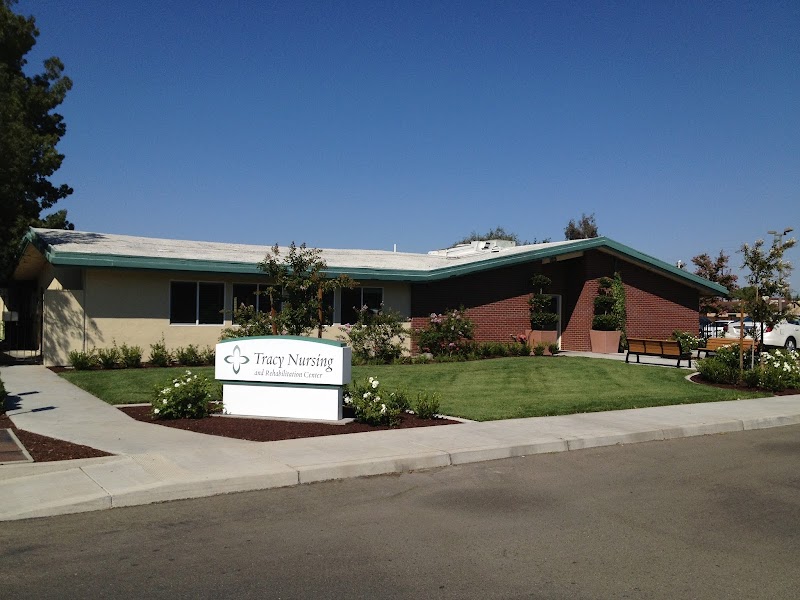
How is Tracy Staffed?

CMS rates TRACY NURSING AND REHABILITATION CENTER's staffing level at 3 out of 5 stars, which is average compared to other nursing homes. Staff turnover is 52%, compared to the California average of 46%. RN turnover specifically is 77%, which is notably high. RNs provide skilled clinical oversight, so turnover in this role can affect medical care quality.

What Have Inspectors Found at Tracy?

State health inspectors documented 41 deficiencies at TRACY NURSING AND REHABILITATION CENTER during 2019 to 2024. These included: 1 that caused actual resident harm, 39 with potential for harm, and 1 minor or isolated issues. Deficiencies causing actual harm indicate documented cases where residents experienced negative health consequences.
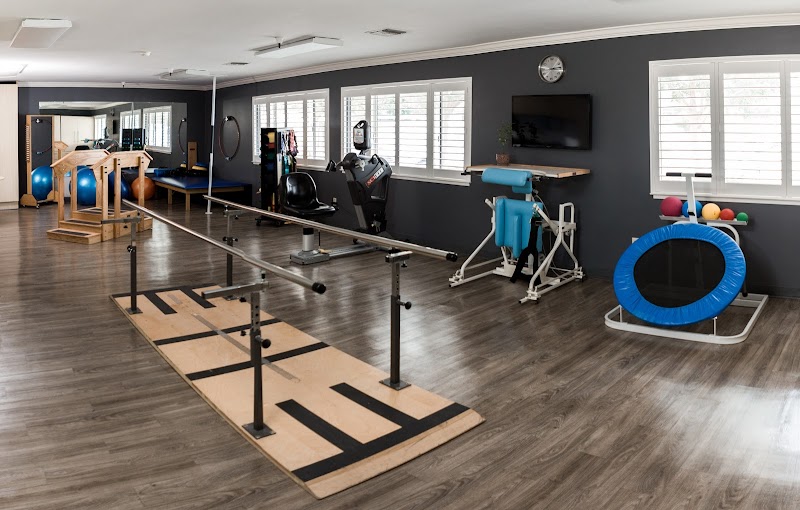
Who Owns and Operates Tracy?

TRACY NURSING AND REHABILITATION CENTER is owned by a for-profit company. For-profit facilities operate as businesses with obligations to shareholders or private owners. The facility is operated by ASPEN SKILLED HEALTHCARE, a chain that manages multiple nursing homes. With 62 certified beds and approximately 54 residents (about 87% occupancy), it is a smaller facility located in TRACY, California.

How Does Tracy Compare to Other California Nursing Homes?

Compared to the 100 nursing homes in California, TRACY NURSING AND REHABILITATION CENTER's overall rating (3 stars) is below the state average of 3.1, staff turnover (52%) is near the state average of 46%, and health inspection rating (3 stars) is at the national benchmark.

What Should Families Ask When Visiting Tracy?

Based on this facility's data, families visiting should ask: "Can I visit during a mealtime to observe dining assistance and food quality?" "How do you handle medical emergencies, and what is your hospital transfer rate?" "Can I speak with family members of current residents about their experience?"

Is Tracy Safe?

Based on CMS inspection data, TRACY NURSING AND REHABILITATION CENTER has a clean safety record: no substantiated abuse findings (meaning no confirmed cases of resident harm), no Immediate Jeopardy citations (the most serious violation level indicating risk of serious injury or death), and is not on the Special Focus Facility watch list (a federal program monitoring the lowest-performing 1% of nursing homes). The facility has a 3-star overall rating and ranks #100 of 100 nursing homes in California. While no facility is perfect, families should still ask about staff-to-resident ratios and recent inspection results during their visit.

Do Nurses at Tracy Stick Around?

TRACY NURSING AND REHABILITATION CENTER has a staff turnover rate of 52%, which is 6 percentage points above the California average of 46%. Moderate turnover is common in nursing homes, but families should still ask about staff tenure and how the facility maintains care continuity when employees leave.

Was Tracy Ever Fined?

TRACY NURSING AND REHABILITATION CENTER has no federal fines on record. CMS issues fines when nursing homes fail to meet care standards or don't correct problems found during inspections. The absence of fines suggests the facility has either maintained compliance or corrected any issues before penalties were assessed. This is a positive indicator, though families should still review recent inspection reports for the full picture.

Is Tracy on Any Federal Watch List?

TRACY NURSING AND REHABILITATION CENTER is not on any federal watch list. The most significant is the Special Focus Facility (SFF) program, which identifies the bottom 1% of nursing homes nationally based on persistent, serious quality problems. Not being on this list means the facility has avoided the pattern of deficiencies that triggers enhanced federal oversight. This is a positive indicator, though families should still review the facility's inspection history directly.