GRAND OAKS CARE

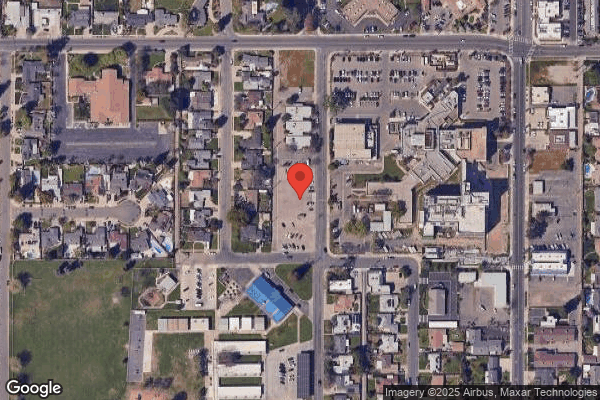
897 NORTH M STREET, TULARE, CA 93274 (559) 687-1340
For profit - Limited Liability company 99 Beds AJC HEALTHCARE Data: November 2025
Trust Grade
40/100
#811 of 1155 in CA
Last Inspection: October 2024

Within standard 12-15 month inspection cycle. Federal law requires annual inspections.

Overview

Grand Oaks Care in Tulare, California has a Trust Grade of D, indicating below-average performance with several concerns. Ranking #811 out of 1155 facilities in California places it in the bottom half, and #9 out of 16 in Tulare County means there are only a few local options that perform better. The facility appears to be improving, reducing issues from 26 in 2024 to 5 in 2025, but it still faces challenges. Staffing is rated at 2 out of 5 stars with a turnover rate of 46%, which is about average for the state. However, the facility has incurred $34,492 in fines, which is concerning and higher than 76% of California facilities, suggesting recurring compliance problems. There were specific incidents raising red flags, such as a resident falling and fracturing an ankle because staff did not use a required mechanical lift during transfer, and another resident fell while being moved to the bathroom by unqualified staff. Additionally, a licensed vocational nurse worked for 22 days with an expired license, which could lead to potential harm and medication errors. While there are some strengths, like good quality measures rated at 4 out of 5 stars, families should weigh these issues carefully when considering Grand Oaks Care for their loved ones.

Trust Score
D
40/100
In California
#811/1155
Bottom 30%
Safety Record
Moderate
Needs review
Inspections
Getting Better
26 → 5 violations
Staff Stability
⚠ Watch
46% turnover. Above average. Higher turnover means staff may not know residents' routines.
Penalties
⚠ Watch
$34,492 in fines. Higher than 95% of California facilities. Major compliance failures.
Skilled Nurses
⚠ Watch
Each resident gets only 25 minutes of Registered Nurse (RN) attention daily — below average for California. Fewer RN minutes means fewer trained eyes watching for problems.
Violations
⚠ Watch
64 deficiencies on record. Higher than average. Multiple issues found across inspections.
★★☆☆☆
2.0
Overall Rating
★★☆☆☆
2.0
Staff Levels
★★★★☆
4.0
Care Quality
★★☆☆☆
2.0
Inspection Score
Stable
2024: 26 issues
2025: 5 issues

The Good

  • 4-Star Quality Measures · Strong clinical quality outcomes
  • Full Sprinkler Coverage · Fire safety systems throughout facility
  • No fines on record

Facility shows strength in quality measures, fire safety.

The Bad

2-Star Overall Rating

Below California average (3.1)

Below average - review inspection findings carefully

Staff Turnover: 46%

Near California avg (46%)

Higher turnover may affect care consistency

Federal Fines: $34,492

Above median ($33,413)

Moderate penalties - review what triggered them

Chain: AJC HEALTHCARE

Part of a multi-facility chain

Ask about local staffing decisions and management

The Ugly 64 deficiencies on record

1 actual harm
Sept 2025 1 deficiency
CONCERN (F) 📢 Someone Reported This

A family member, employee, or ombudsman was alarmed enough to file a formal complaint

Potential for Harm - no one hurt, but risky conditions existed

Deficiency F0725 (Tag F0725)

Could have caused harm · This affected most or all residents

**NOTE- TERMS IN BRACKETS HAVE BEEN EDITED TO PROTECT CONFIDENTIALITY** Based on interview and record review, the facility failed to ensure one of four sampled Licensed Vocational Nurses (LVN) was qua...

Read full inspector narrative →
**NOTE- TERMS IN BRACKETS HAVE BEEN EDITED TO PROTECT CONFIDENTIALITY** Based on interview and record review, the facility failed to ensure one of four sampled Licensed Vocational Nurses (LVN) was qualified to provide residents care when LVN 1 was working without a current license. This failure had the potential for harm, compromise quality of care, and medication errors for all residents residing in the facility.Findings:During a review of LVN 1's employee file, the file indicated LVN 1 was hired on [DATE]. Licensure verification on file indicated LVN 1's license expired on [DATE]. During a review of LVN 1's work schedule dated 6/29 through [DATE], the work schedule indicated LVN 1 worked on 6/30, 7/5, 7/14, 7/15, 7/16, 7/17, 7/18, 7/21, 7/22, 7/23, 7/24, 7/25,7/29, 7/30, 7/31, 8/1, 8/2, 8/5, 8/6, 8/7, 8/8, and 8/9. LVN 1 worked 22 days with an expired license.During an interview on [DATE] at 11:53 a.m. with Director of Nurses (DON), DON stated LVN 1's license had expired on [DATE]. DON reviewed LVN 1's work schedule dated 6/29 through [DATE] and confirmed LVN 1 had worked 22 days with an expired license. DON stated LVN 1 should not have been working without a current license.During a review of the facility's job description titled, Charge Nurse dated 2023, the job description signed by LVN 1 of acknowledgment on [DATE] indicated, Required Qualifications. Current unrestricted license as a Registered Nurse (RN) or Licensed Practical Nurse [also known as LVN] in practicing state.
Jul 2025 1 deficiency
CONCERN (D) 📢 Someone Reported This

A family member, employee, or ombudsman was alarmed enough to file a formal complaint

Potential for Harm - no one hurt, but risky conditions existed

Notification of Changes (Tag F0580)

Could have caused harm · This affected 1 resident

Based on observation, interview, and record review, the facility failed to follow its own policy and procedure for one of two sampled residents (Resident 1) when Attending Physician (AP) was not notif...

Read full inspector narrative →
Based on observation, interview, and record review, the facility failed to follow its own policy and procedure for one of two sampled residents (Resident 1) when Attending Physician (AP) was not notified of Resident 1's refusal of ordered Buspirone (used to treat symptoms of anxiety such as fear, tension, and irritability) medication. This failure resulted in a physical altercation with Resident 2 and had the potential for adverse reactions including worsening in health and increased symptoms.Findings:During a review of Resident 1's Physicians Orders (PO), for the month of 4/25, 5/25, 6/25, and 7/25, the PO indicated, Buspirone HCl (hydrochloride) oral tablet 7.5 mg (milligram) give 2 tablets by mouth two times a day for anxiety MB (manifested by) unprovoked physical aggression towards staff and others. During a review of Resident 1's Electronic Medication Administration Record (EMAR), for the month of 4/25, the EMAR indicated Resident 1 refused the Buspirone medication 57 times. For the month of 5/25, the EMAR indicated Resident 1 refused the Buspirone medication 55 times. For the month of 6/25, the EMAR indicated Resident 1 refused the Buspirone medication 56 times and for the month of 7/26, the EMAR indicated Resident 1 refused the Buspirone medication 57 times. During a review of Resident 1's Progress Notes (PN), dated 7/21/25 at 4:28 p.m., the PN indicated, Res. (Resident 1) was witnessed to be yelling at (Resident 2) while he was passing by him in the hallway. (Resident 1) reaching over and grabbed (Resident 2's) arm and dug nails into skin, causing skin tear. During a concurrent observation and interview on 7/29/25 at 1:10 p.m., Resident 1 was observed sitting in a wheelchair in the middle of the hallway watching television. One on one Sitter standing nearby Resident 1 stated Resident 1 has behaviors, gets aggressive sometimes and can hit other residents, requiring a one-on-one sitter. Sitter stated on 7/21/25 Resident 1 reached and grabbed Resident 2 by the forearm really hard causing Resident 2's forearm to bleed. During a concurrent interview and record review on 7/29/25 at 2:46 p.m. with Director of Nurses (DON), DON reviewed Resident 1's PO and EMAR dated 4/1/25 through 7/29/25. DON confirmed Resident 1 had an order for Buspirone medication and refused the ordered Buspirone medication as listed above. DON reviewed Resident 1's PN and was unable to find documented evidence Resident 1's AP was notified of Resident 1's refusal to take the ordered Buspirone medication. DON stated it was the facility policy for AP to be notified of three consecutive medication refusal. DON confirmed policy was not followed. During a review of the facility's policy and procedure (P&P) titled Change in a Resident's Condition or Status, dated 2/21, the P&P indicated, 1. The nurse will notify the resident's attending physician or physician on call when there has been a(an): f. refusal of treatment or medications two (2) or more consecutive times: Acceptable POC and EOC for F0580 2486706 and 2486707 / 5D7511 exited on 7/3/2025 with compliance date of 7/7/25. POC elements included: inservice education on Change of Condition (COC) policy, Medical Records audits on COC daily, MRD or DON Designee will monitor SBAR/COC, RCA conducted, QAPI, DON overall responsibility of ensuring implementation of this POC.
Jul 2025 1 deficiency
CONCERN (D) 📢 Someone Reported This

A family member, employee, or ombudsman was alarmed enough to file a formal complaint

Potential for Harm - no one hurt, but risky conditions existed

Notification of Changes (Tag F0580)

Could have caused harm · This affected 1 resident

Based on interview and record review, the facility failed to ensure the responsible party (R/P) was notified when there was a change of condition for one of three sampled residents (Resident 1). This ...

Read full inspector narrative →
Based on interview and record review, the facility failed to ensure the responsible party (R/P) was notified when there was a change of condition for one of three sampled residents (Resident 1). This failure resulted in the R/P being unaware of Resident 1's change of condition.Findings:During a review of Resident 1's S (situation) B (background) A (appearance) R (Review and Notify) Communication Form (SBAR-used to notify the physician of a change of condition), dated 6/14/25 at 11:24 p.m., the SBAR indicated, At 8:11 p.m. res (resident) was note (sic) with gurgling sounds to throat, upon assessment, it was noted that patient had burning sensation when urinating per patient, increased confusion per staff, and res stated throat hurts. MD (Doctor of Medicine) (physician name) made aware at 8:15 p.m. and made order to suction res prn (as needed) and for an ST (speech therapy) eval (evaluation). Advised staff and patient to increase fluids. There was no documentation the R/P was notified.During a concurrent interview and record review on 7/3/25 at 1:16 p.m. with Assistant Director of Nursing (ADON), ADON reviewed Resident 1's SBAR dated 6/14/25 and stated the R/P was not notified of the change of condition and she should have been.During a review of the facility's policy and procedure (P&P) titled, Change in a Resident's Condition or Status dated 2/2021, the P&P indicated, Unless otherwise instructed by the resident, a nurse will notify the resident's representative when.there is a significant change in the resident's physical, mental, or psychosocial status.
May 2025 1 deficiency
CONCERN (D) 📢 Someone Reported This

A family member, employee, or ombudsman was alarmed enough to file a formal complaint

Potential for Harm - no one hurt, but risky conditions existed

Notification of Changes (Tag F0580)

Could have caused harm · This affected 1 resident

Based on interview and record review, the facility failed to notify the physician of one of three sampled resident ' s change of condition when Resident 1 ' s blood sugar/glucose levels were above 200...

Read full inspector narrative →
Based on interview and record review, the facility failed to notify the physician of one of three sampled resident ' s change of condition when Resident 1 ' s blood sugar/glucose levels were above 200 (normal is 70 - 99 mg [milligrams]/dL [deciliter]) for one of three sampled residents (Resident 1). This failure resulted in Resident 1 being sent to the acute hospital and being admitted for dehydration (too little fluid in the body [can occur when the kidneys try to excrete sugar, in response to high blood sugar levels, thru urination leading to dehydration]), hyperglycemia (elevated blood sugar), and hypernatremia (elevated sodium level in the blood [can occur when there is an increase in urination related to high blood sugar and the kidneys lose more water than they retain]). Findings: During a review of the Physician Orders (PO), the PO indicated, Accu-check (device used to check a blood sugar) BID (twice a day) without coverage notify MD (Doctor of Medicine) if BS (blood sugar) less than 60 (mg/dL) or greater than 200 (mg/dL) .start date 4/21/25. During a review of Resident 1 ' s Weights and Vitals Summary (WVS), the WVS indicated the following results: 4/21/25 7:36 p.m. 387 mg/dL 4/21/25 11:49 p.m. 367 mg/dL 4/22/25 5:14 a.m. 308 mg/dL 4/22/25 7:10 p.m. 396 mg/dL 4/23/25 5:26 a.m. 407 mg/dL 4/23/25 8:58 a.m. 360 mg/dL 4/24/25 7:06 p.m. 372 mg/dL 4/25/25 7:06 p.m. 384 mg/dL. During a review of Resident 1 ' s S (Situation) B (Background) A (Appearance) R (Review and Notify) Communication Form [SBAR - a communication tool used between healthcare professionals i.e. between the nurse and physician] ' dated 4/26/25 at 12:30 a.m., the SBAR indicated, Resident has deep chest cough, elevated pulse (normal pulse is 60 - 100 beats per minute), temperature 102 (normal temperature is 98.6 degrees Fahrenheit [F - unit of measurement]).decision to transfer to acute (hospital) for evaluation. During a review of Resident 1 ' s ED Note Physician (EDNP - completed at the acute hospital), dated 4/26/25 at 12:59 a.m., the EDNP indicated, Biba (brought in by ambulance) from (facility name) for fever and non productice [sic] cough for a few days.CMP (comprehensive metabolic panel - blood test) with significant hypernatremia to 151 (normal is 135-145 milliequivalents per liter [mEq/L])), as well as hyperglycemia 532 (mg/dL).Given this patient ' s significant free water deficit (amount of water required to correct dehydration), hyperglycemia concerning for possible HHS (hyperosmolar hyperglycemic state - a serious complication of diabetes characterized by extremely high blood sugar levels.severe dehydration that is a life-threatening condition that requires immediate medical attention).Sodium level (concentration of sodium level in the blood) 4/26/25 at 1:47 a.m. 151.0 High (normal is 135-145 mEq/L]).Glucose level 4/26/25 at 1:47 a.m. 532 (mg/dL) critical.UA (urine test) glucose 4/26/25 at 1:48 a.m. > (greater than)=1000 abnormal.Final Diagnosis.hyperglycemia.dehydration.hypernatremia.Disposition.Admit. During a concurrent interview and record review on 5/9/25 at 12:23 p.m. with Director of Nursing (DON), Resident 1 ' s clinical record was reviewed. DON stated on 4/21/25, 4/22/25, 4/23/25, 4/24/25 and 4/25/25 Resident 1 had blood sugar results that were above 200 mg/dL. DON was unable to provide documentation the physician was notified of the elevated blood sugar levels that were greater than 200 mg/dL. DON stated when Resident 1 ' s blood sugar was above 200 mg/dL the physician should have been notified right away. During a concurrent interview and record review on 5/14/25 at 4:26 a.m. with Registered Nurse (RN) 1, Resident 1 ' s clinical record was reviewed. RN 1 stated when Resident 1 ' s blood sugar on 4/22/25 at 5:14 a.m. was 308 mg/dL he did not notify the physician of the blood sugar result, and he should have. RN 1 stated on 4/23/25 when the blood sugar result was 407 mg/dL the physician was notified but he did not document. RN 1 stated he should have documented when the physician was notified. During a concurrent interview and record review on 5/14/25 at 8:12 p.m. with RN 2, Resident 1 ' s Medication Administration Record (MAR) dated 4/2025, was reviewed. Resident 1 ' s blood sugar was greater than 200 mg/dL on 4/22/25, 4/23/25, 4/24/25 and 4/25/25. RN 2 stated she did not notify the physician because she was unaware of the physician ' s order indicating the physician was to be notified for blood sugars greater than 200 mg/dL. RN 2 stated she did not notify the physician, and she should have. During a review of the facility ' s policy and procedure (P&P) titled Diabetes - Clinical Protocol) dated 11/2020, the P&P indicated, The Physician will order appropriate lab tests.and adjust treatments based on these results and other parameters.The physician will order desired parameters for monitoring and reporting information related to blood sugar management. a. The staff will incorporate such parameters into the Medication Administration Record and care plan. During a review of the facility ' s policy and procedure (P&P) titled, Change in a Resident ' s Condition or Status dated 2/21, the P&P indicated, The nurse will notify the resident ' s attending physician or physician on call when there has been a(an).specific instruction to notify the physician of changes in the resident ' s condition.
Jan 2025 1 deficiency
CONCERN (D) 📢 Someone Reported This

A family member, employee, or ombudsman was alarmed enough to file a formal complaint

Potential for Harm - no one hurt, but risky conditions existed

Comprehensive Care Plan (Tag F0656)

Could have caused harm · This affected 1 resident

Based on observation, interview, and record review, the facility failed to ensure one of five sampled residents (Resident 1) care plan was implemented when Resident 1 did not have a staff member with ...

Read full inspector narrative →
Based on observation, interview, and record review, the facility failed to ensure one of five sampled residents (Resident 1) care plan was implemented when Resident 1 did not have a staff member with him at all times. This failure had the potential for Resident 1 to exhibit aggressive behaviors towards other residents. Findings: During a review of Resident 1's Care Plan (CP), dated 12/16/24, the CP indicated, (Resident 1) was physically aggressive striking out at others 1/5/25.Interventions.(Resident 1) to be 1:1 supervision at all times. During an observation on 1/29/25 at 1:40 p.m. in Resident 1's room, Resident 1 was standing up on the side of the bed. Resident 1 was alone in his room. During a concurrent observation and interview on 1/29/25 at 1:42 p.m. with Director of Nursing (DON), in Resident 1's room, Resident 1 was observed alone in his room. DON stated Resident 1 was supposed to have a 1:1 staff with him always. During an interview on 1/29/25 at 2:14 p.m. with Nursing Assistant (NA), NA stated she was the assigned 1:1 for Resident 1. NA stated when she went to break, she did not ask anyone to relieve her, and Resident 1 was left alone. NA stated she should have asked someone to relieve her when she left the room. During a review of the facility's policy and procedure (P&P) titled, Care Plans, Comprehensive Person-Centered dated 3/22, the CP indicated, The comprehensive, person-centered care plan.describes the services that are to be furnished to attain or maintain the resident's highest practicable physical, mental, and psychosocial well-being, including.care plan interventions are chosen only after data gathering, proper sequencing of events, careful consideration of the relationship between the resident's problem areas and their causes, and relevant clinical decision making.
Oct 2024 17 deficiencies
CONCERN (D)

Potential for Harm - no one hurt, but risky conditions existed

Safe Environment (Tag F0584)

Could have caused harm · This affected 1 resident

Based on observation, interview, and record review the facility failed to ensure one of 37 sampled residents' (Resident 87) room was maintained with a homelike environment. This failure resulted in Re...

Read full inspector narrative →
Based on observation, interview, and record review the facility failed to ensure one of 37 sampled residents' (Resident 87) room was maintained with a homelike environment. This failure resulted in Resident 87 feeling uncomfortable and not able to use his personal belongings. Findings: During a concurrent observation and interview on 10/7/24 at 10:30 a.m. with Resident 87, in Resident 87's room, a breathing excercise device, hung on the wall. The breathing exercise device was labeled with another resident's (Resident 87) initials. Resident 87 stated there were items in his room that did not belong to him. Resident 87 stated he was not sure who the items belonged to. During an interview on 10/7/24 at 2:31 p.m. with Certified Nursing Assistant (CNA) 8, CNA 8 stated when a resident moved or discharged , Social Services would tell staff to pack up the residents' belongings and where to move them. CNA 8 stated she worked last Thursday and Resident 77 had already moved to a different room. CNA 8 stated the belongings in Resident 87's room belonged to Resident 77. During a review of the facility's policy and procedure (P&P) titled, Homelike Environment, dated February 2021, the P&P indicated, Residents are provided with a safe, clean, comfortable and homelike environment and encouraged to use their personal belongings to the extent possible. 2. The facility staff and management maximizes, to the extent possible, the characteristics of the facility that reflect a personalized, homelike setting. These characteristics include: d. personalized furniture and room arrangements.
CONCERN (D)

Potential for Harm - no one hurt, but risky conditions existed

Transfer Notice (Tag F0623)

Could have caused harm · This affected 1 resident

During a review of Resident 90's TDFCSO, dated 9/2/24, the TDFCSO indicated Resident 90 was discharged on 7/31/24. There was no fax confirmation the ombudsman received the notice. During an interview ...

Read full inspector narrative →
During a review of Resident 90's TDFCSO, dated 9/2/24, the TDFCSO indicated Resident 90 was discharged on 7/31/24. There was no fax confirmation the ombudsman received the notice. During an interview on 10/9/24 at 2:47 p.m. with SSS, SSS stated the discharge notification to the ombudsman should have been completed within 30 days of discharge. SSS stated there was no fax confirmation to indicate that fax was sent to ombudsman. During a review of the facility's policy and procedure (P&P) titled, Transfer and Discharge (including AMA), dated 2024, the P&P indicated, The notice must be provided at least 30 days prior to a facility-initiated transfer or discharge of the resident.7. The facility will maintain evidence that the notice was sent to the Ombudsman. Based on interview and record review, the facility failed to ensure the Long Term Care Ombudsman (representatives who assist residents in long-term care facilities with issues related to day-to-day care, health, safety, and personal preferences) was notified of transfer and discharge for two of three sampled residents (Resident 89 and Resident 90). This failure had the potential for unsafe resident transfer and discharge. Findings: During a review of Resident 89's Transfer or Discharge Fax Cover Sheet Ombudsman Program (TDFCSO), dated 8/2/24, the TDFCSO indicated Resident 89 was discharged on 8/1/24. The TDFCSO indicated, Faxed 8/2/24 at 9 a.m. There was no fax confirmation the ombudsman received the notice. During an interview on 10/9/24 at 2:40 p.m. with Social Services Supervisor (SSS), SSS stated she was not sure if ombudsman received the notification of Resident 89's discharge. SSS stated, There was no fax confirmation.
CONCERN (D)

Potential for Harm - no one hurt, but risky conditions existed

Pressure Ulcer Prevention (Tag F0686)

Could have caused harm · This affected 1 resident

Based on observation, interview, and record review, the facility failed to ensure interventions to prevent skin breakdown were implemented for one of one sampled residents (Resident 51). This failure ...

Read full inspector narrative →
Based on observation, interview, and record review, the facility failed to ensure interventions to prevent skin breakdown were implemented for one of one sampled residents (Resident 51). This failure had the potential for Resident 51 to develop skin breakdown and worsening skin injury. Findings: During a concurrent observation and interview on 10/9/24 at 8:45 a.m. with Licensed Vocational Nurse (LVN) 4 in Resident 51's room, Resident 51's heels were not elevated and were touching the bed. Resident 51 had non blanchable redness (discoloration of the skin that does not turn white when pressed which can indicate a pressure ulcer) on her left heel. LVN 4 stated Resident 51's heels were supposed to be elevated to prevent skin breakdown. During a review of Resident 51's Order Summary Report (OSR), dated 10/8/24, the OSR indicated, Heels up device, monitor for proper placement every shift for hx [history] of blanchable redness. During a review of Resident 51's Braden Scale for Predicting Pressure Sore Risk (BSP), dated 9/26/24, the BSP indicated, Resident 51 had a score of 12 (high risk for developing skin breakdown). During a review of Resident 51's Care plan (CP), dated 11/28/23, the CP indicated, Potential impairment to skin integrity, [Resident 51] needs heels up device to protect the skin (heels) while in bed. During a review of Resident 51's Minimum Data Set (MDS - an assessment tool), dated 8/9/24, the MDS indicated, Resident 51 had limited range of motion on both lower extremities and required total assistance with bed mobility. During a review of the facility's policy and procedure (P&P) titled, Pressure Ulcers/Skin Breakdown - Clinical Protocol, dated April 2018, the P&P indicated, The nurse shall describe and document/report the following. Current treatments, including support surfaces.
CONCERN (D)

Potential for Harm - no one hurt, but risky conditions existed

Pharmacy Services (Tag F0755)

Could have caused harm · This affected 1 resident

Based on interview and record review, the facility failed follow their policy and procedures titled Medication Reordering and Unavailable Medications when Licensed Nurse did not reorder medications ti...

Read full inspector narrative →
Based on interview and record review, the facility failed follow their policy and procedures titled Medication Reordering and Unavailable Medications when Licensed Nurse did not reorder medications timely, notify physician of unavailable medication and obtain alternate orders for one of one sampled residents (Resident 54). This failure resulted in .Resident 54 not receiving physician ordered diabetic medications (to manage blood sugar level) and had the potential to result in adverse health outcomes. Findings: During a review of Resident 54's Order Summary Report (OSR), dated 10/9/24, the OSR indicated the following orders: Admelog Injection Solution [rapid acting insulin, medication to manage blood sugar level] 100 UNIT/ML (milliliter) Inject 15 unit subcutaneously before meals for DM (diabetes mellitus) hold for BS (blood sugar) < (less than) 100, Jardiance oral tablet (medication to manage blood sugar level) 25 mg [milligrams] Give 1 tablet by mouth one time a day for Diabetes Mellitus, Lasix oral tablet [medication to remove excess water in the body] 40 mg Give 1 tablet by mouth one time a day for CHF (congestive heart failure- heart can't pump enough blood to meet the body's needs) [hold for systolic blood pressure < l00, Diastolic blood pressure <60, Pulse <60] , and Tresiba FlexTouch Subcutaneous Solution (medication to manage blood sugar level) Pen-Injector 100 Unit/ml Inject 15 unit subcutaneously two times a day for DM (hold for BS <70). During a review of Resident 54's Progress Note (PN), dated 10/6/24 at 05:28 (5:28 am), the PN indicated Tresiba FlexTouch Subcutaneous Solution Pen-injector 100 unit/ml . still pending delivery. The PN dated 10/6/24 at 20:33 (8:33pm) indicated Tresiba FlexTouch Subcutaneous Solution Pen-injector 100 unit/ml .not in stock, pending delivery. The PN dated 10/9/2024 at 19:12 (7:12pm) by Director of Nursing (DON), indicated Resident (Resident 54) noted with missed doses of Lasix 40 mg 10/1-10/5. Resident (Resident 54) was also noted with missed doses for Jardiance 10/7-10/8, Admelog 10/6 1630 (4:30pm) and 10/7 0630 (6:30am), 1130 (11:30am), 1630 (4:30pm) dose. All not available from pharmacy. During an interview on 10/9/24 at 3:49 p.m. with DON, DON stated medications should be re-ordered at least 7 days prior to medications running out. DON stated if medications were running low then pharmacist should have been contacted and the licensed nurses should have documented. DON stated the physician should have been notified when doses were missed. DON stated that there was no documentation that Resident 54's physician was notified of missed medications and pharmacy notification. During an interview on 10/9/24 at 4:08 p.m. with Licensed Vocational Nurse (LVN) 1, LVN 1 stated she should have called the pharmacy when Resident 54 had three doses of medication remaining, and a progress note should have been done. LVN 1 stated there was no documentation Resident 54's physician was notified of the missed medication. During a review of the facility's policy and procedure (P&P) titled, Unavailable Medications, dated February 2023, the P&P indicated, 1. The facility maintains a contract with a pharmacy provider to supply the facility with routine, prn [as needed] and emergency medications .3. The facility shall follow established procedures for ensuring residents have a sufficient supply of medications (See Medication Reordering Policy.) 4. Medications may be unavailable for a number of reasons. Staff shall take immediate action when it is known that the medication is unavailable: a. Determine reason for unavailability, length of time medication is unavailable, and what efforts have been attempted by the facility or pharmacy provider to obtain the medication. b. Notify physician of inability to obtain medication upon notification or awareness that medication is not available. Obtain alternative treatment orders and/or specific orders for monitoring resident while medication is on hold .If a resident misses a scheduled dose of a medication, staff shall follow procedures for medication errors, including physician/family notification, completion of medication error report, and monitoring the resident for adverse reaction to omission of the medication. During a review of the facility's P&P titled, Medication Reordering undated, the P&P indicated, Policy: It is the policy of the facility to accurately and safely provide or obtain pharmaceutical services including the provision of routine and emergency medications and biologicals in a timely manner to meet the needs of each resident .Policy Explanation and Compliance Guidelines .2.Acquisition of medications should be completed in a timely manner to ensure medications are administered in a timely manner. 3. Each time a nurse is administering medications and observes (6) or less doses left of one kind, that nurse will reorder the medication, time permitting.
CONCERN (D)

Potential for Harm - no one hurt, but risky conditions existed

Deficiency F0805 (Tag F0805)

Could have caused harm · This affected 1 resident

Based on observation, interview and record review, the facility failed to follow the physician order for one of three sampled residents (Resident 47) for nectar thick consistency beverage. This failur...

Read full inspector narrative →
Based on observation, interview and record review, the facility failed to follow the physician order for one of three sampled residents (Resident 47) for nectar thick consistency beverage. This failure had the potential for Resident 47 to have a choking incident. Findings: During a concurrent observation and interview on 10/9/24 at 3:56 p.m. with Certified Nursing Assistant (CNA) 1 in Resident 47's room, Resident 47 had unthickened (thin) juice on his bedside table. CNA 1 stated Resident 47 drinks thin liquids. CNA 1 stated Resident 47 did not like the thick consistency. During a concurrent observation and interview on 10/9/24 at 4:14 p.m. with Certified Dietary Manager (CDM) in Resident 47's room, Resident 47 had cans of soda on his bedside table. CDM stated he was not aware if the soda was getting thickened for Resident 47. During a review of Resident 47's Order Summary Report (OSR), dated October 2024 was reviewed. The OSR indicated, Resident 47's diet order was Regular Diet Puree texture, Nectar Thick Consistency. During an interview on 10/10/24 at 12:15 p.m. with Director of Nursing (DON), The DON stated Resident 47 has soda, the thickener should be at the nurses station. The thickener is inside the nurses station. The DON stated there should be a care plan (CP) for Resident 47 not being compliant with diet order. During an interview on 10/10/24 at 12:24 p.m. with CNA 2 in Resident 47's room, CNA 2 stated when Resident 47 asked for soda, she would open the can, put a straw in the soda can and place the soda can on his tray table. During a review of Resident 47's Care Plan for Risk for Dehydration, dated initiated 12/22/21, the care plan indicated Educate [Resident] about location/availability of the hydration cart. The care plan did not indicate liquids should be nectar thick. During a review of Resident 47's Care Plan for Nutrition status, dated revised 1-9-24, the CP indicated Diet as ordered, Regular diet, Puree texture, Nectar Thick consistency .Facility was unable to provide a CP for Resident 47's noncompliance with diet order. During a review of the facility's policy and procedure (P&P) titled, Thickened Liquids, undated, the P&P indicated, The facility provides commercially-prepared thickened liquids, as prescribed, to residents who require them. The use of thickened liquids will be based on the resident's individual needs as determined by the resident's assessment .Thickened liquids are provided only when ordered by a physician/practitioner or when ordered by a dietitian .a. Do not thicken liquids in the facility, even with products designed for this purpose. Use only pre-thickened, commercially prepared liquids in the desired consistency.
CONCERN (D)

Potential for Harm - no one hurt, but risky conditions existed

Deficiency F0806 (Tag F0806)

Could have caused harm · This affected 1 resident

Based on observation, interview, and record review, the facility failed to honor one of one sampled residents' (Resident 37) food preferences. This failure had the potential for Resident 37 to have un...

Read full inspector narrative →
Based on observation, interview, and record review, the facility failed to honor one of one sampled residents' (Resident 37) food preferences. This failure had the potential for Resident 37 to have unmet nutritional needs. Findings: During a concurrent observation and interview on 10/07/24 at 12:27 p.m. with Resident 37 in Resident's 37 room, Resident 37 was laying in his bed with a food tray in front of him. Resident 37's lunch plate had brussels sprouts, mashed potatoes and gravy, and pot roast. Resident 37 had facial grimace and stated, I don't ever eat brussels sprouts and once they are on my plate I will not eat it. Resident 37 stated he does not remember what he asked for, but he stated he knew he did not order the brussels sprouts. During a review of Resident 37's Minimum Data Set (MDS- assessment tool), dated 8/23/24, the MDS indicated, Resident 37 had a Brief Interview for Mental Status (BIMS, cognition assessment tool, 15-point scale: 0-7 severe impairment, 8-12 moderate impairment, 13-15 cognitively intact) score of 13 (score of 13-15 means cognitively intact). During a record review on 10/9/24 at 4:17 p.m. with Certified Dietary Manager (CDM), Resident 37's meal ticket was reviewed. Resident 37's meal ticket indicated, dislikes vegetables, and only likes corns, peas, green beans. During a review of Resident 37's Nutrition Evaluation (NE), dated August 2023, the NE indicated, Dislikes of vegetable list provided to CDM. During a review of Resident 37's NE, dated May 2024, the NE indicated, To respect resident [37] right to make own health choices. During a review of the facility's policy and procedure (P&P) titled, Food Substitutions or Residents Who Refuse The Meal, dated 2023, the P&P indicated, Residents will be provided a suitable nourishing alternate meal after the planned, served meal has been refused. Nursing personnel will ask any resident who does not eat his meal or food item as to why he is not eating and offer a food substitution in accordance with the resident's diet order.
CONCERN (E)

Potential for Harm - no one hurt, but risky conditions existed

Deficiency F0558 (Tag F0558)

Could have caused harm · This affected multiple residents

**NOTE- TERMS IN BRACKETS HAVE BEEN EDITED TO PROTECT CONFIDENTIALITY** Based on observation, interview and record review, the facility failed to ensure five of 18 sampled residents (Resident 33, Resi...

Read full inspector narrative →
**NOTE- TERMS IN BRACKETS HAVE BEEN EDITED TO PROTECT CONFIDENTIALITY** Based on observation, interview and record review, the facility failed to ensure five of 18 sampled residents (Resident 33, Resident 50, Resident 64, Resident 67, and Resident 63) call lights were within reach. This failure had the potential for residents unable to call for assistance and potential for delaying care. Findings: During a concurrent observation and interview on 10/7/24 at 10:03 a.m. with Certified Nursing Assistant (CNA) 3, in Resident 33's room, Resident 33's call light was on the floor out of Resident 33's reach. CNA 3 stated the call light must have fallen on the floor, the call light should have been clipped to Resident 33's blanket and within Resident 33's reach. During a review of Resident 33's Minimum Data Set (MDS - an assessment tool), dated 8/9/24, the MDS indicated, Brief Interview for Mental Status (BIMS-cognition screening) score was 4 (score of 0-7 indicates severe cognitive impairment). The MDS indicated, under Functional Abilities and Goals, Resident 33 required maximal assistance for upper body dressing and rolling left to right indicating impairment with upper extremities. During a review of Resident 33's Care Plan (CP) dated 2/11/22, the CP indicated, Physical Functioning Deficit related to: ROM [range of motion] limitations, intervention: Call bell within reach. During a concurrent observation and interview on 10/7/24 at 10:07 a.m. with CNA 9 in Resident 64's room, Resident 64 was asleep on the bed with the call light on the floor. CNA 9 stated Resident 64 should have had the call light placed within Resident 64 's reach. During a review of Resident 64's MDS, dated [DATE], the MDS indicated, Resident 64 required substantial/maximal assistance (helper does more than half the effort) to total assistance with self-care and mobility. During a concurrent observation and interview on 10/7/24 at 10:07 a.m. with CNA 9, in Resident 67's room, Resident 67 was asleep on the bed with the call light on the floor. CNA 9 stated Resident 67 should have had the call light placed within Resident 67's reach. During a review of Resident 67's MDS, dated [DATE], the MDS indicated, Resident 67 required substantial/maximal assistance to total assistance with self-care and mobility. During a concurrent observation and interview on 10/7/24 at 10:10 a.m. with Resident 63, in Resident 63's room, Resident 63 was lying on the bed with the call light on the floor. Resident 63 stated she could not find the call light. During a concurrent observation and interview on 10/7/24 at 10:12 a.m. with Graduate Vocational Nurse (GVN, unlicensed nurse) 1, in Resident 63's room, Resident 63's call light was on the floor. GVN 1 stated Resident 63 should have had the call light placed within Resident 63's reach. During a review of Resident 63's MDS, dated [DATE], the MDS indicated, Resident 63 had a BIMS score of 11 (score of 8 to 12 indicates moderate cognitive impairment). The MDS indicated, Resident 63 required set up to substantial/maximal assistance with self-care and mobility. During a review of Resident 63's CP, dated 10/31/22, the CP indicated, Physical functioning deficit. Interventions Call bell within reach. During a review of the facility's policy and procedure (P&P) titled, Call Lights: Accessibility and Timely Response, dated 2023, the P&P indicated, Staff will ensure the call light is within reach of resident and secured, the call system will be accessible to residents while in their bed or other sleeping accommodation within the resident's room. During a concurrent observation and interview on 10/7/24 at 10:46 a.m. with Restorative Nurse Assistant (RNA) 1, in Resident 50's room, Resident 50 was asleep on the bed with the call light on the floor. RNA 1 stated Resident 50 should have had the call light placed within Resident 50's reach.
CONCERN (E)

Potential for Harm - no one hurt, but risky conditions existed

Deficiency F0578 (Tag F0578)

Could have caused harm · This affected multiple residents

During a concurrent interview and record review on 10/10/24 at 8:46 a.m. with AC, Resident 6's ADA, dated 10/8/24 was reviewed. The ADA indicated, Resident 6 had not completed an AD. AC stated the ADA...

Read full inspector narrative →
During a concurrent interview and record review on 10/10/24 at 8:46 a.m. with AC, Resident 6's ADA, dated 10/8/24 was reviewed. The ADA indicated, Resident 6 had not completed an AD. AC stated the ADA form was incomplete. AC stated she was unable to provide documentation that Resident 20 was offered/or received information on the right to formulate an AD. During a concurrent interview and record review on 10/10/24 at 8:47 a.m. with AC, Resident 37's ADA, dated 4/24/23 was reviewed. The ADA indicated, Resident 37 had not completed an AD. AC stated the ADA form was incomplete. AC stated she was unable to provide documentation that Resident 37 was offered/or received information on the right to formulate an AD. During a concurrent interview and record review on 10/10/24 at 8:48 a.m. with AC, Resident 341's ADA, dated 10/8/24 was reviewed. The ADA indicated, Resident 341 had not completed an AD. AC stated the ADA form was incomplete. AC stated she was unable to provide documentation that Resident 341 was offered/or received information on the right to formulate an AD. During an interview on 10/8/24 at 8:07 a.m. with Resident 18, Resident 18 stated she did not remember being provided information on AD and would like further information on formulating an AD. During a review of Resident 18's Minimum Data Set (MDS - an assessment tool), dated 8/16/24, the MDS indicated Resident 18 had a BIMS (Brief Interview for Mental Status) score of 12 (score of 8 to 12 indicates moderate cognitive impairment). During a concurrent interview and record review on 10/8/24 at 1:18 p.m. with Social Services Supervisor (SSS), Resident 18's ADA, dated 8/13/24 was reviewed. The ADA indicated Resident 18 had not completed an AD. SSS stated she was unable to provide documentation that Resident 18 was offered/or received information on the right to formulate an AD. During an interview on 10/8/24 at 2:57 p.m. with Family Member (FM) 1, FM 1 stated neither he nor Resident 18 were provided information on the right to formulate an AD. During a concurrent interview and record review on 10/10/24 at 8:37 a.m. with AC, Resident 51's ADA, dated 10/8/24 was reviewed. The ADA indicated Resident 51 had not completed an AD. AC stated the ADA was incomplete. AC stated she was unable to provide documentation that Resident 51 was offered/or received information on the right to formulate an AD. During a concurrent interview and record review on 10/10/24 at 8:50 a.m. with AC, Resident 43's ADA, dated 10/8/24 was reviewed. The ADA indicated Resident 43 had not completed an AD. AC stated the ADA was incomplete. AC stated she was unable to provide documentation that Resident 43 was offered/or received information on the right to formulate an AD. During a concurrent interview and record review on 10/10/24 at 8:52 a.m. with AC, Resident 54's ADA, dated 10/8/24 was reviewed. The ADA indicated Resident 54 had not completed an AD. AC stated the ADA was incomplete. AC stated she was unable to provide documentation that Resident 54 was offered/or received information on the right to formulate an AD. During a concurrent interview and record review on 10/10/24 at 8:55 a.m. with AC, Resident 87's ADA, dated 10/8/24 was reviewed. The ADA indicated Resident 87 had not completed an AD. AC stated the ADA was incomplete. AC stated she was unable to provide documentation that Resident 87 was offered/or received information on the right to formulate an AD. During a review of the facility's policy and procedure (P&P) titled, Advance Directives, dated September 2022, the P&P indicated, The resident has the right to formulate an advance directive, including the right to accept or refuse medical or surgical treatment. Advance directives are honored in accordance with state law and facility policy. Prior to or upon admission of a resident, the social services director or designee inquires of the resident, his/her family members and/or his or her legal representative, about the existence of any written advance directives. The resident or representative is provided with written information concerning the right to refuse or accept medical or surgical treatment and to formulate an advance directive if he or she chooses to do so. Written information about the right to accept or refuse medical or surgical treatment, and the right to formulate an advance directive is provided in a manner that is easily understood by the resident or representative. Based on interview and record review, the facility failed to ensure an Advance Directive (AD-health care preferences, including decisions for end-of-life care) acknowledgement form was completed for ten of 20 sampled residents (Resident 443, Resident 40, Resident 20, Resident 6, Resident 37, Resident 51, Resident 18, Resident 43, Resident 54, and Resident 87). This failure had the potential to result in the residents' wishes or health choices not being honored. Findings: During a concurrent interview and record review on 10/10/24 at 8:42 a.m. with admission Coordinator (AC), Resident 443's Advanced Directive Acknowledgement (ADA), dated 9/25/24 was reviewed. The ADA indicated, Resident 443 had not completed an AD. AC stated the ADA form was incomplete. AC stated she was unable to provide documentation that Resident 443 was offered/or received information on the right to formulate an AD. During a concurrent interview and record review on 10/10/24 at 8:44 a.m. with AC, Resident 40's ADA, dated 7/17/24 was reviewed. The ADA indicated, Resident 40 had not completed an AD. AC stated the ADA form was incomplete. AC stated she was unable to provide documentation that Resident 40 was offered/or received information on the right to formulate an AD. During a concurrent interview and record review on 10/10/24 at 8:45 a.m. with AC, Resident 20's ADA, dated 6/20/23 was reviewed. The ADA indicated, Resident 20 had not completed an AD. AC stated the ADA form was incomplete. AC stated she was unable to provide documentation that Resident 20 was offered/or received information on the right to formulate an AD.
CONCERN (E)

Potential for Harm - no one hurt, but risky conditions existed

Deficiency F0658 (Tag F0658)

Could have caused harm · This affected multiple residents

1. During an observation on 10/7/2024 at 11:38 a.m. in the 400 hallway, GVN 1 was administering medications to residents without licensed nurse supervision. During a concurrent interview and record r...

Read full inspector narrative →
1. During an observation on 10/7/2024 at 11:38 a.m. in the 400 hallway, GVN 1 was administering medications to residents without licensed nurse supervision. During a concurrent interview and record review on 10/10/24 at 11:53 a.m. with ADON, the following documents were reviewed: Resident 71's Medication Count Sheet (MCS), dated October 2024 Resident 37's MAR, dated 10/7/24, Resident 5's MAR, dated 10/7/24 Resident 5's Controlled Drug Record (CDR), dated 10/7/24 Resident 71's Medication Count Sheet (MCS), dated October 2024 indicated GVN 1 dispensed and signed off Resident 71's Morphine Sulfate (controlled medication used for pain management) on 10/7/24 at 10 a.m. without a supervising licensed nurse. ADON stated GVN 1 was not supposed to dispense controlled medications and sign off on the controlled medication sheet by herself. Resident 37's MAR, dated 10/7/24, indicated the initials of the ADON was used by GVN 1 when GVN 1 administered medications. ADON stated she was not with GVN 1 during medication administration. Resident 5's MAR, dated 10/7/24, indicated, Oxycodone HCL [narcotic pain medication] 5 mg [milligram]. The MAR indicated the initials of the ADON was used by GVN 1 when the GVN administered a controlled medication without supervision. ADON stated she was not with GVN 1 during medication administration. Resident 5's Controlled Drug Record (CDR), dated 10/7/24, indicated a signature of the GVN 1 was signed to administer the controlled drug without a witness and a licensed nurse to co-sign on 10/7/24 at 7:30 a.m. ADON stated GVN 1 was not supposed to dispense controlled medications and sign off on the controlled medication sheet by herself. ADON stated, The GVN [1] is using my sign in [access to EPHI]. ADON stated she does not know how the medications were administered under her initials 'CC'. ADON stated, I was not physically passing medications this week. I only have to be there if [GVN 1] needs direction, [but] narcotics and insulin I am there for [GVN 1]. ADON stated, It's a narcotic, that is [GVN 1's] signature, I was not with her. That is a narcotic, yes I should've been there. ADON stated, No, I am not there to give every dose of insulin. During an interview on 10/10/24 at 3:44 p.m. with DON, DON stated the GVN did not have an EPHI access because they were not licensed. DON stated the expectation was for GVNs to be supervised while using a licensed nurse's EPHI access. DON stated it was unacceptable for a GVN to document under another licensed nurse's credentials when the GVN was not being directly supervised. During a review of the facility's P&P titled, Informed Access Management, dated August 2024, the P&P indicated, The level of access will be based on requirements necessary for the employees or business associates to complete their necessary functions. During a review of the facility's job description (JD) for Graduate Vocational Nurse, dated 2020, the JD indicated, Prepares and administers medications under the supervision of Licensed Nurse as per physicians' orders and observes for adverse effects. During a review of the facility's P&P titled, Controlled Substances, dated November 2022, the P&P indicated, Only authorized licensed nursing and/or pharmacy personnel have access to Schedule II controlled substances maintained on premises. 2) During a concurrent interview and record review on 10/9/24 at 2:02 p.m. with DON, Resident 51, Resident 63, and Resident 18's Treatment Administration Record (TAR), dated October 2024 were reviewed. The TAR indicated missing licensed nurse initials for the following residents: a. Resident 51's TAR indicated on 10/4/24 day shift was missing licensed nurse initials for Cleanse (R [Right]) inner elbow with normal saline, pat dry and apply moisture barrier cream and leave open to air. b. Resident 63's TAR indicated on 10/4/24 pm shift, 10/5/24 day shift, and 10/6/24 day and pm shift were missing licensed nurse initials for Cleanse with soap and water, pat dry, apply moisture barrier cream. c. Resident 18's TAR indicated on 10/4/24 day and evening shift, and 10/6/24 evening shift were missing licensed nurse initials for Cleanse and irrigate wound to Left Lateral ankle with NS [Normal Saline - cleaning solution], pat dry. d. Resident 6's TAR indicated on 10/4/24 PM shift, 10/5/24 day shift, 10/6/24 day shift & PM shift were missing licensed nurse initials for Cleanse w/ [with] NS pat dry and apply Zinc Oxide [medicated cream for skin protection] and leave open to air. DON stated the missing licensed nurse initials meant the treatments were not done. During a review of the facility's P&P titled, Wound Treatment Management, dated May 2022, the P&P indicated, Treatments will be documented on the Treatment Administration Record or in the electronic health record. Based on interview and record review, the facility failed to ensure: 1) A Licensed Nurse did not share her Electronic Protected health information (EPHI-resident clinical record) access code) and leave Graduate Vocational Nurse (GVN, unlicensed nursing staff) 1 unsupervised while administering narcotics (addictive pain medications) for three of three sampled residents (Resident 51, Resident 63, and Resident 18). This failure resulted in unauthorized access to residents' protected health information, falsification of residents' medical record and the potential for medication errors. 2) Physician Orders were followed when licensed nurse did not document wound care treatment for three of three residents (Resident 51, Resident 63, and Resident 18). This failure had the potential for worsening of Resident 51, Resident 63 and Resident 18's wounds. Findings:
CONCERN (E)

Potential for Harm - no one hurt, but risky conditions existed

Deficiency F0688 (Tag F0688)

Could have caused harm · This affected multiple residents

During an observation on 10/7/24 at 10:15 a.m. in Resident 51's room, Resident 51 was on the bed and had contractures on both hands. Neither contracted hands had palm protectors. During a review of Re...

Read full inspector narrative →
During an observation on 10/7/24 at 10:15 a.m. in Resident 51's room, Resident 51 was on the bed and had contractures on both hands. Neither contracted hands had palm protectors. During a review of Resident 51's Minimum Data Set (MDS - an assessment tool), dated 8/9/24, the MDS indicated, Resident 51 had functional limitation in range of motion on both upper extremities. During a review of Resident 51's CP, dated 7/30/24, the CP indicated, Actual impairment in functional joint mobility. Interventions. RNA to apply devices [palm protectors] to affected joints as ordered. During a concurrent interview and record review on 10/9/24 at 9:32 a.m. with DOR, Resident 51's Order Listing Report (OLR), dated 10/9/24 was reviewed. The OLR indicated, Resident 51 had an RNA order for palm protectors for 90 days. The OLR indicated, the RNA order was ordered on 5/3/24. DOR stated the RNA order was completed in August 2024. DOR stated, It [RNA order] is something that should have been renewed to protect the integrity of the skin because of her contracted digits [fingers] and nail length we don't want any pressure wounds on the palm also to decrease infection and wound. During a review of the facility's policy and procedure (P&P) titled, Resident Mobility and Range of Motion, dated July 2017, the P&P indicated, 3. Residents with limited mobility will receive appropriate services, equipment, and assistance to maintain or improve mobility. Based on observation, interview and record review, the facility failed to ensure three of three sampled residents (Resident 47, Resident 48, and Resident 51), had Restorative Nurse Assistant (RNA - therapy for residents with limited mobility) program orders. This failure had the potential for Resident 47, Resident 48, and Resident 51 to have an avoidable reduction in range of motion. Findings: During a concurrent observation and interview on 10/7/24 at 10:12 a.m. in Resident 47's room, Resident 47 stated he gets changed in his bed. During an observation on 10/7/24 at 10:22 am in Resident 48's room, Resident 48 was watching tv. Resident 48 was non-verbal. During a concurrent interview and record review on 10/9/24 at 11:52 a.m. with the Director of Rehabilitation (DOR), Resident 47 and Resident 48's Order Summary Report (OSR), dated October 2024 was reviewed. DOR stated neither Resident 47 nor Resident 48 had orders for RNA program. During a concurrent interview and record review on 10/9/24 at 3:24 p.m. with Assistant Director of Nursing (ADON), Resident 47 and Resident 48's OSR, dated October 2024 was reviewed. ADON stated there were no RNA orders for both residents. ADON stated both Resident 47 and Resident 48's orders should have been renewed. During a review of Resident 47's Care Plan (CP), dated 10/9/24, the CP indicated, Resident 47 has actual contractures/impaired functional range of motion of BLE [bilateral lower extremities] and right-hand related hemiplegia [inability to move one side of the body] and hemiparesis [weakness on one side of the body] .Restorative Nursing: RNA Program (R)PROM [Right Passive Range of Motion - staff does the effort to move extremities] or prolonged stretching for all three joints in all planes of motion. During a review of Resident 48's CP, dated 7/31/24, the CP indicated, Resident 48 has actual impairment in functional joint mobility related to decreased ability to self-perform ADLs [Activities of Daily Living] independent, inactivity resulting from a medical condition .RNA program (L) AAROM [Left Active Assisted Range of Motion - staff assisted with some resident assist to move extremities] for all three joints in all planes of motion 2 sets of 10.
CONCERN (E)

Potential for Harm - no one hurt, but risky conditions existed

Deficiency F0726 (Tag F0726)

Could have caused harm · This affected multiple residents

Based on interview and record review, the facility failed to complete performance evaluations for three of eight sampled employees (Certified Nursing Assistant [CNA] 3, CNA 5 and Licensed Vocational N...

Read full inspector narrative →
Based on interview and record review, the facility failed to complete performance evaluations for three of eight sampled employees (Certified Nursing Assistant [CNA] 3, CNA 5 and Licensed Vocational Nurse [LVN] 1. This failure had the potential for employees not meeting performance standards providing care for residents. Findings: During a concurrent interview and record review on 10/9/24 at 11:53 a.m. with Director of Staff Development (DSD), CNA 3's employee personnel record (EPR), undated was reviewed. The EPR indicated, CNA 3's date of hire was on 8/1/24. DSD stated she was unable to find CNA 3's competency checklist. DSD stated CNA 3 should have had a competency checklist completed prior to working on the floor alone. During a concurrent interview and record review on 10/9/24 at 12:06 p.m. with DSD, CNA 5's EPR, undated was reviewed. The EPR indicated, CNA 5's most recent competency checklist was completed on 7/7/23. DSD stated, Yes [CNA 5] is due and should have had her annual review and competency checklist completed last July. During a concurrent Interview and record review on 10/9/24 at 2:47 p.m. with DSD, LVN 1's EPR, undated was reviewed. The EPR indicated, LVN 1's date of hire was on 7/1/24. DSD stated she was unable to find LVN 1's competency checklist. DSD stated LVN 1 should have had a competency checklist completed prior to working on the floor alone. DSD stated there should be a competency checklist completed on hire, prior to working on the floor alone and annually. During an interview on 10/9/24 at 4:41 p.m. with Assistant Director of Nursing (ADON), ADON stated LVN 1 did not have a competency checklist completed upon hire. ADON stated LVN 1 should have had a competency checklist completed prior to working on the floor. Facility's policy and procedure on staff competency was requested on 10/9/24 at 4:45 p.m. Facility failed to provide requested document.
CONCERN (E)

Potential for Harm - no one hurt, but risky conditions existed

Deficiency F0745 (Tag F0745)

Could have caused harm · This affected multiple residents

Based on interview and record review, the facility failed to ensure social services assessments (SSA) were completed quarterly (every three months) for nine of 19 sampled residents (Resident 51, Resid...

Read full inspector narrative →
Based on interview and record review, the facility failed to ensure social services assessments (SSA) were completed quarterly (every three months) for nine of 19 sampled residents (Resident 51, Resident 63, Resident 71, Resident 44, Resident 27, Resident 6, Resident 54, Resident 47, and Resident 48). This failure had the potential for the delay in providing medically related social services for the residents affecting their psychosocial needs. Findings: During a concurrent interview and record review on 10/9/24 at 9:41 a.m. with Social Services Supervisor (SSS), Resident 51, Resident 63, Resident 71, Resident 44, Resident 27, Resident 6, Resident 54, Resident 47, and Resident 48's SSAs were reviewed. The SSAs indicated they were not completed every three months for the following residents: a. Resident 51's last SSA was completed on 8/11/23 (11 months overdue). b. Resident 63's last SSA was completed on 4/20/23 (15 months overdue). c. Resident 71's last SSA was completed on 8/25/23 (11months overdue). d. Resident 44's last SSA was completed on 6/2/23 (13 months overdue). e. Resident 27's last SSA was completed on 4/20/23 (15 months overdue). f. Resident 6's last SSA was completed on 6/2/23 (13 months overdue). g. Resident 54's last SSA was completed on 1/8/24 (6 months overdue). h. Resident 47's last SSA was completed on 3/29/23 (16 months overdue). i. Resident 48's last SSA was completed on 3/22/23 (16 months overdue). SSS stated there should have been SSAs done every three months. During a review of the facility's job description (JD) for Social Services, dated 12/5/12, the JD indicated, Completes social and emotional assessments of residents on a quarterly [every three months] basis. During a review of the facility's policy and procedure (P&P) titled, Social Services, dated February 2023, the P&P indicated, The social worker, or social service designee, will complete an initial and quarterly assessment of each resident, identifying any need for medically-related social services of the resident.
CONCERN (E)

Potential for Harm - no one hurt, but risky conditions existed

Drug Regimen Review (Tag F0756)

Could have caused harm · This affected multiple residents

Based on interview and record review, the facility failed to act on pharmacy recommendations for Medication Regimen Review (MRR- a thorough evaluation of the medication regimen of a resident with a go...

Read full inspector narrative →
Based on interview and record review, the facility failed to act on pharmacy recommendations for Medication Regimen Review (MRR- a thorough evaluation of the medication regimen of a resident with a goal of promoting positive outcomes and minimizing adverse consequences and potential risks associated with medication) for the month of July 2024. This failure had the potential for residents' adverse health outcomes due to physician was not notified of the pharmacy recommendations. Findings: During a review of the facility's Psychotropic & Sedative/Hypnotic Utilization by Resident (PSHUR), dated 7/1/24 until 7/28/24, the PSHUR indicated, there were 99 pharmacy recommendations the facility did not act on. There were no documentation of notification of the physician. During an interview on 10/9/24 at 11:13 a.m. with Director of Nursing (DON), DON stated the July 2024 pharmacy recommendations were not acted upon. DON stated she did not check if the pharmacy recommendations in July 2024 were completed. During a review of the facility's Consultant Pharmacist's Medication Regimen Review Active Recommendations Lacking a Final Response (CPMRRARLFR), dated 7/1/24 until 7/28/24, the CPMRRARLFR indicated, there were 55 pharmacy recommendations which were not acted on. During an interview on 10/9/24, at 11:14 a.m. with DON, DON stated the Assistant Director of Nursing (ADON) did not complete the CPMRRARLFR in July 2024. DON stated she did not check if the CPMRRARLFR was completed. During a review of the facility policy and procedure (P&P) titled, Medication Regimen Review dated 2024, the P&P indicated, Facility staff shall act upon all recommendations according to the procedures for addressing medication regimen review irregularities.
CONCERN (E)

Potential for Harm - no one hurt, but risky conditions existed

Deficiency F0761 (Tag F0761)

Could have caused harm · This affected multiple residents

Based on observation, interview and record review, the facility failed to: 1. Ensure two opened medication bottles in the medication storage room were labeled with an opened date. This failure had th...

Read full inspector narrative →
Based on observation, interview and record review, the facility failed to: 1. Ensure two opened medication bottles in the medication storage room were labeled with an opened date. This failure had the potential for contamination of medications. 2. Dispose of three bottles of medications for Resident 79 in a plastic bag in Medication Cart 2 bottom drawer. This failure had the potential for discontinued or outdated medication to be administered. 3. Ensure approximately 50 Over-The-Counter (OTC) medication bottles were safely and securely stored from unauthorized personnel. This failure had the potential for medication to be accessed by unauthorized staff and patients. 4. Ensure medications Resident 54's medications were safely and securely stored from unauthorized personnel and other residents. This failure had the potential for medication to be accessed by unauthorized staff and residents. Findings: 1. During a concurrent observation and interview on 10/8/24 at 1:18 p.m. with Assistant Director of Nursing (ADON) in the medication storage room, there were opened bottles of Glucosamine sulfate (OTC medication for joint swelling) and B-Complex (OTC medication supplement) with no open date labels. ADON stated the medication bottles should have been sealed and not opened. ADON stated there were no open dates written on the bottles and there should have been. During a review of the facility's policy and procedure (P&P) titled, Administering Medications, dated April 2019, the P&P indicated, The date opened is recorded on the container. 2. During a concurrent observation and interview on 10/9/24 at 8:15 a.m. with Licensed Vocational Nurse (LVN) 1 in the 200 hallway, at Medication Cart 2, in the bottom drawer there was a plastic zip bag with Patient 79's name written on it. Inside the plastic zip bag were three prescription bottles: Baclofen (medication for muscle spasm), Propranolol (medication for blood pressure), and Trazodone (medication for depression). LVN 1 stated she did not use the medications in the bottom drawer because Patient 79's current medications were in another drawer. LVN 1 stated the facility process for medication not being used was to destroy the medication. During a concurrent observation and interview on 10/9/24 at 8:18 a.m. with Assistant Director Of Nursing (ADON) in the 200 hallway, at Medication Cart 2, ADON verified Patient 79's prescription bottles of Baclofen, Propranolol, and Trazodone in the plastic zip bag in the bottom drawer. ADON stated the medication bottles probably have been in the cart since Patient 79's re-admission in July 2024, and the medications should not have been in the cart for that long. ADON stated if the medication is something that is from the facility pharmacy, the facility puts the medication into the medication destruction bottle. During a review of the facility's policy and procedure (P&P) titled, Medication Labeling and Storage, revised date February 2023, the P&P indicated, Medication Storage 3. If the facility has discontinued, outdated or deteriorated medications or biologicals, the dispensing pharmacy is contacted for instructions regarding returning or destroying these items. 3. During a concurrent observation and interview on 10/10/24 at 10:55 a.m. with the Director of Nursing (DON) in the storage room, emergency water supplies, enteral (into the digestive system) tubes, beds, mattresses, hoyer lifts and other supplies still in boxes. In the storage room, a shelf contained approximately 50 OTC medication bottles. DON stated non-nursing staff had access to the storage room. During a review of the facility's P&P titled, Medication Labeling and Storage, dated February 2023, the P&P indicated, Medication Storage. 2. The nursing staff is responsible for maintaining medication storage and preparation areas in a clean, safe and sanitary manner. Medication Labeling. 7. Medication for external use. are clearly marked as such, and are stored separately from other medications. 4. During a concurrent observation and interview on 10/9/24 at 9:24 a.m. with Licensed Vocational Nurse (LVN) 1 in Patient 54's room, Patient 54 had Diclofenac Sodium External Gel 1% (Topical-to relieve pain in joints) on the bed in the basin. LVN 1 stated Patient 54 did not have an order to keep it at bedside, and a self medication evaluation should be done. During a review of patient 54's Order Summary Report (OSR), dated 10/9/24, the OSR indicated, Diclofenac Sodium External Gel 1% Apply to Bilateral Feet topically Four times a day for MILD PAIN Apply 4 grams (g) to the affected skin areas four times a day (a total of 16 g each day). However, the total dose should not exceed 32 g per day over all affected joints. Use the enclosed dosing card to measure the appropriate dose. During a concurrent interview and record review on 10/9/24 at 9:40 a.m. with Director Of Nursing (DON), Patient 54's clinical record was reviewed. DON stated there was no documentation of self-medication administration evaluation and the medication should not have been stored at Patient 54's bedside. During a review of the facility's policy and procedure (P&P) titled, Self-Administration of Medications, dated February 2021, the P&P indicated, Self-administered medications are stored in a safe and secure place, which is not accessible by other patients.
CONCERN (E)

Potential for Harm - no one hurt, but risky conditions existed

Infection Control (Tag F0880)

Could have caused harm · This affected multiple residents

Based on observation, interview, and record review, the facility failed to implement infection prevention and control practices when: 1. One of three sampled clean linen cart covers were not fully cov...

Read full inspector narrative →
Based on observation, interview, and record review, the facility failed to implement infection prevention and control practices when: 1. One of three sampled clean linen cart covers were not fully covered during transport. 2. Four of ten sampled staff (Certified Nursing Assistant-CNA 3, CNA 4, Hospice CNA, and Nursing Consultant [NC]} did not follow enhanced droplet (used to prevent spread of airborne infectious agents) and contact precautions (used to prevent the spread of infectious agents through direct or indirect contact). 3. One of one sampled Resident's (Resident 77) room was not deep cleaned prior to moving another Resident (Resident 87) into room. 4. One of ten sampled staff (Licensed Vocation Nurse [LVN] 1) did not perform appropriate hand hygiene. These failures had the potential to transmit infectious diseases to Residents, staff, and visitors. Findings: 1. During a concurrent observation and interview on 10/8/24 at 1:41 p.m. with Laundry Personnel (LP) in the hallway outside laundry area, a linen cart cover which contained clean linens was opened approximately five-inches and did not fully cover the linens. LP stated the linen cart should have been entirely covered. During an interview on 10/8/24 at 1:45 p.m. with Infection Preventionist (IP), IP stated the linen cart cover was too small for the linen cart which caused the opening in the linen cover. During a review of the facility's policy and procedure (P&P) titled, Handling Clean Linen, dated 7/2019, the P&P indicated, Clean linen shall be delivered to resident care units on covered linen carts with covers down. 2. During an observation on 10/9/24 at 9:10 a.m. outside of Resident 78 and Resident 26's room, CNA 3 exited Resident 78 and Resident 26's room wearing an N95 mask. CNA 3 entered another Resident's room without removing the N95 mask. During an interview on 10/9/24 at 9:26 a.m. with CNA 3, CNA 3 stated, I only change my N95 mask when I go to lunch. During a concurrent observation and interview on 10/9/24 at 9:35 a.m. with IP, IP stated, Yes the N95 mask should be removed every time someone comes out of the isolation room and a new one should be placed. During a review of the facility's enhanced droplet and contact precautions sign, the sign indicated Exit Room, Wash or sanitize hands, Remove eye protection, Wash or sanitize hands, Remove respiratory protection, Wash or sanitize hands. During an observation on 10/9/24 at 9:29 a.m. outside Resident 26's room, an enhanced droplet and contact precautions sign was posted on the door. Hospice CNA entered Resident 26's room without putting on gown, face shield or gloves on. CNA 5 stated Hospice CNA was supposed to put on all the PPE (personal protective equipment) before entering the isolation room. During an interview on 10/9/24 at 9:45 a.m. with Hospice CNA, Hospice CNA stated I saw the sign on the door. I was rushing.During a concurrent observation and interview on 10/7/24 at 11:49 a.m. with NC outside of Resident 7 and Resident 71's room, a sign on the door indicated enhanced droplet and contact precautions. NC entered Resident 7 and Resident 71's room without performing hand hygiene or putting on PPE (personal protective equipment - gown, face shield, and gloves). NC stated he should have performed hand hygiene and put on proper PPE before entering Resident 7 and Resident 71's room. During a review of the facility's P&P titled, Enhanced Droplet and Contact Precautions, undated, the P&P indicated, Before entry. Wash or sanitize hands. Put on gown. Put on eye protection. Put on gloves. Exit room. Remove respiratory protection equipment.4. During an observation on 10/9/24 at 9:53 a.m. in Resident 79's room, LVN 1 removed her gloves and handled supplies in Resident 79's bedside drawer without performing hand hygiene. During an interview on 10/9/24 at 9:58 a.m. with LVN 1, LVN 1 stated she should have performed hand hygiene before she touched the clean supplies in Resident 79's drawer. During a review of the facility's P&P titled, Handwashing/Hand Hygiene, dated August 2019, the P&P indicated, 7. Use alcohol-based hand rub containing at least 62% alcohol. b. before and after direct contact with residents. l. After contact with objects (e.g. Medical equipment) in the immediate vicinity of the resident. 3. During an observation and interview on 10/7/24 at 10:30 a.m. with Resident 87 in Resident 87's room, Resident 87 stated there were items in the room that were not his belongings. Resident 87 stated, There was a mouthpiece [used for breathing exercises] hanging on the wall that had Resident's 77 name on it. During an interview on 10/7/24 at 2:25 p.m. with Housekeeper (HK) 1, HK 1 stated deep cleaning the room included disinfecting the mattress, and everything else in the resident rooms. HK 1 stated CNAs were responsible to remove residents' personal belongings when residents moved out of the room before staff did the deep cleaning. HK 1 stated staff would not deep clean the room if residents' personal belongings were still in the room. During an interview on 10/7/24 at 2:31 p.m. with CNA 8, CNA 8 stated when a resident moved to another room, Social Services would tell staff to pack up the residents' belongings and move them to the Resident's new room. CNA 8 stated she worked last Thursday and Resident 77 had moved to a different room. During an interview on 10/7/24 at 2:37 p.m. with IP, IP stated resident rooms should be deep cleaned before a resident was moved into the room. IP stated deep cleaning included cleaning the bed, floors, call lights, mattress, walls, closets, and picture boards. IP stated the expectation would be for housekeeping to notify their supervisor if a room was not deep cleaned prior to a resident moving in the room.
CONCERN (E)

Potential for Harm - no one hurt, but risky conditions existed

Safe Environment (Tag F0921)

Could have caused harm · This affected multiple residents

Based on observation and interview, the facility failed to store chemical containers off the ground. This failure had the potential for the chemical containers to be knocked over and result in a toxic...

Read full inspector narrative →
Based on observation and interview, the facility failed to store chemical containers off the ground. This failure had the potential for the chemical containers to be knocked over and result in a toxic spill which would put staff and Resident's health and safety at risk. Findings: During a concurrent observation and interview on 10/8/24 at 1:14 p.m. with Laundry Personnel (LP) in the laundry room, on the right side of the washing machine, there were five chemical containers and one bleach bottle on the ground. LP stated the containers are filled with chemicals and should be stored above ground. During an interview on 10/8/24 at 1:58 p.m. with Administrator, Administrator stated there should not be anything on the ground in the laundry room, everything should be four inches off the ground. Facility's policy and procedure on chemical storage was requested on 10/9/24 and 10/10/24 and was not provided.
CONCERN (F)

Potential for Harm - no one hurt, but risky conditions existed

QAPI Program (Tag F0867)

Could have caused harm · This affected most or all residents

Based on interview and record review, the facility failed to follow their policy and procedure (P&P) on Quality Assurance and Performance Improvement (QAPI - data-driven, proactive approach to improvi...

Read full inspector narrative →
Based on interview and record review, the facility failed to follow their policy and procedure (P&P) on Quality Assurance and Performance Improvement (QAPI - data-driven, proactive approach to improving the quality of care and services in the facility). This failure had the potential for the facility to not recognize, identify, address and correct resident safety, care and outcomes for 37 of 37 sampled residents. Findings: During a concurrent interview and record review on 10/10/24 at 2:35 p.m. with Administrator, the facility's QAPI dated 2024 was reviewed. The last QAPI meeting was 9/2024. During the 1/2024 QAPI meeting completing nursing staff competencies, quality of care, incomplete employee files and nursing documentation audits were identified. Administrator stated there was no measurable data discussed for completing the nursing staff competencies. The QAPI plan was not effective. The Administrator stated the analytical data was not available to put in the Process Improvement Projects (PIPs).The QAPI reports indicated no measurable data that were being monitored and evaluated every month. The Administrator stated the QAPI goals are not measurable for all their QAPI plan. The Administrator stated, I'm not documenting that [analyzing data collected for QAPI]. We're lacking the analytical part of it. The Administrator stated their QAPI plan was not effectively being monitored. During a review of the facility's P&P titled, Quality Assurance and Performance Improvement (QAPI) Program, dated February 2020, the P&P indicated, The facility shall develop, implement, and maintain an ongoing, facility-wide, data-driven QAPI program that is focused on indicators of the outcomes of care and quality of life for our residents. Key component of this process include: a. tracking and measuring performance; b. establishing goals and thresholds for performance measurement. systematically analyzing underlying cause of systemic quality deficiencies. The committee meets monthly to review reports, evaluate data, and monitor QAPI-related activities and make adjustments to the plan.
Jun 2024 3 deficiencies
CONCERN (D) 📢 Someone Reported This

A family member, employee, or ombudsman was alarmed enough to file a formal complaint

Potential for Harm - no one hurt, but risky conditions existed

Report Alleged Abuse (Tag F0609)

Could have caused harm · This affected 1 resident

Based on interview and record review, the facility failed to ensure the abuse policy was implemented for two of five sampled residents (Resident 4 and Resident 5) when an abuse allegation was not repo...

Read full inspector narrative →
Based on interview and record review, the facility failed to ensure the abuse policy was implemented for two of five sampled residents (Resident 4 and Resident 5) when an abuse allegation was not reported to the management by a staff member (Licensed Vocational Nurse - LVN 1). This failure had the potential for delayed investigation and place other residents at risk for abuse. Findings: During an interview on 6/5/24 at 12:14 p.m. with Licensed Vocational Nurse (LVN 1), LVN 1 stated on 5/30/24, Resident 1 reported (to LVN 1) Resident 4 and Resident 5 were afraid of Certified Nursing Assistant (CNA) 2 because she (CNA 2) had hit or yelled at Resident 4, and she was loud or mean to Resident 5. LVN 1 stated when Resident 1 reported the allegations she did not report it to the management because Resident 1 stated she already reported the allegations to the Director of Nursing (DON). LVN 1 stated she would talk to the DON about the allegations when she returned to work on 6/5/24 (6 days later). LVN 1 stated she should have reported the allegations to the management. During an interview on 6/5/24 at 12:48 p.m. with the Assistant Director of Nursing (ADON), the ADON stated when there was an allegation of abuse reported to a staff member the staff member was expected to report the allegation right away. During an interview on 6/12/24 at 12:23 p.m. with Administrator, Administrator stated when there was an allegation of abuse the staff was expected to ensure the safety of the resident and report the allegation (to management). During a review of the facility's policy and procedure (P&P) titled Abuse, Neglect and Exploitation dated 2023, the P&P indicated, Reporting of all alleged violations to the Administrator, state agency, adult protective services and to all other required agencies (e.g., law enforcement when applicable) within specified timeframes.immediately, but not later than 2 hours after the allegation is made, if the events that cause the allegation involve abuse or result in serious bodily injury.
CONCERN (E) 📢 Someone Reported This

A family member, employee, or ombudsman was alarmed enough to file a formal complaint

Potential for Harm - no one hurt, but risky conditions existed

Deficiency F0804 (Tag F0804)

Could have caused harm · This affected multiple residents

Based on observation, interview, and record review, the facility failed to ensure the food was served at the proper temperature for two of three sampled residents (Resident 6 and Resident 7). This fai...

Read full inspector narrative →
Based on observation, interview, and record review, the facility failed to ensure the food was served at the proper temperature for two of three sampled residents (Resident 6 and Resident 7). This failure resulted in Resident 6 and Resident 7 being served food at an unappetizing temperature. Findings: During a concurrent observation and interview on 6/20/24 at 7:16 a.m. with Resident 5 in Resident 5's room, Resident 5 had a waffle, a slice of toast, a sausage patty, milk, and juice on his breakfast tray. Resident 5 stated the waffle, toast and sausage patty were lukewarm and not hot. During a concurrent observation and interview, on 6/20/24 at 7:20 a.m. with Resident 6, in Resident 6's room, Resident 6 had a slice of French toast, oatmeal and sausage on her breakfast tray. Resident 6 stated the breakfast was cold, and the oatmeal was always cold. Resident 6 stated she would prefer the food to be hotter. During a concurrent observation and interview on 6/20/24 at 7:38 a.m. with Dietary Supervisor (DS), in the hallway. A breakfast tray was taken off the meal cart and the temperature was taken of the sausage patty, French toast, milk and juice. The food temperatures were the following: Sausage Patty 108.6 F° (Fahrenheit-unit of measurement) .French Toast 101.3 F°.milk 59.8 F°.Cranberry juice 61.6 F°. During an interview on 6/20/24 at 7:53 a.m. with DS, DS stated the milk should have been at least 45 F°, the waffle and the French toast should have been at least 120 F°, and the sausage should have been at least 120 F°. During a review of the facility's policy and procedure (P&P) titled, Meal Service dated 2023, the P&P indicated, Recommended Temp (temperature) at Delivery to Resident.Milk/Cold Beverage . = (less than) 45 F°.Hot Entrée = (greater than) 120 F°.Waffles/Pancakes, French Toast.= 120 F°.
CONCERN (E) 📢 Someone Reported This

A family member, employee, or ombudsman was alarmed enough to file a formal complaint

Potential for Harm - no one hurt, but risky conditions existed

Deficiency F0837 (Tag F0837)

Could have caused harm · This affected multiple residents

Based on observation, interview, and record review, the facility failed to ensure four of five sampled staff (Certified Nursing Assistant - CNA 1, CNA 3, CNA 4, and CNA 5) were wearing name tags. This...

Read full inspector narrative →
Based on observation, interview, and record review, the facility failed to ensure four of five sampled staff (Certified Nursing Assistant - CNA 1, CNA 3, CNA 4, and CNA 5) were wearing name tags. This failure resulted in residents and visitors being unaware of who was providing care. Findings: During an interview on 6/5/24 at 9:03 a.m. with Family Member 1 (FM 1), FM 1 stated she was unable to identify the staff because they usually do not have name tags on. During an interview on 6/5/24 at 11:02 a.m. with Resident 1, Resident 1 stated she was unable to identify staff because they do not wear name tags. During a concurrent observation and interview on 6/5/24 at 1:37 p.m. with CNA 1, CNA 1 was observed going in and out of residents' rooms assisting residents. CNA 1 was not wearing a name tag. CNA 1 stated she did not have a name tag on because she misplaced it and had not requested a new one. CNA 1 stated she should have a name tag on. During an interview on 6/5/24 at 1:02 p.m. with Director of Staff Development (DSD), DSD stated all staff were expected to wear a name tag. During a concurrent observation and interview on 6/20/24 at 6:40 a.m. with CNA 3, CNA 3 was not wearing a name tag. CNA 3 stated she should be wearing her name tag, but she forgot it. During a concurrent observation and interview on 6/20/24 at 6:41 a.m. with CNA 4, CNA 4 was not wearing a name tag. CNA 4 stated she should be wearing her name tag, but she forgot it. During a concurrent observation and interview on 6/20/24 at 6:45 a.m. with CNA 5, CNA 5 was not wearing a name tag. CNA 5 stated he should have been wearing a name tag, but he had lost it. During a review of the facility's policy and procedure (P&P) titled, Identification Badges dated 2023, the P&P indicated, 1. All employees are required to wear an identification badge during their hours worked 2. All badges must be clearly visible and contain the employee's first name, last name, and job title.
May 2024 2 deficiencies
CONCERN (D) 📢 Someone Reported This

A family member, employee, or ombudsman was alarmed enough to file a formal complaint

Potential for Harm - no one hurt, but risky conditions existed

Notification of Changes (Tag F0580)

Could have caused harm · This affected 1 resident

Based on interview and record review, the facility failed to ensure the Physician and Responsible Party (RP) was notified of an injury for one of three sampled residents (Resident 1). This failure res...

Read full inspector narrative →
Based on interview and record review, the facility failed to ensure the Physician and Responsible Party (RP) was notified of an injury for one of three sampled residents (Resident 1). This failure resulted in the Physician and RP being unaware of the injury. Findings: During a review of the S (Situation) B (Background) A (Appearance) R (Review and Notify) (SBAR) dated 4/20/24 at 9:50 p.m., the SBAR indicated, The change in condition, symptoms, or signs observed and evaluated is/are: Falls. During a review of Resident 1's Progress Notes (PN) dated 4/21/24 at 6:32 a.m., the PN indicated, Resident returned from ER (Emergency Room) at approx.(approximately) 0620 (6:20 a.m.).Resident has abrasion to bilateral shins with discoloration. During a concurrent interview and record review on 5/8/24 at 3:10 p.m. with Director of Nursing (DON), DON reviewed Resident 1's PN's and was unable to provide evidence of the Physician and RP being notified of the abrasions to bilateral shins. DON stated the RP reported the abrasions to her when Resident 1 was still at the hospital after the fall. DON stated the Physician and the RP should have been notified of the abrasions. During a review of the facility's policy and procedure (P&P) titled Notification of Changes dated 5/1/22, the P&P indicated, The facility must inform the resident, consult with the resident's physician and/or notify the resident's family member or legal representative when there is a change requiring such notification. Circumstances requiring notification include: 1. Accidents a. resulting in injury.
CONCERN (D) 📢 Someone Reported This

A family member, employee, or ombudsman was alarmed enough to file a formal complaint

Potential for Harm - no one hurt, but risky conditions existed

Deficiency F0919 (Tag F0919)

Could have caused harm · This affected 1 resident

Based on observation, interview, and record review, the facility failed to ensure one of three residents (Resident 1) call light was in working order. This failure had the potential for staff to be un...

Read full inspector narrative →
Based on observation, interview, and record review, the facility failed to ensure one of three residents (Resident 1) call light was in working order. This failure had the potential for staff to be unaware of Resident 1 needing assistance. Findings: During an observation on 4/24/24 at 1:43 p.m. in Resident 1's room, Resident 1's call light button was pressed. When the call light button was pressed the call light did not turn on outside of the room or in the hallway. During a concurrent observation and interview on 4/24/24 at 1:55 p.m. with Certified Nursing Assistant (CNA) 1 in Resident 1's room, CNA 1 pressed the call button, and the call light did not light up outside of the room or in the hallway. CNA 1 stated Resident 1 used the call light to ask for assistance and she was going to notify maintenance that the call light was not working. During a concurrent observation and interview on 4/24/24 at 2:03 p.m. with Maintenance Director (MD), in Resident 1's room, MD inspected the call light and stated the call button was pushed all the way in and the call light was not working. During a review of the facility's policy and procedure (P&P) titled, Answering the Call Light dated 9/22, the P&P indicated, Be sure the call light is plugged in and functioning at all times. During a review of the facility's (P&P) titled, Call System, Residents dated 9/22, the P&P indicated, The resident call system remains functional at all times.If visual communication is used, the lights remain functional.The resident call system is routinely maintained and tested by the maintenance department.
Apr 2024 1 deficiency
CONCERN (D) 📢 Someone Reported This

A family member, employee, or ombudsman was alarmed enough to file a formal complaint

Potential for Harm - no one hurt, but risky conditions existed

Deficiency F0658 (Tag F0658)

Could have caused harm · This affected 1 resident

Based on interview and record review, the facility failed to ensure and monitoring and wound care were completed as ordered by the physician for two of four sampled residents (Resident 1 and Resident ...

Read full inspector narrative →
Based on interview and record review, the facility failed to ensure and monitoring and wound care were completed as ordered by the physician for two of four sampled residents (Resident 1 and Resident 2). This failure had the potential to result in worsening of the residents' wounds. Findings: a. During a review of Resident 1's Order Summary Report (OSR), dated 3/31/24, the OSR indicated, Monitor reddened open area to right heel for s/s [signs and symptoms] of worsening or infection. Notify MD [Doctor of Medicine] of any changes every shift for 21 days.Start date 3/25/24.End date 4/15/24. During a concurrent interview and record review on 4/19/24 at 1:37 p.m., with Treatment Nurse (TN), Resident 1's Treatment Administration Record (TAR) dated 3/2024 and 4/2024 were reviewed. The TAR indicated, monitoring was not documented on 3/28, 4/2, and 4/5. TN stated when the monitoring was done it should have been documented on the TAR. TN stated when the documentation was not on the TAR, the monitoring was not done. b. During a review of Resident 2's OSR dated 4/16/24, the OSR indicated, Cleanse sacral wound with normal saline, pat dry, apply medi honey (medicated dressing used to treat wounds) to wound bed and cover with foam dressing.Start date 3/23/24.Monitor blanchable redness to left heel every shift for s/s of infection and/or worsening notify MD with changes.Start date 4/4/24.Monitor blanchable redness to right heel every shift for s/s of infection and/or worsening notify MD with changes.Start date 4/4/24.Monitor discoloration to top of left hand every shift for s/s of infection and/or worsening notify MD with changes.Start date 4/4/24.Monitor for increase in facial flushing or redness every shift for facility flushing to cheeks and nose notify MD with changes.Start date 4/4/24.Monitor right elbow for s/s of infection and/or worsening every shift for discoloration to right elbow notify MD with changes.Start date 4/4/24.Monitor sacral region every day shift for s/s of infection and/or worsening notify MD with changes.Start date 3/23/24.Monitor scab to left elbow every shift for s/s of infection and or worsening notify MD with changes.Start date 4/4/24.Monitor skin tear with steri strips to left elbow every shift for s/s of infection and/or worsening notify MD with changes.Start date 4/4/24.Monitor skin to right medial arm for s/s of infection and/or worsening every shift for skin tear with steri strips notify MD with changes.Start date 4/4/24. During a concurrent interview and record review on 4/19/24 at 1:39 p.m., with TN, Resident 2's TAR dated 4/2024 was reviewed. The TAR indicated, the treatment was not done on 4/13 and monitoring was not done on 4/4, 4/5, 4/6, and 4/13. TN stated when the treatment and monitoring was done it should have been documented on the TAR. TN stated when the documentation was not on the TAR, the treatment and monitoring were not done. During an interview on 4/19/24 at 2:54 p.m. with Director of Nursing (DON), DON stated when treatments and monitoring were done it should have been documented on the TAR. During a review of the facility's policy and procedure (P&P) titled, Wound Treatment Management dated 5/22, the P&P indicated, Wound treatment will be provided in accordance with physician orders.Treatments will be documented on the Treatment Administration Record or in the electronic health record.
Feb 2024 1 deficiency
CONCERN (D) 📢 Someone Reported This

A family member, employee, or ombudsman was alarmed enough to file a formal complaint

Potential for Harm - no one hurt, but risky conditions existed

Deficiency F0658 (Tag F0658)

Could have caused harm · This affected 1 resident

Based on interview and record review, the facility failed to administer medication and check the blood sugar for one of two sampled residents (Resident 1) as per physician order. This failure had the ...

Read full inspector narrative →
Based on interview and record review, the facility failed to administer medication and check the blood sugar for one of two sampled residents (Resident 1) as per physician order. This failure had the potential to affect Resident 1's medical condition. Findings: During a review of Resident 1 ' s Order Summary Report (OSR), dated 12/31/23, the OSR indicated Resident 1 was to be given Protonix 40 (stomach medication) mg (milligram) daily at 6 a.m. and blood sugar check two times a day at 6 a.m. and 8 p.m. During a review of Resident 1 ' s Medication Administration Record (MAR), dated 12/1/23 thru 12/31/23, the MAR had no signatures on 12/1/23 for the medication Protonix and the 6 a.m. blood sugar check. During a concurrent interview and record review on 1/30/24 at 11:53 a.m. with Director of Nurses (DON), Resident 1 ' s MAR dated 12/1/23 thru 12/31/23 was reviewed. DON confirmed Protonix was not given on 12/1/23 at 6 a.m. and Resident 1 ' s blood sugar was not checked on 12/1/23 at 6 a.m. During a review of the facility ' s policy and procedure (P&P) titled, Medication Administration, dated 1/21, the P&P indicated, Medication Administration: 1. Medications are administered in accordance with written orders of the prescriber. Definition: 1. The individual who administers the medication dose, records the administration on the resident ' s MAR immediately following the medication being given.
Feb 2024 2 deficiencies
CONCERN (D) 📢 Someone Reported This

A family member, employee, or ombudsman was alarmed enough to file a formal complaint

Potential for Harm - no one hurt, but risky conditions existed

Notification of Changes (Tag F0580)

Could have caused harm · This affected 1 resident

Based on interview and record review, the facility failed to ensure the physician was notified for one of three sampled residents (Resident 1) when Resident 1 was not administered prescribed medicatio...

Read full inspector narrative →
Based on interview and record review, the facility failed to ensure the physician was notified for one of three sampled residents (Resident 1) when Resident 1 was not administered prescribed medications. This failure had the potential for Resident 1 to have health complications. Findings: During a review of Resident 1 ' s Medication Administration Record (MAR), dated December 2023, the MAR indicated, Bumetanide (removes excess fluid from your body).give 1 tablet by mouth two times a day for CHF [congestive heart failure-when the heart cant pump enough blood to provide body with the blood and oxygen it needs]. Bumetanide was not administered on 12/3, 12/4, and 12/5. There was no documentation the physician was notified of the medication not being administered. During a review of Resident 1 ' s Progress Notes (PN), the PN ' s indicated, E-MAR-Administrations Note.12/3/2023 at 8:18 a.m., Bumetanide.awaiting pharmacy refill. E-MAR-Administrations Note 12/4/23 at 6:34 p.m., Bumetanide.awaiting pharmacy refill. E-MAR-Administrations Note.12/5/23 at 8:03 a.m., Bumetanide. pending delivery During a concurrent interview and record review on 1/26/24 at 4:42 p.m., with Director of Nursing (DON), DON reviewed Resident 1 ' s MAR dated December 2023. DON was unable to provide evidence the physician was notified of the unadministered medications. DON stated, the nurse should have notified the physician when the medication was not administered. During a review of the facility policy and procedure (P&P) titled Medication Administration dated 1/21, the P&P indicated, If two consecutive doses of a vital medication are withheld or refused, the physician is notified. Based on interview and record review, the facility failed to ensure the physician was notified for one of three sampled residents (Resident 1) when Resident 1 was not administered prescribed medications. This failure had the potential for Resident 1 to have health complications. Findings: During a review of Resident 1's Medication Administration Record (MAR), dated December 2023, the MAR indicated, Bumetanide (removes excess fluid from your body).give 1 tablet by mouth two times a day for CHF [congestive heart failure-when the heart cant pump enough blood to provide body with the blood and oxygen it needs]. Bumetanide was not administered on 12/3, 12/4, and 12/5. There was no documentation the physician was notified of the medication not being administered. During a review of Resident 1's Progress Notes (PN), the PN's indicated, E-MAR-Administrations Note.12/3/2023 at 8:18 a.m., Bumetanide.awaiting pharmacy refill. E-MAR-Administrations Note 12/4/23 at 6:34 p.m., Bumetanide.awaiting pharmacy refill. E-MAR-Administrations Note.12/5/23 at 8:03 a.m., Bumetanide. pending delivery During a concurrent interview and record review on 1/26/24 at 4:42 p.m., with Director of Nursing (DON), DON reviewed Resident 1's MAR dated December 2023. DON was unable to provide evidence the physician was notified of the unadministered medications. DON stated, the nurse should have notified the physician when the medication was not administered. During a review of the facility policy and procedure (P&P) titled Medication Administration dated 1/21, the P&P indicated, If two consecutive doses of a vital medication are withheld or refused, the physician is notified.
CONCERN (D) 📢 Someone Reported This

A family member, employee, or ombudsman was alarmed enough to file a formal complaint

Potential for Harm - no one hurt, but risky conditions existed

Pharmacy Services (Tag F0755)

Could have caused harm · This affected 1 resident

Based on interview and record review, the facility failed to follow its policy and procedure when medications were not documented when administered for one of three sampled residents (Resident 1). Thi...

Read full inspector narrative →
Based on interview and record review, the facility failed to follow its policy and procedure when medications were not documented when administered for one of three sampled residents (Resident 1). This failure resulted in an inaccurate medication administration record (MAR). Findings: During a review of Resident 1 ' s Medication Administration Record (MAR), dated December 2023, the MAR indicated, Amiodarone (used to treat irregular heart rate) give 1 tablet by mouth one time a day.Aspirin 81 (helps to prevent heart attack or stroke) tablet.give 1 tablet by mouth one time a day for CAD (coronary artery disease-reduction of blood flow caused by plaque in the arteries).Bumetanide (removes excess fluid from your body).give 1 tablet by mouth two times a day for CHF [congestive heart failure-when the heart cant pump enough blood to provide body with the blood and oxygen it needs].Carvedilol (used to treat high blood pressure) give 1 tablet by mouth two times a day for HTN (hypertension).Omeprazole (used to treat gastroesophageal reflux disease [GERD]).give 1 tablet by mouth two times a day for GERD. Amiodarone was not administered on 12/12, aspirin was not administered on 12/12, Bumetanide was not administered on 12/12, and 12/13, Carvedilol was not administered on 12/12, and 12/13, and Omeprazole was not administered on 12/13. The MAR was blank on the medication administration times (indicating the medications were not administered). During a concurrent interview and record review on 1/26/24 at 4:42 p.m., with Director of Nursing (DON), DON stated, on 12/12 and 12/13, Resident 1 ' s medications were administered and were not documented on the MAR. DON stated, the medications should have been documented when the nurse administered them. During a review of the facility ' s policy and procedure (P&P) titled, Medication Administration dated 1/21, the P&P indicated, The individual who administers the medication dose, records the administration on the resident ' s MAR immediately following the medication being given.The resident ' s MAR/TAR is initialed by the person administering the medication, in the space provided under the date, and on the line for that specific medication dose administration and time. Based on interview and record review, the facility failed to follow its policy and procedure when medications were not documented when administered for one of three sampled residents (Resident 1). This failure resulted in an inaccurate medication administration record (MAR). Findings: During a review of Resident 1's Medication Administration Record (MAR), dated December 2023, the MAR indicated, Amiodarone (used to treat irregular heart rate) give 1 tablet by mouth one time a day.Aspirin 81 (helps to prevent heart attack or stroke) tablet.give 1 tablet by mouth one time a day for CAD (coronary artery disease-reduction of blood flow caused by plaque in the arteries).Bumetanide (removes excess fluid from your body).give 1 tablet by mouth two times a day for CHF [congestive heart failure-when the heart cant pump enough blood to provide body with the blood and oxygen it needs].Carvedilol (used to treat high blood pressure) give 1 tablet by mouth two times a day for HTN (hypertension).Omeprazole (used to treat gastroesophageal reflux disease [GERD]).give 1 tablet by mouth two times a day for GERD. Amiodarone was not administered on 12/12, aspirin was not administered on 12/12, Bumetanide was not administered on 12/12, and 12/13, Carvedilol was not administered on 12/12, and 12/13, and Omeprazole was not administered on 12/13. The MAR was blank on the medication administration times (indicating the medications were not administered). During a concurrent interview and record review on 1/26/24 at 4:42 p.m., with Director of Nursing (DON), DON stated, on 12/12 and 12/13, Resident 1's medications were administered and were not documented on the MAR. DON stated, the medications should have been documented when the nurse administered them. During a review of the facility's policy and procedure (P&P) titled, Medication Administration dated 1/21, the P&P indicated, The individual who administers the medication dose, records the administration on the resident's MAR immediately following the medication being given.The resident's MAR/TAR is initialed by the person administering the medication, in the space provided under the date, and on the line for that specific medication dose administration and time.
Dec 2023 2 deficiencies
CONCERN (D) 📢 Someone Reported This

A family member, employee, or ombudsman was alarmed enough to file a formal complaint

Potential for Harm - no one hurt, but risky conditions existed

Deficiency F0655 (Tag F0655)

Could have caused harm · This affected 1 resident

Based on interview and record review the facility failed to develop a base line care plan for one of three sampled residents (Resident 1) partial thickness (damage to skin) wound to coccyx area (tailb...

Read full inspector narrative →
Based on interview and record review the facility failed to develop a base line care plan for one of three sampled residents (Resident 1) partial thickness (damage to skin) wound to coccyx area (tailbone area). This failure has the potential for staff to be unaware of how to care for Resident 1's wound. During a review of Resident 1's Progress Notes (PN), dated 10/4/23, the PN indicated Resident 1 was admitted to the facility with partial thickness wound to coccyx area. During a concurrent interview and record review on 11/20/23 at 2:41 p.m. with Director of Nurses (DON), Resident 1's care plan was reviewed. DON was unable to find documented evidence a base line care plan was developed for Resident 1's partial thickness wound to coccyx. DON stated a base line care plan should have been developed. During a review of the facility's policy and procedure (P&P) titled, Care Plans-Baseline dated, the P&P indicated, A baseline plan of care to meet the resident's immediate health and safety needs is developed for each resident within forty-eight (48) hours of admission.
CONCERN (D) 📢 Someone Reported This

A family member, employee, or ombudsman was alarmed enough to file a formal complaint

Potential for Harm - no one hurt, but risky conditions existed

Deficiency F0658 (Tag F0658)

Could have caused harm · This affected 1 resident

Based on interview, and record review, the facility failed to ensure wound care was provided according to physician order for one of three sampled residents (Resident 1) . This failure has the potenti...

Read full inspector narrative →
Based on interview, and record review, the facility failed to ensure wound care was provided according to physician order for one of three sampled residents (Resident 1) . This failure has the potential to result in worsening of Resident 1's wounds. Findings: During a review of Resident 1's Active Orders (AO), dated 10/23/23, the AO indicated Resident 1's had partial thickness to coccyx (tail bone area) to be cleansed with a wound cleanser, apply medi honey (wound gel), and cover with a border gauze daily. During a review of Resident 1's Treatment Administration Record (TAR), dated 10/4/23 thru 10/31/23, the TAR had no signature on 10/22/23, 10/23/23 and 10/27/23. During a concurrent interview and record review on 11/20/23 at 2:41 p.m. with Director of Nurses (DON), Resident 1' s TAR dated 10/4/23 thru 10/31/23 was reviewed. DON confirmed wound care /treatment was not provided for Resident 1 on 10/22/23, 10/23/23, and 10/27/23. During a review of the facility's policy and procedure (P&P) titled, Wound Treatment Management, dated 5/22, the P&P indicated, 1. Wound treatments will be provided in accordance with physician orders, including the cleansing method, type of dressing, and frequency of dressing change. 7. Treatments will be documented on the Treatment Administration Record or in the electronic health record.
Nov 2023 2 deficiencies
CONCERN (D) 📢 Someone Reported This

A family member, employee, or ombudsman was alarmed enough to file a formal complaint

Potential for Harm - no one hurt, but risky conditions existed

Pharmacy Services (Tag F0755)

Could have caused harm · This affected 1 resident

Based on interview and record review, the facility failed to follow its policy and procedure on Storage of Medication when medications were left at the bedside for one of three sampled residents (Resi...

Read full inspector narrative →
Based on interview and record review, the facility failed to follow its policy and procedure on Storage of Medication when medications were left at the bedside for one of three sampled residents (Resident 1). This failure had the potential for residents to be at risk for unsafe administration of medications. Findings: During an interview on 9/21/23, at 2:04 p.m. with Family Member (FM) 1, FM 1 stated there was medication left at Resident 1's bedside on 9/21/23 for approximately three hours. During an interview on 9/22/23, at 6:12 a.m. with Licensed Vocational Nurse (LVN) 2, LVN 2 stated Resident 1 does not administer her own medications and medications should not be stored at bedside. During an interview on 9/22/23, at 6:23 a.m. with LVN 3, LVN 3 stated she was assigned to Resident 1 on 9/21/23. LVN 3 stated during the morning medication administration, LVN 4 was assisting with administering medication. LVN 3 stated LVN 4 left Resident 1's medication at bedside after realizing Resident 1 had already been administered the medication. LVN 3 stated Resident 1 does not administer medication independently and the medication should not have been left at the bedside. During an interview on 10/31/23, at 11:39 a.m. with Director of Nursing (DON), DON stated it was reported to her Resident 1's vial of insulin (injectable medication to reduce blood sugar) was left at the bedside by LVN 4 on 9/21/23. DON stated Resident 1 does not self administer medication and it should not have been left at bedside. During a review of the facility's policy and procedure titled, Storage of Medication dated 2007, the P&P indicated, The medication supply shall be accessible only to licensed nursing personnel, pharmacy personnel, or staff members lawfully authorized to administer medications.In order to limit access to prescription medications, only licensed nurses, pharmacy, staff, and those lawfully authorized to administer medications.are allowed access to medication carts.
CONCERN (E) 📢 Someone Reported This

A family member, employee, or ombudsman was alarmed enough to file a formal complaint

Potential for Harm - no one hurt, but risky conditions existed

Deficiency F0698 (Tag F0698)

Could have caused harm · This affected multiple residents

Based on interview and record review, the facility failed to ensure the Nurses Dialysis Commmunication [sic] Record (NDCR) between the facility and the dialysis center was completed for three of three...

Read full inspector narrative →
Based on interview and record review, the facility failed to ensure the Nurses Dialysis Commmunication [sic] Record (NDCR) between the facility and the dialysis center was completed for three of three sampled residents (Resident 1, Resident 2, and Resident 3). This failure had the potential for the facility to be unaware of the needs and services the residents required. Findings: a. During a review of Resident 1's NDCR, dated 8/30/23, the NDCR indicated, Resident 1's dialysis center did not complete the NDCR. During a review of Resident 1's NDCR, dated 8/25/23, 9/1/23, 8/30/23, 9/8/23, 9/11/23, 9/13/23, 9/18/23, the NDCR indicated, Post – Dialysis Monitoring. the section was blank indicating it was not completed by the facility when Resident 1 returned from dialysis. b. During a review of Resident 2's NDCR dated 9/6/23, the NDCR indicated, the facility did not complete the pre-dialysis section prior to Resident 2 going to dialysis. During a review of Resident 2's NDCR, dated 8/18/23, 8/21/23, 8/23/23, 8/25/23, 8/28/23, 8/30/23, 9/1/23, 9/8/23 and 9/20/23, the NDCR indicated, Post – Dialysis Monitoring. the section was blank indicating it was not completed by the facility when Resident 2 returned from dialysis. c. During a review of Resident 3's NDCR, dated 9/9/23, the NDCR indicated, Resident 3's dialysis center did not complete the NDCR. During a review of Resident 3's NDCR, dated 9/9/23, the NDCR indicated, Post – Dialysis Monitoring. the section was blank indicating it was not completed by the facility when Resident 3 returned from dialysis. During a concurrent interview and record review on 9/21/23, at 1:39 p.m. with Director of Nursing (DON), DON reviewed the NDCR's for Resident 1, Resident 2, and Resident 3. DON stated each section of the NDCR should have been completed. During a review of the facility's policy and procedure (P&P) titled Hemodialysis dated 5/22, the P&P indicated, The facility will assure that each resident receives care and services for the provision of hemodialysis consistent with professional standards of practice. This will include: the ongoing assessment of the resident's condition and monitoring for complications before and after dialysis treatments received at a certified dialysis facility.Ongoing communication and collaboration with the dialysis facility regarding dialysis care and services.The facility licensed nurse will communicate to the dialysis facility via telephonic communication or written format, such as a dialysis communication form or other form, that will include, but not limit itself to.Physician/treatment orders, laboratory values, and vital signs.
Oct 2023 1 deficiency
CONCERN (D) 📢 Someone Reported This

A family member, employee, or ombudsman was alarmed enough to file a formal complaint

Potential for Harm - no one hurt, but risky conditions existed

Accident Prevention (Tag F0689)

Could have caused harm · This affected 1 resident

**NOTE- TERMS IN BRACKETS HAVE BEEN EDITED TO PROTECT CONFIDENTIALITY** Based on interview and record review, the facility failed to ensure one of three sampled residents (Resident 1) was re-evaluated...

Read full inspector narrative →
**NOTE- TERMS IN BRACKETS HAVE BEEN EDITED TO PROTECT CONFIDENTIALITY** Based on interview and record review, the facility failed to ensure one of three sampled residents (Resident 1) was re-evaluated for elopement risk (ER) and a care plan (CP) was developed when Resident 1 was found off facility grounds. This failure resulted in staff being unaware of Resident 1 leaving the facility unsupervised for a second time and the potential for injury. Findings: During a review of Resident 1's admission Record (AR), dated 9/11/23, the AR indicated, Resident 1 was admitted [DATE] and diagnoses included unspecified dementia (impairment of memory). During a review of Resident 1's Progress Notes (PN), dated 8/23/23 (18 days prior to the second elopement on 9/11/23), the PN indicated, Has [sic] an episode of wandering. DON [Director of Nursing] notified writer that resident was found in the corner between [street name] and [street name]. CNA [Certified Nursing Assistant] notified to keep an eye on resident. During a review of Resident 1's Elopement- Exit-Seeking Profile (EESP), undated, the EESP indicated, Date Unaccounted For: 9/11/23.Time Unaccounted For: 10:15 a.m., Elapsed Time Until Location of Resident.45 minutes.Where was the resident located when found: corner of [street name] and [street name].When.PD [police department] entered AL [assisted living-located next door] facility & [and] asked Administrator if resident by the name of [name] resided at the facility or SNF [skilled nursing facility]. Resident unavailable to verify at time, however, was later identified as [Resident 1] and returned to facility. Resident did not recall leaving facility or being outside. During an interview on 8/18/23, at 4:27 p.m., with Licensed Vocational Nurse (LVN) 1, LVN 1 stated on 8/23/23, she was the nurse assigned to Resident 1. LVN 1 stated when she came on shift, she was notified by the DON Resident 1 had gotten out of the facility. LVN 1 stated she was unaware an ER was supposed to be completed after Resident 1 was found off facility grounds. During a concurrent interview and record review on 9/18/23, at 4:54 p.m., with DON, Resident 1's ER and CPs were reviewed. There was no updated ER and CP in the clinical record after Resident 1 was found off facility grounds on 8/23/23. DON stated there should have been an ER and CP completed. DON stated Resident 1 was not safe to leave the facility independently. During a review of the facility's policy and procedure (P&P) titled Elopement and Wandering Residents dated 5/22, the P&P indicated, The facility shall establish and utilize a systematic approach to monitoring and managing residents at risk for elopement or unsafe wandering, including identification and assessment of risk, evaluation and analysis of hazards and risks, implementing interventions to reduce hazards and risks, implementing interventions to reduce hazards and risks, and monitoring for effectiveness and modifying interventions when necessary.
May 2023 1 deficiency 1 Harm
SERIOUS (G) 📢 Someone Reported This

A family member, employee, or ombudsman was alarmed enough to file a formal complaint

Actual Harm - a resident was hurt due to facility failures

Accident Prevention (Tag F0689)

A resident was harmed · This affected 1 resident

**NOTE- TERMS IN BRACKETS HAVE BEEN EDITED TO PROTECT CONFIDENTIALITY** Based on observation, interview, and record review, the facility failed to: 1. Ensure the plan of care was followed when the fac...

Read full inspector narrative →
**NOTE- TERMS IN BRACKETS HAVE BEEN EDITED TO PROTECT CONFIDENTIALITY** Based on observation, interview, and record review, the facility failed to: 1. Ensure the plan of care was followed when the facility failed to use a Hoyer lift ([a commonly use brand] mechanical lift are assistive devices used in healthcare facilities that allow caregivers to lift a resident and transfer them with a minimum of physical support) for one of four sampled residents (Resident 1) during transfer from her bed to the wheelchair. This failure resulted in Resident 1 falling to the floor, sustaining a right ankle fracture (broken bone). 2. Ensure one of four sampled residents (Resident 2) was transferred to the bathroom by a qualified staff. This failure resulted in Resident 2 falling to the bathroom floor, sustaining a left shoulder fracture. Findings: 1. During an interview on 3/15/23, at 10:10 AM, with Director of Nurses (DON), DON stated, on 3/9/23, at approximately 8 AM, Certified Nursing Assistant Students (CNAS) 1 and CNAS 2, transferred Resident 1 from her bed to the wheelchair without the use of a Hoyer lift. During the transfer, Resident 1's knees buckled (bend), and a pop was heard in Resident 1's right ankle. CNAS 1 and CNAS 2 then eased Resident 1 to the floor. DON stated, on 3/9/23, Resident 1 sustained a right ankle fracture. During a concurrent observation and interview on 3/15/23, at 11:33 AM, in Resident 1's room, Resident 1 was noted lying in bed. Resident 1 stated, I had the two girls [CNAS 1 and CNAS 2] stand me up and just two seconds of standing, my knees gave out and I slid unto the floor. During an interview on 3/15/23, at 1:17 PM, with Licensed Vocational Nurse (LVN) 1, LVN 1 stated, Resident 1 required two-person assistance with transfers using a Hoyer lift. LVN 1 stated, Resident 1 had upper body strength but doesn't have a lot of strength in her lower legs. LVN 1 stated, Resident 1's fall incident on 3/9/23, could have been prevented if a Hoyer lift was used to transfer Resident 1 from the bed to the wheelchair. During an interview on 3/15/23, at 1:18 PM, with Certified Nursing Assistant (CNA) 1, CNA 1 stated, she had worked with Resident 1 for approximately six months and was very familiar with Resident 1's care. CNA 1 stated, Resident 1 could not bear weight and required two-person assistance with the use of a Hoyer lift with transfers. During an interview on 3/15/23, at 1:25 PM, with CNA 2, CNA 2 stated, he had worked with Resident 1 for approximately nine months and was very familiar with Resident 1's care. CNA 2 stated, Resident 1 was unable to bear weight and required two-person assistance in transferring from the bed to the wheelchair using a Hoyer lift. CNA 2 stated, Resident 1's fall incident on 3/9/23, could have been prevented if a Hoyer lift was used during the transfer from the bed to the wheelchair. During an interview on 3/15/23, at 1:45 PM, with Physical Therapy Assistant (PTA), PTA stated, Resident 1 was Weak.unsafe.we recommended Hoyer lift during transfer. PTA stated, attempts were made for Resident 1 to walk but once we started the session, she couldn't, her knees would start buckling [bending]. During an interview on 3/15/23, at 2:08 PM, with CNAS 1, CNAS 1 stated, on 3/9/23, Resident 1 requested to be changed and dressed. CNAS 1 stated, Resident 1 was on the heavy side, and she asked CNAS 2 to help her transfer Resident 1 from the bed to the wheelchair. CNAS 1 stated, she stood behind Resident 1's wheelchair to prevent the wheelchair from rolling back while she observed CNAS 2 transfer Resident 1 from the bed to the wheelchair. CNAS 1 stated, [CNAS 2] had her [Resident 1] in a sitting position on the edge of the bed with gait belt [assistive device used to transfer residents from one location to another] around her waist.she [Resident 1] was able to stand but she started saying my knees are giving out.she [CNAS 2] tried to lift her [Resident 1] but she was too heavy, so she [CNAS 2] just placed her [Resident 1] to the ground. CNAS 1 stated, she did not know Resident 1 required a Hoyer lift to transfer. During an interview on 3/15/23, at 4:04 PM, with CNAS 2, CNAS 2 stated, on 3/9/23, she went to Resident 1's room with CNAS 1. CNAS 2 stated, after they (CNAS 1 and CNAS 2) changed Resident 1's adult brief and clothes, they (CNAS 1 and CNAS 2) attempted to transfer Resident 1 from the bed to the wheelchair. CNAS 2 stated, She [Resident 1] was telling us she was a little scared and nervous.she said she needed a sling [used for safe lifting], we didn't know what it was for at first, we kept trying to stand her and at the last try, she started falling, her leg went behind her.she was wobbly [unsteady] when we stood her up. CNAS 2 stated, she did not know Resident 1 required a Hoyer lift with transfers. During an interview on 3/15/23, at 4:23 PM, with Student Instructor (SI), SI stated, the students had only been at the facility for two days. SI stated, on 3/9/23, all students were instructed to only answer call lights. SI stated, My students cannot transfer anybody without me or CNA in the facility present. SI stated, both CNAS 1 and CNAS 2 have not been signed off on their transferring competency. SI stated, They [CNAS 1 and CNAS 2] should not have transferred her [Resident 1]. During a concurrent interview and record review on 5/9/23, at 11:37 AM, with DON, Resident 1's Care Plan (CP), dated 10/28/21, was reviewed. The CP indicated, I have a physical functioning deficit related to generalized weakness. Intervention included Transfer assistance of 2 person assist with use of Hoyer for all transfers. DON confirmed the findings and stated Resident 1 required a Hoyer lift for transfers. During a review of Resident 1's Minimum Data Set (MDS-a standardized, comprehensive assessment tool) dated 1/18/23, the MDS indicated, Resident 1 had a BIMS [Brief Interview for Mental Status-which evaluates cognition, the ability to remember and think clearly] score of 12 (score of 8-12 moderately impaired cognition). The MDS indicated, Resident 1 required extensive assistance with two+ person physical assist for transfer [how resident moves between surfaces including to and from: bed, chair, wheelchair, standing position.]. Resident 1 was Not steady, only able to stabilize with staff assistance when moving from seated to standing position. During a review of Resident 1's right ankle Radiology Report (RR), dated 3/9/23, the RR indicated, Findings: .There are fractures of the distal tibial and fibular diametaphysis [ankle fracture]. 2. During an interview on 4/13/23, at 9:27 AM, with DON, DON stated, on 4/3/23, Resident 2 was assisted by the one to one sitter (Hospitality Aid [HA 2] also known as one to one sitter [staff whose role is to provide one to one observation to a resident for a period of time]) to the bathroom. DON stated, Resident 2 attempted to get up, fell, and sustained a left shoulder fracture. During a concurrent observation and interview on 4/13/23, at 9:45 AM, with Resident 2, in the activity room, Resident 2 was observed wearing a black sling (used to ease pain, support healing and protect the arm from further injury) on her left arm. Resident 2 stated, she did not know what happened to her left arm. Resident 2 stated, I must have broken it somehow. During a concurrent observation and interview on 4/13/23, at 9:50 AM, with HA 1, in the activity room, HA 1 was sitting right behind Resident 2. HA 1 stated, Resident 2 was unsteady on her feet, and it was her (HA 1) job duty as the one to one sitter to keep an eye on her [Resident 2], make sure she doesn't just get up and go. HA 1 stated, when Resident 2 needed to use the bathroom, she would notify a CNA for assistance. HA 1 stated, she was not trained to provide resident care, including assisting Resident 2 to the bathroom. During an interview on 4/13/23, at 10:03 AM, with LVN 2, LVN 2 stated, on 4/3/23, she heard screaming coming from Resident 2's room. LVN 2 stated, upon entering Resident 2's room, she noted Resident 2 alone in the bathroom floor with Resident 2's head towards the door. LVN 2 stated, Resident 2's assigned one to one sitter (HA 2) had taken Resident 2 to the bathroom, transferred Resident 2 on the toilet, and stood outside the bathroom door. LVN 2 stated, Resident 2 was alert to self, was impulsive, had no safety awareness, and was a high risk for falls. LVN 2 stated, HA 2 should not have assisted Resident 2 to the bathroom by herself. During an interview on 4/13/23, at 11:26 AM, with DON, DON stated, HA 2 did not ask for assistance when Resident 2 needed to use the bathroom on 4/3/23. DON stated, HA 2 was not trained to assist and/or transfer residents. DON stated, HA 2's job duty included providing supervision, protection, and safety of the resident they were (HA) assigned one to one. During an interview on 4/13/23, at 3:30 PM, with HA 2, HA 2 stated, on 4/3/23, she was in the dining room with Resident 2, and Resident 2 needed to use the bathroom. HA 2 stated, she pushed Resident 2 back to her room, hoping to find a CNA along the way to assist with Resident 2. HA 2 stated, she was unable to find any CNA and she decided to take Resident 2 in the bathroom and transfer Resident 2 to the toilet by herself. HA 2 stated, she had instructed Resident 2 to activate the call light once done and she (HA 2) stepped outside the bathroom door. HA 2 stated, she heard Resident 2 making noises, and when she looked inside the bathroom, Resident 2 had already fallen to the floor. HA 2 stated, she was not trained to provide resident care including transferring. HA 2 stated, The rule has always been not to do any resident care.to get a CNA or use a call light for help. During a concurrent interview and record review on 5/5/23, at 9:59 AM, with DON, the Hospitality/Sitter job description, undated, was reviewed. DON confirmed the findings and stated the Hospitality/Sitter job description did not include transferring residents. During a review of Resident 2's Progress Notes (PN), dated 4/3/23 at 2:06 PM, the PN indicated, Resident 2 had a fall incident in the bathroom, Resident 2 was noted to be laying on stomach with legs extended out.had pain to left shoulder.was unable to move affected extremity [left shoulder]. During a review of Resident 2's CP, date initiated on 6/22/21, the CP indicated, Resident 2 was At high risk for falls related to history of falls, unsteady gait. During a review of Resident 2's MDS, dated [DATE], the MDS indicated Resident 2 had a BIMS score of 10 (moderately impaired cognition). The MDS indicated, Resident 2 was Not steady, only able to stabilize with staff assistance when moving on and off toilet. During a review of Resident 2's left shoulder RR, dated 4/3/23, the RR indicated, Findings: .Transverse left humeral neck fracture [left shoulder fracture]. During a review of the facility's policy and procedure (P&P) titled, Safe Resident Handling/Transfers, dated 5/1/22, the P&P indicated, It is the policy of this facility to ensure that residents are handled and transferred safely to prevent or minimize risks for injury and provide and promote a safe, secure and comfortable experience for the resident.All residents require safe handling when transferred to prevent or minimize the risk of injury to themselves and the employees that assist them. While manual lifting techniques may be utilized dependent upon the resident's condition and mobility, the use of mechanical lifts are a safer alternative and should be used. 14. Resident lifting and transferring will be performed according to the resident's individual plan of care.
Mar 2023 1 deficiency
CONCERN (D) 📢 Someone Reported This

A family member, employee, or ombudsman was alarmed enough to file a formal complaint

Potential for Harm - no one hurt, but risky conditions existed

Deficiency F0658 (Tag F0658)

Could have caused harm · This affected 1 resident

Based an interview and record review, the facility failed to ensure one of three sampled residents (Resident 1) wound treatments were done as ordered by the physician. This has the potential for worse...

Read full inspector narrative →
Based an interview and record review, the facility failed to ensure one of three sampled residents (Resident 1) wound treatments were done as ordered by the physician. This has the potential for worsening of Resident 1's wound. Findings: During a review of Resident 1's current Physician Order (PO) dated 3/23, the PO indicated a treatment order for compression socks (designed to apply pressure to lower legs, helping to maintain blood flow) and wraps to be applied every morning and removed every night on Resident 1's lower legs. Resident 1 also had an order for zinc oxide cream (used to protect skin from being irritated) to be applied on both lower legs daily and abrasions to both lower legs were to be cleanse, treated with a dressing and wrapped on Mondays, Thursdays, and Saturdays. Resident 1's Treatment Administration Record (TAR), dated 3/1/23 thru 3/15/23, was reviewed. The TAR indicated a blank (no signature) on 3/4, 3/6, 3/7, and 3/9. During a concurrent interview and record review on 3/15/23, at 2 PM, with Director of Nurses (DON), Resident 1's TAR dated 3/1/23 thru 3/15/23 was reviewed. DON confirmed the TAR dated 3/4, 3/6, 3/7, and 3/9 were blank (no signature). DON stated she did not know why they were blank. During a concurrent interview and record review on 3/15/23, at 2:40 PM, with Licensed Vocational Nurse (LVN) 1, Resident 1's TAR dated 3/1/23 thru 3/15/23 was reviewed. LVN 1 stated, If it's blank it means it wasn't done. During a concurrent interview and record review on 3/15/23, at 2:46 PM, with LVN 2, Resident 1's TAR, dated 3/1/23 thru 3/15/23 was reviewed. LVN 2 confirmed 3/4, 3/6, 3/7, and 3/9 was not signed off. LVN 2 stated she recalls working on 3/6 and 3/7, with Resident 1 but does not recall why she did not sign the TAR. LVN 2 was unable to find documented evidence the treatment was done on 3/6 and 3/7. During a review of the facility's policy and procedure (P&P) titled, Wound Treatment Management dated 6/1/22, the P&P indicated, 1. Wound treatments will be provided in accordance with physician orders, including the cleansing method, type of dressing, and frequency of dressing change. 7. Treatments will be documented on the Treatment Administration Record.
Feb 2023 1 deficiency
CONCERN (D) 📢 Someone Reported This

A family member, employee, or ombudsman was alarmed enough to file a formal complaint

Potential for Harm - no one hurt, but risky conditions existed

Quality of Care (Tag F0684)

Could have caused harm · This affected 1 resident

**NOTE- TERMS IN BRACKETS HAVE BEEN EDITED TO PROTECT CONFIDENTIALITY** Based on observation, interview, and record review, the facility failed to complete a full body assessment for one of three samp...

Read full inspector narrative →
**NOTE- TERMS IN BRACKETS HAVE BEEN EDITED TO PROTECT CONFIDENTIALITY** Based on observation, interview, and record review, the facility failed to complete a full body assessment for one of three sampled residents (Resident 1) upon re-admission. This failure resulted in the facility being unaware of Resident 1 developing a Kennedy terminal ulcer (rapid progression of a pressure base tissue injury) to her coccyx (tailbone). Findings: During a review of Resident 1's Progress Notes (PN) dated 1/2/23 thru 1/9/23, the PN dated 1/2/23 at 7:42 PM, indicated Resident 1 was re-admitted back to the facility. The PN dated 1/2/23, at 7:43 PM and 1/3/23, at 6:18 PM, indicated Resident 1 had refused full body assessment. The PN dated 1/9/23 at 2:55 PM, indicated Resident 1 was noted to have a wound to sacrococcygeal [coccyx] region. Resident 1 refused a full body assessment on 1/2 /23 and 1/3/23, and no documented evidence a full body assessment was completed on 1/4/23, 1/5/23, 1/6/23, 1/7/23, and 1/8/23. During a concurrent interview and record review on 1/17/23, at 10:06 AM, with Licensed Vocational Nurse (LVN 1), LVN 1 stated Resident 1 was re-admitted from the hospital on 1/2/23. LVN 1 stated Resident 1 was lying on her back and refused to be turned and was not able to complete full body assessment on re-admission. LVN 1 reviewed Resident 1's clinical record and was unable to find a full body assessment on 1/2/23, 1/3/23, 1/4/23, 1/5/23, 1/6/23, 1/7/23, and 1/8/23. During a concurrent observation and interview on 1/12/23, at 1:30 PM, with Resident 1, Resident 1 was lying on her right side with the head of bed raised. Resident 1 stated she has been at the facility for two years. During a concurrent interview and record review on 1/17/23, at 11:10 AM, with LVN 2, LVN 2 stated she had discovered Resident 1's wound to her coccyx area on 1/9/23. LVN 2 stated, There was no bleeding, there was scabbing and in the middle it was open. LVN 2 stated she reviewed Resident 1's clinical record and found no evidence a full body assessment was completed upon re-admission on [DATE], and on 1/3/23, 1/4/23, 1/5/23, 1/6/23, 1/7/23, and 1/8/23. LVN 2 stated, she was not made aware of Resident 1's refusal to have body assessment until after she had reviewed Resident 1's clinical records. LVN 2 stated multiple attempts to complete a full body assessment on Resident 1 should have been done and documented if she refused. During an interview on 1/17/23, at 12:36 PM, with LVN 3, LVN 3 stated she had worked with Resident 1 on 1/8/23. LVN 3 stated she did not complete a full body assessment on Resident 1 on 1/8/23. During a concurrent interview and record review on 2/21/23, at 10:48 AM, with Director of Nurses (DON), DON stated it was the facility's process to complete a full body assessment on all re-admitted residents and monitor for 72 hours. DON reviewed Resident 1's clinical records and was unable to find documented evidence a full body assessment was completed for Resident 1 on 1/2/23, 1/3/23, 1/4/23, 1/5/23, 1/6/23, 1/7/23, and 1/8/23. During a review of the facility's policy and procedure (P&P) titled, Skin Assessment, dated 5/1/22, the P&P indicated, A full body, or head to toe, skin assessment will be conducted by a licensed or registered nurse upon admission/re-admission, daily for three days, and weekly thereafter. The assessment may also be performed after a change of condition or after any newly identified pressure injury.
Oct 2022 12 deficiencies
CONCERN (D)

Potential for Harm - no one hurt, but risky conditions existed

Deficiency F0578 (Tag F0578)

Could have caused harm · This affected 1 resident

Based on interview and record review, the facility failed to ensure a copy of an Advanced Directive (AD-a legal document that explains how medical decisions are made for a resident if they become too ...

Read full inspector narrative →
Based on interview and record review, the facility failed to ensure a copy of an Advanced Directive (AD-a legal document that explains how medical decisions are made for a resident if they become too ill to make decisions), or a Physician Order for Life Sustaining Treatment (POLST) was placed in the medical record/chart for one of 63 sampled residents' (Resident 239). This failure had the potential for licensed staff to be unaware of Resident 239's desired medical treatment in the event of an emergency. Findings: During a concurrent interview and record review, on 10/11/22, at 9:40 AM, with Licensed Vocational Nurse (LVN) 6, Resident 239's medical record/chart was reviewed. It was noted there was no Advance Directive or Physician's Order for Life Sustaining Treatment in Resident 239's medical record/chart. LVN 6 confirmed the finding and stated, there is no AD or POLST documents in Resident 239's medical record/chart. During a review of the facility's policy and procedure (P&P) titled, Residents' Rights Regarding Treatment and Advanced Directives, dated 6/1/22, the P&P indicated, Upon admission, should the resident have an advance directive, copies will be made and placed on the chart as well as communicated to the staff.
CONCERN (D)

Potential for Harm - no one hurt, but risky conditions existed

Comprehensive Care Plan (Tag F0656)

Could have caused harm · This affected 1 resident

Based on interview and record review, the facility failed to develop a person-centered care plan for one of 63 sampled Residents (Resident 80) with Dementia (a group of thinking and social symptoms th...

Read full inspector narrative →
Based on interview and record review, the facility failed to develop a person-centered care plan for one of 63 sampled Residents (Resident 80) with Dementia (a group of thinking and social symptoms that interferes with daily functioning). This failure had the potential for not providing the appropriate care to Resident 80 who has diagnosis of Dementia. Findings: During a review of Resident 80's admission RECORD (AR), dated 9/2/22, the AR indicated Resident 80 was admitted with the diagnosis of UNSPECIFIED DEMENTIA. During a concurrent interview and record review, on 10/13/22, at 10:16 AM, with Director of Nursing (DON), Resident 80's Care Plan (CP), dated 10/13/22 was reviewed. It was noted Resident 80 had no CP for Dementia care. DON confirmed the finding and stated, the CP for a resident with Dementia should include a cognition (thought process) care plan. During a concurrent interview and record review, on 10/13/22, at 10:21 AM, with DON, Resident 80's Minimum Data Set (MDS-an assessment tool), dated 9/6/22 was reviewed. Resident 80's MDS Section C (evaluates the resident's cognition with a Brief Interview for Mental Status/BIMS) indicated, Resident 80's BIMS score was a 6 (0-7 severe cognitive loss). DON confirmed the finding. During a review of the facility's policy and procedure (P&P) titled, Comprehensive Care Plans, dated 6/1/22, the P&P indicated, It is the policy of this facility to develop and implement a comprehensive person-centered care plan for each resident, consistent with resident rights, that includes measurable objectives and time frames to meet a resident's medical, nursing, and mental and psychosocial needs that are identified in the resident's comprehensive assessment.
CONCERN (D)

Potential for Harm - no one hurt, but risky conditions existed

ADL Care (Tag F0677)

Could have caused harm · This affected 1 resident

Based on observation, interview, and record review, the facility failed to provide appropriate services to maintain hygiene for one of 63 sampled residents (Resident 58) when showers were not given as...

Read full inspector narrative →
Based on observation, interview, and record review, the facility failed to provide appropriate services to maintain hygiene for one of 63 sampled residents (Resident 58) when showers were not given as scheduled. This failure had the potential to result in skin breakdown, infection, loss of dignity, and psychosocial distress. Findings: During a concurrent observation and interview on 10/10/22, at 11 AM, with Resident 58, outside Residents 58's room, Resident 58 was sitting in her wheelchair, alert and oriented, being attended by a certified nursing assistant (CNA). Resident 58 stated, she was shocked she was able to get a shower today as its been three weeks since she has been offered a shower. During a review of Resident 58's Minimum Data Set (MDS-assessment tool), dated 8/30/22, the MDS indicated, Resident 68 had a Brief Interview for Mental Status (BIMS) score of 15 (score of 13-15 indicated cognitively intact). During an interview on 10/12/22, at 9:10 AM, with CNA 4, CNA 4 stated, there is a log which identifies who is scheduled for a shower for either the AM or PM shifts. She stated she checks the log each shift, and then will ask the resident if they are ready for their shower, and after completing the shower she will document in the electronic medical record. During a concurrent interview and record review on 10/12/22, at 9:18 AM, with Director of Nursing (DON), the facility's 100/200 Shower Schedule (SS) and Resident 58's Shower (S) documentation dated 9/2022 to 10/2022 were reviewed. DON stated, showers are provided two times a week. DON stated, the SS indicated Resident 58's shower days were Tuesday and Fridays. DON reviewed Resident 58's Shower documentation. The shower documentation for Resident 58 indicated the following: 9/10/22 - 9/17/22 - No shower provided 9/17/22 - 9/24/22 - One shower provided (9/19/22) 9/24/22 - 10/1/22 - No shower provided 10/1/22 - 10/8/22 - No shower provided One shower was provided in four weeks. DON confirmed the finding and stated, Resident 58 should be offered a shower twice a week. During a review of the facility's policy and procedure (P&P) titled, Resident Showers dated 6/1/22, the P&P indicated, It is the practice of this facility to assist residents with bathing to maintain proper hygiene, stimulate circulation and help prevent skin issues as per current standards of practice. 1. Residents will be provided showers as per request or as per facility schedule protocols and based upon resident safety.
CONCERN (D)

Potential for Harm - no one hurt, but risky conditions existed

Deficiency F0688 (Tag F0688)

Could have caused harm · This affected 1 resident

Based on observation, interview, and record review, the facility failed to: 1. Provide restorative nursing (person-centered nursing care designed to improve or maintain the functional ability of resid...

Read full inspector narrative →
Based on observation, interview, and record review, the facility failed to: 1. Provide restorative nursing (person-centered nursing care designed to improve or maintain the functional ability of residents, so they can achieve their highest level of well-being possible) for one of 63 sampled residents (Resident 72) when Resident 72 was not assisted to get up from bed according to physician's order. This failure had the potential for Resident 72 to experience a decrease in range in motion and quality of life. 2. Provide palm guard splint (used as a barrier between fingers and palms to prevent injury to the palm from severe finger flexion contracture) for two of 63 sampled residents (Resident 72 and Resident 13) according to the physician's order. This failure had the potential for Resident 72 and Resident 13 to worsen their contractures (a condition of shortening and hardening of muscles, tendons, or other tissue, often leading to deformity and rigidity of joints) and decrease mobility. Findings: 1. During a concurrent observation and interview on 10/10/22, at 9 AM, with Resident 72, in Resident 72's room, Resident 72 was in bed, awake, and was looking at the doorway. Resident 72 was asked if she gets up in a chair. Resident 72 stated, They do not get me up. I would like to get up. During a review of Resident 72's Documentation Survey Report (DSR-documentation log for assisting residents for RNA program) dated 10/2022, the DSR indicated, RNA program to get up resident on gerichair [medical recliner chair designed to allow someone to get out of the confines of their bed and be able to sit comfortably in a variety of positions while being fully supported. This type of medical seating nurtures independence and improves their quality of life significantly] 3-5 x [times] a week for 3 months as tolerated. Resident 72's DSR dated 9/2022 and 10/2022 indicated, there were no documentation's Resident 72 was up in a gerichair in the months of 9/2022 and 10/2022. During a concurrent interview and record review on 10/12/22, at 1:20 PM, with Director of Nursing (DON), Resident 72's DSR, dated 9/2022 and 10/2022 were reviewed. It was noted there was no documentation Resident 72 got up from his gerichair daily. DON confirmed the finding and stated, It [getting up resident Resident 72 on a gerichair] was not documented daily. It was not tasked [assigned to provide the care] in the order. 2. During a concurrent observation and interview on 10/10/22, at 9 AM, in Resident 72's room, Resident 72 was in bed, her left hand was in a tight fist position. Resident 72 stated, she can not move her left hand. During a review of Resident 72's DSR, dated 10/2022, the DSR indicated, Resident 72 had an order for application of a palm guard to LUE (left upper extremity - left hand) for 6-8 hours as tolerated 7 x a week. Resident 72's DSR indicated, there was no documentation of application of a palm guard on 10/1/22 until 10/11/22. During an observation on 10/10/22, at 9:10 AM, in Resident 13's room, Resident 13 was in bed, had both hands positioned in a tightly closed fist. Resident 13 was unable to move arms and legs. No splint or positioning device was observed. During a concurrent interview and record review on 10/11/22, at 3:23 PM, with Licensed Vocational Nurse (LVN) 2, LVN 2 reviewed Resident 13's Order Summary Report (OSR), dated 9/30/22. Resident 13's OSR indicated, RNA [Restorative Nursing Assistant] order: Application of splint BUE [bilateral upper extremities - both hands] 6-8 hours as tolerated. Use palm guard everyday for contractures. LVN 2 stated, there is no splint applied. During a review of Resident 13's Diagnoses, dated 10/11/22, the Diagnoses indicated, Resident 13 had contracture of muscle of left hand and contracture of muscle of right hand. During an interview on 10/12/22, at 11:34 AM, with RNA 1, RNA 1 stated, she was aware of the physician's order for a palm guard splint but there was no splint to apply. RNA 1 stated, I did not follow up, I was just waiting for them to provide us with the supply. During a review of the facility's policy and procedure (P&P) titled, Restorative Nursing Programs, dated 6/1/22, the P&P indicated, 6. Residents, as identified during the comprehensive assessment process, will receive services from restorative aides when they are assessed to have a need for restorative nursing services. These services may include: b. Splint or brace assistance. c. Bed mobility training and skill practice. d. Training and skill in practice in transfers or walking.
CONCERN (D)

Potential for Harm - no one hurt, but risky conditions existed

Deficiency F0806 (Tag F0806)

Could have caused harm · This affected 1 resident

Based on observation, interview and record review, the facility failed to ensure a tray card (tray diet order preference card) was followed for two of 63 sampled residents (Resident 77 and Resident 72...

Read full inspector narrative →
Based on observation, interview and record review, the facility failed to ensure a tray card (tray diet order preference card) was followed for two of 63 sampled residents (Resident 77 and Resident 72). This failure had the potential for the resident to not receive adequate nutrition. Findings: 1. During a concurrent observation and interview, on 10/10/22, at 12:19 PM, with Resident 77, in the dining room, Resident 77 was eating her lunch. Resident 77 stated, her tray card was not followed again. She stated, she complains all the time and it does not change. Resident 77 stated, she had lost weight, and she needed to watch her nutrition. She stated, her tray card stated plastic utensils and they gave me metal utensils. Resident 77 stated, her teeth are bad and these metal utensils hurt her teeth and she then cannot eat her food. Resident 77 stated, they are also suppose to give me extra gravy which again they did not give me. During an interview on 10/10/22, at 12:20 PM, with Restorative Nursing Assistant (RNA) 1, RNA 1 stated, she would bring her (Resident 77) some plastic utensils and extra gravy. During a review of Resident 77's Diet Order (DO) undated, the DO indicated Mechanical Soft, Regular Diet, Thin Liquids Notes: Add . plastic utensils . Alerts: Extra Gravy on side. During a review of Resident 77's Dental Notes (DN) dated 10/10/22, the DN indicated. RX (prescription) Clindamycin (antibiotic - medication to treat infection) 300 mg (milligram - a unit of measurement) TID (three times a day) x 10 days, for tooth infection. 2. During a concurrent observation and interview on 10/10/22, at 12:20 PM, in Resident 72's room, Resident 72 was eating lunch. Resident 72 was reading her tray card and she stated, I never said I did not like chicken. This tray card says no chicken and no lettuce. I like lettuce. Resident 72 stated, she had been reporting this to the staff but was never modified. During a review of Resident 72's Tray Card (TC), dated 10/10/22, the Tray Card indicated, No chicken, fish, turkey, lettuce. During a review of Resident 72's Order Summary Report (OSR-physician's order), dated 5/6/19, the OSR indicated, Regular diet: chopped meat texture, regular consistency, extra gravy on the side, fortify diet. During a review of Resident 72's Nutrition Assessment (NA), dated 3/7/22, the NA indicated, Dislikes brussels sprouts, spinach, cooked cauliflower, and syrup. There was no indication Resident 72 disliked chicken. During an interview on 10/12/22, at 2 PM, with Dietary Service Supervisor (DSS), DSS stated, he had not gone to see Resident 72. DSS stated, he only does what he was asked to do, which were only two things and updating residents' meal preferences was not one of them. DSS stated, he does not update meal preferences in residents' care plan. During a review of the facility's policy and procedure (P&P), titled Tray Card System, dated 2018, the P&P indicated, Each meal tray at breakfast, lunch and dinner will have a tray card which designates the resident's name, diet, food dislikes, food requests, allergies, beverage preference and portion size.
CONCERN (E)

Potential for Harm - no one hurt, but risky conditions existed

Deficiency F0676 (Tag F0676)

Could have caused harm · This affected multiple residents

**NOTE- TERMS IN BRACKETS HAVE BEEN EDITED TO PROTECT CONFIDENTIALITY** During an interview on 10/11/22, at 11:22 AM, with Resident 40, Resident 40 stated she often waits long periods of time to get h...

Read full inspector narrative →
**NOTE- TERMS IN BRACKETS HAVE BEEN EDITED TO PROTECT CONFIDENTIALITY** During an interview on 10/11/22, at 11:22 AM, with Resident 40, Resident 40 stated she often waits long periods of time to get her call light answered, and the night before nobody came to answer her call light. Resident 40 stated, she needed a brief change and did not get one all night, which made her unable to sleep. During a review of Resident 40's MDS Section C, dated 8/2/22, the MDS indicated, Resident 40 had a BIMS score of 15 (score of 13-15 means cognitively intact). During a review of Resident 40's MDS Section G, dated 8/2/22, the MDS indicated, Resident 40 required Extensive assistance (staff provide weight-bearing support) with activities of daily living. During a review of the facility's policy and procedure (P&P) titled, Call Lights: Accessibility and Timely Response, dated 6/2/22, the P&P indicated, All staff members who see or hear an activated call light are responsible for responding. If the staff member can not provide what the resident desires, the appropriate personnel should be notified. Based on interview and record review, the facility failed to ensure call lights were answered promptly for three of 63 sampled residents (Resident 72, Resident 56, and Resident 40 ). This failure had the potential for not meeting residents' care needs, having psychosocial distress, and potential for adverse health outcomes. Findings: During an interview on 10/10/22, at 9 AM, with Resident 72, Resident 72 stated, staff does not answer call lights timely. Resident 72 stated, Sometimes I have to wait for a long time to be changed. During a review of Resident 72's Minimum Data Set (MDS-an assessment tool), dated 8/30/22, the MDS indicated, Resident 72 had a Brief Interview for Mental Status (BIMS) score of 13 (score of 13-15 means cognitively intact) and Resident 72's Functional Status indicated, Resident 72 required extensive assistance (staff provide weight-bearing support) and one person physical assist with toilet use. During an interview on 10/11/22, at 7:54 AM, with Licensed Vocational Nurse (LVN) 1, LVN 1 stated she worked last night and the facility only had four Certified Nursing Assistants (CNAs) for 86 residents in the night shift. LVN 1 stated, The CNAs could not answer all call lights due to short staffing. During an interview on 10/11/22, at 9:32 AM, with Resident 56, Resident 56 stated, he waited two hours for his call light to be answered and stated, he needed his urinal to be emptied. Resident 56 stated, I see the time on the TV, I know how long it takes for them to come. During a review of Resident 56's MDS, dated [DATE], the MDS indicated, Resident 56 had a BIMS score of 15. Resident 56's Functional Status indicated, Resident 56 required extensive assistance with one person physical assist with toilet use.
CONCERN (E)

Potential for Harm - no one hurt, but risky conditions existed

Deficiency F0679 (Tag F0679)

Could have caused harm · This affected multiple residents

**NOTE- TERMS IN BRACKETS HAVE BEEN EDITED TO PROTECT CONFIDENTIALITY** During an observation and interview on 10/10/22, at 12:01 PM, in Resident 8's room, with FM 8, Resident 8 was laying in bed, sta...

Read full inspector narrative →
**NOTE- TERMS IN BRACKETS HAVE BEEN EDITED TO PROTECT CONFIDENTIALITY** During an observation and interview on 10/10/22, at 12:01 PM, in Resident 8's room, with FM 8, Resident 8 was laying in bed, staring at the ceiling. There was no music or television playing in the background. FM 8 stated, there are no activities. During an interview on 10/11/22, at 12:15 PM, with Certified Nursing Assistant (CNA) 1, CNA 1 stated, Resident 8 gets up when she is not sleeping, but it is not very often. During an interview on 10/11/22, at 12:16 PM, with CNA 2, CNA 2 stated, Resident 8 and Resident 22 can get up in a chair but then these two residents slide in the wheelchair and needed to be placed back into bed. During an observation and interview, on 10/13/22, at 9:02 AM, with RC, in Resident's 22 room, there was a coloring activity paper on the overbed table, with no pencil, pen, crayon or a marker to use. RC confirmed Resident 22 had no writing instrument to complete the activity. During an observation on 10/10/22, at 10:53 AM, in Resident 11's room, Resident 11 was observed laying in her bed staring at the ceiling and mumbling. During a concurrent interview and record review on 10/11/22, at 3:23 PM, with RC, Resident 11's AP, dated 9/11/22 thru 10/12/22, were reviewed. Resident 11's AP indicated, Resident 11 was not provided with activities on 9/15/22, 9/17/22, 9/20/22, 9/21/22, 9/22/22, 9/23/22, 9/24/22, 9/25/22, 9/26/22, 9/27/22, 9/30/22, and 10/1/22. RC stated, the other staff must not have documented activities on those days. RC stated, that a resident who is non-communicative should have activities such as lotion therapy, aroma therapy, sensory activities, and conversation such as being read to. During a review of the facility's Policy and Procedure (P&P) titled, Activities, dated 6/1/22, the P&P indicated, It is the policy of this facility to provide an ongoing program to support residents in their choice of activities based on their comprehensive assessment, care plan, and preferences. 2. Activities will be designed with the intent to: a. Enhance the resident's sense of well-being, belonging, and usefulness. b. Promote or enhance physical activity. c. Promote or enhance cognition. Based on observation, interview, and record review, the facility failed to provide ongoing activity programs for five of 63 sampled residents (Resident 72, Resident 13, Resident 8, Resident 22, and Resident 11). This failure had the potential for residents not being recognized of their interests, experiencing feelings of social isolation, and sadness, affecting their quality of life. Findings: During a concurrent observation and interview on 10/10/22, at 9 AM, with Resident 72, in Resident 72's room, Resident 72 was in bed awake and was looking at the doorway. Resident 72 stated, No activity for today. When asked if staff comes and visits her, she stated, No, they do not provide me with anything to do. During a review of Resident 72's Activity Participation (AP) dated 9/2022, the AP indicated, there were no activities provided on the dates 9/15/22, 9/17/22, 9/20/22, 9/21/22, 9/22/22, 9/24/22, 9/25/22, 9/26/22, 9/27/22, 9/28/22, 9/30/22, and 10/1/22. During a review of Resident 72's Minimum Data Set (MDS-an assessment tool), dated 8/30/22, the MDS indicated, Resident 72 had a Brief Interview for Mental Status (BIMS) score of 13 (score of 13-15 means cognitively intact). During an concurrent observation and interview on 10/11/22, at 3:23 PM, with Family Member (FM) 13, in Resident 13's room, Resident 13 was in bed awake and staring at the wall. FM 13 was at bedside. FM 13 stated, the facility was not providing Resident 13 any activities. FM 13 stated, They do not come here [room], no music, and no TV. Must be nice for him to have something to watch or listen to. During a review of Resident 13's Care Plan (CP) dated 4/15/22, the CP indicated, [Resident 13] will be offered and encouraged to accept 1:1 visits, in room independent activities, hallway activities, face to face video chats, encouraged to make independent selection from activity cart. During a review of Resident 13's AP, dated 9/2022, the AP indicated, there were no activities provided on the dates 9/15/22, 9/17/22, 9/20/22, 9/21/22, 9/22/22, 9/24/22, 9/25/22, 9/26/22, 9/27/22, 9/28/22, 9/30/22, and 10/1/22. During a concurrent interview and record review on 10/11/22, at 3 PM, with Recreational Coordinator (RC), Resident 72 and Resident 13's Activity Participation (AP), were reviewed. RC confirmed the above findings and stated, We can't do all the residents, it all depends on who we can visit.
CONCERN (E)

Potential for Harm - no one hurt, but risky conditions existed

Deficiency F0698 (Tag F0698)

Could have caused harm · This affected multiple residents

Based on interview and record review, the facility failed to ensure dialysis (a procedure to remove waste products and excess fluid from the blood when the kidneys stop working properly) pre (before) ...

Read full inspector narrative →
Based on interview and record review, the facility failed to ensure dialysis (a procedure to remove waste products and excess fluid from the blood when the kidneys stop working properly) pre (before) and post (after) assessments were completed for three of five sampled dialysis residents (Resident 35, Resident 33, and Resident 36). This failure had the potential for residents who were undergoing dialysis treatment not being assessed and monitored, and potential for experiencing adverse health outcomes. Findings: During a concurrent interview and record review on 10/11/22, at 8:30 AM, with Assistant Director of Nursing (ADON), Resident 35's Nurses Dialysis Communication Record (NDCR), dated 8/9/22, was reviewed. The NDCR indicated, the pulse rate, respiratory rate, temperature, pain assessment, and dialysis access site assessment were not completed. There were no nurses signature on the pre dialysis treatment. Resident 35's NDCR dated 9/29/22 indicated, the blood pressure, pulse rate, and respiratory rate on the pre and post dialysis treatment were not completed. ADON stated, The forms [NDCR] should be completed. During a concurrent interview and record review on 10/11/22, at 8:31 AM, with ADON, Resident 33's NDCR, dated 9/3/22, 9/20/22, and 9/29/22 were reviewed. Resident 33's NDCR indicated, the dialysis center's pre and post dialysis assessments (blood pressure, pulse rate, and respiratory rate) were not completed. ADON confirmed the finding. During a concurrent interview and record review on 10/11/22, at 8:33 AM, with ADON, Resident 36's NDCR, dated 8/27/22, 9/20/22, 9/24/22, and 9/29/22 were reviewed. Resident 36's NDCR indicated, no post dialysis assessments (blood pressure, temperature, pulse rate, respiratory rate, and pain level) were completed. Resident 36's NDCR dated 9/24/22 and 10/1/22 indicated, the dialysis center pre and post assessments (blood pressure, pulse rate, and respiratory rate) were not completed. ADON confirmed the finding. During a review of the facility's policy and procedure (P&P) titled, Hemodialysis, dated 6/1/22, the P&P indicated, The facility will assure that each resident receives care and services for provision of hemodialysis and/or peritoneal dialysis consistent with professional standards of practice. This will include: The ongoing assessment of the resident's condition and monitoring for complications before and after dialysis treatments received at a certified dialysis facility. Ongoing assessment and oversight of the resident before, during and after dialysis treatments, including monitoring of the resident's condition during treatments, monitoring for complications, implementation of appropriate interventions, and using appropriate infection control practices and ongoing communication and collaboration with the dialysis facility regarding dialysis care and services.
CONCERN (E)

Potential for Harm - no one hurt, but risky conditions existed

Pharmacy Services (Tag F0755)

Could have caused harm · This affected multiple residents

Based on interview, and record review, the facility failed to ensure narcotics (highly regulated, highly addictive drugs) were reconciled (inventoried) each shift for one of three medication carts (Ha...

Read full inspector narrative →
Based on interview, and record review, the facility failed to ensure narcotics (highly regulated, highly addictive drugs) were reconciled (inventoried) each shift for one of three medication carts (Hall 200 cart). This failure had the potential to result in an inaccurate account of the narcotic inventory and drug diversion. Findings: During a concurrent interview and record review, on 10/12/22, at 9:50 AM, with Assistant Director of Nursing (ADON), the SHIFT VERIFICATION OF CONTROLLED DRUG COUNT and Narcotic Card Count Sheet, both dated 10/12/22, for Hall 200 medication cart were reviewed. The above documents indicated, there were no licensed nurse signature for the AM shift on 10/12/22. ADON confirmed the above documents had no licensed nurse signatures. During an interview on 10/12/22, at 10:51 AM, with ADON, ADON stated the expectation is for narcotics to be counted each shift to ensure there are no discrepancies. During a review of the facility's policy and procedure (P&P) titled Controlled Substance Administration & Accountability, dated 6/1/22, the P&P indicated, The entire amount of controlled substances obtained or dispensed is accounted for.
CONCERN (E)

Potential for Harm - no one hurt, but risky conditions existed

Deficiency F0804 (Tag F0804)

Could have caused harm · This affected multiple residents

Based on observation, interview and record review, the facility failed to follow its policy and procedure in serving food and drink in an appropriate temperature for 7 of 63 sampled residents (Residen...

Read full inspector narrative →
Based on observation, interview and record review, the facility failed to follow its policy and procedure in serving food and drink in an appropriate temperature for 7 of 63 sampled residents (Resident 1a, Resident 1b, Resident 1c, Resident 1d, Resident 1e, Resident 1f, and Resident 58). This failure had the potential for unmet nutritional needs of the residents. Findings: During an interview on 10/11/22 at 10:26 AM, with Confidential Resident Council Members (CRCM), (Resident 1a, Resident 1b, Resident 1c, Resident 1d, Resident 1e, Resident 1f), all CRCMs stated, food is served cold at meals. During an interview on 10/11/22 at 10:45 AM, with Resident 58, Resident 58 stated, food is served cold. During a concurrent observation and interview on 10/11/22, at 11:50 AM, with Dietary Service Supervisor (DSS), in the kitchen, the dietary aide placed the refrigerated items (milk, jello, salad) on the resident trays to be served for lunch. DSS checked the temperature of the milk with a thermometer, and stated, the milk temperature was 44 degrees (°) Fahrenheit (F-unit of measure). The milk (of 44°F) remained on the trayline to be served. DSS stated, the temperatures of cold items to be served should be less than 41°F. During an observation and interview on 10/11/22 at 12:15 PM, with DSS, in the kitchen, the Dietary [NAME] (DC) 1 began placing food on plates to be served to residents without checking the temperature of the food on the steamer. DSS stated to DC 1, to please check the temperatures of the food and document. During an observation on 10/11/22, at 12:25 PM, in the kitchen, the first tray cart was delivered to residents, 25 minutes after checking the milk temperature which was 44 degrees F when it was placed in the trayline. During a review of the facility policy and procedure (P&P), titled Meal Service (MS) dated 2018, the P&P indicated, Meals that meet the nutritional needs of the resident will be served in an accurate and efficient manner, and served at the appropriate temperatures. 2. The Food and Nutrition services staff member will take the food temperature prior to service of the meal with a thermometer that has been cleaned and sanitized. 3. The food will be served on trayline at the recommended temperatures as below and recorded on the daily therapeutic menu in the temperature column of the regular food and next to the food item under the therapeutic diet column of each food served. Milk, pudding, salads and juice . 41 degrees Fahrenheit or less .7. Temperature of the food when the resident receives it is based on palatability. The goal is to serve cold food cold and hot food hot.
CONCERN (E)

Potential for Harm - no one hurt, but risky conditions existed

Infection Control (Tag F0880)

Could have caused harm · This affected multiple residents

**NOTE- TERMS IN BRACKETS HAVE BEEN EDITED TO PROTECT CONFIDENTIALITY** Based on observation, interview, and record review, the facility failed to: 1. Ensure all staff were trained on infection preven...

Read full inspector narrative →
**NOTE- TERMS IN BRACKETS HAVE BEEN EDITED TO PROTECT CONFIDENTIALITY** Based on observation, interview, and record review, the facility failed to: 1. Ensure all staff were trained on infection prevention and control. This failure had the potential for staff to be unaware of infection control practices and spread infectious diseases to residents and visitors. 2. Implement infection control practices when Certified Nursing Assistant (CNA) 8 did not perform hand hygiene. This failure had the potential to spread infectious diseases, including the highly contagious Covid 19 virus to other residents, staff, and visitors. Findings: 1. During an interview on 10/12/22, at 9:50 AM, with Infection Control Preventionist (ICP), ICP stated, the DSD (Director of Staff Development) does all the staff in services. ICP stated, facility staff are educated on donning (putting on) and doffing (taking off) PPE (Personal Protective Equipment-a specialized clothing or equipment worn for protection against infectious materials-gowns, gloves, masks, face shields) in the facility. During an interview on 10/12/22, at 11:32 AM, with Director of Nursing (DON), DON stated, training should be everybody. During a concurrent interview and record review, on 10/13/22, at 8:27 AM, with DSD and ICP, the facility's Attendance Roster was reviewed. The facility's Attendance Roster indicated, on 10/4/22, there were only 17 of 92 (18 %) staff who signed and attended the in-service education on infection control. ICP stated, if it is a infection control training we would expect a 90% and above participation of attendance. DSD stated, she did not go and have everybody get in-serviced on infection control. 2. During a concurrent observation and interview on 10/10/22, at 12:26 PM, with CNA 8, CNA 8 was observed leaving room [ROOM NUMBER], removing her PPE, and not sanitizing her hands after removing the PPE. CNA 8 confirmed the finding and stated, she should have sanitized her hands. During a review of the facility's policy and procedure (P&P) titled, Hand Hygiene, dated 6/1/22, the P&P indicated, Hand hygiene is indicated and will be performed. Before applying and after removing personal protective equipment (PPE), including gloves.
CONCERN (F)

Potential for Harm - no one hurt, but risky conditions existed

Food Safety (Tag F0812)

Could have caused harm · This affected most or all residents

Based on observation, interview, and record review, the facility failed to properly maintain a clean and sanitary kitchen, and storage area when: 1. Kitchen appliances (microwave, toaster, stove top, ...

Read full inspector narrative →
Based on observation, interview, and record review, the facility failed to properly maintain a clean and sanitary kitchen, and storage area when: 1. Kitchen appliances (microwave, toaster, stove top, and oven) were covered with grease, grime, and cooked on food debris. 2. Kitchen floors and walls were covered with dust, dirt, debris, and grime. 3. Food tray carts had food debris inside of carts with clean trays. 4. Storage shelf with cleaned pots and pans had grease and food debris. 5. Storage bins noted with grease and food stains on inside and outside of bins. 6. Dietary [NAME] (DC) 2 did not perform hand hygiene when preparing food. These failures had the potential to spread food borne illnesses to residents. Findings: 1. During a concurrent observation and interview on 10/10/22, at 9:50 AM, with Dietary Service Supervisor (DSS), in the kitchen, the inside of the microwave was observed with multiple spots of dark brown substance on the top and sides. On top and sides of the toaster had a build up layer of grease, and the toaster crumb tray was covered with black crumbs. On the top of the stove was dark black encrusted substances and built up cooked food debris, and the grease trap under stove had a layer of grease, with multiple layers of a cracked white substance, with another layer of a black encrusted substance on top. On the knobs of the oven were a brown encrusted substance on handles and sides. On the sides of oven doors, were grease spots dripping down the oven with multiple areas of cooked food debris. On the inside of the oven doors was covered with yellow and black encrusted substance. DSS confirmed the findings and stated, I've been here a month and it is so much better. During a concurrent interview and record review on 10/10/22 at 10:20 AM, with DSS, the facility's Cleaning Log (CL) dated 10/2022 was reviewed. DSS stated, the cleaning log was implemented a month ago. DSS stated, the cleaning has not been done and will be done today. During a review of the facility's policy and procedure (P&P) titled, Electrical Food Machines dated, 2018, the P&P indicated, Keep and maintain all food machines in good operating and sanitary condition. This includes mixer, grinders, slicer's, and toasters. Toasters 1. Clean daily. During a review of the facility's policy and procedure (P&P) titled, Ranges and Ovens dated 2018, the P&P indicated, Ranges . c. Always empty and wash the grease catch pan after each use . Ovens 2. Weekly, and as often as necessary, racks and shelves should be removed and cleaned in a warm detergent solution following manufacturers instructions. 2. During a concurrent observation and interview on 10/10/22, at 9:50 AM, with DSS, in the kitchen, the floors were observed with dust, dirt, grime and food debris, and DSS stated, I've been here a month and it is so much better. During an interview on 10/10/22, at 10:25 AM, with Dietary Aide (DA) 1, DA 1 stated, when she has time she will sweep and mop. During a review of the facility's policy and procedure (P&P) titled, Walls, Ceilings, and Light Fixtures dated 2018, the P&P indicated, . Painted walls and ceilings should be washed with a mild detergent solution, rinsed using a clean cloth and dried to eliminate streaking. During a review of the facility's policy and procedure (P&P) titled, General Appearance of Food & Nutrition Department, dated 2018, the P&P indicated Floors must be mopped at least once per day. 3. During a concurrent observation and interview on 10/10/22, at 9:50 AM, with DSS, in the kitchen, a food tray cart was observed with grease stains, leftover food debris, inside and on sides of food cart with clean trays set up for lunch. DSS confirmed the finding. During a review of the facility's policy and procedure (P&P) titled, Food Carts, dated 2018, the P&P indicated, 1. Brush or wipe off all loose soil. Clean out corners. 4. During a concurrent observation and interview on 10/10/22, at 9:50 AM, with DSS, in the facility kitchen, multiple pots were stored on a metal shelf with food debris. DSS confirmed the finding and stated, I've been here a month and it is so much better. During a review of the facility's policy and procedure (P&P) titled, Sanitation, dated 2018, the P&P indicated, 9. All utensils, counters, shelves and equipment shall be kept clean, maintained in good repair and shall be free from breaks, corrosions, open seams, cracks and chipped areas. 5. During a concurrent observation and interview on 10/10/22, at 10:30 AM, with DSS, in the kitchen, two large storage bins were observed with grease, and food debris on top and sides with bags of sugar and thickener stored inside of the bins. DSS confirmed the finding and stated, the bins were dirty with grease and grime, and needed to be cleaned. During a review of the facility's policy and procedure (P&P) titled, Ingredient Bins, dated 2018, the P&P indicated, Ingredient bins must be kept clean and covered to prevent food contamination. 4. Sanitize inside and outside with sanitizing agent per manufacturer's instructions. 6. During a concurrent observation and interview on 10/11/22, at 11:55 AM, in the kitchen, with DSS, DC 2 was observed cooking pasta. DC 2 placed a small piece of pasta on a spatula, and with his bare hands placed the pasta in his mouth and then rearranged his mask on his face with his bare hands, and then went back to stirring the pasta. DSS stated, to DC 2, please go wash your hands. During a review of the facility's policy and procedure (P&P) titled, Food Handling, the P&P indicated, Food will be prepared and served in a sanitary manner. All Food & Nutrition service personnel will wash their hands prior to handling all food.
Mar 2019 13 deficiencies
CONCERN (D)

Potential for Harm - no one hurt, but risky conditions existed

Deficiency F0558 (Tag F0558)

Could have caused harm · This affected 1 resident

Based on observation, interview, and record review, the facility failed to accommodate resident's preferences for getting out of bed for two of 33 sampled residents (Resident 7 and Resident 56). This ...

Read full inspector narrative →
Based on observation, interview, and record review, the facility failed to accommodate resident's preferences for getting out of bed for two of 33 sampled residents (Resident 7 and Resident 56). This failure had the potential to result in unmet care needs. Findings: 1. During an observation and interview with Resident 7, on 3/19/19, at 2 PM, in Residents 7's room, Resident 7 was in bed. She stated she had been in her bed all day. She stated she had wanted to get out of bed earlier and had missed activities. During a review of the clinical record for Resident 7, The Minimum Data Set (MDS - assessment tool) dated 12/19, indicated Resident 7 was totally dependent on staff when transferring between surfaces. 2. During an observation and interview with Resident 56, on 3/18/19, at 10:59 AM, in Resident 56's room, Resident 56 stated she had not been offered a shower today. She stated she often had to wait a long time to get out of bed. During a review of the clinical record for Resident 56, the MDS dated 2/19, indicated Resident 56 was totally dependent on staff when transferring between surfaces. During an interview with Certified Nurse Assistant 2 (CNA 2), on 3/18/19, at 2:23 PM, CNA 2 verified the findings and stated the residents have to wait until a Hoyer lift (assistive device allows patients to be transferred) was available before they can get them out of their beds.
CONCERN (D)

Potential for Harm - no one hurt, but risky conditions existed

Deficiency F0567 (Tag F0567)

Could have caused harm · This affected 1 resident

Based on observation and interview, the facility failed to provide access to personal funds for one of 33 sampled residents (Resident 29). This failure resulted in unmet financial needs. Findings: D...

Read full inspector narrative →
Based on observation and interview, the facility failed to provide access to personal funds for one of 33 sampled residents (Resident 29). This failure resulted in unmet financial needs. Findings: During an interview with Resident 29, on 3/18/19, at 10:30 AM, she stated her personal funds are kept in the business office. She stated when she goes to the business office they Act like it's their money. She stated she had to go the day before she needs the money because they will not have money available on the day she asks for it. During an observation and interview with the Business Office Manager (BOM), on 3/20/19, at 1:56 PM, she verified the residents do not always have access to their personal funds on the same day they ask for it. She stated they were told to come back the next day if there are not enough funds available. The BOM opened the cash box and verified the funds available for the residents was $9.00. The BOM was unable to provide additional information.
CONCERN (D)

Potential for Harm - no one hurt, but risky conditions existed

Comprehensive Care Plan (Tag F0656)

Could have caused harm · This affected 1 resident

Based on interview and record review, the facility failed develop a person centered care plan to address the skin break down to the coccyx (tailbone) for one of 33 sampled residents (Resident 22). Thi...

Read full inspector narrative →
Based on interview and record review, the facility failed develop a person centered care plan to address the skin break down to the coccyx (tailbone) for one of 33 sampled residents (Resident 22). This failure had the potential to result in further skin breakdown. Findings: During an interview with the Treatment Nurse, on 3/21/19, at 8:10 AM, she reviewed the clinical record for Resident 22 and was unable to provide a care plan addressing Resident 22's skin breakdown to the coccyx. She stated, There is no care plan [for the skin breakdown]. The facility policy and procedure titled Care Planning Process dated 12/17, indicated Purpose: The interdisciplinary team shall prepare a comprehensive person centered care plan with the patient/resident and if applicable, the resident representative, to assist the patient/resident to reach his/her highest practicable level. The care planning process will begin upon admission to the center. 4. The care plan will be person centered and incorporate the patient/resident's goals of care and treatment.
CONCERN (D)

Potential for Harm - no one hurt, but risky conditions existed

Accident Prevention (Tag F0689)

Could have caused harm · This affected 1 resident

2. During a review of the clinical record for Resident 75, the Nursing Note dated 3/17/19, indicated Writer heard loud bang and resident [75] screamed from down the hall. Writer ran into room with CNA...

Read full inspector narrative →
2. During a review of the clinical record for Resident 75, the Nursing Note dated 3/17/19, indicated Writer heard loud bang and resident [75] screamed from down the hall. Writer ran into room with CNA [Certified Nurse Assistant] and saw resident [75] on the floor faced down with blood leaking from a laceration from her R [right] eyebrow. Resident left via ambulance at 0500. During an interview with Licensed Vocational Nurse 5 (LVN 5) and review of the clinical record for Resident 75, on 3/21/19, at 10:19 AM, LVN 5 stated the clinical record indicated Resident 75 had sustained a fall and was sent to the hospital on 3/17/19. LVN 5 verified there were no up-dated care plans, or interdisciplinary team (IDT) meeting. During an interview with the Assistant Director of Nursing (ADON) and the Interim Director of Nursing, on 2/21/19, at 10:21 AM, the ADON verified Resident 75's fall on 3/17/19, and verified the findings. The facility policy and procedure titled Fall Prevention and Fall Related Injury Management dated 4/11/17, indicated The care center will evaluate, treat, investigate and document fall incident investigation findings. 2. Date, time and details are documented in the medical record. The licensed nurse will complete an SBAR. The DNS [Director of Nursing Services] or Executive Director and/ or designee ensure completion of the investigation of resident fall incidents. Reporting: Unusual occurrences will be reported per stated and federal requirements. Based on observation, interview, and record review, the facility failed to: 1. Ensure a toilet bowl was in good repair and not leaking. This failure had the potential to result in an accident and injury for one of 33 sampled residents (Resident 20). 2. Follow their policy and procedure for Fall Prevention and Fall Related Injury Management for one of 33 sampled residents (Resident 75). This failure had the potential to result in further falls and injuries to Resident 75. Findings: 1. During a concurrent observation and interview with Resident 20, on 3/18/19, at 10:38 AM, in Resident 20's room, there were two wet towels on the floor behind the toilet bowl under the toilet tank. There was a puddle of water spreading around the towels. Resident 20 stated, The toilet has been leaking for three months now. We have been repeatedly complaining, still leaking. During a concurrent observation and interview with Housekeeper 1 (HKP 1), on 3/18/19, at 10:50 AM, in Resident 20's shared bathroom, HKP 1 verified the toilet bowl had been leaking for three months. During an interview with the Housekeeping Supervisor (HKPS), on 3/19/19, at 7:15 AM, she verified Resident 20's shared toilet bowl had been leaking. During a concurrent observation and interview with Resident 20, on 3/19/19, at 7:15 AM, in Resident 20's shared bathroom, there was a wet towel on the floor behind the toilet bowl under the tank with a puddle of water around the wet towel. Resident 20 stated in a loud voice, That's how life is here, we repeatedly tell them about the leaking toilet, but they're not doing anything about it. I am blind and not able to see if the floor is wet. I can slide and break my hip, arms and legs and I wouldn't like that. During an interview with the Director of Maintenance on 3/20/19, at 8:05 AM, he reviewed the last three months work orders on line and was unable to provide a documentation Resident 20's shared toilet leak was repaired. The facility policy and procedure titled Maintenance Service undated, indicated The maintenance department is responsible for maintaining the building, grounds, and equipment . 2b. Maintaining the building in good repair and free from hazards .
CONCERN (D)

Potential for Harm - no one hurt, but risky conditions existed

Deficiency F0692 (Tag F0692)

Could have caused harm · This affected 1 resident

Based on observation, interview, and record review, the facility failed to implement a physician ordered diet for one of 33 residents (Resident 38). This failure had the potential for Resident 38 to h...

Read full inspector narrative →
Based on observation, interview, and record review, the facility failed to implement a physician ordered diet for one of 33 residents (Resident 38). This failure had the potential for Resident 38 to have continued, unplanned weight loss. Findings: During an observation on 3/18/19, at 11:55 AM, in the hallway outside of the main dining room, nurses performed tray checks. The tray ticket (Resident diet orders and preferences) on Resident 38's tray indicated Controlled Carbohydrate [low in sugar and starches]. During a review of the clinical record for Resident 38, the facility Weight Summary indicated the following weight: 10/9/18 215 pounds (admission) 1/9/19 201 pounds 2/17/19 178 pounds 3/18/19 163 pounds (total 52 pounds of weight loss). During an observation and interview with the Director of Dining (DOD), on 3/18/19, at 12:48 PM, in Resident 38's room, the DOD verified Resident 38 was served a controlled carbohydrate diet. During an interview with the Registered Dietician (RD), on 3/19/19, at 9:20 AM, she stated she recommended a liberalized diet (relaxing diet limitations) for Resident 38 on 3/9/19, because of his continued weight loss. During an interview with the Interim Director of Nursing (IDON), on 3/19/19, at 9:46 AM, she stated when the RD makes a dietary change recommendation, the nurse will notify the physician and the kitchen is notified using a dietary communication book. During a review of the clinical record for Resident 38, the Physician Orders, dated 3/9/19, at 3:19 PM indicated Regular diet, dysphagia [difficulty swallowing] Level 1 Puree texture, Thickened liquid Nectar consistency and the Controlled Carbohydrate Diet was discontinued. During an interview with the RD and the DOD, on 3/19/19, at 1:45 PM, they stated the ordered diet change was not processed by the kitchen staff. The facility policy and procedure titled Diet Manual and Diet Orders undated, indicated A diet order is a prescription written by the attending physician to change a resident's diet. Liberalized A [sic] restrictive diet is rarely indicated for residents at nutritional risk.
CONCERN (D)

Potential for Harm - no one hurt, but risky conditions existed

Deficiency F0761 (Tag F0761)

Could have caused harm · This affected 1 resident

Based on observation, interview, and record review, the facility failed to ensure expired medications were discarded. This failure had the potential to administer medications with less potency and cau...

Read full inspector narrative →
Based on observation, interview, and record review, the facility failed to ensure expired medications were discarded. This failure had the potential to administer medications with less potency and cause adverse outcomes to the residents. Findings: During an observation and interview with the Treatment Nurse (TXN) in the medication storage room, on 3/20/19, at 3:02 PM, the TXN verified there were four tubes of Banophen (an anti-itch cream) with an expiration date of 9/18. The facility policy and procedure titled Specific Medication Administration Procedures dated 2007, indicated . E. Check expiration date on package/container. When opening a multi-dose container, place the date on the container.
CONCERN (D)

Potential for Harm - no one hurt, but risky conditions existed

Deficiency F0805 (Tag F0805)

Could have caused harm · This affected 1 resident

Based on observation, interview, and record review, the facility failed to ensure diet orders on the tray tickets were followed for two of 33 sampled residents (Resident 13 and Resident 296) which had...

Read full inspector narrative →
Based on observation, interview, and record review, the facility failed to ensure diet orders on the tray tickets were followed for two of 33 sampled residents (Resident 13 and Resident 296) which had the potential to cause harm to both residents. Findings: During a concurrent observation and interview with Resident 296, on 3/18/19, at 12:45 PM, in the main dining room, Resident 296 was observed cutting a piece of pork roast meat on her plate. Resident 296's tray ticket was reviewed which indicated Texture: Chopped meats. Resident 296 stated her meat was usually smaller because she has trouble swallowing. During a concurrent observation and interview with the Registered Dietitian (RD), and [NAME] 1, on 3/18/19, at 12:50 PM, in the main dining room, the RD verified the tray ticket for Resident 296 indicated Texture: Chopped meats. The RD observed the pieces of pork roast meat on Resident 296's plate were about 1 inch by 1 inch. She stated the meat should be in smaller portions. [NAME] 1 observed Resident 296's plate and stated chopped meat should be cut to the size of 1/2 inch by 1/2 inch. During a concurrent observation and interview with the Director of Dining (DOD), on 3/18/19, at 1:01 PM, in the main dining room, Resident 13 was eating pork roast meat at the table. Resident 13's dietary tray ticket indicated the diet texture for meat should be chopped. The DOD reviewed the tray ticket and stated the meat should be bite size which is 1/2 inch by 1/2 inch. The DOD verified the pork roast pieces on Resident 13's plate were larger than 1/2 inch by 1/2 inch. The DOD was unable to provide additional information.
CONCERN (E)

Potential for Harm - no one hurt, but risky conditions existed

Resident Rights (Tag F0550)

Could have caused harm · This affected multiple residents

During an interview with CNA 5, on 3/19/19, at 7:28 AM, she stated many times the facility runs out of linen and she used Pillow cases, Kleenex, toilet paper, or the residents clean clothes to clean o...

Read full inspector narrative →
During an interview with CNA 5, on 3/19/19, at 7:28 AM, she stated many times the facility runs out of linen and she used Pillow cases, Kleenex, toilet paper, or the residents clean clothes to clean or bathe residents. CNA 5 stated she notified the nurses about the shortage of linen for months but nothing has changed. During a concurrent observation and interview with CNA 3, on 3/19/19, at 7:41 AM, in the 200 hallway, there were two wash cloths in the linen cart for the 200 hallway residents. The linen closet in the 200 hallway had no wash cloths, towels, pillow cases, or draw sheets. CNA 3 verified the findings. During an interview with CNA 4, on 3/19/19, at 7:45 AM, she stated linen closet in 200 hallway supplies linen for all facility residents. The facility policy and procedure titled Dignity dated 3/31/16, indicated Policy Statement: All residents will be treated in a manner and in an environment that maintains and enhances each resident's dignity and respect in full recognition of his or her individuality. 2. During an interview with Resident 58's family member (FM), on 3/18/19, at 9:30 AM, she stated, I had to go buy 20 wash cloths for my mom, towels are rare, this is the second time within six months they are out [wash cloths]. During an interview with Resident 64, on 3/18/19, at 11:45 AM, she stated there were no wash cloths and the CNA's use socks to bathe her. During an interview with Resident 64, Resident 7, and Resident 2, on 3/18/19, at 3:13 PM, in the Resident Council Meeting, these residents stated, CNA's have washed us with socks and pillow cases when they run out of wash cloths and towels. During an interview with CNA 2, on 3/19/19, at 7:21 AM, she stated, I have had to use a pillow case to bathe residents due to no wash cloths. During an interview with CNA 5, on 3/20/19, at 2:56 PM, she stated she had used a sock to bathe Resident 64 due to no wash cloths, she stated It was her sock, the washer and dryer have been broken for months, I told the laundry supervisor, they [residents] don't even have the clean clothes they like to wear. During an interview with the Assistant Director of Nursing, on 3/21/19, at 8:10 AM, she stated the CNA's have reported there were no wash cloths. Based on observation, interview, and record review, the facility failed to ensure dignity and privacy were maintained for five of 33 sampled residents (Resident 20, Resident 58, Resident 64, Resident 7, and Resident 2). This failure had the potential to negatively impact the residents' self-esteem. Findings: 1. During a concurrent observation and interview with Certified Nurse Assistant 1 (CNA 1), on 3/19/19, at 7:05 AM, in Resident 20's room, Resident 20 was sitting in a wheelchair wearing underwear, with both upper and lower extremities, chest, and abdomen exposed. The entry door was wide open and the privacy curtain was not pulled. There were staff and residents in the hallway looking inside the room. CNA 1 stated, [Resident 20] is blind and can only see shadows. CNA 1 verified he should have closed the entry door and pulled the privacy curtain. During an interview with the Minimum Data Set (MDS-assessment tool) Coordinator (MDSC), on 3/19/19, at 10 AM, the MDSC verified the findings and stated CNA 1 should have closed the entry door and pulled the privacy curtain to provide Resident 20's privacy. The facility policy and procedure titled Preservation of Resident's Rights undated, indicated Residents' Rights: 1. Privacy and Confidentiality . Personal Privacy- The Social Services staff will take an active role in training employees and monitoring practice on issues regarding residents' personal privacy including Privacy during medical treatment and personal care .
CONCERN (E)

Potential for Harm - no one hurt, but risky conditions existed

Deficiency F0658 (Tag F0658)

Could have caused harm · This affected multiple residents

Based on observation, interview, and record review, the facility failed to administer medications according to physicians orders for four of 33 sampled residents (Resident 11, Resident 33, Resident 2,...

Read full inspector narrative →
Based on observation, interview, and record review, the facility failed to administer medications according to physicians orders for four of 33 sampled residents (Resident 11, Resident 33, Resident 2, Resident 55) when: 1. Eye medications were not administered to Resident 11. 2. Norvasc (high blood pressure medication) was administered to Resident 33 without checking her blood pressure as ordered. 3. Lisinopril (high blood pressure medication) was administered to Resident 2 without checking her blood pressure as ordered. 4. Seroquel (psychological disorder medication) was administered to Resident 55 in the morning instead of at bed time as ordered. These failures had the potential for adverse outcome to the residents. Findings: 1. During a concurrent interview with Registered Nurse Supervisor (RNS) and review of the Medication Administration Record (MAR) for the month of 3/19, the RNS verified the MAR for Resident 11, indicated eye medications were not documented as given per physician's order. The PM (evening) dose of Brimonidine Tartrate Solution 0.2% (for increased eye pressure) on 3/5/19, the bedtime dose of Xalatan Solution 0.005% (for increased eye pressure) on 3/5/19, and 3/10/19, and the day dose of Patanol Solution (for itchy eyes) on 3/5/19, were not documented as given per physician's order. The facility policy and procedure titled SPECIFIC MEDICATION ADMINISTRATION PROCEDURES dated 2007, indicated Procedures K. After administration . document administration in the (MAR or TAR [Treatment Administration Record]) . 2. During a concurrent observation of the medication pass and interview with Licensed Vocational Nurse 2 (LVN 2), on 3/19/19, at 9:25 AM, LVN 2 administered Norvasc (5 mg [milligram] one [1] tablet once a day [QD]) without checking Resident 33's blood pressure as ordered by the physician. LVN 2 verified he did not take Resident 33's blood pressure prior to administration of Norvasc. 3. During a concurrent observation of the medication pass and interview with LVN 2, on 3/19/19, at 9:40 AM, he administered a Lisinopril (2.5 mg 1 tablet QD) without checking Resident 2's blood pressure as ordered by the physician. 4. During a concurrent observation of the medication pass and interview with LVN 3, on 3/19/19, at 10:38 AM, she administered Seroquel (50 mg give 1.5 tablet [75 mg])to Resident 55 in the morning instead of administering the medication at bed time as ordered by physician. LVN 3 verified the physician's order was to give Seroquel medication at bed time. The facility policy and procedure titled Specific Medication Administration Procedures dated 2007, indicated . J. Obtain and record any vital signs as necessary prior to medication administration. The facility policy and procedure titled PREPARATION AND GENERAL GUIDELINES dated 2010, indicated . 2) Medications are administered in accordance with written orders of the attending physician.
CONCERN (E)

Potential for Harm - no one hurt, but risky conditions existed

Menu Adequacy (Tag F0803)

Could have caused harm · This affected multiple residents

Based on observation, interview, and record review, the facility failed to follow their planned menu for six of 33 sampled residents (Resident 35, Resident 16, Resident 10, Resident 93, Resident 87, R...

Read full inspector narrative →
Based on observation, interview, and record review, the facility failed to follow their planned menu for six of 33 sampled residents (Resident 35, Resident 16, Resident 10, Resident 93, Resident 87, Resident 65). This failure had the potential to negatively impact the residents' nutritional and health status. Findings: During a concurrent observation and interview with the Registered Dietitian (RD), on 3/18/19, at 12:15 PM, in the main dining room, Resident 87's tray ticket indicated Special Diets: Controlled Carbohydrate [CCHO - limiting sugar and starch]. The RD verified Resident 87's meal tray had a whole potato. The facility therapeutic menu spreadsheet for the meal indicated one half of a potato was to be served for CCHO diets. During a concurrent observation and interview with the Director of Dining (DOD), on 3/19/19, at 12:20 PM, in the kitchen during tray line (plating of residents' food), diced fruit cups and pureed fruit cups were plated on the meal tray of Resident 35, Resident 16, Resident 10, Resident 93, and Resident 65. The facility therapeutic menu spreadsheet for the lunch meal indicated a banana or banana puree was to be served. No menu change was indicated on the menu spreadsheet for the meal being plated. The DOD verified the findings. The facility policy and procedure titled Menu Changes undated, indicated . When it is necessary to make a change or substitution in the menu, the reason for the changes or substitution must be recorded on the bottom of the menu if changes have not been done by the dietitian in the menu software. The dietitian will review and approve all changes before they are implemented.
CONCERN (E)

Potential for Harm - no one hurt, but risky conditions existed

Deficiency F0806 (Tag F0806)

Could have caused harm · This affected multiple residents

Based on observation, interview, and record review, the facility failed to honor the food preferences for two of 33 sampled residents (Resident 38 and Resident 78). This failure had the potential to n...

Read full inspector narrative →
Based on observation, interview, and record review, the facility failed to honor the food preferences for two of 33 sampled residents (Resident 38 and Resident 78). This failure had the potential to negatively impact Resident 38's and Resident 78's nutritional status. Findings: 1. During a concurrent observation and interview with Resident 78's Personal Care Giver (PCG), on 3/18/19, at 12:41 PM, in the main dining room, an unopened, 4-ounce (oz - unit of measure) vanilla health shake was on the dining table in front of Resident 78. The PCG stated, She [Resident 78] drinks the chocolate health shake when I put it in her cup of hot chocolate. During a concurrent observation and interview with the Director of Dining (DOD), on 3/18/19, at 12:54 PM, in the main dining room, Resident 78 left the dining room and her unopened vanilla health shake was on the table. Resident 78's tray ticket indicated 4 fluid oz. House Supplement (Prefers Chocolate). The DOD verified the health shake was the House Supplement and a chocolate health shake should have been provided. During an interview with Resident 78's Family Member, on 3/19/19, at 1:18 PM, she stated, My mom will drink the chocolate health shake if given in the hot chocolate cup. 2. During an observation on 3/18/19, at 12:44 PM, in Resident 38's room, Certified Nursing Assistant 1 (CNA 1) assisted Resident 38 in eating his lunch which contained pureed pork with vegetables. The tray ticket indicated Resident 38 disliked pork. During an interview with [NAME] 1 and the DOD, on 3/18/19, at 12:50 PM, [NAME] 1 verified Resident 38 was served pureed pork with vegetables. The DOD confirmed Resident 38's tray ticket indicated he does not like pork. The facility policy and procedure titled Tray Tickets/Tray Cards undated, indicated An effective system will be used to ensure that each resident who requires a meal receives one. Tray tickets may be used when preferences and menu selections are made prior to meal service.
CONCERN (E)

Potential for Harm - no one hurt, but risky conditions existed

Infection Control (Tag F0880)

Could have caused harm · This affected multiple residents

Based on observation, interview, and record review, the facility failed to implement infection control practices when: 1. Foley drainage bag was on the floor for one of 33 sampled residents (Resident...

Read full inspector narrative →
Based on observation, interview, and record review, the facility failed to implement infection control practices when: 1. Foley drainage bag was on the floor for one of 33 sampled residents (Resident 56). 2. Three facility staff failed to perform hand hygiene according to facility policy and procedure. These failures had the potential to place residents, staff, and visitors at risk for the spread of infectious diseases. Findings: 1. During a concurrent observation and interview with the Director of Staff Development/Infection Control Nurse (DSD/ICN), on 3/19/19, at 9 AM, in Resident 56's room, Resident 56's urinary drainage bag was found on the floor. The DSD/ICN verified the urinary drainage bag should not be on the floor. The facility policy and procedure titled Preventing Catheter Associated UTIS [urinary tracts infections] dated 8/10/16, indicated c. Keep drainage bag below the level of the bladder at all times. Do not place the drainage bag on the floor. 2a. During a concurrent observation and interview with the Treatment Nurse (TXN), on 3/19/19, at 8:57 AM, in Resident 31's room, the TXN removed the wound dressing, changed her gloves and then cleaned the wound. She did not perform hand hygiene after changing gloves. During an interview with the TXN and the DSD/ICN, on 3/19/19, at 9:15 AM, the DSD/ICN and the TXN verified hand hygiene should be performed after removing or changing gloves. During a lunch meal observation on 3/18/19, at 11:54 AM, in the main dining room, the following were noted: 2b. Certified Nurse Assistant 6 (CNA 6) served meal trays without prior hand hygiene. 2c. The Activity Coordinator (AC) put on the clothes protector to all residents in the main dining room and distribute the meal trays to the residents without performing hand hygiene. She then assisted Resident 44 in removing her face mask and cutting the potato and meat into small pieces. She proceeded to assist Resident 296 in fixing her clothes protector and cutting her meat, and potato. The AC did not perform hand hygiene in between assisting residents. During an interview with the Activity Director (AD), on 3/18/19, at 12:30 PM, in the main dining room, the AD verified the findings and stated the staff should be performing hand hygiene prior to meal trays distribution and before and after assisting each resident. The facility policy and procedure titled Handwashing/Hand Hygiene undated, indicated . 7. Use an alcohol-based hand rub containing at least 62% alcohol, or alternatively, soap (antimicrobial or non-antimicrobial) and water for the following situations: a. Before and after direct contact with residents . l. After removing gloves.
CONCERN (E)

Potential for Harm - no one hurt, but risky conditions existed

Room Equipment (Tag F0908)

Could have caused harm · This affected multiple residents

Based on observation, interview, and record review, the facility failed to ensure one of two washers and one of two dryers were in good running condition. This failure had the potential to cause physi...

Read full inspector narrative →
Based on observation, interview, and record review, the facility failed to ensure one of two washers and one of two dryers were in good running condition. This failure had the potential to cause physical discomfort and illness to the residents. Findings: During an interview in the Resident Council meeting, on 3/18/19, at 3:30 PM, nine of nine (Resident 64, 58, 7, 2, 87, 53, 17, 22, and 60) residents stated there was not enough linens and their personal belongings were not washed timely. During a concurrent interview with the Director of Maintenance and record review, on 3/20/19, at 9:29 AM, he was unable to provide documentation the washer and dryer were repaired. During an interview with the Housekeeping Supervisor, on 3/20/19, at 8:52 AM, she stated one washing machine had been broken since 1/7/19, and one dryer had been broken since 3/7/19. During an interview with Certified Nurse Assistant 2, on 3/19/19, at 2:23 PM, she stated the residents have to wait a long time to get their clothes back from laundry and there was not enough linen for the residents. During an concurrent observation and interview with the Laundry Staff (LS), on 3/21/19, at 8:05 AM, in the laundry room, there were two washers and two dryers. One dryer and one washer had signs indicating they were out of order. The LS stated, I'm not able to do my job with only one washing machine. I do the best I can. During an interview with the Administrator, on 3/22/19, at 3 PM, he verified one washer and one dryer were broken and there was a linen shortage. The facility policy and procedure titled Maintenance Service undated, indicated Policy: It is the policy of this facility to provide maintenance service to all areas of the building, grounds, and equipment. i. Providing routinely schedule maintenance service to all areas.
Understanding Severity Codes (click to expand)
Life-Threatening (Immediate Jeopardy)
J - Isolated K - Pattern L - Widespread
Actual Harm
G - Isolated H - Pattern I - Widespread
Potential for Harm
D - Isolated E - Pattern F - Widespread
No Harm (Minor)
A - Isolated B - Pattern C - Widespread

Questions to Ask on Your Visit

  • "Can I speak with families of current residents?"
  • "What's your RN coverage like on weekends and overnight?"

Our Honest Assessment

Strengths
  • • Licensed and certified facility. Meets minimum state requirements.
Concerns
  • • 64 deficiencies on record, including 1 serious (caused harm) violation. Ask about corrective actions taken.
  • • $34,492 in fines. Higher than 94% of California facilities, suggesting repeated compliance issues.
  • • Grade D (40/100). Below average facility with significant concerns.
Bottom line: Trust Score of 40/100 indicates significant concerns. Thoroughly evaluate alternatives.

About This Facility

What is Grand Oaks Care's CMS Rating?

CMS assigns GRAND OAKS CARE an overall rating of 2 out of 5 stars, which is considered below average nationally. Within California, this rating places the facility higher than 0% of the state's 100 nursing homes. A rating at this level reflects concerns identified through health inspections, staffing assessments, or quality measures that families should carefully consider.

How is Grand Oaks Care Staffed?

CMS rates GRAND OAKS CARE's staffing level at 2 out of 5 stars, which is below average compared to other nursing homes. Staff turnover is 46%, compared to the California average of 46%.

What Have Inspectors Found at Grand Oaks Care?

State health inspectors documented 64 deficiencies at GRAND OAKS CARE during 2019 to 2025. These included: 1 that caused actual resident harm and 63 with potential for harm. Deficiencies causing actual harm indicate documented cases where residents experienced negative health consequences.

Who Owns and Operates Grand Oaks Care?

GRAND OAKS CARE is owned by a for-profit company. For-profit facilities operate as businesses with obligations to shareholders or private owners. The facility is operated by AJC HEALTHCARE, a chain that manages multiple nursing homes. With 99 certified beds and approximately 91 residents (about 92% occupancy), it is a smaller facility located in TULARE, California.

How Does Grand Oaks Care Compare to Other California Nursing Homes?

Compared to the 100 nursing homes in California, GRAND OAKS CARE's overall rating (2 stars) is below the state average of 3.1, staff turnover (46%) is near the state average of 46%, and health inspection rating (2 stars) is below the national benchmark.

What Should Families Ask When Visiting Grand Oaks Care?

Based on this facility's data, families visiting should ask: "Can you walk me through typical staffing levels on day, evening, and night shifts?" "Can I visit during a mealtime to observe dining assistance and food quality?" "How do you handle medical emergencies, and what is your hospital transfer rate?" "Can I speak with family members of current residents about their experience?" These questions are particularly relevant given the below-average staffing rating.

Is Grand Oaks Care Safe?

Based on CMS inspection data, GRAND OAKS CARE has a clean safety record: no substantiated abuse findings (meaning no confirmed cases of resident harm), no Immediate Jeopardy citations (the most serious violation level indicating risk of serious injury or death), and is not on the Special Focus Facility watch list (a federal program monitoring the lowest-performing 1% of nursing homes). The facility has a 2-star overall rating and ranks #100 of 100 nursing homes in California. While no facility is perfect, families should still ask about staff-to-resident ratios and recent inspection results during their visit.

Do Nurses at Grand Oaks Care Stick Around?

GRAND OAKS CARE has a staff turnover rate of 46%, which is about average for California nursing homes (state average: 46%). Moderate turnover is common in nursing homes, but families should still ask about staff tenure and how the facility maintains care continuity when employees leave.

Was Grand Oaks Care Ever Fined?

GRAND OAKS CARE has been fined $34,492 across 1 penalty action. The California average is $33,424. While any fine indicates a compliance issue, fines under $50,000 are relatively common and typically reflect isolated problems that were subsequently corrected. Families should ask what specific issues led to these fines and confirm they've been resolved.

Is Grand Oaks Care on Any Federal Watch List?

GRAND OAKS CARE is not on any federal watch list. The most significant is the Special Focus Facility (SFF) program, which identifies the bottom 1% of nursing homes nationally based on persistent, serious quality problems. Not being on this list means the facility has avoided the pattern of deficiencies that triggers enhanced federal oversight. This is a positive indicator, though families should still review the facility's inspection history directly.