TULARE HEALTHCARE & WELLNESS CENTER, LP
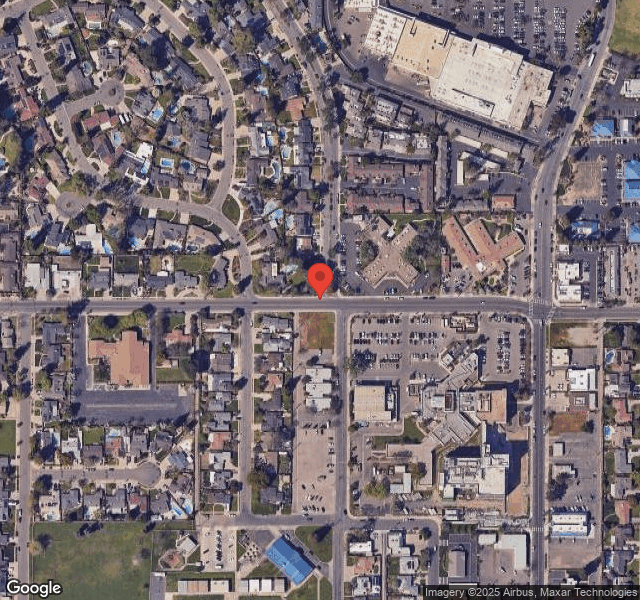
680 EAST MERRITT AVENUE, TULARE, CA 93274 (559) 686-8581
For profit - Corporation 97 Beds Independent Data: November 2025
Trust Grade
45/100
#933 of 1155 in CA
Last Inspection: October 2024

Within standard 12-15 month inspection cycle. Federal law requires annual inspections.

Overview

Tulare Healthcare & Wellness Center holds a Trust Grade of D, indicating below-average performance with some concerns about care quality. It ranks #933 out of 1155 facilities in California, placing it in the bottom half, and #12 out of 16 in Tulare County, meaning there are only a few local options that are better. The facility is improving, having reduced its issues from 32 in 2024 to just 2 in 2025, but its staffing is a concern with a 55% turnover rate, significantly higher than the state average of 38%. While there are no fines on record, which is a positive aspect, the facility has less RN coverage than 98% of California facilities, which could be a risk since RNs help catch potential problems. Specific incidents, such as staff not following hand hygiene protocols and failing to maintain proper food safety practices, highlight areas that need urgent improvement, suggesting that while there are some strengths, there are also significant weaknesses to consider.

Trust Score
D
45/100
In California
#933/1155
Bottom 20%
Safety Record
Low Risk
No red flags
Inspections
Getting Better
32 → 2 violations
Staff Stability
⚠ Watch
55% turnover. Above average. Higher turnover means staff may not know residents' routines.
Penalties
✓ Good
No fines on record. Clean compliance history, better than most California facilities.
Skilled Nurses
⚠ Watch
Each resident gets only 10 minutes of Registered Nurse (RN) attention daily — below average for California. Fewer RN minutes means fewer trained eyes watching for problems.
Violations
⚠ Watch
60 deficiencies on record. Higher than average. Multiple issues found across inspections.
★★☆☆☆
2.0
Overall Rating
★★☆☆☆
2.0
Staff Levels
★★★★☆
4.0
Care Quality
★★☆☆☆
2.0
Inspection Score
Stable
2024: 32 issues
2025: 2 issues

The Good

  • 4-Star Quality Measures · Strong clinical quality outcomes
  • Full Sprinkler Coverage · Fire safety systems throughout facility
  • No fines on record

Facility shows strength in quality measures, fire safety.

The Bad

2-Star Overall Rating

Below California average (3.1)

Below average - review inspection findings carefully

Staff Turnover: 55%

Near California avg (46%)

Frequent staff changes - ask about care continuity

Staff turnover is elevated (55%)

7 points above California average of 48%

The Ugly 60 deficiencies on record

Jul 2025 1 deficiency
CONCERN (D) 📢 Someone Reported This

A family member, employee, or ombudsman was alarmed enough to file a formal complaint

Potential for Harm - no one hurt, but risky conditions existed

Comprehensive Care Plan (Tag F0656)

Could have caused harm · This affected 1 resident

**NOTE- TERMS IN BRACKETS HAVE BEEN EDITED TO PROTECT CONFIDENTIALITY** Based on observation, interview, and record review, the facility failed to implement care plan intervention for one of three sam...

Read full inspector narrative →
**NOTE- TERMS IN BRACKETS HAVE BEEN EDITED TO PROTECT CONFIDENTIALITY** Based on observation, interview, and record review, the facility failed to implement care plan intervention for one of three sampled residents (Resident 1) with a known history of elopement (the act of leaving facility unsupervised and without prior authorization) attempts. This failure resulted in Resident 1 leaving the facility unsupervised and without a wander guard (wearable bracelet that detects resident with cognitive impairments approaches or attempts to exit), putting Resident 1 at risk for serious injury.Findings:During a review of Resident 1's admission Record (AR), undated, the AR indicated Resident 1 was admitted on [DATE] with diagnoses of dementia (a progressive state of decline in mental abilities). During a review of Resident 1's Change of Condition (COC) note dated 7/2/25, at 2:09 p.m. the COC indicated, Resident eloped from facility . resident was last seen at 1 p.m. in hallway. resident was found by CNA (Certified Nursing Assistant) by Burger King. Resident 1's Elopement Evaluation dated 5/1/25. indicated Resident 1 has a history of elopement or attempted leaving the facility without informing staff. Resident 1's quarterly Minimum Data Set (MDS - a federally mandated resident assessment tool) dated 5/16/25 indicated Resident 1 had a BIMS (Brief Interview for Mental Status-an assessment tool used by facilities to screen and identify memory, orientation, and judgement status of the resident) score of 9 (8-12 moderate cognitive impairment).During a review of Resident 1's care plan, date initiated 2/2/24, the care plan indicated Resident 1 Risk for Wandering/Elopement Identified. Intervention included Monitor for placement and function of wander guard every shift.Wander guard to be placed on resident every shift.During a concurrent observation and interview on 7/3/25 at 12:13 p.m. with Resident 1, Resident 1 was standing at nurse station, drinking coffee, and talking on the phone. Resident 1 does not recall leaving the facility stating he goes outside to smoke.During an interview on 7/3/25 at 12:35 p.m. with Administrator, Administrator stated on 7/2/25, Resident 1 was seen at 1 p.m. in the facility hallway, and at 1:50 p.m. Resident 1 was seen outside of the facility walking on the street unsupervised. Administrator stated Resident 1 was alert with confusion.During an interview on 7/21/25 at 10:46 a.m. with Director of Nurses (DON), DON stated on 7/2/25, Certified Nursing Assistant (CNA 1) last saw Resident 1 in the facility at 1:50 p.m. Resident 1 was seen by CNA 2 walking unsupervised approximately 0.2 miles away from the facility.During an interview on 7/21/25 at 12:11 p.m. with CNA 1, CNA 1 stated on 7/2/25, she had seen Resident 1 in the hallway at 1 p.m. without a wander guard. CNA 1 stated Resident 1 was alert with confusion and has a history of trying to exit the facility unsupervised.During an interview on 7/24/25 at 3:08 p.m. with Licensed Vocational Nurse (LVN), LVN stated on 7/2/25, at 1:50 p.m. Resident 1 was found walking in the street away from the facility. LVN stated Resident 1 was not wearing a wander guard. LVN stated at approximately 12 p.m. on 7/2/25, she had noticed Resident 1 not wearing a wander guard. LVN stated she was not responsible in replacing missing wander guard and therefore did not put a new wander guard on Resident 1 when she noticed it was missing. LVN stated Resident 1's elopement could have been prevented if a wander guard was placed on him.During an interview on 7/25/25 at 9:52 a.m. with DON, DON stated it was facility protocol to immediately replace wander guard on resident when removed. DON stated Resident 1 was not wearing his ordered wander guard when found walking in the street away from the facility.During a review of the facility policy and procedures (P&P) titled, Resident Safety dated 4/21, the P&P indicated, I. During a comprehensive assessment period the Interdisciplinary [NAME] (IDT) members will assess the Resident's safety risk (e.g., smoking, self-administration, wandering, elopement, behaviors issues, etc.) as well as any other Resident specific safety risk. III. After a risk evaluation is completed, a Resident-centered care plan will be developed to mitigate safety risk factors.During a review of the facility P&P, titled, Comprehensive Person-Centered Care Planning, dated 2018, the P&P indicated, b. The Baseline Care Plan Summary (NP-04-Form B) will be developed and implemented, using the necessary combination of problem specific care plans.
Apr 2025 1 deficiency
CONCERN (D) 📢 Someone Reported This

A family member, employee, or ombudsman was alarmed enough to file a formal complaint

Potential for Harm - no one hurt, but risky conditions existed

Report Alleged Abuse (Tag F0609)

Could have caused harm · This affected 1 resident

Based on interview and record review, the facility failed to follow its own policy and procedure when an allegation of abuse was not reported to the proper authorities for one of three sampled residen...

Read full inspector narrative →
Based on interview and record review, the facility failed to follow its own policy and procedure when an allegation of abuse was not reported to the proper authorities for one of three sampled residents (Resident 1). This failure resulted in violation of Resident 1's rights. XXXXXXCan you change the failureXXX Findings: During an interview on 4/30/25 at 9 a.m. with Ombudsman (an advocate for residents of nursing homes), Ombudsman stated they did not receive an SOC 341 (a required form used to report suspected abuse of dependent adults and elders) from the facility regarding the allegation of abuse between Resident 1 and Certified Nursing Assistant (CNA). During a review of Resident 1's Progress Notes (PN), dated 4/24/25 at 3:44 p.m., the PN indicated, Resident (1) stated male CNA, transferred her out of bed to wheelchair, resident stated that male CNA hurt her during transfer. During an interview on 4/30/25 at 10:18 a.m. with Director of Nurses (DON), DON stated on 4/24/25 Resident 1 reported CNA being rough on purpose during wheelchair transfer. During a concurrent interview and record review on 4/30/25 at 10:25 a.m. with Administrator and DON, the fax transmittal record dated 4/3025 at 10:39 a.m. was reviewed. Administrator confirmed the fax number listed on the fax transmittal record was not the Ombudsman fax number. Administrator stated the SOC 341 was not faxed to the Ombudsman. During a review of the facility's policy and procedure (P&P) titled, Abuse-Reporting & Investigations dated 3/18, the P&P indicated, B. The Administrator or designated representative will send a written SOC341 report to the Ombudsman and Law Enforcement and CDPH Licensing Certification within two (2) hours.
Dec 2024 1 deficiency
CONCERN (E) 📢 Someone Reported This

A family member, employee, or ombudsman was alarmed enough to file a formal complaint

Potential for Harm - no one hurt, but risky conditions existed

Deficiency F0906 (Tag F0906)

Could have caused harm · This affected multiple residents

Based on observation, interview, and record review, the facility failed to provide a working generator for 13 of 13 sampled residents (Resident 1, Resident 2, Resident 3, Resident 4, Resident 5, Resid...

Read full inspector narrative →
Based on observation, interview, and record review, the facility failed to provide a working generator for 13 of 13 sampled residents (Resident 1, Resident 2, Resident 3, Resident 4, Resident 5, Resident 6, Resident 7, Resident 8, Resident 9, Resident 10, Resident 11, Resident 12, and Resident 13) requiring an oxygen concentrator (a device that provides oxygen) during a power outage. This failure resulted in the facility having no power for approximately 15 minutes and potential for Resident 1, Resident 2, Resident 3, Resident 4, Resident 5, Resident 6, Resident 7, Resident 8, Resident 9, Resident 10, Resident 11, Resident 12, and Resident 13 without oxygen and potential for respiratory distress. Findings: During an interview on 12/27/24 at 10:50 a.m., with Administrator, Administrator stated a plan power outage with the electric company was initiated on 12/19/24 at 9:30 p.m. Administrator stated the generator immediately turned on at approximately 9:30 p.m. but continued shutting off after 12 p.m. Administrator stated the facility was without power for approximately 15 minutes from 12 a.m. until 4 a.m. During a concurrent observation and interview on 12/27/24 at 10:57 a.m., with Maintenance Environmental Services (MEVS), the facility generator located outside of the facility premises was observed. MEVS stated on 12/19/24, the generator had turned on after a plan power outage was initiated by the electric company at 9 p.m. MEVS stated the generator's oil pressure sensor was not working causing the generator to shut off four times. MEVS stated the facility was without power for approximately 15 minutes. MEVS stated the oil pressure sensor failure was not detected during the annual generator maintenance. During an interview on 12/27/24, at 11:10 a.m., with Director of Nurses, DON stated Resident 1, Resident 2, Resident 3, Resident 4, Resident 5, Resident 6, Resident 7, Resident 8, Resident 9, Resident 10, Resident 11, Resident 12, and Resident 13 required the use of an oxygen concentrator. During a review of the facility's policy ad procedure (P&P) titled, Emergency Generator Testing, dated 9/2017, the P&P indicated, Emergency generators are maintained in operational state and are tested by the Director of Maintenance as required by state regulations.
Oct 2024 19 deficiencies
CONCERN (D)

Potential for Harm - no one hurt, but risky conditions existed

Deficiency F0558 (Tag F0558)

Could have caused harm · This affected 1 resident

During a concurrent observation and interview on 10/21/24 at 9:21 a.m. with LVN 1, in Resident 41's room, Resident 41's call light was on the floor and out of Resident 41's reach. LVN 1 stated Residen...

Read full inspector narrative →
During a concurrent observation and interview on 10/21/24 at 9:21 a.m. with LVN 1, in Resident 41's room, Resident 41's call light was on the floor and out of Resident 41's reach. LVN 1 stated Resident 41's call light was on the floor and stated, Call light should be within reach of the resident. During a review of the facility's policy and procedure (P&P) titled, Communication-Call System [P-NP29] dated 10/09/24, the P&P indicated, 2. The call alert device will be placed within the resident's reach. During a review of the facility's P&P titled, Communication-Call System [NP29] dated 10/09/24, the P&P indicated, The Facility will maintain a communication system to allow residents to call for staff assistance from their rooms and toileting/bathing facilities. Based on observation, interview, and record review, the facility failed to ensure four of 41 sampled resident's (Resident 337, Resident 70, Resident 10, and Resident 41) call lights were within reach. This failure had the potential for residents to be unable to call for assistance and had the potential for delayed care provision. Findings: During a concurrent observation and interview on 10/21/24 at 9:25 a.m. with Certified Nursing Assistant (CNA) 6 in Resident 337's room, Resident 337's call light was on the floor on the right side of her bed. CNA 6 stated Resident 337's call light was on the floor and the call light should be within Resident 337's reach. During a concurrent observation and interview on 10/21/24 at 9:34 a.m. with Director of Nursing (DON), in Resident 70's room, Resident 70's call light was on top of the bed frame behind the head of the bed. Resident 70 was unable to reach the call light. DON stated call light was not within Resident 70's reach and call light should be clipped to the sheet. During a concurrent observation and interview on 10/21/24 at 9:47 a.m. with CNA 7, in Resident 10's room, Resident 10's call light was hanging on the wall behind the bed. CNA 7 stated call light is hanging on the wall and it should be within Resident 10's reach.
CONCERN (D)

Potential for Harm - no one hurt, but risky conditions existed

Deficiency F0578 (Tag F0578)

Could have caused harm · This affected 1 resident

Based on interview and record review, the facility failed to follow their policy and procedure (P&P) titled, Advance Directive [legal document indicating resident's decision for end-of-life treatment ...

Read full inspector narrative →
Based on interview and record review, the facility failed to follow their policy and procedure (P&P) titled, Advance Directive [legal document indicating resident's decision for end-of-life treatment and care] when one of two sampled residents' (Resident 41) request for more information on advanced directives was not provided. Findings: During a concurrent interview and record review on 10/24/24 at 8:56 a.m. with Administrator, Resident 41's AHCD dated 6/7/24 was reviewed. The AHCD indicated, I would like receive more information. Administrator stated, Nothing from social services and nothing in the progress notes for more information on advance directives. During a review of Resident 41's face sheet (provides relevent resident information), dated 5/31/24, the face sheet indicated the facility admitted Resident 41 on 5/31/24. During a review of Residents 41's Brief Interview for Mental Status, (BIMS, cognition assessment tool, 15-point scale: 0-7 severe impairment, 8-12 moderate impairment, 13-15 cognitively intact) dated 5/31/24, Resident 41's Bims Score indicated 13. During a review of Residents 41's BIMS, dated 9/12/24, Resident 41's Bims Score indicated 14. During a review of the facility's P&P titled, Advance Directive, dated 7/31/24, the P&P indicated, If the Resident does not have an Advance Directive and additional information is requested, the Social Services Director or Designee may provide the resident with a copy of the Advance Directive form for their review.
CONCERN (D)

Potential for Harm - no one hurt, but risky conditions existed

Deficiency F0583 (Tag F0583)

Could have caused harm · This affected 1 resident

**NOTE- TERMS IN BRACKETS HAVE BEEN EDITED TO PROTECT CONFIDENTIALITY** Based on interview and record review, the facility failed to follow their policy and procedure (P&P) titled Disclosure of PHI [p...

Read full inspector narrative →
**NOTE- TERMS IN BRACKETS HAVE BEEN EDITED TO PROTECT CONFIDENTIALITY** Based on interview and record review, the facility failed to follow their policy and procedure (P&P) titled Disclosure of PHI [protected health information] for one of one sampled residents (Resident 61) when one of Resident 61's medical diagnoses was disclosed to Resident 61's roommate. This failure resulted in the Former Director of Nursing (FDON) revealing Resident 61's PHI to another resident. Findings: 1. During an interview on 10/21/24 at 4:07 p.m. with Resident 61's family member (FM 1), FM 1 stated Resident 61's roommate (Resident 15) asked FM 1 if Resident 61 had [medical condition]. FM 1 stated he responded by saying no, even though Resident 61 did have the medical diagnosis Resident 15 mentioned. During an interview on 10/23/24 at 8:19 a.m. with Resident 15, Resident 15 stated the old boss (FDON) told him, Resident 61 had [medical condition]. Resident 15 stated FDON was no longer working at the facility and was now working in a neighboring city. During an interview on 10/23/24 at 8:28 a.m. with Administrator, Administrator stated the former Director of Nursing was (same first name given by Resident 15). During an interview on 10/23/24 at 9:14 a.m. with Payroll Clerk (PC), PC stated FDON was employed by the facility from 10/16/23 to 7/12/24. During a review of Resident 61's medical record (MR), the History & Physical Update Evaluation (H&P), dated 3/11/24 indicated Resident 61 was admitted to the facility on [DATE] with medical diagnoses which included the medical condition Resident 15 was made aware of. During a review of FDON Inservice Education, dated 7/2/23, FDON completed the facility's Health Information Portability and Accountability Act (HIPAA- federal law which addresses the privacy and security of individuals' health information) education. The Inservice Education indicated, Protected Health Information (PHI) is information related to a person's health care treatment and to the corresponding payment for those services. PHI includes information that could reasonably identify an individual (patient identifiers) and sensitive health information. Every member of the workforce, even those who don't deal directly with patient information, should have an understanding of what PHI is and the ways in which it must be protected. Patient Rights HIPPA [sic] provides patients with several basic rights that inform and empower them. These include: 1. the [sic] right to inspect and copy his or her PHI used by the organization. 2. the [sic] right to request an amendment to his or her PHI kept by the organization. 3. the [sic] right to restrict the use and disclosure of his or her PHI. During a review of the facility's Policy and Procedure (P&P) titled, Disclosure of PHI dated 12/1/12, the P&P indicated, Purpose: To limit the access, use, and disclosure of Protected Health Information (PHI) to the minimum necessary needed to accomplish the intended purpose of the use, disclosure or request for PHI.
CONCERN (D)

Potential for Harm - no one hurt, but risky conditions existed

Pressure Ulcer Prevention (Tag F0686)

Could have caused harm · This affected 1 resident

Based on observation, interview, and record review, the facility failed to follow their policies and procedure titled Pressure Injury Prevention for one of seven sampled residents (Resident 75) did no...

Read full inspector narrative →
Based on observation, interview, and record review, the facility failed to follow their policies and procedure titled Pressure Injury Prevention for one of seven sampled residents (Resident 75) did not receive preventative interventions for a pressure ulcer/injury (localized, pressure-related damage to the skin and/or underlying tissue usually over a bony prominence). This failure resulted in Wound Care Provider (WCP) performing a surgical excisional procedure to remove non-living tissue in Resident 75's pressure wound and had the potential for Resident 75 to continue to develop further skin breakdown and the Stage 3 pressure injury to worsen. Findings: During an interview on 10/21/24 at 11:19 a.m. with Resident 75, Resident 75 stated, I have wounds on my tailbone both upper and lower. During a review of Resident 75's Wound Evaluation & Management Summary (WEMS), dated 10/15/24, the WEMS indicated, Resident 75's had a Stage 3 (full thickness tissue loss) Pressure Wound for more than 19 days. The wound size was 1 centimeter (cm, unit of measurement) by 0.4 cm by 0.1 cm with a surface area of 0.42 cm squared. This visit's measurements are exactly the same as the previous visit. Full Thickness Slough [dead tissue, usually yellow, tan, gray, or green in color, usually moist and stringy in texture]: 100 %. Wound progress Not at Goal. The WEMS indicated a change in wound care dressings and Recommended Off-Load [reduce pressure on] Wound.Low Air Loss Mattress ; be sure air compressor is set to match patient's weight and not their comfort level. During a concurrent observation and interview on 10/21/24 at 11:57 a.m. with Licensed Vocational Nurse (LVN) 10, in Resident 75's room, Resident 75 was lying in her bed on a regular mattress. LVN 10 stated Resident 75 was admitted to the facility with, a stage 3 pressure injury to her sacrum (a bone at the base of the spine, above the tailbone). LVN 10 stated Resident 75 should be on a Low Air Loss Mattress (alternating pressure mattress to help prevent skin breakdown). During an interview on 10/21/24 at 3:48 p.m. with Certified Nursing Assistant (CNA) 11, CNA 11 stated Resident 75 had a pressure injury on her tailbone. CNA 11 stated Resident 75 was not on a special mattress for her pressure injury. During a review of Resident 75, admission Record (provides relevant resident information), dated 9/12/24, the admission Record indicated the facility admitted Resident 75 on 9/12/24. During a review of Resident 75's untitled Plan of Care (POC) for stage 3 pressure wound to coccyx (tailbone), dated 9/13/24, the POC did not indicate any measures to help Resident 75's stage 3 pressure wound to not worsen. During a review of Resident 75's untitled Plan of Care (POC) for risk for skin breakdown, dated 10/16/24, the POC indicated, moderate risk for skin breakdown/pressure ulcer, Braden scale [pressure ulcer assessment tool, score less than or equal to 9 severe risk, High Risk Score 10-12), Moderate risk Score 13-14, Mild Risk Score 15-18] 14. follow facility protocols/policies for the prevention/treatment of skin breakdown. The POC did not indicate any other measures to help Resident 75's stage 3 pressure wound to not worsen. During a review of the facility's policy and procedure (P&P) titled, Pressure Injury Prevention, dated 9/20, the P&P indicated, The nursing staff will implement interventions identified in the care plan which may include but are not limited to, the following: A. Pressure redistributing devices for bed and chair. F. Use of (wedge) pillows for positioning and pressure relief, .I. Devices (bed trapeze bar, draw sheets, mechanical lifts, positioning aides, etc.) to reduce friction and shear when repositioning .
CONCERN (D)

Potential for Harm - no one hurt, but risky conditions existed

Accident Prevention (Tag F0689)

Could have caused harm · This affected 1 resident

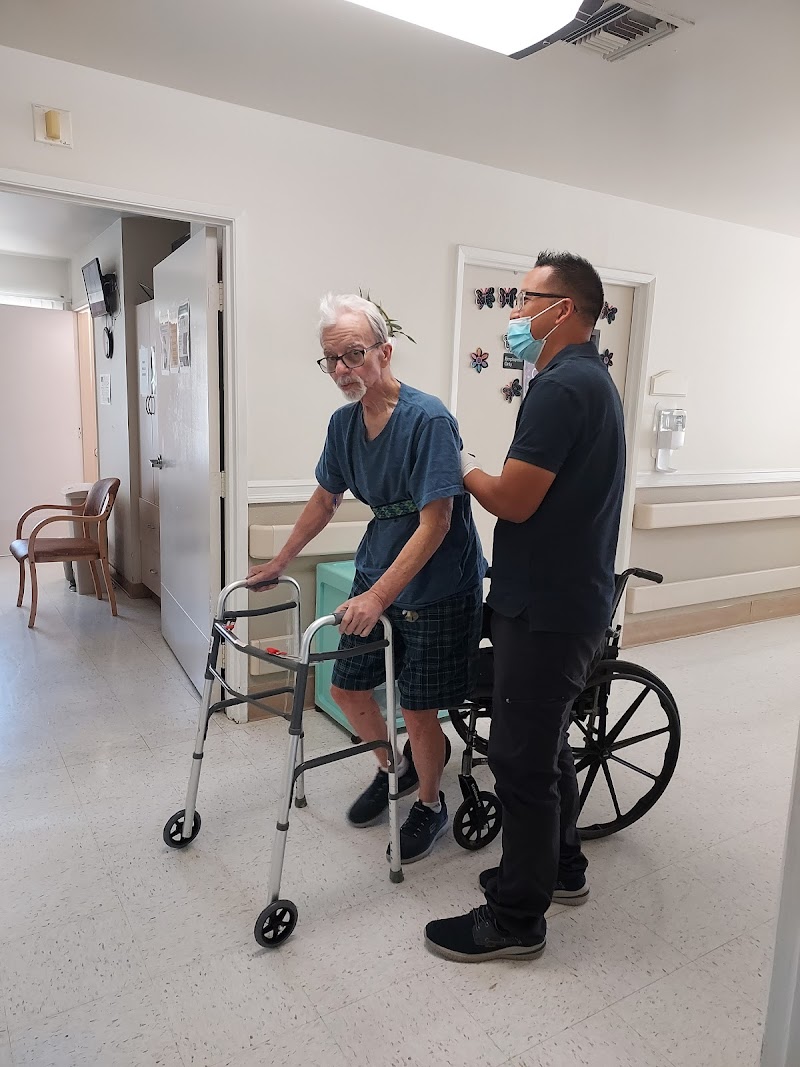
Based on observation, interview, and record review, the facility failed to follow its policies and procedures (P&P) titled, Gait Belt dated 9/16 and Ambulation when Physical Therapy Assistant (PTA) am...

Read full inspector narrative →
Based on observation, interview, and record review, the facility failed to follow its policies and procedures (P&P) titled, Gait Belt dated 9/16 and Ambulation when Physical Therapy Assistant (PTA) ambulated one of three sampled residents (Resident 438) without a facility provided gait belt, and supported Resident 438 by holding onto her pants waistband. This failure had the potential for Resident 438 to fall and sustain injuries. Findings: During an observation on 10/22/24 at 11:25 a.m. in the hallway, a Physical Therapy Assistant (PTA) was assisting Resident 438 to walk. PTA was holding onto Resident 438's pants' waistband. The gait belt on Resident 438 was fraying (coming apart) During an interview on 10/22/24 at 11:35 a.m. with PTA, PTA stated he did not use a gait belt (transfer belt used to help a resident move safely and maintain their balance). PTA stated, I felt like she (Resident 438) was steady, but the gait belt does help out. The gait belt does reduce falls. PTA stated the facility provides gait belts, but this gait belt was his own. PTA stated the gait belt on Resident 438 was showing its age by fraying. During an interview on 10/23/24 at 10:13 a.m. with Director of Rehabilitation Services (DRS), DRS stated, We should not be holding residents by their pants when ambulating. During a review of Resident 438's Care Plan (CP), dated 10/14/24, the CP indicated, The resident [Resident 438] presents tendency to lose balance during transfers [moving from one surface location to another] and ambulation [walking] related to decreased motor planning [interruption in brain commands], decreased safety awareness, increased loss of balance, leg weakness, pain which places resident at risk for falls. Interventions of gait training, safety measure training, and transfers. During a review of the facility's P&P titled, Gait Belt, dated 9/16, the P&P indicated, Purpose is to provide assistance to clinical staff when moving a resident from one place to another and to increase the safety of resident by allowing clinical staff members to support and keep the resident from falling. During a review of the facility's P&P titled, Ambulation, dated 1/1/12, the P&P indicated, Use an underhand grasp when holding the belt to provide greater safety.
CONCERN (D)

Potential for Harm - no one hurt, but risky conditions existed

Deficiency F0697 (Tag F0697)

Could have caused harm · This affected 1 resident

Based on interview and record review, the facility failed to follow physician orders (PO) for pain management for one of one sampled residents (Resident 75) when: 1. Physician ordered pain medications...

Read full inspector narrative →
Based on interview and record review, the facility failed to follow physician orders (PO) for pain management for one of one sampled residents (Resident 75) when: 1. Physician ordered pain medications were not given as ordered for one of one sampled residents (Resident 75). 2. Physician ordered non-pharmacological (not using non-medication) interventions were not implemented for one of one sampled residents (Resident 75). These failures resulted in Resident 75 refusing to eat, pain not being managed and had the potential for more pain medication to be used. Findings: 1. During an interview on 10/21/24 at 11:20 a.m. with Resident 75, Resident 75 stated, I have pain on my knees, feet, and back. Resident 75 stated her pain scale was 8/10 [1 to 10 numeric pain scale. 0 no pain, 1 to 4 = (equal to) mild pain, 5 to 7 = moderate pain, 8 - 9 = severe pain, 10 = excruciating pain]. During an interview on 10/21/24 at 11:32 a.m. with Licensed Vocational Nurse (LVN) 6, LVN 6 stated she was covering for LVN 11's lunch break, but she did not have the keys to the narcotic (strong pain medication) drawer in the medication cart, so was unable to give Resident 75 pain medication when she requested at 11:20 a.m. During a review of Resident 75's Medication Administration record (MAR) dated 10/1/24 to 10/21/24, the following was indicated: on 10/7/24 during the night shift (NOC), pain level of 4 on 10/8/24 during the day shift (AM), pain level 3 on 10/11/24 during the NOC, pain level 4 The MAR indicated no tylenol was provided to Resident 75 between 10/1/24 and 10/21/24. During a concurrent interview and record review on 10/22/24 at 11:30 a.m. with the Director of Nursing (DON), Resident 75's MAR dated 10/1/24 to 10/21/24 was reviewed. The MAR indicated the following: Norco (strong pain medication) Oral Tablet 10-325 MG (Hydrocodone-Acetaminophen) Give 1 tablet by mouth every 4 hours for chronic pain for chronic pain. Start Date 10/17/24 Tylenol Oral Tablet 325 mg (Acetaminophen) Give 2 tablet[s] by mouth every 8 hours as needed for mild [pain]. Start Date 9/17/24. DON was unable to find documentation for Tylenol 325 mg two tablets was administered to Resident 75 every eight hours as needed for pain. DON stated the Tylenol should have been administered as needed for pain in-between her scheduled Norco 10-325 mg medication every four hours. 2. During a review of Resident 75's Medication Administration Record (MAR), dated 10/1/24 to 10/21/24, the MAR indicated, Assess for pain every shift and chart intensity of pain using 1-10 numeric pain scale. Non-Pharmacological Interventions [NPI - any non-chemical or non-medication treatments performed]: A-Heat, B-Repositioning, C-Relaxation, Breathing, D-Food/Fluids, E-Massage, F-Exercise, G-Immobilizations of Joints, H-Other (Document in Nurses note), N-Not needed every shift. The following dates indicated Resident 75's numeric pain scale and the NPI: 10/7/24 - Night [shift] - NPI - 0 Pain scale 4. 10/8/24 - Day - NPI- y [yes] Pain scale 3. 10/8/24 - Night - NPI - 0 - Pain scale 5. 10/11/24 Night - NPI - NA [not applicable] Pain scale 4. 10/12/24 Night - NPI - 0 Pain Scale 6. 10/13/24 Night - NPI - NA- Pain Scale 5. 10/21/24 Day shift - NPI . n [not needed]. [Resident 75 had a pain scale of 8]. During an interview on 10/22/24 at 9:51 a.m. with Resident 75, Resident 75 stated, I have pain in my right leg, pain level is 8/10. I did not eat my breakfast because of pain. My leg is hurting too bad. During an interview on 10/22/24 at 10:18 a.m. with CNA 12, CNA 12 stated, [Resident 75] refused her whole meal for breakfast. Her leg was hurting her. When I moved her she complained of pain. During a concurrent interview and record review on 10/22/24 at 11:30 a.m. with the Director of Nursing (DON), Resident 75's MAR dated 10/1/24 to 10/21/24 was reviewed. The MAR indicated DON stated the NPI for Resident 75 was not implemented as ordered on 10/7/24, 10/8/24, 10/11/24, 10/12/24, 10/13/24, and 10/21/24 when Resident 25 complained of pain. No additional information was provided. During a review of Resident 75's untitled Plan of Care (POC) dated 10/1/24, the POC indicated, The resident has chronic pain r/t [related to] chronic pain syndrome, generalized weakness, depression. Administer analgesia [pain medication] as per orders. Interventions. Anticipate the resident's need for pain relief and respond immediately to any complaint of pain. Evaluate the effectiveness of pain interventions. Review for compliance, alleviating of symptom, dosing schedules and resident satisfaction with results, impact on functional ability and impact on cognition.
CONCERN (D)

Potential for Harm - no one hurt, but risky conditions existed

Pharmacy Services (Tag F0755)

Could have caused harm · This affected 1 resident

Based on observation, interview, and record review, the facility failed to reorder medication timely for one of 13 sampled residents (Resident 28) This failure resulted Resident 28 not receiving his p...

Read full inspector narrative →
Based on observation, interview, and record review, the facility failed to reorder medication timely for one of 13 sampled residents (Resident 28) This failure resulted Resident 28 not receiving his physician ordered medication and had the potential for Resident 28's glaucoma to worsen. Findings: During a review of Resident 28's Order Summary Report (OSR), dated active orders as of 10/22/24, the OSR indicated, on 8/28/24 Brinzolamide [used to treat glaucoma, an eye disease] Ophthalmic [eye] Suspension 1% (Brinzolamide) Instill (drop) 1 drop in both eyes three times a day for glaucoma . During a concurrent observation and interview on 10/22/24 at 11:52 a.m. with Licensed Vocational Nurse (LVN) 6, in D-wing, LVN 6 was administering medication to Resident 28. LVN 6 stated, Resident 28's 12 p.m. dose of Brinzolamide was not available to give. During a review of Resident 28's Medication Administration Record (MAR), dated 10/24, the MAR indicated Resident 28 was not given his Brinzolamide doses on 10/22/24 at 12 p.m. or 5 p.m. During a review of Resident 28's Progress Notes, dated 10/22/24, at 12:43 p.m., the Progress Notes indicated :[Resident 28's] eye medication Brinzolamide missed this morning. During a review of the facility's policy and procedure (P&P) titled, Medication Ordering and Receiving from Pharmacy, dated 2013, the P&P indicated, Reorder medication (three to four) days in advance of need to assure an adequate supply is on hand.
CONCERN (D)

Potential for Harm - no one hurt, but risky conditions existed

Deficiency F0761 (Tag F0761)

Could have caused harm · This affected 1 resident

Based on observation, interview, and record review, the facility failed to follow its: 1. Policy and procedure (P&P) titled, Medication Storage in the Facility for three of 22 sampled residents (Resi...

Read full inspector narrative →
Based on observation, interview, and record review, the facility failed to follow its: 1. Policy and procedure (P&P) titled, Medication Storage in the Facility for three of 22 sampled residents (Resident 1, Resident 24, and Resident 43) when medications were found at residents' bedside. This failure had the potential for medication to be accessed by unauthorized staff and residents. 2. P&P titled Medication Storage in the Facility and the Manufacturer's Instructions for use (IFU) for one of one medication. This failure had the potential to result in a loss of medication potency (strength), inaccurate test results and adversely affect the residents' health. 3. P&P titled Medication Storage in the Facility was not followed when two of two medication carts stored topical medications (eye drops, injectable medications, creams, ointments, lotions and patches) with oral medications. This failure had the potential for medications to be cross contaminated. Findings: 1. During an observation on 10/21/24 at 10:07 a.m. in Resident 1's room, an open, single use vial of eye drops with liquid content, was on Resident 1's bed side table. During an observation on 10/21/24 at 10:10 a.m. in Resident 24's room, an open, single use vial of eye drops with liquid content, was on Resident 24's bed side table. During an interview on 10/21/24 at 10:14 a.m. with Licensed Vocational Nurse (LVN) 6, LVN 6 stated Resident 1 and Resident 24 had eye drops on their bed side tables. LVN 6 stated patients were not supposed to have any medications at the bedside. LVN 6 stated medications at the bedside gives other residents access to the medications. During a concurrent observation and interview on 10/21/24 at 2:55 p.m. with LVN 6, in Resident 43's room, a bottle of eye drops was on Resident 43's bed. LVN 6 stated she saw the eye drops on Resident 43's bed. During a review of the facility's P&P titled, Medication Storage in the Facility, dated 2/23/20, the P&P indicated, Medications and biologicals (medications made from a biological source) are stored safely, securely and properly .The medication supply is accessible only to licensed nursing personnel, pharmacy personnel or staff members lawfully authorized to administer medications . 2. During a concurrent observation and interview on 10/23/24 at 10:10 a.m. with Licensed Vocational Nurse (LVN) 8 in the A- wing hallway, during an audit of A-wing cart, a package with a vial of Aplisol (testing medication for tuberculosis ,TB) was stored in the cart's top drawer. LVN 8 stated, It [Aplisol] should be in the refrigerator, not in the cart, even after it is open. During a review of the Aplisol package's instructions for use/storage (IFU), the IFU the indicated, Precautions .Failure to store and handle Aplisol as recommended may result in a loss of potency and inaccurate test results .Storage .Store between 2° and 8°C [Celsius- temperature scale] (36° and 46°F [Fahrenheit - temperature scale]) and protect from light. During a review of the facility's P&P titled, Medication Storage in the Facility, dated 2/23/20, the P&P indicated, Medications requiring refrigeration or temperatures between 2° C (36° F) and 8° C (46° F) are kept in a refrigerator with a thermometer to allow temperature monitoring. Medications requiring storage in a cool place are refrigerated unless otherwise directed on the label. 3. During a concurrent observation and interview on 10/23/24 at 10 a.m. with Licensed Vocational Nurse (LVN) 8, at A-wing hallway, the A-wing medication cart was audited. External and internal medications were stored next to each other in the A-wing medication cart. Erythromycin ointment (used to treat eye infection) was stored next to medications taken by mouth. LVN 8 stated eye ointment should not be stored with medications taken by mouth. During a concurrent observation and interview on 10/23/24 at 10:59 a.m. with LVN 10, in D-wing hallway, the D-wing medication cart was audited. Zofran (medication taken by mouth to treat nausea) stored with Artificial Tears (used to treat dry eyes) and Novolin R Flex Pen (Insulin used to control blood sugar) LVN 10 stated this is how we keep all the medications for one resident together in the same compartment. During a review of the facility's policy and procedure (P&P) titled, Medication Storage in the Facility, dated 2/23/20, the P&P indicated, Orally administered medications are kept separate from externally used medications, such as suppositories, liquids, and lotions.
CONCERN (D)

Potential for Harm - no one hurt, but risky conditions existed

Deficiency F0790 (Tag F0790)

Could have caused harm · This affected 1 resident

Based on observation, interview, and record review, the facility failed to ensure one of seven sampled residents (Resident 27) had a follow-up dental appointment. This failure had the potential to res...

Read full inspector narrative →
Based on observation, interview, and record review, the facility failed to ensure one of seven sampled residents (Resident 27) had a follow-up dental appointment. This failure had the potential to result in decreased appetite and weight loss due to difficulty eating. Findings: During a concurrent observation and interview on 10/21/24 at 10:15 a.m. with Resident 27, in her room, Resident 27 's dentures were found next to her bedside table. Resident 27 stated, My lower denture is loose. I'm not wearing it. During a concurrent interview and record review on 10/24/24 at 10:05 a.m. with Minimum Data Set Coordinator (MDSC), Resident 27's Dental Notes (DN), dated 6/4/24 was reviewed. The DN indicated, doesn't wear dentures, [dentures are] 5-6 years old. MDSC was unable to find follow-up dental notes with Resident 27's dentist since her last dental appointment on 6/4/24. MDSC stated there should have been a follow-up appointment with the dentist regarding realignment.
CONCERN (D)

Potential for Harm - no one hurt, but risky conditions existed

Deficiency F0806 (Tag F0806)

Could have caused harm · This affected 1 resident

Based on observation, interview, and record review, the facility failed to ensure meal preferences were honored for two of 41 sampled residents (Resident 55 and Resident 1). This failure had the poten...

Read full inspector narrative →
Based on observation, interview, and record review, the facility failed to ensure meal preferences were honored for two of 41 sampled residents (Resident 55 and Resident 1). This failure had the potential for Resident 55 and Resident 1's nutritional needs to not be met and the potential for unintended weight loss due to the food not meeting their nutritional needs. Findings: 1. During a concurrent observation and interview on 10/21/24 at 12:17 p.m. with Certified Nursing Assistant (CNA) 10, in Resident 55's room. CNA 10 delivered Resident 55's lunch tray. Resident 55's tray was missing his juice. CNA 10 stated the juice was not on Resident 55's lunch tray. During a concurrent interview and record review on 10/21/24 at 12:18 p.m. with CNA 10, Resident 55's Meal Tray Ticket (MTT), dated 10/21/24 was reviewed. The MTT indicated, Resident 55 should have 4 ounces (oz) of juice on his tray. CNA 10 stated the MTT indicated Resident 55 should have had juice on his tray. During an interview on 10/21/24 at 12:19 p.m. with Resident 55, Resident 55 stated he did not receive the juice he requested. 2. During a concurrent observation and interview on 10/22/24 at 12:40 p.m. in C Wing hallway, Resident 1 was sitting in her wheelchair with her lunch tray placed in front of her on a bedside table. Resident 1 stated, They serve me food that I do not like, and they know I don't like it. Resident 1 stated, I don't like cheese and they gave me cheese. Resident 1's plate contained two cheese Quesadillas. During a concurrent interview and record review on 10/22/24 at 12:42 p.m. with Dietary Manager (DM), Resident 1's MTT, dated 10/22/24 was reviewed. The MTT indicated Resident 1 disliked cheese. DM stated Resident 1 was given cheese quesadillas and she should not have had been given cheese since she disliked it. During a review of the facility's policy and procedure (P&P) titled, Dietary Profile and Resident Preference Interview, dated 2022, the P&P indicated, The Dietary Manager will complete a Dietary Profile for resident to reflect current nutritional needs and food preference .IV. The Dietary Department will provide residents with meals consistent with their preferences and Physician order as indicated on the tray card. A. If a preferred item is not available, a substitute should be provided .
CONCERN (D)

Potential for Harm - no one hurt, but risky conditions existed

Deficiency F0808 (Tag F0808)

Could have caused harm · This affected 1 resident

Based on observation, interview, and record review, the facility failed obtain a therapeutic diet order for one of three sampled residents (Resident 388). This failure had the potential for Resident 3...

Read full inspector narrative →
Based on observation, interview, and record review, the facility failed obtain a therapeutic diet order for one of three sampled residents (Resident 388). This failure had the potential for Resident 388 to not obtain sufficient calories and nutrients. Findings: During a concurrent observation and interview on 10/21/24 at 12:25 p.m. in Resident 388's room, with Resident 388, Resident 388 had no teeth and no dentures. There was a plate with an uneaten half of zucchini. Resident 388 stated the uncut zucchini was difficult to eat. Resident 388 stated he preferred for the zucchini to be cut up. During a review of Resident 388's Care Plan (CP), dated 10/14/24, the CP indicated, The resident [Resident 388] has nutritional problem or potential nutritional problem. Interventions: NAS [No Added Salt] diet, Regular texture, Regular/Thick consistency. During a review of Resident 388's CP, dated 10/22/24, the CP indicated, The resident [Resident 388] has oral/dental health problems r/t [related to] edentulous [having no teeth], no dentures per preference. Interventions: Diet as Ordered. Consult with dietitian and change if chewing/swallowing problems are noted. During an interview on 10/23/24 at 3:05 p.m. with Registered Dietician (RD), RD stated Resident 388's diet order was regular texture. RD stated she did not think Resident 388 had issues with chewing although, Resident 388 had no teeth. During a review of the facility's policy and procedure (P&P) titled, Therapeutic Diets, dated 6/1/14, the P&P indicated, Purpose: To ensure that the Facility provides therapeutic diets to residents that meet nutritional guidelines and physician orders.
CONCERN (D)

Potential for Harm - no one hurt, but risky conditions existed

Medical Records (Tag F0842)

Could have caused harm · This affected 1 resident

**NOTE- TERMS IN BRACKETS HAVE BEEN EDITED TO PROTECT CONFIDENTIALITY** Based on interview and record review, the facility failed to follow the facility's policy and procedure (P&P) titled, Completion...

Read full inspector narrative →
**NOTE- TERMS IN BRACKETS HAVE BEEN EDITED TO PROTECT CONFIDENTIALITY** Based on interview and record review, the facility failed to follow the facility's policy and procedure (P&P) titled, Completion & Correction when two of 4 sampled residents' (Resident 27 and Resident 36) medical record were not accurate. This failure had the potential to negatively impact the interventions and treatments for Resident 27 and the continuity of care for Resident 36 Findings: 1. During a concurrent interview and record review on 10/24/24 at 10:41 a.m. with Minimum Data Set Coordinator (MDSC), Resident 27's MDS [assessment tool] Assessment (MDSA),was reviewed. The MDSA dated 12/21/23 under the Oral/Dental Status indicated, No natural teeth or tooth fragment(s) [edentulous - all teeth are missing]. No [should have been marked Yes]. MDSC stated Resident 27 was edentulous, the MDS Assessment under the Oral/Dental Status was inaccurate. During a concurrent interview and record review on 10/24/24 at 10:41 a.m. with MDSC, Resident 27's Order Summary Report (OSR), dated 10/24/24 was reviewed. The OSR indicated, Monitor for Adverse Reaction (Zoloft [antidepressant medication]). Antidepressants Adverse Effects: Dry mouth, blurred vision, constipation, urinary retention, tachycardia [a heart rate over 100 beats a minute], fine tremor, postural hypotension [blood pressure drops when going from lying down to sitting up or from sitting to standing], sedation [sleepiness], confusion. MDSC was unable to find the Zoloft medication in Resident 27's OSR. MDSC stated Resident 27 was not on Zoloft medication. MDSC stated Zoloft was discontinued on 10/1/24. MDSC stated Resident 27's OSR physician order for the monitoring of adverse reaction from Zoloft needed to be discontinued. 2. During a concurrent interview and record review on 10/23/24 at 11:06 a.m. with Director of Nursing (DON), DON stated she was unable to find a physician order for Resident 36 to be transferred to the hospital on [DATE], but she would check in the Medical Records department. During an interview on 10/24/24 at 10:26 a.m. with DON, DON stated she was unable to find a physician order to transfer Resident 36 to the hospital on [DATE]. DON stated it is the expectation for the nurse to call the physician, give the physician report on the patient's condition, and let the physician make the decision to or not to transfer a patient to the hospital. During a concurrent interview and record review on 10/24/24 at 11:26 a.m. Resident 36's MR was reviewed. DON stated she was unable to find the History and Physical (H&P) or the Discharge Summary from Resident 36's 10/24/23 hospitalization. During an interview on 10/24/24 at 3:45 p.m. with Regional Quality Management Consultant (RQMC), RQMC stated the facility was unable to get a copy of Resident 36's H&P and Discharge Summary from the hospital because They [hospital] have a EHR [electronic health record] system and they cannot access old records. During a review of the facility's policy and procedure (P&P) titled, Completion & Correction, dated 1/1/12, the P&P indicated, To ensure medical records are complete and accurate. Procedure. 111. Entries will be complete, legible, descriptive and accurate. VII. Documentation will reflect medically relevant information concerning the resident and will be documented in a professional manner.
CONCERN (E)

Potential for Harm - no one hurt, but risky conditions existed

Deficiency F0565 (Tag F0565)

Could have caused harm · This affected multiple residents

Based on observation, interview and record review, the facility failed to arrange regularly scheduled resident council meetings for three out of three sampled residents (Resident 53, Resident 51 and R...

Read full inspector narrative →
Based on observation, interview and record review, the facility failed to arrange regularly scheduled resident council meetings for three out of three sampled residents (Resident 53, Resident 51 and Resident 29). This failure resulted in the denial of Residents to meet regularly to discuss care and quality of life issues, and for the facility to be unaware of and unable to address residents' concerns. Findings: During a review of the facility's Resident Council Minutes (RCM) dated 7/29/24, the RCM indicated the last resident council meeting was held on 7/29/24. During an interview on 10/22/24 at 8:37 a.m. with Resident 53, Resident 53 stated, We have only met one time. During an interview on 10/22/24 at 8:51 a.m. with Resident 51, Resident 51 stated, I am not aware of resident council at all. During an interview on 10/22/24 at 9 a.m. with Resident 29, Resident 29 stated he is not aware of a resident council. Resident 29 stated, I do not know what that [resident council] is. During an interview on 10/24/24 at 8:52 a.m. with Administrator, Administrator stated, These [Resident Council Minutes dated July 29, 2024] are the last resident council meeting notes I have. During a review of the facility's policy and procedure (P&P) titled, Resident Council, dated 11/1/13, the P&P indicated, The purpose is to promote the exercise of resident rights at the facility. Resident Council meetings are scheduled monthly, or more frequently, if requested by residents or the Administrator.
CONCERN (E)

Potential for Harm - no one hurt, but risky conditions existed

Deficiency F0658 (Tag F0658)

Could have caused harm · This affected multiple residents

**NOTE- TERMS IN BRACKETS HAVE BEEN EDITED TO PROTECT CONFIDENTIALITY** 1. During a concurrent observation and interview on 10/23/24 at 10:27 a.m. with Resident 287, on the patio, Resident 287 was ale...

Read full inspector narrative →
**NOTE- TERMS IN BRACKETS HAVE BEEN EDITED TO PROTECT CONFIDENTIALITY** 1. During a concurrent observation and interview on 10/23/24 at 10:27 a.m. with Resident 287, on the patio, Resident 287 was alert, oriented, and sitting in her wheelchair. Resident 287's left leg was unwrapped and was red and swollen. Resident 287 stated her left leg should be wrapped but staff had not wrapped her left leg in several days. During an interview on 10/23/24 at 10:31 a.m. with Resident 287's Family Member (FM 2), FM 2 stated, he had not seen his grandmother's leg wrapped since she got to the facility. FM 2 stated, he came to visit Resident 287 every day. FM 2 stated the hospital informed him that his grandmother's leg should be wrapped. During a concurrent interview and record review on 10/23/24 at 10:49 a.m. with Licensed Vocational Nurse (LVN) 8, Resident 287's physician order (PO), dated 10/16/24, was reviewed. The PO indicated, Wrap left leg with ACE bandage once a day for edema (swelling caused by too much fluid trapped in the body's tissues). LVN 8 stated, the PO indicated to wrap Resident 287's left leg. During a concurrent observation and interview on 10/23/24, at 11:55 am, with LVN 8, on the patio, Resident 287 was sitting outside in her wheelchair. LVN 8 stated, Resident 287's left leg had redness and edema. LVN 8 stated Resident 287's leg was not wrapped. LVN 8 stated Resident 287's leg should have been wrapped per PO. During an interview on 10/24/24 at 11:50 a.m. with Administrator, a policy for following physician orders was requested. Administrator stated the facility did not have a policy on following physician orders. 2a. During a concurrent interview and record review on 10/24/24 at 8:48 a.m. with DON, Resident 77's medical record (MR) was reviewed. The admission Record (AR) indicated on 8/23/24, the facility admitted Resident 77. A review of Resident 77's N Adv- Long Term Care Evaluation [LTCE- comprehensive head to toe nursing assessment] indicated the following: 8/30/24 LTCE not done. 9/6/24 LTCE not done. 9/15/24 LTCE not done. DON stated, no LTCE were completed for Resident 77 from 9/15/24 through 10/23/24. DON stated the LTCE was supposed to be completed weekly for each resident. DON stated, The [LTCE] shows if there are any changes and any progress on resident status. During an interview on 10/24/24 at 11:21 a.m. with Licensed Vocational Nurse (LVN) 8, LVN 8 stated LTCE were supposed to be completed weekly on each resident. LVN 8 stated weekly LTCE give the facility a better understanding of residents' wellbeing and what their needs are. 2b. During a record review on 10/24/24 at 11:26 a.m. with DON, Resident 36's MR was reviewed. A review of Resident 36's LTCE indicated the following: 8/21/24 LTCE not done. 8/28/24 LTCE not done. 9/5/24 LTCE not done. 9/12/24 LTCE not done. 9/19/24 LTCE not done. 9/26/24 LTCE not done. 10/3/24 LTCE not done. 10/10/24 LTCE not done. 10/17/24 LTCE not done. A facility policy for LTCE weekly assessments was requested, none was provided. 3. During an observation on 10/21/24 at 10:07 a.m. in Resident 1's room, an open, single use vial of eye drops with liquid content, was on Resident 1's bed side table. During an observation on 10/21/24 at 10:10 a.m. in Resident 24's room, an open, single use vial of eye drops with liquid content, was on Resident 24's bed side table. During an interview on 10/21/24 at 10:14 a.m. with Licensed Vocational Nurse (LVN) 6, LVN 6 stated Resident 1 and Resident 24 had eye drops on their bed side tables. During a concurrent observation and interview on 10/21/24 at 2:55 p.m. with LVN 6, in Resident 43's room, a bottle of eye drops was on Resident 43's bed. LVN 6 stated she saw the eye drops on Resident 43's bed. During a concurrent interview and record review on 10/21/24 at 2:57 p.m. with LVN 6, Resident 43's [NAME], dated 5/8/24 was reviewed. The [NAME] indicated, Capable of administering eye drops/ointments was marked N/A [Not applicable option was marked]. LVN 6 stated, Resident 43 cannot administer her own eye drops. During a concurrent interview and record review on 10/23/24 at 2:04 p.m. with Director of Nursing (DON), Resident 24's medical record was reviewed. DON stated the facility did not complete an [NAME] for Resident 24. During a concurrent interview and record review on 10/23/24 at 2:06 p.m. with DON, Resident 1's medical record was reviewed. DON stated the facility did not complete an [NAME] for Resident 1. During a review of the facility's P&P titled, Medication-Self Administration, dated 1/10/12, the P&P indicated, The Assessment for Self Administration [sic] of Medications will be maintained in the resident's chart. Based on observation, interview, and record review, the facility failed to 1. Follow physician orders (PO) to wrap one of one sampled resident's (Resident 287) left leg daily. This failure resulted in Resident 287's leg to become red and swollen. 2. Complete weekly nursing assessments for two of three sampled residents (Resident 77 and Resident 36). This failure had the potential for residents' physical and emotional care needs to go unmet. 3. Follow its policy and procedure (P&P) titled, Medication-Self Administration, for three of 22 sampled residents (Resident 1, Resident 24, and Resident 43) when the facility did not complete the Assessment for Self Administration of Medications ([NAME]). This failure had the potential for medication to be inaccurately administered by the resident. Findings:
CONCERN (E)

Potential for Harm - no one hurt, but risky conditions existed

Deficiency F0679 (Tag F0679)

Could have caused harm · This affected multiple residents

During a concurrent interview and record review on 10/23/24 at 4:03 p.m. with MDSC, Resident 438's MR was reviewed. MDSC stated Resident 438's admission date was 10/12/24. MDSC stated, No [initial] ac...

Read full inspector narrative →
During a concurrent interview and record review on 10/23/24 at 4:03 p.m. with MDSC, Resident 438's MR was reviewed. MDSC stated Resident 438's admission date was 10/12/24. MDSC stated, No [initial] activities assessment was completed yet. It [activities asessment] should have been completed by the seventh day of admission. During a concurrent interview and record review on 10/24/24 at 10:54 a.m. with Administrator, the Resident 42 and Resident 41's MR were reviewed. Administrator stated, Resident 42's admission date was 8/1/23, no initial assessment as of today [10/24/24]. Administrator stated, Resident 41's, admission date was 5/31/24, the initial activity assessment was 6/10/24, was not completed within seven days [of admission]. During a review of the facility's policy and procedure (P&P) titled, Activities Program, dated 11/1/13, the P&P indicated, The Initial Activity Assessment is completed by the Director of Activities or his or her designee within seven days of admission. 2. During a concurrent interview and record review on 10/23/24 at 4:55 p.m. with MDSC, Resident 438's clinical record was reviewed. MDSC stated, There is no care plan for Resident 438's activities. During a review of the facility's P&P titled, Activities Program, dated 11/1/13, the P&P indicated, After completion of the Initial Activity Assessment and the MDS, an individualized Care Plan will be developed and implemented for each resident. Based on interview and record review, the facility failed to follow their policy and procedure (P&P) titled Activity Program when: 1. Activity assessments were not completed for five of five sampled residents (Resident 337, Resident 46, Resident 438, Resident 42, and Resident 41). 2. Activity care plan was not completed for one of five sampled residents (Resident 438). These failures had the potential for the facility to not be aware of Resident 337, Resident 46, Resident 438, Resident 42, and Resident 41 activity preferences. Findings: 1. During a concurrent interview and record review on 10/23/24 at 3:55 p.m. with Minimum Data Set Coordinator (MDSC), Resident 337's medical record (MR), undated was reviewed. MDSC stated there was no activity assessment in Resident 337's MR. MDSC stated on 10/10/24, the facility admitted Resident 337. MDSC stated Resident 337's activity assessment should have been completed within seven days of admission. During a concurrent interview and record review on 10/23/24 at 3:59 p.m. with MDSC, Resident 46's MR, undated, was reviewed. MDSC stated there was no activity assessment in Resident 46's MR. MDSC stated the facility readmitted Resident 46 on 3/22/24. MDSC stated Resident 46's activity assessment should have been completed within seven days of admission.
CONCERN (E)

Potential for Harm - no one hurt, but risky conditions existed

Deficiency F0745 (Tag F0745)

Could have caused harm · This affected multiple residents

**NOTE- TERMS IN BRACKETS HAVE BEEN EDITED TO PROTECT CONFIDENTIALITY** During a concurrent interview and record review on 10/24/24 at 10:44 a.m. with SSD, Resident 438's SSA, dated 10/21/24 was revie...

Read full inspector narrative →
**NOTE- TERMS IN BRACKETS HAVE BEEN EDITED TO PROTECT CONFIDENTIALITY** During a concurrent interview and record review on 10/24/24 at 10:44 a.m. with SSD, Resident 438's SSA, dated 10/21/24 was reviewed. The SSA indicated Resident 438's admission date was 10/12/24, and SSA was completed on 10/21/24. SSD stated, it (social services assessment) was late. During a review of the facility's policy and procedure (P&P) titled, Social Service Assessment, dated 12/1/13, the P&P indicated, An initial Social Services Assessment will be completed for new and readmitted residents within seven (7) days of admission. During a review of Resident 388's admission Record (AR), dated 10/8/24, the AR indicated Resident 388's admission date was 10/8/24. During a concurrent interview and record review on 10/24/24 at 10:44 a.m. with Social Services Designee (SSD), Resident 388 SSA dated 10/21/24 was reviewed. SSD stated the Social Services Department has seven days to complete the SSA for new admission. SSD stated, I know I'm late on resident's [Resident 388] Social Service Assessment. SSD stated Resident 388's SSA was completed on 10/21/24 [six days overdue]. Based on observation, interview, and record review, the facility failed to complete Social Service Assessments (SSA) within seven days of admissin for three of seven sampled residents (Resident 388, Resident 438, and Resident 337). This failure had the potential for not meeting residents' psychosocial needs. Findings: During a concurrent interview and record review on 10/23/24 at 4:10 p.m. with Social Services Designee (SSD), Resident 337 medical record (MR), undated was reviewed. SSD stated there was no SSA started within seven days of Resident 337's admission to the facility. Resident 337 was admitted on [DATE] and social service assessment was started on 10/21/24.
CONCERN (E)

Potential for Harm - no one hurt, but risky conditions existed

Deficiency F0804 (Tag F0804)

Could have caused harm · This affected multiple residents

Based on observation and interview, the facility failed to ensure meals were served at a safe and palatable (appetizing) temperature for two of three sampled residents (Resident 41 and Resident 42). T...

Read full inspector narrative →
Based on observation and interview, the facility failed to ensure meals were served at a safe and palatable (appetizing) temperature for two of three sampled residents (Resident 41 and Resident 42). This failure had the potential for residents not meeting their nutritional needs. Findings: 1. During an interview on 10/21/24 at 11:20 a.m. with Resident 41, Resident 41 stated, The breakfast was cold this morning, extra cold. The food is bland. During a review of Resident 41's Minimum Data Set (MDS-assessment tool), dated 6/13/24, the MDS indicated Resident 41's Brief Interview for Mental Status (BIMS, cognition assessment tool, 15-point scale: 0-7 severe impairment, 8-12 moderate impairment, 13-15 cognitively intact) score was 13. During an interview on 10/21/24 at 3:07 p.m. with Resident 42, Resident 42 stated, Breakfast is always cold, the sausage and the eggs. The hot food is not hot. During a review of Resident 42's MDS dated 7/19/24, the MDS indicated Resident 42 had a BIMS score of 15. During an observation on 10/21/24 at 12:18 p.m., in the B-wing hallway, the carts carrying the meal trays were not covered. During an interview on 10/24/24 at 10:49 a.m. with Certified Nursing Assistant (CNA) 5, CNA 5 stated, [Residents] complained of cold food. The food cart is open. It [open food cart] contributes to the temperature of the food that the cart is open. It takes about 10 minutes [to distribute meal trays to residents] for each hallway. During review of the facility policy and procedure titled P-DS16 Food Temperatures dated 2022, the policy indicated 4. Acceptable Serving Temperatures, Meat and Eggs should be served at more than 140 degrees. The policy indicated 5. If temperatures do not meet applicable serving temperatures, reheat the product . 2. During a concurrent observation and interview on 10/22/24 at 12 p.m. in the facility's kitchen, Dietary Aide (DA) 2 was observed putting the dessert bread pudding on the lunch tray. DA 2 stated the lunch tray was ready to be served. During an interview on 10/22/24 at 12:01 p.m. with DA 2, DA 2 stated, she had forgotten to take the temperature of the bread pudding. DA 2 stated, she should have taken the temperature of the bread pudding. During an interview on 10/22/24 at 12:04 p.m. with Dietary Manager (DM). DM stated, all food should have the temperature taken before placing the bread pudding on the tray. During a concurrent observation and interview on 10/22/24 at 12:50 pm with DM, a random lunch tray was tested for serving food temperatures. DM stated the pork was 117.8 degrees, the carrots were 121.1 degrees and the rice was 134.9 degrees. During a review of the facility's policy and procedure (P&P) titled, Food Temperatures, dated 2023, the P&P indicated, Food temperature log at the beginning of the tray line making sure to take the temperature of each pan of product before serving. Acceptable Serving Temperatures Meat entrees required to be higher than 140 degrees and the preferred temperature was 160 to 175 degrees Potatoes, pasta required to be higher than 140 degrees and the preferred temperature was 160 to 175 degrees Vegetables required to be higher than 140 degrees and the preferred temperature was 160 to 175 degrees Pastries, cakes less than 60 degrees. 5. If temperatures do not meet applicable serving temperatures, reheat the product or chill the product to the proper temperature.
CONCERN (E)

Potential for Harm - no one hurt, but risky conditions existed

Food Safety (Tag F0812)

Could have caused harm · This affected multiple residents

Based on observation, interview, and record review, the facility failed to follow its policy and procedure (P&P) titled, Dietary Department-Infection Control when one of one Dietary Aide (DA) 1 did no...

Read full inspector narrative →
Based on observation, interview, and record review, the facility failed to follow its policy and procedure (P&P) titled, Dietary Department-Infection Control when one of one Dietary Aide (DA) 1 did not wash his contaminated hands before returning to food service. This failure had the potential to contaminate food and cause food borne illness. Findings: During a concurrent observation and interview on 10/22/24 at 11:30 a.m. with Dietary Aide (DA) 1 in the facility kitchen, DA 1 changed the red bucket sanitizer solution and placed the bucket back on the counter. DA 1 immediately went back to handling the food without performing hand hygiene. DA 1 stated he should have washed his hands before returning to handling the food. During a review of the facility's policy and procedure (P&P) titled, Dietary Department-Infection Control, dated 2024, the P&P indicated, Proper Hand Washing: g. During food preparation, as often as necessary to remove soil and contamination when changing tasks.
CONCERN (F)

Potential for Harm - no one hurt, but risky conditions existed

Infection Control (Tag F0880)

Could have caused harm · This affected most or all residents

**NOTE- TERMS IN BRACKETS HAVE BEEN EDITED TO PROTECT CONFIDENTIALITY** 5. During an observation on 10/21/24 at 10:02 a.m. CNA 9 had long acrylic (false) nails and was providing direct resident care. ...

Read full inspector narrative →
**NOTE- TERMS IN BRACKETS HAVE BEEN EDITED TO PROTECT CONFIDENTIALITY** 5. During an observation on 10/21/24 at 10:02 a.m. CNA 9 had long acrylic (false) nails and was providing direct resident care. During a concurrent observation and interview on 10/21/24 at 12:24 p.m. with CNA 2, CNA 2 had long acrylic nails and was providing direct resident care. CNA 2 stated, It is in the policy to not have long nails on. During a review of the facility's P&P titled, Hand Hygiene, dated 1/24, the P&P indicated, For infection control purposes, direct care givers may not wear nail overlays (artificial nails) of any type including, but not limited to, press on nails, silk, linen, acrylic, gels, or any other type of nail overlays. 6. During a concurrent observation and interview on 10/21/24 at 10:02 a.m. with CNA 9, CNA 9 left a resident's room without performing hand hygiene and entered another resident's room to perform resident care, without performing hand hygiene. CNA 9 stated, Sometimes you are in a rush. CNA 9 stated, I forgot to use hand sanitizer During a concurrent observation and interview on 10/22/24 at 12:42 p.m. with CNA 3, CNA 3 entered and exited multiple resident's rooms without performing hand hygiene. CNA 3 stated, I did not gel [hand sanitize] in and out in that room. When I do not do that, I can spread infections to residents. During a review of the facility's P&P titled, Hand Hygiene, dated 9/1/20, the P&P indicated, Facility staff follow the hand hygiene procedures to help prevent the spread of infections to other staff, Residents, volunteers, and visitors. The following situations require appropriate hand hygiene: immediately upon entering and exiting a resident room. 6. During an observation on 10/23/24 at 9:29 a.m. in the utility room, there were peeling red tape on the floor indicated a dirty area in front of a sluice sink (for disposal of body waste) and a second area that roughly divided the room in half and angled over to the cabinets on the opposite side of the room from the sluice sink (for disposal of body waste). The facility had a sign indicating DIRTY on the wall near the hand-washing sink. Two patient lifts (assistive transfer devices) were stored in the middle of the room over the red line dividing the room. The lifts were partially in both the dirty area and the clean area. Neither patient lift was wrapped to indicate it was clean nor did the lifts have a clean/dirty tag attached. The sluice sink did not have any splash guards to minimize the spread of germs onto the clean equipment and supplies in the room. A black floor fan was on the floor next to the sluice sink. Approximately four feet away from the sluice sink was a cabinet inside the designated dirty zone. The cabinet cupboards contained bottles of nutritional feeding formula, feeding tubes, sharps (used needle and syringe) containers, clean medicine cups in a corrugated cardboard shipping box, feeding tubes, spoons. Corrugated cardboard shipping boxes containing patient care supplies and drinking cups were on the dirty cabinet counter. The crash cart (contains emergency medication and supplies for life threatening emergencies) was stored in the utility room near the sluice sink. Staff PPE was stored in corrugated cardboard boxes on top of the clean cabinet. During an interview on 10/23/24 at 9:35 a.m. with AIP, AIP stated the facility does not have a separate clean and dirty utility rooms. AIP stated the utility room has mixed dirty and clean items. During a review of the CDC document titled Environmental Cleaning Procedures 3/19/24, the document indicated 4.7.2 Sluice rooms [utility room, restricted access, dedicated room separated into dirty and clean areas, where noncritical patient care equipment is reprocessed]. Each major patient care area should be equipped with a designated sluice room to reprocess soiled noncritical patient care equipment (e.g., commode chairs, bedpans) . Sluice rooms .should have an organized workflow from soiled (dirty) to clean .The clean area (used for storing reprocessed equipment) should: .be distinctly separate from (by workflow) soiled areas to prevent confusion regarding reprocessing status .be protected from water and soil, dirt, and dust . During a review of the facility's P&P titled, Housekeeping-Staff Areas, dated 1/1/12, the P&P indicated, Purpose. To promote the health of residents and staff by maintaining clean and sanitary conditions. IV. Utility Rooms and Storage Areas. A. Daily. ii. Arrange supplies on the shelves and elsewhere in an orderly manner. 8. During a concurrent interview and record review on 10/23/24 at 9:39 a.m. with Administrator, Administrator was unable to provide written documentation of facility water testing for Legionella. Administrator stated, My understanding is that we [facility] only test [water system] if there is a case [of Legionella]. So, there is no testing [for Legionella]. During a review of the CDC document titled Controlling Legionella dated 3/15/24, the document indicated The Centers for Medicate & Medicaid Services (CMS) requires healthcare facilities develop and adhere to ASHRAE [American Society of Heating, Refrigerating and Air-Conditioning Engineers]-compliant water management programs (WMPs). WMPs minimize the risk of growth and spread of Legionella and other pathogens in building water systems . The CDC document referred to CMS Quality, Safety an Oversight (QSO)-17-30. During a review of QSO 17-30, dated 6/2/17, the QSO indicated In manmade water systems, Legionella can grow and spread to susceptible hosts, such as persons who are at least [AGE] years old, smokers, and those with underlying medical conditions such as chronic lung disease or immunosuppression. Legionella can grow in parts of building water systems that are continually wet, and certain devices can spread contaminated water droplets via aerosolization. Examples of these system components and devices include: · Hot and cold water storage tanks · Water heaters · Water-hammer arrestors · Pipes, valves, and fittings · Expansion tanks · Water filters · Electronic and manual faucets · Aerators · Faucet flow restrictors · Showerheads and hoses · Centrally-installed misters, atomizers, air washers, and humidifiers · Nonsteam aerosol-generating humidifiers · Eyewash stations · Ice machines · Hot tubs/saunas · Decorative fountains · Cooling towers · Medical devices (such as CPAP machines, hydrotherapy equipment, bronchoscopes, heater-cooler units) .CMS expects Medicare and Medicare/Medicaid certified healthcare facilities to have water management policies and procedures to reduce the risk of growth and spread of Legionella and other opportunistic pathogens in building water systems. Facilities must have water management plans and documentation that, at a minimum, ensure each facility: · Conducts a facility risk assessment to identify where Legionella and other opportunistic waterborne pathogens (e.g. Pseudomonas, Acinetobacter, Burkholderia, Stenotrophomonas, nontuberculous mycobacteria, and fungi) could grow and spread in the facility water system. · Develops and implements a water management program that considers the ASHRAE industry standard and the CDC toolkit. · Specifies testing protocols and acceptable ranges for control measures, and document the results of testing and corrective actions taken when control limits are not maintained. During a review of the facility's P&P titled, Water Management, dated 7/10/23, the P&P indicated, Quarterly measurement of water quality throughout the system to ensure changes that may lead to Legionella growth are not occurring. Based on observation, interview, and record review, the facility failed to implement infection control practices when: 1. The facility policy and procedure (P&P) titled Laundry Services was not followed for one of one laundry room not clean and sanitary. 2. The facility P&P titled Housekeeping-General was not followed when a used toilet brush was left on top of the clean area of one of two housekeeping carts. 3. The facility P&P titled Personal Protective Equipment was not followed when two of 19 nursing staff (Licensed Vocational Nurse [LVN] 9 and Certified Nursing Assistant [CNA] 4) did not remove the N95 mask (respiratory protective device) before leaving an transmission based precaution (measures used to protect staff, patient and visitors from infection) room. 4. The posted Centers for Disease Control and prevention (CDC, national health organization) posted signage for required PPE (gown, gloves, face shield, and facemask) inside a transmission based precaution room was not followed by two of two staff (Housekeeper [HK] 3 and Speech Therapist [ST]). 5. The facility P&P titled, Hand Hygiene was not followed when two of 12 Certified Nursing Assistants (CNA 9 and CNA 2) provided resident care while wearing long false nails. 6. The facility P&P titled, Hand Hygiene was not followed when two of 12 CNAs (CNA 9 and CNA 3) did not perform hand hygiene before entering and after exiting residents' rooms. 7. The facility's P&P titled, Housekeeping-Staff Areas, and CDC guideline titled Environmental Cleaning Procedures was not followed when one of one utility room contained both clean patient care items and dirty items. 8. The facility's P&P titled Water Management was not followed for performing water testing to ensure there were no growth of Legionella [bacteria found in [NAME]] in the facility's water system. These failures had the potential to spread infectious diseases to residents, staff, and visitors. Findings: 1. During a concurrent observation and interview on 10/22/24 at 10:49 a.m. with Environmental Services Director (ESD), with Housekeeper (HK) 1 and HK 4, in the laundry area, ESD stated he oversees the laundry, housekeeping, and maintenance departments. ESD stated the floor was not clean. ESD stated the crates are dirty. The tops of the laundry machines had dusty debris and cobwebs. Cobwebs were noted behind the laundry machines. Spider webs with spiders were noted on all laundry room walls. ESD stated these areas needed to be cleaned. During a concurrent observation and interview on 10/22/24 at 10:51 a.m. with HK 1 in the clean area of the Laundry Room, the floor and two crates under the folding counter had thick greyish debris. HK 1 stated she swept the laundry room floor this morning, but did not clean the crates. A fan with thick greyish debris was over the clean folding table. There was a locker in the middle of the two dryers with dark stains. A personal cellphone, a water bottle, a hand sanitizer, a tube of ointment, and a container with food were on top of the shelf above the clean linen folding counter. HK 1 stated those items should not be in the clean laundry area. During a review of the facility's policy and procedure (P&P) titled, Laundry Services, dated 1/1/12, the P&P indicated, I. On-Site Laundry Services . iv. Is maintained in a clean and sanitary condition. 2. During a concurrent observation and interview on 10/22/24 at 11:23 a.m. with HK 2, in the B-Wing hallway, a used toilet brush was on top of the clean housekeeping cart. The used toilet brush was next to a box of clean gloves and clean towels. HK 2 stated the toilet brush was used to clean all the toilets in the facility. During an interview on 10/22/24 at 11:45 a.m. with ESD, ESD stated the toilet brush should be under the cart. During a review of the facility's P&P titled, Housekeeping-General, dated 1/1/12, the P&P indicated, II. The Facility maintains adequate housekeeping supplies and equipment on hand at all times. A. These supplies are stored in a safe and clean manner. 3a. During an observation on 10/23/24 at 8:45 a.m. in the C/D-Wing hallway, there was a sign by a Resident 138's room door indicating how to safely remove PPE, mask or respirator, and to discard in a waste container. LVN 9 walked out of the room and did not remove the N95 mask she was wearing. During an interview on 10/23/24 at 8:46 a.m. with LVN 9, LVN 9 stated, I forgot to take off my N95 and I should have changed to a new N95. 3b. During a concurrent observation and interview on 10/23/24 at 8:53 a.m. with CNA 4, CNA 4 exited an isolation room[separation of residents with an infection from residents without an infection] and removed a N95 mask in the hallway. CNA 4 stated, I did not take my mask off inside the room, I took it off in the hallway. I know I am supposed to take all my PPE off inside the room. During an interview on 10/23/24 at 8:49 a.m. with Acting Infection Preventionist (AIP), AIP stated staff should wear full PPE when they are in the vicinity of COVID (highly infectious respiratory disease) positive areas and remove all PPE and change to a new N95 mask. AIP stated, If the staff is dealing with the COVID positive resident, then they should be changing their N95 mask when leaving the room. During a review of the facility's P&P titled, Personal Protective Equipment, dated 1/1/12, the P&P indicated, C. Masks. ii. A face mask is used only once and then discarded into the appropriate receptacle located in the room in which the procedure is being performed. 4. During an interview on 10/21/24 at 11:06 a.m. with AIP, AIP stated Resident 138, was on Droplet Precaution isolation, for COVID, and staff and visitors had to wear required PPE before entering an isolation room. During a concurrent observation and interview on 10/21/24 at 11:10 a.m. with Speech Therapist (ST), ST entered Resident 138's room wearing only an N95 mask, but was not wearing a gown, gloves, or face shield. ST stated she should be wearing all the required PPE in an isolation room. During a concurrent observation and interview on 10/21/24 at 11:24 a.m. with HK 3, in room [ROOM NUMBER], the signage by the door indicated, Droplet Precaution. HK 3 entered the room wearing gloves and an N95 mask, but was not wearing a gown or face shield. HK 3 stated, I'm not sure who is on isolation. If there is a signage by the door for isolation I should be wearing the [full] PPE when in Resident 138's isolation room. During a review of Resident 138's Care Plan (CP), undated, the CP indicated, Resident is on droplet precautions d/t [due to] [COVID positive]. During a review of the facility's isolation signage outside of Resident 138's room, the isolation signage indicated, STOP Droplet Precautions STOP Everyone Must: Clean their hands, including before entering and when leaving the room. Make sure their eyes, nose and mouth are fully covered before room entry.
Sept 2024 2 deficiencies
CONCERN (D) 📢 Someone Reported This

A family member, employee, or ombudsman was alarmed enough to file a formal complaint

Potential for Harm - no one hurt, but risky conditions existed

Abuse Prevention Policies (Tag F0607)

Could have caused harm · This affected 1 resident

Based on interview and record review, the facility failed to ensure previous employment and personal reference checks were completed for two of two sampled employees (Registered Nurse [RN] 1 and RN 2)...

Read full inspector narrative →
Based on interview and record review, the facility failed to ensure previous employment and personal reference checks were completed for two of two sampled employees (Registered Nurse [RN] 1 and RN 2) prior to being hired. This failure had the potential to put residents at risk for abuse. Findings: During a review of RN 1's Employee Information Sheet (EIS) dated 7/11/24, the EIS indicated, Hire Date 7/11/24. During a review of RN 2's Employee Information Sheet (EIS) dated 8/1/24, the EIS indicated, Hire Date 8/1/24. During a review of RN 1's Previous/Current Employment Verification (PCEV) form undated, the PCEV indicated, RN 1's previous employment and personal references were not verified prior to hire. During a review of RN 2's PCEV undated, the PCEV indicated, RN 2's previous employment and personal references were not checked prior to hire. During a concurrent interview and record review, on 9/18/24 at 10:30 a.m. with Administrator, Administrator reviewed RN 1 and RN 2's personnel record. Administrator stated the previous employment, and personal references were not checked prior to hire and should have been. During a review of the facility's policy and procedure (P&P) titled Abuse Prevention and Management dated 6/12/24, the P&P indicated, The facility will screen potential employees for history of abuse, neglect, or mistreating residents, including attempting to obtain information from previous employers and/or current employers, and checking with the appropriate boards and registries.
CONCERN (D) 📢 Someone Reported This

A family member, employee, or ombudsman was alarmed enough to file a formal complaint

Potential for Harm - no one hurt, but risky conditions existed

Accident Prevention (Tag F0689)

Could have caused harm · This affected 1 resident

Based on interview and record review, the facility failed to ensure one of three sampled residents (Resident 1) was monitored every 30 minutes after eloping from the facility. This failure had the pot...

Read full inspector narrative →
Based on interview and record review, the facility failed to ensure one of three sampled residents (Resident 1) was monitored every 30 minutes after eloping from the facility. This failure had the potential for Resident 1 to be at risk for further elopement and at risk for harm. Findings: During a review of Resident 1's Progress Notes (PN) dated 9/13/24 at 7:37 p.m., the PN indicated, 5 p.m. staff noticed resident was not to be found in facility. Resident was found on Prosperity Ave in Tulare, CA on his wheelchair by staff member. Staff member redirected resident back to facility.Recommendations: Q (every) 30 (minutes) monitoring. During a review of Resident 1's Q 30 minute checks (QMC), dated 9/13/24-9/24/24, the QMC indicated, Resident 1 was monitored one time on 9/13, two times on 9/14, 9/15, 9/21 and 9/24, and three times a day on 9/16, 9/17, 9/18, 9/19, 9/20, 9/22, and 9/23. During a concurrent interview and record review, on 9/26/24 at 9:11 a.m. with Director of Nursing (DON), Resident 1's QMC dated 9/13/24- 9/24/24 was reviewed. DON stated the documentation indicated the resident was being monitored two to three times a day. DON stated Resident 1 should have been monitored every 30 minutes. During a review of the facility's policy and procedure (P&P) titled, Wandering and Elopement dated 7/17, the P&P indicated, When an individual who departed without following proper procedures return to the Facility, the Director of Nursing Services or Licensed Nurse should.Upon return the Licensed Nurse will implement immediate interventions to prevent further elopement of the resident and update the plan of care.
Jul 2024 1 deficiency
CONCERN (D) 📢 Someone Reported This

A family member, employee, or ombudsman was alarmed enough to file a formal complaint

Potential for Harm - no one hurt, but risky conditions existed

Deficiency F0624 (Tag F0624)

Could have caused harm · This affected 1 resident

**NOTE- TERMS IN BRACKETS HAVE BEEN EDITED TO PROTECT CONFIDENTIALITY** Based on interview and record review, the facility failed to ensure a safe discharge was provided for one of two sampled residen...

Read full inspector narrative →
**NOTE- TERMS IN BRACKETS HAVE BEEN EDITED TO PROTECT CONFIDENTIALITY** Based on interview and record review, the facility failed to ensure a safe discharge was provided for one of two sampled resident (Resident 1) when Resident 1 was discharged home with Resident 2's prescribed medications. This had the potential for Resident 1 to take the wrong medication and potential for adverse effects. Findings: During an interview on 7/31/24 at 10:40 a.m. with Resident 1, Resident 1 stated she was discharged home on 7/23/24 with her roommates (Resident 2's) prescribed medication. Resident 1 stated, What if I didn't look and I didn't know and I took them (Resident 2's prescribed medication). During an interview on 7/31/24 at 12:09 p.m. with Registered Nurse (RN), RN stated upon Resident 1's discharge on [DATE], Licensed Vocational Nurse (LVN) handed Resident 1 a bag filled with medications. RN stated she did not double check or triple check to ensure all medications inside the bag were prescribed for Resident 1. RN stated Resident 1 was discharged home with Resident 2's prescribed medication. RN stated, Yes, I should have double and triple check all the medication prior to giving to her (Resident 1). During an interview on 7/31/24 at 12:17 p.m. with Director of Nurses (DON), DON stated Resident 1 was sent home with Resident 2's medication on 7/23/24. DON stated Resident 2's medication was returned to the facility a few days later by Resident 1's family member. DON stated it was the facility practice to perform a triple check on all prescribed medications before handing it over to the resident. During a review of the facility's policy and procedure (P&P) titled, Discharge and Transfer of Residents, dated 2/2018, the P&P indicated, X. Disposition of Resident's Drugs Upon Discharge A. Drugs which have been dispensed for individual resident use and are labeled in conformance with State and Federal law for outpatient use will furnished to a resident by the Licensed Nurse upon discharge according to the orders of the resident's Attending Physician.
Jun 2024 1 deficiency
CONCERN (D) 📢 Someone Reported This

A family member, employee, or ombudsman was alarmed enough to file a formal complaint

Potential for Harm - no one hurt, but risky conditions existed

Resident Rights (Tag F0550)

Could have caused harm · This affected 1 resident

**NOTE- TERMS IN BRACKETS HAVE BEEN EDITED TO PROTECT CONFIDENTIALITY** Based on interview and record review, the facility failed to ensure one of three sampled residents (Resident 1) was treated with...

Read full inspector narrative →
**NOTE- TERMS IN BRACKETS HAVE BEEN EDITED TO PROTECT CONFIDENTIALITY** Based on interview and record review, the facility failed to ensure one of three sampled residents (Resident 1) was treated with respect. This failure resulted in Resident 1's rights being violated. Findings: During a review of Resident 1's Cognitive Patterns (CP), dated 4/14/24, the CP indicated, Should brief Interview for Mental Status be Conducted? .No (resident is rarely/never understood) . During a review of Resident 1's Transfer/Discharge Report (TDR), dated 7/3/24, the TDR indicated, Resident 1 was a [AGE] year-old admitted on [DATE] and had diagnoses of Unspecified Dementia (progressive or persistent loss of intellectual functioning, especially with impairment of memory and abstract thinking, and often with personality change, resulting from organic disease of the brain), anxiety (characterized by feelings of worry, anxiety, or fear that are strong enough to interfere with one's daily activities.) During a review of the Facility Reported Event (FRE), dated 6/8/24, the FRE indicated, Describe the incident.The resident was being assisted in the dining room during dinner time. Resident has a behavior of swinging his arms at staff. Resident was swinging his arms at the staff member but did not make any contact with her body as she was able to redirect his hands away from her. She did encourage him not to hit her.What is the outcome.The facility terminated the employee involved as she confirmed raising her voice toward resident when he was attempting to strike her. During an interview on 7/2/24 at 12:48 p.m. with Certified Nursing Assistant (CNA 2), CNA 2 stated during dinner on 6/8/24, she was assisting Resident 1 in the dining room. CNA 2 stated while she was assisting Resident 1, Resident 1 began to hit the table and came within an inch of hitting her arm. CNA 2 stated she blocked Resident 1 from hitting her arm by holding on to his arm for a second while telling Resident 1We don't hit. CNA 2 stated in the moment she was heated and told Resident 1 he hits like a girl. CNA 2 stated she should not have told Resident 1 he hit like a girl because it was rude, and she should have treated Resident 1 with respect and focused on the fact that he may have been confused. During an interview on 7/3/24 at 11:39 a.m. with Administrator, Administrator stated on 6/8/22 during dinner, CNA 2 admitted to raising her voice at Resident 1 when he was attempting to hit her. Administrator stated CNA 2 should have never raised her voice at Resident 1 and she should have stepped away and got help. During a review of the facility's policy and procedure (P&P) tilted Resident Rights the P&P indicated, Employees are to treat all residents with kindness, respect, and dignity and honor the exercise of residents' rights.
May 2024 3 deficiencies
CONCERN (D) 📢 Someone Reported This

A family member, employee, or ombudsman was alarmed enough to file a formal complaint

Potential for Harm - no one hurt, but risky conditions existed

Notification of Changes (Tag F0580)

Could have caused harm · This affected 1 resident

Based on interview and record review, the facility failed to notify one of three sampled residents (Resident 1) Physician when Resident 1 had a significant change in condition requiring hospitalizatio...

Read full inspector narrative →
Based on interview and record review, the facility failed to notify one of three sampled residents (Resident 1) Physician when Resident 1 had a significant change in condition requiring hospitalization. This failure resulted in a delay of care. Findings: During an interview on 5/15/24 at 10 a.m. with Resident 1's Responsible Party (RP), RP stated Resident 1 was transferred to the acute hospital on 5/11/24. During a review of Resident 1's medical record, there was no documented evidence Resident 1's Physician was notified of Resident 1's significant change of condition and transfer to the acute hospital. During an interview on 5/15/24 at 1:37 p.m. with the Administrator, Administrator stated Resident 1 was transferred to the acute hospital on 5/11/24. Administrator was unable to find documented evidence Resident 1's Physician was notified of Resident 1's significant change in condition. Administrator stated she was not aware what type of change of condition Resident 1 had that required transfer to the acute hospital. During an interview on 5/15/24 at 1:47 p.m. with Director of Nurses (DON), DON stated it was the facility practice and expected nursing staff to notify Physician when residents have a significant change of condition. During a review of the facility's policy and procedure (P&P) titled, Alert Charting Documentation, dated 1/2012, the P&P indicated, I. Alert charting is required for but not limited to the following: C. Change in Medical condition;.III. The Licensed Nurse must note the change in condition that justifies alert charting when assessing the resident and thereafter: B. Notify the physician and responsible party;
CONCERN (D) 📢 Someone Reported This

A family member, employee, or ombudsman was alarmed enough to file a formal complaint

Potential for Harm - no one hurt, but risky conditions existed

Deficiency F0658 (Tag F0658)

Could have caused harm · This affected 1 resident

Based on interview and record review, the facility failed to assess one of three sampled residents (Resident 1) when Resident 1 had a significant change in condition. This failure has the potential fo...

Read full inspector narrative →
Based on interview and record review, the facility failed to assess one of three sampled residents (Resident 1) when Resident 1 had a significant change in condition. This failure has the potential for unmet care needs. Findings: During an interview on 5/15/24 at 10 a.m. with Resident 1's Responsible Party (RP), RP stated Resident 1 was transferred to the acute hospital on 5/11/24. During a review of Resident 1's medical records, there was no documented evidence an assessment was completed when Resident 1 had a significant change in condition and was transferred to the acute hospital. During an interview on 5/15/24 at 1:37 p.m. with the Administrator, Administrator stated Resident 1 was transferred to the acute hospital on 5/11/24. Administrator stated the nurse on-duty failed to assess and document when Resident 1 had a change of condition. Administrator stated because there was no documentation made by the nurse on-duty, Adminsitrator was not aware what type of change of condition Resident 1 had that required transfer to the acute. During an interview on 5/15/24 at 1:47 p.m. with Director of Nurses (DON), DON stated it was the facility practice and expected nursing staff to complete assessment and complete Change of Condition form when residents have a change in condition. DON stated there was no assessment and documentation made be the nurse on-duty as to why Resident 1 required transfer to the acute hospital. DON stated, The nurse failed to assess and document. During a review of the facility's policy and procedure (P&P) titled, Alert Charting Documentation, dated 1/2012, the P&P indicated, I. Alert charting is required for but not limited to the following: C. Change in Medical condition;.III. The Licensed Nurse must note the change in condition that justifies alert charting when assessing the resident and thereafter: A Document the findings in the nursing notes;
CONCERN (D) 📢 Someone Reported This

A family member, employee, or ombudsman was alarmed enough to file a formal complaint

Potential for Harm - no one hurt, but risky conditions existed

Quality of Care (Tag F0684)

Could have caused harm · This affected 1 resident

Based on interview and record review, the facility failed to ensure wound care was provided for one of three sampled residents (Resident 1) according to physician's order. This failure has the potenti...

Read full inspector narrative →
Based on interview and record review, the facility failed to ensure wound care was provided for one of three sampled residents (Resident 1) according to physician's order. This failure has the potential to result in worsening of Resident 1's wounds. Findings: During a review of Resident 1's Order Summary Report (OSR) , dated 4/6/24 thru 5/11/24, the OSR indicated Resident 1 had the following treatments: Stage 2 pressure ulcer (lesion caused by unrelieved pressure that results in damage to the underlying tissue) to coccyx (tail bone area) was to be cleanse with a wound cleanser, apply calmoseptine (wound ointment) topically, and leave open to air every shift (day and night). Surgical sutures and scarring to abdomen, cleanse with wound cleanser, pat dry, leave open to air every shift. Dehisced (reopen) surgical wound to abdomen, cleanse with wound cleanser, apply medi honey (wound gel), cover with dressing every shift. During a review of Resident 1's Treatment Administration Record (TAR), dated 4/6/24 thru 5/11/24, the TAR for the stage 2 pressure ulcer wound and surgical sutures and scarring to the abdomen had no signature on 4/8 day shift, 4/10 day shift, 4/13 day and night shift, 4/16 day shift, and 4/18 day shift. Resident 1's dehisced surgical wound to abdomen had no signature on 4/29 night shift, 4/30 day shift, 5/1 day shift, 5/4 night shift, 5/5 day shift, and 5/10 night shift. During an interview on 5/15/24 at 2:28 p.m. with Licensed Vocational Nurse (LVN), she stated it was the facility practice to document in the residents TAR after completing the ordered treatment. LVN stated by documenting in the TAR, it shows proof that the treatment was completed. LVN stated, Not documented, not done. During a concurrent interview and record review on 5/15/24 at 3:05 p.m. with Director of Nurses (DON), Resident 1's TAR dated 4/6/24 thru 5/11/24 was reviewed. DON confirmed treatment was not provided for Resident 1 on 4/10 day shift, 4/13 day and night shift, 4/16 day shift, 4/18 day shift, 4/29 night shift, 4/30 day shift, 5/1 day shift, 5/4 night shift, 5/5 day shift, and 5/10 night shift. DON stated they [nurse] should document as soon as they are done. During a review of the facility's policy and procedure (P&P) titled, Medication-Administration dated 1/2012, the P&P indicated, I. Medication will be administered directed by a Licensed Nurse and upon the order of a physician or licensed independent practitioner. IX. Documentation A. The time and dose of the drug or treatment administered to the patient will be recorded in the patient's individual medication record by the person who administers the drug or treatment.
May 2024 1 deficiency
CONCERN (D) 📢 Someone Reported This

A family member, employee, or ombudsman was alarmed enough to file a formal complaint

Potential for Harm - no one hurt, but risky conditions existed

Accident Prevention (Tag F0689)

Could have caused harm · This affected 1 resident

**NOTE- TERMS IN BRACKETS HAVE BEEN EDITED TO PROTECT CONFIDENTIALITY** Based on interview and record review, the facility failed to notify one of two sampled residents (Resident 1) Responsible Party ...

Read full inspector narrative →
**NOTE- TERMS IN BRACKETS HAVE BEEN EDITED TO PROTECT CONFIDENTIALITY** Based on interview and record review, the facility failed to notify one of two sampled residents (Resident 1) Responsible Party (RP) after a fall resulting with a black left eye and a cut to left lower lip. This failure resulted Resident 1's RP not being notified of the fall incident. Findings: During a concurrent interview and record review on 5/9/24 at 1:16 p.m. with Assistant Director of Nurses (ADON), Resident 1's medical records was reviewed. ADON stated Resident 1 was admitted to the facility on [DATE], under respite care (temporary care). ADON stated Resident 1 had a fall incident on 5/6/24 and sustained a black eye and a cut to left lower lip. During an interview on 5/9/24 at 3:05 p.m. with Licensed Vocational Nurse (LVN), LVN stated on 5/6/24, Resident 1 was in the front lobby when she had fallen off her wheelchair when she attempted to stand. LVN stated Resident 1 sustained a cut to her left lower lip and left black eye. LVN stated she notified the hospice (type of care that focuses on the relief of terminally ill patient) agency but did not notify Resident 1's RP. During a concurrent interview and record review on 5/15/24 at 11:15 a.m. with Director or Nurses (DON) and Administrator, Resident 1's Consent to Treatment form was reviewed. The form indicated Resident 1's son was her RP and had given the facility the consent to treat. During an interview on 5/15/24 at 12:31 p.m. with DON, DON stated it was the facility practice to notify the RP for any change in condition, including a fall incident. During a review of the facility policy and procedure (P&P) titled, Fall Management Program, dated 3/13/21, the P&P indicated, E. The licensed nurse will notify the Resident's attending physician and Resident's responsible party of all incident.
Feb 2024 1 deficiency
CONCERN (D) 📢 Someone Reported This

A family member, employee, or ombudsman was alarmed enough to file a formal complaint

Potential for Harm - no one hurt, but risky conditions existed

Deficiency F0658 (Tag F0658)

Could have caused harm · This affected 1 resident

Based on interview and record review, the facility failed to ensure physician ' s orders were followed for one of three sampled residents (Resident 1). This failure resulted in Resident 1 not receivin...

Read full inspector narrative →
Based on interview and record review, the facility failed to ensure physician ' s orders were followed for one of three sampled residents (Resident 1). This failure resulted in Resident 1 not receiving an antibiotic as ordered for an infection. Findings: During a review of Resident 1 ' s Examination Notes (performed by Physician 1) (EN), dated 2/8/23, the EN indicated, Diagnosis and Plan.continue Cipro (antibiotic) 500 mg [milligrams] PO (by mouth) BID (twice a day). During a concurrent interview and record review, on 2/21/24 at 4:22 p.m., with Director of Nursing (DON), Resident 1 ' s Medication Administration Record (MAR), dated 2/2023 was reviewed. The MAR indicated, Cipro Oral Tablet 500 mg.give 1 tablet by mouth two times a day .for 14 days.start date 1/25/23. The last dose of Cipro was administered to Resident 1 on 2/8/23 (same day Physician 1 gave new order to continue Cipro). DON stated, Resident 1 received the last dose of Cipro on 2/8/23 and the Cipro should have been continued as ordered by Physician 1. During a review of the facility ' s policy and procedure (P&P) titled, Physician Orders revised 8/21/2020, the P&P indicated, Medication and treatment orders will be transcribed onto the appropriate resident administration record (e.g. medications administration record (MAR) or treatment administration record (TAR).Supplies and medications required to carry out the physician ' s order will be requisitioned. Based on interview and record review, the facility failed to ensure physician's orders were followed for one of three sampled residents (Resident 1). This failure resulted in Resident 1 not receiving an antibiotic as ordered for an infection. Findings: During a review of Resident 1's Examination Notes (performed by Physician 1) (EN), dated 2/8/23, the EN indicated, Diagnosis and Plan.continue Cipro (antibiotic) 500 mg [milligrams] PO (by mouth) BID (twice a day). During a concurrent interview and record review, on 2/21/24 at 4:22 p.m., with Director of Nursing (DON), Resident 1's Medication Administration Record (MAR), dated 2/2023 was reviewed. The MAR indicated, Cipro Oral Tablet 500 mg.give 1 tablet by mouth two times a day .for 14 days.start date 1/25/23. The last dose of Cipro was administered to Resident 1 on 2/8/23 (same day Physician 1 gave new order to continue Cipro). DON stated, Resident 1 received the last dose of Cipro on 2/8/23 and the Cipro should have been continued as ordered by Physician 1. During a review of the facility's policy and procedure (P&P) titled, Physician Orders revised 8/21/2020, the P&P indicated, Medication and treatment orders will be transcribed onto the appropriate resident administration record (e.g. medications administration record (MAR) or treatment administration record (TAR).Supplies and medications required to carry out the physician's order will be requisitioned.
Feb 2024 1 deficiency
CONCERN (E) 📢 Someone Reported This

A family member, employee, or ombudsman was alarmed enough to file a formal complaint

Potential for Harm - no one hurt, but risky conditions existed

Infection Control (Tag F0880)

Could have caused harm · This affected multiple residents

Based on observation, interview, and record review the facility failed to implement infection control and prevention practices according to facility ' s policy and procedure for 18 of 18 residents (Re...

Read full inspector narrative →
Based on observation, interview, and record review the facility failed to implement infection control and prevention practices according to facility ' s policy and procedure for 18 of 18 residents (Resident 1, Resident 2, Resident 3, Resident 4, Resident 5, Resident 6, Resident 7, Resident 8, Resident 9, Resident 10, Resident 11, Resident 12, Resident 13, Resident 14, Resident 15, Resident 16, Resident 17, Resident 18) during an outbreak of Covid (a highly contagious easily spread viral infection) infection in the facility. This failure had the potential to result in spread of Covid infection and other infectious diseases to residents, staff, and visitors. During an observation on 11/8/23 at 11:14 a.m. at the facility entrance, Central Supply Clerk (CSC) was observed amongst Resident 1, Resident 2 and Resident 3 with her N95 face mask (a mask that covers the nose and mouth used to prevent the spread of infection) hanging below her chin. During an interview on 11/8/23 at 11:15 a.m. with Director of Nursing (DON), DON stated the facility had positive cases of Covid infection with residents and staff. During an observation on 11/8/23 at 11:32 a.m. outside of Resident 4, Resident 5, and Resident 6 ' s room, Certified Nursing Assistant (CNA) 1 was observed exiting the room. CNA 1 removed her soiled isolation gown, threw the isolation gown in a trashcan located outside Resident 4, Resident 5, and Resident 6 ' s room and without performing hand hygiene proceeded to take the trash outside of the facility, touching the door to exit and enter with her unwashed hands. During an interview on 11/8/23 at 11:35 a.m. with CNA 1, CNA 1 stated, I took trash out because I did not want it to overflow. I did not do hand hygiene when I came out of room. I should have since they [Resident 4, Resident 5, Resident 6] are considered contaminated [with Covid]. CNA 1 stated all Resident 4, Resident 5 and Resident 6 were positive for Covid infection. During an observation on 11/8/23 at 11:45 a.m. CNA 2 was observed entering Resident 7 and Resident 8 ' s room without performing hand hygiene. When CNA 2 exited Resident 7 and Resident 8 ' s room she did not perform hand hygiene. CNA 2 proceeded to walk to the facility kitchen and drop off used coffee cups, entering and exiting the area via door without hand hygiene. CNA 2 then proceeded to grab employee restroom keys without performing hand hygiene. During an interview on 11/8/23 at 11:49 a.m. with CNA 2. CNA 2 stated she was entering Resident 7 and Resident 8 ' s room to offer them coffee and other fluids. CNA 2 stated she was going room to room to offer residents fluids. CNA 2 stated, I know I forgot to do hand hygiene. During an observation on 11/8/23 at 11:55 a.m. outside Resident 9, Resident 10, and Resident 11 ' s room, CNA 3 was observed handing out resident lunch trays with her N95 face mask below her chin. During an interview on 11/8/23 at 11:56 a.m. with CNA 3, CNA 3 stated she verified she had her N95 face mask below her chin. CNA 3 stated Resident 9, Resident 10 and Resident 11 were positive for Covid. During an interview on 11/8/23 at 12:01 p.m. with CSC, CSC verified she was around Resident 1, Resident 2 and Resident 3 without wearing her N95 face mask properly. CSC stated she did not know why she had her mask on incorrectly. During an observation on 11/8/23 at 12:21 p.m. CNA 4 was observed entering Resident 12 ' s room without performing hand hygiene. At 12:35 CNA 4 was observed coming into the facility after disposing trash outside without performing hand hygiene. CNA 4 then went to Resident 13 and Resident 15 ' s room to remove their meal trays without performing hand hygiene. Resident 13, Resident 14, and Resident 15 ' s room were noted to have a sign that indicated they had Covid. CNA 4 then went to Resident 16, Resident 17, and Resident 18 ' s room and begun to place on personal protective equipment without performing hand hygiene. During an interview on 11/8/23 at 12:42 p.m. with CNA 4, CNA 4 stated, Oh no I didn ' t [in regard to hand hygiene being done]. During an interview on 11/8/23 at 12:45 with Infection Prevention Nurse (IPN), IPN stated the facility has had positive Covid infections with residents and staff since 10/20/23. IPN stated the interventions put in place to stop the spread of Covid infection in the facility were for all staff to wear N95 mask, conduct hand hygiene, wear PPE (Personal Protective Equipment – gloves, gowns, eye shields and other equipment used to prevent the spread of infection). IPN stated hand hygiene is to be done before and after entering a resident room. During a review of the facility ' s policy and procedure (P&P) titled, GUIDANCE FOR THE USE OF FACE MASK AS SOURCE CONTROL, dated 8/2/23, the P&P indicated, High-quality, well-fitting face mask are effective at reducing the risk of transmission of respiratory infections (including Covid-19) and are an important component of a comprehensive strategy to reduce the risk of illness, hospitalization, and death from Covid-19 and other respiratory infections. Mask can provide both source control and personal protection within healthcare settings. During a review of the facility ' s policy and procedure (P&P) titled, Hand Hygiene, dated 9/1/20, the P&P indicated, Purpose . To establish use of appropriate hand hygiene for all Facility staff, healthcare personnel (HCP), Residents, volunteers, and visitors while at the Facility . The Facility considers hand hygiene as the primary means to prevent the spread of infections. The following situations require appropriate hand hygiene . Before donning and doffing Personnel Protective Equipment (PPE) . Immediately upon entering and exiting a resident room .
Jan 2024 1 deficiency
CONCERN (D) 📢 Someone Reported This

A family member, employee, or ombudsman was alarmed enough to file a formal complaint

Potential for Harm - no one hurt, but risky conditions existed

Comprehensive Care Plan (Tag F0656)

Could have caused harm · This affected 1 resident

Based on observation, interview, and record review, the facility: 1.Failed to implement plan of care for one of four sampled residents (Resident 2). 2. Failed to develop a plan of care for one of four...

Read full inspector narrative →
Based on observation, interview, and record review, the facility: 1.Failed to implement plan of care for one of four sampled residents (Resident 2). 2. Failed to develop a plan of care for one of four sampled residents (Resident 1). These failures had the potential for Resident 1 and Resident 2 to have further falls. Findings: 1. During a review of Resident 2 ' s Progress Notes (PN), dated 11/22/23 at 12:15 p.m., the PN indicated, IDT (Interdisciplinary Team-members from different disciplines working collaboratively, with a common purpose, to set goals, make decisions and share resources and responsibilities) Fall Follow UP: Unwitnessed fall on 11/12/2023 at 1:15 a.m. [Resident 2] was observed by the CNA (Certified Nursing Assistant) to be on the floor by her bedside.IDT recommendations. nonskid strips place on floor by bed. During a review of Resident 2 ' s Care Plan (CP), dated 10/25/23, the CP indicated, The resident is high risk for falls r/t [related to] .H/O [history of] falls, weakness, attempts to transfer without assistance, episodes of forget fullness, impulsiveness.Interventions.nonskid strips place on floor by bed. During a concurrent observation and interview, on 12/12/23, at 11:42 a.m., with Administrator, in Resident 2 ' s room, Resident 2 was observed laying on the bed. There were no nonskid strips on the floor. Administrator stated, Resident 2 was in a different room prior, and the nonskid strips should have been placed at Resident 2 ' s bedside when she changed rooms. 2. During a review of Resident 1 ' s Change in Condition Evaluation (CICE), dated 12/2/23, the CICE indicated, resident was seen sitting on floor in resident ' s bathroom facing toilet. During a concurrent interview and record review on 12/12/23, at 11:43 a.m., with Administrator, Resident 1 ' s clinical record was reviewed and indicated there was no updated care plan or IDT note with interventions to prevent further falls. Administrator stated the care plan should have been updated and IDT note should have been completed after the fall. During a review of the facility ' s policy and procedure (P&P) titled, Fall Management Program dated 3/13/21, the P&P indicated, The IDT will review the circumstances surrounding the fall then summarize their conclusions on an IDT note. In an effort to prevent more falls, the IDT will review and reviews the care plan as necessary.Recurrent Falls.A resident who endures more than one fall in a day, week, or month, will be considered at high risk for falls.The Residents ' care plans will be updated with the IDT ' s recommendations.
Jan 2024 1 deficiency
CONCERN (D) 📢 Someone Reported This

A family member, employee, or ombudsman was alarmed enough to file a formal complaint

Potential for Harm - no one hurt, but risky conditions existed

Deficiency F0624 (Tag F0624)

Could have caused harm · This affected 1 resident

Based on interview and record review the facility failed to implement their policy titled Transfer and Discharge for one of three sampled residents (Resident 1). This failure resulted in a delay in re...

Read full inspector narrative →
Based on interview and record review the facility failed to implement their policy titled Transfer and Discharge for one of three sampled residents (Resident 1). This failure resulted in a delay in return to facility from an acute hospital and had the potential for an adverse outcome due to an unsafe discharge. Findings: During an interview with on 11/7/23 at 10:34 with Complainant, Complainant stated on 11/6/23 the facility sent Resident 1 to the hospital and was ready to go back to the facility on the same date 11/6/23. Complainant stated the hospital attempted to send Resident 1 back to the facility via ambulance, but the facility refused to take Resident 1 back stating she was discharged . During an interview on 11/8/23 at 1:33 p.m. with admission Coordinator (AC), AC stated Resident 1 was a private pay resident (not covered by insurance) and the facility could no longer meet her needs once she was sent out to the acute hospital. AC stated Resident 1 had been in the facility for approximately 20 days. AC stated the facility told the hospital staff they could no longer meet the resident ' s needs. AC stated she was under the impression that Resident 1 had a discharge plan in place. During a concurrent interview and record review on 11/8/23 at 2:05 p.m. with Resource Licensed Nurse (RLN), Resident 1 ' s social services note, dated 10/25/23 was reviewed and indicated Resident 1 did not have a home to go to and no identified caregiver to assist her with her needs upon discharge. RLN verified the findings and stated Resident 1 should have been allowed to come back to the facility. During a concurrent interview and record review on 11/8/23 at 2:18 p.m. with AC, Resident 1 ' s EC, was reviewed. AC was unable to find documentation of care conference with Resident 1 to discuss discharge plan. AC stated she was, not sure. During a review of the facility ' s policy and procedure (P&P) titled, Transfer and Discharge, dated 7/2/2020, the P&P indicated, Purpose . To ensure that adequate preparation and assistance is provided to residents prior to transfer or discharge from the Facility. Social Services Staff will develop a post discharge plan of care, and orient the resident to the impending discharge. Discharge planning will begin on the residents ' admission to the facility. Preparations for and assistance with discharge planning will be documented in the medical record as well. When possible, the Facility should provide at least 30 days ' notice before the resident is transferred or discharged . The Notice of Proposed Transfer or Discharge will be signed by the resident.
Nov 2023 1 deficiency
CONCERN (D) 📢 Someone Reported This

A family member, employee, or ombudsman was alarmed enough to file a formal complaint

Potential for Harm - no one hurt, but risky conditions existed

Employment Screening (Tag F0606)

Could have caused harm · This affected 1 resident

Based on interview and record review, the facility failed to ensure a criminal background check was completed prior to hire for one Licensed Vocational Nurse (LVN) 1. This failure had the potential fo...

Read full inspector narrative →
Based on interview and record review, the facility failed to ensure a criminal background check was completed prior to hire for one Licensed Vocational Nurse (LVN) 1. This failure had the potential for residents to be at risk for abuse. Findings: During a review of the Background Screening Report (BSR) dated 3/13/23. The BSR indicated, the report was completed on 3/13/23. During an interview on 10/31/23 at 2:30 p.m., with Director of Nursing (DON), DON stated, background checks should be completed prior to hire. During a concurrent interview and record review, on 10/31/23 at 1:51 p.m. with Director of Staff Development (DSD), LVN 1's Personnel Change Notice (PCN), dated 3/1/23 was reviewed. The personnel file indicated, LVN 1 was hired on 3/1/23 (12 days prior to the BSR being completed). DSD stated, the BSR was completed on 3/13/23, and it should have been done prior to LVN 1 being hired. During a review of the facilty's policy and procedure (P&P) titled, Abuse-Prevention, Screeining, & Training Program dated 7/18, the P&P indicated, The facility conducts criminal background checks of applicants prior to hire.
May 2023 1 deficiency
CONCERN (D) 📢 Someone Reported This

A family member, employee, or ombudsman was alarmed enough to file a formal complaint

Potential for Harm - no one hurt, but risky conditions existed

Report Alleged Abuse (Tag F0609)

Could have caused harm · This affected 1 resident

Based on interview and record review, the facility failed to follow its abuse policy and procedure (P&P) for one of six sampled residents (Resident 1), when the facility failed to report and investiga...

Read full inspector narrative →
Based on interview and record review, the facility failed to follow its abuse policy and procedure (P&P) for one of six sampled residents (Resident 1), when the facility failed to report and investigate an allegation of physical abuse in a timely manner. This failure had the potential for further abuse and delayed response to suspected abuse. Findings: During an interview on 4/25/23, at 9:24 AM, with Ombudsman (patient advocate), Ombudsman stated, on 4/14/23, she received a faxed SOC 341(a form used in filling a report of suspected abuse) from an unknown source. Ombudsman stated, the SOC 341 indicated on 4/14/23, it was witnessed a facility staff was being rough with Resident 1. Ombudsman stated, on 4/14/23, she visited the facility and spoke to the Administrator regarding the allegation of abuse. Ombudsman stated, the Administrator was not aware of the alleged staff to resident abuse but Administartor had indicated she would make the Director of Nurses (DON) aware and start the investigation. During a concurrent interview and record review, on 4/25/23, at 12:54 PM, with DON, DON stated she was made aware of the abuse allegation on 4/24/23, when she had received a call from the Ombudsman. DON stated, she had spoken to the Administrator and was under the impression the allegation had already been investigated and reported. DON reviewed the facility Abuse Log. DON confirmed the allegation of abuse made on 4/14/23, regarding Resident 1 had not been investigated and reported to proper authorities including the state agency, law enforcement, and Ombudsman. DON stated, the alleged abuse made on 4/14/23, should have been investigated and reported immediately. During an interview on 4/26/23, at 12:46 PM, with Administrator, Administrator stated, on 4/14/23, she recalls the Ombudsman visiting the facility. Administrator stated, the Ombudsman made a few rounds, talked to other residents, and before leaving the facility had talked to Administrator. Administrator stated, Ombudsman did not give her specifics but had only verbally told her that it was witnessed that an RNA (Restorative Nursing Assistant) was being mean to Resident 1 during lunch in the dining room on 4/14/23. Administrator stated, she did not talk to any RNA staff, did not talk to Resident 1, and did not talk to any other staff working on 4/14/23. Administrator stated, she did not investigate and/or notify proper authorities including the state agency, law enforcement regarding the alleged abuse made on 4/14/23. Administrator confirmed she was the facility ' s abuse prevention coordinator. During a review of Resident 1 ' s Minimum Data Set (MDS-a standardized, comprehensive assessment tool), dated 2/24/23, the MDS indicated, Resident 1 had a BIMS [Brief Interview for Mental Status-which evaluates cognition, the ability to remember and think clearly] score of 5 (score of 0-7 severe cognitive impairment). During a review of the facility's P&P titled, Abuse-Reporting & Investigations, dated 3/2018, the P&P indicated, The facility will report all allegation of abuse and criminal activity as required by law and regulations to the appropriate agencies. The Facility promptly reports and thoroughly investigates allegations of resident abuse, mistreatment, neglect, exploitation, . The Administrator or designated representative will notify within two (2) hours notify, by telephone, CDPH, the Ombudsman and Law Enforcement.
May 2023 1 deficiency
CONCERN (D) 📢 Someone Reported This

A family member, employee, or ombudsman was alarmed enough to file a formal complaint

Potential for Harm - no one hurt, but risky conditions existed

Grievances (Tag F0585)

Could have caused harm · This affected 1 resident

Based on interview and record review, the facility failed to follow its policy and procedure on Grievances and Complaints for one of three residents (Resident 1). This failure resulted in Resident 1's...

Read full inspector narrative →
Based on interview and record review, the facility failed to follow its policy and procedure on Grievances and Complaints for one of three residents (Resident 1). This failure resulted in Resident 1's grievance not being investigated. Findings: During a review of Resident 1's Progress Notes (PN), dated 4/13/23, at 10 a.m., the PN indicated, IDT [Interdisciplinary Team-group of health care professionals that create an individual care plan] Note.Social Services Director (SSD) followed up with resident this morning at approx [approximately] 0830. Resident expressed concerns and filed a grievance with SSD. She stated that she is not getting the care that she needs and that on 4/12/23, she was left unattended without being change [sic] for more than 2 hours. During a concurrent interview and record review, on 5/9/23, at 12:46 p.m., with SSD, the grievance log was reviewed. There was no documentation regarding Resident 1's grievance (4/12/23). SSD confirmed the findings and stated, when Resident 1 filed the grievance, the form should have been completed and given to the proper department for follow up. During a review of the facility's policy and procedure (P&P) titled, Grievances and Complaints dated 10/2017, Any resident, representative, family member, or appointed advocate may file a grievance or complaint concerning treatment, medical care, behavior of other residents, facility staff, etc., without fear of threat or reprisal in any form. Duties and obligations of Staff A. When a facility staff member overhears or receives a grievance/complaint from a resident, a resident's representative, or another interested family member of a resident concerning the resident's medical care, treatment, food, clothing, or behavior of other residents, etc., the facility staff member is encouraged to advise the resident that the resident may file a complaint or grievance without fear of reprisal or discrimination, and will assist the resident, or person acting on the resident's behalf, in filing a written complaint with the facility. C. Staff members inform the resident or the person acting on the resident resident's behalf where to obtain a Resident Grievance/Complaint Investigation Report.and where to locate the procedures for filing a grievance or complaint.Grievance Investigation A. upon receiving a grievance/complaint report, the Grievance Official or designee provides a copy of the grievance/complaint report to the appropriate department manager to being the investigation, and subsequent resolution. C. The Grievance Official will be provided with a completed Resident Grievance/Complaint Investigation Report within five (5) business days of the start of the investigation. F. The facility will inform the resident or his/her representative of the findings of the investigation and any corrective actions recommended in a timely manner. The facility may provide the resident or his/her representative with a copy of the investigation report.
May 2023 1 deficiency
CONCERN (E) 📢 Someone Reported This

A family member, employee, or ombudsman was alarmed enough to file a formal complaint

Potential for Harm - no one hurt, but risky conditions existed

Safe Environment (Tag F0921)

Could have caused harm · This affected multiple residents

Based on interview and record review, the facility failed to ensure room to room maintenance checks were completed monthly. This failure resulted in the staff being unaware of a leaking toilet. Findin...

Read full inspector narrative →
Based on interview and record review, the facility failed to ensure room to room maintenance checks were completed monthly. This failure resulted in the staff being unaware of a leaking toilet. Findings: During a review of Resident 1's Progress Notes (PN), dated 4/13/24, at 1:24 PM, the PN indicated, Resident had an unwitnessed fall in the bathroom at 1120 am.CNA [Certified Nursing Assistant] heard resident call out and a loud noise.Resident was on floor on his left side facing the toilet. Water was on the ground.Resident c/o [complain of] pain to right side of body.Writer noted that toilet was not secure. Toilet was able to be moved, upon inspection, leakage was coming from bottom of toilet where seal is. Water from the ground was caused by leakage at bottom of toilet. During a concurrent interview and record review on 4/21/23 at 12:39 PM, with Environmental Director (ED), the Preventative Maintenance Schedule (PMS) was reviewed. The PMS indicated, monthly room by room inspection. ED was unable to provide documentation the monthly room to room check was completed. During a concurrent interview and record review on 4/21/23, at 12:40 PM, with ED, the [Facility Name] room by room inspection (RBRI) form dated 10/22, was reviewed. The RBRI indicated, Room.toilet and sink were inspected during October 2022. ED was unable to provide documentation RBRI was completed after 10/22 (approximately 4 months later). ED stated, when Resident 1 fell, Maintenance was called into the room because there was a leak around the toilet. ED stated Maintenance is supposed to do monthly inspections to make sure no maintenance is needed. Policy was requested and ED was unable to provide policy. ED stated the PMS indicated room checks were monthly and that is what should be followed. During an interview on 5/1/23, at 2:12 PM, with Maintenance Assistant (MA), the MA stated when Resident 1 fell, staff called him to the room to look at the toilet. MA stated there was a puddle of water around the rim of the toilet. MA stated the bolts on the toilet needed to be tightened.
Apr 2023 1 deficiency
CONCERN (D) 📢 Someone Reported This

A family member, employee, or ombudsman was alarmed enough to file a formal complaint

Potential for Harm - no one hurt, but risky conditions existed

Resident Rights (Tag F0550)

Could have caused harm · This affected 1 resident

Based on interview and record review, the facility failed to ensure one of three sampled residents (Resident 1) was treated with respect and dignity when Resident 1's photo was posted by staff to soci...

Read full inspector narrative →
Based on interview and record review, the facility failed to ensure one of three sampled residents (Resident 1) was treated with respect and dignity when Resident 1's photo was posted by staff to social media (platform where text, photos and videos can be shared among groups). This failure resulted in Resident 1's right of privacy being violated. Findings: During a review of the Report of Suspected Dependent Adult/Elder Abuse (SOC 341) for Resident 1, dated 3/1/23, the SOC 341 indicated, Reported Types of Abuse.C.N.A. [Certified Nursing Assistant] student instructor notified facility of HIPAA [Health Insurance Portability and Accountability Act] violation, as evident by student taking picture of resident without permission and posting on social media During a review of the Facility Report (FR), dated 3/1/23, the FR indicated, [Resident 1] .BIMS [Brief Interview for Mental Status] 7 [A score of 0 to 7 suggests severe impairment] .Reference to incident on 2/28/23: Student clicked the picture of this resident while the resident was in [sic] sleep in her room and student posted the picture on social media. Resident was unaware of the incident. During a concurrent interview and record review, on 3/2/23, at 12:55 PM, with Facility Consultant (FC), a photo of Resident 1 was reviewed. Resident 1 was lying in bed with her legs hanging out from under the covers on the side of the bed crossed with one arm above her head and the other arm was half on the bed and half hanging off the bed. Written across the photo was me when I sleep. FC stated, on 3/1/23, Student Instructor (SI), reported that on 2/28/23, a CNA student had posted the photo of Resident 1 on social media. During an interview on 3/2/23, at 1:13 PM, with Director of Staff Development (DSD), DSD confirmed the student posted Resident 1's photo to social media. During a review of the facility's policy and procedure (P&P) titled, Resident Rights dated 1/1/12, the P&P indicated, Employees are to treat all residents with kindness, respect, and dignity and honor the exercise of residents' rights.
Mar 2023 2 deficiencies
CONCERN (D) 📢 Someone Reported This

A family member, employee, or ombudsman was alarmed enough to file a formal complaint

Potential for Harm - no one hurt, but risky conditions existed

Notification of Changes (Tag F0580)

Could have caused harm · This affected 1 resident

Based on interview and record review, the facility failed to notify the physician when one of three sampled residents (Resident 1) was not administered pain medication as ordered. This had the potenti...

Read full inspector narrative →
Based on interview and record review, the facility failed to notify the physician when one of three sampled residents (Resident 1) was not administered pain medication as ordered. This had the potential for Resident 1 to experience pain. Findings: During a review of Resident 1's Medication Administration Record (MAR), dated 2/2023, the MAR indicated, Norco Tablet (opioid pain reliever).give one tablet by mouth every morning and at bedtime related to other chronic pain. During a concurrent interview and record review, on 2/21/23, at 12:48 PM, with Director of Nursing (DON), Resident 1's MAR dated 2/23 was reviewed. The MAR indicated, on 2/12/23, Resident 1 was not administered Norco at 8 AM and 9 PM. DON confirmed the finding and stated, When medication was not administered as ordered by the physician, the physician should have been notified. DON was unable to provide documentation the physician was notified. During a concurrent interview and record review, on 3/16/22, at 12:18 PM, with LVN 2, Resident 1's Progress Notes (PN), dated, 2/12/23 at 9:11 PM, was reviewed. The PN indicated, Orders-Administration Note.Norco.pending delivery. LVN 2 stated, The Norco was not administered to the resident [Resident 1] because it was not available. LVN 2 stated she assumed it was pending delivery and did not check with the pharmacy. LVN 2 stated, she did not notify the MD the medication was not administered. During a review of the facility's policy and procedure (P&P) titled, Medication-Errors dated 7/2018, the P&P indicated, To ensure the prompt reporting of errors in the administration of medications and treatments to residents. All errors related to the administration of medications or treatments will be reported to the Director of Nursing Services, the attending physician, and the Administrator immediately.
CONCERN (D) 📢 Someone Reported This

A family member, employee, or ombudsman was alarmed enough to file a formal complaint

Potential for Harm - no one hurt, but risky conditions existed

Pharmacy Services (Tag F0755)

Could have caused harm · This affected 1 resident

Based on interview and record review, the facility failed to accurately reconcile narcotic medications for one of three sampled residents (Resident 1). This failure had the potential for diversion of ...

Read full inspector narrative →
Based on interview and record review, the facility failed to accurately reconcile narcotic medications for one of three sampled residents (Resident 1). This failure had the potential for diversion of narcotic medications. Findings: During a review of Resident 1's Packing Slip Proof of Delivery (PSPD), undated, the PSPD indicated, [Resident 1].Hydrocodone (opioid pain reliever)/APAP (non-opioid pain reliever) [also known as Norco].Qty [quantity] 60.Delivery Time: 1/24/23 1:59 PM. During a review of Resident 1's Individual Narcotic Record (INR), dated 1/24/23, the INR indicated, the last dose of Norco was given on 2/11/23 at 8 PM, and there were 39 tablets remaining. During an interview on 2/21/23, at 10:23 AM, with Licensed Vocational Nurse (LVN) 1, LVN 1 stated, on 2/13/23, during the morning medication pass, Resident 1 had an order for Norco to be administered. LVN 1 stated, she did not have the medication available to administer. LVN 1 stated, she called the pharmacy to order the medication and the pharmacy told her the medication had been sent out on 1/24/23, and Resident 1 should have the medication available. LVN 1 discovered the INR dated 1/24/23, was folded over in the book and indicated, Resident 1 had 39 tablets left. LVN 1 stated, the narcotics are supposed to be reconciled with each shift change. LVN 1 stated she counted the narcotics with LVN 2 who was going off duty but did not account for the missing medication due to the INR page being folded over in the book. LVN 1 stated, because the INR was folded over, the sheet was skipped during the count. LVN 1 stated the sheet should not have been folded over when there was medication remaining. During an interview on 2/21/23, at 10 AM, with Director of Nursing (DON), DON stated, the Norco for Resident 1 was not identified as missing because the INR sheet was folded over and it was not being counted by the nurses at the change of shift. During an interview on 3/16/22, at 12:18 PM, with LVN 2, LVN 2 stated, at the end of the shift on 2/13/23, she and LVN 1 counted the narcotics. LVN 2 stated, because the INR was folded over, Resident 1's Norco was not counted and she was unaware the medication was missing. During a review of the facility's policy and procedure (P&P) titled, Medication Storage in the Facility dated 2007, the P&P indicated, Medications included in the Drug Enforcement Administration (DEA) classification as controlled substances are subject to special handling, storage, disposal and recordkeeping in the facility in accordance with federal, state and other applicable laws and regulations. At each shift change, a physical inventory of all controlled medications, including the emergency supply, is conducted by two licensed nurses and is documented on the controlled medication accountability record.
Jan 2023 1 deficiency
CONCERN (D) 📢 Someone Reported This

A family member, employee, or ombudsman was alarmed enough to file a formal complaint

Potential for Harm - no one hurt, but risky conditions existed

Comprehensive Care Plan (Tag F0656)

Could have caused harm · This affected 1 resident

Based on interview and record review, the facility failed to ensure two of three sampled residents (Resident 1 and Resident 2)' care plan and Interdisciplinary Team (IDT- professionals that plan, coor...

Read full inspector narrative →
Based on interview and record review, the facility failed to ensure two of three sampled residents (Resident 1 and Resident 2)' care plan and Interdisciplinary Team (IDT- professionals that plan, coordinate and deliver personalized health care) interventions were implemented after a resident to resident altercation. This had the potential for staff to be unaware of psychosocial harm and injuries. Findings: 1. During a review of Facility Reported Event (FRE), dated 1/6/22, the FRE indicated, On 1/1/23 at approximately 3 PM, [Resident 1] rolled into [Resident 2]'s room and grabbed his hands and punched him in the head. During a review of Resident 1's IDT Note (IDTN) dated 1/3/23, at 10:35 AM, the IDTN indicated, [Resident 1] was placed on a 72-hour alert charting for being the aggressor in this resident to resident incident. During a concurrent interview and record review, on 1/11/23, at 12 PM, with Minimum Data Set Coordinator (MDSC), Resident 1's Progress Notes (PN)'s were reviewed. MDSC was unable to provide 72-hour alert charting for Resident 1. MDSC stated, the 72-hour charting should have started the day of the incident and there should have been six entries. 2. During a review of Resident 2's Care Plan (CP), undated, the CP indicated, Contact by another resident in the face.Place resident on 72-hour monitoring. During a concurrent interview and record review, on 1/11/23, at 12:05 PM, with MDSC, Resident 2's PN's were reviewed. MDSC was unable to provide 72-hour alert charting for Resident 2. MDSC stated, the 72-hour charting should have started the day of the incident and there should have been six entries. During a review of the facility's policy and procedure (P&P) tilted, Comprehensive Person-Centered Care Planning dated 11/18, the P&P indicated, It is the policy of this facility to provide person-centered, comprehensive and interdisciplinary care that reflects best practice standards for meeting health, safety, psychosocial, behavioral, and environmental needs of residents in order to obtain or maintain the highest physical, mental, and psychosocial well-being.
Nov 2022 16 deficiencies
CONCERN (D)

Potential for Harm - no one hurt, but risky conditions existed

Deficiency F0552 (Tag F0552)

Could have caused harm · This affected 1 resident

Based on interview and record review, the facility failed to ensure residents' Informed Consents (process in which patients are given important information, including possible risks and benefits, abou...

Read full inspector narrative →
Based on interview and record review, the facility failed to ensure residents' Informed Consents (process in which patients are given important information, including possible risks and benefits, about a medical procedure or treatment) for psychoactive medications (drugs that cause changes in mood, thoughts, feelings, or behavior) were signed appropriately for two of three sampled residents (Resident 4 and Resident 36). This failure had the potential for Resident 4 and Resident 36 to not fully understand the treatment/intervention and consequences of the decisions regarding the use of psychoactive or psychotropic medications (drugs/medications use to manage symptoms of anxiety, depression, psychological distress, and/or insomnia [difficulty sleeping]). Findings: During a concurrent interview and record review, on 11/9/22, at 2 PM, with Nursing Consultant (NC), Resident 4's Medication Administration Record (MAR), dated 11/2022 was reviewed. The MAR indicated, Buspirone (medication to treat anxiety disorder) 15 mg (milligram, a unit of measure) give one tablet three times a day, Quetiapine Fumarate (medication to treat various mental health disorders) 100 mg give one tablet daily, and Sertraline (medication to treat depression) give 50 mg one tablet at bedtime. NC confirmed Resident 4 was on these medications. During a concurrent interview and record review, on 11/9/22, at 2:06 PM, with NC, Resident 4's Informed Consents (IC), dated 10/17/22 was reviewed. The IC indicated, Resident 4 was her own responsible party and the consent forms for Buspirone (Buspar) 15 mg tablet for anxiety, Sertraline (Zoloft) 50 mg tablet for depression, and Quetiapine Fumarate (Seroquel)150 mg tablet for bipolar disorder were not signed by the resident. The IC was witnessed by two licensed nurses on 10/17/22. NC confirmed the findings and stated, the nurses should have obtained [Resident 4's] signature. During a review of Resident 36's Psychoactive Medications (PM), dated 11/2022, the PM indicated, Fluoxetine (Prozac) 10 mg give one capsule for verbalization of sadness related to health concerns, and Diazepam (Valium) (medication to treat anxiety and seizures) 5 mg give 2.5 mg every 12 hours for anxiety. During a concurrent interview and record review, on 11/10/22, at 2:30 PM, with NC, Resident 36's IC, dated 10/18/22, was reviewed. The IC indicated, Informed consent was obtained by the physician from the resident but the resident did not sign the forms for the Fluoxetine 10 mg tablet and the Diazepam 2.5 mg tablet. The IC was witnessed by two licensed nurses on 10/18/22. NC confirmed the findings and stated, the nurses should have obtained [Resident 36's] signature. During a review of the facility's policy and procedure (P&P) titled, Informed Consent, dated 12/7/20, the P&P indicated, A. In General, i. Except in an emergency situation, the facility will not administer any medical intervention unless the Resident or the Resident's surrogate decision maker has consented to the intervention.B.ii. The facility will confirm that the Resident's medical record contains documentation that the physician has obtained informed consent prior to initiating the medical intervention.
CONCERN (D)

Potential for Harm - no one hurt, but risky conditions existed

Deficiency F0554 (Tag F0554)

Could have caused harm · This affected 1 resident

Based on interview and record review, the facility failed to ensure two of two sampled residents (Resident 36 and Resident 37) had physician's orders and were determined to self-administer medications...

Read full inspector narrative →
Based on interview and record review, the facility failed to ensure two of two sampled residents (Resident 36 and Resident 37) had physician's orders and were determined to self-administer medications safely. This failure had the potential for adverse consequences. Findings: During a concurrent observation and interview, on 11/7/22, at 12:43 PM, in Resident 36's room, with Certified Nursing Assistant (CNA) 1, two tubes of Terrasil Ringworm Ointment were on top of Resident 36's nightstand. Resident 36 stated, I have ringworms all over my body and I use and apply this cream. Resident 36 stated, the nurses were aware I am applying this cream by myself. Sometimes, the nurses help me. CNA 1 confirmed the findings. During a concurrent interview and record review, on 11/7/22, at 12:55 PM, with Licensed Vocational Nurse (LVN) 2, Resident 36's Physician's Orders (PO), dated November 2022, was reviewed. The PO indicated, On 11/2/22, Terrasil cream to be applied PRN as needed for ringworm treatment, every 6 hours for 14 days. LVN 2 was unable to provide documentation a physician's order was written to allow Resident 36 to self-administer medication. During a review of Resident 36's assessment for self-administration of medications, the self-administration of medication evaluation, dated 10/21/22, indicated, Resident 36 was not capable of self-administering any type of medications. During a concurrent observation and interview on 11/7/22, at 3:07 PM, with LVN 3, in Resident 37's room, one albuterol sulfate inhalation aerosol inhaler (used to treat shortness of breath, wheezing, coughing, and chest tightness) was on Resident 37's bedside table. Resident 37 stated, He uses the inhaler and gives the treatment himself. LVN 3 confirmed the findings. During a concurrent interview and record review, on 11/7/22, at 3:10 PM, with LVN 3, Resident 37's Physician's Order (PO), dated 2/4/22 was reviewed. The PO indicated, Albuterol Sulfate HFA [hydrofluoroalkane-medication ingredient] Aerosol solution 90 mcg (microgram, a unit of measure) one puff inhale orally every four hours. LVN 3 confirmed the findings and stated, I did not notice the medication at the bedside earlier. LVN 3 was unable to provide documentation a physician's order was written for Resident 37 to self-administer medication. During an interview on 11/9/22, at 4:10 PM, with Minimum Data Set (a resident assessment tool) Coordinator (MDSC), MDSC stated, [Resident 37] was able to tell me what the medication was for but he did not want to follow the instructions and asked me to take the medication out. MDSC confirmed the finding and stated, Prior to 11/7/22, there was no self medication administration assessment conducted for Resident 37. During a review of the facility's policy and procedure (P&P) titled, Medication-Self Administration, dated 1/1/12, the P&P indicated, lll. For a final determination of the resident's ability to self-administer medications, the Assessment for Self-Administration of Medications will be presented to the the resident's attending physician. A. The resident may not begin self-administration of medication prior to the approval of the Interdisciplinary Team (IDT- a group of professionals working together towards a patient's goal) and Attending Physician. i. The attending physician must provide a written order permitting the resident to self-administer medication.
CONCERN (D)

Potential for Harm - no one hurt, but risky conditions existed

Safe Environment (Tag F0584)

Could have caused harm · This affected 1 resident

Based on interview and record review, the facility failed to ensure personal property for one of one sampled resident (Resident 176) was secured and free from theft or loss. This failure resulted in R...

Read full inspector narrative →
Based on interview and record review, the facility failed to ensure personal property for one of one sampled resident (Resident 176) was secured and free from theft or loss. This failure resulted in Resident 176's feeling deeply upset from the loss of her personal cell phone. Findings: During an interview on 11/7/22, at 4:14 PM, with Resident 176, Resident 176 stated, she lost her personal cell phone on 10/5/22 and she reported it to the facility. Resident 176 stated, the cell phone was inside her bear pouch and was taken from it. Resident 176 stated, I know a facility staff member took my cell phone because she told my niece, I got your aunt's phone and she is not going to get it back. During a concurrent interview and record review, on 11/9/22, at 3:33 PM, with Social Services Director (SSD), the Theft and Loss Log, [undated] was reviewed. The Theft and Loss log indicated, Resident 176 reported her missing cell phone on 10/5/22. The log did not indicate the description of the phone, date and time of loss, or any other pertinent information. SSD stated, [Resident 176's] niece knew one facility staff member was in possession of Resident 176's cell phone. SSD stated, she and a certified nursing assistant searched her belongings and the laundry, and they did not find the cell phone. SSD stated, she attempted to contact Resident 176's niece but was unable to reach her so they stopped the search. SSD stated, no further investigation was conducted to find out which staff member took the cell phone. SSD stated, Administrator was not made aware. No further actions were taken. SSD stated, she offered to replace the cell phone but Resident 176 refused the replacement. SSD stated, Resident 176 wanted her cell phone back knowing someone had it. During a concurrent interview and record review, on 11/9/22, at 3:20 PM, with Assistant Director of Nursing (ADON), Resident 176's Social Services Progress Notes, dated 10/6/22, were reviewed. The Progress Notes indicated, Resident 176 stated, her niece spoke with a nurse and that nurse said she had resident's phone and she wasn't getting (sic) back. Nurse replied back to the niece and (sic) we will see about that. During an interview on 11/10/22, at 3:30 PM, with Nursing Consultant (NC), NC stated, further investigation needed to be done. NC instructed ADON to open and start an SOC 341 (Federal Reporting Tool for reporting abuse, misappropriation of property, or neglect). During a review of the facility's policy and procedure (P&P) titled, Theft and Loss, dated, 3/13/21, the P&P indicated, C. When personal property is reported missing, the staff will immediately begin a search for the missing property.E. The Administrator notifies law enforcement within 36 hours of an incident involving theft of resident property with a value of one hundred dollars or more. lll. The Administrator or designee investigates all reports of stolen items and documents the investigation on AP-11-Form D-Theft/Loss Report.lV. Social Services staff documents reports of lost and stolen resident property on AP-11-Form C-Theft and Loss Log.B. The documentation includes, but is not limited to the following: i. a description of the article, ii. It's estimated value, iii. The date and time the theft or loss was discovered. iv. If determinable, the date and time of loss or theft and v. the action taken.
CONCERN (D)

Potential for Harm - no one hurt, but risky conditions existed

Investigate Abuse (Tag F0610)

Could have caused harm · This affected 1 resident

Based on interview and record review, the facility failed to conduct further investigation of an alleged theft by facility staff for one of one sampled resident (Resident 176)'s personal cell phone. T...

Read full inspector narrative →
Based on interview and record review, the facility failed to conduct further investigation of an alleged theft by facility staff for one of one sampled resident (Resident 176)'s personal cell phone. This failure had the potential for more incidents of theft and loss in the facility when further investigations are not completed. Findings: During an interview on 11/7/22, at 4:14 PM, with Resident 176, Resident 176 stated, she lost her personal cell phone on 10/5/22 and she reported it to the facility. Resident 176 stated, the cell phone was inside her bear pouch and was taken from it. Resident 176 stated, I know a facility staff member took my cell phone because she told my niece, I got your aunt's phone and she is not going to get it back. During a concurrent interview and record review, on 11/9/22, at 3:33 PM, with Social Services Director (SSD), the Theft and Loss Log, [undated], was reviewed. The Theft and Loss Log indicated, Resident 176 reported her missing cell phone on 10/5/22. SSD stated, [Resident 176's] niece knew one facility staff member is in possession of Resident 176's cell phone. SSD stated, she attempted to contact Resident 176's niece but was unable to reach her so they stopped the search. SSD stated, no further investigation was conducted to find out which staff member took the cell phone. SSD stated, Administrator was not made aware. No further actions were taken. SSD stated, she offered to replace the cell phone but Resident 176 refused the replacement. SSD stated, Resident 176 wanted her cell phone back knowing someone had it. During an interview on 11/10/22, at 3:30 PM, with Nursing Consultant (NC), NC stated, further investigation needed to be done. During a review of the facility's policy and procedure (P&P) titled, Theft and Loss, dated, 3/13/21, the P&P indicated, C. When personal property is reported missing, the staff will immediately begin a search for the missing property.E. The Administrator notifies law enforcement within 36 hours of an incident involving theft of resident property with a value of one hundred dollars or more. lll. The Administrator or designee investigates all reports of stolen items and documents the investigation on AP-11-Form D-Theft/Loss Report.lV. Social Services staff documents reports of lost and stolen resident property on AP-11-Form C-Theft and Loss Log.B. The documentation includes, but is not limited to the following: i. a description of the article, ii. It's estimated value, iii. The date and time the theft or loss was discovered. iv. If determinable, the date and time of loss or theft and v. the action taken.
CONCERN (D)

Potential for Harm - no one hurt, but risky conditions existed

Comprehensive Care Plan (Tag F0656)

Could have caused harm · This affected 1 resident

Based on interview and record review, the facility failed to develop and implement comprehensive care plans for two of eight sampled residents (Resident 235 and Resident 241). This failure had the pot...

Read full inspector narrative →
Based on interview and record review, the facility failed to develop and implement comprehensive care plans for two of eight sampled residents (Resident 235 and Resident 241). This failure had the potential to result in unmet care needs. Findings: 1. During an observation on 11/7/22, at 11 AM, in Resident 235's room, Resident 235 had a indwelling Foley catheter (a tube held in place in the bladder to collect urine) with drainage bag hanging on left side of bed. During a concurrent interview and record review, on 11/9/22, at 3 PM, with Minimum Data Set (Resident assessment tool) Coordinator (MDSC), Resident 235's Comprehensive Care Plans (Person-Centered Plan of Care), dated 11/4/22 were reviewed. The comprehensive care plans indicated, there was not one developed for Resident 235's Foley catheter. MDSC was unable to provide documentation there was a comprehensive care plan developed for Resident 235's Foley catheter and stated there should have been one initiated. 2. During an interview on 11/8/22, at 1:44 PM, with Resident 241, Resident 241 stated, he wishes he could be more involved in activities and likes Mexican train, board games like chess, checkers, and bingo, Resident 241 also stated, he likes bible study and trips to Catholic Mass. Resident 241 stated, he has not ever seen an activity calendar and did not know Bingo was offered at the facility. During a concurrent interview and record review, on 11/9/22, at 4:30 PM, with Activities Director (AD), Resident 241's Comprehensive Care Plans were reviewed. Unable to find a comprehensive care plan regarding activities. AD confirmed this finding and stated, Resident 241 should have one in place so staff will know what kind of activities he likes and what his participation level is for activities. AD also stated, she didn't know what activities he was interested in. During a review of the facility's policy and procedure (P&P) titled, Comprehensive Person-Centered Care Planning, dated November 2018, the P&P indicated, Purpose- to ensure that a comprehensive person centered care plan is developed for each resident. It is the policy of the facility to provide person-centered, comprehensive and interdisciplinary care that reflects best practice standards for meeting health, safety, psychosocial, behavioral, and environmental needs of residents in order to obtain or maintain the highest physical, mental, and psychosocial well-being. IV. Comprehensive Care Plan a. Within 7 days from the completion of the comprehensive MDS assessment, the comprehensive care plan will be developed. All goals, objectives, interventions, etc. from the current baseline care plan will be included in the resident's comprehensive care plan. b. Additional changes or updates to the resident's comprehensive care plan will be made based on the assessed needs of the resident.
CONCERN (D)

Potential for Harm - no one hurt, but risky conditions existed

Deficiency F0657 (Tag F0657)

Could have caused harm · This affected 1 resident

Based on interview and record review, the facility failed to evaluate the effectiveness of the fall care plan and update the care plan with physician participation for the care of one of one sampled r...

Read full inspector narrative →
Based on interview and record review, the facility failed to evaluate the effectiveness of the fall care plan and update the care plan with physician participation for the care of one of one sampled resident (Resident 29) who had fallen seven times during the course of her stay at the facility. This failure resulted in Resident 29's reoccurrence of multiple falls with the same plan of care. Findings: 1. During an observation on 11/7/22, at 3:38 PM, in Resident 29's room, Resident 29 was in her bed, in low position, with floor mats on each side of the bed. Resident 29 responded when greeted. Resident's right eye was noted to have opacity (cloudy) of the cornea (clear front layer of the eye). Resident 29 stated, she's blind in her right eye. During a concurrent interview and record review, on 11/10/22, at 10:42 AM, with Assistant Director of Nursing (ADON), Resident 29's Progress Notes of fall incidences, dated 2/24/22, 5/3/22, 6/8/22, 6/14/22, 8/29/22, 10/3/22, and 10/26/22, were reviewed. The Progress Notes indicated Resident 29 fell on these dates. ADON confirmed these findings. During a concurrent interview and record review, 11/10/22, at 10:45 AM, with ADON and Medical Records Clerk (MRC), Resident 29's Interdisciplinary Team (IDT-a group of professionals with diverse discipline working together towards patient's care) Progress Notes on fall (IDT-PN), dated 2/24/22, was reviewed. ADON was unable to provide documentation of the fall incidence that occurred on 2/24/22. MRC was also not able to provide documentation of the post-fall evaluation for 2/24/22. During a concurrent interview and record review, on 11/10/22, at 10:48 AM, with ADON, Resident 29's IDT-PN, dated 5/3/22, was reviewed. The IDT- PN indicated, Resident 29 had an unwitnessed fall. Resident 29 was found on the floor next to bed with feet facing the closet. At first, patient reported she was getting out of bed and sat herself on the floor. Then patient reported she was coming from the restroom and getting into her closet when she stepped back and twisted her left ankle and felt pain. Patient had swelling to her left ankle and left lateral aspect of her left knee. MD was notified and [Resident 29] was sent to the acute hospital for evaluation. IDT in agreement to plan of Care. During a review of Resident 29's IDT-PN, dated 6/15/22, the IDT-PN indicated, On 6/8/22, [Resident 29] fell in her bathroom while ambulating independently without her walker. IDT in agreement to plan of care. During a review of Resident 29's IDT-PN, dated 6/29/22, the IDT-PN indicated, IDT met in regards to resident's fall on 6/14/22. Resident was sent to acute care hospital due to 'hitting her head during the fall.' IDT in agreement to plan of care. During a review of Resident 29's IDT-PN, dated 8/30/22, the IDT-PN indicated, IDT met in regards to resident's fall on 8/29/22. Resident fell while attempting to ambulate to the middle bed in room without asking for assistance. No injuries incurred. IDT in agreement to plan of care. During a review of Resident 29's IDT-PN, dated 10/4/22, the IDT-PN indicated, on 10/3/22, at 11:30 AM, CNA found resident on the floor next to her bed. Resident 29 complained of pain to right hand, noticeable bruising along right thumb. Resident stated, I fell off my bed. Resident 29 was taken by ambulance to the acute hospital. During a review of Resident 29's IDT-PN, dated 11/4/22, the IDT-PN indicated, [Resident 29] had an unwitnessed fall on 10/26/22. At 2:50 AM, CNA alerted LVN 4, [Resident 29] was on the floor. Resident was wearing no socks. LVN 4 noted [Resident 29] was laying on the floor with legs extended to the bathroom door. Resident 29 stated she was trying to go to the bathroom, lost her balance, and found herself on the floor. [Resident 29] complained of pain to the back of her head. Resident 29 stated, I was going to bathroom and fell and hit my head on the wall. Resident 29 was sent to the hospital for evaluation. IDT in agreement to plan of care. During a review of, Resident 29's Physical Therapy evaluation (PTE), dated 10/1/22, PTE indicated, Remaining Impairment: balance deficits, decreased safety awareness, and strength impairment. During a concurrent interview and record review, on 11/10/22, at 11:05 AM, with ADON, Resident 29's Care Plan (CP), was reviewed. The CP indicated, written care plan remained the same with no interventions/recommendations from the physician to address reoccurrence for multiple falls. ADON confirmed the finding and was unable to provide documentation of a physician progress note addressing plan of care for reoccurrence of multiple falls. During a review of the facility's policy and procedure (P&P) titled, Fall Management Program, dated 3/13/21, the P&P indicated, Recurrent Falls: A. A Resident who endures more than one fall in a day, week, or month will be considered at high risk for falls. B. Monthly, for those identified as high risk for falls, the IDT will meet to review the fall risk interventions for appropriateness and effectiveness until the frequency of their falls diminishes. The Resident's care plan will be updated with the IDT's recommendations.
CONCERN (D)

Potential for Harm - no one hurt, but risky conditions existed

Deficiency F0679 (Tag F0679)

Could have caused harm · This affected 1 resident

Based on interview and record review, the facility failed to provide an ongoing activity program to meet the needs and interests for one of eight sampled residents (Resident 241. This failure resulted...

Read full inspector narrative →
Based on interview and record review, the facility failed to provide an ongoing activity program to meet the needs and interests for one of eight sampled residents (Resident 241. This failure resulted in Resident 241 feeling socially isolated and depressed. Findings: During an interview on 11/8/22, at 1:44 PM, with Resident 241, Resident 241 stated, he is severely depressed. Resident 241 stated, I would love to participate in activities but I don't know what they have. Resident 241 stated, he is really sad that he doesn't get to participate in church every Sunday and would love to participate in mass at the catholic church. Resident 241 asked if there was someone he could do bible study with. Resident 241 stated, activity staff does not come to see him and that he is not offered activities to do in his room. Resident 241 stated, he liked board games such as Mexican train, chess, checkers, writing poetry, and playing bingo. Resident 241 stated, he has never seen an activity calendar to see what they offer. Resident 241 stated, he feels isolated to his room. Resident 241 stated, staff have never offered to take him to group activities. During a review of Resident 241's Activities-Initial Review Form, dated 10/25/22, the Activities-Initial Review Form indicated, Resident 241 enjoys playing cards, bingo, and going outdoors. Resident 241 wishes to participate in activities and group activities. Resident 241 wishes for 1:1 with staff, likes independent activities, would like to be a part of all available group activities so he is able to try new things, activities do not have to be modified to accommodate cognitive deficit and will be given escort to and from the desired location. During a concurrent interview and record review on 11/9/22, at 4:30 PM, with Activities Director (AD), Resident 241's Activity Log was reviewed, AD was unable to provide documentation of in room or group activities for the resident 241 were provided. AD stated, Resident 241 doesn't have an activities care plan in place and states she was unaware that his initial activity assessment has not been revised to meet the resident's interests. AD stated, she wasn't aware Resident 241 liked board games and did not know Resident 241 wanted to go to church or have bible study. AD stated, she does not have a day to day activity calendar to provide to the residents and stated it was brought up in Resident Council that residents wanted that also. During a review of the facility's policy and procedure (P&P) titled, Activities Program, dated November 2013, the P&P indicated, Purpose- To encourage residents to participate in activities to make life more meaningful, to stimulate and support physical and mental capabilities to the fullest extent, and to enable the resident to maintain the highest attainable social, physical, and emotional functioning. I. The facility provides an Activity Program designed to meet the needs, interests, and preferences of residents. the activities are varied and work to address the needs and interest identified throughout the assessment process. The activity program will address areas including, A. Social Activities.C. Religious Programs.II. A variety of activities are offered on a daily basis.III. Activities are developed for individual, small group, and large group participation.IX. Resident who wish to meet with or participate in the activities of social, religious, and other community groups, at or away from the facility, are encouraged to do so. B. The facility will help the resident arrange to reach these outside activities.
CONCERN (D)

Potential for Harm - no one hurt, but risky conditions existed

Quality of Care (Tag F0684)

Could have caused harm · This affected 1 resident

Based on observation, interview, and record review, the facility failed to provide the necessary care and services to maintain skin integrity related to wound healing in accordance with the comprehens...

Read full inspector narrative →
Based on observation, interview, and record review, the facility failed to provide the necessary care and services to maintain skin integrity related to wound healing in accordance with the comprehensive assessment and plan of care for one of one sampled resident (Resident 237). This failure resulted in increased swelling and pain for Resident 237. Findings: During a review of Resident 237's admission Record (AR), dated 10/14/22, the AR indicated, Resident 237 was admitted for surgical aftercare following surgery of cutaneous abscess (a collection of pus that has built up within the tissue of the skin) of his right foot. During a concurrent observation and interview on 11/7/22, at 11:30 AM, with Resident 237, in Resident 237's room, Resident 237 had a wound dressing that was closely wrapped around his right foot and ankle exposing part of the wound and causing the toes and ankle to be discolored and swollen. The wound exposed had bloody and yellow drainage seeping through the wound dressing. Resident 237 stated, he informed the nurse who did his dressing change last night that his dressing felt too tight. Resident 237 stated, the nurse said he would come back later to check it but never did. Resident 237 stated, he woke up this morning complaining of throbbing pain as the result of the wound dressing being too tight. Resident 237 stated, he noticed the wound was puffed up at the top and some of it was exposed. Resident 237 stated, he informed his nurse around 6:30 AM this morning that his wound dressing remained unchanged and it was bothering him and that the tightness was causing him pain. Resident 237 stated, it still has not been changed. During a concurrent observation and interview on 11/7/22, at 4:37 PM, with Licensed Vocational Nurse (LVN) 1, in Resident 237's room, LVN 1 came in to assess his right foot and ankle and stated, the dressing looks too tight and confirmed part of his wound was exposed, had drainage, and discolored. LVN 1 took the dressing off and discovered there was not anon-adherent pad placed on the wound causing the wound to stick to the gauze, which was causing increased pain to Resident 237. LVN 1 stated the physicians order indicated to place a non-adherent pad prior to wrapping the wound. Once the dressing was removed, Resident 237 stated, he got immediate relief from the pressure. During a review of Resident 237's Treatment Administration Record (TAR), dated 11/22, the TAR indicated, Non-pressure wound of the right foot, full thickness. Cleanse with normal saline, pat dry, apply santyl (prescription antibiotic ointment), cover with non-adhesive (non-stick) dressing, overlay gauze, wrap with kerlix (specialized gauze), secure with ACE bandage. PRN (as needed). During a concurrent observation and interview on 11/8/22, at 9:38 AM, with Wound Care Doctor (WCD), in Resident 237's room, WCD came in to change Resident 237's dressing for evaluation of the wound. WCD stated, his upper foot and toes are more swollen than normal and that is from his dressing being too tight. During a review of the facility's policy and procedure (P&P) titled, Skin and Wound Management, dated 1/2012, the P&P indicated, Facility Staff will take appropriate measures to prevent and reduce the likelihood that resident will develop pressure ulcers and other skin conditions. All nursing staff is responsible for the prompt reporting of any skin related conditions or changes. G. Licensed Nurses will be familiar with the fundamentals of wound care.
CONCERN (D)

Potential for Harm - no one hurt, but risky conditions existed

Deficiency F0740 (Tag F0740)

Could have caused harm · This affected 1 resident

**NOTE- TERMS IN BRACKETS HAVE BEEN EDITED TO PROTECT CONFIDENTIALITY** Based on observation, interview, and record review, the facility failed to ensure one of eight sampled residents (Resident 241) ...

Read full inspector narrative →
**NOTE- TERMS IN BRACKETS HAVE BEEN EDITED TO PROTECT CONFIDENTIALITY** Based on observation, interview, and record review, the facility failed to ensure one of eight sampled residents (Resident 241) received services to meet the resident's behavioral health care needs. This failure resulted in Resident 241's increase episodes of sadness and feelings of depression causing decreased appetite. Findings: During a concurrent observation and interview on 11/8/22, at 1:46 PM, with Resident 241, in Resident 241's room, Resident 241 had flat affect and looked sad. Resident 241 stated, he feels hopeless and has been depressed for a long time. Resident 241 stated, I don't know why God is keeping me alive. Resident 241 stated, he has been depressed for a long time and that he saw a Psychiatrist (Doctor that treats mental illness) regularly before coming to this facility. Resident 241 stated, he told staff he would like to see a Psychiatrist and states he has not seen one yet. Resident 241 stated, he does not have an appetite and does not have a lot of interest in daily activities. Resident 241 stated, he doesn't have a will to live and is waiting for his Lord [NAME] Jesus Christ to come for him. During a concurrent interview and record review, on 11/10/22, at 1:59 PM, with Assistant Director of Nursing (ADON), Resident 241's Physician's Orders (PO), was reviewed. The PO indicated, Psychiatric Consult as needed. ADON stated, I thought [Resident 241] had a Psych [Pyschiatric] consult ADON was unable to confirm or provide documentation that a Psychiatric consult was done. Facility Policy & Procedure requested on Psychiatric Consultation and none was provided.
CONCERN (D)

Potential for Harm - no one hurt, but risky conditions existed

Dental Services (Tag F0791)

Could have caused harm · This affected 1 resident

Based on interview and record review, the facility failed to make a dental referral for two of two sampled residents (Resident 18 and Resident 49 ) with cracked, broken, and missing teeth. This failur...

Read full inspector narrative →
Based on interview and record review, the facility failed to make a dental referral for two of two sampled residents (Resident 18 and Resident 49 ) with cracked, broken, and missing teeth. This failure had the potential to result in unplanned weight loss due to poor dentition affecting residents' ability to eat. Findings: During an interview on 11/8/22, at 2:03 PM, with Resident 49, Resident 49 stated, I have bad teeth, broken, and I have dental caries. I told the nurse it's affecting my ability to eat. During a review of Resident 49's MDS (Minimum Data Set-a resident assessment tool) Section L, Oral/Dental Status, dated 9/30/22, the MDS indicated, D. Obvious or likely cavity or broken natural teeth. During an interview on 11/8/22, at 4:31 PM, with Resident 18, Resident 18 stated, she had cracked teeth and needed to see a dentist. During a review of Resident 18's MDS Section L, Oral/Dental Status, dated 10/19/22, the MDS indicated, B. No natural teeth or teeth fragments (edentulous). During an interview on 11/9/22, at 3:57 PM, with Social Services Director (SSD), SSD stated, I forgot to put [Resident 49] on the list because she's a new admit. SSD stated, Resident 18 was also not on the list. She had not been referred to the dentist. During a review of the facility's policy and procedure (P&P) titled, Referrals to Outside Services, dated 12/1/13, the P&P indicated, Policy: The Director of Social Services coordinates the referral of the residents to outside agencies/programs to fulfill resident needs for services not offered by the facility.Procedures: lll. The Director of Social Services is responsible for locating agencies and programs that meet the needs of residents, facilitating the execution of service provider contracts, and referring residents to existing contracted providers. V. The Director of Social Services or his or her designee will coordinate with Nursing Staff to ensure that the Attending Physician's order and referral to the outside provider is documented in the resident's medical record. Vl. The Director of Social Services maintains a list of service providers available for resident referral.
CONCERN (D)

Potential for Harm - no one hurt, but risky conditions existed

Medical Records (Tag F0842)

Could have caused harm · This affected 1 resident

**NOTE- TERMS IN BRACKETS HAVE BEEN EDITED TO PROTECT CONFIDENTIALITY** Based on interview and record review, the facility failed to ensure medical records were accurate for one of one sampled residen...

Read full inspector narrative →
**NOTE- TERMS IN BRACKETS HAVE BEEN EDITED TO PROTECT CONFIDENTIALITY** Based on interview and record review, the facility failed to ensure medical records were accurate for one of one sampled resident (Resident 34). This failure had the potential to affect resident's care when information, progress, and condition of the resident were not properly documented in accordance with Resident 34's health condition. Findings: During a review of Resident 34's admission Record (AR), dated 8/28/22, the AR indicated, Resident 34 is an [AGE] year-old female, re-admitted to the facility on [DATE]. Resident 34's diagnoses were Type 2 Diabetes Mellitus (chronic disease characterized by high levels of sugar in the blood), End-Stage Renal Disease (chronic kidney disease in which the kidneys no longer function, leading to a need for a regular course of dialysis), Dependent on Dialysis (a procedure that uses a machine to remove waste products and excess fluid from the blood when the kidneys stop working properly), Moderate Protein Calorie Malnutrition (lack of protein and low caloric intake leading to weight loss and poor nourishment). During a review of Resident 34's Nutrition Progress Notes (NPN), dated 9/29/22, the NPN indicated, Resident noted with a significant weight loss x 1 week, x 1 month, x 6 months. Some weight fluctuations d/t (due to) dialysis; however weight is trending down, with variable PO intake. The Nutrition Progress Notes, dated 10/25/22, indicated, Resident with significant weight gain x 1 month; however had prior weight loss. Some with fluctuations due to dialysis. During a concurrent interview and record review on 11/10/22, at 8:33 AM, with Assistant Director of Nursing (ADON) and Nursing Consultant (NC), Resident 34's IDT (Interdisciplinary Team- a group of healthcare professionals from different disciplines who work together to manage the needs of the patient) Progress Notes, dated 8/1/22, 8/3/22, 8/9/22, 8/12/22, 8/29/22, 9/6/22, 9/14/22, 9/19/22, 9/26/22, 10/4/22, 10/21/22, 10/28/22, 11/4/22, and 11/8/22 were reviewed. ADON and NC confirmed the IDT Progress Notes for the dates listed above for the months of August, September, October, and November, 2022 were identical, and written verbatim (word per word). The IDT Progress Notes indicated, IDT met to review PO intake 50% or less/refused a meal x 2 in 48 hours. Resident continues on diet as ordered. Resident was offered an alternative meal, supplement. Resident offered snacks between meals and at HS. Staff to continue to encourage PO and respect resident's wishes. Will continue with POC and continue to monitor. During an interview on 11/10/22, at 8:40 AM, with ADON and NC, ADON stated, the IDT comprise of the following members:ADON, MDS Coordinator, Food and Nutrition Services Director (FNSD), Infection Preventionist (IP), and Social Services Director (SSD). ADON stated, the IDT members document the discussion regarding residents' health care needs. ADON stated, No one reviews the documentation. ADON and NC acknowledged the documentation were written exactly the same throughout the different times and dates. ADON stated, we review the recommendations and agree upon the care that's best for the resident. ADON was unable to find documentation regarding IDT's recommendation, documentation of a physician or family notification regarding IDT's recommendation, or documentation of a physician progress notes addressing residents' need or concerns discussed in the IDT meeting. During a review of the facility's policy and procedure (P&P) titled, Comprehensive Person-Centered-Care Planning, dated 11/2018, the P&P indicated, It is the policy of this Facility to provide a person-centered, comprehensive and interdisciplinary care that reflects best practice standards for meeting health, safety, psychosocial, behavioral, and environmental needs of residents in order to obtain or maintain the highest physical, mental, and psychosocial well-being. During a review of the facility's policy and procedure (P&P) titled, Evaluation of Weight & Nutritional Status, dated 4/21/22, the P&P indicated, B. Any resident weight that varies from the previous reporting period by 5% in 30 days, 7.5 % in 90 days, 10% in 180 days. will be evaluated by the IDT. Nutrition & Weight Variance Committee to determine the cause of weight loss/gain and the intervention(s) required: 1. Once weight gain or loss as described above is identified, the IDT-Nutrition & Weight Variance Committee will: a. Identify and implement appropriate interventions; b. update and revise the Care plan, as appropriate; c. Notify the responsible party; d. Notify the attending physician; and e. Notify the Registered Dietitian.
CONCERN (E)

Potential for Harm - no one hurt, but risky conditions existed

Deficiency F0553 (Tag F0553)

Could have caused harm · This affected multiple residents

Based on interview and record review, the facility failed to ensure the residents or residents' representatives participated in the care planning conferences for four of five sampled residents (Reside...

Read full inspector narrative →
Based on interview and record review, the facility failed to ensure the residents or residents' representatives participated in the care planning conferences for four of five sampled residents (Resident 4, Resident 29, Resident 34, and Resident 176). This failure had the potential for unmet care needs. Findings: During an interview on 11/7/22, at 3:46 PM, with Resident 29, Resident 29 stated, she had not participated in care planning conferences. Nobody has invited me. During a concurrent interview and record review, on 11/9/22, at 3:35 PM, with Assistant Director of Nursing (ADON), Resident 29's Care Conference Record dated 2/4/22, was reviewed. ADON stated, care conferences occur quarterly. Social Services Director is responsible for arranging the meeting with the resident or the resident's representative. ADON stated, the last completed care conference for Resident 29 was on 2/4/22. ADON was unable to provide documentation Resident 29 or the resident's representative was present in the meeting. ADON stated, We talked about the overall care of the resident and their concerns. It is important the resident or the resident representative is present in these care conferences. During an interview on 11/7/22, at 4:15 PM, with Resident 176, Resident 176 stated, she was not aware of any care planning conferences and she had not been invited to attend the meeting. During a concurrent interview and record review, on 11/9/22, at 3:32 PM, with ADON, Resident 176's, Care Conference (CC), dated 1/14/22 and 4/13/22 were reviewed. The CCs did not indicate that Resident 176 and the resident's representative participated in the meetings. ADON stated, care conferences occur quarterly and the last care conference meetings were completed on 1/14/22 and 4/13/22. ADON was unable to provide documentation Resident 176 and the resident's representative participated in the meeting. During an interview on 11/8/22, at 1:39 PM, with Resident 4, Resident 4 stated, she had not been invited in any care planning meeting. During a concurrent interview and record review on 11/9/22, at 3:54 PM, with ADON, ADON stated, the last care conference completed for Resident 4 was on 3/17/22. ADON was unable to find documentation Resident 4 or resident's representative was invited to a care conference. ADON stated, there were no other care conferences conducted; care conferences were suppose to happen quarterly. During an interview on 11/9/22, at 8:43 AM, with Family Member (FM) 1, FM 1 stated, he is Resident 34's representative. FM 1 stated, [Resident 34] had been in the facility since 2/24/22 and to date, the facility had not called him to a care conference. FM 1 stated, I get a call from the facility if medications would be changed or if there was any change in Resident 34's condition; other than that, I have not been involved in any meeting regarding the care of [Resident 34]. During a concurrent interview and record review, on 11/9/22, at 3:54 PM, with ADON, ADON stated, care planning meeting occurs quarterly. Family members are asked or encouraged to participate. The Social Services Director is responsible for arranging the meeting with the family. ADON was unable to find documentation Resident 34's representative attended a care conference. During an interview on 11/9/22, at 4 PM, with Social Services Director (SSD), SSD acknowledged she was responsible for calling and inviting the resident or resident's representative to the care planning meeting and stated, I have not called Resident 34's representative to a care planning meeting. During a review of the facility's policy and procedure (P&P) titled, Comprehensive Person-Centered Care Planning, dated 11/2018, the P&P indicated, IDT Care Planning Conference: a. The facility must provide the resident and resident representative, if applicable, reasonable notice of care planning conferences to enable resident and representative participation.b. The facility will notify the resident and his/her representative, as applicable, of the care planning meetings and use its best efforts to schedule care planning meetings at times convenient for the resident and representative. c. Care planning meeting will be documented on NP-04-Form A-IDT Conference Record.
CONCERN (E)

Potential for Harm - no one hurt, but risky conditions existed

PASARR Coordination (Tag F0644)

Could have caused harm · This affected multiple residents

Based on interview and record review, the facility failed to: 1. Re-evaluate and document current condition for Level 1 Preadmission Screening and Resident Review (PASARR-a federal requirement to ensu...

Read full inspector narrative →
Based on interview and record review, the facility failed to: 1. Re-evaluate and document current condition for Level 1 Preadmission Screening and Resident Review (PASARR-a federal requirement to ensure residents with mental disorder or intellectual disabilities are not inappropriately placed in a nursing home) for one of four sampled residents (Resident 29). 2. Refer and coordinate with the appropriate State-designated authority for three of four sampled residents (Resident 4, Resident 18, and Resident 36) with positive Level 1 PASARR for Level ll PASARR (filled out if Level I is positive) determination. These failures had the potential for Resident 4, Resident 18, Resident 29, and Resident 36 to not receive the appropriate services related to their mental disorder, intellectual disabilities, or other related cognitive impairment. Findings: 1. During a concurrent interview and record review on 11/9/22, at 10:17 AM, with Assistant Director of Nursing (ADON), Resident 29's Level 1 PASARR, dated 9/11/17, was reviewed. Resident 29's PASARR Level 1 indicated negative, resident has no diagnosis of mental disorder or other evidence of neurocognitive disorder, such as Dementia (impaired ability to remember, think, or make decisions that interferes with doing everyday activities), Alzheimer's (most common type of dementia), Cerebrovascular Disease (an area of the brain temporarily or permanently affected by blockage of blood vessels in the brain or bleeding), etc. ADON stated currently [Resident 29] has a diagnosis of Schizophrenia (severe mental disorder that affects the way a person thinks, acts, expresses emotions, perceives reality), Psychosis (mental disorder characterized by a disconnection from reality), not due to a substance or known physiological condition. ADON stated PASARR 1 indicated [Resident 29] had no mental illness. During a review of Resident 29's admission Record (AR), dated 10/2018, the AR indicated, the following diagnosis, including: Dementia, date of onset (DOO) 10/5/18, Unspecified Psychosis DOO 2/4/20, Schizophrenia DOO 11/1/21, and Anxiety Disorder (intense, excessive, and persistent worry and fear about everyday situations), DOO. 2/4/20. During a review of Resident 29's Electronic Medication Administration Record (EMAR), dated 11/10/22, the EMAR indicated, Monitor for episodes of psychosis manifested by (M/B) delusions (false belief) of 'bugs in my hair' every night shift. Risperdal (medication to treat schizophrenia) 0.25 mg (milligram, a unit of measure) give one tablet at bedtime for M/B delusions of 'bugs in my hair' related to schizophrenia. 2 a. During a concurrent interview and record review, on 11/9/22, at 10:28 AM, with ADON, Resident 18's Level 1 PASARR, dated 10/13/22, was reviewed. Level 1 PASARR indicated, Resident 18 was positive for Level 1 PASARR and had a diagnosis of mental disorder. ADON was unable to provide documentation Resident 18 was referred for Level ll PASARR determination. ADON stated, she had not referred the resident for Level ll PASARR determination. During a review of Resident 18's admission Record (AR), dated 10/2018, the AR indicated the following diagnosis, including: Major Depressive Disorder on 10/12/22, Generalized Anxiety Disorder on 10/03/22. During a review of Resident 18's Physician Orders (PO), dated 11/10/22, the PO indicated, Monitor episodes of making statements of wanting to die r/t (related to) health every shift, Monitor episodes of depression, M/B sadness and episodes of tearfulness, .Venlafaxine HCL Extended Release (ER) 24 hr 75 mg give three tablets by mouth one time a day for M/B verbalization of sadness over loss of life roles. 2 b. During a concurrent interview and record review, on 11/9/22, at 10:32 AM, with ADON, Resident 4's Level 1 PASARR, dated 2/24/22 was reviewed. Level 1 PASARR indicated, Resident 4 was positive for Level 1 PASARR and had a diagnosis of mental disorder. ADON was unable to provide documentation Resident 4 was referred for Level ll PASARR determination. ADON stated, I am now responsible for coordinating PASARR Level lls but I have not done it. During a review of Resident 4's AR, dated 2/3/22, the AR indicated the following diagnosis, including:Anxiety Disorder, Bipolar Disorder (a mental illness that causes unusual shifts in mood, energy, activity levels, concentration, and the ability to carry out day-to-day tasks, Depression (a mood disorder that causes a persistent feeling of sadness and loss of interest and can interfere with one's daily activity), unspecified. During a review of Resident 4's MAR, dated 11/10/22, the MAR indicated, Monitor for episodes of anxiety M/B by verbalization of feeling anxious, Monitor for episodes of bipolar disorder M/B angry outburst causing distress to self, Monitor for episodes of depression M/B verbalization of sadness over decline in health.Buspirone HCL 15 mg tablet by mouth three times a day for anxiety, Quetiapine Fumarate 100 mg one tablet by mouth at bedtime for bipolar disorder, and Sertraline HCL, 50 mg one tablet by mouth at bedtime related to depression. 2 c. During a concurrent interview and record review, on 11/9/22, at 10:37 AM, with ADON, Resident 36's Level 1 PASARR, dated 2/3/22 was reviewed. Level 1 PASARR indicated, Resident 36 was positive for Level 1 PASARR and had a diagnosis of mental disorder. ADON was unable to provide documentation Resident 36 was referred for Level ll PASARR determination. ADON stated, she had not done the referral for Resident 36's Level ll PASARR. During a review of Resident 36's AR, dated 1/12/19, the AR indicated the following diagnosis, including: Cognitive Communication Deficit (difficulty communicating because of injury to the brain), Post-Traumatic Stress Disorder (a mental health condition that's triggered by a terrifying event, either experiencing it or witnessing it), Anxiety Disorder, Major Depressive Disorder, History of Transient Ischemic Attack (TIA-temporary blockage of blood flow to the brain) and Cerebral Infarction (damage to tissues in the brain due to a loss of oxygen to the area) without residual deficits. During a review of Resident 36's Physician's Order (PO), dated 11/10/22, the PO indicated, Diazepam 5 mg tablet, give 2.5 mg by mouth every 12 hours for anxiety M/B inability to relax related to anxiety disorder, Prazoslin HCL(medication to treat high blood pressure) 1 mg capsule, give one capsule at bedtime M/B nightmares related to Post-Traumatic Stress Disorder, Prozac 10 mg capsule, give one capsule by mouth one time a day for M/B verbalization of sadness r/t health concerns related to depression. During a review of Resident 36's Care Plan, dated 3/4/22, the Care Plan indicated, monitor for episodes of depression m/b verbalization of sadness over decline in health, and monitor for episodes of anxiety m/b inability to relax. During a review of the facility's policy and procedure (P&P) titled, Pre-admission Screening Resident Review (PASRR), dated 7/2018, the P&P indicated, V. The facility MDS Coordinator will be responsible to access and ensure updates to the PASRR is done per MDS Guidelines.Vlll. PASRR is completed by the primary person assigned per day/per shift. If that person is not available, the secondary person will complete the PASRR.Xl. The BOM (Business Office Manager) will report during Stand Up meeting the status of the PASRR.lX. The facility Administrator will ensure any incomplete PASRR(s) are completed that day (date of admission). If the person who initiated the PASRR is not there the following day to complete, it must be completed by the Facility Administrator.
CONCERN (E)

Potential for Harm - no one hurt, but risky conditions existed

Deficiency F0655 (Tag F0655)

Could have caused harm · This affected multiple residents

Based on interview and record review, the facility failed to ensure a baseline care plan (initial plan of care for newly admitted residents completed within 48 hours of admission) was completed for fo...

Read full inspector narrative →
Based on interview and record review, the facility failed to ensure a baseline care plan (initial plan of care for newly admitted residents completed within 48 hours of admission) was completed for four of eight sampled residents (Resident 237, Resident 240, Resident 235, Resident 241) within 48 hours of admission. This failure had the potential to result in unmet care needs. Findings: During a review of Resident 237's Baseline Care Plan (BCP), dated 10/17/22, the BCP indicated, only section 4: dietary, therapy, and social services were completed. Section 1: general information and initial goals, section 2. functional status, section 3. health conditions, and section 5. summary and signatures were incomplete and left blank. During a review of Resident 240's BCP, dated 11/10/22, the BCP indicated, only section 4: dietary, therapy, and social services were completed. Section 1: general information and initial goals, Section 2. functional status, Section 3. health conditions, and Section 5. summary and signatures were incomplete and left blank. During a review of Resident 235's BCP, dated 11/7/22, the BCP indicated, only section 4: dietary, therapy, and social services were completed. Section 1: general information and initial goals, Section 2. functional status, Section 3. health conditions, and Section 5. summary and signatures were incomplete and left blank. During a review of Resident 241's BCP, dated 11/10/22, the BCP indicated, only section 4: dietary, therapy, and social services were completed. Section 1: general information and initial goals, Section 2. functional status, Section 3. health conditions, and Section 5. summary and signatures were incomplete and left blank. During an interview on 11/9/22, at 3 PM, with Minimum Data Set (Resident Assessment Tool) Coordinator (MDSC), MDSC stated, these BCP's should have had all 5 sections completed within 48 hours of admission. MDSC stated, I'm late getting these done. There is not a Director of Nursing (DON) at the facility right now so these are not getting done. During a review of the facility's policy and procedure (P&P) titled, Base Line Careplans, dated 4/20/18, the P&P indicated, The facility will develop and implement a baseline care plan for each resident that includes the instructions needed to provide effective and person-centered care of the resident that meet professional standards of quality care. The baseline care plan will be developed within 48 hours of a resident's admission and include the minimum healthcare information necessary to properly care for a resident including, but not limited to: 1. Initial goals based on admission orders. 2. Physician orders. 3. Dietary orders. 4. Therapy Services. 5. Social Services. 6. PASARR recommendations, if applicable.
CONCERN (F)

Potential for Harm - no one hurt, but risky conditions existed

Food Safety (Tag F0812)

Could have caused harm · This affected most or all residents

**NOTE- TERMS IN BRACKETS HAVE BEEN EDITED TO PROTECT CONFIDENTIALITY** Based on observation, interview, and record review, the facility failed to: 1. Maintain food storage and food handling practices...

Read full inspector narrative →
**NOTE- TERMS IN BRACKETS HAVE BEEN EDITED TO PROTECT CONFIDENTIALITY** Based on observation, interview, and record review, the facility failed to: 1. Maintain food storage and food handling practices in a safe and sanitary manner. 2. Keep the ice machine in the kitchen clean and sanitary. 3. Dispose food beyond used-by-date. These failures had the potential for transmission of food-borne illness. Findings: 1. During a concurrent observation and interview on 11/7/22, at 9:48 AM, with Food and Nutrition Services Director (FNSD), inside the kitchen walk-in refrigerator, one plastic container with cheese-like substance and two plastic containers with a mixture of canned fruits were observed unlabeled and undated. FNSD confirmed the findings and stated, the cheese-like substance was cottage cheese and the fruit mix was fruit cocktail. FNSD stated, usually a sticker with the date of preparation and used-by date is placed on the tray with the food items, this identifies the foods that were prepared and the food items were good for two days once prepared. During a concurrent observation and interview on 11/7/22, at 10 AM, with FNSD, in Freezer 1, a pack of hotdogs in a plastic bag were filled and covered with ice, which appeared freezer burnt (a term for the moisture lost from frozen food) and was inside the freezer. The hotdog package had a received date of 9/27/22 and a used-by date of 9/23/22. Also, inside the freezer, was a bag of chicken breast filled and covered with ice, which appeared freezer burnt. The chicken breast package had a received date of 10/2022 and used-by date of 10/25/23. FNSD verified the findings. During a concurrent observation and interview on 11/8/22, at 8:40 AM, with FNSD, in the dry storage area in the kitchen, the following liquid seasoning were observed in a three-tiered metal cart, with either no open date or used-by-date: -Liquid smoke: opened date: 3/17/22; no used by date -Corn Oil: opened date 10/14/22; no used by date -[NAME] Style Cooking Wine: no open date; used by date: 7/9/22 -Blended Sesame Oil: opened date 1/18/22; no used by date During a concurrent observation and interview, on 11/8/22, at 8:53 AM, with FNSD and the Registered Dietitian (RD), one large bag of white beans in its original package, was inside the large storage bin for dry food. FNSD confirmed the findings and stated, they do not use it often but it needed to be poured out of its original packaging. During a review of the facility's policy and procedure (P&P) titled, Sanitation and Infection Control, Canned and Dry Goods Storage, dated 2018, the P&P indicated, .15. Bins holding dry goods such as flour, sugar, beans, etc. must be clearly labeled, dated on the lid or front of the container and dated when product was put into the bin. 2. During a concurrent observation and interview on 11/7/22, at 10:25 AM, with FNSD, in the kitchen where the ice machine was located, a white tissue paper was swiped inside the ice maker, and the white tissue paper became tainted with blackish/brownish colored substance. FNSD confirmed the findings and stated, the ice could not be used and needed to be thrown away. FNSD stated, Maintenance cleans the ice machine monthly. During a concurrent interview and record review, on 11/7/22, at 10:37 AM, with Maintenance Supervisor (MS), MS confirmed the findings and stated, the ice machine is cleaned every month. MS reviewed the Ice Machine Cleaning Log, dated 10/2022, and the log indicated, the ice machine in the dining area had not been cleaned. MS stated, he forgot to document and sign the ice machine log in October for the dining area. During a review of the facility's policy and procedure (P&P) titled, Ice Machine Maintenance Cleaning and Sanitizing, [undated], the P&P indicated, It is the policy of this facility to maintain, clean, and sanitize the ice machine at regularly scheduled intervals in accordance with manufacturer's recommendation, or more frequently if directed, to ensure trouble free operation and maximum ice production. 3. During a concurrent observation and interview on 11/7/22, at 9:50 AM, with FNSD, in the kitchen walk-in refrigerator, a red substance in a small plastic container had a preparation date of 11/3/22 and a used-by-date of 11/5/22. FNSD confirmed the findings and stated, it's expired. During a concurrent observation and interview on 11/7/22, at 10 AM, with FNSD, in the kitchen freezer, three boiled eggs with preparation date of 11/3/22 and used-by-date of 11/5/22. FNSD confirmed the findings and stated, it's expired and needed to be discarded. During an observation, on 11/07/22, at 12:32 PM, in Resident 126's room, a container labeled fruit cup (contained cut peaches) with a made-by-date of 11/4/2022 and a use-by-date of 11/6/2022 was noted sitting on Resident 126's bedside table. During an interview on 11/07/2022, at 12:34 PM, with Certified Nursing Assistant (CNA) 2. CNA 2 observed the cup of fruit and stated, It should have been thrown away. During a review of the facility's policy and procedure (P&P) titled, Sanitation and Infection Control, Food Receiving and Storage of Cold Foods dated 2018, the P&P indicated, 9. All refrigerated foods will be covered properly. All cooked food must be labeled and dated.
CONCERN (F)

Potential for Harm - no one hurt, but risky conditions existed

Infection Control (Tag F0880)

Could have caused harm · This affected most or all residents

Based on observation, interview, and record review, the facility failed to implement infection prevention and control practices when: 1. Hand-held nebulizer (a device that turns liquid medications int...

Read full inspector narrative →
Based on observation, interview, and record review, the facility failed to implement infection prevention and control practices when: 1. Hand-held nebulizer (a device that turns liquid medications into a fine mist, allowing for easy absorption into the lungs) mouthpiece and facemask connected to a continuous positive airway pressure (CPAP machine- used in the treatment of sleep apnea) were left exposed and unlabeled on the shelf located on the wall behind Resident 37's bed. 2. Oxygen tubing/connector was on the floor. 3. Certified Nursing Assistant (CNA) 1 did not properly dispose of her gown and gloves when exiting Resident 36's room, which was on transmission-based precaution (used to help stop the spread of germs from one person to another), and touched the doorknob with used and contaminated gloves to open the door. 4. Licensed Vocational Nurse (LVN) 1 did not use aseptic technique (standard healthcare practice that helps prevent the transfer of germs to or from an open wound and other susceptible areas) during tracheostomy care (a surgically created hole [stoma] in one's windpipe [trachea] as an alternative airway for breathing) for one of one resident (Resident 4). 5. Used and contaminated gloves wrapped in a blue disposable pad had not been discarded but were stored inside the shelf located on the wall behind Resident 37's bed. These failures had the potential to transmit infectious diseases. Findings: 1. During a concurrent observation and interview on 11/7/22, at 3:04 PM, with CNA 3 and LVN 4, inside Resident 37's room, a hand-held nebulizer attached to a mouthpiece, a facemask, and a connector attached to the CPAP (CPAP machine- used in the treatment of sleep apnea) were found inside the shelf, located on the wall, at the back of Resident 37's bed, uncovered and unlabeled. CNA 3 was unable to find documentation as to when the nebulizer, facemask, and tubing were used or changed. LVN 4 was unable to determine how long those items had been left inside the shelf. LVN stated, the night nurses were responsible for labeling and changing oxygen tubing, including the nebulizer and mask. 2. During a concurrent observation and interview on 11/7/22, at 3:04 PM, with CNA 3 and LVN 4, inside Resident 37's room, an oxygen tubing/connector was found on the floor. CNA 3 and LVN 4 confirmed the findings. LVN 4 stated, the night shift nurses were responsible for changing and labeling oxygen tubings. 3. During a concurrent observation and interview on 11/8/22, at 12:45 PM, with CNA 1, in Resident 36's room, CNA 1 entered Resident 36 room wearing a Personal Protective Equipment (refers to gowns, gloves, masks, and face shields to protect from infection or injury). CNA 1 had her gown and gloves on as Resident 36 was on Contact Isolation (intended to prevent transmission of infectious agents) precaution due to ringworm throughout her body. After patient care, CNA 1 exited the room without removing her gown and gloves. CNA 1 touched the door knob with contaminated gloves. CNA 1 did not dispose of her gown and gloves until after she was in the hallway. CNA 1 acknowledged she did not remove her gloves and perform hand hygiene prior to opening the door. CNA 1 stated, she should have removed her gloves, washed her hands, and removed her gown, but we normally remove our gown and gloves outside the room. CNA 1 stated, there were sanitizing wipes inside the room that she should have used on the doorknob. 4. During a concurrent observation and interview, on 11/8/22, at 1:23 PM, with Licensed Vocational Nurse (LVN) 1, LVN 1 entered Resident 37's room to do trach care. LVN 1 had three gauzes in her hand, which were soaked in a saline solution. Using the three soaked gauzes, LVN 1 wiped down the neck area below and around the stoma and stated, [Resident 37], you have a lot of food crumbs in your neck. Let me clean it. After cleansing the neck area, LVN 1 separated one gauze from the three gauzes that were already used and then cleaned the trach stoma. LVN 1 patted dry the stoma and applied a non-stick dressing. LVN 1 acknowledged she did not use aseptic technique during trach care. 5. During a concurrent observation and interview on 11/7/22, at 3:01 PM, with CNA 3, inside Resident 37's room, a blue disposable crampled like a ball, inside the shelf located on the wall, at the back of Resident 37's bed. CNA 3 picked up the blue disposable pad and opened it, and found used and contaminated gloves wrapped inside the blue diposable pad. CNA 3 was unable to state how long they have been on the shelf. During a review of the Journal of the American Nurses Association article, titled, Tracheostomy Care: An Evidence-Based Guideline, dated 6/11/11, the Guideline indicated, Start by assessing the stoma for infection and skin breakdown caused by flange pressure. Then clean the stoma with a gauze square or other nonfraying material moistened with NSS. Start at the 12 o' clock position of the stoma and wipe toward the 3 o' clock position. Begin again with a new gauze square at 12 o' clock and clean toward 9 o' clock. To clean the lower half of the site, start at the 3 o' clock position and clean toward 6 o' clock; then wipe from 9 o' clock to 6 o' clock, using a clean moistened gauze square for each wipe. Continue this pattern on the surrounding skin and tube flange. Avoid using a hydrogen peroxide mixture unless the site is infected, as it can impair healing. If using it on an infected site, be sure to rinse afterward with NSS.
May 2019 2 deficiencies
CONCERN (D)

Potential for Harm - no one hurt, but risky conditions existed

Comprehensive Care Plan (Tag F0656)

Could have caused harm · This affected 1 resident

Based on interview and record review, the facility failed to develop a comprehensive person centered care plan for two of 22 sampled residents (Resident 54 and Resident 120). This failure had the pote...

Read full inspector narrative →
Based on interview and record review, the facility failed to develop a comprehensive person centered care plan for two of 22 sampled residents (Resident 54 and Resident 120). This failure had the potential for resident care needs to go unmet. Findings: 1. During a review of the clinical record for Resident 54, the Order Summary Report dated 5/30/19, indicated Risperdal (medication used to change the chemicals in the brain) Tablet 2 MG (milligrams - unit of measure) Give one tablet by mouth two times a day for Auditory Hallucinations (hearing sounds that are not real). During an interview with the Director of Nursing (DON), on 5/29/19, at 9:51 AM, she reviewed the clinical record for Resident 54 and was unable to locate a care plan for the use of Risperdal. The DON stated, I don't see it. 2. During a concurrent interview with the DON and review of the clinical record for Resident 120, on 5/30/19, at 4 PM, the document titled Final report dated 5/8/19, at 2:22 PM, had a hand written note dated 5/10/19, which indicated Physician ordered vanco (Vancomycin [antibiotic]) 750 milligrams (unit of measure) Q (every) Tx (treatment) until 5/28/19, vanco level weekly. The DON reviewed the care plan for Resident 120 and was unable to locate a care plan for Vancomycin. The DON stated there was not one. The facility policy and procedure titled Care Plans, Comprehensive Person-Centered dated 1/2019, indicated A comprehensive, person-centered- care plan that includes measurable objectives and timetables to meet the resident's physical, psychosocial and functional needs is developed and implemented for each resident. 8. The comprehensive, person-centered care plan will: a. include measurable objectives and time frames . k. Reflect treatment goals, timetables and objectives in measurable outcomes . 12. The comprehensive person-centered care plan is developed within seven (7) days of the completion of the required required comprehensive assessment (MDS).
CONCERN (D)

Potential for Harm - no one hurt, but risky conditions existed

Deficiency F0698 (Tag F0698)

Could have caused harm · This affected 1 resident

Based on interview and record review, the facility failed to monitor dialysis (removal of waste product form the blood) access site for one of 22 sampled residents (Resident 120). The had the potentia...

Read full inspector narrative →
Based on interview and record review, the facility failed to monitor dialysis (removal of waste product form the blood) access site for one of 22 sampled residents (Resident 120). The had the potential to result in unidentified complications. Findings: During a concurrent interview with the Director of Nursing (DON) and review of the clinical record for Resident 120, on 5/30/19, at 11 AM, the admission Skin Assessment, on 5/30/19, indicated Resident [Resident 120] noted to have R [right] subclavian [vein or artery below the collar bone] Dialysis access in place. Double lumen is secured to resident skin at point of entry with a single suture. The DON could not find documentation the facility had been monitoring the dialysis access site. The facility policy and procedure was requested regarding monitoring dialysis sites, none were provided.
Understanding Severity Codes (click to expand)
Life-Threatening (Immediate Jeopardy)
J - Isolated K - Pattern L - Widespread
Actual Harm
G - Isolated H - Pattern I - Widespread
Potential for Harm
D - Isolated E - Pattern F - Widespread
No Harm (Minor)
A - Isolated B - Pattern C - Widespread

Questions to Ask on Your Visit

  • "Can I speak with families of current residents?"
  • "What's your RN coverage like on weekends and overnight?"

Our Honest Assessment

Strengths
  • • No major safety red flags. No abuse findings, life-threatening violations, or SFF status.
  • • No fines on record. Clean compliance history, better than most California facilities.
Concerns
  • • 60 deficiencies on record. Higher than average. Multiple issues found across inspections.
  • • Grade D (45/100). Below average facility with significant concerns.
  • • 55% turnover. Above average. Higher turnover means staff may not know residents' routines.
Bottom line: Trust Score of 45/100 indicates significant concerns. Thoroughly evaluate alternatives.

About This Facility

What is Tulare Healthcare & Wellness Center, Lp's CMS Rating?

CMS assigns TULARE HEALTHCARE & WELLNESS CENTER, LP an overall rating of 2 out of 5 stars, which is considered below average nationally. Within California, this rating places the facility higher than 0% of the state's 100 nursing homes. A rating at this level reflects concerns identified through health inspections, staffing assessments, or quality measures that families should carefully consider.

How is Tulare Healthcare & Wellness Center, Lp Staffed?

CMS rates TULARE HEALTHCARE & WELLNESS CENTER, LP's staffing level at 2 out of 5 stars, which is below average compared to other nursing homes. Staff turnover is 55%, which is 9 percentage points above the California average of 46%. High turnover can affect care consistency as new staff learn residents' individual needs. RN turnover specifically is 57%, which is notably high. RNs provide skilled clinical oversight, so turnover in this role can affect medical care quality.

What Have Inspectors Found at Tulare Healthcare & Wellness Center, Lp?

State health inspectors documented 60 deficiencies at TULARE HEALTHCARE & WELLNESS CENTER, LP during 2019 to 2025. These included: 60 with potential for harm. While no single deficiency reached the most serious levels, the total volume warrants attention from prospective families.
Who Owns and Operates Tulare Healthcare & Wellness Center, Lp?

TULARE HEALTHCARE & WELLNESS CENTER, LP is owned by a for-profit company. For-profit facilities operate as businesses with obligations to shareholders or private owners. The facility operates independently rather than as part of a larger chain. With 97 certified beds and approximately 89 residents (about 92% occupancy), it is a smaller facility located in TULARE, California.
How Does Tulare Healthcare & Wellness Center, Lp Compare to Other California Nursing Homes?

Compared to the 100 nursing homes in California, TULARE HEALTHCARE & WELLNESS CENTER, LP's overall rating (2 stars) is below the state average of 3.1, staff turnover (55%) is near the state average of 46%, and health inspection rating (2 stars) is below the national benchmark.

What Should Families Ask When Visiting Tulare Healthcare & Wellness Center, Lp?

Based on this facility's data, families visiting should ask: "How do you ensure continuity of care given staff turnover, and what is your staff retention strategy?" "Can you walk me through typical staffing levels on day, evening, and night shifts?" "Can I visit during a mealtime to observe dining assistance and food quality?" "How do you handle medical emergencies, and what is your hospital transfer rate?" These questions are particularly relevant given the facility's high staff turnover rate and the below-average staffing rating.

Is Tulare Healthcare & Wellness Center, Lp Safe?

Based on CMS inspection data, TULARE HEALTHCARE & WELLNESS CENTER, LP has a clean safety record: no substantiated abuse findings (meaning no confirmed cases of resident harm), no Immediate Jeopardy citations (the most serious violation level indicating risk of serious injury or death), and is not on the Special Focus Facility watch list (a federal program monitoring the lowest-performing 1% of nursing homes). The facility has a 2-star overall rating and ranks #100 of 100 nursing homes in California. While no facility is perfect, families should still ask about staff-to-resident ratios and recent inspection results during their visit.

Do Nurses at Tulare Healthcare & Wellness Center, Lp Stick Around?

Staff turnover at TULARE HEALTHCARE & WELLNESS CENTER, LP is high. At 55%, the facility is 9 percentage points above the California average of 46%. Registered Nurse turnover is particularly concerning at 57%. RNs handle complex medical decisions and coordinate care — frequent RN changes can directly impact care quality. High turnover means new staff may not know residents' individual needs, medications, or preferences. It can also be disorienting for residents, especially those with dementia who rely on familiar faces. Families should ask: What is causing the turnover? What retention programs are in place? How do you ensure care continuity during staff transitions?

Was Tulare Healthcare & Wellness Center, Lp Ever Fined?

TULARE HEALTHCARE & WELLNESS CENTER, LP has no federal fines on record. CMS issues fines when nursing homes fail to meet care standards or don't correct problems found during inspections. The absence of fines suggests the facility has either maintained compliance or corrected any issues before penalties were assessed. This is a positive indicator, though families should still review recent inspection reports for the full picture.

Is Tulare Healthcare & Wellness Center, Lp on Any Federal Watch List?

TULARE HEALTHCARE & WELLNESS CENTER, LP is not on any federal watch list. The most significant is the Special Focus Facility (SFF) program, which identifies the bottom 1% of nursing homes nationally based on persistent, serious quality problems. Not being on this list means the facility has avoided the pattern of deficiencies that triggers enhanced federal oversight. This is a positive indicator, though families should still review the facility's inspection history directly.