NORTH STARR POSTACUTE CARE
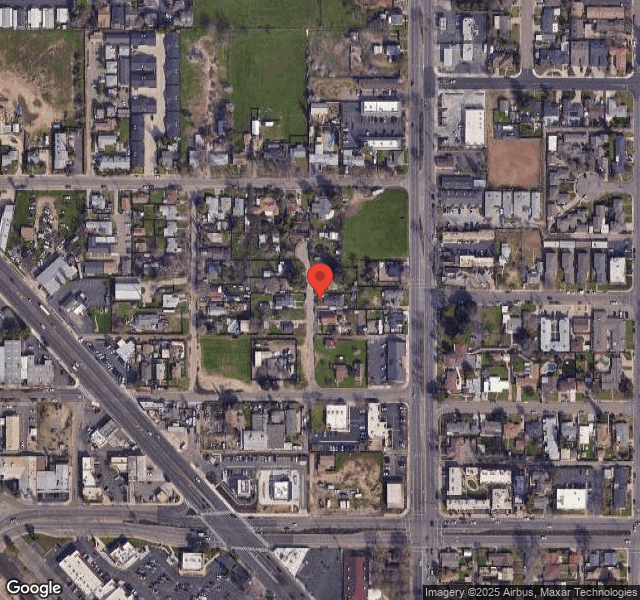

180 STARR AVENUE, TURLOCK, CA 95380 (209) 632-1075
For profit - Corporation 31 Beds RMG CAPITAL PARTNERS Data: November 2025
Trust Grade
70/100
#419 of 1155 in CA
Last Inspection: September 2024

Within standard 12-15 month inspection cycle. Federal law requires annual inspections.

Overview

North Starr Postacute Care has received a Trust Grade of B, indicating it is a good facility and a solid choice for care. It ranks #419 out of 1,155 nursing homes in California, placing it in the top half of the state's facilities, and #7 out of 17 in Stanislaus County, meaning only six local options are better. The facility is improving, with issues decreasing from 8 in 2024 to just 1 in 2025, which is a positive sign. Staffing has a rating of 3 out of 5 stars, with a turnover rate of 24%, which is well below the state average, suggesting that staff members tend to stay, providing continuity for residents. However, there have been some concerning incidents, such as a resident developing a serious stage 3 pressure injury due to incomplete skin assessments and failures in medication storage practices that could affect the effectiveness of drugs. Overall, while the facility has strengths in staffing and improving trends, these specific incidents highlight areas that need attention.

Trust Score
B
70/100
In California
#419/1155
Top 36%
Safety Record
Moderate
Needs review
Inspections
Getting Better
8 → 1 violations
Staff Stability
✓ Good
24% annual turnover. Excellent stability, 24 points below California's 48% average. Staff who stay learn residents' needs.
Penalties
✓ Good
No fines on record. Clean compliance history, better than most California facilities.
Skilled Nurses
⚠ Watch
Each resident gets only 23 minutes of Registered Nurse (RN) attention daily — below average for California. Fewer RN minutes means fewer trained eyes watching for problems.
Violations
⚠ Watch
26 deficiencies on record. Higher than average. Multiple issues found across inspections.
★★★★☆
4.0
Overall Rating
★★★☆☆
3.0
Staff Levels
★★★★☆
4.0
Care Quality
★★★★☆
4.0
Inspection Score
Stable
2024: 8 issues
2025: 1 issues

The Good

  • 4-Star Quality Measures · Strong clinical quality outcomes
  • Low Staff Turnover (24%) · Staff stability means consistent care
  • Full Sprinkler Coverage · Fire safety systems throughout facility
  • No fines on record
  • Staff turnover is low (24%)

    24 points below California average of 48%

Facility shows strength in quality measures, staff retention, fire safety.

The Bad

Chain: RMG CAPITAL PARTNERS

Part of a multi-facility chain

Ask about local staffing decisions and management

The Ugly 26 deficiencies on record

1 actual harm
Aug 2025 1 deficiency 1 Harm
SERIOUS (G) 📢 Someone Reported This

A family member, employee, or ombudsman was alarmed enough to file a formal complaint

Actual Harm - a resident was hurt due to facility failures

Pressure Ulcer Prevention (Tag F0686)

A resident was harmed · This affected 1 resident

**NOTE- TERMS IN BRACKETS HAVE BEEN EDITED TO PROTECT CONFIDENTIALITY** Based on observation, interview, and record review, the facility failed to ensure that residents skin assessments were completed...

Read full inspector narrative →
**NOTE- TERMS IN BRACKETS HAVE BEEN EDITED TO PROTECT CONFIDENTIALITY** Based on observation, interview, and record review, the facility failed to ensure that residents skin assessments were completed to prevent pressure injuries (a wound or sore that develops from prolonged pressure on the skin, usually over a bony prominence such as heels, knees, elbows, hips, shoulders, and tailbone) for one of four sampled residents (Resident 1) when Resident 1's stage 3 (Full-thickness loss of skin. Dead and black tissue may be visible) pressure injury was identified on 6/3/25, 31 days after being admitted to the facility. This failure resulted in Resident 1 developing a stage 3 pressure injury, which prolonged his stay in the facility because the facility he was to be discharged to would not accept him with a pressure injury. During a review of Resident 1's admission Record (a summary of important information regarding a patient which includes patient identification, past medical history, insurance status, care providers, family contact information and other pertinent information), dated 8/19/25 , the admission record indicated Resident 1 was admitted to the facility on [DATE] for rehabilitation due to a fall that resulted in a left partial hip replacement (a surgical procedure where only the damaged part of the hip joint is replaced with an artificial implant). Resident 1 had a history that included type 2 diabetes mellitus (DM - high levels of sugar in the blood).During a review of Resident 1's Minimum Data Set (MDS - a resident assessment tool used to identify resident cognitive and physical function) assessment, dated 8/15/2025, Resident 1's MDS assessment indicated Resident 1's Brief Interview for Mental Status (BIMS -assessment of cognitive status for memory and judgment) assessment score was 15 out of 15 (0-7 severe cognitive impairment, 8-12 moderate cognitive impairment, 13-15 no cognitive impairment) indicating no cognitive impairment. During a concurrent observation and interview on 8/19/25 at 11:08 a.m. with Resident 1 in Resident 1's room, Resident 1 was observed lying in bed with his left leg elevated on a pillow. Resident 1 stated his left foot was elevated on a pillow due to an injury on his left heel. Resident 1 stated he got an injury to his left heel while at the facility and did not have the injury prior to admission. Resident 1 stated he was not as mobile as he was prior to coming to the facility due to his fall and subsequent hip surgery. Resident 1 stated he needed assistance from facility staff with repositioning himself in bed and showering. During an interview on 8/19/25 at 1:15 p.m. with the Certified Nursing Assistant (CNA) 1, CNA 1 stated Resident 1's skin was assessed for redness, bruises, or skin tears during showers, while changing his clothes, and during positioning. The CNA stated they used a shower assessment (a process of closely observing a resident's skin and overall condition during bathing to identify any abnormalities or changes that require further attention) to help identify skin issues during Resident 1's shower times. CNA 1 stated Resident 1's bony prominences (a part of the skeleton where a bone is close to the surface of the skin) were assessed for redness or signs of pressure injury during shower times. CNA 1 stated any changes found on Resident 1's skin during shower times would have been recorded on the shower assessment form, reported to the nurse for further assessment, and turned into the Director of Nursing (DON). During an interview on 8/19/25 at 2:34 p.m. with the DON, the DON stated Resident 1's left heel pressure injury was acquired at the facility. The DON stated on 6/3/25, when staff noticed Resident 1's pressure injury, it was a dark black color. The DON stated it was not typical for a resident to develop a pressure injury 31 days after admission. During a concurrent interview and record review on 8/20/25 at 10:42 a.m. with the Licensed Vocational Nurse (LVN) 1, Resident 1's Nurse's Note (NN), dated 5/3/25, was reviewed. The NN indicated Resident 1 was admitted to the facility on [DATE] from an acute care hospital for a left femur (the bone of thethigh) fracture. LVN 1 stated Resident 1 was pretty immobile (not able to move) at the time of his admission. LVN 1 stated Resident 1, stayed in bed, afraid to get up due to his fall at home.During a concurrent interview and record review on 8/20/25 at 10:45 a.m. with LVN 1, Resident 1's Advanced Skilled Evaluation (ASE), dated 5/4/25, was reviewed. The Advanced Skilled Evaluation indicated Resident 1's skin was .warm and dry, skin color WNL (within normal limits) . LVN 1 stated Resident 1 had no issues noted with his skin on admission other than his surgical site. LVN 1 stated the ASE's were done daily and were a head-to-toe assessment. During a concurrent interview and record review on 8/20/25 at 10:50 a.m. with LVN 1, Resident 1's ASE, dated 6/1/25, was reviewed. The (ASE) indicated Resident 1's skin was . warm and dry, skin color WNL . LVN 1 stated Resident 1 had no issues noted with his skin on 6/1/25.During a concurrent interview and record review on 8/20/25 at 10:55 a.m. with LVN 1, Resident 1's Nurse's Note, dated 6/3/25, was reviewed. The Nurse's Note indicated, Note Text: writer was notified that resident had a sore on his left heel . writer assessed . noted a large dark red sore to left heel measuring 5cm x 5cm (centimeters - a metric unit of length) . open area around the edges of the sore and clear drainage. LVN 1 stated she was the writer of the Nurse's note. LVN 1 stated she was notified of Resident 1's pressure injury by a CNA. LVN 1 stated she thought that a CNA noticed Resident 1's pressure injury while they were changing his socks.During a concurrent interview and record review on 8/20/25 at 11 a.m. with LVN 1, Resident 1's Initial Wound Evaluation & Management Summary, dated 6/5/25, was reviewed. The Initial Wound Evaluation & Management Summary indicated, Stage: Unstageable DTI (deep tissue injury - damage to the muscles, fat, or other underlying tissues that occurs while the outer skin still looks intact, often appearing as a bruise-like discoloration) with intact skin . Skin: intact with purple/ maroon discoloration . Electronically signed by: [Wound Doctor]. LVN 1 stated a DTI is a pressure injury that starts underneath the skin. LVN 1 stated a DTI develops over time, because of pressure. LVN 1 stated Resident 1 would not have developed a DTI between his last Advanced Skilled Evaluation on 6/1/25 and 6/3/25 when the pressure injury was noticed by a CNA. LVN 1 stated Resident 1's pressure injury should have been evident prior to 6/3/25. LVN 1 stated she looks at residents' bony prominences when doing the Advanced Skilled Evaluations. LVN 1 stated the heel is considered a bony prominence and should be checked for redness or other signs of a pressure injury LVN 1 stated it was difficult to observe and complete an assessment of Resident 1's heels due to his hip surgery. LVN 1 stated Resident 1's heels should have been checked during repositioning and showers. LVN 1 stated it is important to check bony prominences to prevent pressure injury. LVN 1 stated Resident 1 could have experienced a prolonged rehabilitation due to his pressure injury. LVN 1 stated that she expected CNAs to look thoroughly at residents' skin during repositioning and shower times and notify the nurse of any skin changes. During an interview on 8/20/25 at 11:21 a.m. with CNA 1, CNA 1 stated the shower assessment form was called a Skin Monitoring: Comprehensive CNA Shower Review. CNA 1 stated the Skin Monitoring: Comprehensive CNA Shower Review form prompted the CNAs to look at residents' heels and other bony prominences. CNA 1 stated these areas are looked at to identify any pressure injuries. During an interview on 8/20/25 at 11:45 a.m. with the DON, the DON stated the nurse should have looked for redness and changes in skin color, or texture, when doing Resident 1's skin assessments. The DON stated the nurse should have looked at areas more prone to pressure during their assessments, which included Resident 1's heels. The DON stated a DTI occurs over time and is the result of prolonged pressure. The DON stated a DTI would not develop overnight. The DON stated the CNAs and nurses should have noticed Resident 1's pressure injury prior to 6/3/25. The DON stated CNAs should have noticed any skin changes for Resident 1 during shower times or repositioning. The DON stated nurses should have identified skin changes for Resident 1 during assessments. The DON stated she expected the CNAs and nurses to look at bony prominences for signs of pressure injury. The DON stated Resident 1's pressure injury could take a long time to heal due to his medical history of type 2 DM which causes wounds to heal slowly. The DON stated the facility should have identified the pressure injury sooner, before it progressed. The DON stated Resident 1 was not admitted to the assistive living facility due to his stage 3 pressure injury. During an interview on 8/20/25 at 12:33 p.m. with the Administrator (ADM), the ADM stated pressure injuries should be prevented in the facility. The ADM stated staff should have assessed residents' skin before a pressure injury developed. The ADM stated that staff should have been more careful in identifying pressure injuries for Resident 1 since he was immobile due to hip surgery and because of his type 2 DM. During a review of Resident 1's Skin Monitoring: Comprehensive CNA Shower Review (CSR), dated 6/2/25, the CSR indicated, .Resident: Resident 1 . Perform a visual assessment of a resident's skin when giving the resident a shower . Use this form to show the exact location and description of the abnormality . The CSR indicated Resident 1's heels had no redness or discoloration. During a review of the facility's policy and procedure (P&P) titled, Pressure Injuries Overview, dated January 2018, the P&P indicated, This injury results from intense and/or prolonged (continuing for a long time) pressure . at the bone-muscle interface (junction where muscle tissue connects to bone). During a review of the facility's P&P titled, Repositioning, dated January 2018, the P&P indicated, General Guidelines: Evaluation of a resident's skin integrity after pressure has been reduced (lower pressure on specific body areas) or redistributed (more evenly spread pressure across a larger surface area) should give the development and implementation of repositioning plans . Evaluation: Evaluate the resident for an existing pressure ulcer. During a review of the facility's P&P titled, Shower, dated January 2018, the P&P indicated, Observe the resident's skin for any redness . reddish or blue-gray area of skin over a pressure point .
Sept 2024 8 deficiencies
CONCERN (D)

Potential for Harm - no one hurt, but risky conditions existed

Investigate Abuse (Tag F0610)

Could have caused harm · This affected 1 resident

Based on interview and record review, the facility failed to thoroughly investigate an allegation of abuse as per the facility's policy and procedure (P&P) titled, Abuse Investigation and Reporting po...

Read full inspector narrative →
Based on interview and record review, the facility failed to thoroughly investigate an allegation of abuse as per the facility's policy and procedure (P&P) titled, Abuse Investigation and Reporting policy for one resident (Resident 1), when Resident 1 had an unwitnessed fall with injury. In addition, the facility failed to report the results of the facility's investigation to the State Survey Agency within five working days of the alleged incident. This failure had the potential to place Resident 1 and other vulnerable residents at increased risk of abuse. Findings: During a review of Resident 1's admission Record (AR- a document that provides resident contact details, a brief medical history, level of functioning, preferences, and wishes), dated 9/11/24, the AR indicated, Resident 1 was admitted from the acute hospital on 4/16/24 to the facility with diagnoses including Displaced Fracture of Surgical Neck of Left Humerus (bone in the upper arm, between elbow and shoulder), Pneumonia (lung infection caused by bacteria), Chronic Obstructive Pulmonary Disease (COPD - is a chronic inflammatory lung disease that causes obstructed airflow of the lungs), Hypertension (high blood pressure), and Major Depressive Disorder (a mood disorder that causes a persistent feeling of sadness and loss of interest). During a review of Resident 1's Minimum Data Set (MDS, an assessment tool which indicates physical, medical, and cognitive abilities), dated 8/8/24, the MDS indicated Resident 1's Brief Interview for Mental Status (BIMS) score was 8 out of 15 (0-7 indicated severe cognitive impairment [memory loss, poor decision making-skills], 8-12 moderate cognitive impairment, 13-15 cognitively intact). During a concurrent observation and interview on 9/11/24, at 10:57 a.m., with Resident 1 in the activity room, Resident 1 was observed sitting in her wheelchair and wearing a black shoulder sling on her left arm. Resident 1 stated she was pushed by someone several days ago, which resulted to an injury on her left arm and shoulder. Resident 1 was unable to give further details about the incident. Resident 1 reported having pain on her left arm and the pain level was between 6 and 8, on a scale of 0 to 10 (0 = no pain, 10 = severe pain). During a concurrent interview and record review on 9/13/24, at 9:40 a.m., with Licensed Vocational Nurse (LVN) 2, Resident 1's Nursing Progress Note (PN) was reviewed. LVN 2 confirmed that she worked on 8/13/24, from 11:00 p.m. to 7:00 a.m. and was the Charge Nurse when Resident 1 had an unwitnessed fall. The PN indicated, . Resident had an unwitnessed fall. Certified Nurse Assistant notified [Charge] Nurse that resident [Resident 1] was on the floor in the bathroom . Nurse assessed resident and during assessment resident stated she was having pain to her left arm . when nurse asked resident to move the left upper extremity [arm] resident was unable to move it without assistance . [Ambulance] arrived at 0422 [4:22 a.m.] and left the building with resident at 0435 [4:35 a.m.] . Resident came from [Acute Hospital] at 10:40 a.m. [8/13/24] . came back with diagnosis of humeral fracture of left arm . Resident has swelling and discoloration on left upper arm. Resident has sling on her left arm . LVN 2 stated she does not recall completing an incident report and submitting the report to the California Department of Public Health (CDPH - State survey agency) and the Ombudsman office (assist residents in long-term care facilities with issues related to resident's safety such as resident rights, physical, verbal, mental, or financial abuse). LVN 2 stated she did not complete the SOC 341 form (a form used to report a suspected dependent adult/elder abuse to the Ombudsman and State survey agency). During a concurrent interview and record review on 9/13/24, at 11:42 a.m., with LVN 1, Resident 1's PN and Interdisciplinary Team (IDT - staff members from various disciplines and responsible for the assessment, development, implementation, and evaluation of the treatment plan for facility residents) note were reviewed. LVN 1 stated she was unable to find documentation that the unwitnessed fall with injury was reported to CDPH and the Ombudsman office. LVN 1 stated Licensed Nurses were supposed to prepare an incident report and submit a copy to CDPH and to the Ombudsman office. LVN 1 stated, If we don't submit a copy of the incident report, it looks like were hiding something. Our Director of Nursing (DON) is pretty good about reporting incident to CDPH and to the Ombudsman office. During a concurrent interview and record review on 9/13/24, at 12:34 p.m., with the DON, Residents 1's IDT note was reviewed. The IDT note indicated, . Interventions . Resident was assessed by the charge nurse, vital signs were taken, neuro checks were started. [Attending] was notified via phone and the resident was sent out to ER [Emergency Room] as MD [Physician] order for further evaluation. RP [Responsible Party] was also called but was unable to reach . The DON stated there was no record of the fall incident being reported to CDPH and to the Ombudsman office. The DON stated she does not think Resident 1's unwitnessed fall with injury was a reportable incident to CDPH and to the Ombudsman office. The DON stated there was no investigation report prepared and submitted to CDPH within five working days after the alleged incident. During a review of Resident 1's emergency room Record, dated 8/13/24, the record indicated, . brought in by ambulance from [Facility Name] for an unwitnessed ground-level fall .Findings: Left shoulder humeral fracture . Patient placed on sling . Hydrocodone for pain . During a review of the facility's document titled, Job Description: Licensed Vocational Nurse (LVN), dated 10/15, the document indicated, . the Licensed Vocational Nurse delivers efficient and effective nursing care . He/she operates within the scope of practice defined by the State Nurse Practice Act . During a review of the facility's document titled, Job Description: Director of Nursing, dated 10/15, the document indicated, . The Director of Nursing has 24-hour accountability and is responsible for the delivery of high-quality and cost-effective health care while achieving positive clinical outcomes . 5.5 Ensures that patient's accidents/incident, adverse event and grievances/concerns are fully documented, investigated, reported and addressed in accordance with [Facility Name] policies and procedures and the Federal/State rules and regulations . During a review of the facility's policy and procedure (P&P) titled Abuse Investigation and Reporting dated 2/24, the P&P indicated, . All reports of resident abuse, neglect, exploitation, misappropriation of resident property, mistreatment and/or injuries of unknow source (abuse) shall be promptly reported to local, state and federal agencies (as defined by current regulations) and thoroughly investigated by facility management. Findings of abuse investigations will also be reported . 5. The administrator, or his/her designee, will provide the appropriate agencies or individual listed above with written report of the findings of the investigation withing five (5) working days of the occurrence of the incident .
CONCERN (D)

Potential for Harm - no one hurt, but risky conditions existed

Deficiency F0658 (Tag F0658)

Could have caused harm · This affected 1 resident

Based on interview and record review, the facility failed to provide services which met professional standards of practice for one of 16 sampled residents (Residents 10) when the facility failed to no...

Read full inspector narrative →
Based on interview and record review, the facility failed to provide services which met professional standards of practice for one of 16 sampled residents (Residents 10) when the facility failed to notify the Attending Physician of Resident 10's ongoing refusal of Fluticasone-Salmeterol (medication to prevent inflammation and narrowing of airway) inhaler. This failure had the potential to place Resident 10 at risk of not receive appropriate care and attain her highest well-being. Findings: During a review of Resident 10's admission Record (AR- a document that provides resident contact details, a brief medical history, level of functioning, preferences, and wishes), dated 9/13/24, the AR indicated, Resident 10 was admitted from the acute hospital on 7/22/24 to the facility, with diagnoses including Chronic Obstructive Pulmonary Disease (COPD - is a chronic inflammatory lung disease that causes obstructed airflow of the lungs), Hypertension (high blood pressure), Muscle Weakness, and Congestive Heart Failure (CHF - weakness in the heart where fluid accumulates in the lungs). During a concurrent observation and interview, on 9/10/24, at 2:30 p.m., with Licensed Vocational Nurse (LVN) 1, in front of the nurse station, LVN 1 was observed holding Resident 10's Fluticasone-Salmeterol inhaler. LVN 1 stated the inhaler opened date was 7/31/24 with 18 doses left in the container. LVN 1 stated the physician order was to administer twice a day and if given as ordered, there should be no remaining doses left in the inhaler that was opened on 7/31/24. During a concurrent interview and record review on 9/10/24, at 2:41 p.m., with LVN 1, Resident 10's August 2024 and September 2024 Medication Administration Record (MAR) and Nursing Progress Note were reviewed. LVN 1 stated Resident 10 has a history of refusing her Fluticasone-Salmeterol inhaler. The MAR indicated Resident 10 received her inhaler twice a day from 7/31/24 to 9/19/24 and there was no record of refusal. LVN 1 stated she was unable to find any nursing documentation that Resident 10 refused her inhaler and her attending physician was not notified of refusals. LVN 1 stated licensed nurses were supposed to document medication refusals and it was not done. LVN 1 stated licensed nurses were supposed to notify the physician after multiple episodes of medication refusal and it was not done. LVN 1 stated Resident 10's Chronic Obstructive Pulmonary Disease could worsen and potentially result to hospitalization. During an interview on 9/13/24, at 12:15 a.m. with the Director of Nursing (DON), the DON stated licensed nurses were supposed to notify the Attending Physician after three or more episodes of medication refusal. The DON stated her expectation was for the licensed nurses to document any refusal of medications and to report multiple episodes of medication refusal to the attending physician for further guidance. The DON stated licensed nurses failed to follow the facility's P&P related to refusing and/or discontinuing care or treatment. The DON stated the lack of follow-up and communication between the licensed nurses and the attending physician could result to Resident 10's COPD to worsen. During a review of Resident 10's Physician Order Summary(POS), dated 9/13/24, the POS indicated, . Fluticasone-Salmeterol Inhalation Aerosol Powder Breath Activated 100-50 Micro Grams Actuator (MCG/ACT - unit of measurement) . Order date 7/29/24 . During a review of the facility's document titled, Job Description: Licensed Vocational Nurse (LVN), dated 10/15, the document indicated, . The LVN contributes to the nursing assessments and care planning, provides direct patient care . 3.1 Administers medications and performs treatment per physician orders . During a review of the facility's policy and procedure (P&P) titled, Administering Medications, dated 1/18, the P&P indicated . Medications shall be administered in a safe and timely manner, and as prescribed . 19. The individual administering the medication must initial the resident's MAR after giving each medication .
CONCERN (E)

Potential for Harm - no one hurt, but risky conditions existed

Safe Environment (Tag F0584)

Could have caused harm · This affected multiple residents

**NOTE- TERMS IN BRACKETS HAVE BEEN EDITED TO PROTECT CONFIDENTIALITY** Based on observation, interview, and record review the facility failed to provide a clean, safe, and sanitary homelike environme...

Read full inspector narrative →
**NOTE- TERMS IN BRACKETS HAVE BEEN EDITED TO PROTECT CONFIDENTIALITY** Based on observation, interview, and record review the facility failed to provide a clean, safe, and sanitary homelike environment for two of five sampled residents (Residents 16 and 22) when the west hall shower room remained accessible for use with missing floor tiles, and the existing floor tiles were black with yellow areas in the tile grout. This failure resulted in an unclean, unsafe, unsanitary and non-homelike environment for Residents 16 and 22. Findings: During a concurrent observation and interview on 9/12/24 at 9:15 a.m. with Resident 16 in Resident 16's room, Resident 16 was observed dressed, sitting in her wheelchair next to her roommate's bed. Resident 16 complained of the shower in her hallway of being dirty. Resident 16 stated she did not want to use the shower in the west hall. Resident 16 stated she had requested to go to another shower in the next hallway. During a review of Resident 16's admission Record (AR - a summary of information regarding a patient which includes patient identification, past medical history, insurance status, care providers, family contact information and other pertinent information), dated 9/12/24, the AR indicated Resident 16 was admitted from the acute care hospital on 7/31/24. Resident 16 was admitted with diagnoses of metabolic encephalopathy (a brain dysfunction caused by an underlying condition), severe sepsis (a serious condition in which the body responds improperly to an infection) with septic shock (a dramatic drop in blood pressure that can damage the lungs, kidneys, liver and other organs), Fournier disease (Fournier's gangrene, a very serious, sometimes fatal infection in the genital or anal area. It's a type of necrotizing fasciitis [flesh-eating disease] that develops quickly, and is often associated with general signs of sepsis, rapid tissue destruction, and a high fatality rate) of vagina and vulva, abnormalities of gait (walking) and mobility and generalized muscle weakness. During a review of Resident 16's Minimum Data Set (MDS - a resident assessment tool used to identify cognitive [mental processes] and physical functional level assessment), dated 8/5/24, the MDS section C indicated Resident 16 had a Brief Interview for Mental Status (BIMS - a test given by medical professionals to determine cognitive understanding on a scale of 1-15 ) score of 13 (a score of 0-7 suggests severe cognitive impairment, 8-12 suggests moderately impaired, 13-15 suggests cognitively intact), which suggested Resident 16 was cognitively intact. During a concurrent observation and interview on 9/12/24 at 9:16 a.m. with Resident 22 in Resident 22's room, Resident 22 was observed dressed in bed speaking with her roommate. Resident 22 stated the shower in her hallway (west hall) was always dirty. Resident 22 stated she did not want to use the shower in her hallway and had to request to use another shower in the next hallway. During a review of Resident 22's AR, dated, 9/12/24, the AR indicated Resident 22 was admitted from an acute care hospital on [DATE], with diagnoses of fracture of left femur (thigh bone), shortness of breath, muscle weakness, difficulty in walking and essential hypertension (high blood pressure). During a review of Resident 22's MDS, dated, 6/13/24, the MDS section C indicated Resident 22 had a BIMS score of 15, which indicated Resident 22 was cognitively intact. During a concurrent observation and interview on 9/12/24 at 11:18 a.m. with the Maintenance Staff (MAINS) in the west hallway shower room, black colored shower tile, missing shower tile and yellow shower tile grout were observed. The MAINS stated the tile in the shower was old. The MAINS stated the shower should not have missing tile. The MAINS stated the areas in the shower with missing tile could not be cleaned appropriately and could be a source of infection to the residents who used the shower. During a concurrent observation and interview on 9/12/24 at 4:15 p.m. with the Housekeeping Supervisor (HS) in the west hallway shower room, black colored shower tile, missing shower tile, and yellow shower tile grout were observed. The HS stated the shower tiles were stained. The HS stated she had asked MAINS to replace and repair the stained, broken, and missing tiles a while ago. The HS stated the stained and missing tiles in the west hallway shower were not a homelike environment for the residents. During an interview on 9/13/24 at 10:54 a.m. with the Director of Nursing (DON), the DON stated all the shower rooms should be clean. The DON stated the west hall shower should not have had missing tile. The DON stated the shower floor with the missing tile could cause injury to the residents who use the shower. The DON stated the stained tile and missing tiles on the west hall shower floor were not considered a homelike environment for the residents. During a review of the facility document titled, Job Description: Housekeeping Supervisor, dated, 10/19/15, the document indicated, . manages the Housekeeping Department to ensure the provision of a clean and safe environment for customers, visitors and staff . inspects the center on a regular basis to determine the effectiveness of the housekeeping function . takes immediate action on any observed deficiencies . During a review of the facility document titled, Job Description: Maintenance Director, dated 10/19/15, the document indicated, . the Maintenance Director . is responsible for performing repairs . performing regular daily, weekly and monthly maintenance checks . performs overall supervision of the Maintenance Department including hands-on performance of maintenance and repair work . maintains the building in good repair and free of hazards . maintains the building and grounds in compliance with Federal, State, and local laws . During a review of the facility's policy and procedure (P&P) titled, Homelike Environment, dated, [DATE], indicated, . residents are provided with a safe, lean, comfortable and homelike environment . facility staff and management maximized, to the extent possible, the characteristics of the facility that reflect a personalized, homelike setting . clean, sanitary and orderly environment .
CONCERN (E) 📢 Someone Reported This

A family member, employee, or ombudsman was alarmed enough to file a formal complaint

Potential for Harm - no one hurt, but risky conditions existed

Comprehensive Care Plan (Tag F0656)

Could have caused harm · This affected multiple residents

**NOTE- TERMS IN BRACKETS HAVE BEEN EDITED TO PROTECT CONFIDENTIALITY** 3. Facility failed to implement the care plan for monitoring and assisting Resident 6 during meals. This failure resulted in Res...

Read full inspector narrative →
**NOTE- TERMS IN BRACKETS HAVE BEEN EDITED TO PROTECT CONFIDENTIALITY** 3. Facility failed to implement the care plan for monitoring and assisting Resident 6 during meals. This failure resulted in Resident 6's monitoring and assessment needs to not be met and had the potential for aspiration. Findings: 3. During a review of Resident 6's AR, dated 9/12/24, the AR indicated, Resident 6 was admitted from the acute hospital on 6/22/20, with the diagnoses of dysphagia (difficulty swallowing), and gastro-esophageal reflux disease (a condition in which stomach acid repeatedly flows back up into the tube connecting the mouth and stomach called the esophagus), and heart failure (a condition when the heart muscle doesn't pump enough blood to meet the body's needs which can cause fatigue and shortness of breath). During a review of Resident 6's MDS, dated , 6/17/24, the MDS section C indicated, Resident 6 had a BIMS score of six, which indicated Resident 6 had severe cognitive impairment. During a concurrent observation and interview on 9/10/24 at 12:07 p.m. with Resident 6 in Resident 6's room, Resident 6 was observed sitting up in her bed reading. Resident 6 stated she had not received her lunch tray. Observed the meal tray cart in the hallway with no staff nearby. Observed residents in the next room eating their meal. During an interview on 9/10/24 at 12:10 p.m. with Certified Nursing Assistant (CNA) 6, CNA 6 stated Resident 6's meal tray was not in the meal tray cart. CNA 6 stated she would ask the kitchen staff for Resident 6's meal tray. During a concurrent observation and interview on 9/10/24 at 12:15 p.m. with LVN 1 in Resident 6's room, LVN 1 was observed setting Resident 6's meal tray on the bedside table. LVN 1 stated Resident 6 had a pureed texture diet and required supervision during meals. LVN 1 was observed leaving Resident 6's room after setting up Resident 6's meal tray. Resident 6 was observed eating her pureed meal without supervision from staff. During a concurrent interview and record review on 9/11/24 at 4:35 p.m. with the Infection Preventionist (IP), Resident 6's CP, undated was reviewed. The CP indicated, . on 6/23/24, RD (Registered Dietician) recommended nursing to provide 1:1 feeding assistance to promote max PO intake . monitor/document/report PRN (as needed) any s/sx (signs or symptoms) of dysphagia: pocketing, choking, coughing, drooling, holding food in mouth, several attempts at swallowing, refusing to eat, appears concerned during meals . The IP stated Resident 6 had a CP for assistance with feeding 1:1. The IP stated somebody should have been with Resident 6 while she ate. The IP stated if Resident 6 was left alone with no assistance while eating, Resident 6's CP was not being followed. The IP stated if Resident 6 was not receiving assistance during mealtime, Resident 6 could have lost weight and Resident 6 could have declined. The IP stated Resident 6 had dysphasia and could have choked or aspirated food if Resident 6 was not being assisted or supervised while she ate. During a concurrent interview and record review on 9/13/24 at 10:36 a.m. with LVN 1, Resident 6's Nursing Progress Notes and CP, undated were reviewed. LVN 1 stated Resident 6 had some episodes of choking during her meals when she was admitted in June 2022. LVN 1 reviewed Resident 6's CP with the RD's recommendation for assistance and monitoring of Resident 6 during meals. LVN 1 stated if Resident 6's care plan was not followed, Resident 6 was at risk for choking. LVN 1 stated staff were to follow resident's care plans to prevent things from happening and to meet the resident's needs. LVN 1 stated Resident 6's care plans should have been followed by the staff to meet Resident 6's needs. During an interview on 9/13/24 at 10:54 a.m. with the DON, the DON stated staff should have been following Resident 6's CP. The DON stated if resident's CPs were not followed, staff could miss providing appropriate resident care. The DON stated her expectation was that the CP should have been completed and followed. The DON stated the CP should be individualized to each resident. During a review of the facility's document titled, Job description: Certified Nursing Assistant (CNA), dated 10/19/2015, the document indicated, . under the direction of a licensed nurse, the CNA . participates in the care planning process and implements care according to care plan . feeds or assists patients with meals and provides additional nourishment and hydration per care plan . During a review of the facility's P&P titled, Assisting the Impaired Resident with In-Room Meals, dated 1/2018, the P&P indicated . the purpose of this procedure is to provide appropriate support for residents who need assistance with eating . review the resident's care plan and provide for any special needs of the resident . During a review of the facility's P&P titled, Care Plans, Comprehensive Person-Centered, dated 1/2018, indicated, . a comprehensive, person-centered care plan . is developed and implemented for each resident . the comprehensive, person-centered care plan will . describe the services that are to be furnished to attain or maintain the resident's highest practicable physical, mental, and psychosocial well-being . incorporate risk factors associated with identified problems . developing interventions that are targeted and meaningful to the resident . Based on observation, interview, and record review, the facility failed to develop and implement comprehensive person-centered care plans (CP - a detailed approach to care customized to an individual resident's needs) for three of 16 sampled residents (Residents 1, 6, 10 ) when: 1. Resident 1's care plan was not developed to reflect interventions to address her use of a left shoulder sling after an unwitnessed fall with injury. This failure had the potential for Resident 1's left upper arm's injury to worsen. 2. Resident 10's care plan was not developed to reflect interventions to address her refusal of medications. This failure had the potential for Resident 10's medical needs to not be met. 3. Facility failed to implement the care plan for monitoring and assisting Resident 6 during meals. This failure resulted in Resident 6's monitoring and assessment needs to not be met and had the potential for aspiration. Findings: 1. During a review of Resident 1's admission Record (AR- a document that provides resident contact details, a brief medical history, level of functioning, preferences, and wishes), dated 9/11/24, the AR indicated, Resident 1 was admitted from the acute hospital on 4/16/24 to the facility with diagnoses including Displaced Fracture of Surgical Neck of Left Humerus (bone in the upper arm, between elbow and shoulder), Pneumonia (lung infection caused by bacteria), Chronic Obstructive Pulmonary Disease (COPD - is a chronic inflammatory lung disease that causes obstructed airflow of the lungs), Hypertension (high blood pressure), and Major Depressive Disorder (a mood disorder that causes a persistent feeling of sadness and loss of interest). During a review of Resident 1's Minimum Data Set (MDS, an assessment tool which indicates physical, medical, and cognitive abilities), dated 8/8/24, the MDS indicated Resident 1's Brief Interview for Mental Status (BIMS) score was 8 out of 15 (0-7 indicated severe cognitive impairment [memory loss, poor decision making-skills], 8-12 moderate cognitive impairment, 13-15 cognitively intact). During a concurrent observation and interview on 9/11/24, at 10:57 a.m., with Resident 1 in the activity room, Resident 1 was observed sitting in her wheelchair and wearing a black shoulder sling on her left arm. Resident 1 stated she was pushed by someone several days ago, which resulted to an injury on her left arm and shoulder. Resident 1 was unable to give further details about the incident. Resident 1 reported having pain on her left arm and the pain level was between 6 and 8, on a scale of 0 to 10 (0 = no pain, 10 = severe pain). During a concurrent interview and record review on 9/13/24, at 9:40 a.m., with Licensed Vocational Nurse (LVN) 2, Resident 1's Nursing Progress Note (PN), Physician Order Summary (POS), and Care Plan (CP) were reviewed. LVN 2 confirmed that she worked on 8/13/24, from 11:00 p.m. to 7:00 a.m. and was the Charge Nurse when Resident 1 had an unwitnessed fall. The PN indicated, . Resident had an unwitnessed fall. Certified Nurse Assistant notified [Charge] Nurse that resident [Resident 1] was on the floor in the bathroom . Nurse assessed resident and during assessment resident stated she was having pain to her left arm . when nurse asked resident to move the left upper extremity [arm] resident was unable to move it without assistance . [Ambulance] arrived at 0422 [4:22 a.m.] and left the building with resident at 0435 [4:35 a.m.] . Resident came from [Acute Hospital] at 10:40 a.m. [8/13/24] . came back with diagnosis of humeral fracture of left arm . Resident has swelling and discoloration on left upper arm. Resident has sling on her left arm . LVN 2 reviewed Resident 1's POS and stated she was unable to find a Physician Order written for the use of left shoulder sling. LVN 2 reviewed Resident 1's care plan and stated there was no care plan intervention created for Resident 1's use of shoulder sling. LVN 2 stated nurses were supposed to create a Resident specific care plan interventions and it was not done. LVN 2 stated Resident 1's left shoulder fracture could worsen if the sling was improperly use or not assess every shift. During a concurrent interview and record review on 9/13/24, at 12:30 p.m., with the Director of Nursing (DON), Residents 1's nursing care plan was reviewed. The DON stated Residents 1's care plan should have been resident-specific and it was not. The DON stated the care plan drove resident care to ensure resident's care and wishes were being met. The DON stated the facility failed to follow its policy and procedures related to care planning process. The DON stated the failure could potentially result to Resident 1's left upper arm bone fracture to worsen and limit her mobility. During a review of the facility's document titled, Job Description: Licensed Vocational Nurse (LVN), dated 10/15, the document indicated, . The LVN contributes to the nursing assessments and care planning, provides direct patient care . 3.1 Administers medications and performs treatment per physician orders . During a review of the facility's policy and procedure (P&P) titled Care Plans, Comprehensive Person-Centered, dated 1/18, the P&P indicated, . A comprehensive, person-centered care plan that includes measurable objectives and timetables to meet the resident's physical, psychosocial and functional needs is developed and implemented for reach resident . The comprehensive, person-centered care plan will: a. include measurable objectives and timeframes; b. describe the services that are to be furnished to attain or maintain resident's highest practicable physical, mental, and psychosocial well-being . 2. During a review of Resident 10's AR, dated 9/13/24, the AR indicated, Resident 10 was admitted from the acute hospital on 7/22/24 to the facility, with diagnoses including COPD, Hypertension, Muscle Weakness, and Congestive Heart Failure (CHF - weakness in the heart where fluid accumulates in the lungs). During a review of Resident 10's MDS, dated [DATE], the MDS indicated Resident 1'0s Brief Interview for Mental Status (BIMS) score was 15 out of 15 (0-7 indicated severe cognitive impairment [memory loss, poor decision making-skills], 8-12 moderate cognitive impairment, 13-15 cognitively intact). During a concurrent observation and interview, on 9/10/24, at 2:30 p.m., with Licensed Vocational Nurse (LVN) 1, in front of the nurse station, LVN 1 was observed holding Resident 10's Fluticasone-Salmeterol inhaler. LVN 1 stated the inhaler opened date was 7/31/24 with 18 doses left in the container. LVN 1 stated the physician order was to administer twice a day and if given as ordered, there should be no remaining doses left in the inhaler that was opened on 7/31/24. During a concurrent interview and record review on 9/10/24, at 2:41 p.m., with LVN 1, Resident 10's August 2024 and September 2024 Medication Administration Record (MAR), Nursing Progress Note, and Nursing Care Plan were reviewed. LVN 1 stated Resident 10 has a history of refusing her Fluticasone-Salmeterol inhaler. LVN 1 stated she was unable to find any nursing documentation that Resident 10's attending physician was notified of multiple refusals. LVN 1 stated licensed nurses were supposed to notify the physician after multiple episodes of medication refusal and it was not done. LVN 1 stated licensed nurses were supposed to document medication refusals and it was not done. LVN 1 reviewed Resident 1's care plan and stated there was no care plan developed and no interventions were implemented to address Resident 10's medication refusal. LVN 1 stated nurses were supposed to create a care plan for medication refusal and it was not done. LVN 1 stated Resident 10's Chronic Obstructive Pulmonary Disease could worsen and potentially result to hospitalization. During a concurrent interview and record review on 9/13/24, at 12:15 p.m., with the DON, Residents 10's nursing care plan was reviewed. The DON stated she was unable to find a nursing care plan related to Resident 10's medication refusal. The DON stated Residents 10's care plan should have been resident-specific and it was not. The DON stated the care plan drove resident care to ensure resident's care and wishes were being met. The DON stated the facility failed to follow its policy and procedures related to care planning process. The DON stated the failure could potentially result to Resident 10's COPD to worsen. During a review of the facility's document titled, Job Description: Licensed Vocational Nurse (LVN), dated 10/15, the document indicated, . The LVN contributes to the nursing assessments and care planning, provides direct patient care . 3.1 Administers medications and performs treatment per physician orders . During a review of the facility's policy and procedure (P&P) titled Care Plans, Comprehensive Person-Centered, dated 1/18, the P&P indicated, . A comprehensive, person-centered care plan that includes measurable objectives and timetables to meet the resident's physical, psychosocial and functional needs is developed and implemented for reach resident . The comprehensive, person-centered care plan will: a. include measurable objectives and timeframes; b. describe the services that are to be furnished to attain or maintain resident's highest practicable physical, mental, and psychosocial well-being .
CONCERN (E)

Potential for Harm - no one hurt, but risky conditions existed

Accident Prevention (Tag F0689)

Could have caused harm · This affected multiple residents

**NOTE- TERMS IN BRACKETS HAVE BEEN EDITED TO PROTECT CONFIDENTIALITY** Based on observation, interview, and record review, the facility failed to maintain a safe environment for two of nine sampled r...

Read full inspector narrative →
**NOTE- TERMS IN BRACKETS HAVE BEEN EDITED TO PROTECT CONFIDENTIALITY** Based on observation, interview, and record review, the facility failed to maintain a safe environment for two of nine sampled residents (Residents 20 and 22) when Residents 20 and 22's wheelchairs wheel locks were loose and not locking properly. This failure had the potential to put Resident 20 and Resident 22's safety at risk. Findings: During a review of Resident 20's admission Record (AR- a document that provides resident contact details, a brief medical history, level of functioning, preferences, and wishes), dated 9/11/24, the AR indicated, Resident 20 was admitted from the acute hospital on 8/5/24 to the facility with diagnoses including , Aftercare Following Joint Replacement surgery (a procedure that replaces a damaged joint with an artificial part, such as plastic, metal or ceramic), Morbid Obesity (overweight), Hypertension (high blood pressure), Muscle Weakness and Anxiety Disorder (a mental health illness characterized by a sudden feeling of panic and fear, restlessness, and uneasiness). During a review of Resident 20's Minimum Data Set (MDS, an assessment tool which indicates physical, medical, and cognitive abilities), dated 8/10/24, the MDS indicated Resident 20's Brief Interview for Mental Status (BIMS) score was 15 out of 15 (0-7 indicated severe cognitive impairment [memory loss, poor decision making-skills], 8-12 moderate cognitive impairment, 13-15 cognitively intact). During a review of the Resident 20's document titled, History and Physical, dated 8/5/24, the document indicated, . DATE OF SURGERY: 7/31/24 . PROCEDURE: Right knee robotic-assisted total knee arthroplasty (a procedure that replaces a damaged joint with an artificial part) . During a concurrent observation and interview on 9/10/24, at 10:51 a.m., with Resident 20 in the activity room, Resident 20 was observed sitting in her wheelchair and trying to lock the wheel lock on the right side of her wheelchair. Resident 20 stated the wheel lock was loose for two weeks and she wanted it [wheel lock] to be fixed as soon as possible. Resident 20 stated the wheelchair was not safe to use. Resident 20 stated she recently had a knee surgery, requiring the use of wheelchair for mobility. During a review of Resident 22's AR, dated 9/11/24, the AR indicated, Resident 22 was admitted from the acute hospital on [DATE] to the facility with diagnoses including Fracture of Left Femur (thigh bone), Hypertension, Muscle Weakness, Difficulty Walking, and Unspecified Pain. During a review of Resident 22's MDS, dated [DATE], the MDS indicated Resident 22's Brief Interview for Mental Status (BIMS) score was 15 out of 15. During a review of the Resident 20's document titled, History and Physical, dated 12/8/22, the document indicated, . DISCHARGE DIAGNOSES AND PLAN . 2. Intertrochanteric Fracture (fracture that occurs in the upper part of the thigh bone) of left hip . During a concurrent observation and interview on 9/10/24, at 10:57 a.m., with Resident 22 in the activity room, Resident 22 was observed sitting in her wheelchair, next to Resident 20. Resident 22 stated the left wheel lock of her wheelchair was loose for several weeks and she wanted it [wheel lock] to be fixed as soon as possible. Resident 22 stated the staff knew that her wheelchair was not working but they did not do anything about it. Resident 22 stated she had a hip surgery couple of years ago, was unable to ambulate on her own, and used her wheelchair to go places. During a concurrent observation and interview on 9/10/24, at 10:59 a.m., with Certified Nurse Assistant (CNA) 1 in the activity room, CNA 1 checked Resident 20's wheelchair and stated Resident 20's right wheel lock was loosed and not locking properly. CNA 1 checked Resident 22's wheelchair and stated Resident 22's left wheel lock was loose. CNA 1 stated staff should report any equipment issues to the maintenance staff. CNA 1 stated loose wheel locks can allow the wheelchair to move, which can increase the risk of injury to Resident 20 and Resident 22. During a concurrent observation and interview on 9/10/24, at 11:06 a.m., with the Maintenance Supervisor (MAINS) in the activity room, MAINS checked Resident 20's wheelchair and stated Resident 20's right wheel lock was loosed and not locking properly. MAINS checked Resident 22's wheelchair and stated Resident 22's left wheel lock was loose. MAINS stated staff should report any equipment issue by completing the maintenance log. MAINS stated staff could also call him for issues requiring immediate attention such as wheel locks malfunction. MAINS stated loose wheel locks could cause fall or injury to Resident 20 and Resident 22. During a concurrent interview and record review on 9/10/24, at 4:00 p.m., with the MAINS, the facility's document titled Maintenance Log, undated, was reviewed. The log indicated, . Maintenance Needs . 9/3/24 . room [ROOM NUMBER]A . Bed remote not work [working] . MAINS stated the most recent maintenance request was related to bed remote not working. MAINS stated there were no documented request related to Resident 20 and Resident 22's loose wheelchair wheel locks. MAINS stated he cleans and inspects wheelchair once a month for any issues and perform repairs as needed. MAINS stated all staff were responsible in reporting any issues related to equipment malfunctions. MAINS stated loose wheel locks might result to a fall or injury to facility residents. During an interview on 9/13/24, at 12:49 p.m., with the Director of Nursing (DON), the DON stated licensed and unlicensed staff were responsible for reporting non-emergent equipment issues by completing the maintenance log. The DON stated for issues requiring immediate attention, staff should call the maintenance supervisor. The DON stated loose wheelchair wheel locks could cause injury to facility residents. The DON stated staff failed to follow the policy and procedure related to reporting equipment malfunction. During a review of the facility's document titled, Certified Nurse Aide (CNA) Job Description, dated 10/15, the document indicated, . 1. Provides patient care in a manner conducive to safety and comfort . 1.3 Assists patients with ambulation and transfers . 15. Reports changes in patient's condition, patient/family concerns or complaints to charge nurse/or supervisor . During a review of the facility's document titled, Job Description: Licensed Vocational Nurse (LVN), dated 10/15, the document indicated, . the Licensed Vocational Nurse delivers efficient and effective nursing care . He/she operates within the scope of practice defined by the State Nurse Practice Act . 13. Promotes a culture of safety to ensure a healthy practice and living environment . During a review of the facility's document titled, Maintenance Director Job Description, dated 10/15, the document indicated, . The Maintenance Director is responsible for the overall maintenance operation of the center, and he/she is responsible for performing repairs and maintenance on equipment . 2. Maintains the building in good repair and free of hazards . During a review of the facility's policy and procedure (P&P) titled Assisted Devices and Equipment, dated 1/18, the P&P indicated, . Our facility provides, maintains, trains and supervises the use of assistive devices and equipment for residents . Devices and equipment that assist with resident mobility, safety and independence are provided for residents. These include, but are not limited to: a. Wheelchairs .
CONCERN (F)

Potential for Harm - no one hurt, but risky conditions existed

Deficiency F0761 (Tag F0761)

Could have caused harm · This affected most or all residents

Based on observation, interview, and record review, the facility failed to follow their policy and procedure titled Medication Storage in the Facility when the medication room and medication refrigera...

Read full inspector narrative →
Based on observation, interview, and record review, the facility failed to follow their policy and procedure titled Medication Storage in the Facility when the medication room and medication refrigerator temperature which stored drugs and biologicals were not monitored and documented on 9/8/24 and 9/9/24. This failure had the potential for drugs and biologicals stored inside the medication room and medication refrigerator to decrease their effectiveness. Findings: During a concurrent observation and interview, on 9/10/24, at 11:52 a.m., with the Director of Nursing (DON), inside the medication room, the DON was observed reviewing the temperature log of the medication room and the medication refrigerator. The DON stated the medication room and the medication refrigerator temperature were not documented from 9/8/24 to 9/9/24. The medication room stored over-the-counter medications such as Multivitamins (supplement), Vitamin C (use for wound healing), Vitamin B-12 (use to prevent anemia), Zinc (use for wound healing), Ferrous Gluconate (iron supplement), Ibuprofen (use to relieve pain or fever), Acetaminophen (use to relieve pain or fever), Docusate Sodium (stool softener), Sennosides (stool softener), Milk of Magnesia (use to relieve constipation), and Melatonin (use to relieve sleeplessness). The medication refrigerator contained one vial of pneumovax vaccine (fights bacteria against pneumonia, blood infections, and bacterial meningitis-infection in the brain), two Tuberculin test (a tool for screening tuberculosis), two vials of regular insulin (a short acting insulin used to lower blood sugar level), two insulin glargine pen (a long acting insulin used to lower blood sugar) and the emergency kit which contained insulins (e-kit - emergency medications supplied by pharmacy that was stocked with 4-10-day supply of the most common medications used). During an interview on 9/10/24, at 12:28 p.m., with the DON, the DON stated the medications can go bad if the temperature of the medication room and medication refrigerator gets too hot or too cold. The DON stated Licensed Nurses (LNs) were responsible for checking the medication room and medication refrigerator temperature and document on the temperature log right away. During a review of a facility's document titled, Medication Storage Room Temperature Log, undated, the log indicated, . Month: September . Year: 2024 . 9/7/24 Temperature 78 degrees F . 9/8/24 Temperature [blank] . 9/9/24 Temperature [blank] . During a review of a facility's document titled, Refrigerator Temperature Log, undated, the log indicated, . Month: September . Year: 2024 . 9/7/24 Temperature 38 degrees F . 9/8/24 Temperature [blank] . 9/9/24 Temperature [blank] . During a review of the facility's policy and procedure (P&P) titled, Medication Storage in the Facility, undated, the P&P indicated, . Medications and biologicals are stored safely, securely, and properly, following manufacturer's recommendations or those of the supplier . J. Medications requiring storage at room temperature are kept at temperatures ranging from 59 degrees Fahrenheit (F - unit of measurement) to 86 F degrees . K. Medication requiring refrigeration or temperatures between 36 degrees F and 46 degrees F are kept in a refrigerator with a thermometer to allow temperature monitoring .
CONCERN (F)

Potential for Harm - no one hurt, but risky conditions existed

Deficiency F0943 (Tag F0943)

Could have caused harm · This affected most or all residents

Based on interview and record review, the facility failed to follow the policy and procedure titled Staff Development Program to ensure Licensed Nurses (LNs), Certified Nursing Assistants (CNAs) and a...

Read full inspector narrative →
Based on interview and record review, the facility failed to follow the policy and procedure titled Staff Development Program to ensure Licensed Nurses (LNs), Certified Nursing Assistants (CNAs) and ancillary (additional) support staff received and demonstrated competency to prevent and recognize resident abuse and had the necessary skills and techniques necessary to care for residents who were identified as high risk for fall when: 1. 11 of 28 facility staff had not attended and completed the 2024 annual mandatory in-service training for Abuse Prevention. 2. 16 of 28 facility staff had not attended and completed the 2024 annual mandatory in-service training for Fall Prevention. These failures had the potential to place residents at risk for care not being provided in a safe and competent manner. Findings: During a concurrent interview and record review on 9/12/24, at 10:41 a.m., with the Director of Staff Development (DSD), the in-service training titled Abuse Prevention, dated 3/20/24 was reviewed. The DSD stated they have 28 employees providing direct and indirect care to facility residents. The document indicated 11 of 28 facility staff had not attended the mandatory training. The DSD stated she did not offer a remedial class for staff who was not present on 3/20/24 mandatory in-service. The DSD stated without the training, staff would not have the proper knowledge on recognizing and preventing resident abuse. During a concurrent interview and record review on 9/12/24 at 2:57 p.m. with the DSD, the in-service training for Fall Prevention dated 6/21/24 was reviewed. The DSD stated, they have 28 employees providing direct and indirect care to facility residents. The document indicated 16 of 28 facility staff had not attended the mandatory training. The DSD stated she did not offer a remedial class for staff who was not present on 6/21/24 mandatory in-service. The DSD stated, without the training, staff would not have the proper knowledge on preventing residents from falling. During a concurrent interview and record review on 9/12/24 at 3:15 p.m. with the Director of Nursing (DON), the 2024 In-service Training Calendar was reviewed. The DON stated, the trainings for Abuse Prevention and Fall Prevention were mandatory trainings and should be completed annually. The DON stated, in-service training should be attended by Licensed Nurses, Certified Nurse Aides, and support staff to provide proper care to facility residents. During a review of the facility's policy and procedure (P&P) titled, Staff Development Program, dated 1/18, the P&P indicated, . All personnel must participate in initial orientation and regularly scheduled in-service training classes . 10. The following in-service training classes are mandatory . e. Resident Rights; f. Resident Abuse . During a review of the facility's P&P titled, Abuse Prevention Program, dated 1/18, the P&P indicated, . Our residents have the right to be free from abuse, neglect . 4. Require staff training/orientation programs that include such topics as abuse prevention, identification and reporting of abuse . During a professional reference of document titled Center for Clinical Standards and Quality/Survey & Certification Group, dated 9/14/12, indicated The Affordable Care Act: Section 6121 requires the Centers for Medicare & Medicaid Services (CMS) to ensure that nurse aides receive regular training on caring for residents with dementia and on preventing abuse. CMS created this training program to address the requirement for annual nurse aides training on these important topics. During a professional reference review retrieved from https://www.nursinghomeabuse.org/articles/nursing-home-abuse-training/ titled, Abuse and Neglect Training in Nursing Homes, dated 3/31/21, the professional reference indicated, .Nursing home abuse and neglect is unfortunately still a problem in nursing homes across the country. Nursing homes can significantly reduce the incidence of abuse and neglect in their facilities by investing in training and prevention. Nursing home facilities that do offer training have shown to have fewer cases of abuse and neglect . During a review of the facility's document titled, Licensed Vocational Nurse (LVN) Job Description, dated 10/15, the document indicated, . delivers efficient and effective nursing care . 11. Enhances nursing practice by attending all mandated in-service programs . During a review of the facility's document titled, Certified Nurse Aide Job Description, dated 10/15, the document indicated, . 1. Provides patient care in a manner conducive to safety and comfort . Must attend a minimum of 12 hours continuing education programs provided by the center in order to maintain certification . During a review of the facility's document titled, Maintenance Director Job Description, dated 10/15, the document indicated, . 2. Maintains the building in good repair and free of hazards . 9. Participates in and plans in-service programs . During a review of the facility's document titled, Staff Developer Job Description, dated 10/15, the document indicated, . the LVN Staff Developer functions as a practioner, consultant, educator and facilitator for all nursing staff focusing on the following areas . Nurse Education and in-service training . 2.6 Develops an annual nursing education calendar to include State/Federal Mandatory in-services .
MINOR (C)

Minor Issue - procedural, no safety impact

Deficiency F0912 (Tag F0912)

Minor procedural issue · This affected most or all residents

**NOTE- TERMS IN BRACKETS HAVE BEEN EDITED TO PROTECT CONFIDENTIALITY** Based on observation during the survey period of 9/10/24 to 9/13/24, the facility failed to provide the minimum of at least 80 ...

Read full inspector narrative →
**NOTE- TERMS IN BRACKETS HAVE BEEN EDITED TO PROTECT CONFIDENTIALITY** Based on observation during the survey period of 9/10/24 to 9/13/24, the facility failed to provide the minimum of at least 80 square feet per resident in 15 out of 16 rooms (Rooms 2, 3, 4, 5, 6, 7, 8, 9, 10, 11, 12, 13, 14, 15 and 16). This failure had the potential for residents in Rooms 2, 3, 4, 5, 6, 7, 8, 9, 10, 11, 12, 13, 14, 15 and 16 to not have reasonable privacy or adequate space. Findings: During an observation on 9/12/24, at 4:33 p.m., an environment tour was conducted with the maintenance supervisor, the inspection indicated the following rooms did not meet the minimum square footage as required by regulation. These rooms were as follows: Room Number Square Feet Number of Residents room [ROOM NUMBER] 144 2 room [ROOM NUMBER] 144 2 room [ROOM NUMBER] 144 2 room [ROOM NUMBER] 144 2 room [ROOM NUMBER] 144 2 room [ROOM NUMBER] 144 2 room [ROOM NUMBER] 144 2 room [ROOM NUMBER] 143 2 room [ROOM NUMBER] 143 2 room [ROOM NUMBER] 143 2 room [ROOM NUMBER] 143 2 room [ROOM NUMBER] 144 2 room [ROOM NUMBER] 144 2 room [ROOM NUMBER] 143 2 room [ROOM NUMBER] 143 2 However, variations were in accordance with the particular needs of the residents. The residents had a reasonable amount of privacy. Closets and storage space were adequate. Bedside stands were available. There was sufficient room for nursing care and for residents to ambulate. Wheelchairs and toilet facilities were accessible. The waiver will not adversely affect the health and safety of residents. Recommend waiver be continue in effect.
May 2023 1 deficiency
CONCERN (D) 📢 Someone Reported This

A family member, employee, or ombudsman was alarmed enough to file a formal complaint

Potential for Harm - no one hurt, but risky conditions existed

Deficiency F0552 (Tag F0552)

Could have caused harm · This affected 1 resident

Based on interview, and record review, the facility failed to ensure a resident ' s right of being fully informed of care being furnished for one of three sampled residents (Resident 1), when the faci...

Read full inspector narrative →
Based on interview, and record review, the facility failed to ensure a resident ' s right of being fully informed of care being furnished for one of three sampled residents (Resident 1), when the facility did not notify Resident 1 ' s representative party (RP) of an ophthalmology (branch of medicine concerned with the diagnosis and treatment of disorders of the eye) procedure that involved removing Resident 1 ' s eyelashes on 10/25/22. This failure had the potential to result in Resident 1 having feelings of anguish and depression from moving eyelashes without her knowledge and consent from the RP. Findings: During a review of Resident 1 ' s admission Record (AR), dated 4/25/23, the AR indicated, .Original admission Date 3/12/2019 .Diagnosis Information .Chronic Obstructive Pulmonary Disease (refers to a group of diseases that cause airflow blockage and breathing-related problems) . During review of Resident 1 ' s Minimum Data Set Section C Cognitive Patterns (MDS-comprehensive, standardized assessment of residents' functional capabilities and health needs), dated 1/31/23, the MDS indicated, .BIMS (Brief Interview for Mental Status) Summary Score .7 (indicating impaired cognition) . During a review of Resident 1 ' s Progress Note (PN), dated 10/25/22, the PN indicated, Resident [1] was seen by Ophthalmologist (specialist in the branch of medicine concerned with the study and treatment of disorders and diseases of the eye) .Physician Notes: PCO trichiasis (Posterior capsule opacification, often referred to as secondary cataract, is the most common postoperative complication of cataract extraction resulting from eyelashes that are misdirected against the ocular surface) . During a review of Resident 1 ' s Ophthalmology Consultation (OC), dated 10/25/22, the OC indicated, .Procedure: Epilation Lashes (eyelash removal) .E1 left upper lid E2 left lower lid E3 right upper lid E4 right lower lid . During an interview on 5/17/23, at 10:20 a.m., with the Director of Nursing (DON), the DON stated on 10/25/22 Resident 1 had an Ophthalmologist appointment that included removal of eyelashes due to a condition where Resident 1 ' s eyelashes were growing inward. The DON stated she thought Resident 1 ' s RP knew of the need for follow up with the Ophthalmologist. The DON stated there was no indication in Resident 1 ' s records of notification of the ophthalmologist procedure to the RP. The DON stated she had spoken to the RP during a care conference meeting on 4/18/23, and RP stated she wanted to be notified of any procedure for Resident 1. The DON stated Resident 1 ' s ophthalmology procedures for removing eyelashes should have been discussed with the RP to give consent to treat. The DON stated the facility should have informed the RP of the eyelash removal for Resident 1. During an interview on 5/17/23, at 12:40 p.m., with the RP, the RP stated she had not approved the procedure to remove Resident 1 ' s eyelashes. The RP stated she did not know about the procedure until she was sent a Medicare Summary Notice EOB (explanation of benefits is statement sent by a health insurance company to covered individuals explaining what medical treatments and/or services were paid for on their behalf) that indicated an ophthalmology procedure had been done to remove Resident 1 ' s eyelashes. The RP stated because Resident 1 did not have the capacity to make those informed decisions, the facility should have communicated to consent to the procedure. During a review of Resident 1 ' s admission Agreement (AA), dated 3/13/19, the AA indicated, .III. Consent to Treatment .you have the right, to the extent permitted by law, to refuse any treatment and the right to be informed of potential medical consequences should you refuse treatment. We will keep you informed about the routine nursing and emergency care we provide to you, and we will answer your questions about the care and services we provide you. If you are, or become, incapable of making your own medical decisions, we will follow the direction of a person with legal authority to make medical treatment on your behalf, such as a guardian, conservator, next of kin, or a person designated in an Advance Health Care Directive or Power of Attorney for Health Care . During a review of the facility policy and procedure (P&P) titled, Health, Medical Condition and Treatment Options, Informing Residents of, dated January 2018, the P&P indicated, .1. Every Resident is informed of his/her total health status and medical condition, including diagnosis, treatment recommendations and prognosis, in advance treatment and on an on-going basis. If a resident has an appointed representative, the representative is also informed . During a review of the facility P&P titled, Resident Rights, dated January 2018, the P&P indicated, .1. Federal and state laws guarantee certain basic rights to all residents of this facility. These rights include the resident ' s right to .o. be notified of his or her medical condition and of any changes in his or her condition: P. be informed of and participate in, his or her care planning and treatment .
May 2022 7 deficiencies
CONCERN (D)

Potential for Harm - no one hurt, but risky conditions existed

Resident Rights (Tag F0550)

Could have caused harm · This affected 1 resident

Based on observation, interview and record review, the facility failed to treat one of 12 sampled residents (Resident 19) with dignity and respect when Resident 19's fingernails were untrimmed and cov...

Read full inspector narrative →
Based on observation, interview and record review, the facility failed to treat one of 12 sampled residents (Resident 19) with dignity and respect when Resident 19's fingernails were untrimmed and covered with black and brown matter. This failure resulted in the potential harm of Resident 19 not reaching her highest practicable well being. Findings: During a review of Resident 19's admission Record (AR, a document that provides resident contact details, a brief medical history, level of functioning, preferences, and wishes), dated 5/4/22, the AR indicated, Resident 19 was admitted from an acute care hospital on 9/20/19 to the facility, whose diagnoses included Major Depressive Disorder (a persistent feeling of sadness and loss of interest), Unspecified Psychosis (a mental condition causing the person to experience false beliefs, seeing or hearing things that others do not see or hear), and Altered Mental Status (disruption in how brain works that causes a change in behavior). During a review of Resident 19's Minimum Data Set (MDS- a resident assessment tool used to identify cognitive (mental processes) and physical functional level assessment, dated 3/31/22, the MDS indicated Resident 19's Brief Interview for Mental Status (BIMS - screening tool used to assess resident cognitive level) score was 7 out of 15 (0-7 indicated severe cognitive impairment - [memory loss, poor decision making-skills] 8-12 moderate cognitive impairment, (13-15) cognitively intact). During a review of Resident 19's Care Plan (CP), dated 10/3/19, the CP indicated, . The resident has an ADL [activities of daily living] self-care performance deficit r/t [related to] confusion and dementia (a decline in memory or other thinking skills severe enough to reduce a person's ability to perform everyday activities) . Interventions . PERSONAL HYGIENE/ORAL CARE: The resident requires extensive assistance from one person . During a concurrent observation and interview on 5/3/22, at 4:58 p.m., with CNA 1, in Resident 19's room, CNA 1 stated, Resident 19's fingernails on both hands were untrimmed and dirty, covered by brown and black substance. CNA 1 stated Resident 19's fingernails should be kept clean at all times. CNA 1 stated she and other nursing staff were responsible in making sure Resident 19's fingernails were clean at all times. CNA 1 stated Resident 19 could develop skin or stomach infection because of her dirty fingernails. CNA 1 stated Resident 19 used her hands to eat her meals. During a concurrent observation and interview on 5/3/22, at 5:05 p.m., with LVN 2, in Resident 19's room. LVN 2 stated, Resident 19's fingernails on both hands were untrimmed and covered by a black and brown substance. LVN 2 stated Resident 19's fingernails should be kept clean at all times. LVN 2 stated facility staff did not follow Resident 19's personal hygiene care plan. LVN 2 stated Resident 19 used her hands to eat her meals, and the dirty fingernails could cause stomach problems such as nausea, vomiting, and diarrhea. LVN 2 stated Resident 19 could potentially have skin infection due to dirty fingernails. During an interview on 5/6/22, at 9:26 a.m., with the Director of Staff Development (DSD), DSD stated Resident 19's untrimmed and dirty fingernails were unacceptable, and a dignity and infection control issue. DSD stated cleaning of Resident 19's fingernails was part of the ADLs (Activities of Daily Living) care plan. DSD stated Resident 19 should be treated with kindness, respect, and dignity at all times. During an interview on 5/6/22, at 12:43 p.m., with the Director of Nursing (DON), DON stated Resident 19's untrimmed and dirty fingernails were an infection control and dignity issue. DON stated Resident 19's personal hygiene care plan was not followed. DON stated staff should have cleaned Resident 19's hands and fingernails before and after meals, and as needed. During a review of the facility's policy and procedure (P&P) titled, Resident Rights, dated 1/2018, the P&P indicated . Employees shall treat all residents with kindness, respect, and dignity . 1. Federal and state laws guarantee certain basic rights to all residents of this facility. These rights include the resident's right to: a. a dignified existence; b. be treated with respect, kindness, and dignity . During a review of the facility's policy and procedure (P&P) titled, Care of Fingernails/Toenails, dated 2/2018, the P&P indicated . The purpose of this procedure is to clean the nail bed, to keep nails trimmed . 10. Gently remove the dirt from around and under each nail with an orange stick. 11. Wipe the dirt from the orange stick with a paper towel . 22. Make the resident comfortable .
CONCERN (D)

Potential for Harm - no one hurt, but risky conditions existed

Comprehensive Care Plan (Tag F0656)

Could have caused harm · This affected 1 resident

**NOTE- TERMS IN BRACKETS HAVE BEEN EDITED TO PROTECT CONFIDENTIALITY** Based on observation, interview and record review, the facility failed to implement a person-centered comprehensive care plan fo...

Read full inspector narrative →
**NOTE- TERMS IN BRACKETS HAVE BEEN EDITED TO PROTECT CONFIDENTIALITY** Based on observation, interview and record review, the facility failed to implement a person-centered comprehensive care plan for one of 24 sampled residents (Resident 19) when Resident 19's personal hygiene care plan was not implemented. This failure resulted in Resident 19's fingernails on both hands to be untrimmed and dirty, covered by brown and black substance and had the potential to result in Resident 19 to develop skin infection and or stomach problems such as nausea, vomiting, diarrhea or stomach infection. Findings: During a review of Resident 19's admission Record (AR, a document that provides resident contact details, a brief medical history, level of functioning, preferences, and wishes), dated 5/4/22, the AR indicated, Resident 19 was admitted from an acute care hospital on 9/20/19 to the facility, whose diagnoses included Major Depressive Disorder (a persistent feeling of sadness and loss of interest), Unspecified Psychosis (a mental condition causing the person to experience false beliefs, seeing or hearing things that others do not see or hear), and Altered Mental Status (disruption in how brain works that causes a change in behavior). During a review of Resident 19's Minimum Data Set (MDS- a resident assessment tool used to identify cognitive (mental processes) and physical functional level assessment dated [DATE], the MDS indicated Resident 19's Brief Interview for Mental Status (BIMS - screening tool used to assess resident cognitive level) score was 7 out of 15 (0-7 indicated severe cognitive impairment - [memory loss, poor decision making-skills] 8-12 moderate cognitive impairment, (13-15) cognitively intact). During a review of Resident 19's Care Plan (CP), dated 10/3/19, the CP indicated, . The resident has an ADL [activities of daily living] self-care performance deficit r/t [related to] confusion and dementia (a decline in memory or other thinking skills severe enough to reduce a person's ability to perform everyday activities) . Interventions . PERSONAL HYGIENE/ORAL CARE: The resident requires extensive assistance from one person . During a concurrent observation and interview on 5/3/22, at 4:58 p.m., with CNA 1, in Resident 19's room, CNA 1 stated, Resident 19's fingernails on both hands were untrimmed and dirty, covered by brown and black substance. CNA 1 stated Resident 19's fingernails should have been kept clean at all times. CNA 1 stated she and other nursing staff were responsible in maintaining Resident 19's fingernails were clean at all times. CNA 1 stated Resident 19 could develop skin or stomach infection because of her dirty fingernails. CNA 1 stated Resident 19 used her hands to eat her meals. During a concurrent observation and interview on 5/3/22, at 5:05 p.m., with LVN 2, in Resident 19's room. LVN 2 stated, Resident 19's fingernails on both hands were untrimmed and covered by a black and brown substance. LVN 2 stated Resident 19's fingernails should be kept clean at all times. LVN 2 stated facility staff did not follow Resident 19's personal hygiene care plan. LVN 2 stated Resident 19 used her hands to eat her meals, and the dirty fingernails could cause stomach problems such as nausea, vomiting, and diarrhea. LVN 2 stated Resident 19 could potentially have skin infection due to dirty fingernails. During an interview on 5/6/22, at 9:26 a.m., with the Director of Staff Development (DSD), DSD stated Resident 19's untrimmed and dirty fingernails were unacceptable, and a dignity and infection control issue. DSD stated cleaning of Resident 19's fingernails was part of the ADLs (Activities of Daily Living) care plan. During an interview on 5/6/22, at 12:43 p.m., with the Director of Nursing (DON), DON stated Resident 19's untrimmed and dirty fingernails were an infection control and dignity issue. DON stated Resident 19's personal hygiene care plan was not followed. DON stated staff should have cleaned Resident 19's hands and fingernails before and after meals, and as needed. DON stated the untrimmed and dirty fingernails could cause skin infection and stomach problems such as diarrhea, nausea, abdominal pain, and vomiting. During a review of the facility's policy and procedure (P&P) titled, Care of Fingernails/Toenails, dated 2/2018, the P&P indicated . The purpose of this procedure is to clean the nail bed, to keep nails trimmed . 10. Gently remove the dirt from around and under each nail with an orange stick. 11. Wipe the dirt from the orange stick with a paper towel . 22. Make the resident comfortable . During a review of the facility's Licensed Vocational Nurse (LVN) Job Description (JD), dated 10/2015, the JD indicated . The LVN contributes to nursing assessments and care planning, provides direct patient care, and supervises patient care provided by unlicensed staff . 2. Care Planning . 2.3. Implements the plan of care .
CONCERN (D)

Potential for Harm - no one hurt, but risky conditions existed

Deficiency F0761 (Tag F0761)

Could have caused harm · This affected 1 resident

Based on observation, interview, and record review, the facility failed to ensure drugs and biologicals (substances such as vaccines, drugs, or supplements) were stored in accordance with the facility...

Read full inspector narrative →
Based on observation, interview, and record review, the facility failed to ensure drugs and biologicals (substances such as vaccines, drugs, or supplements) were stored in accordance with the facility's policy and procedure, titled, Medication Storage in the Facility, for one of 12 sampled residents (Resident 21), when Resident 21's therapeutic nutritional shake (an oral formula for those with kidney disease [damaged kidneys causing difficulty and inability to create urine]) was opened and placed inside the medication cart for storage, instead of the refrigerator. This failure had the potential for Resident 21's therapeutic nutritional shake to not be stored per manufacture's recommendation, which had the potential to reduce efficacy of the shake and for adverse reactions such as nausea, vomiting, or diarrhea. Findings: During a review of Resident 21's admission Record (AR, a document that provides resident contact details, a brief medical history, level of functioning, preferences, and wishes), dated 5/4/22, the AR indicated, Resident 21 was readmitted from an acute care hospital on 3/18/22 to the facility, with diagnoses that included Major Depressive Disorder (a persistent feeling of sadness and loss of interest), Infection due to Nephrostomy Catheter (a tube use to drain urine directly from the kidney), and Pyelonephritis (a type of kidney infection). During a review of Resident 21's Order Summary Report (OSR), dated 5/4/22, the OSR indicated, . [Brand Name therapeutic nutrition shake] two times a day for supplement. Give 4OZ [ounce - unit of measurement] with meds [medications] . Order Date . 4/12/2022 . During a concurrent observation of the medication cart and interview with the Infection Preventionist (IP), on 5/4/22, at 10:24 a.m., an opened container of therapeutic nutrition shake, 237 ml [milliliters - unit of measurement]/8 oz [ounce, unit of measurement] dated 5/4/22, was left inside the medication cart. The IP stated the therapeutic nutrition shake should have been kept in the refrigerator after opening to prevent bacterial growth and maintain medication effectiveness. The IP stated Resident 21 could potentially have stomach issues such as nausea, vomiting, or diarrhea from drinking a therapeutic nutrition shake that was not refrigerated after it was opened. The IP stated the opened therapeutic nutrition shake container stored in the medication cart was ready for Resident 21's use. During an interview with the Director of Nursing (DON), on 5/6/22, at 12:43 p.m., the DON stated the therapeutic nutrition shake should have been kept inside the refrigerator after it had been opened to prevent bacterial growth and maintain medication efficacy. The DON stated the licensed nurse did not follow the manufacturer's instruction for use, the therapeutic nutrition shake requires refrigeration once opened. The DON stated Resident 21 could get sick from consuming the therapeutic nutrition shake that was left inside the medication cart. The DON stated the opened therapeutic nutrition shake container stored inside the medication cart was ready for Resident 21's use. During a review of the facility's policy and procedure (P&P) titled, Medication Storage in the Facility, undated, the P&P indicated, . Medications and biologicals are stored safely, securely, and properly, following manufacturer's recommendations . K. Medications requiring 'refrigeration' . are kept in a refrigerator . During a review of the therapeutic nutritional shake manufacturer's recommendation for storage, undated, the manufacture's recommendation indicated, . Store unopened at room temperature. Shake well prior to opening. Once opened, reclose, refrigerate and use within 48 hours .
CONCERN (E)

Potential for Harm - no one hurt, but risky conditions existed

Unnecessary Medications (Tag F0759)

Could have caused harm · This affected multiple residents

**NOTE- TERMS IN BRACKETS HAVE BEEN EDITED TO PROTECT CONFIDENTIALITY** Based on observation, interview and record review, the facility failed to ensure a medication error rate of less than five perce...

Read full inspector narrative →
**NOTE- TERMS IN BRACKETS HAVE BEEN EDITED TO PROTECT CONFIDENTIALITY** Based on observation, interview and record review, the facility failed to ensure a medication error rate of less than five percent when 10 medication errors were observed during 35 medication administration opportunities, which resulted in an error rate of 28.57 percent. These failures resulted in Resident 21 not being informed of the medications being administered and had the potential for unsafe medication administration. Findings: During a review of Resident 21's admission Record (AR, a document that provides resident contact details, a brief medical history, level of functioning, preferences, and wishes), dated 5/4/22, the AR indicated, Resident 21 was readmitted from an acute care hospital on 3/18/22 to the facility, whose diagnoses included Major Depressive Disorder (a persistent feeling of sadness and loss of interest), Infection due to Nephrostomy Catheter (a tube use to drain urine directly from the kidney), and Pyelonephritis (a type of kidney infection). During a review of Resident 21's Minimum Data Set (MDS- a resident assessment tool used to identify cognitive (mental processes) and physical functional level assessment dated [DATE], the MDS indicated Resident 21's Brief Interview for Mental Status (BIMS - screening tool used to assess resident cognitive level) score was 15 out of 15 (0-7 indicated severe cognitive impairment - [memory loss, poor decision making-skills] 8-12 moderate cognitive impairment, (13-15) cognitively intact). During a concurrent observation and interview on 5/14/22, at 8:42 a.m., with Licensed Vocational Nurse (LVN) 1, outside Resident 21's room, LVN 1 stated she was giving Resident 21 the following medications: Amlodipine (blood pressure medication), Aspirin (pain, fever, and inflammation reducer), Lorazepam (anti-anxiety medication), Sodium valproate (mood stabilizer medication), Ferrous sulfate (treats low iron levels), Memantine (use to treat moderate to severe confusion due to memory loss), Hydrocodone/acetaminophen (pain and fever reducer), Sertraline (antidepressant medication), Pantoprazole (use to decrease the acid produced in the stomach), and Nutritional Supplement (oral formula for those with damaged kidneys). LVN 1 entered Resident 21's room, Resident 21 was lying in bed with the head of the bed approximately 35-40 degrees elevated. LVN 1 asked Resident 21 if she was ready for her medication and Resident 21 replied yes. LVN 1 gave the medications from the medication cup to Resident 21. Resident 21 was observed swallowing all her medications and drank 8 oz (ounce - unit of measurement) of water. LVN 1 did not inform Resident 21 of what medications were administered to her. LVN 1 validated the observation. LVN 1 stated she forgot to explain Resident 21's medications. LVN 1 stated Resident 21 has the right to know the medications that she was about to take. LVN 1 stated she failed to follow the facility's policy on medication administration. During an interview with the Director of Nursing (DON), on 5/6/22, at 12:58 p.m., DON stated LVN 1 should have stated the name and indication of each medication prior to handing the medication to Resident 21. DON stated LVN 1 did not follow the facility's policy on medication administration. DON stated giving the medication without stating the medication name and indication was a medication error. During a review of the facility's Licensed Vocational Nurse (LVN) Job Description (JD), dated 10/2015, the JD indicated . The LVN contributes to nursing assessments and care planning, provides direct patient care . 3. Provision of Direct Patient Care: 3.1 Administers medications and performs treatments per physician orders . During a review of the facility's policy and procedure (P&P) titled, Medication Administration-General Guidelines, undated, the P&P indicated, . Policy: Medications are administered as prescribed in accordance with good nursing principles and practices . During a review of a professional reference titled, Involve Patients in Medication Checks, 2022, from the Institute for Healthcare Improvement retrieved from: http://www.ihi.org/resources/Pages/Changes/InvolvePatientsin MedicationChecks.aspx indicated, Patients have an important role in the medication administration process . Before administering any medications, clinicians should review the medication, its purpose, and the dose with the patient and ask him to verify that all are correct. The clinician should offer an opportunity for the patient to ask questions or raise concerns, and if anything is unclear the administration should be delayed until everything is resolved. This extra line of defense before the last step can be crucial in preventing adverse drug events .
CONCERN (E)

Potential for Harm - no one hurt, but risky conditions existed

Food Safety (Tag F0812)

Could have caused harm · This affected multiple residents

Based on observation, interview, and record review, the facility failed to ensure food was stored and prepared in accordance with professional standards for food service safety when: 1. Two of two fiv...

Read full inspector narrative →
Based on observation, interview, and record review, the facility failed to ensure food was stored and prepared in accordance with professional standards for food service safety when: 1. Two of two five-pound packs of ground beef were placed in the kitchen refrigerator to thaw without a documented pulled date (the date the frozen meat was removed from the freezer and placed in the refrigerator) or use-by date (the date the meat should be discarded); 2. The temperature of the water for the hand-washing sink in the kitchen was measured at 84 degrees Fahrenheit (F), below the expected temperature range of 100 to 108 degrees F per the facility policy and procedure. 3. The green salad on the kitchen assembly line on 5/4/22 had an internal temperature of 50 degrees F, rather than the expected temperature of 41 degrees or less per the Food Code. These failures had the potential to place residents at risk for serious complications from foodborne illness (disease or period of sickness caused by food contamination). Findings: 1. During a concurrent observation and interview on 5/3/22 at 10:15 a.m., with [NAME] 1, in the facility's kitchen, two thawed five-pound packs of ground beef were in a bin placed on the bottom rack of the kitchen's refrigerator. [NAME] 1 stated, the ground beef was place in the refrigerator to thaw but they did not know when the ground beef had been placed in the refrigerator since there was no label on the bin or on the meat packages. [NAME] 1 stated a label was required to indicate a pull date and used by date. During an interview on 5/3/22 at 11:52 a.m., with the Dietary Supervisors (DS) 1 and DS 2, DS 2 stated the ground beef was pulled on 5/2/22 by a kitchen staff. DS 1 stated, the kitchen staff should have labeled the ground beef with a pull date and used by date. DS 2 stated, the used by date was three days from the pull date to minimize foodborne illness. During an interview on 5/5/22 at 11:54 a.m., with [NAME] 2, [NAME] 2 stated [NAME] 2 removed the two five-pound packs of ground beef from the freezer on 5/2/22 and placed it in the refrigerator to thaw. [NAME] 2 stated a label was required to indicate when the ground beef should be used by. [NAME] 2 stated it was important to label the ground beef, so staff knew when to discard the meat. [NAME] 2 stated consuming meat passed the used by date can cause foodborne illness. [NAME] 2 stated, they should have labeled the ground beef. During a review of the facility's policy and procedure (P&P) titled, Food Preparation. Policy: Thawing of Meats, dated 2018, the P&P indicated, Procedure: Thawing meat properly can be done in these four ways: 1. In a refrigerator at 41 degrees F or colder. Allow 2 to 3 days to defrost, depending on quantity and total weight of meat. Labeling meat with pull and used by date. During a review of the professional reference retrieved from https://www.fsis.usda.gov/food-safety/safe-food-handling-and-preparation/food-safety-basics/big-thaw-safe-defrosting-methods, titled, The Big Thaw - Safe Defrosting Methods, dated 6/15/13, indicated, After thawing in the refrigerator, items such as ground meat, stew meat, poultry, seafood, should remain safe and good quality for an additional day or two before cooking; red meat cuts (such as beef, pork or lamb roasts, chops and steaks) 3 to 5 days. 2. During a concurrent observation and interview on 5/4/22 at 10:06 a.m., with [NAME] 1, in the facility's kitchen, the hand washing sink's hot water temperature was 84 degrees F when measured with a thermometer. [NAME] 1 used the facility's kitchen thermometer and validated the temperature was 84 degrees F. [NAME] 1 stated, the hot water should have been between 100 and 108 degrees F. During a concurrent observation and interview on 5/4/22 at 10:38 a.m., with the Maintenance staff (MS), in the facility's kitchen, the hand washing sink's hot water was measured with the MS's thermometer while the hot water was running. The hot water's temperature was 84 degrees F. MS stated the temperature should have been over 100 degrees F. During a concurrent interview and record review on 5/5/22 at 12:30 p.m., with the Regional Maintenance Supervisor (RMS), the facility's policy and procedure (P&P) titled, Hand Washing Procedure, dated 2020, was reviewed. The P&P indicated, Hand washing is important to prevent the spread of infection. Procedure: 1. Use warm running water (100 - 108 degrees F) and soap, preferably from a dispenser. RMS stated water temperature between 100 and 108 degrees F was required for effective handwashing to minimize spread of infection. 3. During a concurrent observation and interview on 5/4/22 at 11:51 a.m., with [NAME] 1 and DS 1, in the facility's kitchen, the tray line assembly for lunch preparation was measured with a food thermometer. The green salad's internal temperature was measured with the food thermometer, and thermometer indicated 50 degrees F. [NAME] 1 and DS 1 stated, the serving temperature of the green salad should have been 41 degrees or less to minimize foodborne illness. During an interview on 5/5/22 at 3:40 p.m., with the Registered Dietician (RD) and Administrator (ADM), RD stated, cold food should be stored at the proper temperature (below 41 degrees F) to prevent foodborne illness. The RD stated the elderly were at risk for foodborne illness. During a professional reference review of the Food Code - U.S. (United States) Food & Drug Administration 2017, dated 2017, the professional referenced indicated, .Historical Record of Cold Holding Temperature Provisions .41°F became the standard for cold holding . During a review of the professional reference retrieved from https://www.fda.gov/regulatory-information/search-fda-guidance-documents/guidance-industry-guide-minimize-microbial-food-safety-hazards-fresh-cut-fruits-and-vegetables, titled, Guidance for Industry: Guide to Minimize Microbial Food Safety Hazards of Fresh-cut Fruits and Vegetables, dated February 2008, the professional reference indicated, Processing fresh produce into fresh-cut products increases the risk of bacterial growth and contamination by breaking the natural exterior barrier of the produce (Ref. 6).The release of plant cellular fluids when produce is chopped or shredded provides a nutritive medium in which pathogens, if present, can survive or grow (Ref. 6). Thus, if pathogens are present when the surface integrity of the fruit or vegetable is broken, pathogen growth can occur and contamination may spread. The processing of fresh produce without proper sanitation procedures in the processing environment increases the potential for contamination by pathogens (see Appendix B, Foodborne Pathogens Associated with Fresh Fruits and Vegetables.) .The potential for pathogens to survive or grow is increased by the high moisture and nutrient content of fresh-cut fruits and vegetables, the absence of a lethal process (e.g., heat) during production to eliminate pathogens, and the potential for temperature abuse during processing, storage, transport, and retail display (Ref. 6). Importantly, however, fresh-cut produce processing has the capability to reduce the risk of contamination by placing the preparation of fresh-cut produce in a controlled, sanitary facility .
CONCERN (E)

Potential for Harm - no one hurt, but risky conditions existed

Infection Control (Tag F0880)

Could have caused harm · This affected multiple residents

**NOTE- TERMS IN BRACKETS HAVE BEEN EDITED TO PROTECT CONFIDENTIALITY** Based on observation, interview, and record review, the facility failed to maintain an effective infection control and preventio...

Read full inspector narrative →
**NOTE- TERMS IN BRACKETS HAVE BEEN EDITED TO PROTECT CONFIDENTIALITY** Based on observation, interview, and record review, the facility failed to maintain an effective infection control and prevention program when: 1. One of four staff (Certified Nurse Assistant [CNA] 2) failed to follow the facility's policy titled, Scope of Infection Control Program, when CNA 2 did not wear a face mask before entering the facility's screening area and main lobby. This failure had the potential to place residents, visitors, and staff at increased risk for transmission (a process on how an infectious agent can be transferred from one person to another) of SARS-CoV-2 (the virus that causes a respiratory disease called Coronavirus disease 19 [COVID-19]. The virus is spread from person to person through droplets released when an infected person coughs, sneezes, or talks). 2. Licensed Nurses (LNs) and CNAs failed to ensure one of 12 sampled residents' (Resident 19) personal hygiene care plan was implemented when Resident 19's fingernails were untrimmed and covered with black and brown matter. This failure had the potential to result in Resident 19 developing skin infection and or stomach problems such as nausea, vomiting, diarrhea or stomach infection and the potential for cross contamination of any surfaces or objects that Resident 19 touches. Findings: 1. During a concurrent observation and interview on 5/4/22, at 5:45 p.m., with CNA 2, in the facility lobby, CNA 2 was observed entering the facility's screening area and main lobby without a face mask. CNA 2 validated the observation that she entered the facility's screening area and main lobby without a face mask. A posted sign on the facility's entry door indicated, Please wear a mask before entering . You are required to wear a face mask while in the building at all times . During an interview on 5/5/22, at 5:39 p.m., CNA 2 stated it was important to wear a face mask when entering the facility to prevent the spread of coronavirus. CNA 2 stated wearing a face mask was important to protect facility residents and staff from COVID-19 virus (Coronavirus disease, an infectious disease caused by the SARS-CoV-2 virus). During an interview on 5/5/22, at 5:44 p.m., with Infection Preventionist (IP), IP stated staff must wear a face mask before entering the facility to protect residents and staff from COVID-19 virus. IP stated source control (use of well-fitting facemasks or cloth masks to cover a person's mouth and nose to prevent spread of respiratory discharges when they are breathing, talking, sneezing, or coughing) was important to minimize the spread of COVID-19 virus. During an interview on 5/6/22, at 9:15 a.m., with Screener Receptionist (SR), SR stated staff and visitors must wear a face mask when entering the facility. Screener stated wearing a face mask would protect the residents, visitors, and staff from COVID-19 virus. During an interview on 5/6/22, at 9:26 a.m., with the Director of Staff Development (DSD), DSD stated staff and visitors must wear a face mask prior to entering the facility. DSD stated wearing a face mask would protect everyone in the facility from COVID-19 virus. During an interview on 5/6/22, at 1:20 p.m., with the Director of Nursing (DON), DON stated CNA 2 did not follow the facility's infection control policy. DON stated staff should wear a face mask before entering the facility to protect residents and staff from COVID-19. DON stated source control was important to minimize the spread of COVID-19 virus. During a review of the facility's policy and procedure (P&P) titled, Scope of Infection Control Program, dated 8/2016, the P&P indicated, . The scope of the program includes prevention, detection, management and control of spread of infection . 3. Infection control precautions and measures - includes safeguard and provision of personnel protective equipment as well as the use of transmission-based precautions, also known in California as enhanced standard precautions . During a professional reference review of the CDC, retrieved from https://www.cdc.gov/coronavirus/2019-ncov/hcp/infection-control-recommendations.html, titled, Interim Infection Prevention and Control Recommendations for Healthcare Personnel During the Coronavirus Disease 2019 (COVID-19) Pandemic, dated 2/2/22, the professional reference indicated, . Health Care Provider (HCP) who are up to date with all recommended COVID-19 vaccine doses . They should wear source control when they are in areas of the healthcare facility where they could encounter patients (e.g., hospital cafeteria, common halls/corridors) . 2. During a review of Resident 19's admission Record (AR, a document that provides resident contact details, a brief medical history, level of functioning, preferences, and wishes), dated 5/4/22, the AR indicated, Resident 19 was admitted from an acute care hospital on 9/20/19 to the facility, whose diagnoses included Major Depressive Disorder (a persistent feeling of sadness and loss of interest), Unspecified Psychosis (a mental condition causing the person to experience false beliefs, seeing or hearing things that others do not see or hear), and Altered Mental Status (disruption in how brain works that causes a change in behavior). During a review of Resident 19's Minimum Data Set (MDS- a resident assessment tool used to identify cognitive (mental processes) and physical functional level assessment dated [DATE], the MDS indicated Resident 19's Brief Interview for Mental Status (BIMS - screening tool used to assess resident cognitive level) score was 7 out of 15 (0-7 indicated severe cognitive impairment - [memory loss, poor decision making-skills] 8-12 moderate cognitive impairment, (13-15) cognitively intact). During a review of Resident 19's Care Plan (CP), dated 10/3/19, the CP indicated, . The resident has an ADL [activities of daily living] self-care performance deficit r/t [related to] confusion and dementia (a decline in memory or other thinking skills severe enough to reduce a person's ability to perform everyday activities) . Interventions . PERSONAL HYGIENE/ORAL CARE: The resident requires extensive assistance from one person . During a concurrent observation and interview on 5/3/22, at 4:58 p.m., with CNA 1, in Resident 19's room. CNA 1 stated, Resident 19's fingernails on both hands were untrimmed and dirty, covered by brown and black substance. CNA 1 stated Resident 19's fingernails should be kept clean at all times. CNA 1 stated she and other nursing staff were responsible in maintaining Resident 19's fingernails were clean at all times. CNA 1 stated Resident 19 could develop skin or stomach infection because of her dirty fingernails. CNA 1 stated Resident 19 used her hands to eat her meals. During a concurrent observation and interview on 5/3/22, at 5:05 p.m., with LVN 2, in Resident 19's room. LVN 2 stated, Resident 19's fingernails on both hands were untrimmed and covered by a black and brown substance. LVN 2 stated Resident 19's fingernails should be kept clean at all times. LVN 2 stated facility staff did not follow Resident 19's personal hygiene care plan. LVN 2 stated Resident 19 used her hands to eat her meals, and the dirty fingernails could cause stomach problems such as nausea, vomiting, and diarrhea. LVN 2 stated Resident 19 could potentially have skin infection due to dirty fingernails. During an interview on 5/5/22, at 5:44 p.m., with the Infection Preventionist (IP), IP stated Resident 19's untrimmed and dirty fingernails was unacceptable and an infection control issue. During an interview on 5/6/22, at 12:43 p.m., with the Director of Nursing (DON), DON stated Resident 19's untrimmed and dirty fingernails were an infection control and dignity issue. DON stated Resident 19's personal hygiene care plan was not followed. DON stated staff should have cleaned Resident 19's hands and fingernails before and after meals, and as needed. DON stated the untrimmed and dirty fingernails could cause skin infection and stomach problems such as diarrhea, nausea, abdominal pain, and vomiting. During a review of the facility's policy and procedure (P&P) titled, Care of Fingernails/Toenails, dated 2/2018, the P&P indicated . The purpose of this procedure is to clean the nail bed, to keep nails trimmed . 10. Gently remove the dirt from around and under each nail with an orange stick. 11. Wipe the dirt from the orange stick with a paper towel . 22. Make the resident comfortable .
MINOR (B)

Minor Issue - procedural, no safety impact

Deficiency F0912 (Tag F0912)

Minor procedural issue · This affected multiple residents

**NOTE- TERMS IN BRACKETS HAVE BEEN EDITED TO PROTECT CONFIDENTIALITY** Based on observation during the survey period of 5/3/22 to 5/6/22, the facility failed to provide the minimum of at least 80 squ...

Read full inspector narrative →
**NOTE- TERMS IN BRACKETS HAVE BEEN EDITED TO PROTECT CONFIDENTIALITY** Based on observation during the survey period of 5/3/22 to 5/6/22, the facility failed to provide the minimum of at least 80 square feet per resident in 15 out of 16 rooms (Rooms 2, 3, 4, 5, 6, 7, 8, 9, 10, 11, 12, 13, 14, 15 and 16). This failure had the potential for residents in Rooms 2, 3, 4, 5, 6, 7, 8, 9, 10, 11, 12, 13, 14, 15 and 16 to not have reasonable privacy or adequate space. Findings: During an observation on 5/5/22, at 10:06 a.m., an environment tour was conducted with the maintenance supervisor, the inspection indicated the following rooms did not meet the minimum square footage as required by regulation. These rooms were as follows: Room Number Square Feet Number of Residents room [ROOM NUMBER] 145.75 2 room [ROOM NUMBER] 144.64 2 room [ROOM NUMBER] 144.64 2 room [ROOM NUMBER] 145.55 2 room [ROOM NUMBER] 144.64 2 room [ROOM NUMBER] 144.64 2 room [ROOM NUMBER] 144.64 2 room [ROOM NUMBER] 143.73 2 room [ROOM NUMBER] 143.73 2 room [ROOM NUMBER] 143.73 2 room [ROOM NUMBER] 143.73 2 room [ROOM NUMBER] 144.83 2 room [ROOM NUMBER] 144.83 2 room [ROOM NUMBER] 144.64 2 room [ROOM NUMBER] 144.64 2 However, variations were in accordance with the particular needs of the residents. The residents had a reasonable amount of privacy. Closets and storage space were adequate. Bedside stands were available. There was sufficient room for nursing care and for residents to ambulate. Wheelchairs and toilet facilities were accessible. The waiver will not adversely affect the health and safety of residents. Recommend waiver be continue in effect.
May 2021 9 deficiencies
CONCERN (D)

Potential for Harm - no one hurt, but risky conditions existed

Comprehensive Care Plan (Tag F0656)

Could have caused harm · This affected 1 resident

Based on observation, interview, and record review, the facility failed to develop a comprehensive person focused care plan for one of 22 sampled residents (Resident 17) when Resident 17 was assessed ...

Read full inspector narrative →
Based on observation, interview, and record review, the facility failed to develop a comprehensive person focused care plan for one of 22 sampled residents (Resident 17) when Resident 17 was assessed to have hearing deficits and the facility did not develop a hearing deficits care plan. This failure placed Resident 17 at risk of not having his hearing needs met. Findings: During an observation on 5/10/21, at 12:35 p.m., in Resident 17's room, Resident 17 was in bed. Resident 17 was asked a question and she put her right hand next to her ear and leaned forward. Resident 17 was not able to respond to the question. During an interview on 5/10/21, at 12:40 p.m., with Certified Nursing Assistant (CNA) 1, CNA 1 stated Resident 17 was hard of hearing and did not have hearing aids. During a review of Resident 17's admission Record, dated 1/10/19, indicated, .Original admission Date 1/10/19 . During an interview on 5/12/21, at 1:35 p.m., with the Director of Nursing (DON), the DON stated Resident 17 had hearing problems. During a interview, on 5/13/21, at 10:48 a.m., with the Social Worker (SW), the SW stated the hearing care plan for Resident 17 should have been develop on 3/11/21, when Resident 17 was assessed by the Audiologist on 3/11/21 with a severe and profound hearing loss and needed a hearing aid. The SW stated It was my mistake [not inputting a hearing deficit care plan]. The SW stated the hearing care plan was important to ensure staff were able to communicate and provide appropriate care for Resident 17. During an interview on 5/13/21, at 11:48 a.m., with the Director of Nursing (DON), the DON stated the hearing care plan for Resident 17 should have been initiatied on 3/11/21. The DON stated the hearing care plan was important to ensure staff were able to communicate and provide appropriate care for Resident 17. During a review of the facility's policy and procedure titled, Care Plan, dated 1/2018, indicated, An individualized Comprehensive care Plan that includes measurable objectives and timetables to meet the resident's medical, nursing, mental and psychological needs is developed for each resident . 4. Each resident's Comprehensive Care Plan has been designed to: Incorporate identified problem areas; Incorporate risk factors associated with identified problems; Reflect treating goals and objectives in measurable outcomes; Identify the professional services that are responsible for each element of care; Aid in preventing or reducing declines in the resident's functional status/or functional levels .5. The resident's Comprehensive Care Plan is developed within seven days of the completion of the resident's comprehensive assessment . 6. Care plans are revised as changes in the resident's condition dictate. Care plans are reviewed at least quarterly .
CONCERN (D)

Potential for Harm - no one hurt, but risky conditions existed

Deficiency F0657 (Tag F0657)

Could have caused harm · This affected 1 resident

Based on observation, interview, and record review, the facility failed to develop a comprehensive person focused care plan for one of 22 sampled residents (Resident 17) when Resident 17 was assessed ...

Read full inspector narrative →
Based on observation, interview, and record review, the facility failed to develop a comprehensive person focused care plan for one of 22 sampled residents (Resident 17) when Resident 17 was assessed to have hearing deficits and the facility did not develop a hearing deficits care plan. This failure placed Resident 17 at risk of not having his hearing needs met. Findings: During an observation on 5/10/21, at 12:35 p.m., in Resident 17's room, Resident 17 was in bed. Resident 17 was asked a question and she put her right hand next to her ear and leaned forward. Resident 17 was not able to respond to the question. During an interview on 5/10/21, at 12:40 p.m., with Certified Nursing Assistant (CNA) 1, CNA 1 stated Resident 17 was hard of hearing and did not have hearing aids. During a review of Resident 17's admission Record, dated 1/10/19, indicated, .Original admission Date 1/10/19 . During an interview on 5/12/21, at 1:35 p.m., with the Director of Nursing (DON), the DON stated Resident 17 had hearing problems. During a interview, on 5/13/21, at 10:48 a.m., with the Social Worker (SW), the SW stated the hearing care plan for Resident 17 should have been develop on 3/11/21, when Resident 17 was assessed by the Audiologist on 3/11/21 with a severe and profound hearing loss and needed a hearing aid. The SW stated It was my mistake [not inputting a hearing deficit care plan]. The SW stated the hearing care plan was important to ensure staff were able to communicate and provide appropriate care for Resident 17. During an interview on 5/13/21, at 11:48 a.m., with the Director of Nursing (DON), the DON stated the hearing care plan for Resident 17 should have been initiatied on 3/11/21. The DON stated the hearing care plan was important to ensure staff were able to communicate and provide appropriate care for Resident 17. During a review of the facility's policy and procedure titled, Care Plan, dated 1/2018, indicated, An individualized Comprehensive care Plan that includes measurable objectives and timetables to meet the resident's medical, nursing, mental and psychological needs is developed for each resident . 4. Each resident's Comprehensive Care Plan has been designed to: Incorporate identified problem areas; Incorporate risk factors associated with identified problems; Reflect treating goals and objectives in measurable outcomes; Identify the professional services that are responsible for each element of care; Aid in preventing or reducing declines in the resident's functional status/or functional levels .5. The resident's Comprehensive Care Plan is developed within seven days of the completion of the resident's comprehensive assessment . 6. Care plans are revised as changes in the resident's condition dictate. Care plans are reviewed at least quarterly .
CONCERN (D)

Potential for Harm - no one hurt, but risky conditions existed

Medical Records (Tag F0842)

Could have caused harm · This affected 1 resident

Based on observation, interview, and record review, the facility failed to ensure the Weekly Nursing Notes (a medical record made by a nurse that provides an accurate reflection of nursing assessment ...

Read full inspector narrative →
Based on observation, interview, and record review, the facility failed to ensure the Weekly Nursing Notes (a medical record made by a nurse that provides an accurate reflection of nursing assessment and changes in patient conditions) accurately reflected residents' current hearing status for one of 22 sampled residents (Resident 17) when Resident 17's hearing loss was not accurately documented on the Weekly Nursing Notes. This failure had the potential for Resident 17's hearing needs to go unmet. Findings: During an observation on 5/12/21, at 12:35 p.m., in Resident 17's room, Resident 17 was in bed. Resident 17 was asked a question and put her right hand next to her ear and leaned forward. Resident 17 was not able to respond to the question. During an interview on 5/12/21, at 12:40 p.m., with Certified Nursing Assistant (CNA) 1, CNA 1 stated Resident 17 was hard of hearing and did not have hearing aids. During a review of Resident 17's admission Record, dated 1/10/19, indicated, .Original admission Date 1/10/19 . The admission Record did not have a diagnosis of hearing loss for Resident 17. During an interview on 5/12/21, at 1:35 p.m., with the Director of Nursing (DON), the DON stated Resident 17 had hearing problems. During a concurrent interview and record review on 5/12/21, at 1:46 p.m., with the Social Worker (SW), Resident 17's Audiological Assessment (a series of diagnostic procedures used to determine the type and degree of hearing loss), dated 3/11/21 was reviewed. The Audiological Assessment indicated, .2. Degree of hearing loss: Right .Severe to profound . Left . Severe to profound Hearing aid needed for resident's safety and ADL's (activities of daily living) . The SW stated Resident 17 did not have a hearing aid. The SW stated Resident 17 needed a hearing aid. During a concurrent observation and interview, on 5/12/21, at 2:03 p.m., with License Vocational Nurse (LVN) 1 in Resident 17's room, Resident 17 was in bed. LVN 1 called Resident 17 by her name and asked how she was doing. Resident 17 put her right hand next to her ear and leaned forward. Resident 17 was not able to respond to the question. LVN 1 stated Resident 17 was hard of hearing. During a concurrent interview and record review on 5/13/21, at 11:48 a.m., with the DON, Resident 17's Nursing Weekly Summary Notes (NWSN) dated 5/3/21 were reviewed. The NWSN indicated, . Ability to hear (with hearing aid or hearing appliance if normally used): Adequate . 11. Hearing aid or other hearing appliance used . No . The DON stated licensed nurse should ensure accuracy of assessments and documentation. During a review of the facility's policy and procedure titled, Charting and Documentation, dated 1/2018, indicated, All services provided to the resident, progress towards the care plan, goals, or any changes in the resident's medical physical, functional or psychosocial condition, shall be documented in the resident's medical record. The medical record should facilitate communicate between the interdisciplinary team regarding the resident's condition and response to care . Documentation in the medical record will be objective (not opinionated or speculative), complete, and accurate .
CONCERN (D)

Potential for Harm - no one hurt, but risky conditions existed

Deficiency F0919 (Tag F0919)

Could have caused harm · This affected 1 resident

Based on observation, interview, and record review, the facility failed to ensure call lights were working to provide a functioning communication system in which resident calls were received and answe...

Read full inspector narrative →
Based on observation, interview, and record review, the facility failed to ensure call lights were working to provide a functioning communication system in which resident calls were received and answered for one of 22 sampled residents (Resident 4), when Resident 4's call light was not functioning. This failure had the potential to result in Resident 4 to not receive help when in need, or in the event of an emergency. Findings: During an observation on 5/10/21, at 2:40 p.m., in Resident 4's room, Resident 4 was in bed with her eyes closed. Resident 4's call light cover was broken, and the call light was not functioning. During a review of Resident 4's admission Record (document that gives a patient's information), dated 11/24/20, the admission Record indicated, .Original admission Date 11/24/20 . During a review of Resident 4's Minimum Data Set (MDS-comprehensive, standardized assessment of residents' functional capabilities and health needs) assessment Section G (functional status), dated 3/3/21, the MDS Section G indicated, .A. Bed Mobility .4. Total dependence-full staff performance every time during entire 7-day period .I. Toilet use .4. Total dependence-full staff performance every time during entire 7-day period . During an interview on 5/10/21, at 2:43 p.m., with Certified Nursing Assistant (CNA) 1, CNA 1 stated Resident 4's call light was broken and not functioning on 5/7/21. CNA 1 stated she forgot to notify maintenance and write on the maintenance log book for repairs. CNA 1 stated the call light was important for Resident 4 to request assistance from staff. During an interview on 5/10/21, at 2:49 p.m., with the Facility Maintenance Director (FMD), the FMD stated facility staff should have notified him of Resident 4's broken call light. The FMD stated the broken call light was not documented in the maintenance log for repairs. The FMD stated the call light was important for Resident 4 to request assistance from staff and should have been fixed right away. During an interview on 5/11/21, at 3:37 p.m., with the Director of Nursing (DON), the DON stated Resident 4's call light should have been functioning properly for resident safety. The DON stated Resident 4 would not be able to request assistance from staff with the call light not functioning. During a review of the facility's policy and procedure (P&P) titled, Answering the Call Light, dated 1/2017, the P&P indicated, The purpose of this procedure is to respond to the resident's request and needs . Report all defective call lights to the nurse supervisor promptly . During a review of the facility's P&P titled, Maintenance Service, dated 1/2018, the P&P indicated, .Maintenance service shall be provided to all areas of the building, grounds, and equipment. The Maintenance Department is responsible for maintaining the buildings, grounds, and equipment in a safe and operable manner at all times . Functions of maintenance personnel includes . Providing routinely scheduled maintenance service to all areas .
CONCERN (E)

Potential for Harm - no one hurt, but risky conditions existed

Resident Rights (Tag F0550)

Could have caused harm · This affected multiple residents

Based on observation, interview, and record review, the facility failed to ensure three of 22 sampled residents (Resident 7, 9 and 13) were treated with dignity, when three Certified Nursing Assistant...

Read full inspector narrative →
Based on observation, interview, and record review, the facility failed to ensure three of 22 sampled residents (Resident 7, 9 and 13) were treated with dignity, when three Certified Nursing Assistants (CNA's) stood over residents while assisting with meals. These failures had the potential to violate Resident 7, 9 and 13's dignity while eating. Findings: During an observation on 5/10/21, at 11:53 a.m., in Resident 13's room, CNA 2 fed Resident 13 while standing. There was no chair in Resident 13's room, for CNA 2 to sit and feed Resident 13. During an observation on 5/10/21, at 12:04 p.m., in Resident 7's room, CNA 3 fed Resident 7 while standing. There was no chair in Resident 7's room, for CNA 3 to sit and feed Resident 7. During an observation on 5/10/21, at 12:16 p.m., in Resident 9's room, CNA 4 fed Resident 9 while standing. There was no chair in Resident 9's room for CNA 4 to sit and feed Resident 9. During an interview on 5/10/21, at 12:37 p.m., with CNA 2, CNA 2 stated she stood up to feed Resident 13 because the resident would move around a lot and she needed to make sure he sat still while feeding him. CNA 2 stated she needed to sit while feeding Resident 13 and speak with the resident to ensure he liked the food. CNA 2 stated she needed to sit while feeding Resident 13 to ensure he felt dignified while eating. During an interview on 5/10/21, at 12:43 p.m., with CNA 3, CNA 3 stated it was important to maintain residents' dignity when feeding them. CNA 3 stated sitting and talking to residents would ensure residents' dignity. During an interview on 5/10/21, at 12:48 p.m., with CNA 4, CNA 4 stated she stood up to feed Resident 9 because she felt more comfortable standing while feeding Resident 9. CNA 4 stated sitting in a chair while feeding residents could make them feel more comfortable and encourage residents to eat. During an interview on 5/13/21, at 9:22 a.m., with the Dietary Manager (DM), the DM stated CNA's should sit next to the residents when feeding them so the residents do not feel towered over and feel uncomfortable while eating. The DM stated it was important for CNA's to be at eye level with residents when feeding and provide residents their dignity while eating. During an interview on 5/13/21, at 9:26 a.m., with the Director of Nursing (DON), the DON stated CNA's should have been sitting while feeding residents. The DON stated it was important for CNA's to be at eye level with the residents to make them feel comfortable while eating. The DON stated CNA's needed to make residents feel comfortable while eating to ensure the residents' dignity. During a review of Resident 7's admission Record (AR), dated 5/13/21, the AR indicated, .Original admission Date 6/1/2012 .Diagnosis Information .Parkinson's Disease (disorder of the central nervous system that affects movement, and loss of balance) . During a review of Resident 7's Minimum Data Set Section G Functional Status (MDS-comprehensive, standardized assessment of residents' functional capabilities and health needs), dated 3/17/21, the MDS, indicated, .Activities of Daily Living (ADL) Assistance .H. Eating-how resident eats and drinks .4. Total dependence-full staff performance every time . During a review of Resident 9's admission Record (AR), dated 5/13/21, the AR indicated, .Original admission Date 4/26/2017 .Diagnosis Information .Unspecified Dementia with Behavioral Disturbance (group of thinking and social symptoms that interfere with daily functioning) . During a review of Resident 9's MDS, dated 3/17/21, the MDS, indicated, .Activities of Daily Living (ADL) Assistance .H. Eating-how resident eats and drinks .4. Total dependence-full staff performance . During a review of Resident 13's admission Record (AR), dated 5/13/21, the AR indicated, .Original admission Date 7/22/2019 .Diagnosis Information .Parkinson's Disease .Degenerative Disease of Nervous system (diseases that affect body's activities such as balance, movement, talking, breathing and heart function) . During a review of Resident 13's MDS, dated 3/17/21, the MDS, indicated, .Activities of Daily Living (ADL) Assistance .H. Eating-how resident eats and drinks .4. Total dependence-full staff performance . During a review of the facility's policy and procedure (P&P) titled, Assistance with Meals, dated 1/18, the P&P indicated, .Residents shall receive assistance with meals in a manner that meets the individual needs of each resident .3. Residents who cannot feed themselves will be fed with attention to safety, comfort and dignity, for example a. Not standing over residents while assisting with meals .
CONCERN (F)

Potential for Harm - no one hurt, but risky conditions existed

Food Safety (Tag F0812)

Could have caused harm · This affected most or all residents

Based on observation, interview, and record review, the facility failed to ensure sanitary conditions and safe food handling were maintain in the kitchen for 22 of 22 sampled residents when: 1. 12 foo...

Read full inspector narrative →
Based on observation, interview, and record review, the facility failed to ensure sanitary conditions and safe food handling were maintain in the kitchen for 22 of 22 sampled residents when: 1. 12 food bowls and three cups were placed on top of one another and were stored moist; 2. One food bowl contained a white substance was stored with clean food bowls; 3. Five loaves of expired bread was stored in the kitchen; 4. A fan in the food preparation area had black substance present on the fan blades. These failures placed 22 residents at risk for foodborne illness (illness caused by contaminated food or water). Findings: 1. During a concurrent observation and interview, on 5/10/21, at 10 a.m., with the Cook, in the kitchen, 12 food bowls were stored and stacked (on top of one another) and were found moist in a dish rack. Three cups were stored moist in an aluminum tray. The [NAME] stated it was her responsibility to store the dishes clean and dry, and it was not done. During a concurrent interview and record review, on 5/10/21, at 3:16 p.m., with the Dietary Manager (DM), the policy and procedure (P&P) titled, Dish Washing, dated 2018, was reviewed. The P&P indicated, .Dishes are to be air dried in racks before stacking and storing . The DM stated the food bowls and cups should be stored clean and dry, to prevent bacterial growth. During an interview on 5/11/21, at 3:21 p.m., with the Registered Dietitian (RD), the RD stated dishes should not be stored moist and wet, dishes should be stored clean and dry, to prevent bacterial growth. 2. During a concurrent observation and interview, on 5/10/21, at 10 a.m., with the Cook, in the kitchen, one food bowl was stored with a white substance. The [NAME] stated the white substance on the bowl was cereal. During a concurrent interview and record review, on 5/10/21, at 3:16 p.m., with the DM, the P&P titled, Dish Washing, dated 2018, was reviewed. The P&P indicated, .All dishes will be properly sanitized through the dishwasher .Gross food particles shall be removed by carefully scraping and pre-rinsing in running water . The DM stated the food bowls and cups should be stored clean and dry, to prevent bacterial growth. During an interview on 5/11/21, at 3:21 p.m., with the RD, the RD stated dishes should be stored clean and dry, to prevent bacterial growth. 3. During a concurrent observation and interview, on 5/10/21, at 10 a.m., with the Cook, in the kitchen, there were five loaves of bread stored in the kitchen with a date that indicated the bread was opened on 4/29/21. The [NAME] stated the five loaves of bread should have been disposed of within seven days from the open date. During a concurrent interview and record review, on 5/10/21, at 3:16 p.m., with DM, the P&P titled, Dry Goods Storage Guidelines was reviewed. The P&P indicated, .Food Item . Bread . Opened on shelf . 5-7 days . The DM stated the expired five loaves of bread should have been disposed and should not be stored in the kitchen. During an interview on 5/11/21, at 3:21 p.m., with the RD, the RD stated expired food should be disposed, and should not be stored in the kitchen. The RD stated, We do not want the residents to get sick. 4. During a concurrent observation and interview, on 5/10/21, at 10 a.m., with the Cook, in the kitchen, the fan blades of a fan in the food preparation area had black residue present. During a concurrent interview and record review, on 5/10/21, at 3:16 p.m., with the DM, the P&P titled, Cleaning and Disinfection of Environment Surfaces dated 1/2018 was reviewed. The P&P indicated, .Environment surfaces will be cleaned and disinfected according to current Centers for Disease Control and Prevention (CDC- national health agency which protects people from health threats) recommendations for disinfection of healthcare facilities . Environmental surfaces will be disinfected (or cleaned) on a regular basis . and when surfaces are visibly soiled . The DM stated the black residue on the fan blades were a mixture of grease and particles in the air. The DM stated the fan should have been cleaned. During an interview on 5/11/21, at 3:21 p.m., with the RD, the RD stated the fan blades in the food preparation area should be clean, to prevent dirty particles from going into the residents' food.
CONCERN (F)

Potential for Harm - no one hurt, but risky conditions existed

QAPI Program (Tag F0867)

Could have caused harm · This affected most or all residents

Based on interview and record review, the facility failed to take actions aimed at performance improvement when an ice machine (water?) filter, oxygen concentrators (a medical device that provides oxy...

Read full inspector narrative →
Based on interview and record review, the facility failed to take actions aimed at performance improvement when an ice machine (water?) filter, oxygen concentrators (a medical device that provides oxygen to patients) and call light system were not maintained (maintenanced per manufactures guidelines? ). [Refer F908, F919] These failures had the potential to result in physical harm to residents from foodborne illnesses, supplying inadequate oxygen levels, and having needs unmet by staff. Findings: During an interview on 5/13/21, at 1:46 p.m., with the Administrator (ADM), the ADM stated the facility was not aware of the water filter (is the ice machine filter the same as the water filter?) not being serviced for over a year. The ADM stated it was his responsibility to ensure the water filter was serviced to prevent the potential of contaminated ice. The ADM stated the residents in the facility used the ice in the ice machine. The ADM stated it was important to service the water filter for the ice machine to ensure no resident in the facility would get ill. The ADM stated the water filter for the ice machine was not part of improvement activities in the QAPI (quality assurance performance improvement-programs designed to improve quality of care and services delivered) plan. The ADM stated it was the responsibility of the Director of Nursing (DON) to maintain (maintain?? please clarify? DON does maintenance on O2 concentrators?) the oxygen concentrators per the manufacturer's recommendations. The ADM stated if oxygen concentrators were not working properly the residents could experience respiratory complications from not receiving adequate oxygenation. The ADM stated the call light system needed to be functioning for all residents to ensure they could alert staff for any care needs or emergency. The ADM stated it was important to have a schedule to routinely check all residents' call lights to ensure they were functioning properly. During a review of the facility policy and procedure (P&) titled, Quality Assurance and Performance Improvement (QAPI) Plan, dated 1/2018, the P&P indicated, .This facility shall develop, implement, and maintain an ongoing, facility-wide QAPI Plan designed to monitor and evaluate the quality and safety of resident care, pursue methods to improve care quality, and resolve identified problems .1. Provide a means to identify and resolve present and potential negative outcomes related to resident care and services .3. Provide structure and processes to correct identified quality and/or safety deficiencies 4. Establish and implement plans to correct deficiencies, and to monitor the effects of these action plans on resident outcome .6. Provide a means to centralize and coordinate comprehensive QAPI activities in order to meet the needs of the residents and the facility .1. The owner and/or governing board (body) of our facility shall be ultimately responsible for the QAPI program. 2. The Administrator is responsible for assuring that this facility's QAPI Program complies with federal, state, and local regulatory agency requirements . During a review of the facility's policy and procedure (P&P) titled, Maintenance Service, dated 1/2018, the P&P indicated, Maintenance service shall be provided to all areas of the building, grounds, and equipment. The Maintenance Department is responsible for maintaining the buildings, grounds, and equipment in a safe and operable manner at all times . Functions of maintenance personnel includes . Providing routinely scheduled maintenance service to all areas . Maintenance personnel shall follow the manufacturer's recommended maintenance schedule . (The ADM stated it was the DON who was responsible to maintain the O2 concentrators. Is the DON part of the Maintenance Department?) During a review of the ice machine General Maintenance Manufacture's Recommendation, dated 11/2018, indicated, .To insure economical, trouble free operation of your machine, it is recommended that following maintenance be performed every 6 months . Cleaning should be performed a minimum of every 6 months. Local water conditions may require that cleaning be performed more often . Check the water filter and replaced if dirty or restricted . During a review of the facility job description titled, Administrator, dated 10/16/15, indicated, .The Administrator is responsible for planning and is accountable for all activities and departments of the Center subject to rules and regulations promulgated by government agencies to ensure proper health care services to residents. The Administrator administers, directs, and coordinates all activities of the Center to assure that the highest degree of quality of care is consistently provided to residents .12. Concerns his/herself with the safety of all Nursing Center residents in order to minimize the potential for fire and accidents. Also ensures that the Center adheres to legal, safety, health, fire and sanitation codes . During a review of the facility job description titled, Director of Nursing, dated 10/19/15, indicated, .1.7 Makes recommendations to the Administrator regarding nursing care equipment/supplies required to meet the needs of the patients and assures that adequate supplies are available .
CONCERN (F)

Potential for Harm - no one hurt, but risky conditions existed

Room Equipment (Tag F0908)

Could have caused harm · This affected most or all residents

Based on observation, interview, and record review, the facility failed to ensure patient care equipment was maintained in safe operating conditions and in accordance to manufacturer's recommendations...

Read full inspector narrative →
Based on observation, interview, and record review, the facility failed to ensure patient care equipment was maintained in safe operating conditions and in accordance to manufacturer's recommendations when: 1. Two of two (Resident 4's and Resident 21's) oxygen concentrators (a medical device that provides oxygen to patients) did not receive recommended scheduled services per manufacturers' recommendations. This failure had the potential for Resident 4 and Resident 21 to not receive oxygen flow per physician's order and experience serious complications from the lack of oxygen. 2. One of one ice machine water filter was not checked for cleanliness and was not replaced per the manufacture's recommendation. This failure had the potential for residents in the facility to experience foodborne illness (illness caused by contaminated food or water) from contaminated ice. Findings: 1. During an observation on 5/10/21, at 12:05 p.m., in Resident 21's room, Resident 21 was in bed with his oxygen concentrator set at 2 liters per minute (unit of measurement). The oxygen concentrator had a label present that indicated a maintenance service date of 10/24/2019. During a review of Resident 21's admission Record (documents that gives a resident's information), dated 3/20/18, the admission Record indicated, .Diagnosis Information .Heart Failure (a condition in which the heart muscle is unable to pump enough blood to meet the body's need for blood and oxygen) . During a review of Resident 21's Order Summary, dated 11/23/20, the Order Summary indicated, .Administer oxygen at 2 liters per minute . During an observation on 5/10/21, at 2:37 p.m., in Resident 4's room, Resident 4 was in bed with her eyes closed. Resident 4's oxygen concentrator was set at 2 liters per minute. The oxygen concentrator had a label present that indicated a maintenance service date of 10/24/2019. During a review of Resident 4's admission Record, dated 11/24/20, the admission Record indicated, .Diagnosis Information .Heart Failure . During a review of Resident 4's Order Summary, dated 11/25/20, the Order Summary indicated, .Administer oxygen at 2 liters per minute . During an interview on 5/11/21, at 10:31 a.m., with the Facility Maintenance Director (FMD), the FMD stated the company which provides scheduled service maintenance to the oxygen concentrator had not come to the facility. The FMD stated he did not know when was the last time the oxygen concentrators were serviced. During an interview on 5/13/21, at 1:46 p.m., with the Administrator (ADM), the ADM stated it was the Director of Nursing's (DON) responsibility to maintain the oxygen concentrators on a yearly basis. The ADM stated oxygen concentrators preventative maintenance (maintenance that is regularly performed on a piece of equipment to lessen the likelihood of it failing) should be performed per manufacturer's recommendations to prevent serious complications to residents such as not receiving adequate oxygenation. During an interview on 5/11/21, at 3:37 p.m., with the DON, the DON stated the oxygen concentrator should be serviced every six months per manufacturer's recommendations to make sure the oxygen concentrators functioned properly. The DON stated Resident 4 and Resident 21 could have respiratory problems if the oxygen concentrators were not functioning properly. During a review of the oxygen concentrator's guide titled, Routine Maintenance, undated, the guide indicated, Preventative Maintenance Record . every 8,760 hours [yearly], during preventative maintenance schedule, or between patients; Clean/Replace Cabinet Filters, Check outlet HEPA Filter [High Efficiency Particulate Absorbing], Check Compressor Inlet Filter, Check oxygen Concentrator, Check power loss alarm . During a review of the facility's policy and procedure (P&P) titled, Maintenance Service, dated 1/2018, the P&P indicated, Maintenance service shall be provided to all areas of the building, grounds, and equipment. The Maintenance Department is responsible for maintaining the buildings, grounds, and equipment in a safe and operable manner at all times . Functions of maintenance personnel includes . Providing routinely scheduled maintenance service to all areas . Maintenance personnel shall follow the manufacturer's recommended maintenance schedule . 2. During a concurrent observation and interview, on 5/10/21, at 3:48 p.m., with the FMD, in the hallway near the ice machine, the ice machine water filter was dated 9/27/19. The FMD stated he had not checked the ice machine water filter for cleanliness. The FMD stated the ice machine water filter should have been changed to prevent water contaminants entering the ice machine. During an interview on 5/13/21, at 1:46 p.m., with the ADM, the ADM stated the facility was not aware of the water filter not being serviced for over a year. The ADM stated it was his responsibility to ensure the water filter was serviced to prevent the potential of contaminated ice. The ADM stated the residents in the facility were the ones who used the ice in the ice machine. The ADM stated it was important to service the water filter for the ice machine to ensure no residents in the facility would get ill. During a review of the facility job description titled, Administrator, dated 10/16/15, the job description indicated, .The Administrator is responsible for planning and is accountable for all activities and departments of the Center subject to rules and regulations promulgated by government agencies to ensure proper health care services to residents. The Administrator administers, directs, and coordinates all activities of the Center to assure that the highest degree of quality of care is consistently provided to residents .12. Concerns his/herself with the safety of all Nursing Center residents in order to minimize the potential for fire and accidents. Also ensures that the Center adheres to legal, safety, health, fire and sanitation codes . During a review of the facility's P&P titled, Maintenance Service, dated 1/2018, the P&P indicated, Maintenance service shall be provided to all areas of the building, grounds, and equipment. The Maintenance Department is responsible for maintaining the buildings, grounds, and equipment in a safe and operable manner at all times . Functions of maintenance personnel includes . Providing routinely scheduled maintenance service to all areas . Maintenance personnel shall follow the manufacturer's recommended maintenance schedule . During a review of the ice machine's guide titled, General Maintenance Manufacture's Recommendation, dated 11/2018, the guide indicated, .To insure economical, trouble free operation of your machine, it is recommended that following maintenance be performed every 6 months . Cleaning should be performed a minimum of every 6 months. Local water conditions may require that cleaning be performed more often . Check the water filter and replaced if dirty or restricted .
MINOR (B)

Minor Issue - procedural, no safety impact

Deficiency F0912 (Tag F0912)

Minor procedural issue · This affected multiple residents

Based on observation during the survey period of 5/10/21 to 5/13/21, the facility failed to provide and maintain a minimum of at least 80 square feet per resident in multiple resident rooms. This fail...

Read full inspector narrative →
Based on observation during the survey period of 5/10/21 to 5/13/21, the facility failed to provide and maintain a minimum of at least 80 square feet per resident in multiple resident rooms. This failure has the potential for residents to not have reasonable privacy or adequate living space. Findings: During an observation on 5/10/21, the following rooms did not provide the minimum square footage in Rooms 2, 3, 4, 5, 6, 7, 8, 9, 10, 11, 12, 13, 14, 15 and 16. The residents had a reasonable amount of privacy. Closets and storage spaces were adequate. Bedside stands were available. There was sufficient room space for nursing care and for residents to ambulate. Wheelchairs and toilet facilities were accessible. The waiver will not adversely affect the health and safety of residents. Recommend room waiver. __________________________________ Health Facilities Evaluator Supervisor Signature & Date ________________________________ Administrator Signature & Date
Understanding Severity Codes (click to expand)
Life-Threatening (Immediate Jeopardy)
J - Isolated K - Pattern L - Widespread
Actual Harm
G - Isolated H - Pattern I - Widespread
Potential for Harm
D - Isolated E - Pattern F - Widespread
No Harm (Minor)
A - Isolated B - Pattern C - Widespread

Questions to Ask on Your Visit

  • "Can I speak with families of current residents?"
  • "What's your RN coverage like on weekends and overnight?"

Our Honest Assessment

Strengths
  • • No fines on record. Clean compliance history, better than most California facilities.
  • • 24% annual turnover. Excellent stability, 24 points below California's 48% average. Staff who stay learn residents' needs.
Concerns
  • • 26 deficiencies on record, including 1 serious (caused harm) violation. Ask about corrective actions taken.
Bottom line: Mixed indicators with Trust Score of 70/100. Visit in person and ask pointed questions.

About This Facility

What is North Starr Postacute Care's CMS Rating?

CMS assigns NORTH STARR POSTACUTE CARE an overall rating of 4 out of 5 stars, which is considered above average nationally. Within California, this rating places the facility higher than 99% of the state's 100 nursing homes. This rating reflects solid performance across the metrics CMS uses to evaluate nursing home quality.
How is North Starr Postacute Care Staffed?

CMS rates NORTH STARR POSTACUTE CARE's staffing level at 3 out of 5 stars, which is average compared to other nursing homes. Staff turnover is 24%, compared to the California average of 46%. This relatively stable workforce can support continuity of care.

What Have Inspectors Found at North Starr Postacute Care?

State health inspectors documented 26 deficiencies at NORTH STARR POSTACUTE CARE during 2021 to 2025. These included: 1 that caused actual resident harm, 22 with potential for harm, and 3 minor or isolated issues. Deficiencies causing actual harm indicate documented cases where residents experienced negative health consequences.

Who Owns and Operates North Starr Postacute Care?

NORTH STARR POSTACUTE CARE is owned by a for-profit company. For-profit facilities operate as businesses with obligations to shareholders or private owners. The facility is operated by RMG CAPITAL PARTNERS, a chain that manages multiple nursing homes. With 31 certified beds and approximately 26 residents (about 84% occupancy), it is a smaller facility located in TURLOCK, California.

How Does North Starr Postacute Care Compare to Other California Nursing Homes?

Compared to the 100 nursing homes in California, NORTH STARR POSTACUTE CARE's overall rating (4 stars) is above the state average of 3.2, staff turnover (24%) is significantly lower than the state average of 46%, and health inspection rating (4 stars) is above the national benchmark.

What Should Families Ask When Visiting North Starr Postacute Care?

Based on this facility's data, families visiting should ask: "Can I visit during a mealtime to observe dining assistance and food quality?" "How do you handle medical emergencies, and what is your hospital transfer rate?" "Can I speak with family members of current residents about their experience?"

Is North Starr Postacute Care Safe?

Based on CMS inspection data, NORTH STARR POSTACUTE CARE has a clean safety record: no substantiated abuse findings (meaning no confirmed cases of resident harm), no Immediate Jeopardy citations (the most serious violation level indicating risk of serious injury or death), and is not on the Special Focus Facility watch list (a federal program monitoring the lowest-performing 1% of nursing homes). The facility has a 4-star overall rating and ranks #1 of 100 nursing homes in California. While no facility is perfect, families should still ask about staff-to-resident ratios and recent inspection results during their visit.

Do Nurses at North Starr Postacute Care Stick Around?

Staff at NORTH STARR POSTACUTE CARE tend to stick around. With a turnover rate of 24%, the facility is 22 percentage points below the California average of 46%. Low turnover is a positive sign. It means caregivers have time to learn each resident's needs, medications, and personal preferences. Consistent staff also notice subtle changes in a resident's condition more quickly.

Was North Starr Postacute Care Ever Fined?

NORTH STARR POSTACUTE CARE has no federal fines on record. CMS issues fines when nursing homes fail to meet care standards or don't correct problems found during inspections. The absence of fines suggests the facility has either maintained compliance or corrected any issues before penalties were assessed. This is a positive indicator, though families should still review recent inspection reports for the full picture.

Is North Starr Postacute Care on Any Federal Watch List?

NORTH STARR POSTACUTE CARE is not on any federal watch list. The most significant is the Special Focus Facility (SFF) program, which identifies the bottom 1% of nursing homes nationally based on persistent, serious quality problems. Not being on this list means the facility has avoided the pattern of deficiencies that triggers enhanced federal oversight. This is a positive indicator, though families should still review the facility's inspection history directly.