TURLOCK NURSING & REHABILITATION CENTER
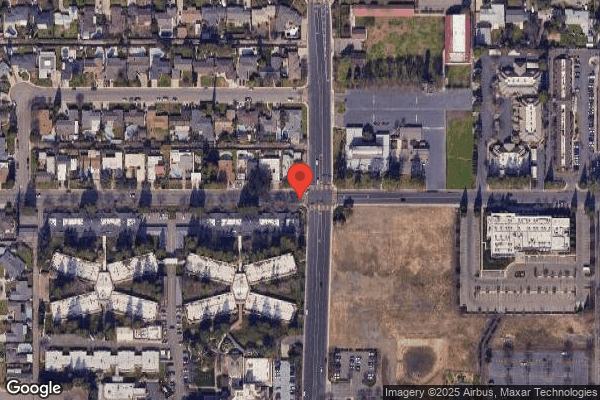
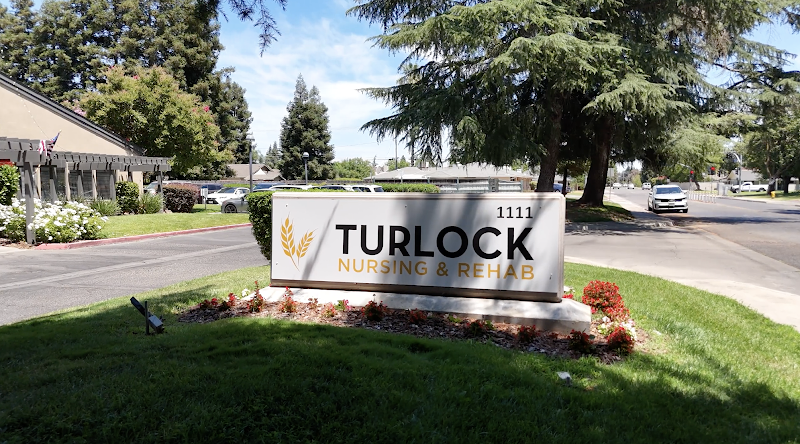
1111 E TUOLUMNE ROAD, TURLOCK, CA 95380 (209) 632-7577
For profit - Corporation 144 Beds COVENANT CARE Data: November 2025
Trust Grade
80/100
#236 of 1155 in CA
Last Inspection: August 2024

Within standard 12-15 month inspection cycle. Federal law requires annual inspections.

Overview

Turlock Nursing & Rehabilitation Center has a Trust Grade of B+, indicating it is above average and recommended for families seeking care. It ranks #236 out of 1,155 facilities in California, placing it in the top half of nursing homes in the state, and #2 out of 17 in Stanislaus County, meaning only one other local facility is rated higher. The facility's trend is improving, with reported issues decreasing from 16 in 2024 to just 2 in 2025. Staffing is a mixed bag; the center received a 3/5 rating, and while turnover is at 38%-consistent with the state average-this still shows a need for improvement in staff retention. Notably, there have been no fines, which is a positive sign. However, there are some concerning incidents reported. For example, a resident was served less meatloaf than required, potentially compromising their nutritional intake. Additionally, expired vegetables were found in the refrigerator, raising food safety issues. There was also a troubling incident where a staff member made an obscene gesture towards a resident, indicating a lack of respect for resident rights. Overall, while Turlock Nursing & Rehabilitation Center has strong points, such as its excellent star ratings for quality measures and health inspections, families should weigh these strengths against the noted weaknesses when considering this facility for their loved ones.

Trust Score
B+
80/100
In California
#236/1155
Top 20%
Safety Record
Low Risk
No red flags
Inspections
Getting Better
16 → 2 violations
Staff Stability
○ Average
38% turnover. Near California's 48% average. Typical for the industry.
Penalties
✓ Good
No fines on record. Clean compliance history, better than most California facilities.
Skilled Nurses
○ Average
Each resident gets 35 minutes of Registered Nurse (RN) attention daily — about average for California. RNs are the most trained staff who monitor for health changes.
Violations
⚠ Watch
41 deficiencies on record. Higher than average. Multiple issues found across inspections.
★★★★★
5.0
Overall Rating
★★★☆☆
3.0
Staff Levels
★★★★★
5.0
Care Quality
★★★★☆
4.0
Inspection Score
Stable
2024: 16 issues
2025: 2 issues

The Good

  • 5-Star Quality Measures · Strong clinical quality outcomes
  • Full Sprinkler Coverage · Fire safety systems throughout facility
  • No fines on record
  • Staff turnover below average (38%)

    10 points below California average of 48%

Facility shows strength in quality measures, fire safety.

The Bad

Staff Turnover: 38%

Near California avg (46%)

Typical for the industry

Chain: COVENANT CARE

Part of a multi-facility chain

Ask about local staffing decisions and management

The Ugly 41 deficiencies on record

Jun 2025 2 deficiencies
CONCERN (D) 📢 Someone Reported This

A family member, employee, or ombudsman was alarmed enough to file a formal complaint

Potential for Harm - no one hurt, but risky conditions existed

Notification of Changes (Tag F0580)

Could have caused harm · This affected 1 resident

**NOTE- TERMS IN BRACKETS HAVE BEEN EDITED TO PROTECT CONFIDENTIALITY** Based on interview and record review, the facility failed to ensure one of six sampled residents (Resident 1's) family member (F...

Read full inspector narrative →
**NOTE- TERMS IN BRACKETS HAVE BEEN EDITED TO PROTECT CONFIDENTIALITY** Based on interview and record review, the facility failed to ensure one of six sampled residents (Resident 1's) family member (FM 1) was notified of a significant change of condition when Resident 1 returned to the facility after a seven-day stay in a nearby hospital, and facility staff noted Resident 1 had new areas of skin breakdown, was refusing further skin assessment of this new breakdown, was refusing antibiotics (medication used to treat infections), and refusing to have a blood test as ordered by her physician. This failure resulted in Resident 1's family being unaware of Resident 1's changes in condition upon her return to the facility from the hospital. Findings: During a review of Resident 1's admission Record (AR) , dated 6/16/25, the AR indicated she was a [AGE] year-old female admitted to the facility on [DATE], with diagnoses that included Congestive Heart Failure (chronic condition where the heart doesn't pump blood as efficiently as it should, leading to a buildup of fluid in the body), Chronic Obstructive Pulmonary Disease (a progressive lung disease that makes it difficult to breathe), Diabetes (condition where body cannot regulate sugar in the blood, affecting all body systems), End Stage Renal Disease (condition where kidneys have permanently lost most of their function of filtering blood), Morbid Severe Obesity (overweight), Muscle Wasting and Atrophy (a decrease in muscle mass and strength, often resulting in reduced function), Dependence on Renal Dialysis (requiring the blood to be filtered through a machine three times a week), Dependence On Other Enabling Machines and Devices, and Noncompliance with Other Medical Treatment and Regimen. During a review of Resident 1's Minimum Data Sheet (MDS, a comprehensive, standardized assessment tool) , dated 4/9/24, the MDS indicated at Question C0500 a score of 15 out of a possible 15, which indicated Resident 1 was cognitively intact (having sufficient judgment, planning, organization, self-control, and the persistence needed to manage the normal demands of the resident's environment). During a review of Resident 1's Skin Inspection Assessment ([NAME]) , dated 4/9/24, at 8:18 a.m., the [NAME] indicated Resident 1's skin was clear [,] No new skin concerns at this time. During a review of Resident 1's Progress Notes (PN) , dated 4/15/24, at 11:35 p.m., the PN indicated Resident 1 was noted to have a skin excoriation [excoriation is the act of scratching or rubbing the skin, resulting in the removal of the surface layer of the skin, creating superficial wounds or scratches] to right buttock . [Resident 1's primary care physician, MD 1] made aware. During a review of Resident 1's [NAME] dated 4/16/24, at 1:32 p.m., the [NAME] indicated a Right buttock skin excoriation . During a review of Resident 1's PN dated 4/16/24, at 11:57 a.m., the PN indicated, Resident continues to note with MASD [Moisture Associated Skin Damage, a skin condition caused by prolonged exposure to moisture, like sweat] to abdominal folds and skin excoriation to right buttock. Resident allowed staff to complete skin assessment and change dressing. Resident was cleaned and skin dried then [Resident 1] was dressed and . encouraged to reposition and float heels at this time but resident continues to state she is unable to breathe if she repositions. Risks and benefits explained. During a review of Resident 1's PN dated 4/16/24, at 1:34 p.m., the PN indicated Resident 1 was transferred from the facility to a local acute care hospital by ambulance due to the resident complaining of being short of breath. The PN indicated, MD [1] in house and got order to send [Resident 1] to ER [emergency room or Department] for further eval[uation] and treat[ment], called [Family Member 1] and made aware. During a review of Resident 1's History and Physical/admission Notes (H&P) , from the local acute care hospital, dated 4/16/25, at 8:39 p.m., the H&P indicated Resident 1 had been brought into the Emergency Department by ambulance for increasing [shortness of breath, patient] found to be in atrial flutter [a condition where a portion of the heart is beating to quickly] by [emergency medical services]. Assessment/Plan: 1. Acute on chronic respiratory failure [occurs when a patient with a pre-existing chronic respiratory condition experiences a sudden, worsening of their respiratory status] 2. Cellulitis of right groin [a common bacterial infection of the skin and the tissues beneath it] 3. Metabolic acidosis [a condition where there's too much acid in the body fluids] 4. Atrial flutter. Admit to telemetry [a specialized unit where patients receive continuous remote monitoring of their vital signs, primarily heart rhythms, using specialized equipment] . During a review of Resident 1's Discharge Summary (DS) , from the local acute care hospital, dated 4/23/25, at 2:06 p.m., the DS indicated Resident 1 had a urinary tract infection (UTI, a bacterial infection that affects any part of the urinary system, and is usually treated with antibiotic medication) and was to be discharged back to the facility with antibiotics as continuing treatment. The DS also indicated Resident 1 has several wounds, wound care was consulted. Patient is non-compliant. Refusing most of the medication during hospitalization. During a review of Resident 1's Printable Discharge Form (PDF) document, from the local acute care hospital, dated 4/23/24, at 1:22 p.m., the PDF indicated, Physical Exam: The patient has pressure wounds under her pannus[, a condition where there is an excess of skin and fat tissue that hangs over the lower abdomen] the patient appears weak [,] morbidly obese with large pannus[.] Wounds – pressure wounds from patient's obese tissue laying on her other skin . Wound – suggest offloading and keeping clean and dry. Resident 1 was also to continue her antibiotics for her UTI at the facility. During a review of Resident 1's PN dated 4/23/24, at 11:36 p.m., the PN indicated Resident 1 had returned to the facility, and indicated, .she is to receive [antibiotic medication] tomorrow at [2 p.m.]. The PN did not indicate FM 1 had been notified of Resident 1's return to the facility. During a review of Resident 1's [NAME] dated 4/23/24, at 11:40 p.m., the [NAME] indicated Resident 1 had the following new skin issues: bruising and redness on lower back [,] bruising on left lower arm [,] bruising on left upper thigh [,] bruising on right lower leg [,] bruising on all over abdomen and two open wounds on right side of [abdominal] fold 5 cm x 2 cm, two open wounds on left side of [abdomen] 6 cm x 2 cm, abdomen fold on left side is brusied and is hard to touch [,] excoriation on right and left buttocks 2 cm x 2 cm [,] open wound on right sides of the hip [,] open wound and bruising under right breast [,] redness n right armpit [, and] left big toe nail has scab[.] During a review of Resident 1's PN , dated 4/24/24, at 8:38 a.m., the PN indicated, [Treatment] nurse attempted skin and wound inspection and assessment but resident states she is going to dialysis early and would like skin inspection at later time. Risks and benefits explained at this time. During a review of Resident 1's PN , dated 4/24/24, at 8:21 p.m., the PN indicated Resident 1 had refused her antibiotic medication after three attempts. The PN indicated, Explained to resident the risks of not taking [the prescribed antibiotic medication] and the importance of taking this medication. Resident stated she does not want to take the medication and that the hospital should have taken care of all the antibiotic there before sending her back. she continued to refuse stating she does not want the medication and she stated ' I don't really think it's important.' Resident stated understanding of teaching and continued to refuse. During a review of Resident 1's PN dated 4/25/24, at 11:50 a.m., the PN indicated Resident 1 refused a blood withdrawal [when blood is taken from a vein and sent to a laboratory for study] . During a review of Resident 1's Change in Condition (CIC) , dated 4/25/24, at 2:40 p.m., the CIC indicated MD 1 was informed of Resident 1 not feeling well and look tired. Vital Signs checked and stable. No complaints of pain, shortness of breath, and chest pain. The CIC indicated MD 1 ordered Resident 1 to be sent to an Emergency Department for further evaluation. The CIC indicated FM 1 was bedside. During an interview on 6/17/25, at 3:22 p.m., with FM 1, FM 1 stated the facility never notified her of Resident 1's arrival to the facility on 4/23/24, the assessment showing new wounds, her refusal of antibiotics, or refusal of blood withdrawal. FM 1 stated she did visit Resident 1 on the next day, 4/24/24. During a concurrent interview and record review on 6/18/25, at 2:18 p.m., with the Director of Nursing (DON), Resident 1's clinical record from April 2024 was reviewed. The DON was unable to find documentation that FM 1 was notified of Resident 1's return to the facility on 4/23/24 after a seven-day stay in a local hospital, the multiple new wounds noted upon her return, her refusal of antibiotics, or her refusal of a blood withdrawal. The DON stated the facility did not notify FM 1 about Resident 1's return to the facility and the wounds because we assumed [FM 1] already knew about her return here and the wounds due to her visits to the [hospital]. During a review of the facility's Policy and Procedure (P&P), titled Condition Change of the Resident , dated 2006, the P&P indicated, in part, Purpose – To observe, record and report any condition change [,] Assess the resident and notify the attending physician of the resident's condition. Notify the resident's responsible party.
CONCERN (D) 📢 Someone Reported This

A family member, employee, or ombudsman was alarmed enough to file a formal complaint

Potential for Harm - no one hurt, but risky conditions existed

Abuse Prevention Policies (Tag F0607)

Could have caused harm · This affected 1 resident

**NOTE- TERMS IN BRACKETS HAVE BEEN EDITED TO PROTECT CONFIDENTIALITY** Based on interview and record review, the facility failed to implement their policy on resident possessions when it failed to re...

Read full inspector narrative →
**NOTE- TERMS IN BRACKETS HAVE BEEN EDITED TO PROTECT CONFIDENTIALITY** Based on interview and record review, the facility failed to implement their policy on resident possessions when it failed to return belongings to the family of one of five sampled residents (Resident 1) when a 42-inch television belonging the Resident 1 was not returned to her family when Resident 1 was discharged from the facility. This failure resulted in Resident 1's family not receiving Resident 1's 42-inch television upon Resident 1's discharge. Findings: During a review of Resident 1's admission Record (AR) , dated 6/16/25, the AR indicated she was a [AGE] year-old female admitted to the facility on [DATE]. The AR indicated Resident 1 was discharged on 5/2/24. During an interview on 6/17/25, at 3:22 p.m., with Family Member (FM) 1, FM 1 stated Resident 1's family had purchased her a 42-inch television to use while in the facility. FM 1 stated that when Resident 1 was discharged from the facility in May 2025, the 42-inch television was never returned. During an interview on 6/18/25, at 12:35 p.m., with the Social Services Director (SSD), the SSD recalled Resident 1's family bringing her a television. The SSD stated, We just looked through the inventory of personal belongings, it was never put on the inventory. But I do know it was her personal TV. The facility did not buy her the TV. No TV is listed on her inventory, so it's not on her discharge inventory list, that's why it was not returned to her. Staff should have noticed the appearance of a 42-inch TV and added it to her inventory list. I know that our maintenance staff mounted this TV on her wall for her. The SSD stated the TV may still be in Resident 1's former room. During a concurrent interview and record review on 6/18/25, at 12:40 p.m., with the SSD, the facility's Grievance / Theft & Loss Tracking Log (GTLTL) , dated 11/23/23, was reviewed. The GTLTL indicated Resident 1 had a Missing TV on 11/23/23 but was found on 12/8/23. The SSD stated during this time, Resident 1 went out to the hospital for a few days, and it was during this time the facility's maintenance staff mounted the TV on the wall of Resident 1's room. The SSD stated when Resident 1 returned to the facility, she mistakenly thought her TV was missing because it was not on a wooden table as she left it. The SSD stated the GTLTL is the only facility documentation of Resident 1 having a TV. During a review of the facility's Policy and Procedure (P&P), titled Resident Personal Belongings , undated, the P&P indicated, It is the policy of this facility to protect the resident's right to possess personal belongings, such as clothing and furnishings, for their use while in the facility. The facility will ensure that personal belongings and/or possessions are rightfully returned to the resident, or to the resident's representative, in the event of the resident's death or discharge from the facility. Additional possessions brought in during the duration of the individual's stay shall be added to the existing personal belongings inventory listing. Inventories of all items are to be reviewed and examined by the Social Services designee and the resident's representative. Recipients of such personal items at the time of discharge or death shall sign off with their legal signature, acknowledging receipt of all personal belongings presented.
Dec 2024 1 deficiency
CONCERN (D) 📢 Someone Reported This

A family member, employee, or ombudsman was alarmed enough to file a formal complaint

Potential for Harm - no one hurt, but risky conditions existed

Quality of Care (Tag F0684)

Could have caused harm · This affected 1 resident

**NOTE- TERMS IN BRACKETS HAVE BEEN EDITED TO PROTECT CONFIDENTIALITY** Based on observation, interview, and record review, the facility failed to ensure 1 of 3 sampled residents (Resident 2) had bed ...

Read full inspector narrative →
**NOTE- TERMS IN BRACKETS HAVE BEEN EDITED TO PROTECT CONFIDENTIALITY** Based on observation, interview, and record review, the facility failed to ensure 1 of 3 sampled residents (Resident 2) had bed rails installed as determined by the facility's Bed Rails – Safety Assessment (BRSA) . (The United States Food and Drug Administration's website page, titled, Adult Portable Bed Rail Safety, dated 2/27/23, indicated, Adult portable bed rails are used by many people to help create a supportive and assistive sleeping environment in homes, assisted living facilities and residential care facilities. This type of equipment has many commonly used names, including side rails, bed side rails, half rails, safety rails, bed handles, bed canes, assist bars, grab bars, and adult portable bed rails. [These devices are] intended to assist individuals who are disabled, injured, or recovering from surgery or hospitalized with transfer in and out of bed or repositioning, intended to reduce risk of falling or fracture or mitigate the risk of falling due to the effects of balance disorders or other medical conditions. ) This failure resulted in the potential for injury, including a fall, in the event Resident 2 attempted to get in or out of bed without the bed rails. Findings: During an observation on 12/20/24, at 12:40 p.m., of Resident 2's bed, no side rails or grab bars were noted attached to his bed. Resident 2 was not present. During a review of Resident 2's admission Record (AR) , dated 12/20/24, the AR indicated he was admitted to the facility on [DATE] with diagnoses that included Muscle Weakness. During a review of Resident 2's Bed Rails – Safety Assessment (BRSA) , dated 12/14/24, the BRSA indicated, Type of Bed Rail to be Used: Grab/Transfer Assist Bars or rails (i.e. ¼ Rails, 1/8 Rails)[.] Benefits / Indication(s) for use. Facilitate enhanced bed mobility[,] Provide stability during transfers[,] Assist to enter and exit bed independently[,] Prevent falling for slipping onto floor.[,] Resident / Responsible Party request for sense of security (fear of falling from bed)[.] During a review of Resident 2's Order Summary Report (OSR), dated 12/20/24, the OSR indicated a listing of his current Physician's Orders. The OSR did not contain an order for side rails. During a review of Resident 2's Care Plan (CP), dated 12/13/24, the CP indicated a Focus as Self-Care Deficit As Evidenced by Needs assistance with ADLs Related to. weakness, impaired mobility. The Care Plan did not contain interventions for Bed Rails. During a review of Resident 2's Verification of Informed Consent ([NAME]) , dated 12/13/24, the [NAME] indicated, 1/2 Bed Rails were to be used Every Shift for Mobility / Transfer. The [NAME] was signed by Resident 2. During a concurrent record review, observation, and interview with the Minimum Data Set Registered Nurse (MDS RN), on 12/20/24, at 2:03 p.m., Resident 2's bed was observed. The MDS RN verified no bed rails were in place on Resident 2's bed. The MDS RN stated if the facility's BRSA indicated that bed rails, side rails, or grab bars are to be used, then there should be a corresponding physician's order to that effect, and this should also be included in Resident 2's Care Plan. The MDS RN verified Resident 2's physician's orders did not contain an order for bed rails. The MDS RN stated grab bars were a smaller version of bed and/or side rails. The MDS RN stated Resident 2's bed should have had ½ side rails installed on his bed. During a review of the facility's Policy and Procedure (P&P) titled Side-Rails, Use and Safety Of , undated, the P&P indicated, It is the policy of this facility to utilize bed side-rails in a safe manner, which prevents injury, when any type of frail is required to assist with bed mobility or used per resident's request for an increased sense of security. PURPOSE[:] To meet resident's safety needs. To use side rails safely. PROCEDURE[:] Side-rail safety assessment will be done by a licensed nurse and/or the IDT on admission.and when changes to existing bed rail use is deemed indicated. (Side-rail types include: two full rails, one full rail, and one or two partial rails such as ¼, ¾, or ½ rails). The need for use of a side-rail will be added to the care plan.
Dec 2024 2 deficiencies
CONCERN (D) 📢 Someone Reported This

A family member, employee, or ombudsman was alarmed enough to file a formal complaint

Potential for Harm - no one hurt, but risky conditions existed

Deficiency F0697 (Tag F0697)

Could have caused harm · This affected 1 resident

Based on interview and record review, the facility failed to ensure timely responses to 2 of 5 residents (Resident 6, Resident 7) requests for pain relief when they had to wait over 30 minutes for a n...

Read full inspector narrative →
Based on interview and record review, the facility failed to ensure timely responses to 2 of 5 residents (Resident 6, Resident 7) requests for pain relief when they had to wait over 30 minutes for a nurse to bring them their prescribed pain medication. This failure had the potential for Resident 6 and Resident 7 to have their pain poorly managed, potentially resulting in prolonged pain and discomfort. Findings: 1. During a concurrent observation and interview on 12/10/24, at 12:42 p.m., with Resident 6, in his room, Resident 6 stated he takes Norco (a strong narcotic pain reliever) for his painful right elbow. Resident 6's right elbow was observed, it was noted to be swollen and red. Resident 6 stated, Sometimes it takes two to three hours to answer my call light. I laid awake all night last night from the pain in my elbow. Last night I was hurting so bad. I got my Norco at 7:30 a.m. this morning. Resident 6 then produced his personal notebook that indicated his handwritten note, indicating he received Norco at 7:30 a.m. that day. During a review of Resident 6's admission Record (AR) , dated 12/12/24, Resident 6 had a medical diagnosis dated 11/12/24 of bursitis, a painful swelling of fluid filled sacs in a joint, such as the elbow. During a review of Resident 6's Order Summary Report (OSR) , dated 12/12/24, the OSR indicated he had a physician's order for Norco, dated 12/1/24, to be given every four hours as needed for pain. During a review of Resident 6's Minimum Data Sheet (MDS, a comprehensive, standardized assessment tool) , dated 9/24/24, the MDS indicated at Question C0500 a score of 15 out of a possible 15, which indicated Resident 6 was cognitively intact (having sufficient judgment, planning, organization, self-control, and the persistence needed to manage the normal demands of the resident's environment). During a review of Resident 6's Care Plan, dated 8/23/23, the Care Plan indicated Resident 6 has acute pain . The Care Plan indicated as an intervention, dated 8/25/21, Anticipate the resident's need for pain relief and respond immediately to any complaint of pain. During a review of Resident 6's Controlled Drug Record (CDR) dated 12/3/24, the CDR indicated Resident 6 was given Norco on 12/9/24, at 2 p.m., and then the next dose was given on 12/10/24, at 7:30 a.m. The CDR indicated no doses of Norco were administered between those times. 2. During a review of Resident 7's Progress Notes (PN) , dated 12/4/24, at 3:10 p.m., the PN indicated Resident 7 had a Brief Interview for Mental Status (BIMS) score of 14 out of a possible 15, which indicated Resident 7 was cognitively intact. The PN dated 12/13/24 indicated Resident 7 had a medical diagnosis of Pain in right hip. During a review of Resident 7's Medication Administration Record (MAR) , the MAR indicated she had a physician's order for Norco, dated 11/28/24, to be given every 6 hours as needed for pain. The MAR indicated Resident 7 received Norco eight times from 12/1/24 to 12/12/24. During an interview on 12/12/24, at 10 a.m., with Resident 7, in her room, Resident 7 stated she takes pain medication for pain. Resident 7 stated it takes about 30 minutes on average to get her pain medication but at times takes one hour. Resident 7 stated this did not make her feel good. During an interview on 12/12/24, at 10:25 a.m., with the Director of Nursing (DON), the DON stated that 30 minutes to medicate a resident for pain is too long. 60 minutes is too long, that is my expectation. If a resident has to wait that long, that is too long. The [Registered Nurse] supervisor we have on duty at night should be able to help. The RN supervisor is not assigned any resdients, they can help. That's why we don't assign the RN supervisor a cart at night. During an interview on 12/12/24, at 12:06 p.m., with the Medical Director (MD), the MD stated it was his expectation that resident should not have to wait more than 30 minutes for their prescribed pain medication. During a review of the facility's policy and procedure (P&P), titled, Pain Management , undated, the P&P indicated, The facility must ensure that pain management is provided to residents who require such services, consistent with professional standards of practice, the comprehensive person-centered care plan, and the residents' goals and preferences.
CONCERN (E) 📢 Someone Reported This

A family member, employee, or ombudsman was alarmed enough to file a formal complaint

Potential for Harm - no one hurt, but risky conditions existed

Resident Rights (Tag F0550)

Could have caused harm · This affected multiple residents

Based on interview and record review, the facility failed to: 1. Ensure the rights of 1 of 3 sampled residents (Resident 11) were respected and honored when one Certified Nursing Assistant (CNA 9) dis...

Read full inspector narrative →
Based on interview and record review, the facility failed to: 1. Ensure the rights of 1 of 3 sampled residents (Resident 11) were respected and honored when one Certified Nursing Assistant (CNA 9) displayed an obscene finger gesture toward Resident 11. This failure had the potential for Resident 11 to experience a negative effect to his psychosocial well-being, and, 2. Honor the rights of an unknown number of resident rights by ensuring staff followed their policy and procedure and spoke only English in the facility. This failure had the potential for resident rights to not be honored when an unknown number of residents heard staff speaking a non-English language, and possibly thinking staff were speaking about them. Findings: 1. During a review of the facility document titled, Verification of Incident Investigation / Administrative Summary (VIIAS) , dated 11/25/24, the VIIAS indicated, On 11/21/24 at approximately 4 pm an Admissions staff member reported that she witnessed male CNA flip off [Resident 11] with his middle finger. [Director of Staff Development, or DSD] was notified and the CNA was identified as [CNA 9] and was immediately pulled off the floor and suspended pending investigation. [CNA 9] stated he was preparing [Resident 12, who was Resident 11's roommate] for a shower & bumped into [Resident 11's] bed. At this time, [Resident 11] began using foul language and calling [CNA 9] names. [CNA 9] states that on his way out of the room, [Resident 11] kicked at him and continued cursing him and flipping him off. When [CNA 9] left the room with [Resident 12], he states he turned and flipped [Resident 11] off twice because he was frustrated and felt he did not do anything to deserve such treatment from [Resident 11]. [I]t was agreed upon to terminate [CNA 9] involved in the event. During a review of the facility document titled, Notice to Employee as to change in Relationship (Notice) , dated 11/25/24, the Notice indicated, On 11/25/24 [CNA 9's] employment status change/will change as follows: Involuntarily terminated for misconduct. During a review of Resident 1's Progress Notes (PN) , dated 11/21/24, at 5 pm, the PN indicated, [At 4 pm], Called by [Charge Nurse, or CN] regarding abuse [to Resident 1] by staff member. as per admission staff member, she saw staff member flipping off the resident, this nurse and the DSD immediately removed the staff member from the floor. [H]ead to toe skin inspection done by CN no physical injury noted and no emotional distress noted, vital signs stable. During a review of Resident 11's Care Plan (CP) , dated 11/22/24, the CP indicated, Resident 1 was assessed for a Risk for decline in psychosocial well being related to: staff to resident non-physical abuse[.] During an interview on 12/3/24, at 12:45 pm, with the Administrator, the Administrator stated, We terminated [CNA 9]. He admitted to doing this and we terminated him. [Resident 11] can be difficult at times, but he can't be treated like that. During an interview on 12/3/24, at 1 pm, with the Admissions Staff Member (ASM), the ASM stated she witnessed the event between Resident 11 and CNA 9 on 11/21/24 at 4 pm. The ASM stated she was near Resident 11 and Resident 12's room when she saw Resident 11 and CNA 9 talking, and stated, Words were exchanged, not angry, then I saw [CNA 9] flip [Resident 11] off. Then, [CNA 9] flipped him off again. [Resident 11] looked at me, we made eye contact, he stated to me: ' Did you see that?' I said: ' Yes I did.' You can't do that to a resident. During an interview on 12/3/24, at 1:35 pm, with Resident 11, Resident 11 stated, I don't ever recall being flipped off by anybody. During an interview on 12/5/24, at 5 pm, with CNA 9, CNA 9 stated that on 11/21/24, he was transporting Resident 12, who was Resident 11's roommate, in his wheelchair when he accidentally bumped Resident 11's bed. CNA 9 stated Resident 11 then began cussing at him, kicked him in the leg, and, gave me the middle finger. CNA 9 stated that he then gave Resident 12 a shower, and upon his return to Resident 11 and Resident 12's shared room, Resident 11 flipped me off again. I flipped him off. The resident did it first, this is why I did it, to let him know this is not ok. During a review of the facility Policy & Procedure (P&P) titled, Abuse Prevention, Intervention, Investigation & Crime Reporting Policy , dated 11/16, the P&P indicated, Definitions[:] Verbal Abuse is defined as the use of oral, written, or gestured language that willfully includes disparaging and derogatory terms to residents or their families, or within their hearing distance regardless of their age, agility to comprehend or disability. 2. During an interview on 12/10/24, at 8:13 a.m., with the Ombudsman (a government official that advocates for the rights of the residents), the Ombudsman stated she was aware of facility residents complaining of English not being spoken in the facility. During a review of the facility's Resident Council – Meeting Minutes (RCMM) , dated 9/24/24, the RCMM indicated the meeting was attended by seven residents. The RCMM indicated, Shift speaking different language other than English[.] Improvement Recommended . During an interview on 12/10/24, at 12:55 p.m., with Resident 8, Resident 8 stated, Staff talk in a non-English language loudly in the hallways. This bothers me. During an interview on 12/11/24, at 1:45 p.m., with Certified Nursing Assistant (CNA) 2, CNA 2 stated, Sometimes I do hear staff talking at work in their own language. Some residents think they are talking about them. This doesn't happen every day. We tell the staff this is not allowed. During an interview on 12/11/24, at 1:52 p.m., with CNA 3, CNA 3 stated, Sometimes I hear non-English language spoken in the hallways. Those staff should be more professional. The residents think we are talking about them. During an interview on 12/12/24, at 10:25 a.m., with the Director of Nursing (DON), the DON stated, Speaking only English on duty is still an ongoing issue. We remind each other that only English is to be spoken to each other on duty. We re-emphasize this during our monthly meetings. If I was a resident, if I heard staff speaking in a language I didn't understand, I would think that too – that they were speaking about me. During a review of the facility Policy and Procedure (P&P), titled English the Official Language , dated 5/15, the P&P indicated, It is the policy of [the facility] to establish English as the official spoken and written language of [the facility]. This policy applies to all employees. Residents have the right to be fully informed of their medical condition. To ensure that right, English is established as the official language used at [the facility]. When employees are in resident care or living areas, they must speak English.
Sept 2024 2 deficiencies
CONCERN (D) 📢 Someone Reported This

A family member, employee, or ombudsman was alarmed enough to file a formal complaint

Potential for Harm - no one hurt, but risky conditions existed

Deficiency F0554 (Tag F0554)

Could have caused harm · This affected 1 resident

Based on observation, interview, and record review, the facility failed to ensure the Interdisciplinary Team (IDT- a group of professional individuals involved in the care of the resident) assessed on...

Read full inspector narrative →
Based on observation, interview, and record review, the facility failed to ensure the Interdisciplinary Team (IDT- a group of professional individuals involved in the care of the resident) assessed one of 14 sampled resident (Resident 4) on the resident ' s ability to self-administer medications safely and accurately when Resident 4 did not take her six oral medications left by License Vocational Nurse (LVN) 3 at the bedside table. This failure had the potential to result of Resident 4 not receiving the correct dose of medications necessary to treat her condition or illness. Findings: During a review of Resident 4 ' s admission Record (AR-documents that contained the resident ' s demographics and medical diagnosis), dated 9/6/24, the AR indicated Resident 4 was admitted to the facility in 2020, with diagnoses which included Alzheimer ' s Disease (a progressive disease affecting the brain, altering mood, judgement, and memory); and schizophrenia (mental disorder affecting perceptions of reality). During an observation on 9/5/24, at 12:02 p.m., in Resident 4 ' s room, Resident 4 was in bed with her eyes closed and six oral medications inside a small medication cup was on Resident 4 ' s bedside table. The medications were within Resident 4 ' s reached and there was no facility staff in the room. During a concurrent observation and interview on 9/5/24, at 12:05 p.m., with the Assistant Director of Nursing (ADON), in Resident 4 ' s room. Resident 4 was in bed with her eyes closed. The ADON confirmed the six oral medications inside a medicine cup on Resident 4 ' s bedside table. The ADON stated the medications should not have been left at the bedside table. The ADON stated the medication nurse should have ensured Resident 4 took her medications before leaving the room. During a concurrent observation and interview on 9/5/24, at 12:10 p.m., with the Assistant Director of Nursing (ADON), and Licensed Vocational Nurse (LVN) 3, LVN 3 was preparing medications for residents. LVN 3 stated she was the medication nurse assigned to Resident 4. The ADON showed LVN 3 the medication cup with the six medications found in Resident 4 ' s bedside table. LVN 3 stated she recalled entering Resident 4 ' s room around 9 a.m. to give Resident 4 a total of ten prescribed medications, divided into two separate medication cups. LVN 3 stated she observed Resident 4 take the first medication cup and left the second cup at the bedside table and had no idea if Resident 4 took the second medication cup after she left the room. LVN 3 stated she should have not left the medications at Resident 4 ' s bedside table and should have ensure Resident 4 took the medications before she left the room. LVN 3 stated she did not follow the facility ' s policy and procedure for medication administration. During a concurrent interview and record review on 9/5/24, at 12:25 p.m., with the ADON, Resident 4 ' s clinical record was reviewed. The ADON stated Resident 4 should have an IDT assessment which indicates she is safe to self-administer medications. The ADON stated she was unable to find an IDT assessment for Resident 4 to self-medicate. The ADON stated the six oral medications left on Resident 4 ' s bedside table were one table Sodium Chloride (to replace water and salt), one tablet of Hydralazine (a medication used to treat high blood pressure) 25 milligrams (mg-unit of measurement), one tablet of Duloxetine ( a medication used for nerve pain, depression and anxiety) 20 mg, one tablet of Gabapentin (a medication for nerve pain and prevent seizures) 300 mg and two tablets of Furosemide (a medication used to remove excess fluid) 20 mg. During a review of the facility ' s policy and procedure (P&P) titled LTC Facility Pharmacy Services and Procedures Manual -Policy #/Title: 6.0 General Dose Preparation and Medication Administration dated 4/30/24, the P&P indicated (2.8) Facility staff should not leave medications or chemicals unattended; (5.4) Administer medications within timeframes specified by facility policy or manufacturer ' s information; (5.9) Observe the resident ' s consumption of the medication(s). During a review of the facility ' s P&P titled Self- Administration of Medication- Procedure #591 dated 2008, the P&P indicated, (2) If the resident expresses a desire to self-administer their medications ., the facility will not allow the resident to self-administer meds until the following .a. A licensed nurse will complete the self-administration assessment review which includes the resident ' s physical and cognitive ability to safely administer and store their medications. b. The assessment will then be routed to the director of nursing/ designee to review with the interdisciplinary team (IDT) for approval. c. The IDT will reassess the resident to verify they are still able to self-administer medications quarterly. The resident will do a return demonstration to the IDT to show they are able to perform this task. (3) The decision to either approve or deny self-administration will be documented and the resident will be notified (4). If the IDT approves self-administration the following steps will be taken .: a. The resident physician will be contacted for approval. (5) The following steps . to monitor the residents and other residents ' safety and will be included on the care plan related to self-administration: c. The self-administration of the drug will be charted on the MAR by the licensed nurse (6) Quarterly the interdisciplinary team will reassess the resident to ensure they are still able to self-administer medication. The residents will do . to the IDT to show they are able to perform these tasks.
CONCERN (D) 📢 Someone Reported This

A family member, employee, or ombudsman was alarmed enough to file a formal complaint

Potential for Harm - no one hurt, but risky conditions existed

Notification of Changes (Tag F0580)

Could have caused harm · This affected 1 resident

Based on interview and record review, the facility failed to notify the Responsible Party (RP- the person who is responsible for paying the patient ' s account bills) of a change of condition for one ...

Read full inspector narrative →
Based on interview and record review, the facility failed to notify the Responsible Party (RP- the person who is responsible for paying the patient ' s account bills) of a change of condition for one of 14 sampled resident (Resident 3) when Resident 3 was diagnosed with Urinary Tract Infection (UTI- a bacterial infection that occurs when bacteria enter the urinary tract) and was started on antibiotics (a medication that kills bacteria). This failure resulted for the RP not aware of Resident 3 ' s UTI diagnosis and was not able to make informed decisions and participate with Resident 3 ' s care and treatment. Findings: During a review of review of Resident 3 ' s admission Record (AR-documents that contained the resident ' s demographics and medical diagnosis), dated 9/6/24, the AR indicated, Resident 3 was admitted to the facility with diagnoses which included dementia (a progressive disease affecting the brain, memory, mood, and judgement) and Resident 3 ' s RP for Power of Attorney – Care (a legal document that allows someone to act on another person ' s behalf) was Family Member (FAM) 2. During a review of Resident 3 ' s Minimum Data Set (MDS- a comprehensive, standardized assessment tool used to assess resident ' s health and functional status), dated 8/31/24, the MDS indicated Resident 3 ' s Brief Interview for Mental Status (BIMS- an assessment tool used to identify resident ' s cognitive status) assessment score was 4 out of 15 (0-6 severe cognitive deficit, 7-12 moderate cognitive deficit, 13-15 no cognitive deficit) which indicated Resident 3 had severe cognitive impairment. During a review of Resident 3 ' s Progress Notes (PN), dated 9/3/24, at 8:49 a.m., the PN indicated Resident 3 ' s physician had reviewed a recent urine test and prescribed a one-time dose of the antibiotic ceftriaxone, one gram (unit of measurement), to be given via (by way) injection into a large muscle. The PN dated 9/3/24, at 9:52 p.m., indicated Resident 3 ' s physician ordered a second dose of ceftriaxone, one gram, to be given into a large muscle, antibiotic nitrofurantoin, 100 milligrams (unit of measurement), to be given twice daily for 7 days for UTI and laboratory analysis. There were no entries in the PN of Resident 3 ' s RP notified of the new diagnoses of UTI, antibiotic treatment, and laboratory analysis. During an interview on 9/5/24, at 11:28 a.m., with FAM 2, near Resident 3 ' s room, FAM 2 stated when he visited Resident 3 on 9/4/24, he saw a sign posted near Resident 3 ' s door and asked nursing staff about the sign. FAM 2 stated nursing staff told him the sign indicated Resident 3 had UTI and was on antibiotics. FAM 2 stated it was the first time he was notified of Resident 3 ' s diagnosis of UTI and antibiotic treatment. FAM 2 stated he was Resident 3 ' s RP and should have been notified of the UTI diagnosis and antibiotic treatment and was not. During a concurrent record review and interview on 9/5/24, at 1:07 p.m., with the Assistant Director of Nursing (ADON), Resident 3 ' s clinical record was reviewed. The ADON stated Resident 3 ' s family was not notified of the change of condition identified by the facility on 9/3/24 until the next day when FAM 2 came to visit. The ADON stated FAM 2 should have been notified of Resident 3 ' s UTI diagnosis and antibiotic treatment. During an interview on 9/11/24, at 3:30 p.m., the ADON stated her expectation for license nurses was to notify resident ' s family member or RP for resident ' s change of condition. During a review of the facility ' s policy and procedure (P&P) titled, Change of Condition, dated 2016, the P&P indicated, Purpose – Basic Responsibility – Licensed Nurse[.] To appropriately assess, document and communicate changes of condition . Document assessment findings and communications as soon as practical[.] Notify physician and responsible party of assessment findings[.] Notify the Patient and/or responsible party of current status and subsequent actions/orders.
Aug 2024 8 deficiencies
CONCERN (D)

Potential for Harm - no one hurt, but risky conditions existed

Report Alleged Abuse (Tag F0609)

Could have caused harm · This affected 1 resident

Deficiency Text Not Available

Read full inspector narrative →
Deficiency Text Not Available
CONCERN (D)

Potential for Harm - no one hurt, but risky conditions existed

Assessment Accuracy (Tag F0641)

Could have caused harm · This affected 1 resident

Based on observation, record review, interview, and review of the Centers for Medicare and Medicaid Services (CMS) Long-Term Care Facility Resident Assessment Instrument (RAI) 3.0 User's Manual, the f...

Read full inspector narrative →
Based on observation, record review, interview, and review of the Centers for Medicare and Medicaid Services (CMS) Long-Term Care Facility Resident Assessment Instrument (RAI) 3.0 User's Manual, the facility failed to accurately code a Minimum Data Set (MDS) assessment for 1 (Resident #277) of 33 residents for whom MDS assessments were reviewed. Specifically, the facility failed to ensure Resident #277's 08/02/2024 admission MDS assessment reflected the presence of a nephrostomy tube. Findings included: The CMS Long-Term Care Facility RAI 3.0 User's Manual, revised in 10/2023, revealed, H0100: Appliances, Steps for Assessment: 1. Examine the resident to note the presence of any urinary or bowel appliances. 2. Review the medical record, including bladder and bowel records, for documentation of current or past use of urinary or bowel appliances. Coding Instructions Check next to each appliance that was used at any time in the past 7 days. Select none of the above if none of the appliances A-D were used in the past 7 days. -H0100A, indwelling catheter (including suprapubic catheter and nephrostomy tube) -H0100B, external catheter -H0100C, ostomy (including urostomy, ileostomy, and colostomy) -H0100D, intermittent catheterization -H0100Z, none of the above. The section titled, Coding Tips and Special Populations specified, -Suprapubic catheters and nephrostomy tubes should be coded as an indwelling catheter (H0100A) only and not as an ostomy (H0100C). An admission Record indicated the facility admitted Resident #277 on 07/26/2024. According to the admission Record, the resident had a medical history that included diagnoses of acute kidney failure, hydronephrosis (swelling of one or both kidneys due to a backup of urine), type two diabetes mellitus, obstructive and reflux uropathy (obstruction of urine flow), and other artificial openings of the urinary tract status. Resident #277's care plan included a focus area, initiated on 07/29/2024, that indicated the resident had a nephrostomy tube to their left, lower back. An admission MDS, with an Assessment Reference Date (ARD) of 08/02/2024, revealed Resident #277 had a BIMS score of 11, indicating the resident had moderate cognitive impairment. Section H0100 was coded as None of the above instead of as indwelling catheter to reflect the presence of a nephrostomy tube. During a concurrent observation and interview on 08/05/2024 at 1:23 PM, a urinary drainage bag was observed at Resident #277's bedside. Resident #277's emergency contact stated the resident had a nephrostomy tube site located on their back that was placed while the resident was in the hospital. During an interview on 08/12/2024 at 9:55 AM, MDS Coordinator #38 stated the presence of a nephrostomy tube should be reflected on the MDS. She stated she reviewed orders and hospital documentation to determine what appliances, including nephrostomy tubes, a resident had. MDS Coordinator #38 reviewed Resident #277's MDS and confirmed it did not reflect the presence of a nephrostomy tube, and after reviewing the resident's record, confirmed, the resident's MDS should have reflected the presence of a nephrostomy tube. MDS Coordinator #38 stated she was responsible for reviewing MDS assessments for accuracy. During an interview on 08/12/2024 at 4:09 PM, the Director of Nursing (DON) stated MDS assessments should be accurate. She stated Resident #277 did have a nephrostomy tube, and it should have been reflected on their MDS.
CONCERN (D)

Potential for Harm - no one hurt, but risky conditions existed

Comprehensive Care Plan (Tag F0656)

Could have caused harm · This affected 1 resident

Based on record review, interview, and facility policy review, the facility failed to complete Abnormal Involuntary Movement Scale (AIMS) assessments every six months in accordance with a care planned...

Read full inspector narrative →
Based on record review, interview, and facility policy review, the facility failed to complete Abnormal Involuntary Movement Scale (AIMS) assessments every six months in accordance with a care planned intervention for 1 (Resident #81) of 5 residents reviewed for unnecessary medications. Findings included: A facility policy titled, Care Plan, Comprehensive, dated 12/2017, indicated the purpose was To support and guide resident and IDT [interdisciplinary team] collaboration to achieve and maintain optimal resident health, function and quality of life. The Procedure specified, 1. Care Plans are individualized through the identification of resident concerns, unique characteristics, strengths, and individual needs. 2. Care Plans are based on fundamental information gathered by the MDS [Minimum Data Set], CAA's [Care Area Assessments] and information gathered through observation and evaluation. 3. Care Plans become a comprehensive tool for the IDT to utilize as a reference for identified concerns and approaches to establish guidance for meeting resident individual needs. 4, Resident progress is regularly evaluated, and approaches revised or updated as appropriate. 5. Each plan should include measurable goals and associated time-frames and responsibility. An admission Record indicated the facility admitted Resident #81 on 12/07/2021. According to the admission Record, the resident had a medical history that including a diagnoses of unspecified psychosis, schizophrenia, and other specified persistent mood disorders. A quarterly MDS, with an Assessment Reference Date (ARD) of 04/30/2024, revealed Resident #81 had a Brief Interview for Mental Status (BIMS) score of 6, which indicated the resident had severe cognitive impairment. According to the MDS, the resident had verbal behavioral symptoms directed towards others and other behavioral symptoms not directed towards others during one to three days of the assessment look-back period and received antipsychotic medications in the seven days prior to the assessment. Resident #81's care plan included a focus area, initiated on 10/06/2022, that indicated the resident displayed manipulative behaviors that were disruptive, insensitive, and/or disrespectful to staff and peers related to a psychiatric disorder. This focus area included an intervention dated 10/06/2022 that directed staff to complete an Abnormal Involuntary Movement Scale (AIMS) every six months and with each increase in dose of antipsychotic medication. A focus area, initiated on 12/14/2022, indicated the resident had behavioral disturbances related to acute psychosis, schizophrenia, attention seeking behavior [of] rolling out of bed, constantly calling out profanities, screaming, crying out, disruptive sounds [and] delusions. This focus area included an intervention dated 12/08/2021 that directed staff to complete an AIMS every six months and with each increase in dose of antipsychotic medication. Resident #81's physician's order history revealed the resident had orders to receive quetiapine fumarate (an atypical antipsychotic) dating back to 12/28/2022. Per the physician's order history, the resident received quetiapine fumarate from 12/28/2022 until the time of the survey, with their most recent order started on 05/09/2024 for quetiapine fumarate 100 milligrams (mg) twice daily. Resident #81's medical record revealed an AIMS was completed on 12/08/2021, 06/15/2023, 07/31/2024, and 08/11/2024. During a phone interview on 08/08/2024 at 11:35 AM, the Pharmacy Consultant stated an AIMS should be completed every six months to monitor for tardive dyskinesia (a movement disorder), a possible side effect from quetiapine fumarate. During an interview on 08/09/2024 at 11:32 AM, the Director of Nursing (DON) stated the facility did not have a policy related to the completion of AIMS assessments but indicated an AIMS should be completed every six months and as needed. During a follow-up interview on 08/10/2024 at 4:12 PM, the DON said she expected care plans to be followed. During an interview on 08/15/2024 at 8:00 AM, Licensed Vocational Nurse (LVN) #49 stated care plans included interventions specific to what should be done for each resident. LVN #49 stated it was important for staff to review care plans to determine when the interventions should be completed.
CONCERN (D)

Potential for Harm - no one hurt, but risky conditions existed

Deficiency F0658 (Tag F0658)

Could have caused harm · This affected 1 resident

Based on record review, interview, and facility policy review, the facility failed to follow physician's orders requesting psychiatric evaluations for 2 (Residents #81 and Resident #9) of 5 residents ...

Read full inspector narrative →
Based on record review, interview, and facility policy review, the facility failed to follow physician's orders requesting psychiatric evaluations for 2 (Residents #81 and Resident #9) of 5 residents reviewed for unnecessary medications. Findings included: 1. An admission Record indicated the facility admitted Resident #81 on 12/07/2021. According to the admission Record, the resident had a medical history that included diagnoses of unspecified psychosis, schizophrenia, and other specified persistent mood disorders. A quarterly Minimum Data Set (MDS), with an Assessment Reference Date (ARD) of 04/30/2024, revealed Resident #81 had a Brief Interview for Mental Status (BIMS) score of 6, which indicated the resident had severe cognitive impairment. According to the MDS, the resident had verbal behavioral symptoms directed towards others and other behavioral symptoms not directed towards others during one to three days of the assessment look-back period and received antipsychotic, antidepressant, and antianxiety medications in the seven days prior to the assessment. Resident #81's care plan included a focus area, initiated on 10/06/2022, that indicated the resident displayed manipulative behaviors that were disruptive, insensitive, and/or disrespectful to staff and peers related to a psychiatric disorder. This focus area included an intervention dated 10/06/2022 for psychiatric evaluation and treatment as necessary. A focus area, initiated on 12/14/2022, indicated the resident had behavioral disturbances related to acute psychosis, schizophrenia, attention seeking behavior [of] rolling out of bed, constantly calling out profanities, screaming, crying out, disruptive sounds [and] delusions. This focus area included an intervention dated 05/09/2024 directing staff to provide psychiatric services as ordered. A pharmacy Consultation Report, dated 04/04/2024, revealed Resident #8's medications were reviewed, and the pharmacist asked the physician to consider that some of the resident's medications may contribute to falls. The Medical Director (MD) responded on 04/17/2024 with a request for a psych [psychiatric provider] eval [evaluation] [of] psych [psychiatric] med [medication] and adjust as needed. A General Note, dated 04/17/2024, revealed the MD gave an order for a psychiatric provider to evaluate Resident #81's psychiatric medications and adjust them as needed. Per the note, the order was noted and carried out. Resident #81's Order Summary Report, listing active orders as of 08/08/2024, revealed an order dated 04/17/2024 for, psych eval, psych med and adjust as needed. A Social Services note, dated 04/18/2024, revealed the Director Social Services (DSS) left a message with Resident #81's Power of Attorney (POA) per the resident's request regarding the order for a psychiatric evaluation and medication adjustment. Per the note, the DSS was awaiting a call back to confirm the POA's permission to proceed. An IDT [interdisciplinary team] Walking Round Addendum note, dated 05/09/2024, revealed the note was a Late Entry for Quarterly 04/30/2024. Per the note, Resident #81's POA gave permission for the facility's in-house psychiatric provider to evaluate Resident #81 and their medications. The note indicated the DSS would add the resident to the list to be seen by Psychiatric Physician #34 via a telemedicine visit in May 2024. Resident #81's medical record revealed no documented evidence the resident was evaluated by Psychiatric Physician #34 in May 2024. The MD was interviewed on 08/08/2024 at 1:13 PM. The MD stated he expected facility staff to follow through with all orders for psychiatric referrals. The Interim Executive Director (IED) was interviewed on 08/12/2024 at 1:24 PM. The IED stated all physician's orders should be followed, including orders for psychiatric evaluations. During an interview on 08/12/2024 at 3:33 PM, the DSS stated Resident #81's last psychiatric visit was in 10/2023. The DSS said Resident #81's POA agreed for the resident to be seen by the facility's psychiatric provider in 04/2024 but indicated the facility had been unable to get a psychiatric provider to come to the facility or conduct telemedicine visits until now. The DSS said a psychiatric appointment was not scheduled for the resident when one was ordered in 04/2024. During an interview on 08/09/2024 at 11:32 AM, the Director of Nursing (DON) stated the facility did not have a policy related to following physician's orders. She stated it was a standard of practice to follow the physician's orders. 2. An admission Record indicated the facility admitted Resident #9 on 10/20/2021. According to the admission Record, the resident had a medical history that included diagnoses of depression and anxiety disorder. A five-day Minimum Data Set (MDS), with an Assessment Reference Date (ARD) of 08/03/2024, revealed Resident #9 had a Brief Interview for Mental Status (BIMS) score of 15, which indicated the resident had intact cognition. The MDS indicated the resident displayed other behaviors not directed towards others one to three days during the assessment period. The MDS indicated the resident received antianxiety and antidepressant medications during the assessment period. Resident #9's care plan revealed a focus area initiated 08/06/2024 that indicated the resident had anxiety as manifested by restlessness. Interventions directed staff to administer medications as ordered and monitor for effectiveness and side effects. The care plan revealed a focus area initiated 08/06/2024 that indicated the resident had depression related to admission to the facility. Interventions directed staff to administer medications as ordered and monitor for effectiveness and side effects. A Order Recap Report for the timeframe from 10/01/2023 through 08/07/2024 revealed an order dated 05/16/2024 for psych (psychiatric service provider) evaluation and treatment as ordered. During an interview on 08/07/2024 at 1:57 PM, the Director Social Services (DSS) stated she was able to provide the resident's psychiatric evaluations dated 07/26/2023 and 09/13/2023 but had no other evaluations for Resident #9. During an interview on 08/08/2024 at 1:12 PM, the MD stated that usually the facility staff would make the call to psychiatry to schedule an evaluation and the resident would be added to the list and seen. He stated the psychotropic team, consisting of the Director of Nursing (DON), DSS, and Pharmacist, should follow through with recommendations and scheduling needs. During an interview on 08/09/2024 at 11:32 AM, the DON stated the facility did not have a policy related to following physician orders. She stated it was a standard of practice to follow the physician's orders.
CONCERN (D)

Potential for Harm - no one hurt, but risky conditions existed

Pressure Ulcer Prevention (Tag F0686)

Could have caused harm · This affected 1 resident

Based on interview, record review, and review of the National Pressure Ulcer Advisory Panel (NPUAP) document titled Pressure Injury Stages, the facility failed to ensure Nurse Practitioner (NP) #37 fo...

Read full inspector narrative →
Based on interview, record review, and review of the National Pressure Ulcer Advisory Panel (NPUAP) document titled Pressure Injury Stages, the facility failed to ensure Nurse Practitioner (NP) #37 followed professional standards of practice for wound staging for 1 (Resident #278) of 5 residents reviewed for pressure ulcers/injury. Specifically, NP #37 reverse staged Resident #278's Stage 4 right heel pressure injury to a Stage 3. Findings included: An NPUAP document titled, Pressure Injury Stages, dated 2018, revealed, Do not Reverse Stage: NPUAP pressure injury staging describes the depth of tissue damage due to pressure. It does not describe healing tissue. Do not reverse stage using NPUAP pressure injury staging. (i.e. [id est; that is]- a Stage 4 pressure injury cannot become a Stage 3, Stage 2, and/or subsequently Stage 1. When a Stage 4 injury has healed it should be classified as a healed Stage 4 pressure injury. An admission Record indicated the facility admitted Resident #278 on 04/26/2024. According to the admission Record, the resident had a medical history that included diagnoses of pressure ulcer of the right heel Stage 4 (onset date 07/29/2024) and pressure ulcer of the right heel Stage 3 (onset date 08/05/2024). A five-day admission Minimum Data Set (MDS), with an Assessment Reference Date (ARD) of 04/30/2024, revealed Resident #278 had a Brief Interview for Mental Status (BIMS) score of 7, which indicated the resident had severe cognitive impairment. The MDS revealed the resident was at risk of developing pressure ulcers/injuries and had no unhealed pressure ulcers/injuries or other ulcers. The MDS indicated the resident was provided a pressure reducing device for their bed. Resident #278's care plan indicated a focus area revised 08/06/2024, that indicated the resident had an actual pressure ulcer. The focus area revealed the resident had a facility acquired Stage 3 pressure ulcer to their right heel. The focus area revealed the resident required extensive assistance with turning and repositioning. Interventions directed staff to use heel protector as ordered, treatment as ordered, provide off-loading of ulcer site, and encourage the resident to reposition as able. Resident #278's Wound Assessment performed by the Wound Physician's Assistant (WPA) dated 06/13/2024 indicated the resident had a pressure injury to the right heel with mild localized edema and was Unstageable. The WPA performed debridement of the right heel wound uncovering fascia, fat, and muscle tissues. Resident #278's Wound Assessment performed by the WPA dated 06/20/2024, 07/11/2024, 07/18/2024, 07/25/2024, and 08/01/2024 indicated the resident had a pressure injury to the right heel. The WPA indicated the wound stage was Stage 4. A Skin/Wound Note dated 08/05/2024 at 12:34 PM, revealed Licensed Vocational Nurse (LVN) #4 documented that NP #37 was at the facility and assessed Resident #278 skin and wounds with the treatment nurse and reclassified the resident's wound to the right heel from a Stage 4 to a Stage 3 pressure wound and noted that the wound was improving. During an interview on 08/08/2024 at 11:24 AM, LVN #49 stated Resident #278's right heel wound was currently a Stage 3. She stated the wound was reclassified to Stage 3 by NP #37. During an interview on 08/08/2024 at 1:12 PM, the Medical Director (MD) stated they had a wound team consisting of LVN #4 and the WPA, who was in the facility weekly on Tuesdays or Thursdays. He stated the wound team notified him if there was improvement to the wound and he would be involved if wounds became infected. The MD stated he was aware of Resident #278's wound and that it was improving. He stated he was unsure why NP #37 reviewed the stage of the wound and deferred staging information to the wound team since they were the specialists. During a telephone interview on 08/08/2024 at 1:40 PM, the WPA stated he was in the facility weekly on Thursdays. He stated a Stage 4 wound revealed muscle or bone. He stated Resident #278's right heel wound was initially necrotic tissue, and as it was removed, he got down to the muscle, tendon, and to bone. He stated heel skin was thin, so it did not take much to get to a Stage 4 wound. He stated he was the one who staged the wound, and the facility had all his notes. He stated he was unaware of the facility's reasoning for downstaging (reverse staging) the wound. He stated a wound could not be down staged to a lower level and was unaware of NP #37's restaging of the wound. During an interview on 08/09/2024 at 9:44 AM, NP #37 stated the facility had a wound team but if a wound needed to be seen they would ask her to review them. She stated if the resident had a chronic wound that was not healing or progressing and staging needed to be changed up or down, she would do that. She stated she reviewed treatments as well. She stated if the wound was healing and there was no discharge or smell and the edges were not raw, it was healing from its previous stage and could be downgraded, especially if there was no visible bone or discharge. She stated Resident #278's wound was healing, had no discharge or smell, and had no raw edges. She stated she saw no visible bone and it was not deep, so it was a Stage 3. She stated the wound team did the staging and evaluations since they were the specialists. She stated she was unaware that wounds could not be down staged and since the wound was improving, she felt she could restage it. During an interview on 08/09/2024 at 12:09 PM, the Director of Nursing (DON) stated she expected LVN #4 and the WPA to provide documentation about advancing wounds and changing stages. She stated she was unaware that wounds could not be down staged from a higher stage. She stated NP #37 restaged Resident #278's wound. She stated NP #37 said the residents wound looked better and was now a Stage 3.
CONCERN (D)

Potential for Harm - no one hurt, but risky conditions existed

Incontinence Care (Tag F0690)

Could have caused harm · This affected 1 resident

Based on observation, interview, record review, and facility policy review, the facility failed to ensure proper incontinence care was provided for 1 (Resident #58) of 3 residents observed during inco...

Read full inspector narrative →
Based on observation, interview, record review, and facility policy review, the facility failed to ensure proper incontinence care was provided for 1 (Resident #58) of 3 residents observed during incontinence care. Findings included: A facility policy titled, Perineal Care, dated 2006, revealed the section titled Procedure indicated 11. Female perineal care f. Use one gloved hand to stabilize and separate the labia, with other hand wash from front to back. Rinse and pat dry with towel. An admission Record revealed the facility admitted Resident #58 on 06/12/2024. According to the admission Record, the resident had a medical history that included diagnoses of peripheral vascular disease (PVD) and palliative care. An admission Minimum Data Set (MDS), with an Assessment Reference Date (ARD) of 06/19/2024, revealed Resident #58 had a Brief Interview for Mental Status (BIMS) score of 11, which indicated the resident had moderate cognitive impairment. The MDS indicated Resident #58 was dependent on staff for toileting and bed mobility and was always incontinent of bowel and bladder. Resident #58's care plan included a focus area initiated 06/13/2024 that indicated Resident #58 had incontinence of bowel and bladder related to impaired mobility, weakness, PVD, and received hospice services related to PVD. Interventions directed staff to check and change the resident during personal care and to assist with toileting (initiated 06/13/2024). During an observation on 08/09/2024 at 9:43 AM, two Certified Nursing Assistants (CNAs), CNA #12 and CNA #11, were observed providing incontinence care to Resident #58. CNA #11 and CNA #12 donned gloves. The resident's bed was made flat, and the resident's brief was undone and pulled down. CNA #12 took a wipe and cleaned the perineal area, from front to back, wiping straight down the center of the perineum. CNA #12 did not spread the labia and clean the sides to the left and right. CNA #12 used three wipes to go down the center of the perineum. The resident was rolled to their left side and CNA #12 began to clean the resident's bottom, which was visibly soiled with stool. During an interview on 08/09/2024 at 9:51 AM, CNA #12 stated she was nervous, but she should have cleaned both sides of the perineum. During an interview on 08/09/2024 at 10:15 AM, the Director Staff Development (DSD) stated this was incorrect incontinence care. She stated that when providing incontinence care for a female resident the CNA should open the labia and clean both sides and always front to back. During an interview on 08/09/2024 at 11:17 AM, the Infection Preventionist (IP) stated the CNA should be getting a visual and cleaning on both sides of the labia from front to back. During an interview with the Director of Nursing (DON) on 08/10/2024 at 4:15 PM, she stated cleaning of the perineum should include spreading apart the area and cleaning on both sides of the labia with a different wipe from front to back.
CONCERN (D)

Potential for Harm - no one hurt, but risky conditions existed

Deficiency F0700 (Tag F0700)

Could have caused harm · This affected 1 resident

Based on observation, record review, interview, and facility policy review, the facility failed to reevaluate the appropriateness of continued use of bed rails after a resident attempted to climb over...

Read full inspector narrative →
Based on observation, record review, interview, and facility policy review, the facility failed to reevaluate the appropriateness of continued use of bed rails after a resident attempted to climb over their bed rails and sustained a fall. This deficient practice affected 1 (Resident #23) of 8 residents reviewed for accidents. Findings included: A facility policy titled, Proper Use of Bed Rails, dated 10/2022, revealed, Policy: It is the policy of this facility to utilize a person-centered approach when determining the use of bed rails. The policy further indicated, 3. Assess Resident's risk from using bed rails. Examples of the potential risks with the use of bed rails include: a. Accident hazards (e.g. [exempli gratia, for example], falls, entrapment, and other injuries sustained from attempts to climb over, around, between, or through the rails, or over the footboard) and 15. Responsibilities of ongoing monitoring and supervision are specified as follows: a. Direct care staff will be responsible for care and treatment in accordance with the plan of care b. A nurse assigned to the resident will complete reassessments in accordance with the facility's assessment schedule, but not less than quarterly, upon a significant change in status, or a change in the type of bed/mattress/rail c. The interdisciplinary team will make decisions regarding when the bed rail will be used or discontinued, or when to revise the care plan to address any residual effects of the bed rail. An admission Record revealed the facility admitted Resident #23 on 10/17/2022. According to the admission Record, the resident had a medical history that included diagnoses of senile degeneration of the brain, anxiety disorder, restlessness and agitation, and generalized muscle weakness. A quarterly Minimum Data Set (MDS), with an Assessment Reference Date (ARD) of 06/24/2024, revealed Resident #23 had a Brief Interview for Mental Status (BIMS) score of 4, which indicated the resident had severe cognitive impairment. Resident #23's Order Summary Report, listing active orders as of 08/08/2024, revealed an order dated 10/17/2022 for half-length side rails on both sides of the bed to aid in mobility and transfers. Resident #23's care plan included a focus area, initiated on 10/18/2022, that indicated the resident had self-care deficits as evidenced by the need for extensive assistance with activities of daily living (ADLs). An intervention dated 10/18/2022 indicated the resident used half-length side rails on each side of their bed for bed mobility and transfers. The intervention directed staff to observe for injury or entrapment related to side rail use. An SBAR [situation, background, assessment, and recommendation]- Fall Report of Incident, dated 05/25/2024 at 10:30 PM, revealed that while in the hallway, Licensed Vocational Nurse (LVN) #44 saw Resident #23 crawling over the bed rail on the left side of the resident's bed facing the door, and the resident fell to their bottom onto the floor padding. Resident #23's record revealed a bed rail safety assessment was not completed after the fall until a routine, quarterly Bed Rails - Safety Assessment was completed on 06/24/2024. On 08/06/2024 at 9:51 AM, Resident #23 was observed in bed; their bed was in the low position with half-length bed rails up on both sides. On 08/08/2024 at 9:53 AM, Resident #23 was observed in bed; their bed was in the low position with half-length bed rails up on both sides. During an interview on 08/12/2024 at 8:44 AM, the Assistant Director of Nurses (ADON) stated that she completed the SBAR note for the incident in which Resident #23 fell while attempting to crawl over their bed rails. The ADON confirmed a bed rail safety assessment was not conducted after the fall and indicated one should have been done prior to the one completed in 06/2024. The ADON said a bed rail safety assessment should be completed within 24 hours of an incident involving bed rails. During an interview on 08/12/2024 at 1:03 PM, the Director of Nursing (DON) stated a new bed rail safety assessment should be completed after any incident or fall involving bed rails. She indicated that one should have been completed for Resident #23 after the fall involving the bed rail in May 2024, before the quarterly one was completed in June 2024. During a follow-up interview on 08/15/2024 at 8:20 AM, the DON said LVN #49 was the staff member who would have been responsible for completing a new bed rail safety assessment after Resident #23's fall in 05/2024. During an interview on 08/15/2024 at 8:29 AM, LVN #49 stated that a bed rail safety assessments should be completed when bed rails were first initiated, then quarterly, and annually. She stated that one should also be completed after any incidents involving the use of bed rails; however, LVN #49 denied knowledge of Resident #23 attempting to climb over their bed rails.
CONCERN (D)

Potential for Harm - no one hurt, but risky conditions existed

Infection Control (Tag F0880)

Could have caused harm · This affected 1 resident

Based on observation, interview, record review, facility document review, and facility policy review, the facility failed to ensure enhanced barrier precautions (EBP) were followed while providing dir...

Read full inspector narrative →
Based on observation, interview, record review, facility document review, and facility policy review, the facility failed to ensure enhanced barrier precautions (EBP) were followed while providing direct care for 1 (Resident #91) of 6 residents reviewed for pressure ulcers and 1 (Resident #54) of 1 resident reviewed for dialysis. The facility also failed to ensure staff washed their hands and changed soiled gloves when providing incontinence care, which affected 1 (Resident #58) of 3 residents observed during incontinence care. Findings included: 1. A facility policy titled, Infection Prevention Manual for Long Term Care, revised 10/2022, indicated, Enhanced Standard Precautions, It is facility policy to adopt a comprehensive strategy to prevent, contain, and mitigate multidrug-resistant organisms (MDRO) in the facility. Enhanced Standard Precautions (ESP) is a core component of this strategy, both during the prevention and mitigation phases. The policy revealed, Identify residents at high risk for MDRO colonization and transmission: the use of ESP, primarily the use of gowns and gloves for specific high contact care activities, based on the resident's characteristics that are associated with a high risk of MDRO colonization and transmission: Presence of indwelling devices (e.g. [exempli gratia; for example], urinary catheter, feeding tube, endotracheal or tracheostomy tube, vascular catheters). Wounds or presence of pressure ulcer (unhealed). The policy revealed, Wear gowns and gloves while performing the following high-contact tasks associated with the greatest risk for MDRO and contamination of HCP [healthcare professional] hands, clothes, and the environment: including Morning and evening care, and Any care activity where close contact with the resident is expected to occur such as bathing, peri-[perineal]care, assisting with toileting, changing incontinence briefs, respiratory care. An undated Centers for Disease Control and Prevention (CDC) Enhanced Barrier Precautions document used by facility staff on resident room doors who were on EBP revealed, Everyone Must: Clean their hands, including before entering and when leaving the room. Providers And Staff Must Also: Wear gloves and a gown for the following High-Contact Resident Care Activities, to include Dressing Providing Hygiene and Changing briefs or assisting with toileting. An admission Record revealed the facility admitted Resident #54 on 05/23/2024. According to the admission Record, the resident had a medical history that included diagnoses of end stage renal disease, local infection due to central venous catheter, and dependence on renal dialysis. An admission Minimum Data Set (MDS), with an Assessment Reference Date (ARD) of 05/28/2024, revealed Resideint #54 had a Brief Interview for Mental Status (BIMS) score of 14, which indicated the resident had intact cognition. The MDS indicated Resident #54 required partial to moderate assistance with sitting to standing, lying to sitting on the side of the bed, chair/bed-to-chair transferring, toileting hygiene, upper body dressing, and substantial to maximum assistance with lower body dressing. Resident #54's care plan included a focus area initiated 05/30/2024, that indicated the resident was receiving hemodialysis related to end stage renal failure. Interventions indicated that the resident had dialysis three times a week via a right upper chest hemodialysis catheter. During an observation on 08/07/2024 at 8:39 AM, Resident #54's room did not have any enhanced barrier precaution signage and there was no personal protective equipment (PPE) cart at the door. During an observation on 08/09/2024 at 8:14 AM, a certified nursing assistant (CNA) entered Resident #54's room and pulled the curtain between the residents and assisted Resident #54 in getting dressed. The CNA was wearing gloves and a surgical mask. No gown was worn. There was no EBP signage on the resident's room door and no PPE cart was observed at the resident's door. During an interview on 08/09/2024 at 8:24 AM, CNA #15 stated Resident #54 required assistance with upper and lower body dressing and putting on their shoes. CNA #15 stated the resident was incontinent and wore a brief. She stated she was unaware of any precautions for Resident #54 and did not wear a gown when providing care to the resident. During an interview on 08/09/2024 at 8:32 AM, Resident #54 stated the staff wore only gloves and a mask when providing care to them and did not wear gowns. Resident #54 further stated that when the CNA provided incontinence care before assisting them with getting dressed, they did not wear a gown. During an interview on 08/09/2024 at 8:35 AM, the Infection Preventionist (IP) stated Resident #54 should be on EBP because the resident had a dialysis catheter for dialysis. The IP stated she would place EBP signage and a PPE cart at the resident's door. During an interview on 08/10/2024 at 4:17 PM, the Director of Nursing (DON) stated it would be expected that EBP be followed since the resident had a hemodialysis catheter for dialysis. 2. A facility policy titled, Incontinence Care, dated 08/2014, revealed the section titled Procedure included 10. Place soiled linen and briefs in designated receptacles, 11. Remove gloves, and 12. Wash hands. An admission Record revealed the facility admitted Resident #58 on 06/12/2024. According to the admission Record, the resident had a medical history that included diagnoses of peripheral vascular disease (PVD) and palliative care. An admission Minimum Data Set (MDS), with an Assessment Reference Date (ARD) of 06/19/2024, revealed Resident #58 had a Brief Interview for Mental Status (BIMS) score of 11, which indicated the resident had moderate cognitive impairment. The MDS indicated Resident #58 was dependent on staff for toileting and bed mobility and was always incontinent of bowel and bladder. Resident #58's care plan included a focus area initiated 06/13/2024 that indicated Resident #58 had incontinence of bowel and bladder related to impaired mobility, weakness, PVD, and received hospice services related to PVD. Interventions directed staff to check and change the resident during personal care and to assist with toileting (initiated 06/13/2024). During an observation on 08/09/2024 at 9:43 AM, two certified nursing assistants (CNAs), CNA #11 and CNA #12, were observed providing incontinence care to Resident #58. CNA #11 and CNA #12 donned gloves. CNA #12 took a wipe and cleaned the perineal area, from front to back, wiping straight down the center of the perineum. CNA #12 used three wipes to go down the center of the perineum. CNA #12 handed each of the soiled wipes across the resident to CNA #11, who was assisting and standing on the opposite side of the bed, placing the soiled wipes into the trash can. The resident was then rolled to their left side and CNA #12 began to clean the resident's bottom, which was visibly soiled with stool. CNA #12 handed each soiled wipe over the resident to CNA #11. CNA #12 used approximately 12 wipes, and as she handed the soiled wipes to CNA #11, the wipes were placed in the trash can. Following placing the soiled wipes in the trash can with her gloved right hand, CNA #11 then rested her gloved hands onto the bed siderails. Following incontinence care, both CNAs made the resident comfortable by placing a pillow under the resident's knees, fluffing their pillow and adjusting the bed linens to cover the resident. CNA #11 and CNA #12 removed their gloves, and they washed their hands following making the resident comfortable. During an interview on 08/09/2024 at 9:51 AM, CNA #12 stated she was nervous, but she should not have handed soiled wipes over the resident to CNA #11. She stated she should have had a trash bag next to her and placed all soiled wipes into the trash bag. CNA #12 further stated she should have washed her hands and changed her gloves prior to making the resident comfortable and adjusting their linens after providing the incontinence care. During an interview on 08/09/2024 at 9:59 AM, CNA #11 stated she did not realize when the other CNA was handing her the soiled wipes, including the wipes visible with stool, that after placing the wipes into the trash can she was then holding onto the bed rail with the glove that had handled the soiled wipes. She stated there should have been a trash bag on the other side of the bed where CNA #12 was providing care to the resident. CNA #11 stated she should not have touched the bed rail, and she should have changed her gloves prior to adjusting the resident's pillow and blanket. During an interview on 08/09/2024 at 10:15 AM, the Director Staff Development (DSD) stated staff should not hand soiled wipes to someone else to be placed in the trash. She stated the soiled wipes should be bagged on the side where the CNA providing the incontinence care was standing. She stated that the bed rail should not be touched with a soiled glove. Per the DSD, the CNAs should have changed their gloves prior to making the resident comfortable, fluffing pillows, and adjusting bed linens. During an interview on 08/09/2024 at 11:17 AM, the Infection Preventionist (IP) stated the CNA providing incontinence care should have placed the soiled wipes into the trash bag, not handed over the resident to another CNA. She stated the CNA should not have touched the bed rail with the glove she held the soiled wipes in. She then stated both CNAs should have changed their gloves prior to getting the resident settled after care and touching the pillows and blankets. During an interview on 08/10/2024 at 4:15 PM, the Director of Nursing (DON) stated she expected the CNA providing the incontinence care to place a plastic trash bag next to her and place the soiled wipes in the bag and not hand the soiled wipes to the other CNA across the bed. She stated that the CNA should have changed her gloves after providing incontinence care and then repositioned the resident, fluffed pillows, or adjusted the linens. She stated that staff should always change gloves between dirty and clean tasks. Per the DON, the CNA handling the soiled wipes on the opposite side of the bed should not have been receiving those wipes, then she would not be in the position to have placed her gloved hand used in handling those wipes back onto the bed rail. During a follow-up interview on 08/10/2024 at 5:28 PM, the IP stated the facility policies did not specifically address placing a soiled glove on the bed rails but stated it should never occur. She stated that staff should remove soiled gloves before touching any surface. 3. A facility policy titled, Infection Prevention Manual for Long Term Care, revised 10/2022, indicated, Enhanced Standard Precautions, It is facility policy to adopt a comprehensive strategy to prevent, contain, and mitigate multidrug-resistant organisms (MDRO) in the facility. Enhanced Standard Precautions (ESP) is a core component of this strategy, both during the prevention and mitigation phases. The policy revealed, Identify residents at high risk for MDRO colonization and transmission: the use of ESP, primarily the use of gowns and gloves for specific high contact care activities, based on the resident's characteristics that are associated with a high risk of MDRO colonization and transmission: Presence of indwelling devices (e.g. [exempli gratia; for example], urinary catheter, feeding tube, endotracheal or tracheostomy tube, vascular catheters). Wounds or presence of pressure ulcer (unhealed). The policy revealed, Wear gowns and gloves while performing the following high-contact tasks associated with the greatest risk for MDRO and contamination of HCP [healthcare professional] hands, clothes, and the environment: including Morning and evening care, and Any care activity where close contact with the resident is expected to occur such as bathing, peri-[perineal]care, assisting with toileting, changing incontinence briefs, respiratory care. An undated Centers for Disease Control and Prevention (CDC) Enhanced Barrier Precautions document used by facility staff on resident room doors who were on EBP revealed, Everyone Must: Clean their hands, including before entering and when leaving the room. Providers And Staff Must Also: Wear gloves and a gown for the following High-Contact Resident Care Activities, to include Wound Care: any skin opening requiring a dressing. An admission Record revealed the facility admitted Resident #91 on 01/16/2024. According to the admission Record, the resident had a medical history that included acute kidney failure, rhabdomyolysis (muscle breakdown that released muscle tissue into the blood), urinary tract infection, and sepsis. A quarterly Minimum Data Set (MDS), with an Assessment Reference Date (ARD) of 04/18/2024, revealed Resideint #91 had a Brief Interview for Mental Status (BIMS) score of 14, which indicated the resident had intact cognition. The MDS indicated Resident #91 had a Stage 4 pressure ulcer that was present upon admission/entry or reentry and received application of ointments/medications to skin and ulcer/injury for treatment. Resident #91's care plan included a focus area initiated 01/18/2024, that indicated the resident had an actual Stage 4 pressure ulcer to their sacral coccyx extending to the left and right buttock. Interventions directed staff to assess the pressure ulcer weekly by a licensed nurse (initiated 01/18/2024). The care plan also included a focus area initiated 03/18/2024, that indicated the resident had a documented pressure ulcer. Interventions directed staff to provide wound care per the treatment order (initiated 03/18/2024). Resident #91's Order Summary Report, for active orders as of 08/06/2024, revealed an order dated 07/07/2024 for the resident's Stage 4 pressure ulcer to their sacral coccyx extending to their left and right buttock that directed staff to cleanse the wound with normal saline, pat dry, apply collagen and a triple antibiotic, pack with a topical antiseptic and cover with a foam dressing once a day, every day shift, until resolved. The Order Summary Report revealed an order dated 08/06/2024 for the resident's Stage 4 pressure ulcer to their sacral coccyx extending to their left and right buttock that directed staff to cleanse the wound with normal saline, pat dry, pack with hydrogel and cover with a foam dressing daily, every evening shift, until resolved. During an observation on 08/05/2024 at 11:59 AM, Resident #91's room did not have any signage indicating the resident was on EBP and there was no personal protective equipment (PPE) cart at the door. During an observation on 08/06/2024 at 10:37 AM, Resident #91 was observed in their room. Licensed Vocational Nurse (LVN) #4 provided wound care to the resident's wound on their sacrum. LVN #4 was wearing a surgical mask and gloves but was not wearing a gown during the procedure. Resident #91's door did not have any signage indicating the resident was on EBP nor was there a PPE cart at the door. During an interview on 08/06/2024 at 11:19 AM, LVN #4 stated residents that should be on EBP included residents with intravenous (IV) lines, indwelling catheters, infections that required contact precautions, and any wound with moderate to heavy drainage. She also stated that she was made aware of residents that were on EBP by signage on the resident's door, checking the resident's medical chart, or asking the nurses, supervisors, or the Infection Preventionist (IP). She stated that Resident #91 was on EBP when they had an indwelling catheter but that was discontinued and the EBP was also discontinued at that time. She stated that the drainage on the resident's wound was only light to mild drainage. After reviewing an EBP sign on another resident's door, she stated that after reading it, it looked like Resident #91 should be on EBP since it stated EBP requirements included residents with any skin opening requiring a dressing. She stated that EBP including washing and disinfecting her hands, wearing gloves, and wearing a gown. She stated that she did not wear a gown when she provided care to the resident. During an interview on 08/07/2024 at 7:40 AM, the IP stated that residents who were on EBP received extra care while receiving assistance with activities of daily living (ADLs), wound care, indwelling catheter care, IV treatments, and tube feedings. She stated that she made sure the staff were aware of residents who were on EBP through periodic staff trainings and communication every shift and as needed by her and the nurses. She also stated that she usually communicated with the charge nurses and registered nurses (RNs) in charge of receiving orders regarding EBP. The IP stated an EBP sign should be outside the resident's door and should be addressed on a guide used by direct caregivers outlining each resident's care needs and should also be on the resident's care plan. She stated that Resident #91 was initially on EBP for an indwelling catheter that was recently removed as a recommendation from the physician. Per the IP, the resident was removed from EBP when their indwelling catheter was removed. She stated that the resident should have remained on EBP since the resident still had an open wound. She stated the importance of ensuring that residents who should be on EBP were on it was to stop the spread of infections. During an interview on 08/07/2024 at 11:52 AM, the Director of Nursing (DON) stated residents that should be on EBP were residents with indwelling catheters, open wounds, had IV lines, and infections that were colonized with MDRO. She said that Resident #91 should have been on EBP but according to the IP, Resident #91 was overlooked because EBP was new to the facility staff. She stated that staff should be wearing gloves and a gown and practicing hand hygiene while providing care to those residents. Per the DON, after providing the care, the PPE they were wearing were to be removed and discarded in garbage cans directly outside the resident's room. She stated that there should also be a sign outside the room to alert staff on what they were to do and the PPE to wear when providing direct care to that resident. She stated the PPE should be available in a cart directly outside the resident's room. She stated that her expectation was for staff to adhere to the protocols for a resident on EBP while providing direct care to them.
May 2024 1 deficiency
CONCERN (F) 📢 Someone Reported This

A family member, employee, or ombudsman was alarmed enough to file a formal complaint

Potential for Harm - no one hurt, but risky conditions existed

Menu Adequacy (Tag F0803)

Could have caused harm · This affected most or all residents

Based on observation, interviews, and record reviews, the facility failed to ensure the menu approved by the Registered Dietitian (RD) was followed for 131 of 131 residents when the meatloaf portion s...

Read full inspector narrative →
Based on observation, interviews, and record reviews, the facility failed to ensure the menu approved by the Registered Dietitian (RD) was followed for 131 of 131 residents when the meatloaf portion served to residents was less than 4 ounces (oz-unit of measurements). This failure had the potential for residents to receive the wrong caloric intake and not meet the nutritional needs of the residents which could compromise their medical status. Findings: During a review of the Detailed Census Report, (census), dated 5/21/24, the census indicated there were 134 residents in the facility. During an observation on 5/21/24, at 11:40 AM, in the facility kitchen, [NAME] 1 was cutting a cooked meatloaf into slices for lunch. During a concurrent interview and record review on 5/21/24, at 11:42 AM, with the Dietary Manager (DM), the recipe for the meatloaf titled Meatloaf 3 OZ SCR - Recipe #138 (recipe) was reviewed. The DM stated the recipe calls for the portions served to weigh 3 ounces (OZ). During a concurrent observation and interview on 5/21/24, at 11:44 AM, in the facility kitchen, with [NAME] 1 and the DM, [NAME] 1 weighed several of the meatloaf slices using a facility digital scale. [NAME] 1 stated the slices from the ends of the meatloaf were smaller, so we serve two of those pieces. [NAME] 1 weighed two of the meatloaf end pieces and measured 4.9 ounces. [NAME] 1 weighed the meatloaf center pieces and they averaged about 3.5 ounces each. The DM confirmed the meatloaf weights. [NAME] 1 stated all the other slices from the meatloaf were served one per resident's tray. During a concurrent interview and record review on 5/21/24, at 11:45 AM, with [NAME] 2, the recipe for the meatloaf titled Meatloaf 3 OZ SCR - Recipe #138 (recipe) was reviewed. [NAME] 2 stated, I made the meatloaf this morning. I'm cooking for 140 people. I used 30 pounds of ground turkey for the meatloaf. That's all we had. The meatloaf recipe indicated that for 150 people, 37.5 pounds of ground beef is to be used. [NAME] 2 stated, Oh, that's right. During a concurrent interview and record review on 5/21/24, at 11:52 AM, with the DM, and the Registered Dietician (RD), the recipe for the meatloaf titled Meatloaf 3 OZ SCR - Recipe #138 (recipe) was reviewed. The DM stated the meatloaf was 7.5 pounds of ground beef short of the recipe. The RD confirmed the meatloaf recipe was not followed correctly. During an interview on 5/21/24, at 12:06 PM, with [NAME] 3, [NAME] 3 stated, whoever the cook was this morning, they should have informed a manager that we were going to be short [on the meatloaf]. During an interview on 5/21/24, at 12:55 PM, with the DM, the DM stated I do the buying of the food for the facility, and we follow the recipe for 150 people. The DM stated we have a total of 134 residents and three residents are NPO (nothing by mouth) and getting their nourishments by way of Gastrostomy tube (a tube inserted through the belly that brings nutrition directly to the stomach). The DM stated, This is my fault. I was incorrectly passing along to the cooks the incorrect size package of food. The DM stated she had not been reading the recipe spreadsheets correctly. During a concurrent interview and record review on 5/23/24, at 10:42 AM, with the RD, the recipe for the meatloaf titled Meatloaf 3 OZ SCR - Recipe #138 (recipe) was reviewed. The recipe indicated Portion Size: 4 OZ and Use scales to serve 4 OZ portions. The RD stated residents should have been served 4 oz of meatloaf. The RD was unable to explain why the title of the recipe indicated Meatloaf 3 OZ but indicated portion sizes of 4 OZ. The RD stated, That may just be the title of the recipe. The cook should be serving 4-ounce portions. The RD stated serving portion sizes smaller than 4 ounces would result in residents not getting the calories they are supposed to. During a review of the facility policy and procedure (P&P) titled, Meal Production, dated 2/09, the P&P indicated, in part, Purpose- Utilized tools to assist in accurate meal production. The Food and Dining Services Manager/designee maintains meal service systems in the food and dining department to assist food and dining services staff to correctly forecast and produce sufficient products for meal service, according to resident preference and physician's diet orders.
Mar 2024 2 deficiencies
CONCERN (D) 📢 Someone Reported This

A family member, employee, or ombudsman was alarmed enough to file a formal complaint

Potential for Harm - no one hurt, but risky conditions existed

Quality of Care (Tag F0684)

Could have caused harm · This affected 1 resident

Based on interview and record review, the facility failed to provide treatment and care in accordance with professional standards of practice for one of three sampled residents (Resident 1) when Resid...

Read full inspector narrative →
Based on interview and record review, the facility failed to provide treatment and care in accordance with professional standards of practice for one of three sampled residents (Resident 1) when Resident 1 was admitted in the facility on 10/3/24 for status post left hemiarthroplasty (a surgical procedure where half of the hip is relaced) and scheduled to have a follow-up appointment with Orthopedic Surgeon (OS- a physician who specialized in treating injuries and diseases of the bones) on 10/26/23. The Facility did not know of the appointment and did not perform a hip xray (a test used to create pictures inside of the body) for Resident 1 to bring for the appointment. This failure resulted for Resident 1 to arrive on his OS appointment without a hip x-ray result and was not assessed by the OS to ensure recovery was proceeding as expected and early detection of potential complications such as hip dislocation, infection, blood clots, and loosening of the joint. Findings: During an interview on 3/19/24, at 8:06 a.m. with the Family Member (FM), the FM stated Resident 1 recently had a surgery on his hip performed by OS and scheduled to have his first follow-up appointment with OS on 10/26/23. The FM stated she arrived at the facility on 10/26/23 to accompany Resident 1 to his orthopedic appointment. The FM stated the facility did not know of the OS appointment and only knew when she arrived and told them. The FM stated the facility did not arrange transportation services to the appointment and she ended up using her car to take Resident 1 to the appointment. The FM stated when they arrived at the orthopedic appointment the OS asked for the hip x-ray result. The FM stated the facility did not provide the hip x-ray result and OS would not assess Resident 1's hip without the x-ray result. The FM stated, It was a waste of time. During an interview on 3/26/24, at 2:55 p.m. with the Assistant of Staff Development (ASD), the ASD stated on 10/26/23 she was assigned for residents' appointment and transportation. The ASD stated on 10/26/23 FM arrived in the facility to accompany Resident 1 for his OS follow-up appointment. The ASD stated she did not know Resident 1 had an OS appointment she only knew of the appointment when FM told her. The ASD stated there was no transportation arranged and FM drove Resident 1 for his appointment using her own car. The ASD stated when Resident 1 arrived for his follow-up appointment the OS did not see Resident 1 because there was no hip x-ray result. The ASD stated the usual process was during resident admission in the facility, the admission staff normally provides me the residents appointment information to prepare residents for their appointments and it did not happen for Resident 1. The ASD stated the facility knew OS always wants an x-ray result for his patients to bring for follow-up appointment. The ASD stated a hip x-ray should have been performed prior to Resident 1 going to his follow-up appointment. During a concurrent interview and record review on 3/26/24 at 3:40 p.m. with the Director of Staff Development (DSD). Resident 1's Physician's Orders (PO), , dated 10/9/23, at 9:11 a.m. was reviewed. the PO indicated, .Follow up with [OS] on 10/26/23 at 11 AM . [OS address]. The order was received and signed by a facility licensed nurse on 10/9/23. The DSD confirmed the PO for the appointment. The DSD stated the PO did have an order for an x-ray and the licensed nurse should have obtained a physician's order for an x-ray. The DSD stated it was the standards of practice for Resident 1 to have an x-ray for his surgical left hip to bring to his first follow-up appointment with OS. During an interview on 4/2/24 at 9:45 AM, with Clinic Supervisor (CS) for OS, the CS stated OS always requires an x-ray for his patients to bring during the follow-up appointments and the facilities are aware of this. The CS stated most of the time the facility would provide the residents with a CD (Compact Disc-a digital storage medium) with the x-ray image to bring during the appointment. During a review of the professional reference from https://www.verywellhealth.com/follow-up-after-joint-replacement-surgery-4164748#:~:text=Some%20surgeons%20obtain%20these%20X,anything%20changes%20down%20the%20road. Titled Follow-Up Appointments After a Knee or Hip Replacement Surgery dated 7/2022 indicated, After undergoing a joint replacement, such as a hip replacement surgery . there will be a number of follow-up appointments with your orthopedic surgeon to ensure that your recovery is proceeding as anticipated . These follow up appointments may continue for years, or even decades . Follow-up appointments are critical time evaluation that can help ensure the recovery is proceeding as expected and can help detect any potential problems or complications that may required intervention . These visits are often called surveillance visits, and the X-rays obtained are called surveillance X-rays . Some surgeons will obtain X-rays every year, some every other year .
CONCERN (D) 📢 Someone Reported This

A family member, employee, or ombudsman was alarmed enough to file a formal complaint

Potential for Harm - no one hurt, but risky conditions existed

Deficiency F0774 (Tag F0774)

Could have caused harm · This affected 1 resident

Based on interview and record review, the facility failed to assist in making transportation arrangements for one of three sampled residents (Resident 1), when Resident 1 was scheduled to have an orth...

Read full inspector narrative →
Based on interview and record review, the facility failed to assist in making transportation arrangements for one of three sampled residents (Resident 1), when Resident 1 was scheduled to have an orthopedic surgeon (OS- a physician who specialized in treating injuries and diseases of the bones) appointment on 10/26/23 and the facility did not know of the appointment and did not make prior transportation arrangements from the facility to the OS appointment. This failure resulted in Resident 1's family member (FM) to transport Resident 1 in her private vehicle at the last minute to the OS appointment. Findings: During an interview on 3/19/24, at 8:06 a.m. with the Family Member (FM), the FM stated Resident 1 recently had a surgery on his hip performed by OS and scheduled to have his first follow-up appointment with OS on 10/26/23. The FM stated she arrived at the facility on 10/26/23 to accompany Resident 1 to his orthopedic appointment. The FM stated the facility did not know of the OS appointment and only knew when she arrived and told them. The FM stated the facility did not arrange transportation services to the appointment and she ended up using her car to take Resident 1 to the appointment. During an interview on 3/26/24, at 2:55 p.m. with the Assistant of Staff Development (ASD), the ASD stated on 10/26/23 she was assigned for residents' appointment and transportation. The ASD stated on 10/26/23 FM arrived in the facility to accompany Resident 1 for his OS follow-up appointment. The ASD stated she did not know Resident 1 had an OS appointment she only knew of the appointment when FM told her. The ASD stated there was no transportation arranged and FM drove Resident 1 for his appointment using her own car. The ASD stated the usual process was during resident admission in the facility, the admission staff normally provides me the residents appointment information to prepare residents for their appointments and it did not happen for Resident 1. During a concurrent interview and record review on 3/26/24 at 3:40 p.m. with the Director of Staff Development (DSD). Resident 1's Physician's Orders (PO), , dated 10/9/23, at 9:11 a.m. was reviewed. the PO indicated, .Follow up with [OS] on 10/26/23 at 11 AM . [OS address]. The order was received and signed by a facility licensed nurse on 10/9/23. The DSD confirmed the PO for the appointment scheduled for 10/26/23. During a review of the Facility Handbook, undated, the Facility Handbook indicated Transportation: The facility is responsible for arranging transportation for our residents to medical appointments. When family assistance is not available, other transportation arrangements will be made.
Mar 2023 1 deficiency
CONCERN (D) 📢 Someone Reported This

A family member, employee, or ombudsman was alarmed enough to file a formal complaint

Potential for Harm - no one hurt, but risky conditions existed

Deficiency F0559 (Tag F0559)

Could have caused harm · This affected 1 resident

Based on observation, interview and record review, the facility failed to provide written notice to one of four sampled residents (Resident 1) before placing a roommate in Resident 1 ' s room. The fac...

Read full inspector narrative →
Based on observation, interview and record review, the facility failed to provide written notice to one of four sampled residents (Resident 1) before placing a roommate in Resident 1 ' s room. The facility did not provide advance written notice to Resident 1 in accordance with the facility ' s policy and procedure. This failure violated the rights of Resident 1 and had the potential for psychosocial harm, conflict and disharmony for Resident 1. Findings: During a review of Resident 1's clinical record titled, Minimum Data Set (MDS) (a resident assessment tool that is used to develop a plan of care) dated 11/3/22, indicated, a Brief Interview for Mental Status (BIMS) score (a mandatory tool used to screen and identify the cognitive condition of residents upon admission into a long term care facility) of 15 points out of 15 possible points which indicated Resident 1 was cognitively (pertaining to memory, judgement and reasoning ability) intact. During an interview on 1/27/23, at 10:55 a.m., in the hallway outside of the rehabilitation gym, with Resident 1, Resident 1 stated he had not received verbal or written notification prior to getting a new roommate. Resident 1 stated he was not compatible with the roommate that was placed in his room. Resident 1 stated the roommate (Resident 2), preferred to watch television late at night and Resident 1 liked to go to sleep early and wake up early. Resident 1 stated he had informed Social Services Director (SSD), Director of Nurses (DON), and Administrator (ADM) that he wanted to be informed prior to being assigned a new roommate. Resident 1 stated he was not informed prior to Resident 2 being moved into his room and he felt as if his feelings and rights were ignored. Resident 1 also stated he felt as if he could not trust the facility to honor any of his other rights and he could not be comfortable in his room which was his home. During a review of Resident 2's clinical record titled, MDS dated 12/28/22, indicated, BIMS score of 5 points out of 15 possible points, which indicated the Resident 2 had severe cognitive impairment. During a concurrent interview and record review, on 1/27/23, at 11:55 a.m., with SSD, the Room Changes policy, undated, was reviewed. The Room Changes policy indicated, .Prior to room change or roommate assignment . residents . will be given advance notice . SSD stated, it was the Admissions Coordinator ' s (AC), responsibility to inform Resident 1 that he was getting a new roommate. The AC is to verify the room is ready for the new roommate and inform the resident already in the room in writing, that they will be getting a new roommate and the reason why they are getting a new roommate. During a concurrent interview and record review, on 1/27/23, at 12:30 p.m., with AC, Room Change policy, undated, was reviewed. The Room Changes policy indicated, .Prior to room change or roommate assignment . residents . will be given advance notice . AC stated, she was the one responsible for notifying residents that they would be getting a new roommate. AC stated she did not inform Resident 1 that he was getting a new roommate. AC stated she was aware Resident 1 had requested to be notified prior to getting a new roommate. During an interview on 1/27/23, at 2:10 p.m., with the ADM, ADM stated, the AC should have informed Resident 1 that he was getting a new roommate. ADM stated, It is in our policy. During an interview on 1/27/23, at 1:20 p.m., with Resident 2, in Resident 1 and Resident 2 ' s room, Resident 2 stated, his roommate did not like to watch television and he liked to stay up late at night and watch television. Resident 2 stated he liked to sleep in and Resident 1liked to wake up early. Resident 2 stated it had been a problem, neither of us could be comfortable in our room. During a review of the facility policy and procedure (P&P) titled, Room Changes policy, undated, the P&P indicated, .Section 4 .Prior to making a room change or roommate assignment, all persons involved in the change/assignment . will be given advance notice . including reason for the change .Section 5 . notice of change in room or roommate will be provided in writing . and will include the reason(s) why the move or change is required .Section 6 .The SSD will introduce the new roommates to one another .Section 6 a .During this introduction, the SSD will attempt to ensure compatibility (i.e. one resident likes to watch tv until midnight and the other one goes to sleep at 7 pm. These two schedules may conflict and create disharmony.) . Section 6 b. If roommates are not compatible due to conflict in preferences, another room will need to be identified .
Feb 2023 1 deficiency
CONCERN (E) 📢 Someone Reported This

A family member, employee, or ombudsman was alarmed enough to file a formal complaint

Potential for Harm - no one hurt, but risky conditions existed

Infection Control (Tag F0880)

Could have caused harm · This affected multiple residents

Based on observation, interview, and record review, the facility failed to maintain a safe environment with an effective infection prevention and control program to prevent the transmission of Corona ...

Read full inspector narrative →
Based on observation, interview, and record review, the facility failed to maintain a safe environment with an effective infection prevention and control program to prevent the transmission of Corona Virus (COVID-19- a contagious serious respiratory infection transmitted from person to person) when: 1. Four of 13 direct care staff, Registered Nurse Supervisor (RNS), Physical Therapist Assistant (PTA), Certified Nursing Assistant (CNA) 5 and CNA 6 provided care to COVID-19 positive residents, entered the COVID-19 positive resident ' s room without donning (putting on) a face shield in accordance with facility policy and procedure and Centers for Disease Control and Prevention (CDC) guidance. 2. Three of 13 direct care staff, CNA 3, CNA 4, and Dietary Aide (DA) providing care to COVID-19 positive residents were not wearing their N95 mask (a respiratory protective device designed to achieve a very close facial fit and very efficient filtration of airborne particles) appropriately to form a tight seal to their face in accordance with instructions for use of N95 manufacturer and CDC guidance. These failures had the potential to place residents at increased risk for infections and transmission of COVID-19 infection. Findings: 1. During a concurrent observation and interview on 1/11/23, at 4:30 p.m., in the hallway, with the RNS, the RNS entered a Covid-19 positive resident ' s room without a face shield. The RNS stated a face shield was not required when providing care to COVID-19 positive resident. During a concurrent observation and interview on 1/11/23, at 4:43 p.m., in the hallway, with the PTA, the PTA exited a COVID-19 positive resident ' s room wearing only an N95 mask. The PTA stated he entered the room and provided care to a COVID-19 positive resident without donning appropriate PPE. The PTA stated in addition to wearing an N95 mask, he should have donned gloves, isolation gown, and face shield to prevent COVID-19 transmission. During an interview on 1/11/23, at 4:48 p.m., with CNA 5, CNA 5 stated she provided care to COVD-19 resident without a face shield. CNA 5 stated in addition to isolation gown, gloves, and N95 mask, she should have donned a face shield when providing care to COVID-19 residents to prevent COVID-19 transmission. During a concurrent observation and interview on 1/11/23, at 4:56 p.m., in the hallway, with CNA 6, CNA 6 entered a COVID-19 positive resident ' s room without a face shield. CNA 6 stated she should have donned a face shield prior to entering the room and providing care to a COVID-19 positive resident to prevent COVID-19 transmission. 2. During a concurrent observation and interview on 1/11/23, at 11:48 a.m., in the hallway, with CNA 3, CNA 3 wore an N95 mask with only one strap holding the mask in place instead of two, as required by the design of the mask to form a tight face seal. CNA 3 stated, The N95 mask should have two straps, one down by the neck and one above the ear. CNA 3 stated, it was important to wear the N95 mask appropriately to form a tight face seal to prevent COVID-19 transmission. During a concurrent observation and interview on 1/11/23, at 3:13 p.m., in the hallway, with CNA 4, CNA 4 wore an N95 mask and had both straps together going straight to the back of her head. CNA 4 stated she did not wear the N95 appropriately as per manufacturer ' s instructions, and one strap should have been placed on top of the back of the head and one below to form a tight face seal to prevent COVID-19 transmission. During a concurrent observation and interview on 1/11/23, at 3:19 p.m., in the hallway, with the DA, the DA wore an N95 mask with only one strap going to the crown of her head holding the mask in place. The DA stated the N95 mask should be worn with one strap over the head and one strap behind the neck to form a tight face seal and prevent the transmission of germs. During an interview on 1/11/23, at 5:30 p.m., with Infection Preventionist (IP), the IP stated direct care staff should have donned appropriate PPE (N95, face shield, isolation gown, and gloves) and should have worn the N95 mask appropriately per manufacturer ' s instructions to form a tight face seal when providing care to COVID-19 residents to prevent the transmission of COVID-19. During an interview on 1/30/23, at 11:47 a.m., with the Director of Nursing (DON), the DON stated, the facility had sufficient PPE for staff, residents, and visitors. The DON stated, the expectations were direct care staff providing care to COVID-19 residents should be donning N95 mask, face shield, isolation gown, and gloves prior to entering the room and providing care to COVID-19 positive residents. The DON stated, direct care staff should wear the N95 per manufacturer ' s instructions for use to form a tight face seal. The DON stated, the IP and the DON was responsible to ensure direct care staff donned appropriate PPE and wore the N95 appropriately when providing care to COVID-19 residents to prevent the transmission of COVID-19. During an interview on 1/30/23, at 12 p.m., with the Executive Director (ED), the ED stated, the facility had enough PPE supply for direct care staff. The ED stated the expectations were direct care staff providing care to COVID-19 residents should don appropriate PPE to prevent the transmission of COVID-19. The ED stated, the facility policy and procedure for PPE use was not followed and increased the risk of spreading COVID-19 or other infections to residents. During a review of the facility ' s policy and procedure (P&P) titled, Covid-19 Management & Mitigation Policy, dated 1/2/23, the P&P indicated, .Post additional signage to promote proper IC [Infection Control] practices, such as handwashing procedures at wash stations, PPE donning/doffing [the practice of putting on and taking off PPE] guides, TBP[transmission based precautions]/isolation signs, and Covid-19 precautions reminders .Provide training and education to staff, families and residents on topics such as Covid-19 infection control practices, transmission-based precautions, proper use of PPE .Provide supplies necessary to adhere to recommended IC Practices .includes providing adequate conveniently located hand hygiene and PPE supplies . During a review of the facility ' s signage (Signage) titled, Contact and Droplet Precautions, undated, the Signage indicated, .Everyone must .clean hands when entering and leaving room .follow standard precautions [the basic level of infection control that should be used] .gloves & mask when entering room .gowns are required before entering room .wear eye protection . During a professional review of the CDC, dated 9/23/22, the CDC indicated, .HCP [healthcare providers] who enter the room of a patient with suspected or confirmed SARS-CoV-2 infection should adhere to standard precautions and use a NIOSH-approved particulate respirator with N95 filters or higher, gown, gloves, and eye protection . During a professional review of the CDC, dated 3/16/22, the CDC indicated, .N95s must form a seal to the face to work properly .place the N95 under your chin with the nose piece bar at the top .pull the top strap over your head, placing it near the crown. Then, pull the bottom strap over and place it at the back of your neck, below your ears. Do not crisscross the straps .
Sept 2019 8 deficiencies
CONCERN (D)

Potential for Harm - no one hurt, but risky conditions existed

Deficiency F0558 (Tag F0558)

Could have caused harm · This affected 1 resident

**NOTE- TERMS IN BRACKETS HAVE BEEN EDITED TO PROTECT CONFIDENTIALITY** Based on observation, interview and record review the facility failed to accommodate the needs for one of 30 sampled residents (...

Read full inspector narrative →
**NOTE- TERMS IN BRACKETS HAVE BEEN EDITED TO PROTECT CONFIDENTIALITY** Based on observation, interview and record review the facility failed to accommodate the needs for one of 30 sampled residents (Resident 455) when the call light was not within Resident 455's reach. This failure resulted in Resident 455's needs not being met and being unable to reach her call light to ask for help. Findings: During a concurrent observation and interview with Resident 455, on 9/24/19, at 11 a.m., in Resident 455's room, she was seated in her wheelchair a foot away from her bed, in front of the side table. Resident 455 stated, I am sleepy . I want to lay down in bed . I can't reach it (call light). Resident 455 was trying to reach her call light and could not reach her call light. During a concurrent observation and interview with Certified Nursing Assistant (CNA) 2, on 9/24/19, at 11:05 a.m., in Resident 455's room, Resident 455's call light was in the middle of the head of the bed. CNA 2 stated it was not the best place for [Resident 455's] call light. CNA 2 stated, The call light should be right by her [Resident 455] side where she can reach it. CNA 2 stated Resident 455 was able to communicate her needs and use the call light. During an interview with Licensed Vocational Nurse (LVN) 3, on 9/27/19, at 9:50 a.m., LVN 3 stated, She [Resident 455] uses the call light . It [call light] should be within reach. LVN 3 stated the call light was provided so the residents could call for help if they had needs or needed help. LVN 3 stated, If it [call light] is not within reach the resident can't call for help . We won't be able to address her needs. During an interview with the Director of Nursing (DON), on 9/27/19, at 11:22 a.m., she stated, It [call light] should be next to the patient where they could reach it. The DON stated the purpose of the call light was for the resident to be able to let their needs be known. The DON stated [if the call bell was nearby], They [residents] would be able to call for help for their needs. During a review of the clinical record for Resident 455, the admission Record (resident information) dated 9/27/19, indicated she was admitted to the facility on [DATE] with current diagnoses that included acute respiratory failure (a condition when not enough oxygen passes from the lungs into the blood) and pneumonia (infection of the lungs). During a review of the clinical record for Resident 455, the Minimum Data Set (MDS - a comprehensive assessment used for screening, clinical and functional status elements for nursing home residents) assessment dated [DATE], indicated the Brief Interview for Mental Status (BIMS - an assessment to determine cognitive understanding on a scale of 1-15 with 15 being the highest score) was coded as 7 which indicated Resident 455 had severe cognitive impairment. Resident 455 needed extensive assistance for standing and the assistance of two-persons for activities of daily living. During a review of the clinical record for Resident 455, the Self-Care Deficit Care Plan, dated 9/17/19, indicated, . Bed Mobility - One person physical assist required . Transfer - One person physical assist required . Resident 455's At Risk for Falls and Injuries Care Plan, dated 9/17/19, indicated, . Keep call light within reach . The facility policy and procedure titled, Call Light, Use of undated, indicated, . Purpose . To respond promptly to resident's call for assistance . When providing care to residents be sure to position the call light conveniently for the resident to use . The facility policy and procedure titled, Accommodation of Needs Positive Practice stated 11/17, indicated, . It is the standard of this facility to honor the right of the resident to: Reside and receive services in the center with reasonable accommodation of individual needs and preferences . The facility staff is instructed to meet the resident's personal, mental and physical needs .
CONCERN (D)

Potential for Harm - no one hurt, but risky conditions existed

Deficiency F0583 (Tag F0583)

Could have caused harm · This affected 1 resident

Based on observation and interview, the facility failed to protect the privacy of personal information for one of three sampled residents (Resident 36) when Licensed Vocational Nurse (LVN) 1 left the ...

Read full inspector narrative →
Based on observation and interview, the facility failed to protect the privacy of personal information for one of three sampled residents (Resident 36) when Licensed Vocational Nurse (LVN) 1 left the protected health information (PHI) exposed for public view. This failure resulted in the potential for unauthorized access to personal resident information and violated Resident 36's rights to confidentiality. Findings: During an observation on 9/26/19, at 7:27 a.m., in the facility's hallway, the computer on the medication cart was left open and unattended by LVN 1. The computer screen displayed Resident 36's name, photo, room number, allergies and a list of residents prescribed medications visible to everyone who passed by the medication cart out in the hallway. During an interview with LVN 1, on 9/26/19 at 7:39 a.m., LVN 1 stated the computer screen displayed Resident 36's name, photo, room number, allergies and a list of residents prescribed medications visible to everyone who passed by the medication cart out in the hallway. LVN 1 stated the computer screen with Resident 36's identifiable personal information was left unattended and was visible to everyone. LVN 1 stated the computer screen should be closed and not left unattended and accessible to unauthorized individuals to see. LVN 1 stated leaving the computer screen open and easily accessible to unauthorized individual to see Resident 36 personal and medical information was a violation Resident 36's PHI. During an interview with the Director of Nursing (DON) on 9/26/19, at 11:30 a.m., the DON stated in order to maintain resident privacy, the computer screen should be closed or in a locked mode when not in use. The DON stated it was not acceptable for Resident 36's personal information to be displayed on the screen for unauthorized public view. The DON stated Resident 36's PHI that was displayed for public view was a Health Insurance Portability and Accountability Act (HIPAA- is a legislation which provides security provisions and data privacy in order to keep patients' medical information safe) violation and should not occur.
CONCERN (D)

Potential for Harm - no one hurt, but risky conditions existed

Comprehensive Care Plan (Tag F0656)

Could have caused harm · This affected 1 resident

**NOTE- TERMS IN BRACKETS HAVE BEEN EDITED TO PROTECT CONFIDENTIALITY** Based on observation, interview and record review, the facility failed to develop and implement a plan of care to reflect the ca...

Read full inspector narrative →
**NOTE- TERMS IN BRACKETS HAVE BEEN EDITED TO PROTECT CONFIDENTIALITY** Based on observation, interview and record review, the facility failed to develop and implement a plan of care to reflect the care needs for one of two sampled residents (Residents 106) with clostridium difficile (c. diff - a bacterium that can cause symptoms ranging from diarrhea to life-threatening inflammation of the colon) when Resident 106 did not have a care plan to direct the care required to address a C-Diff infection of Resident 106. This failure placed Resident 106 at risk of not receiving appropriate, consistent and individualized care to ensure his needs were being met. Findings: During a concurrent observation and interview with Certified Nursing Assistant (CNA) 3, on 9/24/19, at 10:18 a.m., in the hallway by Resident 106's room, there was a plastic cart with drawers containing personal protective equipment (PPE) by the door. CNA 3 was in the room wearing a gown, mask and gloves. CNA 3 stated Resident 106 had C- diff and was on contact precautions (used to help reduce and/or stop the spread of germs from one person to another with the use of barriers such as gloves, gown and mask). During a concurrent record review and interview with the MDS (Minimum Data Set - a comprehensive assessment used for screening clinical and functional status elements for residents) Coordinator (MDSC), on 9/26/19, at 8:34 a.m., she stated Resident 106 was on vancomycin (medication to treat c. diff infection) for c. diff for the past 14 days. The MDSC reviewed the clinical record for Resident 106 and stated, I can't find a care plan for C. diff [for Resident 106] . We should have one [care plan] . The MDSC stated the purpose and benefit of developing and implementing a C-diff care plan for Resident 106 would be to ensure staff knew how to care for his specific C- diff infection needs. The MDSC stated the care plan would have care goals and interventions for staff to implement and follow. The MDSC stated if the C- diff care plan interventions did not meet resident needs the nurses would need to try other interventions to make sure Resident 106's C-diff needs were met. During an interview with Licensed Vocational Nurse (LVN) 3, on 9/27/19, at 9:57 a.m., she stated Resident 106 had a C- diff infection. LVN 3 stated, [C-diff] is spread through direct contact [transmission occurs when there is physical contact between an infected person and a vulnerable person]. LVN 3 stated contact precautions were observed when providing care to Resident 106. LVN 3 stated, He [Resident 106] is bed-bound [does not get out of bed] and he doesn't use the restroom. During an interview with the Director of Nursing (DON), on 9/27/19, at 11:26 a.m., she stated there should have been a C-diff care plan for Resident 106. The DON stated, It is the patient plan of care . It is what we are going to do for the resident. The DON stated the care plan provided guidelines (for staff) for the care of the resident. During a review of the clinical record for Resident 106, the admission Record [contains resident information] dated 9/27/19, indicated he was admitted to the facility on [DATE] with current diagnoses that included infection and inflammatory reaction due to internal left hip prosthesis [artificial part] and methicillin resistant staphylococcus aureus (MRSA - is a bacterium that causes infections in different parts of the body. This infection is tougher to treat than most strains of staphylococcus aureus [bacterium] because it is resistant to some commonly used antibiotics) infection. During a review of the clinical record for Resident 106, the Order Summary Report dated 9/27/19, indicated, . Vancomycin [medication to treat infection] Hcl [Hydrochloride] Capsule 126 MG [milligrams - unit of measure] Give 125 mg by mouth four times a day for C Diff for 14 days . Order Date 9/16/19 . Start Date 9/17/19 . During a review of the clinical record for Resident 106, the laboratory results report dated 9/16/19, indicated, TOXIGENIC [producing a toxic effect] C. DIFFICILE . Result: POSITIVE . The facility policy and procedure titled, Care Plan, Comprehensive dated 12/17, indicated . It is the policy of this facility to develop .Comprehensive Resident Care Plan . directed towards achieving and maintaining optimal status of health, functional ability, and quality of life .Care Plans are individualized through the identification of resident concerns, unique characteristics, strengths and individual needs . Care plans become a comprehensive tool .to utilize as a reference for identified concerns and approaches to establish guidance for meeting resident individual needs .
CONCERN (D)

Potential for Harm - no one hurt, but risky conditions existed

ADL Care (Tag F0677)

Could have caused harm · This affected 1 resident

**NOTE- TERMS IN BRACKETS HAVE BEEN EDITED TO PROTECT CONFIDENTIALITY** Based on observation, interview and record review, the facility failed to provide services for one of three sampled residents in...

Read full inspector narrative →
**NOTE- TERMS IN BRACKETS HAVE BEEN EDITED TO PROTECT CONFIDENTIALITY** Based on observation, interview and record review, the facility failed to provide services for one of three sampled residents in the dining table (Resident 131) when Resident 131 did not receive the needed feeding assistance during her lunch meal. This failure had the potential to result in Resident 131 not meeting her daily nutritional needs, and the potential to result in unplanned weight loss. Findings: During a dining observation on 9/24/19, at 12:15 p.m., Resident 131 sat on her wheelchair around a dining table with her meal placed in front of her. Resident 131 sat at the same dining table where two other residents were eating their meal as Resident 131 watched the other two residents eat. Resident 131 did not make an attempt to pick up utensils and did not begin to eat. Resident 131 sat around the dining table waiting for staff to provide physical assistance with her meal. During an observation on 9/24/19, at 12:30 p.m., Resident 131 sat on her wheelchair and began to fall asleep while the other two residents eating at the same table continued to eat. Resident 131 sat with her meal served in front of her for 15 minutes and did not receive staff assistance with her meal. During a concurrent observation and interview with Certified Nursing Assistant (CNA) 1, on 9/24/19, at 12:35 p.m., CNA 1 stated residents in the dining table should all be eating at the same time. CNA 1 stated Resident 131 was unable to eat her meal on her own and required staff to feed her the meal. CNA 1 stated Resident 131 should have received the assistance she needed when other residents in the dining table started to eat. CNA 1 stated Resident 131 did not get the assistance she needed during the lunch meal and she should have. During an interview with the Director of Nursing (DON), on 9/27/19, at 8:35 a.m., she stated the facility did not have a policy and procedure for assisting residents during dining. The DON stated residents at the dining table should all be eating at the same time. The DON stated Resident 131 needed feeding assistance and should have received the assistance when other residents who sat at the same dining table started to eat. During a review of Resident 131's clinical record, the face sheet (a document with personal identifiable and medical information) indicated Resident 131 was admitted to the facility with diagnoses which included muscle weakness and Parkinson's disease (a disorder of the central nervous system that affects movement, often including tremors). During a review of Resident 131's clinical record, the Minimum Data Set (MDS- assessment of healthcare and functional needs) assessment dated [DATE] indicated Resident 131 had severe cognitive impairment (pertains to reason, memory and judgement). The MDS assessment indicated Resident 131 required extensive assistance of one staff member for eating and dining.
CONCERN (D)

Potential for Harm - no one hurt, but risky conditions existed

Deficiency F0697 (Tag F0697)

Could have caused harm · This affected 1 resident

**NOTE- TERMS IN BRACKETS HAVE BEEN EDITED TO PROTECT CONFIDENTIALITY** Based on observation, interview and record review, the facility failed to administer pain medication at the prescribed time for ...

Read full inspector narrative →
**NOTE- TERMS IN BRACKETS HAVE BEEN EDITED TO PROTECT CONFIDENTIALITY** Based on observation, interview and record review, the facility failed to administer pain medication at the prescribed time for one of three sampled residents (Resident 37) when Resident 37's pain medication was administered an hour and a half after the scheduled prescribed time. This failure resulted in Resident 37 stating she was crying due to being in pain for over one hour. Findings: During an interview with Resident 37 at the Resident Council meeting, on 9/25/19, at 11:24 a.m., she stated her pain medication was prescribed to be given to her this morning at 7:30 a.m. but it was not administered to her until 10:30 a.m. Resident 37 stated she was in so much pain and she was jerking all over her bed this morning. Resident 37 stated her pain level was an eight out of ten (on numerical pain scale from 0 to 10: 0 means no pain; one to three means mild pain; four to seven moderate pain; eight and above is severe pain) when she finally received her pain medication at 10:30 a.m. Resident 37 stated her pain level was always a four out of ten and she was able to tolerate the pain at that level. During a concurrent observation and interview with Resident 37 in her room, on 9/26/19, at 8:29 a.m., she sat on her bed dressed in pants and a button up shirt reading a book. Resident 37 stated her pain medications were given to her an hour and a half late yesterday (9/25/19). Resident 37 stated the three pain medications were, Baclofen (a muscle relaxant medication), Hydrocodone (a strong pain medication), and a Lidocaine patch (a local anesthetic medication which induces insensitivity to pain.) Resident 37 stated the Licensed Nurse (LN) who passed the medications on 9/25/19 was new and should have had another nurse to help her in passing the medications in a timely manner. Resident 37 stated by the time another nurse eventually came to help the new LN, she (Resident 37) received her morning pain medications late and was in so much pain eight out of ten. During an interview with Resident 37 in her room, on 9/26/19, at 8:55 a.m., she stated that yesterday morning (9/25/19) she left her room, using her walker, to tell the LN that she was in a lot of pain and needed her pain medication. Resident 37 stated she did not use her call light but walked with her walker, because she was able to get up out of bed, to tell the LN that she was in pain. Resident 37 stated her pain was mainly in her back and legs. Resident 37 stated she also had muscle spasms to her shoulder. Resident 37 stated her pain level yesterday morning (9/25/19) was an eight out of ten and she was crying from so much pain. Resident 37 stated yesterday (9/25/19) the spasms made her feel as though, I was going to jerk and jump out of bed. Resident 37 stated the pain medications normally took about 30 to 45 minutes to relieve her pain. Resident 37 stated because she did not receive her pain medications on time, it took an hour and a half for her to get pain relief. Resident 37 stated when she received the afternoon (2 p.m.) dose of her pain medications on 9/25/19, her pain level was a seven out of ten moderate pain. Resident 37 stated after she received her noon dose of pain medication, her pain level became manageable again. Resident 37 stated she had been suffering with pain since 1986. Resident 37 stated her pain level was never below a four and that was her usual pain baseline which allowed her to function without being overmedicated. Resident 37 stated she used non drug interventions such as reading, walking with her walker, and crossword puzzles to also manage her pain. During a review of the clinical record for Resident 37, the admission Record (contains resident information) indicated the resident was admitted on [DATE] with diagnoses of pain, gout (a disease marked by painful inflammation of the joints), anxiety, and difficulty in walking. Resident 37's annual Minimum Data Set (MDS-a comprehensive assessment used for screening the clinical and functional status of the resident) assessment, dated 7/17/19, indicated Resident 37 had a cognitive status of 15 of 15 which indicated no cognitive deficits. During a review of the clinical record for Resident 37, the physician order dated 5/14/19, indicated, Baclofen Tablet 10 MG (milligrams- a dry unit of measure) Give 1 tablet by mouth every 6 hours for muscle spasm hold if increase in sedation. The Medication Administration Record (MAR) dated 9/19, indicated the Baclofen 10 mg tablet was scheduled to be administered at 8 a.m., 2 p.m., 8 p.m. and 2 a.m. Resident 37's Medication Administration Audit dated 9/25/19, indicated the 8 a.m. dose of Baclofen 10 mg was administered at 9:37 a.m. by LVN 4. During a review of the clinical record for Resident 37, the physician order, dated 5/14/19, indicated [brand name] Tablet 10-325 MG (Hydrocodone-Acetaminophen) Give 1 tablet by mouth every 6 hours for pain HOLD FOR SEDATION . The MAR, dated 9/19, indicated the Hydrocodone 10-325 mg tablet was scheduled to be administered at 8 a.m., 2 p.m., 8 p.m. and 2 a.m. Resident 37's MAR dated 9/25/19 at 8 a.m. indicated a pain level of 8 out of 10. Resident 37's Medication Administration Audit dated 9/25/19, indicated Hydrocodone 10-325 mg was administered at 9:43 a.m. by Licensed Vocational Nurse (LVN) 4. During a review of the clinical record for Resident 37, the MAR dated 9/19, indicated, Lidocaine Patch 5% (Lidocaine) Apply to shoulder topically (on the skin) one time a day for Pain . with an order date of 7/31/19. The MAR dated 9/19, indicated the Lidocaine Patch 5% was scheduled to be administered at 8 a.m. Resident 37's MAR dated 9/25/19, indicated LVN 5 applied the Lidocaine patch to Resident 37's left shoulder at 10:45 a.m. During an interview with LVN 5, on 9/26/19, at 4:10 p.m., he stated on 9/25/19 he assisted LVN 4 with the medications and relieved her as the medication nurse for nursing station 3 and 4. LVN 5 stated he placed the Lidocaine patch to Resident 37's left shoulder on 9/25/19 and it was past the 8 a.m. scheduled time. LVN 5 stated Resident 37's pain was mainly in her shoulder and back. During an interview with the Director of Nursing (DON), on 9/27/19, at 8:20 a.m., she stated LVN 4, who was a treatment nurse, was assigned to pass medications for residents on nursing station 3 and 4 on 9/25/19. The DON stated LVN 4 was not familiar with the resident's medications and routines and administered Resident 37's pain medications late. The DON stated she was aware Resident 37's medications were late. The DON stated her expectations was for the LNs to ask for assistance if there was an issue with the medications being administered on time. The DON stated LVN 4 told her (DON) she needed help but the medications were already late. The DON stated new nurses were oriented to the medication carts and medication pass with another LN and were oriented to all six medication carts in the facility and the residents. The DON stated before a newly hired LN was able to pass medications alone, the LN had to pass the medication pass competencies with the Director of Staff Development (DSD) and be monitored over for a few weeks by the DSD and Assistant Director of Nursing. During a telephone interview with LVN 4, on 9/27/19, at 2 p.m., she stated Resident 37 had requested her pain medications early, however she needed to prepare the medications which needed to be administered before or during meals. LVN 4 stated during the morning medication pass on 9/25/19, Resident 37 came to the medication cart and requested her pain medications. LVN 4 stated she apologized to Resident 37, and said she would bring Resident 37's pain medications. LVN 4 stated she asked for the DON's assistance as the medication pass was delayed due to issues with another resident. LVN 4 stated she had not passed medications on that unit and did not know the resident's medications or routines. LVN 4 stated she administered Resident 37's 8 a.m. Hydrocodone and Baclofen medications late. During a review of the clinical record for Resident 37, the care plan indicated, .The resident with altered comfort/pain .Interventions Administer analgesia as per orders. Give 1/2 hour before treatments or care .Anticipate the resident's need for pain relief and respond immediately . The facility policy and procedure titled, 6.0 General Dose Preparation and Medication Administration dated 2017, indicated .Facility staff should . Verify each time a medication is administered that it is the correct medication, at the correct dose, at the correct route, at the correct rate, at the correct time .
CONCERN (D)

Potential for Harm - no one hurt, but risky conditions existed

Infection Control (Tag F0880)

Could have caused harm · This affected 1 resident

**NOTE- TERMS IN BRACKETS HAVE BEEN EDITED TO PROTECT CONFIDENTIALITY** Based on observation, interview, and record review, the facility failed to maintain and implement an effective infection prevent...

Read full inspector narrative →
**NOTE- TERMS IN BRACKETS HAVE BEEN EDITED TO PROTECT CONFIDENTIALITY** Based on observation, interview, and record review, the facility failed to maintain and implement an effective infection prevention and control program designed to prevent spread of infectious organisms for one of two sampled residents (Resident 509) with known diagnoses of clostridium difficile (C- diff - a bacterium that can cause symptoms ranging from diarrhea to life-threatening inflammation of the colon), when Resident 509 sat in the social dining area, ate next to other residents in the facility and the facility did not implement their infection prevention practices to prevent the potential spread of C-diff infection to other residents in the dining area as indicated on the facility's protocol criteria. This failure had the potential to place other residents at unnecessary risk of exposure to an infectious bacterium (germ). Findings: During a concurrent observation and interview with the Director of Nursing (DON) on, 9/24/19, at 11:13 a.m., a sign was posted outside Resident 509's room indicating, Isolation precautions Please report to nurses station for instruction .wash your hands .wear gloves .wear a gown .wear a mask . The DON stated Resident 509's laboratory result indicated positive for C- diff bacterium. The DON stated Resident 509 was on isolation precautions (used to help stop the spread of germs from one person to another with the use of barriers such as gloves, gowns, and masks and keeping resident isolated to the designated area until the potential contagious infection was no longer infectious). The DON stated a bedside commode was placed next to Resident 509's bed to avoid resident from using the shared restroom in Resident 509's room. The DON stated Resident 509's roommate (Resident 510) did not have a C-diff. infection. The DON stated Resident 509's roommate was at risk of acquiring a C-diff bacterium because Resident 509 had the infectious condition. During a concurrent observation and interview with Resident 509, on 9/24/19, at 11:17 a.m., Resident 509 stated the facility had performed a stool test for her and the result came back positive for C-diff. Resident 509 stated she used the bedside commode next to her bed and did not use the restroom in her room. Resident 509 stated she shared the room with a roommate. There was a bedside commode next to Resident 509's bed. During a review of the clinical record for Resident 509, the admission Record indicated, Resident 509 was admitted on [DATE] with a diagnosis of enterocolitis (inflammation of the digestive tract which affects the inner linings on both the small intestine and the colon). The admission Record indicated Resident 509's diagnosis included enterococcus (bacteria that can cause a variety of infections) and bacteremia (the presence of bacteria in the blood). Resident 509's Order Summary indicated stool test for C- diff was conducted on 9/20/19. Resident 509's Lab Results Report dated 9/23/19, indicated the stool test was positive for C- diff bacterium. During an interview with the Director of Staff Development (DSD), on 9/24/19, at 11:41 a.m., the DSD stated when residents had positive results for C-diff, the residents were placed on isolation precautions. The DSD stated when residents began to develop symptoms which included having more than two watery stools, the residents needed to be tested for the C-diff bacterium. During a concurrent interview and record review with the Assistant Director of Nursing (ADON), on 9/24/19, at 12:01 p.m., the ADON stated Resident 509 had symptoms of a C-diff infection beginning on 9/17/19 when Resident 509 was having loose stools during a four-day period. During a review of the clinical record for Resident 509, the B&B [bowel and bladder] Function indicated one loose/diarrhea stool on 9/17/19, one loose/diarrhea stool on 9/20/19, one loose/diarrhea stool on 9/21/19, and one loose/diarrhea stool on 9/22/19. During an observation on 9/24/19, at 12:27 p.m., in the social dining area, Resident 509 sat in a chair at a table eating lunch. Resident 509 sat next to Resident 511 and other residents and staff in the social dining area. There were no isolation precautions in place in the dining room. During an interview with the DSD, on 9/24/19, at 12:28 p.m., the DSD stated she saw Resident 509 in the dining area. The DSD stated it was not appropriate to have Resident 509 in the dining area when there were symptoms of [active] C-Diff occurring. The DSD stated Resident 509's presence in the dining room placed other residents at risk for the possibility exposure to spores of C-diff which could be passed to other residents. During an interview with the DON, on 9/24/19, at 4:35 p.m., the DON there was no protocol for how many loose stools there needed to be to order a stool test for C-diff. During a concurrent interview with the DON, DSD, and ADON, on 9/27/19, at 9:30 a.m., the DON stated the Certified Nursing Assistants (CNA) had reported to the Licensed Vocational Nurse (LVN) Resident 509 had multiple loose stools. The DON stated the LVN needed to assess if the loose stools were from stool softeners or bowel care. The DON stated Resident 509 had one loose stool on 9/17/19, 9/20/19, 9/21/19, and 9/22/19. The DON stated the facility used McGeer/[NAME] (Society for Healthcare Epidemiology of America) /CDC (Center for Disease Control) (guidelines for infection prevention and control) criteria for performing a stool test for C-diff. The DON stated Resident 509 was taking antibiotics at the hospital before her admission to the facility. The DON stated antibiotics could lead to destruction of normal bacteria in the intestinal lining of Resident 509 and result in a positive C-diff result. The DON stated it was not appropriate to have Resident 509 in the dining area because it could lead to exposure to other residents in contracting a C-diff infection. The DON stated Resident 509 needed to be educated and asked to remain in her room during meal times until Resident 509 was free of symptoms of C-diff infection. The DON stated Resident 509 needed to perform hand hygiene and avoid contact with body surfaces that could lead to contamination of the C-Diff spores. The DON stated Resident 509 needed to be removed from the dining area to prevent other residents from being contaminated with C-diff. The facility policy and procedure titled, Contact Precautions dated 2012, indicated, .IV. Resident Outside the Room .B. When the resident leaves the room, precautions should be maintained to minimize the risk of transmission of microorganisms to other residents and contamination of environmental surfaces or equipment . The facility document titled, Operating Standard Guidelines Preventing the Spread and Transmission of Clostridium Difficile dated 6/17, indicated, .Group Activities .When residents leave their room, they should have clean hands, dry dressings, and be wearing clean clothes. Where appropriate, enhanced barrier protection to contain a contaminated body substance is preferred over restriction of the resident . The McGeer/[NAME]/CDC criteria guidelines titled Clostridium difficile Infection dated 2012, indicated, .Criteria 1 [for positive c. diff]: At least one (1) of the following must be met: A. Diarrhea (3 or more liquid or watery stools above what is normal for the resident within a 24-hour period) .
CONCERN (E)

Potential for Harm - no one hurt, but risky conditions existed

Deficiency F0658 (Tag F0658)

Could have caused harm · This affected multiple residents

Based on observation, interview, and record review, the facility failed to ensure services provided met professional standards of practice when: 1. One of two sampled Licensed Vocational Nurse (LVN )1...

Read full inspector narrative →
Based on observation, interview, and record review, the facility failed to ensure services provided met professional standards of practice when: 1. One of two sampled Licensed Vocational Nurse (LVN )1 signed Resident 36's electronic medication administration record (e-mar) before administering her medications. This failure had the potential to result in medication errors. 2. The physician order for one of three sampled residents (Resident 8's) insulin (medication to treat high blood sugar) medication was incomplete and did not include the indicated time for the insulin medication administration. This failure had the potential to place Resident 8 at risk for a hypoglycemic (low blood sugar) episodes. Findings: 1. During a medication pass observation on 9/26/19, at 7:34 a.m., LVN 1 prepared Resident 36's medications which included escitalopram (a medication used to treat depression [feelings of persistent sadness over a prolonged period of time]), 5 milligrams (mg- a unit of dry measurement), lisinopril (a medication used to treat high blood pressure) 20 mg and polyethylene glycol (a laxative used to treat occasional constipation) 17 grams. LVN 1 signed Resident 36's e-mar before administering the medications. During a concurrent observation and interview on 9/26/19, at 7:39 a.m. in Resident 36's room, LVN 1 gave Resident 36 her medications and handed the polyethylene glycol 17 grams mixed with eight ounces of water. Resident 36 stated, I don't want to take my miralax [polyethylene glycol] today. I don't need it anymore. LVN 1 returned to the medication cart and disposed of the polyethylene glycol medication. LVN 1 stated she had previously signed the e-mar for the polyethylene glycol indicating Resident 36 had taken her medications. LVN 1 stated she should have waited for Resident 36 to take the medications before signing the e-mar to ensure the e-mar accurately documented the medication taken by Resident 36. LVN 1 stated it was the standard of practice to administer the medication first before signing the e-mar and she did not follow the correct practice by signing the e-mar prior to offering Resident 36's medication. LVN 1 stated the process she followed was considered an error. During an interview with the Director of Nursing (DON), on 9/26/19, at 11:30 a.m., she stated LVN 1 should have not signed Resident 36's medications prior to the medication administration. The DON stated LVN 1 should have made sure Resident 36 took all her medications before signing the e-mar to ensure e-mar accuracy and prevent medication errors. During a review of the professional standard, Medication Administration: RegisteredNursing.org https://www.registerednursing.org dated 4/18/19, indicated, Nurses are legally and ethically responsible and accountable for accurate and complete medication administration, observation, and documentation . All medications that are given, omitted, held or refused by the patient must be documented in the patient's medication record .Medication administration .prepare medications .administer medications . then document on the medication administration record (MAR) after the patient has taken medications . 2. During a concurrent observation, interview and record review with LVN 2, on 9/26/19, at 8:49 a.m., she stated Resident 8's name was highlighted in pink in the computer because her medication had not been administered and were highlighted because they were late. LVN 2 stated the e-mar indicated Resident 8's insulin aspart (insulin used to treat high blood sugar) 6 units subcutaneously (SC- an injection given into the fat layer between the skin and muscle) was due to be administered at 6:30 a.m. LVN 2 stated she checked Resident 8's blood sugar (BS) at 6:30 a.m. and the BS was 77. LVN 2 stated she did not feel comfortable administering the insulin aspart to Resident 8 because Resident 8 had not been served breakfast yet and did not want to administer the insulin on an empty stomach. LVN 2 stated Resident 8 had a history of hypoglycemic (a sudden decrease in blood glucose levels, to an amount where the body experiences signs and symptoms such as confusion, fast heart rate, altered consciousness state and even fainting) episodes. LVN 2 stated, I don't know the exact time the breakfast tray cart will be going out [served]. Sometimes it [breakfast] comes out at 7:30 am or 7:45 am but today they [breakfast trays] are late. LVN 2 stated novolog was a fast acting insulin (is absorbed quickly and starts working in about 15 minutes to lower blood sugar) and should be given before meals. LVN 2 stated Resident 8 should eat five to 10 minutes after taking novolog to prevent a hypoglycemic episode. LVN 2 reviewed Resident 8's physician's order dated 7/13/16 which indicated, . [Insulin aspart] 100 units/1 ml Inject 6 unit subcutaneously one time a day for DM [Diabetes Mellitus - a chronic disease associated with abnormally high levels of the sugar in the blood] . LVN 2 stated the physician order did not indicate that insulin aspart needed to be administered with meals. LVN 2 stated the physician order for insulin aspart should have wording included indicating to have Resident 8 eat within five to ten minutes after administering the insulin to prevent Resident 8 from experiencing a hypoglycemic episode. During a concurrent interview and record review with the DON, on 9/26/19, at 11:30 a.m., the DON reviewed Resident 8's physician order dated 7/13/16 which indicated, . [Insulin Aspart] 100 units/1 ml Inject 6 unit subcutaneously one time a day for DM . The DON stated insulin aspart was a fast acting insulin and should be given before meals. The DON stated the physician order for Resident 8's insulin aspart should have indicated insulin aspart was to be administered before meals and ensure resident received the meal to prevent Resident 8 from experiencing a hypoglycemic episode. During a telephone interview and concurrent record review with the facility's pharmacy consultant (PC), on 9/26/19, at 3:30 p.m., she reviewed Resident 8's physicians order dated 7/13/16 which indicated, . [Insulin Aspart] 100 units/1 ml Inject 6 unit subcutaneously one time a day for DM . and stated, [Insulin Aspart] should be given before meals and the [physician] order did not specify that. The [physician] order should say before meals. It is a rapid acting insulin and would have taken effect after 15 to 30 minutes of taking it so the resident needs to eat so she won't have hypoglycemia. Review of professional reference titled, Insulin Routines undated, indicated, (Source: www.diabetes.org) . Insulin delivery should be timed with meals to effectively process the glucose entering the system .
CONCERN (F)

Potential for Harm - no one hurt, but risky conditions existed

Food Safety (Tag F0812)

Could have caused harm · This affected most or all residents

**NOTE- TERMS IN BRACKETS HAVE BEEN EDITED TO PROTECT CONFIDENTIALITY** Based on observation, interview and record review, the facility failed to store, and prepare food in accordance with professiona...

Read full inspector narrative →
**NOTE- TERMS IN BRACKETS HAVE BEEN EDITED TO PROTECT CONFIDENTIALITY** Based on observation, interview and record review, the facility failed to store, and prepare food in accordance with professional standards for food service safety and proper sanitary conditions when: 1. The walk-in refrigerator stored expired (past the storage guidelines) vegetables. 2. The ice machine contained yellow substance on the evaporator (part where the ice cubes were formed). 3. The commercial can opener had black particles on the blade. These failures resulted in unsafe food storage that could potentially lead to contamination and foodborne illnesses for residents. Findings: 1. During a concurrent observation and interview with the Dietary Manager (DM) on 9/24/19, at 9:23 a.m., in the kitchen walk-in refrigerator, the walk in refrigerator shelves had several vegetable items that were past their use-by date. There was an unopened bag of shredded cabbage. The DM stated, I think, it is 5 lb. [pound - unit of measure] bag [cabbage]. The DM stated the received date (date received) of the cabbage was 8/28/19 (27 days past the received date). There were 10 pcs. (pieces) of green bell peppers with black spots. The DM stated the bell pepper had a received date of 9/11/19 (13 days past the received date). The DM stated the black spots on the bell peppers were mold. The DM stated, It [bell peppers] should be tossed. A box with 25 bell peppers and in the middle of the box was a rotten bell pepper, the rest of the bell peppers were wrinkly. The DM stated, I think we should have to toss that . The DM stated the box of bell peppers was received on 9/18/19 (6 days past the received date). The DM stated, I am getting rid of it [box]. There were cucumbers with a received date of 9/11/19 (13 days past the received date). There was half a box of wilted celery (12 pcs.) with a received date of 9/4/19 (20 days past the received date). There was a box of 12 heads of lettuce with a received date 9/11/19 (13 days past the received date). There was a box of 24 heads of lettuce with a received date of 9/18/19 (6 days past the received date). There was a box of mushrooms with dark spots that was one-fourth full with a received date of 8/28/19 (27days past the received date). DM stated, It hasn't been washed. There was a full box of apples with a received date of 8/28/19 (27 days past the received date). During an interview with Dietary Aide (DA) 1, on 9/27/19, at 8:45 a.m., she stated the dates noted on the boxes and packages were the dates the produce was received. DA 1 stated, I just basically look at it [vegetable and fruit] . They get mushy and moldy. DA 1 stated she checked the vegetables if they were still good by visual inspection. DA 1 stated it was the staff who came in at 10:30 a.m. that were assigned to check the produce for freshness and expiration. DA 1 stated the visually inspections of the food was no occurring like it should have ben. During an interview with DA 2, on 9/27/19, at 10:27 a.m., she stated, I do it [food items check] once a week on Tuesday . I go through the vegetables to make sure they are fresh and still good by the use by date. It [vegetables] should be good for five days from the received date. All produce is five days. DA 2 stated the vegetables that were six to 27 days from received date were past their use by date. DA 2 stated, Oh good [NAME]! . It's not good anymore . I would assume it [old produce] would make them [residents] sick. During an interview with the DM, on 9/27/19, at 10:40 a.m., she stated most of the vegetables were good for three to five days according to quality. The DM stated, If in doubt, throw it out. The DM stated they followed their policy for food storage guidelines. The DM stated, We go by the received date. The DM stated the vegetables observed (9/24/19) in the walk-in refrigerator were past their use-by date and should not be used as residents' food. The DM stated, They [residents] would have upset stomach and get sick. The DM stated, We should follow the policy. During an interview with the Registered Dietitian (RD), on 9/27/19, at 11:02 a.m., she stated they should not use any produce if they were not sure of its freshness. The RD stated, When in doubt, we just throw it out . We go by our policy guidelines. The RD stated it was the 10:30 a.m. staff on Tuesdays that checked food items for expiration. The RD stated, All the staff getting something [food items] should check for expiration and quality . It [expired food items] should be not used to the residents . Potentially, they could have food borne illness. The RD stated all of the expired vegetables had been tossed. The facility policy and procedure titled, Food Safety in Receiving and Storage dated 2/09, indicated, . Food received and stored by methods to minimize contamination and bacterial growth . Expiration dates and use-by dates will be checked to assure the dates are within acceptable parameters . The facility document titled Maximum Food Storage Periods Recommended Guidelines dated 6/29/11, indicated . REFRIGERATED STORAGE GUIDELINES . Apples . 2 weeks . All other vegetables . 5 days maximum for most; 2 weeks for cabbage, root vegetable . 2. During a concurrent observation and interview on 9/24/19, at 9:18 a.m., in the kitchen, the Maintenance Director (MD) stated there was only one ice machine in the facility and it was cleaned every four months. The MD opened the ice machine and there was yellow substance at the bottom part of evaporator. The MD stated he could not identify the yellow substance in the evaporator. The MD stated, I am going to shut it down and clean it and get rid of the ice. The MD stated the yellow substance should not be in the ice machine. The MD stated he could not say the yellow substance was safe for drinking. The MD stated the water would not be safe for residents. During an interview with the DM, on 9/27/19, at 10:37 a.m., she stated the ice machine should be cleaned and should not have the yellow substance. The DM stated, I would not want that [yellow substance] in my water and not in the residents' water. The DM stated the residents were at risk of illnesses if the ice was not safe to consume. During an interview with the RD, on 9/27/19, at 10:58 a.m., she stated, Maintenance is responsible in cleaning the ice machine. We make sure we wipe the outside. If we find something we shut it down and let maintenance do the cleaning and toss the ice. The facility document titled, [Ice machine brand] Installation, Use & Care Manual undated, indicated, . Maintenance . Clean the ice machine every six months for efficient operation. If the ice machine requires more cleaning and sanitizing, consult a qualified service company . CLEANING/ SANITIZING PROCEDURE . The ice machine and bin must be disassembled, cleaned and sanitized . remove mineral deposits from areas or surfaces that are in direct contact with water . 3. During a concurrent observation and interview with the DA, on 9/24/19, at 9:42 a.m., in the kitchen, the can opener had black particles on the blade. DA 3 stated the can opener was not cleaned and it should have been cleaned. The DM stated there were food particles on the can opener blade. During an interview with DA 3, on 9/27/19, at 8:55 a.m., she stated, We clean it every time we use it (can opener). DA 3 stated the metal shavings and food particles left in the can opener could go into the newly opened canned food or fruit. DA 3 stated, It could cause a stomach ache or vomiting to the resident and contaminate the food. During an interview with the DM, on 9/27/19, at 10:55 a.m., she stated, It [can opener] should be cleaned every time we use it. It [food particles and metal shavings] could go to the resident's food and cross-contaminate . They [residents] could get an upset stomach. During an interview with the RD, on 9/27/19, at 11:06 a.m., she stated the can opener needed to be cleaned after every use. The RD stated, They [staff] are supposed to sanitize the top of the can before using the can opener. The RD stated the presence of metal shaving and food particles on the can opener could cause physical and biological contamination. The RD stated, It [metal shavings and old food particles] should not be in the residents' food. The facility policy and procedure titled, Food Safety, HACCP [Hazard Analysis Critical Control Points], Food-Borne Illness dated 2/09, indicated . Purpose . To serve food that is safe . HACCP procedures and sanitation standards will be followed to ensure safe and sanitary foods, thereby limiting food-borne illness . Monitor and spot check potentially hazardous foods from receiving through storage, preparation, holding and service . The facility policy and procedure titled, Equipment Cleaning Procedures undated, indicated . Can opener . After each use: 1. Wipe the blade clean with a cloth saturated in sanitizer solution .
Jul 2018 13 deficiencies
CONCERN (D)

Potential for Harm - no one hurt, but risky conditions existed

Safe Environment (Tag F0584)

Could have caused harm · This affected 1 resident

Based on observation, interview, and record review, the facility failed to ensure comfortable sound levels were maintained in the facility for one of 61 sampled residents (Resident 315) when the facil...

Read full inspector narrative →
Based on observation, interview, and record review, the facility failed to ensure comfortable sound levels were maintained in the facility for one of 61 sampled residents (Resident 315) when the facility failed to maintain comfortable sound levels for Resident 315 when his next door neighbor's Television (TV) sound level interrupted Resident 315's need for rest and sleep. This failure had the potential to place Resident 315 at risk for not being able to rest and sleep. Findings: On 7/10/18 at 8:29 AM, during an interview, Resident 315 stated he had not slept for five night's because The next door patient has the TV [television] on loud, I haven't slept. On 7/10/18 at 8:30 AM, during an observation in Resident 315's room, the television was turned up loud it could be heard from the hallway. On 7/10/18 at 3:19 PM, during an observation in Resident 315's room, the television's volume remained loud in the room. On 7/10/18 at 3:19 PM, during an interview, Resident 315 stated, I have mentioned it to a few people like the nurses, some of the therapists. I have told the CNA's [certified nursing assistants]. On 7/11/18 at 3:43 PM, during an interview, Certified Nursing Assistant (CNA) 1 stated the facility staff kept noise levels down by getting residents into bed and asking residents to reduce the noise level. CNA 1 stated Resident 315's roommate liked the television volume on loud. CNA 1 stated, I can't really do nothing just tell him to lower it down that's pretty much it. A day ago he [Resident 315] went outside his room because the TV was too loud, he was trying to go to sleep. I did not tell the nurse. On 7/12/18 at 3:48 PM, during an interview, the Activities Director (AD) stated it was a resident's right to have the television on at night but the volume had to be down. The AD stated the facility could have offered a room change to Resident 315 but that did not occur. On 7/12/18 at 3:48 PM, during an interview, the Social Services Assistant (SSA) stated Resident 315's roommate had the television on at night and another patient had complained. On 7/12/18 at 3:59 PM, during an interview, Licensed Nurse (LN) 1 stated the facility should have asked the resident to turn down the volume and suggest TV headset. On 7/13/18 at 7:40 AM, during an interview, the AD stated the television had woke up Resident 315 at 5 AM on 7/13/18. The AD stated CNA's needed to meet the residents need. The AD stated staff was encouraged to solve problems at the lowest level without escalating it if possible. The AD stated Resident 315 was alert and orientated and was at the facility for short term. She stated the facility should have offered Resident 315 a room change. The AD stated the complaint needed to be taken seriously and Resident 315's complain was not addressed. On 7/13/18 at 7:58 AM, during an interview, the Director of Staff Development (DSD) stated CNA's can inform the charge nurse and they have to find a solution. The DSD stated hey have to fix the problem at the lower level and follow chain of command. The DSD stated the CNA could have informed the charge nurse and should have assessed the situation to see if the resident's need was met and if it continued to compromise Resident 315's sleep that really should not have stopped there, the facility should have transferred Resident 315 to another room. The AD stated once an issue was known something had to be done, especially if the resident was not sleeping. On 7/13/18 at 10:14 AM, during an interview, the Executive Director (ED) stated staff was encouraged to handle things at the appropriate level. The ED stated if the CNA turned down the volume and that intervention did not work she can escalate it to the charge nurse. The ED stated if the CNA wasn't able to solve the issue they should have taken it to the next level. On 7/13/18 at 11:09 AM, during an interview, the SSA stated the facility should have accommodated Resident 315 to another room. Resident 315's Social Service Assessment dated 7/9/18 at 8:36 AM, indicated, . INTERVENTIONS . Non-pharmacological . [keep] calm quiet environment. The facility policy and procedure titled, Accommodation of Needs Positive Practice dated 11/16, indicated, . The facility staff is instructed to meet resident's personal, mental, and physical needs. These include personal grooming, socialization, personal clothing of choice, telephone, marriage privileges, home-like environment, and attempting to honor life routines. The staff is encouraged to meet the psychosocial needs of residents, which includes requests for care, opinions, decisions, and choices in everyday activity.
CONCERN (D)

Potential for Harm - no one hurt, but risky conditions existed

Deficiency F0658 (Tag F0658)

Could have caused harm · This affected 1 resident

Based on interview and record review, the facility failed to obtain a physician order to perform finger stick blood sugar checks for two of 61 sampled residents (Residents 16 and 112). This failure r...

Read full inspector narrative →
Based on interview and record review, the facility failed to obtain a physician order to perform finger stick blood sugar checks for two of 61 sampled residents (Residents 16 and 112). This failure resulted in the potential harm of injury by performing procedures on Residents 16 and 112 that require a physician's prescription. Findings: On 7/11/18 at 9:02 AM, during a concurrent interview and record review, Licensed Nurse (LN) 2 stated, I need a physician's order for finger stick blood sugar (FSBS - a procedure that uses a small needle to pierce the finger to obtain blood to measure blood sugar level). LN 2 read the Lantus (long acting insulin) physician order on the Medication Administration Record (MAR) and noted the MAR did not indicate a physician's order for obtaining FSBS. LN 2 pointed out on the MAR where the values for blood glucose were documented. On 7/11/18 at 2:32 PM, during a concurrent interview and record review, the Director of Nursing (DON) stated, We need a Physicians order if we do fingerstick blood sugars checks DON was unable to provide evidence the physician orders for Residents 16 and 112 for FSBS.
CONCERN (D)

Potential for Harm - no one hurt, but risky conditions existed

Deficiency F0685 (Tag F0685)

Could have caused harm · This affected 1 resident

**NOTE- TERMS IN BRACKETS HAVE BEEN EDITED TO PROTECT CONFIDENTIALITY** Based on observation, interview and record review, the facility failed to ensure the lost of a hearing aid was promptly reported...

Read full inspector narrative →
**NOTE- TERMS IN BRACKETS HAVE BEEN EDITED TO PROTECT CONFIDENTIALITY** Based on observation, interview and record review, the facility failed to ensure the lost of a hearing aid was promptly reported and investigated for timely replacement for one of 61 sampled resident (Resident 80). This failure resulted to the inability of Resident 80 to hear and communicate well with the staff and visitors and the considerable delay in the replacement of the lost hearing aid. Findings: 07/10/18 at 8:04 AM, during an observation in Resident 8O's room and concurrent interview, Resident 80 stated, I can't hear. I lost my hearing aid. Come closer and talk to me. On 7/10/18 at 10:30 AM, during an interview in the presence of a Certified Nurse Assistant (CNA 6), Resident 80 stated she lost her hearing aid one or two weeks ago. CNA 6 stated she did not know when the hearing aid was lost or if it was already reported to the charge nurse or the Social Services. On 7/10/18 at 9:45 AM, during an interview and concurrent record review, the Social Service Director (SSD) stated there was no report to her office about the lost hearing aid. The SSD was unable to find Resident 80's hearing aid documented in the resident's inventory sheet but stated she knew the resident had hearing aid because she had helped the resident to make a box where the hearing aid and the batteries were kept. On 7/10/18 at 10:55 AM, during an observation in Resident 80's room and concurrent interview, the SSD found the box where she knew the resident's hearing aid and batteries were kept but unable to find the hearing aid. The SSD stated the expectation would be that the staff would report about the loss in the SSD binder located in every station or if it was within the business hours to go to the SSD office or to call to report the loss. The SSD stated Resident 80's lost hearing aid should have been reported, investigated and replaced as soon as possible. On 7/10/18 at 1 PM, during an interview, Licensed Nurse (LN 4) stated it was not reported to her that Resident 80's hearing aid was lost. LN 4 stated the CNAs were expected to report the loss to the charge nurse and then report to the Social Services for investigation. On 712/18 at 3 PM, during an interview, the Director of Nursing stated the loss of Resident 80's hearing aid should have been reported immediately to the charge nurse then to the Social Services for investigation and replacement. Resident 80' Minimum Data Set (MDS) dated [DATE] indicated, B0300. Hearing Aid 1. Yes The facility's policy and Procedure titled Theft Investigation Positive Practice dated 12/2011, indicated, It is the policy of this facility to safeguard the property/belongings of the residents .This facility will protect a resident's personal belongings to the fullest extent possible. PROCESS: Report of theft of money or belongings of residents will be handled by the administration in a prompt manner . The facility's policy and procedure titled Theft and Loss Report dated 12/2011, indicated, . The purpose of this document is to equip staff with procedures to follow in the event missing property is reported. PROCESS: 1. Missing property not located by nursing staff or the laundry department within 24 to 48 hours is to be referred to the Social Service Department. 2. A THEFT /LOSS MONITORING REPORT will be completed with every referral given to Social Services 3. if the value of the item is over $100, the local enforcement must be notified. 4. Social Services or a designee will investigate report , interview staff and residents and provide the Executive Director (ED) with information regarding the missing item(s). 5. SSD will determine if the item was listed on the resident's inventory sheet. a. If the item is on the inventory list and has a value greater than $25, a report will be given to the Executive Director. b. the signature of the ED is required to begin reimbursement process. c. The SSD will request family to submit a receipt for replacement or similar item. i. The SSD will provide the business office manager with a copy of the report and receipt to be processed for reimbursement
CONCERN (D)

Potential for Harm - no one hurt, but risky conditions existed

Deficiency F0688 (Tag F0688)

Could have caused harm · This affected 1 resident

**NOTE- TERMS IN BRACKETS HAVE BEEN EDITED TO PROTECT CONFIDENTIALITY** A resident with limited range of motion receives appropriate treatment and services to increase range of motion and/or to preven...

Read full inspector narrative →
**NOTE- TERMS IN BRACKETS HAVE BEEN EDITED TO PROTECT CONFIDENTIALITY** A resident with limited range of motion receives appropriate treatment and services to increase range of motion and/or to prevent further decrease in range of motion. Base on observation, resident/staff interview and clinical record review, the facility failed to provide treatment/services, equipment, supplies and or assistance to increase range of motion for two of 61 sample residents (Resident 26 and 98) when: 1. There was no current treatment or services to maintain or improve Resident 26's right hand right hand mobility and function. 2. There was no current treatment or services to maintain for Resident 98's left hand mobility and function. These failure resulted in Resident 26's right hand contracture and and Resident 28's left hand contracture. Findings: 1. On 7/10/18 at 11 AM, during an observation in RM [ROOM NUMBER]A, Resident 26 was sitting on her wheelchair with her right hand bend on the elbow and positioned closed to her chest with fingers contracted. There was no preventive contracture device noted. On 7/10/18 at 11:55 AM, during a concurrent interview and record review, Licensed Nurse (LN 2 ) stated Resident 26's right hand was contracted including the fingers. LN 2 stated, a rolled wash cloth should have been placed between the resident's right palm and fingers after cleaning the hand. On 7/10/18 at 12:15 PM, during concurrent observation in RM [ROOM NUMBER] A, interview and record review, the DON looked at Resident 26's right hand contracture. The DON was unable to find an evidence of treatment or services to maintain or improve the functions and ROM on Resident 26's right hand. On 7/11/18 at 08:20 AM, during an observation in RM [ROOM NUMBER]A and concurrent interview, Resident 26 was eating breakfast with her left hand, and her right hand resting on her chest with contracted fingers with no preventive contracture device. During an interview, Resident 26 stated she had a stroke five years ago and my right side was weak. Resident 26 stated, I wish they would massage or exercise my hand so I could stretch it. Resident 26's Nursing admission assessment dated [DATE] indicated,PHYSICAL &FUNCTIONAL STATUS: Full/Functional ROM), Paralysis- sites: R side weakness . Resident 26's Occupational Therapy Plan of Care dated 11/21/14 indicated ,Reason for Referral . secondary to patient's complaint of pain and ROM in R UE (upper extremity).Therapy Necessity: . necessary for PAM's (Physical Agent Modalities, manual therapy techniques, and orthotic (a device applied to straighten or align) fitting and management. Without therapy patient at risk of contractures and increased pain. 2. On 7/10/18 at 11:15 AM, during observation in room [ROOM NUMBER] A, Resident 98 on bed with HOB elevated, awake and resting and noted left hand bend resting on her chest area with fingers contracted. On 7/10/18 at 12:15 PM, during a concurrent observation in RM [ROOM NUMBER] A, interview and record review, the DON looked at Resident 98's left contracted hand. The DON was unable to find an evidence of treatment or services to maintain or improve the functions and ROM on Resident 98's left hand. and On 7/10/18 at 11:55 AM, during a concurrent interview and record review, LN 2 stated, a rolled wash cloth should have been placed between the resident's right palm and fingers after cleaning the hand. On 7/10/18 at 12:37, during an observation in the dining room and concurrent interview, CNA 3 was feeding Resident 98. CNA 3 stated Resident 98 was unable to stretch her left hand and open her fingers. On 7/11/18 at 08:40 AM, during concurrent observation in RM [ROOM NUMBER] A and interview, Resident 98 was lying on bed with head of the bed elevated. Resident 98 was eating assisted by a Certified Nurse Assistant (CNA 2). CNA 2 Resident 98's left hand was contracted and although the right hand was not, the resident still needed assistance in feeding since she would not touch the food served to her during meal times. The facility's policy and procedure on the Maintenance and Improvement of Range of Motion was requested but not provided.
CONCERN (D)

Potential for Harm - no one hurt, but risky conditions existed

Deficiency F0745 (Tag F0745)

Could have caused harm · This affected 1 resident

Based on observation, interview, and record review, the facility failed to provide medically-related social services to attain or maintain the highest practicable physical well being for one of 61 sam...

Read full inspector narrative →
Based on observation, interview, and record review, the facility failed to provide medically-related social services to attain or maintain the highest practicable physical well being for one of 61 sampled residents (Resident 16) when the Social Service department failed to provide Resident 16 assistance in completing dental work and receiving dentures in a timely manner. This failure resulted in Resident 16 not obtaining needed dental work in a timely manner, negatively affected Resident 16's ability to enjoy meals and did not address the facility's obligation to attain Resident 16's highest practicable physical and psychosocial well being. Findings: On 7/10/18 at 3:08 PM, during an interview, Resident 16 stated, I have no top teeth and I just have 4 teeth on bottom . [staff] know, I cannot eat meat like I like it, because it's [meat] all chopped up and I don't like it that way. It's not hard to eat with my gums anymore, I'm used to it, but It makes me feel bad sometimes because I can't eat what I want to eat, and I feel like it's taking a long time [to get dentures]. On 7/12/18 at 11:21 AM, during a a review of Resident 16's clinical record and concurrent interview, the Social Services Assistant (SSA) and Social Service Director (SSD) stated Resident 16 was seen on 1/5/18 by a dentist and had multiple tooth extractions. The SSD stated Resident 16's last dental visit was on 2/21/18 and had more extractions to prepare for dentures and that Resident 16 was not seen by a dentist after the 2/21/18 appointment. SSA 1 stated the dental paperwork dated 2/21/18 indicated Next visit surgical extractions 27, 28, 29. SSA 1 stated, I do the [dental] scheduling. I don't have any notes on him [Resident 16] and he does not have an appointment. SSA 1 was unable to find documentation where the social service department followed up on ensuring Resident 16 dental needs were meet. The facility policy and procedure titled, Dental dated 2011, indicated, . 5. Social Services will be responsible for assisting the resident/family in making and transportation arrangements as necessary .
CONCERN (D)

Potential for Harm - no one hurt, but risky conditions existed

Unnecessary Medications (Tag F0759)

Could have caused harm · This affected 1 resident

Based on observation, interview, and record review, the facility failed to ensure its medication error rate was 5% or less when: Two of 25 medications ordered were not given as scheduled. This failur...

Read full inspector narrative →
Based on observation, interview, and record review, the facility failed to ensure its medication error rate was 5% or less when: Two of 25 medications ordered were not given as scheduled. This failure resulted in an 8% medication error rate. This failure had the potential to result in medical complications due to medications not being administered as ordered. Finding: On 7/11/18 at 8:29 AM, during a medication pass observation, interview, and record review, Licensed Nurse (LN) 5 could not locate 2 of 15 prescribed medications for Resident 217. LN 5 sated Metformin 500 Milligrams(mg) was ordered but not in the medication cart. LN 5 stated the pyridoxine hydrochloride 100 mg (HCl) was ordered but was not in the medication cart. On 7/11/18 at 10:17 AM, during an interview, LN 5 stated the Metformin 500 mg ordered for Resident 217 was located and given to Resident 217 at 10 AM. DON stated neither medication was given as ordered. On 7/11/18 at 11:15 AM, during an interview, The Director Nursing (DON) stated her expectation was Metformin for and pyridoxine hydrochloride medication to be given between one hour before and one hour after the medication pass time for that medication. The DON stated the Metformin was given after the expected timeframe. DON stated Metformin and pyridoxine hydrochloride medications were not given as ordered. The facility's policy and procedure on Medication Administration was requested but was not provided.
CONCERN (E)

Potential for Harm - no one hurt, but risky conditions existed

Deficiency F0558 (Tag F0558)

Could have caused harm · This affected multiple residents

2. On 7/11/18 at 8:21 AM, during an interview, using a translator, Resident 47 stated the staff only spoke English and do not understand him. Resident 47 stated he would ask for staff that were able t...

Read full inspector narrative →
2. On 7/11/18 at 8:21 AM, during an interview, using a translator, Resident 47 stated the staff only spoke English and do not understand him. Resident 47 stated he would ask for staff that were able to speak Spanish for his care needs and the facility would not accommodate him. Resident 47 stated, I am Spanish speaking and I need a lot of help. When I get back from dialysis I am weak and they [staff] don't have patience with me [English speaking staff that were unable to understand his requests]. I feel like crying. Resident 47's eyes filled with tears, he was very emotional. Resident 47 stated, I pay . like everyone else and I should be treated like everyone else, they [staff] ignore me. On 7/11/18 at 3:45 PM, during an interview with LN 8, I speak Spanish and there is usually, at least one Spanish speaking person on the shift. LN 8 stated, there was no translator phone service in the facility. On 7/12/18 at 11:07 AM, during a record review and concurrent interview, the SSD stated, We provide papers with the language of the resident that has pictures too, so staff can figure out what they need. We have translator service phones but we have never used them. We [SSD and SSA 2] are in charge of placing communication boards, but I did not put one in [Resident 47's] room. The SSA 2, stated, We don't have a list of Spanish speaking staff or a Resident list of non-English speaking residents [to provide communication boards]. On 7/12/18 at 11:44 AM, during an observation and concurrent interview, CNA 8 stated I do not speak Spanish, I say Bien [good] to see if he is good. CNA 8 stated, I have worked here since 2003. I have not seen a translator paper or board in Resident 47's room. CNA 8 stated, I have never used the translator phones, I don't know about the phones, I just go get someone to help me . I do not understand [Spanish]. On 7/12/18 at 3:19 PM, during interview, the DSD stated, Our official language in the facility is English, however, if staff speaks the same language as the resident, then the staff can speak to that resident in their language. We do not in-service staff to use translators. On 7/12/18 at 3:00 PM, during an observation and concurrent interview conducted via translator, Resident 47 stated, I have never seen that paper with Spanish words . I have never used the phones to interpret with staff. I ask for a Spanish speaking staff and they do not get anyone. Sometimes they put a Spanish speaker [staff] on my side, and it's nice. I can tell them what is going on and what I need. I would like someone speak Spanish [staff] all the time, it makes me feel good. When I need something, they [staff] don't understand it makes me feel bad. On 7/13/18 at 9:15 AM, during an interview, the LN 2 stated, I am Spanish speaking and if we need Spanish speaking people, we have activities [staff], and housekeeping [staff]. On 7/13/18 at 8:00 AM, during a record review and concurrent interview, ED stated, We do not have a master list of interpreter staff, if we did Spanish would not be on the list. It's the valley and Spanish is a language used. CNA's should know what to do if they need an interpreter, they need to do person center care and go get someone to interpret, we always have a Spanish speaker on every shift, but maybe not on that side, but in the facility, almost always. The ED reviewed the facility Assessment of Quality Operations binder and state, [We have] no master list of staff interpreters of any language. I have the nursing staff assignment and sign in sheet, most days there is a Spanish speaking staff in the facility, but someday's there is not a Spanish speaker on. During a review of the Nursing Staffing sign-in sheets dated 7/5/18 to 7/12/18 for AM, PM and night shifts and 7/5/18 to 7/12/18, no Spanish speaking CNA's were assigned to Resident 47. The facility policy and procedure titled, Interpreters dated December 2011, indicated, 1. The SSD will maintain a current list of residents who primary language is not English .2. The SSD will maintain a current list of facility staff that is able to functions as interpreters . Based on observation, interview and record review, the facility failed to ensure residents were provided with reasonable accommodation for two of 61 sampled residents (Resident 73 and Resident 47) when: 1. The height of the dining table did not meet the dining accommodation needs of Resident 73 to consume her meals comfortably. 2. Resident 47's need for a Spanish -speaking interpreter was not consistently provided. These failures placed Resident 47 and Resident 73 identified needs to go unmet. Findings: 1. On 7/10/18 at 12:20 PM, during a lunch meal observation, in the Olive Dining Room and concurrent interview, Resident 73 was observed sitting on her wheelchair at a high dining table. Resident 73's wheelchair height was measured by the Maintenance Supervisor (MS) and the wheelchair seat height was 25.3/4th inches from the floor and the dining table's height was 31.5/8th inches (difference of 5.7/8 inches). The height of the table reached Resident 73's mid-face (nose) level. Resident 73 began to eat her lunch meal and was observed raising her hands over the table in order to reach her food on top of the table. Resident 73 would place one meal item on her lap to eat. During an interview the Director of Staff Development (DSD) stated Resident 73 needed a low table due to her height. She stated Resident 73 preferred to eat at a table nearest to the door. The DSD stated the tables were moved around during activities and the low table was not placed back on its original place near the door for Resident 73. The DSD stated Resident 73 was not accommodated to meet her needs during the lunch meal. On 7/10/18 at 12:40 PM, during an interview, Resident 49's family member (FM 1) stated she had been at the facility twice a day during breakfast and lunch and she had seen (Resident 73) eat her meals on a high table like that (pointing at the high dining table) and not a low table. On 7/10/18 at 12:41 PM, during an interview, Activity Assistant (AA) 1 and AA 2 stated they knew Resident 73 needed to use the low dining table near the door during meal times. AA 2 stated there were church services and bingo games held in dining room. AA 2 stated to accommodate these services and games, the tables were moved around. AA 1 and 2 stated they did not know who was responsible to put the low dining table in the place preferred by Resident 73. On 7/10/18 at 3 PM, during an interview, the DSD stated it was her responsibility to ensure the low dining table would be placed near the dining room door where Resident 73 preferred to eat. The DSD stated she had not assigned anyone to ensure the low dining table was placed near the dining room door for Resident 73' use. DSD stated she should have informed all staff about the low dining table Resident 73 needed to use. 7/11/18 at 2:40 PM, during an interview via a translator, Resident 73 stated she wanted to use the low dining table because she had difficulty reaching for her food. Resident 73 stated the staff would place her at a high table and she was timid to ask for the low dining table because she could not speak English. Resident 73 stated it was difficult for her to eat her meals at a high table. On 7/12/18 at 3:40 PM, during an interview, the Director of Nursing (DON) stated the low dining table near the door should have been made available to meet Resident 73 needs in consuming her food comfortably. The facility policy and procedure titled Resident Rights undated, indicated, . 21. Make personal choices to accommodate their needs .
CONCERN (E)

Potential for Harm - no one hurt, but risky conditions existed

Comprehensive Care Plan (Tag F0656)

Could have caused harm · This affected multiple residents

**NOTE- TERMS IN BRACKETS HAVE BEEN EDITED TO PROTECT CONFIDENTIALITY** 3a. On 7/10/18 at 11 AM, during an observation, Resident 26 was sitting on her wheelchair with her right hand bent at the elbow ...

Read full inspector narrative →
**NOTE- TERMS IN BRACKETS HAVE BEEN EDITED TO PROTECT CONFIDENTIALITY** 3a. On 7/10/18 at 11 AM, during an observation, Resident 26 was sitting on her wheelchair with her right hand bent at the elbow and positioned closed to her chest with fingers closed (contracted - a permanent shortening of muscles). Resident 26's right hand did not have a brace or splinting device. On 7/10/18 at 11:55 AM, during a clinical record review and concurrent interview, Licensed Nurse (LN 2) stated Resident 26's right hand and fingers were contracted. LN 2 reviewed the clinical record and was unable to find a care plan to address Resident 26's hand and finger contractures. LN 2 stated a care plan should have been developed and implemented to prevent further damage. On 7/10/18 at 12:15 PM, during a clinical record review and concurrent interview, the DON stated Resident 26's right hand and fingers were contracted. The DON reviewed the clinical record and was unable to find a care plan to address Resident 26's hand and finger contractures. On 7/11/18 at 8:20 AM, during an observation and concurrent interview, Resident 26 was eating breakfast with her left hand, and rested her right hand on her chest. The contracted right hand and fingers had no preventive decline contracture device. Resident 26 stated, I wish they would massage or exercise my hand so I could stretch it. Resident 26 stated the facility did not provide therapeutic exercise to her right hand. 3b. On 7/10/18 at 11:15 AM, during observation, Resident 98 was on her bed with the head of bed (HOB) elevated, awake and resting. She was noted with her left hand and fingers bent resting on her chest area. On 7/10/18 at 12:15 PM, during an observation, and concurrent interview, the DON stated Resident 98's left hand and fingers were contracted. The DON reviewed the clinical record and was unable to find a care plan to address Resident 98's hand and finger contractures. On 7/11/18 at 8:40 AM, during an observation and concurrent interview, Resident 98 was lying on her bed with head of the bed elevated. Resident 98 was being assisted by a Certified Nurse Assistant (CNA 2) to eat. CNA 2 stated Resident 98's left hand was contracted and although the right hand was not, the resident needed assistance in feeding. CNA 2 stated Resident 98 was unable to feed herself. On 7/11/18 at 3:25 PM, during a record review and concurrent interview, the Minimum Data Set assessment Coordinator (MDSC [an assessment tool]) stated she did the MDS assessments and care plans quarterly and annually. MDSC reviewed the clinical record and was unable to find a care plan for Resident 26 and Resident 98's hand and finger contractures. MDSC stated she did not develop care plans for Residents 26's and 98's hand and finger contractures and she should have. The facility's policy and procedure dated 1/2017 titled, Care Plan, Comprehensive indicated, .1. Care Plans are individualized through the identification of resident concerns, unique characteristics, strengths and individual needs . 3. Care Plans become a comprehensive tool for IDT [Interdisciplinary team - a group of department leaders from several different fields who work together towards common resident goals] to utilize as a reference for identified concerns and approaches to establish guidance for meeting resident individual needs. 4. Resident 34's admission record indicated, the resident was admitted to the facility on [DATE]. Resident 34's Smoking Consent was signed by the resident on 7/3/18 for smoking. On 7/12/18 at 10:15 AM, during an interview, Licensed Nurse(LN 3) stated Resident 34 had smoked at the facility when the niece last visited him. On 7/12/18 at 10:20 AM, during a concurrent record review and interview, the Director of Nursing (DON) stated the Activity Director (AD) was responsible for the assessment and care plan for smoking. The DON provided the Consent for Smoking signed by Resident 34 but was unable to provide documented evidence that an assessment on Resident 34's capabilities and deficits was made and whether or not a determination was made if supervision was required. On 7/13/18 at 09:27 AM, during an interview, Resident 34 stated he smoked one time in the patio (smoking area) and at the time of a visit by his niece. On 7/13/18 at 9:31 AM, during interview, Activity Director (AD) stated she was responsible for the assessment and care planning on smoking. The AD stated she was not aware of Resident 34's smoking until the DON asked her about Res 34's smoking assessment and care plan on 7/12/18. The AD stated she had not done the smoking assessment because she was not aware the resident was smoking until the DON requested Resident 34's smoking assessment and care plan on 7/12/18. The facility's policy and procedure titled, Smoking Policy dated 2, 2018 . Policy . For those facilities that allow smoking, it is policy to monitor and evaluate residents for safety related smoking . The IDT(Interdisciplinary Team) is responsible for evaluating safety risks and providing a safe designated smoking location .Procedure 1. The IDT evaluates cognitive ability, judgement, manual dexterity and mobility, as well as the need for adaptive or safety equipment upon admission . 4. For residents who had been determined unsafe when smoking and need supervised smoking, staff will provide appropriate supervision for: use of adaptive equipment (smoking apron, etc.)Disposal of cigarettes in appropriate receptacles. Prohibiting smoking in the presence of oxygen use . 2. On 7/10/18 at 3:08 PM, during an interview, Resident 16 stated, I have no top teeth and I just have 4 teeth on bottom . [staff] know, I cannot eat meat like I like it, because it's [meat] all chopped up and I don't like it that way. It's not hard to eat with my gums anymore, I'm used to it, but It makes me feel bad sometimes because I can't eat what I want to eat, and I feel like it's taking a long time [to get dentures]. On 7/12/18 at 11:21 AM, during a a review of Resident 16's clinical record and concurrent interview, the Social Services Assistant (SSA) and Social Service Director (SSD) stated Resident 16 was seen on 1/5/18 by a dentist and had multiple tooth extractions. The SSD stated Resident 16's last dental visit was on 2/21/18 and had more extractions to prepare for dentures and that Resident 16 was not seen by a dentist after the 2/21/18 appointment. SSA 1 stated the dental paperwork dated 2/21/18 indicated Next visit surgical extractions 27, 28, 29. SSA 1 stated, I do the [dental] scheduling. I don't have any notes on him [Resident 16] and he does not have an appointment. SSA 1 was unable to find documentation where the social service department followed up on ensuring Resident 16 dental needs were meet. On 7/13/18 at 10:30 AM, during a record review and concurrent interview, the SSD and SSA 2 stated, We are responsible for the care plan, we should do them. The SSD reviewed the clinical record and was unable to find a dental care plan for Resident 16. Based on observation, interview and record review the facility failed to ensure a comprehensive, person-centered care plan (a plan that provides direction for individualized care of the resident) was developed and implemented to meet the identified needs of the residents for five of 61 sampled residents (Res 73, 16, 26, 98 and 34) when: 1. Resident 73 did not have an individualized care plan to meet the resident's need for a low dining table during meal/dining service. 2. Resident 16 did not have an individualized dental care plan to meet the resident's need after multiple teeth extractions. 3. Resident 26 and 98 did not have an individualized care plan to address the resident's hand contractures. 4. Resident 34 did not have an individualized care plan to assess and identify the resident's capabilities and deficits to determine whether or not supervision was required for smoking. These failures placed Resident 73's dining needs at risk of not being consistently met; for Resident 16, this failure placed the resident's eating needs not met; and for Resident 26 and 98 this failure resulted in the decrease in range of motion (ROM) to Resident 26's right hand and Resident 98's left hand; and for Resident 34, this placed Resident 34 and other residents health and safety at risk for burns. Findings: 1. On 7/10/18 at 12:20 PM, during a lunch meal observation, at the Olive Dining Room and concurrent interview, Resident 73 was observed sitting on her wheelchair at a dining table. Resident 73's wheelchair height was measured by the Maintenance Supervisor (MS). The wheelchair's seat height was 15.3/4th inches from the floor and the dining table's height was 31.5/8th inches (difference of 5.5/8 inches). Resident 73 began to eat her lunch meal at a table where the height of the table reached Resident 73's mid-face (nose) level. Resident 73 was observed raising her hands over the table in order to reach the food on top of the table. Resident 73 would place her meal items on her lap to eat. During an interview the Director of Staff Development (DSD) stated Resident 73 needed a low table due to her height. She stated Resident 73 preferred to eat at a table nearest to the door. The DSD stated the tables were moved around during activities and the low table was not placed back on its original place near the door for Resident 73. The DSD stated Resident 73 was not accommodated to meet her needs during the lunch meal. On 7/10/18 at 12:40 PM, during an interview, Resident 49's family member (FM 1) stated she had been at the facility twice a day during breakfast and lunch and she had seen (Resident 73) eat on a high table like that (pointing at the high dining table) and not a low table. On 7/10/18 at 12:41 PM, during an interview, Activity Assistant (AA) 1 and AA 2 stated they knew Resident 73 needed to use the low dining table near the door during meal times. AA 2 stated there were church services and bingo games held in the dining room. AA 2 stated to accommodate these services and games, the tables were moved around. AA 1 and 2 stated they did not know who was responsible to put the low dining table in the place preferred by Resident 73. On 7/10/18 at 3 PM, during an interview, the DSD stated it was her responsibility to ensure the low dining table would be placed near the dining room door where Resident 73 preferred to eat. The DSD stated she had not assigned anyone to ensure the low dining table was placed near the dining room door for Resident 73' use. DSD stated she should have informed all staff about the low dining table Resident 73 needed to use. 7/11/18 at 2:40 PM, during an interview via a translator, Resident 73 stated she wanted to use the low dining table because she had difficulty reaching for her food. Resident 73 stated the staff would place her at a high table and she was timid to ask for the low dining table because she could not speak English. Resident 73 stated it was difficult for her to eat her meals at a high table. On 7/12/18 at 3:40 PM, during a clinical record review, and concurrent interview, the Director of Nursing (DON) reviewed the clinical record for Resident 73 and was unable to find a care plan to address and consistently meet the identified need of Resident 73 to eat on a low dining table. The DON stated the resident's needs during meal times should have been care-planned and all staff should have been informed and the need implemented.
CONCERN (E)

Potential for Harm - no one hurt, but risky conditions existed

Deficiency F0657 (Tag F0657)

Could have caused harm · This affected multiple residents

Based on observation, interview, and record review, the facility failed to review, revise and implement the communication care plan (a plan that provides staff direction for individualized care of the...

Read full inspector narrative →
Based on observation, interview, and record review, the facility failed to review, revise and implement the communication care plan (a plan that provides staff direction for individualized care of the resident) for one of 61 sampled residents (Resident 47). This resulted in Resident 47's communication needs to go unmet. Findings: On 7/11/18 at 8:21 AM, during an interview, using a translator, Resident 47 stated the staff only spoke English and do not understand him. Resident 47 stated he would ask for staff that were able to speak Spanish for his care needs and the facility would not accommodate him. Resident 47 stated, I am Spanish speaking and I need a lot of help. When I get back from dialysis I am weak and they [staff] don't have patience with me [English speaking staff that were unable to understand his requests]. I feel like crying. Resident 47's eyes filled with tears, he was very emotional. Resident 47 stated, I pay . like everyone else and I should be treated like everyone else, they [staff] ignore me. On 7/11/18 at 3:45 PM, during an interview with Licensed Nurse (LN) 8, . there is no translator phone service in the facility. On 7/12/18 at 11:07 AM, during a record review and concurrent interview, the Social Service Director (SSD) stated, We provide papers with the language of the resident that has pictures too, so staff can figure out what they need. We have translator service phones but we have never used them. We [SSD and Social Service Assistant (SSA) 2] are in charge of placing communication boards, but I did not put one in [Resident 47's] room. On 7/12/18 at 11:44 AM, during an observation and concurrent interview, Certified Nursing Assistant (CNA) 8 stated I do not speak Spanish, I say Bien [good] to see if he is good. CNA 8 stated, I have worked here since 2003. I have not seen a translator paper or board in Resident 47's room. CNA 8 stated, I have never used the translator phones, I don't know about the translator phones. On 7/12/18 at 3:19 PM, during interview, the DSD stated, . We do not in-service staff to use translators. On 7/12/18 at 3:00 PM, during an observation and concurrent interview conducted via translator, Resident 47 stated, I have never seen that paper with Spanish words . I have never used the phones to interpret with staff. I ask for a Spanish speaking staff and they do not get anyone. Sometimes they put a Spanish speaker [staff] on my side, and it's nice. I can tell them what is going on and what I need. I would like someone speak Spanish [staff] all the time, it makes me feel good. When I need something, they [staff] don't understand it makes me feel bad. On 7/13/18 at 8:00 AM, during a record review and concurrent interview, Executive Director (ED) stated, We do not have a master list of interpreter staff, if we did Spanish would not be on the list. It's the valley and Spanish is a language used. CNA's should know what to do if they need an interpreter, they need to do person center care and go get someone to interpret, we always have a Spanish speaker on every shift, but maybe not on that side, but in the facility, almost always. The ED reviewed the facility Assessment of Quality Operations binder and state, [We have] no master list of staff interpreters of any language. I have the nursing staff assignment and sign in sheet, most days there is a Spanish speaking staff in the facility, but some days there is not a Spanish speaker on. Resident 47's care plan dated 11/29/17, indicated, Focus: The resident has a communication problem R/T (related to) language barrier, Spanish speaking. Goals: The resident will be able to make basic needs known by speaking in Spanish on a daily basis through next review date. Intervention: Communication Board posted in room for staff to use [for] basic needs PRN [as needed} Communication: Resident Prefers to communicate in Spanish. COMMUNICATION: The Resident requires a translator with communication. Staff to utilize translator service programmed into the facility phone line as needed for communication assistance . The DSD reviewed Resident 47's care plan and stated the communication care plan had no review and revision date. The DSD stated the care plan was not revised and it should have been revised and implemented. The facility's policy and procedure dated 1/2017 titled, Care Plan, Comprehensive indicated, .1. Care Plans are individualized through the identification of resident concerns, unique characteristics, strengths and individual needs . 3. Care Plans become a comprehensive tool for IDT [Interdisciplinary team - a group of department leaders from several different fields who work together towards common resident goals] to utilize as a reference for identified concerns and approaches to establish guidance for meeting resident individual needs.
CONCERN (E)

Potential for Harm - no one hurt, but risky conditions existed

Deficiency F0730 (Tag F0730)

Could have caused harm · This affected multiple residents

Based on interview and record review, the facility failed to complete a performance review of every nurse aide on a timely basis and at least once every 12 months for 23 of 26 Certified Nurse Assistan...

Read full inspector narrative →
Based on interview and record review, the facility failed to complete a performance review of every nurse aide on a timely basis and at least once every 12 months for 23 of 26 Certified Nurse Assistant (CNA)3, CNA 7, CNA 9, CNA 10, CNA 11, CNA 12, CNA 14, CNA 15, CNA 17, CNA 18, CNA 19, CNA 20, CNA 21, CNA 22, CNA 23, CNA 24, CNA 25, CNA 26, CNA 27, CNA 29, CNA 30, CNA 31,and CNA 32, when: 1. Fifteen CNAs (CNA 3, CNA 7, CNA 9, CNA 10, CNA 11, CNA 12, CNA 14, CNA 15, CNA 17, CNA 19, CNA 21, CNA 22, CNA 26, CNA 27 and CNA 29) did not have competence evaluation from 7/17 to 7/18. 2. Eight CNAs' (CNA 18, CNA 20, CNA 23, CNA 24, CNA 25, CNA 30, CNA 31, and CNA 32) performance evaluations were not completed based on the staff hired date from 7/17 to 7/18. These failures resulted in staff not being evatluated in a timely basis which could place the provision of care to residents at risk of harm and/or injury. Findings: 1. On 7/11/18 at 3 PM, the performance evaluation of staff who had worked at the facility for over one year was reviewed with the Director of Staff Development (DSD). The review indicated the performance evaluation of 15 CNAs were not done for the year 2017 to 2018 as follows: a. CNA 3- date of hire (DOH) 4/29/14 b. CNA 7- DOH 3/17/17 c. CNA 9- DOH 3/18/17 d. CNA 10 - DOH 3/13/13 e. CNA 11 - DOH 5/24/16 f. CNA 12 - DOH 5/13/12 g. CNA 14 - DOH 11/18/14 h. CNA 15- DOH 1/10/17 i. CNA 17 - DOH 10/1/13 j. CNA 19 - DOH 1/10/17 k. CNA 21 - DOH 3/16/17 l. CNA 22 - DOH 10/14/15 m. CNA 26 - DOH 2/24/15 n. CNA 27 - DOH 4/29/14 o. CNA 29 - DOH 1/16/07 On 7/12/18 at 11AM, during an interview, the DSD stated, she only conducted the performance evaluation of the CNAs who were to have salary increases. The DSD stated if she did the evaluation the staff would expect their salary increased and if these were none the staff would feel bad. The DSD stated an annual performance review of the staff should have been done on the anniversary of hire of date. 2. The review indicated the performance evaluation of the five+ CNAs were not conducted timely based on the staff month and date of hire as follows: a. CNA 18 - (DOH 8/29/11) date of evaluation was 10/30/17 b. CNA 20 - (DOH 5/29/13) date of evaluation was 12/24/17 c. CNA 23- (DOH 1/13/13) date of evaluation was 10/10/17 d CNA 24 - (DOH 9/5/02) date of evaluation was 7/25/17 e CNA 25 - (DOH 6/23/13) date of evaluation was 10/10/17) f. CNA 30 - (DOH 9/15/07) date of evaluation was 12/15/17 g. CNA 31 - (DOH 7/17/7) date of evaluation was 12/4/17 g. CNA 32 - (DOH 1/27/15) date of evaluation 10/17 On 7/12/18 at 11:45 AM, during an interview, the DSD stated the staffs' job performance evaluations should have been done in a timely manner based on the month and date of hire. On 7/12/18 at 3:30 PM, during an interview, the Director of Nursing stated the staff's job performance evaluations should have been done every year on the staff's hiring date to measure the staff's skills and competency in performing the job according to the stff's job description. The facility's policy and procedure titled Performance Evaluation dated 10/1/13 indicated, POLICY . that employees are to be given regular performance evaluations. PURPOSE To standardize the performance evaluation procedure and to enhance the communication between supervisor and employee in regards to management expectation and the employee's performance. TERMS . B. Performance evaluations should occur on, but are not limited to, the following occasions: . On the employees annual anniversary of date -of-hire .
CONCERN (E)

Potential for Harm - no one hurt, but risky conditions existed

Food Safety (Tag F0812)

Could have caused harm · This affected multiple residents

2. On 7/10/18 at 12:03 PM, during a dining observation in the dining room, Certified Nursing Assistant (CNA) 4 passed out resident trays for 12 of 12 residents in the dinning room. CNA 4 put food on t...

Read full inspector narrative →
2. On 7/10/18 at 12:03 PM, during a dining observation in the dining room, Certified Nursing Assistant (CNA) 4 passed out resident trays for 12 of 12 residents in the dinning room. CNA 4 put food on the tables, taking lids of cups and bowls, picked up served plates and setting them on the table. CNA 4 set up the silver ware, completing one table then continued to another until she finished setting up for all 12 residents, Resident (R) 55, R 54, R 6, 68, R 74, R 53, R 3, R 12, R 46, R 78, R 217, and R 110. CNA 4 did not wash her hands, wear gloves or use sanitizer prior to setting up for the meal. While assisting Resident 12 CNA 4 came in contact with the wheelchair touching it with her hands. CNA 4 proceeded to assist residents touching their cups and plates with her unwashed and ungloved hands. 3. On 7/10/18 at 12:30 PM, during an observation in the Social Dining room CNA 4 completed setting up all 12 residents in the dining room, picked up lids, desert cups, stacked trays, handled the tray carts and used the phone without performing hand hygiene. On 7/10/18 at 12:32 PM, Dietary Supervisor (DS) entered the Social Dining room with a container filled with ice containing bowls of ice cream covered with a plastic lid. CNA 4 and DS proceeded to reach into the container with ungloved, unwashed hands to obtain the ice cream bowls that they distributed to the residents. On 7/10/18 at 12:50 PM, during an interview CNA 4, stated Every day before I come into the dining room I wash my hands usually in the therapy room. In between residents I don't wash my hands because I don't touch the food or the patients. I'm not cross contaminating because I only touch the things that are clean on the tray. Today I didn't wash my hands. CNA stated, Cross contamination could get the resident sick. On 7/10/18 at 12:45 PM, during an interview, the Dietary Manager (DM) stated: We try to stay away from the base of the glass; not touch around the rim where their mouth can touch. I would say hands should be washed before anyone is served and in between residents. The sink and sanitizer is right outside the dining room. On 7/11/18 at 12:05 PM, during an interview with the Director of Nurses (DON), she stated,They are not supposed to be touching residents when they are passing trays. If they touch any resident or any surface they are to wash their hands. They are to use the sanitizer for in between each resident. I prefer staff washing their hands instead of using the sanitizer. If there is only one CNA feeding CNAs, the CNA should call the receptionist to go watch the residents while they wash their hands. There is no sanitizer in the Dining room. It's not clean (not washing hands) it's dirty we could place a resident at risk for infection, they could get sick. On 7/11/18 at 3:14 PM during an interview, the Director of Staff Development (DSD) stated our expectations are that staff wash their hands. In the dining room if staff touch any resident or any surface they are to wash their hands. They are to use the sanitizer in between each resident. Before staff start the to pass trays they should wash their hands. When staff pass the trays and they keep touching trays they don't have to wash their hands. But if they touch the resident or the wheel chair they have to wash their hands. The expectation is that staff wash their hands if they touch the resident, staff have to wash their hands. If they don't touch any equipment their hands are clean. If staff don't wash their hands there is a chance for contamination that could potentially lead to an infection. 7/12/18 at 2:40 PM, during an interview with the Registered Dietician (RD) outside the Kitchen, RD stated, I usually in-service and train the dietary staff in dietary. I sometimes do go out and monitor the dining rooms if I see them doing something that isn't right I call their attention to it. My expectation is that they maintain a safe and sanitary environment for the resident during dining. Based on observation, interview, and record review, the facility failed to serve food in accordance with professional standards when: 1. An ice machine in the kitchen did not have the required air gap between the ice machine drain pipe and the top of the drain basin. 2. 12 residents were assisted with their meal set up without first performing hand hygiene. 3. A container filled with ice containing bowls of ice cream were handed out to 12 residents without performing hand hygiene. These failures had the potential to put residents at risk for cross contamination of infection and possible food borne illnesses. Findings: On 7/11/18 at 11:20 AM, during a concurrent observation and interview, a drain pipe was observed from the ice machine to the drain with Dietary Manager (DM). A black substance was visualized on pipes. The drain pipe from the ice machine was observed touching the edge of the tile around the drain basin. DM stated, There is no air gap. She stated the required air gap is two inches. DM stated the drain pipe was touching the tile edge adjacent to the top of the drain basin. On 7/11/18 at 11:30 AM, during an interview, the Environmental Services Director (ESD) stated an air gap was required but he did not know the required distance. The ESD stated there was presently no air gap. He stated he would turn the ice machine off and remove it from service until further notice. On 7/11/18 at 12:46 PM, during an interview, ESD stated the ice machine's manufacturer recommended a one-inch air gap. He stated the appropriate one-inch air gap was not there. ESD stated the black substance on the drain pipes appears to be dirt from mops. On 7/12/18 at 10:13 AM, during an interview, DM and Registered Dietitian (RD) both stated the black substance on the ice machine drain pipes appeared to be either dust or dirt. On 7/13/18 at 11:19 AM, during an interview, ESD stated the only policy and procedure the facility uses for the ice machine is the manufacturers use and care manual. Manufacturer use and care manual, provided by the facility, indicated on page 12, . Do not trap drain line, leave air gap between drain tube and drain .
CONCERN (E)

Potential for Harm - no one hurt, but risky conditions existed

Medical Records (Tag F0842)

Could have caused harm · This affected multiple residents

Based on interview and record review, the facility failed to maintain medical records in accordance with accepted professional standards and practice for three of 61 sampled residents (Resident 7, Res...

Read full inspector narrative →
Based on interview and record review, the facility failed to maintain medical records in accordance with accepted professional standards and practice for three of 61 sampled residents (Resident 7, Resident 59 and Resident 166) when Resident 7 and Resident 59's POLST (Physician Orders for Life-Sustaining Treatment - A form document patients' treatment wishes so that emergency personnel know what treatments the patient wants in the event of a medical emergency) forms were not signed in a timely manner by the physician after the resident's admission to the facility; and Resident 59's and Resident 166's POLST form were not completely filled out. These failures resulted in Resident 7's and Resident 59's and 166's POLST form incomplete and not fully executed form and were not immediately actionable upon their admission. Findings: On 7/13/18 at 9:30 AM, Resident 7's POLST forms was reviewed and indicated it was prepared on 2/4/14 and was signed by the physician on 2/24/15 ( one year and 20 days after admission) The POLST form did not contain the physician's license number. Resident 59's POLST form was prepared on 2/20/15 and was signed by the physician on 7/3/15 (five months after admission). Resident 59's POLST form contained blank areas in Section D. The POLST form did not contain the printed name of the physician, no physician's license number and no physician phone number. Resident 166's POLST form contained blank areas in Section D. The POLST form did not contain the physician's signature, no physician's license number and no physician phone number and not dated. On 7/13/18 at 9:44 AM the Health Information Assistant (HIA) stated, the admitting Licensed Nurse (LN) filled out the POLST form and faxed it to the physician on the same day. On 7/13/18 at 10 AM during an interview, the Medical Records Director (MRD) stated the residents' POLST forms should have been completed with the physician's printed name, physician's signature, physician's license number and telephone number. On 7/13/18 at 10:12 AM during an interview, LN 1 stated during admission the resident or Responsible party (RP) chose the emergency treatment the resident prefers and faxed it to the physician for signature. LN 1 stated during emergency, if the resident or RP chose Do not Resuscitate (DNR) and the POLST had not been signed by the physician, the resident's physician would be called by telephone for the order of DNR. On 7/13/18 at 10:20 AM, during an interview, the Director of Nursing (DON) stated, the resident's POLST form on admission should have been completed and signed by the physician within 24 to 72 hours. The DON stated the POLST form should have been filled up completely including the physician's name, signature, license number, telephone number and dated to be legal and ready when needed. the facility's policy and procedure titledPROMOTING THE RIGHT OF SELF-DETERMINATION FOR HEALTH CARE DECISIONS AND ADVANCE HEALTH CARE DIRECTIVESdated 11/2016 indicated, Standing physician order form are physician's orders . , that specify the types of medical treatment that a patient wishes to receive towards the end of life A completed, fully executed form is a legal physician order and is immediately actionable.
CONCERN (E)

Potential for Harm - no one hurt, but risky conditions existed

Infection Control (Tag F0880)

Could have caused harm · This affected multiple residents

4. On 7/10/18 at 8:40 AM, during an observation and concurrent interview in residents 272's room a used uncovered urinal with an open lid laid next to an uncovered water pitcher on the residents bedsi...

Read full inspector narrative →
4. On 7/10/18 at 8:40 AM, during an observation and concurrent interview in residents 272's room a used uncovered urinal with an open lid laid next to an uncovered water pitcher on the residents bedside stand. Resident 272 stated, I put it there when I use it (urinal). They (staff) will come in and take care of it later. That's where they (Staff) put it on the there (bedside stand). On 7/10/18 at 8:43 AM, During an observation and concurrent interview in Resident 273's room, an unmarked urinal with the lid open was located on top of the bedside stand along side an open water pitcher and a nebulizer (drug delivery device used to administer medication in the form of a mist inhaled into the lungs) tubing unbagged and undated. A small oxygen tank hung on Resident's 273's wheel chair which was at the foot of the bed, with a used oxygen tube (tube to administer oxygen) laid on the seat of the wheel chair unmarked and uncovered,. Resident 273 stated They (staff) just put the wheel chair with the tubing there, they will put it (oxygen) on me when I get up. On 7/10/18 at 8:47 AM, during an observation and concurrent interview with LN 9 in Resident's 272 and 273's room LN 9 stated, Oxygen canulas are supposed to be marked and placed in a plastic bag. The urinals should not be next to the water pitchers on the bed side stand. This could cause cross contamination and place the resident at risk for infection. 5. On 7/10/18 at 12:03 PM, during a dining observation in the dining room Certified Nursing Assistant (CNA) 4 passed out resident's trays for 12 of 12 residents in the dining room. CNA 4 put food on the tables, taking lids of cups and bowls, picked up served plates and setting them on the table. CNA 4 set up the silver ware, completing one table then continued to another until she finished setting up for all 12 residents, Resident (R) 55, R 54, R 6, 68, R 74, R 53, R 3, R 12, R 46, R 78, R 217, and R 110. CNA 4 did not wash her hands, wear gloves or use sanitizer. While assisting Resident 12 CNA 4 came in contact with the wheelchair touching it with her hands. CNA 4 proceeded to assist residents touching their cups and plates with her unwashed, ungloved hands. On 7/10/18 at 12:32 PM, Dietary Supervisor (DS) entered the Social Dining room with a container filled with ice containing ice cream bowls covered with a plastic lid. CNA 4 and DS proceed to reach into the container with ungloved, unwashed hands to obtain the ice cream bowls that they distributed to the residents. On 7/10/18 at 12:50 PM, during an interview CNA 4 stated Every day before I come into the dining room I wash my hands usually in the therapy room. In between residents I don't wash my hands because I don't touch the food or the patients. I'm not cross contaminating because I only touch the things that are clean on the tray. Today I didn't wash my hands. CNA stated, Cross contamination could get the resident sick. On 7/10/18 at 12:45 PM, during an interview with the Dietary Manager (DM) stated we try to stay away from the base of the glass not touch around the rim where their mouth can touch. I would say hands should be washed before anyone is served and in between residents. The sink and sanitizer is right outside the dining room. As far as I'm concerned I wash my hands when I go back to the kitchen. My hands were clean when I came into this room. On 7/11/18 at 12:05 PM, during an interview with the Director of Nurses (DON), stated,They (the staff) are not supposed to be touching residents when they are passing trays. If they touch any resident or any surface they (the staff) are to wash their hands. They are to use the sanitizer between each resident. I prefer staff washing their hands instead of using the sanitizer. If there is only one CNA feeding CNAs should call the receptionist to go watch the residents while they wash their hands. There is no sanitizer in the Dining room. It's not clean (not washing hands) it's dirty we could place a resident at risk for infection, they could get sick. 7/11/18 at 3:14 PM during an interview the Director of Staff Development (DSD) in her office, DSD stated the expectation is that staff wash their hands. The DSD stated In the dining room if staff touch any resident or any surface they are to wash their hands. They are to use the sanitizer in between each resident. Before staff start to pass trays they should wash their hands. When staff pass the trays and they keep touching trays they don't have to wash their hands. But if they touch the resident or the wheel chair they have to wash their hands. The expectation is that staff wash their hands if they touch the resident, staff have to wash their hands. If they don't touch any equipment their hands are clean. If staff don't wash their hands there is a chance for contamination that could potentially lead to an infection. 7/12/18 at 2:40 PM, during an interview with the Registered Dietician (RD) outside the Kitchen, RD stated, I usually in-service and train the dietary staff in dietary. I sometimes do go out and monitor the dining rooms if I see them doing something that isn't right; I call their attention to it. My expectation is that they maintain a safe and sanitary environment for the resident during dining. Based on observation, interview and record review, the facility failed to maintain an infection prevention and control program affecting 18 of 61 sampled residents (Resident 166, Resident 13, Resident 80, Resident 25, Resident 57, Resident 46, Resident 54, Resident 55, Resident 6, Resident 68, Resident 74, Resident 53, Resident 3, Resident 12, Resident 46, Resident 78, Resident 217 and Resident 110) when: 1. Two Certified Nurse Assistants (CNA) 5 and CNA 6 did not wash their hands after providing direct care to Resident 166, Resident 13, Resident 80, and Resident 25. 2. Resident 57's and Resident 46's hands were not washed before lunch were served to them. 3. CNA 4 did not wash her hands after handling the resident's wheelchair and before serving the resident meal lunch. The affected residents included Residents 46 and 23 4. Urinals with open lids and water pitchers laid on Residents 272 and 273 bedside stands and oxygen tubing were uncovered and unmarked. 5. Staff distributed food and set up trays to residents in the dining room without first washing their hands. The affected residents included Residents 55, 54, 6, 68, 74, 53, 3, 12, 46, 78, 217 and 110. These failures placed the residents at risk for cross contamination and spread of infectious diseases. Findings: 1. On 7/10/18 at 8:03 AM, during an observation in Resident 166's and Resident 13's room, CNA 5 and CNA 6 lifted Resident 166 to a comfortable sitting position for breakfast. CNA 2 placed sugar on Resident 166's oatmeal and finished the meal set up for the resident. CNA 6 proceeded to help CNA 5 and lifted up Resident 13 to a comfortable sitting position for breakfast. CNA 5 set up the meal for Resident 13 and after proceeded to Resident 80's room. CNA 5 used the bed control device to raise the head of Resident 80's bed and served the resident her breakfast. CNA 6 proceeded to Resident 25's room and served her breakfast. CNA 5 and CNA 6 did not perform handwashing between resident care and before serving breakfast to the four residents in their rooms. CNA 5 did not perform handwashing after handling the bed control device to raise the head of Resident 80's bed and assisting Resident 80. On 7/11/18 at 2:21 PM, during an interview, CNA 5 stated she should have washed her hands after providing direct care to residents and before serving meals. CNA 6 stated she should have performed handwashing after resident care and before serving meals to the residents. CNA 5 stated she should have washed her hands after using the bed control device to raise the head of Resident 80's bed. On 7/11/18 at 2:56 PM during an interview, the Director of Staff Development (DSD) stated the staff were expected to wash hands after providing direct care to the residents or after handling the bed control device inside the resident's room. On 7/12/18 at 3:30 PM during an interview, the Director of Nursing stated hand washing should have been done by the staff to prevent cross contamination and spread of infection from resident to resident, nursing staff to residents, and residents to nursing staff. The facility's undated policy and procedure titled Hand Washing indicated, . To reduce transmission of organism from resident to resident. To reduce the transmission of organism from nursing staff to residents. To reduce transmission of organism from resident to nursing staff The Center for Disease Control (CDC) titled Guidelines for Hand Hygiene In Health Care Settings dated 10/25/02, indicated, Recommendations 1. Indications for handwashing and hand antisepsis . F. Decontaminate hands after contact with the patient's intact skin ( e.g., when taking a pulse or blood pressure, and lifting a patient.) . Decontaminate hands after contact with inanimate objects (including medical equipment) in the immediate vicinity of the patient . 2. On 7/10/18 at 11:49 AM, during a lunch observation at the Olive Dining Rm, Resident 57 was on Station 3 hallway slowly propelling herself towards the dining room. Activity Assistant (AA) 1 saw Resident 57 and wheeled the resident inside the dining room. AA 1 then positioned Resident 57 on one of the dining tables, the lunch tray was positioned and Resident 57's was served lunch. Resident 57's hands were not washed prior to serving her lunch meal and no hand sanitizer was offered. On 7/11/18 at 2:52 PM, during an interview, AA 1 stated Resident 57's hands should have been washed before lunch was served. AA 1 stated with Resident 57 sitting on her wheelchair, it was hard to wash the resident's hands at the water sink. AA 1 stated hand wipes or hand sanitizers should have been provided since there were no wipes nor hand sanitizers in the Olive Dining Room. On 7/10/18 at 12:06 PM, during the lunch observation in the Olive Dining Room, Resident 46 was on her wheelchair and propelled herself into the dining room. CNA 4 informed the resident she would be eating in the Social Dining Room and CNA 4 wheeled Resident 46 there. Resident 46's hands were not washed prior to serving her lunch meal. On 7/11/18 at 2:45 PM, during an interview, CNA 4 stated she should have washed Resident 46's hands before the lunch meal was served. 3. On 7/10/18 at 12:06 PM, during an observation in the Social Dining Room, CNA 4 wheeled Resident 46 into the dining room. CNA 4 served Resident 46 lunch without first washing her hands. On 7/10/18 at 12:15 PM, CNA 4 wheeled Resident 23 inside the Social Dining Room and served her lunch meal. CNA 4 did not wash her hands after handling the resident's wheelchair. There was no water sink in the Social Dining Hall and no sanitizer available for resident and staff use. On 7/11/18 at 2:45 PM, during an interview, CNA 4 stated she should have washed her hands after handling the residents' wheelchair. On 7/11/18 at 2:56 PM, during an interview, the Director of Staff Development (DSD) stated the staff were expected to wash their hands after handling the residents' wheelchairs and the residents' hands should have been washed before meals were served. The DSD stated hand sanitizer and or hand wipes should have been provided for the residents and staff use because the Social Dining Room did not have a hand washing sink. On 7/12/18 at 3:30 PM, during an interview, the Director of Nursing (DON) stated hand washing should have been done by the residents and staff to prevent cross contamination and spread of infection from resident to resident, nursing staff to residents, and residents to nursing staff. The DON stated hand sanitizers and handwipes should have been available in the dining rooms for the residents and staff use. The facility's policy and procedure titled Hand Hygiene dated 2/2014 indicated, .1. HANDWASHING When hands are visibly dirty or contaminated . before eating . The facility's undated policy and procedure titled Hand Washing indicated, . To reduce transmission of organism from resident to resident. To reduce the transmission of organism from nursing staff to residents. to reduce transmission of organism from resident to nursing staff The Center for Disease Control (CDC titled Wash Your Hands dated 7/18/18 indicated, When should you wash your hands . Before eating foods . The Center for Disease Control (CDC) titled Guidelines for Hand Hygiene In Health Care Settings dated 10/25/02, indicated, Recommendations 1. Indications for Handwashing and hand antiseptic . I. Decontaminate hands after contact with inanimate objects (including medical equipment ) in the immediate vicinity of the patient .
Understanding Severity Codes (click to expand)
Life-Threatening (Immediate Jeopardy)
J - Isolated K - Pattern L - Widespread
Actual Harm
G - Isolated H - Pattern I - Widespread
Potential for Harm
D - Isolated E - Pattern F - Widespread
No Harm (Minor)
A - Isolated B - Pattern C - Widespread

Questions to Ask on Your Visit

  • "Can I speak with families of current residents?"
  • "What's your RN coverage like on weekends and overnight?"

Our Honest Assessment

Strengths
  • • Grade B+ (80/100). Above average facility, better than most options in California.
  • • No major safety red flags. No abuse findings, life-threatening violations, or SFF status.
  • • No fines on record. Clean compliance history, better than most California facilities.
  • • 38% turnover. Below California's 48% average. Good staff retention means consistent care.
Concerns
  • • 41 deficiencies on record. Higher than average. Multiple issues found across inspections.
Bottom line: Generally positive indicators. Standard due diligence and a personal visit recommended.

About This Facility

What is Turlock Nursing & Rehabilitation Center's CMS Rating?

CMS assigns TURLOCK NURSING & REHABILITATION CENTER an overall rating of 5 out of 5 stars, which is considered much above average nationally. Within California, this rating places the facility higher than 99% of the state's 100 nursing homes. This rating reflects solid performance across the metrics CMS uses to evaluate nursing home quality.
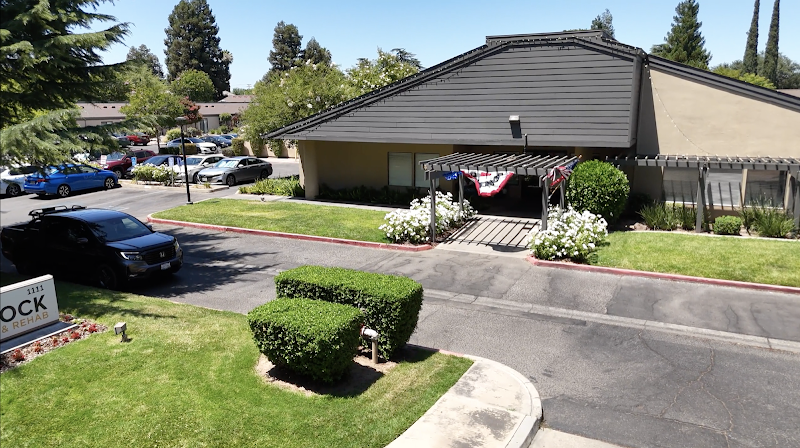
How is Turlock Nursing & Rehabilitation Center Staffed?

CMS rates TURLOCK NURSING & REHABILITATION CENTER's staffing level at 3 out of 5 stars, which is average compared to other nursing homes. Staff turnover is 38%, compared to the California average of 46%. This relatively stable workforce can support continuity of care.

What Have Inspectors Found at Turlock Nursing & Rehabilitation Center?

State health inspectors documented 41 deficiencies at TURLOCK NURSING & REHABILITATION CENTER during 2018 to 2025. These included: 41 with potential for harm.
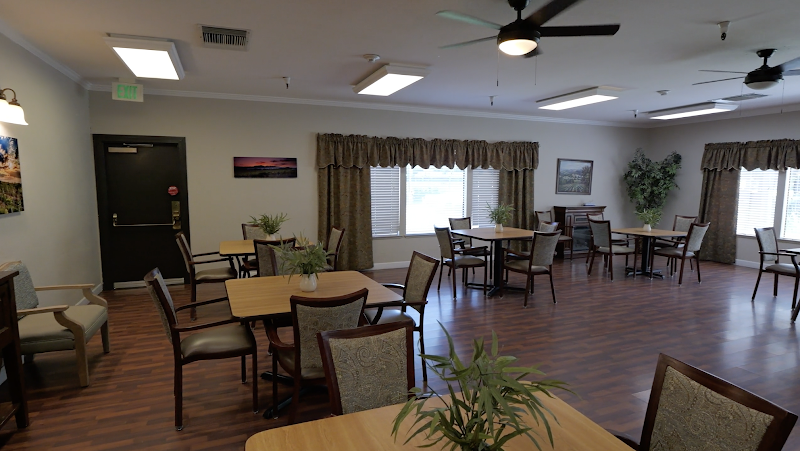
Who Owns and Operates Turlock Nursing & Rehabilitation Center?

TURLOCK NURSING & REHABILITATION CENTER is owned by a for-profit company. For-profit facilities operate as businesses with obligations to shareholders or private owners. The facility is operated by COVENANT CARE, a chain that manages multiple nursing homes. With 144 certified beds and approximately 129 residents (about 90% occupancy), it is a mid-sized facility located in TURLOCK, California.
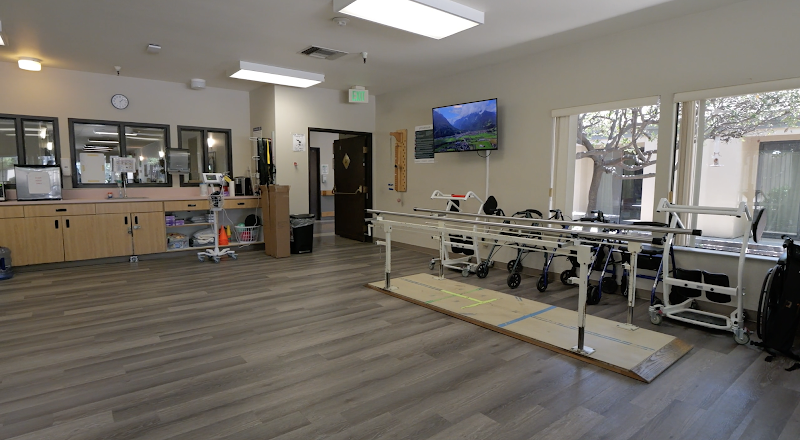
How Does Turlock Nursing & Rehabilitation Center Compare to Other California Nursing Homes?

Compared to the 100 nursing homes in California, TURLOCK NURSING & REHABILITATION CENTER's overall rating (5 stars) is above the state average of 3.2, staff turnover (38%) is near the state average of 46%, and health inspection rating (4 stars) is above the national benchmark.

What Should Families Ask When Visiting Turlock Nursing & Rehabilitation Center?

Based on this facility's data, families visiting should ask: "Can I visit during a mealtime to observe dining assistance and food quality?" "How do you handle medical emergencies, and what is your hospital transfer rate?" "Can I speak with family members of current residents about their experience?"

Is Turlock Nursing & Rehabilitation Center Safe?

Based on CMS inspection data, TURLOCK NURSING & REHABILITATION CENTER has a clean safety record: no substantiated abuse findings (meaning no confirmed cases of resident harm), no Immediate Jeopardy citations (the most serious violation level indicating risk of serious injury or death), and is not on the Special Focus Facility watch list (a federal program monitoring the lowest-performing 1% of nursing homes). The facility has a 5-star overall rating and ranks #1 of 100 nursing homes in California. While no facility is perfect, families should still ask about staff-to-resident ratios and recent inspection results during their visit.

Do Nurses at Turlock Nursing & Rehabilitation Center Stick Around?

TURLOCK NURSING & REHABILITATION CENTER has a staff turnover rate of 38%, which is about average for California nursing homes (state average: 46%). Moderate turnover is common in nursing homes, but families should still ask about staff tenure and how the facility maintains care continuity when employees leave.

Was Turlock Nursing & Rehabilitation Center Ever Fined?

TURLOCK NURSING & REHABILITATION CENTER has no federal fines on record. CMS issues fines when nursing homes fail to meet care standards or don't correct problems found during inspections. The absence of fines suggests the facility has either maintained compliance or corrected any issues before penalties were assessed. This is a positive indicator, though families should still review recent inspection reports for the full picture.

Is Turlock Nursing & Rehabilitation Center on Any Federal Watch List?

TURLOCK NURSING & REHABILITATION CENTER is not on any federal watch list. The most significant is the Special Focus Facility (SFF) program, which identifies the bottom 1% of nursing homes nationally based on persistent, serious quality problems. Not being on this list means the facility has avoided the pattern of deficiencies that triggers enhanced federal oversight. This is a positive indicator, though families should still review the facility's inspection history directly.