KAWEAH HEALTH SKILLED NURSING CENTER
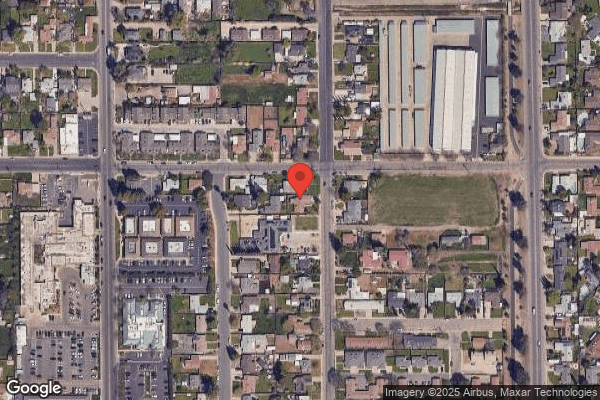
1633 SOUTH COURT STREET, VISALIA, CA 93277 (559) 624-6037
Government - Hospital district 70 Beds Independent Data: November 2025
Trust Grade
68/100
#378 of 1155 in CA
Last Inspection: March 2025

Within standard 12-15 month inspection cycle. Federal law requires annual inspections.

Overview

Kaweah Health Skilled Nursing Center has a Trust Grade of C+, indicating it is slightly above average, but not a top choice. It ranks #378 out of 1,155 facilities in California, placing it in the top half, and #4 out of 16 in Tulare County, meaning only three local options are better. The facility is improving, with the number of issues decreasing from 10 in 2024 to 6 in 2025. Staffing is a strength, with a solid rating of 4 out of 5 stars and a turnover rate of just 24%, which is significantly lower than the state average of 38%. However, there are concerns, including a serious incident where a resident did not receive necessary life support for over two hours, leading to a respiratory crisis, and several instances of inadequate food safety practices that could potentially cause foodborne illnesses. Additionally, there were failures in infection control, including improper glove use during wound care, which could increase the risk of infections among residents.

Trust Score
C+
68/100
In California
#378/1155
Top 32%
Safety Record
Moderate
Needs review
Inspections
Getting Better
10 → 6 violations
Staff Stability
✓ Good
24% annual turnover. Excellent stability, 24 points below California's 48% average. Staff who stay learn residents' needs.
Penalties
○ Average
$3,367 in fines. Higher than 73% of California facilities. Some compliance issues.
Skilled Nurses
✓ Good
Each resident gets 122 minutes of Registered Nurse (RN) attention daily — more than 97% of California nursing homes. RNs are the most trained staff who catch health problems before they become serious.
Violations
⚠ Watch
23 deficiencies on record. Higher than average. Multiple issues found across inspections.
★★★★☆
4.0
Overall Rating
★★★★☆
4.0
Staff Levels
★★★★☆
4.0
Care Quality
★★★★☆
4.0
Inspection Score
Stable
2024: 10 issues
2025: 6 issues

The Good

  • 4-Star Staffing Rating · Above-average nurse staffing levels
  • 4-Star Quality Measures · Strong clinical quality outcomes
  • Low Staff Turnover (24%) · Staff stability means consistent care
  • Full Sprinkler Coverage · Fire safety systems throughout facility
  • No fines on record
  • Staff turnover is low (24%)

    24 points below California average of 48%

Facility shows strength in staffing levels, quality measures, staff retention, fire safety.

The Bad

Federal Fines: $3,367

Below median ($33,413)

Minor penalties assessed

The Ugly 23 deficiencies on record

1 actual harm
Jul 2025 1 deficiency
CONCERN (D) 📢 Someone Reported This

A family member, employee, or ombudsman was alarmed enough to file a formal complaint

Potential for Harm - no one hurt, but risky conditions existed

ADL Care (Tag F0677)

Could have caused harm · This affected 1 resident

Based on observation, interview, and record review, the facility failed to provide Activities of Daily Living (ADL) care for one of three sampled residents (Resident 1) when Resident 1's fingernails w...

Read full inspector narrative →
Based on observation, interview, and record review, the facility failed to provide Activities of Daily Living (ADL) care for one of three sampled residents (Resident 1) when Resident 1's fingernails were not cut. This resulted in Resident 1 having long, thick, yellow fingernails and potential for increased risk of nail infection.Findings:During a concurrent observation and interview on 7/9/25 at 10:16 a.m. with Assistant Director of Nurses (ADON) in Resident 1's room, Resident 1 was noted lying in bed. Both hands were contracted (a stiffening/shortening at any joint, that reduces the joint's range of motion), and all ten fingernails were long, thick, and yellow. ADON confirmed Resident 1's fingernails were long, thick, and yellow.During an interview on 7/9/25 at 10:20 a.m. Registered Nurse (RN), RN stated she has been working at the facility for a few years and Resident 1's fingernails has always been thick, long, and yellow.During an interview on 7/9/25 at 10:26 a.m. with Certified Nursing Assistant (CNA 1 and CNA 2), CNA 1 stated she does not recall the last time she had cut or filed (process of smoothing and shortening fingernails) Resident 1's fingernails. CNA 2 stated she has not cut or filed Resident ‘s fingernails. CNA 1 and CNA 2 stated Resident's fingernails were long, thick, and yellow. CNA 2 stated she felt uncomfortable cutting or filling Resident 1's fingernails because he has those fungus (thick and yellow) nails.During a review of the facility's policy and procedure (P&P) titled, Listing of Available Services dated 1/3/2000, the P&P indicated, 1. Covered Services include the following and no additional charges will be made to the resident and/or representative (sponsor): . B. Personal services and supplies for the comfort and cleanliness of the resident. These include, but are not limited to: nail care.
Mar 2025 5 deficiencies
CONCERN (D)

Potential for Harm - no one hurt, but risky conditions existed

Deficiency F0558 (Tag F0558)

Could have caused harm · This affected 1 resident

Based on observation, interview, and record review, the facility failed to ensure one of one sampled resident (Resident 342) were answered with a prolonged delay. This failure had the potential for Re...

Read full inspector narrative →
Based on observation, interview, and record review, the facility failed to ensure one of one sampled resident (Resident 342) were answered with a prolonged delay. This failure had the potential for Resident 342 to experience psychosocial harm when she stated the delay made her feel unimportant. Findings: During a review of Resident 342's History and Physical (H&P), dated 3/15/25, the H&P indicated, Resident 342 had a lumbar laminectomy (the removal of the back part of a lower back bone). and was alert and oriented. During an interview on 3/17/25 at 10:27 a.m. with Resident 342, Resident 342 stated she pressed her call light when she required assistance to the bathroom. Resident 342 stated when she activated her call light prior to shift change, she would wait 45 minutes to an hour for a response. Resident 342 stated the staff would come into her room, turn off the call light, then leave the room. Resident 342 stated the staff help her use the bathroom thirty minutes after shift change. Resident 342 stated she was afraid she might urinate on her self because of the staff's delay in answering her call light when she needed to use the bathroom. Resident 342 stated the staff would come in with sighing noises before assisting her to the bathroom. Resident 342 stated the staff actions made her feel unimportant. During an interview on 3/19/25 at 8:41 a.m. with Licensed Vocational Nurse (LVN) 1, LVN 1 stated staff should address the concerns of the resident when turning off the call light. During a review of the facility's policy and procedure (P&P) titled, Nurse Call System, dated 2024, the P&P indicated, D. Staff will respond promptly to ensure resident safety and health needs are met in a reasonable amount of time. During a review of the facility's P&P titled, California Standard admission Agreement For Skilled Nursing Facilities and Intermediate Care Facilities, undated, the P&P indicated, .(e) Accommodation of needs.(1).receive services in the facility with reasonable accommodation of individual needs and preferences.
CONCERN (D)

Potential for Harm - no one hurt, but risky conditions existed

Deficiency F0658 (Tag F0658)

Could have caused harm · This affected 1 resident

Based on observation, interview, and record review, the facility failed to provide services that meet professional standards when: 1. One of five sampled residents (Resident 343) did not have a physi...

Read full inspector narrative →
Based on observation, interview, and record review, the facility failed to provide services that meet professional standards when: 1. One of five sampled residents (Resident 343) did not have a physician's order severe pain. This failure resulted in Resident 343's severe pain to not be managed. 2. Four of Four Licensed staff (Registered Nurse [RN] 2, Licensed Vocational Nurse [LVN] 4, and RN 1) were unaware of the process of checking for Gastrostomy Tube (GTube - a tube surgically inserted to the abdomen into the stomach)'s placement for three of three sampled residents (Resident 21, Resident 8, and Resident 15). This failure had the potential for Resident 21, Resident 8, and Resident 15 to aspirate (accidental inhalation of foreign substances into the lungs) and had the potential to cause harm or death. 3. LVN 1 failed to flush the GTube with water between medication administration for one of five sampled residents (Resident 8). This failure had the potential for medications to clog or block the GTube and not reach the stomach for proper absorption. Findings: 1. During a concurrent observation and interview on 3/19/25 at 8:52 a.m. with LVN 1, in Resident 343's room, LVN 1 administered Norco (pain reliever for moderate pain) to Resident 343 for a pain level of 7 of 10 on a pain scale (1. Mild=1-3, 2. Moderate=4-6, 3. Severe=7-10.). During a review of Resident 343's Order Sheet (OS), dated 3/12/25, the OS indicated, Norco 1 tab, by mouth, every 4 hours. PRN [as needed] for pain, moderate (scale 4-6). During a review of Resident 343's Flowsheet Print Request (FPR), dated 3/19/25, the FPR indicated, Norco was administered for Numeric Pain Score above 6 on the following dates and times: 3/13/25 at 10:07 p.m. Numeric Pain Score of 7 3/14/25 at 3:59 p.m. Numeric Pain Score of 7 3/14/25 at 9:49 p.m. Numeric Pain Score of 8 3/15/25 at 3:24 p.m. Numeric Pain Score of 7 3/17/25 at 9:25 a.m. Numeric Pain Score of 9 3/17/25 at 11:18 a.m. Numeric Pain Score of 8 3/17/25 at 7:21 p.m. Numeric Pain Score of 7 3/18/25 at 9:49 p.m. Numeric Pain Score of 7 3/19/25 at 8:52 a.m. Numeric Pain Score of 7 During an interview on 3/19/25 at 2:38 p.m. with LVN 1, LVN 1 stated she did not notify the doctor regarding Resident 343's severe pain level of 7 out of 10. During an interview on 3/19/25 at 2:49 p.m. with Director of Nursing (DON) 1, DON 1 stated there was no severe pain medication order for Resident 343. DON 1 stated the nurse should have contacted the doctor regarding Resident 343's severe pain that was greater than six on the pain scale. DON 1 stated there was no documentation the nurse contacted the doctor regarding Resident 343's pain score of seven. During a review of the facility's P&P titled, Pain Assessment and Reassessment, Standards for, dated 10/20/22, the P&P indicated, Policy: [facility name]recognized and upholds the rights of patients to have pain safely and effectively managed .The presence and intensity of pain will be based on the patient's self-report .indicators in order to balance the need for pain control with the risk of over sedation. Patients will receive the best level of pain control that can be safely provided. All patient care staff will demonstrate competency in the identification and intervention for pain management within the scope of his/her role. Staff will gather data on the patient's level of pain and sedation as the 5th Vital Sign and communicate unexpected findings as appropriate among the healthcare team .VII. PRIOR TO PHARMACOLOGICAL INTERVENTION FOR PAIN: .C. Severity (0-10/10). Numeric values for pain for verbal .are defined as: 1. Mild=1-3, 2. Moderate=4-6, 3. Severe=7-10. 2. During an observation on 3/18/25 at 12:15 p.m. in Resident 21's room, RN 2 placed syringe on Resident 21's GTube port and aspirated (pulled out) to check for residual formula (amount of liquid left in the stomach). During an interview on 3/18/25 at 12:26 p.m. with RN 2, RN 2 stated she aspirated for residual formula to check for correct placement of a GTube During an observation on 3/20/25 at 8:27 a.m. in Resident 8's room, LVN 4 used a syringe to aspirate formula residuals from Resident 8's GTube. During an observation on 3/20/25 at 9:06 a.m. in Resident 15's room, LVN 4 used a syringe to aspirate Resident 15's GTube for residuals. During an interview on 3/20/25 at 9:24 a.m. with RN 1, RN 1 stated nurses can either aspirate with syringe to check for formula residuals or use a stethoscope to check for GTube placement. During an interview on 3/20/25 at 9:31 a.m. with LVN 4, LVN 4 stated we can aspirate the GTube for residual to check for placement. During an interview on 3/20/25 at 11:38 a.m. with DON 2, DON 2 stated nurses should follow the policy for medication administration via GTube. DON 2 stated using a stethoscope to check for placement was not on the policy. During a review of the facility's P&P titled, Medication: Administration, dated 11/2024, the P&P indicated, K. Administration via tube .4. Assessment prior to medication administration, (1) Verify placement of the tube prior to medication administration by checking markings on the tube to make sure it has not migrated. 3. During an observation on 3/20/25 at 8:27 a.m. in Resident 8's room, LVN 4 administered Famotidine (treats excess stomach acid) and then administered Carvedilol (treats high blood pressure) without flushing with 5 ml (milliliters) of water between each medication. During a review of the facility's P&P titled, Medication Administration, dated 11/20/24, the P&P indicated, 5. When administering multiple medications each separate medication must be crushed and dissolved separately and administered separately using 5 ml of water to flush in between each medication.
CONCERN (D)

Potential for Harm - no one hurt, but risky conditions existed

Deficiency F0761 (Tag F0761)

Could have caused harm · This affected 1 resident

Based on observation, interview, and policy review, the facility failed to ensure one of one medication cart (Medication Cart 1) was kept locked or under direct observation by authorized staff. This f...

Read full inspector narrative →
Based on observation, interview, and policy review, the facility failed to ensure one of one medication cart (Medication Cart 1) was kept locked or under direct observation by authorized staff. This failure had the potential for residents, unauthorized staff, and visitors to have access to medications. Findings: During an observation on 3/19/25 at 8:25 a.m. outside the medication room, there was an unlocked medication cart (Medication Cart 1). Medication Cart 1 contained insulin vials. During an interview on 3/19/25 at 8:26 a.m. with Director of Nursing (DON) 1, DON 1 stated the medication cart should have been locked. During an interview on 3/19/25 at 8:27 a.m. with Director of Rehabilitation (DOR), DOR stated the medication cart should be kept locked when not in use. During a review of the facility's policy and procedure (P&P) titled, Medication: Security in Patient Care Areas, dated 9/23/19, the P&P indicated, Policy: All medications are to be stored in a secure manner and accessible to authorized staff only.D. Medication Carts 1. Medication carts must be locked when not in use.
CONCERN (D)

Potential for Harm - no one hurt, but risky conditions existed

Food Safety (Tag F0812)

Could have caused harm · This affected 1 resident

Based on observation, interview and record review, the facility failed to ensure three of three nutritional products available for resident use were not expired. This failure had the potential for res...

Read full inspector narrative →
Based on observation, interview and record review, the facility failed to ensure three of three nutritional products available for resident use were not expired. This failure had the potential for residents to develop food borne illness. Findings: During a concurrent observation and interview on 3/18/25 at 11 a.m. with Registered Nurse (RN) 3 in Wing A medication room, there were three unopened pro source protein nutrition product that had an expiration date of 7/31/2024. RN 3 stated the expired pro source products should not have been available for resident use. During a review of the facility's policy and procedure (P&P) titled, Recall & [and] Expired Products, dated 2024, the P&P indicated, Recall and expired food and other nutrition products will not be provided to patients and customers.
CONCERN (E)

Potential for Harm - no one hurt, but risky conditions existed

Infection Control (Tag F0880)

Could have caused harm · This affected multiple residents

**NOTE- TERMS IN BRACKETS HAVE BEEN EDITED TO PROTECT CONFIDENTIALITY** Based on observation, interview, and record review, the facility failed to follow infection control standards of practice when: ...

Read full inspector narrative →
**NOTE- TERMS IN BRACKETS HAVE BEEN EDITED TO PROTECT CONFIDENTIALITY** Based on observation, interview, and record review, the facility failed to follow infection control standards of practice when: 1. The vinyl cover on two of four linen carts in the hallway were damaged exposing the clean linen. 2. The Infection Preventionist Nurse (IPN) did not ensure infection control surveillance was being done on a regular basis. 3. A Wound Treatment Nurse (WTN) did not change gloves or wear gown in good repair during a wound care treatment for one of one sampled resident (Resident 5). 4. An used urinal was on a bedside table for one of one sampled resident (Resident 291). 5. The glucometer machine (measures the amount of sugar in the blood) was disinfected with unapproved wipes for two of two sampled residents (Resident 20, Resident 343). These failures had the potential to cause infections and spread of bacteria to residents, staff, and visitors. Findings: 1. During a concurrent observation and interview on 3/18/25 at 4:27 p.m. with Registered Nurse (RN) 4 near room [ROOM NUMBER], one linen cart's vinyl drape was open exposing the clean linen. RN 4 stated the linen cart vinyl cover should have been closed. During a concurrent observation and interview on 3/19/25 at 9:33 a.m. with IPN in the subacute unit, two linen carts were observed in the hallway. Both carts damaged vinyl covers with multiple tears and large holes. IPN stated, I am aware of this, it is unacceptable, clean linen should be covered without exposure. During a review of the facility's policy and procedure (P&P) titled, Linen Carts, dated 9/29/15, the P&P indicated, Laundry staff will monitor the condition of linen carts and cart covers and report issues to the Supervisor for action .III. Cart covers will be checked daily by the linen attendant and replaced as they become soiled or damaged. Covers will be removed when needed and washed, dried and returned to carts .V. Laundry staff will check carts daily and report needed repairs to maintenance department. 2. During an interview on 3/19/25 at 9:45 a.m. with IPN, IPN was unable to provide evidence of infection control monitoring, infection control audits or data collection. IPN stated, I don't document anything about surveillance on paper. I don't have any type of tracking system. During a concurrent interview and record review on 3/20/25 at 10:53 a.m. with IPN and Infection Prevention Manager (IPM), the facility's P&P titled, Healthcare Associated Infection Surveillance Plan, dated 8/19/22, the P&P indicated, VII. Surveillance data will be summarized into a report for review by the Infection Prevention Committee. VIII. Surveillance summaries are included in the IP dashboard. IPN was unable to provide infection control surveillance data. IPN stated the data she reported to Quality Assurance Program Improvement was In my head. 3. During a concurrent observation and interview on 3/17/25 at 11:12 a.m. with WTN in Resident 5's room, Resident 5's wound care was performed by WTN. WTN entered Resident 5's room wearing a cloth gown missing the ties in the back, top, and bottom used to tie the gown closer to the body. WTN put on glovers. WTN removed Resident 5's brief and three soiled dressings from Resident 5's lower back and buttocks. WTN sprayed the lower back and buttock wounds with wound cleaner and removed feces from around the wounds. WTN applied a barrier cream to the wounds and three clean dressings. WTN turned Resident 5 to her back and removed the feeding tube dressing. WTN cleansed the area and placed a new dressing around the feeding tube. WTN did not change her gloves or wash her hands at any time during the procedures. The WTN's gown was falling off her shoulders and fell to her elbows during the procedures. WTN stated she should have changed gloves after moving from dirty (i.e. removing soiled dressing) to clean (i.e. handling clean supplies, applying medication). During a review of Centers for Disease Control and Prevention (CDC) Organization, the CDC indicated, It's crucial to change gloves and perform hand hygiene when moving from a dirty to a clean task or area, and also when gloves become soiled or damaged. During an interview on 3/19/25 at 2:19 p.m. with IPN, IPN stated if a gown is not in good condition and missing the strings that tie in the back, it was no longer a barrier and should not be worn by staff. During an interview on 3/19/25 at 2:20 p.m. with Laundry Manager (LM), LM stated, each building has a reject container for linens and staff gowns that were not in good condition. She stated a gown that is torn or missing the ties should not be worn, it should be placed in the reject container. 4. During a concurrent observation and interview on 3/17/25 at 10:17 a.m. with Resident 291 in Resident 291's room, there was a used urinal on the bedside table near a water pitcher, grapes in an open storage bag, and a denture container. During an interview on 3/17/25 at 10:25 a.m. with Certified Nurses Assistant (CNA) 1, CNA 1 stated Resident 291's urinal should not be placed on Resident 291's bedside table. CNA 1 stated she should have placed the urinal on the urinal holder. During an interview on 3/19/25 at 10:59 a.m. with Director of Nursing (DON) 1, DON 1 stated the facility had a urinal holder that was placed at side of the bed. DON 1 stated Resident 291's used urinal should not have been placed on the bedside table next to his personal belongings. 5. During an observation on 3/18/25 at 12 p.m. at the nurse's station, Registered Nurse (RN) 2 used CAVI wipes (cleaner and disinfectant) to clean the glucometer machine then placed the glucometer machine on the charging port. During an interview on 3/18/25 at 12:01 p.m. with RN 2, RN 2 stated she used the CAVI wipes to clean the glucometer machine after checking residents fingerstick blood sugar. During an interview on 3/18/25 at 12:03 p.m. with Assistant Director of Nursing (ADON), ADON stated the facility used CAVI wipes or alcohol wipes to clean the glucometer machine after each resident use. During an interview on 3/19/25 at 8:32 a.m. with DON 1, DON 1 stated the staff are to clean the glucometer machine after resident use using an alcohol pad or a CAVI wipe. During a concurrent interview and record review on 3/20/2025 at 11:03 a.m. with Infection Preventionist Nurse (IPN), the Nova Biomedical Stat Strip Glucose Hospital Meter System (glucometer) Instructions for Use Manual, (IFUM) dated 2024 was reviewed. The IFUM indicated, Acceptable Cleaning and Disinfecting Materials: Nova Biomedical recommends the use of Clorox Healthcare Bleach Germicidal Wipes. IPN stated the facility's Sani-Cloth and CAVI wipes do not contain bleach. IPN stated she was not aware the glucometer machine required the use of disinfecting wipes which contained bleach for cleaning. During an interview on 3/20/25 at 1:23 p.m. with DON 1, DON 1 stated she did not know that the glucometer manual requires bleach for disinfecting. During a review of the facility's P&P titled, Equipment Cleaning and Low/Intermediate Level Disinfection, dated 6/27/24, the P&P indicated, Policy: All common areas and common equipment will be cleaned appropriately according to standards provided by . the manufactures' manuals/recommendations.
Mar 2024 10 deficiencies
CONCERN (D)

Potential for Harm - no one hurt, but risky conditions existed

Deficiency F0578 (Tag F0578)

Could have caused harm · This affected 1 resident

Based on interview and record review, the facility failed to follow it's policy and procedure on Advance Directive (AD - a written statement of a person's wishes regarding medical treatment made to en...

Read full inspector narrative →
Based on interview and record review, the facility failed to follow it's policy and procedure on Advance Directive (AD - a written statement of a person's wishes regarding medical treatment made to ensure those wishes are carried out should the person be unable to communicate them) for one of 36 sampled resident's (Resident 28). This failure had the potential to result in staff not providing to Resident 28 the appropriate treatment in the event of emergency. Findings: During a review of Resident 28's clinical record it was noted there was no documented advance directive. During an interview on 3/18/24 at 2:47 p.m. with Director of Nursing (DON), DON stated the licensed nurses on the floor go over the admission and ask the patients if they want an AD. DON stated if they mark a yes, the information goes over to the social worker. During a concurrent interview and record review on 3/19/24 at 8:44 a.m. with Registered Nurse (RN) 3, Resident 28's, Electronic Health Record (EHR- an electronic patient chart) was reviewed. Resident 28's EHR indicated, no documented AD. RN 3 stated if the AD is checked yes, then it would go to patient family services. RN 3 stated patient family services would complete the AD. RN 3 stated she is unable to locate AD. During an interview on 3/19/24 at 10:30 a.m. with Resident 28, Resident 28 stated when he was admitted into the facility, he informed staff that he had an AD. During an interview on 3/19/24 at 10:40 a.m. with Social Services (SS), SS stated when the nurses mark the box yes or no on the admission assessment, it generates a clinical order for the AD. SS stated the AD was not followed and the order was not generated. During a review of the facility's policy and procedure (P&P) titled, Advanced Directives (AD), dated 10/16/2022, the P&P indicated, I. Upon admission to (facilty) inpatient units, skilled nursing units . all will be asked if they have an Advanced Directive or desire more information about Advance Directives. B. If a patient at admission states Yes they have an Advance Directive, but a copy is not readily available, then the following will be done: 1. The Patient Access Registrar will enter Yes in the hospital information system.
CONCERN (D)

Potential for Harm - no one hurt, but risky conditions existed

Assessment Accuracy (Tag F0641)

Could have caused harm · This affected 1 resident

Based on interview and record review, the facility failed to ensure one of 36 sampled residents (Resident 23) significant change in status MDS (Minimum Data Set; Resident Assessment and Care Screening...

Read full inspector narrative →
Based on interview and record review, the facility failed to ensure one of 36 sampled residents (Resident 23) significant change in status MDS (Minimum Data Set; Resident Assessment and Care Screening) was accurately completed for section K (Nutritional Status) when Resident 23 received nutrition care for a planned weight gain. This failure had the potential to result in an inaccurate MDS that could impede care planning to meet resident's needs. Findings: During a concurrent interview and record review on 03/20/24 at 09:57 a.m., with the Registered Dietitian (RD), Resident 23's Nutrition Note (NN), completed by RD on 9/2/22 was reviewed. Resident 23's NN, dated 9/2/22, indicated, Weight .: 79.7 kg [175 pounds] . Ideal Body Weight Calculated: 105.2 kg [231 pounds]. RD stated the NN, dated 9/2/22, was Resident 23's admission comprehensive nutrition assessment. RD stated, Resident 23's daily nutritional needs were assessed at 2,700 calories (a unit of energy) a day based on 35 kcal[calories]/kg [per kilogram, a unit of mass, of body weight] of his admission weight of 79.7 kg to promote weight gain. RD stated the goal was for Resident 23 to gain weight due to his underweight status as evidenced by a BMI [body mass index; used as an indicator of obesity and underweight] of 17.5, and he was 75.76% [percent] of his ideal body weight of 105.2 kg. During a concurrent interview and record review on 03/20/24 at 02:25 p.m., with RD in the presence of MDS Coordinator (MDSC), Director of Nursing (DON) and Assistant Director of Nursing (ADON), Resident 23's MDS titled Significant change in status assessment (SCS), dated as complete on 8/31/23 by the MDSC was reviewed. The SCS indicated, K0200. Height and Weight: 75 inches, 211 pounds. RD stated she completed section K (Nutritional Status) of the MDS on 8/31/2023. RD stated for the previous 30 days and six months of the 8/31/23 MDS, Resident 23 was on a planned weight gain tube feeding regimen. RD reviewed K0310. Weight Gain, and RD stated it was coded as 2 meaning Yes [had significant weight gain], not on physician-prescribed weight-gain regimen. RD stated the facility was actively trying to achieve weight gain for Resident 23, and RD stated the tube feeding orders were assessed to provide a planned weight gain. RD stated she was not sure who was responsible for contacting the doctor to get a specific physician order for weight gain to reflect the care and services provided to Resident 23, which was a planned weight gain regimen. RD stated I guess it was me who should have done that. During a concurrent interview and record review on 03/20/24 at 02:35 p.m. with MDSC, MDSC reviewed Resident 23's MDS titled Significant change in status assessment (SCS), dated as complete on 8/31/23. MDSC stated section K0310. Weight Gain was not completed accurately when a 2 was coded that meant Yes, not on physician-prescribed weight-gain regimen. MDSC stated, section K0310. Weight Gain should have been coded as a 1 which meant Yes [had weight gain], on physician-prescribed weight-gain regimen. During a review of the facility's policy and procedure (P&P) titled, RAI Process: Skilled Nursing Care, dated 9/14/23, the P&P indicated, Policy: All disciplines participating in the Resident Assessment Instrument (RAI) process will accurately complete their assessments. Sections to be completed. K . Responsible Discipline: Registered Dietician. After completing a section, the discipline will sign their name, electronically attesting to its accuracy. Then, the RN [Registered Nurse] assessment coordinator signs the assessment (Z0500) verifying assessment completion.
CONCERN (D)

Potential for Harm - no one hurt, but risky conditions existed

Tube Feeding (Tag F0693)

Could have caused harm · This affected 1 resident

Based on observation, interview, and record review, the facility failed to ensure the head of bed (HOB) of one of 10 sampled residents (Resident 8) was elevated at least 30 degrees while receiving ent...

Read full inspector narrative →
Based on observation, interview, and record review, the facility failed to ensure the head of bed (HOB) of one of 10 sampled residents (Resident 8) was elevated at least 30 degrees while receiving enteral tube (delivery of nutrition via a tube or catheter inserted directly into the stomach through the abdominal wall) feedings. This failure had the potential to result in aspiration (inhaling foreign substance such as food or liquid into the airway and lungs) and lung problems to Resident 8. Findings: During a review of Resident 8's Order Sheet (OS), dated10/10/23, the OS indicated, Tube Feeding Continuous.GTUBE [enteral tube], Jevity 1.5 [formula].55 [milliliters per hour], 24 hours [per day]. During an observation on 3/18/24 at 10:24 a.m. in Resident 8's room, Resident 8 was laying on his left side with the HOB elevated to 15 degrees as indicated by the measuring guide on the side of Resident 8's bed. Resident 8's enteral tube feeding was running at 55 milliliters (ml) per hour. During an interview on 3/18/24 at 10:29 a.m. with Registered Nurse (RN) 1, RN 1 stated according to policy Resident 8's HOB should be elevated at 30 degrees while receiving enteral feeding. During a concurrent observation and interview on 3/18/24 at 10:30 a.m. with Assistant Director of Nursing (ADON) in Resident 8's room, ADON stated Resident 8's HOB was elevated at 15 degrees. ADON stated Resident 8's HOB should have been elevated to a minimum of 30 degrees while receiving enteral feeding. During a review of Resident 8's At Risk for Aspiration IPOC (IPOC-Individual Plan of Care), dated 3/29/19, the IPOC indicated, Elevate Head of Bed during and after Meals.Position Head of Bed to Prevent Aspiration. During a review of the facility's policy and procedure (P&P) titled, Nutrition: Enteral Nutrition, dated 10/30/23, the P&P indicated, To provide best practice guidelines in order to prevent complications and guide the safe management of enteral nutrition in adult inpatients.III.B. Aspiration precautions.HOB elevated to 30-45 degrees.
CONCERN (D)

Potential for Harm - no one hurt, but risky conditions existed

Deficiency F0761 (Tag F0761)

Could have caused harm · This affected 1 resident

**NOTE- TERMS IN BRACKETS HAVE BEEN EDITED TO PROTECT CONFIDENTIALITY** Based on observation, interview, and record review, the facility failed to ensure: 1. One of 36 sampled residents (Resident 190)...

Read full inspector narrative →
**NOTE- TERMS IN BRACKETS HAVE BEEN EDITED TO PROTECT CONFIDENTIALITY** Based on observation, interview, and record review, the facility failed to ensure: 1. One of 36 sampled residents (Resident 190) expired medication was disposed. 2. One of 36 sampled residents (Resident 138) medication was properly labeled with an expiration date. These failures had the potential for residents to receive expired medications which can adversely affect residents health condition. Findings: 1. During a concurrent observation and interview on 3/20/24 at 9:59 a.m. with LVN 2, in medication storeroom one, Resident 190's [NAME] mouth wash (oral medication containing various liquid medications) 120 milliliter (ml)/10 ml had expired on 3/11/24. LVN 2 stated Resident 190 had been discharged from the facility and this medication should have been discarded. During a review of the facility's policy and procedure (P&P) titled Disposal of Unusable Medications, dated 8/24/22, the P&P indicated, Procedure: I. Initial handling of pharmaceutical waste. A. Unused or outdated medications returned to pharmacy shall be evaluated for disposition (disposal, return to stock, or sent to a pharmaceutical waste management company). During a review of the facility's P&P titled Medication: Administration, dated 3/7/24, the P&P indicated, . C. Discharges. 3. All medications specific to a particular patient, which are not being sent home, will be promptly returned to pharmacy for proper disposal. 2. During a concurrent observation and interview on 3/20/24 at 8:19 a.m. with LVN 2, LVN 2 administered Eye relief/refresh eye drops to Resident 138 right and left eye. LVN 2 reviewed the bottle of eye drops and stated there should be an opened date and expiration date on the bottle and there was not. During a concurrent observation and interview on 3/20/24 at 10:22 a.m. with Pharmacist (Pharm), in the medication storeroom, Resident 138 Eye relief/refresh artificial drops were reviewed. Pharm stated Resident 138 eye drops were not properly labeled with an open or expiration date. During a review of the facility P&P titled, Labeling Standards, dated 9/22/23, the P&P indicated, All medications sent to the nursing unit for inpatient use and not available in pyxis will be labeled . and include the following information: Beyond use or expiration date, and lot number when not noted on the original package.
CONCERN (D)

Potential for Harm - no one hurt, but risky conditions existed

Menu Adequacy (Tag F0803)

Could have caused harm · This affected 1 resident

Based on observation, interview, and record review the facility failed to follow individualized meal tray ticket directions for one of 36 sampled residents (Resident 189) vegetables were not chopped. ...

Read full inspector narrative →
Based on observation, interview, and record review the facility failed to follow individualized meal tray ticket directions for one of 36 sampled residents (Resident 189) vegetables were not chopped. This failure had the potential to result in meal preferences not being honored. Findings: During an observation on 3/18/24 at 11:54 a.m. in Kitchen 2, Resident 189's lunch plate was prepared by [NAME] II (CK) 1 and placed in the meal delivery cart by Diet Clerk (DC) 1. Resident 189's lunch plate included mixed vegetables (Cauliflower florets, Broccoli florets, and Carrot rounds) that were not served in a chopped texture. During a concurrent interview and record review on 3/18/24 at 11:54 a.m. with Certified Dietary Manager (CDM) 1, Resident 189's Lunch Meal Tray Ticket (MT), dated 3/18/24 was reviewed. The MT indicated Resident 189's texture request: chopped meats and chopped vegetables. CDM 1 stated the vegetables were not chopped and should have been in accordance with Resident 189's individualized menu directions located on the lunch meal tray ticket. During a review of Resident 189's Physician Orders (PO), dated 3/6/24, the PO indicated, Resident 189 was on a cardiac diet, diabetic, send chopped meats with gravy due to chewing issues per patient request. During a review of the facility's diet manual for chopped diet, (undated), the diet manual indicated, The Chopped/Dysphagia [difficulty swallowing] Level 3 diet is mechanically altered to meet the needs of patients with chewing or swallowing difficulties. Foods served require limited chewing. This diet is designed to maintain or improve the nutritional status of the patient. Food are moist and in bite-size pieces no larger than ½ inch. During a review of the facility's policy and procedure (P&P) titled, Tray Assembly Distribution and Cart Delivery, dated 10/14/2021, the P&P indicated, The following steps are used to ensure the accurate and timely distribution and retrieval of trays to patients with prescribed diets: .3. Food service staff member places food items on patient tray during tray line process according to the items listed on the patient tray ticket.
CONCERN (D)

Potential for Harm - no one hurt, but risky conditions existed

Deficiency F0813 (Tag F0813)

Could have caused harm · This affected 1 resident

Based on observation, interview, and record review the facility policy failed to address residents right to store outside food. This failure had the potential to not honor a resident and/ or families ...

Read full inspector narrative →
Based on observation, interview, and record review the facility policy failed to address residents right to store outside food. This failure had the potential to not honor a resident and/ or families request to store food from the outside for later consumption. Findings: During an interview on 3/18/24 at 3:00 p.m. with Licensed Vocational Nurse (LVN) 1, LVN 1 stated outside food has to be approved by the nurse and then the patient can have it, but the facility cannot store outside food due to potential cross contamination. During an interview on 3/18/24 at 3:02 p.m. with Certified Nurse Assistant (CNA) 1, CNA 1 stated our process for outside food brought in by family is to check with the nurse, family can bring in food to the resident's room. The facility cannot store patient food because the facility does not have a refrigerator for that. During an interview on 3/18/24 at 3:10 p.m. with Certified Dietary Manager (CDM) 1, CDM 1 stated the facility does not store outside food for patients. CDM 1 stated family can bring food in, but it has to be eaten or tossed, we do not store outside food for patients. During an interview on 3/18/24 at 3:44 p.m. with Director of Nursing (DON), DON stated the facility does not store outside food in the nourishment refrigerator or any refrigerator. DON stated if resident's family wanted to bring food from outside of the facility, the facility staff are trained to offer a bucket with ice but that would be for short term storage. During an observation on 3/18/24 at 3:47 p.m. the nourishment refrigerator in the nourishment floor had a sign that indicated, No patient food from home allowed in fridge per policy number: FNS.615. During an interview on 3/19/24 at 11:28 a.m. with Registered Nurse (RN) 2, RN 2 stated we don't store or reheat outside food. If it's something like candy it can be kept at the bedside, that's ok. It really isn't requested that often. During a review of the facility's policy and procedure (P&P) titled, Storage of Leftover Patient Food [FNS.615], dated 10/7/2021, the P&P indicated, Temperature Controlled for Safety food [TCS] [also known as potentially hazardous food] that is not consumed by a patient will be discarded within four hours of delivery and will not be stored in patient floor stock refrigerators. Procedure: . 3. In order to prevent risk of cross-contamination, uneaten patient food is not to be stored in patient floor stock refrigerators. During a review of the facility's policy and procedure (P&P) titled, Nutrition: Cafeteria and outside food, dated 2/2/2024, the P&P indicated, The Food and Nutrition Services department does not provide any oversight over any outside food for patient use.
CONCERN (D)

Potential for Harm - no one hurt, but risky conditions existed

Infection Control (Tag F0880)

Could have caused harm · This affected 1 resident

Based on observation, interview, and record review, the facility failed to implement infection prevention and control measures when two of two sampled Environmental Service Aides (EVS 1 and EVS 2) fai...

Read full inspector narrative →
Based on observation, interview, and record review, the facility failed to implement infection prevention and control measures when two of two sampled Environmental Service Aides (EVS 1 and EVS 2) failed to ensure high touch surface areas (handrails, call lights, doorknobs, pull cords etc.) were properly disinfected daily. This failure had the potential to place residents, staff, and visitors at risk for the spread of infectious diseases. Findings: During a concurrent observation and interview on 3/20/24 at 8:29 a.m. with EVS 1 in the housekeeping closet, the facility's cleaning detergents and disinfectants were on a wall mounted dispenser. EVS 1 stated, Vindicator [disinfectant used to kill bacteria, fungus and viruses] is used for surfaces in resident's rooms, Top Clean [cleaner that removes soil and leaves a shine] is for the floor and Multi-Purpose [cleaner that aids in brightening grout and enhancing the appearance of tiled surfaces] is for the handrails in hallways. EVS 1 stated the dwell time (amount of time a disinfectant needs to sit on a surface, without being wiped away or disturbed, to effectively kill germs) for Vindicator is one minute. EVS 1 stated she sprays the Vindicator onto surfaces, waits, and then wipes the surfaces down. During an interview on 3/20/24 at 8:41 a.m. with EVS 2, EVS 2 stated handrails in the resident hallways are disinfected with Vindicator once per week. During an interview on 3/20/24 at 9:55 a.m. with Laundry Manager (LM), LM stated Vindicator used in patient care areas and on high touch surfaces. LM stated Vindicator wet the entire 10 minutes. LM stated, We do not dry Vindicator. LM stated Housekeeping should not wipe surfaces after using Vindicator. LM stated hallway handrails are considered high touch areas and should be cleaned by housekeeping daily with Vindicator. During an interview on 3/21/24 at 2:11 p.m. with Infection Preventionist (IP), IP stated housekeeping had an approved disinfectant that they use on high touch surfaces. IP stated high touch surfaces should be disinfected daily and as needed. IP stated it was her expectation for housekeeping to follow what they had been trained to do based on facility policy. During a review of the facility's policy and procedure (P&P) titled, Cleaning Disinfectant(s)/Chemical(s), dated 9/2/19, the P&P indicated, Environmental Services staff shall use proper methods of disinfecting and cleaning as trained, using hospital approved cleaning disinfectant(s)/Chemical(s) that are deemed safe and effective.Environmental staff will disinfect/clean all surfaces in patient care and none [sic] patient care areas as defined by scope of work, using approved cleaning disinfectant(s)/chemical(s). During a review of the facility's P&P titled, Equipment Cleaning and Low/Intermediate Level Disinfection, dated 4/20/23, the P&P indicated, All common areas and common equipment will be cleaned appropriately according to standards provided by accrediting bodies, relevant associations, and the manufactures' manuals/ recommendations.The dwell times for cleaning solutions used at [facility] are listed in Table 1. Multiple cloths may be needed to ensure the minimum wet time is met. Surfaces must be allowed to air dry. Do not attempt to dry surfaces with a dry cloth, fan, by blowing on them or waving them through the air.General Areas: restrooms, countertops, elevators, furniture, televisions, telephones, office equipment, surfaces.Cleaning Product.Hospital Approved Disinfectant or Germicidal wipe.Frequency.Daily and as needed. During a review of the Manufacturer's Guidelines (MG) titled, Vindicator + Disinfectant Cleaner, (undated), the MG indicated, DISINFECTION.Apply solution with a mop, cloth, sponge, hand pump trigger sprayer or low-pressure coarse sprayer so as to wet all surfaces thoroughly. Allow to remain visibly wet for 10 minutes.
CONCERN (D)

Potential for Harm - no one hurt, but risky conditions existed

Room Equipment (Tag F0908)

Could have caused harm · This affected 1 resident

**NOTE- TERMS IN BRACKETS HAVE BEEN EDITED TO PROTECT CONFIDENTIALITY** Based on observation, interview, and record review the facility failed to ensure the walk-in freezer in Kitchen 1 was maintained...

Read full inspector narrative →
**NOTE- TERMS IN BRACKETS HAVE BEEN EDITED TO PROTECT CONFIDENTIALITY** Based on observation, interview, and record review the facility failed to ensure the walk-in freezer in Kitchen 1 was maintained in good repair. This failure had the potential to result in compromised food quality and safety. Findings: During an observation on 3/19/24 at 8:45 a.m. the walk-in freezer in Kitchen 1 had ice buildup on the plastic strip curtain entering the freezer, on tubing (pipe) on the door and ice buildup on a cardboard box. During a concurrent observation and interview on 3/19/24 at 8:46 a.m. with Certified Dietary Manager (CDM) 2 in Kitchen 1 walk in freezer, CDM 2 stated the ice buildup was addressed with a recent work order completed on 2/28/24, to repair the seals on the door. Per CDM 2 this work order was initiated on 2/27/24 due to ice buildup. CDM 2 stated he had not yet reported back to maintenance about the continued ice buildup and that he was observing it (ice buildup). CDM 2 stated the ice buildup is about the same as it was before the repair. CDM 2 stated there was no pending work orders for maintenance to the walk-in freezer. During a concurrent observation and interview on 3/19/24 at 9:34 a.m. with Maintenance Staff (MS) 2 in Kitchen 1 walk in freezer, MS 2 stated he thought the ice buildup was normal due to door being opened and hot air going in. MS 2 stated the extensive ice buildup was a sign of a properly working freezer because its less than zero degrees Fahrenheit (measurement of temperature). MS 2 stated there were no further repairs pending since the freezer is working properly. During a review of the [NAME] Refrigerated Boxes, Inc. walk in freezer manufacturers guidelines (MG), dated 2013, the MG indicated, Routine Maintenance.C. Note: Condensation or ice buildup around doors may indicate leakage or heater failure. Contact a serviceman immediately.F. Drain pan or drain line heater failure will result in ice buildup and Evaporator damage. During a review of the Food and Drug Administration (FDA) Food Code Annex (FDAFCA), dated 2022, the FDAFCA indicated, Proper maintenance of equipment to manufacturer specifications helps ensure that it will continue to operate as designed. During a review of the facility's policy and procedure (P&P) titled, Preventative Maintenance, dated 09/01/2021, the P&P indicated, Department Managers and Facility Maintenance department participate in and administer a preventative maintenance program in the facility.
CONCERN (D)

Potential for Harm - no one hurt, but risky conditions existed

Safe Environment (Tag F0921)

Could have caused harm · This affected 1 resident

Based on observation, interview, and record review, the facility failed to ensure 2 of 36 sampled residents (Resident 135 and Resident 140) empty vials of Heparin (a medicine used to decrease blood cl...

Read full inspector narrative →
Based on observation, interview, and record review, the facility failed to ensure 2 of 36 sampled residents (Resident 135 and Resident 140) empty vials of Heparin (a medicine used to decrease blood clots) were discarded in a designated waste bin. This failure had the potential to compromise the safety of residents, staff and visitors. Findings: During an observation on 3/19/24 at 8:32 a.m. at medication cart one, medication cart one was unattended with a vial of Heparin (a medicine used to decrease blood clots) 5,000 units (unit of measure) sitting on top of the cart. Several staff were noted walking past the unattended medication cart. During a concurrent observation and interview on 3/19/24 at 8:34 a.m. with Licensed Vocational Nurse (LVN)1, at medication cart one, LVN 1 stated the vial of Heparin was empty and left unattended on top of the cart. During a concurrent interview and record review on 3/19/24 at 11:09 a.m. with LVN 1, Resident 135 and Resident 140's Medication Administration Record (MAR), dated 3/2024 were reviewed. LVN 1 stated Resident 135 and Resident 140 were the only residents he had administered Heparin during his morning medication pass. LVN 1 stated the empty Heparin medication vial could have belonged to Resident 135 or Resident 140, which was administered between 6:59 a.m. and 7:40 a.m. LVN 1 stated he knows he should have disposed of the empty vial into the receptacle immediately after medication administration. During a review of the facility's P&P titled Medication: Administration, dated 3/7/24, the P&P indicated, . Used, discontinued medications originally dispensed from the pharmacy.should be promptly placed in a pharmaceutical waste bin.
CONCERN (F)

Potential for Harm - no one hurt, but risky conditions existed

Food Safety (Tag F0812)

Could have caused harm · This affected most or all residents

Based on observation, interview, and record review the facility failed to ensure: 1. Potentially hazardous food (food capable of supporting microbial growth) was documented on the cool down log. 2. Ex...

Read full inspector narrative →
Based on observation, interview, and record review the facility failed to ensure: 1. Potentially hazardous food (food capable of supporting microbial growth) was documented on the cool down log. 2. Expired food was removed from the freezer in kitchen 2. 3. Frozen food storage was dated in kitchen 2. 4. The ice machine in kitchen was sanitized in accordance with manufacturer's guidelines. These failures had the potential to result in the spread of foodborne illnesses. Findings: 1. During a concurrent observation and interview on 3/18/24 at 9:54 a.m. with Certified Dietary Manager (CDM) 1, in Kitchen 2, a large container of cooked pasta was located in the walk-in refrigerator. CDM 1 stated the cooked pasta was for the resident's lunch today. During a concurrent interview and record review on 3/18/24 at 9:58 a.m. with [NAME] II (CK) 1, the facility's food cooling log (CL), (undated) was reviewed. CK 1 stated he was the one who cooked the pasta yesterday (3/17/24). CK 1 stated, I hope I documented it. CK 1 reviewed the CL and the pasta noodles were not noted on the log. CK 1 stated he forgot to log his cool down process for the noodles. During an interview on 3/18/24 at 10:37 a.m. with CDM 1, CDM 1 stated the pasta should have been on the cool down log and was not. During a review of the facility's policy and procedure (P&P) titled, Food Safety HACCP [Hazard Analysis and Critical Control Points], dated 10/06/2021, the P&P indicated, The Food and Nutrition Services Department has a comprehensive food safety and self-inspection system that includes equipment monitoring to ensure the effectiveness and quality of the food safety program for all of our food service customers. 5. Cooling of foods: Internal product temperatures must be recorded of the Food Cool-down log and kept on file for one year for health department inspections and audit purposes. 2. During a concurrent observation and interview on 3/18/24 at 10:05 a.m. with CDM 1 and Diet Clerk (DC) 3 in Kitchen 2 walk in freezer, a unopened package of Salisbury steak with a used by date of 3/14/24. CDM 1 and DC 3 stated that was the correct label. DC 3 stated that it's a use by date and it was expired and should have been tossed out. During a review of the facility's Frozen Storage Life of Foods guidelines, (undated), the guidelines indicated, Discard all items on the expiration date and time. During a review of the facility's policy and procedure (P&P) titled, Food Labeling, dated 10/14/2021, the P&P indicated, It is the policy of the Food and Nutrition Services Department to develop a mechanism to ensure the safe and accurate storage of food and nonfood products. Food storage methods are strictly defined. Food Labeling: Once any food product is opened and not used in its entirety, a Use By sticker shall be placed on the container of the unused portion/product. Product will be discarded at the end of the day from the Use by date placed on the product. 3. During a concurrent observation and interview on 3/18/24 at 10:05 a.m. with CDM 1 and DC 3 in Kitchen 2 walk in freezer there was a large container of unopened, frozen raw chicken in a large bin that was undated. DC 3 checked for a date and stated there was no date on the container and that it should be dated. During a review of the facility's policy and procedure (P&P) titled, Food Labeling, dated 10/14/2021, the P&P indicated, It is the policy of the Food and Nutrition Services Department to develop a mechanism to ensure the safe and accurate storage of food and nonfood products. Food storage methods are strictly defined. Food labeling: All food products will be labeled with a Received Date. Items once removed from the main box/case will also be manually identified with a Received Date. 4. During a concurrent interview and record review on 3/18/24 at 2:44 p.m. with Maintenance Employee (MT) 1, the Scotsman Clear 1- Scale remover for Ice Machines bottle was reviewed. MT 1 stated he cleans the ice machine using a cleaner (Scotsman Clear-1) that both descales and sanitizes. MT 1 stated this is the only product that was circulated through the top part of the ice machine. MT 1 stated the product he is using is both a cleaner and a sanitizer. MT 1 stated, I know I saw that somewhere, maybe its on the manufacturers guidelines. MT 1 was unable to find where the ice machine cleaner (Scotsman Clear 1) also indicated the same product was a sanitizer. MT 1 confrmed the findings. During a concurrent interview and record review on 3/18/24 with MT 1 and CDM 1, Kitchen 2 ice machine Manufacturer's Guidelines (MG) was reviewed. The MG indicated, .7. Allow the ice machine scale remover to circulate in the water system for 10 minutes . 21. Circulate the sanitizer solution for 5 minutes. MT 1 stated the sanitizing step was not being done. CDM 1 stated the ice machine was not sanitized in accordance with ice machine manufacturers guidelines or the dietary policy and procedure on ice machine as is indicates to follow the manufacturers guidelines. During a review of the facility's policy and procedure (P&P) titled, Dispensing Ice, dated 9/20/2021, the P&P indicated, The Food and Nutrition Services Department prepares and dispenses ice in a safe manner to ensure clean machines and handling and prevent cross contamination. Cleaning ice machines: Internal cleaning of the ice producing machinery per manufacturer recommendations are performed by the Plant Operations department.
Jul 2023 1 deficiency 1 Harm
SERIOUS (G) 📢 Someone Reported This

A family member, employee, or ombudsman was alarmed enough to file a formal complaint

Actual Harm - a resident was hurt due to facility failures

Respiratory Care (Tag F0695)

A resident was harmed · This affected 1 resident

**NOTE- TERMS IN BRACKETS HAVE BEEN EDITED TO PROTECT CONFIDENTIALITY** Based on observation, interview, and record review, the facility failed to provide continuous mechanical ventilation (a form of ...

Read full inspector narrative →
**NOTE- TERMS IN BRACKETS HAVE BEEN EDITED TO PROTECT CONFIDENTIALITY** Based on observation, interview, and record review, the facility failed to provide continuous mechanical ventilation (a form of life support system; a machine that helps keep the lungs working by pushing air in and out of the lungs via tracheostomy [an opening created at the front of the neck so a tube can be inserted into the windpipe]) as ordered by the physician for one of 13 sampled residents (Resident 1). Resident 1 was without oxygen assistance for more than two hours. This failure resulted in Resident 1 going into respiratory distress (difficulty breathing), requiring Cardiopulmonary resuscitation (CPR -an emergency lifesaving procedure performed when the heart stops beating), and transferred to the acute hospital. Findings: During a review of Resident 1's Face Sheet (FS), undated, the FS indicated, Resident 1 was admitted to the facility on [DATE]. Resident 1's diagnoses included stroke (lack of blood flow to the brain), traumatic brain dysfunction (damage to the brain), traumatic spinal cord dysfunction (loss of muscle function and sensation), respiratory failure (a life-threatening condition where the lungs cannot provide enough oxygen to the body's vital organs [main organs inside the body such as heart, lungs, and brain]), tracheostomy, and dependence on a respirator [ventilator]. During a review of Resident 1's Order Sheet (OS), dated [DATE], the OS indicated, Ventilator-Volume A/C (assist control-the ventilator delivers a fixed tidal volume [amount of air moved into or out of the lungs] at set intervals of time or when the resident initiates a breath delivers a minimum number of preset mandatory breaths by the ventilator; this mode provides full ventilatory support) The OS indicated, Resident 1 had an order for mechanical ventilator to be on continuous mode (continuing without a stop). During a review of Resident 1's ventilator machines manual instruction titled, Instructions for Use (IFU), dated [DATE], the IFU indicated, Standby-A ventilation feature that suspends (discontinue) ventilation [supply of air to the lungs] and keeps current settings when the clinician wants to temporarily disconnect the patient from the ventilator. During a review of the facility Incident Report (IR), dated [DATE], the IR indicated, Resident 1 Was found to be in respiratory distress [difficulty breathing] with a thready [weak] pulse by Nurse Practitioner [NP-works collaboratively with a physician] on [DATE] at [7:23 p.m.] [sic]. Code blue [medical emergency] was called and chest compressions [CPR] and ambu-bag [manual self-inflating-bag] ventilation were initiated immediately. During code activation, Nurse Practitioner identified that the ventilator was on standby mode and corrected the ventilatory support setting. During an interview on [DATE], at 9:45 a.m., with Nurse Manager (NM), NM stated, on [DATE], during shift change between 6:30 p.m. to 7:30 p.m., Resident 1 was in her room, lying in bed and noted to be cyanotic (a bluish or purplish discoloration of the skin, lips caused by lack of oxygen) with respiratory distress. NM stated, CPR was initiated, and Resident 1 was transferred to the acute hospital on [DATE], for evaluation and returned on [DATE]. NM stated, NP noted Resident 1's ventilator machine was on a standby mode and was not giving her [Resident 1] the air she needed. During a concurrent interview and record review on [DATE], at 10:21 a.m., with Director of Nurses (DON), Resident 1's OS, dated [DATE], was reviewed. DON stated, Resident 1 had an order for the ventilator machine to be on continuous mode. DON stated, Resident 1's ventilator machine should never have been placed on a standby mode. DON stated, During the investigation we (management) don't know who put the ventilator on a standby mode. DON stated, Resident 1's code status (full support which includes CPR, if the patient has no heartbeat and is not breathing) was a full code (all procedures will be provided to keep a person alive if the heart stopped beating and/or they stopped breathing). During a concurrent observation and interview on [DATE], at 10:52 a.m., with Certified Nursing Assistant (CNA), in Resident 1's room, Resident 1 was lying in bed. A ventilator machine was at Resident 1's bedside with a plastic breathing tube connected from the ventilator machine to Resident 1 ' s neck area. A rhythmic whoosh, pause, whoosh, pause was heard from Resident 1's ventilator machine. CNA stated, Resident 1 was non-verbal and required two staff assistance for turning and repositioning in bed. During an interview on [DATE], at 10:58 a.m., with Respiratory Technician (RT) 1 and RT 2, RT 1 stated, When the power button located in front of the ventilator machines monitor screen is pressed, a 'standby and a power off' question will appear on the monitor screen. When the standby mode is selected, the machine remains on, but it is not giving out any air. RT 1 stated, The standby mode on a ventilator machine is used when there is an order for weaning (process in decreasing the amount of ventilatory support) a resident off the machine and required an RT to be always at bedside with the resident during the weaning process. RT 2 stated, Resident 1 had an order for the ventilator machine to be on continuously and should not have been placed on a standby mode. During a concurrent interview and record review, on [DATE], at 12:33 p.m., with DON, Resident 1's ventilator machine alarm and button internal log (ventilator machine had its own memory log that record each event or incident), dated [DATE], was reviewed. The log indicated the following: [DATE] at 4:59 p.m. the Start/Stop Key Pressed. [DATE] at 4:59 p.m. (1 second later), the Standby mode was selected. [DATE] at 7:13 p.m. the ventilator machine was turned back on. DON stated, the log indicated Resident 1's ventilator machine was on a standby mode for more than two hours (2 hours and 14 minutes). DON confirmed the ventilator machine was on a standby mode ([DATE]), which resulted in respiratory distress for Resident 1. During an interview on [DATE], at 4:26 p.m., with Registered Nurse (RN) 1, RN 1 stated, on [DATE], at 5 p.m. she administered pain medication to Resident 1 in her room. RN 1 stated, at 5:50 p.m., she returned to Resident 1's room to re-assess Resident 1 and noted her (Resident 1) slight grimacing (frowning). RN 1 stated, at 6:15 p.m., she gave report to the oncoming nurse (Licensed Vocational Nurse-LVN) inside Resident 1's room. RN 1 stated, she went into Resident 1's room three times (no time given) and did not notice Resident 1's ventilator machine was on a standby mode and Resident 1 was not receiving any air. RN 1 stated, Resident 1 Could not breathe without the ventilator machine. During an interview on [DATE], at 9:33 p.m., with RN 2, RN 2 stated, on [DATE], at approximately 6:20 p.m., Resident 1 was in her room with the NP. RN 2 stated, NP noted Resident 1 to be uncomfortable (uneasy). At approximately 7 p.m., RN 2 returned to Resident 1's room with the NP and found Resident 1 was dusky [grayish] color and had a faint (weak) pulse. RN 2 stated, CPR was immediately started. RN 2 stated, the NP noted Resident 1's ventilator machine was on a standby mode ([DATE]). RN 2 stated, Resident 1 needed the ventilator machine to help with breathing. During an interview on [DATE], at 12:39 p.m., with RT 3, RT 3 stated, When a ventilator machine is placed on a standby mode, the machine is on, but it is not giving breath to the resident, not ventilating, not working. RT 3 stated, Resident 1 was dependent on the ventilator machine, was not ready for any type of weaning, the ventilator machine should never have been placed on a standby mode. During an interview on [DATE], at 2:03 p.m., with NP, NP stated, on [DATE], she assessed Resident 1 two times (no time given). NP stated, Resident 1 looked uncomfortable, and she ordered pain medication to be given and a bladder scan (procedure used to detect how much urine is in the bladder). NP stated, she returned to Resident 1's room and noted Resident 1's skin color was different and noted the ventilator machine was on a standby mode. NP stated, she re-started Resident 1's ventilator machine and initiated the CPR. NP stated, Resident 1 had an order for the ventilator machine to be on continuously, There is no reason for her [Resident 1] to be on standby mode. During an interview on [DATE], at 7:23 a.m., with LVN, LVN stated, on [DATE], at approximately 6:20 p.m., he was in Resident 1's room getting verbal report from RN 1. LVN stated, at 6:50 p.m., he went back in Resident 1's room with RN 3 to perform the bladder scan and he noted the lights on Resident 1's ventilator machine was on but was not making any noise. LVN stated, he did not take a closer look at Resident 1's ventilator machine because he thought it was on. LVN stated, Resident 1 had always been on the ventilator since she was admitted ([DATE]). During an interview on [DATE], at 10:08 p.m., with RN 3, RN 3 stated, on [DATE], at approximately 6:50 p.m., she went to Resident 1's room to help with the bladder scan procedure. RN 3 stated, she did not notice Resident 1's ventilator machine was on a standby mode. RN 3 stated, Resident 1 had an order to be on the ventilator machine continuously. RN 3 stated, She [Resident 1] would not be able to tolerate without it [ventilator machine]. During a review of Resident 1's Nursing Narrative Note (NNN), dated [DATE] at 8:23 p.m., the NNN indicated, Approximately [7:23 p.m.] [sic] NP decided to go back and follow up on [Resident 1] and noticed that [Resident 1] was gray/dusky in color and was unresponsive [not reacting or responding] with faint [weak] pulse. [Resident 1] was in respiratory distress and CPR was initiated. During a review of Resident 1's Critical Care Progress Note (CCPN), dated [DATE] at 7:40 p.m., written by the NP, the CCPN indicated Significant Findings: Respiratory arrest (medical emergency where the ability of a resident to breathe stops). CPR started. send to [acute hospital] for evaluation. During a review of Resident 1's EMS (Emergency Medical Services- is a system that provides emergency medical care) narrative note, date [DATE], at 7:25 p.m., the note indicated, RN at scene states she was doing her normal evening rounds, and when she came to this patient [Resident 1], noticed that her ventilator was turned off.Continuously monitored patient during transport and arrived [acute hospital]. During a review of the acute hospital Emergency Documentation (ED), dated [DATE], at 10:30 p.m., the ED indicated, ED Course: [AGE] year-old female. presents to our facility status post [after] CPR. Staff found patient somewhat uncomfortable and realized that her ventilator has been turned off. They turned the ventilator back on, checked her pulse which was reported to be thready [weak]. CPR was initiated and maintained for approximately 10 minutes . Critical Care Note: There was an acute [sudden] impairment of an organ system (a group of organs in the body that work together to perform a specific function) with a high probability of imminent or life-threatening deterioration (a critical illness or injury acutely impairs one or more vital organ systems) in the patient's condition. During a review of the facility's policy and procedure (P&P) titled, Orders: Processing & Notation of Non-Medication Orders, dated [DATE], the P&P indicated, Licensed staff ensure Practitioner orders are followed when delivering care to patients. During a review of the facility's P&P titled, Mechanical Ventilation, dated [DATE], the P&P indicated, Respiratory Care practitioners will safely establish and maintain mechanical ventilatory support resulting in respiratory homeostasis [state of balance] . Procedures: XIII. Automatic Stop Order: Not applicable.
Jan 2023 1 deficiency
CONCERN (D)

Potential for Harm - no one hurt, but risky conditions existed

Infection Control (Tag F0880)

Could have caused harm · This affected 1 resident

Based on observation, interview, and record review, the facility failed to properly prevent and/or contain COVID-19 (infectious disease caused by the Coronaries) when the facility failed to follow its...

Read full inspector narrative →
Based on observation, interview, and record review, the facility failed to properly prevent and/or contain COVID-19 (infectious disease caused by the Coronaries) when the facility failed to follow its policy and procedure (P&P) for: 1. Soiled Linen Handling for two of six sampled residents (Resident 1 and Resident 2's), when used gowns were found on the floor of Resident 1 and Resident 2's bathroom. This failure had the potential to result in the spread infection to residents, staff and visitors. 2. COVID-19 PPE GRID for one staff (Certified Nursing Assistant [CNA] 1) when the staff hung her goggles on the hallway wall. 3. Standard and Transmission-Based Precautions and Long-term Illness Outbreak Plan for four of six sampled residents (Resident 3, Resident 4, Resident 5, and Resident 6), when one Registered Nurse (RN) 1 was observed entering and exiting an isolation room without proper personal protective equipment (PPE), RN 1 did not verbalize the correct method to disinfect her face mask and when appropriate signage was not posted on the resident room doors. These failures had the potential to result in the spread of COVID-19 to residents staff and visitors. Findings: 1. During a concurrent observation and interview on 1/5/23, at 10 AM, in Resident 1 and Resident 2's room, two used gowns were observed on the bathroom floor. Environment Aide 1 stated, They [gowns] shouldn't be on floor. During an interview on 1/5/23, at 11:20 AM, with Infection Prevention Manager (IPM), IPM stated Linens should not be on floor. During a review of the facility's P&P titled, Soiled Linen Handling, dated 12/27/21, the P&P indicated, Soiled linen shall be deposited in carts that are conveniently located in all patient care areas. Blue plastic bags are used to collect all soiled linen throughout the facility. 2. During a concurrent observation and interview on 1/5/23, at 10:30 AM, with CNA 1, a pair of goggles were observed hanging on the hallway wall. CNA 1 stated, They are mine and goggles should not be hanging on wall. During an interview on 1/5/23, at 11:20 AM, with Infection Prevention Manager (IPM), IPM stated .goggles should not be hanging on wall. During a review of the facility's P&P titled, COVID-19 PPE GRID dated 9/22/22, the P&P indicated, After cleaning [goggles], store in bag labeled with your name and keep with you. 3. During a concurrent observation and interview, on 1/5/23, at 3:20 PM, with Registered Nurse (RN) 1, RN 1 was observed entering and exiting Resident 3 and Resident 4's isolation room with no gown. RN 1 stated, the sign on the door was Airborne/Contact precautions meaning RN 1 did not have to wear a gown. RN 1 stated, the two residents inside (Resident 3 and Resident 4) were clear of isolation due to the seven day period written on the door signage. RN 1 stated she would be washing her used face mask with soap and water only. During a concurrent observation and interview on 1/5/23, at 3:25 PM, with Infection Prevention Manager (IPM), outside Resident 5 and Resident 6's room, The door sign posted indicated, 5-7 day isolation required: Start day 1 on: 12/21/22, End Day 5-7 on: 1/3/23, Airborne/Contact Precautions. IPM stated, I don't know where that signage [referring to the signage outside of Resident 3/Resident 4's room and Resident 5/Resident 6's room] came from. The face mask should be wiped clean with germicidal wipes and not soap and water. IPM stated, the signage should indicate Droplet precautions and not Airborne precautions. IPM confirmed there was no more seven day period needed, because if residents were clear and out of isolation they should not be in the isolation rooms anymore. During an interview on 1/5/22, at 3:47 PM, with IPM, IPM indicated, the door signs posted on both isolation rooms (Resident 3/Resident 4 and Resident 5/Resident 6) should have been Droplet precautions and not Airborne precautions. During review of the facility's P&P titled, Standard and Transmission-Based Precautions, dated 12/18/22, the P&P indicated, I Purpose: To prevent the transmission of infection within the hospital by patients receiving care, staff and visitors. The following recommendations are designed to provide guidelines in assessing the care and placement of patients with infectious diseases, while addressing appropriate barriers necessary to prevent transmission of disease . IV. Transmission-based precautions: Contact, Droplet and Airborne Precautions . 1. Contact precautions: You must at a minimum wear gloves when entering the room . D. DON gloves upon entry into the patient's room . E. DON gown upon entry into the patient's room .2. Droplet precautions: you must at a minimum wear surgical mask upon entering the room (within 6 feet of the patient) . DON a surgical mask when entering the room (when within 6 feet of the patient). Remove mask before exiting the room. During a review of the facility's P&P, titled Long-term illness outbreak plan, dated 12/18/20, the P&P indicated, 1. Isolate individuals into private rooms with signs and symptoms including: fever, cough, chills, body aches, runny or stuffy noses . 14. Isolated individuals will have signage posted outside their rooms to indicate necessary PPE and supplies/ Supplies will be situated directly outside room or unit, if created. Trash disposal bins are positioned as close to the exit room and in a location to facilitate discarding PPE prior to exiting or caring for another resident.
Jun 2022 5 deficiencies
CONCERN (D)

Potential for Harm - no one hurt, but risky conditions existed

Deficiency F0578 (Tag F0578)

Could have caused harm · This affected 1 resident

Based on interview and record review, the facility failed to ensure information regarding Advanced Directives (AD - a legal document that states a person's wishes about receiving medical care if that ...

Read full inspector narrative →
Based on interview and record review, the facility failed to ensure information regarding Advanced Directives (AD - a legal document that states a person's wishes about receiving medical care if that person is no longer able to make medical decisions because of a serious illness or injury) was provided for one of 37 sampled residents (Resident 146). This failure had the potential to result in Resident 146 being unable to make decisions about her medical care. Findings: During a concurrent interview and record review, on 6/7/22, at 3:56 PM, with Licensed Clinical Social Worker (LCSW), Resident 146's Electronic Health Record (EHR), dated 6/7/22 was reviewed. The EHR indicated, Resident 146 wishes to receive information about advance directive. LCSW stated she provides residents with information regarding ADs. LCSW stated, there was an order dated 5/27/22 to provide information to Resident 146 regarding an AD, and it wasn't done. During an interview with Director of Nursing (DON), on 6/7/22, at 3:59 PM, DON acknowledged the order for Resident 146's AD was not done and stated, this problem would be reviewed. During a review of the facility's Policy and Procedure (P&P) titled Advanced Directives, dated 1/29/20, the P&P indicated, Any patients desiring to formulate an Advance Directive with the capacity to do so will be assisted by being given a choice of an approved Advance Directive form.
CONCERN (E)

Potential for Harm - no one hurt, but risky conditions existed

Deficiency F0563 (Tag F0563)

Could have caused harm · This affected multiple residents

**NOTE- TERMS IN BRACKETS HAVE BEEN EDITED TO PROTECT CONFIDENTIALITY** Based on observation, interview, and record review, the facility failed to ensure 24-hour visitation rights of family members fo...

Read full inspector narrative →
**NOTE- TERMS IN BRACKETS HAVE BEEN EDITED TO PROTECT CONFIDENTIALITY** Based on observation, interview, and record review, the facility failed to ensure 24-hour visitation rights of family members for for two residents (Resident 145 and Resident 41) were recognized and respected when posted visiting hours were limited from 10 AM to 4 PM. This failure violated the rights of Resident 145 and Resident 41, and any other resident wishing to have a visitor of their choosing, at any time of the day or night. Findings: During an interview on 6/6/22, at 10:01 AM, with Resident 145, Resident 145 stated visiting hours are only 1 PM to 5 PM. Resident 145 stated he is concerned because his wife has been unable to visit him during his physical therapy sessions. Resident 145 stated his wife wants to observe his therapy to prepare to care for him at home after discharge. During an observation on 6/6/22, at 3:20 PM, a sign on the facility's entrance door was noted. The sign indicated, Visitation Hours Notice: Hours are limited to 10 AM - 4 PM daily. We apologize for any inconvenience. During an interview on 6/7/22, at 8:42 AM, with Resident 41, Resident 41 stated she is concerned because her mother can only visit her until 4 PM. During an interview on 6/9/22, at 9:43 AM, with Director of Nursing (DON), DON stated the visitation is restricted due to the size of the rooms and social distancing. The limit of two visitors per day is because of the acuity (the severity of an illness) of the residents in the south campus facility. At the west campus, the visitors can switch out. The DON stated morning visits can interfere with therapy sessions at the west campus. The DON stated the facility will accommodate visits outside of the visitation times if the resident or family member calls the facility first to let them know. The DON stated residents and family members are given a pamphlet with this information. During a review of the document titled Visitor Information and Education ([NAME]), undated, the [NAME] indicated, In-room visitation permitted with . social distancing. Visitors are limited to.only one visitor allowed in the room at a time. No visitors under 16. Only those who are scheduled and are on the visitor list are allowed into the facility. A six foot distance will be maintained at all times during the visit. Visiting Hours: 10 AM to 4 PM daily. During a review of the facility's Policy and Procedure (P&P) titled Visitors, dated 8/31/21, the P&P indicated, Visitor restrictions at the inpatient post-acute settings are as follows: South campus . Visitation is restricted to two (2) per day during visiting hours. [NAME] campus: . Visitation is restricted to two (2) visitors per day during visiting hours. During a review of California Department of Public Health All Facilities Letter (AFL), dated 2/7/22, the AFL indicated, Facilities shall also accommodate visitation in large communal indoor spaces for residents who are not in isolation or quarantine: Indoor spaces used for visitation such as a lobby, cafeteria, activity room physical therapy rooms, etc. should be arranged to accommodate 6-ft distancing between visitor-resident groups. Facilities should assess the maximum number of resident-visitor groups that can be accommodated while maintaining physical distancing between groups in communal indoor spaces designated for visitation; when the maximum is reached, visits will need to be conducted in the resident's room (if appropriate) or outdoors (preferably). During indoor large communal space visits between residents and visitors who are all fully vaccinated, both the resident and visitor must always wear a well-fitting face mask unless eating or drinking while in designated spaces for visitation. These visits may be conducted without physical distancing and include physical contact (e.g., hugs, holding hands).
CONCERN (E)

Potential for Harm - no one hurt, but risky conditions existed

Deficiency F0658 (Tag F0658)

Could have caused harm · This affected multiple residents

**NOTE- TERMS IN BRACKETS HAVE BEEN EDITED TO PROTECT CONFIDENTIALITY** 4. During a concurrent observation and interview on 6/6/22, at 12:02 PM, with Resident 198, in Resident 198's room, a Below the ...

Read full inspector narrative →
**NOTE- TERMS IN BRACKETS HAVE BEEN EDITED TO PROTECT CONFIDENTIALITY** 4. During a concurrent observation and interview on 6/6/22, at 12:02 PM, with Resident 198, in Resident 198's room, a Below the Knee Intermittent Pneumatic Compression Device/Sequential Compression Device (SCD) was noted at the end of Resident 198's bed. Resident 198 stated, she had only had the SCD's applied to her legs three times since she was admitted on [DATE]. Resident 198 stated, she would have liked to wear them. During an interview on 6/8/22, at 3:04 PM, with Licensed Vocational Nurse (LVN) 2, LVN 2 stated, SCD's are applied at night and when requested. During an interview on 6/8/22, at 3:16 PM, with LVN 3, LVN 3 stated, SCD's are applied at night unless a resident refuses. During a review of Resident 198's Physician's Order (PO), dated 5/27/21, the PO indicated, Resident 198 had a constant order for SCD's. During a concurrent interview and record review on 6/9/22, at 9:42 AM, with Clinical Risk Management Specialist (CRMS), Resident 198's Electronic Health Record (EHR), was reviewed. The EHR indicated, SCD's were applied on 5/27/22, 5/29/22, 6/4/22, 6/6/22. CRMS confirmed no documentation for SCD application for 5/28/22, 5/30/22, 5/31/22, 6/1/22, and 6/2/22 were noted in Resident 198's EHR. During a review of The National Library of Medicine's online publication Deep Venous Thrombosis Prophylaxis [The prevention of blood clots], dated 8/25/21, the publication indicated, hospitalized patients are at increased risk of VTE [venous thromboembolism - blood clots that block blood flow and oxygen, which can damage the body's tissue or organs] . Therefore, it is imperative [important] to consider DVT [Deep vein thrombosis- blood clot] prophylaxis [prevention]in every hospitalized patient. The publication indicated patients with increased risk include those with a recent surgery. Based on observation, interview, and record review, the facility failed to ensure Physician's Orders (PO) for placement of a Sequential Compression Device (SCD - inflatable sleeve like device that wraps around the legs to improve blood circulation and prevent blood clots) were applied as ordered for four of five sampled residents with POs for the device (Resident 146, Resident 147, Resident 148, and Resident 198). This failure had the potential for blood clot formation which could adversely affect residents' health condition. Findings: 1. During a concurrent observation and interview on 6/6/22, at 10:19 AM, in Resident 146's room, one SCD was observed wrapped around the footboard of the bed. Resident 146 stated, she had been at the facility for approximately one week and had not worn the SCD since admission. Resident 146 stated, I don't know what that [the SCD] is. During an interview on 6/6/22, at 2:57 PM, with Licensed Vocational Nurse (LVN) 11, LVN 11 stated the SCDs should be on at night. During a concurrent interview and record review, on 6/8/22, at 2:42 PM, with Clinical Risk Management Specialist (CRMS), Resident 146's Electronic Health Record (EHR), dated 6/8/22 was reviewed. The EHR indicated, Resident 146 had surgery on 5/18/22, and a PO for SCDs. The EHR indicated, SCDs were applied to Resident 146 on 5/27/22 at 10:33 PM, and on 5/28/22 at 2 AM. CRMS stated, no other documentation for SCD application was noted in the EHR. 2. During a concurrent interview and record review, on 6/8/22, at 2:39 PM, with CRMS, Resident 147's EHR dated 6/8/22 was reviewed. The EHR, dated 6/8/22, indicated, Resident 147 had surgery on 6/1/22 and a physician's order (PO) for SCDs was ordered. The EHR indicated, SCDs were applied to Resident 147 on 6/1/22 at 8:32 PM. CRMS stated no other documentation for SCD application was noted in the EHR. 3. During a concurrent interview and record review, on 6/8/22, at 2:54 PM, with CRMS, Resident 148's Electronic Health Record (EHR), dated 6/8/22 was reviewed. The EHR indicated, Resident 148 had surgery on 6/1/22, and a PO for SCDs. The EHR indicated, SCDs were applied 6/1/22, 6/2/22, 6/4/22, 6/5/22, and 6/6/22. CRMS confirmed no documentation for SCD application for 6/3/22 and 6/7/22 was noted in the EHR.
CONCERN (E)

Potential for Harm - no one hurt, but risky conditions existed

Food Safety (Tag F0812)

Could have caused harm · This affected multiple residents

Based on observation, interview, and record review, the facility failed to store and label food in a safe and sanitary manner on two observations in the kitchen. These failures had the potential to re...

Read full inspector narrative →
Based on observation, interview, and record review, the facility failed to store and label food in a safe and sanitary manner on two observations in the kitchen. These failures had the potential to result in foodborne illnesses. Findings: 1. During a concurrent observation and interview, on 6/6/22, at 10:10 AM, with Food Service Manager (FSM), in the facility's kitchen, an undated box of bananas was noted. FSM confirmed the finding and stated, he writes the date on the top of the box lid and the lid must have been thrown away. During a review of the facility's policy and procedure (P&P) titled, Food Safety Hazard Analysis of Critical Control Points (HACCP) Policy Number Food and Nutrition Services (FNS).606, dated 10/6/21, the P&P indicated, Products are placed in storage using the FIFO (first in, first out) system. 2. During a concurrent observation and interview on 6/6/22, at 10:12 AM, with Food Service Manager (FSM), in the facility's dry storage room, a dented soup can (Campbell's Soup 7 ¼ ounces) was noted on a storage rack. FSM confirmed the finding and stated, normally we have a process when the order comes in, cans are dated and checked for dents. FSM also stated, this can did not get removed from inventory and it must have been missed. During a review of the facility's P&P titled, Dented Cans, Policy Number FNS.310, dated 9/1/21, the P&P indicated, All delivered items are inspected before use. If damage is identified, the item is not used and is placed in the designated area.
CONCERN (E)

Potential for Harm - no one hurt, but risky conditions existed

Infection Control (Tag F0880)

Could have caused harm · This affected multiple residents

Based on observation, interview, and record review, the facility failed to implement infection control practices when: 1. Personal protective equipment (PPE - refers to gown, gloves, masks and face sh...

Read full inspector narrative →
Based on observation, interview, and record review, the facility failed to implement infection control practices when: 1. Personal protective equipment (PPE - refers to gown, gloves, masks and face shield worn to protect the wearer from injury or infection) was not used correctly according to infection control guidelines. 2. Linen was not delivered in a safe and sanitary manner. 3.Licensed Vocational Nurse (LVN) 11 failed to clean and disinfect a glucometer (device used to measure how much sugar is in a drop of blood) after it was used on a resident (Resident 197). These failures had the potential to spread infectious disease to residents, staff and visitors. Findings: 1. During a review of Resident 198's Physician's Orders (PO), dated 6/3/22, the PO indicated, Resident 198 was placed on Contact Isolation (Precautions used to minimize the spread of a contagious disease) due to a diagnosis of Shingles (a viral infection that causes a painful rash on one side of the body) PPE: gloves always upon entry to room, gown if direct patient/environment contact. During a concurrent observation and interview on 6/6/22, at 10:13 AM, with LVN 11, in the hallway, Resident 198's door was observed to have a large red stop sign on door. LVN 11 stated, Resident 198 is on contact isolation. During a concurrent observation and interview on 6/6/22, at 10:18 AM, with Certified Nursing Assistant (CNA) 1, CNA 1 was observed entering Resident 198's room without donning (put on an item) a gown or gloves. CNA 1 proceeded to place a pillow under Resident 198's legs, and then reached into her scrub pocket prior to sanitizing her hands with hand gel. CNA 1 stated, she doesn't know if she must follow the sign on the door because she hasn't seen anyone wearing a gown or gloves when entering Resident 198's room. CNA 1 stated, the sign on Resident 198's door indicated that she should have been wearing a gown and gloves. During a concurrent observation and interview on 6/6/22, at 12:14 PM, with LVN 11, LVN 11 was observed entering Resident 198's room to deliver Resident 198's lunch tray. LVN 11 did not don gloves or gown prior to entering Resident 198's room. LVN 11 proceeded to touch Resident 198's bedside table and belongings. LVN 11 confirmed the findings and stated, she should have donned gloves and gown prior to entering Resident 198's room. During an interview on 6/9/22, at 10:48 AM, with Infection Preventionist (IP), IP stated, Residents with a localized shingles rash that is covered should be on contact precautions. IP stated, when a resident is in contact precautions, any staff providing direct care should wear a gown and gloves. IP stated, staff entering a room without providing direct care should wear gloves. IP stated, for residents on Contact precautions, it would be her expectation of staff delivering a food tray to don gloves prior to entering room and staff helping a resident adjust a pillow under resident's legs should don a gown and gloves. During a review of the facility's policy and procedure (P&P) titled, Standard Transmission Based Precautions, dated 12/20, the P&P indicated, All employees shall utilize and employ protective methods to prevent exposure to pathogens throughout performance of their duties. All employees shall prevent the spread of infection within the hospital meeting the following criteria: .C. Adequate precautions for infection transmission by airborne, droplet and contact routes. IV. 1. Contact Precautions: You must at a minimum wear gloves when entering the room. E. [NAME] gown upon entry into the patient's room if anticipating close proximity to the patient. 2. During a concurrent observation and interview on 6/8/22, at 2:39 PM, with Laundry Services (LS), in the hallway, LS was observed bringing a large black cart of clean linen into the facility. The clean linen cart was partially covered with a white sheet. LS confirmed the finding and stated, linen is supposed to be covered with plastic bags but the facility ran out. During a concurrent observation and interview on 6/9/22, at 9:07 AM, with Laundry Manager (LM), LM observed a photograph of the linen cart delivered to the facility on 6/8/22, at 2:39 PM. LM stated, That is not acceptable. It should have been covered with at least an alternative (cover). LM also stated, linen carts are lined with a plastic insert bag prior to filling with clean linen. Plastic insert bags are then tied to ensure all linen is covered. LM stated, there are alternative plastic bags that cover the top of the linen carts if the plastic inserts are not available. Alternative plastic coverings are always available. During a review of the facility's P&P titled, Linen Distribution Process, dated 1/21, the P&P indicated, Linen will be delivered in a safe and sanitary manner.II. The Laundry Worker will transport covered carts to each area.V. Offsite Linen Delivery.C. Filled orders will be placed in Clean disinfected and covered carts tagged with the delivery location. 3. During a concurrent observation and interview on 6/6/22 at 11:35 AM, with LVN 11, in the Transitional Care Unit, LVN 11 was noted using a glucometer to check the blood sugar of Resident 197 by placing a drop of Resident 197's blood onto a testing strip on the glucometer. After the test was completed, LVN 11 placed the glucometer back in it's holder in the medication room. LVN 11 stated, All done, and that the glucometer was ready to use for the next resident. LVN 11 did not clean or disinfect the glucometer after she used it for Resident 197. No bleach wipes were noted near the glucometer holder, or among the glucometer testing supplies. During an interview on 6/6/22, at 2:45 PM, with Licensed Vocational Nurse (LVN) 11, LVN 11 stated, she should have disinfected the glucometer with an alcohol wipe after she had used it, and I didn't do that. I should have. During a review of the facility's policy and procedure (P&P) titled, Nova StatStrip Glucose Meter System, dated 8/20/21, the P&P indicated, Cleaning of meter 1. Using a new, fresh germicidal bleach wipe, thoroughly wipe the surface of the meter (top, bottom, left and right sides) a minimum of 3 times horizontally followed by 3 times vertically avoiding the bar code scanner and electrical connector. 2. Gently wipe the surface of the the test strip port making sure that no fluid enters the port. Observe surface contact time. Ensure the meter surface stays wet for 2 minutes and is allowed to air dry for an additional 1 minute. 16. When patient testing is completed, the StatStrip Glucose Hospital Meter System should be cleaned and disinfected after use prior to testing with a new patient.
Understanding Severity Codes (click to expand)
Life-Threatening (Immediate Jeopardy)
J - Isolated K - Pattern L - Widespread
Actual Harm
G - Isolated H - Pattern I - Widespread
Potential for Harm
D - Isolated E - Pattern F - Widespread
No Harm (Minor)
A - Isolated B - Pattern C - Widespread

Questions to Ask on Your Visit

  • "Can I speak with families of current residents?"
  • "What's your RN coverage like on weekends and overnight?"

Our Honest Assessment

Strengths
  • • $3,367 in fines. Lower than most California facilities. Relatively clean record.
  • • 24% annual turnover. Excellent stability, 24 points below California's 48% average. Staff who stay learn residents' needs.
Concerns
  • • 23 deficiencies on record, including 1 serious (caused harm) violation. Ask about corrective actions taken.
Bottom line: Mixed indicators with Trust Score of 68/100. Visit in person and ask pointed questions.

About This Facility

What is Kaweah Health Skilled Nursing Center's CMS Rating?

CMS assigns KAWEAH HEALTH SKILLED NURSING CENTER an overall rating of 4 out of 5 stars, which is considered above average nationally. Within California, this rating places the facility higher than 99% of the state's 100 nursing homes. This rating reflects solid performance across the metrics CMS uses to evaluate nursing home quality.

How is Kaweah Health Skilled Nursing Center Staffed?

CMS rates KAWEAH HEALTH SKILLED NURSING CENTER's staffing level at 4 out of 5 stars, which is above average compared to other nursing homes. Staff turnover is 24%, compared to the California average of 46%. This relatively stable workforce can support continuity of care.

What Have Inspectors Found at Kaweah Health Skilled Nursing Center?

State health inspectors documented 23 deficiencies at KAWEAH HEALTH SKILLED NURSING CENTER during 2022 to 2025. These included: 1 that caused actual resident harm and 22 with potential for harm. Deficiencies causing actual harm indicate documented cases where residents experienced negative health consequences.

Who Owns and Operates Kaweah Health Skilled Nursing Center?

KAWEAH HEALTH SKILLED NURSING CENTER is owned by a government entity. Government-operated facilities are typically run by state, county, or municipal agencies. The facility operates independently rather than as part of a larger chain. With 70 certified beds and approximately 39 residents (about 56% occupancy), it is a smaller facility located in VISALIA, California.

How Does Kaweah Health Skilled Nursing Center Compare to Other California Nursing Homes?

Compared to the 100 nursing homes in California, KAWEAH HEALTH SKILLED NURSING CENTER's overall rating (4 stars) is above the state average of 3.2, staff turnover (24%) is significantly lower than the state average of 46%, and health inspection rating (4 stars) is above the national benchmark.

What Should Families Ask When Visiting Kaweah Health Skilled Nursing Center?

Based on this facility's data, families visiting should ask: "Can I visit during a mealtime to observe dining assistance and food quality?" "How do you handle medical emergencies, and what is your hospital transfer rate?" "Can I speak with family members of current residents about their experience?"

Is Kaweah Health Skilled Nursing Center Safe?

Based on CMS inspection data, KAWEAH HEALTH SKILLED NURSING CENTER has a clean safety record: no substantiated abuse findings (meaning no confirmed cases of resident harm), no Immediate Jeopardy citations (the most serious violation level indicating risk of serious injury or death), and is not on the Special Focus Facility watch list (a federal program monitoring the lowest-performing 1% of nursing homes). The facility has a 4-star overall rating and ranks #1 of 100 nursing homes in California. While no facility is perfect, families should still ask about staff-to-resident ratios and recent inspection results during their visit.

Do Nurses at Kaweah Health Skilled Nursing Center Stick Around?

Staff at KAWEAH HEALTH SKILLED NURSING CENTER tend to stick around. With a turnover rate of 24%, the facility is 22 percentage points below the California average of 46%. Low turnover is a positive sign. It means caregivers have time to learn each resident's needs, medications, and personal preferences. Consistent staff also notice subtle changes in a resident's condition more quickly. Registered Nurse turnover is also low at 15%, meaning experienced RNs are available to handle complex medical needs.

Was Kaweah Health Skilled Nursing Center Ever Fined?

KAWEAH HEALTH SKILLED NURSING CENTER has been fined $3,367 across 1 penalty action. This is below the California average of $33,113. While any fine indicates a compliance issue, fines under $50,000 are relatively common and typically reflect isolated problems that were subsequently corrected. Families should ask what specific issues led to these fines and confirm they've been resolved.

Is Kaweah Health Skilled Nursing Center on Any Federal Watch List?

KAWEAH HEALTH SKILLED NURSING CENTER is not on any federal watch list. The most significant is the Special Focus Facility (SFF) program, which identifies the bottom 1% of nursing homes nationally based on persistent, serious quality problems. Not being on this list means the facility has avoided the pattern of deficiencies that triggers enhanced federal oversight. This is a positive indicator, though families should still review the facility's inspection history directly.