LINWOOD MEADOWS CARE CENTER
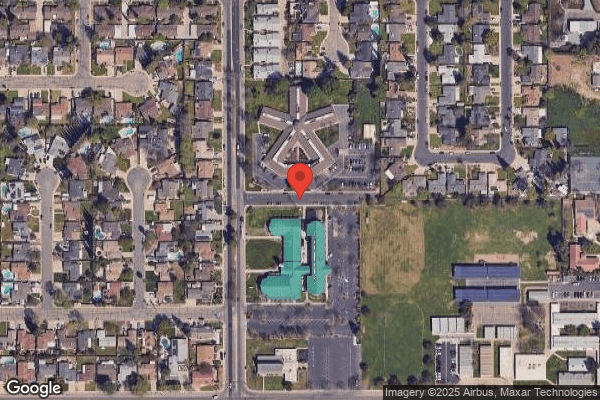
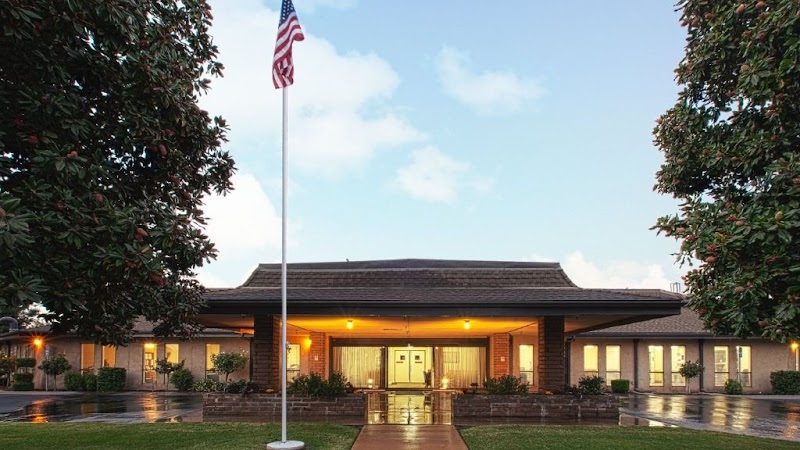
4444 WEST MEADOW, VISALIA, CA 93277 (559) 627-1241
For profit - Limited Liability company 98 Beds PACS GROUP Data: November 2025
Trust Grade
60/100
#620 of 1155 in CA
Last Inspection: May 2025

Inspected within the last 6 months. Data reflects current conditions.

Overview

Linwood Meadows Care Center has a Trust Grade of C+, indicating it is slightly above average but still has room for improvement. It ranks #620 out of 1155 facilities in California, placing it in the bottom half, and #8 out of 16 in Tulare County, meaning only seven local options are better. The facility's trend is concerning as the number of issues has worsened significantly, increasing from 4 in 2024 to 19 in 2025. Staffing is rated average with a 3/5 star rating, but the 47% turnover rate is concerning, as it is higher than the state average. On a positive note, there have been no fines reported, which is a good sign. However, the facility has less RN coverage than 99% of California facilities, which raises concerns about the quality of care. Specific incidents noted by inspectors include failures in infection surveillance that could lead to outbreaks, inadequate food handling practices that may cause foodborne illnesses, and improper garbage disposal that could attract pests. Overall, while there are some strengths, families should be aware of the significant areas needing improvement.

Trust Score
C+
60/100
In California
#620/1155
Bottom 47%
Safety Record
Low Risk
No red flags
Inspections
Getting Worse
4 → 19 violations
Staff Stability
⚠ Watch
47% turnover. Above average. Higher turnover means staff may not know residents' routines.
Penalties
✓ Good
No fines on record. Clean compliance history, better than most California facilities.
Skilled Nurses
⚠ Watch
Each resident gets only 9 minutes of Registered Nurse (RN) attention daily — below average for California. Fewer RN minutes means fewer trained eyes watching for problems.
Violations
⚠ Watch
57 deficiencies on record. Higher than average. Multiple issues found across inspections.
★★★☆☆
3.0
Overall Rating
★★★☆☆
3.0
Staff Levels
★★★★★
5.0
Care Quality
★★☆☆☆
2.0
Inspection Score
Stable
2024: 4 issues
2025: 19 issues

The Good

  • 5-Star Quality Measures · Strong clinical quality outcomes
  • Full Sprinkler Coverage · Fire safety systems throughout facility
  • No fines on record

Facility shows strength in quality measures, fire safety.

The Bad

3-Star Overall Rating

Near California average (3.1)

Meets federal standards, typical of most facilities

Staff Turnover: 47%

Near California avg (46%)

Higher turnover may affect care consistency

Chain: PACS GROUP

Part of a multi-facility chain

Ask about local staffing decisions and management

The Ugly 57 deficiencies on record

Aug 2025 1 deficiency
CONCERN (D) 📢 Someone Reported This

A family member, employee, or ombudsman was alarmed enough to file a formal complaint

Potential for Harm - no one hurt, but risky conditions existed

Deficiency F0658 (Tag F0658)

Could have caused harm · This affected 1 resident

Based on interview and record review, the facility failed to ensure the physician was notified when one of three sampled residents (Resident 1) medication was not administered per physician's orders. ...

Read full inspector narrative →
Based on interview and record review, the facility failed to ensure the physician was notified when one of three sampled residents (Resident 1) medication was not administered per physician's orders. This failure resulted in Resident 1 not receiving enoxaparin sodium (medication used to prevent blood clots) and had the potential for Resident 1 to experience health complications.Findings:During a review of Resident 1's Order Summary Report (OSR) dated 7/10/25, the OSR indicated, enoxaparin sodium solution 30 mg (milligrams)/0.3 ml (milliliters) inject 30 mg subcutaneously one time a day for prevent blood clotting for 10 days.start date 7/10/25.end date 7/21/25.During a review of Resident 1's Medication Administration Record (MAR) dated 7/25, the MAR indicated, 7/17/25.9 (other/see nurses note).During a review of Resident 1's Progress Notes (PN) dated 7/17/25 at 11:57 a.m., the PN indicated, Enoxaparin Sodium Solution 30 mg/0.3ml inject 30 mg subcutaneously one time a day for prevent blood clotting for 10 days not available. Pending delivery.During an interview on 8/5/25 at 3:49 p.m. with Licensed Vocational Nurse (LVN) 1, LVN 1 stated on 7/17/25 Resident 1's enoxaparin was not available for administration. LVN 1 stated the facility's policy and procedure was to notify the physician. LVN 1 was unable to provide documentation the physician was noted of the enoxaparin being unavailable.During an interview on 8/5/25 at 4 p.m. with Director of Nursing (DON), DON stated when the medication was not available for administration the physician should have been notified.During a review of the facility's policy and procedure (P&P) titled Medication Orders dated 2012, the P&P indicated, The prescriber is contacted for direction when delivery of a medication will be delayed or the medication is not or will not be available.
May 2025 1 deficiency
CONCERN (E) 📢 Someone Reported This

A family member, employee, or ombudsman was alarmed enough to file a formal complaint

Potential for Harm - no one hurt, but risky conditions existed

Report Alleged Abuse (Tag F0609)

Could have caused harm · This affected multiple residents

**NOTE- TERMS IN BRACKETS HAVE BEEN EDITED TO PROTECT CONFIDENTIALITY** Based on interview and record review, the facility failed to report allegations of physical abuse to the California Department o...

Read full inspector narrative →
**NOTE- TERMS IN BRACKETS HAVE BEEN EDITED TO PROTECT CONFIDENTIALITY** Based on interview and record review, the facility failed to report allegations of physical abuse to the California Department of Public Health (CDPH) within 24 hours for three of four sampled residents (Resident 1, Resident 2, and Resident 3). This failure had the potential for abuse allegations not being investigated and residents experiencing continued physical abuse. Findings: During an interview on 5/19/25 at 3:31 p.m. with Resident 1, Resident 1 stated during her last shower, a CNA (Certified Nursing Assistant 1) described as a big lady, put a lot of soap on her face, and was rubbing her face so hard she could not breathe. Resident 1 stated she tried to stop the CNA (1) but continued to rub soap on her face. Resident 1 stated the CNA did not stop until she screamed and yelled, Rape! Rape! Resident 1 stated, I could not do anything I was naked, and she was bigger than me, I am scared of her. Resident 1 stated she reported the incident to the head of the department and was informed, they were going to keep an eye on the CNA (1). Resident 1 stated CNA 1 still works in the facility and went to her room. During a review of Resident 1's Minimum Data Set (MDS-comprehensive assessment tool), dated 3/20/25, the MDS indicated Resident 1 had a Brief Interview for Mental Status (BIMS) score of 12 (score of 8-12 means moderate cognitive impairment). During an interview on 5/19/25 at 3:39 p.m. with Director of Nursing (DON), DON stated she was not aware of the abuse incident. During an interview on 5/20/25 at 8:29 a.m. with DON, DON stated she spoke with Resident 1 and the incident happened on 5/14/25 (six days ago). During an interview on 5/20/25 at 12:01 p.m. with Resident 2, Resident 2 stated the physical abuse happened two months ago. Resident 2 stated CNA 1 grabbed and pulled her right arm that was paralyzed (unable to move or feel certain part of the body due to a loss of nerve function) to get her out of the shower chair. Resident 2 stated, She [CNA 1] was very rough. Resident 2 stated couple of days after the incident, CNA 1 went to Resident 2's room and CNA 1 told Resident 2, I [CNA 1] know what you [Resident 2] did. You [Resident 2] reported me to the DON. During a review of Resident 2's MDS dated [DATE], the MDS indicated Resident 3 had a BIMS score of 13 (score of 13-15 means cognitively intact). During a review of Resident 2's IDT Note (Interdisciplinary note-multidisciplinary team meeting regarding resident's care), dated 5/26/25 indicated, [Resident 2] has not received shower from [CNA 1] in more than 30 days. The IDT Note indicated the abuse incident happened over 30 days ago. During an interview on 5/20/25 at 12:20 p.m. with Resident 3, Resident 3 stated, [CNA 1] was rough with me when she [CNA 1] gave me a shower. She [CNA 1] rubbed my back so bad it hurt me. I will never have her [CNA 1] give me shower again. So from the last six to seven months, she [CNA 1] has not showered me. During a review of Resident 3's MDS dated [DATE], the MDS indicated Resident 3 had a BIMS score of 15. During an interview on 5/20/25 at 2:30 p.m. with CNA 1, CNA 1 stated, His [Resident 3's] wife told me that he [Resident 3] does not want shower from me because he [Resident 3] does not like me. During a review of Resident 3's IDT Note, dated 5/26/25 indicated, [Resident 3] has not received shower from [CNA 1] in more than 30 days. The IDT Note indicated the abuse incident happened over 30 days ago. During an interview on 5/21/25 at 2:17 p.m. with CNA 1, CNA 1 stated there has been complaints about her being rough couple months ago, a resident (2) was not happy about the shower she (CNA 1) gave. CNA 1 stated she reported the allegation of physical abuse to the Director of Staff Development (DSD). CNA 1 stated she showered Resident 1 on 5/14/25 and was not happy and started screaming Rape! Rape! During an interview on 6/4/25 at 8:57 a.m. with DON, DON stated she was not aware of all of the three allegations of abuse prior to the survey on 5/19/25 and were not reported to the CDPH. During an interview on 6/4/25 at 9:53 a.m. with DSD, DSD stated she did not receive a report from CNA 1 regarding the allegations of abuse. During a review of the facility's policy and procedure titled, Abuse, Neglect, Exploitation or Misappropriation-Reporting and Investigating dated September 2022, the P&P indicated, Reporting Allegations to the Administrator and Authorities: 3. Immediately as defined as: b. within 24 hours of an allegation that does not involve abuse or result in serious bodily injury.
May 2025 16 deficiencies
CONCERN (D)

Potential for Harm - no one hurt, but risky conditions existed

Deficiency F0552 (Tag F0552)

Could have caused harm · This affected 1 resident

**NOTE- TERMS IN BRACKETS HAVE BEEN EDITED TO PROTECT CONFIDENTIALITY** Based on interview and record review, the facility failed to: 1. Ensure Informed Consent (IC, a process in which a healthcare pr...

Read full inspector narrative →
**NOTE- TERMS IN BRACKETS HAVE BEEN EDITED TO PROTECT CONFIDENTIALITY** Based on interview and record review, the facility failed to: 1. Ensure Informed Consent (IC, a process in which a healthcare professional educates a patient about the risks, benefits, and alternatives of a given procedure or medication) for one of seven sampled resident (Resident 5's) Mirtazapine (Remeron-antidepressant medication) 15 milligrams (mg) was signed by the physician prior to medication administration. This failure had the potential to result in adverse consequence when the physician had not given the resident sufficient information about the drug, which may have negative effect on the resident. 2. Have accurate informed consent for a psychotropic (medication to treat mental disorders) medication for one of seven sampled residents (Resident 27). This failure had the potential for Resident 27 to not be aware of the risks and benefits of taking psychotropic medications. Findings: 1. During a review of Resident 5's admission Record, (AR), dated 11/3/22, the AR indicated, Resident 5 was admitted on [DATE] with a diagnosis including anxiety disorder (characterized by excessive fear of or apprehension about real or perceived threats), psychotic disorder (significant loss of contact with reality), unspecified mood affective disorder (significant disturbances in emotional state, typically involving periods of extreme sadness). During a review of Resident 5's Order Summary Report, (OSR), dated 1/30/25, the OSR indicated, Mirtazapine [Remeron-antidepressant medication] oral tablet 15 mg one tablet by mouth at bedtime for depression/anorexia [eating disorder]. During a concurrent interview and record review on 5/20/25 at 8:44 a.m. with Assistant Director of Nursing (ADON), Resident 5's IC for Mirtazapine, dated 1/30/25 was reviewed. The IC indicated, Resident 5's representative signed the IC form but the IC form was not signed by Resident 5's physician. ADON stated the IC must be dated and signed by the physician. 2. During a concurrent interview and record review on 5/22/25 at 3:05 p.m. with Assistant Regional Director (ARD), Resident 27's IC, dated 11/8/24 was reviewed. The IC indicated, Resident 27 gave verbal consent for Buspirone (medication to treat anxiety) 10 mg every 8 hours. ARD stated verbal consent was obtained from Resident 27. ARD stated if a resident is physically and mentally able to sign the IC, the IC should have a signature and not a verbal consent. During an interview on 5/22/25 at 4:35 p.m. with Resident 27, Resident 27 stated she was currently taking Buspirone and had been taking this medication prior to being admitted to this facility. Resident 27 stated her physician never discussed informed consent with her regarding Buspirone. Resident 27 stated she had not signed or gave verbal IC for Buspirone. ARD stated Resident 27's physician should have explained the risks, benefits and alternatives to resident for Buspirone. During a review of the facility's policy and procedure (P&P) titled, Psychotropic Medication Use, dated 2/2025, the P&P indicated, Informed Consent: 1. Prior to initiating the use of, increasing the dose of, or switching to a different psychotropic medication, the staff and the physician will review the following with the resident/representative prior to obtaining documented consent or refusal.c. the potential risks and benefits (including possible side effects, adverse consequences, and black box warnings).
CONCERN (D)

Potential for Harm - no one hurt, but risky conditions existed

Deficiency F0657 (Tag F0657)

Could have caused harm · This affected 1 resident

**NOTE- TERMS IN BRACKETS HAVE BEEN EDITED TO PROTECT CONFIDENTIALITY** Based on observation, interview, and record review, the facility failed to assess the effectiveness of the plan of care for the ...

Read full inspector narrative →
**NOTE- TERMS IN BRACKETS HAVE BEEN EDITED TO PROTECT CONFIDENTIALITY** Based on observation, interview, and record review, the facility failed to assess the effectiveness of the plan of care for the use of a communication board (a visual aid that facilitates communication between patients and their care team) for one of one sampled resident (Resident 29). This failure resulted in the facility not understanding, identifying, and determining Resident 29's needs and the potential to deprive her of maintaining the highest practicable physical, mental, and psychosocial well-being. Findings: During a review of Resident 29's admission Record, (AR), the AR indicated, Resident 29 was admitted on [DATE] with a diagnosis including unspecified Dementia (a group of symptoms affecting memory, thinking and social abilities) and unspecified hearing loss. During a concurrent observation and interview on 5/19/25 at 11:12 a.m. with Infection Preventionist (IP) and Resident 29, in Resident 29's room, Resident 29 was lying in bed on her left side. Resident 29 did not respond verbally when greeted but had a smile on her face. IP entered the room and picked up the communication board from Resident 29's nigh stand and stated the staff use this communication board to communicate with Resident 29. Resident 29 held the communication board but blankly looked at the board. IP stated she did not think Resident 29 really understood the use of the communication board and what the pictures on the board meant. IP stated, I cannot definitely say I understood her needs. During a review of Resident 29's Order Summary Report, (OSR) dated 5/2025, the OSR indicated, On 7/12/22 [Resident 29] is not capable of understanding rights and responsibilities, and/or able to participate in treatment plan. During a review of Resident 29's Brief Interview for Mental Status (BIMS- assessment for cognitive impairment. The score 0-7 means severe impairment, 9-12, moderate impairment, and 13-15 cognition intact) dated 4/15/25. The BIMS indicated, Resident 29's BIMS score was 99 (resident was unable to complete the interview). During a concurrent observation and interview on 5/19/25 at 11:35 a.m. with Certified Nursing Assistant (CNA 7) in Resident 29's room, CNA 7 entered Resident 29's room and stated she was going to check if the communication board works for Resident 29. CNA 7 approached Resident 29 and placed the communication board in front of Resident 29. CNA 7 attempted to ask Resident 29 questions on how she felt, what she needed, and attempted to make Resident 29 point to the communication board. CNA 7 stated she was unable to understand what Resident 29 was saying. CNA 7 stated she did not think Resident 29 understood her. CNA 7 stated Resident 29 pointed at the picture on the communication board and her finger touched the symbol Stop. CNA 7 stated Resident 29 was able to point at the picture, but she was not certain that was what Resident 29 needed. CNA 7 stated, it did not mean anything. Facility staff continued to use the communication board knowing Resident 29 was unable to comprehend the pictures and instructions. During a concurrent interview and record review on 5/19/25, at 11:40 a.m. with CNA 7, Resident 29's communication board was reviewed. The communication board's size was 8 x 11 inches, with colorful pictures, identified in the English language. The communication board had symbols and pictures. CNA 7 stated she was not sure if Resident 29 spoke Japanese, but the family spoke Mandarin (Chinese language). CNA 7 stated she was not sure if Resident 29 could understand the English language. During an interview on 5/19/25 at 11:42 a.m. with CNA 8, CNA 8 stated, Resident 29 uses the communication board. CNA 8 stated Resident 29 does not seem to understand how to use it. CNA 8 stated Resident 29 touches the communication board, but CNA 8 was not sure what Resident 29 needed. CNA stated, I am not sure she really understands the picture board, but we continue to use it for her. During an interview on 5/21/25 at 9:47 a.m. with Director of Nursing (DON), DON stated Resident 29 had Dementia and she was severely impaired. DON stated no one in the facility spoke Mandarin. DON stated the facility used a communication board, but Resident 29 was unable to comprehend the pictures on the communication board. DON stated the staff communicated by showing Resident 29 items and through gestures. DON stated the facility had a interpretation phone service but it had not been used for Resident 29 because her cognition was severely impaired.
CONCERN (D)

Potential for Harm - no one hurt, but risky conditions existed

Drug Regimen Review (Tag F0756)

Could have caused harm · This affected 1 resident

**NOTE- TERMS IN BRACKETS HAVE BEEN EDITED TO PROTECT CONFIDENTIALITY** Based on interview and record review, the facility failed to act on a recommendation from the pharmacy consultant (a professiona...

Read full inspector narrative →
**NOTE- TERMS IN BRACKETS HAVE BEEN EDITED TO PROTECT CONFIDENTIALITY** Based on interview and record review, the facility failed to act on a recommendation from the pharmacy consultant (a professional responsible for reviewing each resident's medication profile monthly to identify and report changes) for one of 10 sampled residents (Resident 71). This failure had the potential to result in Resident 71 not receiving a needed medication and possibly leading to medical complications that could diminish quality of life. Findings: During a review of Resident 71's Medication Regimen Review (MRR), dated 3/27/25, the MRR indicated, Please clarify the findings below with the MD 1 [medical doctor] and update orders accordingly: 1. Hospitalist recommended to continue with allopurinol [medication used to treat joint inflamation and prevent kidney stones] 100 mg [milligrams] PO [by mouth] daily. Pharmacy does not have this order. Please have MD 1 evaluate need for medication. During a concurrent interview and record review on 5/22/25 at 3:44 p.m. with Regional Director of Clinical Services (RDCS), Resident 71's Order Summary Report (OSR), dated 5/22/25 was reviewed. The OSR indicated, a list of Resident 71's current medication orders since admission on [DATE]. RDCS stated Resident 71 did not have a physician order for Allopurinol 100 mg. During a concurrent interview and record review on 5/22/25 at 3:44 p.m. with RDCS, Resident 71's clinical record (CR), [undated] was reviewed. The CR indicated, there was no documentation that Resident 71's MD 1 had been made aware of the MRR recommendation on 3/27/25. RD stated she was unable to find documentation that Resident 71's MD had evaluated the MRR recommendation. During an interview on 5/22/25 at 3:52 p.m. with Director of Nursing (DON), DON stated she was responsible for making sure the MRR was completed monthly. DON stated she was unable to find any documentation that indicated Resident 71's MD 1 was made aware of the MRR recommendation for Allopurinol 100 mg. DON stated there should have been documentation that this recommendation was reviewed by Resident 71's MD 1. During a review of the facility's policy and procedure (P&P) titled, CONSULTANT PHARMACIST REPORTS, dated 2019, the P&P indicated, The consultant pharmacist performs a comprehensive medication regimen review (MRR) at least monthly.Findings and recommendations are reported to the director of nursing, the attending physician, and the medical director, and if appropriate the administrator.ROUTINE FINDINGS.i. NURSING: Items will be initially reviewed and addressed within 14 days and a final action taken in no more than 30 days or the date of next monthly pharmacy MRR. ii. PRESCRIBER: The facility will communicate the findings to the prescriber on a timely basis and the prescriber will identify their action, which may be to disagree with the recommendations, as they deem clinically appropriate but no later than the date of their next 30 day visit.G. Recommendations are acted upon and documented by the facility staff and or the prescriber.
CONCERN (D)

Potential for Harm - no one hurt, but risky conditions existed

Medical Records (Tag F0842)

Could have caused harm · This affected 1 resident

Based on interview and record review, the facility failed to maintain accurate medical records for two of 38 sampled residents (Resident 3 and Resident 142) when the Nursing Weekly Summary (NWS) did n...

Read full inspector narrative →
Based on interview and record review, the facility failed to maintain accurate medical records for two of 38 sampled residents (Resident 3 and Resident 142) when the Nursing Weekly Summary (NWS) did not reflect the residents' skin condition, including toes and toenails. This failure resulted in Resident 3 and Resident 142's medical records to be incomplete and inaccurate, which could lead to misdiagnosis, inappropriate treatment, and delay in care. Findings: During a concurrent observation and interview on 5/19/25 at 12:23 p.m. with Resident 3 in Resident 3's room, Resident 3 was in her bed with her feet uncovered. Resident 3 was awake and alert and stated her right side was paralyzed (unable to move due to a loss of muscle function) and had no sensation on the right side. Resident 3's right great toe was red, swollen, and the toenail was yellowish in color, thick, and hard. Resident 3's left toenails were also yellowish in color and long. Resident 3 denied pain in her right foot due to her right sided paralysis. During a concurrent observation and interview on 5/19/25 at 12:30 p.m. with Licensed Vocational Nurse (LVN) 1, in Resident 3's room, LVN 1 looked at Resident 3's right foot and stated, It looks like she has that for a good while since I started in February 2025. LVN 1 assessed the right great toe and toenail and stated the toenail was yellow, discolored, thick, and hard and the right toe was swollen and red. LVN 1 stated Resident 3's left toenails were yellow, discolored, long, but not thick. LVN 1 stated Resident 3 denied pain, but she had no sensation on the right side. LVN 1 stated, I definitely need to talk to the doctor about it see if podiatry could see her. During a concurrent interview and record review on 5/19/21 at 12: 40 p.m. with LVN 1, Resident 3's NWS dated 5/5/25 and 5/12/25 were reviewed. LVN 1 stated the NWS both indicated Resident 3's skin was clear and intact. During a concurrent observation and interview on 5/21/25 at 8:26 a.m. with Treatment Nurse (TN) in Resident 3's room, TN assessed Resident 3's feet. TN stated Resident 3 had a foot drop (difficulty lifting the foot) on the right foot, the right great toe was red, swollen, and blanchable. TN stated Resident 3's right great toenail was yellow, hard, with protruding thickness. TN measured Resident 3's toenails with the following results: Right great toenail Length: 0.6 centimeter (cm) Width: 1.2 cm Thickness: 0.9 cm 2nd right toe: L 0.7 cm W: 0.9 cm 3rd right toenail L: 0.8 cm W: 0.8 cm 4th right toenail L: 0.9 cm W: 0.7 cm 5th right toenail: L: 0.8 cm W: 0.5 cm Left great toenail L: 1.5 cm W: 1.2 cm 2nd left toenail: L:1.9 cm W: 1cm 3rd left toenail: 1.1 cm W: 1 cm 4th left toenail: L:.0.8 cm W: 0.8 cm 5th left toenail L: 0.7 cm W: 0.6 cm During an interview on 5/21/25 at 8:43 a.m. with LVN 2, LVN 2 stated the NWS is completed weekly. LVN 2 stated NWS is the nursing assessment and documentation from the previous week resident assessments. During a concurrent interview and record review on 5/21/25 at 8:43 a.m. with Assistant Director of Nursing (ADON), Resident 3's Podiatry Notes (PN), dated 2/18/25, were reviewed. The PN indicated, trimming of dystrophic (any abnormal changes in the shape, color, texture, and growth of the fingernails or toenails) nails. All toenails were dystrophic, thickened nails, nail discoloration, pathology results for onychomycosis (fungal infection of the nails). During a concurrent interview and record review on 5/21/25 at 12:15 p.m. with ADON. Resident 3's NWS, dated 4/14/25, 4/21/25, 4/28/25, 5/5/25 and 5/12/25 were reviewed. The NWS dated 4/14/25 indicated, Skin: No new skin issues this week. The NWS dated 4/21/25 indicated, Skin: No new skin issues this week. The NWS dated 4/28/25 indicated, Skin: No new skin issues this week. The NWS dated 5/5/25 indicated, Skin: No new skin issues this week. The NWS dated 5/12/25 indicated, Skin: No new Skin Issues this week. ADON stated Resident 3's skin, toes, and toenail conditions were not addressed and documented in Resident 3's nursing weekly summary. 2. During a concurrent observation and interview on 5/20/25 at 10:05 a.m. with TN, in Resident 142's room, Resident 142's right great toenail was dark yellow in color, long, hard and thick, overlapping and layered, with a fungus like appearance. Resident 142 stated her toenails hurt. Resident 142's toes were deformed; the skin was dry and ashy. Resident 142's left great toe was yellow in color, raised and lifted from the nailbed. Resident 142's left toes were deformed, yellow in color, long, and thick. TN stated, I have not really looked at her toes and toenails. TN stated when residents have toenails in this condition, they are referred to podiatry for treatment, and we notify the social worker to arrange for the podiatry referral. TN measured Resident 142's toenails with the following results: Left great toe: Length (L): 1.1 cm Width (W): 0.9 cm Thickness (T): 0.1 cm 2nd left toenail L: 0.5 T: 0.6 cm 3rd left toenail L: 0.6 cm T: 0.5 cm 4th left toenail: L: 0.7 cm T: 0.4 cm 5th left toenail: L: 0.6 cm T: 0.4 cm Right great toenail: L: 1.5 cm W: 1.2 cm T: 0.4 cm 2nd right toenail: L:0.6 cm T: 0.5 cm 3rd right toenail L: 0.5 cm T: 0.6 cm 4th right toenail: L: 0.6 cm T: 0.6 cm 5th right toenail: L: 0.5 cm T: 0.5 cm During a review of Resident 142's Podiatry Evaluation (PE) dated 4/22/25, the PE indicated, Nail dystrophy, Tinea Ungulum (fungal infection of the nails), Hammer toe (a deformity where the toe bends at the middle joint [proximal interphalangeal joint] in a downward or hammer-like shape) right foot, hammer toe left foot. During a concurrent interview and record review on 5/21/25 at 12:30 a.m. with ADON, Resident 142's NWS dated 3/22/25, 3/31/25, 4/6/25, 4/13/25, 4/20/25, 5/4/25, and 5/12/25 were reviewed. The NWS dated 3/22/25 indicated, Skin: skin assessment Moisture-Associated Skin Damage (MASD- inflammation and erosion of the skin caused by prolonged exposure to moisture) to peri area (the region between the genitals and the anus). The NWS dated 3/31/25 indicated, MASD peri area and sacrococcygeal (tailbone). The NWS dated 4/6/25 indicated, MASD peri area and sacrococcygeal. The NWS dated 4/13/25 indicated, MASD on peri area and sacrococcygeal. The NWS dated 4/20/25 indicated, see TX (treatment). No skin assessment was documented. The NWS dated 5/4/25 indicated, MASD to peri area and sacrococcygeal. The NWS dated 5/12/25 indicated, MASD to peri area and sacrococcygeal. ADON stated the NWS did not reflect the condition of Resident 142's feet, toes, and toenails and should have been included in their nursing assessment and documented in Resident 142's medical record. During a review of the facility's policy and procedure (P&P) titled, Change in a Resident's Condition or Status, dated 2/2022, the P&P indicated, 8. The nurse will record in the resident's medical record information relative to changes in the resident's medical/mental condition or status.
CONCERN (D)

Potential for Harm - no one hurt, but risky conditions existed

Deficiency F0909 (Tag F0909)

Could have caused harm · This affected 1 resident

**NOTE- TERMS IN BRACKETS HAVE BEEN EDITED TO PROTECT CONFIDENTIALITY** Based on interview and record review, the facility failed to ensure maintenance staff conducted bed rail risk assessments to inc...

Read full inspector narrative →
**NOTE- TERMS IN BRACKETS HAVE BEEN EDITED TO PROTECT CONFIDENTIALITY** Based on interview and record review, the facility failed to ensure maintenance staff conducted bed rail risk assessments to include evaluation of the bed and measurements of siderails and potential bed entrapment zones for two of two newly admitted sampled residents (Resident 32 and Resident 142). This failure had the potential to place Resident 32 and Resident 142 at risk for harm. Findings: 1. During a review of Resident 32's admission Record (AR), dated 4/7/25, the AR indicated, Resident 32 was admitted on [DATE] with a diagnosis including muscle wasting (decrease in the size of muscle tissue) and atrophy (tissue loss), and morbid obesity (weight is more than 80 to 100 pounds above their ideal body weight, and a body mass index [BMI- measure of body fat based on height and weight] of 40 and greater). During a review of Resident 32's Brief Interview for Mental Status (BIMS- assessment for cognitive impairment, 0-7 means severe cognitive impairment, 8-12 means moderate impairment, and 13-15, intact cognitive response) score. The BIMS indicated, Resident 32 had a BIMS score of 9. During a review of Resident 32's Physician's Order (PO), dated 4/8/25, the PO indicated, 1/4 siderails x [times] 2 to use as an enabler to turn and reposition self in bed. Does not restrict movement. During a concurrent interview and record review on 5/20/25 at 3:36 p.m. with Director of Maintenance (DM) and Assistant Maintenance Supervisor (AMS), Resident 32's bed rail evaluation, dated 4/7/25, was reviewed. AMS stated all bed rails were checked monthly and during resident admission. DM was unable to provide documentation of a bed rail evaluation with corresponding measurements for Resident 32 bed rail. During a review of the maintenance Monthly Maintenance Inspection (MMI), dated 4/2025, the MMI indicated, certain room numbers were inspected weekly and marked with a line without the actual bed rail measurements to identify risk of entrapment. DM stated they do not put the measurements on the form, but the line indicated the rooms were assessed with no risks for bed entrapment. The following are the potential zones of entrapment with the required measurements to prevent bed entrapment: Zone 1: within the rail = < (less than) 4 ¾ inches Zone 2: under the rail, between the rail supports or next to a single rail support = < 4 ¾ inches Zone 3: between the rail and the mattress: = < 4 ¾ inches Zone 4: under the rail, at the ends of the rail = < 2 3/8 inches Zone 5: between split bed. Rails and the mattress = < 4 ¾ inches (compressed by body weight) Zone 6: between the end of the rail and the edge of the head or footboard = < 4 ¾ inches Zone 7: between the head or the footboard and the mattress = < 4 ¾ inches 2. During a review of Resident 142's AR, dated 3/13/25, the AR indicated, Resident 142 was admitted on [DATE] with a diagnosis including osteoarthritis (degenerative joint disease) left knee, generalized muscle weakness, and unspecified polyneuropathy (damaged peripheral nerves). During a review of Resident 142's BIMS, dated 3/20/25, the BIMS indicated Resident 142 had a score of 12. During a review of Resident 142's PO, dated 3/14/25, the PO indicated, 1/4 siderails x 2 to use as an enabler to turn and reposition self in bed. Does not restrict movement. During an interview on 5/20/25 at 3:45 p.m. with DM and AMS, DM stated, No bed entrapment assessment of the bed was done in Resident 142's room because the machine to calibrate and measure bed rails broke on 3/23/25. DM stated it would take two weeks to fix the machine. Resident 142 was admitted on [DATE] and DM stated Resident 142's siderail evaluation for risk of bed entrapment was not done on admission. During a review of the facility's policy and procedure (P&P) titled, Bed Safety and Bed Rails, dated 8/2022, the P&P indicated, The use of bed rails is prohibited unless the criteria for use of bed rails have been met.3. Bed frames, mattresses and bed rails are checked for compatibility and size prior to use. 4. Bed dimensions are appropriate for resident's size. 6. Maintenance staff routinely inspect all beds and related equipment to identify risks and problems including potential entrapment risks.
CONCERN (E)

Potential for Harm - no one hurt, but risky conditions existed

Deficiency F0578 (Tag F0578)

Could have caused harm · This affected multiple residents

Based on interview and record review, the facility failed to offer, obtain, and complete advance directives (AD- a written statement of a person's wishes regarding medical treatment when one is unable...

Read full inspector narrative →
Based on interview and record review, the facility failed to offer, obtain, and complete advance directives (AD- a written statement of a person's wishes regarding medical treatment when one is unable to make decisions for themselves) for 10 of 26 sampled residents (Resident 14, Resident 20, Resident 12, Resident 75, Resident 5, Resident 142, Resident 29, Resident 86, Resident 71, and Resident 243). This failure had the potential to result in a failure to provide care in accordance with the resident's treatment wishes. Findings: During a concurrent interview and record review on 5/20/25 at 8:35 a.m. with Assistant Director of Nursing (ADON), Resident 14's clinical record (CR) was reviewed. ADON was unable to provide documentation that AD information was offered, or an AD had been completed for Resident 14. ADON stated Resident 14 did not have an AD. During a concurrent interview and record review on 5/20/25 at 8:40 a.m. with ADON, Resident 20's CR was reviewed. ADON was unable to provide documentation that AD information was offered, or an AD had been completed for Resident 20. ADON stated Resident 20 did not have an AD. During a concurrent interview and record review on 5/20/25 at 8:42 a.m. with ADON, Resident 12's CR was reviewed. ADON was unable to provide documentation that AD information was offered, or an AD had been completed for Resident 12. ADON stated Resident 12 did not have an AD. During a concurrent interview and record review on 5/20/25 at 8:43 a.m. with ADON, Resident 75's CR was reviewed. ADON was unable to provide documentation that AD information was offered, or an AD had been completed for Resident 75. ADON stated Resident 75 did not have an AD. During a concurrent interview and record review on 5/20/25 at 8:58 a.m. with ADON, Resident 5's CR was reviewed. ADON was unable to provide documentation that AD information was offered, or an AD had been completed for Resident 5. ADON stated Resident 5 did not have an AD. During a concurrent interview and record review on 5/20/25 at 9:14 a.m. with ADON, Resident 142's CR was reviewed. ADON was unable to provide documentation that AD information was offered, or an AD had been completed for Resident 142. ADON stated Resident 142 did not have an AD. During a concurrent interview and record review on 5/20/25 at 9:19 a.m. with ADON, Resident 29's CR was reviewed. ADON was unable to provide documentation that AD information was offered, or an AD had been completed for Resident 29. ADON stated Resident 29 did not have an AD. During a review of Advanced Directive questionnaire (ADQ) for Resident 86, dated 4/1/25, the ADQ indicated, Resident 86 had executed an AD. During an interview on 5/21/25 at 8:57 a.m. with Social Services Director (SSD), SSD stated Resident 86's chart had been reviewed, and SSD was unable to provide a copy of Resident 86's AD. SSD stated there was no documentation in the chart that indicated staff followed up with Resident 86 to obtain Resident 86's AD. SSD stated Resident 86 should have had a copy of the AD in their chart. During an interview on 5/22/25 at 8:24 a.m. with Resident 86, Resident 86 stated upon admission he had filled out an ADQ. Resident 86 stated he marked the box that indicated he had an AD. Resident 86 stated the facility had not requested a copy of Resident 86's AD. During a review of ADQ for Resident 71's, dated 3/31/25, the ADQ indicated, Resident 71 had executed an AD. During an interview on 5/21/25 at 8:58 a.m. with SSD, SSD stated Resident 71's chart had been reviewed, and SSD was unable to provide a copy of Resident 71's AD. SSD stated there was no documentation in the chart that indicated staff followed up with Resident 71 to obtain Resident 71's AD. SSD stated Resident 71 should have had a copy of the AD in their chart. During a review of Resident 243's ADQ, dated 3/15/25, the ADQ indicated, Resident 243 had executed an AD. During an interview on 5/21/25 at 8:58 a.m. with SSD, SSD stated Resident 243's chart had been reviewed and SSD was unable to provide a copy of Resident 243's AD. SSD stated there was no documentation in the chart that indicated staff followed up with Resident 243 to obtain Resident 243's AD. SSD stated Resident 243 should have had a copy of the AD in their chart. During an interview on 5/22/25 at 4:49 p.m. with Resident 243, Resident 243 stated he did not have an AD and no one from the facility had requested a copy of his AD. Resident 243 stated he would like to receive more information on how to execute an AD. During a review of the facility's policy and procedure (P&P) titled, Advance Directive, dated 9/2022, the P&P indicated, Determining Existence of Advance Directives: 1. Prior to or upon admission of a resident, the social services director or designee inquires of the resident, his/her family members and/or his or her legal representative, about the existence of any written advance directives. 2. The resident or representative is provided with written information concerning the right to refuse or accept medical or surgical treatment and to formulate an advance directive if he or she chooses to do so. 3. Written information about the right to accept or refuse medical or surgical treatment, and the right to formulate advance directive is provided in a manner that is easily understood by the resident or representative. If the Resident does not have an Advance Directive: 1. If the resident or representative indicates that he or she has not established advance directive, the facility will offer assistance in establishing advance directive. 2. Information about whether or not the resident has executed an advance directive is displayed prominently in the medical record in a section of the record that is retrievable by any staff.If the resident or the resident's representative has executed one or more advance directive(s), or executes one upon admission, copies of these documents are obtained and maintained in the same section of the resident's medical record and are readily retrievable by any facility staff.
CONCERN (E)

Potential for Harm - no one hurt, but risky conditions existed

Deficiency F0679 (Tag F0679)

Could have caused harm · This affected multiple residents

**NOTE- TERMS IN BRACKETS HAVE BEEN EDITED TO PROTECT CONFIDENTIALITY** During a review of Resident 14's AR, dated 1/23/23, the AR indicated, Resident 14 was admitted on [DATE] with diagnosis includin...

Read full inspector narrative →
**NOTE- TERMS IN BRACKETS HAVE BEEN EDITED TO PROTECT CONFIDENTIALITY** During a review of Resident 14's AR, dated 1/23/23, the AR indicated, Resident 14 was admitted on [DATE] with diagnosis including Chronic Obstructive Pulmonary Disease (COPD- is a common lung disease causing restricted airflow and breathing problems), Palliative Care (specialized medical care that focuses on providing relief from pain and other symptoms of a serious illness), and Hearing Loss. During a review of Resident 14's BIMS, dated 1/9/25, the BIMS indicated, Resident 14's BIMS score was 13. During a concurrent observation on 5/19/25 at 12:52 p.m. in Resident 14's room, Resident 14 was seated at the edge of the bed, looking down at the floor. There were no books, magazines, reading materials, puzzles or arts and crafts on Resident 14's over-bed table or nightstand. Resident 14 stated she did not participate in activities, and watches television in her room. Resident 14 stated there were no in-room activities provided. During a concurrent interview and record review on 5/20/25 at 4:03 p.m. with the AD, AD stated Resident 14 typically does not participate in activities. AD stated the activity staff members go room-to-room to provide in-room activities. AD was unable to provide documentation of in-room activities provided for Resident 14. During a concurrent interview and record review on 5/20/25 at 4:05 p.m. with AD, Resident 14's Activities Care Plan, revised 3/11/25, was reviewed. The care plan indicated, Focus: Keeping up with the news, reading books, newspaper or magazines and word puzzle. Goal: Preferences for customary routine and activities will be honored to the extent possible. Interventions: Provide activity materials like books, magazines, newspapers, TV, radio, arts and crafts, etc. Support choices for preferences regarding customary routine and activities. AD stated activities staff do not leave reading materials in resident rooms. During a review of Resident 56's AR, dated 12/27/24, the AR indicated, Resident 56 was admitted on [DATE] with a diagnosis including unspecified Dementia (a group of symptoms affecting memory, thinking and social abilities), Anxiety (a feeling of fear, dread, and uneasiness), and Depression (feeling of sadness and changes in how one thinks, sleeps, eats and acts). During a concurrent observation and interview on 5/19/25 at 10:49 a.m. with Resident 56, Resident 56 was in her bed. Resident 56 had a sad look on her face. Resident 56 stated My husband just passed, I missed him, and she was feeling depressed. Resident 56 had tears in her eyes while talking about the death of her husband. Resident 56 stated she did not participate in group activities. Resident 56 stated she would like to have someone take her out to get some fresh air, but no one had taken her outside. During a concurrent interview and record review on 5/20/25 at 4:07 p.m. with AD, Resident 56's activities were reviewed. AD was unable to provide in-room activities for Resident 56. During a review of Resident 56's Minimum Data Set [MDS- resident assessment tool] Section F-Preferences for Customary Routine and Activities annual assessment, dated 11/2024, the MDS indicated, Very important for Resident 56 to be around animals, such as pets, very important to do favorite activities, and very important to go outside to get fresh air. During an interview on 5/20/25 at 4:10 p.m. with AD, AD stated Resident 56 had not been taken outside to get fresh air. During a review of Resident 56's Activities Care Plan dated 11/8/24, the care plan indicated, Focus: Resident has a need for activities that are consistent with abilities and interest. Enjoyable, meaningful activities of the resident include, but not limited to arts and crafts, Bingo, card games, nail care, television. Goal: Will have a positive response to 1:1 activity, will have socialization with staff or visitors, will participate in activities of choice. Interventions: Encourage socialization, encourage to attend activities of interest. During a review of Resident 29's AR, dated 7/12/22, the AR indicated, Resident 29 was admitted on [DATE] with a diagnosis including Dementia without behavioral disturbance and unspecified hearing loss. During a review of Resident 29's BIMS, dated 1/14/25, the BIMS indicated, Resident 29 had a BIMS score of at 99 (resident unable to complete BIMS interview). During an observation on 5/20/25 at 11:45 a.m. with the Ombudsman (an independent advocate or official, usually appointed by the government or an organization, to investigate and resolve complaints) and Resident 29, in the main dining room, Resident 29 was in her wheelchair and was wheeled inside the dining room. Resident 29 was taken to sit at one of the dining tables and was left alone. Resident 29 had a laminated communication board in her hand and was fiddling with the plastic lamination of the communication board. Resident 29 smiled when greeted, but did not verbally respond. Resident 29 was not with any activities staff member. During an interview on 5/20/25 at 4:10 p.m. with AD, During a concurrent interview and record review on 5/20/25 at 4:12 p.m. with AD, Resident 29's activities were reviewed. AD stated Resident 29 should have been accompanied by an activities staff member and should have been provided the dementia box (includes sand, sensory bottles filled with glitters, or anything that stimulates Resident 29) for her activity. AD stated whatever Resident 29 was doing with the laminated communication board was not considered an activity. During a review of Resident 29's Activities Care Plan, dated 5/10/23, the care plan indicated, Focus: 1:1 Intervention. Resident needs 1:1 activity intervention to (sic) activities help build trust and rapport and to support leisure and social participation. Interventions: Assist resident in 1:1 activity and pay attention to resident preferences as possible via body language and visual cues. Provide activity material in accordance with resident's interest. During a review of the facility's policy and procedure (P&P) titled, Activity Programs, dated 2018, the P&P indicated, Activity programs are designed to meet the interest of and support the physical, mental and psychosocial well-being of each resident.4. Activities are considered any endeavor, other than routine ADLs (activities of daily living), in which the residents participate, that is intended to enhance his or her sense of well-being and to promote or enhance physical, cognitive, or emotional health. 5. Our activity programs are designed to encourage maximum individual participation and are geared to the individual resident's needs.9. All activities are documented in the resident's medical record.12. Individualized and group activities are provided that: a. reflect the schedules, choices and rights of the residents; b. are offered at hours convenient to the residents, including evenings, holidays and weekends; c. reflect the cultural and religious interests, hobbies, life experiences and personal preferences of the residents. Based on observation, interview, and record review, the facility failed to ensure activities of interest were provided for four of 11 sampled residents (Resident 86, Resident 14, Resident 56, and Resident 29). This failure had the potential to affect Resident 86, Resident 14, Resident 56, and Resident 29's physical, mental, social, emotional health and well-being, which could diminish quality of life and /or potentially cause depression (feeling of sadness). Findings: During a review of Resident 86's admission Record (AR), dated 3/31/25, the AR indicated, Resident 86 had a diagnosis of Multiple Sclerosis (MS, an immune system disease that affects the brain and spinal cord and causes muscle weakness and vision problems), Paraplegia (partial or complete loss of movement and sensation in the lower half of the body, specifically both legs), and Monoplegia (partial or complete loss of movement to one limb) to upper right limb. During a review of Resident 86's Brief Interview for Mental Status (BIMS, an assessment that uses a point system to score cognitive impairment. 0-7 points suggest severe cognitive impairment, 8-12 points suggest moderate cognitive impairment and 13-15 points suggests cognition is intact.), dated 4/7/25, the BIMS indicated Resident 86 had a score of 15. During a review of Resident 86's Baseline Care Plan Person-Centered Care Planning (BCP), dated 4/15/25, the BCP indicated, Activity Preferences.1.Daily Routine.After lunch the resident likes to watch television and take a nap. After that the resident likes to go outside for a couple of hours.2. Activities and Hobbies: The resident loves to go outside on walks. During an interview on 5/19/25 at 10:10 a.m. with Resident 86, Resident 86 stated he felt cooped up and would like to be able to go outside to hear the birds chirp and have a change of atmosphere. During an interview on 5/22/25 at 8:27 a.m. with Resident 86, Resident 86 stated the only time he had went outside was when friends or family visited and took him out. Resident 86 stated activities staff have never offered to take him outside. During an interview on 5/22/25 at 8:37 a.m. with Activities Director (AD), AD stated Resident 86 did not participate in activities. AD stated sometimes she sees Resident 86 outside visiting with guests. AD stated she was not familiar with Resident 86's activity preferences. AD stated activity room rounds are logged on a paper chart. AD stated Activities used baseline care plans to get a general idea of what Residents activity preferences were. During a concurrent interview and record review on 5/22/25 at 8:40 a.m. with AD, Resident 86's BCP, dated 4/15/25 was reviewed. AD stated the BCP indicated Resident 86 liked to go outside and on walks. AD stated this was what she had seen Resident 86 doing when he had visitors. AD stated she was not sure if anyone from activities had asked Resident 86 if he would like to go outside. During a concurrent interview and record review on 5/22/25 at 8:47 a.m. with AD, Resident 86's clinical Record (CR) was reviewed. AD stated Resident 86's CR did not have any documentation that activities had been provided to Resident 86. AD stated Resident 86 should have been asked daily if he would like to go outside. AD stated, I own that going outside was an activity that had not been provided to Resident 86.
CONCERN (E)

Potential for Harm - no one hurt, but risky conditions existed

Deficiency F0727 (Tag F0727)

Could have caused harm · This affected multiple residents

Based on interview and record review, the facility failed to ensure a Registered Nurse (RN) worked at least eight hours a day, seven days a week on 11 of 21 sampled days. This failure had the potentia...

Read full inspector narrative →
Based on interview and record review, the facility failed to ensure a Registered Nurse (RN) worked at least eight hours a day, seven days a week on 11 of 21 sampled days. This failure had the potential to negatively affect residents care, clinical outcomes, and assessments. Findings: During an interview on 5/22/25 at 10:46 a.m. with Licensed Vocational Nurse (LVN) 3, LVN 3 stated there was one RN that works on the floor during night shift. During an interview on 5/22/25 at 2:43 p.m. with Assistant Director of Nursing (ADON), ADON stated RN 1 was the only RN currently hired at this facility that works as a floor nurse. ADON stated the other two RN's were the Director of Nursing (DON) and the Assistant Minimum Data Set (MDS- resident assesment tool) nurse (AMDS). ADON stated the DON and AMDS were not utilized to provide resident care. During a concurrent interview and record review on 5/22/25 at 2:53 p.m. with ADON, RN 1's Staffing Schedule (SS), dated May 2025 was reviewed. The SS indicated RN 1 did not work on 5/2/25, 5/3/25, 5/4/25, 5/7/25, 5/8/25, 5/12/25, 5/13/25, 5/16/25, 5/17/25, 5/18/25 and 5/19/25. ADON stated the facility did not have an RN working for eight hours on these dates. ADON stated the facility should have had an RN working at least eight hours per day/seven days per week. During a review of the facility's policy and procedure (P&P) titled, Staffing, Sufficient and Competent Nursing, dated 2022, the P&P indicated, Our facility provides sufficient numbers of nursing staff with the appropriate skills and competency necessary to provide nursing and related care and services for all residents in accordance with resident care plans and the facility assessment.3. A registered nurse provides services at least eight (8) consecutive hours every 24 hours, seven (7) days a week. RNs may be scheduled more than eight (8) hours depending on the acuity needs of the resident.
CONCERN (E)

Potential for Harm - no one hurt, but risky conditions existed

Deficiency F0730 (Tag F0730)

Could have caused harm · This affected multiple residents

Based on interview and record review, the facility failed to have an effective Certified Nurse Assistant (CNA) performance evaluation (PE- a process to give employees feedback on their job performance...

Read full inspector narrative →
Based on interview and record review, the facility failed to have an effective Certified Nurse Assistant (CNA) performance evaluation (PE- a process to give employees feedback on their job performance) and annual in-service program when: 1. Three of six sampled CNA's (CNA 1, CNA 3,and CNA 4) had not received 12 hours of annual in-service education.This failure had the potential to result in CNA's not having appropriate knowledge to care for residents. 2. Two of eight sampled CNAs (CNA 1, CNA 2, CNA 3) had not received a performance evaluation every 12 months. This failure had the potential for the facility to not be able to validate the CNA's had the knowledge and skills to perform their job duties, which could negativly affect resident care. Findings: 1. During a concurrent interview and record review on 5/22/25 at 11:23 a.m. with Assistant Director of Nursing (ADON), CNA 1's INDIVIDUAL INSERVICE ATTENDANCE RECORD (IIAR), dated 2024 was reviewed. The IIAR indicated, CNA 1 had ten hours of in-service training in 2024. ADON stated CNA 1 should have had a total of 12 hours of training. During a concurrent interview and record review on 5/22/25 at 11:31 a.m. with ADON, CNA 3's IIAR, dated 2024 was reviewed. The IIAR indicated, CNA 3 had 11 hours of in-service training in 2024. ADON stated CNA 3 should have had a total of 12 hours of training. During a concurrent interview and record review on 5/22/25 at 11:41 a.m. with ADON, CNA 4's IIAR, dated 2024 was reviewed. The IIAR indicated, CNA 4 had six hours of in-service training in 2024. ADON stated CNA 4 should have had a total of 12 hours of training During a review of the facility's policy and procedure (P&P) titled, In-Service Training, Nurse Aide, dated 2022, the P&P indicated, All nurse aide personnel participate in regular in-service education.4. Annual in-services: a. ensure the continuing competency of nurse aides; b. are no less than 12 hours per employment year. 2. During a concurrent interview and record review on 5/22/25 at 11:33 a.m. with Director of Staff Development Assistant (DSDA), CNA 1's PE was reviewed. The PE indicated it was completed on 1/16/23. DSDA was unable to provide a current PE. DSDA stated CNA 1 should have had a current PE. During a concurrent interview and record review on 5/22/25 at 11:41 a.m. with DSDA, CNA 2's employee file (EF) was reviewed. The EF indicated, CNA 2 was hired on 7/13/23. DSDA stated she was unable to find a completed PE. During a concurrent interview and record review on 5/22/25 at 11:52 a.m. with DSDA, CNA 3's employee file (EF) was reviewed. The EF indicated, CNA 3 was hired on 7/13/23. DSDA stated she was unable to find a completed PE During a review of the facility's policy and procedure (P&P) titled, Performance Evaluations, dated 9/2020, indicated, The job performance of each employee shall be reviewed and evaluated at least annually. 1. A performance evaluation will be completed on each employee at least annually. The performance evaluation meeting will occur at the same time as the employee's compensation review.
CONCERN (E)

Potential for Harm - no one hurt, but risky conditions existed

Deficiency F0807 (Tag F0807)

Could have caused harm · This affected multiple residents

Based on observation, interview, and record review, the facility failed to: 1. Honor two of 25 sampled residents (Resident 31, Resident 73) food preferences. 2. Follow physician diet orders for one o...

Read full inspector narrative →
Based on observation, interview, and record review, the facility failed to: 1. Honor two of 25 sampled residents (Resident 31, Resident 73) food preferences. 2. Follow physician diet orders for one of 25 sampled residents (Resident 59). These failures had the potential to result in a decreased oral intake and unwanted weight loss. Findings: 1. During a concurrent observation, interview, and record review on 5/19/25 at 12:08 p.m. with IP in the main dining room, Resident 31's meal ticket indicated, Dislikes [NAME] Beans. Resident 31 was served green beans on her lunch meal tray. IP stated Resident 31 should not have been served green beans and it should have been caught during the tray CHECKS. During a concurrent observation, interview, and record review on 5/19/25 at 1:02 p.m. with LVN 5 in Resident 73's room, Resident 73's meal ticket indicated,No Bread. Resident 73 was served bread on the lunch tray. LVN 5 stated Resident 73 should not have been served bread. 2. During a concurrent observation, interview, and record review on 5/19/25 at 12:18 p.m. with Infection Preventionist (IP) in the main dining room, Resident 59 meal ticked indicated, 4 fl. oz. [fluid ounces] whole milk. Resident 59 did not have milk on her lunch meal tray. IP stated Resident 59's was not provided with milk and milk should have been on her meal tray.
CONCERN (E)

Potential for Harm - no one hurt, but risky conditions existed

Food Safety (Tag F0812)

Could have caused harm · This affected multiple residents

Based on observation, interview, and record review, the facility failed to ensure: 1. Opened Food items were labeled with an open date. 2. Dented cans were properly discarded. These failures had th...

Read full inspector narrative →
Based on observation, interview, and record review, the facility failed to ensure: 1. Opened Food items were labeled with an open date. 2. Dented cans were properly discarded. These failures had the potential to cause foodborne illness (illness caused by the ingestion of contaminated food or beverages) for at-risk vulnerable residents. Findings: 1.During a concurrent observation, and interview on 5/19/25 at 9:23 a.m. with Dietary Manager Assistant (DMA) in the cold storage room, the following food items were found opened and undated: (1) one liter jar of lemonade, one bottle of ketchup, one bottle of mayonnaise, two bottles of sweet relish, and (1) one gallon jar of sliced pickles. DMA stated these opened food items should have been labeled and dated. During a review of the facility's policy and procedure (P&P) titled, Labeling and Dating of Foods, dated 2023, the P&P indicated, All food items in the storeroom, refrigerator, and freezer need to be labeled and dated. Food delivered to facility needs to be marked with a received date.Newly opened food items will need to be closed and labeled with an open date and used by the date that follows the various storage guidelines within this section specifically the Dry Goods Storage Guidelines.All prepared foods need to be covered, labeled, and dated. Items can be dated individually or in bulk stored on a tray.Produce is to be dated with received date. Leftovers will be covered, labeled and dated. 2.During a concurrent observation, and interview on 5/19/25 at 9:26 a.m. with DMA in the kitchen's dry storage room, a dented can of pinto bean was on the shelf with other canned foods. DMA stated the dented can should not have been stored with regular cans. DMA stated the dented can should have been put with the other dented cans to be discarded. During a review of the facility's P&P titled, Food Storage-Dented Cans, dated 2023, the P&P indicated, Food in unlabeled, rusty, leaking, broken, containers or cans with side seam dents, rim dents, or swells shall not be retained or used by the facility. Procedure: All dented cans (defined as side seam or rim dents) and rusty cans are to be separated from remaining stock and placed in a specified labeled area for return to purveyor [food vendor] for refund.
CONCERN (E)

Potential for Harm - no one hurt, but risky conditions existed

Infection Control (Tag F0880)

Could have caused harm · This affected multiple residents

Based on observation, interview, and record review, the facility failed to ensure infection control practices were implemented when: 1. Three large barrels containing residents' clean personal laundry...

Read full inspector narrative →
Based on observation, interview, and record review, the facility failed to ensure infection control practices were implemented when: 1. Three large barrels containing residents' clean personal laundry were stored in the dirty area of the laundry room. 2. One of one sampled Housekeeper (HSK 1) did not perform hand hygiene. These failures had the potential to spread infectious diseases to all residents, visitors, and staff. Findings: 1. During an observation on 5/22/25 at 8:23 a.m. in the laundry room, had three large barrels with gray lids containing resident's clean personal laundry were located next to the dirty area with three yellow barrels containing soiled linen. During an interview on 5/22/25 at 8:24 a.m. with Director of Maintenance (DM), DM stated the facility had no space for the storage of residents' clean personal laundry, that was why they were in the dirty area. DM stated he was working with Social Services Director (SSD) to manage the residents' clean personal laundry. During an interview on 5/22/25 at 12:02 p.m. with SSD, SSD stated the residents' clean personal laundry should not be stored in the dirty area. During a review of the facility's policy and procedure (P&P) titled, Departmental (Environmental Services) Laundry and Linen, dated 1/2014, the P&P indicated, Keep soiled and clean linen, and their respective hampers and laundry carts, separate at all times. 2. During a concurrent observation and interview on 5/22/25 at 9:20 a.m. with HSK 1 in a resident's room, HSK 1 was wearing gloves while holding a rag, a spray bottle, and a toilet brush. HSK 1 then entered the resident's restroom and started to clean it. HSK 1 came out of the restroom wearing the same gloves and placed the toilet brush and spray bottle back in the housekeeping cart. HSK 1 then removed her gloves and put on a new pair without performing hand hygiene. HSK 1 stated she failed to perform hand hygiene when she came from cleaning the restroom and in between glove changes. During a review of the facility's policy and procedure (P&P) titled, Handwashing/Hand Hygiene dated 8/2019, the P&P indicated, Applying and Removing Gloves: Perform hand hygiene before applying non-sterile gloves.
CONCERN (E)

Potential for Harm - no one hurt, but risky conditions existed

Antibiotic Stewardship (Tag F0881)

Could have caused harm · This affected multiple residents

Based on interview and record review, the facility failed to: 1. Maintain an effective antibiotic stewardship (efforts to ensure that antibiotics are used only when necessary and appropriate) for one ...

Read full inspector narrative →
Based on interview and record review, the facility failed to: 1. Maintain an effective antibiotic stewardship (efforts to ensure that antibiotics are used only when necessary and appropriate) for one of three sampled residents (Resident 73) when the attending physician (MD) 1 was not notified of the results of the urine culture, including the susceptibility/sensitivity (determines how well a microbe [like bacteria or fungi] responds to a specific antimicrobial drug [antibiotic]) results. This failure resulted in Resident 73 not receiving the antibiotic that had the highest efficacy for the treatment of a urinary tract infection (UTI). 2. Follow the facility's policy and procedure on Antibiotic Stewardship when MD 1 did not evaluate one of one sampled resident (Resident 73) within 72 hours after ordering the antibiotic via telephone. This failure had the potential to result in Resident 73 not being prescribed the appropriate antibiotic. Findings: 1. During a concurrent interview and record review on 5/22/25 at 10:45 a.m. with Infection Preventionist (IP), Resident 73's Interdisciplinary Notes (IDT - a group of healthcare professionals from different disciplines who work together to provide comprehensive and coordinated care for patients), dated 5/15/25 were reviewed. The IDT Notes indicated, on 5/13/25, Resident 73 had an elevated temperature recorded at 100.8 degrees Fahrenheit and showed signs of confusion. MD 1 gave a telephone order for Cephalexin (antibiotic) 500 milligrams (mg) one tablet four times a day for five days for infection. The IDT Notes indicated, Risk Factors: Pulmonary Fibrosis (scarring in the lungs making it difficult to breathe), unspecified Methicillin Resistant Staphylococcus Aureus (MRSA-type of bacteria that has become resistant to many antibiotics). During a review of Resident 73's Urine Culture, results dated 5/15/25, the urine culture results indicated,50,000 cfu [colony forming unit-a unit of measurement to determine the number of viable microbial cells (bacteria, fungi, etc.) in a sample] /ml [per milliliter] Proteus Mirabilis [a common bacteria responsible for complicated urinary tract infections that sometimes causes bacteremia (bloodstream infection)]. Susceptibility results: Antibiotic: Ampicillin/Surbactam- intermediate [bacteria in the urine show some sensitivity to the antibiotic, not enough to be fully susceptible], Ampicillin - Resistant [antibiotic ineffective against the bacteria] Cefazolin- Resistant Ceftriaxone- Susceptible Cefuroxime -Susceptible Cefuroxime/Axetil -Susceptible Gentamycin - Susceptible Levofloxacin - Intermediate Nitrofurantoin - Resistant Piperacillin/Tazobactam - Susceptible Trimethoprim/Sulfa - Resistant. During an interview on 5/22/25 at 10:55 a.m. with IP, IP stated Resident 73 was already on the antibiotic cephalexin prior to the urine culture result. IP stated it was not her responsibility to notify the physician of the laboratory result. IP stated Resident 73's floor nurse was responsible for informing the physician. IP stated she called MD 1 on 5/19/25, which was the last day Resident 73's cephalexin treatment, and MD 1 did not provide any new orders. During a concurrent interview and record review on 5/22/25 at 3 p.m. with Infection Control Consultant (ICC), Resident 73's urinalysis and urine culture results, dated 5/15/25, were reviewed. ICC was unable to provide proof of evidence that MD 1 was notified of Resident 73's urine culture results. ICC was aware Resident 73 was not on any of the antibiotics listed on the culture and sensitivity report to treat Proteus Mirabilis bacteria. ICC stated there was no physician notification regarding the urine culture and sensitivity results. During a review of the facility's policy and procedure (P&P) titled, Antibiotic Stewardship, dated 12/2016, the P&P indicated, 1. The purpose of our antibiotic stewardship program is to monitor the use of antibiotics in our residents.11. When a culture and sensitivity (C&S) is ordered lab results and the current clinical situation will be communicated to the prescriber as soon as available to determine if antibiotic therapy should be started, continued, modified, or discontinued. 2. During a concurrent interview and record review on 5/22/25 with IP and ICC, Resident 73's MD 1's Physician Progress Notes (PPN), dated 5/19/25, were reviewed. The PPN indicated, Resident 73 had a suprapubic catheter (SPC-a medical device that helps drain urine from the bladder through a small incision in one's abdomen) and was sent to a local emergency room (ER) due to SPC dysfunction. ER physician replaced SPC on 5/13/25 and recommended monthly replacement. The PPN indicated, acute urinary retention (unable to urinate). IP and ICC stated Resident 73's PPN did not indicate MD 1's had evaluated Resident 73's UTI following the telephone order for the antibiotic cephalexin. ICC stated UTI was not addressed. During a review of the facility's P&P titled, Antibiotic Stewardship, dated 12/2016, the P&P indicated, 10. When antibiotics are prescribed over the phone, the primary care practitioner will assess the resident within 72 hours of the telephone order.
CONCERN (E)

Potential for Harm - no one hurt, but risky conditions existed

Deficiency F0887 (Tag F0887)

Could have caused harm · This affected multiple residents

Based on interview and record review, the facility failed to provide in-service education on Covid-19 (severe respiratory illness) for 143 of 186 total staff. This failure had the potential for staff ...

Read full inspector narrative →
Based on interview and record review, the facility failed to provide in-service education on Covid-19 (severe respiratory illness) for 143 of 186 total staff. This failure had the potential for staff not knowing how to prevent the spread of Covid-19 in the event of a pandemic (widespread outbreak of an infectious disease) affecting all residents, staff, and visitors. Findings: During a review of the facility's in-service education on Covid-19 titled, Prevention of Covid-19 (PC), dated 1/22/25 until 4/11/25, the PC indicated there were only 43 staff who attended the in-service education on Covid-19 in the last 12 months. During an interview on 5/22/25 at 3:21 p.m. with Assistant Director of Nursing (ADON), ADON stated, I did not review that [in-service education on Covid-19]. I was not here when the in-service education [on Covid-19] was conducted. During an interview on 5/22/25 at 4:28 p.m. with Director of Nursing (DON), DON stated the facility has a total of 186 staff. DON stated the facility had no policy on providing in-service education to staff and residents on Covid-19.
CONCERN (E)

Potential for Harm - no one hurt, but risky conditions existed

Safe Environment (Tag F0921)

Could have caused harm · This affected multiple residents

**NOTE- TERMS IN BRACKETS HAVE BEEN EDITED TO PROTECT CONFIDENTIALITY** Based on observation, interview, and record review, the facility failed to maintain an ambient (surrounding air) temperature for...

Read full inspector narrative →
**NOTE- TERMS IN BRACKETS HAVE BEEN EDITED TO PROTECT CONFIDENTIALITY** Based on observation, interview, and record review, the facility failed to maintain an ambient (surrounding air) temperature for three of six sampled resident rooms (room [ROOM NUMBER] A/B, room [ROOM NUMBER] A/B, room [ROOM NUMBER] A/B). This failure resulted in the residents feeling warm and uncomfortable in their respective rooms. Findings: During a concurrent observation and interview on 5/19/25 at 9:59 a.m. with Resident 75, in room [ROOM NUMBER] A, Resident 75 was not wearing a gown or shirt and had a portable electric fan blowing by the left side of his bed. Resident 75 stated his room was hot. During an interview on 5/19/25 at 10:02 a.m. with Resident 5 in room [ROOM NUMBER] B, Resident 5 stated the room was hot. During a concurrent observation and interview on 5/19/25 at 10:05 a.m. with Assistant Maintenance Supervisor (AMS) in room [ROOM NUMBER], AMS stated the temperature was 82 degrees (°) Fahrenheit (F) and felt warm. During an observation on 5/19/25 at 10:20 a.m. in Hallway B, AMS took the ambient temperatures in rooms [ROOM NUMBERS]. The following were the room temperatures taken: room [ROOM NUMBER] A/B: 82°F room [ROOM NUMBER] A: 82°F room [ROOM NUMBER] B: 84°F room [ROOM NUMBER] A: 85°F room [ROOM NUMBER] B: 84°F During an interview on 5/19/25 at 10:09 a.m. with AMS, AMS stated it had always been warm in this area of the facility. During an interview on 5/19/25 at 1:18 p.m. with AMS and Director of Maintenance (DM), AMS stated someone must have changed the temperature set on the thermostat box. DM stated it seemed like someone had altered the thermostat setting. During a review of the facility's document, [undated], the document indicated, All buildings are required to maintain an ambient temperature throughout resident and patient areas in a temperature range of 71 to 81 degrees Fahrenheit.
CONCERN (E)

Potential for Harm - no one hurt, but risky conditions existed

Deficiency F0947 (Tag F0947)

Could have caused harm · This affected multiple residents

Based on interview and record review, the facility failed to ensure : 1. Six of Six sampled Certified Nursing Assistants (CNA 3, CNA 1, CNA 2, CNA 5, CNA 6 and CNA 4) attended a minimum of five hours ...

Read full inspector narrative →
Based on interview and record review, the facility failed to ensure : 1. Six of Six sampled Certified Nursing Assistants (CNA 3, CNA 1, CNA 2, CNA 5, CNA 6 and CNA 4) attended a minimum of five hours of annual dementia (a general term for the loss of memory, language, and reasoning skills) care training. This failure had the potential for CNAs to not have the knowledge and skills on how to meet the care needs of residents with dementia. 2. One of five sampled CNA's (CNA 3) received annual abuse prevention training. This failure had the potential for CNA 3 to not have the knowledge and skills on how to recognize and report abuse. Findings: 1. During a concurrent interview and record review on 5/22/25 at 11:11 a.m. with Assistant Director of Nursing (ADON), CNA 3's Individual Inservice Attendance Record (IIAR), dated 2024 was reviewed. The IIAR indicated, CNA 3 had dementia training on 1/5/24 for one hour, 2/16/24 for one hour, 10/1/24 for one hour, and 11/18/24 for one hour. ADON stated CNA 3 had a total of four hours of dementia training in 2024 and should have had an additional hour of training. During a concurrent interview and record review on 5/22/25 at 11:23 a.m. with ADON, CNA 1's IIAR, dated 2024 was reviewed. The IIAR indicated, CNA 1 had dementia training on 1/5/24 for one hour, and on 10/1/24 for one hour. ADON stated CNA 1 had a total of two hours of dementia training in 2024 and should have had a total of five hours. During a concurrent interview and record review on 5/22/25 at 11:31 a.m. with ADON, CNA 2's IIAR, dated 2024 was reviewed. The IIAR indicated, CNA 2 had dementia training on 1/2/24 for one hour, 2/16/24 for one hour, 10/1/24 for one hour, and 10/4/24 for one hour. ADON stated CNA 2 did not complete a total of five hours of dementia training in 2024 and should have. During a concurrent interview and record review on 5/22/25 at 11:35 a.m. with ADON, CNA 5's IIAR, dated 2024 was reviewed. The IIAR indicated, CNA 5 had dementia training on 1/2/24 for one hour, 2/14/24 for one hour, 5/7/24 for 50 minutes, and 11/18/24 for one hour. ADON stated CNA 5 completed four hours of dementia training in 2024 and should have completed five hours. During a concurrent interview and record review on 5/22/25 at 11:38 a.m. with ADON, CNA 6's IIAR, dated 2024 was reviewed. The IIAR indicated, CNA 6 had dementia training on 1/2/24 for one hour, 5/7/24 for 50 minutes, and 11/19/24 for one hour. ADON stated CNA 6 completed a total of three hours of dementia training in 2024 and should have completed five hours. During a concurrent interview and record review on 5/22/25 at 11:41 a.m. with ADON, CNA 4's IIAR, dated 2024 was reviewed. The IIAR indicated CNA 4 had not completed any dementia training in 2024. ADON stated CNA 4 should have completed five hours of dementia training in 2024. During a concurrent interview and record review on 5/22/25 at 11:52 a.m. with Director of Staff Development Assistant (DSDA), CNA 3's personnel file (PF) was reviewed. The PF indicated CNA 3 had completed abuse training on 1/9/24. DSDA stated CNA 3 did not have abuse training in the last 12 months. During a review of the facility's policy and procedure (P&P) titled, In-Service Training, Nurse Aide, dated 2022, the P&P indicated, All nurse aide personnel participate in regular in-service education.9. Required training topics for all staff (including nurse aides) include.4. Annual in-services.e. include training that addresses the care of residents with cognitive impairment; and f. include training in dementia management and resident abuse prevention.
Jan 2025 1 deficiency
CONCERN (D) 📢 Someone Reported This

A family member, employee, or ombudsman was alarmed enough to file a formal complaint

Potential for Harm - no one hurt, but risky conditions existed

Accident Prevention (Tag F0689)

Could have caused harm · This affected 1 resident

Based on interview and record review, the facility failed to ensure a fall assessment was accurate for one of two sampled residents (Resident 1). This failure had the potential for staff to be unaware...

Read full inspector narrative →
Based on interview and record review, the facility failed to ensure a fall assessment was accurate for one of two sampled residents (Resident 1). This failure had the potential for staff to be unaware of Resident 1's risk for falls. Findings: During a review of Resident 1's S (Situation) B (Background) A (Appearance) R (Review and Notify) (SBAR), dated 12/31/24, the SBAR indicated, Resident was heard yelling from room, upon arrival resident was found on the floor. During a review of Resident 1's Nursing Post Fall Review (NPFR), dated 12/31/24, the NPFR indicated, History of Falls within last six months.no history. The NPFR indicated Resident 1 was a low fall risk. During a review of Resident 1's SBAR, dated 10/6/24 (approximately 2 ½ months prior to 12/31), the SBAR indicated, Resident had a unwitnessed fall. During a review of Resident 1's SBAR, dated 11/21/24 (approximately 1 month prior to 12/31), the SBAR indicated, Resident had a fall while LOA (leave of absence). During an interview on 1/10/25 at 1:09 p.m. with Director of Nursing (DON), DON stated the NPFR was used to identify any increased risk factors for resident falls. DON stated the NPFR completed on 12/31/24 for Resident 1 was inaccurate due to Resident 1 having 3 falls in the last six months. During a review of the facility's policy and procedure (P&P) titled, Fall Risk Assessment dated 3/18, the P&P indicated, Upon admission, the nursing staff and the physician will review a resident's record for a history of falls, especially falls in the last 90 days and recurrent or periodic bouts of falling over time.the staff will look for evidence of a possible link between the onset of falling (or an increase in falling episodes) and recent changes in the current medication regimen.
Dec 2024 2 deficiencies
CONCERN (D) 📢 Someone Reported This

A family member, employee, or ombudsman was alarmed enough to file a formal complaint

Potential for Harm - no one hurt, but risky conditions existed

Deficiency F0837 (Tag F0837)

Could have caused harm · This affected 1 resident

Based on interview and record review, the facility failed to follow its policy and procedure when staff in-service training records were incomplete. This failure resulted in incomplete training record...

Read full inspector narrative →
Based on interview and record review, the facility failed to follow its policy and procedure when staff in-service training records were incomplete. This failure resulted in incomplete training records and the potential for staff to be inadequately trained to care for residents. Findings: During a concurrent interview and record review on 12/13/24 at 12:44 p.m. with Director of Staff Development (DSD), three in-service training logs were reviewed. In-service training log one had three staff signatures and in-service training log two had one staff signature, both training logs did not contain a date, start time, end time, in-service course title, instructor name and instructor signature. In-service training log three contained the signature of five staff but did not contain the start time, end time, instructor name and instructor signature. DSD stated the in-service training logs must contain the date, the time the in-service started and ended, the topic and name and signature of the person giving the lesson to be complete. During a concurrent interview and record review on 12/13/24 at 1:24 p.m. with Director of Nursing (DON), DON reviewed the in-service training logs. DON stated the in-service training logs were not complete. During a review of the facility's policy and procedure (P&P) titled, Recordkeeping, Staff Development dated 2/08, the P&P indicated, An individual training record for each employee will be maintained. This record will be filed in the employee's personnel record or training record. Training records include, as a minimum.date of each training class attended.subject of class.class length.instructor of each class.individual training records are completed by the in-service training coordinator and/or department supervisor.
CONCERN (D) 📢 Someone Reported This

A family member, employee, or ombudsman was alarmed enough to file a formal complaint

Potential for Harm - no one hurt, but risky conditions existed

Infection Control (Tag F0880)

Could have caused harm · This affected 1 resident

Based on interview and record review, the facility failed to ensure three of three sampled staff Restorative Nursing Assistant (RNA 1), Registered Nurse (RN 1), and Certified Nursing Assistant (CNA 1)...

Read full inspector narrative →
Based on interview and record review, the facility failed to ensure three of three sampled staff Restorative Nursing Assistant (RNA 1), Registered Nurse (RN 1), and Certified Nursing Assistant (CNA 1), were aware of the facility's Enhanced Barrier Precaution (EBP-infection control measures used to reduce the spread of infection) protocol (blue heart placed above the bed of the affected resident) used to identify the residents requiring staff to wear PPE while providing care. This failure resulted in staff being unaware of which resident required EBP. Findings: During a concurrent observation and interview on 12/13/24 at 11:32 a.m. with RNA 1, RNA 1 entered a two-bed resident room with a blue PPE (personal protective equipment) caddy on the door. RNA 1 stated she was unaware of which resident required EPB. During an interview on 12/13/24 at 11:51 a.m. with RN 1, RN 1 stated when the blue caddy was on the resident's door staff were required to use EBP's while providing care to the residents in the room. RN 1 was unaware of how to identify the resident requiring the EBP. During an interview on 12/13/24 at 12:38 p.m. with CNA 1, CNA 1 stated when there was a blue caddy on the resident's door, staff was to wear PPE when providing for the residents. CNA 1 stated she was unaware of how to identify the resident requiring EBP. During an interview on 12/13/24 at 12:44 p.m. with Infection Preventionist (IP), IP stated when a resident required EBP, a blue heart was placed above the affected resident's bed and a blue PPE caddy was placed on the door. IP stated she would expect staff to be aware of the EBP protocol prior to providing care to the residents. During an interview on 12/13/24 at 1:24 p.m. with Director of Nursing (DON), DON stated staff should have been aware of the EBP protocol when providing care to the residents. During a review of the facility's policy and procedure (P&P) titled, Enhanced Barrier Precautions dated 3/24, the P&P indicated, Staff are trained prior to caring for residents on EBPs.signs are posted in the door or wall outside the resident room indicating the type of precautions and PPE (personal protective equipment) .
Nov 2024 1 deficiency
CONCERN (D) 📢 Someone Reported This

A family member, employee, or ombudsman was alarmed enough to file a formal complaint

Potential for Harm - no one hurt, but risky conditions existed

Deficiency F0551 (Tag F0551)

Could have caused harm · This affected 1 resident

**NOTE- TERMS IN BRACKETS HAVE BEEN EDITED TO PROTECT CONFIDENTIALITY** Based on interview and record review, the facility failed to ensure two of three sampled residents (Resident 1 and Resident 2) R...

Read full inspector narrative →
**NOTE- TERMS IN BRACKETS HAVE BEEN EDITED TO PROTECT CONFIDENTIALITY** Based on interview and record review, the facility failed to ensure two of three sampled residents (Resident 1 and Resident 2) Responsible Representative (RR 2 and RR 3) were notified and informed of changes made with the existing Physician Orders for Life-Sustaining Treatment (POLST-a focused type of advance directive used in critical situations where immediate medical decisions are needed). This failure resulted in Resident 1 being intubated (involves inserting a plastic tube into the airway to help breath) without consent. Findings: During an interview on [DATE] at 8:45 a.m. with RR 1, RR 1 stated on [DATE], Resident 1 signed an Advance Health Care Directive (AHCD-legal document outlining a person's healthcare wishes) and appointed RR 2 to be her POA (Power of Attorney) to make healthcare decisions. RR 1 stated Resident 1 had always wished for her code status to remain a DNR (Do Not Resuscitate-allow natural death). RR 1 stated on [DATE], Resident 1 became unresponsive and was transferred to the emergency room (ER). RR 1 stated Resident 1's POST form brought to the ER indicated Resident 1 wished to be a full code (full resuscitation without limitations). RR 1 stated Resident 1 was intubated because of the new code status. RR 1 stated Resident 1 did not have the mental capacity to make any decisions. RR 1 stated Resident 1's POA (RR 2) was not notified or informed and did not give consent of the changed made on Resident 1's POLST. During a review of Resident 1's clinical records, the admission Record indicated Resident 1 had a diagnosis of Vascular Dementia (a progressive state of decline in mental abilities). Resident 1's Minimum Data Set (MDS-a federally mandated resident assessment tool) dated [DATE], indicated Resident 1 had a BIMS (Brief Interview for Metal Status-an assessment tool used by facilities to screen and identify memory, orientation, and judgement status of the resident) score of 11 (score range from 8-12 s moderate impairment). Resident 1's ACHD dated [DATE] indicated Resident 1's End of Life Decisions Choice Not To Prolong Life. Resident 1's POLST form dated [DATE] signed by POA indicated Do Not Attempt Resuscitation/DNR (Allow Natural Death) and Do not intubate. Resident 1's new POLST dated [DATE] signed by Resident 1 indicated Attempt Resuscitation/CPR (Cardiopulmonary Resuscitation), full treatment including use intubation. During a review of Resident 2's clinical records, the MDS dated [DATE], indicated Resident 2 had a BIMS score of 7 (score range from 0-7 severe cognitive impairment). Resident 2's POLST form dated [DATE] signed by RR 3 indicated Do Not Attempt Resuscitation/DNR. Resident 2's new POLST dated [DATE] signed by Resident 1 indicated Attempt Resuscitation/CPR. During an interview on [DATE] at 11:18 a.m. with Administrator and Director of Nurses (DON), Administrator and DON stated changes made on Resident 1 and Resident 2's POLST form were completed between Resident 1 and Resident 2 and their Attending Physician (AP). DON reviewed Resident 1 and Resident 2's clinical records. DON stated Resident 1 and Resident 2 did not have the mental capacity to understand and make decisions including making changes with their POLST. DON stated it was facility practice to notify and inform residents RR of any changes made regarding residents' medical care. DON stated Resident 1 and Resident 2's RR should have been notified and informed when changes were made on Resident 1 and Resident 2's POLST. During a review of the facility's policy and procedure (P&P) titled, Resident Representative dated 2/21, the P&P indicated, 2. If the resident is determined to be incompetent under the laws of the state by a court of competent jurisdiction the rights of the resident will devolve to and will be exercised by the resident representative appointed to act on the resident's behalf. 3. The term ' resident representative is defined as: a. an individual chosen by the resident to act on behalf of the resident in order to support the resident in decision-making: access medical, social or other personal information of the resident; manage financial matters; or received notifications;
Aug 2024 1 deficiency
CONCERN (D) 📢 Someone Reported This

A family member, employee, or ombudsman was alarmed enough to file a formal complaint

Potential for Harm - no one hurt, but risky conditions existed

Comprehensive Care Plan (Tag F0656)

Could have caused harm · This affected 1 resident

Based on interview and record review, the facility failed to develop and implement a care plan for two of two sampled residents (Resident 1 and Resident 2). This failure had the potential for Resident...

Read full inspector narrative →
Based on interview and record review, the facility failed to develop and implement a care plan for two of two sampled residents (Resident 1 and Resident 2). This failure had the potential for Resident 1 and Resident 2 to have unmet care needs. Findings: a. During a review of Resident 1 ' s S (Situation) B (Background) A (Appearance) R (Review and Notify) (SBAR), dated 8/9/24, the SBAR indicated, Writer was called to residents room by CNA (Certified Nursing Assistant), writer walked in and found resident sitting on the floor back up against the bed on the right side of bed, legs crossed. During a review of Resident 1 ' s Care Plan (CP), dated 8/9/24, the CP indicated, Resident had an unwitnessed fall and is at risk for change in neurological status, fear or falls.Interventions.Medication regiment review as indicated.Evaluation of medications for side effects that may increase fall risk. During a concurrent interview and record review on 8/20/24 at 10:47 a.m. with Director of Nursing (DON), Resident 1 ' s clinical record was reviewed. DON was unable to provide evidence the medication review was completed. During a review of the facility ' s policy and procedure (P&P) titled, Falls and Fall Risk, Managing dated 3/2018, the P&P indicated, In conjunction with the attending physician, staff will identify and implement relevant interventions.to try to minimize serious consequences of falling. b. During a review of Resident 2 ' s SBAR dated 8/12/24, the SBAR indicated, Writer called into room by fellow nurses stating that resident had a unwitnessed fall.resident noted with bump to back of right side of head, c/o (complain of) hip pain to right hip, and skin tears x (times) 2 to right elbow and right lower extremity.MD notified and gave the following orders.cleanse skin tear to right lower leg with NS (normal saline), pat dry, apply TAO (triple antibiotic ointment), apply collagen (main protein found in skin and other connective tissues), apply dry dressing daily.cleanse skin tear to right elbow with NS, Pat dry, apply TAO, apply collagen, apply dry dressing. During a review of Resident 2 ' s CP ' s, on 8/20/24 at 10:49 a.m. with DON, Resident 2 ' s CPs were reviewed. There was no CP developed for Resident 2 ' s skin tears. DON stated there should have been a care plan developed. During a review of the facility ' s policy and procedure (P&P) titled, Care Plans, Comprehensive Person-Centered dated 3/22, the P&P indicated, The interdisciplinary (a group of professionals from different disciplines who work together to achieve a common goal) team should review and updates the care plan.when there has been a significant change in the resident ' s condition.
Dec 2023 1 deficiency
CONCERN (D) 📢 Someone Reported This

A family member, employee, or ombudsman was alarmed enough to file a formal complaint

Potential for Harm - no one hurt, but risky conditions existed

Deficiency F0552 (Tag F0552)

Could have caused harm · This affected 1 resident

Deficiency Text Not Available

Read full inspector narrative →
Deficiency Text Not Available
Oct 2023 16 deficiencies
CONCERN (D)

Potential for Harm - no one hurt, but risky conditions existed

Deficiency F0557 (Tag F0557)

Could have caused harm · This affected 1 resident

Based on observation, interview, and record review, the facility failed to follow their policy and procedure titled, Dignity, for one of two sampled residents (Resident 299), when a urine collection b...

Read full inspector narrative →
Based on observation, interview, and record review, the facility failed to follow their policy and procedure titled, Dignity, for one of two sampled residents (Resident 299), when a urine collection bag (a bag used to collect urine that is drained from the bladder) was not covered with a dignity bag. This failure had the potential to cause Resident 299 embarrassment. Findings: During an observation on 10/23/23 at 10:50 a.m. in Resident 299's room, an uncovered urinary bag, visible to other residents, staff, and visitors was hanging from the right side of Resident 299's wheelchair. During an interview on 10/23/23 11 a.m. with Certified Nursing Assistant (CNA) 1, CNA 1 stated Resident 299's urinary bag was not covered by a dignity bag but Resident 299 should have a dignity bag. During an interview on 10/26/23 at 2:03 p.m. with Director of Nursing (DON), DON stated there should always be a dignity bag on foley catheters (bag used to collect urine from bladder), that is a standard of practice. During a review of the facility's P&P titled, Dignity, dated Feburary 2021, the P&P indicated, 1. Residents are treated with dignity and respect at all times.11. Staff promote, maintain and protect resident privacy, including bodily privacy during assistance with personal care and during treatment procedures. 12. Demeaning practices and standards of care that compromise dignity are prohibited. Staff are expected to promote dignity and assist residents; for example: a. helping the resident to keep urinary catheter bags covered.
CONCERN (D)

Potential for Harm - no one hurt, but risky conditions existed

Transfer Notice (Tag F0623)

Could have caused harm · This affected 1 resident

Based on interview and record review, the facility failed to follow their policy and procedure (P&P) titled, Transfer or Discharge Notice, when the facility did not send a notice of transfer to the Om...

Read full inspector narrative →
Based on interview and record review, the facility failed to follow their policy and procedure (P&P) titled, Transfer or Discharge Notice, when the facility did not send a notice of transfer to the Ombudsman (representatives who assist resident in long-term care facilities with issues related to day-to-day care, health, safety, and personal preferences) for two of five sampled residents (Resident 59 and Resident 17). This failure had the potential to result in residents being discharged inappropriately and not having an advocate who could inform them of their admission, transfer, and discharge rights and options. Findings: During a concurrent interview and record review on 10/25/23 at 2:40 p.m. with Social Services Director (SSD), Resident 59's SSD Clinical Record (CR), dated 7/22/23 reviewed. The CR indicated Resident 59 was transfered to the hospital. There was no documentation in the CR that Ombudsman was notified about the transfer. SSD stated she was unable to provide documentation of notification to Ombudsman. During a concurrent interview and record review on 10/25/23 at 11:18 a.m. with Regional Nurse Consultant (RNC) 1, Resident 17's Transfer Documents (TD), dated 7/30/23, 9/22/23, and 10/1/23 were reviewed. The TD indicated there was no documentation the Ombudsman was notified about the transfers. RNC 1 stated the Ombudsman was not notified about the transfers. During a review of the facility's P&P titled, Transfer or Discharge Notice, dated March 2021, the P&P indicated, 1.Transfer and discharge includes movement of a resident from a certified bed in the facility to a non-certified bed in another part of the facility, or to a non-certified bed outside the facility.6. A copy of the notice is sent to the Office of the State Long-Term Care Ombudsman at the same time the notice of transfer or discharge is provided to the resident and representative.
CONCERN (D)

Potential for Harm - no one hurt, but risky conditions existed

Deficiency F0657 (Tag F0657)

Could have caused harm · This affected 1 resident

2. During a concurrent interview and record review on 10/25/23 at 2:42 p.m. with Minimum Data Set (MDS) Coordinator, Resident 19's MDS assessment, dated 9/13/23 was reviewed. The MDS Section L labeled...

Read full inspector narrative →
2. During a concurrent interview and record review on 10/25/23 at 2:42 p.m. with Minimum Data Set (MDS) Coordinator, Resident 19's MDS assessment, dated 9/13/23 was reviewed. The MDS Section L labeled oral/dental indicated, Broken or loosely fitting full or partial dentures. The box marked, no. MDS Coordinator stated the MDS look back period is for 3 months, I would do a visual look of the resident. MDS coordinator stated I did see the loose-fitting dentures of the Resident. During an observation on 10/23/23 at 10:29 a.m.in Resident 19 room, Resident 19 was wearing loose fitting dentures. During a interview on 10/26/23 at 10:52 a.m. with Licensed Vocational Nurse (LVN) 2, LVN 2 stated she noticed Resident 19's dentures were loose fitting. LVN 2 stated the dentures will fall out. During a review of the CMS (Centers for Medicare & Medicaid Services) RAI (Resident Assessment Instrument Version 3.0 Manual) dated October 2023, the RAI indicated, The RAI process has multiple regulatory requirements. 3. The assessment process includes direct observation, as well as communication with the resident and direct care staff on all shifts. an accurate assessment requires collecting information from multiple sources. Based on observation, interview, and record review, the facility failed to develop a plan of care for two of two sampled residents (Resident 29, Resident 19) when: 1. Resident 29's plan of care did not include nail care. 2. Ensure an accurate assessment to reflect Resident 19's loose fitting dentures. These failures resulted in residents not receiving the services they needed which had the potential for negative health outcomes. Findings: 1. During an interview on 10/24/23 at 12:00 p.m. with Family Member (FM) 1, FM 1 stated Resident 29 was in the hospital in July or August for surgery. A hospital nurse showed FM 1 Resident 29's long nails on his right hand, which had a contracture (a fixed tightening of muscles, tendons, ligaments, or skin, preventing normal movement of the body part). FM 1 stated the hospital nurse was concerned the long nails could cause Resident 29's skin to be pierced by them. During a concurrent observation and interview on 10/24/23 at 12:14 p.m. with CNA 11 in Resident 29's room, CNA 11 carefully opened Resident 29's smallest finger, and the nail was observed to be approximately ¼ to ½ inch beyond the fingertip. CNA 11 confirmed this nail was very long and had not been recently clipped. During a concurrent observation and interview on 10/24/23 at 12:25 p.m. with Assistant Director of Nursing (ADON) and Regional Nurse Consultant (RNC) 1 in Resident 29's room, ADON carefully opened Resident 29's smallest finger, and the nail appeared freshly cut. Resident 29's other fingers were observed, and most of the nails were not long, but the right thumb nail was noted to be approximately 1/8 of an inch beyond the fingertip. RNC 1 stated the nail was too long. ADON stated the nail was too long if it had been clipped 48 hours prior as ordered by the physician. During a review of Resident 29's Order Summary Report (OSR), dated 5/19/23, the OSR indicated, Diabetic Nail Care: Clip, Clean and File fingernails Q [every] Sunday. Special Instructions: Diabetic Nail care by a Licensed Nurse every day shift every Sun [Sunday]. During a concurrent interview and record review on 10/25/23 at 3:46 p.m. with ADON, Resident 29's Care Plan (CP), dated 10/23/23 was reviewed. ADON stated the CP did not include a care plan to keep the nails clipped to prevent the nails from piercing the skin in the contracted hand, and stated the CP should include that intervention. During a review of the facility's policy and procedure (P&P) titled, Care Plans, Comprehensive Person-Centered, dated March 2022, the P&P indicated, The care plan interventions should be derived from information obtained from the resident and his/her family/responsible party.The comprehensive, person-centered care plan should: b. Describe the services that are to be furnished in an attempt to assist the resident to attain or maintain that level of physical, mental, and psychosocial wellbeing that the resident desires or that is possible.
CONCERN (D)

Potential for Harm - no one hurt, but risky conditions existed

Deficiency F0658 (Tag F0658)

Could have caused harm · This affected 1 resident

Based on observation, interview, and record review, the facility failed to follow its policy and procedure titled, Administering Medications when: 1. The Director of Nursing of Nursing (DON) did not c...

Read full inspector narrative →
Based on observation, interview, and record review, the facility failed to follow its policy and procedure titled, Administering Medications when: 1. The Director of Nursing of Nursing (DON) did not check the intravenous (IV-given inside of a vein) antibiotic (medication used to treat bacterial infection) for one of one sampled resident (Resident 92). 2. Resident 92' IV antibiotic were not administered at the right time according to physician's order. These failures had the potential for Resident 92 to recieve the wrong medication with potential to result in adverse health outcomes Findings: 1. During a concurrent observation and interview on 10/23/23 at 10:20 a.m. with Resident 92, in Resident 92's room, a Peripherally Inserted Central Catheter (PICC-used to deliver medications and other treatments directly to the large central vein near the heart) was on Resident 92's right upper arm. Resident stated he had IV antibiotics being hung once a day at different times, but not at the same time every day. During a concurrent observation and interview on 10/24/23 at 11:11 a.m. with DON, in Resident 92's room, DON was preparing to administer the IV antibiotic to Resident 92. DON did not check the IV antibiotic against the Medication Administration Record (MAR). DON stated she did not follow the triple check (compare the medication name on the prescription label, the medication order, and the MAR) procedure per facility policy, and she should have performed the triple check. During an interview on 10/25/23 at 2:32 p.m. with DON, DON stated medications should be prepared at the bedside and signed when they are given. 2. During a concurrent interview and record review on 10/25/23 at 2:37 p.m. with DON, Resident 92's MAR, dated 10/24/23 was reviewed. The MAR indicated Resident 92's IV antibiotic was given over an hour after its scheduled administration time of 11 a.m. on six days (10/8, 10/12, 10/16, 10/17, 10/18, and 10/20). DON stated, I don't believe they were given late, just not documented when they were given. DON stated the medication should have been given no later than one hour after the scheduled administration time. During a review of the facility's policy and procedure (P&P) titled, Administering Medications, dated April 2019, the P&P indicated, Medications are administered within one (1) hour of their prescribed time.The individual administering medications verifies the resident's identity before giving the resident his/her medications .The individual administering the medication checks the label THREE (3) times to verify the right reisident, right medication, right dosage, right time, and right method (route) of administration before giving the medications.
CONCERN (D)

Potential for Harm - no one hurt, but risky conditions existed

ADL Care (Tag F0677)

Could have caused harm · This affected 1 resident

Based on observation, interview, and record review, the facility failed to ensure one of 19 sampled residents (Resident 29) received nail care. This failure had the potential to cause injury to Reside...

Read full inspector narrative →
Based on observation, interview, and record review, the facility failed to ensure one of 19 sampled residents (Resident 29) received nail care. This failure had the potential to cause injury to Resident 29. Findings: During an interview on 10/24/23 at 12:00 p.m. with Family Member (FM) 1, FM 1 stated Resident 29 was in the hospital in July or August for a surgery. A hospital nurse showed FM 1 Resident 29's long nails on his right hand, which had a contracture (a fixed tightening of muscles, tendons, ligaments, or skin, preventing normal movement of the body part). FM 1 stated the hospital nurse was concerned the long nails could cause Resident 29's skin to be pierced by them. During a concurrent observation and interview on 10/24/23 at 12:14 p.m. with Ceritifed Nursing Assistant (CNA) 11 in Resident 29's room, Resident 29's right hand was observed. Resident 29's right hand was observed to have a contracture and it was tightened into a fist. CNA 11 carefully opened Resident 29's smallest finger, and the nail was observed to be approximately ¼ to ½ inch beyond the fingertip. CNA 11 confirmed this nail was very long and had not been recently clipped. During a concurrent observation and interview on 10/24/23 at 12:25 p.m. with Assistant Director of Nursing (ADON) and Regional Nurse Consultant (RNC) 1 in Resident 29's room, Resident 29's right hand was observed. ADON carefully opened Resident 29's smallest finger the nail appeared freshly cut. Resident 29's other fingers were observed. The right thumb nail was noted to be approximately 1/8 of an inch beyond the fingertip. RNC 1 stated the nail was too long. ADON stated the nail was too long if it had been clipped 48 hours prior as ordered by the physician. During a review of Resident 29's Order Summary Report (OSR), dated 5/19/23, the OSR indicated, Diabetic Nail Care: Clip, Clean and File fingernails Q [every] Sunday. Special Instructions: Diabetic Nail care by a Licensed Nurse every day shift every Sun [Sunday].
CONCERN (D)

Potential for Harm - no one hurt, but risky conditions existed

Quality of Care (Tag F0684)

Could have caused harm · This affected 1 resident

Based on observation, interview, record review, the facility failed to ensure one of eight sampled residents (Resident 14) physician's order for treatment was followed. This failure had the potential ...

Read full inspector narrative →
Based on observation, interview, record review, the facility failed to ensure one of eight sampled residents (Resident 14) physician's order for treatment was followed. This failure had the potential for delaying Resident 14's wound healing and result in infection. Findings: During an observation on 10/23/23 at 10:20 a.m. in Resident 14's room, Resident 14's right side of nose by cheek had a wound about the size of a dime, red in color, with a glossy appearance, and opened to air. During a review of Resident 14's Order Summary Report (OSR), dated 10/18/23, the OSR indicated, Cleanse surgical site to right side of face with NS [normal saline-mixture of salt and water], pat dry, apply bacitracin [antibiotic-medication to treat bacterial infection] ointment, apply medi-honey [ointment used to treat certain wounds], cover with super absorbent dressing, daily, X [for] 30 days, everyday shift for s/p [status post-after] surgical incision [wound] removal of abnormal growth to face, for 30 Days. During a concurrent observation and interview on 10/23/23 at 2:57 p.m. with Licensed Vocational Nurse (LVN) 6, in Resident 14's room, Resident 14's surgical site was not covered with a dressing. LVN 6 stated Resident 14 does not have a dressing today. During a concurrent observation and interview on 10/23/23 at 3:29 p.m. in Resident 14's room, Resident 14's facial surgical site was not covered per physician's order. Resident 14 stated she had a growth which was removed surgically. During a concurrent interview and record review on 10/24/23 at 3:02 p.m. with LVN 1, the OSR dated October 2023 was reviewed. The OSR indicated, a dry dressing should have been placed over the surgical site. LVN 1 stated she did not place a dressing today or yesterday on Resident 14's surgical site as indicated in the order. LVN 1 stated she did not notify the physician. During a review of Resident 14's Care Plan (CP), dated October 2023, the CP indicated, Resident [14] had surgical site on R [right] side of face with interventions/tasks: treatment as indicated. During a review of the facility's policy and procedure (P&P) titled, Wound Care, dated October 2010, the P&P indicated, 1. Verify that there is a physician's order for this procedure. 13. Dress wound.
CONCERN (D)

Potential for Harm - no one hurt, but risky conditions existed

Deficiency F0761 (Tag F0761)

Could have caused harm · This affected 1 resident

**NOTE- TERMS IN BRACKETS HAVE BEEN EDITED TO PROTECT CONFIDENTIALITY** Based on observation, interview, and record review, the facility failed to follow their policy and procedure (P&P) titled, Medic...

Read full inspector narrative →
**NOTE- TERMS IN BRACKETS HAVE BEEN EDITED TO PROTECT CONFIDENTIALITY** Based on observation, interview, and record review, the facility failed to follow their policy and procedure (P&P) titled, Medication Storage, when: 1. Expired medication was not removed from one of three sampled medication refrigerators (Refrigerator C). 2. Diabetic testing strips (strips used to test blood sugar) were not labeled with the date they were opened on one of two sampled medication carts (D Hall Cart). 3. Medication refrigerator temperature was not monitored every shift for three of three sampled medication refrigerators (Refrigerator A, Refrigerator B, and Refrigerator C). These failures had the potential to result in unintended, harmful, or undesirable health outcomes to the residents. Findings: 1. During a concurrent observation and interview on [DATE] at 9:16 a.m. with Director of Staff Development (DSD), in the medication storage room. Refrigerator C had a package containing lidocaine (numbing medication) 2% suppositories (medication inserted in body through rectum or vagina) that had a best by date of [DATE]. DSD stated they were past the best by date and should not have been there. 2. During a concurrent observation and interview on [DATE] at 9:45 a.m. with Licensed Vocational Nurse (LVN) 4, in the medication storage room, the medication cart for D Hall contained two vials (containers) of diabetic testing strips that were not dated. LVN 4 stated they have both been opened, but have no date written on them. LVN 4 stated they should have been dated when opened. During an interview on [DATE] at 10:14 a.m. with Director of Nursing (DON), DON stated testing strips should be dated when they are opened. During a review of manufacturer guidlines Storage and Handling Assure Platinum Test Strips (MG), (undated), the MG indicated, When you first open the vial, write the date on the vial label. Use within 3 months of first opening the vial. 3. During a concurrent interview and record review on [DATE] at 2:30 p.m. with DON, Refrigerator Temperature Log (RTL) for Refrigerators A, B, and C were reviewed. The RTL's indicated the temperature was not recorded during Day shift on [DATE] and [DATE]. DON stated the blanks on temperature logs for Refrigerator A, B, and C mean they were not checked during Day shift on [DATE] and [DATE]. DON stated they are supposed to be checked every shift. During a review of the facility's P&P titled, Medication Storage, dated 2019, the P&P indicated, Medications and biologicals are stored safely, securely, and properly, following manufacturer's recommendations. Temp is to be recorded twice daily if vaccine products are stored in the refrigerator. Outdated, contaminated, or deteriorated medications and those in containers that are cracked, soiled, or without secure closures are immediately removed from stock, disposed of according to procedures for medication disposal.
CONCERN (D)

Potential for Harm - no one hurt, but risky conditions existed

Deficiency F0805 (Tag F0805)

Could have caused harm · This affected 1 resident

Based on observation, interview, and record review, the facility failed to ensure one of two sampled residents (Resident 36)'s diet texture was followed according to the physician's order. This failur...

Read full inspector narrative →
Based on observation, interview, and record review, the facility failed to ensure one of two sampled residents (Resident 36)'s diet texture was followed according to the physician's order. This failure had the potential for Resident 36 to experience choking due to incorrect food texture. Findings: During an observation on 10/23/23 at 12:22 p.m. in the dining room, Resident 36 was eating and Resident 36's tray contained a piece of bread with crust on, the area of the crust was darker in color. During a concurrent interview and record on 10/23/23 at 12:26 p.m. with Director of Staff Development (DSD) Resident 36's Meal Ticket was reviewed. The Meal Ticket indicated, mechanical soft (food that is broken down for easy swallowing without biting or chewing). DSD stated Resident 36 is on mechanical soft diet. During a concurrent observation and interview on 10/23/23 at 12:37 p.m. with DSD, in the dining room, the bread crust was darker in color was noted on Resident 36's tray. DSD stated she did not verify if the piece of bread crust was a mechanical soft before serving the tray to Resident 36. DSD touched the bread crust and she stated it was hard. During a review of the facility's Fall Menus, dated October 2023, the Fall Menus indicated bread needs to be soft-no hard crust for Mechanical Soft diets. During a review of Resident 36's Care Plan (CP), dated October 2023, the CP indicated, Resident [36] is at risk for altered nutritional status r/t (related to) medical condition/dx [diagnosis] dementia [memory loss] and dysphagia [swallowing difficulties]. Serve diet as ordered: NAS [No added salt], mechanical soft, thin liquids, pureed vegetables. During a review of Resident 36's Order Summary Report (OSR), dated 6/8/23, the OSR indicated, NAS [No Added Salt] diet, Mechanical Soft texture, Thin Liquids consistency. During an interview on 10/26/23 at 10:10 a.m. with Dietary Manager (DM), DM stated the cook tests with tongs only but does not test softness on bread's crust for mechanical soft foods before it is placed on delivery tray. DM stated Resident 36's bread was not the right texture as noted by a side of the crust being hard in texture. During a review of the facility's policy and procedure (P&P) titled, Tray Identification, dated 2007, the P&P indicated, Nursing staff shall check each food tray for the correct diet before serving the residents. The Food Services Manager or supervisor will check trays for correct diets before the food carts are transported to their designated areas.
CONCERN (D)

Potential for Harm - no one hurt, but risky conditions existed

Antibiotic Stewardship (Tag F0881)

Could have caused harm · This affected 1 resident

Based on interview and record review, the facility failed to implement an effective antibiotic stewardship program when one of six sampled residents (Resident 86) was reviewed and monitored for the us...

Read full inspector narrative →
Based on interview and record review, the facility failed to implement an effective antibiotic stewardship program when one of six sampled residents (Resident 86) was reviewed and monitored for the use of an antibiotic. This failure had the potential for Resident 86 to continually take inappropriate or unnecessary antibiotic and may result in infections not treated appropriately. Findings: During an interview on 10/24/23 at 9:28 a.m. with Infection Preventionist (IP) 1 and IP 2, IP 1 stated the antibiotic use was not monitored. IP 2 stated there was no justification documented if the antibiotic was appropriate for Resident 86. During a review of facility's Infection Surveillance Monthly Report dated September 2023, the ISMR indicated Resident 86 was on Cephalexin (medication to treat bacteria) Tablet 500 MG (milligrams-unit of measurements). During a concurrent interview and record review on 10/24/23 at 9:32 a.m. with IP 2, Resident 86's Urinalysis (UA-test of the urine for bacteria), dated August 2023 was reviewed, the Urinalysis indicated, UA Culture [identifies the bacteria] Indicated? Yes. IP 2 stated the hospital did not send resident with culture and sensitivity [identify the correct antibiotic for the infection] information and she did not request one (culture and sensitivity) either (to justify the use of antibiotic). During an interview on 10/26/23 at 9:08 a.m. with IP 1, IP 1 stated, I lack in my documentation. I do not know or have an infection prevention surveillance. IP 1 stated she did not send the UA culture and sensitivity results to the physician for review. During a review of the facility's policy and procedure (P&P) titled, Antibiotic Stewardship, dated 2016, the P&P indicated, The purpose of our Antibiotic Stewardship Program is to monitor the use of antibiotics in our residents. When a culture and sensitivity (C&S) is ordered lab results and the current clinical situation will be communicated to the prescriber as soon as available to determine if antibiotic therapy should be started, continued, modified, or discontinued.
CONCERN (E)

Potential for Harm - no one hurt, but risky conditions existed

Safe Environment (Tag F0584)

Could have caused harm · This affected multiple residents

Based on observation, interview, and record review, the facility failed to provide for three of eight sampled residents (Resident 14, Resident 62, Resident 55) a home-like environment when: 1. Residen...

Read full inspector narrative →
Based on observation, interview, and record review, the facility failed to provide for three of eight sampled residents (Resident 14, Resident 62, Resident 55) a home-like environment when: 1. Resident 14's bathroom wall paint was peeled off. 2. Water temperature in the shower rooms were turning cold during showers. These failures had the potential to negatively affect residents' quality of life. Findings: 1. During an observation on 10/23/23 at 10:20 a.m. in Resident 14's bathroom, there was paint peeled off around the wall of the hand soap dispenser. During a concurrent observation and interview on 10/23/23 at 3:11 p.m. with Maintenance Assistant (MA), in Resident 14's bathroom, the bathroom wall paint was peeled off around the soap dispenser. MA stated there was an old hand soap dispenser that was removed and when it was removed, it pulled off the wall paint. MA stated they did not fix it (wall paint) and had no record of a repair in the maintenance log. During a review of the facility's policy and procedure (P&P) titled, Interior General Maintenance, dated 12/31/15, the P&P indicated, Maintenance to be responsible for minor repairs and touch ups. 2. During an interview on 10/23/23 at 10:25 a.m. with Resident 62, Resident 62 stated the shower in hall D's hot water goes out and takes a while to reheat. During an interview on 10/25/23 at 9:30 a.m. with Resident 55, Resident 55 stated, The shower temperature goes up and down, the girls [Certified Nursing Assistants-CNA's] will get it right then someone will turn water on somewhere else and it will drop cold, and then it will regulate itself and get hot, it goes up and down like that. During an interview on 10/25/23 at 2:30 p.m. with Maintenance Director (MD), MD stated the water temperature was not fixed in hall D. MD stated, We had the same issue in hall A. During an interview on 10/26/23 at 9:06 a.m. with CNA 13, CNA 13 stated, The shower at the end of the hallway has temperature problems, it does have changes in temperature [during showers]. During an interview on 10/26/23 at 9:29 a.m. with CNA 15, CNA 15 stated, The shower temperature in the back of the hall fluctuates, either too hot or cold, you just have to know how to use it. CNA 15 stated the issue with the water temperature in the shower rooms were reported but was never fixed. During a review of the facility's policy and procedure (P&P) titled, Hot Water Temperature Checks, (undated), the P&P indicated, g. All hot water temperature deficiencies that are of an on-going nature; OVER TWO WEEKS; will be fully analyzed to determine cause and a complete report made to the Administrator immediately there after.
CONCERN (E)

Potential for Harm - no one hurt, but risky conditions existed

Grievances (Tag F0585)

Could have caused harm · This affected multiple residents

Based on observation, interview, and record review, the facility failed to provide prompt efforts to act on and resolve grievances for two of seven sampled residents (Resident 54 and Resident 70). Thi...

Read full inspector narrative →
Based on observation, interview, and record review, the facility failed to provide prompt efforts to act on and resolve grievances for two of seven sampled residents (Resident 54 and Resident 70). This failure resulted in residents experiencing frustrations and had the potential to affect their quality of life. Findings: During an interview on 10/24/23 at 10 am in the Resident Council Meeting (RCM, organized group of residents who meet regularly to discuss concerns about their rights, qality of care and quality of life), Resident 54 stated, I attend the meeting, and issues are not resolved. They [the facility] do not resolve anything, they blame the state (California Department of Public Health) for everything. Resident 54 stated, the rose garden is important and the ramp to get out there needs to be fixed, I have to lift my walker to get in and out of the rose garden, the facility does not fix things correctly.Resident 54 stated she loved the rose garden and is the only nice place she can go but she required assistance to go in and out due to the steep ramps. During an interview on 10/24/23 during the 10 am RCM, Resident 70 stated, the [garden] is important for us to get outside get fresh air, sunshine, and vitamin D. My wife comes to visit, and she has to help me in my wheelchair to get outside and back in. During a record review of the Resident Council Minutes (RCM), dated May 2023, July 2023, and August 2023 (for three months), the RCM indicated, Maintenance Repairs Needed: Ramp going outside needs to be changed, ramp going outside steep, ramp needs to be improved. During a review of the RCM dated September 2023, the RCM indicated, Department Response: Had someone come look at it (ramp into garden). Will be completed by 1/1/24 [eight months to resolve]. During an observation on 10/24/23 at 11:45 a.m. at the hallway, going to the patio (rose garden), there were two ramps going to the patio. One ramp with angle of 45 degrees steep and the other ramp with 15 degrees steep. During an interview on 10/26/23 at 9:20 a.m., with Maintenance Director (MD), MD stated, I have known about the ramp going outside to the garden for about two months, we have not fixed it, I have had to look around due to pricing. MD verified the finding and stated the ramp is steep and residents needed asisstance to go through. During an interview on 10/24/23 at 10:08 a.m. with Resident 54, Resident 54 stated they are unaware of how to formally file a grievance or contact the state (CDPH). During a concurrent interview and record review on 10/24/23 at 3:00 p.m., with Social Services Director (SSD), the facility's Grievance Log (GL), dated 2023 was reviewed. SSD stated, We do not like grievances, we try and get the issues resolved when the residents bring it to our attention, because like I said we don't like grievances. SSD reviewed the grievance log for 2023, SSD stated there was only one grievance filed in January 2023 and none there after. During a review of the facility's policy and procedure (P&P) titled, Resident Concern/Grievance Program, dated 2006, the P&P indicated, A resident's concern or grievance may be verbal or non-verbal and does not have to be in writing. The Resident Concern/Grievance Program is intended to reflect the facility policy which acknowledges the rights of the residents to voice concerns and the expectation of the 'prompt effects by the facility' to resolve them.
CONCERN (E)

Potential for Harm - no one hurt, but risky conditions existed

Pressure Ulcer Prevention (Tag F0686)

Could have caused harm · This affected multiple residents

Based on observation, interview, and record review, the facility failed to ensure manufacturers guidelines were followed for use of low air loss (LAL) mattresses (mattress used for prevention of press...

Read full inspector narrative →
Based on observation, interview, and record review, the facility failed to ensure manufacturers guidelines were followed for use of low air loss (LAL) mattresses (mattress used for prevention of pressure injuries) for five of 14 sampled residents (Resident 84, Resident 51, Resident 347, Resident 11, and Resident 246). This failure had the potential to result in developing new or worsening of pressure injuries. Findings: During a concurrent observation and interview on 10/23/23 at 10 a.m. with Resident 84 in Resident 84's room, resident was laying on a LAL mattress with no sheet. Resident 84 stated they normally only put a draw sheet (1/2 sheet used to turn resident). During an observation on 10/23/23 at 10:06 a.m. in Resident 51's room, Resident 51 was laying on a LAL mattress with no sheet. During an observation on 10/23/23 at 10:14 a.m. in Resident 347's room, Resident 347 was laying on a LAL mattress with no sheet. During an observation on 10/23/23 at 10:56 a.m. in Resident 11's room, Resident 11 was laying on a LAL mattress with no sheet. During a concurrent observation and interview on 10/23/23 at 3:16 p.m. with Licensed Vocational Nurse (LVN) 3, in Resident 84's room, the setting on the LAL mattress pump was set at 100 pounds (lbs-unit of weight). LVN 3 stated Resident 84's weight was taken yesterday and is 177 lbs. LVN 3 stated the setting should be closer to the resident's weight. During a review of Resident 84's Weight Summary Report (WSR), dated 10/23/23, the WSR indicated, most recent weight 177 lbs. on 10/23/23. During a concurrent observation and interview on 10/23/23 at 3:17 p.m. with LVN 2 in Resident 51's room, Resident 51 was laying on the LAL mattress with no sheet. LVN 2 stated the LAL pump was set at 340 lbs. During a review of Resident 51's WSR, dated 10/23/23, the WSR indicated, most recent weight 214 lbs. on 10/16/23. During a concurrent observation and interview on 10/23/23 at 3:20 p.m. with LVN 2 in Resident 347's room, Resident 347 was laying on the LAL mattress with no sheet. LVN 2 stated the LAL pump was set between 380-400 lbs. LVN 2 stated Resident 347 did not appear to weigh 400 lbs. LVN 2 stated there is an order to check the settings on the LAL mattress daily. During a review of Resident 347's WSR, dated 10/23/23, the WSR indicated, most recent weight 110 lbs. on 10/23/23. During a concurrent observation and interview on 10/23/23 at 3:22 p.m. with LVN 2 in Resident 11's room, Resident 11 was laying on the LAL mattress with no sheet. LVN 2 stated the LAL pump was set at 340 lbs. LVN 2 stated 340 lbs. doesn't look like the correct weight for Resident 11. During an interview with on 10/23/23 at 3:23 p.m. with Resident 11, Resident 11 stated he weighed 198 lbs. During a review of Resident 11's WSR, dated 10/23/23, the WSR indicated, most recent weight 196 lbs. on 10/16/23. During a concurrent observation and interview on 10/26/23 at 8:55 a.m. with Resident 11, Resident 11 was laying on a LAL mattress with no sheet. Resident 11 only had a draw sheet under his bottom. The skin on his arms and legs was touching the mattress. Resident 11 stated, I need a sheet, this mattress is cold plastic, it feels awful. I said something to them about it and they gave me this thing. Resident 11 pointed at the draw sheet. During an interview on 10/26/23 at 9:02 a.m. with LVN 5, LVN 5 stated she overheard Resident 11 say that he wanted a sheet, but it is a special type of mattress that can't have a sheet. LVN 5 stated he asked the Certified Nursing Assistant (CNA) for one this morning and we already explained why to him why he could not have it. During an interview on 10/23/23 at 3:31 p.m. with Director of Nursing (DON) DON stated that the LAL mattress is supposed to be set according to the resident's current weight. DON stated if the mattress is not set correctly the wound may not heal properly or may get worse. DON stated she was not sure if there was an order to check the settings, but there should be. During an interview on 10/24/23 at 11:08 a.m. with Regional Nurse Consultant (RNC) 1, RNC 1 stated there was no order to check the LAL mattress settings for Resident 84 or Resident 51. During an interview on 10/24/23 at 3:36 p.m. with DON, DON stated a sheet is not recommended for use on a LAL mattress. During an interview on 10/26/23 at 9:02 a.m. with LVN 1, LVN 1 stated she thought the beds did not have a sheet because the mattress was too big. LVN 1 stated there are a total of 14 LAL beds in facility. During a concurrent interview and record review on 10/26/23 at 9:21 a.m. with Director of Staff Development (DSD), Operation Manual for Protekt Aire 8000BA48 (OM- operation manual for LAL mattress), (undated) was reviewed. The OM indicated, Cover with a cotton sheet to avoid direct skin contact and reduce friction. DSD stated she has never read the OM before and did not know a sheet was supposed to be used on the LAL. During a concurrent interview and record review on 10/26/23 at 9:35 a.m. with DON, OM, (undated) was reviewed. OM indicated, Cover with a cotton sheet to avoid direct skin contact and reduce friction. DON stated she could not find anything in the manufacturers recommendations that says facility should not use a sheet on the LAL mattresses. DON stated there should be a sheet to reduce friction when repositioning the residents. During a concurrent observation and interview on 10/26/23 at 11:07 a.m. in Resident 246's room, Resident 246 was laying on a LAL mattress with no sheet. Resident 246's skin was touching the mattress. Resident 246 stated it made her backside hurt. During a review of the facility's policy and procedure (P&P) titled, Prevention of Pressure Injuries, dated April 2020, the P&P indicated, Select appropriate support surfaces based on the resident's risk factors, in accordance with current clinical practice.For prevention measures associated with specific devices, consult current clinical practice guidelines.Review the interventions and strategies for effectiveness on an ongoing basis. During a review of the facility's P&P titled, Support Surface Guidelines, dated September 2013, the P&P indicated, The use of low air loss mattress is based on.weight of the resident.
CONCERN (E)

Potential for Harm - no one hurt, but risky conditions existed

Deficiency F0790 (Tag F0790)

Could have caused harm · This affected multiple residents

**NOTE- TERMS IN BRACKETS HAVE BEEN EDITED TO PROTECT CONFIDENTIALITY** During an interview on 10/25/23 at 9:47 a.m. with Resident 55, Resident 55 stated, I need my teeth cleaned, they [staff] said th...

Read full inspector narrative →
**NOTE- TERMS IN BRACKETS HAVE BEEN EDITED TO PROTECT CONFIDENTIALITY** During an interview on 10/25/23 at 9:47 a.m. with Resident 55, Resident 55 stated, I need my teeth cleaned, they [staff] said they would look into it [teeth]. One time, my daughter was here and a dentist stopped by but he didn't look at my teeth and I never saw him again. I really want a teeth cleaning. During a concurrent interview and record review on 10/25/23 at 4:44 p.m. with Social Service Director (SSD), Resident 55's Dental Consult (DC), dated September 2022 was reviewed. The DC indicated, Initial exam, no Dental Prophylaxis [Preventive dental cleaning] completed. SSD stated, The dentist came to the facility on [DATE], I don't know why they did not see the resident [Resident 55] that day [10/20/23]. SSD stated she did not follow up. During a review of the facility's policy and procedure (P&P) titled Dental Consultant, dated April 2007, the P&P indicated, A consultant Dentist is retained by our facility and is responsible for: Performing or supervising an annual dental reevaluation for each resident. During an observation on 10/23/23 at 10:29 a.m. in Resident 19's room, Resident 19 wearing loose fitting dentures. During an interview on 10/25/23 at 11:32 a.m. with SSD, SSD stated Resident 19 just saw the Dentist. SSD stated she knows the dentures are loose. During a record review of Resident 19's DN, dated 10/20/23 the DN indicated treatment recommendations new [dentures]. During a concurrent interview and record review on 10/25/23 at 2:07 p.m. with Director of Nursing (DON) Resident 19's DN, dated 10/20/23 was reviewed. DON stated there is no order for dental services and there should be a order for dental services. During a concurrent interview and record review on 10/26/23 at 2:07 p.m. with Regional Nurse Consultant (RNC) 2, Resident 19's Clinical Record (CR), was reviewed. The CR indicated there was no care plan for dental services. RNC 2 stated there was no care plan developed related to dental services. During a review of the facility's policy and procedure (P&P) titled, Care Plans, Comprehensive Person-Centered, dated March 2022, the P&P indicated, The comprehensive, person-centered care plan should: a. Include measurable objective and time frames; b. Describe the services that are to be furnished in an attempted to assist the resident attain desires or that is possible, including services that would otherwise be provided for the able, but are not provided due to the resident exercising his or her rights (including the right to refuse treatments).Based on observation, interview, and record review, the facility failed to assist three of three sampled residents (Resident 19, Resident 44 and Resident 55) to receive dental services. This failure had the potential for these residents to have difficulty chewing food and maintaining nutritional needs. Findings: During a concurrent observation and interview on 10/23/23 at 10:43 a.m. with Resident 44, Resident 44 had many missing front teeth. Resident 44 stated the facility had not sent her to a dentist to get dentures or partials. During a concurrent interview and record review on 10/25/23 at 11:56 a.m. with Social Services Director (SSD), Resident 44's DENTAL NOTES (DN), dated 8/5/20 was reviewed. DN indicated Resident 44 was seen on 8/5/20. SSD confirmed 8/5/20 was the last time Resident 44 received dental care. SSD stated Resident 44 should have been seen at least annually.
CONCERN (E)

Potential for Harm - no one hurt, but risky conditions existed

Food Safety (Tag F0812)

Could have caused harm · This affected multiple residents

Based on observation, interview, and record review, the facility failed to ensure food items in the storage area were labeled and dated. This failure had the potential to result in foodborne illnesses...

Read full inspector narrative →
Based on observation, interview, and record review, the facility failed to ensure food items in the storage area were labeled and dated. This failure had the potential to result in foodborne illnesses. Findings: During a concurrent observation and interview on 9/24/23 at 9:50 a.m. with Kitchen Manager (KM), in the kitchen refrigerator room, there were chicken nuggets without a label and date. KM verified the findings and stated the chicken nuggets should be labeled and dated. During a concurrent observation and interview on 9/24/23 at 9:51 AM with KM, in the kitchen dry store room. A box of crackers had no label indicating when they were opened. KM stated the crackers in the box should have a label on them. During a review of the facility's policy and procedure (P&P) titled, Labeling and Dating of Foods, dated 2023, the P&P indicated, All food items in the storeroom, refrigerator, and freezer need to be labeled and dated.Food delivered to facility needs to be marked with a received date. Note that the delivery sticker is dated, and it can serve as the delivery date for the product. Newly opened food items will need to be closed and labeled with an open date and used by the date that follows the various storage guidelines within this section-specifically the Dry Goods Storage Guidelines (page6.9), refrigerated Storage Guidelines (page 6.16).
CONCERN (E)

Potential for Harm - no one hurt, but risky conditions existed

Deficiency F0924 (Tag F0924)

Could have caused harm · This affected multiple residents

Based on observation, interview, and record review, the facility failed to ensure a handrail was firmly secured and in good repair. This failure had the potential to expose residents and visitors to i...

Read full inspector narrative →
Based on observation, interview, and record review, the facility failed to ensure a handrail was firmly secured and in good repair. This failure had the potential to expose residents and visitors to injuries or accidents as a result of a broken handrail. Findings: During an observation on 10/23/23 at 10:26 a.m. in the hallway, the right corner of the handrail was loose and detaching from the center handrail. During a concurrent observation and interview on 10/23/23 at 10:26 a.m. with Maintenance Assistant (MA) in the hallway, MA verified the handrail was loose. MA stated he was not aware of it (handrail being loose). MA stated there was no documentation of maintenance was completed. During a review of the facility's policy and procedure (P&P) titled, Maintenance Policies & Procedures dated December 2015, the P&P indicated, Test handrails daily as you go through the Center to make sure they are securely fastened. Repair immediately any loose handrails. Replace damaged handrails immediately.
CONCERN (F)

Potential for Harm - no one hurt, but risky conditions existed

Infection Control (Tag F0880)

Could have caused harm · This affected most or all residents

Based on interview and record review, the facility failed to follow its policy and procedure on: 1. Surveillance for Infections when the monthly reports did not contain the complete information requir...

Read full inspector narrative →
Based on interview and record review, the facility failed to follow its policy and procedure on: 1. Surveillance for Infections when the monthly reports did not contain the complete information required. 2. Monitoring Compliance with Infection Control when the facility did not complete the hand hygiene monitoring. These failures had the potential to result in a facility-wide infection outbreak affecting all residents, staff, and visitors. Findings: 1. During a concurrent interview and record review on 10/24/23 at 9:28 a.m. with Infection Preventionist (IP) 1 and IP 2. The facility's Infection Surveillance Monthly Report (ISMR) dated August and September 2023, were reviewed. IP 1 stated the infection surveillance were incomplete. The ISMR indicated there were no records of interpretation of data and laboratory results. IP 2 verified the finding. During a concurrent interview and record review on 10/26/23 at 9:08 a.m. with IP 1, IP 1 stated she lacks documentation and she was not performing and documenting laboratory records she was reviewing, skin care sheets. IP 1 stated she lacks documentation of infection control rounds or interviews, verbal reports from staff, infection documents, temperature logs, pharmacy records, antibiotic review, and transfer log/summaries. During a review of the facility's policy and procedure (P&P) titled, Surveillance for Infections, dated September 2017, the P&P indicated, The Infection Preventionist or designated infection control personnel is responsible for gathering and interpreting surveillance data. The surveillance should include a review of any or all the following information to help identify possible indicators of infections: a. Laboratory records; b. Skin care sheets; c. Infection control rounds and interviews; d. Verbal reports from staff; e. Infection documentation records; f. Temperature logs; g. Pharmacy records; h. Antibiotic review; and i. Transfer log/summaries. 2. During a record review of the facility's CDPH - Healthcare-Associated Infections Program Adherence Monitoring Hand Hygiene (HAIP), dated September and October 2023, the HAIP indicated to observe at least 10 hand hygiene (HH) opportunities per unit. On the following dates, 10 HH were not completed: On 8/1/23, there were only five HH completed. On 8/10/23, there were only six HH completed. On 8/14/23, there were only five HH completed. On 8/15/23, there were only five HH completed. On 8/24/23, there were only six HH completed. On 8/28/23, there were only five HH completed. On 8/31/23, there were only six HH completed. On 9/6/23, there were only seven HH completed. On 9/12/23, there were only eight HH completed. On 9/13/23, there were only eight HH completed. During a concurrent interview and record review on 10/25/23 at 3:46 p.m. with IP 1, IP 1 stated she did not observe at least 10 hand hygiene opportunities per unit due to not having enough time to complete it. During a review of the facility's policy and procedure (P&P) titled, Monitoring Compliance with Infection Control, dated August 2019, the P&P indicated, 2. Monitoring includes regular surveillance of adherence to hand hygiene practices and availability of hand hygiene supplies, and the availability of personal protective equipment and its appropriate use.
Mar 2023 1 deficiency
CONCERN (D) 📢 Someone Reported This

A family member, employee, or ombudsman was alarmed enough to file a formal complaint

Potential for Harm - no one hurt, but risky conditions existed

Deficiency F0658 (Tag F0658)

Could have caused harm · This affected 1 resident

**NOTE- TERMS IN BRACKETS HAVE BEEN EDITED TO PROTECT CONFIDENTIALITY** Based on interview and record review, the facility failed to follow their policy (P&P) on Verify Leave of Absence for one of thr...

Read full inspector narrative →
**NOTE- TERMS IN BRACKETS HAVE BEEN EDITED TO PROTECT CONFIDENTIALITY** Based on interview and record review, the facility failed to follow their policy (P&P) on Verify Leave of Absence for one of three sampled residents (Resident 1) when: 1) Resident 1 had no physician order or authorization to go out on pass. 2) Staff did not verify with the responsible party (RP) if Family Member (FM) 1 can take Resident 1 out of the facility. These failures resulted in Resident 1 going out on pass with no designated person and jeopardize the resident's safety. Findings: 1) During a review of Nurse's Progress Notes (NPN), dated 2/25/23, at 8:53 PM, the NPN indicated, .resident wheeled herself out the front door in a fast-paced manner. Receptionist followed resident outside and encountered 2 adult male guiding resident to their vehicle. Receptionist questioned adults what their intentions were, and they stated resident wanted to go to [store name]. Receptionist insisted resident needed to be signed out and adult male returned to front office and signed resident out. During a review of Minimum Data Set (MDS- assessment measures health status of resident), dated 2/28/23, the MDS indicated resident has a Brief Interview of Mental Status (BIMS-series of questions to assess cognitive function) score of 06 (0-7 means severely impaired cognition). During a review of Release of Responsibility For Leave of Absence (RRLA), undated , the RRLA indicated, on 2/25/23, at 9:51 AM, FM 1 signed out resident to go to [store name]. There is no expected time of return documented. During a review of NPN, dated 2/26/23, the NPN indicated, Resident 1 was re-admitted to the facility on [DATE] at 10:40 PM, from recent elopement on 2/25/23. During a concurrent interview and record review, on 3/8/23, at 10:20 AM, with the Director of Nurses (DON), the Order Summary Report (OSR), dated 2/26/23, was reviewed. The OSR indicated, there is no physician's order for out on pass for Resident 1. DON stated, Resident 1 should have a physician's order or authorization to leave. 2) During a concurrent interview and record review, on 3/8/23, at 10:20 AM, with the DON, the admission Record (AR), dated 5/9/19, was reviewed. The AR indicated, FM 1 is not listed as Resident 1's RP. The DON stated, FM 1 is not listed on the AR and the person should be listed on AR before they can take resident out of the facility. DON stated the staff should verify with AR, if resident can go out with the person or not. During an interview on 3/8/23, at 11:10 AM, with Social Services Director (SSD), SSD stated, If a person is not on the face sheet, then we should call the RP to verify if resident can leave. During a review of the facility's P&P titled, Verify Leave of Absence undated, the P&P indicated, Prior to a resident leaving the facility, the employee shall verify a) Resident has authorization to leave the facility. B) Resident is leaving with an individual(s) authorized to take the resident out of facility. During a review of the facility's P&P titled, Signing Residents out dated August 2006, the P&P indicated, A sign-out register is located at each nurses' station. Registers must indicate the resident's expected time of return. Restrictions noted on the resident's chart concerning who may not sign the resident out must be honored .
Jan 2023 1 deficiency
CONCERN (D)

Potential for Harm - no one hurt, but risky conditions existed

Infection Control (Tag F0880)

Could have caused harm · This affected 1 resident

Based on observation, interview and record review, the facility failed to ensure the glucometer (a medical device used to measure the amount of sugar in the blood) was properly disinfected prior to us...

Read full inspector narrative →
Based on observation, interview and record review, the facility failed to ensure the glucometer (a medical device used to measure the amount of sugar in the blood) was properly disinfected prior to use for one of three sampled residents (Resident 1). This failure had the potential to expose Resident 1 to bloodborne pathogens (viruses, bacteria and other infectious agents that can spread from human to human through exposure of infected blood). Findings: During an observation on 1/11/23, at 11:47 AM, Licensed Vocational Nurse (LVN) 1 exited Resident 2's room carrying a glucometer. LVN 1 placed glucometer on top of the medication cart outside of Resident 2's room, threw a Lancet (a sharp pointed medical instrument used to make a small incision to collect a blood sample) into a sharp's container, removed gloves and sanitized hands. During an observation on 1/11/23, at 11:49 AM, LVN 1, sanitized her hands, applied gloves, took un-sanitized glucometer and supplies off of the medication cart and entered Resident 1's room. LVN 1 exited Resident 1's room, placed glucometer on top of medication cart outside of Resident 1's room, threw a lancet into a sharp's container, removed gloves, sanitized hands and started to document in computer. Glucometer left on top of cart un-sanitized. During an interview on 1/11/23, at 11:55 AM, with LVN 1, LVN 1 stated, I clean [the glucometer] after each round, but now that I say that out loud, it should be after each use. LVN 1 stated, Yes, the glucometer should have been sanitized prior to being used on Resident 1. During an interview on 1/11/23, at 3:25 PM, with Infection Preventionist (IP), IP stated, They are supposed to disinfect [the glucometer] between each resident. During an interview in 1/11/23, at 3:32 PM, with Director of Nursing (DON), DON stated, Glucometers should be cleaned between each use with bleach wipes and should air dry. During a review of the facility's policy and procedure (P&P) titled, Obtaining a Fingerstick Glucose Level dated 2011, the P&P indicated, Steps in the Procedure.18. Clean and disinfect reusable equipment in between uses according to the manufacturer's instructions and current infection control standards of practice. During a review of the Glucometers Manufacturers' Guidelines (MG) titled, Assure Platinum, undated, the MG indicated, We suggest cleaning and disinfecting the meter between patient use. During a review of the Centers for Disease Control and Prevention (CDC, national health organization) guidelines titled,Infection Prevention during Blood Glucose Monitoring and Insulin Administration dated 3/2/11, the guideline indicated, Whenever possible, blood glucose meters should be assigned to an individual person and not be shared. If blood glucose meters must be shared, the device should be cleaned and disinfected after every use, per manufacturer ' s instructions, to prevent carry-over of blood and infectious agents. If the manufacturer does not specify how the device should be cleaned and disinfected then it should not be shared.
Jul 2021 15 deficiencies
CONCERN (D)

Potential for Harm - no one hurt, but risky conditions existed

Assessment Accuracy (Tag F0641)

Could have caused harm · This affected 1 resident

**NOTE- TERMS IN BRACKETS HAVE BEEN EDITED TO PROTECT CONFIDENTIALITY** Based on interview and record review, the facility failed to accurately code the Minimum Data Set (MDS- a standardized screening...

Read full inspector narrative →
**NOTE- TERMS IN BRACKETS HAVE BEEN EDITED TO PROTECT CONFIDENTIALITY** Based on interview and record review, the facility failed to accurately code the Minimum Data Set (MDS- a standardized screening assessment tool) for one of three sampled residents (Resident 68). This failure had the potential to negatively affect the provision of necessary care and services. Findings: During a review of Resident 68's MDS, dated [DATE], the MDS indicated, Resident 68 was discharged to an acute hospital (Section A2100). During a review of Resident 68's Face Sheet (FS), dated 6/11/21, the FS indicated Resident 68 was discharged to home. During an interview on 7/22/21, at 4:16 PM, with the Minimum Data Set Nurse (MDSN), the MDSN stated, It was a coding error.
CONCERN (D)

Potential for Harm - no one hurt, but risky conditions existed

Comprehensive Care Plan (Tag F0656)

Could have caused harm · This affected 1 resident

**NOTE- TERMS IN BRACKETS HAVE BEEN EDITED TO PROTECT CONFIDENTIALITY** Based on observation, interview, and record review, the facility failed to develop and implement comprehensive care plans for th...

Read full inspector narrative →
**NOTE- TERMS IN BRACKETS HAVE BEEN EDITED TO PROTECT CONFIDENTIALITY** Based on observation, interview, and record review, the facility failed to develop and implement comprehensive care plans for three of 24 sampled residents (Resident 317, Resident 28, and Resident 59) This failure had the potential for Resident 317's and Resident 28's grooming and personal hygiene needs to go unmet and placed Resident 59 at risk for injury. Findings: 1. During a concurrent observation and interview on 7/21/21, at 11:08 AM, with Resident 317, in room [ROOM NUMBER], Resident 317 was observed unkempt, not shaved, and with greasy, uncombed hair. Resident 317 stated, I haven't had a shower for over two weeks. During a concurrent interview and record review on 7/23/21, at 9:04 AM, with Infection Preventionist (IP), the facility's AM Shower List (SL) and PM Shower List (SL), dated 7/1/21 to 7/23/21, was reviewed. The SL indicated, Resident 317's shower days were Monday and Thursday each week. Resident 317 refused showers on 7/1, 7/8, 7/19, and 7/22. IP validated the findings. During a concurrent interview and record review on 7/23/21, at 9:04 AM, with IP, Resident 317's Medical Record (MR) titled, Point of Care ADLs (activities of daily living): Type of bath, dated 7/1/21 to 7/23/21, was reviewed. The MR indicated, Resident 317 had showers on 7/8/21 and 7/18/21. IP validated the findings. During an interview on 7/23/21, at 8:57 AM, with Licensed Vocational Nurse (LVN) 5, LVN 5 stated, Resident 317 refuses showers a lot. LVN 5 stated, Resident 317 was moved to PM showers per his request. During a concurrent interview and record review on 7/23/21, at 9:08 AM, with Certified Nursing Assistant (CNA) 5, Resident 317's MR was reviewed. MR indicated, CNA 5 was the only CNA to shower Resident 317. CNA 5 stated, I convinced him to take a shower. He wanted a shower before bedtime. I asked him throughout my shift, then I told my charge nurse. On the 23 rd, he was moved to PM showers. During a record review of Resident 317's Continuity of Care Document (CCD), dated 7/21/21, the CCD indicated, no care plan goals related to personal hygiene or refusal of showers. During a concurrent interview and record review on 7/23/21, at 9:26 AM, with the Director of Staff Development (DSD), Resident 317's Medical Record (MR) was reviewed. The MR indicated, no care plans or nursing progress notes related to Resident 317's refusal of showers. The DSD stated, We should be care planning it. The nurses should have already care planned it. DSD validated there were no care plans or nursing progress notes related to Resident 317's refusal of showers. DSD validated Resident 317 looked unkempt and had rashes. DSD stated, And that's why, because we are not washing him. 2. During an observation on 7/19/21, at 11:25 AM, in Resident 28's room, Resident 28's fingernails were of different lengths, jagged, and uneven. During an interview on 7/21/21, at 12:07 PM, with Resident 28, Resident 28 stated, she lets the facility clip her fingernails only sometimes. Resident 28 stated, I have always tried to grow my nails long but have not been able to, but here they grow. Resident 28 stated, They (facility staff) ask me all the time (to clip) but I tell them no. During a concurrent observation, interview, and record review on 7/22/21, at 3:20 PM, with LVN 4, in Resident 28's room, Resident 28's fingernails were observed. LVN 4 stated, nail care for residents with diabetes mellitus (DM-diseases that result in too much sugar in the blood) were performed by nurses. LVN 4 confirmed Resident 28's fingernails were long and unkempt on her left contracted hand and broken, uneven, and jagged on her right hand. LVN 4 stated, she had tried to cut Resident 28's fingernails last week but Resident 28 refused. LVN 4 stated, the documentation would be charted in the refusal binder. LVN 4 reviewed the refusal binder and confirmed no refusals were documented for nail care. LVN 4 was unable to provide documentation Resident 28's nail care was attempted. During a review of the facility's policy and procedure (P&P) titled, Care Plans - Comprehensive, dated 1/11, the P&P indicated, An individualized comprehensive care plan that includes measurable objectives and timetables to meet the resident's medical, nursing, mental, and psychological needs is developed for each resident. 3. Each resident's comprehensive care plan is designed to: a. Incorporate identified problem areas; b. Incorporate risk factors associated with identified problems;. d. Reflect the resident's expressed wishes regarding care and treatment goals;. i. Reflect currently recognized standards of practice for problem areas and conditions. 8. Assessments of residents are ongoing and care plans are revised as information about the resident and the resident's condition change. 3. During a concurrent observation and interview on 7/21/21, at 3:35 PM, with DSD, Resident 59 was observed in her bed. Resident 59's call light was observed on the floor by the left side of her bed. DSD stated, Resident 59 always had a behavior of pushing away her call light towards the floor. During an interview on 7/21/21, at 4 PM, with CNA 4, CNA 4 stated, she did not check if Resident 59's call light was within reach on her right side. During a review of the Resident 59's admission Record (AR), undated, the AR indicated, Resident 59 was admitted to the facility on [DATE] with diagnoses including hemiplegia (paralysis or weakness) affecting her right side. During a review of the Resident 59's Minimum Data Set (MDS - standardized assessment and screening tool), dated 6/22/21, MDS indicated, Resident 59's cognitive skills (conscious mental activities) was severely impaired. The MDS indicated, Resident 59 required extensive assistance from staff for bed mobility, dressing, toilet use, personal hygiene, and required supervision from staff with eating. During a concurrent interview and record review on 7/23/21, at 11:34 AM, with Minimum Data Set Nurse (MDSN) Resident 59's Care Plans (CP), dated 6/25/21 and 7/4/21, were reviewed. CP indicated Resident 59's call light should be within reach on her right side at all times due to hemiplegia. During a concurrent interview and record review on 7/22/21, at 11:24 AM, with MDSN, Resident 59's Event Report (ER), dated 6/25/21 and 7/4/21, were reviewed. ER indicated, on 6/25/21, Resident 59 had an unwitnessed fall and sustained a skin tear on her right ankle. ER indicated, on 7/4/21, Resident 59's had an unwitnessed fall and sustained right hip redness. MDSN stated, Resident 59 was admitted as high risk for falls. MDSN stated, Resident 59 was not able to call for help if her call light was not within her reach on her right side. During a concurrent interview and record review on 7/23/21, at 11:34 AM, with MDSN, Resident 59's Care Plans (CP), dated 6/25/21 and 7/4/21, were reviewed. MDSN stated, Resident 59's CP approaches (interventions) should have been revised to prevent recurrence of falls. During a review of the facility's P&P, titled Fall and Fall Risk, Managing, dated 3/18, the P&P indicated, Resident-Centered Approaches to Managing Falls and Fall Risk. 5. If falling recurs despite initial intervention, staff will implement additional or different interventions, or indicate why the current approach remains relevant.
CONCERN (D)

Potential for Harm - no one hurt, but risky conditions existed

Deficiency F0676 (Tag F0676)

Could have caused harm · This affected 1 resident

**NOTE- TERMS IN BRACKETS HAVE BEEN EDITED TO PROTECT CONFIDENTIALITY** Surveyor: [NAME], [NAME] Based on observation, interview, and record review, the facility failed to ensure two of 24 sampled res...

Read full inspector narrative →
**NOTE- TERMS IN BRACKETS HAVE BEEN EDITED TO PROTECT CONFIDENTIALITY** Surveyor: [NAME], [NAME] Based on observation, interview, and record review, the facility failed to ensure two of 24 sampled residents (Resident 63 and Resident 28), received necessary services to maintain grooming and personal hygiene. This failure had the potential to result in a negative impact tot he resident's quality of life and self-esteem. Findings: During an observation of Resident 63, on 7/19/21, at 3:20 PM, in the hallway outside Resident 63's room, the Resident 63 was observed sitting up on her wheelchair with no socks or shoes, with unkempt (untidy and not combed) long hair, and with long fingernails on her right hand. During a review of Resident 63's admission Record, (undated), the admission Record indicated, the Resident 63 was admitted to the facility on [DATE], with diagnoses that included Hemiplegia (paralysis or weakness on one side of the body) affecting the right side and Diabetes Mellitus (DM - abnormal blood sugar level). During a review of Resident 63's Minimum Data Set (MDS - standardized assessment and screening tool), dated 6/7/21, the MDS indicated, that Resident 63's cognitive skills (cognition refers to conscious mental activities, and includes thinking, reasoning, understanding, learning and remembering) for daily decision making is severely impaired. The MDS indicated, that Resident 63 required extensive assistance from staff for dressing and limited assistance for personal hygiene. The MDS indicated, that Resident 63 did not exhibit a behavior of rejection of care with Activities of Daily Living (ADL) assistance. During a review of Resident 63's Non-Compliance Care Plan, dated 3/18/21, the Non-Compliance Care Plan indicated, the Resident 63 was exhibiting behavioral issues manifested by refuses Activities of Daily Living (ADL) care. The Non-Compliance Care Plan indicated, the Resident 63's Approach (interventions) included: to explore alternative care options with resident and encourage family involvement and support as needed, and if resident's overall health and safety notify MD (physician) and request additional guidance. During an interview on 7/19/21, at 3:27 PM, with Resident 63, Resident 63 stated that she wanted for the staff to trim her long fingernails on her right hand. During an interview on 7/19/21, at 4:08 PM, with Licensed Vocational Nurse (LVN) 3, LVN 3 stated the Charge Nurses should be the one responsible for trimming Resident 63's long fingernails on her right hand because of her weakness. LVN 3 stated, not trimming the long fingernails on Resident 63 might increase her risk for injury. During an observation on 7/19/21, at 11:25 AM, in Resident 28's room, Resident 28's nails were of different length, jagged, and uneven. During an interview on 7/21/21, at 12:07 PM, with Resident 28, Resident 28 stated, she lets the facility clip her nails only sometimes. Resident 28 stated, I have always tried to grow my nails long but have not been able to, but here they (nails) grow. Resident 28 stated, They (facility staff) ask me all the time (to clip) but I tell them no. During a concurrent observation, interview, and record review on 7/22/21, at 3:20 PM, with LVN 4, in Resident 28's room, Resident 28's nails were long and unkempt on her left contracted hand and broken, uneven, and jagged nails on right hand. LVN 4 confirmed the observation. LVN 4 stated nail care for residents with DM are performed by nurses. LVN 4 stated, she had tried to cut them last week but Resident 28 refused. LVN 4 stated, sometimes she can talk Resident 28 into letting her file her nails. LVN 4 stated, the documentation of Resident 28's refusal would be charted in the refusal binder. LVN 4 reviewed the refusal binder and confirmed no refusals documented for nail care. LVN 4 was unable to provide documentation Resident 28's nail care was attempted.
CONCERN (D)

Potential for Harm - no one hurt, but risky conditions existed

Deficiency F0685 (Tag F0685)

Could have caused harm · This affected 1 resident

**NOTE- TERMS IN BRACKETS HAVE BEEN EDITED TO PROTECT CONFIDENTIALITY** Based on observation, interview, and record review, the facility failed to ensure one of 24 sampled residents (Resident 32) rece...

Read full inspector narrative →
**NOTE- TERMS IN BRACKETS HAVE BEEN EDITED TO PROTECT CONFIDENTIALITY** Based on observation, interview, and record review, the facility failed to ensure one of 24 sampled residents (Resident 32) received audiology (hearing) services. This failure had the potential for Resident 32 to have unmet care needs. Findings: During an observation and interview on 7/19/21, at 11:16 AM, outside of Resident 32's room, Resident 32 did not respond to surveyor's voice or knocking. Certified Nursing Assistant (CNA) 1 passed by and stated, both residents in that room are very hard of hearing. During an interview on 7/19/21, at 6:47 PM, with Family Member (FM) 1, FM 1 stated, Resident 32 is very hard of hearing. FM 1 stated, Resident 32 had hearing aids in the past. FM 1 stated, during the 30 days he had the hearing aids he went out and got his driver's license and was very active. FM 1 stated, Resident 32 returned the hearing aids after a month, stating they were too expensive. During a review of Resident 32's, Face Sheet (FS), the FS indicated, Resident 32 was admitted to the facility on [DATE], with a diagnosis of unspecified hearing loss. During a concurrent interview and record review on 7/22/21, at 11:50 AM, with Director of Nursing (DON), DON reviewed Resident 32's physicians' order (PO) for an audiology consult, dated 3/13/2020. DON reviewed Interdisciplinary Team (IDT- group of health care professional from diverse fields that work together to ensure residents health and safety) notes and confirmed there was no discussion or documentation regarding Resident 32's hearing. DON stated, Social Services was responsible for scheduling consults. During a concurrent interview and record review on 7/22/21, at 4:48 PM, with Social Services Director (SSD), the audiology binder and Resident 32's clinical record was reviewed. SSD confirmed she was responsible for scheduling audiology consults. SSD was unable to provide evidence the audiology consult was acted upon. SSD stated, it (PO) was probably overlooked due to the COVID-19 (SARS-CoV-2 virus- a severe respiratory illness) restrictions. We stopped everyone from coming in and residents from going out. During a review of the facility's policy and procedure (P&P) titled, Referrals, Social Services, revised 12/08, the P&P indicated, 3. Social services will collaborate with the nursing staff or other pertinent disciplines to arrange for services that have been ordered by the physician. 4. Social services will document the referral in the resident's medical record.
CONCERN (D)

Potential for Harm - no one hurt, but risky conditions existed

Drug Regimen Review (Tag F0756)

Could have caused harm · This affected 1 resident

Based on interview and record review, the consultant pharmacist failed to identify and make recommendations to attempt a gradual dose reduction of an antipsychotic drug (classification of drugs used t...

Read full inspector narrative →
Based on interview and record review, the consultant pharmacist failed to identify and make recommendations to attempt a gradual dose reduction of an antipsychotic drug (classification of drugs used to treat mental disorders) for one of 24 sampled residents (Resident 32).This failure had the potential to result in decreased quality of life, adverse consequences, and significant, irreversible side effects. Findings: During a concurrent interview and record review on 7/22/21, at 10:55 AM, with the Assistant Director of Nursing (ADON), Resident 32's Medication Regimen Review (MRR), dated 3/13/20 to 7/22/21, were reviewed. The MRR indicated no recommendations were made by the consultant pharmacist to reduce Resident 32's Seroquel (an antipsychotic medication) dose. ADON validated the findings. During a review of the facility's policy and procedure (P&P) titled, Antipsychotic Medication Use, dated 12/16, the P&P indicated, Antipsychotic medications will be prescribed at the lowest possible dosage for the shortest period of time and are subject to gradual dose reduction and re-review. During a review of the facility's P&P titled, Consultant Pharmacist Reports, dated 2007, the P&P indicated, D. In performing medication regimen reviews, the consultant pharmacist incorporates federally mandated standards of care, in addition to other applicable professional standards.
CONCERN (D)

Potential for Harm - no one hurt, but risky conditions existed

Medication Errors (Tag F0758)

Could have caused harm · This affected 1 resident

**NOTE- TERMS IN BRACKETS HAVE BEEN EDITED TO PROTECT CONFIDENTIALITY** Based on interview and record review, the facility failed to attempt a gradual dose reduction of an antipsychotic drug (classifi...

Read full inspector narrative →
**NOTE- TERMS IN BRACKETS HAVE BEEN EDITED TO PROTECT CONFIDENTIALITY** Based on interview and record review, the facility failed to attempt a gradual dose reduction of an antipsychotic drug (classification of drugs used to mental disorders) for one of 24 sampled residents (Resident 32).This failure had the potential to result in decreased quality of life, adverse consequences, and significant, irreversible side effects. Findings: During a concurrent interview and record review on 7/22/21, at 10:55 AM, with the Assistant Director of Nursing (ADON), Resident 32's Medication Regimen Review (MRR), dated 3/13/20 to 7/22/21, were reviewed. MRR indicated Resident 32's Seroquel(medication used to treat mental disorders) dose had been gradually increased from 25 mg (Milligrams=unit of measure) at bedtime to 25 mg twice a day (50 mg daily), then increased to 25 mg three times a day (75 mg daily), and then increased to 25 mg twice a day and 50 mg at bedtime (100 mg daily). ADON validated the findings. During a review of Resident 32's Physician Orders (PO), dated 12/1/20, the PO indicated, Seroquel (quetiapine) tablet; 50 mg; amt: 1 tab; oral. At Bedtime; 21:00 and quetiapine tablet; 25 mg; amt [amount]: 1; oral; . Twice a Day; 09:00, 17:00. During a concurrent interview and record review, on 7/22/21, at 10:55 AM, with the ADON, Resident 32's Physician Progress Notes (PPN), dated 4/26/20, 5/26/20, and 11/27/20 were reviewed. The PPN indicated no references to a gradual dose reduction of Resident 32's Seroquel medication. ADON validate no gradual dose reduction of Seroquel had been done since Resident 32's admission on [DATE]. During a review of the facility's policy and procedure (P&P) titled, Antipsychotic Medication Use, dated 12/16, the P&P indicated, Antipsychotic medications will be prescribed at the lowest possible dosage for the shortest period of time and are subject to gradual dose reduction and re-review.
CONCERN (D)

Potential for Harm - no one hurt, but risky conditions existed

Unnecessary Medications (Tag F0759)

Could have caused harm · This affected 1 resident

Based on observation, interview, and record review, the facility failed to ensure medication error rate was five percent or less when four medication errors were observed out of 42 medication administ...

Read full inspector narrative →
Based on observation, interview, and record review, the facility failed to ensure medication error rate was five percent or less when four medication errors were observed out of 42 medication administration opportunities, which yielded a medication error rate of 9.52 percent. These failures had the potential for residents not to receive the therapeutic effects of the medications. Findings: During a concurrent medication pass observation and interview on 7/20/21, at 8:45 AM, with Licensed Vocational Nurse (LVN) 1, LVN 1 was observed administering five tablets to Resident 61. LVN 1 stated, this completed Resident 61's 9 AM medication pass. During a review of Resident 61's Physician Order Report (POR), dated 7/18/21, the POR indicated, Ventolin HFA (albuterol sulfate).1 puff; inhalation. Twice a day; 09:00, 21:00. During an interview on 7/20/21, at 11:59 AM, LVN 1 stated, the albuterol inhaler was not given at 9 AM as ordered and validated the omission. During a concurrent medication pass observation and interview on 7/20/21, at 8:55 AM, with LVN 1, LVN 1 was observed administering seven tablets to Resident 468. LVN 1 stated, this completed Resident 468's 9 AM medication pass. During a review of Resident 468's POR, dated 7/13/21, the POR indicated, Muscle Rub (methyl salicylate-menthol) [OTC) cream; 15-10%; amt [amount]: 1 application; topical. Special Instructions: pain. Twice a Day; 09:00, 17:00. During an interview on 7/20/21, at 12:15 PM, with LVN 1, LVN 1 stated, she charted the muscle rub had been given at 10:46 AM, but had not yet administered the medication. LVN 1 stated, the treatment nurse typically administers this medication, but the treatment nurse was on vacation this week. LVN 1validated the omission and stated she would give this medication now. During a concurrent medication pass observation and interview on 7/21/21, at 10:24 AM, LVN 2 was observed administering Resident 317's eye drops, labeled Ocuflox and Azelastine, one drop to each eye. LVN 2 stated, he had already administered Maxitrol eye drops prior to this observation. During a concurrent interview and record review on 7/21/21, at 11:29 AM, with LVN 2, Resident 317's POR, dated 7/21/21 (start date) - 8/4/21 (end date), was reviewed. The POR indicated, Ofloxacin drops; 3%; amt: 2 gtts [drops] Left eye only; . Every 4 hours; . LVN 2 stated, he remembered giving one drop in both eyes. LVN 2 validated medication not given as ordered. During a concurrent interview and record review on 7/21/21, at 11:29 AM, with LVN 2, Resident 317's POR, dated 7/7/21 (start date) - 7/13/21(end date), was reviewed. The POR indicated, Maxitrol (neomycin-polymyxin b-dexameth) drops, suspension; . 1 gtt both eyes; . Twice a day; 09:00, 17:00. LVN 2 stated, I don't see it when reviewing the Medication Administration Record (MAR). LVN 2 stated, he had been Resident 317's nurse recently and remembered this resident was taking three eye drops, so I didn't check the MAR prior to giving the medication. LVN 2 stated, Maxitrol eye drops were discontinued on 7/13/21. LVN 2 validated that discontinued eye medication was given today. During a review of the facility's policy and procedure (P&P) titled, Medication Administration General Guidelines, dated 2007, the P&P indicated, B. Administration. 2) Medications are administered in accordance with written orders of the attending physician. C. Documentation. 1) The individual who administers the medication dose records the administration on the resident's MAR [medication administration record] directly after the medication is given. At the end of each medication pass, the person administering the medications reviews the MAR to ensure necessary doses were administered and documented.
CONCERN (E)

Potential for Harm - no one hurt, but risky conditions existed

MDS Data Transmission (Tag F0640)

Could have caused harm · This affected multiple residents

**NOTE- TERMS IN BRACKETS HAVE BEEN EDITED TO PROTECT CONFIDENTIALITY** Based on interview and record review, the facility failed to ensure Minimum Data Set (MDS- standardized screening assessment too...

Read full inspector narrative →
**NOTE- TERMS IN BRACKETS HAVE BEEN EDITED TO PROTECT CONFIDENTIALITY** Based on interview and record review, the facility failed to ensure Minimum Data Set (MDS- standardized screening assessment tool) were completed and transmitted within the required time frame for three of 24 sampled residents (Resident 1, Resident 3, and Resident 16). This failure had the potential to negatively affect the provision of necessary care and services for the residents. Findings: During a review of Resident 1's Comprehensive MDS Annual Assessment (AA ), dated 4/20/21, Resident 1 was admitted to the facility on [DATE] (Section A1900). Resident 1's AA indicated it was signed by a Licensed Vocational Nurse (LVN) on 7/23//21 (Section V0200C- Signature of Person Completing Care Plan Decision and Date Signed). Resident 1's AA indicated it was signed by a Registered Nurse (RN) on 7/23/21 (Section Z0500B- Date RN Coordinator Signed Assessment as Complete). During a review of Resident 3's Comprehensive MDS Significant Change in Status Assessment (SCSA), dated 7/10/20, Resident 3 was admitted to the facility on [DATE] (Section A1900). Resident 3's SCSA indicated it was signed by a LVN on 7/30/20 (Section V0200C). Resident 3's SCSA indicated it was signed by a RN on 7/30/20 (Section Z0500B). During a review of Resident 16's Comprehensive admission Assessment Minimum Data Set (ADM), dated 3/9/21, the ADM indicated, Resident 16 was admitted to the facility on [DATE] (Section A1900). The ADM indicated it was signed by a LVN on 4/8/21 (Section V0200C). The ADM indicated it was signed by a RN on 3/18/21. During a concurrent interview and record review, on 7/23/21, at 9:32 AM, with Minimum Data Set Nurse (MDSN), MDSN stated Resident 1's AA with Assessment Reference Date (ARD - Look Back period of assessment), dated 4/20/21, was completed but was not signed by the RN and was not transmitted timely. MDSN stated, she should have run an MDS Progess Reports so that all three assessments for Resident 1, Resident 3, and Resident 16 would be completed and submitted timely. During a review of the facility's policy and procedure (P&P) titled, MDS Completion and Submission Timeframes, revised 1/11, the P&P indicated, the ADM completion date is admission date +13 calendar days. The ADM transmission date is care plan completion date +14 calendar days. The P&P indicated, the AA completion date is ARD +14 days. The AA transmission date is care plan completion date +14 calendar days. The P&P indicated, for SCSA completion date is 14th calendar days after determination of significant change in status. The SCSA transmission date is the care plan completion date +14 calendar days.
CONCERN (E)

Potential for Harm - no one hurt, but risky conditions existed

Pharmacy Services (Tag F0755)

Could have caused harm · This affected multiple residents

Based on interview and record review, the facility failed to follow their policy and procedure (P&P) for the reconciliation of controlled substances (a drug subject to special handling, storage, and d...

Read full inspector narrative →
Based on interview and record review, the facility failed to follow their policy and procedure (P&P) for the reconciliation of controlled substances (a drug subject to special handling, storage, and disposal because of its potential for abuse or addiction) for one of 24 residents (Resident 321). This failure had the potential for the potential for loss or diversion of controlled substances. Findings: During an interview on 7/23/21, at 11:33 AM, with Licensed Vocational Nurse (LVN) 3, LVN 3 stated, narcotics (controlled substances) are counted when I come on and when I go off and if the count is off we would let the ADON (Assistant Director of Nursing) or DON (Director of Nursing) know and the person who is there with me doesn't go home until it is resolved. During a concurrent interview and record review on 7/23/21, at 9:43 AM, with LVN 4, Resident 321's Controlled Drug Record (CDR) for Oxycodone (a controlled medication used for severe pain) 5 mg (milligram - a unit of measurement), dated 7/16/21, was reviewed. The CDR indicated the following: 7/17/21; 11 PM; one tablet; 21 remaining 7/17/21; 11 PM; one tablet; 20 remaining 7/18/21; 5 AM; one tablet; 19 remaining 7/18/21; 5 AM; one tablet; 18 remaining 7/17/21; 4 PM; two tablets; 16 remaining 7/17/21; time unreadable; one tablet; 15 remaining 7/17/21; time unreadable; one tablet; 14 remaining 7/18/21; time unreadable; one tablet; 13 remaining 7/18/21; time unreadable; one tablet; 12 remaining LVN 4 validated she had signed out narcotics out of order on 7/17/21, at 4 PM, on the CDR. LVN 4 stated, they do not always have time to count at the end of the shift, but she counted in the morning. During an interview on 7/23/21, at 11:51 AM, with LVN 4, LVN 4 stated, regarding counting narcotics at the end of her shift on 7/17/21, [LVN 10] only worked an eight-hour shift. I had halls E, A, B, and I had to cover [LVN 10]. I had asked if someone would come in early. I don't think I counted on that day. LVN 4 stated, her late entry had thrown off the other nurses' entries on the CDR. During an interview on 7/23/21, at 11:57 AM, with DON, DON stated, My expectation is that they are doing shift count with two nurses at the end of their shift. If there is a problem, they should try to resolve it themselves. If they cannot, then they need to call me. During a review of the facility's policy and procedure (P&P) titled, Controlled Medication Storage, dated 2007, the P&P indicated, D. At each shift change, a physical inventory of all controlled medications, including the emergency supply, is conducted by two licensed nurses and is documented on the controlled medication accountability record. E. Any discrepancy in the controlled medication counts is reported to the director of nursing immediately.
CONCERN (E)

Potential for Harm - no one hurt, but risky conditions existed

Deficiency F0761 (Tag F0761)

Could have caused harm · This affected multiple residents

Based on observation, interview, and record review, the facility failed to: 1. Lock controlled substances in one of five medication carts. This failure had the potential to result in medication loss....

Read full inspector narrative →
Based on observation, interview, and record review, the facility failed to: 1. Lock controlled substances in one of five medication carts. This failure had the potential to result in medication loss. 2. Have the correct label on a bag that corresponded to the medication inside for one of 24 sampled residents (Resident 63). This failure had the potential for medication administration errors resulting in significant harm to the resident. Findings: 1. During a concurrent observation and interview on 7/20/21, at 3:52 PM, in the medication room at Medication Cart Station 1, with Licensed Vocational Nurse (LVN) 1, the medication cart and internal controlled substances bin were not locked. LVN 1 stated, internal medication bins are supposed to lock automatically. LVN 1 stated, I'll be sure it's locked at all times and validated the findings. During a review of the facility's policy and procedure (P&P) titled, Controlled Medication Storage, dated 2007, the P&P indicated, Schedule II medications are stored in a separate area under double lock. 2. During a concurrent observation and interview on 7/20/21, at 3:27 PM, in the medication room at Medication Cart Station 2, with LVN 3, a Novalog [medication used to treat high blood sugar] Flexpen prefilled syringe was observed in a plastic bag labeled Lantus [medication used to treat high blood sugar] Solos Inj. LVN 3 found the correct bag in the fifth drawer down on the cart. The Novalog Flexpen did not have an expiration date. LVN 3 stated, We keep the expiration date on the bag. LVN 3 validated the findings. During a review of the facility's P&P titled, Medication Labels, dated 2011, the P&P indicated, A. Labels are permanently affixed to the outside of the prescription container. No medication is accepted with the label inserted into a vial. If the label does not fit directly onto the product, e.g. eye drops, the label may be affixed to an outside container or carton. B. The prescription medication label includes: . 8) Expiration date of the effectiveness of the medication dispensed.
CONCERN (E)

Potential for Harm - no one hurt, but risky conditions existed

Deficiency F0883 (Tag F0883)

Could have caused harm · This affected multiple residents

**NOTE- TERMS IN BRACKETS HAVE BEEN EDITED TO PROTECT CONFIDENTIALITY** Based on interview and record review, the facility failed to ensure two of five sampled residents (Resident 24 and Resident 50) ...

Read full inspector narrative →
**NOTE- TERMS IN BRACKETS HAVE BEEN EDITED TO PROTECT CONFIDENTIALITY** Based on interview and record review, the facility failed to ensure two of five sampled residents (Resident 24 and Resident 50) were offered and administered the pneumococcal vaccine (vaccines to prevent severe pneumococcal disease) in a manner consistent with professional standards and guidance from Centers for Disease Control and Prevention (CDC) recommendation. This failure had the potential to increase potential transmission of pneumonia for Resident 24 and Resident 50. Findings: During an interview on 7/21/21, at 11:09 AM, with Infection Preventionist (IP), IP stated, we audit all new admissions; medical records also does audits to ensure residents are offered vaccine. IP stated, we reach out to the families to find out the residents' vaccine history. IP stated, vaccines are also discussed in stand up (daily meetings) and Interdisciplinary Team (IDT- group of health care professional from diverse fields that work together to ensure residents health and safety) meetings to ensure residents are given the opportunity to be fully vaccinated. During a concurrent interview and record review on 7/21/21, at 11:13 AM, with IP, the clinical record for Resident 50 was reviewed. IP confirmed Resident 50 was admitted admit on 2/7/19, pneumococcal polysaccharide vaccine (PPSV23 - vaccines to preventing severe pneumococcal disease) was documented as history, administered on 9/19/18. IP was unable to provide documentation pneumococcal conjugate vaccine (PCV 13 - vaccines to preventing severe pneumococcal disease) was offered or administered. PI stated, Resident 50 should have been offered PCV 13. The clinical record for Resident 24 was reviewed. IP confirmed Resident 24 was admitted on [DATE], pneumococcal vaccine (type unknown) was documented as history, administered on 10/23/10. IP stated, the type of vaccine should have been documented. IP was unable to provide documentation a second pneumococcal vaccine was offered or administered. IP stated, Resident 24 should have been offered a second pneumococcal vaccine. Per the CDC, accessed at https://www.cdc.gov/vaccines/vpd/pneumo/hcp/recommendations.html on 7/21/21, CDC recommends routine administration of pneumococcal polysaccharide vaccine (PPSV23) for all adults 65 years or older. In addition, CDC recommends PCV13 based on shared clinical decision-making for adults 65 years or older who do not have an immunocompromising condition +, cerebrospinal fluid leak, or cochlear implant and have never received a dose of PCV13. Clinicians should consider discussing PCV13 vaccination with these patients to decide if vaccination might be appropriate. For adults 65 years or older who do not have an immunocompromising condition, cerebrospinal fluid leak, or cochlear implant and want to receive PCV13 AND PPSV23: Administer 1 dose of PCV13 first then give 1 dose of PPSV23 at least 1 year later. If the patient already received PPSV23, give the dose of PCV13 at least 1 year after they received the most recent dose of PPSV23. Anyone who received any doses of PPSV23 before age [AGE] should receive 1 final dose of the vaccine at age [AGE] or older. Administer this last dose at least 5 years after the prior PPSV23 dose. During a review of the facility's policy and procedure (P&P) titled, Pneumococcal Vaccine, revised 8/16, the P&P indicated, All residents will be offered pneumococcal vaccines to aid in preventing pneumonia/pneumococcal infections. 1. Prior to or upon admission, residents will be assessed for eligibility to receive the pneumococcal vaccine series, and when indicated, will be offered the vaccine series within thirty (30) days of admission to the facility unless medically contraindicated or the resident has already been vaccinated. 2. Assessment of pneumococcal vaccination status will be conducted within five (5) working days of the resident's admission if not conducted prior to admission.
CONCERN (F)

Potential for Harm - no one hurt, but risky conditions existed

Food Safety (Tag F0812)

Could have caused harm · This affected most or all residents

Based on observation, interview, and record review, the dietary staff failed to follow proper sanitation and safe food handling practices when: 1. Ensuring the inside of two clean plate covers were no...

Read full inspector narrative →
Based on observation, interview, and record review, the dietary staff failed to follow proper sanitation and safe food handling practices when: 1. Ensuring the inside of two clean plate covers were not touching DS uniform while waiting to cover the lunch plates. 2. Performing handwashing and changing gloves prior to preparing a grilled cheese sandwich during tray line. These failures had the potential to result in foodborne illnesses for residents in the facility. Findings: 1. During a concurrent observation and interview on 7/20/21, at 12:16 PM, with Registered Dietitian (RD), Dietary Aide (DA) was observed holding the inside of two clean plate covers against his uniform while waiting to cover lunch plates with food prepared in the tray line. RD validated the findings. 2. During an observation on 7/20/21, at 12:30 PM, DA was observed touching two slices of bread to make a grilled cheese sandwich without handwashing and changing his gloves. During an interview on 7/23/21, at 10:00 AM, with the Dietary Supervisor (DS), DS stated she is responsible to provide annual competencies and training to dietary staff. DS stated, she failed to do the Dietary Aide's (DA) 2021 Annual Competency. During a review of the facility's policy and procedure (P&P), titled Glove Use Policy, dated 2018, the P&P indicated, The appropriate use of gloves is essential in preventing food borne illness. Wearing disposable gloves is one of the acceptable ways that any food, ready-to-eat food, or otherwise, may be prepared and served. Gloved hands are considered a food contact surface that can get contaminated or soiled.
CONCERN (F)

Potential for Harm - no one hurt, but risky conditions existed

Garbage Disposal (Tag F0814)

Could have caused harm · This affected most or all residents

Based on observation, interview, and record review, the facility failed to ensure garbage and refuse were properly collected and disposed in a safe and efficient manner. This failure had the potential...

Read full inspector narrative →
Based on observation, interview, and record review, the facility failed to ensure garbage and refuse were properly collected and disposed in a safe and efficient manner. This failure had the potential to result in harboring, feeding, and attracting pests and vermin. Findings: During an observation on 7/19/21, at 12:32 PM, in the area just outside of the kitchen, with Dietary Supervisor (DS) and Registered Dietitian (RD), one of two garbage dumpster's had the cover left opened . During an interview on 7/23/21, at 11:00 AM, with RD, RD stated, the two garbage dumpster's should always be closed to prevent harborage and feeding of pests, and pest infestation.
CONCERN (F)

Potential for Harm - no one hurt, but risky conditions existed

Infection Control (Tag F0880)

Could have caused harm · This affected most or all residents

Based on observation, interview, and record review, the facility failed to: 1. Handle, store, process linens in a safe and sanitary method to prevent the spread of infection. 2. Store clean briefs ap...

Read full inspector narrative →
Based on observation, interview, and record review, the facility failed to: 1. Handle, store, process linens in a safe and sanitary method to prevent the spread of infection. 2. Store clean briefs appropriately. 3. Maintain a safe and sanitary environment in resident bathroom. 4. Two housekeeping staff failed to follow manufactures contact times for disinfectant. These failures had the potential to spread communicable diseases and infection to the facility's residents, staff, and visitors. Findings: 1. During a concurrent observation and interview on 7/20/21, at 8:56 AM, with the Laundry Aide (LA), in the Laundry Dirty Area, seven yellow barrels with soiled linens inside and three big gray barrels with clean pillows inside were observed stored side by side. A gray uncovered trash bin was observed between the washer and the employees' bathroom. LA stated, that she was not trained to sort dirty linens inside the dirty area, LA stated, two other LAs trained her to sort all of the soiled linens right in front of the two big washers. LA stated, if she finds dirty briefs, used gloves, paper towels, and random trash she throws the item in the uncovered gray trash bin. LA stated, the garbage bin never has a lid on it. During an interview on 7/20/21, at 9:17 AM, with the LA, LA stated, there is a potential for cross contamination because the soiled linens should not be stored with the clean pillows. LA stated, the gray trash bin should have a lid cover on it. During a review of the facility's Policy and Procedures (P&P) titled, Linen Storage, (undated), the P&P indicated, Clean linen and soiled linen cannot be stored in the same room or location. 2. During a concurrent observation and interview on 7/20/21, at 9:40 AM, with LA, inside Clean Linen Closet of B-wing hallway, observed clean briefs on the floor. LA stated, she did not know who would store the clean briefs on the floor. During an interview on 7/20/21, at 9:41 AM, with the Director of Staff Development (DSD), DSD stated, the clean briefs should not be on the floor inside the clean linen closet because it was an issue of infection control. DSD stated, the clean briefs should be stored inside the residents' closet. 3. During a concurrent observation and interview on 07/19/2021, at 11:40 AM, with the Maintenance Assistant (MA), inside Resident 63's bathroom, a toilet commode full of brown and black-colored rust was observed. MA stated, the toilet commode should not be with rust on it because it is a possible infection control issues. During an interview on 7/23/21, at 12:03 PM, with the Director of Nursing (DON), DON stated, the toilet commode should be sanitary and free of rust to avoid potential infections to residents. 4. During a concurrent observation and interview on 7/21/21, at 8:19 AM, with Housekeeper (HK) 2 and HK 3 at the janitors' closet. HK 2 and HK 3 stated, they used 764 Disinfectant holding up a bottle filled with yellow liquid, both HK 2 and HK 3 stated, the contact time for 764 disinfectant was five minutes. During a review of facility document titled, Product Spec Sheet for Waxie Solution Station 764 Lemon Quat Disinfectant Cleaner, dated 2018, the document indicated, Features & Benefits Closed-loop system . Directions For Use . Dilution Ratio: 1:64 (2oz/gal [ounce=unit of measure/gallon= unit of measure]) of water in bottle fill mode.Disinfection & Sanitation Claims . At a 1:64 dilution .10 minute contact time . SARS associated Coronavirus . contact time 10 Minutes 2 oz/gal During a concurrent interview and record review on 7/21/21, at 3:32 PM, with Maintenance Director (MD), MD stated, disinfectant contact time is five minutes undiluted and ten minutes diluted. MD stated, all of ours 764 disinfectant is diluted. MD was informed of HKs response of five minutes contact time. MD reviewed the Product Spec Sheet for Waxie Solution Station 764 Lemon Quat Disinfectant Cleaner, he confirmed, Product Spec Sheet, indicated, 10 minutes contact time when diluted. MD gave no other mitigating information. During a review of facility's document titled, Resident Room Cleaning Steps, undated, the document indicated, 764 disinfectant (10-minute contact time)
CONCERN (F)

Potential for Harm - no one hurt, but risky conditions existed

Deficiency F0925 (Tag F0925)

Could have caused harm · This affected most or all residents

**NOTE- TERMS IN BRACKETS HAVE BEEN EDITED TO PROTECT CONFIDENTIALITY** Based on observation, interview, record review, the facility failed to provide an effective pest control program. This failure h...

Read full inspector narrative →
**NOTE- TERMS IN BRACKETS HAVE BEEN EDITED TO PROTECT CONFIDENTIALITY** Based on observation, interview, record review, the facility failed to provide an effective pest control program. This failure had the potential to spread disease to residents, staff, and visitors. Findings: During an interview on 7/19/21, at 12:25 PM, with Resident 27, Resident 27 stated, she has seen a few roaches in the facility but it (the roaches) has gotten better. During an interview on 7/19/21, at 3:06 PM, with Resident 217, Resident 217 stated, he has seen roaches in the facility. He stated, he has let the facility staff know about the roaches. Resident 217 stated, he still see them (roaches). During an observation on 7/20/21, at 8:10 AM, in the conference room a black bug approximately one inch long ran from under (Surveyors) feet. Surveyor killed the black bug. During a concurrent observation and interview on 7/20/21, at 8:11 AM, inside the conference room, with Laundry Staff (LA), LA confirmed the smashed black bug. LA stated, she sees them (roaches) often. LA stated, the roaches somehow sneak in here but they end up dying. During a concurrent observation and interview on 7/22/21, at 8:15 AM, in room [ROOM NUMBER], with Certified Occupational Therapy Assistant (COTA), COTA confirmed a live brown roach approximately two inches long in room [ROOM NUMBER]. COTA stated, he would let facility staff know. During a concurrent interview and record review on 7/22/21, at 4:17 PM, with the Maintenance Director (MD), MD reviewed the Departmental Maintenance Worksheet, for 6/21 to 7/21, MD confirmed three entries for ants. MD reviewed 12 months of pest control service invoices. MD confirmed the facility's interior was sprayed two time during the last year. MD stated, they buy the stuff from (department store) to spray. MD stated, spraying twice a year is not enough. During a review of the facility's policy and procedure (P&P) titled Pest Control, undated, the P&P indicated, Our facility shall maintain an effective pest control program. 1. This facility maintains an on-going pest control program to ensure that the building is kept free of insects and rodents.
Understanding Severity Codes (click to expand)
Life-Threatening (Immediate Jeopardy)
J - Isolated K - Pattern L - Widespread
Actual Harm
G - Isolated H - Pattern I - Widespread
Potential for Harm
D - Isolated E - Pattern F - Widespread
No Harm (Minor)
A - Isolated B - Pattern C - Widespread

Questions to Ask on Your Visit

  • "Can I speak with families of current residents?"
  • "What's your RN coverage like on weekends and overnight?"

Our Honest Assessment

Strengths
  • • No major safety red flags. No abuse findings, life-threatening violations, or SFF status.
  • • No fines on record. Clean compliance history, better than most California facilities.
Concerns
  • • 57 deficiencies on record. Higher than average. Multiple issues found across inspections.
Bottom line: Mixed indicators with Trust Score of 60/100. Visit in person and ask pointed questions.

About This Facility

What is Linwood Meadows's CMS Rating?

CMS assigns LINWOOD MEADOWS CARE CENTER an overall rating of 3 out of 5 stars, which is considered average nationally. Within California, this rating places the facility higher than 0% of the state's 100 nursing homes. This mid-range rating indicates the facility meets federal standards but may have areas for improvement.
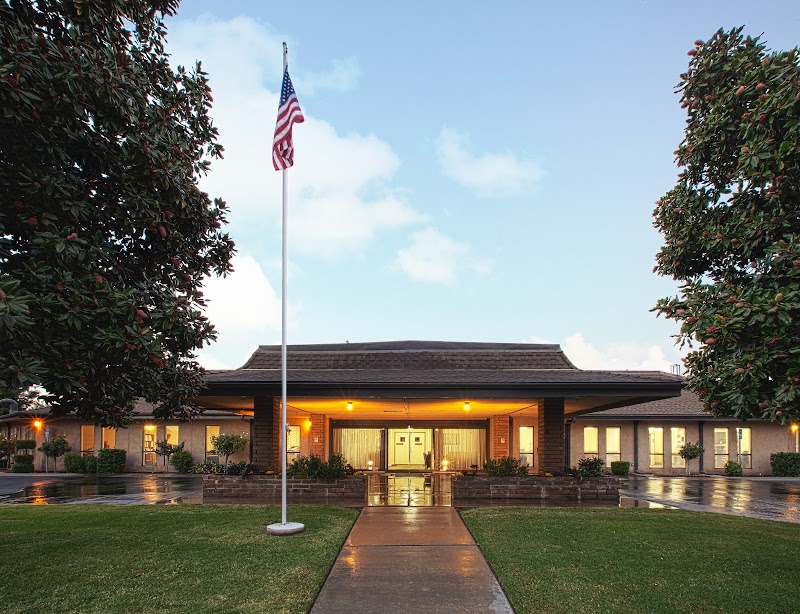
How is Linwood Meadows Staffed?

CMS rates LINWOOD MEADOWS CARE CENTER's staffing level at 3 out of 5 stars, which is average compared to other nursing homes. Staff turnover is 47%, compared to the California average of 46%.

What Have Inspectors Found at Linwood Meadows?

State health inspectors documented 57 deficiencies at LINWOOD MEADOWS CARE CENTER during 2021 to 2025. These included: 57 with potential for harm. While no single deficiency reached the most serious levels, the total volume warrants attention from prospective families.
Who Owns and Operates Linwood Meadows?

LINWOOD MEADOWS CARE CENTER is owned by a for-profit company. For-profit facilities operate as businesses with obligations to shareholders or private owners. The facility is operated by PACS GROUP, a chain that manages multiple nursing homes. With 98 certified beds and approximately 92 residents (about 94% occupancy), it is a smaller facility located in VISALIA, California.
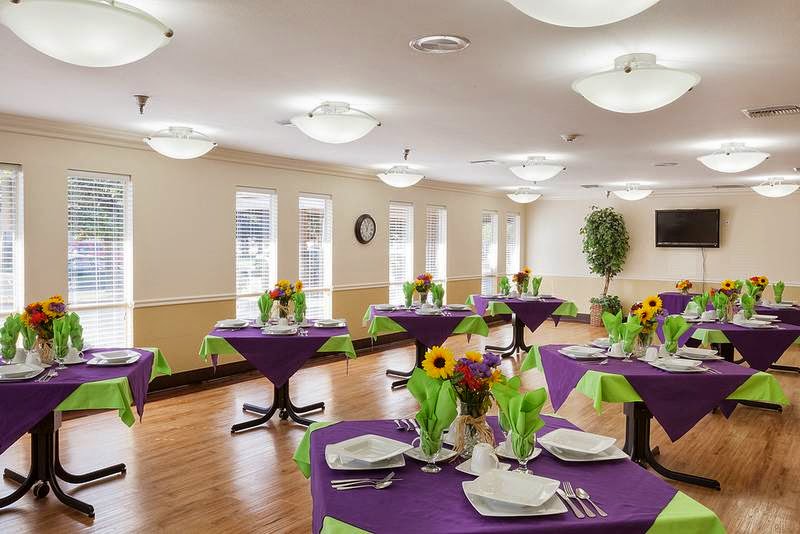
How Does Linwood Meadows Compare to Other California Nursing Homes?

Compared to the 100 nursing homes in California, LINWOOD MEADOWS CARE CENTER's overall rating (3 stars) is below the state average of 3.1, staff turnover (47%) is near the state average of 46%, and health inspection rating (2 stars) is below the national benchmark.

What Should Families Ask When Visiting Linwood Meadows?

Based on this facility's data, families visiting should ask: "Can I visit during a mealtime to observe dining assistance and food quality?" "How do you handle medical emergencies, and what is your hospital transfer rate?" "Can I speak with family members of current residents about their experience?"

Is Linwood Meadows Safe?

Based on CMS inspection data, LINWOOD MEADOWS CARE CENTER has a clean safety record: no substantiated abuse findings (meaning no confirmed cases of resident harm), no Immediate Jeopardy citations (the most serious violation level indicating risk of serious injury or death), and is not on the Special Focus Facility watch list (a federal program monitoring the lowest-performing 1% of nursing homes). The facility has a 3-star overall rating and ranks #100 of 100 nursing homes in California. While no facility is perfect, families should still ask about staff-to-resident ratios and recent inspection results during their visit.

Do Nurses at Linwood Meadows Stick Around?

LINWOOD MEADOWS CARE CENTER has a staff turnover rate of 47%, which is about average for California nursing homes (state average: 46%). Moderate turnover is common in nursing homes, but families should still ask about staff tenure and how the facility maintains care continuity when employees leave.

Was Linwood Meadows Ever Fined?

LINWOOD MEADOWS CARE CENTER has no federal fines on record. CMS issues fines when nursing homes fail to meet care standards or don't correct problems found during inspections. The absence of fines suggests the facility has either maintained compliance or corrected any issues before penalties were assessed. This is a positive indicator, though families should still review recent inspection reports for the full picture.

Is Linwood Meadows on Any Federal Watch List?

LINWOOD MEADOWS CARE CENTER is not on any federal watch list. The most significant is the Special Focus Facility (SFF) program, which identifies the bottom 1% of nursing homes nationally based on persistent, serious quality problems. Not being on this list means the facility has avoided the pattern of deficiencies that triggers enhanced federal oversight. This is a positive indicator, though families should still review the facility's inspection history directly.