SEQUOIA VISTA

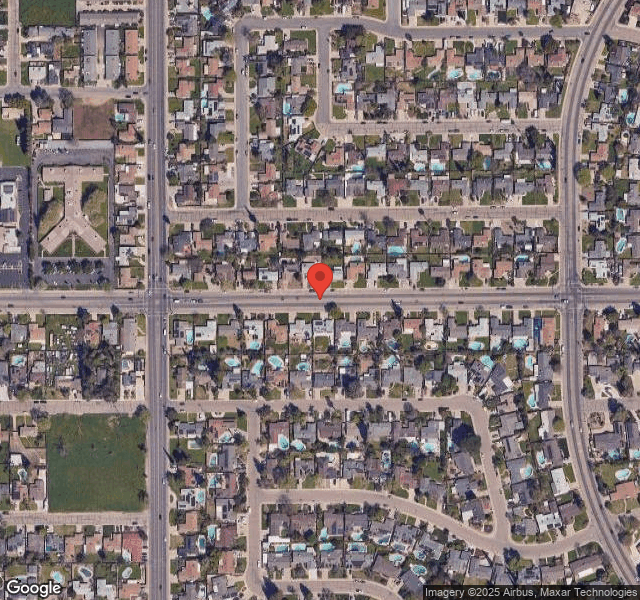
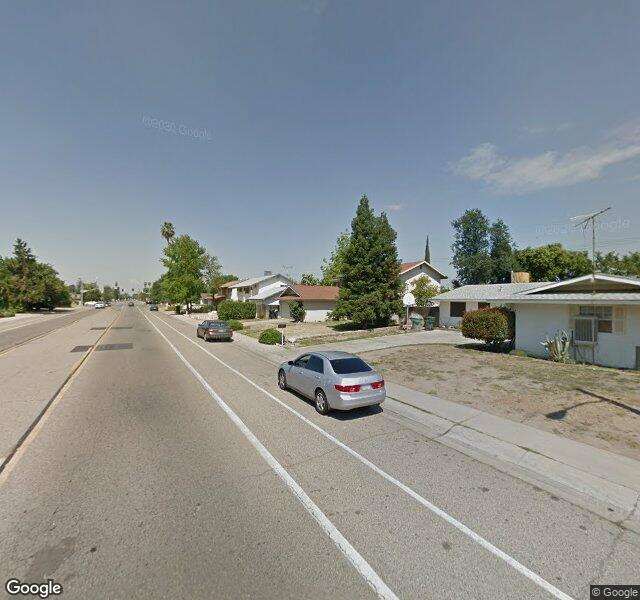
3710 WEST TULARE AVENUE, VISALIA, CA 93277 (559) 732-2244
For profit - Limited Liability company 99 Beds Independent Data: November 2025
Trust Grade
40/100
#1109 of 1155 in CA
Last Inspection: December 2024

Within standard 12-15 month inspection cycle. Federal law requires annual inspections.

Overview

Sequoia Vista has a Trust Grade of D, indicating below-average performance with some notable concerns. It ranks #1109 out of 1155 facilities in California, placing it in the bottom half of nursing homes in the state, and #16 out of 16 in Tulare County, meaning it is the lowest-ranked option locally. While the facility is showing improvement, reducing its issues from 29 in 2024 to 9 in 2025, it still has significant weaknesses, including inadequate RN coverage, with less than 12% of California facilities providing more staffing. Specific incidents of concern include a failure to schedule a Registered Nurse for eight hours a day on multiple occasions, which could negatively impact resident care, and problems with food safety due to a malfunctioning refrigerator that could compromise residents' nutritional needs. On a positive note, the facility has not incurred any fines, and its quality measures rating is relatively good at 4 out of 5 stars, suggesting some strengths despite the overall challenges.

Trust Score
D
40/100
In California
#1109/1155
Bottom 4%
Safety Record
Low Risk
No red flags
Inspections
Getting Better
29 → 9 violations
Staff Stability
○ Average
44% turnover. Near California's 48% average. Typical for the industry.
Penalties
✓ Good
No fines on record. Clean compliance history, better than most California facilities.
Skilled Nurses
⚠ Watch
Each resident gets only 17 minutes of Registered Nurse (RN) attention daily — below average for California. Fewer RN minutes means fewer trained eyes watching for problems.
Violations
⚠ Watch
82 deficiencies on record. Higher than average. Multiple issues found across inspections.
★☆☆☆☆
1.0
Overall Rating
★★☆☆☆
2.0
Staff Levels
★★★★☆
4.0
Care Quality
★☆☆☆☆
1.0
Inspection Score
Stable
2024: 29 issues
2025: 9 issues

The Good

  • 4-Star Quality Measures · Strong clinical quality outcomes
  • Full Sprinkler Coverage · Fire safety systems throughout facility
  • No fines on record
  • Staff turnover below average (44%)

    4 points below California average of 48%

Facility shows strength in quality measures, fire safety.

The Bad

1-Star Overall Rating

Below California average (3.1)

Significant quality concerns identified by CMS

Staff Turnover: 44%

Near California avg (46%)

Typical for the industry

The Ugly 82 deficiencies on record

Aug 2025 1 deficiency
CONCERN (D) 📢 Someone Reported This

A family member, employee, or ombudsman was alarmed enough to file a formal complaint

Potential for Harm - no one hurt, but risky conditions existed

Deficiency F0557 (Tag F0557)

Could have caused harm · This affected 1 resident

Based on interview and record review, the facility failed to ensure one of three sampled residents (Resident 1), was treated with respect and dignity. This failure resulted in Resident 1 feeling intim...

Read full inspector narrative →
Based on interview and record review, the facility failed to ensure one of three sampled residents (Resident 1), was treated with respect and dignity. This failure resulted in Resident 1 feeling intimidated and bullied.Findings:During an interview on 8/26/25 at 10:35 a.m. with Licensed Vocational Nurse (LVN), LVN stated she was in Resident 1's room during a conversation between Resident 1 and the Social Worker (SW). LVN stated SW gave attitude when responding to Resident 1's questions on 8/18/25. LVN stated SW's demeanor during her responses to Resident 1, was snarky.During an interview on 8/26/25 at 11:32 a.m. with Resident 1, Resident 1 stated she was talking with the Social Worker (SW) in her room on 8/18/25. Resident 1 stated SW intimidated and bullied her during their conversation.During a review of Resident 1's BIMS (Brief Interview for Mental Status- cognitive assessment tool used to evaluate a resident's mental status), dated 8/2/25, the BIMS indicated Summary Score - 15 (score of 13-15 means cognitively intact).During a review of the facility's policy and procedure (P&P) titled, Promoting/Maintaining Resident Dignity, dated 7/2022, the P&P indicated, 10. Speak respectfully to residents.
Aug 2025 1 deficiency
CONCERN (D) 📢 Someone Reported This

A family member, employee, or ombudsman was alarmed enough to file a formal complaint

Potential for Harm - no one hurt, but risky conditions existed

Report Alleged Abuse (Tag F0609)

Could have caused harm · This affected 1 resident

Based on interview and record review, the facility failed to follow its policy and procedure for one of three sampled residents (Resident 1) when an alleged misappropriation of resident property was n...

Read full inspector narrative →
Based on interview and record review, the facility failed to follow its policy and procedure for one of three sampled residents (Resident 1) when an alleged misappropriation of resident property was not reported to Department of Public Health, Ombudsman, Adult Protective Services and Law Enforcement Officials within 24 hours. This failure resulted in a delay of the investigation.Findings:During a review of the Theft & Loss Form (TLF) dated 8/10/25, the TLF indicated Date & Time of Report.8/10/25.Description of missing items.money 600 dollars.During a review of Resident 1's Progress Notes (PN) dated 8/10/25 at 2:32 p.m., the PN indicated, CNA (Certified Nursing Assistant) approached writer and stated that the resident said she was missing personal belongings. Upon arrival RN (registered nurse) supervisor was in residents' room helping look for belongings. Writer called daughter (daughter name) and notified. Inventory sheet was reviewed. Resident filled out theft and loss form and turned into SS (Social Services). SS aware.During a review of the Report of Suspected Dependent Adult/Elder Abuse (SOC341) dated 8/18/25 (seven days after the facility was aware), the SOC341 indicated, Resident report of alleged allegation of missing money. Resident has BIMS (Brief Interview for Mental Status-used to assess cognitive function) 15/15 (indicating Resident 1 was cognitively intact).During an interview on 8/18/25 at 3:46 p.m. with Social Service Director (SSD), SSD stated when the $600 was reported missing the daughter did not want to call the police. SSD stated the incident should have been reported to the Department of Public Health, Ombudsman, Adult Protective Services and Law Enforcement Officials per facility policy.During an interview on 8/18/25 at 4:12 p.m. with Ombudsman, Ombudsman stated the facility did not report the missing money to their office.During an interview on 8/18/25 at 4:41 p.m. with Administrator, Administrator stated on 8/10/25, Resident 1 had reported she was missing $600, and an investigation was started. Administrator stated the missing $600 was not reported to Department of Public Health, Ombudsman, Adult Protective Services and Law Enforcement Officials because the amount of money missing was not adding up during the investigation. Administrator stated it should have been reported within 24 hours.During a review of the facility policy and procedure (P&P) titled, Theft/Loss Prevention dated 8/2020, the P&P indicated, When an alleged or suspected case of misappropriation of resident property is reported, the Administrator, or designee, notifies the following persons or agencies within twenty-four (24) hours of such incident.Department of Public Health/Aging.Ombudsman.Adult Protective Services.Law Enforcement Official.
Jul 2025 2 deficiencies
CONCERN (D) 📢 Someone Reported This

A family member, employee, or ombudsman was alarmed enough to file a formal complaint

Potential for Harm - no one hurt, but risky conditions existed

Deficiency F0557 (Tag F0557)

Could have caused harm · This affected 1 resident

Based on interview and record review, the facility failed to implement its policy and procedure (P&P) for one of three sampled residents (Resident 1) when the Inventory of Personal Effects (IPE) was n...

Read full inspector narrative →
Based on interview and record review, the facility failed to implement its policy and procedure (P&P) for one of three sampled residents (Resident 1) when the Inventory of Personal Effects (IPE) was not signed by the resident upon admit. This failure had the potential to result in missing personal effects.Findings:During a review of Resident 1's Inventory of Personal Effect (IPE) dated 4/10/25, the IPE indicated, Certification of Receipt.on admission.signed resident or resident representative. (blank indicating the resident did not sign the IPE).During a concurrent interview and record review on 7/15/25 at 1:10 p.m., with Social Service Director (SSD), Resident 1's IPE was reviewed. SSD stated when Resident 1 was admitted the IPE should have been signed by Resident 1, indicating all of Resident 1's belongings were inventoried.During a review of the facility policy and procedure (P&P) titled Resident Personal Belongings dated 2/2025, the P&P indicated, All resident personal items will be inventoried at the time of admission by the social services designee, or another designated Inventories of all items are to be reviewed and examined by Social Services designee and the resident's representative.
CONCERN (D) 📢 Someone Reported This

A family member, employee, or ombudsman was alarmed enough to file a formal complaint

Potential for Harm - no one hurt, but risky conditions existed

Deficiency F0561 (Tag F0561)

Could have caused harm · This affected 1 resident

**NOTE- TERMS IN BRACKETS HAVE BEEN EDITED TO PROTECT CONFIDENTIALITY** Based on observation, interview, and record review, the facility failed to ensure one of three sampled residents (Resident 1) ch...

Read full inspector narrative →
**NOTE- TERMS IN BRACKETS HAVE BEEN EDITED TO PROTECT CONFIDENTIALITY** Based on observation, interview, and record review, the facility failed to ensure one of three sampled residents (Resident 1) choice to stay in room during a routine deep cleaning was respected and followed. This failure resulted in Resident 1 being forced out of her own room, in her bed and into the hallway for approximately one hour and resulted in Resident 1 feeling anxious (feeling of unease), almost in tears and violation of Resident 1's rights. Findings:During a review of Resident 1's admission Record (AR), dated 7/2025, the AR indicated Resident 1 was initially originally admitted on [DATE]. The AR indicated, Diagnosis.Major Depressive Disorder (mood causes persistent feeling of sadness and loss of interest) disorder that .social anxiety (intense fear of social situations), .During a review of Resident 1's annual Minimum Data Set (MDS-a federally mandated resident assessment tool) dated 6/10/25, the MDS indicated Resident 1 had a BIMS (Brief Interview for Metal Status-an assessment tool used by facilities to screen and identify memory, orientation, and judgement status of the resident) score of 14 (13-15 cognitively intact). During a review of Resident 1's Care Plan (CP) titled, ACTIVTIES date initiated 6/1/23, the CP indicated, [Resident 1] has activities deficit related to: social anxiety, preference to stay in her room watching television, and socializing 1:1.During an interview on 7/9/25 at 8:40 a.m. with Resident 1, Resident 1 stated she has social anxiety and does not like leaving her room. Resident 1 stated on 6/30/25 she was forced to go outside of her room and into the hallway for a scheduled deep cleaning (involving a more detailed cleaning). Resident 1 stated she has been in the facility for eight years and has never been forced to leave her room. Resident 1 stated she was almost in tears while she was outside the hallway in her bed while she waited for over an hour to be returned to her room.During an interview on 7/9/25 at 12:35 pm with Social Service Designee (SSD), SSD stated Resident 1 has been in the facility for many years, prefers to stay in room, very anti-social (not wanting company of others).During an interview on 7/9/25 at 12:51 p.m. with Licensed Vocational Nurse (LVN 1), LVN 1 stated Resident 1 was alert and oriented, does not walk, does not like to be around people, gets anxious when she is up in her wheelchair. LVN 1 stated Resident 1 has the right to stay in her room during deep cleaning and should not have been forced to leave.During an interview on 7/9/25 at 1:07 p.m. with Certified Nursing Assistant (CNA), CNA stated Resident 1 likes to keep to herself, does not like to come out, prefers to stay in room, gets anxiety, does not like to be around other people. CNA stated on 6/30/25 she was told to remove Resident 1 out of her room for a deep cleaning. CNA stated Resident 1 remained in the hallway in her bed for approximately one hour while Resident 1 waited for her room to be cleaned. CNA stated Resident 1 should have been given the option to stay in room.During an interview on 7/9/25 at 1:45 p.m. with Administrator, Administrator stated Resident 1 should not have been removed from her room for a deep cleaning. Administrator stated, if she (Resident 1) refused, it is her right to stay in there (room).During an interview on 7/10/25 at 12:20 p.m. with Housekeeper (HSK), HSK stated on 6/30/25, Resident 1 had refused to be removed from her room for a deep cleaning. HSK stated Resident 1 usually never wants to come out usually refuses. it's her room, it's her right HSK stated on 6/30/25, someone had brought Resident 1 out in the hallway in her bed. HSK stated Resident 1 waited approximately one hour in the hallway in her bed.During an interview on 7/15/25 at 12:21 p.m. with Director of Nurses (DON), DON stated Resident 1 had the right to stay in her room during deep cleaning. DON stated Resident 1 should not have been taken out of her room for deep cleaning when she refused.During a review of the facility's policy and procedure (P&P), titled, Resident Rights, dated 2/2025, the P&P indicated, 5. Self-determination. The resident has the right to and the facility must promote and facilitate resident self-determination through support of resident choice, including but not limited to: .b. The resident has the right to make choices about aspects of his or her life in the facility that are significant to the resident.
Jun 2025 3 deficiencies
CONCERN (D) 📢 Someone Reported This

A family member, employee, or ombudsman was alarmed enough to file a formal complaint

Potential for Harm - no one hurt, but risky conditions existed

Deficiency F0559 (Tag F0559)

Could have caused harm · This affected 1 resident

Based on observation, interview, and record, review the facility failed to:Provide an advance written notice of a new roommate assignment for one of six sampled residents (Resident 2).Monitor compatib...

Read full inspector narrative →
Based on observation, interview, and record, review the facility failed to:Provide an advance written notice of a new roommate assignment for one of six sampled residents (Resident 2).Monitor compatibility (being a good match, getting along well) for one of six sampled residents (Resident 2) when Resident 3 was moved into Resident 2's room.These failures resulted in a resident-to-resident altercation between Resident 2 and Resident 3, Resident 2 unable to sleep and violation in Resident 2's rights.Findings:During a concurrent observation and interview on 6/24/25 at 12:29 p.m. with Resident 2, Resident 2 was in his room lying in bed. Resident 2 stated he was not given notification prior to Resident 3 moving into his room on 6/10/25.During an interview on 6/24/25 at 1:47 p.m. with Social Service Assistant (SSA), SSA stated on 6/10/25 Resident 3 was moved to Resident 2's room. SSA reviewed Resident 2's clinical record and was unable to find documented evidence that a notice of a new roommate was provided to Resident 2.During an interview on 6/24/25 at 2:30 p.m. with Director of Nurses (DON) and Assistant Director of Nurses (ADON), ADON stated Resident 3 was moved into Resident 2's room on 6/10/25. ADON Resident 2's clinical record and was unable to find documented evidence that a notice of a new roommate was provided to Resident 2.2. During a concurrent observation and interview on 6/24/25 at 12:29 p.m. with Resident 2, Resident 2 was in his room lying in bed. Resident 2 stated on 6/10/25, Resident 3 was moved into his room. Resident 2 stated Resident 3 made constant outburst, continuous yelling throughout day and night preventing Resident 2 from sleeping. Resident 2 stated on 6/15/25 Resident 3 kept making loud noises and would not stop. Resident 2 stated he threw his hat at Resident 3 to make him stop making loud noises. Resident 2 stated he told several staff members he was unable to sleep due to Resident 3 making loud noises. Resident 3 stated nothing was done.During a concurrent observation and interview on 6/24/25 at 12:36 p.m. with Certified Nursing Assistant (CNA 3), CNA 3 was observed feeding Resident 3 in his room. CNA 3 stated Resident 3 was confused and would have outburst continuous yelling. CNA 3 stated Resident 2 was calm, like watching television, and taking naps. CNA 3 stated Resident 2 and Resident 3 were not compatible being roommates.During an interview on 6/24/25 at 12:50 p.m. with Licensed Vocational Nurse (LVN 1) LVN 1 stated on 6/10/25 Resident 3 was moved into Resident 2's room. LVN 1 stated it was the facility practice to monitor for 72 hours to ensure both roommates were compatible with each other. LVN 1 reviewed the clinical records for Resident 2 and was unable to find documented evidence Resident 2 was monitored for 72 hours for having a new roommate. During an interview on 6/24/25 at 12:57 p.m. with LVN 2, LVN 2 stated Resident 2 doesn't like noise, doesn't like to hear yelling, and kept to himself. LVN 2 stated Resident 3 randomly yells and spits. LVN 2 stated Resident 2 and Resident 3 were not compatible being roommates.During an interview on 6/24/25 at 2:30 p.m. with ADON, ADON stated Resident 3 was moved into Resident 2's room on 6/10/25. ADON stated it was the facility practice to monitor both roommates for 72 hours to make sure both residents are getting along, no emotional distress. ADON reviewed Resident 2's clinical records. ADON stated Resident 2 was not monitored for compatibility when Resident 3 moved into his room.During a review of the facility's policy and procedure (P&P), titled, Change of Room or Roommate, dated 7/2022, the P&P indicated, 4. Prior to making a room change or roommate assignment, all persons involved in the change/assignment, such as residents and their representatives, will be given advance notice of such a change as is possible. 5. The notice of a change in room or roommate will provided in writing, in a language and manner the resident and representative understands and will include the reason(s) why the move or change is required.
CONCERN (D) 📢 Someone Reported This

A family member, employee, or ombudsman was alarmed enough to file a formal complaint

Potential for Harm - no one hurt, but risky conditions existed

Grievances (Tag F0585)

Could have caused harm · This affected 1 resident

Based on observation, interview, and record review the facility failed to provide written grievance decision for one of six sampled residents (Resident 1). This failure resulted in violation of Reside...

Read full inspector narrative →
Based on observation, interview, and record review the facility failed to provide written grievance decision for one of six sampled residents (Resident 1). This failure resulted in violation of Resident 1's rights.Findings:During an interview on 6/23/25 at 9:59 am with Resident 1's Responsible Party (RP), RP stated a grievance was filed on 6/14/25 regarding Resident 1 having soiled gown. RP stated she has not received a written notice of decision.During a review of the facility log titled, Grievance/Concern Log the log indicated a grievance report was filed by RP on 6/14/25.During a concurrent interview and record review on 6/24/25 at 4:13 p.m. with Administrator, Administrator reviewed the grievance log and confirmed a grievance was filed on 6/14/25 by Resident 1's RP. Administrator stated the grievance has been resolved but was unable to find documented evidence that a written decision was given to Resident 1's RP.During a review of the facility's policy and procedure (P&P) titled, Resident and Family Grievances, dated 7/2022, the P&P indicated, g. In accordance with the resident's right to obtain a written decision regarding his or her grievance, the Grievance Official will issue a written decision on the grievance to the resident or representative at the conclusion of the investigation. The written decision will be included at a minimum: i. The date the grievance was received. ii. The steps taken to investigate the grievance. iii. A summary of the pertinent findings or conclusions regarding the resident's concern (s). iv. A statement as to whether the grievance was confirmed or not confirmed. v. Any corrective action taken or to be taken by the facility as a result of the grievance . vi. The date the written decision was issued.
CONCERN (D) 📢 Someone Reported This

A family member, employee, or ombudsman was alarmed enough to file a formal complaint

Potential for Harm - no one hurt, but risky conditions existed

Accident Prevention (Tag F0689)

Could have caused harm · This affected 1 resident

Based on interview and record review, the facility failed to ensure supervision was provided for one of six sampled residents (Resident 5) with a known behavior of attempting to leave the facility uns...

Read full inspector narrative →
Based on interview and record review, the facility failed to ensure supervision was provided for one of six sampled residents (Resident 5) with a known behavior of attempting to leave the facility unsupervised. This failure resulted in Resident 5 eloping from the facility without staff knowledge and having the potential for injury. Findings:During a review of Resident 5's Minimum Data Set (MDS-resident assessment tool) dated 5/13/25, the MDS indicated, Cognitive Patterns.BIMS (brief interview for mental status-evaluates residents cognitive ability (mental processes involved in acquiring knowledge and understanding through thought, experience, and the senses).12 (moderate cognitive function).Functional abilities.walk 50 feet with two turns.05 (helper assist only prior to or following the activity).During a review of Resident 5's S (situation) B (background) A (appearance) R (review and notify) (SBAR-used to communicate with physician) dated 6/17/25 at 4:20 a.m., the SBAR indicated, Came out from break room during lunch break and was notified by CNAs [Certified Nursing Assistant] that resident is missing. Staff checked all the rooms at facility and was still not found. Called [police department] [at] 3:39 a.m. and reported resident missing from facility. About 4 a.m. resident was found by [police department], next to the church [next door].During a review of Resident 5's Progress Note (PN), dated 8/19/24 (approximately 10 months prior to elopement on 6/17/25) at 10:35 a.m., the PN indicated, Resident [5] left out the facility of the back hall with statement of wanting to go to Mexico.During an interview on 6/24/25 at 12:55 p.m. with CNA 1, CNA 1 stated on pm shift and night shift, Resident 5 would attempt to leave the facility. CNA 1 stated Resident 5 would peak out into the hall to see if there were any staff present. CNA 1 stated Resident 5 opened the door a couple of times, set off the door alarm and asked the staff to open the door when attempting to leave the facility. CNA 1 stated Resident 5 demonstrates the behaviors approximately every two weeks.During an interview on 6/24/25 at 3:02 p.m. with CNA 2, CNA 2 stated Resident 5 had tried to get out of the facility in the past and would stand at the door of her room and spy down the hall, appearing as if she was planning to leave the facility. CNA 2 stated Resident 5 had packed her clothes in a bag in the past. CNA 2 stated she had reported the behavior to the nurse.During an interview on 6/24/25 at 4:17 p.m. with Administrator, Administrator stated when staff were aware of Resident 5's behavior of attempting to leave the facility it should have been reported right away.During an interview on 7/21/25 at 9:05 a.m. with Assistant Director of Nursing (ADON), ADON stated when Resident 5 was demonstrating exit seeking behaviors staff should have reported it right away so Resident 5 could be assessed and interventions could have been implemented. During a review of the facility's policy and procedure (P&P) titled, Elopements and Wandering Residents undated, the P&P indicated, a. Residents will be assessed for risk of elopement and unsafe wandering upon admission and throughout their stay by the interdisciplinary care plan team. b. The interdisciplinary team will evaluate the unique factors contributing to risk in order to develop a person-centered care plan. c. interventions to increase staff awareness of the resident's risk, modify the resident's behavior, or to minimize risks associated with hazards will be added to the resident's care plan and communicated to appropriate staff. d. Adequate supervision will be provided to help prevent accidents or elopements. e. Charge nurses and unit managers will monitor the implementation of interventions, response to interventions, and document accordingly.
Apr 2025 1 deficiency
CONCERN (D) 📢 Someone Reported This

A family member, employee, or ombudsman was alarmed enough to file a formal complaint

Potential for Harm - no one hurt, but risky conditions existed

Deficiency F0658 (Tag F0658)

Could have caused harm · This affected 1 resident

Based on interview, and record review, the facility failed to address one of three sampled residents' (Resident 1) change in condition when Resident 1 had below normal blood pressure (BP-the force of ...

Read full inspector narrative →
Based on interview, and record review, the facility failed to address one of three sampled residents' (Resident 1) change in condition when Resident 1 had below normal blood pressure (BP-the force of blood pushing against artery walls as your heart pumps) (normal BP is around 120/80 mm Hg {unit of measurement-millimeters of mercury} and low BP is a reading of lower than 90/60 mm Hg). This failure had the potential for Resident 1 experiencing adverse health outcomes. Findings: During an interview on 4/15/25 at 4:20 p.m. with Family Member (FM), FM stated Resident 1 would come back from dialysis (a treatment to cleanse the blood of wastes and extra fluids artificially through a machine when the kidney(s) have failed) and would not be feeling good and would ask for his BP to be checked and it (BP) would be low, and they would do nothing about it (low BP). During a concurrent interview and record on 4/16/25 at 12:41 with Social Services Director (SS), the facility Grievance Log (GL) dated April 2025 was reviewed. The GL indicated Resident 1 filed a grievance complaint that Resident 1 was unhappy with CNA (Certified Nursing Assistant) checking his blood pressure. During a concurrent interview and record on 4/16/25 at 12:40 with Director of Staff Development (DSD), Resident 1's Vital Sign (VS) log dated April 2025 was reviewed. The VS indicated: a) On 4/7/25 at 9:12 p.m., BP was 81/47 b) On 4/6/25 at 6:49 a.m., BP was 89/61 c) On 4/5/25 at 6:43 p.m., BP was 88/54 d) On 4/5/25 at 4:08 p.m., BP was 90/51 e) On 4/5/25 at 12:13 a.m., BP was 93/48 f) On 4/5/25 at 8:59 a.m., BP was 93/48 g) On 4/5/25 at 3:58 a.m., BP was 81/50 h) On 4/3/25 at 11:25 p.m., BP was 86/57 i) On 4/2/25 at 8:25 a.m., BP was 83/56 j) On 3/13/25 at 1:03 p.m., BP was 88/56 Resident 1's BP was not within normal range. DSD stated there was nothing documented in Resident 1 chart that any interventions were carried out. DSD stated she expects the staff to document interventions and notify the physician when Resident 1's BP is low. During a review of Resident 1's Orders, dated 3/4/25, the Orders indicated there was no current medication for Resident 1's low BP. During an interview on 5/12/25 at 10:31 am with LVN1, LVN 1 stated the physician should have been notified for any blood pressure level less than 100 systolic (the top number in a blood pressure reading, representing the highest pressure in your arteries during the heart's contraction (systole) when it's pumping blood) for Resident 1 and documented along with any interventions that was preformed. During a review of the facility's policy and procedure (P&P), titled Change of Condition, dated 2001, the P&P indicated, 1. The nurse will notify the resident's Attending Physician or physician on call when there has been a/an: d. significant change in the resident's physical/emotional/mental condition. 2. A significant change of condition is a major decline or improvement in the resident's status. 8. The nurse will record in the resident's medical record information relative to changes in the resident's medical/mental condition or status.
Jan 2025 1 deficiency
CONCERN (D) 📢 Someone Reported This

A family member, employee, or ombudsman was alarmed enough to file a formal complaint

Potential for Harm - no one hurt, but risky conditions existed

ADL Care (Tag F0677)

Could have caused harm · This affected 1 resident

Based on observation and interview, the facility failed to ensure two of three sampled resident's (Resident 1 and Resident 2) were provided nail care. This failure resulted in Resident 1 and Resident ...

Read full inspector narrative →
Based on observation and interview, the facility failed to ensure two of three sampled resident's (Resident 1 and Resident 2) were provided nail care. This failure resulted in Resident 1 and Resident 2 having debris under their fingernails and untrimmed fingernails. Findings: During a concurrent observation and interview, on 1/27/25 at 10:38 a.m. with Resident 1 and Certified Nursing Assistant (CNA) 1, in Resident 1's room, Resident 1 was observed with untrimmed fingernails and dark brown debris under his fingernails. CNA 1 stated Resident 1's fingernails needed trimming and there was a little bit of everything (XXXis it food) under his fingernails. CNA 1 stated nail care was supposed to be provided to the residents on Sundays and Resident 1's nails should have been cleaned and trimmed yesterday. During a concurrent observation and interview, on 1/27/25 at 11:17 a.m. with Resident 2 and CNA 2, in Resident 2's room, Resident 2 was observed with untrimmed fingernails and dark brown debris under his fingernails. CNA 2 stated Resident 2's fingernails were untrimmed and had brown debris under them. CNA 2 stated Resident 2's fingernails should have been trimmed yesterday. During an interview on 1/27/25 at 12:25 p.m. with Director of Staff Development (DSD), DSD stated the staff were expected to clean and trim the resident's fingernails every Sunday. During an interview on 1/27/25 at 1:07 p.m. with Licensed Vocational Nurse (LVN) 1, LVN 1 stated Resident 2 was a diabetic and the nurses were responsible to trim his fingernails. LVN 1 stated she cared for Resident 2 yesterday (Sunday) and nail care was not done. LVN 1 stated nail care should have been provided to Resident 2. During a review of the facility's policy and procedure (P&P) titled, Nail Care dated 11/20/24, the P&P indicated, Routine cleaning and inspection of nails will be provided during ADL (Activities of Daily Living) care on an ongoing basis.Routine nail care, to include trimming and filing, will be provided on a regular schedule (such as weekly on Wednesday 3-11 shift).Only licensed nurses shall trim or file fingernails of residents with diabetes.
Dec 2024 20 deficiencies
CONCERN (D)

Potential for Harm - no one hurt, but risky conditions existed

Deficiency F0552 (Tag F0552)

Could have caused harm · This affected 1 resident

Based on interview and record review, the facility failed to have accurate informed consent (IC- process that ensures a person is provided the risks and benefits of treatment) for a psychotropic (medi...

Read full inspector narrative →
Based on interview and record review, the facility failed to have accurate informed consent (IC- process that ensures a person is provided the risks and benefits of treatment) for a psychotropic (medication to treat mental disorders) medication for one of six sampled residents (Resident 49). This failure had the potential for Resident 49 not being aware of the risks and benefits of taking psychotropic medications. Findings: During a review of Resident 49's Minimum Data Set (MDS- assessment tool) section C- Cognitive Patterns, dated 10/1/24, the MDS indicated Resident 49's Brief Interview of Mental Status (BIMS, 1-7 Severe cognitive impairment, 8-12 Moderate cognitive impairment, 13-15 Intact cognitive impairment) score was 2. During a review of Resident 49's History and Physical (H&P), dated 9/26/24, the H&P indicated, Due to recent admission and chronic illness and condition change this patient is at increased risk for losing a decision making capacity. During a concurrent interview and record review on 12/4/24 at 10:01 a.m. with Director of Nursing (DON), Resident 49's Facility Verification of Informed Consent (IC), dated 9/26/24 was reviewed. The IC indicated, Resident 49 had signed the IC for Zoloft medication (treat symptoms of depression) 100 mg (milligram) one time a day. DON stated Resident 49 signed his own IC and should have had a BIMS Higher than 2 to sign his IC. During a review of the facility's policy and procedure titled, Informed consent-Psychotherapeutic Medications and Restraint Devices, dated 12/14/17, the P&P indicated, Obtaining informed consent, providing risks/benefits and other related information from the resident and/or resident's representative for use of such medication/devices.d. Determining resident's decision-making capacity.
CONCERN (D)

Potential for Harm - no one hurt, but risky conditions existed

Deficiency F0557 (Tag F0557)

Could have caused harm · This affected 1 resident

**NOTE- TERMS IN BRACKETS HAVE BEEN EDITED TO PROTECT CONFIDENTIALITY** Based on observation, interview, and record review, the facility failed to promote care for one of 44 sampled residents (Residen...

Read full inspector narrative →
**NOTE- TERMS IN BRACKETS HAVE BEEN EDITED TO PROTECT CONFIDENTIALITY** Based on observation, interview, and record review, the facility failed to promote care for one of 44 sampled residents (Resident 10) to maintain dignity and respect. This failure had the potential to affect Resident 10's individuality and psychological needs. Findings: During a review of Resident 10's admission Record (AR), dated 5/1/22, the AR indicated, Resident 10 was admitted on [DATE] with a diagnosis of Schizophrenia (chronic mental illness that affects a person thoughts, feelings, and behavior) and Dementia (decline in mental abilities). During a review of Resident 10's, Minimum Data Set- Section C-Cognitive Patterns (MDS- assessment tool), dated 9/7/24, the MDS-Section C indicated, Resident 10 had a Brief Interview for Mental Status (BIMS, 1-7 Severe cognitive impairment, 8-12 Moderate cognitive impairment, 13-15 Intact cognitive impairment) score of 8. During a review of Resident 10's, MDS- Section GG- Functional Abilities and Goals, dated 9/7/24, The MDS-Section GG indicated, Resident 10 required partial/moderate assistance to shower/bathe self, upper body dressing, lower body dressing, putting on/taking off footwear, and personal hygiene. During an observation on 12/2/24 at 10:48 a.m. in Resident 10's room, the room was cluttered with paper products on Resident 10's bedside table, nightstand, and in every drawer. Resident 10's hair was greasy and disheveled. Resident 10 had a smell of strong urine. During a concurrent observation and interview on 12/3/24 at 9:35 a.m. with Resident 10, in Resident 10's room, Resident 10 was sitting in her wheelchair beside her bed. Resident 10 was confused, her hair was greasy and tangled, the room smelled of strong urine, her clothes appeared dirty, and there were no clothes or shoes in her closet. Resident 10 stated she wanted bath wipes in a women's size. During a concurrent observation and interview on 12/3/24 at 9:44 a.m. with Certified Nursing Assistant (CNA) 32, in Resident 10's room, Resident 10 was wearing the same clothes she had on the prior day, hair was greasy, tangled, and covering her eyes. CNA 32 stated Resident 10 has been smelling like urine for a few days now. Staff will usually just let her do her own personal care. During an observation on 12/4/24 at 10:31 a.m. in Resident 10's room, Resident 10 smelled like urine and continued to have the same clothes on as the last two days. Resident 10 was not wearing any pants, only a brief. Resident 10's hair was greasy and tangled. During an interview on 12/4/24 at 11:22 a.m. with Social Services Designee (SSD), SSD stated Resident 10 likes to do her own personal care and staff let her do her own thing. SSD stated Resident 10 usually has dirty hair and smells like urine, this is just how she is. During a concurrent observation and interview on 12/4/24 at 11:38 a.m. with CNA 32, in Resident 10's room, Resident 10 was sitting on the side of her bed with no pants on. Resident 10 smelled of urine. Resident 10 was wearing the same pajama top and vest she had on the last 3 days. Resident 10's hair was greasy and tangled. Resident 10's closet was empty with no clothes. CNA 32 stated, [Resident 10] doesn't have any clothes and doesn't own any. I try to bring her stuff from my car, like a jacket or something, but doesn't have any clothes. She [Resident 10] always smells like urine and has dirty hair. During a concurrent observation and interview on 12/4/24 at 3:06 p.m. with Administrator, in Resident 10's room, Resident 10 was using a clear shopping bag to clean and wipe down her bed. Resident 10 had no pants on and was in the same clothes as 12/2/24. Resident 10 smelled of urine. Administrator stated there were no clothes in resident's closet and stated, every resident should have at least two set of clothes. Administrator stated Resident 10 puts her clothes in plastic bags and staff by accident throws them out with the trash. During a review of Resident 10's, Inventory of Personal Effects (IPE), dated 12/1/21. The IPE indicated, Resident did not have anything of personal use. Only pajama pants. During a review of the facility's policy and procedure (P&P) titled, Resident Personal Belongings, dated January 2024, the P&P indicated, It is the policy of this facility to protect the resident's right to possess personal belongings, such as clothing and furnishings, for their use while in the facility. The facility will ensure that personal belongings and/or possessions are rightfully returned to the resident. 1. All resident possessions, regardless of their apparent value to others, will be treated with respect. 2. The facility wills support the residents right to retain and use personal possessions to promote a homelike environment and maintain their independence. 6. The facility will ensure resident belongings are kept in a neat and orderly fashion and maintained in each resident's room. 7. the facility will exercise reasonable care for the protection of the resident' property from loss or theft. 9. For resident who have no relatives or friends, or few assets, the facility will offer to assist the resident in making his or her room more homelike, if they desire. During a review of the facility's P&P titled, Resident Rights, dated January 2023, the P&P indicated, 4. Respect and dignity. The resident has a right to be treated with respect and dignity, including: a. The right to retain and use personal possessions, including furnishings, and clothing as space permits, c. the right to reside and receive series in the facility with reasonable accommodation of the resident needs and preferences.
CONCERN (D)

Potential for Harm - no one hurt, but risky conditions existed

Deficiency F0561 (Tag F0561)

Could have caused harm · This affected 1 resident

**NOTE- TERMS IN BRACKETS HAVE BEEN EDITED TO PROTECT CONFIDENTIALITY** Based on observation, interview and record review, the facility failed to ensure one of 44 sampled resident's (Resident 75) choi...

Read full inspector narrative →
**NOTE- TERMS IN BRACKETS HAVE BEEN EDITED TO PROTECT CONFIDENTIALITY** Based on observation, interview and record review, the facility failed to ensure one of 44 sampled resident's (Resident 75) choices were being accommodated to get out of bed daily. This failure resulted in Resident 75 not participating in group activities and had a potential to result in psychosocial harm and a reduction in quality of life. Findings: During a review of Resident 75's Minimum Data Set (MDS, a Resident assessment screening tool), dated 9/27/24, the MDS indicated, in Section GG-Functional Abilities and Goals, Resident 75's lower extremities (hip, knee, ankle and foot) had Impairment on both sides, is dependent with care, and needs the use of a mobility device. During an interview on 12/2/24 at 11:08 a.m. with Resident 75, Resident 75 stated she would like to go to activities, but she was not able to get into a wheelchair because her knees were unable to bend. Resident 75 stated she needed a Geri-Chair (a large, padded chair that reclines and allows people with limited mobility sit comfortably while being transported) but the facility does not always have a Geri-chair available for use. During a review of Resident 75's Activities-Initial Review (A-IR), dated 6/14/24, the A-IR indicated, Does the resident wish to participate in activities while in the home.Yes.Does the resident wish to participate in group activities.yes.Comments.Resident enjoys bingo, nails, coloring.Assistance should be provided to get the resident to an activity.yes.Resident will need to be taken to activities when up. During a review of Resident 75's Activities- Participation Review (A-PR), dated 9/13/24, the A-PR indicated, resident joins group activities 2 out of 5 days a week.resident enjoys socializing with people of choice. During an interview on 12/5/24 at 9:52 a.m. with Interim Director of Activities (IDOA), IDOA stated Resident 75 gets out of bed once or twice a week. IDOA stated when Resident 75 is out of bed she participated in exercises and visited with other residents. During a concurrent interview and record review on 12/5/24 at 9:54 a.m. with IDOA, Resident 75's Activity Attendance Record (AAR), dated December 2024 was reviewed. The AAR indicated, Resident 75 had not participated in any group activities. IDOA stated, It looks like [Resident 75] hasn't been up so far this month. IDOA stated Resident 75 required a Geri-Chair to participate in activities. IDOA stated the facility only had three Geri-chairs. During a concurrent interview and record review on 12/5/24 at 9:58 a.m. with IDOA, Resident 75's AAR, dated November 2024 was reviewed. The AAR indicated Resident 75 did not participate in any group activities the entire month. IDOA stated Resident 75 did not participate in any group activities in November. During a concurrent observation and interview on 12/5/24 at 10:05 a.m. with IDOA in the storage room, there were no Geri-Chairs available for use. IDOA stated the Geri-chairs are kept in the storage room, and all were currently being used by residents. IDOA stated one of the Geri-chairs was being used in room [ROOM NUMBER]. During an observation on 12/5/24 at 10:07 a.m. in the 400-unit hallway, a green Geri-chair was in room [ROOM NUMBER] B not in use. During an interview on 12/5/24 at 10:12 a.m. with Resident 75, Resident 75 stated the facility staff ask her daily if she would like to participate in activities. Resident 75 stated she would participate in activities everyday if she had a Geri-chair available for use . Resident 75 stated she liked to get out of her room and talk to other residents. Resident 75 stated she did not go to any group activities in November due to not having a Geri-chair available. During an interview on 12/5/24 at 3:04 p.m. with Director of Nursing (DON), the DON stated the facility had two Geri-chairs that were in use. DON stated the facility did not have a schedule for Geri-chair use between dependent residents. During a review of the facility's policy and procedure (P&P) titled, Resident Self Determination and Participation, dated 1/2024, the P&P indicated, It is the policy of this facility to promote and facilitate a resident's right to self determination through support of resident choice.1. According to federal regulations, the resident has the right to: a. Choose activities, schedules, and providers of healthcare services consistent with his or her interests, assessments and plans of care. b. Interact and participate in community activities with members of the community both inside and outside of the facility; and c. Make choices about aspects of his or her life in the facility that are significant to the resident. During a review of the facility's P&P titled, Accommodation of Needs, dated 1/2024, the P&P indicated, The facility will treat each resident with respect and dignity and will evaluate and make reasonable accommodations for the individuals needs and preferences of a resident, except when the health and safety of the individual or other residents would be endangered.3. Facility staff shall make efforts to reasonably accommodate the needs and preferences of the resident as they make use of their physical environment. 4. Based on individual needs and preferences, the facility will assist the resident in maintaining and/or achieving independent functioning, dignity and well being to the extent possible.
CONCERN (D)

Potential for Harm - no one hurt, but risky conditions existed

Notification of Changes (Tag F0580)

Could have caused harm · This affected 1 resident

**NOTE- TERMS IN BRACKETS HAVE BEEN EDITED TO PROTECT CONFIDENTIALITY** Based on interview and record review, the facility failed to ensure the Responsible Party (RP) for one of five sampled residents...

Read full inspector narrative →
**NOTE- TERMS IN BRACKETS HAVE BEEN EDITED TO PROTECT CONFIDENTIALITY** Based on interview and record review, the facility failed to ensure the Responsible Party (RP) for one of five sampled residents (Resident 22) was notified when Resident 22 had a change of condition and had to be admitted to an acute care hospital setting. This failure resulted in Resident 22's RP being unaware of Resident 22's health status. Findings: During a concurrent interview and record review on 12/4/24 at 11 a.m. with Director of Nursing (DON), Resident 22's Change in Condition Evaluation -V 5.1 (COC), dated 2/27/24 was reviewed. The COC indicated, Stayed [Resident] unresponsive and was took by [Emergency Medical Technician] EMT to [Hospital]. The COC indicated, Resident is own RP. DON stated there was no family notified and family should have been notified. During a concurrent interview and record review on 12/4/24 at 11:08 a.m. with DON, Resident 22's COC, dated 9/5/24 was reviewed. The COC indicated, At time of transfer FSBS [Fasting Blood Sugar] was 100, but patient [Resident] not responding to commands. The COC indicated, Resident is own RP. DON stated there was no family notified and family should have been notified. During a review of the facility's policy and procedure (P&P) titled, Notification of Changes, dated [DATE], the P&P indicated, The facility must inform the resident, consult with resident's physician and/or notify the resident's family member or legal representative when there is a change requiring such condition.4. A transfer or discharge of the resident from the facility.
CONCERN (D)

Potential for Harm - no one hurt, but risky conditions existed

Deficiency F0582 (Tag F0582)

Could have caused harm · This affected 1 resident

Based on interview and record review, the facility failed to: 1. Give one of five sampled residents (Resident 192) the Advanced Beneficiary Notice (ABN- a form which gives the resident the choice to c...

Read full inspector narrative →
Based on interview and record review, the facility failed to: 1. Give one of five sampled residents (Resident 192) the Advanced Beneficiary Notice (ABN- a form which gives the resident the choice to continue services under private pay if Medicare does not provide payment) with the appeal contact information. 2. Accurately complete the ABN for one of five sampled residents (Resident 195) when form was left incomplete and Resident 195 signed the form. These failures resulted in Resident 192 and Resident 195 not having the choice to appeal the decision or have knowledge of the costs to continue treatment in the facility. Findings: 1. During a concurrent interview and record review on 12/5/24 at 11:42 a.m. with Admissions Coordinator (AC), Resident 192's, Notice of Medicare Non-Coverage [NOMNC-Notification that Medicare will not pay for your current skilled nursing services] dated 9/11/24 was reviewed. The NOMNC indicated, Pt [Patient] asked to be off therapy [Occupational Therapy] on 9/3/24. Pt family member needed to be notified, [sic] that patient will be placed on RNA [Restorative Nursing Assistance] program. Reached family member on 9/10/24, [sic] that Pt. will be placed on RNA as of 9/11/24 AC stated Resident 192 self discharged from Medicare part A before benefit days were exhausted and remained in the facility. AC stated ABN was not given to Resident 192 and should have been provided in addition to the NOMNC. 2. During a concurrent interview and record review on 12/5/24 at 11:45 a.m. with AC, Resident 195's, ABN dated 12/8/23 was reviewed. The ABN indicated, G. Options: Check One box: Option 1, Option 2, and Option 3. None of the boxes were checked and left incomplete. Resident 195's signature was at the bottom. AC stated that one of these boxes was required to be checked in order for the form to be considered complete. During a review of the facility's, Form Instructions Skilled Nursing Facility Advanced Beneficiary Notice of Non-Coverage [SNF ABN] (FIABN), (undated), the FIABN indicated, Medicare requires Skilled Nursing Facilities (SNF's) to issue the SNF ABN to Original Medicare, also called fee-for-service (FFS), patients prior to providing care that Medicare usually covers, but may not pay for in this instance because the care is not medically reasonable and necessary; or considered custodial. The SNF ABN provides information to the patient so that S/He can decide whether or not to get the care that may not be paid for by medicare and assume financial responsibility. 2. There are 3 option boxes listed on the SNF ABN with corresponding check boxes. The patient must check only one option box. If the patient is physically unable to make a selection, the SNF may enter the patient's selection at this/their request and indicate on the notice that this was done for the patient. Otherwise, Failure to use this notice or significant alterations of the SNF ABN could result in the notice being invalidated and/or the SNF being held liable for the care in question. 4. Signature and date: the patient or their authorized representative must sign the signature box to acknowledge that they read and understood the notice. If the patient refuses to choose an option and/or refuses to sign the SNF ABN when required, the SNF should annotate the original copy of the SNF ABN indicating the refusal to sign and may list a witness to the refusal. The SNF should consider not furnishing the care.
CONCERN (D)

Potential for Harm - no one hurt, but risky conditions existed

Deficiency F0645 (Tag F0645)

Could have caused harm · This affected 1 resident

Based on interview and record review, the facility failed to accurately complete the annual pre-admission screening assessment and resident review (PASRR-federal requirement to help ensure that indivi...

Read full inspector narrative →
Based on interview and record review, the facility failed to accurately complete the annual pre-admission screening assessment and resident review (PASRR-federal requirement to help ensure that individuals are not incorrectly placed in nursing homes or long-term care instead of a psychiatric setting) for two of six sampled residents (Resident 13, Resident 42). This failure had the potential for Resident 13, and Resident 42 to be placed in an inappropriate setting and not receive required services. Findings: During a review of Resident 13's Preadmission Screening Resident Review (PASRR) Level I Screening, dated 10/15/24, the PASRR indicated, Level I positive for SMI [Serious Mental Illness]/negative for ID [Intellectual Disability]/DD [Developmental Disability]/RC [Related Condition]. During an interview on 12/4/24 at 9:27 a.m. with Director of Nursing (DON), DON stated Resident 13 was positive for Level I SMI but there was no Level II PASRR performed on Resident 13. During a review of Resident 42's Preadmission Screening Resident Review (PASRR) Level I Screening, dated 6/23/24, the PASRR indicated, Level I positive for SMI/Negative for ID/DD/RC. During an interview on 12/4/24 at 9:36 a.m. with DON, DON stated Resident 42 was positive for Level I SMI but there was no Level II PASRR performed on Resident 42. DON stated there should have been a level II screening done. During the review of facility's policy and procedure (P&P) titled, Resident Assessment - Coordination with PASARR program, dated January 2024, the P&P indicated, Positive Level I Screen - necessitates a PASARR Level II evaluation prior to admission. 5. If a resident who has not screened due to exception above and the resident remains in the facility longer than 30 days: a. The facility mush screen the individual using the State's Level I screening process and refer any resident who has or may have MD, ID or a related condition to the appropriate state-designated authority for Level II PASARR evaluation and determination. b. The Level II resident review must be completed within 40 calendar days of admission.
CONCERN (D)

Potential for Harm - no one hurt, but risky conditions existed

Deficiency F0658 (Tag F0658)

Could have caused harm · This affected 1 resident

**NOTE- TERMS IN BRACKETS HAVE BEEN EDITED TO PROTECT CONFIDENTIALITY** Based on interview and record review the facility failed to obtain a diet order upon admission to the facility for one of one s...

Read full inspector narrative →
**NOTE- TERMS IN BRACKETS HAVE BEEN EDITED TO PROTECT CONFIDENTIALITY** Based on interview and record review the facility failed to obtain a diet order upon admission to the facility for one of one sampled residents (Resident 22). This failure had the potential to resulted in unmet nutritional needs. Findings: During a review of Resident 22's admission Record (AR), (undated), the AR indicated, Resident 22 was admitted on [DATE]. During a concurrent interview and record review on 12/4/24 at 2:12 p.m. with Director of Nursing (DON) and Assistant Director of Nursing (ADON), Resident 22's Order Summary Report (OSR), dated 11/12/24, was reviewed. The OSR indicated, Diet; Controlled Carb [carbohydrate] diet [to manage diabetes (a blood sugar disorder)] thin pureed [a paste or thick liquid] texture, thin consistency. DON and ADON stated this was Resident 22's first diet order by the facility's physician and was completed four days after admission. During a concurrent interview and record review on 12/4/24 at 2:31 p.m. with ADON, Resident 22's nursing progress notes, dated 11/8/24 to 11/11/24, were reviewed. ADON stated there was no documentation by nursing that Resident 22 had a physician ordered diet upon admission to the facility. ADON stated the nurse should have called the physician to get the diet order. During a review of the facility's policy and procedure (P&P) titled, admission Orders, dated January 2024, the P&P indicated, Policy: A physician, physician assistant, nurse practitioner or clinical nurse specialist must provide written and/or verbal orders for the residents' immediate care and needs. Policy Explanation and Compliance Guidelines: 1. The written and/or verbal orders should include a minimum: a. Dietary b. Medication orders if indicated c. Routine care orders.The orders should provide information to maintain or improve the resident's functional abilities until staff can conduct a comprehensive assessment and develop an interdisciplinary care plan. During a review of the facility's P&P titled, Diet Orders, dated 2023, the P&P indicated, Policy: Diet orders as prescribed by the Physician will be provided by the Food & Nutrition Services Department. Procedure: Nursing will send a Diet Order Communication slip to the Food & Nutrition Services Department.
CONCERN (D)

Potential for Harm - no one hurt, but risky conditions existed

Deficiency F0685 (Tag F0685)

Could have caused harm · This affected 1 resident

**NOTE- TERMS IN BRACKETS HAVE BEEN EDITED TO PROTECT CONFIDENTIALITY** Based on observation, interview, and record review, the facility failed to ensure one of four residents (Resident 10) was given ...

Read full inspector narrative →
**NOTE- TERMS IN BRACKETS HAVE BEEN EDITED TO PROTECT CONFIDENTIALITY** Based on observation, interview, and record review, the facility failed to ensure one of four residents (Resident 10) was given the appropriate care and services to improve hearing and communication. This failure resulted in Resident 10 not having her communication needs met. Findings: During a review of Resident 10's admission Record (AR), dated 5/1/22, the AR indicated, Resident 10 was admitted on [DATE]. During a concurrent interview and observation on 12/3/24 at 9:37 a.m. with Resident 10 in Resident 10's room, Resident 10 was having a hard time hearing and required this surveyor to get close to her ear and speak loud and clear for her to understand. Resident 10 stated, I wish I had some hearing aids so I could hear you better. During an interview on 12/4/24 at 3:16 p.m. with Resident 10 and Social Service Designee (SSD), Resident 10 stated I can't hear, and I think my ears need to be cleaned out. I would like some hearing aids. SSD stated, she was not sure if Audiology (hearing specialist) Services had been used for Resident 10 and agreed that Resident 10 was hard of hearing. During an interview on 12/5/24 at 9:47 a.m. with SSD, SSD stated Resident 10 has never had a hearing test at the facility. During an interview on 12/5/24 at 10:13 a.m. with SSD and Resident 10, SSD asked Resident 10 What did you eat for breakfast and what kind of music do you listen to? Resident 10 repeatedly stated, I can't hear you, I need my ears cleaned out. During the facility's policy and procedure (P&P) titled, Hearing and Vision Services, dated January 2024, the P&P indicated, It is the policy of this facility to ensure that all residents have access to hearing and vision services and receive adaptive equipment as indicated. 3. The social worker/social service designee is responsible for assisting resident, and their families, in locating and utilizing any available resources for the provision of the vision and hearing services the resident needs. 5. Employees will assist the resident with the use of any devices or adaptive equipment needed to maintain vision or hearing.
CONCERN (D)

Potential for Harm - no one hurt, but risky conditions existed

Deficiency F0692 (Tag F0692)

Could have caused harm · This affected 1 resident

Based on observation, interview and record review, the facility failed to document the quantity consumed of a nutrition beverage supplement ordered to address significant weight loss for one of one sa...

Read full inspector narrative →
Based on observation, interview and record review, the facility failed to document the quantity consumed of a nutrition beverage supplement ordered to address significant weight loss for one of one sampled residents (Resident 22) ensuring the accuracy of nutrition assessments and ability to monitor effectiveness. This failure had the potential to ineffectively evaluate and delay timely revision of nutrition interventions needed to meet residents' nutrition needs. Findings: During a concurrent observation and interview on 12/2/24 at 12:56 p.m. with Certified Nursing Assistant (CNA) 9 and Resident 22 in Resident 22's room, Resident 22 had an unopened four (4) ounce (oz.) carton of chocolate flavored sugar free health shake (to increase calorie and protein intake) on her lunch meal tray. LN 1 translated in Spanish to Resident 22 to ask if she liked the health shake. Resident 22 stated she does not drink the health shake because she does not like it at all, even if it was a different flavor. Resident 22 stated she feels bad about her weight loss because it occurred too fast and that she lost twenty pounds not long ago. During an interview on 12/3/24 at 10:13 a.m. with Certified Nursing Assistant (CNA) 1, CNA 1 used an electronic device located on the wall in hallway 400 to show where CNAs were trained to document quantity consumed of a health shake. CNA 1 was asked to show the documentation for the quantity consumed of the health shake for Resident 22 for lunch on 12/2/24. CNA 1 reviewed Resident 22's documented meal and fluid intake using the electronic device that displayed Effective Date: 12/2/24; 14:59 [2:59 p.m.], CNA 1 stated it was blank, nothing was entered. CNA 1 showed the screen titled Document Fluid Intake Ml's [milliliters; unit of volume for liquids], and CNA 1 stated the total cc [cubic centimeter; unit of volume] of fluid from any fluids located on the meal tray would be indicated as a total number of cc fluids consumed, and not itemized such as water, coffee, juice or health shake, for example. During a concurrent interview and record review on 12/3/24 at 2:56 p.m. with the Registered Dietitian (RD), Resident 22's Nutrition Evaluation (NE), dated 11/14/24 was reviewed. The NE indicated, Resident experienced a significant wt [weight] change r/t [related to] recent hospitalization.Will add no sugar house nutritional supplement TID [three times a day] with meal. M/E [monitor/evaluate] PO [by mouth] intake. RD stated resident [Resident 22] told her she feels too skinny and wants to gain weight. RD was asked how she monitors po intake of the sugar free health shake supplements. RD reviewed Resident 22's electronic health record (EHR) and under the Tasks tab reviewed ADLs [activities for daily living], under Amount Eaten, and RD stated those percent meal eaten is from her diet order of CCHO [consistent carbohydrate] puree diet and did not include the health shake. RD reviewed an entry of 480 cc of fluid and stated that was the total amount of fluids consumed for a meal. RD stated to tell you the truth I am not sure what fluids that could be. RD stated for an accurate nutrition assessment, she would need to have the ability to quantify the calories a resident consumes and compare to a resident's daily assessed needs to develop a care plan to meet a gap in nutritional needs, when necessary. RD stated since the facility does not document quantity consumed of nutrition supplements, she was not able to have accurate nutrition assessments. Further, RD stated she was unaware Resident 22 was not drinking the health shakes routinely, which in part is due to the facility's lack of documentation of quantity consumed, for effective monitoring and to offer an alternative nutrition intervention for Resident 22, in a timely manner before a negative outcome occurred such as potential weight loss. During a concurrent interview and record review on 12/4/24 at 1:51 p.m., Resident 22's Medication Administration Record (MAR), dated November 2024 was reviewed. The MAR indicated the Health Shake TID with a check mark and nursing initials for each of the meals, there was no documentation of quantity consumed. ADON stated the check mark next to the health shake order indicated the health shake was provided, and stated the facility lacked a system to document quantity consumed. During a concurrent interview and record review on 12/4/24 at 2:00 p.m., Resident 22's ADL's under Amount Eaten, dated 12/2/24 was reviewed. ADON stated the documentation showed Resident 22 refused breakfast and lunch, and dinner was left blank. ADON stated under Document Fluid Intake Ml's, dated 12/2/24, there was documentation of 750 cc fluid consumed for one shift. ADON stated she would not be able to know whether the 750-cc fluid consumed included a health shake. ADON stated the facility should be documenting quantity consumed of the health shake (or any nutrition intervention provided to increase calories and/or protein) for the ability to monitor for effectiveness. During a review of the facility's policy and procedure (P&P) titled, NUTRITIONAL SCREENING/ASSESSMENTS/RESIDENT CARE PLANNING, dated 2023, the P&P indicated, POLICY: The resident's nutritional status and nutritional needs will be assessed. A nutritional program specific to the resident's needs will be planned and implemented, and then reassessed periodically for progress.
CONCERN (D)

Potential for Harm - no one hurt, but risky conditions existed

Deficiency F0761 (Tag F0761)

Could have caused harm · This affected 1 resident

**NOTE- TERMS IN BRACKETS HAVE BEEN EDITED TO PROTECT CONFIDENTIALITY** Based on observation, interview, and record review, one of four sampled Licensed Vocational Nurses (LVN 2) failed to: 1. Ensure ...

Read full inspector narrative →
**NOTE- TERMS IN BRACKETS HAVE BEEN EDITED TO PROTECT CONFIDENTIALITY** Based on observation, interview, and record review, one of four sampled Licensed Vocational Nurses (LVN 2) failed to: 1. Ensure a controlled medication was not accessible to staff and residents during medication pass. 2. Ensure a controlled medication was properly disposed of. These failures had the potential to result in diversion of a controlled medication. Findings: 1. During a concurrent observation and interview on [DATE] at 8:26 a.m. with LVN 2 in Resident 189's room, LVN 2 dropped a plastic medication cup containing Resident 189's Vitamin B12 (vitamins that help keep blood and nerve cells healthy) 1000 milligram (mg), Docusate (stool softener) 100 mg, Eliquis (blood thinner used to prevent and treat blood clots) 5 mg, Neurontin (used to treat seizures and nerve pain) 100 mg, Reglan (used for stomach and esophageal problems; nausea, vomiting, and heartburn) 5 mg, Jardiance (used to improve blood sugar levels in patients with diabetes) 10 mg, Prilosec (used to treat stomach acid) 20 mg, Iron (supplement used to prevent low iron levels in the blood) 325 mg, Tramadol ( a controlled substance opioid used to treat moderate to severe pain) 50 mg on the bed. LVN 2 picked up all nine tablets and stated the dropped medications will need to be wasted. LVN 2 stated she needed a witness to sign off on her wasted Tramadol 50 mg. During an observation on [DATE] at 8:32 a.m. in the hallway, LVN 2 had placed the plastic medicine cup containing Tramadol 50 mg tablet and 8 other dropped tablets on top of the medication cart. LVN 2 walked away from the medication cart and entered Resident 189's room. During an interview on [DATE] at 8:34 a.m. with LVN 2, in the hallway, LVN 2 stated the medication should not have been left on top of the cart when she walked into Resident 189's room. LVN 2 stated she should have locked all medications inside of the medication cart until she was able to waste the Tramadol 50 mg with another licensed nurse. During a review of the facility's policy and procedure (P&P) titled, Medication Storage, dated 11/2022, the P&P indicated, It is the policy of this facility to ensure all medications housed on our premise will be stored in the pharmacy and or medication rooms according to manufacturer's recommendations and sufficient to ensure proper sanitation, temperature, light, ventilation, moisture control, segregation and security.During medication pass, medications must be under the direct observation of the person administering medications or locked in the medication storage area/cart. 2. During a concurrent observation and interview on [DATE] at 8:26 a.m. with LVN 2 in Resident 189's room, LVN 2 dropped a plastic medication cup containing Resident 189's Vitamin B12 (vitamins that help keep blood and nerve cells healthy) 1000 milligram (mg), Docusate (stool softener) 100 mg, Eliquis (blood thinner used to prevent and treat blood clots) 5 mg, Neurontin (used to treat seizures and nerve pain) 100 mg, Reglan (used for stomach and esophageal problems; nausea, vomiting, and heartburn) 5 mg, Jardiance (used to improve blood sugar levels in patients with diabetes) 10 mg, Prilosec (used to treat stomach acid) 20 mg, Iron (supplement used to prevent low iron levels in the blood) 325 mg, Tramadol ( a controlled substance opioid used to treat moderate to severe pain) 50 mg on the bed. LVN 2 picked up all nine tablets and stated all the dropped medications will need to be wasted. LVN 2 stated she will need a witness to sign off on her wasted Tramadol 50 mg. During a concurrent observation and interview on [DATE] at 8:45 a.m. with LVN 2 in Medication room [ROOM NUMBER], LVN 3 witnessed LVN 2 dispose of Tramadol 50 mg that had been dropped in Resident 189's room. LVN 2 emptied the plastic medicine cup containing all 9 tablets into a black plastic container labeled Hazardous Waste Container. The wasted medications were not crushed, and there were no solvent or solutions added to the medications to destroy the tablets. LVN 2 stated this was the container that was designated for all wasted medications. During an interview on [DATE] at 11:13 a.m. with LVN 2, LVN 2 stated narcotics are disposed of in the black container in the medication room with a witness. During an interview on [DATE] with Director of Nursing (DON), DON stated disposal of a single controlled medication can be done by a licensed nurse with the witness of another licensed nurse. DON stated controlled medications/narcotics should be disposed of in a drug buster liquid. DON stated the black bins located in the medication rooms are not appropriate for controlled medication/narcotic disposal. During an interview on [DATE] at 3:38 p.m. with Assistant Director of Nursing (ADON), ADON stated all controlled medications/narcotics should be brought to the DONs office to be destroyed later with the pharmacist. ADON stated controlled medications/narcotics should not have been disposed of in the black waste containers. ADON stated the black waste containers are for all other medications like inhalers. During a review of the facility's policy and procedure (P&P) titled, Destruction of Unused Drugs, dated 10/2022, the P&P indicated, All unused, contaminated, or expired prescription drugs shall be disposed of in accordance with state laws and regulations.1. Drugs will be destroyed of in a manner that renders the drug unfit for human consumption.4. The actual destruction of drugs conducted by our facility must be witnessed by the consultant pharmacist and one of the following individuals: a. An agent of the State Board of Pharmacy; b. The facility Administrator; or c. The Director of Nursing Services.
CONCERN (D)

Potential for Harm - no one hurt, but risky conditions existed

Menu Adequacy (Tag F0803)

Could have caused harm · This affected 1 resident

Based on observation, interview, and record review, the facility failed to follow the meal tray ticket and/or planned menu for two out of three sampled residents (Resident 62 and Resident 83). This fa...

Read full inspector narrative →
Based on observation, interview, and record review, the facility failed to follow the meal tray ticket and/or planned menu for two out of three sampled residents (Resident 62 and Resident 83). This failure had the potential for Resident 62 and Resident 83's nutritional goals not being met. Findings: During a concurrent observation and interview on 12/3/24 at 12:10 p.m. with the Registered Dietitian (RD) in the kitchen, Resident 62's lunch meal tray was placed onto a meal delivery cart and Meal Tray Ticket (MTT) indicated large portions. There was only one slice of garlic bread on the meal tray. RD stated two slices of garlic bread should have been served per the planned menu for large portion diet. During a review of Resident 62's Physician Diet Order (PDO), dated 7/12/24, the PDO indicated, Resident 62 had large portion for diet order type. During a concurrent observation and interview on 12/3/24 at 12:15 p.m. with the RD in the kitchen, Resident 83's MTT under standing orders indicated 4 oz [ounce], 2% [percent] milk. RD stated Resident 83's meal tray did not have the 4 oz, 2% milk. During a review of Resident 83's MTT, dated 12/4/24, the MTT indicated, Resident 83 had 4 fl [fluid] oz Milk 2% under standing orders. During a review of the facility's P&P titled, Diet Orders, dated 2023, the P&P indicated, Policy: Diet orders as prescribed by the Physician will be provided by the Food & Nutrition Services Department. Procedure: Nursing will send a Diet Order Communication slip to the Food & Nutrition Services Department.
CONCERN (D)

Potential for Harm - no one hurt, but risky conditions existed

Deficiency F0805 (Tag F0805)

Could have caused harm · This affected 1 resident

Based on observation, interview, and record review, the facility failed to ensure the therapeutic diet was served in accordance with the diet order for one of three sampled residents (Resident 22). Th...

Read full inspector narrative →
Based on observation, interview, and record review, the facility failed to ensure the therapeutic diet was served in accordance with the diet order for one of three sampled residents (Resident 22). This failure had the potential for Resident 22 to choke. Findings: During an observation and record review on 12/2/24 at 12:56 p.m. in Resident 22's room, Resident 22's meal tray consisted of corn bread and chili (regular texture). Resident 22's meal ticket diet order indicated regular texture, CCHO (Consistent, constant, or controlled carbohydrate), thin liquid was crossed out and replaced with a handwritten notation of puree. During a review of Resident 22's Physician's Diet Order (POD) dated 12/2/24, the POD indicated, Resident 22 had puree as the diet texture order. During a concurrent interview and record review on 12/3/24 at 3:25 p.m. with Registered Dietitian (RD), RD reviewed a photo picture of Resident 22's lunch meal tray ticket dated 12/2/24. Resident 22's lunch meal tray ticket indicated diet order regular texture, CCHO, thin liquid was crossed out and replaced with a handwritten notation of puree. RD stated Resident 22 had two meal tray ticket's on file. RD stated one meal tray ticket indicated a regular textured diet and the second meal tray ticket indicated a puree diet. RD stated Resident 22 had a diet order for pureed texture. RD stated Resident 22 was not provided the correct physician ordered therapeutic diet of pureed texture. During a review of the facility's policy and procedure (P&P) titled, Diet Orders, dated 2023, the P&P indicated, Policy: Diet orders as prescribed by the Physician will be provided by the Food & Nutrition Services Department. Procedure: Nursing will send a Diet Order Communication slip to the Food & Nutrition Services Department.
CONCERN (D)

Potential for Harm - no one hurt, but risky conditions existed

Deficiency F0813 (Tag F0813)

Could have caused harm · This affected 1 resident

Based on observation, interview, and record review, the facility failed to follow their policy and procedure (P&P) titled, FOOD FOR RESIDENTS FROM OUTSIDE SOURCES for one of one resident designated re...

Read full inspector narrative →
Based on observation, interview, and record review, the facility failed to follow their policy and procedure (P&P) titled, FOOD FOR RESIDENTS FROM OUTSIDE SOURCES for one of one resident designated refrigerator (RDR). This failure resulted in undated and unlabeled food and had the potential for food contamination. Findings: During a concurrent observation and interview on 12/3/24 at 10:27 a.m. with Certified Nursing Assistant (CNA) 81 in the employee break room, the RDR had undated and unlabeled foil covered plated food items stored inside. CNA 81 stated all food stored inside the RDR should have been dated and labeled with the residents name. During an interview on 12/3/24 at 9:23 a.m. with Licensed Vocational Nurse (LVN) 5, LVN 5 stated the food stored in the RDR for residents should have the resident name and the date the food item was received. During a review of the facility's P&P titled, FOOD FOR RESIDENTS FROM OUTSIDE SOURCES, dated 2023, the P&P indicated, 5. Prepared foods, beverages, or perishable food that requires refrigeration, can be stored for the resident in the facility. resident's personal refrigerator.unopened, refrigerated or frozen items will be disposed of by the expiration date on the container. If opened, the food must be sealed, dated to the date opened and disposed of in 2 days after opening.
CONCERN (E)

Potential for Harm - no one hurt, but risky conditions existed

Comprehensive Assessments (Tag F0636)

Could have caused harm · This affected multiple residents

**NOTE- TERMS IN BRACKETS HAVE BEEN EDITED TO PROTECT CONFIDENTIALITY** Based on interview and record review, the facility failed to ensure two of two sampled residents (Resident 13 and Resident 22) s...

Read full inspector narrative →
**NOTE- TERMS IN BRACKETS HAVE BEEN EDITED TO PROTECT CONFIDENTIALITY** Based on interview and record review, the facility failed to ensure two of two sampled residents (Resident 13 and Resident 22) smoking assessment was completed timely. This failure resulted in residents not being assessed for safety while smoking and had a potential for residents to be burned while smoking. Findings: During a concurrent interview and record review on 12/4/24 at 10:31 a.m. with Director of Nursing (DON), Resident 13's Smoking Safety Evaluation, (undated) was reviewed. Resident 13's admission record indicated, Resident 13 was admitted on [DATE] and there were no quarterly assessments completed after 9/13/23. DON stated Resident 13 should have had smoking assessment completed on 6/5/23, 12/6/23, 3/6/24, 9/6/24 but there were none completed during those dates. During a concurrent interview and record review on 12/4/24 at 10:42 a.m. with DON, Resident 22's Smoking Safety Evaluation, (undated) was reviewed. Resident 22's admission record indicated, Resident 22's initial admission date was 5/1/22 and there were no quarterly assessments completed after 9/13/23. DON stated Resident 22 should have had smoking assessment completed in December 2023, March 2024, June 2024 and there were none completed during those dates. During a review of facility's policy and procedure (P&P) titled, Resident Smoking, dated 6/1/22, the P&P indicated, All residents will be asked about tobacco use during the admission process, and during each quarterly or comprehensive MDS assessment process.6. Residents who smoke will be further assessed, using the Resident Safe Smoking Assessment, to determine whether or not supervision is required for smoking, or if resident is safe to smoke at all.
CONCERN (E)

Potential for Harm - no one hurt, but risky conditions existed

Unnecessary Medications (Tag F0759)

Could have caused harm · This affected multiple residents

Based on observation, interview, and record review, the facility failed to ensure medication error rate was five percent or less when five medication errors were observed out of 43 medication administ...

Read full inspector narrative →
Based on observation, interview, and record review, the facility failed to ensure medication error rate was five percent or less when five medication errors were observed out of 43 medication administration opportunities, which yielded a medication error rate of 11.63 percent. These failures had the potential for residents to not receive the therapeutic effects of the medications. Findings: During an observation on 12/3/24 at 9:20 a.m. in the 100-unit hallway, Licensed Vocational Nurse (LVN) 3 was preparing Resident 32's morning medications. LVN 3 crushed one tablet of chewable aspirin (lowers risk of heart attack, or blood clots) 81 milligram (mg), one tablet docusate sodium (stool softener) 100 mg, one tablet of metformin (helps lower blood sugar) 500 mg, two tablets of Keppra (used to treat seizures) 500 mg, and one tablet of Januvia (helps lower blood sugars) 100 mg and mixed them into a plastic medicine cup of pudding. During an observation on 12/3/24 at 9:40 a.m. in Resident 32's room, LVN 3 orally administered Resident 32's medications that had been crushed and mixed with pudding. During an interview on 12/4/24 at 1:55 p.m. with LVN 3, LVN 3 stated he had administered all of Resident 32's medications orally during the morning medication pass on 12/3/24. During a concurrent interview and record review on 12/4/24 at 1:56 p.m. with LVN 3, Resident 32's Order Summary Report (OSR), dated 12/1/24 was reviewed. The OSR indicated, Aspirin Tablet Chewable 81 mg Give 1 tablet via [by] G-Tube [gastrostomy tube, a surgically placed tube that provides direct route for delivering nutrients, fluids and medication to the stomach] one time a day. LVN 1 stated Resident 32's aspirin should have been given by G-tube. During a concurrent interview and record review on 12/4/24 at 1:57 p.m. with LVN 3, Resident 32's Order Summary Report (OSR), dated 12/1/24 was reviewed. The OSR indicated, Docusate Sodium Oral Tablet 100 MG (Docusate Sodium) Give 1 tablet via G-Tube one time a day. LVN 3 stated the docusate was ordered to give by g-tube and he should have administered it that way. During a concurrent interview and record review on 12/4/24 at 1:58 p.m. with LVN 3, Resident 32's Order Summary Report (OSR), dated 12/1/24 was reviewed. The OSR indicated, MetFORMIN Tablet 500 MG Give 1 tablet via G-Tube three times a day. LVN 3 stated Resident 32's metformin should have been administered by g-tube. During a concurrent interview and record review on 12/4/24 at 1:59 p.m. with LVN 3, Resident 32's Order Summary Report (OSR), dated 12/1/24 was reviewed. The OSR indicated, Keppra Tablet 500 MG. Give 2 tablet via G-Tube two times a day. LVN 3 stated Resident 32's Keppra should have been given by g-tube. During a concurrent interview and record review on 12/4/24 at 2 p.m. with LVN 3, Resident 32's Order Summary Report (OSR), dated 12/1/24 was reviewed. The OSR indicated, Januvia Oral Tablet 100 MG.Give 1 tablet via G-Tube one time a day. LVN 3 stated Resident 32's Januvia should have been administered by g-tube. LVN 3 stated he should have checked the order and called the physician to change the route of administration prior to giving Resident 32's medication orally. During a review of the facility's policy and procedure (P&P) titled, Medication Administration, dated 1/2024, the P&P indicated, Medications are administered by licensed nurses, or other staff who are legally authorized to do so in this state, as ordered by the physician and in accordance with professional standards of practice.10. Ensure that the six rights of medication administration are followed.d. Right route.12. Compare medication source with MAR [medication administration record] to verify resident name, medication name, form, dose, route, and time.
CONCERN (E)

Potential for Harm - no one hurt, but risky conditions existed

Infection Control (Tag F0880)

Could have caused harm · This affected multiple residents

Based on observation, interview, and record review, the facility failed to ensure five of eight sampled residents (Resident 82, Resident 79, Resident 238, Resident 239, Resident 241) with indwelling d...

Read full inspector narrative →
Based on observation, interview, and record review, the facility failed to ensure five of eight sampled residents (Resident 82, Resident 79, Resident 238, Resident 239, Resident 241) with indwelling devices (device inserted into the body) had Enhanced Barrier Precautions (infection control intervention designed to reduce transmission of bacteria) in place. This failure had the potential to cause infection and adverse outcomes. Findings: During an observation on 12/2/24 at 10:58 a.m. in Resident 82's room, Resident 82 had an indwelling Foley catheter (collection bag with tubing going into resident's bladder) hanging from the side of her bed. During an observation on 12/3/24 at 9:52 a.m. in Resident 82's room, Resident 82 was not on Enhanced Barrier Precautions. No signage or Personal Protective Equipment (PPE-gown, gloves, mask, goggles) cart seen. During an interview on 12/4/24 at 8:52 a.m. with Licensed Vocational Nurse (LVN) 5, LVN 5 stated she was unaware if a resident with an indwelling device should be on Enhanced Barrier Precautions. During an interview on 12/4/24 at 8:54 a.m. with LVN 4, LVN 4 stated, Resident 79, Resident 82, Resident 238, Resident 239, and Resident 241 should be on Enhanced Barrier Precautions since they had various dwelling devices and stated these residents did not have any signage or PPE carts outside of their rooms and should have these in place to indicate to staff these residents are on Enhanced Barrier Precautions. During a concurrent observation and interview on 12/4/24 at 9:43 a.m. with Certified Nursing Assistant (CNA) 73 in Resident 79's room, Resident 79 had a Dialysis Catheter (indwelling device used for dialysis- process used to remove waste and extra fluid from the blood when the kidneys are unable to function properly) to his right upper chest. CNA 73 stated she did not know if Resident 79 should be on enhanced barrier precautions and did not see any signage stating that he was. During a review of Resident 82's, Order Summary Report (OSR), dated 10/17/24, the OSR indicated, Foley catheter care every shift and check for signs and symptoms of infection or bleeding. During a review of Resident 79's, OSR, dated 12/5/24, the OSR indicated, Dialysis access site: Check right upper chest upon return from dialysis, then every shift for s/s [signs and symptoms] of infection or bleeding. During a review of Resident 238's, OSR, dated 12/1/24, the OSR indicated, Foley Catheter care every shift. Observe for s/s of complication such as infection, obstruction, or when closed system is compromised. During a review of Resident 239's, OSR, dated 9/27/24, the OSR indicated, Foley Catheter care every shift. Observe for s/s of complication such as infection or bleeding. During a review of Resident 241's, OSR, dated 11/17/24, the OSR indicated, Foley Catheter care every shift. Observe for s/s of complications such as infection, obstruction, or when closed system is compromised. During a review of the facility's policy and procedure (P&P) titled, Enhanced Barrier Precautions, dated January 2024, the P&P indicated, It is the policy of this facility to implement enhanced barrier precautions for the prevention of transmission of multidrug-resistant organisms (MDRO). 1. Prompt recognition of need: a. All staff receive training on enhanced barrier precautions upon hire and at least annually and are expected to comply with all designated precautions. 2. B. An order for enhanced barrier precautions will be obtained for residents with any of the following: i. indwelling medical devices (e.g., central lines, urinary catheters, feeding tubes. hemodialysis catheters. even if the resident is not known to be infected or colonized with a MDRO. 3. Implementation of Enhanced Barrier Precautions: a. Make gowns and gloves available immediately near or outside of the resident's room. B. PPE for enhanced barrier precautions is only necessary when performing high contact care activities.
CONCERN (F)

Potential for Harm - no one hurt, but risky conditions existed

Deficiency F0727 (Tag F0727)

Could have caused harm · This affected most or all residents

**NOTE- TERMS IN BRACKETS HAVE BEEN EDITED TO PROTECT CONFIDENTIALITY** Based on interview and record review, the facility failed to ensure a Registered Nurse (RN) was scheduled and on duty eight hour...

Read full inspector narrative →
**NOTE- TERMS IN BRACKETS HAVE BEEN EDITED TO PROTECT CONFIDENTIALITY** Based on interview and record review, the facility failed to ensure a Registered Nurse (RN) was scheduled and on duty eight hours a day, seven days a week. This failure had the potential for resident care to be negatively impacted. Findings: During a concurrent interview and record review on 12/5/24 at 2:28 p.m. with Human Resource Payroll Manager (HR), facility's staff schedule dated November 2024 were reviewed. The staff scheduled indicated, on 11/9/24, 11/23/24, and 11/24/24 there was no RN for 8 hours a day. HR stated there was no RN present in the building for 8 hours a day on these days. During a review of the facility's policy and procedure (P&P) titled, Nursing Services-Registered Nurse (RN), dated [DATE], the P&P indicated, The facility will utilize the services of a Registered Nurse for at least 8 consecutive hours per day, 7 days per week.
CONCERN (F)

Potential for Harm - no one hurt, but risky conditions existed

Deficiency F0730 (Tag F0730)

Could have caused harm · This affected most or all residents

**NOTE- TERMS IN BRACKETS HAVE BEEN EDITED TO PROTECT CONFIDENTIALITY** Based on interview and record review, the facility failed to ensure Performance Evaluation (PE-a process to give employees feedb...

Read full inspector narrative →
**NOTE- TERMS IN BRACKETS HAVE BEEN EDITED TO PROTECT CONFIDENTIALITY** Based on interview and record review, the facility failed to ensure Performance Evaluation (PE-a process to give employees feedback on their job performance) for three of eight sampled employees (Certified Nursing Assistance [CNA] 54, CNA 88, Terminated [T]CNA) were completed. This failure had the potential for staff not being aware of their need improvement in certain areas, which could affect patient care. Findings: During a concurrent interview and record review on 12/5/24 at 11:30 a.m. with Human Resources Payroll (HR), CNA 54's PE was reviewed. CNA 54 was hired on 6/22/21 and there were no PEs found in her file. HR stated no PE was done. During a concurrent interview and record review on 12/5/24 at 11:40 a.m. with HR, CNA 54's PE was reviewed. CNA 54 was hired on 4/5/22 and there were no PEs found in her file. HR stated no PE was done. During a concurrent interview and record review on 12/5/24 at 11:50 a.m. with HR, TCNA PE was reviewed. TCNA was hired on 6/11/23 and there were no PEs found in her file. HR stated no PE was done. During a review of the facility's policy and procedure titled, Evaluation Process, dated [DATE], the P&P indicated, a. At the end of each month, the Human Resource department with notify the Department Manager of evaluations due for the following month. The Manager or Supervisor is to notify the employee of the evaluation at least one week prior to employee's evaluation due date.
CONCERN (F)

Potential for Harm - no one hurt, but risky conditions existed

Deficiency F0800 (Tag F0800)

Could have caused harm · This affected most or all residents

Based on observation, interview, and record review, the facility failed to ensure there was adequate communication to and from the Dietary Manager and RD for proper guidance to ensure food safety when...

Read full inspector narrative →
Based on observation, interview, and record review, the facility failed to ensure there was adequate communication to and from the Dietary Manager and RD for proper guidance to ensure food safety when a one of two sampled refrigerator unit (Refrigerator 1) that was not in good working condition remained in use to store TCS foods (Time Temperature Control for Safety - food that requires time-temperature control to prevent the growth of bacteria.) This failure had the potential to result in residents nutritional need not being met in safe manner. Findings: During an observation on 12/2/24 at 9:57 a.m. in the kitchen, there was a reach in refrigerator (Refrigerator 1) located in the middle of the kitchen next to trayline area and cook station (stove range). The inside of refrigerator 1 did not feel cold. Refrigerator 1 had an internal thermometer indicated 38 degrees F (Fahrenheit) with two individual sized yogurt containers, unopened, three cartons of butter milk, several trays of individually served containers of pudding, and 12 gallon containers of milk on the right hand side of the reach in refrigerator. During a concurrent interview and record review on 12/2/24 at 9:58 a.m. with Lead [NAME] (LC) 2, Refrigerator 1's Temperature Monitoring Log (TML) dated November 2024 was reviewed. The TML indicated, on 12/2/24, a question mark was documented instead of a temperature reading. LC 2 stated there was a problem with the Refrigerator 1. LC 2 stated he put a question mark on the temperature monitoring log, because he was not sure what the correct temperature was. LC 2 stated he identified a problem with unit 1 refrigerator on 11/29/24 and reported it to Plant Operations Manager (POM) on the same day. During a concurrent observation and interview on 12/2/24 at 9:58 a.m. with LC 2 in the kitchen, LC 2 removed 2 containers of pudding from Refrigerator 1 and obtained the internal temperature of two of the pudding cups. LC 2 stated one cup was 50.1 degrees F, and the other cup was 52 degrees F. LC 2 stated the pudding had been in Refrigerator 1 since yesterday, and had not been removed, and the tray of pudding cups was labeled with a preparation date of 12/1/24. During an interview on 12/2/24 at 11:07 a.m. with POM, POM stated an outside service company assessed Refrigerator 1 and stated the compressor needed to be replaced. POM stated the Dietary Manager (DM) was not at the facility on 11/29/24. POM stated he informed the Administrator that Unit 1 needed a compressor. During a review of the facility's Service Invoice (SI), dated 11/29/24, the SI indicated, Found the compressor over amping. Checked all start components and they are good. Compressor is windings are bad. No Supply Houses are open today because of Thanksgiving. During an interview on 12/2/24 at 4:02 p.m. with Administrator, Administrator stated she received a text from POM, which indicated Refrigerator 1 needed a new compressor. Administrator stated she had not called the DM nor the Registered Dietitian (RD) to inform them of the situation to ensure oversight of food safety by the credentialed, qualified persons responsible for the food and nutrition department. During a telephone interview on 12/02/24 at 4:05 p.m. with RD, in the presence of Administrator, the RD stated no one had communicated to her that Refrigerator 1 needed a replacement compressor and she was unaware TCS foods continued to be stored in Refrigerator 1. During a concurrent observation and interview on 12/02/24 at 03:27 p.m. with LC 1, in the kitchen, Refrigerator 1 contained TCS foods such as a tray with cups of milk, several gallons of milk, carton of buttermilk, produce and jello. An internal thermometer located in Refrigerator 1 indicated 55 degrees F. LC 1 stated Administrator told them to throw out the food in Refrigerator 1 about 20 minutes ago. LC 1 was asked why food was still in Refrigerator 1, and LC 1 stated the pudding cups [that were in the temperature danger zone] were moved to another reach-in refrigerator that was working properly to be served as snacks to the residents. LC 1 stated she has not had time to throw out the rest of the food per Administrator direction. According to the United States Department of Agriculture (USDA), The Danger Zone is the temperature range between 40 degrees F and 140 degrees F in which bacteria can grow rapidly. During an interview on 12/05/24 at 9:47 a.m. with DM, DM stated he was not aware that Refrigerator 1 needed a replacement compressor until he received a phone call from facility informing him on 12/1/24. DM stated that via a phone call he told the kitchen staff to remove the food from Refrigerator 1. DM stated he was unsure if food was removed, and unable to explain why food was located in Refrigerator 1 on 12/2/24. DM stated the cook position at the facility was expected to take a lead role in the kitchen and has been trained to call the DM with any questions. During an interview on 12/5/24 at 11 a.m. with DM and RD, both DM and RD stated there lacked adequate communication from the facility to them and from them to ensure food safety was maintained when a broken piece of equipment need repair on Refrigerator 1. Refrigerator 1 continued to be used to store TCS foods that should have been maintained with an internal temperature of 41 degrees F, or less, and were not. During a review of the Food and Drug Administration (FDA) Food Code Annex, dated 2022, the FDA Food Code indicated FDA continues to recommend that cold food storage for time/temperature control for safety foods (TCS), and ready to-eat foods are stored at a maximum temperature of 41ºF. During a review of the facility's policy and procedure (P&P) titled, Sanitation, dated 2023, the P&P indicated, Correct temperatures for the storage and handling of foods are used. During a review of the facility's job description (JD) titled Dietitian, dated 2003, the JD indicated, Purpose of Your Job Position: The primary purpose of your job position is to plan, organize, develop and direct the overall operation of the Food Services Department in accordance with current federal, state, and local standards, guidelines, and regulations that governing our facility, and as may be directed by the Administrator, to assure that quality nutritional services are being provided on a daily basis and that the food services department is maintained in a clean. safe, and sanitary manner.
CONCERN (F)

Potential for Harm - no one hurt, but risky conditions existed

Food Safety (Tag F0812)

Could have caused harm · This affected most or all residents

**NOTE- TERMS IN BRACKETS HAVE BEEN EDITED TO PROTECT CONFIDENTIALITY** Based on observation, interview, and record review the facility failed to ensure proper storage, preparation, and distribution o...

Read full inspector narrative →
**NOTE- TERMS IN BRACKETS HAVE BEEN EDITED TO PROTECT CONFIDENTIALITY** Based on observation, interview, and record review the facility failed to ensure proper storage, preparation, and distribution of food was in accordance with professional standards for food service safety when: 1. Kitchen had unsanitary food preparation conditions. 2. Facility only had non pasteurized eggs available for use. 3. Certified Nursing Assistant (CNA) 81 walked an uncovered salad to a resident's room down the hallway. 4. Did not ensure cold food storage refrigerator maintained a minimum temperature of 41 degrees. These failures had the potential for residents in the facility to develop foodborne illnesses. Findings: 1. During a concurrent observation and interview on 12/2/24 at 3:41 p.m. with Lead [NAME] (LC) 1 in the kitchen, there was an extensive amount of dry old egg debris on the stove range area. LC 1 stated it was dried up leftover egg from the morning breakfast. During an observation on 12/3/24 at 9:56 a.m. in the kitchen, there was a # (number) 8 scooper that had dry old food debris on it and was stored inside of the clean utensil drawer. During a concurrent interview and record review on 12/5/24 at 9:45 a.m. with Dietary Manager (DM), a photo of the facility's # (number) 8 scooper that had dry old food debris on it, stored inside of the clean utensil drawer was reviewed. DM stated that the dirty # (number) 8 scooper should not have been stored with the clean utensils. DM stated that was unsanitary. During a review of the facility's Policy and Procedure (P&P) titled, Sanitation, dated 2023, the P&P indicated, 11. All utensils . shall be kept clean. During a review of the facility's Policy and Procedure (P&P) titled, Food Safety Requirements, dated 2/23, the P&P indicated, 6. All equipment used in the handling of food shall be cleaned and sanitized, and handled in a manner to prevent contamination. 2. During an observation on 12/2/24 at 9:48 a.m. in Refrigerator 1 there was a case of shelled eggs that were not labeled as being pasteurized on the box, nor did the shell eggs have a P stamped on them. During a concurrent observation and interview on 12/3/24 at 9:11 a.m. with LC 2 in the kitchen, LC 2 stated the observed eggs were not pasteurized. LC 2 stated the facility was supposed to use pasteurized eggs. During an interview on 12/5/24 at 9:45 a.m. with Dietary Manager (DM), DM stated the facility was supposed to use pasteurized eggs and the current supply of eggs were not pasteurized and should be. During a review of the facility's Food and Service Invoice (FSI), dated 11/30/24, the FSI indicated, the facility's 115 dozen supply of eggs was not pasteurized. During a review of Resident 17 and Resident 21's Meal Tray Tickets, dated 12/4/24, the MTT indicated Resident 17 and Resident 21 had 2 x 1 serving Eggs (Over easy). During a review of the facility's Policy and Procedure (P&P) titled, Food Preparation, dated 2023, the P&P indicated, Pasteurized eggs are to be used for all purposes. 3. During a concurrent observation and interview on 12/2/24 at 12:45 p.m. with CNA 81 in the hallway, CNA 81 walked past the nurse's station, room [ROOM NUMBER] and room [ROOM NUMBER] carrying a meal tray that contained an uncovered salad and dressing. CNA 81 stated she took the food tray with the uncovered salad & uncovered salad dressing to room [ROOM NUMBER]B. During an interview on 12/5/24 at 2:24 p.m. with Director of Nursing (DON), DON stated he expected the residents food meal trays to remain covered during delivery to the resident rooms. During a review of the facility's Policy and Procedure (P&P) titled, Food Safety Requirements, dated 2/23, the P&P indicated, a. Covering all foods when traveling a distance [i.e., down a hallway, to a different unit or floor]. 4. During an observation on 12/2/24 at 9:57 a.m. in the kitchen, the inside of Refrigerator 1 did not feel cold. Refrigerator 1 had two individual sized yogurt containers, unopened, four cartons of butter milk, several trays of individually served containers of pudding, and 12 cartons of milk. During a concurrent interview and record review on 12/2/24 at 9:58 a.m. with LC 2, the Refrigerator 1 Temperature Monitoring Log (TML) dated November 2024 was reviewed. The TML indicated, on 12/2/24, no documented temperature check. LC 2 stated there is a problem with Refrigerator 1 and it did not feel cold. During a concurrent observation and interview on 12/2/24 at 9:58 a.m. with LC 2 in the kitchen, LC 2 obtained the internal temperature of two of the pudding cups that were placed in plastic serving containers by staff. LC 2 stated it was 50.1 degrees F, and the other one was 52 degrees F. During an interview on 12/2/24 at 11:07 a.m. with Plant Operations Manager (POM), POM stated the compressor needed to be replaced for Refrigerator 1. During an interview on 12/2/24 at 4:02 p.m. with Administrator, Administrator stated she received a text from POM who told her the unit 1 refrigerator needed a new compressor. During a review of the facility's Service Invoice (SI), dated 11/29/24, the SI indicated, Found the compressor over amping. Checked all start components and they are good. Compressor is windings are bad. No Supply Houses are open today because of Thanksgiving. During a concurrent observation and interview on 12/02/24 at 3:27 p.m. in the kitchen, with LC 1 Refrigerator 1 internal thermometer indicated 55 degrees F. According to the United States Department of Agriculture (USDA), The Danger Zone is the temperature range between 40 degrees F and 140 degrees F in which bacteria can grow rapidly. During a review of the facility's Policy and Procedure (P&P) titled, Food Safety Requirements, dated 2/23, the P&P indicated, Practices to maintain safe refrigerated storage include: i. Monitoring food temperature and functioning of the refrigeration equipment daily and at routine intervals during all hours of operation. During a review of the Food and Drug Administration (FDA) Food Code Annex, dated 2022, the FDA Food Code indicated FDA continues to recommend that cold food storage for time/temperature control for safety foods (TCS), and ready to-eat foods are stored at a maximum temperature of 41ºF. During a review of the facility's policy and procedure (P&P) titled, Sanitation, dated 2023, the P&P indicated, Correct temperatures for the storage and handling of foods are used.
Nov 2024 2 deficiencies
CONCERN (D) 📢 Someone Reported This

A family member, employee, or ombudsman was alarmed enough to file a formal complaint

Potential for Harm - no one hurt, but risky conditions existed

Resident Rights (Tag F0550)

Could have caused harm · This affected 1 resident

Based on interview and record review, the facility failed to ensure staff treated one of three sampled residents (Resident 1) with respect when Certified Nursing Assistant (CNA) 1 was using profanity ...

Read full inspector narrative →
Based on interview and record review, the facility failed to ensure staff treated one of three sampled residents (Resident 1) with respect when Certified Nursing Assistant (CNA) 1 was using profanity when providing care. This failure resulted in Resident 1 not being treated with respect and had the potential for emotional distress. Findings: During a review of the facility's Report of Suspected Dependent Adult/Elder Abuse (SOC341) dated 11/6/24, the SOC 341 indicated, While providing care to resident it was alleged that CNA (Certified Nursing Assistant) [1] was verbally aggressive.Reported Types of Abuse.Verbal. During a review of Resident 1's Minimum Data Set (MDS-a federally mandated resident assessment tool) dated 11/15/24, the MDS indicated, BIMS (Brief Interview for Mental Status) Summary Score.05 (indicating severe cognitive impairment) During a review of Resident 1's S (Situation) B (Background) A (Appearance) R (Review) (SBAR-document used to notify physician of a change of condition), dated 11/7/24 at 7:00 p.m., the SBAR indicated, Staff members walking by residents room and overheard staff yelling to resident while providing patient care. Staff yelling ' I f .said don't touch me with your dirty a.hands. During an interview on 11/18/24 at 10:53 a.m. with CNA 2, CNA 2 stated on 11/7/24, she was walking up the hall when she heard shouting from Resident 1's room and peeked over the privacy curtain. CNA 2 stated CNA 1 was yelling at Resident 1 and saying don't f .touch me with your f.hands. During an interview on 11/18/24 at 11:10 a.m. with Assistant Administrator (AA), AA stated CNA 1 admitted she used profanity when providing care to Resident 1. AA stated staff should not use profanity when caring for the residents because it was verbal abuse. During an interview on 11/18/24 at 11:27 a.m. with Resident 2 (Resident 1's roommate), Resident 2 stated CNA 1 got very frustrated when providing care to Resident 1 and told Resident 1, how many f .times do I have to tell you (not to scratch herself and put poop on her). Resident 2 stated CNA 1 did not treat Resident 1 with respect. During an interview on 11/18/24 at 11:46 a.m. with CNA 1, CNA 1 stated when she was providing care to Resident 1, she became frustrated and told Resident 1 not to touch her with s.hands. CNA 1 stated, she should not have used profanity when providing care because it was verbal abuse and rude. During a review of the facility's policy and procedure (P&P) titled, Resident Rights revised 1/24, the P&P indicated, The resident has a right to be treated with respect and dignity.
CONCERN (D) 📢 Someone Reported This

A family member, employee, or ombudsman was alarmed enough to file a formal complaint

Potential for Harm - no one hurt, but risky conditions existed

Employment Screening (Tag F0606)

Could have caused harm · This affected 1 resident

Based on interview and record review, the facility failed to ensure the facility's policy and procedure was followed when employment references were not checked prior to hiring for one of three sample...

Read full inspector narrative →
Based on interview and record review, the facility failed to ensure the facility's policy and procedure was followed when employment references were not checked prior to hiring for one of three sampled employees' (Certified Nursing Assistant - CNA 1). This failure had the potential to put residents at risk for abuse. Findings: During a review of CNA 1's Application for Employment (AFE) dated 10/8/24, the AFE indicated, CNA 1 listed two previous employers, [Facility 2] and [Facility 3], and three personal references. During a concurrent interview and record review on 11/18/24 at 12:05 p.m., with Director of Staff Development (DSD), CNA 1's Pre-Employment Reference Check (PERC) dated 10/8/24 was reviewed. The PERC indicated the employment reference check for Facility 2 and two personal references were verified. There was no reference check done for Facility 3. DSD stated the employment reference check for Facility 3 was not verified and should have been. During an interview on 11/18/24 at 12:32 p.m. with Assistant Administrator (AA), AA stated both of CNA 1's employment references should have been verified before personal references were verified. During a review of the facility's policy and procedure (P&P) titled Background Investigations revised 1/2024, the P&P indicated, For all applicants applying for a position as a certified nurse aide, the human resources department will contact the nurse aide registry of the state in which the individual is certified and/or previously employed to verify that the applicant's certification is in good standing.
Aug 2024 1 deficiency
CONCERN (D) 📢 Someone Reported This

A family member, employee, or ombudsman was alarmed enough to file a formal complaint

Potential for Harm - no one hurt, but risky conditions existed

Notification of Changes (Tag F0580)

Could have caused harm · This affected 1 resident

**NOTE- TERMS IN BRACKETS HAVE BEEN EDITED TO PROTECT CONFIDENTIALITY** Based on interview and record review, the facility failed to ensure one of four sampled residents (Resident 1) responsible party...

Read full inspector narrative →
**NOTE- TERMS IN BRACKETS HAVE BEEN EDITED TO PROTECT CONFIDENTIALITY** Based on interview and record review, the facility failed to ensure one of four sampled residents (Resident 1) responsible party (RP) was notified of Resident 1's redness to bilateral buttocks. This resulted in Resident 1's responsible party not being aware of the resident's redness on bilateral buttocks. Findings: During a review of Resident 1's Progress Notes, dated 8/7/24, indicated Resident 1 was admitted to the facility on [DATE], with redness to bilateral buttocks. There was also no evidence the facility notified the RP regarding Resident 1's redness to bilateral buttocks. During an interview on 8/26/24 at 1 p.m. with the RP, RP stated the facility did notify her of Resident 1's redness to bilateral buttocks. During an interview on 9/17/24, at 3 p.m. with Licensed Vocational Nurse (LVN) 1, LVN 1 reviewed the medical record for Resident 1. LVN 1 confirmed she did not notify the RP of Resident 1's redness to bilateral buttocks. During an interview on 9/18/2024, at 1:30 p.m. with Director of Nursing (DON), DON stated We do document on change of conditions. DON reviewed the medical record for Resident 1. DON stated, I did see where there was no documentation of Resident 1's RP being notified of redness to Resident 1's bilateral buttocks in the progress note. Requested for the policy and procedure for RP notification. None was provided.
Jul 2024 1 deficiency
CONCERN (D) 📢 Someone Reported This

A family member, employee, or ombudsman was alarmed enough to file a formal complaint

Potential for Harm - no one hurt, but risky conditions existed

Resident Rights (Tag F0550)

Could have caused harm · This affected 1 resident

Based on observation, interview, and record review, the facility failed to ensure one of three sampled residents (Resident 1) was treated with respect and dignity. This failure resulted in Resident 1'...

Read full inspector narrative →
Based on observation, interview, and record review, the facility failed to ensure one of three sampled residents (Resident 1) was treated with respect and dignity. This failure resulted in Resident 1's rights being violated. Findings: During a review of the facility's Five day Report (FDR), dated 7/26/24, the FDR indicated, On July 22, 2024.Resident 1 explained he needed a pillow and when CNA (Certified Nursing Assistant) came was delivering the pillow he heard her state, another pillow for your stinky butt or stinky butt pillow. During an interview on 7/26/24 at 11:21 a.m. with Director of Nursing (DON), DON stated Resident 1 reported while CNA 2 and CNA 1 were providing care to him, he asked for a pillow and CNA 2 made a comment to CNA 1 asking if it was for his stinky ass. DON stated Resident 1 reported the comment was made to CNA 1 and not directly to Resident 1 but Resident 1 did not like it. During an interview on 7/26/24 at 11:33 a.m. with Certified Nursing Assistant (CNA) 1, CNA 1 stated while CNA 2 was assisting her with providing incontinent care to Resident 1, CNA 2 said stinky ass. CNA 1 stated CNA 2 meant it in a joking way, but it was not ok to joke around with the resident like that. During a concurrent observation and interview on 7/26/24 at 3:23 p.m. with Resident 1, Resident 1 stated when CNA 1 and CNA 2 were providing care, he asked for more pillows, when he asked for more pillows, CNA 2 asked if it was for his nasty ass. During an interview on 8/1/24 at 3:47 p.m. with CNA 2, CNA 2 stated when she was assisting CNA 1 with providing care to Resident 1, CNA 1 and her were going to put a pillow under Resident 1 and as she was walking in the room CNA 2 asked CNA 1 where we putting this (referring to the pillow) under his stinky butt and Resident 1 heard the comment and she apologized. CNA 2 stated she should have not said the comment because it was inappropriate. During an interview on 8/6/24 at 11:55 a.m. with Administrator, Administrator stated the comment made by CNA 2 was inappropriate and was not treating Resident 1 with respect. Administrator stated the comment was against the facility policy. During a review of the facility's policy and procedure (P&P) titled, Resident Rights dated 2023, the P&P indicated, The resident has a right to be treated with respect and dignity.
Jul 2024 1 deficiency
CONCERN (D) 📢 Someone Reported This

A family member, employee, or ombudsman was alarmed enough to file a formal complaint

Potential for Harm - no one hurt, but risky conditions existed

Deficiency F0941 (Tag F0941)

Could have caused harm · This affected 1 resident

**NOTE- TERMS IN BRACKETS HAVE BEEN EDITED TO PROTECT CONFIDENTIALITY** Based on observation, interview, and record review, the facility failed to ensure in-service training was provided for one of tw...

Read full inspector narrative →
**NOTE- TERMS IN BRACKETS HAVE BEEN EDITED TO PROTECT CONFIDENTIALITY** Based on observation, interview, and record review, the facility failed to ensure in-service training was provided for one of two sampled Certified Nursing Assistant (CNA 1) before returning back to work when one of two sampled resident (Resident 1) had alleged CNA 1 and CNA 2 of having bad attitude and rushed care . This failure had the potential for CNA 1 to continue providing Resident 1 with a bad attitude and rushing while providing care. Findings: During a concurrent observation and interview on 7/17/24 at 10:15 a.m. with Resident 1 in her room, Resident 1 stated while providing care, some staff are sometimes a little bit rough. Resident 1 stated she felt staff just want to hurry up and get their job done so they can go to the next person. During a review of Resident 1's Interdisciplinary Team (IDT) noted dated 7/11/24 at 4:20 p.m., the IDT note indicated, resident alleged incident of potential abuse reported 7/11/24.family [name] reported statement of staff providing rushed care and bad attitude. During an interview on 7/17/24 at 10:34 a.m. with Director of Nurses (DON), DON stated on 7/11/24 Resident 1's family reported Resident 1 was not happy when staff provided care. DON stated CNA 1 and CNA 2 were assigned to provide care for Resident 1 on 7/11/24. DON stated Resident 1 felt the care provided to her by staff (CNA 1 and CNA 2) was rushed. During an interview on 7/17/24 at 11 a.m. with Director of Staff Development (DSD), DSD stated she was told by the Administrator to provide in-service training for CNA 1 and CNA 2. DSD stated she did not know CNA 1 had returned to work on 7/13/24. DSD stated CNA 1 was not provided in-serviced prior to returning to work on 7/13/24. DSD stated both CNA 1 and CNA 2 should have been provided in-service training prior to returning to work and provide resident care. During an interview on 7/17/24 at 11:17 a.m. with CNA 1, CNA 1 stated she returned to work on 7/13, worked on 7/14, and 7/17. CNA 1 stated she had received a text message from DSD stating an in-service training would be provided. CNA 1 stated no one has provided her with in-service training since returning to work on 7/13, 7/14, and 7/17. CNA 1 stated, I would like to get one [in-service training], so I can know what I did wrong. I'm here to take care of them [resident] but if I'm doing something wrong, I would like to know so I can change. During an interview on 7/17/24 at 11:36 a.m. with DON, DON stated she assumed DSD had provided in-serviced training for both CNA 1 and CNA 2. DON confirmed in-service training had not been provided for CNA 1 prior to returning back to work on 7/13/24. During an interview on 8/1/24 at 3:46 p.m. with DON, DON stated the facility did not have a policy on in-service training.
May 2024 1 deficiency
CONCERN (D) 📢 Someone Reported This

A family member, employee, or ombudsman was alarmed enough to file a formal complaint

Potential for Harm - no one hurt, but risky conditions existed

Deficiency F0658 (Tag F0658)

Could have caused harm · This affected 1 resident

**NOTE- TERMS IN BRACKETS HAVE BEEN EDITED TO PROTECT CONFIDENTIALITY** Based on interview and record review, the facility failed to ensure the physician was notified when medication was not administe...

Read full inspector narrative →
**NOTE- TERMS IN BRACKETS HAVE BEEN EDITED TO PROTECT CONFIDENTIALITY** Based on interview and record review, the facility failed to ensure the physician was notified when medication was not administered as ordered for one of three sampled residents (Resident 1). This failure had the potential for Resident 1 to experience an adverse health outcomes. Findings: 1. During a review of Resident 1's Order Summary Report (OSR), dated 5/30/24, the OSR indicated, Lovenox [blood thinner used to prevent blood clots] injection. Inject 0.4 ml [milliliter] subcutaneously [injected beneath the skin] one time a day for blood clot prevention related to unspecified fracture [broken] of shaft of left tibia [leg bone].for 30 days.start date 5/10/24.end date 6/9/24. During a review of Resident 1's Medication Administration Record (MAR), dated May 2024, the MAR indicated Lovenox was not administered on 5/11/24, 5/12/24, 5/13/24, 5/14/24, 5/26/24, 5/27/24, 5/28/24, 5/29/24, and 5/30/24. There was a documentation of 9 in the box, meaning other/see nurses notes. During a review of Resident 1's Progress Notes (PN) dated 5/11/24-5/30/24, the PN indicated: a) On 5/11/24 at 8:36 a.m., Lovenox not available. b) On5/12/24 at 11:34 a.m., Lovenox, Pending pharmacy delivery DON (Director of Nursing) aware. c) On 5/13/24 at 8:53 a.m., Lovenox, medication on order pending delivery. d) On5/14/24 at 8:17 a.m., Lovenox, med (medication) not available, on order pending pharmacy delivery. e) On 5/26/24 at 7:38 a.m., on order. f) On order 5/27/24 at 8:32 a.m., Lovenox, awaiting [NAME]. (delivery). g) On 5/28/24 at 10:34 a.m., Lovenox, pending pharmacy delivery. h) On 5/29/24 at 11:06 a.m., Lovenox, pending pharmacy delivery x (times) 2 requested re faxed order. i) On 5/30/24 at 8:09 a.m., Lovenox, medication not available, pending pharmacy delivery. During a concurrent interview and record review, on 5/30/24 at 11:10 a.m. with Licensed Vocational Nurse (LVN) 1, Resident 1's PN was reviewed. LVN 1 was unable to find documentation where the physician was notified of Resident 1 not receiving the Lovenox as ordered. LVN 1 stated Resident 1 should have been receiving Lovenox starting on 5/9 and continuing for 30 days. LVN 1 stated, the physician should have been notified. 2. During a review of Resident 1's OSR dated 5/30/24, the OSR indicated, Depakote [medication used to treat seizure disorders and certain psychiatric conditions] .give 3 tablets by mouth at bedtime related to bipolar disorder [serious mental illness that causes unusual shifts in mood]. During a review of Resident 1's MAR, dated May 2024, the MAR indicated, Depakote was not administered on 5/29/24. There was a 9 documented in the box. During a review of Resident 1's PN dated 5/29/24 at 8:35 p.m., the PN indicated, Depakote.medication pending from pharmacy. During a concurrent interview and record review, on 5/30/24 at 10:18 a.m. with LVN 1, Resident 1's PN was reviewed. LVN 1 was unable to provide documentation where the physician was notified when Resident 1's medication was not administered. LVN 1 stated, the physician should have been notified when the medication was not available. During an interview on 7/1/24 at 4:04 p.m. with DON, DON stated when the medications were not available for administration, the physician should have been notified. During an interview on 7/1/24 at 8:44 a.m. with Administrator, policy was requested. Administrator was unable to provide a policy.
Mar 2024 1 deficiency
CONCERN (D) 📢 Someone Reported This

A family member, employee, or ombudsman was alarmed enough to file a formal complaint

Potential for Harm - no one hurt, but risky conditions existed

Deficiency F0602 (Tag F0602)

Could have caused harm · This affected 1 resident

**NOTE- TERMS IN BRACKETS HAVE BEEN EDITED TO PROTECT CONFIDENTIALITY** Based on interview and record review, the facility failed to ensure one of two sampled resident ' s (Resident 1) ' s personal be...

Read full inspector narrative →
**NOTE- TERMS IN BRACKETS HAVE BEEN EDITED TO PROTECT CONFIDENTIALITY** Based on interview and record review, the facility failed to ensure one of two sampled resident ' s (Resident 1) ' s personal belongings were not taken by a staff member. This failure resulted in misappropriation of Resident 1 ' s property. Findings: During a review of the Facility Reported Incident (FRI), dated 2/2/24, the FRI indicated, On January 30th, 2024, [Resident 1] reported that she let an employee use her shoes and they did not bring them back. During investigation it was identified that an employee did. During a review of the Report of Suspected Dependent Adult/Elder Abuse (used by health facilities to report suspected abuse) (SOC341), dated 1/30/24, the SOC341 indicated, [Resident 1] stated that the staff member [Housekeeper (HSK) 1 name] stole her shoes.Reported Types of Abuse.Financial. During a review of the Termination Form (TF), dated 2/6/24, the TF indicated, [Housekeeper (HSK) 1] Termination.Involuntary Termination.Employee is not rehireable. 1. Theft, attempted theft, fiduciary malfeasance (wrongdoing) or abuse, and/or the unauthorized possession or removal of property belonging to the organization, a resident, another employee, or visitor. 2. Cheating, fraud, or dishonesty, including soliciting or accepting prohibited gratuities or gifts from any resident or family member. During a review of Resident 1 ' s Progress Notes (PN) dated 1/30/24 at 4:36 p.m., the PN indicated, IDT (health professionals from different disciplines, along with the patient, working collaboratively as a team) met to review resident alleged incident of potential abuse reported 1/30/24. Resident (1) reported staff member stole her shoes ' [NAME] Mouse Crocs ' . Staff member immediately removed from schedule pending investigation. During an interview on 2/7/24 at 10:58 a.m., with Director of Nursing (DON), DON stated, HSK 1 admitted to borrowing Resident 1 ' s shoes and stated, she would be returning them, but they were packed up due to moving. DON stated, staff should not borrow the resident ' s property and it was misappropriation of property when HSK 1 borrowed Resident 1 ' s shoes. During a review of the facility ' s policy and procedure (P&P) titled, Abuse Prevention and Prohibition Program dated 8/20, the P&P indicated, The facility is committed to protecting residents from abuse by anyone, including but not limited to Facility Staff, other residents, consultants, volunteers, staff from other agencies serving residents, family members, legal guardians surrogates, sponsors, friends, and visitors. This policy statement also includes deprivation by any individual, including a caretaker, of goods, services or rights that are necessary for a resident to attain or maintain physical, mental, and psychosocial wellbeing.
Feb 2024 1 deficiency
CONCERN (D) 📢 Someone Reported This

A family member, employee, or ombudsman was alarmed enough to file a formal complaint

Potential for Harm - no one hurt, but risky conditions existed

Accident Prevention (Tag F0689)

Could have caused harm · This affected 1 resident

Based on interview and record review, the facility failed to provide supervision for one of three sampled residents (Resident 1). This resulted in the staff being unaware Resident 1 had eloped from th...

Read full inspector narrative →
Based on interview and record review, the facility failed to provide supervision for one of three sampled residents (Resident 1). This resulted in the staff being unaware Resident 1 had eloped from the facility and was sent to the acute hospital. Findings: During a review of Resident 1 ' s History and Physical Reports (completed by Hospital 1) (H&P), dated 1/13/24 at 6:11 p.m., the H&P indicated, BIBA (brought in by ambulance) for fall, rolled out of wheelchair while going down the street, disoriented to year, no injury, no loc (loss of consciousness). During a review of Resident 1 ' s Progress Notes (PN), dated 1/15/24 at 4:30 p.m., the PN indicated, Resident left facility unsupervised 1/13/23. Upon identifying resident as out of facility nursing staff and social services immediately began looking for resident, called Visalia PD (police department) and notified RP (responsible party). Social Services received call back from Visalia police department who stated resident was located and taken to acute for further eval (evaluation). During an interview on 2/5/24 at 2:38 p.m., with Certified Nursing Assistant (CNA) 1, CNA 1 stated, he was assigned to Resident 1 on 1/13/24. CNA 1 stated, on the day of the elopement, earlier in the morning (no specific time given) Resident 1 went to the back door in the 400 hall and opened the door setting off the alarm. CNA 1 stated, he assisted Resident 1 with personal care and after care was provided, Resident 1 stood up from his wheelchair and said he wanted to go home. CNA 1 stated, he told Resident 1 when he got time, he would assist him with calling his wife and placed Resident 1 at the nurse ' s station. CNA 1 stated, after putting Resident 1 at the nurse ' s station he assisted a different resident and then checked on Resident 1, and he was still at the nurse's station. CNA 1 then assisted another resident and when he came out of the room Resident 1 was gone. CNA 1 stated, he had last seen Resident 1 approximately 20 minutes prior to him being missing. CNA 1 stated, he did not notify anyone when Resident 1 was exit seeking and expressing the desire to go home. During an interview on 2/7/24 at 11:14 a.m., with Director of Nursing (DON), DON stated, on the day of the elopement, Resident 1 had already attempted to leave the facility earlier in the morning (no specific time given) and was redirected by CNA 1. DON stated, when Resident 1 attempted to leave the facility the first time, CNA 1 should have informed the charge nurse of the exit seeking behaviors and Resident 1 should have been put on one to one. During a review of the facility ' s policy and procedure (P&P) titled Elopements and Wandering Residents dated 2022, the P&P indicated, The facility shall establish and utilize a systematic approach to monitoring and managing residents at risk for elopement or unsafe wandering, including identification and assessment of risk, evaluation and analysis of hazards and risks, implementing interventions to reduce hazards and risks, and monitoring for effectiveness and modifying interventions when necessary.Interventions to increase staff awareness of the resident ' s risk, modify the resident ' s behavior, or to minimize risks associated with hazards will be added to the resident ' s care plan and communicated to appropriate staff.Adequate supervision will be provided to help prevent accidents or elopements.Charge nurses and unit managers will monitor the implementation of interventions, response to interventions, and document accordingly.
Jan 2024 1 deficiency
CONCERN (D) 📢 Someone Reported This

A family member, employee, or ombudsman was alarmed enough to file a formal complaint

Potential for Harm - no one hurt, but risky conditions existed

Comprehensive Care Plan (Tag F0656)

Could have caused harm · This affected 1 resident

Based on interview and record review, the facility failed to develop a care plan for one of three sampled residents (Resident 1) when Resident 1 was receiving wound care. This failure had the potentia...

Read full inspector narrative →
Based on interview and record review, the facility failed to develop a care plan for one of three sampled residents (Resident 1) when Resident 1 was receiving wound care. This failure had the potential for staff to be unaware of how to care for Resident 1's wounds. Findings: During a review of Resident 1's Physician Orders (PO), undated, the PO indicated, Cleanse right heel with DWS (Dermal Wound Solution-helps prevent bacterial contamination), pat dry, swab with betadine (applied to wound to prevent bacterial growth) and leave open to air.Start date 11/29/23.Cleanse full thickness (extends through two layers of skin) surgical wound to the right distal (away from the center) abdomen proximal (nearer to the center) thigh with DWS.start date 11/28/23.cleanse incisional line above the open wound with DWS.start date 11/28/23. During a concurrent interview and record review, on 12/27/23 at 12:25 p.m., with Director of Nursing (DON), Resident 1's Care Plans (CP), were reviewed. There was no care plan developed for the wound care that was being provided. DON stated, the care plans for wound care should have been developed. During a review of the facility's policy and procedure (P&P) titled, Care Plans, Comprehensive Person-Centered dated 3/22, the P&P indicated, The comprehensive, person-centered care plan.a. includes measurable objectives and timeframes; b. describes the services that are to be furnished to attain or maintain the resident's highest practicable physical, mental, and psychosocial well-being.
Dec 2023 2 deficiencies
CONCERN (D) 📢 Someone Reported This

A family member, employee, or ombudsman was alarmed enough to file a formal complaint

Potential for Harm - no one hurt, but risky conditions existed

Deficiency F0698 (Tag F0698)

Could have caused harm · This affected 1 resident

Based on observation, interview, and record review, the facility failed to ensure a TDC (Tunneled Dialysis Catheter- used to remove blood and return blood to the blood stream during dialysis) was moni...

Read full inspector narrative →
Based on observation, interview, and record review, the facility failed to ensure a TDC (Tunneled Dialysis Catheter- used to remove blood and return blood to the blood stream during dialysis) was monitored for signs and symptoms of infection after it was no longer in use for one of three sampled residents (Resident 1). This failure had the potential for Resident 1 to experience complications. Findings: During a concurrent observation and interview, with Resident 1, on 11/29/23 at 1:22 p.m., in the hallway, Resident 1 had a tunneled dialysis catheter (TDC-catheter used to removing blood and returning blood to the blood stream during dialysis) to the right side of his chest. There was no dressing on the TDC. Resident 1 stated, he no longer went to dialysis. Resident 1 stated, the nurses at the facility did not monitor, flush, or apply dressings to the TDC. During an interview on 11/29/23 at 1:23 p.m., with Licensed Vocational Nurse (LVN) 1, LVN 1 stated, she was unaware that Resident 1 no longer had dialysis and had not monitored or provided care to the TDC. During a concurrent interview and record review, on 11/29/23 at 1:39 p.m., with Director of Nursing (DON), Resident 1's clinical record was reviewed. DON stated, Resident 1 no longer required dialysis due to his kidney functioning improving. DON was unable to provide documentation that the TDC was being monitored or dressings were being applied. DON stated, the facility should have followed up and obtained an order to monitor and change the dressing to the TDC when dialysis was discontinued. During a review of the facility's policy and procedure (P&P) titled, Hemodialysis dated 2/2023, the P&P indicated, Residents with external dialysis catheters will be assessed every shift to ensure that the catheter dressing is intact and not soiled.
CONCERN (D) 📢 Someone Reported This

A family member, employee, or ombudsman was alarmed enough to file a formal complaint

Potential for Harm - no one hurt, but risky conditions existed

Deficiency F0745 (Tag F0745)

Could have caused harm · This affected 1 resident

Based on interview and record review, the facility failed to follow up on a medical appointment for one of three sampled residents (Resident 1) when Resident 1 no longer required dialysis and was to h...

Read full inspector narrative →
Based on interview and record review, the facility failed to follow up on a medical appointment for one of three sampled residents (Resident 1) when Resident 1 no longer required dialysis and was to have a tunneled dialysis catheter (TDC-used to remove blood and return blood to the blood stream during dialysis) removed. This failure resulted in a delay in the removal of the TDC and had the potential to result in Resident 1 acquiring an infection. Findings: During a review of Resident 1's Progress Notes (PN), dated 10/16/23 at 10:50 p.m., the PN indicated, Dialysis order given to discontinue dialysis.[Facility 2 Name] to remove tunnel catheter (TDC). Appt (appointment) scheduled for Friday, Oct (October) 20th @ (at) 1:30pm. During a review of Resident 1's PN, dated 10/30/23 at 3:58 p.m., the PN indicated, Spoke with [Resident 1's] RP.updated with current health status and plan to d/c (discontinue) CVC (TDC). Resident is aware that consent is needed to d/c CVC (TDC) port. During a review of Resident 1's PN, dated 11/6/23 at 9:07 a.m., the PN indicated, Resident will be rescheduled for procedure (TDC removal). During a concurrent observation and interview, with Resident 1, on 11/29/23 at 1:22 p.m., in the hallway, Resident 1 had a TDC to the right side of his chest. The TDC was not covered with a dressing. Resident 1 stated, he no longer went to dialysis and no one was monitoring or applying a dressing to the TDC. During a concurrent interview and record review, on 11/29/23 (40 days after original appointment to remove the TDC), at 1:39 p.m., with Director of Nursing (DON), Resident 1's clinical record was reviewed. There was no documentation indicating the facility followed up with Resident 1's TDC removal after 11/6/23 (23 days prior). DON stated, Resident 1 no longer required dialysis and was to have the TDC removed. DON stated, Resident 1 went to two appointments to have the TDC removed but due to Resident 1 not being able to give consent the TDC was unable to be removed. DON stated, in order for the TDC to be removed the responsible party (RP) would have to give consent. DON stated, the RP had been contacted and informed but did not answer the phone when the consent was to be obtained. DON stated, the facility should have followed up with the RP to make sure consent was received and rescheduled the appointment to remove the TDC. During a review of the facility's policy and procedure (P&P) titled, Referrals, Social Services dated 12/2008, the P&P indicated, Social Services will collaborate with the nursing staff or other pertinent disciplines to arrange for services that have been ordered by the physician. Social services will document the referral in the resident's medical record.
Nov 2023 19 deficiencies
CONCERN (D)

Potential for Harm - no one hurt, but risky conditions existed

Deficiency F0638 (Tag F0638)

Could have caused harm · This affected 1 resident

Based on interview and record review, the facility failed to complete a fall risk assessment quarterly for one of one sampled resident (Resident 73). This failure had the potential to not reflect Resi...

Read full inspector narrative →
Based on interview and record review, the facility failed to complete a fall risk assessment quarterly for one of one sampled resident (Resident 73). This failure had the potential to not reflect Resident 73's most recent fall risk status. Findings: During a concurrent interview and record review on 11/8/23 at 7:03 a.m. with Director of Nursing (DON), Resident 73's Fall Risk Evaluation (FRE), dated 4/13/23 was reviewed. The FRE indicated, INSTRUCTIONS Upon admission and quarterly (at minimum) thereafter, assess the resident status in the eight clinical condition parameters. DON stated the FRE should be completed quarterly. DON stated the FRE is overdue because the last one completed for Resident 73 was done 4/13/23. During an interview on 11/8/23 at 7:34 a.m. with DON, DON stated she had to work two weekends last month to provide Registered Nurse (RN) coverage. She stated it is difficult for her to complete her DON duties such as auditing to ensure assessments are completed. During a review of the facility's policy and procedure (P&P) titled Fall Risk Assessment, dated 6/1/22, the P&P indicated, The risk assessment will be completed by the nurse or designee upon admission, quarterly, or when a significant change is identified.
CONCERN (D)

Potential for Harm - no one hurt, but risky conditions existed

ADL Care (Tag F0677)

Could have caused harm · This affected 1 resident

Based on observation, interview, and record review, the facility failed to ensure the needs of one of five sampled dependent residents (Resident 4) were met. This failure resulted in Resident 4's fing...

Read full inspector narrative →
Based on observation, interview, and record review, the facility failed to ensure the needs of one of five sampled dependent residents (Resident 4) were met. This failure resulted in Resident 4's fingernails being long and dirty. Findings: During an observation on 11/6/23 at 10:58 a.m. in Resident 4's room, Resident 4's fingernails were long with dark debris under the nails. During a concurrent observation and interview on 11/6/23 at 11:12 a.m. with Certified Nursing Assistant (CNA) 2, in Resident 4's room, CNA 2 stated Resident 4's fingernails were not only long but dirty. During an interview on 11/6/23 with Licensed Vocational Nurse (LVN) 2, LVN 2 stated she had not been made aware of Resident 4's fingernails being long. LVN 2 stated it would typically be communicated via the Shower Sheets documented by CNAs. During a concurrent interview and record review on 11/6/23 at 12:31 p.m. with Director of Nursing (DON), Resident 4's Clinical and Order Alerts Listing Report [COALR] dated 10/21/23 through 10/30/23 was reviewed. The COALR indicated CNAs made licensed nurses aware of Resident 4's need for nail care on 10/22/23, res [Resident 4] diabetic [disease where person produces ineffective insulin or no insulin which causes glucose [type of sugar] to remain in the blood stream instead of being absorbed into cells], just cleaned [fingernails], nurse notified and on 10/29/23, Resident [4] diabetic, notified nurse for nail care. DON stated her expectation was for the licensed nurse to have provided nail care when made aware of need by CNAs. During a concurrent observation and interview on 11/6/23 at 12:33 p.m. with DON in Resident 4's room, DON looked at Resident 4's fingernails and stated she would clip his nails. DON stated the licensed nurses should have also assessed Resident 4's nails during their weekly assessments. During an interview on 11/6/23 at 11:24 a.m. with Administrator, Administrator stated only licensed nurses can clip fingernails of diabetic residents and podiatry clips toenails of diabetic residents. During a review of the facility's policy and procedure (P&P) titled Provision of Quality Care, dated 6/1/22, the P&P indicated, Based on comprehensive assessments, the facility will ensure that residents receive treatment and care by qualified persons in accordance with professional standards of practice, the comprehensive person-centered care plans, and the residents' choices. 1. Each resident will be provided care and services to attain or maintain his/her highest practicable physical, mental, and psychosocial well-being.
CONCERN (D)

Potential for Harm - no one hurt, but risky conditions existed

Quality of Care (Tag F0684)

Could have caused harm · This affected 1 resident

**NOTE- TERMS IN BRACKETS HAVE BEEN EDITED TO PROTECT CONFIDENTIALITY** Based on interview and record review, the facility failed to ensure one of four sampled residents (Resident 31), was treated for...

Read full inspector narrative →
**NOTE- TERMS IN BRACKETS HAVE BEEN EDITED TO PROTECT CONFIDENTIALITY** Based on interview and record review, the facility failed to ensure one of four sampled residents (Resident 31), was treated for constipation (difficulty in emptying the bowels, usually associated with hardened stool). This failure resulted in a delay of diagnosis and treatment for Resident 31 and had the potential to result in other complications of bowel obstruction (a partial or complete blockage of the intestine) like perforation (a hole that develops through the wall of a body organ) and peritonitis (when the thin layer of tissue inside the abdomen becomes inflamed, usually infectious, and often life-threatening). Findings: During an interview on 11/7/23 at 9:30 a.m. with Resident 31, Resident 31 stated, I had to go to the hospital and have surgery. The doctor told me he had to remove [2 feet] of [hard stool]. During a concurrent interview and record review on 11/7/23 at 3:47 p.m. with Licensed Vocational Nurse (LVN) 3, Resident 31's Progress Note (PN), dated 10/22/23 was reviewed. The PN indicated, Resident [31] is alert with [complaint of] 10/10 (a pain scale which 10 is the highest level of pain) abdominal pain that radiates to his chest. Resident [31] threw up x 2, no blood in throw up only food particles. Offered Resident [31] pain medication & he stated he didn't want it he wanted to go to the ER (emergency department). Notified [Resident 31's doctor] via phone & received an order to send resident [31] to [local hospital ER] for further evaluation & [treatment] as indicated. RP (responsible party) 1 is aware. LVN 3 stated she received a phone call from RP 1 in the evening of 10/22/23. RP 1 told LVN 3 that Resident 31 was outside and he just vomited and was having severe abdominal pain. LVN 3 stated she went outside and found Resident 31 in severe pain and vomit on the ground. LVN 3 stated she called Resident 31's doctor and received an order to transfer Resident 31 to the hospital. LVN 3 called RP 1 for permission to transfer Resident 31 to the hospital. LVN 3 stated Resident 31 had a bowel obstruction and had to have surgery. During a concurrent interview and record review on 11/07/23 at 4 p.m. with Clinical Resource Nurse (CRN), Resident 31's Bowel Continence/Movements (BCM), dated 10/11/23 to 11/9/23, was reviewed. The BCM indicated a bowel movement (BM) on 10/12/23 at 1:27 a.m., and no BM on 10/13/23, 10/14/23, 10/15/23, 10/16/23, 10/17/23, 10/18/23, and 10/19/23. CRN stated the BCM was the record of the BMs and Resident 31 did not have a BM for seven days. CRN stated the Bowel Protocol (BP) should have been implemented. CRN stated the BP is to give Milk of Magnesia (MOM- a laxative) on the second day with no BM. If no BM by the next day after MOM, they give a Dulcolax suppository (a stimulant laxative for the fast relief of constipation and has a dual action that helps stimulate bowel movement and soften stools). If there is no BM after the suppository, they give a sodium phosphate enema (used to treat constipation). During a concurrent interview and record review on 11/7/23 at 4:15 p.m. with CRN, Resident 31's Medication Administration Record (MAR) dated October 2023 was reviewed. The MAR indicated that Resident 31 did not receive MOM, a Dulcolax suppository, or a sodium phosphate enema on any date in October 2023. CRN stated Resident 31 should have been given MOM if there was no BM in 2 days, a Dulcolax suppository if there was no BM for eight hours after receiving MOM, and a saline enema if the MOM and suppository were ineffective. Policy for a BP was requested and not supplied. During a review of Resident 31's Care Plan (CP) dated 1/10/23, the CP indicated, At risk for constipation. Interventions/Tasks. Follow bowel protocol for bowel management. During a review of Resident 31's CT Abd (abdomen) & [NAME] (Pelvis) wo (without) Oral w (with) IV (intravenous) (CT-computed tomography scan is a medical imaging technique used to obtain detailed internal images of the body using contrast-a substance that causes the particular organ or tissue under study to be seen more clearly), dated 10/22/23, the CT indicated, Ascending [the first main part of the large intestine, which passes upward on the right side of the abdomen], transverse [the middle part of the large intestine, passing across the abdomen from right to left below the stomach], and descending [connects the transverse colon to the sigmoid-S-shaped last part of the large intestine, leading into the rectum] colon are markedly distended [increase in measured size] with stool and fluid. There is a wall thickening of the descending colon. During a review of Resident 31's Operative Report (OR), dated 10/25/23, the OR indicated, Findings: dense adhesions [irregular bands of scar tissue that form between two structures that are normally not bound together] through the entire abdomen from prior surgery or the presence of the VP shunt [ventriculoperitoneal shunt is a thin plastic tube that helps drain extra cerebrospinal fluid (CSF) from the brain. CSF is the saltwater that surrounds and cushions the brain and spinal cord], successful lysis of adhesions [surgery to cut bands of tissue that form between organs] for an hour prior to being able to gain visualization of the sigmoid colon. The peritoneum was fused to the sigmoid and descending colon and had to be peeled off to restore some normal anatomy. There was no perforation, the transverse ascending, cecum [the beginning of the colon] and descending colon was dilated but viable. of note in PACU [Post Anesthesia Care Unit-where patient's go after surgery until they wake up] the colostomy [surgical operation in which a piece of the colon is diverted to an artificial opening in the abdominal wall so as to bypass a damaged part of the colon] bag filled with stool and spilled stool all over the patient and the midline wound, the area was cleaned as much as possible and a new stoma appliance [pouch used to collect waste from the body] placed. Will place the patient on IV antibiotics but wound class increased to IV [4- Dirty-infected surgical wound].
CONCERN (D)

Potential for Harm - no one hurt, but risky conditions existed

Deficiency F0687 (Tag F0687)

Could have caused harm · This affected 1 resident

Based on observation, interview, and record review, the facility failed to ensure one of one sampled resident (Resident 17) received proper treatment and care for Resident 17's toenails. This failure ...

Read full inspector narrative →
Based on observation, interview, and record review, the facility failed to ensure one of one sampled resident (Resident 17) received proper treatment and care for Resident 17's toenails. This failure resulted in Resident 17's toenails to become long and thick. Findings: During a concurrent observation and interview on 11/7/23 at 9:51 a.m. with Administrator in Resident 17's room, Resident 17's toenails were observed. Administrator stated, Resident 17's right big toenail was approximately ¼ of an inch (a unit of measure) beyond the tip of the toe, and that all of Resident 17's toenails were very thick. During an interview on 11/7/23 at 9:53 a.m. with Administrator, Administrator stated, the facility has contracted with a new Podiatrist (medical specialist that treats foot disorders) because the previous Podiatrist had failed to visit the facility. During a concurrent observation and interview on 11/7/23 at 11:24 a.m. with Administrator in Resident 17's room, Administrator measured Resident 17's right big toenail with a tape measure. Administrator stated, the toenail measured ½ inch beyond the tip of the toe. During a review of Order Summary Report (OSR) dated 5/9/23, the OSR indicated, Podiatry Consult as needed. During a review of the facility's policy and procedure (P&P) titled, Podiatry Services, dated 2023, the P&P indicated, It is the policy of this facility to ensure residents receive proper treatment and care within professional standards of practice and state scope of practice, as applicable, to maintain mobility and good foot health. 2. Residents requiring foot care who have complicating disease processes will be referred to qualified professionals such as a Podiatrist.
CONCERN (D)

Potential for Harm - no one hurt, but risky conditions existed

Incontinence Care (Tag F0690)

Could have caused harm · This affected 1 resident

Based on observation, interview, and record review, the facility failed to provide Foley catheter (A small flexible tube that helps drain urine from the bladder) care in accordance with professional s...

Read full inspector narrative →
Based on observation, interview, and record review, the facility failed to provide Foley catheter (A small flexible tube that helps drain urine from the bladder) care in accordance with professional standards of practice for one of one sampled resident (Resident 11). This failure had the potential to result in trauma, infection, and other complications. Findings: During a concurrent observation and interview on 11/6/23 at 12:31 p.m. with Minimum Data Set (assessment tool) Coordinator (MDSC) in the small dining room, Resident 11's Foley catheter drainage bag (used to collect urine that is drained from the bladder) was dragging on the floor under his wheelchair. The drainage bag was attached to a bar near the left wheel. Resident 11's shoe was on the Foley catheter tubing (tube that connects the foley catheter to the drainage bag). MDSC stated the foley catheter bag should not be like that. MDSC stated it posed a risk of infection, trauma if it gets pulled, and falls because it posed a tripping hazard. During an interview on 11/7/23 at 8:31 a.m. with Infection Preventionist (IP), IP stated the Foley catheter drainage bag should never be positioned so low that it is dragging on the floor because it poses a risk of infection, risk of trauma from tugging, and risk of falls. IP stated the dignity cover also has Velcro that serves a dual purpose to help staff position the bag up off the ground. IP stated staff did not place the bag on the wheelchair correctly and would need to be in-serviced. During a concurrent interview and record review on 11/8/23 at 7:17 a.m. with Director of Nursing (DON), Resident 11's Order Summary Report (OSR), dated 11/8/23 was reviewed. OSR indicated there was no order in place to monitor the placement of Resident 11's Foley catheter. DON stated she did not see an order in place to monitor the placement of catheter and tubing to prevent kinking and backflow. DON stated Resident 11 should have had an order to monitor placement of the catheter. During a review of the facility's policy and procedure (P&P) titled, Standard Precautions Infection Control, dated 6/22/22, the P&P indicated, Soiled Resident-Care Equipment Handle in a manner that prevents transfer of microorganisms [germs] to others and to the environment.
CONCERN (D)

Potential for Harm - no one hurt, but risky conditions existed

Deficiency F0692 (Tag F0692)

Could have caused harm · This affected 1 resident

**NOTE- TERMS IN BRACKETS HAVE BEEN EDITED TO PROTECT CONFIDENTIALITY** Based on interview and record review, the facility failed to ensure one of one sampled resident (Resident 8) had a timely weight...

Read full inspector narrative →
**NOTE- TERMS IN BRACKETS HAVE BEEN EDITED TO PROTECT CONFIDENTIALITY** Based on interview and record review, the facility failed to ensure one of one sampled resident (Resident 8) had a timely weight variance committee meeting conducted when Resident 8 had a 6.63% (percentage- parts of a whole) unplanned weight loss. This failure had the potential for Resident 8 to have adverse health outcomes. Findings: During a review of Resident 8's Food and Nutrition - Nutritional Evaluation (NE), dated 4/24/23, the NE indicated, Resident 8 was admitted to the facility on [DATE], weighed 165 pounds on 4/21/23, and was on a mechanical soft texture, fortified (additional calories) diet. The NE indicated, Res [resident] had sig [significant] wt [weight] loss of 5# [pounds] (-2.9%) x [within] 3 days. 1) Add Boost Breeze [oral liquid nutrition supplement to increase calories and protein] 8 oz [ounce] with breakfast .will not have significant changes in weight. During a review of Resident 8's Weights and Vitals Summary (WVS), Resident 8's weights included (not all inclusive) the following: 4/18/23 -170 pounds (lbs) 4/25/23 -168 lbs 5/2/23 -166 lbs 5/8/23 -164 lbs 5/16/23 -162 lbs 5/23/23 -166 lbs 5/31/23 -163 lbs 6/5/23 - 162 lbs 6/12/23 -160 lbs 6/19/23 -158 lbs 6/27/23 -155 lbs 7/4/23 -158 lbs 7/10/23 -158 lbs 7/17/23 -160 lbs 7/25/23 -155 lbs During a review of Resident 8's Order Summary Report (OSR), the OSR had a physician order (PO), dated 5/23/23, the PO indicated, Give 4 oz Boost Breeze TID [three times a day] with meals. During a concurrent interview and record review on 11/8/23 at 4:15 p.m. with Registered Dietitian (RD) Resident 8's WVS was reviewed. RD stated, Resident 8's weight went from 170 lbs on 4/18/23 to 162 lbs on 5/16/23. RD stated Resident 8 had experienced incidious (slow, progressive weight loss) that was a 4.7% unplanned weight loss. RD stated, Resident 8 should have been evaluated for weight loss at that time and not a week later. WVS indicated, Resident 8 had incidious weight loss from 5/31/23 to 6/19/23. RD stated Resident 8's weight loss should have been evaluated and nutritional recommendations made for interventions to try to stop or minimize further weight loss. During a concurrent interview and record review on 11/09/23, at 08:53 a.m., with Director of Nursing (DON), Resident 8's WVS was reviewed. DON confirmed Resident 8 had a significant weight loss of 6.6% in one month. DON stated, the facility process was for an RD to identify significant weight loss and schedule a change of condition (COC) weight variance meeting at the time it occurred. DON confirmed the facility had not conducted a COC/weight variance meeting to provide a nutrition intervention, in a timely manner, for Resident 8. During an interview on 11/09/23, at 08:53 a.m., with Administrator , Administrator stated, the facility did not have a gap in contracted RD services, however, the contracted RD company was not consistently providing RDs to the facility per the established contract. Administrator stated there was a brief time in which the facility would expect an RD to arrive at the facility, but then no RD would show up. During a review of the facility's policy and procedure (P&P) titled, Weight Variance Monitoring, undated, the P&P indicated, Policy: It is the policy of this facility to provide weight variance monitoring. to ensure that the resident maintains acceptable parameters of nutritional status, taking into account the resident's clinical condition or other appropriate interventions, when there is a nutritional problem. Procedure. Weight Variance Committee will meet weekly to review the weights. Residents with a five-pound or five percent weight loss or weight gain may be put on weekly weights and documented if the team so determines. Weekly weights will be reviewed as appropriate. Guidelines: 1. Parameters of nutritional status which are unacceptable include unplanned weight loss. 2. Suggested parameters for evaluating significance of unplanned and undesired weight loss are: 1 (one) month 5% significant loss, > [greater than] 5% severe loss, 3 (three) months 7.5% significant loss, > 7.5% severe loss, 6 (six) months significant loss, >10% severe loss, 3. In evaluating weight loss, always compare the monthly weight to the admission or usual body weight. During a review of the facility's P&P titled, Nutritional Assessment, dated 2001, the P&P indicated, The dietitian, in conjunction with the nursing staff and healthcare practitioners, will conduct a nutritional assessment for each resident upon admission (within current baseline assessment timeframes) and as indicated by a change in condition that places the resident at risk for impaired nutrition.
CONCERN (D)

Potential for Harm - no one hurt, but risky conditions existed

Deficiency F0742 (Tag F0742)

Could have caused harm · This affected 1 resident

**NOTE- TERMS IN BRACKETS HAVE BEEN EDITED TO PROTECT CONFIDENTIALITY** Based on observation, interview, and record review, the facility failed to adequately monitor identified behaviors for one of on...

Read full inspector narrative →
**NOTE- TERMS IN BRACKETS HAVE BEEN EDITED TO PROTECT CONFIDENTIALITY** Based on observation, interview, and record review, the facility failed to adequately monitor identified behaviors for one of one sampled resident (Resident 68). This failure had the potential to negatively impact the care provided to meet the behavioral needs of Resident 68. Findings: During a review of Resident 68's admission Record (AR), dated 11/7/23, the AR indicated, Resident 68 was admitted on [DATE] with a diagnosis of Schizophrenia (mental disorder that affects a person's ability to think, feel, and behave clearly). During a concurrent observation and interview on 11/6/23 at 12:10 p.m. with Resident 68, Resident 68 was in the hallway in front of the dining room. Resident 68 was in her wheelchair rolling back and forth in front, and stated, I ain't talking to you. During an interview on 11/6/23 at 12:37 p.m. with Resident 68, Resident 68 stated, Don't talk to me, I don't care what you are lying about. During an interview on 12:40 p.m. with Certified Nursing Assistant (CNA) 1, CNA stated Resident 68 has a bad attitude. CNA 1 stated Resident 68 is always like that. During an observation on 11/6/23 at 12:48 p.m. in the hallway outside of the dining room, a Physical Therapy Assistant (PTA) walked by and placed a hand on the handle of Resident 68's wheelchair. Resident 68 turned quick with a fist raised, but PTA had already walked by. Resident 68 began to mumble under her breath as she rolled away. During a concurrent observation and interview on 11/7/23 11:06 a.m. in the hallway outside of the dining room with Director of Staff Development (DSD), Resident 68 was noted wearing same clothes as yesterday. DSD stated Resident 68 refuses to be changed sometimes. During a concurrent interview and record review on 11/8/23 at 7:20 a.m. with Director of Nursing (DON), Resident 68's Order Summary Report (OSR), dated 11/8/23 was reviewed. The OSR indicated, Resident 68 does not have a physician order to monitor episodes of aggression towards staff or refusal of care. DON stated Resident 68 does not have a physician order to monitor episodes of aggression towards staff or refusal of care, but she should have any order to monitor those behaviors. DON stated Resident 68 does have an order to monitor for episodes of aggression towards other residents dated 6/27/23. During a concurrent interview and record review on 11/8/23 at 11:22 a.m. with Clinical Resource Nurse (CRN), Resident 68's Medication Administration Record (MAR), dated October 2023 was reviewed. The MAR indicated, MONITOR FOR AGGRESSION TOWARDS OTHER RESIDENTS QSHIFT every shift. A check is placed under each day of the month. CRN stated that is not enough to sufficiently monitor the resident's behaviors, the monitoring should also include the number of behaviors noted so that the facility may use the data collected to adjust Resident 68's plan of care as needed. CRN stated Resident 68 should have an order to monitor for all documented behaviors, not just aggression towards other residents.
CONCERN (D)

Potential for Harm - no one hurt, but risky conditions existed

Deficiency F0802 (Tag F0802)

Could have caused harm · This affected 1 resident

Based on observation, interview, and record review, the facility failed to ensure the Dietary Aide (DA) followed the policy and procedure (P&P) titled, Dish Washing when she did not correctly check th...

Read full inspector narrative →
Based on observation, interview, and record review, the facility failed to ensure the Dietary Aide (DA) followed the policy and procedure (P&P) titled, Dish Washing when she did not correctly check the dishes for effective sanitization. This failure had the potential for residents to acquire foodborne (resulting from unsafe food practices) illnesses. Findings: During a concurrent observation and interview on 11/6/23 at 10:26 a.m. with DA in the kitchen by the dish machine, DA dipped the chlorine test strip (strip that detects chlorine (disinfectant) to verify dishes have been effectively sanitized after washing) into the dish machine's well water and it was 100 ppm (parts per million - unit of measure). DA stated she was responsible for checking the sanitizer concentration, and she always dips the chlorine test strip in the well water, and she has never been told otherwise. During an interview on 11/6/23 at 10:27 a.m. with Dietary Services Supervisor (DSS), DSS stated staff should be placing the chlorine strip at the plate/dish/utensil level to ensure effective sanitization. During a review of facility poster titled, Chlorine Testing Station (CTS), (undated), the CTS indicated, 1. After the dish cycle has finished, with dry fingers pass a chlorine test strip over the top of an inverted wet glass or coffee cup. During a review of the facility's P&P titled, Dish Washing dated 2018, the P&P indicated, The chlorine should read 50-100 ppm on dish surface in final rinse.
CONCERN (D)

Potential for Harm - no one hurt, but risky conditions existed

Menu Adequacy (Tag F0803)

Could have caused harm · This affected 1 resident

Based on observation, interview, and record review, the facility failed to ensure three of three sampled residents (Resident 13, Resident 63 and Resident 11) planned meal tray ticket (guidance to staf...

Read full inspector narrative →
Based on observation, interview, and record review, the facility failed to ensure three of three sampled residents (Resident 13, Resident 63 and Resident 11) planned meal tray ticket (guidance to staff on what to serve for a meal to a resident) was accurate and followed. This failure had the potential to result in a negative health outcome. Findings: During a concurrent observation and interview on 11/6/23 at 12:05 p.m. with Dietary Services Supervisor (DSS) by the meal tray cart, Resident 13's thickened health shake supplement was missing from the meal tray. DSS stated the health shake was missing. During a review of Resident 13's Meal Tray Ticket (MTT), (undated), the MTT indicated Resident 13 has a Supplement Shake (Honey Think). During a review of Resident 13's Nutrition Status (NS), (undated), the NS indicated, Resident 13 had an order for House Supplement with meals, Honey-thick liquids consistency. During an observation on 11/6/23 at 12:16 p.m. outside the small dining room, Resident 63's meal tray contained ice cream, the MTT indicated, Resident 63 had a Renal Diet (diet with lower amounts of sodium, protein, potassium, or phosphorus) ordered. During a review of Resident 63's diet Order Details (OD), dated 10/25/23, the OD indicated, Resident 63 had a Renal diet ordered. During an observation on 11/6/23 at 12:22 p.m. in the small dining room, Resident 11 was eating ice cream. During a review of Resident 11's MTT, MTT indicated he had a Renal Diet. During a review of Resident 11's diet OD, dated 9/14/23, the OD indicated, Resident 11 had a Renal diet ordered. During an interview on 11/6/23 at 12:28 p.m. with DSS, DSS stated residents with Renal Diet orders are to get sherbet and not ice cream. During a review of the facility's meal spreadsheet titled, Fall Menus (FM), dated 11/6/23, the FM indicated, Renal diets are to have sherbet for lunch and not ice cream. During a review of the facility's policy and procedure (P&P) titled, Tray Card System, dated 2018, the P&P indicated, Each meal tray at breakfast, lunch and dinner will have a tray card which designates the resident's name, diet, food dislikes, food requests, allergies, beverage preference and portion size.
CONCERN (D)

Potential for Harm - no one hurt, but risky conditions existed

Food Safety (Tag F0812)

Could have caused harm · This affected 1 resident

Based on observation, interview, and record review, the facility failed to ensure raw turkey, chicken, and pork were stored correctly to prevent cross-contamination. This failure had the potential to ...

Read full inspector narrative →
Based on observation, interview, and record review, the facility failed to ensure raw turkey, chicken, and pork were stored correctly to prevent cross-contamination. This failure had the potential to cause foodborne (resulting from unsafe food practices) illness to the residents currently residing in the facility. Findings: During a concurrent observation and interview on 11/6/23 at 9:44 a.m. with Dietary Services Supervisor (DSS) in the kitchen, inside the reach-in refrigerator thawing from top to bottom: raw turkey was pulled from the freezer on 11/5/23 with a use by date of 11/7/23, chicken was pulled from the freezer on 11/4/23 with a use by date of 11/7/23 and pork was pulled from the freezer on 11/4/23 with a use by date of 11/6/23. DSS stated the meats were arranged only by the dates they were taken out of the freezer and there was no other criteria for the arrangement. During a review of the facility's policy and procedure (P&P) titled, Food Preparation, dated 2018, the P&P indicated, 5. Store raw meat, poultry, and fish in the order from top to bottom. This order is based on the required internal cooking temperature of each food. a. Whole fish b. Whole cuts of beef and pork c. Ground meat and fish d. Whole and ground poultry.
CONCERN (E)

Potential for Harm - no one hurt, but risky conditions existed

Deficiency F0578 (Tag F0578)

Could have caused harm · This affected multiple residents

**NOTE- TERMS IN BRACKETS HAVE BEEN EDITED TO PROTECT CONFIDENTIALITY** During an interview on 11/7/23 at 9:52 a.m. with Administrator, Administrator stated the expectation was for staff to always fol...

Read full inspector narrative →
**NOTE- TERMS IN BRACKETS HAVE BEEN EDITED TO PROTECT CONFIDENTIALITY** During an interview on 11/7/23 at 9:52 a.m. with Administrator, Administrator stated the expectation was for staff to always follow the facility's policy and procedures (P&P). During a concurrent interview and record review on 11/8/23, at 8:54 a.m. with Director of Nursing (DON), Resident 44's ADA was reviewed. The ADA was blank. DON stated ADA was, incomplete and not done and it should be completed and in the resident's record. DON stated there was no other ADA documentation. During a concurrent interview and record review on 11/8/23 at 12:31 p.m. with Clinical Resource Nurse (CRN), Resident 55's ADA dated 7/8/23 was reviewed. CRN stated Resident 55 and his designated responsible party (RP) were not offered the option to formulate an AD and should have been. During an interview on 11/8/23 at 3:51 p.m. with CRN, CRN stated there was no documentation that Resident 81, Resident 11, and Resident 10 had a completed AD or were offered the option to formulate an AD. During a review of the facility's P&P titled Residents' Rights Regarding Treatment and Advance Directives dated February 2023, the P&P indicated, It is the policy of this facility to support and facilitate a resident's right to request, refuse and/or discontinue medical or surgical treatment and to formulate an advance directive. 1. On admission, the facility will determine if the resident has executed an advance directive, and if not, determine whether the resident would like to formulate an advance directive. 2. The facility will provide the resident or resident representative information, in a manner that is easy to understand, about the right to refuse medical or surgical treatment and formulate an advance directive. During a concurrent interview and record review on 11/8/23 at 9:51 a.m. with Administrator, Resident 14's medical record was reviewed. Administrator stated there was not an ADA in Resident 14's medical record. During a concurrent interview and record review on 11/8/23 at 10:06 a.m. with Administrator, Resident 1's medical record was reviewed. Administrator stated there was not an ADA in Resident 1's medical record. During a review of Resident 19's ADA, dated 10/17/22, the ADA indicated, I have not executed an Advanced Directive. There was no indication Resident 19 was offered information or assistance with formulating an AD. During a review of Resident 51's ADA, dated 8/22/23, the ADA indicated, I have not executed an Advanced Directive. There was no indication Resident 51 was offered information or assistance with formulating an AD. Based on interview and record review, the facility failed to ensure residents completed an Advance Directive (AD- legal document which specifies a person's health care related choices and what actions should be taken when the person is no longer able to make decisions for themselves because of illness or incapacity) Acknowledgement (ADA- asks if resident had or did not have an advanced directive) or were given the option to formulate an AD, for 16 of 20 sampled residents (Resident 63, Resident 16, Resident 66, Resident 4, Resident 21, Resident 5, Resident 45, Resident 19, Resident 51, Resident 14, Resident 1, Resident 44, Resident 55, Resident 81, Resident 10, and Resident 11). This failure had the potential for health care decisions to not be honored. Findings: During a review of Resident 63's medical record, no ADA was found. During a review of Resident 16's medical record, no ADA was found. During a review of Resident 66's medical record, no ADA was found. During a review of Resident 4's medical record, no ADA was found. During a review of Resident 21's medical record, no ADA was found. During a review of Resident 5's medical record, no ADA was found. During a review of Resident 45's medical record, no ADA was found. During an interview on 11/7/23 at 4:17 p.m. with Admissions Staff (Adm), Adm stated once an ADA was signed the whole admission packet was taken to the business office. Adm stated no clinical person was involved in discussing an AD with the resident or their representative. During an interview on 11/07/23 at 4:19 p.m. with Business Office Manager (BOM), BOM stated [NAME] are stored in a file in her office. Requested ADA forms for Resident 63, Resident 16, Resident 66, Resident 4, Resident 21, Resident 5, and Resident 45 from BOM. During a concurrent interview and record review on 11/8/23 at 9:02 a.m. with Medical Records Staff (MR), MR provided a copy of Resident 63's ADA. The ADA indicated Resident 63 did not have an AD. The ADA form was signed by Resident 63 but was not dated and did not have a signature of a facility representative. There was no option on the ADA for Resident 63 to check if she desired to formulate an AD. MR stated that the provided copy was all she could find. During a concurrent interview and record review on 11/8/23 at 9:02 a.m. with MR, MR provided a copy of Resident 16's ADA. The ADA indicated Resident 16 did not check whether she had an AD or did not have an AD. The ADA form was signed by Resident 16 and a facility representative but there were no dates on the form. There was no option on the ADA for Resident 16 to check if she desired to formulate an AD. MR stated that the provided copy was all she could find. During a concurrent interview and record review on 11/8/23 at 9:02 a.m. with MR, MR provided a copy of Resident 66's ADA. The ADA indicated Resident 66 did not have an AD and there was no option for Resident 66 to check if he desired to formulate an AD. MR stated that the provided copy was all she could find. During a concurrent interview and record review on 11/8/23 at 9:02 a.m. with MR, MR provided a copy of Resident 4's ADA. The ADA indicated Resident 4 did not have an AD and there was no option for Resident 4 to check if he desired to formulate an AD. MR stated that the provided copy was all she could find. During an interview on 11/8/23 at 9:02 a.m. with MR, MR stated she was unable to find ADA forms for Resident 21, Resident 5, or Resident 45.
CONCERN (E)

Potential for Harm - no one hurt, but risky conditions existed

Transfer Notice (Tag F0623)

Could have caused harm · This affected multiple residents

**NOTE- TERMS IN BRACKETS HAVE BEEN EDITED TO PROTECT CONFIDENTIALITY** Based on interview and record review, the facility failed to ensure a notice of transfer was sent to the Ombudsman (representati...

Read full inspector narrative →
**NOTE- TERMS IN BRACKETS HAVE BEEN EDITED TO PROTECT CONFIDENTIALITY** Based on interview and record review, the facility failed to ensure a notice of transfer was sent to the Ombudsman (representative who assist residents in long-term care [LTC] facilities with issues related to day-to-day care, health, safety, and personal preferences) for six of six sampled residents (Resident 2, Resident 19, Resident 36, Resident 56, Resident 84 and Resident 91). This failure had the potential to result in residents being discharged inappropriately and for their admission, discharge, and transfer rights to not be honored. Findings: During an interview on 11/7/23 at 11:47 a.m. with Social Services Director (SSD), SSD stated she is the only staff member that sends the Notice of Transfer/Discharge forms to the Ombudsman and notification should have been sent to the Ombudsman within 24-48 business hours of the transfer. During a review of Resident 2's Order Summary (OS), dated 9/20/23, the OS indicated, Resident 2 was transferred to the hospital. During a concurrent interview and record review on 11/7/23 at 11:49 a.m. with SSD, a binder containing all Notice of Transfer/Discharge (NTDB) forms sent to the Ombudsman in 2023 was reviewed. SSD stated she was unable to find documentation in the binder that Ombudsman was notified of Resident 2's transfer on 9/20/23. During a review of Resident 19's OS, dated 6/5/23, the OS indicated, Resident 19 was transferred to the hospital on 6/2/23. During a concurrent interview and record review on 11/7/23 at 11:50 a.m. with SSD, the NTDB was reviewed. SSD stated she was unable to find documentation in the NTDB that Ombudsman was notified of Resident 19's transfer on 6/2/23. During a review of Resident 36's OS, dated 2/24/23, the OS indicated, Resident 36 was transferred to the hospital. During a concurrent interview and record review on 11/7/23 at 11:51 a.m. with SSD, the NTDB was reviewed. SSD stated she was unable to find documentation in the NTDB that Ombudsman was notified of Resident 36's transfer on 2/24/23. During a review of Resident 56's OS, dated 11/2/23, the OS indicated Resident 56 was transferred to the hospital on [DATE]. During a concurrent interview and record review on 11/7/23 at 11:53 a.m. with SSD, the NTDB was reviewed. SSD stated she was unable to find documentation in the NTDB that Ombudsman was notified of Resident 56's transfer on 10/31/23. During a review of Resident 84's OS, dated 7/5/23, the OS indicated, Resident 84 was transferred to the hospital on 7/4/23. During a concurrent interview and record review on 11/7/23 at 11:54 a.m. with SSD, the NTDB was reviewed. SSD stated she was unable to find documentation in the binder that Ombudsman was notified of Resident 84's transfer on 7/4/23. During a review of Resident 91's OS, dated 9/29/23, the OS indicated, Resident 91 was transferred to the hospital on 9/29/23. During a concurrent interview and record review on 11/7/23 at 11:55 a.m. with SSD, the NTDB was reviewed. SSD stated she was unable to find documentation in the binder that Ombudsman was notified of Resident 91's transfer on 9/29/23. During a review of the facility's policy and procedure (P&P) titled, Transfer and Discharge (including AMA [against medical advice]), dated 6/1/22, the P&P indicated, Facility-initiated transfer or discharge is a transfer or discharge which the resident objects to, or did not originate through a resident's verbal or written request, and/or is not in alignment with the resident's stated goals for care and preferences. Generally, the notice must be provided at least 30 days prior to a facility-initiated transfer or discharge of the resident. Exceptions to the 30-day requirement apply when the transfer or discharge is effected because. An immediate transfer or discharge is required by the resident's urgent medical needs. In these exceptional cases, the notice must be provided to the resident, resident's representative if appropriate, and LTC ombudsman as soon as practicable before the transfer or discharge. The facility will maintain evidence that the notice was sent to the Ombudsman.
CONCERN (E)

Potential for Harm - no one hurt, but risky conditions existed

Assessment Accuracy (Tag F0641)

Could have caused harm · This affected multiple residents

**NOTE- TERMS IN BRACKETS HAVE BEEN EDITED TO PROTECT CONFIDENTIALITY** 2. During a concurrent interview and record review on 11/7/23 at 11:21 a.m. with Social Services Director (SSD), Resident 85's M...

Read full inspector narrative →
**NOTE- TERMS IN BRACKETS HAVE BEEN EDITED TO PROTECT CONFIDENTIALITY** 2. During a concurrent interview and record review on 11/7/23 at 11:21 a.m. with Social Services Director (SSD), Resident 85's Minimum Data Set (standardized assessment tool), Section C-Cognitive Patterns Brief Interview for Mental Status (BIMS), dated 8/23/23 was reviewed. The BIMS indicated, BIMS Summary Score 99. Enter 99 if the resident was unable to complete the interview. SSD stated BIMS score for Resident 85 is recorded as 99. SSD stated Resident 85 can answer questions, just not always correctly. SSD stated she did not complete the assessment correctly and Resident 85 needs to be reassessed. SSD stated, I don't know how I missed that, he should not be a 99. During a concurrent interview and record review on 11/7/23 at 11:30 a.m. with Minimum Data Set Coordinator (MDSC), Resident 85's BIMS, dated 11/7/23 was reviewed. The BIMS indicated, BIMS Summary Score 12 Moderate impairment. MDSC stated when she repeated the BIMS for Resident 85 the new score was a 12. During an interview on 11/8/23 at 6:29 a.m. with Director of Nursing (DON), DON stated SSD completed BIMS for the MDS. DON stated the facility has a MDS tele-resource RN who signs off on the completion of the BIMS assessments. DON stated BIMS should be completed by a person with a clinical background. During a concurrent interview and record review on 11/8/23 at 6:50 a.m. with DON, Resident 91's BIMS, dated 10/16/23 was reviewed. The BIMS indicated the assessment was signed as completed, but was left blank. DON stated that was not accurate and did not reflect Resident 91's current cognition. During an interview on 11/8/23 at 11:25 a.m. with Clinical Resource Nurse (CRN), CRN stated the Registered Nurse (RN) who signs the MDS is not attesting to the accuracy of the MDS assessment, just the completeness of it. During a review of Long-Term Care Facility Resident Assessment Instrument 3.0 User's Manual (RAI manual), dated October 2023, the RAI manual indicated, The RAI process has multiple regulatory requirements. Federal regulations. require that (1) the assessment accurately reflects the resident's status (2) a registered nurse conducts or coordinates each assessment with the appropriate participation of health professionals. Nursing homes are left to determine (1) who should participate in the assessment process, (2) how the assessment process is completed, and (3) how the assessment information is documented while remaining in compliance with the requirements of the Federal regulations and the instructions contained within this manual. Given the requirements of participation of appropriate health professionals and direct care staff, completion of the RAI is best accomplished by an interdisciplinary team (IDT) that includes nursing home staff with varied clinical backgrounds, including nursing staff and the resident's physician. It is important to note that even nursing homes that have been granted an RN waiver. must provide an RN to conduct or coordinate the assessment and sign off the assessment as complete. During a review of the facility's policy and procedure (P&P) titled, MDS 3.0 Completion, dated 2023, the P&P indicated, Policy: Residents are assessed, using a comprehensive assessment process, in order to identify care needs and to develop an interdisciplinary care plan . Persons completing part of the assessment must attest to the accuracy of the section they completed by signature and indication of the relevant sections. During a review of the facility's P&P titled, Documentation in Medical Record dated 2022, the P&P indicated, b. Documentation shall be accurate, relevant, and complete, containing sufficient details about the resident's care and/or responses to care. Based on interview and record review, the facility failed to: 1. Accurately complete the Minimum Data Set (MDS - comprehensive assessment tool identifying resident specific healthcare needs) assessment for two of two sampled residents (Resident 8 and Resident 61). 2. Ensure Brief Interview for Mental Status (BIMS- assessment to evaluate memory and orientation) assessments for two of two sampled residents (Resident 85 and Resident 91) were accurately completed. These failures had the potential to result in residents' health and mental status to not be appropriately incorporated into their plan of care. Findings: 1. During a concurrent interview and record review on 11/9/23 at 9:53 a.m. with Dietary Services Supervisor (DSS), Resident 8's quarterly MDS assessment, dated 10/25/23, was reviewed. DSS stated Resident 8 was admitted on [DATE] and weighed 170 lbs (measure of weight) and on 10/3/23 weighed 147 lbs which indicated a 13.5% weight loss. DSS stated Resident 8's quarterly MDS was inaccurate and indicated that section K0300 Weight Loss was entered as 0 [No or Unknown]. DSS stated Resident 8's weight loss should have been coded as 2 [not on physician-prescribed weight loss regimen] and Resident 8 had an 11.4% weight loss within the last 6 months. During a concurrent interview and record review on 11/9/23 at 9:55 a.m. with DSS, Resident 61's Weights and Vitals Summary (WVS), dated 8/22/22 and 9/12/23 were reviewed. DSS stated Resident 61's height was inaccurately documented as 52 inches (measurement of length) and should have been 57 inches. Resident 61's documented height was 52 inches on 8/22/22 and was documented as 57 inches on 9/12/23.
CONCERN (E)

Potential for Harm - no one hurt, but risky conditions existed

Deficiency F0645 (Tag F0645)

Could have caused harm · This affected multiple residents

**NOTE- TERMS IN BRACKETS HAVE BEEN EDITED TO PROTECT CONFIDENTIALITY** During a record review of Resident 40's admission Record (AR), dated 11/7/23, the AR indicated, Schizoaffective Disorder, Unspec...

Read full inspector narrative →
**NOTE- TERMS IN BRACKETS HAVE BEEN EDITED TO PROTECT CONFIDENTIALITY** During a record review of Resident 40's admission Record (AR), dated 11/7/23, the AR indicated, Schizoaffective Disorder, Unspecified [mental disorder that affects a person's ability to think, feel, and behave clearly]. During a concurrent interview and record review on 11/8/23 at 6:14 a.m. with DON, Resident 40's Clinical Record (CR) was reviewed. CR indicated there was no Level II PASARR completed for Resident 40. DON stated, she did not fully understand the PASARR process. DON was unable to find record that a PASARR II was completed for Resident 40. DON stated a new Level I would have to be submitted. During a review of Resident 68's AR, dated 11/7/23, the AR indicated, Schizophrenia, Unspecified [mental disorder that affects a person's ability to think, feel, and behave clearly]. During a concurrent interview and record review on 11/8/23 at 6:16 a.m. with DON, Resident 68's CR was reviewed. CR indicated there was no Level II PASARR completed for Resident 68. DON stated, she did not fully understand the PASARR process and did not realize a new Level I needed to be resubmitted if the Level II was unable to be completed. DON stated there was no Level I PASARR resubmitted, and Resident 68 had not received a Level II evaluation. During a review of the facility's policy and procedure (P&P) titled, Resident Assessment - Coordination with PASARR Program dated 6/22/22, the P&P indicated, This facility coordinates assessments with the preadmission screening and resident review (PASARR) program under Medicaid to ensure that individuals with a mental disorder, intellectual disability, or a related condition receives care and services in the most integrated setting appropriate to their needs. 1. All applicants to this facility will be screened for serious mental disorders or intellectual disabilities and related conditions in accordance with the State's Medicaid rules for screening. A. PASARR Level I - initial pre-screening that is completed prior to admission i. Negative Level I Screen - permits admission to proceed and ends the PASARR process unless a possible serious mental disorder or intellectual disability arises later. ii. Positive Level I Screen - necessitates a PASARR evaluation prior to admission. b. PASARR Level II - a comprehensive evaluation by the appropriate state-designated authority (cannot be completed by the facility) that determines whether the individual has MD [mental disability], ID, or related condition, determines the appropriate setting for the individual, and recommends any specialized services and/or rehabilitative services the individual needs. The facility will only admit individuals with a mental disorder or intellectual disability who the State mental health or intellectual disability authority has determined as appropriate for admission.The record of the pre-screening shall be maintained in the resident's medical record. The Level II resident review must be completed within 40 calendar days of admission. During an interview on 11/7/23, at 9:46 a.m., with Administrator, Administrator stated that staff is expected to follow the facility's policy and procedures (P&P). During a concurrent interview and record review on 11/7/23, at 12:47 p.m., with DON, Resident 11's medical record (MR) was reviewed. The MR indicated, on 9/14/22, Resident 11 had a positive PASARR level I screening which required a level II PASARR evaluation. DON stated there was no additional follow up PASARR level II screening from an incomplete 9/14/22 screening and there should have been. DON stated, [PASARR screening] is important to meet their [residents] needs. During a concurrent interview and record review on 11/8/23, at 8:50 a.m., with DON, Resident 44's MR was reviewed. The MR indicated a PASARR level I, dated 5/10/23, was positive and Resident 44 needed a PASARR level II screening. DON stated, Resident 44 did not have a PASARR level II done and, should be completed. Based on interview and record review, the facility failed to ensure Preadmission Screening and Resident Review (PASRR or PASSARR- screening potential residents for developmental or intellectual disabilities and/or serious mental illness and determine if a Level II evaluation is necessary to ensure the facility can provide necessary services for the resident) Level 1 Screening was accurately completed or revised as needed for six of 17 sampled residents (Resident 66, Resident 45, Resident 11, Resident 44, Resident 40 and Resident 68). This failure had the potential for residents to be placed in an inappropriate setting and not receive necessary services to meet their needs. Findings: During a concurrent observation and interview on 11/6/23 at 10:54 a.m. with Social Services Director (SSD), outside of Resident 66's room, Resident 66 was walking around his room. SSD stated Resident 66 only speaks Portuguese and his brother will sometimes come in and translate for him. During a review of Resident 66's PASRR, dated 10/7/21, the PASRR indicated, Result of Level I Screening: Level I - Negative Section II- Intellectual or Developmental Disability (ID)/(DD) or Related Condition (RC) 4. The Individual has or is suspected of having a primary diagnosis of ID/DD/RC. Yes 5. The Individual has a history of a substantial disability prior to the age of 22. Unknown 6. The Individual is a consumer of Regional Services Center. Unknown 7. The Individual is a consumer of any ID/DD service, past or present, other than Regional Center Services. Unknown 8. Has the Individual ever been referred to Regional Center Services? No 9. Because of the ID/DD, the Individual experiences functional limitations. Examples of functional limitations include mobility, self-care, self-direction, learning/understanding/using language, capacity for living independently. Yes Section III- Serious Mental Illness Screen 10. Does the Individual have a diagnosed mental disorder such as Depression, Anxiety, Panic, Schizophrenia/Schizoaffective Disorder, Psychotic, Delusional, and/or Mood Disorder? No 11. After observing the Individual or reviewing their records, do you believe the Individual may be experiencing serious depression or anxiety, unusual or abnormal thoughts, extreme difficulty coping, or significantly unusual behaviors? No 12. The individual has been prescribed psychotropic medication for mental illness. No. During a review of Resident 66's admission Record [AR] the AR indicated Resident 66 was admitted to the facility on [DATE] and his diagnoses included Developmental Disorder of Scholastic Skills, Unspecified and Unspecified Disorder of Psychological Development. During a concurrent interview and record review on 11/7/23 at 12:30 p.m. with Director of Nursing (DON) and Clinical Resource Nurse (CRN), Resident 66's PASRR level I, dated 10/7/21 was reviewed. DON stated the PASRR is completed by the hospital when a resident is transferred from a hospital to the facility. DON stated if the PASRR is completed by hospital staff the facility reviews the PASRR for accuracy. DON stated she was responsible for reviewing PASRR forms for residents who arrive from a hospital or completing PASRR forms for residents admitted from the community. DON stated she was unsure why Resident 66 screened negative for Level I since he has a documented developmental disability. DON stated she was unsure if an unknown response was the same a no response. DON stated Resident 66 has a current diagnosis of an anxiety disorder for which he takes Buspar (Buspirone- medication to treat anxiety) which also should have triggered a positive Level I screening. DON stated Resident 66 had not had a literacy evaluation to determine his cognitive level. DON stated Level II evaluations are important to determine what resources residents who screen positive in the Level I screen need to thrive. During a concurrent interview and record review on 11/7/23 at 4:49 p.m. with CRN, Resident 66's ED [Emergency Department] Note dated 10/4/21 was reviewed. The ED Note indicated, Risk factors consist of hypertension [high blood pressure], diabetes mellitus [high blood sugar levels], urinary incontinence [inability to control urine flow], obesity, age and Cognitive [ability to think, reason, and remember] dysfunction, the patient's brother reports that he [Resident 66] has the 'brain of a two-year-old. CRN stated Resident 66's medical record was found in a storage room. During a review of Resident 45's medical record, the admission Record indicated Resident 45 had a diagnosis of Schizophrenia [mental disorder characterized by out of touch thoughts with reality, disorganized speech or behavior, and decreased participation in daily activities] Unspecified. Resident 45's PASRR Level I indicated, Result of Level I Screening: Level I Negative. Section III - Serious Mental Illness Screen 10. Does the Individual have a diagnosed mental disorder such as Depression, Anxiety, Panic, Schizophrenia/Schizoaffective Disorder, Psychotic, Delusional, and/or Mood Disorder? No. During a concurrent interview and record review on 11/09/23 at 11:50 a.m. with DON and Minimum Data Set Coordinator (MDSC), Resident 45's PASRR Level I screening was reviewed. The PASRR dated 10/1/22 indicated Level I screening was negative. MDSC stated Resident 45 had a diagnosis of Schizophrenia and depression on admission on [DATE]. DON stated Resident 45's PASRR Level I was inaccurately completed.
CONCERN (E)

Potential for Harm - no one hurt, but risky conditions existed

Comprehensive Care Plan (Tag F0656)

Could have caused harm · This affected multiple residents

2. During an observation on 11/6/23 at 10:24 a.m. in Resident 73's room, Resident 73 was in bed and the bed was raised in a high position. During a concurrent observation and interview on 11/6/23 at ...

Read full inspector narrative →
2. During an observation on 11/6/23 at 10:24 a.m. in Resident 73's room, Resident 73 was in bed and the bed was raised in a high position. During a concurrent observation and interview on 11/6/23 at 10:31 a.m. with Certified Nursing Assistant (CNA) 1 in the hallway outside of Resident 73's room, a yellow dot was next to Resident 73's name on the name plate. CNA 1 stated the yellow dot means those residents are at risk for falls. CNA 1 stated the bed should be in the lowest position to the floor and Resident 73 raises the bed high himself. CNA 1 stated he has told nurses that Resident 73 refuses to keep his bed in the lowest position. During a concurrent interview and record review on 11/6/23 at 10:48 a.m. with Licensed Vocational Nurse (LVN) 4, Resident 73's Clinical Record (CR) was reviewed. The CR indicated a Care Plan (CP) titled, FALLS, dated 10/28/23. The Falls CP indicated, The resident. is HIGH risk for falls. Keep adjustable bed in low position for safe transfers. LVN 4 stated Resident 73 had been refusing to keep his bed in low position for at least 8 months. LVN 4 confirmed that a care plan had just been put in after Resident 73's bed was observed in a high position. LVN 4 stated there should have been a care plan in place prior to that date. During a review of the facility's policy and procedure (P&P) titled, Care Plans, Comprehensive Person-Centered, dated March 2022, the P&P indicated, 7. The comprehensive, person-centered care plan. b. describes the services that are to be furnished to attain or maintain the resident's highest practicable physical, mental, and psychosocial well-being, including: (1) services that would otherwise be provided for the above, but are not provided due to the resident exercising his or her rights, including the right to refuse treatment. 9. Care plan interventions are chosen only after data gathering, proper sequencing of events, careful consideration of the relationship between the resident's problem areas and their causes, and relevant clinical decision making 10. When possible, interventions address the underlying source(s) of the problem area(s), not just symptoms or triggers. 11. Assessments of residents are ongoing and care plans are revised as information about the residents and the residents' conditions change. Based on observation, interview, and record review, the facility failed to: 1. Develop a care plan to include safe swallow strategies for one of one sampled residents (Resident 64). 2. Develop a care plan to address the residents preference of keeping his bed in a high position despite being a high risk for falls for one of one sampled residents (Resident 73). These failures had the potential to result in negative health outcomes for vulnerable residents. Findings: During a concurrent interview and record review on 11/07/23 at 9:24 a.m. with Director of Rehabilitation (DOR), Resident 64's medical record was reviewed and indicated: 1. There was no care plan addressing Resident 64's difficulty swallowing. DOR stated there should have been an care plan completed. During an interview on 11/7/23 at 9:41 a.m. with occupational therapist (OT), OT stated Resident 64 did not have a care plan for safe swallowing interventions and should have one. During an interview on 11/7/23, at 10:03 a.m. with DOR, DOR confirmed OT had not developed a care plan per DOR expectation to communicate the specific- strategies necessary to be implemented for Resident 64 during mealtimes to promote safe swallowing. During a review of the facility's policy and procedure (P&P) titled, Resident Examination and Assessment, (undated), the P&P indicated, The purpose of this procedure is to examine and assess the resident for any abnormalities in health status, which provides a basis for the care plan.
CONCERN (E)

Potential for Harm - no one hurt, but risky conditions existed

Deficiency F0657 (Tag F0657)

Could have caused harm · This affected multiple residents

Based on interview and record review, the facility failed to ensure care conferences (Interdisciplinary meeting to plan resident's care) were conducted at least quarterly for one of six sampled reside...

Read full inspector narrative →
Based on interview and record review, the facility failed to ensure care conferences (Interdisciplinary meeting to plan resident's care) were conducted at least quarterly for one of six sampled residents (Resident 4). This failure resulted in Resident 4's right to be informed of and participate in his care planning to not be honored and had the potential for care needs to go unmet. Findings: During a concurrent interview and record review on 11/9/23 at 12:13 p.m. with Director of Nursing (DON) and Minimum Data Set Coordinator (MDSC), Resident 4's Care Conference Summary [CCS] dated 10/5/22 was reviewed. The CCS indicated the conference type was Quarterly and Resident 4 attended but there was no physician in attendance. MDSC stated Resident 4 had no other Care Conference since 10/5/22. DON stated care conferences have been missed due to staffing issues. During an interview on 11/9/23 at 4:03 p.m. with Clinical Resource Nurse (CRN), CRN stated the facility expectation is for care conferences to be completed on admission, quarterly, and as needed for changes in resident condition. During a review of the facility's policy and procedure (P&P) titled, Care Planning, Resident Participation dated February 2023, the P&P indicated, This facility supports the resident's rights to be informed of, and participate in, his or her care planning and treatment (implementation of care). 10. The facility will discuss the plan of care with the resident and/or representative at regularly scheduled care plan conferences, and allow them to see the care, initially, at routine intervals, and after significant changes.
CONCERN (E)

Potential for Harm - no one hurt, but risky conditions existed

Deficiency F0726 (Tag F0726)

Could have caused harm · This affected multiple residents

**NOTE- TERMS IN BRACKETS HAVE BEEN EDITED TO PROTECT CONFIDENTIALITY** During a concurrent interview and record review on 11/8/23 at 6:35 a.m. with DON, Resident 11's Clinical Record (CR) was reviewe...

Read full inspector narrative →
**NOTE- TERMS IN BRACKETS HAVE BEEN EDITED TO PROTECT CONFIDENTIALITY** During a concurrent interview and record review on 11/8/23 at 6:35 a.m. with DON, Resident 11's Clinical Record (CR) was reviewed. The CR indicated, Resident 11 did not have any Nursing-Weekly Summary (NWS) assessments completed in August 2023, two NWS's missing in October 2023, and all the NWS's done for September 2023 were done late. DON stated they should have been completed when they were due. During a concurrent interview and record review on 11/8/23 at 6:40 a.m. with DON, Resident 91's CR was reviewed. The CR indicated, Resident 91's NWS, dated 9/3/23 was not signed until 10/26/23. DON stated it was completed late and assessments should be completed when they are due. During a concurrent interview and record review on 11/8/23 at 6:43 a.m. with DON, Resident 40's CR was reviewed. The CR indicated, Resident 40 did not have any NWS's completed in August 2023. There were three NWS's missing in September 2023. DON stated they should have been completed when they were due. During a concurrent interview and record review on 11/8/23 at 6:46 a.m. with DON, Resident 73's CR was reviewed. The CR indicated, Resident 73 did not have NWS's completed for each week in August, September, or October 2023. DON stated the missing NWS's should have been completed. During a concurrent interview and record review on 11/8/23 at 6:47 a.m. with DON, Resident 2's CR was reviewed. The CR indicated, Resident 2 did not have any NWS's completed in August 2023. DON stated they should have been completed when they were due. During an interview on 11/8/23 at 7:34 a.m. with DON, DON stated she had to work two weekends last month to provide Registered Nurse (RN) coverage and worked around 14 days without a day off. She stated it is difficult for her to complete her DON duties such as auditing to ensure assessments are completed. During a review of the facility's policy and procedure (P&P) titled, Resident Examination and Assessment, dated February 2014, the P&P indicated, The purpose of this procedure is to examine and assess the resident for any abnormalities in health status, which provides a basis for the care plan. During a review of the facility's P&P titled, Documentation in the Medical Record, dated 6/22/22, the P&P indicated, Each resident's medical record shall contain an accurate representation of the actual experiences of the resident and include enough information to provide a picture of the resident's progress through complete, accurate, and timely documentation. Based on observation, interview and record review, the facility failed to complete resident assessments timely and accurately for seven of seven sampled residents (Resident 63, Resident 4, Resident 11, Resident 91, Resident 40, Resident 2 and Resident 73). This failure resulted in residents not being assessed, not being assessed accurately, appropriate care not being provided, and had the potential to result in other changes in residents status which could impact their quality of care to go undetected. Findings: During an observation on 11/6/23 at 10:58 a.m. in Resident 4's room, Resident 4 was observed to be coughing continuously. Resident 4's fingernails were long with dark debris under the nails. During an interview on 11/6/23 at 11:07 a.m. with Certified Nursing Assistant (CNA) 2, CNA 2 stated she was unsure how long Resident 4 had been coughing. During a concurrent observation and interview on 11/6/23 at 11:12 a.m. with CNA 2, in Resident 4's room, CNA 2 stated Resident 4's fingernails were not only long but dirty. During an interview on 11/6/23 with Licensed Vocational Nurse (LVN) 2, LVN 2 stated she had not been made aware of Resident 4's fingernails being long. LVN 2 stated it would typically be communicated via the Shower Sheets documented by CNAs. During a concurrent interview and record review on 11/6/23 at 12:31 p.m. with Director of Nursing (DON), Resident 4's Clinical and Order Alerts Listing Report [COALR], dated 10/21/23 through 10/30/23 was reviewed. The COALR indicated, CNAs made licensed nurses aware of Resident 4's need for nail care on 10/22/23, res [Resident 4] diabetic [disease where person produces ineffective insulin or no insulin which causes glucose [type of sugar] to remain in the blood stream instead of being absorbed into cells], just cleaned [fingernails], nurse notified and on 10/29/23, Resident [4] diabetic, notified nurse for nail care. DON stated her expectation was for the licensed nurse to have provided nail care when CNA's notify them of the need to trimmed. During a concurrent observation and interview on 11/6/23 at 12:33 p.m. with DON and Resident 4 in Resident 4's room, DON looked at Resident 4's fingernails and stated she would clip his nails. DON stated the licensed nurses should have assessed Resident 4's nails during their weekly assessments. During a concurrent interview and record review on 11/7/23 at 8:39 a.m. with DON, DON stated only one weekly summary was completed for Resident 4 during the time period between 10/1/23 through 11/6/23. Resident 4's Weekly Nursing Summary dated 10/21/23 was reviewed and indicated his fingernail length was not assessed. DON stated nurses are aware of the need to complete mandatory weekly assessments and the facility expectation is for the assessments to be completed in a timely manner. DON stated if weekly assessments are not completed Resident concerns such as skin breakdown, long fingernails, and generally how the resident is doing overall can be missed. During an interview on 11/7/23 at 9:10 a.m. with DON, DON stated no weekly assessments were completed for Resident 4 in August 2023 and two weekly assessments were completed in September on 9/23/23 and 9/30/23. During an interview on 11/7/23 at 11:02 a.m. with Administrator, Administrator stated her expectation was for weekly assessments to be completed. Administrator stated if multiple staff see the resident and areas of concern are noted, a nurse should assess the resident. Administrator stated the loop needs to be closed for auditing of documentation with a clear expectation for late documentation to be completed. During an interview on 11/8/23 at 8:30 a.m. with Resident 63, Resident 63 stated she had been hospitalized but was unsure of the reason for the hospitalization. During a concurrent interview and record review on 11/8/23 at 1:56 p.m. with Minimum Data Set Coordinator (MDSC), MDSC stated Resident 63's medical record indicated Resident 63 was admitted to the facility on [DATE] and was transferred to a local hospital on 8/21/23 and was readmitted to the facility on [DATE]. During a concurrent interview and record review on 11/8/23 at 4 p.m. with MDSC, Resident 63's Change in Condition Evaluation [CIC], dated 8/21/23 was reviewed. The CIC sub-section labeled Signs & Symptoms Identified indicated Resident 63 had respiratory arrest [no breathing] and Shortness of Breath. During a concurrent interview and record review on 11/8/23 at 8:30 a.m. with DON, DON stated she was the nurse who completed the CIC dated 8/21/23, and she was unsure why she checked respiratory arrest because Resident 63 did not have respiratory arrest. DON stated she should have reviewed and corrected her documentation. DON stated inaccurate documentation could appear that not all was done for a resident with severe complications. During a concurrent interview and record review on 11/9/23 at 9:47 a.m. with DON and MDSC, Resident 63's medical record was reviewed. MDSC stated no weekly nursing assessments were completed for Resident 63 for September 2023 or October 2023. DON stated licensed nurses should complete weekly assessments to ensure changes in resident condition are found prior to deterioration.
CONCERN (E)

Potential for Harm - no one hurt, but risky conditions existed

Pharmacy Services (Tag F0755)

Could have caused harm · This affected multiple residents

Based on interview and record review, the facility failed to ensure that the controlled substance (highly addictive drug or chemical regulated to prevent abuse) count was being completed before and af...

Read full inspector narrative →
Based on interview and record review, the facility failed to ensure that the controlled substance (highly addictive drug or chemical regulated to prevent abuse) count was being completed before and after each shift for two of five sampled medication carts (100 hall medication cart and 200 hall medication cart). This failure had the potential to result in loss or diversion (concept involving the transfer of any legally prescribed controlled substance from the individual for whom it was prescribed to another person for any illicit use) of controlled substances. Findings: During a concurrent interview and record review on 11/8/23 at 9:03 a.m. with Licensed Vocational Nurse (LVN) 1, the 100 hall's Shift Verification Of Controlled Drug Count (SVCDC), dated October 2023 was reviewed. The SVCDC indicated, the controlled substance count for the following dates was not completed or was only partially completed at the change of shift: 10/25/23, 10/26/23, 10/27/23, 10/28/23, 10/29/23, 10/30/23, and 10/31/23. LVN 1 stated blanks in the record mean the count wasn't completed. During a concurrent interview and record review on 11/8/23 at 9:04 a.m. with LVN 1, the 100 hall's SVCDC, dated November 2023 was reviewed. The SVCDC indicated, the controlled substance count for the following dates was not completed or was only partially completed at the change of shift: 11/1/23, 11/2/23, 11/3/23, and 11/5/23. LVN 1 stated blanks in the record mean the count wasn't completed. During a concurrent interview and record review on 11/8/23 at 9:06 a.m. with LVN 2, the 200 hall's SVCDC, dated October 2023 was reviewed. The SVCDC indicated, the controlled substance count for the following dates was not completed or was only partially completed at the change of shift: 10/27/23, 10/28/23, and 10/30/23. LVN 2 stated the blanks indicate the count wasn't done. During a concurrent interview and record review on 11/8/23 at 9:07 a.m. with LVN 2, the 200 hall's SVCDC, dated November 2023 was reviewed. The SVCDC indicated, the controlled substance count for the following dates was not completed or was only partially completed at the change of shift: 11/1/23, 11/2/23, and 11/3/23. LVN 2 stated the blanks indicate the count wasn't done. During an interview on 11/8/23 at 9:19 a.m. with Director of Nursing (DON), DON stated SVCDC should be signed at the time the count is completed and there should not be any blanks on the SVCDC. During a review of the facility's policy and procedure (P&P) titled, Controlled Substance Administration & Accountability, (undated), the P&P indicated, It is the policy of this facility to promote safe, high quality patient care, compliant with state and federal regulations regarding monitoring the use of controlled substances. The facility will have safeguards in place in order to prevent loss, diversion, or accidental exposure. two licensed nurses account for all controlled substances and access keys at the end of each shift.
CONCERN (E)

Potential for Harm - no one hurt, but risky conditions existed

Infection Control (Tag F0880)

Could have caused harm · This affected multiple residents

**NOTE- TERMS IN BRACKETS HAVE BEEN EDITED TO PROTECT CONFIDENTIALITY** 2. During a concurrent observation and interview on 11/6/23 at 1:16 p.m. with CNA 11, outside of Resident 33's room, CNA 11 was ...

Read full inspector narrative →
**NOTE- TERMS IN BRACKETS HAVE BEEN EDITED TO PROTECT CONFIDENTIALITY** 2. During a concurrent observation and interview on 11/6/23 at 1:16 p.m. with CNA 11, outside of Resident 33's room, CNA 11 was observed leaving Resident 33's room and did not perform hand hygiene after leaving the room. CNA 11 went to a supply room to get towels and washcloths and took towels and washcloths into two other resident's rooms without performing hand hygiene before entering and after exiting each room. CNA 11 returned to Resident 33's room and was heard providing oral (mouth) suctioning (using a suction device to clear secretions out of the mouth) for Resident 33, then was observed coming out of Resident 33's room again without performing hand hygiene. CNA 11 then went into another resident's room without performing hand hygiene before entering that room and came out without performing hand hygiene before returning to the beverage cart. CNA 11 stated she was wearing gloves while suctioning Resident 33 and should have performed hand hygiene after removing the gloves, and before entering and exiting each residents room. During an interview on 11/9/23 at 9:49 a.m. with Infection Preventionist (IP), IP stated her expectation is that staff perform hand hygiene before entering a resident's room, after exiting a resident's room, and after removing gloves. During a review of the facility's policy and procedure (P&P) titled, Standard Precautions, dated September 2022, the P&P indicated, Standard precautions are used in the care of all residents regardless of their diagnoses, or suspected or confirmed infection status. Standard precautions presume that all blood, body fluids, secretions, and excretions (except sweat), non-intact skin and mucous membranes may contain transmissible infections agents. 5. Resident-Care Equipment a. Resident-care equipment soiled with blood, body fluids, secretions, and excretions are handled in a manner that prevents skin and mucous membrane exposure, contamination of clothing, and transfer of microorganisms to other residents and environments. B. Reusable equipment is not used for the care of more than one resident until it has been appropriately cleaned and reprocessed. During a review of the facility's P&P titled, Hand Hygiene, dated 6/1/22, the P&P indicated, All staff will perform proper hand hygiene procedures to prevent the spread of infection to other personnel, residents, and visitors. a. The use of gloves does not replace hand hygiene. If your task requires gloves, perform hand hygiene prior to donning gloves, and immediately after removing gloves. Based on observation, interview, and record review, the facility failed to: 1. Implement infection control standards for three of four sampled residents (Resident 63, Resident 12, and Resident 195). 2. Follow their infection prevention and control program when: Certified Nursing Assistant (CNA) 11 was observed not performing hand hygiene after coming out of a resident's room and before entering another resident's room, and not performing hand hygiene after removing her gloves. These failures had the potential to place residents, staff, and visitors at risk for the spread of infectious diseases. Findings: During an observation on 11/6/23 at 10:30 a.m. in the bathroom shared by rooms [ROOM NUMBERS], a toilet seat riser (a device placed on top of a toilet bowl to increase its height used by people who may have trouble sitting down in seats that are as low as a toilet, such as older people) was observed on the toilet. [NAME] stains were noted in smearing patterns on the back top and back inside of the riser device. During a concurrent observation and interview on 11/6/23 at 10:32 a.m. with CNA 3, the bathroom between room [ROOM NUMBER] and room [ROOM NUMBER] was observed. CNA 3 stated resident 63 in room [ROOM NUMBER] A and Resident 12 in 206 B both get up to use the bathroom. CNA 3 stated Resident 195 in room [ROOM NUMBER] A also is able to get up to use the bathroom. CNA 3 stated the toilet seat riser is placed over the toilet to help residents with balance and to raise the height level of the seat. CNA 3 stated the process is for housekeeping to come and wipe down the seat riser after each use or floor staff can use wipes to clean the seat riser. CNA 3 stated the toilet riser was soiled. CNA 3 stated hand-off report between shifts requires going room to room with the visualization of each bathroom. During an interview on 11/7/23 at 9:16 a.m. with Housekeeper (HSK), HSK stated almost all bathrooms have seat risers. HSK stated housekeepers clean bathrooms at the beginning of the shift. HSK stated if the commode was used and became soiled, the nurses clean them unless it is real bad then the nurses call housekeeping. HSK stated after meal break, housekeepers make rounds a second time. HSK stated day shift has two housekeepers who start at 6 a.m. HSK stated from 2:30 p.m. to 7:30 p.m. one janitor and one laundry staff were responsible for responding to housekeeping calls. HSK stated the laundry staff leaves at 8:30 p.m., and one laundry person starts at 4:30 a.m. who's responsible for housekeeping calls until day shift housekeepers arrive for their shift. During an interview on 11/9/23 at 9:17 a.m. with Director of Nursing (DON), DON stated she would expect nursing staff to make sure bathrooms are cleaned and ready for next use. DON stated during night shift the nurses would be responsible for housekeeping duties, as needed from 8:30 p.m. to 4:00 a.m. when housekeeping supervisor arrives. During a concurrent interview and record review on 11/9/23 at 10:02 a.m. with Minimum Data Set Coordinator (MDSC) the following was reviewed: Resident 63's Toileting Diary (CNA Tasks) dated 10/27/23 through 11/8/23 indicated episodes of both urinary continence and incontinence and bowel continence and incontinence. Resident 12's Toileting Diary (CNA Tasks) dated 10/27/23 through 11/8/23 indicated episodes of both urinary continence and incontinence and bowel continence and incontinence. Resident 195's CNA Tasks dated 10/27/23 through 11/8/23 indicated episodes of both urinary continence and incontinence and bowel continence and incontinence.
Oct 2023 1 deficiency
CONCERN (D) 📢 Someone Reported This

A family member, employee, or ombudsman was alarmed enough to file a formal complaint

Potential for Harm - no one hurt, but risky conditions existed

Deficiency F0658 (Tag F0658)

Could have caused harm · This affected 1 resident

**NOTE- TERMS IN BRACKETS HAVE BEEN EDITED TO PROTECT CONFIDENTIALITY** Based on interview and record review, the facility failed to: 1. Ensure wound care was provided for one of three sampled residen...

Read full inspector narrative →
**NOTE- TERMS IN BRACKETS HAVE BEEN EDITED TO PROTECT CONFIDENTIALITY** Based on interview and record review, the facility failed to: 1. Ensure wound care was provided for one of three sampled resident (Resident 1). 2. Provide one of three sampled resident (Resident 1) with a Low Air Loss (LAL) mattress (help prevent skin breakdown) as ordered by the physician. These failures had the potential to result in the worsening of Resident 1's wounds. Findings: 1. During a review of Resident 1's Progress Notes (PN), dated 3/24/23, the PN indicated, Resident 1 was admitted to the facility with 2 unstageable [stage of wound is not clear] openings to coccyx [tailbone], center one measuring 4 cm [centimeter], 2 cm and other one located to the left measuring 2 cm x 2 cm. During a review of Resident 1's Order Summary Report (OSR), dated 3/24/23, the OSR indicated, Resident 1's unstageable wounds to coccyx area were to be treated with a wound cleanser, apply med honey (wound gel), cover with dry dressing daily. During a review of Resident 1's Treatment Administration Record (TAR), dated 3/24/23 thru 4/24/23, the TAR had no signatures on 3/29 and 4/2/23. During a concurrent interview and record review on 9/20/23 at 12:10 p.m. with Director of Nurses (DON), DON stated Resident 1 was admitted on [DATE] with unstageable wounds to coccyx. DON reviewed Resident 1's TAR from 3/24/23 thru 4/24/23. DON confirmed treatment was not provided for Resident 1 on 3/29/23 and 4/2/23. Resident 1 had an order for daily treatment to his unstageable wounds to coccyx area. DON stated, the treatment record should have been signed off if treatment was done. 2. During a concurrent interview and record review on 9/20/23 at 12:10 p.m. with DON, Resident 1's Progress Notes (PN), dated 4/5/23 was reviewed. DON stated Resident 1 had a new order for LAL mattress. DON was unable to find documented evidence Resident 1's new order for LAL mattress was provided. During a review of the facility's policy and procedure (P&P) titled, Wound Treatment Management, dated 6/1/22, the P&P indicated, 1. Wound treatments will be provided in accordance with physician orders, including the cleansing method, type of dressing, and frequency of dressing change. 7. Treatments will be documented on the Treatment Administration Record.
Oct 2023 1 deficiency
CONCERN (D) 📢 Someone Reported This

A family member, employee, or ombudsman was alarmed enough to file a formal complaint

Potential for Harm - no one hurt, but risky conditions existed

Report Alleged Abuse (Tag F0609)

Could have caused harm · This affected 1 resident

Based on interview and record review, the facility failed to ensure an allegation of abuse was reported timely for one of three sampled residents (Resident 1). This failure had the potential to place ...

Read full inspector narrative →
Based on interview and record review, the facility failed to ensure an allegation of abuse was reported timely for one of three sampled residents (Resident 1). This failure had the potential to place all residents at risk for further abuse. Findings: During a review of the Reported of Suspected Dependent Adult/Elder Abuse (SOC 341-used by facility to report an abuse allegation) dated 9/6/23, the SOC 341 indicated, Resident stated that the C.N.A (Certified Nursing Assistant 1) was yelling at her when she went to her room. She stated that the CNA told her not to go to her room alone.Date/Time of Incident(s).9/3/23 During a review of Resident 1's Progress Notes (PN), dated 9/3/23 at 5:38 p.m., the PN indicated, Resident told staff another staff member (CNA 1) yelled at her on 9/02/23. During a review of Resident 1's S [situation] B [background] A [appearance] R [review and notify] (SBAR), dated 9/6/23, the SBAR indicated, Resident is making allegations that staff (CNA 1) used loud voice while taking care of resident.Time started on: 9/3/23. During an interview on 9/13/23, at 3:08 p.m., with Licensed Vocational Nurse (LVN) 2, LVN 2 stated on 9/3/23, Resident 1 reported to LVN 1, the CNA (CNA 1) was being mean to her by yelling at her on 9/2/23. LVN 2 stated LVN 1 attempted to report the allegation of abuse to the Administrator and Director of Nursing, but LVN 1 was unable to get ahold of them. LVN 2 stated when there is an allegation of abuse it must be reported immediately. During an interview on 9/13/23, at 3:22 p.m., with Administrator, Administrator stated on 9/3/23, Resident 1 reported an allegation of abuse to LVN 1. Resident 1 reported CNA 1 yelled at her on 9/2/23. Administrator stated LVN 1 had attempted to notify (Administrator) of the allegation of abuse on 9/2/23 but was unable to reach her. Administrator stated on 9/5/23, when (Administrator) was able to speak to LVN 1, LVN 1 informed her of the allegation of abuse, she started the investigation. Administrator stated when LVN 1 was made aware of the allegation of abuse, LVN 1 should have reported the incident to the state agency, law enforcement and the Ombudsman. Administrator stated the investigation was delayed because there was no direct communication with LVN 1 until 9/5/23. During an interview on 10/2/23, at 4:23 p.m., with LVN 1, LVN 1 stated on 9/3/23, Resident 1 reported CNA 1 yelled at her the prior day (9/2/23). LVN 1 stated she attempted to call the Administrator and Director of Nursing (DON) to report the allegation of abuse but was not able to get ahold of them. During a review of the facility's policy and procedure (P&P) titled, Abuse, Neglect and Exploitation dated 2/23, the P&P indicated, The facility will make efforts to ensure all residents are protected from physical and psychosocial harm, as well as additional abuse, during and after the investigation.Room or staffing changes, if necessary, to protect the resident(S) from the alleged perpetrator.The facility will have written procedures that include.1. Reporting of all alleged violations to the Administrator, state agency, law enforcement, ombudsman within specified timeframes.a. Immediately, but not later than 2 hours after the allegation is made, if the events that cause the allegation involve abuse or result in serious bodily injury, or b. Within 24 hours if the events that cause the allegation do not involve abuse and do not result in serious bodily injury.
Sept 2023 1 deficiency
CONCERN (D) 📢 Someone Reported This

A family member, employee, or ombudsman was alarmed enough to file a formal complaint

Potential for Harm - no one hurt, but risky conditions existed

Safe Transfer (Tag F0626)

Could have caused harm · This affected 1 resident

**NOTE- TERMS IN BRACKETS HAVE BEEN EDITED TO PROTECT CONFIDENTIALITY** Based on interview and record review, the facility failed to re-admit one of two sampled residents (Resident 1) back to the faci...

Read full inspector narrative →
**NOTE- TERMS IN BRACKETS HAVE BEEN EDITED TO PROTECT CONFIDENTIALITY** Based on interview and record review, the facility failed to re-admit one of two sampled residents (Resident 1) back to the facility when a male bed became available. This failure resulted in violation of Resident 1's rights and unnecessary hospitalization stay for 21 days. Findings: During a review of Resident 1's Progress Notes (PN) dated 7/22/23, at 10:23 a.m., the PN indicated, Resident [Resident 1] was transferred out to hospital c/o [complain of] severe back pain. During an interview on 9/13/23 at 3:03 p.m. with Administrator, Administrator stated she was aware Resident 1 was ready to return to the facility from the hospital (8/13/23) but Resident 1's seven-day bed hold was up and therefore was not priority to re-admit back to the facility. Administrator stated Resident 1 was not re-admitted back to the facility until 9/11/23. During an interview on 9/13/23 at 3:21 p.m. with admission Personnel (AP), AP stated she received an inquiry from the acute hospital on 8/13/23 indicating Resident 1 was ready to return to the facility. AP stated the facility did not have any beds available until 8/21/23. AP stated, They [hospital] were calling once a week on Mondays inquiring of a bed availability for Resident 1. AP stated Resident 1 was not given the available bed on 8/21/23. AP stated the facility admitted Resident 2 instead of Resident 1. AP stated Resident 1 was admitted on [DATE] (21 days after the first available bed). AP stated, I only admit whomever they [Director of Nurses (DON) and Administrator] tell me. During an interview on 9/13/23 at 3:58 p.m. with Director of Nurses (DON), DON stated the facility received an inquiry from the acute hospital on 8/13/23 indicating Resident 1 was ready to return to the facility. DON stated the facility did not have any beds available until 8/21/23. DON stated there was no reason as to why Resident 1 was not re-admitted back when a bed became available on 8/21/23. DON stated, I told [AP] to call the hospital. DON stated Resident 1 should have been admitted when a male bed became available on 8/21/23. DON stated Resident 1 was not admitted until 9/11/23 (21 days after the first available bed). During a review of Resident 1's admission Agreement (AR), dated and signed by Resident 1 on 7/12/23, the AR indicated, VII. Bed Holds and Readmission. You should also note that, if our facility participates in Medi-Cal and you are eligible for Medi-Cal, if you are away from our Facility for more than seven days due to hospitalization or other medical treatment, we will readmit you to the first available bed in a semi-private room if you need the care provided by our Facility and wish to be readmitted . During a review of the facility's policy and procedure (P&P) titled, readmission to Facility, dated 2023, the P&P indicated, 4. Residents who seek to return to the facility after the expiration of the bed-hold period or when state laws does not provide for bed-holds, are allowed to return to their previous room if available. During a review of the facility's P&P titled, Transfer and Discharge (including AMA), dated 2022, the P&P indicated, 12. Emergency Transfer/Discharges-initiated by the facility for medical reasons to an acute care setting such as hospital, for the immediate safety and welfare of a resident (nursing responsibilities unless otherwise specified). i. The resident will be permitted to return to the facility upon discharge from the acute care setting.
Aug 2023 1 deficiency
CONCERN (D) 📢 Someone Reported This

A family member, employee, or ombudsman was alarmed enough to file a formal complaint

Potential for Harm - no one hurt, but risky conditions existed

Comprehensive Care Plan (Tag F0656)

Could have caused harm · This affected 1 resident

Based on interview and record review, the facility failed to ensure the care plan was implemented for one of two sampled residents (Resident 2) when Resident 2 was not provided orange juice as request...

Read full inspector narrative →
Based on interview and record review, the facility failed to ensure the care plan was implemented for one of two sampled residents (Resident 2) when Resident 2 was not provided orange juice as requested. This resulted in Resident 2 becoming upset and striking Resident 1. Findings: During a review of Resident 2's S [Situation] B [Background] A [Appearance] R [Recommendation] (SBAR), dated 6/8/23, the SBAR indicated, Resident-to-Resident altercation.this started on 6/8/23.Nurse was notified by CNA (Certified Nursing Assistant) at approx. (approximately) 1200 that [Resident 2] had physically assaulted another [Resident 1] by slapping her face with an open hand, while both parties were at main dinning [sic] area. During a review of Resident 2's Progress Notes (PN), dated 6/9/23, the PN indicated, IDT [[Interdisciplinary Team-a group of health care professionals with various areas of expertise who work together toward the goals of their clients] met to discuss this resident's continuous aggressive behavior. Resident has a 24-hour direct supervision from staff. On June 8th, 2023 resident requested orange juice from the staff member that was providing direct supervision. The staff member asked surrounding staff to keep an eye on the resident while she went to get juice for this resident. At approximately 1200 this resident made physical contact with a neighboring resident [Resident 1]. During a review of Resident 1's Progress Notes (PN), dated 6/9/23, the PN indicated, IDT met to discuss resident to resident physical altercation that occurred on June 8th, 2023, at approximately 1200. This resident was sitting in the dining room when another resident [Resident 2] made physical contact with her face.' During a review of Resident 2's CP, dated 3/21/23, CP indicated, The resident is/has potential to be verbally aggressive yelling and threatening to hit people.ineffective coping skills, mental/emotional illness, poor impulse control.Interventions/Tasks.Analyze of key times, places, circumstances, triggers, and what de-escalates behavior.Assess and anticipate resident's needs: food, thirst.3/21/23. During a review of Resident 2's Care Plan (CP), revised 5/22/23, the CP indicated, The resident is/has potential to be physically aggressive. r/t history of harm to others, poor impulse control.Interventions/Tasks.Assess and anticipate resident's needs: food, thirst.12/12/22. During an interview on 6/13/23, at 10:25 a.m., with Director of Nursing (DON), DON stated, Resident 2 was in the dining room and had requested a glass of orange juice. When Resident 2 was not provided the orange juice Resident 2 struck out at Resident 1. DON stated, Resident 2 should have been provided the orange juice because when he is not provided with what he wants he gets agitated. During an interview on 6/13/23, at 10:45 a.m., with Laundry Staff (LS), LS stated, she was assigned to Resident 2 on 6/9/23, as his one to one staff (required to be with resident at all times). LS stated, Resident 2 was in the dining room and requested a glass of orange juice. LS stated, she went to the kitchen to ask for orange juice and was told by the kitchen staff to come back in 10 minutes because the person that could get the orange juice was on the phone. LS stated, when she returned to the dining room Resident 2 just kept repeating orange juice. LS stated, when she returned to the kitchen to get the orange juice the second time, she was told the juice could not be provided because the kitchen was in the middle of tray line. LS stated, she did not want Resident 2 to display behaviors, so she asked Certified Nursing Assistant (CNA) 1 in the dining room what to do and was told to have the assigned CNA for Resident 2 ask the kitchen for the orange juice. LS stated, as she was leaving the dining room to get Resident 2's CNA, she heard a CNA say Resident 2 had struck [Resident 1]. LS stated, she waited approximately 30 minutes for Resident 2 to get the glass of orange juice. LS stated, the incident could have prevented if the orange juice would have been provided to Resident 2 as he requested. LS stated, Resident 2 was waiting and waiting and nothing was coming. During an interview on 6/13/23, at 11:57 a.m., with CNA 1, CNA 1 stated, at the time of the incident, Resident 2 and LS were sitting in the dining room and LS was telling Resident 2 the kitchen had refused to give her orange juice. CNA 1 stated, Resident 1 then came in the dining room and grabbed Resident 2's wheelchair as she was passing by Resident 2 and Resident 2 hit Resident 1. CNA 1 stated, it was common for Resident 2 to act aggressively when he did'nt get his way. CNA 1 stated, Resident 2 did not get his orange juice and he was angry. During an interview on 7/13/23, at 1:11 p.m., with Certified Dietary Manager (CDM), CDM stated, when staff requested orange juice for Resident 2, it should have been provided. During a review of the facility's policy and procedure (P&P) titled, Care Plans, Comprehensive Person-Centered the P&P indicated, The comprehensive, person-centered care plan.describes the services that are to be furnished to attain or maintain the resident's highest practicable physical, mental, and psychological well-being.
Jul 2023 1 deficiency
CONCERN (D) 📢 Someone Reported This

A family member, employee, or ombudsman was alarmed enough to file a formal complaint

Potential for Harm - no one hurt, but risky conditions existed

Deficiency F0660 (Tag F0660)

Could have caused harm · This affected 1 resident

**NOTE- TERMS IN BRACKETS HAVE BEEN EDITED TO PROTECT CONFIDENTIALITY** Based on interview and record review, the facility failed to develop and implement an appropriate discharge plan for one of thre...

Read full inspector narrative →
**NOTE- TERMS IN BRACKETS HAVE BEEN EDITED TO PROTECT CONFIDENTIALITY** Based on interview and record review, the facility failed to develop and implement an appropriate discharge plan for one of three sampled residents (Resident 1). This failure resulted in Resident 1 being transported by airplane to another state, arriving at Facility 2 and being turned away due to Facility 2 not accepting Resident 1 and resulting in hospitilazation. Findings: During an interview on 6/12/23, at 3:08 p.m., with Resident 1, Resident 1 stated, she was previously a resident at Facility 1. Resident 1 stated, the Social Service Director at Facility 1 told her she had been accepted at Facility 2. Resident 1 stated, Facility 1 helped her arrange a flight from California to [NAME] where Facility 2 was located. Resident 1 stated, when she arrived in [NAME], her family took her to Facility 2. Resident 1 stated, Facility 2 told her she had not been accepted due to not receiving all the requested documentation from Facility 1 and recommended going to a local hospital due to having no where to go. Resident 1 stated, she had been at the local hospital for approximately one and half months. During a review of Resident 1's Interdisciplinary Discharge Summary (IDS), dated 4/30/23, the IDS indicated, Recapitulation of Resident's Stay.admission date 2/9/23.discharge date [DATE].Discharge to: SNF [Skilled Nursing Facility]-[NAME].Reason for discharge.resident initiated transfer. During a review of Resident 1's Order Details (Physician Order) (OD), dated 4/30/23, the OD indicated, Resident DC'd [discharged ] to family. During a review of Resident 1's Progress Notes (PN), dated 3/27/23, at 11:34 a.m., FU [follow up] conducted with [Facility 2] Res [Resident 1] was accepted pending her transfer of Medicaid to Washington State. Facility is [sic] requested an Award letter from the state of [NAME] in order to move forward with her transfer. SSD is currently working on making contact with California Medicaid to start the transfer process. During an interview on 6/12/23, at 12:33 p.m., with Director of Nursing, (DON) stated, Resident 1 had requested to discharge to Washington State with family. DON stated, Facility 1 assisted Resident 1 with arranging a flight and paid for the cab ride from the facility to the airport the day Resident 1 discharged from the facility. DON stated, Resident 1's family member called Facility 1 and said Facility 2 did not have all the paperwork they needed to accept Resident 1. DON stated, the previous SSD was responsible for the discharge arrangements. During an interview on 6/29/23, at 4:21 p.m., with Intake Central Coordinator (ICC) at Facility 2, ICC stated, Facility 2 had received an inquiry from Facility 1 for placement of Resident 1. ICC stated, on several occasions Facility 2 had requested further information and had not been provided the information by Facility 1. ICC stated, Resident 1 showed up to Facility 2 and was turned away and recommended to go the nearest hospital due to having no where else to go. ICC stated, Facility 2 had never accepted Resident 1 for admittance. During an interview on 6/30/23, at 10:34 a.m., with Family Member (FM) 1, FM 1 stated, Family in [NAME] agreed to help Resident 1 but did not agree to house her. During a concurrent interview and record review, on 6/30/23, at 3:04 p.m., with Administrator, Administrator reviewed Resident 1's clinical record and was unable to provide any documentation Facility 2 was contacted regarding the transfer and a discharge care plan. Administrator stated, she would have expected Facility 2 to be contacted prior to discharge and a discharge care plan should have been completed. During a review of the facility's policy and procedure (P&P) tilted, Transfer and Discharge (including AMA) undated, the P&P indicated, Anticipated Transfers or Discharges - resident initiated discharges. Supporting documentation shall include evidence of the resident's or resident representative's verbal or written notice of intent to leave the facility, a discharge plan, and documented discussions with the resident and/or resident representative.
Mar 2023 1 deficiency
CONCERN (D) 📢 Someone Reported This

A family member, employee, or ombudsman was alarmed enough to file a formal complaint

Potential for Harm - no one hurt, but risky conditions existed

Notification of Changes (Tag F0580)

Could have caused harm · This affected 1 resident

Based on interview and record review, the facility failed to ensure the physician was notified when one of three sampled residents (Resident 1) did not have a bowel movement for two consecutive days. ...

Read full inspector narrative →
Based on interview and record review, the facility failed to ensure the physician was notified when one of three sampled residents (Resident 1) did not have a bowel movement for two consecutive days. This had the potential for Resident 1 to experience adverse complications of constipation. Findings: During a concurrent interview and record review on 3/9/23, at 2:11 PM, with Assistant Director of Nursing (ADON), Resident 1's Bowel Continence/Movements (BCM), dated 1/16/23-2/14/23, was reviewed. The BMC indicated, Resident 1 did not have a bowel movement between 1/27-1/31 (5 days) and 2/4-2/9 (6 days). ADON confirmed the finding and stated after two consecutive days with no bowel movement the nurses should have notified the physician. ADON was unable to provide documentation the MD was notified. During a review of the facility's policy and procedure (P&P) titled Notification of Changes dated 6/1/22, the P&P indicated, The facility must inform the resident, consult with the resident's physician and/or notify the resident's family.when there is a change requiring such notification. Circumstances requiring notification include.Significant change in the resident's physical, mental or psychosocial condition such as deterioration in health, mental or psychosocial status. This may include.clinical complications.Circumstances that require a need to alter treatment. This may include.new treatment.
Feb 2023 1 deficiency
CONCERN (D) 📢 Someone Reported This

A family member, employee, or ombudsman was alarmed enough to file a formal complaint

Potential for Harm - no one hurt, but risky conditions existed

Pharmacy Services (Tag F0755)

Could have caused harm · This affected 1 resident

Based on observation, interview, and record review, the facility failed to accurately reconcile (ensure accurate inventory) a controlled drug (medication with potential for abuse) for one of two sampl...

Read full inspector narrative →
Based on observation, interview, and record review, the facility failed to accurately reconcile (ensure accurate inventory) a controlled drug (medication with potential for abuse) for one of two sampled residents (Resident 1). This failure resulted in a controlled drug being unaccounted for. Findings: During an interview on 1/18/23, at 10:47 AM, with Licensed Vocational Nurse (LVN) 1, LVN 1 stated, we have to keep track of all controlled drugs in the controlled drug binder. LVN 1 stated, we are supposed to sign out each controlled drug at the time of giving it to the resident. LVN 1 stated, we are required to count all the controlled drugs with the next shift nurse at the end of our shift. During a concurrent observation and interview, on 1/18/23, at 10:47 AM, with LVN 1, at the Nurse's station, LVN 1 was observed counting controlled drugs for her assigned residents this day. For Resident 1 her medication count for Hydrocodone/acetaminophen (controlled drug used to treat moderate or severe pain also known as Norco ) was observed to be 23 pills. LVN 1 stated, there are 23 Norco pills for Resident 1. During a concurrent interview and record review, on 1/18/23, at 10:47 AM, with LVN 1, Resident 1's Controlled Drug Record dated 1/18/23 was reviewed. The Controlled Drug Record indicated, on 1/18/23, at 10:47 AM, there were supposed to be 24 Norco pills for Resident 1. LVN 1 stated, there is one pill missing. LVN 1 stated, she signed all her controlled drugs given, but the count is off. LVN 1 stated, I don't remember if the count was off when I counted with the prior shift nurse because we got interrupted. During an interview on 1/18/23, at 10:54 AM, with LVN 1, LVN 1 stated, we are supposed to let the Director of Nursing (DON) know right away, if the controlled drug count is off. LVN 1 stated, I did not notify the DON that the count was off. During a review of Controlled Drug Record for Resident 1, dated 1/18/23, the Controlled Drug Record indicated, there are supposed to be 24 Norco pills left for Resident 1. During an interview on 1/18/23, at 11:55 AM, with Director of Nursing (DON), DON stated, she expects that nurses sign the controlled drug binder immediately after giving a controlled drug. DON stated, nurses are supposed to count the controlled drugs with the next shift nurse and are not supposed to leave until the count is correct. During a review of the facility's policy and procedure (P&P) titled Medication Administration Controlled Substances dated November 2017, the P&P indicated, These medications are subject to special handling, storage, disposal, and record keeping at the nursing care center, in accordance with federal and state laws and regulations . During a review of the facility's policy and procedure (P&P) titled Medication Administration Controlled Substances dated November 2017, the P&P indicated, . 7. At each shift change, a physical inventory of controlled medications, as defined by state regulation, is conducted by two licensed clinicians and is documented on an audit record.
Jan 2023 2 deficiencies
CONCERN (D) 📢 Someone Reported This

A family member, employee, or ombudsman was alarmed enough to file a formal complaint

Potential for Harm - no one hurt, but risky conditions existed

Quality of Care (Tag F0684)

Could have caused harm · This affected 1 resident

Based on interview and record review, the facility failed to ensure physician's orders were followed for one of three sampled residents (Resident 2). This had the potential for worsening of Resident 2...

Read full inspector narrative →
Based on interview and record review, the facility failed to ensure physician's orders were followed for one of three sampled residents (Resident 2). This had the potential for worsening of Resident 2's wound. Findings: During a review of Resident 2's Order Listing Report (OLR), dated 11/22, the OLR indicated, Cleanse right groin post surgical site DWS [Dermal Wound Solution], pat dry, pack inferior wound with Dakins [antiseptic used to cleanse wounds in order to prevent infection] soaked gauze, and apply dakins soaked gauze to wound and cover with dry dressing every day.last order date.11/15/2022 During a concurrent interview and record review, on 12/22/2022, at 12:02 PM, with Director of Nursing (DON), Resident 2's Treatment Administration Record (TAR) dated, 11/22 was reviewed. The TAR indicated, wound treatments were not provided on 11/16/22, 11/18/22, and 11/19/22. DON confirmed the finding and stated the TAR was blank and there was no way of knowing if the treatment was provided to Resident 2. DON stated when wound care was provided it should have been documented on the TAR. During a review of the facility's policy and procedure (P&P) titled, Documentation of Wound Treatments dated 6/1/22, the P&P indicated, Wound treatments are documented at the time of each treatment.
CONCERN (D) 📢 Someone Reported This

A family member, employee, or ombudsman was alarmed enough to file a formal complaint

Potential for Harm - no one hurt, but risky conditions existed

Pressure Ulcer Prevention (Tag F0686)

Could have caused harm · This affected 1 resident

Based on interview and record review, the facility failed to obtain a physician's order for wound care for one of three sampled residents (Resident 1). This resulted in Resident 1's pressure ulcer (da...

Read full inspector narrative →
Based on interview and record review, the facility failed to obtain a physician's order for wound care for one of three sampled residents (Resident 1). This resulted in Resident 1's pressure ulcer (damage to the skin and/or underlying tissue that usually occur over a bony prominence) going untreated for 7 days. Findings: During a review of Resident 1's Clinical admission Evaluation (CAE), dated 11/15/22, the CAE indicated, Admission.11/15/22 at 2:12 PM.Skin.Does Resident have any skin issues? Yes.Site.Sacrum [large triangular bone at the base of the spine].Unstegeable [sic] [full thickness tissue loss in which actual depth of the ulcer is completely obscured in the wound bed] at admission. During a review of Resident 1's Progress Notes (PN), dated 11/15/22 at 2:30 PM, the PN indicated, Resident arrived to facility with wound on her coccyx [sacrum], right in between her crack she has the wound going to the left and right cheek. On left cheek, wound measures 7x3.5. On right cheek, wound measures 10x6.5. Wound on coccyx is noted to have black thick tissue. During a concurrent interview and record review, on 12/22/22, at 11:55 AM, with Director of Nursing (DON), there were no physician's orders for wound care or evidence wound care was provided until 11/22/22 (7 days after admission). DON confirmed the finding and stated the nurses were provided verbal orders from hospice for wound care and when wound care was provided it should have been documented on the Treatment Administration Record (TAR) to indicate whether or not it was done. During a review of the facility's policy and procedure (P&P) titled, Pressure Injury Prevention and Management dated 6/1/22, the P&P indicated, The facility shall establish and utilize a systematic approach for pressure injury prevention and management, including prompt assessment and treatment.Evidence-based treatments in accordance with current standards of practice will be provided for all residents who have a pressure injury present. During a review of the facility's policy and procedure (P&P) titled, Documentation of Wound Treatments dated 6/1/22, the P&P indicated, Wound treatments are documented at the time of each treatment. During a review of the facility's policy and procedure (P&P) titled, Wound Treatment Management dated, 6/1/22, the P&P indicated, In the absence of treatment orders, the licensed nurse will notify physician to obtain treatment orders.Treatments will be documented on the Treatment Administration Record.
Dec 2022 1 deficiency
CONCERN (D) 📢 Someone Reported This

A family member, employee, or ombudsman was alarmed enough to file a formal complaint

Potential for Harm - no one hurt, but risky conditions existed

Accident Prevention (Tag F0689)

Could have caused harm · This affected 1 resident

Based on interview and record review, the facility failed to ensure pharmacy recommendations were followed for one of three sampled residents (Resident 1), after Resident 1 experienced a fall incident...

Read full inspector narrative →
Based on interview and record review, the facility failed to ensure pharmacy recommendations were followed for one of three sampled residents (Resident 1), after Resident 1 experienced a fall incident. This failure had the potential for Resident 1 to experience further falls. Findings: During a review of Resident 1's S [situation] B [background] A [assessment] R [recommendations] (SBAR), dated 9/22/22, at 1 PM. The SBAR indicated, Resident was trying to reach for an object in her closet and lost balance, found her sitting on the floor. During a review of Resident 1's Care Plan (CP), initiated 9/30/22, the CP indicated, The resident has had an actual fall with no injury poor balance.Interventions.Pharmacy consult to evaluate medications. During a concurrent interview and record review, on 11/22/22, at 1:31 PM, with Director of Nursing (DON), Resident 1's Interim Medication Regimen Review (IMRR), dated 9/27/22, was reviewed. The IMRR indicated, Type of Review.Change of Condition.Fall.Recommend monitoring if not recently obtained or ordered for: CMP [comprehensive metabolic panel] BP [blood pressure] HR [heart rate].Check orthostatic [condition in which blood pressure quickly drops when you stand up after sitting or lying down] BPS [Blood pressures] Q [every] shift x [times] 3 days and let MD [physician] know if resident is experiencing orthosatic [sic] hypotension. The DON was unable to provide evidence the recommendations had been followed up on. DON stated the recommendations should have been followed. During a review of the facility's policy and procedures (P&P) titled, Fall Prevention Program dated, 6/1/22, the P&P indicated, Provide additional interventions as directed by the resident's assessment, including but not limited to.medication regimen review.Document all assessments and actions.
Jul 2021 13 deficiencies
CONCERN (D)

Potential for Harm - no one hurt, but risky conditions existed

Resident Rights (Tag F0550)

Could have caused harm · This affected 1 resident

Based on observation, interview, and record review, the facility failed to ensure residents were treated with dignity, for three of 46 sampled Residents (Resident 47, Resident 227, and Resident 73) wh...

Read full inspector narrative →
Based on observation, interview, and record review, the facility failed to ensure residents were treated with dignity, for three of 46 sampled Residents (Resident 47, Resident 227, and Resident 73) when: 1. Resident 47 was lying on his bed, undressed from the waist down, without a sheet or blanket covering him, nor was the privacy curtain pulled around his bed. 2. Resident 227 was lying in her bed, with a urine collection bag (UCB) connected to the side of her bed, with no dignity bag (device used to cover a UCB). 3. Resident 73 was fed by staff, while staff remained standing. These failures had the potential for Resident 47, Resident 227, and Resident 73, to be embarrassed and negatively affect their dignity. Findings: 1. During an observation and interview on 7/26/21, at 11:06 AM, with Licensed Vocational Nurse (LVN) 2 and Certified Nursing Assistant (CNA) 1, in Resident 47's room, Resident 47 was lying in his bed, wearing eyeglasses with his eyes closed. Resident 47 was wearing a white T-shirt, and was nude from the waist down. Resident 47 was not covered with a sheet or blanket and his privacy curtain was not pulled around his bed. LVN 2 and CNA 1 verified the findings. CNA 1 stated, He does this a lot. During an interview on 7/29/21, at 2:15 PM, with Director of Nursing (DON), DON stated, Resident 47 should have been provided privacy. 2. During a concurrent observation and interview on 7/27/21, at 10:10 AM, with Resident 227, in her room, Resident 227 stated, she had been in the facility for two weeks and came from the hospital with a urinary catheter (tube inserted directly into the urinary bladder to continuously drain urine into a UCB). A UCB was observed hanging from the left side of Resident 227's bed. There was no dignity bag covering the UCB. During a concurrent observation and interview on 7/27/21, at 10:18 AM, with DON, in Resident 227's room, DON verified Resident 227's UCB was not covered with a dignity bag and stated, [Resident 227] should have one [dignity bag]. During an interview on 7/28/21, at 12:21 PM, with Minimum Data Set Coordinator (MDSC), MDSC stated, urinary catheters inserted at the facility have a dignity bag already attached to the UCB, but if the resident arrived at the facility with a urinary catheter already in place, the staff should provide a dignity bag. MDSC stated, dignity bags are available in the supply rooms. During a concurrent observation and interview on 7/29/21, at 1 PM, with CNA 2, in the supply room, CNA 2 stated, she has never been instructed to place a dignity bag on a UCB. CNA 2 opened several drawers in the supply room before she found the dignity bags. 3. During a concurrent observation and interview on 7/26/21, at 12:50 PM, with MDSC, in Resident 73's room, MDSC was observed assisting Resident 73 with his lunch. MDSC was standing over Resident 73, on his right side while assisting him with eating. MDSC stated, I just want to help feed [Resident 73]. During a review of the facility's policy and procedure (P&P) titled, Quality of Life - Dignity, dated 2/20, the P&P indicated, Each resident shall be cared for in a manner that promotes and enhances his or her sense of well-being. feeling of self-worth and self-esteem. 1. Residents are treated with dignity and respect at all times.10. Staff promote, maintain and protect resident privacy, including bodily privacy during assistance with personal care and during treatment procedures. 11. Demeaning practices and standards of care that compromise dignity are prohibited. Staff are expected to promote dignity and assist residents. For example: a. Helping the resident to keep urinary catheter bags covered.
CONCERN (D)

Potential for Harm - no one hurt, but risky conditions existed

Deficiency F0620 (Tag F0620)

Could have caused harm · This affected 1 resident

Based on interview and record review, the facility failed to provide admission orientation for one of 46 sampled residents (Resident 13). This failure had the potential for Resident 13 to be at risk f...

Read full inspector narrative →
Based on interview and record review, the facility failed to provide admission orientation for one of 46 sampled residents (Resident 13). This failure had the potential for Resident 13 to be at risk for being unaware of the care needs, patient's rights, and other valuable information. Findings: During an interview on 7/26/21, at 10:05 AM, with Resident 13, Resident 13 stated, I wish they [facility] had pamphlets on general information like mealtimes and visiting hours. I don't know who's in charge of what. Resident 13 stated that no staff had oriented him to the facility. During a concurrent interview and record review, on 7/29/21, at 9:31 AM, with Director of Nursing (DON), the DON was unable to locate the admission orientation packet. During an interview on 7/29/21, at 9:41 AM, with Clinical Resource Consultant (CRC), CRC stated, We do not document when we orient new residents. We give verbal orientation. During a review of the facility's policy and procedure (P&P) titled, admission Orientation, revised 10/12, the P&P indicated, Policy Interpretation and Implementation . 3. A written record of such orientation is maintained and a copy is filed in the resident's medical/clinical record.
CONCERN (D)

Potential for Harm - no one hurt, but risky conditions existed

Deficiency F0726 (Tag F0726)

Could have caused harm · This affected 1 resident

Based on interview and record review, the facility failed to follow its policy and procedures when: 1. Three of five sampled employees (Licensed Vocational Nurse [LVN] 3, LVN 5, and LVN 6) did not hav...

Read full inspector narrative →
Based on interview and record review, the facility failed to follow its policy and procedures when: 1. Three of five sampled employees (Licensed Vocational Nurse [LVN] 3, LVN 5, and LVN 6) did not have an annual nursing competencies and performance evaluations. 2. A reference check was not done for three of five sampled employees (LVN 5, LVN 6, and Certified Nursing Assistant [CNA] 4) upon hire. These failures had the potential for residents not to receive care in a safe manner. Findings: 1. During a concurrent interview and personnel record review on 7/29/21, at 9:07 AM, with Director of Staff Development (DSD), the annual nursing competencies and performance evaluations were not completed for the following employees: a. LVN 3 with date of hire 6/6/19, b. LVN 5 with date of hire 9/29/17, c. LVN 6 with date of hire 3/4/19. DSD verified the findings and stated all Licensed Nurse (LNs) and CNAs should have a skills competency upon hire and annually and a performance evaluation should be done yearly. 2. During a concurrent interview and personnel record review on 7/29/21, at 9:07 AM, with DSD, reference checks were not completed for the following employees: a. LVN 5 with date of hire 9/29/17, b. LVN 6 with date of hire 3/4/19, c. CNA 4 with date of hire 4/18/05. DSD verified the findings and stated all employees should have a reference check done prior to their start date. During an interview on 7/29/21, at 8:10 AM, with Director of Nursing (DON), DON stated an annual performance evaluation and skills competencies should be done yearly for all LNs and CNAs. During a review of the facility's policy and procedure (P&P) titled, Competency of Nursing Staff, dated 5/19, the P&P indicated, 1. All nursing staff must meet the specific competency requirements of their respective licensure and certification requirements defined by State law. 2. In addition, licensed nurses and nursing assistants employed (or contracted) by the facility will: b. demonstrate specific competencies and skill sets deemed necessary to care for the needs of residents. 6. Facility and resident-specific competency evaluations will be conducted upon hire, annually and as deemed necessary based on the facility assessment. During a review of the facility's P&P titled, Job Descriptions and Performance Evaluations, dated 8/10, the P&P indicated, 1. The primary purpose of our facility's job descriptions and performance evaluations is to provide uniform guidelines for the implementation of our job requirements of the standards of job performance. During a review of the facility's P&P titled, Licensure, Certification, and Registration of Personnel, dated 4/07, the P&P indicated, 4. Our facility conducts employment background screening checks, reference checks, license verifications, and criminal conviction investigation checks in accordance with current federal and state laws.
CONCERN (D)

Potential for Harm - no one hurt, but risky conditions existed

Pharmacy Services (Tag F0755)

Could have caused harm · This affected 1 resident

Based on observation, interview, and record review, the facility failed to ensure pharmacy services were provided when expired medications (meds) were found inside an unlocked emergency kit medication...

Read full inspector narrative →
Based on observation, interview, and record review, the facility failed to ensure pharmacy services were provided when expired medications (meds) were found inside an unlocked emergency kit medication box (E-kit) for one of two medication rooms. This failure had the potential for expired medications to be available for residents use. Findings: During an interview on 7/27/21, at 9:10 AM, with the facility's Pharmacist Consultant (PC), PC stated, I come once a month for three days to monitor compliance, make recommendations. check med rooms for expired medications and e-kits. I was here about two weeks ago and today. [sic]. During a concurrent observation, interview, and record review, on 7/27/21, at 1:47 PM, with Minimum Data Set Coordinator (MDSC), inside Station 1 med room, an unlocked expired E-kit dated 1/20/21, was observed. Seven expired intravenous meds (IV - medication given through the vein) were found inside the e-kit: 1. Two Vancomycin (antibiotic to treat bacterial infection) 1 gram with expiration date of 3/21. 2. One Vancomycin 1 gram with expiration date of 2/21. 3. Two Imipenem/Cilastatin (antibiotic to treat bacterial infection) 500 milligram with expiration date of 1/21. 4. One Tazicef (antibiotic to treat bacterial infection) 1 gram with expiration date of 2/21. 5. One D5 (Dextrose 5 in 0.9 Sodium Chloride - IV medication to treat symptoms of low blood sugar) with expiration date of 3/21. MDSC verified the findings and stated, E-kit should not have expired meds and should be locked at all times. During an interview on 7/29/21, at 8:10 AM, with Director of Nursing (DON), DON stated, The pharmacist should have checked all the E-kits and for expirations. During an interview on 7/29/21, at 8:18 AM, with the Administrator, Administrator stated she was aware of the expired E-kit in the med room and it was an oversight by the pharmacist. During a review of the facility's Consultant Pharmacist Monthly Review (CPMR), dated 7/12/21, the CPMR indicated PC was in the facility on 7/12/21. During a review of the facility's policy and procedure (P&P) titled, MEDICATION ORDERING AND RECEIVING FROM PHARMACY IC5: EMERGENCY PHARMACY SERVICE AND EMERGENCY KITS, dated 8/14, the P&P indicated, O. The kits are checked by a pharmacist at least monthly. During a review of the facility's P&P titled, Storage Medications, dated 4/19, the P&P indicated, The facility stores all drugs and biologicals in a safe, secure, and orderly manner. 5. Discontinued, outdated, or deteriorated drugs or biologicals are returned to the dispensing pharmacy or destroyed.
CONCERN (D)

Potential for Harm - no one hurt, but risky conditions existed

Deficiency F0805 (Tag F0805)

Could have caused harm · This affected 1 resident

Based on observation, interview, and record review, the facility failed to ensure proper consistency of food were served as ordered by the physician and in the form that meets resident needs for two o...

Read full inspector narrative →
Based on observation, interview, and record review, the facility failed to ensure proper consistency of food were served as ordered by the physician and in the form that meets resident needs for two of 46 sampled residents (Resident 15 and Resident 383). These failures had the potential to place the residents at risk for choking. Findings: During a review of the facility's Summer Menus (SM) for lunch, dated 7/26/21, the SM indicated, Salisbury Steak. During a concurrent observation and interview on 7/26/21, at 12:30 PM, with Licensed Vocational Nurse (LVN) 1, the lunch meal card for Resident 15 indicated, Chopped meats. LVN 1 was asked to recheck Resident 15's lunch meal tray. Resident 15 was served with regular Salisbury Steak and the meat was not chopped. LVN 1 verified the findings. During a review of Resident 15's Physician Orders List (POL), dated 5/30/21, the POL indicated, Regular texture with chopped meats. During a review of the facility's SM for lunch, dated 7/27/21, the SM indicated, Wheat Roll. During a concurrent tray line lunch observation and interview on 7/27/21, at 12:20 PM, with Registered Dietitian (RD), the lunch meal tray card for Resident 383 indicated, Pureed [blenderized food] Food.A piece of whole wheat roll was found in Resident 383's meal tray for lunch. RD stated, It should not be there.
CONCERN (D)

Potential for Harm - no one hurt, but risky conditions existed

Deficiency F0806 (Tag F0806)

Could have caused harm · This affected 1 resident

Based on observation, interview, and record review, the facility failed to ensure a documented food allergy was on the tray card (slip of paper for each resident which includes, special dietary orders...

Read full inspector narrative →
Based on observation, interview, and record review, the facility failed to ensure a documented food allergy was on the tray card (slip of paper for each resident which includes, special dietary orders, likes, dislikes, and food allergies) for one of 46 residents (Resident 53). This failure had the potential for Resident 53 to have an adverse allergic reaction. Findings: During a concurrent observation and interview on 7/26/21, at 12:33 PM, with Resident 53, in Resident 53's room, Resident 53 was eating her lunch meal. Resident 53 stated, she was allergic to eggs. Resident 53 stated, her neck gets red and covered in welts (skin rash) if she eats eggs. Resident 53's tray card was observed, and the tray card did not indicate any food allergies. During an interview on 7/27/21, at 10:02 AM, with Dietary Supervisor (DS), DS stated, she interviews residents and asks about their likes, dislikes, and any food allergies. DS stated, if the resident states any food allergies, DS will checks the medical record to confirm the allergy and enters the allergy into the system which generates the tray cards. During a concurrent interview and record review on 7/27/21, at 10:45 AM, with Clinical Resource Consultant (CRC), Resident 53's Health & Social History, dated 6/9/21, indicated Type [:] Allergy [-] Allergen/Sensitivity [:] egg [-] Reaction [:] rash. During an interview on 7/28/21, at 11:54 AM, with Minimum Data Set Coordinator (MDSC), MDSC stated [Certified Nursing Assistants- CNAs] will typically communicate tray card concerns to nurses or directly to kitchen staff. During a concurrent interview and record review on 7/29/21, at 12:58 PM, with CRC, the Dietary Communication [DC] log, dated 6/23/21, was reviewed. The DC indicated Resident 53 had allergies: eggs. CRC stated, she was unsure why this information was not communicated to DS, or why the information was not placed on Resident 53's tray card. During a review of the facility's policy and procedure (P&P) titled, Nutrition Care, (undated), the P&P indicated, 1. A resident/patient tray card should be filled out by the Director of Food and Nutrition Services or designee or electronically produced when the diet order is received. 2. The tray card should include. Allergies/Intolerances.
CONCERN (D)

Potential for Harm - no one hurt, but risky conditions existed

Infection Control (Tag F0880)

Could have caused harm · This affected 1 resident

Based on observation, interview, and record review, the facility failed to implement infection control practices according to their policy and procedure (P&P) when: 1. Hand hygiene was not performed ...

Read full inspector narrative →
Based on observation, interview, and record review, the facility failed to implement infection control practices according to their policy and procedure (P&P) when: 1. Hand hygiene was not performed during medication (med) pass for one of 46 sampled residents (Resident 75). 2. Gloves were not used by staff when removing ice from the ice machine. These failures had the potential to spread infectious diseases to the residents, staff, and visitors. Findings: 1. During a med pass observation on 7/27/21, at 3:52 PM, with Licensed Vocational Nurse (LVN) 4, in Resident 75's room, LVN 4 donned gloves and administered ear drop medication to Resident 75's right ear. After administering the medication, LVN 4 removed her gloves, walked out of the room, opened the med cart and prepared the rest of Resident 75's medications. LVN 4 did not to perform hand hygiene before, during and after the med pass. During an interview on 7/27/21, at 4:50 PM, with LVN 4, LVN 4 stated, I forgot to wash my hands. I should've washed my hands after removal of gloves and during med pass. During an interview on 7/29/21, at 8:10 AM, with Director of Nursing (DON), DON stated all staff should wash their hands after they remove their gloves and wash their hands during med pass. During a review of the facility's (P&P) titled, SPECIFIC MEDICATION ADMINISTRATION PROCEDURES HA2: EAR DROP ADMINISTRATION, dated 4/08, the P&P indicated, Procedures l. Wash your hands. During a review of the facility's P&P titled, PREPARATION AND GENERAL GUIDELINES HA2: MEDICATION ADMINISTRATION - GENERAL GUIDELINES, dated 10/17, the P&P indicated, Procedures B. Administration 8) Hands are washed before and after administration of topical [for skin], ophthalmic [for eyes], otic [for ears]. 2. During a concurrent observation and interview on 7/26/21, at 10:05 AM, with Restorative Nursing Assistant (RNA), in the dining room next to the kitchen, RNA was observed getting ice from the ice machine for the residents' snack cart. The ice machine had a signage which indicated, STOP. Gloves required for ice machine. If none are present, please grab a pair and come back. Thank you for helping decrease the spread of germs. RNA was not wearing the full set of gloves to both hands while handling the ice from the ice machine. RNA stated, We ran out of glove supplies near the ice machine. During a review of the facility's policy and procedure (P&P) titled, ICE HANDLING, dated 2018, the P&P indicated, Policy: - Ice will be produced, stored, and dispensed in a manner to avoid contamination. Procedures: 1. Ice will be dispensed through an ice machine, which has no contact with outside contaminated source, i.e. human contact.
CONCERN (E)

Potential for Harm - no one hurt, but risky conditions existed

Deficiency F0558 (Tag F0558)

Could have caused harm · This affected multiple residents

**NOTE- TERMS IN BRACKETS HAVE BEEN EDITED TO PROTECT CONFIDENTIALITY** Based on observation, interview, and record review, the facility failed to ensure residents were informed of and had the option ...

Read full inspector narrative →
**NOTE- TERMS IN BRACKETS HAVE BEEN EDITED TO PROTECT CONFIDENTIALITY** Based on observation, interview, and record review, the facility failed to ensure residents were informed of and had the option to choose to dine in a communal setting. This failure resulted in resident rights not being honored and had the potential for residents to be isolated and depressed. Findings: During an observation on [DATE], at 12:10 PM, in the hallway outside of the dining room, the two doors leading to the facility's main dining room were closed. The main dining room was observed, the lights were out, the tables were not arranged or prepared for meal service, and there were no residents in the room. During an interview on [DATE], at 12:13 PM, with Clinical Resource Consultant (CRC) and Dietary Supervisor(DS), CRC stated the large dining room was not being used because the facility used it to store Personal Protective Equipment (PPE). DS stated, if any residents wanted to dine in a communal setting, they could use the smaller dining room, but it only held four to six residents. CRC stated, she was unsure how residents were informed of reopening of communal dining since COVID-19 (highly contagious virus causing a world wide pandemic) encouraged in-room dining for all residents. During an observation on [DATE], at 12:31 PM, in the small dining room, there were no residents dining nor was the room set up for resident dining. During an interview on [DATE], at 9:50 AM, with CRC, CRC stated, the facility cleaned out the main dining room and threw away the PPE that was being stored in the dining room because all the PPE was expired. CRC stated she was aware of the All Facilities Letter (AFL-form of communication to health care facilities from the State of California with latest state and federal guidelines and regulations) indicated communal dining in long term care facilities could be reopened. CRC stated, the facility should have opened communal dining as an option for residents. During a review of the Resident Council Minutes (RCM), dated 6/21, the RCM did not indicate any discussion of reopening of communal dining. During a concurrent observation and interview on [DATE], at 10:55 AM, with DS, in the kitchen next to the large dining room, DS stated, [There] are no residents offered to eat in the dining room. Residents are eating in their rooms. During an interview on [DATE], at 8:45 AM, with Registered Dietitian (RD), RD stated, the large dining room and the small dining room should be opened starting today [[DATE]] for the residents to eat for lunch. During a review of the facility's policy and procedure (P&P) titled, Resident Rights, dated 12/16, the P&P indicated, Employees shall treat all residents with kindness, respect, and dignity. 1. Federal and state laws guarantee certain basic rights to all residents of this facility. These rights include the resident's right to: a. a dignified existence; b. be treated with respect, kindness, and dignity.e. self-determination. During a review of the facility's P&P titled, Quality of Life - Dignity, dated 2/20, the P&P indicated, Each resident shall be cared for in a manner that promotes and enhances his or her sense of well-being, level of satisfaction with life, feeling of self-worth and self-esteem.2. The facility culture is one that supports and encourages humanization and individuation of residents, and honors resident choices, preferences, values and beliefs.11. c. Allowing residents unrestricted access to common areas open to the public, unless this poses a .risk for the resident. During a review of AFL 20-22.8, dated [DATE], the AFL indicated, This AFL provides additional CDPH [California Deparment of Public Health] guidance for group activities and communal dining based upon vaccination status of residents. Communal Dining and Group Activities: Communal activities and dining may occur in the following manner: Fully vaccinated residents who are not in isolation or quarantine may eat in the same room without physical distancing; if any unvaccinated residents are dining in a communal area (e.g., dining room) all residents should use source control when not eating and unvaccinated patients/residents should continue to remain at least 6 feet from others (e.g., limited number of people at each table and with at least six feet between each person). Fully vaccinated residents who are not in isolation or quarantine may participate in group/social activities together without face masks or physical distancing; if any unvaccinated residents are present, then all participants in the group activity should wear a well-fitting face mask for source control and unvaccinated residents should physically distance from others.
CONCERN (E)

Potential for Harm - no one hurt, but risky conditions existed

Safe Environment (Tag F0584)

Could have caused harm · This affected multiple residents

**NOTE- TERMS IN BRACKETS HAVE BEEN EDITED TO PROTECT CONFIDENTIALITY** Based on observation, interview, and record review, the facility failed to ensure a comfortable homelike environment for five of...

Read full inspector narrative →
**NOTE- TERMS IN BRACKETS HAVE BEEN EDITED TO PROTECT CONFIDENTIALITY** Based on observation, interview, and record review, the facility failed to ensure a comfortable homelike environment for five of 46 sampled Residents (Resident 13, Resident 33, Resident 44, Resident 50, and Resident 58) due to an excessively loud door alarm sounding periodically throughout the day and night. This failure resulted in unnecessary disturbances to the residents at various times of the day and night. Findings: During a concurrent observation and interview on 7/27/21, at 11:24 AM, with Resident 58, in Resident 58's room, a loud alarm was sounding. Resident 58 stated, the facility's entrance door alarm near room [ROOM NUMBER] is constantly being set off, all day, seven days a week, from 4 AM to 10 PM, constantly every day. Resident 58 stated, when the alarm goes off early in the morning it wakes him up. During a concurrent observation and interview on 7/27/21, at 11:43 AM, with Certified Nursing Assistant (CNA) 6, in the hallway near room [ROOM NUMBER], CNA 6 was observed opening the facility's entrance door without punching in a code and the door alarm sounded. CNA 6 stated, the entrance door next to room [ROOM NUMBER] is where, they bring the laundry through. CNA 6 stated, the door alarm only goes off when entering from the outside of the facility. CNA 6 stated, the code doesn't always work, and the alarm will go off. CNA 6 stated, Resident 58 had been complaining about the sound from the door alarm for about a month. During an observation on 7/27/21, at 12:40 PM, the facility's entrance door alarm near room [ROOM NUMBER] was heard sounding. During an observation on 7/27/21, at 1:20 PM, the facility's entrance door alarm near room [ROOM NUMBER] was heard sounding. During an observation on 7/27/21, at 2:59 PM, the facility's entrance door alarm near room [ROOM NUMBER] was heard sounding. During an observation on 7/27/21, at 3:05 PM, the facility's entrance door alarm near room [ROOM NUMBER] was heard sounding. During a concurrent observation and interview on 7/27/21, at 3:20 PM, with Licensed Vocational Nurse (LVN) 4, in the hallway near the nurse's station, a staff member was observed exiting the facility through the door next to room [ROOM NUMBER], the door alarm sounded. LVN 4 stated, the door alarm will sound when they don't put in the code. LVN 4 stated, [Residents] use to complain when the [door alarm] was first put in, but they don't no more. LVN 4 stated, the alarm was installed a few months ago. During an observation on 7/27/21, at 3:59 PM, the facility's entrance door alarm near room [ROOM NUMBER] was heard sounding. During an observation on 7/28/21, at 8:06 AM, the facility's entrance door alarm near room [ROOM NUMBER] was heard sounding. During an observation on 7/28/21, at 8:26 AM, the facility's entrance door alarm near room [ROOM NUMBER] was heard sounding. During an observation on 7/28/21, at 8:32 AM, the facility's entrance door alarm near room [ROOM NUMBER] was heard sounding. During an observation on 7/28/21, at 8:51 AM, the facility's entrance door alarm near room [ROOM NUMBER] was heard sounding. During an observation on 7/28/21, at 10:54 AM, the facility's entrance door alarm near room [ROOM NUMBER] was heard sounding. During an observation on 7/28/21, at 2:07 PM, in hallway next to nurse's station, a staff member was observed pushing a laundry cart, and exited the facility through the door near room [ROOM NUMBER]. The door alarm sounded. Staff did not respond to the alarm sounding until 2:08 PM. During an interview on 7/28/21, at 2:27 PM, with the [NAME] President of Operations (VPO), VPO stated, he is aware the residents and the Ombudsman (resident representative that helps resolve problems related to the health, safety, welfare and rights of nursing home residents) have complained about the door alarms sounding. VPO stated, staff who are exiting the facility can enter a code to disarm the alarm for 15 seconds, the door alarm will only sound when entering the facility from the outside. VPO was made aware of observations of staff exiting the facility door from inside the building and sounding the alarm. VPO stated, they have had an issue with the alarm not shutting off when the code is inputted, and he was informed by the alarm instillation company that this is due to user error. During an observation on 7/28/21, at 3 PM, the facility's entrance door alarm near room [ROOM NUMBER] was heard sounding. During an observation on 7/28/21, at 3:06 PM, the facility's entrance door alarm near room [ROOM NUMBER] was heard sounding. During an interview on 7/28/21, at 3:39 PM, with Resident 50, Resident 50 stated, the door alarm is a terrible noise, and that it goes off a lot. Resident 50 stated, the door alarm wakes me up. During an interview on 7/28/21, at 3:45 PM, with Resident 13, Resident 13 stated, [The alarm on the entrance door by room [ROOM NUMBER]] goes off dozens of times, day and night. it has woke me up plenty of times. some residents will start screaming from the top of their lungs because they are mad about [the alarm sounding]. During a concurrent interview and record review on 7/28/21, at 3:49 PM, with Social Worker (SW), a Grievance Tracking Log (GTL), dated June 2021 was reviewed. The GTL indicated, on 6/23/21, there was a complaint made by the Ombudsman about alarms being too loud. SW stated, the complaint of the alarms being too loud were addressed in Resident council and residents were made aware that they can request ear buds [ear plugs]. During a review of the Resident Council Minutes (RCM) dated, 4/21, 5/21, and 6/21, the RCM indicated, there were no discussions regarding the availability of ear plugs or being given to residents upon request. During an observation on 7/29/21, at 8:35 AM, the facility's entrance door alarm near room [ROOM NUMBER] was heard sounding. During an observation on 7/29/21, at 8:57 AM, the facility's entrance door alarm near room [ROOM NUMBER] was heard sounding. During a concurrent observation and interview on 7/29/21, at 9:50 AM, with Resident 33, in Resident 33's room, the facility's entrance door alarm near room [ROOM NUMBER] was heard sounding. Resident 33 stated, [The alarm] bugs me a lot. Ear plugs were observed sitting on Resident 33's bedside table. Resident 33 stated, They just gave them [ear plugs] to me today.' Resident 33 stated, this was the first time she was ever offered earplugs. During an interview on 7/29/21, at 10:04 AM, with Resident 44, Resident 44 stated, [The alarm] is very annoying. it wakes me up during my afternoon nap. Resident 44 stated, she was just offered ear plugs today for the first time and that staff had never offerred anything prior to minimize the sound of the alarm. During an observation on 7/29/21, at 12:25 PM, the facility's entrance door alarm near room [ROOM NUMBER] was heard sounding. During a review of the facility's policy and procedure (P&P) titled, Noise Control, dated 2014, the P&P indicated, 1. Resident care and services should be provided in a manner that promotes calm, organized and comfortable sound levels.
CONCERN (E)

Potential for Harm - no one hurt, but risky conditions existed

Unnecessary Medications (Tag F0759)

Could have caused harm · This affected multiple residents

Based on observation, interview, and record review, the facility failed to ensure it was free from a medication error rate of less than five percent (%) when: 1. Novolog Insulin (injected medication ...

Read full inspector narrative →
Based on observation, interview, and record review, the facility failed to ensure it was free from a medication error rate of less than five percent (%) when: 1. Novolog Insulin (injected medication to treat diabetes - high blood sugar) was not administered as directed by the Primary Care Physician (PCP) for Resident 44. 2. Vitamin C (vitamin supplement) was administered to Resident 20 without a PCP's order. 3. Debrox (medication to remove ear wax) was not administered according to the facility's policy and procedure (P&P) for Resident 75. 4. Metformin (medication to treat diabetes) was not administered as directed by the PCP for Resident 44. 5. Lantus Insulin Solostar Pen (injected medication to treat diabetes) was not administered according to manufacturer guideline for Resident 44. The cumulative medication error rate was 19% consisting of five total number of errors and 26 opportunities (5/26 x 100 = 19.23%). These failures had the potential for residents not to receive the full therapeutic benefits of the prescribed medications. Findings: 1. During a medication (med) pass observation on 7/27/21, at 7:39 AM, with Licensed Vocational Nurse (LVN) 3, in Resident 44's room, Resident 44 was observed eating her breakfast. LVN 3 administered Novolog injection to Resident 44. During a concurrent interview and record review on 7/27/21, at 10:48 AM, with LVN 3, Resident 44's Physician's Orders List (PO), dated 7/21, was reviewed. The PO indicated, Novolog 100 unit/ml [unit/milliliter - unit of measurement] Flexpen [prefilled insulin]. Give 6 units SQ [subcutaneous - under the skin] before meals for DM [Diabetes Mellitus - high blood sugar]. LVN 3 verified the findings, and stated, Whenever I give my meds in the morning, the patients are usually eating already.It [insulin] should be given before meals. During an interview on 7/29/21, at 8:10 AM, with Director of Nursing (DON), DON stated, All medications are administered as ordered [by the physician]. During a review of Novolog Package Insert (PI), dated 3/21, the PI indicated, Dosage and Administration: Inject [SQ] within 5-10 minutes before a meal. [SIC]. During a review of the facility's P&P titled, PREPARATION AND GENERAL GUIDELINES, dated 2017, the P&P indicated, B. Administration 2) Medications are administered in accordance with written orders of the attending physician. 2. During a med pass observation on 7/27/21, at 7:58 AM, with LVN 2, in Resident 20's room, LVN 2 administered Vitamin C to Resident 20. During a concurrent interview and record review on 7/27/21, at 11:15 AM, with Medical Records Director (MRD), Resident 20's PO, dated 7/21 was reviewed. The PO indicated Vitamin C tablet 500 mg [milligram - unit of measurement]. Give 1 tablet by mouth two times a day for supplement for wound healing for 60 days was ordered 10/23/20 (stop date 12/23/20). MRD verified the findings and was unable to find an order to continue the order. During a concurrent interview and record review on 7/27/21, at 1:22 PM, with LVN 2, Resident 20's PO, dated 7/21, and Medication Administration Record (MAR), dated 7/21 were reviewed. The PO indicated an order of Vitamin C 500 mg for 60 days was ordered on 10/23/20, and the MAR indicated the medication was administered by LVN 2 on 7/3/21, 7/4/21, 7/5/21, 7/11/21, 7/12/21, 7/13/21, 7/14/21, 7/18/21, 7/19/21, 7/20/21, 7/21/21, 7/22/21, 7/25/21, 7/26/21, and 7/27/21. LVN 2 verified the findings and stated, I should have not given it. During an interview on 7/29/21, at 8:10 AM, with DON stated, All medications are administered as ordered [by the physician]. During a review of the facility's P&P titled, MEDICATION ORDERS IB2: STOP ORDERS, dated 8/14, the P&P indicated, New medication orders are subject to automatic stop orders unless the medication orders specify the number of doses or duration of medication. E. When implementing the Stop Order Policy for routine medications, the prescriber is notified in a timely manner before the administration of the last dose to allow for the order of continuing the medication without interruption of the medication regimen. 3. During a med pass observation on 7/27/21, at 3:52 PM, with LVN 4, in Resident 75's room, LVN 4 instructed Resident 75 to tilt his head to the left and administered Debrox to his right ear. Resident 75 asked how long should leave his head in a tilted position and LVN 4 responded, You don't' have to hold it for too long. During an interview on 7/27/21, at 4:35 PM, with LVN 4, LVN 4 stated she was unaware of how long a resident should stay in the same position after administration of ear drops. During a review of the facility's P&P titled, SPECIFIC MEDICATION ADMINISTRATION PROCEDURES: EAR DROP ADMINISTRATION, dated 4/08, the P&P indicated, PROCEDURES C. Have the resident tilt his/her head to one side, or lie down with the affected ear facing up. I. Instruct resident to stay in the same position for at least five (5) minutes. 4. During a med pass observation on 7/27/21, at 4:06 PM, with LVN 4, in Resident 44's room, LVN 4 administered Metformin to Resident 44. During a concurrent interview and record review on 7/21/21, at 4:50 PM, with LVN 4, Resident 44's MAR, dated 7/21/21, the MAR indicated, Metformin 500 mg tablet. Give 1 tablet two times a day to be taken with meals. Medication was ordered on 5/5/20. LVN 4 verified the order and stated Metformin should be given as ordered by the PCP. During an interview on 7/29/21, at 8:10 AM, with DON, DON stated, All medications are administered as ordered [by the physician]. During a review of the facility's P&P titled, PREPARATION AND GENERAL GUIDELINES, dated 2017, the P&P indicated, B. Administration 2) Medications are administered in accordance with written orders of the attending physician. 5. During a med pass observation on 7/21/21, at 4:17 PM, with LVN 4, in Resident 44's room. LVN 4 administered Lantus injection. LVN 4 injected the medication into Resident 44's abdomen and withdrew the injection immediately after administration. During an interview on 7/21/21, at 4:50 PM, with LVN 4, LVN 4 stated she was not aware she needed to hold the injection to the injection site for at least 10 seconds after injecting the medication. LVN 4 stated she is not familiar with any literature or resources the facility uses to look up medications or procedures when needed. During a review of Lantus SoloStar Pen PI, dated 4/20, the PI indicated, STEP 5. INJECT YOUR DOSE. Use your thumb to press the injection button all the way down. When the number in the dose window returns to 0 as you inject, slowly count to 10 before removing. (Counting to 10 will make sure you get [the] full insulin dose). During a review of the facility's P&P titled, 'MEDICATION ORDERING AND RECEIVING FROM PHARMACY IC6: DRUG INFORMATION. The licensed nursing staff has access to reference materials that include current information on medication effects, cautions, available strengths, dosage forms, recommended doses. [sic]. H. User's manuals or other references related to medication administration devices and equipment are available to nursing personnel.
CONCERN (E)

Potential for Harm - no one hurt, but risky conditions existed

Deficiency F0761 (Tag F0761)

Could have caused harm · This affected multiple residents

**NOTE- TERMS IN BRACKETS HAVE BEEN EDITED TO PROTECT CONFIDENTIALITY** Based on observation, interview, and record review, the facility failed to follow its policy and procedure (P&P) for Emergency P...

Read full inspector narrative →
**NOTE- TERMS IN BRACKETS HAVE BEEN EDITED TO PROTECT CONFIDENTIALITY** Based on observation, interview, and record review, the facility failed to follow its policy and procedure (P&P) for Emergency Pharmacy Service and Emergency Kits (E-kit) when: 1. An expired, unlocked, unlabeled E-kit was found in Station 1 medication (med) room. 2. Licensed Nurses (LNs) did not follow the P&P on documentation of the E-kit. These failures had the potential for emergency medications not to be readily available for use in emergent situations. Findings: 1. During a concurrent observation, interview, and record review, on [DATE], at 1:47 PM, with Minimum Data Set Coordinator (MDSC), inside Station 1 med room, an unlocked, unlabeled, expired E-kit med box dated [DATE], was observed. Seven intravenous meds (IV-medication given through the vein) were found inside the e-kit: a. Two Vancomycin (antibiotic to treat bacterial infection) 1 gram with expiration date of 3/21. b. One Vancomycin 1 gram with expiration date of 2/21. c. Two Imipenem/Cilastatin (antibiotic to treat bacterial infection) 500 milligram with expiration date of 1/21. d. One Tazicef (antibiotic to treat bacterial infection) 1 gram with expiration date of 2/21. e. One D5 (Dextrose 5 in 0.9 Sodium Chloride - IV medication to treat symptoms of low blood sugar) with expiration date of 3/2. MDSC verified the findings and stated she was not aware why the E-kit box was not locked. MDSC stated, E-kit should not have expired meds and should be locked at all times when not in use. During an interview on [DATE], at 8:10 AM, with Director of Nursing (DON), DON stated E-kits should be locked with the red seal tab or the yellow tab provided by the pharmacy at all times. During a review of the facility's P&P titled, Storage Medications, dated 4/18, the P&P indicated, The facility stores all drugs and biologicals in a safe, secure, and orderly manner. 5. Discontinued, outdated, or deteriorated drugs or biologicals are returned to the dispensing pharmacy or destroyed. During a review of the facility's P&P titled, MEDICATION ORDERING AND RECEIVING FROM PHARMACY, dated 8/14, the P&P indicated, Procedures G. The emergency supply is maintained at a designated secure area along with a list of supply contents. L. Before reporting off duty, the charge nurse indicates the opened status of the emergency kit at the shift change report. 2. During an interview and record review, on [DATE], at 2:10 PM, with MDSC, MDSC was unable to locate the facility's E-kit log book for Station 1 med room. MDSC stated, each med room should have an E-kit log book where they enter what medication was taken and to which resident it was given. During a concurrent interview and record review, on [DATE], at 2:13 PM, with Licensed Vocational Nurse (LVN) 8, LVN 8 was unable to locate the facility's E-kit log book for Station 1 med room. LVN 8 stated, The E-kit log book should be inside the med room. Once we remove a medication from the E-kit, we fill out a triplicate form (3 pages of copies all alike). One we send to the pharmacy and one goes in the E-kit log book and the other copy is also placed in the E-kit book. During a concurrent interview and record review, on [DATE], at 2:18 PM, with LVN 3, LVN 3 was unable to locate the facility's E-kit log book for Station 2 med room. LVN 3 stated, We don't have an [E-kit log book] anymore. We use a duplicate form when we use the E-kit. One goes to the pharmacy and the other one goes to Medical Record. During a concurrent interview and record review on [DATE], at 2:26 PM, with Clinical Resource Consultant (CRC), the facility's Emergency Kit Pharmacy Log (EKPL) for Station 1 med room was reviewed. CRC verified one entry was documented on [DATE]. CRC stated, We have a Cubex system [secured automated drug dispensing system] so we don't really need to use our E-kit as much. [EKPL] documentation should be done every time a medication is removed from the E-kit. During a concurrent interview and record review on [DATE], at 2:21 PM, with the DON, the facility's printed E-kit Report (EKR) from pharmacy, dated [DATE] to [DATE], and EKPL, dated [DATE], were reviewed. DON verified the E-kits for Station 1 and Station 2 med rooms were used 47 times and one entry was documented on the EKPL. DON stated documentation should be completed when they remove meds from the E-kit. During a review of the facility's P&P titled, MEDICATION ORDERING AND RECEIVING FROM PHARMACY IC5: EMERGENCY PHARMACY SERVICE AND EMERGENCY KITS, dated 8/14, the P&P indicated, Procedure H. When an emergency or stat dose of a medication is needed, the nurse unlocks the container and removes the required medication. After removing the medication, complete the emergency e-kit slip and re-seal the emergency supply. An entry is made in the emergency log book containing all required information. J. A record of the name, dose of the drug administered, name of the patient, date, time of administration, and the signature of the person administering the dose shall be recorded in the emergency log book.
CONCERN (E)

Potential for Harm - no one hurt, but risky conditions existed

Deficiency F0804 (Tag F0804)

Could have caused harm · This affected multiple residents

Based on observation, interview, and record review, the facility failed to ensure food items in the snack cart served to the residents were stored and maintained at appropriate temperatures. This fail...

Read full inspector narrative →
Based on observation, interview, and record review, the facility failed to ensure food items in the snack cart served to the residents were stored and maintained at appropriate temperatures. This failure had the potential to cause foodborne illness to the residents. Findings: 1. During a concurrent observation and interview on 7/26/21, at 11:10 AM, with Dietary Aide (DA), in the hallway by the large dining area, one cup of yogurt had a temperature of 46 degrees Fahrenheit (F), and one plastic container of milk had a temperature of 47 degrees F. DA stated, [Yogurt and milk] should have been in the ice. It has to be below 41 degrees [F]. During a review of the facility's policy and procedure (P&P) titled, PROPER TEMPERATURES FOR MEAL PREPARATION AND SERVICE, dated 2018, the P&P indicated, Holding Temperature. Dairy Products. Cold. 41 degrees F. Cooling Temperature. Dairy Products. Cold . 41 degrees F.
CONCERN (F)

Potential for Harm - no one hurt, but risky conditions existed

Deficiency F0809 (Tag F0809)

Could have caused harm · This affected most or all residents

Based on interview and record review, the facility failed to ensure adequate supplies of a variety of snacks were available and provided to residents as scheduled. This failure had the potential to ne...

Read full inspector narrative →
Based on interview and record review, the facility failed to ensure adequate supplies of a variety of snacks were available and provided to residents as scheduled. This failure had the potential to negatively affect the nutritional status of residents and for residents to have unplanned weight loss. Findings: During an interview on 7/26/21, at 10:33 AM, with Resident 36, Resident 36 stated, receiving snacks is hit and miss, sometimes the snack cart (wheeled cart which holds drinks and various snack items) comes around and sometimes it does not. During an interview on 7/28/21, at 2:53 PM, with Certified Nursing Assistant (CNA) 3, CNA 3 stated, there are times when the snack cart does not go through the facility. CNA 3 stated, if the facility is short staffed, the snack tray will not be taken through the hallways for snack passes. During the residents' group interview on 7/27/21, at 10 AM, Resident 400 stated, the snack cart does not always come around and when it does many of the snacks are already gone. Resident 401 and 402 both stated they do not always receives snacks because the cart does not always come around. During an interview on 7/27/21, at 11:15 AM, with Registered Dietitian (RD), RD stated, The people doing the snacks has to come back to the kitchen [whenever the snacks ran out]. During an interview on 7/27/21, at 3:19 PM, with Restorative Nursing Assistant (RNA), who helped distribute snacks for the residents, RNA stated, They [kitchen] need to put more of different varieties. When it's the same thing [for the snacks] they [residents] don't like it. They can put more yogurt, cheese, and pudding. During a review of the facility's policy and procedure (P&P) titled, Menus, (undated), the P&P indicated, Clients [residents] will be offered one to three snacks/[per] day unless contraindicated by physician's order. 1. Snacks will be offered to all clients in the evening unless clinically contraindicated. 2. Snacks may also be offered mid-morning and mid-afternoon. Snacks should be varied throughout the day and week in order to avoid monotomy. 3. It is recommended that liquids and solids be given at snack time to increase fluid intake as clients often have the tendency towards dehydration.
Understanding Severity Codes (click to expand)
Life-Threatening (Immediate Jeopardy)
J - Isolated K - Pattern L - Widespread
Actual Harm
G - Isolated H - Pattern I - Widespread
Potential for Harm
D - Isolated E - Pattern F - Widespread
No Harm (Minor)
A - Isolated B - Pattern C - Widespread

Questions to Ask on Your Visit

  • "Can I speak with families of current residents?"
  • "What's your RN coverage like on weekends and overnight?"

Our Honest Assessment

Strengths
  • • No fines on record. Clean compliance history, better than most California facilities.
  • • 44% turnover. Below California's 48% average. Good staff retention means consistent care.
Concerns
  • • 82 deficiencies on record. Higher than average. Multiple issues found across inspections.
  • • Grade D (40/100). Below average facility with significant concerns.
Bottom line: Trust Score of 40/100 indicates significant concerns. Thoroughly evaluate alternatives.

About This Facility

What is Sequoia Vista's CMS Rating?

CMS assigns SEQUOIA VISTA an overall rating of 1 out of 5 stars, which is considered much below average nationally. Within California, this rating places the facility higher than 0% of the state's 100 nursing homes. A rating at this level reflects concerns identified through health inspections, staffing assessments, or quality measures that families should carefully consider.

How is Sequoia Vista Staffed?

CMS rates SEQUOIA VISTA's staffing level at 2 out of 5 stars, which is below average compared to other nursing homes. Staff turnover is 44%, compared to the California average of 46%. This relatively stable workforce can support continuity of care.

What Have Inspectors Found at Sequoia Vista?

State health inspectors documented 82 deficiencies at SEQUOIA VISTA during 2021 to 2025. These included: 82 with potential for harm. While no single deficiency reached the most serious levels, the total volume warrants attention from prospective families.

Who Owns and Operates Sequoia Vista?

SEQUOIA VISTA is owned by a for-profit company. For-profit facilities operate as businesses with obligations to shareholders or private owners. The facility operates independently rather than as part of a larger chain. With 99 certified beds and approximately 89 residents (about 90% occupancy), it is a smaller facility located in VISALIA, California.

How Does Sequoia Vista Compare to Other California Nursing Homes?

Compared to the 100 nursing homes in California, SEQUOIA VISTA's overall rating (1 stars) is below the state average of 3.1, staff turnover (44%) is near the state average of 46%, and health inspection rating (1 stars) is much below the national benchmark.

What Should Families Ask When Visiting Sequoia Vista?

Based on this facility's data, families visiting should ask: "Can you walk me through typical staffing levels on day, evening, and night shifts?" "Can I visit during a mealtime to observe dining assistance and food quality?" "How do you handle medical emergencies, and what is your hospital transfer rate?" "Can I speak with family members of current residents about their experience?" These questions are particularly relevant given the below-average staffing rating.

Is Sequoia Vista Safe?

Based on CMS inspection data, SEQUOIA VISTA has a clean safety record: no substantiated abuse findings (meaning no confirmed cases of resident harm), no Immediate Jeopardy citations (the most serious violation level indicating risk of serious injury or death), and is not on the Special Focus Facility watch list (a federal program monitoring the lowest-performing 1% of nursing homes). The facility has a 1-star overall rating and ranks #100 of 100 nursing homes in California. While no facility is perfect, families should still ask about staff-to-resident ratios and recent inspection results during their visit.

Do Nurses at Sequoia Vista Stick Around?

SEQUOIA VISTA has a staff turnover rate of 44%, which is about average for California nursing homes (state average: 46%). Moderate turnover is common in nursing homes, but families should still ask about staff tenure and how the facility maintains care continuity when employees leave.

Was Sequoia Vista Ever Fined?

SEQUOIA VISTA has no federal fines on record. CMS issues fines when nursing homes fail to meet care standards or don't correct problems found during inspections. The absence of fines suggests the facility has either maintained compliance or corrected any issues before penalties were assessed. This is a positive indicator, though families should still review recent inspection reports for the full picture.

Is Sequoia Vista on Any Federal Watch List?

SEQUOIA VISTA is not on any federal watch list. The most significant is the Special Focus Facility (SFF) program, which identifies the bottom 1% of nursing homes nationally based on persistent, serious quality problems. Not being on this list means the facility has avoided the pattern of deficiencies that triggers enhanced federal oversight. This is a positive indicator, though families should still review the facility's inspection history directly.