WESTGATE GARDENS CARE CENTER
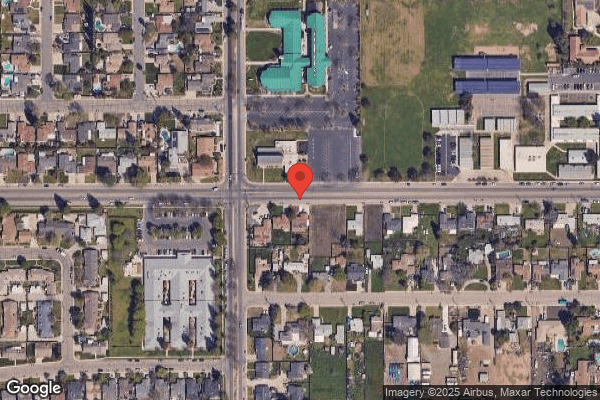
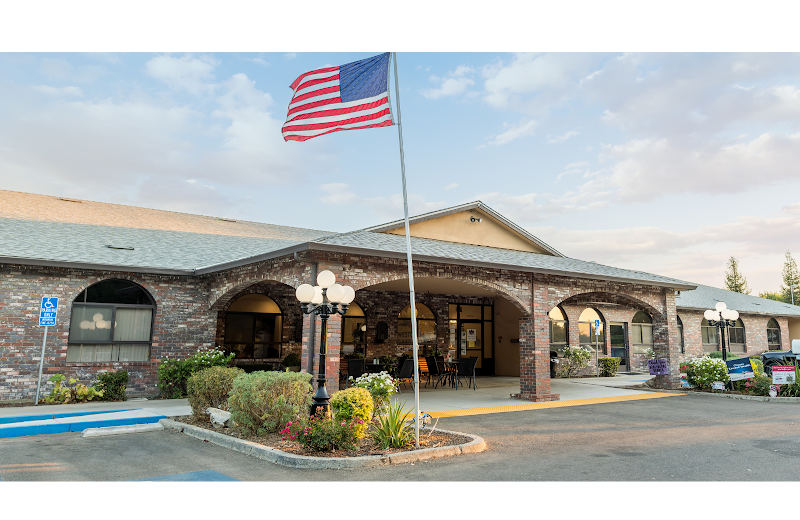
4525 W. TULARE AVE., VISALIA, CA 93277 (559) 733-0901
For profit - Corporation 140 Beds PACS GROUP Data: November 2025
Trust Grade
43/100
#954 of 1155 in CA
Last Inspection: February 2025

Within standard 12-15 month inspection cycle. Federal law requires annual inspections.

Overview

Westgate Gardens Care Center has received a Trust Grade of D, indicating below-average performance with several concerns. They rank #954 out of 1155 facilities in California, placing them in the bottom half of nursing homes in the state, and #14 out of 16 in Tulare County, meaning only two options in the county are worse. The facility's performance is worsening, with the number of reported issues increasing from 4 in 2024 to 20 in 2025. Staffing is rated at 2 out of 5 stars with a turnover rate of 48%, which is average, but concerningly, there is less RN coverage than 87% of California facilities, potentially impacting resident care. Specific incidents include a serious failure to properly use a Hoyer lift, resulting in a resident's fall and fracture, and concerns about expired food items being available for residents, which raises food safety issues. Despite some strengths in their quality measures, families should weigh these serious weaknesses when considering this facility.

Trust Score
D
43/100
In California
#954/1155
Bottom 18%
Safety Record
Moderate
Needs review
Inspections
Getting Worse
4 → 20 violations
Staff Stability
⚠ Watch
48% turnover. Above average. Higher turnover means staff may not know residents' routines.
Penalties
○ Average
$8,278 in fines. Higher than 64% of California facilities. Some compliance issues.
Skilled Nurses
⚠ Watch
Each resident gets only 16 minutes of Registered Nurse (RN) attention daily — below average for California. Fewer RN minutes means fewer trained eyes watching for problems.
Violations
⚠ Watch
55 deficiencies on record. Higher than average. Multiple issues found across inspections.
★★☆☆☆
2.0
Overall Rating
★★☆☆☆
2.0
Staff Levels
★★★★☆
4.0
Care Quality
★★☆☆☆
2.0
Inspection Score
Stable
2024: 4 issues
2025: 20 issues

The Good

  • 4-Star Quality Measures · Strong clinical quality outcomes
  • Full Sprinkler Coverage · Fire safety systems throughout facility
  • No fines on record

Facility shows strength in quality measures, fire safety.

The Bad

2-Star Overall Rating

Below California average (3.1)

Below average - review inspection findings carefully

Staff Turnover: 48%

Near California avg (46%)

Higher turnover may affect care consistency

Federal Fines: $8,278

Below median ($33,413)

Minor penalties assessed

Chain: PACS GROUP

Part of a multi-facility chain

Ask about local staffing decisions and management

The Ugly 55 deficiencies on record

1 actual harm
Aug 2025 2 deficiencies
CONCERN (D) 📢 Someone Reported This

A family member, employee, or ombudsman was alarmed enough to file a formal complaint

Potential for Harm - no one hurt, but risky conditions existed

Notification of Changes (Tag F0580)

Could have caused harm · This affected 1 resident

Based on interview and record review, the facility failed to notify the Attending Physician (AP) for one of three sampled residents (Resident 1) when Resident 1's scheduled dialysis (a medical procedu...

Read full inspector narrative →
Based on interview and record review, the facility failed to notify the Attending Physician (AP) for one of three sampled residents (Resident 1) when Resident 1's scheduled dialysis (a medical procedure that filters the blood of a person whose kidneys are not functioning properly) treatment was missed. This failure had the potential for fluid retention and adverse outcome. Findings:During a review of Resident 1's admission Record (AR), dated 7/2025, the AR indicated Resident 1 had a diagnosis of End Stage Renal Disease (irreversible kidney failure) . Resident 1's Order Summary Report (OSR), dated 7/2025 indicated, Hemo Dialysis thru LUE (Left Upper Extremity) at (dialysis center name) on T (Tuesday), TH (Thursday), SAT (Saturday) at 0400 AM till 0700 AM.During a review of Resident 1's Progress Notes (PN), dated 7/26/25 at 9:56 a.m., the PN indicated, . Dialysis. Resident (Resident 1) did note [sic] attend r/t (related to) transport did not come pick up resident.During a concurrent interview and record review on 8/5/25 at 1:34 pm. with Director of Nurses (DON), DON reviewed Resident 1's clinical records and confirmed Resident 1 did not go to his scheduled dialysis treatment on Saturday 7/26/25. DON stated, He (Resident 1) didn't attend that day.During an interview on 8/5/25 at 3:17 p.m. with Licensed Vocational Nurse (LVN 1), LVN 1 stated Resident 1 did not go to his scheduled dialysis treatment on Saturday 7/26/25. LVN 1 stated it was the facility practice to notify the AP of any missed dialysis treatment. LVN 1 stated she had reviewed Resident 1's clinical records and found no evidence of his AP being notified of the missed dialysis treatment on 7/26/25.During an interview on 8/5/25 at 3:47 p.m. with LVN 2, LVN 2 stated she did not notify Resident 1's AP of his missed scheduled dialysis treatment on Saturday 7/26/25. LVN 2 stated, I didn't know he (Resident 1) didn't get picked up at all.During an interview on 8/5/25 at 4 p.m. with Registered Nurse (RN), RN stated it was the facility practice to notify the residents AP of any missed dialysis treatment.During an interview on 8/7/25 at 9:08 a.m. with Director of Nurses (DON), DON stated the expectation was for the nurses to notify the AP for missed dialysis treatment. DON confirmed Resident 1's AP was not notified of the missed dialysis treatment.During a review of the facility's policy and procedure (P&P) titled, Change in a Resident's Condition or Status, dated 2/21, the P&P indicated, 1. The nurse will notify the resident's attending physician or physician on call when there has been a(an): a. accident or incident involving the resident; . A significant change of condition is a major decline or improvement in the resident's that: a. will not normally resolve itself without intervention by staff or by implementing standard disease-related clinical interventions (is not self limiting); a. impacts more than one area of the resident's health status:
CONCERN (D) 📢 Someone Reported This

A family member, employee, or ombudsman was alarmed enough to file a formal complaint

Potential for Harm - no one hurt, but risky conditions existed

Deficiency F0698 (Tag F0698)

Could have caused harm · This affected 1 resident

Based on interview and record review, the facility failed to ensure transportation was provided for one of three sampled residents (Resident 1). This failure resulted in Resident 1 missing hemodialysi...

Read full inspector narrative →
Based on interview and record review, the facility failed to ensure transportation was provided for one of three sampled residents (Resident 1). This failure resulted in Resident 1 missing hemodialysis treatment (a treatment to cleanse the blood of wastes and extra fluids artificially through a machine when the kidney(s) have failed) and potential for serious health risks and even death.Findings:During a review of Resident 1's admission Record (AR), dated 7/2025, the AR indicated Resident 1 had a diagnosis of End Stage Renal Disease (irreversible kidney failure) . Resident 1's Order Summary Report (OSR), dated 7/2025 indicated, Hemo Dialysis thru LUE (Left Upper Extremity) at [dialysis center name] on T (Tuesday), TH (Thursday), SAT (Saturday) at 0400 AM till 0700 (AM).During a review of Resident 1's Progress Notes (PN), dated 7/26/25 at 9:56 a.m., the PN indicated, . Dialysis. Resident (Resident 1) did note [sic] attend r/t (related to) transport did not come pick up resident.During a concurrent interview and record review on 8/5/25 at 1:34 pm. with Director of Nurses (DON), DON reviewed Resident 1's clinical records and confirmed Resident 1 did not go to his scheduled dialysis treatment on Saturday 7/26/25. DON stated, He (Resident 1) didn't attend that day.During an interview on 8/5/25 at 3:17 p.m. with Licensed Vocational Nurse (LVN 1), LVN 1 stated Resident 1 was scheduled for dialysis every Tuesday, Thursday, and Saturday. LVN 1 stated transportation company was not notified when Resident 1 was not picked up for his scheduled dialysis treatment on Saturday 7/26/25. LVN 1 stated it was the facility practice to notify transportation to find out what happened. LVN 1 stated Resident 1 missed his scheduled dialysis treatment on Saturday 7/26/25.During an interview on 8/5/25 at 3:47 p.m. with LVN 2, LVN 2 stated she did not notify the transportation company when Resident 1 was not picked up for his scheduled dialysis treatment on Saturday 7/26/25. LVN 2 stated Resident 1 had missed his scheduled dialysis treatment on Saturday 7/26/25. LVN 2 stated, I didn't know he (Resident 1) didn't get picked up at all.During an interview on 8/7/25 at 9:08 a.m. with Director of Nurses (DON), DON stated the expectation was for the nurses to notify transportation company why they didn't pick up Resident 1 for his scheduled dialysis treatment. DON confirmed transportation company was not notified.During a review of the facility's policy and procedure (P&P) titled, Transportation, Social Services, dated 12/08, the P&P indicated, Our facility shall help arrange transportation for residents as needed.
Jul 2025 1 deficiency
CONCERN (D) 📢 Someone Reported This

A family member, employee, or ombudsman was alarmed enough to file a formal complaint

Potential for Harm - no one hurt, but risky conditions existed

Deficiency F0837 (Tag F0837)

Could have caused harm · This affected 1 resident

Based on interview and record review, the facility failed to follow their own policy and procedure for one of three sampled residents (Resident 1) when a gait belt was not used for a transfer. This fa...

Read full inspector narrative →
Based on interview and record review, the facility failed to follow their own policy and procedure for one of three sampled residents (Resident 1) when a gait belt was not used for a transfer. This failure resulted in Resident landing on her bed face down.Findings:During a review of Resident 1's Minimum Data Set (MDS-a resident assessment tool) dated 6/20/25, the MDS indicated, Functional Abilities.chair/bed-to-chair transfer.03 (Partial/moderate assistance-helper does less than half the effort. Helper lifts, holds or supports trunk or limbs, but provides less than half the effort.During a review of the Facility Reported Event (FRE) dated 6/24/25, the FRE indicated, Describe incident: During a transfer the resident expressed that the CNA (Certified Nursing Assistant) and LVN (Licensed Vocational Nurse) had a rough transfer.Full investigation was completed and CAN (sic) and LVN did not transfer the resident appropriately.During a review of Resident 1's Progress Notes (PN) dated 6/24/25 at 9:32 a.m., the PN indicated, Resi (Resident) told LN (Licensed Nurse) that around 03:30 AM today a LN (Licensed Vocational Nurse) & CNA were rude with her. Did not transfer her correctly due to which she landed from w/c (wheelchair) into her bed face down.During an interview on 7/1/25 at 3:22 p.m. with Social Services Director (SSD), SSD stated Resident 1 reported that during a transfer from her wheelchair to the bed she stumbled and fell on the bed.During an interview on 7/1/25 at 3:46 p.m. with Director of Staff Development (DSD), DSD stated when she interviewed CNA 1 regarding the transfer, CNA 1 reported she had transferred Resident 1 from her wheelchair to the bed and during the transfer Resident 1 was wobbly and had to be assisted to turn her hips and sit on the bed. DSD stated CNA 1 was not using a gait belt to transfer Resident 1 and performed an inappropriate transfer.During an interview on 7/1/25 at 4:04 p.m. with Director of Nursing (DON), DON stated when Resident 1 was being transferred a gait belt was not used and Resident 1 flopped on the bed. DON stated a gait belt should have been used per policy when transferring Resident 1. During a review of the facility's policy and procedure (P&P) titled Transfer Assistance undated, the P&P indicated, Transfer from wheelchair to the bed.Place the gait belt snugly around the resident's waist to allow for both of your hands to fit beneath the belt.Assist to raise the resident, slightly, then to a standing position.If you are unable to raise the resident to a standing position, call for a second person to assist. The second person may assist form the back, or with one person assisting on each side of the resident.Assist the resident first to a sitting position on the side of the bed then to a comfortable lying position and remove the gait belt.During a review of the facility's policy and procedure (P&P) titled Gait Belt Policy and Procedure undated, the P&P indicated, It is the policy to always use a gait belt with any resident that is not completely independent. If the resident is unsteady with their gait or unable to transfer them, a gait belt should always be used. There is no exception to this rule.
Jun 2025 2 deficiencies
CONCERN (D) 📢 Someone Reported This

A family member, employee, or ombudsman was alarmed enough to file a formal complaint

Potential for Harm - no one hurt, but risky conditions existed

Abuse Prevention Policies (Tag F0607)

Could have caused harm · This affected 1 resident

**NOTE- TERMS IN BRACKETS HAVE BEEN EDITED TO PROTECT CONFIDENTIALITY** Based on interview and record review, the facility failed to implement its own policy when an allegation of abuse for one of thr...

Read full inspector narrative →
**NOTE- TERMS IN BRACKETS HAVE BEEN EDITED TO PROTECT CONFIDENTIALITY** Based on interview and record review, the facility failed to implement its own policy when an allegation of abuse for one of three sampled residents (Resident 1) was not reported to Ombudsman, law enforcement, and state licensing agency. This failure had the potential to put residents at risk for abuse. Findings: During a review of the admission Record (AR) dated 6/12/25, the AR indicated, Resident 1 was admitted on [DATE] with the following diagnoses.metabolic encephalopathy (brain dysfunction due to metabolic [chemical changes that take place in a cell or an organism] disorder).dementia (impairment of at least two brain functions, such as memory loss and judgement).hemiplegia (paralysis on one side of the body) and hemiparesis ( muscle weakness or partial paralysis on one side of the body that can affect the arms, legs, and facial muscles) following cerebral infarction (blood flow to the brain is blocked, causing brain tissue to die) affecting right dominant side. During a review of Resident 1's Cognitive Patterns (CP) dated 3/24/25, the CP indicated, Brief Interview for Mental Status (BIMS assesses cognitive status with scores ranging from 0 - 15, with the higher the score the more intact the resident's cognitive status is).08 (indicating moderate cognitive [mental process involved in knowing, learning, and understanding things] impairment) . During a review of Resident 1's Progress Notes (PN-written by Director of Staff Development [DSD]) dated 5/21/25 at 9:50 a.m., the PN indicated, Writer received complaint from staff member in regards to a possible altercation between CNA (Certified Nursing Assistant) and resident [1]. Resident [1] was interviewed by ADON (Assistant Director of Nursing) and DSD in regards [sic] the altercation. Resident stated it was just a playful banter (playful and friendly exchange of teasing remarks) and she is happy with the CNA and would still like the CNA to assist her. During an interview on 6/11/25 at 12:24 p.m. with Resident 1, Resident 1 stated approximately two to three weeks ago, CNA 1 was assigned to her. Resident 1 stated when she was on the phone with Family Member (FM) 1, CNA 1 was in the room and CNA 1 said something (unable to recall what was said) to her, and she (Resident 1) said something back and stuck her tongue out at CNA 1. CNA 1 then popped her with the back of her hand in the head and her head hit the side rail of the bed. During an interview on 6/11/25 at 1:15 p.m. with DSD, DSD stated on 5/21/25 the IP (Infection Preventionist) reported that FM 1 had made an allegation of abuse towards CNA 1 saying she had bopped Resident 1 over the head while she was on the phone with her. DSD stated CNA 1 was suspended and the allegation was reported to the Administrator, Human Resources (HR) and Director of Nursing (DON). DSD stated an investigation was initiated by the ADON and HR. DSD stated she did not report the allegation to any outside entity (Ombudsman, law enforcement, state licensing agency). During an interview on 6/11/25 at 1:28 p.m. with IP, IP stated on 5/21/25 FM 1 reported that when she was on the phone with Resident 1, CNA 1 went into Resident 1's room and Resident 1 offered her some food. CNA 1 declined the food and Resident 1 said oh you are going to be a diabetic today and CNA 1 said yes, she did not want her sugar to go up. CNA 1 then walked over to do something, and Resident 1 said 'ow' and when FM 1 asked what happened Resident 1 said CNA 1 bopped her over the head. IP stated she reported the incident to the Administrator who immediately removed CNA 1 from resident care. IP stated the allegation was not reported to any outside agencies and the alleged incident should have been reported within two hours. During an interview on 6/11/25 at 1:54 p.m. with DON, DON stated on 5/21/25 it was reported to her that Resident 1 had stated CNA 1 had bopped her in the head. DON stated the allegation was not reported to any outside agencies and it should have been. During an interview on 6/11/25 at 4:08 p.m. with Family Member (FM) 1, FM 1 stated during a phone call with Resident 1 on approximately 5/17/25 or 5/18/25 she heard Resident 1 offer CNA 1 some cinnamon balls from Taco Bell and then say your going to be diabetic and then Resident 1 said 'ow'. FM 1 asked Resident 1 what happened, and Resident 1 said CNA 1 bopped her over the head with her hand. FM 1 stated she reported the allegation to the IP. FM 1 stated she had a meeting with the Administrator, DSD and another staff on 6/5/25 regarding the incident. FM 1 stated I think it could be abuse, think she was very unprofessional and crossed the line. During an interview on 6/19/25 at 11:43 a.m. with Administrator, Administrator stated on 5/21/25 the IP informed him that FM 1 reported that CNA 1 had bopped Resident 1 on her head. Administrator stated CNA 1 was removed from resident care and an investigation was completed. Administrator stated he was aware of the allegation, and the allegation was not reported to any outside agencies. During a review of the facility's policy and procedure (P&P) titled, Abuse, Neglect, Exploitation or Misappropriation - Reporting and Investigating dated 2021, the P&P indicated, All reports of resident abuse (including injuries of unknown origin), neglect, exploitation, or theft/misappropriation of resident property are reported to local, state and federal agencies (as required by current regulations) and thoroughly investigated by facility management. Findings of all investigations are documented and reported.The administrator or the individual making the allegation immediately reports his or her suspicion to the following persons or agencies.the state licensing/certification agency responsible for surveying/licensing the facility.the local/state ombudsman.law enforcement officials.Immediately is defined as.within two hours of an allegation involving abuse or result in serious bodily injury or.within 24 hours of an allegation that does not involve abuse or result in serious bodily injury.
CONCERN (D) 📢 Someone Reported This

A family member, employee, or ombudsman was alarmed enough to file a formal complaint

Potential for Harm - no one hurt, but risky conditions existed

Comprehensive Care Plan (Tag F0656)

Could have caused harm · This affected 1 resident

**NOTE- TERMS IN BRACKETS HAVE BEEN EDITED TO PROTECT CONFIDENTIALITY** Based on interview and record review, the facility failed to implement the care plan for one of five sampled residents (Resident...

Read full inspector narrative →
**NOTE- TERMS IN BRACKETS HAVE BEEN EDITED TO PROTECT CONFIDENTIALITY** Based on interview and record review, the facility failed to implement the care plan for one of five sampled residents (Resident 4) when staff witnessed Resident 4 invading Resident 5's personal space looking angry and aggressive and did not intervene. This failure resulted in Resident 4 cussing at and hitting Resident 5 on the left leg. Findings: During a review of Resident 4's Care Plan (CP) dated 11/26/24, the CP indicated, Has episodes of being verbally abusive behaviors r/t (related to) poor impulse control.Interventions/Tasks.gentle redirection when applicable. During a review of Resident 4's Minimum Data Set (MDS - a standardized, comprehensive assessment tool to evaluate the status of residents) dated 4/8/25, the MDS indicated, BIMS (Brief Interview for Mental Status - used to assess knowledge, manipulation of information, and reasoning with score ranging from 0 - 15. The higher the score the more intact the resident's cognition is) Summary Score.09 (moderately impaired cognitive status) .Behavior Symptom - Presence & Frequency.Verbal behavioral symptoms directed toward others (e.g., threatening others, screaming at others, cursing at others).1 (behavior of this type occurred 1 to 3 days).Impact on others.Significantly intrude on the privacy or activity of others.1.Significantly disrupt care of living environment.1. During a review of Resident 4's S (Situation) B (Background) A (Appearance) R (Review and Notify) dated 6/10/25 at 2 p.m., the SBAR indicated, Writer made aware by CNA's (Certified Nursing Assistant) that resident was being verbally & physically abusive towards roommate [Resident 5]. Writer made aware that resident was cussing, slapping her roommate's legs and throwing her belongings on the floor. During a review of Resident 5's Progress Notes (PN) dated 6/10/25 at 6:21 p.m., the PN indicated, Writer made aware by CNA's that resident's roommate [Resident 4] was being verbally & physically abusive towards them. Writer made aware that roommate was cussing, slapping the resident's legs, and throwing the resident's belongings on the floor. During a review of Resident 5's MDS assessment dated [DATE], the MDS indicated, BIMS (Brief Interview for Mental Status-used to assess knowledge, manipulation of information, and reasoning) Summary Score.99 (resident was unable to complete the interview) . During an interview on 6/11/25 at 11:12 a.m. with CNA 1, CNA 1 stated on 6/10/25 she was providing care to a resident when CNA 2 came into the room and said Resident 4 was getting close to Resident 5 and something was going on in the room. CNA 1 stated when she arrived in Resident 4 and Resident 5's room, Resident 5 was laying in bed and Resident 5's blankets were on the floor and her flowers had been put in the trash can. Resident 4 was cussing at Resident 5 and hit her leg. CNA 4 stated Resident 5 was sleeping and hugging her baby doll. CNA 1 stated Resident 4 had acted like this before and she doesn't like Resident 5 laying in bed. CNA 1 stated Resident 4 is always yelling at Resident 5 to get out of the room and gets really upset. During an interview on 6/11/25 at 11:12 p.m. with CNA 2, CNA 2 stated on 6/10/25 as she was passing by Resident 4 and Resident 5's room, she witnessed Resident 4 in Resident 5's space looking aggressive and angry. CNA 2 stated she did not go near Resident 4 or Resident 5 but went to the next room and told CNA 1. During an interview on 6/11/25 at 2:08 p.m. with Director of Nursing (DON), DON stated when CNA 2 was walking by the room and seen Resident 4 in Resident 5's space she should have intervened right away and removed Resident 5 from a stressful situation. During a review of the facility's policy and procedure (P&P) titled, Behavior Management dated 12/31/15, the P&P indicated, It is the policy of this Center to make reasonable efforts to ensure when a resident displays mental or psychosocial adjustment difficulties, that he/she receives appropriate treatment and services to address the identified problem(s).Behavioral interventions are individualized non-pharmacological approaches (including direct care or activities) that are provided as part of a supportive physical or psychosocial environment directed toward preventing, modifying, and/or relieving a resident's distressed behavior.
Jun 2025 1 deficiency 1 Harm
SERIOUS (G) 📢 Someone Reported This

A family member, employee, or ombudsman was alarmed enough to file a formal complaint

Actual Harm - a resident was hurt due to facility failures

Accident Prevention (Tag F0689)

A resident was harmed · This affected 1 resident

**NOTE- TERMS IN BRACKETS HAVE BEEN EDITED TO PROTECT CONFIDENTIALITY** Based on interview and record review, the facility failed to ensure the staff used the Hoyer lift (mechanical device designed to...

Read full inspector narrative →
**NOTE- TERMS IN BRACKETS HAVE BEEN EDITED TO PROTECT CONFIDENTIALITY** Based on interview and record review, the facility failed to ensure the staff used the Hoyer lift (mechanical device designed to assist individuals with limited mobility in safely transferring from one place to another) properly when the legs (base) of the Hoyer lift were not open during a transfer for one of three sampled residents (Resident 1). This failure resulted in the Hoyer lift tilting over causing Resident 1 to fall to the floor, sustaining a mild displaced (bone fragments are no longer together) distal (away from the point of attachment) coccygeal (tailbone) segment (completely detached from surrounding bone) fracture (break in a bone).Findings:During a review of Resident 1's admission Record (AR) dated 6/10/25, the AR indicated, Resident 1 was admitted to the facility on [DATE] with diagnoses including paraplegia (loss of impairment of motor (movement of body parts) and sensory (sensation) functions in the lower half of the body).neuralgia (nerve pain) and neuritis (inflammation of a nerve).congestive heart failure (heart does not pump blood well).During a review of Resident 1's Minimum Data Set (quarterly MDS - comprehensive assessment tool) dated 5/23/25, under the section Brief Interview for Mental Status (BIMS- an assessment of cognition [how well a person thinks, remembers, and learns]), the BIMS indicated, Resident 1 had a score of 13 (cognition intact). The MDS under the section GG (an assessment of the level a care a resident required), indicated, Resident 1 was dependent on staff for transferring from bed to chair/chair to bed.During a review of Resident 1's Fall Risk Observation/Assessment (FROA) dated 5/18/25, the FROA indicated, Score 22 (high risk for falls).During a review of Resident 1's Progress Notes (PN) dated 5/31/25 at 3:50 p.m., the PN indicated, Staff reported this writer that the resident had a fall during a transfer from bed to wheelchair using a Hoyer lift. Upon arrival, res (Resident 1) was found on the floor in between Hoyer lift and closet, having landed on buttocks with sling underneath. Incident occurred when staff attempted to move the res with Hoyer lift legs in the closed position and turned the resident, causing the lift to tip and res to fall.Resident c/o (complained of) pain right wrist.During a review of Resident 1's S (Situation) B (Background) A (Appearance) R (Review and Notify) Communication Form (SBAR - a communication tool used between healthcare professionals i.e. between the nurse and physician) dated 5/31/25, the SBAR indicated, Witnessed fall.Recommendations of Primary Clinicians.X-ray (medical imaging technique that uses radiation to create a picture of the inside of the body) Sacrum (triangular bone in the lower back) bone & Coccyx (tailbone) Bilateral Hips X-ray right wrist.During a review of Resident 1's PN dated 5/31/25 at 10:26 p.m., the PN indicated, (Physician name) notified of.mild displaced distal coccygeal segment fracture.MD (Medical Doctor) confirmed of res (resident) to already have Norco (narcotic pain [no dosage indicated] medication) and Tylenol (no dosage indicated) pain medication ordered. NNO (no new orders) at this time.During a review of Resident 1's Radiology Interpretation (RI - X-ray performed at the facility) dated 5/31/25, the RI indicated, mild displaced distal coccygeal segment fracture.During an interview on 6/4/25 at 12:35 p.m. with Resident 1, Resident 1 stated when Certified Nursing Assistant (CNA 1) and CNA 2 were transferring him with the Hoyer lift on 5/31/25, they got me in the air with the sling and was over there by the wood dresser and (I) was up in the air. Then boom hit the ground and the rubber cap on the Hoyer where the hook comes in and hit me in the head and stunned me and felt a jolt when I hit.hit my elbow and my hand.hand and elbow was hurting really bad.having spasms in back of shoulder and have to lay on a pillow.I am paralyzed (prior to the fall) from the navel down can't move legs or toes and now when lifting and lower right leg feel a click in front of the pelvis (large bony structure near the base of the spine (backbone) to which the hind limbs or legs are attached) where the femur (bone of the thigh) and acetabulum (structure located on the hip bone) meet.thank god I can't feel anything. Resident 1 stated CNA 1 apologized 20-30 times and said he should have opened the legs of the Hoyer lift.During an interview on 6/4/25 at 2:44 p.m. with CNA 2, CNA 2 stated on 5/31/25 she was assisting CNA 1 with transferring Resident 1 with the Hoyer lift from the bed to the wheelchair. CNA 2 stated she was guiding Resident 1 in the air as CNA 1 was raising him up and she did not notice the legs of the lift were not open. CNA 2 stated while she was guiding Resident 1 out from over the bed, Resident 1 fell. CNA 2 stated the legs of the Hoyer lift were closed and the legs should have been open to help stabilize the Hoyer lift, to prevent it from tipping over.During an interview on 6/4/25 at 3:10 p.m. with Director of Staff Development (DSD), DSD stated after Resident 1 fell on 5/31/25, she investigated the cause of the fall. DSD stated when CNA 1 and CNA 2 were transferring Resident 1 the legs of the Hoyer lift were not open causing the Hoyer lift to tip over and Resident 1 to fall to the floor. DSD stated both CNA 1 and CNA 2 had received transfer training with a Hoyer lift before the fall incident, and it was very important to open the legs of the Hoyer lift to prevent the Hoyer lift from tilting over.During an interview on 6/5/25 at 2:42 p.m. with CNA 1, CNA 1 stated on 5/31/25, CNA 1 and CNA 2 were transferring Resident 1 from the bed to the wheelchair. CNA 1 stated when he was operating the Hoyer lift, he placed the legs of the Hoyer lift under the bed closed and after Resident 1 was in the sling he pulled the legs out from under the bed closed and when he began turning the Hoyer lift with Resident 1, the Hoyer lift tipped over causing Resident 1 to fall to the floor. CNA 1 stated Resident 1 fell straight on his tailbone and grunted out in pain. CNA 1 stated he did not open the legs of the Hoyer lift due to the clutter in the room. CNA 1 stated he should have opened the legs of the Hoyer lift to stabilize it.During a concurrent interview and record review, on 7/3/25 at 2:20 p.m. with Director of Nursing (DON), Resident 1's care plans were reviewed. There was no care plan indicating how Resident 1 was to be transferred at the time of the fall. DON stated she could not find a care plan on how to transfer Resident 1 and there should have been one created at the time of admission [DATE]).During a review of the Vander-Lift II Transfer Procedures (VLTP-manufacturer user manual) dated 12/2019, the VLTP indicated, Transfer from a bed or stretcher.Make sure there is enough room in the patient's room to do the transfer.Open the base to its widest position.During a review of the facility ' s policy and procedure (P&P) titled, Lifting Machine, using a Mechanical dated 7/2017, the P&P indicated, Prepare the environment.clear an unobstructed path for the lift machine.Make sure the lift is stable and locked.
May 2025 1 deficiency
CONCERN (D) 📢 Someone Reported This

A family member, employee, or ombudsman was alarmed enough to file a formal complaint

Potential for Harm - no one hurt, but risky conditions existed

Deficiency F0627 (Tag F0627)

Could have caused harm · This affected 1 resident

Based on interview and record review, the facility failed to ensure one of three sampled residents (Resident 1) home health services were set up prior to discharge. This failure had the potential to r...

Read full inspector narrative →
Based on interview and record review, the facility failed to ensure one of three sampled residents (Resident 1) home health services were set up prior to discharge. This failure had the potential to result in Resident 1 not receiving the assistance and care she needed upon discharge. Findings: During a review of the Physicians Orders (PO), the PO indicated, Discharge home (resident ' s address) with HH (Home Health), PT (Physical Therapy), OT (Occupational Therapy), RN (Registered Nurse) DME (Durable Medical Equipment): 2 WW (Wheel Walker) .order date 5/8/25 During a review of the Discharge Summary (DS), the DS indicated, discharge date and Time: 5/9/25.Reason for discharge.Resident discharging home.Discharge location.home.post-discharge services/referrals.home health.services ordered.PT.OT.RN.post-discharge supply needs.durable medical equipment.FWW (front wheel walker). During a review of Resident 1 ' s Progress Notes (PN) dated 5/9/25 at 10:55 a.m., the PN indicated, Residents brother (name) here to transport resident home via personal vehicle upon discharge. During a review of Resident 1 ' s PN dated 5/15/25 (6 days after discharge) at 12:06 p.m., the PN indicated, Referral sent to Focus Home Health for follow up on SOC (start of care) for resident that discharged on 5/9/25. During a concurrent interview and record review on 5/15/25 at 11:25 a.m. with Social Service Director (SSD), Resident 1 ' s PN ' s were reviewed. SSD was unable to provide evidence of HH being notified of Resident 1 ' s discharge orders prior to Resident 1 being discharged . During a review of the facility policy and procedure (P&P) titled Discharge Summary and Plan dated 3/25, the P&P indicated, The discharge plan is based on the resident assessment, the goals for care, the desire for discharge and the resident ' s capacity for discharge.Discharge planning identifies the discharge destination, and ensures that it meets the resident ' s health and safety needs, as well as preferences.A member of the IDT (interdisciplinary team-group of individuals with diverse expertise and backgrounds who collaborate to achieve a common goal) reviews the final discharge plan with the resident and family at least twenty-four (24) hours before the discharge is to take place.The final discharge plan of care shows what arrangements have been made for the resident regarding.community care and support services.
Apr 2025 1 deficiency
CONCERN (D) 📢 Someone Reported This

A family member, employee, or ombudsman was alarmed enough to file a formal complaint

Potential for Harm - no one hurt, but risky conditions existed

Pharmacy Services (Tag F0755)

Could have caused harm · This affected 1 resident

Based on observation, interview, and record review, the facility failed to ensure one of three sampled residents (Resident 1) was evaluated to self-administer medication when lidocaine (medication use...

Read full inspector narrative →
Based on observation, interview, and record review, the facility failed to ensure one of three sampled residents (Resident 1) was evaluated to self-administer medication when lidocaine (medication used to relieve pain) was left at the bedside. This failure resulted in Resident 1 having medication at bedside and the potential to self-administer medication incorrectly. Findings: During a concurrent observation and interview on 4/7/25 at 11:10 a.m. with Resident 1 in Resident 1's room, Resident 1 was holding a washcloth up to her mouth and appeared in pain. There was a medication cup with a clear gel looking substance on Resident 1's over bed table. Resident 1 stated she had a bad tooth, and was provided the lidocaine in the medication cup from the nurse so she could use it when she was in pain. During a concurrent observation and interview on 4/7/25 at 11:18 a.m. with Licensed Vocational Nurse (LVN) 1 in Resident 1's room, LVN 1 stated the medication cup that was on Resident 1's over bed table contained lidocaine. LVN 1 stated when a resident was to self-administer medication an evaluation was completed to make sure the resident was safe to administer the medication and understands the physician order. LVN 1 stated if the resident was deemed safe to self-administer medication, they will have the physician's orders at bedside and a lock box to keep the medication in. LVN 1 stated Resident 1 was not evaluated to self-administer medications. During an interview on 4/7/25 at 11:40 a.m. with LVN 2, LVN 2 stated when she administered Resident 1's medications in the morning the medication cup with the lidocaine was on the over bed table. LVN 2 stated Resident 1 will sometimes have the lidocaine at bedside so she can reapply a little over time. LVN 2 stated the lidocaine should not have been left at bedside. During an interview on 4/7/25 at 12:11 a.m. with Director of Nursing (DON), DON stated Resident 1 did not have physician orders to self-administer medications and there should not have been lidocaine at the bedside. During a review of the facility's policy and procedure (P&P) titled Self-Administration of Medications dated 2/2021, the P&P indicated, As part of the evaluation comprehensive assessment, the interdisciplinary team (IDT) assesses each resident's cognitive and physical abilities to determine whether self-administering medications is safe and clinically appropriate for the resident.The IDT considers the following factors when determining whether self-administration of medications is safe and appropriate for the resident: a. the medication is appropriate for self-administration; b. The resident able to read and understand medication labels; c. The resident can follow directions and tell time to know when to take the medication; d. The resident comprehends the medication's purpose, proper dosage, timing, signs of side effects and when to report these to the staff; e. The resident has physical capacity to open medication bottles, remove medications from a container and to ingest and swallow (or otherwise administer) the medication; and f. The resident is able to safely and securely store the medication.
Mar 2025 1 deficiency
CONCERN (D) 📢 Someone Reported This

A family member, employee, or ombudsman was alarmed enough to file a formal complaint

Potential for Harm - no one hurt, but risky conditions existed

Transfer Notice (Tag F0623)

Could have caused harm · This affected 1 resident

Based on interview and record review, the facility failed to ensure the Ombudsman (government-appointed official who investigates and attempts to resolve complaints in the long-term care facility) was...

Read full inspector narrative →
Based on interview and record review, the facility failed to ensure the Ombudsman (government-appointed official who investigates and attempts to resolve complaints in the long-term care facility) was notified when one of three sampled residents (Resident 1) was provided a 30-day notice to discharge the facility for non-payment. This failure had the potential for Resident 1 to experience an inappropriate discharge. Findings: During a review of Resident 1's Notice of Proposed Transfer/Discharge (NPTD) dated 3/11/25, the NPTD indicated, Reason(s) for transfer/discharge: non-payment of share of cost assigned by medi-cal. You have failed, after reasonable and appropriate notice, to pay for your stay at the facility. If you became eligible for Medi-cal after admission to the facility the facility may charge you only allowable charges under Medi-cal.4/9/25 effective date of transfer/discharge.(signature of facility representative).3/12/25.(signature of Resident 1).3/12/25. During an interview on 3/28/25 at 12:23 p.m. with Administrator, Administrator stated Resident 1 was issued a 30-day notice signed by Resident 1 due to a past due bill. Administrator stated the facility did not need to report the discharge to the Ombudsman because the resident did not dispute the discharge. During an interview on 4/1/25 at 1:58 p.m. with the Ombudsman, Ombudsman stated the office was unaware the facility had provided Resident 1 with a 30-day notice. During a review of the facility policy and procedure (P&P) titled Transfer or Discharge, Facility-Initiated dated 10/22, the P&P indicated, Each resident will be permitted to remain in the facility, and not be transferred or discharged unless: the resident has failed, after reasonable and appropriate notice, to pay for (or to have paid under Medicare or Medicaid) a stay at this facility.the resident and his or her representative are given a thirty (30)-day advance written notice of an impending transfer or discharge from this facility.a copy of the notice is sent to the Office of the State Long-Term Care Ombudsman at the same time the notice of transfer or discharge is provided to the resident and representative.
Feb 2025 9 deficiencies
CONCERN (D)

Potential for Harm - no one hurt, but risky conditions existed

Resident Rights (Tag F0550)

Could have caused harm · This affected 1 resident

**NOTE- TERMS IN BRACKETS HAVE BEEN EDITED TO PROTECT CONFIDENTIALITY** Based on observation, interview, and record review, the facility failed to ensure three of 12 sampled residents (Resident 97, Re...

Read full inspector narrative →
**NOTE- TERMS IN BRACKETS HAVE BEEN EDITED TO PROTECT CONFIDENTIALITY** Based on observation, interview, and record review, the facility failed to ensure three of 12 sampled residents (Resident 97, Resident 34, and Resident 13) were treated with dignity when they had to wait up to two hours for their call light request to be answered. This failure resulted in residents experiencing discomfort and feeling upset and the potential for skin breakdown. Findings: During a concurrent observation and interview on 2/19/25 at 7:48 a.m. with Resident 97 in Resident 97's room, Resident 97 was sitting up in bed. Resident 97 stated the longest she's waited for staff to answer her call light was approximately two hours for someone to help her and she needed her brief to be changed because she had soiled her brief. Resident 97 stated she needs two people to help her change her brief. Resident 97 stated, It made me feel like crap. During a review of Resident 97's admission Record, (AR) dated 3/28/24, the AR indicated Resident 97 had a diagnosis of Unspecified Sequelae of Cerebral Infarction (Long-term complications from a stroke). During a review of Resident 97's Minimum Data Set, (MDS - a federally mandated resident assessment tool) dated 12/19/24, the MDS indicated Resident 97 had a (BIMS - Brief Interview for Mental Status - an assessment tool used by facilities to screen and identify memory, orientation, and judgement status of the resident) score of 14 (score of 13-15 means intact cognition). The MDS indicated Resident 97 required the assistance of two or more helpers with toileting hygiene. During a review of Resident 97's Care Plan, (CP) dated 12/16/24, the CP indicated, Interventions: Hygiene: Assist of substantial/maximal [total] assistance to dependent assistance. During an interview on 2/19/25 9:06 a.m. with Resident 34, Resident 34 stated he uses his call light for help with toileting and he had to wait more than 15 minutes for a certified nursing assistant to assist him. Resident 34 stated he felt upset because he had too wait long for someone to assist him. During a review of Resident 34's AR, dated 5/3/16, the AR indicated Resident 34 had a diagnosis of Parkinson's Disease (a progressive disease of the nervous system marked by tremor, muscular rigidity, and slow, imprecise movements). During a review of Resident 34's MDS dated [DATE], the MDS indicated Resident 34 had a BIMS score of 13. The MDS indicated Resident 34 required, Supervision or touching assistance - Helper provides verbal cues and/or touching/steadying and/or contact guard assistance as resident completes activity. Assistance may be provided throughout the activity or intermittently. During a review of Resident 34's CP, dated 1/20/25, the CP indicated, Interventions: Toileting: Assist of supervision or touching assistance. During an interview on 2/19/25 at 9:08 a.m. with Resident 13, Resident 13 stated she waited more than 15 minutes for her someone to answer her call light because she needed help with changing her brief. Resident 13 stated she was mad and felt discomfort. She waited more than 15 minutes for someone to answer her call light. During a review of Resident 13's AR, dated 12/20/23, the AR indicated Resident 13 had a diagnosis of Spinal Stenosis, Lumbar Region without Neurogenic Claudication (narrowing of the spinal canal in the lower back). During a review of Resident 13's MDS dated [DATE], the MDS indicated Resident 13 had a BIMS score of 15. The MDS indicated Resident 13 required, Partial/moderate assistance - Helper does LESS THAN HALF the effort. Helper lifts, holds, or supports truck or limbs, but provides less than half the effort. During a review of Resident 13's CP, dated 2/18/25, the CP indicated, Interventions: Toileting: Assist of partial/moderate assistance with hygiene and substantial/maximal assistance with transfer. During a review of the facility's Resident Council Minutes, (RCM) dated 12/10/24, the RCM indicated, MEETING NOTES - RESIDENT STATED CNAS [CERTIFIED NURSING ASSISTANTS] NOT COMING TO ROOM WHEN CALL LIGHT IS ON. During a review of the facility's RCM dated 1/14/25, the RCM indicated, Issue(s) Identified Resident Council: stating that CNAS [sic] don't have time. During a review of the facility's RCM dated 2/11/25, the RCM indicated, MEETING NOTES - CNAS GO TO LUNCH AND OTHER CNAS COVERING THE HALL DON'T WANNA TAKE CARE OF THE OTHER GROUP TO HELP OUT. During a review of the facility's policy and procedure (P&P) titled, Answering the Call Light, dated 10/2010, the P&P indicated, Purpose: The purpose of this procedure is to respond to the resident's requests and needs .General Guidelines: 8. Answer the resident's call as soon as possible. During a review of the facility's P&P titled, Dignity, dated 1/2021, the P&P indicated, Policy Statement: Each resident shall be cared for in a manner that promotes and enhances his or her sense of well-being, level of satisfaction with life, and feeling of self-worth and self-esteem .12. Demeaning practices and standards of care that compromise dignity are prohibited. Staff are expected to promote dignity and assist residents; for example: b. promptly responding to resident's request for toileting assistance .
CONCERN (D)

Potential for Harm - no one hurt, but risky conditions existed

Deficiency F0558 (Tag F0558)

Could have caused harm · This affected 1 resident

Based on observation, interview, and record review, the facility failed to ensure call lights were within reach for two of 64 sampled residents (Resident 42 and Resident 101). This failure had the pot...

Read full inspector narrative →
Based on observation, interview, and record review, the facility failed to ensure call lights were within reach for two of 64 sampled residents (Resident 42 and Resident 101). This failure had the potential to result in residents' needs not being met. Findings: During a concurrent observation and interview on 2/18/25 at 10:14 a.m. with Resident 42 in Resident 42's room, the call light was tied to the right side rail close to the top of the bed. When Resident 42 was asked how she would call for assistance, Resident 42 tried to reach the call light but could not. Resident 42 stated she could not reach the call light. During a concurrent observation and interview on 2/18/25 at 10:15 a.m. with Certified Nursing Assistant (CNA) 1 in Resident 42's room, Resident 42's call light tied to the right side rail close to the top of the bed. CNA 1 stated Resident 42 could not reach the call light. CNA stated the call light should be within reach. During an observation 2/18/25 at 10:19 a.m. in Resident 101's room, Resident 101's call light was attached to the bed and not within reach. During an interview on 2/18/25 at 10:24 a.m. with CNA 2, CNA 2 stated the call light should be within reach. During a review of the facility's policy and procedure (P&P) titled, Answering the Call Light, dated 2010, the P&P indicated, 5. When the resident is in bed or confined to a chair be sure the call light is within easy reach of the resident.
CONCERN (D)

Potential for Harm - no one hurt, but risky conditions existed

Safe Environment (Tag F0584)

Could have caused harm · This affected 1 resident

Based on observation, interview, and record review, the facility failed to ensure a functioning overhead light was provided for one of eight sampled residents (Resident 37). This failure resulted in R...

Read full inspector narrative →
Based on observation, interview, and record review, the facility failed to ensure a functioning overhead light was provided for one of eight sampled residents (Resident 37). This failure resulted in Resident 37 to not have a light available for personal use. Findings: During a concurrent observation and interview on 2/18/25 at 9:44 a.m. with Resident 37 in Resident 37's room, there was a light on the wall above Resident 37's bed, the string to turn on the light was detached. Resident 37 stated she has been unable to turn on the light and the string had been broken for a couple of weeks. During a review of Resident 37's Minimum Data Set [MDS - a federally mandated resident assessment tool], dated 1/30/25, the MDS indicated Resident 37 had a BIMS (Brief Interview for Mental Status-an assessment tool used by facilities to screen and identify memory, orientation, and judgement status of the resident) score of 11 (score of 8-12 means moderate cognitive impairment). During an interview on 2/18/25 at 9:57 a.m. with Licensed Vocational Nurse (LVN) 2, LVN 2 stated the string to turn on the light should be longer for the resident to use. During an interview on 2/18/25 10:02 a.m. with Maintenance Assistant (MA), MA stated the light should have had a longer string for the resident to use. During a review of the facility's Maintenance Log, (ML) dated 2/17/25, the ML indicated, Area of Deficiency: 39A, Description of Deficiency: overhead light switch, Reported By (NAME) LVN (LVN 1), Date Corrected: 2/17/25 (day prior to observation). During a review of the facility's policy and procedure (P&P) titled, Maintenance Service, dated December 2009, the P&P indicated, 1. The Maintenance Department is responsible for maintaining the buildings, grounds, and equipment in a safe and operable manner at all times . 2b. Maintaining the building in good repair .
CONCERN (D)

Potential for Harm - no one hurt, but risky conditions existed

Comprehensive Care Plan (Tag F0656)

Could have caused harm · This affected 1 resident

Based on observation, interview, and record review, the facility failed to follow one of eight sampled residents (Resident 103) care plan for smoking. This failure had the potential to result in Resid...

Read full inspector narrative →
Based on observation, interview, and record review, the facility failed to follow one of eight sampled residents (Resident 103) care plan for smoking. This failure had the potential to result in Resident 103 to not meet his psychosocial (a person's well-being) needs. Findings: During a review of the facility's Smoking Times and Location (STL), (undated), the STL indicated, Smoking Times are 9:00 a.m. - 9:10 a.m. (CNA St [station] 1), 11:00 a.m. - 11:10 a.m. (CNA St 2), 1:15 p.m. - 1:25 p.m. (CNA St 3), 4:30 p.m. - 4:40 p.m. (CNA St 2), 8:00 p.m. - 8:10 p.m. (CNA St 3). Resident will need to be by the smoking door ready to go out at smoking times. During a concurrent observation and interview on 2/19/25 at 10:44 a.m. with Resident 103 in Resident 103's room, Resident 103 was dressed and lying in bed. A wheelchair was parked on the left side of bed. Resident 103 stated, No one has come to offer to get me ready for a smoke break. During a concurrent observation and interview on 2/19/25 at 11:07 a.m. with Resident 103 in Resident 103's room, Resident was dressed and still lying in bed. Resident 103 stated, No one has come to offer to get me ready for a smoke break. During a review of Resident 103's Minimum Data Set (MDS - a federally mandated resident assessment tool) Brief Interview for Mental Status (BIMS - an assessment tool used by facilities to screen and identify memory, orientation, and judgement status of the resident), dated 2/14/25, the MDS indicated, Resident 103's BIMS is 13 (13-15 able to make decisions for self). During a concurrent observation and interview on 2/19/25 at 11:13 a.m. with Activities Staff (AS) in the smoking area, there was one resident in the smoking area. AS stated, It is the CNAs [Certified Nursing Assistant's] job to get the residents ready and coordinate to get them (residents) here. During a concurrent observation and interview on 2/19/25 at 11:21 a.m. with CNA 3 outside Resident 103's room, Resident 103 was waiting in bed for a staff member to assist him to the smoking area. CNA 3 stated, I have not personally offered the smoking break to the residents in hallway 3. During a review of Resident 103's Facesheet, (FS) dated June 2024, the FS indicated, Resident 103 was diagnosed with muscle weakness, abnormalities of gait and mobility [unsteady on feet]. During a review of Resident 103's Care Plan (CP), dated February 2025, the CP indicated, Resident 103's Activities CP indicated Resident 103 was a smoker and needed to be assisted to and from activity location. During a review of the facility's policy and procedure (P&P) titled, Smoking Policy - Residents, dated October 2023, the P&P indicated, 2. Smoking is only permitted in designated resident smoking areas, which are located outside of the building. During a review of the facility's P&P titled, Care Plans, Comprehensive Person-Centered, dated March 2022, the P&P indicated, A comprehensive, person-centered care plan . to meet the resident's physical, psychosocial and functional needs .
CONCERN (D)

Potential for Harm - no one hurt, but risky conditions existed

Deficiency F0761 (Tag F0761)

Could have caused harm · This affected 1 resident

**NOTE- TERMS IN BRACKETS HAVE BEEN EDITED TO PROTECT CONFIDENTIALITY** Based on observation, interview, and record review, the facility failed to ensure medications were properly labeled for one of s...

Read full inspector narrative →
**NOTE- TERMS IN BRACKETS HAVE BEEN EDITED TO PROTECT CONFIDENTIALITY** Based on observation, interview, and record review, the facility failed to ensure medications were properly labeled for one of seven residents (Resident 83) when two of Resident 83's medications were labeled with the wrong type of insulin and the wrong resident's name. These failures had the potential for Resident 83 to receive the wrong insulin, another resident's insulin or another resident to receive a medication without a physician order. Findings: During a review of Resident 83's admission Record (AR), dated 2/24/25, the AR indicated Resident 83 was admitted on [DATE] with diagnoses including diabetes mellitus (inability to control blood sugar levels). During a review of Resident 83's Order Details (OD), order date 11/21/24, the OD indicated the following medication order: HumaLOG Kwikpen Subcutaneous [under the skin] Solution Pen-Injector 100 UNIT/ML (Insulin Lispro) [a fast acting insulin] Inject subcutaneously before meals for DM [Diabetes Mellitus]. During a review of Resident 83's OD, order date 1/9/25, the OD indicated the following medication order: Insulin NPH (Human) (Isophane) Subcutaneous Suspension 100 UNIT/ML (Insulin NPH (Human ) (Isophane) [an intermediate acting insulin] Inject 18 units subcutaneously at bedtime for DM . During a concurrent observation and interview on 2/20/25 at 12:05 p.m. with Licensed Vocational Nurse (LVN) 1, LVN 1 stated she was going to administer Insulin Lispro to Resident 83. LVN 1 removed a plastic bag from the medication cart with an insulin pen. The plastic bag had a label with Resident 83's name indicating Insulin NPH. The insulin pen inside the bag had a label indicating Insulin Lispro. LVN 1 stated Resident 83's insulin was mislabeled and discarded it. LVN 1 obtained a new Insulin Lispro pen for Resident 83 from the medication room. The plastic bag containing the new Insulin Lispro pen was labeled with Resident 83's name. The insulin pen inside the bag was labeled with another resident's name. LVN 1 stated this new insulin pen was also mislabeled. During an interview on 2/24/25 at 11:15 a.m. with the Director of Nursing (DON), the DON stated the labels on insulin bags and pens should match to prevent residents receiving the wrong type of insulin or another resident's insulin. During a review of the facility's policy and procedure (P&P) titled, Medication Labeling and Storage, (undated), the P&P indicated, Medication Labeling .Labeling of medications and biologicals dispensed by the pharmacy is consistent with applicable federal and state requirements and currently accepted pharmaceutical practices .if medication containers have missing, incomplete, improper or incorrect labels, contact the dispensing pharmacy for instructions regarding returning or destroying these items.
CONCERN (D)

Potential for Harm - no one hurt, but risky conditions existed

Medical Records (Tag F0842)

Could have caused harm · This affected 1 resident

Based on observation, interview, and record review, the facility failed to ensure two of eight sampled residents (Resident 93 and Resident 103) meal consumption percentages were documented accurately....

Read full inspector narrative →
Based on observation, interview, and record review, the facility failed to ensure two of eight sampled residents (Resident 93 and Resident 103) meal consumption percentages were documented accurately. This failure had the potential to resulted in Resident 93 and Resident 103 to experiencing unplanned weight loss or weight gain. Findings: During a concurrent observation and interview on 2/18/25 at 11:41 a.m. with Resident 93, Resident 93 was sitting in bed eating her lunch in her room. Resident 93 stated, There has not been anything on the food menu that has been tasteful. I end up with those chicken nuggets all the time and I am tired of it. I have never eaten 80% of my meals. During a review of Resident 93's Minimum Data Set [MDS - a resident assessment tool] Brief Interview for Mental Status [BIMS-an assessment tool used by facilities to screen and identify memory, orientation, and judgement status of the resident], dated 12/18/24, the MDS indicated Resident 93's BIMS was 15 [13-15 able to make decisions for self]. During an observation on 2/18/25 at 12:24 p.m. in Resident 93's room, Resident 93 was served lunch with six chicken nuggets, milk, punch, ½ cup sherbet, and salad with dressing. During a concurrent observation and interview on 2/18/25 at 12:41 p.m. with Resident 93, Resident 93 was sitting in her bed in her room with her table pushed away from her body. Resident 93 stated she was done eating. On Resident 93's plate was five full chicken nuggets, full cup of punch, milk opened but not emptied, sherbet eaten, and salad with dressing eaten. During a concurrent interview and record review on 2/19/25 at 2:33 p.m. with Director of Staff Development (DSD) and Infection Preventionist Consultant (IPC), Resident 93's amount eaten percentage chart dated 2/18/25 was reviewed. The amount eaten percentage chart indicated Resident 93 ate 76-100% of meal. The DSD and IPC reviewed both pictures of the meals prior to eating and after Resident 93 was finished with her tray. The DSD and IPC stated she would have documented 25% of meal consumed. During an observation on 2/18/25 at 12:26 p.m. with Resident 103 in his room, Resident 103's lunch tray contained meatloaf/ketchup, scalloped potatoes, tossed salad with dressing, bread with butter, pound cake with chocolate sauce, milk and apple juice. During an observation on 2/18/25 at 12:45 p.m. with Resident 103 in his room, Resident 103 had eaten the bread, pound cake, milk and a few bites of meatloaf/ketchup with scalloped potatoes. Resident 103 did not eat tossed salad with dressing and apple juice. During a concurrent interview and record review on 2/19/25 at 2:37 p.m. with DSD and IPC, Resident 103's amount eaten percentage chart dated 2/18/25 was reviewed. The amount eaten percentage chart indicated Resident 103 ate 76-100% of meal. The DSD and IPC reviewed both pictures of the meals prior to eating and after Resident 103 was finished with her tray. The DSD and IPC stated she would have documented 25% of meal consumed. During a review of the facility's Dietary Intake Guide, (DIG) (undated), the DIG indicated, staff should accurately record the amount of the total meal consumed. During a review of the facility's policy and procedure (P&P) titled Charting and Documenting, dated July 2017, the P&P indicated, 3. Documentation in the medical record will be objective (not opinionated or speculative), complete, and accurate.
CONCERN (E)

Potential for Harm - no one hurt, but risky conditions existed

Deficiency F0578 (Tag F0578)

Could have caused harm · This affected multiple residents

Based on interview and record review, the facility failed to ensure Advance Directives (AD-a legal document indicating resident preference on end-of-life treatment decisions) were offered and complete...

Read full inspector narrative →
Based on interview and record review, the facility failed to ensure Advance Directives (AD-a legal document indicating resident preference on end-of-life treatment decisions) were offered and completed for two of 32 sampled residents (Resident 19 and Resident 103). This failure had the potential for residents' healthcare wishes to not be honored. Findings: During a concurrent interview and record review on 2/20/25 at 9:25 a.m. with Nursing Consultant (NC), NC was unable to provide documentation of an AD for Resident 19. NC stated there is no AD on file or no documentation of AD being offered or discussed with Resident 19 or Resident 19's responsible party. During a concurrent interview and record review on 2/24/25 at 11:28 a.m. with Social Services (SS), Resident 103's Advance Directive (AD), dated 6/06/24 was reviewed. The AD indicated, on 6/06/24 Resident 103 was interested in executing an AD. SS stated Resident 103 had checked that he was interested in the AD per the paperwork and there was no documentation on file that it was followed up. During a review of Resident 103's Minimum Data Set (MDS- a resident assessment tool) Brief Interview for Mental Status (BIMS - an assessment tool used by facilities to screen and identify memory, orientation, and judgement status of the resident), dated 2/14/25, the MDS indicated, Resident 103's BIMS was 13 [13-15 able to make decisions for self]. During a review of the facility's policy and procedure (P&P) titled, Advance Directives, dated September 2022, the P&P indicated, Policy Statement: The resident has the right to formulate an advance directive, including the right to accept or refuse medical or surgical treatment. Advance directives are honored in accordance with state law and facility policy. 1b. Advance Directive - a written instruction, such as a living will or durable power of attorney for health care, recognized by state law (whether statutory or as recognized by the courts of the state), relating to the provisions of health care when the individual is incapacitated .Determining Existence of Advance Directive: 1. Prior to or upon admission of a resident, the social services director or designee inquires of the resident, his/her family members and/or his or her legal representative, about the existence of any written advance directives. 2. The resident or representative is provided with written information concerning the right to refuse or accept medical or surgical treatment and to formulate an advance directive if he or she chooses to do so.
CONCERN (E)

Potential for Harm - no one hurt, but risky conditions existed

Deficiency F0847 (Tag F0847)

Could have caused harm · This affected multiple residents

Based on interview and record review, the facility failed to ensure its arbitration agreement explicitly indicated that the resident or his or her representative had the right to rescind the agreement...

Read full inspector narrative →
Based on interview and record review, the facility failed to ensure its arbitration agreement explicitly indicated that the resident or his or her representative had the right to rescind the agreement within 30 calendar days of signing the arbitration agreement. This failure had the potential for 92 of 138 residents who signed arbitration agreements not to understand their right to rescind the arbitration agreement within 30 days. Findings: During a concurrent interview and record review on 2/24/25 at 9:30 a.m. with the Admissions Director (AD), the facility's list of current residents who signed arbitration agreements was reviewed. A review of the list of current residents who signed arbitration agreements indicated 92 of 138 residents had signed it. The AD stated the facility offered arbitration agreement to all its residents. During a concurrent interview and record review on 2/24/25 at 11:34 a.m. with the Administrator, the facility's Arbitration Agreement (Agreement) (undated) was reviewed. The Agreement indicated, This Agreement may be rescinded by written notice within thirty (30) days of signature. The Agreement did not explicitly indicate that the resident or his or her representative had the right to rescind it within 30 days of signing it. The Administrator stated the Agreement should explicitly indicate that the resident or his or her representative had the right to rescind it within 30 days of signing it. During a review of the facility's policy and procedure (P&P) titled, Binding Arbitration Agreements, dated November 2023, the P&P indicated, Residents (or representatives) are provided 30 days after signing to fully review and rescind any agreement not understood at the time of admission.
CONCERN (E)

Potential for Harm - no one hurt, but risky conditions existed

Deficiency F0868 (Tag F0868)

Could have caused harm · This affected multiple residents

Based on interview and record review, the facility failed to document the attendance of Quality Assurance and Performance Improvement (QAPI) committee meetings during ten of 12 meetings in 2024. This ...

Read full inspector narrative →
Based on interview and record review, the facility failed to document the attendance of Quality Assurance and Performance Improvement (QAPI) committee meetings during ten of 12 meetings in 2024. This failure prevented the verification of attendance of the required QAPI committee members (Administrator, Director of Nursing, Medical Director, and Infection Preventionist). Findings: During a concurrent interview and record review on 2/24/25 at 3:22 p.m. with the Administrator, the facility's QAPI committee meeting minutes (the minutes) for 2024 were reviewed. The minutes indicated monthly meetings during 2024 but attendance sheets only for the November 2024 and December 2024 meetings. There was no documentation of who attended the meetings held from January 2024 to October 2024. The Administrator stated the facility started documenting the attendance of QAPI committee meetings in November 2024. The Administrator stated there was no documentation of who attended the meetings from January 2024 to October 2024. During a review of the facility's policy and procedure (P&P) titled, Quality Assurance Performance Improvement Plan, (undated), the P&P indicated, Minutes of all meetings - QAPI Administrator is responsible for maintaining documentation.
Jan 2025 1 deficiency
CONCERN (D) 📢 Someone Reported This

A family member, employee, or ombudsman was alarmed enough to file a formal complaint

Potential for Harm - no one hurt, but risky conditions existed

Report Alleged Abuse (Tag F0609)

Could have caused harm · This affected 1 resident

Based on interview and record review, the facility failed to provide a written report of an allegation of sexual abuse to the proper authorities for two of three sampled residents (Resident 1 and Resi...

Read full inspector narrative →
Based on interview and record review, the facility failed to provide a written report of an allegation of sexual abuse to the proper authorities for two of three sampled residents (Resident 1 and Resident 2). This violated Resident 1 and Resident 2's rights. Findings: During an interview on 1/28/25 at 9 a.m. with Ombudsman (an advocate for residents of nursing homes), Ombudsman stated they did not receive an SOC 341 (a required form used to report suspected abuse of dependent adults and elders) from the facility regarding the allegation of sexual abuse between Resident 1 and Resident 2. During a review of Resident 2 ' s Progress Notes (PN), dated 1/12/25 at 2:06 p.m., the PN indicated, Writer made aware by CNA (Certified Nursing Assistant) that resident [Resident 2] was found in between station 2 & 3 inappropriately touching a female resident [Resident 1]. During an interview on 1/29/25 at 12:05 p.m. with Licensed Vocational Nurse (LVN), LVN stated on 1/12/25 at approximately 12:45 pm, CNA was passing in between stations when Resident 2 was observed with his hands on top of Resident 1 ' s peri (small patch between private area and anus) area. During an interview on 1/29/25 at 1:04 p.m. with Director of Nurses (DON), DON stated she did not fill out the SOC 341 and did not send the SCO 341 to the Ombudsman. During a concurrent interview and record review on 1/29/25 at 1:22 p.m. with Administrator, Administrator reviewed the Mandated Reporter (MR) pathway located at the nurse ' s station. Administrator stated based on the MR pathway, law enforcement and Ombudsman were to be notified immediately or as soon as practically possible by phone and written report (SOC 341) within 24 hours of the alleged sexual abuse. During an interview on 1/31/25 at 1:05 p.m. with Administrator, Administrator was unable to provide documented evidence the written SOC 341 was provided to the Ombudsman. During a review of the All Facilities Letter (AFL), dated 2/28/24, received from Administrator, the AFL indicated, For incidents involving resident-on-resident abuse that did not result in bodily harm where the alleged abuser is a resident diagnosed with dementia, facilities are required to notify the ombudsman and local law enforcement in writing within 24 hours. During a review of the facility ' s policy and procedure (P&P) titled, Abuse, Neglect, exploitation or Misappropriation-Reporting and Investigating dated 2022, the P&P indicated, 4. Verbal/written notices to agencies are submitted via special carrier, fax, e-mail, or by telephone.
Jan 2025 1 deficiency
CONCERN (D) 📢 Someone Reported This

A family member, employee, or ombudsman was alarmed enough to file a formal complaint

Potential for Harm - no one hurt, but risky conditions existed

Comprehensive Care Plan (Tag F0656)

Could have caused harm · This affected 1 resident

**NOTE- TERMS IN BRACKETS HAVE BEEN EDITED TO PROTECT CONFIDENTIALITY** Based on observation, interview, and record review, the facility failed to ensure the care plan was implemented for one of two s...

Read full inspector narrative →
**NOTE- TERMS IN BRACKETS HAVE BEEN EDITED TO PROTECT CONFIDENTIALITY** Based on observation, interview, and record review, the facility failed to ensure the care plan was implemented for one of two sampled residents (Resident 1) when non-skid strips were not placed on the bathroom floor after a fall. This failure had the potential to result in further falls. Findings: During a review of Resident 1's care plan (CP), dated 1/11/24, the CP indicated, Fall in restroom [ROOM NUMBER]/22/24.interventions/tasks.non skid [sic] strips on restroom floor.date initiated: 12/23/24. During a concurrent observation and interview on 1/2/25 at 1:57 p.m. with Certified Nursing Assistant (CNA) 1 in Resident 1's restroom, there were no non-skid strips on Resident 1's restroom floor. CNA 1 confirmed there were no non-skid strips on the restroom floor. During a concurrent observation and interview on 1/2/25 at 2:10 p.m. with Maintenance Director (MD), in Resident 1's restroom, there were no non-skid strips on the restroom floor. MD stated he was responsible to put the non-skid strips on the restroom floor and he was not aware the restroom needed the non-skid strips. During an interview on 1/2/25 at 2:26 p.m. with Assistant Director of Nursing (ADON), ADON stated when the care plan was updated to include the non-skid strips, the strips should have been placed on the restroom floor. During a review of the facility's policy and procedure (P&P) titled, Care Plans, Comprehensive Person-Centered, dated 3/22, the P&P indicated, The comprehensive, person-centered care plan.describes the services that are to be furnished to attain or maintain the resident's highest practicable physical, mental, and psychosocial well-being.assessments of residents are ongoing and care plans are revised as information about the residents and the residents' conditions change.
Sept 2024 1 deficiency
CONCERN (D) 📢 Someone Reported This

A family member, employee, or ombudsman was alarmed enough to file a formal complaint

Potential for Harm - no one hurt, but risky conditions existed

Resident Rights (Tag F0550)

Could have caused harm · This affected 1 resident

Based on interview and record review, the facility failed to promptly resolve one of three sampled residents (Resident 1) grievance when Resident 1 requested for Certified Nursing Assistant (CNA 1) to...

Read full inspector narrative →
Based on interview and record review, the facility failed to promptly resolve one of three sampled residents (Resident 1) grievance when Resident 1 requested for Certified Nursing Assistant (CNA 1) to not return to his room and provide care. This failure resulted in violation of Resident 1 ' s rights and potential for emotional distress. Findings: During an interview on 9/6/24 at 11:11 a.m. with CNA 2, CNA 2 stated on 8/26/24, after CNA 1 had provided care for Resident 1 and left the room, Resident 1 reported being uncomfortable with CNA 1 and requested for CNA 1 to not return to his room and care for him again. CNA 2 stated she immediately reported Resident 1 ' s request to the nurse on-duty (License Vocational Nurse-LVN). During an interview on 9/6/24 at 12:20 p.m. with CNA 1, CNA 1 stated when he went back to work on 8/30/24, he was assigned to provide care for Resident 1. CNA 1 stated Resident 1 yelled at him stating, I don ' t want you in here. During an interview on 9/9/24 at 10:14 a.m. with LVN, LVN stated on 8/26/24, CNA 2 had reported Resident 1 not being comfortable with CNA 1 and requested for CNA 1 to not return to his room and provide care. LVN stated she did not report Resident 1 ' s request to the on-coming nurses or anyone else. During an interview on 9/13/24 at 9:54 a.m. with Director of Staff Development (DSD), DSD stated it was the facility process and practice to immediately remove and reassigned staff when residents verbalized being uncomfortable and requesting certain staff to not provide care. DSD stated CNA 1 should not have been assigned to provide care for Resident 1 after he had made the request on 8/26/24. DSD stated, If I would have known, I would have removed (CNA 1) off the list. During a review of Resident 1's Quarterly Minimum Data Set (MDS - a standardized, comprehensive assessment tool) dated 6/21/24, indicated, Resident 1 had a BIMS (Brief Interview for Mental Status - which evaluates cognition, the ability to remember and think clearly) score of 12 (score range from 8 to 12 moderate cognitive impairment). During a review of the facility ' s policy and procedure (P&P) titled, Resident Rights, dared 2016, the P&P indicated, 1. Federal and state laws guarantee certain basic rights to all residents of this facility. These rights included the resident ' s right to: u. voice grievances to the facility, or other agency that hears grievances, without discrimination or reprisal and without fear of discrimination or reprisal; v. have the facility respond to his or her grievances;
May 2024 1 deficiency
CONCERN (D) 📢 Someone Reported This

A family member, employee, or ombudsman was alarmed enough to file a formal complaint

Potential for Harm - no one hurt, but risky conditions existed

Transfer Requirements (Tag F0622)

Could have caused harm · This affected 1 resident

**NOTE- TERMS IN BRACKETS HAVE BEEN EDITED TO PROTECT CONFIDENTIALITY** Based on interview and record review, the facility failed to notify the physician when there was a change in the discharge plan ...

Read full inspector narrative →
**NOTE- TERMS IN BRACKETS HAVE BEEN EDITED TO PROTECT CONFIDENTIALITY** Based on interview and record review, the facility failed to notify the physician when there was a change in the discharge plan for one of three sampled residents (Resident 1). This failure resulted in the physician being unaware of Resident 1's transfer to the hospital. Findings: During a review of the Physician Order (PO) dated 5/9/24 (two days prior to discharge) at 1:44 p.m. the PO indicated, [Physician 1]; Resident to discharge on [DATE] with HH [home health], PT [physical therapy] OT [occupational therapy] RN [registered nurse], wound nurse, HHA [home health aide], msw [master of social work], NOMNC [notice of Medicare non-coverage] LCD [last covered day] 5/10. During a review of Resident 1's PN, dated 5/10/24 at 4:15 p.m. the PN indicated, SS office spoke with Rp (responsible party).informing her resident NOMNC appeal was denied. RP informed SS discharge plan is a request for resident to be sent out to [hospital name] . During a review of Resident 1's PN, dated 5/11/24 at 2:13 p.m. the PN indicated, Resident sent out via [ambulance name] to [hospital name]. Resident transferred via gurney x2 EMT [Emergency Medical Technician] at 1:55 p.m. RP arrived at 2:08 p.m. and signed transfer discharge, discharge summary and inventory of personal items. During an interview on 5/16/24 at 10:51 a.m. with Administrator, Administrator stated the physician should have been notified when there was a change in the discharge plan. During a concurrent interview and record review on 5/16/24 at 11:08 a.m. with Director of Nursing (DON), DON reviewed Resident 1's clinical record and was unable to provide documentation of the physician being notified of the change in the discharge plan. DON stated when the discharge plan changed the physician should have been notified and a new discharge order written. During a review of the facility's policy and procedure (P&P) titled, Transfer or Discharge, Facility-Initiated dated 10/22, the P&P indicated, For an emergency transfer or discharge to a hospital or other acute care institution, implement the following procedures.Call 911 if the resident meets clinical/behavioral criteria per facility policy, or assist in obtaining transportation.notify the resident's attending physician.
May 2024 1 deficiency
CONCERN (D) 📢 Someone Reported This

A family member, employee, or ombudsman was alarmed enough to file a formal complaint

Potential for Harm - no one hurt, but risky conditions existed

Deficiency F0657 (Tag F0657)

Could have caused harm · This affected 1 resident

Based on interview and record review, the facility failed to revise and implement an appropriate plan of care for falls for one of three sampled residents (Resident 1). This failure had the potential ...

Read full inspector narrative →
Based on interview and record review, the facility failed to revise and implement an appropriate plan of care for falls for one of three sampled residents (Resident 1). This failure had the potential to cause serious harm. Findings: During a concurrent interview and record review on 3/26/24 at 11:57 a.m. with Director of Nursing (DON), Resident 1 ' s Electronic Medical Record (EMR), was reviewed. The EMR indicated Resident 1 had a fall in which he hit his head on 3/16/24. Resident 1 was sent to the acute hospital and returned with an acute (new) to subacute (not new) fracture (break) of L3 (lumbar-area of the spine). DON stated Resident 1 had previous falls in the facility including a fall earlier in the month (no specific date given). DON stated Resident 1 can walk but is generally confused. During a review of Resident 1 ' s admission RECORD (AR), dated 3/26/24, the AR indicated Resident 1 diagnosis including Shortness of breath, Hypotension (low blood pressure), Abnormality (abnormal) of gait and walking, Unspecified Dementia (impaired ability to remember, think, or make decisions that interferes with doing everyday activities), History of falling. During a review of Resident 1 ' s NURSING - FALL RISK OBSERVATION/ASSESSMENT (NFROA - an assessment tool for risk of falls), dated 1/24/24, the NFROA indicated Resident 1 had a score of 28 (high risk for falls). During a review of Resident 1 ' s Minimum Data Set (MDS- an assessment tool), under Brief Interview for Mental Status (BIMS - an assessment tool for cognition [the mental action or process of acquiring knowledge and understanding through thought, experience, and the senses], dated 1/26/24, the BIMS indicated, Resident 1 had a score of 99 (unable to assess). During an interview on 3/26/24 at 12:18 p.m. with Resident 1, Resident 1 stated, My mind is really bad. Resident 1 stated he could not remember what year it was, where he currently was or the name of the facility, he was in. Resident 1 stated he remembered falling because, I [Resident 1] did something I was not supposed to. Resident 1 was not able to state what it is he did that he was not supposed to. Resident 1 stated he had gotten up from bed to get some clothes from his closet when he slipped and fell to the floor. Resident 1 stated, My head bounced on the floor three times. I had three big knots on my head. I don ' t remember much after that. During a review of Resident 1 ' s MDS, under the section Functional Abilities and Goals (FAAG - an assessment tool to determine the amount of assistance a resident needs), dated 1/26/24, the FAAG indicated Resident 1 required partial moderate assistance from staff with rolling left to right, sit to lying, lying to sitting on side of bed, sit to stand, chair/bed to chair transfer. During an interview on 3/26/24, at 12:35 p.m. with Licensed Vocational Nurse (LVN) 1, LVN 1 stated she was assigned to Resident 1 when he fell on 3/16/24. LVN 1 stated Resident 1 is confused and had a history of falls. Resident 1 could not transfer himself out of bed. LVN 1 stated on 3/16/24, he was confused and got out of bed to try and put some pants on. LVN 1 stated Resident 1 hit his head on his roommate ' s bed. LVN 1 stated she heard a bang from Resident 1 ' s room and found him on the floor with two goose egg bumps on his head and a third bump behind his ear (no indication of what side). LVN 1 stated staff were always catching Resident 1 trying to get up on his own. LVN 1 stated before the fall on 3/16/24, He [Resident 1] would continuously get up on his own throughout the shift and we know this because he [Resident 1] would be in his wheelchair without his oxygen that we placed [on him]. During a review of Resident 1 ' s Progress Notes (PN), the PN indicated the following: a. On 1/25/24, the facility IDT (Interdisciplinary Team - a group of various professionals that meet to discuss resident issues) met regarding Resident 1 ' s fall on 1/24/24. The IDT indicated interventions for Resident 1 in the prevention of falls would be to have his bed in the lowest position, keep the call light within reach, and do visual checks (no indication of how often and for how long). b. On 2/14/24, the facility IDT met regarding Resident 1 ' s fall on 2/13/24. The IDT indicated interventions for Resident 1 in the prevention of falls would be to have his bed in the lowest position, keep the call light within reach, and do visual checks (no indication of how often and for how long). c. On 3/18/24, the facility IDT met regarding Resident 1 ' s fall on 3/16/24. The IDT indicated interventions for Resident 1 in the prevention of falls would be to have his bed in the lowest position, keep the call light within reach, and do visual checks (no indication of how often and for how long). During a concurrent interview and record review on 3/26/24 at 1:43 p.m. with DON, Resident 1 ' s Fall Care Plan (FCP), dated 1/5/24 was reviewed. DON reviewed the FCP and stated the only new intervention in place since 1/2024 for Resident 1 ' s falls is to have mattresses placed to each side of his bed on 3/18/24. DON stated the FCP should have been revised and what could have been done is Resident 1 could have been moved closer to the nurse ' s station so staff could keep a closer eye on him. DON stated the purpose of the IDT and creating care plans is to discuss a course of events and determine appropriate interventions for the resident. During a review of the facility ' s policy and procedure (P&P) titled, Falls and Fall Risk, Managing, dated 3/2018, the P&P indicated, Based on previous evaluations and current data, staff may identify interventions related to the resident ' s specific risks and causes in the attempt to reduce falls and minimize complications from falling. Resident centered fall prevention plans should be reviewed and revised as appropriate. Fall-risk interventions should promote maximum resident freedom of movement and independence while balancing protecting the resident from falls.If the resident continues to fall, the situation should be reevaluated to determine whether it would be ap-propriate to continue or change current interventions.
Apr 2024 1 deficiency
CONCERN (D) 📢 Someone Reported This

A family member, employee, or ombudsman was alarmed enough to file a formal complaint

Potential for Harm - no one hurt, but risky conditions existed

Comprehensive Care Plan (Tag F0656)

Could have caused harm · This affected 1 resident

Based on observation, interview, and record review, the facility failed to ensure the care plan was implemented when the call light was not within reach for one of three sampled residents (Resident 1)...

Read full inspector narrative →
Based on observation, interview, and record review, the facility failed to ensure the care plan was implemented when the call light was not within reach for one of three sampled residents (Resident 1). This failure had the potential for Resident 1 to be unable to call for assistance. Findings: During a review of Resident 1's Care Plan (CP), dated 1/5/24, the CP indicated, Falls: Resident is at risk for falls with or without injury.Intervention/Tasks.Keep call light within reach.Date initiated.1/5/24. During a concurrent observation and interview on 4/17/24 at 2:28 p.m. with Certified Nursing Assistant (CNA) 1 in Resident 1's room, Resident 1 was lying in bed. The call light push button was clipped to the call cord where it was attached to the wall. CNA 1 unclipped the call light and placed it on top of Resident 1's abdomen where he could reach it. When Resident 1 was asked what the call light push button was used for, Resident 1 stated it was used when he needed help. CNA 1 stated Resident 1 could not reach the call light push button when it was clipped to the wall, and it should have been on the bed. During an interview on 4/17/24 at 2:57 p.m. with Director of Nursing (DON), DON stated the call should have been close to Resident 1 for easy access. During a review of the facility's policy and procedure (P&P) titled, Answering the Call Light dated 10/10, the P&P indicated, When the resident is in bed or confined to a chair be sure the call light is within easy reach of the resident. During a review of the facility's policy and procedure (P&P) titled, Care Plans, Comprehensive Person-Centered dated 3/22, the P&P indicated, The comprehensive, person-centered care plan should.describe the services that are to be furnished in an attempt to assist the resident attain or maintain that level of physical, mental and psychosocial wellbeing that the resident desires or that is possible.
Nov 2023 1 deficiency
CONCERN (D) 📢 Someone Reported This

A family member, employee, or ombudsman was alarmed enough to file a formal complaint

Potential for Harm - no one hurt, but risky conditions existed

Safe Environment (Tag F0584)

Could have caused harm · This affected 1 resident

Based on observation, interview, and record review, the facility failed to ensure two of three sampled residents (Resident 1 and Resident 2) were provided a pest free environment when a spider and spi...

Read full inspector narrative →
Based on observation, interview, and record review, the facility failed to ensure two of three sampled residents (Resident 1 and Resident 2) were provided a pest free environment when a spider and spider webs were on the bedroom furniture. This failure resulted in an unclean environment. Findings: During a concurrent observation and interview on 10/25/23, at 3:30 p.m., with Administrator, in Resident 1's room, Resident 1 was lying in A bed. Over B bed, noted a spider on the ceiling, spider webs under a metal chair in the corner of the room, and under two night stands there were spider webs, and one night stand had a living spider in the web. Administrator stated the resident rooms should have been cleaned everyday by the housekeeper. During a concurrent observation and interview on 10/25/23, at 4:16 p.m., with Environmental Services Supervisor (EVS), in Resident 1's room, EVS stated in Resident 1's room, there was a recent repair done to a hole in the wall and when it was being repaired there were dead spiders noted in the room. EVS stated when the housekeepers cleaned the rooms they were expected to report to Maintenance Supervisor (MS) any signs of insects. During an interview on 10/25/23, at 4:48 p.m., with Resident 2, Resident 2 stated she was moved from Resident 1's room to a different room due to bugs and spiders being in the room. During a review of the facility's policy and procedure (P&P) titled Cleaning and Disinfecting Residents' Rooms dated 8/2013, the P&P indicated, Environmental surfaces will be disinfected (or cleaned) on a regular basis.and when surfaces are visibly soiled.Personnel should remain alert for evidence of rodent activity (droppings) and report such findings to the Environmental Services Director.Clean horizontal surfaces (e.g., bedside tables, overbed tables and chairs) daily.
Aug 2023 1 deficiency
CONCERN (D) 📢 Someone Reported This

A family member, employee, or ombudsman was alarmed enough to file a formal complaint

Potential for Harm - no one hurt, but risky conditions existed

Safe Environment (Tag F0921)

Could have caused harm · This affected 1 resident

Based on observation and interview, the facility failed to clean and appropriately store one of four sampled residents (Resident 1) bed pan. This failure had the potential for contamination and the sp...

Read full inspector narrative →
Based on observation and interview, the facility failed to clean and appropriately store one of four sampled residents (Resident 1) bed pan. This failure had the potential for contamination and the spread of infection. Findings: During a concurrent observation and interview on 7/25/23 at 12:37 p.m. with Central Supply (CS) in Resident 1's room, a used uncovered bed pan was found in Resident 1's drawer. CS stated the used bed pan should have been cleaned and wrapped in a plastic bag before storing in Resident 1's drawer. During an interview on 7/25/23 at 1:35 p.m. with Director of Staff Development (DSD), DSD stated, Bed pan were to be clean after each use, placed in a plastic bag, and stored in residents drawer. During an interview on 7/27/23 at 9:56 a.m. with Director of Nurses (DON), DON stated, the facility did not have a specific policy on bed pan storage. DON stated, it was the facility's practice to clean a bed pan after use, place in a plastic bag, and place inside resident drawer for storage.
Aug 2023 2 deficiencies
CONCERN (D) 📢 Someone Reported This

A family member, employee, or ombudsman was alarmed enough to file a formal complaint

Potential for Harm - no one hurt, but risky conditions existed

Deficiency F0804 (Tag F0804)

Could have caused harm · This affected 1 resident

Based on interview and record review, the facility failed to ensure one of three sampled residents (Resident 1) was served a palatable meal. This resulted in Resident 1 eating a molded hamburger bun. ...

Read full inspector narrative →
Based on interview and record review, the facility failed to ensure one of three sampled residents (Resident 1) was served a palatable meal. This resulted in Resident 1 eating a molded hamburger bun. Findings: During an interview on 7/14/23, at 8 a.m., with Resident 1, Resident 1 stated, two days prior (7/12/23) she received a hamburger bun on her meal tray that was molded. Resident 1 stated, the area of mold was approximately the size of a fingernail and she could smell the mold on the hamburger bun. During an interview on 7/14/23, at 9:44 a.m., with Director of Dietary Services (DDS), DDS stated, Resident 1 had received an alternate food item that was served on a hamburger bun. DDS stated, the hamburger bun Resident 1 was provided was molded. DDS stated, the molded bun should have been caught by the cook that served the sandwich and it should have been thrown out. During a review of the facility policy and procedure (P&P) titled, Food and Nutrition Services dated 10/2017, the P&P indicated, Each resident is provided with a nourishing, palatable, well-balanced diet that meets his or her daily nutritional and special dietary needs, taking into consideration the preferences of each resident.Food and nutrition services staff will inspect food trays to ensure that the correct meal is provided to each resident, the food appears palatable and attractive, and it is served at a safe and appetizing temperature.
CONCERN (F) 📢 Someone Reported This

A family member, employee, or ombudsman was alarmed enough to file a formal complaint

Potential for Harm - no one hurt, but risky conditions existed

Food Safety (Tag F0812)

Could have caused harm · This affected most or all residents

Based on observation, interview, and record review, the facility failed to ensure expired foods were not available to be served when there was molded Hawaiian rolls and expired rice vinegar in the dry...

Read full inspector narrative →
Based on observation, interview, and record review, the facility failed to ensure expired foods were not available to be served when there was molded Hawaiian rolls and expired rice vinegar in the dry food storage area. This had the potential to be served to the residents and cause food borne illness. Findings: During a concurrent observation and interview, on 7/14/23, at 8:28 a.m., with Director of Dietary Services (DDS), in the kitchen dry storage room, the bread storage area contained two packages of Hawaiian rolls. Each package contained 12 Hawaiian rolls for a total of 24 Hawaiian rolls. Out of 24 Hawaiian rolls approximately 18 had mold on them. DDS stated, 18 out of 24 of the Hawaiian rolls were molded and they should have been thrown out. During a concurrent observation and interview, on 7/14/23, at 9:44 a.m., with DDS, in the dry food storage area, there was a bottle of rice vinegar that had an expiration date of 6/23/23. DDS stated, the rice vinegar should have been thrown out. During a review of the facility policy and procedure (P&P) titled, Storage of Food and Supplies dated 2018, the P&P indicated, No food will be kept longer than the expiration date on the product.Bread will be delivered frequently and used in the order that it is delivered to assure freshness.
Jul 2023 1 deficiency
CONCERN (D) 📢 Someone Reported This

A family member, employee, or ombudsman was alarmed enough to file a formal complaint

Potential for Harm - no one hurt, but risky conditions existed

Transfer Requirements (Tag F0622)

Could have caused harm · This affected 1 resident

Based on interview and record review, the facility failed to ensure one of two sampled residents (Resident 1) was discharged home with her prescribed medications. This failure resulted in Resident 1 a...

Read full inspector narrative →
Based on interview and record review, the facility failed to ensure one of two sampled residents (Resident 1) was discharged home with her prescribed medications. This failure resulted in Resident 1 arriving home with Resident 2's prescribed medication and potential for medical emergency. Findings: During an interview on 7/3/23, at 11:09 a.m., with Resident 1's Family Member (FM), FM stated, Resident 1 was discharged home on 6/22/23, with someone else (Resident 2) medication. FM stated, It's a medication similar to what my mom gets but it's got someone else name on it. During a review of a photo sent via text message by FM, on 7/3/23, at 11:10 a.m., the picture indicated a labeled prescription with Resident 2's name, drug medication (Ipratropium Bromide and Albuterol Sulfate- used to help open up airways in the lungs), medication instruction, drug quantity and etc. During an interview on 7/3/23, at 11:31 a.m., with Licensed Vocational Nurse (LVN 1), LVN 1 stated, on 6/22/23, she placed all of Resident 1's medications in a plastic bag. LVN 1 placed the bag inside the medication cart for storage, gave the medication cart key to LVN 2, and left for her lunch break. LVN 1 stated, she wanted to ensure everything was ready in case Resident 1 was picked up for discharge while she was still on her lunch break. LVN 1 stated, she assumed she had only placed Resident 1's medications in the bag. During an interview on 7/3/23, at 12:45 p.m., with Director of Nurses (DON), DON reviewed the photo sent by FM, DON stated, the prescribed Ipratropium Bromide and Albuterol Sulfate medication sent home with Resident 1 on 6/22/23, was labeled for Resident 2 and not for Resident 1. During an interview on 7/12/23, at 11:47 a.m., with LVN 2, LVN 2 stated, on 6/22/23, LVN 1 placed all of Resident 1's medications in a bag before going to her lunch break. LVN 2 stated, when FM arrived to pick up Resident 1, she handed the bag with medications to Resident 1's FM. LVN 2 stated, she did not open the bag and did not double check to ensure all the medications was prescribed for Resident 1. LVN 2 stated, she assumed all the medications inside the bag was only for Resident 1. During a review of Resident 1's Order Summary Report (OSR), dated 6/2/23, the OSR indicated, Resident 1 had an order for Ipratropium Bromide and Albuterol Sulfate. During a review of the facility's policy and procedure (P&P) titled, discharged Medication, dated 2022, the P&P indicated, 2. The nurse shall verify that the medications are labeled consistent with current physicians orders including instructions for use. 3. The nurse will reconcile pre-discharge medications with the resident's post-discharge medications. 4. The nurse shall review medication instructions with the resident, family member or representative before the resident leaves the facility.
Jun 2023 1 deficiency
CONCERN (D) 📢 Someone Reported This

A family member, employee, or ombudsman was alarmed enough to file a formal complaint

Potential for Harm - no one hurt, but risky conditions existed

Deficiency F0573 (Tag F0573)

Could have caused harm · This affected 1 resident

Based on interview and record review, the facility failed to ensure one of three sampled residents (Resident 1)'s medical record was provided within 2 days of being requested. This failure resulted in...

Read full inspector narrative →
Based on interview and record review, the facility failed to ensure one of three sampled residents (Resident 1)'s medical record was provided within 2 days of being requested. This failure resulted in a delay of the medical record being provided. Findings: During a concurrent interview and record review, on 5/18/23, at 9:48 a.m., with Medical Records Assistant (MRA), the facility's Release of Information Tracking Log (ROITL), undated was reviewed. The ROITL indicated, Date of request.4/27/23 Resident Name.[Resident 1].Portion of Chart Requested.entire chart.Date Provided 5/9/23. MRA stated, the medical record request was received on 4/27/23 and was provided 12 days after the request. During an interview on 5/18/23, at 10:24 AM, with Administrator, Administrator stated, according to regulation the medical records should have been provided within 48 hours. During a review of the facility's policy and procedure P&P titled, Release of Information dated 11/09 was reviewed. The P&P indicated, A resident may obtain photocopies of his or her records by providing the facility with at least a forty-eight (48) hour (excluding weekends and holidays) advance notice of such request.
Apr 2023 15 deficiencies
CONCERN (D)

Potential for Harm - no one hurt, but risky conditions existed

Notification of Changes (Tag F0580)

Could have caused harm · This affected 1 resident

During a concurrent observation and interview on 4/19/23, at 11:38 AM, with LVN 10, in Resident 33's room, LVN 10 tested Resident 33's blood sugar level and results were 380 mg/dL(normal range 70-100 ...

Read full inspector narrative →
During a concurrent observation and interview on 4/19/23, at 11:38 AM, with LVN 10, in Resident 33's room, LVN 10 tested Resident 33's blood sugar level and results were 380 mg/dL(normal range 70-100 mg/dL). LVN 10 stated, she will have to notify the physician because the blood sugar was over 350 mg/dL. During a review of Resident 33's Diabetic Administration Record (DAR), dated 4/2023, the DAR indicated, 350+ = [greater than 350 means to] Administer 12 units [insulin] and Notify MD [Medical Doctor]. LVN 10 documented Resident 33 had a blood sugar over 350 mg/dL on 4/17/23 and 4/19/23. During a concurrent interview and record review, on 4/20/23, at 10:40 AM, with DON, Resident 33's clinical record was reviewed. DON stated, she was unable to find documentation of attending physician being notified of Resident 33's blood sugar being over 350 mg/dL on 4/17/23 or 4/19/23. During an interview on 4/20/23, at 10:45 AM, with MD 1, MD 1 stated, he did not get a call from the facility, I will have to talk to the DON. MD stated, he was not notified. During a review of the facility's policy and procedure (P&P) titled, Change in a Resident's Condition or Status, dated 2/2021, the P&P indicated, The nurse will notify the resident's attending physician or physician on call when there has been a. f. refusal of treatment or medications two (2) or more consecutive times). i. specific instruction to notify the physician of changes in the residents condition. Based on observation, interview, and record review, the facility failed to notify the physicians of a change in condition for two of two sampled residents (Resident 74 and Resident 33). This failure had the potential for a delay in appropriate patient care for Resident 74 and Resident 33. Findings: During a concurrent observation and interview on 4/18/23, at 12:30 PM, with Licensed Vocational Nurse (LVN) 1, LVN 1 tested Resident 74's blood sugar and blood sugar results were 366 milligrams per decilitre (mg/dL, unit of measure, normal range 70-100mg/dl). LVN 1 asked Resident 74 if she wanted to take her insulin (medication used to lower blood sugar), Resident 74 refused the insulin. LVN 1 stated, Resident 74 had refused her insulin for several days. LVN 1 stated, if residents refused three or more medications in a row, the facility should inform the physician and the responsible party. During a concurrent interview and record review, on 4/19/23, at 10:32 AM, with Director of Nursing (DON), Resident 74's Medication Administration Record (MAR), dated 4/2023, was reviewed. The MAR indicated, Resident 74 had refused her insulin on the following dates and times: 1. 4/3/23 at 0630 (6:30 AM) 2. 4/3/23 at 1130 (11:30 AM) 3. 4/3/23 at 1630 (4:30 PM) 4. 4/7/23 at 1130 (11:30 AM) 5. 4/7/23 at 1630 (4:30 PM) 6. 4/8/23 at 0630 (6:30 AM) 7. 4/8/23 at 1130 (11:30 AM) 8. 4/8/23 at 1630 (4:30 PM) 9. 4/9/23 at 0630 (6:30 AM) 10. 4/9/23 at 1130 (11:30 AM) 11. 4/9/23 at 1630 (4:30 PM) 12. 4/10/23 at 0630 (6:30 AM) 13. 4/10/23 at 1130 (11:30 AM) 14. 4/10/23 at 1630 (4:30 PM) 15. 4/11/23 at 0630 (6:30 AM) 16. 4/11/23 at 1130 (11:30 AM) 17. 4/12/23 at 0630 (6:30 AM) 18. 4/12/23 at 1130 (11:30 AM) 19. 4/12/23 at 1630 (4:30 PM) 20. 4/13/23 at 0630 (6:30 AM) 21. 4/13/23 at 1130 (11:30 AM) 22. 4/13/23 at 1630 (4:30 PM) 23. 4/14/23 at 0630 (6:30 AM) 24. 4/14/23 at 1130 (11:30 AM) 25. 4/15/23 at 0630 (6:30 AM) 26. 4/16/23 at 0630 (6:30 AM) 27. 4/16/23 at 1130 (11:30 AM) 28. 4/16/23 at 1630 (4:30 PM) 29. 4/17/23 at 0630 (6:30 AM) 30. 4/17/23 at 1130 (11:30 AM) 31. 4/17/23 at 1630 (4:30 PM) DON confirmed the above findings and stated, it is the facility's policy that if a resident refuses medication two consecutive times the physician and the responsible party need to be informed. During a concurrent interview and record review, on 4/19/23, at 10:32 AM, with DON, Resident 74's Progress Notes (PN), dated 4/23, were reviewed. The PN did not indicate, Resident 74's physician was notified of Resident 74's refusal of insulin. DON confirmed the finding and stated, the physician was not notified each time Resident 74 refused the insulin two times in a row.
CONCERN (D)

Potential for Harm - no one hurt, but risky conditions existed

Assessment Accuracy (Tag F0641)

Could have caused harm · This affected 1 resident

Based on interview and record review, the facility failed to routinely assess depression (mental illness marked by persistent sadness and a lack of interest or pleasure in previously rewarding or enjo...

Read full inspector narrative →
Based on interview and record review, the facility failed to routinely assess depression (mental illness marked by persistent sadness and a lack of interest or pleasure in previously rewarding or enjoyable activities) for one of seven sampled residents (Resident 66). This failure had the potential for Resident 66's depression to go untreated. Findings: During an interview on 4/18/23, at 10:25 AM, with Family Member (FM) 1, FM 1 stated, Resident 66 was diagnosed as having depression but was taken off anti-depressant medication about a year ago. FM 1 stated, she felt her mom still had depression. During a concurrent interview and record review, on 4/19/23, at 11:20 AM, with Medical Records Assistant (MRA), Resident 66's clinical record was reviewed. Medical Diagnoses included Major Depressive Disorder, Recurrent [multiple episodes of depression of varying lengths]. The Psychotropic [medications that affect a person's mental state] Gradual Dose Reduction [decreasing the dosage or discontinuing a medication] (GDR) Review form, dated 1/25/22, at 2:11 PM, indicated, Resident 66's anti-depressant medication was discontinued. MRA stated, Resident 66's last evaluation by a psychiatrist (a medical practitioner specializing in the diagnosis and treatment of mental illness) or psychologist (help people to cope with stressful situations) was on 12/28/19. During a concurrent interview and record review, on 4/19/23, at 2:29 PM, with MRA, Resident 66's clinical record was reviewed. The Nursing Weekly Summary, dated 6/2022, 7/2022, 8/2022, 9/2022, 10/2022, 11/2022, 12/2022, 1/2023, 2/2023, 3/2023, and 4/2023 were reviewed. MRA stated, there was no documentation of nurses assessing Resident 66 for depression. During an interview on 4/20/23, at 10:02 AM, with Director of Nursing (DON), DON stated, the facility had no tool for nurses to assess residents for sadness/depression. DON stated, the Nursing Weekly Summary does not have a section to assess mood. During a review of the facility's policy and procedure (P&P) titled, Behavioral Assessment, Intervention and Monitoring, dated 3/19, the P&P indicated, 1. The facility will provide and residents will receive behavioral health services as needed to attain or maintain the highest practicable physical, mental and social well-being in accordance with the comprehensive assessment and plan of care. 2. Behavioral symptoms will be identified using facility-approved behavioral screening tools and the comprehensive assessment.
CONCERN (D)

Potential for Harm - no one hurt, but risky conditions existed

PASARR Coordination (Tag F0644)

Could have caused harm · This affected 1 resident

Based on interview and record review, the facility failed to ensure a Preadmission Screening and Resident Review (PASRR- assessment to ensure facility services are appropriate for people with mental i...

Read full inspector narrative →
Based on interview and record review, the facility failed to ensure a Preadmission Screening and Resident Review (PASRR- assessment to ensure facility services are appropriate for people with mental illness, developmental disabilities, substance abuse disorders, or have a conservator) was completed for one of one sampled resident (Resident 70). This failure had the potential for not providing the appropriate care and treatment to Resident 70. Findings: During a concurrent interview and record review, on 4/20/23, at 12:17 PM, with Minimum Data Set Coordinator (MDSC), Resident 70's Preadmission Screening and Resident Review (PASRR) Level I Screening Document (PASRRLID), dated 5/19/20, was reviewed. The PASRRLID indicated, Level I - Negative and Section V - Mental Illness 26. Does the resident have a diagnosed mental disorder such as Schizophrenia [mental illness characterized by delusions and hallucinations]/Schizoaffective Disorder [schizophrenia with depressed or manic mood changes], Psychotic/Psychosis, Delusional Depression, Mood Disorder, Bipolar, or Panic/Anxiety? Neither Yes of No were checked. The admission Record indicated, Resident 70's original admission date to the facility was 5/16/20. The admission Record subsection titled Diagnosis Information indicated, Major Depressive Disorder, Recurrent, Mild and Generalized Anxiety Disorder had onset date of 5/16/20. MDSC stated, Resident 70 had been discharged from the facility and had a new diagnosis of Schizophrenia, Unspecified' when she was readmitted to the facility. The onset date for the schizophrenia diagnosis was 8/19/21. No other PASRRLID was found in Resident 70's clinical record. During an interview on 4/20/23, at 12:18 PM, with Director of Nursing (DON), DON stated, PASRR should be done annually and she [Resident 70] should have screened positive [for Level I - identifies if an individual has a suspected Mental Illness [MI] or an intellectual/Development Disability or Related Condition [ID/DD/RR] because of her diagnosis. During a review of the facility's policy and procedure (P&P) titled, admission Criteria, dated 3/19, the P&P indicated, Our facility admits only residents whose medical and nursing cares needs can be met.
CONCERN (D)

Potential for Harm - no one hurt, but risky conditions existed

Deficiency F0676 (Tag F0676)

Could have caused harm · This affected 1 resident

Based on observation, interview, and record review, the facility failed to ensure one of one visually impaired resident (Resident 82) was properly oriented to her meal tray and hot drink. This failure...

Read full inspector narrative →
Based on observation, interview, and record review, the facility failed to ensure one of one visually impaired resident (Resident 82) was properly oriented to her meal tray and hot drink. This failure had the potential to negatively impact Resident 82's dignity and for her to accidentally spill her hot drink on herself. Findings: During an interview on 4/17/23, at 9:48 AM, with Resident 82 and her family member (FM) 2, FM 2 stated, Resident 82 had been blind four years due to diabetes (disease marked by high blood sugar levels which can lead to cardiac, vascular, kidney, and visual, and other health problems). FM 2 stated, Resident 82 was weak on her right side due to a stroke. FM 2 stated, the certified nursing assistants (CNA)s deliver her food trays, set the tray up, but do not orient Resident 82 to the items on the tray. During an observation on 4/17/23, at 12:02 PM, in Resident 82's room, Resident 82 was seated in a high-back wheelchair with her overbed table positioned over her lap. CNA 4 placed a mug of coffee on the overbed table but did not orient Resident 82 to the location of the mug or where the handle of the mug was located. Resident 82 then began to feel around the overbed table until she felt the mug, then Resident 82 felt around the mug to find the handle. During an observation on 4/17/23, at 12:07 PM, in Resident 82's room, CNA 3 placed Resident 82's meal tray on her over-bed table, opened the tray items, placed straws in the milk and juice cup, but did not orient resident to location of food and type of food on the tray. During an interview on 4/17/23, at 12:11 PM, with Resident 82, Resident 82 stated, CNA 3 did not tell her what food was on her tray or where the food on the tray was placed. During an interview on 4/17/23, at 12:15 PM, with CNA 4, CNA 4 stated, We are familiar with her [Resident 82], she can see shadows, so we don't have to tell her where the food on her tray is. During an interview on 4/17/23, at 12:20 PM, with CNA 3, CNA 3 stated, she has worked in the facility for about seven months, but was never given orientation about setting up the meal tray for Resident 82. CNA 3 stated, she knows Resident 82 only sees shadows, but Resident 82 told her that her vision had worsened and now she does not see anything. During a review of Resident 82's Care Plan (CP), dated 12/24/22, the CP indicated, Focus Vision Care Plan Has altered visual ability related to being LEGALLY BLIND. At risk for: may impacts [sic] ability to; self-feed, participate in ADL performance. Tell the resident where you are placing their items. Be consistent. During an interview on 4/20/23, at 1:26 PM, with Director of Nursing (DON), DON stated, the nursing staff should be orienting Resident 82 to her meal tray and coffee. During a review of the facility's policy and procedure (P&P) titled Activities of Daily Living (ADL's), Supporting, dated 3/2018, the P&P indicated, Appropriate care and services will be provided for residents who are unable to carry out ADLs independently, with the consent of the resident and in accordance with the plan of care.
CONCERN (D)

Potential for Harm - no one hurt, but risky conditions existed

Incontinence Care (Tag F0690)

Could have caused harm · This affected 1 resident

**NOTE- TERMS IN BRACKETS HAVE BEEN EDITED TO PROTECT CONFIDENTIALITY** Based on interview and record review, the facility failed to ensure a fully continent (aware and able to control bowel and bladd...

Read full inspector narrative →
**NOTE- TERMS IN BRACKETS HAVE BEEN EDITED TO PROTECT CONFIDENTIALITY** Based on interview and record review, the facility failed to ensure a fully continent (aware and able to control bowel and bladder function) resident was assisted with toileting needs to maintain continence for one of one sampled resident (Resident 118). This failure had the potential for Resident 118 to lose bowel and bladder continence and to negatively impact her dignity. Findings: During an interview on 4/17/23, at 2:54 PM, with Resident 118, Resident 118 stated, she was fully continent of bowel and bladder when she was admitted to the facility on [DATE]. Resident 118 stated, when she was at home, she walked to the bathroom to empty her bowel and bladder. Resident 118 stated, she was placed in briefs (adult diapers) when she was admitted to the facility. During a concurrent interview and record review, on 4/20/23, at 10:20 AM, with Medical Records Assistant (MRA), Resident 118's clinical record was reviewed. Minimum Data Set (MDS- resident assessment tool) Section H Bladder and Bowel, dated 2/27/23, indicated, Section H0300 Urinary Continence was coded as 0. Zero indicated, Always continent . Section H0400 Bowel continence was coded as 0. Zero indicated, Always continent. Section H0500 Bowel Toileting Program Is a toileting program currently being used to manage the resident's bowel continence? The section was coded as 0. Zero indicated, No. The Intervention/Task Bladder Continence. Bowel Continence (ITBBC), dated 2/2023, 3/2023, and 4/2023 were reviewed. MRA stated, Resident 118 is documented as being mostly incontinent of bowel and bladder. The ITBBC indicated, the following: 1) Bladder Continence (2/24/23 - 2/28/23) Resident 118 had 11 episodes of bladder incontinence and five episodes of bladder continence documented 2) Bowel Continence (2/24/23 - 2/28/23) Resident 118 had four episodes of bowel incontinence and zero episodes of bowel continence documented 3) Bladder continence (3/1/23 - 3/31/23) Resident 118 had 71 episodes of bladder incontinence and 13 episodes of bladder continence documented 4) Bowel Continence (3/1/23 - 3/31/23) Resident 118 had 20 episodes of bowel incontinence and five episodes of bowel continence documented. 5) Bladder Continence (4/1/23 - 4/20/23) Resident 118 had 86 episodes of bladder incontinence and one episode of bladder continence documented 6) Bowel Continence (4/1/23 - 4/20/23) Resident 118 had 38 episodes of bowel incontinence and one episode of bowel continence documented. During a concurrent interview and record review, on 4/20/23, at 10:27 AM, with Certified Nursing Assistant (CNA) 5, CNA 5 stated, She's [Resident 118] my resident. She is incontinent, that is why she is in briefs. CNA 5 stated, when a resident is admitted to the facility, the nurse gives CNAs report on the resident's bowel and bladder status. During a concurrent interview and record review, on 4/20/23, with MRA, MRA stated, if she receives a CNA B&B Diary (form used to document resident's bowel and bladder emptying habits for a period of time), she should scan the copy into the resident's clinical record. MRA was unable to find a CNA B&B Diary for Resident 118. MRA stated, Resident 118's care plan indicated she was continent of bowel and bladder. During an interview on 4/20/23, at 11:08 AM, with Director of Nursing (DON), DON stated, continent residents should be discouraged from wearing briefs, staff should be offering to assist Resident 118 to the bathroom or at least offer a bedpan. DON stated, keeping a continent resident in briefs can present a dignity issue. During a review of the facility's policy and procedure (P&P) titled, Dignity, dated 2/2021, the P&P indicated, Each resident shall be cared for in a manner that promotes and enhances his or her sense of well-being, level of satisfaction with life, and feelings of self-worth and self-esteem.
CONCERN (D)

Potential for Harm - no one hurt, but risky conditions existed

Deficiency F0692 (Tag F0692)

Could have caused harm · This affected 1 resident

**NOTE- TERMS IN BRACKETS HAVE BEEN EDITED TO PROTECT CONFIDENTIALITY** Based on observation, interview, and record review, the facility failed to ensure a Registered Dietitian's (RD) nutrition interv...

Read full inspector narrative →
**NOTE- TERMS IN BRACKETS HAVE BEEN EDITED TO PROTECT CONFIDENTIALITY** Based on observation, interview, and record review, the facility failed to ensure a Registered Dietitian's (RD) nutrition intervention recommendation was communicated to the physician in a timely manner for one of four sampled residents (Resident 50). This failure resulted in Resident 50's unplanned weight loss. Findings: During a concurrent observation and interview on 4/17/23, at 12:05 PM, with Resident 50, in Resident 50's room, an opened carton of health shake and nutritional juice supplement (to increase calories and protein) were observed. Resident 50 stated, he had lost weight previously. During a review of Resident 50's Weights and Vitals Summary (WVS), dated 2/2/23 to 4/2/23, the WVS indicated: 2/03/23 - 145 lbs (pounds [#]; a measurement of weight) 2/11/23 - 126 lbs 2/18/23 - 122 lbs 2/25/23 - 117 lbs 3/4/23 - 120 lbs 3/11/23 - 118 lbs 3/18/23 - 121 lbs 4/1/23 - 122 lbs During a review of Resident 50's Nutritional Risk Assessment (Admission/Annual) (NRA), dated 2/16/23, the NRA indicated, Resident 50 weighed 145 lbs and had a goal weight of 150 - 155 lbs .Res [resident] will receive nutritional juice and will c/w [continue with] current intervention d/t [due to] already on fortified [to increase calories] and ONS [oral nutrition supplement]. During a concurrent interview and record review, on 4/19/23, at 3:02 PM, with Registered Dietitian (RD), Resident 50's WVS, dated 2/2/23 to 4/2/23 was reviewed. RD stated, on 2/3/23, Resident 50 weighed 145 lbs; 3/4/23, Resident 50 weighed 120 lbs which was a 17.24 percent significant, unplanned, weight loss. RD stated, Resident 50 was admitted to the facility with protein-calorie malnutrition (PCM) [PCM refers to a nutritional status in which reduced availability of nutrients leads to changes in body composition and function] and was on a fortified diet with nutritional juice at time of admission on [DATE]. RD reviewed Resident 50's RD/IDT [interdisciplinary team] Weight Review, dated 2/16/23, that included, Wt change: wt loss of 19# [pounds] (13.1%) x 1 week since admission. RD stated, Resident 50 was in the hospital from [DATE] and returned to the facility on 2/17/23. Resident 50 lost four pounds during the hospital stay. RD stated, Resident 50 was re-admitted to the facility on [DATE] with a fortified diet and nutritional juice supplement. During a concurrent interview and record review, on 4/19/23, at 3:10 PM, with RD, Resident 50's Interdisciplinary Team for Weight Change (IDTWC), dated 2/23/23 was reviewed. The IDTWC indicated, Continued weight decline trend noted. Suggest initiation of oral nutritional supplement . Interventions/Plan: Rec [recommend]: 1) 4 oz [ounce; unit of weight measurement] House Nourishment [healthshake] BID [ two times a day] w[with]/lunch and dinner. 2)MVI [multivitamin] w/mineral 1 tab po [by mouth] q [every] d [day] for supplement. Plan: Continue weekly weight monitoring. During a concurrent interview and record review, on 4/19/23, at 3:12 PM, with RD, Resident 50's RD/IDT Weight Review (IDTWR), dated 3/3/23 was reviewed. The IDTWR indicated, -5# (4.1%) x 1week .Diet: Fortified Regular .4 oz House Shakes BID (2/28) .Oral supplement recently initiated for oral augmentation [to change]. IDT recommends to continue w/current POC [plan of care] and allow sufficient time to assess effectiveness of recent interventions. Current BMI [body mass index] reflecting underweight status. RD stated, she was aware Resident 50 had already had a significant unplanned weight loss, in which weight loss continued to include a loss of five more pounds at the time of IDT weight meeting on 3/3/23. RD stated, no new interventions were recommended to address the additional weight loss. RD stated, the reason why an additional nutrition approach was not recommended was because there had not been time to adequately monitor the effectiveness of the previous nutrition intervention. RD stated, Resident 50 weighed 122 lbs on 2/18/23. RD stated, healthshake BID was recommended on 2/23/23. RD stated, on 2/25/23 Resident 50 weighed 117 lbs, which was an additional weight loss of 5 lbs. RD stated, had there not been a delay in obtaining a physician order for the health shake BID, there was potential the additional five pound weight loss could have been minimized or avoided. During an interview on 4/19/23, at 3:38 PM, with Director of Nursing (DON), DON stated, she delegates to a nurse the task of communicating RD nutrition recommendation(s) to the doctor to obtain an order. DON stated, her expectation is the nurse calls the doctor within 48 hours of the RD nutrition recommendation to obtain the order. During a concurrent interview and record review, on 4/19/23, at 3:55 PM, with DON, Resident 50's IDT for Weight Change, dated 2/23/23 was reviewed. Resident 50's IDT for Weight Change indicated, Continued weight decline trend noted. Suggest initiation of oral nutritional supplement . Interventions/Plan: Rec: 1) 4 oz House Nourishment BID w/lunch and dinner. DON stated, the nutrition recommendation for house nourishment BID was not ordered until 2/28/23, during which time Resident 50 had another 5 lb weight loss. DON stated, the order for the nutrition supplement was not obtained in a timely manner to meet the nutritional needs of Resident 50. During a review of Resident 50's Order Summary Report (OSR), dated 2/28/23, the OSR indicated, House Shake 4 oz two times a day for Supplement with lunch and dinner. During an interview on 4/20/23, at 10:55 AM, with RD, RD stated the facility did not have a policy and procedure related to timeliness of nutrition recommendations being communicated to the physician to ensure resident's nutritional needs are met in a timely manner. During a review of the facility's policy and procedure (P&P) titled, Weight Assessment and Intervention, dated 3/2022, the P&P indicated, Policy Statement: Resident weights are monitored for undesirable or unintended weight loss or gain . Care Planning for weight loss or impaired nutrition is a multidisciplinary effort and includes the physician, nursing staff, the dietitian, the consultant pharmacist, and the resident or resident's legal surrogate. Individualized care plans shall address, to the extent possible:. c. time frames and parameters for monitoring and reassessment. During a review of the facility's P&P titled, Nutritional Assessment, dated 10/17, the P&P indicated, Once current condition and risk factors for impaired nutrition are assessed and analyzed, individual care plans will be developed that address or minimize to the extent possible the resident's risk for nutritional complications.
CONCERN (D)

Potential for Harm - no one hurt, but risky conditions existed

Respiratory Care (Tag F0695)

Could have caused harm · This affected 1 resident

**NOTE- TERMS IN BRACKETS HAVE BEEN EDITED TO PROTECT CONFIDENTIALITY** Based on observation, interview, and record review, the facility failed to ensure a physician's order for oxygen therapy was fol...

Read full inspector narrative →
**NOTE- TERMS IN BRACKETS HAVE BEEN EDITED TO PROTECT CONFIDENTIALITY** Based on observation, interview, and record review, the facility failed to ensure a physician's order for oxygen therapy was followed for one of six sampled resident (Resident 33). This failure had the potential for Resident 33 to have complications related to inadequate oxygen administration. Findings: During a review of Resident 33's admission Record (AR), dated 4/19/23, the AR indicated, Resident 33 was admitted to the facility on [DATE] with a diagnosis of Chronic Obstructive Pulmonary Disease (COPD a type of progressive lung disease characterized by long-term respiratory symptoms and airflow limitation including shortness of breath) and Acute Respiratory failure with hypoxia (when your lungs cannot release enough oxygen into your blood). During an concurrent observation and interview on 4/17/23, at 11:13 AM, with Resident 33, in Resident 33's room, Resident 33 was observed laying in her bed without her oxygen on. Resident 33 stated, she only uses her oxygen at night. During a review of Resident 33's Physician Orders (PO), dated 1/11/23, the PO indicated, Oxygen @ 3 Liters/Min Via Nasal Cannula (Continuous) (DX:[Diagnosis] SOB [shortness of breath] related to COPD). During a concurrent observation and interview on 4/19/23, at 10:45 AM, with Licensed Vocational Nurse (LVN) 11, in Resident 33's room, LVN 11 stated, Resident 33 was not using her oxygen and Resident 33 should have continuous oxygen. During a review of the facility's policy and procedure (P&P) titled, Oxygen Administration, dated 2010, the P&P indicated, Preparation 1. Verify that there is a physician's order for this procedure. Review physician's orders or facility protocol for oxygen administration.
CONCERN (D)

Potential for Harm - no one hurt, but risky conditions existed

Deficiency F0757 (Tag F0757)

Could have caused harm · This affected 1 resident

Based on interview and record review, the facility failed to clarify with RD/Physician a duplicate order for a protein supplement for one of one sampled resident (Resident 103). This failure resulted ...

Read full inspector narrative →
Based on interview and record review, the facility failed to clarify with RD/Physician a duplicate order for a protein supplement for one of one sampled resident (Resident 103). This failure resulted in Resident 103 receiving more than the intended amount of the protein supplement and had the potential to result in undesired weight gain. Findings: During a review of Resident 103's Order Summary Report (OSR), the OSR indicated, there were two active orders for Prostat (protein supplement, wound healing). There was an order on 3/25/23, to give 30 ml (milliliters-metric unit of volume) two times a day and another order on 4/14/23, to give 30 ml three times a day. During a concurrent interview and record review, on 4/18/23, at 2:48 PM, with Licensed Vocational Nurse (LVN) 7, Resident 103's Medication Administration Record (MAR), dated 4/2023, was reviewed. The MAR indicated, Prostat was signed as given 5 times a day on 4/15/23, 4/16/23, and 4/17/23 between both orders. LVN 7 confirmed the findings and stated, MAR shows I signed for it, I must not have been paying attention. During an interview on 4/18/23, at 2:52 PM, with the Director of Nursing (DON), DON stated, the nurse who carries out the new order is expected to look for and discontinue the old order. DON stated, Assistant Director of Nursing (ADON) and Medical Records staff are supposed to check within 24-48 hours to ensure dietary recommendations were carried out. During an interview on 4/19/23, at 9:18 AM, with Registered Nurse (RN) 1, RN 1 stated, he sometimes forgets to check for existing orders. Part of the process is to check for existing order prior to placing a new order. RN 1 stated, I must have missed it. During a concurrent interview and record review, on 4/19/23, at 9:34 AM, with LVN 9, Resident 103's Progress Notes (PN), dated 4/14/23 was reviewed. The PN indicated, LVN 9 identified the duplicate order. PN indicated, monitor resident for a weight gain of 4 pounds x 1 week. LVN 9 stated, Prostat for Resident 103 used to be two times a day, but then it changed to three times a day. There were two orders. LVN 9 stated, I noticed it, but I forgot to clarify. LVN 9 stated, she did not pass the information on to the next shift because I just forgot.
CONCERN (D)

Potential for Harm - no one hurt, but risky conditions existed

Menu Adequacy (Tag F0803)

Could have caused harm · This affected 1 resident

Based on observation, interview, and record review the facility failed to follow the ordered diet menu to meet the nutritional needs for three of 133 sampled residents (Resident 24, Resident 58, and R...

Read full inspector narrative →
Based on observation, interview, and record review the facility failed to follow the ordered diet menu to meet the nutritional needs for three of 133 sampled residents (Resident 24, Resident 58, and Resident 93). This failure resulted in unmet nutritional needs for at-risk vulnerable residents. Findings: During a concurrent observation and interview on 4/18/23, at 11:50 AM, with Registered Dietician (RD), in the kitchen during tray line, Resident 24's lunch meal tray was prepared with a bread roll and placed in the delivery food cart by Dietary Aide (DA) 2. The RD reviewed the tray ticket with the lunch therapeutic spreadsheet for Consistent Carbohydrates (CCHO; a diet that provides a consistent amount of blood sugar balance intended for persons with diabetes [a disease of blood sugar imbalance]) and stated, Resident 24's diet should not include a bread roll food item for lunch tray. During a review of Resident 24's Physician's Order (PO), dated 3/10/23, the PO indicated, CCHO Diet. During a concurrent observation and interview on 4/18/23, at 12:05 PM, with RD, in the kitchen during tray line, Resident 58's lunch meal tray was prepared with an 8 ounce (oz; an ounce is a unit measurement of volume weight) whole milk carton, and placed in the delivery food cart by DA 2. The RD reviewed the tray ticket with the lunch therapeutic spreadsheet for Renal diet (a diet specific for residents with impaired kidney function) and stated, Resident 58's Renal diet ordered lunch meal should not include an 8 oz whole milk carton. During a review of Resident 58's PO, dated 12/21/22, the PO indicated, Renal Diet. During a concurrent observation and interview on 4/18/23, at 11:55 AM, with [NAME] 2, in the kitchen during tray line, [NAME] 2 was preparing Resident 93's small portions lunch main entrée with one scoop of a #8 size gray handle (1/2 cup; a measurement of volume amount) food scooper. [NAME] 2 stated, Resident 93's lunch entree preparation was complete. During a concurrent interview and record review, on 4/18/23, at 11:56 AM, with RD, Resident 93's tray ticket and lunch therapeutic spreadsheet, dated 4/18/23 was reviewed. Resident 93's tray ticket and the lunch therapeutic spreadsheet indicated, Resident 93 should have small portions. RD stated, Resident 93's small portions diet main entrée should have been prepared with a size number (#)16 blue handle (1/4 cup; a cup is a measurement of volume amount) food scooper and not prepared with one scoop of a #8 food scooper that was used. During a review of Resident 93's PO, dated 12/12/22, the PO indicated, Small Portion diet. During a review of the facility's P&P titled, SCOOP SIZES, undated, P&P indicated, SCOOP NUMBER 16 [is] SCOOP COLOR Blue.SCOOP NUMBER 8 [is] SCOOP COLOR Gray. During a review of the facility's policy and procedure (P&P) titled, WEIGHTS & MEASURES, undated, indicated, SCOOP (DIPPERS) Number 8 Approx. measure 1/2 cup.Number 16 Approx. measure 1/4 cup . LADDLE EQUIVALENTS Approx. weight 2 oz Approx. measure 1/4 cup . Approx. weight 4 oz Approx. measure 1/2 cup. During a review of the facility's policy and procedure (P&P)titled, MENU PLANNING, dated 2018, the P&P indicated, SECTION 3.4. The menus are planned to meet nutritional needs of residents in accordance with established national guidelines, Physician's orders.PROCEDURES 1. The facilities diet manual and the diets ordered by the physician should mirror the nutritional care provided by the facility. 2. Menus are written for.modified diets in compliance with the diet manual. During a review of the facility's policy and procedure (P&P) titled, Consistent Carbohydrate Diets, dated 1/22/21, the P&P indicated, CCHO Description to provide a carbohydrate-controlled food pattern for managing blood sugar in individuals with diabetes. Quantity of carbohydrate should be determined by the registered dietitian. Long Term Care: The recommendation is that residents with diabetes should be served.consistency in the amount and timing of carbohydrate. Purpose The consistent carbohydrate diet is intended for adults with diabetes, prediabetes, or some level of insulin or blood sugar imbalance. During a review of the facility's policy and procedure (P&P) titled, Small Portion Diet, dated 1/22/21, the P&P indicated, SMALL PORTION DIET Description The Small Portion diet was developed to provide the Regular/NAS Diet with altered portion sizes. Breakfast, lunch and dinner meals provide a smaller portion of the entrée, starch, starchy vegetables and dessert. Purpose To provide a smaller portion with less calories. Facility Notes Document facility specific diet modifications portion [sic] sizes to be less than Regular portion sizes for designated items. During a review of the facility's policy and procedure (P&P) titled, Liberal Renal Diet, dated 4/21, the P&P indicated, Renal Diet is intended for residents with impaired renal function. The purpose of this diet is to provide adequate nutrition, prevent protein catabolism[breakdown of complex substances], and to manage fluid and electrolyte balance. Menu plan provides.24-30 oz of fluid per day. During a review of the facility's policy and procedure (P&P) titled, Meal Plan for Renal Diet, dated 4/21, the P&P indicated, Renal Diet provides 24-30 oz of fluid per day. RENAL PATTERN Milk Exchange 1.A Milk Exchange is equal to: 4 oz Milk.
CONCERN (E)

Potential for Harm - no one hurt, but risky conditions existed

Deficiency F0578 (Tag F0578)

Could have caused harm · This affected multiple residents

Based on interview and record review, the facility failed to ensure an Advance Directive (AD-health care preferences, including decisions for end-of-life care) acknowledgement form was completed for n...

Read full inspector narrative →
Based on interview and record review, the facility failed to ensure an Advance Directive (AD-health care preferences, including decisions for end-of-life care) acknowledgement form was completed for nine of 13 sampled residents (Resident 13, Resident 71, Resident 64, Resident 106, Resident 33, Resident 17, Resident 66, Resident 70, and Resident 82). This failure had the potential for the licensed staff to be unaware of the desired medical treatment when residents' are no longer able to make decisions in the event of an emergency. Findings: During a concurrent interview and record review, on 4/18/23, at 11:05 AM, with Medical Records Assistant (MRA), Administrative Assistant (AA), and Regional Consultant for Clinical Services (RCCS), Resident 13's medical record was reviewed. MRA, AA, and RCCS were unable to find a completed AD acknowledgement form. RCCS stated, It's [AD acknowledgement form] not there. During a review of Resident 71's admission Packet (AP), dated 1/20/22, the AP indicated, that AD did not have questions about whether Resident 71 had an AD, wanted information about executing an AD, and had no place for Resident 71 to sign. The POLST (Physician Orders for Life Sustaining Treatment) AD section was blank. During a concurrent interview and record review, on 4/19/23, at 9:19 AM, with Minimum Data Set Coordinator (MDSC), Resident 64's clinical record was reviewed. MDSC stated, there was no Advance Directive Acknowledgment form in Resident 64's clinical records and there should have been one. During a concurrent interview and record review, on 4/19/23, at 9:47 AM, with MDSC, Resident 106's clinical record was reviewed. MDSC stated, there was no Advance Directive Acknowledgment form in Resident 106's clinical records and there should have been one. During a concurrent interview and record review, on 4/19/23, at 10:01 AM, with MDSC, Resident 33's clinical record was reviewed. MDSC stated, there was no Advance Directive Acknowledgment form in Resident 33's clinical records and there should have been one. During a concurrent interview and record review, on 4/20/23, at 9:05 AM, with MDSC, Resident 17's clinical record was reviewed. MDSC stated, there was no Advance Directive Acknowledgment form in Resident 17's clinical records and there should have been one. During a concurrent interview and record review, on 4/19/23, at 11:52 AM, with MRA, AA, and RCCS, Resident 66's medical record was reviewed. MRA, AA, and RCCS were unable to find a completed AD acknowledgement form. RCCS stated, the information about advance directives in Resident 66's admission packet does not meet regulatory requirements. RCCS stated, It's [AD acknowledgement form] not there. During a concurrent interview and record review, on 4/19/23, at 11:52 AM, with MRA, AA, and RCCS, Resident 70's medical record was reviewed. MRA, AA, and RCCS were unable to find a completed AD acknowledgement form. RCCS stated, It's [AD acknowledgement form] not there. During a concurrent interview and record review, on 4/19/23, at 11:52 AM, with MRA, AA, and RCCS, Resident 82's medical record was reviewed. MRA, AA, and RCCS were unable to find a completed AD acknowledgement form. RCCS stated, It's [AD acknowledgement form] not there. During a review of the facility's policy and procedure (P&P) titled, Advance Directives, dated 2022, the P&P indicated, The resident has the right to formulate an advance directive, including the right to accept or refuse medical or surgical treatment. Advance directives are honored in accordance with state law and facility policy. Determining Existence of Advance Directive 1. Prior to or upon admission of a resident, the social services director or designee inquires of the resident, his/her family members and/or his or her legal representative, about the existence of any written advance directive. 2. The resident or representative is provided with written information concerning the right to refuse or accept medical or surgical treatment and to formulate and advance directive if he or she chooses to do so. 3. Written information about the right to accept or refuse medical or surgical treatment, and the right to formulate an advance directive is provided in a manner that is easily understood by the resident or representative.
CONCERN (E)

Potential for Harm - no one hurt, but risky conditions existed

Deficiency F0645 (Tag F0645)

Could have caused harm · This affected multiple residents

**NOTE- TERMS IN BRACKETS HAVE BEEN EDITED TO PROTECT CONFIDENTIALITY** During a review of Resident 108's AR, dated 4/20/23, the AR indicated, Resident 108 was admitted to this facility on 11/28/22 wi...

Read full inspector narrative →
**NOTE- TERMS IN BRACKETS HAVE BEEN EDITED TO PROTECT CONFIDENTIALITY** During a review of Resident 108's AR, dated 4/20/23, the AR indicated, Resident 108 was admitted to this facility on 11/28/22 with a diagnosis of Major Depressive Disorder, and Panic Disorder (a disorder characterized by unexpected and repeated episodes of intense fear accompanied by physical symptoms that may include chest pain, shortness of breath and stomach upset). During a review of Resident 108's PASRR Level I Screening (PASRR I), dated 11/28/22, the PASRR I indicated, Resident 108 was positive for having a serious MI. During a review of Resident 108's DHCS, dated 11/28/22, the DHCS indicated, Positive Level I Screening Indicates a Level II Mental Health evaluation is Required.Your facility will be contacted within two to four days to set up an appointment for an evaluator to conduct a Level II Mental Health Evaluation. During a review of Resident 108's DHCS, dated 12/1/22, the DHCS indicated, Unable To Complete Level II Evaluation. After reviewing the Positive Level I Screening and speaking with staff, a Level II Mental Health Evaluation was not scheduled for the following reason: The individual was isolated as a health safety precaution. The case is now closed. To Reopen, please submit a new level one screening. Please note this letter is a courtesy notice for administrative purposes only and does not comprise a completed individualized determination. During an interview on 4/20/23, at 10:13 AM, with Nurse Consultant (NC) 1, NC 1 stated, Resident 108 did not have a new PASSR I submitted. NC 1 stated, a new PASSR should have been submitted. During a review of the facility's policy and procedure (P&P) titled, admission Criteria, dated 2019, the P&P indicated, . 9. All new admissions and readmissions are screened for mental disorders (MD), intellectual disabilities (ID) or related disorders (RD) per the Medicaid Pre-admission Screening and Resident Review (PASSARR) process. a. The facility conducts a Level I PASARR screen for all potential admissions, regardless of payer source, to determine if the individual meets the criteria for a MD, ID, or RD. b. If the Level I screen indicates that the individual may meet the criteria for a MD, ID, or RD, he or she is referred to the state PASARR representative for the Level II (evaluation and determination) screening process. During a review of Resident 41's AR dated 1/27/23, the AR indicated, Resident 41 was admitted to the facility on [DATE] with a diagnosis of Major Depressive Disorder (a mental condition characterized by a persistently depressed mood and long-term loss of pleasure or interest in life, often with other symptoms such as disturbed sleep, feelings of guilt and suicidal thoughts) , Bipolar, and Generalized Anxiety Disorder (a mental condition characterized by excessive or unrealistic anxiety about two or more aspects of life). During a review of Resident 41's PASRR 1 dated 1/27/23, the PASRR I indicated, Resident 41 was positive for having a serious mental illness. During a concurrent interview and record review on 4/19/23, at 3:39 PM, with DON, Resident 41's DHCS letter, dated 2/6/23, was reviewed. The DHCS letter indicated, After reviewing the Positive Level I Screening and speaking with staff, a Level II Mental Health Evaluation was not scheduled for the following reason: The individual was isolated as a health or safety precaution. The case is now closed. To reopen, please submit a new Level I Screening. Please note this letter is a courtesy notice for administrative purposes only and does not comprise a completed individualized determination. DON reviewed the letter and confirmed no PASRR II was completed and stated I just assumed I was waiting for DHCS to call and reschedule a visit for the PASRR II and didn't think I needed to follow up. Based on interview and record review, the facility failed to refer promptly three of five sampled residents (Resident 17, Resident 41, Resident 108) for a level II mental health services as indicated in the positive pre-admission screening and resident review report I (PASRR Level I identifies if an individual has a suspected Mental Illness [MI] or an intellectual/Development Disability or Related Condition [ID/DD/RR]. It's an evaluation data requirement to determine whether a resident with mental illness requires specialized services). This failure had the potential for residents to decline in their mental capacity and not receive specialized services. Findings During a review of Resident 17's admission Record (AR), dated 4/19/23, the AR indicated, Resident 17 was admitted to the facility on [DATE] with a diagnosis of Schizophrenia, Unspecified (a serious mental disorder in which people interpret reality abnormally) and Bipolar Disorder, unspecified (a mental illness that causes dramatic shifts in a person's mood, energy and ability to think clearly) with psychotic features (delusions or hallucinations in auditory or visual). During a review of Resident 17's PASRR Level I Screening (PASRR I), dated 2/1/23, the PASRR I indicated, Resident 17 was positive for having a serious MI. During a review of Resident 17's Department of Health Care Services (DHCS) letter, dated 2/1/23, the DHCS indicated, Positive Level I Screening Indicates a Level II Mental Health evaluation is Required.Your facility will be contacted within two to four days to set up an appointment for an evaluator to conduct a Level II Mental Health Evaluation. During a concurrent interview and record review, on 4/19/23, at 3:12 PM, with Director of Nursing (DON), Resident 17's DHCS letter, dated 2/6/23 was reviewed. The DHCS indicated, Unable to Complete Level II Evaluation.After reviewing the Positive Level I Screening and speaking with staff, a Level II Mental Health Evaluation was not scheduled for the following reason: The individual was isolated as a health safety precaution. The case is now closed. To reopen, please submit a new level one screening. Please note this letter is a courtesy notice for administrative purposes only and does not comprise a completed individualized determination. DON reviewed the letter and stated, no PASRR II was completed and stated it should have been completed and submitted.
CONCERN (E)

Potential for Harm - no one hurt, but risky conditions existed

Unnecessary Medications (Tag F0759)

Could have caused harm · This affected multiple residents

During an observation on 4/19/23, at 8:44 AM, in the Station 1 hallway, LVN 8 placed one tablet of ferrous sulfate (iron-salt used in the treatment of low iron levels in the blood) 325 mg into the med...

Read full inspector narrative →
During an observation on 4/19/23, at 8:44 AM, in the Station 1 hallway, LVN 8 placed one tablet of ferrous sulfate (iron-salt used in the treatment of low iron levels in the blood) 325 mg into the medicine cup for administration to Resident 335. Breo Ellipta Inhaler was also taken into the resident's room for administration. During an observation on 4/19/23, at 8:56 AM, inside of Resident 335's room, LVN 8 administered the medications and the Breo Ellipta Inhaler, but did not assist Resident 335 to rinse her mouth. During a review of the label on Resident 335's Breo Ellipta Inhaler, the label indicated, RINSE MOUTH WITH WATER & SPIT OUT AFTER EACH USE. During an interview on 4/19/23, at 9:32 AM, with LVN 8, LVN 8 stated, I did not assist the Resident 335 to rinse her mouth out after administering the Breo Ellipta Inhaler. During a concurrent interview and record review, on 4/19/23, at 10:55 AM, with LVN 8, Resident 335's OSR, dated 4/19/23, was reviewed. The OSR indicated, Ferrous Sulfate Oral Tablet (Ferrous Sulfate) Give 1 tablet by mouth one time a day for Anemia [low levels of iron in the blood]. The order did not specify the medication strength. LVN 8 stated, The order should specify the strength and should be clarified if it does not. During a concurrent interview and record review, on 4/19/23, at 11:11 AM, with LVN 8, Resident 335's Clinical Discharge Instructions (CDI), dated 4/11/23, were reviewed. The CDI indicated, Ferrous Sulfate (ferrous sulfate 325 mg (65 mg elemental iron) tablet) 1 tab Oral (given by mouth) 2 times a day. LVN 8 stated, Usually the standard is 325 mg over the counter. During a review of the facility's policy and procedure (P&P) titled, Reconciliation of Medications on Admission, dated 7/17, the P&P indicated, Medication reconciliation is the process of comparing pre-discharge medications to post-discharge medications by creating an accurate list of both prescription and over the counter medications that includes the drug name, dosage, frequency, route, and indication for use for the purpose of preventing unintended changes or omissions at transition points in care. Medication reconciliation reduces medication errors and enhances resident safety by ensuring that the medications the resident needs and has been taking continue to be administered without interruption, in the correct dosages and routes, during the admission/transfer process. During a review of the facility's P&P titled, MEDICATION ADMINISTRATION, dated 2019, the P&P indicated, Prior to administration, the medication and dosage schedule on the resident's medication administration record (MAR) is compared with the medication label. Long-acting or enteric coated dosage forms should generally not be crushed; an alternative should be sought. Medications are administered in accordance with written orders of the attending physician. Based on observation, interview, and record review, the facility failed to ensure its medication error rate was less than 5% for three of 14 sampled residents (Resident 36, Resident 45, Resident 335). This failure had the potential for adverse health outcomes related to incorrect medication administration. Findings: During an observation on 4/19/23, at 7:38 AM, outside Resident 36's room, Licensed Vocational Nurse (LVN) 11 prepared Resident 36's medications. LVN 11 crushed all of Resident 36's medications scheduled for 8 AM including Protonix (medication used to reduce stomach acid), then administered them to Resident 36. During a review of Resident 36's Order Summary Report (OSR), dated 4/19/23, the OSR indicated, Resident 36 had an order for Protonix Tablet Delayed Release 40 MG [milligrams, unit of measure] The OSR indicated, an order May crush medications unless contraindicated [not indicated] During an observation on 4/19/23, at 7:58 AM, with LVN 11, in Resident 45's room, LVN 11 gave Resident 45 his Breo Ellipta inhaler (inhaled medication used to open airways) to self administer the medication. Resident 45 breathed in the medication and gave the inhaler back to LVN 11. LVN 11 did not direct the resident to rinse mouth after use. During an interview on 4/19/23, at 11:05 AM, with Director of Nursing (DON), DON stated, delayed release medications should not be crushed, the nurse is supposed to call the physician to get the order changed if the resident cannot swallow the medication. During a review of Resident 45's OSR, dated 4/19/23, the OSR indicated, Resident 45 had an order for Breo Ellipta. Rinse mouth after use.
CONCERN (E)

Potential for Harm - no one hurt, but risky conditions existed

Deficiency F0761 (Tag F0761)

Could have caused harm · This affected multiple residents

**NOTE- TERMS IN BRACKETS HAVE BEEN EDITED TO PROTECT CONFIDENTIALITY** Based on observation, interview, and record review, the facility failed to: 1. Ensure medications were properly labeled and sto...

Read full inspector narrative →
**NOTE- TERMS IN BRACKETS HAVE BEEN EDITED TO PROTECT CONFIDENTIALITY** Based on observation, interview, and record review, the facility failed to: 1. Ensure medications were properly labeled and stored in one of three sampled medication carts (Cart 2). This failure had the potential to result in medications being administered to the wrong resident and not being stored in accordance with manufacturers recommendations. 2. Ensure that controlled substances were stored in accordance with federal and state laws and regulations. This failure had the potential to result in drug diversion (transfer of a legally prescribed controlled substance from the individual for whom it was prescribed to another person for illegal use). 3. Maintain the recommended temperature range for medications stored in one of two medication refrigerators. This failure had the potential to result in medications losing their effectiveness. Findings: 1. During a concurrent observation and interview on 4/18/23, at 9:06 AM, with Licensed Vocational Nurse (LVN) 4, at the medication cart on Station 2, an unlabeled medicine cup with four pills in it was seen inside the drawer of the medication cart. LVN 4 stated, the resident was in the shower when she went to give them. During a concurrent observation and interview on 4/18/23, at 9:14 AM, with LVN 4, at the medication cart on Station 2, an Insulin [medication used to lower blood sugars] Lispro Injection KwikPen [device used to inject insulin into the body] with no label was noted in the drawer of the medication cart. There was no name, just a room number and the date 4/14/23 written on the pen in black marker. LVN 4 stated, the reason there was no label was because it was pulled from the emergency kit (ekit) while waiting for the pharmacy to deliver. LVN 4 stated, when the insulin pen was pulled from the ekit on 4/14/23 it was ordered from the pharmacy. LVN 4 stated, the new insulin pen was probably already in the medication refrigerator, but she was waiting for the one in the medication cart to be empty before opening it. During a concurrent observation and interview on 4/18/23, at 9:19 AM, with LVN 4, at the medication cart on Station 2, a foil pouch containing vials of albuterol sulfate (inhaled medication used to prevent and treat difficulty breathing) was opened, but not dated. LVN 4 confirmed the finding and stated, She did not see a date on the foil package. It should have been dated when it was opened. During an observation on 4/18/23, at 9:26 AM, at the medication cart on Station 2, a foil pouch containing Ipratropium Bromide (inhaled medication used to open up the airways in the lungs) and Albuterol Sulfate Solution was found. The foil pouch was dated 2/14/23 when opened. During a review of the Storage Conditions for Ipratropium Bromide and Albuterol Sulfate Solution, (undated), the Storage Conditions indicated, Once removed from the foil pouch, the individual vials should be used within two weeks. During a review of the facility's policy and procedure (P&P) titled, MEDICATION ADMINISTRATION, dated 2019, the P&P indicated, Prior to administration, the medication and dosage schedule on the resident's medication administration record (MAR) is compared with the medication label. Medications are administered at the time they are prepared. Medications are not pre-poured. 2. During a concurrent observation and interview on 4/19/23, at 3:04 PM, with Director of Nursing (DON) in the old DON office, a nurse was inside the room unsupervised, sitting a few feet away from a locked rolling cabinet where the controlled substances (highly addictive drug/substance that is strictly regulated by the government) were being stored. DON stated, the nurse was there to catch up on charting. DON stated, the staff who have keys to the old DON office includes herself, the Assistant Director of Nursing (ADON), and the Administrator. DON stated, she, ADON, and maybe the Administrator had keys to the rolling cabinet. During a review of the facility's P&P titled, DISPOSAL OF MEDICATIONS AND MEDICATION RELATED SUPPLIES, dated 2019, the P&P indicated, Medications included in the Drug Enforcement Administration (DEA) classification as controlled substances are subject to special handling, storage, disposal, and record keeping in the facility in accordance with federal and state laws and regulations. 3. During a concurrent observation and interview on 4/18/23, at 10:17 AM, with LVN 5, in the medication refrigerator on Station 3, the temperature on the thermometer (device used to measure temperature) inside of the medication refrigerator read 25° Fahrenheit (F-unit of temperature measurement). LVN 5 stated, the temperature is out of range. Ozempic (a medication used to lower blood sugar) was in the refrigerator. Prevnar 13, a vaccine used to prevent viral pneumonia (a serious lung infection) was located inside of the refrigerator. During a review of the directions for use on manufacturers label on box for Ozempic, (undated), directions for use indicated, DO NOT FREEZE. During a review of storage and handling for Prevnar 13, (undated), storage and handling for Prevnar 13 indicated, Upon receipt, store refrigerated at 2° C to 8° C (36° F to 46° F). Do not freeze. Discard the vaccine if it has been frozen. During a concurrent observation and interview on 4/19/23, at 4:11 PM, with LVN 6, The medication refrigerator in the Station 3 medication room was noted to be 52° F. LVN 6 stated, It's too high. During a concurrent observation and interview on 4/18/23, at 10:18 AM, with LVN 2, in Medication Storage room [ROOM NUMBER], medication Storage refrigerator 3's internal thermometer was noted to be 25 degrees Fahrenheit (F, unit of measure) with medications inside. Thermometer reference gauge noted temperatures of 0°(degrees) F to 30°F were freezing temperatures. LVN 2 stated, the internal temperature of medication storage refrigerator 3 was 25°F, That's too cold. During an observation on 4/18/23, at 10:20 AM, the medication storage refrigerator 3 contained: 1. A medication Dronabinol (used to treat nausea), with a sticker DO NOT FREEZE. 2. A medication Lispro Insulin (used to lower blood sugar), with a sticker refrigerate until opened. 3. A medication Aspa flexpen insulin (used to lower blood sugar), with a sticker refrigerate until opened. 4. A medication Latanoprost (used to treat glaucoma, an eye disease), with a sticker, refrigerate until opened. During a review of the facility's policy and procedure (P&P) titled, Medication Storage, dated 2019, the P&P indicated Medications requiring refrigeration or temperatures between 2°C[Celsius, unit of measure] (36°F) and 8°C (46°F) are kept in a refrigerator with a thermometer to allow temperature monitoring.
CONCERN (E)

Potential for Harm - no one hurt, but risky conditions existed

Food Safety (Tag F0812)

Could have caused harm · This affected multiple residents

Based on observation, interview, and record review the facility failed to ensure professional standards for food service safety and sanitary kitchen conditions. This failure had the potential to cause...

Read full inspector narrative →
Based on observation, interview, and record review the facility failed to ensure professional standards for food service safety and sanitary kitchen conditions. This failure had the potential to cause foodborne illness (illness caused by the ingestion of contaminated food or beverages) for at-risk vulnerable residents. Findings: During an observation on 4/17/23, at 10:04 AM, in the kitchen, [NAME] 1 was washing hands in the 3-compartment sink(requires 3 separate sink compartment that wash, rinse and sanitize) that had dirty trays and utensil cookware close to the preparation area for the egg salad lunch menu item. During an interview on 4/17/23, at 11 AM, with Dietary Manager (DM), DM stated, the staff should use the designated hand washing sink and not wash their hands in the 3-compartment sink. During a concurrent observation and interview on 4/17/23, at 10:56 AM, with Dietary Aide (DA) 1, in the kitchen, DA 1 was washing dirty pots, serving pans, and cookware utensils in the 3-compartment sink. DA 1 stated, the pots, serving trays, and cookware utensils were air drying after washing in the wash water. Temperature was checked with a digital thermometer. DA 1 stated, the digital thermometer wash water holding temperature was 84.4 degrees Fahrenheit (°F-A measurement of temperature). During a concurrent observation and interview on 4/17/23, at 10:57 AM, in the kitchen, with DM, DM checked the 3-compartment sink wash water temperature with a digital thermometer. DM stated, the temperature was 101.8 F. DM stated, the 3-compartment sink wash water should be 110°F. During a concurrent observation and interview on 4/17/23, at 11:06 AM, with DA 2, in the kitchen, the low temperature dishwasher wash cycle was noted at 110°F when the cycle was completed. DA 2 confirmed the finding. During a concurrent observation and interview on 4/17/23, at 11:08 AM, with DM, in the kitchen, dishwasher wash cycle temperature was noted at 110 F. DM confirmed the finding and stated the temperature should be 120°F. During a concurrent observation and interview on 4/18/23, at 10:21 AM, with [NAME] 1, in the kitchen, [NAME] 1 was preparing the menu lunch entrée chicken fettuccine. [NAME] 1 stated, she checked the temperature and the chicken was cooked to an internal temperature of 155°F. During an interview on 4/18/23, at 10:33 AM, with DM, DM stated, the internal temperature of the cooked chicken should be 165°F. During a review of the facility's policy and procedure (P&P) titled, Handwashing, dated 2018, the P&P indicated, POLICY: All employees will be instructed in the proper procedure of hand washing. PROCEDURE: Employee hands must be washed frequently in the hand washing sink or designated sink for hand washing. During a review of the facility's policy and procedure (P&P) titled, 3 COMPARTMENT PROCEDURE FOR MANUAL DISH WASHING, dated 2018, the P&P indicated, . Step 3: The first compartment is for washing. hot water (110-120°F). Replace water when temperature falls below 110°F. During a review of the facility's policy and procedure (P&P) titled, DISH WASHING, dated 2018, the P&P indicated, POLICY: All dishes will be properly sanitized through the dishwasher.PROCEDURE: .9. The dishwasher will run the dish machine until the temperature is within the manufacturer's recommendations.Low-temperature machine: If you do not have manufacturer's recommendations, use the machine at a range of 120 to 140°F. During a review of the facility's policy and procedure (P&P) titled, FOOD PREPARATION, dated 2018, the P&P indicated, Preparation of Meats: . 6. [NAME] potentially hazardous foods to AT LEAST the following . temperature standards: Poultry 165°F.
CONCERN (E)

Potential for Harm - no one hurt, but risky conditions existed

Infection Control (Tag F0880)

Could have caused harm · This affected multiple residents

Based on observation, interview, and record review, the facility failed to follow standard infection control practices when: 1. Used linens were not handled correctly for one of one sampled resident (...

Read full inspector narrative →
Based on observation, interview, and record review, the facility failed to follow standard infection control practices when: 1. Used linens were not handled correctly for one of one sampled resident (Resident 92). 2. Handwashing was not performed before and after treatment/procedure for two of two sampled residents (Resident 9 and Resident 107) These failures had the potential for the spread of infections to residents, staff and visitors. Findings: 1. During a concurrent observation and interview on 4/17/23, at 9:39 AM, with Certified Nursing Assistant (CNA) 1, in Resident 92's room, a pile of bed linen was noted on the floor. CNA 1 stated, the linens were dirty and should not be on the floor. CNA 1 stated, dirty linen should have been placed in a bag. During an interview on 4/17/23, at 9:53 AM, with the Infection Preventionist (IP), IP stated, when the clothing or linen is removed from the resident or bed, it should be placed in a clear bag. IP confirmed the finding and stated, They should not be placed on the floor. During a review of the facility's policy and procedure (P&P) titled, Laundry and Bedding, Soiled, dated 9/22, the P&P indicated, Soiled laundry/bedding shall be handled, transported and processed according to best practices for infection prevention and control.All used laundry is handled as potentially contaminated [soiled or impure].Contaminated laundry is bagged or contained at the point of collection (i.e., location where it was used). 2. During a concurrent observation and interview on 4/17/23, at 11:22 AM, with Licensed Vocational Nurse (LVN) 3, in Station 1 hallway, LVN 3 went into Resident 107's room with a lancet (medical device used to make punctures to obtain small blood samples). LVN 3 came out with the used lancet and was not wearing gloves. LVN 3 placed the used lancet into the sharp container on the side of the medication cart. LVN 3 did not wash her hands before touching the computer. LVN 3 stated, I should have had gloves on, and should have washed my hands. During a concurrent observation and interview on 4/17/23, at 12:03 PM, with CNA 2, in the dining room, CNA 2 threw away a used napkin while not wearing any gloves. CNA 2 went to assist Resident 9 with eating her meal. CNA 2 did not wash hands prior to handling Resident 9's nourishment carton. CNA 2 stated, she should have washed her hands before assisting Resident 9. During a review of the facility's policy and procedure (P&P) titled, Handwashing/Hand Hygiene, dated 8/2019, the P&P indicated, All personnel shall follow the handwashing/hand hygiene procedures to help prevent the spread of infections to other personnel, residents, and visitors . Use an alcohol-based hand rub.or.soap. and water for the following situations: a. Before and after coming on duty; b. Before and after direct contact with residents; c. Before preparing or handling medications; d. Before performing any non-surgical invasive procedures; e. Before and after handling an invasive device. j. After contact with blood or bodily fluids. p. Before and after assisting a resident with meals. Single-use disposable gloves should be used.when anticipating contact with blood or body fluids.
Apr 2023 1 deficiency
CONCERN (D) 📢 Someone Reported This

A family member, employee, or ombudsman was alarmed enough to file a formal complaint

Potential for Harm - no one hurt, but risky conditions existed

Notification of Changes (Tag F0580)

Could have caused harm · This affected 1 resident

Based on interview and record review, the facility failed to ensure the physician was notified when there was a change in condition for one of three sampled residents (Resident 1). This failure had th...

Read full inspector narrative →
Based on interview and record review, the facility failed to ensure the physician was notified when there was a change in condition for one of three sampled residents (Resident 1). This failure had the potential to negatively affect Resident 1's health. Findings: During a concurrent interview and record review, on 3/8/23, at 3:16 PM, with Director of Nursing (DON), Resident 1's Progress Notes (PN) dated 2/28/23, at 3:48 AM, was reviewed. The PN indicated, Staff alerted nurse once they gotten [sic] resident out of bed and in the wheelchair. Noticed resident not sitting in wheelchair appropriately. Resident was bent over his knee. He was resistant in sitting up when staff attempted to straighten resident. Transporter (for dialysis appointment) unable to accept resident in the gerichair [reclining chair on four wheels]. There was no documentation the physician was notified of the resident's change in condition and missing scheduled dialysis. DON confirmed the physician was not notified of Resident 1's change of condition and stated, the physician should have been notified. During a review of the facility's policy and procedure (P&P) titled, Change in a Resident's Condition or Status dated 2/21, the P&P indicated, The nurse will notify the resident's attending physician or physician on call when there has been a(an): e. need to alter the resident's medical treatment significantly.
Mar 2023 1 deficiency
CONCERN (D) 📢 Someone Reported This

A family member, employee, or ombudsman was alarmed enough to file a formal complaint

Potential for Harm - no one hurt, but risky conditions existed

Deficiency F0658 (Tag F0658)

Could have caused harm · This affected 1 resident

**NOTE- TERMS IN BRACKETS HAVE BEEN EDITED TO PROTECT CONFIDENTIALITY** Based on interview and record review, the facility failed to implement the Physician Order (PO) for one of three sampled residen...

Read full inspector narrative →
**NOTE- TERMS IN BRACKETS HAVE BEEN EDITED TO PROTECT CONFIDENTIALITY** Based on interview and record review, the facility failed to implement the Physician Order (PO) for one of three sampled residents (Resident 1) when Resident 1's indwelling catheter (also known as foley catheter [f/c]-use to drain urine from the bladder into a bag outside the body) tubing was not secured. This failure resulted in Resident 1's indwelling catheter tubing to be dislodged. Findings: During a review of Resident 1's admission Record (AR), the AR indicated, Resident 1 was admitted to the facility on [DATE], with an indwelling catheter (f/c). The Progress Notes dated 10/21/22, at 2:17 AM indicated, Resident 1 had pulled out his indwelling catheter, Resident [Resident 1] pulled out catheter again with bleeding noted. The PO dated 7/26/22 at 7:32 PM indicated, Secure indwelling catheter tubing using anchoring device to prevent movement and urethral traction. There was no documented evidence the PO was implemented. During a concurrent interview and record review, on 2/1/23, at 11:39 AM, with Director of Nurses (DON), DON reviewed Resident 1's clinical record and confirmed the PO for Resident 1's indwelling catheter was not implemented. DON stated, I don't see it [documentation] either. It [documentation] should have come up in the MAR [medication administration record] or TAR [treatment administration record]. During a review of the facility's policy and procedure (P&P) titled Physician Orders, Accepting, Transcribing and Implementing (Noting) undated, the P&P indicated, Licensed nursing personnel will ensure that telephone and verbal orders will be recorded and implemented.
Feb 2023 1 deficiency
CONCERN (D) 📢 Someone Reported This

A family member, employee, or ombudsman was alarmed enough to file a formal complaint

Potential for Harm - no one hurt, but risky conditions existed

Safe Transfer (Tag F0626)

Could have caused harm · This affected 1 resident

**NOTE- TERMS IN BRACKETS HAVE BEEN EDITED TO PROTECT CONFIDENTIALITY** Based on interview and record review, the facility failed to readmit one of three sampled residents (Resident 1) back to the fac...

Read full inspector narrative →
**NOTE- TERMS IN BRACKETS HAVE BEEN EDITED TO PROTECT CONFIDENTIALITY** Based on interview and record review, the facility failed to readmit one of three sampled residents (Resident 1) back to the facility. This failure resulted in violation of Resident 1's rights and has the potential to cause emotional trauma to Resident 1. During an interview on 12/29/22, at 11:03 AM, with hospital Social Worker (SW), SW stated, Resident 1 arrived by ambulance to the hospital on [DATE] for evaluation and treatment. SW stated, Resident 1 was evaluated, treated, and was discharge back to the facility on [DATE]. SW stated, Emergency Medical Service (EMS) transported Resident 1 back to the facility and were told the facility was unable to meet Resident 1's needs and denied Resident 1 re-admission. SW stated, Resident 1 was brought back to the hospital. SW stated, It was cold and raining and they refused to take her [Resident 1] back. During a review of Resident 1's admission Record (AR), the AR indicated, Resident 1 was admitted to the facility on [DATE] with diagnosis of generalized muscle weakness. During a review of Resident 1's Nurses Note (NN), dated 12/28/22 at 11:40 AM indicated an order to send Resident 1 out to the acute hospital for evaluation and treatment. May have 7 day bed hold. During an interview on 12/29/22, at 1:40 PM, with Licensed Vocational Nurse (LVN), LVN stated, on the morning of 12/28/22, Resident 1 refused all due medications, refused for her vitals to be taken, and refused breakfast. LVN stated, she notified the Medical Doctor (MD) on 12/28/22 and received an order to send Resident 1 out to the acute hospital for evaluation, treatment, and to hold her bed for up to seven days. During an interview on 12/29/22, at 2 PM, with DON and Administrator, DON stated, Resident 1 had refused all care, voicing not wanting to be in the facility and wanting to go to the hospital. DON stated, Resident 1 was sent out to the acute hospital for evaluation and treatment on 12/28/22. DON and Administrator stated, Resident 1 was not re-admitted back to the facility after an evaluation and treatment was completed at the hospital because Resident 1 had refused care and refused to sign consent to treat during her stay at the facility. During an interview on 12/29/22, at 2:30 PM, with Resident 1's Family Member (FM), FM stated, I went to the hospital this morning thinking she [Resident 1] was still there but they said she was already back at [facility]. So, I drove to [facility] and they wouldn't let her [Resident 1] back in. So, [Resident 1] is back at the hospital. During a review of Resident 1's EMS transfer documentation, dated 12/29/22, at 8:27 AM, the EMS transfer documentation indicated, EMS arrived at the facility on 12/29/29, and was told by facility personnel that the facility was not readmitting Resident 1. [Facility name] stated, this Pt [patient] is not a resident here anymore and we won't be accepting her. we talked to the son yesterday and told him we are refusing care. EMS transported Resident 1 back to the acute hospital. During a review of Resident 1's hospital record, titled Emergency Documentation (ED) dated 12/29/22 , at 8:59 AM, the ED indicated, pt [patient] dc'd [discharge] from this facility this morning, SNF [skilled nursing facility] refusing to take patient back. During a review of the facility Policy and Procedure (P&P) titled, readmission to the Facility dated 2017, the P&P indicated, Residents who have been discharged to the hospital or for therapeutic leave will be given priority in readmission to the facility. 4. readmission procedures apply equally to all residents regardless of race, color, creed, national origin, or payment source.
Dec 2022 1 deficiency
CONCERN (D) 📢 Someone Reported This

A family member, employee, or ombudsman was alarmed enough to file a formal complaint

Potential for Harm - no one hurt, but risky conditions existed

Accident Prevention (Tag F0689)

Could have caused harm · This affected 1 resident

Based on interview and record review, the facility failed to notify the Department (California Department of Public Health - CDPH) of an elopement (to run away) for one of three sampled residents (Res...

Read full inspector narrative →
Based on interview and record review, the facility failed to notify the Department (California Department of Public Health - CDPH) of an elopement (to run away) for one of three sampled residents (Resident 1). This failure had the potential for recurrence of elopement and endangering the safety of Resident 1 and other residents. Findings: During a review of Resident 1's Nursing Notes (NN), dated 10/28/22, the NN indicated, At 1905 (7:05 PM) Certified Nursing Assistant (CNA) reported that resident was not in his room.Within minutes of the search it was confirmed (Resident 1) was not in any rooms/shower rooms or on station 3.Staff searched the premises inside and out with no finding of (Resident 1). During an interview on 11/1/2022, at 10:58 AM, with Director of Nursing (DON), DON stated, Resident 1 eloped from the facility on 10/28/2022. DON stated, CNA had given Resident 1 his dinner. CNA went to dinner. When CNA returned 30 minutes later Resident one was gone [had eloped]. During an interview on 11/1/2022, at 11:11 AM, with Administrator, Administrator stated, he had not notified the Department (CDPH) of Resident 1's elopement. During an interview on 11/1/2022, at 11:41 AM, with DON, DON stated, she had not notified the Department 9CDPH) of Resident 1's elopement. DON stated, the administrator always notify the Department. During a review of the facility's policy and procedure titled, Unusual Occurrence Reporting, dated 2007, the P&P indicated, As required by federal or state regulations, our facility report unusual occurrences or other reportable events which affect the health, safety, or welfare of our residents, employees or visitors . 2. Unusual occurrences shall be reported via telephone to appropriate agencies as required by current law and/or regulation within twenty-four (24) hours of such incident or as otherwise required by federal and state regulation.
Oct 2019 6 deficiencies
CONCERN (D)

Potential for Harm - no one hurt, but risky conditions existed

Notification of Changes (Tag F0580)

Could have caused harm · This affected 1 resident

Based on observation, interview, and record review, the facility failed to notify the physician regarding refusal of treatment for one of 44 sampled residents (Resident 339). This failure had the pote...

Read full inspector narrative →
Based on observation, interview, and record review, the facility failed to notify the physician regarding refusal of treatment for one of 44 sampled residents (Resident 339). This failure had the potential to result in unmet care needs. Findings: During an observation and interview with a family member (FM) 2, on 10/22/19, at 3:40 PM, in Resident 339's room, there was a Bi-level Positive Airway Pressure machine (BiPAP machine - a non-invasive form of therapy for patients suffering from sleep apnea [temporary cessation of breathing during sleep]) on Resident 339's nightstand. FM 2 stated She [Resident 339] got a BiPAP but nobody knows how to use it. During an interview with the MDS (an assessment tool) Coordinator (MDSC) and review of clinical record for Resident 339, on 10/23/19, at 11:31 AM, she reviewed the Treatments Administration History dated 10/11/19 - 10/23/19 and noted the following: BiPAP with medium full face mask on @ [at] HS [bedtime] 10:30 PM and off in AM [morning] was ordered on 10/11/19. Resident 339 refused the BiPAP treatment and/or did not receive treatment on the following dates: 10/11/19, 10/14/19, 10/15/19, 10/16/19, 10/18/19, 10/19/19, 10/20/19, 10/21/19, and 10/22/19. During an interview with Licensed Vocational Nurse (LVN) 2 and review of clinical record for Resident 339, on 10/23/19, at 2:58 PM, she was unable to find documentation of physician notification regarding Resident 339's refusal of treatment. LVN 2 verified the finding. During a review of the facility policy and procedure titled Change in a Resident's Condition or Status dated 12/16, it indicated 1. The nurse will notify the resident's Attending Physician or physician on call when there has been a (an). f. refusal of treatment or medications three (3) or more consecutive times.
CONCERN (D)

Potential for Harm - no one hurt, but risky conditions existed

Deficiency F0658 (Tag F0658)

Could have caused harm · This affected 1 resident

Based on observation, interview, and record review, the facility failed to administer medication via gastrostomy tube (G-tube - a tube inserted through the abdomen directly into the stomach, used to p...

Read full inspector narrative →
Based on observation, interview, and record review, the facility failed to administer medication via gastrostomy tube (G-tube - a tube inserted through the abdomen directly into the stomach, used to provide nutrition, fluids, and medication to people unable to take these things orally) as per the physician's order (PO) for one of 44 sampled residents (Resident 112). This failure had the potential to result in inadequate medication absorption for Resident 112. Findings: During a medication pass observation and interview with Licensed Vocational Nurse (LVN) 1, on 10/22/19, at 11:53 AM, LVN 1 poured 50 milliliters (mL - a unit of measurement) of water into a cup. She flushed Resident 112's G-tube with approximately 13 mL of water from the cup. She then mixed approximately 7 mL of water from the cup with crushed clonidine hcl (medication to treat high blood pressure) 0.2 milligrams (mg - a unit of measurement) tablet and administered it via G-tube. She then mixed approximately 7 mL of water from the cup with a crushed Vitamin C 500 mg tablet and administered it via G-tube. LVN 1 then flushed the G-tube with the remaining water in the cup, approximately 23 mL. LVN 1 confirmed she administered 50 mL of water during the medication pass. During an interview with the Director of Nursing (DON) and review of the clinical record for Resident 112, on 10/23/19, at 1:50 PM, the PO, dated 8/26/19, indicated Flush G-tube with 50 mL of H2O [water] before & after medication administration. The DON confirmed Resident 112 should have received a total of at least 100 mL of water during medication pass, 50 mL flushed before medications were administered, and 50 mL flushed after medications were administered. During a review of the facility policy and procedure titled Administering Medications Through an Enteral Tube dated 11/18, it indicated 6. Flush tubing with the prescribed amount of water. 7. Administer each medication separately. 9. When the last of the medication begins to drain from the tubing, flush the tubing with prescribed amount of water.
CONCERN (D)

Potential for Harm - no one hurt, but risky conditions existed

ADL Care (Tag F0677)

Could have caused harm · This affected 1 resident

Based on observation, interview, and record review, the facility failed to ensure one of 44 sampled residents (Resident 129) received routine bathing. This failure had the potential to negatively impa...

Read full inspector narrative →
Based on observation, interview, and record review, the facility failed to ensure one of 44 sampled residents (Resident 129) received routine bathing. This failure had the potential to negatively impact Resident 129's health and dignity. Findings: During an observation on 10/23/19, at 3:09 PM, in Resident 129's room, he was lying in his bed and appeared to be unshaven. During an interview with the Director of Nursing (DON), on 10/23/19, at 3:36 PM, she reviewed the clinical record for Resident 129. She stated Resident 129 was on a shower schedule of Wednesdays and Saturdays on the evening shift. She stated Resident 129 refused showers. The Point of Care dated 10/1/19 - 10/23/19 indicated Resident 129 was only given one shower during October 2019, on 10/23/19, at 2:24 PM. The document indicated Resident 129 was Total Dependence [relies on staff to meet his bathing needs]. The only dates of documented shower refusal were 10/5/19 and 10/12/19. The DON confirmed the finding. During a review of the facility policy and procedure titled Activities of Daily Living (ADLs), Supporting dated 3/18, it indicated Residents who are unable to carry out activities of daily living independently will receive the services necessary to maintain good nutrition, grooming and personal and oral hygiene. c. Total Dependence - Full staff performance of an activity with no participation by resident for any aspect of the ADL activity.
CONCERN (D)

Potential for Harm - no one hurt, but risky conditions existed

Deficiency F0806 (Tag F0806)

Could have caused harm · This affected 1 resident

Based on observation, interview, and record review, the facility failed to ensure food preferences were honored for one of 44 sampled residents (Resident 130). This failure had the potential to result...

Read full inspector narrative →
Based on observation, interview, and record review, the facility failed to ensure food preferences were honored for one of 44 sampled residents (Resident 130). This failure had the potential to result in decreased nutritional intake for Resident 130. Findings: During an observation, interview with the Registered Dietitian (RD), and review of Resident 130's meal tray ticket, on 10/21/19, at 12:16 PM, in the dining room, Resident 130 had a sandwich on a plate in front of her. She had eaten approximately two bites of her sandwich. The meal tray ticket in front of her indicated Dislikes: pork. The RD stated the sandwich on Resident 130's plate was a ham sandwich. The RD confirmed Resident 130's tray ticket indicated a dislike of pork, and stated a ham sandwich should not have been served to her. During a review of the facility's policy and procedure titled Food Preferences dated 2018, it indicated Resident's food preferences will be adhered to within reason.
CONCERN (D)

Potential for Harm - no one hurt, but risky conditions existed

Deficiency F0810 (Tag F0810)

Could have caused harm · This affected 1 resident

Based on observation, interview, and record review, the facility failed to ensure usable assistive devices were available to one of 44 sampled residents (Resident 3). This failure had the potential to...

Read full inspector narrative →
Based on observation, interview, and record review, the facility failed to ensure usable assistive devices were available to one of 44 sampled residents (Resident 3). This failure had the potential to negatively impact Resident 3's nutritional status. Findings: During an interview with Resident 3, on 10/22/19, at 9:06 AM, he stated he needs modified utensils to eat his food. During an observation and interview with Resident 3, and Certified Nursing Assistant (CNA) 1, on 10/22/19, at 12:20 PM, in his room, he was eating his lunch. The adaptive utensils on his meal tray had a foam material around the handles of the fork and spoon. The fork, from the neck through the tines, were bent at an almost 90-degree angle to the right. Resident 3 indicated the fork was unusable to feed himself. CNA 1 verified the fork was not usable for Resident 3's needs. During an interview with Occupational Therapy Assistant (OTA) 1 and OTA 2, on 10/23/19, at 10:07 AM, they confirmed the bent assistive device would not meet Resident 3's feeding needs. During a review of the facility policy and procedure titled Resident Nutritional Services dated 4/19, it indicated 5. Assistive devices will be made available to residents who need them.
CONCERN (D)

Potential for Harm - no one hurt, but risky conditions existed

Infection Control (Tag F0880)

Could have caused harm · This affected 1 resident

Based on observation, interview, and record review, the facility failed to follow infection prevention and control practices when: 1. Hand hygiene was not performed prior to assisting one of 44 sample...

Read full inspector narrative →
Based on observation, interview, and record review, the facility failed to follow infection prevention and control practices when: 1. Hand hygiene was not performed prior to assisting one of 44 sampled residents (Resident 46) with eating; 2. Resident care equipment was not maintained in a sanitary manner for one of 44 sampled residents (Resident 37). These failures had the potential to result in the spread of infection. Findings: 1. During an observation on 10/21/19, at 12:10 PM, in the dining room, Certified Nursing Assistant (CNA) 2 grasped a chair with both hands and pulled it up to the table for residents who require assistance with eating. She did not perform hand hygiene after touching the chair. She then picked up Resident 46's spoon and his sandwich and helped feed him. During an interview with CNA 2, on 10/21/19, at 12:46 PM, she stated she did not perform hand hygiene before assisting Resident 46 with eating after touching the chair. During an interview with the Registered Dietician (RD), on 10/21/19, at 12:50 PM, she stated it is the facility's expectation hand hygiene is performed after touching surfaces or inanimate objects and prior to assisting residents with eating. During a review of the facility policy and procedure titled Handwashing/Hand Hygiene dated 8/15, it indicated This facility considers hand hygiene the primary means to prevent the spread of infections. 6. Use an alcohol-based hand rub containing at least 62% alcohol, or, alternatively, soap (antimicrobial or non-antimicrobial) and water for the following situations:. l. Before and after assisting a resident with meals. 2. During an observation on 10/22/19, at 9:23 AM, in Resident 37's room, a Continuous Positive Airway Pressure (CPAP - used to improve oxygenation) machine was on Resident 37's nightstand. The CPAP mask had white debris on the inner surface of the mask. During an interview with the Director of Nursing (DON), on 10/24/19, at 4:07 PM, in Resident 37's room, she examined the mask and noted debris on the inside of the mask. The DON stated the mask should be cleaned with soap and water every seven days. She was unable to state when the mask had been last cleaned or provide documentation the mask was being properly cleaned. The DON was unable to provide a facility policy and procedure for cleaning and maintaining resident CPAP and CPAP equipment. During a review of the manufacturer's document titled CPAP Silicone Full Face Mask dated 2013, it indicated Cleaning instructions. Hand wash gently with mild soap and water (30° C [degrees Celsius - unit of temperature measurement]), rinse the mask and components thoroughly. Allow mask and components to air dry before reusing.
Understanding Severity Codes (click to expand)
Life-Threatening (Immediate Jeopardy)
J - Isolated K - Pattern L - Widespread
Actual Harm
G - Isolated H - Pattern I - Widespread
Potential for Harm
D - Isolated E - Pattern F - Widespread
No Harm (Minor)
A - Isolated B - Pattern C - Widespread

Questions to Ask on Your Visit

  • "Can I speak with families of current residents?"
  • "What's your RN coverage like on weekends and overnight?"

Our Honest Assessment

Strengths
  • • Licensed and certified facility. Meets minimum state requirements.
Concerns
  • • 55 deficiencies on record, including 1 serious (caused harm) violation. Ask about corrective actions taken.
  • • Grade D (43/100). Below average facility with significant concerns.
Bottom line: Trust Score of 43/100 indicates significant concerns. Thoroughly evaluate alternatives.

About This Facility

What is Westgate Gardens's CMS Rating?

CMS assigns WESTGATE GARDENS CARE CENTER an overall rating of 2 out of 5 stars, which is considered below average nationally. Within California, this rating places the facility higher than 0% of the state's 100 nursing homes. A rating at this level reflects concerns identified through health inspections, staffing assessments, or quality measures that families should carefully consider.
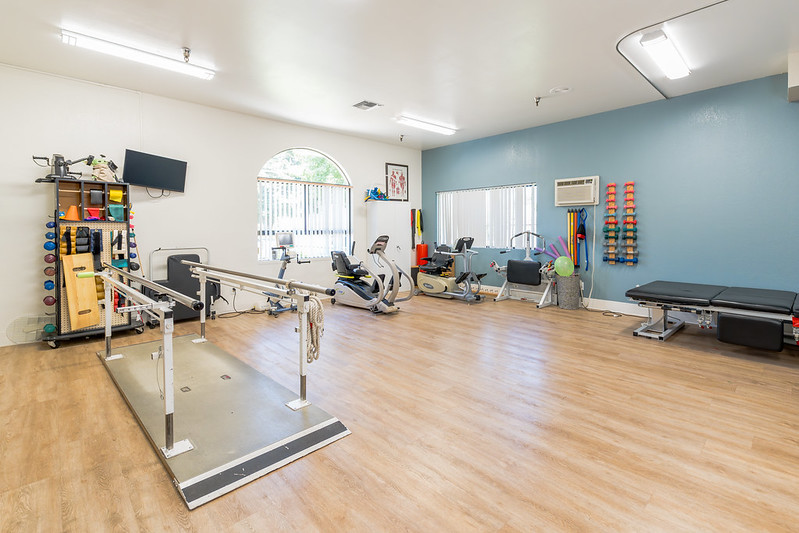
How is Westgate Gardens Staffed?

CMS rates WESTGATE GARDENS CARE CENTER's staffing level at 2 out of 5 stars, which is below average compared to other nursing homes. Staff turnover is 48%, compared to the California average of 46%.

What Have Inspectors Found at Westgate Gardens?

State health inspectors documented 55 deficiencies at WESTGATE GARDENS CARE CENTER during 2019 to 2025. These included: 1 that caused actual resident harm and 54 with potential for harm. Deficiencies causing actual harm indicate documented cases where residents experienced negative health consequences.
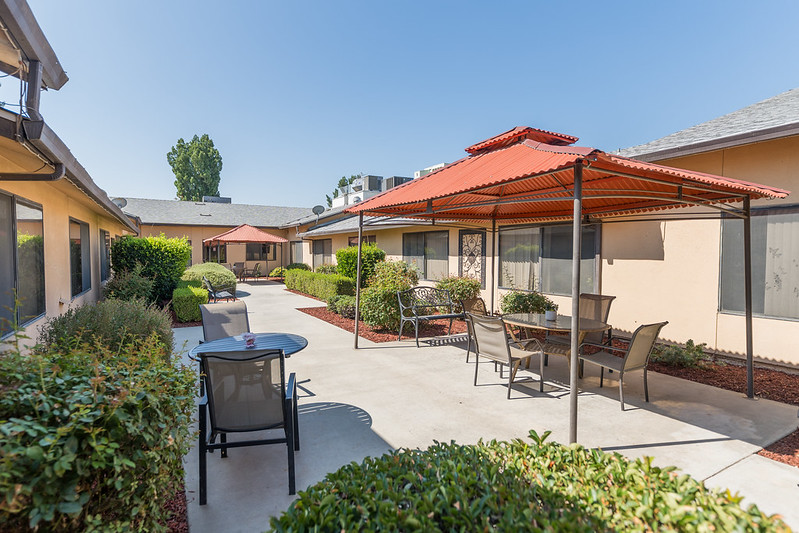
Who Owns and Operates Westgate Gardens?

WESTGATE GARDENS CARE CENTER is owned by a for-profit company. For-profit facilities operate as businesses with obligations to shareholders or private owners. The facility is operated by PACS GROUP, a chain that manages multiple nursing homes. With 140 certified beds and approximately 134 residents (about 96% occupancy), it is a mid-sized facility located in VISALIA, California.
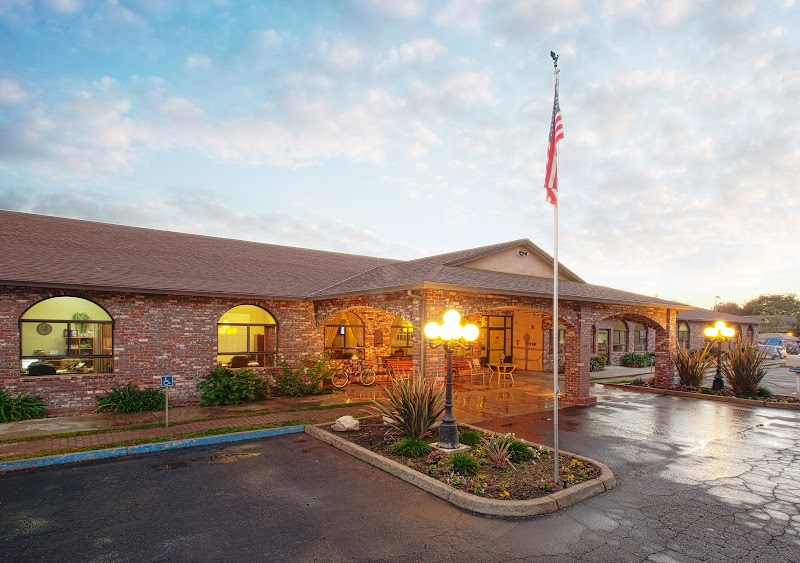
How Does Westgate Gardens Compare to Other California Nursing Homes?

Compared to the 100 nursing homes in California, WESTGATE GARDENS CARE CENTER's overall rating (2 stars) is below the state average of 3.1, staff turnover (48%) is near the state average of 46%, and health inspection rating (2 stars) is below the national benchmark.

What Should Families Ask When Visiting Westgate Gardens?

Based on this facility's data, families visiting should ask: "Can you walk me through typical staffing levels on day, evening, and night shifts?" "Can I visit during a mealtime to observe dining assistance and food quality?" "How do you handle medical emergencies, and what is your hospital transfer rate?" "Can I speak with family members of current residents about their experience?" These questions are particularly relevant given the below-average staffing rating.

Is Westgate Gardens Safe?

Based on CMS inspection data, WESTGATE GARDENS CARE CENTER has a clean safety record: no substantiated abuse findings (meaning no confirmed cases of resident harm), no Immediate Jeopardy citations (the most serious violation level indicating risk of serious injury or death), and is not on the Special Focus Facility watch list (a federal program monitoring the lowest-performing 1% of nursing homes). The facility has a 2-star overall rating and ranks #100 of 100 nursing homes in California. While no facility is perfect, families should still ask about staff-to-resident ratios and recent inspection results during their visit.

Do Nurses at Westgate Gardens Stick Around?

WESTGATE GARDENS CARE CENTER has a staff turnover rate of 48%, which is about average for California nursing homes (state average: 46%). Moderate turnover is common in nursing homes, but families should still ask about staff tenure and how the facility maintains care continuity when employees leave.

Was Westgate Gardens Ever Fined?

WESTGATE GARDENS CARE CENTER has been fined $8,278 across 1 penalty action. This is below the California average of $33,162. While any fine indicates a compliance issue, fines under $50,000 are relatively common and typically reflect isolated problems that were subsequently corrected. Families should ask what specific issues led to these fines and confirm they've been resolved.

Is Westgate Gardens on Any Federal Watch List?

WESTGATE GARDENS CARE CENTER is not on any federal watch list. The most significant is the Special Focus Facility (SFF) program, which identifies the bottom 1% of nursing homes nationally based on persistent, serious quality problems. Not being on this list means the facility has avoided the pattern of deficiencies that triggers enhanced federal oversight. This is a positive indicator, though families should still review the facility's inspection history directly.