
SANTA FE POST-ACUTE

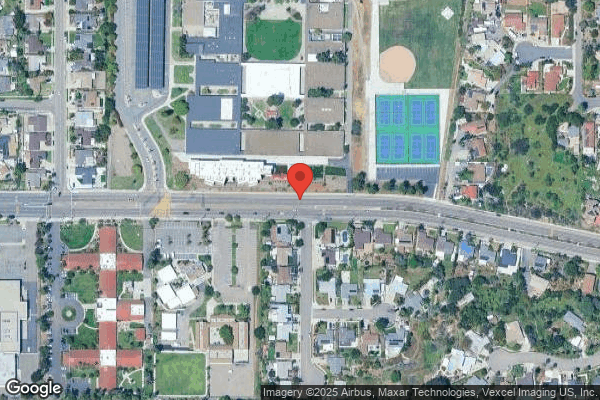
247 E. BOBIER DRIVE, VISTA, CA 92084 (760) 945-3033
For profit - Limited Liability company 187 Beds BAYSHIRE SENIOR COMMUNITIES Data: November 2025 2 Immediate Jeopardy citations
Trust Grade
0/100
#1105 of 1155 in CA
Last Inspection: May 2025

Inspected within the last 6 months. Data reflects current conditions.

Overview

Santa Fe Post-Acute in Vista, California, has a Trust Grade of F, indicating significant concerns about the facility's quality and care. It ranks #1105 out of 1155 facilities in California, placing it in the bottom half, and #79 out of 81 in San Diego County, meaning there are very few local options that are worse. The situation appears to be worsening, with issues increasing from 1 in 2024 to 18 in 2025. Staffing is a relative strength with a rating of 3 out of 5, but the turnover rate is concerning at 51%, much higher than the state average. Unfortunately, the facility has accumulated $85,943 in fines, which is higher than 80% of California facilities, suggesting ongoing compliance problems. There are critical incidents documented, including failures to protect residents on the behavioral health unit from physical abuse and inadequate staff training to handle emergencies. For example, one resident stopped taking medication without a proper care plan, leading to aggressive behavior, while another resident’s needs were not adequately addressed, putting them at risk for self-harm. Overall, while there are some positive aspects regarding staffing, the alarming deficiencies and trends in care raise serious concerns for families considering this facility for their loved ones.

Trust Score
F
0/100
In California
#1105/1155
Bottom 5%
Safety Record
High Risk
Review needed
Inspections
Getting Worse
1 → 18 violations
Staff Stability
⚠ Watch
51% turnover. Above average. Higher turnover means staff may not know residents' routines.
Penalties
⚠ Watch
$85,943 in fines. Higher than 86% of California facilities, suggesting repeated compliance issues.
Skilled Nurses
⚠ Watch
Each resident gets only 21 minutes of Registered Nurse (RN) attention daily — below average for California. Fewer RN minutes means fewer trained eyes watching for problems.
Violations
⚠ Watch
58 deficiencies on record. Higher than average. Multiple issues found across inspections.
★☆☆☆☆
1.0
Overall Rating
★★★☆☆
3.0
Staff Levels
★★★☆☆
3.0
Care Quality
★☆☆☆☆
1.0
Inspection Score
Stable
2024: 1 issues
2025: 18 issues

The Good

  • Full Sprinkler Coverage · Fire safety systems throughout facility
  • No fines on record

Facility shows strength in fire safety.

The Bad

1-Star Overall Rating

Below California average (3.1)

Significant quality concerns identified by CMS

Staff Turnover: 51%

Near California avg (46%)

Higher turnover may affect care consistency

Federal Fines: $85,943

Well above median ($33,413)

Moderate penalties - review what triggered them

Chain: BAYSHIRE SENIOR COMMUNITIES

Part of a multi-facility chain

Ask about local staffing decisions and management

The Ugly 58 deficiencies on record

2 life-threatening 2 actual harm
Sept 2025 6 deficiencies 1 IJ (1 affecting multiple)
CRITICAL (K) 📢 Someone Reported This

A family member, employee, or ombudsman was alarmed enough to file a formal complaint

Immediate Jeopardy (IJ) - the most serious Medicare violation

Free from Abuse/Neglect (Tag F0600)

Someone could have died · This affected multiple residents

**NOTE- TERMS IN BRACKETS HAVE BEEN EDITED TO PROTECT CONFIDENTIALITY** Based on observation, interview, and record review, the facility failed to ensure 82 residents on the behavioral health unit (BH...

Read full inspector narrative →
**NOTE- TERMS IN BRACKETS HAVE BEEN EDITED TO PROTECT CONFIDENTIALITY** Based on observation, interview, and record review, the facility failed to ensure 82 residents on the behavioral health unit (BHU, an area of the building that housed residents with mental and psychosocial disorders [syndromes characterized by a clinically significant disturbance in an individual's cognition, emotion, regulation, or behavior]) were protected from physical abuse when:1) Resident 1 stopped taking her Zyprexa (an antipsychotic medication [medication that helps to reduce the symptoms of psychosis, such as hallucinations, delusions, and disorganized thinking]) on 8/25/25 and a written plan of care was not developed to monitor and prevent potential inappropriate and aggressive behaviors resulting from stopping Zyprexa.2) Resident 1 slapped Resident 2 in the face on 9/5/25 and a written plan of care was not developed timely to prevent further incidents of abuse.3) Resident 1 made threatening gestures and threw her lunch tray at her roommate (Resident 3) on 9/9/25 while unsupervised. 4) Resident 1 continued to have escalating physically aggressive and threatening behaviors on 9/7 and 9/9/25 and interventions to closely supervise the resident and prevent further behavioral escalations were not developed and implemented.As a result, Resident 2 and Resident 3 expressed fear of Resident 1 and stated they did not feel safe. Furthermore, these failures to provide adequate supervision to Resident 1 while she experienced escalating behaviors and demonstrated impulsive physical aggression posed an immediate jeopardy to the safety and well-being of the other 82 residents on the BHU. Findings:On 9/10/25 at 9:09 A.M., an onsite visit was conducted to investigate an allegation of physical abuse that occurred on 9/5/25 between Resident 1 and Resident 2. A review of the facility's Census dated 9/10/25, indicated there were 83 residents in the BHU.A review of Resident 1's admission Record dated 9/10/25, indicated the resident was admitted to the facility on [DATE] with diagnosis that included schizoaffective disorder (a mental health condition that combines symptoms of schizophrenia and a mood disorder, such as depression or bipolar disorder), bipolar type (a chronic mental health condition characterized by extreme mood swings between manic and depressive episodes). A review of Resident 2's admission Record dated 9/10/25, indicated the resident was admitted to the facility on [DATE] with diagnosis that included paranoid schizophrenia (a subtype of schizophrenia characterized by persistent delusions and hallucinations, primarily of a persecutory or threatening nature). A review of Resident 3's admission Record dated 9/11/25, indicated the resident was admitted to the facility on [DATE] with diagnosis that included paranoid schizophrenia and schizoaffective disorder, bipolar type. A review of Resident 1's physician orders indicated the resident was to receive:Zyprexa 20 mg (milligrams) by mouth at bedtime (order dated 2/21/25).Zyprexa 10 mg by mouth twice a day, give intramuscular (IM) injection if resident refused oral dose (order dated 8/28/25).Zyprexa 10 mg to be given IM every 24 hours if resident refuses oral dose (order dated 8/28/25).Zyprexa 10 mg to be given IM every 12 hours if resident refuses oral dose (order dated 9/2/25).A review of Resident 1's Medication Administration Record (MAR) for August and September 2025 for Zyprexa indicated:8/1 through 8/24/25 the resident took her Zyprexa as ordered. 8/25/25 the resident refused her Zyprexa.8/26/25 the resident refused her Zyprexa.8/27/25 the resident refused her Zyprexa.8/28/25 the resident refused her Zyprexa.8/29 through 9/11/25 the resident took some Zyprexa on and off but did not consistently take the full ordered dosage in a 24-hour period. A review of Resident 1's MAR for May, June, and July 2025 indicated the resident was monitored for behavioral manifestations. Resident 1 was monitored for abrupt change in mood (anger outbursts), constant refusal of care, and auditory hallucinations (voices telling to hurt herself). Resident 1 had zero incidents of behavioral manifestations in May, June, July, and August 1 through 27 2025. A review of Resident 1's August and September 2025 MAR indicated the following behavioral manifestations on:8/28/25 Four incidents of constant screaming/yelling profanities at others and two incidents of refusing care. 8/29/25 Four incidents of constant screaming/yelling profanities at others, three incidents of anger outbursts, and five incidents of refusing care. 8/30/25 Two incidents of screaming/yelling profanities and one incident of anger outbursts. 8/31/25 Three incidents of screaming/yelling profanities and two incidents of anger outbursts. 9/1/25 Two incidents of screaming/yelling profanities and two incidents of anger outbursts.9/2/25 One incident of screaming/yelling profanities and one incident of anger outbursts.9/3/25 Three incidents of screaming/yelling profanities and three incidents of anger outbursts.9/4/25 Five incidents of screaming/yelling profanities, six incidents of anger outbursts, and five incidents of refusing care. 9/5/25 Thirteen incidents of screaming/yelling profanities, twelve incidents of anger outbursts, seven incidents of refusing care, and seven incidents of auditory hallucinations.9/6/25 Two incidents of screaming/yelling profanities and four incidents of anger outbursts. 9/7/25 Nine incidents of screaming/yelling profanities and nine incidents of anger outbursts.9/8/25 Two incidents of screaming/yelling profanities and four incidents of anger outbursts.9/9/25 Three incidents of screaming/yelling profanities and two incidents of anger outbursts.9/10/25 Seven incidents of screaming/yelling profanities, seven incidents of anger outbursts, and six incidents of refusing care.9/11/25 Five incidents of screaming/yelling profanities, five incidents of anger outbursts, two incidents of refusing care, and three incidents of combative features striking at others. A review of Resident 1's clinical record indicated the resident did not have a written Plan of Care to address her refusal to take Zyprexa as ordered and interventions that were put in place to monitor and address potential behavioral manifestations resulting from not taking her Zyprexa. A review of Resident 1's Progress Notes indicated:On 8/25/25 at 8:14 A.M., Resident is refusing her medications. On 8/28/25 at 9:57 A.M., (Change of condition note) . [Resident 1] refusing all medications and exhibiting manic behavior, yelling at other residents. On 9/1/25 at 9:16 P.M., Resident noted with increased agitation, yelling and hitting staff, refused her psychotropic medication, Zyprexa, despite of explanation [sic] of risks and benefits. On 9/5/25 at 9:15 P.M., Resident 1 unprovokingly slapped Resident 2 in the face. Resident 1 denied her action to Resident 2. [Resident 1] has been frequently refusing scheduled PO [oral] medications despite education on risks and benefits. On 9/6/25 at 7:19 A.M., . [Resident 1] has calmed down and has stopped harassing patients. On 9/6/25 at 9:57 P.M., Resident refused all medications, remained hostile throughout the shift. On 9/7/25 at 10:43 P.M., Resident 1 struck Certified Nursing Assistant (CNA) 2 with her walker when Resident 1 was by the nurses' station and CNA 2 was trying to exit the nurses' station. Resident 1 was still trying to hit CNA 2 when another employee tried to intervene, putting herself between the two. On 9/8/25 at 2:12 A.M., Resident 1 continued to be aggressive, by throwing cups, yelling, and screaming and had episodes of paranoia (a mental health condition characterized by intense and irrational distrust and suspicion of others, despite a lack of evidence to support these beliefs). On 9/11/25 at 3:11 A.M., [Resident 1] observed with episodes of provoking the MHW [Mental Health Worker], yelling and throwed [sic] her used gloves on him, observed she put her hand on her mouth and removed her glove on her R [right] hand using her teeth and caused her thumb nail to come off and slightly bleeding.advised MHW to avoid resident. On 9/10/25 at 10:35 A.M., a concurrent observation and interview was conducted with Resident 1 on the BHU. Resident 1 walked into the dining area using her walker. Resident 1 acknowledged there was an incident involving Resident 2, but she denied striking Resident 2. Resident 1 stated that Resident 2 threw a punch at her. On 9/10/25 at 10:37 A.M., an interview was conducted with Resident 2 on the BHU. Resident 2 stated Resident 1 was being difficult on 9/5/25. Resident 2 stated she and Resident 1 were in the dining room and sitting next to each other. Resident 2 stated Resident 1 struck her suddenly on her left cheek. Resident 2 stated, She struck me hard. Resident 2 stated it hurt physically but not emotionally because she was used to Resident 1's behavior. Resident 2 stated she was used to seeing Resident 1 get angry multiple times, but this was her first time being struck by Resident 1. Resident 2 stated she did not feel safe. On 9/10/25 at 11:04 A.M., an observation was conducted in the dining hall in the BHU. Resident 1 was observed walking to the dining table where Resident 2 was sitting. Resident 1 yelled at Resident 2. Resident 1's words were incomprehensible. A staff member came from down the hall and separated Resident 1 from Resident 2. On 9/10/25 at 2:51 P.M., an interview was conducted with CNA 1. CNA 1 stated he was working on 9/5/25 during the PM shift. CNA 1 stated he was in the dining hall and saw Resident 1, Resident 2, and another resident sitting at a table. CNA 1 sated he was away from the table and helping another resident when he saw Resident 1 strike Resident 2 across the face with full force. CNA 1 stated he separated Resident 1 from Resident 2. CNA 1 stated Resident 2 seemed to be in shock. CNA 1 stated Resident 1 was mumbling incomprehensively and acted as if nothing had happened. CNA 1 stated he noticed Resident 1's behavior changed about three weeks ago, and during this time he was also pushed by Resident 1. CNA 1 stated Resident 1 was behaving unpredictably and aggressively towards staff and other residents. CNA 1 stated other residents have told him they were afraid of Resident 1. On 9/10/25 at 3:04 P.M., an interview was conducted with CNA 2. CNA 2 stated she was working on 9/5/25 and also witnessed Resident 1 hit Resident 2. CNA 2 stated that she was struck by Resident 1 while working on 9/7/25, two days after the incident between Resident 1 and Resident 2. CNA 2 stated she was exiting the nurses' station and Resident 1 was blocking the way with her walker. CNA 2 stated she positioned the walker away from the exit and Resident 1 used the walker to push CNA 2 back toward the nurses' station. CNA 2 stated a Licensed Nurse (LN) got between her and Resident 1. CNA 2 stated Resident 1 reached around the LN and punched her in the chest and the arm. CNA 2 stated it did not seem like Resident 1's aggressive behavior was being addressed. CNA 2 stated, [Resident 1's] a bully and other residents were afraid of her. On 9/11/25 at 8:35 A.M., a concurrent observation and interview was conducted with Resident 3 (Resident 1's roommate) while inside the resident's room. Resident 3 stated a couple of days ago, Resident 1 came to her bedside, grabbed her lunch tray off her overbed table and threw it at her. Resident 3 appeared fearful while talking about the incident and stated, My stomach moved when Resident 1 did it. Resident 3 stated the tray and food items landed on her bed. Resident 3 stated she put some of the food items back on the tray and reported the incident to LN 7. Resident 3 stated Resident 1 made threatening gestures toward her, and she asked LN 7 to supervise Resident 1 while the resident was in the room with her or to move Resident 1 to another room. Resident 3 stated she felt scared of Resident 1 and did not feel safe in her own room. Resident 3 stated LN 7 told her, We all have to get along. On 9/11/25 at 9:55 A.M., a concurrent interview and record review was conducted with the Nursing Supervisor (NS). The NS reviewed Resident 1's quarterly Minimum Data Set Assessment (MDS, a standardized assessment used to comprehensively evaluate resident health, functional, and cognitive status) dated 8/11/25, and stated that Resident 1 had zero behaviors during that quarterly assessment. The NS stated Resident 1 was not physically aggressive to others until 9/5/25. The NS reviewed Resident 1's Allegation Abuse Care Plan with interventions developed on 9/10/25 and stated the interventions should have been developed on 9/5/25 on the day when Resident 1 slapped Resident 2. The NS was asked if there was a report about Resident 1 throwing Resident 3's lunch tray on 9/9/25. The NS stated she was not aware of that incident. On 9/11/25 at 2:18 P.M., another interview was conducted with the NS. The NS stated Resident 1 did not have behavioral issues until Resident 1 started refusing her Zyprexa recently. The NS stated it was very important for Resident 1 to take her Zyprexa as ordered because without it, Resident 1 would de-stabilize. The NS stated when Resident 1 de-stabilized, she would become loud, aggressive toward others, inappropriate, and her aggressiveness would escalate. The NS stated Resident 1 did not display such behaviors while taking her Zyprexa as ordered. The NS stated that Resident 1's behavior was continuing to escalate, and the resident should have been placed on 1:1 supervision (one staff assigned to closely supervise the resident at all times) until her behavior stabilized. The NS stated Resident 3 was not safe being alone with Resident 1 in their shared room. On 9/11/25 at 2:25 P.M., an interview with Resident 2 was conducted in the dining room on the BHU. Resident 2 stated Resident 1 kept coming back to her room after the incident that occurred on 9/5/25. Resident 2 stated that she told Resident 1 to go away but Resident 1 did not listen. On 9/11/25 at 2:41 P.M., a concurrent interview and record review was conducted with LN 6. LN 6 stated she was familiar with Resident 1 since the resident was admitted to the facility in February 2024. LN 6 stated Resident 1's baseline behavior since admission was calm, nice, and not aggressive until recently. LN 6 reviewed Resident 1's clinical record and stated Resident 1's behavioral episodes increased after 8/25/25 when she stopped taking her Zyprexa. LN 6 stated when Resident 1 started refusing her Zyprexa, there should have been an Interdisciplinary Team (IDT) meeting to discuss the situation. LN 6 stated the IDT should have then developed care plan interventions to monitor for and intervene when Resident 1 decompensated for not taking her Zyprexa or not taking the full therapeutic dosage as ordered. LN 6 stated when Resident 1 decompensated, the care plan should have been developed and revised to focus on potential psychosis or psychotic behaviors and increased aggression especially after incidents on 9/5 and 9/7/25. LN 6 reviewed Resident 1's written care plan for Non-Compliance Care Plan - Declining To Take Medication(s) initiated 8/28/25 with the following interventions: Approach in a non-judgmental manner during conversation with the resident regarding areas of noncompliance, discuss with resident and resident representative the need for and benefits of compliance with care and services, and educate the resident of risk posed by the non-compliance. LN 6 stated the non-compliance care plan was not individualized and did not address the resident's risk for decompensation and destabilization related to not taking Zyprexa. LN 6 stated the care plan did not address monitoring and intervening for Resident 1's inappropriate and aggressive behavior. LN 6 stated after Resident 1 threw Resident 3's lunch tray at the resident on 9/9/25, this should have also been discussed with the IDT because Resident 1's behavior was continuing to escalate and was unsafe. LN 6 stated Resident 1's plan of care should have been reviewed and revised to address this continued escalating behavior. LN 6 stated Resident 1 should not have a roommate, should have eyes on at all times, and other residents should be kept out of Resident 1's striking range. LN 6 stated these things should have been care planned and implemented to keep everyone on the unit safe until Resident 1's behavior returned to her baseline. On 9/11/25 at 3:50 P.M., a telephone interview with LN 7 was conducted. LN 7 stated she was aware of the incident that happened between Resident 1 and Resident 3 on 9/9/25, and that she spoke to both residents that day. LN 7 stated she did not witness the incident. LN 7 stated Resident 3 was upset because she alleged Resident 1 threw her lunch tray at her. LN 7 stated Resident 3 wanted a staff to supervise Resident 1 while they were both in the shared room. LN 7 stated she did not communicate the incident to leadership because the residents were both calm by the time their conversation ended. LN 7 stated some orange juice was spilled on Resident 3's bed so she cleaned it up before she left the room. On 9/11/25 at 5:52 P.M., the administrator (ADM) and Director of Nursing (DON) were informed of Immediate Jeopardy (IJ) related to the facility's failure to provide adequate supervision to Resident 1 and keep other residents in the BHU safe and protected from abuse resulting from Resident 1's physically aggressive behavior. The facility began to develop a plan to remove the IJ. On 9/12/25 at 10:40 A.M., the facility's IJ removal plan was reviewed with ADM, DON, Director of Clinical Services (DCS), Clinical Consultant (CC) 1 and CC 2. The IJ removal plan included: 1. Immediate Actions Taken Resident 1 was placed on 1:1 supervision and moved to an individual room. Resident 1's care plan was revised to address her aggressive behavior and her needs of supervision. Director of Staff Development (DSD) started all staff in-services on abuse prevention, mandatory reporting, and immediate interventions during altercations starting 9/8/25.DON/designee started rounds and interviews in BHU to ensure no other residents were at immediate risk.2. Corrective Measure for the Affected Resident Resident 1's care plan was revised and included 1:1 supervision, alerted triggers, and de-escalation protocol. Resident 1's 1:1 supervision and utilization of the individual room will continue until IDT, attending physician, and/or psychiatrist determined Resident 1 was stabilized. IDT reviewed risks including room safety and potential for further resident - resident abuse. 3. Facility-Wide Systemic Changes Root cause analysis conducted to determine why supervision and interventions were delayed. Implementation of weekly behavioral risk rounds.Implementation of de-escalation protocol included: CNAs to immediately inform LN when a change of condition occurs related to mood, behavior, aggression or psychiatric decompensation including medication refusal, the LN escalates the report to the on-duty Supervisor, and the Supervisor communicates to Manager, Social Services, DON, and ADM. To ensure timely implementation of interventions, the attending physician and/or psychiatrist will be notified simultaneously.Expectations from the Protocol included: Interventions to prevent further harm to others were implemented to prioritize resident safety. Care plans were reviewed and revised to address Resident 1's current conditions, behavioral triggers, and new interventions. The IDT to ensure care plans were individualized to each resident's needs. To prevent the recurrence of abuse, immediate safety action and long-term care plan modifications are expected after all incidents. Collaborating with the DON, the Mental Health Case Manager/Provider and Social Services will oversee the BHU.On 9/12/25 at 3:30 P.M., the IJ was removed, and the ADM, DON, DCS, and CC 1 were notified after verifying the IJ removal plan while on-site. On 9/15/25 at 1:33 P.M., a concurrent interview and record review was conducted with the Mental Health Case Manager (MHCM). The MHCM reviewed Resident 1's clinical record and stated Resident 1 started refusing her Zyprexa on 8/25/25. The MHCM stated stopping Zyprexa would result in inappropriate behavior happening. The MHCM stated this was a change of condition that should have been discussed as an IDT, and the resident's care plan should have been developed to monitor for de-stabilization and to address it. The MHCM reviewed Resident 1's Allegation of Abuse Care Plan interventions dated 9/10/25 and stated that the care plan was not developed timely, but it should have been developed on the day of the incident (9/5/25). The MHCM stated 9/10/25 was too far out and would not prevent further occurrences of potential abuse.The MHCM stated after Resident 1 hit a staff with her walker (9/7/25), she expected an IDT discussion and development of a care plan to address the resident's escalating behavior.The MHCM stated after the incident on 9/9/25 with Resident 1 and Resident 3, the incident should have been discussed as an IDT and the care plan should have been updated with 1:1 supervision so Resident 1 was not alone with another resident. The MHCM stated Resident 1 should have been closely supervised around other residents to prevent further incidents and for the safety of all residents. The MHCM stated everyone on the unit deserved to be safe from another resident who was de-stabilized and decompensating. On 9/24/25 at 1:32 P.M., an interview was conducted with the DON. The DON stated, We could have managed her [Resident 1] better if we addressed her behavior right away to bring her back to baseline. The DON stated when residents had behavioral escalations, the priority was to protect other residents first, staff, and the residents themselves. The DON stated, We didn't ensure the roommate [Resident 3] was safe. The DON stated LN 7 should have reported the allegation of the tray being thrown to the DON. The DON stated, It was a COC [change of condition]. The DON stated the COC should have been discussed as an IDT and care planned. The DON stated, We didn't see how far [Resident 1] spiraled. The DON stated when a resident stopped taking their antipsychotic medications that managed their behavior, their behavior would spiral out of control. The DON stated she was not told Resident 1 had stopped taking her antipsychotic medication right away. The DON stated she should have been told so she could have conducted an IDT and developed a care plan to monitor and address Resident 1's spiraling behavior. On 9/24/25 at 3:34 P.M., an interview was conducted with the ADM. The DON was also present. The ADM stated LNs could implement 1:1 supervision for residents with escalating behaviors that could lead to abuse, if their clinical judgement indicated it was needed. The ADM stated 1:1 should have been done for Resident 1 to keep everyone in the BHU safe. A review of the facility's policy titled Abuse and Neglect - Clinical Protocol revised March 2018, indicated, .Treatment/Management 1. The facility management and staff will institute measures to address the needs of residents and minimize the possibility of abuse.A review of the facility's policy titled Resident - to - Resident Altercations revised December 2016, indicated, All Altercations, including, those that may represent resident - to - resident abuse shall be investigated and reported to the nursing supervisor, the director of nursing services and to the administrator.1. Facility staff will monitor residents for aggressive/inappropriate behavior towards other residents. to the staff. Occurrences of such incidents shall be promptly reported to the nurse supervisor, director of nursing services, and to the administrator.A review of the facility's policy titled Unmanageable Residents revised April 2010, indicated, Each resident will be provided with a safe place of residence. 1. Should a resident's behavior become abusive, hostile, assaultive, or unmanageable in any way that would jeopardize his or her safety or the safety of others, the nurse supervisor/charge nurse must immediately; a. provide for the safety of all concerned.; b. notify the resident's attending physician for instructions; c. notify the director of nursing services; .7. Complete documentation of the incident must be recorded in the resident's medical record and an incident report must be filed with the administrator.A review of the facility's policy titled Behavioral Assessment, Intervention and Monitoring revised March 2019, indicated, .Management 1.Safety Strategies will be implemented immediately if necessary to protect the resident and others from harm. 8.The care plan will include, as a minimum: .b. targeted in individualized interventions for the behavior and/or psychosocial symptoms; c. the rationale for the interventions and approaches; .e. how the staff will monitor for effectiveness of the interventions.A review of the facility's policy titled Behavioral Health Services revised February 2019, indicated, .4. Staff must promote.safety as appropriate for each resident.5. c. monitoring care plan interventions and reporting changes in condition. A review of the facility's policy titled Care Plans, Comprehensive Person-Centered revised December 2016, indicated, .1. Person-centered care plan for each resident.10.targeted and meaningful to the resident.13. Assessments of residents are ongoing and care plans are revised as information about the resident and the residents' conditions change. 14. The Interdisciplinary Team must review and update the care plan: a. When there has been a significant change in the resident's condition. b. When the desired outcome is not met.
CONCERN (D) 📢 Someone Reported This

A family member, employee, or ombudsman was alarmed enough to file a formal complaint

Potential for Harm - no one hurt, but risky conditions existed

Deficiency F0605 (Tag F0605)

Could have caused harm · This affected 1 resident

**NOTE- TERMS IN BRACKETS HAVE BEEN EDITED TO PROTECT CONFIDENTIALITY** Based on interview and record review, the facility failed to: 1. Have resident - specific and appropriate indications for behavi...

Read full inspector narrative →
**NOTE- TERMS IN BRACKETS HAVE BEEN EDITED TO PROTECT CONFIDENTIALITY** Based on interview and record review, the facility failed to: 1. Have resident - specific and appropriate indications for behavior monitoring for two of three residents' (Resident 1 and Resident 3) antipsychotic medications (a medication used to control thoughts, mood, and behavior).2. Administer Resident 1's PRN (as needed) Intramuscular (IM) Zyprexa (antipsychotic medication) at the correct times as ordered nine times. As a result, the residents were at risk for receiving unnecessary antipsychotic medications. In addition, there was the potential for Resident 1 and Resident 3 to not have their right to refuse care be respected. Findings: A review of Resident 1's admission Record indicated the resident was admitted to the facility on [DATE] with diagnosis that included schizoaffective disorder (a mental health condition that combines symptoms of schizophrenia and a mood disorder, such as depression or bipolar disorder), bipolar type (a chronic mental health condition characterized by extreme mood swings between manic depressive episodes). A review of Resident 3's admission Record indicated the resident was admitted to the facility on [DATE] with diagnosis that included paranoid schizophrenia and schizoaffective disorder, bipolar type. 1. A review of Resident 1's physician order dated 10/7/24, indicated Behaviors/ Side Effects Monitoring Record for Zyprexa: Monitor Episodes of Schizoaffective as evidenced by constant refusal of care every shift. A review of Resident 3's physician order dated 5/3/25, indicated Behaviors/ Side Effects Monitoring Record for Haldol (antipsychotic medication): Monitor episodes of schizoaffective, manifested by refusal of care every shift.On 9/11/25 at 2:41 P.M., a concurrent interview and record review was conducted with Licensed Nurse (LN) 6. LN 6 reviewed Resident 1's physician order dated 10/7/24, indicated Behaviors/ Side Effects Monitoring Record for Zyprexa: Monitor Episodes of Schizoaffective as evidenced by constant refusal of care every shift. LN 6 stated behavior monitoring was used to determine the effectiveness of antipsychotic medications. LN 6 stated all residents had the right to refuse care. LN 6 stated antipsychotic medications should not be given to make residents comply with care as this would be a potential chemical restraint. LN 6 stated it was not appropriate to monitor the resident's refusal of care as an indication of Resident 1's antipsychotic effectiveness. LN 6 stated it would have been more appropriate to monitor Resident 1 for aggression and agitation related to the resident's psychosis (a mental health state where a person has a lost touch with reality, making it difficult to think, behave, or understand what is real). On 9/15/25 at 1:33 P.M., a concurrent interview and record review was conducted with the Mental Health Case Manager (MHCM). The MHCM reviewed Behaviors/ Side Effects Monitoring Record for Resident 1's Zyprexa. The MHCM stated that behavior monitoring was used to determine the effectiveness of antipsychotic medications and if the medication needed to be increased or decreased. The MHCM stated residents had the right to refuse care, we can't force anyone, and it should not be used to determine if antipsychotic medications were working. On 9/24/25 at 1:32 P.M., a concurrent interview and record review was conducted with the DON. The DON reviewed Resident 1's Behaviors/ Side Effects Monitoring Record for Zyprexa: Monitor Episodes of Schizoaffective as evidenced by constant refusal of care every shift and Resident 3's Behaviors/ Side Effects Monitoring Record for Haldol: Monitor episodes of schizoaffective, manifested by refusal of care every shift. The DON stated refusing care was a resident's right. The DON stated Resident 1 and Resident 3's behavior monitoring was too broad and should have been resident specific as to what care refusal was being monitored. A review of the facility's policy titled Psychotropic Medication Use revised July 2022, indicated, 3.d. adequate monitoring for efficacy.A review of the facility's policy titled Resident Rights revised December 2016, did not provide guidance on refusal of care. 2. A review of Resident 1's physician orders indicated:Zyprexa oral tablet 10 MG (milligrams) twice a day at 9A.M. and 6 P.M. for psychotic disorder and to give IM if the resident refuses (order dated 8/28/25).Zyprexa 10 MG IM every 24 hours PRN if the resident refused the oral Zyprexa dose (order dated 8/28/25).Zyprexa 10 MG IM every 12 hours PRN if the resident refused the oral Zyprexa dose (order dated 9/2/25).A review of Resident 1's Medication Administration Records (MAR) for August and September 2025 for Zyprexa indicated:8/29 the resident refused her oral Zyprexa at 9 A.M. and 6 P.M. and Zyprexa 10 MG IM was administered at 4:26 A.M. 9/1 the resident refused her oral Zyprexa at 9 A.M. but took her 6 P.M. dose. Zyprexa 10 MG IM was administered at 8 P.M. 9/2 the resident refused her oral Zyprexa at 9 A.M. and 6 P.M. and Zyprexa 10 MG IM was administered at 11:49 A.M. 9/4 the resident refused her oral Zyprexa at 9 A.M. and 6 P.M. and Zyprexa 10 MG IM was administered at 1:07 P.M. 9/5 the resident refused her oral Zyprexa at 9 A.M. and 6 P.M. and Zyprexa 10 MG IM was administered at 11:57 A.M. 9/6 the resident refused her oral Zyprexa at 9 A.M. and 6 P.M. and Zyprexa 10 MG IM was administered at 12:34 A.M. and 11:45 A.M.9/7 the resident took her oral Zyprexa at 9 A.M. and 6 P.M., and Zyprexa 10 MG IM was administered at 1:03 A.M. 9/9 the resident refused her oral Zyprexa at 9 A.M. and 6 P.M. and Zyprexa 10 MG IM was administered at 12:19 A.M. and 12:13 P.M. 9/10 the resident refused her oral Zyprexa at 9 A.M. and 6 P.M. and Zyprexa 10 MG IM was administered at 12:14 A.M. On 9/11/25 2:41 P.M., a concurrent interview and record review was conducted with LN 6. LN 6 reviewed Resident 1's August and September 2025 MAR for Zyprexa oral and IM. LN 6 stated Zyprexa PRN IM was to be given when the oral Zyprexa was refused within the scheduled administration time (9 A.M. and 6 P.M.). LN 6 reviewed Resident 1's Zyprexa on 8/29/25, the resident refused her oral Zyprexa at 9 A.M. and 6 P.M. and Zyprexa 10 MG IM was administered at 4:26 A.M. LN 6 stated that the IM was given outside the scheduled time and the order was not followed. LN 6 reviewed Resident 1's oral and IM Zyprexa orders and stated the order for the Zyprexa IM was confusing and should have been clarified.On 9/15/25 at 1:33 P.M., a concurrent interview and record review was conducted with the MHCM. The MHCM reviewed Resident 1's August and September 2025 MAR for both oral and IM Zyprexa and stated the Zyprexa IM should have been given in the medication administration window of one hour before and after the scheduled administration time. The MHCM stated the Zyprexa IM should coincide with the oral Zyprexa schedule. The MHCM stated the Zyprexa order indicated the IM was to be given when the resident refused the oral Zyprexa dose. The MHCM stated if Zyprexa IM administrations were entered late, the progress notes should explain the reason for the late entry. The MHCM reviewed Resident 1's progress notes and stated no documentation was found that supported any late entries. The MHCM stated the administration of IM Zyprexa at 4:26 A.M. on 8/29/25 was nowhere near the oral Zyprexa scheduled time and appeared to be given at the LN's discretion. The MHCM stated the physician's orders were not followed. The MHCM reviewed all August and September 2025 Zyprexa IM administration times and stated they did not consistently match with administration time of the oral Zyprexa and they should have matched.On 9/24/25 at 1:32 P.M., a concurrent interview and record review was conducted with the DON. The DON reviewed Resident 1's August and September 2025 MAR for Zyprexa oral and IM. The DON stated Resident 1's Zyprexa IM was to replace the oral dose within an hour before or an hour after the scheduled times of 9 A.M. and 6 P.M. The DON stated Resident 1's Zyprexa IM order was confusing, because it contained the word PRN. The DON stated the order should have been clarified. The DON acknowledged Resident 1's IM Zyprexa physician order was not followed.A review of the facility's policy titled Administering Medications revised April 2019, indicated, .4. Medications are administered in accordance with prescriber orders, including required time frame.7. Medications are administered within one (1) hour of their prescribed time.A review of the facility's policy titled Psychotropic Medication Use revised July 2022 did not provide guidance related to IM antipsychotic medications.
CONCERN (D) 📢 Someone Reported This

A family member, employee, or ombudsman was alarmed enough to file a formal complaint

Potential for Harm - no one hurt, but risky conditions existed

Comprehensive Care Plan (Tag F0656)

Could have caused harm · This affected 1 resident

**NOTE- TERMS IN BRACKETS HAVE BEEN EDITED TO PROTECT CONFIDENTIALITY** Based on interview and record review, the facility failed to develop two residents' (Resident 1 and Resident 2) care plan in a t...

Read full inspector narrative →
**NOTE- TERMS IN BRACKETS HAVE BEEN EDITED TO PROTECT CONFIDENTIALITY** Based on interview and record review, the facility failed to develop two residents' (Resident 1 and Resident 2) care plan in a timely manner after an incident of physical abuse on 9/5/25. As a result, Resident 1 and Resident 2 were at risk for potential delays of treatment and care.Findings: A review of Resident 1's admission Record indicated the resident was admitted to the facility on [DATE] with diagnosis that included schizoaffective disorder (a mental health condition that combines symptoms of schizophrenia and a mood disorder, such as depression or bipolar disorder), bipolar type (a chronic mental health condition characterized by extreme mood swings between manic depressive episodes). A review of Resident 2's admission Record indicated the resident was admitted to the facility on [DATE] with diagnosis that included paranoid schizophrenia (a subtype of schizophrenia characterized by persistent delusions and hallucinations, primarily of a persecutory or threatening nature). A review of Resident 1's progress note dated 9/5/25 at 9:15 P.M., indicated that Resident 1 unprovokingly slapped Resident 2 in the face. Resident 1's Abuse Allegation Care Plan was reviewed on 9/10/25 and indicated that the care plan category of alleged abuse was started on 9/5/25 while the care plan goals and interventions were created on 9/10/25, five days after Resident 1 slapped Resident 2. Resident 2's Abuse Allegation Care Plan was reviewed on 9/10/25 and indicated that the care plan category of alleged abuse was started on 9/5/25 while the care plan goals were created on 9/10/25 and interventions were blank. On 9/11/25 at 9:55 A.M., a concurrent interview and record review was conducted with the Nursing Supervisor (NS). The NS reviewed Resident 1's Abuse Allegation Care Plan and stated that the care plan category alleged abuse was developed on 9/5/25 while the care plan goals and interventions were created on 9/10/25. The NS stated the interventions should have been developed and started on 9/5/25 when Resident 1 slapped Resident 2. The NS stated the care plan interventions were to be used to address the protection of other residents from Resident 1 after the incident. On 9/11/25 at 10:41 A.M., a concurrent interview and record review was conducted with Assistant Director of Nursing (ADON). The ADON reviewed Resident 1's Allegation Abuse Care Plan started on 9/5/25 and stated she started the resident's care plan with interventions the night of 9/5/25 while teleworking. The ADON stated the interventions in the care plan did not save in the electronic medical record (EMR). On 9/15/25 at 1:33 P.M., a concurrent interview and record review was conducted with the Mental Health Case Manager (MHCM). The MHCM reviewed Resident 1's Allegation of Abuse Care Plan created on 9/5/25 and interventions that were created on 9/10/25. The MHCM stated the care plan interventions were not developed timely and they should have been developed and implemented on the day of the incident (9/5/25). The MHCM stated 9/10/25 was too far out and would not prevent further occurrences of potential abuse. The MHCM reviewed Resident 2's Allegation of Abuse Care Plan created on 9/5/25 and interventions dated 9/10/25. The MHCM stated the care plan was developed late, and it should have been developed on the day of the incident (9/5/25). The MHCM stated the incident could cause Resident 2 to be triggered and act out. The MHCM stated this was developed late and maybe it's a [computer] glitch, too. On 9/17/25 at 8:15 A.M., a telephone interview was conducted with the Medical Record Director (MRD). The MRD stated any EMR glitches or problems with medical record must be reported to the Information Technology department to resolve the problems. The MRD stated she should have been made aware of any issues and glitches in their EMR that affected the residents' care plans. The MRD stated she was not aware of any recent issues with the EMR or glitches with resident care plans. On 9/24/25 at 1:32 P.M., a concurrent interview and record review was conducted with the Director of Nursing (DON). The DON stated after the incident on 9/5/25, there should have been Interdisciplinary Team (IDT) discussion and monitoring of Resident 1's behavior. The DON care plan should have been developed and implemented on the day of the incident. A review of the facility's policy titled Care Plans, Comprehensive Person-Centered revised December 2016, indicated, .1. Person-centered care plan for each resident.10.targeted and meaningful to the resident.13. Assessments of residents are ongoing and care plans are revised as information about the resident and the residents' conditions change. 14. The Interdisciplinary Team must review and update the care plan: a. When there has been a significant change in the resident's condition.
CONCERN (D) 📢 Someone Reported This

A family member, employee, or ombudsman was alarmed enough to file a formal complaint

Potential for Harm - no one hurt, but risky conditions existed

Deficiency F0740 (Tag F0740)

Could have caused harm · This affected 1 resident

**NOTE- TERMS IN BRACKETS HAVE BEEN EDITED TO PROTECT CONFIDENTIALITY** Based on interview and record review, the facility failed to provide the necessary behavioral health care and services to one of...

Read full inspector narrative →
**NOTE- TERMS IN BRACKETS HAVE BEEN EDITED TO PROTECT CONFIDENTIALITY** Based on interview and record review, the facility failed to provide the necessary behavioral health care and services to one of three residents (Resident 1) when: 1) Resident 1 stopped taking her Zyprexa (an antipsychotic medication [medication that helps to reduce the symptoms of psychosis, such as hallucinations, delusions, and disorganized thinking]) on 8/25/25 and a written plan of care was not developed to monitor and prevent potential inappropriate and aggressive behaviors resulting from stopping Zyprexa.2) Resident 1 continued to have escalating physically aggressive and threatening behaviors on 9/5, 9/7, and 9/9/25 and interventions to closely supervise the resident and prevent further behavioral escalations were not developed and implemented.As a result, Resident 1 was unable to maintain her highest practicable physical, mental, and psychosocial well-being. Cross reference F600. Findings: A review of Resident 1's admission Record dated 9/10/25, indicated the resident was admitted to the facility on [DATE] with diagnosis that included schizoaffective disorder (a mental health condition that combines symptoms of schizophrenia and a mood disorder, such as depression or bipolar disorder), bipolar type (a chronic mental health condition characterized by extreme mood swings between manic and depressive episodes). A review of Resident 1's physician orders indicated the resident was to receive:Zyprexa (antipsychotic medication used to control thoughts, mood, and behavior) 20 mg (milligrams) by mouth at bedtime (order dated 2/21/25).Zyprexa 10 mg by mouth twice a day, give intramuscular (IM) injection if resident refused oral dose (order dated 8/28/25).Zyprexa 10 mg to be given IM every 24 hours if resident refused oral dose (order dated 8/28/25).Zyprexa 10 mg to be given IM every 12 hours if resident refused oral dose (order dated 9/2/25).A review of Resident 1's Medication Administration Records (MAR) for August and September 2025 for Zyprexa indicated:8/1 through 8/24/25 the resident took her Zyprexa as ordered. 8/25/25 the resident refused her Zyprexa.8/26/25 the resident refused her Zyprexa.8/27/25 the resident refused her Zyprexa.8/28/25 the resident refused her Zyprexa.8/29 through 9/11/25 the resident took some Zyprexa on and off but did not consistently take the full ordered dosage in a 24-hour period. A review of Resident 1's MAR for May, June, and July 2025 indicated the resident was monitored for behavioral manifestations. Resident 1 was monitored for abrupt change in mood (anger outbursts), constant refusal of care, and auditory hallucinations (voices telling to hurt herself). Resident 1 had zero incidents of behavioral manifestations in May, June, July, and August 1 through 27 of 2025. A review of Resident 1's August and September 2025 MAR indicated the following behavioral manifestations on:8/28/25 Four incidents of constant screaming/yelling profanities at others and two incidents of refusing care. 8/29/25 Four incidents of constant screaming/yelling profanities at others, three incidents of anger outbursts, and five incidents of refusing care. 8/30/25 Two incidents of screaming/yelling profanities and one incident of anger outbursts. 8/31/25 Three incidents of screaming/yelling profanities and two incidents of anger outbursts. 9/1/25 Two incidents of screaming/yelling profanities and two incidents of anger outbursts.9/2/25 One incident of screaming/yelling profanities and one incident of anger outbursts.9/3/25 Three incidents of screaming/yelling profanities and three incidents of anger outbursts.9/4/25 Five incidents of screaming/yelling profanities, six incidents of anger outbursts, and five incidents of refusing care. 9/5/25 Thirteen incidents of screaming/yelling profanities, twelve incidents of anger outbursts, seven incidents of refusing care, and seven incidents of auditory hallucinations.9/6/25 Two incidents of screaming/yelling profanities and four incidents of anger outbursts. 9/7/25 Nine incidents of screaming/yelling profanities and nine incidents of anger outbursts.9/8/25 Two incidents of screaming/yelling profanities and four incidents of anger outbursts.9/9/25 Three incidents of screaming/yelling profanities and two incidents of anger outbursts.9/10/25 Seven incidents of screaming/yelling profanities, seven incidents of anger outbursts, and six incidents of refusing care.9/11/25 Five incidents of screaming/yelling profanities, five incidents of anger outbursts, two incidents of refusing care, and three incidents of combative features striking at others. A review of Resident 1's clinical record indicated the resident did not have a written Plan of Care to address her refusal to take Zyprexa as ordered and interventions that were put in place to monitor and address potential behavioral manifestations resulting from not taking her Zyprexa. A review of Resident 1's Progress Notes indicated:On 8/25/25 at 8:14 A.M., Resident is refusing her medications. On 8/28/25 at 9:57 A.M., (Change of condition note) . [Resident 1] refusing all medications and exhibiting manic behavior, yelling at other residents. On 9/1/25 at 9:16 P.M., Resident noted with increased agitation, yelling and hitting staff, refused her psychotropic medication, Zyprexa, despite of explanation [sic] of risks and benefits. On 9/5/25 at 9:15 P.M., Resident 1 unprovokingly slapped Resident 2 in the face. Resident 1 denied her action to Resident 2. [Resident 1] has been frequently refusing scheduled PO [oral] medications despite education on risks and benefits. On 9/6/25 at 7:19 A.M., . [Resident 1] has calmed down and has stopped harassing patients. On 9/6/25 at 9:57 P.M., Resident refused all medications, remained hostile throughout the shift. On 9/7/25 at 10:43 P.M., Resident 1 struck Certified Nursing Assistant (CNA) 2 with her walker when Resident 1 was by the nurses' station and CNA 2 was trying to exit the nurses' station. Resident 1 was still trying to hit CNA 2 when another employee tried to intervene, putting herself between the two. On 9/8/25 at 2:12 A.M., Resident 1 continued to be aggressive, by throwing cups, yelling, and screaming and had episodes of paranoia (a mental health condition characterized by intense and irrational distrust and suspicion of others, despite a lack of evidence to support these beliefs). On 9/11/25 at 3:11 A.M., [Resident 1] observed with episodes of provoking the MHW [Mental Health Worker], yelling and throwed [sic] her used gloves on him, observed she put her hand on her mouth and removed her glove on her R [right] hand using her teeth and caused her thumb nail come off and slightly bleeding.advised MHW to avoid resident. On 9/11/25 at 2:18 P.M., an interview was conducted with the Nursing Supervisor (NS). The NS stated Resident 1 did not have behavioral issues until Resident 1 started refusing her Zyprexa recently. The NS stated it was very important for Resident 1 to take her Zyprexa as ordered because without it, Resident 1 would de-stabilize. The NS stated when Resident 1 de-stabilized, she would become loud, aggressive toward others, inappropriate, and her aggressiveness would escalate. The NS stated Resident 1 did not display such behaviors while taking her Zyprexa as ordered. The NS stated that Resident 1's behavior was continuing to escalate, and the resident should have been placed on 1:1 supervision (one staff assigned to closely supervise the resident at all times) until her behavior stabilized. The NS further stated Resident 1 should not be alone with her roommate in their shared room. On 9/11/25 at 3:50 P.M., a telephone interview with LN 7 was conducted. LN 7 stated she was aware of the incident that happened between Resident 1 and Resident 3 on 9/9/25 and that she spoke to both residents that day. LN 7 stated she did not witness the incident. LN 7 stated Resident 3 was upset because she alleged Resident 1 threw her lunch tray at her. LN 7 stated Resident 3 wanted a staff to supervise Resident 1 while they were both in the shared room. LN 7 stated she did not communicate the incident to leadership because the residents were both calm by the time their conversation ended. LN 7 stated some orange juice was spilled on Resident 3's bed so she cleaned it up before she left the room. On 9/11/25 at 2:41 P.M., a concurrent interview and record review was conducted with Licensed Nurse (LN) 6. LN 6 stated she was familiar with Resident 1 since the resident was admitted to the facility in February 2024. LN 6 stated Resident 1's baseline behavior since admission was calm, nice, and not aggressive until recently. LN 6 reviewed Resident 1's clinical record and stated Resident 1's behavioral episodes increased after 8/25/25 when she stopped taking her Zyprexa. LN 6 stated when Resident 1 started refusing her Zyprexa, there should have been an Interdisciplinary Team (IDT) meeting to discuss the situation. LN 6 stated the IDT should have then developed interventions to monitor for and intervene when Resident 1 decompensated for not taking her Zyprexa or not taking the full therapeutic dosage as ordered. LN 6 stated when Resident 1 decompensated the care plan should have been developed and revised to focus on potential psychosis or psychotic behaviors and increased aggression especially after incidents on 9/5 and 9/7/25. LN 6 reviewed Resident 1's written care plan for Non-Compliance Care Plan - Declining To Take Medication(s) initiated 8/28/25 with the following interventions: Approach in a non-judgmental manner during conversation with the resident regarding areas of noncompliance, discuss with resident and resident representative the need for and benefits of compliance with care and services, and educate the resident of risk posed by the non-compliance. LN 6 stated the non-compliance care plan was not individualized and did not address the resident's risk for decompensation and destabilization related to not taking Zyprexa. LN 6 stated the care plan did not address monitoring and intervening for Resident 1's inappropriate and aggressive behavior. LN 6 stated after Resident 1 threw Resident 3's lunch tray at the resident on 9/9/25, this should have also been discussed with the IDT because Resident 1's behavior was continuing to escalate and was unsafe. LN 6 stated Resident 1's plan of care should have been reviewed and revised to address this continued escalating behavior. LN 6 stated Resident 1 should not have a roommate, should have eyes on at all times, and other residents should be kept out of Resident 1's striking range. LN 6 stated these things should have been care planned and implemented to keep everyone on the unit safe until Resident 1's behavior returned to her baseline. On 9/15/25 at 1:33 P.M., a concurrent interview and record review was conducted with the Mental Health Case Manager (MHCM). The MHCM reviewed Resident 1's clinical record and stated Resident 1 started refusing her Zyprexa on 8/25/25. The MHCM stated stopping Zyprexa would result in inappropriate behavior happening. The MHCM stated this was a change of condition that should have been discussed as an IDT, and the resident's care plan should have been developed to monitor for de-stabilization and to address it. The MHCM reviewed Resident 1's Allegation of Abuse Care Plan interventions dated 9/10/25 and stated that the care plan was not developed timely, but it should have been developed on the day of the incident (9/5/25). The MHCM stated 9/10/25 was too far out and would not prevent further occurrences of potential abuse.The MHCM stated after Resident 1 hit a staff with her walker (9/7/25), she expected an IDT discussion and development of a care plan to address the resident's escalating behavior.The MHCM stated after the incident on 9/9/25 with Resident 1 and Resident 3, the incident should have been discussed as an IDT and care plan should have been updated with 1:1 supervision so Resident 1 was not alone with another resident. The MHCM stated Resident 1 should have been closely supervised around other residents to prevent further incidents and for the safety of all residents. The MHCM stated everyone on the unit deserved to be safe from another resident who was de-stabilized and decompensating. On 9/24/25 at 1:32 P.M., an interview was conducted with the DON. The DON stated, We could have managed her [Resident 1] better if we addressed her behavior right away to bring her back to baseline. The DON stated LN 7 should have reported the allegation of the tray being thrown to the DON. The DON stated, It was a COC [change of condition]. The DON stated the COC should have been discussed as an IDT and care planned. The DON stated, We didn't see how far [Resident 1] spiraled. The DON stated when a resident stopped taking their antipsychotic medications that managed their behavior, their behavior would spiral out of control. The DON stated she was not told Resident 1 had stopped taking her antipsychotic medication right away. The DON stated she should have been told so she could have conducted an IDT and developed a care plan to monitor and address Resident 1's spiraling behavior. A review of the facility's policy titled Unmanageable Residents revised April 2010, indicated, Each resident will be provided with a safe place of residence. 1. Should a resident's behavior become abusive, hostile, assaultive, or unmanageable in any way that would jeopardize his or her safety or the safety of others, the nurse supervisor/charge nurse must immediately; a. provide for the safety of all concerned.; b. notify the resident's attending physician for instructions; c. notify the director of nursing services; .7. Complete documentation of the incident must be recorded in the resident's medical record and an incident report must be filed with the administrator.A review of the facility's policy titled Behavioral Assessment, Intervention and Monitoring revised March 2019, indicated, .Management 1.Safety Strategies will be implemented immediately if necessary to protect the resident and others from harm. 8.The care plan will include, as a minimum: .b. targeted in individualized interventions for the behavior and/or psychosocial symptoms; c. the rationale for the interventions and approaches; .e. how the staff will monitor for effectiveness of the interventions.A review of the facility's policy titled Behavioral Health Services revised February 2019, indicated, .4. Staff must promote.safety as appropriate for each resident.5. c. monitoring care plan interventions and reporting changes in condition.A review of the facility's policy titled Care Plans, Comprehensive Person-Centered revised December 2016, indicated, .1. Person-centered care plan for each resident.10.targeted and meaningful to the resident.13. Assessments of residents are ongoing and care plans are revised as information about the resident and the residents' conditions change. 14. The Interdisciplinary Team must review and update the care plan: a. When there has been a significant change in the resident's condition. b. When the desired outcome is not met.
CONCERN (D) 📢 Someone Reported This

A family member, employee, or ombudsman was alarmed enough to file a formal complaint

Potential for Harm - no one hurt, but risky conditions existed

Pharmacy Services (Tag F0755)

Could have caused harm · This affected 1 resident

**NOTE- TERMS IN BRACKETS HAVE BEEN EDITED TO PROTECT CONFIDENTIALITY** Based on interview and record review, the facility failed to provide Invega Sustenna (a long-acting antipsychotic medication tha...

Read full inspector narrative →
**NOTE- TERMS IN BRACKETS HAVE BEEN EDITED TO PROTECT CONFIDENTIALITY** Based on interview and record review, the facility failed to provide Invega Sustenna (a long-acting antipsychotic medication that helps rebalance certain brain chemicals to reduce or control severe mental health symptoms) for Resident 1 for three months. As a result, there was the potential for Resident 1 to experience mental health symptoms. Findings: A review of Resident 1's admission Record indicated the resident was admitted to the facility on [DATE] with diagnosis that included schizoaffective disorder (a mental health condition that combines symptoms of schizophrenia and a mood disorder, such as depression or bipolar disorder), bipolar type (a chronic mental health condition characterized by extreme mood swings between manic depressive episodes). A review of Resident 1's physician order dated 6/1/24, indicated Invega Sustenna Intramuscular Suspension Prefilled Syringe 234 MG (milligram)/1.5 ML (milliliter) give intramuscularly at bedtime to be given on the first of the month for schizoaffective disorder. A review of Resident 1's Medication Administration Record (MAR) for Invega from 5/1/25 through 7/31/25 indicated:5/1/25 was coded as 5 which meant Hold/See Progress Notes. 6/1/25 was coded as 11 which meant Med [medication] not available. 7/1/25 was also coded as 11.On 9/15/25 at 1:33 P.M., a concurrent interview and record review was conducted with the Mental Health Case Manager (MHCM). The MHCM reviewed Resident 1's Invega MAR and progress notes for 5/1/25. The Progress Note indicated, Invega IM injection not available, re-ordered from pharmacy and one time order in place to be administered once delivered. NP [Nurse Practitioner] made aware. The MHCM reviewed Resident 1's clinical record and stated the Invega was not administered in May. The MHCM stated the LN should have followed up with the provider for further direction and documented the discussion. The MHCM reviewed Resident 1's Invega MAR and progress notes for 6/1/25 and stated that Invega was not available to give at that time. The MHCM reviewed Resident 1's clinical record and stated the Invega was not administered in June and there was no documentation that the provider was notified. The MHCM stated the LN should have followed up with the provider for further direction and documented the discussion. The MHCM reviewed Resident 1's Invega MAR and progress notes for 7/1/25 and stated that Invega was not available to give at that time. The MHCM reviewed Resident 1's clinical record and stated the Invega was not administered in July and there was no documentation that the provider was notified. The MHCM stated the LN should have followed up with the provider for further direction and documented the discussion. The MHCM stated Resident 1 should have consistently received her Invega as it was ordered. On 9/24/25 at 1:32 P.M., a concurrent interview and record review was conducted with the Director of Nursing (DON). The DON reviewed Resident 1's Invega MAR for May to July 2025 and stated she expected the nurse to notify the DON if a medication was not available. The DON stated when the nurse notified the provider on 5/1/25 about Invega being unavailable, the nurse should have obtained further instructions from the provider. The DON stated Resident 1's Invega order should have been followed, and the medication should have been provided to the resident.A review of the facility's policy titled Administering Medications revised April 2019 indicated, .4. Medications are administered in accordance with prescriber orders. The policy did not provide guidance related to ordered medication unavailability.
CONCERN (E) 📢 Someone Reported This

A family member, employee, or ombudsman was alarmed enough to file a formal complaint

Potential for Harm - no one hurt, but risky conditions existed

Medical Records (Tag F0842)

Could have caused harm · This affected multiple residents

**NOTE- TERMS IN BRACKETS HAVE BEEN EDITED TO PROTECT CONFIDENTIALITY** Based on interview and record review, the facility failed to ensure two of three residents' (Resident 1 and Resident 3) clinical...

Read full inspector narrative →
**NOTE- TERMS IN BRACKETS HAVE BEEN EDITED TO PROTECT CONFIDENTIALITY** Based on interview and record review, the facility failed to ensure two of three residents' (Resident 1 and Resident 3) clinical records were complete and accurate when: 1. Resident 1's provider progress reports and nursing notes related to the resident's medical condition were not available in the clinical record in a timely manner. 2a. Resident 1 had over 100 blank entries in her Medication Administration Record (MAR) from 5/1/25 through 9/15/25. 2b. Resident 3 had over 20 blank entries in her MAR from 8/1/25 through 9/15/25.3. Resident 1's MAR indicated the resident was at the hospital on 8/31/25 when she was not. 4. Resident 1's Psychiatric Nurse Practitioner's (NP) Psychiatric Assessment Progress Report dated 9/5/25 was inaccurate. As a result, it could not be determined what care and treatment was provided for Resident 1 and Resident 3.Findings:A review of Resident 1's admission Record indicated the resident was admitted to the facility on [DATE] with diagnosis that included schizoaffective disorder (a mental health condition that combines symptoms of schizophrenia and a mood disorder, such as depression or bipolar disorder), bipolar type (a chronic mental health condition characterized by extreme mood swings between manic depressive episodes). A review of Resident 3's admission Record indicated the resident was admitted to the facility on [DATE] with diagnosis that included paranoid schizophrenia and schizoaffective disorder, bipolar type. 1. A review of the provider order for Resident 1 indicated lithium (a medication used to manage acute manic, for the long-term maintenance treatment of bipolar disorder) was discontinued on 8/29/25. On 9/11/25 at 2:41 P.M., a concurrent interview and record review was conducted with Licensed Nurse (LN) 6. LN 6 reviewed Resident 1's clinical record and stated Resident 1's refusal of her lithium started on 8/25/25 and the medication was discontinued on 8/29/25. LN 6 stated there was no documentation that indicated a rationale for the discontinuation of lithium. LN 6 stated there was no documentation of who discontinued the lithium. LN 6 stated if a nurse was discontinuing a medication, the nurse was expected to document a note of the provider communication. LN 6 reviewed Resident 1's progress note dated 8/28/25 at 9:57 A.M., which indicated that a nurse notified the primary provider of the resident's change in condition. The note indicated that the resident was refusing all her medications and was exhibiting manic behavior and yelling at other residents. The note indicated that the primary care provider recommended Resident 1 to be seen by the psychiatric NP. LN 6 stated there was no documentation that the resident was seen by the facility's psychiatric NP after Resident 1's change of condition until 9/6/25. LN 6 stated that when there was a change of condition, the resident should be seen by a psychiatric provider within 24 hours.On 9/15/25 at 1:33 P.M., a concurrent interview and record review was conducted with the Mental Health Case Manager (MHCM). The MHCM reviewed Resident 1's Psychiatric Assessment Progress Report dated 8/29/25, .Given her [Resident 1's] repeated refusal of the medication [lithium].the decision was made to discontinue lithium at this time. The MHCM stated this document was uploaded to Resident 1's medical record on the evening of 9/11/25. The MHCM acknowledged Resident 1's psychiatric documentation was not available in the resident's clinical records timely and stated that this was unacceptable. The MHCM stated psychiatric NP's documentation could take up to three weeks for the facility to receive them. The MHCM acknowledged that taking weeks for the facility to receive clinical documentation was unacceptable. The MHCM also stated the nurse who rounded with the psychiatric provider should have documented what took place while rounding. 2a. A review of Resident 1's MAR for Behaviors/ Side Effects Monitoring Record May first through September fifteenth 2025, indicated that the record had over 100 combined blank entries on the following days:5/3, 5/5,5/7,5/20,5/23, 6/3,6/9,6/16,7/1,7/16,7/26,8/7,8/13,8/16,8/20,8/30, 9/1,9/8,9/9, and 9/11/25.On 9/11/25 at 2:41 P.M., a concurrent interview and record review was conducted with LN 6. LN 6 reviewed Resident 1's MAR for Behaviors/ Side Effects Monitoring Record May first through September fifteenth 2025 and stated there should not have been any blanks in resident's monitoring records. 2b. A review of Resident 3's MAR for Behaviors/ Side Effects Monitoring Record August first through September fifteenth 2025 indicated that the record had over 20 combined blank entries on the following days:8/13,8/16,8/21,8/30,9/1,9/11, and 9/15/25.On 9/17/25 at 8:15 A.M., a telephone interview was conducted with the Medical Record Director (MRD). The MRD stated the MAR should not have blanks. The MRD stated the MAR should not have blank entries because the facility would be unable to determine what care and treatment was provided to the residents. 3. A review of Resident 1's August 2025 MAR for Zyprexa (antipsychotic medication) was coded 6 which meant that the resident was hospitalized on 8/31/25. On 9/15/25 at 1:33 P.M., a concurrent interview and record review was conducted with the MHCM. The MHCM stated the MAR coding number 6 meant the resident was hospitalized . The MHCM reviewed Resident 1's clinical record and stated there was no documentation that the resident was hospitalized on [DATE]. 4. On 9/24/25 at 11:41 A.M., a concurrent interview and record review was conducted with the MHCM. The MHCM reviewed Resident 1's Psychiatric Assessment Progress Report dated 9/5/25 and stated that she rounded with the psychiatric NP that day. The MHCM stated the psychiatric NP was at the facility from 9 A.M. to 12 P.M. The MHCM reviewed Resident 1's progress note dated 9/5/25 at 9:15 P.M., which indicated Resident 1 unprovokingly slapped Resident 2 in the face. Resident 1 denied her action to Resident 2. [Resident 1] has been frequently refusing scheduled PO [oral] medications despite education on risks and benefits. The MHCM stated the psychiatric NP would not have known about the incident that occurred later in the evening. The MHCM stated the document seemed to be copied and pasted from Resident 1's Psychiatric Assessment Progress Report dated 9/6/25. The MHCM stated the psychiatric NP's note on 9/5/25 was not accurate. On 9/24/25 at 1:32 P.M., a concurrent interview and record review was conducted with the Director of Nursing (DON). The DON reviewed Resident 1's Psychiatric Assessment Progress Report dated 9/5/25 and stated the provider documented about the incident between Resident 1 and Resident 2 before it happened. The DON stated it was not accurate. The DON also stated provider progress notes should have been uploaded in a timely manner and readily available within 72 hours after their visit. The DON stated when a nurse was rounding with a provider a progress note should have been made regarding the round. The DON also stated the nurse who was taking a verbal order from the provider should document the discussion in the resident's clinical record. The DON reviewed Resident 1's MAR for Behaviors/ Side Effects Monitoring Record May first through September fifteenth 2025 and Resident 3's MAR for Behaviors/ Side Effects Monitoring Record August first through September fifteenth 2025 and stated having blank entries in residents' MAR was not acceptable. The DON stated the documentation in residents' clinical records should be complete and accurate. A review of the facility's policy titled Charting and Documentation revised July 2017, indicated, .3. Documentation in the medical record will be. complete, and accurate.
Sept 2025 3 deficiencies
CONCERN (D) 📢 Someone Reported This

A family member, employee, or ombudsman was alarmed enough to file a formal complaint

Potential for Harm - no one hurt, but risky conditions existed

Assessment Accuracy (Tag F0641)

Could have caused harm · This affected 1 resident

**NOTE- TERMS IN BRACKETS HAVE BEEN EDITED TO PROTECT CONFIDENTIALITY** Based on observation, interview, and record review, the facility did not accurately assess and code the Minimum Data Set (MDS-Fe...

Read full inspector narrative →
**NOTE- TERMS IN BRACKETS HAVE BEEN EDITED TO PROTECT CONFIDENTIALITY** Based on observation, interview, and record review, the facility did not accurately assess and code the Minimum Data Set (MDS-Federally required assessment) for one of three residents (Resident 1) reviewed for pressure ulcers (localized, pressure-related damage to the skin and/or underlying tissue usually over a bony prominence). As a result, Resident 1's MDS was sent to the federal database with inaccurate information about Resident 1's health status.Cross-Reference F686Findings:A review of Resident 2's admission Record indicated Resident 2 was admitted to the facility on [DATE] and discharged to the hospital on 8/13/25 with diagnoses which included a history of Paroxysmal Atrial Fibrillation (describes a fast, irregular heartbeat that only lasts a few hours or days).On 8/19/25 at 12:43 P.M., a review of Resident 2's records titled, admission initial skin assessment (AISA), dated 5/13/25 was conducted. The AISA indicated no pressure ulcers was identified on admission with .no history of skin conditions/issues. documented by a LN 2. On 8/19/25, a review of Resident 2's minimum data set (MDS-Federally required assessment), dated 5/20/25, indicated Resident 2 required substantial/maximal assistance (the helper does MORE THAN HALF the effort. Helper lifts or holds trunk or limbs and provides more than half the effort) with bed mobility to include rolling left to right, lying to sitting at the side of the bed and was dependent (helper does all the effort) with toileting hygiene. On 8/19/24, a review of document titled, Daily Skilled Charting dated 5/13/25 was documented as rash by a LN 2.On 8/19/24, a review of document titled, Braden Scale (a tool that healthcare providers use to figure out how likely someone is to get a pressure sore) dated 5/19/25 documented by LN 2, indicated a score of 15 as .at risk. for pressure ulcers.On 8/19/25, a review of document titled, Skin and Wound-Total Body assessment dated [DATE] documented by LN 1 indicated, .1 new wound. On 8/19/25, a review of the Minimum Data Set (MDS-Federally required assessment) dated 5/20/25 indicated, Resident 2 had a stage II pressure ulcer (Partial-thickness loss of skin, presenting as a shallow open sore or wound). On 8/19/25, a review of a change of condition titled, eINTERACT SBAR dated 5/27/25 at 7:20 AM, documented by LN 2 indicated .Pressure ulcer SACRAL [triangular-shaped bone located at the base of the spine that forms the posterior wall of the pelvis] REGION Stage 2.On 8/19/25, a review of document titled, Pressure Ulcer Care Plan initiated on 8/11/25, documented by LN 2 indicated .Has a Pressure Ulcer.unstageable ulcer [deep wound that can't be properly assessed because it's covered by a layer of dead, dead tissue, which obscures the extent of the damage beneath] to sacral coccyx [tail bone] with MASD [moisture associated skin damage] At Risk For Further Impairment.On 8/19/25, a review of the Physician's Order dated, 6/2/25 at 14:09 (2:09 PM), indicated .treatment sacral coccyx.(Stage II).SNF [Skilled Nursing Facility] wound care eval [evaluation] and tx [treatment].On 8/19/25, a review of the Physician's order note dated, 6/16/25 at 11:30 (AM), indicated, .treatment sacral coccyx.(Stage II). SNF wound care eval and tx. On 8/19/25, a review of a change of condition documentation titled, eINTERACT SBAR dated 7/7/25 7:20 A.M., indicated .snf wound care eval and tx stage II to Sacral coccyx. On 8/19/25, a review of a Physician's Order dated 8/11/25, indicated .sacral coccyx topically every day shift for (unstageable ulcer).On 8/19/25, a review of the Shower Day Inspection document dated 7/29/25, signed by a Certified Nursing Assistant (CNA) indicated .redness on bottom complain about pain.On 8/20/25 at 11:47 A.M. an interview and record review was conducted with Licensed Nurse (LN) 1. LN 1 stated he was one of the wound nurses for the facility. LN 1 stated Resident 2's initial admission assessment on 5/13/25 did not indicate Resident 2 had a pressure ulcer. LN 1 stated the progress note documented on 5/13/25 by LN 2 indicated that Resident 2 had a rash to the sacrum and did not indicate measurements. LN 1 stated he came in the next morning (5/14/25) to check Resident 2's sacrum and stated Resident 2 had a new wound which he did not stage with measurements of 5.3cm [centimeters] x5.6cm. LN 1 stated he was not with the wound Nurse Practitioner (NP) to confirm the pressure ulcer and was not a Registered Nurse (RN) to assess the wound and would only stage pressure ulcers with the wound NP. LN 1 stated on 7/7/25 the wound NP healed Resident 2's stage II pressure ulcer on the sacrum and reclassified the pressure ulcer as an MASD. LN 1 stated on 8/11/25 Resident 2's pressure ulcer re-opened and was assessed by the wound NP and staged as an unstageable pressure ulcer to the sacrum, with measurements of 3.3cm x1.9cm. LN 1 stated Resident 2's care plan was updated on 8/11/25 to reflect the unstageable pressure ulcer. LN 1 stated wound treatment on Resident 2's sacrum was missed on 8/8/25. LN 1 stated the wound NP usually came on Mondays to conduct wound rounds and see new admissions. LN 1 stated the first NP wound assessment for Resident 2 was completed on 7/7/25. LN 1 acknowledged it was important to stage pressure ulcers on admission and get wound measurements to prevent the delay of necessary treatments that could cause harm (increased size, infection, delayed in healing) if not treated immediately.On 8/21/25 at 12:52 P.M., an interview was conducted with LN 2. LN 2 stated he was the admission nurse for Resident 2 on 5/13/25. LN 2 stated he was a RN and was able to do skin assessments and stage pressure ulcers. LN 2 stated Resident 2 did not have a stage II pressure ulcer on his sacrum on admission and that it was a rash. LN 2 stated the wound NP should have come the following day or within a week. LN 2 stated during his assessment on Resident 2's sacrum and pressed to see if it was blanchable, (pressing on skin with a finger usually a boney part of the body to test for a pressure ulcer. the skin turns white while pressed and returns red when the finger is lifted) or non-blanchable (if a red spot is non-blanchable, it does not turn white when pressed). LN 2 stated this was a key sign of a pressure ulcer it was blanchable which indicated that it was not a pressure ulcer, but a rash on the sacrum. LN 2 stated if the pressure ulcer was later identified by the wound nurse or nurse practitioner, Resident 2's pressure ulcer likely developed in the facility, since there was no pressure ulcer noted on the sacrum during admission). LN 2 stated it was important to stage pressure ulcers on admission to prevent the delay of necessary treatments that could cause harm (increased size, infection, delayed in healing) if not treated immediately. On 8/21/25 at 1:13 P.M., an interview was conducted with the MDS nurse (MDSN). The MDSN stated she had coded Resident 2's MDS dated [DATE] as having a pressure ulcer on admission because of the NP notes. The MDSN stated she did not look at Resident 2's initial admission assessment because she relied on NP notes. The MDSN stated initial admission assessments were completed by the admitting RN, and they were the first LNs to assess all residents' skin. The MDSN stated she did not code Resident 2's MDS accurately because she marked Resident 2 having a stage II pressure ulcer on admission. The MDSN stated she should have modified Resident 2's MDS. The MDSN stated it was important to modify Resident 2's initial skin assessment on admission because the MDS was being sent to the federal database to accurately depict Resident 2's status. On 8/26/25 at 11 A.M., an interview was conducted with the Director of Nursing (DON). The DON stated her expectations were for the LNs conducting the initial admission skin assessments to be completed by an RN accurately, to prevent pressure ulcers and properly assess pressure ulcers to prevent a delay of care. The DON further stated her expectations was for the initial admission assessments to have been accurately coded according to the Resident Assessment Instrument (RAI) Manual. The DON stated it was important that accurate information be sent to the federal database.A review of Centers for Medicare and Medicaid Services (CMS, a federal agency) RAI Manual 3.0 October 2024, (Page M-8) Section M 0300: Current Number of Unhealed Pressure Ulcers/Injuries at Each Stage .If the pressure ulcer/injury was present on admission/entry or reentry and subsequently increased in numerical stage during the resident's stay, the pressure ulcer is coded at that higher stage, and that higher stage should not be considered as present on admission .If the pressure ulcer/injury was present on admission/entry or reentry and becomes unstageable due to slough or eschar, during the resident's stay, the pressure ulcer/injury is coded at M0300F and should not be coded as present on admission .
CONCERN (D) 📢 Someone Reported This

A family member, employee, or ombudsman was alarmed enough to file a formal complaint

Potential for Harm - no one hurt, but risky conditions existed

Pressure Ulcer Prevention (Tag F0686)

Could have caused harm · This affected 1 resident

**NOTE- TERMS IN BRACKETS HAVE BEEN EDITED TO PROTECT CONFIDENTIALITY** Based on observation, interview, and record review, the facility failed to assess, stage, and provide timely wound care interven...

Read full inspector narrative →
**NOTE- TERMS IN BRACKETS HAVE BEEN EDITED TO PROTECT CONFIDENTIALITY** Based on observation, interview, and record review, the facility failed to assess, stage, and provide timely wound care interventions for pressure ulcers (localized, pressure-related damage to the skin and/or underlying tissue usually over a bony prominence), for two of three residents (Resident 2 and Resident 3) reviewed when:1. Resident 2's initial admission assessment documented a rash on the sacrum (triangular-shaped bone located at the base of the spine that forms the posterior wall of the pelvis) and was staged later as a Stage II pressure ulcer (Partial-thickness loss of skin, presenting as a shallow open sore or wound) on the sacrum, (one month and three weeks) after admission on [DATE] by a Licensed Nurse and Nurse Practitioner (NP).2. Resident 3's initial admission assessment did not properly identify a stage III pressure ulcer (full-thickness loss of skin. Dead and black tissue may be visible) on the right (R) hip on admission and was later staged by a Nurse Practitioner (NP).As a result, Resident 2 and Resident 3's treatment and wound interventions were delayed for wound healing, increased pain, infection and preventable worsening of pressure injuries.Cross-Reference F641 Findings:1. A review of Resident 2's admission Record indicated Resident 2 was admitted to the facility on [DATE] and discharged to the hospital on 8/13/25 with diagnoses which included a history of Paroxysmal Atrial Fibrillation (describes a fast, irregular heartbeat that only lasts a few hours or days).On 8/19/25 at 12:43 P.M., a review of Resident 2's records was conducted that indicated: The document titled, admission initial skin assessment, dated 5/13/25, indicated no pressure ulcers was marked on admission with .no history of skin of skin conditions/issues. Resident 2's minimum data set (MDS-Federally required assessment), dated 5/20/25, indicated Resident 2 required substantial/maximal assistance (the helper does MORE THAN HALF the effort. Helper lifts or holds trunk or limbs and provides more than half the effort) with bed mobility to include rolling left to right, lying to sitting at the side of the bed and was dependent (helper does all the effort) with toileting hygiene. A document titled, Daily Skilled Charting dated 8/13/25 was documented as Rash.A document titled, Braden Scale (a tool that healthcare providers use to figure out how likely someone is to get a pressure sore) dated 5/19/25, indicated a score of 15 as .at risk. for pressure ulcers.The Skin and Wound assessment dated [DATE] indicated, .1 new wound. The Minimum Data Set (MDS-Federally required assessment) dated 5/20/25, indicated, Resident 2 had a stage II pressure ulcer on admission [DATE]).A change of condition titled eINTERACT SBAR dated 5/27/25 at 7:20 AM, indicated .Pressure ulcer SACRAL [triangular-shaped bone located at the base of the spine that forms the posterior wall of the pelvis] REGION Stage 2.A review of document titled, Pressure Ulcer Care Plan initiated on 8/11/25, indicated .Has a Pressure Ulcer.unstageable ulcer to sacral coccyx [tail bone] with MASD [moisture associated skin damage] At Risk For Further Impairment.A Physician's Order dated, 6/2/25 at 14:09 (2:09 PM), indicated .treatment sacral coccyx.(Stage II).SNF [Skilled Nursing Facility] wound care eval [evaluation] and tx [treatment].A Physician's order note dated, 6/16/25 at 11:30 (AM), indicated, .treatment sacral coccyx.(Stage II). SNF wound care eval and tx. A change of condition documentation titled eINTERACT SBAR dated 7/7/25 7:20 A.M., indicated .snf wound care eval and tx stage II to Sacral coccyx. A Physician's Order dated 8/11/25, indicated .sacral coccyx topically every day shift for (unstageable ulcer).A Shower Day Inspection document dated 7/29/25, indicated .redness on bottom complain about pain.On 8/20/25 at 11:47 A.M. an interview and record review was conducted with Licensed Nurse (LN) 1. LN 1 stated he was one of the wound nurses for the facility. LN 1 stated Resident 2's initial admission assessment on 5/13/25 did not indicate Resident 2 had a pressure ulcer. LN 1 stated the progress note documented on 5/13/25 by LN 2 indicated that Resident 2 had a rash to the sacrum and did not indicate measurements. LN 1 stated he came in the next morning (5/14/25) to check Resident 2's sacrum and stated Resident 2 had a new wound which he did not stage with measurements of 5.3cm [centimeters] x 5.6cm. LN 1 stated he was not with the wound NP to confirm the pressure ulcer and was not a Registered Nurse (RN) to assess the wound and would only stage pressure ulcers with the wound NP. LN 1 stated on 7/7/25 treatment was provided to Resident 2's sacrum and it was healed. Resident 2's wound sacrum was reclassified as stage II pressure ulcer. LN 1 stated on 8/11/25 Resident 2's pressure ulcer re-opened and was assessed by the wound NP and classified as an unstageable pressure ulcer to the sacrum, with measurements of 3.3cm x1.9cm. LN 1 stated Resident 2's care plan was updated on 8/11/25 to reflect the unstageable pressure ulcer. LN 1 stated on 8/8/25 the treatment was not provided on Resident 2's sacrum according to the treatment administration record (TAR). LN 1 stated the wound NP usually came on Mondays to conduct wound rounds, see new admissions. LN 1 stated the first NP wound assessment for Resident 2 was completed on 7/7/25. LN 1 acknowledged it was important to stage pressure ulcers on admission and get wound measurements to prevent the delay of necessary treatments that could cause harm (increased size, infection, delayed in healing) if not treated immediately.On 8/21/25 at 12:52 P.M., an interview was conducted with LN 2. LN 2 stated he was the admission nurse for Resident 2 on 5/13/25. LN 2 stated he was a RN and was able to do skin assessments and stage pressure ulcers. LN 2 stated Resident 2 did not have a stage II pressure ulcer on his sacrum on admission and that it was a rash. LN 2 stated the wound NP should have came the following day or within a week. LN 2 stated during his assessment on Resident 2's sacrum, LN 2 pressed to see if it was blanchable (pressing on skin with a finger usually a bony part of the body to test for a pressure ulcer and the skin turns white while pressed and returns red when the finger is lifted), or non-blanchable (if a red spot is non-blanchable, it does not turn white when pressed). LN 2 stated this was a key sign of a pressure ulcer it was blanchable which indicated that it was not a pressure ulcer, but a rash on the sacrum. LN 2 stated the pressure ulcer happened in the facility because it was discovered later by the wound nurse or the NP. The pressure ulcer on the sacrum was not identified on admission. LN 2 stated it was important to stage pressure ulcers on admission to prevent the delay of necessary treatments that could cause harm (increased size, infection, delayed in healing) if not treated immediately. On 8/21/25 at 1:13 P.M., an interview was conducted with the MDS nurse (MDSN). The MDSN stated she had coded Resident 2's MDS dated [DATE] as having a pressure ulcer on admission because of the NP notes. The MDSN stated she did not look at Resident 2's initial admission assessment because she relied on NP notes. The MDSN stated initial admission assessments are were completed by the admitting RN, and they were the first LNs to assess all residents' skin. The MDSN stated she did not code Resident 2's MDS accurately because she marked Resident 2 having a stage II pressure ulcer on admission. The MDSN stated she should have modified Resident 2's MDS because she was unable to prove that Resident 2 had a pressure ulcer on admission. The MDSN stated it was important to modify Resident 2's initial skin assessment on admission because the MDS was being sent to the federal database to accurately depict Resident 2's status. On 8/26/25 at 11 A.M., an interview was conducted with the Director of Nursing (DON). The DON stated her expectations were for the LN's conducting the initial admission skin assessments to be completed by an RN accurately, to avoid a delay of care for pressure ulcers and initiate preventative care. The DON stated it was important for the admission LN's to check hospital orders for wound treatments, and if no orders, to contact the wound NP for further instructions. The DON stated residents with pressure ulcers if not assessed properly upon admission could delay necessary treatments, worsen wounds and infections.A review of the facility's policy and procedure titled, Pressure Ulcers/Skin Breakdown - Clinical Protocol revised April 2018, indicated .The staff and practitioner will examine the skin of newly admitted residents for evidence of existing pressure ulcers or other skin conditions 2. A review of Resident 3's admission Record indicated Resident 3 was admitted to the facility on [DATE] with diagnoses which included a history of Diabetes Mellitus (DM-a disorder characterized by difficulty in blood sugar control and poor wound healing).A record review of Resident 3's minimum data set (MDS - a federally mandated resident assessment tool) dated 8/8/25 was conducted. The BIMS (Brief Interview for Mental Status - developed by reviewing the resident's status during the prior seven-day period) indicated a score of 11 points out of 15 possible points which indicated Resident 3 had moderate cognitive (pertaining to memory, judgement and reasoning ability) deficits. On 8/20/25 11:47 A.M., an interview and record review was conducted with Licensed Nurse (LN) 1. LN 1 stated he was one of the wound nurses for the facility. LN 1 stated Resident 3's initial admission assessment dated [DATE] did not specify if Resident 3 had a pressure ulcer because it was un-marked and noted as an open wound that measured 4cm [centimeters]x2cm. LN 1 stated the wound Nurse Practitioner (NP) had not seen Resident 3 the following day (8/2/25). LN 1 stated the wound NP's first visit with Resident 3 was on 8/18/25 (17 days after Resident 3's admission) and observed Resident 3's R hip wound as a stage III pressure ulcer with measurements of 1.4cm (length)x 1cm (width)x0.2cm (depth). LN 1 stated it was important to stage pressure ulcers on admission and get wound measurements to prevent the delay of necessary treatments that could cause harm (increased size, infection, delayed in healing) if not treated immediately.On 8/20/25 at 1:19 P.M., an interview and observation was conducted with Resident 3, in Resident 3's room. Resident 3 stated he had a (R) hip pressure ulcer prior to admission to the facility in the hospital and did not get the pressure ulcer at the facility. Resident 3 was sitting in his wheelchair and showed his R hip wound dressing. Resident 3 did not have a specialty pressure relieving device on his bed and had below the knee amputations to both legs. Resident 2 stated he was not turned while in bed by the nursing staff.A record review of Resident 3's MDS was conducted. The MDS dated [DATE] Section GG indicated, Resident 3 required partial/moderate assistance to roll left and right (Helper does less than half the effort. Helper lifts, holds, or supports trunk or limbs, but provides less than half the effort).On 8/22/25 at 5:54 P.M., an interview and record review was conducted with LN 3. LN 3 stated she was the admission nurse that conducted Resident 3's initial admission assessment on 8/1/25. LN 3 stated that she was told in the past (LN 3 worked at facility for over 10 years) not to stage pressure ulcers because the wound NP did the staging of pressure ulcers for new admissions. LN 3 stated she was a Registered Nurse (RN) and was responsible for conducting skin assessments with new residents who were admitted . LN 3 stated she noted Resident 2's R hip as an open wound and described it but was unable to confirm if it was a stage III pressure ulcer. LN 3 stated Resident 3 is at high risk for poor wound healing because of his history of DM which affected his circulation to cause problems with wound healing. LN 3 stated the wound NP assessed Resident 3's (R) hip stage III pressure ulcer late on 8/18/25 and was unsure why the wound NP assessed Resident 3's pressure ulcer late.On 8/26/25 at 11 A.M., an interview was conducted with the Director of Nursing (DON). The DON stated her expectations were for the LN's conducting the initial admission skin assessments to be completed by an RN accurately as to prevent pressure ulcers and to prevent a delay of care. The DON stated it was important for the admission LN's to check hospital orders for wound treatments and if there are no orders, to contact the wound NP. The DON stated residents with pressure ulcers should be assessed properly upon admission to avoid a delay in necessary treatments, worsening of the wounds and possible infections.A review of the facility's policy and procedure titled, Pressure Ulcers/Skin Breakdown - Clinical Protocol revised April 2018, indicated .The staff and practitioner will examine the skin of newly admitted residents for evidence of existing pressure ulcers or other skin conditions
CONCERN (D) 📢 Someone Reported This

A family member, employee, or ombudsman was alarmed enough to file a formal complaint

Potential for Harm - no one hurt, but risky conditions existed

Accident Prevention (Tag F0689)

Could have caused harm · This affected 1 resident

**NOTE- TERMS IN BRACKETS HAVE BEEN EDITED TO PROTECT CONFIDENTIALITY** Based on observation, interview, and record review, the facility failed to provide adequate supervision and ensure timely report...

Read full inspector narrative →
**NOTE- TERMS IN BRACKETS HAVE BEEN EDITED TO PROTECT CONFIDENTIALITY** Based on observation, interview, and record review, the facility failed to provide adequate supervision and ensure timely reporting of an elopement to CDPH (California Department of Public Health) for one of three sampled residents (Resident 1) reviewed during a complaint investigation.This deficient practice placed Resident 1 at risk for serious injury, harm or death due to unsafe wandering, potential exposure to traffic-related injuries, falls, or becoming lost in the community. Findings:A review of Resident 1's admission Record indicated Resident 1 was admitted to the facility on [DATE] with diagnoses which included a history of non-traumatic intracerebral hemorrhage (a type of stroke [brain attack] where bleeding occurs within the brain's tissue not caused by head injury).A record review of Resident 1's minimum data set (MDS - a federally mandated resident assessment tool) dated 8/8/25 indicated, a Brief Interview for Mental Status (BIMS- developed by reviewing the resident's status during the prior seven-day period) score of three points out of 15 possible points which indicated Resident 1 had severe cognitive (pertaining to memory, judgement and reasoning ability) deficits. On 8/19/25 at 2:10 P.M., an interview was conducted with Resident 1, in Resident 1's room. Resident 1 stated he left the facility alone just recently but unable to remember the date and stated he walked up and down the street to go to the store but had no money. Resident 1 stated a male staff that he did not remember followed him and brought him back to the facility.On 8/20/25 at 4:17 P.M., an interview and record review was conducted with the Social Service Assistant (SSA). The SSA stated that the former Social Service Director (SSD) had told her that Resident 1 was trying to go to a restaurant to get something to eat. The SSA stated they did not report Resident 1's elopement incident to law enforcement, ombudsman and California Department of Public Health (CDPH) because Resident 1 did not disappear. The SSA stated the Mental Health Worker (MHW) had followed Resident 1 out of the facility then brought Resident 1 back to the facility.On 8/20/25 4:59 P.M., an interview was conducted with the MHW. The MHW stated he was on break at [Fast-Food Place Name] when he saw Resident 1 wandering the area alone. The MHW stated he did not see any staff members following Resident 1 and Resident 1 was unsupervised at the time of the incident. The MHW stated when he tried to catch up to Resident 1 he tried to grab Resident 1 but he had already crossed the street. The MHW stated Resident 1 could have gotten hit by ongoing traffic. The MHW stated once he caught up to Resident 1 on the other side of the street he had called the facility to notify them of the incident. On 8/22/25 at 11:53 A.M., an interview was conducted with Certified Nursing Assistant (CNA) 2. CNA 2 stated Resident 1 was assigned to her the day of the elopement incident (8/3/25). CNA 2 stated she last saw Resident 1 at around 9AM in the facility patio eating breakfast. CNA 2 stated she went on break at 10AM and heard about the incident after her lunch break. CNA 2 stated she was informed that Resident 1 had eloped and that MHW brought Resident 1 back to the facility.On 8/26/25 10:26 A.M., an interview was conducted with the Director of Nursing (DON). The DON stated Resident 1 did not have an out of facility pass due to his cognitive capacity with brain trauma to be unsupervised and leave the facility. The DON stated Resident 1 was vulnerable to injuries during the elopement episode which could have impacted the welfare, safety, and well being of Resident 1. The DON stated her expectation was for the facility to report Resident's 1's elopement episode to the proper entities (law enforcement, ombudsman and CDPH) because this exposed Resident 1's safety to ongoing traffic accidents and injuries during the elopement episode.A review of the facility's policy and procedure titled, Unusual Occurrence Reporting (undated), indicated .As required by federal or state regulations, our facility reports unusual occurrences or other reportable events which affect the health, safety, or welfare of our residents, employees or visitors .Unusual occurrences shall be reported via telephone to appropriate agencies as required by current law and/or regulations within twenty-four (24) hours of such incident or as otherwise required by federal and state regulations.
May 2025 1 deficiency
CONCERN (D) 📢 Someone Reported This

A family member, employee, or ombudsman was alarmed enough to file a formal complaint

Potential for Harm - no one hurt, but risky conditions existed

Deficiency F0561 (Tag F0561)

Could have caused harm · This affected 1 resident

**NOTE- TERMS IN BRACKETS HAVE BEEN EDITED TO PROTECT CONFIDENTIALITY** Based on observation, interviews and record reviews, the facility failed to ensure Resident 1's preference for a female provider...

Read full inspector narrative →
**NOTE- TERMS IN BRACKETS HAVE BEEN EDITED TO PROTECT CONFIDENTIALITY** Based on observation, interviews and record reviews, the facility failed to ensure Resident 1's preference for a female provider was respected. This failure had the potential to cause psychological effect to Resident 1. Findings: A record review of the facility ' s undated admission Record indicated, Resident 1 was admitted to the facility on [DATE] with a diagnoses that included, Rheumatoid Arthritis (a chronic inflammatory disorder usually affecting the hands and feet) and Hemiplegia (paralysis on one side of the body) and Hemiparesis (muscle weakness on one side of the body). An interview on 5/19/25 at 10:28 A.M., with family member (FM) FM 1was conducted. FM1 stated he had attended a care conference with the facility repeatedly on the same issue of not providing his mother a male certified nursing assistant (CNA) to take care of her. FM1 stated his mother does not feel comfortable with a male CNA, but the incident happened again on Thursday 5/8/25 morning and afternoon shifts. FM1 stated Resident 1 cannot recall exact times. An interview on 5/19/25 at 11 A.M., with Licensed Nurse (LN) LN 1 was conducted. LN 1 stated Resident 1 demanded things to be done right away and the staff tried to explain to the resident, but Resident 1 did not listen. LN 1 stated Resident 1 only preferred female staff to take care of her but sometimes it was not feasible. A joint interview on 5/19/25 at 11:20 A.M., with Resident 1 and Social Service Assistant (SSDA) was conducted. Resident 1 stated she wanted and trusted SSDA to interpret what she had to say, and no one else. Resident 1 stated the facility was aware she cannot have male CNAs but she had a male CNA that assisted to her care last week on a Thursday (5/15/25). Resident 1 stated she told CNA 1 she does not like to be handled by CNA 2 (male CNA), but CNA 1 responded there was no one else available right now and proceeded to pull her briefs up during a brief change in Resident 1 ' s bathroom. Resident 1 stated she did not like her skin exposed to CNA 2 and that made Resident 1 very upset, uncomfortable and did not like it. An interview on 5/19/25 at 2:46 P.M., with CNA 1 was conducted. CNA1 stated, she had to asked another CNA to help her, due to her left arm was hurting. CNA 1 stated she asked CNA 2 since there was no one else available at that time. CNA 1 stated she told resident 1 and she responded, I don ' t like a male CNAs, but we had to proceed with her care, since Resident 1 did not want to wait. CNA 1 stated it was important to respect Resident 1 ' s rights preference. An interview on 5/19/25 at 2:57 P.M., with CNA 2, was conducted. CNA 2 stated he was asked by CNA 1 to help her with Resident 1' s care. CNA 2 stated, Resident 1 needed to be changed while in the bathroom. CNA 2 stated he helped CNA 1 by standing there holding Resident 1 while being changed by CNA 1. A record review of Resident 1 ' s Minimum Data Set ( MDS - a federally mandated assessment tool) dated 4/2/25 indicated Resident 1' s brief interview for mental status (BIMS) was 14 which meant Resident 1 ' s cognition (thought process) was intact. A review of the facility's documents titled, Nursing Assignments and Sign-in sheet dated, 5/8/25 indicated, there were seven female CNAs listed on the schedule to work for morning shift and eleven female CNAs listed to work in the afternoon shift. On 5/15/25, the Nursing Assignments and Sign-in sheet schedule indicated, there were seven female CNAs listed on the schedule to work for morning shift and seven female CNAs listed to work in the afternoon shift. An interview on 5/20/25 at 11:03 A.M., with the Assistant Director of Nursing (ADON) was conducted. The ADON stated it was important to respect Resident 1 ' s wishes or preference to protect their rights. A record review of Resident 1 ' s undated care plan titled, mood care plan indicated , at risk for altered mood and behavior .prefers care to be provided by females only . According to the facility ' s policy titled , Residents Rights .policy statement indicated, .employees shall treat all residents with kindness, respect and dignity. policy interpretation and implementation .e. self-determination .p.be informed of, and participate in, his or her care planning and treatment .
May 2025 7 deficiencies
CONCERN (D)

Potential for Harm - no one hurt, but risky conditions existed

Deficiency F0567 (Tag F0567)

Could have caused harm · This affected 1 resident

Based on observation, interview, record review, facility document review, and facility policy review, the facility failed to ensure residents had access to their personal funds after hours and on week...

Read full inspector narrative →
Based on observation, interview, record review, facility document review, and facility policy review, the facility failed to ensure residents had access to their personal funds after hours and on weekends for 3 (Residents #20, #27, and #38) of 6 sampled residents reviewed for personal funds. Findings included: A facility policy titled, Management of Residents' Personal Funds, revised 03/2021, revealed, Our facility manages the personal funds of residents who request the facility to do so. During an observation on 04/29/2025 at 2:08 PM and 05/01/2025 at 3:21 PM, the surveyor noted a signed posted outside the business office which specified, the resident trust banking hours were Monday - Friday 11:00am - 2:00pm Closed on Weekends and Holidays. A facility document titled, Trial Balance, which indicated balances of 05/01/2025, revealed the facility managed 53 resident trust accounts. 1. An admission Record revealed the facility admitted Resident #20 on 05/12/2020. A quarterly Minimum Data Set (MDS), with an Assessment Reference Date (ARD) of 04/09/2025, revealed Resident #20 had a Brief Interview for Mental Status (BIMS) score of 8, which indicated the resident had moderate cognitive impairment. During an interview on 05/01/2025 at 2:34 PM, Resident #20 stated they were not able to access their personal funds during the weekend because the facility did not allow it. Resident #20 said they would like to have access to their funds on the weekend. 2. An admission Record revealed the facility admitted Resident #27 on 04/24/2014. A quarterly Minimum Data Set (MDS), with an Assessment Reference Date (ARD) of 02/26/2025, revealed Resident #27 had a Brief Interview for Mental Status (BIMS) score of 14, which indicated the resident had intact cognition. During an interview on 05/01/2025 at 2:31 PM, Resident #27 stated they were not aware they could receive their funds during non-banking hours or on the weekend. Resident #27 stated they would like to have access to their funds during the weekend. 3. An admission Record revealed the facility admitted Resident #38 on 06/02/2021. A quarterly Minimum Data Set (MDS), with an Assessment Reference Date (ARD) of 01/29/2025, revealed Resident #38 had a Brief Interview for Mental Status (BIMS) score of 15, which indicated the resident had intact cognition. During an interview on 05/01/2025 at 2:47 PM, Resident #38 stated they received funds from the business office weekly. Resident #38 stated the office was only open five days a week and they were not able to get their funds during non-banking hours or the weekend. During an interview on 05/01/2025 at 3:55 PM, Receptionist #18 stated if there were any resident requests for their personal funds during non-banking hours, she would inform the resident that they would have to wait until the business office reopened. During an interview on 05/01/2025 at 10:16 AM, the Business Office Manager (BOM)stated business office staff were the only ones with access to residents' personal funds. The BOM stated there were no funds available for residents located on the nurses' cart or any place at the facility when she was not in the office. The BOM stated for residents to access their funds during the weekend, the residents or family members had to leave a request to have the funds provided during the weekend. She said residents were not informed that they could access personal funds outside of the posted hours. During an interview on 05/02/2025 at 8:33 AM, Licensed Vocational Nurse (LVN) #6 stated if residents requested personal funds during the weekend, she would not have access to the funds and would inform the residents they must wait until Monday to access their funds. During an interview on 05/02/2025 at 9:35 AM, the Director of Nursing stated her expectation was that facility staff followed the federal guidelines regarding the residents having access to their personal funds. During an interview on 05/02/2025 at 10:16 AM, the Executive Director (ED) stated there was no system in place for residents to access their personal funds on the weekend. The ED stated he expected facility staff to follow the facility protocol and allow residents access to their funds on the weekends.
CONCERN (D)

Potential for Harm - no one hurt, but risky conditions existed

Assessment Accuracy (Tag F0641)

Could have caused harm · This affected 1 resident

Based on interview, record review, and facility policy review, the facility failed to ensure the accuracy of the Minimum Data Set (MDS) for 1 (Resident #130) of 3 sampled residents reviewed for preadm...

Read full inspector narrative →
Based on interview, record review, and facility policy review, the facility failed to ensure the accuracy of the Minimum Data Set (MDS) for 1 (Resident #130) of 3 sampled residents reviewed for preadmission screening and resident review (PASRR). Findings included: A facility policy titled, Certifying Accuracy of the Resident Assessment, revised 11/2019, indicated, Any person completing a portion of the Minimum Data Set/MDS (Resident Assessment Instrument) must sign and certify the accuracy of that portion of the assessment. The policy revealed, 2. Any person who completes any portion of the MDS assessment, tracking form, or correction request form is required to sign the assessment certifying the accuracy of that portion of that assessment. 3. The information captured on the assessment reflects the status of the resident during the observation period for that assessment. Different items on the MDS may have different observation periods. 4. The resident assessment coordinator is responsible for ensuring that an MDS assessment has been completed for each resident. Each assessment is coordinated and certified as complete by the resident assessment coordinator, who is a registered nurse. An admission Record revealed the facility admitted Resident #130 on 11/22/2023. According to the admission Record, the resident had a medical history that included diagnoses of schizophrenia, depression, anxiety disorder, and persistent mood affective disorder. An admission MDS, with an Assessment Reference Date (ARD) of 11/26/2023, revealed Resident #130 had a Brief Interview for Mental Status (BIMS) score of 14, which indicated the resident had intact cognition. The MDS indicated the resident was not currently considered by the state level II PASRR process to have a serious mental illness and/or intellectual disability, or a related condition. Resident #130's Care Plan Report revealed a focus area initiated 11/09/2024, that indicated the resident had impaired cognitive status and impaired thought processes related to impaired decision making, schizophrenia, depression, and anxiety. An annual MDS, with an ARD of 11/22/2024, revealed Resident #130 had a BIMS score of 15, which indicated the resident had intact cognition. The MDS indicated the resident was not currently considered by the state level II PASRR process to have a serious mental illness and/or intellectual disability, or a related condition. A letter from the State of California - Health and Human Services Agency Department of Health Care Services dated 11/17/2023, indicated Resident #130's level I screening was conducted followed by a level II evaluation, which indicated the resident required nursing facility services due to a medical and/or mental health condition. During an interview on 05/01/2025 at 4:11 PM, the MDS Director stated Resident #130's admission and annual MDS were inaccurate because the resident did have a Level II evaluation at admission that indicated the resident had a serious mental illness. During an interview on 05/01/2025 at 9:10 AM, the Director of Nursing stated Resident #130's admission MDS with an ARD of 11/26/2023 was inaccurate. During an interview on 05/02/2025 at 11:35 AM, the Executive Director stated he expected MDS assessments to be accurate.
CONCERN (D)

Potential for Harm - no one hurt, but risky conditions existed

Comprehensive Care Plan (Tag F0656)

Could have caused harm · This affected 1 resident

Based on observation, interview, record review, and facility policy review, the facility failed to develop and implement a person-centered care plan that addressed the exit-seeking behavior for 1 (Res...

Read full inspector narrative →
Based on observation, interview, record review, and facility policy review, the facility failed to develop and implement a person-centered care plan that addressed the exit-seeking behavior for 1 (Resident #47) of 5 sampled residents reviewed for accidents. Findings included: A facility policy titled, Wandering and Elopements, revised 03/2019, indicated, The facility will identify residents who are at risk of unsafe wandering and strive to prevent harm while maintaining the least restrictive environment for residents. The policy revealed, 1. If identified as at risk for wandering, elopement, or other safety issues, the resident's care plan will include strategies and interventions to maintain the resident's safety. An admission Record indicated the facility admitted Resident #47 on 12/27/2024. According to the admission Record, the resident had a medical history that included diagnoses of hepatic encephalopathy (a brain dysfunction due to liver disease), schizophrenia, and bipolar disorder. A quarterly Minimum Data Set (MDS), with an Assessment Reference Date (ARD) of 04/03/2025, revealed Resident #47 had a Brief Interview for Mental Status (BIMS) score of 6, which indicated the resident had severe cognitive impairment. Resident #47's Care Plan Report with an admission date of 12/27/2024, revealed no care plan to address the resident's exit-seeking behavior. Resident #47's Social Services Progress Note, dated 03/13/2025 at 11:31 AM, indicated the resident exhibited multiple episodes of wanting to leave the facility and aggression. Resident #47's Behavior Note, dated 03/13/2025 at 11:34 AM, indicated the resident attempted to elope and hit staff, with redirection being ineffective. During an observation on 04/28/2025 at 10:01 AM, Resident #47 attempted to leave the secured, locked unit twice and staff retrieved the resident. During an observation on 04/28/2025 at 10:42 AM, Resident #47 left the secured, locked unit and staff had to go and return the resident to the secured unit. During an observation 04/29/2025 at 12:31 PM, Resident #47 walked toward the alarmed door, became agitated, and screamed when staff stopped the resident. During an observation on 04/29/2025 at 3:22 PM, Resident #47 was outside the secured, locked unit. Staff caught up to Resident #47 and guided the resident back to the unit. During an interview on 04/29/2025 at 12:23 PM, Certified Nursing Assistant (CNA) #7 stated Resident #47 often tried to exit the unit, especially in the afternoons. CNA #7 stated the resident's exit-seeking behavior occurred almost daily, and staff tried to redirect the resident. During an interview on 04/29/2025 at 12:30 PM, CNA #3 stated Resident #47 had exit-seeking behaviors and was able to move quickly and reached the door several times a day. During an interview on 04/29/2025 at 12:33 PM, Licensed Vocational Nurse #1 stated Resident #47 tried to go through the exit door, and if it was a bad day for the resident, the attempts were constant. During an interview on 04/30/2025 at 2:06 PM, Registered Nurse (RN) #11 stated Resident #47's behaviors included exit-seeking behaviors. Per RN #11, the behavior, while consistent, got worse in the afternoon until dinner. RN #11stated Resident #47's exit-seeking behaviors were not addressed on their care plan. During an interview on 04/30/2025 at 8:28 AM, the MDS Director stated he had heard Resident #130 wandered but had not heard the resident left the secured, locked unit. The MDS Director stated the nurses should have developed a care plan with interventions to address the resident's behavior. During an interview on 04/30/2025 at 2:28 PM, the Social Services Director agreed Resident #130 exhibited wandering behaviors and did not have a care plan to address their wandering. During an interview on 05/02/2025 at 8:27 AM, the Director of Nursing stated the expectation was for nurses to develop a care plan that reflected appropriate interventions to maintain the safety of the residents. During an interview on 05/02/2025 at 9:15 AM, the Executive Director stated Resident #47 exhibited behaviors that qualified them as high risk for elopement and, as such, should have had a care plan in place.
CONCERN (D)

Potential for Harm - no one hurt, but risky conditions existed

Deficiency F0698 (Tag F0698)

Could have caused harm · This affected 1 resident

Based on interview and record review, the facility failed to clarify a physician order related to a resident's fluid restriction and failed to ensure staff did not provide more than the ordered fluids...

Read full inspector narrative →
Based on interview and record review, the facility failed to clarify a physician order related to a resident's fluid restriction and failed to ensure staff did not provide more than the ordered fluids for 1 (Resident #98) of 2 sampled residents reviewed for dialysis. Findings included: An admission Record revealed the facility admitted Resident #98 on 01/11/2024. According to the admission Record, the resident had a medical history that included the diagnoses of end stage renal disease, dependence on renal dialysis, hypertensive heart and chronic kidney disease without heart failure, and dysphagia oropharyngeal phase (difficulty swallowing). A quarterly Minimum Data Set (MDS), with an Assessment Reference Date (ARD) of 02/18/2025, revealed Resident #98 had a Brief Interview for Mental Status (BIMS) score of 9, which indicated the resident had moderate cognitive impairment. The MDS revealed the resident required set up or clean up assistance for eating. Resident #98's Care Plan Report included a focus area initiated 08/12/2024 and revised 12/08/2024, that indicated the resident was at risk for dehydration, weight changes, nausea, vomiting, loss of appetite, fatigue and weakness, changes in the amount of urine production and output, swelling in their feet and ankles, and shortness of breath. Interventions directed staff to adhere to fluid restrictions as ordered (initiated 08/12/2024). The Care Plan Report included a focus area initiated 08/08/2024 and revised 12/08/2024, that indicated the resident was at risk for complications such as dry itchy skin, altered vital signs, poor circulation, fluid volume deficit/overload, weight changes, abnormal laboratory values, and excessive bleeding/bruising at the access site. Interventions directed staff to monitor for edema, shortness of breath, chest pain, or increased blood pressure as they might indicate fluid overload (initiated 08/08/2024) and monitor the resident's intake and output as ordered (initiated 08/08/2024). The Care Plan Report also included a focus area initiated 08/08/2024 and revised 02/20/2025, that indicated the resident was at risk for altered nutritional status and dehydration related to end stage renal disease and was on hemodialysis and required a mechanically altered diet and thickened liquids related to dysphagia. Interventions indicated the resident was on a fluid restriction of 1,000 milliliters (mL) (initiated 02/20/2025). Resident #98's Order Summary Report, with active orders as of 04/29/2025, revealed an order dated 02/20/2025, for a fluid restriction of 1,000 mL per day. The order indicated nursing was to administer 300 mL of fluids three times a day and dietary was to administer 700 mL of fluids, with 360 mL at breakfast, lunch 240 180 mL and 160 mL for dinner. Resident #98's meal tray card revealed the resident was on a renal diet and had a fluid restriction of a total of 1,000 mL per day, with the breakdown of 360 mL for breakfast, 180 mL for lunch, and 160 mL for dinner. Resident #98's medication administration record (MAR), for the timeframe from 03/01/2025 through 03/31/2025, revealed nursing documented the following: - On 03/01/2025, Resident #98 received 360 mL during the morning shift, 360 mL during the evening shift, and 360 mL during the night shift, for a total of 1,080 mL of fluid that day. - On 03/04/2025, Resident #98 received 480 mL during the morning shift, 360 mL during the evening shift, and 360 mL during the night shift, for a total of 1,200 mL of fluid that day. - On 03/05/2025, Resident #98 received 360 mL during the morning shift, 360 mL during the evening shift, and 360 mL during the night shift, for a total of 1,080 mL of fluid that day. - On 03/06/2025, Resident #98 received 360 mL during the morning shift, 360 mL during the evening shift, and 360 mL during the night shift, for a total of 1,080 mL of fluid that day. Resident #98's MAR, for the timeframe from 04/01/2025 to 04/30/2025, revealed nursing documented the following: - On 04/03/2025, Resident #98 received 360 mL during the morning shift, 360 mL during the evening shift, and 360 mL during the night shift, for a total of 1,080 mL of fluid that day. - On 04/05/2025, Resident #98 received 480 mL during the morning shift, 480 mL during the evening shift, and 480 mL during the night shift, for a total of 1,440 mL of fluid that day. - On 04/06/2025, Resident #98 received 480 mL during the morning shift, 480 mL during the evening shift, and 120 mL during the night shift, for a total of 1,080 mL of fluid that day. - On 04/08/2025, Resident #98 received 480 mL during the morning shift, 320 mL during the evening shift, and 320 mL during the night shift, for a total of 1,120 mL of fluid that day. Resident #98's Task tab on the electronic medical record for Nutrition-Fluids revealed certified nursing assistants (CNAs) documented the following: - On 04/03/2025, Resident #98 received 240 mL of fluid at 1:06 PM and 480 mL at 10:59 PM. - On 04/05/2025, Resident #98 received 360 mL at 8:55 PM. - On 04/06/2025, Resident #98 received 380 mL of fluid at 2:59 PM and 360 mL at 8:59 PM. Resident #98's Progress Notes, for the timeframe from 03/01/2025 to 04/30/2025, revealed no documented communication between nursing staff and the physician or the dialysis physician related to the resident exceeding the fluid restriction or clarification of the fluid restriction order. There was also nod documentation to indicate the resident or their family were noncompliant with the ordered fluid restrictions. During an interview on 04/30/2025 at 8:53 AM, Licensed Vocational Nurse (LVN) #25 stated Resident #98 was on a fluid restriction. She stated the physician-ordered fluid restriction was for 1,000 mL per day. LVN #25 stated the breakdown was on the MAR and that it showed how much dietary staff and nursing staff were to provide. LVN #25 reviewed the resident's April 2025 MAR and confirmed that for the dates of 04/03/2025, 04/05/2025, 04/06/2025, and 04/08/2025 the documented amount of fluids the resident received exceeded the ordered amount. She stated Resident #98 received more fluids than they were supposed to. During a follow-up interview on 05/01/2025 at 10:14 AM, LVN #25 stated if a resident's MAR showed the resident received more fluid than what the resident should have received, the doctor was supposed to be notified. During an interview on 05/02/2025 at 7:38 AM, LVN #26 stated Resident #98 was able to receive 1,000 mL per day. LVN #26 stated that for 04/03/2025, the fluids recorded on the night shift for the resident put the resident over the 1,000 mL. According to LVN #26, with an overage of fluids, the resident could have shortness of breath. During a follow-up interview on 05/02/2025 at 8:13 AM, LVN #26 confirmed Resident #98 received over the ordered amount of fluids on 03/05/2025. During an interview on 05/01/2025 at 10:39 AM, Registered Nurse (RN) #8 stated Resident #98 was supposed to have 300 mL from nursing staff and 700 mL from dietary staff, for a total of 1,000 mL per day. RN #8 stated that for dietary staff, the numbers on the physician's order were not correct. RN #8 stated the facility needed clarification for what they were supposed to administer. During an interview on 05/01/2025 at 3:33 PM, Registered Dietician (RD) #27 reviewed the fluid restriction order for Resident #98 and stated that the order was not correct. She stated Resident #98's tray card indicated 360 mL for breakfast, 180 mL for lunch, and 160 mL for dinner. RD #27 stated the extra 240 mL listed in the order was a mistake and did not belong. She stated the number documented by nursing on the MARs for fluid was a combination of what nursing and dietary gave the resident. She stated too much fluid could be a factor for the resident because the resident was on dialysis. During a follow-up interview on 05/01/2025 at 3:41 PM, RD #27 reviewed the total amounts of fluids provided to Resident #98 on each shift for 04/05/2025 and stated the fluid provided was above what was ordered. During an interview on 05/02/2025 at 11:55 AM, Medical Doctor (MD) #29 stated he did not recall being contacted by the facility. MD #29 stated if ordered fluid restrictions were not followed, a resident could have heart failure and edema. During an interview on 05/02/2025 at 10:21 AM, the Director of Nursing stated she expected staff to be aware of a fluid restriction order and follow it. She stated that if a fluid restriction order could not be followed, then staff needed to notify the entities that needed to be aware of it, such as the physician, the RD, and the responsible party, so the plan of care could be adjusted. During an interview on 05/02/2025 at 12:13 PM, the Executive Director stated he expected staff to follow the order and make sure they did not exceed a resident's ordered fluid restriction.
CONCERN (D)

Potential for Harm - no one hurt, but risky conditions existed

Deficiency F0761 (Tag F0761)

Could have caused harm · This affected 1 resident

**NOTE- TERMS IN BRACKETS HAVE BEEN EDITED TO PROTECT CONFIDENTIALITY** Based on observation, interview, and facility policy review, the facility failed to ensure medications were not left unattended ...

Read full inspector narrative →
**NOTE- TERMS IN BRACKETS HAVE BEEN EDITED TO PROTECT CONFIDENTIALITY** Based on observation, interview, and facility policy review, the facility failed to ensure medications were not left unattended and the medication cart was not left unlocked with out of sight of the medication nurse for 1 (Cart A Hall A Station 1 medication cart) of 8 medication carts. Findings included: A facility policy titled, Administering Medications, revised 04/2019, indicated, 19. During administration of medications, the medication cart is kept closed and locked when out of sight of the medication nurse or aide. It may be kept in the doorway of the resident's room, with open drawers facing inward and all other sides closed. No medications are kept on top of the cart. The medication must be clearly visible to the personnel administering medications. During an observation on 04/29/2025 at 8:34 AM, the surveyor noted Cart A Hall A Station 1 medication cart was unattended and unlocked. A certified nursing assistant stated she would get the nurse. At 8:43 AM, a nurse appeared and was shown the unlocked medication cart. On top of the medication cart was a glucometer and lancets in an opened tray. The nurse stated the medication cart should always be locked when not in a nurse's sight in an attempt to protect everyone. During an interview on 04/29/2025 at 8:45 AM, Licensed Vocational Nurse #2 stated she could not see the medication cart from room [ROOM NUMBER] where she was. During medication administration observation on 04/29/2025 at 8:49 AM, a nurse left the medications on top of the medication cart, which was left unlocked when they entered Resident #26's room to administer medication(s). At 8:55 AM, the nurse stated they should not leave medications on top of the medication cart as someone might have taken the medications and it was not safe. The nurse also acknowledged they were behind the resident's privacy curtain and could not see the medication cart. When the nurse entered Resident #26's room to administer the medications, the resident refused the medication. The nurse then placed the medication in a plastic bag and placed the plastic bag on top of the medication cart. The nurse left the medication unsecured on top of the medication cart and stated she had to go to the bathroom. The surveyor noted the medication cart was also unlocked. During an interview on 04/29/2025 at 9:13 AM, the Director of Nursing (DON) stated medication(s) should not be left unattended and the medication cart should not be left unlocked when out of the nurse's sight. Per the DON, the facility had eight medication carts. During an interview on 05/02/2025 at 9:22 AM, the Executive Director stated medication carts must be locked when out of sight and medications should not be left unattended.
CONCERN (D)

Potential for Harm - no one hurt, but risky conditions existed

Infection Control (Tag F0880)

Could have caused harm · This affected 1 resident

Based on observation, interview, record review, and facility policy review, the facility failed to implement enhanced barrier precautions (EBPs) for 1 (Resident #54) of 4 sampled residents reviewed fo...

Read full inspector narrative →
Based on observation, interview, record review, and facility policy review, the facility failed to implement enhanced barrier precautions (EBPs) for 1 (Resident #54) of 4 sampled residents reviewed for pressure ulcers and/or urinary catheters. Findings included: A facility policy titled, Enhanced Barrier Precautions, dated 08/2022, revealed, 1. Enhanced barrier precautions are used as an infection prevention and control intervention to reduce the spread of multi-drug resistant organisms to residents. 2. EBPs employ targeted gown and glove use during high contact resident care activities when contact precautions do not otherwise apply. a. Gloves and gown are applied prior to performing the high contact resident care activity (as opposed to before entering the room). The policy specified, 3. Examples of high-contact resident care activities requiring the use of gown and gloves for EBPs include: a. dressing; b. bathing/showering; c. transferring; d. providing hygiene; e. changing linens; f. changing briefs or assisting with toileting; g. device care or use (central line, urinary catheter, feeding tube, tracheostomy/ventilator, etc. [et cetera, and other similar things]); and h. wound care (any skin opening requiring a dressing). An admission Record revealed the facility admitted Resident #54 on 01/28/2025. According to the admission Record, the resident had a medical history that included diagnoses of type 2 diabetes, a stage 4 pressure ulcer of the right hip, and obstructive and reflux uropathy. A quarterly Minimum Data Set (MDS), with an Assessment Reference Date (ARD) of 04/02/2025, revealed Resident #54 had a Staff Assessment for Mental Status (SAMS) that indicated the resident had modified independence in cognitive skills for daily decision-making. The MDS indicated Resident #54 was dependent on staff with all activities of daily living. The MDS indicated Resident #54 had an indwelling catheter and a stage 4 pressure ulcer. Resident #54's Care Plan Report included focus area initiated 01/29/2025, that revealed the resident had an indwelling urinary catheter. The Care Plan Report also included a focus area initiated 01/29/2025, that indicated the resident had a stage 4 pressure ulcer on their left hip. During an observation on 04/29/2025 at 10:31 AM, Certified Nursing Assistant (CNA) #19 entered Resident #54's room, spoke with the resident about the upcoming procedure, washed her hands, and donned gloves. CNA #19 removed the resident's urinary catheter from the privacy bag and emptied the contents of the urinary catheter bag into a measuring container CNA #19 did not wear a gown during this observation. During an interview on 04/30/2025 at 11:11 AM, CNA #19 stated she was not required to wear a gown when she completed catheter care. During an interview on 04/30/2025 at 11:37 AM, the Infection Preventionist stated EBPs were required for any resident with a catheter, a gastrostomy tube, or wound. During an observation of wound care for Resident #54 on 05/01/2025 at 5:07 AM, Licensed Vocational Nurse (LVN) #20 did not wear a gown when she provided wound care for the resident. During an interview on 05/01/2025 at 11:46 AM, LVN #20 acknowledged a gown was not used during wound care treatment for Resident #54. During an interview on 05/02/2025 at 9:45 AM, the Director of Nursing stated EBP was required for residents with catheters, wounds, and gastrostomy tubes and she expected the staff to follow EBPs. During an interview on 05/02/2025 at 10:10 AM, the Executive Director stated he expected EBPs to be followed.
CONCERN (E)

Potential for Harm - no one hurt, but risky conditions existed

ADL Care (Tag F0677)

Could have caused harm · This affected multiple residents

Based on observation, interview, record review, facility document review, and facility policy review, the facility failed to provide necessary services to maintain personal hygiene for 3 (Residents #1...

Read full inspector narrative →
Based on observation, interview, record review, facility document review, and facility policy review, the facility failed to provide necessary services to maintain personal hygiene for 3 (Residents #16, #73, and #58) of 5 sampled residents reviewed for activities of daily living (ADLs). Findings included: A facility policy titled, Activities of Daily Living (ADLs), Supporting, revised 03/2018, indicated, Residents will be provided with care, treatment and services as appropriate to maintain or improve their ability to carry out activities of daily living. Residents who are unable to carry out activities of daily living independently will receive the services necessary to maintain good nutrition, grooming and personal and oral hygiene. 1. An admission Record indicated the facility admitted Resident #16 on 02/04/2024. According to the admission Record, the resident had a medical history that included diagnoses of Parkinson's disease, hemiplegia and hemiparesis following cerebral infarction, and type 2 diabetes mellitus. An annual Minimum Data Set (MDS), with an Assessment Reference Date (ARD) of 02/06/2025, revealed Resident #16 had a Brief Interview for Mental Status (BIMS) score of 15, which indicated the resident had intact cognition. The MDS indicated the resident was dependent on staff assistance for toileting hygiene, showering/bathing, upper and lower body dressing, putting on/taking off footwear, and personal hygiene. Resident #16's Care Plan Report, included a focus area initiated 12/14/2024, that indicated the resident was at risk for altered ADL self-care performance deficit. Interventions directed staff to check nail length and trim and clean on bath day and as necessary and report any changes to the nurse and provide grooming and hygiene daily. During a concurrent observation and interview on 04/28/2025 at 2:38 PM, Resident #16's fingernails were observed long with uneven edges and a brown substance under the nails. Resident #16 stated staff would not clip their nails because the resident was diabetic. During a concurrent observation and interview on 04/29/2025 at 9:33 AM, Resident #16's fingernails were long, uneven, chipped, and with a brown substance underneath each nail. Resident #16 said they asked staff to clip their nails on 04/29/2025, because they had sustained self-inflicted scratches due to their nails being jagged. During an interview on 04/30/2025 at 8:34 AM, Certified Nursing Assistant #14 stated Resident #16 had long nails, and nail clipping was to be done by a nurse as the resident was diabetic. During an interview on 05/02/2025 at 10:58 AM, the Director of Nursing (DON) stated the expectation was to a resident's keep nails trimmed and cleaned. The DON said nursing staff were responsible to complete nail care or refer the resident for appropriate outside assistance, if needed. During an interview on 05/02/2025 at 11:12 AM, the Executive Director stated the expectation was for staff to follow policy and ensure residents' dignity. 2. An admission Record indicated the facility admitted Resident #73 on 05/26/2023. According to the admission Record, the resident had a medical history that included diagnoses of type 2 diabetes mellitus, age-related osteoporosis, and monoplegia of upper limb affecting the right dominant side. An annual Minimum Data Set (MDS), with an Assessment Reference Date (ARD) of 04/16/2025, revealed Resident #73 had a Brief Interview for Mental Status (BIMS) score of 4, which indicated the resident had severe cognitive impairment. The MDS indicated the resident was dependent on staff assistance for toileting hygiene, showering/bathing, upper and lower body dressing, putting on/taking off footwear, and personal hygiene. Resident #73's Care Plan Report included a focus area initiated 09/03/2024, that indicated the resident was at risk for altered ADL self-care performance deficit. Interventions directed staff to provide grooming and hygiene daily. During an observation on 04/28/2025 at 1:23 PM and 04/29/2025 at 10:14 AM, Resident #73 had obvious facial hair on their upper lip and chin. During an interview on 05/01/2025 at 8:53 AM, Certified Nursing Assistant #13 stated she showered Resident #73, but did not have time to shave the resident. During an interview on 05/02/2025 at 10:54 AM, the Director of Nursing stated the expectation was for staff to provide grooming and hygiene as needed and if unable to request assistance to complete tasks. During an interview on 05/02/2025 at 11:10 AM, the Executive Director stated the expectation was for staff to follow policy and ensure residents' dignity. 3. An admission Record revealed the facility admitted Resident #58 on 03/25/2024 . According to the admission Record, the resident had a medical history that included diagnoses of hemiplegia and hemiparesis following cerebral infarction affecting the right dominant side and the need for assistance with personal care. A quarterly Minimum Data Set (MDS), with an Assessment Reference Date (ARD) of 02/27/2025, revealed Resident #58 had a Brief Interview for Mental Status (BIMS) score of 0, which indicated the resident had severe cognitive impairment. The MDS indicated the resident was dependent on staff for oral and personal hygiene. Resident #58's Care Plan Report included a focus area initiated 11/21/2024, that indicated the resident was at risk for altered ADL self-care performance deficit. Interventions directed staff to check nail length, to trim and clean the nails on bath day and as necessary, and to report changes to the nurse (initiated 11/21/2024) and provide grooming and hygiene daily (initiated 11/21/2024). During an observation on 04/28/2025 at 1:31 PM, Resident #58's fingernails on their left hand were noted to be long and had a yellow tint. During an observation on 04/29/2025 at 1:08 PM, Resident #58's fingernails on their left hand were noted to be long, jagged, and with a yellow tint. The resident's fingernails on their right hand were long. During an observation on 04/30/2025 at 10:07 AM, Resident #58's fingernails on their left hand were noted to be long, jagged, yellow, and with white debris underneath. The resident's fingernails on their right hand were long and jagged. During an interview on 04/30/2025 at 10:12 AM, Certified Nursing Assistant (CNA) #14 stated she showered Resident #58 on 04/30/2025 around 8:00 AM. CNA #14 stated she usually trimmed Resident #58's nails. CNA #14 stated Resident #58 had very thick nails. CNA #14 stated she tried to do the resident's nails after their shower but did not do them. During a concurrent observation and interview on 04/30/2025 at 10:28 AM, Licensed Vocational Nurse (LVN) #4 observed Resident #58 and stated the resident's left fingernails were long, thick, yellow, and not even. LVN #14 stated Resident #58's right fingernails were long and thick, even, and not yellow. LVN #4 stated Resident #58's fingernails should not be in that condition, but the reason might have been because they were so thick. LVN #14 stated the CNAs should report thick nails to her and then she would ask her supervisor what was suggested to do. LVN #4 stated no one had reported anything to her about Resident #58's nails. During an interview on 05/02/2025 at 10:13 AM, the Director of Nursing (DON) stated if a CNA identified a concern with a resident's fingernails, they should tell the nurse, and it would need to be addressed. The DON stated a nurse would determine if nursing services could cut the resident's fingernails or if the resident would need to be referred to podiatry. The DON stated her expectation was that a resident's nails were clipped, and the follow-through with the nurse needed to be done. During an interview on 05/02/2025 at 12:08 PM, the Executive Director stated his expectation was that staff follow the facility policy.
Feb 2025 1 deficiency
CONCERN (D) 📢 Someone Reported This

A family member, employee, or ombudsman was alarmed enough to file a formal complaint

Potential for Harm - no one hurt, but risky conditions existed

Comprehensive Assessments (Tag F0636)

Could have caused harm · This affected 1 resident

**NOTE- TERMS IN BRACKETS HAVE BEEN EDITED TO PROTECT CONFIDENTIALITY** Based on interview and record review, the facility failed to conduct a comprehensive skin assessment on one resident (1) upon re...

Read full inspector narrative →
**NOTE- TERMS IN BRACKETS HAVE BEEN EDITED TO PROTECT CONFIDENTIALITY** Based on interview and record review, the facility failed to conduct a comprehensive skin assessment on one resident (1) upon return from an Emergency Department (ED) visit after a change of condition As a result, ECG (electrocardiogram-a test that measures electrical activity of the heart; also known as EKG) stickers from a prior ED visit remained undetected on the resident's skin for a period of one week. Findings: Resident 1 was admitted to the facility on [DATE] with diagnoses that included neurocognitive disorder (mental health disorder that affects cognitive abilities) and dysphagia (difficulty swallowing), per the resident's admission Record. The clinical record was reviewed on 1/13/25. According to the Progress Notes, Resident 1 was sent to the ED on 12/24/24 for a change in condition. The resident returned back to the facility the same day. There was no skin assessment documented upon Resident 1's return. The next documented skin assessment was six days later, on 12/30/24, in the Skilled Nursing Weekly Summary. The skin assessment indicated the resident's skin was warm (normal) and dry. In addition, the assessment indicated there were no new skin conditions noted. On 12/31/24, according to the Progress Notes, Resident 1 was sent to the ED for a change of condition. The resident was admitted to the hospital and had not returned to the facility. The hospital clinical records were reviewed on 1/31/25. According to an ED Nursing Note, dated 12/31/24, Upon assessment - areas of hyperpigmentation with superficial skin evulsions present. Stickers from prior EKG's remained on patient .Patient was seen in this hospital in November and also recently 12/24. Suspected non removal of cardiac leads from prior visits. The ED physician documented in the ED Provider Note, dated 12/31/24, When nursing evaluated patient, they found EKG stickers still on the patient from when she was in the emergency department 7 days ago. According to a hospital Wound Care Progress Note, dated 12/31/24, Patient noted with erythematic reaction to what appears to be ECG stickers, skin intact and epithelialized in 6 areas on mid chest and left chest. When interviewed on 1/13/25 at 1:12 P.M., Certified Nursing Assistant (CNA 1) stated that she assisted with giving Resident 1 a bedbath on 12/25/24. According to CNA 1, she saw just one ECG sticker on the resident. CNA 1 stated I only saw one. It was on the right upper chest. Nothing else on her body. CNA 1 further stated she thought the sticker was for some testing and that the nurses already knew about it, so she did not report it. On 1/13/25 at 2:15 P.M., Registered Nurse (RN 1) stated during an interview, I do a full body check upon admit and on shower days or if any changes. But I would check upon return from the ED anyways. Anything can happen in the ED. RN 2 stated during an interview on 1/13/25 at 2:25 P.M., that nurses do weekly checks, including skin assessment, for the weekly summary. In addition, nurses do a full body check on admission and if a resident has been out more than 24 hours. More than 24 hours is considered a readmission. RN 2 further stated, We don't do [skin assessments] daily or every shift, we have so many residents, that's our reality. It's long term. We also rely heavily on the CNAs to communicate anything during showers. The Director of Nursing (DON) stated during an interview on 1/13/25 at 2:35 P.M., You still have to do your head-toe assessment [upon return from the hospital], even if it's been less than 24 hours. That's the expectation. It's best nursing practice. You need to check because things could happen while resident is at the hospital. According to the facility's nursing policy, Prevention of Pressure Injuries, last revised April 2020, Conduct a comprehensive skin assessment upon (or soon after) admission .Inspect the skin on a daily basis when performing or assisting with personal cares or ADLs.
May 2024 1 deficiency
CONCERN (D) 📢 Someone Reported This

A family member, employee, or ombudsman was alarmed enough to file a formal complaint

Potential for Harm - no one hurt, but risky conditions existed

Comprehensive Care Plan (Tag F0656)

Could have caused harm · This affected 1 resident

**NOTE- TERMS IN BRACKETS HAVE BEEN EDITED TO PROTECT CONFIDENTIALITY** Based on observation, interview, and record review, the facility failed to ensure one of three residents (Resident 1) had a writ...

Read full inspector narrative →
**NOTE- TERMS IN BRACKETS HAVE BEEN EDITED TO PROTECT CONFIDENTIALITY** Based on observation, interview, and record review, the facility failed to ensure one of three residents (Resident 1) had a written care plan for falls developed that was individualized with resident-specific interventions. In addition, Resident 1's plan of care to prevent falls was not communicated to all staff responsible for care, monitoring, and supervision of the resident. As a result, there was the potential Resident 1 would fall again and be placed at risk for fall-related injuries. Findings: A review of Resident 1's admission Record indicated the resident was admitted to the facility on [DATE] with diagnosis to include dementia (a condition characterized by impaired judgement and memory), hallucinations (a false perception of objects or events involving your senses: sight, sound, smell touch, and taste), restlessness and agitation, muscle weakness, and history of falling. On 5/31/24, Resident 1's clinical record was reviewed. Resident 1's progress notes indicated the following: 3/11/24, Resident noted with auditory and visual hallucinations 3/12/24, .Resident is confused 3/18/24, .Found resident kneeling on the floor . Resident stated he wanted to get out of bed so he crawled on the floor. 3/20/24, Resident was found on the floor attempting to crawl. Resident stated he's been there for 2 days and was trying to get his shoes (doesn't have any shoes). Confusion is slightly increased 5/23/24, Resident 1 was sent out to the hospital. 5/26/24, Resident 1 was readmitted . 5/28/24, Fall IDT (interdisciplinary team) note. Resident had a fall from rolling out of bed on 5/27/24 at 11:30 A.M., and new interventions for: Routine CNA (certified nursing assistant) checks to anticipate needs, appropriate time in and out of bed, and environmental set up to promote safe interactions. A review of Resident 1's Minimum Data Set Assessment (MDS, a comprehensive assessment) dated 4/4/24, indicated the resident scored 06 on the brief interview for mental status (a score of 6 meant the resident had impaired cognition). The same MDS assessment indicated Resident 1 could not walk but was physically able to roll side to side in bed on his own. A review of Resident 1's written care plan titled Fall Care Plan dated 5/26/24 and revised 5/28/24, indicated the following interventions to prevent falls: -Call light is within reach and encourage the resident to use it for assistance -Conduct a root cause analysis for incidents of falls -Educate the resident and/or resident representative about safety reminders and what to do if a fall occurs -Encourage resident rest periods -Promote exercise -Therapy screening as needed The care plan did not include the resident's behavior of rolling/crawling out of bed. On 5/31/24 at 10:17 A.M., an observation and interview with Resident 1 was conducted while inside the resident's room. Resident 1 was in bed and covered with a blanket. Resident 1's bed was in a low position with landing mats (device used to cushion a fall) on both sides of the bed. Resident 1 opened his eyes when spoken to and stated that he was not as good as yesterday. When Resident 1 was asked to elaborate on that, he closed his eyes, turned his head, and did not respond. On 5/31/24 at 10:26 A.M., an interview was conducted with mental health worker (MHW) 1. MHW 1 stated she was a regular staff on Resident 1's unit and familiar with Resident 1. MHW 1 stated she provided supervision and monitoring to the residents on the unit. MHW 1 stated she was not sure what landing mats were used for or why Resident 1 had them placed at his bedside. On 5/31/24 at 10:33 A.M., an interview was conducted with CNA 1. CNA 1 stated she was familiar with Resident 1 and that the resident was confused and tried to get out of bed sometimes. CNA 1 stated she was not aware of Resident 1 having any fall incidents. CNA 1 was unsure if Resident 1 needed to use landing mats. On 5/31/24 at 12:57 P.M., an interview was conducted with CNA 2. CNA 2 stated he was assigned to provide care to Resident 1. CNA 2 stated he was not aware of Resident 1 having had any falls or incidents of rolling out of bed. CNA 2 stated he received a shift report (information essential to provide safe resident care) from the night shift CNA. CNA 2 stated he did not get any information about Resident 1's fall risk or behavior and of crawling out of bed. CNA 2 stated there was no shift report from the licensed nurses (LN). CNA 2 further stated it was his first time to provide care to Resident 1. On 5/31/24 at 1:08 P.M., an interview was conducted with LN 3. LN 3 stated Resident 1 had a behavior of crawling out of bed. Resident 1's fall care plan interventions were discussed with LN 3. LN 3 stated Resident 1 was too confused and was not able to recall and apply education about safety reminders or what to do for a fall. LN 3 stated Resident 1 was not capable of using the call light. LN 3 stated Resident 1's written fall care plan was not individualized to his specific needs and abilities and did not address his behavior of rolling or crawling out of bed which led to falls. LN 3 stated keeping the resident's bed low, use of fall mats, frequent CNA monitoring, and anticipation of the resident's needs would be resident-specific. LN 3 stated everyone on the unit should be aware of Resident 1's behavior of rolling out of bed and what interventions are being used to prevent this type of fall. On 5/31/24 at 1:25 P.M., a joint interview and record review was conducted with LN 4. LN 4 stated staff could talk to Resident 1 about the call light but, He can't actually use it. He can't press it. LN 4 reviewed Resident 1's clinical record and stated the resident had one active fall care plan dated 5/26/24 and revised 5/28/24. LN 4 reviewed the interventions and stated the written care plan was not individualized and should have been. On 5/31/24 at 2:14 P.M., an interview was conducted with the director of nursing (DON). The DON stated Resident 1's written fall care plan should have been individualized and resident-specific. The DON stated it was her expectation that all staff working on Resident 1's unit were knowledgeable of the resident's plan of care to prevent falls. On 5/31/24 at 3:25 P.M., a joint interview and record review was conducted with the DON. The administrator was also present. The DON reviewed Resident 1's clinical record and verified Resident 1 had one active fall care plan dated 5/26/24 and revised 5/28/24. The DON acknowledged the resident's written fall care plan had been revised again today. The DON acknowledged Resident 1 had three fall incidents since admission by rolling or crawling out of bed. The DON acknowledged the interventions that were added today should have been placed on the written care plan on 5/26/24 and/or 5/28/24 as the resident could have experienced further falls since then. The DON then stated the written care plan for falls should have included individualized interventions to address Resident 1's behavior of rolling/crawling out of bed. A review of the facility's policy titled Care Plans, Comprehensive Person-Centered revised March 2022, indicated, A comprehensive, person-centered care plan that includes measurable objectives and timetable to meet the resident's physical, psychosocial and functional needs is developed and implemented for each resident
Sept 2023 4 deficiencies 1 IJ (1 affecting multiple)
CRITICAL (K) 📢 Someone Reported This

A family member, employee, or ombudsman was alarmed enough to file a formal complaint

Immediate Jeopardy (IJ) - the most serious Medicare violation

Deficiency F0741 (Tag F0741)

Someone could have died · This affected multiple residents

**NOTE- TERMS IN BRACKETS HAVE BEEN EDITED TO PROTECT CONFIDENTIALITY** Based on observation, interview, and record review, the facility failed to ensure staff working on the facility's behavioral hea...

Read full inspector narrative →
**NOTE- TERMS IN BRACKETS HAVE BEEN EDITED TO PROTECT CONFIDENTIALITY** Based on observation, interview, and record review, the facility failed to ensure staff working on the facility's behavioral health unit (BHU, an area of the building that housed residents with mental and psychosocial disorders [syndromes characterized by a clinically significant disturbance in an individual's cognition, emotion regulation, or behavior]) had appropriate training, skill sets, and competencies (measurable pattern of knowledge, skills, abilities, and behaviors, and other characteristics in order to perform occupational functions successfully) to provide appropriate care to the 54 residents on the BHU with mental and psychosocial disorders, and residents experiencing suicidal ideation (SI- thoughts of self-harm and/or the killing oneself). In addition, the facility failed to have a system in place wherein staff were knowledgeable to respond immediately and efficiently to behavioral emergencies/crisis (when a resident was posing a danger to self and/or others). As a result: 1. Resident 1 verbalized to staff on several occasions that she wanted to kill herself, told certified nursing assistant (CNA) 3 that she would swallow glass; and was left alone in her room. Resident 1 successfully executed her plan. Resident 1 was sent to the hospital on 8/24/23 and later died due to sustained shards of glass throughout the gastrointestinal tract (GI tract, path where food travels through the body) that cut the organs of the GI tract, developed sepsis (infection in the blood). 2. Resident 2 who had a history of SI, verbalized to staff on 8/21/23 his plan to hang himself with his oxygen tubing (tube delivering oxygen to a resident). This failure placed Resident 2 and other 54 residents in the BHU in immediate danger of serious injury, harm, impairment, or death. On 8/30/23 at 5:37 P.M., the ADM and DON were informed of Immediate Jeopardy (IJ) related to the facility's failure to ensure staff were adequately trained and competent in providing care to residents with SI and responding to behavioral emergencies/crisis. The facility began to develop a plan to remove the immediacy. On 9/1/23 at 3:28 P.M., the IJ was removed, and the ADM, DON, and director of clinical operations were notified after verifying the facility's Plan of Action while on-site. Cross reference F740 and F838. Findings: On 8/29/23 at 1:48 P.M., an on-site visit was conducted at the facility to investigate a facility reported incident related to Resident 1 had swallowed glass on 8/24/23. The administrator (ADM) and director of nursing (DON) were interviewed. The ADM stated he was still conducting an investigating into the incident. The ADM and DON both stated they were recently informed that Resident 2 had died at the hospital on 8/29/23. A review of facility document titled Daily Census dated, 8/28/23, indicated, there were 152 residents in the facility, and 65 residents on the BHU (Station 2). Of the 65 residents on the BHU, 10 residents were identified as being part of the County Patch program (county funded program aiming to provide specialized care for residents with mental disorders). According to Optum, undated, online document titled San Diego County funded Skilled Nursing Facility (SNF) Patch Criteria, .An additional daily rate paid by San Diego County to contracted SNFs that have agreed to provide additional mental health services to San Diego County beneficiaries . The client must meet the following criteria for San Diego County funded SNF Patch: . 4. Cannot be safely managed in a less restrictive level of care . 8. Is gravely disabled as determined by the establishment of .Conservatorship [a legally appointed person who makes decisions on behalf of another individual deemed unable to] by the Superior Court . 10. Has an adequately documented .primary diagnosis of a serious, persistent, major mental disorder . a. The client's psychosocial functioning has deteriorated to the degree that the client is at risk for being unable to safely and adequately care for themselves in the community or at a less restrictive setting [such as assisted living facility] . https://www.optumsandiego.com A review of facility document titled Diagnosis Report dated 9/1/23, indicated: Eighteen residents on the BHU had a diagnosis of schizophrenia (a mental disorder characterized by a break from reality, paranoia, delusions, and hallucinations). Thirty-one residents on the BHU had a diagnosis of depression and/or major depression (a mood disorder that caused persistent feelings of sadness, hopelessness, and loss of interest). Five residents on the BHU had a diagnosis of bipolar disorder (mental disorder with extreme changes in mood, thought, energy, and behavior and characterized by periods of mania and depression). According to the National Institute of Mental Health's online article titled Depression, dated April 2023, .Depression is a serious mood disorder . What are the signs and symptoms of depression? . Feelings of guilt, worthlessness, or helplessness . Increased irritability or anger . becoming withdrawn, negative, or detached .Thoughts of death, suicide, or suicide attempts . Bipolar disorder . also experience depressive episodes . also experiences .unusually elevated moods, in which they might feel very happy, irritable, or up with a marked increase in activity level A review of Resident 2's facility admission Record indicated, the resident was admitted to the facility on [DATE] with diagnoses to include acute respiratory failure, major depressive disorder (major depression), and SI. A review of Resident 2's admitting paperwork from the general acute care hospital (GACH) 1 dated, 8/15/23 indicated, the resident was identified to have suicidal thoughts and had expressed SI to the licensed nurse during his hospital course. A review of Resident 2's facility nursing progress notes, dated 8/21/23, indicated, Resident verbalized to nursing staff I don't want to live, I want to die, What is there to live for. [sic] When asked if the resident had a plan, resident stated he will hang himself with O2 [oxygen] tubing A review of Resident 2's facility clinical record dated, 8/29/23 indicated, the resident's suicide risk had not been assessed and there was no written plan of care developed with person-centered interventions to address the resident's major depressive disorder and SI until 8/29/23. A review of Resident 1's facility admission Record indicated the resident was admitted on [DATE] with diagnoses to include bipolar disorder and depression. A review of Resident 1's Minimum Data Set Assessment (MDS- a comprehensive assessment tool) dated 8/8/23 indicated, the resident scored 15 on the brief interview of mental status (a score of 15 meant the resident was cognitively intact). A review of Resident 1's facility History and Physical exam, signed by the physician on 8/16/23, indicated the resident had fluctuating capacity to understand and make decisions. A review of Resident 1's admitting paperwork from the GACH 2 dated 8/2/23, indicated the resident had a history of SI. Review of Resident 1's facility nursing progress notes indicated on: 8/7/23, The resident became very upset during the medication administration and was yelling at the licensed nurse (LN). 8/9/23, Pt [patient] presented with behavioral problems today demanding to be discharged , aggressive, calling nurses out their name or title with bad language and profanity, slammed telephone and slammed door. She demanded to speak to social services to be discharged . 8/10/23, Resident .started yelling and demanded me to go out from her room. She wants to go home. No one paying attention to her. Resident left alone. 8/20/23, .Pt stated she was very upset with her care here and feels like she is in prison. Pt is very upset with [family members] for putting her here and they don't come and visit her. Pt refusing medications at this time and believes that if she stops taking her medications she will die faster .asked pt if she has thoughts of hurting herself and pt denies .will follow up with doctor 8/20/23, Late entry for 8/20/23: .Pt was sitting in room with [family member, FM 1] laughing and eating chips 8/24/23, At 12:05 AM Resident came out from the room and stating she swallowed a glass. We would like to come to the room she wont [sic] let us in and she pushed the bed at the door .physician notified . Resident hold the phone and saying you are not my [expletive] doctor .911 called and with difficulty evaluating her and took her at 110 AM. Room has been assessed broken glass found at the window. A review of Resident 1's facility clinical record indicated, the resident's suicide risk had not been assessed upon admission and there was no written plan of care developed with person-centered interventions to address the resident's bipolar disorder, depression, and/or SI until 8/25/23 (the resident did not return to the facility after leaving via 911 on 8/24/23). A review of Resident 1's GACH 1 physician documentation dated, 8/24/23, indicated, .Patient was seen and evaluated by writer and the SW [social worker] at the ED [emergency department]. Pt appears to be restless, maintained no eye contact, report feeling depressed, overwhelmed and frustrated which has been getting worse in the last few days to week and started feeling increasingly irritable and has been feeling on edge. Report that she has been feeling worthless, useless and she had been feeling suicidal and decided to swallow some glasses with the intention to hurt herself. Report poor sleep for days and loss of appetite. Pt remain guarded and refused to elaborate further. Pt report that [family member] put her in a nursing home and she would rather kill herself than staying in the nursing home A review of Resident 1's GACH 1 physician documentation dated 8/24/23, indicated, . [Resident 1] tried to kill herself by swallowing broken glass; I screwed up now I have pain at the back of my throat; c/o [complained of] not liking the living facility; also CT [computerized tomography, machine able to visualize inside the body] chest pneumomediastinum [air in the chest cavity near the esophagus (tube connecting mouth to the stomach)] and possible foreign body glass at the upper pharynx [throat] and smaller pieces in small intestine A review of Resident 1's GACH 1 physician documentation dated 8/24/23, indicated, .Patient currently endorsing pain over her throat and abdominal area A review of Resident 1's GACH 1 physician documentation dated 8/24/23, indicated, .Patient states that she is in severe pain in her lower neck and upper chest and now wishes that she did not swallow the class [sic] because of the pain and also reports right lower quadrant pain that started after swallowing glass A review of Resident 1's GACH 1 physician documentation, Discharge summary, dated [DATE], indicated the resident had a 3.5 by 4 cm (centimeter) slightly curved piece of glass with sharp edges removed that had caused a 2 cm tear the resident's esophagus. Resident 1 was transferred to GACH 2 with physician's recommendation to keep sedated and intubated (breathing with a breathing tube). A review of Resident 1's GACH 2 documentations dated, 8/24/23 indicated, the resident had prior suicide attempts on 1/18/22 and 8/31/22. A review of Resident 1's GACH 2 documentation, admission History and Physical, dated 8/24/23, indicated, .Patient was at [SNF] .when she was found to have swallowed about 5 handfuls of broken glass from a vase .She had severe pain in her neck and upper chest. Reported to be remorseful for her actions . CT [computerized tomography, machine able to visualize inside the body] showed extensive shards of glass from the proximal esophagus [upper part/near the mouth of the tube connecting the mouth to the stomach] through the colon [large intestine]. She had subcutaneous emphysema [air that's trapped under the skin] near her cricopharynx [in the throat area]. Underwent direct esophagoscopy [scope that goes in the esophagus] . which revealed a 3x4 cm [centimeter] shard of glass which was removed. There was a 2-centimeter tear posterior wall of the esophagus and into the prevertebral fascia [layer of tissue surrounding the spine] as well as a small laceration in the posterior oropharynx [back of the throat directly behind the roof of the mouth] that was thought to be the source of subcutaneous emphysema . She remained intubated [with a breathing tube] for safety. Transferred to [GACH 2] for further care . Found to have glass shards throughout the GI [gastrointestinal] tract .Patient is septic [blood infection] by SIRS [systemic inflammatory response in the presence of a known or suspected source] and GI/oral source . Apparent suicide attempt A review of Resident 1's GACH 2 documentation, Discharge summary, dated [DATE], .Following admission, the patient was initially cared for in the ICU [intensive care unit] and then transitioned to comfort care. Active hospital problems .Severe sepsis, esophageal perforation [tear], foreign body in digestive tract . Prognosis felt to be guarded to poor [not likely to recover] .She passed away in the hospital on 8/29/23 at 0758 [7:58 AM] On 8/29/23 at 2:45 P.M., an observation of the BHU was conducted. The double entry doors to the unit alarmed when opened. Approximately, 24 residents were observed siting closely together at several tables or were walking around the tables in the open space located in front of the nurses' station. A resident seated at one of the tables near the entry doors was making yelling and screaming sounds. Another resident was heard screaming unintelligibly from down the west hall. Two residents at one of the tables were playing cards. One resident at a table was rocking back and forth. One staff was observed sitting at the resident table and another staff was observed standing near a table. Two staff were observed in the nurses' station. On 8/29/23 at 3 P.M., an interview was conducted with certified nursing assistant (CNA) 3. CNA 3 stated she often provided care to Resident 1 and the resident made statements like, I want to go home and I don't belong here. CNA 3 stated Resident 1 would frequently yell and cuss at the nurses and had a behavior of putting herself on the floor for attention. CNA 3 stated Resident 1 had told her, I want to kill myself, on three different occasions since admission to the facility. CNA 3 was asked what she had done when the resident verbalized that. CNA 3 stated she kept a closer eye on the resident. CNA 3 stated she began her shift at 2:30 P.M. on 8/23/23, and had worked double shift (from 2:30 P.M. on 8/23/23 to 7 A.M. on 8/24/23). CNA 3 stated at the start of the shift, Resident 1 was at the nurses' station yelling and cussing at the nurse. CNA 3 stated Resident 1 went to her room after a while and seemed calm. CNA 3 stated sometime around midnight, Resident 1's call light went off and she responded to it. CNA 3 stated she asked Resident 1 what she needed, and the resident told her, Get the [expletive] out of here. CNA 3 stated she reminded Resident 1 that she had the call light on, and the resident told her, I'm going to swallow glasses. CNA 3 stated the resident normally spoke with a slightly slurred speech. CNA 3 stated she checked the resident's room and inside the resident's mouth. CNA 3 stated she did not see any glass or broken glass anywhere. CNA 3 stated, when Resident 1 noticed that she (CNA 3) did not find anything and told her, You can't find it. CNA 3 stated she left resident's room to get LN 4 and that Resident 1 wanted her to close the door and she closed it. CNA 3 stated, [Resident 1] wants me to slam the door so it closes tight. CNA 3 stated when she located LN 4, they both heard the sound of glass breaking. CNA 3 stated they went to Resident 1's room and the resident was closing her door and pushing her body against the door, and they could not open it. CNA 3 stated when she was able to open the door, Resident 1 was seated in her wheelchair and a broken glass vase on the floor next to the resident. CNA 3 stated the resident was strong enough to move fast and without the need of an assistive device. CNA 3 stated the glass vase had been at the resident's bedside and the resident had kept artificial flowers in it. CNA 3 stated Resident 1 made pushing motions toward her that ushered her out of the resident's room and then the resident closed the door. CNA 3 stated she remained outside Resident 1's closed door and did not open the door because the resident would become upset. CNA 3 stated she remained outside Resident 1's closed door for approximately two minutes while LN 4 called the physician. CNA 3 stated Resident 1 had been alone in her room with broken glass on the floor. CNA 3 stated she was afraid the resident was going to swallow the glass. CNA 3 stated LN 4 returned with the physician on the mobile phone, and LN 4 was able to get the resident's door open enough to pass the phone through the door to the resident. CNA 3 stated Resident 1 said, You're not my [expletive] doctor, and threw the phone into the hallway. CNA 3 stated 911 came and took Resident 1 to the hospital. CNA 3 stated the incident with Resident 1 had been a behavioral emergency. CNA 3 stated the facility did not have a protocol to handle behavioral emergencies and that she had not known what to do during the incident. CNA 3 stated she had needed help with Resident 1 and had not been able to handle the situation alone. CNA 3 stated there should be a process like a code (a systematic, organized emergency response) called so other staff can help in a behavioral emergency. CNA 3 stated she had not received any facility training for residents with SI. CNA 3 stated, I didn't know what to do in that situation. CNA 3 further stated the BHU did not feel safe without more training and a system in place to respond to emergencies. CNA 3 further stated the Station 2 used to be a dementia unit (residents with cognitive and memory issues), but It's gotten worse since they mixed psych [mental disorders] with the dementia. CNA 3 stated there was too much screaming on the unit now. CNA 3 stated staff received some training about residents who scream, but nothing on SI or psychiatric/behavioral emergencies. On 8/29/23 at 4 P.M., an interview was conducted with CNA 5. CNA 5 stated Station 2 used to be a dementia unit but recently it turned into a psych unit. CNA 5 stated, Mixing psych [residents] and dementia's [residents] not working. Lots of screaming from psych [residents] that upsets those with dementia. CNA 5 stated staff received in-services from the psychologist about behavior, But we still don't know how to deal with them. CNA 5 stated the staff training was rushed and there were no skills checks or competency evaluation done. CNA 5 stated he would not know how to respond in a behavioral emergency or if a resident had SI or threatened suicide. CNA 5 stated there should be training about SI and behavioral emergencies so everyone knows what to do and could form a coordinated response. CNA 5 stated staff often got hurt on the BHU and that he had been hit, kicked, and scratched by the psychiatric residents. CNA 5 stated, It's been a mess in there [BHU] . and unsafe. CNA 5 stated, We need better training . CNA 5 further stated that he was working the night of Resident 1's incident, but he did not know a behavioral emergency had taken place until the LN asked him to open the door for 911 responders. On 8/30/23 at 9:32 A.M., a telephone interview was conducted with LN 4. LN 4 stated she worked regularly on Station 2. LN 4 stated Station 2 used to be a dementia unit but now had a lot of psych residents and were adding Patch residents. LN 4 stated the Patch residents were difficult to manage and frequently screamed and yelled on the unit. LN 4 stated staff were getting hurt because the psych residents tried to fight with the staff. LN 4 stated mixing dementia residents with psych/behavioral residents made the unit chaotic. LN 4 stated she was providing care to Resident 1 during the NOC shift (10:30 P.M. on 8/23/23 to 7 A.M. on 8/24/23) and she had seen Resident 1 around 10:45 P.M., at which the resident seemed calm. LN 4 stated she was unaware of Resident 1 having had any history of SI or making SI statements. LN 4 stated, I would have wanted to know that .I didn't know. LN 4 stated it was important to know a resident had SI to monitor for that. LN 4 stated all staff should have known of Resident 1's SI to keep the resident safe from self-harm. LN 4 stated there had not been any training for providing care to residents with SI and that there should have been training provided. LN 4 stated SI training was needed because any resident could begin to experience SI. LN 4 stated she first became aware of the incident with Resident 1 because the resident came up to the nurses' station and told her, I swallowed glass. LN 4 stated she did not recall CNA 3 informed her that Resident 1 had threatened to swallow glass. LN 4 stated she remembered hearing of glass breaking prior to Resident 1 informing her that she had swallowed glass. LN 4 stated both her and CNA 3 tried to get into Resident 1's room and that the resident had closed the door and place herself against the door. LN 4 stated she left CNA 3 at the resident's closed door and went to call the physician. LN 4 stated CNA 3 tried to get back inside the resident's room while they waited for the physician to return the call. LN 4 stated she brought the mobile phone to Resident 1 and the resident threw it into the hall and said, That's not my [expletive] doctor. LN 4 stated she called 911 and they came right away for the resident. LN 4 stated the incident with Resident 1 was considered a behavioral emergency and had been a suicide threat. LN 4 stated the facility did not have a procedure for behavioral emergencies and that there should be one. LN 4 stated, We needed more help, and could not get inside the resident's room. LN 4 stated if she had known Resident 1 verbalized the threat of swallowing glass, she would have had a staff remained inside the resident's room. LN 4 stated the resident should have been placed on 1:1 supervision (one staff to remain with the resident) as soon as the suicide threat was made. LN 4 stated the resident's room would have been thoroughly searched until all dangers were removed. LN 4 stated doing those things could have prevented Resident 1 from swallowing glass. LN 4 stated, Training could have prevented this. LN 4 stated the number of staff on the unit had been enough but that there needed to be an organized, systematic response during a behavioral emergency and staff who were competent. On 8/30/23 at 10:43 A.M., an interview was conducted with CNA 6. CNA 6 stated the facility had not provided any staff training related to SI or behavioral emergency response. CNA 6 stated there should have been training so we all know what to do and could act quickly. On 8/30/23 at 10:57 A.M., an interview was conducted with LN 7. LN 7 stated she was familiar with Resident 1 and that the resident would scream and had, Lots of suicidal ideation. LN 7 stated Resident 1 would speak negatively about herself and would say things such as certain family members did not like her, she was not worthy of living, and that she would rather die. LN 7 stated Resident 1 often said, I just want to die. LN 7 stated Resident 1's verbalizations of SI were not a change of condition and did not required intervention. LN 7 stated, [Resident 1] was on the psych unit and not everything residents [on the BHU] say makes sense. LN 7 stated Resident 1's frequency of verbalizing SI was increasing prior to the incident (8/24/23). LN 7 stated it would be a change reportable to the physician if the resident had a plan. LN 7 stated there was currently a resident on the BHU, Resident 2, and he would say that he wants to die, too. LN 7 stated that she had not received training related to providing care to residents with SI. LN 7 stated she thought SI training would be beneficial. LN 7 stated an actual suicide threat was an emergency and it deserved an emergency response like calling a code. LN 7 stated the facility did not have a procedure or code for responding to behavioral emergencies. LN 7 stated training and competency evaluation was important for everyone involved to ensure, We know what to do. On 8/30/23 at 11:45 A.M., an interview was conducted with the director of staff development (DSD). The DSD stated she was responsible for staff training. The DSD stated there had not been any training provided to staff related to providing care to residents with SI. The DSD stated that there should have been SI training given to staff especially to those that worked in the BHU. The DSD stated corporate did staff trainings about residents with behaviors but there was no competency evaluation done. The DSD stated for a behavioral emergency such as what took place with Resident 1, a Code Grey (situational emergency response) should have been called. The DSD stated a Code Grey was called for combative residents which also included a resident trying to do self-harm. The DSD stated Code Grey training was mandatory for all staff in the facility especially before any staff worked in the BHU. The DSD stated she had not done staff knowledge checks or competencies after the Code Grey training was done and should have. The DSD stated what happened to Resident 1, Comes down to a lack of staff knowledge. On 8/30/23 at 12:05 P.M., the lesson plans and attendance sheets for Code Grey training was requested from the DSD. On 8/30/23 at 12:20 P.M., a joint interview and record review was conducted with the DSD. The facility's Lesson plan for CPI- Crisis, Prevention, Intervention Code Grey, dated 7/6/23 was reviewed. The training did not include SI, had de-escalation tips, and Code Grey paging overhead for any behavioral occurrence where immediate available staff were needed promptly. A review of the sign in sheet for the CPI training dated 7/6/23, did not have LN 4, LN 7, CNA 3, CNA 4, and CNA 6 in the attendance. The DSD stated they should have had the mandatory training. The DSD stated that knowledge checks and competency evaluations had not been done. The DSD stated competency evaluation should have been done to ensure the training was learned and the staff were deemed competent. The DSD stated she was unsure what training was required to work competently and safely in the BHU. The DSD stated the BHU training automatically came from corporate and that she was not part of any discussion or planning of that staff training. The DSD stated facility staff should have been part of analyzing and planning the BHU training since they were most familiar with the facility and residents' needs. On 8/30/23 at 2:05 P.M., a joint interview and record review was conducted with the DON. The DON reviewed Resident 1's clinical record and stated on 8/20/23, after the resident made a statement of wanting to stop taking medications so she would die faster, she had instructed nursing staff to do a change of condition report and to closely monitor the resident. The DON stated there was no documentation nursing staff had carried out her directions, or that Resident 1 had received increased monitoring. The DON stated this should have been done. The DON stated as soon as Resident 1 threatened to swallow glass, the resident should not have been left alone at any time, should have been placed on 1:1 supervision, and the entire room swept for the removal of all glass objects and any other suicide hazards. The DON stated if this had been done, it could have prevented Resident 1 from being able to swallow glass. The DON stated a Code Grey should have been implemented immediately and that staff should have gained access to the resident's room by any means necessary to separate the resident from broken glass that was on the floor. The DON stated all staff should have been trained on how to deal with residents who have SI and how to respond to a Code Grey in an organized and immediate fashion. The DON stated staff competencies should have been evaluated. The DON further stated the residents housed in BHU with higher level of psychiatric diagnoses and mental disorders required more competency training for staff. The DON stated both Resident 1 and Resident 2 should have had their SI history assessed and mental disorders care planned with resident-specific interventions since their admission to the facility. The DON stated Resident 2 was still in the BHU and there were staff providing care to the resident who may not have been trained for SI and behavioral emergencies. The DON further stated the facility stopped admitting residents with mental disorders and Patch program as of 8/30/23 until all staff were trained and competent. The DON stated, We don't admit those residents [with SI history] here. The DON stated Resident 1 and Resident 2 should not have been admitted to the facility. The DON stated, [We] Shouldn't have admitted residents that we were not fully able to provide care to. On 8/30/23 at 5:30 P.M., an interview was conducted with the administrator (ADM). The DON was also present. The ADM stated he did not understand what the concern was about Patch residents in the BHU. The ADM stated they had the same needs as any other resident in the BHU only the funding was different. The ADM did not provide an answer related to staff training and competencies. On 8/30/23 at 5:37 P.M., the ADM and DON were informed of Immediate Jeopardy (IJ) related to the facility's failure to ensure staff were adequately trained and competent in providing care to residents with SI and responding to behavioral emergencies/crisis. The facility began to develop a plan to remove the immediacy. On 8/30/23 at 6:42 P.M., a telephone interview was conducted with the facility's medical director (MDR). The MDR stated he expected staff to be fully trained and knowledgeable in providing care to residents with SI. The MDR stated when Resident 1 verbalized SI, staff should have responded immediately by notifying the physician and psychiatrist, assess the resident, and develop a care plan. The MDR stated when Resident 1 threatened to swallow glass, the resident should have been placed on immediate 1:1 supervision and all glass removed from the resident's room. The MDR stated a Code Grey should have been called and carried out. The MDR stated staff should have been trained and competent to respond in a behavioral emergency. On 8/30/23 at 8:05 P.M., the facility's Plan of Action was reviewed with the DON. The Plan of Action included: Immediate corrective action and identification of residents affected: 1. [Resident 2] had verbalized hanging himself with oxygen tubing. Suicide risk assessment done, placed resident on 1:1 supervision with safety precautions in place and care planned. 2. Suicide risk assessment and high-risk assessment are in process and are being completed on all and was done on all residents in station 2 and all PATCH residents in the facility. Immediate systemic changes: 1. All staff tonight were given in-service on code gray and training how to respond to crisis in station 2 by DSD. A. Code gray in-service included how to call the code and [TRUNCATED]
SERIOUS (G) 📢 Someone Reported This

A family member, employee, or ombudsman was alarmed enough to file a formal complaint

Actual Harm - a resident was hurt due to facility failures

Deficiency F0740 (Tag F0740)

A resident was harmed · This affected 1 resident

**NOTE- TERMS IN BRACKETS HAVE BEEN EDITED TO PROTECT CONFIDENTIALITY** Based on interview and record review, the facility failed to ensure the necessary behavioral healthcare and services were provid...

Read full inspector narrative →
**NOTE- TERMS IN BRACKETS HAVE BEEN EDITED TO PROTECT CONFIDENTIALITY** Based on interview and record review, the facility failed to ensure the necessary behavioral healthcare and services were provided to one of three residents (Resident 1) who was diagnosed with mental disorders (a syndrome characterized by a clinically significant disturbance in an individual's cognition, emotion regulation, or behavior) when: 1. Resident 1's mental disorders and history of suicidal ideation (SI, thoughts of self-harm or of killing oneself), identified upon admission, were care planned with resident-specific interventions to include providing an environment free of items that could be used to inflict self-harm. 2. A written care plan to address Resident 1's depression (a mood disorder that caused persistent feelings of sadness, hopelessness, and loss of interest) was developed after the resident's Minimum Data Set Assessment (MDS, a comprehensive assessment) was completed to indicate the resident was showing signs/symptoms of depression. 3. Resident 1's verbalizations and increased frequency of SI were promptly acted upon by nursing staff or reported to the physician and/or psychiatrist (physician who specialized in mental disorders). As a result of these deficient practices, most of the staff providing care to Resident 1 were aware of the resident's history of SI and did not have a plan of care to follow for providing resident-centered mental and behavioral health services. In addition, on 8/24/23, Resident 1 verbalized to staff on several occasions that she wanted to kill herself, told certified nursing assistant (CNA) 3 that she would swallow glass. Resident 1 was left alone in her room with a glass vase which the resident then broke and ingested. Resident 1 was sent out to the hospital on 8/24/23, experienced pain, sustained shards of glass throughout the gastrointestinal tract (GI tract, path where food travels through the body) that cut the organs of the GI tract, developed sepsis (infection in the blood) and later died at the hospital on 8/29/23. Cross reference F741 and F838. Findings: On 8/29/23 at 1:48 P.M., an on-site visit was conducted at the facility to investigate a facility reported incident alleging Resident 1 had swallowed glass on 8/24/23. The administrator (ADM) and director of nursing (DON) were interviewed at this time. The ADM stated he was still conducting an investigation into the incident. The ADM and DON both stated they were recently informed that Resident 1 had died at the hospital. A review of Resident 1's facility admission Record indicated, the resident was admitted on [DATE] with diagnoses to include bipolar disorder (mental disorder with extreme changes in mood, thought, energy, and behavior and characterized by periods of mania and depression) and depression (a mood disorder that caused persistent feelings of sadness, hopelessness, and loss of interest). A review of Resident 1's Minimum Data Set assessment dated [DATE], indicated, the resident scored 15 on the brief interview of mental status (a score of 15 meant the resident was cognitively intact). A review of Resident 1's facility History and Physical exam, signed by the physician on 8/16/23, indicated the resident had fluctuating capacity to understand and make decisions. A review of Resident 1's admitting paperwork from the general acute care hospital (GACH) 2 dated 8/2/23, indicated, the resident had a history of SI. A review of Resident 1's facility nursing progress notes indicated, on: 8/7/23, The resident became very upset during the medication administration and was yelling at the licensed nurse (LN). 8/9/23, Pt [patient] presented with behavioral problems today demanding to be discharged , aggressive, calling nurses out their name or title with bad language and profanity, slammed telephone and slammed door. She demanded to speak to social services to be discharged . 8/10/23, Resident .started yelling and demanded me to go out from her room. She wants to go home. No one paying attention to her. Resident left alone. 8/20/23, .Pt stated she was very upset with her care here and feels like she is in prison. Pt is very upset with [family members] for putting her here and they don't come and visit her. Pt refusing medications at this time and believes that if she stops taking her medications she will die faster .asked pt if she has thoughts of hurting herself and pt denies .will follow up with doctor 8/20/23, Late entry for 8/20/23: .Pt was sitting in room with [family member, FM 1] laughing and eating chips 8/24/23, At 12:05 AM Resident came out from the room and stating she swallowed a glass. We would like to come to the room she wont [sic] let us in and she pushed the bed at the door .physician notified . Resident hold the phone and saying you are not my [expletive] doctor .911 called and with difficulty evaluating her and took her at 110 AM. Room has been assessed broken glass found at the window. A review of Resident 1's facility clinical record indicated, the resident's suicidal risk had not been assessed upon admission and there was no written plan of care developed with person-centered interventions to address the resident's bipolar disorder (a mental illness that can be chronic (persistent or constantly recurring) or episodic (occurring occasionally and at irregular intervals), depression, and SI until 8/25/23. A review of Resident 1's GACH 1 physician documentation dated 8/24/23, indicated, .Patient was seen and evaluated by writer and the SW [social worker] at the ED [emergency department]. Pt appears to be restless, maintained no eye contact, report feeling depressed, overwhelmed and frustrated which has been getting worse in the last few days to week and started feeling increasingly irritable and has been feeling on edge. Report that she has been feeling worthless, useless and she had been feeling suicidal and decided to swallow some glasses with the intention to hurt herself. Report poor sleep for days and loss of appetite. Pt remain guarded and refused to elaborate further. Pt report that [family member] put her in a nursing home and she would rather kill herself than staying in the nursing home A review of Resident 1's GACH 1 physician documentation dated 8/24/23, indicated, . [Resident 1] tried to kill herself by swallowing broken glass; I screwed up now I have pain at the back of my throat; c/o [complained of] not liking the living facility; also CT [computerized tomography, machine able to visualize inside the body] chest pneumomediastinum [air in the chest cavity near the esophagus (tube connecting mouth to the stomach)] and possible foreign body glass at the upper pharynx [throat] and smaller pieces in small intestine A review of Resident 1's GACH 1 physician documentation dated 8/24/23, indicated, .Patient currently endorsing pain over her throat and abdominal area .Patient states that she is in severe pain in her lower neck and upper chest and now wishes that she did not swallow the class [sic] because of the pain and also reports right lower quadrant pain that started after swallowing glass A review of GACH 1 Discharge summary dated [DATE], physician documentation, indicated, the resident had a 3.5 by 4 cm (centimeter) slightly curved piece of glass with sharp edges removed that had caused a 2 cm tear the resident's esophagus. Resident 1 was transferred to GACH 2 with physician's recommendation to keep sedated and intubated (breathing with a breathing tube). A review of Resident 1's GACH 2 documentations dated 8/24/23, indicated, the resident had prior suicide attempts on 1/18/22 and 8/31/22. The admission History and Physical, dated 8/24/23, indicated, .Patient was at [SNF] .when she was found to have swallowed about 5 handfuls of broken glass from a vase .She had severe pain in her neck and upper chest. Reported to be remorseful for her actions . CT [computerized tomography, machine able to visualize inside the body] showed extensive shards of glass from the proximal esophagus [upper part/near the mouth of the tube connecting the mouth to the stomach] through the colon [large intestine]. She had subcutaneous emphysema [air that's trapped under the skin] near her cricopharynx [in the throat area]. Underwent direct esophagoscopy [scope that goes in the esophagus] . which revealed a 3x4 cm [centimeter] shard of glass which was removed. There was a 2 centimeter tear posterior wall of the esophagus and into the prevertebral fascia [layer of tissue surrounding the spine] as well as a small laceration in the posterior oropharynx [back of the throat directly behind the roof of the mouth] that was thought to be the source of subcutaneous emphysema . She remained intubated [with a breathing tube] for safety. Transferred to [GACH 2] for further care . Found to have glass shards throughout the GI [gastrointestinal] tract .Patient is septic [blood infection] by SIRS [systemic inflammatory response in the presence of a known or suspected source] and GI/oral source . Apparent suicide attempt GACH 2 Discharge summary, dated [DATE] indicated, .Following admission, the patient was initially cared for in the ICU [intensive care unit] and then transitioned to comfort care. Active hospital problems .Severe sepsis, esophageal perforation [tear], foreign body in digestive tract . Prognosis felt to be guarded to poor [not likely to recover] .She passed away in the hospital on 8/29/23 at 0758 [7:58 AM] According to the National Institute of Mental Health's online article titled Depression, dated April 2023, .Depression is a serious mood disorder . What are the signs and symptoms of depression? . Feelings of guilt, worthlessness, or helplessness . Increased irritability or anger . becoming withdrawn, negative, or detached .Thoughts of death, suicide, or suicide attempts . bipolar disorder . also experience depressive episodes . also experiences .unusually elevated moods, in which they might feel very happy, irritable, or up with a marked increase in activity level On 8/29/23 at 3 P.M., an interview was conducted with certified nursing assistant (CNA) 3. CNA 3 stated she often provided care to Resident 1 and the resident made statements like, I want to go home and I don't belong here. CNA 3 stated Resident 1 would frequently yell and cuss at the nurses and had a behavior of putting herself on the floor for attention. CNA 3 stated Resident 1 had told her, I want to kill myself, on three different occasions since her admission. CNA 3 was asked what she had done when the resident verbalized that. CNA 3 stated she kept a closer eye on the resident. CNA 3 stated she began her shift at 2:30 P.M. on 8/23/23 and had worked double shift (from 2:30 P.M. on 8/23/23 to 7 A.M. on 8/24/23). CNA 3 stated at the start of the shift, Resident 1 was at the nurses' station yelling and cussing at the nurse. CNA 3 stated Resident 1 went to her room after a while and seemed to calm down. CNA 3 stated sometime around midnight, Resident 1's call light went off and she responded to it. CNA 3 stated that she asked Resident 1 what she needed, and the resident told her to, Get the [expletive] out of here. CNA 3 stated she reminded Resident 1 that she had the call light on, and the resident told her, I'm going to swallow glasses. CNA 3 stated the resident normally spoke with a slightly slurred speech. CNA 3 stated she checked the resident's room and inside the resident's mouth. CNA 3 stated she did not see any glass or broken glass anywhere. CNA 3 stated Resident 1 noticed that she did not find anything and told her, You can't find it. CNA 3 stated she left the resident's room to get LN 4 and that Resident 1 wanted her (CNA 3) to close the door to the room and she closed it. CNA 3 stated, [Resident 1] wants me to slam the door so it closes tight. CNA 3 stated when she located LN 4, and they were speaking, they both heard the sound of glass breaking. CNA 3 stated they went to Resident 1's room and the resident was closing her door and pushing her body against the door, and they could not open it. CNA 3 stated when she was able to open the door, Resident 1 was seated in her wheelchair and there was a broken glass vase on the floor next to the resident. CNA 3 stated the resident was strong enough to move fast without the need of an assistive device. CNA 3 stated the glass vase had been at the resident's bedside that the resident had kept with artificial flowers in it. CNA 3 stated Resident 1 made pushing motions toward her that ushered her out of the resident's room and the resident closed the door. CNA 3 stated she remained outside Resident 1's closed door and did not open the door because the resident would become upset. CNA 3 stated she remained outside Resident 1's closed door for approximately two minutes while LN 4 called the physician. CNA 3 stated Resident 1 had been alone in her room with broken glass on the floor. CNA 3 stated she was afraid the resident was going to swallow the glass. CNA 3 stated LN 4 returned with the physician on the mobile phone, and LN 4 was able to get the resident's door open enough to pass the phone through the door to the resident. CNA 3 stated Resident 1 said, You're not my [expletive] doctor, and threw the phone into the hallway. CNA 3 stated 911 came and took Resident 1 to the hospital. CNA 3 stated she had not received any facility training for residents with SI. CNA 3 stated, I didn't know what to do in that situation. On 8/30/23 at 9:32 A.M., a telephone interview was conducted with LN 4. LN 4 stated she worked regularly on Station 2. LN 4 stated she was providing care to Resident 1 during the NOC shift (10:30 P.M. on 8/23/23 to 7 A.M. on 8/24/23) and she had seen Resident 1 around 10:45 P.M., at which point the resident seemed calm. LN 4 stated she was unaware of Resident 1 having had any history of SI or making SI statements. LN 4 stated, I would have wanted to know that .I didn't know. LN 4 stated it was important to know how to monitor a resident who had SI. LN 4 stated all staff should have known of Resident 1's SI to keep the resident safe from self-harm. LN 4 stated residents with mental disorders should have a written plan of care with individualized interventions to include suicide prevention if resident had a history of SI. LN 4 stated she became aware of the incident with Resident 1 when the resident came up to the nurses' station and told her, I swallowed glass. LN 4 stated she did not recall CNA 3 informed her that Resident 1 had threatened to swallow glass. LN 4 stated she remembered hearing the sound of glass breaking prior to Resident 1 informing her that she had swallowed glass. LN 4 stated both her and CNA 3 tried to get into Resident 1's room, and that the resident had closed the door and place herself against the door. LN 4 stated she left CNA 3 outside of the resident's closed door and went to call the physician. LN 4 stated CNA 3 tried to get back inside the resident's room while they waited for the physician's call. LN 4 stated she brought the mobile phone to Resident 1 and the resident threw it into the hall and said, That's not my [expletive] doctor. LN 4 stated she called 911 and they came right away for the resident. LN 4 stated if she had known Resident 1 verbalized the threat of swallowing glass, she would have had a staff remain inside the resident's room. LN 4 stated the resident should have been placed on 1:1 supervision (one staff to remain with the resident) as soon as the suicide threat was made. LN 4 stated the resident's room would have been thoroughly searched until all dangers were removed. LN 4 stated doing those things could have prevented Resident 1 from swallowing glass. On 8/30/23 at 10:57 A.M., an interview was conducted with LN 7. LN 7 stated she was familiar with Resident 1 who would scream and had, Lots of suicidal ideation. LN 7 stated Resident 1 would speak negatively about herself and would say things like certain family members did not like her, she was not worthy of living, and that she would rather die. LN 7 stated Resident 1 often said, I just want to die. LN 7 stated Resident 1's verbalizations of SI were not a change of condition and did not required intervention. LN 7 stated, [Resident 1] was on the psych unit [residents with mental disorders] and not everything residents say makes sense. LN 7 stated Resident 1's frequency of verbalizing SI was increasing prior to the incident (8/24/23). LN 7 stated it would be a change of condition reportable to the physician if the resident had a plan. LN 7 stated she had not received training related to providing care to residents with SI. On 8/30/23 at 11:22 A.M., an interview was conducted with Resident 1's family member (FM) 1. FM 1 stated that they visited Resident 1 nearly every day. FM 1 stated Resident 1 had their mind made up that they were not going to remain in this world. FM 1 stated Resident 1 had felt that way for a while and would appear happy at times even though the resident did not truly feel happy. FM 1 stated to their knowledge, Resident 1 did not have a formal suicide plan, but Resident 1 did not want to live. FM 1 stated Resident 1 had expressed wanting to talk to someone about how they felt. FM 1 stated it may have helped Resident 1 to speak to a psychologist or someone. FM 1 stated if Resident 1 was verbalizing SI, that would have been a warning the resident was thinking of committing suicide. FM 1 stated facility staff told them that Resident 1, Never said anything about wanting to die so they [facility staff] didn't know. FM 1 stated they worried something like this would have happened to Resident 1 eventually because the resident had made it clear that they no longer wanted to live. On 8/30/23 at 2:05 P.M., a joint interview and record review was conducted with the director of nursing (DON). The DON reviewed Resident 1's clinical record and stated the resident was admitted with mental disorders and a history of SI and that this should have been care planned upon admission. The DON stated Resident 1's suicide risk should have also been assessed upon admission. The DON stated when Resident 1 made statements on 8/20/23 about wanting to stop taking her medications so she would die faster, she had instructed her staff to do a change of condition report and frequent monitoring. The DON stated her directions had not been followed. The DON stated a written plan of care should have been developed immediately to address Resident 1's current mood and SI. The DON stated when LN 7 noticed Resident 1's increased frequency of verbalizing SI, this was a change in the resident's condition and should have been reported to the physician. The DON stated when Resident 1 threatened to swallow glass on 8/24/23, the resident should have been placed on 1:1 supervision right away, the room should have been swept for anything that could be used for self-harm and any glass removed. The DON stated this could have prevented the resident from swallowing glass. On 8/30/23 at 6:42 P.M., a telephone interview was conducted with the facility's medical director (MDR). The MDR stated he expected staff to be fully trained and knowledgeable in providing care to residents with SI. The MDR stated when Resident 1 verbalized SI, staff should have responded immediately by notifying the physician and psychiatry, assessing, and care planning to include the removal of objects that could be used for self-harm as an intervention. The MDR stated when Resident 1 threatened to swallow glass, the resident should have been placed on immediate 1:1 supervision and all glass removed from the resident's room. On 9/6/23 at 9:30 A.M., a joint interview and record review was conducted with LN 9. LN 9 stated the purpose of developing a plan of care for residents was to alert the LN to any problems and provide resident-specific interventions to prevent the problem from occurring or reoccurring. LN 9 stated when the LN admitted a resident, the past medical history on the admitting paperwork should be reviewed and start a baseline care plan to guide the resident's care. LN 9 stated residents with mental disorders should have individualized care plans developed to identify what services were required to address the disorder, and to include non-pharmacological interventions (not using medications). LN 9 stated SI was a problem area that required an individualized care plan to keep the resident safe from self-harm. LN 9 stated residents with a history of SI should be assessed for suicide risk upon admission in order to develop a personalized care plan. LN 9 reviewed Resident 1's clinical record and stated the resident was admitted with a documented history of SI and that the resident had not been assessed for suicide risk upon admission. LN 9 stated Resident 1 had depression and bipolar disorder, there should have been a written care plan developed specific to mental disorders. LN 9 stated when Resident 1 verbalized SI, the written care plan should have included interventions to prevent the resident from being able to act upon the SI, and remove any objects in the resident's room that could be used to cause self-harm, frequent monitoring, or 1:1 supervision. LN 9 further stated when Resident 1 verbalized SI, the psychiatrist (physician who specialized in mental disorders) should have been notified and evaluated Resident 1 and may have ordered the resident to be transferred to the acute care. LN 9 stated when the LN noticed Resident 1's SI increasing in frequency, that was considered a change in the resident's mental and psychosocial condition, and the resident should have been promptly assessed and reported to the psychiatrist right away. LN 9 stated Resident 1's increased frequency of verbalizing SI, should have been treated seriously as it indicated the resident was becoming unstable and further mental health services were needed. LN 9 stated when the LN communicated with a physician or other provider, it had to be documented in the resident's clinical record. LN 9 reviewed Resident 1's nursing progress notes dated 8/20/23, .Pt refusing medications at this time and believes that if she stops taking her medications she will die faster . will follow up with doctor LN 9 stated there was no documentation this incident had been followed up or reported to the doctor. LN 9 stated this, and other verbalizations of SI, should have been reported to the facility's psychiatrist, medical doctor (MD) 8. On 9/6/23 at 11:33 A.M., a joint interview and record review was conducted with the MDS coordinator (MDSC). The MDSC stated she would review hospital admission paperwork to check the residents' diagnosis and problem areas as part of completing residents' MDS assessments. The MDSC stated the admission MDS assessment was considered the final catch to develop resident care plans based off document review and the comprehensive (evaluation of the patient's current condition as well as any changes since the last assessment) assessment. The MDSC stated care plan development was important to make sure problem areas were addressed with appropriate services and personalized, non-pharmacological interventions. The MDSC stated resident care plans communicated any problem areas and how to provide resident-centered care to all staff taking care of the resident. The MDSC reviewed Resident 1's clinical record and stated the resident's mental disorders: depression and bipolar disorder should have been care planned upon admission. The MDSC stated Resident 1's SI history was a problem area and that the resident should have been assessed for suicidal risk upon admission. The MDSC stated after the suicide risk assessment was completed, a care plan should have been developed for the resident's SI. The MDSC stated they could not say what services and non-pharmacological interventions had been provided to Resident 1 to manage the resident's disorders and behaviors because there was no written plan of care. The MDSC reviewed Resident 1's admission MDS assessment Section D, Mood, dated 8/8/23. The assessment indicated: Resident 1 experienced little interest or pleasure in doing things for 2-6 days (several days); felt down, depressed, or hopeless for 7-11 days (half or more of the days); felt tired or had little energy for 2-6 days (several days); had poor appetite or overeating for 7-11 days (half or more of the days); felt bad about themselves or that they were a failure or have let themselves or family down for 7-11 days (half or more of the days); and moved slowly so others could have noticed or have been fidgety or restless for 2-6 days (several days). The Mood assessment had a total severity score of 09. The MDSC stated Resident 1's MDS assessment captured the resident's mood from admission on [DATE] through 8/8/23. The MDSC stated based off Resident 1's Mood assessment score of 09, [Resident 1's] depressed. The MDSC stated after the Mood assessment was completed, Resident 1's care plan should have been developed to address the resident's depression. The MDSC stated the care plan should have been developed by the social services department. The MDSC stated some possible interventions based off Resident 1's Mood assessment would have been to refer to psychiatry services, daily visits by social services, visits or calls with family, resident-specific activities, clergy visits, and increased monitoring. The MDSC stated Resident 1's verbalizations of SI to staff should have been identified on the resident's written care plan with interventions in place to remove any items from the resident's room that could cause self-harm. The MDSC further stated when the LN noticed the frequency of Resident 1's SI was increasing, that required immediate action and the psychiatrist should have been notified right away. The MDSC stated there was no documentation Resident 1's verbalizations of SI had been reported to the psychiatrist. On 9/6/23 at 2 P.M., a joint interview and record review was conducted with the DON. The DON reviewed Resident 1's clinical record and stated she had signed the resident's MDS assessment dated [DATE]. The DON stated based off Resident 1's Mood assessment, a care plan should have been developed and completed by the social services director to address the resident's symptoms of depression. The DON stated there had been multiple occasions where a plan of care should have been developed to manage Resident 1's mental disorders and SI. The DON further stated the social services director was unavailable for interview. On 9/6/23 at 2:17 P.M., an interview was conducted with the facility's psychiatrist, MD 8. MD 8 stated he saw Resident 1 during an initial visit and the resident had depression, bipolar disorder and a borderline personality disorder (a disorder with unstable moods, behavior, and relationships). MD 8 stated these diagnoses posed an increased risk of suicide for Resident 1. MD 8 stated residents with prior suicide attempts also ran a higher risk of attempting suicide again. MD 8 stated residents with a history of SI should have their suicide risk assessed and a plan of care in place upon admission. MD 8 stated when Resident 1 verbalized SI, he should have been notified. MD 8 stated when Resident 1's verbalizations of SI increased in frequency, it was a, Definite warning sign that the resident was focusing on SI or beginning to formulate a plan. MD 8 stated when LN 7 noticed Resident 1's SI increasing in frequency, he should have been notified right away and this should always be taken seriously. MD 8 stated he had not been aware that Resident 1 had verbalized SI to staff and it was something he would have wanted to know, notified right away to evaluate the resident. MD 8 stated when Resident 1 made the suicide threat of swallowing glass, the resident should not have been left alone for any length of time, other staff should have responded, the entire room should have been thoroughly searched for glass, and other dangers and hazards should have been removed. MD 8 stated in crisis, staff had to get inside the resident's room even if the resident did not want staff inside the room. MD 8 stated if the facility had adequately trained and evaluated the competencies of their staff and had systems in place to respond to SI and behavioral emergencies, including the written care plan, that addressed the resident's mental disorders and SI, a good chance the outcome for Resident 1 would have been different. On 9/6/23 at 3:06 P.M., an interview was conducted with LN 10. LN 10 stated her background was psychiatric nursing. LN 10 stated she was familiar with Resident 1 and had not known the resident had a history of SI, suicide attempts, or had been verbalizing SI to nursing staff. LN 10 stated Resident 1's depression and bipolar disorder should have been care planned to include the resident's verbalizing of SI. LN 10 stated everyone providing care to Resident 1 should have known of her SI history so the resident could have been monitored appropriately. LN 10 stated increased verbalization of SI meant the resident's mental condition was worsening and that should have been reported to the psychiatrist immediately. LN 10 further stated when Resident 1 threatened to swallow glass, that was considered a suicide threat, and the resident should not have been left alone. LN 10 stated other staff should have responded to the situation, resident's room should have been thoroughly searched for items that could have been used to inflict self-harm. LN 10 stated the glass vase that had been in Resident 1's room was given to Resident 1 by another resident. LN 10 stated there should not have been any glass items allowed on the behavioral health unit (unit housing residents with mental disorders, and where Resident 1 resided) as they posed a general safety hazard. LN 10 stated as a standard, residents with verbalizations of SI should have had their rooms checked for items that could have been used for self-harm should be removed. LN 10 stated what happened to Resident 1 (on 8/24/23) could have been prevented had those things been done. On 9/19/23 at 1:18 P.M., a telephone interview was conducted with MD 13. MD 13 stated she treated Resident 1 at GACH 2 when the resident was placed on terminal comfort care. MD 13 stated Resident 1 sustained a lot of damage to her GI tract after swallowing glass. MD 13 stated resident 1 had developed sepsis from the cuts to her GI tract. MD 13 stated, The patient's swallowing of glass contributed to her demise. MD 13 was asked it Resident 1's swallowing glass on 8/24/23 was a substantial factor causing the resident's death. MD 13 stated, Yes, it was. MD 13 further stated, It was the direct cause of the patient's death. A review of the facility's policy titled Behavioral Health Services, revised February 2019, indicated, . The facility will provide and residents will receive behavioral health services as needed to attain or maintain the highest practicable physical, mental and psychosocial well-being in accordance with the comprehensive assessment and plan of care . 2. Residents who exhibit signs of emotional/psychosocial distress receive services and support that address their individual needs and goals for care . 5. Staff training regarding behavioral health services includes, but is not limited to: a. recognizing changes in behavior that indicated psychological distress; b. implementing care plan interventions that are relevant to the resident's diagnosis and appropriate to his or her needs; c. monitoring care plan interventions and reporting changes in conditions A review of the facility's policy titled Suicide Threats, revised December 20[TRUNCATED]
SERIOUS (G) 📢 Someone Reported This

A family member, employee, or ombudsman was alarmed enough to file a formal complaint

Actual Harm - a resident was hurt due to facility failures

Deficiency F0838 (Tag F0838)

A resident was harmed · This affected 1 resident

**NOTE- TERMS IN BRACKETS HAVE BEEN EDITED TO PROTECT CONFIDENTIALITY** Based on observation, interview, and record review, the facility's Facility Assessment (determines the resources and training ne...

Read full inspector narrative →
**NOTE- TERMS IN BRACKETS HAVE BEEN EDITED TO PROTECT CONFIDENTIALITY** Based on observation, interview, and record review, the facility's Facility Assessment (determines the resources and training necessary to care for residents competently during the day-to-day operations) failed to: 1. Thoroughly assess its resident population and its ability to provide care for residents with suicidal ideation (SI, thoughts of self-harm or of killing oneself). 2. Evaluate and identify the needs of the resident in the behavioral health unit (BHU- section of the facility's building designated for residents with mental disorders [syndromes characterized by a clinically significant disturbance in an individual's cognition, emotion regulation, or behavior] and memory care issues) located in Station 2 and the provision of behavioral health services to residents with suicidal ideation (SI, thoughts of self-harm or of killing oneself), mental and psychosocial disorders, and Patch program residents (county funded program aiming to provide specialized care for residents with mental disorders). 3. Evaluate and provide adequate training and competencies to staff (measurable pattern of knowledge, skills, abilities, and behaviors, and other characteristics in order to perform occupational functions successfully) required to appropriately deliver care to residents with mental and psychosocial disorders, SI, and to respond to behavioral emergencies/crisis (such as harm to self and/or others). As a result, two residents (1, 2) were identified to have history of SI and mental disorders. Resident 1, verbalized to staff on several occasions that she wanted to kill herself, told certified nursing assistant (CNA) 3 that she would swallow glass. Resident 1 was left alone in her room with a glass vase which the resident then broke and ingested. Resident 1 was sent to the hospital, experienced pain, and later died at the hospital due to sustained shards of glass throughout the gastrointestinal tract (GI tract, path where food travels through the body) that cut the organs of the GI tract, developed sepsis (infection in the blood). These failures put Resident 2 and other residents with mental disorders, SI or the potential for SI, and/or behavioral emergencies at risk of serious injury, harm, impairment, or death. Cross reference F740 and F741. Findings: On 8/29/23 at 1:48 P.M., an on-site visit was conducted at the facility to investigate a facility reported incident alleging Resident 2 had swallowed glass on 8/24/23. The administrator (ADM) and director of nursing (DON) were interviewed at this time. The ADM and DON both stated they were recently informed that Resident 2 had died at the hospital. A review of facility document titled Daily Census dated 8/28/23, indicated, there were 152 residents in the facility, and 65 residents on the BHU (Station 2). Of the 65 residents on the BHU, 10 residents were identified as being part of the County Patch program. According to Optum, undated, online document, titled San Diego County funded Skilled Nursing Facility (SNF) Patch Criteria, .An additional daily rate paid by San Diego County to contracted SNFs that have agreed to provide additional mental health services to San Diego County beneficiaries . The client must meet the following criteria for San Diego County funded SNF Patch: . 4. Cannot be safely managed in a less restrictive level of care . 8. Is gravely disabled as determined by the establishment of .Conservatorship [a legally appointed person who makes decisions on behalf of another individual deemed unable to] by the Superior Court . 10. Has an adequately documented .primary diagnosis of a serious, persistent, major mental disorder . a. The client's psychosocial functioning has deteriorated to the degree that the client is at risk for being unable to safely and adequately care for themselves in the community or at a less restrictive setting [such as assisted living facility] . https://www.optymsandiego.com A review of facility document titled Diagnosis Report dated 9/1/23, indicated: Eighteen residents in the BHU had a diagnosis of schizophrenia (a mental disorder characterized by a break from reality, paranoia, delusions, and hallucinations). Thirty-one residents in the BHU had a diagnosis of depression and/or major depression (a mood disorder that caused persistent feelings of sadness, hopelessness, and loss of interest). Five residents in the BHU had a diagnosis of bipolar disorder (mental disorder with extreme changes in mood, thought, energy, and behavior and characterized by periods of mania and depression). A review of Resident 2's facility admission Record indicated the resident was admitted to the facility on [DATE] with diagnoses to include acute respiratory failure (lungs cannot release enough oxygen), major depressive disorder, and SI. A review of Resident 2's admitting paperwork from the general acute care hospital (GACH) 1 dated 8/15/23, indicated the resident had a diagnosis of suicidal thoughts and expressed SI to the licensed nurse during his hospital course. A review of Resident 2's facility nursing progress notes, dated 8/21/23, indicated, Resident verbalized to nursing staff I don't want to live, I want to die, what is there to live for. [sic] When asked if the resident had a plan, resident stated he will hang himself with O2 [oxygen] tubing A review of Resident 1's facility admission Record indicated, the resident was admitted on [DATE] with diagnoses to include bipolar disorder and depression. A review of Resident 1's admitting paperwork from the general acute care hospital (GACH) 2 dated 8/2/23, indicated, the resident had a history of SI. A review of Resident 1's facility nursing progress notes dated 8/24/23, indicated, At 12:05 AM Resident came out from the room and stating she swallowed a glass. We would like to come to the room she wont [sic] let us in and she pushed the bed at the door .physician notified . Resident hold the phone and saying you are not my [expletive] doctor .911 called and with difficulty evaluating her and took her at 110 AM. Room has been assessed broken glass found at the window. A review of Resident 1's GACH 1 physician documentation dated 8/24/23, indicated, .Patient was seen and evaluated by writer and the SW [social worker] at the ED [emergency department]. Pt appears to be restless, maintained no eye contact, report feeling depressed, overwhelmed and frustrated which has been getting worse in the last few days to week and started feeling increasingly irritable and has been feeling on edge. Report that she has been feeling worthless, useless and she had been feeling suicidal and decided to swallow some glasses with the intention to hurt herself. Report poor sleep for days and loss of appetite. Pt remain guarded and refused to elaborate further. Pt report that [family member] put her in a nursing home and she would rather kill herself than staying in the nursing home A review of Resident 1's GACH 1 physician documentation dated 8/24/23, indicated, . [Resident 1] tried to kill herself by swallowing broken glass; I screwed up now I have pain at the back of my throat; c/o [complained of] not liking the living facility; also CT [computerized tomography, machine able to visualize inside the body] chest pneumomediastinum [air in the chest cavity near the esophagus (tube connecting mouth to the stomach)] and possible foreign body glass at the upper pharynx [throat] and smaller pieces in small intestine A review of Resident 1's GACH 1 physician documentation dated 8/24/23, indicated, .Patient currently endorsing pain over her throat and abdominal area A review of Resident 1's GACH 1 physician documentation dated 8/24/23, indicated, .Patient states that she is in severe pain in her lower neck and upper chest and now wishes that she did not swallow the class [sic] because of the pain and also reports right lower quadrant pain that started after swallowing glass A review of Resident 1's GACH 1 physician documentation, Discharge summary, dated [DATE], indicated the resident had a 3.5 by 4 cm (centimeter) slightly curved piece of glass with sharp edges removed that had caused a 2 cm tear the resident's esophagus. Resident 1 was transferred to GACH 2 with physician's recommendation to keep sedated and intubated (breathing with a breathing tube). A review of Resident 1's GACH 2 documentations dated 8/24/23, indicated the resident had prior suicide attempts on 1/18/22 and 8/31/22. A review of Resident 1's GACH 2 documentation, admission History and Physical, dated 8/24/23, indicated, .Patient was at [SNF] .when she was found to have swallowed about 5 handfuls of broken glass from a vase .She had severe pain in her neck and upper chest. Reported to be remorseful for her actions . CT [computerized tomography, machine able to visualize inside the body] showed extensive shards of glass from the proximal esophagus [upper part/near the mouth of the tube connecting the mouth to the stomach] through the colon [large intestine]. She had subcutaneous emphysema [air that's trapped under the skin] near her cricopharynx [in the throat area]. Underwent direct esophagoscopy [scope that goes in the esophagus] . which revealed a 3x4 cm [centimeter] shard of glass which was removed. There was a 2 centimeter tear posterior wall of the esophagus and into the prevertebral fascia [layer of tissue surrounding the spine] as well as a small laceration in the posterior oropharynx [back of the throat directly behind the roof of the mouth] that was thought to be the source of subcutaneous emphysema . She remained intubated [with a breathing tube] for safety. Transferred to [GACH 2] for further care . Found to have glass shards throughout the GI [gastrointestinal] tract .Patient is septic [blood infection] by SIRS [systemic inflammatory response in the presence of a known or suspected source] and GI/oral source . Apparent suicide attempt A review of Resident 1's GACH 2 documentation, Discharge summary, dated [DATE], .Following admission, the patient was initially cared for in the ICU [intensive care unit] and then transitioned to comfort care. Active hospital problems .Severe sepsis, esophageal perforation [tear], foreign body in digestive tract . Prognosis felt to be guarded to poor [not likely to recover] .She passed away in the hospital on 8/29/23 at 0758 [7:58 AM] On 8/29/23 at 2:45 P.M., an observation of the BHU was conducted. The BHU was separated from the rest of the building by double entry doors that alarmed when opened. Approximately, there were 24 residents in the BHU. Some residents were sitting closely at the tables, other residents were walking around the tables in the open space located in front of the nurses' station. Another resident was seated at the table near the entry door and making yelling and screaming sounds. Another resident was heard screaming unintelligibly from down the west hall. Two residents at one of the tables were playing cards. One resident at a table was rocking back and forth. One of the staff was sitting at the resident table and another staff was standing near a table. Two staff were in the nurses' station. On 8/29/23 at 3 P.M., an interview was conducted with CNA 3. CNA 3 stated she often provided care to Resident 1 and the resident made statements such as, I want to go home and I don't belong here. CNA 3 stated Resident 1 would frequently yell and cuss at the nurses and had a behavior of laying on the floor for attention. CNA 3 stated Resident 1 had told her, I want to kill myself, on three different occasions since admission to the facility. CNA 3 was asked what she had done when the resident verbalized that. CNA 3 stated she kept a closer eye on the resident. CNA 3 stated she began her shift at 2:30 P.M. on 8/23/23 and had worked a double shift (from 2:30 P.M. on 8/23/23 to 7 A.M. on 8/24/23). CNA 3 stated at the start of the shift, Resident 1 was at the nurses' station yelling and cussing at the nurse. CNA 3 stated Resident 1 went to her room after a while and seemed to calm down. CNA 3 stated sometime around midnight, Resident 1's call light went off and she responded to it. CNA 3 stated that she asked Resident 1 what she needed, and the resident told her to, Get the [expletive] out of here. CNA 3 stated she reminded Resident 1 that she had the call light on, and the resident told her, I'm going to swallow glasses. CNA 3 stated the resident normally spoke with a slightly slurred speech. CNA 3 stated she checked the resident's room and inside the resident's mouth. CNA 3 stated she did not see any glass or broken glass anywhere. CNA 3 stated Resident 1 noticed that she did not find anything and told her, You can't find it. CNA 3 stated she left to get LN 4 and that Resident 1 wanted her to close the door to the room and she closed it. CNA 3 stated, [Resident 1] wants me to slam the door so it closes tight. CNA 3 stated when she located LN 4, they both heard the sound of glass breaking. CNA 3 stated they went to Resident 1's room and the resident was closing her door and pushing her body against the door, and they could not open it. CNA 3 stated when she was able to open the door, Resident 1 was seated in her wheelchair and a broken glass vase on the floor next to the resident. CNA 3 stated the resident was strong enough to move fast and without the need of an assistive device. CNA 3 stated the glass vase had been at the resident's bedside and the resident had kept artificial flowers in it. CNA 3 stated Resident 1 made pushing motions toward her that ushered her out of the resident's room and then the resident closed the door. CNA 3 stated she remained outside Resident 1's closed door and did not open the door because the resident would become upset. CNA 3 stated she remained outside Resident 1's closed door for approximately two minutes while LN 4 called the physician. CNA 3 stated Resident 1 had been alone in her room with broken glass on the floor. CNA 3 stated she was afraid the resident was going to swallow the glass. CNA 3 stated LN 4 returned with the physician on the mobile phone, and LN 4 was able to get the resident's door open enough to pass the phone through the door to the resident. CNA 3 stated Resident 1 said, You're not my [expletive] doctor, and threw the phone into the hallway. CNA 3 stated 911 came and took Resident 1 to the hospital. CNA 3 stated the incident with Resident 1 had been a behavioral emergency. CNA 3 stated the facility did not have a protocol to handle behavioral emergencies and that she had not known what to do during the incident. CNA 3 stated she had needed help with Resident 1 and had not been able to handle the situation alone. CNA 3 stated there should be a process like a code (a systematic, organized emergency response) called so other staff can help in a behavioral emergency. CNA 3 stated she had not received any facility training for residents with SI. CNA 3 stated, I didn't know what to do in that situation. CNA 3 stated the BHU did not feel safe without more training and a system in place to respond to emergencies. CNA 3 further stated the Station 2 used to be a dementia unit (residents with cognitive and memory issues), but It's gotten worse since they mixed psych [mental disorders] with the dementia. CNA 3 stated there was too much screaming in the unit. CNA 3 stated staff received some training about residents who scream, but nothing on SI or psychiatric/behavioral emergencies. On 8/29/23 at 4 P.M., an interview was conducted with CNA 5. CNA 5 stated Station 2 used to be a dementia unit but recently it turned into a psych unit. CNA 5 stated, Mixing psych [residents] and dementia's [residents] not working. Lots of screaming from psych [residents] that upsets those with dementia. CNA 5 stated staff received in-services from the psychologist about behavior, But we still don't know how to deal with them. CNA 5 stated the staff training was rushed and there were no skills checks or competency evaluation done. CNA 5 stated he would not know how to respond in a behavioral emergency or if a resident had SI or threatened suicide. CNA 5 stated there should be training about SI and behavioral emergencies so everyone knows what to do and could form a coordinated response. CNA 5 stated staff often got hurt on the BHU and that he had been hit, kicked, and scratched by the psychiatric residents. CNA 5 stated, It's been a mess in there [BHU] . and unsafe. CNA 5 stated, We need better training . CNA 5 further stated that he was working the night of Resident 1's incident, but he did not know a behavioral emergency had taken place until the LN asked him to open the door for 911 responders. On 8/30/23 at 9:15 A.M., the Facility Assessment was requested from the DON. On 8/30/23 at 9:20 A.M., an interview was conducted with the DON. The DON stated the Facility Assessment was kept in the ADM's office and it would be available upon the ADM's arrival to the facility. On 8/30/23 at 9:32 A.M., a telephone interview was conducted with LN 4. LN 4 stated she worked regularly on Station 2. LN 4 stated Station 2 used to be a dementia unit but now had a lot of psych residents and were adding Patch residents. LN 4 stated the Patch residents were difficult to manage and frequently screamed and yelled in the unit. LN 4 stated staff were getting hurt because the psych residents tried to fight with the staff. LN 4 stated mixing dementia residents with psych/behavioral residents made the unit chaotic. LN 4 stated she was providing care to Resident 1 during the NOC shift (10:30 P.M. on 8/23/23 to 7 A.M. on 8/24/23) and she had seen Resident 1 around 10:45 P.M., at which the resident seemed calm. LN 4 stated she was unaware of Resident 1 having had any history of SI or making SI statements. LN 4 stated, I would have wanted to know that .I didn't know. LN 4 stated it was important to know a resident had SI to monitor for that. LN 4 stated all staff should have known of Resident 1's SI to keep the resident safe from self-harm. LN 4 stated there had not been any training for providing care to residents with SI and that there should have been training provided. LN 4 stated SI training was needed because any resident could begin to experience SI. LN 4 stated she first became aware of the incident with Resident 1 because the resident came up to the nurses' station and told her, I swallowed glass. LN 4 stated she did not recall CNA 3 informed her that Resident 1 had threatened to swallow glass. LN 4 stated she remembered hearing glass breaking prior to Resident 1 informed her that she had swallowed glass. LN 4 stated that both her and CNA 3 tried to get into Resident 1's room and that the resident had closed the door and place herself against the door. LN 4 stated she left CNA 3 at the resident's closed door and went to call the physician. LN 4 stated CNA 3 tried to get back inside the resident's room while they waited for the physician to return the call. LN 4 stated she brought the mobile phone to Resident 1 and the resident threw it into the hall and said, That's not my [expletive] doctor. LN 4 stated she called 911 and they came right away for the resident. LN 4 stated the incident with Resident 1 was considered a behavioral emergency and had been a suicide threat. LN 4 stated the facility did not have a procedure for behavioral emergencies and that there should be one. LN 4 stated, We needed more help, and could not get inside the resident's room. LN 4 stated if she had known Resident 1 verbalized the threat to swallow glass, she would have had a staff remain inside the resident's room. LN 4 stated the resident should have been placed on 1:1 supervision (one staff to remain with the resident) as soon as the suicide threat was made. LN 4 stated the resident's room would have been thoroughly searched until all dangers were removed. LN 4 stated doing those things could have prevented Resident 1 from swallowing glass. LN 4 stated, Training could have prevented this. LN 4 stated the number of staff on the unit had been enough but that there needed to be an organized, systematic response during a behavioral emergencies and staff who were competent. On 8/30/23 at 10:10 A.M., the DON provided a copy of the facility assessment titled, Facility Assessment Tool, dated 7/28/23. A review of the facility document titled Facility Assessment Tool, dated 7/28/23, indicated, .Part 1: Our Resident Profile .Psychiatric/Mood Disorders: Depression disorder, anxiety disorder, schizophrenia, PTSD [post-traumatic stress disorder, anxiety and flashbacks triggered by traumatic event], co-occurring disorders, trauma, dementia, bipolar, ADHD [attention-deficit/hyperactivity disorder, characterized by attention difficulty, hyperactivity, and impulsiveness] .During a typical month the facility could provide services to the number of residents noted .Mental Health Behavioral health 15, Substance Abuse 6 .Part 2: Services and Care We Offer Based on our Resident's Needs . Mental health and behavior: Medications as ordered, Counseling services as ordered . Part 3: Facility Resources Needed to Provide Competent Support and Care for our Resident Population Every Day and During Emergencies . Staff training/education and competencies . All staff receive the required orientation to their position, department and facility emergency procedures with annual review as well. Competencies reviewed annually usually during annual performance reviews The facility assessment did not provide a clear description and assessment for residents with SI potential, the facility's participation in the Patch program, Station 2's designation as a BHU, the acuity of residents and staff needed on the BHU, nor the training and competencies required for staff to provide care to residents with mental and psychosocial disorders, SI, or to respond to a behavioral emergency. On 8/30/23 at 10:57 A.M., an interview was conducted with LN 7. LN 7 stated she was familiar with Resident 1 and that the resident would scream and had, Lots of suicidal ideation. LN 7 stated Resident 1 would speak negatively about herself and would say things such as certain family members did not like her, she was not worthy of living, and that she would rather die. LN 7 stated Resident 1 often said, I just want to die. LN 7 stated Resident 1's verbalizations of SI were not a change of condition and did not required intervention. LN 7 stated, [Resident 1] was on the psych unit and not everything residents [on the BHU] would say makes sense. LN 7 stated Resident 1's frequency of verbalizing SI was increasing prior to the incident (8/24/23). LN 7 stated it would be a change reportable to the physician if the resident had a plan. LN 7 stated there was currently a resident on the BHU, Resident 2, and he would say that he wants to die, too. LN 7 stated that she had not received training related to providing care to residents with SI. LN 7 stated she thought SI training would be beneficial. LN 7 stated an actual suicide threat was an emergency and it deserved an emergency response like calling a code. LN 7 stated the facility did not have a procedure or code for responding to behavioral emergencies. LN 7 stated training and competency evaluation was important for everyone involved to ensure, We know what to do. On 8/30/23 at 11:45 A.M., an interview was conducted with the director of staff development (DSD). The DSD stated she was responsible for staff training. The DSD stated there had not been any training provided to staff related to providing care to residents with SI. The DSD stated that there should have been SI training given to staff especially to those that worked in the BHU. The DSD stated corporate did staff trainings about residents with behaviors but that there was no competency evaluation done. The DSD stated for a behavioral emergency such as what took place with Resident 1, a Code Grey (situational emergency response) should have been called. The DSD stated a Code Grey was called for combative residents which also included a resident trying to do self-harm. The DSD stated Code Grey training was mandatory for all staff in the facility, especially before any staff worked on the BHU. The DSD stated she had not done staff knowledge checks or competencies after the Code Grey training was done and should have. The DSD stated what happened to Resident 1, Comes down to a lack of staff knowledge. On 8/30/23 at 12:20 P.M., a joint interview and record review was conducted with the DSD. The DSD stated she was unsure what training was required to work competently and safely in the BHU. The DSD stated the BHU training automatically came from corporate and that she was not part of any discussion or planning of that staff training. The DSD stated facility staff should have been part of analyzing and planning the BHU training since they were most familiar with the facility and residents' needs. The DSD stated she did not recall working on the facility assessment. On 8/30/23 at 2:05 P.M., a joint interview and record review was conducted with the DON. The DON stated as soon as Resident 1 threatened to swallow glass, the resident should not have been left alone at any time, should have been placed on 1:1 supervision, and the entire room swept for the removal of all glass objects and any other object that could be used for self-harm. The DON stated if this had been done, it could have prevented Resident 1 from being able to swallow glass. The DON stated a Code Grey should have been implemented immediately and staff should have gained access to the resident's room by any means necessary to separate the resident from broken glass that was on the floor. The DON stated all staff should have been trained on how to deal with residents who have SI and how to respond to a Code Grey in an organized and immediate fashion. The DON stated staff competencies should have been evaluated. The DON further stated the residents housed in the BHU with higher level psychiatric diagnoses and mental disorders required more training for staff. The DON stated both Resident 1 and Resident 2 were admitted with a history of SI on their admission paperwork. The DON reviewed the Facility Assessment Tool dated 7/28/23 and stated it should have assessed their Patch program and BHU more thoroughly to include the training staff required to be competent to provide care to those residents. The DON stated the facility stopped admitting residents with mental disorders and Patch program as of 8/30/23 until all staff were trained and competent. The DON stated residents with SI were not identified on the Facility Assessment Tool because, We don't admit those residents [with SI history] here. The DON stated Resident 1 and Resident 2 should not have been admitted to the facility. The DON stated, [We] Shouldn't have admitted residents that we were not fully able to provide care to. On 8/30/23 at 5:30 P.M., an interview was conducted with the ADM. The DON was also present. The ADM stated he did not know when the facility began admitting Patch residents. The ADM stated he did not understand what the concern was about Patch residents on the BHU. The ADM stated they had the same needs as any other resident on the BHU only the funding was different. The ADM did not provide an answer related to what additional mental health services were being provided to Patch residents or staff training and competencies. On 8/30/23 at 6:42 P.M., a telephone interview was conducted with the facility's medical director (MDR). The MDR stated he expected staff to be fully trained and knowledgeable in providing care to residents with SI. The MDR stated staff should have been trained and competent to respond in a behavioral emergency. On 9/1/23 at 11:40 A.M., a joint interview and record review was conducted with the DON. The DON reviewed the Facility Assessment Tool dated 7/28/23. The DON, ADM, DSD, and others were listed as Persons (names/titles) involved in completing the assessment. The medical director was not listed. The DON stated she had been part of the discussion the team held when completing the facility assessment. The DON stated the team's discussions of the type of residents the facility admitted , essential training, and staff competencies had not been rigorous enough. On 9/6/23 at 10:45 A.M., an interview was conducted with the admissions marketer (AM) and admissions coordinator (AC). The AM stated they reviewed resident admissions and determined if a resident was appropriate to be admitted to the facility. The AM stated they would then bring their recommendation to the morning meetings where it was discussed with some members of the interdisciplinary team (facility leadership from different disciplines). The AM stated Resident 1 and Resident 2's history of SI got missed during her admissions review. The AM and AC both stated there was no document that guided admission criteria. At 9/6/23 at 11:13 A.M., an interview was conducted with CNA 11. CNA 11 stated they had a background working in behavioral health. CNA 11 stated the facility's BHU had residents with dementia and psych diagnoses and that was, Not the best mix. CNA 11 stated when the psych residents yell and make bizarre statements, the residents with dementia do not understand what was happening and become distressed and agitated. CNA 11 stated, The milieu [social environment/open space] is frequently disturbed because the yelling spreads. CNA 11 stated the facility's BHU did not feel well-planned out. CNA 11 stated they noticed an influx of psych residents being placed on the dementia unit when the current ADM started working at the facility sometime last year. CNA 11 stated the staff who had worked on the dementia unit did not know what to do or how to provide care to the new psych residents. CNA 11 stated an in-service was not sufficient and that there needed to be a more in-depth training for taking care of residents with mental disorders and SI. On 9/6/23 at 2:17 P.M., an interview was conducted with the facility's psychiatrist (physician who specialized in mental disorders), medical doctor (MD) 8. MD 8 stated he saw Resident 1 during an initial visit and the resident had depression, bipolar disorder, and a borderline personality disorder (a disorder with unstable moods, behavior, and relationships). MD 8 stated these diagnoses posed an increased risk of suicide for Resident 1. MD 8 stated residents with mental disorders had an increased suicide risk compared to that of the general population. MD 8 stated residents with prior suicide attempts also ran a higher risk of attempting suicide again. MD 8 stated residents with a history of SI should have their suicide risk assessed and a plan of care in place beginning upon admission. MD 8 stated when Resident 1 verbalized SI, he should have been notified. MD 8 stated when Resident 1's verbalizations of SI increased in frequency, it was a, Definite warning sign that the resident was focusing on SI or beginning to formulate a plan. MD 8 stated when LN 7 noticed Resident 1's SI increasing in frequency, he should have been notified right away. MD 8 stated residents verbalizing SI should always be taken seriously. MD 8 stated he had not been aware that Resident 1 had verbalized SI to staff and that it was something he would have wanted to know. MD 8 stated that he should have been notified. MD 8 stated when Resident 1 made the suicide threat of swallowing glass, the resident should[TRUNCATED]
CONCERN (D) 📢 Someone Reported This

A family member, employee, or ombudsman was alarmed enough to file a formal complaint

Potential for Harm - no one hurt, but risky conditions existed

Notification of Changes (Tag F0580)

Could have caused harm · This affected 1 resident

**NOTE- TERMS IN BRACKETS HAVE BEEN EDITED TO PROTECT CONFIDENTIALITY** Based on interview and record review, the facility failed to notify one of two resident's (Resident 1) physician and/or psychiat...

Read full inspector narrative →
**NOTE- TERMS IN BRACKETS HAVE BEEN EDITED TO PROTECT CONFIDENTIALITY** Based on interview and record review, the facility failed to notify one of two resident's (Resident 1) physician and/or psychiatrist (a physician who specialized in mental health) when nursing staff observed Resident 1 verbalizing suicidal ideation (SI, thoughts of self-harm or killing oneself). This failure had the potential for Resident 1's change in mental status and/or behavior to go untreated which put the resident at risk for self-harm. Findings: A review of Resident 1's facility admission Record indicated, the resident was admitted on [DATE] with diagnoses to include bipolar disorder (mental disorder with extreme changes in mood, thought, energy, and behavior and characterized by periods of mania and depression) and depression (a mood disorder that caused persistent feelings of sadness, hopelessness, and loss of interest). A review of Resident 1's admitting paperwork from the general acute care hospital (GACH) 2 dated 8/2/23, indicated the resident had a history of SI. A review of facility nursing progress notes dated 8/20/23, indicated, .Pt [patient] stated she was very upset with her care here and feels like she is in prison. Pt is very upset with [family members] for putting her here and they don't come and visit her. Pt refusing medications at this time and believes that if she stops taking her medications she will die faster .asked pt if she has thoughts of hurting herself and pt denies .will follow up with doctor On 8/29/23 at 3 P.M., an interview was conducted with certified nursing assistant (CNA) 3. CNA 3 stated she often provided care to Resident 1 and the resident made statement such as, I want to go home, and I don't belong here. CNA 3 stated Resident 1 would frequently yell and cuss at the nurses and had a behavior of putting herself on the floor for attention. CNA 3 stated Resident 1 had told her, I want to kill myself, on three different occasions since admission to the facility. CNA 3 was asked what she had done when the resident verbalized SI. CNA 3 stated she kept a closer eye on the resident. On 8/30/23 at 10:57 A.M., an interview was conducted with licensed nurse (LN) 7. LN 7 stated she was familiar with Resident 1 and that the resident would scream and had, Lots of suicidal ideation. LN 7 stated Resident 1 would speak negatively about herself and would say things like certain family members did not like her, she was not worthy of living, and that she would rather die. LN 7 stated Resident 1 often said, I just want to die. LN 7 stated Resident 1's verbalizations of SI were not a change of condition and did not required intervention. LN 7 stated, [Resident 1] was on the psych unit [residents with mental disorders] and not everything residents say makes sense. LN 7 stated Resident 1's frequency of verbalizing SI had been increasing. LN 7 stated it would be a change reportable to the physician if the resident had a suicide plan. On 8/30/23 at 2:05 P.M., a joint interview and record review was conducted with the director of nursing (DON). The DON reviewed Resident 1's clinical record and stated when Resident 1 made statements on 8/20/23 about wanting to stop taking her medications so she would die faster, she had instructed her staff to do a change of condition report and frequent monitoring. The DON stated her directions had not been followed. The DON stated when LN 7 noticed Resident 1's increased frequency of verbalizing SI, this was a change in the resident's condition and should have been reported to the physician. On 9/6/23 at 9:30 A.M., a joint interview and record review was conducted with LN 9. LN 9 stated when Resident 1 verbalized SI, the psychiatrist should have been notified. LN 9 stated the psychiatrist could have evaluated Resident 1 and may have ordered the resident to be transferred to the acute care. LN 9 stated when the LN noticed Resident 1's SI increasing in frequency, that was considered a change in the resident's mental and psychosocial condition, and it should have been promptly assessed and reported to the psychiatrist right away. LN 9 stated Resident 1's increased frequency of verbalizing SI, should have been treated seriously as it indicated the resident was becoming unstable and further mental health services were needed. LN 9 stated when the LN communicated with a physician or other provider, it had to be documented in the resident's clinical record. LN 9 reviewed Resident 1's nursing progress notes, dated 8/20/23, .Pt refusing medications at this time and believes that if she stops taking her medications she will die faster . will follow up with doctor LN 9 stated there was no documentation this incident had been followed up or reported to the doctor. LN 9 stated this, and other verbalizations of SI, should have been reported to the facility's psychiatrist, medical doctor (MD) 8. On 9/6/23 at 11:33 A.M., a joint interview and record review was conducted with the MDS coordinator (MDSC). The MDSC reviewed Resident 1's clinical record and stated there was no documentation Resident 1's verbalizations of SI to different nursing staff had been reported to the physician or psychiatrist. The MDSC stated when the LN noticed the frequency of Resident 1's SI increasing, that required immediate action and the psychiatrist should have been notified right away. On 9/6/23 at 2:17 P.M., an interview was conducted with the facility's psychiatrist, MD 8. MD 8 stated he saw Resident 1 during an initial visit and the resident had depression, bipolar disorder and a borderline personality disorder (a disorder with unstable moods, behavior, and relationships). MD 8 stated these diagnoses posed an increased risk of suicide for Resident 1. MD 8 stated when Resident 1 verbalized SI, he should have been notified. MD 8 stated when Resident 1's verbalizations of SI increased in frequency, it was a, Definite warning sign that the resident was focusing on SI or beginning to formulate a plan. MD 8 stated when LN 7 noticed Resident 1's SI increasing in frequency, he should have been notified right away. MD 8 stated residents verbalizing SI should always be taken seriously. MD 8 stated he had not been aware that Resident 1 had verbalized SI to staff and that it was something he would have wanted to know. MD 8 stated that he should have been notified and that he would have evaluated Resident 1 right away. A review of the facility's titled Change of Condition Notification, dated 4/1/23, indicated, .The Licensed Nurse will notify the resident's attending physician when there is . C. A significant change in the resident's physical, mental or psychosocial status .The licensed nurse will assess the resident's change of condition and document the observations and symptoms .The attending physician will be notified timely
Sept 2023 1 deficiency
CONCERN (D) 📢 Someone Reported This

A family member, employee, or ombudsman was alarmed enough to file a formal complaint

Potential for Harm - no one hurt, but risky conditions existed

Comprehensive Care Plan (Tag F0656)

Could have caused harm · This affected 1 resident

**NOTE- TERMS IN BRACKETS HAVE BEEN EDITED TO PROTECT CONFIDENTIALITY** Based on interview and record review, the facility failed to ensure a care plan intervention was implemented for 1 of 2 resident...

Read full inspector narrative →
**NOTE- TERMS IN BRACKETS HAVE BEEN EDITED TO PROTECT CONFIDENTIALITY** Based on interview and record review, the facility failed to ensure a care plan intervention was implemented for 1 of 2 residents reviewed for elopement risk. As a result, the well-being of Resident 1 was placed at risk when the resident was able to leave the building unnoticed. Findings: Resident 1 was admitted to the facility on [DATE] with diagnoses that included encephalopathy (swelling of the brain) and paranoid personality disorder (a mental health condition marked by a long-term pattern of distrust and suspicion of others without adequate reasons to be suspicious), per the resident's admission Record. The clinical record was reviewed on 8/9/23. According to Resident 1's Elopement Risk Evaluations, dated 2/20/23, 4/12/23, 5/31/23, and 7/21/23, the resident was assessed to be at risk for elopement/wandering (a form of unsupervised wandering that leads to the resident leaving the facility). According to a Nursing Progress Note, dated 7/21/23, staff noticed Resident 1 was not in her room. The note indicated, a search was conducted within the facility as well as surrounding areas but the resident was not found. Law enforcement was notified. The note further indicated, Resident apparently went out with another resident's family and instructed them to drop her off at the train station . A Nursing Progress Note, dated 7/23/23, indicated Resident 1 was found uninjured at a train station in Los Angeles on 7/22/23 by law enforcement. The resident was combative at the time and taken to a nearby hospital for evaluation. The note indicated the resident was stable but did not want to return to the facility. According to the resident's care plan for elopement risk, last updated 7/21/23, staff were to Monitor location. Document wandering behavior and attempted diversional interventions in behavior log. During an interview on 8/15/23 at 1:50 P.M., the Director of Nursing (DON) stated there was no behavior log for Resident 1. The DON stated, There's no actual documentation or behavior log. The nurses had an understanding to keep a visual on her. According to the facility policy Wandering and Elopements, last revised March 2019, If identified as at risk for wandering, elopement, or other safety issues, the resident's care plan will include strategies and interventions to maintain the resident's safety.
Jul 2023 1 deficiency
CONCERN (D) 📢 Someone Reported This

A family member, employee, or ombudsman was alarmed enough to file a formal complaint

Potential for Harm - no one hurt, but risky conditions existed

Deficiency F0565 (Tag F0565)

Could have caused harm · This affected 1 resident

**NOTE- TERMS IN BRACKETS HAVE BEEN EDITED TO PROTECT CONFIDENTIALITY** Based on observation, interview and record review the facility failed to ensure prompt reporting of a complaint to one of three ...

Read full inspector narrative →
**NOTE- TERMS IN BRACKETS HAVE BEEN EDITED TO PROTECT CONFIDENTIALITY** Based on observation, interview and record review the facility failed to ensure prompt reporting of a complaint to one of three residents (Resident 1) when the resident's complaint was not documented and followed through in a timely manner. This failure had the potential to affect the resident ' s well-being. Findings: A review of Resident 1 ' s admission record indicated, Resident 1 was admitted to the facility on [DATE] with diagnoses which included cardiomegaly (enlargement of the heart) hypertensive heart disease (increase in blood pressure). Resident 1 ' s minimum data set (MDS, an assessment tool) indicated, Resident 1's BIMS (brief interview for mental status- a brief cognitive screening measure that focuses on orientation and short-term word recall) score was 15 which meant, a score of 13 to 15 indicated Resident 1 was cognitively intact. An observation was conducted with Resident 1 on 6/16/23 at 12:48 P.M. inside Resident 1 ' s room. Resident 1 was observed alert and oriented to his name, place, and date. During a concurrent interview conducted with Resident 1 on 6/16/23 at 1:00 P.M., Resident 1 stated on 6/13/23 four certified nursing assistants (CNA) roughly cleaned him up and further stated, he felt the fingers of a male CNA inside his anus (opening where stool comes out). Resident 1 spoke to a licensed nurse to file a complaint and did not get any follow up. Resident stated he did not tell Licensed Nurse (LN 1) the details of what happened. An interview was conducted with licensed nurse (LN)1 on 6/16/23 at 1:29 P.M. inside the facility ' s conference room. LN 1 stated on 6/13/23 evening shift, CNA 1 told her, Resident 1 was cleaned after a bowel movement and requested to talk to LN 1. LN 1 further stated she went inside Resident 1 ' s room between 9 and 10 P.M. Resident 1 did not tell her what exactly what happened. LN 1 stated Resident 1 requested the four CNA ' s apologize to him. LN 1 confirmed she was not able to document the incident and did not follow up the complaint of Resident 1. LN 1 stated the incident should have been endorsed to the next shift for follow up. During an interview with CNA 1 on 7/14/23 at 10:26 A.M. CNA 1 stated she was one of the four CNA ' s who cleaned Resident 1 after a bowel movement on 6/15/23 between 9:00 P.M. – 10:00 P.M. Resident 1 requested to talk the licensed nurse (LN 1). CNA 1 stated she immediately informed LN 1 of Resident 1's request. An interview was conducted with the Assistant of Director of Nursing (ADON) on 7/14/23 at 12:45 P.M. The ADON stated staff member should report complaints promptly to the leadership team to identify specific needs. Review of facility ' s policy titled Grievances/Complaints – Staff Responsibility revised 10/2017 indicated 1. Should a staff member overhear a complaint voiced by resident, the staff member is encouraged to guide the resident how to file a written complaint with the facility. 4. Any mistreatment must be reported to the administrator immediately.
Jul 2023 1 deficiency
CONCERN (D) 📢 Someone Reported This

A family member, employee, or ombudsman was alarmed enough to file a formal complaint

Potential for Harm - no one hurt, but risky conditions existed

Comprehensive Care Plan (Tag F0656)

Could have caused harm · This affected 1 resident

Based on interview and record review, the facility failed to ensure comprehensive care plans (form where health conditions, specific care needs and treatments) were developed for two of three sampled ...

Read full inspector narrative →
Based on interview and record review, the facility failed to ensure comprehensive care plans (form where health conditions, specific care needs and treatments) were developed for two of three sampled residents (Residents 1 and 2) involved in altercation. This failure had the potential of not providing residents with the care and services to promote their highest wellbeing and measures to prevent further altercations. Findings: A review of Resident 1 ' s Nurses Notes, dated 5/25/23 at 7:54 A.M. related to the incident occurred between Resident 1 struck Resident 2 was conducted. The Nurse's Notes indicated, Resident 1 sustained a minor injury to the left inner eye. An interview was conducted with Registered Nurse (RN) A on 6/6/23 at 10:59 A.M. RN A stated altercation events should have a written comprehensive care plan to address and managed the residents care needs. A concurrent record review and interview conducted with RN A on 6/6/23 at 11:15 A.M. indicated, no documentation of a written comprehensive care plan was developed. RN A stated a comprehensive care plan should have been developed after the altercation incident. An interview was conducted with the Director of Nursing (DON) on 6/6/23 at 12:37 P.M. The DON stated licensed staff should initiate a written comprehensive care plan to serve as a guide to the healthcare team when providing care to Resident 1. A review of the facility ' s policy titled Care Plans, Comprehensive Person- Centered revised 3/2022 indicated, The comprehensive, person – centered care plan is developed within seven days of change in status.
Jun 2023 1 deficiency
CONCERN (D) 📢 Someone Reported This

A family member, employee, or ombudsman was alarmed enough to file a formal complaint

Potential for Harm - no one hurt, but risky conditions existed

Quality of Care (Tag F0684)

Could have caused harm · This affected 1 resident

Based on interview and record review, the facility failed to ensure the safety of one of three residents (Resident 1) when Resident 1 was allowed to go out on pass (OOP - resident who was temporarily ...

Read full inspector narrative →
Based on interview and record review, the facility failed to ensure the safety of one of three residents (Resident 1) when Resident 1 was allowed to go out on pass (OOP - resident who was temporarily absent from a facility). This failure had the potential to cause unsupervised clinical attention to the needs of the resident. Findings: A review of Resident 1 ' s face sheet (facility document that contains a summary of a resident ' s personal and medical information) indicated, medical diagnoses of respiratory failure with hypoxia (absence of enough oxygen), morbid obesity (disorder involving excessive body fats), diabetes mellitus (elevated sugar in the blood). An interview with Resident 1 was conducted on 5/24/23 at 10:25 A.M. Resident 1 stated, a licensed nurse allowed him to go OOP on 5/14/23, without physician ' s orders. Then, other licensed nurses did not allow him to go OOP. During an interview with Licensed Nurse (LN A) on 5/24/23 at 11:10 A.M., LN A stated residents who wanted to go OOP should have prescriber ' s orders, and should be assessed properly before leaving the facility. A concurrent record review and interview with LN A on 5/24/23 at 11:15 A.M. was conducted. A review of Resident 1 ' s Nurses Progress Notes (records of medical care a resident receives) dated 5/14/23 at 13:57 indicated, Resident 1 left facility at 10:30 A.M. in an uber (non-medical transportation provider) to go to church. LN A did not find physician ' s orders that Resident 1 was allowed to go to church. LN A further stated licensed nurses should obtain prescriber ' s orders prior to allowing residents to go OOP to prevent medical complications while resident was out of the facility. During an interview with the Director of Nursing (DON) on 5/24/23 at 1:15 P.M., the DON confirmed all licensed nurses should obtain physician's orders and assess residents before allowing residents to go OOP. A review of the facility ' s policy titled Signing Residents Out revised 2006 indicated Inquiries concerning the signing out of residents should be referred to the Director of Nursing or to the Administrator.
Apr 2023 1 deficiency
CONCERN (D) 📢 Someone Reported This

A family member, employee, or ombudsman was alarmed enough to file a formal complaint

Potential for Harm - no one hurt, but risky conditions existed

Deficiency F0558 (Tag F0558)

Could have caused harm · This affected 1 resident

**NOTE- TERMS IN BRACKETS HAVE BEEN EDITED TO PROTECT CONFIDENTIALITY** Based on observation, interviews, and record reviews, the facility failed to ask the resident's preference on providing showers ...

Read full inspector narrative →
**NOTE- TERMS IN BRACKETS HAVE BEEN EDITED TO PROTECT CONFIDENTIALITY** Based on observation, interviews, and record reviews, the facility failed to ask the resident's preference on providing showers versus bed bath for one of two sampled residents (Resident 1) reviewed for ADLs (activities related to personal care, like shower or bathing). As a result, Resident 1 ' s preferences and choices were not honored and respected. Findings: On 3/24/23, the Department received a complaint related to no shower was provided to Resident 1. On 3/29/23, an unannounced visit to the facility was conducted. Resident 1 was admitted to the facility on [DATE], per the facility ' s admission Record. A review of Resident 1's minimum data set (MDS - an assessment tool), dated 1/6/23, indicated Resident 1 had a brief interview for mental status (BIMS - an interview to determine the resident's mental status) score of 15/15 which meant Resident 1 had intact cognition. A review of Resident 1 ' s shower sheets indicated her last shower was 3/11/23. On 3/29/23 at 2:23 P.M., an observation was conducted in Resident 1 ' s room. Resident was not in her bed. On 3/29/23 at 2:27 P.M., an interview was conducted with Certified Nursing Assistant (CNA) 3. CNA 3 stated Resident 1 was out for her therapy. CNA 3 stated she had not given showers to Resident 1. On 3/29/23 at 2:38 P.M., a joint review of Resident 1 ' s shower sheet and an interview was conducted with CNA 4. CNA 4 stated Resident 1 was scheduled to receive showers on Tuesdays and Fridays. CNA 4 stated on 3/21/23 Resident 1 refused shower because she did not feel well. CNA 4 stated Resident 1 next schedule for shower was on 3/24/23. However, Resident 1 was on contact precaution (everyone coming into a patient's room is asked to wear a gown and gloves). CNA 4 stated she gave Resident 1 a bed bath instead of shower. We just decided to give her a bed bath for our protection and other residents. CNA 4 stated We should have asked her what she wants. Resident 1 got confused why she was given a bed bath and not a shower. CNA 4 stated the facility's policy for providing showers to residents who were on isolation was to give them last, so the shower room would be disinfected after. On 3/29/23 at 3:19 P.M., an interview was conducted with Licensed Nurse (LN) 2. LN 2 stated Resident 1 was placed on isolation because of diarrhea. LN 2 stated the policy was to provide shower to the residents on isolation last then disinfect the shower room after. LN 2 stated the CNAs should have asked and honor the resident's shower preference. On 3/29/23 at 4:30 P.M., an interview was conducted with the Assistant Director of Nursing (ADON). The ADON stated the staff should have followed the shower schedule twice a week as indicated, and accommodated Resident 1 ' s preference. The ADON stated shower was important for personal hygiene and to prevent infection. A review of the facility ' s policy titled, Activities of Daily Living (ADLs), Supporting, revised March 2018 indicated, .2. Appropriate care and services will be provided for residents who are unable to carry out ADLs .including appropriate support and assistance with: a. Hygiene (bathing) . A review of the facility ' s policy titled, Accommodation of Needs, revised January 2020, indicated, .1. The resident ' s individual needs and preferences will be accommodated .
Feb 2023 1 deficiency
CONCERN (D) 📢 Someone Reported This

A family member, employee, or ombudsman was alarmed enough to file a formal complaint

Potential for Harm - no one hurt, but risky conditions existed

Comprehensive Care Plan (Tag F0656)

Could have caused harm · This affected 1 resident

**NOTE- TERMS IN BRACKETS HAVE BEEN EDITED TO PROTECT CONFIDENTIALITY** Based on observation, interview and record review, the facility failed to ensure a wound care plan was initiated for one of one ...

Read full inspector narrative →
**NOTE- TERMS IN BRACKETS HAVE BEEN EDITED TO PROTECT CONFIDENTIALITY** Based on observation, interview and record review, the facility failed to ensure a wound care plan was initiated for one of one sampled resident (1). This failure had the potential to affect residents' treatment and coordination of care. Findings: Resident 1 was admitted to the facility on [DATE] with diagnoses which included dementia (memory loss) per the facility's admission record. Resident 1's clinical record was reviewed. Per the facility's progress notes dated 1/5/23, a Licensed Nurse (LN) documented, Noted self-inflicted abrasion to left dorsal foot .TX (treatment) to follow up with treatment plan. Per the facility's progress notes, a LN documented on 1/8/23, tx (treatment) nurse eval dorsal foot 2cm (centimeters) x 2 cm x 0.1 cm, 100% superficial with scant serousangious (blood and clear yellow liquid) drainage . On 1/12/23 at 10:40 A.M., a concurrent observation and interview was conducted with Resident 1. Resident 1 was sitting on his wheelchair trying to reach his right leg. Resident 1 stated he had, scratches on his leg and foot. Resident 1 stated he did not know how and when he got the scratches on his leg and foot. On 1/12/23 at 12:35 P.M., a joint interview and record review of Resident 1 was conducted with the Assistant Director of Nursing (ADON). The ADON stated wound care treatments should have a care plan. The ADON stated care plans were initiated as soon as the problems were identified. The ADON reviewed Resident 1's care plan then stated, I do not see any wound care treatment care plan. In addition, the ADON stated the care plan should have been initiated for nurses to evaluate if the treatment was effective. On 1/12/22 at 12:45 P.M., an interview was conducted with the Wound Care Nurse (WCN). The WCN stated Resident 1 had a wound on his left foot. The WCN stated, I take responsibility for initiating a wound care plan, but I did not. The WCN stated the care plan should have been initiated and, I missed it. Per the facility's policy titled Care Plans, Comprehensive Person-Centered revised 12/2016, . 8. The comprehensive, person- centered care plan will: .b. Describe the services that are to be furnished to attain or maintain the resident's highest practicable physical, mental, and psychosocial well-being .g. Incorporate identified problem areas .
Feb 2023 1 deficiency
CONCERN (D) 📢 Someone Reported This

A family member, employee, or ombudsman was alarmed enough to file a formal complaint

Potential for Harm - no one hurt, but risky conditions existed

Deficiency F0658 (Tag F0658)

Could have caused harm · This affected 1 resident

**NOTE- TERMS IN BRACKETS HAVE BEEN EDITED TO PROTECT CONFIDENTIALITY** Based on interview and record review the facility did not ensure Resident 1 received her medications as ordered by Resident 1's ...

Read full inspector narrative →
**NOTE- TERMS IN BRACKETS HAVE BEEN EDITED TO PROTECT CONFIDENTIALITY** Based on interview and record review the facility did not ensure Resident 1 received her medications as ordered by Resident 1's physician and Resident 2 change in condition was not reported to Resident 2's physician. As a result, Resident 1 did not receive physician ordered medications and Resident 2 was placed at risk by not being evaluated by a physician after a change in condition. Findings: 1. On 12/27/22, Resident 1 notified the department of public health that there were certain times she was not receiving her medications as ordered. Per the facility's admission record, Resident 1 was admitted to the facility on [DATE]. During a review of Resident 1's history and physical, dated 4/6/22, it was documented in the record that Resident 1 had the capacity to make her own decisions. During an interview on 2/9/23 at 10 A.M., Resident 1 stated during the month of December (2022) the facility did not provide her medication as ordered. During a record review and interview with LN 1 on 2/9/23 at 1:30 P.M., a review of Resident 1's medication administration record (MAR) was conducted. LN 1 stated that Resident 1's MAR showed she did not receive the following medication on the designated date and time per Resident 1's physician's orders: On 12/9/22 at 9 P.M. and 12/31/22 at 9 P.M. Resident 1 did not receive: Atorvastatin Calcium tablet 40 mg (Medication used to lower cholesterol and to reduce the risk of stroke and heart attack). Desmopressin Acetate tablet 0.1 mg (Medication used for urinary continance). Diclofenac sodium Gel 1% topical gel to knee (Topical pain medication). Pepcid tablet 40 mg (Medication used to prevent acid reflux). Flunisolide Solution 25 mcg/Act two puffs to each nostril (medication used to treat inflammation of the nose). Gabapentin 400 mg (Medication used to treat nerve pain). During an interview and record review with the DSD on 2/9/23 at 1:44 P.M., a review of Resident 1's MAR was conducted. The DSD stated if the medication was not documented as given, it was not done. The DSD stated MAR documentation indicated that Resident 1 had not received medications as ordered. During an interview with the Interim DON on 2/9/23 at 2: 33 P. M., the DON stated if a medication is not documented as given, the medication has not been given. Per the facility policy, dated 04/2019, title Administering Medications, .medication are administered in accordance with prescriber (physician) orders . Findings: 2. Per the facility's admission sheet, Resident 2 was readmitted to the facility on [DATE] with chronic idiopathic constipation. Resident 2's records were reviewed. The nursing admission assessment, dated 12/5/23, stated Resident 2's stomach was soft and non-tender with active bowel sounds and a recent bowel movement. Per Resident 2's progress notes, dated 12/11/22 at 2:31 P.M., LN 2 wrote that the resident had a severely hard abdomen. Per Resident 2's progress and assessment documentation for the same day, 12/11/22, an RN did not conduct an assessment and evaluation of the resident's abdomen and Resident 2's physician was not notified about the severely hardened abdomen. During an interview and record review on 2/9/23 at 2:35 P.M. with the DON, the DON stated a hard abdomen was not a normal finding. The DON stated anytime there was an abnormal finding with a resident, the nurse should notify the doctor and conduct an assessment and evaluation of the patient's current condition. During a phone interview with the DON, dated 2/13/23 at 12:30 P.M., the DON stated the medical provider had not been notified nor had an RN assessed the change in Resident 2's condition. Per the facility's policy, dated 05/2017, titled Change in a Resident's Condition or Status, .our facility shall promptly notify the resident, his or her Attending Physician . of changes in the resident's medical/emotional condition or status .
Jul 2022 16 deficiencies
CONCERN (D)

Potential for Harm - no one hurt, but risky conditions existed

Comprehensive Care Plan (Tag F0656)

Could have caused harm · This affected 1 resident

**NOTE- TERMS IN BRACKETS HAVE BEEN EDITED TO PROTECT CONFIDENTIALITY** Based on observation, interview, and record review, the facility did not assure the plan of care for Resident 3's suprapubic cat...

Read full inspector narrative →
**NOTE- TERMS IN BRACKETS HAVE BEEN EDITED TO PROTECT CONFIDENTIALITY** Based on observation, interview, and record review, the facility did not assure the plan of care for Resident 3's suprapubic catheter (tube inserted into your bladder through a small hole in your belly that drains urine) was implemented for one of three residents (3) with catheters. As a result, Resident 3 had the potential to have a urinary tract infection that was untreated. Findings: Per the admission Record, Resident 3 was admitted to the facility on [DATE] with a suprapubic catheter. Resident 3's record was reviewed. Per Resident 3's physician's orders, dated 1/28/22, the resident was to receive monitoring of his urine for any signs of infection every shift. Per Resident 3's revised plan of care dated, 4/11/22, he was to receive monitoring of urine output for signs of infection such as sediment (white particles) in the urine, foul odor, blood in the urine, lower back pain. The nurses were to monitor the urine output every shift, identify the signs of potential urinary tract infection, and notify the doctor. On 7/12/22 at 8:15 A.M. an observation and interview with Resident 3 of his suprapubic catheter was conducted. Resident 3 stated I have UTIs quite often and they treat them with antibiotics. Resident 3's urine in the urinary bag was dark yellow with white sediment. Resident 3 stated the sediment in the urine could be a sign of infection. On 7/12/22 at 11:43 AM and at 4 P.M. Resident 3's urine displayed white sediment in the urine. On 7/13/22 at 10:12 A.M. an interview and observation of Resident 3's urine was conducted with LN 11. LN 11 stated Resident 3's urine had sediment and that could be a sign of urinary tract infection. On 7/13/22 at 3:40 P.M., an interview and observation of Resident 3's urine was conducted with CNA 11. CNA 11 stated Resident 3 was supposed to be monitored for signs of infection. CNA 11 confirmed that Resident 3's urine had a dark yellow-colored urine, had sediment, that might be a sign of infection. On 7/13/22 at 3:55 P.M., an interview and observation of Resident 3's urine was conducted with LN 12. Resident 3's urine in the urinary bag, had sediment. LN 12 stated that could be a sign of urinary tract infection and the doctor should have been notified about Resident 3's sediment in the urine. On 7/14/22 at 10:15 A.M., an interview was conducted with the DON. The DON stated the nurses should be monitoring Resident 3's urine output every shift and notify the doctor of any potential signs of infection. Per the facility policy, dated 9/2014, titled Catheter Care, Urinary, . the purpose of this procedure is to prevent catheter associated urinary tract infections Observe for signs and symptoms of urinary tract infection Report findings to the physician or supervisor immediately .
CONCERN (D)

Potential for Harm - no one hurt, but risky conditions existed

ADL Care (Tag F0677)

Could have caused harm · This affected 1 resident

**NOTE- TERMS IN BRACKETS HAVE BEEN EDITED TO PROTECT CONFIDENTIALITY** Based on observation, interview, and record review, the facility failed to ensure a resident (Resident 27) received a shower whe...

Read full inspector narrative →
**NOTE- TERMS IN BRACKETS HAVE BEEN EDITED TO PROTECT CONFIDENTIALITY** Based on observation, interview, and record review, the facility failed to ensure a resident (Resident 27) received a shower when requested. This failure put the resident at risk for poor hygiene and decreased quality of life. Findings: Resident 27 was admitted to the facility on [DATE], with diagnoses that included Respiratory Failure (a condition affecting the lungs), per the admission Record. On 7/13/22, a review of Resident 27's MDS (a health status screening and assessment tool), dated 4/22/22, indicated a BIMS (Brief Interview for Mental Status-test for cognitive function) score of 15 out of 15, which indicated cognition was intact. In addition, the resident required assistance with activities of daily living (ADL). On 7/13/22 at 10:08 A.M., an interview was conducted with Resident 27. Resident 27 was observed in his room sitting up in a chair dressed in his own clothes, no obvious odors noted, hair was uncombed. Resident 27 stated, he had requested a shower from several staff members and that he had not received a shower for over a week or more. Resident 27 stated, he was not able to recall the last time he had a shower. On 7/14/22 at 8:12 A.M., an interview was conducted with CNA 6. CNA 6 stated, he was the assigned CNA for Resident 27 and was familiar with Resident 27's care. CNA 6 stated, Resident 27 was alert, awake and oriented x 3 and able to make his needs known to staff and was cooperative with his care. CNA 6 stated, Resident 27's shower days are Mondays and Thursdays on the PM shift and he does not refuse showers. CNA 6 stated, he did not know when Resident 27's last shower was or that Resident 27 was not getting his showers. CNA 6 further stated, Resident 27 should be getting his showers per the schedule. On 7/14/22 at 9:33 A.M., a concurrent interview and record review was conducted with LN 6. LN 6 stated, she was familiar with Resident 27 and that he was awake, alert oriented x 3, cooperative with care provided by the staff; and was not known to refuse care. LN 6 stated, Resident 27 was scheduled for showers on Mondays and Thursdays per the unit schedule. LN 6 stated, she was unable to locate a documentation in the EMR (electronic medical record) of Resident 27's last shower. LN 6 stated, the CNAs did not report that Resident 27 was refusing showers or getting showers, and did not know that Resident 27 had been requesting showers. LN 6 further stated, Resident 27 should have been getting his showers. On 7/14/22 at 9:46 A.M., a concurrent interview and record review with the DON was conducted. The DON stated, each unit had a schedule for each resident scheduled shower days and times. The DON stated, per Resident 27's EMR the last documented shower was 7/1/22. The DON stated, it was the expectation for staff to follow the resident shower schedule and the policy, and they were not. The DON stated, Resident 27 should have received a shower as per the unit shower schedule and when he requested. According to the facility's policy, titled Dignity, revised February 2020, indicated, Each resident shall be cared for in a manner that promotes and enhances his or her sense of well-being, level of satisfaction with life, .
CONCERN (D)

Potential for Harm - no one hurt, but risky conditions existed

Accident Prevention (Tag F0689)

Could have caused harm · This affected 1 resident

Based on observation, interview, and record review, the facility failed to ensure one of three residents' shower rooms (Station 2's secured unit) was free of hazards when: 1. The shower drain was not ...

Read full inspector narrative →
Based on observation, interview, and record review, the facility failed to ensure one of three residents' shower rooms (Station 2's secured unit) was free of hazards when: 1. The shower drain was not covered and was left open and exposed; 2. A wall mounted sharp container was full and not replaced in a timely manner; and, 3. Shaving cream canisters were left in the shower room area. These failures had the potential for residents to injure themselves due to the environmental hazards. Findings: 1. On 7/12/22 at 11:05 A.M., an observation of the shower room in the secured unit was conducted. The shower room adjacent to the main hall (used for activities and dining) was unlocked, and no drain cover was present in the shower stall. On 7/13/22 at 8:13 A.M., and on 7/14/22 at 8:35 A.M., the shower drain remained uncovered and exposed. On 7/13/22 at 9:03 A.M., review of the station 2 units' maintenance log was conducted. There was no documentation that the missing shower drain cover was reported for repair. On 7/14/22 at 8:38 A.M., an observation and interview of the secured unit's shower room was conducted with CNA 1. CNA 1 stated there was no drain cover in the shower and residents' could trip and fall. 2. On 7/12/22 at 11:05 A.M. an observation of the shower room in the secured unit was conducted. The sharp container mounted on the wall, was full of blue razors and congested. The lid could not fully open, and the opening gap on the lid was ¾ to one inch in width. On 7/13/22 at 8:13 A.M., and on 7/14/22 at 8:35 A.M., the sharp container mounted on the wall, remained full with the lid partially opened. On 7/14/22 at 8:38 A.M., an observation and interview of the secured unit's shower room was conducted with CNA 1. CNA 1 stated the sharp container was too full and someone could cut themselves if they reached in to disposed of a razor. 3. On 7/13/22 at 8:13 A.M., an observation of the shower room in the secured unit was conducted. A small canister of shaving cream was left lying sideways on a tabletop. On 7/14/22 at 8:35 A.M. a small canister of shaving cream was observed in the same position, lying sideways on the shower room's tabletop. On 7/14/22 at 8:44 A.M., an observation and interview was conducted with CNA 2 of the secured unit's shower room. CNA 2 stated the shaving cream canisters should have been put away because a resident with dementia could ingest them on accident. On 7/14/22 at 8:46 A.M., an observation and interview was conducted with LN 1 of the secured unit's shower room. LN 1 stated the shower room contained hazard. LN 1 stated, the drain needed to have a drain cover, the sharp's container should have been replaced, and the shaving canisters should have been removed. LN 1 stated the drain and sharps container should have been reported to her, so she could have reported to the maintenance to fix them promptly. On 7/14/22 at 9:03 A.M., an interview was conducted with the DSD. The DSD stated she expected the CNAs to remove all shampoos, shaving cream canisters after each use. The DSD stated the CNAs should have logged the missing drain cover in the maintenance book and they should have reported the full sharp container to the charge nurse for replacement. On 07/14/22 at 9:34 A.M., an interview was conducted with the ICN. The ICN stated she expected sharp containers to be replaced when full, because someone could get cut or injure themselves when trying to dispose a sharp object into the container. The ICN stated if the shower room remained unlocked, any resident could wander into the room unsupervised. On 7/14/22 at 12:43 P.M., an interview was conducted with the DON. The DON stated she expected all shower room hazards be removed by staff, so residents remained safe. According to the facility's policy, titled Needlesticks and Cuts, dated August 2013, The personnel must follow .established procedures to help prevent injuries caused by needle sticks, sharp blades .or other sharp instruments. The facility was unable to provide a policy related to other environmental hazards.
CONCERN (D)

Potential for Harm - no one hurt, but risky conditions existed

Drug Regimen Review (Tag F0756)

Could have caused harm · This affected 1 resident

**NOTE- TERMS IN BRACKETS HAVE BEEN EDITED TO PROTECT CONFIDENTIALITY** Based on observation, interview, and record review the facility did not assure that one of five residents (60) reviewed for unne...

Read full inspector narrative →
**NOTE- TERMS IN BRACKETS HAVE BEEN EDITED TO PROTECT CONFIDENTIALITY** Based on observation, interview, and record review the facility did not assure that one of five residents (60) reviewed for unnecessary medications received a medication regimen review (a review that promotes appropriate use of medications and compliance with drug therapy) that provided clinical indication for use and need for gradual dose reduction of Resident 60's Seroquel (mood altering medication used for schizophrenia [a disorder that affects a person 's ability to think, feel, and behave clearly]). As a result, Resident 60 potentially suffered side-effects of Seroquel that was not indicated for use in the resident's medical condition. Findings: Per the facility's admission Record, Resident 1 was admitted to the facility on [DATE] with diagnoses that included Alzheimer's (progressive mental deterioration leading to an inability to verbalize needs and discomfort) disease. Resident 60's records were reviewed. Per the physician's orders dated 1/31/22, Resident 60 received Seroquel medication 1 tablet by mouth three times a day . for schizophrenia. Per the resident's medical records, there was no psychiatric clinical assessment in January 2021 when the Seroquel was initiated. Per the resident's medication administration record (MAR), there was no monitoring for sedation, a key side effect of Seroquel. Per the same MAR, Resident 60 had not displayed symptoms of schizophrenia. Per the resident's records, Resident 60 had been on the same dose of Seroquel since January of 2021. Per the medication regimen review, the pharmaceutical consultant had not identified the lack of clinical assessment and need for a gradual dose reduction for Seroquel. The pharmaceutical consultant was on vacation and could not be reached for interview at the time of the survey. On 7/14/22 at 2:50 P.M. an interview and record review was conducted with the DON. The DON stated the medication regimen review had not identified the lack of clinical assessment and need for a gradual dose reduction for Resident 60's Seroquel. Per the facility policy, undated, titled Consultant Pharmacist Reports, .in performing medication regimen review, the consultant pharmacist incorporates federally mandated standards of care , in addition to other applicable professional standards . documented objective findings support each medication order . resident is monitored for adverse effects of the medication .
CONCERN (D)

Potential for Harm - no one hurt, but risky conditions existed

Medication Errors (Tag F0758)

Could have caused harm · This affected 1 resident

**NOTE- TERMS IN BRACKETS HAVE BEEN EDITED TO PROTECT CONFIDENTIALITY** Based on observation, interview, and record review the facility did not assure one of five residents (60) reviewed for unnecessa...

Read full inspector narrative →
**NOTE- TERMS IN BRACKETS HAVE BEEN EDITED TO PROTECT CONFIDENTIALITY** Based on observation, interview, and record review the facility did not assure one of five residents (60) reviewed for unnecessary medication use received: 1. A psychiatric clinical assessment for a diagnosis of Schizophrenia (inappropriate behaviors and thought processes) 2. Monitoring for side effects such as sedation related to the use of Seroquel (antipsychotic (mind altering) medication used to treat certain mental conditions such as schizophrenia). As a result, Resident 60 received a drug that was not indicated for the resident's condition and was sedated for large amounts of time. Findings: Per the admission Record, Resident 60 was admitted to the facility on [DATE] with diagnoses that included Alzheimer's disease (progressive mental deterioration leading to an inability to verbalize needs and discomfort) disease. Resident 60's records were reviewed. Per the physician's orders, dated 1/31/22, Resident 60 received Seroquel medication 1 tablet by mouth three times a day . for schizophrenia. Per the resident's medical records, there was no psychiatric clinical assessment that determined that Resident 60 had developed schizophrenia in January of 2021 when the use of Seroquel was initiated. Per the resident's medication administration record (MAR), there was no monitoring for sedation, a key side effect of Seroquel. Per the same MAR, Resident 60 did not display symptoms of schizophrenia. On 7/12/22 at 10:52 A.M., 11:15 A.M., 12:45 P.M., 1:15 P.M., and 3:41 P.M. Resident 60 was observed sleeping in her bed. Resident 60 did not respond to a knock on the door or request to enter her room. Resident 60 did not display inappropriate behaviors and thought processes. On 7/13/22 at 8:50 A.M. an interview and observation was conducted with CNA 12. CNA 12 stated that Resident 60 got up for meals but slept most of the time on the day shift. CNA 12 observed Resident 60 sleeping in her bed. Resident 60 did not display inappropriate behaviors and thought processes. On 7/13/22 at 10:09 A.M. an interview was conducted with LN 11. LN 11 stated that Resident 60 got up for meals but slept most of the time on day shift. LN 11 stated that Resident 60 did not display inappropriate behaviors and thought processes. On 7/13/22 at 2:31 P.M., 2:53 P.M., and 4:15 P.M. Resident 60 was observed sleeping and did not respond to verbal stimuli. Resident 60 did not display inappropriate behaviors and thought processes. On 7/13/22 at 4:20 P. M. an interview and record review was conducted with LN 12. LN 12 stated Resident 60 slept most of the time on evening shift. LN 12 stated they did not monitor Resident 60 for the amount of time the resident was sleeping every day. LN 12 stated there was no clinical psychiatric assessment for the diagnosis of schizophrenia in Resident 60's medical record. LN 12 stated according to the monitoring for behaviors, Resident 60 did not display inappropriate behaviors and thought processes. On 7/14/22 at 10:15 A.M., an interview was conducted with the DON. The DON stated it was the policy of the facility to determine the need for Resident 60 to receive drugs like Seroquel through a clinical diagnostic assessment conducted by a psychiatrist. The DON stated Resident 60 had not received a psychiatric clinical assessment for a diagnosis of schizophrenia. The DON stated Resident 60's sleeping patterns should have been monitored and the doctor should have been notified. Per the facility policy, revised 12/2016, titled Antipsychotic Medication Use, .antipsychotic medication may be considered for residents with dementia but only after medical, physical, functional, psychological, emotional psychiatric, social and environmental causes of behavioral symptoms have been identified and addressed .
CONCERN (D)

Potential for Harm - no one hurt, but risky conditions existed

Deficiency F0760 (Tag F0760)

Could have caused harm · This affected 1 resident

**NOTE- TERMS IN BRACKETS HAVE BEEN EDITED TO PROTECT CONFIDENTIALITY** Based on record review, facility staff interview, and policies and procedures the facility had failed to ensure that 1 unsampled...

Read full inspector narrative →
**NOTE- TERMS IN BRACKETS HAVE BEEN EDITED TO PROTECT CONFIDENTIALITY** Based on record review, facility staff interview, and policies and procedures the facility had failed to ensure that 1 unsampled Resident (16) of 4 unsampled Residents reviewed, were free of any significant medication errors during the Medication Pass Observation process on 7/12/2022 between 8:30 am and 10:30 am. This medication error had the potential to require that this resident be sent back to the hospital for the treatment of Atrial Fibrillation (A-Fib), an irregular and often very rapid heart rhythm (arrhythmia) that can lead to blood clots in the heart. A-fib increases the risk of stroke, heart failure and other heart-related complications which could have also potentially led to this resident's death. Findings include: Review of Resident 16's medical record revealed that this resident had been previously diagnosed with Paroxysmal Atrial Fibrillation (a condition which results in an irregular heart rhythm) along with unspecified Dementia (the loss of cognitive functioning - thinking, remembering, and reasoning - to such an extent that it interferes with a person's daily life and activities. This resident's physician had ordered Eliquis (Apixaban) 5 mg twice a day (9:00 am and 5:00 PM), which had been started at the facility on 8/9/2021 for A-fib. According to the drug manufacturer of Eliquis (Bristol-[NAME] Squibb), ELIQUIS is used for reducing the risk of stroke and systemic embolism in patients with nonvalvular atrial fibrillation. During a medication pass observation with LN 21 on 7/12/2022 between 8:30 am and 10:30 am, the medication Nurse was passing medications to Resident 16, and the Nurse noticed that she did not have Resident 16's Eliquis for the morning administration. The State surveyor had asked LN 21 to let him know when Resident 16's Eliquis had arrived at the facility from the Pharmacy. Interview with LN 21 on 7/12/2022 at 9:31 am, the Nurse confirmed that she could not find this resident's morning Eliquis in the facility's medication cart. Review of the facility's Policy and procedure entitled: Administering Medications, dated 4/2019, read: 7. Medications are administered within one (1) hour of their prescribed time, unless otherwise specified . During an interview with the Medical Records Director (MRD) on 7/12/2022 at 3:04 PM, he indicated that the facility did not have a consistent system for reordering needed medications, he also stated during the interview that he could not find any record to indicate that Resident 16's Eliquis had been reordered after 6/6/2022, which explained why this resident's Eliquis was not available for administration. Review of the facility's policy and procedure entitled: Medication Ordering and Receiving From Pharmacy, which was undated, read: Medications and related products are received from the dispensing pharmacy on a timely basis. The facility maintains accurate records of medication order and receipt. Interview with the facility's DON on 7/13/2022 at 11:42 am revealed that the Pharmacy had been sending the facility a 14-day supply of the resident's Eliquis to the facility. Based on an concurrent interview with the facility's DON in regards to a phone call that she had with the provider Pharmacy, the Pharmacy confirmed that they had last sent a 14-day supply of Eliquis to the facility on 6/20/2022. This meant that the facility must have run out of Resident 16's Eliquis by 7/4/2022. Further interview with the DON revealed that she had spoken with her Nursing staff, who were responsible for administering Resident 16's Eliquis on a daily basis and her Nursing staff indicated to the DON, that the staff had been borrowing this medication from other residents supplies since 7/4/2022 to give to Resident 16. This meant that the facility's Nursing staff had been borrowing this medication from 7/4/2022 to 7/11/2022 (for a total of 7 days). Review of the facility's policy and procedure entitled: Preparation and General Guidelines, which was undated, read: 12) Medications supplied for one resident are never administered to another resident. Further review of the facility's policy and procedure entitled: Administering Medications, dated 4/2019, read: 26. Medications ordered for a particular resident may not be administered to another resident . Further interview with the DON on 7/13/2022 at 11:42 am revealed that the facility did not receive this resident's Eliquis until midnight on 7/12/2022, so Resident 16 did not receive his 9:00 am and 5:00 PM doses for the entire day on 7/12/2022. Review of the facility's drug reference source entitled: Nursing 2017 Drug Handbook by Wolters Kluwer (copyright 2017) read: half life of this medication is 12 hours, meaning that this medication will only remain in the body for 12 hours. The drug reference also read: if the patient does not take dose at scheduled time, he should take the dose as soon as possible on the same day . This means that this resident had been unprotected and put at risk of a possible stroke, systemic embolism, and A-fib during the 24-hour drug free period, endangering this resident's health.
CONCERN (D)

Potential for Harm - no one hurt, but risky conditions existed

Deficiency F0802 (Tag F0802)

Could have caused harm · This affected 1 resident

Based on observation, interview, and record review, the facility failed to ensure the kitchen staff carried out the tasks of the food and nutrition services department in accordance with the standard ...

Read full inspector narrative →
Based on observation, interview, and record review, the facility failed to ensure the kitchen staff carried out the tasks of the food and nutrition services department in accordance with the standard of practice for the following kitchen competencies: 1. The kitchen dish washers did not know how to correctly test PPM (parts per million) concentration of the dishwashing solution with the chlorine test strip. 2. Kitchen staff did not follow the facility policy and procedure for fortifying resident diets. These failures had the potential to expose 120 residents who consume food from the kitchen to practices associated with the transmission of foodborne illness. Findings : 1. On 7/12/22 at 9:50 A.M., an observation and interview with DA 6 was conducted. DA 6 pulled out a chlorine test strip from a container and dipped it in the dishwasher machine reservoir water; a color change indicated a reading of 50-100 PPM. DA 6 stated, she saw the chemical representative do it this way and she was just copying what he did. DA 6 further stated, I think it is ok. On 7/12/22 at 10:09 A.M., an observation and interview with DA 7 was conducted. DA 7 stated, she had tested the dishwasher PPM this morning and recorded it on the log. DA 7 pulled out a chlorine test strip from a container and dipped it in the dishwasher machine reservoir water; a color change indicated a reading of 50-100 PPM. DA 7 further stated, it is ok, right? On 7/12/22 at 10:14 A.M., a concurrent observation and interview with the CDM was conducted. The CDM stated, it was the expectation that staff follow the facility policy and procedure for dish washing. The CDM stated, the chlorine test strip needs to be put on the plate and not dipped in the water. The CDM further stated, it was important for dishes to be sanitized in the dishwasher to prevent residents from getting potential food borne illnesses from dirty dishes. A review of the kitchen department competency for DA 6 and DA 7, dated 4/22/22, titled, Verification of Competency - Diet Aids, the document indicated, Record dish machine temps, concentration of sanitizer, and what to do when these are out of range - competency verified competent by the CDM. A review of the facility Food and Nutrition, dated 4/22/22, titled Competency Checklist - Food Service Worker, the document indicated, .State proper sanitizer solution range .test concentration . A review of the facility document, dated 2018, titled, Dishwashing machine temperature log - instructions, the document indicated, all dishes will be properly sanitized through the dishwasher .the Chlorine should be 50-100 PPM. 2. On 7/12/22 at 11:43 A.M., an observation the lunch tray line was conducted. Several fortified diet trays consistently missed the ½ ounce of butter on either vegetable - zucchini or squash. Instead, a pre-package pat of margarine was placed onto each fortified diet tray. On 7/12/22 at 12:07 P.M., a concurrent observation and interview on the tray line with the CDM was conducted. The CDM stated, when the tray gets to the resident, the nursing staff will put the butter on the item. On 7/12/22 at 12:11 P.M., a concurrent observation and Interview on the tray line with the cook was conducted. The cook stated, he was aware of the fortified foods menu but he did not know he needed to put extra margarine on the vegetables to ensure the meal was fortified. The cook further stated, he did not know about this. On 7/13/22 at 2:33P.M., an interview with the RD was conducted. The RD stated, It is the expectation that the kitchen staff follow the menu for fortification of food so that residents get the calories they need. A review of the facility policy, dated 2018, titled, Fortification of Foods, indicated, .Extra margarine ½ oz (ounce) melted margarine will be added to 1-2 food items per meal. Keep melted margarine on the steam table or on the stove top with a one oz ladle. Use ½ of the ladle contents on each item. Can use a #64 scoop for each ½ oz. A review of the facility policy, dated 2018, titled, Fortified Diet, the diet indicated, .add extra margarine or butter to food items such as vegetable .1 tsp butter or margarine . A review of the facility job description, dated 2018, titled Cook, the document indicated, .Knowledge of basic principles of quantity food cooking and equipment use . A review of the facility Food and Nutrition, dated 5/11/22, titled Competency Checklist - Cook, the document indicated, .Knowledge of Food - Read menu and Spreadsheets .
CONCERN (D)

Potential for Harm - no one hurt, but risky conditions existed

Menu Adequacy (Tag F0803)

Could have caused harm · This affected 1 resident

Based on observation, staff interviews, and record review, the facility failed to follow the facility's policy related to recipes and therapeutic menus as planned. This failure had the potential to r...

Read full inspector narrative →
Based on observation, staff interviews, and record review, the facility failed to follow the facility's policy related to recipes and therapeutic menus as planned. This failure had the potential to result in weight loss of 120 of 126 residents who consumed food from the kitchen due to reduced food intake, and may have further compromised their nutritional status. Findings: 1. On 7/12/22 at 10:29 A.M., an observation, interview, and recipe review in the prep area of the kitchen with the cook was conducted. The cook stated, I have to make pureed chicken for twenty-six (26) residents. The cook put an unmeasured amount of cooked chicken, broth, and food thickener intermittently into a blender, and proceeded to blend all the items together. The cook stated, I just put it in the blender. The cook further stated, I don't understand. On 7/12/22 at 10:31 A.M., a concurrent interview and menu review in the prep area of the kitchen with the CDM was conducted. The CDM stated, the expectation is for the staff to follow the dietary recipes as written. The CDM further stated, the cook did not follow the recipe for pureed meat. On 7/13/22 at 2:51 P.M., an interview with the RD was conducted. The RD stated, it was the expectation that staff follow the dietary recipes as written to assure residents get their dietary needs met. A review of the facility job description, dated 2018, titled Dietary Aide, the document indicated, .Knowledge of basic principles of quantity food cooking and equipment use . 2. On 7/12/22 at 11:43 A.M., an observation of the lunch tray line was conducted. Several fortified diet trays consistently missed the ½ ounce of butter on either vegetable - zucchini or squash. Instead, a pre-package pat of margarine was placed onto each fortified diet tray. On 7/12/22 at 12:07 P.M., a concurrent observation and interview of the tray line with the CDM was conducted. The CDM stated, when the tray gets to the resident, the nursing staff will put the butter on the item. On 7/12/22 at 12:11 P.M., a concurrent observation and Interview of the tray line with the cook was conducted. The cook stated, he was aware of the fortified foods menu, but he did not know he needed to put extra margarine on the vegetables to ensure the meal was fortified. The cook further stated, he doesn't know about this. A review of the Cook's therapeutic spreadsheet menu for 7/12/22 indicated the lunch meal was oregano chicken, polenta, baked fresh zucchini, parsley garnish, fresh green salad, dressing, frosted cake and milk. On 7/13/22 at 2:33P.M., an interview with the RD was conducted. The RD stated, it is the expectation that the kitchen staff follow the menu for fortification of food so that residents get the required calories they need. A review of the facility policy, dated 2018, titled, Fortification of Foods, indicated, .Extra margarine ½ oz (ounce) melted margarine will be added to 1-2 food items per meal. Keep melted margarine on the steam table or on the stove top with a one oz ladle. Use ½ of the ladle contents on each item. Can use a #64 scoop for each ½ oz. A review of the facility policy, dated 2018, titled, Fortified Diet, the diet indicated, .add extra margarine or butter to food items such as vegetable .1 tsp butter or margarine . A review of the facility job description, dated 2018, titled Dietary Aide, the document indicated, .Knowledge of basic principles of quantity food cooking and equipment use . 3. On 7/12/22 at 12:31 P.M., a tray line observation, interview, and review of the menu was conducted with the cook. The cook was using the same-colored handled scoop for portion control for each resident diet order. The cook stated, he knew how much of the food to dish up. The cook stated, if it was a small amount, it was half a scoop, if it was regular amount, it was one scoop, and if it was double amount then it was two scoops. The cook further stated, he did not use the different colored scoops, he was not sure about them. On 7/12/22 at 12:47 P.M., a concurrent observation and interview of the tray line with the CDM was conducted. The CDM stated, it was the expectation that the staff use the correct colored scoop for the correct portion size. The CDM stated, it was important that resident receive the correct amount of food and calories as per their diet order. The CDM further stated, the cook did not follow the correct portion size served to residents as ordered diet. On 7/13/22 at 2:33 PM an interview with the RD was conducted. The RD stated, it was the expectation that the kitchen staff follow the correct portion sizes for each resident diet. The RD further stated, the cook should have followed the therapeutic spread sheet for portion sizes to ensure residents' caloric intake and nutritional needs are met. A review of the facility policy, dated 2018, titled, Portion sizes, indicated, Various portion sizes of the food served will be available to better meet the needs of the residents .The small and large portion servings will be served as printed on the cook's spreadsheets for every meal . A review of the facility job description, dated 2018, titled Dietary Aide, the document indicated, .Knowledge of basic principles of quantity food cooking .
CONCERN (D)

Potential for Harm - no one hurt, but risky conditions existed

Food Safety (Tag F0812)

Could have caused harm · This affected 1 resident

Based on observation, interview and record review, the facility failed to maintain sanitary kitchen equipment, safe, proper storage and handling of food practices, were met when: 1. A resident's refr...

Read full inspector narrative →
Based on observation, interview and record review, the facility failed to maintain sanitary kitchen equipment, safe, proper storage and handling of food practices, were met when: 1. A resident's refrigerator temperature was not within a safe temperature range; 2. A can opener had a build-up black colored substance and residue on it; 3. A utensil storage bin had a build-up of unknown particles and dust; and 4. Expired foods were found in the refrigerator. These failures had the potential to result in harmful bacteria growth and cross contamination that could lead to foodborne illnesses for residents in the facility. Findings: 1. On 7/12/22, at 3:02 P.M., an observation of the residents' refrigerator on Station 1 and a concurrent interview & facility policy review was conducted with LN 7 and the ADON: a. The resident's refrigerator temperature was 62 degrees. The temperature log was signed off by staff as having a temperature of 38 degrees. No documented time was found when the temperature was checked. b. One undated plastic store bag with unidentifiable homemade food labeled with with resident's name were stored in the refrigerator. c. One undated plastic store bag with unidentifiable homemade food, and partially consumed bottle of juice both with labeled with resident's name was stored in the refrigerator. d. One undated plastic store bag with unidentifiable store-bought food with labeled resident's name. LN 7 acknowledged she was not aware of the temperature range of resident's refrigerator temperature and stated she felt that 62 degrees seemed too hot. LN 7 stated that the documented temperature was 38 degrees on the temperature log. LN 7 validated the above listed food items were not properly labeled. LN 7 stated, the food items should have been labeled with the resident(s) name, date, when stored in the refrigerator by the staff per the undated posted instruction on the refrigerator. LN 7 stated, she was not familiar with the facility policy and procedure for storage of resident food; or who was responsible for disposing expired food from the resident refrigerator. LN 7 further stated, she was not sure how long the food were stored in the resident refrigerator. The ADON validated the above listed items were not being correctly labeled. The ADON stated the food items should have been labeled with the resident(s) name and dated when placed in the resident refrigerator. The ADON stated, the process for resident food storage was the responsibility of the staff who placed the food in the refrigerator, and label per the facility's policy. The ADON stated, he was not sure how long the food should be kept/ stored in the resident refrigerator prior to being discarded. The ADON stated, he was not sure who was responsible for checking the resident refrigerator daily for expired food or the temperature. The ADON further stated, he would have to check the facility policy to see if staff were following it. On 7/13/22 at 3:29 P.M., an observation and interview with the RD was conducted. The RD stated, each nursing station has its own resident refrigerator. The RD stated, it was the nursing staff that was responsible for labeling, dating the resident food, and checking the refrigerator temperature. The RD stated, checking of expired food should be done by the dietary staff and was not sure who was responsible for cleaning the refrigerator. The RD further stated the food in the resident refrigerators was good for 72 hours before being discarded to prevent food borne illnesses. According to the facility's policy, titled Food Brought in by Family / Visitors, revised October 2017, indicated 7 .Food brought in by family / visitors .will be labeled and stored .8 .nursing staff / or food service staff will discard prepared foods by used by date and perishable foods after 72 hours . According to the facility's policy, titled Procedure for Refrigerated Storage, revised, 2018, indicated 1 .Refrigerator temperature - 41 degrees or lower . According to the 2017 Federal Food and Drug Administration (FDA) Food Code, section 3-501.17, titled Temperature, indicated . safe temperature of 40 degrees and below . 2. On 7/12/22 at 8:15 A.M., during an initial observation of the kitchen a can opener had a build-up of black colored substance and residue on it. On 7/12/22, at 8:17 A.M., a concurrent observation and interview with the CDM in the kitchen was conducted. The CDM stated The can opener should be clean and should not have residue on it to prevent the spread of foodborne illnesses. According to the 2017 Federal Food and Drug Administration (FDA) Food Code, section 4-202.15, titled Sanitation can opener, indicated . must be cleaned and sanitized . The facility did not provide a policy for review. 3. On 7/12/22 at 8:35 A.M., during an initial observation of the kitchen and utensil bin had a build-up of unknown particles and dust at the bottom of its basin. On 7/12/22, at 8:37 A.M., a concurrent observation and interview with the CDM in the kitchen was conducted. The CDM stated The utensil bin should be clean at all times and should not have dust in them to prevent contamination and potential foodborne illnesses. According to 2017 Federal Food and Drug Administration (FDA) Food Code, section 3-304.12, titled Storage utensils, indicated . storage bins and containers must be clean . The facility did not provide a policy for review. 4. On 7/12/22 at 8:45 A.M., a concurrent observation and interview with the CDM of the kitchen refrigerator. The following expired/spoiled items had been found: a. Top shelf with three packages of red grapes with the use by date of 7/8/22. b. The middle shelf with an open package of parsley, cilantro, and celery with the use by date of 7/8/22. c. The middle shelf with several whole fruits: lemons, limes, apples with a used by date of 7/7/22. d. The middle shelf with 5 yellow peppers and 4 green peppers with noted multiple black spoiled markings on them and a used by date of 6/28/22. The CDM validated the above findings. The CDM stated the refrigerator should not have expired food in them to prevent cross contamination and potential foodborne illnesses being passed to the residents. According to the 2017 US Food and Drug Administration Food Code, section 6-404.11, Vegetable storage: Even if foods are held long enough, even under proper refrigeration, extended shelf life may be a problem. A study on fresh vegetables inoculated with harmful contaminants and the growth of these contaminants increased during that extended storage period . The facility did not provide a policy for review.
CONCERN (D)

Potential for Harm - no one hurt, but risky conditions existed

Deficiency F0813 (Tag F0813)

Could have caused harm · This affected 1 resident

Based on observation, interview, and facility policy review, the facility failed to implement their policy and procedure related to food brought from the outside to residents for one of two residents'...

Read full inspector narrative →
Based on observation, interview, and facility policy review, the facility failed to implement their policy and procedure related to food brought from the outside to residents for one of two residents' refrigerators when the food inside the refrigerator were not labeled or dated, and expired food was not discarded. In addition, the resident refrigerator temperature was not within a safe range for food storage. This failure had the potential to expose the facility's residents to unsafe food storage practices which could lead to foodborne illness. Findings: On 7/12/22, at 3:02 P.M., an observation of the residents' refrigerator on Station 1 and a concurrent interview & facility policy review with LN 7 was conducted. The following food items were observed: a. The resident refrigerator temperature was 62 degrees. The temperature log was signed off by staff as having a temperature of 38 degrees and no time documented when this temperature was checked. b. One undated plastic store bag with unidentifiable homemade food labeled with resident's name. c. One undated plastic store bag with unidentifiable homemade food and partially consumed bottle of juice both labeled with resident's name. d. One undated plastic store bag with unidentifiable store-bought food labeled with resident's name. LN 7 acknowledged she was not aware of the temperature range of resident's refrigerator and stated she felt that 62 degrees seemed too hot. LN 7 stated that the documented temperature was 38 degrees on the temperature log. LN 7 validated the above listed food items as not being properly labeled. LN 7 stated, the food items should have been labeled with the resident(s) name and date it was placed in the refrigerator by the staff member who placed it in the refrigerator per the posted undated instruction on the refrigerator. LN 7 stated, she was not familiar with the facility policy and procedure for storage of resident food or who was responsible for disposing expired food from the resident refrigerator. LN 7 further stated, she was not sure how long the food were stored in the resident refrigerator. The ADON validated the above listed items were not being correctly labeled. The ADON stated the food items should have been labeled with the resident(s) name and dated when placed in the resident refrigerator. The ADON stated, the process for resident food storage was the responsibility of the staff who puts the food in the refrigerator to label it, per the facility policy. The ADON stated, he was not sure how long the food in the resident refrigerator was good for prior to being discarded. The ADON stated, he was not sure who was responsible for checking the resident refrigerator daily for expired food or the temperature. The ADON further stated, he would have to check the facility policy to see if staff are following it. On 7/13/22 at 3:29 P.M., an observation and interview with the RD was conducted. The RD stated, each nursing station has its own resident refrigerator. The RD stated, it was the nursing staff that was responsible for labeling, dating the resident food, and checking the refrigerator temperature. The RD stated, checking of expired food should be done by the dietary staff and was not sure who was responsible for cleaning the refrigerator. The RD further stated the food in the resident refrigerators was good for 72 hours before being discarded to prevent food borne illnesses. According to the facility's policy, titled Food Brought in by Family / Visitors, revised October 2017, indicated 7 .Food brought in by family / visitors .will be labeled and stored .8 .nursing staff / or food service staff will discard prepared foods by used by date and perishable foods after 72 hours .
CONCERN (D)

Potential for Harm - no one hurt, but risky conditions existed

Deficiency F0914 (Tag F0914)

Could have caused harm · This affected 1 resident

**NOTE- TERMS IN BRACKETS HAVE BEEN EDITED TO PROTECT CONFIDENTIALITY** Based on observation, interview, and record review, the facility failed to ensure a ceiling suspended privacy curtain, which ex...

Read full inspector narrative →
**NOTE- TERMS IN BRACKETS HAVE BEEN EDITED TO PROTECT CONFIDENTIALITY** Based on observation, interview, and record review, the facility failed to ensure a ceiling suspended privacy curtain, which extended around the bed to provide visual privacy, was provided to one of three residents (Resident 122), reviewed for privacy. This deficient practice violated Resident 122's right to privacy and had the potential for the resident to be exposed to others during personal care. Findings: Resident 122 was admitted to the facility on [DATE], with diagnoses which included encephalopathy (brain disease that alters brain function and structure) and dementia (impaired reasoning and memory). On 7/13/22 at 9:30 A.M., an observation of Resident 122's room was made from the hallway. Resident 122 was in a room with three residents. Resident 122 was assigned to the second bed and a ceiling suspended privacy curtain was not provided for the second bed circumference area. On 7/13/22 at 10:45 A.M., an interview was conducted with CNA 16. CNA 16 stated privacy curtains were important and every resident should have one especially for personal care. During an interview with the MSDA on 7/13/22 at 11:45 A.M., the MSDA stated that he was in charge of room maintenance and equipment, but deep cleaning of rooms and curtains were a task for the facility's Environmental Services or housekeeping department. The MSDA stated it was important to have privacy curtains for every resident for privacy issues. During a concurrent observation and interview on 7/13/22, at 12:00 P.M. with the EVSD, in Resident 122's room, the EVSD stated that the privacy curtain for 122 was not present. The EVSD stated privacy curtain should have been provided to ensure privacy. During a concurrent interview and record review on 7/13/22 at 12:10 P.M., with EVSD, the facility's Monthly Housekeeping Cleaning Schedule, dated July 2022, was reviewed. The EVSD stated Resident 122's room was deep cleaned on 7/4/22 and the privacy curtain should have been put back up after the deep cleaning was completed. The EVSD stated each resident was required to have a privacy curtain to ensure privacy and dignity. Per the facility's policy titled, Quality of life, .Dignity 10. Staff shall promote, maintain and protect resident privacy including bodily privacy
CONCERN (E)

Potential for Harm - no one hurt, but risky conditions existed

Deficiency F0698 (Tag F0698)

Could have caused harm · This affected multiple residents

**NOTE- TERMS IN BRACKETS HAVE BEEN EDITED TO PROTECT CONFIDENTIALITY** Based on interview, and record review, the facility failed to consistently document post (after) dialysis (a procedure for filte...

Read full inspector narrative →
**NOTE- TERMS IN BRACKETS HAVE BEEN EDITED TO PROTECT CONFIDENTIALITY** Based on interview, and record review, the facility failed to consistently document post (after) dialysis (a procedure for filtering toxins from the blood) assessments for two of two sampled residents (33, 81) and three of seven unsampled residents (49, 79, 96), reviewed for dialysis care. As a result, Resident's 33, 81, 49, 79, and 96 had the potential risk for complications related to delayed assessments from dialysis sessions. Findings: 1. Resident 33 was re-admitted to the facility on [DATE], with diagnoses which included end-stage renal (kidney) failure, per the admission Records. On 7/13/22, Resident 33's clinical records were reviewed: According to the admission MDS, dated [DATE], a cognitive score of 15 (15 out of 15), indicated cognition was intact. According to the physician's order, dated 7/11/22, .Dialysis .Complete post dialysis assessment upon return. In the evening every Tuesday, Thursday, Saturday . The Dialysis Communication Records from 6/2/22 through 7/2/22 were reviewed. Resident 33 had completed nine dialysis treatments. Six dialysis treatments did not have documentation of post dialysis assessments on the dialysis communication forms. According to the facility's Care Plan, titled Dialysis, dated 5/2/22, an intervention included Monitor/document/report signs/symptoms of infection to access site. 2. Resident 81 was readmitted to the facility on [DATE], with diagnoses which included end-stage renal disease, per the admission Record. On 7/13/22, Resident 81's clinical records were reviewed: According to the last quarterly MDS, dated [DATE], a cognitive score documented 15 (15 out of 15) indicated, cognition was intact. According to the physician's order, dated 4/29/22, .Dialysis .Review post-dialysis notes special instructions and new orders. One time a day every Tuesday, Thursday, Saturday . The Dialysis Communication Records from 6/2/22 through 6/25/22 were reviewed. Resident 81 had completed four dialysis treatments. All four dialysis treatments did not have documentation of post dialysis assessments on the dialysis communication forms. According to the facility's Care Plan, titled Dialysis, dated 6/3/21, an intervention included Monitor/document/report signs/symptoms of infection to access site. 3. Resident 49 was admitted to the facility on [DATE] with diagnoses which included end-stage renal failure, per the admission Record. On 7/13/22, Resident 49's clinical records were reviewed: According to the physician's order, dated 6/15/22, .Dialysis .2 hour post dialysis monitor pressure dressing and access site for bleeding and skin integrity, in the afternoon every Monday, Wednesday, Friday . The Dialysis Communication Records from 6/6/22 through 7/6/22, were reviewed. Resident 49 had completed eight dialysis treatments. All eight dialysis treatments did not have documentation of post dialysis assessments on the dialysis communication forms. According to the facility's Care Plan, titled Dialysis, dated 6/29/22, an intervention included Monitor/document/report signs/symptoms of infection to access site. 4. Resident 79 was readmitted to the facility on [DATE], with diagnoses which included end-sage renal disease, per the admission Record. On 7/13/22, Resident 79's clinical records were reviewed. According to the physician's order, dated 4/29/22, .Dialysis .2 hour post dialysis monitor pressure dressing and access site for bleeding and skin integrity, in the afternoon every Tuesday, Thursday, Saturday . The Dialysis Communication Records from 6/7/22 through 7/12/22 were reviewed. Resident 79 had completed eleven dialysis treatments. All eleven dialysis treatments did not have documentation of post dialysis assessments on the dialysis communication forms. According to the facility's Care Plan, titled Dialysis, dated 4/15/20, an intervention included Monitor/document/report signs/symptoms of infection to access site. 5. Resident 96 was readmitted to the facility on [DATE], with diagnoses which included end-stage renal failure, per the admission Record. On 7/13/22, Resident 96's clinical records were reviewed: According to the physician's order, dated 4/25/22, .Dialysis .2 hour post dialysis monitor pressure dressing and access site for bleeding and skin integrity, in time a day every Tuesday, Thursday, Saturday . The Dialysis Communication Records from 6/7/22 through 7/7/22 were reviewed. Resident 96 had completed nine dialysis treatments. All nine dialysis treatments did not have documentation of post dialysis assessments on the dialysis communication forms. According to the facility's Care Plan, titled Dialysis, dated 8/8/18, an intervention included 2-hour post dialysis, monitor pressure dressing and access site for bleeding and skin integrity. Monitor/document/report signs/symptoms of infection to access site. On 7/13/22 at 9:27 A.M., an interview was conducted with LN 2. LN 2 stated post dialysis assessments consisted of vital signs, checking the dressing for bleeding or signs of infection, and assessing the shunt (a surgical arterial/venous connection, used as an access site for dialysis) for bruit (listen) and thrill (feel). LN 2 stated the pressure dressing to the shunt was usually removed after two hours. LN 2 stated if the shunt site was not assessed or checked after dialysis, the resident could bleed out, the shunt could become clogged requiring surgical intervention, or identifying an infection could be delayed in treatment. LN 2 stated it was a nursing standard of care to routinely assesses shunts for complications. LN stated she had not received any dialysis assessment training at this facility, but utilized her previous training from nursing school and her previous job to conduct assessments. On 7/13/22 at 9:45 A.M., an interview was conducted with the DSD. The DSD stated she provided training to the CNAs and the DON provided training to all the licensed nurses On 7/13/22 at 10:22 A.M., an interview was conducted with the DON. The DON stated she had not provided any in-services regarding dialysis assessments since she started working at the facility. The DON stated pre (before) and post dialysis assessments were important for early identification of complications at the dialysis sites. According to the facility's policy, titled End-stage Renal Disease, Care of a Resident with, dated September 2010, .Education and training of staff included, specifically: .d. How to recognize and intervene in medical emergencies such as hemorrhages and septic infections .g. The care of grafts and fistulas .
CONCERN (E)

Potential for Harm - no one hurt, but risky conditions existed

Pharmacy Services (Tag F0755)

Could have caused harm · This affected multiple residents

**NOTE- TERMS IN BRACKETS HAVE BEEN EDITED TO PROTECT CONFIDENTIALITY** Based on record review, facility staff interview, and policy and procedure the facility failed ensure that the following systems...

Read full inspector narrative →
**NOTE- TERMS IN BRACKETS HAVE BEEN EDITED TO PROTECT CONFIDENTIALITY** Based on record review, facility staff interview, and policy and procedure the facility failed ensure that the following systems were in place for 2 unsampled Residents (35 and 84) out of 4 unsampled Residents and 1 sampled Resident (Resident 54): 1)The facility's medication refrigerated emergency drug kit had not been replaced within 72 hours after opening for the retrieval of one medication for (Resident 54), 2) no expired drugs were available at the facility for administration to any of the facility's residents either in the facility's drug storage rooms or on the facility's medication carts, 3) medications which had been ordered for Resident 35 had been administered as ordered by the resident's physician, and 4) Resident 84's medical record contained documentation indicating why his Gabapentin (Neurontin) had been held. This deficiency had the potential for the residents at the facility to receive expired medications as well as medications which had not been administered in accordance with their physician's orders, which could have resulted in negative outcomes for these residents. Findings include: 1) Inspection of the facility's medication refrigerator on Station 2, on 7/11/2022 at 4:13 PM revealed that the facility's refrigerated emergency drug supply had been opened by the facility's staff on 6/21/2022 and NPH (Neutral Protamine [NAME] insulin), a long-acting insulin had been removed for one sampled Resident (54). Review of the facility's policy and procedure entitled: Medication Ordering and Receiving From Pharmacy, from the facility's Pharmacy Provider Manual, which was undated, read: .opened kits are replaced with sealed kits within (72 hours) of opening . This refrigerated emergency kit had been opened from 6/21/2022 to 7/11/2022 (20 days) without this emergency kit being replaced within 72 hours, as outlined in the facility's policy and procedure above. 2) Inspection of the facility's medication storage room on Station 2, on 7/11/2022 at 4:20 PM revealed the following expired medications: one bottle of Loperamide HCL oral solution (120 ml for the treatment of diarrhea) with an expiration date of 9/2021 and one bottle of Complete Multivitamin for Women tablets with an expiration date of 6/2022. Inspection of the facility's medication carts on 7/13/2022 between 2:30 PM and 3:15 PM with LN 6 on Station 1 revealed the following expired medications: one bottle of Loperamide HCL oral solution (120 ml) with an expiration date of 9/2021, two bottles of Hyoscyamine 0.125mg sublingual (under the tongue, for the treatment of gastro intestinal disorders) tablets with an expiration date of 4/2022, one box of Nicotine 4 mg gum (to help with cravings and urges to smoke cigarettes) with an expiration date of 1/2022, one bottle of Morphine Sulfate oral solution 100 mg per 5 ml (for the treatment of pain) with an expiration date of 9/1/2021. Review of the facility's policy and procedure from the facility's Pharmacy provider manual entitled: Storage of Medications, dated 4/2019, read: 5. Discontinued, outdated, or deteriorated drugs or biologicals are returned to the dispensing pharmacy or destroyed. As outlined in the facility's policy and procedures, the expired medications above should not have been available for resident use. 3) Review of the medical record for unsampled Resident 35 on 7/13/2022 at 11:21 AM revealed that this resident had a physician's order for Metoprolol Tartrate 25mg (Lopressor for the treatment of high blood pressure) to be given once a day .Hold for Systolic Blood Pressure less than 110 . On 7/8/2022 this resident's blood pressure had been documented in the resident's medical record as: 107/57. The upper number of the blood pressure (systolic) was 107, yet his medication Nurse administered this blood pressure medication to Resident 35, contrary to the physician's order above. Concurrent interview with the facility's Director of Nurses (DON) revealed that the medication Nurse had indeed administered this medication to Resident 35, even though the physician's order indicated that this medication should have been held for this administration and documented in the resident's medication record. Review of the facility's policy and procedure entitled: Preparation and General Guidelines, which was undated, read: 2) Medications are administered in accordance with written orders of the attending physician. This medication was administered to this resident contrary to the facility's policy and procedure above. 4) Review of the medical record for unsampled Resident 84 on 7/12/2022 at 3:56 PM revealed that this resident had a physician's order to receive Gabapentin (Neurontin) 300 mg on 6/27/2022 at 5:00 PM, yet his medication Nurse decided to hold this medication. Concurrent interview with the DON revealed that the medication Nurse had held the resident's Gabapentin on 6/27/2022 and the medication Nurse had not documented in the medical record, the reason why this Nurse had withheld or did not administer this medication. Review of the facility's policy and procedure entitled: Documentation of Medication Administration, dated 4/2007, read: The facility shall maintain a medication administration record to document all medications administered . 3. Documentation must include, as a minimum: e. Reason(s) why a medication was withheld, not administered, or refused (as applicable) . This resident's Gabapentin had been held without any documentation as outlined in the facility's policy and procedure above. The facility did not re stock the Ekit in a timely manner and expired medication was not remove from medication room and medication cart, in addition a blood pressure medication when there was no indication of need.
CONCERN (E)

Potential for Harm - no one hurt, but risky conditions existed

Deficiency F0761 (Tag F0761)

Could have caused harm · This affected multiple residents

Based on medication room inspection, interview with facility staff, and review of the facility's policies and procedures the facility failed to: 1) ensure that medication room temperatures had been c...

Read full inspector narrative →
Based on medication room inspection, interview with facility staff, and review of the facility's policies and procedures the facility failed to: 1) ensure that medication room temperatures had been consistently documented on the facility's temperature logs and 2) that the medication refrigerator on Unit 2, had been secured and locked, as outlined in the facility's policies and procedures. This deficiency had the potential for medications to be stored outside of the drug manufacturer's recommendations and creating the possibility of controlled drug diversion. Findings include: 1) Review of the facility's medication room temperature logs between 5/2022 and 7/2022 revealed several days each month where facility staff had failed to document the medication room temperatures. For the month of 5/2022 the facility's Nursing staff had failed to document the medication room's temperatures. For example, review of the facility's room temperature log for 5/5/2022 on the evening shift, no room temperature had been documented on the facility's log. The same had been true for 5/11/2022, 5/13/2022, 5/14/2022, 5/17/2022, 5/26/2022, and 5/27/2022, all of the evening shift room temperatures had been left blank on the log. On 5/22/2022, the morning shift temperature log had been left blank, so no one could tell me if the medication room temperature had exceeded the facility's acceptable room temperature. Review of the facility's temperature log for 6/2022 revealed the following blanks for the room temperature log: 6/3/2022 and 6/7/2022 on the evening shift had been left blank. Review of the facility's room temperature log for 7/2022, for the first half of the month revealed the following blanks on the facility's room temperature log: 7/4/2022, 7/5/2022, 7/7/2022 7/8/2022, 7/9/2022 for the evening shift. For 7/10/2022, no room temperatures had been documented for both the morning and evening shifts on 7/10/2022. 2) Inspection of the facility's Unit 2 medication refrigerator on 7/11/2022 at 3:15 PM revealed that the padlock on this refrigerator had been left unlocked. The refrigerator's open/unlocked status had been confirmed by LN 1 during a concurrent interview, in which this LN indicated that it was the facility's policy that this refrigerator remain locked at all times, because the refrigerator contained controlled substances such as Lorazepam (Ativan), (a schedule IV medication). Review of the facility's following policies and procedures confirmed this LN's understanding that this refrigerator should have remained locked at all times. The facility's policy and procedure entitled: Storage of Medications, dated 4/2019, read: 8. Compartments (including, but not limited to, drawers, cabinets, rooms, refrigerators, carts, and boxes) containing drugs and biologicals are locked when not in use. Review of the facility's policy and procedure entitled: Preparation And General Guidelines, which was undated, read: JJ. Medications are obtained from the locked cabinet or safe, or medication cart (if a Schedule .IV .medication).
CONCERN (E)

Potential for Harm - no one hurt, but risky conditions existed

Medical Records (Tag F0842)

Could have caused harm · This affected multiple residents

**NOTE- TERMS IN BRACKETS HAVE BEEN EDITED TO PROTECT CONFIDENTIALITY** Based on interview and record review, the facility failed to have a consistent method for documenting behaviors and side effects...

Read full inspector narrative →
**NOTE- TERMS IN BRACKETS HAVE BEEN EDITED TO PROTECT CONFIDENTIALITY** Based on interview and record review, the facility failed to have a consistent method for documenting behaviors and side effects for two of three residents (Residents 54, 577), reviewed psychotropic medications. These failures had the potential for unnecessary medication to be administered when not required, based on the different documentation used for monitoring. Findings: 1. Resident 54 was admitted to the facility on [DATE], with diagnoses which included dementia (declining memory loss) without behavior disturbances, per the admission Records. On 7/14/22, Resident 54's clinical records were reviewed: According to the admission MDS, dated [DATE], indicated a cognitive assessment score of 11 (11 out of 15), indicating moderately impaired cognition. Per the physician's order, dated 5/6/22, .Antipsychotic(s) Monitor side effects: .and tally with hashmarks for each episode on the MAR every shift ., The MAR for antipsychotic side effects was reviewed from 7/1/22 through 7/12/22: The documentation had varied entries of 0, y, n (none, yes, no) for all three shifts. Of the 36 opportunities only nine were numerical in nature. On 7/11/22 for the 7 a.m. to 3 p.m. shift, there were no entries. According to the care plan, titled Use of Psychotropic Medication, dated 5/12/22, listed an intervention of Monitor/document/report any reverse reactions of psychotropic medications. 2. Resident 577 was readmitted to the facility on [DATE], with diagnoses which included unspecified dementia without behavioral disturbances, per the admission Record. On 7/14/22, Resident 577's clinical records were reviewed: According to the last quarterly MDS review, dated 4/15/22, a cognitive assessment score of 00 was listed, indicating severe impaired cognition. Per the physician's order, dated 6/27/22, Monitor antipsychotic side effects and tally with hashmarks every shift . Monitor Parkinson's psychosis as exhibited by visual hallucinations and tally with hashmarks for each episode every shift. Monitor Akathisia (a body movement disorder) such as inability to sit still every shift with hash marks. The MAR was reviewed from 7/1/22 through 7/12/22: The documentation had check mark responses and no numerical values listed to indicate how often the monitor behaviors were observed or how often the side effects occurred. According to the care plan, titled Use of Psychotropic Medication, dated 5/12/22, listed an intervention of Monitor/document/report any reverse reactions of psychotropic medications. On 7/13/22 at 8:45 A.M., an interview and record review was conducted with LN 2, regarding the documentation on the MAR for monitoring Residents 54 and 577's behaviors and side effects. LN 2 stated the documentation should be consistent. LN 2 stated Resident 54's documentation was not accurate, and a writer could not determine if the side effects were present of not. LN 2 stated she always documented in numerical format and demonstrated how the numerical drop-down box was used for charting on the MAR. LN 2 stated if the physician's order said to tally with hashmarks, the LN should follow the order and not use a single check mark, because it does not tell the reader anything. LN 2 stated the monthly hashmarks were reviewed by the physician and psychotropic review committee monthly to determine if the medication was still needed or if the doses needed to be adjusted. On 7/14/22 at 12:43 P.M., an interview and record review was conducted with the DON of Resident 54 and 577's MAR. The DON stated the MAR had computer clichés and the documentation for monitoring should be consistent. According to the facility's policy, titled Charting and Documentation, dated July 2017, .6. To ensure consistency in charting and documentation of the resident's clinical record, only facility approved abbreviations and symbols may be used when recording entries in the resident's clinical record. According to the facility's policy, titled Antipsychotropic Medication use, dated December 2016, .16. The staff will observe, document and report to the Attending Physician information regarding the effectiveness .including antipsychotropic medication .18. The Physician shall respond appropriately by changing or stopping problematic doses or medications .
CONCERN (E)

Potential for Harm - no one hurt, but risky conditions existed

Infection Control (Tag F0880)

Could have caused harm · This affected multiple residents

**NOTE- TERMS IN BRACKETS HAVE BEEN EDITED TO PROTECT CONFIDENTIALITY** 3. Resident 124 was admitted on [DATE] with diagnoses which included sepsis (body's overwhelming response to an infection) and n...

Read full inspector narrative →
**NOTE- TERMS IN BRACKETS HAVE BEEN EDITED TO PROTECT CONFIDENTIALITY** 3. Resident 124 was admitted on [DATE] with diagnoses which included sepsis (body's overwhelming response to an infection) and neuromuscular dysfunction of bladder (lacks bladder control due to brain, spinal cord or nerve problems) per admission Record. During an observation on 7/11/22, at 11:20 A.M., in Resident 124's room, Resident 124 was in the bed, with a urinary catheter. Resident 124's catheter bag was resting inside a privacy bag (a bag used to cover and conceal contents inside). Resident 124's privacy bag, with the catheter bag inside, and the catheter tubing were all in contact with the floor. During an on interview with LN 16 on 7/13/22 at 10:20 A.M., LN 16 stated Resident 124's urinary privacy bag and tubing should always be elevated or off the floor for infection control purposes. During an interview with LN 17 on 7/14/22 at 8:44 A.M., LN 17 stated Resident 124's privacy bag and tubing should have not touched the floor for infection control issues. During an interview with the ADON on 7/14/22 at 9:01 A.M., the ADON stated indwelling catheter with privacy bag and tubing should be off the floor, at all times. ADON stated it was important for infection control. On 7/14/22 at 9:43 A.M., an interview was conducted with the ICN. The ICN stated indwelling catheter's privacy bag and tubing should have not touched the floor. The ICN stated it was important not to touched the floor to prevent cross contamination. Per the facility's policy titled Catheter care, urinary, revised September 2014, .Infection Control: 2. b. be sure the catheter tubing and drainage bag are kept off the floor . Based on observation, interview, and record review, the facility failed to ensure safe infection control practices when: 1. The shower curtain in one of three resident shower rooms (Station 2's secured unit), had a dried brown substance on the lower interior (inside) curtain. were left in the shower room; 2. Personal care objects and personal clothing was left in one of three resident shower rooms (Station 2's secured unit), and 3. A urinary catheter (a tube inserted into the bladder to aide in urine flow) bag and tubing was lying on the floor for one (Resident 124) of 2 residents, reviewed for urinary catheter care These failures had the potential for cross contamination. Findings: 1. On 7/12/22 at 11:05 A.M., an observation of the shower room in the secured unit was conducted. The shower room was unlocked and adjacent to the main hall used for activities and dining. A brown substance was smeared on the lower interior shower curtain. On 7/13/22 at 8:13 A.M., and On 7/14/22 at 8:35 A.M., the brown smear on the interior curtain remained. 2. On 7/12/22 at 11:05 A.M., an observation of the shower room in the secured unit was conducted. A black comb with hair on it was laying on the floor between the shower and the sink. A second black comb with brown/gray hair was resting on the right side of the sink, next to the faucet. Two different pairs of personal slippers were present, a dark gray pair on the floor next to a table, and a light gray pair on a shelve outside the shower stall. On 7/12/22 at 11:31 A.M., the comb on the floor was gone, however the comb on the sink remained. The two pairs of slippers remained. On 7/13/22 at 8:13 A.M., the two pairs of slippers remained on the floor and on the shelve. The comb with hair remained on the right side of the sink. On 7/13/22 at 9:30 A.M., the shower stall floor was wet and the comb remained on the sink, with two pairs of slippers still in their same location. On 7/13/22 at 3:13 P.M., the comb on the sink was gone, however the two pairs of slippers remained. On 7/14/22 at 8:35 A.M., a black comb with hair on it was left on a tabletop within the shower room. A personal blanket was next to the table and the two pairs of slippers remained. The shower stall floor was dry, indicating a shower had not recently been provided. On 7/14/22 at 8:38 A.M., an observation and interview with CNA 1 was conducted of the resident shower on the secured unit. CNA 1 stated the shower room appeared dirty and unkept. CNA 1 stated disinfectant wipes were not kept in the shower room, but if cleaning was needed, they should notify housekeeping. On 7/14/22 at 8:44 A.M., an observation and interview with CNA 2 was conducted of the shower room on the secured unit. CNA 2 stated the CNAs were responsible for cleaning up the shower room up after each shower. CNA 2 stated cleaning meant removing all personal belongings and getting it ready for the next person. CNA 2 stated housekeeping came to cleaned the shower around noon time. On 7/14/22 at 8:46 A.M., an observation and interview with LN 1 was conducted of the shower room on the secured unit. LN 1 stated the combs with hair, the soiled curtain, and the personal clothing items were all potentially infection control issues and should have been removed. On 7/14/22 at 8:53 A.M., an interview was conducted with HSKP 1. HSKP 1 stated the shower room was cleaned three times a day, (morning afternoon, evening). HSKP 1 stated the shower curtain was wiped with bleach wipes during the daily cleaning and removed during deep cleaning on Saturdays. On 7/14/22 at 9:03 A.M., an interview was conducted with the DSD. The DSD stated housekeeping as responsible for cleaning the shower rooms with disinfectant wipes, and the CNAs were responsible for removing personal items after each shower. On 7/14/22 at 09:34 A.M., an interview was conducted with the ICN. The ICN stated she expected the CNAs to wipe down shower equipment such as shower chairs and to remove all personal items to prevent cross contamination from one resident to another. On 7/14/22 at 12:43 P.M., an interview was conducted with the DON. The DON stated she expected all showers to be cleaned and maintained between resident's use, to prevent cross contamination. According to the facility's policy, titled Infection Prevention and Control Program, dated October 2018, .11. Prevention of Infection: a. (1) identifying possible infections or potential complications of existing infections:
Feb 2019 12 deficiencies
CONCERN (D)

Potential for Harm - no one hurt, but risky conditions existed

Resident Rights (Tag F0550)

Could have caused harm · This affected 1 resident

**NOTE- TERMS IN BRACKETS HAVE BEEN EDITED TO PROTECT CONFIDENTIALITY** Based on interview and record review, the facility failed to ensure: 1. Four confidential residents (A, B, C, and D) received ha...

Read full inspector narrative →
**NOTE- TERMS IN BRACKETS HAVE BEEN EDITED TO PROTECT CONFIDENTIALITY** Based on interview and record review, the facility failed to ensure: 1. Four confidential residents (A, B, C, and D) received hair cutting services regularly and, 2. Six confidential residents (A, C, D, E, F, and G) received showers regularly. These failures had the potential to result in a lack of dignity and feelings of low self esteem in the residents. Findings: On 2/5/19 at 10 A.M., a resident council meeting was conducted. Attendees included ten residents of the facility. Six of the ten residents were confined to wheelchairs. Concerns were raised about residents not receiving hair cuts and showers regularly. 1. Three residents (A, B, C) were concerned that residents could not get their hair cut at the facility. Resident D stated the facility had not had a beautician or barber working at the facility for months. Resident A stated residents had to get themselves to a hair salon. Resident C stated several residents had wheeled themselves to a local mall to get their hair cut. Resident C stated there was a salon in the facility but there had not been a hair stylist working at the facility since early last year. Resident C stated it made them feel better when their hair was cut. On 2/6/19 at 11:55 A.M., an interview was conducted with LN 1. LN 1 stated she had not seen the hairdresser in the facility for quite awhile. On 2/7/19 at 11:03 A.M., an interview was conducted with Resident B. Resident B stated there had not been a hairdresser or barber providing services in the facility for a long time. Resident B stated residents in the facility wanted to have their hair cut but residents had to pay for a shuttle bus to take them to appointments. On 2/7/19 at 11:15 A.M., an interview was conducted with the SSD. The SSD stated there had not been a hairdresser or barber working in the facility since July 2018. The SSD stated many of the male residents had long hair. On 2/7/19 at 11:25 A.M., an interview was conducted with the AA. The AA stated she did not know when the stylist left. The AA stated two residents recently requested hair cuts. The AA could not recall whether the residents had received hair cuts or not. On 2/7/19 a record review was conducted. The [NAME] Healthcare Center Resident Salon Services/Medical Reimbursement Haircare form, dated 7/30/18, indicated the last services provided to residents by a stylist at the facility was on 7/27/18. 2. Three residents (E, F, G) were concerned that residents were not being showered regularly. The resident's all stated they were supposed to get two showers a week. Residents A, C, and E stated showers were missed more often on a weekend. Resident G stated if a resident missed their scheduled shower on Saturday, there were no showers on Sunday to make up for the missed Saturday shower. Residents A, C, and G stated residents missed out on their scheduled showers when the facility was short staffed. Resident D stated it makes us feel like they don't care. Five residents stated they missed out on scheduled showers over the past three months (A, C, E, F, G). Resident G stated everyone who needed assistance to shower missed out on showers. On 2/6/19 a record review was conducted on five residents' shower schedules (A, C, E, F, G). The daily shower sheets (filled out for each resident after a CNA had showered the resident) were reviewed for three months (November 2018, December 2018, and January 2019). Each residents should have received two showers per week for a total of 24 showers: Resident A received 15 showers, Resident C received 8 showers, Resident E received 15 showers, Resident F received 21 showers, Resident G received 11 showers. On 2/7/19 at 10:20 A.M., an interview was conducted with LN 11. LN 11 stated residents get two showers a week. The completed shower should be recorded on the shower sheets. Completed showers were not recorded anywhere else. On 2/7/19 at 2 P.M., an interview was conducted with the DON. The DON stated the shower sheets were the only way they had identified if a resident had a shower. A review of the facility's policy titled Basic Outline for Activities Programs, revised September 2013, indicated Each month, provide at least one (1) or more activities from each category listed below . Personal Appearance - Hairdresser and barber, Make-up classes; and Manicures; Facials . A review of the facility's policy titled Shower/Tub Bath, revised October 2010, indicated, Purpose - The purpose of this procedure are to promote cleanliness, provide comfort to the resident . Documentation - The following information should be recorded on the resident's ADL record and/or in the resident's medical record: 1. The date and time the shower/tub bath was performed . 5. If the resident refused the shower/tub bath, the reason(s) why and the intervention taken . A review of the facility's policy titled Quality of Life - Dignity, revised August 2009, indicated, Policy Statement - Each resident shall be cared for in a manner that promotes and enhances quality of life, dignity, respect and individuality. Policy Interpretation and Implementation - 1. Residents shall be treated with dignity and respect at all times. 2. Treated with dignity means the resident will be assisted in maintaining and enhancing his or her self-esteem and self-worth. 3. Residents shall be groomed as they wish to be groomed (hair styles, nails, facial hair, etc.)
CONCERN (D)

Potential for Harm - no one hurt, but risky conditions existed

Comprehensive Care Plan (Tag F0656)

Could have caused harm · This affected 1 resident

**NOTE- TERMS IN BRACKETS HAVE BEEN EDITED TO PROTECT CONFIDENTIALITY** Based on observation, interview and record review, the facility did not develop a care plan for two of four sampled residents (8...

Read full inspector narrative →
**NOTE- TERMS IN BRACKETS HAVE BEEN EDITED TO PROTECT CONFIDENTIALITY** Based on observation, interview and record review, the facility did not develop a care plan for two of four sampled residents (8, 70) when: 1. Resident 8 did not have a care plan for the use of a Fentanyl patch (a strong narcotic drug applied to the skin which is used to treat severe pain). 2. Resident 70's care plan did not include interventions for turning and repositioning. This failure had the potential for miscommunication between staff members which could lead to harm. Findings: 1. Resident 8 was readmitted on [DATE] with diagnoses including COPD, heart failure and breast cancer, per the facility's admission Record. On 2/6/19 a review of physicians orders and care plans were done. The physician's orders indicated, Fentanyl patch 25 mcg x 72 hours for back pain. Review of Resident 8's care plans were done. There was no care plan for Resident 8's Fentanyl patch. On 2/6/19 at 11:20 A.M., concurrent record review and interview was conducted with LN 1. LN 1 said, We don't have a care plan for Fentanyl. I did not know we needed one. On 2/6/19 at 1:30 P.M., LN 4 was interviewed. LN 4 said she checked the care plans to learn about the special care areas. LN 4 said it would be important to have a care plan for Fentanyl because it is a narcotic. On 2/6/19 at 11:45 A.M., LN 1 said, the admitting nurse is responsible for making the care plans. A care plan should be made within 24 hours of admission for all medications like antibiotics and pain medications. LN 1 said there should have been a care plan made for Resident 8's Fentanyl patch. 2. Resident 70 was readmitted on [DATE] with diagnoses which included non-traumatic intracranial hemorrhage (bleeding in the brain), and Type 2 diabetes mellitus (problems with blood sugar), per the facility's admission Record. On 2/4/19 at 9 A.M., LN 4 was interviewed and said The resident (70) is a total care resident. She does not move on her own. The CNAs have to help her. On 2/6/19 at 11:54 A.M., a concurrent record review and interview with LN 3 was conducted. LN 3 said when Resident 70's last skin assessment was done on 1/14/19, there was no pressure ulcer on her right heel. Resident 70's skin was reassessed on 2/5/19 and found to have a stage 2 (open wound) pressure ulcer on her right heel. During a review of Resident 70's records, a care plan dated 1/6/18 indicated, the resident had potential for skin integrity impairment related to fragile skin, incontinence, and immobility. There was no intervention for turning and repositioning. On 2/7/19 at 2 P.M., an interview was conducted with the DON. The DON said repositioning the resident was important to relieve the pressure areas and to increase circulation. Review of the facility's policy titled, Care Plans, Comprehensive Person-Centered, revised December 2016, indicated, . 4. Each resident will have a person-centered comprehensive care plan developed and implemented 8. The comprehensive, person-centered care plan will: . h. Incorporate risk factors associated with identified problems m. Aid in preventing or reducing decline in the resident's functional status and /or functional levels;
CONCERN (D)

Potential for Harm - no one hurt, but risky conditions existed

Pressure Ulcer Prevention (Tag F0686)

Could have caused harm · This affected 1 resident

**NOTE- TERMS IN BRACKETS HAVE BEEN EDITED TO PROTECT CONFIDENTIALITY** Based on observation, interview and record review the facility failed to prevent the development of a pressure injury for one of...

Read full inspector narrative →
**NOTE- TERMS IN BRACKETS HAVE BEEN EDITED TO PROTECT CONFIDENTIALITY** Based on observation, interview and record review the facility failed to prevent the development of a pressure injury for one of four residents reviewed for pressure injury (154). This failure resulted in Resident 154 experiencing pain and skin breakdown of her right cheek. Findings: Resident 154 was admitted to the facility on [DATE] with diagnoses which included COPD (chronic obstructive pulmonary disease, involving constriction of the airways and difficulty breathing), per the facility's admission Record. During an observation and interview on 2/5/19 at 7:56 A.M., Resident 154 was observed wearing a nasal oxygen cannula. The plastic tubing from the cannula was pressed into her right cheek which caused redness and skin shedding (approximately the size of a dime). Resident 154 stated the nasal cannula caused her discomfort. On 2/6/19 at 9:11 A.M., an observation was made of Resident 154. The cannula was pressed on her right cheek, and the redness was about the size of a quarter. On 2/6/19 at 9:14 A.M., an interview and concurrent observation was conducted with LN 5 at Resident 154's bedside. LN 5 stated she thought the red mark on Resident 154's right cheek was from the nasal cannula being too tight on her face, the pressure is causing a pressure ulcer. On 2/6/19 at 9:18 A.M., an interview and observation was conducted with LN 6. LN 6 stated the red mark on Resident 154's right check looked like skin breakdown. LN 6 further stated the breakdown was probably caused by the nasal cannula being too tight on the resident's face. On 2/6/19 at 9:45 A.M., a record review was conducted of Resident 154's current physician's orders and care plans. There was no documented evidence or orders for the prevention of pressure ulcers. On 2/7/19 at 11 A.M., an interview with the DON was conducted. The DON stated the tubing being too tight on a residents' face could cause skin breakdown. The facility's policy and procedure titled Pressure Ulcers/Skin Breakdown-Clinical Protocol, revised March 2014, indicated, . Assessment and Recognition. 1. The nursing staff and attending physician will assess and document Individual's significant risk factors for developing pressure ulcers
CONCERN (D)

Potential for Harm - no one hurt, but risky conditions existed

Incontinence Care (Tag F0690)

Could have caused harm · This affected 1 resident

**NOTE- TERMS IN BRACKETS HAVE BEEN EDITED TO PROTECT CONFIDENTIALITY** Based on observation, interview, and record review, the facility failed to ensure a suprapubic catheter (a device that is insert...

Read full inspector narrative →
**NOTE- TERMS IN BRACKETS HAVE BEEN EDITED TO PROTECT CONFIDENTIALITY** Based on observation, interview, and record review, the facility failed to ensure a suprapubic catheter (a device that is inserted into a bladder to drain urine) was changed for one of three residents (37) reviewed for catheters. This failure had the potential for increased risk of infection, and obstruction within the catheter tubing. Resident 37 was admitted to the facility on [DATE], with diagnoses which included Multiple Sclerosis (disease where nerve cells in the brain and spinal cord are damaged) and neuromuscular dysfunction of the bladder (bladder muscles do not function), per the facility's Admissionrecord. During an interview on 2/5/19 at 9:15 A.M., Resident 37 stated she didn't feel her catheter was being changed enough. Resident 37 stated she thought it was monthly and felt it had not been changed in well over a month. A record review was conducted on 2/6/19 at 2:44 P.M. A physician's order indicated the suprapubic catheter was to be changed on the 28th of every month and PRN (as needed). The treatment log showed the last catheter change was done on 12/28/18. On 2/6/19 at 3:38 P.M., an interview was conducted with LN 7. LN 7 stated according to documentation in resident 37's treatment log, her catheter had not been changed since December 28th. LN 7 further stated the catheter should have been changed on January 28th. An interview on 2/7/19 at 10:50 A.M. with the DON was conducted. The DON stated the order for catheter change should have followed. The DON further stated infection, breakdown of tubing and occlusion of tubing could have developed because of the catheter change delay. The DON stated staff should have followed the physician's order.
CONCERN (D)

Potential for Harm - no one hurt, but risky conditions existed

Deficiency F0761 (Tag F0761)

Could have caused harm · This affected 1 resident

Based on observation, interview, and record review, the facility did not ensure one resident's medication was labeled with resident specific information. The lack of labeling created the potential for...

Read full inspector narrative →
Based on observation, interview, and record review, the facility did not ensure one resident's medication was labeled with resident specific information. The lack of labeling created the potential for inappropriate use of the medication and/or use by another resident. Findings: On 2/5/19 at 8:16 A.M., an observation and interview was conducted with LN 17 during medication administration to Resident 73. LN 17 was observed to Resident 73 had one medication without a label. LN 17 stated she could not give the medication without the label because it could cause a medication error. On 2/5/19 at 10:41 A.M., an interview was conducted with LN 17. LN 17 stated Resident 73's medication should have been labeled with the resident's name, directions for use, dispensed date and expiration date. On 2/7/19 at 9:35 A.M., an interview was conducted with the DON. The DON stated resident specific medication should have a label with the resident's name, directions for use, and when it was dispensed. The DON stated all multi dose containers should be labeled with an open date. Per the facility policy, titled, Labeling of Medication Containers, . labels for individual drug containers shall include all necessary information, such as .the resident's name .directions for use .the date that the medication was dispensed .
CONCERN (D)

Potential for Harm - no one hurt, but risky conditions existed

Deficiency F0925 (Tag F0925)

Could have caused harm · This affected 1 resident

Based on observation, interview, and record review, the facility failed to ensure an effective pest control program was maintained in the Dietary Services department. This failure had the potential to...

Read full inspector narrative →
Based on observation, interview, and record review, the facility failed to ensure an effective pest control program was maintained in the Dietary Services department. This failure had the potential to contaminate food stored in the dining area and could cause widespread foodborne illness. Findings: On 2/4/19 at 9:32 A.M., an observation and concurrent interview of the dish machine and trayline area was conducted with the DSC during the initial kitchen tour. Two flies flew above the counter area where the dirty trays and dishes were stored and another fly flew around the dishmachine. The DSC acknowledged the flies in the dishmachine trayline area. On 2/5/19 at 10:00 A.M., during the resident group meeting, a confidential resident reported the residents received a dinner meal a few weeks ago that had a cockroach on the tray. The confidential resident stated the cockroach crawled out of the plate and CNA 11 witnessed it. CNA 11 took the tray and dropped it on the ground but then discarded it. On 2/6/19 at 10:04 A.M., an observation and interview of the kitchen's 2 compartment sink area was conducted with the DSC. Four flies roamed around the pile of dirty pots and pans stacked at the sink. The DSC stated the flies were not a problem in the kitchen. On 2/6/19 at 2:30 P.M., an interview was conducted with the MDR about pest control maintenance in the facility. The MDR stated a pest management company sprayed in the facility last month and every month since Summer 2018. The MDR did not know where the pest company sprayed or whether the kitchen had been sprayed for pests. The MDR also did not provide documentation to validate a pest control program contract existed in the facility. A review of the pest company invoices on December 2018 and January 2019 indicated Actions Taken- Inspected and performed preventative treatment .No recommendations at the time . According to the 2017 FDA Federal Food Code, section 6-501.111, stated .Controlling Pests .The premises shall be maintained free of insects, rodents, and other pests .by .routinely inspecting the premises for evidence of pests .
CONCERN (E)

Potential for Harm - no one hurt, but risky conditions existed

Deficiency F0804 (Tag F0804)

Could have caused harm · This affected multiple residents

Based on observations, interviews, and record reviews, the facility failed to ensure food for residents was prepared in a manner that conserved flavor, appearance, attractiveness, and nutritive value....

Read full inspector narrative →
Based on observations, interviews, and record reviews, the facility failed to ensure food for residents was prepared in a manner that conserved flavor, appearance, attractiveness, and nutritive value. This repeated failure had the potential to affect the meal intake, overall nutritional status, and lead to unintentional weight loss in 48 residents who received a regular, pureed, or mechanical soft diet. (cross reference F801) Findings: On 2/4/19 at 11:45 A.M., an observation and concurrent interview of the lunch trayline was conducted with CK 1 and DSC. A review of the facility therapeutic menu spreadsheet indicated the lunch entrée was 3-bean chili, a tossed green salad, and cornbread with green chilies. CK 1 prepared a ¼ inch metal pan of gravy and placed it on the trayline. CK 1 also poured 1-2 ounces of gravy on pureed and mechanical soft entrées and sides including the 3-bean chili and cornbread items of 34 resident meals. The menu did not include gravy on these food items. CK 1 stated the gravy was poured on the food items because the residents like gravy. The DSC acknowledged the gravy poured on the food items but stated the residents had not complained to her about the gravy. The DSC further stated CK 1 was in-serviced on following the menu. During the confidential resident group meeting on 2/05/19 at 9:58 A.M., all of the 10 residents stated all meals were regularly served with gravy poured on everything. In addition, one resident stated, The food tastes really bad .I would rather eat dog food than the food they serve here. On 2/5/19 at 12:53 P.M., an observation and interview of the lunch trayline was conducted with CK 1 and DSC. The facility therapeutic menu indicated the meal entrée was herb encrusted beef roast, mashed potatoes with gravy, and zesty spinach. All of the 26 pureed, 8 mechanical soft diets, as well as, 12 of the regular diet meals received 1-2 ounces of brown gravy on the entrée, mashed potatoes, and spinach. CK 1 stated again he poured gravy on the entrée and side items because the menu listed gravy on it. The DSC again acknowledged the gravy but stated she had not received complaints from residents about the gravy on the food and some foods need gravy. On 2/05/19 at 10:31 A.M., an interview was conducted with the RD about food or meal related issues at the facility. The RD stated she was not aware of any comments regarding the gravy poured on all of the food or palatability concerns from residents. On 2/5/19 at 1:36 P.M. an observation and interview was conducted with CK 1 and DSC of the noon meal test tray. During the meal tray delivery, a resident who received a regular diet on the unit yelled, Oh no! I don't want gravy on my spinach. The DSC and CK 1 acknowledged the resident's comment and stated some residents don't like gravy on their spinach and potatoes but most of them do. A review of facility policy dated 2015, titled Menu Planning, indicated .Menus are to be followed .3. All daily menu changes, with the reason for the change, are to be noted on the back of the kitchen spreadsheet or a log book .4. The menus are planned to meet the nutritional needs of residents in accordance with physician's orders .
CONCERN (E)

Potential for Harm - no one hurt, but risky conditions existed

Deficiency F0813 (Tag F0813)

Could have caused harm · This affected multiple residents

**NOTE- TERMS IN BRACKETS HAVE BEEN EDITED TO PROTECT CONFIDENTIALITY** Based on observations, interviews, and record reviews, the facility failed to ensure safe and sanitary practices were followed f...

Read full inspector narrative →
**NOTE- TERMS IN BRACKETS HAVE BEEN EDITED TO PROTECT CONFIDENTIALITY** Based on observations, interviews, and record reviews, the facility failed to ensure safe and sanitary practices were followed for residents' food brought in from outside the facility. Failure to ensure safe storage and reheating procedures for residents' food brought in from the outside had the potential to result in widespread foodborne illness for 167 residents in the facility. Findings: On 2/05/19 at 3:02 P.M., an observation of the utility room refrigerator at nurse's station 1 and interview with CNA 7 was conducted. There were five to-go boxes of food with resident's last name and room numbers on them along with a bottle of protein juice with a resident's name on it. None of the food items had dates. CNA 7 acknowledged the undated resident food containers in the refrigerator. stated resident food from outside needed to be checked by the charge nurse to make sure it meets the resident's diet needs. CNA 7 then stated the food is labeled with room number and date and stored in the refrigerator. However, CNA 7 stated he did know how long the food could be stored or the facility's policy for reheating resident food brought from the outside. On 2/5/19 at 3:10 P.M., an interview was conducted with CNA 8. CNA 8 stated resident food brought from the outside should be stored for 24-48 hours in the unit refrigerators. CNA 9 stated she did not know the proper reheating techniques for resident food brought from the outside. On 2/05/19 at 3:21 P.M., an interview was conducted with the DON. The DON stated food brought in from the outside for residents must have a date, resident name, room number, and should be kept for 24 hours in the utility room refrigerator. On 2/05/19 at 3:26 P.M., an interview was conducted with LN 2 about food brought from the outside for residents. LN 2 stated resident food from the outside was usually stored in the utility room refrigerators and tossed out by 72 hrs. LN 2 further stated the nursing staff had not received training on resident food storage or reheating that was brought in from the outside. On 2/05/19 at 3:29 P.M., an interview was conducted with LN 1 about food brought in from the outside for residents. LN 1 stated she was unaware of the specifics related to the policy for resident food storage brought in from the outside. On 2/06/19 at 2:33 P.M., an observation and concurrent interview was conducted with the LN 8 about resident food from the outside. LN 8 warmed a resident's food up in utility room [ROOM NUMBER]'s microwave. LN 8 stated she reheated the food for about 1 minute. LN 8 stated she did not know the correct food reheating timeframe and had not received training on how to properly reheat resident food. A review of facility's policy dated 12/16, titled Food for Residents from Outside Sources, indicated .Procedure: 3. The Food Service Manager will be notified in writing that the resident is receiving food from outside the facility 4.) Prepared food brought in from the resident must be consumed within one hour of receiving in effort to prevent foodborne illness.reheating to a temperature of 165 degrees Fahrenheit for 15 seconds .6.) .the food must be sealed, dated to the date opened and disposed of in 2 days after opening .
CONCERN (E)

Potential for Harm - no one hurt, but risky conditions existed

Deficiency F0838 (Tag F0838)

Could have caused harm · This affected multiple residents

**NOTE- TERMS IN BRACKETS HAVE BEEN EDITED TO PROTECT CONFIDENTIALITY** Based on observation, review of the facility assessment plan, and staff interviews, the facility failed to accurately assess the...

Read full inspector narrative →
**NOTE- TERMS IN BRACKETS HAVE BEEN EDITED TO PROTECT CONFIDENTIALITY** Based on observation, review of the facility assessment plan, and staff interviews, the facility failed to accurately assess the competency of its food and nutrition services supervisory staff and ensure adequate supervisory oversight in the kitchen at all times. This deficient practice had the potential to cause food borne illness and inadequate intake of nutrients for 167 residents who consumed food or received nutrition support from the facility. (cross reference F801, F804, F812, F813, F908, F925) Findings: Observations made during the survey from February 4-7, 2019 identified there were several deficient practices in food and nutrition services related to insufficient supervisory staffing, lack of sufficient staff training by a qualifed individual, and incomplete assessment of the department. A review of the facility's assessment dated [DATE], indicated the skills competency evaluations were not performed for any of the listed dietary services staff. The document titled Facility Assessment Tool, in Part 3., section 3.2 Staffing Plan, indicated two food and nutrition services staff were qualified to serve as director of food and nutrition services. However, the facility employed a part-time consultant RD and a full time DSC but the DSC did not possess the necessary qualifications to be the full-time kitchen supervisor of the Dietary Services Department. The facility assessment did not provide evidence of signed staff acknowledgement of the employee's receipt of policies and procedures provided during orientation. There was no evidence that the competency of any of the food and nutrition department employees were evaluated. Additionally, the DSC did not possess the qualifications to supervise the food and nutrition services department. The facility's food and nutrition staff were not able to demonstrate proper food labeling and dating procedures for refrigerated and dry foods, sanitation by correctly using a 2-compartment sink, state final cooking temperature for roast beef, and preparation of pureed soup according to current food safety practices, and serve residents foods listed on the menu, among other identified deficient practices. On 2/05/19 at 11:33 A.M., an interview was conducted with the ADM. The ADM stated he goes into the kitchen 'often' and does rounds with the DSC regarding department related concerns. The ADM further stated he requests a regular meal 3 times per day from the kitchen to assess meal palatability and appearance. Despite the efforts by the ADM, the facility failed to ensure daily operational services within food and nutrition services department were effective for residents. This included deliquent equipment maintenance and failures from the ice machine, a freezer unit, the dry food storage room ceiling leak to improperly labeling and dating of food, and unqualified supervision of Food and Dietary Services Department staff.
CONCERN (E)

Potential for Harm - no one hurt, but risky conditions existed

Room Equipment (Tag F0908)

Could have caused harm · This affected multiple residents

Based on observation, interview, and record review, the facility failed to ensure essential kitchen equipment, including a walk-in freezer, was in safe operating condition according to standards of pr...

Read full inspector narrative →
Based on observation, interview, and record review, the facility failed to ensure essential kitchen equipment, including a walk-in freezer, was in safe operating condition according to standards of practice. This repeated deficient failure had the potential to cause contamination in food storage and sanitation equipment, which could affect overall foodservice operations. The facility census was 167. Findings: During the initial kitchen tour on 2/4/19 at 9:40 A.M., an observation of the walk-in freezer was conducted. There was trash and other debris on the floor. In addition, ice build-up was found on the pipes along the wall and inside the ceiling as well as the cases of ice cream cups. On 2/4/19 at 4:05 P.M., an interview was conducted with the DSC and CK 2 about the ice build-up on the condenser in the walk-in freezer. The DSC stated that she and CK 2 took a blade or other sharp device and shaved the ice down to break and remove the ice from the pipes, wall, and cases. CK 2 acknowledged he took a blade to clear the ice build-up at least twice a week. DSC and CK 2 stated the ice had been built up in the freezer for a few months. On 2/4/19 at 4:10 P.M., an interview was conducted with the MDR. The MDR stated he was not aware of the ice build-up in the walk in freezer. MDR stated maintenance requests were supposed to be recorded in the maintenance request log binder on the kitchen entrance door. A review of the facility maintenance request log binder 2017-2018 did not have a maintenance request submission for the ice build-up on the pipes and walls in the walk-in freezer. A review of the facility policy dated 2001, titled Refrigerators and Freezers, indicated .8. Supervisors will inspect .freezers monthly for gasket condition .excess condensation .and any other damage or maintenance needs .maintenance schedules per manufacturer guidelines will be followed . According to Refrigeration and Freezer Mechanics, the build-up of ice on the interior freezer components may be the result of issues within the evaporator or issues with the defrost cycle (Humitec Corporation, 2013). According to the 2017 FDA Federal Food Code, section 3-302.11, titled Preventing Food and Ingredient Contamination, Packaged and Unpackaged Food, indicated .the freezer equipment should be designed and maintained to keep foods in the frozen state .Corrective action should be taken if the storage or display unit .fails 2) During the initial kitchen tour on 2/4/19 at 11:27 A.M., an observation and interview with the DSC about the light panel was conducted. Four light panels were not working and their covers were dirty with large amounts of visible black stains and spots on them. Two light panels were directly above the oven and steamer equipment, one was above the dish machine, and the other above the food preparation and production area. The four clear light cover bases were detaching from the ceiling. The DSC stated the lights had been out for a while but they would eventually come back on later in the day. She stated maintenance had been informed last month. On 2/04/19 at 11:44 A.M., an interview was conducted with the MDR about the light panels in the kitchen. The MDR stated he was unaware the lights were out and not working in the kitchen. He stated a maintenance request had not been submitted to replace the light panels. On 2/4/19 at 4:13 P.M., an interview was conducted with CK 2. CK 2 stated the lights have been like that for months. CK 2 also stated the lights go on and off you have to just go turn the switch on and off a few times for them to come back on when they go out. CK 2 went to turn the light switch on for the four lights that had been off most of the day but they did not turn on. A review of the 2017-2019 facility maintenance request log for kitchen repairs indicated no submission for walk-in freezer ice build-up or the light repairs prior to 2/4/19. According to the 2017 FDA Federal Food Code, section 6-202.11, titled Light Bulbs, Protective Shielding, .light bulbs shall be shielded, coated, or otherwise shatter-resistant in areas where there is exposed food with clean equipment . According to the 2017 FDA Federal Food Code, in section 6-303.11 titled Intensity, .The light intensity shall be at least 50 foot candles at a surface where a food employee is working with food or working with utensils or equipment such as knives, slicers, grinders, or saws where the employee's safety is a factor . The standard of practice is to maintain proper equipment for operation of food storage and sanitation to prevent food spoilage, safety, and quality.
CONCERN (F)

Potential for Harm - no one hurt, but risky conditions existed

Deficiency F0801 (Tag F0801)

Could have caused harm · This affected most or all residents

Based on food and nutrition services observations, staff interviews, and record reviews, the facility failed to ensure appropriate departmental supervision and oversight of dietary operations with ade...

Read full inspector narrative →
Based on food and nutrition services observations, staff interviews, and record reviews, the facility failed to ensure appropriate departmental supervision and oversight of dietary operations with adequate supervisory staff in the kitchen. This repeated failure to ensure effective oversight of day to day food and nutrition operations may place residents at nutritional risk from exposure to unsanitary practices, and in turn, further compromise their health status. The facility census was 167. (Cross reference F801, F804, F812, F813, F908, and F925) Findings: During the initial kitchen tour on 2/4/19 at 8:28 A.M., multiple observations and concurrent interviews were conducted of the overall kitchen sanitation and cleanliness with food and nutrition services department staff. The kitchen was dirty with trash on the floor, including crumbled plastic wrappers, food debris, plastic utensils and other items. The 2-compartment sink was full of dirty pots and pans and neither compartment had sanitizer or rinse water. Food preparation counters were stained with a clear sticky substance and the cooking equipment had thick black grime on the surfaces. Review of the consultant dietitian contract indicated consultant services were provided for 24-25 hours per week. Several deficient practices were identified during the survey in the areas of poor overall kitchen cleanliness, menu compliance, food safety and sanitation practices, equipment maintenance, and pest control. On 2/5/19 at 10:31 A.M., an interview was conducted with the RD. The RD stated she had worked at the facility for a year and spent 90 percent of her time on clinical nutrition care including weekly weights, such as checking new admissions, weekly weights for weight loss, tube feedings, and other clinical nutrition issues. The RD stated she spent nearly 30 min of the day in the kitchen and checked in with the DSC on kitchen related concerns but the bulk of the 30 minutes were spent on clarifying resident's dietary restrictions. The RD further stated she conducted in-services occasionally but did not do kitchen sanitation checks or inspections with the DSC. The RD lastly stated she was unaware of any department concerns regarding equipment failures, damaged utensils, leak in the dry storage room, labeling and dating issues, and the kitchen flooring was the only QA concern identified by the DSC. On 2/5/19 at 11:33 A.M., an interview was conducted with the ADM. The ADM stated he conducted regular rounds in the kitchen and discusses any concerns with the DSC. On 2/5/19 at 11:01 A.M., an interview was conducted with the DON. The DON stated he had been at the facility since November 2018 and had not conducted kitchen sanitation checks with the DSC. The DON stated at the monthly or quarterly QA meetings, the DSC would occasionally report QA issues in kitchen. And then he believes it should go to ADM, DON, and maintenance director. On 2/5/19 at 11:43 A.M., an interview was conducted with the DSC about kitchen sanitation and the ADM rounds in the kitchen. The DSC stated kitchen rounds had not been done since July 2018, and they were completed with previous DON. The DSC further stated she had completed the kitchen inspections on her own since August but stated there weren't any major concerns to report to QA or with the RD besides replacing the grout in the kitchen floor. On 2/6/19 at 8:50 A.M., an interview was conducted with the ADM. The ADM stated he was unaware the RD was supposed to complete monthly reports about the kitchen sanitation checks, resident nutrition care summaries, and other tasks as listed in the contract. The FA further stated he thought the monthly kitchen sanitation inspections had occurred by the RD and he did not know the food and nutrition services supervisor did not have evidence of the Certified Dietary Manager (CDM) or Dietary Services Supervisor (DSS) certifications. On 2/6/19 at 10:04 A.M., an interview was conducted with the DSC. The DSC stated she was scheduled to retake the CDM exam in about 1-2 weeks. The DSC also stated she took the CDM exam in 2018 but did not pass so she has to retake it. The DSC further stated she needed to take obtain her DSS certificate but have not been able to. On 2/6/19 at 2:42 P.M., an observation and interview of the RD was conducted. The RD was standing inside the kitchen office and then walked through the kitchen without a hairnet. The RD stated she was not deep in the kitchen so that is why she did not wear a hairnet. The RD then acknowledged she should have worn a hairnet. A review of the facility Dietitian contract dated 2/9/18, titled Agreement to Provide CONSULTANT Services, stated .3. Visits residents to monitor food acceptance .4. Plans, organizes and conducts in-services for foodservice and nursing personnel .5. Monitors the food services department in order that the facility complies with Federal, State, and local regulations . The standard of practice and regulatory requirement is for the RD to provide guidance and support to staff in the Food and Nutrition Services Department to assure oversight and continuity to prevent disruption of routine food service operations. Additionally, the supervisor of the Food and Nutrition Services needs to meet the regulatory qualifications to oversee the department.
CONCERN (F)

Potential for Harm - no one hurt, but risky conditions existed

Food Safety (Tag F0812)

Could have caused harm · This affected most or all residents

Based on observations, interviews, and record reviews, the facility failed to ensure safe and sanitary conditions were met food service and storage, in and out of the Food and Nutrition Services depar...

Read full inspector narrative →
Based on observations, interviews, and record reviews, the facility failed to ensure safe and sanitary conditions were met food service and storage, in and out of the Food and Nutrition Services department when: 1) Expired PHF/TCS food items were stored in a reach-in refrigerator, 2) Three staff were not wearing a beard cover and two did not wear a hairnet, 3) Ice machine bin was dirty, 4) Safe food storage conditions were not met for the dry food storage room 5) Dirty, worn down cooking utensils were stored in a drawer with clean utensils 6) Unit refrigerators with resident food were dirty with caked on brown-blackish grime inside the door shelves and racks These failures had the potential to cause widespread foodborne illness in 165 of 167 facility residents who consumed food from the Food and Nutrition Services Department. Findings: 1. During the initial kitchen tour on 2/04/19 at 8:28 A.M., an observation and concurrent interview was conducted with the DSC and DA 1 of the refrigerator units. Inside the reach-in refrigerator were expired PHF/TCS including tuna salad and yogurt. Both the tuna salad was inside a five-pound storage container labeled with a use-by date of 2/3/19. There was also a tray with 12 tuna sandwiches on it dated 2/4/19. DA 1 stated the tuna salad was made on 2/1/19 and was good for two days. DA 1 stated the 12 tuna sandwiches were made with the expired tuna salad. The yogurt was also labeled with a use by date of 2/3/19. The DSC acknowledged the expired tuna salad and yogurt dates and stated they should have been discarded. A review of facility policy dated 2015, titled Refrigerator Storage Guide, indicated .maximum refrigeration time .fish .3 days .yogurt .7 days after opening According to the 2017 FDA Federal Food Code, PHF/TCS foods are those that require time/temperature control to limit pathogenic growth or toxin formation which may cause foodborne illness or injury. 2. On 2/04/19 at 3:43 P.M., an observation and concurrent interview was conducted with DA 2 and DSC in the kitchen. DA 2 did not have a beard cover on his face. DA 2 stated he could not find them in the kitchen. The DSC acknowledged DA 2 was not wearing a beard cover and stated he should have one on. On 2/05/19 at 1:53 P.M., an observation and interview was conducted with DA 2. DA 2 was not wearing a beard cover and his hairnet did not fully cover his head. DA 2 stated he should have worn a beard cover and ensured his hair net covered his head while in the kitchen. 02/05/19 at 3:55 P.M., an observation and interview was conducted with DA 3 and DSC in the kitchen. DA 3 was working without a beard cover. The DSC stated DA 3 should be wearing a beard cover while working in the kitchen. A review of facility policy dated 2015, titled Dress Code, indicated .Proper Dress .Men: 7. Hair net for hair .8. Beards and mustaches .should be covered According to the 2017 FDA Federal Food Code, food employees shall wear hair restraints such as hats, hair coverings or nets, beard restraints, and clothing that covers body hair, which are designed and worn to effectively keep their hair from contacting exposed food; clean equipment, utensils, and Linens; and unwrapped single-service and single-use articles. 3. On 2/4/19 at 10:47 A.M., an observation and interview of the ice machine was conducted with the DSC and MDR. The surveyor wiped with inside of the ice bin with a white paper towel and black dirt-like substances were found on it. On the second wipe inside the ice bin, a brown substance was found on the paper towel. The DSC stated the ice machine was cleaned weekly on Fridays by the kitchen staff and monthly by the MDR. The MDR stated he cleaned the ice machine monthly with warm water and ice machine solution. Both the DSC and MDR acknowledged the black dirt and brown substance on the paper towel but stated they did not know where it came from. On 2/04/19 at 4:34 P.M., an interview was conducted with CK 2 about the ice machine cleaning. CK 2 stated he missed the weekly ice machine cleaning on 2/1/19 because he performed other tasks in the kitchen. A review of the January and February 2019 ice machine cleaning log indicated no kitchen staff initials next to the 2/1/19 date. According to the 2017 FDA Federal Food Code, Equipment Food-Contact Surfaces and Utensils, indicated .equipment contacting food .such as .ice bins must be cleaned on a routine basis to prevent the development of slime, mold, or soil residues that may contribute to an accumulation of microorganisms . 4. During the initial kitchen tour on 2/4/19 at 10 A.M., an observation and interview of the dry food storage room was conducted with the DSC. The ceiling was leaking water and a large clear plastic tub was placed in the center of the room on the floor to collect the water. The clear tub was nearly ¼ full of water. [NAME] paint bubbles on the ceiling were visible due to the water buildup from the roof. The DSC stated the ceiling had been leaking water for 2 weeks and that it came from the roof damage. DSC stated maintenance was aware of the problem. On 2/04/19 at 4:05 P.M., an observation and interview of the dry storage ceiling leak was conducted with the MDR. The MDR stated he patched the roof with asphalt to prevent the leak but it did not work. On 2/519 at 11:33 A.M., an observation of the dry storage room ceiling leak and interview with the DSC was conducted. The DSC acknowledged the water leak from the ceiling and the tub had several drops of water in it. A review of the undated facility policy titled Storage of Food and Supplies, .1. The storeroom should be .well-ventilated, cool, dry .at all times .2. Storage areas should be free from .equipment . According to the 2017 FDA Federal Food Code, in section 6-304.11 Ventilation, .keep rooms free of excessive .steam, condensation . The facility failed to properly assess and identify the interrelationship between the roof failure and the potential humidity the could result in food product damage from the leaky roof. 5. On 2/05/19 at 9:47 A.M., during the initial kitchen tour, an observation and interview of cooking utensils was conducted with CK 1 and DSC. Inside the drawer adjacent to the stove, there were eight dirty cooking utensils including spatulas, ladles, large solid and perforated spoons comingled with clean cooking utensils. In addition, the rubber handles of six of the stored cooking utensils in the drawer were worn and falling off of the metal base. The dirty utensils had hard dried crusted brown food stuck on them. CK 1 stated he would generally throw away the worn utensils then tell the DSC about it later. The DSC acknowledged the cooking utensils in the drawer and stated they should have been replaced. A copy of the facility's cleaning and sanitation policy within the Food and Nutrition Services Department was requested but not provided. According to the 2017 FDA Federal Food Code, in section 4-601.11, titled Equipment, Food-Contact Surfaces, Nonfood-Contact Surfaces, and Utensils, .FOOD-CONTACT SURFACES and UTENSILS shall be clean to sight and touch . Also, according to the 2017 FDA Federal Food Code, in section 4-101.11, .Utensils and food contact surfaces of equipment shall be durable, corrosion-resistant, and nonabsorbent .finished to have a smooth, easily cleanable surface; and resistance to pitting, chipping, crazing, scratching, scoring, distortion, and decomposition . 6. On 2/05/19 at 3:19 P.M., an observation of the utility room refrigerators at both nurse stations and interview with HSK 1 was conducted. The inside door rails and storage space of both refrigerators had brown and blackish sticky grime and dirt on them. HSK 1 stated she cleaned the refrigerators monthly with a disinfectant and saniclean bleach wipes as instructed by her supervisor. On 2/06/19 at 2:27 P.M., an interview was conducted with HSK 2 about utility room refrigerator cleaning. HSK 2 stated she cleaned the refrigerators monthly by wiping them with water and bleach. On 2/06/19 at 11:42 A.M., an interview was conducted with the HSKS about cleaning the utility room refrigerators. HSKS stated she checked the utility room refrigerators daily for cleanliness. HSKS also confirmed the dirt and brown/black grime and stated they needed to be re-cleaned. A review of facility policy dated 2001, titled Cleaning and Disinfection of Environmental Surfaces, indicated .15. Environmental surfaces will be disinfected (or cleaned) on a regular basis .or when visibly contaminated or soiled . According to the 2017 FDA Federal Food Code, in the section titled Equipment Food-Contact Surfaces ., indicated .Surfaces must be cleaned on a routine basis to prevent the development of dirt residues that may contribute to an accumulation of microorganisms .
Understanding Severity Codes (click to expand)
Life-Threatening (Immediate Jeopardy)
J - Isolated K - Pattern L - Widespread
Actual Harm
G - Isolated H - Pattern I - Widespread
Potential for Harm
D - Isolated E - Pattern F - Widespread
No Harm (Minor)
A - Isolated B - Pattern C - Widespread

Questions to Ask on Your Visit

  • "What changes have you made since the serious inspection findings?"
  • "What safeguards are in place to prevent abuse and neglect?"
  • "Can I speak with families of current residents?"
  • "What's your RN coverage like on weekends and overnight?"

Our Honest Assessment

Strengths
  • • Licensed and certified facility. Meets minimum state requirements.
Concerns
  • • Multiple safety concerns identified: Federal abuse finding, 2 life-threatening violation(s), 2 harm violation(s), $85,943 in fines, Payment denial on record. Review inspection reports carefully.
  • • 58 deficiencies on record, including 2 critical (life-threatening) violations. These warrant careful review before choosing this facility.
  • • $85,943 in fines. Extremely high, among the most fined facilities in California. Major compliance failures.
  • • Grade F (0/100). Below average facility with significant concerns.
Bottom line: This facility has a substantiated abuse finding. Extreme caution advised. Explore alternatives.

About This Facility

What is Santa Fe Post-Acute's CMS Rating?

CMS assigns SANTA FE POST-ACUTE an overall rating of 1 out of 5 stars, which is considered much below average nationally. Within California, this rating places the facility higher than 0% of the state's 100 nursing homes. A rating at this level reflects concerns identified through health inspections, staffing assessments, or quality measures that families should carefully consider.

How is Santa Fe Post-Acute Staffed?

CMS rates SANTA FE POST-ACUTE's staffing level at 3 out of 5 stars, which is average compared to other nursing homes. Staff turnover is 51%, compared to the California average of 46%.

What Have Inspectors Found at Santa Fe Post-Acute?

State health inspectors documented 58 deficiencies at SANTA FE POST-ACUTE during 2019 to 2025. These included: 2 Immediate Jeopardy (the most serious level, indicating potential for serious harm or death), 2 that caused actual resident harm, and 54 with potential for harm. Immediate Jeopardy findings are rare and represent the most serious regulatory concerns. They require immediate corrective action.

Who Owns and Operates Santa Fe Post-Acute?

SANTA FE POST-ACUTE is owned by a for-profit company. For-profit facilities operate as businesses with obligations to shareholders or private owners. The facility is operated by BAYSHIRE SENIOR COMMUNITIES, a chain that manages multiple nursing homes. With 187 certified beds and approximately 181 residents (about 97% occupancy), it is a mid-sized facility located in VISTA, California.

How Does Santa Fe Post-Acute Compare to Other California Nursing Homes?

Compared to the 100 nursing homes in California, SANTA FE POST-ACUTE's overall rating (1 stars) is below the state average of 3.1, staff turnover (51%) is near the state average of 46%, and health inspection rating (1 stars) is much below the national benchmark.

What Should Families Ask When Visiting Santa Fe Post-Acute?

Based on this facility's data, families visiting should ask: "What changes have been made since the serious inspection findings, and how are you preventing similar issues?" "What safeguards and monitoring systems are in place to protect residents from abuse or neglect?" "Can I visit during a mealtime to observe dining assistance and food quality?" "How do you handle medical emergencies, and what is your hospital transfer rate?" These questions are particularly relevant given the facility's Immediate Jeopardy citations and the substantiated abuse finding on record.

Is Santa Fe Post-Acute Safe?

Based on CMS inspection data, SANTA FE POST-ACUTE has documented safety concerns. The facility has 1 substantiated abuse finding (meaning confirmed case of resident harm by staff or other residents). Inspectors have issued 2 Immediate Jeopardy citations (the most serious violation level indicating risk of serious injury or death). The facility has a 1-star overall rating and ranks #100 of 100 nursing homes in California. Families considering this facility should ask detailed questions about what corrective actions have been taken since these incidents.

Do Nurses at Santa Fe Post-Acute Stick Around?

SANTA FE POST-ACUTE has a staff turnover rate of 51%, which is about average for California nursing homes (state average: 46%). Moderate turnover is common in nursing homes, but families should still ask about staff tenure and how the facility maintains care continuity when employees leave.

Was Santa Fe Post-Acute Ever Fined?

SANTA FE POST-ACUTE has been fined $85,943 across 1 penalty action. This is above the California average of $33,938. Fines in this range indicate compliance issues significant enough for CMS to impose meaningful financial consequences. Common causes include delayed correction of deficiencies, repeat violations, or care failures affecting resident safety. Families should ask facility leadership what changes have been made since these penalties.

Is Santa Fe Post-Acute on Any Federal Watch List?

SANTA FE POST-ACUTE is not on any federal watch list. The most significant is the Special Focus Facility (SFF) program, which identifies the bottom 1% of nursing homes nationally based on persistent, serious quality problems. Not being on this list means the facility has avoided the pattern of deficiencies that triggers enhanced federal oversight. This is a positive indicator, though families should still review the facility's inspection history directly.