VISTA KNOLL SPECIALIZED CARE FACILITY
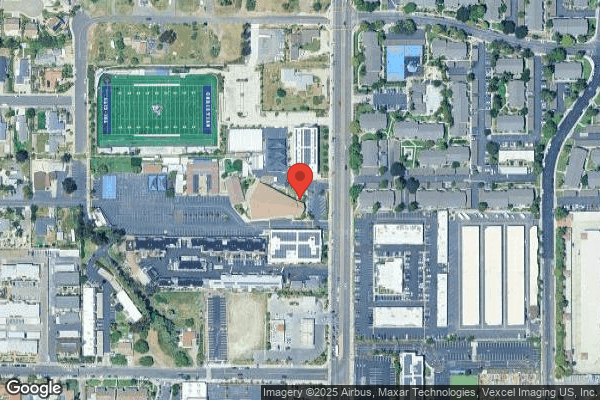

2000 WESTWOOD ROAD, VISTA, CA 92083 (760) 630-2273
For profit - Corporation 119 Beds THE ENSIGN GROUP Data: November 2025
Trust Grade
80/100
#256 of 1155 in CA
Last Inspection: August 2022

Over 2 years since last inspection. Current conditions may differ from available data.

Overview

Vista Knoll Specialized Care Facility has a Trust Grade of B+, indicating it is above average and recommended for families considering care options. It ranks #256 out of 1155 facilities in California, placing it in the top half of the state, and #34 out of 81 in San Diego County, meaning there are only a few local options that rank higher. However, the facility is experiencing a worsening trend, with issues increasing from 1 in 2023 to 2 in 2024. Staffing is relatively stable, with a good rating of 4 out of 5 stars and a turnover rate of 38%, which is on par with the state average. Notably, there have been no fines reported, which is a positive sign. While the RN coverage is better than 83% of California facilities, there are some concerning incidents. For instance, the facility failed to maintain comfortable room temperatures for several residents, which could lead to discomfort. Additionally, one resident was not properly managed regarding unnecessary psychotropic medications, and clinical records for multiple residents were not stored securely, risking unauthorized access to private health information. These findings highlight both the strengths and weaknesses of the facility, making it essential for families to weigh these factors carefully.

Trust Score
B+
80/100
In California
#256/1155
Top 22%
Safety Record
Low Risk
No red flags
Inspections
Getting Worse
1 → 2 violations
Staff Stability
○ Average
38% turnover. Near California's 48% average. Typical for the industry.
Penalties
✓ Good
No fines on record. Clean compliance history, better than most California facilities.
Skilled Nurses
✓ Good
Each resident gets 43 minutes of Registered Nurse (RN) attention daily — more than average for California. RNs are trained to catch health problems early.
Violations
⚠ Watch
30 deficiencies on record. Higher than average. Multiple issues found across inspections.
★★★★★
5.0
Overall Rating
★★★★☆
4.0
Staff Levels
★★★★★
5.0
Care Quality
★★★★☆
4.0
Inspection Score
Stable
2023: 1 issues
2024: 2 issues

The Good

  • 4-Star Staffing Rating · Above-average nurse staffing levels
  • 5-Star Quality Measures · Strong clinical quality outcomes
  • Full Sprinkler Coverage · Fire safety systems throughout facility
  • No fines on record
  • Staff turnover below average (38%)

    10 points below California average of 48%

Facility shows strength in staffing levels, quality measures, fire safety.

The Bad

Staff Turnover: 38%

Near California avg (46%)

Typical for the industry

Chain: THE ENSIGN GROUP

Part of a multi-facility chain

Ask about local staffing decisions and management

The Ugly 30 deficiencies on record

Sept 2024 1 deficiency
CONCERN (D) 📢 Someone Reported This

A family member, employee, or ombudsman was alarmed enough to file a formal complaint

Potential for Harm - no one hurt, but risky conditions existed

Pharmacy Services (Tag F0755)

Could have caused harm · This affected 1 resident

**NOTE- TERMS IN BRACKETS HAVE BEEN EDITED TO PROTECT CONFIDENTIALITY** Based on interview and record review, the facility failed to obtain an ordered medication from its contracted pharmacy for one r...

Read full inspector narrative →
**NOTE- TERMS IN BRACKETS HAVE BEEN EDITED TO PROTECT CONFIDENTIALITY** Based on interview and record review, the facility failed to obtain an ordered medication from its contracted pharmacy for one resident (1), who had comfort care (care given to people who are near the end of life) orders. As a result, Resident 1 did not receive the ordered medication to provide comfort prior to his passing (dying). Findings: Resident 1 was admitted to the facility on [DATE] with diagnoses that included acute kidney failure (a condition in which the kidneys lose their ability to filter waste from the blood), pneumonia (an infection that affects the lungs), COPD (Chronic Obstructive Pulmonary Disease, a progressive lung disease that causes breathing problems), heart failure (a condition in which the heart does not pump enough blood for the needs of the body), Parkinson ' s disease (a brain disorder that causes uncontrolled movements such as shaking, stiffness and difficulty with balance), and Alzheimer ' s Disease (a progressive irreversible brain disorder that affects memory, thinking and language). On 7/31/24 the State Agency (SA) received a complaint which indicated Medical Doctor (MD) 1 determined (Resident 1) was at the end of his life, and ordered morphine (an opiate narcotic pain reliever) for comfort care. At approximately 11:30 A.M., Registered Nurse (RN) 1 confirmed that MD 1 ordered morphine (for Resident 1) and that she would administer it (the morphine) soon. Resident 1 passed away at approximately 2:30 P.M. and never received the morphine. On 8/13/24 at 11:30 A.M. an interview and concurrent medical record review was conducted with the Assistant Director of Nursing (ADON). The ADON stated, (Resident 1) was prescribed a comfort pack like hospice (comfort and quality of life care provided to a person with a serious illness who is approaching the end of life) patients. There was an order for morphine liquid every hour as needed for pain and shortness of breath, Levsin (a medication to help decrease saliva) and Ativan (a medication to help decrease anxiety) every four hours. An interview with the ADON was conducted on 8/22/24 at 15:45 P.M. The ADON stated, There is no documentation that the pharmacy was contacted to release the medication. I was not aware there was a problem getting the medication. I probably should have just helped them out more. None of the ordered medications were administered. Ativan was in the emergency kit (a collection of medications available in urgent circumstances) but was not given (to Resident 1) . The ADON referred to a facility docuement that indicated, Pharmacy will perform deliveries at least three (3) times per day, 7 days a week, Monday through Sunday. Pharmacy will also provide emergency deliveries as requested by Facility. The ADON stated there was no evidence to prove the facility requested emergency delivery of the morphine solution. On 8/23/24 at 3:51 P.M. an interview was conducted with the Director of Nursing (DON) who stated, The standard of care is to make sure the resident is comfortable. Whatever medication was ordered by the physician should be given. It would actually help the resident to have the medication, at least the Ativan that was in the facility. On 8/26/24 at 11:33 A.M., an interview was conducted with RN 1 who stated, The doctor ordered the medications to make (Resident 1) comfortable. The Ativan was in the emergency kit . I did not offer the Ativan. On 8/27/24 at 8:50 A.M. a telephone interview was conducted with the owner of the contracted facility pharmacy who stated, The morphine order was faxed (facsimile; method of transmitting scanned material or text via telephone line) to us. There was no physician signature and no quantity. We received it on 7/28/24 12:53 P.M. from the facility, not the prescriber, and went into our queue (order list of messages). (MD 2) instructed the pharmacy not to contact via phone on weekends, but to contact the answering service or use eScript (a digital version of a prescription for medication). We sent an eScript at 1:56 P.M. The assumption is that if the physician wants something sent electronically hopefully someone is monitoring. For an urgent need we would need to get a phone call from the facility to alert us. I don ' t have any notes that the facility alerted us. If it ' s a phone call that came in, we just take care of it, we don ' t document it. There ' s no indication on the fax that the medication was urgently needed. A review of the facility policy titled, Provider Pharmacy Requirements effective January 2022 indicated, Regular and reliable pharmaceutical services is available to provide residents with prescription and nonprescription medications, services, and related equipment and supplies.The provider pharmacy is responsible for rendering the required service in accordance with local, state, and federal laws and regulations; facility policies and procedures; community standards of practice; and professional standards of practice. The provider pharmacy agrees to perform the following pharmaceutical services, including but not limited to: .accurately dispensing prescriptions based on authorized prescriber orders.Providing routine and timely pharmacy service as contracted, and pharmacy service 24 hours per day, seven days per week. An interview was conducted with the DON on 8/26/24 at 4:22 P.M. The DON stated that the Ativan should have been given. Further, the DON stated, Nobody called the pharmacy to speed up the process of releasing the morphine. The medications were not given, the needs of the resident were not met.
Apr 2024 1 deficiency
CONCERN (D) 📢 Someone Reported This

A family member, employee, or ombudsman was alarmed enough to file a formal complaint

Potential for Harm - no one hurt, but risky conditions existed

Deficiency F0676 (Tag F0676)

Could have caused harm · This affected 1 resident

**NOTE- TERMS IN BRACKETS HAVE BEEN EDITED TO PROTECT CONFIDENTIALITY** Based on interview and record review, the facility failed to ensure showers were provided as scheduled for one of three sampled ...

Read full inspector narrative →
**NOTE- TERMS IN BRACKETS HAVE BEEN EDITED TO PROTECT CONFIDENTIALITY** Based on interview and record review, the facility failed to ensure showers were provided as scheduled for one of three sampled residents (Resident 1) reviewed for Activities of Daily Living (ADL). This failure had the potential to result in poor personal hygiene and decreased psycho-social well-being for Resident 1. Findings: Resident 1 was admitted to the facility on [DATE], with diagnoses which included chronic osteomyelitis (bone infection) of the right ankle and foot ulcer (open sore), per the facility's Face Sheet. Resident 1's history and physical, dated 11/7/23, indicated that Resident 1 was alert and oriented to person, place, and time and had the capacity to understand and make decisions. Resident 1's minimum data set (MDS- an assessment tool), dated 11/9/23, indicated Resident 1's brief interview for mental status (BIMS - resident's cognition status) was 12 (8- 12 identified as moderate impaired cognition). The MDS section G indicated Resident 1 needed minimal assistance to complete activities. A review of resident's shower schedule was conducted. Resident 1 was scheduled to shower on Tuesdays and Fridays. Resident 1's shower records dated 11/4/23 through 2/5/24 included the following: On 11/4 /23 through 11/11/23, Resident 1 was provided one sponge bath. There was no documentation that Resident 1 was offered and/or provided showers. There was no documentation that Resident 1 had refused to take showers. On 11/19/23 through 12/8/23, Resident 1 was provided five sponge baths, but there was no documentation that showers were provided. There was no documentation that showers were offered, or if Resident 1 refused to take showers. On 1/21/24 through 2/5/24, Resident 1 was offered to take a shower twice, but had refused. There was no documentation that sponge baths were offered. On 3/14/24 at 1:37 P.M., an interview with the Director of Staff Development (DSD) was conducted. The DSD stated that residents received two showers each week. The DSD stated that when a resident refused to take a shower, the Certified Nurse Assistant (CNA) should offer the resident a bath. The DSD stated that if a resident continued to refuse to take a shower, the CNA would notify the Licensed Nurse (LN), and the LN would talk to the resident. The DSD stated that if the resident continued to refuse, the LN would document the resident's refusal in the progress notes and would notify the resident's family. On 3/14/24 at 3:57 P.M, an interview with LN 1 was conducted. LN 1 stated that the CNA would notify the LN if a resident refused to shower. LN 1 stated that the LN would talk to the resident and also offer the resident a shower or bath. LN 1 stated that if the resident continued to refuse, the LN would document and notify the resident's family. On 3/14/24 at 5:17 P.M., an interview with CNA 2 was conducted. CNA 2 stated that if a resident refused to shower, the CNA would notify the LN. Both LN and CNA would talk to the resident and offer the resident a bath or to take a shower. On 3/14/24 at 5:20 P.M., a concurrent interview and record review of Resident 1's shower sheet dated January 2024 through February 2024 was conducted with the DSD and Infection Preventionist (IP). The DSD and IP stated that between 1/23/24 through 2/7/24, one shower was documented as provided on 2/6/24. The DSD and IP acknowledged that there was no documentation that Resident 1 had received any other showers. The DSD and IP stated that staff should have documented if Resident 1 refused any showers. On 4/11/24 at 11:05 A.M, an interview was conducted with the Assistant Director of Nursing (ADON). The ADON stated the expectations for staff was to provide residents their scheduled shower twice a week. The ADON stated that Resident 1 should have showered twice a week, and that staff should have documented if Resident 1 refused to shower and notified the LN. The facility's policy related to providing ADL/ shower to resident's was requested, but not available.
May 2023 1 deficiency
CONCERN (D) 📢 Someone Reported This

A family member, employee, or ombudsman was alarmed enough to file a formal complaint

Potential for Harm - no one hurt, but risky conditions existed

Infection Control (Tag F0880)

Could have caused harm · This affected 1 resident

Based on observation, interview, and record review, the facility failed to implement their infection control practices when a certified nursing assistant (CNA A) brought out a water pitcher from an is...

Read full inspector narrative →
Based on observation, interview, and record review, the facility failed to implement their infection control practices when a certified nursing assistant (CNA A) brought out a water pitcher from an isolation room (special room to separate residents from other people while receiving medical care), refilled the same used pitcher with water, and went back to the isolation room for one of two residents (Resident 1). This failure had the potential to spread infection and could result to cross contaminate (process by which bacteria/viruses are transferred from one object to another) other residents. Findings: A review of Resident 1's physician order dated 4/20/23 at 11:11 A.M. indicated Contact Isolation (+) shingles (virus that can be spread to others by direct contact to personal items) On 4/26/23 at 9:42 A.M., an observation in the hallway was conducted. CNA A went out of an isolation room carrying a water pitcher and refilled it with fresh water from the common pantry. An interview was conducted with CNA A on 4/26/23 at 9:44 A.M. CNA A stated the water pitcher was used by Resident 1 and had to refill it with fresh water from the common pantry. CNA A acknowledged she should have put the dirty water pitcher in the dirty tray for cleaning, washed her hands and should have gotten a clean water pitcher for Resident 1. An interview with the infection preventionist (IP) was conducted on 4/26/23 at 9:50 A.M. The IP stated staff should not use the same used water pitchers when they step out of an isolation room to prevent the spread of infection and avoid cross contamination. On 4/26/23 at 10:45 A.M., an interview was conducted with the assistant director of nursing (ADON). The ADON confirmed used water pitchers from isolation room should not be brought out of the hallway. A review of the facility's undated policy titled, Infection Prevention and Control Program indicated, Policies, procedures and aseptic practices are followed by personnel in performing procedures, linen handling, and disinfection of equipment.
Aug 2022 10 deficiencies
CONCERN (D)

Potential for Harm - no one hurt, but risky conditions existed

Resident Rights (Tag F0550)

Could have caused harm · This affected 1 resident

**NOTE- TERMS IN BRACKETS HAVE BEEN EDITED TO PROTECT CONFIDENTIALITY** Based on observation, interview, and record review, the facility failed to ensure one of 24 sampled residents (Resident 301) was...

Read full inspector narrative →
**NOTE- TERMS IN BRACKETS HAVE BEEN EDITED TO PROTECT CONFIDENTIALITY** Based on observation, interview, and record review, the facility failed to ensure one of 24 sampled residents (Resident 301) was provided privacy during wound care when the resident's privacy curtain was not closed all the way. During Resident 301's wound treatment, the resident's roommate (Resident 88) was brought back to the room by staff. This deficient practice had the potential for Resident 301's care and treatment to be observed by other persons, and for the resident to feel embarrassed and undignified. Findings: A review of Resident 301's admission Record indicated the resident was admitted to the facility on [DATE] with diagnoses to include a stage 3 pressure ulcer (injury to the skin that extends into the fatty tissue layer) of the sacral region (area where the lower back and tailbone meet). A review of Resident 301's Minimum Data Set Assessment (MDS, an assessment tool) dated 8/18/22, indicated the resident scored 03 on the brief interview of mental status (this meant the resident was severely cognitively impaired). A review of Resident 88's admission Record indicated the resident was admitted to the facility on [DATE]. A review of Resident 88's MDS dated [DATE], indicated the resident scored 13 on the brief interview of mental status (this meant the resident was cognitively intact). On 8/25/22 at 9:05 A.M., an observation was conducted of Resident 301's wound treatment with licensed nurse (LN) 12 and certified nursing assistant (CNA) 13 while inside the resident's room. During the wound treatment, LN 12 left Resident 301's bedside, while CNA 13 was holding the resident, and went to retrieve a bottle of alcohol-based hand sanitizer. When LN 12 returned to Resident 301's bedside, the LN did not close the resident's privacy curtain. Resident 301's privacy curtain was left open with an approximate four foot gap around the resident's bed. At 9:15 A.M., Resident 301 was turned onto his left side with his pants pulled down and his buttocks exposed, when a staff brought Resident 88 back to the room he shared with Resident 301. Resident 88 was overheard stating that he wanted to go to bed. CNA 13 asked the staff and Resident 88 to go back out of the room while Resident 301's care was being finished. LN 12 stated she had forgotten to pull the curtain closed and that privacy should have been provided to Resident 301. CNA 13 stated the resident's curtain should have been fully closed to provide privacy during care. On 8/25/22 at 9:26 A.M., an interview was conducted with Resident 88. Resident 88 stated he wanted to be provided full privacy when receiving care and treatment. Resident 88 stated a lack of privacy was undignified. On 8/26/22 at 8:13 A.M., an interview was conducted with the director of nursing (DON). The DON stated it was her expectation that full privacy was provided during a resident's care and treatments. A review of the facility's admissions packet and undated document titled Resident Right's, indicated, .You have the right to be treated with respect and dignity .You have the right to personal privacy
CONCERN (D)

Potential for Harm - no one hurt, but risky conditions existed

Pharmacy Services (Tag F0755)

Could have caused harm · This affected 1 resident

Based on observation, interview, medical record review, and facility P&P review, the facility failed to provide pharmaceutical services to two non-sampled residents (Residents 1 & 2) to assure the acc...

Read full inspector narrative →
Based on observation, interview, medical record review, and facility P&P review, the facility failed to provide pharmaceutical services to two non-sampled residents (Residents 1 & 2) to assure the accurate acquiring, receiving, dispensing, and administering of all drugs and biologicals to meet the needs of the residents. * The facility failed to ensure there was a valid physician medication order for Resident 1's morphine (controlled medication used to treat moderate to severe pain) infusion via morphine pump implanted (a surgical procedure performed to permanently implant a pump that delivers morphine to the spinal fluid to treat chronic pain) on 8/3/22. * The facility also failed to ensure Percocet (oxycodone/acetaminophen, controlled medication used to treat moderate to severe pain) tablets taken out of the Resident 1's controlled drug records (CDR) were administered to Resident 1 and documented on the medication administration record (MAR). * In addition, the facility failed to ensure Resident 2's Dulera (a combination of mometasone furoate and formoterol fumarate, used to prevent and lessen asthma symptoms) inhaler was ordered or administered as specified by the manufacturer. Dulera inhaler was ordered 1 puff inhalation every four hours as needed for asthma instead of 1 puff inhalation twice a day as specified by the manufacturer. These failures had the potential of negatively impacting the Residents well-being and had the potential for diversion (to use illegally) of controlled substance medications (a medication that can cause physical and mental dependence). Findings: 1. During an observation with LN 1 on 8/23/22 at 10:10 A.M., the medication cart on Unit 2 was inspected. Resident 1 was noted to have two different dosages of oxycodone/acetaminophen tablets for pain. a. During a concurrent interview, LN 1 stated Resident 1 also had morphine pump implanted for continuous delivery of morphine. During a concurrent record review, there was no medication order for morphine on Resident 1's medical record. LN 1 acknowledged there was no medication order for morphine on Resident 1's record. During an interview on 8/26/22 at 11:44 A.M., the Director of Nursing (DON) acknowledged there was no medication order for morphine on the facility computer system (Point Click Care) but there was a record from the outside physician who implanted the morphine pump in the chart. b. (i) Resident 1's Record review also showed medication order for Percocet 10-325 mg to give 1 tablet by mouth every 8 hours as needed for moderate pain, ordered on 8/11/22. During record review on 8/23/22, Percocet tablets signed out of the CDR were cross checked with the doses administered to Resident 1. Review showed Percocet 10-325 mg tablets were signed out of the CDR but were not documented on the MAR on the following dates: 8/11/22 at 12:15 hours 8/12/22 at 20:40 hours. (ii) Resident 1's Record review showed medication orders for Percocet 5-325 mg: Give 1 tablet by mouth every 4 hours as needed for moderate pain, discontinued on 8/8/22. Give 2 tablets by mouth every 4 hours as needed for severe pain, discontinued on 8/8/22. Give 1 tablet by mouth every 8 hours as needed for moderate pain, ordered on 8/9/22. During record review on 8/23/22, Percocet tablets signed out of the CDR were cross checked with the doses administered to Resident 1 for July & August 2022. Review showed Percocet 5-325 mg tablets were signed out of the CDR but were not documented on the MAR on the following dates: 7/1/22 at 1215 hours, (2 tablets), 7/2/22 at 1240 hours (2 tablets), 7/3/22 at 1225 hours (2 tablets), 7/8/22 at 1230 hours (1 tablet), 7/11/22 at 2100 hours (2 tablets signed out, 1 tablet documented on MAR), 7/13/22 at 1215 hours (1 tablet), 7/15/22 at 1700 hours (2 tablets), 7/15/22 at 2100 hours (2 tablets), 7/18/22 at 2030 hours (1 tablet), 7/26/22 at 1230 hours, (2 tablets), 7/27/22 at 1230 hours, (1 tablet), 7/27/22 at 2100 hours (2 tablets signed out, 1 tablet documented on MAR), 7/31/22 at 1200 hours (1 tablet), 8/5/22 at 2100 hours (2 tablets), 8/8/22 at 1600 hours (1 tablet), 8/8/22 at 2100 hours (1 tablet), 8/9/22 at 1230 hours (1 tablet), 8/14/22 at 1215 hours (1 tablet), 8/18/22 at 1115 hours (1 tablet), 8/22/22 at 1215 hours (1 tablet). On 8/26/22 at 11:44 A.M., during an interview, the DON acknowledged Percocet tablets taken out of records but were not documented on the MAR. 2. On 8/24/22 at 9:40 A.M., during an observation on Unit 1 with LN 2, the medication cart was inspected. Dulera inhaler was observed in the medication cart for Resident 2, labeled to inhale 1 puff every 4 hours as needed for asthma. During record review on 8/24/22 at 9:50 A.M., Resident 2's medication order showed Dulera inhaler,1 puff inhale orally every 4 hours as needed for asthma ordered on 3/28/22. During a concurrent interview, the Unit 1 Clinical Director acknowledged Dulera inhaler was not a rescue inhaler and dosing should have been scheduled and not as needed. The Unit 1 Clinical Director stated their dispensing pharmacy would normally catch this type of error. Review of the facility policy & procedure (P&P) titled Physician Orders indicated No drugs or biologicals shall be administered except upon the order of a person lawfully authorized to prescribe for and treat human illness . Licensed staff shall place the order for all prescribed medications. Review of the facility P&P titled Medication Administration indicated it is the policy of this facility to accurately prepare and administer medications as ordered . document in residents' record.
CONCERN (D)

Potential for Harm - no one hurt, but risky conditions existed

Drug Regimen Review (Tag F0756)

Could have caused harm · This affected 1 resident

Based on interview and record review, the Consultant Pharmacist (CP) failed to report irregularities in Resident 2's Dulera inhaler (a combination of mometasone furoate and formoterol fumarate, used t...

Read full inspector narrative →
Based on interview and record review, the Consultant Pharmacist (CP) failed to report irregularities in Resident 2's Dulera inhaler (a combination of mometasone furoate and formoterol fumarate, used to prevent and lessen asthma symptoms) to the attending physician, Director of nursing and/or medical director and the facility administrator. This failure had the potential to negatively impact the resident's well-being. Findings: On 8/24/22 at 9:40 A.M., during an observation on Unit 1 with LN 2, the medication cart was inspected. Resident 2's Dulera inhaler was observed in the medication cart, labeled to inhale 1 puff every 4 hours as needed for asthma. On 8/24/22 at 9:50 A.M., during Resident 2's record review, the medication order showed Dulera inhaler, 1 puff inhale orally every 4 hours as needed for asthma ordered on 3/28/22. During an interview on 8/25/22 at 12:55 P.M., the CP stated her record showed Resident 2's Dulera inhaler order was 1 puff twice a day. The CP also stated she downloaded residents' medication orders from the facility dispensing pharmacy. Review of the facility policy & procedure (P&P) titled, Medication Regimen Review, indicated the consultant pharmacist performs a comprehensive review of each resident's medication regimen at least monthly . Medication regimen review also involves reporting of findings with recommendations for improvement . resident specific irregularities and/or clinical significant risks resulting from or associated with medications are documented and reported to the Director of Nursing, and /or prescriber as appropriate.
CONCERN (D)

Potential for Harm - no one hurt, but risky conditions existed

Deficiency F0761 (Tag F0761)

Could have caused harm · This affected 1 resident

Based on observation, interview, facility P&P review, and facility document review, the facility failed to ensure medications were stored as per the facility's P&P and outdated medications were not av...

Read full inspector narrative →
Based on observation, interview, facility P&P review, and facility document review, the facility failed to ensure medications were stored as per the facility's P&P and outdated medications were not available for residents' use. * Multiple expired medications observed in Unit 1 and Unit 2. * The opened Tuberculin PPD 1 ml vial (purified protein derivative, a multi-dose injectable solution used in skin test to determine if a patient has tuberculosis) was not labeled with the open date and was stored in the refrigerator in Unit 2 locked medication room. These failures had the potential to result in unsafe administration of medications to the residents and posed the risk of the test not showing an accurate result when determining if a resident had tuberculosis. Findings: 1. On 8/23/22 at 11:00 A.M., an inspection of house supply Medication Room in Unit 2 was conducted with LN 3. The following outdated medications were observed: Adult tussin expectorant (guaifenesin 200 mg/10 ml, used to clear mucus from the chest) 118 ml expired on 3/22 x 1 bottle. Famotidine 20 mg tablet (used to treat stomach ulcers, erosive heartburn or acid indigestion, and gastroesophageal reflux disease (GERD), a condition where the acid in the stomach washes back up into the esophagus) X 75 tablets expired on 6/22. During a concurrent interview, LN 3 acknowledged the expired medications. 2. On 8/23/22 at 11:15 A.M., an inspection of locked Medication Room in Unit 2 was conducted with LN 3. An opened vial of Tuberculin PPD 1 ml observed in the refrigerator was not labeled with an open date. The label on the Tuberculin PPD vial showed to discard opened product after 30 days. The pharmacy label on the PPD vial was dated 7/17/22. When asked when the PPD vial was opened, LN 3 stated she did not know since the vial did not show a date when it was opened. LN 3 stated it should have been labeled with the open date. 3. On 8/23/22 at 11:24 A.M., an inspection of Medication Cart 1 Unit 2 was conducted with LN 4. Bisacodyl 10 mg (used to treat constipation) x 6 suppositories expired on 1/22, and insulin lispro kwikpen 3 ml (used to control high blood sugar in people with diabetes) opened but not labeled with opened date were observed in the medication cart. LN 4 acknowledged the expired suppositories and the unlabeled open insulin. 4. On 8/24/22 at 9:40 A.M., an inspection of Medication Cart 1 in Unit 1 was conducted with LN 2. Novolog flexpen (used to control high blood sugar in people with diabetes) dated opened on 7/10/22, and Adult Tussin expectorant 118 ml x 1 expired on 3/22, were observed in the medication cart. LN 2 stated the flexpen was stored in the medication cart when opened. LN 2 acknowledged the Novolog flexpen should have been discarded after 28 days. LN 2 also verified the expired adult tussin bottle. During a concurrent interview, the Unit 1 Clinical Director acknowledged the outdated Novolog flexpen and the expired adult tussin bottle. During an interview on 8/26/22 at 11:44 A.M., the Director of Nursing (DON) acknowledged expired medications and medications opened but not labeled with opened dates. Review of the facility's Policy & Procedure titled, Medication Access, Storage and Labeling, indicated outdated, contaminated, or deteriorated medications and those in containers that are cracked, soiled, or without secure closures are immediately removed from stock, disposed of according to procedures for the medication destruction and reordered from the pharmacy, if a current order exists.
CONCERN (D)

Potential for Harm - no one hurt, but risky conditions existed

Deficiency F0804 (Tag F0804)

Could have caused harm · This affected 1 resident

Based on observation, interview, and record review, the facility failed to ensure food was served at an appetizing and palatable temperature for two of 15 confidential group residents and during a mea...

Read full inspector narrative →
Based on observation, interview, and record review, the facility failed to ensure food was served at an appetizing and palatable temperature for two of 15 confidential group residents and during a meal test tray observation. This failure had the potential for residents not to enjoy their food. Findings: On 8/24/22 at 10:03 A.M., a confidential resident group meeting was conducted. Two out of 15 confidential residents stated that their food was not palatable because the hot food was not served hot and the cold food was not served cold. On 8/25/22 at 11:30 A.M. an observation was conducted in the facility's kitchen of the lunch time food service. At 12:33 P.M., the food was observed being placed on resident trays for Unit 2. At 1:31 P.M., the last food cart was brought to Unit 2. On 8/25/22 at 1:36 P.M., the last tray on the food cart on Unit 2 was tested. The director of dietetic services (DDS) 2, using the facility's thermometer, tested the temperatures of the food and drink items on the test tray. The facility's registered dietitian (RD) was also present. The DDS 2 tested the food temperatures as followed: BBQ Pork- 133°F (Fahrenheit) Bread roll- 98°F Resort Fruit Dessert- 50.5°F Milk- 48.9°F The test tray was incomplete and was missing the broccoli salad and baked beans that was on the lunch menu and that had been served to the residents. The DDS stated the resort fruit dessert and milk were cold foods and should have been served below 45°F. The DDS stated the cold food was not at an acceptable temperature for delivery to the residents. The DDS stated, Cold wasn't served cold. On 8/26/22 at 8:25 A.M., a joint interview was conducted with the RD and DDS 2. The RD stated the cold food on the test tray during lunch on 8/25/22 should have been colder. The DDS 2 stated the kitchen staff had made a mistake and forgot to add the broccoli salad and baked beans to the test tray on 8/25/22. On 8/26/22 at 2:57 P.M., a joint interview was conducted with the director of nursing (DON) and the facility's administrator (ADM). The ADM and DON stated they expected the residents' food to be served at temperatures deemed palatable by the residents. A review of the facility's policy titled Meal Service dated 2018, indicated, .The goal is to serve cold food cold and hot food hot .Recommend Temp at Delivery to Resident . Fruit or Cold Dessert ≤°F .Milk/Cold Beverage ≤°F
CONCERN (D)

Potential for Harm - no one hurt, but risky conditions existed

Deficiency F0806 (Tag F0806)

Could have caused harm · This affected 1 resident

**NOTE- TERMS IN BRACKETS HAVE BEEN EDITED TO PROTECT CONFIDENTIALITY** Based on observation, interview and record review, the facility failed to ensure that 1 of 2 sampled residents, Resident 81, rec...

Read full inspector narrative →
**NOTE- TERMS IN BRACKETS HAVE BEEN EDITED TO PROTECT CONFIDENTIALITY** Based on observation, interview and record review, the facility failed to ensure that 1 of 2 sampled residents, Resident 81, received a selected lunch meal and a chosen lunch entree. This deficient practice had the potential to result in weight loss and further compromise the resident's medical status. Findings: Per the facility's admission record, Resident 81 was admitted on [DATE] with diagnoses including surgery on the nervous system, and traumatic subdural hemorrhage (bleeding inside the skull after an injury). On 8/23/22 at 2:35 P.M., an interview was conducted with Resident 81. Resident 81 stated, I did not get my lunch yesterday. Resident 81 further stated, The CNA said she did not see a tray for me. Someone called the kitchen and came back with a sandwich and a bag of chips. Resident 81 stated, I didn't get what I wanted, instead I ate a sandwich for lunch. On 8/24/22 at 1:20 P.M., during a concurrent observation and interview with Resident 81, Resident 81 was observed lifting the lid off the plate warmer (a plastic plate with a lid used to keep food hot). The lunch plate was observed with a starch portion and a vegetable portion. There was no protein portion. On 8/24/22 at 2:58 P.M., the dietary supervisor (DS) was interviewed. The DS stated, The Activities Director (AD) hands out the Menu Selection (a menu approved by the Registered Dietician [RD]), where residents chose what they wanted for the week). DS further stated, Resident 81 crossed out oven fried chicken and wrote chicken tenders then crossed it out again. Review of the Menu Selection for the facility indicated, on 8/24/22, the entrée on the lunch menu was oven fried chicken. Oven fried Chicken was crossed out and chicken tenders was written in and crossed out. Below the lunch menu were instructions .Cross off foods you do not want and write in a substitute from the list on the back. In the space provided, was written, rice, fruit and Salisbury steak. On 8/25/22 at 3 P.M., the Menu Selection was reviewed with Resident 81, Resident 81 stated, I wrote Salisbury steak on the lunch menu but it isn't what I requested. On 8/26/22 at 1:50 P.M., a concurrent interview with the RD and DS 1 was conducted. The RD stated, Resident 81 is followed daily due to weight loss and loose stool. DS 1 stated, We prepared a lunch tray for Resident 81 on 8/23/22, it was put on the cart. We don't know what happened to it.
CONCERN (D)

Potential for Harm - no one hurt, but risky conditions existed

Food Safety (Tag F0812)

Could have caused harm · This affected 1 resident

Based on observation, interview, and record review, the facility failed to ensure food was stored in accordance with food safety standards, when: - Spoiled produce was stored among non-spoiled produce...

Read full inspector narrative →
Based on observation, interview, and record review, the facility failed to ensure food was stored in accordance with food safety standards, when: - Spoiled produce was stored among non-spoiled produce. - Dented cans were stored among non-dented cans and were in circulation to be used. These deficient practices had the potential for residents to be exposed to the risk of foodborne illness. Findings: On 8/23/22 at 8:30 A.M., an observation of the facility's kitchen was conducted with the director of dietetic services (DDS) 1. The walk-in produce refrigerator was inspected. There was a large box of romaine lettuce heads. In the box, approximately five heads had large brown spots on the leaves, fuzzy gray material on the leaves, and they were secreting a slimy substance onto the other heads of lettuce that were in the box. The DDS 1 stated the whole box should have been tossed out. In the dry storage area, there was an onion that was soft and squishy and a banana that was black and slippery and leaked a gray fluid. The DDS 1 stated that spoiled produce should not have been stored with the non-spoiled produce. The DDS 1 stated all food on the shelves in the dry storage were ready for immediate use. On one of the shelves, there was a large can [brand name] sauerkraut that had a dent approximately half an inch down from the top seam that fit two fingers in the space and caused the top seam to bend down. Two large cans of [brand name] pineapple were also on the shelf. Both cans of pineapple were dented directly on the top seam of the can, and created a distortion of the seam approximately one inch in size. One large can of [brand name] pumpkin was on the shelf with a dent near the top of the can that fit approximately three fingers in the space. The DDS 1 stated the dented cans should have been removed from circulation and placed in the dented can area for return to the supplier. The DDS 1 stated dented cans had to be removed and disposed of because the dent could create a leak in the can and could cause foodborne illness. According to the U.S. Department of Agriculture Food Safety and Inspection Service's article titled, Shelf-Stable Food Safety, dated 3/24/15, .Discard deeply dented cans. A deep dent is one that you can lay your finger into. Deep dents often have sharp points. A sharp dent on either the top or side seam can damage the seam and allow bacteria to enter the can. Discard any can with a deep dent on any seam On 8/26/22 at 8:25 A.M., an interview was conducted with the DDS 2 and the facility's registered dietitian (RD). The RD stated dented cans should not have been stored in with non-dented cans. The RD stated the dented cans should have been removed from circulation and placed into the designated dented can area. The RD stated dented cans could allow bacteria to enter the can and could cause foodborne illness. The RD stated spoiled produce had to be promptly removed from the food storage area because spoilage could cause the other produce to spoil. A review of the facility's policy titled Storing Produce dated 2018, indicated, 1. Check boxes of fruit and vegetables for rotten, spoiled items. One rotten tomato, apple or potato in a box can cause the rest of the produce to spoil faster. Throw away all spoiled items A review of the facility's policy titled Storage of Food and Supplies, dated 2017, indicated, .Food and supplies will be stored properly and in a safe manner .15. Food in unlabeled rusty, leaking, broken containers or cans with side seam dents, rim dents or swells shall not be retained or used.
CONCERN (E)

Potential for Harm - no one hurt, but risky conditions existed

Safe Environment (Tag F0584)

Could have caused harm · This affected multiple residents

**NOTE- TERMS IN BRACKETS HAVE BEEN EDITED TO PROTECT CONFIDENTIALITY** Based on observation, interview, and record review, the facility failed to ensure resident room temperatures were kept at a comf...

Read full inspector narrative →
**NOTE- TERMS IN BRACKETS HAVE BEEN EDITED TO PROTECT CONFIDENTIALITY** Based on observation, interview, and record review, the facility failed to ensure resident room temperatures were kept at a comfortable and homelike level for one out of 24 sampled residents (87), five unsampled residents (1, 38, 96, 309, 312), and two confidential group residents. This deficient practice had the potential for residents to feel uncomfortable. Findings: A review of Resident 87's admission Record indicated the resident was admitted to the facility on [DATE]. A review of Resident 1's admission Record indicated the resident was admitted to the facility on [DATE]. A review of Resident 38's admission Record indicated the resident was admitted to the facility on [DATE]. A review of Resident 96's admission Record indicated the resident was admitted to the facility on [DATE]. A review of Resident 309's admission Record indicated the resident was admitted to the facility on [DATE]. A review of Resident 312's admission Record indicated the resident was admitted to the facility on [DATE]. On 8/23/22 at 10 A.M., an observation and interview was conducted with Resident 309 while inside the resident's room. Resident 309 was observed shivering in bed and holding her blanket up to her chin. Resident 309 stated, It's cold in this room. On 8/23/22 at 10:39 A.M., an observation and interview was conducted with Resident 1 while in the hallway outside of the resident's room. Resident 1 was observed having staff place a blanket over his legs while he sat in his wheelchair. Resident 1 stated he did not like to complain, but that the temperature in his room ran a little cold for him. On 8/23/22 at 10:53 A.M., an observation and interview was conducted with Resident 38 while inside the resident's room. Resident 38 was lying in bed with her blankets pulled up to her chest. The top blanket was a thick, personal blanket. The resident was also wearing a heavy jacket while lying in bed. Resident 38 stated that she was usually always cold in her room. On 8/23/22 at 11:40 A.M. an interview was conducted with Resident 87 while inside the resident's room. Resident 87 stated the temperature in her room was uncomfortable at night during the first couple of days after admission to the facility. On 8/23/22 at 3 P.M., an interview was conducted with Resident 96 while inside the resident's room. Resident 96 stated, It's so cold in this room all the time. Need extra blanket. On 8/24/22 at 10:03 A.M., a confidential resident group meeting was conducted. Two out of 15 confidential group residents stated their rooms were too cold. On 8/25/22 at 9:30 A.M., an interview was conducted with Resident 312 while inside the resident's room. Resident 312 stated, This room is cold. Especially in the morning. On 8/25/22 at 8:25 A.M., a joint observation and interview was conducted with maintenance assistant (MA) 1. MA 1, using the facility's thermometer, tested the air temperature of the following rooms: Room B was 70.3 °F (Fahrenheit) Room G was 69.1 °F Room J was 73.6 °F MA 1 stated resident room temperatures had to be maintained within a range of 71 °F to 81 °F. MA 1 stated rooms B and G were not warm enough. MA 1 stated everyday Monday through Friday, maintenance was required to check the temperature of one resident room on each unit in order to monitor the room temperatures. MA 1 stated directly after taking a room temperature, it had to be recorded in the log book. On 8/25/22 at 8:46 A.M., a joint interview and record review was conducted with MA 1. The corporate maintenance consultant (MC) was also present. MA 1 and the MC reviewed the Daily Temperature Logs Room-air-Temperature for August 2022. The log entries for resident room temperatures were blank on Monday, Tuesday, and Wednesday (8/22, 8/23, 8/24). The MC stated the expectation was for room temperatures to be documented immediately after taking the temperature. The MC stated when the logs were blank, the facility could not demonstrate that the room temperatures had been monitored daily Monday through Friday. On 8/26/22 at 2:57 P.M., a joint interview was conducted with the director of nursing and the facility's administrator (ADM). The ADM stated it was his expectation for room temperatures be kept within a range that was comfortable to the residents. A review of the facility's undated policy titled Environmental Condition indicated, .It is the policy of this facility that the facility must provide a safe, functional, sanitary, and comfortable environment for the residents . Resident rooms . Must maintain a temperature of 71°F -81°F
CONCERN (E)

Potential for Harm - no one hurt, but risky conditions existed

Medication Errors (Tag F0758)

Could have caused harm · This affected multiple residents

**NOTE- TERMS IN BRACKETS HAVE BEEN EDITED TO PROTECT CONFIDENTIALITY** Based on interview, and record review, the facility failed to ensure one of 24 sampled residents (Resident 3) was free from unne...

Read full inspector narrative →
**NOTE- TERMS IN BRACKETS HAVE BEEN EDITED TO PROTECT CONFIDENTIALITY** Based on interview, and record review, the facility failed to ensure one of 24 sampled residents (Resident 3) was free from unnecessary psychotropic (is any medication that affects brain activities associated with mental processes and behavior.) medications as per the facility's policy & procedure. * The facility failed to attempt gradual dose reduction (GDR, the stepwise tapering of a dose to determine if symptoms, conditions, or risks can be managed by a lower dose or if the dose or medication can be discontinued.) and no clinical contra-indication was documented. * In addition, the facility failed to implement any non-pharmacological interventions (interventions not involving a medication for mental illness). Resident 3 was receiving several psychotropic including Anti-psychotic (used to manage/treat symptoms of some mental health disorders); Anti-depressant (used to relieve symptoms of depression); Anti-anxiety (used to treat anxiety and panic issues); and Hypnotic (used for the treatment of insomnia which is characterized by difficulties with falling asleep or maintaining sleep). These failures increased the potential for medication interactions, adverse reactions, and unidentified risks associated with the use of psychotropic medications that included but not limited to sedation, respiratory depression, constipation, anxiety, agitation, and memory loss. Findings: Medical record review for Resident 3 was initiated on 8/25/22. Resident 3 was admitted to the facility on [DATE]. 1. Review of Resident 3's current medication orders included: Ambien (zolpidem, short term treatment for problem with falling asleep) 5 milligrams (mg) via gastrotomy tube (GT, is a surgically placed device used to give direct access to your stomach for supplemental feeding) at bedtime for inability to sleep dated 2/23/19. Risperidal (risperidone, used to manage/treat symptoms of some mental health disorders) 1 mg via GT at bedtime psychotic symptoms manifested by striking out, dated 2/9/19. Risperidone 1.5 mg via GT two times a day. Trazodone 25 mg via GT at bedtime for depression manifested by irritability dated 2/9/19. Buspirone 20 mg via GT two times a day for anxiety manifested by restlessness dated 2/9/19. Lorazepam 0.5 mg via GT two times a day for anxiety manifested by restlessness dated 2/9/19. Review of Resident 3's medical record showed GDR was not attempted for any of the psychotropics as requested by Resident 3's responsible party and there was no clinical contraindication to GDR documented. 2. Further review of Resident 3's medical record including Medication Administration Record, on 8/25/22, showed non-pharmacological behavioral interventions were not implemented. On 8/25/22 at 9:56 A.M., during an interview and concurrent medical record review for Resident 3, the Director of Nursing (DON) acknowledged GDR has not been attempted for any of the psychotropics as requested by the responsible party for the resident. Resident 3's physician and the facility Medical Director were aware. The DON also acknowledged non-pharmacological behavioral interventions were not implemented. On 8/25/22 at 12:18 P.M., during a phone interview, the facility Medical Director stated that in this Country, patients have rights to decide what medications they want and what they don't want. The responsible party for Resident 3 has requested no GDR for the psychotropics. On 8/26/22 at 8:35 A.M., attempted to interview Resident 3's primary physician and the psychiatrist, left messages at their offices but was not successful. Review of the facility's policy & procedure titled, Psychotropic Drug Use, indicated residents who use psychotropic drugs receive gradual dose reductions, and behavioral interventions, unless clinically contraindicated, to discontinue these drugs.
CONCERN (E)

Potential for Harm - no one hurt, but risky conditions existed

Medical Records (Tag F0842)

Could have caused harm · This affected multiple residents

**NOTE- TERMS IN BRACKETS HAVE BEEN EDITED TO PROTECT CONFIDENTIALITY** Based on observation, interview, and record review, the facility failed to ensure the clinical records of 14 residents (Resident...

Read full inspector narrative →
**NOTE- TERMS IN BRACKETS HAVE BEEN EDITED TO PROTECT CONFIDENTIALITY** Based on observation, interview, and record review, the facility failed to ensure the clinical records of 14 residents (Residents 311, 151, 310, 309, 308, 48, 307, 306, 305, 304, 303, 302, 81, 96) in rooms A through H were stored in a safe and secure manner when the residents' clinical records were stored on a rolling bookcase in the residential hallway. This deficient practice had the potential for Residents 311, 151, 310, 309, 308, 48, 307, 306, 305, 304, 303, 302, 81, and 96's private health information to become lost, destroyed, or accessed by unauthorized persons. Findings: A review of Resident 311's admission Record indicated the resident was admitted to the facility on [DATE]. A review of Resident 151's admission Record indicated the resident was admitted to the facility on [DATE]. A review of Resident 310's admission Record indicated the resident was admitted to the facility on [DATE]. A review of Resident 309's admission Record indicated the resident was admitted to the facility on [DATE]. A review of Resident 308's admission Record indicated the resident was admitted to the facility on [DATE]. A review of Resident 48's admission Record indicated the resident was admitted to the facility on [DATE]. A review of Resident 307's admission Record indicated the resident was admitted to the facility on [DATE]. A review of Resident 306's admission Record indicated the resident was admitted to the facility on [DATE]. A review of Resident 305's admission Record indicated the resident was admitted to the facility on [DATE]. A review of Resident 304's admission Record indicated the resident was admitted to the facility on [DATE]. A review of Resident 303's admission Record indicated the resident was admitted to the facility on [DATE]. A review of Resident 302's admission Record indicated the resident was admitted to the facility on [DATE]. A review of Resident 81's admission Record indicated the resident was admitted to the facility on [DATE]. A review of Resident 96's admission Record indicated the resident was admitted to the facility on [DATE]. On 8/23/22 at 9:30 A.M., an observation was conducted in the residential hallway for rooms A, B, C, D, E, F, G, and H. The clinical records of residents in rooms A through H were stacked on a rolling bookcase in the hallway next to a closed door. The clinical records were not locked or secured with any device and were not being monitored by an assigned staff. The clinical records were not visible from the nurses' station. Residents, visitors, and staff (clinical and non-clinical) were observed passing through the unit or going into resident rooms. On 8/24/22 at 11:09 A.M., an observation was conducted in the residential hallway for rooms A through H. The clinical records of residents in rooms A through H were stacked on a rolling bookcase in the hallway next to a closed door. The clinical records were not visible to staff in the nurses' station, were not actively monitored, and were not secured. On 8/25/22 at 10:30 A.M. an observation and record review was conducted in the residential hallway for rooms A through H. The clinical records of residents in rooms A through H were stacked on a rolling bookcase in the hallway next to a closed door. The clinical records were not visible to staff in the nurses' station, were not actively monitored, and were not secured. Residents, visitors, and staff (clinical and non-clinical) were observed passing through the unit or going into resident rooms. At 10:35 A.M., No one was observed in the residential hallway. The clinical records for Residents 311, 151, 310, 309, 308, 48, 307, 306, 305, 304, 303, 302, 81, and 96 were reviewed. The residents' clinical records contained admission records (information that included name, date of birth , social security number, address and telephone number, insurance information, diagnoses, and emergency contact information), physician notes and hospital stay documentation, consent forms, and other private health information. On 8/25/22 at 10:36 A.M., a joint observation and interview was conducted with licensed nurse (LN) 11. LN 11 observed Residents 311, 151, 310, 309, 308, 48, 307, 306, 305, 304, 303, 302, 81, 96's unsecured clinical records on the rolling bookcase stored in the residential hallway. LN 11 stated she would not want her medical information stored like that because anyone could have access. On 8/25/22 at 10:40 A.M., a joint observation and interview was conducted with the assistant director of nursing (ADON) 1. The ADON 1 observed Residents 311, 151, 310, 309, 308, 48, 307, 306, 305, 304, 303, 302, 81, 96's unsecured clinical records on the rolling bookcase stored in the residential hallway. The ADON 1 stated the residents' medical records had not been stored securely. On 8/25/22 at 10:48 A.M., a joint observation and interview was conducted with the assistant director of nursing (ADON) 2. The ADON 2 observed Residents 311, 151, 310, 309, 308, 48, 307, 306, 305, 304, 303, 302, 81, 96's unsecured clinical records on the rolling bookcase stored in the residential hallway. The ADON 2 stated the residents' medical records had not been stored in a secure location. The ADON 2 stated the residents' clinical records should have been kept inside the nurses' station to prevent unauthorized access. On 8/25/22 at 10:51 A.M., a joint observation and interview was conducted with the medical records director (MRD). The MRD observed Residents 311, 151, 310, 309, 308, 48, 307, 306, 305, 304, 303, 302, 81, 96's unsecured clinical records on the rolling bookcase stored in the residential hallway. The MRD stated the residents' medical records were not stored securely and in a manner that limited unauthorized use. On 8/25/22 at 11 A.M., an interview was conducted with the director of nursing (DON). The DON stated the clinical records of the residents in rooms A through H had not been stored in a secure manner. The DON stated the residents' medical records should have been stored in a manner that prevented unauthorized access at all times. A review of the facility's admissions packet and undated document titled Resident Right's, indicated, .Privacy and Confidentiality. You have the right to . secure and confidential personal and medical records A review of the facility's undated policy titled, Resident-Identifiable Information, indicated, . 1. Resident records, whether medical, financial, or social in nature, will be safeguarded to protect the confidentiality of the information
Mar 2019 10 deficiencies
CONCERN (D)

Potential for Harm - no one hurt, but risky conditions existed

Free from Abuse/Neglect (Tag F0600)

Could have caused harm · This affected 1 resident

**NOTE- TERMS IN BRACKETS HAVE BEEN EDITED TO PROTECT CONFIDENTIALITY** Based on observation, interview and record review, the facility failed to ensure that one resident (Resident 30) was protected f...

Read full inspector narrative →
**NOTE- TERMS IN BRACKETS HAVE BEEN EDITED TO PROTECT CONFIDENTIALITY** Based on observation, interview and record review, the facility failed to ensure that one resident (Resident 30) was protected from exploitation and misappropriation of funds. This failure placed Resident 30 at further risk of abuse. Findings: Resident 30 was admitted to the facility on [DATE] with diagnoses that included schizophrenia (a chronic, disabling, and severe mental disorder that affects a person's ability to think, feel and behave clearly; a disconnection from reality); anti-social personality disorder (a mental health disorder characterized by a disregard for other people's rights; lack of regard for their own safety, inflated and arrogant self-appraisal; and irresponsible in sexual relationships); and traumatic brain injury (brain dysfunction caused by an outside force, usually a violent blow to the head that disrupts the normal function of the brain), per the facility's admission Record. A review of Resident 30's medical record indicated Resident 30 was conserved (a court appointed adult who makes medical decisions for someone with a mental illness) and had a public fiduciary (a person with legal authority to manage the money or assets for another person). A review of Resident 30's medical record indicated an H & P, under Mental Capacity, .Resident has fluctuating capacity (the person may lack capacity at one point in time but not at a later point) to understand and make decisions . A review of Resident 30's medical record indicated a progress note by Psych 1 dated 12/10/18, .admitted from (other facility name) for assulting (sic) a peer and throwing a chair out the window. History of low frustration tolerance triggers . brief consentual (sic) sexual relationship w (with) a staff member 11/20/18 transferred her $500 . A concurrent observation and interview was conducted on 3/4/19 at 8:10 A.M. of Resident 30. Resident 30 was observed walking into his room and the hallway, dressed and well groomed. Resident 30 stated, Me and (name of CNA 32) were good friends and something happened between us. I did send her money. I don't want to talk about it, it's personal and none of your business. An interview and record review was conducted with the ADM and the DON on 2/28/19 at 3:30 P.M. The DON stated she was made aware of money that was transferred to CNA 32 when Resident 30 expressed a concern regarding CNA 32 not being assigned to care for him. The DON stated when they discussed the money transfer claim with CNA 32, CNA 32 provided evidence that the money had been returned to the resident via PayPal (an online method to transfer money using an email address). The PayPal balance sheet document indicated $500 had been transferred back to Resident 30. The ADM stated, We know that he (Resident 30) sent the money to CNA 32 and she returned it; we thought it was ok since the money was returned, we did not investigate it as abuse, no harm done. An interview was conducted with Resident 30's PF on 3/4/19 at 8:40 A.M. The PF stated, I handle his (Resident 30's) finances and I was not aware of any transfer of money to a facility employee. An interview was conducted with Resident 30's Psych 1 via telephone on 3/4/19 at 9:05 A.M. Psych 1 stated, We met as an IDT on 12/10/18 to discuss a report of inappropriate sexual behavior to staff and of transferring money to a staff member. He (Resident 30) has a history of excessive flirting with female staff, it is part of his illness. I did not report it to the facility administration, I assumed the staff did. A review of Resident 30's medical record indicated an IDT note, dated 12/10/18, . the IDT treatment team .met to discuss the resident's behavior . An interview was conducted with Resident 30's Psych 2 via telephone on 3/4/19 at 9:28 A.M. Psych 2 stated, The incident (sexual relations with CNA 32) was discussed casually with me by the staff, I assumed it was reported, I probably should have reported it. An interview was conducted with the ADM and the DON on 2/28/19 at 3:30 P.M. The DON stated, We didn't know it was abuse. The IDT did not bring it to us; we don't always get information from the IDT; if they talked about it (sexual relationship), they should have brought it forward. A review of the facility's policy, titled Abuse: Prevention of and Prohibition Against, dated 11/28/17, indicated, It is the policy of this facility that each resident has the right to be free from abuse, neglect, misappropriation of resident property, and exploitation. The facility will provide oversight and monitoring to ensure that its staff, who are agents of the Facility, deliver care and services in a way that promotes and respects the rights of the residents to be free from abuse, neglect, misappropriation of resident property and exploitation . F. Investigation 1. All identified events are reported to the Administrator immediately .4. All allegations of abuse, neglect, misappropriation of resident property, and exploitation will be promptly investigated by the Administrator or his/her designee .H.1. All allegations of abuse, neglect, misappropriation of property or exploitation should be reported immediately to the Administrator .
CONCERN (D)

Potential for Harm - no one hurt, but risky conditions existed

Report Alleged Abuse (Tag F0609)

Could have caused harm · This affected 1 resident

**NOTE- TERMS IN BRACKETS HAVE BEEN EDITED TO PROTECT CONFIDENTIALITY** Based on observation, interview and record review, the facility failed to report an allegation of misappropriation of funds to t...

Read full inspector narrative →
**NOTE- TERMS IN BRACKETS HAVE BEEN EDITED TO PROTECT CONFIDENTIALITY** Based on observation, interview and record review, the facility failed to report an allegation of misappropriation of funds to the state agency for one residents (30). This failure had the potential to have placed Resident 30 at further risk of abuse. Findings: Resident 30 was admitted to the facility on [DATE] with diagnoses that included schizophrenia (a chronic, disabling, and severe mental disorder that affects a person's ability to think, feel and behave clearly; a disconnection from reality); anti-social personality disorder (a mental health disorder characterized by a disregard for other peoples rights; lack of regard for their own safety inflated and arrogant self-appraisal; and irresponsible in sexual relationships); and traumatic brain injury (brain dysfunction caused by an outside force, usually a violent blow to the head that disrupts the normal function of the brain) per the facility's admission Record. A review of Resident 30's medical record indicated Resident 30 was conserved (a court appointed adult who makes medical decisions for someone with a mental illness) and a public fiduciary (a person with legal authority to manage the money or assets for another person). A review of Resident 30's medical record indicated an H & P, under Mental Capacity, .Resident has fluctuating capacity (the person may lack capacity at one point in time but not at a later point) to understand and make decisions . A review of Resident 30's medical record indicated a progress note by Psych 1 dated 12/10/18, admitted from (other facility name) for assulting (sic) a peer and throwing a chair out the window. History of low frustration tolerance triggers . brief consentual (sic) sexual relationship w a staff member 11/20/18 transferred her $500 A concurrent observation and interview was conducted on 3/4/19 at 8:10 A.M. of Resident 30. Resident 30 was observed to walk in his room and the hallway, dressed and well groomed. Resident 30 stated, Me and (name of CNA 32) were good friends and something happened between us. I did send her money. I don't want to talk about it, it's personal and none of your business. An interview and record review was conducted with the ADM and the DON on 2/28/19 at 3:30 P.M. The DON stated she was made aware of money that was transferred to CNA 32 when Resident 30 expressed a concern regarding CNA 32 not being assigned to care for him. The DON stated when they discussed the money transfer claim with CNA 32, that CNA 32 provided evidence that the money had been returned to the resident via PayPal (an online method to transfer money using an email address). The PayPal balance sheet document indicated $500 had been transferred back to Resident 30. The ADM stated, We know that he (Resident 30) sent the money to CNA 32 and she returned it; we thought it was ok since the money was returned, we did not investigate it as abuse, no harm done. An interview was conducted with Resident 30's public fiduciary (PF) on 3/4/19 at 8:40 A.M. The PF stated, I handle his (Resident 30's) finances and I was not aware of any transfer of money to a facility employee. An interview was conducted with Resident 30's Psych 1 via telephone on 3/4/19 at 9:05 A.M. Psych 1 stated, We met as a team (IDT) on 12/10/18 to discuss a report of inappropriate sexual behavior to staff and of transferring money to a staff member. He (Resident 30) has a history of excessive flirting with female staff, it is part of his illness. I did not report it to the facility administration, I assumed the staff did. A review of Resident 30's medical record indicated an IDT note, dated 12/10/18, . the IDT treatment team . met to discuss the resident's behavior. An interview was conducted with Resident 30's Psych 2 via telephone on 3/4/19 at 9:28 A.M. Psych 2 stated, The incident (sexual relations with CNA 32) was discussed casually with me by the staff, I assumed it was reported, I probably should have reported it. An interview was conducted with the ADM and the DON on 2/28/19 at 3:30 P.M. The DON stated, We didn't know it was abuse. The IDT did not bring it to us; we don't always get information from the IDT; if they talked about it (sexual relationship), they should have brought it forward. The ADM stated, It should have been reported to the California Department of Public Health and the CNA board. A review of the facility's policy, titled Abuse: Prevention of and Prohibition Against, dated 11/28/17, indicated, It is the policy of this facility that each resident has the right to be free from abuse, neglect, misappropriation of resident property, and exploitation. The facility will provide oversight and monitoring to ensure that its staff, who are agents of the Facility, deliver care and services in a way that promotes and respects the rights of the residents to be free from abuse, neglect, misappropriation of resident property and exploitation . F. Investigation 1. All identified events are reported to the Administrator immediately .4. All allegations of abuse, neglect, misappropriation of resident property, and exploitation will be promptly investigated by the Administrator or his/her designee .H.1. All allegations of abuse, neglect, misappropriation of property or exploitation should be reported immediately to the Administrator .2 . Allegations of abuse, neglect, misappropriation of property or exploitation will be reported outside the facility and to the appropriate State or Federal agencies .
CONCERN (D)

Potential for Harm - no one hurt, but risky conditions existed

Investigate Abuse (Tag F0610)

Could have caused harm · This affected 1 resident

**NOTE- TERMS IN BRACKETS HAVE BEEN EDITED TO PROTECT CONFIDENTIALITY** Based on observation, interview and record review, the facility failed to thoroughly investigate an allegation of abuse for one ...

Read full inspector narrative →
**NOTE- TERMS IN BRACKETS HAVE BEEN EDITED TO PROTECT CONFIDENTIALITY** Based on observation, interview and record review, the facility failed to thoroughly investigate an allegation of abuse for one resident (30). This failure placed Resident 30 and other residents at risk of abuse due to the facility's incomplete investigation. Findings: Resident 30 was admitted to the facility on [DATE] with diagnoses that included schizophrenia (a chronic, disabling, and severe mental disorder that affects a person's ability to think, feel and behave clearly; a disconnection from reality); anti-social personality disorder (a mental health disorder characterized by a disregard for other peoples rights; lack of regard for their own safety inflated and arrogant self-appraisal; and irresponsible in sexual relationships); and traumatic brain injury (brain dysfunction caused by an outside force, usually a violent blow to the head that disrupts the normal function of the brain) per the facility's admission Record. A review of Resident 30's medical record indicated Resident 30 was conserved (a court appointed adult who makes medical decisions for someone with a mental illness) and a public fiduciary (a person with legal authority to manage the money or assets for another person). A review of Resident 30's medical record indicated an H & P, under Mental Capacity, .Resident has fluctuating capacity (the person may lack capacity at one point in time but not at a later point) to understand and make decisions . A review of Resident 30's medical record indicated a progress note by Psych 1 dated 12/10/18, admitted from (other facility name) for assulting (sic) a peer and throwing a chair out the window. History of low frustration tolerance triggers . brief consentual (sic) sexual relationship w a staff member 11/20/18 transferred her $500 . A concurrent observation and interview was conducted on 3/4/19 at 8:10 A.M. of Resident 30. Resident 30 was observed to walk in his room and the hallway, dressed and well groomed. Resident 30 stated, Me and (name of CNA 32) were good friends and something happened between us. I did send her money. I don't want to talk about it, it's personal and none of your business. An interview and record review was conducted with the ADM and the DON on 2/28/19 at 3:30 P.M. The DON stated she was made aware of money that was transferred to CNA 32 when Resident 30 expressed a concern regarding CNA 32 not being assigned to care for him. The DON stated when they discussed the money transfer claim with CNA 32, that CNA 32 provided evidence that the money had been returned to the resident via PayPal (an online method to transfer money using an email address). The PayPal balance sheet document indicated $500 had been transferred back to Resident 30. The ADM stated, We know that he (Resident 30) sent the money to CNA 32 and she returned it; we thought it was ok since the money was returned, we did not investigate it as abuse, no harm done. An interview was conducted with Resident 30's public fiduciary (PF) on 3/4/19 at 8:40 A.M. The PF stated, I handle his (Resident 30's) finances and I was not aware of any transfer of money to a facility employee. An interview was conducted with Resident 30's Psych 1 via telephone on 3/4/19 at 9:05 A.M. Psych 1 stated, We met as a team (IDT) on 12/10/18 to discuss a report of inappropriate sexual behavior to staff and of transferring money to a staff member. He (Resident 30) has a history of excessive flirting with female staff, it is part of his illness. I did not report it to the facility administration, I assumed the staff did. A review of Resident 30's medical record indicated an IDT note, dated 12/10/18, . the IDT treatment team . met to discuss the resident's behavior . An interview was conducted with Resident 30's Psych 2 via telephone on 3/4/19 at 9:28 A.M. Psych 2 stated, The incident (sexual relations with CNA 32) was discussed casually with me by the staff, I assumed it was reported, I probably should have reported it. An interview was conducted with the ADM and the DON on 2/28/19 at 3:30 P.M. The DON stated, We didn't know it was abuse. The IDT did not bring it to us; we don't always get information from the IDT; if they talked about it (sexual relationship), they should have brought it forward. A review of the facility's policy, titled Abuse: Prevention of and Prohibition Against, dated 11/28/17, indicated, It is the policy of this facility that each resident has the right to be free from abuse, neglect, misappropriation of resident property, and exploitation. The facility will provide oversight and monitoring to ensure that its staff, who are agents of the Facility, deliver care and services in a way that promotes and respects the rights of the residents to be free from abuse, neglect, misappropriation of resident property and exploitation . F. Investigation 1. All identified events are reported to the Administrator immediately .4. All allegations of abuse, neglect, misappropriation of resident property, and exploitation will be promptly investigated by the Administrator or his/her designee .H.1. All allegations of abuse, neglect, misappropriation of property or exploitation should be reported immediately to the Administrator .
CONCERN (D)

Potential for Harm - no one hurt, but risky conditions existed

Deficiency F0688 (Tag F0688)

Could have caused harm · This affected 1 resident

**NOTE- TERMS IN BRACKETS HAVE BEEN EDITED TO PROTECT CONFIDENTIALITY** Based on observation, interview and record review, the facility failed to provide care and services to maintain or improve one o...

Read full inspector narrative →
**NOTE- TERMS IN BRACKETS HAVE BEEN EDITED TO PROTECT CONFIDENTIALITY** Based on observation, interview and record review, the facility failed to provide care and services to maintain or improve one of one sampled resident (13) with limited ability to sit upright. This failure had the potential to result in decline of Resident 13's ability to sit upright. Findings: Resident 13 was admitted to the facility on [DATE] with diagnoses that included Parkinson's (progressive disease of the nervous system), intracranial injury (an external force injures the brain), cervicalgia (injury to the neck), per the facility's admission Record. On 2/25/19 at 11:25 A.M., 2/26/19 at 12:20 P.M. and 2/27/19 at 8:24 A.M., observations of Resident 13 were conducted. Resident 13 was observed sitting in a geriatric chair (a large padded chair with wheeled bases, designed to assist residents with limited mobility) outside of the nursing station. Resident 13 was leaning over to the right with his head dangling to the right, drooling down the side of his mouth. On 2/27/19 at 9:14 A.M., an interview was conducted with CNA 1. CNA 1 stated Resident 13 was not alert or oriented and sat in a geriatric chair every day. On 2/27/19 at 10:47 A.M., an interview was conducted with CNA 1. CNA 1 stated Resident 13 had no special devices to assist him in sitting upright, pillows have been used in the past, but he moves so much they fell off. CNA 1 stated Resident 13 could have used something to help him sit upright. On 2/27/19 at 3 P.M., a record review of Resident 13's quarterly MDS dated [DATE], was conducted. Resident 13's BIMS (cognitive assessment) score was a 6, which indicated severe cognitive impairment. Resident 13 required extensive assistance with ADLs, and had ROM impairment on both upper and lower extremities. On 2/28/19 at 9:30 A.M., an interview was conducted with LN 2. LN 2 stated, [Resident 13] had always leaned to the right, we use pillows to position him upright, however, he moves so much the pillows will often fall off. On 2/28/19 at 10:35 A.M., an interview was conducted with the DOR. The DOR stated Resident 13 suffered from weakness and the lack of control of his trunk (central part or core of the body) and usually leaned to the right. The DOR stated the RNA's and CNA's repositioned Resident 13 with pillows to help him sit upright. The DOR stated pillows were not consistently effective in keeping Resident 13 upright. The DOR stated an evaluation of Resident 13's need for an assistive device to prop his head and truck upright was necessary based on Resident 13's current assessment. On 2/28/19 at 3 P.M., a record review of Resident 13's care plan was conducted. No care plan was developed for assisting Resident 13 with his posture, and there was no documented evidence of a current evaluation done related to the need for an assistive device. On 3/4/19 at 8:31 A.M., an interview was conducted with the DON. The DON stated a device for Resident 13 could have been helpful for the positioning of the resident and for quality of care.
CONCERN (D)

Potential for Harm - no one hurt, but risky conditions existed

Accident Prevention (Tag F0689)

Could have caused harm · This affected 1 resident

**NOTE- TERMS IN BRACKETS HAVE BEEN EDITED TO PROTECT CONFIDENTIALITY** Based on observation, interview, and record review, the facility failed to ensure that one of one sampled resident (13) remained...

Read full inspector narrative →
**NOTE- TERMS IN BRACKETS HAVE BEEN EDITED TO PROTECT CONFIDENTIALITY** Based on observation, interview, and record review, the facility failed to ensure that one of one sampled resident (13) remained free of injury from an accident hazard when they failed to identify the vinyl covering of a geriatric chair were torn, stiff and hard. This failure placed Resident 13 at risk to develop skin tears. Findings: Resident 13 was admitted to the facility on [DATE] with diagnoses that included Parkinson's (progressive disease of the nervous system), intracranial injury (an external force injures the brain), cervicalgia (injury to the neck), per the facility's admission Record. On 2/27/19 at 9:20 A.M., a joint observation and interview was conducted with LN 2 related to Resident 13's geriatric chair. Resident 13's geriatric chair had no vinyl covering over the right and left armrests, and the cushion below the right armrest was exposed. The vinyl pieces of the armrests were stiff and hard. On 2/27/19 at 9:45 A.M., an interview was conducted with LN 2. LN 2 stated the hard and sharp vinyl tears in the armrests could be a hazard to Resident 13, such as skin tears. On 2/27/19 at 10 A.M., an interview with the DSD/ICN was conducted. The DSD/ICN stated the hard broken vinyl on the armrests of Resident 13's geriatric chair was a potential for injury. On 3/4/19 at 9:55 A.M., an interview was conducted with the DON. The DON stated the torn vinyl was a risk for residents to have accidents. The DON stated the geriatric chair should have been taken out of service and sent for repair for resident safety. The facility's policy and procedure titled Equipment Maintenance undated, indicated, It is the policy to establish routine and non-routine care of equipment .to ensure the equipment remains in good working order for resident and staff Safety .
CONCERN (D)

Potential for Harm - no one hurt, but risky conditions existed

Respiratory Care (Tag F0695)

Could have caused harm · This affected 1 resident

**NOTE- TERMS IN BRACKETS HAVE BEEN EDITED TO PROTECT CONFIDENTIALITY** Based on observation, interview, and record review, the facility failed to ensure oxygen therapy was provided per the physician'...

Read full inspector narrative →
**NOTE- TERMS IN BRACKETS HAVE BEEN EDITED TO PROTECT CONFIDENTIALITY** Based on observation, interview, and record review, the facility failed to ensure oxygen therapy was provided per the physician's orders for 1 of 3 residents (13) reviewed for oxygen therapy. In addition, a physician's order did not have an indication for use related to oxygen administration for 1 of 3 sampled residents (404). This failure had the potential for residents to experience low oxygen saturation (amount of oxygen in the blood) levels which could lead to shortness of breath and/or respiratory distress. Findings: 1. Resident 13 was admitted to the facility on [DATE] with diagnoses that included Parkinson's (progressive disease of the nervous system) and gastrostomy tube (feeding tube located in the stomach), per the facility's admission Record. On 2/27/19 at 9:20 A.M., an observation of Resident 13 was conducted. Resident 13 was constantly coughing and restlessness. LN 2 administered a bolus (a large volume of fluid given at one time) of tube feeding to Resident 13. During the tube feeding, Resident 13 continued to cough with mucus coming out of his mouth, and increased restlessness. LN 2 continued to administer tube feeding. On 2/28/19 at 9:30 A.M., an interview was conducted with LN 2. LN 2 stated Resident 13 had an order to monitor the oxygen saturation level every shift and to administer oxygen as needed if the level was below 92%. LN 2 stated that he should have checked the residents oxygen saturation level prior to administering the tube feeding. A review of the physician's order, dated 12/29/17, indicated monitor oxygen saturation every shift. A review of the physician's order, dated 3/27/18, indicated oxygen at 2 LPM via nasal cannula (device used to deliver oxygen) as needed to keep oxygen saturation above 92%. On 2/28/19 at 9:40 A.M., a record review was conducted of Resident 13's eMAR related to oxygen saturations of February 2019. Twelve out of 17 days indicated Resident 13's oxygen saturation level was below 92%. There was no documentation that oxygen had been administered as ordered by the physician. On 3/4/19 at 8:05 A.M., a concurrent interview and record review was conducted with LN 3. LN 3 reviewed Resident 13's eMAR related to oxygen saturation for February 2019. LN 3 stated nurses should have administered oxygen when the oxygen saturation levels were less than 92%. On 3/4/19 at 11:20 A.M., an interview was conducted with the DON. The DON stated it was her expectation that the nurses followed the physician's orders as written. The DON stated when nurses did not follow the physician's orders, it put the residents at risk for respiratory issues. The facility's policy and procedure titled Oxygen Administration (Mask, Cannula, Catheters) undated, indicated, It is the policy of this facility that oxygen therapy is administered, as ordered by the physician . 2. Resident 404 was admitted to the facility on [DATE] with diagnoses which included chronic pulmonary (lungs) edema (excess fluid), per the facility's admission Record. Per the physician's order, dated 2/27/19, indicated oxygen of 2 liters via NC (nasal cannula-a device used to deliver oxygen) PRN. On 2/28/19 at 10:36 A.M., an interview and record review was conducted with the ADON. The ADON stated Resident 404 received oxygen therapy as needed. The ADON stated nurses administered oxygen when Resident 404 was short of breath. The ADON reviewed the physician's order for oxygen therapy and stated the order did not indicate when to administer oxygen. The ADON stated a nurse should have identified a lack of indication for use on 2/25/19, when the initial order was written. The ADON further stated there were no physician's orders to check Resident 404's oxygen saturation and, therefore the nurses were not doing it. On 3/4/19 at 11:27 A.M., an interview was conducted with the DON. The DON stated she expected nurses to check a physician's order for completeness. The DON further stated she expected a physician's order to include an indication for use, such as shortness of breath; and if this was missing, then it was not a complete order. The DON stated she expected staff to monitor the oxygen saturation when a resident was on oxygen. Per the facility's undated policy, titled Oxygen Administration (Mask, Cannula, Catheters), Procedure: 1. Obtain appropriate physician's order. Per the facility's policy, titled Physician Orders, dated December 2017, Procedures: . 5. Orders for medications must include: . E. Reason or problem for which given.
CONCERN (D)

Potential for Harm - no one hurt, but risky conditions existed

Deficiency F0849 (Tag F0849)

Could have caused harm · This affected 1 resident

**NOTE- TERMS IN BRACKETS HAVE BEEN EDITED TO PROTECT CONFIDENTIALITY** Based on interview, and record review, the facility failed to ensure a hospice agency's prospective visit calendar was present i...

Read full inspector narrative →
**NOTE- TERMS IN BRACKETS HAVE BEEN EDITED TO PROTECT CONFIDENTIALITY** Based on interview, and record review, the facility failed to ensure a hospice agency's prospective visit calendar was present in the clinical record for one of three hospice residents (54). As a result, there was a potential for delayed or uncoordinated care between the facility healthcare team and the hospice agency. Findings: Resident 54 was admitted to the facility on [DATE] with diagnoses that included encounter for palliative care (specialized care for people living with a serious illness), per the facility's admission Record. On 2/27/19 at 9:25 A.M., an interview and record review was conducted with LN 2. LN 2 reviewed Resident 54's medical record and was unable to find a hospice agency calendar for February 2019. On 3/4/19 at 8:31 A.M., an interview was conducted with the DON. The DON was unsure if a monthly calendar was required to be part of a patients record, but stated if it was required she would have expected the hospice agency to have made the visit calendar available in the patients chart. On 3/4/19 at 10:03 A.M., a telephone interview was conducted with the HN. The HN stated it was the hospice agency's policy to send out a monthly communication calendar to the facility. The HN stated the purpose of the calendar was to communicate to the facility when the hospice staff were scheduled to visit the patient. The service agreement between the facility and the hospice agency titled, One-Time Hospice Services Agreement, dated 11/14/18, indicated Exhibit A .Nursing Services .include: 2. Coordination and implementation of each Hospice Patient's POC (Plan of Care) with Facility staff .
CONCERN (E)

Potential for Harm - no one hurt, but risky conditions existed

Deficiency F0685 (Tag F0685)

Could have caused harm · This affected multiple residents

**NOTE- TERMS IN BRACKETS HAVE BEEN EDITED TO PROTECT CONFIDENTIALITY** Based on observation, interview and record review, the facility failed to ensure 2 of 3 residents (43, 98) with hearing loss rec...

Read full inspector narrative →
**NOTE- TERMS IN BRACKETS HAVE BEEN EDITED TO PROTECT CONFIDENTIALITY** Based on observation, interview and record review, the facility failed to ensure 2 of 3 residents (43, 98) with hearing loss received the necessary services. This failure had the potential to decrease the quality of life for these two residents and could have caused communication breakdown between the residents and the staff. Findings: 1. Resident 43 was admitted to the facility on [DATE], per the facility's admission Record. An observation of Resident 43 was conducted on 2/25/19 at 12:22 P.M. Resident 43 was sitting on her bed and the TV was on. Resident 43 stated she could not hear well and needed people to speak up, and did not have hearing aides. Resident 43 further stated that she did not attend many activities because she could not hear well. An interview was conducted with CNA 30 on 2/27/19 at 8:08 A.M. CNA 30 stated that Resident 43 had a hearing problem and needed staff to speak in a loud voice or use gestures. CNA 30 stated she did not know if Resident 43 had hearing aides. A concurrent interview and record review was conducted with LN 35 on 2/27/19 at 8:11 A.M. LN 35 stated, She (Resident 43) does have a hearing problem and needs people to speak louder, I am not sure if she has hearing aides. LN 35 reviewed Resident 43's inventory list and stated, Hearing aides are not on the list. An interview was conducted with the SSD on 2/27/19 at 8:20 A.M. The SSD stated, There had been a lag between identifying the hearing problem and assessment for the need of a hearing aide or an audiology consult, and hearing aides can help with the problem (hearing loss). A concurrent interview and record review was conducted with the MDS nurse on 2/27/19 at 9:12 A.M. The MDS nurse reviewed the MDS assessment related to hearing, dated 2/12/19, and stated, .she (Resident 43) has a hearing loss; you need to speak loudly. The use of hearing aides had never really come up. A concurrent interview and record review was conducted with the ADON on 2/27/19. The ADON stated, There is no audiology consult since she (Resident 43) was admitted ; and there are no hearing aides. A review of the facility's care plan for Resident 43 indicated, (resident's name) is at risk for a communication problem r/t hearing deficit. She is minimally hard of hearing and is supposed to wear hearing aids but currently does not have any. 2. Resident 98 was admitted to the facility on [DATE], per the facility's admission Record. An observation of Resident 98 was conducted on 2/25/19 at 12:32 P.M. Resident 98 was sitting on the edge of his bed. The TV was on and the volume turned up high. Resident 98 stated he could not hear; needed people to speak loudly to him and he shouted his responses to all questions. Resident 98 stated he did not have hearing aides. A concurrent interview and record review was conducted with the SSD on 2/25/19 at 12:42 P.M. The SSD stated, He (Resident 98) has been here since August (2018) and he doesn't have hearing aides; I don't know why. The SSD reviewed Resident 98's medical record and stated there were no previous audiology consults. An interview was conducted on 2/27/19 at 8:29 A.M. with CNA 31. CNA 31 stated, He (Resident 98) had a hearing problem but no hearing aids that I know of. A concurrent interview and record review was conducted with LN 36 on 2/27/19 at 8:39 A.M. LN 36 stated, He is definitely hard of hearing. He doesn't have hearing aides that I know of. LN 36 reviewed Resident 98's medical record and stated, No audiology consult is in the chart and the personal inventory list does not show hearing aids. A concurrent interview and record review was conducted with the MDS nurse on 2/27/19 at 9:15 A.M. The MDS nurse reviewed the MDS assessment related to hearing, and stated, He (Resident 98) has moderate hearing loss, and had no hearing aids on admission; we didn't look into it. There is no audiology consult. An interview was conducted with the DON on 3/4/19 at 10:13 A.M. The DON stated, We should have looked into an audiology consult for him (Resident 98). A review of the facility's care plan for Resident 98 indicated, At risk for a communication problem r/t hearing deficit. (Resident name) is moderately hearing impaired in both ears. Speaker needs to speak up when speaking with him. A review of the facility's policy, titled, Hearing-Impaired Resident, undated, indicated, It is the policy of this facility to improve communication with the hearing-impaired resident . Equipment . Hearing Aid, if necessary .
CONCERN (E)

Potential for Harm - no one hurt, but risky conditions existed

Food Safety (Tag F0812)

Could have caused harm · This affected multiple residents

Based on interview and record review, the facility failed to follow required standards related to the cool down process (a method to decrease the temperature within a required timeframe) for a potenti...

Read full inspector narrative →
Based on interview and record review, the facility failed to follow required standards related to the cool down process (a method to decrease the temperature within a required timeframe) for a potentially hazardous food (foods that require time and/or temperature control to prevent bacterial growth). As a result, there was a potential for food borne illness for 99 of 105 residents. Findings: On 2/27/19 at 10:45 A.M., a record review was conducted of the facility's Cool Down Log. A ham was cooked on 2/17/19 with the second phase of the cool down process which started at 11 A.M. and ended at 4 P.M., (five hours later). On 2/27/19 at 11:13 A.M., an interview was conducted with DS 1. DS 1 stated she was the one responsible for cooling down the ham. DS 1 further stated it should have been checked at 3 P.M. DS 1 stated she went on a break at 3 P.M. that day and forgot to check the temperature of the ham, and no one else checked the temperature. DS 1 stated it was important to check the temperature at the right time to ensure bacteria did not grow. DS 1 stated they still had the ham in the freezer and it should have been thrown out. On 2/28/19 at 3:10 P.M., an interview was conducted with the CDM. The CDM stated she expected dietary staff to check the temperature of the food being cooled down within two to four hours during the second phase of the cool down process. The CDM stated the second phase of the cool down process should not be any longer than four hours. The CDM further stated if the temperature was not checked by the fourth hour, then the food should be thrown out. Per the facility's undated policy, titled Dietary, Cool Down Log, Procedures . Use of the Food Cooling Temperature Record: . c. After the final 4 hours, take temperature and document.
CONCERN (E)

Potential for Harm - no one hurt, but risky conditions existed

Infection Control (Tag F0880)

Could have caused harm · This affected multiple residents

**NOTE- TERMS IN BRACKETS HAVE BEEN EDITED TO PROTECT CONFIDENTIALITY** 3b. Resident 68 was admitted to the facility on [DATE] with diagnoses which included Huntington's Disease (a progressive brain d...

Read full inspector narrative →
**NOTE- TERMS IN BRACKETS HAVE BEEN EDITED TO PROTECT CONFIDENTIALITY** 3b. Resident 68 was admitted to the facility on [DATE] with diagnoses which included Huntington's Disease (a progressive brain disorder that causes uncontrolled movements, emotional problems,and loss of thinking) and bipolar disorder (extreme mood swings which ranged from depression to mania). On 2/27/19 at 10:59 A.M., an observation was conducted of LN 2. LN 2 brought a pitcher of water from the medication cart to Resident 68's bedside table. LN 2 poured the water from the pitcher into a cup for the tube feeding and medication administration. LN 2 returned the pitcher of water to the medication cart and used the pitcher of water for other residents. On 2/28/19 at 9:48 A.M., an interview with the DSD/ICN was conducted. The DSD/ICN stated LN 2 should not have taken the pitcher inside Resident 68's room to avoid contamination and transmission of germs to other residents. On 3/4/19 at 11:30 A.M., an interview with the DON was conducted. The DON stated the pitcher should not have been taken into Resident 68's room. The DON stated LN 2 should have poured the water into the cup and taken them inside Resident 68's room. The DON stated, bringing the pitcher inside the room could have spread infection. The facility did not provide a policy for infection control related to cross contamination. Based on observation, interview, and record review, the facility failed to ensure infection control practices were followed when: 1. An urinary drainage bag was not kept off the floor for a resident (54); 2. A geriatric chair was not kept in good repair for a resident (13); 3. A pitcher of water was carried from the medication cart to the resident's room on two occasions for two residents (13, 68); and 4. Hand hygiene was not provided during wound care for a resident (77). These failures had the potential to spread infection to other residents. Findings: 1. Resident 54 was admitted to the facility on [DATE] with diagnoses that included encounter for palliative care (specialized care for people living with a serious illness), Alzheimer's disease (progressive mental deterioration), per the facility's admission Record. On 2/25/19 at 9:17 A.M., 2/26/19 at 9:06 A.M., and 2/27/19 at 8:27 A.M., an observation of Resident 54 was conducted. Resident 54 was very confused, mumbling, and had an indwelling urinary catheter (tube used to drain urine from the bladder) in place with the urinary drainage bag on floor. On 2/26/19 at 9:08 A.M., an interview was conducted with CNA 2. CNA 2 stated Resident 54's urinary drainage bag was often on the floor because Resident 54 tugged at it, and took it off the side of the bed. On 2/27/19 at 8:42 A.M., an interview with the DSD/ICN was conducted. The DSD/ICN stated she expected an urinary drainage bag to be kept off the floor. On 2/28/19 at 9:52 A.M., an interview was conducted with LN 2. LN 2 stated Resident 54's urinary drainage bag was often on the floor, because he repeatedly took it off the bed and moved it around. LN 2 stated the urinary drainage bag on the floor was an infection control concern. LN 2 stated the care plan should have included interventions to keep Resident 54's urinary drainage bag off the floor. On 3/4/19 at 9:50 A.M., an interview was conducted with the DON. The DON stated that urinary drainage bags should be kept off the floor. The DON stated it was an infection control issue. Resident 54's care plan had no specific nursing interventions related to maintaining the urinary drainage bag off the floor. The DSD/ICN stated there was no facility infection control policy available related to urinary drainage bags. 2. Resident 13 was admitted to the facility on [DATE] with diagnoses that included Parkinson's (progressive disease of the nervous system), intracranial injury (an external force injures the brain), cervicalgia (injury to the neck) and gastrostomy tube (feeding tube located in the stomach), per the facility's admission Record. On 2/27/19 at 9:20 A.M., a joint observation and interview was conducted with LN 2 of Resident 13's geriatric chair. Resident 13's geriatric chair had no vinyl covering over the right and left armrests, and the cushion below the right armrest was exposed to Resident 13's oral secretions. LN 2 stated the exposed armrests could potentially increase the risk of infection to Resident 13. On 2/27/19 at 10 A.M., an interview with the DSD/ICN was conducted. The DSD/ICN did not know the cleaning and monitoring procedure for the maintenance of equipment. The DSD/ICN stated the vinyl removed from Resident 13's geriatric chair was an infection control concern since it was not a solid surface. On 3/4/19 at 9:55 A.M., an interview was conducted with the DON. The DON stated the torn vinyl on the geriatric chair was an infection control issue, and should have been taken out of service for repair. The facility's policy and procedure titled Equipment Maintenance, undated, indicated, It is the policy to establish routine and non-routine care of equipment .to ensure the equipment remains in good working order for resident and staff Safety . 3A. Resident 13 was admitted to the facility on [DATE] with diagnoses that included Parkinson's (progressive disease of the nervous system), intracranial injury (an external force injures the brain), cervicalgia (injury to the neck) and gastrostomy tube (feeding tube located in the stomach), per the facility's admission Record. On 2/27/19 at 9:20 A.M., an observation of LN 2 was conducted. LN 2 took a pitcher of water from the medication cart to Resident 13's bedside table. LN 2 then poured the water from the pitcher into two cups for the tube feeding procedure. LN 2 then returned the pitcher of water to the medication cart for the use of other residents. On 2/28/19 at 9:48 A.M., an interview with the DSD/ICN was conducted. The DSD/ICN stated LN 2 should not have taken the pitcher inside Resident 13's room to avoid contamination and transmission of germs. On 3/4/19 at 9:50 A.M., an interview with the DON was conducted. The DON stated the pitcher of water should not have been taken into Resident 13's room and then returned to the medication cart. The DON stated LN 2 should have poured the water into the cups and brought those into the resident's room. The DON stated, bringing the pitcher into the room could have caused the spread of infection. 4. Resident 77 was admitted to the facility on [DATE] with diagnoses which included pressure ulcer of the left heel, stage 2, per the facility's admission Record. On 2/25/19 at 11:19 A.M., an observation and interview was conducted with Resident 77's family member. Resident 77 had a bandage on her left heel. Resident 77's family stated Resident 77 had an open wound on the left heel. Per the physician's order, dated 2/28/19, . wipe left heel with skin prep and apply foam dressing every shift and leave open to air x 14 days . On 2/28/19 at 9:02 A.M., an observation of Resident 77's wound treatment on the left heel was conducted. LN 1 conducted the wound care in the following order: LN 1 washed her hands, put on gloves, removed the dirty bandage, placed the dirty bandage in the same container with the clean bandage supplies, did not remove the dirty gloves or perform hand hygiene. LN 1 then cleaned the wound, applied a new bandage to the wound, removed her gloves, handed Resident 77's cell phone to her without washing hands first. On 2/28/19 at 9:12 A.M., an interview was conducted with LN 1. LN 1 stated she should have changed gloves and performed hand hygiene after removing the dirty bandage. LN 1 further stated it was not acceptable to touch anything after removing the gloves and before conducting hand hygiene. LN 1 stated she should have discarded the dirty bandage into the trash can instead of putting it in the same basket with the clean bandage supplies. On 3/4/19 at 11:21 A.M., an interview was conducted with the DON. The DON stated nurses were expected to change gloves and perform hand hygiene after removing the dirty bandage. The DON further stated it was not acceptable to touch anything after removing the gloves and before conducting hand hygiene. The DON stated it was not acceptable to place a dirty bandage with the clean supplies; it should have been discarded into the trash can. The DON stated there was no policy and procedure related to performing hand hygiene during wound care.
Mar 2018 7 deficiencies
CONCERN (D)

Potential for Harm - no one hurt, but risky conditions existed

Deficiency F0578 (Tag F0578)

Could have caused harm · This affected 1 resident

**NOTE- TERMS IN BRACKETS HAVE BEEN EDITED TO PROTECT CONFIDENTIALITY** Based on interview and record review, the facility failed to confirm Physician Orders for Life Sustaining Treatment (POLST) form...

Read full inspector narrative →
**NOTE- TERMS IN BRACKETS HAVE BEEN EDITED TO PROTECT CONFIDENTIALITY** Based on interview and record review, the facility failed to confirm Physician Orders for Life Sustaining Treatment (POLST) forms were accurate and consistent for 1 of 25 sampled residents (110) and one unsampled resident (112). As a result, this failure had the potential for residents receiving incorrect care in the event of an emergency. Findings: 1) Resident 110 was re-admitted to the facility on [DATE] with diagnoses which included severe intellectual disability (a learning and behavior problem) and encephalopathy (disease of the brain), per the facility's admission Record. On [DATE] at 4:21 P.M., Resident 110's medical record was reviewed. Resident 110 signed his POLST form on [DATE], along with the signature of a Nurse Practitioner. The POLST box was checked as .A. Attempt Resuscitation/CPR .B. Full Treatment. Resident 110's Brief Interview for Mental Status (BIMS), a functional assessment of thinking and memory, had a score of 10 (score of 8-12 means the person is moderately impaired). The Physician Orders for Resident 110 were reviewed and no POLST status was documented. On [DATE] at 12:34 P.M., an interview and record review was conducted with the DON. The DON stated the Regional Center Case Manager should have also signed the POLST form because she was the responsible party for Resident 110. The DON further stated the POLST status should always be listed in the Physician's Orders. On [DATE] at 1:37 P.M., an interview was conducted with Resident 110's facility case worker (CW). The CW stated Resident 110 was able to make his needs known, but was unable to make decisions. CW further stated Resident 110 should not have signed his own POLST and it was also the facility's practice to have the POLST listed in the Physician's Orders. On [DATE] at 10:44 A.M., a concurrent interview and record review was conducted with the Clinical Resource Consultant (CRC). The CRC stated she could not locate a Physician Order's regarding Resident 110's POLST status in the medical record. 2) Resident 112 was admitted to the facility on [DATE], with diagnoses which included cerebrovascular disease (a medical condition that affects the blood vessels of the brain) and right sided hemiparesis (paralysis on one side of the body). On [DATE] at 4 P.M., Resident 112's medical record was reviewed. On [DATE], Resident 112 changed her POLST status from DNR (do not attempt life saving measures) to Full Code (attempt all life saving measures). The Physician's Order did not reflect the change in code status. On [DATE] at 12:34 P.M., an interview with the DON was conducted. The DON stated a POLST should always be listed in the Physician's Order and the order should match what was on the resident's POLST form. On [DATE] at 10:36 A.M., an interview was conducted with the Admin. The Admin stated Resident 112 changed her code status from DNR to Full Code last year. Admin confirmed the Physician's Order had not been updated when the change was made and the Physician Order's still read DNR. Per the facility's policy and procedure, titled, Physician Orders for Life sustaining Treatment (POLST), revised 12/2017, .Once the POLST form is completed, it must be signed by the resident, or if the resident lacks the decision-making capacity the Resident's legally recognized health care decision maker, AND attending physician IV .3. Whenever the POLST is reviewed, revised, and/or revoked, this will be documented in the medical records by the physician and/or the health care provider involved.
CONCERN (D)

Potential for Harm - no one hurt, but risky conditions existed

Deficiency F0655 (Tag F0655)

Could have caused harm · This affected 1 resident

**NOTE- TERMS IN BRACKETS HAVE BEEN EDITED TO PROTECT CONFIDENTIALITY** Based on observation, interview, and record review, the facility failed to implement a care plan for oxygen for 1 of 25 sampled ...

Read full inspector narrative →
**NOTE- TERMS IN BRACKETS HAVE BEEN EDITED TO PROTECT CONFIDENTIALITY** Based on observation, interview, and record review, the facility failed to implement a care plan for oxygen for 1 of 25 sampled residents (167). This failure could result in further impairment of the resident's health status. Findings: Resident 167 was readmitted to the facility on [DATE] with diagnoses to include pleural effusion (a buildup of fluid in the chest) and pneumonia (an infection of the lungs) per the facility's admission Record. On 3/6/18 at 9:11 A.M., Resident 167 was observed in her room. Resident 167 was sitting in a wheelchair, with oxygen being delivered through a nasal cannula (a plastic tube for delivering oxygen). The resident stated she did not use oxygen at home, and didn't know why she had it on currently. On 3/8/18, a review of the Physician's Order and Care Plans was conducted. An order for oxygen was written by the physician upon admission to the facility on 2/27/18. No care plan for oxygen use was found. On 3/8/18 at 9:41 A.M., a concurrent interview and record review was conducted with LN 7. LN 7 reviewed the order and agreed that oxygen was a physician's order, but she was unable to find a care plan. LN 7 stated a care plan for oxygen should have been initiated. On 3/8/18 at 9:52 A.M., a concurrent interview and record review was conducted with LN 8. LN 8 stated it was her responsibility to initiate care plans for all physician's orders, and all orders should have a care plan. LN 8 was unable to locate a care plan for oxygen. LN 8 stated a missing care plan could result in poor communication among staff members. On 3/8/18 at 11:39 A.M., an interview was conducted with the DSD. The DSD stated she was responsible for training staff on oxygen use and care plan implementation. The DSD stated care plans were developed so that health changes were monitored and consistent plans were implemented. Per the facility policy, titled Care Planning and revised 12/2017, .1. A comprehensive care plan is developed within seven (7) days of completion of the Resident Minimum Data Set (MDS) .
CONCERN (D)

Potential for Harm - no one hurt, but risky conditions existed

Comprehensive Care Plan (Tag F0656)

Could have caused harm · This affected 1 resident

**NOTE- TERMS IN BRACKETS HAVE BEEN EDITED TO PROTECT CONFIDENTIALITY** Based on observation, interview, and record review, the facility failed to implement a care plan related to the possible abuse o...

Read full inspector narrative →
**NOTE- TERMS IN BRACKETS HAVE BEEN EDITED TO PROTECT CONFIDENTIALITY** Based on observation, interview, and record review, the facility failed to implement a care plan related to the possible abuse of opioids for 1 of 25 sampled residents (49). In addition, the facility failed to implement a physician's order for oxygen administration for 1 of 25 sampled residents (82) and a physician's order to check oxygen saturation for 1 of 25 sampled residents (167). These failures to implement resident's care plans and implement physician's orders had the potential for delayed care, miscommunication among caregivers, and decreased physical well-being. Findings: 1. Resident 49 was readmitted on [DATE] with diagnoses that included pain in the right hip and opioid dependence (physical reliance on prescribed pain medication) per the facility's admission Record. On 3/6/18 at 4:34 P.M., a concurrent interview and nursing care plan review was conducted with LN 8. LN 8 acknowledged the nursing care plan indicated, . monitor for S/S (signs and symptoms) of opioid abuse . LN 8 reviewed the medication administration record (MAR), the nurses' notes, and the interdisciplinary team (IDT) notes and stated, There is no documentation of this assessment anywhere. If it is in the care plan, then it should be done. A joint interview was conducted with the Admin and the DON on 3/8/18 at 2 P.M. The Admin and the DON acknowledged that the care plan for monitoring for S/S of opioid abuse was not followed. The DON stated, The care plan should have been followed because this resident has a history of opioid abuse. A review of the facility's policy, titled, Resident Care Plan, dated, 12/17, indicated, .1. care plan should address patient's needs . 2. Resident 82 was readmitted on [DATE] with diagnoses that included atrial fibrillation (irregular heart beat) and transient ischemic attacks (a brief lack of oxygen to the brain that is not permanent) per the facility's admission Record. On 3/5/18 at 8:30 A.M., Resident 82 was observed in bed; no O2 (oxygen) was on, no O2 mask or tubing was present, and no O2 concentrator/tank was in the resident's room. On 3/6/18, Resident 82 was observed at 2 P.M No O2 was on, no O2 mask or tubing was present, and no O2 concentrator/tank was in the room. A review of Resident 82's medical record indicated a physician's order, dated, 1/27/18, O2 at 2L (liters) per nasal cannula, every shift. An interview was conducted with LN 8 on 3/7/18 at 9:14 A.M. LN 8 acknowledged the O2 was an active order; it was ordered as continuous and it should be on. LN 8 stated, If it is ordered, it should be done. An interview was conducted with the Admin and the DON on 3/8/18 at 2 P.M. The DON stated, Physician's orders should be followed, or reviewed and revised as needed. 3. Resident 167 was readmitted to the facility on [DATE] with diagnoses to include pleural effusion (a buildup of fluid in the chest) and pneumonia (an infection of the lungs) per the facility's admission Record. On 3/8/18, a review of Resident 167's Physician's Orders, dated 2/27/18, was conducted. Per the physician order, licensed nurses were to monitor O2 saturation (a measure of oxygen in the blood) every shift on room air. A document, titled Weights and Vitals Summary, was reviewed. From 2/27/18 through 3/7/18, oxygen saturation was not documented for 25 of 26 shifts as ordered. On 3/8/18 at 9:20 A.M., a concurrent interview and record review was conducted with LN 7. LN 7 stated it was important to monitor oxygen levels for Resident 167 because she had pneumonia, and her oxygen level was an important indicator of her breathing status. LN 7 reviewed the clinical record and was unable to find documentation of oxygen levels while the resident was on room air. LN 7 stated we should be doing this every shift, and we didn't. On 3/8/18 at 9:52 A.M., a concurrent interview and record review was conducted with LN 8. LN 8 stated the staff had not been checking and documenting oxygen levels while on room air for Resident 167, but they should have been because it's a doctor's order. LN 8 was unable to find documentation of oxygen levels on room air for Resident 167. An interview was conducted with the Admin and the DON on 3/8/18 at 2 P.M. The DON stated, Physician's orders should be followed, or reviewed and revised as needed.
CONCERN (D)

Potential for Harm - no one hurt, but risky conditions existed

Accident Prevention (Tag F0689)

Could have caused harm · This affected 1 resident

Based on observation and interview, the facility failed to secure a sharps container (a hard plastic container with an opening at the top for disposal of sharp objects such as needles and razor blades...

Read full inspector narrative →
Based on observation and interview, the facility failed to secure a sharps container (a hard plastic container with an opening at the top for disposal of sharp objects such as needles and razor blades) in 1 of 2 shower rooms on the mental health unit (unit 1). As a result, residents in Unit 1 had the potential to have access to razors while unsupervised. Findings: On 3/8/18 at 10:25 A.M., a shower room in Unit 1 was observed with a full sharps container secured to the wall in a locked case. There was an unsecured sharps container, approximately 1/3 full of razors, balanced on top of the case. On 3/8/18 at 10:31 A.M., a joint interview and observation was conducted with LN 6. Per LN 6, the full sharps container should have been unlocked, replaced with a new sharps container, and secured. On 3/8/18 at 10:44 A.M., an interview was conducted with the ED (Environmental Director). Per the ED, sharps containers were to be locked and secured to either a medication cart or a shower wall. On 3/8/18 at 10:54 A.M., an interview was conducted with CNA 7. Per CNA 7, staff would check in on residents who were able to shower on their own, but were not always with them the whole time. Per CNA 7, residents should not have had access to razors at any time. On 3/8/18 at 11:19 A.M., an interview was conducted with CNA 8. Per CNA 8, she showered a resident in the shower room that morning and did not notice the unlocked sharps container. On 3/8/18 at 11:42 A.M., an interview was conducted with the DSD. Per the DSD, sharps containers should have always been secured and not free floating. Per the DSD, when a sharps container in the shower room was full, a CNA notified a LN, who then replaced the sharps container. CNAs had access to new sharps containers, but could not unlock the containers. Sharps containers in the shower are changed approximately weekly.
CONCERN (D)

Potential for Harm - no one hurt, but risky conditions existed

Pharmacy Services (Tag F0755)

Could have caused harm · This affected 1 resident

**NOTE- TERMS IN BRACKETS HAVE BEEN EDITED TO PROTECT CONFIDENTIALITY** Based on observation, interview, and record review, the facility failed to ensure accountability of controlled medications for 2...

Read full inspector narrative →
**NOTE- TERMS IN BRACKETS HAVE BEEN EDITED TO PROTECT CONFIDENTIALITY** Based on observation, interview, and record review, the facility failed to ensure accountability of controlled medications for 2 of 3 randomly selected residents (79, 108). According to the Drug Enforcement Agency, controlled medications have a high abuse potential and are classified from Schedule II to Schedule V. Schedule II medications have the highest abuse potential and Schedule V medications have the lowest abuse potential. As a result, there was a potential for diversion (theft) of controlled medications. Findings: 1a. Resident 79 was readmitted to facility on 4/26/14 with diagnoses which included anxiety (mood) disorder per the facility's admission Record. On 3/6/18 at 11:12 A.M., a concurrent observation and interview was conducted with LN 1. A document titled, Antibiotic or Controlled Drug Record (CDR), for lorazepam 0.5 mg (milligrams) (Schedule IV medication for anxiety) for Resident 79 was inspected with LN 1. LN 1 stated there were 24 tablets left. On 3/6/18 at 3:45 P.M., a record review was conducted of the eMAR (electronic medication administration record - where medication administrations were documented) and the CDR for lorazepam administered to Resident 79. Lorazepam was documented as removed from the CDR 12 times on the following dates: 11/30/17, 12/30/17, 1/16/18, 1/17/18, 1/23/18, 1/28/18, 1/30/18, 2/12/18, 2/24/18, and 3/5/18. These 12 tablets were not recorded on the eMAR as administered. 1b. Resident 108 was admitted to the facility on [DATE] with diagnoses which included osteoarthritis (inflammation of the joints) per the facility's document, History and Physical, dated 2/14/18. On 3/6/18 at 11:52 A.M., a concurrent observation and interview was conducted with LN 2. A CDR for hydrocodone-acetaminophen 10-325 mg (Schedule II pain medication) for Resident 108 was inspected with LN 2. LN 2 stated there were 15 tablets left. On 3/6/18 at 4 P.M., a record review was conducted of the eMAR and the CDR for hydrocodone-acetaminophen administered to Resident 108. The hydrocodone-acetaminophen was documented as removed from the CDR five times on the following dates: 2/21, 2/24, 2/27, 3/1, and 3/6. These five tablets were not recorded on the eMAR as administered. On 3/8/18 at 9:03 A.M., an interview was conducted with the DSD. The DSD stated LNs were trained to document on both the eMAR and the CDR when administering controlled medications. The DSD further stated it was a problem if one or both records did not match or were not documented. The DSD stated she did not check to make sure the LNs documented on both records and was not sure if anyone was monitoring it. On 3/8/18 at 9:47 A.M., an interview was conducted with the DON. The DON stated she expected the LNs to document controlled medications in both the eMAR and the CDR and it had to match.
CONCERN (D)

Potential for Harm - no one hurt, but risky conditions existed

Infection Control (Tag F0880)

Could have caused harm · This affected 1 resident

**NOTE- TERMS IN BRACKETS HAVE BEEN EDITED TO PROTECT CONFIDENTIALITY** Based on interview and record review, the facility failed to administer a PPD test (a test for tuberculosis (a contagious infect...

Read full inspector narrative →
**NOTE- TERMS IN BRACKETS HAVE BEEN EDITED TO PROTECT CONFIDENTIALITY** Based on interview and record review, the facility failed to administer a PPD test (a test for tuberculosis (a contagious infection usually affecting the lungs)) for 2 of 12 residents (86 and 20). As a result, Resident 86 and Resident 20 had an unknown tuberculosis status, which had the potential to put facility residents at risk of infection. Findings: On 3/7/18 at 8:38 A.M., an interview was conducted with the DSD. The DSD stated she was also the infection control nurse. Per the DSD, the facility administered a PPD test to each resident on the day of admission, and annually. On 3/7/18 at 9:51 A.M., a joint interview and record review was conducted with the DSD. Per the facility admission Record, Resident 86 was admitted to the facility on [DATE]. The DSD was unable to find documentation of admission PPD testing for Resident 86 in the eMAR (an electronic record of medical care). Per the facility admission Record, Resident 20 was admitted to the facility on [DATE]. The facility administered a PPD test in June 2016 and should have administered the next PPD test by June 2017. The DSD was unable to find documentation of a PPD test in 2017 in the eMAR. Per the DSD, if a resident received a PPD test it would have been documented in the eMAR. On 3/7/18 at 12:15 P.M., an interview was conducted with the DSD. Per the DSD, if the PPD order was entered correctly into the eMAR for Resident 20, it would have prompted the nurse automatically when the test was due, but this did not happen. Per the facility document, titled Infection Control Policy / Procedure, dated September 2017, Each resident admitted to this facility shall be screened for TB ., and A PPD test shall be performed annually thereafter .
CONCERN (E)

Potential for Harm - no one hurt, but risky conditions existed

Deficiency F0761 (Tag F0761)

Could have caused harm · This affected multiple residents

Based on observation, interview, and record review, the facility failed to ensure: 1. Discontinued medications were removed from the medication cart; 2. Expired medications were not available for us...

Read full inspector narrative →
Based on observation, interview, and record review, the facility failed to ensure: 1. Discontinued medications were removed from the medication cart; 2. Expired medications were not available for use; 3. Opened medications were labeled with the appropriate beyond-use-date (BUD, a date after which a medication should not be used or stored); 4. A medication was labeled with the resident's name; 5. A controlled medication was properly labeled; 6. Temperature logs were completed for a medication room refrigerator; and 7. Medications were stored in sanitary conditions. As a result, the facility could not ensure medications were safe for administration. Findings: 1. On 3/6/18 at 1:06 P.M., a concurrent observation and interview was conducted with LN 3 while inspecting Medication Cart #3 in Unit 2. In the medication cart, fluticasone propionate nasal spray (medication for allergies) and levothyroxine (medication for thyroid) for two discharged residents were identified and not marked for disposal. LN 3 stated both residents were discharged from the facility last week. In addition, three discontinued medications were identified and not marked for disposal: nitroglycerin (medication for chest pain), moxifloxacin eye drops (medication for infection), and vancomycin (medication for infection). LN 3 stated the nitroglycerin was discontinued one month ago, vancomycin was discontinued two days ago, and the moxifloxacin was discontinued one day ago. LN 3 further stated all of these medications should have been removed from the medication cart immediately and put in the medication room for disposal. On 3/8/18 at 9:01 A.M., an interview was conducted with the DSD. The DSD stated the LNs were trained to remove the discontinued medications as soon as they were discontinued and put them in the medication room. On 3/8/18 at 9:42 A.M., an interview was conducted with the DON. The DON stated she expected the LNs to remove the discontinued medications and put them in the medication room before their shift ended. The DON further stated it was not acceptable to keep discontinued medications in the medication cart. Per the facility's policy titled, Labeling and Storage of Drugs, revised 12/2017, indicated Procedures .16. Discontinued drug containers shall be marked, or otherwise identified, to indicate that the drug has been discontinued, or shall be stored in a separate location which shall be identified solely for this purpose. 2a. On 3/6/18 at 10:57 A.M., a concurrent observation and interview was conducted with LN 1 while inspecting the medication refrigerator in the Medication Room in Unit 1. An open vial of PPD (an injectable medication for tuberculosis [infection affecting the lungs] testing) medication with an open date of 1/18/18 was found. LN 1 stated she was not sure how long the PPD medication was good for and said, I will need to ask the DSD. 2b. On 3/6/18 at 1:22 P.M., a concurrent observation and interview was conducted with LN 4 while inspecting the E/W Treatment Cart in Unit 2. A bottle labeled Derma Gran Moisturizing spray (solution used for wound care) with an expiration date of 6/2017 was found. LN 4 stated it should not have been in the cart and should have been discarded in June 2017, which was 9 months prior. 2c. On 3/6/18 at 1:22 P.M., a concurrent observation and interview was conducted with LN 4 while inspecting the E/W Treatment Cart in Unit 2. An open 0.9% sodium chloride (saline - solution used for wound care) bottle was found with a handwritten note on the lid indicated 3/6/18 7-3 shift. Instructions on the bottle indicated single patient use. LN 4 stated she poured the sodium chloride into a cup, used it on multiple residents, and discarded it after 24 hours. On 3/8/18 at 10:13 A.M., a concurrent observation and interview was conducted with LN 5 while inspecting the treatment cart in Unit 1. LN 5 stated the saline solution could be used for multiple residents in a 24 hour time frame. Then LN 5 read the label and stated, Oh .[it's] for single use only. LN 5 stated she was trained to use it for multiple residents in a 24 hour time frame. LN 5 further stated the pharmacy told them it could be used for 24 hours. On 3/8/18 at 8:44 A.M., an interview was conducted with the DSD. The DSD stated the LNs were trained to discard expired medications. The DSD further stated PPD medications expired based on manufacturer's expiration date on the bottle. The DSD stated the LNs were trained to discard single use items as soon as it was opened and used. The DSD further stated LNs should not use saline for multiple residents; it should be for single resident use only. On 3/8/18 at 9:27 A.M., an interview was conducted with the DON. The DON stated she expected the LNs at each shift to check for expired medications before administration and to discard it when expired. The DON further stated PPD medications were discarded 30 days after it had been opened. According to the DON's statement, the PPD should have been removed on 2/16/18. On 3/8/18 at 9:36 A.M., the DON stated if the bottle indicated for single use only, then it should only be used for one resident and then discarded. On 3/6/18 at 1:22 P.M., the CRC stated she would find the manufacturer's instructions for the saline. On 3/8/18 at 8:03 A.M., an unidentified staff stated they were working on it to find the manufacturer's instructions for the saline. Per the facility's policy titled, Medication Storage Limits, revised 12/2017, indicated Procedures .5. TB [PPD] Skin Test - thirty (30) days after opening. Per the facility's policy titled, Medication Access and Storage, revised 12/2017, indicated Procedures .13. Outdated .medications .are immediately removed from stock . At the conclusion of the survey, the manufacturer's instructions for the saline was not received. 3. On 3/6/18 at 11:36 A.M., a concurrent observation and interview was conducted with LN 2 while inspecting Medication Cart #1 in Unit 2. Advair diskus (inhaler medication for asthma) had no open date. LN 2 stated it should have an open date on the container. On 3/6/18 at 1:02 P.M., a concurrent observation and interview was conducted with LN 3 while inspecting Medication Cart #3 in Unit 2. Advair diskus had no open date. LN 3 stated it should have an open date when it was opened. LN 3 further stated there was no open date on it and there should have been. On 3/8/18 at 8:57 A.M., an interview was conducted with the DSD. The DSD stated all open medications should have an open date. On 3/8/18 at 9:27 A.M., an interview was conducted with the DON. The DON stated on every shift the LNs should be checking for open dates before using the medication. The DON further stated open dates should be on all medications when opened. The DON stated inhalers should be discarded within 30 days or sooner if recommended by the manufacturer. According to the manufacturer for Advair, it indicated to discard the medication one month after opening the foil pouch. Per the facility policy titled, Guide for Special Handling of Medications, revised January 2013, indicated Advair diskus .date the diskus when removed from the foil pouch and discard one month after removal from foil pouch. 4. On 3/6/18 at 11:42 A.M., a concurrent observation and interview was conducted with LN 2 while inspecting Medication Cart #1 in Unit 2. A medication bottle labeled, Nystatin Topical Powder (a prescription medication to treat fungal infection), was found without a resident's name. LN 2 stated, I do not know who that's for. LN 2 further stated the medication was for a specific resident and the patient's name is missing on it. On 3/8/18 at 8:53 A.M., an interview was conducted with the DSD. The DSD stated medications should have a pharmacy label with the resident's name. On 3/8/18 at 9:42 A.M., an interview was conducted with the DON. The DON stated medication bottles should have the resident's name, medication, dosage, and frequency. The DON further stated if the medication was not labeled properly, then the LN should have called the pharmacy to obtain a properly labeled bottle and discarded the current bottle in the discard bin located in the Medication Room. Per the facility's policy titled, Labeling and Storage of Drugs, revised 12/2017, indicated, Procedures .1. Each prescription medication label includes: .Resident's name . 5. On 3/6/18 at 12:22 P.M., an observation of medication administration was conducted with LN 3. A medication, oxycodone (medication for pain), bubble pack was labeled PRN (as needed). On 3/6/18 at 3:45 P.M., a record review of the physician's orders was conducted. It indicated two orders, OxyCodone HCl Tablet 5 MG (milligram) Give 1 tablet orally two times a day for pain management and OxyCodone HCl Tablet 5 MG Give 5 mg orally every 4 hours as needed for moderate to severe pain. On 3/7/18 at 7:46 A.M., an interview was conducted with LN 3. LN 3 stated the pharmacy only dispensed one bubble pack for both orders. LN 3 further stated it should have had another pharmacy label on the same bubble pack indicating BID (twice a day) administration. On 3/7/18 at 8:22 A.M., an interview was conducted with the DON. The DON stated the pharmacy only dispensed one bubble pack for both the BID and the PRN orders. The DON further stated it should have had another pharmacy label on it indicating BID administration. On 3/8/18 at 9:45 A.M., a follow-up interview was conducted with the DON. The DON stated the label needed to match the physician's order and if it was mislabeled, then the LN should have clarified it with the pharmacy and should have received another label. Per the facility's policy titled, Labeling and Storage of Drugs, revised 12/2017, indicated, Procedures .1. Each prescription medication label includes: .specific direction for use .2. Improperly labeled medications are rejected and destroyed .8. Medication containers having .incomplete .labels are returned to the issuing pharmacy for re-labeling . 6. On 3/6/18 at 10:52 A.M., a concurrent interview and record review was conducted with LN 1 while inspecting the Medication Room in Unit 1. The medication refrigerator contained medications which included an open multi-dose vial PPD (an injectable medication for tuberculosis [infection affecting the lungs] testing), 10 vials of lorazepam injection (medication for seizure disorder), and a locked emergency kit which included insulin (medication to lower blood sugar) and lorazepam injection. The medication refrigerator temperature log for October 2017 was reviewed and indicated no temperatures were recorded from 10/1/17 to 10/10/17. LN 1 reviewed the log for October 2017 and stated she was not sure what happened. On 3/8/18 at 8:59 A.M., an interview was conducted with the DSD. The DSD stated the LNs were trained to check and record the temperatures of the medication refrigerator at least once a day and twice a day if there were vaccines (medication to prevent infection) in the refrigerator. On 3/8/18 at 9:30 A.M., an interview was conducted with the DON. The DON stated she expected the medication refrigerator temperatures to be checked and recorded once a day and twice a day when there were vaccine medications like the flu vaccine. The DON further stated it was a problem if this was not being done. The DON stated it was the DSD's responsibility to check the logs. Per the facility's policy titled, Labeling and Storage of Drugs, revised 12/2017, indicated Procedures .15. Drugs requiring refrigeration shall be stored in a refrigerator between 2°C [Celsius - temperature unit] (36°F [Fahrenheit - temperature unit]) and 8°C (46°F). Per the facility's policy titled, Medication Storage Limits, revised 12/2017, indicated Procedures .2. Insulin vials .Insulin that is not currently in use should be refrigerated. Extreme temperatures (<36 F or >86° F, <2° C° or >30° C) . Per the facility's policy titled, Medication Access and Storage, revised 12/2017, indicated Procedures .11. Medications requiring 'refrigeration' .are kept in a refrigerator .to allow temperature monitoring. 7. On 3/6/18 at 11:44 A.M., a concurrent observation and interview was conducted with LN 2 while inspecting Medication Cart #1 in Unit 2. The medication cart in the third left drawer contained loose particles, dust, unidentified debris, and hair. LN 2 stated no it did not look clean and .all of us play a part in cleaning it. LN 2 further stated there was no cleaning log. On 3/8/18 at 8:44 A.M., an interview was conducted with the DSD. The DSD stated LNs were trained to clean their medication cart at the beginning of their shift before administering medications to the residents. The DSD further stated the medication carts were supposed to be cleaned every shift and it should not contain any debris, medication dust, or hair. On 3/8/18 at 9:36 A.M., an interview was conducted with the DON. The DON stated she expected the LNs to clean the medication cart at the beginning of their shift and it should not contain any food particles, dirt, or hair. Per the facility's policy titled, Medication Access and Storage, revised 12/2017, indicated, Procedures .14. Medication storage areas are kept clean, well lit, and free of clutter.
Understanding Severity Codes (click to expand)
Life-Threatening (Immediate Jeopardy)
J - Isolated K - Pattern L - Widespread
Actual Harm
G - Isolated H - Pattern I - Widespread
Potential for Harm
D - Isolated E - Pattern F - Widespread
No Harm (Minor)
A - Isolated B - Pattern C - Widespread

Questions to Ask on Your Visit

  • "Can I speak with families of current residents?"
  • "What's your RN coverage like on weekends and overnight?"

Our Honest Assessment

Strengths
  • • Grade B+ (80/100). Above average facility, better than most options in California.
  • • No major safety red flags. No abuse findings, life-threatening violations, or SFF status.
  • • No fines on record. Clean compliance history, better than most California facilities.
  • • 38% turnover. Below California's 48% average. Good staff retention means consistent care.
Concerns
  • • 30 deficiencies on record. Higher than average. Multiple issues found across inspections.
Bottom line: Generally positive indicators. Standard due diligence and a personal visit recommended.

About This Facility

What is Vista Knoll Specialized Care Facility's CMS Rating?

CMS assigns VISTA KNOLL SPECIALIZED CARE FACILITY an overall rating of 5 out of 5 stars, which is considered much above average nationally. Within California, this rating places the facility higher than 99% of the state's 100 nursing homes. This rating reflects solid performance across the metrics CMS uses to evaluate nursing home quality.
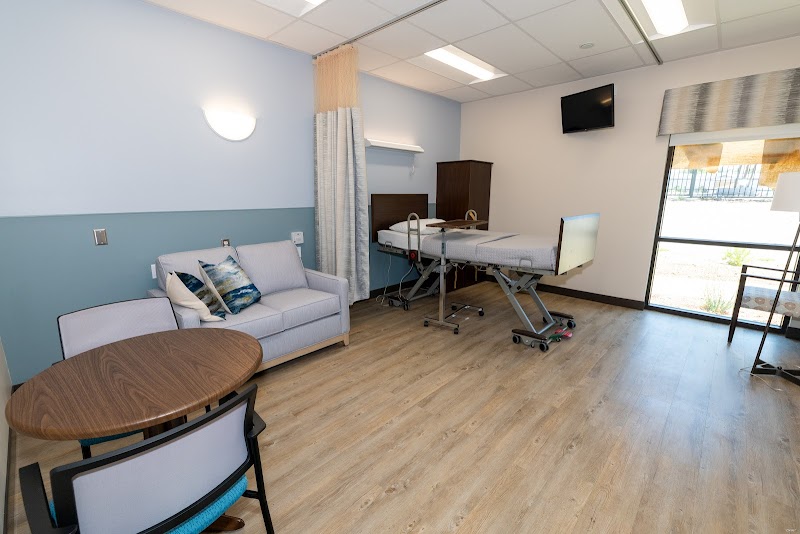
How is Vista Knoll Specialized Care Facility Staffed?

CMS rates VISTA KNOLL SPECIALIZED CARE FACILITY's staffing level at 4 out of 5 stars, which is above average compared to other nursing homes. Staff turnover is 38%, compared to the California average of 46%. This relatively stable workforce can support continuity of care. RN turnover specifically is 56%, which is notably high. RNs provide skilled clinical oversight, so turnover in this role can affect medical care quality.

What Have Inspectors Found at Vista Knoll Specialized Care Facility?

State health inspectors documented 30 deficiencies at VISTA KNOLL SPECIALIZED CARE FACILITY during 2018 to 2024. These included: 30 with potential for harm.
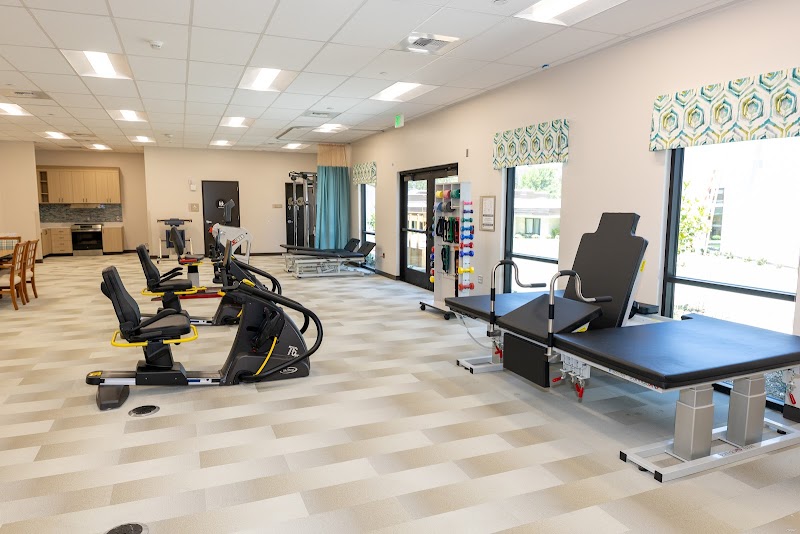
Who Owns and Operates Vista Knoll Specialized Care Facility?

VISTA KNOLL SPECIALIZED CARE FACILITY is owned by a for-profit company. For-profit facilities operate as businesses with obligations to shareholders or private owners. The facility is operated by THE ENSIGN GROUP, a chain that manages multiple nursing homes. With 119 certified beds and approximately 115 residents (about 97% occupancy), it is a mid-sized facility located in VISTA, California.

How Does Vista Knoll Specialized Care Facility Compare to Other California Nursing Homes?

Compared to the 100 nursing homes in California, VISTA KNOLL SPECIALIZED CARE FACILITY's overall rating (5 stars) is above the state average of 3.2, staff turnover (38%) is near the state average of 46%, and health inspection rating (4 stars) is above the national benchmark.

What Should Families Ask When Visiting Vista Knoll Specialized Care Facility?

Based on this facility's data, families visiting should ask: "Can I visit during a mealtime to observe dining assistance and food quality?" "How do you handle medical emergencies, and what is your hospital transfer rate?" "Can I speak with family members of current residents about their experience?"

Is Vista Knoll Specialized Care Facility Safe?

Based on CMS inspection data, VISTA KNOLL SPECIALIZED CARE FACILITY has a clean safety record: no substantiated abuse findings (meaning no confirmed cases of resident harm), no Immediate Jeopardy citations (the most serious violation level indicating risk of serious injury or death), and is not on the Special Focus Facility watch list (a federal program monitoring the lowest-performing 1% of nursing homes). The facility has a 5-star overall rating and ranks #1 of 100 nursing homes in California. While no facility is perfect, families should still ask about staff-to-resident ratios and recent inspection results during their visit.

Do Nurses at Vista Knoll Specialized Care Facility Stick Around?

VISTA KNOLL SPECIALIZED CARE FACILITY has a staff turnover rate of 38%, which is about average for California nursing homes (state average: 46%). Moderate turnover is common in nursing homes, but families should still ask about staff tenure and how the facility maintains care continuity when employees leave.

Was Vista Knoll Specialized Care Facility Ever Fined?

VISTA KNOLL SPECIALIZED CARE FACILITY has no federal fines on record. CMS issues fines when nursing homes fail to meet care standards or don't correct problems found during inspections. The absence of fines suggests the facility has either maintained compliance or corrected any issues before penalties were assessed. This is a positive indicator, though families should still review recent inspection reports for the full picture.

Is Vista Knoll Specialized Care Facility on Any Federal Watch List?

VISTA KNOLL SPECIALIZED CARE FACILITY is not on any federal watch list. The most significant is the Special Focus Facility (SFF) program, which identifies the bottom 1% of nursing homes nationally based on persistent, serious quality problems. Not being on this list means the facility has avoided the pattern of deficiencies that triggers enhanced federal oversight. This is a positive indicator, though families should still review the facility's inspection history directly.