SHADELANDS POST ACUTE
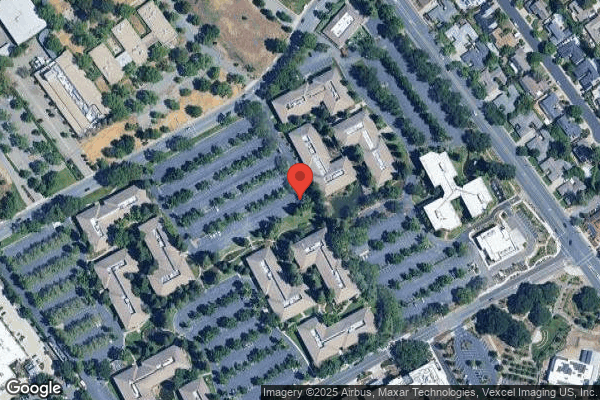

2765 MITCHELL DR, WALNUT CREEK, CA 94598 (925) 296-5547
For profit - Limited Liability company 59 Beds PACS GROUP Data: November 2025
Trust Grade
90/100
#193 of 1155 in CA
Last Inspection: August 2024

Within standard 12-15 month inspection cycle. Federal law requires annual inspections.

Overview

Shadelands Post Acute in Walnut Creek, California, has received an impressive Trust Grade of A, indicating it is highly recommended and performing excellently compared to other facilities. It ranks #193 out of 1155 in the state, placing it in the top half. However, the facility is showing a worsening trend, with reported issues increasing from 2 in 2023 to 5 in 2024. While it has a good RN coverage that exceeds 81% of California facilities and no fines on record, staffing is a weakness, rated at only 2 out of 5 stars, with a turnover rate at 40%, which is average. Recent inspections uncovered several concerns, such as improper communication of medication orders via personal smartphones, failure to properly document medication deliveries, and lapses in infection control practices, which could potentially impact resident safety.

Trust Score
A
90/100
In California
#193/1155
Top 16%
Safety Record
Low Risk
No red flags
Inspections
Getting Worse
2 → 5 violations
Staff Stability
○ Average
40% turnover. Near California's 48% average. Typical for the industry.
Penalties
✓ Good
No fines on record. Clean compliance history, better than most California facilities.
Skilled Nurses
✓ Good
Each resident gets 44 minutes of Registered Nurse (RN) attention daily — more than average for California. RNs are trained to catch health problems early.
Violations
○ Average
7 deficiencies on record. Average for a facility this size. Mostly minor or procedural issues.
★★★★★
5.0
Overall Rating
★★☆☆☆
2.0
Staff Levels
★★★★★
5.0
Care Quality
★★★★★
5.0
Inspection Score
Stable
2023: 2 issues
2024: 5 issues

The Good

  • 5-Star Quality Measures · Strong clinical quality outcomes
  • Full Sprinkler Coverage · Fire safety systems throughout facility
  • No fines on record
  • Staff turnover below average (40%)

    8 points below California average of 48%

Facility shows strength in quality measures, fire safety.

The Bad

Staff Turnover: 40%

Near California avg (46%)

Typical for the industry

Chain: PACS GROUP

Part of a multi-facility chain

Ask about local staffing decisions and management

The Ugly 7 deficiencies on record

Aug 2024 5 deficiencies
CONCERN (D)

Potential for Harm - no one hurt, but risky conditions existed

Medication Errors (Tag F0758)

Could have caused harm · This affected 1 resident

Based on interview and record review the facility failed to ensure psychotropic (mind altering drugs) medications were properly assessed for use with a documented diagnosis by the medical doctor in th...

Read full inspector narrative →
Based on interview and record review the facility failed to ensure psychotropic (mind altering drugs) medications were properly assessed for use with a documented diagnosis by the medical doctor in the medical record in one out of five residents reviewed for unnecessary medications (Resident 33). This failed practice could contribute to unsafe medication use, monitoring, and adverse consequences. Findings: During a record review of Resident 33's electronic medical record admission timeline and nursing notes, the record indicated Resident 33 was admitted from the acute care hospital after a heart surgery called CABG (Coronary Artery Bypass Graft, an extensive, high risk heart surgery). The record indicated the next day after admission, Resident 33 was sent to Emergency Department (ED, hospital's emergency care) with chest pain and was returned to the facility on 6/28/24. During a record review of Resident 33's electronic medical record, titled Medication Administration Record (MAR, a document listed medications ordered and administered by nursing staff), dated for July 2024, the record indicated two psychotropic orders as follow: 1. Seroquel Oral Tablet 25 MG (or quetiapine, mind altering drug used for mood disorder, MG is milligram, a unit of measure); Give 1 tablet by mouth at bedtime for aggression m/b (manifested by) shouting and combativeness with staff .; Start Date:7/2/24. 2. Sertraline Tablet 100 MG (or Zoloft; a drug used to treat depression); Give 1.5 tablet by mouth one time a day for depression m/b social isolation .; Start Date: 7/4/24. During a record review of Resident 33's electronic medical record, titled Physician History and Physical (or H&P; admission note by doctor explaining resident's current and past medical condition, diagnosis, and plan of care), dated 7/1/24, written by Medical Doctor 2 (MD 2), the record did not address if resident was at risk for behavior issues and/or had a history of depression or other behavioral issues. During a record review of Resident 33's electronic medical record, titled Change in Condition, dated 7/1/24, at 21:18 PM, documented by nursing staff, the record indicated Behavioral Status Evaluation: Verbal aggression Depression (e.g. crying, hopelessness, not eating, multiple somatic complaints) Pt (patient) verbalized depression, has sharp pain in her chest and has hard time breathing. pt verbalized she hasn't slept last night. Continues to cry and wants to go to the ED . Refuses to let me assess her. The record further indicated the medical doctor responded with ordering Seroquel 25 mg PO (orally) qhs (at bedtime every night). During a record review of Resident 33's electronic medical record, titled Physician Progress notes, with date range of 7/1/24 to 7/26/24, written by MD 2, the record did not address Resident 33's mental health diagnosis and justification for use of mind-altering drugs. The records indicated Resident 33's physical examination for psychiatric system were documented as normal mood and cooperative. During a record review of Resident 33's electronic medical record, titled Minimum Data Set (or MDS- a mandatory report to federal government on resident care and medical diagnosis), dated 7/2/24 at 1:59 PM, the record under Psychiatric/Mood Disorder (mental health diagnosis) was marked no for all the mental health diagnosis including depression, anxiety, or psychotic disorder (delusion). During an interview with Resident 33, on 7/31/24 at 3:10 PM, Resident 33 stated she was admitted to the facility after a major heart operation that almost killed her. Resident 33 stated she had previous bad experiences from another nursing facility. Resident 33 stated she was only verbally aggressive toward her daughter and not to the facility's staff when she first arrived in the facility. Resident 33 stated she had been taking Zoloft for a long time. Resident 33 stated she had always been emotional even when watching a sad movie. Resident 33 stated she did not know she was taking Seroquel at night and did not know what it was for. Resident 33 stated she could not recall if the facility had informed or explained it to her. During an interview with Certified Nurse Assistant 1 (CNA 1), on 7/31/24 at 3:41 PM, CNA 1 stated Resident 33 was independent with use of walker and Resident 33's behavior was calm. CNA 1 stated he had never seen Resident 33 being hostile, erratic or agitated. During a concurrent interview with the Director of Nursing (DON) and record review of Resident 33's medical record including MAR, doctor's notes and H&P, nursing notes, and MDS records, on 7/31/24, at 4:25 PM, the DON confirmed no documented diagnosis for use of mind-altering drugs by medical doctor, and MDS accurately reflected the medical record documentation of no diagnosis for use of psychiatric or mind-altering medications. The DON stated Resident 33 was crying, arguing with daughter, and was trying to get out of bed on first day of re-admission from the ED on 7/1/24. The DON stated the nurses could not convince Resident 33 refusal to be assessed. The DON stated MD 2 ordered Resident 33 to start on Seroquel on 7/2/24 for aggression. The DON stated Resident 33 had only one episode of combativeness and refusal of care. During a telephone interview with MD 2, on 8/1/24, at 12:44 PM, MD 2 stated Resident 33's daughter requested the facility to increase Resident 33's Zoloft to 150 mg, as per recommended by Resident 33's outpatient MD. MD 2 stated she ordered Seroquel for Resident 33 when the facility contacted her that Resident 33 was crying, yelling, and was having a lot of behavioral issues. MD 2 stated when prescribing psychotropic medications, there should be a pattern of behavioral issues and not just one episode. MD 2 stated she did not document Resident 33's mental health diagnosis and justification for starting the Seroquel in her progress notes. During a phone interview with Consultant Pharmacist (CP), on 8/1/24, at 12:59 PM, CP stated psychotropic medications should have had an indication or diagnosis from the physicians prior to starting the residents with the mind-altering medications. During a record review of the facility's undated policy and procedure (P&P), titled Psychoactive/Psychotropic Medication Use, the P&P indicated Residents will only receive Psychotropic medications when necessary to treat a specifically diagnosed condition that is documented in the medical record.
CONCERN (D)

Potential for Harm - no one hurt, but risky conditions existed

Deficiency F0761 (Tag F0761)

Could have caused harm · This affected 1 resident

Based on observation, interview, and record review the facility failed to ensure safe medication storage and labeling practices with census of 59 when: 1. Unlabeled prescription medication was stored ...

Read full inspector narrative →
Based on observation, interview, and record review the facility failed to ensure safe medication storage and labeling practices with census of 59 when: 1. Unlabeled prescription medication was stored in medication room at Unit 1. 2. Non-refrigerated medication was stored in the medication refrigerator at Unit 1. 3. The inhalation medication with limited shelf life after opening was not dated for beyond use date in medication cart #3. 4. Treatment cart stored opened and used wound care supplies marked for single use in the active storage area. These failed practices could contribute to unsafe used of medication and supplies. Findings: 1. During a concurrent interview and observation, with Registered Nurse Supervisor (RN- SUP), in the facility's medication room at Unit 1, on 7/29/24, at 11:29 AM, a large number of IV (Intravenous; Into the Vein) fluid medication called Sodium Chloride 500 mL (Sterile Salt solution used as IV; mL is milliliter, a unit of volume) were stored inside a drawer with no marking or label who it belonged to. RN-SUP stated she was not sure who it belonged to and why it was stored in the medication room. RN-SUP acknowledged the finding. 2. During a concurrent interview and observation, with RN-SUP, in the facility's medication room at Unit 1, on 7/29/24, at 11:29 AM, the medication refrigerator stored three vials of unopened medication called acetylcysteine 200 mg/mL (a liquid medication in a sealed vial used to treat breathing problems; mg/mL is milligram per milliliter a unit of strength) in a box labeled to keep at controlled room temperature. The manufacturer label on the product noted to keep refrigerated after opening the vials and discard after 96 hours. RN-SUP confirmed the finding. 3. During a concurrent interview and observation with, Licensed Nurse 3 (LN 3), at nurse's Unit 2, on 7/29/24 at 11:41 AM, an opened and undated inhalation medication called Trelegy Ellipta (drug used to treat breathing problems) was stored in medication cart # 3. The pharmacy label indicated to discard 42 days after opening. The medication usage counter showed it had been used 12 times. The manufacturer label on the box indicated discard the inhaler 6 weeks after opening the moisture protected foil tray . LN 3 stated she did not know it was opened and the medication should have been dated with an open date to know when to discard it. 4. During a concurrent interview and observation with Licensed Nurse 4 (LN 4), at Unit 2, on 7/29/24 at 12:08 PM, multiple opened sterile wound care supplies were found in the treatment cart as followed: a. Petroleum Dressing Xeroform, Sterile (medicated wound care supply) b. Puracol Wound Dressing, Sterile (medicated wound healing supply) c. Calcium Alginate Dressing, Sterile (medicated wound supply used to treat pressure ulcers) The sterile wound care supplies packets were opened and cut into portion. The wound care supplies label indicated sterile and do not reuse. LN 4 acknowledged the findings. During an interview with Director of Nursing (DON), on 7/31/24, at 3:35 PM, the DON stated she did not know who the IV bags belonged to. The DON confirmed the IV bags should have had proper labeling. The DON stated the facility's pharmacy and nurse consultant performed random audits for all medication rooms, medication carts and treatment carts. During a record review of the facility's Policy and Procedures, titled, Medication Labeling and Storage, dated 2001, the record indicated For medications that are prepared or compounded for IV infusion, the label contains: name and volume of the solution; resident's name . The policy further indicated The nursing staff is responsible for maintaining medication storage and preparation areas in a clean safe and sanitary manner and Labeling of medications .dispensed by the pharmacy is consistent with applicable federal and state requirements and currently accepted pharmaceutical practices.
CONCERN (E)

Potential for Harm - no one hurt, but risky conditions existed

Deficiency F0583 (Tag F0583)

Could have caused harm · This affected multiple residents

Based on observation, interview, and record review the facility failed to ensure safe and secure order communication among providers when medication order was communicated via a group messaging system...

Read full inspector narrative →
Based on observation, interview, and record review the facility failed to ensure safe and secure order communication among providers when medication order was communicated via a group messaging system involving nursing staff's personal smart phone (a mobile phone that performs many of the functions of a computer, typically having a touchscreen and internet access) for one resident out of 15 sampled residents (Resident 166) based on regulatory requirements on Protected Health Information (or PHI, any information in the medical record that can be used to identify an individual in the course of providing a health care services) This failure could violate residents' health information privacy and confidentiality. Findings: During a concurrent medication pass observation and interview with Licensed Nurse 5 (LN 5), at station 2 hallway, on 7/30/24, at 9:45 AM, RN 1 administered the morning medications for Resident 166. During the medication administration process Resident 166 told LN 5 that her midodrine (drug used to helped prevent sudden fall in blood pressure that occurs when a person assumes a standing position) dose needed to be higher and asked the nurse to clarify with the doctor. LN 5 then went to her medication cart, looked at the computer, then started typing (texting) using a smart phone. LN 5 moments later looked at the smart phone screen and went to the Resident 166 and told her the doctor increased her midodrine dose starting with the next dose due. In an interview with LN 5, at the station 2 hallway, on 7/30/24, at 2:38 PM, LN 5 stated she used her personal smart phone to send text message to Resident 166's doctor (Medical Doctor 1 or MD 1). LN 5 stated the facility, and her coworkers used a facility approved group application called WhatsApp (a free cross-platform messaging service that lets users to call and exchange text, photo, audio, and video messages with others across the globe) to communicate with medical providers. LN 5 stated for urgent situations they were to make phone call to the providers. LN 5 shared the phone screen when she communicated (texted) the request for midodrine dose increase with MD 1. Review of the smart phone communication screenshot from LN 5 to MD 1, on 7/30/24, time stamped at 9:51 AM, the screenshot indicated a message from LN 5 as follow: Good am, DR (MD 1) regarding new pt (patient) Resident 166 [redacted]. Did you by any chance increase dosage of Midodrine to 5 mg? (mg is milligram, a unit of strength). I was not able to see a pepr (paper) order for it. Thank you. The document then had a response from MD 1, timed at 9:51 AM, indicating Yes, 5mg bid (twice daily). In an interview with Director of Nursing (DON), in her office, on 7/31/24, at 4:10 PM, the DON stated the facility was using WhatsApp for communication among staff and medical doctors for about two years. The DON stated they were told the method of communication was safe since it was encrypted (encryption means confidentiality of information transmitted over the internet). The DON stated the facility had about eight different group messaging that helped with communication among staff and providers. The DON stated the WhatsApp group messaging for communication with medical doctors were between the individual doctors and 27 nurses the facility employed. The DON stated the staff were using own smart phone and facility did not provide any phone to them. The DON stated the medication orders received from a doctor via smart phone was considered telephone orders. The DON stated the orders via text messages were transcribed in the computer by nursing staff. When asked if staff's personal phone were a safe place to store resident medical information and if there was a risk of the information being compromised via phone loss or other family member access, the DON states she did not know what to say. The DON stated the facility did not have a written policy and procedure for use of WhatsApp messaging service for medical communication among licensed staff and doctors. Review of the facility's policy, titled Confidentiality of Information and Personal Privacy, dated 2001, the policy indicated The facility will safeguard the personal privacy and confidentiality of all resident personnel and medical records . the facility will strive to protect the resident's privacy regarding his or her . medical treatment, written and telephone communications . Review of the facility's policy, titled Medication and Treatment Orders, dated 2001, the policy indicated Orders for medications and treatments will be consistent with principles of safe and effective order writing. Review of online article from HIPAA Journal (HIPAA stands for Health Insurance Portability and Accountability Act, a set federal rules requires appropriate safeguards to protect the privacy of protected health information), dated 9/2023, last accessed on 8/6/24 via https://www.hipaajournal.com/whatsapp-hipaa-compliant/ , the article indicated WhatsApp is not HIPAA compliant and should not be used for receiving, storing, or sending Protected Health Information (PHI) . the platform should not be used to communicate PHI because it lacks the capabilities to support compliance with the HIPAA Security Rule . there are no capabilities to terminate an individual's access to PHI stored on their device, monitor logins, or support emergency access to PHI if the account owner is unavailable. The article further indicated WhatsApp will not enter into an Agreement, and notes in its Business Terms We make no representations or warranties that our services meet the needs of entities regulated by laws and regulations with heightened confidentiality requirements for personal data, such as healthcare, financial, or legal services entities.
CONCERN (E)

Potential for Harm - no one hurt, but risky conditions existed

Pharmacy Services (Tag F0755)

Could have caused harm · This affected multiple residents

Based on observation, interview, and record review the facility failed to ensure safe and accountable pharmaceutical services based on standards of practice and regulatory requirements with census of ...

Read full inspector narrative →
Based on observation, interview, and record review the facility failed to ensure safe and accountable pharmaceutical services based on standards of practice and regulatory requirements with census of 59 when: 1. The prescription medication delivery or shipping manifest and receipts (a document generated by pharmacy containing shipment information on drugs delivered to the facility), including narcotic opioid (drugs with risk of abuse) medications, were not consistently signed, and acknowledged by licensed staff upon delivery for accountability. 2. The non-narcotic prescription medication destruction and disposals were not co-signed by two licensed staff on all the documented records. 3. The Emergency Kits (or eKit, a limited supply of medication for urgent use in a sealed box) for IV (Intravenous or Inject into Vein) medication box were opened with no documentation on when, who and what medication was removed from the eKit in both medication rooms. 4. The hazardous medications (Drugs that pose short or long-term harm upon exposure to human via skin or inhalation) were stored in medication carts and used by nursing staff without protective measures during storage and administration. These failed practices could contribute to unsafe medication use, risk of drug diversion, and unsafe handling of hazardous medications which could pose health risk to staff and residents. Findings: 1. During a concurrent interview with Licensed Nurse 4 (LN 4) and record review of the facility's document binder, titled Shipping Manifest, dated for month of July 2024, at Station 2, on 7/29/24, at 12:06 PM, the documents listed pages of yellow color sheets, which listed the name and quantity of narcotic and non-narcotic medications delivered to the facility. The delivery sheets were not consistently signed by a licensed staff for accuracy and accountability. LN 4 stated the delivery person required a signature from a nurse for their records and the nurses should have had signed and checked in and confirmed the medications listed on the receipt. During an interview with Director of Nursing (DON) on 7/29/24, at 3:30 PM, the DON stated the licensed nurse who received the delivered narcotic and non-narcotic medications should have signed on the yellow colored sheets for facility's record keeping and accuracy of medications delivery. During a phone interview with Consultant Pharmacist (CP), on 8/1/24, at 12:59 PM, CP stated when pharmacy delivered the medications to the facility, the licensed nurse who received the medications, especially the narcotics, should have signed and checked in the delivery sheet upon receiving the medications. CP stated one copy of record is returned to the pharmacy and the other copy should stay with the facility. During a record review of the facility's policy and procedure (P&P), titled Pharmacy Services Overview, dated 2001, the record indicated Medications received, labeled, stored, administered and disposed of according to all applicable to state and federal laws and consistent with standards of practice. 2. During a concurrent interview with Registered Nursed Supervisor (RN-SUP) and record review of the facility's document binder, titled Medication Disposition Record, on 7/29/24 at 12:40 PM, at Station 2, the document for non-narcotic prescription medication disposition listed the names of medications destroyed by facility. The document did not have a witness signature for medication destruction and the name of the resident was not listed on the destruction sheet. RN-SUP stated the nursing supervisor for day and evening shift were responsible to document the destruction by popping the pills in the pharmaceutical waste bin and another nurse could co-sign with them. RN-SUP acknowledged the witness signature, and the name of the residents were missing from the destruction log. During an interview with the DON and concurrent record review of Medication Disposition Record, on 7/29/24, at 3:35 PM, the DON stated non-narcotics medication disposition records should be co-signed by two licensed nurses. The DON confirmed a lot of medication disposition records were not co-signed by two licensed staff. During a record review of the facility's policy and procedure (P&P), titled Discarding and Destroying Medications, dated 2001, the record indicated The medication disposition record will contain the resident's name; date medication disposed; the name and strength of the medication; the name of dispensing pharmacy; the quantity disposed; method of disposition; and signature of witnesses. 3. During a concurrent interview with RN-SUP and inspection of the facility's medication room at unit #1, on 7/29/24, at 11:29 AM, the eKit for IV medication was opened with a red seal (red seal indicated the original green seal was replaced with red seal after use). Further inspection of the kit did not show any documentation as when it was opened and what product was removed by which nurse. The RN-SUP stated there should have been a copy of duplicate slip inside the re-sealed box with information on what was taken out. During a concurrent interview with RN-SUP and inspection of the facility's medication room at unit #2, on 7/29/24, at 12:40 PM, the eKit for IV medication was opened with a red seal. Further inspection of kit content did not show any documentation as when it was opened and what product was removed by which nurse. A quick count of the IV items in the box indicated a one-liter bag of saline (sterile salt solution) was missing from the eKit. RN-SUP acknowledged the finding and stated she would call the pharmacy provider to replace the eKits. During an interview with the Director of Nursing (DON), on 7/31/24 at 4:14 PM, the DON stated when eKit was opened and a medication was taken out, the licensed nurse should have signed the record slip included in the eKit. The DON stated the eKit had duplicate sheets. The DON stated the white sheet should have been faxed to the pharmacy and the yellow sheet should have been placed inside the eKit for pharmacy copy. The DON stated the nurses were not consistent of how they were processing the record sheets. The DON was unable to provide the eKit record sheet for the missing item from the eKits. The DON stated the risk of not replacing the eKit in a timely manner could have delayed the medication administration to the resident who needed it. During a record review of the facility's policy and procedure, titled Emergency Medications, dated 2001, the record indicated Any medication that is removed from the emergency kit must be documented on the emergency medication administration log. 4. During a medication pass observation with Licensed Nurse 1 (LN 1), on 7/29/24, at 10:30 AM, at facility's unit 1, LN 1 administered a medication called spironolactone (or Aldactone, medication used for heart disease with hormonal effect) labeled by pharmacy with a red sticker Hazardous Drugs. LN 1 did not use gloves when removed the drug from bubble pack (a card that packaged doses of medication within a plastic bubbles or blisters) into a pill cup for administration to Resident 158. Further observation indicated the bubble pack was not stored in zip lock bag for safer handling by nursing staff. During an interview with LN 1, on 7/30/24, at 3:48 PM, at facility's unit 2, LN 1 stated she should have used precaution and gloves when handling the hazardous drug. During an interview with the DON, on 7/30/24, at 4:16 PM, in the DON's office, the DON stated the licensed staff were supposed to use a special gloves when handling hazardous drugs. During a telephone interview with facility's Consultant Pharmacist (CP), on 8/1/24, at 1:05 PM, CP stated earlier this year, she gave an educational in-service on how to handle hazardous drugs during medication administration and disposal. During a record review of the facility's policy and procedure, titled Hazardous Drug, dated 2001, the record indicated Any staff members who come in contact with hazardous drugs are trained and exhibit competency in handling these drugs according to current safety and practice standards . safety data sheets, and drug packet inserts. Review of drug information database called UpToDate LexiDrug for spironolactone, last accessed on 8/2/24, the drug information records indicated spironolactone was a hazardous drug and was categorized in group 2 hazard level (group 1 is antineoplastic drugs (cancer drugs) and group 2 and 3 were non-antineoplastic hazardous drugs). The record further referenced Hazardous Drugs Handling Considerations; Hazardous agent NIOSH -2016 (National Institute for Occupational Safety and Health conducts research and makes recommendations for the prevention of work-related injury and illness) . Use appropriate precautions for receiving, handling, administration, and disposal . Review of the Center for Disease Control's National Institute for Occupational Safety and Health (CDC, and NIOSH, a federal agency sets standard of safety in health care) document, titled Managing Hazardous Drug Exposures: Information for Healthcare Settings, dated 4/2023, the document indicated Many . drugs intended for individual use can be hazardous to healthcare workers with potential occupational exposure to those who handle, prepare, dispense, administer, or dispose of these drugs. Workplace exposure to hazardous drugs can result in negative acute and chronic health effects in healthcare workers including adverse reproductive outcomes. PPE (or Personal Protective Equipment, items like glove or mask) provides worker protection to reduce exposure to hazardous drugs. Efforts should be made to reduce all worker exposures to hazardous drugs. Occupational exposure to hazardous drugs merits serious consideration, as workers may be exposed daily to multiple hazardous drugs over many years. NIOSH suggested careful precautions and safeguards to protect workers, fetuses, and breastfed infants. Further review of the document indicated to use single glove for handling intact tablet form and double glove/other PPE for handling oral liquid form of the hazardous medications as directed.
CONCERN (E)

Potential for Harm - no one hurt, but risky conditions existed

Infection Control (Tag F0880)

Could have caused harm · This affected multiple residents

Based on observation, interview, and record review, the facility failed to ensure that licensed nurses followed proper infection control precautions to prevent spread of infection for five of eight sa...

Read full inspector narrative →
Based on observation, interview, and record review, the facility failed to ensure that licensed nurses followed proper infection control precautions to prevent spread of infection for five of eight sampled residents (Resident 166, Resident 158, Resident 15, Resident 43, and Resident 6) when the medication tray was not cleaned and sanitized after taking the tray was placed on Resident 158's bedside table in Resident 158's room, and then placed on the bedside tables of Resident 43, Resident 15, and Resident 166. These deficient practices had the potential to result in the spread of infection at the facility. Findings: 1. During an observation with Licensed Nurse 1 (LN 1), on 7/29/24, at 10:05 AM, LN 1 was observed in Resident 6's room passing medications using the medication tray. After LN 1 gave Resident 6's medication, LN 1 did not clean or sanitize the medication tray. During subsequent observation with LN 1, on 7/29/24, at 10:33 AM, LN 1 was observed preparing Resident 158's medication. LN 1 was observed placing Resident 158's medication inside the medication tray that was previously used for Resident 6's medication. LN 1 entered Resident 158's room and placed the medication tray on top of bedside tray for Resident 158. LN 1 did not clean or sanitize the medication tray after the medication pass for Resident 158. During subsequent observation with LN 1, on 7/29/24, at 10:37 AM, LN 1 was observed preparing Resident 43's medications. LN 1 did not clean or sanitize the medication tray previously used for Resident 6 and Resident 158's medications. LN 1 entered Resident 43's room and placed on the top of the bedside table. LN 1 did not clean or sanitize the medication tray after administering medications to Resident 43. During an observation with Licensed Nurse 2 (LN 2), on 7/29/24, at 4:37 PM, LN 2 was observed preparing Resident 15's medications and placed them on the medication tray. LN 2 entered Resident 15's room and placed the medication tray on Resident 15's bedside table. After the medication administration, LN 2 did not clean or sanitize the medication tray. During a subsequent observation with LN 2, on 7/29/24, at 4:59 PM, LN 2 prepared Resident 166's medications and placed them on the same medication tray used for Resident 15 without cleaning or sanitizing it. LN 2 entered Resident 166's room and placed the medication tray on Resident 166's bedside table. LN 2 returned to the medication cart and did not clean or sanitize the medication tray. During a record review of the facility's policy and procedure, titled, Administering Oral Medication, dated 2001, the policy indicated, the following equipment and supplies will be necessary when performing this procedure . 2. Medication cart or tray. The policy further included the steps in procedure for medication administration which indicated on step 23 Perform hand antisepsis. The policy did not include cleaning of shared equipment in between residents' use.
Oct 2023 2 deficiencies
CONCERN (E) 📢 Someone Reported This

A family member, employee, or ombudsman was alarmed enough to file a formal complaint

Potential for Harm - no one hurt, but risky conditions existed

Transfer Notice (Tag F0623)

Could have caused harm · This affected multiple residents

**NOTE- TERMS IN BRACKETS HAVE BEEN EDITED TO PROTECT CONFIDENTIALITY** Based on interview and record review, for two of three sampled residents (Resident 1 and Resident 2), the facility: -Failed to p...

Read full inspector narrative →
**NOTE- TERMS IN BRACKETS HAVE BEEN EDITED TO PROTECT CONFIDENTIALITY** Based on interview and record review, for two of three sampled residents (Resident 1 and Resident 2), the facility: -Failed to provide Resident 1 and Resident 2 a notice of proposed discharge within the required timeframe of at least 30 days prior to the actual discharge day. - Failed to send a copy of the discharge notice to a representative of the Office of the State Long-Term Care Ombudsman. These failures had the potential to result in the lack of added protection to Resident 1 and Resident 2 from being inappropriately discharged , without access to an advocate who can inform them of their options and rights. Findings: During a review of Resident 1's admission Record, the admission Record indicated Resident 1 was admitted to the facility on [DATE], with diagnoses that included fracture of the left femur (thigh), fracture of the left arm, urinary tract infection, muscle weakness, and need for assistance with personal care, and anxiety disorder (feeling of fear, dread and uneasiness that does not go away and can get worse over time). The admission Record indicated Resident 1 was self-responsible. During a review of Resident 1's Internal Medicine Progress Notes dated 9/29/23, the Internal Medicine Progress Notes indicated Resident 1 was alert, oriented to person, time, place and situation and had good insight into disease process. During an interview on 10/19/23 at 11:21 a.m with Social Services Director (SSD), SSD stated Resident 1 was discharged home on [DATE], 67 days after being admitted to the facility. SSD stated Resident 1 was given a Notice of Medicare Non-Coverage (NOMNC) on 10/2/23 (72 hours before actual discharge date ) to notify Resident 1 that Medicare coverage for services would end on 10/4/23. SSD stated Resident 1 was discharged from the facility on 10/5/23. During a concurrent interview and record review with Assistant Director of Nursing/Case Manager (ADON/CM) on 10/19/23 @ 12:06 p.m., Resident 1's Notice of Transfer and Discharge was reviewed. ADON/CM stated, on the actual discharge day, Notice of Transfer/discharge date d 10/5/23 was given to Resident 1, a copy of which was sent to the State Long Term Care Ombudsman office the same day. The Notice of Transfer/Discharge, (first page) indicated Family Member (FM) 1 as the person who was notified of Resident 1's discharge. The notice indicated If you intend to file an appeal of this discharge, it is suggested you do so within 10 calendar days of being notified . ADON/CM stated the Notice of Transfer/Discharge was the only formal discharge notice that was given to Resident 1, in addition to the NOMNC dated 10/2/23. ADON/CM also stated there was no confirmation/proof that the notice was sent to the State Long Term Care Ombudsman office because the facility's fax machine did not print a confirmation page. During further review of the second page of Resident 1's Notice of Transfer/discharge date d 10/5/23, the discharge notice indicated signature of the facility representative but did not indicate Resident 1's signature. The notice indicated a copy of it was faxed to the State Long Term Care Ombudsman office, and proof that it was sent was filed in Resident 1's medical record. The notice also indicated it was Resident 1's right to appeal the discharge decision and it should be done within 10 working days of being formally notified, additional rights available to Resident 1 included .[To] be given the opportunity to examine, at the reasonable time before the date of the hearing and during the hearing the content of the medical records and all documents and records to be used by the State at the hearing .you should be prepared to discharge at the end of the thirty (30) days from the date you were formally notified. The Notice of Transfer/Discharge indicated Resident 1 did not have 30 days as the notice was given on the actual day of discharge. During a telephone interview on 10/26/23 at 12:12 p.m. with Resident 1, Resident 1 stated receiving the NOMNC on 10/2/23 (three days before actual discharge date ). Resident 1 stated she was frustrated hearing about upcoming discharge for the first time, on 10/2/23, while not being physically ready to go home. Resident 1 stated she filed an appeal to be allowed to stay at the facility for more days. Resident 1 stated the three days' notice from the facility was not enough time to file a second appeal. Resident 1 stated she had to arrange for a 24-hour caregiver and home health, all in one day. Resident 1 stated she was not given information about the State Long Term Care Ombudsman program. During a review of Resident 2's admission Record, the admission Record indicated Resident 2 was admitted to the facility on [DATE] with diagnoses that included encephalopathy (brain disease that alters brain function), unspecified asthma, malignant neoplasm (abnormal tissue growth as a characteristic of cancer) of the head and neck, morbid obesity and need for assistance with personal care. During a review of Resident 2's 72-hour Charting dated 9/25/23, the 72-hour charting indicated Resident 2 was alert and oriented to person, time, place, and situation. During a review of Resident 2's Notice of Transfer/discharge date d 10/1/23, the Notice of Transfer/Discharge indicated Resident 2 was to be discharged the same day, on 10/1/23. The notice indicated FM 2 was the individual who was notified of the discharge, and it did not indicate Resident 2's signature. The notice also indicated it was faxed to the State Long Term Care Ombudsman office on 10/12/23, 11 days after Resident 2 was discharged from the facility. During a telephone interview on 10/27/23 at 11:33 a.m. with Resident 2, Resident 2 stated she felt there was not enough time to appeal the discharge for the third time after losing the first two appeals to stay at the facility for few more days. Resident 2 stated she was discharged to home on [DATE]. During a telephone interview on 10/20/23 at 2:15 p.m. with Ombudsman (OMB), OMB stated she did not receive Resident 1 and Resident 2's Notice of Transfer/Discharge until both residents were already discharged from the facility. OMB stated calling the facility on 10/12/23 to ask for the discharge notices that were issued by the facility but were not received by the State Long-Term Care Ombudsman office the last two months. OMB also stated the first page of the notices had the incorrect address for Ombudsman's office and the second page where residents were supposed to sign, were always missing. OMB stated she had to call the facility to ask for the second page to make sure the residents signed off the discharge notices.
CONCERN (E) 📢 Someone Reported This

A family member, employee, or ombudsman was alarmed enough to file a formal complaint

Potential for Harm - no one hurt, but risky conditions existed

Deficiency F0655 (Tag F0655)

Could have caused harm · This affected multiple residents

**NOTE- TERMS IN BRACKETS HAVE BEEN EDITED TO PROTECT CONFIDENTIALITY** Based on interview and record review, for three of three sampled residents (Resident 1, Resident 2, and Resident 3), the facilit...

Read full inspector narrative →
**NOTE- TERMS IN BRACKETS HAVE BEEN EDITED TO PROTECT CONFIDENTIALITY** Based on interview and record review, for three of three sampled residents (Resident 1, Resident 2, and Resident 3), the facility failed to provide a summary of the Baseline Care Plan. This failure had the potential to result in the lack of information about Resident 1, 2 and 3's goals of care and discharge plan. Findings: During a review of Resident 1's admission Record, the admission Record indicated Resident 1 was admitted to the facility on [DATE], with diagnoses that included fracture of the left femur (thigh), fracture of the left arm, urinary tract infection, muscle weakness, and need for assistance with personal care, and anxiety disorder (feeling of fear, dread and uneasiness that does not go away and can get worse over time). The admission Record indicated Resident 1 was self-responsible. During an interview on 10/19/23 at 11:36 a.m. with Assistant Director of Nursing/Case Manager (ADON/CM), ADON/CM stated discharge planning was done and documented in Resident 1's Baseline Care Plan dated 7/31/23, followed by an Interdisciplinary Team (IDT, a group composed of individuals representing different departments) care conference where all disciplines that included nursing, rehabilitation, and social services met to discuss any issues that came up. During a review of Resident 1's Baseline Care Plan Person-Centered Care Planning dated 7/31/23, the Baseline Care Plan indicated assessments of Resident 1's ability to perform activities of daily living like transfers, walking, dressing, and eating. Under Section E. Baseline Care Plan Summary, the following response was entered; Resident and/or Resident Representative (RR) participated in the Baseline Care Plan review with a printed/written summary provided. There were no responses to additional questions if the printed Baseline Care Plan was given in person, via fax, mailed, emailed, or the date it was provided to Resident 1 or Resident 1's representative. During a follow-up interview on 10/19/23 at 2:08 p.m. with ADON/CM, ADON/CM stated a copy of the Baseline Care Plan was not given to Resident 1. During a telephone interview on 10/26/23 at 12:12 p.m. with Resident 1, Resident 1 stated she was not given a copy of the Baseline Care Plan. During a review of Resident 2's admission Record, the admission Record indicated Resident 2 was admitted to the facility on [DATE] with diagnoses that included encephalopathy (brain disease that alters brain function), unspecified asthma, malignant neoplasm (abnormal tissue growth as a characteristic of cancer) of the head and neck, morbid obesity and need for assistance with personal care. During a review of Resident 2's 72-hour Charting dated 9/25/23, the 72-hour charting indicated Resident 2 was alert and oriented to person, time, place, and situation. During a telephone interview on 10/27/23 at 11:33 a.m. with Resident 2, Resident 2 stated she did not receive a copy of the Baseline Care Plan. During a review of Resident 3's admission Record, the admission Record indicated Resident 3 was admitted to the facility on [DATE] with diagnoses that included left hip dislocation, diabetes mellitus, urinary tract infection and need for assistance with personal care. The admission Record also indicated Resident 3 was self-responsible. During an interview on 10/19/23 at 12:58 p.m. with Resident 3, Resident 3 stated she did not receive a copy of the Baseline Care Plan. During a concurrent interview and record review on 10/19/23 at 2:48 p.m. with Director of Nursing (DON), the facility's policy and procedure (P&P) titled Care Plans-Baseline last revised December 2022 was reviewed. The facility's P&P indicated the resident and/or representative should be provided a written summary of the baseline care plan. DON stated she was not aware of the policy that a written summary of the baseline care plan should be given to the resident or their representative.
Understanding Severity Codes (click to expand)
Life-Threatening (Immediate Jeopardy)
J - Isolated K - Pattern L - Widespread
Actual Harm
G - Isolated H - Pattern I - Widespread
Potential for Harm
D - Isolated E - Pattern F - Widespread
No Harm (Minor)
A - Isolated B - Pattern C - Widespread

Questions to Ask on Your Visit

  • "Can I speak with families of current residents?"
  • "What's your RN coverage like on weekends and overnight?"

Our Honest Assessment

Strengths
  • • Grade A (90/100). Above average facility, better than most options in California.
  • • No major safety red flags. No abuse findings, life-threatening violations, or SFF status.
  • • No fines on record. Clean compliance history, better than most California facilities.
  • • 40% turnover. Below California's 48% average. Good staff retention means consistent care.
Concerns
  • • No significant concerns identified. This facility shows no red flags across CMS ratings, staff turnover, or federal penalties.
Bottom line: Generally positive indicators. Standard due diligence and a personal visit recommended.

About This Facility

What is Shadelands Post Acute's CMS Rating?

CMS assigns SHADELANDS POST ACUTE an overall rating of 5 out of 5 stars, which is considered much above average nationally. Within California, this rating places the facility higher than 99% of the state's 100 nursing homes. This rating reflects solid performance across the metrics CMS uses to evaluate nursing home quality.
How is Shadelands Post Acute Staffed?

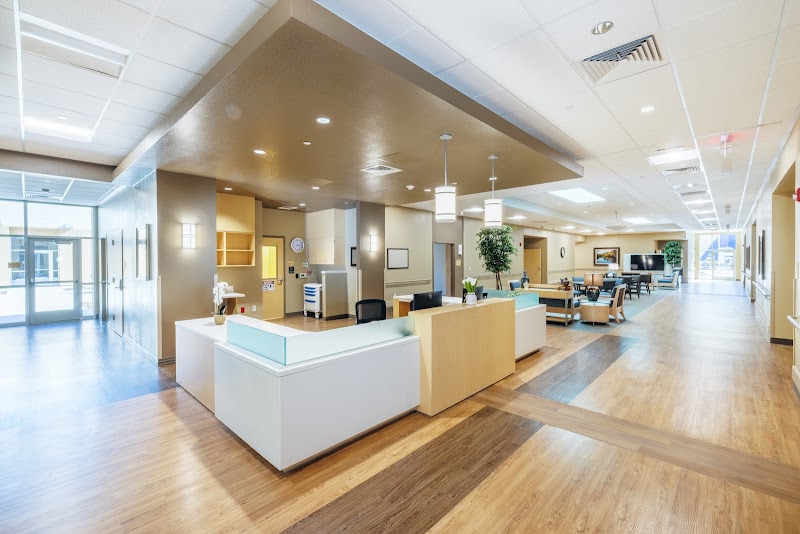
CMS rates SHADELANDS POST ACUTE's staffing level at 2 out of 5 stars, which is below average compared to other nursing homes. Staff turnover is 40%, compared to the California average of 46%. This relatively stable workforce can support continuity of care.

What Have Inspectors Found at Shadelands Post Acute?

State health inspectors documented 7 deficiencies at SHADELANDS POST ACUTE during 2023 to 2024. These included: 7 with potential for harm.
Who Owns and Operates Shadelands Post Acute?

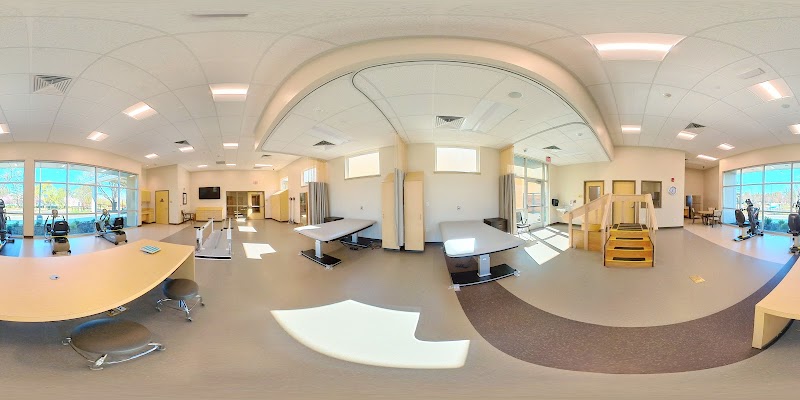
SHADELANDS POST ACUTE is owned by a for-profit company. For-profit facilities operate as businesses with obligations to shareholders or private owners. The facility is operated by PACS GROUP, a chain that manages multiple nursing homes. With 59 certified beds and approximately 58 residents (about 98% occupancy), it is a smaller facility located in WALNUT CREEK, California.
How Does Shadelands Post Acute Compare to Other California Nursing Homes?

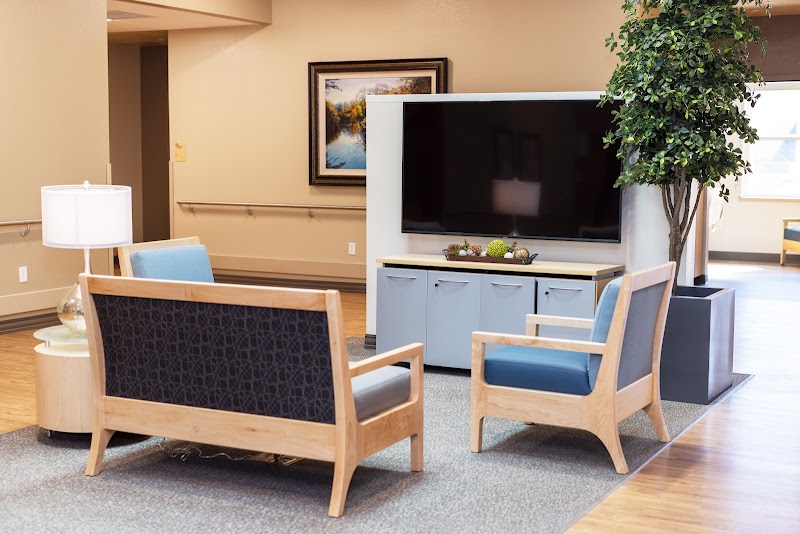
Compared to the 100 nursing homes in California, SHADELANDS POST ACUTE's overall rating (5 stars) is above the state average of 3.2, staff turnover (40%) is near the state average of 46%, and health inspection rating (5 stars) is much above the national benchmark.

What Should Families Ask When Visiting Shadelands Post Acute?

Based on this facility's data, families visiting should ask: "Can you walk me through typical staffing levels on day, evening, and night shifts?" "Can I visit during a mealtime to observe dining assistance and food quality?" "How do you handle medical emergencies, and what is your hospital transfer rate?" "Can I speak with family members of current residents about their experience?" These questions are particularly relevant given the below-average staffing rating.

Is Shadelands Post Acute Safe?

Based on CMS inspection data, SHADELANDS POST ACUTE has a clean safety record: no substantiated abuse findings (meaning no confirmed cases of resident harm), no Immediate Jeopardy citations (the most serious violation level indicating risk of serious injury or death), and is not on the Special Focus Facility watch list (a federal program monitoring the lowest-performing 1% of nursing homes). The facility has a 5-star overall rating and ranks #1 of 100 nursing homes in California. While no facility is perfect, families should still ask about staff-to-resident ratios and recent inspection results during their visit.

Do Nurses at Shadelands Post Acute Stick Around?

SHADELANDS POST ACUTE has a staff turnover rate of 40%, which is about average for California nursing homes (state average: 46%). Moderate turnover is common in nursing homes, but families should still ask about staff tenure and how the facility maintains care continuity when employees leave.

Was Shadelands Post Acute Ever Fined?

SHADELANDS POST ACUTE has no federal fines on record. CMS issues fines when nursing homes fail to meet care standards or don't correct problems found during inspections. The absence of fines suggests the facility has either maintained compliance or corrected any issues before penalties were assessed. This is a positive indicator, though families should still review recent inspection reports for the full picture.

Is Shadelands Post Acute on Any Federal Watch List?

SHADELANDS POST ACUTE is not on any federal watch list. The most significant is the Special Focus Facility (SFF) program, which identifies the bottom 1% of nursing homes nationally based on persistent, serious quality problems. Not being on this list means the facility has avoided the pattern of deficiencies that triggers enhanced federal oversight. This is a positive indicator, though families should still review the facility's inspection history directly.