TAMPICO HEALTHCARE CENTER


130 TAMPICO STREET, WALNUT CREEK, CA 94598 (925) 933-7970
For profit - Individual 128 Beds Independent Data: November 2025
Trust Grade
58/100
#691 of 1155 in CA
Last Inspection: March 2025

Within standard 12-15 month inspection cycle. Federal law requires annual inspections.

Overview

Tampico Healthcare Center in Walnut Creek has a Trust Grade of C, which means it is average-neither particularly good nor bad compared to other nursing homes. The facility ranks #691 out of 1155 in California, placing it in the bottom half, and #25 out of 30 in Contra Costa County, indicating limited local options that perform better. Unfortunately, the facility is worsening; the number of issues identified increased significantly from 2 in 2024 to 13 in 2025. Staffing is a positive aspect, with a rating of 4 out of 5 stars and a turnover rate of 33%, which is lower than the state average, suggesting that staff are stable and experienced. However, the center has received concerning findings, including issues with food safety, such as storing unpasteurized eggs and dented cans, and complaints about food quality, with residents reporting meals that are cold, bland, and unappetizing, which could negatively impact their nutritional well-being.

Trust Score
C
58/100
In California
#691/1155
Bottom 41%
Safety Record
Low Risk
No red flags
Inspections
Getting Worse
2 → 13 violations
Staff Stability
○ Average
33% turnover. Near California's 48% average. Typical for the industry.
Penalties
✓ Good
$3,250 in fines. Lower than most California facilities. Relatively clean record.
Skilled Nurses
○ Average
Each resident gets 32 minutes of Registered Nurse (RN) attention daily — about average for California. RNs are the most trained staff who monitor for health changes.
Violations
⚠ Watch
39 deficiencies on record. Higher than average. Multiple issues found across inspections.
★★★☆☆
3.0
Overall Rating
★★★★☆
4.0
Staff Levels
★★★★☆
4.0
Care Quality
★★★☆☆
3.0
Inspection Score
Stable
2024: 2 issues
2025: 13 issues

The Good

  • 4-Star Staffing Rating · Above-average nurse staffing levels
  • 4-Star Quality Measures · Strong clinical quality outcomes
  • Full Sprinkler Coverage · Fire safety systems throughout facility
  • No fines on record
  • Staff turnover below average (33%)

    15 points below California average of 48%

Facility shows strength in staffing levels, quality measures, fire safety.

The Bad

3-Star Overall Rating

Near California average (3.1)

Meets federal standards, typical of most facilities

Staff Turnover: 33%

13pts below California avg (46%)

Typical for the industry

Federal Fines: $3,250

Below median ($33,413)

Minor penalties assessed

The Ugly 39 deficiencies on record

Mar 2025 13 deficiencies
CONCERN (D)

Potential for Harm - no one hurt, but risky conditions existed

Resident Rights (Tag F0550)

Could have caused harm · This affected 1 resident

**NOTE- TERMS IN BRACKETS HAVE BEEN EDITED TO PROTECT CONFIDENTIALITY** Based on observation, interview and record review, the skilled nursing facility staff did not honor personal choices for one of ...

Read full inspector narrative →
**NOTE- TERMS IN BRACKETS HAVE BEEN EDITED TO PROTECT CONFIDENTIALITY** Based on observation, interview and record review, the skilled nursing facility staff did not honor personal choices for one of 26 sampled residents (Resident 51). Resident 51 had complained to staff that his bed was not long enough and he wanted regular utensils with his meals as opposed to the plastic ones being served. Staff did not abide by his requests. This resulted in Resident 51 feeling Frustrated. Findings: Record review of the document admission Record showed the facility admitted Resident 51 on 2/27/2025. Diagnoses included epilepsy (seizure disorder). Review of the document MDS 3.0 Nursing Home Comprehensive (NC) Version 1.19.1 dated 3/6/2025, (resident assessment) showed Resident 51 was alert and oriented. During an interview on 3/24/2025 at 10:15 a.m. Resident 51 stated he had not been sleeping well since his bed was too short. In a concurrent observation Resident 51 was bent over in his bed reading. He stated sleeping in this position makes him wake up Sore. He is also being served his meals but with plastic utensils and wanted real ones. He expressed frustration and stated he had reported these concerns to the staff but nothing was done. During an interview on 3/25/2025 at 10:41 a.m. Resident 51 stated staff had gotten him a longer bed the night before on 3/24/2025 and that he had Finally slept better. During an interview on 3/26/2025 at 12:30 p.m. Licensed Vocational Nurse 4 (LVN 4) stated she had not been aware of problems with the bed and was unsure why he was getting plastic utensils. During an interview on 3/26/2025 Certified Nursing Assistant 4 (CNA 4) stated Resident 51 had complained to her about the plastic utensils but she was unaware of any problems with the bed. She stated she then told LVN 4 and the Assistant Director of Nursing (ADON) about the utensils. During an interview on 3/26/2025 at 12:45 p.m. the ADON stated he was not sure why Resident 51 was getting plastic utensils. He stated they were typically used for residents with aggressive histories which Resident 51 did not have. The ADON stated he had been getting plastic utensils since admission on [DATE] but had it changed to regular that day (3/26/2025). During an interview on 3/27/2025 at 12:21 p.m. the Maintenance Director (MD) stated he had only been made aware of an issue with Resident 51's bed on 3/24/2025. He then switched the bed out that night. Review of the document Resident Rights - Accommodation of Needs dated 10/1/2023, showed the purpose was To ensure that the Facility provides an environment and services that meet residents' individual needs.
CONCERN (D)

Potential for Harm - no one hurt, but risky conditions existed

Deficiency F0558 (Tag F0558)

Could have caused harm · This affected 1 resident

**NOTE- TERMS IN BRACKETS HAVE BEEN EDITED TO PROTECT CONFIDENTIALITY** Based on observation, interview and record review the facility failed to provide reasonable accommodations and/or alternative me...

Read full inspector narrative →
**NOTE- TERMS IN BRACKETS HAVE BEEN EDITED TO PROTECT CONFIDENTIALITY** Based on observation, interview and record review the facility failed to provide reasonable accommodations and/or alternative measures to address visual deficit (partial or total inability of visual perception) for one sampled resident (Resident 112). This failure caused Resident 112 to become tearful and feel worthless. Findings: A record review of Resident 112 's admission record, printed on 3/26/25, indicated Resident 112 was admitted to the facility on [DATE]. During a record review of Resident 112 ' s Minimum Data Set (MDS, an assessment used to guide care) dated 3/1/25, it indicated Resident 112 had moderately impaired vision. The MDS assessment indicated Resident 112 ' s Brief Interview for Mental Status (BIMS, an assessment used to assess mental status) score was 15 out of 15, score for intact cognition. The assessment indicated Resident 112 required supervision and/or hand over hand assistance with eating and oral hygiene. The assessment indicated Resident 112 had diagnosis of cataracts (clouding of the normally clear lens of the eye), glaucoma (group of eye conditions that can cause blindness) or macular degeneration (eye disease that causes vision loss). During an observation on 03/25/25 at 12:02 p.m., Resident 112 had lunch tray in front of her. Resident 112 became tearful and used call light to request assistance in setting up meal tray and opening serving dishes. No large print of monthly calendar, daily menu, nor alternative menu were observed in Resident 112 's room. During an interview on 03/25/25 at 12:14 p.m., Resident 112 stated her left eye was completely blind and had limited vision in the right eye. Resident 112 stated the staff do not provide menus that she can read. Resident 112 also stated she felt worthless when she did not have a menu to guide her on the choice of foods that were available to her. During an interview on 03/26/25 at 02:07 p.m. Social Services Director (SS2) stated Resident 112 should have a magnifying glass, large print reading materials, and additional night light to accommodate visual deficit. SS2 stated dim lighting does not allow her to see the contents of her meal tray to ascertain she was not served with food which she disliked or was allergic to. During an observation and concurrent interview on 03/26/25 at 02:44 p.m.with Licensed Vocation Nurse (LVN 5), LVN5 stated Resident 112 had left eye impairment with limited right eye functionality. Certified nursing assistants and nursing staff should explain the food set up on the meal trays using the clock method, and provide assistance as needed until Resident 112 completes her meal. LVN5 stated postings should be within Resident 112's range of vision. LVN5 confirmed Resident 112's room did not have large print posting of monthly menu, and alternative menu. LVN5 stated Resident 112 should be given a a copy of the menu and alternate menu in large print and placed at a specific side of her bed where she could readily reach for it. During an observation and concurrent interview on 03/26/25 at 02:51 p.m. Resident 112 sat in her wheelchair which was a foot and a half away from the wall where the alternate menu was posted. She was straining to read the posting and admitted she could not read the posting as it was beyond her range of vision, During a record review of Resident 112 ' s untitled care plan dated 2/22/25, it indicated Resident 112 had impaired visual function related to glaucoma. The care plan goal was: resident will be comfortable and safe in her environment and interventions listed were: alter the environment for visual assistance. Review of an untitled Care Plan dated 2/24/25 indicated Resident 112 required visual aids (large prints), Resident 112 prefers to have her room and things arranged to promote independence, and staff will consistently tell Resident 112 where essential items are placed. During record review of the facilities policy and procedure (P&P) titled Resident Rights-Accommodation of Needs, dated 10/1/23, the P&P read: Residents ' individual needs and preferences, including the need for adaptive devices and modifications to the physical environment, are evaluated upon admission and review on an ongoing basis .in order to accommodate residents ' individual needs and preferences, Facility staff will assist residents in maintaining independence, dignity and well-being to the extent possible according to residents ' wishes.
CONCERN (D)

Potential for Harm - no one hurt, but risky conditions existed

Comprehensive Assessments (Tag F0636)

Could have caused harm · This affected 1 resident

**NOTE- TERMS IN BRACKETS HAVE BEEN EDITED TO PROTECT CONFIDENTIALITY** Based on interview and record review the skilled nursing facility staff did not accurately assess the needs for one of 26 sample...

Read full inspector narrative →
**NOTE- TERMS IN BRACKETS HAVE BEEN EDITED TO PROTECT CONFIDENTIALITY** Based on interview and record review the skilled nursing facility staff did not accurately assess the needs for one of 26 sampled residents (Resident 51). Resident 51 had difficulty eating with poor-fitting dentures and impaired vision due to broken eyeglasses. This resulted in Resident 51 feeling Frustrated. Findings: Record review of the document admission Record showed the facility admitted Resident 51 on 2/27/2025. Diagnoses included epilepsy (seizure disorder). Review of the document Nursing admission Assessment dated 2/27/2025, showed under the section Natural Teeth and Dentures, staff had not checked the appropriate boxes which would indicate Resident 51 had no natural teeth or dentures. Review of the document MDS 3.0 Nursing Home Comprehensive (NC) Version 1.19.1 dated 3/6/2025, (resident assessment) showed Resident 51 was alert and oriented. Review of the section Oral/Dental Status showed he had No natural teeth or tooth fragment(s) and had Mouth or facial pain, discomfort or difficulty with chewing. Review of the section Hearing, Speech, and Vision showed Resident 51 used Corrective Lenses. Review of the document Inventory of Personal Effects dated 2/27/2025, showed Resident 51 entered the facility at that time with upper and lower dentures. On 3/24/2025 at 10:15 a.m. Resident 51 was observed to have no teeth. In a concurrent interview he stated he owned dentures but they were Hard to eat with. He stated he felt Frustrated that staff had not helped him address the issue with his dentures. During an interview on 3/24/2025 at 10:50 a.m., the Director of Social Services (SS2) stated she was unaware Resident 51 had dentures that did not fit properly. During an interview on 3/26/2025 at 12:30 p.m. Licensed Vocational Nurse 4 (LVN 4) stated she had never seen Resident 51 with teeth and did not report it because she Never thought it was an issue. There was no documentation in the clinical record which showed staff had addressed the fact that Resident 51 had no teeth and was not using his dentures. During an interview on 3/24/25 at 10:15 a.m. Resident 51 stated he had seizures and broke his glasses in October. He stated he could not see this surveyor as his vision was Blurry and he was frustrated since staff had not assisted him in obtaining an eye appointment. Resident 51 stated he had reported this to staff but Nothing happens. During a second interview at 1:30 p.m. Resident 51 stated he had been unable to see for the entire time he had been at the facility and it brought him back to high school when he was Too [NAME] to get glasses. He stated he has started to be able to identify staff by How they walk and the Outline of their body. During an interview on 3/24/2025 at 10:50 a.m. the SS2 stated she not been aware of any issues with Resident 51's vision and typically nursing staff would report this to her. During an interview on 3/26/2025 at 12:30 p.m., LVN 4 stated she had not been made aware of any issues with Resident 51's vision. During an interview on 3/26/2024 at 12:40 p.m. Certified Nursing Assistant (CNA 4) stated she was not aware of any issues with his vision. There was no documentation in the clinical record which showed Resident 51's poor vision had been addressed. Record review of the document Order Entry dated 3/24/2025 showed a referral was made to an ophthalmologist for Resident 51. Review of the document RAI process (Resident Assessment Instrument) dated 10/1/2023, showed the purpose was To ensure the RAI is used, in accordance with specified format and timeframes, in conducting comprehensive assessments as part of an ongoing process through which the facility identifies each resident's preferences and goals of care, functional and health status, strengths and needs, as well as offering guidance for further assessment once problems have been identified.
CONCERN (D)

Potential for Harm - no one hurt, but risky conditions existed

ADL Care (Tag F0677)

Could have caused harm · This affected 1 resident

**NOTE- TERMS IN BRACKETS HAVE BEEN EDITED TO PROTECT CONFIDENTIALITY** Based on observation, interview, and record review, the facility failed to ensure for one out of 26 sampled residents (Resident ...

Read full inspector narrative →
**NOTE- TERMS IN BRACKETS HAVE BEEN EDITED TO PROTECT CONFIDENTIALITY** Based on observation, interview, and record review, the facility failed to ensure for one out of 26 sampled residents (Resident 88), foot care on a regular basis. Resident 88 had long, thickened, and cracked toenails, and his feet and ankles had layers of scaly dry skin. This failure resulted in Resident 88's feelings of well-being being affected due to lack of foot care. Findings: A review of the facility's admission Record indicated Resident 88 was admitted on [DATE] with diagnoses that included failure to thrive. Resident 88's Minimum Data Set (MDS - resident assessment tool) dated 2/5/2025, the MDS indicated a Brief Interview for Mental Status (BIMS, a scoring system used to determine the resident's cognitive status regarding attention, orientation, and ability to register and recall information) score of 14, (BIMS score of 13 - 15, cognitively intact). Resident 88's MDS Section GG- Functional Abilities for Self-Care indicated Resident 88 needed partial to moderate assistance for shower/bathe self, lower body dressing, putting on/taking off footwear, and personal hygiene During a concurrent observation and interview with Resident 88 on 03/24/25 at 11:25 a.m., in his room, Resident 88 stated he had long toenails, and it hurt when he put on his shoes. Resident 88 removed his socks, and pieces of dried flaky skin came out of his socks and feet. Resident 88's feet and ankles were severely dried with layers of scaly skin that dropped when he moved. Resident 88's toenails were thick, jagged and cracked. Resident 88's left foot toenails were thick and curved inward, which caused Resident 88 pain. Resident 88 stated he was offered shower, but he refused since it's very cold, and he wore three layers of socks. Resident 88 stated no one had checked his feet since he was admitted . Resident 88 stated he was told he could see a podiatrist, but it may take months for an appointment, and he will be going home soon. During a concurrent observation and interview on 3/24/25 at 11:40 a.m., at Resident 88's room with Director of Nurses (DON), DON looked at Resident 88's feet and agreed that Resident 88's feet and ankles had layers of severely dried skin and toenails which were overgrown. DON stated Resident 88 was offered shower, but he refused. During an interview on 03/24/25 at 01:40 p.m., with Resident 88, Resident 88 stated he asked a nurse to get his toenails trimmed, but he was instructed to see the social services, and request to get an appointment to see a podiatrist.
CONCERN (D)

Potential for Harm - no one hurt, but risky conditions existed

Quality of Care (Tag F0684)

Could have caused harm · This affected 1 resident

Based on interview and record review, the skilled nursing facility's licensed nursing staff did not provide care according to professional standards for 2 of 26 sampled residents (Residents 90 and 111...

Read full inspector narrative →
Based on interview and record review, the skilled nursing facility's licensed nursing staff did not provide care according to professional standards for 2 of 26 sampled residents (Residents 90 and 111). Residents 90 and 111 had elevated blood pressures that were not treated with available medication or reported to the doctor. This resulted in the potential for a stroke. (bleed or clot in the brain) Findings: Record review of the document admission Record showed the facility admitted Resident 90 on 1/24/2025. Diagnoses included End Stage Renal Disease. During an interview on 3/25/2025 at 2:55 p.m. the Director of Nursing (DON) stated the dialysis center had called on 3/15/2025 to ask that Resident 90's blood pressure medication be adjusted as his blood pressure became too low at dialysis. The DON stated the medication was changed to prn (as needed) as opposed to regularly scheduled. Record review of the document Order Summary Report dated 3/25/2025 showed Hydralazine (blood pressure medication) was to be given by mouth every 8 hours as needed for SBP greater than 170. (SBP: systolic blood pressure - top number of a blood pressure reading) Review of the document Weights and Vitals Summary (WVS) dated 3/25/2025 showed Resident 90's blood pressure on 3/18/2025 was 176/92. Review of the document Progress Notes *New* dated 3/1/2025 to 3/25/2025 showed on 3/18/2025 Resident 90 was given Hydralazine which lowered his blood pressure to 149/74. Further review of the WVS showed Resident 90's blood pressure was 198/94 on 3/19/2025. There was no documentation which showed a second blood pressure had been taken. Review of the Medication Administration Record (MAR) showed no Hydralazine had been given on 3/19/2025. In a concurrent interview on 3/19/2025 at 3:22 p.m. the DON confirmed there was no further blood pressure check, hydralazine given, or doctor notified. The DON stated the doctor should have been called because it was a change in condition which could lead to a stroke. Record review of the WVS showed on 3/21/2025 at 7:04 a.m. Resident 90's blood pressure was 183/84. There was no documentation in the MAR which showed hydralazine had been given or the doctor notified. In a concurrent interview the DON confirmed the elevated blood pressure had not been treated and no call was made to the doctor. The DON stated she would have Expected staff to call. Record review of the WVS showed Resident s 90's blood pressure was 178/85 at 3:59 a.m. on 3/25/2025. There was no documentation in the MAR which showed hydralazine had been given. There was no documentation the doctor had been notified. In a concurrent interview on 3/25/2025 at 2:55 p.m. the DON confirmed hydralazine had not been given and the doctor notified. The DON stated They should have called. Record review of the document admission Record showed the facility admitted Resident 111 on 2/26/2025. Diagnoses included Atherosclerosis of Coronary Artery Bypass Grafts. (heart disease) Record review of the document Order Summary Report dated 3/26/2025 showed staff were to notify the doctor for an SBP greater than 140. Resident 111 was on Losartan and Carvedilol medications to control blood pressure. Review of the WVS document showed the following blood pressures for Resident 111: 171/101 on 3/3/2025 at 7:38 a.m. 167/96 on 3/3/2025 at 8:08 a.m. 175/108 on 3/3/2025 at 11:42 p.m. 155/95 on 3/4/2025 at 7:37 a.m. 166/81 on 3/24/2025 at 6:58 a.m. There was no documentation in the clinical record which showed the doctor had been notified for the elevated blood pressures. In a concurrent interview on 3/26/2025 at 11:40 a.m. the DON confirmed there was no documentation the doctor had been notified. Record Review of the document Blood Pressure, Measuring dated 9/2010, showed Hypertension should be reported to the physician. Review of the document Change of Condition Notification dated 10/1/2023, showed the purpose was To ensure residents, family, legal representatives, and physicians are informed of changes in the resident's condition in a timely manner.
CONCERN (D)

Potential for Harm - no one hurt, but risky conditions existed

Deficiency F0685 (Tag F0685)

Could have caused harm · This affected 1 resident

**NOTE- TERMS IN BRACKETS HAVE BEEN EDITED TO PROTECT CONFIDENTIALITY** Based on interview and record review the skilled nursing facility did not make an appointment to assess poor vision for one of 2...

Read full inspector narrative →
**NOTE- TERMS IN BRACKETS HAVE BEEN EDITED TO PROTECT CONFIDENTIALITY** Based on interview and record review the skilled nursing facility did not make an appointment to assess poor vision for one of 26 sampled residents (Resident 51). Resident 51 had broken his glasses and could not adequately see. This resulted in Resident 51 feeling Frustrated. Findings: Record review of the document admission Record showed the facility admitted Resident 51 on 2/27/2025. Diagnoses included epilepsy (seizure disorder). Review of the document Nursing admission Assessment 5.4 dated 3/6/2025, showed Resident 51 had Adequate vision without the use of corrective lenses. Review of the document MDS 3.0 Nursing Home Comprehensive (NC) Version 1.19.1 dated 3/6/2025, (resident assessment) showed Resident 51 was alert and oriented. Review of the section Hearing, Speech, and Vision showed Resident 51 used Corrective Lenses. During an interview on 3/24/25 at 10:15 a.m. Resident 51 stated he had seizures and broke his glasses in October. He stated he could not see this surveyor as his vision was Blurry and he was frustrated since staff had not assisted him in obtaining an eye appointment. Resident 51 stated he had reported this to staff but Nothing happens. During a second interview at 1:30 p.m. Resident 51 stated he had been unable to see during his entire stay in the facility and it Brings him back to high school when he was too [NAME] to get glasses. He stated he has started to be able to identify staff by How they walk and the Outline of their body. During an interview on 3/24/2025 at 10:50 a.m. the Social Services Director (SS2) stated she not been made aware of any issues with Resident 51's vision and typically nursing staff would report this to her. During an interview on 3/26/2025 at 12:30 p.m., Licensed Vocational Nurse 4 (LVN 4) stated she had not been made aware of any issues with Resident 51's vision. During an interview on 3/26/2024 at 12:40 p.m. Certified Nursing Assistant 4 (CNA 4) stated she was not aware of any issues with his vision. Record review of the document Order Entry dated 3/24/2025 (survey start date) showed a referral was made to an ophthalmologist for Resident 51. Review of the document RAI process (Resident Assessment Instrument) dated 10/1/2023, showed the purpose was To ensure the RAI is used, in accordance with specified format and timeframes, in conducting comprehensive assessments as part of an ongoing process through which the facility identifies each resident's preferences and goals of care, functional and health status, strengths and needs, as well as offering guidance for further assessment once problems have been identified.
CONCERN (D)

Potential for Harm - no one hurt, but risky conditions existed

Tube Feeding (Tag F0693)

Could have caused harm · This affected 1 resident

**NOTE- TERMS IN BRACKETS HAVE BEEN EDITED TO PROTECT CONFIDENTIALITY** Based on observation, interview, and record review, the facility failed to ensure for one out of 26 sampled residents (Resident ...

Read full inspector narrative →
**NOTE- TERMS IN BRACKETS HAVE BEEN EDITED TO PROTECT CONFIDENTIALITY** Based on observation, interview, and record review, the facility failed to ensure for one out of 26 sampled residents (Resident 99), Resident 99's head of the bed (HOB) was elevated at a minimum of 30 degrees during tube feeding administration. This failure had a potential to affect Resident 99's health due to accidental inhalation of stomach contents to lungs. Findings: A review of facility's admission Record indicated Resident 99 was admitted on [DATE], with diagnoses that included protein-calorie malnutrition and cancer of upper opening of the stomach. Resident 99's Minimum Data Set (MDS - resident assessment tool) dated 12/18/2024, the MDS indicated a Brief Interview for Mental Status (BIMS, a scoring system used to determine the resident's cognitive status regarding attention, orientation, and ability to register and recall information) score of 00, (BIMS score of 00 - 07, severe impairment). During a review of Resident 99's physician's Order Summary Report (OSR) for the month of 3/2025 indicated Enteral Feed Order two times a day Nocturnal feeding: Jevity (complete balanced nutrition formula) 1.2 cal @ 65 ml (millimeter)/HR x 20 HRs [hours] VIA PUMP/JTUBE . (jejunostomy tube -tube placed through the abdominal wall to the midsection of the small intestine). Furthermore, Resident 99's physician OSR indicated Elevate HOB to 30 to 45 degrees at all times during feeding and for at least 30 to 40 minutes after feeding stopped. During a concurrent observation and interview on 03/24/25 10:53 A.M., Resident 99 was lying on her right and she slid down towards the middle of the bed. Resident 99's HOB was slightly elevated but less than 30 degrees. Resident 99's tube feeding was infusing at 65 ml/hr. Certified Nursing Assistant (CNA) 1 stated Resident 99's HOB had to be least 75 to 90 degrees during tube feeding. CNA 1 stated she would raise Resident 99's HOB, and move Resident 99 towards the HOB. CNA 1 adjusted the bed to a flat position, and CNA 1 stated she would get someone to help her move Resident 99 back up towards the HOB. Resident 99 was lying flat, and her tube feeding was infusing. CNA 1 exited the room to find someone to assist her. CNA 1 came back to the room with CNA 2, and they lifted Resident 99 towards the HOB. CNA 1 then elevated Resident 99's HOB to at least 30 degrees. During an observation on 03/25/25 at 09:37 A.M., Resident 99's HOB was positioned to less than 30 degrees, with tube feeding infusing at 65 ml/hr. During a concurrent observation and interview on 03/25/25 at 09:43 A.M., with CNA 3, CNA 3 went to see Resident 99 in her room. CNA 3 stated she would raise Resident 99's HOB to 30 degrees. During a concurrent interview and record review on 03/25/25 at 03:29 at P.M., with Director of Nursing (DON), DON stated there was a physician's order to keep Resident 99's HOB to at least 30 degrees during feeding administration. DON reviewed Resident 99's care plan and stated the intervention was to keep Resident 99's HOB at least at 30 degrees during j-tube feeding.
CONCERN (D)

Potential for Harm - no one hurt, but risky conditions existed

Deficiency F0761 (Tag F0761)

Could have caused harm · This affected 1 resident

**NOTE- TERMS IN BRACKETS HAVE BEEN EDITED TO PROTECT CONFIDENTIALITY** Based on observation, interview and record review, the facility failed to label medications and properly dispose of expired medi...

Read full inspector narrative →
**NOTE- TERMS IN BRACKETS HAVE BEEN EDITED TO PROTECT CONFIDENTIALITY** Based on observation, interview and record review, the facility failed to label medications and properly dispose of expired medications for two of 26 sampled residents (Residents 24 and 28): 1. Resident 24's one open inhaler (inhaler: a devise used for delivering medicines into the lungs through breathing) was used beyond the use by date. 2. Resident 28's one discontinued inhaler was found in the medication cart. This failure exposed Resident 24 in receiving an inhaler with questionable potency and efficacy. This failure also resulted in a lack of oversight for Resident 28's discontinued inhaler. Findings: 1. During a review of Resident 24's admission Record (information containing contact details, brief medical history at-a-glance) indicated, Resident 24 was admitted to the facility on [DATE]. During a concurrent observation and interview on 3/25/25, at 1:05 p.m., with Licensed Vocational Nurse (LVN) 2, while inspecting medication cart one, Resident 24 had one opened medication box which contained Wixela or fluticasone propionate and salmeterol powder 100/50 inhaler box which had an open date of 1/17/25. The box also indicated, to dispose the inhaler 30 days after removal from foil pouch (foil pouch was the wrapper of the inhaler). LVN 2 acknowledged that the inhaler should have been disposed after 30 days from the date when it was opened. Further stated, the risk of giving an expired medication was for the resident receiving the inhalation medications with less potency (Wixela is the brand name for fluticasone propionate and salmeterol powder. Wixela is a medication used as maintenance treatment of chronic obstructive pulmonary disease or COPD - a lung disease that causes difficulty or discomfort in breathing; 100/50 is a form of measurement). A review of Resident 24's monthly physician order, for March 2025, indicated an order dated 1/29/25 for Fluticasone-Salmeterol Inhalation Aerosol Breath Activated 100-50 mcg/act (fluticasone salmeterol), one puff inhale orally two times a day for COPD. During a review of Resident 24's Medication Administration Record (MAR) indicated; Fluticasone-Salmeterol Inhalation Aerosol Breath Activated 100-50 mcg/act or Wixela inhaler was last given on 3/25/25 at 9:00 a.m. During a telephone interview on 3/26/25 at 2:47 p.m., with the Consultant Pharmacist (CP), CP stated the facility should have followed the manufacturer's guidelines in discarding Wixela inhaler after it has been opened. 2. Resident 28 was admitted to the facility on [DATE] with diagnoses which included COPD . During an observation on 3/25/25, at 1:05 p.m., with LVN 2, while inspecting medication cart one, Resident 28 had one opened medication box which contained Combivent Respimat or Ipratropium- Albuterol Inhalation Aerosol Solution 20-100 mcg/act inhaler. The box had an open date of 12/23/24 (Combivent Respimat is the brand name for Ipratropium- Albuterol. Combivent Respimat is a medication used as a treatment of COPD; 20-100 mcg/act is a form of measurement). Review of Resident 28's Physician's order dated 12/16/24, indicated an order of Ipratropium- Albuterol Inhalation Aerosol Solution 20-100 mcg/act (Ipratropium- Albuterol) one puff inhale orally every six hours as needed for shortness of breath, wheezing and cough. This order was discontinued by the physician on 12/17/24. During a telephone interview on 3/26/25 at 2:47 p.m., with the CP, the CP stated, medications should be removed by the licensed nurses from the medication carts once the medications have been discontinued by the physician. A review of the facility's policy and procedure (P&P) titled, Medication Storage, Storage of Medications, dated 9/2018, the P&P indicated, Medications and biologicals are stored properly, following manufacturer's or provider pharmacy recommendations, to maintain their integrity and to support safe effective drug administration . 14. Outdated, contaminated, discontinued or deteriorated medications . are immediately removed from stock, disposed of .
CONCERN (D)

Potential for Harm - no one hurt, but risky conditions existed

Deficiency F0790 (Tag F0790)

Could have caused harm · This affected 1 resident

Based on observation, interview and record review, the skilled nursing facility's staff did not set up a dental appointment for one of 26 sampled residents (Resident 51). Resident 51 had no natural te...

Read full inspector narrative →
Based on observation, interview and record review, the skilled nursing facility's staff did not set up a dental appointment for one of 26 sampled residents (Resident 51). Resident 51 had no natural teeth and had poor fitting dentures. This resulted in Resident 51 feeling Frustrated. Findings: Record review of the document admission Record showed the facility admitted Resident 51 on 2/27/2025. Diagnoses included epilepsy (seizure disorder). Review of the document Nursing admission Assessment, dated 2/27/2025 showed, under the section Natural Teeth and Dentures, nothing had been checked off to indicate he had no teeth or dentures. Review of the document MDS 3.0 Nursing Home Comprehensive (NC) Version 1.19.1 dated 3/6/2025, (resident assessment) showed Resident 51 was alert and oriented. Review of the section Oral/Dental Status showed he had No natural teeth or tooth fragment(s) and had Mouth or facial pain, discomfort or difficulty with chewing. Review of the document Inventory of Personal Effects dated 2/27/2025, showed Resident 51 entered the facility at that time with upper and lower dentures. On 3/24/2025 at 10:15 a.m. Resident 51 was observed to have no teeth. In a concurrent interview he stated he owned dentures but they were Hard to eat with. He stated he felt Frustrated that staff had not helped him address the issue with his dentures. During an interview on 3/24/2025 at 10:50 a.m., the Director of Social Services (SS2) stated she was unaware Resident 51 had dentures that did not fit properly. During an interview on 3/26/2025 at 12:30 p.m. Licensed Vocational Nurse 4 (LVN 4) stated she had never seen Resident 51 with teeth and did not report it because she Never thought it was an issue. Review of the document RAI process (Resident Assessment Instrument) dated 10/1/2023, showed the purpose was To ensure the RAI is used, in accordance with specified format and timeframes, in conducting comprehensive assessments as part of an ongoing process through which the facility identifies each resident's preferences and goals of care, functional and health status, strengths and needs, as well as offering guidance for further assessment once problems have been identified.
CONCERN (D)

Potential for Harm - no one hurt, but risky conditions existed

Dental Services (Tag F0791)

Could have caused harm · This affected 1 resident

**NOTE- TERMS IN BRACKETS HAVE BEEN EDITED TO PROTECT CONFIDENTIALITY** The facility failed to assist one out of three sampled residents (Resident 73) obtain Medi-Cal authorization for dental services...

Read full inspector narrative →
**NOTE- TERMS IN BRACKETS HAVE BEEN EDITED TO PROTECT CONFIDENTIALITY** The facility failed to assist one out of three sampled residents (Resident 73) obtain Medi-Cal authorization for dental services in a timely manner.This failure had the potential to cause Resident 73 to be without dentures longer than necessary, which could result in weight loss, unhappiness, and stress. Findings: During a review of Resident 73's admission Record, dated 3/27/25, Resident 73 was admitted to the facility on [DATE] with multiple diagnoses including homelessness, depression, and hypertension (high blood pressure). During an interview on March 24, 2025 at 11:55 a.m. with Resident 73, Resident 73 stated his teeth were removed several months ago, he wanted dentures, and he did not understand what was happening with his dental insurance. Resident 73 stated he was feeling very stressed about dental insurance and that if he understood about the share of cost, he would not have consented to have his teeth removed. Resident 73 stated not having teeth or dentures makes him feel like crap. During an interview on March 25, 2025 at 3:35 p.m. with Licensed Vocational Nurse 1 (LVN1), LVN1 stated when Resident 73 came back from having his teeth removed she was surprised because the facility did not know he was going to the dentist to have his teeth removed. During a concurrent interview and record review on March 25, 2025 at 3:35 p.m. with LVN1, Resident 73's progress note dated 3/6/25 at 17:49 was reviewed. LVN1 stated the progress note indicates she called Resident 73's dentist and dental insurance on 3/6/25 to try to assist Resident 73 understand what was happening with his dentures. LVN1 stated the resident asked her for help and was upset because he did not have dentures. During a concurrent interview and record review on 3/25/25 at 4:07 p.m. with Social Services Designee 2 (SS2) the Progress Notes for Resident 73 dated 1/14/25 to 3/25/25 were reviewed. The Progress Notes indicated Resident 73's teeth were removed on 1/14/25. SS2 stated on 3/6/25 she wrote a note stating that she contacted the dentist to discuss the share of cost of $1884 for dentures for Resident 73 and the dentist referred SS2 to call Denti-Cal (dental insurance for people on Medi-Cal). SS2 stated the reason for the delay between Resident 73's teeth being removed on 1/14/25 and her contacting the dentist on 3/6/25 was because it wasn't known by the facility that there was going to be a share of cost because Resident 73 was enrolled in Mastercare (an agency that assists residents discharge from skilled nursing facilities). During a concurrent interview and record review on 3/26/25 at 12:10 p.m. with SS2, an email from Mastercare to SS2, dated 3/4/25, was reviewed. SS2 stated the email was the first time the facility became aware that the resident had a share of cost for his dentures. SS2 stated usually the facility would coordinate dental work and insurance, but in this circumstance, Mastercare facilitated the dental work. SS2 stated there is no list of things that Mastercare handles instead of the facility. SS2 stated there could have been better communication between the facility and Mastercare in coordinating care for Resident 73. During an interview on 3/26/25 at 3:21 p.m. with the facility administrator (ADM), ADM stated the facility is liable and responsible for all residents, including residents who are working with Mastercare. ADM stated that there should be coordination and communication between Mastercare and social services regarding dental care and insurance for residents. ADM stated there is no contract between the facility and Mastercare. ADM stated there is currently no policy regarding how to communicate and coordinate services with Mastercare.
CONCERN (E)

Potential for Harm - no one hurt, but risky conditions existed

Menu Adequacy (Tag F0803)

Could have caused harm · This affected multiple residents

Based on observation, interview, and record review, the facility failed to ensure pureed texture meal was prepared in a manner that is flavorful, appetizing, and with good nutritional value. These fa...

Read full inspector narrative →
Based on observation, interview, and record review, the facility failed to ensure pureed texture meal was prepared in a manner that is flavorful, appetizing, and with good nutritional value. These failures had the potential to affect the resident's overall nutritional status. Findings: During a concurrent observation and interview on 03/26/25 at 01:02 P.M., with Dietary Supervisor (DS), one test plate of pureed texture food consisted of oven-roasted BBQ beef, pureed fresh zucchini and carrots, and cheddar biscuits. The pureed BBQ beef was light brown with dark brown BBQ sauce, pureed fresh zucchini and carrots was light green and looked like a slime (squishy sensory toy), and pureed cheddar biscuit was paper white. Pureed oven BBQ beef roast did not have a strong flavor of beef; the BBQ sauce which tasted vinegary over powered the flavor of the oven roasted BBQ beef. The pureed zucchini and carrots did not taste like vegetables, and the consistency and texture were gummy/slimy. Pureed cheddar biscuit did have any flavor, and the texture was starchy. During a concurrent observation and interview on 03/26/25 at 01:46 P.M., with Cook, [NAME] stated he prepared the pureed texture food for nine residents. [NAME] stated he used the Robot Coupe (food processor, that can hold 3.5 quartz). [NAME] stated he tasted the pureed oven BBQ beef roast, and [NAME] stated that it did not have a lot of flavors. [NAME] stated that there was not enough BBQ beef extra to use for pureed texture. [NAME] stated for cheddar biscuits, he added 12 portions of biscuit in the Robot Coupe processor, and mixed it with water and milk. [NAME] stated he added the liquid up to max up to fill line (3.5 quartz) of Robot Coupe food processor. [NAME] stated after the cheddar biscuit was pureed, he transferred it in a bin, and he added thickener. [NAME] was not able to say the amount of thicker he used, but stated he added enough thickener until it was scoopable. [NAME] stated for zucchini and carrots, he added water until the max fill line of the food processor. [NAME] transferred the purred zucchini and carrots to a bin and added the powder thickener until its scoopable. During an interview on 03/27/25 at 09:27 A.M., with DS, DS stated [NAME] used the oven roasted BBQ beef drippings to add flavor to the pureed food, the drippings had a lot of fat/oil, so the cook probably added water. During a review of facility's recipe titled Pureed (IDDSI [ International Dysphagia Diet Standardization Initiative] Level 4) Meats indicated Directions: . 2. Puree on low speed to a paste consistency before adding any liquid. 3. Gradually add warm liquid (low sodium broth and gravy. For 12 servings, the amount of liquid needed was 12 to 24 ounces. The choice of liquid listed were Warm liquid such as gravy, or low sodium broth. If the meat is moist, you can start with only a few ounces of liquid . Furthermore, the recipe indicated If needed: Stabilizer: instant potato, non-fat dry milk breadcrumbs, toast, instant cream of rice or farina, or commercial instant thickener listed the amount of 6 to 12 tablespoons for 12 servings. During a review of facility's recipe titled Pureed (IDDSI Level 4) Vegetables indicated Directions: . 2. Puree on low speed to a paste consistency before adding any liquid. 3. Gradually add warm liquid (low sodium broth or milk) if needed . For 12 servings, the amount of liquid needed was 2 to 6 ounces. The choice of liquid was Warm fluid such as milk, or low sodium broth, There are suggested amounts and may vary from vegetable to vegetable. Some vegetables man not require any liquid at all. Furthermore, the recipe indicated If needed: Stabilizer: instant potatoes or commercial instant food thickener. During a review of facility's recipe titled Pureed (IDDSI Level 4) Breads, Cakes, Cookies, . and Other Bread Products indicated Directions: . 2. Puree on low speed adding milk gradually. See above recommended amounts of milk, starting with the smaller amount and adding in more as needed to achieve the desired consistency. 3. Add stabilizer to increase density to the pureed food, if needed. Breaded items may not need stabilizer . For 12 servings amount of cliqued needed was 12 to 24 ounces. The choices of cliqued listed were Warm milk or cold milk if product is to be served cold. Furthermore, the recipe indicated If needed: Stabilizer: instant potato, non-fat dairy milk, or commercial instant food thickener.
CONCERN (E)

Potential for Harm - no one hurt, but risky conditions existed

Deficiency F0804 (Tag F0804)

Could have caused harm · This affected multiple residents

Based on observation, interview, and record review, the facility failed to ensure food served was palatable and at proper temperature. The oven BBQ beef roast was dry and non-tender, the vegetables we...

Read full inspector narrative →
Based on observation, interview, and record review, the facility failed to ensure food served was palatable and at proper temperature. The oven BBQ beef roast was dry and non-tender, the vegetables were bland, and cheddar biscuit was dry. These failures had the potential to affect resident's well-being due to lack of enjoyment, satisfaction, and decrease in nutrients from their meals. Findings: During an interview on 03/24/25 at 10:48 A.M., with Resident 115's Responsible Party (RP)1, RP 1 stated Resident 115 had been eating a lot less because he did not like the food. RP 1 stated Resident 115 enjoyed soup, salad, fruit, and fish. During an interview on 03/24/25 at 11:21 A.M., with Resident 33, Resident 33 stated she did not like the food because it was either cold or bland to taste. During an interview on 03/25/25 at 12:14 P.M., with Resident 112, Resident 112 stated she did not like the food in the facility because it was always cold, bland, and no variety. During an interview on 03/25/25 at 12:17 P.M., with Resident 371, Resident 371 stated she was not happy with the food since it was always served cold. During an interview on 03/24/25 at 12:53 P.M., with Resident 7, Resident 7 stated she did not like the food the facility offered because it was nasty, cold, unappealing, overcooked, and lacking nutrients. During an interview on 03/24/25 at 10:45 A.M., with Resident 29, Resident 29 stated the facility served the same food all the time, and it's like cat food, mushy and bad. Resident 29 added the facility used a lot of canned food. During an interview on 03/24/25 at 11:17 A.M., with Resident 31, Resident 31 stated food from the facility was not good and not appetizing. Furthermore, Resident 31 added the food was yuck. During a concurrent observation and interview on 03/26/25 at 11:36 A.M., in the kitchen with Cook, [NAME] checked the food temperature: oven BBQ beef roast at 168 ° (degrees) Fahrenheit (F), zucchini and carrots at 141° F, mashed sweet potato at 161° F, cheddar biscuit at 190° F, pureed zucchini and carrots at 182 ° F, pureed beef at 146 °F, and pureed cheddar biscuit at 156 ° F. During an observation on 3/26/25 at 12:05 P.M., in the kitchen, the first cart of food tray was sent out to the large dining room. The last cart of food tray was sent out of the kitchen at 12:54 P.M. During a concurrent observation and interview on 03/26/25 01:02 P.M., during test tray sample with Dietary Supervisor (DS), there were two plates served. First plate had oven BBQ beef roast at 151° F, zucchini and carrots at 131° F, and mashed sweet potato at 156 ° F. Second plate had pureed oven BBQ beef roast at 151.6 ° F, pureed zucchini and carrots at 137.6 ° F, and pureed cheddar biscuits at 137.7 ° F. The oven BBQ beef roast was non-tender and dry, the BBQ sauce had a strong flavor of vinegar, zucchini and carrots had a strong margarine flavor, but lack of dill flavor, and cheddar biscuits was dry. DS stated the facility used frozen carrots and canned sweet potatoes. During a review of facility's Recipe: Fresh Zucchini and carrots indicated Ingredients: Fresh carrots, fresh zucchini, margarine, melted, drill, dried . Serve on trayline at the recommended temperature of 160°F - 180° F or less. During a review of facility's Recipe: Mashed Sweet Potatoes indicated Ingredients: Fresh or frozen sweet potato, peeled, cubed, water for boiling, milk, margarine. Serve on trayline at the recommended temperature of 160 °F - 180° F.
CONCERN (E)

Potential for Harm - no one hurt, but risky conditions existed

Food Safety (Tag F0812)

Could have caused harm · This affected multiple residents

Based on observation, interview, and record review, the facility failed to store and prepare food in safe and sanitary manner when, large baking sheet trays with ground meat patties were not fully cov...

Read full inspector narrative →
Based on observation, interview, and record review, the facility failed to store and prepare food in safe and sanitary manner when, large baking sheet trays with ground meat patties were not fully covered and stored near fresh vegetables, and foods were stored without identifying labels and use-by-dates. These failures had the potential for contamination of food resulting in food borne illness. Findings: During a concurrent observation and interview on 03/24/25 at 10:25 A.M., in the kitchen with Dietary Supervisor (DS), DS stated the facility had one reach-in refrigerator. In the reach-in refrigerator there was one container labeled beans with DM date: 3/16/25 and UBD: 3/21/25, DS stated the beans was past it's Use by date. There was another container did not have a label to identify it and open or use by date. DS stated the container labeled beans was kidney beans, and the other container without the identifying label was grape jelly. During a concurrent observation and interview on 03/24/25 at 10:35 A.M., in the walk-in refrigerator with DS, there were five large size baking sheet trays with ground meat patties covered with parchment paper. The baking sheets were stacked overlapping each other. Two of the five baking sheet trays were stacked on top of each other. The five baking sheet trays with ground meat patties were placed in the middle shelves, and baking sheet trays were placed on top of clear bins with vegetables. Above the baking sheet trays with ground meat patties were boxes of vegetables. DS said the baking sheet trays needed to be fully covered with plastic wrap. There was one opened juice bottle on the shelf, DS stated it was staff drink. There was an apple sauce cup, a single butter serving cup, and a lid were on the floor underneath the shelves. During a review of facility's policy and procedure titled Food Storage indicated Food items will be stored, thawed, and prepared in accordance with good sanitary practice. I. Raw Meat/Poultry/Seafood Storage Guidelines. A. Raw meat is to be stored separately from cooked meat . IX. Fresh Vegetable Storage Guidelines . C. Unwashed produce should not be placed in the refrigerator near ready to serve foods.
Apr 2024 1 deficiency
CONCERN (E) 📢 Someone Reported This

A family member, employee, or ombudsman was alarmed enough to file a formal complaint

Potential for Harm - no one hurt, but risky conditions existed

Free from Abuse/Neglect (Tag F0600)

Could have caused harm · This affected multiple residents

**NOTE- TERMS IN BRACKETS HAVE BEEN EDITED TO PROTECT CONFIDENTIALITY** Based on interview and record review, the facility failed to ensure two (Resident 1 and 3) of three sampled residents were free ...

Read full inspector narrative →
**NOTE- TERMS IN BRACKETS HAVE BEEN EDITED TO PROTECT CONFIDENTIALITY** Based on interview and record review, the facility failed to ensure two (Resident 1 and 3) of three sampled residents were free from verbal and physical abuse when, 1. Resident 2 screamed, hit and made verbal threats to harm Resident 1 during an altercation in the hallway; and 2. Resident 2 threw an object at Resident 3 who reacted by pushing the table, lost his balance and fell at a bingo game in the dining room. This failure caused repeated resident-to-resident altercations, emotional distress and potential to result in injuries for residents in the facility. Findings 1. Review of Resident 2 ' s progress notes dated 3/12/24 indicated Resident 2 screamed, hit and made verbal threats to harm Resident 1. Resident 2 was angry that Resident 1 was in the room next to Resident 2. Resident 2 demanded that Resident 1 leave her side of the hallway. During an interview with Resident 1, on 4/3/24, at 11:26 a.m., Resident 1 stated he went to visit one resident in the room next to Resident 2 ' s room, when Resident 2 came out of her room and started screaming at him and made racist remarks at him. Resident 1 further stated Resident 2 hit him in the chest area. Resident 1 stated he was upset because he was not free to go where he wanted in the facility. During an interview with Resident 2, on 4/3/24, at 12:30 p.m., Resident 2 stated Resident 1 called her yellow and made racist remarks at her. Resident 2 stated she had a shouting match with Resident 1 because she was upset about the name calling and did not want Resident 2 coming around the hallway towards her room. Resident 2 stated Resident 1 spit in her face. Review of Resident 1's Minimum Data Set (MDS- an assessment and care screening tool used to guide care), dated 9/13/21, indicated Resident 1 ' s Basic Interview of mental status (BIMS) score was 15 (meaning cognitively intact). Resident 1 had no behavioral symptoms. Resident 1 ' s diagnosis included congestive heart failure. Review of Resident 2's Minimum Data Set, dated [DATE], indicated Resident 2 ' s Basic Interview of mental status (BIMS) score was 15. Resident 2 had mood symptoms of feeling down, depressed or hopeless. Resident 2 had no physical or verbal behavioral symptoms, such as hitting, kicking, pushing, screaming, cursing and threatening others. Resident 2 ' s diagnosis included schizophrenia (a disorder that affects a person ' s ability to think, feel and behave clearly) and dementia (a group of thinking and social symptoms that interferes with daily functioning). Review of Resident 2's behavioral care plans, undated, indicated, Resident 2 had behavioral changes related to schizophrenia and dementia manifested by angry outbursts, yelling, screaming, not wanting visitors for roommate, not wanting to be greeted by another male resident, refusal of medication, physical and verbal aggression towards other residents. The care plan interventions included refer to behavioral treatment facility. During an interview on 4/3/24, at 1:53 p.m., with Licensed Vocational Nurse (LVN 1), LVN 1 stated she heard Resident 2 yell at Resident 1 to get out of the hallway. LVN 1 said Resident 2 stated Resident 1 spat in her face and Resident 2 made threats to harm Resident 1. During an interview on 4/3/24, at 1:59 p.m., with Certified Nursing Assistant (CNA 1), CNA 1 stated Resident 2 took a swing at Resident 1 and hit Resident 1 in the chest. CNA 1 further stated Resident 2 was upset that Resident 1 was in the hallway near Resident 2 ' s room. 2. Further review of Resident 2 ' s progress notes, dated 2/9/24, indicated Resident 2 joined other residents to play bingo game in the dining room. Resident 3 put one bingo card on top of Resident 2's card. Resident 2 got upset. Resident 2 asked for an empty box of chocolate and threw it at Resident 3. Resident 3 got upset, stood up and reacted by pushing the table. Resident 2 pushed back on the table which caused Resident 3 to lose balance and fall. Review of Resident 3's Minimum Data Set, dated [DATE], indicated Resident 3 ' s Basic Interview of mental status (BIMS) score was 13 (meaning cognitive intact). Resident 3 was not able to report correct day of the week. Resident 3 had episodes of feeling bad about himself. Resident 3's diagnoses included mood disorder. During an interview on 4/3/24, at 1:11 p.m., with Social Services Assistant (SSA), SSA stated while she assisted residents back to their rooms after the Bingo activity, Resident 2 pushed at the table. Resident 3 pushed back at the table, lost his balance and fell in the dining room. The facility ' s policy and procedure, titled, Abuse Prevention Policy and Prohibition Program, dated 10/1/23, indicated, each resident has the right to be free from abuse, neglect, mistreatment, and/or misappropriation of property. The facility has zero-tolerance for abuse, neglect, mistreatment, and/or misappropriation of resident property. Staff must not permit anyone to engage in verbal, mental, sexual, or physical abuse, neglect, mistreatment, or misappropriation of resident property. Based on interview and record review, the facility failed to ensure two (Resident 1 and 3) of three sampled residents were free from verbal and physical abuse when, 1. Resident 2 screamed, hit and made verbal threats to harm Resident 1 during an altercation in the hallway; and 2. Resident 2 threw an object at Resident 3 who reacted by pushing the table, lost his balance and fell at a bingo game in the dining room. This failure caused repeated resident-to-resident altercations, emotional distress and potential to result in injuries for residents in the facility. Findings 1. Review of Resident 2's progress notes dated 3/12/24 indicated Resident 2 screamed, hit and made verbal threats to harm Resident 1. Resident 2 was angry that Resident 1 was in the room next to Resident 2. Resident 2 demanded that Resident 1 leave her side of the hallway. During an interview with Resident 1, on 4/3/24, at 11:26 a.m., Resident 1 stated he went to visit one resident in the room next to Resident 2's room, when Resident 2 came out of her room and started screaming at him and made racist remarks at him. Resident 1 further stated Resident 2 hit him in the chest area. Resident 1 stated he was upset because he was not free to go where he wanted in the facility. During an interview with Resident 2, on 4/3/24, at 12:30 p.m., Resident 2 stated Resident 1 called her yellow and made racist remarks at her. Resident 2 stated she had a shouting match with Resident 1 because she was upset about the name calling and did not want Resident 2 coming around the hallway towards her room. Resident 2 stated Resident 1 spit in her face. Review of Resident 1's Minimum Data Set (MDS- an assessment and care screening tool used to guide care), dated 9/13/21, indicated Resident 1's Basic Interview of mental status (BIMS) score was 15 (meaning cognitively intact). Resident 1 had no behavioral symptoms. Resident 1's diagnosis included congestive heart failure. Review of Resident 2's Minimum Data Set, dated [DATE], indicated Resident 2's Basic Interview of mental status (BIMS) score was 15. Resident 2 had mood symptoms of feeling down, depressed or hopeless. Resident 2 had no physical or verbal behavioral symptoms, such as hitting, kicking, pushing, screaming, cursing and threatening others. Resident 2's diagnosis included schizophrenia (a disorder that affects a person's ability to think, feel and behave clearly) and dementia (a group of thinking and social symptoms that interferes with daily functioning). Review of Resident 2's behavioral care plans, undated, indicated, Resident 2 had behavioral changes related to schizophrenia and dementia manifested by angry outbursts, yelling, screaming, not wanting visitors for roommate, not wanting to be greeted by another male resident, refusal of medication, physical and verbal aggression towards other residents. The care plan interventions included refer to behavioral treatment facility. During an interview on 4/3/24, at 1:53 p.m., with Licensed Vocational Nurse (LVN 1), LVN 1 stated she heard Resident 2 yell at Resident 1 to get out of the hallway. LVN 1 said Resident 2 stated Resident 1 spat in her face and Resident 2 made threats to harm Resident 1. During an interview on 4/3/24, at 1:59 p.m., with Certified Nursing Assistant (CNA 1), CNA 1 stated Resident 2 took a swing at Resident 1 and hit Resident 1 in the chest. CNA 1 further stated Resident 2 was upset that Resident 1 was in the hallway near Resident 2's room. 2. Further review of Resident 2's progress notes, dated 2/9/24, indicated Resident 2 joined other residents to play bingo game in the dining room. Resident 3 put one bingo card on top of Resident 2's card. Resident 2 got upset. Resident 2 asked for an empty box of chocolate and threw it at Resident 3. Resident 3 got upset, stood up and reacted by pushing the table. Resident 2 pushed back on the table which caused Resident 3 to lose balance and fall. Review of Resident 3's Minimum Data Set, dated [DATE], indicated Resident 3's Basic Interview of mental status (BIMS) score was 13 (meaning cognitive intact). Resident 3 was not able to report correct day of the week. Resident 3 had episodes of feeling bad about himself. Resident 3's diagnoses included mood disorder. During an interview on 4/3/24, at 1:11 p.m., with Social Services Assistant (SSA), SSA stated while she assisted residents back to their rooms after the Bingo activity, Resident 2 pushed at the table. Resident 3 pushed back at the table, lost his balance and fell in the dining room. The facility's policy and procedure, titled, Abuse Prevention Policy and Prohibition Program, dated 10/1/23, indicated, each resident has the right to be free from abuse, neglect, mistreatment, and/or misappropriation of property. The facility has zero-tolerance for abuse, neglect, mistreatment, and/or misappropriation of resident property. Staff must not permit anyone to engage in verbal, mental, sexual, or physical abuse, neglect, mistreatment, or misappropriation of resident property.
Jan 2024 1 deficiency
CONCERN (D) 📢 Someone Reported This

A family member, employee, or ombudsman was alarmed enough to file a formal complaint

Potential for Harm - no one hurt, but risky conditions existed

Free from Abuse/Neglect (Tag F0600)

Could have caused harm · This affected 1 resident

**NOTE- TERMS IN BRACKETS HAVE BEEN EDITED TO PROTECT CONFIDENTIALITY** Based on interview and record review, the facility failed to ensure a resident was free from physical abuse when Resident 2 punc...

Read full inspector narrative →
**NOTE- TERMS IN BRACKETS HAVE BEEN EDITED TO PROTECT CONFIDENTIALITY** Based on interview and record review, the facility failed to ensure a resident was free from physical abuse when Resident 2 punched her roommate (Resident 1) on the left arm with her right hand. This failure had the potential for physical injury from retaliation in response to the roommates's aggressive behavior. Findings: Review of Resident 1's admission Record, dated 10/19/23, indicated Resident 1 had a diagnosis of Dementia (the impaired ability to remember, think, or make decisions that interferes with doing everyday activities) with behavioral disturbances and schizophrenia (a mental disorder in which a person loses touch with reality). Review of the clinical record for Resident 1, the Minimum Data Set (MDS-a comprehensive assessment tool) dated 8/10/23, indicated Resident 1 had severe memory and judgement impairments. Review of Resident 1 ' s Care Plan, indicated Resident 1 had behavior problems of saying profanities and throwing things on the floor. Review of Resident 1's interdisciplinary team (IDT, staff from different departments who coordinate the resident ' s care) notes dated 10/19/23, indicated, Resident 1 threw a glass of milk to her roommate and her roommate hit Resident 1 ' s left arm. The IDT notes also indicated; Resident 1 was at risk for behavioral changes related to roommate hitting her on the left arm. During a phone interview on 12/5/23, at 11:29 a.m., with Certified Nursing Assistant (CNA) 1, stated, on 10/19/23, she was helping Resident 2, who was in lying in her bed, to be cleaned up. Stated, at that time, Resident 1 was also lying in her bed and was beside Resident 2. Stated, she stepped out of the room for a minute and when she reentered the room, Resident 2 was reaching to Resident 1 and was punching Resident 1 in the left arm with her right hand while saying, I want to beat your ass, I want to kill you. Also stated, Resident 2 told her that Resident 1 threw milk at Resident 2. CNA 1 stated, she saw that the lower right-side of Resident 2 ' s bed was wet with milk and there was an empty glass on the floor. During an interview with Resident 2 on 12/5/23 at 1:49 p.m., Resident 2 admitted that she hit Resident 1 ' s left arm with her right hand because Resident 1 threw a glass of milk at her. Stated she did not want Resident 1 to throw more things at her. A review of the clinical record for Resident 2, the MDS dated [DATE], indicated, Resident 2 had a Brief Interview for Mental Status (BIMS, an assessment tool that helps determine a patient ' s cognitive understanding) score of 15 (BIMS score of 13-15 indicates cognitively intact). During a review of the facility ' s policy and procedure titled, Abuse Prevention and Prohibition Program, dated 10/1/23, indicated, Each resident has the right to be free from abuse, neglect, mistreatment and/or misappropriation of property .The facility is committed to protecting residents from abuse by anyone, including but not limited to facility staff, other residents .
Dec 2023 2 deficiencies
CONCERN (E) 📢 Someone Reported This

A family member, employee, or ombudsman was alarmed enough to file a formal complaint

Potential for Harm - no one hurt, but risky conditions existed

Pharmacy Services (Tag F0755)

Could have caused harm · This affected multiple residents

Based on interview and record review, the facility failed to ensure nursing staff followed policies and procedures for safe medication administration when: 1. For one (Resident 5) of five sampled resi...

Read full inspector narrative →
Based on interview and record review, the facility failed to ensure nursing staff followed policies and procedures for safe medication administration when: 1. For one (Resident 5) of five sampled residents, Registered Nurse 1 (RN 1) left six prescription medications on Resident 5 ' s bedside table unmonitored. 2. For three of five sampled residents (Resident 5, Resident 2, and Resident 4), nursing staff did not use two resident identifiers (Information directly associated with a person that reliably identifies the individual as the person for whom the service or treatment is intended) before administration of medications. The failure to monitor the medications left on Resident 5 ' s bedside table resulted in Resident 5 taking medications prescribed for another resident and required two days in an acute care hospital to monitor Resident 5 for adverse side effects from the medications. The failure to use two resident identifiers resulted in Resident 5 receiving medications not prescribed for Resident 5 and had the potential to result in administration of the wrong medications to Resident 2 or Resident 4 with resultant adverse consequences from unprescribed medications. See also tag F 760. Findings: 1. During a review of Resident 5 ' s admission Record, undated, the admission Record indicated Resident 5 was admitted to the facility in June 2023, with a diagnosis of diabetes (a chronic disease caused by high levels of blood sugar, which leads over time to serious damage to the heart, blood vessels, eyes, kidneys, and nerves), asthma (difficulty in breathing), and muscle weakness. During an interview on 8/21/23, at 9:36 a.m., with Registered Nurse (RN) 1, RN 1 stated, on the morning of 7/8/23, she had taken medications to Resident 5 ' s room and placed the medications on Resident 5 ' s bedside table. RN 1 stated she left Resident 5 ' s room to document Resident 5 ' s medication administration and noticed she had given medications prescribed for another resident. RN 1 returned to Resident 5 ' s room and Resident 5 said she had already taken the medications left on the bedside table. RN 1 stated she was in a hurry that morning and did not use two patient identifiers prior to leaving the medications at the bedside or review the medications with Resident 5. RN 1 stated she had told Resident 5 that she had taken six medications that belonged to another Resident. RN 1 stated after Resident 5 took the medications, RN 1 had informed the Nursing Supervisor (NS) of the event. RN 1 stated the NS had called the Medical Doctor (MD) and Family Representative (FR) about Resident 5 receiving unprescribed medications. During a review of Resident 5's nursing progress notes dated 7/8/23 at 10 a.m., the notes indicated, 0800 pt [patient, Resident 5] was given [Resident 1's] medications while eating her breakfast. The medications given were: Alogliptin Benzoate Oral Tablet 12.5 MG [milligrams] (Alogliptin Benzoate) for DMZ [diabetes], Cymbalta Oral Capsule Delayed Release Particles 60 MG (Duloxetine HCI) for pain management r/t [related to]neuropathy (nerve pain), Depakote Oral Tablet Delayed Release 250 MG (Divalproex Sodium) for seizure disorder, Enalapril Maleate Oral Tablet 2.5 MG (Enalapril Maleate) for HTN [hypertension, known as high blood pressure], Jardiance Oral Tablet 10 MG (Empagliflozln) for DMZ, QUEtiapine Fumarate Oral Tablet 50 MG (Quetiapine Fumarate) for . visual hallucination. Pt reports dizziness. Noticed 1 episode of feeling drowsy MD notified .send to ER [emergency room] for close monitoring. Called 911 for ambulance to come During a review of Resident 5 ' s, Physician Order Summary dated 7/8/23, the Summary indicated an order, OK to send patient to hospital for evaluation. During a review of Resident 5 ' s hospital document titled, ED (emergency department) Triage (order of priority) Note, dated 7/8/23 at 10:07 a.m., the ED Triage Note indicated Resident 5 was received in the ED for receiving wrong the wrong medications at the skilled nursing facility. The Note indicated, Pt (patient) feeling sleepy. During a review of Resident 5 ' s hospital document titled, H&P (history and physical), dated 7/08/23 at 1:07 p.m., the H&P indicated the Chief Complaint: Accidental Medication .presents with accidental overdose . admit for overnight observation. During a review of Resident 5 ' s, Physician Order Summary, dated 7/10/23, the Physician Order Summary indicated an order to admit Resident 5 to the facility. During an interview on 8/21/23 at 09:48 a.m., with the Director of Nursing (DON), she stated she expected all licensed staff to follow the 10-rights of medication administration. During a concurrent interview and record review on 8/21/23 at 12:30 p.m., with the DON, the documents titled, Inservice Education Record for Medication Administration and Med Error Prevention (Medication Pass Review) Attendance Sheets, dated 7/12/23 and 7/18/23 were reviewed. The in-service records indicated, .Resident must be identified prior to administration .the nurse administering the medication must also ensure the resident swallows the medication before the nurse may leave. All doses of all medication passes must be observed as being consumed by the resident in the presence of the nurse passing the medication . During a review of the facility ' s policy titled Medication Administration, dated 2007, indicated, .Residents should be observed swallowing all medications 2. During a review of Resident 2 ' s admission Record, undated, the admission Record indicated Resident 2 was admitted to the facility in July 2023 with a diagnosis of hypertension (high blood pressure). During an observation and interview with Licensed Vocational Nurse 1 (LVN 1) on 8/21/23 at 8:27 a.m., LVN 1 walked into Resident 2 ' s room carrying medications in a medicine cup. The medications included glipizide (used to stimulate the release of insulin from the pancreas) 5 mg (milligram, a unit of measurement) tablet, plavix (used to prevent blood clots) 75mg tablet, atorvastatin (used to reduce the risk of heart attack and stroke) 80mg tablet, and pantoprozole (used to treat heartburn) 40 mg tablet. LVN 1 handed the medication cup to Resident 2, who swallowed the medications. LVN 1 stated she had not checked any resident identifiers before giving the medications to Resident 2 because she knew all her residents. LVN 1 stated the policy was to check resident identifiers before administration of medications. 3. During a review of Resident 4 ' s admission Record, undated, the admission Record indicated Resident 4 was admitted to the facility in 2022, with a diagnosis of muscle weakness. During an observation and interview with Licensed Vocational Nurse 3 (LVN 3) on 8/21/23 at 8:49 a.m., LVN 3 walked into Resident 4 ' s room carrying medications in a medicine cup. The medications included, Apixaban (used to prevent stroke) 5 mg (1 tablet), and Allopurinol (used to prevent or lower acid levels in blood) 100 mg 1 tablet. LVN 3 handed the medication cup to Resident 4, who swallowed the medications. LVN 3 stated she had not checked any resident identifiers before the medications were administered because the Medication Administration Record (MAR) had a picture of Resident 4, and she knew the resident. During an interview on 8/21/23 at 9:48 a.m., with the Director of Nursing (DON), the DON stated licensed staff had been trained on proper medication administration and were expected to check two resident identifiers prior to any medication administration. During a review of the facility ' s policy titled Medication Administration, dated 2007, indicated, .10. Residents are identified before medication is administered using at least two resident identifiers. Methods of identification may include a) Check identification band, b) Check photograph attached to medical record, c) Verify resident information with other nursing care center personnel. Note: the resident ' s room number or physical location is not used as an identifier
CONCERN (E) 📢 Someone Reported This

A family member, employee, or ombudsman was alarmed enough to file a formal complaint

Potential for Harm - no one hurt, but risky conditions existed

Deficiency F0760 (Tag F0760)

Could have caused harm · This affected multiple residents

Based on observation, interview, and record review, for one of four sampled residents (Resident 5), the facility failed to ensure nursing staff followed policy and procedures to prevent significant me...

Read full inspector narrative →
Based on observation, interview, and record review, for one of four sampled residents (Resident 5), the facility failed to ensure nursing staff followed policy and procedures to prevent significant medication errors when nursing staff failed to use resident identifiers (Information directly associated with a person that reliably identifies the individual as the person for whom the service or treatment is intended) to check Resident 5 ' s identity before leaving six medications not prescribed for Resident 5, on Resident 5 ' s bedside table. These failures resulted in Resident 5 taking the six unprescribed prescription medications (quetiapine as a mood stabilizer/depression treatment, empagliflozin for high blood sugar/heart failure, enalapril for high pressure/heart failure, divalproex for seizures/mood stabilizer, duloxetine for depression, and alogliptin for high blood sugar) left at her bedside. The unprescribed medications caused Resident 5 to have dizziness, drowsiness, and required two days in acute care hospital to monitor for potentially life-threatening adverse consequences such as low blood sugar, low blood pressure, heart arrhythmias (irregular heart rhythm) and excessive sedation (which can result in breathing difficulties). See also tag F 755 Findings: During a review of Resident 5 ' s admission Record, undated, the admission Record indicated Resident 5 was admitted to the facility in June 2023, with a diagnosis of diabetes (a chronic disease caused by high levels of blood sugar, which leads over time to serious damage to the heart, blood vessels, eyes, kidneys and nerves), asthma (difficulty in breathing), and muscle weakness. During an interview on 8/21/23, at 9:36 a.m., with Registered Nurse (RN) 1, RN 1 stated, on the morning of 7/8/23, she had taken medications to Resident 5 ' s room and placed the medications on Resident 5 ' s bedside table. RN 1 stated she left Resident 5 ' s room to document Resident 5 ' s medication administration and noticed she had given medications prescribed for another resident. RN 1 returned to Resident 5 ' s room and Resident 5 said she had already taken the medications left on the bedside table. RN 1 stated she was in a hurry that morning and did not use two patient identifiers prior to leaving the medications at the bedside or review the medications with Resident 5. RN 1 stated she had told Resident 5 that she had taken six medications that belonged to another Resident. RN 1 stated after Resident 5 took the medications, RN 1 had informed the Nursing Supervisor (NS) of the event. RN 1 stated the NS had called the Medical Doctor (MD) and Family Representative (FR) about Resident 5 receiving unprescribed medications. During a review of Resident 5's nursing progress notes dated 7/8/23 at 10 a.m., the notes indicated, 0800 pt [patient, Resident 5] was given [Resident 1's] medications while eating her breakfast. The medications given were: Alogliptin Benzoate Oral Tablet 12.5 MG [milligrams] (Alogliptin Benzoate) for DMZ [diabetes], Cymbalta Oral Capsule Delayed Release Particles 60 MG (Duloxetine HCI) for pain management r/t [related to]neuropathy (nerve pain), Depakote Oral Tablet Delayed Release 250 MG (Divalproex Sodium) for seizure disorder, Enalapril Maleate Oral Tablet 2.5 MG (Enalapril Maleate) for HTN [hypertension, known as high blood pressure], Jardiance Oral Tablet 10 MG (Empagliflozln) for DMZ, QUEtiapine Fumarate Oral Tablet 50 MG (Quetiapine Fumarate) for . visual hallucination. Pt reports dizziness. Noticed 1 episode of feeling drowsy MD notified .send to ER [emergency room] for close monitoring. Called 911 for ambulance to come During an interview on 8/21/23 at 9:48 a.m., with the Director of Nursing (DON), the DON stated licensed staff had received in-service and training in July of 2023 on the 10-rights of medication administration. The DON stated nurses were expected to check two resident identifiers prior to any medication administration. During a phone interview on 8/21/23 at 1:35 p.m., with Resident 5 ' s physician (MD), MD stated he was told Resident 5 received the wrong medications on 7/8/23. MD further stated he was most concerned about Resident 5 having received Seroquel and Depakote as they could cause significant side effects, such as inadequate breathing and increased fall risk from the dizziness Resident 5 experienced. During a review of Resident 5 ' s, Physician Order Summary dated 7/8/23, the Summary indicated an order, OK to send patient to hospital for evaluation. During a review of Resident 5 ' s hospital document titled, ED (emergency department) Triage (order of priority) Note, dated 7/8/23 at 10:07 a.m., the ED Triage Note indicated Resident 5 was received in the ED for receiving wrong the wrong medications at the skilled nursing facility. The Note indicated, Pt (patient) feeling sleepy. During a review of Resident 5 ' s hospital document titled, H&P (history and physical), dated 07/08/23 at 1:07 p.m., the H&P indicated the Chief Complaint: Accidental Medication .presents with accidental overdose . admit for overnight observation. During a review of Resident 5 ' s, Physician Order Summary dated 7/10/23, the Physician Order Summary indicated an order to admit Resident 5 to the facility. During a review of the Daily Med (National Institute of Health, National Library of Medicine website) label for quetiapine, dated 8/18/22, the Daily Med indicated quetiapine should be used for treatment of certain mental disorders (including depression). The Daily Med indicated quetiapine had a boxed warning (the strongest warning the Food and Drug Administration has for a significant risk of serious or even life-threatening adverse effects). The adverse side effects included high blood sugar and increased risk of death for elderly patients with dementia (memory, thinking, language, judgment, or behavior problems). Further record review of the Daily Med indicated the following adverse effects as follows: - empagliflozin dated 6/22/23, indicated empagliflozin was used for treatment of heart failure and the control of blood sugar. The adverse side effects included dehydration (insufficient water and fluids for the body ' s needs) and low blood sugar. During a review of Daily Med label for enalapril dated 10/4/10, the Daily Med indicated enalapril was used for the treatment of high blood pressure; adverse side effects included low blood pressure. During a review of Daily Med label for divalproex dated 2/1/23, the Daily Med indicated divalproex was used for the treatment of seizure disorders and mental disorders causing symptoms of abnormally and persistently elevated, expansive, or irritable mood (mania). Divalproex had a boxed warning for increased risk of liver failure with death. Other side effects include sleepiness in the elderly, and risk of death from pancreatitis (inflammation of the pancreas). During a review of Daily Med label for duloxetine dated 8/18/23, the Daily Med indicated duloxetine was used for treatment of depression and chronic pain in muscles and bones. The Daily Med indicated duloxetine had a boxed warning for increased risk of suicide among young adults; other adverse effects included increased risk of falls due to sudden blood pressure drop upon standing, and potentially fatal liver failure. During a review of Daily Med label for alogliptin dated 9/20/22, the Daily Med indicated alogliptin was used to treat high blood sugar. The Daily Med indicated adverse side effects included low blood sugar, and allergic reactions. A review of facility policy titled, Medication Administration, dated 2007, indicated .10. Residents are identified before medication is administered using at least two resident identifiers. Methods of identification may include a) Check identification band, b) Check photograph attached to medical record, c) Verify resident information with other nursing care center personnel. Note: the resident ' s room number or physical location is not used as an identifier .
Sept 2023 1 deficiency
CONCERN (E) 📢 Someone Reported This

A family member, employee, or ombudsman was alarmed enough to file a formal complaint

Potential for Harm - no one hurt, but risky conditions existed

Safe Environment (Tag F0584)

Could have caused harm · This affected multiple residents

**NOTE- TERMS IN BRACKETS HAVE BEEN EDITED TO PROTECT CONFIDENTIALITY** Based on observation, interview, and record review, for two of two sampled residents (Resident 1 and Resident 2), the facility f...

Read full inspector narrative →
**NOTE- TERMS IN BRACKETS HAVE BEEN EDITED TO PROTECT CONFIDENTIALITY** Based on observation, interview, and record review, for two of two sampled residents (Resident 1 and Resident 2), the facility failed to ensure a homelike environment with clean bed and bath linens that are in good condition when facility did not have enough towels and bed linens and used washcloths that had frayed edges. This failure resulted in an unfamiliar and uncomfortable environment for residents. Findings: During a review of Resident 1's admission Record, printed 9/15/23, the admission Record indicated Resident 1 was admitted on [DATE] with diagnoses that included pain in the right leg and the thoracic spine (upper and middle part of the back). During a review of Resident 1's Minimum Data Set (MDS, a resident assessment instrument used to identify resident care problems to be addressed in an individualized care plan), dated 6/10/23, the MDS indicated Resident 1's Brief Interview for Mental Status (BIMS, is a scoring system used to determine the resident's cognitive status regarding attention, orientation, and ability to register and recall information) score of 15. A BIMS score of thirteen to fifteen is an indication of intact cognitive status. During an interview with Resident 1 on 9/14/23 at 10:50 am, Resident 1 stated being able to perform personal hygiene tasks with some help from staff. Resident 1 stated the washcloths that were provided were small pieces that were torn or cut out from a towel and were worn out. Resident 1 stated the washcloths looked like rags. During a concurrent observation and interview on 9/14/23 at 11:30 a.m. with Personal Custodian (PC), the Storage E was observed. PC stated the towels, bed linens, and gowns were stored in that storage for residents. PC stated there were two linen storage closets for the unit. There were no towels or washcloths inside the storage. During a concurrent observation and interview on 9/14/23 at 11:41 a.m. with Maintenance Staff (MS), Storage Closet D was observed. The storage had no washcloths and no towels on the shelves marked with Towels, washcloth. MS stated clean laundry was delivered and stored in the storage closets at 6 am ready for use for the morning shift. MS stated, if there were no towels or wash cloths left, the staff should go to the laundry to ask for them. During a review of Resident 2's admission Record, printed 9/15/23, the admission record indicated Resident 2 was admitted to the facility on [DATE] with diagnoses that included irritable bowel syndrome and pain in the left foot. During a review of Resident 2's MDS dated [DATE], the MDS indicated Resident 2 had a BIMS score of 15. During an interview on 9/14/23 at 12:30 p.m. with Resident 2, Resident 2 stated the facility runs out of bed linens especially at night. Resident 2 stated she has to get changed more often at night and usually had to wait for the staff to go to the laundry to get the sheets. During an interview on 9/14/23 at 3:12 p.m., with Certified Nursing Assistant (CNA) 1, CNA 1 stated towels and linens could be a problem as they often ran out of them. CNA 1 also stated the washcloths that were used are cut up towels. During a concurrent observation and joint interviews with Director of Nursing (DON) and Assistant Administrator (AA) on 9/14/23 at 3:30 p.m., the Storage Closet D was observed. There were four pieces of terry cloth that had frayed edges that were on the shelf labeled Washcloths. The Washcloths were the same color and material as the big towels that were on the shelf labeled Towels. AA stated the Washcloths looked like rags. During an observation on 9/14/23 at 3:36 p.m., Storage E did not have any towels or washcloths. During another concurrent observation and joint interview on 9/14/23 at 3:38 p.m. with MS and DON, the linen rack in the laundry room was observed. MS stated the bins that were received from the shower room and resident rooms did not have wash cloths in them. MS stated the CNAs might have been throwing them away. MS also stated they run out of washcloths and sometimes towels too. There were no washcloths in the clean rack observed. MS stated the laundry staff had just delivered clean laundered linens and towels to the unit for the afternoon shift. When asked if there were any extra washcloths in the laundry, MS stated the laundry staff stocked all the washcloths in the storage closets and laundry did not have any left. DON stated the facility had a linen closet where all the towels and washcloths were stored for emergency use. DON opened the closet, there were no washcloths.
Aug 2023 3 deficiencies
CONCERN (D) 📢 Someone Reported This

A family member, employee, or ombudsman was alarmed enough to file a formal complaint

Potential for Harm - no one hurt, but risky conditions existed

ADL Care (Tag F0677)

Could have caused harm · This affected 1 resident

**NOTE- TERMS IN BRACKETS HAVE BEEN EDITED TO PROTECT CONFIDENTIALITY** Based on observation, interview and record review, for one of three sampled residents (Resident 2), who was dependent on staff f...

Read full inspector narrative →
**NOTE- TERMS IN BRACKETS HAVE BEEN EDITED TO PROTECT CONFIDENTIALITY** Based on observation, interview and record review, for one of three sampled residents (Resident 2), who was dependent on staff for Activities of Daily Living (ADLs, such as transfers from bed to chair, bathing/showers, eating, personal hygiene), the facility failed to ensure showers were provided to maintain grooming and personal hygiene. This failure had the potential to result in diminished self-esteem and poor grooming and personal hygiene. Findings: During a review of Resident 2's admission Record, the record indicated Resident 2 was admitted to the facility on [DATE] with diagnoses that included muscle spasms, chronic pain, multiple sclerosis (chronic disease of the central nervous system, symptoms include trouble walking) and epilepsy (nerve cell activity in the brain is disturbed causing seizures). During a review of Resident 2's MDS (Minimum Data Set, a standardized assessment tool used for nursing home residents), dated 4/14/23, the MDS indicated Resident 2 had a Brief Interview for Mental Status (BIMS, an assessment tool for resident's orientation to time and capacity to remember) score of 15 out of 15 indicating Resident 2 is cognitively intact. Resident 2 required staff assist with all ADLs that included transfers, toileting, dressing, and personal hygiene. During a review of Resident 2's ADL care plan (undated), the care plan indicated Resident 2 required assistance with ADLs and staff was to provide shower and body check on shower days. During a concurrent observation and interview on 8/3/23 at 1 p.m. with Resident 2, Resident 2 stated there had been a shortage of staff in the last five years at the facility. Resident 2 stated they have not gotten showers as scheduled because there were not enough CNAs that show up. Resident 2's hair appeared oily and matted. During an interview with Certified Nursing Assistant (CNA) 2 on 8/3/23 at 11:18 a.m., CNA 2 stated all residents are offered three showers weekly. CNA 2 stated when other CNAs called off, the assignment would be split among those who showed up, increasing the number of residents that each CNA would have. CNA 2 stated this would mean residents who were scheduled to have showers would have to fall in line. During a review of Resident 2's POC Response History Shower for July 2023, the document indicated Resident 2 received 4 out of 12 showers in one month. It also indicated Resident 2 went 14 days without getting a shower. During an interview on 8/3/23 at 12:50 p.m. with CNA 3, CNA 3 stated the facility was short staffed, but CNAs managed to work together. CNA 3 stated there were times when showers could not be done because there was too much work and not enough CNAs show up. During a review of the facility's policy and procedure titled Standards for Care Activities of Daily Living, last released February 2017, indicated for CNA to assist resident to be clean, neat, and well-groomed including nail care and having finger and toenails cut on shower days and as needed.
CONCERN (E) 📢 Someone Reported This

A family member, employee, or ombudsman was alarmed enough to file a formal complaint

Potential for Harm - no one hurt, but risky conditions existed

Deficiency F0688 (Tag F0688)

Could have caused harm · This affected multiple residents

**NOTE- TERMS IN BRACKETS HAVE BEEN EDITED TO PROTECT CONFIDENTIALITY** Based on interview and record review, for three of three sampled residents (Resident 1, Resident 2, and Resident 3), the facilit...

Read full inspector narrative →
**NOTE- TERMS IN BRACKETS HAVE BEEN EDITED TO PROTECT CONFIDENTIALITY** Based on interview and record review, for three of three sampled residents (Resident 1, Resident 2, and Resident 3), the facility failed to ensure restorative nursing program was provided to prevent decrease in range of motion and improve mobility. This failure had the potential to result in decline in range of motion and mobility. Findings: 1. During a review of Resident 1's admission Record, the record indicated Resident 1 was admitted to the facility in June 2020 with diagnoses that included right side sciatica (pain, weakness, numbness, tingling in the leg), muscle weakness, pain in the right leg, unsteadiness on feet, history of falling, osteoarthritis (the ends of the bones/joints wear down causing pain), and lumbar region spinal stenosis (narrowing of the spinal canal, compressing the nerves that travel through the lower back down to the legs). During a review of Resident 1's Minimum Data Set (MDS, an assessment tool used to direct resident care), dated 6/2/23, under Section G, the document indicated Resident 1 required staff assistance with activities of daily living (ADLs) that included transferring from bed to chair, wheelchair or to a standing position, personal hygiene, walking, and toilet use. During a review of Resident 1's care plan, dated 10/17/21, the care plan indicated Resident 1 required restorative nursing program to maintain current function and to prevent decline and was referred to rehabilitation due to decline in walking distance. During a review of Resident 1's Order Summary Report for August 2023, the document indicated an order for RNA program three times weekly for gait with front wheeled walker up to 50 feet, contact guard assist (the staff needs to merely have one or two hands on your body but provides no assistance with the performance of the task, to help steady or help with balance) with wheelchair follow for safety. During a review of Resident 1's POC Response History for July 2023, the document indicated Resident 1 missed three out of nine physician-ordered restorative nursing programs. 2. During a review of Resident 2's admission Record, the document indicated Resident 2 was admitted to the facility on [DATE] with diagnoses that included muscle spasms, chronic pain, multiple sclerosis (chronic disease of the central nervous system, symptoms include trouble walking) and epilepsy (nerve cell activity in the brain is disturbed causing seizures). During a review of Resident 2's MDS, dated [DATE], the document indicated Resident 2 had a Brief Interview for Mental Status (BIMS, an assessment tool for resident's orientation to time and capacity to remember) score of 15 out of 15 indicating Resident 2 is cognitively intact. Resident 2 required staff assist with all ADLs that included transfers, toileting, dressing, and personal hygiene. During a review of Resident 2's care plan, dated 10/17/21, the care plan indicated Resident 2 required restorative nursing program to maintain current function and prevent further decline with mobility. During a review of Resident 2's Order Summary Report for August 2023, the document indicated an order dated 6/11/23 for Resident 2 to receive Active Range of Motion to both upper extremities and passive range of motion to both lower extremities three times weekly until 9/9/23. During a review of Resident 2's POC Response History for July 2023, the document indicated Resident 2 missed two out of nine restorative nursing programs ordered. 3. During a review of Resident 3's admission Record, the record indicated Resident was admitted to the facility on [DATE] with diagnoses that included pain in right leg, and pain in thoracic spine (compressed nerve root in the upper back/spine that causes pain and numbness). During a review of Resident 3's MDS, dated [DATE], the document indicated Resident 1 had a BIMS score of 15. The MDS also indicated Resident 3 was not steady when moving from seated to standing position, walking, or during transfer from bed to chair and back. Resident 1 required staff assistance with ADLs. During a review of Resident 3's care plan, dated 4/23/22, the care plan indicated Resident 3 required restorative nursing program related to decline in ADLs, mobility, range of motion, physical limitation and weakness. Interventions included for staff to provide passive range of motion to extremities. During a review of Resident 3's Order Summary Report for August 2023, the document indicated an order dated 5/17/23 for restorative nursing program three times weekly standing marches five times each lower extremity in parallel bars, gait in parallel bars, and seated cycling 10-15 min. During a review of Resident 3's POC Response History for July 2023, the document indicated Resident 3 missed two out of nine restorative nursing programs ordered. During an interview on 8/3/23 at 11:42 a.m. with Resident 3, Resident 3 stated they were not getting restorative nursing program exercises as scheduled because RNA (Restorative Nursing Assistant) 1 had to work as a Certified Nursing Assistant (CNA) because the facility was short of staff. During an interview on 8/3/23 at 1:05 p.m. with RNA 1, RNA 1 stated when the facility was short of staff, RNA 1 was re-assigned as a CNA. RNA 1 stated residents she was assigned to would get their range of motion exercises from their respective CNAs. During an interview on 8/3/23 at 1:20 p.m. with CNA 1, CNA 1 stated not knowing what restorative nursing program was and stated she did not do any of that. During an interview on 8/3/23 at 1:13 p.m. with RNA 2, RNA 2 stated when being re-assigned to work as CNA, the residents would not get their restorative nursing program exercises as scheduled because CNAs were also busy with their residents. During a review of the facility's policy and procedure titled Standards for RNA Program, last released on September 2019, the policy indicated under Program Structure; frequency of treatment as ordered and as recommended by rehabilitation department, conducted by RNA on a one-to-one basis.
CONCERN (E) 📢 Someone Reported This

A family member, employee, or ombudsman was alarmed enough to file a formal complaint

Potential for Harm - no one hurt, but risky conditions existed

Deficiency F0725 (Tag F0725)

Could have caused harm · This affected multiple residents

Based on interview and record review, the facility failed to ensure there was sufficient staff to provide nursing services to maintain residents' practicable physical and psychosocial well-being. This...

Read full inspector narrative →
Based on interview and record review, the facility failed to ensure there was sufficient staff to provide nursing services to maintain residents' practicable physical and psychosocial well-being. This failure had the potential to result in poor care and increased risk for safety like falls. Findings: During a review of the Facility Assessment, last updated 8/14/23, the document indicated a total average daily census of 98 to 100 residents. The assessment indicated services the facility offers included activities of daily living (ADLs) like bathing, showers, oral/denture care, dressing, eating, support with needs related to hearing/vision/sensory impairment. The facility assessment also indicated resident acuity ranged from residents needing assistance from 1-2 staff to residents who are totally dependent on staff assistance for all ADLs. The general staffing plan to meet residents' needs are as follows; for the morning shift, 11 Certified Nursing Assistants (CNA), for the afternoon/evening shift, ten CNAs and six CNAs for the night shift for a total of 27 CNAs over a 24-hour period. Review of the facility's census and daily timesheets indicated the following: - On 7/15/23, total census was 101, there were a total of 20 CNAs over three shifts. - On 7/16/23, total census was 98, there were a total of 17 CNAs over three shifts. - On 7/17/23, total census was 102, there were a total of 13 CNAs over three shifts. - On 7/18/23, total census was 104, there were a total of 18 CNAs over three shifts. - On 7/19/23, total census was 107, there were a total of 14 CNAs over three shifts. During an interview on 8/3/23 at 10:54 a.m. with Payroll Specialist (PS), PS stated facility census averaged 100-102 in July 2023 while 65 to 67 residents were on the South Station. PS stated, if there was not enough CNAs for the shift, one of the two Restorative Nursing Assistants (RNAs) would be re-assigned to work as a CNA, leaving one RNA for the whole facility. During a review of the daily assignment sheet for 7/19/23, the assignment sheet indicated there were three CNAs in the South Station and one RNA who was re-assigned to work as CNA. Each CNA had 16-17 residents in the morning shift. During an interview on 8/3/23 at 1:05 p.m. with Restorative Nursing Assistant (RNA) 1, RNA 1 stated when the facility is short of staff, the RNAs are being re-assigned to work as a CNA. RNA 1 stated the residents she was assigned to would get their range of motion exercises from their respective CNAs. During an interview on 8/3/23 at 1:20 p.m. with CNA 1, CNA 1 stated she did not know what a restorative nursing program was and stated she is not doing any of that. During an interview on 8/3/23 at 1:13 p.m. with RNA 2, RNA 2 stated, when being re-assigned to work as CNA, the residents would not get their restorative nursing program exercises as scheduled because CNAs were also busy with their residents. During an interview on 8/3/23 at 11:18 a.m. with CNA 2, CNA 2 stated all residents are offered three showers weekly. CNA 2 stated when other CNAs called off, those CNAs' assignment would be split among those who showed up, increasing the number of residents that each CNA would have. CNA 2 stated this would mean residents who were scheduled to have showers would have to fall in line.
Apr 2023 1 deficiency
CONCERN (D) 📢 Someone Reported This

A family member, employee, or ombudsman was alarmed enough to file a formal complaint

Potential for Harm - no one hurt, but risky conditions existed

Deficiency F0728 (Tag F0728)

Could have caused harm · This affected 1 resident

**NOTE- TERMS IN BRACKETS HAVE BEEN EDITED TO PROTECT CONFIDENTIALITY** Based on interview and record review, the facility failed to ensure two of 12 sampled nurse assistants had the appropriate compe...

Read full inspector narrative →
**NOTE- TERMS IN BRACKETS HAVE BEEN EDITED TO PROTECT CONFIDENTIALITY** Based on interview and record review, the facility failed to ensure two of 12 sampled nurse assistants had the appropriate competencies to care for every resident in a way that maximizes each resident's well-being when the two nurse assistants were allowed to work in the facility with expired certifications. This failure had the potential to result in incompetent staff providing substandard care to residents. Findings: A record review of the employee files on [DATE] reflected Nurse Assistant (NA)1 and NA 2 have expired nursing assistant certifications. The employee file of NA 1 indicated NA 1 can work in the facility as a Certified Nursing Assistant (CNA) until [DATE]. The employee file of NA 2 also indicated that NA 2 can work in the facility as a CNA until [DATE]. During an interview on [DATE] at 10:30 a.m., with NA 1, NA 1 stated, he was currently working at the facility as a CNA while he was waiting for the renewal of his expired nursing assistant certificate. During an interview on [DATE] at 1:40 p.m., with NA 2, NA 2 stated, while she was waiting for the renewal of her expired nursing assistant certificate, she was working as a Nursing Assistant in the facility but was doing CNA responsibilities. NA 2 stated her last day of work as a CNA in the facility was [DATE]. During an interview on [DATE] at 2:11 p.m., with the Director of Nursing (DON), DON stated, NA 1 and NA 2 worked in the facility as CNAs with expired certifications. DON acknowledged that NA 1 and NA 2 should not have worked as CNAs without their renewed nursing assistant certifications. During an interview on [DATE] at 5:03 p.m., with the Assistant Director of Staff Development (ADSD), ADSD stated, it was dangerous for an uncertified nursing assistant to perform duties as a CNA in caring for the residents. ADSD stated, the uncertified nursing assistant did not have the required qualifying skills and competence of a certified nursing assistant and could commit mistakes. During a review of the All Facilities Letter (AFL is a letter sent to health facilities by California Department of Public Health that may include changes in requirements in healthcare .), AFL 22-30 dated [DATE] indicated, Effective [DATE], a CNA whose certification expired must not work as a CNA without renewal. During a review of the facility's policy and procedure titled, License Verification, dated [DATE] indicated, .Certified Nurse Aides must maintain current listing on the registry board for the State to function in a Certified Nurse Aide capacity in accordance with State and Federal laws .
Feb 2023 1 deficiency
CONCERN (D) 📢 Someone Reported This

A family member, employee, or ombudsman was alarmed enough to file a formal complaint

Potential for Harm - no one hurt, but risky conditions existed

Report Alleged Abuse (Tag F0609)

Could have caused harm · This affected 1 resident

Based on interviews and record review, the facility failed to implement their policy and procedure on reporting an allegation of abuse for one (Resident 1) of three sampled residents. The Certified Nu...

Read full inspector narrative →
Based on interviews and record review, the facility failed to implement their policy and procedure on reporting an allegation of abuse for one (Resident 1) of three sampled residents. The Certified Nursing Assistant (CNA 1) did not immediately report that CNA 2 said inappropriate words to Resident 1 and had covered Resident 1's face with his gown during incontinent care after a bowel movement to the required agencies. This failure had the potential to place Resident 1 at risk for emotional distress, mistreatment or abuse. Findings: During an interview on 2/23/23 at 10:20 a.m., and accompanied by the Director of Nursing (DON), the Administrator (Admin) stated the incident was reported to her on 2/16/23 which had occurred on 2/10/23. Admin stated Resident 1 required 2-person assistance to provide care. Admin further stated CNA 1 had alleged CNA 2 said to Resident 1, your full of shit and the resident's clothing was flipped over Resident 1's face during incontinent care. Review of the progress notes dated 2/16/23 indicated CNA 1 reported to ADM on 2/16/23 of an alleged abuse that occurred on 2/10/23 while changing the brief after a bowel movement for Resident 1. the record showed CNA 2 told Resident 1, your full of shit and covered face of resident with gown. Review of Resident 1's Minimum Data Set, Resident Assessment and Care Screening, dated 12/23/22, indicated Resident 1 had clear speech, difficulty communicating some words or finishing thoughts but is able, if prompted or given time, and wants and misses some part/intent of the message but comprehends most conversation. Resident 1 had short and long term memory problems. Resident 1 had verbal and physical behavioral symptoms directed toward others such as hitting, kicking, pushing, scratching grabbing, screaming and cursing at others. Resident 1 was always incontinent of urine and bowel. Resident 1's diagnoses included, Non-Alzheimer's Dementia (a group of diseases characterized by progressive deficits in behavior, executive function or language). During an interview on 2/23/23 at 11:09 a.m., CNA 1 stated she was asked to assist CNA 2 to clean Resident 1's bowel movement. CNA 1 said she started to clean after CNA 2 lifted Resident 1's leg. CNA 1 stated when she looked up, Resident 1 had a gown over his head. CNA 1 said she thought the gown was to prevent Resident 1 from spitting. CNA 1 stated she did not like what she saw because it did not feel right. CNA 1 further stated CNA 2 had told Resident 1 he was full of shit and Resident 1 said bitch leave me and fuck you while fighting CNA 2. CNA 1 said she reported it a few days later after she slept on it and was not sleeping well, but knew she needed to report it. During an interview on 2/23/23 at 1:35 p.m., CNA 2 stated he had taken care of Resident 1 for as long as he resided at the facility. CNA 2 said Resident 1 sometimes kicked, punched, and was agitated during care. CNA 2 said he asked CNA 1 for help with Resident 1 to clean the bowel movement. CNA 2 futher stated he told CNA 1 to clean Resident 1's bowel movement while CNA 2 held onto Resident 1. CNA 1 stated he cannot recall if he told Resident 1 that he was full of shit. CNA 2 said the gown covered Resident 1's face when he was turned and the gown was removed immediately. Review of Resident 1's risk for having skin discoloration care plan undated related to being physically aggressive (hitting, kicking, swinging) interventions included 2 person assist with care. During an interview on 2/23/23 at 11:29 a.m., the Assistant Director of Staff Development (ADSD) stated the facility used the Abuse training from the Department of Justice videos and their facility's policy and procedures to train staff. ADSD further stated staff are trained to report allegations of abuse immediately to the supervisor. The facility's policy and procedure, titled, Abuse and Neglect Prohibition Policy, dated June 2022, indicated anyone who witnessed an incident of suspected abuse, neglect, involuntary seclusion, injuries of unknown origin, or misappropriation of resident property is to tell the abuser to stop immediately and report the incident to his /her supervisor immediately.
Dec 2022 8 deficiencies
CONCERN (D)

Potential for Harm - no one hurt, but risky conditions existed

Notification of Changes (Tag F0580)

Could have caused harm · This affected 1 resident

Based on observation, interview, and record review, the facility failed to identify, assess, and intervene for multiple purplish discolorations on the right and left arms of one of 23 sampled Resident...

Read full inspector narrative →
Based on observation, interview, and record review, the facility failed to identify, assess, and intervene for multiple purplish discolorations on the right and left arms of one of 23 sampled Residents (Resident 28). This failure placed Resident 28 at risk for further skin injury and delayed care. Findings: During an observation on 12/05/22, at 10:35 a.m., Resident 28 was observed with multiple purplish discolorations on her right and left arms. During a concurrent observation and interview on 12/05/22, at 10:40 a.m., with the Licensed Vocational Nurse (LVN) 2, Resident 28's arms were visible. LVN 2 stated Resident 28 had multiple discolorations on both arms. During a concurrent interview and record review on 12/06/22, at 9:50 a.m., with the Director of Nursing (DON), of Resident 28's Weekly Nursing Summary, dated 11/30/22 was reviewed. DON stated the multiple discolorations on both arms were not documented on the Weekly Nursing Summary, and no other skin assessments were evident from 11/30/22 through 12/6/22. DON further stated nurses should have checked Resident 28's skin daily and the Certified Nursing Assistants (CNAs) should have reported it, DON stated staff were to include an assessment, complete a change of condition form and notify the doctor for fruther orders. DON further stated failing to identify the resident skin issues was a risk for bleeding. During a concurrent observation and interview on 12/06/22, at 10:17 a.m., with DON, Resident 28's arms were observed. DON stated Resident 28 had multiple discolorations on her right and left arms. DON stated the discolorations should have been identified and documented. During a review of the facility's policy and procedure (P&P) titled, Skin Breakdown, Prevention and Management, dated December 2017, the P&P indicated, It is the goal of the nursing staff with the assistance of the interdisciplinary team (IDT) using the nursing process to identify, assess, plan, prevent, intervene and monitor progress of care for all residents at risks of developing and/or developed any type of pressure or non-pressure skin discoloration or breakdown. During a review of the facility's policy and procedure (P&P) titled, Change of Condition, dated August 2017, the P&P indicated, It is the facility's policy that it shall promptly notify the resident, his or her Attending Physician, and representative (sponsor) of changes in the residence medical/mental condition and/or status .
CONCERN (D)

Potential for Harm - no one hurt, but risky conditions existed

Safe Environment (Tag F0584)

Could have caused harm · This affected 1 resident

Based on observation, interview, and record review, the facility failed to provide a homelike environment for one of 23 sampled residents (Resident 59). This failure resulted in Resident 59 feeling up...

Read full inspector narrative →
Based on observation, interview, and record review, the facility failed to provide a homelike environment for one of 23 sampled residents (Resident 59). This failure resulted in Resident 59 feeling upset that her room was not homelike. Findings: During a concurrent observation and interview on 12/05/22, at 12:52 p.m., in Resident 59's room, Resident 59 stated her room walls were in disrepair and was not homelike. The wall above Resident 59's bed had multiple areas with paint peeling and wall scratches. Resident 59 stated it made her feel so upset that her walls had always been in disrepair and had told staff about it. During a concurrent observation and interview on 12/06/22, at 12:15 p.m. with the Maintenance Director (MD), Resident 59's room walls had scratches. MD stated the room walls had a lot of scratches that needed to be repaired. MD stated he didn't keep a log of wall repairs and did know when the wall was last repaired. MD further stated it was not homelike. During a concurrent observation and interview on 12/07/22, at 11:18 p.m., with Licensed Vocational Nurse (LVN) 2, LVN 2 stated the walls had paint coming off and had lots of scratches. LVN 2 stated it should have been reported to maintenance because it had the potential to be unhomelike for the resident. During a review of the facility's Census List, dated 12/8/22 and indicated, Resident 59 lived in her room from 10/26/22 to 12/7/22. During a review of the facility's policy and procedure (P&P) titled, Resident's Homelike Environment dated 2017 indicated, Residents are provided with a safe, clean, comfortable and homelike environment .
CONCERN (D)

Potential for Harm - no one hurt, but risky conditions existed

Deficiency F0688 (Tag F0688)

Could have caused harm · This affected 1 resident

**NOTE- TERMS IN BRACKETS HAVE BEEN EDITED TO PROTECT CONFIDENTIALITY** Based on observation, interview, and record review, the facility failed to ensure that one (Resident 46) of five sampled residen...

Read full inspector narrative →
**NOTE- TERMS IN BRACKETS HAVE BEEN EDITED TO PROTECT CONFIDENTIALITY** Based on observation, interview, and record review, the facility failed to ensure that one (Resident 46) of five sampled residents with mobility issues received treatment and care to prevent a worsening of contractures (a condition of shortening and hardening of muscles, tendons, or other tissues, often leading to deformity and rigidity of joints) when Resident 46 did not receive Restorative Nursing Program (RNA) services. This deficient practice has the potential for Resident 46 contractures to worsen. Findings: A review of Resident 46's admission Record, dated 12/7/22 indicated Resident 46 was admitted to the facility on [DATE] with a primary diagnosis of urinary (bladder) tract infection. Resident 46 also had a diagnosis of generalized muscle weakness. A review of Resident 46's Minimum Data Set (MDS) an assessment tool to guide care, dated 11/27/22 indicated, Resident 46 requires extensive assistance from one staff person to dress, eat, use the toilet and for personal hygiene. During a review of Resident 46's Physical Therapy Discharge Summary dated 11/24/22 indicated, Resident 46 was discharged from physical therapy services on 11/24/22 and was referred to the facility's Restorative Nursing Assistant (RNA) program to be seen three times a week for both upper extremities (BUE) and both lower extremities (BLE) and passive range of motion (PROM) exercises for contracture management. During a review of the facility document titled, Task: refer to RNA for PROM 3 x/week BUE/BLE (undated) indicated, Resident 46 has not received RNA services for PROM for three times a week to BUE and BLE since 11/14/22. During an interview on 12/7/22 at 1:30 p.m. with Restorative Nurse's Aide (RNA) 1, RNA 1 stated she is the only RNA for the facility and is familiar with all the resident's that she provides care for. RNA 1 stated she has not provided RNA services to Resident 46 in a while. A review of the facility policy and procedure titled, Standards for Restorative Nursing Program, dated September 2019, indicated, Restorative Program Team 6. Restorative Nurse's Aide (RNA) will be responsible for administering the restorative program on a daily basis and will assure that each patient is treated according to the therapist guidelines . Procedure: 4. Residents who have been discharged from therapy and would benefit from The Restorative Nursing Program are placed into the program by the therapist.
CONCERN (D)

Potential for Harm - no one hurt, but risky conditions existed

Respiratory Care (Tag F0695)

Could have caused harm · This affected 1 resident

**NOTE- TERMS IN BRACKETS HAVE BEEN EDITED TO PROTECT CONFIDENTIALITY** Based on observation, interview, and record review, the facility failed to follow their policy and procedures for oxygen adminis...

Read full inspector narrative →
**NOTE- TERMS IN BRACKETS HAVE BEEN EDITED TO PROTECT CONFIDENTIALITY** Based on observation, interview, and record review, the facility failed to follow their policy and procedures for oxygen administration for one (Resident 23) of four sampled residents receiving oxygen therapy when two portable oxygen tanks were not safely stored. This deficient practice may result in placing individuals in the facility at risk of potential harm in the event that a portable oxygen tank is dropped. Findings: A review of Resident 23's admission Record, dated 12/7/22 indicated Resident 23 was admitted to the facility on [DATE] with the primary diagnosis of spinal stenosis (narrowing of the spaces in your spine and creating pressure of the spinal cord and nerve roots). Resident 23 also had chronic respiratory failure (a condition that occurs when the lungs cannot get enough oxygen into the blood or eliminate enough carbon dioxide from the body). A review of Resident 23's Minimum Data Set (MDS- an assessment tool to guide care dated 11/10/22 indicated, Resident 39 is cognitively intact and receives oxygen. A review of Resident 39's doctor's orders dated 9/15/22 for oxygen by nasal cannula (tube with prongs placed in the nostrils) as needed to maintain oxygen saturation level above 92 % as needed for shortness of breath. During a concurrent observation and interview on 12/5/22 at 11:50 a.m., in Resident 23's room, two portable oxygen tanks were placed on top of an oxygen concentrator at Resident 23's bedside. The Director of Nursing (DON) stated the two portable oxygen tanks were not stable and not stored safely because it could tip over. DON further stated the portable oxygen tanks should be placed in a caddy on the ground for safety. The facility document titled, Oxygen Use Precautions, revised August 2017, indicated 2. Store oxygen tanks in well-ventilated areas and support the tanks by a sturdy carrier that cannot be tipped over. Never drape anything over an oxygen cylinder.
CONCERN (D)

Potential for Harm - no one hurt, but risky conditions existed

Deficiency F0804 (Tag F0804)

Could have caused harm · This affected 1 resident

Based on observation, interview and record review, the facility failed to prepare food that was palatable and attractive when Resident 26 was served a burnt quesadilla for lunch. This deficient pract...

Read full inspector narrative →
Based on observation, interview and record review, the facility failed to prepare food that was palatable and attractive when Resident 26 was served a burnt quesadilla for lunch. This deficient practice resulted in Resident 26 not enjoying her lunch and feeling disappointed. Findings: During an observation on 12/6/22 at 12:20 p.m. the tortilla on one side of a quesadilla had burned spots and was placed on a serving platter by [NAME] 1 to serve. During a concurrent observation and interview on 12/6/22 at 12:45 p.m., Resident 26 had leftover burnt tortilla left on her plate. Resident 26 stated she had to eat around the burnt parts and she did not enjoy her lunch and felt disappointed. During an interview with Dietary Manager (DM) 1 on 12/6/22 at 1:45 p.m., DM 1 stated he was not aware a burnt quesadilla was served to Resident 26. DM 1 stated burnt foods should not be served. DM 1 further stated food that is served should have a good appearance and should be palatable to the residents.
CONCERN (E)

Potential for Harm - no one hurt, but risky conditions existed

Menu Adequacy (Tag F0803)

Could have caused harm · This affected multiple residents

Based on observation, record review, and interview, the facility failed to follow the lunch menu planned for 12/6/22 when fruit cups was served as dessert instead of triple fruit crisp. This deficien...

Read full inspector narrative →
Based on observation, record review, and interview, the facility failed to follow the lunch menu planned for 12/6/22 when fruit cups was served as dessert instead of triple fruit crisp. This deficient practice resulted in Resident 26 feeling disappointed. Findings: During an interview on 12/6/22 at 12:25 p.m. with Dietary Aide (DA) 1, DA 1 stated the triple fruit crisp dessert ran out during tray line and substituted the desert with fruit cups. During an interview on 12/6/22 at 12:45 p.m., with Resident 26, Resident 26 stated she was disappointed because she was given a fruit cup instead of the triple fruit crisp as a dessert for lunch. Resident 26 further stated she was not informed of the menu change. A review of the facility document titled, Food Menus, dated April 2020 indicated Menus must: be prepared in advance and be followed. A review of the document titled, Menu Changes dated April 2020 indicated, Procedure 1. Modify posted menus to reflect menu changes . Documentation- Record changes directly on the printed menu. Retain all menus according to state requirements.
CONCERN (E)

Potential for Harm - no one hurt, but risky conditions existed

Infection Control (Tag F0880)

Could have caused harm · This affected multiple residents

**NOTE- TERMS IN BRACKETS HAVE BEEN EDITED TO PROTECT CONFIDENTIALITY** 2. During a concurrent observation and interview on 12/05/22, at 10:40 a.m., with Licensed Vocational Nurse 2 (LVN 2), Resident ...

Read full inspector narrative →
**NOTE- TERMS IN BRACKETS HAVE BEEN EDITED TO PROTECT CONFIDENTIALITY** 2. During a concurrent observation and interview on 12/05/22, at 10:40 a.m., with Licensed Vocational Nurse 2 (LVN 2), Resident 28's oxygen tubing was unlabeled. LVN 2 stated Resident 28's oxygen tubing should be labeled with the date it was changed. LVN 2 further stated she did not know when Resident 28's oxygen tubing was last changed, and it was a risk for infection. During a review of Resident 28's Order Summary Report, dated 12/6/22, the report indicated, Resident 28 had a doctor's order dated 11/20/22 to, Start 02 (oxygen) via nasal cannula (tubing with prongs placed into the nostril to provide oxygen therapy); inhale 2-4 L/m (liters per minute) PRN for SOB (shortness of breath). Based on observation, record review, and interview, the facility failed to follow infection control policies and procedures when two residents (Resident 189 and 28) of four sampled residents receiving oxygen therapy aerosol set-ups were not labeled and put away in a manner to prevent infection. This deficient practice has the potential to spread infection. Findings: 1. A review of Resident 189's admission Record, dated 12/7/22 indicated Resident 189 was admitted to the facility on [DATE] with a diagnosis of COVID-19 (respiratory disease caused by SARS-CoV-2). Resident 189 also has a diagnosis of chronic respiratory failure (condition that occurs when the lungs cannot get enough oxygen into the blood or eliminate enough carbon dioxide from the body). A review of Resident 189's Minimum Data Set (MDS- an assessment tool to guide care) dated 11/28/22 indicated Resident 189 receives oxygen while a resident. A review of Resident 189's doctor's orders on 11/23/22 indicated for oxygen by nasal cannula as needed to maintain oxygen level greater than or equal to 92%. Resident 189 also had an order for albuterol sulfate HFA aerosol solution 108 (90 base) (used to prevent and treat wheezing and shortness of breath caused by breathing problems) for 1 inhalation every 4 hours as needed for wheezing or shortness of breath. During a concurrent observation and interview on 12/5/22 at 10:58 a.m., in Resident 189's room, with Registered Nurse 1 (RN 1), Resident 189's oxygen tubing was not dated and Resident 189's nebulizer (aerosol medication machine) was placed on top of the bedside table. RN 1 stated the oxygen tubing should be dated when it was set up and the nebulizer should be returned to its dedicated plastic bag after use for infection control. The document titled, Changing Aerosol Set Up dated August 2017 indicated, Purpose: To minimize the risk of infection . 2. Aerosol set-ups include all corrugated tubing, nebulizer and aerosol mask, tach mask, etc. Any and all of these will be changed on a PRN (as needed) basis as well as routine . 4. Label the new set up with date, time, and the initials of the staff member performing the change. The facility document titled, Aerosol Medication (Neb Med), dated August 2017 indicated 17. Rinse the nebulizer and mouth piece. Shake to air dry and store in a plastic bag that is labeled with the resident's name and room number.
CONCERN (F)

Potential for Harm - no one hurt, but risky conditions existed

Food Safety (Tag F0812)

Could have caused harm · This affected most or all residents

Based on observation, interview, and record review, the facility failed to store and procure food in a sanitary manner when eggs were not pasteurized, dented cans were stored in the dry storage area, ...

Read full inspector narrative →
Based on observation, interview, and record review, the facility failed to store and procure food in a sanitary manner when eggs were not pasteurized, dented cans were stored in the dry storage area, and a scoop used for a thickening agent was not stored in its holder. These deficient practices had the potential to cause food borne illness that can affect all residents. The facility census was 79. Findings: During a concurrent observation of the kitchen and interview on 12/5/22 at 9:30 a.m., with the Dietary Manager (DM) 1, eggs stored in the refrigerator were not pasteurized, a dented can of marinara sauce was stored with the undented cans and a scoop for a thickening agent was placed on top of a nearby shelf. DM 1 confirmed the eggs in the refrigerator were not pasteurized. DM 1 further stated when unpasteurized eggs are not fully cooked and served, it can make residents sick. DM 1 acknowledged the dented can of marinara sauce stored with the rest of the ready-to-use cans and should be placed in a designated area for dented cans. DM 1 further stated the scoop for the thickening agent should always be returned to its holder for infection control. During a concurrent record review and interview on 12/6/22 at 11:15 a.m., of the facility's menu for 12/6/22 indicated fried eggs were on the menu for breakfast. DM 1 stated the facility cooks eggs based on the resident's preferences. DM 1 stated some residents like their eggs sunny side up. DM further stated sunny side eggs are not fully cooked. A review of the facility document titled, Food Purchasing, Receiving and Production, dated 2018 indicated, 5. All eggs will be Grade AA, inspected fresh pasteurized or pasteurized frozen. Fresh eggs will be free of cracks. All eggs should be refrigerated when purchased. A review of the document titled, Sanitation and Infection Control, dated 2018 indicated, 10. Canned food items should be routinely inspected for damage such as dented, bulging or leaking cans, these items should be set aside in a designated area for return to the vendor or disposed of properly . 15. Bins holding dry goods such as flour, sugar, beans, etc. must be clearly labeled, dated on the lid or front of the container and dated when product was put into bin. Scoops are to be stored in a separate area, not inside food containers, and need to be cleaned each time they are used.
Feb 2020 8 deficiencies
CONCERN (D)

Potential for Harm - no one hurt, but risky conditions existed

Resident Rights (Tag F0550)

Could have caused harm · This affected 1 resident

Based on observation, interview, and record review, the facility failed to ensure one of 22 sampled residents (Resident 40) was treated with respect and dignity when staff failed to close the privacy ...

Read full inspector narrative →
Based on observation, interview, and record review, the facility failed to ensure one of 22 sampled residents (Resident 40) was treated with respect and dignity when staff failed to close the privacy curtain during treatment procedure. This failure had the potential to result in Resident 40's unnecessary body exposure, and embarrassment that could lower her self-stem and self-worth. Findings: A review of Resident 40's physician's order dated 9/18/2019, indicated gastrostomy tube (GT- a tube inserted through the belly that brings nutrition directly to the stomach) site cleanse with normal saline, pat dry, skin prep (the) surrounding skin, cover with drain sponge, secure with tape and change every day and PRN spoilage. During treatment observation on 2/3/2020 at 2:10 p.m., Licensed Vocational Nurse (LVN) 6 approached Resident 40 (who was in bed) and explained the procedure to Resident 40 of what she was going to do. The privacy curtain surrounding Resident 40's bed on her right side was left open. LVN 6 pulled Resident 40's gown up above her abdomen, exposing the resident's abdomen and lower extremities. LVN 6 proceeded to provide GT treatment. During an interview on 2/3/2020 at 2:30 p.m., with LVN 6, LVN 6 stated, by not pulling the privacy curtain I'm compromising the privacy and dignity of Resident 40. During a review of the facility's policy and procedure (P&P) titled, Resident Dignity, dated 12/01/18, the P&P indicated, Staff shall promote, maintain and protect resident privacy, including bodily privacy during assistance with personal care and during treatment procedure.
CONCERN (D)

Potential for Harm - no one hurt, but risky conditions existed

Transfer Notice (Tag F0623)

Could have caused harm · This affected 1 resident

**NOTE- TERMS IN BRACKETS HAVE BEEN EDITED TO PROTECT CONFIDENTIALITY** Based on interview and record review, the facility failed to provide notice to the Office of the Long-Term Care Ombudsman of tra...

Read full inspector narrative →
**NOTE- TERMS IN BRACKETS HAVE BEEN EDITED TO PROTECT CONFIDENTIALITY** Based on interview and record review, the facility failed to provide notice to the Office of the Long-Term Care Ombudsman of transfers to the hospital for two of 22 sampled residents (Residents 66 and 76). This failure had the potential to result in the residents not having access to an advocate. Findings: Review of Resident 66's clinical record indicated Resident 66 was transferred to the acute care hospital on [DATE]. A notice to the Office of the Long-Term Care Ombudsman was unable to be found in Resident 66's clinical record. During an interview on 2/6/20, at 11:09 a.m., with the Assistant Administrator (AA.), the AA stated there was no notice sent to the Office of the Long-Term Care Ombudsman for Resident 66's transfer to the hospital. The AA stated she did not know the facility was supposed to do that, but the facility will now start sending a notice to the ombudsman for resident transfers to the hospital. Review of the admission Record indicated Resident 76 was admitted to the facility with multiple diagnoses that included chronic obstructive pulmonary disease with acute exacerbation (COPD- a group of lung disease that block airflow and make it difficult to to breath). Further review indicated Resident 76 was discharged to the hospital on [DATE]. Review of Resident 76's Discharge Notes indicated the facility did not notify the Ombudsman's office of Resident 76's discharge to the hospital. During an interview on 2/5/2020 at 12:29 p.m., with Licensed Vocational Nurse (LVN) 7, LVN 7 stated they only notify the family and the physician. In a follow up interview on 2/6/2020 at 11:39 a.m., with the Director of Nursing (DON), the DON stated the staff notify the physician and the family along with bedhold form. Review of the facility's undated policy and procedure titled, Transfer and Discharge Notice, indicated, When the resident is to be transferred to another institutional setting .social service staff will send a copy of the transfer or discharge notice to the local long-term care Ombudsman.
CONCERN (D)

Potential for Harm - no one hurt, but risky conditions existed

Deficiency F0697 (Tag F0697)

Could have caused harm · This affected 1 resident

**NOTE- TERMS IN BRACKETS HAVE BEEN EDITED TO PROTECT CONFIDENTIALITY** Based on observation, interview and record review, the facility failed to to provide pain management for one (Resident 25) of 22...

Read full inspector narrative →
**NOTE- TERMS IN BRACKETS HAVE BEEN EDITED TO PROTECT CONFIDENTIALITY** Based on observation, interview and record review, the facility failed to to provide pain management for one (Resident 25) of 22 sampled residents when: 1. a pain assessment was not conducted routinely. 2. pain medication or non-drug intervention was not given for complaints of pain. These failures resulted in unnecessary pain and suffering which affected Resident 25's ability to maintain his highest practicable physical, mental, and psychosocial well-being. Findings: 1. Review of the Face Sheet indicated that Resident 25 was admitted on [DATE] with multiple diagnosis including, Muscle Spasms, Chronic Pain Syndrome and Anxiety. During an observation on 2/3/20 at 9:30 a.m., Resident 25 was awake in bed. Both arms and feet were flexed as if he was in a fetal position. The Minimum Data Set (MDS - a resident assessment tool) Coordinator at bedside attempted to take Resident 25's hand away from the center of his body but Resident 25 yelled and screamed was if he was in a lot of pain. Review of clinical records indicated that the last comprehensive pain evaluation was conducted on 11/16/19. In an interview with the MDS Coordinator on 2/4/2020 at 10:00 a.m., the MDS Coordinator confirmed that the last comprehensive pain assessment was conducted on 11/16/19. The MDS Coordinator stated Resident 25 was now due for a pain evaluation. The MDS Coordinator stated Resident 25 was admitted with contracture and Chronic Pain Syndrome. The MDS Coordinator stated that Resident 25 was on the RNA program (restorative nursing measures to gain or to maintain the residents' highest possible functioning level). Review of the facility's undated policy titled Pain Management indicated, The licensed nurse shall screen residents for pain. Evaluation should include origin of pain, location of pain, severity of pain, alleviating and exacerbating factors, and current treatment and response to treatment. If the resident cannot verbally indicate the intensity and/or severity of pain using the pain scale, the nurse shall assess the resident utilizing non-verbal cues i.e. agitation, grimacing, moaning, etc. to indicate the severity of pain. 2. During the an observation on 2/4/2020 at 10:32 a.m., Restorative Nursing Assistant (RNA) 1 demonstrated how he performed Range of Motion (ROM) exercise to Resident 25. When RNA 1 moved Resident 25's arms and legs, Resident 25 moaned and made facial grimaces. In an interview with RNA 1 on 2/4/2020 at 10:32 a.m., RNA 1 stated he usually asked the nurse to premedicate Resident 25 thirty minutes before the ROM exercises. In an interview with Licensed Vocational Nurse (LVN) 2 on 2/4/20 at 10:45 a.m., LVN 2 stated the RNA did not communicate with her prior to conducting Resident 25's ROM. Review of the care plan (a guide on the type of nursing care the individual needs) dated 11/11/19, indicated, Medicate resident to pain prior to treatments and therapy . Review of the physician's order, dated 11/10/19, indicated, Norco 5-325 (a narcotic pain reliever) Tablet. Give one tablet by mouth every 6 hours as needed (PRN) (for) MODERATE- SEVERE PAIN . Acetaminophen 325 mg. Give 2 TO EQUAL 650 MG BY MOUTH EVERY 6 HOURS PRN MILD PAIN (1-3 out of 10). Review of the Nurse Practitioner's (NP) progress notes, dated 11/29/19, indicated, Reason of visit: Chronic pain; Plan Cont (continue) Norco PRN (as needed). Review of the Medication Administration Record (MAR) indicated staff recorded that Resident 25 had pain on 11/25/19 with the intensity of 6/10; on 12/4/19 pain score was 3/10 on 12/16/19 score of 6/10 and on 1/15/19 Resident 25's pain score was 3/10. In an interview with the MDS Coordinator on 2/5/19 at 9:00 a.m., the MDS Coordinator was not able to locate documentation on the above dates indicated that Resident 25 received pain medication or non-drug intervention for complaints of mild to moderate pain. Review of the facility's undated policy titled, Pain Management, indicated, To assure an accurate assessment of the resident's pain and respond in a timely manner with administration of pain medication or non-drug intervention as appropriate for the resident.
CONCERN (D)

Potential for Harm - no one hurt, but risky conditions existed

Deficiency F0760 (Tag F0760)

Could have caused harm · This affected 1 resident

**NOTE- TERMS IN BRACKETS HAVE BEEN EDITED TO PROTECT CONFIDENTIALITY** Based on observation, interview and record review, for one (Resident 25) of 22 sampled residents, the facility failed to ensure ...

Read full inspector narrative →
**NOTE- TERMS IN BRACKETS HAVE BEEN EDITED TO PROTECT CONFIDENTIALITY** Based on observation, interview and record review, for one (Resident 25) of 22 sampled residents, the facility failed to ensure that Resident 25 was free of a significant medication error when a scheduled antibiotic medication was not given. This failure had the potential for Resident 25 not getting the full effect of the antibiotic and compromise the healing process. Findings: A review of Resident 25's face sheet (a document that gives resident information at a quick glance), indicated that Resident 25 was admitted on [DATE] with multiple diagnoses which included Urinary Tract Infection (UTI). In an observation of Resident 25 on 2/3/20 at 9:30 a.m, Resident 25 was in bed eating his breakfast. Resident 25 stated the nurses did not wake him up to give his medications. Review of the Physician's order dated 2/1/20, indicated, Cipro (medication given for infection) 500 mg tablet, give 1 tab by mouth twice daily x (for) 7 days. Review of the Medication Administration Record, dated February 2020, indicated that staff initialed the MAR indicating that the medication Cipro was given. Review of the Controlled Medication Inventory sheet dated February 2020 indicated that Cipro was not taken from the inventory on 2/2/20 at 6:00 a.m. In an interview with Registered Nurse (RN) 1 on 2/4/19 at 10:00 a.m., RN 1 confirmed the nurse signed the MAR but did not give the drug. RN 1 stated the check and initial on the MAR on 2/2/20 at 6:00 a.m. indicated that Cipro was given but actually was an error. Review of the progress notes dated 2/2/20, indicated no documentation addressing the missed dose. There was no documentation to show the physician was notified. Review of facility's undated policy and procedure titled, Medication Administration, indicated, If a resident is refusing to take medication, refusal should be documented by the licensed nurse stating the reason for the refusal. Licensed nurses shall notify M.D. and document in the medical record.
CONCERN (D)

Potential for Harm - no one hurt, but risky conditions existed

Deficiency F0761 (Tag F0761)

Could have caused harm · This affected 1 resident

Based on observation, interview and record review, the facility failed to ensure safe medication storage when: 1. in the North Wing Station medication room, the refrigerator had a yellowish sticky liq...

Read full inspector narrative →
Based on observation, interview and record review, the facility failed to ensure safe medication storage when: 1. in the North Wing Station medication room, the refrigerator had a yellowish sticky liquid at the bottom and the container for the medications to be destroyed was overflowing. 2. in the South Wing Station medication room, the refrigerator had a yellowish sticky liquid at the bottom. 3. the South Wing Station Medication Cart 3 was dirty with small pieces of aluminum paper and multiple loose tablets in the bottom of the cart; the pill crusher was with brownish substance around the rim. Discontinued medication for Resident 83 was still stored it the Medication Cart 3. 4. in the South Wing Station, Medication cart 1 was dirty with small pieces of aluminum paper and multiple loose tablets in the bottom of the cart and pill crusher had brownish substance around the rim. These failures had the potential for residents to receive unintended medications. Findings: 1. During a concurrent observation and interview on 2/4/2020 at 9:20 a.m., with Registered Nurse (RN) 1, the North Wing Station medication room was observed with a big clear bin with overflowing discontinued medications. RN 1 stated, It is my responsibility to take care of the discontinued medications but I just don't have time to log them in for donation. 2. During a concurrent observation and interview on 2/4/2020 at 9:45 a.m. in the South Wing Station medication room, with Licensed Vocational Nurse (LVN) 7, the refrigerator was observed with yellowish sticky liquid at the bottom. LVN 7 confirmed the yellowish sticky substance at the bottom of the refrigerator. 3. During an inspection of medication cart 3 and interview with LVN 1 on 2/4/2020 at 10: 48 a.m., LVN 1 confirmed that cart 3's second and third drawer contained seven loose tablets and small pieces of aluminum papers and the pill crusher has brownish substance around the rim while the fourth drawer has two bottles of discontinued biotin oral rinse for Resident 83. During an interview on 2/4/2020 at 10:50 a.m., with LVN 7, LVN 7 stated Resident 83 used it for two weeks. LVN 7 added it should be taken out from the medication cart because it was discontinued already. During a review of physician's order dated 8/4/2019 indicated biotene dry mouth oral rinse give 10 ml by mouth, swish and spit twice daily for 2 weeks with a last day of 8/18/2019. 4. During an inspection of medication cart 1 and interview with LVN 4 on 2/4/2020 at 10: 38 a.m., LVN 4 confirmed that medication cart 1's second and third drawer contained 17 loose tablets and small pieces of aluminum papers and the pill crusher has brownish substance around the rim. During a review of the facility's undated policy and procedure (P&P) titled, Medication Storage and Destruction, the P&P indicated, A: Storage: The nursing staff shall be responsible for maintaining medication storage and preparation areas in a clean, safe,and sanitary manner. The facility shall not use discontinued, outdated, or deteriorated drugs or biologicals. All such drugs shall be returned to the dispensing pharmacy or destroyed. B: Destruction: Discontinued or expired medications shall be processed for destruction in a timely manner. During a review of the facility's policy and procedure (P&P) titled, Disposal of Medication, dated 11/17, the P&P indicated, Discontinued medications and/or medications left in the nursing care center after a resident's discharge are identified and removed from current medication supply in a timely manner for disposition.
CONCERN (E)

Potential for Harm - no one hurt, but risky conditions existed

Unnecessary Medications (Tag F0759)

Could have caused harm · This affected multiple residents

Based on observation, interview and record review, the facility had a 7.14 % medication error rate when two medication errors of 28 opportunities were observed during medication passes observation: 1....

Read full inspector narrative →
Based on observation, interview and record review, the facility had a 7.14 % medication error rate when two medication errors of 28 opportunities were observed during medication passes observation: 1. Reglan 5 mg (metoclopramide- use to treat nausea, vomiting) was given with meals. 2. Staff did not follow physician order to mix Prostat (a liquid protein for pressure ulcers, wounds, critical illnesses and other conditions requiring increased protein) 30 milliliters with 100 milliliters. These failures had the potential of ineffective medication treatment for Residents 19 and 69. Findings: 1. Review of the admission Record (a medical record that documents the patient's status) indicated Resident 19 was admitted to the facility with diagnosis that included nausea. During the morning medication pass observation on 2/5/2020 at 8:10 a.m., Resident 19 was eating breakfast. Licensed Vocational Nurse (LVN) 1 pulled the over-bed table where the breakfast tray was and gave all his medications that were due at 9:00 am., including his dose of Reglan. During an interview on 2/5/2020 at 9:05 a.m., with Resident 19, Resident 19 stated staff usually gave all his medications around 8:15 a.m., and 8:30 a.m. he added I do not receive any medication before breakfast. During an interview on 2/6/2020 at 9:20 a.m., LVN 1 stated before meals is before breakfast, lunch and dinner. During a review of document Times for Breakfast Trays in South Wing Station, the breakfast trays were arriving at 7:30 am. Review of Physicians Order dated 11/20/2019, indicated, Reglan 5 mg tablet orally, before meals three time a day. Review of the Medication Administration Record (MAR), dated February 2020, indicated that Reglan was to be given at 7:30 a.m., 12:00 noon and 5:00 p.m. 2. Review of the admission Record indicated Resident 69 was admitted to the facility with diagnoses that included pressure ulcer (injuries to skin and underlying tissue resulting from prolonged pressure on the skin) and protein calorie malnutrition (the state of inadequate nutrient intake relative to nutrient demand). During the morning medication pass observation on 2/5/2020 at 8:30 a.m., Resident 69 was sitting in her wheelchair in her room. LVN 2 gave all 9:00 am medications per gastrostomy tube (GT- tube for administering nutrition), including Prostat 30 mls mixed with 30 mls of water. During an interview on 2/5/2020 at 8:35 a.m. with LVN 2, LVN 2 stated, I mixed the prostat with maybe 30 ml of water, not following the 100 ml of water per physicians order. Review of Physician Order dated 1/16/2020 indicated, Prostat, give 30 ml via g tube with 100 ml of water daily for wound healing supplement. Review of Resident 69's care plan, dated 1/16/2020, indicated, stage 4 pressure area on the sacral. One of the interventions was Prostat 30 ml mixed with 100 ml of water. During a review of the facility's policy and procedure (P&P) titled, Medication Administration, dated 11/17, the P&P indicated, Liquid medications may be diluted in any fluid indicated by the prescriber's order. Review and confirm medication orders for each individual resident on the Medication Administration Record prior to administering medications.
CONCERN (E)

Potential for Harm - no one hurt, but risky conditions existed

Food Safety (Tag F0812)

Could have caused harm · This affected multiple residents

**NOTE- TERMS IN BRACKETS HAVE BEEN EDITED TO PROTECT CONFIDENTIALITY** Based on observation, interview, and record review, the facility failed to store, prepare, and serve food under sanitary conditi...

Read full inspector narrative →
**NOTE- TERMS IN BRACKETS HAVE BEEN EDITED TO PROTECT CONFIDENTIALITY** Based on observation, interview, and record review, the facility failed to store, prepare, and serve food under sanitary conditions when: 1. a male kitchen staff did not wear facial hair protection while in the kitchen food preparation areas; 2. several food items were expired; 3. canned emergency food supplies were dented; 4. expired nutritional supplements were stored with currently used enteral (food fed via a tube) products. These failures had the potential to cause food contamination or food borne illness. Findings: 1. During a brief tour of the Kitchen on 2/3/20 at 9:07 a.m., the Dietary Manager (DM) was observed to have facial hair that was not covered while in the food preparation areas of the Kitchen. In an interview with the DM on 2/3/20 at 9:07 a.m., the DM stated the facility's policy was to cover facial hair with a hair net while inside the Kitchen. Review of the Food and Drug Administration (FDA) Food Code 2017, Chapter 2-4, paragraph 402, Hair Restraints, indicated, Food employees shall wear hair restraints such as hats, hair coverings, or nets, beard restraints, and clothing that covers body hair . to effectively keep their hair from contacting exposed food, clean equipment, utensils . 2. In a continued observation on 2/3/20 at 9:15 a.m, in the Dry Goods Storage Room of the Kitchen, the following were observed: a. one gallon of Mayonnaise, had a used by date of 10/3/19. b. one box of Sweet and Low Sugar had a used by date of 1/18/20. c. one case containing 48 boxes of Corn Flakes cereal had a used by date of 1/20/20. d. two boxes of Kellogs cereal had a used by date of 1/25/20. In an interview with the DM on 2/3/20 at 9:15 a.m., the DM confirmed the dates on the food items were expired. 3. In a separate inspection of the Emergency Food Storage Room on 2/3/20 at 9;20 a.m., the following were observed: a. one 6 pound and 12 ounces can of Tapioka Pudding was dented. b. one 3 pound can of [NAME] Chicken Noodles was dented. In an interview with the DM on 2/3/20 at 9:15 a.m., the DM confirmed the cans were dented. Review of the facility policy titled, Sanitation and Infection Control - Canned and Dry Goods Storage, Food Service Policy & Procedures Manual 2018, indicated, Canned food items should be routinely inspected for damage such as dented, bludging or leaking cans. These items should be set aside in a designated area for return to the vendor or disposed of properly. 4. During the inspection of the Medication Storage room E, the following were observed: a. one Liter of Osmolite (tube feeding formula) 1.2 calorie had a used by date of 2/1/20. b. one box containing 24 cardbaord boxes (250 milliliters each) of Diabetisource (Nutritional supplements for residents with high blood sugar) had an expiration date of 10/15/19. c. one opened box containing 20 carton boxes of diabetisource had an expiration date of 10/15/19. In an interview with the Licensed Vocational Nurse (LVN 4) on 2/4/20 at 8:50 a.m., LVN 4 was not able to find the expiration date of the nutritional supplements because the light in the room was not working. In a separate interview with LVN 5 on 2/4/20 at 9:00 a.m., LVN 5 stated that he just checked the items in the room but was not aware that the products were expired. LVN 5 stated the diabetisource were supplements they gave to residents with high blood sugar. Review of the facility policy titled, Sanitation and Infection Control - Canned and Dry Goods Storage, Food Service Policy & Procedures Manual 2018 indicated, Commercial formulas, such as enteral feedings or supplements, must be checked routinely for expiration dates.
CONCERN (E)

Potential for Harm - no one hurt, but risky conditions existed

Infection Control (Tag F0880)

Could have caused harm · This affected multiple residents

**NOTE- TERMS IN BRACKETS HAVE BEEN EDITED TO PROTECT CONFIDENTIALITY** Based on observation, interview and record review, the facility failed to follow infection control practices when: 1. The staff ...

Read full inspector narrative →
**NOTE- TERMS IN BRACKETS HAVE BEEN EDITED TO PROTECT CONFIDENTIALITY** Based on observation, interview and record review, the facility failed to follow infection control practices when: 1. The staff did not change gloves during treatment for Resident 40. 2. The staff did not wash hands before and between glove changes during treatment for Resident 19. 3. The staff did not wash hands before and after delivering meal tray to Residents. 4. The staff did not wash hands between residents during medication pass for Resident 69 and 84. These failures increased the potential for cross contamination. Findings: 1. During an observation of a gastrostomy tube (G-Tube, a tube inserted through the belly that brings nutrition directly to the stomach) dressing change with Licensed Vocational Nurse (LVN) 6 on 2/3/2020 at 2:10 p.m., for Resident 40, LVN 6 used the gloves from the dispensing box and started cleaning the GT site with normal saline, patted dry, she then applied skin prep surrounding the skin, and she covered the site with a drain sponge, leaving the gloves on from the beginning to the end without changing gloves during the entire course of the dressing change. During an interview with LVN 6 on 2/6/2020 at 8:45 a.m., LVN 6 stated she should have changed her gloves after cleaning the GT site. 2. During an observation of wound vac ( also known as a vacuum assisted closure, a therapeutic technique using a suction pump, tubing and a dressing to remove excess exudate and promote healing) dressing change with LVN 5 on 2/4/2020 at 2:30 p.m., for Resident 19, LVN 5 changed gloves several times from the beginning to the end and did not perform hand hygiene (use an alcohol based hand rub or wash hands with soap and water). During an interview with LVN 5 on 2/4/2020 at 3:05 p.m., LVN 5 stated he did not have a hand sanitizer available while doing the treatment procedure. 3. During lunch observation on 2/3/2020 at 12:45 p.m., in South Wing Station, Certified Nursing Assistant (CNA) 1 was observed picking up a lunch tray from the meal cart and delivered it to room [ROOM NUMBER] -A. CNA 1 left room [ROOM NUMBER]-A and did not perform hand hygiene. She then picked up another lunch tray from the meal cart to deliver to room [ROOM NUMBER] -A. CNA 1 left room [ROOM NUMBER]-A and did not perform hand hygiene. During a follow up breakfast observation on 2/5/2020 at 8:15 a.m., at South Wing Station, CNA 1 delivered the breakfast tray to room [ROOM NUMBER] -A. CNA 1 left the room and did not performed hand hygiene. She then picked up another breakfast tray from the meal cart, and delivered the tray to room [ROOM NUMBER] -B. CNA 1 left the room and did not perform hand hygiene. During an interview with on 2/5/2020 at 8:48 a.m., with CNA 1, CNA 1 stated, we should wash our hands before and after delivering meal tray to the residents. 4. During medication pass observation on 2/5/2020 at 8:20 a.m., with LVN 2, LVN 2 was observed giving medications to Resident 84 and Resident 69. LVN 2 did not performed hand hygiene during medication pass between Resident 84 and Resident 69. During a review of the facility's undated policy and procedure (P&P) titled, Hand Hygiene, the P&P indicated, When to wash hands: before and after eating or handling food, before and after assisting a resident with meals, before and after assisting a resident with personal care (oral care, bathing) before and after changing dressing, after removing gloves. When to use alcohol -based hand rub: before and after direct contact with residents, before donning sterile gloves, before preparing or handling medications, after contact with residents contact skin, after contact with objects (medical equipment) in the vicinity of the resident, after removing gloves.
Understanding Severity Codes (click to expand)
Life-Threatening (Immediate Jeopardy)
J - Isolated K - Pattern L - Widespread
Actual Harm
G - Isolated H - Pattern I - Widespread
Potential for Harm
D - Isolated E - Pattern F - Widespread
No Harm (Minor)
A - Isolated B - Pattern C - Widespread

Questions to Ask on Your Visit

  • "Can I speak with families of current residents?"
  • "What's your RN coverage like on weekends and overnight?"

Our Honest Assessment

Strengths
  • • No major safety red flags. No abuse findings, life-threatening violations, or SFF status.
  • • $3,250 in fines. Lower than most California facilities. Relatively clean record.
  • • 33% turnover. Below California's 48% average. Good staff retention means consistent care.
Concerns
  • • 39 deficiencies on record. Higher than average. Multiple issues found across inspections.
  • • Grade C (58/100). Below average facility with significant concerns.
Bottom line: Mixed indicators with Trust Score of 58/100. Visit in person and ask pointed questions.

About This Facility

What is Tampico Healthcare Center's CMS Rating?

CMS assigns TAMPICO HEALTHCARE CENTER an overall rating of 3 out of 5 stars, which is considered average nationally. Within California, this rating places the facility higher than 0% of the state's 100 nursing homes. This mid-range rating indicates the facility meets federal standards but may have areas for improvement.
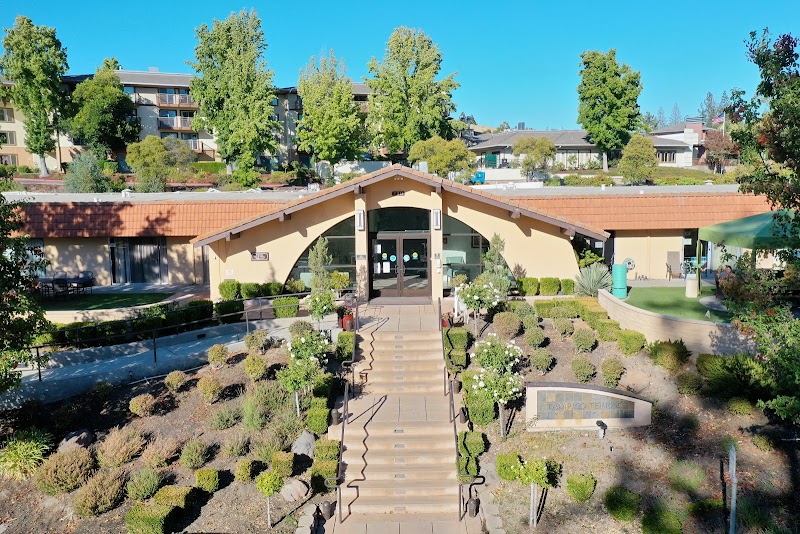
How is Tampico Healthcare Center Staffed?

CMS rates TAMPICO HEALTHCARE CENTER's staffing level at 4 out of 5 stars, which is above average compared to other nursing homes. Staff turnover is 33%, compared to the California average of 46%. This relatively stable workforce can support continuity of care.

What Have Inspectors Found at Tampico Healthcare Center?

State health inspectors documented 39 deficiencies at TAMPICO HEALTHCARE CENTER during 2020 to 2025. These included: 39 with potential for harm.
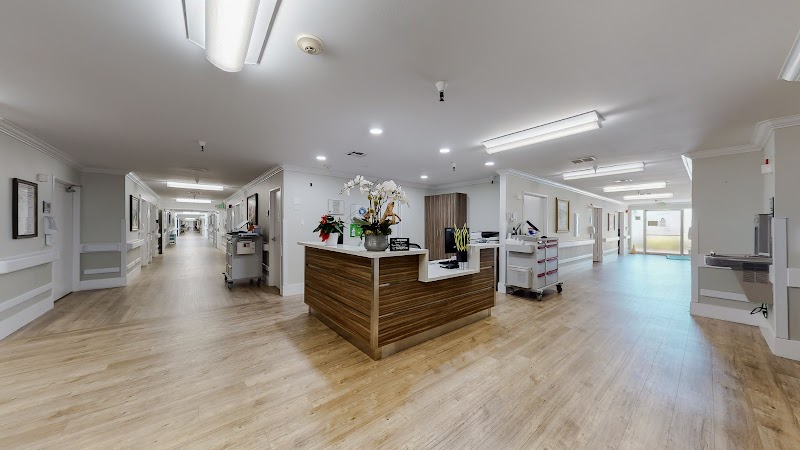
Who Owns and Operates Tampico Healthcare Center?

TAMPICO HEALTHCARE CENTER is owned by a for-profit company. For-profit facilities operate as businesses with obligations to shareholders or private owners. The facility operates independently rather than as part of a larger chain. With 128 certified beds and approximately 117 residents (about 91% occupancy), it is a mid-sized facility located in WALNUT CREEK, California.
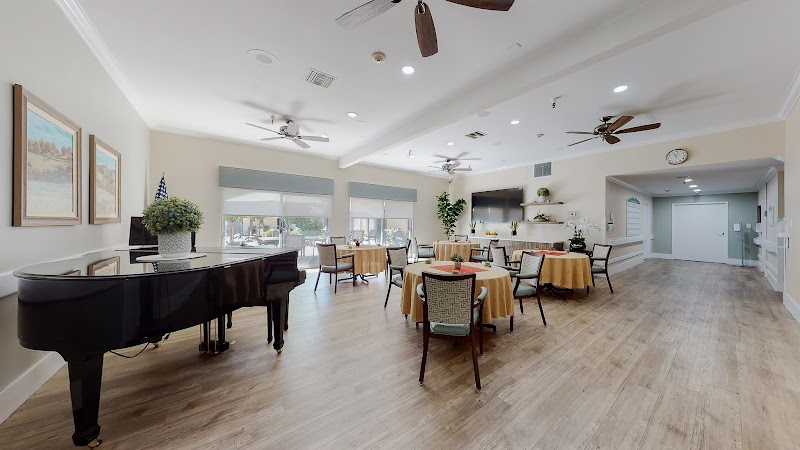
How Does Tampico Healthcare Center Compare to Other California Nursing Homes?

Compared to the 100 nursing homes in California, TAMPICO HEALTHCARE CENTER's overall rating (3 stars) is below the state average of 3.1, staff turnover (33%) is significantly lower than the state average of 46%, and health inspection rating (3 stars) is at the national benchmark.

What Should Families Ask When Visiting Tampico Healthcare Center?

Based on this facility's data, families visiting should ask: "Can I visit during a mealtime to observe dining assistance and food quality?" "How do you handle medical emergencies, and what is your hospital transfer rate?" "Can I speak with family members of current residents about their experience?"

Is Tampico Healthcare Center Safe?

Based on CMS inspection data, TAMPICO HEALTHCARE CENTER has a clean safety record: no substantiated abuse findings (meaning no confirmed cases of resident harm), no Immediate Jeopardy citations (the most serious violation level indicating risk of serious injury or death), and is not on the Special Focus Facility watch list (a federal program monitoring the lowest-performing 1% of nursing homes). The facility has a 3-star overall rating and ranks #100 of 100 nursing homes in California. While no facility is perfect, families should still ask about staff-to-resident ratios and recent inspection results during their visit.

Do Nurses at Tampico Healthcare Center Stick Around?

TAMPICO HEALTHCARE CENTER has a staff turnover rate of 33%, which is about average for California nursing homes (state average: 46%). Moderate turnover is common in nursing homes, but families should still ask about staff tenure and how the facility maintains care continuity when employees leave.

Was Tampico Healthcare Center Ever Fined?

TAMPICO HEALTHCARE CENTER has been fined $3,250 across 1 penalty action. This is below the California average of $33,111. While any fine indicates a compliance issue, fines under $50,000 are relatively common and typically reflect isolated problems that were subsequently corrected. Families should ask what specific issues led to these fines and confirm they've been resolved.

Is Tampico Healthcare Center on Any Federal Watch List?

TAMPICO HEALTHCARE CENTER is not on any federal watch list. The most significant is the Special Focus Facility (SFF) program, which identifies the bottom 1% of nursing homes nationally based on persistent, serious quality problems. Not being on this list means the facility has avoided the pattern of deficiencies that triggers enhanced federal oversight. This is a positive indicator, though families should still review the facility's inspection history directly.