THE GROVE POST-ACUTE
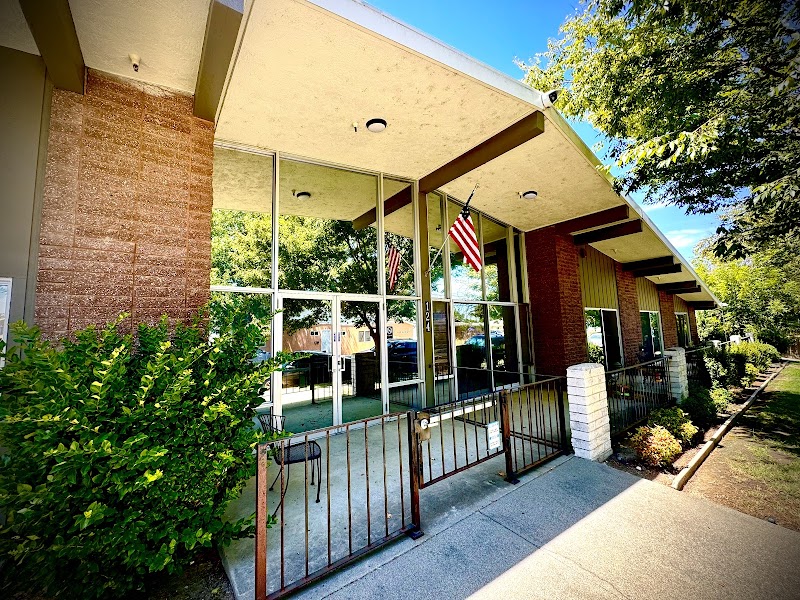
124 WALNUT STREET, WOODLAND, CA 95695 (530) 662-9161
For profit - Limited Liability company 140 Beds LINKS HEALTHCARE GROUP Data: November 2025
Trust Grade
35/100
#922 of 1155 in CA
Last Inspection: March 2025

Within standard 12-15 month inspection cycle. Federal law requires annual inspections.

Overview

The Grove Post-Acute has received a Trust Grade of F, indicating poor performance with significant concerns. It ranks #922 out of 1155 facilities in California, placing it in the bottom half, and #5 out of 6 in Yolo County, meaning only one local facility is rated lower. The facility's trend is improving, with the number of issues decreasing from 22 in 2024 to 15 in 2025. Staffing is a relative strength, rated 4 out of 5, although the turnover rate of 46% is around the state average. Notably, there have been multiple concerns about sanitation in the kitchen, including expired items found in the refrigerator and unsanitary conditions that could lead to foodborne illnesses, as well as issues with call lights not being accessible for some residents, which could jeopardize their safety.

Trust Score
F
35/100
In California
#922/1155
Bottom 21%
Safety Record
High Risk
Review needed
Inspections
Getting Better
22 → 15 violations
Staff Stability
⚠ Watch
46% turnover. Above average. Higher turnover means staff may not know residents' routines.
Penalties
✓ Good
No fines on record. Clean compliance history, better than most California facilities.
Skilled Nurses
○ Average
Each resident gets 34 minutes of Registered Nurse (RN) attention daily — about average for California. RNs are the most trained staff who monitor for health changes.
Violations
⚠ Watch
55 deficiencies on record. Higher than average. Multiple issues found across inspections.
★★☆☆☆
2.0
Overall Rating
★★★★☆
4.0
Staff Levels
★★★★☆
4.0
Care Quality
★★☆☆☆
2.0
Inspection Score
Stable
2024: 22 issues
2025: 15 issues

The Good

  • 4-Star Staffing Rating · Above-average nurse staffing levels
  • 4-Star Quality Measures · Strong clinical quality outcomes
  • Full Sprinkler Coverage · Fire safety systems throughout facility
  • No fines on record

Facility shows strength in staffing levels, quality measures, fire safety.

The Bad

2-Star Overall Rating

Below California average (3.1)

Below average - review inspection findings carefully

Staff Turnover: 46%

Near California avg (46%)

Higher turnover may affect care consistency

Chain: LINKS HEALTHCARE GROUP

Part of a multi-facility chain

Ask about local staffing decisions and management

The Ugly 55 deficiencies on record

Sept 2025 1 deficiency
CONCERN (D) 📢 Someone Reported This

A family member, employee, or ombudsman was alarmed enough to file a formal complaint

Potential for Harm - no one hurt, but risky conditions existed

Free from Abuse/Neglect (Tag F0600)

Could have caused harm · This affected 1 resident

Based on observations, interviews, and record review, the facility failed to protect one of five sampled residents' (Resident 1) right to be free from physical/mental abuse by Resident 2 when Resident...

Read full inspector narrative →
Based on observations, interviews, and record review, the facility failed to protect one of five sampled residents' (Resident 1) right to be free from physical/mental abuse by Resident 2 when Resident 2 shoved a walker into Resident 1's legs.As a result of this failure, Resident 1 experienced a skin tear in the left knee. Findings:Resident 1 was admitted to the facility in March of 2025 with diagnoses that included chronic respiratory failure and adult failure to thrive.A review of Resident 1's Minimum Data Set (MDS, a standardized assessment tool used in nursing homes), dated 7/16/25, indicated Resident 1 had a Brief Interview for Mental Status (BIMS) score of 13 of 15 indicating Resident 1 was cognitively intact.Resident 2 was admitted to the facility in December of 2023 with diagnoses that included dementia (a decline in cognitive abilities, such as memory, thinking, and reasoning).During a review of the facility's document titled, Event Statement Form, dated 8/19/25, the document indicated that Certified Nursing Assistant 1 (CNA 1) gave the following statement after the incident between Resident 1 and 2 had occurred, I heard [Resident 1] and [Resident 2] arguing from the hallway over their curtain. I rushed over there and witnessed [Resident 1] standing above [Resident 2] who was seated in his wheelchair. [Resident 1's] walker was in front of [Resident 2], and [Resident 2] pushed the walker into [Resident 1] right as I walked into the room.During a review of Resident 1's SBAR [situation, background, assessment, and recommendation] & INITIAL COC [change in condition]/ALERT CHARTING & SKILLED DOCUMENTATION, dated 8/19/25, the document indicated, Describe the problem/symptom: Verbal Disagreement with roommate resulting in ST [skin tear] to L [left]. knee.Other things that have occurred with this problem/symptom are: ST 0.9x0.2x.0.1 cm [centimeters] to Right (sic) front knee, with scant bleeding, controlled and stopped.During an interview on 9/2/25 at 10:28 a.m. with CNA 1, CNA 1 confirmed that she witnessed Resident 2 shove a walker into Resident 1's legs during her shift on 8/19/25 at approximately 6:20 p.m. CNA 1 indicated that, as a result of the incident, Resident 1 ended up with a skin tear to his left knee.During a concurrent observation and interview on 9/2/25 at 11:02 a.m. with Resident 1, Resident 1's left anterior knee had a circular scab of approximately 1 inch diameter. Resident 1's knee also had purplish and reddish bruising to the medial aspect of his left knee. Resident 1 indicated that, on 8/19/25, Resident 2 shoved a walker into his knees and stated, I was surprised he did what he did.I put my hands up in fear during the incident.During an interview on 9/2/25 at 11:47 a.m. with the Social Services Director Assistant (SSDA), the SSDA indicated that a resident using a walker to strike another resident would be considered physical abuse.During an interview on 9/2/25 at 1:03 p.m. with Licensed Nurse 2 (LN 2), LN 2 indicated she assessed Resident 1 immediately after the incident between Resident 1 and Resident 2. LN 2 indicated Resident 1 sustained a skin tear to his left knee that was bleeding, so she proceeded to bandage it. LN 2 further indicated that, after a short time after applying the dressing, the wound had bled through the dressing and required a new dressing.During a review of the facility's policy and procedure (P&P) titled Abuse Prevention Policy, revised 3/24, the P&P indicated, Each resident has the right to be free from verbal, sexual, physical, and mental abuse, corporal punishment and involuntary seclusion. Residents must not be subjected to abuse by anyone, including, but not limited to, facility staff, other residents, consultants or volunteers, staff off other agencies serving the resident, family member(s) or legal guardian, friend(s), or other individuals.
Mar 2025 14 deficiencies
CONCERN (D)

Potential for Harm - no one hurt, but risky conditions existed

Transfer Notice (Tag F0623)

Could have caused harm · This affected 1 resident

Based on observation, interview, and record review, the facility failed to notify the RP (Responsible Party) of the transfer and the reason for the transfer for one resident (Resident 132) out of 32 s...

Read full inspector narrative →
Based on observation, interview, and record review, the facility failed to notify the RP (Responsible Party) of the transfer and the reason for the transfer for one resident (Resident 132) out of 32 sampled residents. This failure increased the risk for Resident 132's RP not be informed of the resident's discharge rights. Findings: Review of Resident 132's admission record indicated Resident 132 was admitted in December 2024 with several diagnoses including memory deficit following other cerebral vascular disease (memory problems caused by inadequate blood flow in parts of the brain) and dementia (a progressive decline in mental abilities). Review of Resident 132's Minimum Data Set (MDS, a federally mandated assessment tool) dated 12/13/24, indicated Resident 132 had severely impaired cognition. Review of Resident 132's Nurse's Notes dated 12/13/24, indicated, Resident sent to ER [emergency room] due to disturbing behaviors. During a concurrent observation and interview on 3/7/25 at 9:02 a.m. with the Director of Nursing (DON), the DON confirmed that there was no documentation that Resident 132's RP was notified of resident's transfer to an acute care hospital. The DON stated that her expectation was that the RP be notified by the Licensed Nurse before a resident is transferred. Review of the facility's Policy and Procedure (P&P) dated October 2022, and titled, Transfer or Discharge, Facility Initiated. The P&P indicated, When a resident is transferred or discharged from the facility, the following information is documented in the medical records .That an appropriate notice was provided to the resident and/or legal representative .
CONCERN (D)

Potential for Harm - no one hurt, but risky conditions existed

MDS Data Transmission (Tag F0640)

Could have caused harm · This affected 1 resident

Based on interview and record review, the facility failed to timely submit a Minimum Data Set (MDS, a federally mandated resident assessment tool) for one of 32 sampled residents (Resident 119) when t...

Read full inspector narrative →
Based on interview and record review, the facility failed to timely submit a Minimum Data Set (MDS, a federally mandated resident assessment tool) for one of 32 sampled residents (Resident 119) when the discharge assessment was not completed and transmitted according to the required regulatory time frame. This failure had the potential to result in incomplete information being submitted to Centers for Medicare and Medicaid Services (CMS). Findings: A review of Resident 119's admission record indicated she was admitted to the facility on 9/2024 and discharged on 10/4/24. In a concurrent interview and record review on 3/6/25 at 11:08 a.m., with the MDS Coordinator 1 (MDSC 1), Resident 119's MDS assessments were reviewed. MDSC 1 confirmed Resident 119's discharge assessment was completed and transmitted more than 14 days from the date of discharge. In an interview on 3/7/25 at 8:35 a.m. with the Director of Nursing (DON), the DON stated she expected the MDSC 1 to follow the required timeframes for MDS submission. A review of the facility's policy titled MDS Completion and Submission Timeframes revised in 2023 stipulated the facility will conduct and submit resident assessments in accordance with current federal and state submission timeframes. A review of a document titled Assessments for the RAI [Resident Assessment Instrument], dated 10/23, indicated MDS completion date for discharge assessment must be completed no later than the discharge date plus 14 calendar days.
CONCERN (D)

Potential for Harm - no one hurt, but risky conditions existed

Deficiency F0645 (Tag F0645)

Could have caused harm · This affected 1 resident

Based on interview and record review, the facility failed to ensure one of 32 sampled residents (Resident 125) had a PASARR (Pre admission Screening and Resident Review, a federal requirement to ensur...

Read full inspector narrative →
Based on interview and record review, the facility failed to ensure one of 32 sampled residents (Resident 125) had a PASARR (Pre admission Screening and Resident Review, a federal requirement to ensure individuals with serious mental illness, intellectual disability, or other related conditions are not inappropriately placed in nursing homes for long term care and receive services in the most integrated setting) completed. This failure had the potential for the facility not to provide or seek appropriate mental health services for Resident 125. Findings: A review of Resident 125's admission Record indicated Resident 125 was admitted to the facility in December 2024 with multiple diagnoses including Major Depressive Disorder ( a common and serious condition characterized by persistent feelings of sadness, loss of interest, and other symptoms that significantly interfere with daily life). During a review of Resident 125's medical record, under PASARR, the document titled DHCS[Department of Health Care Services], dated 12/13/2024 indicated, . If the individual remains in the NF[Nursing Facility] longer than 30 days, the facility must resubmit a new Level 1 [a screening used to determine if an individual has or is suspected of having a PASARR condition ]Screening as a Resident Review on the 31st day, During a concurrent interview and record review on 3/7/25 at 1:56 p.m. with Director of Nursing (DON) and Administrator (ADM), the DON and ADM reviewed the PASARR document provided by the facility located in Resident 33's medical record. The DON and ADM confirmed there should be an additional PASARR to be completed for Resident 125. DON and ADM stated this was missed and it should have been done. A request was made to the Administrator(ADM) on 3/7/25 at 2:53 p.m. for additional PASARR documentation for Resident 125 and facility PASARR policy and there was no documentation provided.
CONCERN (D)

Potential for Harm - no one hurt, but risky conditions existed

Deficiency F0658 (Tag F0658)

Could have caused harm · This affected 1 resident

**NOTE- TERMS IN BRACKETS HAVE BEEN EDITED TO PROTECT CONFIDENTIALITY** 3b. A review of the admission Record indicated Resident 115 was initially admitted [DATE] and recently admitted [DATE]. with dia...

Read full inspector narrative →
**NOTE- TERMS IN BRACKETS HAVE BEEN EDITED TO PROTECT CONFIDENTIALITY** 3b. A review of the admission Record indicated Resident 115 was initially admitted [DATE] and recently admitted [DATE]. with diagnoses including Diabetes mellitus with diabetic neuropathy (nerve damage caused by high blood sugar levels). A review of Resident 115's Minimum Data Set (MDS, a federally mandated resident assessment tool) dated 1/17/25 indicated Resident 115 had moderate cognitive impairment with a score of 12 out of 15 in the Brief Interview for Mental Status (BIMS, an assessment tool used by facilities to screen and identify memory, orientation, and judgement status of the resident). A review of Resident 115's physician order dated 1/13/25 indicated, COMPRESSION SOCKS: CNA [Certified Nursing Assistant] to apply COMPRESSION SOCKS to BLE [bilateral lower extremities] during the day and remove at bedtime as tolerated . Further review of Resident 115's clinical records indicated the following: - admission H & P [History & Physical] dated 1/10/25 indicated, .Edema [swelling caused by excess fluid buildup] of lower extremity due to peripheral venous insufficiency [veins in the legs have trouble returning blood to the heart] .chronic, continue compression stocking daily; - the Medication Administration Record (MAR) from 1/13/25 to 3/4/25 had no documentation of Resident 115's refusal to use the compression socks. The MAR was signed by LNs all shifts; and, - there was no care plan initiated for Resident 115's use of compression socks from 1/13/25 to 3/4/25. In a concurrent observation and interview on 3/4/25 at 9:08 a.m., Resident 115 was up in his wheelchair inside his room and had socks and shoes on. Resident 115 stated he had been in the facility for a couple of weeks and he was ready to go home. A concurrent observation and interview was conducted on 3/5/25 at 2:15 p.m.,inside Resident 115's room with his wife at bedside. Resident 115 and his wife stated he was wearing regular socks. Resident 115's wife further stated [Resident 115] had not been using the compression socks for 6 weeks and resident just quit using it. A concurrent interview and record review was conducted on 3/5/25 at 2:20 p.m. in the nurses' station with LN 5. The LN 5 confirmed Resident 115 had an order for compression socks dated 1/13/25. The LN 5 stated she had not checked if resident was wearing the compression socks and she did not get a report from the CNA of resident refusing to wear the compression socks. A subsequent observation and interview was conducted on 3/5/25 at 2:22 p.m., inside Resident's 115 room with his wife at bedside. The LN 5 checked Resident 115's socks and confirmed he was using non skid socks and not compression socks. A concurrent observation and interview was conducted on 3/6/25 at 10:06 a.m., inside Resident 115's room with CNA 4. The CNA 4 confirmed Resident 115 was using his own socks provided by his wife and it was not compression socks. The CNA 4 stated she did not know if Resident 115 should wear compression socks. The CNA 4 further stated LN 5 did not inform her Resident 115 had to use compression socks. The CNA 4 added she had worked with Resident 115 three weeks ago and resident was using the socks provided by his wife. In a concurrent interview and record review on 3/7/25 at 10:43 a.m., the DON stated Resident 115 had episodes of refusing the compression socks. The DON further stated she confirmed with one of the CNAs Resident 115 sometimes wears his compression socks and sometimes he does not. The DON said her expectation was for LNs to document resident refusal either in the MAR or TAR [Treatment Administration Record] since the resident has the right to refuse. The DON confirmed the care plan for the use of compression socks was initiated on 3/6/25 and there was no documented refusals in the MAR from 1/13/25 to 3/4/25. A review of the facility's policy and procedure revised October 2010 and titled, Applying Anti-Emboli Stockings (TED Hose) indicated, The purpose of this procedure is to improve venous return to the heart, to improve arterial circulation to the feet, to minimize edema to the legs and feet .The following information should be recorded in the resident's medical record .If the resident refused the treatment, the reason(s) why and the intervention taken .Notify the supervisor if the resident refuses the procedure. Based on observation, interview, and record review, the facility failed to provide services according to professional standards of quality for four residents (Resident 13, Resident 83 Resident 115 and Resident 33) of 32 sampled residents, when: 1. Licensed Nurse 1 (LN 1) did not follow the physician's order in administering Resident 13's prescribed medication; 2. Three of Resident 83's morning medication were combined and administered at the same time through the feeding tube; 3a. Resident 115 was given another resident's supply of insulin glargine (long-acting insulin); and, 3b. Resident 115's order for compression socks was not followed as ordered. 3c. Resident 33's physician order to flush an indwelling Foley catheter (a thin flexible tube inserted into the urinary bladder to drain urine) was not followed as ordered. These failures increased the resident's potential to have unmet health needs and decreased the facility's potential to provide a responsible and accurate care for residents. Findings: 1. A review of an admission record for Resident 13 indicated he was admitted to the facility in December 2009 with diagnoses including hyperlipidemia (high cholesterol, too much fat in the blood). In an observation on 3/4/25 at 8:50 a.m., during medication pass with LN 1, LN 1 was observed preparing Resident 13's morning medications, LN 1 scooped a teaspoon (tsp., unit of measurement) of psyllium powder (used for constipation) and stirred it with 5 ounces (oz., unit of measurement) of water. LN 1 stated Resident 13 drinks the mixture without difficulty. A review of Resident 13's Order Summary Report (OSR) dated 12/30/22 indicated an order for Resident 13 to receive a tablespoon (tbsp., unit of measurement) of psyllium powder mixed in 8 oz. of water daily in the morning. In a concurrent interview and record review on 3/7/25 at 8:05 a.m., with LN 1 Resident 13's OSR was reviewed. LN 1 confirmed that on 3/4/25, she did not administer the right dosage of psyllium powder to Resident 13, instead of giving 1 tbsp. LN 1 gave 1 tsp. of psyllium mixed in 5 oz. of water. 2. A review of an admission record for Resident 83 indicated he was admitted to the facility in December 2023 with diagnoses including anoxic brain damage (irreversible brain damage caused by an interrupted oxygen supply to the brain). A review of Resident 83's OSR dated 12/8/23 indicated Resident 83 takes nothing by mouth, receives nutrition and medication through the feeding tube. A review of Resident 83's OSR dated 12/13/23 indicated to flush feeding tube with 60 ml.[ml, milliliter is a unit of measurement] of water before and after medication administration. In an observation on 3/4/25 at 10 a.m., during medication administration with LN 2, LN 2 was observed preparing medications for Resident 83. LN 2 crushed two 100 milligram (mg., unit of measurement) tablets of docusate sodium (stool softener), one tablet of multi-vitamin with minerals, opened two soft gel capsules of ultimate omega, and six capsules of herbal supplements. During a continued medication administration observation on 3/4/25 starting at 10 a.m., LN 2 combined all crushed and opened medications and mixed it with water in a 5 oz cup. LN 2 flushed Resident 83's feeding tube with 40 ml., of warm water then poured the medication mixture right after. Resident 83's feeding tube stopped draining after a few minutes, and the Assistant Director of Nursing (ADON) came in Resident 83's room to assist LN 2. The ADON confirmed the feeding tube was plugged up because of the medication mixture. The ADON stated the medications should have been administered one at a time with water flushes in between to keep the feeding tube patent and prevent it from getting blocked. 3a. A review of Resident 115's admission Record indicated he was admitted in January 2025 with diagnoses including Diabetes Mellitus (DM-a disorder characterized by difficulty in blood sugar control and poor wound healing). A review of Resident 115's OSR dated 2/27/25 indicated an order for insulin glargine (long acting insulin, a medication used to manage diabetes), inject 22 units subcutaneously (SQ, under the skin) daily in the morning. On 3/4/25 the following concurrent observations and interviews were conducted with LN 2: - At 9:45 a.m., LN 2 checked Resident 115's blood sugar level, LN 2 stated it was 375; - At 9:50 a.m., LN 2 took one vial of insulin glargine (long-acting insulin) from the medication cart without checking the label and withdrew 22 units in a syringe, LN 2 used another resident's supply of the same insulin, LN 2 stated she was in a hurry and did not check the name on the insulin vial; and, - At 9:55 a.m. LN 2 injected the 22 units of insulin glargine to Resident 115's abdomen, insulin that belonged to another resident. In an interview on 3/7/25 at 8:35 a.m. with the Director of Nursing (DON) the DON stated all the nurses had undergone skills training in medication administration including administration through a feeding tube. The DON stated she expected all nurses to be able to utilize what they had learned in training to be able to properly care for the residents and prevent errors when giving medications that can lead to complications. A review of the facility's policy titled Administering Medications Through an Enteral Tube revised in 2018 indicated .safe administration of medications through an enteral tube .Administer each medication separately .If administering more than one medication, flush with 15 ml warm purified water between medications. A review of the facility's policy titled Administering Medications revised in 2019 indicated Medications are administered in a safe .manner .The individual administering the medication checks the label to verify the right resident, right medication, right dose, right time and right method (route) of administration before giving the medication. 3c. A review of Resident 33's admission Record indicated Resident 33 was admitted to the facility in November 2024 with multiple diagnoses including history of urinary tract infection and diabetes. During a review of Resident 33's Physician order, dated 11/21/24, the order directed, . Catheter: irrigated with 60 mL[milliliters, a unit of measurement] of Normal Saline [a sterile solution] PRN [as needed] (Clogging) . During an observation on 3/4/25 at 9:41 a.m. in Resident 33's room, Resident 33 was observed resting in bed with catheter tubing noted with cloudy yellow urine. During a follow up observation on 3/7/25 at 7:17 a.m. in Resident 33's room, Resident 33 was observed sitting up in bed. The catheter tubing was noted with yellow thick sediments and dark cloudy urine. During a concurrent observation and interview on 3/7/25 at 7:33 a.m. with CNA 5 in Resident 33's room, Resident 33's catheter tubing was observed with thick yellow sediment, was cloudy and yellow in color. CNA 5 confirmed the observation of thick yellow sediment and she stated [the observation] should be reported to the nurse. During an interview on 3/7/25 at 9:21 a.m. at nursing station 1 next to the administration office with Treatment Nurse (TN), the TN stated, catheter care can be completed by the treatment nurse and shift nurses. TN further stated the catheter tubing flush for Resident 33 was ordered as needed. The TN confirmed there were sediments in Resident 33's catheter tubing via photo images taken by surveyor and should be flushed. During a review of Resident 33's progress note dated 2/9/25, the progress note indicated, . Family member concerned with cath [catheter] bag containing light sediment with dark urine in part of tubing and requested to change cath out. Checked order with last change 1/18/25 per Q30 [every 30] days schedule order for patient. Flushed cath . During a review of Resident 33's care plan titled Resident has altered elimination due to use of indwelling catheter . dated 11/21/24 indicated, . Change FC [Foley catheter] . per facility protocol . Check urine for any significant change in color, odor, amount, and Notify MD [Medical Doctor, physician] . During a review of Resident 33's Treatment Administration Record (TAR), the TAR indicated order dated 11/21/24 to . Observe for s/s [signs and symptoms] of infexn [sic, infection] & complications r/t [related to] use . Thick/cloudy urine . Excessive sediments . early detection of possible infection for use of indwelling catheter . On 3/5/25 TAR documentation indicated there was thick cloudy urine noted. There was no documentation the resident's physician was notified of the s/s of infection. During a concurrent interview and record review on 3/7/25 at 1:24 p.m. with DON, the DON stated her expectation for catheter care and flushes was the nursing staff to follow physician's orders, if they are monitoring it daily, it should be documented according to what they observed. DON confirmed sediment in catheter tubing via photograph image and confirmed monitoring order for catheter for Resident 33. During a review of policy and procedure titled, Catheter Care, Urinary, dated August 2022, indicated, . change catheters and drainage bags based on clinical indication such as infection, obstruction . Residents who form encrustations can quickly lead to an obstruction need more frequent catheter changes Report unusual findings to Physician or supervisor . if urine has an unusual appearance . color . if signs of symptoms of urinary traction infections .occur The following information should be recorded in the resident's medical record . character of urine such as color .
CONCERN (D)

Potential for Harm - no one hurt, but risky conditions existed

Accident Prevention (Tag F0689)

Could have caused harm · This affected 1 resident

Based on observation, interview, and record review, the facility failed to promote safety measures for one of 32 sampled residents (Resident 50) when Resident 50's order for the use of wander guard (a...

Read full inspector narrative →
Based on observation, interview, and record review, the facility failed to promote safety measures for one of 32 sampled residents (Resident 50) when Resident 50's order for the use of wander guard (a device that allows sensors on doors to alarm to keep track of wandering residents) was not followed as ordered. This failure increased Resident 50's risk for elopement. Findings: A review of an admission record for Resident 50 indicated she was admitted in November 2024 with diagnoses including vascular dementia (a type of dementia caused by problems with blood flow to the brain affecting thinking, memory, and behavior). A review of Resident 50's Order Summary Report (OSR) dated 11/10/24 indicated an order to apply wander guard to the left arm/wrist and check placement every shift due to episodes of going out of the facility unassisted. During observations on 3/4/25 at 11:50 a.m., 3/5/25 at 1:45 p.m., and 3/6/25 at 9 a.m., Resident 50 was observed not wearing a wander guard. During a concurrent observation, interview, and record review on 3/6/25 at 10:28 a.m., with the Assistant Director of Nursing (ADON), Resident 50's OSR, and Medication Administration Record (MAR) were reviewed. ADON confirmed Resident 50 was not wearing a wander guard to the left arm or to any of Resident 50's upper/lower extremities, but the order was still active due to Resident 50's history of wandering. During an interview on 3/7/25 at 8:35 a.m., with the Director of Nursing (DON) the DON acknowledged that Resident 50 should always wear the wander guard as ordered to maintain resident's safety with proper supervision and prevent wandering that may lead to accidents. A review of the facility's policy titled Wandering and Elopements revised in 2019 indicated The facility will identify residents who are at risk for unsafe wandering . care plan .will include strategies and interventions to maintain resident's safety.
CONCERN (D)

Potential for Harm - no one hurt, but risky conditions existed

Drug Regimen Review (Tag F0756)

Could have caused harm · This affected 1 resident

**NOTE- TERMS IN BRACKETS HAVE BEEN EDITED TO PROTECT CONFIDENTIALITY** Based on interview and record review, the facility failed to ensure the pharmacy recommendations for one of 32 sampled residents...

Read full inspector narrative →
**NOTE- TERMS IN BRACKETS HAVE BEEN EDITED TO PROTECT CONFIDENTIALITY** Based on interview and record review, the facility failed to ensure the pharmacy recommendations for one of 32 sampled residents (Resident 54) during a Medication Regimen Review (MRR) was communicated to the physician. This failure had the potential for Resident 54 to experience adverse effects from the medication. Findings: A review of the admission Record indicated Resident 54 was admitted [DATE] with multiple diagnoses including insomnia (trouble falling asleep or staying asleep). A review of Resident 54's Medication Administration Record (MAR, daily documentation record used by a licensed nurse to document medication and treatment given to a resident) included the following orders: -an order dated 4/4/24 for Melatonin (used to treat insomnia) 3 mg (milligram, unit of measurement) give 1 tablet by mouth for insomnia; -an order dated 4/4/24 for Melatonin 3 mg give 1 tablet by mouth as needed for insomnia. May give one additional tablet at bedtime, total of 6 mg per day; and, -an order dated 6/1/24 for Melatonin 3 mg give 1 tablet by mouth as needed at bedtime for circadian rhythm (internal clock in the brain that regulates cycles of alertness and sleepiness). A review of the MRR from the Consultant Pharmacist created between 1/1/25 and 1/26/25 for Resident 54 indicated, There are two PRN [given as needed or requested] orders for Melatonin. One of these should be discontinued. In a concurrent interview and record review on 3/6/25 starting at 3:33 p.m., the Director of Nursing (DON) stated the facility communicates the pharmacy recommendations to the physician. The DON confirmed Resident 54 had 2 PRN orders for Melatonin and a scheduled Melatonin 3 mg at bedtime for insomnia. The DON further stated the additional Melatonin PRN order should have been discontinued since Resident 54 was on routine Melatonin. In a follow up interview on 3/7/25 at 10:54 a.m., the DON stated she had a conversation with the physician regarding Resident 54's Melatonin orders and she was not sure if the conversation was documented. The DON further stated she will check with medical records. In a concurrent interview and record review on 3/7/25 at 2:52 p.m., the Medical Records Director (MRD) stated she could not find documented evidence the physician was notified of the pharmacy recommendations for Resident 54's PRN Melatonin orders. A review of the facility's policy and procedure revised May 2019 and titled, Medication Regimen Reviews indicated, .The consultant pharmacist performs a medication regimen review (MRR) for every resident in the facility .The MRR involves a thorough review of the resident's medical record to prevent, identify, report and resolve medication related problems .and other irregularities, for example .duplicative therapies .Within 24 hours of the MRR, the consultant pharmacist provides a written report to the attending physician for each resident identified as having a non-life threatening medication irregularity .The attending physician documents in the medical record that the irregularity has been reviewed and what (if any) was taken to address it.
CONCERN (D)

Potential for Harm - no one hurt, but risky conditions existed

Unnecessary Medications (Tag F0759)

Could have caused harm · This affected 1 resident

Based on observation, interview, and record review the facility failed to ensure the medication error rate was less than five percent (5%) for a census of 132 when: 1. Licensed Nurse 1 (LN 1) did not ...

Read full inspector narrative →
Based on observation, interview, and record review the facility failed to ensure the medication error rate was less than five percent (5%) for a census of 132 when: 1. Licensed Nurse 1 (LN 1) did not follow the physician's order in administering Resident 13's prescribed medication; 2. Resident 115 was given another resident's supply of insulin glargine (long-acting insulin); and 3. Three of Resident 83's morning medication were combined and administered at the same time through the feeding tube with no regard for medication reactions (therapeutic response). These failures resulted in a medication error rate of 23.08% for the facility. Findings: 1. A review of an admission record for Resident 13 indicated he was admitted to the facility in December 2009 with diagnoses including hyperlipidemia (high cholesterol, too much fat in the blood). In an observation on 3/4/25 at 8:50 a.m., during Medication Administration with LN 1, LN 1 was observed preparing Resident 13's morning medications, LN 1 scooped a teaspoon (tsp., unit of measurement) of psyllium powder (used for constipation) and stirred it with 5 ounces (oz., unit of measurement) of water. LN 1 stated Resident 13 drinks the mixture without difficulty. A review of Resident 13's Order Summary Report (OSR) dated 12/30/22 indicated an order for Resident 13 to receive a tablespoon (tbsp., unit of measurement) of psyllium powder mixed in 8 oz. [ounce,unit of volume measurement] water daily in the morning. In a concurrent interview and record review on 3/7/25 at 8:05 a.m., with LN 1 Resident 13's OSR was reviewed. LN 1 confirmed that on 3/4/25, she did not administer the right dosage of psyllium powder to Resident 13, instead of giving 1 tbsp. LN 1 gave 1 tsp. of psyllium mixed in 5 oz. of water. 2. A review of Resident 115's admission Record indicated he was admitted in January 2025 with diagnoses including Diabetes Mellitus (DM-a disorder characterized by difficulty in blood sugar control and poor wound healing). A review of Resident 115's OSR dated 2/27/25 indicated an order for insulin glargine (long acting insulin), inject 22 units subcutaneously (SQ, under the skin) daily in the morning. On 3/4/25 the following concurrent observations and interviews were conducted with LN 2: - At 9:45 a.m., LN 2 checked Resident 115's blood sugar level, LN stated it was 375; - At 9:50 a.m., LN 2 took one vial of insulin glargine (long-acting insulin) without inspecting the label properly from the medication cart then withdrew 22 units in a syringe, LN 2 used another resident's supply of the same insulin, LN 2 stated she was in a hurry and did not check the name on the insulin vial. - At 9:55 a.m. LN 2 injected 22 units of insulin glargine to Resident 115's abdomen taken from another resident's vial. 3. A review of the admission record for Resident 83 indicated he was admitted to the facility in December 2023 with diagnoses including anoxic brain damage (irreversible brain damage caused by an interrupted oxygen supply to the brain). A review of Resident 83's OSR dated 12/8/23 indicated Resident 83 took nothing by mouth, received nutrition and medication through the feeding tube. A review of Resident 83's OSR dated 12/13/23 indicated to flush feeding tube with 60 ml. (milliliter, volume measurement) of water before and after medication administration. In an observation on 3/4/25/at 10 a.m., during Medication Administration with LN 2, LN 2 was observed preparing all medications for Resident 83. LN 2 crushed two 100 milligram (mg., unit of measurement) tablets of docusate sodium (stool softener), one tablet of multi-vitamin with minerals, opened two soft gel capsules of ultimate omega, and six capsules of herbal supplements. During a continued Medication Administration observation on 3/4/25 starting at 10 a.m., LN 2 combined all crushed and opened medications then mixed it with water in a 5 oz cup. LN 2 flushed Resident 83's feeding tube with 40 ml.,of warm water then poured the medication mixture right after. Resident 83's feeding tube stopped draining after a few minutes, and the Assistant Director of Nursing (ADON) went inside Resident 83's room to assist LN 2. The ADON confirmed the feeding tube was plugged up because of the medication mixture. The ADON stated the medications should have been administered one at a time with water flushes in between to keep the feeding tube patent and prevent it from getting blocked and as per policy. In an interview on 3/7/25 at 8:35 a.m. with the Director of Nursing (DON) the DON stated all the nurses had undergone skills training in medication administration including administration through a feeding tube. DON expected all nurses to be able to utilize what they've learned in training to be able to properly care for the residents and prevent errors when giving medications that can lead to complications. A review of the facility's policy titled Administering Medications Through an Enteral Tube revised in 2018 indicated .safe administration of medications through an enteral tube .Administer each medication separately .If administering more than one medication, flush with 15 ml warm purified water between medications. A review of the facility's policy titled Administering Medications revised in 2019 indicated Medications are administered in a safe .manner .The individual administering the medication checks the label to verify the right resident, right medication, right dose, right time and right method (route) of administration before giving the medication.
CONCERN (D)

Potential for Harm - no one hurt, but risky conditions existed

Deficiency F0760 (Tag F0760)

Could have caused harm · This affected 1 resident

Based on observation, interview, and record review the facility failed to ensure one resident (Resident 115) for a census of 132 was free from significant medication error when Resident 115 was admini...

Read full inspector narrative →
Based on observation, interview, and record review the facility failed to ensure one resident (Resident 115) for a census of 132 was free from significant medication error when Resident 115 was administered another resident's insulin. This failure increased Resident 115's risk for receiving the wrong medication and complications of diabetes (DM-a disorder characterized by difficulty in blood sugar control and poor wound healing) including diabetic coma. Findings: A review of Resident 115's admission Record indicated he was admitted in January 2025 with diagnoses including Type 1 Diabetes Mellitus (DM-a disorder characterized by difficulty in blood sugar control and poor wound healing). A review of an Order Summary Report (OSR) for Resident 115 dated 2/27/25 indicated an order for insulin glargine, inject 22 units subcutaneously (SQ, under the skin) daily in the morning. On 3/4/25 the following concurrent observations and interviews were conducted with Licensed Nurse 2 (LN 2): - At 9:45 a.m., LN 2 checked Resident 115's blood sugar level, LN 2 stated it was 375; - At 9:50 a.m., LN 2 took one vial of insulin glargine (long-acting insulin) without checking the label properly from the medication cart then withdrew 22 units in a syringe, LN 2 used another resident's supply of the same insulin, LN 2 stated she was in a hurry and did not check the name in the insulin vial. - At 9:55 a.m. LN 2 injected 22 units of insulin glargine to Resident 115's abdomen taken from another resident's vial. In an interview on 3/7/25 at 8:35 a.m. with the Director of Nursing (DON) the DON stated all the nurses had undergone skills training in proper medication administration, she expected nurses to use what they've learned and should follow the seven rights of medication when administering medications to prevent errors from occurring. A review of the facility's policy titled Administering Medications revised in 2019 indicated Medications are administered in a safe .manner .The individual administering the medication checks the label to verify the right resident, right medication, right dose, right time and right method (route) of administration before giving the medication.
CONCERN (D)

Potential for Harm - no one hurt, but risky conditions existed

Deficiency F0761 (Tag F0761)

Could have caused harm · This affected 1 resident

Based on observation, interview, and record review, the facility failed to update the medication label for one (Resident 115) out of a census of 132 when Resident 115's insulin glargine (long-acting i...

Read full inspector narrative →
Based on observation, interview, and record review, the facility failed to update the medication label for one (Resident 115) out of a census of 132 when Resident 115's insulin glargine (long-acting insulin) order was changed. This failure increased the potential for unsafe administration of medication to residents. Findings: A review of Resident 115's admission Record indicated he was admitted in January 2025 with diagnoses including Type 1 Diabetes Mellitus (DM-a disorder characterized by difficulty in blood sugar control and poor wound healing). A review of an Order Summary Report (OSR) for Resident 115 dated 2/27/25 indicated an order for insulin glargine, inject 22 units subcutaneously (SQ, under the skin) daily in the morning. In a concurrent observation and interview on 3/4/25 at 9:50 a.m., during Medication Administration with Licensed Nurse 2 (LN 2), LN 2 withdrew 22 units of insulin glargine from the vial, LN 2 stated the order for Resident 115 had been changed to 22 units daily in the morning . LN 2 confirmed the dosage [27 units] written on the label in the insulin vial was incorrect. In a concurrent interview and record review on 3/7//25 at 11:45 a.m., with the Assistant Director of Nursing (ADON), Resident 115's OSR and insulin vial were reviewed, ADON confirmed the label on the insulin vial for Resident 115 stored in the cart was not updated per order. The ADON stated Resident 115's insulin glargine order had been changed from 27 units to 22 units on 2/27/25. ADON added the nurse who changed the order should have updated the label on Resident 115's insulin vial and should have attached an order sticker to alert the nurses that the order had been changed to prevent errors in the administration of the medication. A review of the facility's policy titled Administering Medications revised in 2019 indicated Medications are administered in a safe .manner .and as prescribed. The individual administering the medication checks the label to verify .the right dose .before giving the medication.
CONCERN (D)

Potential for Harm - no one hurt, but risky conditions existed

Deficiency F0840 (Tag F0840)

Could have caused harm · This affected 1 resident

**NOTE- TERMS IN BRACKETS HAVE BEEN EDITED TO PROTECT CONFIDENTIALITY** Based on interview and record review, the facility failed to ensure services furnished by outside resources had written agreemen...

Read full inspector narrative →
**NOTE- TERMS IN BRACKETS HAVE BEEN EDITED TO PROTECT CONFIDENTIALITY** Based on interview and record review, the facility failed to ensure services furnished by outside resources had written agreements when two of 32 sampled residents' (Resident 56 and Resident 96) dialysis (a treatment to cleanse the blood of wastes and extra fluids artificially through a machine when the kidneys have failed) services were provided without existing agreements with dialysis clinic. This failure had the potential to result in the lack of responsibility and accountability in the dialysis services received by Resident 56 and Resident 96. Findings: 1a. A review of the admission Record indicated Resident 56 was initially admitted [DATE] with diagnoses including end stage renal disease (ESRD, irreversible kidney failure) and dependence on renal dialysis. A review of Resident 56's physician order dated 12/3/24 indicated, DIALYSIS: Hemodialysis [Dialysis company name and address] .Schedule: (Monday, Wednesday, Friday) . 2a. A review of the admission Record indicated Resident 96 was initially admitted [DATE] with diagnoses including end stage renal disease and dependence on renal dialysis. A review of Resident 96's physician order dated 8/22/23 indicated, DIALYSIS M-W-F [Monday-Wednesday-Friday] AT [Dialysis company name] . A review of Resident 96's undated care plan indicated, .needs hemodialysis r/t [related to] ESRD A review of the clinical records indicated Resident 56 and Resident 96 go to the same dialysis clinic. In an interview on 3/6/25 at 11:30 a.m., the Administrator (ADM) stated he was waiting for the contract from the Dialysis clinic. In a follow up interview on 3/7/25 at 11:53 a.m., the ADM confirmed the Dialysis contract was not available for review. A review of the facility's policy and procedure (P & P) revised September 2010 and titled, End Stage Renal Disease, Care of a Resident with indicated, Residents with end-stage renal disease (ESRD) will be cared for according to currently recognized standards of care .Agreements between this facility and the contracted ESRD facility include all aspects of how the resident's care will be managed, including: .how the care plan will be developed and implemented .how information will be exchanged between the facilities . A review of the facility's P & P revised October 2008 and titled, Referral Agreements indicated, The facility shall maintain written agreements with agencies providing services to our residents .To facilitate referrals, the facility has entered into referral agreements with agencies that will provide services to residents. The scope of agencies and the agreements are consistent with the needs of the facility's resident population. When appropriate, the agreements will be reviewed and approved by other departments or disciplines (e.g., the medical director should review agreements to provide medical .as well as specialized services such as dialysis .
CONCERN (D)

Potential for Harm - no one hurt, but risky conditions existed

Infection Control (Tag F0880)

Could have caused harm · This affected 1 resident

**NOTE- TERMS IN BRACKETS HAVE BEEN EDITED TO PROTECT CONFIDENTIALITY** Based on observation, interview, and record review, the facility failed to maintain an effective infection control program, for ...

Read full inspector narrative →
**NOTE- TERMS IN BRACKETS HAVE BEEN EDITED TO PROTECT CONFIDENTIALITY** Based on observation, interview, and record review, the facility failed to maintain an effective infection control program, for a census of 132, when: 1. Personal Protective Equipment (PPE-clothing and equipment that is worn or used for for protection against hazardous substances and or environments) was not contained properly in the trash for Resident 15; 2. The Licensed Nurse 2 (LN 2) did not perform safe administration of insulin for Resident 115; and, 3. Resident 46's nebulizer (machine that turns liquid medication into an inhalable mist through a connected mouthpiece that allows the medication to enter the lungs directly) tubing was not changed as scheduled and the incentive spirometer (a handheld plastic device that helps exercise the lungs and breathe deeply) was not stored appropriately. These failures increased the risk of spreading infections and or transmission of diseases to the vulnerable residents residing in the facility. Findings: 1. Review of Resident 15's admission record indicated Resident 15 was admitted [DATE] with several diagnoses including a history of Urinary Tract Infections (UTI-an infection in the urinary tract/bladder). Review of Resident 15's physician order dated 12/20/24, indicated that Resident 15 was on Enhanced Barrier Precautions (EBP, involves the use of gowns and gloves to reduce the transmission of multidrug-resistant organisms in nursing homes) during high contact time due to history of ESBL (a type of chemical produced by bacteria that makes an infection difficult to treat) UTI. During a concurrent observation and interview on 3/4/25 at 9:15 a.m. in Resident 15's room, observed a sign on the door that indicated Resident 15 was on EBP and a black large garbage bag tied to the closet handle and there was a blue plastic gown coming out onto the floor. Resident 15 stated that, I wondered what [the] bag is for and it does bother me that stuff is coming out [from] it. During a concurrent observation and interview on 3/4/25 at 9:20 a.m. with Licensed Nurse 3 (LN 3), LN 3 confirmed that there was a used EBP gown coming out of the black plastic bag. LN 3 stated normally they are stored in a special trash can, and we do not have enough barrels because a lot of people are on EBP. During an interview on 3/5/25 at 12:20 p.m. with Infection Preventionist (IP), the IP stated that the used gowns can be disposed of in a regular trash. The IP further stated that this is an infection control issue for residents if used gowns are not contained properly. Review of Center for Disease Control (CDC) guidelines titled Framework for Applying Enhanced Barrier Precautions in Skilled Nursing Facilities, dated June 2021, the guidelines indicated, .a trash can (or laundry bin, if applicable) large enough to dispose of multiple gowns should be available in each room. 2. A review of Resident 115's admission Record indicated he was admitted in January 2025 with diagnoses including Type 1 Diabetes Mellitus (DM-a disorder characterized by difficulty in blood sugar control and poor wound healing). A review of Resident 115's Order Summary Report (OSR) dated 2/27/25 indicated an order for insulin glargine (long-acting insulin) injection 22 units subcutaneously (SQ, under the skin) daily in the morning. In a concurrent observation and interview during Medication Administration on 3/4/25 at 9:55 a.m., LN 2 after checking Resident 115's blood sugar took an insulin glargine vial from the medication cart, then inserted an insulin syringe (has a needle) into the vial without disinfecting the top of the vial before withdrawing the insulin. LN 2 stated she forgot to wipe the top of the vial with an alcohol swab. During an interview on 3/7/25 at 8:35 a.m. with the Director of Nursing (DON) the DON stated she expected the nurses to follow proper infection control practices while administering medications to minimize the spread of infection among residents. A review of the facility's policy titled Insulin Administration revised in 2014 indicated To provide safe administration of insulin to residents with diabetes .check the order for the amount of insulin .wash hands .disinfect the top of the vial with an alcohol wipe. 3. A review of the admission Record indicated Resident 46 was admitted [DATE] with diagnoses including respiratory disorders and pneumonia (an infection/inflammation in the lungs). A review of Resident 46's physician orders indicated: -an order dated 2/6/25 indicated, Ipratropium-Albuterol Solution [helps to relax and open air passages to the lungs to make breathing easier] .inhale orally via nebulizer four times a day for SOB [shortness of breath] .; and, -an order dated 2/6/25 indicated, Incentive Spirometer Treatments .four times a day . A concurrent observation and interview was conducted on 3/4/25 starting at 3:52 p.m. inside Resident 46's room. The nebulizer tubing was dated 2/11/25 and the mouthpiece was on top of the bedside table. Resident 46 stated she was on antibiotic for pneumonia and she just had a breathing treatment 15 minutes ago. The incentive spirometer was located below the bed lodged in between the bed and the garbage bin, resident was unable to reach [incentive spirometer] from the bed. In a subsequent concurrent observation and interview on 3/4/25 at 4:10 p.m. with Licensed Nurse 4 (LN 4), LN 4 confirmed the nebulizer tubing was dated 2/11/25. The LN 4 stated pretty bad, the nebulizer tubing including the mouthpiece should be changed every 10 days and night shift change it. The LN 4 further confirmed the incentive spirometer had no date and it was located below the bed. The LN 4 stated the spirometer should be dated and LN 4 threw said spirometer in the garbage bin. When Resident 46 was informed the spirometer will be replaced she stated good since the side of the spirometer was broken. In an interview on 3/6/25 at 3:50 p.m., the DON stated the nebulizer mouthpiece should be in a black mesh bag when not in use and the tubing and mouthpiece should be changed every 2 weeks. The DON further stated there was no special policy for incentive spirometer, the incentive spirometer should be within reach and should not be in that location (below the bed and near the garbage bin). In a follow up interview on 3/7/25 at 11:02 a.m., the DON stated the facility change the nebulizer tubing due to infection control since residents are breathing in medication. The DON further stated the facility's practice is to change the incentive spirometer every 30 days. A review of the facility's policy & procedure (P & P) revised January 2024 and titled, Oxygen and Nebulizer Tubing indicated, .nebulizer tubing will be changed every 14 days and as needed .nebulizer tubing may be stored, coiled and attached to equipment between uses, or may be stored in storage bag between uses. A review of the facility's P & P revised October 2018 and titled, Infection Prevention and Control Program indicated, An infection prevention and control program (IPCP) is established and maintained to provide a safe, sanitary and comfortable environment and to help prevent the development and transmission of communicable diseases and infections .Those with potential direct exposure to blood or body fluids are trained in and required to use appropriate precautions and personal protective equipment.
CONCERN (D)

Potential for Harm - no one hurt, but risky conditions existed

Safe Environment (Tag F0921)

Could have caused harm · This affected 1 resident

Based on observation, interview, and record review, the facility failed to maintain a homelike environment for one of 32 sampled residents (Resident 99) when a patio door was in disrepair. This failu...

Read full inspector narrative →
Based on observation, interview, and record review, the facility failed to maintain a homelike environment for one of 32 sampled residents (Resident 99) when a patio door was in disrepair. This failure had the potential to minimize Resident 99's psychosocial well-being and made the resident feel uncomfortable. Findings: A review of Resident 99's admission Record indicated Resident 99 was admitted to the facility in September 2024 with multiple diagnoses including muscle weakness, difficulty walking, and depression (a mental health condition characterized by persistent sadness, loss of interest, and low energy that can significantly interfere with daily life). A review of Resident 99's Minimum Data Set (MDS- a federally mandated assessment tool), Cognitive Patterns, dated 12/30/24, indicated Resident 99 had a Brief Interview for Mental Status (BIMS- tool to assess cognition) score of 12 out of 15 that indicated Resident 99 had moderate cognitive impairment. During a concurrent observation and interview on 3/4/25 at 8:29 a.m. in Resident 99's room, a shattered glass patio door with plastic covering was observed on the right side of bed. Resident 99 stated he had asked for weeks for it to be fixed and it made him feel uncomfortable. Resident 99 further stated staff had asked maintenance to take a look and no one had fixed it. During a review of the maintenance log at the nursing station close to Resident 99's room, the maintenance binder indicated, . Job Requested: Sliding glass window is cracked and broken in RM [Resident 99's] Date 1-4-25 . During a concurrent interview and record review on 3/6/25 at 10:52 a.m. with Maintenance Director (MD) at nursing station 5, the MD stated the process for reported repairs was the facility had a maintenance log at each nursing station. Reviewed maintenance binder with MD, MD confirmed log noted on 1/4/25 a report of shattered cracked glass in Resident 99's room. MD stated, .they put a plastic film on the door and didn't replace it . MD further confirmed this may be uncomfortable for Resident 99. During a follow up interview on 3/6/25 at 1:00 p.m. with MD, when requested to provide date plastic film was applied, MD stated film was placed in January. MD provided document of an invoice company dated 1/27/25 for window repair. Reviewed the invoice documentation and noted there was no signature of acceptance of proposed estimate. During a review of facility policy and procedure (P&P), titled Maintenance Service, dated December 2009, the P&P indicated, .maintaining the building in good repair and free from hazards, . that are comfortable . A request was made to the Administrator (ADM) on 3/7/25 at 1:23 p.m. to provide documentation of a signed order for Resident 99's window and there was none provided by the ADM.
CONCERN (E)

Potential for Harm - no one hurt, but risky conditions existed

Food Safety (Tag F0812)

Could have caused harm · This affected multiple residents

Based on observation, interview, and record review, the facility failed to ensure sanitary conditions were maintained in the kitchen for a census of 132 when: 1. Unsanitary conditions were observed in...

Read full inspector narrative →
Based on observation, interview, and record review, the facility failed to ensure sanitary conditions were maintained in the kitchen for a census of 132 when: 1. Unsanitary conditions were observed in the kitchen's dry storage area; and, 2. Expired items were found in the walk-in refrigerator. These failures had the potential to cause food borne illnesses. Findings: 1. During a concurrent observation and interview on 3/4/25 at 8:19 a.m. with the Dietary Manager (DM), the dry storage area located in the kitchen was observed. A blue used cookie wrapper was observed on silver rack on shelf next to condiment sauce bottles. The DM stated, . I don't know how it got there and that should not have been there . During a continued concurrent observation and interview on 3/4/25 at 8:19 a.m. with the DM in the dry storage area located in the kitchen, a thickener container was observed open and exposed to air with a piece of yellow cereal and silver foil piece inside. DM stated that the container would be removed and confirmed the area was not in sanitary conditions. 2. During a continued concurrent observation and interview on 3/4/25 at 8:22 a.m. with the DM in the walk in refrigeration area in the kitchen, a plastic container with diced apples with an open date of 2/27/25 and expiration date of 3/2/25 were observed. The DM confirmed the diced apples were expired. During a continued concurrent observation and interview on 3/4/25 at 8:26 a.m. with the DM in the walk in refrigeration area in the kitchen, a plastic container of expired boiled eggs was found with an expiration date of 2/27/25. The DM confirmed the boiled eggs were expired. During a review of facility policy and procedure (P&P) titled Storage of Food and Supplies dated 2023, the P&P indicated, Routine cleaning . should be developed and followed . Dry bulk food .thickener . should be stored in seamless metal or plastic container with tight covers .All food products will be used per the times specified . During a review of the United States (US) FDA (Food and Drug Administration) 2022 Food Code, section 4-601.11 titled Equipment, Food-Contact Surfaces, Nonfood-Contact Surfaces, and Utensils, the document indicated, (A) Equipment food-contact surfaces and utensils shall be clean to sight and touch (C) Non-food-contact surfaces of equipment shall be kept free of an accumulation of dust, dirt, food residue, and other debris .
CONCERN (E)

Potential for Harm - no one hurt, but risky conditions existed

Deficiency F0919 (Tag F0919)

Could have caused harm · This affected multiple residents

Based on observation, interview, and record review, the facility failed to ensure call lights were accessible and in good repair for three of 32 sampled residents (Resident 16, Resident 24, and Reside...

Read full inspector narrative →
Based on observation, interview, and record review, the facility failed to ensure call lights were accessible and in good repair for three of 32 sampled residents (Resident 16, Resident 24, and Resident 1). This failure had the potential to jeopardize the safety of these residents and limited accessibility for them to call for help. Findings: 1a. A review of Resident 16's admission Record indicated Resident 16 was admitted to the facility in December 2024 with multiple diagnoses including heart failure and encephalopathy (a medical condition characterized by general dysfunction of the brain). A review of Resident 16's Minimum Data Set (MDS- a federally mandated assessment tool), Cognitive Patterns, dated 12/19/24, indicated Resident 16 had a Brief Interview for Mental Status (BIMS- tool to assess cognition) score of 9 out of 15 that indicated Resident 16 was moderately cognitively impaired. Resident 16's Functional Abilities indicated he required substantial maximum assistance for toileting, bathing, dressing, and hygiene and dependent on staff for bed mobility and transfers. During an observation on 3/4/25 at 8:31 a.m. in Resident 16's room, Resident 16 was observed with a call light hanging next to resident right side of bed, pinned in between bed rail without a red button to push to call for help. During a review of Resident 16's undated care plan titled, . at risks for falls ., the care plan indicated, . Resident's call light is [placed] within reach and encouraged resident to use it for assistance . During an interview on 3/4/25 at 10:32 a.m. in Resident 16's room, Certified Nursing Assistant 1 (CNA 1) confirmed call light button was not within easy reach for the resident. Resident 16's call light was observed with no red button to call for help and the CNA 1 stated this can prevent resident from calling for help and it was a safety risk. During a follow up observation on 3/5/25 at 8:53 a.m., in Resident 16's room, Resident 16 was observed sitting up in bed. The call light for Resident 16 was observed hanging out of reach with no red button to press and call for help. During a follow up observation on 3/6/25 at 7:15 a.m. in Resident 16's room, Resident 16 was observed lying in bed, call light was out of reach on right side of resident bed with no red button to press for help. 1b. A review of Resident 24's admission Record indicated Resident 24 was admitted to the facility in March 2022 with multiple diagnoses including muscle weakness. A review of Resident 24's MDS Cognitive Patterns, dated 2/19/25 indicated a BIMS score of 0 out of 15 indicating severe cognitive impairment. Resident 24's Functional Abilities indicated, he required substantial maximum assistance for toileting, and dependent on staff for transferring, bathing, and hygiene. During an observation on 3/4/25 at 10:24 a.m. in Resident 24's room, Resident 24 was observed sitting up in bed and call light was hanging on the left side of bed, out of resident's reach, with no red button to press to call for help when needed. During a review of Resident 24's undated care plan titled, Potential alteration in comfort ., the care plan indicated, .Ensure call light is within reach and encourage [Resident 24] to use it for assistance as needed . During an interview on 3/4/25 at 10:32 a.m. in Resident 24's room, CNA 1 confirmed call light button not placed within reach for resident and no red button to push. CNA 1 stated this can prevent the resident from calling for help and was a safety risk. During a follow up observation on 3/5/25 at 8:53 a.m., in Resident 24's room, Resident 24 was observed sitting up in bed. Resident 24's call light was observed pinned between the mattress and side rail on left side with no button to press for assistance. During a concurrent observation and interview on 3/6/25 at 7:19 a.m. with CNA 2, CNA 2 confirmed Resident 16 and Resident 24's call light was out of reach and Resident 16 had no red button to press and call for help. CNA 2 was asked the process regarding reporting repairs of equipment and CNA 2 stated the process was to report repairs needed by entering the information in maintenance binder. The surveyor reviewed the maintenance binder with CNA 2 and confirmed there was no previous report of call light button missing the press buttons for Resident 16 and Resident 24. 1c. A review of Resident 1's admission Record indicated Resident 1 was admitted to the facility in March 2018 with multiple diagnoses including Muscle weakness and difficulty in walking. A review of Resident 1's MDS, Cognitive Patterns, dated 12/10/24, indicated Resident 1's BIMS score was 3 out of 15 that indicated Resident 1 was severely cognitively impaired. Resident 1's Functional Abilities, indicated Resident 1 required substantial maximum assistance for toileting, bathing, dressing, bed mobility, and personal hygiene. During a concurrent observation and interview on 3/5/25 at 8:55 a.m. in Resident 1's room, Resident 1 was observed with call light out of reach, Resident 1 asked surveyor for help, resident stated he could not reach the call light. CNA 3 stated, . I can't find the call light . CNA 3 confirmed the call light was under a urinal, spirometer, and black bag and it was out of resident's reach. CNA 3 stated Resident 1 cannot call for help without the call light and can result in harm if Resident 1 tried to get out of their bed. During a review of Resident 1's undated care plan titled, Resident found ., the care plan indicated, . keep call light within reach and answer promptly . maintain a hazard free environment . During a concurrent interview and record review on 3/6/25 starting at 10:49 a.m., with Maintenance Director (MD) at the Hall 5 nursing station, MD stated the process for repairs was the facility had a maintenance log at each nursing station that was checked 3 times a day. The staff are supposed to write in the log, concern, room number, and which patient. Reviewed maintenance binder with MD, the MD confirmed there was a report dated 3/6/25 of Resident 24's call light and no previous report for Resident 16's call light. MD confirmed call light without button for Resident 16 via photograph taken by surveyor, MD stated, . it should have been reported, we have extras and could have fixed the call light right away . During an interview and record review on 3/7/25 at 9:44 a.m. with Central Supply (CS), the CS stated, for room rounds generally goes early in the morning. CS further stated Resident 16's call light was missed. CS stated aware of missed call light for Resident 16. Reviewed photograph of Resident 16's call light with CS. CS confirmed call light had no red button and Resident 16 would be unable to call for help. Reviewed room rounds paperwork with CS, confirmed call light marked not accessible for Resident 24. During an interview on 3/7/25 at 9:53 a.m. with Director of Staff Development (DSD), the DSD stated the expectations for CNAs were to answer call lights in timely fashion. Staff should report any repairs needed with call lights to maintenance immediately and they should be adding any equipment concerns in the maintenance binder. During an interview on 3/7/25 at 1:17 p.m. with Administrator (ADM), the ADM confirmed resident call light was out of reach for Resident 1, Resident 16, and Resident 24. ADM stated the resident could not call for help and it should have been reported to maintenance immediately. During a review of facility policy and procedure (P&P) titled, Answering the Call light dated September 2022, the P&P directed, . Ensure that the call light is accessible to the resident when in bed . Report all defective call lights to the nurse supervisor promptly . Answer the resident call system immediately .
Jul 2024 2 deficiencies
CONCERN (D) 📢 Someone Reported This

A family member, employee, or ombudsman was alarmed enough to file a formal complaint

Potential for Harm - no one hurt, but risky conditions existed

Report Alleged Abuse (Tag F0609)

Could have caused harm · This affected 1 resident

Based on interview and record review, the facility failed to report an incident of an injury of unknown origin timely for one of three sampled residents (Resident 1) as required by the regulations. Th...

Read full inspector narrative →
Based on interview and record review, the facility failed to report an incident of an injury of unknown origin timely for one of three sampled residents (Resident 1) as required by the regulations. This failure resulted in a delay in the investigation process and decreased the facility's potential to protect patients from physical and psychosocial harm. Findings: During a review of Resident 1's admission records, the records indicated Resident 1 was admitted in October 2023 with diagnoses that included pathological fracture (broken bone caused by disease) of right humerus (upper arm bone), displaced oblique fracture (diagonal break in the bone) of shaft of humerus (long middle portion of the upper arm bone) of right arm, and dementia (group of symptoms affecting memory, thinking and social abilities). Residents 1's Minimum Data Set (MDS, an assessment tool) indicated Resident 1 had severe cognitive impairment. During a review of Resident 1's nurses notes, dated 6/19/24 at 1:05 p.m., the notes indicated, CNA [Certified Nursing Assistant] reported that res [resident] has R [right] arm pain before transferring the res from bed to shower chair. @ [at] around 07:30 [am] I assessed, and no swelling noted but res complains of pain and unable to lift the R arm. During a review of Resident 1's nurses notes, dated 6/22/24 at 1:01 p.m., the notes indicated, .Resident is on day 2 of 7 po [by mouth] atb [antibiotic] .for R arm cellulitis [deep infection of the skin] .R arm still swollen but now color is dark purple to area .[family member] in facility requesting resident to get an xray to resident's R elbow and arm .Received orders from NP [Nurse Practitioner] .Stat [immediately] xray to R elbow and arm .Orders carried out. During a review of Resident 1's Radiology Results Report, reported on 6/22/24 at 3:53 p.m., the report indicated, Reason for Study: .PAIN IN RIGHT ELBOW .CONCLUSION: Acute transverse distal humerus supracondylar fracture [break in the lower end of the arm bone just above the elbow joint]. During a review of Resident 1's nurses notes, dated 6/23/24 at 7:16 a.m., the notes indicated, Message received from PCP to send resident to ED [emergency department] d/t [due to] x-ray results regarding right elbow x-ray results. During a review of Resident 1's nurses notes, dated 6/23/24 at 2:14 p.m., the notes indicated, Resident returned back from [acute hospital] at approx. 1345 [1:45 p.m.] .R arm is on a splint. During a review of a document titled Report of Suspected Dependent Adult/Elder Abuse (SOC 341), dated 6/24/24, the document indicated the report was received by the Department on 6/24/24 at 5:45 p.m. During an interview on 7/3/24 at 12:15 p.m. with the Director of Nursing (DON), the DON stated, Staff did not report the result to management on the weekend and we found out by Monday .I should have been notified the minute they had the fracture result .They contacted the MD [medical doctor] and followed the orders but obviously we are late reporting and that's a practice that we don't want to happen. Safety is always first. They followed policy except notifying me or the admin. We ended up reporting late and intervened late. There were delays with interventions too and things were all pushed back. During an interview on 7/3/24 at 2:01 p.m. with the Administrator (ADM), the ADM stated, I was notified about the fracture on 6/24/24 Xray was reported on 6/22/24 .I reported as soon as I found out. It should have been reported the day it was discovered .for unknown injury, it should be reported to us as soon as discovery, with this case, it wasn't reported to us .If I have gotten the call, it would have been reported earlier . During a review of the facility's policy and procedure (P&P) titled, Abuse, Neglect, Exploitation or Misappropriation - Reporting and Investigating, revised 1/2023, the P&P indicated, All reports of resident abuse (including injuries of unknown origin) .are reported to local, state, and federal agencies (as required by current regulations) and thoroughly investigated by facility management .1. If resident abuse, neglect .or injury of unknown source is suspected, the suspicion must be reported immediately to the administrator and to other officials according to state law .3. Immediately is defines as: a. within two hours of an allegation involving abuse or result in serious bodily injury; or b. within 24 hours of an allegation that does not involve abuse or result in serious bodily injury.
CONCERN (D) 📢 Someone Reported This

A family member, employee, or ombudsman was alarmed enough to file a formal complaint

Potential for Harm - no one hurt, but risky conditions existed

Assessment Accuracy (Tag F0641)

Could have caused harm · This affected 1 resident

Based on interview and record review, the facility failed to ensure the Minimum Data Set (MDS, an assessment tool) for one of three sampled residents (Resident 1) accurately reflected Resident 1 ' s b...

Read full inspector narrative →
Based on interview and record review, the facility failed to ensure the Minimum Data Set (MDS, an assessment tool) for one of three sampled residents (Resident 1) accurately reflected Resident 1 ' s behavioral symptoms when her MDS Section E Behavior was not accurately documented. This failure had the potential to result in Resident 1 not receiving interventions to improve behavioral symptoms and placed Resident 1 at risk for injury. Findings: During a review of Resident 1 ' s admission records, the records indicated Resident 1 was admitted in October 2023 with diagnoses that included pathological fracture (broken bone caused by disease) of right humerus (upper arm bone), displaced oblique fracture (diagonal break in the bone) of shaft of humerus (long middle portion of the upper arm bone) of left arm, and dementia (group of symptoms affecting memory, thinking and social abilities). Residents 1 ' s Minimum Data Set (MDS, an assessment tool) indicated Resident 1 had severe cognitive impairment. During a review of Resident 1 ' s quarterly MDS Section E, dated 4/16/24, the section indicated behaviors were not exhibited for physical behavioral symptoms directed towards others, for verbal behavioral symptoms directed towards others, and for other behavioral symptoms not directed towards others such as hitting or scratching self. During a review of Resident 1 ' s care plan, initiated on 11/14/23 and revised on 6/24/24, the care plan indicated, [Resident 1] is non-compliant with care/treatment. AEB [as evidenced by]: flailing arms throughout incontinence and ADL [activities of daily living] cares, refusing medication administration, and nail care .If [Resident 1] becomes agitated throughout cares, please provide a safe environment, excuse yourself and reapproach at a later time to complete care. During a review of Resident 1 ' s physician order, dated 4/15/24, the order indicated, Seroquel [medication used to improve mood, thoughts, and behaviors] Oral Tablet 25 MG (milligrams, a unit of measurement) .Give 0.5 tablet by mouth two times a day for DEMENTIA with BEHAVIORAL DISTURBANCE, PSYCHOTIC [disconnection from reality] DISTURBANCE. During a review of Resident 1 ' s Medication Administration Record (MAR) dated 4/2024, the record indicated behavior monitoring for Seroquel m/b [manifested by] physical aggression .every shift .Start date 10/31/2023 . The MAR further indicated there were 13 episodes of aggressive behavior including behaviors on the evening shift of 4/6/24 and the evening shift of 4/15/24. During a review of Resident 1 ' s Radiology Results Report, reported on 6/22/24 at 3:53 p.m., the report indicated, Reason for Study: .PAIN IN RIGHT ELBOW .CONCLUSION: Acute transverse distal humerus supracondylar fracture [break in the lower end of the arm bone just above the elbow joint]. During an interview on 7/3/24 at 9:50 a.m. with the Director of Nursing (DON), the DON stated Resident 1 had behaviors, flailing arms, can be very combative, and swing on staff. During an interview on 7/3/24 at 10:45 a.m. with the Restorative Nursing Assistant (RNA), the RNA stated, Sometimes [Resident 1] can be very nice, sometimes she fights and hits . Sometimes she ' s combative to [family member]. During an interview on 7/3/24 at 10:50 a.m. with Certified Nursing Assistant 1 (CNA 1), CNA 1 stated, [Resident 1] usually has behaviors, she calls us names, curses at you, she ' s combative .we have to do two persons [to provide care] because she was so combative. During an interview on 7/3/24 at 11 a.m. with CNA 2, CNA 2 stated, [Resident 1] has been super combative, name calling .we report all the time, nurses document it . two-person assist all the time. During an interview on 7/3/24 at 11:30 a.m. with the Social Services Director (SSD), the SSD stated, With [Resident 1] case, the cause [of fracture] was still unknown, but the possible cause is being combative. During a concurrent interview and record review on 7/3/24 at 12:59 p.m. with the DON, the DON confirmed the MDS Section E indicated Resident 1 did not exhibit behaviors. The DON stated, It [behavior symptoms] should have been reflected in the MDS, the care plans are not matching with the MDS assessment .it should all match across the board. During a concurrent interview and record review on 7/3/24 at 1:30 p.m. with the MDS Coordinator (MDSC), the MDSC confirmed the MDS Section E indicated no behaviors were coded for behavioral symptoms. The MDSC stated, This section was improperly coded .On her behavior MAR for April, it shows she had 13 episodes of physical aggression and for March, there ' s a lot of behaviors noted, for February there was a couple. The MDSC further stated, MDS is how we complete our plan of care. If it ' s not properly coded, the behavior might not be properly treated. During a review of the Resident Assessment Instrument (RAI) Version 3.0 Manual, dated 10/2019, the manual indicated, Section E: Behavior .The items in this section identify behavioral symptoms in the last seven days that may cause distress to the resident, or may by distressing or disruptive to facility residents, staff members or the care environment. These behaviors may place the resident at risk for injury, isolation, and inactivity and may also indicate unrecognized needs, preferences or illnesses. Behaviors include those that are potentially harmful to the resident himself or herself .Once the frequency and impact of behavioral symptoms are accurately determined, follow-up evaluation and care plan interventions can be developed to improve the symptoms or reduce their impact.
May 2024 2 deficiencies
CONCERN (D) 📢 Someone Reported This

A family member, employee, or ombudsman was alarmed enough to file a formal complaint

Potential for Harm - no one hurt, but risky conditions existed

Free from Abuse/Neglect (Tag F0600)

Could have caused harm · This affected 1 resident

**NOTE- TERMS IN BRACKETS HAVE BEEN EDITED TO PROTECT CONFIDENTIALITY** Based on interview and record review, the facility failed to ensure two of three sampled residents (Resident 1 and Resident 2) w...

Read full inspector narrative →
**NOTE- TERMS IN BRACKETS HAVE BEEN EDITED TO PROTECT CONFIDENTIALITY** Based on interview and record review, the facility failed to ensure two of three sampled residents (Resident 1 and Resident 2) were free from physical abuse when Resident 1 and Resident 2 were in a physical altercation that resulted in Resident 1 sustaining a skin tear on her right forearm and discoloration on her right upper arm. This failure had the potential to result in serious physical injuries for Resident 1 and Resident 2. Findings: A review of a facility document titled admission Record, indicated Resident 1 was admitted to the facility in 2023 with diagnoses including depression and anxiety disorders. Review of Resident 1 ' s Minimum Data Set (MDS, an assessment tool), dated 2/6/24, indicated Resident 1 had a Brief Interview of Mental Status (BIMS) score of 11 out of 15, which indicated moderate cognitive impairment. Review of Resident 1 ' s medical record titled, SBAR [Situation, Background, Assessment, Recommendation] and Initial COC [Change of Condition]/Alert charting and Skilled Documentation, dated 5/1/24, indicated Resident 1 had a skin tear on her right arm approximately 3 inches long on 5/1/24 at 9 p.m. Review of Resident 1 ' s Nurses Notes, dated 5/2/24, indicated Resident 1 had a resident altercation with roommate and, .Sustained a skin tear on her [right] forearm and discoloration on her [right] upper arm. Review of Resident 1 ' s note titled, IDT [Interdisplinary Team] – Grievance Investigation, intervention/s and Resolution, dated 5/2/24, indicated Resident 1 reported on 5/1/24 around 8 p.m. that her roommate struck the front of her right arm causing a skin tear and discoloration, as well as discoloration on her right upper arm. Review of Resident 1 ' s Nurse Practitioner (NP) note titled, Skilled Nursing/ Rehab Office/ Clinic Note, dated 5/2/24, indicated Resident 1 had a physical altercation with roommate resulting in trauma. The NP note further wrote, Per resident she was trying to open the balcony door last night but her roommate hit her right arm with a hard object. She had a large discoloration with skin tear on her forearm as a result of the trauma. She also has a new bruising on her deltoid region. Review of Resident 1 ' s Order Summary Report, dated 5/2/24, indicated Resident 1 had a right arm skin tear to be cleansed with normal saline and to apply xeroform once daily until healed. A review of a facility document titled admission Record, indicated Resident 2 was admitted to the facility in 2023 with diagnoses including anxiety. Review of Resident 2 ' s MDS, dated [DATE], indicated Resident 2 had a BIMS scored 13 out of 15, indicating they were cognitively intact. Review of Resident 2 ' s note titled, IDT – Grievance Investigation, intervention/s and Resolution, dated 5/2/24, indicated, [Resident 1] .was swinging her arms .and hitting [Resident 2] .and [Resident 2] pushed [Resident 1] . The IDT note further stipulated both residents were interviewed, and both parties confirmed a physical altercation had occurred. During an interview on 5/15/24 at 12:15 p.m. in Resident 2 ' s room, Resident 2 stated the incident happened at night when she wanted to close the sliding door and Resident 1 wanted to open the sliding door. Resident 2 further stated Resident 1 was angry and hit Resident 2 in the arms and shoulder multiple times. Resident 2 stated she pushed Resident 1. During a concurrent observation and interview on 5/15/24 at 12:55 p.m. inside Resident 1 ' s room, Resident 1 stated the event happened in the evening time, it was dark outside. Resident 1 further stated, We were both swinging arms at each other. As the result, Resident 1 blocked Resident 2 ' s swinging arm and got a skin tear on the right arm and bruising on the right upper arm. Resident 1 was seen with a skin tear on her right forearm with steri strips (thin adhesive bandages), and bruising on her right upper arm. During a concurrent interview and record review of the Report of Suspected Dependent Adult/Elder Abuse on 5/15/24 at 1:30 p.m. with the Administrator (ADM), the ADM confirmed the physical altercation occurred on 5/1/24 with injuries to Resident 1's arm. Review of the facility ' s policy titled, Abuse, Neglect, Exploitation and Misappropriation Prevention Program, dated 12/2023, indicated, Residents have the right to be free from abuse, neglect, misappropriation of resident property and exploitation.
CONCERN (D) 📢 Someone Reported This

A family member, employee, or ombudsman was alarmed enough to file a formal complaint

Potential for Harm - no one hurt, but risky conditions existed

Report Alleged Abuse (Tag F0609)

Could have caused harm · This affected 1 resident

Based on interview and record review, the facility failed to report immediately to officials an alleged violation involving physical abuse between two residents (Resident 1 and Resident 2) of three sa...

Read full inspector narrative →
Based on interview and record review, the facility failed to report immediately to officials an alleged violation involving physical abuse between two residents (Resident 1 and Resident 2) of three sampled residents, when the Department received the report of alleged violation greater than two hours after the incident's occurrence. This failure decreased the facility's potential to protect vulnerable residents and provide a safe environment. Findings: Review of Resident 1's note titled, IDT [Interdisplinary Team] - Grievance Investigation, intervention/s and Resolution, dated 5/2/24, indicated Resident 1 reported on 5/1/24 around 8 p.m. that her roommate struck the front of her right arm causing a skin tear and discoloration, as well as discoloration on her right upper arm. Review of Resident 2's note titled, IDT - Grievance Investigation, intervention/s and Resolution, dated 5/2/24, indicated, [Resident 1] .was swinging her arms .and hitting [Resident 2] .and [Resident 2] pushed [Resident 1] . The IDT note further stipulated that both residents were interviewed, and both parties confirmed a physical altercation had occurred. During a concurrent interview and record review of the Report of Suspected Dependent Adult/Elder Abuse on 5/15/24 at 1:30 p.m. with the Administrator (ADM), the ADM confirmed the alleged abuse happened on 5/1/24, the licensed nurse and certified nursing assistant were aware of the incident on 5/1/24 but did not notify the ADM on 5/1/24. The ADM confirmed the facility had no proof the alleged abuse had been reported to the Department within 2 hours of becoming aware of the situation according to facility policy. Review of the facility's policy titled, Abuse, Neglect, Exploitation and Misappropriation - Reporting and Investigating, dated 12/2023, indicated, If resident abuse, neglect, exploitation, misappropriation of resident property or injury or unknown source is suspected, the suspicion must be report immediately to the administrator and to other officials according to state law. The policy further stipulated, Immediately is defined as within two hours of an allegation involving abuse or result in serious bodily injury .
Apr 2024 18 deficiencies
CONCERN (D)

Potential for Harm - no one hurt, but risky conditions existed

MDS Data Transmission (Tag F0640)

Could have caused harm · This affected 1 resident

Based on interview and record review, the facility failed to ensure the discharge MDS (Minimum Data Set, an assessment tool) assessment was completed and transmitted to the Centers for Medicare and Me...

Read full inspector narrative →
Based on interview and record review, the facility failed to ensure the discharge MDS (Minimum Data Set, an assessment tool) assessment was completed and transmitted to the Centers for Medicare and Medicaid Services (CMS) System within the required time frame for one resident (Resident 112), for a census of 120. This failure resulted in the most recent MDS resident assessment not being reported to CMS as required. Findings: A review of Resident 112's clinical record indicated, he was admitted to the facility late 2023 with multiple diagnoses that included essential hypertension (high blood pressure). A review of Resident 112's NOTICE OF TRANSFER/ DISCHARGE indicated, Resident 112 was discharged from the facility on 12/6/23. During a concurrent interview and record review on 4/12/24 at 8:51 a.m., the Minimum Data Set Coordinator (MDSC) verified Resident 112 had no MDS discharge assessment. She stated the discharge assessment was missed and she was not able to complete the assessment on time. She further stated the discharge assessment was supposed to be completed within 14 days of discharge. A review of Long-Term Care Facility Resident Assessment Instrument 3.0 User's Manual dated October 2019 indicated, OBRA [The Omnibus Budget Reconciliation Act] Required Tracking Records and Assessments are Federally mandated, and therefore, must be performed for all residents of Medicare and/or Medicaid certified nursing homes. They include: .Discharge (return not anticipated or return anticipated) .Encoding data: Within 7 days after a facility completes a resident's assessment .Transmitting data: Within 7 days after a facility completes a resident's assessment, a facility must be capable of transmitting to the CMS System information for each resident.
CONCERN (D)

Potential for Harm - no one hurt, but risky conditions existed

Assessment Accuracy (Tag F0641)

Could have caused harm · This affected 1 resident

**NOTE- TERMS IN BRACKETS HAVE BEEN EDITED TO PROTECT CONFIDENTIALITY** Based on interview and record review, the facility failed to ensure the Minimum Data Set (MDS, an assessment tool used to guide ...

Read full inspector narrative →
**NOTE- TERMS IN BRACKETS HAVE BEEN EDITED TO PROTECT CONFIDENTIALITY** Based on interview and record review, the facility failed to ensure the Minimum Data Set (MDS, an assessment tool used to guide care) for one of 32 sampled residents (Resident 52) accurately reflected Resident 52's Physician's Order for Life Sustaining Treatment (POLST) when her MDS Section S RESIDENT ASSESSMENT AND CARE SCREENING was not accurately documented. This failure had the potential to result in Resident 52 receiving interventions that were contrary to his own choices. Findings: A review of Resident 52's clinical record indicated, he was admitted to the facility early 2024 with multiple diagnoses that included acute paralytic syndrome (weakness that progresses) following cerebral infarction (blood vessel in the brain is blocked or narrowed, causing lack of blood flow to a part of the brain). A review of Resident 52's POLST dated, [DATE] and [DATE] indicated the following: Section A Cardiopulmonary Resuscitation Section (CPR, emergency procedure that combines chest compressions and artificial ventilation) was marked as Do Not Attempt Resuscitation (DNR). A review of Resident 52's RESIDENT ASSESSMENT AND CARE SCREENING MDS Section S dated [DATE], [DATE] and [DATE] indicated the following: Item selected in [name of State] POLST Section A: was marked as 1. Attempt resuscitation / CPR. During a concurrent interview and record review on [DATE] at 8:39 a.m., the Minimum Data Set Coordinator (MDSC) verified Resident 52's MDS Section S, dated [DATE], [DATE] and [DATE] were inaccurate. She stated Resident 52's Section S indicated to attempt CPR, but his POLST indicated he had chosen DNR. She further stated, she should have corrected the information when she did the MDS admission assessment. During an interview on [DATE] at 12:46 p.m., the Director of Nursing (DON) stated, the information in the MDS assessment should match what is documented in the POLST. She further stated, MDS assessment is important because that is how resident gets the appropriate care.
CONCERN (D)

Potential for Harm - no one hurt, but risky conditions existed

PASARR Coordination (Tag F0644)

Could have caused harm · This affected 1 resident

Based on interview and record review, the facility failed to refer one (Resident 22) of 32 sampled residents for Pre-admission Screening and Resident Review (PASRR, a federal requirement to help ensur...

Read full inspector narrative →
Based on interview and record review, the facility failed to refer one (Resident 22) of 32 sampled residents for Pre-admission Screening and Resident Review (PASRR, a federal requirement to help ensure that individuals are not inappropriately placed in nursing homes for long term care) when the resident received a new mental illness diagnosis. This failure had the potential for Resident 22 to not receive necessary services to meet his mental and psychosocial needs. Findings: A review of Resident 22's clinical record indicated he was admitted to the facility late 2011. His clinical record also indicated he had a diagnosis of Schizoaffective disorder, unspecified (mental illness that affects thought, mood and behavior) with onset date of 11/24/21 and Major Depressive disorder (mood disorder that causes persistent feeling of sadness), single episode with onset date of 8/28/17. During a concurrent interview and record review on 4/10/24 at 10:06 a.m., the Medical Records Director (MRD) verified Resident 22's PASRR Level I assessment was done on 10/24/11 and the form indicated, No referral needed for PASRR II assessment. She stated, Resident 22 was not recently referred for PASRR assessment per the PASRR website. During a concurrent interview and record review on 4/11/24 at 8:39 a.m., the Minimum Data Set Coordinator (MDSC) verified Resident 22 was not referred for PASRR II assessment when he was diagnosed with Mental Disorder. She stated, he should have been referred for assessment when he had been newly diagnosed with Mental Disorder. During an interview on 4/11/24 at 12:46 p.m., the Director of Nursing (DON) stated, PASRR is done as pre-admission screening, if there was change in condition, then we needed to update the PASRR assessment. A review of facility policy titled, Pre- admission Screening and Resident Review (PASRR), effective date January 2016, indicated, It is the policy of this facility to utilize the most current guidelines of the federal Centers for Medicare and Medicaid (CMS) for Pre-admission Screening and Resident Review (PASRR) to ensure that applicants and residents with mental illness and intellectual/developmental disabilities are appropriately placed and receive necessary services to meet their needs. In conjunction with the facility policy and procedure, the DON or designee has overall responsibility for ensuring the timely completion of the PASRR per guidelines of the CMS .
CONCERN (D)

Potential for Harm - no one hurt, but risky conditions existed

Comprehensive Care Plan (Tag F0656)

Could have caused harm · This affected 1 resident

Based on observation, interview, and record review, the facility failed to ensure a comprehensive care plan for refusing nail care was developed for one of 32 sampled residents (Resident 20). This fai...

Read full inspector narrative →
Based on observation, interview, and record review, the facility failed to ensure a comprehensive care plan for refusing nail care was developed for one of 32 sampled residents (Resident 20). This failure had the potential for Resident 20 to spread infection and inflict injury to self due to long fingernails. Findings: A review of the clinical record indicated Resident 20 was admitted with diagnoses that included hemiplegia and hemiparesis (paralysis or muscle weakness on one side of the body) following unspecified cerebrovascular disease (a condition wherein blood flow to the brain was interrupted) affecting right dominant side. Resident 20's Minimum Data Set (MDS, an assessment tool) dated 3/8/24, indicated Resident 20 was cognitively intact with a Brief Interview for Mental Status (BIMS, a tool used to screen cognitive ability) score of 14. A concurrent observation and interview was conducted on 4/9/24 starting at 2 p.m. Resident 20 was observed with fingernails on the left hand approximately 3 inches in length starting to curl and the fingernails on the right hand with blackish substance underneath the nails. Resident 20 stated he had been in this place for a long time and somebody will trim his nails. In an interview on 4/10/24 at 12:18 p.m., Certified Nursing Assistant 7 (CNA 7) confirmed Resident 20 had long fingernails. CNA 7 stated Resident 20 had been refusing care including showers and she had reported the refusals to the nurse. In a follow-up observation on 4/11/24 at 8:31 a.m., Resident 20 was lying in bed with a white washcloth covering his left hand. In a concurrent interview and record review on 4/11/24 starting at 4:16 p.m., the Director of Nursing (DON) stated when she checked on Resident 20 today his left hand was covered with a washcloth. The DON described Resident 20's fingernails on the left hand as extremely long and she cannot approximate the length since it [nails] was starting to curl. The DON further described Resident 20's fingernails on the right hand as dirty and it could be from bowel movement. The DON stated Resident 20 did not want his nails to be touched and the staff also informed DON of Resident 20's refusal. The DON confirmed there was no care plan of Resident 20's refusals for staff to trim his nails. The DON further stated her expectation was for staff to document and care plan any new problem or situation. A review of the facility's policy revised March 2022 and titled, Care Plans, Comprehensive Person-Centered indicated, .The comprehensive, person-centered care plan: . includes measurable objectives and timeframes; .describes the services that are to be furnished to attain or maintain the resident's highest practicable physical, mental, and psychosocial well-being, including: .services that would otherwise be provided for the above, but are not provided due to the resident exercising his or her rights, including the right to refuse treatment .The resident has the right to refuse to participate in the development of his/her care plan and medical and nursing treatments. Such refusals are documented in the resident's clinical record in accordance with established policies.
CONCERN (D)

Potential for Harm - no one hurt, but risky conditions existed

ADL Care (Tag F0677)

Could have caused harm · This affected 1 resident

Based on observation, interview, and record review, the facility failed to ensure one of 32 sampled residents (Resident 20) who was dependent on staff to perform activities of daily living (ADLs, dail...

Read full inspector narrative →
Based on observation, interview, and record review, the facility failed to ensure one of 32 sampled residents (Resident 20) who was dependent on staff to perform activities of daily living (ADLs, daily activity such as self care including personal hygiene) received the necessary nail care. This failure had the potential for Resident 20 to spread infection and self inflicted injury due to long fingernails. Findings: A review of the clinical record indicated Resident 20 was admitted with diagnoses including hemiplegia and hemiparesis (paralysis or muscle weakness on one side of the body) following unspecified cerebrovascular disease (a condition wherein blood flow to the brain was interrupted) affecting right dominant side. Resident 20's Minimum Data Set (MDS, an assessment tool) dated 3/8/24 indicated Resident 20 was cognitively intact with a Brief Interview for Mental Status (BIMS, a tool used to a screen cognitive ability) score of 14 and he was dependent on staff for personal hygiene. A concurrent observation and interview was conducted on 4/9/24 starting at 2 p.m. Resident 20 was observed with fingernails on the left hand approximately 3 inches in length starting to curl and the fingernails on the right hand had blackish substance underneath the nails. Resident 20 stated he had been in this place for a long time and somebody will trim his nails. In an interview on 4/10/24 at 12:18 p.m., Certified Nursing Assistant 6 (CNA 6) confirmed Resident 20 had long fingernails. The CNA 6 stated Resident 20 had been refusing care including showers and she had reported the refusals to the nurse. In a follow-up observation on 4/11/24 at 8:31 a.m., Resident 20 was lying in bed with a white washcloth covering his left hand. In a concurrent interview and record review on 4/11/24 starting at 4:16 p.m., the Director of Nursing (DON) stated when she checked on Resident 20 today his left hand was covered with a washcloth. The DON described Resident 20's fingernails on the left hand as extremely long and she cannot approximate the length since it [nails] was starting to curl. The DON further described Resident 20's fingernails on the right hand as dirty and it could be from bowel movement. The DON stated Resident 20 did not want his nails to be touched and the staff also informed DON of Resident 20's refusal. The DON confirmed there was no care plan of Resident 20's refusals for staff to do his nails. The DON further stated her expectation was for staff to document and care plan any new problem or situation. Further review of Resident 20's clinical record did not contain documented evidence the facility staff explained to the resident the risks associated with refusal of nail care. A review of the facility's policy revised February 2018 and titled, Fingernails/Toenails, Care of indicated, The purpose of this procedure are to clean the nail bed, to keep nails trimmed, and to prevent infections . Nail care includes daily cleaning and regular trimming . The following information should be recorded in the resident's medical record: . If the resident refused the treatment, the reason(s) why and the intervention taken. Notify the supervisor if the resident refuses the care. A review of the facility's policy revised March 2018 and titled, Activities of Daily Living (ADL), Supporting indicated, .Residents who are unable to carry out activities of daily living independently will receive the services necessary to maintain .grooming and personal .hygiene.
CONCERN (D)

Potential for Harm - no one hurt, but risky conditions existed

Accident Prevention (Tag F0689)

Could have caused harm · This affected 1 resident

2. A review of Resident 90's clinical record indicated he was admitted to the facility end of 2023 with multiple diagnoses that included anoxic brain damage (damage to the brain due to lack of oxygen)...

Read full inspector narrative →
2. A review of Resident 90's clinical record indicated he was admitted to the facility end of 2023 with multiple diagnoses that included anoxic brain damage (damage to the brain due to lack of oxygen), persistent vegetative state (state of brain dysfunction in which a person shows no signs of awareness) and epilepsy unspecified intractable, without status epilepticus (seizures that cannot be completely controlled by medicine). A review of Resident 90's Minimum Data Set (MDS, an assessment tool), dated 3/15/24 indicated, he was in vegetative state, and he had functional limitations in range of motion on both his upper and lower extremities. His functional status also indicated he was dependent to care, and he needed 2 or more staff to assist in bed mobility. A review of Resident 90's Physician's order dated 12/8/23 indicated, Put .1/4 side rails up when in bed: to assist resident in bed mobility and/or transfer. A review of Resident 90's SBAR [Situation, Background, Assessment, Recommendation]-FALLS document dated 12/17/23 indicated, .Date and time of fall: 12/17/23 .Was fall witnessed? No .Possible Contributing Factors .Bed has no side rails . A review of Resident 90's REHAB POST FALL ASSESSMENT dated 12/21/23 indicated, Location of fall: from bed .Recommendations .Ensure bed is low, frequent visual checks to ensure proper positioning. Fall Mats recommended . A review of Resident 90's Care plan indicated, [Resident 90] is at risk for fall .interventions .Use of safety devices like landing pad, pommel cushion and wedge cushion .Requires 2 half Bedrails- to prevent risk of Falls . During an observation on 4/9/24 at 9:44 a.m. in Resident 90's room. Resident 90 was lying in bed with Low Air loss mattress (LAL, mattress designed to prevent and treat pressure ulcer). Resident 90 did not respond when spoken to. He had no fall mat in place and had no cushions. During a concurrent observation and interview on 4/11/24 at 8:25 a.m. with Licensed Nurse (LN 3) in Resident 90's room, Resident 90 was on left side lying position in bed with LAL mattress, ¼ rails were up on both sides of the bed. LN 3 verified Resident 90 had no fall mat on either side of his bed, and he had no cushions. During a telephone interview on 4/11/24 at 1:20 p.m., LN 4 verified Resident 90 had a fall on 12/17/23. She stated the CNA (Certified Nursing Assistant) found him on the floor. She stated the resident was in a vegetative state and he does not move. She further stated she does not know how the resident slid out of the bed. She stated Resident 90 did not have side rails when he fell from his bed. During a telephone interview on 4/11/24 at 3:18 p.m., CNA 1 verified Resident 90 had a fall last December and the CNA found him on the floor. She stated Resident 90 could not move on his own and he was total care. She further stated Resident 90 did not have siderails when he fell, it was not safe for him to not have siderails. During an interview on 4/11/24 at 12:46 p.m., the Director of Nursing (DON) stated she was not sure why the resident fell. She stated she expected bedbound residents to not have a fall and be frequently checked and siderails should be up as ordered. She further stated, she also expected care plan interventions are followed, if the care plan indicated fall mat, then there should be fall mat in place. A review of facility policy titled, Safety and Supervision of Residents revised July 2017, indicated, .The care team shall target interventions to reduce individual risks related to hazards in the environment, including adequate supervision and assistive devices . Implementing interventions to reduce accident risks and hazards shall include the following: d. Ensuring that interventions are implemented .Monitoring the effectiveness of interventions shall include the following: a. Ensuring that interventions are implemented correctly and consistently . A review of facility policy titled, Care Plans, Comprehensive Person-Centered, revised March 2022 indicated, .4. Each resident's comprehensive person-centered care plan is consistent with the resident's rights .and implementation of his or her plan of care, including the right to: .g. receive the services and/or items included in the plan of care . Based on observation, interview, and record review, the facility failed to ensure adequate supervision and assistive devices were provided for 2 of 32 sampled residents (Resident 87 and Resident 90) when: 1. Resident 87 had a fall with a facility staff present; and 2. Resident 90 had an unwitnessed fall. These failures had the potential for Resident 87 and Resident 90 to have increased incidences of fall and injury. Findings: 1. A review of the clinical record indicated Resident 87 was admitted with diagnoses that included encounter for surgical aftercare following surgery on the nervous system (includes the brain and spinal cord) and history of falling. The Minimum Data Set (MDS, an assessment tool), dated 2/5/24, indicated Resident 87 had short term and long term memory problems and required the assistance of 2 or more staff to walk at least 10 feet in a room. Further review of the clinical record indicated Resident 87 had a Fall Assessment, dated 1/29/24, that indicated Resident 87 was a high risk for falls with a score of 55. A care plan, dated 1/29/24, indicated Resident 87 was at risk for falls related to unsteady gait, altered balance while standing and/or walking and history of falls and the intervention included frequent visual checks. A review of the SBAR (stands for Situation, Background, Assessment, Recommendation) for Falls, dated 4/8/24 indicated, Resident 87 had a fall on 4/7/24 at 16:40 [4: 40 p.m.]. The details of the fall included, [Resident 87] was being assisted while using a FWW [front wheel walker] to the bathroom by the CNA [Certified Nursing Assistant]. The CNA turned to the bathroom to open the door. The door bumped the walker and [Resident 87] fell . backwards .No visible injury noted. During a concurrent observation and interview on 4/9/24 at 9:21 a.m., Resident 87 was lying in bed, the bed was in the lowest position and she stated she had no pain. In a telephone interview on 4/11/24 at 1:03 p.m., the CNA stated she was present when Resident 87 had a fall on 4/7/24. The CNA further stated she was in the nurses station when she saw Resident 87 trying to get up from bed and CNA assisted resident to use the walker to stand up. The CNA confirmed her back was facing the resident when she was opening the bathroom door and Resident 87 fell down. The CNA stated the safe practice when assisting a resident was to open the bathroom door before assisting the resident to get up. The CNA further stated she was aware of resident's history of falling and surgery to repair a broken bone from a previous fall. In a concurrent interview and record review on 4/11/24 at 1:50 p.m., the Director of Nursing (DON) stated Resident 87 was typically a 2 person assist for transfer due to being unsteady. The DON further stated if there was a second person on 4/7/24, the fall could have been prevented and the CNA should have stayed at the resident's side instead of doing what she did (CNA's back was facing the resident). A review of the facility's policy revised July 2017 and titled, Safety and Supervision of Residents indicated, .Resident safety and supervision and assistance to prevent accidents are facility-wide priorities . Resident supervision is a core component of the systems approach to safety. The type and frequency of resident supervision is determined by the individual resident's assessed needs and identified hazards in the environment.
CONCERN (D)

Potential for Harm - no one hurt, but risky conditions existed

Deficiency F0692 (Tag F0692)

Could have caused harm · This affected 1 resident

**NOTE- TERMS IN BRACKETS HAVE BEEN EDITED TO PROTECT CONFIDENTIALITY** Based on observation, interview, and record review, the facility failed to provide one of 32 sampled residents (Resident 97), wh...

Read full inspector narrative →
**NOTE- TERMS IN BRACKETS HAVE BEEN EDITED TO PROTECT CONFIDENTIALITY** Based on observation, interview, and record review, the facility failed to provide one of 32 sampled residents (Resident 97), who was identified at risk for dehydration with sufficient fluids to maintain proper hydration, when Resident 97 did not meet her estimated fluid needs as assessed by the Registered Dietitian. This failure placed Resident 97 at further risk for dehydration. Findings: A review of the admission Record indicated the facility admitted Resident 97 last year with multiple diagnoses, which included dementia (impaired ability to remember, think and make decisions) and chronic mental disorders. A review of Resident 97's Minimum Data Set (MDS, an assessment tool), dated 2/21/24, indicated the resident had severe cognitive impairment. A review of the physician's order, dated 3/1/23, indicated Resident 97's diet consisted of mechanical soft (texture -modified diet, designed for residents who have difficulty chewing and swallowing) and thickened fluids. A review of the care plan titled, Alteration in communication, indicated Resident 97 had impaired ability to make self-understood related to cognitive deficit. A review of Resident 97's 'At risk for dehydration' care plan indicated the resident needed assistance with meals and fluids intake. The care plan interventions directed staff to administer adequate amounts of fluids and monitor and record the resident's fluid intake and output. A review of Resident 97's 'Dehydration Risk Assessment,' dated 2/16/24, indicated the resident was identified at risk for dehydration. A review of the Nutritional assessment dated [DATE], indicated the Registered Dietician (RD) assessed Resident 97's daily estimated needs to be 1625 milliliters (ml, unit of measurement). A review of Resident 97's 'Oral fluid intake' flow sheet from 3/14/24 through 4/12/24, indicated an average daily intake of 874 ml, which was 751 ml less than her daily estimated need. During an observation on 4/9/24 at 9:52 a.m., Resident 97 was laying in her bed with her eyes open. Resident 97 did not respond when spoken to. Resident 97 was breathing through her mouth and her lips were dry. A pitcher with thickened water was noted 1/3 full and was located on the nightstand and not within resident's reach. A small plastic cup was flipped over next to the pitcher. During an observation on 4/10/24 at 11:47 a.m., Resident 97 was in bed, with her eyes closed. The water pitcher was 1/3 full on the nightstand with plastic cup flipped over next to the pitcher. During an observation on 4/10/24 at 3:50 p.m., Resident 97 was in bed with eyes closed. The pitcher 1/3 full with water was on the same spot on nightstand with plastic cup flipped over next to the pitcher. During an observation on 4/11/24 at 08:03 a.m., Resident 97 was in bed, with eyes open and had no verbal response on prompting. The pitcher 1/3 full with water was on the same place on nightstand with plastic cup flipped over next to the pitcher. During an interview with Certified Nursing Assistant (CNA 3) on 4/11/24 at 8:05 a.m., CNA 3 stated Resident 97 was confused and unable to talk. CNA 3 stated Resident 97 was unable to eat or drink by herself and dependent on staff for feeding and drinking. CNA 3 stated the water was far from the resident's reach because the resident would not know how to pour the water and was unable to hold the cup. CNA 3 stated Resident 97 had good appetite and consumed all liquids on her meal trays. During an observation on 4/12/24 at 11:55 a.m., Resident 97 was napping in bed with opened mouth and her lips were dry. The pitcher 1/3 filled with thickened water and clear plastic cup flipped over were on nightstand. During an observation and a concurrent interview on 4/12/24 at 12:05 p.m., Licensed Nurse (LN 6) stated she was familiar with the resident and resident's needs. LN 6 stated Resident 97 was totally dependent on staff for feeding and personal care. LN 6 stated she was not sure how much fluids Resident 97 received with meals and what was her average daily fluid intake. LN 6 explained, If resident is at risk for dehydration or on fluid restriction, we should be addressing fluid intake in weekly summaries to make sure the resident is adequately hydrated. During an interview and a concurrent record review with Director of Nursing (DON) on 4/12/24 at 12:15 p.m., the DON stated that Resident 97 was totally dependent on staff for assistance with food and fluids and was identified at risk for dehydration. The DON reviewed Resident 97's fluids intake and validated that for most of the days, the resident received less than 1000 ml of fluids which was less than her estimated needs. The DON acknowledged that during the period from 3/14/24 through 4/12/24, there was no documented evidence that water was offered to Resident 97 at night. The DON stated her expectation for nurses was to monitor Resident 97's fluid intake and address it if the need for fluids were not met. The DON reviewed weekly nursing summaries for April and March 2024 and validated that fluid intake was not addressed. The DON stated that the documentation did not contain evidence that Resident 97 was properly hydrated and met her daily fluids need.
CONCERN (D)

Potential for Harm - no one hurt, but risky conditions existed

Respiratory Care (Tag F0695)

Could have caused harm · This affected 1 resident

Based on observation, interview, and record review, the facility failed to administer oxygen therapy in accordance with the physician's order and the resident's care plan for one of 32 sampled residen...

Read full inspector narrative →
Based on observation, interview, and record review, the facility failed to administer oxygen therapy in accordance with the physician's order and the resident's care plan for one of 32 sampled residents (Resident 80), when Resident 80 did not receive the prescribed amount of oxygen. This failure resulted in Resident 80 receiving more oxygen than ordered by the physician and had the potential for the resident to experience serious health complications related to too much supplemental oxygen. Findings: A review of the admission Record indicated the facility admitted Resident 80 in 2021 with multiple diagnoses, including Chronic Obstructive Pulmonary Disease, (COPD, a chronic lung disease causing airflow blockage and breathing problems) and respiratory failure. A review of the physician's order, dated 12/14/23 indicated, Oxygen at 2 L/min [liters - a unit of measurement/minute] continuous via Nasal Cannula [NC, a thin plastic tube with two prongs to deliver supplemental oxygen directly into nostrils]. Maintain O2 [oxygen blood saturation level] above 92% (for COPD 89% and above). A review of Resident 80's Risk for Ineffective Breathing Pattern care plan initiated on 11/6/21 and revised 3/30/24, indicated the following nursing interventions: Administer continuous supplemental oxygen .via NC .Administer oxygen as prescribed. During an observation on 4/9/24 at 1:35 p.m., Resident 80 was laying in bed. Resident 80 had a nasal cannula in her nostrils delivering supplemental oxygen. The oxygen concentrator (a machine that extracts oxygen from surroundings, filters and delivers it for the person to breathe) setting was at 3 liters per minute. During an observation on 4/10/24 at 11:19 a.m., Resident 80 was laying in bed. Resident 80's had a nasal cannula in her nostrils and the oxygen concentrator setting was at 3 liters/minute. During an interview with Licensed Nurse (LN 5) on 4/10/24 at 3:57 p.m., LN 5 stated she was assigned to Resident 80 frequently and was familiar with resident's needs and care. LN 5 stated that Resident 80 had a physician order to receive oxygen at 2 liters per minute continuously. Upon entering the room and checking Resident 80's oxygen concentrator setting, LN 5 acknowledged that the oxygen was delivered at 3 liters per minute. LN 5 stated, [It] should be at 2 liters per minute. We are supposed to check the amount delivered every shift. A review of the facility's policy titled, Oxygen Administration, dated 10/2010, indicated, Purpose: The purpose of this procedure is to provide guidelines for safe oxygen administration . Preparation .Review the physician's orders .for oxygen administration .Review the resident's care plan .Turn on the oxygen .Adjust the oxygen delivery device so .the proper flow of oxygen is being administered. During a concurrent interview and record review on 4/10/24 at 5:05 p.m., the Director of Nursing (DON) validated that Resident 80 had respiratory condition and administering supplemental oxygen at a higher rate could be harmful to the resident's health. The DON stated, My expectation is that nurses follow physician's order and administer oxygen at the rate ordered by the physician.
CONCERN (E)

Potential for Harm - no one hurt, but risky conditions existed

Safe Environment (Tag F0584)

Could have caused harm · This affected multiple residents

**NOTE- TERMS IN BRACKETS HAVE BEEN EDITED TO PROTECT CONFIDENTIALITY** 2. During an observation on 4/9/24 starting at 10:00 a.m., rooms 458's, 459's and 461's walls by bed A and door openings had pat...

Read full inspector narrative →
**NOTE- TERMS IN BRACKETS HAVE BEEN EDITED TO PROTECT CONFIDENTIALITY** 2. During an observation on 4/9/24 starting at 10:00 a.m., rooms 458's, 459's and 461's walls by bed A and door openings had patches of paint peeling and damage to drywall. During an observation on 4/9/24 approximately at 11:45 a.m., patches of missing paint with drywall exposed were observed in room [ROOM NUMBER] and 566 on the wall opposite beds and under the TV. A concurrent observation and interview was conducted on 4/11/24 at 2:45 p.m., with Assistant Director of Nursing (ADON). The ADON confirmed that rooms 458, 459, 561, 565, and 566 were in disrepair with peeling paint. During a concurrent observation and interview on 4/11/24 at 2:55 p.m., with the Administrator (ADM), the ADM confirmed the damage to the walls in the 5 rooms. A review of the facility's policy and procedure titled, Maintenance Service, dated 12/2009, indicated, Maintenance service shall be provided to all areas of the building .Functions of the Maintenance personnel include, but are not limited to maintain the building in good repair . Based on observation, interview, and record review, the facility failed to ensure a safe, comfortable, and homelike environment was provided when: 1. One of 32 sampled residents (Resident 106) low air loss mattress (LAL, a pressure relieving and redistribution device to help prevent skin breakdown) was not in good working condition; and 2. Five of 12 sampled rooms had holes and peeling paint on the walls. This failure increased the risk for Resident 106 to develop skin breakdown and the disrepair in the rooms may negatively impact the well being of residents. Findings: 1. A review of the clinical record indicated Resident 106 was admitted early September of 2023 with diagnoses including difficulty in walking and low back pain. Resident 106's physician order dated 12/14/23 indicated, TREATMENT: LAL (Low air loss) Mattress for wound management/preventative measures. Check placement, SETTING and functionality QS [every shift]. A review of Resident 106's care plan indicated resident was at risk for skin breakdown/further skin breakdown due to decreased mobility. The interventions included, LAL mattress for pressure relief. A concurrent observation and interview was conducted on 4/9/24 at 4:06 p.m. Resident 106 verbalized he had a problem with his bed and stated nobody should be in a bed like this. Upon further observation, Resident 106 had a low air loss mattress and had 2 rows of deflated support surface in the middle portion of the mattress. In a concurrent observation and interview on 4/11/24 at 7:59 a.m., inside Resident 106's room, the Maintenance Supervisor (MS) confirmed the finding. The MS stated the dip in the middle of the LAL is not normal. The MS further stated he did not receive a report regarding a problem with Resident 106's mattress. On 4/11/24 at 8:03 a.m., the Central Supply (CS) talked to Resident 106 inside his room. Resident 106 stated with a raised voice the bed had been like this for 5 months. The CS stated she did not receive a report regarding the LAL mattress. In an interview on 4/11/24 at 8:16 a.m., the Certified Nursing Assistant 6 (CNA 6) stated she just came back from a 17 day vacation and she was aware of the dip in Resident 106's mattress prior to her vacation. The CNA 6 further stated she informed someone regarding Resident 106's concern. CNA 6 was unable to remember the name of the staff whom she made the report and if she wrote the report in the maintenance log. In a concurrent interview and record review on 4/11/24 at 8:10 a.m., the MS stated he and his assistant checked the maintenance log twice a day. The MS confirmed there was no work order report regarding Resident 106's mattress in the maintenance log. In an interview on 4/12/24 at 12:35 p.m., the Director of Nursing (DON) stated her expectation was for a CNA to report a complaint received from a resident such as a problem with LAL to either the nurse or maintenance and write the report in the maintenance log. A review of the facility's policy revised February 2021 and titled, Homelike Environment indicated, Residents are provided with a safe .comfortable .environment .Staff provides person-centered care that emphasizes the residents' comfort . A review of the facility's policy revised January 2020 and titled, Accommodation of Needs indicated, Our facility's environment and staff behaviors are directed toward assisting the resident in maintaining and/or achieving safe independent functioning .Staff will help to keep . adaptive devices . in working order for resident.
CONCERN (E)

Potential for Harm - no one hurt, but risky conditions existed

Incontinence Care (Tag F0690)

Could have caused harm · This affected multiple residents

Based on observation, interview, and record review, the facility failed to administer appropriate treatment and services to maintain continence for one of 32 sampled residents (Resident 47), who was a...

Read full inspector narrative →
Based on observation, interview, and record review, the facility failed to administer appropriate treatment and services to maintain continence for one of 32 sampled residents (Resident 47), who was assessed as a candidate for bladder retraining and the bladder retraining was not provided. This failure resulted in Resident 47 not receiving the services and assistance to maintain her continence and resulted in decline of resident's continence. Findings: A review of the admission Record indicated the facility admitted Resident 47 in 2023 with multiple diagnoses which included muscle weakness and difficulty in walking. A review of the quarterly Minimum Data Set (MDS, an assessment tool) completed 1/31/24, indicated that Resident 47 scored 11 out of 15 on a BIMS assessment (Brief Interview of Mental Status, a test of cognition) indicating the resident's cognition was moderately impaired. The MDS indicated Resident 47 exhibited no indications of psychosis, such as hallucinations (sensory experience of something not present), delusions (an impression or belief not based in reality), and had no behaviors of rejection of care. A review of the admission 'Bowel and Bladder Program Screener,' dated 5/19/23, indicated that Resident 47 was alert and oriented and was always mentally aware of need to toilet. According to the assessment, Resident 47 scored at 17 and was categorized as Good Candidate for Retraining. A review of the quarterly MDS assessments, dated 5/26/23 and 8/26/23 pertaining to urinary continence, indicated that Resident 47 was always continent. Both assessments indicated that Resident 47 did not receive a trial of a toileting program, including scheduled toileting or bladder retraining. A review of the MDS assessment, completed on 10/31/23, indicated that Resident 47 experienced a change in condition and became 'frequently incontinent.' The MDS indicated that the resident did not receive a trial of any toileting program prior to 10/31/23. A review of the electronic clinical records and paper documents indicated there was no documented evidence Resident 47 was offered bladder retraining or was placed on scheduled toileting to maintain her continence since admission. During a concurrent observation and interview on 4/11/24 at 1:30 p.m., Resident 47 was observed laying in her bed. Resident 47 was pleasant, soft spoken, and answered the questions appropriately. Resident 47 stated that her health declined since admission and she was in bed most of the time. Resident 47 became sad and added that sometimes she knew when she needed to urinate but was frequently incontinent. Resident 47 stated, If they [staff] come right away and .walk me to the bathroom .I will urinate. Resident 47 explained that even if she knew when she needed to urinate, she was not able to hold her urine for long and if the staff did not come to assist her right away, she had to urinate into a brief. Resident 47 stated, Earlier this morning I called for help by pushing the call button and by the time they got here, I was flooded [wet] and cold. Very uncomfortable to lay in my urine, especially early morning when its cold. Resident 47 added that sometimes she had to wait longer for staff assistance to the bathroom or to be changed, especially at night. During an interview with Certified Nursing Assistant (CNA 3) on 4/11/24 at 1:43 p.m., CNA 3 stated she was familiar with Resident 47 and described the resident as alert and oriented. CNA 3 stated that Resident 47 was able to use a call light and to verbalize her needs. CNA 3 stated that Resident 47 urinated a lot and was mostly incontinent of the bladder. CNA 3 stated she was not aware if Resident 47 was on any bladder retraining program or scheduled toileting currently or in the past. During an interview with CNA 8 on 4/1/24 at 1:46 p.m., CNA 8 stated she was assigned to Resident 47 frequently. CNA 8 stated she was not sure if Resident 47 was placed on bladder retraining program in the past. During a concurrent interview and record review on 4/11/24 at 4:15 p.m., the MDS nurse (MDSN) validated Resident 47 was continent upon admission and was a candidate for bladder retraining or scheduled toileting. The MDSN explained that if the resident had capability of maintaining her bladder and bowel function and had the potential to participate in a toileting program, she was assisted to the toilet at fixed intervals to prevent decline in the bladder or bowel function. The MDSN was unable to find any records Resident 47's bladder retraining was offered upon her admission until October 31, 2023 when the resident became frequently incontinent. A review of the facility's policy titled Urinary Continence and Incontinence - Assessment and Management, with the revision date of 8/22, indicated,The physician and staff will provide appropriate services and treatment to help residents restore or improve bladder function .The nursing staff .will identify risk factors for becoming incontinent .The staff will initiate a toileting plan .The staff will provide scheduled toileting, prompted toileting, or other interventions .The staff will document the results of the toileting trial in the resident's medical records .The staff and physician will evaluate the effectiveness of interventions and implement additional pertinent interventions. On 4/11/24 at 3:15 p.m., an interview and a concurrent record review for Resident 47 was conducted with the Director of Nursing (DON). The DON reviewed Resident 47's admission bladder and bowel assessment completed on 5/19/23 and confirmed that the assessment indicated the resident was a good candidate for bladder retraining. The DON acknowledged that in less than six months after the admission Resident 47's bladder function changed and the resident became frequently incontinent. The DON stated the resident should have been provided a toileting retraining program and acknowledged there was no documented evidence that the program had been attempted for Resident 47.
CONCERN (E)

Potential for Harm - no one hurt, but risky conditions existed

Pharmacy Services (Tag F0755)

Could have caused harm · This affected multiple residents

2. A review of Resident 433's clinical record indicated he was admitted to the facility April 2024 with multiple diagnoses that included sepsis, unspecified (a life-threatening complication of an infe...

Read full inspector narrative →
2. A review of Resident 433's clinical record indicated he was admitted to the facility April 2024 with multiple diagnoses that included sepsis, unspecified (a life-threatening complication of an infection). His most recent Minimum Data Set (MDS, an assessment tool) indicated he had moderate cognitive impairment. A review of Resident 433's Physician's order indicated, Ampicillin Sodium Intravenous Solution Reconstituted 2GM [gram, unit of measurement] .use 2000 mg [milligrams, unit of measurement] intravenously every 4 hours for Sepsis until 05/11/2024. During a concurrent observation and interview on 4/9/24 at 10:34 a.m., in Resident 433's room, Resident 433 was lying in bed. He stated he was admitted to the facility because he had an infection and he was receiving antibiotics. A 100 ml (milliliters, unit of measurement) IV antibiotic bag labeled Ampicillin 2 GM/100 ml NS [Normal Saline, solution to dilute] Infuse via IV line .over 30 min [minutes] or until bag is empty . was observed hanging on the IV pole with approximately 30 ml of medication remaining in the bag and not attached to the Resident. Resident 433 stated he could not recall when the staff removed the IV medication. During a concurrent observation and interview on 4/9/24 at 11:11 a.m., the Infection Preventionist Nurse (IP) verified the IV antibiotics bag hanging on the IV pole in Resident 433's bedside was not empty. He stated he started the medication at 8 a.m. and he was not sure why the medication was disconnected. He further stated, the bag still contained medication and the resident did not receive the full dose of the antibiotic. During a concurrent interview and record review on 4/9/24 at 3:50 p.m., the Assistant Director of Nursing (ADON) verified the photo of the IV bag contained approximately 30 ml of fluids. She stated the entire medication was not administered. During an interview on 4/11/24 at 12:46 p.m., the Director of Nursing (DON) stated she expected the staff to follow the doctor's orders when administering medications. If the IV pump (medical device that delivers fluids and medications, into the body in controlled amounts) is beeping, the staff should not disconnect without checking on the cause of the beeping and make sure all the medication was infused. A review of the facility policy titled, Administering Medications revised April 2019, indicated, .Medications are administered in a safe and timely manner, and as prescribed .4. Medications are administered in accordance with prescriber orders, including any required time frame . Based on observation, interview, and record review, the facility failed to implement its pharmaceutical policies and procedures for a census of 120, when: 1. Two used and unsealed E-Kit boxes (Emergency-Kit, storage box containing emergency supplies of medication) were not removed and replaced with the potential for not having all the emergency medications available to the residents and increased risk of drug diversion; and 2. Resident 433's intravenous (IV, medication given through the vein) antibiotics (medication that treat bacterial infections) was not administered per physician's order with the potential for his infection not to be resolved. Findings: 1. During an inspection of medication room for units 4 and 5 on 4/9/24 at 2:10 p.m., E-kit #3 was found to be previously opened with missing 1 out of three medications. There was no record when the missing medication was taken out of the E-kit. E-Kit #16 was accessed on 2/16/24 with missing 1 out of four medications, but still not replaced by the pharmacy. During an interview on 4/9/24 at 2:10 p.m. with Infection Preventionist (IP) nurse, the IP acknowledged that both E-kits were previously opened and not replaced by the pharmacy. IP was unable to find any records for the E-kit boxes. During an interview on 4/11/24 at 1 p.m. with the Director of Nursing (DON), the DON stated the E-kits should have been replaced and the facility has been having issues with the pharmacy replacing the E-kits. During a review of the facility's policy and procedure (P&P) titled, Emergency Pharmacy Service and Emergency Kits, dated 3/18, the P&P indicated, The nurse opening the kit also records use of the kit in the emergency kit log book .opened kits are replaced with sealed kits within 72 hours of opening.
CONCERN (E)

Potential for Harm - no one hurt, but risky conditions existed

Medication Errors (Tag F0758)

Could have caused harm · This affected multiple residents

Based on observation, interview, and record review, the facility failed to ensure one of 32 sampled residents (Resident 107), was free from unnecessary drugs when Resident 107 did not have adequate in...

Read full inspector narrative →
Based on observation, interview, and record review, the facility failed to ensure one of 32 sampled residents (Resident 107), was free from unnecessary drugs when Resident 107 did not have adequate indication for the use of Seroquel (a psychotropic medication indicated for psychosis; affects the mind, emotions, and behavior). This failure resulted in Resident 107 receiving unnecessary medication for an excessive duration and placed the resident at risk for adverse (unwanted) effects and further decline in health. Findings: A review of the admission record indicated the facility admitted Resident 107 in the fall of 2023 with diagnoses which included dementia (a decline in memory and social skills that interfere with daily functioning) without behavioral, psychotic, and mood disturbances. A review of the Minimum Data Set (MDS, an assessment tool), dated 1/17/24, indicated Resident 107 was cognitively impaired. The MDS indicated the resident did not exhibit any verbal or physical symptoms toward others and had no behaviors of causing self injury. The MDS indicated the resident had no behaviors of rejection of care. A review of Resident 107's physician orders, dated 1/4/24, indicated the resident had an order for Seroquel 25 milligram (mg, unit of measurement) twice a day for dementia manifested by physical aggression. A review of the care plan initiated on 11/14/23 indicated Resident 107 was non-compliant with care and treatment that was manifested by flailing arms throughout incontinence care [and] refusing medication administration. The nursing interventions included to monitor episodes of refusals, determine reasons for refusals, and provide a safe environment and reapproach at a later time. A review of the care plan initiated on 1/9/24, indicated Resident 107 used antipsychotic medication Seroquel related to dementia. The nursing interventions directed staff to monitor medication effectiveness every shift. A review of the Interdisciplinary Team (a team of healthcare staff from different disciplines) psychotropic assessment, dated 1/4/24, indicated Resident 107 had 0 episodes of physical aggression in the month of October, November, and December 2023. A review of Resident 107's target behavior monitoring flowsheet indicated the resident had 0 aggressive episodes in January, three (3) episodes of aggressive behaviors in February, and 0 aggressive episodes in April. A review of Resident 107's physician progress notes dated 1/25/24, 2/9/24, and 3/25/24, did not indicate the rationale to support the use of Seroquel for the resident with dementia without behavioral disturbance and who had not exhibited behaviors of physical aggression. A review of facility's Consultant Pharmacist's Medication Regimen Review notes dated 12/17/23 and 2/5/24, did not contain justification for the continued use of Seroquel given the lack of appropriate diagnosis and the lack of documented behaviors. Resident 107's Medication Administration Record (MAR) indicated the resident was given Seroquel 25 mg in the morning and evening from 10/31/23 to present, for a period of over 6 months. During a concurrent observation and interview on 4/9/24 at 10:15 a.m., Resident 107 was laying in her bed. Resident 107 was drowsy and at times attempted to communicate, but would fall asleep after a few words. Resident 107's family member and RP (responsible party designated by the resident to make decisions on resident's behalf) was sitting at bedside. The RP stated that the resident used to be on hospice care and was prescribed Seroquel for her restlessness. The RP stated that Resident 107 was no longer receiving hospice care but continued to receive some medications prescribed by hospice physician. During an interview on 4/10/24 at 3:30 p.m., Certified Nursing Assistant (CNA 5) stated Resident 107 was confused but was able to follow simple commands. CNA 5 stated the resident was wearing a left arm sling related to arm fracture and occasionally would try to hit staff with her right arm during personal care, especially when the resident was repositioned or had her briefs changed. CNA 5 stated Resident 107 was not aggressive and not a danger to self or others. During an interview on 4/10/24 at 3:53 p.m., CNA 2 stated when Resident 107 was admitted , she was unfamiliar with staff and routine procedures, and was resistive at times when the care was provided. CNA 2 added, Lately she's pleasant, non-combative, and not a danger to herself or others. She's in bed all the time. During an interview on 4/10/24 at 4:05 p.m., Licensed Nurse (LN 5) stated she was frequently assigned to Resident 107 and was familiar with the resident's care needs. LN 5 stated that Resident 107 received Seroquel for dementia and was monitored for behaviors. LN 5 was asked how often Resident 107 exhibited aggressive behaviors and she stated, No behaviors. If she said 'no' I won't touch her and will come back later. No physical aggression to me and nobody reported that the resident is physically aggressive. An interview and a concurrent record review was conducted with Director of Nursing (DON) on 4/10/24 at 4:50 p.m. The DON stated that the resident received Seroquel for diagnosis of dementia. The DON acknowledged Resident 107's clinical records had no documented episodes of aggressive behaviors in October, November, December 2023 and January, February, and April of 2024. The DON acknowledged that a diagnosis of dementia was not appropriate for use of antipsychotic medication and added, It bothers me too why the resident with dementia is on antipsychotic. The DON stated the facility had an IDT meeting in January 2024 and discussed Resident 107's use of antipsychotic medication prescribed for dementia. The DON stated the facility had not attempted a dose reduction of Seroquel dose and decided to continue the medication to keep the resident stable. During a follow up interview with the DON on 4/11/24 at 3:15 p.m., the DON stated her expectation for nurses was to attempt non-pharmacological interventions for resident's physical aggression behaviors, if any, prior to administering antipsychotic medication. The DON searched Resident 107's clinical records and acknowledged there was no documented evidence non-drug interventions were attempted while the resident received Seroquel. A review of the facility's 'Psychotropic Medication Use' policy dated 7/22, indicated, Residents will not receive medications that are not clinically indicated to treat a specific condition .Non-pharmacological approaches are used .to minimize the need for medications, permit the lowest dose, and allow for discontinuation of medications .When determining whether to .modify or discontinue medication therapy, the IDT conducts an evaluation of the resident .to clarify whether .signs and symptoms are clinically significant enough to warrant medication therapy .[or]medication is clinically indicated . During a phone interview and a concurrent record review on 4/12/24 at 10:15 a.m., the Consultant Pharmacist (CP 2 ) stated the Seroquel was not technically approved (the medication was determined to be safe and effective for its intended use) for dementia treatment by the Food and Drug Administration (FDA, a federal agency responsible for protecting the public health), but had an off label indication for use in residents with dementia for short term, if the resident exhibited aggression or psychosis. The CP 2 added he was not familiar with Resident 107's medical history and did not know if the resident exhibited psychosis or aggression.
CONCERN (E)

Potential for Harm - no one hurt, but risky conditions existed

Deficiency F0761 (Tag F0761)

Could have caused harm · This affected multiple residents

Based on observation, interview, and record review the facility failed to properly store medications for a census of 120, when: 1. Two expired medications were found in the medication refrigerator, wh...

Read full inspector narrative →
Based on observation, interview, and record review the facility failed to properly store medications for a census of 120, when: 1. Two expired medications were found in the medication refrigerator, which could lead to the resident receiving expired or ineffective medication; 2. Three loose pills were found in a medication cart, which could result in diversion of the loose medication; and 3. Two prescription blister packs were found displaced and stuck in the back of the medication cart, which could result in drug diversion. Findings: 1. During an observation of medication storage room for units 2 and 3 on 4/9/24 at 11:15 a.m., two expired ertapenem intravenous medication bags (an antibiotic medication used to treat infections) were found in the medication refrigerator with an expiration date of 4/7/24 on the label. During an interview with Licensed Nurse (LN) 1 on 4/9/24 at 11:17 a.m., LN 1 acknowledged the medication bags were expired. LN 1 stated expired medications should have been removed. During an interview with the Director of Nursing (DON) on 4/11/24 at 1:05 p.m., the DON stated the storage rooms are to be checked for expired medication every shift by nursing staff and the expired medication should have been removed. During a review of the facility's policy and procedure (P&P) titled, Medication Labeling and Storage, revised 2/2023, the P&P indicated, The nursing staff is responsible for maintaining medication storage and preparation areas in a clean, safe, and sanitary manner .If the facility has discontinued, outdated, or deteriorated medications or biologicals, the dispensing pharmacy is contacted for instructions regarding returning or destroying these items. 2. During an observation of medication cart for unit 2 on 4/9/24 at 11:20 a.m., three loose pills were found in the bottom of the drawer of the medication cart. During an interview with LN 2 on 4/9/24 at 11:22 a.m., LN 2 acknowledged the three loose pills should have not been in the medication cart. LN 2 stated she would dispose of the pills and let the DON know that the three loose pills were found in the medication cart. During an interview with the DON on 4/11/24 at 1:07 p.m., the DON acknowledged the loose pills should have not been in the medication cart. The DON stated the medication carts are expected to be cleaned after each shift to ensure carts are cleaned and prepared for the next shift and medications are properly accounted for. During a review of the facility's P&P titled, Medication Labeling and Storage, revised 2/2023, the P&P indicated, The nursing staff is responsible for maintaining medication storage and preparation areas in a clean, safe, and sanitary manner .Medications are stored in an orderly manner in cabinets, drawers, carts, or automatic dispensing systems. Each residents' medications are assigned to an individual cubicle, drawer, or other holding area to prevent the possibility of mixing medications of several residents. 3. During an observation of medication cart for unit 2 on 4/9/24 at 11:20 a.m., two prescription blister packs were found displaced and stuck in the back of the medication cart. During an interview with LN 2 on 4/9/24 at 11:27 a.m., LN 2 acknowledged there were two prescription medication blister packs stuck at the back of the medication cart. LN 2 stated, Medication should not have been kept there .I'm not sure how we can get them out. During an interview with the DON on 4/11/24 at 1:07 p.m., the DON acknowledged the blister packs should not be stuck in the back of the medication cart. The DON stated the medication carts are expected to be cleaned after each shift to ensure carts are cleaned and prepared for the next shift and medications are properly accounted for. During a review of the facility's P&P titled, Medication Labeling and Storage, revised 2/2023, the P&P indicated, The nursing staff is responsible for maintaining medication storage and preparation areas in a clean, safe, and sanitary manner .Medications are stored in an orderly manner in cabinets, drawers, carts, or automatic dispensing systems. Each residents' medications are assigned to an individual cubicle, drawer, or other holding area to prevent the possibility of mixing medications of several residents.
CONCERN (E)

Potential for Harm - no one hurt, but risky conditions existed

Deficiency F0804 (Tag F0804)

Could have caused harm · This affected multiple residents

Based on observation, interview and record review, the facility failed to prepare foods that conserved nutritive value, flavor, and palatability when vegetables and pureed meals were prepared without ...

Read full inspector narrative →
Based on observation, interview and record review, the facility failed to prepare foods that conserved nutritive value, flavor, and palatability when vegetables and pureed meals were prepared without following the recipe with measured ingredients. This failure had the potential of leading to poor intake, malnutrition, and weight loss for the 117 residents eating facility prepared meals. Findings: During an observation on 4/10/24 at 10:54 a.m., in the kitchen, [NAME] 1 (CK 1) was observed preparing stir fry vegetables for lunch. After placing the vegetables into the steam pan, CK 1 was observed adding unmeasured garlic powder and salt to the vegetables by pouring into her gloved hand and proceeding to add to the mixture. During an interview on 4/10/24 at 4:20 p.m. with the Registered Dietitian (RD), the RD stated, The recipe should be followed. It should be measured, it could be salty or not salty enough. During a review of the facility provided recipe titled, RECIPE: STIR FRY VEGETABLES (Healthcare Menus Direct, LLC. 2024), the recipe indicated, Ingredients .Salt, Serves 120, 1Tbsp ¾ tsp. During a concurrent observation and interview on 4/10/24 at 11:08 a.m. with CK 1 in the kitchen, CK 1 was observed preparing pureed chicken for eight to nine servings. CK 1 was observed adding cooked pre-made breaded chicken nuggets (of various sizes) to the blender. CK 1 then added an unmeasured amount of broth and an unmeasured amount of thickener to the mixture. After blending, added more broth (unmeasured) and stated it thickens in the steam table pan because of the breading. CK 1 made another batch of pureed chicken by adding an unmeasured, uncounted number of chicken nuggets and unmeasured amount of broth. CK 1 did not add thickener on the next batch and stated she will mix the two batches together before putting the mixture into a steam table pan. During a concurrent observation and interview on 4/10/24 at 11:15 a.m., with CK 1 in the kitchen, CK 1 was observed preparing pureed vegetables. CK 1 was observed adding cooked vegetables, broth, and thickener without recipe or measuring. During an observation on 4/10/24 at 11:26 a.m. in the kitchen, CK 1 was observed preparing pureed noodles. CK 1 was observed adding cooked noodles (unmeasured) to the blender container, then proceeded to add an unmeasured amount of broth and thickener. CK 1 blended the mixture, then added more broth (unmeasured) twice, before she was satisfied with the product. During an interview on 4/10/24 at 4:25 p.m. with the RD, the RD stated, Recipes are there to get resident specific amounts. The RD further stated pureed diet not prepared accordingly will alter nutrition. During a review of the facility policy and procedure (P&P) titled, FOOD PREPARATION (Healthcare Menus Direct, LLC. 2023), the P&P indicated, Food shall be prepared by methods that conserve nutritive value, flavor, and appearance .2. Recipes are specific as to portion yield, method of preparation, quantities of ingredients, and time and temperature guidelines.
CONCERN (E)

Potential for Harm - no one hurt, but risky conditions existed

Food Safety (Tag F0812)

Could have caused harm · This affected multiple residents

Based on observation, interview, and record review, the facility failed to store, prepare, and distribute food in accordance with professional standards for food service safety for a total of 117 resi...

Read full inspector narrative →
Based on observation, interview, and record review, the facility failed to store, prepare, and distribute food in accordance with professional standards for food service safety for a total of 117 residents who received facility prepared foods when: 1. Food labeling not followed; 2. Expired foods not discarded; 3. Egg and tuna salad not kept in safe food temperature range; 4. Freezer door frame had ice build-up suggesting temperature fluctuations; 5. Ice build-up on food items stored in reach-in freezer; 6. Can opener had missing metal from the cutting tip; 7. Dust, dirt, and food debris in kitchen areas including dry food storage, refrigerator and under the stove; 8. Box of lentils was left open to air; 9. Improper use of thermometer during food temperature check; and 10. Wet pans on storage, and wet, stained blender container. These failures had the potential to lead to food borne illness. Findings: 1. During an observation on 4/9/24, within the initial kitchen tour beginning at 8:34 a.m., the following items were observed not having proper labeling: - Eight bowls of undated cereals -Three plastic containers of mayonnaise inside the dry food storage and one plastic container of mayonnaise inside the walk-in refrigerator marked with incorrect received date of May 25, 2024. -One carton of lactose-free milk inside the walk-in refrigerator marked with incorrect received date of May 8, 2024. During a concurrent observation and interview on 4/9/24 at 9:02 a.m., with the Assistant Dietary Manager (AD), in the dry storage area of the kitchen, the AD confirmed the observation and stated cereal bowls should be dated and labeled. When asked about the dating on the containers of mayonnaise, the AD stated someone must have put the wrong date, and stated, They are not following directions. During an interview on 4/10/24 at 4:20 p.m. with the Dietary Manager (DM), when asked regarding the undated cereal bowls, the DM stated those are leftovers from breakfast and that was a potential hazard. The DM also confirmed the incorrect labels of the three mayonnaise containers and stated, They can cause food-borne illnesses. During a review of the facility policy and procedure (P&P) titled, Labeling and Dating of Foods (Healthcare Menus Direct, LLC. 2023), the P&P indicated, Food delivered to facility needs to be marked with a received date .All prepared foods need to be covered, labeled and dated . 2. During an observation on 4/9/24, within the initial kitchen tour beginning at 8:34 a.m., the following expired items were observed in storage: - A clear container of celery labeled, 3/12/24 - 3/20/24 - A clear container of lettuce labeled, 3/29/24 - 4/6/24 - A clear container of bell peppers labeled, 3/29/24 - 4/6/24 - Six bottles of breakfast syrup expired on 6/22/23 - One bottle of caramel sauce expired on 10/29/22 - One plastic container of basil leaves expired on 12/11/23 - Parmesan cheese expired on 4/8/24 During a concurrent observation and interview on 4/9/24 at 9:11 a.m., with the DM in the dry storage area of the kitchen, the DM confirmed the observations of expired products and stated they should have been thrown away. During a concurrent observation and interview on 4/10/24 at 9:39 a.m. with the AD, the AD confirmed the outdated produce and stated, All that stuff are gonna get thrown. During an interview on 4/10/24 at 4:20 p.m. with the DM, the DM confirmed the produce were incorrectly dated and should have been discarded based on the dates. The DM stated the expired items were food safety issues and posed a hazard. During a review of the facility P&P titled, Storage of Food and Supplies (Healthcare Menus Direct, LLC. 2023), the P&P indicated, .No food will be kept longer than the expiration date on the product. 3. During an observation on 4/9/24, within the initial kitchen tour beginning at 8:34 a.m., in the walk-in refrigerator, the egg salad was observed to have temperature of 45.5°F (degrees Fahrenheit, a unit of temperature measurement) and tuna salad have temperature of 47.5°F. During a concurrent observation and interview on 4/9/24 at 9:39 a.m., with the AD in the kitchen walk-in refrigerator, the AD measured the temperature using facility's thermometer and confirmed the egg salad had a temperature of 42°F and the tuna salad had 45°F. The AD stated, Temps are not good. During an interview on 4/10/24 at 4:20 p.m. with the DM, the DM confirmed the recorded temperatures were health hazards. During a review of the facility P&P titled, Cooling and Reheating of Potentially Hazardous or Time/Temperature Control for Safety Food (Healthcare Menus Direct, LLC. 2023), the P&P indicated, Refrigerate prepared, ready-to-eat foods such as, tuna salad and cut melons, at 41°F or Less, since they are potentially hazardous foods. During a review of the United States Food and Drug Administration (US FDA) 2022 Food Code, section 3-501.16, titled, Time/Temperature Control for Safety Food, Hot and Cold Holding, 1/18/23 version, indicated, TIME/TEMPERATURE CONTROL FOR SAFETY FOOD .shall be maintained .(2) At 5°C [degrees Celsius, a unit of temperature measurement] (41°F) or less. 4. During a concurrent observation and interview on 4/9/24, within the initial kitchen tour beginning at 8:34 a.m., with the AD in the freezer area of the kitchen, ice build-up was observed around the top of the reach-in freezer door frame on the first of the two freezers (nearest the kitchen interior). The AD confirmed the observation and stated he would have maintenance work on freezer. During a concurrent observation and interview on 4/10/24 at 8:25 a.m., with the AD in the freezer area of the kitchen, the AD confirmed the reach-in freezer still had the ice build-up. During a review of the facility P&P titled, Procedure for Freezer Storage (Healthcare Menus Direct, LLC. 2023), the P&P indicated, 7. Freezer doors are to close tightly and should be opened as little as possible to prevent storage temperature fluctuations. Review of the website from Commercial Equipment Services, Inc. on Steps You Can Take to Resolve Commercial Freezer Icing Issues (https://commercialequipmentserviceinc.com/2021/07/steps-you-can-take-to-resolve-commercial-freezer-icing-issues), dated 7/30/2021, stated, One of the most common issues that occurs in commercial freezers is an excessive buildup of ice. Over time, icing can reduce the efficiency of the system, and potentially compromise the freshness and quality of the food due to the elevated moisture content in the unit .In most cases, ice buildup in a freezer is a result of a combination of warm, humid air in the cold environment of the freezer. The presence of this humidity could be due to improper seals at the doors (due to old or worn gaskets or seals). If the door doesn't seal properly, outside air can get inside, where it causes problems such as icing. 5. During a concurrent observation and interview on 4/9/24, within the initial kitchen tour beginning at 8:34 a.m., with the AD in the freezer area in the kitchen, ice crystals and freezer burns were observed on the food inside of bags of vegetable patties and waffles stored inside the reach-in freezer. The AD confirmed the observation and stated these foods should not have ice collection inside the bag and should be tossed. During a review of the facility P&P titled, Procedure for Freezer Storage (Healthcare Menus Direct, LLC. 2023), the P&P indicated, Store frozen foods in an airtight moisture-resistant wrapper such as a plastic bag or freezer paper to prevent freezer burn. 6. During an observation on 4/9/24 at 9:39 a.m. in the kitchen, the can opener was observed with missing metal on the cutting blade and lacking the original metal coating. During an interview on 4/10/24 at 4:20 p.m. with the DM, the DM confirmed the observation and stated, If it's worn out, we replace it. The DM confirmed the can opener tip was already replaced and stated, That's potential hazard going into the can. During a review of the facility P&P titled, SANITATION, undated, the P&P indicated, 11. All utensils, counters, shelves, and equipment shall be kept clean, maintained in good repair and shall be free from breaks, corrosions, open seams, cracks, and chipped areas. During a review of the US FDA 2022 Food Code, section 4-501.11, 1/18/23 version, titled, Good Repair and Proper Adjustment, indicated, The cutting or piercing parts of can openers may accumulate metal fragments that could lead to food containing foreign objects and, possibly, result in consumer injury. During a review of the US FDA 2022 Food Code, section 4-202.15, 1/18/23 version, titled, Can Openers, indicated, Once can openers become pitted or the surface in any way becomes uncleanable, they must be replaced because they can no longer be adequately cleaned and sanitized. 7. During a concurrent observation and interview on 4/9/24, within the initial kitchen tour beginning at 8:34 a.m., with the DM in the kitchen dry storage, black dust particles were observed on the vent cover on the ceiling. Dust particles were also observed on top of six breakfast syrup containers located below the vent. The DM confirmed the observations and removed the vent cover. During a concurrent observation and interview on 4/9/24, within the initial kitchen tour, beginning at 8:34 a.m., with the AD, in the kitchen walk-in refrigerator, red food debris were observed splattered on the left side of the refrigerator wall. The same debris were observed on top of a bin of produce. Dust particles were also observed on the ceiling and close to the vents. The AD confirmed the observations and stated, That needs to be cleaned. During a concurrent observation and interview on 4/9/24 at 9:54 a.m. with [NAME] 1 (CK1), in the kitchen, food debris was observed inside the storage on the right side under the stove. The oven on the left side under stove was also observed dirty with pans stored on it. CK 1 confirmed the observations and stated the ovens are not really used these days. CK 1 confirmed the food debris was food from spillage while cooking. During a review of the facility P&P titled, Storage of Food and Supplies (Healthcare Menus Direct, LLC. 2023), the P&P indicated, The storeroom should be well-lighted, well-ventilated, cool, dry, and clean at all times .Routine cleaning and pest control procedures should be developed and followed. During a review of the facility P&P titled, PROCEDURE FOR REFRIGERATED STORAGE (Healthcare Menus Direct, LLC. 2023), the P&P indicated, 3. Refrigeration equipment should be routinely cleaned. During a review of the facility P&P titled, SANITATION, undated, the P&P indicated, 11. All utensils, counters, shelves, and equipment shall be kept clean, maintained in good repair and shall be free from breaks, corrosions, open seam, cracks, and chipped areas. 8. During a concurrent observation and interview on 4/9/24, within the initial kitchen tour beginning at 8:34 a.m., with the DM in the dry food storage, a box of lentils was observed left open to air. The box was noted to be under the vent and next to the bottles of syrup covered in dust. The DM stated this box should not be open to air and should be switched to a plastic container with a lid. During a review of the facility P&P titled, Storage of Food and Supplies (Healthcare Menus Direct, LLC. 2023), the P&P indicated, Dry bulk foods (flour sugar, dry beans, food thickener, spices, etc.) should be stored in seamless metal or plastic containers with tight covers, or bins which are easily sanitized .Remove foods from the packing boxes upon delivery. This is to minimize pests. 9. During an observation on 4/10/24, at 10:58 a.m., in the kitchen, CK 1 was observed checking temperature of cooked chicken using a digital thermometer. CK 1 inserted the full length of the thermometer probe into the chicken. The thermometer head (which was held by the testers fingers) was observed touching the chicken. During an interview on 4/10/24 at 4:25 p.m., with the DM, when asked about how kitchen staff are trained to use a thermometer to measure food temperatures, the DM stated the temperature probe should only be inserted as far into the food as needed to measure the temperature and the probe head should not touch the food being measured. The DM stated, It is supposed to be on the round tip by the mid. During a review of the facility P&P titled, THERMOMETER USE AND CALIBRATION (Healthcare Menus Direct, LLC. 2023), the P&P indicated, Food thermometers are to be used properly and calibrated to ensure accurate temperature reading .Most digital thermometers have temperature sensors within ¼ [inches, a unit of measurement] from the probe tip .Insert the thermometer into the thickest part of the food, so that the sensor is covered . During a review of the facility P&P titled, MEAL SERVICE (Healthcare Menus Direct, LLC. 2023), the P&P indicated, 2. The Food and Nutrition Services staff member will take the food temperatures prior to service of the meal with a thermometer that has been cleaned and sanitized .The same thermometer may be used for all the hot foods, wiping the stem with an alcohol swab, clean cloth, or paper towel between each food item. 10. During a concurrent observation and interview on 4/9/24, within the initial kitchen tour on beginning at 8:34 a.m., two steam table pans were found stored wet. The DM confirmed the observation and stated, They should be dry. Blender containers were also observed wet inside and had brownish staining. The DM confirmed the observation and took them to be cleaned. During a review of the facility P&P titled, DISHWASHING (Healthcare Menus Direct, LLC. 20123 [sic], the P&P indicated, 5. Dishes are to be air dried in racks before stacking and storing. During a review of the facility P&P titled, SANITATION, undated, the P&P indicated, 12. Plastic ware, china, and glassware that become unsightly, unsanitary, or hazardous because of chips, cracks, or loss of glaze shall be discarded. Plastic ware is bleached as necessary to prevent staining. During a review of the US FDA 2022 Food Code, Section 4-901.11, titled, Equipment and Utensils, Air-Drying Required, 1/18/23 version, indicated, After cleaning and sanitizing, equipment and utensils: shall be air-dried . During a review of the US FDA 2022 Food Code, Annex 4-901.11, titled, Equipment and Utensils, Air-Drying Required, 1/18/23 version, indicated, Items must be allowed to drain and to air-dry before being stacked or stored. Stacking wet items such as pans prevents them from drying and may allow an environment where microorganisms can begin to grow. Cloth drying of equipment and utensils is prohibited to prevent the possible transfer of microorganisms to equipment or utensils.
CONCERN (E)

Potential for Harm - no one hurt, but risky conditions existed

Deficiency F0825 (Tag F0825)

Could have caused harm · This affected multiple residents

**NOTE- TERMS IN BRACKETS HAVE BEEN EDITED TO PROTECT CONFIDENTIALITY** Based on interview and record review, the facility failed to provide rehabilitation services for one of 32 sampled residents (Re...

Read full inspector narrative →
**NOTE- TERMS IN BRACKETS HAVE BEEN EDITED TO PROTECT CONFIDENTIALITY** Based on interview and record review, the facility failed to provide rehabilitation services for one of 32 sampled residents (Resident 4), when Resident 4 did not receive physical therapy (PT) evaluation and treatment as ordered by the resident's physician. This failure prevented Resident 4 from attaining and maintaining the highest practicable functional level and had the potential to result in further decline of Resident 4's mobility. Findings: A review of the admission Records indicated that the facility admitted Resident 4 in 2022 with multiple diagnoses which included high blood pressure and heart disease. Resident 4 was admitted while receiving hospice services which was revoked on 12/28/23. A review of Resident 4's history and physical indicated the resident had a history of multiple falls and the last fall resulted in a right femur (thigh bone) fracture. Resident 4's clinical records indicated the resident was readmitted from the hospital on [DATE] with non-weight bearing status (not allowed to put any weight on her right leg) for 6 weeks following the hospitalization. A review of the Minimum Data Set (MDS, an assessment tool), dated 3/19/24, indicated Resident 4 was cognitively intact, had no delusions or hallucinations, and had no history of rejection of care. During an observation and interview on 4/9/24 at 2:07 p.m., Resident 4 was laying in her bed. Resident 4 was alert and oriented and able to carry out a conversation. When the resident was asked if she had any concerns with her care, the resident stated, Yes, waiting for therapy. My doctor had told me back in January that I will get therapy, still waiting .I want to be up, I want sit up, and start walking again .I was told that I will start therapy .My legs are so weak, need to exercise them before I start walking .I'm looking forward to work with physical therapist. Resident 4 stated that she had talked to several staff regarding the order for physical therapy and everyone was saying that there was no order yet. A review of Resident 4's clinical records contained a physician order, dated 1/16/24, to Progress to WBAT [weight bearing as tolerated; indicating could put some weight on her right leg] over the next 2-3 wks [weeks]. Start PT [physical therapy]. A review of Resident 4's electronic clinical records contained Occupational Therapist (OT) evaluation and plan of treatment note which indicated Resident 4 received occupational therapy services from 1/12/24 through 2/10/24. The OT care plan of treatment note, dated 1/11/24, indicated Resident 4 had physical impairments and functional deficits and had exhibited a strong motivation to achieve prior level of functioning. A review of OT progress notes from 1/15/24 through 2/7/24 indicated Resident 4, actively participated with skilled interventions during each of the OT treatment sessions with the exception of treatment on 1/19/24. On 1/19/24, the OT documented, Pt [patient] refusing to participate in OOB [out of bed] activities and therapy session today .Barriers Impacting Session: Pain levels. There was no documented evidence Resident 4 had a physical therapy evaluation and treatment as ordered by the resident's physician on 1/16/24. A review of Resident 4's clinical records contained another physician order, dated 3/19/24, which indicated, OK to proceed WBAT [weight bearing as tolerated] .PT [physical therapy] start today. There was no documented evidence Resident 4 received a physical therapy evaluation and treatment as prescribed by her physician. There was no documented evidence the resident's physician was notified that the order for PT was not followed. During an interview on 4/11/24 at 8:17 a.m., the Restorative Nursing Assistant (RNA, staff that has additional training in therapeutic rehabilitation and helps residents to exercise), stated she had not provided any exercises to Resident 4 since the resident had leg fracture last year. The RNA stated, She [Resident 4] verbalized a few times that she wants to walk and I explained that there is no order. I talked to .rehabilitation director .a while ago. The RNA stated that she was told that the resident needed to be cleared by her physician to start therapy. An interview and a concurrent record review was conducted on 4/11/24 at 9:05 a.m. with the Physical Therapist (PT) and the PT confirmed Resident 4 did not receive physical therapy recently, following the fracture. The PT reviewed Resident 4's order dated 1/16/24 for weight bearing and PT services and explained, She [Resident 4] . had PT and OT services .Probably needed PT evaluation first before someone got her up. The PT stated the resident had occupational therapy services from 1/11/24 through 2/9/24, but did not provide clear explanation why the physician order for physical therapy from January was not followed. During a continuing interview, the PT stated that he was aware Resident 4 verbalized that she wanted to get stronger and walk and that not long ago he was informed by one of the resident's physician the resident needed to be evaluated for PT. The PT added, I was off last week .She's on my list to be seen this week, but haven't seen her yet. Upon reviewing the physician's order for physical therapy located in the resident's paper chart, the PT stated he was not aware Resident 4 had another order for physical therapy dated 3/18/24. The PT stated, Nobody communicated that to me and the order never made it to electronic charting. During a concurrent interview and record review on 4/11/24 at 10:15 a.m., the Assistant Director of Nursing (ADON) stated that she was aware of both physician orders, dated 1/16/24 and 3/19/24, and verbally notified the PT (Director of Rehabilitation Therapy (DRT) regarding Resident 4's physician orders to start physical therapy. The ADON stated Resident 4 should have received physical therapy services as soon as the order was received and the PT was informed of these orders, but it did not happen. During a concurrent interview and record review on 4/12/24 at 12:15 p.m., the Director of Nursing (DON) acknowledged that the physician order for physical therapy was not followed and Resident 4 did not receive therapy from 1/16/24 to to date. A review of the facility's policy titled Scheduling Therapy Services, dated 7/13, indicated, Therapy shall be scheduled in accordance with the resident's treatment plan .Therapy is scheduled in coordination with nursing service and is documented in the resident's medical records.
CONCERN (E)

Potential for Harm - no one hurt, but risky conditions existed

Infection Control (Tag F0880)

Could have caused harm · This affected multiple residents

Based on observation, interview, and record review, the facility failed to ensure infection prevention and control practices were followed when, 1. A blood pressure monitor (device used to measure blo...

Read full inspector narrative →
Based on observation, interview, and record review, the facility failed to ensure infection prevention and control practices were followed when, 1. A blood pressure monitor (device used to measure blood pressure) was not disinfected according to manufacturer's instructions after being used during medication pass observation, and 2. A laundry room exhaust fan located above the clean linen area was coated with thick, sticky substance. These failures had the potential to transmit pathogens or bodily fluids for 120 residents residing in the facility. Findings: 1. During a medication pass observation with Licensed Nurse (LN) 1 on 4/9/24 at 8:30 a.m., LN 1 used a blood pressure monitor to measure a resident's blood pressure inside the resident's room. The blood pressure monitor was then taken out of resident's room and parked outside in the hallway without being cleaned and disinfected. LN 1 moved on to the next patient on the list for morning medication pass. During an interview with LN 1 on 4/9/24 at approximately 11:15 a.m., LN 1 acknowledged that the blood pressure monitor and cuffs were not cleaned and sanitized between patients. LN 1 stated, I usually clean them in between, but forgot to do it this morning. During an interview with an Infection Prevention (IP) nurse on 4/11/24 at 11:17 a.m., the IP stated, staff must disinfect equipment and blood pressure cuffs in between residents to prevent possible infection spread. During an interview with the Director of Nursing (DON) on 4/11/24 at 1 p.m., the DON stated, the blood pressure monitor needed to be sanitized prior and after use. During a review of the facility's policy and procedure (P&P) titled, Cleaning and Disinfecting of Resident-Care Items and Equipment, revised 11/2023, the P&P indicated, Resident-care equipment .will be cleaned and disinfected according to current CDC [Centers for Disease Control and Prevention] recommendations for disinfection .include bedpans, blood pressure cuffs .Reusable resident care equipment is decontaminated and/or sterilized between residents according to manufacturers' instructions. During a review of the manufacturer's instructions for use titled, Welch Allyn FlexiPort Blood Pressure Cuffs, revised 2019, the instructions indicated, Disinfect: thoroughly re-saturate (spray or immerse) all surfaces of the cuff and accessories with germicidal cleaner. 2. During a laundry room observation accompanied by a Laundry and Housekeeping Supervisor (LHS) on 4/12/24, at 11:20 a.m., a large exhaust fan (a fan for ventilating an interior) was observed in the center of the ceiling above the clean linen folding area. The exhaust fan opening to the laundry room did not have a screen or filter to prevent objects from falling to the clean linen area. A thick layer of gray, sticky and fluffy substance was observed covering the fan blades and the area between the blades. The LHS confirmed the observation and stated that it had not been cleaned for a while. The LHS acknowledged that the gray substance that covered the blades of the fan was very thick and when the fan was turned on, the air might push the substance down and contaminate the clean linen below the exhaust. During an interview on 4/12/24 at 11:50 a.m., the Administrator (ADM) stated the LHS had shown him the photo of the exhaust fan blades and was aware the exhaust fan was dirty. The ADM was asked who was responsible for cleaning and maintaining the exhaust fan, the ADM replied, As you can see nobody cleaned it. A review of the facility's 'Departmental (Environmental Services) - Laundry and Linen' policy, revised 1/2014 indicated, The purpose of this policy is to provide a process for the safe and aseptic handling .and storage of linen.
MINOR (C)

Minor Issue - procedural, no safety impact

Garbage Disposal (Tag F0814)

Minor procedural issue · This affected most or all residents

Based on observation, interview, and record review, the facility failed to dispose garbage and refuse properly when the garbage dumpster was found open, for a census of 120. This failure had the poten...

Read full inspector narrative →
Based on observation, interview, and record review, the facility failed to dispose garbage and refuse properly when the garbage dumpster was found open, for a census of 120. This failure had the potential to attract pests to the facility. Findings: During a concurrent observation and interview on 4/9/24 within the initial kitchen tour at 9:39 a.m., with the Assistant Dietary Manager (AD) in the parking lot, one of four covers of the garbage dumpster was observed open. The AD confirmed the observation and stated, This thing should have been shut. We'll get bacteria on that. During a review of the facility policy and procedure (P&P) titled, Miscellaneous Areas (Healthcare Menus Direct, LLC. 2023), the P&P indicated, 2. Garbage and trashcans must be inspected daily that no debris is on the ground or surrounding area, and that the lids are closed. During a review of the US FDA 2022 Food Code, section 5-501.15, titled, Outside Receptacles, 1/18/23 version, indicated, (A) Receptacles and waste handling units for REFUSE, recyclables, and returnables used with materials containing FOOD residue and used outside the FOOD ESTABLISHMENT shall be designed and constructed to have tight-fitting lids, doors, or covers.
Sept 2023 1 deficiency
CONCERN (D) 📢 Someone Reported This

A family member, employee, or ombudsman was alarmed enough to file a formal complaint

Potential for Harm - no one hurt, but risky conditions existed

Accident Prevention (Tag F0689)

Could have caused harm · This affected 1 resident

Based on interview and record review, the facility failed to provide adequate supervision to ensure the safety for one of four residents identified at risk for wandering (Resident 1) when he left the ...

Read full inspector narrative →
Based on interview and record review, the facility failed to provide adequate supervision to ensure the safety for one of four residents identified at risk for wandering (Resident 1) when he left the facility unsupervised, wandered to a busy street, was found by fire department, and the resident was brought back to the facility. This failure had the risk potential to jeopardize Resident 1's health and safety. Findings: According to Resident 1's 'admission Record,' he was admitted by the facility recently with multiple diagnoses which included Neurocognitive disorders with Lewy bodies( Lewy body dementia is a disease which can lead to problems with thinking, movement, behavior, and mood) , Schizophrenia (a disorder that affects a person's ability to think, feel and behave clearly) and bipolar disorder (a mental illness that causes unusual shifts in a person's mood, energy, activity levels, and concentration). Resident 1 scored 13 out of 15 in a Brief Interview for Mental Status (BIMS, a tool that tests memory and recall) contained in his MDS (Minimum Data Set, an assessment tool) assessment, dated 8/4/23, indicated Resident 1 was cognitively intact. A review of Resident 1's ' Elopement Risk,' dated 7/28/23, indicated that he was at risk for elopement. A review of Resident 1's ' Nurses Notes,' dated 9/4/23, indicated that staff was looking for the resident at breakfast time. The assigned Certified Nursing Assistant (CNA) for Resident 1's care was looking for him in the whole building before reporting it to the nursing supervisor. Around 8:00 am, the fire department was called and notified that they found the resident on the corner of two streets. A paramedic, who was on the scene, informed the staff involved with the search of the resident that they will only release the Resident when a nurse or a supervisor will identify and speak to them. Licensed Nurse (LN) 1 talked to the paramedics and came back to the facility with Resident 1 and other staff. During an interview conducted with LN 1 on 9/20/23, at 12:05 p.m., LN 1 stated that on the day of the elopement, he first saw Resident 1 around 6:30 a.m. during the bed side report with the night nurse. Around 7 a.m. LN 1 stated he was standing by the med cart in the hallway when he saw Resident 1 come towards him with his walker and passed by him. That was the last time LN 1 saw him before his elopement. Around 7:15 a.m., when passing Resident 1's tray, one of the CNAs asked him where Resident 1 was as she did not see him in his room. LN 1 told her to check the living room, as Resident 1 usually likes to sit down in the living room to watch television. When the CNA said that she did not see Resident 1 in the living room, LN 1 asked all the staff to do room to room search, Resident 1 could not be found within the building. LN 1 then asked some staff to look for Resident 1 outside the building. In the meantime, the facility received a phone call from Fire Department, and they stated that they found a resident on th estreet. Paramedics were already at the site where Resident 1 was found. LN 1 identified Resident 1 and assessed him. During an interview conducted with Assistant Director of Nursing (ADON) on 9/20/23, at 1:40 p.m., she stated that after the incident when they looked at the security camera, they saw that Resident 1 pressed the reset button that is mounted on the wall by the exit door. Resident 1 knew how to reset the button at the exit when it alarmed. When residents try to go out, the staff tells them not to do that and then they reset the button, the residents watch that, and that is how Resident 1 must have learned how to use it. ADON further confirmed that there was no Care Plan on Resident 1 for the wander guard. She stated that on admission after Resident 1 was identified as an elopement risk and was put on a wander guard there should have been a Care Plan initiated on that. The ADON also confirmed that there was no documentation on monitoring or supervising Resident 1 for wandering behavior. The facility's Policy and Procedure titled, Resident Mobility Management Program Policy & Procedure, revised 9/16/08, indicated, .Each resident shall be assessed upon admission and regularly as to their potential for elopement .if a risk is determined then .this shall be charted and care planned, with course of action determined .All staff shall be responsible for observation .Devices will not stop elopement .these are used to help augment caregivers observation, and the mobility management program . The facility's Policy and Procedure titled, Wandering/Elopement , revised 6/22/09, indicated, All residents shall be assessed by the Licensed nurse/interdisciplinary team (IDT) regarding the risk of wandering on admission, quarterly and when behavior changes. If the resident is at risk of wandering from the facility, an alert device shall be considered. The resident's care plan will be updated to include interventions to prevent wandering .All documentation of interventions shall be recorded in the resident's medical record .
Feb 2022 17 deficiencies
CONCERN (D)

Potential for Harm - no one hurt, but risky conditions existed

Resident Rights (Tag F0550)

Could have caused harm · This affected 1 resident

Based on observation, interview, and record review, the facility failed to ensure one of 24 sampled residents (Resident 13) was treated with dignity and respect, when the staff discarded the resident'...

Read full inspector narrative →
Based on observation, interview, and record review, the facility failed to ensure one of 24 sampled residents (Resident 13) was treated with dignity and respect, when the staff discarded the resident's personal belongings into the trash. This failure resulted in Resident 13 being upset and emotionally distressed. Findings: According to the admission Record, Resident 13 was admitted to the facility in 2020 with multiple diagnoses which included muscle weakness. A review of the Minimum Data Set (MDS, an assessment tool) dated 1/9/22, indicated Resident 13 had clear speech, was able to understand others, and was able to express ideas and wants, including non-verbal expressions. Resident 13's Brief Interview for Mental Status (an assessment of cognitive status) indicated resident scored 15 out of 15, which indicated no cognitive impairment. During an observation and concurrent interview in Resident 13's room on 2/22/22, at 9:50 a.m., resident was alert and pleasant. Resident 13 stated she was getting good care in the facility, but today's incident with one of the staff made her very upset. Resident 13 stated, This man came here and tossed out my air freshener spray that my daughter brought to me .He said I'm not allowed to have it here. I am very upset about it. Resident 13 stated the spray can was not empty and she could not understand why staff had to discard it in the trash. Resident 13 explained that she was using the air spray daily to eliminate odor after the staff cleaned her roommate. Resident 13 became tearful and added, It's the one that I always used when I lived at home. Reminds me of happier times. Resident 13 pointed to a trash can which held a can of air freshener. When Resident 13 was asked about the staff who tossed her air freshener, she stated he did not identify himself, but she would recognize him if he came back. During a concurrent observation and interview with Licensed Nurse (LN) 1 on 2/22/22, at 9:55 a.m., LN 1 stated he remembered that Resident 13 kept the air freshener on her over-bed table and used it when she needed to freshen the air in her room. LN 1 put gloves on, pulled the spray can out, and confirmed the can was not empty. LN 1 stated he did not know why another staff member discarded the air freshner in the trash. During a concurrent interview with LN 2 and Resident 13 on 2/22/22, at 11:35 a.m., LN 2 stated he discarded Resident 13's air freshener spray in the trash can. LN 2 explained that resident's roommate might be complaining of [Resident 13's] using it. LN 2 stated the facility had their own air freshener spray, however he did not offer it to the resident. LN 2 stated the resident agreed that it was okay for him to discard the spray for which Resident 13 replied, Yes, I agreed to it, but I didn't really have any choice - you've told me its unacceptable to use it here. LN 2 acknowledged he was aware the air freshener was the resident's property and he should not have discarded it in the trash. A review of the facility's policy titled, Quality of Life - Dignity, revised 8/2009, indicated, Each resident shall be cared for in a manner that promotes and enhances quality of life, dignity, respect .Residents shall be treated with dignity and respect at all times .Residents' .property shall be respected at all times .Demeaning practices .that compromise dignity are prohibited. During an interview with the Director of Nursing (DON) on 2/25/22, at 11:45 a.m., the DON stated the LN 2's actions were inappropriate. The DON stated the staff should not toss the resident's belongings, no matter if they explained why they do it or not. The DON added this was an unacceptable practice .It might have special meaning to the resident .I can understand why the resident was so upset. They should not toss it.
CONCERN (D)

Potential for Harm - no one hurt, but risky conditions existed

Deficiency F0583 (Tag F0583)

Could have caused harm · This affected 1 resident

Based on observation, interview and record review, the facility failed to ensure privacy was maintained during care for one of 24 sampled residents (Resident 83). This failure had the potential to dim...

Read full inspector narrative →
Based on observation, interview and record review, the facility failed to ensure privacy was maintained during care for one of 24 sampled residents (Resident 83). This failure had the potential to diminish Resident 83's dignity and self worth. Findings: According to Resident 83's 'admission Record' the facility admitted him over 2 years ago with multiple diagnoses which included dementia and diabetes. The most recent quarterly Minimum Data Set (MDS, an assessment tool) indicated the resident required extensive assistance of 2 or more staff to transfer from the bed to wheelchair and to use the toilet. The MDS also indicated Resident 83 scored 3 out of 15 in a Brief Interview for Mental Status (a screen used to assist with identifying a resident's current cognition) which indicated he had severe cognitive impairment and was not interviewable. On 2/23/22, at 8:54 a.m., Resident 83 was observed lying in bed dressed in a hospital gown during a Medication Administration Observation for his roommate. Resident 83 asked for assistance from Licensed Nurse (LN ) 3 to transfer to his wheelchair. LN 3 was observed holding Resident 83's hand to get him from a lying position to a sitting position towards the edge of the bed. LN 3 did not close the privacy curtains and nor did he close the door to the room. Resident 83 was not wearing pants and his genital area was exposed and visible to the staff noted passing by the hallway. During a concurrent interview with LN 3 on 2/23/22, shortly before 9 a.m., LN 3 stated he should have closed the door to Resident 83's room and closed the privacy curtains when providing care to Resident 83. A review of the facility's 'Quality of Life-Dignity' policy revised 8/2009 indicated in part, Each resident shall be cared for in a manner that promotes and enhances quality of life, dignity, respect and individuality. Staff shall promote, maintain and protect resident privacy, including bodily privacy during assistance with personal care . An interview conducted on 2/23/22, at 11:46 a.m., with the Director of Nursing (DON) and with the Assistant DON present, the DON stated the resident's privacy should be maintained during care.
CONCERN (D)

Potential for Harm - no one hurt, but risky conditions existed

ADL Care (Tag F0677)

Could have caused harm · This affected 1 resident

Based on observation, interview and record review, the facility failed to provide necessary nail care for one of 24 sampled residents (Resident 51). This failure resulted in Resident 51 having long, ...

Read full inspector narrative →
Based on observation, interview and record review, the facility failed to provide necessary nail care for one of 24 sampled residents (Resident 51). This failure resulted in Resident 51 having long, uneven, and jagged nails and had the potential to result in skin problems and injuries. Findings: According to the admission Record, Resident 51 was admitted to the facility in the fall of 2009 with multiple diagnoses which included diabetes (high blood sugar). Resident 51 was listed as his own responsible party. A review of the quarterly Minimum Data Set (MDS, an assessment tool) dated 2/6/22, indicated that Resident 51 had clear speech and was able to express ideas and wants. According to the assessment, Resident 51 scored 15 out of 15 on a Brief Interview for Mental Status, which indicated he was cognitively intact. Resident 51 was assessed as requiring assistance from staff for most of his Activities of Daily Living (ADL) including hygiene and bathing. During a concurrent observation and interview on 2/22/22, at 2:10 p.m., Resident 51 was sitting on the edge of the bed, alert, and conversant. Resident 51's fingernails were observed long with uneven jagged edges and had a brown substance underneath the nails. Resident 51 stated, They are very long and jagged, they catch on everything . Last time my nails were cut weeks ago. Resident 51 stated he wanted his fingernails to be cut and added, I have to bug them to cut my nails or toenails .Talked to . my nurse a few days ago and asked to cut them. She said that she was too busy that day and promised to cut them later, when she had time. Not done yet. A review of Resident 51's Weekly Summaries dated 1/18, 1/25, 2/14, and 2/21/22 indicated the nurses documented that resident's nails were trimmed and clean. A review of Resident 51's shower sheets dated 2/22, 2/18, 2/8, 1/28, 1/25, and 1/14/22 had checkmarks placed that the resident's fingernails were clean and did not need clipping. During a concurrent observation and interview with Licensed Nurse 9 (LN 9) on 2/24/22, at 3:10 p.m., LN 9 acknowledged that resident's fingernails were long, jagged, and dirty. LN 9 stated Resident 51's nails needed to be clipped and added, Will cut later today. LN 9 stated that because Resident 51 was diabetic, nurses were responsible for trimming resident's nails. During a follow up observation and interview on 2/24/22, at 5:30 p.m., Resident 51's nails were not clipped. Resident 51 stated he was very uncomfortable with jagged edges because every time I put my clothes on, it catches on it. A review of the undated facility's policy titled, Diabetic Care, indicated, All residents shall receive and the facility must provide the necessary care and services to attain and maintain the highest practicable physical, mental, and psychosocial well being .Licensed Nurses will assure that resident receives nail care from trained staff .as indicated in resident's plan of care. A review of the facility's policy titled, Care of Fingernails/Toenails, dated 10/10, indicated, The purpose of this procedure are to clean the nail bed, to keep nails trimmed, and to prevent infections .Trimmed and smooth nails prevent the resident from accidentally scratching and injuring his or her skin .Proper nail care can aid in the prevention of skin problems around the nail bed. During a concurrent observation and interview on 2/25/22, at 11:45 a.m., the Director of Nursing (DON) acknowledged that the resident's nails were long and dirty and needed to be clipped. The DON stated his expectations were that the certified nursing assistant inspected the resident's nails during shower and notified the nurse that resident's nails needed to be clipped and for the nurses to trim them as soon as they were notified. The DON added, Telling the resident I don't have time to clip your nails is unacceptable. The DON acknowledged that Resident 51 was diabetic and having long nails with jagged edges could result in injuries leading to infections.
CONCERN (D)

Potential for Harm - no one hurt, but risky conditions existed

Pressure Ulcer Prevention (Tag F0686)

Could have caused harm · This affected 1 resident

Based on observation, interview and record review, the facility failed to follow their wound and skin management policy to identify pressure ulcer development for one of 24 sampled residents (Resident...

Read full inspector narrative →
Based on observation, interview and record review, the facility failed to follow their wound and skin management policy to identify pressure ulcer development for one of 24 sampled residents (Resident 18). This failure resulted in Resident 1 developing stage 2 (superficial skin breakdown that presents as an abrasion or blister) buttocks pressure ulcers that were not identified by the the nursing staff. Findings: According to Resident 18's admission Record, her most recent admission to the facility was over 3 years ago with multiple diagnoses which included abnormality of gait/mobility, generalized muscle weakness and stroke late last year. Resident 1's most recent quarterly Minimum Data Set (MDS, an assessment tool) dated 12/11/21, indicated she scored 15 out of 15 in a Brief Interview for Mental Status (a cognitive screening test) which indicated she was cognitively intact. The MDS also indicated she was at risk for developing pressure ulcers and had unhealed pressure ulcers. During the Initial Pool on 2/22/22 at 9:57 a.m., Resident 18 was observed resting in bed fully awake. Resident 18 stated she had a pressure ulcer to the buttocks area. On 2/25/22, at 9:45 a.m., the facility's Wound Nurse (WN) was interviewed and she stated Resident 18 had not developed pressure ulcers in the recent months. The WN further stated the resident had a history of recurrent pressure ulcers and the Licensed Nurses (LNs) completed a weekly skin check and the Certified Nursing Assistants checked the resident's skin during showers twice a week. During a follow up observation on 2/25/22, at 9:50 a.m., Resident 18 was in bed working on a crossword puzzle. Resident 18 was laying on her back and reported she had not developed pressure ulcers recently. An interview conducted with LN 5 on 2/25/22, at 10 a.m., LN 5 stated Resident 18 had no pressure ulcers. A review of the 'Resident Matrix' report indicated Resident 18 had no pressure ulcers. During a follow up interview with the WN on 2/25/22, at 11:39 a.m., the WN stated she had checked Resident 18's skin after speaking to the Department and noted the resident had developed in-house pressure ulcers to the buttocks. During an observation of Resident 18's buttocks on 2/25/22, at 2:45 p.m., accompanied by LN 6, two open areas were noted to the right and left buttocks and some redness was noted to the sacral (the bones above the tailbone) area. The LN stated the CNAs checked the skin during care and during showers. LN 6 stated the facility had recently started using electronic documentation and the CNAs did not know where to document the skin observation as there were no manual shower sheets to document. A review of Resident 18's most recent Weekly Summary, dated 2/20/22. which was completed and signed by a Registered Nurse showed there were no wounds or skin conditions documented. Review of Resident 18's physician orders, dated 2/25/22, indicated the left and right buttocks had a stage 2 pressure ulcers measuring 1.3 by 0.5 centimeters(cm, unit of measurement) and 1 by 0.5 cm respectively. A review of Resident 18's Activities of Daily Living (ADL) documentation printed on 2/25/22 at 12:42 p.m., reflected one documented shower/bath on 2/3/22. There were no other documented showers or baths from 2/4/22 through 2/25/22. The undated Bath Schedule reviewed indicated Resident 18 was to receive showers/baths twice per week on Mondays and Thursdays. During an interview with the Director of Nursing (DON) on 2/25/22, at 12:10 p.m., the DON stated he expected the CNAs to document the skin observation during showers twice a week and report the changes to the LNs. The DON further stated the LNs were expected to assess the resident's skin condition weekly and document any changes. The DON was unable to locate shower sheets completed by Resident 18's CNAs in the past two weeks. The facility's undated 'Wound And Skin Management' policy guidelines was reviewed and indicated in part, It is the policy of this facility that any resident who enters the facility without pressure sores will have appropriate preventative measure taken to insure that the resident does not develop pressure ulcers . Licensed nurse will assess each resident's skin condition daily with care and weekly . and document findings in the weekly progress notes and/or on the skin sheet. CNAs will complete body checks on resident's daily with care and on shower days and report findings to charge nurse.
CONCERN (D)

Potential for Harm - no one hurt, but risky conditions existed

Accident Prevention (Tag F0689)

Could have caused harm · This affected 1 resident

Based on observation, interview, and record review, the facility failed to protect one resident (Resident 80) in a sample of 24 from falls when the staff did not develop a care plan to prevent falls f...

Read full inspector narrative →
Based on observation, interview, and record review, the facility failed to protect one resident (Resident 80) in a sample of 24 from falls when the staff did not develop a care plan to prevent falls from occurring until after Resident 80 had four falls at the facility. This failure increased the risk of falls. Findings: Review of Resident 80's admission Record indicated he was admitted to the facility in the Fall of 2021, with diagnoses which included partial amputation of the left leg, heart disease, and dementia (a decline in mental capabilities). Review of Resident 80's care plans revealed a care plan, initiated on 10/14/21 and canceled on 11/23/21, which indicated, The resident has had an actual fall at home prior to admission with no injuries. The care plan had interventions, which included, Continue interventions on the at-risk plan. The care plan did not have documented evidence of interventions to prevent future falls from happening. Review of Resident 80's admission Minimum Data Set (MDS, an assessment tool), dated 10/25/21, indicated Resident 80 had a fall in the last month prior to admission. The MDS indicated several care plans needed to be developed including a care plan for falls. Review of an Incident Note, dated 10/25/21, indicated Resident found on floor faced (sic) down to ground .No injuries noted. Review of an IDT [Interdisciplinary Team] Fall Review note, dated 10/28/21, indicated, NEW INTERVENTIONS: Resident screened by PT [Physical Therapy], as part of ongoing therapy. Review of an Incident Note, dated 11/22/21, indicated, Heard the help sound from room and Found resident sitting on the floor next to bed .No injury noted at this time. Review of an IDT Fall Review note, date 11/23/21, indicated, PREVENTATIVE MEASURES PRIOR TO EVENT: Bed in low position, Fall matt next to bed .NEW INTERVENTIONS IMPLEMENTED: Bed Alarm added to bed. Review of an Incident Note, dated 11/27/21, indicated, CNA [Certified Nurse Assistant] went to res. [resident] room and found that the res was sitting on the [floor by the] left side of the bed yelling for help to go home. Review of an IDT Fall Review note, date 11/29/21, indicated, PREVENTATIVE MEASURES PRIOR TO EVENT: LAL [low air loss] Mattress and bed alarm .NEW INTERVENTIONS IMPLEMENTED: Will continue to follow current plan of care. Review of an Incident Note, dated 12/16/21, indicated, Aids found him [Resident 80] on the floor at 0600 [6 a.m.] with in (sic) back against the bed and legs facing the door. No new injuries . Review of an IDT Fall Review note, date 12/16/21, indicated, PREVENTATIVE MEASURES PRIOR TO EVENT: Bed in low position. Fall mat next to bed. Bed alarm .NEW INTERVENTIONS IMPLEMENTED: Neuro [neurological] checks started. Review of a care plan, initiated on 1/27/22 (greater than 2 months after the resident's first fall), indicated, The resident is at risk for falls .The resident will not sustain serious injury . The care plan interventions were, Anticipate and meet The resident's needs .Be sure The resident's call light is within reach and encourage the resident to use it for assistance as needed. The resident needs prompt response to all requests for assistance .PT evaluate and treat as ordered. The interventions identified in the IDT Fall Review Notes were not included in this care plan. During an observation of Resident 80 and concurrent interview with CNA 5 on 2/24/22, at 1:25 p.m., Resident 80 was lying in his bed. When asked the height of Resident 80's bed, CNA 5 stated it was at medium height. When asked if there was a fall mat on the ground next to Resident 80's bed, CNA 5 stated there was no fall mat on the ground, and she was unable to locate the fall mat. During an interview and concurrent record review with the Director of Nursing (DON), on 2/24/22, at 1:30 p.m., the DON reviewed Resident 80's care plan for fall risk and confirmed it was initiated on 1/27/22, which was three months after his admission to the facility. The DON stated the fall risk care plan was not comprehensive or specific to Resident 80. The DON stated It needed more. The DON confirmed Resident 80 had four falls at the facility before the fall risk care plan was initiated, and was unable to locate a care plan for falls that included the interventions indicated in the IDT Fall Review notes. Review of an undated facility policy and procedure titled Fall Prevention Program, indicated, All residents shall be assessed for being at risk for falls. Any resident identified as being at risk for falls shall have an individual plan of care that includes interventions to prevent falls from occurring .A licensed nurse will assess all residents on admission and quarterly for risk factors for falls and will initiate a care plan for all residents at risk for falls .The IDT, if indicated, will further update care plan to minimize the risk of falls .Documentation will be maintained in the resident's medical record.
CONCERN (D)

Potential for Harm - no one hurt, but risky conditions existed

Incontinence Care (Tag F0690)

Could have caused harm · This affected 1 resident

Based on observation, interview, and record review, the facility failed to comprehensively care for one resident (Resident 80) in a sample of 24 who had an indwelling urinary catheter (plastic tube in...

Read full inspector narrative →
Based on observation, interview, and record review, the facility failed to comprehensively care for one resident (Resident 80) in a sample of 24 who had an indwelling urinary catheter (plastic tube inserted into the bladder to continuously drain a person's bladder of urine). This failure had the potential to contribute to Resident 80's urinary tract infections. Findings: Review of Resident 80's admission Record indicated he admitted to the facility in the Fall of 2021 with diagnoses, which included partial amputation of the left leg, heart disease, dementia (a decline in mental capabilities), and a urinary tract infection (UTI). Review of an admission Minimum Data Set (MDS, an assessment tool), dated 10/18/21, indicated Resident 80 did not have an indwelling urinary catheter and was always incontinent of bladder [inability to control outflow of urine]. Review of a hospital Physician Order Form, dated 2/9/22, indicated Resident 80 had a new diagnosis of a urinary tract infection, and a new prescription for antibiotic therapy. The Physician Order Form indicated, FOLEY [name brand for an indwelling urinary catheter] CARE .Normal Saline: Use 60cc's [cubic centimeter, a unit of measurement] to irrigate - prn [pro re nata, meaning as needed] occlusion or decreased output .Proceed same as Previous/Prior to Hosp [hospital] Admission. Review of a Nurse Practitioner note, dated 2/10/22, indicated, [Resident 80] was recently hospitalized for increased confusion after his urology appt [appointment] found to have recurrent E. Coli [Escherichia coli, a type of bacteria that normally lives in human intestines] UTI .now discharged w/ [with] cefuroxime [antibiotic] .His Foley catheter is flowing clear yellow urine today .Assessment/Plan .Chronic indwelling Foley catheter .placed at urology appt due to inability to void .Problem List/Past Medical History .recurrent urinary tract infection. Review of Resident 80's physician orders indicated no documented evidence of an order for placement or care of an indwelling urinary catheter. Review of Resident 80's care plans indicated no documented evidence of a care plan for an indwelling urinary catheter and the risk of developing a catheter associated urinary tract infection. Review of Resident 80's Treatment Administration Record for February 2022 indicated no documented evidence of care provided to Resident 80's indwelling urinary catheter. Review of Resident 80's nurses notes for February 2022 indicated nurses began documenting the existence of an indwelling urinary catheter on 2/10/22. The nurses notes did not indicate documented evidence of catheter care provided to Resident 80. During an observation of Resident 80 on 2/22/22, at 3 p.m., Resident 80 was lying in his bed. He had an indwelling urinary catheter, which hung on the right side of his bed. During an interview and concurrent record review with the Assistant Director of Nursing (ADON) on 2/25/22, at 4:45 p.m., the ADON confirmed there were no orders for an indwelling urinary catheter or care for the catheter. The ADON stated there needed to be an order for an indwelling urinary catheter and care needed for the catheter in the resident's medical record. The ADON confirmed there was no care plan for an indwelling urinary catheter. The ADON stated the nurses would not be prompted to provide care to the resident's indwelling urinary catheter, because there was no order in the resident's record. When asked when Resident 80 had a urinary catheter inserted and the reason for the catheter, the ADON was unable to provide an answer. The ADON stated it was the facility's practice to monitor and document daily fluid intake and urine output on all residents with indwelling urinary catheters for the first 30 days. The ADON confirmed there was no documented evidence of nurses monitoring Resident 80's daily fluid intake and urine output. Review of an undated facility policy and procedure titled CATHETER CARE, Urinary, indicated, PURPOSE .To prevent catheter-associated urinary tract infections .DAILY CATHETER CARE .Using gloves, clean peri area with mild soap and water, clean away from the urinary meatus [opening leading to the interior of the body], rinse and dry well on a regular basis (at least daily) and PRN (i.e. after each Bowel Movement) .INTAKES AND OUTPUT .Fluid intake and output shall be recorded on each resident with an indwelling catheter. Intake and output records shall be evaluated at least weekly and each evaluation shall be included in the licensed nurses progress notes .RECORD KEEPING .Documentation of foley catheter care shall be maintained in the resident's medical record.
CONCERN (D)

Potential for Harm - no one hurt, but risky conditions existed

Medication Errors (Tag F0758)

Could have caused harm · This affected 1 resident

Based on observation, interview and record review, the facility failed to ensure one of 24 sampled residents (Resident 25) was evaluated by the physician for the need to continue using haldol (a medic...

Read full inspector narrative →
Based on observation, interview and record review, the facility failed to ensure one of 24 sampled residents (Resident 25) was evaluated by the physician for the need to continue using haldol (a medication used to treat certain mental disorders) on as needed (PRN) basis beyond 14 days and as per their policy. This failure placed Resident 25 at risk for adverse side effects from use of the medication. Findings: According to Resident 25's admission Record, the facility admitted her last year with multiple diagnoses which included diabetes (high blood sugar) and end stage renal disease (gradual loss of kidney function at an advanced state) and was on dialysis (the process of removing excess water, solutes, and toxins from the blood) 3 times per week. During the Initial Pool on 2/22/22, at 11:59 a.m., Resident 25 was observed resting in bed and responded to prompts in another language. A review of Resident 25's physician orders reflected an orde, dated 1/31/22, for haldol 0.5 milliliter (unit of measurement) to be given every 4 hours as needed for agitation manifested by constant yelling and another haldol order, dated 12/3/21, to give the haldol 0.5 milliliter in the morning on Monday, Wednesday and Friday for agitation and irritability prior to dialysis. Resident 25 had no documented mental disorder diagnosis and there was no duration of use for the haldol as per the Federal requirements. During an interview on 2/24/22, at 2:04 p.m., with Licensed Nurse (LN) 4, he stated the physician ordered haldol due to a request from the family. LN 4 stated Resident 25 had behavior of yelling on dialysis days due to anxiety and talking to the family on the phone calmed her down. An interview and concurrent record review with the Director of Nursing (DON) on 2/24/22, at 2:40 p.m., he stated Resident 25's clinical record did not contain documentation to support the use of haldol. A review of the 'Consultant Pharmacist's Medication Regimen Review' dated 2/1/22 and 2/23/22 included Resident 25's recommendation which indicated, The PRN Haldol is now more than 14 days old, and, initiated 1/31/22, must be renewed with justification or DC [discontinued] per CMS (Centers for Medicare Services] regs [regulations]. During an interview on 2/24/22, at 2:53 p.m. with the Pharmacist Consultant (PC) and with the DON present, the PC stated he would not recommend the use of haldol due to it's side effects. The PC stated he had recommended to the physician to review the use of as needed haldol as it had exceeded 14 days. The PC stated he was not sure if the facility had notified the physician of the recommendation. The facility's Antipsychotic Medication Use policy revised 12/2016 was reviewed and indicated, PRN orders for antipsychotic medications will not be renewed beyond 14 days unless the healthcare practitioner has evaluated the resident for the appropriateness of that medication.
CONCERN (D)

Potential for Harm - no one hurt, but risky conditions existed

Deficiency F0790 (Tag F0790)

Could have caused harm · This affected 1 resident

Based on observation, interview and record review, the facility failed to ensure residents received dental services in a timely manner for one of 24 sampled residents (Resident 44), when resident's br...

Read full inspector narrative →
Based on observation, interview and record review, the facility failed to ensure residents received dental services in a timely manner for one of 24 sampled residents (Resident 44), when resident's broken lower dentures were not repaired. This failure resulted in Resident 44 having difficulties with chewing food. Findings: According to the admission Record, Resident 44 was admitted to the facility in 2020 with multiple diagnoses including high blood pressure. A review of Resident 44's Minimum Data Set (MDS - an assessment and screening tool), dated 1/9/22, indicated resident's cognitive skills (mental action or process of acquiring knowledge and understanding) for daily decision-making were intact. During an observation and concurrent interview, on 2/22/22, at 11:30 a.m., Resident 44 was observed sitting at her bedside. Resident 44 stated, My lower dentures are not fixed yet. It's been two months since they found them on the floor broken in half .Nobody knows what happened .I can't chew my food, only upper dentures, hard to eat. Resident 44 opened her mouth and showed she was missing her lower dentures. Resident 44 explained that the Social Services Director (SSD) had her dentures and when she inquired about it, he explained that the dentist could not come to the facility because of the pandemic. Resident 44 stated she was not sure when she would get her dentures fixed and stated she could not understand why does it have to be that long to fix them, glue together? Resident 44 stated she was not sure if she had lost any weight, but some days she barely ate any food due to chewing problems. Resident 44 stated the staff would just take her tray away with uneaten food and nobody questioned her why she did not eat. A review of Resident 44's weekly nursing summaries dated 12/4/21, 12/25/21, 1/8/22, 1/29/22, and 2/4/22 indicated the resident had dentures and had no chewing problems. A review Resident 44's weekly nursing summaries dated 2/12/22 and 2/19/22 indicated the nurses documented that resident had no dentures. During an interview on 2/23/22, at 1:49 p.m., a Certified Nursing Assistant 6 (CNA 6) stated Resident 44 had upper and lower dentures. CNA 6 stated sometimes Resident 44 consumed all food on her tray and some days barely ate. CNA 6 stated she was not aware that Resident 44 did not have her lower dentures or had difficulties with chewing. A review of the Resident 44's clinical records failed to reveal any documentation regarding her broken dentures. During an interview and concurrent record review of Resident 44's medical record on 2/24/22, at 9:45 a.m., the SSD stated he was responsible for arranging ancillary services, including dental consults. The SSD stated Resident 44 was not on a list to be examined by a dentist coming to the facility on 2/25/22. The SSD stated, Her broken dentures are in my possession Not fixed yet. Did not contact dentist yet. Did not arrange for emergency dental services to fix the dentures .Not aware that she has trouble chewing food. The SSD stated he could not remember for sure when the dentures were turned over to him and added, At least two weeks ago. The SSD stated he did not document in the resident's medical record that Resident 44's lower dentures were broken and there was no documentation indicating that the facility contacted the dentist to fix the resident's damaged dentures. The SSD acknowledged that he should have documented and communicated with dental office regarding fixing resident's dentures. A review of the undated facility's policy titled, Oral Healthcare and Dental Services, indicated the purpose of the policy was to provide routine and emergency dental care to all residents. The policy stipulated, Social Services/designee will be responsible for making necessary dental appointments. All requests for .emergency dental services should be directed to social services to assure that appointments can be made in a timely manner .Residents with .damaged dentures will be promptly referred to a dentist .Records of dental care provided shall be made a part of the resident's medical record. During an interview with the Director of Nursing (DON) on 2/24/22, at 3:15 p.m., Resident 44's concern with damaged lower denture were discussed. The DON stated, Resident should not have to wait even a week for her dentures to be fixed. The DON stated his expectations were that the dentist should be contacted by social services immediately and resident's dentures fixed, especially if resident has trouble chewing food.
CONCERN (D)

Potential for Harm - no one hurt, but risky conditions existed

Deficiency F0805 (Tag F0805)

Could have caused harm · This affected 1 resident

Based on observation, interview and record review, the facility failed to provide a diet that met the needs of one resident (Resident 398) in a sample of 24 when the facility provided a pureed texture...

Read full inspector narrative →
Based on observation, interview and record review, the facility failed to provide a diet that met the needs of one resident (Resident 398) in a sample of 24 when the facility provided a pureed textured diet (A diet designed for residents who have difficulty chewing or swallowing. The food is blended in a blender or food processer, and the texture is smooth and moist with no lumps) to Resident 398 instead of a regular textured diet as ordered by the physician. This failure resulted in Resident 398 not enjoying his meals, reducing his food consumption, and had the potential to contribute to weight loss. Findings: Review of Resident 398's admission Record indicated he admitted to the facility in the Winter of 2022, with diagnoses which included Parkinson's disease (a progressive and debilitating neurological disease), kidney disease, and diabetes (high blood sugar). Review of Resident 398's admission orders, dated 2/8/22, indicated Diet .Diabetic Diet. The admission diet orders did not indicate a texture. Review of a Dietary Communication slip, dated 2/8/22, indicated Diet Order CCHO [consistent carbohydrate], Pureed. Review of Resident 398's orders indicated an order, dated 2/9/22, for Regular texture, Thin consistency, Low carbohydrate diet. Review of Resident 398's care plans indicated a care plan, initiated 2/9/22, which indicated, The resident has a swallowing problem r/t [related to] Dysphagia [difficulty swallowing]. The care plan had interventions, which included, All staff to be informed of resident's dietary and safety needs .Alternate small bites and sips. Use a teaspoon for eating. Do not use straws .Check mouth after meal for pocketing food and debris. Report to nurse. Provide oral care to remove debris .Diet to be followed as prescribed .Monitor/document/report PRN [as needed] and s/sx [signs/symptoms] of dysphagia .Refer to Speech therapist for Swallowing Evaluation .Resident to eat only with supervision. Review of a Dietary Profile for Resident 398, dated 2/15/22, indicated, Current Diet Order Regular CCHO .Current texture of food .Regular. Review of a Registered Dietitian Assessment, dated 2/15/22, indicated Resident 398's diet order was Regular CCHO .Evaluation .Rt [Resident] with fair PO [per os, meaning by mouth] intake, not meeting nutrition needs. Spoke with rt, states he doesn't eat much but likes most things. Doesn't like mashed potatoes and gravy - will relay to kitchen. Rec [recommend] fortified and SF Healthshake, 4oz [ounce] BID [twice daily] at AM/PM snack time. Will cont [continue] to monitor prn. Review of Resident 398's orders indicated an order, dated 2/17/22, for Regular texture, Thin consistency, CCHO/Fortified. Review of Resident 398's amount of pureed meals eaten between 2/9/22 to 2/24/22, indicated 4 meals were consumed at less than 25%, 15 meals were consumed at 26 to 50%, 12 meals were consumed at 51 to 75%, and 12 meals were consumed at 76 to 100%. During an interview of Resident 398 on 2/23/22, at 9 a.m., Resident 398 stated he was not happy with his pureed diet. Resident 398 stated he did not know why he was getting a pureed diet and believed it may be because of his voice. During an interview and concurrent record review with the Dietary Services Supervisor (DSS) on 2/24/22, at 3:40 p.m., the DSS provided the dietary communication slip he had for Resident 398. The DSS stated he received the slip from nursing staff on 2/8/22. The DSS confirmed the slip indicated Resident 398 was to receive a pureed diet. During an interview with the Registered Dietitian (RD) on 2/24/22, at 3:45 p.m., the RD stated she assessed Resident 398 on 2/15/22, and believed he was on a regular textured diet. The RD stated she reviewed the resident's medical record prior to her assessment and did not find documentation of Resident 398's dysphagia diagnosis, and was not aware he was receiving a pureed diet. During an interview and concurrent record review with the Director of Nursing (DON) on 2/24/22, at 3:50 p.m., the DON stated he gave the DSS the Dietary Communication slip and wrote pureed on the slip because he thought the admission order indicated pureed. The DON reviewed Resident 398's admission orders and confirmed the diet order indicated diabetic diet and did not indicate pureed. The DON confirmed Resident 398 had a care plan for swallowing problems and dysphagia and stated he did not know why the care plan was created. The DON reviewed the hospital discharge paperwork and confirmed there was no diagnosis of dysphagia. During an observation and concurrent interview with Resident 398 on 2/24/22, at 5:15 p.m. Resident 398 was sitting up in his bed independently eating his dinner. The food items on his meal tray were of pureed texture. Resident 398 stated he wished the food was thicker, and stated he did not eat much because he did not like the consistency.
CONCERN (D)

Potential for Harm - no one hurt, but risky conditions existed

Medical Records (Tag F0842)

Could have caused harm · This affected 1 resident

Based on interview and record review, the facility failed to ensure resident showers were documented for one of 20 sampled residents (Resident 18) as per the facility's skin care policy. This failure ...

Read full inspector narrative →
Based on interview and record review, the facility failed to ensure resident showers were documented for one of 20 sampled residents (Resident 18) as per the facility's skin care policy. This failure resulted in Resident 18 developing buttocks pressure ulcers that were not identified and documented by the direct care nursing staff. Findings: According to Resident 18's admission Record, her most recent admission to the facility was over 3 years ago with multiple diagnoses which included abnormality of gait/mobility, generalized muscle weakness and stroke late last year. Resident 1's most recent quarterly Minimum Data Set (MDS, an assessment tool), dated 12/11/21, indicated she scored 15 out of 15 in a Brief Interview for Mental Status (a cognitive screening tool) which indicated she was cognitively intact. The MDS also indicated she was at risk for developing pressure ulcers and had unhealed pressure ulcers. During the Initial Pool on 2/22/22 at 9:57 a.m., Resident 18 was observed resting in bed fully awake. Resident 18 stated she had a pressure ulcer to the buttocks area. On 2/25/22, at 9:45 a.m., the facility's Wound Nurse (WN) was interviewed and she stated Resident 18 had not developed pressure ulcers in the recent months. The WN further stated the resident had a history of recurrent pressure ulcers and the Licensed Nurses (LNs) completes a weekly skin check and the Certified Nursing Assistants checked the resident's skin during showers twice a week. During a follow up interview with the WN on 2/25/22, at 11:39 a.m., the WN stated she had checked Resident 18's skin after speaking to the Department and noted the resident had developed in-house pressure ulcers to the buttocks. A review of Resident 18's Activities of Daily Living (ADL) documentation printed on 2/25/22 at 12:42 p.m., reflected one documented shower/bath on 2/3/22. There were no other documented showers or baths from 2/4/22 through 2/25/22. The undated Bath Schedule reviewed indicated Resident 18 was to receive showers/baths twice per week on Mondays and Thursdays. During an interview with the Director of Nursing (DON) on 2/25/22, at 12:10 p.m., the DON stated he expected the CNAs to document the skin observation during showers twice a week and report the changes to the LNs. The facility's undated 'Wound And Skin Management' policy guidelines was reviewed and indicated in part, CNAs will complete body checks on resident's daily with care and on shower days and report findings to charge nurse.
CONCERN (E)

Potential for Harm - no one hurt, but risky conditions existed

Deficiency F0578 (Tag F0578)

Could have caused harm · This affected multiple residents

**NOTE- TERMS IN BRACKETS HAVE BEEN EDITED TO PROTECT CONFIDENTIALITY** 3. Review of Resident 80's admission Record indicated he was admitted to the facility in the Fall of 2021, with diagnoses which ...

Read full inspector narrative →
**NOTE- TERMS IN BRACKETS HAVE BEEN EDITED TO PROTECT CONFIDENTIALITY** 3. Review of Resident 80's admission Record indicated he was admitted to the facility in the Fall of 2021, with diagnoses which included a partial amputation of the left leg, heart disease, and dementia (a decline in mental and functional capabilities). The admission Record indicated Resident 80 designated a family member as his Responsible Party (RP,decision maker). During a review of Resident 80's electronic medical record on [DATE], the resident profile included a picture of Resident 80, his name, date of birth , room number, physician name, allergies, and code status as No CPR [Cardio Pulmonary Resuscitation, an emergency lifesaving procedure performed when the heart stops beating]. Review of physician orders for Resident 80 included an order, dated [DATE], which indicated No CPR/No Intubation [a plastic tube inserted through the mouth to the lungs to assist in breathing]. Review of a document in Resident 80's medical record titled Physician Orders for Life-Sustaining Treatment (POLST), indicated the following orders to be carried out during a life-saving emergency: Attempt Resuscitation/CPR .Full Treatment - primary goal of prolonging life by all medically effective measures. The document included the signature of Resident 80's Responsible Party, dated [DATE]. During an interview with the Director of Nursing (DON) on [DATE], at 10:48 a.m., the DON confirmed the physician order and the electronic medical record for Resident 80 indicated No CPR/No Intubation. The DON confirmed the POLST indicated CPR and Full treatment. The DON stated nursing staff should have updated the order in the electronic medical record to reflect the resident's wishes indicated on the POLST. A review of the undated facility's policy titled, Advance Health Care Directive, indicated the purpose of the policy was to protect each resident's right to participate in health care decision making. The policy stipulated, All residents .will be encouraged to execute an Advance Health Care Directive (AHCD), .to complete the Physicians order for life sustain treatment .The IDT [Interdisciplinary Team] shall review the resident's wishes at the quarterly care plan conference. If there is any change in the resident's status or desires, the physician shall be notified to reassess the patient. 2. According to the admission Record, Resident 17 was admitted to the facility in the fall of 2021 with multiple diagnoses which included depression. Resident 17's clinical record indicated the resident had the capacity to make healthcare decisions. A review of the Minimum Data Set (MDS, resident's assessment tool), dated [DATE], Section S, indicated Resident 17's POLST form was signed by the physician. The MDS indicated the POLST form was not signed by the resident. A review of the physician orders for Resident 17 failed to reveal an order addressing resident's wishes for treatment in an emergency. Resident 17's chart, including the electronic chart, did not contain an advance directive. A review of resident 17's POLST form signed by the resident's physician on [DATE], indicated the resident wanted to be resuscitated and to have full treatment, including the trial period of artificial nutrition and feeding tubes. The POLST form failed to contain Resident 17's signature. During a concurrent interview and record review with the LN 1( Licensed Nurse) on [DATE], at 9:30 a.m., LN 1 stated Resident 17 was able to make decisions for herself. The LN 1 further stated the nurses followed the physician's order when the resident has a change in condition. Upon reviewing Resident 17's electronic chart, the LN 1 stated, I can't find her code status (POLST). Usually code status is documented in the resident's profile, below the resident's name. It's not there. LN 1 stated he was not able to find the advanced directive and acknowledged that the POLST form was not signed by the resident. LN 1 stated, If [the POLST] is not signed by the resident, it's not valid. During a concurrent interview and record review with the Social Services Director (SSD) on [DATE], at 9:45 a.m., the SSD stated the POLST form should be completed by the admission nurse or as soon as possible after the admission. The SSD acknowledged that the POLST was not signed by Resident 17. The SSD stated the POLST form was not valid if not signed by the resident and added, It is not valid. Absolutely not. The doctor can write whatever, but it might not reflect the resident's wishes. The SSD stated the facility reviewed POLST forms and discussed residents' code status during their quarterly care conference meetings. The SSD stated, I guess we missed addressing her [Resident 17's] POLST. During an interview with the Director of Nursing (DON) on [DATE] at 3:40 p.m., the DON stated that each resident must have a code status (POLST) documented in their chart. The DON stated, It's very important to have a POLST signed by the physician and resident .Without either of them signed, the POLST is not valid. Based on interview and record review, the facility failed to respect the rights of three residents (Resident 9, Resident 17, and Resident 80) for a sample of 24 when: 1. Resident 9's Physician's Orders for Life-Sustaining Treatment (POLST, a written medical order that gives people control over their own care by specifying the types of medical treatment they want to receive during serious illness) was not updated to reflect her wishes; 2. Resident 17's POLST did not contain her signature indicating she wished to receive life-saving treatments; and 3. Resident 80's expressed wishes to receive full treatment in a life saving emergency reflected on the resident's POLST form was not reflected on the resident's physician order and electronic record. Findings: 1. According to Resident 9's admission Record, she was admitted to the facility originally in 2010 and re-admitted in 2011 with multiple diagnoses which included convulsions (uncontrolled muscle contractions) and schizophrenia (mental illness). The admission record indicated her brother was her responsible party (RP, decision maker). A review of Resident 9's Physician's Orders, dated [DATE] indicated, DNR [do not resuscitate]/NO CPR[no cardiopulmonary resuscitation/no chest compressions]/LIMITED INTERVENTIONS [do not intubate]/NO ARTIFICIAL NUTRITION BY TUBE *SEE POLST FOR DETAILS. Further review of Resident 9's clinical record reflected a POLST form signed and dated by the physician and the resident's mother on [DATE], and indicated the resident could have CPR, Full treatment and a defined trial period of artificial nutrition by tube. Review of the facility's undated Advanced Health Care Directives . policy guidelines directed, The IDT [Interdisciplinary, a team of professionals managing resident's care] shall review the resident's wishes at the quarterly care plan conference. If there is any change in the resident's status or desires, the physician shall be notified to reassess the patient. During an interview and concurrent record review on [DATE] at 11:37 a.m., with the Director of Nursing (DON), he stated Resident 9's POLST form should have been reviewed and updated during her care conference and the life sustaining choices updated.
CONCERN (E)

Potential for Harm - no one hurt, but risky conditions existed

Comprehensive Care Plan (Tag F0656)

Could have caused harm · This affected multiple residents

**NOTE- TERMS IN BRACKETS HAVE BEEN EDITED TO PROTECT CONFIDENTIALITY** Based on observation, interview, and record review, the facility failed to develop comprehensive person-centered care plans for ...

Read full inspector narrative →
**NOTE- TERMS IN BRACKETS HAVE BEEN EDITED TO PROTECT CONFIDENTIALITY** Based on observation, interview, and record review, the facility failed to develop comprehensive person-centered care plans for two of twenty four sampled residents when: 1. Resident 34 was admitted to the facility with hospice services and did not have a care plan that addressed his hospice needs until 59 days after admission to the facility; and 2. Resident 35, a smoker, did not have a care plan in place that addressed smoking activities. These failures had the potential for the residents' emotional needs and safety needs to go unmet. Findings: 1. A review of Resident 34's admission Record indicated he was admitted to the facility in December 2021 with multiple diagnoses including chronic obstructive pulmonary disease (a lung disease that makes it difficult to breathe) and chronic respiratory failure (ineffective exchange of oxygen and carbon dioxide in the blood). A review of Resident 34's Minimum Data Set (MDS-an assessment tool) Cognitive Patterns, dated 1/9/22, indicated he had a Brief Interview for Mental Status (BIMS- a tool to assess cognition) score of 14 out of 15 that indicated he was cognitively intact. A review of Resident 34's Order Summary Report, reflected an order ADMIT to hospice .Order Date 12/24/2021. Resident 34's Care Plan Anticipatory Grieving r/t [related to] perceived death-on hospice was initiated on 2/21/22, fifty nine days after admission. During an interview and record review on 2/23/22 at 8:57 a.m. with the Social Services Director (SSD), the SSD acknowledged that Resident 34's care plan, related to hospice, was not initiated until 2/21/22, which was almost two months after Resident 34's admission to the facility with hospice services. The SSD stated the care plan should have been in his chart by the 21st day. During an interview and record review on 2/24/22 at 9:24 a.m. with the Director of Nursing (DON), the DON acknowledged that Resident 34's hospice care plan, initiated 2/21/22, was not done timely. He stated that the expectation is that the care plan would be done soon after admit. The current hospice care plan was completed by the DON on 2/21/22, after he was notified that it had not been done. He stated, at times, the care plan gets missed. If the care plan is missed, this has the potential for the staff not to be aware of the plan of care. 2. A review of Resident 35's admission Record indicated he was admitted to the facility in October 2021 with multiple diagnoses including alcohol induced dementia (a form of dementia, loss of memory and judgement, related to excessive alcohol use) and schizoaffective disorder (a mental health disorder). A review of Resident 35's MDS, dated [DATE], indicated he had a BIMS score of 9 out of 15 that indicated he was moderately cognitively impaired. A review of Resident 35's Progress Note, dated 2/22/22, indicated Resident is part of the smoking program daily on the North Patio. Resident has been given the smoking rules, explained rules and gave smoking times. Resident will be supervised for all smoking activities within this group. During an interview on 2/22/22 at 2:23 p.m. with Resident 35, he stated he smokes five times a day on the smoking patio. He wheels himself to the patio. He stated some people wear a smoking apron, but he does not. During an interview on 2/24/22 at 10:32 a.m. with the Activities Director (AD), she acknowledged that Resident 35 did not have a care plan that addressed smoking in the electronic chart. It may be in the paper chart or in the overflow chart. She stated that a Progress Note, dated 2/22/22, is in place of a smoking assessment. She stated she reviewed the rules with Resident 35. He refuses to wear a smoking apron so he is closely supervised on the smoking patio by the activities assistants or the Certified Nursing Assistants (CNA) . His conservator is aware that he refuses to wear a smoking apron. The AD stated that Resident 35 should have a care plan that addressed smoking. During an interview on 2/24/22 at 10:46 a.m. with the Activities Assistant (AA), she stated not all residents use a smoking apron. She supervises residents closely. Resident 35 refuses to wear a smoking apron. Resident 35 has not had any smoking accidents. The AA controls the cigarettes and lighters. They are stored in a locked cabinet when not in use. During an interview on 2/24/22 at 10:55 a.m. with Licensed Nurse (LN) 3, he acknowledged that a smoking care plan for Resident 35 was not in the paper chart or in the electronic chart. LN 3 stated Resident 35 wheels himself to the patio. Resident 35 knows the smoking schedule. Resident 35 has not had any issues with smoking. During an interview on 2/24/22 at 1:40 p.m. with the Medical Records Staff (MRS), she stated there is not a smoking care plan for Resident 35 in the overflow chart. A review of the facility policy titled Hospice Care, revised 6/22/09, indicated The hospice agency and facility shall collaborate on a revised, integrated care plan. A review of the facility policy titled Care Planning/Interdisciplinary Team Care Planning, undated, indicated To assure that all residents care needs are identified through continuous assessments and that those needs are care planned with corresponding measurable objectives and adequate interventions .All residents will have a comprehensive care plan to meet their individual needs that is prepared by an Interdisciplinary Team within 7 days after the completion of the comprehensive assessment and periodically reviewed and revised after subsequent assessments .Care planning shall include review of clinical issues, discharge planning, coordination of care and management of resources .
CONCERN (E)

Potential for Harm - no one hurt, but risky conditions existed

Deficiency F0658 (Tag F0658)

Could have caused harm · This affected multiple residents

Based on observation, interview and record review, the facility failed to ensure the nursing staff followed their policies and procedures during medication administration for a census of 100 when: 1. ...

Read full inspector narrative →
Based on observation, interview and record review, the facility failed to ensure the nursing staff followed their policies and procedures during medication administration for a census of 100 when: 1. Blood sugars, blood pressure (BP) and pulse were not obtained during medication administration for Resident 60, and 2. Pulse, respirations and lung sounds were not checked prior and during inhalation treatment for Resident 34. These failures had the potential to negatively impact the management of the resident's medical conditions. Findings: 1. During a Medication Administration Observation on 2/23/22, starting at 9 a.m., Licensed Nurse (LN) 5 was observed as she prepared and administered medication to Resident 60. LN 5 stated she usually started by preparing and giving the insulin first (a medication given by injection to manage diabetes, high blood sugar). LN 5 stated she would give Resident 60 ten units (units, a measurement) of insulin for a blood sugar of 232 mg/dL (milligrams per deciliter, unit of measurement). LN 5 stated the blood sugar was obtained by the night shift nurse and documented at 7 a.m. LN 5 administered the insulin to Resident 5 at approximately 9:38 a.m. LN 5 prepared Resident 60's medications which included 2 types of BP pills. LN 5 stated she would give the blood pressure medications as ordered. LN 5 further stated the resident's BP and pulse rate had been obtained and documented by the night shift Certified Nursing Assistants (CNAs) and were within normal range. LN 5 was observed as she gave the 2 BP medications including 2 types of diabetic medications among others at 9:45 a.m. According to Resident 60's admission Record, the facility admitted her last year with diagnoses of diabetes with high blood sugar levels and hypertension. Resident 60's physician order printed on 2/23/22 indicated she was on NovoLOG Insulin Aspart (a fast-acting insulin) that was given depending on the level of blood sugar obtained before meals. The insulin was to be given with meals at 7:30 a.m. (breakfast), 12 noon (lunch) and 5 p.m.(dinner). A review of Resident 60's Blood Sugar documentation indicated her blood sugar of 232 was documented at 6:10 a.m., and the insulin was given at 9:33 a.m The facility's undated DIABETIC CARE policy indicated, Licensed Nurse shall monitor blood glucose per physician's order and administer medication as indicated. LN 5 did not obtain Resident 60's blood sugar prior to breakfast and gave her insulin 2 hours after breakfast. During an interview with LN 5 on 2/23/22 at 11:40 a.m., LN 5 stated the blood sugars for diabetic residents are always obtained by the night shift. LN 5 further stated she gave Resident 60 insulin at 9:38 a.m. instead of 7:30 a.m. as ordered by the physician. Regarding the blood pressure medications given to Resident 60, LN 5 stated, I probably should have checked . [her blood pressure and pulse]. A review of Resident 60's physician orders, printed on 2/23/22, reflected an order dated 9/21/21 for Lisinopril (a medication for high blood pressure) 5 mg (milligram, unit of measurement) once daily to be held if the systolic (heart contracts to pump blood out through the blood vessels) BP was less than 110 and Verapamil 120 mg daily ordered on 10/5/21 and to be held if SBP less than 110 or pulse/heart rate less than 55 beats per minute. Both medications were ordered for a diagnosis of hypertension, a cardiovascular disease. A review of the facility's undated 'Medication Administration' policy indicated, When administration of the drug is dependent upon vital signs or testing, the vital signs/testing shall be completed prior to administration of the medication and recorded in the medical record . BP, pulse . blood glucose [sugar] monitoring . 2. During a Medication Administration Observation on 2/23/22, starting at 8:30 a.m., LN 3 was observed as he prepared and administered 4 types of inhaled medications (delivered through a hand-held device with a mouthpiece and connected to a nebulizer machine; the medications loosen secretions and eases the work of breathing) to Resident 34. LN 3 did not check the resident's pulse, respirations and lung sounds prior to administering the treatment to establish the baseline and the effects of the inhaled medication as per policy. LN 3 did not obtain the resident's pulse in 5 minutes after beginning the inhalation treatment. In a concurrent interview conducted on 2/23/22, shortly after 8:30 a.m., with LN 3, when he was asked to verbalize the process of administering the nebulization treatments, he stated Resident 34 had chronic lung disease and he knew how to administer his own treatments and the staff were monitoring him prior to allowing him to self administer. LN 3 did not verbalize the need to check the resident's baseline vitals prior, during, and after the medication administration. A review of the facility's policy titled, Administering Medications through a Small Volume (Handheld) Nebulizer revised 10/2010 indicated, The purpose of this procedure is to safely and aseptically administer aerosolized [in the form of spray or mist] particles of medications into the resident's airway. The policy directed staff to obtain the baseline pulse, respirations and lung sounds prior to the treatment and to obtain the pulse 5 minutes after treatment begins. The policy further directed the nursing staff to monitor for medication side effects including rapid pulse throughout the treatment. During an interview on 2/23/22, at 11:46 a.m., with the Director of Nursing (DON), the DON stated he expected the nursing staff to administer medications as directed by the policies and procedures which were also the standard of practice. The DON stated he expected the LNs administering the medications to obtain the vital signs and blood sugars as a standard of nursing practice.
CONCERN (E)

Potential for Harm - no one hurt, but risky conditions existed

Deficiency F0726 (Tag F0726)

Could have caused harm · This affected multiple residents

Based on interview and record review, the facility failed to provide documentation of Certified Nursing Assistant's (CNA) competency of the skills necessary to care for residents' needs for a census o...

Read full inspector narrative →
Based on interview and record review, the facility failed to provide documentation of Certified Nursing Assistant's (CNA) competency of the skills necessary to care for residents' needs for a census of 100 residents. This failure had the potential for the needs of the residents to be unmet. Findings: During an interview on 2/25/22 at 10:23 a.m. with the Director of Staff Development (DSD), she stated she was new to the job. She was unable to find staff competencies. She provided a binder with inservices planned for the year (2022). During an interview on 2/25/22 at 10:50 a.m. with the Administrator (ADM), he stated that competencies were demonstrated by attending inservices. He stated these were done monthly and quarterly. During a subsequent interview on 2/25/22 at 3:30 p.m. with the ADM, requested staff competencies for nurses and CNAs. The ADM reviewed nurse competencies. He stated he was unable to find competencies for CNAs. He stated the inservices demonstrated competency. Reviewed the difference between inservices and competency documentation. He acknowledged that he did not have competencies for CNAs. During an interview on 2/25/22 at 4:00 p.m. with CNA 3, she stated she was oriented to the job for two to three weeks including classroom instruction and hands on training. There was not a paper for check off of skills. She demonstrated her skills to another CNA while on the floor performing hands on care. Requested facility policy for staff competency documentation. The Medical Records Staff (MRS) stated they do not have a policy for staff competency.
CONCERN (E)

Potential for Harm - no one hurt, but risky conditions existed

Infection Control (Tag F0880)

Could have caused harm · This affected multiple residents

2. During an observation of Certified Nurse Assistant (CNA) 6 on 2/22/22, at 9:40 a.m., CNA 6 picked up soiled linen from a resident's room with bare hands and dumped the linen in a hamper. CNA 6 left...

Read full inspector narrative →
2. During an observation of Certified Nurse Assistant (CNA) 6 on 2/22/22, at 9:40 a.m., CNA 6 picked up soiled linen from a resident's room with bare hands and dumped the linen in a hamper. CNA 6 left the resident's room without performing hand hygiene, walked over to a storage room and went inside. CNA 6 was observed walking into two other resident rooms without performing hand hygiene. In one of the rooms, she assisted a nurse to lift a resident up in their bed by the resident's bed sheet. CNA 6 performed the task with bare hands, then left the resident's room to the nursing station to grab an oxygen tank, and went to another storage room. CNA 6 was not observed performing hand hygiene before or after any of her tasks. During an interview with CNA 6 on 2/22/22, at 9:50 a.m., when asked why she did not wear gloves when handling soiled linens, CNA 6 stated she did not wear gloves because she was allergic to the gloves at the facility. CNA 6 pulled out a pair of gloves from her pocket and stated she had her own special gloves she could wear. When informed of her lack of hand hygiene after handling soiled linen and lifting a resident up in bed by their bed sheet, she stated she was allergic to the alcohol-based hand sanitizer at the facility and needed to use soap and water when performing hand hygiene. CNA 6 confirmed she did not perform hand hygiene immediately after touching residents' items without gloves and before touching door handles and other items around the unit. A review of the facility's 'Handwashing/Hand Hygiene' policy revised 8/2015 indicated, This facility considers hand hygiene the primary means to prevent the spread of infections. The policy further directed staff to use hand sanitizer or wash hands with soap and water, Before and after direct contact with residents; Before preparing or handling medications; . After contact with objects (e.g., medical equipment) in the immediate vicinity of the resident . During an interview on 2/23/22, at 11:46 a.m., with the Director of Nursing (DON), the DON stated he expected the nursing staff to perform and maintain hand hygiene between residents and between tasks and clean the devices properly as per the facility's infection control policy and procedure. Based on observation, interview and record review, the facility failed to ensure infection control practices were maintained for a census of 100 residents when: 1. Proper hand hygiene practices and cleaning of devices were not followed during medication administration, and, 2. A Certified Nurse Assistant (CNA) did not wear gloves and perform hand hygiene between resident care tasks. These failures had the potential to spread infections among staff and residents. Findings: 1. During a Medication Administration Observation on 2/23/22, starting from 8:30 a.m., Licensed Nurse (LN) 3 was observed as he prepared and administered medications to Resident 34. LN 3 was observed as he took the medication cup after the resident used it, and dumped it into the trash bin. LN 3 did not perform hand hygiene after handling the used cup and he proceeded to the medication cart and prepared inhalation therapy (also known as nebulization treatments, they enhance lung function) medications for Resident 34. LN 3 was observed taking the hand held inhalation therapy accessory device from Resident 34's bed side table without wearing protective gloves and proceeded to the bathroom sink to clean the device which was also attached to the mouthpiece (the resident places it in between the lips to inhale the treatment in the form of mist). LN 3, without allowing the accessories to air dry, proceeded to pour one of the inhalation medication into the nebulizer cup and connected it to the nebulizer machine, switched it on and handed the inhalation device to Resident 34 who placed the mouthpiece in between his lips. In a concurrent interview conducted on 2/23/22, shortly after 8:30 a.m., with LN 3, he stated he should have sanitized his hands between tasks and worn protective gloves while cleaning and handling the inhalation equipments and its accessories. Review of another facility policy titled, Cleaning and Disinfection of Resident-Care Items and Equipment' revised 7/2014 indicated, Resident-care equipment, including reusable items and durable medical equipment will be cleaned and disinfected . The following categories are used to distinguish the levels of . disinfection necessary for items used in resident care: Semi-critical items consist of items that may come in contact with mucous [e.g., the lining of the mouth ] membranes or non-intact skin (e.g., respiratory therapy equipment). Such devices should be free from all microorganisms . Review of another facility policy titled, Administering Medications through a Small Volume (Handheld) Nebulizer revised 10/2010 indicated, The purpose of this procedure is to safely and aseptically (clean, but not sterile) administer aerosolized [in the form of spray] particles of medications into the resident's airway. The policy directed staff to wash and dry hands between the tasks, obtain the baseline pulse, respirations and lung sounds prior to the treatment. The policy also directed staff to either rinse all the nebulization accessories with sterile water or wash them with warm soapy water and rinse with hot water and, soak them in rubbing alcohol for 5 minutes and allow them to air dry on a paper towel.
CONCERN (F)

Potential for Harm - no one hurt, but risky conditions existed

Food Safety (Tag F0812)

Could have caused harm · This affected most or all residents

Based on observation, interview, and record review, the facility failed to identify and prevent hazards at specific points of food handling when: 1. The fruit and vegetable wash sink lacked an air gap...

Read full inspector narrative →
Based on observation, interview, and record review, the facility failed to identify and prevent hazards at specific points of food handling when: 1. The fruit and vegetable wash sink lacked an air gap; 2. Water pitchers were found wet inside, stored in the ready to use area; 3. Two ice machines found with black build-up in the area containing ice; 4. Discolored cutting boards found in the ready to use area; 5. Spills on kitchen floor were not cleaned up for over 30 minutes; 6. Emergency food was stored under waste pipes; and 7. Tuna and egg salads were not monitored and documented for temperature control after preparation. These failures had the potential to put 100 vulnerable residents receiving food from the kitchen at risk for foodborne illnesses. Findings: 1. During the initial tour of the kitchen on 2/22/22 starting at 9:00 a.m., accompanied by the Dietary Services Supervisor (DSS) and Registered Dietitian (RD), an air gap was not observed under the sink which was used for cleaning vegetables and fruits. In a concurrent interview with DSS and RD, the RD confirmed that they did not have an air gap under this sink. A review of the facility's policy titled, Accident Prevention- Safety precautions, dated 2018, indicated, . An air gap is the most reliable backflow prevention device. It is the physical separation of the potable and non-potable water supply systems by an air space. All steam tables, ice machines and bins, food preparation sinks . other equipment that discharge liquid waste or condensate shall be drained through an air gap into an open floor sink . According to the Food and Drug Administration (FDA) Food Code 2017, Section 4-901.11 Equipment and Utensils, Air Gap, .If a connection exists between the system and a source of contaminated water during times of negative pressure, contaminated water may be drawn into and foul the entire system . According to FDA, Food Code 2017, Section 5-202.14 Backflow Prevention Device, Design Standard, .A backflow or back siphonage prevention device installed on a water supply system shall meet American Society of Sanitary Engineering (A.S.S.E.) standards for construction, installation, maintenance, inspection, and testing for that specific application and type of device . 2. During the initial tour of the kitchen on 2/22/22 starting at 9:00 a.m., accompanied by the Dietary Services Supervisor (DSS), 2 out of 14 water pitchers were observed with moisture inside though in the ready to use area. The DSS confirmed that they were wet inside and that this can alter the sanitation of the water pitchers. A review of the facility's policy titled, Dishwashing, dated 2018, indicated, .Dishes are to be air dried in racks before stacking and storing . 3. During the initial tour of the kitchen on 2/22/22 starting at 9:00 a.m., accompanied by the Dietary Services Supervisor (DSS), the Project Manager (PM) opened the kitchen ice machine. Upon wiping the inside lip of the ice shoot this area felt gritty and a black substance was observed on the paper towel. The DSS noted the discolored paper towel and stated that the company had cleaned the ice machine last week. The PM then opened a second ice machine located on nursing unit one. Again, black marks were seen on the paper towel after wiping the lip of the ice shoot. The RD acknowledged the markings and stated the ice was used for resident water pitchers. A review of the facility's policy titled, Sanitation, dated 2018, indicated, .Ice which is used in connection with food or drink shall be from a sanitary source . 4. On 2/23/22 at approximately 10:40 a.m., a trail of water was observed in two different locations on the floor between the fruit and vegetable wash sink and the refrigerator. Staff continued to prepare lunch for more than 30 minutes without attending to the spills. In an interview with the DSS, he stated that he expected that the spills on the floor were taken care of right away as it is a safety risk. A review of the facility's policy titled, Accident Prevention- Safety precautions, dated 2018, indicated, .Fall prevention practices .keep floors clean, dry and free of obstructions. Mop and dry mop small areas at a time and control traffic around mop areas . 5. On 2/23/22 at approximately 11:20 a.m., five cutting boards (3 white, 1 red and 1 green) were observed with black marks and discoloration on the surface. DSS acknowledged this and tossed the cutting boards in the trash. A review of the facility's policy titled, Sanitation, dated 2018, indicated, . After each use, chopping boards shall be thoroughly cleaned and sanitized . According to the Food and Drug Administration (FDA) Food Code 2017, Section 4-501.12 Cutting Surfaces, surfaces such as cutting blocks and boards that are subject to scratching and scoring shall be resurfaced if they can no longer be effectively cleaned and sanitized or discarded if they are not capable of being resurfaced. 6. On 2/23/22 at approximately 12:15 a.m., the emergency food was observed in boxes in the basement. Above these stacked boxes of food were several pipes. In a concurrent interview with DSS, he stated that some of these pipes contained sewage. A review of the facility's policy titled, Storage of food and supplies, dated 2018, indicated, .Storage areas should be free from exposed pipes, drains, and mechanical equipment . Store all food and supplies at least 18 from the ceiling for fire sprinkler clearance. According to the Food and Drug Administration (FDA) section 2017 4-401.11 Equipment, .Contamination Prevention. Food equipment and the food that contacts the equipment must be protected from sources of overhead contamination such as leaking or ruptured water or sewer pipes, dripping condensate, and falling objects. 7. During an observation and interview on 2/23/22 at 3:00 p.m. with Dietary Aid 1 (DA 1) as she prepared sandwiches, DA 1 was asked how egg and tuna salad were prepared. She stated ingredients were obtained from both the dry storage as well as the refrigerator. When asked to see the cooling log, she stated that they did not keep a cooling log. In a subsequent interview on 2/23/22 at 3:05 p.m., DSS stated that he had never tracked the cooling temperatures for egg and tuna salad. A review of the facility's policy titled, Cooling and reheating potentially hazardous foods (PHF) also called Time/Temperature Control for Safety (TCS), dated 2018, indicated, Potentially hazardous foods shall be cooled within 4 hours to 41 degrees F or less if prepared from ingredients at ambient temperature, such as reconstituted foods and canned tuna. Use cool down log in section 7, for ambient temperature foods. According to the Food and Drug Administration (FDA) Food Code 2017, Section 3-501.14 Cooling, Time/Temperature control for Safety Food shall be cooled within 4 hours to 5 degrees C [41 degrees F] or less if prepared from ingredients at ambient temperature, such as .canned tuna. According to the FDA Food Code, (B) Time/temperature control for safety food shall be cooled within 4 hours to 41 degrees F or less if prepared from ingredients at ambient temperature such as reconstituted foods and canned tuna. (2017 FDA Food Code, 3-501.14 Cooling).
MINOR (C)

Minor Issue - procedural, no safety impact

Deficiency F0888 (Tag F0888)

Minor procedural issue · This affected most or all residents

Based on interview and record review, the facility failed to protect 100 residents from COVID-19 (an infectious disease caused by a virus) when: 1. The facility's COVID-19 staff vaccination policy and...

Read full inspector narrative →
Based on interview and record review, the facility failed to protect 100 residents from COVID-19 (an infectious disease caused by a virus) when: 1. The facility's COVID-19 staff vaccination policy and procedure did not include the minimum components; and 2. The Infection Preventionist (IP) was not tracking and securely documenting the COVID-19 vaccination status of all contracted staff. These failures increased the potential for unvaccinated and partially vaccinated staff to spread COVID-19 to vulnerable residents. Findings: Review of an undated facility policy and procedure titled Employee COVID-19 Vaccination Policy, indicated insufficient or no documented evidence of the following components: 1. A process for ensuring all staff (except for those staff who have pending requests for, or who have been granted, exemptions to the vaccination requirements, or those staff for whom COVID-19 vaccination must be temporarily delayed, due to clinical precautions and considerations) have received, at a minimum, a single-dose COVID-19 vaccine, or the first dose of the primary vaccination series for a multi-dose COVID-19 vaccine prior to staff providing any care, treatment, or other services for the facility and/or its residents; 2. A process for ensuring the implementation of additional precautions, intended to mitigate the transmission and spread of COVID-19, for all staff who are not fully vaccinated for COVID-19; 3. A process for tracking and securely documenting the COVID-19 vaccination status of all staff; 4. A process for tracking and securely documenting the COVID-19 vaccination status of any staff who have obtained any booster doses as recommended by the CDC [Center for Disease Control]; 5. A process by which staff may request an exemption from the staff COVID-19 vaccination requirements based on an applicable Federal law; 6. A process for ensuring that all documentation, which confirms recognized clinical contraindications to COVID-19 vaccines and which supports staff requests for medical exemptions from vaccination, has been signed and dated by a licensed practitioner, who is not the individual requesting the exemption, and who is acting within their respective scope of practice as defined by, and in accordance with, all applicable State and local laws, and for further ensuring that such documentation contains: (A) All information specifying which of the authorized COVID-19 vaccines are clinically contraindicated for the staff member to receive and the recognized clinical reasons for the contraindications; and (B) A statement by the authenticating practitioner recommending that the staff member be exempted from the facility's COVID-19 vaccination requirements for staff based on the recognized clinical contraindications; 7. A process for tracking and securely documenting information provided by those staff who have requested, and for whom the facility has granted, an exemption from the staff COVID-19 vaccination requirements; 8. A process for ensuring the tracking and secure documentation of the vaccination status of staff for whom COVID-19 vaccination must be temporarily delayed, as recommended by the CDC, due to clinical precautions and considerations, including, but not limited to, individuals with acute illness secondary to COVID-19, and individuals who received monoclonal antibodies or convalescent plasma for COVID-19 treatment; and 9. Contingency plans for staff who are not fully vaccinated for COVID-19. During an interview and concurrent document review with the Infection Preventionist (IP) on 2/25/22, at 8:10 a.m., the IP reviewed the Employee COVID-19 Vaccination Policy and confirmed the missing components. When asked if the IP's tracking log of staff COVID-19 vaccinations included all contracted staff that provide care to residents, for example hospice providers, podiatrists, nursing students, the IP stated their COVID-19 vaccination status was tracked elsewhere in the facility. The IP stated he believed a log was maintained at the reception desk. When asked if his tracking log included the COVID-19 vaccination status of the facility's medical director, the IP stated it did not, and he did not seek out that information. During an interview and record review with the Administrator (ADM) on 2/25/22, at 2:30 p.m. at the reception desk of the facility, the ADM was asked how the COVID-19 vaccination status of contracted staff was tracked at the facility. The ADM stated copies of COVID-19 vaccination records for contracted staff were kept in the visitor COVID-19 vaccination binders located at the reception desk. The ADM flipped through two large binders labeled Visitor Vaccination, and stated he was unable to locate a contractor's COVID-19 vaccination record amoung the other records.
Understanding Severity Codes (click to expand)
Life-Threatening (Immediate Jeopardy)
J - Isolated K - Pattern L - Widespread
Actual Harm
G - Isolated H - Pattern I - Widespread
Potential for Harm
D - Isolated E - Pattern F - Widespread
No Harm (Minor)
A - Isolated B - Pattern C - Widespread

Questions to Ask on Your Visit

  • "What safeguards are in place to prevent abuse and neglect?"
  • "Can I speak with families of current residents?"
  • "What's your RN coverage like on weekends and overnight?"

Our Honest Assessment

Strengths
  • • No fines on record. Clean compliance history, better than most California facilities.
Concerns
  • • Multiple safety concerns identified: Federal abuse finding. Review inspection reports carefully.
  • • 55 deficiencies on record. Higher than average. Multiple issues found across inspections.
  • • Grade F (35/100). Below average facility with significant concerns.
Bottom line: This facility has a substantiated abuse finding. Extreme caution advised. Explore alternatives.

About This Facility

What is The Grove Post-Acute's CMS Rating?

CMS assigns THE GROVE POST-ACUTE an overall rating of 2 out of 5 stars, which is considered below average nationally. Within California, this rating places the facility higher than 0% of the state's 100 nursing homes. A rating at this level reflects concerns identified through health inspections, staffing assessments, or quality measures that families should carefully consider.
How is The Grove Post-Acute Staffed?

CMS rates THE GROVE POST-ACUTE's staffing level at 4 out of 5 stars, which is above average compared to other nursing homes. Staff turnover is 46%, compared to the California average of 46%.

What Have Inspectors Found at The Grove Post-Acute?

State health inspectors documented 55 deficiencies at THE GROVE POST-ACUTE during 2022 to 2025. These included: 53 with potential for harm and 2 minor or isolated issues. While no single deficiency reached the most serious levels, the total volume warrants attention from prospective families.
Who Owns and Operates The Grove Post-Acute?

THE GROVE POST-ACUTE is owned by a for-profit company. For-profit facilities operate as businesses with obligations to shareholders or private owners. The facility is operated by LINKS HEALTHCARE GROUP, a chain that manages multiple nursing homes. With 140 certified beds and approximately 128 residents (about 91% occupancy), it is a mid-sized facility located in WOODLAND, California.
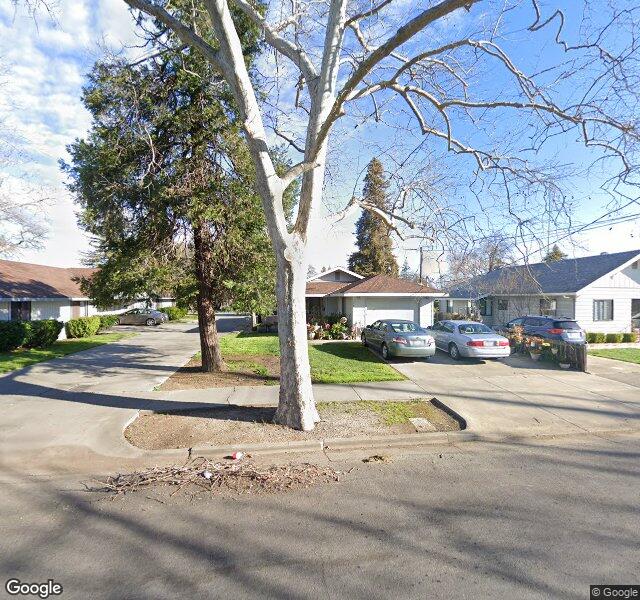
How Does The Grove Post-Acute Compare to Other California Nursing Homes?

Compared to the 100 nursing homes in California, THE GROVE POST-ACUTE's overall rating (2 stars) is below the state average of 3.1, staff turnover (46%) is near the state average of 46%, and health inspection rating (2 stars) is below the national benchmark.

What Should Families Ask When Visiting The Grove Post-Acute?

Based on this facility's data, families visiting should ask: "What safeguards and monitoring systems are in place to protect residents from abuse or neglect?" "Can I visit during a mealtime to observe dining assistance and food quality?" "How do you handle medical emergencies, and what is your hospital transfer rate?" "Can I speak with family members of current residents about their experience?" These questions are particularly relevant given the substantiated abuse finding on record.

Is The Grove Post-Acute Safe?

Based on CMS inspection data, THE GROVE POST-ACUTE has documented safety concerns. The facility has 1 substantiated abuse finding (meaning confirmed case of resident harm by staff or other residents). The facility has a 2-star overall rating and ranks #100 of 100 nursing homes in California. Families considering this facility should ask detailed questions about what corrective actions have been taken since these incidents.

Do Nurses at The Grove Post-Acute Stick Around?

THE GROVE POST-ACUTE has a staff turnover rate of 46%, which is about average for California nursing homes (state average: 46%). Moderate turnover is common in nursing homes, but families should still ask about staff tenure and how the facility maintains care continuity when employees leave.

Was The Grove Post-Acute Ever Fined?

THE GROVE POST-ACUTE has no federal fines on record. CMS issues fines when nursing homes fail to meet care standards or don't correct problems found during inspections. The absence of fines suggests the facility has either maintained compliance or corrected any issues before penalties were assessed. This is a positive indicator, though families should still review recent inspection reports for the full picture.

Is The Grove Post-Acute on Any Federal Watch List?

THE GROVE POST-ACUTE is not on any federal watch list. The most significant is the Special Focus Facility (SFF) program, which identifies the bottom 1% of nursing homes nationally based on persistent, serious quality problems. Not being on this list means the facility has avoided the pattern of deficiencies that triggers enhanced federal oversight. This is a positive indicator, though families should still review the facility's inspection history directly.