EXTENDED CARE HOSPITAL OF WESTMINSTER
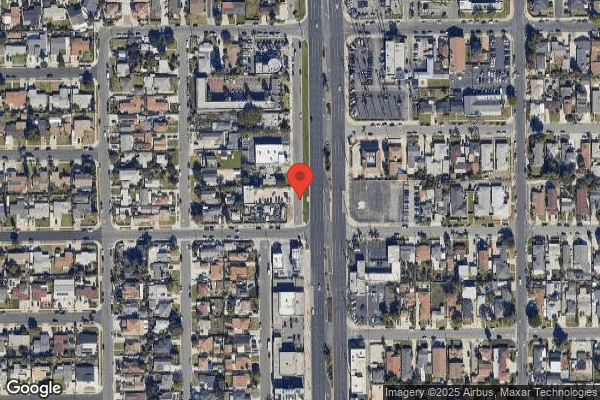
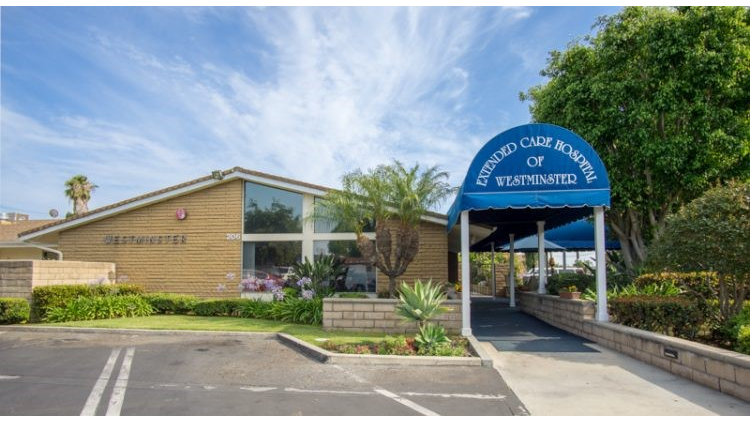
206 HOSPITAL CIRCLE, WESTMINSTER, CA 92683 (714) 891-2769
For profit - Partnership 99 Beds Independent Data: November 2025
Trust Grade
85/100
#73 of 1155 in CA
Last Inspection: July 2025

Inspected within the last 6 months. Data reflects current conditions.

Overview

Extended Care Hospital of Westminster has a Trust Grade of B+, which means it is recommended and performs above average compared to other facilities. It ranks #73 out of 1,155 nursing homes in California, placing it in the top half, and #5 out of 72 in Orange County, indicating that only four local options are better. The facility is improving, with issues decreasing from 19 in 2024 to 15 in 2025, and it has a stable staffing situation with a turnover rate of 19%, much lower than the California average of 38%. However, it has concerning RN coverage, as it has less RN staff than 81% of California facilities, which could impact the quality of care. Notably, there have been some significant concerns, such as failures to maintain sanitation in the kitchen, which could risk foodborne illnesses, and lapses in infection control practices that may lead to the spread of communicable diseases among residents. Overall, while the facility has strengths in overall quality and staffing stability, families should be aware of its sanitation and infection control issues.

Trust Score
B+
85/100
In California
#73/1155
Top 6%
Safety Record
Low Risk
No red flags
Inspections
Getting Better
19 → 15 violations
Staff Stability
✓ Good
19% annual turnover. Excellent stability, 29 points below California's 48% average. Staff who stay learn residents' needs.
Penalties
✓ Good
No fines on record. Clean compliance history, better than most California facilities.
Skilled Nurses
⚠ Watch
Each resident gets only 16 minutes of Registered Nurse (RN) attention daily — below average for California. Fewer RN minutes means fewer trained eyes watching for problems.
Violations
⚠ Watch
49 deficiencies on record. Higher than average. Multiple issues found across inspections.
★★★★★
5.0
Overall Rating
★★★★☆
4.0
Staff Levels
★★★★★
5.0
Care Quality
★★★★☆
4.0
Inspection Score
Stable
2024: 19 issues
2025: 15 issues

The Good

  • 4-Star Staffing Rating · Above-average nurse staffing levels
  • 5-Star Quality Measures · Strong clinical quality outcomes
  • Low Staff Turnover (19%) · Staff stability means consistent care
  • Full Sprinkler Coverage · Fire safety systems throughout facility
  • No fines on record
  • Staff turnover is low (19%)

    29 points below California average of 48%

Facility shows strength in staffing levels, quality measures, staff retention, fire safety.

The Bad

No Significant Concerns Identified

This facility shows no red flags. Among California's 100 nursing homes, only 1% achieve this.

The Ugly 49 deficiencies on record

Jul 2025 15 deficiencies
CONCERN (D)

Potential for Harm - no one hurt, but risky conditions existed

Resident Rights (Tag F0550)

Could have caused harm · This affected 1 resident

**NOTE- TERMS IN BRACKETS HAVE BEEN EDITED TO PROTECT CONFIDENTIALITY** Based on interview, medical record review, and facility P&P review, the facility failed to ensure the staff provided care and pr...

Read full inspector narrative →
**NOTE- TERMS IN BRACKETS HAVE BEEN EDITED TO PROTECT CONFIDENTIALITY** Based on interview, medical record review, and facility P&P review, the facility failed to ensure the staff provided care and promoted dignity and respect for two of 21 final sampled residents (Residents 31 and 45) and five nonsampled residents (Residents 17, 27, 28, 33, and 84). * CNA 1 was observed assisting Residents 31 and 84 with meals at the same time. In addition, CNA 1 was observed assisting Resident 31 and 17 with meals at the same time. * CNA 2 was observed assisting 27 and 28 with meals at the same time. * CNA 3 was observed assisting Residents 33 and 45 with meals at the same time. These failures had the potential to negatively impact the residents' feelings of self-worth and well-being. Findings: Review of the facility's P&P titled Assistance with Meals revised 3/2022 showed the residents who cannot feed themselves will be fed with attention to safety, comfort and dignity, by keeping interactions with other staff to a minimum while assisting residents with meals. 1. On 6/24/25 at 1230 hours, during the initial dining observation inside the dining room, CNA 1 was observed seated in between Residents 31 and 84. CNA 1 was observed feeding the two residents at the same time by alternating the placement of spoon and beverages to each resident. In addition, CNA 1 was observed touching the residents' bibs (clothes protector) during the feeding. On 6/24/25 at 1242 hours, another CNA took over to assist Resident 31 with feeding. CNA 1 assisted Resident 84 with feeding. CNA 1 was then observed taking Resident 84 out of the dining room when Resident 84 was done eating. On 6/24/25 at 1245 hours, CNA 1 was observed taking Resident 17 in the dining room. CNA 1 was observed taking Resident 17's tray from the cart and placed the lunch tray on the table where Resident 31 was seated. CNA 1 sat in between Residents 17 and 31. At this time, the other CNA assisting Resident 31 left. CNA 1 was observed continuing to assist Resident 31, then also assisted Resident 17 at the same time. a. Medical record review for Resident 31 was initiated on 6/24/25. Resident 31 was readmitted to the facility on [DATE]. Review of Resident 31's MDS assessment dated [DATE], showed Resident 31 had severe cognitive impairment and was dependent on the facility staff with eating. b. Medical record review for Resident 84 was initiated on 6/24/25. Resident 84 was admitted to the facility on [DATE]. Review of Resident 84's MDS assessment dated [DATE], showed Resident 84 had severe cognitive impairment and needed substantial/maximal assistance from the facility staff with eating. c. Medical record review for Resident 17 was initiated on 6/24/25. Resident 17 was readmitted to the facility on [DATE]. Review of Resident 17's MDS assessment dated [DATE], showed Resident 17 had severe cognitive impairment and was dependent on the facility staff with eating. On 6/24/25 at 1452 hours, an interview was conducted with CNA 1. CNA 1 verified she assisted Residents 31 and 84 at the same time for feeding. CNA 1 stated she assisted Residents 31 and 84 who were both fully dependent on staff assistance with feeding. CNA 1 further stated when she was finished assisting Resident 84 with feeding, she brought in Resident 17. CNA 1 stated Resident 17 could hold her drinks, however, was fully dependent on staff assistance with feeding, so she assisted Resident 17 and also Resident 31 at the same time. CNA 1 stated this had been the practice in the facility. Cross reference to F880, example #1. 2. On 6/24/25 at 1235 hours, during the initial dining observation inside the dining room, CNA 2 was observed seated between Residents 27 and 28. CNA 2 was observed feeding the two residents at the same time by alternating the placement of spoon and beverages to each of the resident. a. Medical record review for Resident 27 was initiated on 6/24/25. Resident 27 was admitted to the facility on [DATE]. Review of Resident 27's MDS assessment dated [DATE], showed Resident 27 had severe cognitive impairment and needed substantial/maximal assistance from the facility staff with eating. b. Medical record review for Resident 28 was initiated on 6/24/25. Resident 28 was readmitted to the facility on [DATE]. Review of Resident 28's MDS assessment dated [DATE], showed Resident 28 had severe cognitive impairment and dependent on the facility staff assistance with eating. On 6/24/25 at 1444 hours, an interview was conducted with CNA 2. CNA 2 verified she assisted Residents 27 and 28 at the same time for feeding. CNA 2 stated the CNAs in the facility have been feeding two residents in the dining room at the same time and this has been the practice in the facility. Cross reference to F880, example #2. 3. On 6/24/25 at 1239 hours, during the initial dining observation inside the dining room, CNA 3 was observed seated in between Residents 33 and 45. CNA 3 was observed feeding the two residents at the same time by alternating the placement of spoon and beverages to each resident. a. Medical record review for Resident 33 was initiated on 6/24/25. Resident 33 was admitted to the facility on [DATE]. Review of Resident 33's MDS assessment dated [DATE], showed Resident 33 had severe cognitive impairment and was dependent on the facility staff assistance with eating. b. Medical record review for Resident 45 was initiated on 6/24/25. Resident 45 was readmitted to the facility on [DATE]. Review of Resident 45's MDS assessment dated [DATE], showed Resident 45 had severe cognitive impairment and was dependent on the facility staff with eating. On 6/24/25 at 1456 hours, an interview was conducted with CNA 3. CNA 3 verified he assisted Residents 33 and 45 with feeding at the same time. CNA 3 stated Residents 33 and 45 were both dependent on the staff assistance with feeding. CNA 3 stated he was told the CNAs could feed two residents at the same time for as long as they sanitized their hands and the residents' hands before and after feeding. On 6/26/25 at 1116 hours, an interview was conducted with the DSD and LVN 1. The DSD stated the CNAs were trained to assist the residents with feeding. The DSD further stated the CNAs should be feeding one resident who was dependent on the staff with feeding, and another resident requiring only minimal assist, or just for cueing and actually able to feed themselves. When asked about the residents' assistance to eat, LVN 1 stated Residents 28, 31, 33, 45 and 84 were fully dependent on the staff assistance with eating, and Residents 17 and 27 could hold their cups, however, were fully dependent on the staff assistance with eating. The DSD stated they would have to check the seating arrangement to monitor any changes in the capability of the residents and the availability of the staff. Cross reference to F880, example #3.
CONCERN (D) 📢 Someone Reported This

A family member, employee, or ombudsman was alarmed enough to file a formal complaint

Potential for Harm - no one hurt, but risky conditions existed

Deficiency F0552 (Tag F0552)

Could have caused harm · This affected 1 resident

**NOTE- TERMS IN BRACKETS HAVE BEEN EDITED TO PROTECT CONFIDENTIALITY** 4. Medical record review for Resident 397 was initiated on 6/24/25. Resident 397 was admitted to the facility on [DATE]. Review...

Read full inspector narrative →
**NOTE- TERMS IN BRACKETS HAVE BEEN EDITED TO PROTECT CONFIDENTIALITY** 4. Medical record review for Resident 397 was initiated on 6/24/25. Resident 397 was admitted to the facility on [DATE]. Review of Resident 397's admission Summary note dated 6/26/25 showed Resident 397 was admitted to the facility with diagnoses including bipolar disorder, anxiety disorder, and substance use disorder. Resident 397 had conservators to make medical decisions for him. Review of Resident 397's June 2025 Order Summary Report showed Resident 397 had the following orders dated 6/20/25: - buspirone (antianxiety medication) 10 mg by mouth twice daily for anxiety related to anxiety disorder - Haldol (antipsychotic) 10 mg inject intramuscularly as needed for any refusal of by mouth psychotropic medications for 14 days - Latuda (antidepressant) 80 mg by mouth in the evening for labile moods related to depression - Remeron (antidepressant) 30 mg by mouth at bedtime related to depression - Seroquel (antipsychotic) 100 mg every six hours as needed for increase psychosis related to bipolar disorder - Seroquel 100 mg by mouth three times daily for psychosis related to bipolar disorder - Vistaril (used off label to treat anxiety) 50 mg by mouth every four hours as needed for anxiety or agitation for 14 days - Wellbutrin (antidepressant) extended release 12 hour, give 100 mg by mouth in the morning for depressed mood related to depression - diphenhydramine (used off label to treat insomnia) 50 mg by mouth as needed for insomnia for 14 days at bedtime only Review of Resident 397's medication consent form dated 6/20/25, showed the following list of medications: - Remeron 15 to 45 mg - Latuda 40 to 160 mg - Wellbutrin 25 to 450 mg - Seroquel 50 to 1200 mg - Buspar 10 to 60 mg - Haldol PO 0.5 to 80 mg - Haldol IM 100 mg/24 - benadryl IM 10 to 750 mg - Ativan PO/IM 1 to 10 mg - Vistaril 25 to 600 mg The from showed Resident 397's Physician 1 was supposed to discuss with Resident 397's Conservator 1 the information about the medications including; the nature of Resident 397's mental condition, reasons for prescribing the medication, reasonable alternative treatments available, side effects, and the right to refuse the medications. The medication consent form failed to show the exact dose, frequency, or reasons for prescribing the medications, as per Resident 397's Order Summary Report. On 6/26/25 at 0829 hours, a telephone interview was conducted with Conservator 1. When asked about receiving information and informed consent for Resident 397's psychotropic medications, Conservator 1 stated the process was the facility would fax the informed consent to the conservator's office for one of the conservators to sign or the facility would call the conservator and obtain verbal consent from a conservator, over the phone. When asked if questions related to the medications Resident 397 was prescribed arose, Conservator 1 stated the conservators could call and talk to the licensed nursing staff at the facility or could look for answers online. When asked if Physican 1 had contacted the Conservator's office to obtain informed consent for Resident 397's psychotropic medications, Conservator 1 verbalized, no. On 6/26/25 at 1056 hours, a concurrent interview and medical record review was conducted with Physician 1. Physician 1 verified Resident 397's medication consent form showed a list of Resident 397's psychotropic medications with a range of dosage for each medication. Physician 1 verified the form failed to show the exact dose, frequency, or reasons for prescribing the medications. When asked about his (Physician 1) signature next to each medication on this consent form, Physician 1 verbalized his signature next to each medication, meant he (Physician 1) was verifying the listed names of the medications and dosage range was correct. When asked about obtaining informed consent for these medications from Conservator 1, Physician 1 verified he did not call the conservator to obtain the informed consent for the use of the above medications. Based on interview, medical record review, and facility P&P review, the facility failed to ensure four of five sampled residents for unnecessary medications (Residents 19, 34, 36 and 43) and one final sampled resident (Resident 397) reviewed for informed consents were provided the right to self-determination regarding the use of psychotropic medications and treatments. * The facility failed to ensure the informed consents for risperidone (antipsychotic), Lexapro (antidepressant) and Belsomra (antidepressant) medications were renewed after six months for Resident 34. * The facility failed to ensure the informed consent for Seroquel (antipsychotic) medication was renewed after six months for Resident 19. * The facility failed to ensure the facility's P&P for Psychotropic Medication Use was reviewed and revised to reflect the new regulation of renewing the informed consent for psychotropic medications every six months. * The facility failed to ensure Resident 36's informed consent for the use of the Remeron (antidepressant) medication was renewed after six months. * The facility failed to ensure the informed consent for Seroquel (antipsychotic) medication was renewed after six months for the use of antipsychotic medication for Resident 43. * The facility failed to ensure Resident 397's consent form for the use of Latuda (antipsychotic), Remeron (antidepressant), Wellbutrin (antidepressant), Seroquel (antipsychotic), Buspar (antianxiety), Haldol (antipsychotic), Benadryl (hypnotics/sedative/antianxiety), Ativan (antianxiety), and Vistaril (antianxiety) was updated to include the information about the medications' exact dose, frequesncy, or reasons for prescribing the medications. These failures posed the risk of the residents and their responsible party not understanding risks and benefits of psychotropic medications and the potential side effects. Findings: 1. Review of the AFL 24-07 titled AB 48 - Nursing Facility Resident Informed Consent Protection Act of 2023 dated 2/28/24, showed the following: - The facilities must renew the written informed consent every six months. At that time, the facility must provide the resident with any recommended dosage adjustments and the option of revoking consent; and - The facilities must review and revise their P&Ps to ensure compliance with the new law. The P&P must specifically consider and plan for how the facility will verify that the resident provided informed consent or refused treatment or a procedure pertaining to the administration of psychotherapeutic drugs. Review of the facility's P&P titled Antipsychotic Medication Use revised 7/2022 showed residents and/or resident representative will be informed of the recommendations, risks, benefits, purpose and potential adverse consequences of antipsychotic medication use. Review of the facility's P&P titled Psychotropic Medication Use revised 2/2025 showed medications in the following categories are considered psychotropic medications and are subject to prescribing, monitoring, obtaining inform consent and review requirements specific to psychotropic medications: antipsychotics, antidepressants, antianxiety, and hypnotics/sedative. Medical record review for Resident 34 was initiated on 5/17/25. Resident 34 was readmitted to the facility on [DATE]. Review of Resident 34's Order Summary Report showed the following physician's orders: - dated 9/19/24, to administer Belsomra 10 mg by mouth at bedtime; - dated 9/19/24, to administer Lexapro 10 mg by mouth one time a day; and - dated 12/4/24, to adminsiter risperidone 0.25 by moth every morning and at bedtime. Review of Resident 34's Verification of Informed Consent to Physical Restraints, Psychotherapeutic Drugs or Prolonged Use of a Device for Belsomra medication showed the resident/ responsible party was informed on 9/19/24, and the physician who has verbally indicated that consent has been obtained and the nurse who received the order signed on 9/19/24. Review of Resident 34's Verification of Informed Consent to Physical Restraints, Psychotherapeutic Drugs or Prolonged Use of a Device for Lexapro medication showed the resident/ responsible party was informed on 9/19/24, and the physician who has verbally indicated that consent has been obtained and the nurse who received the order signed on 9/19/24. Review of Resident 34's Verification of Informed Consent to Physical Restraints, Psychotherapeutic Drugs or Prolonged Use of a Device for risperidone medication showed the resident/responsible party was informed on 12/4/24, and the physician who has verbally indicated that consent has been obtained and the nurse who received the order signed on 12/4/24. On 6/27/25 at 1253 hours, an interview and concurrent medical record review for Resident 34 was conducted with LVN 1. LVN 1 verified the informed consents for Belsomra, Lexapro and risperidone medications were not renewed. LVN 1 stated the prescribing physician called the family or resident representative to obtain consent for the psychotropic medication. LVN 1stated the nursing staff filled out the Verification of Informed Consent form. LVN 1 further stated the informed consents should be renewed every six months. 2. Medical record review for Resident 19 was initiated on 6/24/25. Resident 19 was readmitted to the facility on [DATE]. Review of Resident 19's Order Summary Report showed the following physician's orders dated 9/18/24: - To administer Lexapro 20 mg one tablet by mouth one time a day; - To administer Seroquel 75 mg one tablet by mouth in the evening; and - To administer Seroquel 50 mg one tablet by mouth three times a day. Review of Resident 19's Verification of Informed Consent to Physical Restraints, Psychotherapeutic Drugs or Prolonged Use of a Device showed for Lexapro 20 mg the resident/ responsible party was informed on 3/7/24, and the physician has verbally indicated that consent has been obtained and the nurse who received the order signed on 3/7/24. Review of Resident 19's Verification of Informed Consent to Physical Restraints, Psychotherapeutic Drugs or Prolonged Use of a Device for Seroquel 50 showed the resident/responsible party was informed on 3/7/24, and the physician has verbally indicated that consent has been obtained and the nurse who received the order signed on 3/7/24. Review of Resident 19's Verification of Informed Consent to Physical Restraints, Psychotherapeutic Drugs or Prolonged Use of a Device for Seroquel 75 mg showed the resident/responsible party was informed on 8/7/24, and the physician has verbally indicated that consent has been obtained and the nurse who received the order signed on 8/7/24. On 6/27/25 at 1302 hours, an interview and concurrent medical record review for Resident 19 was conducted with LVN 1. LVN 1 verified the informed consents for Seroquel 50 and 75 mg and Lexapro medications were not renewed every six months. On 6/27/25 at 1346 hours, an interview and concurrent medical record review for Residents 19 and 34 was conducted with the DON. The DON verified the above findings. The DON stated the nursing staff had to call the prescribing physician to obtain another informed consent every six months. The DON stated LVN 1 tracked the residents' physician orders and informed consents to check the informed consents which needed to be renewed. On 7/1/25 at 1022 hours, a follow-up interview and concurrent P&P review was conducted with the DON. The DON stated the facility reviewed the facility's P&Ps annually and as needed. The DON verified the facility's P&P for psychotropic medication use was not revised to reflect the new regulation to renew the informed consents every six months. 4. Review of the facility's P&P titled Informing Residents of Health, Medical Condition, and Treatment Options revised February 2021, showed each resident is informed of his/her total health status and medical conditions, including diagnosis, treatment recommendations, and prognosis in advance of treatment and on-going basis. If a resident has an appointed representative, the representative is also informed. Medical record review for Resident 43 was initiated on 6/27/25. Resident 43 was initially admitted to the facility on [DATE], and readmitted on [DATE]. Review of Resident 43's H&P examination dated 11/1/24, showed Resident 43 had no capacity to understand and make decisions. Review of Resident 43's physician's order showed an order dated 10/31/24, to administer Seroquel (antipsychotic medication) 50 mg by mouth in the evening for psychosis (a mental disorder characterized by a disconnection from reality) manifested by impulsive behavior m/b restlessness difficulty being redirected. Review of the form titled Center Verification of Informed Consent to Physical Restraints, Psychotherapeutic drugs or Prolonged use of a Device for the use of Seroquel medication dated 10/31/24, showed the informed consent was obtained more than six months prior to the new order of the Seroquel medications dated 7/1/25. There was no documented evidence to show an informed consent for the use of an antipsychotic medication was renewed and discussed with Resident 43's responsible party after six months from the previous informed consent. On 7/1/25 at 0945 hours, an interview and concurrent medical record review for Resident 43 was conducted with LVN 1. LVN 1 was asked if LVN 1 was aware of the AFL 24-07 regarding the renewal of informed consent after six months for use of psychotherapeutic medications. LVN 1 stated being aware and had not renewed the informed consent. LVN 1 verified there was no renewal of the informed consent obtained for the use of the Seroquel medication. On 7/1/25 at 1010 hours, an interview and concurrent medical record review was conducted with the DON. The DON verified the findings and stated the informed consent will be renewed.3. Medical record review for Resident 36 was initiated on 6/24/25. Resident 36 was admitted to the facility on [DATE]. Review of Resident 36's H&P examination dated 10/14/24, showed Resident 36 had no capacity to understand and make decisions. Review of Resident 36's Verification of Informed Consent to Physical Restraints, Psychotherapeutic Drugs or Prolonged Use of a Device form dated 10/11/24, showed a consent was obtained from Resident 36's responsible party for the use of the Remeron (antidepressant, brand name for mirtazapine) 30 mg by mouth at bedtime for depression manifested by poor appetite. Review of Resident 36's Order Summary Report dated 6/25/25, showed a physician's order dated 11/6/24, to administer mirtazapine (antidepressant) 30 mg, one tablet by mouth at bedtime for depression manifested by insomnia. On 6/25/25 at 1453 hours, an interview and concurrent medical record review for Resident 36 was conducted with LVN 2. LVN 2 verified the above findings. LVN 2 stated there were no other consents for the use of the Remeron medication in Resident 36's medical record. On 6/26/25 at 1420 hours, an interview and concurrent medical record review for Resident 36 was conducted with LVN 1. LVN 1 stated the informed consent for the use of the psychotropic medications should include the medication, dose, route, frequency, diagnosis and behavior manifestations. LVN 1 stated for Resident 36 the dose and frequency for the psychotropic medication stayed the same and it was only the indication for the use of the medication was changed, so they did not need to have a new inform consent. LVN 1 reviewed Resident 36's medical record and stated Resident 36 was previously prescribed the Remeron medication for poor intake prior to his admission to the facility. LVN 1 further stated on 11/6/24, the indication for the use of the Remeron medication was changed to insomnia. LVN 1 stated Resident 36's responsible party was informed, however, a new informed consent was not obtained since the dose and the frequency of the Remeron medication was not changed. On 6/30/25 at 1536 hours, an interview was conducted with the DON. The DON stated if the physician's order for the psychotropic medications remained the same, the informed consent for the psychotropic medication should be renewed every six months. The DON further stated the desk nurse was responsible for calling the resident's family member and renew the informed consent every six months. On 7/1/25 at 1342 hours, the DON was informed and acknowledged the above findings.
CONCERN (D)

Potential for Harm - no one hurt, but risky conditions existed

Deficiency F0605 (Tag F0605)

Could have caused harm · This affected 1 resident

**NOTE- TERMS IN BRACKETS HAVE BEEN EDITED TO PROTECT CONFIDENTIALITY** 6. Review of the facility's P&P titled Psychiatric Pharmacy Policy dated 7/2/20, showed a standing order for Haldol (antipsychot...

Read full inspector narrative →
**NOTE- TERMS IN BRACKETS HAVE BEEN EDITED TO PROTECT CONFIDENTIALITY** 6. Review of the facility's P&P titled Psychiatric Pharmacy Policy dated 7/2/20, showed a standing order for Haldol (antipsychotic medication) 10 mg IM when residents refused to take any PO psychotropic medications. However, the policy did not mention nonpharmacological interventions that would be attempted prior to this standing order of residents refusing to take any PO psychotropic medications. Medical record review for Resident 397 was initiated on 6/24/25. Resident 397 was admitted to the facility on [DATE]. Review of Resident 397's admission Summary note dated 6/26/25, showed Resident 397 was admitted to the facility with diagnoses including bipolar disorder, anxiety disorder, and substance use disorder. Resident 397 had conservators to make medical decisions for him. Review of Resident 397's 6/2025 Order Summary Report showed Resident 397 had an order dated 6/20/25, for Haldol 10 mg, inject intramuscularly as needed for any refusal of by mouth psychotropic medications for 14 days. Further review of Resident 397's medical record failed to show what nonpharmacological interventions would be attempted prior to the administration of Resident 397's Haldol medication. On 6/27/25 at 1336 hours, an interview and concurrent medical record review for Resident 397 was conducted with LPT 1. When asked about Resident 397's Haldol medication use, LPT 1 verbalized the Haldol medication was a standing order for 14 days, for all the residents admitted to the facility. When asked about documented evidence as to what nonpharmacological interventions would be attempted prior to the administration of the Haldol medication, LPT 1 verified there was no documentation related to what nonpharmacological interventions would be attempted prior to the administration of the standing order for the Haldol medication. On 6/27/25 at 1355 hours, an interview and concurrent facility P&P review was conducted with the DON. The DON verified the findings. 5. Medical record review for Resident 19 was initiated on 6/24/25. Resident 19 was readmitted to the facility on [DATE]. Review of Resident 19's Order Summary Report showed the following physician's orders dated 9/18/24: - To administer Seroquel (antipsychotic medication) 75 mg one tablet by mouth in the evening; and - To administer Seroquel 50 mg one tablet by mouth three times a day. Review of Resident 19's MAR for 6/2025 showed Resident 19 was administered with Seroquel 75 mg from 6/1 to 6/26/25 at 1900 hours, and was administered Seroquel 50 mg from 6/1 to 6/26/25 at 0900, 1200, and 1700 hours, and 6/27/25 at 0900 and 1200 hours. Review of Resident 19's medical record failed to show Resident 19 was monitored for the orthostatic hypotension while on the antipsychotic medications. On 6/27/25 at 1302 hours, an interview and concurrent medical record review for Resident 19 was conducted with LVN 1. LVN 1 verified the above findings. On 6/27/25 at 1346 hours, an interview and concurrent medical record review for Resident 19 was conducted with the DON. The DON stated when the nursing staff received an order for antipsychotic medication, the resident should be monitored for the side effects, black box warning, behavior manifestations, and orthostatic hypotension related to the use of the antipsychotic medications. 4. Review of the facility's P&P titled Blood Pressure, Measuring revised 9/2010 showed orthostatic (postural) hypotension is defined as a 20 mm/Hg (or greater) decline in systolic blood pressure or a 10 mm/Hg (or greater) decline in diastolic blood pressure upon standing. Hypotension should be reported to the physician. Staff should record several readings throughout the day, including before and after meals. Medical record review for Resident 43 was initiated on 6/24/25. Resident 43 was admitted to the facility on [DATE], and readmitted to the facility on [DATE]. Review of Resident 43's H&P examination dated 11/1/24, showed Resident 43 had no capacity to understand and make decisions. Review of Resident 43's Order Summary Report for 6/2025 showed the following physician's orders: - order dated 10/31/24, to monitor orthostatic B/P while lying weekly everyday shift on Saturdays. - order dated 10/31/24, to monitor orthostatic B/P while sitting weekly everyday shift on Saturdays. Review of Resident 43's MAR for 6/2025 showed the following: - on 6/7/25, the BP readings were 128/67 mmHg for the sitting and lying position, - on 6/14/25, the BP readings were 133/76 mmHg for the sitting and lying position; and - on 6/121/25, the BP readings were 132/78 mmHg for the sitting and lying position. On 6/26/25 at 0910 hours, an interview and concurrent medical record review for Resident 43 was conducted with LVN 1. LVN 1 stated the orthostatic hypotension BP were checked weekly in lying, sitting, and standing position or per physician's orders. LVN 1 verified the above findings and stated the BP results should have changes in values. When asked how much of a drop in SBP and DBP would be considered orthostatic hypotension, LVN 1 stated a drop of 20 mmHg for both the SBP and DBP. On 6/26/25 at 1546 hours, an interview and concurrent medical record review for Resident 43 was conducted with LVN 3. LVN 3 verified the above findings. LVN 3 stated the orthostatic hypotension BP readings for lying and sitting were not accurate and should expect a difference in the BP readings. When asked how much of a drop in SBP and DBP readings would need to be reported to the physician, LVN 3 stated, I honestly can't tell you and what parameters to report, I don't know. On 7/1/25 at 0938 hours, an interview and concurrent medical record review for Resident 43 was conducted with the DON. The DON verified the above findings. The DON acknowledged Resident 43's MAR showed the resident's orthostatic hypotension BP readings for both lying and sitting were the same values. The DON stated the BP readings were not accurate and stated the BP readings for lying and sitting would have some differences in the BP readings. On 7/1/25 at 1419 hours, an interview was conducted with the Assistant Administrator and DON. The Assistant Administrator and DON were informed and acknowledged the above findings. Cross reference to F726. Based on interview, medical record review, and facility P&P review, the facility failed to ensure three of five sampled residents (final sampled residents, Residents 19, 36, and 43) reviewed for unnecessary medications, and three of 21 final sampled residents (Residents 1, 67, and 397) were free from unnecessary psychotropic medications. * The facility failed to ensure Resident 1's orthostatic blood pressure was monitored and accurately documented for the use of the Clozaril (antipsychotic) medication. * The facility failed to ensure Resident 36's orthostatic blood pressure was accurately monitored as ordered by the physician for the use of the risperidone (antipsychotic) medication. * The facility failed to ensure Resident 67's orthostatic blood pressure was accurately monitored as ordered by the physician for the use of the Seroquel (antipsychotic) medication. * The facility failed to ensure Resident 43's orthostatic hypotensive B/P lying and sitting were accurately monitored. B/P readings for lying and sitting were the same. Resident on Seroquel/Trazodone. * The facility failed to ensure Resident 19 who was on Seroquel medication was monitored for orthostatic hypotension. * The facility failed to document nonpharmacological interventions to be attempted prior to administering Resident 397's Haldol (antipsychotic) medication. * The facility failed to ensure Resident 397's consent included frequency, dose of med and MD obtained informed consent Findings: Review of the facility's P&P titled Antipsychotic Medication Use revised 12/2016, showed the nursing staff shall monitor for and report any of the following side effects and adverse consequences of the antipsychotic medications to the Attending Physician: a. General/anticholinergic: constipation, blurred vision, dry mouth, urinary retention, sedation; b. Cardiovascular: orthostatic hypotension (a condition where blood pressure drops suddenly when a person stands up from sitting or lying down), arrhythmia (an irregular heartbeat, where the heart beats too fast, too slow, or in an erratic rhythm); c. Metabolic: increase in total cholesterol/triglycerides, unstable or poorly controlled blood sugar, weight gain; or d. Neurologic: Akathisia (feeling of inner restlessness and an urge to move, often making it difficult to stay still), dystonia (involuntary muscle contractions), extrapyramidal effects (involuntary movements, muscle stiffness, and tremor ), akinesia ( loss or impairment of voluntary movement); or tardive dyskinesia (involuntary, repetitive, and rhythmic movements, often of the face and limbs), stroke or TIA (transient ischemic attack, a short period of symptoms similar to those of a stroke). Review of the facility's P&P titled Blood Pressure, Monitoring revised 9/2010 showed orthostatic hypotension is defined as a 20 mmHg (or greater) decline in the systolic blood pressure or a 10mmHg (or greater) decline in the diastolic blood pressure upon standing. 1. Medical record review for Resident 1 was initiated on 6/24/25. Resident 1 was admitted to the facility on [DATE]. Review of Resident 1's Medical Visit Note dated 5/2/25, showed Resident 1 had no capacity to understand and make decisions. Review of Resident 1's Order Summary Report dated 6/26/25, showed the following physician's orders: - dated 4/23/25, to check Resident 1's blood pressure in the sitting position, every Wednesday during the day shift, for the monitoring for orthostatic hypotension and to document on the weekly summary, - dated 4/23/25, to check Resident 1's blood pressure in the standing position, every Wednesday during the day shift, for the monitoring for orthostatic hypotension and to document on the weekly summary, - dated 6/13/25, to administer Clozaril 225 mg by mouth at bedtime for auditory hallucinations-preoccupied internal stimuli related to Schizophrenia a. Review of Resident 1's MAR for 6/2025 showed the following orthostatic BP readings: - on 6/4/25, the BP reading was documented as 86/39 mmHg for the sitting and the standing positions. - on 6/11/25, the BP reading was documented as 104/51 mmHg for the sitting and the standing positions. - on 6/18/25, the BP reading was documented as 124/53 mmHg for the sitting and the standing positions. - on 6/25/25, the BP reading was documented as 123/70 mmHg for the sitting and the standing positions. b. Review of Resident 1's Weights and Vitals Summary for 6/2025 showed the following documentation of Resident 1's blood pressure readings: - on 6/4/25 at 0841 hours, Resident 1's blood pressure reading in the sitting position was 125/57 mmHg, and - on 6/4/25 at 0844 hours, Resident 1's blood pressure reading in the standing position was 86/39 mmHg. Further review of Resident 1's Weights and Vitals Summary for 6/2025 failed to show documentation Resident 1's blood pressure readings were retaken on 6/4/25 (for a 39 mmHg drop in the systolic and 18 mmHg drop in the diastolic blood pressure). Review of Resident 1's medical record failed to show documentation on 6/4/25, Resident 1 was assessed for the abnormal blood pressure reading of 86/39 mmHg, or the resident's physician was notified of the significant difference in Resident 1's orthostatic blood pressure readings for both the systolic blood pressure difference of 39 mmHg and diastolic blood pressure difference of 18 mmHg. On 6/26/25 at 1039 hours, an interview and concurrent medical record review for Resident 1 was conducted with LPT 1. LPT 1 stated the monitoring for orthostatic hypotension was done weekly for every resident in the TRC. LPT 1 stated the CNAs were responsible for taking the residents' vital signs including obtaining the resident's blood pressure readings in the sitting and standing positions (for the residents scheduled for monitoring for orthostatic hypotension). LPT 1 stated the vitals and orthostatic blood pressure readings were documented and recorded on the facility's TRC Change of Condition Log. LPT 1 stated the LPTs were responsible for reviewing the vital signs and checking to see if there was a drop in the blood pressure readings for the different positions. LPT 1 stated if there was a change of 10 mmHg or more in the systolic or the diastolic blood pressures, she would ask the CNA to recheck the blood pressure again, and document the rechecked blood pressure readings in the resident's medical record. LPT 1 stated upon recheck of the blood pressure readings, and a significant drop in the blood pressure was noted, the resident's physician would be notified. LPT 1 reviewed Resident 1's medical record and verified the above findings. LPT 1 stated the blood pressure reading of 86/39 mmHg was considered abnormal and in comparing the blood pressure readings for the sitting and standing positions, the difference in the systolic and the diastolic blood pressure readings were considered drastic. LPT 1 further stated the LPT who entered Resident 1's blood pressure into the MAR on 6/4/25 (86/30 mmHg), for the sitting and standing positions, should have caught the discrepancy and questioned the blood pressure reading. On 6/26/25 at 1101 hours, an interview and facility document review was conducted with Physician 1. Physician 1 reviewed the documented blood pressures obtained for Resident 1 on 6/4/25. Physician 1 stated if there was a drop in the orthostatic blood pressure readings, he expected the facility to further assess the resident for any symptoms and to retake the blood pressure readings. Physician 1 stated if the orthostatic blood pressure readings continued to show a drastic drop, indicating orthostatic hypotension, he expected to be informed. Cross reference to F726. 2. Medical record review for Resident 36 was initiated on 6/24/25. Resident 36 was admitted to the facility on [DATE]. Review of Resident 36's H&P examination dated 10/14/24, showed Resident 36 had no capacity to understand and make decisions. Review of Resident 36's Order Summary Report dated 6/25/25, showed the following physician's orders: - dated 10/11/24, to monitor Resident 36 for orthostatic hypotensive blood pressure in the lying position, every Saturday during the day shift, - dated 10/11/24, to monitor Resident 36 for orthostatic hypotensive blood pressure in the sitting position, every Saturday during the day shift, and -dated 6/24/25, to administer risperidone 0.25 mg by mouth daily for delusions manifested by stating people are trying to hurt him. Review of Resident 36's MAR for 6/2025 showed the following orthostatic BP readings: - on 6/7/25, the BP reading was documented as 130/78 mmHg for the sitting and the lying positions. - on 6/14/25, the BP reading was documented as 128/67 mmHg for the sitting and the lying positions. - on 6/21/25, the BP reading was documented as 132/76 mmHg for the sitting and the lying positions. On 6/25/25 at 1453 hours, an interview and concurrent medical record review for Resident 36 was conducted with LVN 2. LVN 2 stated the residents who were taking the psychotropic medications were monitored for orthostatic hypotension once a week. LVN 2 stated the monitoring for the orthostatic hypotension was done by obtaining the blood pressure readings in two different positions and comparing the two blood pressure readings to determine if there was a significant drop in the blood pressure, which could indicate orthostatic hypotension. LVN 2 reviewed Resident 36's medical record and verified the above findings. LVN 2 stated the blood pressure readings should not be the same. 3. Medical record review for Resident 67 was initiated on 6/24/25. Resident 67 was admitted to the facility on [DATE]. Review of Resident 67's H&P examination dated 6/6/25, showed Resident 67 had no capacity to understand and make decisions. Review of Resident 67's Order Summary Report dated 6/25/25, showed the following physician's orders: - dated 5/24/23, to check Resident 67's blood pressure in the sitting position, every Wednesday during the day shift, for the monitoring for orthostatic hypotension and to document on the weekly summary, - dated 5/24/23, to check Resident 67's blood pressure in the standing position, every Wednesday during the day shift, for the monitoring for orthostatic hypotension and to document on the weekly summary, - dated 12/10/24, to administer Seroquel 200 mg by mouth at bedtime for paranoid ideations, anxiety, and difficulty sleeping related to schizoaffective disorder and mood disorder symptoms. Review of Resident 67's TRC Nursing Summary dated 6/3/25 at 1836 hours, showed the following documentation. Under nursing summary, the licensed nurse documented Resident 67's most recent blood pressure readings as follows: - the blood pressure for the sitting position was 121/78 mmHg, obtained on 6/3/25 at 0710 hours. - the blood pressure for the standing position was 123/88 mmHg, obtained on 6/3/25 at 1823 hours (more than 11 hours apart). Review of Resident 67's Weights and Vitals Summary for 6/2025 showed the following documentation of Resident 67's blood pressure readings: - on 6/3/25 at 0710 hours, Resident 67's blood pressure reading in the sitting position was 121/78 mmHg, and - on 6/3/25 at 1823 hours, Resident 67's blood pressure reading in the standing position was 123/88 mmHg. On 6/26/25 at 1039 hours, an interview and concurrent medical record review for Resident 67 was conducted with LPT 1. LPT 1 reviewed Resident 67's medical record and verified the above findings. LPT 1 stated when monitoring for the orthostatic hypotension, the blood pressure readings for the sitting and the standing positions should be obtained during the same encounter. On 6/30/25 at 1536 hours, an interview and concurrent medical record review for Resident 1 was conducted with the DON. The DON stated for the residents prescribed with psychotropic medications, the residents were monitored for the potential side effects such as orthostatic hypotension. The DON stated the monitoring for the orthostatic hypotension was done once every week during the same encounter, and the residents' blood pressures were obtained when they are in the lying and the sitting positions (and if the residents were able to stand, the blood pressure reading in the standing position would also be obtained), to determine if there was a drop in the blood pressure readings related to the position changes. The DON stated for the TRC unit, the CNA could obtain the resident's blood pressure readings for the sitting and standing positions, however the licensed nurses/technicians were responsible for reviewing the blood pressure readings and comparing the blood pressure readings and if there were any discrepancies, to address the discrepancies. On 7/1/25 at 1342 hours, the DON was informed and acknowledged the above findings.
CONCERN (D) 📢 Someone Reported This

A family member, employee, or ombudsman was alarmed enough to file a formal complaint

Potential for Harm - no one hurt, but risky conditions existed

Comprehensive Care Plan (Tag F0656)

Could have caused harm · This affected 1 resident

**NOTE- TERMS IN BRACKETS HAVE BEEN EDITED TO PROTECT CONFIDENTIALITY** Based on observation, interview, medical record review, and facility P&P review, the facility failed to develop the care plan pr...

Read full inspector narrative →
**NOTE- TERMS IN BRACKETS HAVE BEEN EDITED TO PROTECT CONFIDENTIALITY** Based on observation, interview, medical record review, and facility P&P review, the facility failed to develop the care plan problems for the residents' plans of care as evidenced by: * The care plans were not developed for 23 of 23 residents in the TRC unit who smoked. * The facility failed to develop the comprehensive person-centered care plans for two of 21 final sampled residents (Residents 1 and 67) addressing the disputes on closing and leaving their door open. These failures had the potential risk of not providing the appropriate, consistent, and individualized care to the residents Findings: Review of the facility's P&P titled, Care Plans, Comprehensive Person-Centered revised 12/2016 showed a comprehensive person-centered care plan will incorporate identified problem areas. 1. Medical record review for the list of smokers in the facility was initiated on 06/24/25. Review of the facility's document titled List of Smokers dated 6/24/25, showed the facility had 23 smokers. Review of the plans of care for the 23 residents listed on the smokers list failed to show care plan problems were developed to address the needs of the residents who smoked. For example: a. Medical record review for Resident 12 was initiated on 6/24/25. Resident 12 was admitted to the facility on [DATE]. Review of Resident 12's plan of care failed to show a care plan problem was initiated to address the resident was identified as a smoker and the risks associated with smoking. b. Medical record review for Resident 93 was initiated on 6/24/25. Resident 93 was admitted to the facility on [DATE]. Review of Resident 93's plan of care failed to show a care plan problem was initiated to address the resident was identified as a smoker and the risks associated with smoking. On 6/24/25 at 1154 hours, an interview and concurrent medical record review for the 23 residents who smoked in the TRC unit was conducted with the TRC Program Director. The TRC Program Director verified the findings. Cross reference to F689, example #1. 2.a. Medical record review for Resident 1 was initiated on 6/24/25. Resident 1 was admitted to the facility on [DATE]. Review of Resident 1's H&P examination dated 5/2/25, showed Resident 1 had no capacity to understand and make decisions. Review of Resident 1's MDS assessment dated [DATE], showed a BIMS Summary score of 15, which meant Resident 1 was cognitively intact. Review of Resident 1's Skilled Notes dated 5/30/25, showed Resident 1 was overheard arguing with the roommate about keeping their door open. Resident 1 complained the roommate (Resident 67) went to take a shower and left the door open then returned and wanted it closed; however, Resident 1wanted it open. Resident 1 and the roommate were informed to keep the door half open and both agreed. Review of Resident 1's Behavior/Psychosocial Notes dated 6/10/25, showed during the medication pass administration, loud slamming of the door and yelling from Resident 1's room was overheard, the staff nearby explained Resident 1's roommate left the door open while Resident 1 was changing and Resident 1 became upset and slammed door shut. Resident 1's roommate then stepped out of room and stated, that lady is crazy. Resident 1's roommate was informed Resident 1 was changing, and the roommate left the door open. The documentation further showed after Resident 1 finished changing, Resident 1 was asked if she was okay and if she had any concerns, and Resident 1 responded sarcastically why wouldn't I be okay, if you have any concerns you can talk to someone else, and walked away. b. Medical record review for Resident 67 was initiated on 6/24/25. Resident 67 was admitted to the facility on [DATE]. Review of Resident 67's H&P examination dated 6/6/25, showed Resident 67 had no capacity to understand and make decisions. Review of Resident 1 and 67's care plan problem failed to show a care plan was initiated to address Residents 1 and 67's argument about closing and leaving the door open. Review of the facility's census in the TRC unit dated between 5/29 to 6/10/25, showed Residents 1 and 67 were roommates in Room A. On 6/24/25 at 0952 hours, an interview was conducted with Resident 67. Resident 67 was asked about the interaction she had with Resident 1, as roommates. Resident 67 stated they did not understand each other. On 6/27/25 at 0730 hours, an interview was conducted with LPT 3. LPT 3 was asked if prior to the reported alleged incident on 6/13/25, there were pre-existing issues between Residents 1 and 67. LPT 3 stated prior to the reported alleged incident, there was a dispute about leaving the door open and closed between Residents 1 and 67. LPT 3 added Resident 1 became upset and slammed the door. LPN 3 further stated there was a progress note about the incident and it was reported to the team in the morning during the shift report. On 6/30/25 at 1253 hours, an interview was conducted with the TRC Program Director. The TRC Program Director was asked about what the facility's protocol was when the residents had altercations or disputes between roommates. The TRC Program Director stated if there were any resident-to-resident disputes between roommates, the staff should see if it could be resolved and if something recurring, staff such as the MHW, nursing staff, TRC Program Director, and DON should look into the roommates and gather input from conservators. The TRC Program Director verified the facility staff should have attempted to resolve and develop care plan as needed if it was a recurring problem. On 7/1/25 at 1342 hours, an interview was conducted with the DON. The DON verified the above findings.
CONCERN (D)

Potential for Harm - no one hurt, but risky conditions existed

Deficiency F0679 (Tag F0679)

Could have caused harm · This affected 1 resident

**NOTE- TERMS IN BRACKETS HAVE BEEN EDITED TO PROTECT CONFIDENTIALITY** Based on observation, interview, facility document review, and facility P&P review, the facility failed to provide the individua...

Read full inspector narrative →
**NOTE- TERMS IN BRACKETS HAVE BEEN EDITED TO PROTECT CONFIDENTIALITY** Based on observation, interview, facility document review, and facility P&P review, the facility failed to provide the individualized and ongoing activity program to meet the needs and interests of one of 21 final sampled resident reviewed for activities (Resident 49). * The facility failed to provide Vietnamese cultural music and TV program in the room for Resident 49 as per activities assessment. This failure had the potential for the resident to experience feelings of social isolation and frustration. Findings: Review for facility's P&P titled Activity Programs revised 6/2018 showed the following: - Activity programs are designed to meet the interest of and support the physical, mental and psychosocial well-being of each adult; - Activities offered are based on the comprehensive resident-centered assessment and the preferences of each resident; and - Individualized and group activities are provided that reflect the cultural and religious interests, hobbies, life experiences and personal preferences of the residents. On 6/24/25 at 0852 hours, Resident 49 was observed lying awake in bed. The TV was observed on a program in English language. A set of communication cards in a foreign language was observed hanging on the wall. Medical record review for Resident 49 was initiated on 6/24/25. Resident 49 was admitted to the facility on [DATE]. Review of Resident 49's H&P examination dated 11/9/24, showed Resident 49 had no capacity to understand and make medical decisions. Review of Resident 49's MDS assessment dated [DATE], showed Resident 49 had severe cognitive impairment and needed substantial/maximal assistance from the facility staff for mobility. Review of Resident 49's Activities - Initial Review dated 11/11/24, showed Resident 49's primary language was a foreign language, and only spoke the foreign language. The review form under the Current Activity Participation section, showed Resident 49 was to be with one-to-one staff, liked independent activities, and liked to listen to music in his primary language, and enjoyed sensory group. The Limitations/Special Needs section showed the activity staff were to provide cultural music in the resident's room or TV programs to promote therapeutic stimulation. Review of Resident 49 's plan of care showed a care problem dated 11/12/24, to address Resident 49's dependence on staff for meeting emotional, intellectual, physical, and social needs. The interventions included the activity staff were to provide cultural music in the resident's room or TV programs to promote therapeutic stimulation and ensure the activities the resident attended were compatible with physical and mental capabilities, known interests and preferences, and individual needs and abilities. Review of Resident 49's Activities - Quarterly/Annual Participation Review dated 5/19/25, showed the resident's favorite activities included social, mental, and sensory stimulation and enjoyed social hours during activities, live entertainment, outdoor activities and cultural music. On 6/26/25 at 0838 hours, Resident 49 was observed lying awake in bed. The TV was observed on in English language. There was no radio observed in the room. On 6/26/25 at 0902 hours, an interview was conducted with CNA 4. CNA 4 stated Resident 49 spoke his primary language and was dependent on staff for his ADLs and activities. CNA 4 stated the activities staff turned the TV and radio on for Resident 49. On 6/26/25 at 0919 hours, an interview and concurrent medical record review for Resident 49 was conducted with the Activities Director. The Activities Director stated Resident 49 did not actively participated in the activities but was an observer who looks on, non-verbal but with social awareness. The Activities Director stated Resident 49 preferred cultural music and TV, which meant providing music and TV programs in his primary language. Review of Resident 49's Activity Participation Record for May and June 2025, showed Resident 49 was provided verbal participation/social, entertainment/music, current events/coffee social/ and lobby time/outing/OOP daily from 5/1 to 6/25/25. When asked about what activities were provided for Resident 49, the Activities Director stated they provided current events such as the TV news program, entertainment/music from radio or TV, and verbal participation or social meant when the activities staff talked or socialize with the resident when they visited the resident in the room. When asked what cultural music in the room was provided in the resident's room, the Activities Director stated they provided cultural music and events in the activities room. On 6/26/25 at 0925 hours, an observation and concurrent interview for Resident 49 was conducted with the Activities Director. Resident 49 was observed awake and lying in bed, The TV was observed on in English language. There was no radio in the room. A set of communication cards in a foreign language was observed hanging on the wall. The Activities Director verified the TV was on but not in the resident's primary language. When asked if they have provided any cultural music in the room or TV programs in the room per the resident's activities assessment, the Activities Director stated she was not sure why there was no radio in the resident's room and the facility did not have any TV channels in resident's primary language.
CONCERN (D)

Potential for Harm - no one hurt, but risky conditions existed

Accident Prevention (Tag F0689)

Could have caused harm · This affected 1 resident

**NOTE- TERMS IN BRACKETS HAVE BEEN EDITED TO PROTECT CONFIDENTIALITY** Based on observation, interview, medical record review, and facility P&P review, the facility failed to ensure one of 21 final s...

Read full inspector narrative →
**NOTE- TERMS IN BRACKETS HAVE BEEN EDITED TO PROTECT CONFIDENTIALITY** Based on observation, interview, medical record review, and facility P&P review, the facility failed to ensure one of 21 final sampled residents (Resident 49) remained free of accident hazards and four smokers were provided adequate supervision as evidenced by: * The facility failed to ensure the safety and supervision were provided during smoking times for four residents who were smoking. * The facility failed to ensure Resident 49's right floor mat was placed near the resident's bed. In addition, the facility failed to monitor resident's BP while lying, sitting and standing as per the care plan to address the fall that occurred on 5/21/25. Furthermore, Resident 49 was assessed to have changes from clear to rambling speech as per the neurocheck for the fall on 5/27/25; however, the facility failed to notify the physician for the changes in the resident's neurological status. These failures put the residents at risk for injuries. Findings: Review of the facility's P&P titled Designation of Smoking Areas and Rules of Smoking in Facility dated 5/2/24, showed the facility did not provide any staff supervised smoke breaks. 1. On 6/24/25 at 1154 hours, an observation of the smoking area and concurrent interview was conducted with the TRC Program Director. When asked about the facility's smoking policy for the residents who smoked, the TRC Program Director verbalized the smoking area was located outside the facility. The smoking area was observed to have benches and ashtrays. According to the TRC Program Director, the residents who had passes to go out of the facility were allowed to smoke unsupervised in the smoking area. There was no fire extinguisher or smoking apron observed in the smoking area. When asked if the residents were assessed to ensure the residents were safe to smoke unsupervised, the TRC Program Director verbalized the residents were asked whether or not they smoked, however, were not assessed to determine if they were safe to smoke unsupervised. On 6/25/25 at 1230 hours, an observation of the smoking area and concurrent interview was conducted with the Assistant Administrator and TRC Program Director. The smoking area was observed with a total of four residents smoking and unsupervised by the staff. The smoking area was observed to have a lawn area, trees, and bushes near the smoking area. Both the Assistant Administrator and TRC Program Director verified there was no fire extinguisher, smoking apron, or smoking blanket near the smoking area to use in case of a fire. In addition, the Administrator and TRC Program Director verified the four residents were observed smoking unsupervised and were allowed to smoke unsupervised. 2. Review of the facility's P&P titled Neurological Assessment (Routine) revised 10/2023 showed the following: - Routine neurological assessment is conducted to evaluate the resident for small changes over time that may be indicative of neurological injury; - Routine neurological exams include assessing the mental status, level of consciousness, pupillary response, motor strength, sensation and gait; and - To notify the physician for any changes in a resident's neurological status. Medical record review for Resident 49 was initiated on 6/24/25. Resident 49 was admitted to the facility on [DATE]. Review of Resident 49's H&P examination dated 11/9/24, showed Resident 49 had no capacity to understand and make decisions. a. Review of Resident 49's SBAR Communication Form and Progress Note dated 5/20/25, showed a CNA observed Resident 49 on the floor lying on the left side. Review of Resident 49's plan of care showed a care plan initiation dated 5/20/25, to address Resident 49's unwitnessed fall from the bed. The interventions included monitoring the vital signs and taking resident's blood pressure lying/sitting/standing for one time in the first 24 hours. Further review of Resident 49's medical records failed to show Resident 49's blood pressure was taken and monitored while lying, sitting, and standing. b. Review of Resident 49's SBAR Communication Form and Progress Note dated 5/27/25, showed a CNA observed Resident 49's legs swung to the right side and resident fell onto the floor pads. Review of Resident 49's plan of care showed a care plan dated 5/27/25, to address Resident 49's witnessed fall from the bed. The interventions included 24-hour neuro-checks and continued with low bed with floor pads and bed alarm. Review of Resident 49's MAR for 5/2025 showed Resident 49 was assessed for the vital signs, hand grasp, level of consciousness, movement, pupil, and speech every 15 minutes for the first hour, and every 30 minutes for the following two hours, then Resident 49 was assessed for vital signs, level of consciousness and pupil every two hours for 21 hours for a total of 24 hours of neurocheck. Further review of the MAR showed Resident 49 was assessed to have a clear speech following a fall on 5/27/25, at 0850, 0905, 0920, 0935, at 1005 hours. However, Resident 49 was assessed to have a rambling speech on 5/27/25 at 1035, 1105, 1135, and 1205 hours, and there were no subsequent assessments of Resident 49's speech. Further review of Resident 49's medical records failed to show Resident 49's speech was monitored nor was the physician notified of the changes in Resident 49's neurological status particularly the change in his speech. On 6/26/25 at 0838 hours, Resident 49 was observed lying awake in bed. The left floor pad was placed near the resident's bed; however, the right floor pad was not placed near the bed. On 6/26/25 at 0902 hours, an interview was conducted with CNA 4. CNA 4 stated Resident 49 spoke his primary language. CNA 4 stated Resident 49 kept on moving his arms and his legs. CNA 1 stated Resident 49 had fallen twice last month, and the fall prevention interventions included for bed alarm, placing bilateral floor pads, and making sure Resident 49's bed was in the lowest position. On 6/26/25 at 0909 hours, an observation for Resident 49 and concurrent interview was conducted with CNA 1. Resident 49 was lying awake in bed. CNA 1 verified the left floor pad was placed near the resident's bed; however, the right floor pad was not placed near the bed. On 6/26/25 at 0935 hours, an interview was conducted with RN 1. RN 1 stated Resident 49 was being monitored for restlessness and attempting to get out of bed. RN 1 stated Resident 49 could shift his weight while in bed, so he had a fall, and the interventions included placing the bilateral floor pads and making sure Resident 49's bed was in lowest position. When asked how they monitored the fall prevention interventions were in place, RN 1 stated the nursing staff did their rounds, and made sure Resident 49 had his bed in low position and had the bilateral floor pads. On 6/26/25 at 1008 hours, an interview and concurrent medical record review for Resident 49 was conducted with LVN 1. LVN 1 stated Resident 49 had an unwitnessed fall on 5/21/25. LVN 1 verified the care plan interventions for the fall on 5/21/25, included monitoring the vital signs, and taking resident's blood pressure lying/sitting/standing for one time in the first 24 hours. LVN 1 verified Resident 49's blood pressure was not taken and monitored while lying, sitting, and standing. LVN 1 stated they only monitored the vital signs, but this intervention was part of the interventions they clicked when developing the care plan to address the fall. LVN 1 further stated Resident 49 had a witnessed fall on 5/27/25. When asked about Resident 49's neurocheck assessment including speech, LVN 1 verified Resident 49's speech was initially clear but later became rambling. LVN 1 verified the physician was not notified when there was a change in Resident 49's speech. On 6/26/25 at 1542 hours, an interview and concurrent medical record review for Resident 49 was conducted with the DON. When asked about monitoring Resident 49's BP while lying, sitting, and standing for one time as per the care plan to address a fall on 5/21/25, the DON verified this was not done. The DON stated this intervention was part of the choices of pre-programmed interventions in the electronic health care record system. The DON stated the nurses might have clicked the intervention to monitor Resident 49's vital signs but did not delete to not include taking the resident's BP while lying, sitting and standing. The DON stated the nurses should have made the care plan interventions individualized and to be careful with the interventions in the resident's care plan because the expectation was to implement these care plan interventions. The DON stated a neurocheck was conducted for 24 hours for the residents who had a fall and monitored for 72 hours. The DON stated the physician should be notified of any changes in the resident's condition. The DON verified Resident 49's speech was initially clear but later became rambling per the neurocheck conducted due to a fall on 5/27/25. The DON stated she was not sure why the nurse documented Resident 49's speech changed from clear to rambling in the neurocheck assessment. The DON verified the physician was not notified when there was a change in Resident 49's speech.
CONCERN (D)

Potential for Harm - no one hurt, but risky conditions existed

Tube Feeding (Tag F0693)

Could have caused harm · This affected 1 resident

**NOTE- TERMS IN BRACKETS HAVE BEEN EDITED TO PROTECT CONFIDENTIALITY** Based on observation, interview, medical record review, and facility P&P review, the facility failed to provide the necessary GT...

Read full inspector narrative →
**NOTE- TERMS IN BRACKETS HAVE BEEN EDITED TO PROTECT CONFIDENTIALITY** Based on observation, interview, medical record review, and facility P&P review, the facility failed to provide the necessary GT care and services for two of three final sampled residents (Residents 16 and 42) reviewed for GT feeding. * The facility failed to ensure the GT feeding formulas were not stored at bedside and the GT formula labels were accurate and matched the physician's orders for Residents 16 and 42. These failures posed the risk of misleading information on the residents' GT feeding rate and could lead to overfeeding or underfeeding, and storing a feeding formula at bedside posed a risk of contamination and spoilage, and increased risk of unauthorized access of the feeding formula. Findings: 1. Review of the facility's P&P titled Enteral Feedings - Safety Precautions revised 5/2014 showed to store unopened liquid enteral formulas in temperature and light-controlled conditions (cool, [NAME] from direct sunlight). The Preventing Errors in Administration section showed the following: - To check the enteral nutrition label against the order before administration, and to check the following information: resident name, ID and room number, type of formula, date and time formula was prepared, route of delivery, access site, method, and rate (ml/hour); and - On the formula label, document initials, date and time the formula was hung/ administered, and initial that the label was checked against the order. On 6/24/25 at 0912 hours, during the initial tour of the facility, Resident 16 was observed in bed, with GT feeding infusing via a feeding pump at 45 ml/hr. The feeding formula of Diabetisource was dated 6/24/25 (with no time to show when the bag was hung) and the rate written on the label was 44 ml/hr. An unopened bag of Diabetisource was also observed on the resident's nightstand, labeled with the resident's name, and a rate of 44 ml/hr. Medical record review for Resident 16 was initiated on 6/24/25. Resident 16 was readmitted to the facility on [DATE]. Review of Resident 16's Order Summary Report showed a physician's order dated 5/28/25, to administer Diabetisorce at 45 ml/hr for 21 hours to provide 945 ml /1134 kcal. On 6/24/25 at 0948 hours, an observation for Resident 16 and concurrent interview was conducted with LVN 1. LVN 1 verified the rate written on the label on Resident 16's GT formula did not match the physician's order. LVN 1 also verified there was an unopened bag of Diabetisource at Resident 16's bedside, with a wrong label. 2. On 6/24/25 at 0928 hours, during the initial tour of the facility, Resident 42 was observed in bed, with GT feeding infusing via a feeding pump at 55 ml/hr. The feeding formula of Jevity 1.5 was dated 6/24/25 at 0215 hours, and the rate written on the label was 60 ml/hr. An unopened bag of Jevity 1.5 ml was also observed on the resident's overbed table near the window, and the feeding formula was labeled with the resident's name, and a rate of 60 ml/hr. Medical record review for Resident 42 was initiated on 6/24/25. Resident 42 was readmitted to the facility on [DATE]. Review of Resident 42's Order Summary Report showed a physician's order dated 4/23/25, to administer Jevity 1.5 at 55 ml/hr for 20 hours to provide 1100 ml/1650 kcal. On 6/24/25 at 0951 hours, an observation for Resident 42 and concurrent interview was conducted with LVN 1. LVN 1 verified the rate written on the label on Resident 42's GT formula did not match the physician's order. LVN 1 also verified there was an unopened bag of Jevity 1.5 at Resident 42's bedside, with a wrong label. On 6/24/25 at 0821 hours, an interview and concurrent medical record review for Residents 16 and 42 was conducted with the DON. When asked about the labels on the GT feeding formulas, the DON stated the GT feeding formula should be labeled with the resident's room, name, rate per the physician's order, and the date and time when the GT feeding formula was hung. The DON further stated it was important to label the GT feeding formula to confirm it was for the correct resident, correct rate, and to confirm what feeding formula was to be infused. When asked about the storage of the GT feeding formulas, the DON stated the feeding formulas were stored inside the utility room, and the utility room was locked and monitored for the temperature in the room. The DON further stated it was the practice of the night shift nurses to leave an extra unopened bag of the feeding formula for the morning shift nurses.
CONCERN (D)

Potential for Harm - no one hurt, but risky conditions existed

Deficiency F0697 (Tag F0697)

Could have caused harm · This affected 1 resident

**NOTE- TERMS IN BRACKETS HAVE BEEN EDITED TO PROTECT CONFIDENTIALITY** Based on interview, medical record review, and facility P&P review, the facility failed to provide the adequate and appropriate ...

Read full inspector narrative →
**NOTE- TERMS IN BRACKETS HAVE BEEN EDITED TO PROTECT CONFIDENTIALITY** Based on interview, medical record review, and facility P&P review, the facility failed to provide the adequate and appropriate pain management for two of three final sampled residents (Resident 20 and 67) reviewed for pain management. * The facility failed to ensure the pain medication was administered as per the physician's orders for Resident 20. * The facility failed to ensure the non-pharmacological pain interventions were implemented and documented before the administration of the PRN pain medication for Resident 67. These failures had the potential for residents not to receive the appropriate treatment for pain. Findings: Review of the facility's P&P titled Pain Assessment and Management revised 3/2015 showed pain management is defined as the process of alleviating the resident's pain to a level that is acceptable to the resident and is based on his or her clinical condition and established treatment goals. Non-pharmacological interventions may be appropriate alone or in conjunction with medications. Some non- pharmacological interventions include pharmacological interventions (such as pain medications) may be prescribed to manage pain; however, they do not usually address the cause of pain and can have adverse effects on the resident. The physician and staff will establish a treatment regimen based on consideration of the resident's medical condition and current medication regimen. The P&P further showed to document the resident's reported level of pain with adequate detail (enough information to gauge the status of pain and the effectiveness of intervention for pain) as necessary and in accordance with the pain management program. 1. Medical record review for Resident 20 was initiated on 6/24/25. Resident 20 was admitted to the facility on [DATE], and readmitted on [DATE]. Review of Resident 20s H&P examination dated 12/20/24, showed Resident 20 did not have the capacity to understand and make decisions. Review of Resident 20's MAR for 5/2025 showed the resident received Tylenol pain medication as needed on 5/22/25 at 0158 hours for a pain level of five (on a 0-10 pain scale with 0 = no pain and 10 = worst pain). Review of Resident 20's Order Summary Report for 6/2025 showed the following physician's orders: - dated 9/24/20, for Tylenol 325 mg (pain medication) give two tablets via GT every six hours as needed for mild generalized pain. On 6/25/25 at 1433 hours, an interview and concurrent medical record review for Resident 20 was conducted with LVN 2. LVN 2 verified the above findings. LVN 2 stated Resident 20's pain level of five documented on the MAR dated on 5/22/25, was considered moderate pain. LVN 2 verified Resident 20 did not have pain medications ordered for moderate pain and the PRN Tylenol order was for mild pain. LVN 2 stated the physician should have been contacted to obtain a different medication order to address Resident 20's moderate pain. On 7/1/25 at 0938 hours, an interview and concurrent medical record review for Resident 20 was conducted with the DON. The DON verified the above findings and stated a pain level of one to three was mild pain, four to six was moderate pain, and seven to ten was severe pain. The DON further stated the pain medication will be effective if it was the accurate strength and dose and stated the license nurse should have called the physician for a pain medication to address the resident's moderate pain level. On 7/1/25 at 1419 hours, an interview was conducted with the Assistant Administrator and DON. The Assistant Administrator and DON were informed and acknowledged the above findings. 2. Medical record review for Resident 67 was initiated on 6/24/25. Resident 67 was admitted to the facility on [DATE]. Review of Resident 67's H&P examination dated 6/6/25, showed Resident 67 had no capacity to understand and make decisions. Review of Resident 67's Order Summary Report dated 6/25/25, showed a physician's order dated 5/24/23, to administer Tylenol (over the counter pain and fever reducer) 650 mg by mouth every four hours as needed for pain, headache, or temperature greater than 101 degrees F. Review of Resident 67's MAR for 6/2025 showed Resident 67 was administered the Tylenol 650 mg medication by mouth every four hours as needed on the following dates and times: - On 6/3/25 at 0715 hours, for a pain level of 8. - On 6/6/25 at 0955 hours, for a pain level of 5. - On 6/11/25 at 0910 hours, for a pain level of 8. - On 6/20/25 at 1006 hours, for a pain level of 6. - On 6/21/25 at 1140 hours, for a pain level of 6. - On 6/23/25 at 1156 hours, for a pain level of 8. However, review of Resident 67's medical record failed to show the documentation of the non-pharmacological pain interventions attempted prior to the administration of the Tylenol pain medications for the above dates and times. On 6/25/25 at 1553 hours, an interview and concurrent medical record review for Resident 67 was conducted with LPT 2. LPT 2 stated when the residents reported pain, the non-pharmacological pain interventions were attempted and its effectiveness was documented. LPT 2 stated if the resident refused the non-pharmacological pain interventions, the LPT would document the resident's refusal in the resident's progress notes. LPT 2 stated if the non-pharmacological pain interventions were not effective, the pharmacologic interventions would then be provided. LPT 2 reviewed Resident 67's medical record and verified the above findings. LPT 2 stated the non-pharmacological pain interventions should have been documented. On 6/30/25 at 1536 hours, an interview was conducted with the DON. The DON stated when the residents reported pain, the licensed nurses were expected to implement the non-pharmacological pain interventions and document its effectiveness. The DON stated if the nonpharmacological pain interventions were not effective, the licensed nurses should administer the PRN pain medication. The DON stated the non-pharmacological pain interventions should be implemented prior to the administration of the PRN pain medication to reduce the unnecessary use of pharmacological medications. The DON stated if the non-pharmacological pain interventions were effective, then the pharmacological medications would not be needed. The DON stated the facility protocol also applied to the TRC unit and prior to to the administration of the PRN pain medication, the nonpharmacological pain intervention should be implemented and documented. On 7/1/25 at 1342 hours, the DON was informed and acknowledged the above findings.
CONCERN (D)

Potential for Harm - no one hurt, but risky conditions existed

Deficiency F0726 (Tag F0726)

Could have caused harm · This affected 1 resident

**NOTE- TERMS IN BRACKETS HAVE BEEN EDITED TO PROTECT CONFIDENTIALITY** Based on interview, medical record review, facility document review, and facility P&P review, the facility failed to ensure the ...

Read full inspector narrative →
**NOTE- TERMS IN BRACKETS HAVE BEEN EDITED TO PROTECT CONFIDENTIALITY** Based on interview, medical record review, facility document review, and facility P&P review, the facility failed to ensure the competency of the licensed nurses on obtaining and evaluating the orthostatic hypotension as evidence by: * The facility failed to provide in-services and conduct the competency evaluations for the orthostatic hypotension monitoring as verified by the DON. * The facility failed to ensure the competency of the licensed nurses (LVNs 1 and 3, and LPTs 1 and 2) in obtaining and evaluating for orthostatic hypotension. These failures had the potential to put the residents at risk for the care not provided in a safe and competent manner. Findings: Review of the facility's P&P titled Blood Pressure, Measuring revised 9/2010 showed orthostatic (postural) hypotension is defined as a 20 mm/Hg (or greater) decline in systolic blood pressure or a 10 mm/Hg (or greater) decline in diastolic blood pressure upon standing. Hypotension should be reported to the physician. 1. Review of the facility document titled Facility 1 Change of Condition Log dated 6/10/25, showed Resident 35's BP sitting was 115/84 mmHg and BP standing was 98/65 mmHg. Further review of the facility's document showed Resident 35's orthostatic hypotension reading had a DBP difference of 19 mmHg. Review of the facility document titled Facility 1 Change of Condition Log dated 6/11/25, showed Resident 80's BP sitting was 111/71 mmhg and BP standing was 110/59 mmHg. Further review of the facility's document showed Resident 80's orthostatic hypotension reading had a DBP difference of 12 mmHg. Review of the facility documents titled Facility 1 Change of Condition Log dated 6/24/25, showed Resident 35's BP sitting was 114/80 mmHg and BP standing was 112/69 mmHg. Further review of the facility's document showed Resident 35's orthostatic hypotension reading had a DBP difference of 11 mmHg. Review of the facility document titled Facility 1 Change of Condition Log dated 6/24/25, showed Resident 63's BP sitting was 143/89 mmHg and BP standing was 142/77 mmHg. Further review of the facility's document showed Resident 63's orthostatic hypotension reading had a DBP difference of 12 mmHg. On 6/30/25 at 0938 hours, an interview and concurrent facility document review was conducted with Nurse Consultant 1. Nurse Consultant 1 stated the facility provided an annual competency for the TRC staff; however, the competency was conducted on 6/27/25 to 6/29/25. When asked to review last year's annual competency for staff on the TRC, Nurse Consultant 1 stated she could not provide the requested document. On 6/30/25 at 1005 hours, an interview was conducted with the Assistant Administrator. The Assistant Administrator stated the annual clinical competencies for the staff in the TRC unit were not assessed and verified. There were no documented evidence the competency evaluations were done. The Assistant Administrator further stated the DON for the TRC should have conducted the annual competencies for the staff in the TRC. The Assistant Administrator stated assessing for the staff competencies ensured the staff were clinically competent to care for the residents who required certain monitoring of their vital signs and clinical care. On 6/30/25 at 1554 hours, an interview and concurrent facility document review for Residents 35, 63, and 80 was conducted with the DON. The DON verified the above findings. The DON verified there was no documented evidence of a change of condition or nursing documentation was completed. The DON further stated the licensed nurses or LPTs were responsible for reviewing the BP readings and comparing the values to determine if there were discrepancies in the BP readings and to address those discrepancies. On 7/1/25 at 1410 hours, an interview was conducted with the DSD. When asked if the licensed nurses were assessed for competency on how to obtain and evaluate for orthostatic hypotension, the DSD stated the facility did not assess the competency of their licensed nurses for the orthostatic hypotension. On 7/1/25 at 1419 hours, an interview was conducted with the Assistant Administrator and the DON. The Assistant Administrator and DON were informed and acknowledged the above findings. The DON verified she did not assess the license nurses for their competency on obtaining or evaluating orthostatic hypotension. The DON stated the nurses were trained on how to take BP; however, not for the orthostatic hypotension. The DON further stated the licensed nurses should be trained on orthostatic hypotension to ensure they were aware of how to properly obtain an orthostatic hypotension and assess the findings. 2.a. On 6/26/25 at 0910 hours, an interview was conducted with LVN 1 about orthostatic hypotension. LVN 1 stated orthostatic hypotension BP were checked weekly in lying, sitting, and standing position or per physician's orders. When asked how much of a drop in SBP and DBP would be considered orthostatic hypotension, LVN 1 stated a drop of 20 mmHg for both SBP and DBP. b. Medical record review for Resident 43 was initiated on 6/24/25. Resident 43 was admitted to the facility on [DATE], and readmitted on [DATE]. Review of Resident 43's H&P examination dated 11/1/24, showed Resident 43 had no capacity to understand and make decisions. Review of Resident 43's Order Summary Report for 6/2025 showed the following physician's orders: - dated 10/31/24, to monitor orthostatic B/P while lying weekly everyday shift on Saturdays. - dated 10/31/24, to monitor orthostatic B/P while sitting everyday shift on Saturdays for use. Review of Resident 43's MAR for 6/2025 showed the following: - on 6/7/25, the BP readings were 128/67 mmHg for the sitting and lying position, - on 6/14/25, the BP readings were 133/76 mmHg for the sitting and lying position; and - on 6/121/25, the BP readings were 132/78 mmHg for the sitting and lying position. On 6/26/25 at 1546 hours, an interview and concurrent medical record review for Resident 43 was conducted with LVN 3. LVN 3 stated the orthostatic hypotension BP readings for lying and sitting were not accurate and should expect a difference in BP readings between lying and sitting. When asked how much of a drop in SBP and DBP readings would need to be reported to the physician, LVN 3 stated, I honestly can't tell you and what parameters to report, I don't know. On 7/1/25 at 1419 hours, an interview was conducted with the Assistant Administrator and the DON. The Assistant Administrator and DON were informed and acknowledged the above findings. Cross reference to F605. c. On 6/26/25 at 1039 hours, an interview was conducted with LPT 1 regarding orthostatic hypotension. LPT 1 stated the monitoring for the orthostatic hypotension was done weekly for every resident in the TRC. LPT 1 stated the CNAs were responsible for taking the residents' vital signs, including the residents BP readings in the sitting and standing positions (for the residents scheduled for monitoring for orthostatic hypotension). LPT 1 stated the vitals and orthostatic BP readings were documented and recorded on the facility's TRC Change of Condition Log. LPT 1 stated the LPTs were responsible for reviewing the vital signs and checking to see if there was a drop in the BP readings for the different positions. LPT 1 stated if there was a change of 10 mmHg or more in the systolic or the diastolic BPs, she would ask the CNA to recheck the BP again, and document the rechecked BP readings in the resident's medical record. LPT 1 was asked if the facility conducted annual clinical evaluations, specific to orthostatic hypotension, LPT stated she did not recall being evaluated on orthostatic hypotension during her annual competency evaluations. d. Medical record review for Resident 1 was initiated on 6/24/25. Resident 1 was admitted to the facility on [DATE]. Review of the facility document titled Facility 1 TRC Change of Condition Log dated 6/4/25, showed Resident 1's sitting BP was documented as 125/57 mmHg and standing BP was documented as 86/39 mmHg. Review of Resident 1's MAR for 6/2025 showed on 6/4/25, LPT 2 documented Resident 1's BP reading as 86/39 mmHg for both the sitting and the standing positions. On 6/25/25 at 1553 hours, an interview was conducted with LPT 2. LPT 2 was asked to explain the facility's protocol for the monitoring for orthostatic hypotension. When asked how she monitored for orthostatic hypotension, LPT 2 stated after the BP readings for the sitting and standing positions were obtained, she looked at whether each of the BP readings were within normal limits. When asked if LPT 2 compared the two BP readings for the sitting and standing positions, LPT 2 stated she did not and only checked each of the blood pressure readings were within normal limits. On 6/27/25 at 0907 hours, a follow-up interview and concurrent medical record review for Resident 1 was conducted with LPT 2. LPT 2 stated the CNAs were responsible for obtaining the residents' sitting and standing BP readings and documenting the vital signs in the Facility 1 TRC Change of Condition Log. LPT 2 stated the LPTs were responsible for reviewing the log for any abnormal vital signs as per the guidelines on the Facility 1 TRC Change of Condition Log, which showed to recheck if the BP reading was less than 90/60 mmHg or greater than 150/90 mmHg. LPT 2 further stated she also compared the BP readings for the sitting and standing positions and if there was a difference of 20 mmHg for the systolic or 10 mmHg for the diastolic BP, then the BP should be retaken. LPT 2 reviewed Resident 1's medical record and verified the above findings. LPT 2 verified on 6/4/25, she entered Resident 1's BP into the MAR. LPT 2 stated she did not notice Resident 1's standing blood pressure reading on 6/4/25, and stated she should have had the CNA recheck Resident 1's BP. LPT 2 further reviewed the Facility 1 TRC Change of Condition Log for 6/4/25, and verified the difference in Resident 1's systolic and diastolic blood pressure readings. LPT 2 stated the difference was considered a drastic drop in the BP. LPT 2 was asked if the facility provided any training on the orthostatic hypotension, or if she had been evaluated on the orthostatic monitoring during her annual skills evaluation. LPT 2 stated she did not recall. On 7/1/25 at 1342 hours, the DON was informed and acknowledged the above findings.
CONCERN (D)

Potential for Harm - no one hurt, but risky conditions existed

Pharmacy Services (Tag F0755)

Could have caused harm · This affected 1 resident

**NOTE- TERMS IN BRACKETS HAVE BEEN EDITED TO PROTECT CONFIDENTIALITY** Based on observation, interview, medical record review, and facility P&P review, the facility failed to provide the pharmaceutic...

Read full inspector narrative →
**NOTE- TERMS IN BRACKETS HAVE BEEN EDITED TO PROTECT CONFIDENTIALITY** Based on observation, interview, medical record review, and facility P&P review, the facility failed to provide the pharmaceutical services to ensure the accurate administration of the medications as evidenced by: * The facility's medication error rate was 3.85%. One of two licensed nurses (RN 1) who was observed during the medication administration was found to have an error. RN 1 failed to administer the complete dose of one of Resident 53's medications when significant residual of the medication was observed in the medication cup after RN 1 administered the docusate sodium (stool softener) to Resident 53. This failure had the potential to negatively impact the residents' health outcomes. * The facility failed to ensure the accurate reconciliation and documentation of the controlled medications for one nonsampled resident (Resident 748). This failure posed the risk of diversion of controlled medications and medication administration errors. Findings: 1. On 6/25/25 at 0905 hours, a medication administration observation for Resident 53 was conducted with RN 1. RN 1 prepared and administered Resident 53's medication which included the following: - one tablet of docusate sodium 100 mg. - one tablet of multivitamin with minerals (supplement). RN 1 was observed crushing each medication and then adding the applesauce and mixing. RN 1 then administered the above medications to Resident 53. After administering the medications, one medication cup was observed with significant amount of white- colored medication residue. On 6/25/25 at 0913 hours, an interview and concurrent observation was conducted with RN 1. RN 1 verified the above findings and identified the medication as the docusate sodium medication. RN 1 was asked and stated during the medication administration, if there were crushed medication residue observed in the medication cup, she should add more apple sauce, then mix and administer as much of the medication to the resident. On 6/30/25 at 1536 hours, an interview was conducted with the DON. The DON stated all the medications should be administered as ordered by the physician. The DON stated if medication residue was observed in the medication cup, the licensed nurse should add more apple sauce, mix thoroughly, and administer the complete dose. On 7/1/25 at 1342 hours, the DON was informed and acknowledged the above findings. 2. Review of the facility's P&P titled Controlled Substances revised 11/2024 showed the controlled substance inventory is monitored and reconciled to identify loss or potential diversion in a manner that minimizes the time between loss/diversion and detection/follow-up. The system of reconciling the receipt, dispensing and disposition of controlled substances includes the following: a. Records of personnel access and usage; b. Medication administration records c. Declining inventory records; and d. Destruction, waste, and return to pharmacy records. The nursing staff count controlled medication inventory at the end of each shift, using these records to reconcile inventory count. The nurse coming on duty and the nurse going off duty make the count together and document and report any discrepancies to the Director of Nursing Services. Closed medical record review for Resident 748 was initiated on 7/1/25. Resident 748 was admitted to the facility on [DATE]. a. Review of Resident 748's Order Summary Report for the month of 10/2024 showed a physician's order dated 9/30/24, to administer alprazolam (antianxiety, brand name Xanax) 0.25 mg by mouth every four hours as needed for anxiety manifested by restlessness for 14 days. Review of Resident 748's Narcotic and Hypnotic Record for Xanax 0.25 mg showed the medication was removed on 10/2/24 at 1900 hours. However, review of Resident 748's MAR for 10/2024 failed to show documented evidence the Xanax medication was administered on 10/2/24. b. Review of Resident 748's Order Summary Report for the month of 10/2024 showed a physician's order dated 9/12/24, to administer morphine sulfate solution (narcotic medication to relieve pain) 20 mg/ml, to give 0.25 ml by mouth every three hours as needed for severe pain or shortness of breath. Review of Resident 748's Narcotic Medication Record for morphine sulfate solution 20 mg/ml, to take 0.25 ml by mouth every three hours as needed, showed the morphine sulfate medication was removed on 10/21/24 at 0700 hours and on 10/21/24 at 1400 hours. However, review of Resident 748's Medication Administration Record for 10/2024 showed Resident 748 was administered the morphine sulfate medication on 10/21/24 at 1259 hours. On 7/1/25 at 1316 hours, an interview and concurrent closed medical record review for Resident 748 was conducted with the DON. The DON stated the licensed nurse should document the removal of the controlled medication on the Narcotic and Hypnotic Record at the time the medication was removed. The DON stated after administering the medication to the resident, the licensed nurse was expected to document the medication administration in the resident's MAR. The DON reviewed Resident 748 medical records and verified the above findings. The DON verified the morphine sulfate medication was removed on 10/21/24 at 0700 hours and at 1400 hours, however, Resident 748's MAR only showed the documentation Resident 748 was administered the morphine sulfate medication once on 10/21/24 at 1259 hours. The DON stated there was a discrepancy between the times the morphine medications were removed and the documented time it was administered to Resident 748. The DON also verified only one dose of the morphine sulfate medication was documented as administered on the MAR when the record showed two doses were removed. On 7/1/25 at 1342 hours, the DON was informed and acknowledged the above findings.
CONCERN (D)

Potential for Harm - no one hurt, but risky conditions existed

Deficiency F0761 (Tag F0761)

Could have caused harm · This affected 1 resident

Based on observation, interview, facility P&P review, and facility document review, the facility failed to provide the necessary pharmacy services to ensure proper storage, labeling, and disposal of m...

Read full inspector narrative →
Based on observation, interview, facility P&P review, and facility document review, the facility failed to provide the necessary pharmacy services to ensure proper storage, labeling, and disposal of medications. * The facility failed to ensure the orally administered medications were kept separate from externally used medications, e.g., suppositories, eye drops. This failure posed the risk for the occurrence of error in the medication administration. * The facility failed to ensure the refrigerator containing insulins, vaccines, and other medications requiring refrigeration was monitored daily to ensure the temperature was within the required range. This failure had the potential for the medication to lose the stability and effectiveness of the medication. * The facility failed to ensure the enteral formula (specialized liquid products that deliver nutrients directly to the gastrointestinal tract administered via tube feeding) and other oral nutritional supplements were stored in the room not exposed to excessive heat and freezing. This failure posed the risk of not providing the optimum product quality, a decrease in the level of vitamin availability and nutrient content not meeting the label claim. Findings: Review of the facility's P&P titled Medication Labeling and Storage date February 2023 showed the facility stores all the medications and biologicals in locked compartments under proper temperature, humidity and light controls. Only authorized personnel have access to keys. Medications are stored in an orderly manner in cabinets, drawers, carts or automatic dispensing systems. Each resident's medications are assigned to an individual cubicle, drawer, or other holding area to prevent the possibility of mixing medications of several residents. Medications requiring refrigeration are stored in a refrigerator located in the medication room at the nurse's station or other secured location. Medications are stored separately from food and are labeled accordingly. Medications for external use, as well as hazardous drugs and biologicals, are clearly marked as such, and are stored separately from other medications. 1. On 6/25/25 at 0820 hours, an observation of the TRC medication room and concurrent interview was conducted with LPT 2 and RN 2. The following was observed inside the hanging cabinet attached to the wall at middle shelf, the following over-the-counter medications/ house supply medications were stored together side by side and on top of all the bottles of oral tablets without a separator: - two boxes of Dulcolax suppositories (medication inserted into the rectum to promote bowel movement) - three bottles of Artificial Tears eyedrops and one Systane eyedrop (eye lubricant drops). LPT 2 and RN 2 verified the above findings, removed the medications and stated they should be stored separately. On 7/1/25 at 1035 hours, an interview was conducted with the DON. The DON was notified of the above findings and acknowledged the external and internal medications should be stored separately. 2. On 6/25/24 at 0850 hours, an observation of the TRC medication room and concurrent interview was conducted with LPT 2 and RN 2. The following was observed inside the locked refrigerator contained two unopened insulin pens (medication to treat blood sugar elevation in diabetes) and two bottles of PPD tests (Purified Protein Derivative- a screening test for tuberculosis). There was a daily monitoring sheet for the refrigerator temperature, with the actual temperature of 40 degrees F during the time of obervation (required temperature range is 36- 46 degrees F). However, further review of the daily temperature monitoring sheet showed no documented temperatures were taken on 5/1 and 5/2/25. LPT 2 and RN 2 verified the above findings. On 7/1/25 at 1038 hours, an interview was conducted with the DON. The DON was notified of the above findings and acknowledged the temperature inside the refrigerator should be monitored and documented daily. 3. On 6/25/25 at 1050 hours, an observation of Skilled Nursing Facility (SNF) Unit utility room and concurrent interview was conducted with the LVN 1. The following was observed inside the utility room: - more than ten bags of Jevity 1.5 enteral formula (brand of formula containing 1.5 calorie of therapeutic nutrition), - ten bags of Diabetisource AC enteral formula (formula for nutritional management of patients with diabetes), - ten bottles of Boost Glucose Control oral supplement in tetra pack (type of food packaging often referred to as a carton or package, - five bottles of Boost Balance supplements. In addition, it was observed there was no monitoring of the room temperature inside the utility room. LVN 1 verified the above findings. On 6/25/25 at 1207 hours, LVN 1 contacted the provider of the nutritional formula, Nestle Health Science, for guidance on the temperature requirement for the nutritional formula. An email was received from the facility's provider of the nutritional formula which showed to provide optimum product quality, Nestle HealthCare Nutrition shelf stable enteral products are to be stored unopened at the room temperature (59 degrees F- 86 degrees F). Exposure to excessive heat and freezing are to be avoided. As with any nutritional product exposed to heat extremes (greater than 104 degrees F for more than 24 hours), decreased in the level of vitamin availability, nutrient content not meeting the label claim, and darkening of the product. Steps for assessing product/ package quality- bring product to the room temperature. On 6/25/25 at 1220 hours, an interview was conducted with the DON. The DON verified the above findings. On 6/25/25 at 1335 hours, another observation and concurrent interview was conducted with LVN 1. LVN 1 checked the room temperature and the temperature was 74 degrees F.
CONCERN (D)

Potential for Harm - no one hurt, but risky conditions existed

Food Safety (Tag F0812)

Could have caused harm · This affected 1 resident

Based on observation, interview, facility document review, and facility P&P review, the facility failed to ensure the sanitary requirements were met in the kitchen. * The facility failed to ensure pro...

Read full inspector narrative →
Based on observation, interview, facility document review, and facility P&P review, the facility failed to ensure the sanitary requirements were met in the kitchen. * The facility failed to ensure proper labeling and dating of food in the walk-refrigerator. * The facility failed to ensure the plate lowerator was clean. * The facility failed to ensure the walk-in freezer was free from ice build-up. * The facility failed to ensure proper backflow prevention under the dishwasher. These failures had the potential to cause foodborne illnesses in a medically vulnerable resident population who consumed food prepared from the kitchen. Findings: Review of the facility's document titled Order Listing Report showed 91 of 98 residents residing in the facility who received food prepared in the kitchen. 1. Review of the facility's P&P titled Labeling and Dating of Foods dated 2023 showed all food items in the storeroom, refrigerator, and freezer need to be labeled and dated. Newly opened food items will need to be closed and labeled with an open date and used by the date that follows the various storage guidelines. On 6/24/25 at 0755 hours, an initial tour of the kitchen and concurrent interview was conducted with [NAME] 1. An opened bag of chicken nuggets was observed not labeled and dated inside the walk-in refrigerator. There was no box to identify the received date, and when the bag of chicken nuggets was opened. [NAME] 1 verified the findings. 2. According to the FDA Food Code 2022, 4-601.11, Equipment, Food-Contact Surfaces, Nonfood-Contact Surfaces, and Utensils, the equipment food-contact surfaces and utensils shall be clean to sight and touch, the food-contact surfaces of cooking equipment and pans shall be kept free of encrusted grease deposits and other soil accumulations; and the nonfood- contact surface of equipment shall be kept free of an accumulation of dust, dirt, food residue, and other debris. According to the FDA Food Code 2022, 4-602.13, Non-Contact Surfaces, nonfood-contact surfaces of equipment shall be cleaned at a frequency necessary to preclude accumulation of soil residues. Review of the facility's P&P titled Sanitation dated 2023 showed all utensils, counters, shelves, and equipment shall be kept clean. On 6/24/25 hours at 0755 hours, during the initial tour of the kitchen, charger plates were observed stored inside the heated plate lowerator. The heated plate lowerator was observed with dirt, a fork, and a foil at the lower surface of the lowerator. On 6/24/25 hours at 1125 hours, during the trayline observation, charger plates were observed stored inside the heated plate lowerator. The heated plate lowerator was observed with dirt, a fork, and a spoon at the lower surface of the lowerator. The DSS verified the findings. The DSS stated the maintenance department checked the kitchen equipment at the end of every month and the maintenance department had to check and disassemble the heated plate lowerator to clean it. 3. On 6/24/25 at 0755 hours, during the initial tour of the kitchen, the walk-in freezer was observed with a thick ice build-up on the plastic lining on the interior part of the freezer near the door. [NAME] 1 verified the above findings 4. According to the FDA Food Code 2022, 5-202.13, Backflow Prevention, Air Gap, an air gap between the water supply inlet and flood level rim of the plumbing fixture, equipment, or nonfood equipment shall be at least twice the diameter of the water supply inlet and may not be less than 25 mm. Review of the facility's P&P titled Accident Prevention - Safety Precautions dated 2023, under Backflow Prevention/ Air Gaps section showed the following: - An airgap is the most reliable backflow prevention device. It is the physical separation of the potable and non-potable water supply systems by air space. All steam tables, ice machines and bins, food preparation sinks, display cases, soda fountains, espresso machines, and other equipment that discharge liquid waste or condensate shall be drained through an air gap into an open floor sink; and - An airgap between the water supply inlet (drainpipe) and the flood level rim of the plumbing fixture (floor sink drain), equipment or non-food equipment shall be at least twice the diameter of the water supply inlet and may not be less than one inch. On 6/24/25 at 0755 hours, during the initial tour of the kitchen, the metal drainpipe under the dishwasher was observed below the flood level rim and into the drainage inlet. On 6/25/25 at 1145 hours, the metal drainpipe under the dishwasher was observed below the flood level rim and into the drainage inlet. The DSS verified the above findings. On 6/25/25 at 1155 hours, the Maintenance/ Housekeeping Director verified the above findings.
CONCERN (D)

Potential for Harm - no one hurt, but risky conditions existed

Deficiency F0813 (Tag F0813)

Could have caused harm · This affected 1 resident

Based on observation, interview, and facility P&P review, the facility failed to follow the facility's P&P regarding the use and storage of food brought to the residents by the family or visitors. In ...

Read full inspector narrative →
Based on observation, interview, and facility P&P review, the facility failed to follow the facility's P&P regarding the use and storage of food brought to the residents by the family or visitors. In addition, the facility failed to ensure the staff were aware of the facility's P&P on safe food handling of outside food. These failures had the potential to cause foodborne illnesses to the medically vulnerable resident population who consume food brought from outside sources. Findings: Review of the CMS S&C-09-39 Food Procurement, and Self-Determination and Participation dated 5/29/09, showed the following: - The residents have the right to choose to accept food from visitors, family, friends, or other guests according to their rights to make choices; and - The facility has the responsibility under the food safety regulation to help visitors to understand safe food handling practices such as not holding or transporting foods containing perishable ingredients at temperatures above 41 degrees F. Review of the facility's P&P titled Foods Brought by Family/ Visitors revised 3/2022 showed the following: - Food brought by family/ visitors left with the resident to consume later is labeled and stored in a manner that is clearly distinguishable from facility-prepared food; - Non-perishable foods are stored in a resealable containers with tight-fitting lids. Intact fresh fruit may be stored without a lid; - Perishable foods are stored in a resealable containers with tight-fitting lids in a refrigerator. Containers are labeled with the resident's name, the item and the use by date; and - The nursing staff will discard perishable foods on or before the use by date. Review of the facility's P&P titled Food for Residents From Outside Sources dated 2023 showed the following: - Non-perishable foods such as cookies, cake, crackers, fruit, etc. (do not require time and temperature holding), can be stored in the resident's room or at the nurses' station with the resident's name and date of storage. If unopened, refer to the Dry Food Storage Guide. If opened, the food must be sealed, dated to the date opened and disposed by the best by date or 30 days, whichever comes first; and - Prepared foods, beverages, or perishable food that require refrigeration, can be stored for the resident in the facility kitchen, the refrigerator within the nurses' station, or in the resident's personal refrigerator. In the Food and Nutrition Services Department, the policy on food storage will apply. Otherwise, if unopened, refrigerated or frozen items will be disposed of by expiration date on the container. If opened, the food must be sealed, dated to the date opened and disposed of in two days after opening. Frozen items, such as ice cream, will be disposed of in 30 days. On 6/24/25 at 0755 hours, during the initial tour of the kitchen, and concurrent interview with [NAME] 1. [NAME] 1 was asked how the facility staff stored food brought in from outside the facility. [NAME] 1 stated the food brought in from outside the facility was stored outside the kitchen, and the nursing staff was responsible for it. On 6/24/25 at 0941 hours, an interview was conducted with LVN 1. When asked how the facility staff stored food brought in from outside the facility, LVN 1 stated when the visitors brought the food items for the resident and there was a left-over food during lunch time, the nursing staff were to label the food items with the resident's name and date when it was received, and to store the food items inside the employee refrigerator. LVN 1 further stated the left-over food items were not kept inside the employee refrigerator for a long time, and the left-over food items were given or fed to the resident during dinner time. LVN 1 was asked to show the employee refrigerator. The employee refrigerator was in the facility patio, observed with several food items and lunch bags, with a temperature of 40 degrees F, and rust was observed on the outer panel of the freezer door. LVN 1 stated they do not have any resident food items inside the employee refrigerator at this time. When asked how the employee refrigerator was monitored, LVN 1 stated the employee refrigerator was not monitored for temperature and sanitation. On 6/25/25 at 1126 hours, an interview was conducted with the DSS. When asked how the facility staff stored food brought in from outside the facility, the DSS stated the food items brought in from outside the facility were labeled with the resident's name, room number, the date when the food items were brought in, and the use by date, placed in a separate container and stored inside the walk-in refrigerator in the kitchen. The DSS stated the container was clearly labeled for the food items brought in from outside the facility and placed separately from the food items inside the walk-in refrigerator. On 6/26/25 at 1103 hours, an interview was conducted with RN 1. When asked how the facility staff stored food brought in from outside the facility, RN 1 stated we have a refrigerator outside, but that was for the employees. RN 1 further stated she was not sure because she has not had any food brought in from outside the facility for the residents. When asked if she was provided a training on safe handling and storage of food from outside sources, RN 1 stated she was not trained but her orientation included to educate the residents and their families adhering to the residents' diet while in the facility. On 6/26/25 at 1430 hours, an interview was conducted with the DON and DSS. When asked for any inservices or training provided to the staff regarding food brought in from outside the facility, the DON and DSS were not able to provide any documentation the facility provided education to the facility staff.
CONCERN (D)

Potential for Harm - no one hurt, but risky conditions existed

Infection Control (Tag F0880)

Could have caused harm · This affected 1 resident

**NOTE- TERMS IN BRACKETS HAVE BEEN EDITED TO PROTECT CONFIDENTIALITY** Based on observation, interview, medical record review, and facility P&P review, the facility failed to implement the infection ...

Read full inspector narrative →
**NOTE- TERMS IN BRACKETS HAVE BEEN EDITED TO PROTECT CONFIDENTIALITY** Based on observation, interview, medical record review, and facility P&P review, the facility failed to implement the infection control practices designed to provide a safe and sanitary environment; and prevent the transmission of diseases and infections for two of 21 final sampled residents (Residents 31 and 45) and six nonsampled residents (Residents 17, 27, 28, 33, 40, and 84). * The facility failed to ensure CNA 1 performed hand hygiene between assisting Residents 31 and 84 with meals. In addition, the facility failed to ensure CNA 1 performed hand hygiene between assisting Residents 31 and 17 with meals. * The facility failed to ensure CNA 2 performed hand hygiene between assisting Residents 27 and 28 with meals. * The facility failed to ensure CNA 3 performed hand hygiene between assisting Residents 33 and 45 with meals. * The facility failed to ensure LVN 2 performed hand hygiene before administering a nebulizer treatment for Resident 40. These failures posed the risk for transmission of disease-causing microorganisms. Findings: 1. Review of the facility's P&P titled Handwashing/ Hand Hygiene revised 8/2019 showed all personnel shall follow the handwashing/ hand hygiene procedures to help prevent the spread of infections to other personnel, residents, and visitors. Use an alcohol-based hand rub containing at least 62% alcohol; or alternatively, soap (antimicrobial or non-microbial) and water for the following situations: - Before and after direct contact with residents; and - Before and after assisting a resident with meals On 6/24/25 at 1230 hours, during the initial dining observation, inside the dining room, CNA 1 was observed seated in between Residents 31 and 84. CNA 1 was observed feeding Residents 31 and 84 at the same time. In addition, CNA 1 was observed touching the residents' bibs during the feeding. CNA 1 was not observed performing hand hygiene between assisting Residents 31 and 84 with meals. On 6/24/25 at 1242 hours, another CNA took over to assist Resident 31 with feeding. CNA 1 assisted Resident 84 with feeding. Then, CNA 1 was observed taking Resident 84 out of the dining room, when Resident 84 was done eating. On 6/24/25 at 1245 hours, CNA 1 was observed taking Resident 17 in the dining room. CNA 1 was observed taking Resident 17's tray from the cart, and placed the lunch tray on the table, where Resident 31 was seated. CNA 1 sat in between Residents 17 and 31. At this time, the other CNA assisting Resident 31 left. CNA 1 was observed to continue assisting Resident 31 with meals and assisted Resident 17 with meals at the same time. CNA 1 was observed touching the residents' bibs during the feeding. CNA 1 was not observed performing hand hygiene between assisting Residents 31 and 17 with meals. On 6/24/25 at 1452 hours, an interview was conducted with CNA 1. CNA 1 verified she assisted Residents 31 and 84 with meals at the same time and assisted Residents 31 and 17 with meals at the same time. CNA 1 verified she did not perform hand hygiene between assisting Residents 31 and 17 with meals. Cross reference to F550, example #1. 2. On 6/24/25 at 1235 hours, during the initial dining observation, inside the dining room, CNA 2 was observed seated between Residents 27 and 28. CNA 2 was observed feeding Residents 27 and 28 at the same time. CNA 2 was observed touching the residents' bibs during the feeding. CNA 2 was not observed performing hand hygiene between assisting Residents 27 and 28 with meals. On 6/24/25 at 1444 hours, an interview was conducted with CNA 2. CNA 2 verified she assisted Residents 27 and 28 with meals at the same time. CNA 2 verified she did not perform hand hygiene between assisting Residents 27 and 28 with meals. Cross reference to F550, example #2. 3. On 6/24/25 at 1239 hours, during the initial dining observation, inside the dining room, CNA 3 was observed seated in between Residents 33 and 45. CNA 3 was observed feeding Residents 33 and 45 at the same time. CNA 3 was observed touching the residents' bibs during the feeding. CNA 3 was not observed performing hand hygiene between assisting Residents 33 and 45 with meals. On 6/24/25 at 1456 hours, an interview was conducted with CNA 3. CNA 3 verified he assisted Residents 33 and 45 with feeding at the same time. CNA 3 verified he did not perform hand hygiene between assisting Residents 33 and 45 with meals. On 6/26/25 at 1116 hours, an interview was conducted with the DSD and LVN 1. The DSD stated the CNAs were trained to assist the residents with feeding, and to perform hand hygiene when providing assistance with meals to the residents. The DSD stated the CNAs were supposed to perform hand hygiene before and after assisting a resident with meals. Cross reference to F550, example #3. 4. Review of the facility's P&P titled Handwashing/Hand Hygiene revised 08/2019 showed to use an alcohol-based hand rub containing at least 62% alcohol; or alternatively, soap and water for the following situations: - before and after direct contact with residents; - before preparing and handling medications; - after contact with objects in the immediate vicinity of the resident. Review of the facility's P&P titled Administering Medications through a Small Volume (Handheld) Nebulizer (a small machine which turns liquid medication into a mist for inhalation delivered by a connected facemask or mouthpiece), revised 10/2010 showed the purpose of this procedure is to safely and aseptically administer aerosolized particles of medication into the resident's airway. The steps in the procedure showed to: 1. Assemble equipment and supplies on the resident's overbed table. 2. Wash and dry hands. 3. Provide for the resident's privacy. 4. Explain the procedure to the resident. 5. Position the resident in semi-Fowler's (body positioning technique where a patient lies on their back with the head of the bed elevated between 30 and 45 degrees) position. 6. Obtain baseline pulse, respiratory rate, and lung sounds. 7. Wash and dry hands. 8. Draw up the medication to be nebulized. Medical record review for Resident 40 was initiated on 6/25/25. Resident 40 was admitted to the facility on [DATE]. On 6/25/25 at 0928 hours, a medication administration observation was conducted with LVN 2 for Resident 40. LVN 2 was observed preparing the following medications: - one tablet of amiodarone (antiarrhythmic) 200 mg, - one tablet of Eliquis (anticoagulant) 5 mg, - one tablet of Folic Acid (supplement) 1 mg, - one tablet of hydralazine (antihypertensive) 50 mg, - one tablet of loratadine (antihistamine) 10 mg, - one tablet of multivitamin with mineral (supplement) - 30 ml of Prostat (liquid protein), - one tablet of vitamin B1 100 mg, - one tablet of vitamin C 500 mg, - two tablets of vitamin D 25 mcg, and - one vial of budesonide (corticosteroid, to treat conditions like asthma) 0.5 mg/2 ml. LVN 2 was observed performing hand hygiene and administering Resident 40's oral medications. After administering Resident 40's oral medications, LVN 2 was observed using Resident 40's bed control to raise Resident 40's head of the bed. LVN 2 was then observed opening the vial of the budesonide medication and squeezing the solution into Resident 40's nebulizer cup. LVN 2 was observed removing the nebulizer mask and tubing from the plastic storage bag, connecting the tubing to the nebulizer machine, and placing the nebulizer mask on Resident 40. LVN 2 was not observed performing hand hygiene. On 6/25/25 at 0956 hours, an interview was conducted with LVN 2. LVN 2 stated when administering the medications via different routes to the residents, the facility's protocol was to perform hand hygiene between each medication administration route. LVN 2 stated after the administration of oral medications and before the preparation and administration of a breathing treatment, hand hygiene should be performed for infection control purposes. LVN 2 verified she did not perform hand hygiene after the administration of oral medications and prior to the preparation and administration of the breathing treatment to Resident 40. On 6/30/25 at 1536 hours, an interview was conducted with the DON. The DON stated the licensed nurses were expected to perform hand hygiene after the administration of oral medications and before the preparation of the breathing treatment, for infection control purposes and to prevent any cross contamination. On 7/1/25 at 1342 hours, the DON was informed and acknowledged the above findings.
MINOR (B) 📢 Someone Reported This

A family member, employee, or ombudsman was alarmed enough to file a formal complaint

Minor Issue - procedural, no safety impact

Menu Adequacy (Tag F0803)

Minor procedural issue · This affected multiple residents

Based on observation, interview, facility document review, and facility P&P review, the facility failed to ensure the menu and recipes were followed when: * The facility failed to ensure the residents...

Read full inspector narrative →
Based on observation, interview, facility document review, and facility P&P review, the facility failed to ensure the menu and recipes were followed when: * The facility failed to ensure the residents on regular diets were served with roasted red potatoes instead of mashed potatoes. The food substitution was not communicated in advance to the residents receiving regular diet. This failure posed the risk for negatively impacting the residents' satisfaction and dietary compliance. Findings: Review of the facility's document titled Order Listing Report showed seven of 52 residents residing in the SNF side of the facility received Regular-textured food prepared in the kitchen. Review of the facility's P&P titled Menus revised 12/2008 showed the menus shall meet the nutritional needs of residents, be prepared in advance and be followed. Deviations from the menus that have already been posted will be noted including the reason for the substitution and or deviation in the kitchen and/or in the record book used solely for recording such changes. Review of the facility's document titled Weekly Menu (undated), the spreadsheet for Wednesday, Week 4, showed the residents on Regular diet, on NCS diet, and on Low Fat/ Low Cholesterol diet were to be served with roasted red potatoes. On 6/25/25 at 1105 hours, during the trayline observation, a random inspection was conducted on the lunch trays in the tray cart ready to be served to the residents. The trays for the residents on regular-textured diets were served with mashed potatoes instead of roasted red potatoes. The DSS and [NAME] 1 verified the above findings. The DSS stated the menu should be followed, and residents on Regular-textured diet should be served with roasted red potatoes.
Aug 2024 2 deficiencies
CONCERN (D) 📢 Someone Reported This

A family member, employee, or ombudsman was alarmed enough to file a formal complaint

Potential for Harm - no one hurt, but risky conditions existed

Quality of Care (Tag F0684)

Could have caused harm · This affected 1 resident

**NOTE- TERMS IN BRACKETS HAVE BEEN EDITED TO PROTECT CONFIDENTIALITY** Based on interview and medical record review, the facility failed to provide the necessary services as ordered by the physician ...

Read full inspector narrative →
**NOTE- TERMS IN BRACKETS HAVE BEEN EDITED TO PROTECT CONFIDENTIALITY** Based on interview and medical record review, the facility failed to provide the necessary services as ordered by the physician for one of eight sampled residents (Resident 6). * The facility failed to ensure the psychiatric evaluation and treatment were provided to Resident 6 as ordered. This failure had the potential for the resident not to receive the necessary care and services. Findings: Medical record review for Resident 6 was initiated on 7/5/24. Resident 6 was admitted to the facility on [DATE]. Review of Resident 6's H&P Examination dated 5/13/24, showed Resident 6 did not have a capacity to understand and make decisions. Resident 6's diagnosis included senile dementia with psychosis. The H&P examination further showed Resident 6 needed a psychiatry follow up. Review of Resident 6's MDS dated [DATE], showed Resident 6's cognition was moderately impaired. Review of Resident 6's Order Summary Report showed a physician's order dated 5/10/24, for psychiatric evaluation and treatment with Physician 1. Further review of Resident 6's medical record failed to show documented evidence Resident 6's was scheduled and/or seen for psychiatric evaluation and treatment. On 7/29/24 at 0918 hours, an interview was conducted with Resident 6. Resident 6 was asked if he had seen the psychiatrist, Resident 6 stated, no. On 7/31/24 at 1507 hours, an interview and concurrent medical record review was conducted with LVN 2. When asked if Resident 6 had a follow up with psychiatry, LVN 2 stated no. LVN 2 verified Resident 6 did not follow up with the psychiatrist and further stated the psychiatry consult should have been done. On 8/6/24 at 1037 hours, an interview and concurrent medical record review was conducted with the DON. The DONacknowledged the physician's order for Resident 6 to have a psychiatric evaluation and treatment with Physician 1 was not done. The DON further stated Resident 6 should have followed-up with the psychiatrist.
CONCERN (D) 📢 Someone Reported This

A family member, employee, or ombudsman was alarmed enough to file a formal complaint

Potential for Harm - no one hurt, but risky conditions existed

Accident Prevention (Tag F0689)

Could have caused harm · This affected 1 resident

**NOTE- TERMS IN BRACKETS HAVE BEEN EDITED TO PROTECT CONFIDENTIALITY** Based on interview, medical record review, and facility P&P review, the facility failed to ensure the post fall assessments were...

Read full inspector narrative →
**NOTE- TERMS IN BRACKETS HAVE BEEN EDITED TO PROTECT CONFIDENTIALITY** Based on interview, medical record review, and facility P&P review, the facility failed to ensure the post fall assessments were completed for two of two residents (Residents 4 and 5) reviewed for falls. * Resident 4's post fall neuro check assessment was not done. * Resident 5's post fall neuro check assessment was incomplete. These failures had the potential to delay the identification and response to post fall neurological changes. Findings: Review of the facility's P&P titled Assessing Falls and Their Causes revised March 2018 showed the After a Fall section includes the following: - If a resident had just fallen, or is found on the floor without a witness to the event, evaluate for possible injuries to the head, neck, spine, and extremities; - Obtain record of vital signs as soon as it is safe to do so; - Observe for delayed complications of a fall for approximately 48 hours after an observed or suspected fall, and would document findings in the medical record; and - Document any observed signs or symptoms of pain, swelling, bruising, deformity, and/or decreased mobility, and any changes in level of responsiveness/consciousness and overall function. Note the presence and absence of significant findings. 1. On 7/26/24 at 1320 hours, a concurrent observation and interview was conducted with Resident 4. Resident 4 was observed being awake and lying on his bed. Bilateral floor mattresses were observed on the floor at the right and left sides of the bed. Resident 4 did not speak English. Medical record review for Resident 4 was initiated on 7/26/24. Resident 4 was admitted to the facility on [DATE]. Review of Resident 4's H&P examination dated 4/24/24, showed Resident 4 had no capacity to understand and make decisions. Review of Resident 4's MDS dated [DATE], showed the resident had severe cognitive impairment. The MDS also showed the resident needed partial/moderate assistance with mobility. Review of Resident 4's SBAR Communication Form dated 6/10/24, showed at 2130 hours, the CNA found Resident 4 with his knees and legs on the floor, but the rest of body was on the bed. On 8/1/24 at 1112 hours, an interview was conducted with LVN 2. LVN 2 stated Resident 4 had unwitnessed falls several times. LVN 2 stated a fall was considered a change of condition. LVN 2 further stated after a resident's fall, they had to perform the neuro check assessment which included to obtain the vital signs for 24 hours. The assessment had to be done every 15 minutes for one hour, then every 30 minutes for the next two hours, and every two hours for the next 24 hours. LVN 2 stated the neuro check assessment was filed in the resident's medical record. Further review of Resident 4's medical record review showed no documented evidence of the neuro check assessments for the fall on 6/10/24. On 8/2/24 at 1200 hours, an interview and concurrent medical record review were conducted with LVN 1. LVN 1 stated Resident 4's fall incident on 6/10/24, was considered unwitnessed fall. LVN 1 stated for unwitnessed fall, they had to do the neuro check assessment because it was unwitnessed and no one knew if the resident's head hit the floor. LVN 1 stated after an unwitnessed fall, they monitored the vital signs and neuro assessment every 15 minutes for one hour, then every 30 minutes for two hours, and every two hours for 24 hours as showed on the Neuro Check Sheet. LVN 1 verified there was no neuro check sheet completed for Resident 4's fall incident on 6/10/24. 2. On 7/30/24 at 0730 hours, an observation was conducted with Resident 5. Resident 5 was observed sleeping and lying on his bed. Bilateral floor mattresses were observed on the floor at the right and left sidesof the bed. On 7/30/24 at 0745 hours, an interview was conducted with CNA 1. CNA 1 stated Resident 5 was a high risk for fall and had several unwitnessed falls in the past. Medical record review for Resident 5 was initiated on 7/30/24. Resident 5 was admitted to the facility on [DATE]. Review of Resident 5's H&P examination dated 3/10/24, showed Resident 5 did not have the capacity to understand and make decisions. Review of Resident 5's SBAR Communication Form dated 7/5/24, showed at 2140 hours, Resident 5 rolled out of bed onto the floor. Review of Resident 5's Neuro Check Sheet assessment initiated on 7/5/24, showed the neuro checks to be completed every 15 minutes for one hour, then every 30 minutes for two hours, and then every two hours for 24 hours. However, the neuro check assessments for 0930, 1130, and 1330 hours, on 7/6/24, were blank. On 8/2/24 at 1200 hours, an interview and concurrent medical record review wasconducted with LVN 1. LVN 1 reviewed the post fall neurological assessment and verified the missing the assessments for 0930, 1130, and 1330 hours, on 7/6/24. On 8/2/24 at 1600 hours, an interview and concurrent medical record review wasconducted with the DON. The DON stated the neurological assessment including vital signs should be done post fall incident for 24 hours, and the neuro check sheet form should be filed in the resident's medical record since it was not done electronically. The DON was informed of the findings for Residents 4 and 5. The DON acknowledged the above findings.
May 2024 17 deficiencies
CONCERN (D)

Potential for Harm - no one hurt, but risky conditions existed

PASARR Coordination (Tag F0644)

Could have caused harm · This affected 1 resident

**NOTE- TERMS IN BRACKETS HAVE BEEN EDITED TO PROTECT CONFIDENTIALITY** Based on interview and medical record review, the facility failed to ensure one of 19 final sampled residents (Resident 20) rece...

Read full inspector narrative →
**NOTE- TERMS IN BRACKETS HAVE BEEN EDITED TO PROTECT CONFIDENTIALITY** Based on interview and medical record review, the facility failed to ensure one of 19 final sampled residents (Resident 20) received a timely Level II Mental Health Evaluation for suspected mental illness. * Resident 20's initial Level 1 PASRR screening conducted on 3/20/23, was positive for mental illness and required a Level II mental health evaluation. However, Resident 20 was not available for her Level II mental health evaluation, as Resident 20 was on isolation as a health/safety precaution. When Resident 20 was no longer isolated, the facility failed to submit another Level 1 PASRR screening (as indicated on Resident 20's Unable to Complete Level II Evaluation report dated 4/10/23). Approximately one year after Resident 20's initial Level 1 PASRR screening was conducted (3/20/23), the facility then conducted another Level 1 PASRR screening (on 3/29/24) which again required Resident 20 to receive a Level II mental health evaluation, which Resident 20 received on 4/2/24. After Resident 20 received her Level II evaluation on 4/2/24, Resident 20 was then issued her individualized recommended special services report on 4/3/24. This failure to ensure Resident 20 received her timely Level II Mental Health Evaluation posed the risk for the facility failing to incorporate recommendations from Resident 20's PASARR Level II determination and evaluation report into Resident 20's resident assessment, care planning, and transition of care. Findings: Medical record review for Resident 20 was initiated on 5/20/24. Resident 20 was admitted to the facility on [DATE]. Review of Resident 20's Level 1 PASRR screening dated 3/20/23, showed Resident 20's Level 1 screening was positive for suspected mental illness and a Level II mental health evaluation referral was required. Review of Resident 20's Unable to Complete Level II Evaluation dated 4/10/23, showed after (the evaluator) reviewed the positive Level 1 screening and spoke to (facility) staff, a Level II Mental Health Evaluation was not scheduled for the following reason: Resident 20 was isolated as a health or safety precaution. The document showed The case is now closed. To reopen, please submit a new Level 1 screening. Further Review of Resident 20's medical record showed the facility conducted another Level 1 PASRR screening on 3/29/24 (approximately a year after the initial Level 1 screening) which again showed Resident 20 was positive for suspected mental illness and required a Level II Mental Health Evaluation Referral. Resident 20 then received a Level II Evaluation on 4/2/24, and as a result of Resident 20's Level II evaluation, Resident 20 received a determination report dated 4/3/24, which showed recommended specialized services to address Resident 20's mental health needs. Recommended specialized services for Resident 20 included medication education and training, mental health rehabilitation activities, supportive services, psychotherapy, neuropsychology consultation, psychiatry consultation, pharmacy consultation, and safety monitors. On 5/21/24 at 1553 hours, an interview and concurrent medical record review was conducted with the DON. The DON verified Resident 20's initial positive Level 1 screening for suspected mental illness conducted on 3/20/23, showed a Level II mental health evaluation referral was required, however, the Level II mental health evaluation was not performed due to Resident 20 being isolated as a health or safety precaution. The DON verified the facility failed to conduct another Level 1 PASRR screening for over a year (conducted on 3/29/24) and as a result Resident 20 did not receive her Level II Mental Health Evaluation and her accompanying determination report/recommended specialized services, until 4/3/24 (a year after).
CONCERN (D)

Potential for Harm - no one hurt, but risky conditions existed

Quality of Care (Tag F0684)

Could have caused harm · This affected 1 resident

**NOTE- TERMS IN BRACKETS HAVE BEEN EDITED TO PROTECT CONFIDENTIALITY** 3. Review of the facility P&P titled Falls - Clinical Protocol revised March 2018 showed the staff and practitioner will review ...

Read full inspector narrative →
**NOTE- TERMS IN BRACKETS HAVE BEEN EDITED TO PROTECT CONFIDENTIALITY** 3. Review of the facility P&P titled Falls - Clinical Protocol revised March 2018 showed the staff and practitioner will review each resident's risk factors for falling and document in the medical record. For an individual who has fallen, the staff and practitioner will begin to try to identify possible causes within 24 hours of the fall. On 5/21/24 at 0914 hours, an observation and concurrent interview was conducted with Resident 51. Resident 51 stated she had an unwitnessed fall in April 2024 where she fell while asleep. Resident 51 stated the facility transferred her to the acute care hospital for evaluation, but she had no injuries. Resident 51 also stated she ambulated with the walker daily and was able to do all her ADLs by herself. Medical record review for Resident 51 was initiated on 5/21/24. Resident 51 was admitted to the facility on [DATE]. Review of Resident 51's H&P examination dated 8/25/23, showed Resident 51 had no capacity to understand and make decision. Review of Resident 51's Fall & Skin Risk Summary dated 1/31/24, showed Resident 51's total risk score was 14 (score of 32 or greater should be considered at risk for falls and/or skin breakdown and should have a careplan addressing the risk). The summary also showed Resident 51 ambulated with assistance and required physical assistance (1-2 persons). Review of Resident 51's Progress notes dated 3/21 to 4/21/24 and Interdisciplinary Team Conference dated 4/22/24, showed Resident 51 had an unwitnessed fall on 4/20/24, in her room and was transferred to the acute care hospital for further evaluation due to the anticoagulant use. On 5/23/24 at 1053 hours, an interview and concurrent medical record review was conducted with LVN 3 for Resident 51. LVN 3 stated the nurses needed to complete a head-to-toe assessment, check the resident's extremities and mental status, complete the Fall & Skin Risk Summary, update the care plan, and document the change of condition after a fall incident. LVN 3 was asked about Resident 51's unwitnessed fall on 4/20/24. LVN 3 reviewed Resident 51's medical record and stated there were documentations in the resident's medical record about the fall on 4/20/24 but verified there was no Fall & Skin Risk Summary done after the fall. LVN 3 verified the last Fall & Skin Risk Summary was done on 1/31/24. LVN 3 stated the nurse should have done the Fall & Skin Risk Summary after the fall. On 5/23/24 at 0926 hours, an interview was conducted with the DON. The DON stated when a fall occurs, the licensed nurses need to assess the resident, call the doctor and the resident's family, do the SBAR (Situation, Background, Assessment, Recommendation) documentation, update the care plan interventions, complete a fall risk, and neuro check assessment. The DON verified there was no fall risk assessment done after Resident 51's unwitnessed fall on 4/20/24. The DON stated the nurse should have completed the Fall & Skin Risk Summary after the fall. 2. Medical record review for Resident 16 was initiated on 5/21/24. Resident 16 was admitted to the facility on [DATE]. Review of Resident 16's Physician Order Summary Report showed an order dated 8/11/23, for Lantus solution 5 units to be administered subcutaneously two times a day. Review of Resident 16's MAR for May 2024 showed the Lantus solution 5 units dose for 5/17/24 at 0700 hours was not administered or blank. Further review of the MAR failed to show documentation if the medication was held for any reason. On 5/22/24 at 1130 hours, a concurrent interview and medical record review was conducted with the DON. The DON stated Lantus was expected to be administered as ordered by the physician. The DON verified the physician's order for Lantus, and the insulin was not administered as ordered. Based on interview, medical record review, facility document review, and facility P&P review, the facility failed to provide the necessary care and services to ensure three of 19 final sampled residents (Residents 37, 16, and 51) attained and maintained their highest practicable well-being. * The facility failed to coordinate the care of Resident 37 with the contracted hospice. The hospice calendar and the sign-in/out forms did not show complete skilled nursing and CHHA visits were provided as per the physician's orders. In addition, the nursing clinical notes, and hospice aide notes were not updated. These failures had the potential for the residents to not receive appropriate hospice care and services. * The facility failed to ensure Resident 16's medication order for Lantus solution (Insulin glargine, a long-acting, synthetic insulin, work by replacing the insulin that is normally produced by the body and by helping move sugar from the blood into other body tissues where it is used for energy) was administered per physician's order. This failure posed risk for Resident 16 to have hyperglycemic episode and to receive unnecessary short acting insulin dose. * The facility failed to ensure the fall risk assessment was done after Resident 51 had an unwitnessed fall on 4/20/24, and transferred to the acute care hospital for evaluation. This failure posed the risk of not receiving immediate care as needed base on the evaluation. Findings: 1. Review of the facility's P&P titled Hospice Program dated 7/2017 showed the hospice services are available to the residents at the end of life. The facility has the responsibility to meet the resident's personal care and nursing needs on coordination with the hospice representative and ensure the level of care provided appropriately based on the individual needs. Review of the Hospice Agreement for Nursing Facility and Inpatient Services between the facility and Hospice Provider A signed 4/2/24, showed the facility shall prepare and maintain complete and detailed records concerning each hospice resident receiving facility services under this agreement in accordance with prudent record-keeping procedures and as a required by applicable federal and state laws and regulations. Medical record review for Resident 37 was initiated on 5/21/24. Resident 37 was admitted to the facility on [DATE]. Review of Resident 37's Order Summary Report dated 4/29/24, showed the following physician's order dated 4/9/24: - to admit Resident 37 for hospice services provided by Hospice Provider A. - for CHHA (Certified Home Health Aide) two times per week for hygiene care. - for SNF (Skilled Nursing Facility) visits one to three times per week for symptom control. Review of Resident 37's Hospice Initial Certification of Terminal Illness dated 4/9/24, showed the current benefit period from 4/9/24 to 7/8/24. Review of Resident 37's Personalized Visit Schedule calendar from Hospice Provider A showed the scheduled days were for RN visits once a week and CHHA visits two times per week. However, further review of the calendar showed there were no RN visits and no CHHA visits marked or initialed on the weeks of 4/28/24 to 5/11/24. Review of Resident 37's Focus Visit Flow Sheet from Hospice Provider A dated 5/9/24 to 5/21/24, showed the dates, vital signs, signature of licensed nurses, and notes for Resident 37. However, further review of the documents failed to show Resident 37 was visited by the Hospice provider staff since the resident was admitted to hospice services on 4/9/24. On 5/21/24 at 1409 hours, an interview and concurrent medical record review for Resident 37 was conducted with LVN 1. LVN 1 verified Resident 37 was on a hospice services. LVN 1 verified the above findings. On 5/22/24 at 1052 hours, an interview and concurrent medical record review for Resident 37 was conducted with the Social Services Director for the SNF. The Social Services Director for the SNF verified Resident 37 was on a hospice care. The Social Services Director for the SNF stated she was responsible to communicate with the resident family about social needs and spiritual needs of the resident. On 5/22/24 at 1102 hours, an interview and concurrent medical record review for Resident 37 was conducted with the DON. The DON verified Resident 37 was on hospice services. The DON stated she was responsible for communicating with the hospice resident's needs to the hospice provider. The DON verified the nursing clinical notes and hospice aide notes were incomplete and not updated. The DON verified there were missing skilled nursing and CHHA visits. Cross reference to F849.
CONCERN (D)

Potential for Harm - no one hurt, but risky conditions existed

Deficiency F0700 (Tag F0700)

Could have caused harm · This affected 1 resident

**NOTE- TERMS IN BRACKETS HAVE BEEN EDITED TO PROTECT CONFIDENTIALITY** Based on observation, interview, medical record review, and facility P&P review, the facility failed to ensure one of one final ...

Read full inspector narrative →
**NOTE- TERMS IN BRACKETS HAVE BEEN EDITED TO PROTECT CONFIDENTIALITY** Based on observation, interview, medical record review, and facility P&P review, the facility failed to ensure one of one final sampled residents reviewed for the use of side rails (Resident 20) remained free from accident hazards due to the use of elevated side rails. * The facility failed to attempt alternatives prior to the use of elevate side rails for Resident 20. This failure had the potential to place the resident at risk for entrapment and serious injury. Findings: The FDA issued a Safety Alert entitled Entrapment Hazards with Hospital Bed Side Rails. Residents most at risk for entrapment are those who are frail or elderly or those who have conditions such as agitation, delirium, confusion, pain, uncontrolled body movement, hypoxia, fecal impaction, acute urinary retention, etc., that may cause them to move about the bed or try to exit from the bed. Entrapment may occur when a resident is caught between the mattress and bed rail or in the bed rail itself. Inappropriate positioning or other care related activities could contribute to the risk of entrapment. Review of the facility's P&P titled Bed Safety and Bed Rails revised 8/2022 showed prior to the installation or use of a side or bed rail, alternatives to the use of side or bed rails are attempted. If attempted alternatives do not adequately meet the resident's needs the resident may be evaluated for the use of bed rail. The interdisciplinary evaluation includes: an evaluation of the alternative to bed rails that were attempted and how these alternatives failed to meet the resident's needs. Medical record review for Resident 20 was initiated on 5/20/24. Resident 20 was admitted to the facility on [DATE]. Review of Resident 20's Order Summary Report showed an order dated 4/10/23, for upper left side rail up only during ADL's, changing resident, and repositioning to promote independence. Review of Resident 20's care plan problem titled limited physical mobility revised 4/24/23, showed Resident 20 had limited physical mobility related to generalized muscle weakness and clinical obesity. Review of Resident 20's care plan problem titled impaired cognition initiated 3/20/23, showed Resident 20 had impaired thought processes related to dementia. Review of Resident 20's care plan problem titled high risk for falls revised 5/22/24, showed Resident 20 was at high risk for falls related to confusion, gait/balance problems, and a lack of awareness of safety needs. On 5/22/24 at 1450 hours, an interview was conducted with CNA 4. CNA 4 stated Resident 20 utilized an elevated side rail during the ADL care and to reposition herself. Review of Resident 20's medical record failed to show documented evidence the alternatives were attempted prior to the use of the elevated side rail. On 5/22/24 at 1238 hours, an interview and concurrent medical record review was conducted with LVN 1. LVN 1 verified the findings and stated an alternatives were not attempted prior to the use of an elevated side rail for Resident 20.
CONCERN (D)

Potential for Harm - no one hurt, but risky conditions existed

Deficiency F0727 (Tag F0727)

Could have caused harm · This affected 1 resident

Based on interview and facility document review, the facility failed to have an RN on duty for at least eight consecutive hours a day. This failure has the potential for the residents' clinical needs ...

Read full inspector narrative →
Based on interview and facility document review, the facility failed to have an RN on duty for at least eight consecutive hours a day. This failure has the potential for the residents' clinical needs not being met either directly by the RN or indirectly by the licensed nurses for whom the RN was responsible for overseeing resident care. Findings: On 5/22/24 at 1524 hours, an interview and concurrent facility document review was conducted with the IP. When asked about the facility direct care staffing, the IP stated the DSD who was responsible for the nursing staffing was on leave, so she had to take over. On 5/22/24 at 1549 hours, an interview and concurrent facility document review was conducted with the Social Worker. The Social Worker for the SNF stated she was responsible for reporting and submitting the staffing report. The Social Worker for the SNF stated she keeps the CMS PBJ Staffing Report and the Nursing Sign-in sheets. Review of the facility's document titled Nursing Sign-in sheets for October through December 2023 for the SNF showed the following: - On 10/14/23, did not show an RN signed in; - On 10/17/23, for 0700 to 1500 hours shift, RN 1 signed in, and the sign-in sheet showed a handwritten note showing 8.00; - On 10/19/23, did not show an RN signed in; - On 10/20/23, for 0700 to 1500 hours shift, RN 1 signed in, and the sign-in sheet showed a handwritten note showing 8.00; - On 10/24/23, for 0700 to 1500 hours shift, RN 1 signed in, and the sign-in sheet showed a handwritten note showing 8.00; - On 10/25/23, for 0700 to 1500 hours shift, RN 1 signed in, and the sign-in sheet showed a handwritten note showing 8.00; - On 10/28/23, for 0700 to 1500 hours shift, RN 1 signed in, and the sign-in sheet showed a handwritten note showing 8.00; - On 10/31/23, did not show an RN signed in; - On 11/3/23, for 0700 to 1500 hours shift, RN 1 signed in, and the sign-in sheet showed a handwritten note showing 8.00; - On 11/11/23, did not show an RN signed in; - On 11/20/24, for 0700 to 1500 hours shift, RN 1 signed in, and the sign-in sheet showed a handwritten note showing 8.00; and - On 11/25/23, did not show an RN signed in. Review of the facility's document titled Invoice showed the following: - On 10/17/23, RN 1 worked from 0830 to 1615 hours, a total of 7.25 hours; - On 10/20/23, RN 1 worked from 0730 to 1545 hours, a total of 7.75 hours - On 10/24/23, RN 1 worked from 0830 to 1600 hours, a total of seven hours; - On 10/25/23, RN 1 worked from 0845 to 1600 hours, a total of 6.75 hours: - On 10/28/23, RN 1 worked from 0850 to 1500 hours, a total of 6.17 hours; and - On 11/3/23, RN 1 worked from 0825 to 1625 hours, a total of 7.33 hours. Review of the facility's document titled Employee Time Cards showed the following: - On 10/14/23, RN 2 worked from 2300 to 2400, a total of one hour; - On 10/19/23, RN 2 worked from 2400 to 0711 hours, a total of 7.18 hours; - On 10/31/23, RN 2 worked from 2400 to 0727 hours, a total of 7.45 hours; and - On 11/25/23, RN 2 worked from 2400 to 0704 hours, a total of 7.07 hours. The Social Worker verified the above findings. The Social Worker for the SNF verified the number of hours marked in the Nursing Sign-in sheets did not match the actual hours worked by the RNs. The Social Worker for SNF stated the facility did not have a SNF DON at the time. The Social Worker for the SNF stated she only submitted the staffing report and did not review the actual RN hours worked. The Social Worker for the SNF stated the Receptionist entered the number of hours worked by the staff in the Nursing Sign-In sheet. On 5/23/24 at 0910 hours, an interview and concurrent facility document review was conducted with the receptionist. The receptionist verified he put in the number of hours worked by the staff in the Nursing Sign-In sheets. When asked where he got the information of the number of hours worked by the staff, the receptionist stated he got an automated email from the Administrator or the owner showing the staff hours. When asked about the number of hours marked in the Nursing Sign-in sheet and the actual hours worked by RN 1, the receptionist verified the hours did not match. The receptionist verified he wrote 8 hours for RN 1 because he was told by the DSD or DON to place eight hours on her name because all RNs got automatic eight hours. On 5/23/24 at 0933 hours, an interview was conducted with the Administrator. The Administrator stated the facility did not have an RN staffing waiver. The Administrator was informed of the findings. The Administrator stated the RN on duty could work for six hours. The Administrator stated the facility did have RN on duty on those dates and stated the TRC DON was on duty at the time since the facility was less than 120 bed capacity.
CONCERN (D)

Potential for Harm - no one hurt, but risky conditions existed

Pharmacy Services (Tag F0755)

Could have caused harm · This affected 1 resident

Based on observation, interview, facility document review, and facility P&P review, the facility failed to provide the necessary pharmacy services to meet the need of the residents. * The facility fa...

Read full inspector narrative →
Based on observation, interview, facility document review, and facility P&P review, the facility failed to provide the necessary pharmacy services to meet the need of the residents. * The facility failed to ensure the quantities documented for the discontinued controlled medications matched the quantities of the medication bubble pack and/or bottle. In addition, the facility failed to document one discontinued controlled medication on the Discontinued Controlled Drug Log sheet. * The facility failed to ensure the two discontinued controlled medications were documented on the Discontinued Controlled Drug Log sheet for the TRC. These failures had the potential for drug diversion (illegal distribution or abuse of prescription drugs). Findings: Review of the facility's P&P titled Discarding and Destroying of Medications revised 10/2014 showed the medications will be disposed of in accordance with federal, state, and local regulations governing management of non-hazardous pharmaceuticals, hazardous waste, and controlled substances. The medication disposition record will contain the following information: resident's name, date medication disposed, name and strength of the medication, name of the dispensing pharmacy, quantity disposed, method of disposition, reason for disposition, and signature of witnesses. 1. On 5/22/24 at 0916 hours, an observation, facility document review, and concurrent interview was conducted with the SNF DON. The SNF DON was observed counting the discontinued controlled medications and comparing the quantity to the Discontinued Controlled Drug Log sheet. The Discontinued Controlled Drug Log sheets showed the following: - dated 5/12/24, Resident 52's lorazepam (antianxiety medication) 0.5 mg tablet with 18 tablets documented under the quantity column, but the bubble pack (a package used to dispense medication) had 19 tablets. - dated 5/12/24, Resident 37's alprazolam (antianxiety medication) 0.25 mg tablet with 26 tablets documented under the quantity column, but the bubble pack had 27 tablets. - dated 10/26/23, Resident 797's morphine sulfate (narcotic to treat pain) 100 mg/5 ml with 9.75 ml documented under the quantity column, but the bottle contained 29.75 ml. Further review of the Discontinued Controlled Drug Log sheets failed to show Resident 798's lorazepam 1 mg tablet bubble pack with four tablets was documented on the Discontinued Controlled Drug Log sheet. The SNF DON stated she reconciled the above medications with a licensed nurse. The SNF DON verified the above findings. The SNF DON stated she wrote the wrong quantities because she was not wearing her eyeglasses. On 5/23/24 at 1551 hours, an interview was conducted with the Administrator and the SNF DON. The Administrator and the SNF DON were informed and acknowledged the above findings. 2. On 5/22/24 at 0916 hours, an observation, facility document review, and concurrent interview was conducted with the TRC DON. The TRC DON was observed counting the discontinued controlled medications and comparing the quantity to the Discontinued Controlled Drug Log sheet for the TRC. The Discontinued Controlled Drug Log sheet failed to show the following discontinued controlled medications were documented: - Resident 4's clonazepam (antianxiety) 0.5 mg bubble pack with one tablet remaining. - Resident 799's lorazepam 1 mg tablet bubble pack with 26 tablets remaining. The TRC DON verified the above findings and stated she forgot to add the two controlled medications to the Discontinued Controlled Drug Log sheet. On 5/23/24 at 1601 hours, an interview was conducted with the Administrator and TRC DON. The Administrator and TRC DON were informed and acknowledged the above findings.
CONCERN (D)

Potential for Harm - no one hurt, but risky conditions existed

Deficiency F0757 (Tag F0757)

Could have caused harm · This affected 1 resident

**NOTE- TERMS IN BRACKETS HAVE BEEN EDITED TO PROTECT CONFIDENTIALITY** Based on interview and medical record review, the facility failed to ensure one of five final sampled residents reviewed for unn...

Read full inspector narrative →
**NOTE- TERMS IN BRACKETS HAVE BEEN EDITED TO PROTECT CONFIDENTIALITY** Based on interview and medical record review, the facility failed to ensure one of five final sampled residents reviewed for unnecessary medications (Resident 18) were properly monitored for the medications. * Resident 18 was administered Norvasc (amlodipine besylate, a medication used to treat high blood pressure) when Resident 18's pulse was below the parameter prescribed by the physician. This failure had the potential to negatively impact the resident's well-being. Findings: Medical record review for Resident 18 was initiated on 5/21/24. Resident 18 was admitted to the facility on [DATE] and readmitted to the facility on [DATE]. Review of Resident 18's H&P examination dated 1/18/24, showed Resident 18 had no capacity to understand and make decision. Review of Resident 18's Physician Order Summary Report dated 5/22/24, showed a physician's order dated 2/8/24, to administer Norvasc 5 mg by mouth in the morning and hold for the systolic blood pressure below 90 mmHg, diastolic pressure less than 60 mmHg, and pulse rate less than 60 beats per minute. Review of Resident 18's MAR for May 2024 showed Resident 18 was administered Norvasc when the resident's pulse rate was 56 beats per minute on 5/10/24 at 0700 hours. On 5/22/24 at 1151 hours, a concurrent interview and medical record review was conducted with the DON. The DON verified the Norvasc was administered to Resident 18 when the resident's pulse rate was below the parameter prescribed by the physician.
CONCERN (D)

Potential for Harm - no one hurt, but risky conditions existed

Medication Errors (Tag F0758)

Could have caused harm · This affected 1 resident

**NOTE- TERMS IN BRACKETS HAVE BEEN EDITED TO PROTECT CONFIDENTIALITY** Based on interview, medical record review, and facility P&P review, the facility failed to ensure three of six final sampled res...

Read full inspector narrative →
**NOTE- TERMS IN BRACKETS HAVE BEEN EDITED TO PROTECT CONFIDENTIALITY** Based on interview, medical record review, and facility P&P review, the facility failed to ensure three of six final sampled residents reviewed for the use of psychotropic medications (Residents 3, 18, and 54) were free from the unnecessary psychotropic medications. * The facility failed to ensure Residents 3 and 54 were properly monitored for orthostatic blood pressures (measure the blood pressure while laying down or sitting and again upon standing up) as ordered by the physician for the use of the Seroquel (antipsychotic medications). * The facility failed to ensure Resident 18's episodes of behavior for the use of Abilify (antipsychotic medication), Seroquel (antipsychotic medication), Zyprexa (antipsychotic medication), Lithium carbonate (antipsychotic medication), Buspar (antianxiety medication), and Prozac (antidepressant medication) were summarized on the monthly basis to serve as reference for the gradual dose reduction. The monthly behavior summary was not completed related to Resident 18's use of the psychotropic (any drug that affects behavior, mood, thoughts, or perception) medication. These failures had the potential for the residents to experience adverse consequences from the psychotropic medication. Findings: Review of the facility's P&P titled Antipsychotic Medication Use revised December 2016 showed the nursing staff shall monitor for and report any of the following side effects and adverse consequences of antipsychotic medications to the Attending Physician including orthostatic hypotension (low blood pressure). Review of the facility's P&P titled Behavioral Assessment, Intervention and Monitoring revised 12/2016 showed the nursing staff will identify, document, and inform the physician about specific details regarding changes in an individual's mental status, behavior and cognition, including: onset, duration, intensity and frequency of behavioral symptoms. 1a. Medical record review for Resident 54 was initiated on 5/22/24. Resident 54 was admitted to the facility on [DATE]. Review of Resident 54's H&P examination dated 3/1/23, showed the resident with history of Alzheimer's/dementia and had no capacity to understand and make decisions. Review of Resident 3's Order Summary Report showed the following physician's orders dated: -3/25/24, to administer quetiapine (antipsychotic mediation) 25 mg by mouth in the afternoon for dementia with behavioral disturbances m/b resistive to care, striking out, screaming and yelling. -3/25/24, to administer quetiapine (antipsychotic mediation) 75 mg by mouth two times a day for dementia with behavioral disturbances m/b resistive to care, striking out, screaming and yelling. -3/25/24, to monitor for the orthostatic hypotensive blood pressures (lying/sitting position) every day shift for Wednesday. Review of the MAR for May 2024 showed the quetiapine medication was given daily as ordered from 5/1 to 5/22/24. Further review of the MAR failed to show orthostatic blood pressure readings were completed as follow: - On 5/8/24, the blood pressure readings were 120 mmHg for the sitting position and 123 mmHg for the lying position. - On 5/15/24, the blood pressure readings were 120 mmHg for the sitting position and 123 mmHg for the lying position. b. Medical record review for Resident 3 was initiated on 5/21/24. Resident 3 was admitted to the facility on [DATE]. Review of Resident 3's H&P examination dated 8/21/23, showed the resident with history of dementia and had no capacity to understand and make decisions. Review of Resident 3's Order Summary Report showed the following physician's orders dated: - 5/10/24, to administer risperidone (antipsychotic mediation) 1 mg by mouth one time a day for psychosis m/b resistive to care/scratching at staff. - 5/10/24 to monitor for orthostatic hypotensive blood pressure (lying/sitting position) once a shift every Wednesday. Review of Resident 3's MAR for May 2024 showed the risperidone medication was given daily as ordered from 5/10 to 5/21/24. Further review of the MAR failed to show the orthostatic blood pressure readings were completed as follows: - On 5/15/24, the blood pressure readings were 124 mmHg for the sitting position and 122 mmHg for the lying position. On 5/22/24 at 0950 hours, an interview and concurrent medical record review was conducted for Residents 3 and 54 with LVN 1. LVN 1 reviewed the medical record for Residents 3 and 54 and verified the licensed nurses were not checking of orthostatic hypotension accurately because only the systolic blood pressure reading was recorded. LVN 1 stated the monitoring of the blood pressures were important and should have been accurate because the prescribed medications can cause hypotension to the residents. On 5/23/24 at 0954 hours, an interview was conducted with the SNF DON for Residents 3 and 54. The SNF DON was informed and verified of the above findings. The SNF DON further stated the expectations for the licensed nurses to monitor the resident's vital signs accurately and if there were issues with recording them in the system then she would be notified. 3. Medical record review for Resident 18 was initiated on 5/21/24. Resident 18 was initially admitted to the facility on [DATE] and readmitted to the facility on [DATE]. Review of Resident 18's H&P examination dated 1/18/24, showed Resident 18 had no capacity to understand and make decision. Review of Resident 18's Physician Order Summary Report ranges from 1/11 to 5/31/24, showed the following physician's orders: - dated 1/31/24, to administer Abilify (aripiprazole, is used to treat the symptoms of psychotic conditions) 10 mg tablet by mouth at bedtime for psychotic ideation, delusional thoughts related to schizoaffective (is a mental health disorder that is marked by a combination of schizophrenia symptoms such as hallucinations or delusions, and mood disorder symptoms, such as depression or mania) disorder, bipolar (is a mental illness that causes unusual shifts in a person's mood, energy, activity levels, and concentration) type. - dated 4/10/24, to administer Seroquel (Quetiapine Fumarate, a medication used to treat certain mental or mood disorders) 400 mg tablet by mouth at bedtime for psychotic ideation, delusional thoughts related to schizoaffective disorder, bipolar type. - dated 1/11/24, to administer lithium carbonate (a medication used to treat manic episodes of bipolar disorder) 600 mg tablet by mouth at bedtime for labile moods related to schizoaffective disorder, bipolar type. - dated 3/20/24, to administer Prozac (fluoxetine hcl, is an antidepressant medication ) 60 mg tablet by mouth one time a day for depressed mood related to schizoaffective disorder, bipolar type. - dated 2/28/24, to administer buspirone hcl (Buspar, an antianxiety medication) 15 mg tablet by mouth three times a day for anxiety related to schizoaffective disorder, bipolar type. Review of Resident 18's Psychotropic Summary Sheet forms for use of the above medications showed: - Abilify 10 mg at bedtime for behavior manifestation of psychotic ideation and delusional thoughts; the monthly summary was last completed for 3/1 to 3/31/24. - Seroquel 200 mg at bedtime for behavior manifestation of psychotic ideation m/b guarded and watchful behavior; the monthly summary was last completed for 3/1 to 3/31/24. - Lithium 600 mg at bedtime for behavior manifestation labile moods related to schizoaffective disorder, bipolar type m/b easily agitated, irritable, aggressive, hostile, and yelling; the monthly summary was last completed for 3/1 to 3/31/24. - Prozac 20 mg daily for behavior manifestation depressed mood; the monthly summary was last completed for 3/1 to 3/31/24. - Buspar 10 mg three times a day for behavior manifestation anxiety time period; the monthly summary was last completed for 3/1 to 3/31/24. On 5/21/24 at 1000 hours, an interview was conducted with LPT 1. LPT 1 stated the behavior monitoring were documented daily in the behavior monitoring sheets and every month the behavior manifested by the resident were tallied monthly in the Psychotropic Summary Sheet. On 5/22/24 at 1608 hours, a concurrent interview and medical record review was conducted with the DON. The DON stated the Monthly Psychotropic Summary Sheet forms should be updated every month to assess the behaviors exhibited by the residents. Review of Resident 18's Monthly Psychotropic Summary forms with the DON failed to show monthly summary was completed for the month of April 2024 for the following medications Abilify, Seroquel, lithium carbonate, Buspar, and Prozac.
CONCERN (D)

Potential for Harm - no one hurt, but risky conditions existed

Deficiency F0761 (Tag F0761)

Could have caused harm · This affected 1 resident

**NOTE- TERMS IN BRACKETS HAVE BEEN EDITED TO PROTECT CONFIDENTIALITY** Based on observation, interview, and facility P&P review, the facility failed to ensure the medications were safely and securely...

Read full inspector narrative →
**NOTE- TERMS IN BRACKETS HAVE BEEN EDITED TO PROTECT CONFIDENTIALITY** Based on observation, interview, and facility P&P review, the facility failed to ensure the medications were safely and securely stored. * The facility failed to ensure Resident 32's insulin pen was properly labeled. * The facility failed to ensure the safe storage of the insulin pen for Resident 32. * The facility failed to ensure the staff reported to the licensed nurse when Resident 53's medicated patch came off. * The facility failed to ensure Medication room [ROOM NUMBER] did not have expired containers of Sani-Hands sanitizing wipes. * The facility failed to ensure the SNF Medication Cart 2 was secured and locked. These failures had the potential to result in unsafe medication administration, and posed the risk of unauthorized access to the medications and undermining the efficacy of the sanitizing wipes. Findings: Review of the facility's P&P titled Storage of Medications revised 4/2007 showed the facility shall store all drugs and biologicals in a safe, secure, and orderly manner. The nursing staff shall be responsible for maintaining medication storage and preparation areas in a clean, safe, and sanitary manner. Drug containers that have missing, incomplete, improper, or incorrect labels shall be returned to the pharmacy for proper labeling before storing. The facility shall not use discontinued, outdated, or deteriorated drugs or biologicals. All such drugs shall be returned to the dispensing pharmacy or destroyed. Compartments (including, but not limited to, drawers, cabinets, rooms, refrigerators, carts, and boxes) containing drugs and biologicals shall be locked when not in use, and trays or carts used to transport such items shall not be left unattended if open or otherwise potentially available to others. 1a. On [DATE] at 0817 hours, an observation and concurrent interview was conducted with LVN 4. LVN 4 verified Resident 32's Basaglar KwikPen Solution (medication to control high blood sugar) Pen-injector label had a gray stain, and it was hard to read the label. LVN 4 stated the label for Resident 32's Basaglar KwikPen Solution Pen-injector needed to be changed so it would be fully readable. Medical record review for Resident 32 was initiated on [DATE]. Resident 32 was admitted to the facility on [DATE], and readmitted on [DATE]. Review of Resident 32's H&P examination dated [DATE], showed Resident 32 had no capacity to understand and make decisions. Review of Resident 32's Order Summary Report dated [DATE], showed a physician's order dated [DATE], to administer Basaglar KwikPen Solution Pen-injector 100 unit/ml, inject 10 unit subcutaneously every 12 hours for diabetes mellitus (a disorder in which the amount of sugar in the blood is elevated). b. On [DATE] at 0813 hours, an observation was conducted with LVN 4. LVN 4 was observed leaving the insulin pen injector near the foot of Resident 32's bed while she went to the restroom to wash the piston irrigation syringe for Resident 32. LVN 4 was observed looking down while rinsing the piston irrigation syringe. On [DATE] at 0817 hours, an interview was conducted with LVN 4. LVN 4 stated she could see the insulin pen injector from Resident 32's restroom mirror. However, LVN 4 verified she looked down while rinsing the piston irrigation syringe for Resident 32. 2. On [DATE] at 0827 hours, a medication administration observation for Resident 53 was conducted with LVN 3. Resident 53 was observed without the Exelon patch. LVN 3 verified the above finding. Medical record review for Resident 53 was initiated on [DATE]. Resident 53 was admitted to the facility on [DATE]. Review of Resident 53's H&P examination dated [DATE], showed Resident 53 had no capacity to understand and make decisions. Review of Resident 53's Order Summary Report dated 5/2124, showed a physician's order dated [DATE], to apply Exelon (indicated for the treatment of mild to moderate dementia) patch 24-hour 4.6 mg/24 hours transdermally one time a day for dementia (general term for memory loss and mental changes that are severe enough to interfere with daily life). Follow 14-day site rotation for application and remove per schedule. On [DATE] at 1418 hours, an interview was conducted CNA 1. CNA 1 stated the Exelon patch on Resident 53's left shoulder fell off while she was cleaning the resident. CNA 1 stated she threw Resident 53's Exelon patch in the trash can. CNA 1 verified she did not report the above incident to her supervisor. CNA 1 stated she did not report the incident to her supervisor because she was busy. 3. On [DATE] at 1237 hours, an inspection of Medication room [ROOM NUMBER] was conducted with the Medical Record Assistant the following was observed: - Four containers of Sani-Hands sanitizing wipes had expired on 11/2023. The Medical Record Assistant verified the observation and stated the expired containers of Sani-Hands sanitizing wipes should have not been stored in Medication room [ROOM NUMBER]. On [DATE] at 1551 hours, an interview was conducted with the Administrator and SNF DON. The Administrator and SNF DON were informed and acknowledged the above findings. 4. During an observation on [DATE] at 1620 hours, the SNF medication cart (Med Cart 2) was observed parked in the hallway, in front of the nursing station, and facing the lobby. The medication cart was observed unlocked and unattended. Staff was observed passing by the medication cart and there were residents observed in the lobby. On [DATE] at 1627 hours, during a concurrent observation and interview with LVN 4, LVN 4 verified the medication cart was not locked with medications inside. LVN 4 further stated the medication cart should not be left unlocked and unattended.
CONCERN (D)

Potential for Harm - no one hurt, but risky conditions existed

Laboratory Services (Tag F0770)

Could have caused harm · This affected 1 resident

**NOTE- TERMS IN BRACKETS HAVE BEEN EDITED TO PROTECT CONFIDENTIALITY** Based on interview, medical record review, and facility P&P review, the facility failed to ensure the laboratory test for one of...

Read full inspector narrative →
**NOTE- TERMS IN BRACKETS HAVE BEEN EDITED TO PROTECT CONFIDENTIALITY** Based on interview, medical record review, and facility P&P review, the facility failed to ensure the laboratory test for one of the 19 final sampled residents (Resident 18) was completed as ordered by the physician. * The facility failed to ensure TSH blood test was completed for Resident 18 as ordered by the physician. This failure posed the risk for undetected blood test abnormality which could significantly impact the resident's well-being. Findings: Review of the facility's P&P titled Lab and Diagnostic Test Results - Clinical Protocol revised September 2012 showed the physician will identify and order diagnostic and lab testing based on diagnostic and monitoring needs. The staff will process test requisitions and arrange for tests. Medical record review for Resident 18 was initiated on 5/21/24. Resident 18 was initially admitted to the facility on [DATE] and readmitted to the facility on [DATE]. Review of Resident 18's H&P examination dated 1/18/24, showed Resident 18 had no capacity to understand and make decision. Review of Resident 18's Order Summary Report dated 5/22/24, showed a physician's order on 1/11/24, for TSH laboratory test to be completed every three months. Review of Resident 18's medical record failed to show the laboratory blood test result for the TSH level for the resident was due in April 2024. On 5/22/24 at 1221 hours, a concurrent interview and medical record review was conducted with the DON. The DON verified the laboratory blood test order for the TSH level was to be completed every three months. The DON verified Resident 18's medical record failed to show the laboratory blood test result of the TSH for Resident 18.
CONCERN (D)

Potential for Harm - no one hurt, but risky conditions existed

Medical Records (Tag F0842)

Could have caused harm · This affected 1 resident

**NOTE- TERMS IN BRACKETS HAVE BEEN EDITED TO PROTECT CONFIDENTIALITY** Based on interview, medical record review, and facility P&P review, the facility failed to ensure the medical record was accurat...

Read full inspector narrative →
**NOTE- TERMS IN BRACKETS HAVE BEEN EDITED TO PROTECT CONFIDENTIALITY** Based on interview, medical record review, and facility P&P review, the facility failed to ensure the medical record was accurately maintained for two of 19 final sampled residents (Residents 20 and 40). * Resident 40 was transferred to the acute care hospital. Resident 40's medical record failed to show documentation for Resident 40's change of condition which required a transfer to the acute care hospital. * Resident 20's POLST failed to show documentation as to whether Resident 20 had formulated an advance directive. These failures had the potential for the residents' care needs not being met as the medical record was incomplete. Findings: 1. Medical record review for Resident 40 was initiated on 5/20/24. Resident 40 was admitted to the facility on [DATE]. Review of Resident 40's physician's order dated 5/22/24 1918 hours, showed an order to send Resident 40 out to Acute Care Hospital 1. Further review of Resident 40's medical record failed to show documentation specific to Resident 40's change of condition which required Resident 40 to be transferred to Acute Care Hospital 1. On 5/23/24 at 1140 hours, a telephone interview was conducted with LVN 5. LVN 5 verified she was assigned to care for Resident 40 at the time Resident 40 was transferred to Acute Care Hospital 1 (on 5/22/24 at 1918 hours). LVN 5 stated Resident 40 exhibited shortness of breath and LVN 5 then transferred Resident 40 to Acute Care Hospital 1. LVN 5 verified she did not document Resident 40's change of condition (shortness of breath) in Resident 40's medical record. LVN 5 stated she would return to the facility today to document Resident 40's change of condition (which required transfer to Acute Care hospital on 5/22/24) in Resident 40's medical record. 2. Medical record review for Resident 20 was initiated on 5/20/24. Resident 20 was admitted to the facility on [DATE]. Review of the facility's P&P titled Change in a Resident's Condition or Status revised 5/2017 showed the nurse will record in the resident's medical record information relative to the changes in a resident's medical/mental condition or status. On 5/21/24 at 1600 hours, an interview and concurrent medical record review was conducted with the DON. Review of Resident 20's POLST, Section D (advance directive) dated 3/21/23, failed to show documentation as to whether Resident 20 had formulated an advance directive. The DON verified the findings and stated she would ensure the section was completed.
CONCERN (D)

Potential for Harm - no one hurt, but risky conditions existed

Deficiency F0849 (Tag F0849)

Could have caused harm · This affected 1 resident

**NOTE- TERMS IN BRACKETS HAVE BEEN EDITED TO PROTECT CONFIDENTIALITY** Based on interview, medical record review, facility document review, and facility P&P review, the facility failed to ensure a de...

Read full inspector narrative →
**NOTE- TERMS IN BRACKETS HAVE BEEN EDITED TO PROTECT CONFIDENTIALITY** Based on interview, medical record review, facility document review, and facility P&P review, the facility failed to ensure a designated IDT member was appointed to coordinate care between the facility and hospice agency for one of one final sampled resident reviewed for hospice services (Resident 37). This failure had the potential to put the resident on hospice services at risk of uncoordinated medical care between the facility and the hospice agency. Findings: Medical record review for Resident 37 was initiated on 5/21/24. Resident 37 was admitted to the facility on [DATE], with a physician's order to be admitted to Hospice A's services. Review of the facility's P&P titled Hospice Program dated 7/2017 showed the facility has a designated hospice coordinator to collaborate with hospice representatives and coordinating facility staff participation in the hospice care planning process. However, the designated hospice coordinator information was blank. Review of Resident 37's Hospice Service Agreement between the facility and Hospice A failed to show a designated member of the facility's IDT responsible for coordinating Resident 37's care with Hospice A. On 5/21/24 at 1409 hours, an interview and concurrent medical record review for Resident 37 was conducted with LVN 1. LVN 1 verified Resident 37 was on a hospice services. LVN 1 was asked about the hospice coordinator of the facility. LVN 1 stated there was no specific facility staff who was assigned to coordinate to the hospice provider. LVN 1 further stated usually the Social Service Director, DON, and Administrator did the coordination of care. On 5/22/24 at 1052 hours, an interview and concurrent medical record review for Resident 37 was conducted with the Social Services Director for the SNF. The Social Services Director for the SNF verified Resident 37 was on a hospice care. The Social Services Director for the SNF stated there was no hospice coordinator designated in the facility. On 5/22/24 at 1052 hours, an interview and concurrent hospice contract review was conducted with the DON. Review of the contract between Hospice A caring for Resident 37 and the facility failed to show who the facility IDT member was to coordinate the services with the hospice agency. The DON was asked if there was a care conference conducted with Resident 37's family member, IDT of the facity, and the Hospice Provider A, the DON verified there was no care conference held with the hospice provider representative. The DON acknowledged the findings. Cross Reference to F 684, example # 1.
CONCERN (E)

Potential for Harm - no one hurt, but risky conditions existed

Food Safety (Tag F0812)

Could have caused harm · This affected multiple residents

Based on observation, interview, facility document review, and facility P&P review, the facility failed to ensure the sanitary requirements were met in the kitchen as evidenced by: * The facility fai...

Read full inspector narrative →
Based on observation, interview, facility document review, and facility P&P review, the facility failed to ensure the sanitary requirements were met in the kitchen as evidenced by: * The facility failed to ensure the heavy-duty blender used for the puree preparation was air dried prior to use. * The facility failed to ensure the sanitary condition of the hood over the stove was maintained. * The facility failed to ensure the ice machine utilized for the residents and staff was maintained in a sanitary condition. * The facility failed to ensure the cutting boards were kept in a sanitary condition and with cleanable surface. * The facility failed to ensure the kitchen utensils had a smooth cleanable surface and were in good conditions. * The facility failed to ensure the kitchen utensils were clean and free of food particle or residue. These failures had the potential to cause foodborne illnesses for the residents in the facility. Findings: Review of the facility's Resident Assessment Report (CMS-802) dated 5/20/24, showed 90 of 95 residents residing in the facility received food prepared in the kitchen. 1. Review of the facility's P&P titled Dishwashing dated 2023 showed the dishes are to be air dried in racks before stacking and storing. According to the USDA Food Code 2022, 4-901.11, Equipment and Utensils, Air-Drying Required, that after cleaning and sanitizing, equipment, and utensils shall be air-dried or used after adequate draining before getting in contact with food. According to the USDA Food Code 2022, 4-903.11 Equipment, Utensils, Linens, and Single-Service and Single-Use Articles, cleaned equipment and utensils shall be stored in a self-draining position that allows air drying. During the puree preparation observation on 5/22/24 at 1035 hours, a concurrent observation and interview was conducted with the Dietary Supervisor. A heavy-duty blender was observed washed in the dishwashing machine and was still wet and with visible water was dried using a paper towel by [NAME] 2. The Dietary Supervisor verified the above findings and stated it was supposed to be air dried to prevent contaminants from getting into the blender. 2. Review of the facility's P&P titled Hoods, Filters, and Vents dated 2023 showed the hoods must be cleaned every two weeks and must be free of dust and grease. According to the USDA Food Code 2022 Section 4-204.11 Ventilation Hood Systems, Drip Prevention. The dripping of grease or condensation onto food constitutes adulteration and may involve contamination of the food with pathogenic organisms. Equipment, utensils, linens, and single service and single use articles that are subjected to such drippage are no longer clean. During the initial kitchen tour on 5/20/24 at 0920 hours, a concurrent observation and interview was conducted with the Dietary Supervisor. Blackish dirt residue was observed on the kitchen hood. A sticker placed on the side of the hood showed the hood was last serviced by an outside company on 12/7/23. The Dietary Supervisor verified the findings and stated the dietary staff were supposed to clean the hood every three weeks and an outside company serviced and cleaned the hood every three months. On 5/23/24 at 1553 hours, a follow up interview was conducted with the Dietary Supervisor. The Dietary Supervisor stated there should not be any build up of combustible residue on the hood. 3. Review of the facility's P&P titled Sanitation dated 2023 showed the Maintenance Department will assist the Food and Nutrition Services as necessary in maintaining equipment and in doing janitorial duties which the Food and Nutrition Services employees cannot do and maintain maintenance records on all equipment. Ice which is used in connection with food or drink shall be from a sanitary source and shall be handled and dispensed in a sanitary manner. According to the USDA Food Code 2017, Section 4-601.11, the equipment food-contact surfaces and utensils shall be clean to sight and touch. On 5/20/24 at 0941 hours, an observation, interview, and concurrent facility record review was conducted with the Dietary Supervisor. The Dietary Supervisor stated the facility had one ice machine for the residents used located in the residents' large dining room. The Dietary Supervisor stated the Maintenance Department was in charge of the cleaning and maintenance of the ice machine. Review of the Ice Machine Cleaning log showed the interior cleaning of the ice machine was last done by the dietary staff on 4/28/24 and the ice machine system was last cleaned and sanitized by the maintenance staff on 1/5/24. A sticker placed on the side of the ice machine showed the ice machine was last serviced by an outside company on 3/27/24. Observation of the inside of the ice machine bin was made with the Dietary Supervisor and the Maintenance Supervisor. The ice bin was observed full of ice. Inside the ice bin back panel located directly above the ice bin, a yellowish/ blackish residue was observed. The Maintenance Supervisor stated he was uncertain what the yellow/ black residue was. The Maintenance Supervisor verified the findings and stated the ice on the ice bin needs to be dumped and the ice is not safe to be used for the residents. 4. Review of the facility's P&P titled Sanitation dated 2023 showed separate chopping boards are to be used for preparing meats and vegetables. After each use, chopping boards shall be thoroughly cleaned and sanitized. According to the USDA Food Code 2022, Section 4-501.12, Cutting Surfaces, for surfaces such as cutting boards and blocks that become scratched and scored may be difficult to clean and sanitize. As a result, pathogenic microorganisms transmissible through food may build up or accumulate. These microorganisms may be transferred to the foods that are prepared on such surfaces. During the initial kitchen tour on 5/20/24 at 0920 hours, a concurrent observation and interview was conducted with the Dietary Supervisor. The green, red, yellow, and white cutting boards were observed with deep groves, heavily marred with knife marks. The Dietary Supervisor acknowledged the findings and stated it should have been replaced to prevent the bacteria from getting into the cutting boards. 5. Review of the facility's P&P titled Sanitation dated 2023, showed all utensils, counters, shelves, and equipment shall be kept clean, maintained in good repair and shall be free from breaks, corrosions, open seam, cracks, and chipped areas. According to the USDA Food Code 2022 Section 4-502.11 Good Repair and Calibration, (A) Utensils shall be maintained in a state of repair and condition that complies with the requirements specified under Parts 4-1 and 4-2 or shall be discarded. According to the USDA Food Code 2022, Section 4-101.11, Multiuse, Characteristics, materials that are used in the construction of utensils and food contact surfaces of equipment may not allow the migration of deleterious substances or impart colors, odors, or tastes to food and under normal use conditions shall be durable, corrosion-resistant, nonabsorbent, finished to have a smooth, easily cleanable surface, and resistant to pitting, chipping, crazing, scratching, scoring, distortion, and decomposition. On 5/20/24 at 0920 hours, during the initial kitchen tour, a concurrent observation and interview was conducted with the Dietary Supervisor. The following were observed and verified by the Dietary Supervisor: - Four white rubber spatulas with red handles were cracked, chipped at the edges, and at the center of the rubber part of the spatula. The Dietary Supervisor stated it was not safe to use because it can potentially break off and get mixed into the food. - One stainless spatula with black handle partially melted and worn off which resembled burnt mark. The Dietary Supervisor stated the spatula should have been replaced. - One stainless slotted spatula with white handle partially melted and worn off which resembled burnt mark. The Dietary Supervisor stated the spatula should have been replaced. - One basting brush with white handle was observed with a frayed bristle, and handle partially melted which resembled burnt mark. The Dietary Supervisor stated the basting brush should have been replaced. 6. Review of the facility's P&P titled Dishwashing dated 2023, showed gross food particles shall be removed by careful scraping and pre-rinsing in running water. According to the USDA Food Code 2022, 4-601.11 Equipment, Food - Contact Surfaces, Nonfood Contact Surface, and Utensils, the equipment food-contact surfaces and utensils shall be clean to sight and touch, the food-contact surfaces of cooking equipment and pans shall be kept free of encrusted grease deposits and other soil accumulations; and the nonfood- contact surface of equipment shall be kept free of an accumulation of dust, dirt, food residue, and other debris. According to the USDA Food Code 2017, 4-602.13, Non- Contact Surfaces, nonfood-contact surfaces of equipment shall be cleaned at a frequency necessary to preclude accumulation of soil residues. On 5/20/24 at 0920 hours, during the initial kitchen tour, a concurrent observation and interview was conducted with the Dietary Supervisor. The following were observed and verified by the Dietary Supervisor: - Three scoops with gray handles used for tray line were observed dirty with dry, crusted food residue and dry water spots. The Dietary Supervisor stated the scoops should have been washed after used. - Three scoops with black handles used for tray line were observed dirty with dry, crusted food residue and dry water spots. The Dietary Supervisor stated the scoops should have been washed after used. - Three scoops with green handles used for tray line were observed dirty with dry, crusted food residue and dry water spots. The Dietary Supervisor stated the scoops should have been washed after used. - Two scoops with cream handles used for tray line were observed dirty with dry, crusted food residue and dry water spots. The Dietary Supervisor stated the scoops should have been washed after used. - One scoop with blue handle used for tray line were observed dirty with dry, crusted food residue and dry water spots. The Dietary Supervisor stated the scoop should have been washed after used. - One black peeler was observed with dry, crusted food residue. The Dietary Supervisor stated the peeler should have been washed after used.
CONCERN (E)

Potential for Harm - no one hurt, but risky conditions existed

Infection Control (Tag F0880)

Could have caused harm · This affected multiple residents

Based on observation, interview, medical record review, facility document review, and facility P&P review, the facility failed to maintain the infection control program designed to help prevent the de...

Read full inspector narrative →
Based on observation, interview, medical record review, facility document review, and facility P&P review, the facility failed to maintain the infection control program designed to help prevent the development and transmission of diseases and infections. * The facility failed to implement their infection control surveillance program for the months of January through March 2024. The facility failed to conduct an accurate infection surveillance as per the McGeer's Criteria (a set of criteria used in long term care facilities to identify if residents' symptoms meet the criteria of a true infection). This failure posed the risk for not identifying infections and controlling the transmission of communicable disease to other residents throughout the facility. * The facility failed to ensure the infection control practices were maintained in the facility's laundry room area. This failure had the potential for cross-contamination. * The facility failed to ensure the staff (LVNs 3 and 4) performed hand hygiene during the medication administration per facility's P&P. This failure had the potential for the spread of infection. Findings: 1. Review of the facility's P&P titled Infection Prevention and Control Program revised 10/2018 showed an infection prevention and control program (IPCP) is established and maintained to provide a safe, sanitary and comfortable environment and to help prevent the development and transmission of communicable diseases and infections. The Surveillance section showed process surveillance (adherence to infection prevention and control practices) and outcome surveillance (incidence and prevalence of healthcare acquired infection) are used as measures of the IPCP effectiveness. Standard criteria are used to distinguish community-acquired from facility-acquired infections. On 5/22/24 at 1422 hours, an interview and concurrent medical record review, facility document review, and facility P&P review was conducted with the IP. The IP was asked to review and explain the facility's infection control surveillance program. The IP stated she was responsible for conducting surveillance of the residents' infections within the facility. The IP stated the facility utilized the McGeer's Criteria to define infection surveillance activities. The IP stated the licensed nurses completed the Monthly Antimicrobial/ Infection Control Surveillance forms for each resident who had a change of condition and presented signs and symptoms of infection, and then used the data to determine if the infections met the McGeer's Criteria. The IP stated she reviewed these forms daily, and used the data for the monthly and quarterly infection surveillance reports. a. Review of the Monthly Antimicrobial/ Infection Control Surveillance for January through March 2024 failed to show infections were classified as CAI or HAIs, and the antibiotic use were inaccurately documented as having met McGeer's criteria. For example: - For Resident 72, the surveillance form dated January 2024 did not show whether the infection was classified as CAI or HAI. The form also showed the resident's antibiotic use met the McGeer's criteria. However, review of the Infection Criteria Checklist for Resident 72 showed the McGeer's criteria for UTI in resident without catheter were not met. - For Resident 29, the surveillance form dated March 2024 showed the infection was classified as HAI, and met McGeer's criteria. However, review of the Infection Criteria Checklist for Resident 29 showed the McGeer's criteria for cellulitis/ soft tissue/ wound were not met. - For Resident 62, the surveillance form dated March 2024 showed the infection was classified as CAI, and met McGeer's criteria. However, review of the Infection Criteria Checklist for Resident 62 showed the McGeer's criteria for UTI in resident without catheter were not met. - For Resident 3, the surveillance form dated March 2024 showed the infection was classified as HAI, and met McGeer's criteria. However, review of the Infection Criteria Checklist for Resident 3 showed the McGeer's criteria for UTI in resident without catheter were not met. - For Resident 54, the surveillance form dated March 2024 showed the infection was classified as HAI, and met McGeer's criteria. However, review of the Infection Criteria Checklist for Resident 54 showed the McGeer's criteria for lower respiratory tract infection were not met. - For Resident 71, the surveillance form dated March 2024 did not show whether the infection was classified as CAI or HAI, and met McGeer's criteria. However, review of the Infection Criteria Checklist for Resident 71 showed the McGeer's criteria for UTI in resident without catheter were not met. b. Review of the Monthly Infection Surveillance Report by Signs and Symptoms for January through March 2024 showed inaccurate reporting of the infections classified as HAI, and antibiotic use that did not meet McGeer's criteria. For example: - For January 2024, none were reported as non-infection (does not meet McGeer's criteria). However, review of the surveillance forms for January 2024 showed two residents on antibiotic use did not meet McGeer's criteria. - For February 2024, none were reported as HAIs. However, review of the surveillance forms for February 2024 showed two residents were classified as HAIs. - For March 2024, none were reported as non-infection (did not meet McGeer's criteria). However, review of the surveillance forms for March 2024 showed five residents on antibiotic use did not meet McGeer's criteria. c. Review of the Quarterly Infection Surveillance Report dated 4/19/24, showed inaccurate reporting of the total infection tracked and the number of non-infections. For example: - For March 2024, the report showed six infections were tracked, and none were reported with non-infection. However, review of the surveillance forms for March 2024 showed five residents on antibiotic use did not meet McGeer's criteria. The IP verified the above findings. 2. Review of the facility's P&P titled Laundry and Bedding, Soiled revised 10/2018 showed soiled clean linens are protected from dust and soiling during transport and storage to ensure cleanliness. Clean linens are stored separately, away from soiled linens, at all times. On 5/21/24 at 0811 hours, a laundry area inspection was conducted with the Laundry Supervisor. The following were observed: - Two bags containing slings and socks were observed on top of the dirty linen cart in the dirty laundry area; - Blankets were observed on the floor, on top of flattened boxes, inside the clean linen storage area; - Crates containing residents' shoes and clothing were stored on the floor inside the clean resident clothing storage area; and - A bottle of lotion was stored with folded pillow cases in the clean laundry area. The Laundry Supervisor verified the above findings. 3a. Review of facility's P&P titled Hand Hygiene dated 2001 showed an indication for hand hygiene included after contact with contaminated surfaces. On 05/21/24 at 0819 hours, a medication administration observation was conducted with LVN 4. While LVN 4 was preparing the medications for Resident 32, LVN 4 was observed touching the trash bin's lid, trash bag, and then touching Resident 32's insulin pen injector without performing hand hygiene after touching the trash bin lid and trash bag. LVN 4 was observed touching the trash bin lid, the trash bag, and then touching items in the medication cart, without performing hand hygiene after touching the trash bin lid and trash bag, a total of four times. The findings were verified with LVN 4. b. Review of facility's P&P titled Hand Hygiene dated 2001 showed personnel with direct-care responsibilities should maintain short, natural fingernails, and the fingernails should not extend past the fingertips. Further review of this P&P showed hand hygiene should be performed after touching a resident. On 05/21/24 at 0909 hours, a medication administration observation was conducted with LVN 3. While LVN 3 was preparing the medications for Resident 53, LVN 3 was observed to have fingernails extending about one half inch beyond her fingertips. LVN 3 was observed leaving the trash bin lid located to one side of her medication cart, open. Also, LVN 3 was observed applying Resident 53's patch, touching the resident, and then administering oral medications to Resident 53 without doing hand hygiene in between. LVN 3 verified the findings. When asked about having the LVN's long fingernails, LVN 3 acknowledged she was not supposed to have long fingernails.
CONCERN (E)

Potential for Harm - no one hurt, but risky conditions existed

Deficiency F0883 (Tag F0883)

Could have caused harm · This affected multiple residents

Based on interview, medical record review, and facility P&P review, the facility failed to offer PCV 15/PCV 20 (PCV 15 protects against two additional serotypes and PCV 20 protects against seven addit...

Read full inspector narrative →
Based on interview, medical record review, and facility P&P review, the facility failed to offer PCV 15/PCV 20 (PCV 15 protects against two additional serotypes and PCV 20 protects against seven additional serotypes involved in cases of invasive pneumococcal disease (IPD) and pneumonia) immunizations for 11 of 19 final sampled residents (Residents 10, 16, 27, 29, 32, 37, 39, 40, 51, 52, and 54) and 47 nonsampled residents (Residents 1, 2, 3, 4, 6, 7, 8, 9, 13, 19, 21, 24, 25, 30, 33, 34, 36, 38, 41, 42, 43, 44, 45, 49, 50, 53, 56, 57, 58, 59, 60, 61, 62, 64, 65, 66, 67, 68, 70, 71, 73, 79, 83, 89, 448, and 449) reviewed for pneumococcal vaccination (a vaccine given to protect the resident from pneumococcal disease) in accordance with the CDC's recommendations. This failure increased the residents' risk for being inadequately vaccinated for the pneumococcal disease and its associated complications. Findings: According to https://www.cdc.gov/vaccines/vpd/pneumo/hcp/who-when-to-vaccinate.html, Pneumococcal Vaccination: Summary of Who and When to Vaccinate, there are two types of pneumococcal vaccines recommended in the United States: - Pneumococcal conjugate vaccines (PCVs, specifically PCV15 and PCV20); and - Pneumococcal polysaccharide vaccine (PPSV23, use for protected adults and children older than 2 years of age against invasive disease caused by the 23 capsular serotypes contained in the vaccine). Further review of the CDC's guidelines for pneumococcal vaccination showed the following: -For adults 19 through 64 years with any of these conditions or risk factors (alcoholism or cigarette smoking, cerebrospinal fluid leak, chronic heart disease, chronic liver disease, chronic lung disease, cochlear implant, decreased immune function from disease or drugs such as immunocompromising conditions, and diabetes mellitus) or immunocompromising conditions (chronic renal failure or nephrotic syndrome, congenital or acquired asplenia or splenic dysfunction, congenital or acquired immunodeficiency, diseases or conditions treated with immunosuppressive drugs or radiation therapy, HIV infection, or sickle cell disease or other hemoglobinopathies) who had never received any pneumococcal vaccine, regardless of risk conditions, give one dose of PCV15 or PCV20. When PCV15 is used, it should be followed by a dose of PPSV23 at least one year later. The minimum interval (eight weeks) can be considered in adults with an immunocompromising condition, cochlear implant, or cerebrospinal fluid leak. Their vaccines will then be complete. When PCV20 is used, it does not need to be followed by a dose of PPSV23. Their vaccines are then completed; -For adults 19 through 64 years who had only received PPSV23 regardless of risk condition, give one dose of PCV15 or PCV20 at least one year after the most recent PPSV23 vaccination. Regardless of vaccine given, an additional dose of PPSV 23 is not recommended since they already received it. Their vaccines are then completed; -For adults 65 years or older who had never received any pneumococcal vaccine regardless of risk conditions, give one dose of PCV15 or PCV20. When PCV15 is used, it should be followed by a dose of PPSV23 at least one year later. The minimum interval (eight weeks) can be considered in adults with an immunocompromising condition, cochlear implant, or cerebrospinal fluid leak. Their vaccines will then be complete. When PCV20 is used, it does not need to be followed by a dose of PPSV23. Their vaccines are then completed; and -For adults 65 years or older who had only received PPSV23 regardless of risk condition, give one dose of PCV15 or PCV20 at least one year after the most recent PPSV23 vaccination. Regardless of vaccine given, an additional dose of PPSV23 is not recommended since they already received it. Their vaccines are then completed. Review of the facility's P&P titled Pneumococcal Vaccine revised 8/2016 showed the following: -All residents will be offered pneumococcal vaccines to aid in preventing pneumonia/pneumococcal infections; -Prior to or upon admission, the residents will be assessed for eligibility to receive the pneumococcal vaccine series, and when indicated, will be offered the vaccine series within 30 days of admission to the facility unless medically contraindicated or the resident has already been vaccinated; -Assessments of pneumococcal vaccination status will be conducted within five working days of the resident's admission if not conducted prior to admission; -Before receiving a pneumococcal vaccine, the resident or legal representative shall receive information and education regarding the benefits and potential side effects of the pneumococcal vaccine. Provision of such education shall be documented in the resident's medical record; and -Administration of the pneumococcal vaccines or revaccinations will be made in accordance with current Centers for Disease Control and Prevention (CDC) recommendations at the time of the vaccination. On 5/22/24 at 1134 hours, an interview and concurrent medical record review and facility P&P review was conducted with the IP. When asked about the residents' pneumococcal immunizations, the IP stated the pneumococcal vaccine was always offered upon admission. When asked what type of pneumococcal vaccine was offered to the residents, the IP stated the type of vaccines offered and administered depends on what the physician had ordered. The IP stated she asked the resident, if alert and oriented, or the family members of their recent pneumococcal vaccination, but the resident or the family members often did not know their pneumococcal vaccination information. The IP stated she started running the residents' immunization report from CAIR (California Immunization Registry) to track the residents' immunizations, four months ago. The IP stated she then input the CAIR report to the residents' immunization report to their medical records. The IP showed the residents' Immunization Reports but did not show record of the residents' pneumococcal vaccination. On 5/23/24 at 1338 hours, a follow-up interview and concurrent medical record review and facility P&P review was conducted with the IP. The IP showed the residents' Immunization Reports with a handwritten note on the pneumococcal vaccine type and the date when the vaccine was received. Review of the Immunization Report dated 5/22/24, for the SNF residents showed the following: - Resident 38 did not receive any pneumococcal vaccine; - Resident 62 received PCV13 on 10/17/17; - Resident 29 received PPSV23 on 11/26/19; - Resident 53 received pneumococcal vaccine (but did not identify the pneumococcal vaccine type) on 1/2018; - Resident 58 received PPSV23 on 9/3/22; - Resident 59 received PPSV23 on 6/4/21; - Resident 56 received PCV13 on 10/19/23; - Resident 3 received PPSV23 on 1/4/17; - Resident 57 received PPSV 23 on 4/22/21; - Resident 9 received pneumococcal vaccine (but did not identify the pneumococcal vaccine type) on 1/1/18; - Resident 61 received PPSV23 on 8/24/21; - Resident 25 received PCV7 on 5/19/15, and 7/14/15; - Resident 37 did not receive any pneumococcal vaccine; - Resident 30 received PPSV23 on 12/26/14; - Resident 34 received pneumococcal vaccine (but did not identify the pneumococcal vaccine type) on 10/1/18; - Resident 21 received pneumococcal vaccine (but did not identify the pneumococcal vaccine type) on 7/9/09; - Resident 79 received PPSV23 on 12/15/20; - Resident 6 received pneumococcal vaccine (but did not identify the pneumococcal vaccine type) on 10/20/16; - Resident 448 received PCV13 on 9/21/16, and 7/5/18; - Resident 51 received PPSV23 on 5/22/20; - Resident 24 received PPSV23 on 2/14/19; - Resident 83 did not receive any pneumococcal vaccine; - Resident 32 received PPSV23 on 9/10/15; - Resident 449 received PPSV23 on 7/1/17; - Resident 71 received PCV13 on 9/24/20, and PPSV23 on 10/7/21 and 9/1/22; - Resident 54 received PPSV23 on 4/13/21; - Resident 52 received PPSV23 on 5/11/21; - Resident 42 received PCV13 on 10/2/15; - Resident 36 received PPSV23 on 10/15/12 and 8/3/16; - Resident 50 received PCV13 on 11/14/21; - Resident 64 received PPSV23 on 2/15/22; - Resident 7 received PCV13 on 2/27/17; - Resident 40 received PPSV23 on 2/6/18; - Resident 60 received PPSV23 on 8/25/21; - Resident 66 received PPSV23 on 3/14/22; - Resident 41 received pneumococcal vaccine (but did not identify the pneumococcal vaccine type) on 8/8/16; - Resident 10 received pneumococcal vaccine (but did not identify the pneumococcal vaccine type) on 12/17/19; and - Resident 43 received PPSV23 on 5/12/10, and PCV13 on 9/3/15 Review of the Immunization Report dated 5/22/24, for the TRC residents showed the following: - Resident 68 received PPSV23 on 3/7/23; - Resident 45 received PPSV23 on 1/9/20; - Resident 27 received PPSV23 on 4/6/21; - Resident 70 received PCV15 on 4/7/24; - Resident 19 received PPSV23 on 1/27/22; - Resident 2 received PPSV23 on 8/22/20; - Resident 13 received PPSV23 on 3/9/21; - Resident 1 received PPSV 10/7/22; - Resident 49 received PPSV23 on 12/18/18; - Resident 44 received PPSV23 on 11/11/20 - Resident 4 received PPSV23 on 2/13/23 - Resident 33 received PPSV23 on 12/23/21; - Resident 8 received pneumococcal vaccine (but did not identify the pneumococcal vaccine type) on 10/13/21; - Resident 65 received PPSV23 on 3/9/22; - Resident 76 received PPSV on 5/10/23; - Resident 67 received PPSV23 on 10/8/21 - Resident 39 received PPSV23 on 10/24/22; - Resident 16 received PPSV23 on 6/19/19; - Resident 73 received PPSV23 on 2/10/23; and - Resident 89 received PPSV23 on 10/24/22; Review of the residents' medical records failed to show the PCV15 or PCV20 vaccines were offered to those who had never received any pneumococcal vaccines. Further review of the residents' medical records failed to show the PCV15 or PCV20 vaccines were offered a year after to those residents who received PPSV23 as per the CDC guidelines. The IP verified the above findings. When asked if she offered a dose of the PCV15 or PCV20 to those who had never received any pneumococcal vaccine, the IP stated she only offered what was ordered by the physician. When asked if she offered a dose of PPSV23 a year after to those residents who received PCV15, the IP answered no. When asked if she offered PCV15 or PCV20 a year after to those residents who received PPSV23, the IP answered no. The IP stated she was not aware of the current pneumococcal vaccines as per the CDC guidelines.
MINOR (B)

Minor Issue - procedural, no safety impact

Respiratory Care (Tag F0695)

Minor procedural issue · This affected multiple residents

**NOTE- TERMS IN BRACKETS HAVE BEEN EDITED TO PROTECT CONFIDENTIALITY** Based on observation, interview, and medical record review, the facility failed to ensure one of one final sampled resident revi...

Read full inspector narrative →
**NOTE- TERMS IN BRACKETS HAVE BEEN EDITED TO PROTECT CONFIDENTIALITY** Based on observation, interview, and medical record review, the facility failed to ensure one of one final sampled resident reviewed for respiratory care (Resident 37) was provided with the appropriate respiratory care when: * The facility failed to ensure Resident 31's oxygen tubing was not touching the floor. In addition, the facility failed to formulate a plan of care for the use of oxygen therapy. This failure had the potential to affect the respiratory health and well-being of the resident in the facility. Findings: During the initial facility tour on 5/20/24 at 0955 hours, Resident 37 was observed wearing a nasal cannula attached to an oxygen machine with a setting of two liters per minute. The nasal cannula oxygen tubing was observed on the floor. An observation and concurrent interview with LVN 2 who was also in Resident 37's room was conducted. LVN 2 verified the oxygen tubing was on the floor. LVN 2 stated the oxygen tubing should have been placed on a clear plastic bag with label. Medical record review for Resident 37 was initiated on 5/21/24. Resident 37 was admitted to the facility on [DATE]. Review of Resident 37's MDS dated [DATE], showed Resident 37 had severe cognitive impairment. Review of Resident 37's Order Summary dated 4/29/24, showed a physician's order dated 4/9/24, to administer oxygen via nasal cannula at 2 liters/min as needed for comfort. Review of Resident 37's plan of care failed to show a care plan addressing Resident 37's use of oxygen therapy. On 5/23/24 at 1044 hours, an interview was conducted with the DON. The DON was informed and verified the above findings.
MINOR (B)

Minor Issue - procedural, no safety impact

Room Equipment (Tag F0908)

Minor procedural issue · This affected multiple residents

Based on observation and interview, the facility failed to ensure one of one of one medication storage room refrigerator (freezer compartment) was free of ice buildup. This failure posed the risk of t...

Read full inspector narrative →
Based on observation and interview, the facility failed to ensure one of one of one medication storage room refrigerator (freezer compartment) was free of ice buildup. This failure posed the risk of the refrigerator not being kept in safe, operating condition. Findings: On 5/21/24 at 0936 hours, a medication storage room inspection was conducted with LVN 1. The medication storage refrigerator was observed with e-kits, vaccines, and insulins. The freezer compartment of the medication storage refrigerator was observed with ice buildup. An ice pack used for the facility's residents was observed inside the freezer compartment. LVN 1 verified the findings and stated it was the nursing staff's responsibility to inform the maintenance when there was an ice buildup. LVN 1 verified the staff did not report the ice buildup to the maintenance staff.
MINOR (C)

Minor Issue - procedural, no safety impact

Garbage Disposal (Tag F0814)

Minor procedural issue · This affected most or all residents

Based on observation and interview, the facility failed to ensure the garbage was properly stored in three of three garbage dumpsters. This failure of the facility to ensure the garbage was contained ...

Read full inspector narrative →
Based on observation and interview, the facility failed to ensure the garbage was properly stored in three of three garbage dumpsters. This failure of the facility to ensure the garbage was contained and covered had the potential to attract pest/rodents that carried disease. Findings: According to the 2022 FDA (Food and Drug Administration) Food Code, outside garbage receptacles must be constructed with tight-fitting lids or covers to prevent the scattering of the garbage or refuse by birds, the breeding of flies, or the entry of rodents. On 5/20/24 at 1439 hours, an observation of the facility's outside garbage dumpsters was conducted. Three of three garbage dumpsters were observed with the lids propped open by garbage, preventing the lids from fully closing. On 5/20/24 at 1502 hours, an observation and concurrent interview was conducted with the Maintenance Supervisor. The Maintenance Supervisor verified the facility's three garbage dumpsters were observed with the lids propped open with garbage, preventing the lids from fully closing.
Sept 2023 1 deficiency
MINOR (B) 📢 Someone Reported This

A family member, employee, or ombudsman was alarmed enough to file a formal complaint

Minor Issue - procedural, no safety impact

Resident Rights (Tag F0550)

Minor procedural issue · This affected multiple residents

**NOTE- TERMS IN BRACKETS HAVE BEEN EDITED TO PROTECT CONFIDENTIALITY** Based on interview, medical record review, and facility document review, the facility failed to ensure one of two residents (Res...

Read full inspector narrative →
**NOTE- TERMS IN BRACKETS HAVE BEEN EDITED TO PROTECT CONFIDENTIALITY** Based on interview, medical record review, and facility document review, the facility failed to ensure one of two residents (Resident 1) was treated with respect and dignity. * A male staff member entered the shower room when a female resident (Resident 1) was present in the shower room. Resident 1 stated she felt a bit uncomfortable. This had the potential to negatively impact the Resident 1's well-being. Findings: Review of the facility's document titled Shower Schedule and Monitoring dated 7/9/04, showed to make sure the same gender staff are monitoring the shower rooms during the shower times. The document further gave an example: if it is the time for female showers, it must be a female staff that must be monitoring the shower room and if it is male shower time, it must be a male staff that must be monitoring. The document also showed the facility must coordinate to make sure the privacy of the residents is maintained. Medical record review for Resident 1 was initiated on 9/25/23. Resident 1 was admitted to the facility on [DATE]. Review of Resident 1's History and Physical Examination dated 12/9/22, showed Resident 1 didnot have the capacity to understand and make decisions. Review of the SOC 341 (a Report of Suspected Adult or Elder Abuse form) dated 9/14/23, showed a male staff member (CNA 1) entered the shower room while Resident 1 was in the shower room. On 9/25/23 at 1050 hours, an interview and concurrent document review was conducted with the Housekeeper. The Housekeeper was asked to discuss what had happened on 9/14/23, between CNA 1 and Resident 1. The Housekeeper stated on 9/14/23 around 0740 hours, she was standing by the janitordoor (across from the shower room) and saw CNA 1 holding towels while he was entering the shower room. The Housekeeperstated LVN 2 then borrowed the Housekeeper's key to open the shower room door. LVN 2 then walked in the shower room. The Housekeeper stated she then witnessed Resident 1 following LVN 2 out of the shower room. The Housekeeperstated CNA 1 was in the shower room for approximately less than fiveminutes. On 9/25/23 at 1142 hours, an interview was conducted with Resident 1. Resident 1 was asked to discuss what had happened on 9/14/23. Resident 1 stated after she finished taking a shower, CNA 1 came in the shower room and stated he wanted to check onother male residents in the shower room. Resident 1 stated she felt a little uncomfortable. Resident 1 denied being scared and touched by CNA 1. On 9/26/23 at 1402 hours, a telephone interview and concurrent document review was conducted with LVN 2. LVN 2 stated in the morning of 9/14/23 around 0730 hours, Resident 1 was at the nurses' station holding a change of clothes and requesting to shower. LVN 2 stated she asked a female staff member (CNA 7) to open the shower room door for Resident 1. Resident 1 stated she wanted CNA 1 (male staff) to open the shower room for her. CNA 1 stated he would open the door for Resident 1. LVN 2 stated about20 minutes later, she walked to the shower room and saw the Housekeeperlooking scared while pointing her finger at the shower room door. LVN 2 stated she borrowed the shower room key from the Housekeeperand opened the shower room. LVN 2 stated she saw CNA 1 and Resident 1 standing a foot apart, both fully dressed. LVN 2 stated she asked both what was going on. CNA 1 stated they were looking at the towels. LVN 2 stated she then asked Resident 1 to follow her to the nurse's station. LVN 2 was asked if amale staff could open the shower room door for a female resident. LVN 2 stated only if no female staff were available, then a male staff couldopen the shower room for female residents. LVN 2 added the male staff were not supposed to go inside the shower room when a female staff was in the shower room. On 9/26/23 at 1219 hours, an interview and concurrent document review was conducted with the DON. The DON stated CNA 1 should not have entered the shower room while Resident 1 was in there. The DON stated CNA 1 should respect Resident 1's right and acknowledged CNA 1 had violated Resident 1's privacy.
Feb 2023 1 deficiency
CONCERN (D) 📢 Someone Reported This

A family member, employee, or ombudsman was alarmed enough to file a formal complaint

Potential for Harm - no one hurt, but risky conditions existed

Pharmacy Services (Tag F0755)

Could have caused harm · This affected 1 resident

Based on interview, medical record review, and facility P&P review, the facility failed to ensure two of two sampled residents (Residents 1 and 2) were provided medications within their prescribed tim...

Read full inspector narrative →
Based on interview, medical record review, and facility P&P review, the facility failed to ensure two of two sampled residents (Residents 1 and 2) were provided medications within their prescribed time. This failure had the potential for negative health outcomes for Residents 1 and 2. Findings: Review of the facility's P&P titled Medication Administration revised date November 2020 showed medications must be administered within one hour of their prescribed time and must be documented in the Medication Administration Record at the exact time the medication is administered. Review of Residents 1 and 2's medical records was initiated on 12/22/22. a. Review of Resident 1's Medication Admin Audit Reports from 12/1/22 to 12/15/22, showed the resident's medications included metformin HCl (antidiabetic) 1000 mg two times a day, diltiazem HCl ER (antihypertensive) 180 mg daily, Eliquis (for CVA prophylaxis) 5 mg two times a day, memantine HCl ER (for Dementia a condition that affects brain function) 28 mg daily, and glipizide (antidiabetic) 2.5 mg two times a day. Further review of the reports showed the following: · On 12/05/22, four medications (diltiazem HCl ER, Eliquis, memantine HCl ER, and glipizide) ordered for 0900 hours, were administered at 1024 hours. · On 12/10/22, four medications (diltiazem HCl ER, Eliquis, memantine HCl ER, and glipizide) ordered for 0900 hours, were administered at 1023 hours. · On 12/10/22, three medications (Eliquis, metformin HCl, and glipizide) ordered for 1700 hours, were administered on 1824 hours · On 12/15/22, four medications (diltiazem HCl ER, Eliquis, memantine HCl ER, and glipizide) ordered for 0900 hours, were administered at 1028 hours. b. Review of Resident 2's Medication Admin Audit Report for the dates of 12/01/22 to 12/15/22, showed the following medications were not administered within one hour of the ordered time as per the facility's P&P: · On 12/02/22, three medications (Tylenol PM extra strength 500-25 mg tablet for helping aid with sleep, melatonin 6 mg tablet for insomnia, and Neurontin 100 mg capsule for leg neuropathy) ordered for 1900 hours, were administered at 2024 hours. · On 12/04/22, one medication (artificial tears one drop for eye dryness) ordered for 2000 hours, was administered at 2141 hours. · On 12/05/22, four medications (Miralax 17 gram/scoop powder for bowel management, artificial tears for eye dryness, cyanocobalamin 500 mcg two tablets for supplement, and Neurontin 100 mg capsule for leg neuropathy) ordered for 0900 hours, were administered at1021 hours. · On 12/13/22, three medications (Tylenol PM extra strength 500-25 mg tablet for helping aid with sleep, melatonin 6 mg tablet for insomnia, and Neurontin 100 mg capsule for leg neuropathy) ordered for 1900 hours, were administered at 2016 hours. On 01/20/23 at 1200 hours, an interview and concurrent medical review was conducted with LVN 1. LVN 1 stated a medication may be given up to one hour past the prescribed time. Upon review of Resident 1's medication administration record, LVN 1 stated she was the nurse for Resident 1 on 12/10/22. She stated she administered Resident 1's medication on time but documented the administration late. When asked if she had evidence to show the actual time of medication administration, she stated no. LVN 1 further stated she should have documented the medications administration at the real time when the medications were administered because there was a risk of medication error if no one knew the actual time the medications were given. On 01/20/23 at 1232 hours, an interview with the DON was conducted. The DON stated she expected the nurses to administer the medications at the right time. When asked to explain the medication administration timeframe, the DON stated the medications should be given within one hour of the prescribed time. On 02/02/23 at 1317 hours, the Administrator was informed and acknowledged the above findings.
Jan 2023 1 deficiency
CONCERN (D) 📢 Someone Reported This

A family member, employee, or ombudsman was alarmed enough to file a formal complaint

Potential for Harm - no one hurt, but risky conditions existed

Free from Abuse/Neglect (Tag F0600)

Could have caused harm · This affected 1 resident

**NOTE- TERMS IN BRACKETS HAVE BEEN EDITED TO PROTECT CONFIDENTIALITY** Based on interview, medical record review, facility document review, and facility P&P review, the facility failed to ensure two ...

Read full inspector narrative →
**NOTE- TERMS IN BRACKETS HAVE BEEN EDITED TO PROTECT CONFIDENTIALITY** Based on interview, medical record review, facility document review, and facility P&P review, the facility failed to ensure two of three sampled residents (Residents 2 and 3) were free from abuse. * Resident 1 was witnessed slapping Resident 2's face. * Resident 1 was witnessed touching Resident 3's buttock area. These failures had the potential to cause serious injury and /or psychosocial harm to the residents. Findings: Review of the facility's P&P for Abuse Prevention Program revised on December 2016 showed it is the facility's policy that the residents have the right to be free from abuse, neglect misappropriation of resident property, and exploitation. This includes but is not limited to freedom from corporal punishment, involuntary seclusion, verbal, mental, sexual, or physical abuse, and physical or chemical restraint not required to treat the resident's symptoms. Further review of the policy under Policy Interpretation and Implementation showed as part of the resident abuse prevention, the administration will protect the residents from abuse by anyone including, but not necessarily limited to facility staff, other residents, consultants, volunteers, staff from other agencies, family members, legal representatives, friends, visitors, or any other individual. Review of Resident's 1 medical record was initiated on 12/22/22. Resident 1 was admitted to the facility on [DATE], and readmitted on [DATE],with a diagnosis of Schizophrenia. Review of Resident's 1 MDS dated [DATE], showed Resident 1's cognition was intact. The MDS also showed Resident 1 exhibited physical behavioral symptoms (a physical or mental problem that a person experiences that may indicate a disease or condition) directed towards others such as hitting, grabbing, and abusing others sexually among others. Review of Resident 1's care plan problem titled potential to be physically aggressive towards others showed the following entries: - dated 4/18/22, Resident 1 hit/brushed a male peer's arm, - dated 8/5/22, Resident 1 touched a male peer's shoulder and buttock, - dated 12/8/22, Resident 1 slapped a female peer (Resident 2) on her left cheek, and - dated 12/22/22, Resident 1 touched a male peer's buttock (Resident 3). Review of Resident's 1 Progress Notes showed the following: - dated 4/18/22 at 1141 hours, Resident 1 was observed tapping the arm of a male peer's right arm and when asked not to do so, Resident 1 then proceeded to hit the male peer's right arm - dated 8/5/22 at 1455 hours, Resident 1 was observed to touch a male peer's buttock. - dated 12/8/22 at 1500 hours, showed Resident 1 slapped Resident 2 on the left side of her face unprovoked. - dated 12/22/22 at 1323 hours, Resident 1 was observed to touch Resident 3's buttock. Review of the facility's document titled Resident Abuse Investigation Report Form dated 12/8/22 and 12/22/22, showed the abuse incidents involving Residents 2 and 3 had occurred. Further review of thefacility's document showed LVN 1 reported seeing Resident 1 slapped Resident 2 dated 12/8/22, and the Social Services Director reported seeing Resident 3 unexpectedly touched Resident 3's buttock dated 12/22/22. a. Review of the facility's SOC 341 (a form used to report suspected dependent adult/elder abuse) dated 12/8/22, showed Resident 1 slapped Resident 2 on her left cheek. Review of Resident 2'smedical record was initiated on 12/22/22. Resident 2 was admitted to the facility on [DATE]. Review of Resident 2's MDS dated [DATE], showed Resident 2's cognition was intact. Review of Resident 2's Progress Notes dated 12/8/22 at 1500 hours, showed Resident 2 was slapped by Resident 1. On 12/22/22 at 1120 hours, an interview was conducted with Resident 1. Resident 1 stated the incident happened two weeks ago and admitted to the abuse allegation. Resident 1 further stated Resident 2 did not answer her and it made her mad. On 12/22/22 at 1205 hours, an interview was conducted with LVN 1. LVN 1 stated she witnessed Resident 1 slapping Resident 2. LVN 1 stated Resident 2 did not have any injuries from the altercation. On 12/22/22 at 1625 hours, an interview was conducted with the DON. The DON stated Resident 1 had a history of aggressive behavior towards other residents and staff. b. Review of the facility's SOC 341 dated 12/22/22, showed Resident 1 firmly grasped Resident 3's buttock. Review of Resident's 3 medical record was initiated on 12/23/22. Resident 3 was admitted to the facility on [DATE]. Review of Resident 3's MDS dated [DATE], showed Resident 3's cognition was intact. Review of Resident 3's Progress Notes dated 12/22/22 at 1327 hours, showed Resident 3's buttock was touched by Resident 1. On 12/23/22 at 0832 hours, an interview was conducted with the Social Services Director. The Social Services Director stated she was in the music room when the abuse allegation happened. The Social Services Director further stated she witnessed Resident 1 touched Resident 3's buttock. On 12/23/22 at 0949 hours, an interview was conducted with Resident 3. Resident 3 stated he had experienced Resident 1 touching his buttock twice. On 12/23/22 at 1004 hours, an interview was conducted with Resident 1. Resident 1 stated she slapped the male peer's buttock (Resident 3). On 1/4/23 at 1620 hours, an interview was conducted with the Program Director. The Program Director stated she witnessed the abuse allegation between Residents 1 and 3. On 1/19/23 at 1616 hours, an interview was conducted with the DON. The DON stated the allegation for Resident 1 was witnessed and was considered abuse.
Nov 2022 1 deficiency
CONCERN (D) 📢 Someone Reported This

A family member, employee, or ombudsman was alarmed enough to file a formal complaint

Potential for Harm - no one hurt, but risky conditions existed

Free from Abuse/Neglect (Tag F0600)

Could have caused harm · This affected 1 resident

**NOTE- TERMS IN BRACKETS HAVE BEEN EDITED TO PROTECT CONFIDENTIALITY** Based on observation, interview, medical record review, and facility P&P review, the facility failed to protect the rights to be...

Read full inspector narrative →
**NOTE- TERMS IN BRACKETS HAVE BEEN EDITED TO PROTECT CONFIDENTIALITY** Based on observation, interview, medical record review, and facility P&P review, the facility failed to protect the rights to be free from sexual abuse for one of two sampled residents (Resident 2). This failure had the potential to negatively affect Resident 2's psychosocial well-being. Findings: Review of the facility's P&P titled Abuse Prevention Program revised 12/2016 showed the residents have the rights to be free from abuse, neglect, misappropriation of resident property and exploitation. This includes but is not limited to freedom from corporal punishment, involuntary seclusion, verbal, mental, sexual or physical abuse, and physical or chemical restraint not required to treat the resident's symptoms. Review of the facility's SOC 341 (a form used to report of suspected dependent adult/elder abuse) dated 10/30/22, showed Resident 1 was witnessed walking toward Resident 2 and kissed her on her lip. a. Medical record review for Resident 2 was initiated on 11/3/22. Resident 2 was admitted to the facility on [DATE]. Review of Resident 2's History & Physical examination dated 10/21/22, showed Resident 2 had previous behaviors of striking out at other residents. Review of Resident 2's MDS dated [DATE], showed Resident 2 was severely cognitively impaired. Review of Resident 2's Progress Notes dated 10/30/22, showed Resident 2 was the victim of sexual assault from another resident (Resident 1). Resident 2 was kissed on the lips by Resident 1. Resident 2 was unable to verbalize the incident and was unaware of the assault. b. Medical record review for Resident 1 was initiated on 11/3/22. Resident 1 was admitted to the facility on [DATE]. Review of Resident 1's Medical Visit/H&P (History and Physical) V2 dated 6/13/22, showed Resident 1 did not have the capacity to understand and make decisions. Review of Resident 1's MDS dated [DATE], showed Resident 1 had moderately impaired cognition. Review of Resident 1's Interdisciplinary Team Conference dated 5/31/22, showed Resident 1 initiated sexual contact with another resident by touching another resident's lips. Review of Resident 1's Interdisciplinary Team Conference dated 6/30/22, showed Resident 1 initiated physical aggression towards two other residents while in activities. Resident 1 hit another resident's arm. Review of Resident 1's SBAR (Situation, Background, Assessment, Recommendation report) Communication Form and Progress Note dated 10/1/22, showed Resident 1 was observed by the facility staff touching another female resident's breast. Review of Resident 1's plan of care showed a care plan problem addressing the resident trying to touch female residents, attempting to hold their hands and rub arms was initiated on 12/20/21. The plan of care was updated as follows: - on 5/25/22, sexually inappropriate behavior, touching another female resident's lips; - on 6/29/22, increasing sexual comments to the staff; and - on 10/1/22, the resident touched another female resident. Further review of the plan of care showed the interventions included to redirect the resident away from female residents, separate the resident from female residents if touching is occurring or prior to it starting, and provide visual supervision to prevent Resident 1 from touching female residents. On 11/1/22 at 1635 hours, an interview was conducted with CNA 1. CNA 1 stated Resident 1 got up by himself and tried to enter other residents' rooms. On 11/2/22 at 0834 and at 0901 hours, Resident 1 was observed ambulating down a hallway by himself, unsupervised. On 11/3/22 at 0939 hours, Resident 1 was observed ambulating down a hallway by himself, unsupervised. On 11/1/22, at 1620 hours, an interview was conducted with Activities Assistant 1. When asked about the facility reported resident to resident sexual abuse allegation, Activities Assistant 1 verbalized that on 10/30/22 between 0800 and 0845 hours, Activities Assistant 1 observed (via a facility mirror) Resident 1 holding Resident 2's head with his hands and kissing Resident 2 on the lips. On 11/3/22 at 0855 hours, an interview was conducted with the DON. When asked what the plan was for Resident 1 after the reported sexual abuse incident with Resident 2, the DON stated the staff were to monitor Resident 1 in the hallways. On 11/3/22 at 1055 hours, a follow-up interview was conducted with the DON and Administrator. When asked about the facility's plan to protect other residents from Resident 1's behaviors when the staff were not readily available to monitor Resident 1, the DON and Administrator verified they did not have a short-term plan to protect other residents from Resident 1's behavior when the staff were not readily available.
Sept 2022 11 deficiencies
CONCERN (D)

Potential for Harm - no one hurt, but risky conditions existed

Deficiency F0578 (Tag F0578)

Could have caused harm · This affected 1 resident

**NOTE- TERMS IN BRACKETS HAVE BEEN EDITED TO PROTECT CONFIDENTIALITY** Based on interview, medical record review, and facility P&P review, the facility failed to obtain a copy of the advance directiv...

Read full inspector narrative →
**NOTE- TERMS IN BRACKETS HAVE BEEN EDITED TO PROTECT CONFIDENTIALITY** Based on interview, medical record review, and facility P&P review, the facility failed to obtain a copy of the advance directive for one of 19 final sampled residents (Resident 8). This had the potential for the resident's advanced care planning decisions regarding the health care and treatment options not being honored. Findings: Review of the facility's P&P titled Advance Directives revised 12/2016 showed prior to or upon admission, the social services director or designee will inquire of the resident, his/her family members and/or his or her legal representative, about the existence of any written advance directives. The plan of care for each resident will be consistent with his or her documented treatment preferences and/or advance directive. Medical record review for Resident 8 was initiated on 8/30/22. Resident 8 was admitted to the facility on [DATE], and readmitted on [DATE]. Review of the POLST dated 2/11/12, showed Resident 8 had an advance directive dated 2/11/12, and the resident's family member was named as the Health Care Agent. The POLST was signed by Resident 8's family member on 2/11/12. However, there was no copy of the advance directive available in Resident 8's medical record. On 9/6/22 at 0946 hours, an interview and concurrent medical record review was conducted with the SSD. The SSD verified Resident 8's POLST showed she had an advance directive; however, the copy of the advance directive was not in the resident's medical record. On 9/6/22 at 1256 hours, an interview was conducted with the Medical Records Supervisor. The Medical Records Supervisor provided a copy of the Resident 8's advance directive and verified it was not filed in Resident 8's medical record.
CONCERN (D)

Potential for Harm - no one hurt, but risky conditions existed

Assessment Accuracy (Tag F0641)

Could have caused harm · This affected 1 resident

**NOTE- TERMS IN BRACKETS HAVE BEEN EDITED TO PROTECT CONFIDENTIALITY** Based on interview and medical record review, the facility failed to ensure the MDS assessment was accurate for one of 19 final ...

Read full inspector narrative →
**NOTE- TERMS IN BRACKETS HAVE BEEN EDITED TO PROTECT CONFIDENTIALITY** Based on interview and medical record review, the facility failed to ensure the MDS assessment was accurate for one of 19 final sampled residents (Resident 9). * The facility failed to ensure the MDS assessment for falls was coded correctly for Resident 9. This created the risk of Resident 9 not receiving an individualized plan of care based on their needs. Findings: Medical record review for Resident 9 was initiated on 8/31/22. Resident was admitted to the facility on [DATE]. Review of the Resident 9's quarterly MDS dated [DATE], showed under Section J1900 (number of falls since admission/entry or reentry or prior assessment), one was coded for Subsection B showing the resident had one fall with injury. Review of Resident 9's Skin Observation Tool assessment dated [DATE], showed Resident 9 had no changes in skin integrity. Review of Resident 9's SBAR assessment dated [DATE], showed Resident 9 had a fall with no changes in skin integrity and no complaints of pain. Review of Resident 9's Weekly Nursing Summary assessment dated [DATE], showed Resident 9 had no changes in skin integrity and no complaints of pain. On 9/7/22 at 1019 hours, a concurrent interview and medical record review was conducted with the MDS nurse. The MDS nurse verified Resident 9 had a fall on 12/18/21. The MDS nurse verified Resident 9 was coded for one fall with injury (except major) under Section J1900, Subsection B. The MDS acknowledged Resident 9's assessments did not reflect the resident's status. The MDS nurse stated Resident 9's MDS Section J1900 should have been coded as no injury under Subsection A.
CONCERN (D)

Potential for Harm - no one hurt, but risky conditions existed

Deficiency F0657 (Tag F0657)

Could have caused harm · This affected 1 resident

**NOTE- TERMS IN BRACKETS HAVE BEEN EDITED TO PROTECT CONFIDENTIALITY** Based on observation, interview, medical record review, and facility's P&P review, the facility failed to ensure the plans of ca...

Read full inspector narrative →
**NOTE- TERMS IN BRACKETS HAVE BEEN EDITED TO PROTECT CONFIDENTIALITY** Based on observation, interview, medical record review, and facility's P&P review, the facility failed to ensure the plans of care for three of 19 final sampled residents (Residents 8, 13, and 28) were revised to address the residents' specific care needs. * The facility failed to ensure Residents 13 and 28's care plans were revised to address the use of insulin (a hormone that regulates the amount of glucose in the blood) for diabetes. * The facility failed to ensure Resident 8's care plan was revised to address the use of LAL mattress. These posed the risks for the residents to not receive the care and services required to attain or maintain their highest level of physical and mental well-being. Findings: Review of facility's P&P titled Care Plans, Comprehensive Person-Centered revised date 12/2016 showed the assessments of the residents are ongoing and care plans are revised as information abut the residents and the residents' conditions change. 1. Medical record review for Resident 13 was initiated on 9/1/22. Resident 13 was admitted to the facility on [DATE]. Review of the Order Summary Report dated 8/1/22, showed a physician's order dated 2/18/22, to check the blood sugar before meals on the following scheduled days and times: - Monday at 0630 hours, before breakfast; - Tuesday at 1115 hours, before lunch; - Wednesday at 1615 hours, before dinner; - Thursday at 2100 hours, at bedtime; and - Friday at 1900 hours, after dinner. The physician's order dated 5/15/20, showed to administer Humalog insulin as per sliding scale coverage according to the accu-check results. Review of Resident 13's plan of care showed a care plan problem dated 11/1/20, addressing Resident 13's risk of complications for high or low blood sugar. However, Resident 13's care plan did not reflect the physician's order for the use of insulin medication. 2. Medical record review for Resident 28 was initiated on 9/1/22. Resident 28 was readmitted to the facility on [DATE]. Review of the Order Summary Report dated 8/1/22, showed a physician's order dated 2/18/22, to check the blood sugar before meals on the following scheduled days and time: - Monday at 0630 hours, before breakfast; - Tuesday at 1115 hours, before lunch; - Wednesday at 1615 hours, before dinner; - Thursday at 2100 hours, at bedtime; and - Friday at 1900 hours, after dinner. The physician's order dated 5/27/20, showed to administer Humalog insulin as per sliding scale coverage according to the accu-check results. Review of Resident 28's plan of care showed a care plan problem dated 7/11/22, addressing Resident 28's risk of complications for high or low blood sugar. However, Resident 28's care plan did not reflect the physician's order for the use of insulin medication. On 9/1/22 at 1009 hours, an interview and concurrent medical record review for Residents 13 and 28 was conducted with LVN 3. LVN 3 verified Residents 13 and 28's use of insulin as per a sliding scale coverage for the finger stick blood sugar check. LVN 3 was asked about the care plan problem addressing the use of insulin for Residents 13 and 28, LVN 3 verified there was no information in the care plan reflecting the use of insulin medication. LVN 3 stated the use of insulin medication should have been included in the resients' care plans. On 9/1/22 at 1514 hours, an interview and concurrent medical record review for Residents 13 and 28 was conducted with the DON. The DON was informed of the above findings and verified the findings. 3. Medical record review for Resident 8 was initiated on 8/30/22. Resident 8 was admitted to the facility on [DATE], and readmitted on [DATE]. On 8/30/22 at 0939 hours, Resident 8 was observed in bed, positioned on her back with the HOB elevated at approximately 45-degrees. Resident 8 was lying on a LAL mattress which was on and set between soft and firm. Review of Resident 8's plan of care showed a care plan problem initiated on 3/8/21, addressing the potential for skin integrity impairment related to fragile skin, dependence with bed mobility, and repositioning. However, the care plan was not revised to reflect Resident 8's use of LAL mattress. On 9/6/22 at 1437 hours, an interview and concurrent medical record review was conducted with the DSD. The DSD verified Resident 8 was using a LAL mattress. The DSD stated the use of the LAL mattress should have been included in Resident 8's plan of care.
CONCERN (D)

Potential for Harm - no one hurt, but risky conditions existed

Quality of Care (Tag F0684)

Could have caused harm · This affected 1 resident

**NOTE- TERMS IN BRACKETS HAVE BEEN EDITED TO PROTECT CONFIDENTIALITY** Based on interview, medical record review, and facility P&P review, the facility failed to provide the necessary care and servic...

Read full inspector narrative →
**NOTE- TERMS IN BRACKETS HAVE BEEN EDITED TO PROTECT CONFIDENTIALITY** Based on interview, medical record review, and facility P&P review, the facility failed to provide the necessary care and services for one of 19 final sampled resident (Resident 28) to help attain and maintain their highest practicable physical well-being. * The facility failed to ensure the process of identifying, communicating, and caring for Resident 28's change of condition was formulated when Resident 28 had an episode of changes in behavior requiring a transfer to another facility for evaluation and treatment. This failure had the potential to affect Resident 28's well-being. Findings: Review of the facility's P&P titled Change in Resident's Condition or Status dated 05/2017 showed the nurse will make detailed observations and gather relevant and pertinent information for the provider, including the information prompted by the facility's communication form. Medical record review was initiated for Resident 28 on 8/31/22. Resident 28 was admitted to the facility on [DATE]. Review of Resident 28's Discharge summary dated [DATE], and progress note dated 8/1/22, showed Resident 28 was transferred to the CSU (Crisis Stabilization Unit for mental and behavioral emergency). However, further review of the medical record failed to show the detailed information of Resident 28's change in condition. There was no documented evidence of the facility's communication form formulated and Resident 28 needed to be transferred to another facility. On 9/1/22 at 0853 hours, an interview and concurrent medical record review for Resident 28 was conducted with LVN 3. LVN 3 verified Resident 28 was transferred to another facility when the resident had a change in behavior. LVN 3 was asked what the facility's process was when the residents had a change of condition. LVN 3 stated they monitored the residents, documented the information in the progress notes, and generated a change of condition communication form. LVN 3 was asked the documentation for Resident 28's change of condition. LVN 3 reviewed the medical records and verified there was no communication form generated. LVN 3 stated the change of condition should have been done when the resident was transferred to another facility. On 9/1/22 at 1517 hours, an interview and concurrent medical record review for Resident 28 was conducted with the DON. The DON stated when the residents had a change of condition, a documentation was generated for communication with other staff, the physicians and responsible party of the residents. The DON was informed and verified the findings.
CONCERN (D)

Potential for Harm - no one hurt, but risky conditions existed

Medication Errors (Tag F0758)

Could have caused harm · This affected 1 resident

**NOTE- TERMS IN BRACKETS HAVE BEEN EDITED TO PROTECT CONFIDENTIALITY** Based on observation, interview, and medical record review, the facility failed to ensure one of 19 final sampled residents (Res...

Read full inspector narrative →
**NOTE- TERMS IN BRACKETS HAVE BEEN EDITED TO PROTECT CONFIDENTIALITY** Based on observation, interview, and medical record review, the facility failed to ensure one of 19 final sampled residents (Resident 57) was free from unnecessary psychotropic (any drug that affects brain activity) medication. * The facility failed to ensure monitoring of the specific behavior manifestation related to Resident 57's use of Risperdal (antipsychotic medication). This had the potential for inaccurate behavior monitoring and Resident 57's physician not having the necessary information to determine the effectiveness of the medication. Findings: On 8/30/22 at 0854 hours, Resident 57 was observed seating in the wheelchair and speaking in English and another foreign language alternately. Medical record review for Resident 57 was initiated on 8/30/22. Resident 57 was admitted to the facility on [DATE]. Review of the MDS dated [DATE], showed Resident 57 was severely cognitively impaired. Review of Resident 57's Order Summary Report showed a physician's order dated 5/4/22, to administer one tablet of Risperdal (antipsychotic medication) 1.5 mg for schizophrenia manifested by inability to process internal stimuli causing stress or anger. Review of Resident 57's Medication Administration Records for August to September 2022 showed Resident 57 was administered Risperdal 1.5 mg at bedtime as ordered by the physician. The records showed the monitoring for episodes of inability to process internal stimuli causing stress or anger. However, further review of the medical record failed to show documentation of the specific behavior manifestation to justify Resident 57's use of Risperdal. On 9/2/22 at 1123 hours, an interview was conducted with CNA 2. CNA 2 stated Resident 57 could speak English and another foreign language alternately. CNA 2 also stated Resident 57 could verbalize when something bothers her. On 9/7/22 at 0939 hours, an interview and concurrent medical record review was conducted with LVN 1. LVN 1 verified Resident 57 had an active physician's order for Risperdal 1.5 mg to be administered at bedtime for schizophrenia manifested by inability to process internal stimuli causing stress or anger. When asked how the licensed nurses monitored inability to process internal stimuli causing stress or anger, LVN 1 answered when Resident 57 got agitated and started speaking in a foreign language (Resident 57's native language). LVN 1 then verified Resident 57 could speak English and foreign language alternately. LVN 1 also stated Resident 57 would start speaking in English then her foreign language really loudly, trying to get out of chair, and also striking at the staff. LVN 1 stated the behavior manifestation for the use of Risperdal should have been more specific to address Resident 57's inability to process internal stimuli causing stress or anger. LVN 1 stated the behavior manifestation for Risperdal 1.5 mg should be clarified with the physician. On 9/7/22 at 1022 hours, an interview and concurrent medical record review was conducted with LVN 2. When asked how the licensed nurses monitored the resdient's inability to process internal stimuli causing stress or anger for the use of Risperdal, LVN 2 stated they monitored Resident 57 when she got upset for no reason and it depended on what Resident 57 heard due to auditory hallucinations. LVN 2 verified there was no documentation of Resident 57 having auditory hallucinations.
CONCERN (D)

Potential for Harm - no one hurt, but risky conditions existed

Deficiency F0804 (Tag F0804)

Could have caused harm · This affected 1 resident

Based on observation, interview, and facility P&P review, the facility failed to ensure puree food was prepared by the method to conserve nutritive value for 19 of 92 residents received pureed foods. ...

Read full inspector narrative →
Based on observation, interview, and facility P&P review, the facility failed to ensure puree food was prepared by the method to conserve nutritive value for 19 of 92 residents received pureed foods. This failure placed residents receiving a pureed diet at risk for nutritional impairment. Findings: Review of the facility's P&P titled Food Preparation dated 2018 showed to prepare food as close as possible to serving time in order to preserve nutrition, freshness and to prevent overcooking. The nutritional value of pureed foods, in particular pureed vegetable, which are heated multiple times compromises both the palatability and nutritional value of foods (www.nutrition.gov). Review of the facility's form titled Diet Type Report dated 9/7/22, showed 19 residents received pureed diet in the facility. On 8/30/22 at 0755 hours, during the initial tour of the facility, an interview was conducted with the CDM regarding the preparation time for the pureed food. The CDM stated the pureed food was prepared at 1000 hours. On 9/1/22 at 0905 hours, an observation of the puree meal preparation for 24 servings was conducted with Cooks 1 and 2. [NAME] 1 pureed green beans for lunch, transferred the pureed green beans into a pan, covered the pan with foil, and placed the pan inside the oven. [NAME] 1 then proceeded in pureeing Salisbury steak, transferred the pureed Salisbury steak into a pan, covered the pan with foil, and placed the pan inside the oven. [NAME] 1 stated the pureed foods were kept in the oven until it was time for the food to be dished out in preparation for the residents' lunch. When asked what time pureed foods were prepared on daily basis for lunch, [NAME] 1 stated the preparation of pureed food was done at 0900 hours, for lunch. On 9/7/22 at 0825 hours, an interview was conducted with the CDM. When asked if she had observed the puree food preparation in the kitchen, she stated she had not. The CDM stated if the pureed food was prepared at 0900 hours, placed in the oven, dished out at 1145 hours, and the meal trays left the kitchen at around 1200 hours. The CDM verified the pureed food stayed in the oven for about two hours and 45 minutes prior to being dished out to be served to the residents. The CDM acknowledged preparing the puree food at 0900 hours was not as close as possible to the serving time. The CDM stated she was not aware of the Cooks pureeing the food at 0900 hours, and the Cooks should have pureed the food at around 1000 to 1030 hours. When asked what could potentially happen if the food was pureed way ahead of time and left in the oven for a long time, the CDM stated the food was losing its nutritional value. On 9/7/22 at 0913 hours, an interview was conducted with the RDN. When asked how soon the puree food should be prepared prior to meal time, the RDN stated the best practice would have been 30 minutes prior to the start of tray line. When asked what could potentially happen when the pureed food was left in the oven for hours, the RDN stated the food dries out, the quality would be compromised and may cause decrease food intake for the residents.
CONCERN (D)

Potential for Harm - no one hurt, but risky conditions existed

Medical Records (Tag F0842)

Could have caused harm · This affected 1 resident

**NOTE- TERMS IN BRACKETS HAVE BEEN EDITED TO PROTECT CONFIDENTIALITY** Based on interview and medical record review, the facility failed to ensure the medical record for one of 19 final sampled resid...

Read full inspector narrative →
**NOTE- TERMS IN BRACKETS HAVE BEEN EDITED TO PROTECT CONFIDENTIALITY** Based on interview and medical record review, the facility failed to ensure the medical record for one of 19 final sampled residents (Resident 52) was accurately maintained. Resident 52 had an advance directive, but the resident's POLST did not show the resident had the advance directive. This failure put the resident at risk for error in medical care and delay in treatment. Findings: Medical record for Resident 52 was initiated on 8/30/22. Resident 52 was admitted to the facility on [DATE], and readmitted on [DATE]. Review of Resident 52's POLST dated 2/19/21, Section D showed there resident had no advance directive and had legally recognized decision maker. On 9/6/22 at 1259 hours, an interview and concurrent medical record review was conducted with the Medical Records Supervisor. The Medical Records Supervisor stated Resident 52 had a legally recognized decision maker and provided with a copy of Advance Health Care Directive dated 11/14/13. On 9/7/22 at 0941 hours, and interview and concurrent medical record review was conducted with the SSD. When asked who filled out the POLST, the SSD stated the nurses filled out the form. The SSD verified the information on the POLST was inaccurate and should have included the advance directive dated 1/14/13.
CONCERN (D)

Potential for Harm - no one hurt, but risky conditions existed

Safe Environment (Tag F0921)

Could have caused harm · This affected 1 resident

Based on observation and interview, the facility failed to ensure a sanitary and comfortable environment was maintained. The employee refrigerator was not maintained in sanitary and good repair condit...

Read full inspector narrative →
Based on observation and interview, the facility failed to ensure a sanitary and comfortable environment was maintained. The employee refrigerator was not maintained in sanitary and good repair conditions. This placed the staff at risk of not being provided a comfortable and sanitary environment. Findings: On 8/31/22 at 0850 hours, an observation and concurrent interview was conducted with the CDM. The employees' refrigerator was observed in the employee patio. The lower refrigerator door had an orange-brownish residue on top of the lower door. The refrigerator had the unlabeled and undated food items. The CDM verified the findings. On 9/7/22 at 0825 hours, a follow-up interview was conducted with the CDM. When asked who monitored the refrigerator in the employee patio, the CDM stated she was not sure. When the CDM was asked if she checked the employee refrigerator, she stated she opened it to check what was in it, and also checked for anything that looked bad and should not be in there. When asked if the food in the employees' refrigerator must be dated, the CDM stated she did not know the policy. The CDM verified the employees' refrigerator was old and there was rust on the top and front of the lower door. The CDM also stated the refrigerator should be painted or replaced. On 9/7/22 at 0913 hours, an interview was conducted with the RDN. When asked, the RDN stated the refrigerator needed to be cleaned, and the items inside the refrigerator needed to label and date. When asked if the temperature should be monitored, the RDN stated yes, ideally, but she did know if it was required, but the practice was to monitor. On 9/7/22 at 1013 hours, and interview was conducted with the Administrator. The Administrator stated the facility did not have a policy regarding refrigerator use for the staff.
CONCERN (E)

Potential for Harm - no one hurt, but risky conditions existed

Food Safety (Tag F0812)

Could have caused harm · This affected multiple residents

Based on observation, interview, and facility P&P review, the facility failed to ensure the sanitary requirements were met in the kitchen as evidenced by the following: * The facility failed to ensure...

Read full inspector narrative →
Based on observation, interview, and facility P&P review, the facility failed to ensure the sanitary requirements were met in the kitchen as evidenced by the following: * The facility failed to ensure the food items were labeled accurately and the breads were properly stored. * The facility failed to ensure the kitchen equipment and clean areas were maintained in sanitary condition. * The facility failed to ensure the cutting board was in sanitary condition and with cleanable surface. * The facility failed to ensure food preparation in a sanitary condition. * The facility failed to ensure the freezer temperature were checked and logged on a regular basis. These failures had the potential to cause foodborne illnesses in a medically vulnerable resident population who consumed food prepared in the kitchen. Findings: Review of the Form CMS-672 titled Resident Census and Conditions of Residents completed by the facility dated 8/30/22, showed 85 of 91 residents in the facility received food prepared in the kitchen. Review of the facility's P&P titled Storage of Food and Supplies dated 2017 showed the following: a. Food and supplies will be stored properly and in a safe manner. b. All food products will be dated - month, day, and year. All food products will be used per the times specified in the Dry Food Storage Guidelines. c. Do not store bread in the refrigerator. Review of the facility's P&P titled Sanitation dated 2018 showed the following: a. All utensils, counters, shelves and equipment shall be kept clean, maintained in good repair and shall be free from breaks, corrosions, open seams, cracks and chipped areas. b. Plastic ware, china and glassware that become unsightly, unsanitary or hazardous because of chips, cracks or loss of glaze shall be discarded. Review of the facility's P&P titled Procedure for Freezer Storage dated 2018 showed the freezer temperatures should be recorded twice daily. Temperatures are to be recorded upon opening and closing of kitchen by a designated employee and logged in the Cold Storage Temperature Log. 1. According to the FDA Food Code 2017, Section 3-501.17 Ready-To-Eat, Time/Temperature Control for Safety Food, Date Marking: Marking, the date or day the original container is opened with a procedure to discard the food on or before the last date by which the food must be consumed. On 8/30/22 at 0755 hours, an initial tour of the kitchen was conducted with the CDM. During the initial tour, the following was observed: a. Inside the walk-in refrigerator: - Seven bars of 16 oz. Imperial European Style Margarine Butter Blend with no received date and best by date. - Two peach colored trays containing clear dessert bowls with pureed peaches, covered with plastic wraps, labeled with the date of 8/3/22. - Several bags of Hoagie sliced bread and whole wheat sandwich bread. b. Inside the Dry Storage Room: - Three boxes of Ready Care Thickened Water 48/4 fluid oz. labeled with the received date of 9/19/22. - Five bags of Buttermilk Biscuit Mix with the received date of 8/3/22. There was no best by date observed on the bags. - Two bottles of Sysco Barbecue Sauce sealed with the received date of 8/10. There was no best by date observed on the bottles. - One bottle of Corn Oil, sealed with the received date of 8/26/22. There was no best by date observed on the bottle. c. Inside the walk-in freezer: - One box of Turkey Patties with the best by date of 8/3/22. - One box of Veal Parmigiana with the best by date of 8/3/22. - Two boxes of Country Fried Steak Fritters with the best by date of 8/3/22. During the initial tour, the CDM acknowledged and verified all the findings identified. On 9/7/22 at 0825 hours, a follow-up interview was conducted with the CDM regarding the findings. The CDM stated the following: - The best by date of 8/3/22, on the frozen Turkey Patties, Veal Parmigiana, and Country Fried Steak Fritters was an error on the label gun and should have been labeled with the received of 8/3/22, and not the best by date. - The pureed peaches inside the walk-in refrigerator dated 8/3/22, was a label gun issue and should have been labeled with the date of 8/30/22. - The seven bars of butter on a tray inside the walk-in refrigerator, without received date and best by date usually had a label on the tray. The tray may have been moved and the label probably got lost. - The breads were kept in the walk-in refrigerator because of space issue and the kitchen did not have a place to store the breads. When asked when happens to the bread when stored in the refrigerator, the CDM stated the bread would loss moisture and stale. - The five bags Buttermilk Biscuit Mix did not have a best by date because she missed labeling the bags. - The Ready Care Thickened water, three boxes of 48/4 fluid oz. with the received date of 9/19/22, was an error on the labeling gun and was corrected to show 8/19/22, as the received date. - The barbecue sauce and corn oil should have had a best by date on the bottles. 2. According to the FDA Food Code, 2017 4-601.11, it is the standard of practice to ensure non food contact surfaces of equipment shall be kept free of an accumulation of dust, dirt, food, residue, and other debris. According to the FDA Food Code Annex 4-602.13, the presence of food debris or dirt on nonfood contact surfaces may provide a suitable environment for the growth of microorganisms which employees may inadvertently transfer to food. If these areas are not kept clean, they may also provide harborage for insects, rodents, and other pests. a. On 8/30/22 at 0755 hours, an initial tour of the kitchen was conducted with the CDM. During the initial tour, the following was observed: - A can opener with rust on the blade and showed signs of worn out blade. - Two black and one gray plastic bins used to soak silverwares had white, dried residue on the outer side of the bins, and worn out appearance. - The clean drying area to place the clean dishes was observed with food residue on the counter. The counter had a dish rack drying clean trays when the food residue was observed on the counter. During the initial tour, the CDM acknowledged and verified the findings identified. On 8/30/22, an interview and concurrent observation was conducted with Dietary Aide 2. Dietary Aide 2 verified the presence of food residue on the clean drying area of the dishes. Dietary Aide 2 stated he did not know how the food residue ended up on the clean drying area, and the area needed to be cleaned. On 9/7/22 at 0825 hours, a follow-up interview was conducted with the CDM regarding the findings. The CDM stated the following: - The can opener was rusty and the blade was peeling off. The blade was changed every two months and was due to have it changed. The can opener was ordered in August 2022 and would take 10 weeks to process. On 9/7/22 at 0913 hours, an interview was conducted with the RDN. The RDN was asked if the can opener blade had contact with food when used. The RDN stated yes. When asked if the can opener with peeling surface on the blade should be used, the RDN stated it should not be used because of possible food contamination. 3. According to the 2017 FDA Food Code Section 4-202.11, multi-use food contact surfaces shall be smooth, free of breaks, open seams, cracks, chips, inclusions, pits, and similar imperfections, free of sharp internal angles, comers, and crevices, and finished to have smooth welds and joints. On 8/30/22 at 0755 hours, an initial tour of the kitchen was conducted with the CDM. During the initial tour, a green cutting board was observed with deep groves and heavily marred. The CDM verified the findings and stated the cutting board will be thrown out and replaced. 4. On 9/1/22 at 0905 hours, an observation of the puree meal preparation was conducted with Cooks 1 and 2. During the observation, [NAME] 2 obtained the following disher/serving spoons from a container on the counter of the food preparation area: - One 4 oz/l l 8 ml perforated spoodle with black handle - One size 8 disher, ½ cup/4 oz with gray handle - One size 12 disher, 1/3 cup/3 and ¼ oz Cook 2 placed the perforated spoodle and two dishers directly on the metal counter where the puree meal was being prepared. Next to the spoodle and dishers was the recipe hinder which was placed directly on the counter. Cook 2 handed the perforated spoodle to [NAME] I to dish out the green beans from the pan to the blender. [NAME] 1 placed the perforated spoodle directly on the counter of the food preparation area after being used. [NAME] 2 then handed the size 8 disher to [NAME] 1. [NAME] 1 used the size 8 disher to scoop thickener from the bin located under the food preparation area. [NAME] 1 placed the size 8 disher directly on the counter after scooping the thickener from the bin. [NAME] 1 pureed the green beans, transferred into a pan, covered with foil, then put it in the oven. On 9/1/22 at 0910 hours, [NAME] 1 proceeded to prepare puree Salisbury steak. [NAME] 1 placed the meat in the blender, used the same size 8 disher to scoop the thickener from the bin located under the food preparation area. [NAME] 1 placed the size 8 disher directly on the counter after use. The Salisbury steak was pureed, transferred into a pan, covered with foil, and then placed inside the oven. On 9/1/22 at 0930 hours, an interview was conducted with [NAME] 1. When asked if the pureed green beans and Salisbury steak were to be served to the residents for lunch, [NAME] 1 stated yes. The CDM who was present during the puree meal preparation was asked if the pureed green beans and Salisbury steak were to be served to the residents for lunch. The CDM stated it would not be served because the food was contaminated already because the scoops should have been placed on a plate, not directly on the counter. The CDM further stated the [NAME] would need to prepare a new puree food for the residents and the thickener from the bin needed to be disposed. 5. On 8/31/22 at 0850 hours, an observation and concurrent interview was conducted with the CDM. Freezer 2 located in the employee patio was observed with the temperature log. The Daily Freezer Temperature Log from 8/1 -8/31/22, showed the temperature was to be monitored daily. However, the log had missing temperature entries for 8/5, 8/6, 8/11, 8/12, 8/17, 8/18, 8/23, 8/24, 8/29, and 8/30/22. The CDM stated there was a staff who checked the freezer daily, and the missing temperatures correlated with the days when the staff was off. The CDM verified Freezer 2 should be checked daily.
CONCERN (E)

Potential for Harm - no one hurt, but risky conditions existed

Infection Control (Tag F0880)

Could have caused harm · This affected multiple residents

Based on observation, interview, record review, and facility P&P review, the facility failed to maintain the infection control practices to help prevent the transmission of diseases and infections. * ...

Read full inspector narrative →
Based on observation, interview, record review, and facility P&P review, the facility failed to maintain the infection control practices to help prevent the transmission of diseases and infections. * The facility failed to ensure the staff practiced enhanced barrier precautions when entering the rooms of one of 19 sampled residents (Resident 56) and one nonsampled resident (Resident 4) who were on enhanced barrier precautions. * The facility failed to ensure the infection control practices were maintained in the facility's laundry room area. * The facility failed to ensure the staff offered hand hygiene to the residents prior to meals. These failures posed the risk of infection and the transmission of disease-causing microorganisms. Findings: 1. According to the CDC, enhanced barrier precautions are an infection control intervention designed to reduce transmission of multidrug-resistant organisms (MDROs) in nursing homes. Enhanced barrier precautions involve gown and glove use during high-contact resident care activities for residents known to be colonized or infected with a MDRO as well as those at increased risk of MDRO acquisition. Review of the facility's sign for Enhanced Barrier Precautions showed everyone must clean their hands, including before entering and when leaving the room. It also showed providers and staff must wear gloves and gown for the following high-contact resident care activities: dressing, bathing/ showering, transferring, changing linens providing hygiene, changing briefs or assisting with toileting, device care or use: central line, urinary catheter, feeding tube, tracheostomy, and wound care: any skin opening requiring a dressing. a. On 8/30/22 at 0839 hours, Resident 4's room was observed with an enhanced barrier precaution sign posted by the door. CNA 1 was observed bringing in Resident 4 into the room and dressing Resident 4. CNA 1 was only wearing the gloves and mask but did not wear a gown. * On 8/31/00 at 1438 hours, an interview was conducted with CNA 1. CNA 1 verified the above findings. CNA 1 stated she showered Resident 4 yesterday, then dressed her. CNA 1 also stated she changed the resident's bed linens. CNA 1 verified there was a sign by the wall showing Resident 4 was on enhanced barrier precaution. CNA 1 stated she missed the sign and should have worn the mask, gloves, and gown. * On 9/1/22 at 0920 hours, CNA 2 was observed assisting Resident 4 in the bathroom. CNA 2 was observed wearing mask, faceshield, and gloves but did not wear a gown. On 9/1/22 at 0926 hours, an interview was conducted with CNA 2. CNA 2 verified the above findings. CNA 2 stated he assisted Resident 4 in the bathroom and changed the resident's incontinence briefs and bed linens. CNA 2 verified there was a sign by the wall showing Resident 4 was on enhanced barrier precaution. CNA 2 stated he missed the sign and should have worn the mask, gloves, and gown. b. On 8/30/22 at 0818 hours, Resident 56's room was observed with an enhanced barrier precaution sign posted by the door. CNA 3 was observed inside the room. CNA 3 was observed wearing the mask and gloves but was not wearing a gown. On 8/30/22 at 0820 hours, CNA 1 went inside the room. CNA 1 was observed wearing the mask and gloves but was not wearing a gown. On 8/30/22 at 0830 hours, CNA 3 was observed changing the resident's bed linens. On 8/30/22 at 0843 hours, CNA 3 was observed bringing Resident 56 into the room, and asked CNA 4 for help. CNA 4 was observed going into the room. Both CNAs were observed wearing the masks and gloves but not wearing gowns. On 8/30/22 at 0955 hours, an interview was conducted with CNA 3. CNA 3 verified the above findings. CNA 3 stated CNA 1 helped her transfer Resident 56 from the bed to gerichair. CNA 3 stated she changed the resident's bed linens, then showered Resident 56 in the shower room. CNA 3 also stated CNA 4 helped her transfer Resident 56 from the gerichair to bed, then CNA 3 dressed the resident. CNA 3 acknowledged they wore the masks and gloves but did not wear gowns while providing the resident care. CNA 3 verified there was a sign by the wall showing Resident 56 was on enhanced barrier precaution. CNA 3 the enhanced barrier precaution was for the other resident but was not sure if the isolation was already discontinued. On 9/1/22 at 1415 hours, an interview, and concurrent medical record review was conducted with the IP. The IP verified the above findings. The IP verified Residents 4 and 56 were on enhanced barrier precautions. The IP stated when the residents were on enhanced barrier precautions, the staff were expected to wear the mask, gloves, and gown when providing direct and closed contact care such as transferring, incontinence brief change, showering, dressing, and changing linens. 2. Review of the facility's P&P titled Employee Lockers/ Storage Space revised January 2008 showed the employees may not store personal belongings in unauthorized spaces within the facility to include the resident rooms and common areas. On 8/31/2022 at 0845 hours, an observation and concurrent interview was conducted with the Laundry Supervisor. The following was observed: - A plastic bag containing bread was observed on top of the folded socks on the folding table in the clean area. - A radio was observed on the upper shelf of a clean linen cart. The radio was touching folded resident gowns. - A bag was observed on the bottom shelf of a clean linen cart. The bag was touching the resident's clothes. The Laundry Supervisor verified the findings. The Laundry Supervisor stated any personal items should not have been stored in the clean laundry area. 3. Review of the facility's P&P titled Handwashing/Hand Hygiene revised August 2019 showed the facility considers hand hygiene the primary means to prevent the spread of infections. Use an alcohol-based hand rub containing at least 62% alcohol; or, alternatively, soap (antimicrobial or non-antimicrobial) and water before and after eating or handling food. On 8/30/22 at 1217 hours, a dining observation was conducted in the main dining room. The CNAs were observed wheeling the residents to the main dining room, one at a time, in preparation for lunch. A bottle of hand sanitizer was observed on the table next to the TV; however, two of 19 final sampled residents (Residents 3 and 7) and three nonsampled residents (Residents 17, 31, and 54) were not provided with hand hygiene prior to being served lunch in the main dining room. On 8/31/22 at 1410 hours, an interview was conducted with CNA 6. CNA 6 was observed feeding Resident 7 during lunch on 8/30/22, without providing hand hygiene prior to being fed. When asked regarding the facility's process to prepare the residents for meal times. CNA 6 stated the staff would wait for the main dining room to open; and the licensed nurse would check the residents' trays, put the trays on the table, then feed the residents. When asked what was done prior to feeding the residents, CNA 6 stated the staff placed the clothes protector so the residents would not get dirty. When asked about hand hygiene, CNA 6 stated the staff usually washed the residents' hands before taking them to the dining room, then the residents' hands were cleaned with hand sanitizer. CNA 6 verified she did not provide hand hygiene to Resident 7 before she was fed lunch on 8/30/22, because she just forgot. When asked what could potentially happen if hand hygiene was not provided, CNA 6 stated the residents could put their dirty fingers in their mouths and get sick. On 8/31/22 at 1420 hours, an interview was conducted with CNA 4. CNA 4 was observed feeding Resident 3 during lunch on 8/30/22, without providing hand hygiene prior to being fed. When asked regarding the facility's process to prepare the residents for meal times, CNA 4 stated the staff would usually know which table the residents assigned in the main dining room. The staff would clean the residents' hands with the hand sanitizer wipes or gel. When asked why Resident 3 was not provided hand hygiene prior to being fed lunch, CNA 4 verified she did not provide hand hygiene because Resident 3 was a feeder. CNA 4 stated the staff provided hand hygiene if the residents fed themselves, or if the residents were feeders with visibly dirty hands. On 8/31/22 at 1442 hours, an interview was conducted with the DSD. The DSD stated the staff·only provided hand hygiene to the residents when their hands soiled. Any residents who not needing to handle food did not require hand hygiene. If the residents were able to handle food supplies or food during dining time, then they should have been provided with hand hygiene. On 8/31/22 at 1556 hours, a follow-up interview was conducted with the DSD regarding the facility's P&P for Handwashing/Hand Hygiene revised 8/2019. The DSD acknowledged the findings.
MINOR (B)

Minor Issue - procedural, no safety impact

Garbage Disposal (Tag F0814)

Minor procedural issue · This affected multiple residents

Based on observation and interview, the facility failed to ensure the garbage was disposed of properly and covered at all times. One of the three garbage dumpsters was missing a cover. This had the po...

Read full inspector narrative →
Based on observation and interview, the facility failed to ensure the garbage was disposed of properly and covered at all times. One of the three garbage dumpsters was missing a cover. This had the potential to harbor pests. Findings: On 8/31/22 at 0850 hours, an observation and concurrent interview was conducted with the CDM. There were three dumpsters located outside of the kitchen by the side entrance towards the TRC side of the facility. One of the three dumpsters had a missing lid and contained trash inside. Flies were observed flying over and around the partially covered dumpster. The CDM verified the findings and stated the dumpster should not have been used.
Understanding Severity Codes (click to expand)
Life-Threatening (Immediate Jeopardy)
J - Isolated K - Pattern L - Widespread
Actual Harm
G - Isolated H - Pattern I - Widespread
Potential for Harm
D - Isolated E - Pattern F - Widespread
No Harm (Minor)
A - Isolated B - Pattern C - Widespread

Questions to Ask on Your Visit

  • "Can I speak with families of current residents?"
  • "What's your RN coverage like on weekends and overnight?"

Our Honest Assessment

Strengths
  • • Grade B+ (85/100). Above average facility, better than most options in California.
  • • No major safety red flags. No abuse findings, life-threatening violations, or SFF status.
  • • No fines on record. Clean compliance history, better than most California facilities.
  • • 19% annual turnover. Excellent stability, 29 points below California's 48% average. Staff who stay learn residents' needs.
Concerns
  • • 49 deficiencies on record. Higher than average. Multiple issues found across inspections.
Bottom line: Generally positive indicators. Standard due diligence and a personal visit recommended.

About This Facility

What is Extended Care Hospital Of Westminster's CMS Rating?

CMS assigns EXTENDED CARE HOSPITAL OF WESTMINSTER an overall rating of 5 out of 5 stars, which is considered much above average nationally. Within California, this rating places the facility higher than 99% of the state's 100 nursing homes. This rating reflects solid performance across the metrics CMS uses to evaluate nursing home quality.
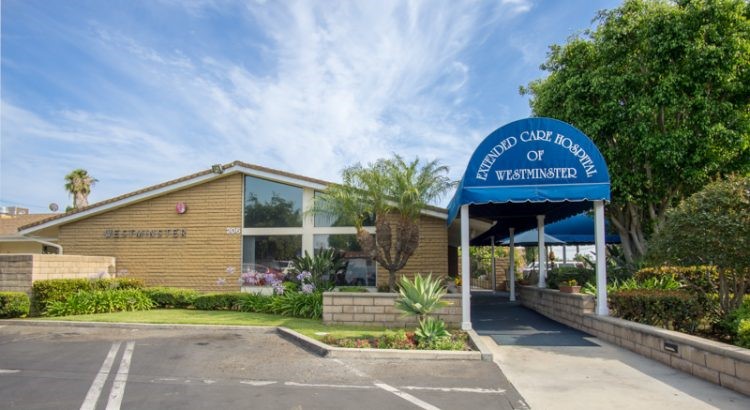
How is Extended Care Hospital Of Westminster Staffed?

CMS rates EXTENDED CARE HOSPITAL OF WESTMINSTER's staffing level at 4 out of 5 stars, which is above average compared to other nursing homes. Staff turnover is 19%, compared to the California average of 46%. This relatively stable workforce can support continuity of care.

What Have Inspectors Found at Extended Care Hospital Of Westminster?

State health inspectors documented 49 deficiencies at EXTENDED CARE HOSPITAL OF WESTMINSTER during 2022 to 2025. These included: 43 with potential for harm and 6 minor or isolated issues.
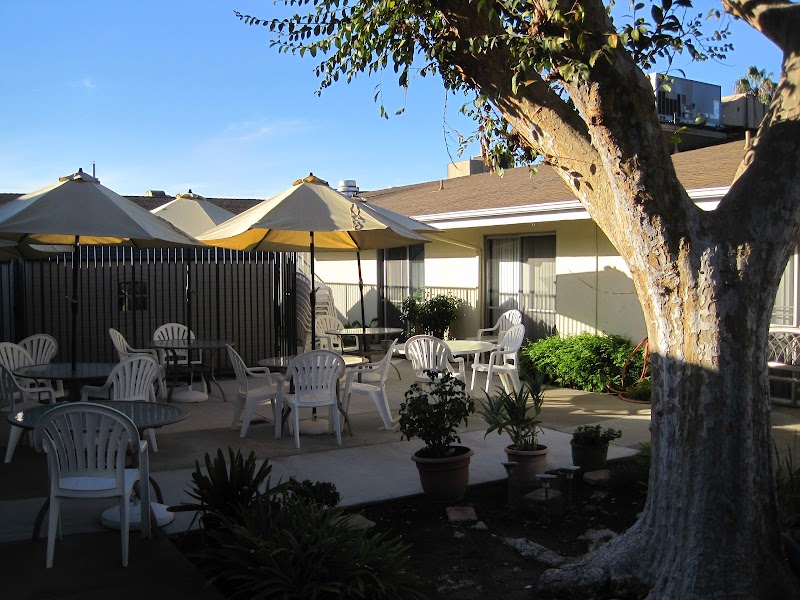
Who Owns and Operates Extended Care Hospital Of Westminster?

EXTENDED CARE HOSPITAL OF WESTMINSTER is owned by a for-profit company. For-profit facilities operate as businesses with obligations to shareholders or private owners. The facility operates independently rather than as part of a larger chain. With 99 certified beds and approximately 96 residents (about 97% occupancy), it is a smaller facility located in WESTMINSTER, California.
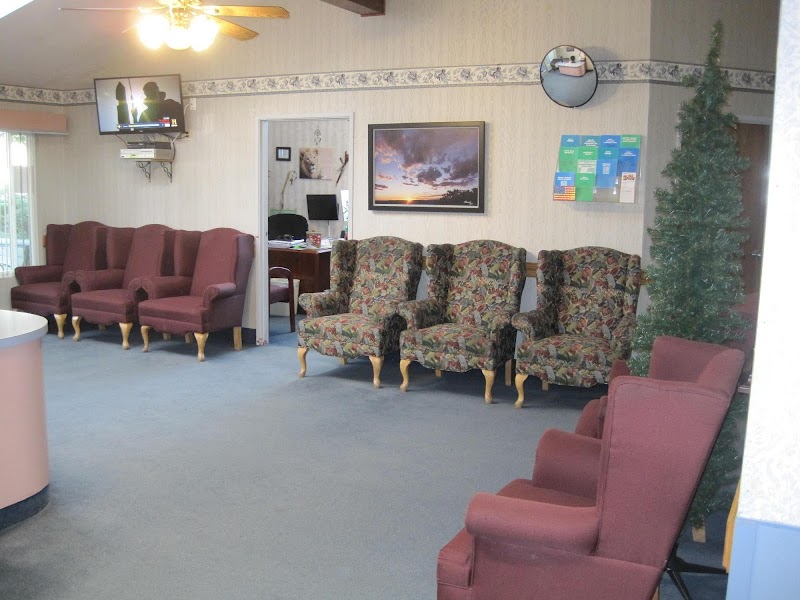
How Does Extended Care Hospital Of Westminster Compare to Other California Nursing Homes?

Compared to the 100 nursing homes in California, EXTENDED CARE HOSPITAL OF WESTMINSTER's overall rating (5 stars) is above the state average of 3.2, staff turnover (19%) is significantly lower than the state average of 46%, and health inspection rating (4 stars) is above the national benchmark.

What Should Families Ask When Visiting Extended Care Hospital Of Westminster?

Based on this facility's data, families visiting should ask: "Can I visit during a mealtime to observe dining assistance and food quality?" "How do you handle medical emergencies, and what is your hospital transfer rate?" "Can I speak with family members of current residents about their experience?"

Is Extended Care Hospital Of Westminster Safe?

Based on CMS inspection data, EXTENDED CARE HOSPITAL OF WESTMINSTER has a clean safety record: no substantiated abuse findings (meaning no confirmed cases of resident harm), no Immediate Jeopardy citations (the most serious violation level indicating risk of serious injury or death), and is not on the Special Focus Facility watch list (a federal program monitoring the lowest-performing 1% of nursing homes). The facility has a 5-star overall rating and ranks #1 of 100 nursing homes in California. While no facility is perfect, families should still ask about staff-to-resident ratios and recent inspection results during their visit.

Do Nurses at Extended Care Hospital Of Westminster Stick Around?

Staff at EXTENDED CARE HOSPITAL OF WESTMINSTER tend to stick around. With a turnover rate of 19%, the facility is 27 percentage points below the California average of 46%. Low turnover is a positive sign. It means caregivers have time to learn each resident's needs, medications, and personal preferences. Consistent staff also notice subtle changes in a resident's condition more quickly.

Was Extended Care Hospital Of Westminster Ever Fined?

EXTENDED CARE HOSPITAL OF WESTMINSTER has no federal fines on record. CMS issues fines when nursing homes fail to meet care standards or don't correct problems found during inspections. The absence of fines suggests the facility has either maintained compliance or corrected any issues before penalties were assessed. This is a positive indicator, though families should still review recent inspection reports for the full picture.

Is Extended Care Hospital Of Westminster on Any Federal Watch List?

EXTENDED CARE HOSPITAL OF WESTMINSTER is not on any federal watch list. The most significant is the Special Focus Facility (SFF) program, which identifies the bottom 1% of nursing homes nationally based on persistent, serious quality problems. Not being on this list means the facility has avoided the pattern of deficiencies that triggers enhanced federal oversight. This is a positive indicator, though families should still review the facility's inspection history directly.