VETERANS HOME OF CALIFORNIA - YOUNTVILLE - SNF
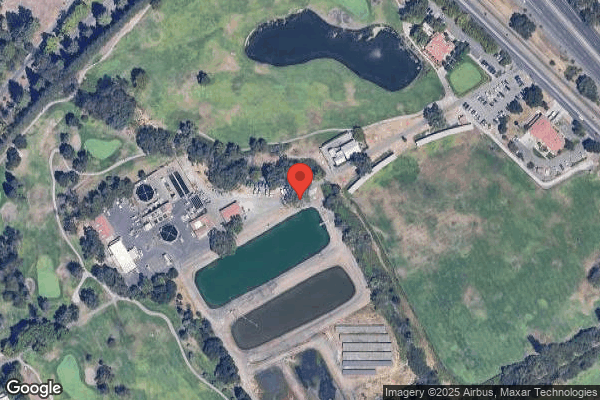

100 CALIFORNIA DRIVE, YOUNTVILLE, CA 94599 (707) 944-4600
Government - State 274 Beds Independent Data: November 2025
Trust Grade
43/100
#709 of 1155 in CA
Last Inspection: March 2025

Within standard 12-15 month inspection cycle. Federal law requires annual inspections.

Overview

The Veterans Home of California - Yountville has a Trust Grade of D, which means it is below average and has some significant concerns. It ranks #709 out of 1,155 facilities in California, placing it in the bottom half of all nursing homes in the state, and #4 out of 6 in Napa County, indicating that only two local options are better. The facility's performance is improving, with issues decreasing from 21 in 2024 to 10 in 2025. Staffing is a clear strength, earning a perfect 5/5 stars with a turnover rate of 41%, which is average compared to the state. However, there have been concerning incidents, including a serious failure to use the recommended Hoyer Lift for a resident, which resulted in a knee fracture and hospitalization. Additionally, the care plan for this resident was not updated to reflect the need for this device. Overall, while staffing is a strong point, the facility has had serious lapses in care that families should carefully consider.

Trust Score
D
43/100
In California
#709/1155
Bottom 39%
Safety Record
High Risk
Review needed
Inspections
Getting Better
21 → 10 violations
Staff Stability
○ Average
41% turnover. Near California's 48% average. Typical for the industry.
Penalties
○ Average
$3,250 in fines. Higher than 59% of California facilities. Some compliance issues.
Skilled Nurses
✓ Good
Each resident gets 112 minutes of Registered Nurse (RN) attention daily — more than 97% of California nursing homes. RNs are the most trained staff who catch health problems before they become serious.
Violations
⚠ Watch
45 deficiencies on record. Higher than average. Multiple issues found across inspections.
★★★☆☆
3.0
Overall Rating
★★★★★
5.0
Staff Levels
★★★☆☆
3.0
Care Quality
★★☆☆☆
2.0
Inspection Score
Stable
2024: 21 issues
2025: 10 issues

The Good

  • 5-Star Staffing Rating · Excellent nurse staffing levels
  • Full Sprinkler Coverage · Fire safety systems throughout facility
  • No fines on record
  • Staff turnover below average (41%)

    7 points below California average of 48%

Facility shows strength in staffing levels, fire safety.

The Bad

3-Star Overall Rating

Near California average (3.1)

Meets federal standards, typical of most facilities

Staff Turnover: 41%

Near California avg (46%)

Typical for the industry

Federal Fines: $3,250

Below median ($33,413)

Minor penalties assessed

The Ugly 45 deficiencies on record

3 actual harm
Mar 2025 9 deficiencies
CONCERN (D)

Potential for Harm - no one hurt, but risky conditions existed

Deficiency F0604 (Tag F0604)

Could have caused harm · This affected 1 resident

Based on observation, interview, and record review, the facility failed to ensure one of 29 sampled residents (Resident 31) remained free from restraint when Resident 31's bed was placed against the w...

Read full inspector narrative →
Based on observation, interview, and record review, the facility failed to ensure one of 29 sampled residents (Resident 31) remained free from restraint when Resident 31's bed was placed against the wall with four bedrails in the upright position and the bedside table positioned over Resident 31's body. This failure had the potential to obstruct Resident 31's mobility and cause injury. Findings: During a review of Resident 31's Face Sheet [FS- a quick summary sheet that healthcare providers use to access key information, like name and medical history], the FS indicated Resident 31 had diagnoses of Alzheimer's Disease (a brain disorder that gradually destroys memory and thinking skills) and Vascular Dementia (problems with reasoning, planning, judgment, memory and other thought processes caused by brain damage from impaired blood flow to the brain). During an observation on 3/3/25 at 9:04 a.m. in Resident 31's room, Resident 31 laid on his back awake in bed. The right side of the bed was pushed up against the wall with the bedside table placed between the bedrails, over Resident 31's body. All four bedrails were in the upright position. Resident 31 was pleasant but not interviewable. During an observation on 3/3/25 at 2:59 p.m. in Resident 31's room, Resident 31 laid on his back in bed with eyes closed. The bed was pushed up against the wall and three bedrails were in the upright position restricting Resident 31 from exiting the bed. The bedside table was positioned over Resident 31's body. During an interview on 3/4/25 at 10:30 a.m. with the designated person (DP) responsible for Resident 31's healthcare, the DP stated she observed all four bedrails in the upright position on several occasions but assumed they were facility measures implemented for Resident 31's safety. The DP stated she was not contacted by the facility about the bedrails. During concurrent observation and interview on 3/4/25 at 2:40 p.m. with Registered Nurse (RN) 3, in Resident 31's room, Resident 31 laid on his back awake in bed. The bed was pushed up against the wall, all four bedrails were in the upright position. The bedside table was positioned over Resident 31's body. RN 3 dropped the lower and upper bedrail and stated, This can't be like this. RN 3 stated bedrails were considered a restraint when left in the upright position to prevent the resident from exiting the bed. RN 3 stated she did not know Resident 31 was left like that. During an interview on 3/4/25 at 2:50 p.m. with the Nurse Supervisor (RNS) 1, RNS 1 stated the facility allowed two bedrails to remain in the upright position for certain residents to assist with bed mobility, however the use of four (upper and lower) bedrails were not permitted. RNS 1 stated bedrails or anything used to restrict the movement of a resident was considered a restraint and not allowed in the facility. RNS 1 stated Resident 31 was on 30-minute checks and the use for all four bedrails was not necessary. RNS 1 stated there was no restraint order in effect for Resident 31. During an interview on 3/4/25 at 3 p.m. with Certified Nursing Assistant (CNA) 5, CNA 5 stated he was assigned to the 30-minute checks for Resident 31. CNA 5 stated 30- minute checks were implemented on all residents to ensure their safety and prevent accidents. CNA 5 stated he did not notice Resident 31's bedrails were in the upright position during his safety rounds. CNA 5 stated he thought the bedrails were left in the upright position after Resident 31 was changed today, however CNA 5 could not explain why bedrails were used and in the upright position on 3/3/25 and why the bedside table was routinely positioned across Resident 31's body. During a review of Resident 31's Minimum Data Set (MDS- a tool for implementing standardized assessment and for facilitating care management in nursing homes), dated 12/18/24, indicated Resident 31's Brief Mental Interview for Mental Status (BIMs- a 15-point test indicating cognitive function) score was three (scores 13-15 suggest cognition is intact, 8-12 suggest mild impairment, and 0-7 suggest severe impairment). During a review of Resident 31's Safety Rounds [SR] monitoring log, dated 3/3/25 and 3/4/25, the SR log indicated safety rounds were performed every 30 minutes during the morning shifts and Resident 31 was in bed awake 7 a.m. and 2:30 p.m. The SR monitoring log included additional checks as follows: position, placement, function, & resident's comfort while in bed. There was no indication bedrails were in use. During a review of Resident 31's Behavior Monitoring Log, for March 2025, the log indicated Resident 31 did not exhibit agitation, aggressively hitting, or refusal of care behaviors. During a review of Resident 31's Care Plan, dated 12/20/24, the care plan indicated, . check side rail position, placement, function and residence comfort and resident in bed at least every shift . Staff to anticipate resident needs . continue 30 mins [minutes] safety rounds . offering toileting q [every] 2 hr. [hour] or while awake, snacks/ food . Environment, maintain hazard free . During a review of Resident 31's Physician's Orders, for March 2025, the orders indicated there was no physician order written for restraints. During a review of the facility's policy and procedure (P&P) Bedside Rails, Safety, dated 11/24/24, the P&P indicated, . To ensure safe use of bedside rails, especially for those residents considered high risk for entrapment . Nursing Staff will follow [Name of Facility] Bedside Rail, Restraint policy when considering the use of bedside rails . Residents at high risk for entrapment may include, but are not limited to, the following . Residents with altered mental status . Residents displaying general restlessness or agitation . Nursing staff will routinely evaluate and monitor the Resident for appropriateness of side rails . Check side rail position, placement, function, and residence comfort when in bed . During a review of the facility's P&P Physical Restraints, dated 4/8/24, the P&P indicated, . The facility will ensure that the resident is free from physical restraints imposed for purposes of discipline or convenience and that are not required to treat the Resident's medical symptoms . The following are physical restraint practices prohibited at the [Name of Facility], including, but not limited to . using bed rails that keep a Resident from voluntarily getting out of bed . Placing a chair or bed close enough to a wall that the Resident is prevented from rising out of the chair or voluntarily getting out of bed . Using devices in conjunction with a chair, such as trays, tables, cushions, bar or belts, that the Resident cannot remove and prevents the Resident from rising .
CONCERN (D)

Potential for Harm - no one hurt, but risky conditions existed

Medical Records (Tag F0842)

Could have caused harm · This affected 1 resident

Based on interview and record review, the facility failed to ensure Resident 57's medication was documented when Registered Nurse (RN) 6 did not document medications were given. This failure had the p...

Read full inspector narrative →
Based on interview and record review, the facility failed to ensure Resident 57's medication was documented when Registered Nurse (RN) 6 did not document medications were given. This failure had the potential to cause negative health-related outcomes to Resident 57. Findings: During a review of Resident 57's Minimum Data Set (MDS- a tool for implementing standardized assessment and for facilitating care management in nursing homes) Section I- Active Diagnoses dated 2/6/25, the MDS indicated Resident 57 had the following diagnoses: Anemia (body does not produce enough healthy red blood cells to carry oxygen), Hypertension (high blood pressure), Diabetes Mellitus (high blood sugar), and Hyperlipidemia (too much fat in the blood). During a review of Resident 57's Current Medication Orders, the orders indicated, . Isosorb Mono (isosorbide mononitrate) Tab (tablet) 30 milligram (mg- unit of measure) ER (extended release) Take one (1) tablet by mouth every evening for heartbeat abnl (abnormal) . Atorvastatin Tab 80 mg . Take one (1) tablet by mouth every evening for Hyperlipidemia . During a concurrent interview and record review on 3/5/25 at 11:55 a.m., with Registered Nurse Supervisor (RNS) 1 and RN 3, Resident 57's Medication Administration Record [MAR- a report detailing drugs administered] dated 3/1/25 to 3/31/25 was reviewed. Signature boxes on lines designated for Atorvastatin 80 mg and Isosorb Mono 30 mg medications and scheduled at 6 p.m. were left blank on 3/3/25. RN 3 stated she could not confirm the medications were refused by Resident 57 or administered because the signature boxes were left blank. RN 3 stated night shift RNs were responsible for auditing the MARs every 24 hours. RN 3 stated Resident 57's MAR did not indicate it was audited. During an interview on 3/5/25 at 3:15 p.m., with RN 6, RN 6 stated he reviewed Resident 57's MAR prior to the interview. RN 6 confirmed he worked the PM shift (2:30 p.m. to 11 p.m.) on 3/3/25 and stated he administered to Resident 57 Atorvastatin 80 mg and Isosorbide Mono 30 mg around 6 p.m. that evening. RN 6 stated he forgot to initial the MAR when he administered the medications. RN 6 stated facility policy required nurses to initial signature boxes at the time the medication was administered to residents or circle the boxes if residents refused. RN 6 stated, on 3/3/25, he did not follow facility policy and procedure for medication administration. RN 6 stated it was an omission that placed Resident 57 at risk for a medication dosing error if not identified by night shift. During a review of the facility's policy and procedure (P&P) titled, Medication, Administration Standards, last reviewed 11/21/24, the P&P indicated, . The licensed nurse is responsible to ensure the Six rights of medication administration are followed at all times . Right Documentation [the sixth right] . Medication name, administration time, route and dose of the drug or treatment administered to the Resident will be recorded in the MAR/ TAR by the licensed nurse who administers the drug or treatment .
CONCERN (D)

Potential for Harm - no one hurt, but risky conditions existed

Room Equipment (Tag F0908)

Could have caused harm · This affected 1 resident

Based on observation, interview, and facility document review, the facility failed to maintain a walk-in freezer when there was a large amount of ice build-up on the ceiling as well as ice build-up on...

Read full inspector narrative →
Based on observation, interview, and facility document review, the facility failed to maintain a walk-in freezer when there was a large amount of ice build-up on the ceiling as well as ice build-up on boxes of food. The failure to maintain one freezer in one out of two kitchens had the potential to result in decreased quality and contamination of food. Findings: An observation in a walk-in freezer (referred to as the warehouse freezer) located in the Main Kitchen (where food was stored and prepared for the licensed care kitchen) on 3/4/25 at 10:25 a.m., showed ice build-up on the ceiling between wall mounted fans. The ice measured more than 24 inches long, 18 inches wide, and 2 inches thick. In addition, boxes of food stored below the fan had a layer of ice build-up on the top surface of the boxes. During a concurrent interview on 3/4/25 at 10:25 a.m., Food Manager (FM) 1 stated he did not know what the ice build-up was from. FM 1 confirmed there was ice build-up on boxes of food and stated he was unaware of the ice build-up. During an interview on 3/6/25 at 3:08 p.m., the Dietary Director (DD) stated freezers need to be free of ice-build-up. During an interview with the Direct Construction Supervisor (DCS) on 3/4/25 at 3:10 p.m., DCS stated his staff usually went into the warehouse freezer every other week but right now about every month because of a staff shortage. DCS stated he was not aware of ice build-up. During a review of the policy and procedure titled, Food & [and] Nutrition Services - Equipment (All Homes), dated 9/18/24, showed equipment will be maintained in good working order.
CONCERN (E)

Potential for Harm - no one hurt, but risky conditions existed

Pharmacy Services (Tag F0755)

Could have caused harm · This affected multiple residents

Based on observation, interview and record review, the facility failed to ensure 1. Controlled substance medications (medication with a high potential for abuse and addiction) were accurately account...

Read full inspector narrative →
Based on observation, interview and record review, the facility failed to ensure 1. Controlled substance medications (medication with a high potential for abuse and addiction) were accurately accounted for on the medication administration record (MAR) and the Controlled Drug Record (CDR) for four of five randomly selected residents (Residents 16, 75, 81, and 128); 2. To establish an accurate system to limit the diversion of narcotic medications designated for destruction by nursing staff; 3. To follow its policy and procedure (P&P) for the management of resident medications for out-on-pass (OOP) status and develop a system to include reconciliation of the last administered dose of medications upon the resident's return. These failures created the potential for medication diversion, mismanagement of controlled substances, lack of accurate medication administration, placing residents at risk for excessive sedation, increase risk of falls and overdose. Findings: 1. The CDRs for five randomly selected residents receiving as-needed controlled medications were requested for review during the survey. During a concurrent observation, interview and record review on 3/3/25 at 11:08 a.m. with Registered Nurse Supervisor [NAME] 3 (RNS 1), Resident 75's medical record, CDR and physical count for lorazepam were reviewed. Resident 75's medical record indicated a physician's order dated 7/17/24, for lorazepam (a medication to treat anxiety) 0.5 milligrams (mg- unit of measurement) give 1 tablet orally every 4 hours as needed for anxiety/agitation. RNS 1 confirmed the MAR indicated 1 tablet was administered on 3/2/25 at 9:25 p.m. but its removal from the medication cart was not documented by the nurse. She stated the nurse was expected to document on the MAR and the CDR right away after preparing and administering the medication. A review of Resident 81's medical record indicated physician's orders for oxycodone (a medication to treat pain) 5 mg IR (immediate release), ordered 12/24/24 and 1/27/25, take one tablet by mouth every 6 hours, as needed for severe pain not relieved by acetaminophen. The CDR indicated one tablet was removed from the medication cart on 1/15/25 at 9 a.m. and 1 tablet on 2/25 at 10 p.m. however their respective administrations to Resident 81 were not documented on the MAR. During a concurrent interview and record review on 3/4/25 at 2:31 p.m. with the Director of Nursing (DON), Resident 81's MAR dated 1/2025 to 2/2025 and CDR for oxycodone were reviewed. DON stated nursing staff were expected to document the administration of controlled medications on both the MAR and the CDR. He stated he hoped that nursing staff would document on both and not just one. The DON acknowledged the oxycodone doses identified as removed but not documented as administered to Resident 81 on the MAR were not signed by the nurse. He stated it was preferred for the nurse to initial the MAR on the front (where it indicated, Charting for 1/1/25- 1/31/25 PRN Medications'). A review of the facility's policy and procedure (P&P) titled, Medication, Administration Standards, dated 11/21/24, the P&P indicated, E. Documentation 1. Medication name, administration time, route and dose of the drug or treatment administered to the Resident will be recorded in the MAR . by the licensed nurse who administers the drug . During a concurrent interview and record review on 3/4/25 at 2:46 p.m. with DON, Resident 128's medical record was review. Resident 128's medical record indicated physician's orders dated 2/3/25 and 2/24/25, for oxycodone 5 mg, take one half (0.5) tablets by mouth every 8 hours, as needed. The MAR indicated 1 tablet was administered to Resident 128 on 2/25/25 at 5:30 a.m. but its removal from the medication cart was not documented on the CDR. Review of the CDR indicated 1 tablet was removed on 2/28/25 at 5 a.m., 3/1/25 at 8:30 p.m., and 3/2/25 at 8 a.m. and 8:30 p.m. but their administrations were not documented on the MAR. DON acknowledged the finding and confirmed there were discrepancies between the MAR and CDR. A review of Resident 16's medical record indicated a physician's order dated 2/3/25, for oxycodone 5 mg IR, take one tablet by mouth every 6 hours as needed for severe breakthrough pain (>8/10). Resident 16's MAR indicated oxycodone was administered on the following dates and times but their removal from the medication cart was not documented: 1 tablet on 2/3/25 at 1:30 a.m.,1 tablet on 2/5/25 at 10 p.m., 1 tablet on 2/8/25 at 7 p.m., 1 tablet on 2/14/25 at 5:30 a.m., and 1 tablet on 2/21/25 at 7:06 a.m. Resident 16's CDR indicated oxycodone was removed from the medication cart on the following dates and times but their respective administrations were not documented: 1 tablet on 2/10 at 12 a.m., and 1 tablet on 2/13/25 at 2 a.m. and 4 a.m. During a concurrent interview and record review on 3/4/25 at 4:18 p.m. with Nursing Supervisor 2 (NS 2), Resident 16's MAR dated February 2025 and CDR for oxycodone 5 mg IR were reviewed. NS 2 confirmed the identified discrepancies and stated all doses of controlled medication administered to a resident needed to be documented on the front of the MAR. During a review of the facility's P&P titled, Controlled Substances, dated 12/3/24, the P&P indicated, VI. Storage, Security and Accountability of Controlled Substances for Licensed Care . B. Record Keeping and Accountability 1. Controlled Substances must be reconciled at least every shift by counting and verifying the number of each drug on corresponding CDR by a Licensed Nurse. 2. Pharmacy will verify accuracy of Narcotic count on nursing unit during monthly nursing unit inspection . C. Administration Records 1. Administration of controlled substance, will be documented on the Medication Administration Record (MAR) and on the Controlled Drug Record . 2. During an interview on 3/3/25 at 11:34 a.m. with Registered Nurse 4 (RN 4) in [NAME] 1, RN 4 stated controlled medications that needed to be destructed were stored in the separately locked compartment in the medication carts and picked up by the Quality Assurance (QA) Nurse once weekly on Wednesdays. During a telephone interview on 3/4/25 at 10:43 a.m. with Pharmacy Services Manager (PSM), PSM stated nursing staff were expected to sequester controlled medication that required destruction in the medication cart for the once weekly pick up by the nurse and the pharmacist. She stated the nurse did the once weekly destruction with the pharmacist. During an interview on 3/4/25 at 10:57 a.m. with NS 2 in [NAME] 1, NS 2 stated controlled drugs that needed to be destructed were placed in a clear plastic pouch then put into the locked narcotic section of the medication cart. She stated these medications were still counted during the narcotic inventory counts completed between nursing shift changes until picked up on Wednesdays. During an interview on 3/4/25 at 10:59 a.m. with RN 8 in [NAME] 2, RN 8 stated controlled medications were destroyed by calling the nursing supervisor, crushing the pill, then dumping it into a plastic receptable designated for medication waste in the medication storage room. He stated the destruction was signed by both nurses on the CDR. During an interview on 3/4/25 at 11:05 am. with RN 1 in [NAME] 4, RN 1 stated controlled drugs for destruction were placed inside a clear plastic pouch then put into the locked narcotic section of the medication cart. She stated they did not count the medication during nursing shift changes but just eyeballed it. During an interview on 3/4/25 at 11:11 a.m. with DON, DON stated controlled medications that were dropped by the nurse or denied by the resident were placed into a disposal bin containing a solution. He stated two nurses were expected to sign for the destruction. The DON stated each ward had a bin in the medication storage rooms. During an interview on 3/4/25 at 11:25 a.m. with Registered Nurse Quality Assurance (RN 7), RN 7 explained the process she followed for narcotic medication destruction. She stated she called each ward once a week on Wednesdays to see if they had any medications that required destruction. She stated that was how she was made aware of medications that needed to be destructed, otherwise the medication stayed in the cart until reported by nursing staff. RN 7 stated nursing staff were expected to place pills that required destruction into a clear plastic pouch labeled with the name of the resident, the date and the time, along with a second nurse as a witness. She stated when the medication was picked up on Wednesdays, the pouch and the information written on it was compared to the CDR before destruction with the pharmacist. She stated nursing staff were expected to include the medication during the shift-to-shift narcotic counts until the destruction took place. RN 7 stated the pill was not to be crushed prior to placing it into the pouch. During a review of the facility's P&P titled, Disposal of Pharmaceutical Waste- SNF/ICF (All Homes), reviewed 7/9/24, the P&P indicated, Policy Details and Implementation I. Residents' Medications No Longer In Use A. Controlled Drugs 1. Destruction: Drugs listed in Schedules II, III, IV, or V of the Federal Comprehensive Drug Abuse Prevention and Control Act of 1970 will be destroyed on the unit . Drugs may be destroyed to render them irretrievable . II. Facility Storage of Unusable Drugs . B. Controlled Drug Inventory/Facility Storage . 2. Drug Count: Nurses will verify the inventory at each change of shift until proper disposition of the drug. 3. During a concurrent interview and record review on 3/3/25 at 11:58 a.m. with NS 2 in [NAME] 1, Resident 81's record titled, Pass Medication Release, dated 2/28/25, was reviewed. NS 2 stated whenever a resident went OOP, before they left the nurse counted the medications they were taking with them with the family. She stated the medications and quantities were documented on the form and the count was completed with the family upon the resident's return. NS 2 confirmed nursing staff did not indicate the quantity of medication returned upon the return of the Resident 81 to the facility. She stated unfortunately nursing staff should have counted them when they came back. NS 2 confirmed one of the medications that was given to Resident 81 when he was OOP was oxycodone 5 mg, quantity of 4. NS 2 reviewed the CDR for Resident 81's oxycodone, scheduled to be given as needed every six hours, and confirmed the resident took one tablet while on pass. She stated she did not know when that tablet was taken by the resident and that information was not collected by nursing staff upon the resident's return to know when the next dose could be safely administered. During an interview on 3/3/25 at approximately 12 p.m. with RN 4 in [NAME] 3, RN 4 stated nursing staff relied on the narcotic count to determine what time the next dose could be given to a resident. A review of the front and back of Resident 81's MAR, dated 2/2025, indicated the nurse did not document whether Resident 81 took oxycodone while he was OOP on 2/2/8/25. During an interview on 3/3/25 at 4:16 p.m. with RN 6 in [NAME] 1, RN 6 stated when a resident went OOP, nursing staff documented OOP on the MAR for any doses of medication that were scheduled but not administered by nursing staff in the facility. During an interview on 3/4/25 at 2:50 p.m. with DON, DON stated nursing staff were expected to know when the last dose was taken by a resident when they were OOP. During a review of the facility's P&P titled, Medications, Pass/Leave (SNF, ICF, RCFE), reviewed 1/29/24, the P&P indicated, Policy Details and Implementation . D. Medication Administration Record (MAR) Documentation: 1. The out-on-pass/leave medications taken by resident are recorded on the reverse side of the resident's current medication administration record MAR or similar form. 2. Doses are not documented on the front of the MAR unless the nurse administers the medications . 3. The licensed nurse will circle their initials on the MAR for each dose of regularly scheduled medications that would normally have been administered by the facility while a resident is out on pass/lease. The reason for the circled initial is explained in the nursing comments section on the back of the MAR for each medication dose due . G. Returning to Facility Upon: Upon return to the facility, the licensed staff will document the quantity returned and report any discrepancies to the nursing supervisor.
CONCERN (E)

Potential for Harm - no one hurt, but risky conditions existed

Deficiency F0761 (Tag F0761)

Could have caused harm · This affected multiple residents

Based on observation, interview, and record review, the facility failed to: 1. Ensure expired medications were not available for resident use; 2. Opened multi-dose biologicals were dated with an opene...

Read full inspector narrative →
Based on observation, interview, and record review, the facility failed to: 1. Ensure expired medications were not available for resident use; 2. Opened multi-dose biologicals were dated with an opened or discard date to ensure they were not used beyond the expiration date. The deficient practices had the potential for residents to receive medications with unsafe and reduced potency from being used past their expiration date. Findings: 1. During an inspection on 3/3/25 at 10:04 a.m. of the medication storage room in [NAME] 5 and [NAME] 6 with Nursing Supervisor 1 (NS 1), the following were identified: two tubes Desitin Max Strength (ointment used to treat rash) expired 6/2024, one bottle hydrogen peroxide (a topical antiseptic) 3% expired 12/2024, two tubes terbinafine (a medication to treat fungal infections) 1% cream expired 12/2024, one bottle aspirin 325 milligrams (mg, a unit of measurement) tablets expired 12/24, three bottles Move + Vision + Bones Pureflex (a supplement for joint, eye and bone health) capsules expired 10/2024, one bottle Move Pureflex (a supplement for mobility and joint health) capsules expired 7/2024, and three tubes Insta-Glucose (used to treat low blood sugar) gel expired 2/2025. NS 1 confirmed the medications were expired and should have been removed from the facility's stock. NS 1 stated nursing and pharmacy staff were responsible for regularly checking expiration dates on the medications in the storage room to ensure all items were in date. During an inspection on 3/3/25 at 10:50 a.m. of the medication cart in [NAME] 2 with RN 2, one bottle of magnesium 250 mg tablets was identified without an expiration date. RN 2 stated if a medication did not have an expiration date on it, nursing staff were expected to check with the pharmacy then put a sticker on it that stated what the expiration date was. During a review of the facility's policy and procedure (P&P) titled, Disposal of Pharmaceutical Waste- SNF/ICF (All Homes), reviewed 7/9/24, the P&P indicated, Unneeded, expired, or deteriorated medications will be disposed of . The Home will maintain a process whereby expired or deteriorated pharmaceuticals are removed from use . Definitions . Pharmaceutical Waste includes medications that are: Expired . Mislabeled (improper, illegible, missing, or worn). 2. During an inspection on 3/3/25 at 11:19 a.m. of the medication storage room refrigerator in [NAME] 3 with RN 3, one vial Tubersol (an injectable solution used to aid in the diagnosis of tuberculosis infection, a bacterial disease that affects the lungs) opened and unlabeled with an open date was identified. RN 3 confirmed the finding and stated the vial should have been labeled with the date it was opened. She stated the manufacturer's labeling on the product indicated to discard it 30 days once punctured. During a review of the manufacturer's labeling for Tubersol, revised 3/18/22, the labeling indicated, A vial of TUBERSOL which has been entered and in use for 30 days should be discarded. During an interview on 3/4/25 at 2:55 p.m. with the Director of Nursing (DON), DON confirmed the Tubersol should have been labeled with an open date once used since it was only stable for 30 days after. DON stated it was the expectation that expired medications were removed from the facility's medication storage rooms and not available for resident use. During a review of the facility's P&P titled, Medication, Storage & Labels, reviewed 11/21/24, the P&P indicated, Policy Details and Implementation . J. Date Opened Label: The nurse will label multi-dose vials with the date the vial was opened and the date it will expire. Multi-dose vials are discarded as recommended by manufacturer or Pharmacy Services .
CONCERN (E)

Potential for Harm - no one hurt, but risky conditions existed

Infection Control (Tag F0880)

Could have caused harm · This affected multiple residents

**NOTE- TERMS IN BRACKETS HAVE BEEN EDITED TO PROTECT CONFIDENTIALITY** Based on observation, interview, and record review, the facility failed to maintain an infection control program designed to pro...

Read full inspector narrative →
**NOTE- TERMS IN BRACKETS HAVE BEEN EDITED TO PROTECT CONFIDENTIALITY** Based on observation, interview, and record review, the facility failed to maintain an infection control program designed to provide a safe and sanitary environment when: 1. Three of five staff (Contract Staff [CS] 1, Certified Nursing Assistant [CNA] 6, and Custodian Worker [HSK] 1) did not perform hand hygiene or utilize personal protective equipment (PPE- equipment worn to minimize exposure to infectious or hazardous materials, e.g. gown, gloves, mask, eye protection) in accordance with policy and procedure and nationally recognized infection prevention and control guidelines. 2. One of one custodian worker (HSK 1) did not follow facility procedure for the cleaning and disinfection of an occupied room. 3. Five of five staff (Laundry Supervisor [LS] 1, LW 1, LW 2, LW 3, and HSK 1) did not know the dwell time (the amount of time a disinfectant must remain visibly wet on a surface to effectively kill specific germs) of facility products used for disinfection. 4. Enhanced Barrier Precautions was not identified and effectively implemented for one of three sampled residents (Resident 16) who had an indwelling urinary catheter (thin flexible tube inserted into the bladder through the urethra to drain urine continuously) in place. 5. Enhanced Barrier Precautions was not effectively implemented for two of two sampled residents (Resident 35 and Resident 64) having a Gastrostomy Tube (G-tube, a small, flexible tube inserted through the abdominal wall and into the stomach used to provide nutrition and medication to individuals who cannot eat or drink adequately on their own) during nutritional tube feeding administration. 6. Sterile technique (the practice of eliminating microorganisms from an environment or object to prevent infection) was not implemented for one of one sampled residents with a nephrostomy tube (a long, thin, plastic tube inserted through the skin directly into the kidney which drains fluid), when sodium chloride was injected into Resident 71's nephrostomy tube using non-sterile supplies. These failures placed residents at risk for cross contamination and infection and could result in health-related disease. Findings: 1. During an observation on 3/3/25 at 11:06 a.m., in [NAME] 2's hallway, CS 1 exited a resident's room holding a laundry bag with ungloved hands and used a paper tissue as a barrier between his hand and laundry bag. CS 1 emptied the contents of the laundry bag in the biohazard room (room designated to dispose or store infectious or potentially infectious materials and waste) and returned into Resident 109's room. CS 1 did not perform hand hygiene after handling the linen. During an interview on 3/3/25 at 11:13 a.m., with CS 1, CS 1 stated he bathed Resident 109 and changed the linen on Resident 109's bed before transporting the soiled linen to the biohazard room. CS 1 acknowledged he did not wear gloves to carry the soiled linen bag and did not perform hand hygiene when he exited Resident 109 and biohazard rooms. CS 1 stated his failure to wear gloves and preform hand hygiene was an oversight and hand hygiene should have occurred upon exit of both rooms to reduce the risk of cross contamination. During an interview on 3/4/25 at 2:03 p.m., with the Infection Preventionist (IP), the IP stated all staff were expected to follow facility infection prevention and control policies and procedures, contracted staff included. The IP stated hand hygiene should occur anytime staff entered or left a resident's room or area that stored potentially soiled items. The IP stated although CS 1 used paper tissue as a barrier between the soiled linen bag and hands, staff were expected to wear gloves and perform hand hygiene when handling soiled linen to prevent the spread of disease and illness. During an observation on 3/4/25 at 3:13 p.m., in Resident 57's room, CNA 6 obtained the blood pressure and body temperature of Resident 57. Signage posted on Resident 57's door indicated Enhanced Barrier Precautions (EBP- an infection control intervention to reduce the spread of germs) must be implemented prior to entrance into Resident 57's room. The sign also indicated staff must perform hand hygiene and wear at minimum a gown and gloves for high-contact activities. CNA 6 did not wear a gown or gloves and did not perform hand hygiene before handling another resident's privacy curtain. During an interview on 3/4/25 at 3:20 p.m., with CNA 6, CNA 6 acknowledged she provided care to resident 57 without wearing gown and gloves. CNA 6 stated she was aware of Resident 57's EBP status due to a wound infection on Resident 57's leg. CNA 6 stated she should have worn gloves but forgot. CNA 6 stated EBP required staff wear mask and gloves and perform hand hygiene when providing resident care to prevent cross contamination to other residents, staff, and self. During an observation on 3/6/25 at 8:49 a.m., in [NAME] 2's hallway, HSK 1 performed the cleaning of an occupied resident room (RM 1). HSK 1 wore gloves and face mask to perform the task. After cleaning RM [ROOM NUMBER], HSK 1 returned the mop used in RM [ROOM NUMBER] to the housekeeping cart and crossed the hallway to a second occupied resident room (RM 2). HSK 1 entered RM [ROOM NUMBER] and proceeded to clean RM [ROOM NUMBER]. HSK 1 did not change his gloves during the cleaning process nor was hand hygiene performed in between tasks and the two rooms. HSK 1 touched his clothing, face mask, cleaning equipment, and cart with his contaminated gloves. During an interview on 3/6/25 at 8:53 a.m., with HSK 1, HSK 1 stated he cleaned rooms on [NAME] 2 daily and the procedure observed was his process for cleaning occupied rooms. HSK 1 stated gloves were changed when visibly soiled, however he could not provide additional times hand hygiene should occur. During an interview on 3/6/25 at 9:31 a.m., with the IP, the IP stated all staff were expected to implement standard precautions with resident care tasks, including housekeeping. The IP stated gown use was no longer required for daily cleaning of rooms and bathrooms, unless the room was an isolation room (separate room for residents with a contagious disease) or the risk for self-contamination existed. The IP reinforced the expectation for hand hygiene when entering and exiting resident rooms and in between tasks and glove changes. The IP also stated staff were required to use additional PPE (e.g. gown) for care provided to residents on EBP. The IP stated HSK 1 and CNA 6 did not follow facility policy and procedure for hand hygiene and PPE use. During a review of the facility's policy and procedure (P&P) Hand Hygiene Procedure . dated 12/24/18, the P&P indicated, . Per the Centers for Disease Control (CDC- a national health protection agency and regulating bodies of infection control, prevention, and awareness) keeping hands clean through improved hand hygiene is one of the most important steps we can take to avoid getting sick and spreading germs . Preform Hand Hygiene . Before and after caring for someone who is sick . Before and after removing gloves when caring for a resident . After coming into contact with blood or body fluids or open skin . During review of the CDC document Clinical Safety: Hand Hygiene for Healthcare Workers dated 2/27/24, the document indicated, .Hand hygiene protects both healthcare personnel and patients. Hand hygiene means cleaning your hands with . Handwashing with water and soap (e.g., plain soap or with an antiseptic) . Antiseptic hand rub (alcohol-based foam or gel hand sanitizer) . Cleaning your hands reduces . The potential spread of deadly germs to patients . including those resistant to antibiotics .clean your hands . Immediately before touching a patient . After touching a patient or patient's surroundings . After contact with blood, body fluids, or contaminated surfaces . Immediately after glove removal .wear gloves . When needed for Standard Precautions (when you anticipate that you will come in contact with blood or other infectious materials, mucous membranes, non-intact skin, potentially contaminated skin, or contaminated equipment) . change gloves and clean hands . If gloves become soiled with blood or body fluids after a task . Before exiting a patient room . During a review of the facility's Infection Control Guidelines 2.0- Isolation Precautions approved 4/15/08, the guidelines indicated, . Standard precautions constitute the primary strategy for the prevention of healthcare associated transmit function of infectious agents among patients and health care personnel. Standard precaution assumes that every person is potentially infected or colonized with an Organism that could be transmitted in the healthcare setting and applies the following infection control practices during the delivery of healthcare . wear gloves when it can be reasonable to anticipate contact with blood or other potentially infectious materials . During concurrent observation and interview on 3/6/25 at 7:45 a.m., with Laundry Supervisor (LS), LW 1, and LW 2, in the Laundry Service Building, LW 1 and LW 2 demonstrated their process for doffing (remove) contaminated PPE. LW 1 discarded her gloves, unsnapped the overcoat (in place of gown) and placed the overcoat in the staff soiled linen bin, then grasped the front of her face mask and hair net for removal. LW 2 confirmed the sequence of LW 1's PPE removal procedure and stated she followed the same doffing procedure. LS stated LW 1 did not demonstrate proper technique for removal of contaminated PPE and the sequence demonstrated increased the risk for self-contamination and possible transmission of disease. LS stated the overcoat buttoned in the front which required extra handling and LW 1 should have performed hand hygiene prior to removing her mask to prevent self-contamination. During a review of the CDC document How to Safely Remove Personal Protective Equipment (PPE) Example 2, undated, the document indicated, . Gown front and sleeves and the outside of gloves are contaminated . If your hands get contaminated during gown or glove removal, immediately wash your hands or use an alcohol-based hand sanitizer . Front of mask/respirator is contaminated- Do Not Touch . Perform Hand Hygiene Between Steps If Hands Become Contaminated and Immediately After Removing All PPE . 2. During an observation on 3/6/25 at 8:49 a.m., in [NAME] 2's hallway, HSK 1 performed the cleaning of an occupied resident room (RM 1). The housekeeping cart, stationed outside the room, had four buckets (B1, B2, B3, and B4); three of the buckets (B1, B2, and B3) were half filled with a liquid solution. B4 was empty. The bucket used for mopping floors (B3) had cloudy water with a gray grainy sediment at the bottom of the bucket. The two remaining buckets (B1 and B2) were unlabeled and had a johnny mop (a type of toilet bowl cleaning tool with a fuzzy or soft, absorbent head) placed in the liquid solution. Small brown/ gray particles floated in B1 and B2's liquid. HSK 1 used a string mop to clean RM [ROOM NUMBER]'s bathroom and floor. HSK 1 swept the mop in and out of the bathroom onto the RM [ROOM NUMBER]'s floor in a series of repeated actions. After completion of the task, HSK 1 returned the mop to B3 and crossed the hallway to a second resident occupied room (RM 2). HSK 1 retrieved a johnny mop from B1 and wiped down the inside of RM [ROOM NUMBER]'s toilet bowel, toilet riser, and toilet seat, then returned the johnny mop to B1. Next, HSK 1 retrieved the mop from B3 and mopped RM [ROOM NUMBER]'s floor and bathroom, using the same procedure as in RM [ROOM NUMBER] (repeatedly mopping in and out of the room and bathroom). HSK 1 did not wipe any high touch surfaces nor furniture in RM [ROOM NUMBER]. During concurrent observation and interview on 3/6/25 at 8:53 a.m., with HSK 1, in [NAME] 2's hallway and janitorial room, HSK 1 stated the cleaning procedure demonstrated was the method he used for cleaning resident rooms on [NAME] 2. HSK 1 stated the liquid solution in B1, B2, and B3 were the same, two ounces of floor mop cleaner mixed with three quarters of a bucket of water. HSK 1 stated he used the same liquid until all rooms on [NAME] 2 were cleaned. HSK 1 showed the floor cleaner product used for cleaning resident rooms. One gallon bottle of [Name of Product] Floor Cleaner Concentrate solution sat on the floor of the janitorial room. HSK 1 stated it was the only product available for him to use. HSK 1 stated he did not know if the solution had disinfecting properties. During an interview on 3/6/25 at 9:31 a.m., with the IP, the IP stated the facility's floor cleaner was not a disinfectant (chemical product that destroys germs) and not acceptable for cleaning and disinfecting resident room surfaces and bathrooms. The IP stated HSK 1's practice of using a neutral floor cleaner to clean resident bathrooms placed residents at risk for gastrointestinal (relating to stomach and intestines) diseases and illnesses. The IP stated a diluted bleach solution should be used to clean and disinfect environmental surfaces in resident rooms and bathrooms. The IP also stated reuse of cleaning solutions had limitations; that cleaning and disinfecting solutions became less effective each time used equipment was placed into the solutions becoming a potential source and reservoir for germs. The IP stated dirty bucket water should be changed at regular intervals to ensure cleaning solution products remained clean and effective. During an interview on 3/6/25 at 2 p.m., with the Housekeeping Supervisor (HSKS) and HSK 2, HSKS stated the facility followed CDC's guidelines for environmental cleaning and described the procedure for cleaning resident rooms in the facility. HSKS stated housekeepers were expected to sweep dusty air vents, clean and disinfect doorknobs, high touch surface areas, and mop daily. HSKS stated housekeepers were expected to use two johnny mops and two string mops for the various cleaning tasks in each room. The HSKS stated one string mop should be used for a resident's bathroom floor and another for the room's floor. It was not acceptable to use one string mop for both resident bathroom and room floors. The HSKS stated the facility used bleach and [Name of Product] disinfectant solutions to clean and disinfect resident rooms and bathrooms, and floor cleaner was not an acceptable product to use for disinfection. The HSKS stated bucket water should be changed every third room to avoid neutralizing solutions and spreading germs throughout the facility. HSKS stated HSK 1 did not follow facility policy and procedure for the cleaning of occupied resident rooms. During review of [Name of Product] Floor Cleaner Concentrate Solution Material Safety Data Sheet, indicated, . Product Use: Floor Cleaner . During a review of the facility P&P Cleaning, Occupied Resident Room, approved 8/22/24, the P&P indicated, . dust all surfaces with disinfectant solution . Wipe bedside tables with disinfecting solution . Clean mirrors and interior surfaces of glass . Empty and reline trash cans . vacuum or dust mop depending on area . remove cobwebs . clean and disinfect toilet and sink. Scrub with cleanser as needed . Wash doors and handles with disinfectant . completely mop floor and baseboards with disinfectant . During a review of CDC's document Best Practices for Environmental Cleaning in Healthcare Facilities Version 2, the document indicated, . Environmental cleaning is part of Standard Precautions, which should be applied to all patients in all healthcare facilities . The cart should have enough cleaning cloths to complete the required cleaning session, with a clean cloth for each patient zone to prevent cross-contamination . It is best practice to use a two- or three-bucket system for mopping . Two-bucket system (routine cleaning): one bucket contains a detergent or cleaning solution and the other contains rinse water . The rinse water bucket allows the mop to be rinsed and wrung out before it is re-dipped into the prepared solution . Proceed from cleaner to dirtier areas to avoid spreading dirt and microorganisms [germs] . clean low-touch surfaces before high-touch surfaces . Clean patient areas (e.g., patient zones) before patient toilets . Proceed from high to low to prevent dirt and microorganisms from dripping or falling and contaminating already cleaned areas . Never double-dip cleaning cloths into portable containers (e.g., bottles, small buckets) used for storing environmental cleaning products (or solutions) . Never leave soiled mop heads and cleaning cloths soaking in buckets . Common high-touch surfaces include . bedrails . sink handles . bedside tables . edges of privacy curtains . transport equipment (e.g., wheelchair handles) . call bells . doorknobs . light switches . Toilets in patient care areas . have high patient exposure (i.e., high-touch surfaces) and are frequently contaminated. Therefore, they pose a higher risk of pathogen transmission than in general patient areas . Mop from cleaner to dirtier areas . Mop in a systematic manner, proceeding from area farthest from the exit and working towards the exit . Change mop heads/floor cloths and buckets of cleaning and disinfectant solutions as often as needed (e.g., when visibly soiled, after every isolation room, every 1-2 hours) and at the end of each cleaning session . 3. During concurrent interviews on 3/6/25 at 7:39 a.m., LS, LW 1, and LW 2 stated they used germicidal bleach wipes to clean and disinfect the sorting table to prevent transmission of disease and cross contamination during the sorting of soiled laundry. The LS stated the disinfectant was effective against communicable diseases as long as it was allowed to airdry after being applied. The LS, LW 1 and LW 2 stated they did not measure how much time the surface of the table took to airdry and/ or remained wet to effectively kill germs. The LS acknowledged dry times and time the surface remained wet varied based on weather conditions which could potentially affect the effectiveness of the disinfectant. During an interview on 3/6/25 at 7:54 a.m., with LW 3, LW 3 stated his department used [Name of Product- hydrogen peroxide) disinfectant to clean high touch surface areas and equipment at the end of his shift. LW 3 stated he was not aware how long the product had to remain on the surfaces to be effective. LW 3 stated, it [disinfectant] just airdries. LW 3 stated he did not know how long the product took to airdry. During and interview on 3/6/25 at 8:53 a.m., with HSK 1, HSK 1 stated he used various cleaners and disinfectants throughout the day. HSK 1 stated he applied the disinfectant products and allowed them to airdry. HSK 1 stated he was not familiar with dwell times. During an interview on 3/6/25 at 2 p.m., with the HSKS and HSK 2, HSKS stated disinfectants utilized in the facility were under the supervision of the facility IP. The HSKS stated housekeeping used a diluted bleach solution as the primary disinfectant for the facility. The HSKS stated the bleach solution had a dwell time of 10 minutes. The HSKS stated he did not evaluate the total contact time the disinfectant remained wet on surfaces. HSKS stated the disinfectant was effective if allowed to airdry. During review of the information for use (IFU) [Name of Product] bleach germicidal wipes, undated, the IFU indicated, . Directions . Remove gross soil if present or if disinfecting for C. difficile [Clostridioides difficile- a bacteria that c spores . Wipe the surface until completely wet . Wait for the contact time (3 minutes for C. diff, fungi, TB and select viruses; 30 second for bacteria; 1 minute for most viruses) . Discard the wipe . During a review of the IFU [Name of product] hydrogen peroxide disinfectant, dated 9/22/21, the IFU indicated, . When used as directed, this product is effective against (a broad spectrum of) pathogenic microorganisms . viruses, and fungi . To Use as a One- Step Cleaner/ Disinfectant . Pre- clean heavy soiled areas . Allow surface to remain wet for 1 minute. (For certain listed viruses, Allow treated surfaces to remain visibly wet for one-minute, additional towelettes if needed to ensure the correct visibly wet surface contact time . During a review of the CDC's document TOPIC 12: Environmental Cleaning & Disinfection: What is Contact Time?, undated, the document indicated, . Sometimes called dwell time, this is the amount of time a disinfectant needs to sit on a surface, without being wiped away or disturbed, to effectively kill germs . Wait until contact time is complete before using objects or surfaces or before a new patient comes into a room . Follow the instructions on the disinfectant label - especially instructions for contact time . 4. During a concurrent observation and interview on 3/3/25 at 3 p.m. with Resident 16 in Resident's room, Resident 16 was lying awake in bed and had an indwelling urinary catheter bag attached to the lower rail of the bed frame. Resident 16 stated she was currently using an indwelling urinary catheter, and staff was assisting with care by changing and emptying the bag as needed. There was no Enhanced Barrier Precautions (EBP) sign to indicate appropriate use of Personal Protective Equipment (PPE- clothing and equipment that is worn or used to provide protection against hazardous substances and/or environments) was posted outside the Resident's room door. There was no isolation cart for PPE storage noted outside of Resident 16's room. During a concurrent observation and interview on 3/5/25 at 9:24 a.m. with Certified Nursing Aide (CNA) 3 outside of Resident 16's room, CNA 3 stated Resident 16 was dependent on staff and required help with bathing and toileting. CNA 3 stated that only gloves and masks were worn when giving direct care because the Resident was not on any isolation precautions. CNA 3 stated Resident 16 had no isolation sign posted or cart outside of the Resident's room, so the Resident was not on isolation. During a concurrent observation and interview on 3/5/25 at 9:30 a.m. with Licensed Vocational Nurse (LVN) 1 outside of Resident 16's room, LVN 1 stated there was no isolation cart or isolation precautions sign posted on the door to indicate Resident 16 was on isolation precautions. LVN 1 further stated if there was an isolation cart and sign posted outside the door, then the staff would wear what was posted every time the staff would go in the room to give care to Resident 16. During a concurrent interview and record review on 3/6/25 at 11:20 a.m. with Infection Control Preventionist (IP), the facility provided list of Residents with isolation precautions was reviewed. The list indicated Resident 16 was on Enhanced Barrier Precautions and the reason for precautions indicated, Indwelling Device-Catheter. The record also indicated, Potential Clearance Date for Resident 16 was Indefinite. IP stated the Residents who are on EBP have signs posted to their doors to notify staff and people of what to wear when they enter the room to prevent transmission of infection. During a record review of Resident 16's Minimum Data Set (MDS- A resident assessment tool), dated 1/24/25, the MDS indicated the Resident had an indwelling catheter and was dependent on staff for toileting hygiene and personal hygiene. During a record review of the facility's policy and procedure (P&P) titled, Enhanced Barrier Precautions (EBP), dated 6/25/24, the P&P indicated, EBP are essential infection control measures designed to minimize the transmission of multidrug-resistant organisms (MDROs) and protect both residents and staff in heathcare settings. The P&P indicated, Use EBP for residents with chronic wounds or indwelling medical devices, regardless of MDRO status. The P&P further indicated, Staff will . Display clear signs outside the resident's room indicating EBP and required PPE (gown and gloves). 5. During a concurrent observation and interview on 3/5/25 at 5 p.m. with RN 9 on [NAME] 2D while observing the start of Resident 64's tube feeding process. There was signage noted on the wall in front of Resident 64's room indicating EBP precautions were required during tube feedings. RN 9 stated she did not need to wear a gown for administration of the fluids. RN 9 stated, I use them when I do a dressing change and while suctioning, not with feeding. No cart was located near the resident room. RN 9 read the signage and confirmed it was required and donned the required protection. She stated staff have not been wearing gowns for this process. RN 9 stated, I was not aware it was required. During an interview on 3/5/25 at 5:10 p.m. with Resident 64, Resident 64 stated, The nursing staff have not been wearing gowns for this [delivering of formula through the tube]. Resident 64 stated, I know it is for my safety that they do. During a review of the facility Policy and Procedure (P&P) titled, Enhanced Barrier Precautions, dated 6/25/24, the policy indicated the use of EBP was mandated for residents identified as high risk for multidrug resistant organisms ([NAME]), including residents with indwelling devices [G-tube], during high contact resident activities. The policy indicated indwelling devices such as feeding tubes provide a direct pathway for pathogens to enter the body and cause infection. During a review of the signage in front of Resident 64's room titled, Enhanced Barrier Precautions, undated, the signage indicated, All providers and staff must wear at least a gown and gloves for these High Contact Resident Care Activities: [including] Indwelling Device Care or Use: [including] Feeding tube. 5. During a review of Resident 35's Face Sheet (demographics), dated 12/18/24, the Face Sheet indicated Resident 35 was admitted on [DATE] with diagnoses which include tongue carcinoma (a type of cancer of the tongue), dysphagia (difficulty swallowing foods and liquids), and gastrostomy tube (G-tube - a small flexible tube that is inserted through the skin into the stomach to provide nutrition and fluids). During an observation on 3/3/25 at 9:34 a.m., in Resident 35's room, a sign was observed outside of the room alerting staff that Resident 35 required Enhanced Barrier Precautions (EBP - infection control practice that uses PPE-personal protective equipment including gloves and gowns to reduce the spread of infection). The EBP sign indicated that staff are required to wear a gown and gloves when performing High-Contact Activities including providing care for indwelling medical devices such as G-tubes. During a concurrent observation and interview on 3/6/25 at 12:02 p.m. with LVN (Licensed Vocational Nurse (LVN) 2 in Resident 35's room, LVN 2 was observed administering medications through Resident 35's G-tube; LVN 2 was not wearing a gown. LVN 2 confirmed she did not wear a gown while administering G-tube medications to Resident 35 and stated she was unaware a gown was required. During an interview on 3/6/25 at 2:02 p.m. with Nursing Supervisor (NS) 3, NS 3 stated staff must wear gloves and a gown when providing care for residents with a G-tube or other indwelling medical device. NS 3 stated it was important to use EBP to protect the resident from infection. During a review of the facility's Enhanced Barrier Precautions (EBP) Policy, approved on 6/25/24, the policy indicated, This policy mandates the use of EBP, including the donning of gowns and gloves during high-contact resident care activities, for residents identified as high-risk due to .indwelling medical devices. Examples provided of indwelling medical devices included G-tubes. 6. A review of Resident 71's Face Sheet (demographics), dated 01/21/25, indicated Resident 71 was admitted on [DATE] with diagnoses that included urinary tract infection (UTI - an infection of the bladder and or kidneys) and severe sepsis with septic shock (life threatening condition resulting from an infection). During a concurrent observation and interview on 3/6/25 at 11:00 a.m. with Registered Nurse (RN) 10 in Resident 71's room. RN 10 was observed preparing to flush Resident 71's nephrostomy tube (a long, thin, plastic tube inserted through the skin directly into the kidney which drains fluid). RN 10 donned clean gloves, opened a small sterile drape, (a sterile sheet used to create a sterile field during procedures with the purpose of preventing the spread of infection from non-sterile areas and protecting the resident from contamination) and placed the sterile drape under Resident 71's nephrostomy tubing. RN 10 removed a green cap from the port attached to the nephrostomy tubing and placed the green cap on the bedside table. RN 10 donned sterile gloves (gloves which have been sterilized to eliminate any bacteria to protect residents from infection during procedures. Once sterile gloves are donned, staff should not touch anything except other sterile supplies) and opened an alcohol wipe (non-sterile) and used it to clean the port of the nephrostomy tube. RN 10 then picked up a syringe filled with sodium chloride (solution to flush the nephrostomy tube) which was wrapped in plastic (non-sterile). RN 10 unwrapped the syringe with her sterile gloves and proceeded to use the port to inject sodium chloride into Resident 71's nephrostomy tube. RN 10 then placed the green cap (non-sterile) back on the port of the resident's nephrostomy tube. During an interview on 3/6/25 at 11:15 a.m. with RN 10, RN 10 confirmed she used sterile gloves to open the alcohol swab wrapper and to remove the plastic overlay from the sodium chloride syringe. RN 10 confirmed these supplies were not sterile and her sterile gloves were contaminated by handling the non-sterile supplies. RN 10 further stated the green cap she removed from the bedside table and placed back on Resident 71's nephrostomy tube port was not sterile. During an interview on 03/06/2025 at 2:02 p.m. with Nursing Supervisor (NS) 3, NS 3 stated it was important to use sterile technique when flushing Resident 71's nephrostomy tube because the nephrostomy tube was inserted through the skin directly into the resident's kidney. NS 3 stated failure to use sterile technique when flushing the nephrostomy tube could result in Resident 71 developing a serious infection. During a review of the facility's policy and procedure (P&P) titled Nephrostomy Tube, Management, dated 04/09/2024, the P&P indicated, Flushing of Nephrostomy . flushing of the nephrostomy tube is a sterile procedure.
CONCERN (F)

Potential for Harm - no one hurt, but risky conditions existed

Deficiency F0801 (Tag F0801)

Could have caused harm · This affected most or all residents

Based on interview and record review, the facility failed to ensure there was a designated full-time qualified person who met the qualifications specified in established State statute (California Code...

Read full inspector narrative →
Based on interview and record review, the facility failed to ensure there was a designated full-time qualified person who met the qualifications specified in established State statute (California Code, Health and Safety Code - HSC § 1265.4) for food service managers, to carry out the functions of food and nutrition services (FNS) for the licensed care facility. The failure to have qualified day-to-day oversight of FNS elevated the risk of dietetic services not being carried out in accordance with professional standards for food service safety placing 144 residents, who received food from the kitchen at risk for potential food related medical complications. Findings: Dietetic services is defined as the provision of safe, satisfying and nutritionally adequate food for patients with appropriate staff, space, equipment and supplies (westlaw.gov) California Code of Regulations describes the staffing requirements for Dietetic Service Staff. The California Code, Health, and Safety Code - HSC § 1265.4 describes the qualifications a licensed health facility shall designate as full-time qualified position to manage the day-to-day operations of the skilled nursing facility when there is not a full-time Registered Dietitian to provide oversight to the dietetic services operation. The following are the seven different pathways to be qualified: 1) A baccalaureate degree with major studies in food and nutrition, dietetics, or food management and has one year of experience in the dietetic service of a licensed health facility. (2) A graduate of a dietetic technician training program approved by the American Dietetic Association, accredited by the Commission on Accreditation for Dietetics Education, or currently registered by the Commission on Dietetic Registration. (3) A graduate of a dietetic assistant training program approved by the American Dietetic Association. (4) Is a graduate of a dietetic services training program approved by the Dietary Managers Association and is a certified dietary manager credentialed by the Certifying Board of the Dietary Managers Association, maintains this certification, and has received at least six hours of in-service training on the specific California dietary service requirements contained in Title 22 of the California Code of Regulations prior to assuming full-time duties as a dietetic services supervisor at the health facility. (5) Is a graduate of a college degree program with major studies in food and nutrition, dietetics, food management, culinary arts, or hotel and restaurant management and is a certified dietary manager credentialed by the Certifying Board of the Dietary Managers Association, maintains this certification, and has received at least six hours of in-service training on the specific California dietary service requirements contained in Title 22 of the California Code of Regulations prior to assuming full-time duties as a dietetic services supervisor at the health facility. (6) A graduate of a state approved program that provides 90 or more hours of classroom instruction in dietetic service supervision, or 90 hours or more of combined classroom instruction and instructor led interactive Web-based instruction in dietetic service supervision. (7) Received training experience in food service supervision and management in the military equivalent in content to paragraph (2), (3), or (6). During an interview with the Director of Dietary Services (DD) on 3/5/25 at 3:08 p.m., DD summarized her role in relation to dietary services. DD stated she was responsible for overseeing all of Food and Nutrition Services (FNS) for the multilevel campus which included skilled nursing/memory care, assisted living, and independent living. The licensed care kitchen (dietetic service space) served the skilled nursing facility and memory care residents. The main dining/kitchen which was not part of the licensed facility, was used to prepare food for the licensed care kitchen as well as other residents residing on the campus. DD stated she walked over to the licensed care kitchen from her office which was located in the main kitchen/dining area (about a ten minute walk minimum) to check in with staff as needed, and confirmed she was not full-time just for the licensed care FNS. During an interview with the DD on 3/6/25 at 9:25 a.m., DD stated the position which satisfied the requirement for the full-time qualified oversight of the licensed care kitchen was an Assistant Director of Dietetics (ADD) position which became vacant, then reclassified to a Food Manager position. The Food Manager position provided full-time, day-to-day oversight in the licensed care kitchen. DD stated the Food Manager position did not include qualifications which would meet the required regulations related to the oversight of food service operation of the licensed care kitchen. DD explained the Assistant Director of Dietetics/Clinical (ADDC) provided some oversight to the licensed care kitchen. DD confirmed ADDC's position was mainly clinical oriented. Review of the undated undated duty statement titled, Director of Dietetics, showed the Director of Dietetics was responsible for the day-to-day operation of the FNS Department, including, but not limited to planning, directing, organizing, and coordinating all FNS and medical nutrition therapy activities; providing the full range of supervision to assigned FNS Department staff; conducting staff meetings. While the duty statement showed the position was for the day-to-day operation of FNS, it was determined the position was not full time for the licensed care kitchen. Review of the duty statement titled, Assistant Director of Dietetics and signed by DD and ADDC on 3/14/24, showed this position assisted in the general operation of the food service and dietary activities and performed assigned responsibilities in the area of clinical or administrative dietetic practice. While this position showed it assisted with general operation of the food service and dietary activities, it was determined ADDC's position was mostly clinical with minimal oversight over the licensed care kitchen. Review of the undated duty statement titled, Food Manager showed under the general direction of the Director of Dietetics and/or Assistant of Dietetics, plan, direct, and coordinate food service activities; develop, interpret, and apply standards and procedures governing the operation of the FNS; prepare reports, and do other related work. While this position was meant to provide oversight of the licensed care kitchen, the position qualifications did not meet the State statutory requirements.
CONCERN (F)

Potential for Harm - no one hurt, but risky conditions existed

Deficiency F0804 (Tag F0804)

Could have caused harm · This affected most or all residents

**NOTE- TERMS IN BRACKETS HAVE BEEN EDITED TO PROTECT CONFIDENTIALITY** Based on observation, interview, and facility document review, the facility failed to ensure food was palatable in regard to tem...

Read full inspector narrative →
**NOTE- TERMS IN BRACKETS HAVE BEEN EDITED TO PROTECT CONFIDENTIALITY** Based on observation, interview, and facility document review, the facility failed to ensure food was palatable in regard to temperature, flavor, and texture. This failure had the potential to result in decreased food intake resulting in food related medical complications for 144 residents, who received food from the kitchen. Findings: During the initial screening of residents on 3/3/25, multiple residents complained about the facility food when they were interviewed including: 1. at 9:35 a.m., Unsampled Resident 100 stated the food served at the facility was flavorless and cold., 2. at 11:43 a.m., Unsampled Resident 4 stated food was frequently served cold, and 3. at 11:50 a.m., Resident 39 stated the food served at the facility was not too good and was sometimes cold. Observation, interview, and document reviews conducted from 3/3/25 to 3/5/25 showed the rethermalization (retherm) carts (mobile units designed to reheat precooked, chilled foods to a desired reheating temperature, as well as maintain cold food at a desired temperature) were not consistently reheating hot food to the desired temperature and not holding cold foods at desired temperatures (Cross-reference F812). Review of the facility document titled, Diet Spreadsheet, dated 3/5/25, showed lunch served on 3/5/25 included Orange Chicken and Asian Vegetable Blend for regular textured diets (no texture modifications), ground Asian Vegetable Blend for Mechanical Soft textured diets (a modified textured diet consisting of soft, easily chewed foods), and Pureed Orange Chicken and Whipped Potatoes for pureed textured diets (modified textured diet consisting of smooth, pudding like consistency foods). An observation on 3/5/25 at 12:05 p.m., showed retherm cart labeled 1D was unplugged by staff from the docking station and was ready to be transported to the resident ward for lunch food service. On 3/5/25 at 12:07 p.m., a test-tray observation was conducted. The temperature of food was measured with a calibrated thermometer for three test trays. Test tray 1 included pureed foods and the temperatures showed pureed chicken was 116.6 degrees Fahrenheit (F), and mashed potatoes were 109.4 degrees F. The pureed chicken and mashed potatoes were just barely warm when tasted. In addition, the regular textured vegetables and the mechanical textured vegetables tasted bland. Food Service Supervisor (FSS) 1 tasted the vegetables and stated they had no flavor. Also, the regular and mechanical vegetables had a fibrous, unappealing texture. FSS 1 stated the vegetables were a little crunchy for a regular person. When the regular textured Orange Chicken was tasted, it felt dry and a bit tough. FSS 1 stated the chicken was a little dry. It is the position of the American Dietetic Association (ADA; currently known as the Academy of Nutrition and Dietetics) that the quality of life and nutritional status of older residents in long-term care facilities may be enhanced by a liberalized diet. A diet that is not palatable or acceptable to the individual can lead to poor food and fluid intake, which results in weight loss and undernutrition, followed by a spiral of negative health effects. [NAME], B., [NAME] K. C., & [NAME] P.K. (2002). Position of the American Dietetic Association: Liberalized Diets for Older Adults in Long-Term Care. Journal of the American Dietetic Association 102(9), 1316-1323. https://doi.org/10.1016/S0002-8223(02)90289-0
CONCERN (F)

Potential for Harm - no one hurt, but risky conditions existed

Food Safety (Tag F0812)

Could have caused harm · This affected most or all residents

Based on observation, interview, and facility document review, the facility failed to store, prepare, distribute and serve food in accordance with professional standards for food service safety when: ...

Read full inspector narrative →
Based on observation, interview, and facility document review, the facility failed to store, prepare, distribute and serve food in accordance with professional standards for food service safety when: 1. The facility did not have a system in place to ensure all hot food was reheated to a minimum of 165 degrees Fahrenheit (F) and all cold food was held at or below 41 degrees F; 2. Three air vents located in the dish room and food production area in the Main Kitchen (where food was prepared for the licensed care kitchen), were not clean; 3. Supervisory staff did not cover facial hair in the kitchen where food was stored and handled; 4. Trays used for food service were in poor condition; and 5. An industrial can opener was not clean and stored available for use. These failures had the potential to contaminate food and/or utensils for resident use and/or consumption, leading to food borne illness and/or illness from cross-contamination for 144 residents who received food from the kitchen. Findings: 1. During an observation and interview on 3/3/25 at 9:16 a.m., staff placed chilled food on trays and placed the trays in food carts. Food Service Supervisor (FSS) 1 explained the facility used a cook chill rethermalization (retherm) process for resident meals. Food was prepared and chilled in the Main Kitchen, then transferred to the licensed care facility kitchen where the chilled food was plated, placed on trays, placed in a cart, then stored in a cooler. The carts were plugged into docking stations for retherm about 45 minutes prior to food service. These carts were designed to reheat hot food and maintain cold food on the same tray. An observation and interview on 3/3/25 at 11:55 a.m., showed the retherm carts were labeled with ward numbers. The 1C cart was unplugged and staff began to transport the cart out of the kitchen to the resident ward for lunch food service. The surveyor measured food temperatures on two random trays with a calibrated thermometer before the cart was taken out of the kitchen. The hot food temperatures on the first tray were above 165 degrees F. The temperatures on second tray were as follows: milk 46.6 degrees F, ground green bean medley 126 degrees F, chopped beer battered cod 147.7 degrees F, and rice 138.2 degrees F. FSS 1 stated the hot food needed to be at least 165 degrees F and the tray observed with food less than 165 degrees F had to be reheated. In a consecutive interview on 3/3/25 at 12:05 p.m., when asked how the staff monitored temperatures of the food before it was served, Food Service Technician (FST) 1 stated temperatures were measured on one test tray on one of the five retherm carts. An observation on 3/3/25 at 12:10 p.m., showed cart 1D was unplugged and pushed by a staff toward the door out of the kitchen. The surveyor measured the temperature of food on three random trays, with FSS 1, before it was transported out of the kitchen and the temperatures were as follows: Tray 1: pureed fish filet patty 138.2 degrees F; pureed green beans 148.5 degrees F; pureed corn 155.7 degrees F. Tray 2: chopped beer battered Cod: 147.4 degrees F, mashed potatoes 140.9 degrees F, ground green bean medley 134.8 degrees F. Tray 3: hot food temperatures were above 165 degrees F. The cart was transported out of the kitchen by kitchen staff without reheating any food on the cart. Review of the test tray documentation log titled Food and Nutrition Services HACCP [Hazard Analysis Critical Control Point] Data Collection .], dated 3/3/25, showed FST 1 documented food temperatures were as follows: Beer Battered Cod: 167 degrees F, Crinkle Fry: 169 degrees F, [NAME] Bean Medley: 168 degrees F, Chicken Noodle Soup: 178 degrees F, Milk: 37 degrees F. Although, the temperatures on the facility's test tray were appropriate, it was identified the test tray temperatures did not reflect the temperature of the food on all the trays in the carts. On 3/5/25 beginning at 11:30 a.m., surveyors measured the temperatures of food on requested test trays on three retherm carts with a calibrated thermometer. The test tray food temperatures on carts 2C and 2D were above 165 degrees F. On 3/5/25 at 12:07 p.m., food temperatures were measured with a calibrated thermometer on the third requested test tray for ward 1D. These temperatures were measured immediately when the cart was unplugged from the docking station and before the cart was transported to the ward. The temperatures were as follows: Tray 1: pureed orange chicken 116.6 degrees F, whipped potatoes 109.4 degrees F, pureed pees 122.2 degrees F. Tray 2: jasmine rice with ground orange chicken 127.8 degrees F, ground Asian vegetable blend 136.6 degrees F. Tray 3: orange chicken 161.6 degrees F, Asian vegetable blend 154.2 degrees F. During an interview on 3/5/25 at 3:08 p.m., the Director of Dietetics (DD) stated hot food was required to be reheated to 165 degrees F and cold food had to be held at 41 degrees or below. DD stated the HACCP temperature log for the retherm carts was the policy and procedure used for retherm of food. DD confirmed in the licensed kitchen only one test tray was conducted on one retherm cart per meal. DD stated the test tray was rotated on different retherm carts. Review of the test tray documentation log titled, Food and Nutrition Services HACCP [Hazard Analysis Critical Control Point] Data Collection .] showed the minimum temperature for hot food including entrée, starch/cereal, vegetables, and soup, after retherm was 165 degrees F. The maximum temperature for cold food including salad and milk was 41 degrees. 2. An observation in the Main Kitchen on 3/4/25 at 10:47 a.m., showed two ceiling air vents in the ware wash area had a black, fuzzy substance resembling dust on the vent cover and the ceiling surrounding the vent. One vent was located above a tall storage rack used to store clean pots and pans. The black substance observed around this vent extended to and down the wall to the top of the storage rack. An observation in the Main kitchen on 3/4/25 at 10:49 a.m., showed a black, fuzzy substance resembling dust spread out from a wall air vent located in the hallway/food preparation area adjacent to the warewashing room. In a consecutive interview with Food Manager (FM) 1 on 3/4/25 at 10:50 a.m., FM1 confirmed the air vents needed to be cleaned. When FM 1 was asked what the process was for having the air vents cleaned, FM 1 stated maybe kitchen staff needed to put in a work order for cleaning. In an interview with the Housekeeping Custodian (HC) on 3/4/25 at 2:35 p.m., HC stated he was responsible for cleaning the outside of the vents in the Main Kitchen. HC stated Plant Operations was responsible for cleaning the inside of the vents because tools were needed to remove the vent covers. HC stated cleaning of the outside of the air vents was not on a schedule and he did not receive work orders for cleaning the vents, however HC stated he usually went into the Main Kitchen monthly and cleaned the outside of the vents. HC stated the air vents were always dirty when he went into the Main Kitchen to clean them. In an interview with the Direct Construction Supervisor (DCS) on 3/4/25 at 3:10 p.m., DCS stated he was temporarily doing the duties of the Chief Direct Operation Supervisor because the position was vacant. DCS stated the inside of vents were cleaned one time per year. DCS stated the janitor placed a work order when the vents needed cleaning. DCS stated he thought a work order was received a couple of weeks ago, but the vents had not been cleaned yet because of a staffing shortage. DCS stated air filters in the air handlers (a part of a heating, ventilation, and air conditioning [HVAC] system that circulated conditioned air throughout a building) were replaced twice a year. On 3/4/25 at 3:32 p.m., documentation of the most current work order for cleaning of the vents, the last cleaning of the air vents, and changing air filters for the air handling units was requested from DCS. In an interview with the Infection Control Preventionist (IP) on 3/5/25 at 9:51 p.m., IP stated he inspected all areas, mostly nursing areas, for infection control prevention. IP stated sometimes he inspected other areas such as the kitchen but stated he never went into the Main Kitchen. IP stated he only inspected licensed areas. Review of documentation titled, Annual Air Handler Maintenance Log showed air filters were changed throughout the kitchen from 12/23/24 to 12/29/24. No work orders or documentation to show the last cleaning of the air vents was provided. Review of the Policy and Procedure (P&P) titled, Food & [and] Nutrition Services - Equipment (All Homes), dated 8/7/24, showed all kitchen areas shall be kept clean. According to the 2022 Federal Food Code, physical facilities, including air conditioning systems, shall be cleaned as often as necessary to keep them clean. 3. An observation on 3/5/25 at 11:30 a.m., showed FSS 3 was working in the kitchen, monitoring food carts in the trayline area. FSS 3 did not have his beard covered with a hair restraint. In an interview with DD on 3/6/25 at 9:25 a.m., DD stated everyone in the kitchen needs to have hair and beards covered. Review of the P&P titled Food & [and] Nutrition Services - Staff Operations and Training (All Homes) last revised 1/23/24, showed food employees shall wear hair restraints such as hats, hair coverings or nets, beard restraints, and clothing that covers body hair . beards and mustaches must be covered. 4. An observation on 3/3/25 at 10 a.m., showed a stack of trays, in multiple colors, on a storage rack for clean equipment. The trays were cracked and chipped. In addition, the trays had a build-up of worn and frayed tape on the tray surfaces. During a concurrent interview on 3/3/25 at 10 a.m., FSS 1 stated the trays were used to hold desserts on trayline food service. FSS 1 confirmed the trays were cracked and had tape build-up. According to the 2022 Federal Food Code, multi-use food-contact surfaces are to be smooth, free of breaks, open seams, cracks, chips, inclusions, pits, and similar imperfections. Equipment and utensil food-contact surfaces are to be clean to sight and touch. Nonfood-contact surfaces are to be free of unnecessary ledges, projections, and crevices, and designed and constructed to allow easy cleaning and to facilitate maintenance. Nonfood-contact surfaces of equipment are to be kept free of an accumulation of food residue and debris. 5. An observation on 3/3/25 at 9:53 a.m., showed an industrial can opener stored in a holder attached to a food preparation table. There was orange and black, sticky residue on the surface of the blade. The residue transferred to a paper towel when the blade was wiped. During a concurrent interview on 3/3/25 at 9:53 a.m., FSS 1 stated the can opener was supposed to be cleaned after each use. FSS 1 confirmed the can opener was not clean. According to the 2022 Federal Food Code, equipment and utensil food-contact surfaces are to be clean to sight and touch. Nonfood-contact surfaces of equipment are to be kept free of an accumulation of food residue and debris.
Feb 2025 1 deficiency
CONCERN (D) 📢 Someone Reported This

A family member, employee, or ombudsman was alarmed enough to file a formal complaint

Potential for Harm - no one hurt, but risky conditions existed

Accident Prevention (Tag F0689)

Could have caused harm · This affected 1 resident

**NOTE- TERMS IN BRACKETS HAVE BEEN EDITED TO PROTECT CONFIDENTIALITY** Based on observation, interview and record review, the facility failed to provide a safe environment by ensuring the safety of t...

Read full inspector narrative →
**NOTE- TERMS IN BRACKETS HAVE BEEN EDITED TO PROTECT CONFIDENTIALITY** Based on observation, interview and record review, the facility failed to provide a safe environment by ensuring the safety of their residents for one of three sampled residents when Resident 1 was found dead outside the facility basement exit door. Findings: During a review of Resident 1's Interdisciplinary Note, dated [DATE] at 8:00 p.m., the note indicated Resident 1 was identified as missing at 6:00 p.m. on [DATE] when Resident 1 failed to return to the unit. A search for Resident 1 was initiated in the ward and throughout the building where the Skilled Nursing Facility (SNF) unit was located. A high-risk reportable incident was initiated. During a review of Resident 1's Patient Care Plan, dated [DATE], the plan indicated Resident 1 had the potential for Injury or Accident with his risk factors listed in Problem # 2 as a history of falls, chronic pain, neuropathy (a nerve condition that can lead to pain, numbness, weakness or tingling), weakness/unsteady gait, history of hypotensive (low blood pressure), history of ETOH [alcohol] consumption, poor safety awareness, forgets limitations, use of assistive device (4ww [four wheel walker], electric scooter) and Cognitive Impairment ( Problems with a person's ability to think, learn, remember, use judgement, and make decisions). Problem # 8 indicated an additional risk for injury to Resident 1 when leaving the ward unaccompanied. The care plan problem indicated Resident 1 could experience a serious accident and/or injury (i.e. falls, dehydration, heat stroke, hypothermia (low body temperature), assault, traffic danger, etc.) that may lead to death. Or the resident could potentially get lost and unable to return to the ward on time for their care such as medications and or other treatments. During a review of the facility document titled, Office of Public Safety - Patrol Division Officers Daily Log, dated [DATE], it indicated at 11:27 p.m., CHP found the missing person, Resident 1, in the west wing at the exterior the portion of the building. [State] Fire declared Resident 1 deceased at 11:27 p.m. During an interview on [DATE] at 10:45 a.m. with California Highway Patrol officer (CHP 1), CHP 1 stated he was called on [DATE] by the graveyard CHP officer who needed assistance with initiating a Silver Alert (a public announcement that a senior citizen is missing). At 8:30 p.m. the process was started for initiating the Silver Alert. CHP 1 stated, There was aircraft available to assist in the search. It was them who located someone outside of the building, they requested the CHP office go to check the location. During a concurrent observation and interview on [DATE] at 3:35 p.m., with Certified Nursing Assistant 1 (CNA 1) in the basement of the building where the facility's SNF was located, CNA 1 walked through the basement explaining the areas he searched for Resident 1 on [DATE] at approximately 7:00 p.m. He stated he did not open the exit door near the smoking area to check outside when he was searching. He stated that door was not being used. CNA 1 stated he knew the door was unlocked and accessible. CNA 1 stated, I skipped that area, I'm not sure why. It is not an access for residents. We did not talk anything about that door during our search. CNA 1 stated he should have looked there too. The area directly outside the door was observed. The area was coned off for safety and there was a cyclone fence barrier enclosing a construction zone atop a stairway several feet from the door. There was no direct access to the public sidewalk from the doorway except over a grassy incline. During an interview on [DATE] at 4:10 p.m. with Registered Nurse 1 (RN 1), the RN in charge of Resident 1's ward on [DATE], RN stated he did not consider the resident would exit the door where he was found dead. RN 1 stated, I believe it was open and residents did have access to that area. I felt OPS (Office of Public Safety) would be doing the search outside . I was not asked to search the perimeter of the building. During an interview on [DATE] at 6:18 p.m. with the Office of Public Safety officer (OPS 2) on duty on [DATE] from 6:00p.m. to 6:00 a.m., OPS 1 stated, I did not ask if they completed a perimeter search of the building . My assumption was we were two different entities working on this. I feel like us lacking a detailed SOP [standard operating procedure] is a crutch for everybody . We are using a nursing missing person policy. I have asked for policies a hundred times. I have been told to just wait. There should be a policy for every department for missing persons. I was told we work alongside with nurses to help find the person . I had not received any additional training other than the nursing policy for a missing person situation . Those doors he exited out of are to be secured usually between 8-9 p.m. by us [OPS]. With the priorities of what needed to be done, I was more focused on the missing person than locking the doors. During an interview on [DATE] at 4:15 p.m. with Supervising Registered Nurse (SRN 1), SRN 1 stated, I called the morning shift and asked them when they last saw him. I was told at 12:30 p.m. he [Resident 1] was going to his podiatry appointment then to [city]. I was the point person. The contact person for the whole incident . I did not ask if the perimeter was searched. It was not in my thought. I assumed OPS did that. I did not ask OPS if they did a perimeter search. We can't go outside long enough. We cannot leave the residents. We searched every floor in the building. I did not think about that area [outside the side door where Resident 1 was located]. I passed through that area three times that night. It was not in my thought to look there or to open the door. The door was unlocked. I think it should have been looked at. At that time, we were so focused on the search in [city] . No one goes in there, it is a construction area. It should have been searched. I should have pushed the door open. My concern was the building, not the perimeter. During an interview on [DATE] at 10:15 a.m. with OPS Chief (OPS 1), OPS 1 stated the OPS was primarily involved in the exterior and grounds search. They use the nursing policy on missing persons as their guide. During an interview on [DATE] at 4:03 p.m. with RN 2, RN 2 stated she saw the door where Resident 1 was located, but she did not check it. It was pitch black outside . I feared for my safety. During an interview on [DATE] at 5:00 p.m. with SRN 2, SRN 2 stated, I do not think the perimeter of the building was checked. There are stairs out that door, but no access in or out besides the door. If we were going to check the whole building, we should have checked the perimeter. SRN 2 stated the CNA said he drinks, he may have been confused. I'm thinking they might not have checked outside that door as it was nighttime already. During an interview on [DATE] at 8:46 a.m. with Chief Health and Safety Officer (HSO 1), HSO 1 stated the Emergency Only exit sign, caution tape and cones were placed after the incident. HSO 1 stated, That is something we should have considered prior to the event . It is not an area of high traffic. The signage now is to minimize even more traffic through there. HSO 1 stated the exit discharge does not meet the requirements of exit regulations as it was an old building and to meet the code it would cost too much money. HSO 1 stated she did not consider the exit area to be a risk. During a concurrent observation and interview on [DATE] at 10:30 a.m. with Administrative Staff 2 (AS 2) in the basement of the building through the hallway adjacent to the smoking area and outside the door where Resident 1 was located. AS 2 stated the door is always left unlocked for emergency exits due to the Health and Safety Code. AS 2 stated, The area was not observed by the staff that night after the CHP found Resident 1 as it was considered a crime scene. During a review of the facility policy and procedure titled, Missing Resident/Elopement - Code Purple, dated [DATE], the policy indicated Phase 1, the initial search and notification process shall be completed within the first 2 hours of a known or suspected missing Resident. The policy indicated, Licensed Nurse gathers available staff to implement a search of the environment as follow The staff searches the Residents room, the unit, the last known location, the immediate outside perimeter of the building, neighboring units, and finally the Supervising registered nurse or designee and Office of Public Safety (OPS) coordinate an expanded facility wide search.
Aug 2024 3 deficiencies
CONCERN (D) 📢 Someone Reported This

A family member, employee, or ombudsman was alarmed enough to file a formal complaint

Potential for Harm - no one hurt, but risky conditions existed

Notification of Changes (Tag F0580)

Could have caused harm · This affected 1 resident

**NOTE- TERMS IN BRACKETS HAVE BEEN EDITED TO PROTECT CONFIDENTIALITY** F-580 Notification of Changes Based on interview and record review the facility failed to immediately notify the physician of a ...

Read full inspector narrative →
**NOTE- TERMS IN BRACKETS HAVE BEEN EDITED TO PROTECT CONFIDENTIALITY** F-580 Notification of Changes Based on interview and record review the facility failed to immediately notify the physician of a significant change of condition in Resident 1's breathing status with life threatening clinical complications warranting a transfer to the hospital. This failure resulted in a delay of care for Resident 1. Findings: During a review of Resident 1's hospital records titled, Emergency Department Provider Notes, dated [DATE] at 3:00 a.m., the note indicated around 6:30 p.m. [[DATE]] Resident 1 had a choking episode involving a hard-boiled egg at dinner. At around 1 a.m. [[DATE]] staff noted Resident 1 was in respiratory distress, with oxygen saturations (oxygen levels in the blood) in the 70's (normal range is 90-100). EMS (Emergency Medical System) transferred Resident 1 to the emergency department. The provider note indicated Resident 1 was a DNR/DNI (do not resuscitate/do not intubate, no artificial breathing or chest compressions) with selective treatment. Resident 1 was given morphine (an opiate, a strong drug used to treat serious pain. Sometimes given to ease the feeling of shortness of breath) for air hunger and pain. Resident 1 died of a cardiac arrest on [DATE] at 2:16 a.m. in the hospital. During a review of the facility's policy and procedure (P&P) titled, Change of Condition and Notifications, dated [DATE], the P&P indicated, The licensed nurse will report in a timely manner through the appropriate channels this information to promote prompt and accurate reporting of a change of condition. The P&P indicated . In emergent situations 911 and 7-4848 (Office of Public Safety on facility grounds) are activated with notification to the Supervising Registered Nurse (SRN) and the PCP (Primary Care Physician) or the DOC (Doctor On-Call). The policy indicated an emergent situation would include a significant change in VS (vital signs) with associated symptoms, SOB (shortness of breath) or other respiratory symptoms. The P&P indicated, The licensed nurse will gather appropriate data related to the resident's condition and/or information on situation/ event prior to contacting the provider . During a review of Resident 1's Interdisciplinary Progress Notes (IDN), dated [DATE] in error, the IDN reflected the nursing notes from [DATE] at 24:30 [12:30 a.m.], by Licensed Vocational Nurse (LVN) 1, the note indicated the patient had unstable vital signs after an episode of vomiting. The note indicated, Supv (sic) (supervisor) & family already aware. There was no indication in the IDN a physician was notified of the change of condition. During a review of Resident 1's Interdisciplinary Progress Notes dated [DATE] at 1:45 a.m. by LVN 1, the note indicated, Resident [1] was transported to (Emergency Department) at 1:34 a.m. via 911 to r/o (rule out) or confirm aspiration pneumonia (type of lung infection that is due to a relatively large amount of material from the stomach or mouth entering the lungs). The IDN indicated another set of vital signs were unstable and Resident 1 was on 15 liters of oxygen delivered with a non-rebreather mask (a type of mask that delivers high concentrations of oxygen in emergency situations). The note indicated, a telephone call was made to the DOC, but was unsuccessful. The IDN did not indicate the time when the call was made or by who. During an interview on [DATE] at 11:45 a.m. with Licensed Vocational Nurse (LVN) 1, LVN 1 stated she did not attempt to notify the DOC, or any other physician during the respiratory emergency with Resident 1. LVN 1 stated LVN 2 was not successful in reaching the DOC. LVN 1 stated the DOC phoned the unit near the end of the shift, several hours after the patient had been transferred to the hospital. This communication with the DOC was not documented in Resident 1's medical record. During an interview on [DATE] at 9:46 a.m. with LVN 2, LVN 2 stated, I was going to call the doctor. We needed an SBAR (an acronym for Situation, Background, Assessment, Recommendation; a technique that can be used to facilitate prompt and appropriate communication) report for that. I had to see what he [Resident 1] looked like to provide more information to the doctor when I called. I tried to call the MD but she did not answer, I called her twice, one call right after the first .I did not chart, I was just assisting the covering nurse. During an interview on [DATE] at 9:50 a.m. with DOC 1 who was on duty on [DATE] at 12:30 a.m. when Resident 1 had his change of condition. DOC 1 stated, I wanted to be notified if there was any change in Resident 1's condition. DOC 1 checked the call history on her phone and stated she received two calls from the facility that night, one at 1:02 a.m. and the other at 1:09 a.m. [34 minutes following the documented onset of distress by LVN 1]. Doc 1 stated, I inadvertently turned my ringer off instead of down, so it would not bother my husband. Both calls were missed. DOC 1 stated a heart rate of 119 and O2 saturation at 80% on 3 liters was unstable. DOC 1 stated if Resident 1's vital signs were unstable at 12:30 a.m., I would have expected them to call as soon as they could . I returned the call at 4:42 a.m. as soon as I realized I missed the call. He was already sent out to the hospital at that point. During an interview on [DATE] at 10:40 a.m. with Administrative Staff 1 (AS 1), AS 1 stated she called the fire department to get the record of the EMS report from the call on [DATE] for Resident 1. AS 1 stated she was told the 911 call came into the fire department on [DATE] at 1:14 a.m. The fire department arrived at 1:20 a.m. and EMS (emergency medical services -the ambulance) arrived at 1:22 a.m. During an interview on [DATE] at 11:05 a.m. with Resident 1's Primary Care Physician (PCP) 1, PCP 1 stated .a heart rate of 119 and oxygen saturation of 80% on 3 liters is unstable. 30 minutes is too long to wait to call 911 with those vital signs .
CONCERN (D) 📢 Someone Reported This

A family member, employee, or ombudsman was alarmed enough to file a formal complaint

Potential for Harm - no one hurt, but risky conditions existed

Deficiency F0713 (Tag F0713)

Could have caused harm · This affected 1 resident

Based on interview and record review the facility failed to ensure the Doctor on Call (DOC 1) responded promptly to the notification of Resident 1's change of condition by nursing staff. This failure ...

Read full inspector narrative →
Based on interview and record review the facility failed to ensure the Doctor on Call (DOC 1) responded promptly to the notification of Resident 1's change of condition by nursing staff. This failure resulted in nursing staff not having the guidance of a physician to manage Resident 1's change of condition and transport to the emergency department. Findings: During an interview on 8/21/24 at 9:46 a.m. with LVN 2, LVN 2 stated, I tried to call the doctor, but she did not answer. I called two times, one after the other. I then notified the supervisor who advised me to call 911. LVN 2 could not recall the times. During an interview on 8/26/24 at 9:50 a.m. with the Doctor on Call 1 (DOC 1), DOC 1 stated on 8/2/24-8/3/24 NOC shift, I wanted to be notified if there was any change in condition. DOC 1 stated she received two calls from the facility that night, one at 1:02 a.m. and the other at 1:09 a.m. DOC 1 stated, I inadvertently turned my ringer off instead of down, so it would not bother my husband. Both calls were missed .I returned the call at 4:42 a.m., as soon as I realized I missed the call. Resident 1 was already sent out to the hospital at that point. During a review of the facility's policy and procedure (P&P) titled, Doctor on Call, dated 2/4/21, the P&P indicated the on-call hours are from 4:30 p.m. until 8:00 a.m. the following day. The P&P indicated the duties of the on-call doctor include providing in-person or phone consultation to the Long-Term Care SRN (Supervising Registered Nurse)/Nursing staff, and to make and receive calls to the local emergency department as appropriate when sending and receiving residents. The P&P indicated the doctor on call was expected to respond to phone calls within 10-15 minutes.
CONCERN (D) 📢 Someone Reported This

A family member, employee, or ombudsman was alarmed enough to file a formal complaint

Potential for Harm - no one hurt, but risky conditions existed

Medical Records (Tag F0842)

Could have caused harm · This affected 1 resident

Based on interview and record review the facility failed to document complete and accurate records of assessments and interventions provided to Resident 1 during his change in medical condition. This ...

Read full inspector narrative →
Based on interview and record review the facility failed to document complete and accurate records of assessments and interventions provided to Resident 1 during his change in medical condition. This failure resulted in Resident 1's medical records being incomplete and inaccurate. Findings: During a review of Resident 1's hospital records titled, Emergency Department Provider Notes, dated 8/3/24 at 3:00 a.m., the note indicated around 6:30 p.m. [8/2/24] Resident 1 had a choking episode involving a hard-boiled egg at dinner. At around 1 a.m. [8/3/24] staff noted Resident 1 was in respiratory distress, with oxygen saturations (oxygen levels in the blood) in the 70's (normal range is 90-100). EMS (Emergency Medical System) transferred Resident 1 to the emergency department. The provider note indicated Resident 1 was a DNR/DNI (do not resuscitate/do not intubate, no artificial breathing or chest compressions) with selective treatment. Resident 1 was given morphine (an opiate, a strong drug used to treat serious pain. Sometimes given to ease the feeling of shortness of breath) for air hunger and pain. Resident 1 died of a cardiac arrest on 8/3/24 at 2:16 a.m. in the hospital. During an interview on 8/16/24 at 11:45 a.m. with Licensed Vocational Nurse (LVN 1), LVN 1 stated, I was told Resident 1 had a vomiting episode on the pm shift [prior shift], the MD (Medical Doctor) was notified, and the patient was to be monitored. LVN 1 indicated this meant to notify the physician if there was any change of condition. LVN 1 indicated during the initial rounds of her shift, Resident 1 was OK. LVN1 stated the CNA (certified nursing assistant) took the vital signs on identified patients and made their rounds as well. She stated she could not remember what the initial vital signs were, but either the CNA or the previous shift applied the oxygen. She stated she did not apply the oxygen. There was no documentation within the chart of the oxygen being started and what the oxygen levels were in the blood (O2 sats) when the oxygen was started. During an interview on 8/20/24 at 9:09 a.m. with LVN 3, LVN 3 stated he remembered he took a set of vital signs that night at the beginning of the shift, he was working as the CNA on the unit. LVN 3 stated he did not document the vital signs but gave them to LVN 1 on a piece of paper for her to review. LVN 3 stated he did not apply the oxygen to Resident 1, Resident 1 already had it on. LVN 1 stated, Possibly it was the PM shift that put the oxygen on him. During a review of Resident 1's Interdisciplinary Progress Note (IDN), dated 8/1/24 in error, the IDN reflected the nursing notes from 8/2/24 at 24:30, (12:30 a.m.) by LVN 1, the initial note indicated 2300 (11:00 p.m.) was written, then crossed off, then 2400 (12:00 a.m.) was written, then crossed off. Then finally written as 8/1/24 24:30 (12:30 a.m.). The note indicated, Moderate amount of food substances, vomit. Unstable V/S (vital signs) 98.8-119-20-119/8-0/10 80% 3L -DX Stage IV Colon Cancer. MD, Supv (supervisor) & family already aware. There was no documentation the Doctor on Call (DOC) had been notified, and it was unclear at what time the Supervising Registered Nurse (SRN) was notified. During a review of Resident 1's Interdisciplinary Progress Notes, dated 8/3/24 at 1:45 a.m. by LVN 1, the IDN indicated, Resident [1] was transported to (Emergency Department) at 1:34 a.m. via 911 to r/o (rule out) or confirm aspiration pneumonia (type of lung infection that is due to a relatively large amount of material from the stomach or mouth entering the lungs). The IDN indicated another set of vital signs were unstable and Resident 1 was on 15 liters of oxygen delivered with a non-rebreather mask (a type of mask that delivers high concentrations of oxygen in emergency situations). The note indicated, a telephone call was made to the DOC, but was unsuccessful. The IDN did not indicate time the DOC was called and who ordered and administered 15 liters of oxygen with a non-rebreather mask. During an interview on 8/16/24 at 11:45 a.m. with LVN 1, LVN 1 stated she called SRN 1 right away to inform her of Resident 1's unstable condition. LVN 1 stated SRN 1 sent over the float LVN (LVN 2) to help with assessing and transferring Resident 1 as LVN 2 was familiar with the Resident 1. LVN 1 stated LVN 2 had placed the patient on 15 liters of oxygen with a non-rebreather mask and took another set of vital signs. No time was documented on when the vital signs were taken. LVN 2 stated she then notified the SRN who then instructed her to call 911. LVN 1 stated she could not recall the time of the events. LVN 1 stated she did not assign the role of a scribe to anyone. During an interview with LVN 1 on 8/20/24 at 11:06 am, LVN 1 stated she could not remember if LVN 3 gave her the initial set of vital signs. She could not recall what they were. LVN 1 stated, I had all my papers with the critical vital signs, the bed hold, everything was gathered and placed under a rubber band on top of the chart, I must have put them there. LVN 1 stated she was unsure how the notes were going to be documented. During an interview on 8/21/24 at 9:46 a.m. with LVN 2, LVN 2 stated she was called by SRN 1 early in the shift, around midnight. LVN 2 stated she was notified by the SRN to go to Resident 1's unit to help with transferring a resident [to the emergency room]. LVN 2 stated, When I got there Resident 1 was removing his oxygen, LVN 3 was assisting me while LVN 1 was talking to the daughter. I needed to gather additional information for the SBAR (Situation, Baseline, Assessment, Recommendations) report to better inform the doctor. I tried to call DOC 1, but she did not answer. I called two times, one right after the other. Then I notified the SRN who advised me to call 911 . I did not chart, I was just assisting the covering nurse. During an interview on 8/16/24 at 8:04 a.m. with SRN 1, SRN 1 stated at around 12:30 a.m. she received a call from LVN 1 with concerns of Resident 1's elevated heart rate, shortness of breath and another episode of vomiting. SRN 1 stated she told LVN 1 she was sending help over, and to notify the DOC. SRN 1 then stated LVN 2 called back and stated the DOC was unreachable, LVN 2 had phoned DOC 1 twice. SRN 1 stated, I told her to call 911. Then I called the dispatch operator to inform them the ambulance was coming. SRN 1 could not recall the timeline of events. She stated it was around 12:50 a.m. when she went to the unit to assist. During a review of a document titled, Office of Public Safety Communications Division Dispatchers Daily Log, dated 8/2/24 at 2300-0700 (11pm -7 am), the log indicated at 0111 (1:11 a.m) Received a call on the emergency line from the NOC (night shift) SRN reporting that staff on ward 1D had contacted 911 to respond to the unit, to transport Resident 1 to an outside medical facility . During an interview on 8/23/24 at 10:40 a.m. with Administrative Staff 1 (AS 1), AS 1 stated she called the fire department on 8/22/24 at 4:18 p.m. to get the record of the EMS report from the call on 8/3/24 for Resident 1. AS 1 stated she was told the 911 call came into fire department at 1:14 a.m. on 8/3/24. The fire department arrived at 1:20 a.m. and EMS (Emergency Medical Services, the ambulance) arrived at 1:22 a.m. During a review of the policy and procedure (P&P) titled, Documentation, Transfers/Discharges (All Homes), dated 8/28/23, the P&P indicated, the documentation to include in an emergency/urgent transfer to a higher level of care was to include, Documentation of the event according to the protocols and policies set by the Home for resident changes of condition and emergencies. During a review of the policy and procedure (P&P) titled, Changes of Condition and Notifications, dated 5/13/24, the P&P indicated under the section for documentation, The Licensed Nurse will: a.) Record all attempts to notify and communicate with the DOC or PCP [Primary Care Physician] regarding resident change of condition or status whether verbally communicated or placed in a communication book requires a note by the nurse including the date, time, and method of communication in the Nurses Notes in the resident's health record. b.) Document date, time, condition and pertinent details of (the) sic incident and assessment in the Interdisciplinary Progress Notes.
Jul 2024 1 deficiency
CONCERN (D) 📢 Someone Reported This

A family member, employee, or ombudsman was alarmed enough to file a formal complaint

Potential for Harm - no one hurt, but risky conditions existed

Accident Prevention (Tag F0689)

Could have caused harm · This affected 1 resident

Based on interview and record review, the facility failed to provide adequate supervision and follow their policy and procedure Missing resident and Elopement – Code Purple (SNF / ICF), for one ...

Read full inspector narrative →
Based on interview and record review, the facility failed to provide adequate supervision and follow their policy and procedure Missing resident and Elopement – Code Purple (SNF / ICF), for one of two sampled residents (Resident 1) when Resident 1 signed out of the unit and did not specify where he was going and gone for two days. The assigned nurse was aware that Resident 1 was out of the unit all night and didn't alert anyone. Unit staff initiated the policy for missing resident and elopement on the following day. These failures placed Resident 1's safety at risk for accidents, injuries, and resulted in Resident 1 going without scheduled and as needed medications for two days while he was at a motel in a nearby city. Findings: During a review of Resident 1's Face Sheet (FS-a document which contains patient medical history and contact details), undated, the FS indicated, Resident 1 had diagnoses of Schizoaffective Disorder (mental health condition that is marked by a mix of schizophrenia symptoms, such as hallucinations and delusions, and mood disorder symptoms, such as depression), muscle weakness, Dysphagia (difficulty swallowing) and Post-Traumatic Stress Disorder (a disorder that develops in some people who have experienced a shocking, scary, or dangerous event). During a review of Resident 1's Investigation Report dated 7/1/24, the Investigation Report indicated, On 07/1/24 at 1150, the Supervising Registered Nurse II reached Resident 1 through his cellphone. Resident 1 declined to disclose his location and reported he was with a 'girlfriend' whom he met in . [nearby city.] During an interview on 7/15/24 at 1:50 p.m. with Supervising Registered Nurse (SRN 2), SRN 2 stated on 6/30/24, at around 1:16 a.m., per nursing notes, Resident 1 went to the nursing station and asked if he could take his schedule morning medications. SRN 2 stated the night shift nurse informed Resident 1 she would not be able to give him his morning medications. SRN 2 stated the night shift nurse did not document and did not endorse to the incoming staff that Resident 1 had left the unit at 1:32 a.m. and had not returned all night. SRN 1 stated she was the morning nursing supervisor, and she was not aware Resident 1 had been missing, she was only informed about it on 7/2/24. SRN 2 stated the night shift nurse should have informed the night shift supervisor that Resident 1 had left the unit and should have begun searching for Resident 1's location. During an interview on 7/17/24 at 7:20 a.m., with SRN 3, SRN 3 stated the night shift staff Certified Nurse Assistant (CNAs) and nurses made hourly rounds to check on residents whereabouts. SRN 3 stated when a resident signs out, nurses expect the resident to return within 2 hours. SRN 3 stated per nursing notes on 6/30/24 at 1:16 a.m. while Resident 1 had requested his morning medications, the night shift nurse should have questioned, why the resident was asking for his medications that early in the morning. SRN 3 stated per documentation unit staff had initiated the policy for missing residents the next day 7/1/24 at 1:30 a.m. SRN 3 stated CNAs were responsible for making hourly rounds and documenting the whereabouts of the residents. During an interview on 7/17/24 at 9:20 p.m., with SRN 3, SRN 3 stated the 6/30/24 safety round sheet form indicated that from 12:30 a.m. to 6:45 a.m. resident was out of the unit. SRN 3 stated if the resident was still not in the unit after 2 hours, the CNA must report the resident missing to the charge nurse and start searching for the resident. SRN 3 stated because this wasn't done the resident was placed at risk for accidents and hypothermia since it was cold during the night. SRN 3 stated nurses and CNAs were responsible for making rounds during the shift and to ensure all residents were accounted for. During an interview on 7/17/24 at 9:55 a.m., with the Director of Nursing (DON), the DON stated the residents were monitored by staff during safety rounds. The DON stated per the facility policy if a resident did not indicate the estimated return time when signing out, the staff must start searching for the resident and call the family. The DON stated if they were not able to locate the resident after the search, the facility must implement the missing resident / elopement policy. During an interview on 7/17/24 at 3:45 p.m., with SRN 5, SRN 5 stated she was a night shift SRN on 6/30/24. SRN 5 stated it was not reported to her that Resident 1 had signed out and left the unit and had not returned all night. SRN 5 stated at around 1:15 a.m., the nurse called and informed her that Resident 1 was asking for his 8 a.m. medications. SRN 5 stated she told the nurse it was too early and the medications could not be given. SRN 5 stated per night nurse Resident 1 got agitated, therefore SRN 5 contacted the Office of Public Safety Officer (OPS ) to go check on Resident 1. SRN 5 stated 30 minutes later around 2 a.m., she called the nurse to check on Resident 1. SRN 5 stated the nurse informed her that OPS came, the resident had calm down and was back in his room. SRN 5 stated when she returned to work, after her day off, she was informed about the incident. SRN 5 stated on 6/30/24 at 2 a.m. when she called to nurse, Resident 1 was in the unit according to the nurse. SRN 5 stated nurses know they must call her and report resident concerns. SRN 5 stated before the end of the shift she asked the unit staff if there was anything she needed to know, but nothing was reported to her. SRN 5 stated she checked the MAR (medication administration records) on 6/30/24; the medication nurse had documented at 8:39 a.m. that Resident 1 was off the [NAME] (unit) during medication administration. SRN 5 stated the medication nurse should have informed the SRN and they should have started searching for the resident. During an interview on 7/18/24 at 10:05 a.m., with Certified Nurse Assistant (CNA 1), CNA 1 stated Resident 1 was assigned to her on 6/30/24 the day he left the facility. CNA 1 stated on 6/30/24 around 12:30 a.m. in the morning, she noticed Resident 1 went outside for a smoke and returned to the unit. CNA 1 stated around 1 a.m. she had seen Resident 1 talking to the nurse and was asking to get his 8 a.m. morning medications. CNA 1 stated the nurse did not give the resident his medications. CNA 1 stated Resident 1 was nice and did not have any hostile behavior. CNA 1 stated around 1:30 a.m. she had seen the nurse having a conversation with OPS. CNA 1 stated she asked the nurse what the update for Resident 1 was, and the nurse told her that the OPS was going to be with Resident 1. CNA 1 stated she assumed that OPS was going to be with Resident 1 while he was out of the unit. CNA 1 stated most of the time when Resident 1 was agitated OPS would come to the unit and talk to him until he calmed down. CNA 1 stated in her mind Resident 1 was going to be ok, because he was going to be with OPS. CNA 1 stated she asked the nurse if Resident will be OK, and nurse told her, Resident 1 was going to be OK because he's going to be with OPS. CNA 1 stated she did not report anything anymore because she assumed OPS and the nurse were going to make a report. CNA 1 stated she did not start looking for the resident because she thought that the resident was with OPS. CNA 1 stated at around 5 a.m. she reported to the nurse that Resident 1 had not return, the nurse told her Resident 1 was going to be with OPS. CNA 1 stated she did not have any instructions from the nurse to look for Resident 1. CNA 1 stated in the morning during the shift change the nurse reported to a.m. shift that resident was with OPS all night. During an interview on 7/18/24 at 2:50 p.m., with Licensed Vocational Nurse (LVN 1), LVN 1 stated on 6/30/24 she was the night shift nurse and Resident 1 was assigned to her the day he left the facility. LVN 1 stated she was aware that Resident 1 was missing all night. LVN 1 stated she endorsed Resident 1 missing to the morning shift, but she did not remember/recall who the nurse was. LVN 1 stated she did not report that Resident 1 was missing all night to SRN. LVN 1 stated she was not aware that she had to report the Resident missing to the SRN. LVN 1 stated at 1:16 a.m. Resident 1 asked for his 8 a.m. medications. LVN 1 stated she did not question the reason why Resident 1 had asked for his scheduled 8 a.m. medications at 1:16 a.m. LVN 1 stated the OPS officer came to the unit, she explained Resident 1 had calmed down and Resident 1 was no longer aggressive. The OPS officer did not have to speak with Resident 1 and the OPS officer left. LVN 1 stated she told CNA 1 that she spoke with the OPS officer and told her that the resident was ok, and that the OPS officer did not have to speak with the resident. LVN 1 stated she did not tell CNA 1 that Resident 1 was with OPS. LVN 1 stated around 2 a.m. she received a follow up phone call from the SRN regarding Resident 1. LVN 1 stated she informed the SRN that Resident 1 was fine and the OPS officer came to the unit but did not speak with the resident because she had told the OPS that the resident was fine. LVN 1 stated she informed the SRN that Resident 1 went out for a smoke. LVN 1 state at 2 a.m. Resident 1 was not in his room. LVN 1 stated she did not know about the policy, and she did not alert anyone else. During a review of Resident 1's Interdisciplinary Progress Notes (IPN), dated 6/30/24 at 1:16 a.m., the IPN indicated, Resident came to nursing station and asked if he could take his morning meds at this time. I told the patient I'm not able to give you that A.M. meds. He then said, please I need them right now . I told him I would check it with supervisor, and he was Ok with that. Manager said to not give the A.M. meds and sent OPS officer to come . I told the patient again I'm not able to give you the A.M. meds and he said Ok thanks for trying. Officer came and I explained the situation and he left. During a review of the facility's policy and procedure (P&P) titled, Missing resident and Elopement – Code Purple (SNF / ICF), dated 1/24/23, the P&P indicated, Resident whereabouts are monitored according to established guidelines for licensed care: Skilled Nursing Facility (SNF) and Intermediate Care Facility (ICF) . 2. SNF / ICF: A Resident is considered missing in SNF / ICF when he / she fails to return to the unit at the expected time (based on the sign-out or other evidence) and / or cannot be readily located . SNF: Staff will conduct Resident rounds every hour. During rounds staff will have either observe the 4 P's [resident presence, position, pain, and Potty toileting needs] of each Resident and whereabouts; or will confirm Resident's authorized absence. Staff will use SNF Resident Sign-out Log to assist in monitoring Residents' whereabouts . Complete Phase 1 within first two (2) hours of known or suspect missing Resident. In Phase 1 of missing Resident situation, the OPS assume the Incident Command Lead at the time they are made aware of the incident. During Phase 1 staff will proceed as follows: 1. Notification: Licensed Nurse promptly notifies the SRN . During a review of the facility's document CNA Annual Skills Competency Checklist, dated 2/26/19, the document indicated . Demonstrates understanding of safety rounds, signing rounds log, checking for 4 P's - resident presence, position, pain, and toileting needs . During a review of the facility's document Licensed Vocational Nurse: Skills Competency, dated 3/7/19, the document indicated . K. Safety Rounds – signs Rounds Log. Checks for – Resident Presence, position, pain, and toileting needs . During a review of the facility's document Safety Round Sheet – 15 Minutes Rounds, dated 6/30/24, the document indicated Procedure: Observe residents hourly, checking for 4 P's (present, Positioning, Potty, Pain): please follow the legend at the bottom of the page to indicate the patient's location. Write your initials at the end of the table after your observation. If resident's whereabouts is Unknown (U), Immediately Initiate A Search, per policy: Missing Residents . The document indicated Resident 1 was out of the unit from 12:30 a.m. to 6:45 a.m. During a review of the facility's document Log Book, dated 6/30/24, the Log Book indicated, Resident 1 signed out of the unit at 1:32 a.m., the sign out did not specify where he was going and/or the estimated return time.
Apr 2024 15 deficiencies
CONCERN (D)

Potential for Harm - no one hurt, but risky conditions existed

Deficiency F0558 (Tag F0558)

Could have caused harm · This affected 1 resident

Based on observation, interview and record review, the facility failed to provide reasonable accommodations for one of 35 sampled residents, Resident 120, and unsampled Residents 9, 185, and 64, by fa...

Read full inspector narrative →
Based on observation, interview and record review, the facility failed to provide reasonable accommodations for one of 35 sampled residents, Resident 120, and unsampled Residents 9, 185, and 64, by failing to ensure call lights were within reach in the restrooms. This failure had the potential to result in residents unable to request assistance when needed. Findings: During an observation on 4/8/24 at 11:07 a.m. in [NAME] 3, the restroom call-light pull-cord for Residents 120, 3, 185, and 64, were dangling from the wall, not within reach, and not properly latched to the toilet railing. During a concurrent observation and interview on 4/10/24 at 10:55 a.m. with Certified Nursing Assistant 1 (CNA 1) in [NAME] 3, CNA 1 was assisting Resident 9 with transferring to the restroom. The call-light pull-cord was observed to be not properly latched to the toilet railing and out of reach. CNA 1 demonstrated how to utilize the call-light and stated yes this cord needs to be latched on the railing. During an interview on 4/10/24 at 10:55 a.m. with Registered Nurse 2 (RN 2), RN 2 stated, The staff will help a resident to the restroom depending on their assistance level needed. The staff give the resident privacy and direct the residents to pull the call-light when they are done for the staff to come back and assist them. During a review of the facility's policy and procedure (P&P) titled, (Activities of Daily Living) ADL, Standards, dated 6/21/23, the P&P indicated, Each resident will be provided a call-light that is readily accessible to the resident and that is answered promptly. Ensure residents are reasonably accommodated for call-light usage based on their individualized need .
CONCERN (D)

Potential for Harm - no one hurt, but risky conditions existed

Safe Environment (Tag F0584)

Could have caused harm · This affected 1 resident

2. During an observation on 4/8/24 at 11:49 a.m. in [NAME] 3, Certified Nursing Assistant 1 (CNA 1) used resident lift equipment on Resident 45 to transfer resident from chair to toilet and back. CNA ...

Read full inspector narrative →
2. During an observation on 4/8/24 at 11:49 a.m. in [NAME] 3, Certified Nursing Assistant 1 (CNA 1) used resident lift equipment on Resident 45 to transfer resident from chair to toilet and back. CNA 1 returned resident lift equipment to room labeled lift/wheelchairs without cleaning after use. CNA 1 left the room labeled lift/wheelchairs and went to hand out lunch trays. During an observation on 4/9/24 at 12:02 p.m. in [NAME] 3, CNA 1 used resident lift equipment on Resident 92 to transfer resident from chair to toilet and returned resident lift equipment to room labeled lift/wheelchairs without cleaning afer use. CNA 1 left the room labeled lift/wheelchairs and went on to assist another resident. During an interview on 4/9/24 at 12:05 p.m. with CNA 1, CNA 1 stated, Policy is to use microbial wipes before and after using all devices. During an interview on 4/9/24 at 12:06 p.m. with Registered Nurse 1 (RN 1), RN 1 stated, Wipes are used for all devices before and after use before storing away. During a review of the facility's policy and procedure (P&P) titled, Cleaning, Environmental, dated 1/6/24, the P&P indicated, .Nursing staff will clean non-disposable (reusable) items . according to Environmental Cleaning Schedule . lifts: clean after each use for all shifts . Based on observation, interview, and record review, the facility failed to ensure a clean environment when: 1. A visibly soiled wheelchair was stored in a hallway. 2. Staff did not clean the lift equipment after use. These failures had the potential to result in spreading disease causing organisms to residents using the unclean equipment. Findings: 1. During an observation on 4/8/24 at 11:12 a.m. in the main hallway of Unit 1B, there were four wheelchairs stored in the hallway. One wheelchair had dried brown substance along the front of the seat cushion. During an interview on 4/8/24 at 11:22 a.m. with (Minimum Data Set) MDS Coordinator (MDSC 2), MDSC 2 stated that the wheelchairs were usually cleaned on a schedule during the night shift. During a concurrent observation and interview on 4/8/24 at 11:22 a.m. with Supervising Registered Nurse (SRN 6), SRN 6 was observed using her gloved finger to remove some of the dried brown substance from the seat cushion. SRN 6 stated, It's coming off, it looks like it's coming off. During a review of the facility's policy and procedure (P&P) titled, Cleaning, Environmental, dated 1/1/24, the P&P indicated, Sanitary- Includes, but limited to, preventing the spread of disease causing organisms by keeping Resident care equipment clean and properly stored . The P&P further indicated, Resident Equipment- Nursing staff will clean non-disposable (reusable) items . according to Environmental Cleaning Schedule. The P&P in addition showed, Environmental Cleaning Schedule . Wheelchairs- Clean PRN-All Shifts, Clean thoroughly every month- PM & NOC shift .
CONCERN (D)

Potential for Harm - no one hurt, but risky conditions existed

Deficiency F0637 (Tag F0637)

Could have caused harm · This affected 1 resident

Based on interview and record review, the facility failed to determine one of 35 sampled residents, (Resident 159) required a Significant Change in Status Assessment (SCSA) within 14 days of a signifi...

Read full inspector narrative →
Based on interview and record review, the facility failed to determine one of 35 sampled residents, (Resident 159) required a Significant Change in Status Assessment (SCSA) within 14 days of a significant decline with the Minimum Data Set (MDS, a standardized assessment tool that measures health status in nursing home residents) when Resident 159 had an: 1. Emergence of a new unstageable (unable to determine where the injury begins and ends) pressure injury. 2. Emergence of unplanned weight loss problem. This failure had the potential to further complicate Resident 159's medical status as the facility did not convene in a timely manner to address interdisciplinary measures from the care team. Findings: 1. During a review of Resident 159's Physicians Orders, dated 2/15/24, the Physicians Orders indicated the need for a wound consult. During a review of Resident 159's Care Plan, dated 2/27/24, the Care Plan indicated date of onset for pressure injury was 2/27/24. During a review of Resident 159's Progress Note Wound Care, dated 3/1/24, the wound care note written by the wound care physician described an unstageable pressure injury to the sacrum (a shield-shaped bony structure that is located at the base of the lumbar spine and that is connected to the pelvis). During a review of the facility's policy and procedure (P&P) titled, Wound Management and Skin Breakdown Prevention, dated 6/21/23, the P&P indicated, The Interdisciplinary Team (IDT) will: Address wound progress, treatment and preventable measures in the IDT meeting and update the care plan, as indicated. During an interview on 4/11/24 at 8:13 a.m. with MDS Coordinator 1 (MDSC 1), MDSC 1 stated, A change of condition status change report was not done for Resident 159 since his admission. MDSC 1 stated, Usually there is an IDT meeting, and it is discussed there, where it would be recommended by the IDT Team. During an interview on 4/11/24 at 8:27 a.m. with Supervising Registered Nurse 5 (SRN 5), SRN 5 stated, We notify the MD (Medical Doctor), Dietician, OT (Occupational Therapy), with pressure ulcers, we do not have an IDT meeting just for pressure ulcers . I do not notify the MDS Coordinator. 2. During a review of Resident 159's Dietary Follow Up Report, dated 2/29/24, the report indicated, the reason for the assessment was for significant weight loss and pressure injury. During a review of Resident 159's Weight Record, dated 3/2/24 for Resident 159 indicated, the physician was notified of a significant weight loss. During a review of the facility's policy and procedure (P&P) titled, Weight Monitoring, dated 6/21/23, the P&P indicated, The licensed nurse is responsible for routinely monitoring weights and identifying significant changes .When a significant change of 5 lbs. or more within the last 30 days is identified, the nurse will: Initiate 'change of status' IDT/MDS . During an interview on 4/11/24 at 8:13 a.m. with MDS Coordinator 1 (MDSC 1), MDSC 1 stated she was unsure if a significant weight loss would trigger a significant change assessment. During an interview on 4/11/24 at 8:27 a.m. with Supervising Registered Nurse 5 (SRN 5), SRN 5 stated, I do not recall if we have an IDT for significant weight loss . We have a weight team who notifies doctors, supervisors and the dietician. The QA (Quality Assurance) team assigns an RN (Registered Nurse) to go to each ward and weighs the residents. This is the weight team. During an interview on 4/11/24 at 8:45 a.m. with MDSC 2, MDSC 2 stated, The IDT would let us know if there was a significant weight loss . If due for an assessment we compare from the previous assessment. Resident 159 is due for his April quarterly assessment . It will be a significant change assessment rather than a quarterly. It (the need for an MDS) should have been communicated in an IDT meeting. That is how we know about changes. It got missed.
CONCERN (D)

Potential for Harm - no one hurt, but risky conditions existed

Comprehensive Care Plan (Tag F0656)

Could have caused harm · This affected 1 resident

**NOTE- TERMS IN BRACKETS HAVE BEEN EDITED TO PROTECT CONFIDENTIALITY** Based on observation, interview and record review, the facility failed to update the comprehensive care plan for Resident 120 th...

Read full inspector narrative →
**NOTE- TERMS IN BRACKETS HAVE BEEN EDITED TO PROTECT CONFIDENTIALITY** Based on observation, interview and record review, the facility failed to update the comprehensive care plan for Resident 120 that accurately stated assistive devices resident required. This failure resulted in the inability to track resident progress to provide continued comprehensive care for one of 35 sampled residents, Resident 120. Findings: During a review of Resident 120's medical record, the medical record indicated Resident 120 was admitted to the facility on [DATE], with diagnoses of Age-Related Cognitive Decline (gradual decline in memory, thinking, or other brain processes associated to age) and Generalized Muscle Weakness (lack of muscle strength), and Spondylosis of thoracic region (deterioration of the middle of the spine). During multiple observations on 4/8/24 at 10:46 a.m., on 4/9/24 at 1:49 p.m., on 4/10/24 at 12:24 p.m. and on 4/11/24 at 8:52 a.m., Resident 120 was observed sitting in a wheelchair. Resident 120 needed assistance from staff for ambulation with the wheelchair. Resident 120 was not seen using any other assistive devices. During multiple observations on 4/8/24 at 10:43 a.m., on 4/9/24 at 9:51 a.m. and on 4/11/24 at 9:51 a.m., of Resident 120's room, there was no four-wheel walker (4WW) found. During a phone interview on 4/10/24 at 10:24 a.m. with Resident 120's Family Member (FM), FM stated, he had been in a wheelchair for over a month. FM stated, she was concern for residents' weakness and wanting resident to be rehabilitated. FM stated he has told me I want to leave here; I want to move around. During a concurrent interview and record review on 4/11/24 at 9:07 a.m. with Supervising Registered Nurse 4 (SRN 4), Resident 120's Restorative Nursing Assistant Program Care Plan- Range of Motion (ROM) dated 1/7/24, indicated, .risk for decline in ROM . provide appropriate level of assistance to promote safety of resident . target date 4/6/24. SRN 4 stated, we need to update this. During a concurrent interview and record review on 4/11/24 at 9:05 a.m. with SRN 4, Resident 120's Care Plan, dated 4/5/24 was reviewed. The Care Plan indicated, .fall related injuries will not occur .intervention .uses 4WW for mobility .initiated 9/14/23. The Care Plan dated 4/5/24, did not address Resident 120's current and accurate use of assistive devices and level of assistance needed, being a wheelchair not a 4WW. SRN 4 confirmed Care Plan had not been updated to reflect Resident 120's current need for the wheelchair. During a review of the facility's policy and procedure (P&P) titled, Care Plan, dated 2/13/24, the P&P indicated, .each discipline will be responsible for the ongoing follow up for the care plan . services are to be furnished to attain or maintain the Resident's highest practicable physical well-being. The comprehensive care plan must describe . the Resident's goals and desired outcomes .
CONCERN (D)

Potential for Harm - no one hurt, but risky conditions existed

Deficiency F0657 (Tag F0657)

Could have caused harm · This affected 1 resident

Based on interview and record review, the facility failed to revise a care plan for one of 35 sampled residents (Resident 99) when Resident 99's wound care orders were changed. This failure had the po...

Read full inspector narrative →
Based on interview and record review, the facility failed to revise a care plan for one of 35 sampled residents (Resident 99) when Resident 99's wound care orders were changed. This failure had the potential for miscommunication among staff and for Resident 99 to receive care that was no longer required, and to delay wound healing. Findings: During a review of Resident 99's Podiatry Clinic Note, dated 3/29/24, the Podiatry Clinic Note indicated, Resident 99 had bilateral heel wounds from ischemia (lack of blood supply to a part of the body) and peripheral arterial disease (narrowed arteries that reduce blood flow to the legs or arms). During a review of Resident 99's Physician Orders, dated 3/29/24, the Physician Orders indicated, Wound Care Orders . Frequency QOD [every other day] . apply a generous amount of betadine to all wound sites . The Physician Orders further indicated, D/C [discontinue] old orders. During a concurrent interview and record review on 4/10/24 at 10:12 a.m. with (Minumum Data Set) MDS Coordinator 2 (MDSC 2), Resident 99's Care Plan, dated 3/8/24 was reviewed. The care plan indicated, problem bilateral heel wounds, added on 2/21/24. The care plan further indicated, Intervention . Treatment as ordered: B/L [bilateral] heels, Betadine paint 4x (four times) a day . MDSC 2 stated, The care plan should have been updated to reflect new wound care orders. During a review of the facility's policy and procedure (P&P) titled, Care Plans, dated 2/13/24, the P&P indicated, Each discipline will be responsible for the initiation and ongoing follow up for the care plan .
CONCERN (D)

Potential for Harm - no one hurt, but risky conditions existed

Deficiency F0679 (Tag F0679)

Could have caused harm · This affected 1 resident

Based on interview and record review, the facility failed to provide facility sponsored community activities for one of 35 sampled residents (Resident 80). This failure had the potential to prevent Re...

Read full inspector narrative →
Based on interview and record review, the facility failed to provide facility sponsored community activities for one of 35 sampled residents (Resident 80). This failure had the potential to prevent Resident 80 from obtaining a meaningful connection with his community and improving his quality of life. Findings: During an interview on 4/8/24 at 3:41 p.m. with Resident 80, Resident 80 stated, There is much to be desired with the 'facility' activities program. When I first came here, there were a lot of activities to choose from, outdoor experiences . Now I just get in my chair and go. We would go out to dinner and visit culinary schools .There is a fire house just down the street, I'd like to go there . I haven't seen that kind of outing in the last 3 years . I have requested these many times. During an interview on 4/9/24 at 10:41 a.m. with Recreational Therapist 1 (RT 1), RT 1 acknowledged Resident 80's preferences for community outings and stated he does not participate in outings within the community (outside of the facility). During an interview on 4/10/24 at 10:56 a.m., RT 1 stated, Due to Covid and the flu, we have not been on so many outings . We have two types of transportation; the state shuttle, and a private company with hired transportation . The problem is with the hired transportation is that Resident 80's wheelchair is too big, it won't fit on the lift. The private company has informed the facility it cannot facilitate transporting Resident 80, due to the size of his chair. RT 1 stated, The state shuttle has issues as well. They are short staffed with drivers. They are only being used for medical appointments right now. This has been going on for at least a year . We would go to the movies when we had the state van available. We'll have to wait until we hire more drivers . Community outings are big for Resident 80, that and food. During a review of Resident 80's Care Plan, dated of 3/13/24, the care plan indicated in Problem #11 Activity independence, Resident 80 is encouraged to make own choices. It indicated Resident 80 enjoyed going to the movies independently and out to eat, doing things with groups of people, spending time outdoors. During a review of Resident 80's Activity Participation Log, for January, February and March 2024, the log indicated, Resident 80 had no outings within the community, as requested.
CONCERN (D) 📢 Someone Reported This

A family member, employee, or ombudsman was alarmed enough to file a formal complaint

Potential for Harm - no one hurt, but risky conditions existed

Quality of Care (Tag F0684)

Could have caused harm · This affected 1 resident

**NOTE- TERMS IN BRACKETS HAVE BEEN EDITED TO PROTECT CONFIDENTIALITY** Based on observation, interview, and record review, the facility failed to ensure two of 35 sampled residents (Resident 597 and ...

Read full inspector narrative →
**NOTE- TERMS IN BRACKETS HAVE BEEN EDITED TO PROTECT CONFIDENTIALITY** Based on observation, interview, and record review, the facility failed to ensure two of 35 sampled residents (Resident 597 and Resident 71) received the following: 1a. Resident 597 failed to receive timely cardiology (branch of medicine that deals with diseases and abnormalities of the heart) follow up after a fall as ordered by the Physician. This failure had the potential to adversely affect Resident 597's medical condition. 1b. Resident 597's referral to neurosurgery (medical specialty that diagnosis and treats diseases/disorders of the spine) was completed, as recommended by the Physician. This failure had the potential to adversely affect Resident 597's medical condition. 2. Resident 71's compression stockings were not changed regularly or when visibly soiled. This failure had the potential for Resident 71 to acquire skin irritation. Findings: 1a. During a review of Resident 597's admission Face Sheet Record (demographics), undated, the Face Sheet Record indicated, Resident 597 was admitted to Unit 1B on 1/25/24, with diagnoses that included a history of falling. During a review of Resident 597's POST-FALL REPORT, dated 1/23/24, the Post-Fall Report indicated, Resident 597 had experienced falls while living in Section C of the facility on 2/17/23, 3/29/23, 8/25/23, 1/11/24, and 1/23/24. During a review of Resident 597's History and Physical (H&P), dated 2/1/24, the H&P indicated, Eliquis (medication to prevent and treat blood clots) was discontinued due to gait instability / fall risk . Will order cardiology follow up to determine thromboembolic (obstruction of a blood vessel by a blood clot) risk . During a review of Resident 597's INTERDISCIPLINARY PROGRESS NOTES POST-FALL / NURSING NOTE, dated 3/8/24 and 3/22/24, indicated Resident 597 had experienced a fall on both of the dates after admission to Unit 1B. During a review of a Physician's order, dated 2/6/24, the Physician's order indicated cardiology follow-up for Resident 597 status post fall with a history of atrial fibrillation (irregular heartbeat). The Physician's order further indicated, Please re-assess anticoagulation need . During a concurrent interview and record review, on 4/9/24 at 1:32 p.m. with the Chief of Medical Records (CMR), CMR stated the Physician's order for the cardiology consult was entered into the computer by the Certified Nursing Assistant on 2/6/24. CMR stated her department received the order and the Medical Assistant Scheduler booked the appointment for 4/24/24, as a six month follow up from the 8/30/23 appointment. CMR stated, if the appointment was a status post fall, the appointment should have been moved up. CMR was questioned how the scheduler would know whether to move an appointment up closer than the six month follow up. CMR stated it was common sense, and that training had been provided to the schedulers how to decide if an appointment should be moved up. During a review of the protocol for scheduling appointments, undated, provided by CMR, the protocol indicated, Booking appts (appointments) from a CONS (Consultation) - Meditech request Pull up the resident, verify if the resident already has a schedule appointment with that clinic/provider NO: Go ahead and find an appt date/time under the provider schedule and book according to the CONS request YES: Add the order number to the existing booked appt on the reason for visit Edit the appointment up or down per the CONS request . 1b. During a review of Resident 597's admission Face Sheet Record (demographics), undated, the Face Sheet Record indicated, Resident 597 was admitted to Unit 1B on 1/25/24, with diagnoses that included a history of falling. During a review of Resident 597's History and Physical (H&P), dated 2/1/24, the H&P indicated, Resident 597 had a fall and was admitted to [name of hospital] from 1/24/24 to 1/25/24. The H&P indicated, Resident 597 had thoracic/lumbar compression fractures and right rib fractures. The H&P further indicated Resident 597, Was given TLSO (Thoracic-Lumbar-Sacral Orthosis, brace to provide stability to the spine and support to compression fractures) brace, and advised to wear at all times during ambulation . During a review of a Physician's order, dated 2/13/24, the Physician's order indicated, .Spine Ortho (medical specialty that diagnosis and treats bone and joint disorders) referral . Request f/u (follow up) with ortho including recommendation as to how long resident should be using TLSO brace . During a concurrent interview and record review, on 4/9/24 at 1:32 p.m. with the Chief of Medical Records (CMR), CMR stated the referral had been sent to the spine ortho Physician on 2/16/24. The faxed response from the spine ortho Physician was reviewed, dated 2/16/24, that indicated the referral was declined. The response further indicated, Patient needs to follow up with neurosurgery at [name of hospital]. CMR provided an email indicating she had notified Resident 597's care team of the declined referral. CMR stated, The care team usually follows up on it. I don't have any information it was followed up on. The facility did not provide a policy and procedure for referrals. 2. During a concurrent observation and interview, on 4/8/24 at 11:10 a.m. with Resident 71 in room [ROOM NUMBER]B, the resident's right lower extremity compression stocking was observed with a large brown stain measuring approximately 2 inches in diameter at the middle shin area. The stocking was observed to be visibly soiled. When asked if the stain was from bleeding, he stated, No. Resident 71 further stated, his compression stocking was dirty and had not been changed for a while. Resident 71 stated, I need a new stocking. During an interview on 4/8/24 at 11:15 a.m. with Supervising Registered Nurse 1 (SRN 1), SRN 1 stated the compression stockings should be changed when it was soiled. SRN 1 confirmed the stocking needed to be changed. During a review of the facility's policy and procedure titled, Antiembolism Stocking Application (undated), indicated, Using warm water and mild soap, wash stockings when they become soiled. Keep a second pair handy so that the patient can wear them while the other pair is being laundered.
CONCERN (D)

Potential for Harm - no one hurt, but risky conditions existed

Deficiency F0685 (Tag F0685)

Could have caused harm · This affected 1 resident

**NOTE- TERMS IN BRACKETS HAVE BEEN EDITED TO PROTECT CONFIDENTIALITY** Based on observation, interview and record review, the facility failed to ensure an audiology assessment was conducted and right...

Read full inspector narrative →
**NOTE- TERMS IN BRACKETS HAVE BEEN EDITED TO PROTECT CONFIDENTIALITY** Based on observation, interview and record review, the facility failed to ensure an audiology assessment was conducted and right hearing aid was replaced in a timely manner for one of 35 sampled residents (Resident 120). This failure resulted in Resident 120 not receiving an audiology (branch of science and medicine concerned with the sense of hearing) assessment and replacement of the hearing aid. Findings: During a review of Resident 120's medical record, the medical record indicated that Resident 120 was admitted to the facility on [DATE], with diagnoses of Age-Related Cognitive Decline (gradual decline in memory, thinking, or other brain processes associated to age) and Sensorineural Hearing Loss (a type of hearing loss that stems from damage to inner ear). During a concurrent observation and interview on 4/8/24 at 3:27 p.m. with Resident 120 in [NAME] 3, Resident 120 was observed without his hearing aids. Resident 120 stated, things go missing all the time. When asked what things were missing, he mentioned his hearing aids. During a concurrent observation and interview on 4/8/24 at 3:29 p.m. with Registered Nurse 2 (RN 2), RN 2 stated, Resident has had right hearing aid missing for a while. When RN 2 went to assist Resident 120 to put on left hearing aid, it was found with a dead battery. During an interview on 4/10/24 at 10:24 a.m. with Resident 120's Family Member (FM), FM stated, the hearing aid had been missing since November of last year. FM had asked multiple times about audiology. FM stated, Resident 120 was still waiting for an appointment. During a concurrent interview and record review on 4/8/24 at 3:41 p.m. with RN 2, Resident 120's Interdisciplinary Team Conference, dated 2/19/24 indicated, .right hearing aid missing on 11/30/23 and audiology referral ordered RN 2 was unable to find a pending audiology appointment or referral request. During a review of Resident 120's Restorative Assessment, dated 1/7/24, the Restorative Assessment indicated, Resident 120 .should be encouraged to wear bilateral hearing aids .for optimal hearing .for safety During an interview on 4/8/24 at 3:48 p.m. with Supervising Registered Nurse 4 (SRN 4), SRN 4 stated, once audiology referral is entered in the system, then scheduling department will get it ordered in their system. SRN 4 reviewed Resident 120's medical record and computer system and stated she did not see a pending appointment for audiology. During a review of the facility's policy and procedure (P&P) titled, Processing Incoming Orders, undated, the P&P indicated, after the packets are faxed/emailed to the office. The office will then notify us . book the appointment in system, complete the order in system The facility failed to follow up with audiology to ensure Resident 120 had an appointment after five months of audiology referral being inputted.
CONCERN (D)

Potential for Harm - no one hurt, but risky conditions existed

Deficiency F0688 (Tag F0688)

Could have caused harm · This affected 1 resident

Based on observation, interview and record review, the facility failed to provide Physical Therapy (PT) per physician's order in a timely manner for one of 35 sampled residents (Resident 120). This fa...

Read full inspector narrative →
Based on observation, interview and record review, the facility failed to provide Physical Therapy (PT) per physician's order in a timely manner for one of 35 sampled residents (Resident 120). This failure resulted in delay of care (greater than one month) for Resident 120, that contributed to prolonged use of wheelchair and decline in mobility. Findings: During multiple observations on 4/8/24 at 10:46 a.m., 4/9/24 at 1:49 p.m., 4/10/24 at 12:24 p.m. and 4/11/24 at 8:52 a.m., Resident 120 was observed sitting in a wheelchair. Resident 120 required assistance from staff for ambulation with the wheelchair. Resident 120 was not observed using any other assistive devices. During a review of Resident 120's Restorative Nurse Referral Note, dated 1/7/24, the Restorative Nurse Referral Note indicated, Resident 120's reason for referral: to maintain range of motion . strength, functional mobility, maintain endurance and prevent deconditioning . ambulate with 4WW (four-wheeled walker) assistive device and stand by assistance . Care plan initiated 1/7/24- plan of care: range of motion exercises . ambulate with 4WW and stand by assistance. During a review of Resident 120's Interdisciplinary Team Conference Note, dated 2/19/24, the Interdisciplinary Team Conference Note indicated, Resident 120 had problems with: Potential risk for injury related to accident .uses 4WW for ambulation. Resident 120's gait was weak, forgets limitations, high risk for falls . During a review of Resident 120's Interdisciplinary Progress Notes, dated 3/2/24, the Interdisciplinary Progress Notes indicated, Resident 120 returned to [NAME] 3 at 12:30 PM with staff escort in wheelchair. Resident 120 appeared weak with standing. The Supervising Registered Nurse 4 (SRN 4) was made aware, the doctor was made aware and gave order for PT evaluation for weakness and use of 4WW/transfer device. During an interview on 4/10/24 at 10:24 a.m. with Resident 120's Family member (FM), FM stated, Resident 120 had COVID a month ago, and since going back to usual room, he has been in a wheelchair. FM had asked Registered Nurse 1 (RN 1) why Resident 120 was still in a wheelchair and RN 1 had stated every resident that had COVID, has come back weaker and RN 1 was concerned about Resident 120's noticeably increasing weakness. During a concurrent interview and record review on 4/11/24 at 8:58 a.m. with SRN 4, Resident 120's Physician Orders, indicated, on 03/03/2024 a referral was entered for PT evaluation due to weakness and mobility. SRN 4 stated, Resident 120 should have received evaluation by now. During a review of the Physical Therapy Notes, dated 4/8/24, the physical therapy notes indicated Resident 120's first physical therapy assessment was on 4/8/24, however Resident 120 was participating with activities, will re-attempt at later date. During a review of the facility's policy and procedure (P&P) titled, Physical & Occupational Therapy Services, dated 7/31/23, the P&P indicated, The Physical/Occupational Therapist (OT) will respond timely to primary care physician's (PCP) orders for PT/OT evaluation . PT/OT Evaluation referrals . will be evaluated within 5 business days
CONCERN (D)

Potential for Harm - no one hurt, but risky conditions existed

Pharmacy Services (Tag F0755)

Could have caused harm · This affected 1 resident

Based on interview and record review, the facility failed to ensure a discontinued Novolin R Insulin Sliding Scale (dose of insulin based on blood glucose level) was not carried over to the current ph...

Read full inspector narrative →
Based on interview and record review, the facility failed to ensure a discontinued Novolin R Insulin Sliding Scale (dose of insulin based on blood glucose level) was not carried over to the current physician's order for one of 35 sampled residents (Resident 79). This failure had the potential for medication administration error. Findings: During a review of Resident 79's current physician's recapitulation order, dated 2/1/24, indicated two different Novolin R Insulin Sliding Scales which included the following; 1. 12/21/23 Novolin R insulin per sliding scale . 150 - 200 = 3 units 201 - 250 = 6 units 251 - 300 = 9 units 301 - 350 = 12 units > (greater than) 351 = 15 units. 2. (undated) *** Sliding Scale *** Novolin R : 150 - 200 = 3 units 201 - 250 = 6 units 251 - 300 = 9 units 301 to 350 = 12 units 351 - 400 = 15 units 401 - 450 = 18 units >451 = 21 units. During an interview on 4/10/24 at 1:30 p.m. with the Nurse Practitioner 1 (NP 1), NP 1 stated the undated sliding scale was discontinued on 8/5/22. NP 1 stated the discontinued sliding scale should not have been carried over to the current recapitulation order.
CONCERN (D)

Potential for Harm - no one hurt, but risky conditions existed

Deficiency F0761 (Tag F0761)

Could have caused harm · This affected 1 resident

Based on observation, interview, and record review the facility failed to ensure all drugs and biologicals used in the facility were properly stored when Resident 43's Voltaren (a topical medication f...

Read full inspector narrative →
Based on observation, interview, and record review the facility failed to ensure all drugs and biologicals used in the facility were properly stored when Resident 43's Voltaren (a topical medication for pain) was found stored without a cap in a container with other residents medications. This failure had the potential to result in medication contamination and compromised effectiveness. Findings: During a concurrent observation and interview on 4/10/24 at 8:20 a.m. with MDS (Minimum Data Set) Coordinator 2 (MDSC 2), of Unit 1B's treatment cart, Resident 43's Voltaren was found stored in a cassette mixed with other resident medications. The cap was missing from the Voltaren tube. The MDSC 2 stated that the medication should have a cap on it to keep it moist and clean. During a review of the facility's policy and procedure (P&P) titled, Medication, Storage & Labels, dated 3/14/23, the P&P indicated, Drug Containers . Containers which are cracked, soiled, or without secure closures will not be used.
CONCERN (D)

Potential for Harm - no one hurt, but risky conditions existed

Infection Control (Tag F0880)

Could have caused harm · This affected 1 resident

Based on observation, interview, and record review, the facility failed to maintain Transmission Based Precautions (infection control precautions) for one of 35 sampled residents (Resident 156) and on...

Read full inspector narrative →
Based on observation, interview, and record review, the facility failed to maintain Transmission Based Precautions (infection control precautions) for one of 35 sampled residents (Resident 156) and one unsampled resident (Resident 130) when: 1. An Xray Technician (XT) did not wear the required Personal Protective Equipment (PPE, equipment worn to minimize exposure to hazards) while providing care for Resident 156, who was on droplet isolation precautions (measures used to protect residents, staff, and visitors from exposure with infectious agents). 2. Resident 130 was exposed to contaminated Personal Protective Equipment (PPE, equipment worn to minimize exposure to hazards), when placement of a PPE disposal bin obstructed the path to his bed. These failures had the potential to result in cross-contamination and the spread of infectious diseases to residents, staff and visitors. Findings: 1. During an observation on 4/9/24 at 11:25 a.m., in [NAME] 3 of Resident 156's room, XT was observed performing a procedure while wearing only a surgical mask and no other articles of PPE. XT was then observed completing the procedure and came in direct contact with Resident 156 before exiting the room. A sign was posted in Resident 156's room door that indicated, Enhanced Droplet Precautions (EDP, used to help keep individuals from disease that spread through the air); To prevent the spread of infections, anyone entering this room must wear: N95 Mask, Face Shield, Gown, Gloves. All PPE must be worn regardless of expected activity in the resident's room. During an interview on 4/9/24 at 11:31 a.m. with XT, XT stated, I didn't know I had to wear any PPE. XT further stated that no one let her know about Resident 156's isolation precautions. During an interview on 4/10/24 at 10:44 a.m. with the Infection Control Preventionist (ICP), ICP stated, Xray Tech was a contractor but, they should have been wearing the PPE. During a review of the facility's policy and procedure (P&P) titled, Enhanced Droplet Precautions (EDP) dated 5/12/23, the P&P indicated, Staff follow Don/Doff (put on and take off) procedures established by the CDC (Centers for Disease Control) PPE Sequence Guidance 29.6, 32.2 During a review of the CDC- PPE Sequence Guidance 29.6, 32.2, [undated], the CDC guidance indicated, Perform hand hygiene between steps if hands become contaminated and immediately after removing all PPE. 2. During an observation on 4/8/24 at 12:38 p.m., in [NAME] 3 of Resident 130's room, Resident 130 entered his room and attempted to go to the left side of his bed. Resident 130 was observed to be in a wheelchair and did not have enough room to get to his bedside. Resident 130 attempted to pass, but the placement of a disposal bin, used to throw away contaminated PPE obstructed his path causing Resident 130 to repeatedly bump into the bin with his wheelchair. The PPE disposal bin was located by the door against the wall of Resident 130's room, next to Resident 130's bed. Resident 130 asked Certified Nurse Assistant 1 (CNA 1) to remove the bin, but CNA 1 stated to Resident 130, they could not because it was for the disposal of used PPE. Resident 130 was seen opening and reaching into the disposal bin and touching the used PPE contained inside without washing his hands or using the hand sanitizer after touching the contaminated PPE. During an interview on 4/10/24 at 10:44 a.m. with Infection Control Preventionist (ICP), ICP stated, The disposal bin of PPE is kept by the doorway. ICP further stated, resident rooms are shared so the curtain provides a physical barrier between the residents, when one is on isolation and the other resident is not. During an interview on 4/11/24 at 8:45 a.m. with Licensed Vocational Nurse 1 (LVN 1), LVN 1 stated, We always keep the trash bin by the door. If it's in the way, we can move the bin next to the other wall, so it is not in the way for the resident. During a review of the facility's policy and procedure (P&P) titled, Enhanced Droplet Precautions (EDP) dated 5/12/23, the P&P indicated, PPE is disposed upon exiting room and hand hygiene performed .
CONCERN (D)

Potential for Harm - no one hurt, but risky conditions existed

Safe Environment (Tag F0921)

Could have caused harm · This affected 1 resident

**NOTE- TERMS IN BRACKETS HAVE BEEN EDITED TO PROTECT CONFIDENTIALITY** Based on observation, interview and record review, the facility failed to provide residents with a safe, functional, sanitary, a...

Read full inspector narrative →
**NOTE- TERMS IN BRACKETS HAVE BEEN EDITED TO PROTECT CONFIDENTIALITY** Based on observation, interview and record review, the facility failed to provide residents with a safe, functional, sanitary, and comfortable environment when: 1. Unit [NAME] 1D had visibly soiled windows in the entry hallway. 2. In room [ROOM NUMBER], a urinal was unlabeled and undated for Resident 188. These failures resulted in an unsafe and unsanitary environment for the residents. Findings: 1. During an observation on 4/8/24 at 8:50 a.m., Unit [NAME] 1D had three (3) windows near the main entrance visibly soiled from the outside, and had spider webs on the inside. During an observation and concurrent interview on 4/9/24 at 8:55 a.m. with Supervising Registered Nurse 1 (SRN 1), SRN 1 confirmed and stated three (3) North facing windows near the entry to the unit looked dirty from the outside and had spider webs on the inside. SRN 1 stated she did not know how long the windows had been like that. SRN 1 stated it didn't look homelike. SRN 1 stated housekeeping was responsible for the cleaning of the windows. During an interview on 4/9/24 at 10:30 a.m. with Housekeeping 1, Housekeeping 1 stated the windows were not looking good. Housekeeping 1 stated the dirt from the outside of the windows had been there for about 3 months. Housekeeping 1 stated, she did not know how long the spider webs had been on the inside of the windows. During a review of the facility's policy and procedure (P&P) titled, Cleaning, Environmental, dated 1/1/24, the P&P indicated, The [facility] will maintain the Skilled Nursing Facility (SNF) units in a safe, clean, comfortable, orderly, and homelike environment as free of hazards as is possible .2. During an observation conducted on 4/8/24 at 10:45 a.m. in room [ROOM NUMBER], a plastic urinal was observed on top of Resident 188's side table. The plastic urinal was not labeled and not dated. During an interview on 4/8/24 at 10:50 a.m. with Supervising Registered Nurse 3 (SRN 3), SRN 3 stated the urinal should have been dated and labeled with the resident's name. During a review of the facility's policy and procedure titled, Environmental Cleaning Schedule, dated, January 2024, the policy indicated the following; Urinals . Clean after each use . Replace Weekly / Friday . Label with resident name & projected change date .
CONCERN (F)

Potential for Harm - no one hurt, but risky conditions existed

Food Safety (Tag F0812)

Could have caused harm · This affected most or all residents

**NOTE- TERMS IN BRACKETS HAVE BEEN EDITED TO PROTECT CONFIDENTIALITY** Based on observation, interview and record review, the facility failed to store, prepare, distribute, and serve food in accordan...

Read full inspector narrative →
**NOTE- TERMS IN BRACKETS HAVE BEEN EDITED TO PROTECT CONFIDENTIALITY** Based on observation, interview and record review, the facility failed to store, prepare, distribute, and serve food in accordance with professional standards for food service safety when: 1. Live roaches were found in a sticky trap on the floor under the stainless-steel counter in the nourishment area, behind the ice machine, in the room with the 3-compartment sink, and in the dish washing room of the staging kitchen of the [NAME] Building. Pests are capable of transmitting disease to humans by contaminating food and food-contact surfaces. 2. Floor under the counter tops had food crumbs and trash in the nourishment area, behind the ice machines, under the tray line assembly (where staff serve the food on plates for the residents), and in the house keeping closet in the staging kitchen in the [NAME] Building. In the main kitchen there was food crumbs and build up on the floors in the food production area, behind the tumble chill machine (large batches of food can be rapidly chilled), behind the steamer and under the grill in the MDR (Main Dining Room) kitchen area and under the reach in refrigerator that was reserved for vegan (no animal products or dairy) and vegetarian (no animal products) foods. Build-up of food crumbs on the floor under equipment can allow pathogenic microorganisms to grow and attract pests. 3. Multiple floor drains had a build-up of black grime, food particles and trash in the staging kitchen of the [NAME] Building and in the main kitchen. Build-up in the floor drains can allow pathogenic microorganisms to grow and attract pests. 4. The ice machine in the nourishment area of the [NAME] staging kitchen, had a build-up of black substance in the ice bin. 5. [NAME] Specialist II (CSII) did not follow the process for cool down when he did not log the time and temperature of rice, spaghetti, and mashed potato when he put it in the blast chiller. In addition, the cooling temperature log was incorrectly filled out by multiple employees when they did not fill in the final temperature and/or they used the exact same time and temperature for multiple food items. Proper cool down is critical to prevent microbial growth. Excessive time for cooling of time/temperature control for safety foods (TCS) (food that requires time and temperature controls to limit the growth of illness causing bacteria) has been consistently identified as one of the leading contributing factors to foodborne illness. Documenting time and temperature on a log ensures that TCS foods are monitored and cooled safely. 6. Two nursing staff ([Certified Nursing Assistant] CNA 1 and CNA 2) were observed touching RTE (ready to eat) food with their bare hands when assisting residents with their lunch on Monday, 4/8/24. Depending on the microbial contamination level on the hands, handwashing with plain soap and water, as specified in the Food Code, may not be an adequate intervention to prevent the transmission of pathogenic microbes to ready-to-eat foods via hand contact with ready-to-eat foods. This had the potential to contaminate food and cause food-borne illness for 197 medically compromised residents who received food from the kitchen. Findings: 1. During an observation and concurrent interview with the Food Service Supervisor (FSS) in the [NAME] staging kitchen on 4/8/24 at 10:12 a.m., there were live roaches in a sticky trap on the floor under the stainless-steel counter in the nourishment area. The FSS stated that they had been having this issue for a while since the construction had been going on across the street. Roaches were also observed in the sticky trap behind the ice machine. During an observation in the [NAME] staging kitchen on 4/8/24 at 10:28 a.m. in the area with the 3-compartment sink (three separate sink compartments, one for each step of the ware-wash procedure: wash, rinse, and sanitize), there was a sticky trap behind the handwashing sink on the floor that had a dead roach. During an interview on 4/9/24 at 3:14 p.m. with Plant Operations Manager (POM) and the Pest Technician (PT) from [Company name] pest control services, PT stated that the roach problem in the [NAME] staging kitchen was not as bad as it used to be. He stated the roaches that he was finding were German Cockroaches. PT stated he usually found them around the dishwasher. He stated that there is a door in the staging kitchen that lead to the dumpsters, and he always saw it propped open, and he believed that is how the cockroaches were entering the kitchen. During an observation in the [NAME] staging kitchen on 4/10/24 at 8:27 a.m., there was a sticky trap with a dead cockroach in the dish washing room. During an interview on 4/11/24 at 9:17 a.m. with Food Service Supervisor (FSS), he stated there should not be any pests in the kitchen at all. During a review of the facility policy titled Food and Nutrition Services- Sanitation, dated 11/5/2, the policy indicated, 1. Kitchen and serving area(s): B. will be protected from rodents, roaches, flies, and other insects. During a review of the FDA Federal Food Code, dated 2022, 6-501.11 indicated, The premises shall be maintained free of insects, rodents, and other pests. The presence of insects, rodents, and other pests shall be controlled to eliminate their presence on the premises. In addition, Insects and other pests are capable of transmitting disease to humans by contaminating food and food-contact surfaces. Effective measures must be taken to eliminate their presence in food establishments. 2. During an observation and concurrent interview with the Food Service Supervisor (FSS) in the [NAME] staging kitchen, on 4/8/24 at 10:12 a.m., the floor under the counters had a build-up of crumbs and spilled liquid. The FSS stated housekeeping pressure washed the floor under the counters and equipment once a month, but probably needed to be done more often to eliminate the build-up. During an observation in the [NAME] staging kitchen on 4/8/24 at 10:28 a.m., there was a build-up of food crumbs on the floor under and behind the retherm units (piece of commercial cooking equipment that uses hot water to reheat cold foods). During an observation in the [NAME] staging kitchen on 4/8/24 at 10:30 a.m., there was trash and dirty rags on the floor under a storage shelf in the housekeeping closet. During an observation and concurrent interview with the Food Service Supervisor (FSS), in the [NAME] staging kitchen on 4/8/24 at 10:43 a.m., there was a build-up of food crumbs and trash under the tray line assembly area. The FSS stated the floor under the tray line assembly area should be kept clean. During an observation and concurrent interview with the Housekeeping Services 1 (HS 1) in the main kitchen on 4/9/24 at 11:42 a.m., there was a dustpan in the housekeeping closet filled with trash and there was trash on the floor. The HS 1 stated that the dust pan should be empty and there should be no trash on the floor. During an observation in the main kitchen on 4/9/24 at 11:49 a.m., there were crumbs and food on the floor in the back corner under the stainless-steel counter. During an observation and concurrent interview with the Food Manager (FM), in the main kitchen pm 4/9/24 at 11:52 a.m., there was food crumbs build-up on the floor behind the tumble chill machine. During an observation in the main kitchen cooking line for the main dining room and concurrent interview with the Food Manager (FM) on 4/10/24 at 9:05 a.m., there was build-up of food crumbs on the floor under the cooking equipment. FM stated the equipment can't be moved so it's difficult to clean underneath. During an observation in the main kitchen on 4/10/24 at 9:15 a.m., there were a build-up of food particles and water on the floor behind the steamer and there was also a build-up of food on the floor behind the grill. The floor under the reach-in refrigerator for vegan and vegetarian foods had a build-up of trash and food crumbs. During an interview on 4/11/24 at 9:17 a.m., with the Food Service Supervisor (FSS) and the Supervising [NAME] 1 (SC1), FSS stated that his expectation was that there is no build-up of food, crumbs, or trash. The SC1 stated the floors under the equipment should be kept clean and free of any food crumbs. During a review of the facility document titled, Food and Nutrition Services - Sanitation, dated 11/5/23 indicated, 1. Kitchen and serving area(s): A. will be kept clean; free from litter and rubbish. 2. Ceilings, walls, windows, floors, and doors will be kept clean and maintained in good repair (i.e., free from breaks, corrosion, holes, cracks, chips, dirt, and/or grime). During a review of the FDA Federal Food Code, dated 2022, 4-601.11 indicated, (C) nonfood-contact surfaces of equipment shall be kept free of an accumulation of dust, dirt, food residue and other debris. In addition, The objective of cleaning focuses on the need to remove organic matter from food-contact surfaces so that sanitization can occur and to remove soil from nonfood contact surfaces so that pathogenic microorganisms will not be allowed to accumulate, and insects and rodents will not be attracted. 3. During an observation in the [NAME] staging kitchen and concurrent interview the Food Service Supervisor (FSS) on 4/8/24 at 10:12 a.m., the floor drained under the stainless-steel counter in the nourishment area had a build-up of black grime and food. The FSS stated the drains needed to be cleaned more often. During an observation in the [NAME] staging kitchen and concurrent interview with the Food Service Supervisor (FSS) on 4/8/24 at 10:38 a.m., two floor drains near the walk-in fridge had a build-up of black grime and food. The FSS stated the drains should be kept clean. During an observation in the main kitchen on 4/10/24 at 9:05 a.m., there was a drain in the kitchen area where food was prepped/cooked for the main dining room, the floor drains under a food preparation sink had black grime and trash. Another drain at the cooking line had a build-up of food grime. During an interview with the Food Service Supervisor (FSS) and Supervising [NAME] 1 (SC1) on 4/11/24 at 9:17 a.m., the FSS stated the floor drains should be kept clean and free of any build-up. The SC1 also stated that the drains should be kept clean. During the review of the facility policy titled, Food and Nutrition Services - Sanitation, dated 11/5/23 indicated, 1. Kitchen and serving area(s): A. will be kept clean, free from litter and rubbish. During a review of the FDA Federal Food Code, dated 2022, 4-601.11 indicated, (C) Nonfood-contact surfaces of equipment shall be kept free of an accumulation of dust, dirt, FOOD residue, and other debris. In addition, The objective of cleaning focuses on the need to remove organic matter from food-contact surfaces so that sanitization can occur and to remove soil from nonfood contact surfaces so that pathogenic microorganisms will not be allowed to accumulate, and insects and rodents will not be attracted. 4. During an observation in the nourishment area of the [NAME] staging kitchen and concurrent interview with the Plant Operations Engineer 1 (POE1) on 4/9/24 at 10:33 a.m., the ice machine had a black color build-up in the ice bin. The POE1 stated that his process was to clean the ice machine every six months and he did quarterly service. During an interview with the Food Service Supervisor (FSS) on 4/11/24 at 9:17 a.m., he stated the ice machine should not have any build-up in the ice bin. During a review of the facility document titled, Ice Machine Tasks- SA/Quarterly, dated 1/27/24, the document indicated, clean equipment per manufacture recommendations and sanitizing. During a review of the facility policy titled, Ice Machine Cleaning Procedures, dated 8/9/21, the policy indicated, Ice used in connection with food or drink will be from a sanitary source and will be handled and dispensed in a sanitary manner. During a review of the FDA Federal Food Code, dated 2022, 4-602.11 indicated, (4) In EQUIPMENT such as ice bins and BEVERAGE dispensing nozzles and enclosed components of EQUIPMENT such as ice makers, cooking oil storage tanks and distribution lines, BEVERAGE and syrup dispensing lines or tubes, coffee bean grinders, and water vending EQUIPMENT: (a) At a frequency specified by the manufacturer, or (b) Absent manufacturer specifications, at a frequency necessary to preclude accumulation of soil or mold. In addition, Surfaces of utensils and equipment contacting food that is not time/temperature control for safety food such as iced tea dispensers, carbonated beverage dispenser nozzles, beverage dispensing circuits or lines, water vending equipment, coffee bean grinders, ice makers, and ice bins must be cleaned on a routine basis to prevent the development of slime, mold, or soil residues that may contribute to an accumulation of microorganisms. 5. During an observation and concurrent interview with the [NAME] Specialist II (CSII) and document review of the blast chiller (piece of equipment that quickly lowers the temperature of food) Cooling Temperature Log on 4/9/24 at 11:27 a.m., there were two pans of spaghetti, mashed potato, and rice in the blast chiller with no label or date when it was put into the fridge. The food items were also not on the blast chiller Cooling Temperature Log. CSII indicated that he memorized the time and temperature of each food item he prepared and planned on writing it down later. He stated that he gets busy and does not have time to fill in the cooling temperature log. He stated that he made a mistake and should have written down the time and temperature on the cooling log when he did it. During an interview with the Supervising [NAME] 1 (SC1) and concurrent record review of the Cooling Temperature log, for the date of 4/9/24 at 9:17 a.m., on 4/11/24, the cooling temperature log had the same exact time and temperature for scrambled egg, scrambled egg puree (blended until smooth), spinach, dill sauce, vegetable chicken nuggets and soy glaze. Final temperatures were missing for roast potatoes, roast veggies, sloppy joe, scrambled egg, scrambled egg puree and spinach. Also, the column titled Verified by/date was not filled out for any of the food items on the log. The SCI stated logs should be filled out correctly and should always be verified by a supervisor and initialed on the log under the column titled Verified by/date. During a review of the facility policy titled, Food Preparation Guidelines, dated 11/5/23, the policy indicated, 2. Cool down temperature logs will be: a. used to record hourly temperatures of potentially hazardous food items being cooled. B. initialed by the supervisor on duty and kept on file for a period of 1 year. During a review of the FDA Federal Food Code, dated 2022, 3-501.14 indicated, (A) Cooked time/temperature control for safety food (food that requires time and temperature controls to limit the growth of illness causing bacteria) shall be cooled: (1) Within 2 hours from 57ºC (135ºF) to 21ºC (70°F); P and (2) Within a total of 6 hours from 57ºC (135ºF) to 5ºC (41°F) or less. In addition, Safe cooling requires removing heat from food quickly enough to prevent microbial growth. Excessive time for cooling of time/temperature control for safety foods has been consistently identified as one of the leading contributing factors to foodborne illness. During slow cooling, time/temperature control for safety foods are subject to the growth of a variety of pathogenic microorganisms. A longer time near ideal bacterial incubation temperatures, 21oC - 52oC (70oF - 125oF), is to be avoided. If the food is not cooled in accordance with this Code requirement, pathogens may grow to sufficient numbers to cause foodborne illness. 6. During an observation on 4/8/24 at 11:57 a.m., Certified Nursing Assistant 1 (CNA 1) grabbed a regular cup and a coffee mug by the rim of the cups and took them over to Resident 42 and set them on his bed side table next to his meal tray. He poured his milk into the cup and some coffee into the mug for the resident. CNA 1 grabbed a pieced of sliced cheese that was in a plastic bag and removed it with her bare hands and folded the piece of cheese and put it into Resident 42's soup. CNA 1 grabbed half of a sandwich and handed it to the resident. During an observation on 4/8/24 at 12:08 p.m., CNA was assisting Resident 193 and was peeling an orange with her bare hands, then she separated the sections of the orange for the resident. During an interview with the Director of Dietetics (DD) on 4/11/24 at 9:17 a.m., the DD stated nursing staff should wear gloves when handling ready to eat food (food that will not be cooked or reheated before serving) at all times. During an interview with the Director of Nursing (DON) on 4/11/24 at 11:30 a.m., the DON stated they do not currently have a policy that indicated nursing staff should not touch ready to eat foods with their bare hands, however he stated that they needed to develop one. During a review of the FDA Federal Food Code, dated 2022, 3-301.11 indicated, food employees may not contact exposed, ready-to-eat food with their bare hands and shall use suitable utensils such as deli tissue, spatulas, tongs, single-use gloves, or dispensing equipment. In addition, In November 1999, the National Advisory Committee on Microbiological Criteria for Foods (NACMCF) concluded that bare hand contact with ready-to-eat foods can contribute to the transmission of foodborne illness and agreed that the transmission could be interrupted. The NACMCF recommended exclusion/restriction of ill food workers as the first preventative strategy and recognized that this intervention has limitations, such as trying to identify and manage asymptomatic food workers. The three interdependent critical factors in reducing foodborne illness transmitted through the fecal-oral route, identified by the NACMCF, include exclusion/restriction of ill food workers; proper handwashing; and no bare hand contact with ready-to-eat foods. Each of these factors is inadequate when utilized independently and may not be effective. However, when all three factors are combined and utilized properly, the transmission of fecal-oral pathogens can be controlled. Depending on the microbial contamination level on the hands, handwashing with plain soap and water, as specified in the Food Code, may not be an adequate intervention to prevent the transmission of pathogenic microbes to ready-to-eat foods via hand contact with ready-to-eat foods.
CONCERN (F)

Potential for Harm - no one hurt, but risky conditions existed

Deficiency F0925 (Tag F0925)

Could have caused harm · This affected most or all residents

**NOTE- TERMS IN BRACKETS HAVE BEEN EDITED TO PROTECT CONFIDENTIALITY** Based on observation, interview, and record review the facility failed to maintain an effective pest control program when a roac...

Read full inspector narrative →
**NOTE- TERMS IN BRACKETS HAVE BEEN EDITED TO PROTECT CONFIDENTIALITY** Based on observation, interview, and record review the facility failed to maintain an effective pest control program when a roach infestation in the [NAME] staging kitchen persisted since 6/8/23, unsanitary conditions were observed that provide harborage conditions for pests (cross-reference F 812) and pests were being allowed entry into the kitchen. This had the potential for pests to transmit disease to residents by contaminating food and food-contact surfaces for 197 medically compromised residents who received food from the kitchen. Findings: During observations on 4/8/24 between 10:12 a.m. and 10:28 a.m., there were multiple sticky traps in the [NAME] staging kitchen that contained roaches. One of the sticky traps had three (3) live roaches. During multiple observations on 4/8/24 between 10:12 a.m. and 10:43 a.m., in the [NAME] staging kitchen, the floor under equipment had a build-up of food crumbs, trash and spilled liquid. During multiple observations on 4/8/24 between 10:12 a.m. and 10:38 a.m., in the [NAME] staging kitchen, there were multiple drains that had a build-up of black grime and food. During an interview on 4/9/24 at 3:14 pm, with the Pest Technician (PT) from [company name] pest control services, PT stated the roaches that he was finding were German Cockroaches. PT stated he usually found them around the dishwasher. He stated there was a door in the staging kitchen that leads to the dumpsters, and he always saw it propped open, and he believed that is how the cockroaches were entering the kitchen. During an observation on 4/10/24 at 8:27 a.m. in the [NAME] staging kitchen, the back door in the dish room that lead to the loading dock and dumpsters was propped open. During a review of the facility document titled, [company name] Work order, dated 6/8/24, the document indicated, we are starting to see cockroaches again in our dish room area, hallway outside of the dish room area and inside the machine too. Within the last few days, the amount has raised, that are being seen in the morning time when I arrive. During a review of the facility policy titled Food and Nutrition Services- Sanitation, dated 11/5/23, indicated 1. Kitchen and serving area(s): B. will be protected from rodents, roaches, flies, and other insects. During a review of the FDA Federal Food Code, dated 2022, 6-501.111 indicated, The PREMISES shall be maintained free of insects, rodents, and other pests. The presence of insects, rodents, and other pests shall be controlled to eliminate their presence on the PREMISES by: (A) Routinely inspecting incoming shipments of FOOD and supplies; (B) Routinely inspecting the PREMISES for evidence of pests; (C) Using methods, if pests are found, such as trapping devices or other means of pest control as specified under §§ 7-202.12, 7-206.12, and 7-206.13; and (D) Eliminating harborage conditions. In addition, Insects and other pests are capable of transmitting disease to humans by contaminating food and food-contact surfaces. Effective measures must be taken to eliminate their presence in food establishments.
Mar 2024 2 deficiencies
CONCERN (D) 📢 Someone Reported This

A family member, employee, or ombudsman was alarmed enough to file a formal complaint

Potential for Harm - no one hurt, but risky conditions existed

Comprehensive Care Plan (Tag F0656)

Could have caused harm · This affected 1 resident

Based on interview and record review the facility failed to ensure one of three residents (Resident 1) had an updated Care Plan. This failure had the potential to place Resident 1 at risk for preventa...

Read full inspector narrative →
Based on interview and record review the facility failed to ensure one of three residents (Resident 1) had an updated Care Plan. This failure had the potential to place Resident 1 at risk for preventable falls and potential injury. Findings: During a review of the facility Occupational Therapy (OT) Evaluation Note, dated 2/12/24, the Occupational Therapist 1 (OT 1) documented for a visit occurring on 2/5/24. The assessment indicated, Patient (Pt) will benefit from Stand By Assist (SBA)-(CGA) Contact Guard Assist for out of bed mobility and activity/transfers/functional ambulation for safety .Pt will benefit from line-of-sight supervision from nursing. Pt with impaired safety, ADL's, functional mobility, fall risk, impaired cognition. During an interview on 3/15/24 at 11:45 AM with OT 1, OT 1 stated that a home evaluation was ordered for weakness. OT 1 stated her assessment found the resident would benefit from stand by assistance (SBA) to contact guard assistance (CGA) while ambulating for safety. OT 1 stated her recommendations included line-of-sight supervision from nursing staff. OT 1 stated, I do not write orders but make recommendations for the health care team. It's up to the rest of the medical team to decide what to do with my recommendations. During a concurrent interview and record review on 3/19/24 at 9:36 AM with Supervising Registered Nurse (SRN 1) and Resident 1's Care Plan with a run date of 1/13/24 was reviewed. The Care Plan indicated the interventions for Problem #4 Activities of Daily Living function, alteration in, was last updated on 7/29/23 except the section for a Neurology department consult on 12/12/23. SRN 1 stated she did not see the 2/5/24 OT consultation recommendations for Resident 1 to be SBA to CGA assistance or to be in line-of-site added to the Care Plan. I do not see it reflected under problem #4. It's not in writing, It is not in the Care Plan.
CONCERN (D) 📢 Someone Reported This

A family member, employee, or ombudsman was alarmed enough to file a formal complaint

Potential for Harm - no one hurt, but risky conditions existed

Accident Prevention (Tag F0689)

Could have caused harm · This affected 1 resident

Based on interview and record review the facility failed to ensure one of three sampled residents (Resident 1) was 1.) Provided a timely occupational therapy (OT) evaluation. 2.) Followed occupation t...

Read full inspector narrative →
Based on interview and record review the facility failed to ensure one of three sampled residents (Resident 1) was 1.) Provided a timely occupational therapy (OT) evaluation. 2.) Followed occupation therapy recommendations for care. This failure led to several potentially preventable falls for Resident 1 and had the potential for additional falls and injury. Findings: 1.) During a review of OT Communication Note dated 1/30/24, the note indicated an OT evaluation order was placed on 1/8/24 for diagnosis of weakness. It indicated on 1/30/24 OT 1 attempted to evaluate Patient 1. The note indicated, Nurse reports patient feels his Parkinson's (a brain disorder that causes unintended or uncontrollable movements, such as shaking, stiffness, and difficulty with balance and coordination) is progressing. Patient in computer room per RN will f/u (follow up) when patient is available. During a review of the facility's policy and procedure (P&P) titled, Physical and Occupational Therapy Services, dated 7/31/23, the P&P indicated, Physical/Occupational Therapy Evaluation referrals for acute conditions or events will be evaluated within 5 business days .Acute conditions/events may include but are not limited to: .new and recent multiple falls (2 or more falls within 30 days with or without injury. During an interview on 3/22/24 at 1:31 PM with Speech Pathologist (SP 1), Chief of Restorative Care Services, SP 1 stated the policy indicated Resident 1 should have been seen within 5 days of the referral. SP 1 stated the referral was from the MD (Medical Doctor) for weakness, an Home Assessment (assessment of the home environment for adaptive equipment and assistance requirements with Activities of Daily Living (ADLS)). SP 1 stated OT attempted several times, on 1/26/24, 1/30/24 and 2/2/24. SP 1 stated, (Resident 1) was evaluated on 2/5/24. 2.) During a record review of Occupational Therapy (OT) Evaluation Note on 2/12/24, Occupational Therapist 1 (OT 1) documented for a visit occurring on 2/5/24. The assessment indicated, Patient (Pt) will benefit from Stand By Assist (SBA)-(CGA) Contact Guard Assist for out of bed mobility and activity/transfers/functional ambulation for safety .Pt will benefit from line-of-sight supervision from nursing. Pt with impaired safety, ADL's, functional mobility, fall risk, impaired cognition. During an interview on 3/15/24 at 11:45 AM with OT 1, OT 1 stated that a home evaluation was ordered for weakness. OT 1 stated the assessment found the resident would benefit from stand by assistance (SBA) to contact guard assistance (CGA) while ambulating for safety. OT 1 stated the recommendations included line-of-sight supervision from nursing staff. OT 1 stated, I do not write orders but make recommendations for the health care team. It's up to the rest of the medical team to decide what to do with my recommendations. During a concurrent interview and record review on 3/19/24 at 9:36 AM with Supervising Registered Nurse (SRN 1) and Resident 1's Care Plan with a run date of 1/13/24 was reviewed. The Care Plan indicated the interventions for Problem #4 Activities of Daily Living function, alteration in, was last updated on 7/29/23 except the section for a Neurology department consult on 12/12/23. SRN 1 stated she did not see the 2/5/24 OT consultation recommendations for Resident 1 to be SBA to CGA assistance or to be in line-of-site added to the Care Plan. I do not see it reflected under problem #4. It's not in writing, .It is not in the Care Plan. During a review of the facility's policy and procedure (P&P) titled, Accident Prevention, Fall, dated 6/21/23, the P&P indicated the Post Fall Interdisciplinary Team meeting (IDT) is scheduled by the licensed nurse within one week of the fall. The IDT is responsible to address each Resident's risk for accidents and safety needs .after each fall . The IDT records their recommendations on the ' IDT Conference Record' and the Resident Care Plan. During a review of the facility's policy and procedure (P&P) titled, Interdisciplinary Team Conference, dated 8/16/23, the P&P indicated the IDT members include appropriate clinical staff in disciplines as determined by the Resident's needs. IDT responsibilities are to review the active residents care plan problems . and re-evaluate and revise . as the resident's status changes. During a review of Resident 1's Interdisciplinary Residential Fall Investigation and Intervention, dated 2/20/24, regarding a fall on 2/18/24, the IDT notes indicated the Care Plan was updated. There were no interventions included to the care plan from Resident 1's Home Safety Assessment completed by OT 1 on 2/5/24. During a review of the Resident 1's Interdisciplinary Residential Fall Investigation and Intervention, dated 2/27/24, regarding the fall on 2/24/24, the IDT notes indicated the Care Plan was updated. There were no interventions included to the care plan from Resident 1's safety assessment completed by OT on 2/5/24. During a review of the Resident 1's Interdisciplinary Residential Fall Investigation and Intervention, dated 2/27/24, regarding the fall on 2/25/24 the IDT notes indicated the Care Plan was updated. There were no interventions included to the care plan from Resident 1's safety assessment completed by OT on 2/5/24. During an interview on 3/22/24 at 1:31 PM with Speech Pathologist (SP 1), Chief of Restorative Care Services,SP 1 stated after an evaluation the therapist would discuss the recommendations with the RN on duty who would then update the care plan. The assessment is printed and put in the chart. Nurses have access to the assessment. SP 1 stated that following a fall, the PT/OT staff would be included in the IDT meeting to represent their discipline from restorative services and review their recommendations and interventions. SP 1 stated, They always do take rehab's (rehabilitation's) recommendations. We go around the room and each discipline will summarize progress or changes SP 1 stated, Rehab has not been updating the problem areas. It was not our process to change the care plan in the problem section, we have an interventions section where we document .I do not see OT is in that section. During an interview on 4/2/24 at 1:37 PM with OT 2, OT 2 stated, We don't review the care plan from start to finish in the IDT meeting. Just things regarding the fall. We would not have looked at the ADL's, but we would look at problem #2 Injury. OT 2 stated the interventions for ADL's were not reflective of his care needs. OT 2 stated they were not accurate.
Sept 2023 1 deficiency
CONCERN (D) 📢 Someone Reported This

A family member, employee, or ombudsman was alarmed enough to file a formal complaint

Potential for Harm - no one hurt, but risky conditions existed

Medical Records (Tag F0842)

Could have caused harm · This affected 1 resident

**NOTE- TERMS IN BRACKETS HAVE BEEN EDITED TO PROTECT CONFIDENTIALITY** Based on interview and record review, the facility failed to maintain medical records that were accurately documented for 1of 1 ...

Read full inspector narrative →
**NOTE- TERMS IN BRACKETS HAVE BEEN EDITED TO PROTECT CONFIDENTIALITY** Based on interview and record review, the facility failed to maintain medical records that were accurately documented for 1of 1 sampled residents (Resident 1) when Resident 1's medical record contained numerous inaccurate entries. This failure resulted in health information and diagnoses that did not pertain to Resident 1 and had the potential that planning of patient care and treatment could be effected. Findings: During a review of the admission Face Sheet Record for Resident 1, print date 5/15/23, the admission record indicated Resident 1 was an [AGE] year old individual admitted to the facility on [DATE]. During a review of a PNP (Primary Nurse Practitioner) 30 Day Note for Resident 1, dated 5/19/23, the progress note indicated, Addedndum: [sic] 7/27/2023 Corrections. Documentation indicated multiple corrections were noted to address inaccurate entries in the medical record pertaining to Resident 1. Corrections included the areas of Resident 1's diagnoses, social history, age, health care maintenance information, cognitive scores, vaccinations, assistive devices, and unit location. During an interview on 8/14/23 at 1:30 p.m. with NP (Nurse Practitioner) 1, NP 1 stated she used the wrong template and the draft was in the medical record.
Jul 2023 4 deficiencies 3 Harm
SERIOUS (G) 📢 Someone Reported This

A family member, employee, or ombudsman was alarmed enough to file a formal complaint

Actual Harm - a resident was hurt due to facility failures

Free from Abuse/Neglect (Tag F0600)

A resident was harmed · This affected 1 resident

**NOTE- TERMS IN BRACKETS HAVE BEEN EDITED TO PROTECT CONFIDENTIALITY** Based on interview and record review, the facility failed to keep one of three residents (Resident 1) free from neglect when the...

Read full inspector narrative →
**NOTE- TERMS IN BRACKETS HAVE BEEN EDITED TO PROTECT CONFIDENTIALITY** Based on interview and record review, the facility failed to keep one of three residents (Resident 1) free from neglect when the facility did not use the recommended Hoyer Lift (a transfer device) on 5/9/22 to transfer Resident 1 from the bed to his wheelchair. This failure resulted in Resident 1 sustaining a fracture to his right knee that required hospitalization. Findings: During a review of Residents 1's Interdisciplinary Progress Notes (IDN), dated 5/9/22, the IDN indicated Certified Nursing Assistant (CNA) 1 lifted Resident 1 and tried to transfer Resident 1 from his bed to his wheelchair with the help of CNA 2. Resident 1 informed the CNAs that his legs were going out. According to the IDN, Resident 1's legs got limp. Resident 1 let go of the support bar and was unable to support himself. He remained on the sling but was not able to assist the CNAs to transfer back to bed. Resident 1 was seen by the Nurse Practitioner (NP) and Resident 1 was transferred to the local emergency department. During a review of Resident 1's Transfer Physician's Order (TPO), dated 5/9/22, the TPO indicated an order was written for Resident 1 to transfer to an outside hospital due to acute pain and swelling of the right knee and right medial (towards middle) calf after a fall occurred during a transfer with an assistive device ([NAME] Flex). During a review of Resident 1's Investigation Report (IR), dated 5/13/22, the IR indicated Register Nurse (RN) 1 was interviewed by facility staff and had stated two CNAs were transferring Resident 1. RN 1 stated Resident 1's legs gave out and Resident 1 let go of the support bar. Resident 1 remained in the sling almost in a sitting position. The IR indicated RN 1 had stated Resident 1 had no unusual behavior or change of condition prior to the injury and staff had been using the Sara lift device with no incident. The IR indicated Resident 1's legs became weak, he let go of the support bars which caused his knees to bend against the rubber part of the transfer device. During a review of Resident 1's Interdisciplinary Resident Fall Investigation and Intervention, dated 5/10/22, the form indicated Resident 1 was bed bound and needed assistance all the time when transferring. The form indicated Resident 1 required a three person assist with transferring. During a review of Resident 1's Orders Suggested Non-Medication admission Orders dated 5/10/22, the orders indicated Resident 1 returned to the facility from an acute hospital on 5/10/22 with a diagnosis of a mildly displaced right tibial tubercle fracture (knee fracture). During a review of Resident 1's List Patient Notes, dated 3/11/21, the form indicated the last Physical Therapy Assessment was completed on 3/11/21. The form indicated Resident 1 was dependent for all mobility needs and a Hoyer lift was recommended to be used to get Resident 1 out of bed and into his manual wheelchair. No documentation was found in Resident 1's medical record that a Physical Therapy Assessment for the use of a [NAME] Flex Lift was completed. During a review of Resident 1's Interdisciplinary Team Conference, dated 2/23/22, the form indicated Resident 1 was a total assist (the resident was unable to do any part of an activity of daily living (ADL) task, even with assistive devices, without the assistance of another person[s]) with the use of a Hoyer lift for transfers. The care plan was not updated. During a review of Resident 1's Care Plan: Custom Care Plan, run date 2/22/22, the care plan indicated Resident 1 was to be transferred by a one-person assist using the [NAME] Flex Lift. This intervention was initiated on 12/31/19. During an interview on 7/26/22 at 12:45 PM with Minimum Data Set (MDS- tool for implementing standardized assessment and for facilitating care management in nursing homes) Coordinator (MDS 1), MDS 1 stated Resident 1 was being transferred with a one-to-one person assist using the [NAME] Flex Lift prior to the fall. MDS 1 explained the different dates on the Care Plan: The run date was the day the care plan was printed. The init by was the date the intervention was initiated. Resident 1 had an (Interdisciplinary Team) IDT meeting on 2/23/22 and the care plan was printed 2/22/22. MDS 1 stated the IDT had a discussion with Resident 1's family regarding Resident 1's decline. MDS 1 stated it was determined in the IDT meeting that Resident 1 should be transferred using a Hoyer Lift. MDS 1 stated after each IDT meeting, MDS 1 notified the Supervising Registered Nurse (SRN) or the lead nurse on the new recommendations discussed in IDT. According to MDS 1, the best practice was to refer Resident 1 for a Physical Therapist (PT) and Occupational Therapy (OT) assessment to determine what transferring device should have been used. MDS 1 stated if her signature was on the IDT meeting notes it meant she notified the SRN or shift lead of the recommendation for Resident 1 to be transferred by a Hoyer Lift. MDS 1 verified her signature was on the IDT meeting notes. During an interview on 7/26/22 at 11:51 AM with Physical Therapist (PT) 1, PT 1 stated Physical Therapists were responsible for conducting the lift assessments. PT 1 confirmed an assessment dated [DATE] for Resident 1 was in the medical chart. PT 1 stated Resident 1 was assessed as an extensive assist for transfers. PT 1 stated according to the assessment, the recommendation was for a Hoyer lift to be used to transfer Resident 1. PT 1 stated Physical Therapy staff got involved when a referral was generated by a doctor or nursing staff. According to PT 1, a Physical Therapy assessment would be required for the use of a [NAME] Flex Lift because the lift required residents to assist in the transfer process. PT 1 stated the [NAME] Flex lift required the resident to have some trunk control (ability to control torso) and hand use to grasp and hold on to the handle. PT 1 was unable to locate an assessment for the use of a [NAME] Flex Lift in the medical record. During an interview on 7/19/22 at 1:02 PM with Registered Nurse (RN) 1, RN 1 stated the unit staff had been using the [NAME] Flex to transfer Resident 1. RN 1 stated that when a resident needed to use any type of lift, the Resident should be assessed by Occupational Therapy (OT). After the assessment, the OT recommended the type of lift that was the safest for the resident to use during transfers. During an interview on 7/19/22 at 1:45 PM with the Director of Nursing (DON), the DON indicated the IDT was responsible for determining the type of lift a resident should use. The care plan is then reprinted with the new interventions. The nursing staff was responsible to lead all communication regarding the new interventions.
SERIOUS (G) 📢 Someone Reported This

A family member, employee, or ombudsman was alarmed enough to file a formal complaint

Actual Harm - a resident was hurt due to facility failures

Comprehensive Assessments (Tag F0636)

A resident was harmed · This affected 1 resident

**NOTE- TERMS IN BRACKETS HAVE BEEN EDITED TO PROTECT CONFIDENTIALITY** Based on interviews and record review, the facility failed to update a care plan for one of three residents (Resident 1) for the...

Read full inspector narrative →
**NOTE- TERMS IN BRACKETS HAVE BEEN EDITED TO PROTECT CONFIDENTIALITY** Based on interviews and record review, the facility failed to update a care plan for one of three residents (Resident 1) for the use of a Hoyer Lift (a lift used for dependent residents requiring two caregivers to facilitate safe patient transfers) the recommended device by Physical Therapy (PT) and the Interdisciplinary Team (IDT). This failure resulted in a traumatic injury, of a right knee fracture for Resident 1. Findings: During a review of Resident 1's List Patient Notes, dated 3/11/21, the form indicated the last Physical Therapy Assessment was completed on 3/11/21. The form indicated Resident 1 was dependent for all mobility needs and a Hoyer lift was recommended to be used to get Resident 1 out of bed and into Resident's 1 manual wheelchair. No documentation was found in Resident 1's medical record that a Physical Therapy Assessment for the use of a [NAME] Flex Lift (a lift support aid which encourages residents to pull themselves up into a standing position) was completed. During a review of Resident 1's Interdisciplinary Team (team of health care professionals working together to treat a patient's injury or condition) Conference, dated 2/23/22, the form indicated Resident 1 was a total assist (the resident is unable to do any part of an activity of daily living (ADL) task, even with assistive devices, without the assistance of another person[s]) with the use of a Hoyer lift for transfers. The care plan was not updated. During a review of Resident 1's Care Plan: Custom Care Plan, run date 2/22/22, the care plan indicated Resident 1 was to be transferred by a one-person assist using the [NAME] Flex Lift. This intervention was initiated on 12/31/19. During an interview on 7/26/22 at 12:45 PM with Minimum Data Set (MDS- tool for implementing standardized assessment and for facilitating care management in nursing homes) Coordinator (MDS 1), MDS 1 stated Resident 1 was being transferred with a one-to-one person assist using the [NAME] Flex Lift prior to the fall. MDS 1 explained the different dates on the Care Plan: The run date was the day the care plan was printed. The init by was the date the intervention was initiated. Resident 1 had an Interdisciplinary Team (IDT) meeting on 2/23/22 and the care plan was printed 2/22/22. MDS 1 stated the IDT had a discussion with Resident 1's family regarding Resident 1's decline. MDS 1 stated it was determined in the IDT meeting that Resident 1 should be transferred using a Hoyer Lift. MDS 1 stated after each IDT meeting, MDS 1 notified the Supervising Registered Nurse (SRN) or the lead nurse on the new recommendations discussed in IDT. According to MDS 1, the best practice was to refer Resident 1 for a PT and Occupational Therapy (OT) assessment to determine what transferring device should have been used. MDS 1 stated if her signature was on the IDT meeting notes it meant she notified the SRN or shift lead of the recommendation for Resident 1 to be transferred by a Hoyer Lift. MDS 1 verified her signature was on the IDT meeting notes. During an interview on 7/26/22 at 11:51 AM with Physical Therapist (PT) 1, PT 1 stated PTs' were responsible for conducting the lift assessments. PT 1 confirmed an assessment dated [DATE] for Resident 1 was in the medical chart. PT 1 stated Resident 1 was assessed as an extensive assist for transfers. PT 1 stated according to the assessment, the recommendation was for a Hoyer lift to be used to transfer Resident 1. PT 1 stated Physical Therapy staff got involved when a referral was generated by a doctor or nursing staff. According to PT 1, a Physical Therapy assessment would be required for the use of a [NAME] Flex Lift because the lift required residents to assist in the transfer process. PT 1 stated the [NAME] Flex lift required the resident to have some trunk control and hand use to grasp and hold on to the handle. PT 1 was unable to locate an assessment for the use of a [NAME] Flex Lift in the medical record. During an interview on 7/19/22 at 1:45 PM with the Director of Nursing (DON), the DON indicated the IDT was responsible for determining the type of lift a resident should use. The care plan is then reprinted with the new interventions. The nursing staff was responsible to lead all communication regarding the new interventions. During a review of Residents 1's Interdisciplinary Progress Notes (IDN), dated 5/9/22, the IDN indicated Certified Nursing Assistant (CNA) 1 lifted Resident 1 and tried to transfer Resident 1 to his chair with the help of CNA 2. Resident 1 informed the CNAs that his legs were going out. According to the IDN, Resident 1's legs got limp. Resident 1 let go of the support bar and was unable to support himself. He remained on the sling but was not able to assist the CNAs to transfer back to bed. Resident 1 was seen by the Nurse Practitioner (NP) and transferred to the local emergency department. During a review of Resident 1's Transfer Physician's Order (TPO), dated 5/9/22, the TPO indicated an order was written for Resident 1 to transfer to an outside hospital due to acute pain and swelling of the right knee and right medial (towards the middle) calf after a fall occurred during a transfer with an assistive device ([NAME] Flex). During a review of Resident 1's Investigation Report (IR), dated 5/13/22, the IR indicated Register Nurse (RN) 1 was interviewed by facility staff and had stated two CNAs were transferring Resident 1. RN 1 stated Resident 1's legs gave out and Resident 1 let go of the support bar. Resident 1 remained in the sling almost in a sitting position. The IR indicated RN 1 had stated Resident 1 had no unusual behavior or change of condition prior to the injury and staff had been using the Sara lift device with no incident. The IR indicated Resident 1's legs became weak, he let go of the support bars which caused his knees to bend against the rubber part of the transfer device.
SERIOUS (G) 📢 Someone Reported This

A family member, employee, or ombudsman was alarmed enough to file a formal complaint

Actual Harm - a resident was hurt due to facility failures

Accident Prevention (Tag F0689)

A resident was harmed · This affected 1 resident

**NOTE- TERMS IN BRACKETS HAVE BEEN EDITED TO PROTECT CONFIDENTIALITY** Based on interview and record review, the facility failed to keep one of three residents (Resident 1) free from accidents on 5/9...

Read full inspector narrative →
**NOTE- TERMS IN BRACKETS HAVE BEEN EDITED TO PROTECT CONFIDENTIALITY** Based on interview and record review, the facility failed to keep one of three residents (Resident 1) free from accidents on 5/9/22 when facility staff attempted to transfer Resident 1 from his bed in a [NAME] Flex Lift (a lift support aid which encourages residents to pull themselves up into a standing position) to his wheelchair in place of the Hoyer Lift (a lift used for dependent residents requiring two caregivers to facilitate safe patient transfers). The recommended device by Physical Therapy (PT) and the Interdisciplinary Team (IDT) was the Hoyer Lift. This failure resulted in a traumatic injury, of a right knee fracture for Resident 1. Findings: During a review of Residents 1's Interdisciplinary Progress Notes (IDN), dated 5/9/22, the IDN indicated Certified Nursing Assistant (CNA) 1 lifted Resident 1 and tried to transfer Resident 1 to his wheelchair with the help of CNA 2. Resident 1 informed the CNAs that his legs were going out. According to the IDN, Resident 1's legs got limp. Resident 1 let go of the support bar and was unable to support himself. He remained on the sling but was not able to assist the CNAs to transfer back to bed. Resident 1 was seen by the Nurse Practitioner (NP) and transferred to the local emergency department. During a review of Resident 1's Transfer Physician's Order (TPO), dated 5/9/22, the TPO indicated an order was written for Resident 1 to transfer to an outside hospital due to acute pain and swelling of the right knee and right medial calf after a fall occurred during a transfer with an assistive device ([NAME] Flex). During a review of Resident 1's Investigation Report (IR), dated 5/13/22, the IR indicated Register Nurse (RN) 1 was interviewed by facility staff and had stated two CNAs were transferring Resident 1. RN 1 stated Resident 1's legs gave out and Resident 1 let go of the support bar. Resident 1 remained in the sling almost in a sitting position. The IR indicated RN 1 had stated Resident 1 had no unusual behavior or change of condition prior to the injury and staff had been using the Sara lift device with no incident. The IR indicated Resident 1's legs became weak, he let go of the support bars which caused his knees to bend against the rubber part of the transfer device. During a review of Resident 1's Interdisciplinary Resident Fall Investigation and Intervention, dated 5/10/22, the form indicated Resident 1 was bed bound and needed assistance all the time when transferring. The form indicated Resident 1 required a three person assist with transferring. During a review of Resident 1's Orders Suggested Non-Medication admission Orders dated 5/10/22, the orders indicated Resident 1 returned to the facility from an acute hospital on 5/10/22 with a diagnosis of a mildly displaced right tibial tubercle fracture (break or crack of the bony bump on the upper part of the shin [knee fracture]). During a review of Resident 1's List Patient Notes, dated 3/11/21, the form indicated the last Physical Therapy Assessment was completed on 3/11/21. The form indicated Resident 1 was dependent for all mobility needs and a Hoyer lift was recommended to be used to get Resident 1 out of bed and into his manual wheelchair. During the medical record review no documentation was found in Resident 1's medical record that a Physical Therapy Assessment for the use of a [NAME] Flex Lift was completed. During a review of Resident 1's Interdisciplinary Team Conference, dated 2/23/22, the form indicated Resident 1 was a total assist (the resident was unable to do any part of an activity of daily living (ADL) task, even with assistive devices, without the assistance of another person[s]) with the use of a Hoyer lift for transfers. The care plan dated 2/23/22 was not updated. During a review of Resident 1's Care Plan: Custom Care Plan, run date 2/22/22, the care plan indicated Resident 1 was to be transferred by a one-person assist using the [NAME] Flex Lift. This intervention was initiated on 12/31/19. During an interview on 7/19/22 at 1:02 PM with Registered Nurse (RN) 1, RN 1 stated the unit staff had been using the [NAME] Flex to transfer Resident 1. RN 1 stated that when a resident needed to use any type of lift, the resident should be assessed by Occupational Therapy (OT). After the assessment, the OT recommended the type of lift that was the safest for the resident to use during transfers. During an interview on 7/19/22 at 1:45 PM with the Director of Nursing (DON), the DON indicated the IDT was responsible for determining the type of lift a resident should use. The care plan is then reprinted with the new interventions. The nursing staff was responsible to lead all communication regarding the new interventions. During an interview on 7/26/22 at 11:51 AM with Physical Therapist (PT) 1, PT 1 stated PTs' were responsible for conducting the lift assessments. PT 1 confirmed an assessment dated [DATE] for Resident 1 was in the medical chart. PT 1 stated Resident 1 was assessed as an extensive assist for transfers. PT 1 stated according to the assessment, the recommendation was for a Hoyer lift to be used to transfer Resident 1. PT 1 stated Physical Therapy staff got involved when a referral was generated by a doctor or nursing staff. According to PT 1, a Physical Therapy assessment would be required for the use of a [NAME] Flex Lift because the lift required residents to assist in the transfer process. PT 1 stated the [NAME] Flex lift required the resident to have some trunk control and hand use to grasp and hold on to the handle. PT 1 stated, PT was unable to locate an assessment for the use of a [NAME] Flex Lift in the medical record. During an interview on 7/26/22 at 12:45 PM with Minimum Data Set (MDS- tool for implementing standardized assessment and for facilitating care management in nursing homes) Coordinator 1, MDS 1 stated Resident 1 was being transferred with a one-to-one person assist using the [NAME] Flex Lift prior to the fall. MDS 1 explained the different dates on the Care Plan: The run date was the day the care plan was printed. The init by was the date the intervention was initiated. Resident 1 had an IDT meeting on 2/23/22 and the care plan was printed 2/22/22. MDS 1 stated the IDT had a discussion with Resident 1's family regarding Resident 1's decline. MDS 1 stated it was determined in the IDT meeting that Resident 1 should be transferred using a Hoyer Lift. MDS 1 stated after each IDT meeting, MDS 1 notified the Supervising Registered Nurse (SRN) or the lead nurse on the new recommendations discussed in IDT. According to MDS 1, the best practice was to refer Resident 1 for a PT and Occupational Therapy (OT) assessment to determine what transferring device should have been used. MDS 1 stated if her signature was on the IDT meeting notes it meant she notified the SRN or shift lead of the recommendation for Resident 1 to be transferred by a Hoyer Lift. MDS 1 verified her signature was on the IDT meeting notes.
CONCERN (D) 📢 Someone Reported This

A family member, employee, or ombudsman was alarmed enough to file a formal complaint

Potential for Harm - no one hurt, but risky conditions existed

Medical Records (Tag F0842)

Could have caused harm · This affected 1 resident

Based on interview and record review the facility failed to have one of three residents (Resident 1) medical records available when Resident 1's Responsible Party (RP) requested the medical records fo...

Read full inspector narrative →
Based on interview and record review the facility failed to have one of three residents (Resident 1) medical records available when Resident 1's Responsible Party (RP) requested the medical records for Resident 1. This failure resulted in a delay in the release of medical records for Resident 1. Findings: During an interview on 10/13/22 at 10:05 AM with Resident 1's Responsible Party (RP), RP stated the first written request for medical records for Resident 1 was submitted to the Medical Records Director (MRD) via email on 7/17/22. RP stated she followed up with MRD on 8/30/22 and was told by MRD the facility was not able locate the email with the medical record request. RP stated she sent the request a second time to MRD. RP added she received an email back from MRD stating the request was received. Per RP she had not received the medical records as of 10/13/22. During an interview on 10/18/22 at 10:27 AM with Medical Records Director (MRD), MRD stated medical records request normally can take up to 5-7 business days. MRD stated the request submitted by RP for Resident 1 was for five years worth of medical records. MRD stated the medical records department had run out of toner for the printer and had to source the toner from other departments. MRD stated they began making the copies on 9/13/22 and it took weeks to complete. After the copies were completed MRD stated she was not sure what the delay was. MRD stated she dropped the ball and she did not know why the records were not sent. During a review of a facility policy and procedure (P&P) titled, Access to Medical Records, dated 6/18/09, the P&P indicated, Upon and oral or written request and two (2) working days advance notice to the facility, copies of the medical record will be provided for purchase .
Mar 2023 9 deficiencies
CONCERN (D)

Potential for Harm - no one hurt, but risky conditions existed

Deficiency F0561 (Tag F0561)

Could have caused harm · This affected 1 resident

**NOTE- TERMS IN BRACKETS HAVE BEEN EDITED TO PROTECT CONFIDENTIALITY** Based on observation, interview, and record review, the facility failed to provide one of 37 sampled residents (Resident 115), ...

Read full inspector narrative →
**NOTE- TERMS IN BRACKETS HAVE BEEN EDITED TO PROTECT CONFIDENTIALITY** Based on observation, interview, and record review, the facility failed to provide one of 37 sampled residents (Resident 115), the opportunity or accommodation to honor Resident 115's preference to be out of bed. This failure had the potential for Resident 115 not to exercise his right's of choice. Findings: On 3/13/23, at 11 AM to 12:30 PM and 3/14/23, at 9 AM to 12 PM, multiple observations were conducted in one of the memory care units (Ward 4). Resident 115 was observed in bed, alert, oriented and able to make his needs known. During a concurrent observation and interview with Resident 115 on 3/14/23, at 11:15 AM, Resident 115 stated I do not get up every day, in the wheelchair, unless I have a doctor's appointment. They (staff) got me up last week, when I had my appointment. I wanted to get up so I could go outside and see everybody. Resident 115 further stated I have two wheelchairs in my room, but none of them worked. They (staff), knew my electric chair was not working for months, and nobody wants to do something about it. There was one manual and one electric chair parked in the corner of the room. During an interview with Registered Nurse 4 (RN 4) on 3/14/23, at 11:17 AM, RN 4 stated Resident 115 was refusing to get up. We offered him to get up every day and he prefers to be in bed. He needs maximum assistance in positioning and transfers. He is alert and oriented. RN 4 stated, she was not aware the electric chair was not working. During a review of face sheet (demographics) on 3/14/23, Resident 115 was admitted to the facility on [DATE], with diagnoses which included Parkinson's Disease (disorder that affects movement including tremors). Review of the Annual Minimum Data Set (MDS-assessment tool) dated 2/7/23, indicated Resident 115 had no cognitive difficulties and he required total dependence with two or more persons to assist with transfers. Review of the ADL (activities of daily living) care plan dated 2/7/23, indicated Resident 115 had decreased physical mobility related to left sided weakness. However, there was no documented evidence Resident 115's refusal to get out of bed and how the nursing staff would accomplish or meet the goal, including interventions to address the problem. During an interview with Certified Nursing Assistant 2 (CNA 2) on 3/14/23, at 11:30 AM, CNA 2 stated Resident 115 was offered to be up in a wheelchair on three occasions and he refused. A review of the Physician's Order dated 2/8/23, indicated OT (occupational therapy-department responsible for residents' physical rehabilitation) to check electric function per resident control not working right. During an interview with MDS-Registered Nurse 2 (MDS-RN 2) on 3/15/23, at 10 AM, MDS-RN 2 stated, there was no documented evidence OT evaluated Resident 115's electric chair. During an interview with Occupational Therapist 1 (OT1) on 3/15/23, at 10:15 AM, OT 1 stated Resident 115's electric chair was not evaluated due to backlogs of physicians orders in the OT department. In addition, OT 1 stated nursing had to communicate to the OT department if the order is considered an emergency so they could prioritize the order. However, the physician's order was not followed up for the total of thirty-five days (35 days). A review of facility's policy and procedure titled Quality of Life- Accommodation of Needs, dated 1/13/23, indicated [name of facility] will provide Residents with necessary services and provisions to reasonably and safely accommodate individual needs and preferences.
CONCERN (D)

Potential for Harm - no one hurt, but risky conditions existed

Safe Environment (Tag F0584)

Could have caused harm · This affected 1 resident

**NOTE- TERMS IN BRACKETS HAVE BEEN EDITED TO PROTECT CONFIDENTIALITY** 2. During an observation on 3/13/23 at 10:15 AM, the ceiling in the hall entrance to the kitchen was found with peeling and hang...

Read full inspector narrative →
**NOTE- TERMS IN BRACKETS HAVE BEEN EDITED TO PROTECT CONFIDENTIALITY** 2. During an observation on 3/13/23 at 10:15 AM, the ceiling in the hall entrance to the kitchen was found with peeling and hanging paint. During an interview on 3/13/23 at 10:16 AM, with the Chief Registered Dietician (CRD), the CRD stated she was not aware of this and had not sent a work order for repair of the damage. During an interview on 3/16/23 at 8:55 AM, with the Plant Operations Chief (POC), the POC stated he was not aware of the peeling and hanging paint observed in the entrance hallway to the kitchen. Review of the facility's policy and procedure titled, Cleaning, Environmental, dated 6/17/10 indicated, Purpose: To ensure safe, sanitary, orderly, and comfortable interior environment that is as free of hazards as is possible. Based on observations, interviews, and record reviews, the facility failed to maintain a sanitary, orderly, and comfortable interior when a 3 inch hole in the ceiling and water and debris staining under the nourishment room sink. These failures had the potential to cause an unsanitary and uncomfortable environment and could expose residents to environmental hazards and illnesses in a clinically compromised population. Findings: 1a. During an observation on 3/14/23 at 9:14 AM, in resident room [ROOM NUMBER], a 3-inch hole in the ceiling, exposing a cable receding from the ceiling down to the television. During a concurrent interview with the Nurse Manager Unit 1D (NM1), NM1 stated, The hole in the ceiling should not be there and we will place a work order with the maintenance department. 1b. During an observation on 3/16/23 at 8:45 AM, in Unit 1D Nourishment Room, a large amount of brown and black debris with visible moisture was identified directly under the sink. During a concurrent interview with the Supervising Registered Nurse (SRN1), SRN1 stated, We will place a work order to have that fixed right away. During an interview on 3/16/23 at 9:30 AM with the Plant Operations Chief (POC), POC stated, When the T.V. Cable company comes to the facility to place new cables, they sometimes cut holes larger than the required size when installing, we fixed the hole today. The sink issue identified had a leak, we fixed the leak and removed the damaged wood. Review of facility's policy and procedure titled, Cleaning, Environmental, dated 6/17/10 indicated: Purpose: To ensure safe, sanitary, orderly, and comfortable interior environment that is as free of hazards as is possible. Policy 1.1 General Policy: Nursing Service will furnish and or access housekeeping and maintenance services to maintain a safe, sanitary, orderly and comfortable interior environment .
CONCERN (D)

Potential for Harm - no one hurt, but risky conditions existed

Comprehensive Care Plan (Tag F0656)

Could have caused harm · This affected 1 resident

**NOTE- TERMS IN BRACKETS HAVE BEEN EDITED TO PROTECT CONFIDENTIALITY** Based on observation, interview, and record review, the facility failed to ensure a care plan (a roadmap for the residents needs...

Read full inspector narrative →
**NOTE- TERMS IN BRACKETS HAVE BEEN EDITED TO PROTECT CONFIDENTIALITY** Based on observation, interview, and record review, the facility failed to ensure a care plan (a roadmap for the residents needs and goals) was generated for one of 37 sampled residents (Resident 2), when Resident 2 was admitted to the facility with a midline catheter (a long flexible tube inserted into a vein in the upper arm used for the administration of medications into the bloodstream) upon admission. This failure resulted in Resident 2 not having an individualized plan of care for his midline catheter. A review of Resident 2's facesheet (demographics), indicated, Resident 2 was readmitted to the facility on [DATE] with diagnosis of Multiple Sclerosis (a disabling disease of the brain and spinal cord). During an observation on 3/13/23 at 10:53 AM, in Resident 2's room, a midline catheter was observed on Resident 2's left upper arm. During a concurrent interview and record review on 3/15/23 at 11:06 AM, with a Supervising Registered Nurse (SRN1), SRN 1 reviewed the clinical record and was unable to locate a midline catheter care plan for Resident 2. SRN 1 stated the process was for care plans to be generated within 24 hours upon admission. During an interview on 3/15/23 at 11:10 AM, with RN 3, RN 3 stated a care plan for Resident 2's midline catheter was not generated within 24 hours of admission. During a review of the facility's policy and procedure, titled, Care Plan Standards, dated, 5/9/22, indicated, .III Comprehensive Care Plan Development and Review, The time frames for initiation and review of care plans are as follows: A. SNF/ICF: The RN initiates a baseline care plan within first 24 hours of admission
CONCERN (D)

Potential for Harm - no one hurt, but risky conditions existed

Accident Prevention (Tag F0689)

Could have caused harm · This affected 1 resident

Based on observation, interview and record review, the facility failed to ensure one of 37 sampled residents (Resident 77), a safe environment for resident 77 who is at high risk for falls when the be...

Read full inspector narrative →
Based on observation, interview and record review, the facility failed to ensure one of 37 sampled residents (Resident 77), a safe environment for resident 77 who is at high risk for falls when the bed was not placed in a low position. This failure resulted in Resident 77 being at risk for a fall. Findings: During an observation on 3/13/23 at 10:50 AM, Resident 77's bed was observed in a high position after receiving care from Certified Nursing Assistant 4 (CNA 4). During an interview on 3/13/23 at 11:35 AM, CNA 4 stated the beds sometimes get stuck. CNA 4 stated, It must have gotten stuck. During a concurrent observation and interview on 3/13/23 at 11:37 AM, with Supervising Registered Nurse 5 (SRN 5), she stated she was not aware of problems with the beds not being allowed to return to their lowest position. SRN 5 lowered the bed to it's lowest position and stated there was no problem with the bed controls. The bed was observed to go down to the lowest position without difficulty or resistance. During a review of Resident 77's Care Plan dated 8/17/21, for Problem #2 Risk for Injury, the care plan indicated that the bed should be in low position as Resident 77 was a potential risk for injury.
CONCERN (D)

Potential for Harm - no one hurt, but risky conditions existed

Pharmacy Services (Tag F0755)

Could have caused harm · This affected 1 resident

**NOTE- TERMS IN BRACKETS HAVE BEEN EDITED TO PROTECT CONFIDENTIALITY** Based on observation, interview, and record review, the facility failed to ensure the following: 1. A Registered Nurse (RN3), ad...

Read full inspector narrative →
**NOTE- TERMS IN BRACKETS HAVE BEEN EDITED TO PROTECT CONFIDENTIALITY** Based on observation, interview, and record review, the facility failed to ensure the following: 1. A Registered Nurse (RN3), administered a medication as ordered to Resident 148. This failure resulted in Resident 148 being administered Ferrous Sulfate (a medication to treat anemia) without meals. 2. A Pharmacist and a Registered Nurse were present for the destruction of controlled drugs (a drug that is regulated by the government because it has the potential to be abused or cause addiction) and to ensure the controlled drugs were rendered irretrievable. These failures had the potential for diversion of controlled drugs. Findings: 1. During a medication pass observation on [DATE] at 8:40 AM with Registered Nurse (RN3), RN 3 administered Ferrous Sulfate 325 MG (milligrams-a unit of measurement) 1 tablet by mouth to Resident 148 without meals. During a record review of Resident 148's Physician Orders, dated, [DATE], the Physician Orders indicated, Ferrous Sulfate 325 MG take one (1) tablet by mouth twice daily with meals breakfast and dinner. During an interview with RN 3 on [DATE] at 10:34 AM, RN 3 stated, the Ferrous Sulfate 325 MG was not administered with breakfast as ordered to Resident 148. During a review of the facility's policy and procedure titled, Medication, Administration Standards, dated, [DATE], indicated, .C. Six Rights The Licensed Nurse is responsible to ensure the Six rights of medication administration are followed at all times: . 5. Right time. 2. During an interview with a Quality Assurance Registered Nurse (QA1) on [DATE] at 11:24 AM, QA 1 stated the process was to take the count sheet and the expired or discontinued controlled drugs to the pharmacy. The QA 1 and the pharmacist will reconciliate the controlled drugs. QA 1 stated the controlled drugs will then be placed in the RX Drug Drop receptacle (a secure medication disposal box). During a concurrent observation and interview on [DATE] at 11:40 AM, with the Pharmacy Director (PD), in front of the Pharmacy entrance door, a RX Drug Drop was observed containing multiple medications, pills and blister packs (a pre-packaged pill container). The PD stated, controlled and non-controlled drugs are placed in the receptacle. The receptacle holds up to 65 pounds and once it is full it will be sealed and shipped to the incineration company. The PD stated the controlled drugs are not pulverized or made into a slurry at the facility. During a review of the facility's policy and procedure titled, Disposal of Pharmaceutical Waste, last reviewed on [DATE], indicated, A. CONTROLLED DRUGS 1. Destruction: Drugs listed in Schedules II,III,IV, or V of Federal Comprehensive Drug Abuse Prevention and Control Act of 1970 will be destroyed on the unit by the Home in the presence of a pharmacist and a registered nurse employed by the Home. Drugs may be destroyed to render them irretrievable, by either a. Dissolving in a slurry (water or aqueous solution) or b. Pulverization; in a sturdy pharmaceutical waste container.
CONCERN (D)

Potential for Harm - no one hurt, but risky conditions existed

Deficiency F0761 (Tag F0761)

Could have caused harm · This affected 1 resident

2. During an observation on 3/13/23 at 12:18 PM, on Unit 1B, the Treatment Cart was observed to be unattended and unlocked in the unit hallway. During an interview on 3/13/23 at 12:19 PM, with the Sup...

Read full inspector narrative →
2. During an observation on 3/13/23 at 12:18 PM, on Unit 1B, the Treatment Cart was observed to be unattended and unlocked in the unit hallway. During an interview on 3/13/23 at 12:19 PM, with the Supervising Registered Nurse (SRN 2), the SRN2 stated that the treatment cart should be locked at all times when not in use. During an interview on 3/13/23 at 12:20 PM, with the Charge Nurse (CN3), the CN3 stated that the treatment cart should be locked at all times. During a review of the (undated) facility's policy and procedure titled, Medication, Storage & Labels indicated, .Legend drugs and biologicals must be kept in a locked storage area . Based on observation, interview, and record review, the facility failed to ensure the following: 1. An antibiotic (a medication used to treat an infection) was stored per manufacturer recommendations. This failure resulted in an antibiotic being improperly stored in the refrigerator. 2. A treatment cart was unlocked. This failure had the potential for unauthorized individuals to gain access to the medications. 3. A multidose PPD (Purified Protein Derivative - a solution used to diagnose tuberculosis infection) vial had no open and expirations date. This failure had the potential for the PDD solution to be ineffective. Findings: 1. During an observation on 3/15/23 at 1:45 PM, in 1C ward medication room, two (2) 100 ml (milliliters-unit of measurement) bags attached to Cefepime (a medication used to treat an infection) 2G (Grams-unit of measurement) vials in a dry state were stored in the refrigerator, labeled, Store at Room Temperature. During an interview on 03/15/23 at 3:10 PM, with the Pharmacy Director (PD), the PD stated, the Cefepime should have not been stored in the refrigerator. During a review of the medication insert titled, Highlights of Prescribing information, for Cefepime, revised 6/2017, indicated, . Storage and Handling, Cefepime for injection in the dry state should be stored at 68 degrees to 77 degrees. 3. During an observation conducted on 3/13/23 at 10:40 AM, an opened PPD (Purified Protein Derivative - Tuberculosis Test Solution) vial was observed with no open date in the CCU (Covid Care Unit) medication refrigerator. During a concurrent interview with Registered Nurse (RN 2), she confirmed the PPD vial did not have a sticker to indicate the date when the medication was first opened. She stated the PPD vial should have been labeled with the open date. She stated the open vials were only good for one month after opening. A review of the facility's undated policy and procedure titled, Medication, Storage, & Labels, indicated, J. Date Opened Label . The nurse will label multi-dose vials with the date the vial was opened and the date it will expire. Multi-dose vials are discarded as recommended by manufacturer or Pharmacy Services, ie., medications with stability problems and medications that have specific times of expiration after reconstitution.
CONCERN (D)

Potential for Harm - no one hurt, but risky conditions existed

Food Safety (Tag F0812)

Could have caused harm · This affected 1 resident

Based on observation, interview, and record review, the facility failed to ensure food was stored safely and in accordance with professional standards when: 1. Hard boiled eggs were found in five cont...

Read full inspector narrative →
Based on observation, interview, and record review, the facility failed to ensure food was stored safely and in accordance with professional standards when: 1. Hard boiled eggs were found in five containers with two eggs each and no expiration date. 2. An employee backpack was found in the Season Room ( a room in the kitchen that stores food seasonings) of the kitchen. 3. A potentially hazardous food item, sausage and egg biscuit, was left at the bedside. These failure had the potential to cause food borne illness among residents. Findings: 1. During an observation on 3/13/23 at 10:24 AM, in the kitchen nourishment refrigerator, five containers with two hard boiled eggs each were found with no label or expiration date. During an interview on 3/13/23 at 10:25 AM, with the Chief Registered Dietician (CRD), the CRD stated that the containers with the hard boiled eggs should be labeled. During an interview on 3/13/23 at 10:30 AM, with the Food Service Supervisor (FSS), the FSS also confirmed the eggs should be labeled. During a review of the facility's policy and procedure titled, Food & Nutrition Services - Food Storage Procedure Guidelines (All Homes) dated 10/9/19, indicated, .I. Food Storage Chart Guidelines A. Expiration dates printed by the manufacturer apply until the product is opened . C. Expires within 7 - 14 Days after Opening Eggs, Hard Cooked (7 days) . 2. During an observation on 3/13/23, at 11:05 AM, in the Main Kitchen, an employee backpack was found stored in the Season Room. During an interview on 3/13/23, at 11:09 AM, with the FSS, the FSS stated that the employee backpack should not be stored in the Season Room of the kitchen. During an interview on 3/13/23, at 11:10 AM, with the CRD, the CRD stated the employee backpack should not be in this room. The facility was unable to provide a policy and procedure that discussed the professional standards of food storage. 3. During the initial tour on 3/13/23 at 10:45 AM in Resident 69's room, a prepackaged sausage and egg biscuit was noted unopened and undated. Resident 69 stated it had been on the bedside table since Friday, three days prior. During an interview with Supervising Registered Nurse (SRN 3) on 3/13/23 at 10:55 AM, SRN 3 confirmed with the dietician that the sausage and egg biscuit was served on Friday 3/10/23. During an interview with SRN 3 on 3/14/23 at 8:50 AM, SRN 3 stated the sausage and egg biscuit should have not been left at the bedside. It should have been dated and refrigerated or discarded. The facility's policy and procedure titled, Diet, Food Storage and Refrigeration dated 5/28/20, indicated the facility must store food under sanitary conditions to prevent food borne illnesses. Potentially hazardous foods must be subject to continuous time/temperature controls to prevent either the rapid and progressive growth of infectious or toxigenic micro-organisms such as Salmonella or the slower growth of Clostridium Botulinum (food borne organisms that can cause illness).
CONCERN (D)

Potential for Harm - no one hurt, but risky conditions existed

Infection Control (Tag F0880)

Could have caused harm · This affected 1 resident

**NOTE- TERMS IN BRACKETS HAVE BEEN EDITED TO PROTECT CONFIDENTIALITY** 3a. During a medication observation pass on 3/15/23 at 8:31 AM, for Resident 11, RN 4 was observed pouring Vitamin D3 from a mul...

Read full inspector narrative →
**NOTE- TERMS IN BRACKETS HAVE BEEN EDITED TO PROTECT CONFIDENTIALITY** 3a. During a medication observation pass on 3/15/23 at 8:31 AM, for Resident 11, RN 4 was observed pouring Vitamin D3 from a multidose bottle into her bare hands. RN 4 returned the excess medications back to the original bottle. 3b. During a medication observation pass on 3/15/23 at 8:42 AM for Resident 164, the following was observed: RN 4, was removing medications from multidose pill bottles of Tamsulosin 0.4 mg (used to treat prostate enlargement), Senna (a laxative) and Vitamin B12 (supplement) directly into her palm and returned the remaining medication to the original bottles with ungloved hands. During an interview with RN 4 on 3/15/23 on 8:50 AM, she stated she was unaware of a medication policy. RN 4 stated she was informed just yesterday that she didn't need to wear gloves during the pouring of medications. During an interview with SRN 2 on 3/15/23 at 9:00 AM, she stated it was basic nursing to use gloves if you are going to touch pills, for the protection of the resident and for the safety of the nurse as well. 4. During an observation on 3/13/23 at 11:15 AM, in Resident 77's room a wet washcloth was observed draped over a cabinet doorknob, above the head of the bed. During an interview with CNA 4 on 3/13/23 at 11:35 AM, she stated she was in a hurry and didn't want the bed wet by placing the washcloth on the bed. CNA 4 stated, I must have forgot it there. During a concurrent observation and interview with SRN 5 on 3/13/23 at 11:40 AM, she took a picture of the washcloth and stated this is not how to leave a room following AM care. SRN 5 stated, The dirty linens should be placed in the laundry when finished. During a review of the facility's policy and procedure titled, Linen, Storage, Collection and Transportation of, dated 5/14/12, the policy indicated, All linens will be stored, handled, transported and processed in a manner that prevents the transmission of microorganisms to residents and areas. Based on observation, interview, and record review, the facility failed to implement proper infection prevention and control measures when; 1. Licensed Vocational Nurse 1 (LVN 1) did not perform hand hygiene after direct contact with Resident 1's shoes during medication administration. 2. Certified Nursing Assistant 1 (CNA 1) did not transport soiled towels in a safe and sanitary manner. 3. Registered Nurse 4 (RN 4) administered medications with bare hands to two unsampled residents, Resident 11 and Resident 164. 4. Certified Nursing Assistant 4 left a wet washcloth on Resident 77's cabinet knob. 5. Uncovered linens were stored on top of the linen cart. These failures had the potential for cross contamination and risks of spreading communicable diseases and infections to all residents. Findings: 1. On 3/14/23, at 8:45 AM, medication administration observation was conducted in one of the memory care units. Resident 1 was in bed. LVN 1 was administering medications with gloves on. Resident 1 was in bed and his pair of shoes were next to him. LVN 1 then removed Resident 1's shoes and placed them on the table and continued administering Resident 1's inhaler without removing her gloves and handwashing. Concurrent interview with LVN 1, LVN1 stated I do not have my alcohol gel today, and I normally have it in my pocket. LVN 1 confirmed she should have removed her gloves and washed her hands before administering Resident 1's inhaler. During an interview with the Minimum Data Set (assessment tool) Registered Nurse 1 (MDS-RN 1) on 3/14/23, at 9:35 AM, MDS-RN 1 stated LVN 1 should have removed the gloves and washed her hands before medication administration. During an interview with the Infection Control Preventionist (ICP) on 3/15/23, at 3PM, ICP stated LVN 1 should have removed the gloves and washed her hands before administering the inhaler. 2. During an observation on 3/14/23, at 9:30 AM, in [NAME] 3, CNA 1 exited room [ROOM NUMBER] holding towels with gloves on. Then, CNA 1 walked approximately 10 to 15 feet in the hallway to the Soiled Room to dispose the soiled towels. During an interview with CNA 1 on 3/14/23, at 9:35 AM, CNA 1 stated, The towels were wet and used by the resident in room [ROOM NUMBER]. I was taking these (towels) to the soiled room, but I should had the hamper with me to put these towels in or placed them in the plastic bag. During an interview with MDS-RN 1 on 3/14/23, at 9:45 AM, MDS-RN 1 stated CNA 1 should have a plastic bag or the hamper available to dispose the soiled towels. During an interview with Infection Control Preventionist (ICP) on 3/15/23, at 3:05 PM, ICP stated and confirmed CNA 1 should have the hamper available outside the resident's room or placed the soiled towels in a plastic bag ready for disposal. A review of the facility's policy and procedure titled Linen, Storage, Collection and Transportation of, dated 5/14/12, indicated all linens will be transported in a manner that prevents the transmission of microorganisms and the soiled linen will be placed in the hamper immediately. 5. During an observation conducted on 3/13/23 at 11 AM, in the CCU (Covid Care Unit) Linen Room, multiple linen were stored on top of each other against the wall, on top of the linen carts. The linens were not covered and stored appropriately to prevent cross contamination. There was a signage indicating, STOP! DO NOT STORE ITEMS ON TOP OF LINEN CARTS. During a concurrent interview with SRN 2 (Supervising Registered Nurse 2), she stated the clean linen should not be stored on top of the linen carts. During a review of the facility's policy and procedure titled, Linen, Storage, Collection and Transportation of, dated 5/14/12, the policy indicated, All linens will be stored, handled, transported and processed in a manner that prevents the transmission of microorganisms to residents and areas.
CONCERN (E)

Potential for Harm - no one hurt, but risky conditions existed

Antibiotic Stewardship (Tag F0881)

Could have caused harm · This affected multiple residents

Based on interview and documents, the facility failed to develop and implement an ongoing, effective antibiotic stewardship program (a coordinated program that promotes the appropriate use of antimicr...

Read full inspector narrative →
Based on interview and documents, the facility failed to develop and implement an ongoing, effective antibiotic stewardship program (a coordinated program that promotes the appropriate use of antimicrobials including antibiotics) which included surveillance, tracking and monitoring system for the antibiotic use. This failure had the potential risk for adverse events to occur due to unnecessary or inappropriate antibiotic use, and could develop antibiotic resistant organism to residents. Findings: During an interview with Infection Control Preventionist (ICP) on 3/15/23, at 3:15 PM, ICP stated the Supervising Registered Nurse Quality Assurance 1 (QA1) was responsible for the antibiotic stewardship program in the facility. During an interview with QA1 on 3/15/23, at 3:35 PM, QA1 stated he was assigned to do the antibiotic stewardship program, which included receiving reports from the nursing supervisors for all residents who were ordered on antibiotics. QA1 stated, he also reviewed the residents medical records relevant to the use of antibiotics. During a concurrent untitled facility document review and interview with the QA1 on 3/15/23, at 3:40 PM, the following were identified: 1. There was no written evidence of tracking and trending related to antibiotic use, 2. There was no written evidence of the residents' using infection assessment tools or criteria(s) for any infections, 3. There was no written evidence of monitoring, summary of antibiotic use and antibiotic resistance (antibiogram-overall profile of antimicrobial susceptibility) based on laboratory data and, 4. There was no written evidence of the quarterly analysis of the antibiotic usage from the year 2022 to the current date. In addition, the QA1 stated, he was not aware of the facility's antibiotic use protocols. During the interview with the Director of Nursing (DON) on 3/16/23, at 11:30 AM, the DON was made aware of the above findings. A review of the facility's policy and procedure titled Antibiotic Stewardship Program -Policy, dated 5/9/22, indicated the antibiotic stewardship program goal is to track prescribed antibiotics to identify trends in antibiotic use in conjunction with underlying diagnoses and infectious processes.
Understanding Severity Codes (click to expand)
Life-Threatening (Immediate Jeopardy)
J - Isolated K - Pattern L - Widespread
Actual Harm
G - Isolated H - Pattern I - Widespread
Potential for Harm
D - Isolated E - Pattern F - Widespread
No Harm (Minor)
A - Isolated B - Pattern C - Widespread

Questions to Ask on Your Visit

  • "Can I speak with families of current residents?"
  • "What's your RN coverage like on weekends and overnight?"

Our Honest Assessment

Strengths
  • • $3,250 in fines. Lower than most California facilities. Relatively clean record.
  • • 41% turnover. Below California's 48% average. Good staff retention means consistent care.
Concerns
  • • Multiple safety concerns identified: 3 harm violation(s). Review inspection reports carefully.
  • • 45 deficiencies on record, including 3 serious (caused harm) violations. Ask about corrective actions taken.
  • • Grade D (43/100). Below average facility with significant concerns.
Bottom line: Trust Score of 43/100 indicates significant concerns. Thoroughly evaluate alternatives.

About This Facility

What is Veterans Home Of California - Yountville - Snf's CMS Rating?

CMS assigns VETERANS HOME OF CALIFORNIA - YOUNTVILLE - SNF an overall rating of 3 out of 5 stars, which is considered average nationally. Within California, this rating places the facility higher than 0% of the state's 100 nursing homes. This mid-range rating indicates the facility meets federal standards but may have areas for improvement.

How is Veterans Home Of California - Yountville - Snf Staffed?

CMS rates VETERANS HOME OF CALIFORNIA - YOUNTVILLE - SNF's staffing level at 5 out of 5 stars, which is much above average compared to other nursing homes. Staff turnover is 41%, compared to the California average of 46%. This relatively stable workforce can support continuity of care.

What Have Inspectors Found at Veterans Home Of California - Yountville - Snf?

State health inspectors documented 45 deficiencies at VETERANS HOME OF CALIFORNIA - YOUNTVILLE - SNF during 2023 to 2025. These included: 3 that caused actual resident harm and 42 with potential for harm. Deficiencies causing actual harm indicate documented cases where residents experienced negative health consequences.

Who Owns and Operates Veterans Home Of California - Yountville - Snf?

VETERANS HOME OF CALIFORNIA - YOUNTVILLE - SNF is owned by a government entity. Government-operated facilities are typically run by state, county, or municipal agencies. The facility operates independently rather than as part of a larger chain. With 274 certified beds and approximately 156 residents (about 57% occupancy), it is a large facility located in YOUNTVILLE, California.
How Does Veterans Home Of California - Yountville - Snf Compare to Other California Nursing Homes?

Compared to the 100 nursing homes in California, VETERANS HOME OF CALIFORNIA - YOUNTVILLE - SNF's overall rating (3 stars) is below the state average of 3.1, staff turnover (41%) is near the state average of 46%, and health inspection rating (2 stars) is below the national benchmark.

What Should Families Ask When Visiting Veterans Home Of California - Yountville - Snf?

Based on this facility's data, families visiting should ask: "Can I visit during a mealtime to observe dining assistance and food quality?" "How do you handle medical emergencies, and what is your hospital transfer rate?" "Can I speak with family members of current residents about their experience?"

Is Veterans Home Of California - Yountville - Snf Safe?

Based on CMS inspection data, VETERANS HOME OF CALIFORNIA - YOUNTVILLE - SNF has a clean safety record: no substantiated abuse findings (meaning no confirmed cases of resident harm), no Immediate Jeopardy citations (the most serious violation level indicating risk of serious injury or death), and is not on the Special Focus Facility watch list (a federal program monitoring the lowest-performing 1% of nursing homes). The facility has a 3-star overall rating and ranks #100 of 100 nursing homes in California. While no facility is perfect, families should still ask about staff-to-resident ratios and recent inspection results during their visit.

Do Nurses at Veterans Home Of California - Yountville - Snf Stick Around?

VETERANS HOME OF CALIFORNIA - YOUNTVILLE - SNF has a staff turnover rate of 41%, which is about average for California nursing homes (state average: 46%). Moderate turnover is common in nursing homes, but families should still ask about staff tenure and how the facility maintains care continuity when employees leave.

Was Veterans Home Of California - Yountville - Snf Ever Fined?

VETERANS HOME OF CALIFORNIA - YOUNTVILLE - SNF has been fined $3,250 across 1 penalty action. This is below the California average of $33,111. While any fine indicates a compliance issue, fines under $50,000 are relatively common and typically reflect isolated problems that were subsequently corrected. Families should ask what specific issues led to these fines and confirm they've been resolved.

Is Veterans Home Of California - Yountville - Snf on Any Federal Watch List?

VETERANS HOME OF CALIFORNIA - YOUNTVILLE - SNF is not on any federal watch list. The most significant is the Special Focus Facility (SFF) program, which identifies the bottom 1% of nursing homes nationally based on persistent, serious quality problems. Not being on this list means the facility has avoided the pattern of deficiencies that triggers enhanced federal oversight. This is a positive indicator, though families should still review the facility's inspection history directly.