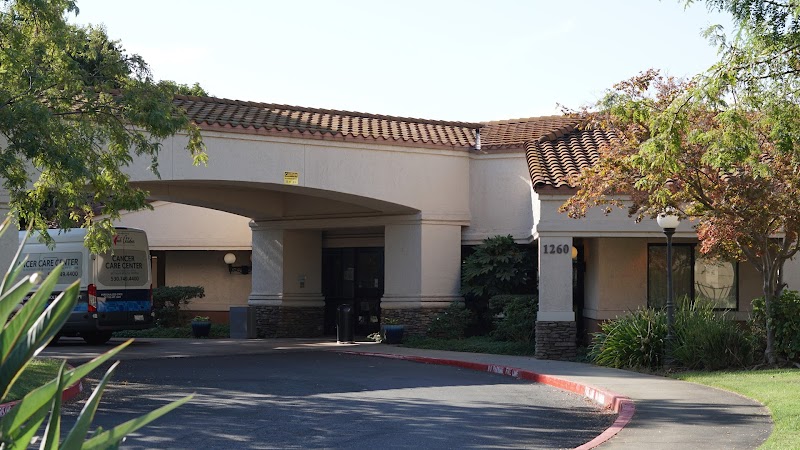
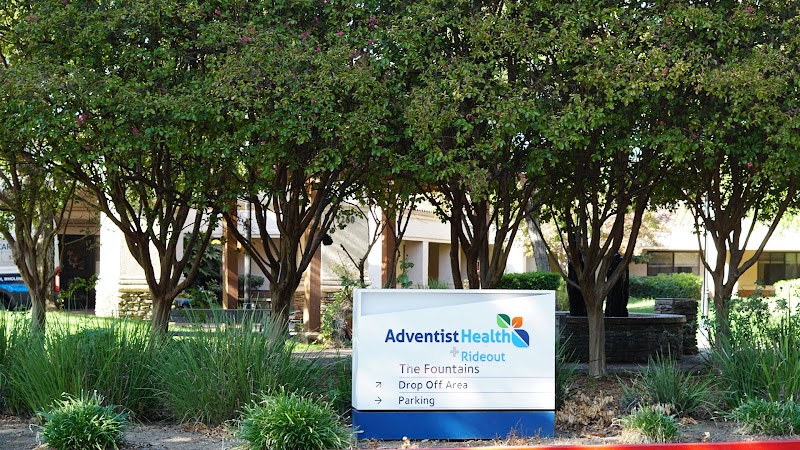
FOUNTAINS, THE

1260 WILLIAMS WAY, YUBA CITY, CA 95991 (530) 751-4888
Non profit - Corporation 145 Beds ADVENTIST HEALTH Data: November 2025
Trust Grade
85/100
#77 of 1155 in CA
Last Inspection: March 2025

Within standard 12-15 month inspection cycle. Federal law requires annual inspections.

Overview

The Fountains nursing home in Yuba City, California, has a Trust Grade of B+, which means it is recommended and above average in quality. It ranks #77 out of 1,155 facilities in California, placing it in the top half, and is the best option among the four facilities in Sutter County. The facility is improving, with issues decreasing from 13 in 2023 to just 4 in 2025. Staffing is a strength, with a 4 out of 5-star rating and only a 19% turnover rate, significantly lower than the state average. On the downside, recent inspections found several concerns, including inadequate food safety practices, such as staff not properly washing their hands or changing gloves, and the kitchen lacking necessary oversight, which could risk residents' health. Overall, while The Fountains has many strengths, families should be aware of these specific issues before making a decision.

Trust Score
B+
85/100
In California
#77/1155
Top 6%
Safety Record
Low Risk
No red flags
Inspections
Getting Better
13 → 4 violations
Staff Stability
✓ Good
19% annual turnover. Excellent stability, 29 points below California's 48% average. Staff who stay learn residents' needs.
Penalties
✓ Good
No fines on record. Clean compliance history, better than most California facilities.
Skilled Nurses
○ Average
Each resident gets 37 minutes of Registered Nurse (RN) attention daily — about average for California. RNs are the most trained staff who monitor for health changes.
Violations
⚠ Watch
28 deficiencies on record. Higher than average. Multiple issues found across inspections.
★★★★★
5.0
Overall Rating
★★★★☆
4.0
Staff Levels
★★★★★
5.0
Care Quality
★★★★☆
4.0
Inspection Score
Stable
2023: 13 issues
2025: 4 issues

The Good

  • 4-Star Staffing Rating · Above-average nurse staffing levels
  • 5-Star Quality Measures · Strong clinical quality outcomes
  • Low Staff Turnover (19%) · Staff stability means consistent care
  • Full Sprinkler Coverage · Fire safety systems throughout facility
  • No fines on record
  • Staff turnover is low (19%)

    29 points below California average of 48%

Facility shows strength in staffing levels, quality measures, staff retention, fire safety.

The Bad

Chain: ADVENTIST HEALTH

Part of a multi-facility chain

Ask about local staffing decisions and management

The Ugly 28 deficiencies on record

Mar 2025 3 deficiencies
CONCERN (D) 📢 Someone Reported This

A family member, employee, or ombudsman was alarmed enough to file a formal complaint

Potential for Harm - no one hurt, but risky conditions existed

Report Alleged Abuse (Tag F0609)

Could have caused harm · This affected 1 resident

Based on record review, interview, and facility policy review, the facility failed to ensure staff immediately reported an allegation of abuse for 1 of 1 incident of alleged resident-to-resident abuse...

Read full inspector narrative →
Based on record review, interview, and facility policy review, the facility failed to ensure staff immediately reported an allegation of abuse for 1 of 1 incident of alleged resident-to-resident abuse. Specifically, Resident #123 alleged to a certified nursing assistant (CNA) that Resident #115 kicked them and the CNA failed to immediately report the allegation. Findings included: A facility policy titled, Policy: Prevention, Identification and Reporting of Abuse- [facility's initials], revised 12/18/2019, indicated, Each resident has the right to be free from verbal, sexual, physical, and mental abuse, corporal punishment and involuntary seclusion. The policy revealed, 7. Reporting included a. All mandated reporters are required by law to report incidents of known or suspected abuse in two ways: 1) by telephone immediately or as soon as practically possible, to the local ombudsman or local law enforcement agency and 2) by written report, Department of Social Services Form (SOC Form 341), 'Report of Suspected Dependent Adult/Elder Abuse' sent within two (2) working days and c. The first responder of first staff member informed will be responsible for informing the immediate supervisor and initiating an incident report. A Resident Face Sheet indicated the facility admitted Resident #123 on 11/19/2024. According to the Resident Face Sheet, the resident had a medical history that included diagnoses of unspecified dementia, unspecified severity, without behavioral disturbance, psychotic disturbance, mood disturbance, and anxiety; and unspecified anxiety disorder. A quarterly Minimum Data Set (MDS), with an Assessment Reference Date (ARD) of 02/21/2025, revealed Resident #123 had a Brief Interview for Mental Status (BIMS) score of 8, which indicated the resident had moderate cognitive impairment. Resident #123's Care Plan included a problem statement, initiated 02/22/2025 and revised 03/05/2025, that indicated the resident had confabulation episodes. Interventions directed staff to ask specific questions about factual information to minimize delusional/confabulating content (initiated 02/22/2025). A Resident Face Sheet indicated the facility admitted Resident #115 on 03/09/2024. According to the Resident Face Sheet, the resident had a medical history that included diagnoses of unspecified dementia, unspecified severity, with mood disturbance; and anxiety disorder. A quarterly MDS, with an ARD of 12/12/2024, revealed Resident #115 had a BIMS score of 6, which indicated the resident had severe cognitive impairment. Resident #115's Care Plan included a problem statement, initiated 03/13/2024 and edited 12/16/2024, that indicated the resident required dementia and cognition care. Interventions directed staff to develop and implement a structured schedule with cognitive stimulation to keep the resident engaged (initiated 03/13/2024) and establish consistent daily routines and rituals to provide structure and predictability for the resident (initiated 03/13/2024). During an interview on 03/17/2025 at 1:52 PM, Resident #123 stated they (Resident #123) were kicked in the foot six times that day by another resident. The resident stated that CNAs saw the incident occur. Resident #123 was unable to provide any names of individuals associated with the alleged event. During an interview on 03/17/2025 at 3:45 PM, the Administrator was notified of Resident #123's allegation by a surveyor. The Administrator stated he was not aware of an allegation of abuse from Resident #123. During an interview on 03/19/2025 at 10:03 AM, CNA #4 stated she was working as a restorative nursing assistant on 03/17/2025 from 6:00 AM to 2:30 PM. CNA #4 stated she was at the nurses' station when Resident #123 verbalized that Resident #115 had kicked them (Resident #123). CNA #4 stated she did not report the allegation from Resident #123 because she did not see Resident #115 kick Resident #123. During an interview on 03/19/2025 at 11:55 AM, CNA #4 stated it was around 9:00 AM on 03/17/2025 when Resident #123 alleged they were kicked by Resident #115. She stated she did not notice if any other staff were present during the date and time in question. During a telephone interview on 03/20/2025 at 4:13 PM, CNA #4 stated she did not report Resident #123's allegation because Resident #123 was very confused. During an interview on 03/20/2025 at 5:59 PM, the Director of Nursing (DON) stated no staff members had reported hearing an allegation of abuse from Resident #123. During an interview on 03/20/2025 at 1:59 PM, the Administrator stated he expected allegations of abuse to be reported immediately.
CONCERN (D)

Potential for Harm - no one hurt, but risky conditions existed

ADL Care (Tag F0677)

Could have caused harm · This affected 1 resident

Based on observation, interview, record review, and facility policy review, the facility failed to provide toenail care for 1 (Resident #7) of 4 residents reviewed for activities of daily living (ADLs...

Read full inspector narrative →
Based on observation, interview, record review, and facility policy review, the facility failed to provide toenail care for 1 (Resident #7) of 4 residents reviewed for activities of daily living (ADLs). Findings included: A facility policy titled, Resident Care- Nursing Responsibilities- [facility's initials], revised 04/02/2019, indicated, 10. Residents shall be provided with good personal hygiene, including care of the skin, shampooing and grooming of hair, oral hygiene, shaving or beard trimming, cleaning glasses, hearing aids and cleaning/cutting of fingernails and toenails. NOTE: Residents with diabetes shall have nail cutting performed by a licensed nurse or the podiatrist. A Resident Face Sheet revealed the facility admitted Resident #7 on 01/21/2022. The Resident Face Sheet revealed Resident #7 had a medical history that included diagnoses of Parkinson's disease without dyskinesia, unspecified schizophrenia, and other chronic pain. An annual Minimum Data Set (MDS), with an Assessment Reference Date (ARD) of 01/24/2025, indicated Resident #7 had a Brief Interview for Mental Status (BIMS) score of 15, which indicated the resident had intact cognition. The MDS indicated Resident #7 had did not reject evaluation or care during the assessment timeframe. The MDS indicated Resident #7 required supervision or touching assistance from staff for completion of personal hygiene tasks and was dependent on staff for putting on and taking off footwear. Resident #7's Care Plan included a problem area initiated 01/19/2024 and revised 02/25/2025, that indicated Resident #7 was at risk for impaired physical mobility, injury from tremors, and involuntary muscle movements due to Parkinson's disease. Interventions directed staff to evaluate the resident's ability to accomplish ADLs and provide required assistance as needed (initiated 01/22/2022). Resident #7's Active Orders revealed an order for podiatry consultations and treatment to be provided as indicated, with an order date of 01/21/2022. Resident #7's Podiatric Evaluation & Treatment Form, dated 01/04/2025, revealed the podiatrist noted Resident #7's toenails to be painful, elongated, and mycotic (a fungal infection that caused the nail to be thick, fragile, and separate from the nail bed). The record revealed the dead tissue was removed from the resident's nails, the dystrophic nails (nail deformity such as thickening or unusual curves) were trimmed, and nail avulsion (removal of part or all of a nail from the nail bed) was completed. An interview was held with Resident #7 on 03/17/2025 at 1:36 PM. Resident #7 stated one of their biggest concerns was the irregularity of podiatry services. The resident stated their toenails needed to be clipped. The resident was unable to remember the last time podiatry had visited. An observation was made on 03/19/2025 at 10:14 AM, accompanied by Registered Nurse (RN) #1. The three middle toenails on Resident #7's left foot had curled under the end of the toe and were touching the bottom of the resident's toes. Resident #7 stated their feet hurt but was unable to specify the type of pain or the area of the feet that were hurting. Resident #7 stated that, about two weeks prior, someone had tried to trim the toenails but was only able to get a little off the nails. Resident #7's toenails were thick and white in color. RN #1 stated the podiatrist came to the facility approximately every three months, and if anyone needed podiatry services in between visits, staff notified the social worker. RN #1 confirmed that Resident #7's toenails had curved under the toes and touched the skin on the bottom of the toes. RN #1 stated that a few months prior, the resident's toenails had curved under, and a note had been placed in a communication book for the provider. RN#7 stated that when the podiatrist had trimmed the toenails, the podiatrist had done a good job. RN #1 opined that, if Resident #7's toenails were trimmed, it may partially relieve some of the resident's foot pain. Licensed Vocational Nurse (LVN) #2 was interviewed on 03/19/2025 at 10:53 AM. She stated she had last seen Resident #7's feet the week prior when she assisted the resident with donning socks. LVN #2 stated she had not noticed the condition of the resident's toenails. The LVN stated no other staff had reported that Resident #7's toenails were curved under the resident's toes, touching the bottom of the resident's toes. LVN #2 stated Resident #7 had no complaints about toe pain. Certified Nursing Assistant (CNA) #3 was interviewed on 03/19/2025 at 11:13 AM. CNA #3 stated she was assigned to provide care to Resident #7 that day. CNA #3 stated Resident #7 required assistance with ADLs and was totally dependent on staff for donning socks and shoes. CNA #3 stated she had seen the resident's feet earlier in the day and described Resident #7's feet as hard and crusty, and looking like the feet had fungus. CNA #3 stated Resident #7's toenails needed to be trimmed, but she was unable to trim the toenails because the nails were so thick. CNA #3 stated she had seen Resident #7's feet on 03/18/2025 also but had not reported the condition of the resident's toenails to anyone because she knew the resident was on the podiatry list. CNA #3 stated she was unsure how frequently the podiatry services were available in the facility. The Social Services Director (SSD) was interviewed on 03/19/2025 at 3:04 PM. The SSD stated she relied on floor staff, conversations with residents and family members, and progress notes to get information about any issues affecting residents. The SSD stated the podiatrist was in the facility twice year. She stated that if a resident required a podiatry visit in between the in-house podiatry visits, the resident received toenail care from the licensed nurse or was taken to a community podiatrist. The SSD stated no one had mentioned that Resident #7 needed podiatry services. When the SSD was given description of the resident's toenails curling under and touching the bottom side of the toe, she stated nursing staff should have reported that to her. The Director of Nursing (DON) was interviewed on 03/20/2025 at 11:21 AM. The DON stated if Resident #7's toenails were curving under and touching the bottom of the toes, she expected the staff bathing the resident to alert the nurse and plan for the resident to receive care. The DON stated that although Resident #7 had seen the podiatrist in 01/2025, if the resident's toenails curled under now and were possibly causing the resident discomfort, she expected the staff to notify the SSD to make arrangements for care to be provided. The Administrator was interviewed on 03/20/2025 at 11:34 AM. The Administrator stated if staff observed a resident's toenails curling under and touching the toes, he expected staff to notify the SSD so a podiatrist visit could be scheduled. The Administrator stated that he expected an appointment to be made for podiatry, even if a resident had seen the podiatrist in 01/2025.
CONCERN (E)

Potential for Harm - no one hurt, but risky conditions existed

Assessment Accuracy (Tag F0641)

Could have caused harm · This affected multiple residents

Based on observation, interview, record review, and review of the Long-Term Care Facility Resident Assessment Instrument [RAI] 3.0 User's Manual, the facility failed to accurately code the Minimum Dat...

Read full inspector narrative →
Based on observation, interview, record review, and review of the Long-Term Care Facility Resident Assessment Instrument [RAI] 3.0 User's Manual, the facility failed to accurately code the Minimum Data Set (MDS) for 2 (Resident #7 and Resident #47) of 2 residents reviewed for Preadmission Screening and Record Review (PASRR) requirements and 1 (Resident #16) of 3 residents reviewed for dental concerns. Findings included: 1. The Centers for Medicare & Medicaid Services Long-Term Care Facility Resident Assessment Instrument 3.0 User's Manual, dated 10/2023, revealed, A1500: Preadmission Screening and Resident Review (PASRR) included Steps for Assessment, which included, 2. Review the Level I PASRR form to determine whether a Level II PASRR was required. 3. Review the PASRR report provided by the State if Level II screening was required. The manual revealed, Code 1, yes: if PASRR Level II screening determined that the resident has a serious mental illness and/or ID [intellectual disability]/DD [developmental disability] or related condition, and continue to A1510, Level II Preadmission Screening and Resident Review (PASRR) Conditions. A Resident Face Sheet indicated the facility admitted Resident #47 on 07/07/2022. According to the Resident Face Sheet, the resident had a medical history that included diagnoses bipolar disorder, unspecified dementia with psychotic disturbance, unspecified dementia with mood disturbance, and depression. An annual MDS, with an Assessment Reference Date (ARD) of 07/10/2024, indicated the resident had a Brief Interview for Mental Status (BIMS) score of 11, which indicated the resident had moderate cognitive impairment. Per the MDS, the resident had active diagnoses of bipolar disorder, unspecified dementia with psychotic disturbance, unspecified dementia with mood disturbance, and depression. The MDS indicated Resident #47 was not considered by the state level II PASRR process to have a serious mental illness. Resident #47's Care Plan revealed a problem statement initiated 07/08/2022 and revised 02/25/2025, that indicated the resident had a diagnosis of bipolar disorder manifested by a history of paranoia. The Care Plan indicated the resident was taking antipsychotic medication. The Care Plan included a problem statement initiated 07/08/2022 and revised 02/25/2025 that indicated the resident had a diagnosis of depression and was taking antidepressant medication. Resident #47's Preadmission Screening and Resident Review (PASRR) Level I Screening, dated 07/07/2022, revealed the screening result was Positive and indicated the resident had a suspected mental illness. A letter from the State of California Health and Human Services Agency, Department of Health Care Services, PASRR Section, to Resident #47, dated 09/29/2022, indicated that Resident #47 had a Level II evaluation completed on 09/09/2022, and indicated that a determination report was included with the letter. Resident #47's Preadmission Screening and Resident Review (PASRR) Individualized Determination Report, dated 09/29/2022, revealed that there were specialized services recommended to address the resident's mental health needs, including mental health rehabilitation activities, psychotherapy/counseling, neuropsychology consultation, and psychiatric consultation and follow-up care. The Social Services Director (SSD) was interviewed on 03/19/2025 at 3:04 PM. She stated that the MDS Coordinator was responsible for coding the section of the MDS that captured a resident's Level II PASRR status. During an interview on 03/20/2025 at 8:12 AM, the MDS Coordinator stated the MDS was to be coded accurately to reflect the resident status and the care provided. She stated the information about the Level II PASRR result was retrieved from the Level II PASRR determination letter. The MDS Coordinator reviewed the Level II PASRR and determination letter for Resident #47 and stated if the resident's MDS did not reflect that the resident had a Level II evaluation, then it was inaccurate. During an interview on 03/20/2025 at 11:10 AM, the Director of Nursing (DON) stated she expected all resident MDS assessments to be completed accurately to reflect the needs of the resident. She stated she expected the PASRR Level II evaluation to be captured on the MDS accurately. During an interview on 03/20/2025 at 11:34 AM, the Administrator stated he expected all MDS assessments to be completed accurately, capturing everything that could be coded to assess the resident appropriately. He stated he expected a Level II PASRR evaluation to be coded accurately on the MDS. On 03/19/2025 at 8:33 AM, the MDS Coordinator stated the facility did not have a policy regarding MDS accuracy, noting the facility followed the RAI manual. 2. The Centers for Medicare & Medicaid Services Long-Term Care Facility Resident Assessment Instrument 3.0 User's Manual, dated 10/2024, revealed, A1500: Preadmission Screening and Resident Review (PASRR) included Steps for Assessment, which included, 2. Review the Level I PASRR form to determine whether a Level II PASRR was required. 3. Review the PASRR report provided by the State if Level II screening was required. The manual revealed, Code 1, yes: if PASRR Level II screening determined that the resident has a serious mental illness and/or ID [intellectual disability]/DD [developmental disability] or related condition, and continue to A1510, Level II Preadmission Screening and Resident Review (PASRR) Conditions. A Resident Face Sheet revealed the facility admitted Resident #7 on 01/21/2022. The Resident Face Sheet revealed Resident #7 had a medical history that included diagnoses of unspecified schizophrenia and major depressive disorder. An annual MDS, with an Assessment Reference Date (ARD) of 01/24/2025, revealed Resident #7 had a Brief Interview for Mental Status (BIMS) score of 15, which indicated the resident had intact cognition. The MDS indicated Resident #7 had received antidepressant medication and antipsychotic medication during the assessment timeframe. The MDS indicated Resident #7 was not considered by the state level II PASRR process to have a serious mental illness. Resident #7's Care Plan included a problem area initiated on 01/30/2025 that indicated the resident verbalized feelings of depression and was at risk for a psychosocial well-being decline. The Care Plan included a problem area initiated 01/19/2024, that indicated Resident #7 had episodes of confabulation evidenced by spontaneous fabrications of false memories or events such as people talking about the resident or staff having aggressive chatter about the resident. Interventions directed staff to monitor for increased delusions and report those to the physician (initiated 02/06/2024). The Care Plan included a problem area initiated 02/17/2023, that revealed Resident #7 had auditory hallucinations and complained of hearing high pitched electric razor sounds. The Care Plan included a problem area initiated 01/22/2022, that revealed the resident required antipsychotic medication due to auditory hallucinations and suicidal ideation. Resident #7's Preadmission Screening and Resident Review (PASRR) Level I Screening, dated 01/21/2022, revealed the screening result was Positive and indicated that the resident had a suspected mental illness. A letter from the State of California Health and Human Services Agency, Department of Health Care Services, PASRR Section, to Resident #7, dated 05/18/2022, indicated that Resident #7 had a Level II evaluation completed on 05/13/2022, and indicated that a determination report was included with the letter. Resident #7's Preadmission Screening and Resident Review (PASRR) Individualized Determination Report, dated 05/18/2022, revealed that there were specialized services recommended to address the resident's mental health needs, including mental health rehabilitation activities, psychotherapy/counseling, neuropsychology consultation, psychiatry consultation and follow-up care, and behavior monitoring. The Social Services Director (SSD) was interviewed on 03/19/2025 at 3:04 PM. She stated that the MDS Coordinator was responsible for coding the section of the MDS that captured a resident's Level II PASRR status. During an interview on 03/20/2025 at 8:12 AM, the MDS Coordinator stated the MDS was to be coded accurately to reflect the resident status, and the care provided. She stated the information about the Level II PASRR result was retrieved from the Level II PASRR determination letter. During an interview on 03/20/2025 at 11:10 AM, the Director of Nursing (DON) stated she expected all resident MDS assessments to be completed accurately to reflect the needs of the resident. She stated she expected the PASRR Level II evaluation to be captured on the MDS accurately. During an interview on 03/20/2025 at 11:34 AM, the Administrator stated he expected all MDS assessments to be completed accurately, capturing everything that could be coded to assess the resident appropriately. He stated he expected a Level II PASRR evaluation to be coded accurately on the MDS. On 03/19/2025 at 8:33 AM, the MDS Coordinator stated the facility did not have a policy regarding MDS accuracy, noting the facility followed the RAI manual. 3. The Centers for Medicare & Medicaid Services Long-Term Care Facility Resident Assessment Instrument 3.0 User's Manual, dated 10/2024, revealed, Section L: Oral/Dental Status included Check L0200D, obvious or likely cavity or broken natural teeth: if any cavity or broken tooth is seen. A Resident Face Sheet revealed the facility admitted Resident #16 on 03/09/2022. The Resident Face Sheet revealed Resident #16 had a medical history that included diagnoses of cerebral infarction without residual deficits (stroke without lasting effects) and type 2 diabetes mellitus. An annual MDS, with an Assessment Reference Date (ARD) of 03/09/2025, indicated Resident #16 had a Brief Interview for Mental Status (BIMS) score of 14, which indicated the resident had intact cognition. The MDS revealed it was not coded to reflect that Resident #16 had obvious or likely cavities or broken natural teeth. The MDS indicated that Section L was completed by Licensed Vocational Nurse (LVN) #6. Resident #16's Care Plan included a problem area initiated 03/14/2022 and revised 03/11/2025, that indicated the resident had their natural teeth and required routine dental care. The Care Plan indicated the facility staff monitored for any dental issues that may arise. An observation on 03/17/25 10:28 AM revealed Resident #16 had broken front teeth. LVN #2 was interviewed on 03/19/2025 at 10:47 AM. LVN #2 stated she thought Resident #16 had a broken front tooth. She then confirmed the tooth was broken by going to the resident's room and observing the resident. LVN #2 stated Resident #16's family member had reported to her the resident had fallen at home about three years prior and broken the tooth. Certified Nursing Assistant (CNA) #5 was interviewed on 03/19/2025 at 11:32 AM. CNA #5 stated Resident #16 had a broken top tooth. CNA #5 stated that the tooth was broken when the facility admitted the resident. During an interview on 03/20/2025 at 8:12 AM, the MDS Coordinator stated the MDS was to be coded accurately to reflect the resident status, and the care provided. The MDS Coordinator stated she completed the dental/oral portion of the MDS and stated that to get the information about a resident's dental status, staff assessed the resident and she spoke with the nurses and CNAs. LVN #6 was interviewed on 03/20/2025 at 8:28 AM. She stated she got the oral/dental information for residents from the CNAs and assessed the resident's mouth. She stated if Resident #16 had a broken front tooth, then the MDS for the resident was not accurate. LVN #6 stated an inaccurate MDS may necessitate a revision to the care plan if the broken tooth was causing problems. She stated there was no policy for coding the MDS, and the MDS nurses followed the instructions in the RAI manual. LVN #6 assessed Resident #16 at that time and confirmed the resident had a broken tooth. During an interview on 03/20/2025 at 11:10 AM, the Director of Nursing (DON) stated she expected all resident MDS assessments to be completed accurately to reflect the needs of the resident. The DON stated she expected the MDS nurse to assess the residents for broken teeth or any other dental issues. She stated that if the resident had dental issues, she expected social services staff to be notified and dental care to be provided if needed. The DON stated she expected the MDS nurse to assess Resident #16 for broken teeth and to enter the correct information on the MDS. The Administrator was interviewed on 03/20/2025 at 11:34 AM. The Administrator stated he expected 100% accuracy on the MDS assessments. He stated if Resident #16 had broken teeth, then he expected that to be captured on the MDS. On 03/19/2025 at 8:33 AM, the MDS Coordinator stated the facility did not have a policy regarding MDS accuracy, noting the facility followed the RAI manual.
Mar 2025 1 deficiency
CONCERN (D) 📢 Someone Reported This

A family member, employee, or ombudsman was alarmed enough to file a formal complaint

Potential for Harm - no one hurt, but risky conditions existed

Accident Prevention (Tag F0689)

Could have caused harm · This affected 1 resident

**NOTE- TERMS IN BRACKETS HAVE BEEN EDITED TO PROTECT CONFIDENTIALITY** Based on interview and record review, the facility failed to provide an environment free from accidents and hazards by not devel...

Read full inspector narrative →
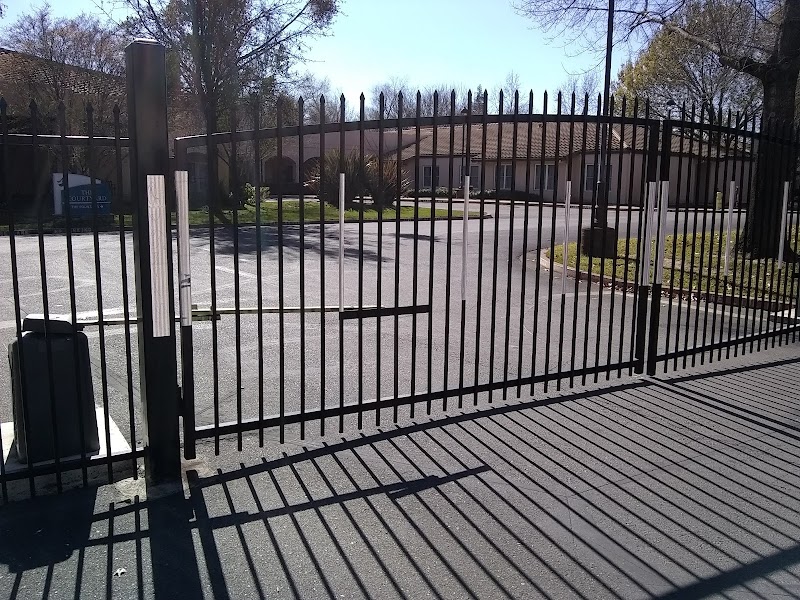
**NOTE- TERMS IN BRACKETS HAVE BEEN EDITED TO PROTECT CONFIDENTIALITY** Based on interview and record review, the facility failed to provide an environment free from accidents and hazards by not developing and implementing a plan of care to prevent wandering/Elopement (leaving a healthcare facility without permission or notice) for one of four sampled residents (Resident 4) when: 1. Resident 4 exited the facility unsupervised and was found on the sidewalk near the roadway outside the facility premises. The facility ' s failure to develop a plan of care to prevent leaving the facility unsupervised which resulted in Resident 4 to leave the facility and put him at risk for harm and injury. Findings: A record review of facility policy titled Resident Care - Wandering/Elopement, revised 06/25/20 indicated under policy compliance under prevention that all residents shall be assessed by the interdisciplinary team regarding the risk of wandering on admission, quarterly, and when behavior changes. If the resident is at risk of wandering from the facility an alert device shall be considered, if it is determined that an alert device is needed nursing personnel shall attach the device to the resident. If the resident is in imminent danger of leaving the staff shall provide one to one staffing if available. The care plan will be updated to include interventions to prevent wandering included but not limited to an alert bracelet, assignment to a room away from exits that are commonly utilized if a room is available at that time, sign on the residence room, and engagement and group activities. A record review of hospital Clinical Note dated 01/01/25 at 04:05 am, Registered Nursed document that Resident 4 was agitated, trying to crawl out of bed, yelling, and required a sitter at the bedside. A record review of an admission record, indicated that Resident 4 was admitted on [DATE] with diagnoses that included but not limited to a psychotic disorder (a mental disorder that causes abnormal thinking and perceptions) with delusions and adjustment order with anxiety. A record review of Elopement Evaluation dated 01/02/25 at 8:36pm, indicated Resident 4 to be non-ambulatory (unable to walk) and unable to perform independent wheelchair locomotion (to move from one place to another). Additionally, that Resident 4 had no history of wandering or displayed any behaviors that would indicate an attempt to leave, with an elopement risk score of 0 (no risk). A record review of admission Observation dated 01/02/25 at 8:47pm indicated Resident 4 had a mood disorder, hallucinations, and used a cane as a mobility device. A record review of a Minimum Data Set (resident assessment) dated 01/09/25, Section GG Functional Abilities, indicated that Resident 4 was able, with supervision or touching assistance, to walk 10 feet A record review of Resident 4 Progress Notes dated 01/12/25 at 04:07am indicated that two Certified Nurse Assistants (CNA ' s) went to get the Resident 4 who had left the building and was opening the gate. The CNAs were trying to prevent the resident from entering the street/traffic, local law enforcement was called for help as the resident was fighting to get away, police officers arrived and assisted returning Resident 4 to the facility. A record review of Resident 4 Progress Notes dated 1/12/25 at 12 am indicated that Resident 4 was found in the parking lot and the and the family was notified. The family stated that he gets hallucinations and starts walking and takes off when he gets them. the family was informed that the plan was to put a wander guard device (a wearable device that triggers an alarm when approaching a restricted area or doorway) on Resident 4. Family stated, I thought they put one on his ankle earlier when he did this. A record review titled General Order dated 1/12/25 at 12:57 am, indicated Resident 4 was to have an Ankle Wander Guard related to elopement. A record review of Resident 4 ' s care plans dated 01/12/2025 indicated a new care plan was initiated post elopement for wandering/elopement risk related to strong desire to go home, Cognitive Loss, Parkinson ' s Disease due to history of attempts to leave facility unattended., Wandering into other residents ' rooms, and impaired safety awareness. A record review of admission 48-hour Baseline Person-Centered Care Planning dated1/02/25 at 8:40 pm, indicated that Resident 4 ' s family was present at the time of the care plan meeting. An interview with Registered Nurse (RN B) on 03/03/25 at 12:15 pm, RN B stated Resident 4 had requested to go home with family and was observed following them to the door when the family would leave. RN B explained she was aware that Resident 4 was an elopement risk 4 days after his admit, due to observing him hanging around the front door of the facility and overheard statements he made to his family about wanting to go home. RN B confirmed the behavior and statements made by Resident 4 would make him an elopement risk and should have been reassessed for it. During an interview with Director of Nursing (DON) on 03/03/25 at 1225, DON stated that Resident 4 had a recent room transfer which placed him in a room one door from the exit door. DON explained that on the evening of January 11th at about 6pm Resident 4 attempted to leave the facility by following family to the door after a visit. [NAME] stated at about 11pm Resident 4 again attempted to leave the facility, this time through the exit door near his room. DON agreed that he should have had a Wander Guard device on after the first attempt. DON confirmed no care conference was done during the admission and usually the goal was to have it done within the first 5 days of admission where families usually participate in plan of care. An interview with Licensed Nurse (LN C) on 03/03/25 at 3:50 pm, Resident 4 was confused and ran out of the building, the CNAs were able to stop him, but he was kicking and hitting them. LN C stated that behaviors such as a resident moving around the building or looking for a way out, would prompt a reassessment of the risk for elopement. An interview with Certified Nurse Assistant (CNA A) on 03/05/24 at 2:41 pm, Resident 4 ran from bed out of the facility. CNA A and another CNA were able to stop the resident at the sidewalk, outside of the gate to the facility. They feared the resident would be hit by a car and called law enforcement for assistance. An interview with a family member (FM) of Resident 4 on 03/06/25 at 1135 am, Resident 4 had tried to leave the building earlier in the evening, prior to the elopement. FM discussed that prior to this incident staff would keep an extra eye on him to keep him from leaving the facility. Fm stated that Resident 4 ' s past psychosis and elopement behavior were discussed during his admit, and that it is why he was there.
Apr 2023 12 deficiencies
CONCERN (D)

Potential for Harm - no one hurt, but risky conditions existed

Deficiency F0583 (Tag F0583)

Could have caused harm · This affected 1 resident

Based on observation, interview, and record review, the facility failed to ensure personal and medical records were kept private and confidential for two of two sampled residents (Resident 122 and Res...

Read full inspector narrative →
Based on observation, interview, and record review, the facility failed to ensure personal and medical records were kept private and confidential for two of two sampled residents (Resident 122 and Resident 71) when medication blister packs (packaging that contains resident medication and a label with their personal identifying information) were left unattended on medication cart three (a cart where resident medications are stored and dispensed from) in the facility hallway on nursing station two. This failure violated the resident's right for privacy and had the potential of unauthorized release of personal information. Findings: During an observation on 4/20/2023 at 8:10 AM of medication cart 3 located at nurse's station two, a total of three medication blister packs were found for two residents (Resident 122 and Resident 71) unattended on the outside compartment of the medication cart, visible and labeled with residents' information. During an interview on 4/20/2023 at 8:23 AM with the Director of Nursing (DON), it was acknowledged that this was a privacy issue for the two residents, as their personal information was visibly displayed unattended on a medication cart in the hallway. The DON stated that the identifying resident labels should have been discarded or the blister packs should not have been left visibly on the cart. During a review of the facility's policy titled, HIM-PHI SECURITY, with no date provided, indicated, All records will be kept in locked areas . Information in the medical record shall be confidential and shall be disclosed only to authorized people .
CONCERN (D)

Potential for Harm - no one hurt, but risky conditions existed

Deficiency F0805 (Tag F0805)

Could have caused harm · This affected 1 resident

**NOTE- TERMS IN BRACKETS HAVE BEEN EDITED TO PROTECT CONFIDENTIALITY** Based on observation, interview, and record review the facility failed to prepare food in a manner to meet an individual's needs...

Read full inspector narrative →
**NOTE- TERMS IN BRACKETS HAVE BEEN EDITED TO PROTECT CONFIDENTIALITY** Based on observation, interview, and record review the facility failed to prepare food in a manner to meet an individual's needs for one of one sampled resident (Resident 38) when she was served meat that was not chopped up as per her diet order. This failure had the potential for her nutritional status to decline. Findings: A review of The International Dysphagia (difficulty in swallowing) Diet Standardization Initiative (IDDSI, a global standard to describe texture modified foods for all care settings.) indicated chopped foods should be small/bite size, 1.5 cm (centimeters, or ½ inch). A review of Resident 38's admission record indicated, she was admitted to the facility on [DATE], with diagnoses of Lung disease, end stage kidney disease and on dialysis, and Gastroesophageal reflux disease (GERD, occurs when stomach acid repeatedly flows back into the tube connecting your mouth and stomach [esophagus]). During an observation on 4/17/23 at 11:33 am, Resident 38's lunch tray arrived containing egg whole noodles, whole Swedish meatballs, and a half garlic bread stick. Her tray ticket indicated she was on a renal diet with regular texture, thin liquids, high protein, and chopped meats. Resident 38 required help with eating, and a staff member was assisting her. During a concurrent observation and interview on 4/18/23 at 9:56 am, [NAME] 2 indicated he was preparing the meat for the mechanical soft/chopped diets. He put some meat into the blender and pulsed the on button for a couple seconds, looked at the meat then pulsed it again and placed it in the serving dish. [NAME] 2 stated he did not know the exact measurements for the meat, and that he guessed. Then he said, What is the right size? During an observation of the tray line (assembly process for resident meal trays) on 4/18/23 at 11:18 pm, [NAME] 4 stated that the minced and moist meat had pieces that were to big. She took them out of the serving dish and blended them some more. During an interview on 4/19/23 at 3:30 pm, with the Interim Food Service Manager (IFSM) and the Clinical Nutrition Manager (CNM), they confirmed Resident 38's diet order was chopped meats and the Swedish meatballs served to her were too large and were not bite size. They confirmed that they should have been chopped up and they were not. A review of training and orientation checklists revealed there were no indication of training or competencies in texture modification for [NAME] 2, [NAME] 4, dietary aide (DA) 3, and dishwasher (DW) 2. The facility had no training competency documents for [NAME] 1 and [NAME] 3 who were long time employees. A review of the policy titled Texture Modified Diets revised 10/26/22 showed Whole meats for mechanical soft diets will be chopped and served with gravy or sauce to promote ease of chewing/swallowing. Follow the (Food Service Contractor) Diet Manual for Health Care Communities instructions for mechanical soft diet.
CONCERN (D)

Potential for Harm - no one hurt, but risky conditions existed

Deficiency F0925 (Tag F0925)

Could have caused harm · This affected 1 resident

Based on observation, interview, and record review the facility failed to ensure an effective pest control system was in place when a live ant was found in the kitchen's coffee room, and multiple dead...

Read full inspector narrative →
Based on observation, interview, and record review the facility failed to ensure an effective pest control system was in place when a live ant was found in the kitchen's coffee room, and multiple dead ants were found in a nursing unit food storage and preparation pantry for resident food. This had the potential to result in foodborne illness for residents consuming food from the kitchen and nursing unit pantry. Findings: During an observation of the room identified by staff as the Coffee Shop or Coffee Room on 04/17/23 at 10:15 AM, one live ant crawled on the floor near the floor drain. The floor drain was half covered by a grate. The drain itself had nothing over it. The floor drain had a clear cup full of a milky colored liquid sitting in it. During an observation and concurrent interview with the Facilities Analyst (Maint1) and Facilities staff (Maint 2), and Registered Dietitian (RD) in the coffee room on 4/18/23 at 3:20 pm they confirmed that the floor under the cabinet had black grime and food crumbs, and the interior of the cabinet under the sink had debris and grime. The RD confirmed they had had issues with ants. During an observation and concurrent interview with the Registered Dietitian (RD) in the Nursing Unit 3 Pantry (food storage for residents) on 04/18/23 at 3:58 PM, three drawers had damaged, uncleanable surfaces and contained dead ants while also storing food service supplies. The RD stated housekeeping was responsible to clean the food pantry areas. In an additional concurrent observation, an unwashed yellow plastic food storage container containing oily food debris was a potential attractant for vermin and microbial growth. It was stored on the top shelf of a cabinet in the Nursing Unit 3 dining room with food and food service supplies. In an interview with the Food Service Manager (FSM) on 04/19/23 at 3:30 PM she stated the facility had a monthly pest service. She thought housekeeping cleaned the nursing pantries but wasn't sure. During an interview on 4/20/23 at 11:00 AM, with the head of Housekeeping for the facility (HHSK), the HHSK indicated housekeeping personnel was not responsible for cleaning inside the drawers or cabinets for the nursing unit pantries. Review of a policy titled Pest Control, revised 10/26/22 showed It is the Food & Nutrition Services Department's responsibility to ensure an environment that is sanitary, and which presents no hazard to the well-being of the residents, staff, or visitors. An ongoing program to control rodent, pests, and insects must be evident. Review of invoices from the pest service company showed on service date 4/12/23 the kitchen was sprayed for ants and bait was applied to the exterior of the facility. On service date 4/19/23 the facility was baited on the exterior of the building for ants.
CONCERN (E)

Potential for Harm - no one hurt, but risky conditions existed

Pharmacy Services (Tag F0755)

Could have caused harm · This affected multiple residents

Based on observation, interview, and record review, the facility failed to implement pharmaceutical policies and procedures when a used Emergency Kit (E-Kit, a storage box that houses an emergency sup...

Read full inspector narrative →
Based on observation, interview, and record review, the facility failed to implement pharmaceutical policies and procedures when a used Emergency Kit (E-Kit, a storage box that houses an emergency supply of medications) was not removed and replaced according to facility policy. This failure had the potential for an E-Kit to have an insufficient amount of an emergency supply of medication available for the facility's residents. Findings: During an observation on 4/18/2023 at 1:34 PM, the E-Kit at nurse's station two of the facility had an E-Kit opened on 4/13/2023 at 12:53 PM, for a ipratropium bromide and albuterol sulfate inhalation solution (a combination medication for helping with shortness of breath), 0.5mg/3mg (milligram, unit of measure for weight), and again opened on 4/18/2023 at 1:40 AM for another ipratropium bromide and albuterol sulfate inhalation solution 0.5mg/3mg. During an interview on 4/18/2023 at 2:07 PM with Licensed Nurse (LN) 1, it was stated and acknowledged that the E-Kit was accessed on 4/13/2023 and had not yet been renewed by the pharmacy within 72 hours. She stated the E-Kit was once again accessed on 4/18/2023 and the pharmacy was called for a renewal of the E-Kit. During an interview on 4/20/2023 at 8:23 AM with the Director of Nursing (DON), the DON stated the pharmacy that was used to supply medications comes to the facility two times in a day to refill medication prescriptions. The DON acknowledged that this would have given multiple opportunities for the facility and pharmacy to renew and replace the E-Kit that was opened and accessed on 4/13/2023. A record review of a policy titled, Emergency Pharmacy Service and Emergency Kits, dated June 2016, indicated, If exchanging kits, opened kits are replaced with sealed kits within 72 hours of opening. If replacing used medications, the replacement doses are added to the kit within 72 hours of opening.
CONCERN (E)

Potential for Harm - no one hurt, but risky conditions existed

Deficiency F0761 (Tag F0761)

Could have caused harm · This affected multiple residents

Based on observation, interview, and record review, the facility failed to implement their medication storage policy when: 1. Expired pharmaceutical products were not removed from the medication cart ...

Read full inspector narrative →
Based on observation, interview, and record review, the facility failed to implement their medication storage policy when: 1. Expired pharmaceutical products were not removed from the medication cart (a cart where resident medications are stored and dispensed from) 2. Several medications did not have open date labels This failure had the potential for the administration of expired and ineffective medications to residents. Findings: 1. During an observation on 4/18/2023 at 1:45 PM of the medication room at nurse's station two in the facility, several expired medications were found in medication cart three that was stored inside the medication room. These expired medications included: Insulin glargine (a medication used to lower blood sugar), 100 u/mL (units per millimeter, unit of measure) that expired 4/11/2023, Insulin aspart (a medication used to lower blood sugar), 100 u/mL that expired 4/14/2023, azelastine eye drops (a medication used to treat itching eyes) that expired 4/6/2023, and Azopt eye drops (a medication used to decrease the amount of fluid in the eye) that expired 4/13/2023. During an interview on 4/18/2023 at 2:07 PM, with Licensed Nurse (LN) 1, she acknowledged that the medications were expired. During an interview on 4/20/2023 at 8:23 AM, with the Director of Nursing (DON), it was acknowledged that these medications were expired and pulled out of medication cart three. It was also stated that these medications should have been pulled out of the medication cart upon expiration. During a review of the facility's policy titled, Resident Care - Medication Administration, with a revision date of 3/17/2023, this document indicated that, If medication is discontinued, or outdated, remove medication for proper disposal. During a review of the facility's policy titled, Medication Storage in the Facility, dated June 2016, this policy indicated, Drugs shall not be kept in stock after the expiration date on the label . 2. During an observation on 4/18/2023 at 1:50 PM of the medication room located at nurse's station two in the facility, several medications were found in medication cart three that did not have open date labels according to the facility policy. The medications that did not have an open date label included: Insulin glargine, two separate containers of Artificial Tears (eye drops that provide moisture to dry eyes), Azopt eye drops, and Tuberculin Purified Protein Derivative Tubersol (used to inject medication to test for Tuberculosis, a lung disease). During an interview on 4/18/2023 at 2:15 PM with LN1, she acknowledged that each of these medications did not have an open date label, therefore it would be difficult to know of the expiration date of the medication. During an interview on 4/20/2023 at 8:23 AM with the DON, it was acknowledged that these medications did not have an open date label in accordance with the facility policy. During a review of the facility's policy and procedure titled, Dating of Containers when Opened, with no date provided, indicated that, . Medications require the container to be dated when opened and discarded a number of days after opening . Eye drops . will need to have the date opened noted on the container .
CONCERN (E)

Potential for Harm - no one hurt, but risky conditions existed

Menu Adequacy (Tag F0803)

Could have caused harm · This affected multiple residents

**NOTE- TERMS IN BRACKETS HAVE BEEN EDITED TO PROTECT CONFIDENTIALITY** Based on observation, interview, and record review, the facility failed to ensure menus were in place to adhere to diet orders o...

Read full inspector narrative →
**NOTE- TERMS IN BRACKETS HAVE BEEN EDITED TO PROTECT CONFIDENTIALITY** Based on observation, interview, and record review, the facility failed to ensure menus were in place to adhere to diet orders or meet residents needs when: 1. The facility-specific diet manual provided no indication that the Registered Dietitian responsible for nutrition care at the facility had reviewed and approved the diet manual. 2. The facility-specific diet manual did not contain guidelines and the facility did not have a consistent system in place for provision of fortified diets ordered by providers. 3. Consistent Carbohydrate Diet meals did not match the carbohydrate guidelines in the diet manual. 4. Meals planned for residents receiving Plant Based/Vegetarian diets had little variety and there was no menu posted or available for their use. 5. The facility did not have an effective tool or system in place to monitor or evaluate the accuracy of resident meal trays in relation to the diet order. These failures had the potential to result in meals that did not meet resident nutritional needs or comply with doctors' orders, leading to a decline in health status and quality of life. Findings: 1. The facility-specific diet manual provided no indication the facility's Registered Dietitian (RD) had reviewed and approved the diet manual. Review of a policy titled Long-Term Care Diet Manual revised 10/26/22 showed the diet manual Serves as a guide in meal planning for differing conditions and needs, aiding physicians in prescribing modified diets, and assisting health care staff to interpret and carry out diet orders .The manual should include a list and description of the standard and unit-specific diet orders that a physician may order .The manual is signed and approved by the medical director, administrator and qualified dietitian annually. State of California Facilities Letter (AFL) 14-32 reminds facilities that the nutritional needs of patients must be met through menu development in accordance with the physician's diet orders, as delineated in the facility diet manual. The analysis of the menu is the foundation of meal planning to assure that the menu meets the nutritional needs of the patient and are in accordance with the physician ordered diet. Review of the facility document titled (Food Service Contractor) Diet Manual for Health Care Communities revised 2020, showed it was evaluated and approved by members of the Patient Care Policy Committee including the administrator, medical director, Dietary Supervisor and the Clinical Nutrition Manager (CNM) from the Hospital, as well as other positions from housekeeping, marketing, maintenance, rehab and medical records in January 2022. It did not include the signature of the Registered Dietitian who, at time of survey, had been the facility's dietitian for 16 months and was responsible for the nutrition care of its residents. During an interview with the RD, CNM and Interim Food Service Manager (IFSM) on 3/19/23 at 3:30 pm, the RD stated all diets ordered in the facility were in the Diet Manual. 2. The facility-specific diet manual did not contain guidelines or have a consistent system in place for provision of fortified diets ordered at the facility. A review of lunch tray tickets on 4/17/23 at 11:05 am showed Resident 26 was on a consistent carbohydrate (CCHO), mechanical soft, thin liquids, vegetarian, no eggs, fortified diet. The foods listed on his tray ticket included Madras Vegetable Curry (1 cup), white rice (½ cup), banana cream pie (one slice), skim milk (8 oz), unsweetened apple juice (4 oz), and Buttery Spread (3 piece), with a note to add extra vegetables and butter. Review of ten fortified diet lunch tray tickets (Residents 17, 26, 52, 69, 84, 92, 103, 108 and 112), dated 04/17/23, showed 6 out of 9 residents (Residents 52, 69, 84, 92, 108 and 112) were provided with whole milk (160 calories) instead of skim (100 calories). One out of nine residents (Resident 26) were provided with three buttery spreads (90 calories) instead of one (30 calories) for extra calories. Ten out of ten residents on fortified diets received Banana Cream Pie. Review of the (Facility) Weekly Menu Week 4 showed the Banana Cream Pie was a standard menu item (not extra calories or protein) for Regular, CCHO, and Low Sodium Diets. Review of the facility's diet manual, titled (Contractor) Diet Manual for Health Care Communities revised 2020, showed these Guidelines for Diet Order Interpretation: If a High Calorie, High Protein diet was ordered, it would be provided as a Regular Diet (Fortified). The diet manual did not provide any further reference to the High Calorie, High Protein/ Fortified diet or how a diet would be modified to achieve it. During an interview with the RD, CNM and Interim Food Service Manager (IFSM) on 3/19/23 at 3:30 pm, the RD stated all diets ordered in the facility were in the Diet Manual. When asked about fortified diets she explained it included cheese, higher fat milks, extra sauces, gravy, and extra butters. The RD stated the facility had no specific guide or plan for fortified foods. I am not making any adjustments for fortified diets, and I am not checking calories. She stated she recommended fortified diets, and the doctors ordered them. The RD was asked why Resident 26 who was on a consistent carbohydrate (CCHO) fortified diet received skim milk instead of whole milk like other fortified diet residents. She checked his record, and it showed no preference for skim milk. She stated he probably received the skim milk because it was the default milk for the CCHO diet and was not caught. The RD agreed there was no tool or guide for cooks/staff to follow, to know if they were providing the correct food and portions for the fortified diet. She confirmed there were no guidelines for the fortified diet in the facility's diet manual. When asked how they would know if a resident was getting the correct food and portions (for example with fortified diets) on their trays per doctor's orders, the CNM stated they would know by resident weight changes. 3. Consistent Carbohydrate Diet meals did not match the carbohydrate guidelines in the diet manual. During an observation and concurrent interview on 4/17/23 at 12:37 pm, Resident 23 stated she received pie or cake every day on her meal tray but continuously told facility staff she didn't want it because she was diabetic. She received her lunch tray that included banana cream pie and again stated she did not want it because she was diabetic and couldn't eat that. She stated the dietician had never been in to see her that she could recall. Review of Resident 23's medical record showed she was most recently admitted [DATE] following a stroke and had Type 2 diabetes. Her diet order was Consistent Carbohydrate, thin liquids, mechanical soft. During an interview with Resident 33 on 4/17/23 at 2:40 pm, she stated I'll eat pudding and cake, I don't know why they send it though. I'm diabetic. I'd rather have a baked potato and some butter with gravy and a piece of meat and a vegetable. That's how I'm accustomed to eating. Review of Resident 33's medical record showed she was admitted [DATE] had Type 2 Diabetes. Her diet order was Consistent Carbohydrate, thin liquids, mechanical soft, with special instructions for bite size, extra sauce/gravy, no straws, regular texture salads allowed. The American Diabetes Association website guidelines for healthy living with diabetes, accessed April 2023, encouraged a consistent carbohydrate diet to minimize spikes and drops in blood glucose (sugar) levels. To avoid blood sugar spikes, it helps to eat a consistent amount of carbs (carbohydrates) at meals throughout the day. Spikes or elevation in blood glucose damages blood vessels resulting in complications of diabetes. Spikes and drops in blood glucose can make a resident feel unwell, lack energy, and other negative symptoms. Review of the facility diet manual's Chapter 6 Consistent Carbohydrate Diet showed the goals of the diet were to provide a nutritionally adequate diet, maintain blood glucose and lipids (fats) as close to the resident's target goals as possible, and help prevent or treat complications associated with diabetes mellitus. It described the meal pattern as three meals and one snack each day, with consistent mealtimes and portion sizes to provide greater glycemic control and decrease the risk of malnutrition. Carbohydrate values are determined from the American Diabetic Association Exchange List for Meal Planning with 1 CHO (carbohydrate serving) = 15g (grams) and 5-6 CHO (carbohydrate servings) per meal dependent on the individual. Order as Consistent Carbohydrate Diet. Review of facility documents titled Nutrient/Cost Analysis Summary - Season's Harmony 2021 (Spring), printed 4/17/23, contained one page of nutrient analysis for each of the five weeks of the menu cycle. These documents also showed the consistent carbohydrate diet (CCD) contained 5-6 (servings) of carbohydrate each meal. Review of the (Facility) Weekly Menu, Week 4 Consistent Carbohydrate Diet showed that for lunch on Monday 4/17/23, residents on a consistent carbohydrate diet (CCHO) should receive Garden Salad, Penne Pesto Vegetables with Sausage, Garlic Knot (roll), and Banana Cream Pie. Review of the CCHO lunch tray tickets included the following carbohydrate (CHO) foods and serving sizes: Penne Pasta Vegetables with Sausage (1 each), Banana Cream Pie (1 slice), Garlic Knot (1/2 each), Skim Milk (8 oz), Sugar Free Apple Juice (4 oz). Review of a document titled, The (Facility) Production Counts, dated 4/17/23 showed portions available for Banana Cream Pie were 1 slice, ½ slice, and 1 ½ slice. Use of the facility diet manual's CCHO exchange lists and the manufacturer's nutrition label for Banana Cream Pie (provided by the IFSM) to evaluate this meal showed approximately eight servings /120 grams(g) of carbohydrate and was not aligned with facility's diet manual or American Diabetes Association guidelines for 5-6 servings per meal. Approximate CHO in this meal was: 1/3 cup Pasta = 15 g (but appeared greater than 1/3 cup pasta per serving during tray line), ½ each Garlic roll = 15 grams of CHO, Milk = 12 g, apple juice = 15 g. The manufacturer's nutrition label for the banana cream pie showed 1 slice contained 63 g CHO = 4 servings CHO. During an interview on 4/19/23 at 3:30 PM with the IFSM, RD, and CNM, they stated they did not know the goal for how many servings or grams of CHO should be on each consistent carbohydrate diet tray. The CNM stated We don't do exchanges here. They were unable to describe how they would know CCHO diets were appropriate to meet resident needs. 4. Meals planned for residents receiving Plant Based/Vegetarian diets had little variety and there was no menu posted or available for their use. During an interview with Resident 134 on 4/17/23 at 9:45 am she complained she received chickpea curry or tofu curry daily. Don't put curry in front of me. During an interview with the RD, IFSM and CNM on 4/17/23 at 3:15 pm, the RD stated meeting the cultural needs of their [NAME]/Indian residents was easy with their vegetarian diet, and There are quite a few curries on the vegetarian diet. The surveyor shared that nursing surveyors reported some of the vegetarian residents stated, All we get is curry. The RD stated she had heard that as well, visited those residents, and offered alternate choices if appropriate. A copy of the vegetarian menu was requested. The IFSM stated they did not have ability to create a vegetarian menu, but she could print out tray tickets for a fictitious resident to show what was served to a vegetarian diet during their five-week menu cycle. A review of breakfast, lunch and dinner tray tickets provided by the IFSM were dated 5/1/23 through 6/4/23 and were for a fictitious resident [NAME], with regular diet, regular texture, thin liquids Lacto-Vegetarian diet. The tray tickets showed a lack of variety for vegetarian residents when 11 out of 35 lunches and 14 out of 35 dinners contained curry. Curry was served 24 out of 35 days, and curry was served at both lunch and dinner on two days. Further review showed a theme of three curry recipes: Out of 70 possible lunch and dinner meals, Curry Sesame Tofu with Curry Sesame Vegetables were served 9 times, Madras Vegetable Curry was served 9 times, and Cauliflower Tofu Curry was served 8 times. 37% of vegetarian meals provided curry entrees. Review of the facility's Facility Assessment ethnicity/race information dated November 2022 showed seven out of 130 residents in the facility (5%) were [NAME]. Review of five documents titled Nutrient Analysis Summary - Season's Harmony 2021 (Spring), menu cycle weeks one through five, printed 4/27/23 showed nutrient analysis for Regular, Sodium Restricted, Cardiac, CCD (Consistent Carbohydrate Diets), Renal, Mechanical Soft, Dysphagia, and Pureed diets, but did not provide nutrient analysis to demonstrate the nutritional adequacy of vegetarian diets served at the facility. Review of the California Health and Safety Code 1265.10 showed a licensed health facility .shall make available wholesome, plant-based meals of such variety as to meet the needs of patients in accordance with their physicians' orders. 5. The facility did not have effective tools or systems in place to monitor or evaluate the accuracy of resident meal trays in relation to the diet order. During the initial tour of the kitchen on 4/17/23 at 9:30 am, the IFSM and RD were asked to provide copies of the menu for the week, the tray tickets for lunch that day, and the therapeutic diet spreadsheets (a tool that would indicate a standard for foods and portions to be provided on resident meal trays in relation to the diet order and diet manual). The IFSM provided the following documents: Review of the (Facility) Weekly Menu, dated 4/17/23 through 4/23/23 included separate pages for Regular, Consistent Carbohydrate (CCHO), two-gram Sodium, Heart Healthy, Renal, Full Liquid and Clear Liquid diet/menu foods, but they did not include the portions that should be provided. Review of the The (Facility) Production Counts Lunch-Combined Jobs, dated 4/17/23 through 4/20/23 showed they were a tool used by the cook and other food production staff. They provided a list of the foods and their quantities to prepare for each meal. They did not provide information regarding foods or portions to be served on individual trays related to the diet orders. Review of lunch meal tray tickets, dated 4/17/23, showed the diet order, food, and portions to be given to each resident, as well as many individualized menu notes. During an interview on 4/19/23 at 3:30 pm the RD agreed the facility had no cook's therapeutic diet sheet or other tool to help them quickly and easily evaluate if tray tickets and trays were correct.
CONCERN (E)

Potential for Harm - no one hurt, but risky conditions existed

Deficiency F0806 (Tag F0806)

Could have caused harm · This affected multiple residents

**NOTE- TERMS IN BRACKETS HAVE BEEN EDITED TO PROTECT CONFIDENTIALITY** Based on observation, interview, and record review the facility failed to accommodate resident food preferences/dislikes when: 1...

Read full inspector narrative →
**NOTE- TERMS IN BRACKETS HAVE BEEN EDITED TO PROTECT CONFIDENTIALITY** Based on observation, interview, and record review the facility failed to accommodate resident food preferences/dislikes when: 1. Resident 134 complained of having too much curry (a spice, mainly associated with South Asian cuisine) with her meals (Cross Reference F803 #4). 2. Resident 23 received pies and cakes when she continually refused them due to her diagnoses. (Cross Reference F803 #3) 3. Resident 69 and 38 refused their meal trays and the facility did not provide an alternative entrée of equal nutritive value. This failure had the potential to result in resident dissatisfaction with meal service, decrease meal intakes, nutritional status, and overall health decline. Findings: A review of a facility's policy titled Food Preferences dated 10/26/22, indicated Resident food and beverages preferences will be obtained upon admission and periodically as needed to assist the food and Nutrition Services department in providing preferred foods to enhance/maintain quality of life and nutritional status. 1. A review of Resident 134's medical record showed she was admitted on [DATE] with diagnoses of Iron deficiency anemia, cancer, and malnutrition. A review of Resident 134's admission Minimum Data Set (MDS, a clinical assessment tool) dated 4/9/23 indicated she required supervision with eating and her cognition was intact. A review of Resident's 134's lunch tray ticket dated 4/17/23 showed: Regular, Mechanical soft, thin liquids, Gluten-Free (GF), Lactose-Free, Low-Fiber diet Chef's Choice Entrée GF Lactose-Free, Chef's Choice Soup GF Lactose-Free, Soy milk, apple juice, condiments, Banana. During an interview with Resident 134 on 4//17/23 at 9:45 am, she stated I have trouble finding something to eat. The doctor wanted me to have lots of protein because of my Chemotherapy (Cancer medication). Resident 134 indicated she was gluten and dairy free and liked meat and potatoes, but the facility kept giving her tofu curry or chickpea curry and she could not eat it. She stated don't put curry in front of me, I had tilapia once which was wonderful. The dietician said she could not find anything else, so my husband brings in food. During an interview with the Interim Food service Manager (IFSD) on 4/17/23 at 3:15 pm, regarding Resident 134, she stated We don't do plain meat here very often. We always add flour (contains gluten) into foods, and she can't have gluten. IFSD indicated Resident 134's husband brought food in for her, especially meat. 2. A record review of Resident 23's quarterly MDS dated [DATE], revealed she was admitted on [DATE] with the diagnoses of diabetes (a group of diseases that affect how the body uses blood sugar), heart disease, and lung disease. She required supervision with eating and her cognition was moderately impaired. During a concurrent observation and interview with Resident 23 on 4/17/23 at 12:37 pm, her lunch tray contained a banana cream pie, pasta, and juice. Resident 23 indicated that she received dessert (pie and cake) every day but continued to tell them she did not want it and could not eat it because she was a diabetic. Resident 23 indicated the dietician had never been in to see her that she could recall. 3. During an observation of Resident 69 on 4/17/23 at 12:00 am, Resident 69 was in her room with her lunch tray. She had a plate of red and green pasta. She was yelling something in Spanish and pointing to her food. She pushed her food tray away and kept yelling. During an interview with Restorative Nursing Assistant RNA 1 (who spoke Spanish) on 4/17/23 at 12:02 pm, he indicated Resident 69 said her food was ugly, and that she did not like it. When asked if there was something else Resident 69 could have, RNA 1 stated feeding someone with a Hispanic culture was tough and I don't know how flexible the kitchen was. It's not often residents ask for alternatives Resident 69 did not receive an alternate for lunch that day. During an interview with Registered Dietitian (RD) on 4/17/23 at 3:12 pm, she indicated the staff can offer an alternative option if someone did not like something. She continued For the Hispanic culture we have tortillas now as a regular item and were looking at adding beans daily. During a concurrent observation and interview with Resident 38 on 4/17/23 at 11:33 am, her lunch tray arrived with egg whole noodles, and whole Swedish meatballs. Resident 38 stated she was not feeling very good and did not want to eat right now. She asked for some spaghetti and meatballs or Chinese food but was told by the Director of Staff Development (DSD) that they could not accommodate that.
CONCERN (E)

Potential for Harm - no one hurt, but risky conditions existed

Room Equipment (Tag F0908)

Could have caused harm · This affected multiple residents

Based on observation, interview, and record review, the facility failed to ensure: 1. The washing machine final rinse cycle was rinsing at the right temperature to maintain sanitation when the machin...

Read full inspector narrative →
Based on observation, interview, and record review, the facility failed to ensure: 1. The washing machine final rinse cycle was rinsing at the right temperature to maintain sanitation when the machine rinse cycle temperature display showed only XXX. This had the potential to cause the dish sanitation to be ineffective and cause foodborne illness and negative clinical outcomes to residents in the facility. 2. The walk-in freezer was free of condensation on the celling and fan which could result in the failure of the freezer over time. Findings: A review of the facility's undated policy titled Preventative Maintenance, the policy indicated Department managers participate in and administer a preventive maintenance program in the facility to control equipment maintenance and repair expenses by avoiding repetitive maintenance and excessive parts replacement. 1. During an observation and interview in the dish room on 4/19/23 10:20 am, the dish washing machine had a digital temperature screen displaying the wash temperature at 140 °F (degrees Fahrenheit) and the final rinse temperature at XXX °F. Dishwasher (DW) 2 indicated it was a cool final rinse dish machine, meaning it needed chemicals to sterilize the dishes instead of hot water. DW 2 indicated the wash temperature should be 140 degrees or greater. He stated the final rinse temperature hadn't shown anything except XXX for a long time. During an interview with the Food Service Director (FSD) and [NAME] 1 on 4/19/23 at 10:25 am, FSD indicated that he thought the staff ran temperature strips through the machine to record the final rinse temperature. In a concurrent record review of the dish machine temp logs there was no indication of that. FSD asked [NAME] 1 if they were used. FSD stated they had never used temp strips, but there used to be a digital temperature gauge on top of the dish machine, but it disappeared when the new company took over. FSD confirmed that there was a problem with the final rinse temperature not showing. 2.During an observation and interview in the walk-in freezer with FSD, on 4/17/23 at 10:30 am, the shelves were full, and the freezer was cramped with standing room only for one person due to a cart (full of items) in the middle of the freezer. There was ice condensation on the ceiling and the fan. FSD agreed the walk-in freezer and walk-in refrigerator were too small for this facility and its population. He confirmed that there was ice on the ceiling and fan due to condensation from the freezer door being open when deliveries were being put away.
CONCERN (E)

Potential for Harm - no one hurt, but risky conditions existed

Safe Environment (Tag F0921)

Could have caused harm · This affected multiple residents

Based on observation, interview, and record review the facility failed to provide regular maintenance to the facility kitchen to ensure a safe and sanitary environment when: 1. The temperature in the ...

Read full inspector narrative →
Based on observation, interview, and record review the facility failed to provide regular maintenance to the facility kitchen to ensure a safe and sanitary environment when: 1. The temperature in the cold prep room was not maintained at a safe level. 2. The walls, floor trim, floor drains, and ceiling tiles were not maintained in good repair. These failures had the potential to negatively impact the food safety and sanitation of food services areas and can be a safety issue for staff. (Reference F812) Findings: 1. During a concurrent observation and interview, with the Food Service Director (FSD), and dietary aide (DA) 1, on 4/17/23 at 10:35 am, the cold food prep room contained rice, flour and other dried food, a refrigerator that contained individual salads, sandwiches, and other snacks. DA 1 stated she had worked there for 16 years prepping snacks for residents. She confirmed that she made the sandwiches, salads, and snacks in this room. The room temperature felt very warm and stuffy during the whole observation. The FSD confirmed that this room felt very warm. During a concurrent observation and interview, in the cool prep room, on 4/18/23 at 3:40 pm, The Registered Dietitian (RD) and the Interim Food Service Manager (IFSM) agreed the cold food prep room was warm. Surveyor temperature of the room was 84.2 degrees Fahrenheit. DA 1 stated It's always warm in here. I always complained it's hard to breath in here. We're not allowed to open doors. They told me it (the hot air) couldn't be fixed because it's connected to patients. A review of the All Facilities Letter 16-06 Dated October 6th, 2017, Pursuant to Title 42 of the coded of Federal Regulations section 483.159(h) (6), skilled nursing facilities must have comfortable and safe temperature levels. Facilities initially certified after October 1, 1990, must maintain a temperature range of 71 to 81°F. A review of the facility's undated policy titled. Building Maintenance Program indicated It was important that an effective preventive maintenance program be carried out for all hospital equipment to ensure a safe and comfortable environment for all patients, visitors, and employees. A review of kitchen work orders dated 1/8/23 to 4/19/23, were reviewed and there were no requests for the cool prep room temperature to be checked. There were no documents provided by the facility indicating when the cool prep room was last inspected for a safe temperature. 2. During a concurrent observation and interview on 4/17/23 at 10:20 am, there were multiple areas in dish room and walkways near dish room with peeling paint, chipped paint, and damaged drywall. The coffee room had partially detached floor trim sticking out with thick black grime exposed. The floor drain under the sink was grimy, uncovered, and had a cup of milky white water sitting in it. An ant was noted to be crawling towards it. FSD indicated the general manager of the Fountains food service had been off since 4/21/23. During a concurrent observation and interview with the FSD on 4/17/23 at 10:30 am, the main dry storage area had bulging ceiling tiles with some brown stains on them directly over some dried food. FSD indicated they had a leak in that area from some pipes about 3-4 months ago. He stated, I think it needs to be fixed. During an interview with the Quality Compliance Analyst (MAINT. 1) on 4/18/23 at 3:13 pm, when asked if Plant Services did regular inspections of the kitchen, she replied they did at least quarterly EOC (Environment of Care) rounds. During a concurrent observation and interview in the dry storage room on 4/18/2023 at 3:40 pm, the registered dietitian (RD)and the IFSM confirmed that the ceiling tiles were damaged due to a roof leak. They indicated the facility needed a new roof and they had to use buckets in the hallways because of the heavy rains this year. Maintenance replaced the ceiling tiles many times for 6 years. They did not repair/replace the ceiling over the dry storage room when other roof areas were replaced/repaired. RD stated they have never had to replace the food. During an interview with the Administrator on 4/19/23 at 8:05 am, he stated the damaged ceiling in the kitchen dry storage room was due to a roof leak and they plan to have it repaired this summer. During an interview with the Director of Facility's (DOF) on 4/19/23 at 8:43 am, he confirmed there was some ripped wallpaper, bulging ceiling tiles and some drains uncovered. Surveyor asked how often he inspected, and he said he did not and that the staff would normally bring it to his attention of things that needed to be fixed. He did rounds before Covid but post Covid not so much anymore. The DOF indicated that the kitchen staff that work in the various areas would communicate any problems they noticed and would put in a work request. He would do rounds in the kitchen and look for low hanging fruit.
CONCERN (F)

Potential for Harm - no one hurt, but risky conditions existed

Deficiency F0801 (Tag F0801)

Could have caused harm · This affected most or all residents

Based on observation, interview, and record review, the facility failed to ensure adequate oversight of the Food and Nutrition Services by qualified personnel when: 1. The facility did not have a qual...

Read full inspector narrative →
Based on observation, interview, and record review, the facility failed to ensure adequate oversight of the Food and Nutrition Services by qualified personnel when: 1. The facility did not have a qualified food and nutrition professional working full time in the kitchen for approximately six months prior to survey when the Food Service Manager was on leave of absence. 2. The Registered Dietitian (RD) did not conduct regular audits of the Food and Nutrition Services to ensure food safety and sanitation systems, practices and meal service requirements were in place and followed. 3. The facility's therapeutic menus and diet manual were not reviewed and signed off by the facility's Registered Dietitian and did not include all diets routinely ordered by providers at the facility. 4. There was not an adequate or effective system in place to ensure staff training and competency in skills and knowledge required for food safety and sanitation. These failures had to potential to result in non-compliance with physician ordered diets, inadequate provision of nutrients, promote foodborne illness, and to negatively affect overall health for residents living in the facility. Findings: During an interview with the Food Service Director (FSD) over all hospital affiliated food service entities on 4/17/23 at 9:45 am, he stated he was employed by the contracted food services company they had been responsible for the facility's food services for the past two years. Review of a document containing the food service contractor logo and titled Position Profile, Position Title: Registered Dietitian II, signed by the RD on 11/22/21 was provided by the Interim Food Service Manager (IFSM) and Clinical Nutrition Manager (CDM). It showed the RD was responsible for providing comprehensive nutrition assessments and care planning for patients and residents with special needs, upheld the company's business practices, mission and values, and contributed to account revenue and profit through implementation of services. Technical duties and responsibilities included individualized nutrition assessments and care planning for residents, directing dietary care of residents, collaborates and communicates with culinary and clinical departments on established processes, special diets and menu requests .Ensures compliance with all federal, state and local regulations as well as (food and nutrition services [FANS] contractor)/ client policies and procedures. The job description did not include the requirement for the facility RD's regular oversight of the Food and Nutrition Services if the Food Service Manager was not a full-time Registered Dietitian. Review of an untitled, undated document provided by the IFSM and CDM showed Job Title General Manager 3 - Food. Position summary showed Directs all contract management service operations at a single account/unit .Hires and trains personnel, provides team leadership, controls unit financials, directs daily food operations for quality and safety standards, supervises day to day activities .monitors operating standards .establishes a safe work environment. Qualifications included a bachelor's degree, management experience, with RD, CDM or DTR (Diet Technician Registered) required. 1. The facility did not have a qualified food and nutrition professional working full time in the kitchen for approximately six months prior to survey when the Food Service Manager was on leave of absence. During an interview with the Registered Dietitian (RD) and Interim Food Service Manager (IFSM) on 4/17/23 at 9:30 am, they stated all food service staff including the RD and IFSM were employees of the contracted food services company. The IFSM stated she was new to the job, had been there for about a month, but previously worked for the FANS contractor at the hospital in a different capacity. The RD stated she worked as the facility's RD for approximately 16 months. During an interview with the FSD on 04/17/23 at 10:30 am he stated the (FANS contractor) did have a general manager over the facility's food service, but he had been on leave of absence, just resigned, with last day 4/21/23. During an interview on 4/19/23 at 8:55 am, the CDM and IFSM stated the previous Food Service Manager had been on leave of absence and worked intermittently for 6 months prior to his April 2023 resignation, and they were unable to replace him sooner due to his protected status. They reported many documents including in-service training were missing from the FANS office after he left. Review of the State Operations Manual (SOM) §483.60(a) Staffing showed the facility must employ sufficient staff with the appropriate competencies and skills sets to carry out the functions of the food and nutrition service. Review of the SOM §483.60(a)(2) showed if a qualified dietitian or other clinically qualified nutrition professional is not employed full-time, the facility must designate a person to serve as the director of food and nutrition services. Review of the SOM §483.60(a)(1)-(2) showed Full-time meant working 35 or more hours a week. 2. The facility's Registered Dietitian did not provide adequate or effective oversight of the Food and Nutrition Services to ensure food safety and sanitation systems, practices and meal service requirements were in place and followed (Cross Reference F812, F805, F802). During multiple observations between 4/17/23 at 9:30 am and 4/19/23 at 5:00 pm, multiple staff did not adequately restrain their hair, and did not practice hand hygiene or glove use according to facility policy and professional standards of practice. In addition, various food preparation areas and equipment in the kitchen and in nursing food pantries were not sanitary. Staff did not practice or document ambient food cooling, did not follow food storage guidelines, did not check chlorine or quat sanitizer concentration properly, and did not clean fixed equipment according to professional standards of practice. The dish machine rinse and final rinse temperatures for did not display on the machine and DW 2 confirmed they had not been visible on the screen for quite a while. On 4/18/23 at 9:45 am a review of documents titled Dishwashing/Ware washing Machine Temperature Log, dated April 2023 for breakfast, lunch and dinner meal periods showed temperature requirements for high temperature machines, but did not show the required temperatures for the low temperature machine the facility used. The logs showed staff continued to log temperatures on the dish machine temperature log. There was no indication the RD or ITSM had reviewed the logs. During an interview with the IFSM, RD and CNM on 4/19/23 at 3:30 pm the IFSM stated she had never run the dish machine and was unable to answer questions about it. She confirmed to clean fixed equipment staff should wash with soapy water, rinse with clean water, then sanitize and air dry. She stated she did not know how often the meal carts were cleaned but they should be sanitized between meals. In further interview, the RD stated she did quarterly kitchen audits. The IFSM stated she and the RD had completed one kitchen audit together, then the FSD reviewed it, saw what needed to be done, and determined what the action plan should be implemented. The surveyor requested the kitchen audits performed by the RD during the past year. Kitchen audits completed by the RD were provided by the CDM and showed the RD performed audits semi-annually (twice) instead of quarterly (four times) in the past year as previously stated. They were dated 4/18/22 and 9/29/22. The kitchen audit dated 4/18/22 was titled Kitchen Observation and showed deficiencies with food labeling and dating, tray line temperature logs, dishwasher temperatures, testing quat sanitizer need correct strips, appropriate chemical test strips - see notes, if the facility had and followed a cleaning schedule - Manley working on. The nursing unit refrigerators were not observed. It showed food preparation equipment was clean and there was no evidence of pests. It also showed the facility menus met the needs of the residents with note to see separate audit. The words see notes was written next to 14 topics of concern, yet no notes were provided with the audit to provide further explanation. The kitchen audit conducted 9/29/22 used a different format, was titled (Facility) Kitchen Sanitation/Food Storage Audit and included the RD's name. It cited deficiencies for a dusty refrigerator, and lack of documented corrective action when refrigerator temps were outside the acceptable range. The RD documented that all other aspects of the food services were acceptable including all hair is completely covered with hair net, dish machine temps were correct, equipment and work areas were clean, handwashing and glove use were correct. 3. The facility's therapeutic menus and diet manual were not reviewed and signed off by the facility's Registered Dietitian and did not include all diets routinely ordered by providers at the facility (Cross Reference F803). Resident complaints and a review of lunch tray tickets dated 4/17/23 showed inconsistent practices in provision of fortified (high calorie, high protein) diets. Fortified diets are generally ordered for residents experiencing weight loss, or poor meal intakes, or with extra nutritional needs such as for wound healing. A review of the facility diet manual signed by the hospital CDM 1/25/22 (but not signed by the facility RD) showed it did not contain any guidance for fortified diets. The diet manual also showed unmodified consistent carbohydrate diets should receive 5 to 6 servings of carbohydrate each meal. The lunch meal on 4/17/23 contained approximately eight servings of carbohydrate (Cross Reference F803). During an interview on 4/19/23 at 3:30 pm regarding fortified diets, the RD agreed there was no tool or guide for cooks/staff to follow, to know if they were providing the correct food and portions for the fortified diet. She confirmed there were no guidelines for the fortified diet in the facility's diet manual. I am not making any adjustments for fortified diets, and I am not checking calories. When asked how they would know if a resident was getting the correct food and portions (for example with fortified diets) on their trays per doctor's orders, the CNM stated they would know by resident weight changes (Cross Reference F803). Resident complaints regarding too much curry on the menu prompted a review of vegetarian tray tickets for the five-week cycle showed vegetarian residents were served the same three curry recipes for 37% of their lunch and dinner meals. There was no vegetarian menu available for vegetarian residents to review if desired. 4. There was not an adequate or effective system in place to ensure staff training and competency in skills and knowledge required for food safety and sanitation (Cross Reference F802, F812, F805). During multiple observations, interviews and record reviews in the kitchen during the survey the kitchen areas and equipment were not sanitary, adequate hair restraint was not ensured, staff hand hygiene and glove use did not comply with professional standards of practice, risk of cross contamination was not minimized, food was not stored properly, staff did not know how to monitor the dish machine for proper function or how to test chlorine or quat sanitizer concentration, or clean fixed equipment correctly. They did not know what size texture modified foods should be, and they did not monitor food cooling for TCS foods (Cross Reference F802, F812, F805). . Review of training checklists showed some of these topics were listed in a broad sense such as HACCP System and Potentially Hazardous Foods in training, but it is unknown what details of those topics were taught, not taught, or if the staff was competent in those required skills. Other topics such as ambient food cooling was not covered in policy, training checklists, or staff practice.
CONCERN (F)

Potential for Harm - no one hurt, but risky conditions existed

Deficiency F0802 (Tag F0802)

Could have caused harm · This affected most or all residents

Based on observation, interview, and record review the facility failed to ensure its staff were trained and competent to perform their duties according to professional standards of practice when: 1. T...

Read full inspector narrative →
Based on observation, interview, and record review the facility failed to ensure its staff were trained and competent to perform their duties according to professional standards of practice when: 1. There was no evidence training occurred for Food and Nutrition Services (FANS) staff with longevity at the facility, and there was no evidence of evaluation of competency for any FANS staff. 2. Staff did not perform hand hygiene or change gloves between tasks. 3. Staff did not adequately restrain hair or facial hair. 4. There was an overall lack of sanitation in the kitchen and nursing food pantries. 5. Equipment was not cleaned according to professional standards of practice. 6. Staff did not check temperatures or perform cooling logs for TCS (Time and temperature Control for Food Safety) foods prepared at ambient temperature. 7. Staff did not recognize when the dish washer did not function correctly and did not describe or perform the correct process for checking chlorine concentration. 8. Staff did not describe or perform the correct process for checking quat sanitizer or its use in cleaning fixed equipment. 9. Staff did not chop meat according to diet manual standards. 10. Food was not stored, labeled, and dated correctly. These failures had the potential to result in foodborne illness for all residents receiving meals from the facility, and the potential to cause residents requiring chopped food to choke, have decreased meal intakes, or inability to self-feed. Findings: During an interview with the Registered Dietitian (RD) and Interim Food Service Manager (IFSM) on 4/17/23 at 9:30 am, they stated all food service staff including the RD and IFSM were employees of the contracted food services company. During an interview with the Food Service Director (FSD) over all hospital affiliated food service entities on 4/17/23 at 9:45 am, he stated he was employed by the contracted food services company they had been responsible for the facility's food services for the past two years. Review of a facility document titled Policy: Competencies of Food and Nutrition Support Staff, revised 12/5/22 showed support staff would be trained using on-the-job training and monthly in-services provided by the Food Service Manager or the RD. A competency checklist will be reviewed for each support staff member (cooks, food service workers, utility workers, etc.) to ensure they are competent in all required areas for the preparation and service of palatable, attractive meals and maintenance of sanitary standards. Review of a facility document titled Policy: In-service Training, revised 10/26/22 showed The Food & Nutrition Services Department conducts competency (in-service) training on an ongoing basis for all full-time and part-time employees for all shifts .A record of each class will be kept on file for a minimum of 3 years. A Competency Training Manual shall be established with current data on the schedule/frequency of classes, topics and lesson plans, records of participation and evaluation. Review of an untitled Food and Nutrition Services (FANS) Staff Schedule dated 4/16/23 through 4/22/23 defined five positions in the kitchen: Manager, Lead Worker, Cooks, Diet Aids, Dishwashers. It identified 14 current staff, one staff as Manager, one staff as Lead Worker, five staff as Cooks, four as Diet Aids and three as Dishwashers. Seven documents provided by the IFSM titled Position Profile, March 2016 contained the food service contractor's logo and individual subtitles for positions [NAME] 1, Dietetic Clerk, Food Prep Helper, Trayline Attendant, Utility Worker, Healthcare Host/Hostess, and Cashier/Food Service Worker. Only one of seven position titles (Cook) aligned with the titles identified on the schedule or with how staff identified themselves when introducing themselves during survey. Only pages one and three were provided for 7 of 7 job descriptions, with the contents of page 2 unknown. Further review of the seven job descriptions showed they all required Complies with all (food service contractor) HACCP (Hazard Analysis Critical Control Points - Food safety practices) policies and procedures; clean and sanitize workstations and equipment following all (food service contractor), client and regulatory rules and procedures; attend allergy and foodborne illness in-service training. The Cook's Position Profile also showed Prepares food in accordance with current applicable federal, state and corporate standards, guidelines and regulations to ensure high-quality food service is provided .Prepares foods under direct supervision or instruction by operating a variety of equipment (in food preparation). 1. There was no evidence of training for Food and Nutrition Services (FANS) staff with longevity at the facility, and there was no evidence of evaluation of competency for any FANS staff. During an interview with the Food Service Director (FSD) over all hospital-affiliated food services on 4/19/23 at 8:55 PM he stated food safety, and health and safety were monthly in-service topics pre-determined by the food service contractor. New staff completed facility/Human Resources (HR) orientation requirements before starting to train in the kitchen. TOPS - Teach our People Safety was the food service contractor's in-service program. Orientation took about 4 hours. Staff sat down and received some verbal training and some video trainings. It included topics such as acknowledgement of the Employee Handbook, safety shoes requirement, uniforms. The HR portion was done in the first 30-45 minutes. Then staff started their kitchen training. They shadowed and trained with another staff for 1-2 weeks (depending on individual employee needs) and started participating in the work as they progressed. Then staff were put into their roles. The FSD stated managers knew staff competency by watching them. He further stated there were no staff competency forms or documentation of staff competency. On 4/20/23 at 9:14 am staff training and competency checklists were requested for seven FANS staff including four Cooks, one Diet Aide (DA), and two Dishwashers (DW). The Clinical Nutrition Manager (CNM) provided documents for four staff (Cook 2, [NAME] 4, DA 3, and DW 2), but stated they had no evidence of training or competency for the other three staff (Cook 1, [NAME] 3, DW 3) who had been at the facility for a long time. There were no documents provided that indicated any staff in the FANS department were evaluated for competency. Review of the training checklists titled New Hire - Two Step Food Safety Training Program Training Roster - Include in every employee's file as of hire date showed places to insert the employee's name, hire date/position, and trainer(s), and an Employee Sign-off signature and date. All positions (Cook, Diet Aide, Dishwasher) had the same training checklists. The checklists showed handwashing, correct use of gloves, personal hygiene, HACCP system/potentially hazardous foods, critical control points, preventing cross contamination, thermometers use and calibration, food allergens, temperature logs, food temperatures, food cooling, hot and cold food holding must be covered during the first 10 days of starting a position. The showed handling service-ware and utensils, receiving and storing food, cleaning and sanitizing must be covered in training within 60 days of working in a food handling position. During an interview with the Clinical Nutrition Manager (CNM) and IFSM on 4/20/23 at 8:55 am they stated they had minimal in-service documentation available. They stated the previous Food Service Manager had been on leave of absence, was intermittently at work for six months prior to his resignation in April 2023, and they learned after he left that information was absent regarding in-services completed prior to 2023. 2. Staff did not perform hand hygiene or change gloves between tasks (Cross Reference F812). A review of the facility's policy titled Disposable Glove Use dated 10/26/22, the policy indicated, All personnel shall wash their hands each time before gloves are put on. Gloves shall be discarded after each use and if they are soiled, torn or contaminated. During multiple observations in the kitchen between 4/17/23 at 9:30 am and 4/19/23 at 5:00 pm, staff (Cook 2, [NAME] 3, DA 3, DA 4) were observed to touch multiple potentially contaminated surfaces (trash can, refrigerator handles, stove knobs, soiled dishes) with their gloves on, and return to food preparation activities without changing their gloves or washing their hands. During multiple observations in the kitchen between 4/17/23 at 9:30 am and 4/19/23 at 5:00 pm, multiple staff (Cook 2, [NAME] 4, DW 2, DA 3, DA 4) did not wash their hands before donning gloves, or between doffing soiled gloves and donning new gloves. During an observation in the kitchen on 4/17/23 at 11:44 am, five kitchen staff assembled resident's lunch trays on tray line. When a dietary aide rang a bell, five of five staff doffed (took off) their gloves, donned (put on) new gloves, and continued to prepare residents food trays. The did not wash their hands prior to donning new gloves. During an interview on 04/18/23 at 3:40 PM, with the Registered Dietitian (RD) and the Interim Food Service Manager (IFSM), the RD indicated that kitchen staff were to change their gloves every 30 minutes, and staff were supposed to wash their hands when they changed their gloves. During an interview on 4/19/23 at 2:05 PM, [NAME] 2 stated he did not always have time to wash his hands between glove changes. Review of a policy titled Food Safety revised 10/26/23 showed Employees must wash hands before beginning/returning to work or when necessary, during work .and maintain good hygienic practices. Review of the training checklists titled New Hire - Two Step Food Safety Training Program Training Roster for [NAME] 2 (8/26/22), [NAME] 4 (9/6/22), DA 3 (5/31/22), and DW 2 (5/31/22) showed they were trained in handwashing procedures and correct use of gloves, but there was no evidence staff competency was evaluated, and staff practice did not follow food safety standards of practice. 3. Staff did not adequately restrain hair or facial hair (Cross Reference F812). Review of a policy titled Food Safety revised 10/26/23 showed Employees wear approved hair restraints .Men with beards and/or mustaches must wear appropriate beard restraints. A review of the facility's kitchen audit tool titled Fountains Kitchen Sanitation/Food Storage Audit dated 9/22 and completed by the RD indicated Hair is covered completely with hair net. During multiple observations in the kitchen between 4/17/23 at 9:30 am and 4/19/23 at 5:00 pm, [NAME] 2 and [NAME] 3 did not wear beard nets to cover their beards and mustaches, but intermittently wore surgical masks with their mustaches still exposed. [NAME] 4 wore a hair net but had hair hanging out and the hairnet did not cover the lower two inches of her hair in the back. During an interview on 4/19/23 at 3:30 pm with the IFSM, CNM and RD, the IFSM stated their hairnets policy stated there should be no loose hair, and hair, including hair buns should be fully covered. Review of the training checklists titled New Hire - Two Step Food Safety Training Program Training Roster for [NAME] 2 (8/26/22), [NAME] 4 (9/6/22), DA 3 (5/31/22), and DW 2 (5/31/22) showed the topic personal hygiene and defined subtopics regarding jewelry, nail polish and fingernail hygiene, but did not list hair restraint requirements as part of training. 4. There was an overall lack of sanitation in the kitchen and nursing food pantries (Cross Reference F812). During multiple observations in the kitchen between 4/17/23 at 9:30 am and 4/19/23 at 5:00 pm the kitchen and its equipment were not sanitary. Multiple pieces of equipment had an accumulation of grime, food debris or food residue including the blender and food processor bases, knife rack, knives, food scale and serving utensils. The range and ovens had black grime and food debris on their surfaces and knobs. There was food splatter on the walls. The cook's white cutting boards on the steam table and in the corner near the oven had deep black knife cuts that could be a potential haven for microbial growth. The plate warmer was soiled with brown grime and food crumbs. The Coffee Room equipment storage and supply shelves dusty, the floor had black grime and food debris under the cabinet, and an ant crawling on the floor. The hood above the dish machine had a buildup of black grime and dust. There was further potential for cross contamination in relation to kitchen sanitation practices when cooks placed rinsed wet blender and food processor containers back on their bases, ready for use when they had not been washed and sanitized after use, and when cooks stacked soiled dishes in the food preparation sinks and counters where food was concurrently handled. During observations of the three, nursing unit resident food pantries on 4/18/23 at 4:20 pm, they contained soiled dishes in the sink, soiled refrigerators. Food and food supply cabinets were soiled with food debris, sticky substances, and dead ants. In concurrent interviews the RD confirmed these spaces were dirty. Review of a food service contractor document titled New Hire - Two Step Food Safety Training Program Training Roster for [NAME] 2 (8/26/22), [NAME] 4 (9/6/22), DA 3 (5/31/22), and DW 2 (5/31/22) showed Within 60 Days they were trained on Cleaning and Sanitizing, and Cleaning and Sanitizing Food Contact Surfaces, Optional: Inspector HACCP video You Call That Clean? There was no evidence provided regarding staff competency in cleaning, and the kitchen and food pantries were found to be unsanitary. 5. Equipment was not cleaned according to professional standards of practice (Cross Reference F812). Review of the 2022 FDA Food Code 4-603.15 and 4-603.16 showed a distinct 3-step process to clean fixed equipment including washing with detergent to remove all food residue and other contaminants, rinsing with clean water to remove abrasives and cleaning chemicals, and sanitizing to ensure microorganisms are reduced to a safe level. During an observation and concurrent interview with DA 3 on 4/19/23 at 10:00 am she used a rag to wipe down resident meal carts with sanitizer solution. In a concurrent interview she stated the process to clean the carts was to wipe them down with sanitizer, especially the top and bottom rungs the trays sit on because sometimes things spill on them. She stated I wish we could deep clean them better because some of the crevices and corners looked dirty. During an interview with [NAME] 4 on 4/18/23 at 10:08 am she stated she cleaned her area at the end of her shift including tray line. She stated she wiped off the food, wiped everything down with a sanitizer cloth, then dried off all the surfaces including inside of the wells with a clean new disposable cloth to ensure everything was dry and ready for the next shift. During an interview on 4/19/23 3:30 PM, the IFSM stated to clean fixed equipment, staff should wash with soapy water, rinse with clean water, then sanitize and air dry. She did not know how often the meal carts were cleaned but they should be sanitized between meals. A review of AM Dishwasher Cleaning Logs dated 4/9/23 - 4/15/23 included assignments to sweep and mop dry storage, carts area and coffee room daily; clean and sanitize meal carts after each meal; clean coffee room shelves on Monday, and wash hood in dish room on Friday. A review of their Kitchen Audit tool titled Kitchen sanitation/Food storage Audit dated 9/22, indicated the cook's work area, worktables and prep areas were to be clean, cutting boards clean with no deep knife marks, food processors clean, range, oven, grill clean and grease free, cutlery/rack clean and dry vegetable prep sink clean and work and prep tables clean and sanitized properly. Review of a food service contractor document titled New Hire - Two Step Food Safety Training Program Training Roster for [NAME] 2 (8/26/22), [NAME] 4 (9/6/22), DA 3 (5/31/22), and DW 2 (5/31/22) showed Within 60 Days they were trained on Cleaning and Sanitizing, and Cleaning and Sanitizing Food Contact Surfaces, Optional: Inspector HACCP video You Call That Clean? There was no evidence provided regarding staff competency in cleaning, and the kitchen and food pantries were found to be unsanitary. 6. Staff did not check temperatures or perform cooling logs for TCS (Time and temperature Control for Food Safety) foods prepared at ambient temperature (Cross Reference F812). The 2022 FDA Food Code 3-501.15(B) showed Time/temperature control for safety food shall be cooled within 4 hours to 41°F (degrees Fahrenheit) or less if prepared from ingredients at ambient temperature, such as reconstituted foods and canned tuna. Further review of the 2022 FDA Food Code Annex 3, 3-501.15 showed Safe cooling requires removing heat from food quickly enough to prevent microbial growth. Excessive time for cooling of time/temperature control for food safety foods has been consistently identified as one of the leading contributing factors to foodborne illness. During an interview with Diet Aide 1 (DA 1) on 4/17/23 at 10:35 am she stated she worked at the facility for 16 years. In an additional interview with Diet Aide 1 (DA 1) on 4/19/23 at 9:45 am she stated she prepared sandwiches for residents, including egg salad, tuna salad, or chicken salad. She explained she made tuna salad using tuna from the dry storage room, added mayonnaise and pickle relish from the refrigerator. She made egg salad using purchased pre-cooked hard-boiled eggs, pickle relish, mustard, mayonnaise, and pepper. DA 1 added she preferred to put the ingredients together ahead of time and put it in the refrigerator so the flavors could meld. She stated she did not take the temperature when she made the egg/tuna/chicken salad but took the temperature before she made the sandwiches to make sure it was cold for the residents. DA 1 stated it should be less than 40°F, and she did not keep a temperature log. Review of a policy titled Food Safety revised 10/26/23 showed All TCS foods must meet the following temperature requirements during storage, preparation, display, service and transportation .HACCP temperature logs for potentially hazardous foods and for refrigerators and freezers are completed and kept on file for 12 months. The policy did not direct staff to monitor the temperature of TCS foods such as egg salad, tuna salad and chicken salad from ingredients at ambient temperature. Review of the training checklists titled New Hire - Two Step Food Safety Training Program Training Roster for DA 3 dated 5/31/22 showed she had been trained by DA 1. It included the topic cooling foods, but it did not identify monitoring food cooling for TCS foods made with ambient temperature ingredients. This presented a compounded problem when the facility's food cooling policy did not describe ambient food cooling, the training checklist did not include ambient food cooling, and the trainer, DA 1, did not monitor ambient food temperature cooling with foods such as tuna so was unlikely to teach that to new staff. 7. Staff did not recognize when the dishwasher was not functioning correctly, did not describe or perform the correct process for checking chlorine concentration (Cross Reference F812). The function of the dishwashing machine is vital in protection of residents from the spread of disease. If dishes aren't properly cleaned and sanitized microbes can spread from one person to the next through contaminated dishes. During an observation in the dish room on 4/19/23 at 10:20 am, the manufacturer's plate on the dish machine showed when used as a (low temperature) chemical sanitizing machine the wash temperature should be minimum 130°F (degrees Fahrenheit), the rinse temperature should be minimum 120°F, and the final rinse should be minimum 120°F. In a concurrent interview DW 2 stated the machine used a chemical to sterilize the dishes. DW 2 stated the wash temperature should be 140 degrees or greater, however the Final Rinse temperature hasn't shown anything except XXX for a long time. In further observation, the Opti-Rinse screen on the dishwasher showed the wash temp was 140 degrees, the middle of the screen was blank, and the right side of the screen showed Final Rinse XXX °F. The screen did not show the first rinse temp at all. In continued interview, DW 2 was asked how he knew the chlorine was working to sanitize the dishes. He explained and then demonstrated three times how they ran a chlorine sanitizer strip through the dish machine on a rack with result less than 10 ppm sanitizer when it should be 100 ppm. The FSD was asked to assist with the process. He confirmed the final rinse cycle did not register a temperature and that was a problem. He confirmed that one of the containers with test strips was expired. The FSD then tested the chemical concentration by putting a dish thought the dish machine then immediately touching the dish with the test strip when it came out. The strip color registered at 100 ppm. On 4/18/23 at 9:45 am a review of documents titled Dishwashing/Ware washing Machine Temperature Log, dated April 2023 for breakfast, lunch and dinner meal periods showed temperature requirements for high temperature machines, but did not show the required temperatures for the low temperature machine the facility used. The form defined desirable chemical sanitizer concentration as 50-100 ppm. Multiple staff documented wash, rinse, and final rinse dish machine temperatures on the logs despite the malfunctions identified above, as reported by staff, and confirmed by the FSD. Multiple staff documented sanitizer concentration values on the logs ranging 100 ppm to 140 ppm. There was no evidence the logs were being monitored by the IFSM or RD. Review of the training checklists titled New Hire - Two Step Food Safety Training Program Training Roster for DW 2 dated 5/31/22 showed training within the Completed within 60 days section, for the topic Cleaning and Sanitizing, washing pots and pans, and food contact surfaces. It did not indicate that training and competency on the dish machine use and care, or testing chlorine concentration had occurred. 8. Staff did not describe or perform the correct process for checking the concentration of quat sanitizer (Cross Reference F812). Review of a policy titled Food Safety revised 10/26/23 showed Clearly labeled sanitizer of the proper concentration must be available and used to sanitize all food-contact surfaces of stationary equipment, i.e., work counter/tables. Sanitizer test strips must be used to ensure proper concentration. During an observation in the kitchen near the three-compartment sink on 4/19/23 at 10:00 AM, a sign posted on the wall from the facility's chemical vendor showed (quaternary ammonia, Quat or QAC) sanitizer was an agent that killed bacteria, viruses, mold and fungi. DA 3 used a red bucket of solution and a rag to clean resident meal carts. In a concurrent interview DA 3 stated the red bucket contained sanitizer and demonstrated how test the sanitizer concentration using test strips. There was confusion among DA 3, [NAME] 1 and DW 2 regarding which of two bottles of test strips should be used and what the correct concentration should be. DW 2 and DA 3 thought 100 ppm was the correct concentration. A concurrent review of the test strip instructions indicated the proper range was 200-400 ppm. DA 3 tested a new bucket of sanitizer at 300 ppm and confirmed the correct ppm was 200-400 ppm, not 100 ppm as she previously thought. During an interview on 4/19/23 at 10:15 AM, the FSD explained that the facility had switched to Diversey from Ecolab in February 2023. He continued to explain the Ecolab strips had been left over from the switch. The FSD confirmed that the quat sanitizer range should be 200-400 ppm. He stated, But they are both quat, so you would think you should be able to use either one. The two test strip packages were re-examined, and the FSD confirmed the Ecolab package had three color match choices, while the Diversey package had six. During an observation of the three-compartment sink and concurrent interview with DW 3 on 4/19/23 at 2:45 pm he explained how to test the quat sanitizer concentration in sink #3 and stated the goal was 100-200 ppm. He did the testing process. Test strip showed 300-400 ppm. He stated, So it's a little high? The test strip instructions indicated the proper range was 200-400 ppm. During an interview on 4/19/23 at 3:30 PM IFSM confirmed that the Quat test strips should be dipped for 10 seconds, and concentration color should be 200-400 ppm in sanitizing buckets and the final rinse sink. Review of a food service contractor document titled New Hire - Two Step Food Safety Training Program Training Roster for DA 3, dated 5/31/22 included topics Cleaning and Sanitizing, Washing Pots and Pans, and Food Contact Surfaces, Optional: Inspector HACCP video You Call That Clean? It did not show a topic for training or competency regarding checking sanitizer concentration and did not show the three-step process (wash, rinse, sanitize) that should be used for cleaning pots and pans and food contact surfaces. 9. Staff did not chop meat according to diet manual standards and were unclear regarding the correct size modified textures should be (Cross Reference F805). During an observation on 4/17/23 at 11:33 am, Resident 38's lunch tray arrived containing egg whole noodles, whole Swedish meatballs, and a half garlic bread stick. Her tray ticket indicated she was on a renal diet with regular texture, thin liquids, high protein, and chopped meats. Resident 38 required help with eating, and a staff member was in to assist. During an observation and concurrent interviews with [NAME] 2 and [NAME] 4 on 4/18/23 at 9:55 am, they modified textures of food for lunch using blenders and food processors. [NAME] 2 prepared mechanical soft textures. He stated he pulsed it until it was the right size. When asked what that size should be he stated he guessed that would be about 1/8 inch, and he pulled out any chunks that were too large. [NAME] 4 stated I was told they should be small enough to fall off the fork, but big enough to stay on the fork. A review of the policy titled Texture Modified Diets revised 10/26/22 showed Whole meats for mechanical soft diets will be chopped and served with gravy or sauce to promote ease of chewing/swallowing. Follow the (Food Service Contractor) Diet Manual for Health Care Communities instructions for mechanical soft diet. Review of the diet manual showed it contained the IDDSI 6 guidelines. During an interview on 4/19/23 at 3:30 pm, the Interim Food Service Manager (IFSM) and the Clinical Nutrition Manager (CNM) stated chopped food should follow IDDSI level 6 guidelines where small/bite size pieces would measure approximately 1.5 cm (about ½ inch). The surveyor shared a photo of Resident 38's lunch meal from 4/17/23. The RD and IFSM confirmed Resident 38's diet order was chopped meats and the Swedish meatballs served to her were too large and were not bite size. They confirmed the meatballs should have been chopped up and they were not. Review of a food service contractor document titled New Hire - Two Step Food Safety Training Program Training Roster for [NAME] 2 (8/26/22) and [NAME] 4 (9/6/22) provided no evidence that staff training or competency occurred regarding the texture modification of food in regard to resident safety in chewing, swallowing and self-feeding. 10. Food was not stored, labeled, and dated correctly (Cross Reference F812). Review of a policy titled Food Safety revised 10/26/23 showed All foods prepared in operation must be covered and labeled as to the contents and date of preparation prior to storage in refrigerators and freezers. Labels for TCS foods must also include time of storage. A use-by date should be specified. Review of a policy titled Labeling & Dating dated 10/26/22, showed All foods are labeled, dated, and securely covered, and use-by dates are monitored and followed. During observations of the walk-in refrigerator on 4/17/23 at 9:45 AM, bags of pre-cut butternut squash had a received-on date 3/20/23 and were mushy with a milky liquid around them. One bag of pre-cut onion/carrot/celery mix had translucent slimy onions. Portioned salads, with a prepared date of 4/16, use by date of 4/29, appeared like the lettuce had been frozen. [NAME] 1 stated the refrigerator got too cold for the salads and confirmed the diced squash and onion/carrot/celery were not in good shape and should be tossed. During an observation of the walk-in refrigerator and interview with the FSD on 4/17/23 at 9:48 the FSD confirmed the labeling/dating on the Lactaid milk in the walk-in refrigerator was incorrect. During an observation in the cold food preparation room on 4/17/23 10:35 AM, the refrigerator contained two frozen heads of iceberg lettuce. In a concurrent interview the FSD stated we will not be using this. In addition, a large plastic bin that contained a substance resembling rice had no label or date. The FSD stated it was brown rice and confirmed there was no date or label. During an interview on 4/19/23 at 8:55 AM, the FSD explained that short-dated or expired pre-cut produce should be caught and sent back at delivery. If product was expired, for example the squash and Mirepoix (carrot/celery/onion mix) it should have been discarded. During an observation in the walk-in refrigerator on 4/19/23 at 9:10 AM a plastic bag of diced potatoes was not closed and had no opened-on date. The FSD stated whenever staff opened a bag of produce, they were supposed to remove it from the bag and put it in a plastic storage container. The FSD confirmed the bag of diced potatoes was open, should not be like that, and should have been put in a Lexon (plastic container) for storage. Review of in-service documents titled Food Labeling and Dating, dated 10/27/22 showed [NAME] 1, [NAME] 1, [NAME] 2, [NAME] 4, DA 1, DA 3, DW 2, DW 3, and the RD attended. The lesson stated Labeling and dating items is an important step in preventing foodborne illness, and food waste. Proper labeling and dating will ensure spoiled items are discarded, not consumed, and can prevent errors with recipe ingredients. It did not show what information should be on the label or what the dating parameters should be. Staff performed a five-question quiz highlighting everyone was responsible to perform labeling and dating and that it was an important component in preventing foodborne illness. Review of a food service contractor document titled New Hire - Two Step Food Safety Training Program Training Roster for [NAME] 2 (8/26/22), [NAME] 4 (9/6/22), DA 3 (5/31/22), and DW 2 (5/31/22) showed Within 60 Days they were trained on receiving and storing food and chemicals, receiving temperatures, perishables storage, and dry storage, yet food was not stored properly in the facility.
CONCERN (F)

Potential for Harm - no one hurt, but risky conditions existed

Food Safety (Tag F0812)

Could have caused harm · This affected most or all residents

Based on observation, interview, and record review, the facility failed to ensure professional food safety and sanitation practices were in place when: 1. Eleven of 11 kitchen staff did not perform h...

Read full inspector narrative →
Based on observation, interview, and record review, the facility failed to ensure professional food safety and sanitation practices were in place when: 1. Eleven of 11 kitchen staff did not perform hand hygiene and glove use according to professional standards of practice which increased the likelihood of cross contamination. 2. Two of three hand washing areas used by kitchen staff had the potential to contaminate hands during the hand washing procedure when one sink area had drying towels that were contaminated due to dispensing onto the soiled sink and the second sink areas faucet dispensed water close to the sides of the sink which caused hands to touch the sides of the sink during the hand washing process. 3. Three of five kitchen staff did not have their hair, beards and mustaches completely covered while preparing and serving food. 4. Two of three refrigerators had frozen lettuce, undated open milk, slimy fruit and vegetables, and an undated open bag of diced potatoes 5. The kitchen, dish room, coffee room, and nursing station nourishment rooms had multiple unclean areas containing dust, dirty walls, black grime, crumbs, dried food on utensils, chipped and peeling paint, black spots, and a filter thick with dust in the dishwasher hood. 6. Sanitizing buckets used to clean and sanitize tray carts were being used at the wrong concentration and two of three staff were unaware how to test for the proper concentration of the sanitizer of the dish washing machine and cleaning buckets. 7. Staff did not check temperatures or perform cooling logs for TCS (Time and temperature Control for Food Safety) foods prepared at ambient (room) temperature. These practices had the potential to result in foodborne illness for residents consuming food in the facility and could lead to negative clinical outcomes. Findings: 1. During a review of the facility's policy titled Disposable Glove Use dated 10/26/22, the policy indicated, All personnel shall wash their hands each time before gloves are put on. Gloves shall be discarded after each use and if they are soiled, torn or contaminated. During an observation on 4/17/23 at 11:30 am, in the kitchen, [NAME] 3 was observed cooking on the stove with gloves on. [NAME] 3 left the pot he was stirring and walked over to the garbage can, which had a push open lid, pushed the lid open with his gloved hand, and threw something away. [NAME] 3 did not change his gloves or wash his hands before resuming cooking at the stove with those same now soiled gloves. During an observation on 4/17/23 at 11:44 am, the tray line (assembly process for resident meal trays) was observed. Five kitchen staff were preparing resident's trays for their lunch meal. A dietary aide rang a bell, and five of five staff doffed (took off) their gloves, did not do hand hygiene, donned (put on) new gloves, and continued to prepare residents food trays. During an observation in the kitchen on 4/18/23 at 9:55 am, [NAME] 2 wore gloves while using the food processor. [NAME] 2 put the dirty dish into the sink, then used a sanitizer rag to wipe down the food processor base and the counter. [NAME] 2 doffed his gloves, pushed them against the contaminated push lid into the garbage can, then donned new gloves and went back to preparing food. No hand hygiene was done between glove use. During an observation on 4/18/13 at 11:19 am, [NAME] 2 came into the kitchen to help with the tray line process, and without performing hand hygiene he donned gloves and assisted in preparation of resident's trays for lunch. During an observation on 4/18/23 at 11:35 am, [NAME] 2 was working on the tray line. He discarded one glove, and without washing hands he donned a new glove. [NAME] 2 proceeded to prepare residents food trays for lunch with one old and one new glove. [NAME] 2 had to push the soiled trash can lid open to throw the one glove away. During an observation on 4/18/23 at 11:38 am, [NAME] 4 was working on the tray line and stated, I just burned my finger. [NAME] 4 then doffed her gloves, blew on her finger, and without performing hand hygiene, she donned new gloves and went back to preparing residents food trays. During an observation on 04/18/23 11:47 am, dishwasher (DW) 2 was placing residents drinks on their lunch tray. DW 2 dropped one tray ticket (this displayed the resident's diet and tray contents) on the floor. He picked it up, changed gloves, did not wash hands, placed contaminated tray ticket on the tray. During an observation of tray line on 4/18/23 at 11:54 am, dietary aide (DA) 3 doffed her gloves, crumbled them in one hand, obtained a new set of gloves and crumbled them up in the other hand. DA 3 walked over to garbage, threw away old gloves and without performing hand hygiene donned new gloves and went back to work on the tray line. During an observation on 04/18/23 at 11:58 am, DA 4 was observed working on the tray line. She touched the cold food refrigerator handle with gloves on, and without changing gloves or washing hands DA 4 continued working on the tray line touching trays and other items on the resident's food tray. During an interview on 04/18/23 at 3:40 pm, with the Registered Dietitian (RD) and the Interim Food Service Manager (IFSM), the RD indicated that kitchen staff were to supposed to change gloves every 30 minutes. The RD stated staff were supposed to wash their hands when they changed their gloves. During an interview on 4/19/23 at 2:05 pm, with [NAME] 2, he confirmed he did not always have time to wash his hands between glove changes. 2. During multiple observations between 4/17/23 thru 4/18/23, the kitchen handwashing sink directly under the motion sensor towel dispenser was observed. On 4/17/23 at 9:40 am, a paper towel had been dispensed and hung down more than 12 inches into the sink, and about an inch from the faucet. On 4/18/23 at 9:30 am, and 9:40 am, the towels were observed dispensed and touching the handwashing sink faucet. On 4/18/23 at 3:00 pm, the kitchen handwashing sink was observed to have a towel hanging into the sink and touching the faucet. In a concurrent interview, DA 1 confirmed that the paper towels were contaminated due to them touching the dirty sink. She indicated that the towel dispenser should be moved. During an observation on 4/17/23 at 10:35 am, in the cold food preparation room (separate from rest of kitchen) a hand washing sink was observed. The faucet water stream was about 1 inch from the back of the sink and the surveyor was unable to wash her hands without touching the back of the sink. In a concurrent interview, the FSM confirmed that it was hard to wash your hands in that sink. 3. A review of the facility Audit tool titled Fountains Kitchen Sanitation/Food Storage Audit dated 9/22, the tool indicated Hair is covered completely with hair NET. During multiple observations on 4/17/23 between 10:00 am, and 3:15 pm, in the kitchen, the wearing of hair coverings was observed. At 10:00 am, [NAME] 2 wore a hat but no hair net or beard net. His hair was exposed below his hat and his beard and mustache were exposed. At 11:22 am, [NAME] 2 was observed with a yellow surgical mask over his chin but his mustache was exposed. At 11:43 am, [NAME] 3 was observed cooking soup, he had a yellow surgical mask on, but it was not covering his mustache. He had a hat on but no hair net. His hair was exposed below his hat line. At 3:15 pm, [NAME] 3 was observed in the cold food area and the kitchen area with his beard and mustache exposed. During multiple observations in the kitchen on 4/18/23 between 9:30 am and 3:00 pm, wearing of hair coverings was observed. At 9:30 AM, [NAME] 2 had no beard net on to cover his beard or mustache. At 9:50 am, [NAME] 4, was observed to have a hair net on but multiple hairs were not contained in the net. Her hair was straggling out the back and sides and the net was two inches higher than her hair line on the back of her head. At 11:00 am, [NAME] 3 had a surgical mask on that was not covering his mustache. During an observation of lunch tray line at 11:54 AM, [NAME] 4 had hair hanging out below his hair net, and [NAME] 2 wore a surgical mask that did not cover his mustache. During an interview on 4/19/23 at 3:30 pm, the IFSM indicated that the hair net policy states there should be no loose hair and hair should be fully covered. She was unaware that hair nets should be worn with hats and that all facial hair must be covered. 4. A review of a policy titled Labeling & Dating dated 10/26/22, indicated All foods are labeled, dated, and securely covered, and use-by dates are monitored and followed. During an observation of the walk-in refrigerator on 4/17/23 at 9:45 am, two of three plastic bags of pre-cut butternut squash showed received-on date 3/20/23 and were mushy with a milky liquid around them. One bag of pre-cut onion/carrot/celery mix had translucent slimy onions. Portioned salads, with a prepared date of 4/16, use by date of 4/29, appeared like the lettuce had been frozen. [NAME] 1 indicated the refrigerator got too cold for the salads and confirmed the diced squash and onion/carrot/celery were not in good shape and should be tossed. During a concurrent observation and interview on 4/17/23 at 9:48 am, with the Food Service Director over all facilities (FSD), an open Lactaid Milk carton was observed. A yellow sticker on the milk cap which showed a received-on date of 3/27/23. A facility label on the carton read Prepped or received dated 4/10/23, Use by 4/13/23. The Manufacturer's use-by date was 5/1/23. The Manufacturer's label showed: This milk is ultra-pasteurized to last longer unopened. Once opened, consume within 14 days. There was no opened-on date on the milk container. The FDS confirmed that the labeling/dating on the Lactaid milk in the walk-in refrigerator wasn't right. During a concurrent observation and interview on 4/17/23 10:35 am, in the cold food preparation room (where salads and sandwiches were made and stored), the sandwich refrigerator contained two frozen heads of iceberg lettuce. The FSD stated we will not be using this. There was a large plastic container filled with a rice looking substance that had no label or date on it. The FSD confirmed it was brown rice and that there was no date or label. During an interview on 4/19/23 at 8:55 am, the FSD explained that short-dated or expired pre-cut produce should be caught and sent back at delivery. If product was expired, for example the squash and Mirepoix (carrot/celery/onion mix) it should have been discarded. During a concurrent interview and observation on 4/19/23 at 9:10 am, in the walk-in refrigerator, a plastic bag of diced potatoes was observed lying open, not sealed and no opened-on date. The FSD indicated that whenever staff open a bag of produce, they are supposed to remove it from the bag and put it in a Lexon (plastic storage container). FSD confirmed that the open bag of diced potatoes should not be like that, and it should have been put in a Lexon for storage. 5. A review of their Kitchen Audit tool titled Kitchen sanitation/Food storage Audit dated 9/22, indicated the cook's work area, worktables and prep areas were to be clean, cutting boards clean with no deep knife marks, food processors clean, range, oven, grill clean and grease free, cutlery/rack clean and dry vegetable prep sink clean and work and prep tables clean and sanitized properly. During a concurrent observation and interview on 4/17/23 at 10:00 am, with [NAME] 1, the kitchen was observed. A large blender, a food processor, and small blenders, were noted to have buildup of grime, were wet inside, with their lids on, and were in place for use. [NAME] 1 indicated they were all used that morning and just rinsed out until they could be washed in the dish washing area. The knife rack that held 5 knives had dust and debris on it. One of five knives and one of five ready-to-use sampled spoodles (a type of serving spoon) were observed with dried food residue on them. The knife back splash, wall behind the mixing table, the range oven and behind the range oven had buildup of grime, food, debris, dust, crumbs, and food splatter. Two clean sauté pans were inside the oven which had a heavy buildup of black, burned residue and unknown white debris. [NAME] 1 indicated the clean pans were being stored in there so they did not get scratched. She confirmed that this area was not a clean storage area. During an observation on 4/17/23 at 10:15 am, a room identified as the Coffee Room by staff contained a microwave oven, hand sink, and a lemonade/iced tea dispensing machine. Shelves storing beverage pitchers and other supplies were dusty. The floor had black grime on it, crumbs under the counter and an ant crawling on the floor. During a concurrent observation and interview on 4/17/23 at 10:20 am, two of two glove boxes in the kitchen, were ripped with gloves hanging out of them touching the outside of the boxes which had red, black, and brown spots resembling food splashes. DTR confirmed the boxes were soiled and the gloves were contaminated by the soiled boxes. DA 4 indicated she had used these gloves to perform kitchen duties During an observation on 4/17/23 at 10:20 am, in the dish room and walkways near the dish room, there were uncleanable surface areas of peeling and chipped paint, and damaged drywall. The hood/vent above the dish machine was severely soiled with dark brown/black substance and the filter was thick with dust. During a concurrent observation and interview on 4/17/23 at 10:30 am, in the dry food storage room, walkway, and walk-in freezer. The dry food storage room had two bulging ceiling tiles located over stored food with brown stains on them. The FSD confirmed the facility had a condensation problem about 3 or 4 months ago and he believed they had worked on that issue. The freezer was cramped with green and yellow substances and food crumbs on the floor. There was ice condensation on the ceiling and frozen drips hanging down from the fan. The FSD confirmed the walk-in freezer was too small and that the ceiling condensation was from the freezer door being open when deliveries were being put away. During a concurrent observation and interview on 04/17/23 at 11:22 am, the cook's work area was observed: a. The tray line cutting board was severely scored with black knife marks. b. The lowerator (plate warmer) was soiled with brown grime and food crumbs and the suction cup used to handle the plates was sitting on top of the grime and food crumbs while serving up the plates. c. A food preparation sink (A two-compartment sink with an attached disposal sink) had a middle sink with food emersed in a container full of water with cool water running over it. The food was being defrosted for later use. In the attached sink to the left there was multiple soiled mixing utensils, plates, two bowls, and a strainer that were soiled with food debris. The attached area to the right had a disposal sink with water puddles and water leaking down into the middle sink. [NAME] 2 indicated the middle sink was used for food prep like draining pasta or vegetables, washing produce in a colander, and thawing meat. The right area (the disposal sink) was used to spray/rinse out blender containers, and the left sink they used to stack dirty dishes in. He confirmed that the clean sink was in the middle of the two dirty sinks. [NAME] 2 indicated that when they have time, they take their dirty dishes to the dish room and wash them, but he put them in there while he was preparing food. [NAME] 2 indicated the sinks got cleaned at the end of the day. During a concurrent observation and interview on 4/18/23 between 4:20 pm and 4:32 pm, with the RD, the nursing station nourishment rooms (where they stored the residents' nourishments) were observed: a. Nursing station 1 nourishment room had a coffee cup in the sink with brown stains around and in the cup. The RD indicated this was a staff members used cup. Three out of three drawers had food debris, one with an unknown sticky brown substance, all three with damage/uncleanable surfaces. The RD confirmed this room was dirty. b. Nursing station 2 nourishment room counter had two brown ring stain. The second drawer was soiled with food debris and stored unprotected plastic spoons used for the residents. The refrigerator door was dirty and had a hair in it. A cleaning log was hanging on the wall that indicated the room was last clean on the 13th (5 days ago). c. Nursing station 3 nourishment room had an open Styrofoam cup of water on top of regular size white refrigerator. Drawer containing paper cups had 2 dead ants. Three other drawers had multiple dead ants. There was damaged uncleanable surfaces. The RD confirmed that the cabinet and drawers were not clean and that they had had an ant problem During an interview on 4/19/23 3:30 pm, the IFSM stated to clean fixed equipment, staff should wash with soapy water, rinse with clean water, then sanitize and air dry. She did not know how often the meal carts were cleaned but they should be sanitized between meals. 6. During observation and interview on 4/19/23 at 10:00 am, DA 3 was observed sanitizing the meal carts. DA 3 was using a red bucket and wash rag to sanitize the carts. She indicated the red bucket had sanitizer in it. A sign on the wall next to the sanitizer containers read Diversey (a quaternary, [Quat or QAC], sanitizer, an agent that kills bacteria, virus, mold, and fungi). The sanitizer containers read Diversey. DA 3 proceeded to demonstrate how to assure that the right concentration of sanitizer was in her bucket. DA 3 reached for test strips that were stored over the three-compartment sink. The container read Ecolab (a brand of quaternary sanitizer) QAC test papers The instructions read Dip about one inch of a test paper into the solution about to be tested and hold there for 90 seconds. Then compare the test paper color to the color standards shown. The container showed a 3 color comparisons range (100 ppm [parts per million], 200 ppm, 400 ppm). While reading this container, [NAME] 1 walked by and stated those were the wrong test strips and then handed DA 3 a different container of test strips that were titled Diversey. Those instructions were to Immerse for 10 seconds. Compare when wet. Parts Per Million. Proper range was 200-400 ppm The Diversey test papers showed 6 color comparisons ranging zero to 500 ppm. [NAME] 1 stated the Ecolab QAC papers on the shelf were the same thing as the Diversey test papers, but she had never used them before, and called DW 2 over. DW 2 indicated that he thought 100 ppm was the correct concentration for the quat sanitizer. DA 3 then put a piece of the test strip into the sanitizer bucket for 8-10 seconds. She matched the color of the test strip to the Diversey color scale. The test strip was orangish which matched the 100-ppm color scale. According to the instructions the proper range should be 200-400 ppm. DW 3 confirmed that the correct ppm was 200-400 and not 100 as she thought, she confirmed that her sanitizing bucket was not within the right range to properly sanitize. She dumped the bucket and made a fresh bucket of sanitizer which tested at 300 ppm, the right range. During an interview on 4/19/23 at 10:15 am, the FSD explained that the facility had switched to Diversey from Ecolab in February 2023. He continued to explain the Ecolab strips had been left over from the switch. The FSD confirmed that the quat sanitizer range should be 200-400 ppm. He stated, But they are both quat, so you would think you should be able to use either one. The two test strip packages were re-examined, and the FSD confirmed the Ecolab package had three color match choices, while the Diversey package had six. During a concurrent observation and interview on 4/19/23 at 10:20 am, with DW 2, the dish washing machine was observed. DW 2 indicated it was a low temp rinse cycle and it used a chemical to sterilize the dishes and the dispenser will beep if the chemicals were empty or weren't going through. He stated the chlorine dispenser did not beep if the chlorine was empty. The wash temperature should be 140 degrees or greater. DW 2 stated the Final Rinse temperature hasn't shown anything for temperature except XXX for a long time. Observation of the dishwashing process revealed the wash temperature was 140, and there was no rinse temp at all, the final rinse digital display read XXX °F (degrees Fahrenheit). DW 2 explained that each morning they were supposed to run a chlorine sanitizer strip through the dish machine on a rack to verify adequate chlorine was in the final rinse. Four containers of test strips were observed. One container had an expiration date of 5/22 the other three were 3/24. The labels had four ppm color comparisons ranging from light lavender (10 ppm) to purplish black (200 ppm). DW 2 demonstrated this process three times by putting a strip on a dish rack and sending it through the dishwasher. The first time the strip was white (less than 10 ppm sanitizer), the second time the strip was lost in the dish machine, the third time the strip was white again. The FSD was asked to assist with the process. He confirmed the final rinse cycle did not register a temperature and that was a problem. He confirmed that one of the containers with test strips was expired. The FSD then tested the chemical concentration by putting a dish thought the dish machine then immediately touching the dish with the test strip when it came out. The strip color registered at 100 ppm. During an observation and interview on 4/19/23 at 2:45 pm, with DW 3, the three-compartment dishwashing sink was observed. DW 3 demonstrated how to correctly test the chemical in sink #3 which was the final rinse sink. He stated the goal was 100-200 ppm. He did the testing process. Test strip showed 300-400 ppm. He stated, So it's a little high? During an interview on 4/19/23 at 3:30 pm, IFSM confirmed that the Quat test strips should be dipped for 10 seconds, and concentration color should be 200-400 ppm in sanitizing buckets and the final rinse sink. She stated she did not know about the dish machine testing. 7. During a concurrent observation and interview on 4/18/23 at 4:10 pm, in the cool preparation room where sandwiches and salads were made, the room temperature was 84.2 degrees. DA 1 stated that some days it was hard to breath in here because it was so hot. During an interview with DA 1 on 4/19/23 at 9:45 am, she stated she made sandwiches for residents, and the types of sandwiches she made depended on what residents requested, or what was on the food production tally for the day. DA 1 stated she mostly made turkey with cheese, egg salad, tuna salad, or chicken salad sandwiches, and they were made from scratch (not an item purchased already prepared). She explained the egg/tuna/chicken salads were good for two days, she made it in small amounts, and sometimes she made it every day. She added she was making four egg salad sandwiches that day. DA 1 was asked to describe how she made tuna salad. She stated she used a small can of tuna and made only enough for two days even though it's good for four days. She obtained the tuna from the dry storage room (ambient temperature), added mayonnaise and pickle relish from the refrigerator, and used a #12 scoop to make the sandwich. DA 1 was asked to describe how she made egg salad. She stated they purchased pre-cooked hard-boiled eggs, added pickle relish, mustard, mayonnaise and pepper. She stated they should have a recipe, but she had been here too long, and they had changed companies (so she just made it as she always had). She stated she knew what to put in it and preferred to make it ahead of time and put it in the refrigerator so the flavors could meld. DA 1 stated she did not take the temperature when she made egg, tuna, or chicken salad, but she took the temperature before she gave the items to the residents to make sure they were cold for the residents, adding they should be less than 40 degrees. DA 1 stated she did not keep a temperature log for that. During an interview with the IFSM on 4/19/23 at 3:30 PM she was asked what process staff used to prepare tuna salad from room temperature ingredients? She replied, I'm not really sure. A review of their policy titled Taste and Temperature Control/Food Holding dated 10/26/22, the policy indicated that food is maintained at proper temperatures during service to meet resident expectations for palatability and to ensure that food safety principles are maintained to prevent foodborne illness. All cold foods must be held at 40 degrees Fahrenheit or below. Any cold foods that have been held at greater than 40 degrees for 2 hours must be discarded. A review of the facility's recipe for egg salad, and tuna salad, undated, did not specify to use prechilled ingredients and did not guide to check the temperature and to perform a cooling log if greater that 41 degrees. Review of the 2022 FDA Food Code 3-501.14 showed Time/Temperature control for Safety Food shall be cooled within 4 hours to 5oC (41oF) or less if prepared from ingredients at ambient temperature, such as .canned tuna.
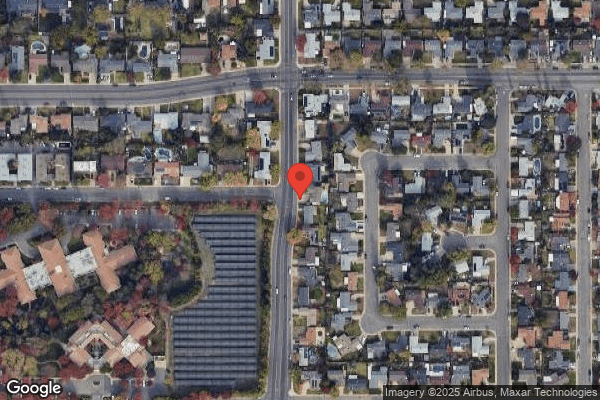
Mar 2023 1 deficiency
CONCERN (D) 📢 Someone Reported This

A family member, employee, or ombudsman was alarmed enough to file a formal complaint

Potential for Harm - no one hurt, but risky conditions existed

Investigate Abuse (Tag F0610)

Could have caused harm · This affected 1 resident

**NOTE- TERMS IN BRACKETS HAVE BEEN EDITED TO PROTECT CONFIDENTIALITY** Based on interview, record and policy review, the facility failed to provide resident protection from abuse when Resident 1 repo...

Read full inspector narrative →
**NOTE- TERMS IN BRACKETS HAVE BEEN EDITED TO PROTECT CONFIDENTIALITY** Based on interview, record and policy review, the facility failed to provide resident protection from abuse when Resident 1 reported that he had been assaulted by an employee and the facility did not remove the employee from resident care while they investigated the allegation. This had the potential for Resident 1 and other vulnerable residents to be unprotected from continued abuse by staff. Findings: Resident 1 was admitted to the facility on [DATE] with partial paralysis following a stroke, a communication deficit (inability to express himself), diabetes, kidney disease, and cognitive impairment (inability to think and comprehend). A review of the facility's policy titled, Policy and Procedure: Prevention, identification and reporting of abuse Revision 3, indicated that the purpose of the policy was to, ensure that residents' rights are protected by providing a method for the prevention, identification, and reporting of any type of resident abuse. 5. Protection, a. If a resident incident is reported, discovered, or suspected, where the health, welfare or safety of the residents is involved, the facility will take the following steps .If the suspected perpetrator is an employee: A. Remove employee from the care or vicinity of the patient, and B. Suspend employee during the investigation. A review of the facility's abuse investigation report dated 6/28/22, indicated that Resident 1's spouse called the facility stating that her husband had been punched in the private area by staff. In an interview on 3/21/23 at 2:30 PM, the Director of Staff Development (DSD) A indicated that on 6/28/22, Resident 1's wife called the facility to report that Resident 1 had been assaulted by a staff member of the facility. DSD A further stated that during a follow-up interview with Resident 1, he clarified that a large white female Certified Nursing Assistant [CNA] punched him in the [testicles] while he had been laying in bed under the covers. DSD A stated that the facility narrowed down this description to CNA A, who was the only staff meeting that description. DSD A confirmed that CNA A was not suspended from working and caring for residents while the facility was conducting their investigation. DSD A added that CNA A had been reassigned to another area of the facility where she took care of other residents, instead of being put on suspension. DSD A indicated that the facility's investigation was in progress from 6/28/22 to 7/3/22. In an interview on 3/21/23 at 2:55 PM, CNA A confirmed that she had not been suspended while the facility was investigating Resident 1's allegation that she had hit him. A review of the facility's record titled, Nursing Staffing Assignment and Sign-in Sheet dated 6/28/22 to 7/2/22, indicated that CNA A was assigned to, and actually worked taking care of residents from 6/28/22 through 7/1/22. Based on interview, record and policy review, the facility failed to provide resident protection from abuse when Resident 1 reported that he had been assaulted by an employee and the facility did not remove the employee from resident care while they investigated the allegation. This had the potential for Resident 1 and other vulnerable residents to be unprotected from continued abuse by staff. FINDINGS Resident 1 was admitted to the facility on [DATE] with partial paralysis following a stroke, a communication deficit (inability to express himself), diabetes, kidney disease, and cognitive impairment (inability to think and comprehend). A review of the facility's policy titled, Policy and Procedure: Prevention, identification and reporting of abuse undated, Revision 3 , indicated that the purpose of the policy was to ensure that residents' rights are protected by providing a method for the prevention, identification, and reporting of any type of resident abuse. 5. Protection, that, a. If a resident incident is reported, discovered, or suspected, where the health, welfare or safety of the residents is involved, the facility will take the following steps: . II) If the suspected perpetrator is an employee: A. Remove employee from the care or vicinity of the patient, and B. Suspend employee during the investigation. A review of the facility's abuse investigation report dated 6/28/22, indicated that Resident 1's spouse called the facility stating that her husband had been punched in the private area by staff. In an interview on 3/21/23 at 2:30 PM, the Director of Staff Development (DSD) A indicated that on 6/28/22, Resident 1's wife called the facility to report that Resident 1 had been assaulted by a staff member of the facility. DSD A further stated that during a follow-up interview with Resident 1, he clarified that a large white female Certified Nursing Assistant [CNA] punched him in the [testicles] while he had been laying in bed under the covers. DSD A stated that the facility narrowed down this description to CNA A, who was the only staff meeting that description. DSD A confirmed that CNA A was not suspended from working and caring for residents while the facility was conducting their investigation. DSD A added that CNA A had been reassigned to another area of the facility where she took care of other residents, instead of being put on suspension. DSD A indicated that the facility's investigation was in progress from 6/28/22 to 7/3/22. In an interview on 3/21/23 at 2:55 PM, CNA A confirmed that she had not been suspended while the facility was investigating Resident 1's allegation that she had hit him. A review of the facility's record titled, Nursing Staffing Assignment and Sign-in Sheet dated 6/28/22 to 7/2/22, indicated that CNA A was assigned to, and actually worked taking care of residents from 6/28/22 through 7/1/22.
May 2021 11 deficiencies
CONCERN (D)

Potential for Harm - no one hurt, but risky conditions existed

Deficiency F0553 (Tag F0553)

Could have caused harm · This affected 1 resident

**NOTE- TERMS IN BRACKETS HAVE BEEN EDITED TO PROTECT CONFIDENTIALITY** Based on interview, record and policy review, the facility failed to include one of two residents (Resident 101) in two quarterl...

Read full inspector narrative →
**NOTE- TERMS IN BRACKETS HAVE BEEN EDITED TO PROTECT CONFIDENTIALITY** Based on interview, record and policy review, the facility failed to include one of two residents (Resident 101) in two quarterly care plan meetings. This failure resulted in the potential for Resident 101 to receive Cardiopulmonary Resuscitation (CPR) when her wishes were not to receive this treatment. Findings: Record review of Resident 101's medical record indicated she was admitted on [DATE] for diabetes and kidney disease. Resident 101 was alert and oriented and her Brief Interview for Mental Status (BIMS-a screening tool used to assist with identifying a resident's current cognition) score was 15 indicating she had intact cognitive response (able to think and reason). Resident 101 made her own decisions about her health care. Her signed, [DATE], Physicians Orders for Life Sustaining Treatment (POLST) indicated she wanted Cardiopulmonary Resuscitation (CPR). During an interview on [DATE], at 10:55 AM with Resident 101, she verbalized that she had not had a discussion with a staff member about what her discharge plans were or about her care plan. She indicated that she spoke one time with someone about her plan of care but that was in the beginning of her stay. Resident 101 stated that her wishes at the present time were not to be resuscitated if her heart and breathing stopped. During a concurrent interview and record review on [DATE], at 12:23 PM, with Minimum Data Set/ Infection Preventionist (MDS/IP) Coordinator, MDS/IP coordinator indicated, she discussed resident's wishes for CPR during quarterly assessment meetings. Residents would sign the hard copy of the quarterly assessment notes to confirm their attendance at the meeting. MDS/IP coordinator indicated she had quarterly meetings with Resident 101 on [DATE] and [DATE] and discussed Resident 101's CPR wishes. Both meeting notes indicated Resident 101 wanted CPR to be initiated. When the coordinator was asked to show Resident 101's confirming signature for the [DATE] meeting notes, the coordinator acknowledged that the meeting had not actually occurred. The MDS/IP coordinator was not able to provide the [DATE] quarterly assessment meeting notes to confirm Resident 101 was at that meeting. MDS/IP was unable to confirm when she last spoke with Resident 101 about her CPR wishes. During a review of the facility's policy and procedure (P&P) titled, Procedure for Advanced Directive revised [DATE], the P&P indicated, The Interdisciplinary Team (IDT) shall review the resident's AHCD (advanced health care decision) or life sustaining measures prior to the quarterly care plan conference. If there was a change in the resident's status or desires the physician shall be notified to reassess the resident.
CONCERN (D)

Potential for Harm - no one hurt, but risky conditions existed

Deficiency F0726 (Tag F0726)

Could have caused harm · This affected 1 resident

**NOTE- TERMS IN BRACKETS HAVE BEEN EDITED TO PROTECT CONFIDENTIALITY** Based on observation and interview the facility failed to ensure two out of three certified nursing assistant (CNA) (CNA Q and C...

Read full inspector narrative →
**NOTE- TERMS IN BRACKETS HAVE BEEN EDITED TO PROTECT CONFIDENTIALITY** Based on observation and interview the facility failed to ensure two out of three certified nursing assistant (CNA) (CNA Q and CNA P), were able to locate a resident's wishes for cardiopulmonary resuscitation (CPR). This failure resulted in the potential for unnecessary or unwanted medical procedures being performed on them and violating their wishes. Findings: During an interview on [DATE], at 9:52 AM, with CNA Q, CNA Q stated that if she found Resident 45 unconscious and not breathing, she would check Resident 45's pulse and breathing and scream for help and initiate CPR. A record review on [DATE] at 9:55 AM, of Resident 45's Physician Orders for Life-Sustaining Treatment (POLST) revealed that Resident 45's wishes were to not be resuscitated. During an interview on [DATE] at 9:56 AM, with CNA P, CNA P indicated that if she found Resident 45 unresponsive, without a pulse she would call a code red and start CPR. When asked where she would find Resident's 45 wishes for CPR she said there was a sticker on Resident 45's medical chart. CNA P went to the chart to show me and when she did not see a sticker she asked RN C where she would find it. RN C opened Resident 45's medical chart and showed CNA P, Resident 45's POLST. CNA P then indicated that Resident 45 is a DNR (Do Not Resuscitate). She agreed that she verbalized starting CPR on a resident that did not want it. She denied doing any CPR drills with a trainer. During an interview on [DATE], at 10:05 AM, with CNA Q, she indicated that she had been a CNA for 10 years and was CPR certified. She was unaware of where to find Resident 45's wishes for CPR. CNA Q walked to the nurses desk and grabbed Resident 45's chart and looked past the POLST sheet and flipped thru the chart. After one minute she was still looking. LVN E showed her where the information was found in the chart. CNA Q stated that Resident 45 did not want CPR. She confirmed that she should check the Resident's CPR wishes before she initiated CPR. She agreed that she verbalized starting CPR on a resident that did not want it. She denied doing any CPR drills with a trainer. During an interview on [DATE] at 9:28 AM, with Infection Preventionist (IP), she confirmed that she was responsible for competency over site. The last in-service on CPR was in 2019. She confirmed that when there was a resident that was not breathing and with no pulse the rule was to check the resident's wishes and then to call a code blue over the loud speaker. She said that education had fallen off since COVID. She agreed that education was needed and confirmed she had never done a CPR drill with staff.
CONCERN (D)

Potential for Harm - no one hurt, but risky conditions existed

Infection Control (Tag F0880)

Could have caused harm · This affected 1 resident

**NOTE- TERMS IN BRACKETS HAVE BEEN EDITED TO PROTECT CONFIDENTIALITY** Based on observation, interview, and policy review, the facility failed to ensure a licensed vocational nurse (LVN) K perform ha...

Read full inspector narrative →
**NOTE- TERMS IN BRACKETS HAVE BEEN EDITED TO PROTECT CONFIDENTIALITY** Based on observation, interview, and policy review, the facility failed to ensure a licensed vocational nurse (LVN) K perform hand hygiene while preformed wound care. This failure had the potential to spread infection from one resident to another, and cause an infection to a wound. Findings: During a concurrent observation and interview on 5/4/21, at 11:43 AM, with LVN K, in room [ROOM NUMBER]A, LVN K was performing wound care on Resident 66. LVN K removed a soiled dressing from Resident 66's stage 4 pressure ulcer(an open area with full-thickness skin and tissue loss). LVN K cleaned the wound then removed her soiled gloves. Without performing hand hygiene, she reached into her pocket and donned(put on) new gloves. LVN K indicated that she normally did not do hand hygiene between changing from soiled to clean gloves when she was working with the same resident. She was unaware that she should do hand hygiene between the change of soiled to clean gloves, while performing resident wound treatments A review of the facility's policy and procedure (P&P) titled, Infection Control-Handwashing-FTNS, reviewed 12/18/2019, indicated hand hygiene is required after removing gloves, and between contact with different patients. A review of the facility's (undated) policy and procedure (P&P) titled, Resident Care-Wound and Skin Management-FTNS, indicated that any resident who has a pressure sore will receive the necessary treatment and services to promote healing, prevent infections, prevent new ulcers/sores from development. During a concurrent interview and record review, on 5/6/2021, at 7:00 AM, with Infection Preventionist (IP) and Minimum Data Set Infection Preventionist Nurse (MDS/IP), the general orientation checklist (GOC) for LVN K dated 5/14/2015 was reviewed. The IP and MDS/IP confirmed LVN K was oriented to infection control procedures including handwashing. An interview on 5/6/2021, at 8:00 AM, with Administrator (ADM) and Director of Nursing (DON), confirmed, the facility policy and expectation for employees was to perform hand hygiene (hand washing or hand sanitizing), between the change of soiled to clean gloves while performing resident wound treatments.
CONCERN (E)

Potential for Harm - no one hurt, but risky conditions existed

Safe Environment (Tag F0584)

Could have caused harm · This affected multiple residents

Based on observation and interview, this requirement was not met when the facility failed to provide a sanitary environment for 18 of 53 sampled residents who used the shower near Nursing Station 1 (N...

Read full inspector narrative →
Based on observation and interview, this requirement was not met when the facility failed to provide a sanitary environment for 18 of 53 sampled residents who used the shower near Nursing Station 1 (NS1), when the facility failed to clean a shower room between residents. Findings: In an interview on 5/4/2021, at 8:15 AM., Resident #20 stated, The shower room on station 1 is filthy. I almost don't want to put my feet on the ground in there. There is dirt on the floor and the curtains are filthy. I don't even consider myself clean when I come out. I've seen some of the other residents and I don't want to get infections from them. On 5/5/2021 at 8:30 AM the shower room on NS1 was observed to have dirty tile, shoe prints on floor, a plastic medicine cup and bits of plastic wrap, and drains clogged with debris and hair. In an interview on 5/5/2021 at 10:16 AM, Housekeeping (HK) confirmed that she was responsible for cleaning the shower room once each day, in the afternoon, and that it was expected that CNAs would clean in between residents. In an interview on 5/5/2021 at 10:28 AM, Rehabilitation Assistant (RH) stated, Showers are cleaned after each shower by the last person who assisted with a shower. In an interview on 05/05/2021 at 11:12 AM, Registered Nurse (RN B) stated, Showers are given right after breakfast. The showers should be cleaned after each resident is finished, and all personal belongings collected In an observation of the shower room on NS1 on 5/5/2021 at 11:14 AM, the shower room still appeared not to have been cleaned. The medicine cup, hair and plastic were still observed in shower drains, and dirty footprints were on the floor. In an observation on 5/6/2021 at 08:15 AM, the shower room on NS1 contained a dirty shower chair soiled with a brown substance. A similar substance appeared to be on the floor of the shower. The Director of Nursing (DON) confirmed the substance to be feces, stating, This is unacceptable and should not be this way. CNAs (Certified Nursing Assistants) are supposed to clean between residents' showers.
CONCERN (E)

Potential for Harm - no one hurt, but risky conditions existed

Free from Abuse/Neglect (Tag F0600)

Could have caused harm · This affected multiple residents

**NOTE- TERMS IN BRACKETS HAVE BEEN EDITED TO PROTECT CONFIDENTIALITY** Based on interview and record review, the facility failed to ensure residents were free from abuse for three of 60 sampled resid...

Read full inspector narrative →
**NOTE- TERMS IN BRACKETS HAVE BEEN EDITED TO PROTECT CONFIDENTIALITY** Based on interview and record review, the facility failed to ensure residents were free from abuse for three of 60 sampled residents (Resident 3, Resident 80 and Resident 65) when Resident 118 wandered into their rooms uninvited. This resulted in uninvited touching, anxiety, and put all residents at risk for injury and altercations. Findings: A review of Resident 118's record indicated he was admitted to the facility on [DATE] with diagnoses including dementia (a general term to describe a group of symptoms related to loss of memory, judgment, language, complex motor skills.), mood disorder (includes depression and intense mood swings) and Alzheimer's disease (a brain disease that causes a slow decline in memory, thinking and reasoning skills). He was not his own decision maker. A review of the facility's policy and procedure titled Prevention, Identification and Reporting of Abuse last revised on 12/18/2019, indicated Each resident has the right to be free from verbal, sexual, physical, and mental abuse. Residents must not be subjected to abuse by anyone, including, but not limited to, facility staff, other residents, consultants or volunteers, staff of other agencies serving the resident. A record review of Resident 118's nursing progress notes from 10/22/2020 to 4/3/2021, showed: A. On 10/22/2020 at 4:11 PM by Licensed Vocational Nurse (LVN L), indicated, Resident 118 punched another resident and pulled the staff. He was punched, scratched and kicked. B. On 10/25/2020 at 11:07 PM by LVN J, indicated, Resident 118's roommate informed LVN J that Resident 118 was standing at his bedside shaking him and woke him up at 3 am. The roommate turned on the call light and a Certified Nursing Assistance (CNA) came into the room. C. On 11/1/2020 at 4:44 PM by LVN L, indicated, Resident 118 attempted to hit a CNA and he hit the railing instead. He had a skin tear with bruising to his left hand and wrist. D. On 11/2/2020 at 4:39 PM by LVN L, indicated, Resident 118 has been hitting at staff, grabbing other residents and hitting at them, causing injury to self, scaring other residents. E. On 11/2/2020 at 5:56 PM by LVN L, indicated, Resident 118 has been going into other residents' rooms, when this author attempted to take him out of the room, he grabbed my hand and scratched my thumb causing bleeding. F. On 11/18/2020 at 2 PM by LVN M, indicated, Resident 118 was up in his wheelchair, pushing other residents' wheelchairs and trying to touch them. G. On 11/19/2020 at 2:18 PM by LVN X, indicated, Resident 118 was pushing other residents and trying to grab females. H. On 12/9/2020 at 3:19 AM by LVN J, indicated, Resident 118 was up all night, wandering, roaming and opening other residents' doors. I. On 4/3/2021 at 2:47 PM by LVN L, indicated, Resident 118 went into another resident's room, slid from his wheelchair and sat on the floor. (witnessed by the resident in the room.) A record review of Resident 118's social services progress note dated 10/22/2020 at 3:12 pm by the Director of Social Services (DSS), stated, Resident 118 continues to be extremely aggressive and difficult to redirect. He is aggressive with staff and does not think twice about punching, kicking, grabbing and pinching staff. Today was the first time he directed his aggression towards his peers and punched another male resident on his arm. A record review of Resident 118's social services progress note dated 4/13/2021 at 9:52 am by DSS, indicated, Resident 118 got confused at times and would seek out one of the female residents, took a firm hold on her wheelchair and tried to keep her from leaving his side. The facility had difficulty to redirect him from and he could be quite aggressive. During a confidential interview held on 5/4/2021 at 9:38 am, a Resident stated, Resident 118 walked into her room and touched her foot at 4 am last week. She was terrified. She reported to a CNA and was told that resident was on medication and would do better. Another Resident stated she was scared of Resident 118. One Resident also stated her roommate was frightened by Resident 118. Four out of 9 residents sated Resident 118 went into their room uninvited. During an interview on 5/5/2021 at 8:30 AM, CNA T stated, Resident 118 had been on one on one monitor (provides constant observation and interaction with the resident by a designated staff to ensure his/her safety.) since he was admitted on [DATE] and it was canceled two months ago. CNA T stated Resident 118 would go into other residents' rooms uninvited and while the staff was trying to pull him out of the room, he would get mad and become very agitated. During an interview on 5/5/2021 at 8:35 AM, CNA R stated, Resident 118 did go to other resident's room. We tried to pull him back and told him that was not his room, he got mad. During an interview on 5/5/2021 at 8:40 AM, Resident 80 stated, Resident 118 came into my room a couple weeks ago at night. She also stated that Resident 118 went into her room [ROOM NUMBER] weeks ago during the day. She said I yelled at him and said get out, and he yelled back at me and he was laughing. She added, one day I met him in the hallway outside my room, he raised his fits up like he was about to fight me, I was mad and so I raised my fits to protect myself. We did not get into any physical contact, but it upset me. During an interview on 5/5/2021 at 9 AM, Resident 65 stated, Resident 118 came into my room at 6 am today. The nurse was here and she pushed him out of my room. She could not recall the name of the staff. She stated Resident 118 had come into her room [ROOM NUMBER] times since she resided in the facility and it bothers her. During an interview on 5/5/2021 at 9:05 AM, Resident 3 stated, Resident 118 did not come to her room last night, but she was still worried he might come into her room and she had hard time to fall asleep at night. She stated he scared me, now I can't sleep. During a concurrent interview and record review of Resident 118's progress notes on 5/5/2021 at 2 PM, Director of Nursing (DON) admitted , Resident 118 was off from one on one care two months ago, but was unable to provide the record of the facility Interdisciplinary Team assessment on Resident 118 indicated that the resident could be safely taken off from one on one care. DON stated she was not aware of any resident to resident abuse that involved Resident 118. She stated my staff did not report to me, it did not happen.
CONCERN (E)

Potential for Harm - no one hurt, but risky conditions existed

Report Alleged Abuse (Tag F0609)

Could have caused harm · This affected multiple residents

**NOTE- TERMS IN BRACKETS HAVE BEEN EDITED TO PROTECT CONFIDENTIALITY** Based on interview and record review, the facility failed to report to the required agencies involving resident to resident abus...

Read full inspector narrative →
**NOTE- TERMS IN BRACKETS HAVE BEEN EDITED TO PROTECT CONFIDENTIALITY** Based on interview and record review, the facility failed to report to the required agencies involving resident to resident abuse that involved Resident 118. This failure resulted in ongoing resident to resident abuse and put all residents at risk for injuries, anxiety, and abuse. Findings: A review of Resident 118's record indicated he was admitted to the facility on [DATE] with diagnoses including dementia (a general term to describe a group of symptoms related to loss of memory, judgment, language, complex motor skills.), mood disorder (includes depression and intense mood swings) and Alzheimer's disease (a brain disease that causes a slow decline in memory, thinking and reasoning skills). He is not his own decision maker. A review of the facility's policy and procedure titled Prevention, Identification and Reporting of Abuse last revised on 12/18/2019, section 7 - Reporting indicated: a. All mandated reporters are required by law to report incidents of known or suspected abuse in two way: 1. by telephone immediately or as soon as practically possible to the local ombudsman or the local law enforcement agency. 2. by written report. b. It is this facility's policy that any known or suspected abuse will be reported by completing an incident report. c. The first responder or first staff member informed will be responsible for informing the immediate supervisor and initiating an incident report. d. The administrator shall report all incidents of alleged abuse or suspected abuse to The Department of Health and Human Services (DHS) within 24 hours, and the results of investigation to DHS within 4 working days of the incident. A record review of Resident 118's nursing progress notes from 10/22/2020 to 11/19/2020, indicated there were 6 incidents/ resident to resident abuses noted: A. On 10/22/2020 at 4:11 PM by Licensed Vocational Nurse (LVN L), indicated, Resident 118 punched another resident and pulled the staff. He was punched, scratched and kicked. B. On 10/25/2020 at 11:07 PM by LVN J, indicated, Resident 118's roommate informed LVN J that Resident 118 was standing at his bedside shaking him and woke him up at 3 am. The roommate turned on the call light and a Certified Nursing Assistance (CNA) came into the room. C. On 11/1/2020 at 4:44 PM by LVN L, indicated, Resident 118 attempted to hit a CNA and he hit the railing instead. He had a skin tear with bruising to his left hand and wrist. D. On 11/2/2020 at 4:39 PM by LVN L, indicated, Resident 118 has been hitting at staff, grabbing other residents and hitting at them, causing injury to self, scaring other residents. E. On 11/18/2020 at 2 PM by LVN M, indicated, Resident 118 was up in his wheelchair, pushing other residents' wheelchairs and trying to touch them. F. On 11/19/2020 at 2:18 PM by LVN X, indicated, Resident 118 was pushing other residents and trying to grab females. None of the incidents/resident to resident abuses were reported to the required agencies. During a confidential interview held on 5/4/2021 at 9:38 am, a Resident stated, Resident 118 walked into her room and touched her foot at 4 am last week. She was terrified. She reported to a CNA and was told that resident was on medication and would do better. Another Resident stated she was scared of Resident 118. One Resident also stated her roommate was frightened by Resident 118. Four out of 9 residents sated Resident 118 went into their room uninvited. During an interview on 5/5/2021 at 8:30 AM, CNA T stated, Resident 118 had been on one on one monitor ( provides constant observation and interaction with the resident by a designated staff to ensure his/her safety.) since he was admitted on [DATE] and it was canceled two months ago. CNA T stated Resident 118 would go into other residents' rooms uninvited. CNA T stated as long as it's not a rough touch, we do not have to report it. During an interview on 5/5/2021 at 9 AM, Resident 65 stated, Resident 118 came into my room at 6 am today. The nurse was here and she pushed him out of my room. She could not recall the name of the staff. She stated Resident 118 had come into her room [ROOM NUMBER] times since she resided in the facility and it bothers her. No related incident/ resident to resident abuse report were found on the record. During an interview on 5/5/2021 at 10 AM, Director of Social Services stated, I would report it if it was a rough touch. We would place a stop door banner outside the residents' room, so a wander won't go into other resident's room. She admitted that the facility hasn't been making rounds on the residents since Covid-19 started. She also admitted that the staff did not report to her about any resident to resident abuse. She was not aware that if it was an unwanted touch, she needed to report it. DSS admitted that she made the progress notes on 10/22/2020 and 4/13/2021 stating Resident 118 was confused, aggressive toward to the staff and other residents, however, no referral to other secured dementia facility was made and there's no stop door banner placed outside the resident's room. During an interview on 5/5/2021 at 1 PM with RN D about reporting resident to resident abuse , she stated if there is no harm, we do not have to report it. During an interview on 5/5/2021 at 2 PM, Director of Nursing (DON) stated, if resident to resident abuse happened between demented residents, the facility did not have to report it. If it happened between one alert resident to one demented resident, it does not matter whether it was harm or no harm, the facility has to report it. DON also stated she was not aware of any resident to resident abuse that involved Resident 118, she stated My staff is very good at reporting. If my staff did not report to me, it did not happen.
CONCERN (E)

Potential for Harm - no one hurt, but risky conditions existed

Investigate Abuse (Tag F0610)

Could have caused harm · This affected multiple residents

**NOTE- TERMS IN BRACKETS HAVE BEEN EDITED TO PROTECT CONFIDENTIALITY** Based on interview and record review, the facility failed to investigate resident to resident abuse that involved Resident 118. ...

Read full inspector narrative →
**NOTE- TERMS IN BRACKETS HAVE BEEN EDITED TO PROTECT CONFIDENTIALITY** Based on interview and record review, the facility failed to investigate resident to resident abuse that involved Resident 118. This failure resulted in ongoing resident to resident abuse and put all residents at risk for injuries, anxiety, and abuse. Findings: A review of Resident 118's record indicated he was admitted to the facility on [DATE] with diagnoses including dementia (a general term to describe a group of symptoms related to loss of memory, judgment, language, complex motor skills.), mood disorder (includes depression and intense mood swings) and Alzheimer's disease (a brain disease that causes a slow decline in memory, thinking and reasoning skills). He is not his own decision maker. A review of the facility's policy and procedure titled Prevention, Identification and Reporting of Abuse last revised on 12/18/2019, indicated: 1. Section 6, titled Investigation: All incidents of suspected or alleged abuse will be investigated by assigned staff. The assigned staff will be informed of the nature of the incident and continue the investigation process. 2. Section 9, titled Administrative procedure showed: a. The administrator or designee will serve as the Abuse Prevention Coordinator. b. The administrator or designee shall initiate an investigation immediately, which may include interviews of the involved resident(s), and other parties (employees, visitors, other residents, volunteers, family members, etc.) who have knowledge of the alleged incident. A record review of Resident 118's nursing progress notes from 10/22/2020 to 11/19/2020, indicated there were 6 incidents/ resident to resident abuses noted, but no incident/ resident to resident abuse investigation reports were found: A. On 10/22/2020 at 4:11 PM by Licensed Vocational Nurse (LVN L), indicated, Resident 118 punched another resident and pulled the staff. He was punched, scratched and kicked. B. On 10/25/2020 at 11:07 PM by LVN J, indicated, Resident 118's roommate informed LVN J that Resident 118 was standing at his bedside shaking him and woke him up at 3 am. The roommate turned on the call light and a Certified Nursing Assistance (CNA) came into the room. C. On 11/1/2020 at 4:44 PM by LVN L, indicated, Resident 118 attempted to hit a CNA and he hit the railing instead. He had a skin tear with bruising to his left hand and wrist. D. On 11/2/2020 at 4:39 PM by LVN L, indicated, Resident 118 has been hitting at staff, grabbing other residents and hitting at them, causing injury to self, scaring other residents. E. On 11/18/2020 at 2 PM by LVN M, indicated, Resident 118 was up in his wheelchair, pushing other residents' wheelchairs and trying to touch them. F. On 11/19/2020 at 2:18 PM by LVN X, indicated, Resident 118 was pushing other residents and trying to grab females. During a confidential interview held on 5/4/2021 at 9:38 am, a Resident stated, Resident 118 walked into her room and touched her foot at 4 am last week. She was terrified. She reported to a CNA and was told that resident was on medication and would do better. Another Resident stated she was scared of Resident 118. One Resident also stated her roommate was frightened by Resident 118. Four out of 9 residents sated Resident 118 went into their room uninvited. No related incident/ resident to resident abuse report were found on the record. No investigation reports were located. During an interview on 5/5/2021 at 9 AM, Resident 65 stated, Resident 118 came into my room at 6 am today. The nurse was here and she pushed him out of my room. She could not recall the name of the staff. She stated Resident 118 had come into her room [ROOM NUMBER] times since she resided in the facility and it bothers her. No related incident/ resident to resident abuse report were found on the record. No investigation report was located. During an interview on 5/5/2021 at 2 PM, Director of Nursing (DON) stated, if resident to resident abuse happened between demented residents, the facility did not have to report it. If it happened between one alert resident to one demented resident, it does not matter whether it was harm or no harm, the facility has to report it. DON also stated she was not aware of any resident to resident abuse that involved Resident 118, she stated My staff is very good at reporting. If my staff did not report to me, it did not happen. During a interview on 5/6/2021 at 12:30 PM, Administrator, DON and Director of Staff Development admitted , they were not aware of any resident to resident abuse involved Resident 118, and the facility did not report or investigate any resident to resident abuse that involved Resident 118. They also admitted that they were not aware of the most current resident to resident abuse regulation and guidance.
CONCERN (E)

Potential for Harm - no one hurt, but risky conditions existed

Deficiency F0657 (Tag F0657)

Could have caused harm · This affected multiple residents

**NOTE- TERMS IN BRACKETS HAVE BEEN EDITED TO PROTECT CONFIDENTIALITY** Based on observation, interview and record review, the facility failed to monitor and update care plan interventions for effecti...

Read full inspector narrative →
**NOTE- TERMS IN BRACKETS HAVE BEEN EDITED TO PROTECT CONFIDENTIALITY** Based on observation, interview and record review, the facility failed to monitor and update care plan interventions for effectiveness and modify them to prevent future falls for two of three residents(Resident 26, and 66). This failure resulted in Resident 26 and Resident 66 having falls with injuries including falls with a fracture and falls with head injuries. Findings: Resident 26's admission record indicated Resident 26 was admitted to the facility on [DATE], with diagnoses of dementia and fracture of right femur. Resident 26's Minimum Data Set (MDS)(a clinical assessment of a resident's functional capabilities and health needs), dated 1/30/2021, indicated that she needed extensive assistance with transfers, walking and toilet use. She scored a 15 on her Brief Interview for Mental Status(BIMS)(A structured evaluation aimed at evaluating a resident's processes involved in gaining knowledge and comprehension) which indicated she was cognitively intact. A review of Resident 26's interdisciplinary progress notes (IPN) dated from 8/28/2020 to 4/18/2020 indicated she had seven falls. -On 8/28/2020, she had an unwitnessed fall at 4:31 AM, and sustained a right femur distal fracture. -On 11/3/2020, she had an unwitnessed fall at 7:50 AM, and received a minor injury. Care plan Interventions included; Monitor her neurological signs per facility protocol, provide treatment if needed/ordered, observe and report any change in level of consciousness (LOC) or range of motion (ROM) or complaint of (c/o) new or abnormal pain. Notify MD and family of fall. Ensure that call light is within easy reach and provide non-skid footwear if necessary. -On 11/24/2020, she had an unwitnessed fall at 3:25 AM, and sustained a skin tear to right elbow. Care plan interventions were the same as above. -On 1/15/2021, she had an unwitnessed fall at 6:50 AM, and sustained a skin tear to her right elbow. Care plan interventions were the same as above. -On 1/21/2021, she had an witnessed fall at 7:45 AM, and hit the back of her head. Care plan interventions were the same as above. -On 3/13/2021, she had an unwitnessed fall at 9:25 PM, due to self ambulating to turn the TV on in her room. Care plan interventions were the same as above. -On 4/18/2021, she had a witnessed fall at 10:49 AM, during toileting. She lost her balance during a staff assisted transfer and was unable to get hold of the bathroom bars. She sustained a skin tear to her right elbow and a small bump on the back of her head. Care plan interventions were the same as above. During a concurrent observation and interview on 5/06/2021, at 9:51 AM, with Resident 26 and Licensed Vocational Nurse (LVN) H, in Resident 26's room, Resident 26 was observed in bed, her slippers were next to her bed. There was a large colorful note on the wall that was unreadable because it was covered with cards and a calendar. Resident 26's wheel chair (w/c) was unlocked next to her bed. An automatic w/c anti-rollback device (a device that as the resident gets up, a pair of brake arms instantly grab the tires to prevent the chair from rolling backwards. The chair remains locked while the resident is out of the chair. They are used to prevent falls) was attached to Resident 26's w/c. This intervention was not on her care plan. The anti-rollback brake arms were not firmly attached to the wheels. LVN H pushed the w/c to demonstrate the device's function and the chair moved easily when it should have been locked. LVN H agreed that the anti-rollback device was not working correctly, because the w/c should not move when the resident was not in the chair. LVN H stated Resident 26 was not suppose to take herself to the bathroom but sometimes she did not use her call light and she would go to the bathroom by herself. LVN H pointed to a sign on the wall. The sign was covered up. She then uncovered the sign on the wall and it displayed the words [Resident 26's name] wait for help. She agreed that the sign was covered with a calendar and cards, and that Resident 26 could not read the sign because it was covered. During an interview on 5/6/2021, at 9:58 AM, with certified nurse assistant (CNA) T, she indicated that Resident 26 was a fall risk because she had fallen a few times. She said Resident 26 would fall at night in the bathroom when she would go by herself. CNA T indicated that last month she was assisting Resident 26 to the bathroom and Resident 26 fell. CNA T explained that she wheeled Resident 26 into the bathroom. Resident 26 held on to the grab bar next to the toilet and stood up. CNA T moved the w/c away from the Resident. Resident 26 then put her hand on the commode arm support and the commode tipped over. Resident 26 lost her balance and fell to the ground scratching her elbow and hitting her head. CNA T confirmed she was not close enough to Resident 26 to support her. No gait belt was used. CNA T was not aware of any new interventions that had been implemented since that fall. CNA T confirmed that Resident 26's anti-rollback device was not working and that it put her at risk for falls. During an interview on 5/06/2021, at 10:48 AM, with the Director of Rehabilitation (DOR), she recommended that staff should use a gait belt when assisting residents with transfers. The DOR indicated that Resident 26 should be transferred with a gait belt. An interview on 5/6/2021, at 11:15 AM, with Director of Nursing (DON) and Director of Staff Development (DSD) confirmed that Resident 26's care plan had not been updated to reflect interventions for a gait belt with transfers and an anti-rollback device on her w/c. A review of Resident 66's medical record indicated she was admitted on [DATE] with diagnoses that included a fracture of her right femur. Her MDS dated [DATE], section C indicated her BIM's score was 14, indicating her cognition was intact. Section G of the MDS indicated she needed limited assistance with the assistance of one staff for transferring, walking and toileting. She used a walker and w/c for locomotion. Section D recorded she was at risk for falls related to advanced age, decreased mobility, history of falls, impaired balance and muscle weakness. Section H recorded no bowel and bladder training. A review of Resident 66's interdisciplinary progress notes dated from 8/9/2020 thru 4/9/2021 indicated that she had 5 unwitnessed falls. -8/9/2020 she had an unwitnessed fall with a skin tear to her left shoulder. Interventions included reminding her to use the call light if she needed assistance. -11/29/2020 she had an unwitnessed fall and sustained a hematoma (a localized collection of blood that accumulates under the tissue) to her right forehead and a fracture to her sternum (the breastbone). Interventions included reminding her to use the call light for assistance and to provide one to one supervision when able. -1/28/2021 she had an unwitnessed fall and sustained a skin tear. Resident stated I slid out of the w/c. Interventions included reminding her to use her call light for assistance, and a non-skid mat in her w/c. -4/3/21 she had an unwitnessed fall and sustained a laceration to her forehead and a bruise to her left knee. Interventions were to, keep the bed in a low position, keep the call light within reach and encourage her to use the call light. -4/5/21 she had an unwitnessed fall with bruising to her left eye, bruising to her right eye, a laceration to her left forehead, a hematoma to her left forehead, a laceration to the back of her head, and a skin tear to her left elbow. Interventions were to instruct resident to use call light, and staff to do frequent checks on resident. An interview on 5/05/2021 at 11:50 AM, with MDS/IP, she stated Resident 66's fall interventions were: non-skid socks, call light within reach, rehabilitation evaluation and follow up as ordered, non-skid mat in w/c to avoid sliding out of chair, safety training and education, installation of w/c antilock brakes, have Resident 66 ask for assistance, and provide one on one when able. During a concurrent observation and interview on 5/05/2021, at 2:39 PM, with Resident 66. Resident 66 was observed in her bed. She had bruises on her forehead and under her eyes. She was barefoot. She stated she wore nothing on her feet at night. In the winter time she wore sticky socks. She described the socks they gave her as slippers. She stated she had to ask for socks if she wanted to wear them because they did not ask her. Her call light was clipped on her sheets up near the top of her bed. She sat up and reached her arm back to feel for her call light. She could not find it or reach it. She stated that once in a while I cannot get it with my arm backwards. She had an anti-rollback device on her w/c, but her w/c rolled forward and backwards when she was not in it. There was not a non-skid mat on top of her cushion in her w/c. During an interview on 5/05/2021, at 3:06 PM, with RN A, RN A indicated Resident 66's care plan interventions for her 4/3/2021 and 4/5/2021 falls included; frequent checks, keep the call light within reach and provide non-skid socks. She confirmed that Resident's 66's fall care plan was not updated with new interventions after the above mentioned falls. During an interview on 5/6/2021, at 10:30 AM, with MDS/IP, MDS/IP stated that the interdisciplinary team (IDT) (a group of health care professionals with various areas of expertise who work together toward the goals of their residents) had meetings to discuss falls and the care plan would get updated. MDS/IP stated IDT meetings were hit-and-miss since COVID. I can't tell you 100% if IDT meetings happened. During an interview on 5/6/2021, at 11:15 AM, with the DON and IP, the DON and IP were unaware that the anti-roll back device was not working for Resident 26 and Resident 66. They indicated that there was not a system in place to check for the function of the anti-rollback devices after they were installed.
CONCERN (E)

Potential for Harm - no one hurt, but risky conditions existed

Accident Prevention (Tag F0689)

Could have caused harm · This affected multiple residents

**NOTE- TERMS IN BRACKETS HAVE BEEN EDITED TO PROTECT CONFIDENTIALITY** Based on observation, interview and record review, the facility failed to evaulate falls and develop new care plan interventions...

Read full inspector narrative →
**NOTE- TERMS IN BRACKETS HAVE BEEN EDITED TO PROTECT CONFIDENTIALITY** Based on observation, interview and record review, the facility failed to evaulate falls and develop new care plan interventions for four of five sampled residents (Residents 26, 66, 118 and 110) to prevent further falls and injuries. This failure resulted in Resident 26, 66, 118 and 110 to have injuries related to falls and had the potential for all residents to be at risk for accidents and hazards. Findings: 1. Resident 26's admission record indicated Resident 26 was admitted to the facility on [DATE], with diagnoses of dementia and fracture of right femur. Resident 26's Minimum Data Set (MDS)(a clinical assessment of a resident's functional capabilities and health needs), dated 1/30/2021, indicated that she needed extensive assistance with transfers, walking and toilet use. She scored a 15 on her Brief Interview for Mental Status(BIMS)(A structured evaluation aimed at evaluating a resident's processes involved in gaining knowledge and comprehension) which indicated she was cognitively intact. A review of Resident 26's interdisciplinary progress notes (IPN) dated from 8/28/2020 to 4/18/2020 indicated she had seven falls. -On 8/28/2020, she had an unwitnessed fall at 4:31 AM, and sustained a right femur distal fracture. -On 11/3/2020, she had an unwitnessed fall at 7:50 AM, and received a minor injury. Care plan Interventions included; Monitor her neurological signs per facility protocol, provide treatment if needed/ordered, observe and report any change in level of consciousness (LOC) or range of motion (ROM) or complaint of (c/o) new or abnormal pain. Notify MD and family of fall. Ensure that call light is within easy reach and provide non-skid footwear if necessary. -On 11/24/2020, she had an unwitnessed fall at 3:25 AM, and sustained a skin tear to right elbow. Care plan interventions were the same as above. -On 1/15/2021, she had an unwitnessed fall at 6:50 AM, and sustained a skin tear to her right elbow. Care plan interventions were the same as above. -On 1/21/2021, she had an witnessed fall at 7:45 AM, and hit the back of her head. Care plan interventions were the same as above. -On 3/13/2021, she had an unwitnessed fall at 9:25 PM, due to self ambulating to turn the TV on in her room. Care plan interventions were the same as above. -On 4/18/2021, she had a witnessed fall at 10:49 AM, during toileting. She lost her balance during a staff assisted transfer and was unable to get hold of the bathroom bars. She sustained a skin tear to her right elbow and a small bump on the back of her head. Care plan interventions were the same as above. During a concurrent observation and interview on 5/06/2021, at 9:51 AM, with Resident 26 and Licensed Vocational Nurse (LVN) H, in Resident 26's room, Resident 26 was observed in bed, her slippers were next to her bed. There was a large colorful note on the wall that was unreadable because it was covered with cards and a calendar. Resident 26's wheel chair (w/c) was unlocked next to her bed. An automataic w/c anti-rollback device (a device that as the resident gets up, a pair of brake arms instantly grab the tires to prevent the chair from rolling backwards. The chair remains locked while the resident is out of the chair. They are used to prevent falls) was attached to Resident 26's w/c. This intervention was not on her care plan. The anti-rollback brake arms were not firmly attached to the wheels. LVN H pushed the w/c to demonstrate the device's function and the chair moved easily when it should have been locked. LVN H agreed that the anti-rollback device was not workng correctly, because the w/c should not move when the resident was not in the chair. LVN H stated Resident 26 was not suppose to take herself to the bathroom but sometimes she did not use her call light and she would go to the bathroom by herself. LVN H pointed to a sign on the wall. The sign was covered up. She then uncovered the sign on the wall and it displayed the words [Resident 26's name] wait for help. She agreed that the sign was covered with a calendar and cards, and that Resident 26 could not read the sign because it was covered. During an interview on 5/6/2021, at 9:58 AM, with certified nurse assistant (CNA) T, she indicated that Resident 26 was a fall risk because she had fallen a few times. She said Resident 26 would fall at night in the bathroom when she would go by herself. CNA T indicated that last month she was assisting Resident 26 to the bathroom and Resident 26 fell. CNA T explained that she wheeled Resident 26 into the bathroom. Resident 26 held on to the grab bar next to the toilet and stood up. CNA T moved the w/c away from the Resident. Resident 26 then put her hand on the commode arm support and the commode tipped over. Resident 26 lost her balance and fell to the ground scratching her elbow and hitting her head. CNA T confirmed she was not close enough to Resident 26 to support her. No gait belt was used. CNA T was not aware of any new interventions that had been implemented since that fall. CNA T confirmed that Resident 26's anti-rollback device was not working and that it put her at risk for falls. During an interview on 5/06/2021, at 10:48 AM, with the Director of Rehabilitation (DOR), she recommended that staff should use a gait belt when assisting residents with transfers. The DOR indicated that Resident 26 should be transferred with a gait belt. An interview on 5/6/2021, at 11:15 AM, with Director of Nursing (DON) and Director of Staff Development (DSD) confirmed that Resident 26's care plan had not been updated to reflect interventions for a gait belt with transfers and an anti-rollback device on her wheelchair. 2. A review of Resident 66's medical record indicated she was admitted on [DATE] with diagnoses that included a fracture of her right femur. Her MDS dated [DATE], section C indicated her BIM's score was 14, indicating her cognition was intact. Section G of the MDS indicated she needed limited assistance with the assistance of one staff for transferring, walking and toileting. She used a walker and w/c for locomotion. Section D recorded she was at risk for falls related to advanced age, decreased mobility, history of falls, impaired balance and muscle weakness. Section H recorded no bowel and bladder training. A review of Resident 66's interdisciplinary progress notes dated from 8/9/2020 thru 4/9/2021 indicated that she had 5 unwitnessed falls. -8/9/2020 she had an unwitnessed fall with a skin tear to her left shoulder. Interventions included reminding her to use the call light if she needed assistance. -11/29/2020 she had an unwitnessed fall and sustained a hematoma (a localized collection of blood that accumulates under the tissue) to her right forehead and a fracture to her sternum (the breastbone). Interventions included reminding her to use the call light for assistance and to provide one to one supervision when able. -1/28/2021 she had an unwitnessed fall and sustained a skin tear. Resident stated I slid out of the w/c. Interventions included reminding her to use her call light for assistance, and a non-skid mat in her w/c. -4/3/21 she had an unwitnessed fall and sustained a laceration to her forehead and a bruise to her left knee. Interventions were to, keep the bed in a low position, keep the call light within reach and encourage her to use the call light. -4/5/21 she had an unwitnessed fall with bruising to her left eye, bruising to her right eye, a laceration to her left forehead, a hematoma to her left forehead, a laceration to the back of her head, and a skin tear to her left elbow. Interventions were to instruct resident to use call light, and staff to do frequent checks on resident. An interview on 5/05/2021 at 11:50 AM, with MDS/IP, she stated Resident 66's fall interventions were: non-skid socks, call light within reach, rehabilitation evaluation and follow up as ordered, non-skid mat in w/c to avoid sliding out of chair, safety training and education, installation of w/c antilock brakes, have Resident 66 ask for assistance, and provide one on one when able. During a concurrent observation and interview on 5/05/2021, at 2:39 PM, with Resident 66. Resident 66 was observed in her bed. She had bruises on her forehead and under her eyes. She was barefoot. She stated she wore nothing on her feet at night. In the winter time she wore sticky socks. She deswcribed the socks they gave her a slippery. She stated she had to ask for socks if she wanted to wear them because they did not ask her. Her call light was clipped on her sheets up near the top of her bed. She sat up and reached her arm back to feel for her call light. She could not find it or reach it. She stated that once in a while I cannot get it with my arm backwards. She had an anti-rollback device on her w/c, but her w/c rolled forward and backwards when she was not in it. There was not a non-skid mat on top of her cushion in her w/c. During an interview on 5/05/2021, at 3:06 PM, with RN A, RN A indicated Resident 66's care plan interventions for her 4/3/2021 and 4/5/2021 falls included; frequent checks, keep the call light within reach and provide non-skid socks. She confirmed that Resident's 66's fall care plan was not updated with new interventions after the above mentioned falls. During an interview on 5/6/2021, at 10:30 AM, with MDS/IP, MDS/IP stated that the interdisciplinary team (IDT) (a group of health care professionals with various areas of expertise who work together toward the goals of their residents) had meetings to discuss falls and the care plan would get updated. MDS/IP stated IDT meetings were hit-and-miss since COVID. I can't tell you 100% if IDT meetings happened. During an interview on 5/6/2021, at 11:15 AM, with the DON and IP, the DON and IP were unaware that the anti-roll back device was not working for Resident 26 and Resident 66. They indicated that there was not a system in place to check for the function of the anti-rollback devices after they were installed. 3. A review of Resident 118's record indicated, he was admitted to the facility on [DATE] with diagnoses including dementia (a general term to describe a group of symptoms related to loss of memory, judgment, language, complex motor skills.), mood disorder (includes depression and intense mood swings) and Alzheimer's disease (a brain disease that causes a slow decline in memory, thinking and reasoning skills). He is not his own decision maker. Fall risk assessment score 27. ( full score is 30, higher score, higher risk of fall.) A review of Resident 118's Occupational Therapy (OT) Evaluation titled, OT Evaluation & Plan of Care, dated 10/6/2020, indicated, Resident 118 had strength impairments, balance deficits, decreased functional capacity, ADL (activities of daily living) impairments and decreased mobility. Recommend Broda wheelchair seating system (a large padded chairs with wheeled bases and are designed to assist seniors with limited mobility) to promote safety and mobility. A review of Resident 118's Fall nursing progress notes dated from 10/7/2020 to 5/5/2021, indicated Resident 118 had 12 falls: A. On 10/7/2020 at 5:15 PM, he was found sitting on the floor in the bathroom leaning against the wall. B. On 10/8/2020 at 10:45 PM, he was found on the floor in room [ROOM NUMBER] B with his back against the foot of the bed, small amount of blood was noted on his brief. His Foley catheter was found attached to his bed with bulb inflated. (A flexible plastic tube (a catheter) inserted into the bladder to provide continuous urinary drainage. The Foley has a balloon (bulb) on the bladder end. After the catheter is inserted in the bladder, the balloon is inflated (with air or fluid) so that the catheter cannot pull out.) C. On 10/9/2020 at 6:30 PM, he was found on the floor on his knees with bruise on left lateral hip. D. On 10/9/2020 at 7:30 PM, he was trying to transfer himself from the wheelchair and fell on the floor. He hit his right lateral side of the head to the ground and with redness on the left knee, scratches on his right side lower back. E. On 10/13/2020 at 1:25 PM, he fell on the floor in the hallway next to room [ROOM NUMBER]. He was found next to his Broda wheelchair, faced down on the floor with both hands under his forehead. F. On 10/20/2020 at 8 AM, he had a witnessed fall in his room. He fell on his right buttock. G. On 11/4/2020 at 3 AM, he was in his bed, but a CNA found blood on his bathroom floor, bathroom door, the floor next to his bed and his bedsheet. He was found to have bruises to his left upper arm, forearm, and elbow. A 3 cm x 4 cm V-shaped skin tear was noted to his right lateral forearm near elbow. H. On 3/11/2021 at 11:39 AM, he was found sitting on the floor next to his wheelchair in the bathroom. I. On 3/28/2021 at 2:56 AM, he was found sitting on the floor in his room. J. On 4/3/2021 at 2:47 PM, he was found sitting on the floor in from of his wheelchair in another resident's room. K. On 4/30/2021 at 12:44 AM, he was found sitting on the floor next to the foot of his bed, his wheelchair was at his right-hand side. A skin tear to the right posterior elbow was noted. L. On 5/2/2021 at 5 AM, he was found sitting on the floor near the nursing station and trying to scoot himself across the floor on his buttocks. A review of Resident 118's Fall risk care plan implemented on 10/5/2020, showed that there was only one intervention implemented on 12/1/2020, stated, Allow resident's door to be open, while under droplet precautions isolation, secondary to current policy of facility, for closer observation to possibly prevent future falls, and for resident's safety. There was no fall intervention or modification care plan implemented from 10/6/2020 to 5/2/202. A review of Resident 118's Fall short term care plan dated 10/7/2020, indicated the last date of modifying and revising the care plan was on 10/16/2020. Resident 118 continued to fall for additional 6 times after 10/16/2020. During an interview on 5/3/2021 at 1:05 PM with LVN I, stated, according to the facility's fall policy, the fall care plan would be updated each time after a resident fell. An intervention would also be implemented based on how the resident fell. She stated, it doesn't matter how many times a resident fell, we have to update the care plan right after he/she fell. During a concurrent interview and record review of Resident 118's fall care plan on 5/3/2021 at 2 PM, Director of Nursing admitted , Resident 118' Fall care plan had not been up to date and implemented with effective interventions. She stated, at this point, we only focus on no injury to Resident 118. 4. A review of Resident 110 's record indicated he was admitted to the facility on [DATE] with diagnoses including dementia (a general term to describe a group of symptoms related to loss of memory, judgment, language, complex motor skills.), behavioral disorder (includes physical or verbal aggression, general emotional distress, restlessness, pacing, shredding paper or tissues and/or yelling) and Parkinson's disease (a progressive nervous system disorder that affects movement.) He is not his own decision maker. Fall risk assessment score 24. ( full score is 30, higher score, higher risk of fall.) During a record review of Resident110 's progress note on 4/11/2021 at 2:15 PM, indicated, he was transferred to ER due to fall. During an interview on 5/5/2021 at 9:20 AM, CNA U and CNA O stated, on 4/11/2021, while a CNA was assisting Resident 110's roommate, Resident 110 was on his wheelchair and trying to roll backward towards the closet, the wheelchair tilted over, and he fell backward and hit his head. He had blood coming out the back of his head. A record review of Resident 110's Fall risk care plan dated 4/11/2021, indicated, the intervention was not modified to prevent future falls while he is using the wheelchair. The current fall care plan included: A. Assess the ability to transfer/ambulate safely. B. Provide assistance/supervision as needed when ambulating/transfers. C. Provide needed equipment to ambulate/transfer. D. Use skid proof footwear when ambulating. During a concurrent interview and record review of Resident 100's fall care plan on 5/3/2021 at 2 PM, Director of Nursing admitted , Resident 110' Fall care plan did not meet the need of the resident. She stated, I would do something on his wheelchair and make sure the wheelchair has anti-rollback device and it won't rollback. A review of the facility's policy titled, Incident and Falls Assessment and Tracking , indicated: A. Licensed nurse will enter problems, goals and interventions in the care plan and update the CNA of any new interventions needed due to the incident.(interventions shall include preventative measures.) B. Director of Staff Development (DSD) will review circumstances, determine causal factors if possible, make recommendations for additional interventions as appropriate and assure care plan is updated. C. Individual plans of care will be reviewed for appropriate changes during weekly summaries and quarterly assessments.
CONCERN (E)

Potential for Harm - no one hurt, but risky conditions existed

Deficiency F0790 (Tag F0790)

Could have caused harm · This affected multiple residents

**NOTE- TERMS IN BRACKETS HAVE BEEN EDITED TO PROTECT CONFIDENTIALITY** Based on observation, interview, and record review, residents' need to obtain dental care was not met when five of five sampled ...

Read full inspector narrative →
**NOTE- TERMS IN BRACKETS HAVE BEEN EDITED TO PROTECT CONFIDENTIALITY** Based on observation, interview, and record review, residents' need to obtain dental care was not met when five of five sampled residents (Residents 20, 27, 31, 64 and 276) did not receive routine dental services. This resulted in pain, potential for choking, and potential for residents remaining on therapeutic diets (e.g., nectar thin liquids) unnecessarily. Findings: A review of the facility's document titled, Policy & Procedure, Dental Services, dated 2/08/17, indicated, The facility will assist residents in obtaining routine and 24-hour emergency dental care. Procedure: A) Social services staff/nursing staff will assist in making appointments and notify the activities department of transportation needs to the dental services office. B) Staff will promptly within 3 days, refer residents with lost or damaged dentures for dental services. A review of the facility's document titled, Social Services--Hearing, Dental, Vision & Podiatry Evals dated 7/10/13 indicated that Social Services will maintain a current list, which is coordinated with nursing, to ensure that all residents with any dental, vision, hearing, or podiatry needs are seen by the consultant in this area. A physician's order is needed prior to any consultations. Resident 20 was admitted to the facility on [DATE] with diagnoses including high cholesterol and heart failure. In a concurrent observation and interview on 5/4/2021 at 9:03 AM, Resident 20 was observed with no dentures in his mouth. Resident 20 stated, I lost my dentures about a month ago. They have not been replaced. It makes it hard for me to eat. In an interview on 5/4/21 at 9:48 AM, RN C stated, I am not seeing [his dentures] listed on his inventory. In a concurrent record review of Resident 20's (admitting) inventory sheet titled, Personal belongings dated 2/9/21, RN C confirmed that the document was blank (no checkbox) in the selection dentures. A review of the Resident 20's admission notes dated 1/26/21 indicated, no dentures. In an interview on 5/4/2021 at 9:56 a.m., Social Worker (SS) stated, We're going to try to get things covered, but unfortunately some things are out of our hands. If someone is suffering, we will try to get them seen in 3 days. In an interview on 5/4/21 at 9:56 AM, RN C stated, I made a note that his top dentures are with his friend, he came in with no bottom dentures. In an interview on 5/4/21 at 3:54 PM, Registered Dietitian (RDV) stated, [Resident 20] has no problem with swallowing that I know of. I do assess their teeth and their ability to swallow. I did note on my assessment that he doesn't have a ton of teeth. Resident 27 was admitted on [DATE] with high blood pressure, diabetes and partial paralysis. In a concurrent observation and interview on 5/3/2021 at 11:51 AM, resident 27 was observed to be missing an upper tooth. Resident 27 stated, I am missing a tooth. They looked into it. Three teeth hurt me a lot. I can't chew my food well enough. Resident 27 further stated, I get stomach aches. In a concurrent interview and record review on 5/3/2021 at 3:08 PM, SS reviewed Resident 27's dental record dated 7/14/2020 and stated, He was seen by a dentist in July, 2020 for an initial exam. The dentist indicated he needed FMX, or full mouth x-ray. There was no follow up. Initially insurance was saying he had no coverage. They were supposed to get back to us. It was never followed up on. If a resident doesn't have coverage, we will work with them. Looks like we didn't have a system for follow up. A review of Resident 27's dental visit dated 7/2/2020 indicated that the resident required a full-mouth x-rays and further follow up. In an interview on 5/4/2021 at 03:51 PM, RDV stated, We base residents' diets on their medical needs and dentition and ability to swallow. We look at diet textures if I feel it's a concern, go to speech language pathologist to assess their swallow. If someone comes in with missing teeth or dentures we assess them. Patients without teeth are taking bigger bites and can result in aspiration (choking) and stomach problems. RDV acknowledged that Resident 27's dentition and lack of attention to dental care could be contributing to his taking larger bites. A review of the facility's document titled, Speech Therapy Discharge Summary dated 10/28/2019 indicated, Consequences if services are not provided include possible aspiration (choking) .and continued dependence on modified diet (e.g. nectar thick, mechanical soft.). A review of resident 27's physician telephone order dated 3/2/20 indicated, Mechanical soft texture and nectar thick liquids. and that resident was to eat small bites. A review of a physician order dated 2/3/2021 for Resident 27, signed by Medical Director, indicated, Aspiration Risk Care Plan: [Resident 27] is at risk for aspiration [due to having had a stroke] and behavior of shoveling food instead of small bites and small sips. A review of a physician visit summary dated 2/15/2021 signed by Medical Director (MD), indicated, [Resident 27 ] has intermittent complaints of stomach ache, indigestion, gas and bloating A review of the facility's admission assessment for Resident 27 dated 8/4/2019, included an oral health evaluation that allowed the choice Poor dental/oral health, but that box was not checked. The evaluator's response of Resident 27's dental health indicated, None of the above. A review of a physician order for Resident 27, dated 2/15/2021 indicated, At risk for complications and discomfort related to indigestion. 12/27/2020 Pantoprozole [Prilosec, an a prescription antacid] 40 mg q (every) a.m. (morning) before breakfast. A review of the facility's care plan for Resident 27, dated 2/15/2021, indicated, Aspiration Risk Care Plan: [Resident 27] is at risk for aspiration [due to stroke] and behavior of shoveling food instead of small bites and small sips. In an interview on 5/5/2021 at 10:44 AM, Speech Therapist (ST 1) stated that Resident 27 had completed speech therapy care by a previous speech therapist after evaluating the resident's dentition (dental health) and placing him on a thin liquids/mechanical soft diet. From what I understand, he had a stroke so dysphagia (problems swallowing) must be from a stroke. His oral prep phase (chewing, moistening) took longer than usual. Our Social worker arranges dentist visits about once a month. ST 1 further stated that not being able to chew food properly can result in choking, stomach pain, and gastroesophageal reflux (stomach acid coming up in the throat) and a prolonged oral phase, or food remaining in the mouth longer than necessary and presenting a choking hazard. ST 1 stated, Maybe we should have followed up. ST 1 indicated that Resident 27's dentition may have contributed to his limited ability to manage food in his mouth. A review of Resident 27's Speech Therapy Evaluation and Plan of Treatment dated 8/5/2019 indicated, Initially patient reportedly coughing on nectar and puree with pocketing [storing food in cheeks] bilaterally [both sides]. Poor bolus formation (ability to manage food into pieces that can be swallowed safely). Resident 31 was admitted on [DATE] with diagnoses that included high blood pressure, anxiety and depression. In an interview on 5/4/2021 at 9:15 AM, Resident 31 stated that his bottom dentures were broken and the top dentures were not fitting correctly. In an interview on 5/4/21 at 9:38 AM, SS stated, [Resident 31] hasn't asked for a dental consult. If he wanted one we would take him to the dentist. The dentist makes the schedule. The dentist was last here on 4/16/2021 but just saw one resident. Normally the resident would let someone know that teeth are bothering them. A review of a physician order dated 2/3/2021 for Resident 31, signed by the medical director (MD) indicated: [Resident 31]: Tums chewable 500 mg PO three times daily as needed for heartburn, indigestion. A review of a physician order dated 2/3/2021 for Resident 31, signed by MD, indicated: [Resident 31]: Resident may be seen by dentist or hygienist while at facility Resident 64 was admitted to the facility on [DATE] with diagnoses that included heart failure, coronary artery disease and diabetes. In an interview on 5/4/2021 at 8:42 AM, Resident 64 stated that he needs his bottom dentures, when he eats he can't chew properly. He stated he doesn't remember when he last went to the dentist. Resident 64 stated that his bottom teeth hurt and he can't chew. He's been waiting for an appointment. He has a lower bridge but the adjacent teeth hurt him when he chews. Resident 276 was admitted to the facility on [DATE] with diagnoses that included coronary artery disease, heart failure and high blood pressure. In a concurrent observation and interview on 5/4/2021 at 9:00 AM, Resident 48 was observed to to have what appeared to be a large accumulation of soft white matter between his teeth, which were stained and dirty. Resident 48 stated, I was getting dental cleanings, but they're not taking me to the dentist. I got a 'cleaning' here, which amounted to some solution being put in my mouth and brushing my teeth. They don't do the scraping part. I don't want to lose my teeth. They're getting to where the gums are going down because they're not being cleaned.
CONCERN (E)

Potential for Harm - no one hurt, but risky conditions existed

Food Safety (Tag F0812)

Could have caused harm · This affected multiple residents

**NOTE- TERMS IN BRACKETS HAVE BEEN EDITED TO PROTECT CONFIDENTIALITY** Based on observation, interview, and record review, the facility failed to store, distribute and serve food in accordance with p...

Read full inspector narrative →
**NOTE- TERMS IN BRACKETS HAVE BEEN EDITED TO PROTECT CONFIDENTIALITY** Based on observation, interview, and record review, the facility failed to store, distribute and serve food in accordance with professional standards for food service safety when 1) one of four ice machines was not maintained in a sanitary condition, 2) expired food was available for use in a refrigerator in the kitchen, and 3) food was not covered during transport to residents. These failures put the residents at risk for food borne illness and physical contamination of food. Findings: 1. During a concurrent observation of the [NAME] brand ice machine on Station 2 and interview on 5/5/21 at 10:25 AM with Facility [NAME] (PN) and Engineer (EN), the ice machine was opened and a white towel was used by PN around the inside of the ice chute within the machine. The white towel was noted to have a black substance on it. PN agreed that there was a black substance on the white towel. During a concurrent interview with Facility Manager (FM) on 5/5/21 at 11:04 AM, FM was shown the photo taken of the white towel. He agreed there was a black substance on the towel and that it should not have been there. During a concurrent interview and record review on 5/5/21 at 2:30 PM with FM and Maintenance Mechanic (MM), MM provided documentation from [NAME] that indicated the ice machine is to be cleaned at least semi-annually. MM also provided documentation that indicated he last sanitized the machine on 3/22/21. A review of the 2017 Food and Drug Administration (FDA) Food Code section 4-204.16 indicated that because of the high moisture environment, mold and algae may form on the surface of the ice bins. A record review of [NAME] ice machine manufacturer's instructions with unknown date, read, Cleaning and Sanitizing .Periodic cleaning of [NAME]'s ice and water dispenser and ice machine system is required to ensure peak performance and delivery of clean, sanitary ice. The recommended cleaning procedures that follow should be performed at least as frequently as recommended and more often if environmental conditions dictate. 2. During the initial observation on 5/3/21 at 10:30 AM of the kitchen, a small refrigerator was noted next to the tray line. In this refrigerator, two turkey sandwiches were noted to have use by dates of 4/30/21. During a concurrent observation and interview on 5/3/21 at 10:30 AM, [NAME] (CC) agreed that the two turkey sandwiches had use by dates of 4/30/21. CC stated that they put sandwiches and other items that may need to be used during the plating of the meals and that the dietary staff was responsible for monitoring the dates and that food past the use by date should not be available for use. During an interview on 5/5/21 at 10 AM with Dietary Services Manager (DSM), she stated that the small refrigerator in the kitchen should be checked daily by the dietary aide. DSM stated that CC informed her of the outdated sandwiches that were found 5/3/21. A review of the facility policy titled Procedure for Refrigerated Storage, dated 2018, read, Food items should be arranged so that older items will be used first. A review of the facility's Refrigerated Storage Guide dated 2018, indicated that luncheon meats had a maximum refrigeration time of 5 days. 3. During a concurrent observation on 5/5/21 at 12:09 PM and interview with the DSM, dietary aides were noted putting cut pieces of a custard pie on resident trays that were being taken to the residents for the noon meal. Some of these trays were placed on a food cart and the pie was partially covered with a hard plastic cover. DSM stated the cover was placed on the pie as those trays were on a cart that was not enclosed, so the pie needed to be covered as it was taken to the nursing floor to be served to the residents. A record review of the 2017 FDA Food Code read, Preventing Contamination from Other Sources 3-307.11 Miscellaneous Sources of Contamination. Food shall be protected from contamination .
Understanding Severity Codes (click to expand)
Life-Threatening (Immediate Jeopardy)
J - Isolated K - Pattern L - Widespread
Actual Harm
G - Isolated H - Pattern I - Widespread
Potential for Harm
D - Isolated E - Pattern F - Widespread
No Harm (Minor)
A - Isolated B - Pattern C - Widespread

Questions to Ask on Your Visit

  • "Can I speak with families of current residents?"
  • "What's your RN coverage like on weekends and overnight?"

Our Honest Assessment

Strengths
  • • Grade B+ (85/100). Above average facility, better than most options in California.
  • • No major safety red flags. No abuse findings, life-threatening violations, or SFF status.
  • • No fines on record. Clean compliance history, better than most California facilities.
  • • 19% annual turnover. Excellent stability, 29 points below California's 48% average. Staff who stay learn residents' needs.
Concerns
  • • 28 deficiencies on record. Higher than average. Multiple issues found across inspections.
Bottom line: Generally positive indicators. Standard due diligence and a personal visit recommended.

About This Facility

What is Fountains, The's CMS Rating?

CMS assigns FOUNTAINS, THE an overall rating of 5 out of 5 stars, which is considered much above average nationally. Within California, this rating places the facility higher than 99% of the state's 100 nursing homes. This rating reflects solid performance across the metrics CMS uses to evaluate nursing home quality.

How is Fountains, The Staffed?

CMS rates FOUNTAINS, THE's staffing level at 4 out of 5 stars, which is above average compared to other nursing homes. Staff turnover is 19%, compared to the California average of 46%. This relatively stable workforce can support continuity of care.

What Have Inspectors Found at Fountains, The?

State health inspectors documented 28 deficiencies at FOUNTAINS, THE during 2021 to 2025. These included: 28 with potential for harm.

Who Owns and Operates Fountains, The?

FOUNTAINS, THE is owned by a non-profit organization. Non-profit facilities reinvest revenue into operations rather than distributing to shareholders. The facility is operated by ADVENTIST HEALTH, a chain that manages multiple nursing homes. With 145 certified beds and approximately 130 residents (about 90% occupancy), it is a mid-sized facility located in YUBA CITY, California.

How Does Fountains, The Compare to Other California Nursing Homes?

Compared to the 100 nursing homes in California, FOUNTAINS, THE's overall rating (5 stars) is above the state average of 3.2, staff turnover (19%) is significantly lower than the state average of 46%, and health inspection rating (4 stars) is above the national benchmark.

What Should Families Ask When Visiting Fountains, The?

Based on this facility's data, families visiting should ask: "Can I visit during a mealtime to observe dining assistance and food quality?" "How do you handle medical emergencies, and what is your hospital transfer rate?" "Can I speak with family members of current residents about their experience?"

Is Fountains, The Safe?

Based on CMS inspection data, FOUNTAINS, THE has a clean safety record: no substantiated abuse findings (meaning no confirmed cases of resident harm), no Immediate Jeopardy citations (the most serious violation level indicating risk of serious injury or death), and is not on the Special Focus Facility watch list (a federal program monitoring the lowest-performing 1% of nursing homes). The facility has a 5-star overall rating and ranks #1 of 100 nursing homes in California. While no facility is perfect, families should still ask about staff-to-resident ratios and recent inspection results during their visit.

Do Nurses at Fountains, The Stick Around?

Staff at FOUNTAINS, THE tend to stick around. With a turnover rate of 19%, the facility is 27 percentage points below the California average of 46%. Low turnover is a positive sign. It means caregivers have time to learn each resident's needs, medications, and personal preferences. Consistent staff also notice subtle changes in a resident's condition more quickly. Registered Nurse turnover is also low at 17%, meaning experienced RNs are available to handle complex medical needs.

Was Fountains, The Ever Fined?

FOUNTAINS, THE has no federal fines on record. CMS issues fines when nursing homes fail to meet care standards or don't correct problems found during inspections. The absence of fines suggests the facility has either maintained compliance or corrected any issues before penalties were assessed. This is a positive indicator, though families should still review recent inspection reports for the full picture.

Is Fountains, The on Any Federal Watch List?

FOUNTAINS, THE is not on any federal watch list. The most significant is the Special Focus Facility (SFF) program, which identifies the bottom 1% of nursing homes nationally based on persistent, serious quality problems. Not being on this list means the facility has avoided the pattern of deficiencies that triggers enhanced federal oversight. This is a positive indicator, though families should still review the facility's inspection history directly.