CONCERN
(D)
📢 Someone Reported This
A family member, employee, or ombudsman was alarmed enough to file a formal complaint
Potential for Harm - no one hurt, but risky conditions existed
Safe Environment
(Tag F0584)
Could have caused harm · This affected 1 resident
**NOTE- TERMS IN BRACKETS HAVE BEEN EDITED TO PROTECT CONFIDENTIALITY** Based on observations and interviews, the facility failed to provide a functional, comfortable and homelike environment for resi...
Read full inspector narrative →
**NOTE- TERMS IN BRACKETS HAVE BEEN EDITED TO PROTECT CONFIDENTIALITY** Based on observations and interviews, the facility failed to provide a functional, comfortable and homelike environment for residents on two of two units.
Specifically, the facility failed to:
-Ensure the residents residing in room [ROOM NUMBER], room [ROOM NUMBER] and room [ROOM NUMBER] were provided with appropriate hot water in the bathroom sinks; and,
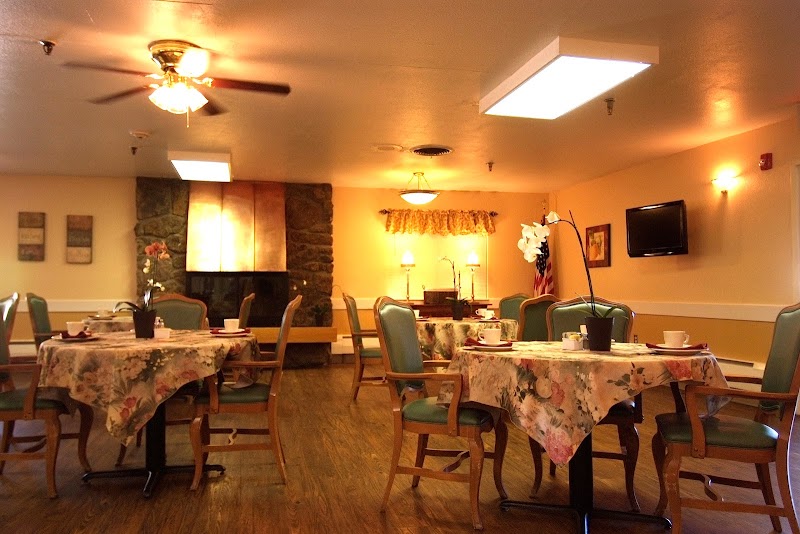
-Ensure high back dining room chairs in the secure unit dining room and the main dining room were free from cracks and tears.
Findings include:
I. Facility policy and procedure
The Resident Rights policy and procedure, revised 9/25/23, was provided by the director of nursing (DON) on 8/29/24 at 9:32 a.m. It read in pertinent part, At the time of admission and periodically throughout their stay, the facility will inform each resident, orally and in writing of their rights.
A facility must treat each resident with respect and dignity and care for each resident in a manner and in an environment that promotes maintenance or enhancement of his or her quality of life, recognizing each resident's individuality.
The resident has a right to a dignified existence, self-determination, and communication with and access to persons and services inside and outside the facility.
The resident has a right to a safe, clean, comfortable and homelike environment, including but not limited to, receiving treatment and support for daily living safely.
II. Observations and interviews
On 8/26/24 at 12:43 p.m. the hot water in the bathroom sink of room [ROOM NUMBER] was observed to be cool to the touch.
The resident who resided in room [ROOM NUMBER] said the hot water had always been cold and not hot.
On 8/26/24 at 2:40 p.m. the hot water in the bathroom sink of room [ROOM NUMBER] was observed to be cool to the touch.
The resident who resided in room [ROOM NUMBER] said the water had never been hot and was always cool.
On 8/28/24 at 12:58 p.m. the hot water temperature in the bathroom sink of room [ROOM NUMBER] was taken with a traceable thermometer held under the running water for three minutes and 58 seconds. The temperature of the water was 102.1 degrees Fahrenheit (F).
On 8/28/24 at 1:30 p.m. the hot water temperature in the bathroom sink of room [ROOM NUMBER] was taken with a thermometer held under the running water for three minutes. The temperature of the water was 94.8 degrees F.
On 8/28/24 at 2:03 p.m. the hot water temperature in the bathroom sink of room [ROOM NUMBER] was taken with a thermometer held under the running water for one minute. The temperature of the water was 109.7 degrees F.
On 8/29/24 at 9:16 a.m. four high back dining room chairs in the secure unit dining room were observed to have several cracks and tears on the seats of the chairs.
On 8/29/24 at 10:37 a.m. three high back dining room chairs in the main dining room were observed to have several cracks and tears on the seats of the chairs.
An environmental tour was conducted on 8/29/24 at 12:19 p.m. with the maintenance director (MTD) and the above concerns were observed. The MTD said he needed to replace the circulation pump on the water heater. He said the facility had had the circulation pump for a year and he had not replaced it. He said he would be working on getting it replaced.
The MTD was shown the dining room chairs in the main dining room and the secure unit dining room. He said he did an audit a year ago (2023) on all the chairs that needed to be replaced. He said he had been trying to get them replaced. He said he had not heard back from corporate management about getting them replaced.
The MTD said he did a walk through of the facility every morning. He said he looked at the exit light signs, lights and fire extinguishers. He said there was a maintenance request book at each of the nurse's stations. He said when staff saw something that needed to be repaired or fixed they wrote it down in the maintenance request book. He said he looked at the maintenance request book every day. He said the facility's system that was supposed to communicate staff requests for facility repairs into maintenance repair tickets was not up and running and he was the only one who had been trained on the system. He said if the facility had the system up and running it would make things easier for him to see what repairs needed to be done.
The MTD said if he had any issues with the repairs he would notify the NHA. He said the NHA did not do rounds with him. He said she did her own rounds. He said if the NHA had any questions for him regarding items needing repair she would notify him. He said if he had to get a part from the local hardware store, the NHA had to approve it. He said anything that cost above $500.00 to repair had to be approved by the NHA. He said if he had a question about a room or bigger projects that needed fixed or repaired, he would bring the NHA to see the concern. He said he communicated with the NHA all the time regarding repairs around the facility.
III. Additional staff interviews
The housekeeping and laundry manager (HLM) was interviewed on 8/29/24 at 9:20 a.m. The HLM said the dining room chairs on the secure unit and main dining room were cleaned as needed and weekly. She said the facility was working on getting the torn chairs replaced.
The nursing home administrator (NHA) was interviewed on 8/29/24 at 9:25 a.m. The NHA said she was not aware that the dining room chairs in the main dining room and secure unit had cracks and tears on the seats of the chairs.
-However, according to the MTD, he communicated with the NHA all the time about items in the facility that needed repair (see MTD interview above).
CONCERN
(D)
📢 Someone Reported This
A family member, employee, or ombudsman was alarmed enough to file a formal complaint
Potential for Harm - no one hurt, but risky conditions existed
ADL Care
(Tag F0677)
Could have caused harm · This affected 1 resident
**NOTE- TERMS IN BRACKETS HAVE BEEN EDITED TO PROTECT CONFIDENTIALITY** Based on record review and interviews, the facility failed to ensure one (#18) of three residents out of 26 sample residents rev...
Read full inspector narrative →
**NOTE- TERMS IN BRACKETS HAVE BEEN EDITED TO PROTECT CONFIDENTIALITY** Based on record review and interviews, the facility failed to ensure one (#18) of three residents out of 26 sample residents reviewed for assistance with activities of daily living (ADL) received appropriate treatment and services to maintain or improve his or her abilities.
Specifically, for Resident #18, the facility failed to:
-Ensure a wheelchair positioning device was care planned; and,
-Ensure the wheelchair positioning device was positioned appropriately and consistently to keep the resident from leaning in her wheelchair.
Findings include:
I. Resident #18
A. Resident status
Resident #18, age greater than 65, was admitted on [DATE]. According to the August 2024 computerized physician orders (CPO), diagnoses included Alzheimer's disease (abnormal memory), kyphosis (outward curve in the spine), dysphagia (difficulty swallowing) and hypertension (high blood pressure).
The 6/26/24 minimum data set (MDS) assessment revealed the resident had short and long term memory issues. She was dependent on staff for toileting, personal hygiene, transfers, dressing and required supervision with eating. She was dependent on staff for mobility with a manual wheelchair.
B. Observations
On 8/26/24 at 1:41 p.m. Resident #18 was observed sitting in her wheelchair with a specialized positioning device on the left side of the wheelchair. Resident #18 was leaning to her left with her arm tucked in to her side. The resident's arm was not positioned on top of the positioning device.
On 8/27/24 at 2:34 pm Resident #18 was sitting in her wheelchair participating in an activity in the dining room. Resident #18 was leaning to the left but there was no positioning device on the left side of the wheelchair.
On 8/28/24 at 11:36 a.m. Resident #18 was in the dining room for lunch and was seated in her wheelchair with the positioning device positioned on the left side of the wheelchair. Resident #18 was leaning to her left side with her arm tucked into her side and not on top of the positioning device.
The director of nursing (DON) entered the dining room and observed that Resident #18 did not have her left arm positioned on top of the positioning device. The DON proceeded to place Resident #18's left arm on top of the wheelchair positioning device.
The DON said the resident's left arm should be resting on top of the positioning device to aid in positioning her appropriately because the resident leaned to her left.
C. Record review
The August 2024 CPO revealed a physician's order for an arm wedge under the resident's left arm while in the wheelchair to assist with positioning, ordered 8/28/24 (during the survey).
The 5/9/22 comprehensive care plan failed to document Resident #18's use of the wheelchair positioning device.
Review of occupational therapy (OT) notes for Resident #18 revealed the following:
Resident #18 was working with OT services beginning 6/11/24 and the OT recommended further wheelchair positioning due to staff reporting the resident was leaning in her wheelchair at times.
Resident #18 was to receive wheelchair management training two times a week for 12 weeks starting 8/7/24.
On 8/7/24 staff reported an increase in Resident #18's left sided leaning in her wheelchair at times and wheelchair positioning devices were recommended by the OT.
On 8/20/24 OT notes revealed Resident #18 had a significant forward flexion (forward bend) when sitting in the wheelchair but positioned midline (more upright in the middle) with a new left side support.
-However Resident #18 was observed leaning to the left due to the positioning device not being positioned appropriately in the wheelchair (see observations above and DON interview below).
-There was no documentation to indicate staff were educated on the appropriate way to position Resident #18's positioning device to ensure she did not lean to her left while she was in her wheelchair.
III. Staff interviews
The DON was interviewed on 8/28/24 at 11:36 a.m. The DON said Resident #18 had a wheelchair cushion on the left side of her wheelchair to aid in positioning the resident since she had a tendency to lean to the left. The DON said because the device was used for positioning, the resident's arm should be placed on top of the positioning device (see record review above).
The DON said the wheelchair positioning device should be careplanned for use to ensure all staff were aware of Resident #18's need for the positioning device.
The restorative nurse aide (RNA) #1 was interviewed on 8/28/24 at 12:45 p.m. RNA #1 said Resident #18 had been using the wheelchair positioning device for a while. RNA #1 said the device was used to assist Resident #18 to sit up straight in her wheelchair due to her tendency to lean to the left.
RNA#1 said Resident #18 should have her left arm at her side because she did not have great range of motion in her shoulder. RNA #1 said he did to know if it made a difference in the resident's positioning whether the resident kept her arm next to her or on top of the cushion.
-However, according to the DON's interview (see above) the resident's arm should be positioned on top of the positioning device to ensure proper positioning in the wheelchair.
Licensed practical nurse (LPN) #1 was interviewed on 8/28/24 at 12:49 p.m. LPN #1 said Resident #18 had had the wheelchair positioning cushion for a while. LPN #1 said Resident #18 leaned towards her left side but she was not sure why she leaned to that side. LPN #1 said she did not know if the resident had to have her arm on the cushion or if at her side was acceptable positioning.
Certified nurse aide (CNA) #2 was interviewed on 8/29/24 at 12:33 p.m. CNA #2 said Resident #18's wheelchair positioning device was to be used when she was sitting in her wheelchair because she leaned to her left in the wheelchair.
-Staff were aware Resident #18 used a positioning device on the left side of her wheelchair, however, staff were unable to verbalize how the resident's arm should be positioned on the positioning device to ensure the resident was sitting upright in her wheelchair.
CONCERN
(D)
Potential for Harm - no one hurt, but risky conditions existed
Deficiency F0697
(Tag F0697)
Could have caused harm · This affected 1 resident
**NOTE- TERMS IN BRACKETS HAVE BEEN EDITED TO PROTECT CONFIDENTIALITY** Based on observations, record review and interviews, the facility failed to ensure one (#4) of two residents reviewed for pain o...
Read full inspector narrative →
**NOTE- TERMS IN BRACKETS HAVE BEEN EDITED TO PROTECT CONFIDENTIALITY** Based on observations, record review and interviews, the facility failed to ensure one (#4) of two residents reviewed for pain out of 26 sample residents had an effective pain management regimen in a manner consistent with professional standards of practice, resident-centered care plans and resident preferences.
Specifically, the facility failed to ensure Resident #4 was offered effective pain management to include non-pharmacological interventions and as needed (PRN) pain medications for breakthrough pain.
Findings include:
I. Facility policy
The Pain Assessment and Management policy, revised 9/12/23, was received from the director of nursing (DON) on 8/28/24 at 12:31 p.m. It read in pertinent part,
Pain management procedure:
Based on the assessment, the facility, in collaboration with the attending physician/prescriber, other health care professionals, and the resident and/or his/her representative, develops, implements, monitors and revises as necessary interventions to prevent or manage each individual resident's pain, beginning at admission. These interventions may be integrated into components of the comprehensive care plan, addressing conditions or situations that may be associated with pain, or may be included as a specific pain management need or goal.
The facility will address/treat the underlying causes of the pain, to the extent possible. Developing and implementing both non-pharmacological and pharmacological interventions/approaches to pain management, depending on factors such as whether the pain is episodic, continuous, or both.
Identifying and using specific strategies for preventing or minimizing different levels or sources of pain or pain-related symptoms based on the resident-specific assessment, preferences and choices, a pertinent clinical rationale, and the resident's goals.
Identifying target signs and symptoms (including verbal reports and non-verbal indicators from the resident) and using standardized assessment tools can help the interdisciplinary team evaluate the resident's pain and responses to interventions and determine whether the care plan should be revised.
Monitoring appropriately for effectiveness and/or adverse consequences (constipation, sedation) including defining how and when to monitor the resident's symptoms and degree of pain relief.
Modifying the approaches, as necessary.
II. Resident #4
A. Resident status
Resident #4, age greater than 65, was admitted on [DATE] and readmitted [DATE]. According to the August 2024 computerized physician orders (CPO), diagnoses included type 2 diabetes, primary osteoarthritis, muscle wasting and atrophy, anemia, polyosteoarthritis (involves five or more joints at one time), difficulty in walking and muscle spasms.
The 7/25/24 minimum data set (MDS) assessment revealed, the resident was cognitively intact with a brief interview for mental status (BIMS) of 15 out of 15. The resident had verbal behavior directed towards others and other behavioral symptoms not directed at others on one to three days of the seven day look back period. She required moderate assistance with bathing and supervision with transfers.
The MDS assessment indicated the resident received scheduled pain medications. The resident did not receive as needed pain medications or non-pharmacological interventions for pain. She had frequent pain, which occasionally interfered with day to day activities. The resident reported a pain level of 8 on a pain scale of 1-10.
B. Resident interviews and observations
Resident #4 was interviewed on 8/26/24 at 11:45 a.m. Resident #4 was sitting in her wheelchair at her bedside table. The resident said she had chronic pain and the scheduled medications helped her a little bit but did not relieve her pain. She said her pain was an 8 out of 10 at the time of the interview.
Resident #4 was interviewed a second time on 8/27/24 at 9:46 a.m. sitting in her wheelchair at her bedside. She said she was in alot of pain. She said currently her pain was an 8 out of 10. She said the pain was in her back, knees, legs and hands. She said she loved to play bingo when her hands were not hurting too bad.
Resident #4 was interviewed a third time on 8/27/24 at 9:53 a.m. She said when she told the nurse she was in pain, the nurse would respond that she already had her scheduled pain medication and it was not time for another pain pill. She said she had never been offered any non-pharmacological interventions but thought they may help. She said after the nurse assessed her pain, she did not feel the facility provided adequate interventions to address her pain level. She said she felt like the staff did not take her pain seriously.
C. Record review
A review of the resident's August 2024 medication administration record (MAR) revealed Resident #4 reported her pain as a 10 out of 10 one time, a 9 out of 10 one time, an 8 out of 10 10 times, a 7 out of 10 four times, a 6 out of 10 two times and a 5 out of 10 eight times. It revealed her acceptable pain level was a 3 out of ten.
A review of the resident's electronic medical record (EMR) revealed Resident #4 did not receive non-pharmacological pain interventions.
A physician's order, dated 1/24/24, revealed the resident was to receive tramadol 50 milligrams (mg) two times a day for generalized pain.
A physician's order, dated 7/8/24, revealed the resident was to receive acetaminophen 325 mg two times a day for pain.
-The August 2024 CPO did not reveal any physician's orders for PRN pain medications.
The pain management care plan, revised 4/24/23, revealed the resident was on pain medication therapy. The goal was to be free of any discomfort or adverse side effects from the pain medication. The interventions included administering analgesic medication as ordered by the physician and observing for side effects and effectiveness.
The arthritis care plan, revised 4/23/23, revealed the resident expressed pain all over related to arthritis. The goal was for the resident to express pain relief through the review date. The resident's pain was aggravated by increased activity. The resident's pain was alleviated/relieved by rest, repositioning and medication. The interventions included anticipating the resident's need for pain relief and respond immediately to any complaint of pain, evaluating the effectiveness of pain interventions, notifying the physician if interventions were unsuccessful, observing and reporting changes in usual routine, sleep patterns, decrease in functional abilities, decreased range of motion, withdrawl or resistance to care, observing and reporting to the nurse any signs and symptoms of non-verbal pain, such as yelling out, silence, more irritable, restless and aggressive behavior, observing and reporting to the nurse any resident complaints of pain or request for pain treatment and reporting to the nurse any change in usual activity attendance patterns or refusal to attend activities.
A health status note dated 7/12/24 at 12:53 a.m. revealed the resident was frustrated when she asked for her pain medication but was told she had to wait for the scheduled administration time. She asked twice through the night before the pain medications were allowed to be administered. It was not helpful for her behaviors or pain.
-The progress note failed to identify if any non-pharmacological interventions were attempted with the resident.
-The progress noted failed to identify if the physician was notified about the resident's increased pain and the potential need for PRN pain medications for breakthrough pain.
A behavior note dated 7/13/24 at 5:50 p.m. revealed Resident #4 had an increase in behaviors that shift. The resident repeatedly asked for her pain medications after they were already administered. She was on her call light the entire shift. When staff tried to redirect her she would tell the staff to go to hell. The resident repeatedly asked for the same thing over and over all shift.
-The progress note failed to identify if any non-pharmacological interventions were attempted with the resident.
-The progress noted failed to identify if the physician was notified about the resident's increased pain and the potential need for PRN pain medications for breakthrough pain.
A health status note dated 7/17/24 at 4:17 a.m. revealed the resident was up early and loudly yelling about how much she hurt and her pain was severe. At one point she yelled out to the Virgin [NAME] to help her with her pain. Tylenol was given but the resident continued to sit in the hallway yelling at the pain to go away.
A behavior note dated 7/24/24 at 1:58 a.m. revealed the resident got herself out of bed and came into the hallway. She was sitting in her wheelchair moaning, talking to herself loudly, making disruptive sounds and crying about how she was hurting. Tylenol was given, but the resident continued to moan loudly.
-The progress note failed to identify if any non-pharmacological interventions were attempted with the resident.
-The progress noted failed to identify if the physician was notified about the resident's increased pain and the potential need for PRN pain medications for breakthrough pain.
A behavior note dated 7/25/24 at 9:24 a.m. revealed a huddle was held due to Resident #4 reporting pain, asking for tylenol and making sounds. The resident reported that she was in pain however, the nurse documented the resident had a behavioral health disorder, and diagnosis of anemia. The possible precipitating factors included her medical condition, reported pain, and behavioral health disorder. The interventions were to administer tylenol and assess the resident's needs.
-The facility failed to identify that the resident's behavior could have been the result of her pain being out of control and failed to implement non-pharmacological interventions.
-The progress noted failed to identify if the physician was notified about the resident's increased pain.
III. Staff interviews
Certified nurse aide (CNA) #1 was interviewed on 8/28/24 at 9:40 a.m. CNA #1 said if a resident complained of pain, the CNA would report it to the nurse and the nurse would look in the MAR to see what pain medication was available. She said Resident #4 complained of pain daily.
CNA #2 was interviewed on 8/28/24 at 9:45 a.m. CNA #2 said Resident #4 complained of pain daily but she was not sure if it was really pain or just her behavior. CNA #2 said she could tell by the way Resident #4 moaned whether she was in true pain. She said she did not know if the resident's pain was causing her behaviors.
Licensed practical nurse (LPN) #3 was interviewed on 8/27/24 at 9:50 a.m. LPN #3 said Resident #4 had physician's orders for scheduled Tylenol twice a day and Tramadol twice a day. She said the resident did not have any physician's orders for PRN pain medications for breakthrough pain. She said she was not aware of a pain clinic in their town. She said if the physician ordered pain medication was not effective, she would call the physician and see if a stronger medication or topical medication could be prescribed. LPN #3 reviewed Resident #4's August 2024 MAR and said no non-pharmacological interventions had been tried to help alleviate the resident's pain. She said it was important to control a resident's pain because the resident had the right to be comfortable. She said pain was not normal and could cause behavioral issues.
The DON was interviewed on 8/28/24 at 11:09 a.m. The DON said if a resident's pain regimen was not effective, the facility would review the medications and call the physician. She said it was the facility's goal to always keep residents comfortable and free of pain. She said the facility could do a better job at re-educating the nurses to look at the physician order and to always offer non-pharmacological interventions when the pain medication was not effective. She said the nurse needed to focus on making the resident comfortable and meet their needs. She said the nurse should be addressing Resident #4's behavior to see if pain was the cause of her behaviors. The DON said it was important to manage a resident's pain so they were comfortable in their own home. She said when a resident was in pain it could lead to a decline in the quality of their life. She said the facility did not want to deprive the residents from living their best life.
CONCERN
(D)
Potential for Harm - no one hurt, but risky conditions existed
Deficiency F0761
(Tag F0761)
Could have caused harm · This affected 1 resident
Based on observations and interviews, the facility failed to ensure medications and biologicals were stored and labeled properly according to professional standards in one of one medication storage ro...
Read full inspector narrative →
Based on observations and interviews, the facility failed to ensure medications and biologicals were stored and labeled properly according to professional standards in one of one medication storage rooms.
Specifically the facility failed to:
-Ensure expired medications were removed from the medication refrigerator; and,
-Ensure medications were labeled with open dates.
Findings include:
I. Professional Reference
According to the Aplisol (Tuberculin Purified Protein Derivative used to test for tuberculosis) package insert, was retrieved on 9/3/24 from https://www.fda.gov/files/vaccines%2C%20blood%20%26%20biologics/published/Package-Insert---Aplisol.pdf, Aplisol vials should be inspected visually for both particulate matter and discoloration prior to administration and discarded if either is seen. Vials in use for more than 30 days should be discarded.
II. Facility policy and procedure
The Storage and Expiration Dating of Medications, Biologicals policy, revised 8/7/23, was received from the director of nursing (DON) on 8/28/24 at 12:21 p.m. It revealed in pertinent part,
Once any medications or biological package is open, the facility should follow manufacturer/supplier guidelines with respect to expiration dates for opened medications. Facility staff should record the date opened on the primary medication container (vial, bottle or inhaler) when the medication has a shortened expiration date once opened.
Medications with a manufacturer's expiration date expressed in month and year will expire on the last day of the month.
If a multi-dose vial of an injectable medication has been opened or accessed (needle-punctured), the vial should be dated and discarded within 28 days unless the manufacturer specifies a different date for that opened vial.
III. Observations and staff interview
On 8/27/24 at 11:42 a.m. the [NAME] medication room was observed with the infection preventionist (IP). The following was observed in the medication refrigerator:
-There was one vial of Aplisol that was opened and did not have an opened date on the vial or box; and,
-There was one pre-filled syringe of FluZone High Dose Quadrivalent flu season 2023-2024 vaccine with an expiration date of June 2024.
The IP said the vial of Aplisol should have had a date on it to indicate when it was opened because the medication was only good for 28 days after it was opened. The IP said the vial needed to be removed for destruction so no one could accidently administer it. The IP said the medication would not be as effective if it was used after the recommended use by date.
The IP said the vaccine should have been removed from the refrigerator once it had expired to ensure it did not get used after the expiration date. The IP said if the vaccine was administered after it had expired it would not be as effective in preventing someone from getting influenza.
IV. Additional staff interview
The DON was interviewed on 8/28/24 at 11:15 a.m. The DON said it was the responsibility of the management team to perform weekly audits of the medication carts and monthly audits in the medication room to look for expired medications and medications that were not dated when opened.
The DON said it was the responsibility of the nurses to label medications when they opened them. The DON said medications or vaccines may not be as effective if administered past the expiration date.
CONCERN
(D)
Potential for Harm - no one hurt, but risky conditions existed
Infection Control
(Tag F0880)
Could have caused harm · This affected 1 resident
**NOTE- TERMS IN BRACKETS HAVE BEEN EDITED TO PROTECT CONFIDENTIALITY** Based on observations, record review and interviews, the facility failed to establish a sanitary environment to help prevent the...
Read full inspector narrative →
**NOTE- TERMS IN BRACKETS HAVE BEEN EDITED TO PROTECT CONFIDENTIALITY** Based on observations, record review and interviews, the facility failed to establish a sanitary environment to help prevent the transmission of communicable diseases and infections.
Specifically, the facility failed to ensure Resident #33's catheter drainage bag was not touching the floor.
Findings include:
I. Facility policy and procedure
The Indwelling Urinary Catheter (Foley) Management policy, revised June 2023, was provided by the director of nursing (DON) on 8/28/24 at 12:31 p.m. It read in pertinent part, Based on comprehensive assessment of a resident, the facility must ensure that residents receive treatment and care in accordance with professional standards of practice, the comprehensive person-centered care plan and the resident's choices.
The facility must ensure those who were incontinent of bladder received appropriate treatment and services to prevent urinary tract infections.
Keep the collecting bag below the level of the bladder at all times. Do not rest the bag on the floor.
II. Resident status
Resident #33, age greater than 65, was admitted on [DATE]. According to the August 2024 computerized physician orders (CPO), diagnoses included inflammatory disorders of the scrotum, muscle weakness, bladder neck obstruction, difficulty in walking, obstructive and reflux uropathy (urine flow was obstructed) and down syndrome.
The 8/7/24 minimum data set (MDS) assessment revealed, the resident was unable to complete a brief interview for mental status score (BIMS). He had short and long term memory problems. His cognitive skills for daily living were severely impaired. He was dependent on staff for all of his activities of daily living (ADL). He had an indwelling catheter and was always incontinent of bowel.
III. Observations
On 8/26/24 at 10:52 a.m., the resident was lying in bed. The bed was in a low position and his catheter drainage bag was hanging from the bed frame and touching the floor.
On 8/27/24, the following observations were made:
At 11:05 a.m. the resident was lying in bed. The bed was in a low position and his catheter drainage bag was hanging from the bed frame and touching the floor.
At 2:34 p.m. the resident was lying in bed. The bed was in a low position and his catheter drainage bag was hanging from the bed frame and touching the floor.
On 8/28/24 at 10:36 a.m. the resident was observed lying in bed.The catheter had been placed in a privacy cover attached to the bed frame and was no longer touching the floor.
IV. Record review
The nursing admission form, dated 11/21/22, revealed Resident #33 was admitted with a urinary catheter related to obstructive uropathy.
The indwelling suprapubic catheter care plan, revised 5/23/24, revealed the resident had an indwelling catheter related to obstructive uropathy. The interventions included catheter care every shift, positioning the catheter drainage bag and tubing below the level of the bladder and documenting urine output every shift.
-The care plan failed to document that the resident's catheter drainage bag should be positioned off the floor.
V. Staff interviews
Certified nurse aide (CNA) #3 was interviewed on 8/28/24 at 10:31 a.m. CNA #3 said a catheter drainage bag should not be touching the floor and should be in a privacy bag for dignity and for infection control. CNA #3 said she realized Resident #33's catheter drainage bag was touching the floor and placed the catheter drainage bag into a privacy bag (on 8/28/24).
Licensed practical nurse (LPN) #1 was interviewed on 8/28/24 at 10:35 a.m. LPN #1 said a resident's catheter drainage bag should be hanging on the bed frame but not touching the floor to avoid bacteria from entering the bladder and causing an infection.
The infection preventionist (IP) was interviewed on 8/28/24 at 10:49 a.m. The IP said a catheter drainage bag should not be touching the floor because the floor could be dirty and the staff needed to keep the catheter system as clean as possible to avoid contamination which could cause a urinary tract infection.
The DON was interviewed on 8/28/24 at 11:07 a.m. The DON said a catheter drainage bag should not be touching the ground because it could lead to an infection. She said the catheter drainage bag should be in a privacy bag for dignity and infection control. The DON said the catheter drainage bag should be hung on the bed frame, lower than the bladder, but not touching the ground or anything that could introduce bacteria into the urinary system and cause an infection.
CONCERN
(D)
Potential for Harm - no one hurt, but risky conditions existed
Deficiency F0883
(Tag F0883)
Could have caused harm · This affected 1 resident
**NOTE- TERMS IN BRACKETS HAVE BEEN EDITED TO PROTECT CONFIDENTIALITY** Based on record review and interviews, the facility failed to implement policies and procedures related to pneumococcal immuniza...
Read full inspector narrative →
**NOTE- TERMS IN BRACKETS HAVE BEEN EDITED TO PROTECT CONFIDENTIALITY** Based on record review and interviews, the facility failed to implement policies and procedures related to pneumococcal immunizations for two (#33 and #346) of five residents reviewed for immunizations out of 26 sample residents.
Specifically, the facility failed to offer Resident #33 and Resident #346 additional recommended doses of the pneumococcal vaccination.
Findings include:
I. Professional reference
According to the Centers for Disease Control and Prevention (CDC) Recommended Immunization Schedule for Adults Aged 19 Years or Older, United States (2023), retrieved on 9/4/24 from https://www.cdc.gov/vaccines/hcp/imz-schedules/downloads/adult/adult-combined-schedule.pdf,
Routine vaccination-pneumococcal: routine vaccination for those age [AGE] years or older who have previously received only the PPSV23 (pneumococcal polysaccharide vaccine): one dose of PCV15 (pneumococcal conjugate vaccine) or one dose of PCV20. Administer either PCV15 or PCV20 at least 1 year after the last PPSV23 dose.
II. Facility policy and procedure
The Vaccination of Older Adults policy and procedure, revised 7/2/24, was received from the director of nursing (DON) on 8/29/24 at 12:21 p.m. It revealed in pertinent part, The facility, in conjunction with the public health authorities and CDC guidelines, will provide immunization to older adults that are recommended and ordered by a physician once determined to be eligible and without contraindications.
Pneumococcal conjugate vaccine (PCV 15, PCV20, which protects against serious pneumococcal disease and pneumonia (recommended for all adults with a condition that weakens the immune system, cerebrospinal fluid leak or cochlear implant).
Residents will be offered the vaccines, unless immunization is medically contraindicated, or the resident has already been immunized.
If based on the nurse's assessment, contraindications are not noted, the vaccine may be administered per the physician's orders.
Education, assessment findings, administration. Refusal or did not receive due to medical contraindications, and monitoring are documented in the resident's medical record. Update immunization record in the electronic health record.
III. Resident #33
A. Resident status
Resident #33, age greater than 65, was admitted on [DATE]. According to the August 2024 computerized physician orders (CPO), diagnoses included inflammatory disorders of the scrotum, muscle weakness, bladder neck obstruction, difficulty in walking, obstructive and reflux uropathy (urine flow was obstructed) and down syndrome.
The 8/7/24 minimum data set (MDS) assessment revealed, the resident was unable to complete a brief interview for mental status score (BIMS). He had short and long term memory problems. His cognitive skills for daily living were severely impaired. He was dependent on staff for all of his activities of daily living (ADL). He had an indwelling catheter and was always incontinent of bowel.
The assessment revealed the resident was not up to date on his pneumococcal vaccinations.
-It failed to document if the vaccine was offered, declined or if the resident was not eligible.
B. Record review
According to the electronic medical record (EMR) Resident #33 received the following vaccines:
Pneumovax dose one on 12/21/22.
-The record failed to identify which specific pneumococcal vaccine Resident #33 received.
Resident #33 received the pneumococcal conjugate vaccine (PCV20) on 8/28/24 (during the survey).
C. Staff interview
The infection preventionist (IP) was interviewed on 8/28/24 at 11:00 a.m. The IP said Resident #33 had received PPSV 23 on 12/21/22. The IP said Resident #33 should have received a second dose of pneumococcal vaccine a year later, either the PCV15 or the PCV20, to ensure he was up-to-date on his pneumococcal vaccinations.The IP was not aware if the second pneumococcal vaccination had been offered to the resident.
IV. Resident # 346
A. Resident status
Resient #346, age younger than 65, was admitted on [DATE] According to the August 2024 CPO, diagnoses included Parkinson's disease (a brain disorder affecting the nervous system), hemiplegia (unable to move one side of the body) and hypertension (high blood pressure).
The 8/12/24 MDS assessment revealed the resident was cognitively intact with a BIMS score of 14 out of 15.
The assessment revealed the resident was not up to date on pneumococcal vaccines. It documented the resident was offered and declined.
-However, the resident had consented to the pneumococcal vaccine upon his admission to the facility three days earlier (see record review below).
B. Record review
According to the EMR, Resident #346 signed a consent for the pneumococcal vaccine on 2/2/23, during a previous admission to the facility.
-The EMR failed to document if Resident #346 received a pneumococcal vaccination in February 2023.
According to the EMR, Resident #346 signed a second consent on 8/9/24, upon his admission to the facility, to receive the pneumococcal vaccine.
The EMR immunization record revealed Pneumovax dose one consent was required.
-However, Resident #346 had already signed consents (on 2/2/23 and 8/9/24) to receive the pneumococcal vaccine and the consents were located in the EMR.
The EMR immunization record revealed Resident #346 received te pneumococcal conjugate vaccine (PCV20) on 8/28/24 (during the survey).
C. Staff interview
The IP was interviewed on 8/28/24 at 11:00 a.m. The IP said, according to the the immunization record for Resident #346, he was administered PPSV 23 on 2/7/23 and the resident was eligible to receive a dose of the updated pneumococcal vaccine, either PCV15 or PCV20.
V. Additional staff interviews
The IP was interviewed again on 8/29/24 at 9:49 a.m. The IP said Resident #33 was due to receive his pneumococcal vaccine in February of 2023. The IP did not know why he had not received his second vaccine. The IP said Resident #33's responsible party was contacted (during the survey) for consent to receive the vaccine.
The IP said resident #346 had given consent in February 2023 to receive a pneumococcal vaccine and it was not administered to the resident at that time. The IP said because the resident did not previously receive the vaccine, the facility obtained a verbal consent from the resident on 8/28/24, to go along with the consent Resident #346 signed upon his admission on [DATE]. The IP said Resident #346 received the pneumococcal vaccination on 8/28/24 (during the survey).
The IP was unable to say why Resident #346 had not received the pneumococcal vaccine prior to the survey.
The IP said it was important to ensure all residents were vaccinated if they choose to be. The IP said vaccinations decreased the risk of residents becoming sick.
The DON was interviewed on 8/29/24 at 10:07 a.m. The DON said vaccines were offered to residents upon admission to the facility. She was not aware there were issues with vaccinations not being administered until the survey. The DON said because the concern had been brought to her attention, the facility was completing an in-house audit to see who else may not have received their updated pneumococcal vaccinations and the facility had identified three other residents.
The DON said the IP was new to the facility and would be receiving more training to ensure residents were vaccinated per the vaccination guidelines.
The DON said residents who were not properly vaccinated were at an increased risk for developing infections, especially if they had underlying medical conditions that weakened their immune systems.