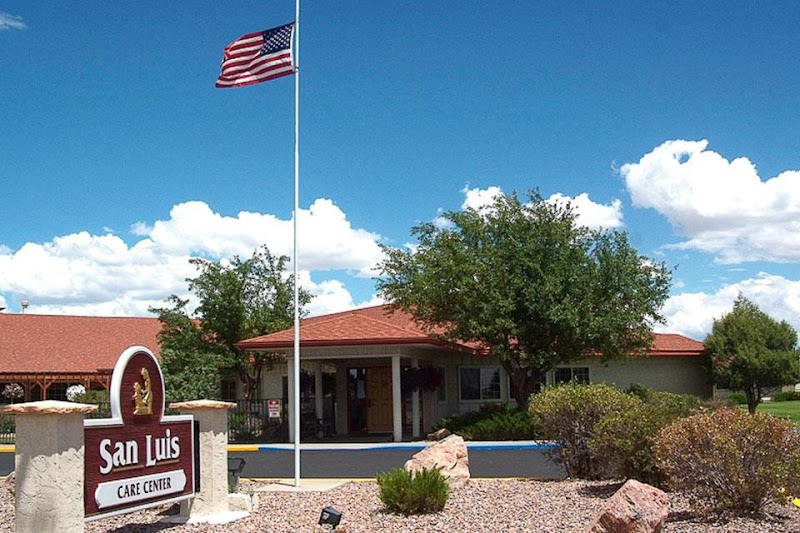
SAN LUIS CARE CENTER
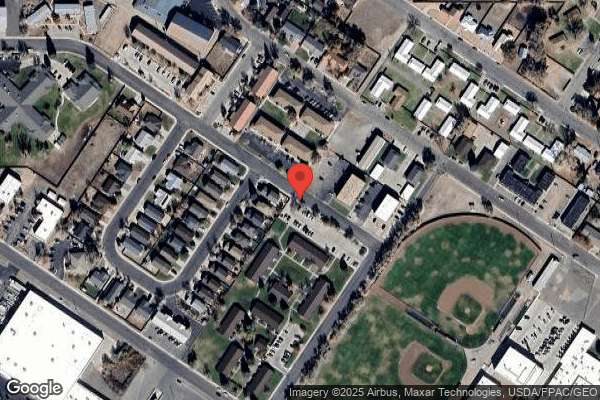

240 CRAFT DR, ALAMOSA, CO 81101 (719) 589-9081
For profit - Limited Liability company 70 Beds LIFE CARE CENTERS OF AMERICA Data: November 2025
Trust Grade
93/100
#42 of 208 in CO
Last Inspection: June 2024

Within standard 12-15 month inspection cycle. Federal law requires annual inspections.

Overview

San Luis Care Center has received an A trust grade, indicating excellent quality and high recommendations for families considering this facility. It ranks #42 out of 208 nursing homes in Colorado, placing it in the top half, but is #2 out of 2 in Alamosa County, meaning there is only one local option that ranks higher. Unfortunately, the facility is experiencing a worsening trend, with the number of issues reported increasing from 2 in 2020 to 6 in 2024. Staffing is a strong point, with a 5-star rating and a turnover rate of just 26%, significantly lower than the state average of 49%. While there have been no fines, which is a positive sign, recent inspections revealed concerns like inadequate training for certified nursing aides and unresolved resident grievances regarding call light response times, indicating areas that need improvement.

Trust Score
A
93/100
In Colorado
#42/208
Top 20%
Safety Record
Low Risk
No red flags
Inspections
Getting Worse
2 → 6 violations
Staff Stability
✓ Good
26% annual turnover. Excellent stability, 22 points below Colorado's 48% average. Staff who stay learn residents' needs.
Penalties
✓ Good
No fines on record. Clean compliance history, better than most Colorado facilities.
Skilled Nurses
✓ Good
Each resident gets 52 minutes of Registered Nurse (RN) attention daily — more than average for Colorado. RNs are trained to catch health problems early.
Violations
⚠ Watch
12 deficiencies on record. Higher than average. Multiple issues found across inspections.
★★★★★
5.0
Overall Rating
★★★★★
5.0
Staff Levels
★★★★★
5.0
Care Quality
★★★★☆
4.0
Inspection Score
Stable
2020: 2 issues
2024: 6 issues

The Good

  • 5-Star Staffing Rating · Excellent nurse staffing levels
  • 5-Star Quality Measures · Strong clinical quality outcomes
  • Low Staff Turnover (26%) · Staff stability means consistent care
  • Full Sprinkler Coverage · Fire safety systems throughout facility
  • No fines on record
  • Staff turnover is low (26%)

    22 points below Colorado average of 48%

Facility shows strength in staffing levels, quality measures, staff retention, fire safety.

The Bad

Chain: LIFE CARE CENTERS OF AMERICA

Part of a multi-facility chain

Ask about local staffing decisions and management

The Ugly 12 deficiencies on record

Jun 2024 6 deficiencies
CONCERN (D)

Potential for Harm - no one hurt, but risky conditions existed

Deficiency F0582 (Tag F0582)

Could have caused harm · This affected 1 resident

Based on record review and interviews, the facility failed to inform one (#39) of three residents reviewed for beneficiary notices and appeal rights out of 21 sample residents of changes in their serv...

Read full inspector narrative →
Based on record review and interviews, the facility failed to inform one (#39) of three residents reviewed for beneficiary notices and appeal rights out of 21 sample residents of changes in their services covered by Medicare in a timely manner. Specifically, the facility failed to: -Obtain a signature from the resident's authorized representative on liability notices for Resident #39, who had memory impairments; and, -Provide written notification of Medicare Non-Coverage letters to the resident's representative of Medicare-covered services ended for Resident #39. Findings include: I. Facility policy The Denial or End of Benefits policy, revised 7/11/23, was provided by the nursing home administrator (NHA) on 6/19/24 at 10:40 a.m. It revealed in pertinent part, The Denial or End of Benefits process is in place to help the resident and family understand their options and needs they might have regarding their care. Upon end of coverage under Medicare, the resident and family will receive notice that specifically states the reason for non-coverage. The NOMNC (Notice of Medicare Non Coverage), Form CMS-10123, is given to all Medicare beneficiaries at least two days before the end of a Medicare-covered Part A stay or when all of Part B therapies are ending. The NOMNC informs the beneficiaries of the right to an expedited review by a Quality Improvement Organization. II. Record review A. Resident #39 A review of Resident #39's electronic medical record (EMR) revealed the resident had short-term and long-term memory deficits through staff assessment. The EMR revealed Resident #39 was discharged from Medicare Part A funded therapy services on 1/25/24. -The NOMNC notice was signed by the resident's representative on 1/25/24, the same day Resident #29's Medicare Part A benefits ended. The resident continued to live in the facility. The medical record revealed Resident #39 was restarted on Medicare Part A funded therapy services on 4/13/24. Resident #39 was discharged from Medicare Part A funded therapy services on 4/26/24. The resident signed the NOMNC on 4/24/24 The skilled nursing facility advanced beneficiary (SNF ABN) was provided to the resident. The resident printed their name and ask her in the signature line of the patient or authorized representative section. -A review of the resident's EMR revealed the resident's representative was not provided notice to indicate Resident #39's Medicare part A services were ending, given the estimated cost of services the resident would incur if they choose to pay out of pocket to continue services, the reason why Medicare was no longer continuing to pay for the particular service and the information to appeal if desired. III. Staff interviews The social services director (SSD) was interviewed on 6/19/24 at 9:48 a.m. The SSD said she started working at the facility in January 2024. The SSD said she and the minimum data set coordinator (MDSC) were responsible for notifying the resident or resident's representative when the Medicare benefits were ending. The SSD said when a resident's Medicare services were going to end, she would schedule a family meeting to review when the benefits would end. The SSD said during the meeting, the resident's representative signed the NOMNC if the resident was unable to sign the form. The SSD said the resident's representative was provided the NOMNC form and the SSD explained the appeal process. The SSD said the resident or resident's representative told the SSD if they wanted to appeal during the meeting. The SSD said she did not document when she contacted the family to schedule the meeting, the outcome of the meeting or if the NOMNC and SNF ABN were provided and signed by the resident or resident's representative. The SSD said she needed to better document the NOMNC process so it was clear the resident or resident's representative was notified, options were explained and the outcome was determined. The SSD said she was familiar with Resident #39 and her Medicare part A services. The SSD said she had Resident #39 sign the NOMNC and ABN on 4/24/24. The SSD said she went to the resident's room to explain the NOMNC and SNF ABN. The SSD said the resident appeared alert and oriented. The SSD said after she talked to the resident, she contacted the resident's representative over the phone. The SSD said she did not have it documented when the representative was notified and she did not know if the NOMNC and SNF ABN form were provided to the resident's representative in person or by mail.
CONCERN (D)

Potential for Harm - no one hurt, but risky conditions existed

Comprehensive Care Plan (Tag F0656)

Could have caused harm · This affected 1 resident

**NOTE- TERMS IN BRACKETS HAVE BEEN EDITED TO PROTECT CONFIDENTIALITY** Based on record review and interviews, the facility failed to develop a comprehensive care plan for one (#18) of three residents...

Read full inspector narrative →
**NOTE- TERMS IN BRACKETS HAVE BEEN EDITED TO PROTECT CONFIDENTIALITY** Based on record review and interviews, the facility failed to develop a comprehensive care plan for one (#18) of three residents out of 21 sample residents for services to attain or maintain the resident ' s highest practicable physical, mental, and psychosocial well-being that included measurable objectives and timeframes. Specifically, the facility failed to develop an activities care plan focus for Resident #18. Findings include: I. Facility policy and procedure The Activities Progress Notes policy, revised 9/21/23, was provided by the nursing home administrator (NHA) on 6/19/24 at 12:11 p.m. It read in pertinent part, Progress notes are written at least every 90 days from the date of the last progress note. These notes will include the status of activity problems, needs and concerns identified in the care plan, a description of the resident's progress towards achieving care plan goals, the documentation of specific recreation approaches in the care plan and the evaluation of approaches toward achieve goals and changes to be incorporated into the care plan based on evaluation information. II. Resident #18 A. Resident status Resident #18, age greater than 65, was admitted on [DATE]. According to the June 2024 computerized physician order (CPO), diagnoses included Alzheimer's disease, depression, anxiety and difficulty in walking. The 3/19/24 minimum data set (MDS) assessment revealed the resident was cognitively impaired with a brief interview for mental status (BIMS) score of five out of 15. He was dependent on showering and used a walker. B. Record review The 12/29/23 initial baseline care plan was reviewed. -An activity focus area was not included in the initial baseline care plan. -A review of Resident #18's comprehensive care plan, revised 3/22/24, did not reveal person centered activity preferences and interventions to meet the residents recreational needs and goals. D. Staff interviews The activities director (AD) was interviewed on 6/19/24 at 11:20 a.m. The AD said she was responsible for creating the resident's recreation care plans. She said she had only implemented two activity care plans since she started in January 2024. The AD said she did not create an activity specific care plan for Resident #18 because he participated in group activities and conversed with residents and staff. The AD said she created care plans when residents did not participate in activities and isolated themselves. The nursing home administrator (NHA) was interviewed on 6/19/24 at 11:35 a.m. The NHA said all residents should have an activities care plan.
CONCERN (D)

Potential for Harm - no one hurt, but risky conditions existed

Deficiency F0697 (Tag F0697)

Could have caused harm · This affected 1 resident

**NOTE- TERMS IN BRACKETS HAVE BEEN EDITED TO PROTECT CONFIDENTIALITY** Based on observations, record review and interviews, the facility failed to provide an effective pain management regimen in a ma...

Read full inspector narrative →
**NOTE- TERMS IN BRACKETS HAVE BEEN EDITED TO PROTECT CONFIDENTIALITY** Based on observations, record review and interviews, the facility failed to provide an effective pain management regimen in a manner consistent with professional standards of practice, the comprehensive person-centered care plan and the resident's goals for two (#3 and #25) of three residents out of 21 sample residents. Specifically, the facility failed to: -Offer non-pharmacological interventions for pain management for Resident #3 and Resident #25; and, -Ensure the location of pain was identified when administering pain medications for Resident #3 and Resident #25. Findings include: I. Facility policy and procedure The Pain Assessment and Management policy, revised 9/12/23, was provided by the nursing home administrator (NHA) on 6/19/24 at 11:24 a.m. It revealed in pertinent part, The facility will address and treat the underlying causes of pain, to the extent possible and develop and implement both non-pharmacological and pharmacological interventions and approaches to pain management. Identify and use specific strategies for preventing or minimizing different levels or sources of pain based on the resident-specific assessment. II. Resident #3 A. Resident status Resident #3, age [AGE], was admitted on [DATE] and readmitted on [DATE]. According to the June 2024 computerized physician orders (CPO), diagnoses included systemic lupus erythematosus (a chronic autoimmune disease that causes the body's immune system), hemiplegia (paralysis on one side) and hemiparesis (weakness or inability to move one side of the body) following cerebral infarction (a stroke) affecting the right dominant side, falling, chronic kidney disease, bipolar disorder, schizophrenia, hallucinations and unsteadiness on feet. The 3/29/24 minimum data set (MDS) assessment revealed the resident was cognitively intact with a brief interview mental status (BIMS) score of 15 out of 15. She required set-up assistance with toileting, dressing and personal hygiene. She required partial assistance with showering. The assessment indicated she received as needed pain medications and non-medication interventions for pain management. She had pain almost constantly which interfered with day to day activities almost constantly. She described her pain as an 8 on a pain scale of 1-10. -However, a review of the resident's electronic medical record (EMR) did not reveal non-medication interventions for pain management were consistently offered. B. Resident interview Resident #3 was interviewed on 6/17/24 at 9:43 a.m. She said at the time of the interview, she was in pain. Resident #3 said on a pain scale from 1-10, she rated her pain as an 8. She said she took Tylenol and the last time she took Tylenol was last night (6/16/24). She said watching television, listening to music, seeing family and lying down helped alleviate her pain. She said she had a bad fall about two months ago. She hit her head and she went to the hospital for 19 stitches. Resident #3 said her head hurt after the bad fall. C. Record review The pain care plan, revised 3/13/24, revealed the resident had pain related to the disease process of lupus and headaches. Interventions included to attempt non-pharmacological interventions that included repositioning, use of pillows and wedges, reassurance, redirection, heat and ice. -The care plan did not identify the location of her pain. The 4/30/24 pain assessment revealed the resident had pain in the back of her head and her neck. -The pain assessment did not identify what made the pain worse, the pain better, her acceptable level of pain, pharmacological and non-pharmacological interventions and their effectiveness. The June 2024 CPO revealed the following physician's order for pain management: Acetaminophen 325 milligrams (mg). Administer two tablets by mouth every four hours as needed for pain level 5-10 on a scale of 1-10, ordered 5/6/24. Acceptable level of pain 5 out of 10. Location of pain: back, legs, headache, feet. Non-pharmacological interventions: repositioning, positive distractions and offering fluids and snacks, ordered 4/7/22. The January 2024 medication administration record (MAR) revealed acetaminophen was administered 17 days out of 31 days. -A review of the resident's EMR revealed non-pharmacological interventions were not offered on 13 out of 17 days when acetaminophen was administered. The February 2024 MAR revealed acetaminophen was administered on 21 days out of 29 days. -A review of the resident's EMR revealed non-pharmacological interventions were not offered on 14 out of 21 days when acetaminophen was administered. The March 2024 MAR revealed acetaminophen was administered on 15 days out of 31 days. -A review of the resident's EMR revealed non-pharmacological interventions were not offered on 13 out of 15 days when acetaminophen was administered. The April 2024 MAR revealed acetaminophen was administered on 23 days out of 30 days. -A review of the resident's EMR revealed non-pharmacological interventions were not offered on 17 out of 23 days when acetaminophen was administered. The May 2024 MAR revealed acetaminophen was administered on 12 days out of 31 days. -A review of the resident's EMR revealed the location of the pain was not identified on three days of the 12 days acetaminophen was administered and non-pharmacological interventions were not offered on five days of the 12 days acetaminophen was administered. The June 2024 MAR (6/1/24 to 6/18/24) revealed acetaminophen was administered on 14 days out of 18 days. -A review of the resident's EMR revealed the location of the pain was not identified on 12 days of the 18 days acetaminophen was administered and non-pharmacological interventions were not offered on 12 days of the 18 days. III. Resident #25 A. Resident status Resident #25, age [AGE], was admitted on [DATE]. According to the June 2024 CPO, diagnoses included malignant neoplasm of the left kidney (kidney cancer), end-stage renal disease, dialysis, type II diabetes and atherosclerotic (plaque buildup in the walls of arteries) heart disease. The 5/6/24 MDS assessment revealed the resident was cognitively intact with a BIMS score of 15 out of 15. She was independent for oral hygiene, toileting, dressing and personal hygiene. She required supervision for showering and set-up assistance for eating. The assessment indicated the resident was not on a pain medication regimen and did not receive non-medication interventions for pain. She did not have pain in the past five days. B. Resident interview and observation Resident #25 was interviewed on 6/17/24 at 2:07 p.m. Resident #25 said she had pain in two of her fingers on her left hand. She said she took Tylenol and the facility did not offer non-pharmacological interventions. She said she had surgery related to her dialysis port and she was not getting proper circulation on her left extremity. Resident #25 eyes squinted and she grimaced throughout the interview while she described the pain. Resident #25 had two band-aids on her left index finger and left middle finger. She had a bruise on her upper left arm located on the side closest to her chest. C. Record review The pain care plan, revised 5/15/24, revealed the resident had pain in her abdomen, her head, fistula site and her left pointer finger. The pain was related to GERD (gastro esophageal reflux disease), dialysis, injury to her finger and osteoarthritis. Interventions included administering medication and treatments as ordered and the acceptable level of pain was 3 out of 10 using a numeric pain scale of 1-10. -The care plan did not identify non-pharmacological interventions. The initial pain assessment on 5/6/24 revealed the resident did not have pain in the past five days. The June 2024 CPO revealed the following phsycian's orders for pain management: Lidocaine-prilocaine 2.5% cream. Apply cream to fistula site topically one a day every Monday, Wednesday and Friday for pain control for fistula access. Apply cream to the fistula site 60-90 minutes prior to leaving for dialysis, ordered 5/10/24. Acetaminophen 325 mg. Administer two tablets by mouth every four hours as needed for pain, ordered 5/3/24. Acceptable level of pain: 3 out of 10, on a scale of 1-10. Location of pain: pointer finger, abdomen and head. Attempt non-pharmacological interventions prior to administering pain medications: rest, distraction and ice, ordered 5/3/24. -The physician's order did not identify what type of pain the acetaminophen attempted to alleviate. The May 2024 MAR revealed acetaminophen was administered on 12 days out of 29 days. -A review of the nurse progress notes from May 2024 (5/3/24 - 5/31/24) revealed that the location of the pain was not identified on two days of the 12 days acetaminophen was administered. - A review of the resident's EMR revealed non-pharmacological interventions were not offered on four days of the 12 days the acetaminophen was administered. The June 2024 MAR (6/1/24 to 6/18/24) revealed acetaminophen was administered on four days out of 18 days. -A review of the resident's EMR revealed that non-pharmacological interventions were not offered on two days of the four days the acetaminophen was administered. IV. Staff interviews Licensed practical nurse (LPN) #1 was interviewed on 6/18/24 at 4:21 p.m. LPN #1 said pain was assessed throughout her shift. She said interventions were based on what she knew about the resident's pain history, their facial expressions throughout the day and she monitored their effect throughout her shift. She said she documented when a resident had pain in the MAR and as a progress note. LPN #1 was familiar with Resident #3 and Resident #25. She said Resident #3 had generalized pain in her legs, in her shoulders and she had headaches. She said Tylenol, repositioning, food and distraction helped alleviate her pain. She said she documented non-pharmacological interventions as a progress note. LPN #1 said Resident #25 had pain on her left hand on her second and third finger. She said the resident had ulcers at the tip of each finger that were being treated. She said the ulcers were due to the fistula she had for dialysis treatments. She said Tylenol, repositioning and elevating her hand helped alleviate Resident #25's pain. The director of nursing (DON) was interviewed on 6/18/24 at 4:49 p.m. The DON said a pain assessment was completed at the time of admission, then every six hours for three days. The DON said pain was assessed prior to each pain medication administration. The DON said the assessment covered the onset, presences, duration, characteristics, cause, locations and interventions. She said interventions were personalized to each resident. She said non-pharmacological pain interventions included resting, elevating the part of the body that was in pain and an activity to distract the resident from their pain. The DON said interventions were documented in the assessment and as a progress note. The DON said she was familiar with Resident #3 and Resident #25. She said Resident #3 did not have pain that often and the location varied. The DON said Resident #3 had a lot of headaches. She said a quiet and dark environment helped alleviate Resident #3's pain. The DON said she was not as familiar with Resident #25's pain because she was a new resident. She said Resident #25 had pain surrounding her fistula site used for dialysis. The DON said a cream helped the resident's pain for her fistula. The DON said was not aware that non-pharmacological interventions were not consistently offered for Resident #3 and Resident #25. V. Facility follow-up The 6/18/24 DON's nurse progress note for Resident #25 revealed the nurse asked if the resident experienced pain frequently and the resident denied. The resident said she did not experience pain very often. The nurse asked the resident when she did have pain if she was provided with interventions and Tylenol. The resident said yes when she had pain she took Tylenol and at times elevated her hand. The nurse asked if those interventions and medications alleviated her pain and the resident said yes. The nurse asked the resident about her fingers that tended to bother her and cause her pain. The resident said yes, she had pain in her fingers, but over the past week the pain has not been too bad. The nurse asked if there was anything else the facility could do to address her pain and the resident said no. The nurse told the resident to make sure the hall nurse knew when she experienced pain so the nurse could address it. The resident verbalized understanding. -However, the pain care plan was not updated and the acetaminophen physician's order was not updated.
CONCERN (D)

Potential for Harm - no one hurt, but risky conditions existed

Deficiency F0698 (Tag F0698)

Could have caused harm · This affected 1 resident

**NOTE- TERMS IN BRACKETS HAVE BEEN EDITED TO PROTECT CONFIDENTIALITY** Based on record review and interviews, the facility failed to ensure residents who (#25) required dialysis received dialysis ser...

Read full inspector narrative →
**NOTE- TERMS IN BRACKETS HAVE BEEN EDITED TO PROTECT CONFIDENTIALITY** Based on record review and interviews, the facility failed to ensure residents who (#25) required dialysis received dialysis services consistent with professional standards of practice for one (#25) of one resident reviewed for dialysis out of 21 sample residents. Specifically, the facility failed to: -Ensure the physician's order for Resident #25' s fistula care was followed; and, -Ensure the physician was notified when Resident #25' s fistula site healed. Findings include: I. Facility policy and procedure The Hemodialysis Offsite policy, revised 8/23/23, was provided by the nursing home administrator (NHA) on 6/17/24 at 11:21 a.m. It read in pertinent part, The facility should provide immediate monitoring and documentation of the status of the resident' s access site upon return from the dialysis treatment to observe for bleeding or other complications. Notify the physician of any change in mental or physical status. II. Resident #25 A. Resident status Resident #25, age [AGE], was admitted on [DATE]. According to the June 2024 computerized physician orders (CPO), diagnoses included malignant neoplasm of left kidney (kidney cancer), end-stage renal disease, dialysis, type II diabetes mellitus and atherosclerotic (plaque buildup in the walls of arteries) heart disease. The 5/6/24 minimum data set (MDS) assessment revealed the resident was cognitively intact with a brief interview for mental status (BIMS) score of 15 out of 15. She was independent with oral hygiene, toileting, dressing and personal hygiene. She required supervision with showering and set-up assistance for eating. The assessment revealed the resident was receiving dialysis while she resided at the facility. B. Record review The dialysis care plan, revised 5/3/24, revealed the resident received dialysis treatment related to stage four kidney disease. The chronic renal failure care plan, revised 5/16/24, revealed the resident had chronic renal failure related to end-stage disease and malignant neoplasm of the left kidney. Interventions included giving medications and supplements as ordered. -A review of the dialysis and chronic renal failure care plans revealed there were no interventions for the skin treatment and monitoring of the fistula site (access site for dialysis). The 6/6/24 skin assessment revealed the resident had bruises on her left upper arm dialysis shunt site. The 6/13/24 skin assessment revealed the resident had bruises on her left upper arm shunt site. The June 2024 CPO revealed the following treatment orders related to the resident' s fistula site: -Left fistulogram. Apply antibiotics and band-aid until healed to the left upper arm, monitor for signs and symptoms of infection. Complete every day shift for wound, ordered 6/6/24 and discontinued on 6/8/24. -Left fistulogram. Apply antibiotics and band-aid until healed to the left upper arm, monitor for signs and symptoms of infection. Complete every day shift for wound, ordered 6/8/24. -The physician' s orders failed to indicate what antibiotic to apply to the fistula site. -Review of the resident' s June 2024 medication administration record (MAR) revealed the treatment to the fistula site was not completed on 6/13/24, 6/14/24, 6/15/24 and 6/16/24. -Review of Resident #25' s electronic medical record (EMR) did not reveal the physician was notified when the physician' s order was not followed from 6/13/24 to 6/16/24. III. Staff interviews Licensed practical nurse (LPN) #1 was interviewed on 6/18/24 at 4:21 p.m. LPN #1 said when a resident received dialysis care she monitored the resident' s vital signs and weight before and after her shift. LPN #1 said she also monitored the fistula site for any changes or abnormalities. LPN #1 said she had worked with Resident #25. She said Resident #25 had a fistula on her left arm for dialysis. She said antibiotics and a band aid were applied until she noticed a scab had formed. LPN #1 said she did not follow the physician' s order because a scab was nature' s version of a band-aid. She said she monitored the site daily for signs and symptoms of infection. She said she did not notify the physician when she did not use antibiotic cream and a band aid when the scab developed . The director of nursing (DON) was interviewed on 6/18/24 at 4:49 p.m. The DON said when a resident received dialysis care the nursing staff monitored fluid intake and urine output, weight, blood sugar and the dialysis access site. The DON said she was familiar with Resident #25 and her dialysis treatment. She said she was not aware that the physician was not notified when a scab appeared on the resident' s left upper arm near the fistula site. She said the licensed nursing staff needed to notify the physician when the order was not followed so the physician could provide further orders if needed. The DON said the nursing staff documented when a physician was notified about skin and dialysis care as a progress note. V. Facility follow up The June 2024 CPO was updated on 6/19/24 at 8:25 a.m. with the following order: -Monitor for signs and symptoms of infection to the resident' s left upper extremity. Scab in place, discontinue order when the scab is gone. Complete every shift for scab monitoring. Discontinue when healed, ordered 6/19/24. -However, the dialysis and chronic renal failure care plan were not updated with interventions for the skin treatment at the fistula site.
CONCERN (E)

Potential for Harm - no one hurt, but risky conditions existed

Deficiency F0947 (Tag F0947)

Could have caused harm · This affected multiple residents

Based on record review and interviews, the facility failed to ensure in-service training for certified nurse aides (CNA) consisted of annual training for dementia management and/or annual abuse traini...

Read full inspector narrative →
Based on record review and interviews, the facility failed to ensure in-service training for certified nurse aides (CNA) consisted of annual training for dementia management and/or annual abuse training for three of five CNAs reviewed. Specifically, the facility: -Failed to ensure CNA #3 and CNA #5 received annual dementia management training; -Failed to ensure CNA #1 received annual abuse training; and, -Failed to ensure CNA #5 received 12 hours of annual training. Findings include: I. Record review of insufficient in-service training in the last 12 months for three CNAs CNA #1 was hired on 9/7/22. She had not had annual abuse training in the past 12 months. CNA #3 was hired on 5/3/23. She had not had annual dementia management training in the past 12 months. CNA #5 was hired on 1/13/22. She had not had annual dementia management training or 12 hours of training in the past 12 months. II. Interview The director of nursing (DON) and staff development director (SDC) were interviewed together on 6/18/24 at 5:20 p.m. The SDC said she could not find documentation that the facility had provided annual abuse and/or dementia management training and 12 hours of training for CNA #1, #3, and #5 in the past 12 months. She said all CNAs providing care should be trained on abuse and dementia management as well as receive 12 hours annually of training in order to provide appropriate care for the facility ' s residents.
CONCERN (F)

Potential for Harm - no one hurt, but risky conditions existed

Deficiency F0838 (Tag F0838)

Could have caused harm · This affected most or all residents

Based on record review and staff interviews, the facility failed to conduct and document a facility-wide assessment to determine what resources are necessary to care for its residents competently duri...

Read full inspector narrative →
Based on record review and staff interviews, the facility failed to conduct and document a facility-wide assessment to determine what resources are necessary to care for its residents competently during day-to-day operations. Specifically, the facility: -Failed to update the facility assessment annually; -Failed to include all current diagnoses the facility currently cared for; and, -Failed to develop a facility assessment which included staff education and staff competencies. Findings include: I. Facility assessment The facility assessment was provided by the nursing home administrator (NHA) on 6/17/24 at 11:25 a.m. It was updated on 2/27/23 and reviewed by the quality assurance performance improvement (QAPI) committee on 2/28/23. The facility assessment failed to include the following: -Diagnoses of current residents including intermittent explosive disorder (mental disorder that causes sudden, impulsive and aggressive outbursts) , schizophrenia (mental illness causing episodes of psychosis), anxiety, seizures and methicillin resistant Staphylococcus aureus (MRSA); -Include staff competencies that were necessary to provide the level and types of care needed for the resident population or include the staff training program to ensure any training needs are met for all new and existing staff; and, -Include staff trainings/education necessary to provide the level and types of support and care needed for the resident population. The NHA provided information regarding resident specific care needs on 6/18/24 at 3:16 p.m. which included the following: -Four individuals needed a two-person lift; -13 residents receiving respiratory care; -Four residents receiving insulin; and, -11 residents were on a specialized diet. -The facility assessment did not include these specialized resident specific care needs. II. Staff interviews The NHA was interviewed on 6/19/24 at 9:00 a.m. The NHA said she was not aware the facility assessment was not current. The NHA reviewed the facility assessment and said it did not identify current diagnoses for some of the residents the facility was caring for at that time. The NHA reviewed the facility assessment and said the assessment did not have specific training staff needed to help care for the residents at the facility. She said the facility assessment should reflect the needs of the residents. The NHA said she and the interdisciplinary team would review the facility assessment and create a new one. The NHA said the current facility assessment was missing current diagnoses of residents in the facility and staff training and competencies necessary for the care of the residents and would be updated to ensure the training and education programs would cover the residents' needs. She said it was important to have a complete assessment to provide for the residents in the facility.
Feb 2020 2 deficiencies
CONCERN (D)

Potential for Harm - no one hurt, but risky conditions existed

Deficiency F0657 (Tag F0657)

Could have caused harm · This affected 1 resident

**NOTE- TERMS IN BRACKETS HAVE BEEN EDITED TO PROTECT CONFIDENTIALITY** Based on interviews and record review; the facility failed to honor one (#11) of one resident's rights to participate in a perso...

Read full inspector narrative →
**NOTE- TERMS IN BRACKETS HAVE BEEN EDITED TO PROTECT CONFIDENTIALITY** Based on interviews and record review; the facility failed to honor one (#11) of one resident's rights to participate in a person centered care plan out of 29 sample residents. Specifically, the facility failed to: -Allow Resident #11 and her family to participate in the development and implementation of the person centered care plan with a care conference after each quarterly assessment. Findings include: I. Facility policy and procedure The Resident Assessment Instrument and Care Plan policy was provided by the health information manager on 2/26/2020. It read, in pertinent part, The resident assessment instrument (RAI) is not all inclusive therefore other sources of information are to be included when developing an individualized person-centered care plan for each patient that is reviewed by the interdisciplinary team with each assessment including the patient and other participants as the patient desires. II. Resident status Resident #11, age above 90, was admitted on [DATE]. According to the February 2020 computerized physician orders (CPO) diagnoses included dementia, generalized anxiety disorder, and major depressive disorder. The 12/14/19 minimum data set (MDS) assessment revealed the resident had severe cognitive impairments with a brief interview for mental status (BIMS) score of zero out of 15. She required total dependence and one person physical assistance with activities of daily living. III. Family interview The resident's power of attorney was interviewed on 2/24/2020 at 12:40 p.m. She said the family was not invited to participate in a care conference for the resident in almost a year and she would like to be included in quarterly care conferences. IV. Staff interviews The health information manager (HIM) was interviewed on 2/25/2020 at 10:58 a.m. She said there was no record of a care conference for Resident #11 since 5/8/19, over six months ago. The social services director (SSD) was interviewed on 2/25/2020 at 2:05 p.m. She said care conferences were completed with residents and their families quarterly, annually, and as needed for a change of condition. She said the previous SSD did not complete two quarterly care conferences for Resident #11 and she had not yet identified this resident had missed care conferences. She said she would set up a meeting with the family immediately.
CONCERN (E)

Potential for Harm - no one hurt, but risky conditions existed

Deficiency F0565 (Tag F0565)

Could have caused harm · This affected multiple residents

Based on record review and interviews; the facility failed to act promptly and resolve the concerns of resident groups' grievances and recommendations concerning issues of resident care and life in th...

Read full inspector narrative →
Based on record review and interviews; the facility failed to act promptly and resolve the concerns of resident groups' grievances and recommendations concerning issues of resident care and life in the facility of 29 sample residents. Specifically, the facility failed to ensure resident group concerns and grievances related to call light response times were resolved in a timely manner. I. Policy and procedure Review of the Grievance Procedures and Concern and Comment Program policy, dated 5/6/19, provided by the health information management (HIM) staff on 2/26/2020 at 11:23 a.m. revealed in part, Use of the Concern and Comment Program in response to a reported concern: Fosters a timely and quality response to the concern and/or comment; Allows for identification of possible trends and patterns; Identifies special needs of families and/or residents; ensures appropriate follow-up and systemic analysis. II. Resident group interview A group interview was completed on 2/24/2020 at 10:41 a.m. with 10 residents the facility deemed as interviewable. The group said the call light response time took over an hour, sometimes in the morning. They said this occurred before breakfast. They said the staff shut the call lights off and don ' t come back. III. Resident interviews The resident council vice president was interviewed on 2/26/2020 at 10:35 a.m. He said the longest call light time was about an hour and 20 minutes which occurred about a month ago. He said the staff was busy talking with each other instead of getting them up in the mornings. He said he felt like they needed a part time helper in the mornings. The resident council president was interviewed on 2/26/2020 at 11:15 a.m. He said the call light issue occurred early morning, about 5:00 a.m. He said it took as long as an hour and 15 minutes for a response. He said the concerns were sometimes getting addressed. IV. Record review Review of the September 2019 Resident Council Meeting minutes revealed in part, Old business: Slow response to call lights being answered: In the process of call light audit, will follow up at the next meeting. Review of the October 2019 Resident Council Meeting minutes revealed in part, Old business Slow call light response in the mornings: Follow up- executive director (ED) explained that call light audit was finished and lights are being answered within 30 seconds to a minute. Explained to residents that sometimes call light answers are a little slower in the morning due to everyone wanting up at the same time. Residents were pleased. Review of the November 2019 Resident Council Meeting minutes revealed in part, Resolved issues: (Resident name) brought up call light response issues from the previous month. Call lights are getting better but the morning times are very busy. Noticed that 200 halls are busier this month with high acuity. Review of the December 2019 Resident Council Meeting minutes revealed in part, Unresolved issues: (Resident name) brought up the call light response time .Resolved issues: For the call light situation, staff discussed that we as a facility are short staffed and are gaining new staff members. Review of the January 2020 Resident Council Meeting minutes revealed in part, Unresolved issues: (Resident name) brought up the call light response time in the morning .Resolved issues: For the call light situation, ED discussed that a blue card (grievance form) be written over the situation of the call light. Review of the Concern and Comment form, dated 1/15/2020, revealed the following: -Concern: resident council; -Date: 1/15/2020; -Description: Residents are concerned about call lights in mornings, response time; -Was the staff member able to resolve the concern at the time it was shared? Yes; -Investigation findings: Residents make same complaint of long wait times during shift change for most if not all resident council meetings; -Actions taken to resolve/respond to concern: Call light audits have been done as well as re-education; -Party ' s response to outcome: agreeable with plan of correction (POC) for continuous re-education. Cautious but optimistic; Signed 1/20/2020. Documentation of the call light audits were not available. Review of the February 2020 Resident Council Meeting minutes revealed in part, New business: (Resident names) all stated the wait times for the call lights is becoming too long and that they would like that to change .Resolved issues: For the call light situation .will look into the situation. V. Staff interviews The director of nurses (DON) was interviewed on 2/26/2020 at 10:16 a.m. She said they were unable to find any call light audits. She said she thought they had them. The nursing home administrator (NHA) was interviewed on 2/26/2020 at 11:30 a.m. He said they were unable to find any call light audits. He said they just started an audit 2/25/2020, but they did not complete any for the early morning times. He said this was something we need to deal with. He acknowledged he was ultimately responsible for the grievances and ensuring they were resolved.
Feb 2019 4 deficiencies
CONCERN (D)

Potential for Harm - no one hurt, but risky conditions existed

ADL Care (Tag F0677)

Could have caused harm · This affected 1 resident

**NOTE- TERMS IN BRACKETS HAVE BEEN EDITED TO PROTECT CONFIDENTIALITY** Based on observation, record review and interviews the facility failed to carry out activities of daily living (ADL) for one (#4...

Read full inspector narrative →
**NOTE- TERMS IN BRACKETS HAVE BEEN EDITED TO PROTECT CONFIDENTIALITY** Based on observation, record review and interviews the facility failed to carry out activities of daily living (ADL) for one (#4) of four residents reviewed for the necessary services to maintain good grooming and personal hygiene out of 23 sample residents. Specifically, the facility failed to assist and provide Resident #4 with her scheduled showers according to her plan of care. Findings include: A. Resident status Resident #4, age [AGE], was admitted on [DATE]. According to the February 2019 computerized physician orders (CPO), diagnoses included dementia without behavioral disturbance, malnutrition, delirium and depression. The 11/6/18 minimum data set (MDS) assessment revealed the resident had severe cognitive impairment with a brief interview for mental status (BIMS) score of four out of 15. The resident required extensive assistance and one person physical assist for transfers, toilet use, personal hygiene and bathing. The resident did not reject care. B. Observations On 2/4/19 at 11:44 a.m. the resident was in the dining room. Her hair was in a bandana. The residents hair was in a messy uncombed bun and her hair was visibly matted with a greasy appearance. She had a different bandana and clothing daily. The residents nails were not trimmed and had a black substance to the underside of her nails. Her nails did not have color on them. On 2/5/19 at 8:05 a.m. the resident was reclined in her bed. Her hair was in a bandana.The residents hair was in a messy uncombed bun and her hair was visibly matted with a greasy appearance. She had a different bandana and clothing daily. The residents nails were not trimmed or clean, she had black in color matter under her nails. Her nails did not have color on them. On 2/6/18 at 2:28 p.m. the resident was propelling throughout the facility in her wheelchair. Her hair was in a bandana. The residents hair was in a messy uncombed bun and her hair was visibly matted with a greasy appearance. She had a different bandana and clothing daily. C. Family interview A family member was interviewed on 2/4/19 at 4:08 p.m. He said his mother needed to be bathed. He said she did not receive showers or sponge baths.The family member said he tried to visit his mother weekly. He said she did not look clean to him. He said the staff told him she refused her showers at times. He said he felt the staff could have offered more because she did not look clean, her hair was greasy and her nails were not cleaned, when he visited. He said she had always worn her hair wrapped in a bandana and he made sure she had plenty. He said he wanted his mom bathed so she would not have skin problems or odors. He said the staff told him Resident #4 refused to shower. D. Record review The care plan, initiated 8/12/18, identified the resident was weak and required assistance from staff for safe and successful completion of ADLs. Interventions included: explain to resident what task is to be performed and encouraged her to perform the task as she was able. The resident's personalized care plan did not identify the resident refused showers or personal care and did not include interventions to encourage showers or personal care, specific for the resident. The facility had documented training to the staff on 12/18/18, 1/4/19, 1/18/19 which included: Bathing: if a resident declines a bath, several attempts to offer a bath must be made. If a resident continues to decline a bath the certified nurse aides (CNAs) must report this to the nurse. The nurse must report the resident declinations in rounds to IDT and document in a routine progress note. This must also be passed on in report and written in the 24 hour shift report. The hall bath list identified Resident #4 was scheduled to shower on Wednesday and Saturday evenings. The point of care documentation completed by CNAs revealed: November 2018: The resident bathed/showered on 11/3/18, 11/5/18, 11/10/18, 11/14/18, and 11/21/18, five out of eight opportunities for the month. The document revealed the resident refused bathing/showers on 11/17/18 and 11/24/18. The resident was not bathed/showered between 11/21/18 and 12/2/18. December 2018: The resident bathed/showered on 12/2/18, 12/13/18, 12/22/18, 12/29/18 and 12/31/18 five out of eight opportunities for the month. The document revealed the resident refused bathing/showers on 12/1/18, 12/5/18, 12/7/18, 12/8/18, 12/9/18 and 12/30/18. The resident was not bathed/showered between 12/3/18 and 12/12/18 (no refusals during the period). The resident was not bathed/showered between 12/14/18 and 12/22/18 (no refusals during the period). January 2019: The resident bathed/showered on 1/12/19, 1/17/19 and 1/31/19, three out of eight opportunities for the month. The document revealed the resident refused bathing/showers on 1/16/19, 1/19/19, 1/23/19, 1/26/19 and 1/30/19. The resident was not bathed/showered between 1/1/19 and 1/11/19 (no refusals during the period). February 1-7, 2019: The resident bathed/showered on 2/6/19 one out of two opportunities for the month. The document revealed the resident refused bathing/showers on 2/1/19. The resident was not bathed/showered between 1/31/19 and 2/5/19 (one refusal). The nurses progress notes and 24 hour shift report were reviewed with the director of nursing (DON) between 11/1/18 and 2/6/19 and revealed the resident refused two times. E. Staff interviews CNA #1 was interviewed on 2/7/19 at 12:16 p.m. She said all residents received two showers a week. She said she approached the residents and asked if they were ready to shower. The CNA said if the resident refused she asked someone else to approach the resident to ask because the resident might change their mind if someone else asked. She said, We can only ask so many times. The CNA said she let the nurse know, depending on how many days the resident refused. The CNA said Resident #4s shower days were Wednesday and Saturday. She said the resident refused showers at times and she tried different techniques to get her to shower. Registered nurse (RN) #1 was interviewed on 2/7/19 at 12:28 p.m. She said the CNAs reported to her when residents refused to shower. She said she was supposed to document in a progress note so the oncoming shift knew to ask and also reported to the oncoming shift. The RN said the CNAs completed a card to let the nurses know what was going on with residents and if it was significant they would add to the 24 hour report sheet. She said showers were not listed on the 24 hour report sheet. The RN said Resident #4 was showered on 2/6/19. She said she did not know how long it had been between showers and she was not aware of refusing a shower. She said the resident did have a history of refusing care because she wanted to call the shots. The DON was interviewed on 2/7/19 at 12:53 p.m. She said the resident refused showers often. She said she provided training to all of the staff multiple times about bathing/showers. She said progress notes should have included refusals and approaches as well as how many times she was offered. The DON said bathing was important for general hygiene, dignity, to prevent skin issues, it gave the nurses an opportunity to assess for underlying wounds and prevented them as well and the residents overall self-esteem.
CONCERN (D)

Potential for Harm - no one hurt, but risky conditions existed

Accident Prevention (Tag F0689)

Could have caused harm · This affected 1 resident

**NOTE- TERMS IN BRACKETS HAVE BEEN EDITED TO PROTECT CONFIDENTIALITY** Based on resident observations, record review, and interviews, the facility failed to provide adequate supervision for one (#26)...

Read full inspector narrative →
**NOTE- TERMS IN BRACKETS HAVE BEEN EDITED TO PROTECT CONFIDENTIALITY** Based on resident observations, record review, and interviews, the facility failed to provide adequate supervision for one (#26) of four residents reviewed for accidents out of 23 sample residents. Specifically, the facility failed to ensure distant supervision was provided during meals according to the speech therapy recommendation for Resident #26. I. Facility policy and procedure The Aspiration Precautions policy and procedure, undated, provided by the nursing home administrator (NHA) on 2/7/19 at 1:00 p.m., read, in pertinent part, resident placed on aspiration precautions are supervised during all intake by mouth. II. Resident #26 A. Resident #26 status Resident #26, age [AGE], was admitted [DATE]. According to the February 2019 computerized physician orders (CPO), diagnoses included oropharyngeal dysphagia and gastro-esophageal reflux disease (GERD. The 1/7/19 minimum data set (MDS) assessment revealed she had no memory impairments but did require some assistance with decision making. She required supervision with set-up assistance with eating. B. Resident observations On 2/5/19 at 12:06 p.m., staff served Resident #26 her lunch meal. At 12:38 p.m., she was still eating her meal and there were no staff members in the dining room supervising her while she ate. On 2/7/19, from 9:19 a.m. through 9:45 a.m., the resident was sitting at the dining room table eating her breakfast. Through the continuous observation, no staff members were in the dining room providing her with supervision while she ate. C. Record review Care plan The restorative eating/swallowing care plan, initiated 9/4/18, revealed the resident was at risk for aspiration due to decreased oral motor range of motion and strength. The goal was to decrease her aspiration risk and the interventions included to ensure proper seating position at the table and to complete oral motor and swallow efficiency exercises. The CNA (certified nurse aide) care directive identified the resident had difficulty swallowing. The care directive also indicated the resident was on a restorative program for oral motor exercises for aspiration risk. Speech therapy evaluation and treatment The 7/24/18 speech therapy (ST) evaluation and plan of treatment revealed the resident was referred to ST services for dysphagia due to exacerbation of oral/pharyngeal function and risk for aspiration. The summary of daily skilled services read, in pertinent part, Precautions: Aspiration and indicated she needed distant supervision. Nursing progress notes The 1/18/19 nursing progress note read, Resident continues on ST restorative nursing program for oral motor exercises. Program goal is to decrease aspiration risk. Resident continues to eat independently with set up and adaptive equipment. No s/sx (signs or symptoms) of aspiration. III. Staff interviews Certified nurse aide (CNA) #2 was interviewed on 2/7/19 at 10:30 a.m. She said the resident was not on a restorative eating program and she was not at risk for aspiration. The unit manager (UM) was interviews on 2/17/19 at 10:40 a.m. She said the manager on duty is supposed to stay in the dining room until all of the residents have finished eating. She said the resident should have been supervised as recommended by speech therapy. The staff development coordinator (SDC) was interviewed on 2/7/19 at 10:45 a.m. She said she was responsible for the restorative programming. She said the resident ' s goal was to reduce her risk for aspiration due to excessive salivation. She said the resident did not require assistance with eating and would resist staff assist. She said the resident should be supervised by staff while eating due to her risk for aspiration. The director of nursing (DON) was interviewed on 2/7/19 at 11:00 a.m. She said the resident should be supervised while eating because of her risk for aspiration.
CONCERN (D)

Potential for Harm - no one hurt, but risky conditions existed

Dental Services (Tag F0791)

Could have caused harm · This affected 1 resident

**NOTE- TERMS IN BRACKETS HAVE BEEN EDITED TO PROTECT CONFIDENTIALITY** Based on observations, record review and interviews, the facility failed to provide timely dental services for one (#4) out of o...

Read full inspector narrative →
**NOTE- TERMS IN BRACKETS HAVE BEEN EDITED TO PROTECT CONFIDENTIALITY** Based on observations, record review and interviews, the facility failed to provide timely dental services for one (#4) out of one of one reviewed for dental services out of 23 sample residents. Specifically, the facility failed to: - Ensure Resident #4s dentures were replaced timely after they were lost in the facility. Findings include: A. Resident status Resident #4, age [AGE], was admitted on [DATE]. According to the February 2019 computerized physician orders (CPO), diagnoses included dementia without behavioral disturbance, malnutrition, delirium and depression. The 11/6/18 minimum data set (MDS) assessment revealed the resident had severe cognitive impairment with a brief interview for mental status (BIMS) score of four out of 15. The resident required extensive assistance and one person physical assistance for personal hygiene which included oral care. The Oral/dental section was not completed. The 8/13/18 minimum data set (MDS) assessment revealed The Oral/dental section identified the resident had mouth or facial pain, discomfort or difficulty with chewing. B. Observations On 2/4/19 at 11:44 a.m. the resident was in the dining room. She was edentulous. -At 2:26 p.m. the resident was reclined in her bed and she was edentulous. No denture cup was visible in her room. The resident refused to answer questions about her teeth or dentures. On 2/5/19 at 8:05 a.m. the resident was reclined in her bed. Her breakfast was on the over the bed side table. She wasedentulous and did not have a denture cup in her room. She declined to answer questions about her teeth. C. Family interview A family member was interviewed on 2/4/19 at 4:01 p.m. He said his mother's dentures were lost about four months ago. He said he asked the nursing home administrator (NHA) and the floor nurse, (he could not recall the nurses name), about his mother's dentures. He said he did not know if his mother had been seen by a dentist since her dentures were lost. He said he did not know who was responsible to pay for new dentures. He said he hoped it was not his mother. The family member said he hoped his mother would have new dentures soon. The business office manager submitted a concern form on his behalf. D. Record review Care plan The care plan, initiated 8/12/18, identified the resident exhibited oral problems as evidenced by the resident complained of dentures felt loose and causing discomfort. Interventions included: consider dental consults as indicated; discuss oral health concerns with the resident and responsible party; report changes in oral status dentures for proper fit; The person centered care plan did not identity the resident's dentures were lost or interventions to assist with obtaining new dentures. A concern & comment form was submitted to the facility on [DATE] and included: -Person reporting the concern was identified as Resident #4s son. -Resident #4 by name. -Description of concern, comment or commendation: During a phone conversation regarding Resident #4 (name listed) statement, (name of son) made the comment that for the amount we charge the facility should give better care. Business office manager asked if there was an issue with her care. He responded by stating that we lost her dentures a while ago and nothing was done about it. I, business office manager told him I would pass his concern on and someone would return his call. -Reported to social services director (SSD). -The staff member was not able to resolve the concern at the time it was shared. Just informed in passing and told him I would complete a card. -The person designated to investigate and follow up was the SSD. -The initial date and time of contact with the concerned party was 10/17/18. -Investigation findings included: Search of facility was done, dentures not found, notified son that our mobile dentist will see her the next time they were in the building to get new dentures ordered. The information was provided on 10/19/18. -The information was provided to the concerned parties and the response read, Hope it will be taken care of and was pleased that an appropriate plan was identified and implemented. The social services notes were reviewed from admission to 2/6/19. The progress notes did not reveal the resident's dentures were reported missing, dental appointments, refusals or other problems with the residents teeth. E. Staff interviews The SSD was interviewed on 2/6/19 at 9:02 a.m. She said she had been the SSD since the end of November 2018. She said she had heard about Resident #4s missing dentures in passing about a week or two ago. She said she did not catch the residents' name. She said she should have investigated and fixed the problem. The SSD said the resident should have been scheduled to see the dentist when the dentist was in the facility and was not. The SSD said ancillary appointments, including dental were not scheduled during October 2018 and December 2018 because the position was not filled with a full time SSD. She said the facility was responsible to replace Resident #4s dentures, since they were lost in the facility. The NHA was interviewed on 2/6/19 at 1:59 p.m. She said a concern form was completed and the follow-up was completed by an interim SSD who contacted the family. The NHA said the facility did not have a SSD for a few months and follow-up was not completed to make sure Resident #4 was seen by the dentist to ensure her dentures were ordered. The NHA said the facility was responsible for payment to replace the resident's dentures. She said the dentist would be in the building on 2/13/19 or 2/14/19 and she would make sure Resident #4 was on the list. The NHA said it was important to schedule dental appointments and ensure the resident's dentures were ordered so she could enjoy her meals and she would feel better.
CONCERN (D)

Potential for Harm - no one hurt, but risky conditions existed

Deficiency F0808 (Tag F0808)

Could have caused harm · This affected 1 resident

**NOTE- TERMS IN BRACKETS HAVE BEEN EDITED TO PROTECT CONFIDENTIALITY** Based on observation, record review, and staff interview, the facility failed to provide therapeutic diets consistent with physi...

Read full inspector narrative →
**NOTE- TERMS IN BRACKETS HAVE BEEN EDITED TO PROTECT CONFIDENTIALITY** Based on observation, record review, and staff interview, the facility failed to provide therapeutic diets consistent with physician orders for one (#42) of one residents reviewed for therapeutic diets out of 23 sample residents. Specifically, the facility failed to ensure: -Resident #42 received fluids as ordered by the physician, -Document refusals by the resident, and education given to the resident; and -Encourage the resident to follow the fluid orders. Findings include: A. Resident status Resident #42, age [AGE], was admitted on [DATE] and readmitted on [DATE]. According to the February 2019 computerized physician orders (CPO), diagnoses included diabetes mellitus type II. The 1/16/19 minimum data set (MDS) assessment revealed the resident was cognitively intact with a brief interview for mental status (BIMS) score of 15 out of 15. The MDS assessment documented the resident required limited assistance with one person during meals. The MDS did not document the resident required a special diet. B. Record review According to the February 2019 CPO Resident #42s diet order effective 2/1/19 was No sugar drinks to be given, this includes juices and educate CNAs (certified nurse aides) to offer water. The 1/9/19 Resident admission orders included: No sugar drinks to be given, this includes juices The care plan, initiated 12/21/18 identified the resident was at risk for altered fluid volume related to the resident took a diuretic. Interventions included to encourage intake of beverages; show and remind resident beverages were available at all times of the day or night. The care plan, initiated 12/21/18, identified the resident was at risk for nutritional problems related to the resident was admitted with edema. Interventions included to provide diet as ordered; and honor food preferences. The diet card did not include the directive of No sugar drinks to be given, this includes juices. Record reviewed, revealed no documentation of refusals from the resident regarding sugar drinks. C. Observations and resident interview On 2/4/19 Resident #42 was in the dining room between 11:15 a.m. and 12:45 p.m. during the noon meal. The resident was served apple juice and a (name of carbonated drink) with his meal. The staff did not offer or encourage him to drink water. -Resident #42 was in the dining room between 4:36 p.m. and 5:45 p.m. during the dinner meal. The resident was served apple juice and a (name of carbonated drink) with his meal. On 2/5/19 Resident #42 was in the dining room between 11:22 a.m. and 12:50 p.m. during the noon meal. The resident was served apple juice and a (name of carbonated drink) with his meal. The staff did not offer or encourage him to drink water. On 2/6/19 Resident #42 was in the dining room between 11:15 a.m. and 12:57 p.m. during the noon meal. The resident was served apple juice and a (name of carbonated drink) with his meal. The staff did not offer or encourage him to drink water. -Resident #42 was in the dining room between 4:36 p.m. and 5:45 p.m. during the dinner meal. The resident was served apple juice and a (name of carbonated drink) with his meal. The staff did not offer or encourage him to drink water. The resident was interviewed on 2/7/19 at 12:03 p.m. He said he liked to drink apple juice and either (name of carbonated drink) or (name of carbonated drink) with his meals. He said he had diabetes and did not have restrictions for meals or fluids. He said he thought he was pretty healthy. He had not received any education from nursing staff regarding avoiding sugary drinks. D. Staff interviews Dietary aide (DA) #1 was interviewed on 2/6/19 at 6:08 p.m. She said residents were able to choose their beverages at meal and snack time or whenever they wanted something to drink. She said the dietary manager told the dietary staff when restrictions in place. The DA said the meal card also listed preferences and allergies as well as the diet order. She said she was not aware of anyone with specific fluid orders. She said Resident #42 liked to drink apple juice, cranberry juice, (name of carbonated drink) and (name of carbonated drink) during meals. Certified nurse aide (CNA) #1 was interviewed on 2/7/19 at 11:22 a.m. She said she reviewed the resident care plan and care directive cards for the residents. She said if she had questions about a residents diet she would ask the nurse or dietary manager. She said the staff tried to work with the residents to make sure they were happy. She said the nurses or director of nursing provided education when needed about resident diets or care. The CNA said she was not aware of the No sugar drinks to be given, this includes juices for Resident #42. She said he liked to drink juice and soda with his meals. Registered nurse (RN) #1 was interviewed on 2/7/19 at 11:46 a.m. She said Resident #42 did not have special orders about fluids. She said the CPO, medication administration record (MAR) or treatment administration record (TAR) would identify special diets or orders during meals. The RN reviewed the CPO, MARs and TARs for February 2019. She said the resident was not supposed to have sugar drinks to be given, this includes juices and the CNAs were supposed to be trained to offer more water. The RN said she was not aware of the order and she would educate the CNAs and pass the information on to dietary. The DON was interviewed on 2/7/19 at 11:54 a.m. She said the staff was supposed to follow the physician orders to ensure the resident received the proper care and treatment. She was not aware of Resident #42s order of No sugar drinks to be given, this includes juices. She said the staff was supposed to ensure the orders were followed and to make sure the meal card had the same information. She said it was important to follow the physician orders in case there was a problem or allergy. The food service director (FSD) was interviewed on 2/7/19 at 1:57 p.m. She said nursing communicated the physician orders for food upon admission and if there were any changes to the resident diet. She said Resident #42 did not have fluid restrictions. She reviewed the care plan, dietary card and CPO, she said the information should have been on the dietary card so the staff could follow. The FSD said it was important for the staff to follow physician orders for meals and beverages to keep the residents healthy.
Understanding Severity Codes (click to expand)
Life-Threatening (Immediate Jeopardy)
J - Isolated K - Pattern L - Widespread
Actual Harm
G - Isolated H - Pattern I - Widespread
Potential for Harm
D - Isolated E - Pattern F - Widespread
No Harm (Minor)
A - Isolated B - Pattern C - Widespread

Questions to Ask on Your Visit

  • "Can I speak with families of current residents?"
  • "What's your RN coverage like on weekends and overnight?"

Our Honest Assessment

Strengths
  • • Grade A (93/100). Above average facility, better than most options in Colorado.
  • • No major safety red flags. No abuse findings, life-threatening violations, or SFF status.
  • • No fines on record. Clean compliance history, better than most Colorado facilities.
  • • 26% annual turnover. Excellent stability, 22 points below Colorado's 48% average. Staff who stay learn residents' needs.
Concerns
  • • 12 deficiencies on record. Higher than average. Multiple issues found across inspections.
Bottom line: Generally positive indicators. Standard due diligence and a personal visit recommended.

About This Facility

What is San Luis's CMS Rating?

CMS assigns SAN LUIS CARE CENTER an overall rating of 5 out of 5 stars, which is considered much above average nationally. Within Colorado, this rating places the facility higher than 99% of the state's 100 nursing homes. This rating reflects solid performance across the metrics CMS uses to evaluate nursing home quality.
How is San Luis Staffed?

CMS rates SAN LUIS CARE CENTER's staffing level at 5 out of 5 stars, which is much above average compared to other nursing homes. Staff turnover is 26%, compared to the Colorado average of 46%. This relatively stable workforce can support continuity of care.

What Have Inspectors Found at San Luis?

State health inspectors documented 12 deficiencies at SAN LUIS CARE CENTER during 2019 to 2024. These included: 12 with potential for harm.
Who Owns and Operates San Luis?

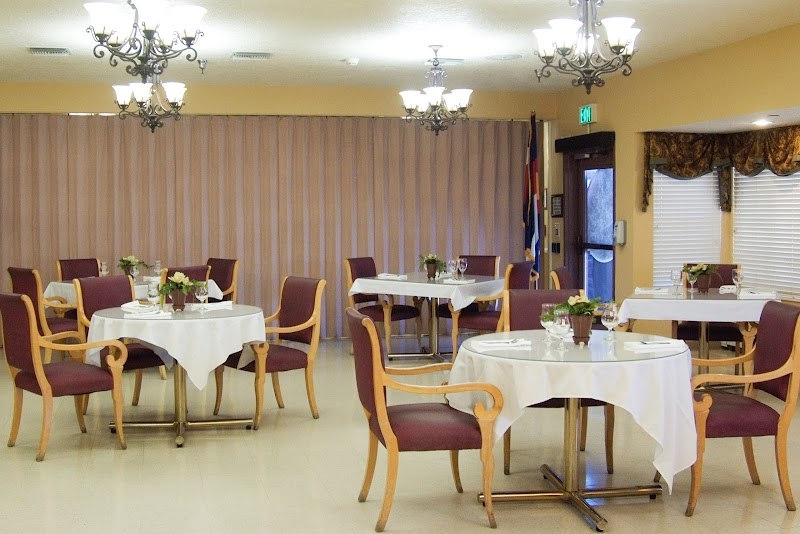
SAN LUIS CARE CENTER is owned by a for-profit company. For-profit facilities operate as businesses with obligations to shareholders or private owners. The facility is operated by LIFE CARE CENTERS OF AMERICA, a chain that manages multiple nursing homes. With 70 certified beds and approximately 49 residents (about 70% occupancy), it is a smaller facility located in ALAMOSA, Colorado.
How Does San Luis Compare to Other Colorado Nursing Homes?

Compared to the 100 nursing homes in Colorado, SAN LUIS CARE CENTER's overall rating (5 stars) is above the state average of 3.2, staff turnover (26%) is significantly lower than the state average of 46%, and health inspection rating (4 stars) is above the national benchmark.

What Should Families Ask When Visiting San Luis?

Based on this facility's data, families visiting should ask: "Can I visit during a mealtime to observe dining assistance and food quality?" "How do you handle medical emergencies, and what is your hospital transfer rate?" "Can I speak with family members of current residents about their experience?"

Is San Luis Safe?

Based on CMS inspection data, SAN LUIS CARE CENTER has a clean safety record: no substantiated abuse findings (meaning no confirmed cases of resident harm), no Immediate Jeopardy citations (the most serious violation level indicating risk of serious injury or death), and is not on the Special Focus Facility watch list (a federal program monitoring the lowest-performing 1% of nursing homes). The facility has a 5-star overall rating and ranks #1 of 100 nursing homes in Colorado. While no facility is perfect, families should still ask about staff-to-resident ratios and recent inspection results during their visit.

Do Nurses at San Luis Stick Around?

Staff at SAN LUIS CARE CENTER tend to stick around. With a turnover rate of 26%, the facility is 20 percentage points below the Colorado average of 46%. Low turnover is a positive sign. It means caregivers have time to learn each resident's needs, medications, and personal preferences. Consistent staff also notice subtle changes in a resident's condition more quickly. Registered Nurse turnover is also low at 20%, meaning experienced RNs are available to handle complex medical needs.

Was San Luis Ever Fined?

SAN LUIS CARE CENTER has no federal fines on record. CMS issues fines when nursing homes fail to meet care standards or don't correct problems found during inspections. The absence of fines suggests the facility has either maintained compliance or corrected any issues before penalties were assessed. This is a positive indicator, though families should still review recent inspection reports for the full picture.

Is San Luis on Any Federal Watch List?

SAN LUIS CARE CENTER is not on any federal watch list. The most significant is the Special Focus Facility (SFF) program, which identifies the bottom 1% of nursing homes nationally based on persistent, serious quality problems. Not being on this list means the facility has avoided the pattern of deficiencies that triggers enhanced federal oversight. This is a positive indicator, though families should still review the facility's inspection history directly.