ARVADA CARE AND REHABILITATION CENTER
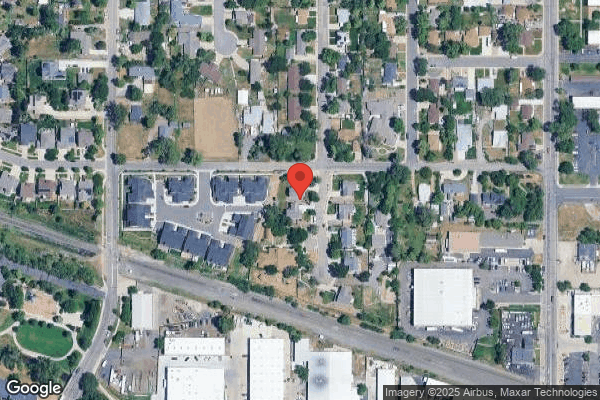
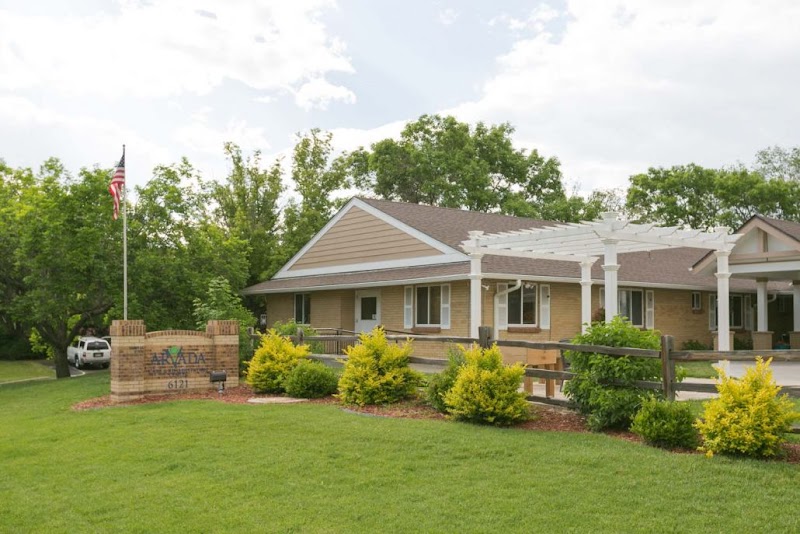
6121 W 60TH AVE, ARVADA, CO 80003 (303) 420-4550
For profit - Corporation 54 Beds THE ENSIGN GROUP Data: November 2025
Trust Grade
73/100
#4 of 208 in CO
Last Inspection: March 2025

Within standard 12-15 month inspection cycle. Federal law requires annual inspections.

Overview

Arvada Care and Rehabilitation Center has received a Trust Grade of B, which means it is a good choice but not without its flaws. It ranks #4 out of 208 facilities in Colorado, placing it in the top half for quality care, and #2 out of 23 in Jefferson County, indicating only one local facility is better. However, the facility is experiencing a worsening trend, increasing from 2 issues in 2024 to 6 in 2025, which raises concerns. While it has a strong overall rating of 5/5 for quality measures and 4/5 for health inspections, staffing is a weakness with a rating of only 2/5 stars and a turnover rate of 56%, slightly above the state average. Notably, there were serious incidents reported, including a failure to record a resident's do-not-resuscitate status in their medical records, and lapses in infection control practices, such as not maintaining hygienic conditions in shared bathrooms and not following proper procedures during wound care. Overall, while the facility has strengths, families should consider these weaknesses and recent trends carefully.

Trust Score
B
73/100
In Colorado
#4/208
Top 1%
Safety Record
Moderate
Needs review
Inspections
Getting Worse
2 → 6 violations
Staff Stability
⚠ Watch
56% turnover. Above average. Higher turnover means staff may not know residents' routines.
Penalties
○ Average
$8,018 in fines. Higher than 61% of Colorado facilities. Some compliance issues.
Skilled Nurses
○ Average
Each resident gets 41 minutes of Registered Nurse (RN) attention daily — about average for Colorado. RNs are the most trained staff who monitor for health changes.
Violations
⚠ Watch
16 deficiencies on record. Higher than average. Multiple issues found across inspections.
★★★★★
5.0
Overall Rating
★★☆☆☆
2.0
Staff Levels
★★★★★
5.0
Care Quality
★★★★☆
4.0
Inspection Score
Stable
2024: 2 issues
2025: 6 issues

The Good

  • 5-Star Quality Measures · Strong clinical quality outcomes
  • Full Sprinkler Coverage · Fire safety systems throughout facility
  • No fines on record

Facility shows strength in quality measures, fire safety.

The Bad

Staff Turnover: 56%

Near Colorado avg (46%)

Frequent staff changes - ask about care continuity

Federal Fines: $8,018

Below median ($33,413)

Minor penalties assessed

Chain: THE ENSIGN GROUP

Part of a multi-facility chain

Ask about local staffing decisions and management

Staff turnover is elevated (56%)

8 points above Colorado average of 48%

The Ugly 16 deficiencies on record

1 actual harm
Aug 2025 1 deficiency
CONCERN (D) 📢 Someone Reported This

A family member, employee, or ombudsman was alarmed enough to file a formal complaint

Potential for Harm - no one hurt, but risky conditions existed

Deficiency F0578 (Tag F0578)

Could have caused harm · This affected 1 resident

**NOTE- TERMS IN BRACKETS HAVE BEEN EDITED TO PROTECT CONFIDENTIALITY** Based on record review and interviews, the facility failed to ensure residents had the right to refuse to participate in occupat...

Read full inspector narrative →
**NOTE- TERMS IN BRACKETS HAVE BEEN EDITED TO PROTECT CONFIDENTIALITY** Based on record review and interviews, the facility failed to ensure residents had the right to refuse to participate in occupational therapy activities for one (#2) resident reviewed for resident rights out of 12 sample residents.Specifically, the facility failed to ensure Resident #2 was allowed to refuse occupational therapy services. Findings include:Record review and interviews confirmed the facility corrected the deficient practice prior to the onsite investigation from 8/19/25 to 8/20/25, resulting in the deficiency being cited as past noncompliance with a correction date of 6/12/25.I. Facility policy and procedureThe Resident Rights policy and procedure, undated, was provided by the corporate consultant (CC) on 8/26/25 at 10:26 a.m. It read in pertinent part, As a resident of this nursing facility, you have the right to a dignified existence, self-determination, and communication with and access to persons and services inside and outside the facility. You have the right to exercise your rights without interference, coercion, discrimination, or reprisal from the facility. Planning and Implementing Care. You have the right to be informed of, and participate in, your treatment, including the right to request, refuse, and/ or discontinue treatment.II. Resident #2A. Resident statusResident #2, age [AGE], was admitted to the facility on [DATE]. According to the August 2025 computerized physician orders (CPO), diagnoses included hemiplegia and hemiparesis (weakness or paralysis on one side of the body), following cerebral infarction (blood flow to the brain is interrupted, leading to brain tissue damage) affecting the right dominant side, aphasia (impairment in ability to communicate) and hypertension (high blood pressure).The 8/7/25 minimum data set (MDS) assessment documented the resident was unable to answer questions to complete the brief interview for mental status (BIMS) assessment. Staff assessment of the resident revealed the resident had severely impaired cognition and no behavioral issues. The resident had functional limitations in range of motion (ROM) due to impairment on both sides of his upper extremity and was dependent for all activities of daily living (ADL).B. Record review1. Care plan and assessmentsThe resident's comprehensive care plan, revised 2/16/25, included a care focus for communication deficits related to expressive aphasia and dependence on staff and family for cognitive stimulation. Pertinent interventions included anticipating and meeting the resident's needs, using gestures and providing extra wait time for the resident's response when asking questions, monitoring the resident for nonverbal indicators of discomfort and distress, giving the resident time after refusing participation and re-approach later, conversing with the resident while providing care and watching for hand gestures and shaking of the head, yes or no, to understand what he wants.The 7/2/25 activity quarterly evaluation documented Resident #2 was non-verbal and used non-verbal communication such as shaking his head (yes and no), smiling, laughing when happy and fully understanding conversations going around him.2. Facility investigationThe facility investigation, dated 5/26/25, documented Resident #2 was in the dining room when occupational therapist (OT) #2 started the occupational therapy group session. OT #2 attempted to engage Resident #2 in the therapy session, but Resident #2 was not interested. OT #2 did not acknowledge or honor Resident #2's right to refuse treatment. As a result of witness statement OT #2 was suspended and later separated from employment with the facility (see interviews below). The investigation documented soon after the therapy session started, Resident #2's representative removed him from the dining room and reported concerns that OT #2 was very aggressive in his approach to try to convince Resident #2 to participate in therapy when the resident was saying no. The representative said OT #2's behavior was inappropriate and upsetting to Resident #2.The investigation documented based on witness interviews the facility investigation found that OT #2 was inappropriate in his approach and failed to honor Resident #2's right to decline to participate in the group therapy session. Witness statements revealed that OT #2 failed to listen to the resident saying no to the therapy session. Despite Resident #2 saying no to therapy, OT #2 proceed to set the resident up for the session. OT #2 failed to take care while removing the resident's wheelchair lap tray. The OT's action caused the resident's paralyzed arm, which rested on the lap tray to drop unsupported. In that action, the resident's arm dropped and hit the wheelchair's armrest. A small bruise developed later in the day, on the resident's right arm where it hit the armrest. The resident, however, did not complain of any lasting pain and no first-aid treatment was required After removing the lap tray OT #2 began tossing a bean bag to the resident to his unaffected arm. The resident shook his head no and pushed the bean bag away. When that was unsuccessful OT #2 got a hand weight and tried to strap it to the resident's hand so the resident would lift the weight. The resident pushed the hand weight away and shook his hand no. Witnesses said the resident was getting mad because OT #2 would not listen to him. Witness statements confirmed OT #2 did not listed when Resident #2 said no.The investigation documented that the resident's representative was interviewed on 5/28/25. The resident's representative said OT #2 was working with Resident #2 in the dining room, but Resident #2 did not want to participate. The representative said OT #2 abruptly moved the resident's lap tray, causing the resident's arm to fall unsupported onto the armrest of his wheelchair, leaving a bruise on the resident's arm. Then OT #2 strapped a hand weight around his right arm as the resident continued to refuse therapy. The representative said this was so upsetting to see. Resident #9 was interviewed on 5/28/25. Resident #9 told the facility investigator that he witnessed OT #9 trying to force Resident #2 to participate in the group therapy session they both attended on 5/26/25. OT #9 was throwing a bean bag to Resident #2 but Resident #2 did not want to catch or toss the bean bag back. Resident #9 said Resident #2 was saying no the whole time and getting more upset when OT #2 did not listen. After the bean bag OT #2 tried to push a weight into Resident #2's hand. Resident #2 pushed it away all of the time he was telling and showing (gesturing) to OT #9, no, he did not want it. Resident #9 said when the resident's representative interrupted and OT #2 stopped, Resident #2 calmed down. Resident #9 said he had asked the facility not to work with OT #9 anymore. The facility investigator interviewed OT #2 on 8/20/25. OT #2 said he had to evaluate Resident #2's progress for insurance and the deadline was coming due. OT #2 said since he was in the dining room, he decided to engage Resident #2 in the therapy session. OT #2 said he was just trying to do something different but Resident #2 did not want to participate at baseline. OT #2 said he did not physically touch Resident #2 or make him do anything to cause the resident harm.Resident #11 was interviewed on 6/3/25. Resident #11 said he did not witness the incident but he no longer wanted to work with OT #2 because he did not like his approach. In the course of the investigation, several other residents who received occupational therapy from OT #2 were interviewed; Four additional residents filed grievances towards OT #2 for dislike of the OT's approach during the therapy sessions. The residents said they did not like the way OT #2 pushed them to participate in therapy.3. Grievance A grievance report, dated 5/28/25, filed by Resident #12, documented that Resident #12 no longer wanted to work with OT #2 because he gave too much critical feedback. Resident #12 did not like this treatment and wanted his therapist to provide feedback.C. Additional resident interviewResident #9 was interviewed on 8/20/25 at 9:02 a.m. Resident #9 said he was at the occupational therapy group session on 5/26/25 and he observed OT #2 trying to force Resident #2 to participate in group therapy when he was refusing. Resident #9 said Resident #2 kept shaking his hand and saying no, but the OT #2 persisted. Resident #9 said OT #2 pulled Resident #2's table tray off his chair and Resident #2's arm dropped on the armrest. OT #2 tried to force a bean bag into Resident #2's hand, but Resident #2 kept pushing it away. Resident #9 said that when Resident #2 kept refusing the bean bag, OT #2 got a hand weight and tried to force it in Resident #2's hand. Resident #2 pushed the weight away and shook his head no, but OT #2 persisted a little while longer. Resident #9 said this made Resident #2 mad. D. Staff interviewsCertified nurse aide (CNA) #1 was interviewed on 8/20/25 at 9:06 a.m. CNA #1 said Resident #2 was usually agreeable to participating in care tasks but sometimes refused care, especially showers. CNA #1 said staff should reapproach later if the resident was receiving care assistance. CNA#1 said she was aware that Resident #2 got individual therapy, sometimes group therapy, but she did not know how accepting he was about therapy sessions. Registered nurse (RN) #1 was interviewed on 8/20/25 at 9:15 a.m. RN #1 said if a resident refused care, staff should give the resident a break and reapproach later or have a different staff member attempt to offer the resident care assistance. RN #1 said it was the resident's right to refuse care. Occupational therapist (OT) #1 was interviewed on 8/20/25 at 10:30 a.m. OT #1 said she had been successfully working with Resident #2, providing him individual therapy and he rarely refused therapy but she honored his right to refuse therapy. OT #2 said when he refused therapy, his no was firm; he would gesture no with a head and hand motion. She said she and Resident #2 usually had a good routine. OT #1 said Resident #2 was very routine-based and found that individual therapy was more appropriate for him. She could sometimes try a different therapy and might introduce him to a group session, if he was agreeable. She said that Resident #2 worked well after breakfast in individual therapy as he stayed awake and actively participated. OT #1 said Resident #2 had been in therapy to manage contractures; he got stiff without the therapy sessions.The director of nursing (DON) and the nursing home administrator (NHA) were interviewed on 8/20/25 at 3:40 p.m. The DON said that Resident #2's representative reported that she did not like the was OT #2 treated Resident #2 during a group occupational therapy session. The DON said the representative reported that OT #2 was overly aggressive in trying to force Resident #2 to participate in the therapy session and would not stop when the resident said no to participating in the therapy session. The DON said the resident's representative said this was very upsetting to Resident #2 and after returning to his room, he was crying. The DON said there were a few other residents who complained about not wanting to work with OT #2 because he was acting forcefully in the way a (sports) coach would try to convince an athlete to continue on when they wanted to stop. None of the residents who complained said OT #2 was abusive; they just did not like his motivational approach. The NHA said based on Resident #2's representative's account of the allegation that OT #2 was aggressive in his approach and complaints from other residents, he concluded that OT #2 was inappropriate in the way he was persistently pushing to motivate the resident to participate in therapy. The NHA said as a result, OT #2 was removed from employment in the facility. The NHA said all staff were educated after the incident investigation concluded to ensure that all staff followed the facility policy to accept a resident's right to refuse care and services at any time for any reason. III. Facility plan of correctionInterview and record review during the complaint investigation revealed the facility investigated this singular event and implemented corrective actions to prevent recurrence. On 5/26/25, OT #2 was suspended pending an investigation of the incident. OT #2 never returned to work. OT #2 was terminated from the facility (6/2/25) from the facility for performance issues. From 5/27/25 to 5/28/25, all residents who received therapy services were interviewed to see if they experienced similar treatment. From 6/10/25 to 6/12/25, all clinical staff were educated on the facility's resident rights policy and procedure and the expectations to treat all residents with dignity and respect. Additional training on reporting incidents was also provided. Following the in-service, all staff were provided a post-test to determine their understanding of how to respond to resident refusals during care and services. to the in-service to show comprehension. Staff who were off duty were educated prior to their next shift.
Mar 2025 5 deficiencies
CONCERN (D)

Potential for Harm - no one hurt, but risky conditions existed

Respiratory Care (Tag F0695)

Could have caused harm · This affected 1 resident

**NOTE- TERMS IN BRACKETS HAVE BEEN EDITED TO PROTECT CONFIDENTIALITY** Based on observations, record review and interviews, the facility failed to ensure one (#40) of four residents who required resp...

Read full inspector narrative →
**NOTE- TERMS IN BRACKETS HAVE BEEN EDITED TO PROTECT CONFIDENTIALITY** Based on observations, record review and interviews, the facility failed to ensure one (#40) of four residents who required respiratory care received care consistent with professional standards of practice out of 32 sample residents. Specifically, the facility failed to maintain, clean, sanitize and properly store Resident #40's bilevel positive airway pressure (BiPAP) mask and machine. Finings include: I. Facility policy and procedure The Non Invasive Respiratory policy, revised November 2024, was provided by the nursing home administrator (NHA) on 3/10/25 at 6:18 p.m. It read in pertinent part, It is the policy of this facility to provide non-invasive ventilation as per physician's order and current standards of practice. BiPAP is a respiratory therapy intervention that delivers an inhale pressure and an exhale pressure to provide a patent airway. It requires a machine that generates the separate pressures through a tube into a mask that fits over the nose or mouth. Non-invasive ventilation systems vary by manufacturer. Common equipment includes the machine, tubing, mask, headgear/straps, disposable/non-disposable filters, and humidifier chamber. The facility will obtain an order for the use of a BiPAP device and setting from the practitioner. A personal BiPAP device may be brought into the facility for resident's use. If brought in, the nurse/respiratory therapist will verify the settings on the machine prior to use. The facility will follow the manufacturer's instructions for the use of the machine. Nursing will assess the skin integrity around the mask site daily to ensure there is no impairment to the skin. Document use of the machine, resident's tolerance, any skin, respiratory or other changes and responses. Follow manufacturer's instructions for the frequency of cleaning/replacing filters and serving the machine. Only the supplier may service the machine. Replace equipment immediately when it is broken or malfunctions, or if visible soiling remains after cleaning. Replace equipment routinely in accordance with manufacturing recommendations. General guidelines: face mask and tubing once every three months; head-gear, non disposable filters and humidifier chamber once every six months. II. Resident #40 A. Resident status Resident #40, age greater than 65, was admitted on [DATE]. According to the March 2025 computerized physician orders (CPO), diagnosis included Parkinson's disease (disease that causes unwanted movements and tremors), asthma, acute respiratory failure, weakness, unspecified dementia, anxiety, insomnia, dependence on supplemental oxygen and other obsessive compulsive disorder. The 1/12/25 minimum data set (MDS) assessment revealed the resident was cognitively intact with a brief interview for mental status (BIMS) score of 15 out of 15. The resident needed supervision for bathing, set-up assistance with lower body dressing and footwear and was independent with all other activities of daily living (ADL). The MDS assessment documented the resident did not refuse care. The MDS assessment documented the resident used a CPAP (continuous positive airway pressure) device and intermittent oxygen therapy. -However, the resident did not use a CPAP and used a BiPAP (see observations, record review and interviews below). B. Resident interview and observations Resident #40 was interviewed on 3/5/25 at 3:38 p.m. Resident #40 said he used a BiPAP machine but no one cleaned it. He said the mask was ripped and the strap was broken on the side. Resident #40 said he was told he needed to order a new mask himself if he wanted the mask to get to the facility sooner. Resident #40's BiPAP machine was observed on his bedside nightstand. The machine had small, brown stained drops on the outside of the machine. The tube extended down to the floor and was connected to his mask which was under the head of his bed. His floor underneath the bed was dusty with a crumpled Kleenex, a folded sheet of wrinkled paper and another piece of crumpled paper. Resident #40 picked up his BiPAP mask. The mask cushion was torn near the bottom and one of the clips connecting the headgear to the mask was broken on the side. On 3/6/25 at 12:25 p.m. an unidentified certified nurse aide (CNA) delivered Resident #40's lunch tray to him as he sat on his bed. Resident #40's BiPAP tube extended to the floor and the mask was on the floor. Resident #40 was not encouraged or asked to store his mask in a different place. On 3/6/25 at 12:30 p.m. Resident #40s's BiPAP tube extended down to the floor and his BiPAP mask was under clothes under the head of his bed. Underneath Resident #40's bed had not been cleaned since the observations the previous day and the same items were still under his bed (as observed on 3/5/25). On 3/10/25 at 11:45 a.m. Resident #40 was not in his room. Resident #40's bed was observed to have the same items underneath as observed on 3/5/25 and 3/6/25 (see above). A gallon jug of water was on the floor under the head of his bed with his BiPAP mask stored on top of the water jug. C. Record review A review of Resident #40's March 2025 CPO documented the following orders: -Apply BiPAP every night shift, ordered on 12/7/24; -Change distilled water in BiPAP every night shift, ordered on 12/7/24; and, -Clean BiPAP mask, wash with soap and water and let air dry every night shift, ordered on 12/7/24. Resident #40's comprehensive care plan revealed the following: Resident #40 had altered respiratory status and difficulty breathing related to sleep apnea and used a BiPAP, initiated 12/13/24. Pertinent interventions included to apply BiPAP every night shift, clean BiPAP mask and wash with soap and water and let air dry, and change distilled water in BiPAP (initiated 12/16/24). -The care plan failed to document the resident's preference for storing his BiPAP mask on the floor. -However, Resident #40's care plan was updated on 3/10/25 (during the survey) with the intervention that Resident #40 insisted on placing his BiPAP mask on the floor beside his bed. Staff were to offer and encourage the resident to hang his mask on the wall hook next to the head of the bed (HOB), initiated 3/10/25. A review of Resident #40's electronic medical record revealed the following: A provider note written on 1/29/25 at 1:33 p.m documented the resident was moving to long term care (from rehabilitation) in another room in the facility. He remained on a CPAP while sleeping, and to continue with the CPAP, wearing it every night. A physician note on 2/25/25 written at 8:03 p.m. documented the resident was getting a new CPAP mask. -However, Resident #40's physician's orders and care plan documented that the resident used a BiPAP. V. Staff interviews The director of nursing (DON) #1 was interviewed on 3/10/25 at 2:00 p.m. DON #1 said the facility had replaced Resident #40's mask previously. DON #1 said the facility contracted a respiratory services vendor when Resident #40 first arrived at the facility. The DON said when the resident was admitted he said he was unable to use his mask because prior to his admission to the facility a piece to his mask was lost. DON #1 said Resident #40 placed his mask on the floor himself. DON #1 said he had picked up the mask on 3/10/25 and placed it on the bedside dresser next to the resident's bed but he did not notice the mask was torn and the strap was broken at that time. DON #1 said he had since called their contracted respiratory services vendor to come over and replace the mask. The regional clinical resource (RCR) was interviewed on 3/11/25 at approximately 10:00 a.m. The RCR said Resident #40 changed insurance providers during his stay at the facility and said the insurance would only cover the cost of a new BiPAP mask periodically. The RCR said Resident #40 liked to have his BiPAP mask accessible and at his bedside to use it easily. The RCR said she offered to hang Resident #40's mask and he refused. Licensed practical nurse (LPN) #1 was interviewed on 3/11/25 at approximately 11:00 a.m. LPN #1 said Resident #40 was very independent and would put on his mask and remove the mask by himself. LPN #1 said she did not clean the BiPAP machine and that task belonged to the night nurse. LPN #1 said she had not noticed the resident's mask on the floor when she administered his medications in the morning. The respiratory services representative (RSR) was interviewed on 3/11/25 at 5:05 pm. The RSR representative said that because Resident #40 owned his own personal oxygen device, he had to get approval through the facility for a replacement mask. The RSR said then either the facility would pay for it, or the resident's insurance company would. He said right now, all of Resident #40's disposable oxygen equipment was paid for through insurance. The RSR said that the director of rehabilitation (DOR) told Resident #40 the prior week, to contact his insurance company to get the process moving. The RSR said he and the DOR were just talking to Resident #40, and the DOR suggested the human resources department might be able to help coordinate with the insurance company to order Resident #40 more supplies. The RSR said to his knowledge, his company had not talked to Resident #40 about the possibility of using their company's equipment, but if Resident #40 chose to do so the RSR said the respiratory services company would be responsible for cleaning and replacing the resident's equipment. The RSR said his company did not clean or replace residents' personal oxygen equipment. -The manufacturing instructions for Resident #40's BiPAP machine was requested on 3/10/25 but not provided.
CONCERN (D) 📢 Someone Reported This

A family member, employee, or ombudsman was alarmed enough to file a formal complaint

Potential for Harm - no one hurt, but risky conditions existed

Deficiency F0697 (Tag F0697)

Could have caused harm · This affected 1 resident

**NOTE- TERMS IN BRACKETS HAVE BEEN EDITED TO PROTECT CONFIDENTIALITY** Based on observations, record review and interviews, the facility failed to ensure one (#201) of two residents reviewed for pain...

Read full inspector narrative →
**NOTE- TERMS IN BRACKETS HAVE BEEN EDITED TO PROTECT CONFIDENTIALITY** Based on observations, record review and interviews, the facility failed to ensure one (#201) of two residents reviewed for pain out of 32 sample residents had an effective pain management regimen in a manner consistent with professional standards of practice, resident-centered care plans and resident preferences. Specifically, the facility failed to ensure Resident #201's pain was managed appropriately and consistently to meet the resident's stated level of acceptable pain. Findings include: I. Facility policy and procedure The Pain Assessment and Management policy, revised November 2019, was received from the nursing home administrator (NHA) on 3/11/25 at 2:41 p.m. It read in pertinent part, It is the policy of this facility to provide an environment and programs that assist each resident to attain or maintain the resident's highest practicable physical, mental and psychosocial well-being. Residents are provided and receive the care and services needed according to established practice guidelines. Resident pain is assessed and managed by an interdisciplinary team who work together to achieve the highest practicable outcome. The facility assists each resident with pain to maintain or achieve the highest practicable level of well-being and functioning by screening to determine if the resident has been or is experiencing pain, comprehensive evaluation of pain and using pharmacological and/or non-pharmacological interventions to manage the pain and/or try to prevent the pain consistent with the resident's goals. A resident will be assessed for pain upon admission, quarterly and with any change in condition. The facility will monitor residents' pain status and treatment effects on a regular basis. II. Resident #201 A. Resident status Resident #201, age [AGE], was admitted on [DATE]. According to the March 2025 computerized physician orders (CPO), diagnoses included history of fusion of spine, thoracic region, spinal stenosis (a condition where the spinal canal, the bony tunnel that houses the spinal cord and nerve roots, becomes narrowed), encounter for surgical aftercare following surgery on the nervous system, foot drop left foot and need for personal assistance care. The 2/25/25 minimum data set (MDS) assessment revealed the resident had moderate cognitive impairment with a brief interview for mental status (BIMS) score of 12 out of 15. He was able to self-propel in his manual wheelchair and required moderate to maximum assistance with mobility and activities requiring use of the lower body. The MDS assessment documented the resident had pain almost constantly which affected his sleep and his day-to-day activity almost constantly. The resident received both scheduled and as needed (PRN) pain medications and non-pharmacological pain interventions. The pain evaluation related to change of condition dated 2/20/25 indicated Resident #201's acceptable pain rating upon the completion of the assessment was a 3 on a numeric pain scale of 1-10. B. Resident observations On 3/10/25 at 8:28 a.m. Resident #201 was in the facility lobby on the phone with his resident representative. He said he needed pain medications and if he did not get the pain medication, there was going to be a problem. A facility staff member was notified of Resident #201's need for pain medications. The facility staff member transported Resident #201 back to his room. On 3/10/25 at 9:19 a.m. Resident #201 complained of throbbing pain in left leg and knee. He said the pain had been occurring since his fall a few days after he was admitted to the facility. Resident #201 was taking deep labored breaths to manage the pain until an additional pain medication dose was available. On 3/10/25 at 9:23 a.m. Resident #201 stopped registered nurse (RN) #1, who was en route to administer pain medication to another resident. Resident #201 told RN #1 I don't know how much more of this I can take. I am always in pain. RN #1 returned shortly and gave Resident #201 5 milligrams (mg) of oxycodone (pain medication) by mouth. -Resident #201 did not receive pain medication until almost one hour after he complained of pain while talking on the phone with his representative. On 3/10/25 at 3:10 p.m. Resident #201 was with occupational therapist (OT) #1. Resident #201 told OT #1 he was very tender and he was tapping on both knees. He told OT #1 of having to wait for his pain medication that morning (3/10/25). Resident #201 said his pain was not being controlled. He told OT #1 that after he got off the phone with his representative (on 3/10/25) , his representative called the director of nursing (DON) to get the pain issue resolved. C. Resident interview Resident #201 was interviewed on 3/5/25 at 2:37 p.m. Resident #201said he was always in pain. Resident #201 said he had sustained a fall in the first few days he was admitted to the facility due to delirium from his surgery. He said his pain was somewhat managed, but since his fall (on 2/20/25) he said he had had a shooting, throbbing pain in his left knee where he had a history of a knee replacement. Resident #201 said he was concerned his knee was worsening and he had not been able to follow up with an orthopedic surgeon due to his back surgery and being in the facility. Resident #201 was interviewed a second time on 3/10/25 at 9:11 a.m. Resident #201 said he had spoken to a nurse practitioner (NP) and she was going to order him an extra dose of Oxycodone, however, he said he had not received it. During the interview, RN #1 passed by and overheard the conversation and said the NP was putting a physician's order in and she would bring the medication to him shortly. Resident #201 was interviewed a third time on 3/11/25 at 9:33 a.m. Resident #201 said he was still experiencing pain in his knee and it was now wrapping around to the inside of his left knee. He was unsure if he was involved in developing or revising pain management strategies following his fall as he was told by a nurse he had experienced delirium. Resident #201 said he reported his pain to the NP and someone else was supposed to be scheduling appointments for him for his knee. He said he usually received pain medications scheduled but if he needed something more for pain it took a while to get more medication. Resident #201 said he was unaware of non-pharmacological interventions being used to help his pain. D. Resident representative interview Resident #201's representative was interviewed on 3/11/25 at 9:17 a.m. The representative said Resident #201 called her complaining of pain (on 3/10/25) and was in a bad mood. She said he had not had a history of pain in the past. The representative said since Resident #201's admission to the facility, he had complained of pain daily. She said she asked Resident #201 if he had been given pain medication and he said he had taken tramadol. She said Resident #201 had told her that he wanted to end it all. The representative said she asked Resident #201 if she could call someone to help. She said she texted DON #1 and advised him of the resident's pain issues. She said DON #1 reviewed Resident #201's pain medications and documented that Resident #201 was taking trazodone, gabapentin oxycodone and Tylenol. E. Record review Resident #201's admission pain assessment, dated 2/19/25, documented the resident experienced pain almost constantly and it was a moderate verbal descriptor out of a mild, moderate or severe description scale. The 2/23/25 pain care plan identified Resident #201 had expressed acute back pain related to recent surgery, neuropathy, deforming dorsopathies (a group of spinal disorders characterized by abnormal curvature of the spine, leading to structural deformities and functional limitations), and spinal stenosis. He said his goal was not to have any interruption in normal activities due to pain. Interventions included anticipating the resident's need for pain relief and responding immediately to any complaint of pain. -The care plan failed to include Resident #201's pain related to his left knee. Review of Resident #201's March 2025 CPO revealed the following physician's orders for pain management: Pain level assessment every shift (day and night). His acceptable level of pain was 3 out of 10 on the numeric scale (0-10). Non-pharmacological interventions included repositioning, dim light/quiet environment, relaxation, distraction, music and massage. -The physician's order failed to specify the resident's pain locations. Lidocan external patch 5% (Lidocaine) apply to left lower extremity topically one time a day for knee pain, ordered 2/27/25. Neurontin oral tablet 600 mg (Gabapentin) give one tablet by mouth three times a day for neuropathy pain, ordered 2/19/25. Robaxin 750 mg oral tablet (Methocarbamol) give one tablet by mouth three times a day for muscle spasms, ordered 2/19/25. Roxicodone oral tablet 5 mg (Oxycodone HCI) give one tablet by mouth four times a day as needed for severe pain 6-10 out of 10, ordered 2/19/25 and discontinued on 2/27/25. Roxicodone oral tablet 5 mg (Oxycodone HCI) give one tablet by mouth three times a day for pain, ordered 2/27/25 and discontinued 3/3/25. Roxicodone oral tablet 5 mg (Oxycodone HCl) give one tablet by mouth four times a day for pain, ordered 3/3/25. Roxicodone oral tablet 5 mg (Oxycodone HCI) give one tablet by mouth every eight hours as needed for severe pain 8-10, ordered 2/27/25. Valium Oral tablet 5 mg (Diazepam) give one tablet by mouth every eight hours as needed for muscle spasms, ordered 2/19/25. Acetaminophen oral tablet 325 mg give two tablets by mouth every six hours for chronic pain while awake. Two tablets = 650 mg each dose NTE (not to exceed) 3 grams in 24 hours, ordered 2/19/25 and discontinued 2/19/25. Tylenol oral tablet 325 mg (Acetaminophen) give two tablets by mouth every six hours for pain while awake, ordered 2/20/25. An oxycodone administration note, documented in the NP/PA (physician's assistant) progress notes from 3/10/25 at 11:32 a.m., revealed Resident #201's pain was not well managed. The NP would add 5 mg oxycodone PRN (as needed) every four hours, in addition to the 5 mg scheduled oxycodone. Review of Resident #201's February 2025 medication administration record (MAR) revealed the resident's pain was greater than his stated acceptable pain level of 3 on the dates of 2/23/25, 2/25/25, 2/26/25 and 2/27/25. Review of Resident #201's March 2025 MAR revealed the resident's pain was greater than his stated acceptable pain level of 3 on the dates of 3/1/25, 3/2/25, 3/5/25, 3/6/25, 3/7/25, 3/8/25, and 3/10/25. -However, there was no follow-up note indicating further intervention was attempted or that a physician was notified of the resident's unacceptable pain levels. III. Staff interviews Licensed practical nurse (LPN) #1 was interviewed on 3/11/25 at 2:04 p.m. LPN #1 said residents' medications were reviewed quarterly or if a change of condition occurred. DON #1 was interviewed on 3/11/25 at 4:07 p.m. DON #1 said he received a text message from Resident #201's representative (on 3/10/25) and said the resident forgot when he received pain medications. He said the resident was provided pain medications and that he had multiple pain medications. DON #1 said pain assessments occurred each shift for residents and he was made aware of residents' pain status if it was out of the normal or the provider was not responding. He said he did not routinely audit residents' pain assessments. DON #1 said pain assessments should be done upon admission and readmission, quarterly, every shift and with changes in condition. He said a pain assessment should have been completed for Resident #201 following the resident's fall on 2/20/25. IV. Facility follow-up On 3/13/25 at 11:50 a.m. (after survey exit) DON #2 provided an email which included a follow-up summary documented by the facility's medical director (MD) regarding Resident #201's pain regimen. The MD's summary documented the following in pertinent part: Resident #201 used very few PRN (as needed) doses of oxycodone upon admission to the facility on 2/19/25, further, the NP noted delirium on her initial assessment of the resident. Changes in pain medications were made on 2/28/25 to add PRN medication (oxycodone), 3/3/25 to change the scheduled oxycodone from three times a day to four times a day, and 3/10/25 to add an order for an additional PRN dose of oxycodone. Resident #201 was also on a muscle relaxant and PRN valium. This combination of medications required careful monitoring to avoid over medication of the resident (which this resident did not experience). Resident #201 also had a note on his chart indicating cares in pairs indicating the facility's heightened awareness of communication with this particular resident. His BIMS was also 12 indicating possible mild cognitive issues further complicating pain management in this resident. There were no reports from therapy that his progress was limited by pain. Resident #201's blood pressures were reviewed and were well controlled throughout his stay, further supporting the patient was not in excessive pain. In summary, this is almost a textbook perfect example of the careful and judicious use of narcotics in an elderly resident. -However, according to review of the resident's March 2025 MAR, Resident #201's pain levels were above his stated acceptable pain level of 3 on 3/5/25, 3/6/25, 3/7/25, 3/8/25 and 3/10/25, despite the increase in the scheduled pain medication from three times to four times per day (see March 2025 MAR above). -Additionally, review of Resident #201's electronic medical record (EMR) revealed the resident had not been seen by the MD during his stay in the facility.
CONCERN (E) 📢 Someone Reported This

A family member, employee, or ombudsman was alarmed enough to file a formal complaint

Potential for Harm - no one hurt, but risky conditions existed

Deficiency F0655 (Tag F0655)

Could have caused harm · This affected multiple residents

**NOTE- TERMS IN BRACKETS HAVE BEEN EDITED TO PROTECT CONFIDENTIALITY** V. Resident #39 A. Resident status Resident #39, age greater than 65, was admitted on [DATE]. According to the March 2025 CPO, d...

Read full inspector narrative →
**NOTE- TERMS IN BRACKETS HAVE BEEN EDITED TO PROTECT CONFIDENTIALITY** V. Resident #39 A. Resident status Resident #39, age greater than 65, was admitted on [DATE]. According to the March 2025 CPO, diagnoses included senile degeneration of the brain, chronic obstructive pulmonary disease (COPD), frontal lobe and executive function (cognitive skills that affect decision making), deficit epilepsy (seizure disorder) and obstructive uropathy (urine blockage). The 11/21/24 MDS assessment revealed the resident had severe cognitive impairments with aBIMS score of seven out of 15. The resident was dependent on care for ADLs. The assessment documented the resident used an indwelling catheter. B. Resident observation and interview On 3/5/25 at 12:37 p.m. Resident #39 was in his chair with the catheter bag and tubing secured properly and off the floor. C. Record review A review of Resident #39's CPO revealed a physician's order for catheter care every shift, to change the foley catheter and bag as needed, ordered 9/26/25. A review of Resident #39's baseline care plan documented the following: The resident's cognition care focus area documented he was at risk for impaired cognitive function/dementia or impaired thought processes but failed to document a specific diagnosis. Pertinent interventions included that he needed supervision and assistance with all decision making and resident centered behavior interventions. -However, resident centered behavior and decision making interventions were not documented. The resident's ADL baseline care plan focus area documented he had an ADL self care performance deficit but failed to document a specific diagnosis. The baseline care plan identified ADL interventions of toilet use failed to specify how many staff were needed. Pertinent interventions included the resident needed staff participation with transfers but failed to specify how many staff. -However, the resident's comprehensive ADL care plan documented a pertinent intervention that the resident needed the assistance of two staff with a mechanical lift, initiated 10/7/24. The baseline care plan did not address the resident's catheter care or complication of the catheter care that potentially included urinary tract infections, skin irritation or leakage. Based on record review, observations and interviews, the facility failed to develop and implement a baseline care plan which included the instructions needed to provide effective and person-centered care for four (#9, #24, #201 and #39) of five residents reviewed for baseline care plans out of 32 sample residents. Specifically, the facility failed to ensure pertinent medical information was included on Resident #9, Resident #24, Resident #201 and Resident #39's baseline care plans within 48 hours of admission. Findings include: I. Resident #9 A. Resident status Resident #9, age [AGE], was admitted on [DATE]. According to the March 2025 computerized physician orders (CPO), diagnoses included age related osteoporosis with pathological fractures, fracture of lower end of left femur, prosthetic left knee joint, acute respiratory failure, protein calorie malnutrition and end stage renal disease. The 1/17/25 minimum data set (MDS) assessment revealed the resident had moderate cognitive impairments with a brief interview for mental status (BIMS) score of 12 out of 15. B. Record review Review of Resident #9's baseline care plan, dated 1/14/25, revealed a focus area for skin. The care plan had a blank area that indicated to specify the area of the skin concerns, but it was left blank. Under the activities of daily living (ADL) section, the focus areas and interventions indicated to specify the number of staff needed to transfer the resident, specify what type of assistance the resident required and to specify upper or lower body assistance. -These areas were not personalized to the resident. The baseline care plan did not specify the residents cognitive status or initial discharge goals. II. Resident #24 A. Resident status Resident #24, age less than 65, was admitted on [DATE]. According to the March 2025 CPO, diagnoses included fusion of spine, lumbar region, heart failure, entercolitis due to clostridium difficile (infection of the bowel system), spinal stenosis and need for personal care assistance. The 2/14/25 MDS assessment revealed the resident was cognitively intact with a BIMS score of 14 out of 15. The MDS assessment revealed that the resident has acute/chronic pain and a surgical wound. B. Record review Review of Resident #24's baseline care plan, dated 2/11/25, revealed the care plan did not include information regarding interventions for the resident's surgical wound care or the location of the wound. The cognition baseline care plan had areas that instructed it to be resident specific, but the area was left blank. The baseline care plan did not address the resident's initial discharge goal. III. Resident #201 A. Resident status Resident #201, age [AGE], was admitted on [DATE]. According to the March 2025 CPO, diagnoses included fusion of spine, thoracic region, spinal stenosis, encounter for surgical aftercare following surgery on the nervous system, foot drop left foot and need for personal assistance care. The 2/25/25 MDS assessment revealed the resident had moderate cognitive impairment with a BIMS score of 12 out of 15. He required moderate to maximum assistance with mobility and activities requiring use of the lower body. The MDS assessment revealed that the resident had a surgical wound. B. Record review Review of Resident #201's baseline care plan, dated 2/20/25, revealed the care plan did not include information regarding interventions for the resident's surgical wound care and the location of the wound. The cognition baseline care plan had areas that instructed it to be resident specific, but the area was left blank. The baseline care plan did not address the resident's initial discharge goal. IV. Staff interviews The social services director (SSD) and the regional social services director (RSSD) were interviewed on 3/11/25 at 12:28 p.m. The SSD said she completed the care plans for areas related to preadmission screening and resident review (PASRR), discharge planning, psychosocial review and cognition. She said the MDS coordinator (MDSC) completed the baseline care plan with assistance from the nursing staff. The SSD said the areas she completed were included in the comprehensive care plan. Director of nursing (DON) #1 was interviewed on 3/11/25 at 4:07 p.m. DON #1 said the MDSC completed the baseline care plans.
CONCERN (E) 📢 Someone Reported This

A family member, employee, or ombudsman was alarmed enough to file a formal complaint

Potential for Harm - no one hurt, but risky conditions existed

Infection Control (Tag F0880)

Could have caused harm · This affected multiple residents

**NOTE- TERMS IN BRACKETS HAVE BEEN EDITED TO PROTECT CONFIDENTIALITY** Based on observations, interviews and record review, the facility failed to maintain an infection control program designed to pr...

Read full inspector narrative →
**NOTE- TERMS IN BRACKETS HAVE BEEN EDITED TO PROTECT CONFIDENTIALITY** Based on observations, interviews and record review, the facility failed to maintain an infection control program designed to provide a safe, sanitary and comfortable environment to help prevent the development and transmission of disease on two of two units. Specifically, the facility failed to: -Ensure enhanced barrier precautions (EBP) were followed during wound care; -Ensure high touch surfaces in resident rooms were cleaned; and, -Ensure residents' personal hygiene items in shared bathrooms were labeled and stored in a sanitary manner. Findings include: I. EBP failures A. Professional reference According to the Centers for Disease Control and Prevention (CDC), Implementation of Personal Protective Equipment (PPE) Use in Nursing Homes to Prevent Spread of Multidrug-resistant Organisms (MDRO)'s, updated 4/2/24, retrieved on 3/13/25 from https://www.cdc.gov/long-term-care-facilities/hcp/prevent-mdro/PPE.html, Enhanced Barrier Precautions (EBP) are an infection control intervention designed to reduce transmission of resistant organisms that employ target gown and glove use during high contact resident activities. EBP may be indicated (when contact precautions do not otherwise apply) for residents with any of the following: wounds or indwelling medical devices, regardless of MDRO colonization status and infection or colonization with an MDRO. Examples of high contact resident care activities requiring gown and glove use for EBP include: dressing, bathing/showering, transferring, providing hygiene, changing linens changing briefs or assisting with toileting, device care or use (central line urinary catheter, feeding tube, tracheostomy/ventilator), wound care (any skin opening requiring a dressing). B. Facility policy and procedure The IPCP Standard and Transmission-Based Precautions policy and procedure, reviewed April 2024, was provided by the nursing home administrator (NHA) on 3/10/25 at 6:18 p.m. It revealed in pertinent part, EBP involves the use of gown and gloves during high contact resident care activities. Use of PPE is indicated for residents with wounds, including chronic wounds and pressure injuries. C. Observations During a continuous observation on 3/10/25, beginning at 10:27 a.m. and ending at 10:37 a.m., the following was observed: An EBP sign was on the outside of Resident #2's door and there was PPE hanging on the inside of the door. Registered nurse (RN) #1 entered Resident #2's room and with wound care supplies for Resident #2's. RN #1 washed her hands and put on gloves before beginning Resident #2's wound care. She provided wound care and dressing changes for Resident #2's two wounds. -However, RN #1 failed to don (put on) a gown prior to starting Resident #2's wound care. D. Facility education An infection prevention facility in-service record, dated 11/20/24, was provided by director of nursing (DON) #2 on 3/12/25 at 12:22 p.m. It revealed in pertinent part, EBP includes a gown and gloves and should be worn when there is direct contact with a resident. E. Staff interviews RN #1 was interviewed on 3/10/25 at 10:40 a.m. RN #1 said she thought Resident #2's roommate was on EBP because they used to have an intravenous catheter (IV). RN #1 said if a resident had a peripherally inserted central catheter (PICC) or a urinary catheter the resident would be on EBP. She said she did not think residents who had wounds required EBP. She said EBP should be used for any resident who had an opening into their body, so she should have put on a gown to do the wound care. DON #1, who was also the infection preventionist (IP), was interviewed on 3/11/25 at 1:34 p.m. DON #1 said EBP involved the use of gloves and gowns. He said EBP should be worn when performing dressing changes on resident wounds. II. Housekeeping failures A. Professional reference Assadian O, Harbarth S, Vos M, et al. Practical Recommendations for Routine Cleaning and Disinfection Procedures in Healthcare Institutions: A Narrative Review. The Journal of Hospital Infection, (July 2021) 113:104-114, was retrieved on 3/21/25 from https://www.journalofhospitalinfection.com/article/S0195-6701(21)00105-5/fulltextIt read in pertinent part, High-touch surfaces, on the other hand, are usually close to the patient, are frequently touched by the patient or nursing staff, come into contact with the skin and, due to increased contact, pose a particularly high risk of transmitting pathogens (virus or microorganism that can cause disease). Healthcare-associated infections (HAIs) are the most common adverse outcomes due to delivery of medical care. HAIs increase morbidity and mortality, prolonged hospital stays, and are associated with additional healthcare costs. Contaminated surfaces, particularly those that are touched frequently, act as reservoirs for pathogens and contribute towards pathogen transmission. Therefore, healthcare hygiene requires a comprehensive approach. This approach includes hand hygiene in conjunction with environmental cleaning and disinfection of surfaces and clinical equipment. B. Observations During a continuous observation on 3/11/25, beginning at 10:11 a.m. and ending at 10:55 a.m., the following was observed: The housekeeper (HK) sanitized her hands and donned gloves. She took a cloth from the sanitizer bucket and entered room [ROOM NUMBER], which was a double-occupancy room. She cleaned the surfaces of bedroom furniture on both sides of the room, sanitizing her hands and changing gloves before each new cloth was used. She then swept the floors on both sides of the room and mopped the floors. At 10:25 a.m. the HK exited room [ROOM NUMBER]. -The HK failed to clean and sanitize the high touch areas in room [ROOM NUMBER] including door knobs, light switches and the call lights. At 10:26 a.m., the HK entered room [ROOM NUMBER]. The HK washed her hands with soap and water. She donned gloves and sprayed the bathroom surfaces. While the bathroom surfaces were soaking, she cleaned the surfaces of bedroom furniture on both sides of the room, sanitizing her hands and changing gloves before each new cloth was used. She swept the floors in the bedroom and then sanitized her hands and changed gloves. She then returned to the bathroom and emptied the garbage. After sanitizing and changing her gloves again, she scrubbed the sink and toilet. She mopped the bathroom. At 10:55 a.m., she finished and exited the room. -The HK failed to clean high touch areas in room [ROOM NUMBER], including door knobs, light switches, call lights and the call light rope in the bathroom shared with room [ROOM NUMBER]. C. Staff interviews DON #1 was interviewed on 3/11/25 at 1:34 p.m. DON #1 said that high touch areas in resident rooms should be cleaned every 24 hours. He said it made sense for high touch areas to be cleaned every time a resident's room was cleaned. The maintenance director (MTD) was interviewed on 3/11/25 at 4:00 p.m. The MTD said high touch areas in resident rooms, such as bedside tables, grab bars, door knobs, light switches, call lights and toilet handles should be cleaned every day. He said there was a binder of cleaning checklists, but he did not think it mentioned high touch areas as a separate task. He said there had been meetings to reinforce the cleaning of surfaces. He said in this case, he would needed to do some re-training of the housekeeping staff. III. Failure to store personal items in a sanitary manner A. Facility policy and procedure The Resident Rights policy and procedure, undated, was provided by DON #1 on 3/11/25 at 12:39 p.m. It revealed in pertinent part, Residents in shared rooms will have their personal hygiene items labeled. B. Observations On 3/11/25 at 11:43 a.m., there was a plastic bag containing a bed pan hanging next to the sink in the shared bathroom between room [ROOM NUMBER] and room [ROOM NUMBER]. -The bag/bed pan were not labeled with the resident's name. At 11:44 a.m. there was an emesis basin on the sink in the shared bathroom between room [ROOM NUMBER] and room [ROOM NUMBER]. The emesis basin contained a toothbrush and toothpaste. There was a plastic cup on the sink that contained another toothbrush and toothpaste. -None of the items in the bathroom were labeled with resident names. At 11:47 a.m. a labeled, plastic urine collection cylinder was sitting on top of the toilet in the shared bathroom between room [ROOM NUMBER] and room [ROOM NUMBER]. -The urine collection container was not stored in a bag. At 11:49 a.m. a toothbrush and tube of toothpaste were laying on the sink in the shared bathroom between room [ROOM NUMBER] and room [ROOM NUMBER]. -Neither item was labeled with the resident's name. C. Staff interviews DON #1 was interviewed on 3/11/25 at 1:34 p.m. DON #1 said that resident's toiletry items were typically labeled by certified nurses aides (CNA) or the admissions staff. He said toothbrushes were usually kept at the resident's bedside because the sinks were too small and there was not enough room for personal hygiene items in the shared bathrooms. He said many residents were alert and oriented so they would not necessarily label their personal hygiene items. He said the residents may have brought their personal hygiene items into the bathroom themselves. He said other items, such as bed pans may be labeled, depending on which resident was using it. He said if only one of the residents using the shared bathroom used a bedpan, it might not be labeled because the resident and CNA knew whose it was.
MINOR (C)

Minor Issue - procedural, no safety impact

Deficiency F0575 (Tag F0575)

Minor procedural issue · This affected most or all residents

Based on observations and interviews, the facility failed to post, in a form and manner accessible and understandable to residents, information on how to file a complaint with the State Agency. Specif...

Read full inspector narrative →
Based on observations and interviews, the facility failed to post, in a form and manner accessible and understandable to residents, information on how to file a complaint with the State Agency. Specifically, the group interview revealed the facility failed to: -Ensure residents knew where the required posting on how to file a complaint with the State Agency was located; -Ensure all required information was included on the posting; and, -Ensure that residents were able to easily access and read the information on the posting. Findings include: I. Observations On 3/10/25 at 8:28 a.m. a posting on how to file a grievance with the State Agency was observed hanging in the facility lobby. The posting was missing the State Agency email address and was hanging behind a potted plant. On 3/10/25 at 3:53 p.m. the required posting with the State Agency information on it was observed a second time in the corner of the lobby. The information on how to file a grievance was posted above the eyeline for a resident in a wheelchair and was written in a small font. II. Resident group interview The resident group interview was conducted on 3/10/25 at 11:10 a.m. with five residents (#8, #23, #24, #26 and #40) who routinely attended monthly resident council meetings and were deemed interviewable by the facility and assessment. All five residents said they did not know how to file a complaint with the State Agency and were not aware the information was posted in the facility. III. Resident interviews Resident #26 was interviewed on 3/10/25 at 3:57 p.m. Resident #26 said the postings on the wall were too small and she was unable to see them from her wheelchair. She recommended blowing up the posting to the same size as the ombudsman advocate posting. Resident #23 was interviewed on 3/10/25 at 4:02 p.m. Resident #23 said that he was able to see the location of the grievance policy posting but was unable to read back the phone number posted on the policy from a seated position in his wheelchair. IV. Staff interviews The social services director (SSD) and the regional social services director (RSSD) were interviewed together on 3/11/25 at 12:28 p.m. The SSD was unsure of the required elements to be included for State Agency information and said she would ask someone. After asking someone, the SSD said the posting was located in the corner of the facility lobby (behind a plant) and the grievance policy also had the information included on it, however both postings were missing the State Agency email address. She said the nursing home administrator (NHA) was made aware of the missing information. She said both documents were in the process of being corrected. The SSD said the information to file a complaint and grievance process was explained to residents at their first care conference meeting after their admission to the facility. The NHA was interviewed on 3/11/25 at 4:07 p.m. The NHA said he and the SSD were responsible for the State Agency grievance postings. He said he was made aware of the need for corrections to the postings, specifically regarding the missing State Agency email address, font size and location, so that residents would be able to easily access and read the information on the posting.
Aug 2024 1 deficiency 1 Harm
SERIOUS (G) 📢 Someone Reported This

A family member, employee, or ombudsman was alarmed enough to file a formal complaint

Actual Harm - a resident was hurt due to facility failures

Deficiency F0578 (Tag F0578)

A resident was harmed · This affected 1 resident

**NOTE- TERMS IN BRACKETS HAVE BEEN EDITED TO PROTECT CONFIDENTIALITY** Based on record review and interviews, the facility failed to ensure each resident had the right to formulate an advanced direct...

Read full inspector narrative →
**NOTE- TERMS IN BRACKETS HAVE BEEN EDITED TO PROTECT CONFIDENTIALITY** Based on record review and interviews, the facility failed to ensure each resident had the right to formulate an advanced directive for one (#1) of three residents reviewed for advanced directives out of 10 sample residents. Upon Resident #1's admission to the facility on [DATE], a licensed practical nurse (LPN) #3 interviewed Resident #1 and filled out the advanced directive paper form with the necessary information indicating the resident chose to be a DNR (do not resuscitate) status. LPN #1 did not record the resident's DNR status in Resident #1's electronic medical records (EMR) as he was required to do. On [DATE] the medical provider discussed the decision to be a DNR status with Resident #1 and her family. The nurse practitioner (NP) signed the advanced directives paper form and returned the form to the nurse's station where the forms were kept for the facility staff to follow-up. On [DATE] (seven days after the resident was admitted to the facility) Resident #1 had a cardiac arrest (a medical emergency where the heart suddenly stops beating, preventing blood from flowing to the brain and other vital organs) in her room. On [DATE] the nursing staff could not locate the advanced directives form that designated Resident #1's wished to be a DNR status. The nursing staff called the emergency medical technicians (EMT). When the EMTs entered the facility, the facility nursing staff told the EMTs that the resident's directives were to receive cardiopulmonary resuscitation (CPR). The EMTs performed CPR, inserted an intubation tube down Resident #1's trachea (windpipe) and transported the resident to a local hospital. The local hospital documented Resident #1 had a cardiac arrest and was a DNR status but an intubation had occurred in the field. According to Resident #1's family member, the hospital physician asked the family, due to the fact that Resident #1 had already been intubated, if the family would like to see if Resident #1 would recover over the next 24 to 48 hours. The resident's family agreed, however, after 24 hours the family felt Resident #1 had suffered from being intubated and requested the hospital remove the intubation tube. Resident #1 passed away within an hour after the intubation tube was removed. Due to the facility's failure to ensure Resident #1's advanced directives wish to be a DNR status was communicated and documented appropriately, Resident #1 was provided CPR and intubated following a cardiac arrest, which resulted in unnecessary suffering for the resident and her family prior to her death one day after the event. Findings include: Record review and interviews confirmed the facility corrected the deficient practice prior to the onsite investigation on [DATE] to [DATE]. Resulting in the deficiency being cited as past noncompliance with a correction date of [DATE]. I. Incident on [DATE] On [DATE] (seven days after the resident was admitted to the facility) Resident #1 had a cardiac arrest (a medical emergency where the heart suddenly stops beating, preventing blood from flowing to the brain and other vital organs) in her room. On [DATE] the nursing staff could not locate the advanced directives form that designated Resident #1's wished to be a DNR status. The nursing staff called the emergency medical technicians (EMT). When the EMTs entered the facility, the facility nursing staff told the EMTs that the resident's directives were to receive cardiopulmonary resuscitation (CPR). The EMTs performed CPR, inserted an intubation tube down Resident #1's trachea (windpipe) and transported the resident to a local hospital. The local hospital documented Resident #1 had a cardiac arrest and was a DNR status but an intubation had occurred in the field. According to Resident #1's family member, the hospital physician asked the family, due to the fact that Resident #1 had already been intubated, if the family would like to see if Resident #1 would recover over the next 24 to 48 hours. The resident's family agreed, however, after 24 hours the family felt Resident #1 had suffered from being intubated and requested the hospital remove the intubation tube. Resident #1 passed away within an hour after the intubation tube was removed. Due to the facility's failure to ensure Resident #1's advanced directives wish to be a DNR status was communicated and documented appropriately, Resident #1 was provided CPR and intubated following a cardiac arrest, which resulted in unnecessary suffering for the resident and her family prior to her death one day after the event. Record review and interviews confirmed the facility corrected the deficient practice prior to the onsite investigation on [DATE] to [DATE]. Resulting in the deficiency being cited as past noncompliance with a correction date of [DATE]. II. Facility's plan of correction The corrective action plan implemented by the facility in response to Resident #1's advanced directives failure on [DATE] was provided by the corporate consultant (CC) on [DATE] at 1:12 p.m. The plan read: [DATE] A. Corrective action: Resident #1's (advanced directive) form was uploaded into the resident's EMR to reflect the correct core status. B. Identification of others: All residents have the potential of being affected by said deficient practice. No additional concerns were identified. C. Systemic changes: The DON/Designee will provide education to licensed nurses regarding completely filling out the advanced directives (specific name) form. Updating orders in the electronic records, the new advanced directives form books, and what to do with the advance directive forms while awaiting a medical director signature. The DON/Designee will educate agency staff prior to the start of their shift on the advanced directive process. The DON/Designee will educate (the) Social Service Director (SSD) on reviewing the advanced directive form with all care conferences or with a change in CPR status of a resident. At minimum the advanced directive form will be reviewed every 90 days or every 30 days if a verbal consent was given. The advanced directive form will be updated with the date and signature of who is verifying the information. SSD will then place the updated form back in the advanced directive binder. The DON/Designee will educate (the) medical records (staff) on reviewing the advanced directive forms prior to it being uploaded into the resident's EMR (electronic medical record). And when obtaining an advanced directive form to scan into the system, a temporary copy will be placed in the advanced directive book until medical records (staff) are able to put the original back in the advanced directive binder. D. Monitoring: The DON or designee will audit five residents weekly times 12 weeks or until substantial compliance is met. Results will be reviewed in QAPI (quality assurance performance improvement meeting) until substantial compliance has been met. Update [DATE] - QAPI was reviewed [DATE] and [DATE] and will be reviewed today in QAPI [DATE]. E. Date of completion: [DATE] Interviews and record review during the investigation revealed corrective actions to identify the resident and other residents who had the potential to be affected by the deficient practice, systemic changes to prevent its recurrence, and monitoring to ensure sustained corrections were in place. III. Facility policy and procedure The Emergency Procedures Cardiopulmonary Resuscitation (CPR) policy, revised [DATE], was provided by the nursing home administrator (NHA) on [DATE] at 11:30 a.m. The policy read in pertinent part: It is the policy of this facility to provide basic life support (BLS), including CPR, to any resident requiring such care prior to the arrival of emergency medical personnel in the absence of advance directives or a 'Do Not Resuscitate (DNR)' order. Cardiopulmonary Resuscitation (CPR) refers to any medical intervention used to restore circulatory and/or respiratory function that has ceased. Do Not Resuscitate (DNR) Orders refers to a medical order issued by a physician or other authorized non-physician practitioner that directs healthcare providers not to administer CPR in the event of cardiac or respiratory arrest. The Advanced Directives policy, reviewed [DATE], was provided by the NHA via email on [DATE] at 1:43 p.m. The policy read in pertinent part, It is the intent of this policy to illustrate the reconciliation of advance directives in the facility. Prior to admission, the resident or legal representative will be informed of their right to have or refuse a CPR directive. The resident or responsible party will provide a copy of any/all advance directives for the residents chart. The resident or responsible party will be asked to fill out and sign a Colorado MOST (Medical Orders for Scope of Treatment) form upon admission indicating their wishes in the event of a health emergency. The resident and/or legal representative shall sign and date the form acknowledging that the options were reviewed and understood. Such documentation shall be maintained in each resident's record. The form will also be signed by the resident's medical provider. The facility will have a system for staff to identify the code status of each resident. Any resident who does not have a signed order or advance directive will be treated as a full code until the order is signed by the resident/responsible party and the provider. IV. Resident #1 A. Resident status Resident #1, age [AGE], was admitted on [DATE] and discharged to the hospital on [DATE]. According to the [DATE] computerized physician orders (CPO), diagnoses included chronic respiratory failure, chronic obstructive pulmonary disease (COPD), emphysema, malignant neoplasm of the colon (colon cancer), pressure ulcer of the sacral region, gastroesophageal reflux disease (GERD) and dysphagia (difficulty swallowing). The [DATE] minimum data set (MDS) assessment revealed the resident was moderately impaired for daily decision making skills. The resident did not have any behaviors and did not reject care from staff. She required partial assistance with upper body dressing, and hygiene. She required set-up or clean-up assistance with eating, and oral hygiene. She was dependent on staff for lower body dressing, putting on and off footwear, and toileting. B. Family interview The resident's family member was interviewed on [DATE] at 8:46 a.m. The family member said the facility staff called him at home on [DATE] and told him Resident #1 had an emergency health event. The family member said when he arrived at the facility, several EMTs were in Resident #1's room doing something to her. He said he did not know what the EMTs were doing. He said, at the hospital, he was told that his family member was intubated. He said I was shocked. She (Resident #1) never wanted to have CPR or have a tube shoved down her throat. She and I both told the facility she wanted to be DNR and even signed the paperwork. She wanted to go home and die with hospice. The family member said on [DATE] the doctor at the hospital asked him, since an intubation tube was already placed, if he would he like to wait 24 to 48 hours to see if Resident #1 responded. The family member said he told the hospital doctor yes. He said After 24 hours I saw she was suffering and I asked the hospital to take the tube out. She died about one hour after that. I just could not let her suffer. C. Record review The Colorado MOST form was signed by Resident #1's family member and LPN #1 on [DATE]. On [DATE] the MOST form was also signed by the facility NP who said the form was discussed with both Resident #1 and her family member (see LPN #1 and NP interviews below). Review of the MOST form revealed Resident #1 agreed to the box marked No CPR, do not attempt resuscitation, and do not transfer to the hospital for life-sustaining treatment. The form further revealed the resident wanted no artificial nutrition by tube, and the decisions were discussed with the medical durable power of attorney (MPOA). The form documented the healthcare facility shall comply with an adult's properly executed MOST form. The form documented HIPAA (Health Insurance Portability and Accountability Act) permitted disclosure of this information to other healthcare professionals as necessary. The nursing progress note on [DATE] at 2:30 p.m. revealed, registered nurse (RN) #1 and a CNA noticed Resident #1 looking up at the television (TV) but she was not responsive. The ambulance arrived and did CPR as per the chart. All paperwork was given to the paramedics who took Resident #1 to the hospital. The hospital records dated [DATE] documented that on [DATE] Resident #1 had an unwitnessed cardiac arrest, with an unknown amount of time down. CPR was initiated, and Resident #1 was intubated prior to arrival (at the hospital) even though she was a DNR. V. Staff interviews LPN #1 was interviewed on [DATE] at 3:30 p.m. LPN #1 said she went into Resident #1's room on [DATE] to give medications to her. She said Resident #1 was looking at the television but did not respond to LPN #1 when she said her name. LPN #1 said she contacted RN #1 and the former director of nursing (FDON) to help. LPN #1 said none of the three nursing staff, herself along with RN #1 and the FDON, could find Resident #1's MOST form to check her code status and it was not in the EMR either. She said she was trained when a person did not have an advanced directive, CPR must be performed. She said no documentation was found for Resident #1's advanced directive wishes and that was why the staff told the EMTs to perform CPR. RN #1 was interviewed on [DATE] at 4:43 p.m. RN #1 said the medical records director (MRD) was responsible for uploading the MOST forms into the EMRs, but the MRD was on vacation when Resident #1 was admitted on [DATE] and the paperwork was not put into the EMR. RN #1 said she, the FDON and LPN #1 looked around the nurses station for Resident #1's MOST form but the three nursing staff could not find it. RN#1 said the social service director (SSD) tried to help locate the MOST form but he could not find it either. RN #1 said she called the paramedics, who arrived quickly, and the facility staff told the paramedics the resident was to have CPR. She said the paramedics asked the staff repeatedly if they were sure Resident #1 wanted CPR. RN #1 said the staff told the paramedics yes to do CPR. RN #1 said the paramedics performed CPR and intubated Resident #1 while they were in the facility. RN #1 said after Resident #1 was taken to the hospital by the paramedics, she found the MOST form in the drawer at the nurse's station. RN #1 said on the form everything was properly signed by the family and the NP. RN #1 said the situation with Resident #1 was devastating to her. She said she called the facility's corporate liaison about the situation. RN #1 said the corporate consultant (CC) came in the next day and began to fix the situation. LPN #3 was interviewed on [DATE] at 10:48 a.m. LPN #3 said he was the one who went over the MOST form with Resident #1 and her family member. LPN #3 said the staff signature on the form was his. LPN #3 said Resident #1 was a DNR status per her request. LPN #3 said he did not remember where he put the advanced directive form after it was signed. LPN #3 said he may have passed it off on the night shift nurse to enter into the EMR because staff were supposed to enter the advanced directive information into the computer after it was filled out. LPN #3 said after the incident on [DATE] he received a private education from the FDON about the MOST forms, as well as group education about advanced directives from the FDON and the CC. The SSD was interviewed on [DATE] at 11:30 a.m. The SSD said when a person was admitted to the facility the admitting nurse was to get the resident's signature, or the MPOA to sign the MOST form, and then the medical provider signed the advanced directives also. The SSD said when Resident #1 admitted , the MRD was on vacation and he did not know who was to cover for the MRD to make sure the MOST forms were uploaded into the system. The SSD said the management team discussed the situation after the incident when Resident #1 should have been a DNR and not a full code. The SSD said the advanced directives were not uploaded into the system until after the incident with Resident #1. The SSD said the resident was not at the facility long enough to do a brief interview for mental status (BIMS) but a BCAT (brief cognitive assessment tool) was done with the resident. The SSD said the form revealed the resident had mild dementia, was able to be understood by others, was independent with directions, had the ability to express ideas and she was understood. The NP was interviewed on [DATE] at 12:05 p.m. The NP said she met with Resident #1 and her family member and the three of them discussed the advanced directive wishes for Resident #1. The NP said both the resident and her family member wanted the resident's status to be a DNR. The NP said she signed the form for the DNR status. The NP said Resident #1 told her she had a care conference in a week and she wanted to go home and be on hospice because her health had not improved. The NP said she put the signed form in a box at the nurse's station marked for the physicians. The NP said she did not have access to put the advanced directive information into the facility's EMRs. The MRD was interviewed on [DATE] at 12:15 p.m. The MRD said she went on vacation the week Resident #1 admitted . The MRD said while she was on vacation, the FDON was assigned to check on the MOST forms for all newly admitted residents and make sure the physicians signed the forms. The MRD said she was the one who usually checked that the MOST information was entered into the EMRs. The MRD said she made copies of the MOST forms and put them in a book at each nurse's station with all of the resident'' MOST forms. The CC was interviewed on [DATE] at 11:00 a.m. The CC said she received a phone call from the FDON on [DATE] to inform her Resident #1 went to the hospital and that the FDON was unaware Resident #1 was a DNR status. She said the FDON told her that CPR had been administered to the resident. The CC said LPN #3, who signed the form with Resident #1, did not enter Resident #1's DNR status information into the EMR as he should have done. The CC said LPN #3 signed the MOST form and put it in the drawer at the nurse's station and that was where the form was found later that day ([DATE]). The CC was interviewed again on [DATE] at 9:30 a.m. The CC said she began an investigation into the incident with Resident #1 on [DATE]. She said on [DATE] she began an education with all of the nursing staff about code statuses. The CC said any staff who were not in the facility that day received the training over the phone. The CC said she did an audit to make sure all of the residents in the facility had their MOST forms completed and entered into the EMRs. The CC said she also made sure each nurse's station had a green binder with each resident's MOST form in alphabetical order. She said no additional concerns were found. The CC said LPN #3 was provided education from the FDON. The CC said LPN #3 put the signed MOST form for Resident #1 into a drawer at the nurse's station and did not enter it into the EMR as he was required to do, nor did LPN #3 put the form into the MOST book. The CC said on [DATE] she provided a mock code with the staff who went through a simulation of how to find a resident's code status. The NHA was interviewed on [DATE] at 2:15 p.m. The NHA said the incident with Resident #1 was reviewed for three months in the facility QAPI meeting. The NHA said all resident's MOST forms had been followed correctly since the CC began the plan of correction implemented on [DATE]. The NHA said he believed the situation was remedied and all residents would have their MOST forms honored.
Jan 2024 1 deficiency
CONCERN (D) 📢 Someone Reported This

A family member, employee, or ombudsman was alarmed enough to file a formal complaint

Potential for Harm - no one hurt, but risky conditions existed

Quality of Care (Tag F0684)

Could have caused harm · This affected 1 resident

**NOTE- TERMS IN BRACKETS HAVE BEEN EDITED TO PROTECT CONFIDENTIALITY** Based on observations, record review and interviews, the facility failed to provide person-centered quality care for one (#1) of...

Read full inspector narrative →
**NOTE- TERMS IN BRACKETS HAVE BEEN EDITED TO PROTECT CONFIDENTIALITY** Based on observations, record review and interviews, the facility failed to provide person-centered quality care for one (#1) of three residents out of seven sample residents. Specifically, the facility failed to follow up on physician's orders in a timely manner for a wound vacuum (a medical device utilized to assist with wound healing) for Resident #1. Findings include: I. Resident #1 A. Resident status Resident #1, age [AGE], was admitted on [DATE] and discharged on 10/1/23. According to the September 2023 computerized physician orders (CPO), the diagnoses included sepsis due to streptococcus group B, non-pressure chronic ulcer of the back, cellulitis of the back, acute pulmonary edema, morbid obesity, type 2 diabetes mellitus, chronic kidney disease, atrial fibrillation (AFIB), hypertension (high blood pressure), and gout. The 10/1/23 minimum data set (MDS) assessment revealed the resident had mild cognitive impairment with a brief interview for mental status (BIMS) score of 12 out of 15. He required partial to moderate assistance with toileting and hygiene. He was always incontinent of urine and frequently incontinent of bowels. He was at risk for pressure injuries. B. Family interview Resident #1's family member was interviewed on 1/22/24 at 10:05 a.m. She said Resident #1 was in the hospital due to being septic. She said while at the hospital the family agreed to have Resident #1 transferred to the facility for rehabilitation services including wound vacuum management. She said the facility told Resident #1 and the family that the facility had a wound vacuum and all of the needed supplies for the wound vacuum. She said when Resident #1 arrived at the facility on Friday 9/29/23 there was no wound vacuum at the facility. Resident #1's family member said the family was told at admission that the wound vacuum and supplies could not be provided until Monday 10/2/23, four days after Resident #1's admission to the facility. She said the facility told her family that if they wanted a wound vacuum sooner the resident should go back to the hospital. Resident #1's family member said they decided to return to the hospital on [DATE] because they were concerned the resident was septic and needed the proper care with a wound vacuum. C. Record review The September 2023 comprehensive physician orders (CPO) revealed the resident was to have a wound vacuum on his admission into the facility. The start date of the order was 9/29/23. The 10/1/23 nursing progress note revealed Resident #1 was transferred back to the hospital for wound vacuum placement. II. Staff interviews The director of nursing (DON) was interviewed on 1/23/24 at 10:35 a.m. She said the hospital did not send Resident #1 with a wound vacuum. She said she thought there was a wound vacuum in the facility but the facility did not keep supplies for the wound vacuum on hand. She said supplies ordered for a wound vacuum Monday through Friday could be received within 24 hours but it took longer to receive supplies on the weekend She said the admissions director (AD) was the one responsible for ordering wound vacuum supplies. The DON said she was aware the resident was not supplied with a wound vacuum at his time of admission. She said she was aware the family took Resident #1 back to the hospital to get the care he needed with a wound vacuum. The AD was interviewed on 1/23/24 at 11:00 a.m. She said Resident #1 was accepted on Monday 9/25/23 to be admitted into the facility on Friday 9/29/23. She said she was responsible for ordering both a wound vacuum and the supplies needed to use the vacuum. She said the facility did not have a wound vacuum in the facility nor the supplies at the time the resident admitted to the facility. She said she read Resident #1's physician orders several days before the resident arrived but did not order the wound vacuum supplies. She said on the day the resident admitted a nurse came to her and told her there was no wound vacuum for Resident #1. She said she thought she ordered the wound vacuum and supplies on 9/29/23, after the nurse told her the facility did not have the wound vacuum or the supplies. She said the wound vacuum and supplies should have been an overnight delivery to the facility. She said she did not know when or if the wound vacuum did arrive at the facility. The DON was interviewed again during an observation of the supply closet on 1/23/24 at 12:30 p.m. There was no wound vacuum in the supply closet and the DON said she was not aware there was not a wound vacuum in the closet and did not know when it had been returned to the company who supplied it to the facility. The AD was interviewed again on 1/23/24 at 1:06 p.m. She said she was unable to provide any proof that a wound vacuum and its supplies were ever ordered for Resident #1. She said she did not document that she placed an order. She said she did not have an invoice to prove the wound vacuum was ordered. The AD said she made a mistake by not ordering the wound vacuum and supplies. She said Resident #1 and his family were told by the admission department that the wound vacuum would be in the facility per the physician's order but it was not ordered on time. The physician's assistant (PA) for the facility was interviewed on 1/23/24 at 1:20 p.m. He said supplies for Resident #1's wound vacuum should have been ordered prior to the resident's arrival. He said the facility had sufficient time to order the supplies prior to the resident's admission. He said it was important to get the wound vacuum for the resident's health. III. Facility follow up The corporate consultant (CC) and DON were interviewed together on 1/23/24 at 1:50 p.m. The CC and DON said they would immediately implement staff education on ordering physician ordered wound vacuums and supplies prior to a resident's admission to the facility. The DON said she would educate the nursing staff about ensuring wound vacuums and supplies were at the facility prior to a resident's admission The CC said she notified the corporate liaison for admissions and an education would be provided for the AD and for other admission department employees about the importance of following physician orders.
Aug 2023 7 deficiencies
CONCERN (D)

Potential for Harm - no one hurt, but risky conditions existed

Deficiency F0578 (Tag F0578)

Could have caused harm · This affected 1 resident

**NOTE- TERMS IN BRACKETS HAVE BEEN EDITED TO PROTECT CONFIDENTIALITY** Based on record review and interviews, the facility failed to ensure each residents had the right to formulate an advanced direc...

Read full inspector narrative →
**NOTE- TERMS IN BRACKETS HAVE BEEN EDITED TO PROTECT CONFIDENTIALITY** Based on record review and interviews, the facility failed to ensure each residents had the right to formulate an advanced directive for two (#1 and #28) of 18 residents reviewed for advanced directives out of 25 sample residents. Specifically, the facility failed to: -Ensure the medical orders for scope of treatment forms (MOST), used as an advance directive by the facility, were accurate, matched the physician's orders and were signed and dated by the resident and physician for Residents #1 and #28; and, -Ensure completion of the MOST form was according to directions for healthcare professionals for verbal orders including signed, dated, with a witness and not to exceed 30 days for Resident #28. Findings include: I. Facility policy and procedure The Advanced Directives and Associated Documentation policy, revised [DATE], was provided by the director of nursing (DON) [DATE] at 3:52 p.m. It read in pertinent part, When an advance directive is completed, review the advance directive to validate the document reflects the residents choices and that the document is signed and dated by the resident or responsible agent. Obtain copy of the advance directive and conservatorship/guardianship documents and place in the resident health record. The care plan team will periodically, at least quarterly, annually, and on a change of condition, review the advance directive and/or preferences regarding treatment options with the resident or his/her representative his/her advanced directives to ensure that they are still the wishes of the resident. Such reviews will be made during the assessment process and recorded in the medical record. II. Resident #28 A. Resident status Resident #28, age [AGE], was admitted on [DATE]. According to the [DATE] computerized physician orders (CPO), diagnoses included heart failure, chronic kidney disease and type 2 diabetes mellitus. The [DATE] minimum data set (MDS) assessment revealed the resident was cognitively intact with a brief interview for mental status (BIMS) score of 13 out of 15. B. Record review According to the [DATE] CPO, the resident had orders for CPR (cardiopulmonary resuscitation). According to the resident's MOST form in the resident's record, the resident was a Yes CPR. However the form was not signed by the resident or dated. On the resident signature line it said verbal due to fractured right arm and included an initial and letters registered nurse (RN), with no date. -The verbal order did not say who had given the verbal orders, there was no full signature of who took the verbal order, there was no witness signature and there was no date or time. In addition, on the reverse side of the MOST form it revealed, date prepared [DATE], followed by directions for healthcare providers and revealed in pertinent part, verbal orders . not to exceed 30 days. -The review section of the MOST form had no date or reviewer, and was blank. The MOST form was signed on by the physician however the date was incomplete and documented 4/21. The MOST form was in the MOST form binder at the nurses station. The care plan, initiated [DATE], indicated the resident planned to remain at the facility for long term care. -The care plan did not specify the resident's advance directives or wishes according to the MOST form. III. Resident #1 A. Resident status Resident #1, age [AGE], was admitted on [DATE] initially and readmitted on [DATE]. According to the [DATE] CPO, diagnoses included chronic obstructive pulmonary disease, acute and chronic respiratory failure and dependence on supplemental oxygen. The [DATE] MDS assessment revealed the resident was cognitively intact with a brief interview for mental status (BIMS) score of 15 out of 15. B. Record review According to the [DATE] CPO, the resident had orders for DNR (Do not resuscitate). According to the resident's MOST form in the resident's record, the resident was a Yes CPR (Cardiopulmonary Resuscitation): Attempt Resuscitation. There were three Advance directive MOST forms uploaded to the electronic medical record (EMR) on [DATE], [DATE] and [DATE] which documented, Yes CPR. -There was no MOST form for Resident #1 in the MOST form binder at the nurses station. The care plan, initiated [DATE], indicated the resident planned to remain at the facility for long term care. -The care plan did not specify the resident's advance directives or wishes according to the MOST form. IV. Staff interviews The medical records supervisor (MR) was interviewed on [DATE] at 10:52 a.m. She said medical records was just adding a new MOST form for Resident #1 to the MOST binder at the nurses station. She said the physician had just signed it on [DATE] and the power of attorney (POA) had signed it on [DATE] and the MOST form documented, no CPR. She said Resident #1 did not have a MOST form in the binder for five days. The assistant director of nurses (ADON) was interviewed on [DATE] at 11:10 a.m. She said the MOST forms were the advanced directives used at the facility. She said the MR supervisor was in charge of the process. The ADON said in an emergency she would first look in the MOST form binder. She said if Resident #1 did not have a MOST form in the binder, the resident would be considered full code. The ADON said the nurse could look at the physician orders in the EMR and to look at the scanned copy in there. The ADON said to write a verbal order there would need to be a witness of two nurses, both would sign names and document date and time. The ADON said it would require documentation of who gave the verbal order. The ADON said if the MOST form was not in the binder and the orders were conflicting in the EMR it would be possible to make a mistake with the residents' wishes. The MR supervisor was interviewed again on [DATE] at 11:30 a.m. She said her duties consisted of uploading the MOST forms, putting them in the binder and making sure they matched the code status in the EMR. The MR supervisor said she did not know about the verbal order procedures since she was not part of the clinical team. The MR supervisor said Resident #1's MOST form should have had a date on the resident signature line and the physician signature should have had a complete date including month, day and year. The MR supervisor said the MOST form should be clear because it was a legal document and reflecting the end of life wishes was something pretty significant.
CONCERN (D)

Potential for Harm - no one hurt, but risky conditions existed

ADL Care (Tag F0677)

Could have caused harm · This affected 1 resident

**NOTE- TERMS IN BRACKETS HAVE BEEN EDITED TO PROTECT CONFIDENTIALITY** Based on observations, record review, and interviews, the facility failed to ensure residents who were unable to carry out activ...

Read full inspector narrative →
**NOTE- TERMS IN BRACKETS HAVE BEEN EDITED TO PROTECT CONFIDENTIALITY** Based on observations, record review, and interviews, the facility failed to ensure residents who were unable to carry out activities of daily living (ADLs) received the necessary services and assistance for bathing for two (#1 and #28) out of three residents reviewed for ADLs out of 25 sample residents. Specifically, the facility failed to provide bathing for Resident #1 and #28 to maintain personal hygiene. Findings include: I. Facility policy and procedure The Resident Showers policy and procedure, dated 2022, was provided by the director of nursing (DON) on 8/17/23 at 12:52 p.m. It read in pertinent part, It is the practice of this facility to assist residents with bathing to maintain proper hygiene, stimulate circulation and help prevent skin issues as per current standards of practice. II. Resident #1 A. Resident status Resident #1, age [AGE], was admitted on [DATE] and readmitted on [DATE]. According to the August 2023 computerized physician orders (CPO), diagnoses included chronic obstructive pulmonary disease, acute and chronic respiratory failure and dependence on supplemental oxygen. The 7/13/23 quarterly minimum data set (MDS) assessment revealed the resident was cognitively intact with a brief interview for mental status (BIMS) score of 15 out of 15. He required extensive assistance with one person for bed mobility, transfers, dressing, toilet use, and personal hygiene. He required total dependence of one person for bathing. B. Resident interview and observation Resident #1 was observed on 8/14/23 at 12:02 p.m. He had a full beard, his hair was disheveled, uncombed and greasy. His facial hair was unkempt and his fingernails were long about a fourth of an inch and there was brown matter under his nails. Resident #1 was interviewed on 8/16/23 at 10:54 a.m. Resident #1 said he preferred that his nails not be long and said his nails were dirty and needed to be cleaned. Resident #1 said he preferred to be shaved on the sides and to keep the goatee part. Resident #1 said he had not had a shower in a few weeks and could use one. Resident #1 said he would take a shower and would not refuse however the thing he did not like was when the certified nurse aides (CNAs) transferred him around quickly he got out of breath and that was what he did not like about showers. The resident's nails were yellow and brown in color, about fourth of an inch long and his hair was greasy and unkempt. He had a beard on the sides of his face and the goatee part was long, about one and a half to two inches and unkempt. C. Record review The skin integrity related to fragile skin care plan, revised 4/28/2020, revealed intervention to avoid scratching and keep hands and body parts from excessive moisture and to keep fingernails short, revised 8/11/23. The shower preference sheet dated 8/21/2020 revealed the resident preferred a shower, three days per week on Monday, Thursday and Saturday in the morning. The ADL care plan, revised 5/24/23, revealed bathing intervention, the resident preferred to take a shower on Monday, Thursday, and Saturday in the morning, revised 8/11/23. -There was no documentation in the resident record for beard care or shaving care. Resident #1's bathing records were reviewed for the past 30 days from 7/18/23 to 8/15/23. It revealed the resident was scheduled for three showers per week on Monday, Thursday and Saturday in the morning. In the past 30 days, Resident #1 was documented in the electronic medical record (EMR) to have received four showers on 7/20/23, 7/27/23, 8/3/23 and 8/5/23 and documented to have refused bathing on 7/18/23, 7/22/23, 8/12/23 and 8/15/23. -However, there was no documentation in the progress notes why the resident refused or documentation of assessment or follow up. -The resident missed six scheduled showers in the past 30 days excluding the time he was hospitalized [DATE]-[DATE]. The visual/bedside [NAME] report, as of 8/16/23, revealed, bathing: The resident prefers to take a shower on Monday, Thursday, and Saturday in the morning. The nail care task documentation in the EMR for the past 30 days was blank. It revealed the question, was nail care provided, no data was found. III. Resident #28 A. Resident status Resident #28, age [AGE], was admitted on [DATE]. According to the August 2023 CPO, diagnoses included heart failure, chronic kidney disease and type 2 diabetes mellitus. The 7/2/23 minimum data set (MDS) assessment revealed the resident was cognitively intact with a brief interview for mental status (BIMS) score of 13 out of 15. He required extensive assistance with one person for bed mobility and total dependence with one person for bathing. He required limited assistance with one person for transfers and toilet use and supervision with one person for personal hygiene, dressing, and locomotion on/off unit. B. Resident interview and observation Resident #28 was interviewed on 8/14/23 at 12:00 p.m. He said that he preferred showers twice per week. Resident #28 said he does his own shaving and trims his own nails. Resident #28's hair was disheveled and uncombed. Resident #28 was interviewed on 8/16/23 at 1:02 p.m. He said the CNAs were supposed to give him a shower on Wednesday and Saturday; today was Wednesday and he said he had not received a shower yet. Resident #28's hair was greasy, disheveled and uncombed. C. Record review The ADL care plan, revised 1/16/23, revealed bathing intervention, the resident preferred to take a shower on Wednesday and Saturday evenings and wanted to shower in the east side shower room. -The diabetes mellitus, skin integrity, and anticoagulant therapy care plans were reviewed and did not include any interventions related to shaving or nail care. Resident #28's bathing records were reviewed for the past 30 days from 7/22/23 to 8/12/23. It revealed the resident preferred to take a shower on Wednesday and Saturday evenings, and wanted to shower in the east side shower room. In the past 30 days, Resident #28 was documented in the EMR as having zero showers or bathing activity. -There was no documentation of refusals. -There was no documentation in the progress notes why the resident did not receive showers or documentation of assessment or follow up. -The resident missed seven scheduled showers in the past 30 days. The shower preference sheet, undated, revealed the resident would prefer to take a shower, two times per week in the spa room and east side. The visual/bedside [NAME] report, as of 8/16/23, revealed, bathing: The resident prefers to take a shower on Wednesday, Saturday evening. He wants to shower in the east side shower room. The nail care task documentation in the EMR for the past 30 days was blank. It revealed the question, was nail care provided, no data was found. IV. Staff interviews CNA #1 was interviewed on 8/16/23 at 1:14 p.m. She said there was a shower list of who needed a shower at the nurses station. CNA #1 said she documented her showers on the computer in the task section and put notes on the shower schedule paper to communicate to the nurse. She said she reported to the nurse any skin problems or if the resident refused. CNA #1 said she was unable to document why a resident refused their shower so she reported to the nurse so the nurse would document in the resident's progress notes. CNA #1 said they could shave a resident before or after a shower and she used disposable razors. CNA #1 said she filed fingernails as needed. CNA #2 was interviewed on 8/16/23 at 1:25 p.m. She said there was a shower schedule sheet at the desk but she always charted showers on the computer point of care (POC). CNA #2 said when she charted in the EMR she put what type of bath and how much help the resident needed. CNA #2 said if a resident refused to shower she could document that but was unable to put the reason in the program so she told the nurse to chart in the resident's progress notes. CNA #2 said we ask the residents if they want a shave but we do not cut fingernails. Licensed practical nurse (LPN) #3 was interviewed on 8/16/23 at 1:43 p.m. She said the CNAs completed the showers and documented them in the resident's EMR. LPN #3 said the CNAs notified the nurse and noted on the paper shower schedule if the resident refused. LPN #3 said the nurse would see the resident to encourage the resident and find out why they were refusing the shower. LPN #3 said the nurse would document on the computer why they were refusing in the resident's progress notes. LPN #3 said there was a shower schedule sheet at the nurses station to communicate the schedule and when the shower completed or not, however final documentation was in the resident's EMR. LPN #3 said the shower sheets were kept in a binder at the nurses station but were not part of the resident's EMR since the CNAs and nurses were charting the information. LPN #3 said residents were shaved in the shower unless they had a preference for bedside. LPN #3 said she preferred the CNAs to clip the nails (as long as the resident was not diabetic) in the shower because the fingernails became softer and were easier to clip. The DON was interviewed on 8/16/23 at 1:54 p.m. She said the CNAs completed the showers and were documented in the POC. She said there was a bathing shower sheet at the nurse station for additional staff communication. The DON said if a resident refused, the CNA would tell the nurse and the nurse would ask the resident again. The DON said the nurse would be able to communicate in the resident's progress note why the resident refused. The DON said it was important for the resident to have their shower in order to be clean. The DON said she recommended a shower a minimum of two times per week for good skin hygiene. The DON said the CNAs could clip the residents' fingernails if they were not diabetic, if diabetic the nurse would trim their nails; some residents who were diabetic could cut their own nails after an assessment. The DON said shower time was the recommended time for nail care and the CNAs were to chart that in the task section of the EMR. The DON said shaving was offered during a shower and during the week as well. The DON reviewed the shower documentation for Resident #28 and acknowledged there were no showers documented in the EMR. The DON said she would want to see a progress note about it. The DON reviewed the shower documentation for Resident #1 and said she would want to see follow-up by the nurse about why Resident #1 did not receive showers or refused showers so that she could follow up with it. The DON said she was not aware that Resident #1 had not been shaved or showered or that the resident had a concern about being short of breath in the shower. The DON said she would follow up. V. Facility follow-up On 8/17/23 at 10:45 a.m. the DON said she looked at the showers after they were brought to her attention. She said for Resident #28 she had paper documentation but acknowledged that there was a discrepancy between the paper charting and the EMR and also the paper showed showers on Mondays that were not on his scheduled and preferred days (Wednesday and Saturday). On 8/18/23 at 3:47 p.m. the DON provided further information via email. It read in pertinent part, Both residents were moved from the [NAME] unit to the East unit on 7/21/23. At that time their bathing dates were changed on paper but not in (the computer program). The residents did receive regular showers as outlined in the paper documentation attached. Resident #1 received showers post move to East unit on 7/24/23, declined shower on 7/31/23, received on 8/3/23, 8/5/23. He was in the hospital from [DATE]-[DATE]. He declined to shower on 8/14/23 and had a shower on 8/16/23. Resident #28 received showers post move to the East unit on 7/24/23, 7/31/23, 8/7/23, 8/11/23, 8/16/23. -The facility did not document or update the residents' bathing preference days in the residents medical records; the facility did not document in the residents progress notes why the residents declined showers or did not receive showers; the facility did not ensure ADL care was documented in the residents medical record for residents who were totally dependent for bathing.
CONCERN (D)

Potential for Harm - no one hurt, but risky conditions existed

Quality of Care (Tag F0684)

Could have caused harm · This affected 1 resident

**NOTE- TERMS IN BRACKETS HAVE BEEN EDITED TO PROTECT CONFIDENTIALITY** Based on record review and interviews, the facility failed to ensure two (#5 and #146) of four residents received treatment and ...

Read full inspector narrative →
**NOTE- TERMS IN BRACKETS HAVE BEEN EDITED TO PROTECT CONFIDENTIALITY** Based on record review and interviews, the facility failed to ensure two (#5 and #146) of four residents received treatment and care in accordance with professional standards of practice out of 25 sample residents. Specifically, the failed to ensure: -Resident #146 had neurological assessments started in a timely manner after an unwitnessed fall; and, -Resident #5 blood pressure and pulse were monitored and parameters were in place prior to receiving a blood pressure medication. Findings include: I. Resident #146 A. Facility policy and procedure The Fall Management System policy and procedure, provided by the director of nursing (DON) on 8/17/23 at 10:45 a.m. It read in pertinent part, It is also the policy of this facility to provide each resident with appropriate assessment and interventions to prevent falls and to minimize complications if a fall occurs. When a resident sustains a fall, a physical assessment will be completed by a licensed nurse, with results documented in the medical record. Follow up documentation will be completed for a minimum of 72 hours following the incident. B. Resident status Resident #146, age [AGE], was admitted on [DATE]. According to the August 2023 computerized physician orders (CPO), the diagnoses included chronic kidney disease, malnutrition and heart failure. The 8/10/23 minimum data set (MDS) assessment revealed the resident had moderate cognitive impairment with a brief interview for mental status score of nine out of 15. He required the extensive assistance of two people for transfers and toileting, the extensive assistance of one person with bed mobility and dressing, the limited assistance of one person with personal hygiene and supervision with eating. C. Record review The 8/10/23 10:21 p.m. nursing progress documented Resident #146 had reported a fall to the certified nursing aide (CNA) when the call light was answered. Resident #146 was found in bed and he said he fell and hit his head and right elbow with pain to his wrist and both ankles. A bump on the back of the left side of his head was noted. The 8/11/23 neurological assessment flow sheet documented vital signs and neurological assessment on page one at 3:00 p.m., 3:45 p.m., 4:00 p.m., 4:15 p.m., 4:45 p.m., 5:15 p.m., 5:45 p.m., 6:15 p.m., 6:45 p.m., 7:15 p.m., 8:15 p.m., continued on page two at 9:15 p.m., 10:15 p.m., 11:15 p.m., 3:15 a.m., 7:15 a.m., 11:15 a.m., 3:15 p.m., 11:15 p.m., 7:15 a.m., 3:15 p.m., 11:15 p.m., 7:15 a.m. -The unwitnessed fall was first documented on 8/10/23 at 10:21 p.m. Neurological assessments were not documented until 8/11/23 at 3:00 p.m. D. Staff interviews Licensed practical nurse (LPN) #1 was interviewed on 8/17/23 at 9:55 a.m. She said when there was an unwitnessed fall they notified the registered nurse (RN) to assess, vital signs were taken and the neurological assessments were started immediately and documented after notification of an unwitnessed fall. The DON was interviewed on 8/17/23 at 11:00 a.m. She said if a resident had an unwitnessed fall, a licensed nurse gathered the first information and neurological assessment needed to be initiated and documented immediately after notification of an unwitnessed fall. II. Resident #5 A. Professional reference regarding medication monitoring According to the [NAME] Nursing Drug Handbook, Kizior, R., [NAME], K. J. (2023) page 195. It read in pertinent part, Carvedilol: Assess B/P (blood pressure) and apical pulse immediately before drug is administered (if pulse is 60 beats/min or less or systolic B/P is less than 90 mmHg, withhold medication and contact physician). B. Facility policy The Nursing Clinical Care and Treatment, Six Rights of Medication Administration policy, revised May 2023, was provided by the director of Nursing (DON) on 8/15/23 at 3:52 p.m. It read in pertinent part, It is the policy of this facility to ensure that the six rights of medication administration are followed in order to ensure safety and accuracy of administration. C. Resident status Resident #5, age [AGE], was admitted on [DATE], with readmission 4/14/23. According to the August 2023 CPO, diagnoses included acute and chronic respiratory failure, type 2 diabetes mellitus and essential (primary) hypertension (HTN) (abnormally high blood pressure). The 7/7/23 MDS assessment revealed the resident was cognitively intact with a BIMS score of 14 out of 15. She required extensive assistance with two person physical assist for transfers. She required extensive assistance with one person for bed mobility, locomotion on/off unit, dressing, toilet use and personal hygiene. The MDS assessment of active diagnoses revealed medically complex conditions. D. Record review The altered cardiovascular status care plan related to hyperlipidemia (imbalance of cholesterol) and hypertension (Coreg medication also known as Carvedilol to treat high blood pressure and heart failure), revised 1/10/21, revealed the resident goal to be free from signs and symptoms of complications of cardiac problems. The interventions revealed in pertinent part, Vital signs as ordered. Notify physician of any abnormal readings, initiated 12/10/2020. According to the August 2023 CPO, the resident had the following order: Carvedilol tablet 6.25 MG (milligram). Give one tablet by mouth two times a day for HTN. According to the August 2023 medication administration record (MAR), the resident was administered Carvedilol tablets at 8:00 a.m. and 4:00 p.m. daily from 8/1/23 to 8/16/23. -There was no documentation of blood pressure or heart rate assessment prior to the administrations. -Review of the record revealed there was no documentation to indicate follow-up monitoring of the resident status by the nursing staff. E. Staff interviews The assistant director of nursing (ADON) was interviewed on 8/17/23 at 10:14 a.m. She said prior to administering a medication to lower blood pressure, the resident's blood pressure should be assessed and make sure it was in the parameters of when to give or not. The ADON said it was important because of what could happen and the blood pressure or heart rate could get too low. LPN #1 was interviewed on 8/17/23 at 10:20 a.m. She said prior to giving a blood pressure medication, the resident's blood pressure should be checked to make sure it was not out of parameters, not too high or too low. LPN #1 said after administering the blood pressure medication the resident should be monitored to make sure they were not too dizzy. LPN #1 said the nurse assessments were important because if the blood pressure or heart rate were already too low the blood pressure medication would make it even lower and the danger would be dizziness, heart slowing and losing consciousness. The DON was interviewed on 8/17/23 at 10:51 a.m. She said prior to administering a blood pressure medication for hypertension the nurse should monitor for low blood pressure and notify the provider because they would have a parameter in place. The DON said it was important to assess prior to giving the medication to avoid a poor outcome such as high risk of falling or dizziness. The DON reviewed Resident #5 Carvedilol medication and said some residents did not like their blood pressure to be taken. -However, there was no documentation in the record concerning the resident's preferences on blood pressure or heart rate assessments. F. Facility follow-up On 8/18/23 at 3:47 p.m. the DON provided further information via email. It read in pertinent part, Please note the nurse practitioner (NP) progress note dated 8/17/23 documenting: Essential (primary) hypertension. Chronic, trend overall stable/well controlled. Given patient advanced age, would allow for slightly higher baseline blood pressure. -Coreg. Patient intolerant of Lasix, agrees to short-term diuresis with Lasix 8//15/23. The DON continued, Resident has had the current order for Coreg ordered since 2/9/22. Her blood pressures have been stable as noted by NP provider. Resident is a long-term resident of the facility. With the facility being her home and her blood pressures being stable, taking her blood pressure twice daily would not elicit a home like environment nor is it medically necessary in a person whose condition is stable. Her blood pressures run at a stable higher level and this is the goal per the NP provider thus negating the need to have parameters to hold the blood pressure medications. Blood pressure provided by DON, 8/15/23 at 8:09 a.m. 133/50 mmHG (millimeters of mercury); 8/12/23 at 12:59 p.m at 167/73 mmHG; 8/11/23 at 4:35 p.m. 144/57 mmHG; 8/5/23 at 8:33 a.m. 129/59 mmHG; 8/3/23 at 10:36 a.m. 137/54 mmHg. -The NP progress note recommends allowing for a slightly higher baseline blood pressure, however no baseline or base parameters have been established in the record. -There was no documentation in the record concerning the resident's preferences or objections on blood pressure or heart rate assessments. -The blood pressures recorded in the weights and vitals documented that blood pressures were not taken daily or prior to medication being administered.
CONCERN (D)

Potential for Harm - no one hurt, but risky conditions existed

Unnecessary Medications (Tag F0759)

Could have caused harm · This affected 1 resident

Based on observations, and interviews, the facility failed to ensure the medication error rate was not greater than five percent. Specifically, the facility's medication error rate was 10.3 percent w...

Read full inspector narrative →
Based on observations, and interviews, the facility failed to ensure the medication error rate was not greater than five percent. Specifically, the facility's medication error rate was 10.3 percent with three errors out of 29 opportunities. Findings include: I. Professional reference According to MedlinePlus.gov it revealed in pertinent part (https://medlineplus.gov/druginfo/meds/a601248.html#:~:text=Sevelamer%20comes%20as%20a%20tablet,part%20you%20do%20not%20understand.): Sevelamer is used to control high blood levels of phosphorus in people with chronic kidney disease who are on dialysis (medical treatment to clean the blood when the kidneys are not working properly). Sevelamer is in a class of medications called phosphate binders. It binds phosphorus that you get from foods in your diet and prevents it from being absorbed into your bloodstream. It is usually taken three times a day with meals. Take sevelamer exactly as directed. Do not take more or less of it or take it more often than prescribed by your doctor. Skip the missed dose and continue your regular dosing schedule. Do not take a double dose to make up for a missed one. II. Medication administration to Resident #4 On 8/16/23 at 10:57 a.m. licensed practical nurse (LPN) #4 was observed during medication administration. She attempted to administer the medication renvela tablet (sevelamer carbonate) to Resident #4 for the morning administration from 7:00 to 10:00 a.m. The resident refused due to the medication being offered late and did not want to take a double dose when she was given her afternoon medications with lunch. LPN #4 marked the medication as a refusal but it was offered late. Resident #4 was a dialysis patient and was instructed by her physician to take her medication three times a day with food due to the medication being a phosphorus binder that binds to food to remove excess phosphorus. This medication was used due to her decreased kidney function. The order on the medication administration record (MAR) read renvela tablet (sevelamer carbonate) give 1600 mg (milligram) by mouth three times(a.m. pass, midday pass, evening pass) a day for hyperphosphatemia (excess phosphorus in the bloodstream). Three times daily at each meal. At 11:57 a.m. LPN #4 was still administering morning medications scheduled for the morning from 7:00 a.m. to 10:00 a.m. Resident #4 voiced her concerns of not getting her medications on time to the afternoon nursing staff. The electronic medical record generated progress notes for the following late orders: On 8/16/23 at 11:57 a.m. electronic medication administration record, medication administration note read: Ultram (pain medication) oral tablet 50 mg. Give one tablet by mouth three times a day for bilateral lower extremity pain. Late medication pass. Morning administration 7:00 a.m. to 10:00 a.m. On 8/16/23 at 11:57 a.m. electronic medication administration record, medication administration note read: Gabapentin (nerve pain medication) oral tablet 800 mg. Give one tablet by mouth three times a day for bilateral lower extremity pain. Late medication pass. Morning administration 7:00 a.m. to 10:00 a.m. LPN #4 was interviewed on 8/16/23 at 12:01 p.m. She said knew the medications were late. She said she was new to the facility and was unfamiliar with the residents in her hallway. III. Staff interviews The director of nursing (DON) was interviewed on 8/17/23 at 11:03 a.m. She said nurses were to administer medications accurately as it read on the physician orders. She said any medications given late could result in adverse reactions or reduced efficacy. She said that a pharmacy representative was at the facility monthly to consult and educate on medications that had certain administration parameters. She said she would provide education to the nurses on proper administration of medications to make sure medications were given correctly and would speak to LPN #4 directly. She said any missed medications even if refused needed to be reported to the physician and nursing leadership before the end of the shift it occurred on.
CONCERN (D)

Potential for Harm - no one hurt, but risky conditions existed

Deficiency F0761 (Tag F0761)

Could have caused harm · This affected 1 resident

Based on observations and interviews, the facility failed to ensure drugs and biologicals were labeled and stored properly with one of two medication carts and in one of two neighborhoods. Specifical...

Read full inspector narrative →
Based on observations and interviews, the facility failed to ensure drugs and biologicals were labeled and stored properly with one of two medication carts and in one of two neighborhoods. Specifically, the facility failed to lock medication carts when left unattended by licensed personnel and left loose medication on the medication carts. Findings include: I. Facility policy and procedure The Medication Access and Storage policy, revised February 2017, provided by the director of nursing on 8/23/23 at 5:00 p.m. included, 1. Only licensed nurses, the consultant pharmacist and those lawfully authorized to administer medications (medication aides) are allowed access to medications. Medication rooms, carts, and medication supplies are locked or attended by persons with authorized access. III. Observations On 8/15/23 at 3:30 p.m. the medication cart to the west hall was observed unlocked and unattended by licensed personnel. Registered nurse (RN) #1 returned to the cart five minutes later and closed the lock after being identified it was unlocked for five minutes. On 8/17/23 at 10:23 a.m. a pill on the [NAME] nurse station lower counter next to the medication cart. The pill was round, with no number identifier and yellow/gold in color. The assistant director of nursing (ADON) was at the nurses cart and noticed the observation of the pill and said that she did not know what the medication was or who it belonged to. The ADON said that she would find out what medication it was. -It was determined to be a B complex vitamin. IV. Interview The director of nursing (DON) was interviewed on 8/17/23 at 11:03 p.m. She said it was standard practice for all nursing staff who were assigned to a medication cart to be in possession of the medication cart keys at all times. She said any nursing staff that need to leave their medication carts unattended needed to ensure they had the keys and the cart and computer screen were locked. She said any unidentified or loose medications should not be stored in the open. All loose medications should be placed in the drug destruction bottle. She said residents on the hallways that were both independent and had mental deficits could be at risk of walking past medication carts and grabbing loose medication.
CONCERN (D)

Potential for Harm - no one hurt, but risky conditions existed

Medical Records (Tag F0842)

Could have caused harm · This affected 1 resident

**NOTE- TERMS IN BRACKETS HAVE BEEN EDITED TO PROTECT CONFIDENTIALITY** Based on record reviews and interviews, the facility failed to ensure that the medical record was complete and accurate in keepi...

Read full inspector narrative →
**NOTE- TERMS IN BRACKETS HAVE BEEN EDITED TO PROTECT CONFIDENTIALITY** Based on record reviews and interviews, the facility failed to ensure that the medical record was complete and accurate in keeping with accepted standards of practice for one (#146) out of 25 sample residents. Specifically, the facility failed to ensure that Resident #146 registered nurse (RN) assessment was documented in the medical record following a fall. Findings include: I. Facility policy and procedure The Fall Management System policy and procedure, provided by the director of nursing (DON) on 8/17/23 at 10:45 a.m. It read in pertinent part, It is also the policy of this facility to provide each resident with appropriate assessment and interventions to prevent falls and to minimize complications if a fall occurs. When a resident sustains a fall, a physical assessment will be completed by a licensed nurse, with results documented in the medical record. II. Resident #146 A. Resident status Resident #146, age [AGE], was admitted on [DATE] According to the August 2023 computerized physician orders (CPO), the diagnoses included chronic kidney disease, malnutrition and heart failure. The 8/10/23 minimum data set (MDS) assessment revealed the resident had moderate cognitive impairment with a brief interview for mental status score of nine out of 15. He required the extensive assistance of two people for transfers and toileting, the extensive assistance of one person with bed mobility and dressing, the limited assistance of one person with personal hygiene and supervision with eating. B. Record review The 8/10/23 10:21 p.m. nursing progress documented Resident #146 had reported a fall to the certified nursing aide (CNA) when the call light was answered. Resident #146 was found in bed and he said he fell and hit his head and right elbow with pain to his wrist and both ankles. A bump on the left side of his head was noted in the back. The 8/10/23 12:47 a.m. nursing progress notes documented, by a licensed practical nurse (LPN) #2, a change in condition for an unwitnessed fall with vital signs, notification to director of nursing (DON), family representative and primary care provider. The 8/10/23 12:50 a.m. nursing progress notes documented x-ray orders received by the provider, to upper extremities including right wrist, elbow and shoulder. It documented the DON was notified via text message. The 8/11/23 3:16 p.m. late entry nursing notes documented, by LPN #2, a late entry for signs and symptoms noted of condition change for fall with vital signs and notification resident's family representative. It documented referring to the change of condition for full evaluation. The 8/11/23 3:16 p.m. change of condition form, documented a fall that occurred on 8/10/23 at 12:47 a.m. with vital signs, physical, mental and behavioral assessment evaluations, notification to director of nursing, primary care provider, family representative with follow up to continue to monitor including neurological assessment and x rays that were ordered. The 8/11/23 fall incident report, which documented that it was not part of the medical record, was provided by the DON, as the documentation of her RN assessment. It documented a brief description of the incident, predisposing factors and notification to the DON, physician and family representative. It documented mental status and the level of consciousness and orientation. It failed to document a complete head to toe physical assessment. It documented the resident had no injuries observed at time of incident even though the nursing progress notes documented an observed bump on the back of the left side of Resident#146's head. It did not document a pain assessment, however, the nursing progress notes documented the resident was complaining of pain in his right elbow, wrist and bilateral ankles. -A review of the resident's medical record did not reveal documentation that an RN had not documented an assessment of the resident following the notification of the fall. C. Staff interviews LPN #1 was interviewed on 8/17/23 at 9:55 a.m. She said when there was an unwitnessed fall they notified the RN to assess, vital signs were taken and the neurological assessments were started. She said notification should then be to the family, provider and the DON. She said the fall should be documented in the system. If there was no RN in the building, the DON was notified because she was the RN on call. She would then come in and assess the resident as soon as possible. She said this should be done in case the resident needed to be sent out for additional care. The DON was interviewed on 8/16/23 at 3:00 p.m. She said she was the RN on call the night Resident #146 had fallen and it had been reported to her. She said she had not completed the documentation for the fall until the next morning when she completed the fall incident report to document her findings. The DON was interviewed on 8/17/23 at 11:00 a.m. She said if a resident had an unwitnessed fall, a licensed nurse gathered the first information, notified the on call provider, family representative. the RN to assess the resident and the DON. She said neurological assessment needed to be initiated. She said she would be the RN on call to provide the assessment during the middle of the night if there was no RN in the facility. The RN would then document the assessment in the medical record.
CONCERN (E)

Potential for Harm - no one hurt, but risky conditions existed

Infection Control (Tag F0880)

Could have caused harm · This affected multiple residents

**NOTE- TERMS IN BRACKETS HAVE BEEN EDITED TO PROTECT CONFIDENTIALITY** Based on observations, interviews and record review, the facility failed to maintain an infection control program designed to pr...

Read full inspector narrative →
**NOTE- TERMS IN BRACKETS HAVE BEEN EDITED TO PROTECT CONFIDENTIALITY** Based on observations, interviews and record review, the facility failed to maintain an infection control program designed to provide a safe, sanitary and comfortable environment to prevent the development and transmission of disease and infection in two out of two units. Specifically, the facility failed to: -Ensure resident rooms were cleaned in a sanitary manner; -Ensure manufacturer recommended surface contact times were followed for effective disinfection; -Ensure that oxygen tubing and nasal cannulas were stored off the floor, in a clean bag and replaced when contaminated; and, -Ensure that intravenous (IV) tubing was stored between antibiotic administrations in a clean and sanitary manner. Findings include: I. Housekeeping A. Professional reference Centers for Disease Control. (5/4/23). Environment Cleaning Procedures. https://www.cdc.gov/hai/prevent/resource-limited/cleaning-procedures.html#anchor/1505929362118 retrieved on 8/21/23. Proceed from cleaner to dirtier areas to avoid spreading dirt and microorganisms. Clean patient areas (patient zones) before patient toilets. Proceed from high to low to prevent dirt and microorganisms from dripping or falling and contaminating already cleaned areas. [NAME], J., [NAME]. B. (August 2022). Enhancing Peripheral Line Maintenance Practices Among Nurses in a Critical Care Setting: A Quality Improvement Project. University of New Hampshire. https://scholars.unh.edu/cgi/viewcontent.cgi?article=1700&context=honors, retrieved on 8/23/23. The Institute for Safe Medication Practices (ISMP) has identified that there are two common practices that continue to put patients at risk for infection including 1) failure to place a sterile cap on the end of a reusable intravenous (IV) administration set that has been removed from a saline lock or IV catheter hub and 2) failure to properly disinfect the IV port when accessing IV sets. B. Manufacturer's recommendations According to the Procter and Gamble Comet Disinfecting Sanitizing Bathroom Diluted manufacturer guidelines, revised 2/7/15, was provided by the housekeeping supervisor (HSKS) on 8/16/23 at 12:40 p.m. included the following recommendations, For daily cleaning and sanitizing, dilute mix one part concentrate product with four parts water. Thoroughly wet hard, non porous surfaces for five minutes, then rinse or wipe clean. Spray the product on surface and let it stand for five minutes before wiping. C. Facility policy and procedure The Housekeeping Infection Control policy and procedure, revised January 2009, was provided by the HSKS on 8/16/23 at 12:40 p.m. It read in pertinent part, It is the policy of this facility to require effective environmental sanitation to lessen the hazards of exposure to contaminated air, dust, furnishings, equipment and other fomites. Frequent cleaning of the facility's interior will aid in physically removing and reducing microorganisms potential contribution to the incidence of health associated infections (HAI). D. Observations 1. Housekeeper (HSK) #1 cleaned resident room [ROOM NUMBER] on 8/16/23 at 9:05 a.m. HSK #1 immediately wiped down, with a rag soaked in the Comet solution, sink, wiped down mirror, wiped down toilet handle bar, top of tank, top of raised commode seat, top of toilet bowl and then outside of toilet bowl. She then cleaned the inside of the toilet bowl with the bathroom dedicated toilet brush. She did not apply sanitizer in the toilet bowl before using the brush She began cleaning the resident room in the bathroom (a dirtier area) before starting in the clean patient zone area. The surface areas were not thoroughly wet and did not remain visibly wet for the five minute surface disinfectant time. HSK #1 wiped the nightstand focusing on the low surface area and then wiped a high area returning to a low area without changing out gloves. The wiped surface areas were not thoroughly allowed to be wet and did not remain visibly wet for the five minute dwell time. HSK #1 obtained a mop head from the Comet solution and mopped the B side of the room then continued onto A side and then out the door. She did not change out mop heads between the A and B side of the room. HSK #1 cleaned resident room [ROOM NUMBER] on 8/16/23 at 9:20 a.m. HSK #1 obtained a fresh rag soaked in Comet solution and wiped the low area first and then the high area. The wiped surface areas were not thoroughly wet and did not appear to be wet for the five minute surface disinfectant time. HSK #1 donned gloves and obtained a rag out of the Comet solution and wiped down the A side of the room. She began with the top of the nightstand and bedside table and then wiped the bottom of the bedside table. She then wiped the back of the television, disposed of the rag and performed hand hygiene. She went from a low area on the bedside table back to a high area on the television without changing her gloves or rag. HSK #1 then obtained a fresh mop head out of the Comet solution and started with the far side of the room and worked her way to the door. She did not change mop head between the B side or the A side of the room. 2. HSK #2 was observed cleaning resident room [ROOM NUMBER] on 8/16/23 at 9:50 a.m. HSK #2 donned gloves and obtained a rag from the Comet solution, wiped down the top of the bedside table on A side of the room, then wiped the legs of the table and then wiped top of the bedside nightstand. She went from a low area in the room to a high area of the room without changing gloves or rag. The wiped areas were not thoroughly wet and did not remain visibly wet the five minute surface disinfectant time. HSK #2 obtained a mop head out of the Comet solution in the mop bucket, mopping the B side of the room and continuing onto the A side. She did not change out mop heads between the B and A side of the room. HSK #2 was observed cleaning resident room [ROOM NUMBER] on 8/16/23 at 10:10 a.m. HSK #2 sprayed Comet cleaning solution spray onto sink, top of toilet, inside of toilet and commode seat. She then wiped with rags soaked in Comet solution and wiped the sink fixtures and sink. She disposed of the rag from the sink into a plastic bag. The surface areas were not thoroughly wet and did not remain visibly wet for the five minute surface disinfectant time. HSK #2 wiped down the top of the raised commode and under the commode seat. She then cleaned the inside of the toilet bowl with the dedicated bathroom toilet brush. The surface areas were not thoroughly wet and did not remain visibly wet for the five minute surface disinfectant time. HSK #2 removed old gloves, performed hand hygiene, donned new gloves and obtained a new rag and wiped the top of the toilet, then wiped inside of the lid, top of the seat and then under the seat. She disposed of the rag in a plastic bag. She then swept the bathroom floor, obtained a mop head and mopped the bathroom floor. She began cleaning the resident room in the bathroom. She began cleaning the resident room in the bathroom (a dirtier area) before starting in the clean patient zone area. The surface areas were not thoroughly wet and did not remain visibly wet for the five minute surface disinfectant time. HSK #2 obtained a new rag in the Comet solution and wiped A side top of the bedside table, wiped the resident's handheld game, wheelchair shelf, call light cord and top of the nightstand table. The surface areas were not thoroughly wet and did not remain visibly wet for the five minute surface disinfectant time. HSK #2 obtained a new rag and wiped the B side of the room, wiped the top of the bedside table, then wiped the front of the nightstand and then bottom of the bedside table. The surface areas were not thoroughly wet and did not remain visibly wet for the five minute surface disinfectant time. HSK #2 then obtained a mop head out of the Comet solution, mopped the A side (closest to the door) and proceeded to the B side (farthest from the door) and then proceeded out of the room. She did not change out mop heads from the A side to the B side. E. Staff interviews HSK #1 was interviewed on 8/16/23 at 9:30 a.m. She said the surface disinfectant times were ten minutes for everything. She said she cleaned the residents' shared bathroom before she cleans the resident rooms. She said each side of the resident's shared room should be cleaned separately. The housekeeping supervisor (HSKS) was interviewed on 8/16/23 at 11:31 a.m. He said the bathroom was cleaned first and then the housekeepers focused on the rooms. He said when cleaning the high surfaces should be cleaned first before proceeding to the lower surfaces to prevent bringing dirt from a lower area back up to the higher area. He said each side of the room should be cleaned and mopped separately. He said housekeepers should be wearing gloves when handling rags and mops. He said they provided education and training quarterly and annually with the company cleaning product provider. He confirmed that when cleaning the bathroom, which was a considered dirty area, first could potentially be dragging microorganisms into the cleaner patient zone area. The infection preventionist (IP) was interviewed on 8/16/23 at 1:56 p.m. She said rooms should be cleaned from top to bottom and each resident side of the room should be cleaned separately using different rags and mops. She said the correct surface disinfectant times should be used for each of the cleaning products. II. Oxygen containers and tubing A. Observations On 8/14/23 at 8:13 a.m.two portable oxygen containers were observed on the floor in the halfway between rooms #18 and #19. A portable oxygen container was observed on the floor in the hallway outside of room [ROOM NUMBER] and another portable oxygen container was on the floor at the west nurses station next to the medication cart. At 9:00 a.m. observation of room [ROOM NUMBER]B. Oxygen nasal cannula was observed lying on the floor with the nasal prongs directly touching the unsanitary surface, and not stored in a plastic storage bag. B. Staff interviews LPN #3 interviewed 8/10/23 at 11:00 a.m. She said all oxygen tubing should be stored off the ground to prevent resident infection risk. She said all oxygen tubing was replaced weekly but if a staff member found tubing on the ground, it should be disposed of and replaced with new tubing. The IP was interviewed at 1:56 p.m. She said oxygen equipment and tubing should be kept off the floor with the tubing. The reason was to keep the respiratory equipment sanitary and help prevent the spread of infection. III. Intravenous tubing A. Observation On 08/14/23 at 9:17 a.m. Resident #22's intravenous (IV) administration tubing was observed without a sterile cap on the end of the tubing after it had been disconnected from the resident and was hanging on the IV pole. The tubing was dated but not timed when the IV tubing was changed. Resident #22's IV administration tubing was observed hanging in an unsanitary manner without a sterile cap over the end to ensure it remained free of contamination. The disconnected tubing would be reused every eight hours to administer the resident's antibiotic. The tubing was dated but not timed at what time the tubing was changed. B. Staff interviews The director of nursing (DON), who was the IP, was interviewed on 8/14/23 at 10:00 a.m. She said that IV tubing was changed every 24 hours at the same time every day. She said it should be labeled with the date and the time. She said when the tubing was disconnected a sterile cap should be placed over the end of the tubing to prevent contamination from microorganisms.
May 2022 1 deficiency
CONCERN (D)

Potential for Harm - no one hurt, but risky conditions existed

Respiratory Care (Tag F0695)

Could have caused harm · This affected 1 resident

**NOTE- TERMS IN BRACKETS HAVE BEEN EDITED TO PROTECT CONFIDENTIALITY** Based on interviews and record review, the facility failed to ensure one (#8) of three residents reviewed for respiratory care o...

Read full inspector narrative →
**NOTE- TERMS IN BRACKETS HAVE BEEN EDITED TO PROTECT CONFIDENTIALITY** Based on interviews and record review, the facility failed to ensure one (#8) of three residents reviewed for respiratory care of 24 sample residents were provided respiratory care consistent with professional standards of practice. Specifically, the facility failed to ensure physician orders and a care plan were in place for Resident #8, who required a continuous positive airway pressure (CPAP) machine. Findings include: I. Facility policy and procedure The CPAP/BiPAP policy, undated, was provided by the director of nursing (DON) on 5/17/22 at 11:47 a.m. It read, in pertinent part, Respiratory therapy equipment can become colonized with infectious organisms and serve as a source of respiratory infections. Clean mask frame daily after use with CPAP cleaning wipe or soap and water. Dry well. Cover with plastic bag or completely enclosed in machine storage when not in use. Weekly cleaning activities: Wash headgear/straps in warm, soapy water and air dry. Wash tubing with warm, soapy water and air dry. II. Resident #8 A. Resident status Resident #8, age [AGE], was admitted on [DATE]. According to the May 2022 computerized physician orders, diagnoses included chronic obstructive pulmonary disease (COPD), acute and chronic respiratory failure, and pulmonary edema (excess fluid in lungs). According to the 2/2/22 minimum data set (MDS) assessment, the resident had a moderate cognitive impairment with a brief interview for mental status score of ten out of 15. The resident did not have any behaviors. The resident required extensive assistance with activities of daily living. It indicated the resident was receiving oxygen therapy though the CPAP was not coded. B. Resident interview Resident #8 was interviewed on 5/15/22 at 11:30 a.m. She said she brought her CPAP machine from home. She said she changed the water that was required for the machine. Resident #8 was interviewed again on 5/18/22 at 8:39 a.m. She said she cleaned her CPAP machine and she had not seen the facility staff clean it or change the tubing. She said she knew how to operate the machine and refilled the water each day. She said she cleaned the face mask with a sanitizer wipe every two days and replaced the mask and tubing every month. C. Record review The May 2022 physician orders did not include any orders related to CPAP settings, care, or cleaning. The oxygen therapy care plan, initiated 1/26/22, did not include the CPAP as an intervention. D. Staff interviews The DON was interviewed on 5/17/22 at 3:46 p.m. She said Resident #8 had a CPAP machine. She said it was the resident's personal machine. She said there were no physician orders or care plan for the CPAP machine. She said there should be physician orders for the pressure setting, routine for changing the water, and cleaning the machine. She said there should be a corresponding care plan related to the CPAP. Certified nurse aide (CNA) #2 was interviewed on 5/18/22 at 11:20 a.m. She said she knew Resident #8 had a CPAP machine. She said she had never changed the water, cleaned the machine, or changed the tubing. CNA #1 was interviewed on 5/18/22 at 11:22 a.m. She said she knew Resident #8 had a CPAP machine. She said she never changed the water, cleaned the machine, or changed the tubing. Registered nurse (RN) #1 was interviewed on 5/18/22 at 12:28 p.m. She said she knew the resident had a CPAP machine. She said she helped the resident clean her mask on one occasion because the resident requested assistance. She said since there were no physician orders, she had not routinely checked the machine settings, cleaned the machine or replaced the tubing for the machine E. Facility follow-up The physician orders were updated during the facility survey to include: -Apply CPAP at (5.0-12.0) setting every night shift for COPD (added 5/17/22); -Oxygen company to change CPAP tubing weekly, one time a day, every wednesday (added 5/18/22); and, -Clean CPAP mask every night shift (added 5/18/22). The oxygen therapy care plan was updated to include CPAP per order on 5/17/22.
Understanding Severity Codes (click to expand)
Life-Threatening (Immediate Jeopardy)
J - Isolated K - Pattern L - Widespread
Actual Harm
G - Isolated H - Pattern I - Widespread
Potential for Harm
D - Isolated E - Pattern F - Widespread
No Harm (Minor)
A - Isolated B - Pattern C - Widespread

Questions to Ask on Your Visit

  • "Why is there high staff turnover? How do you retain staff?"
  • "Can I speak with families of current residents?"
  • "What's your RN coverage like on weekends and overnight?"

Our Honest Assessment

Strengths
  • • Licensed and certified facility. Meets minimum state requirements.
Concerns
  • • 16 deficiencies on record, including 1 serious (caused harm) violation. Ask about corrective actions taken.
  • • 56% turnover. Above average. Higher turnover means staff may not know residents' routines.
Bottom line: Mixed indicators with Trust Score of 73/100. Visit in person and ask pointed questions.

About This Facility

What is Arvada Care And Rehabilitation Center's CMS Rating?

CMS assigns ARVADA CARE AND REHABILITATION CENTER an overall rating of 5 out of 5 stars, which is considered much above average nationally. Within Colorado, this rating places the facility higher than 99% of the state's 100 nursing homes. This rating reflects solid performance across the metrics CMS uses to evaluate nursing home quality.
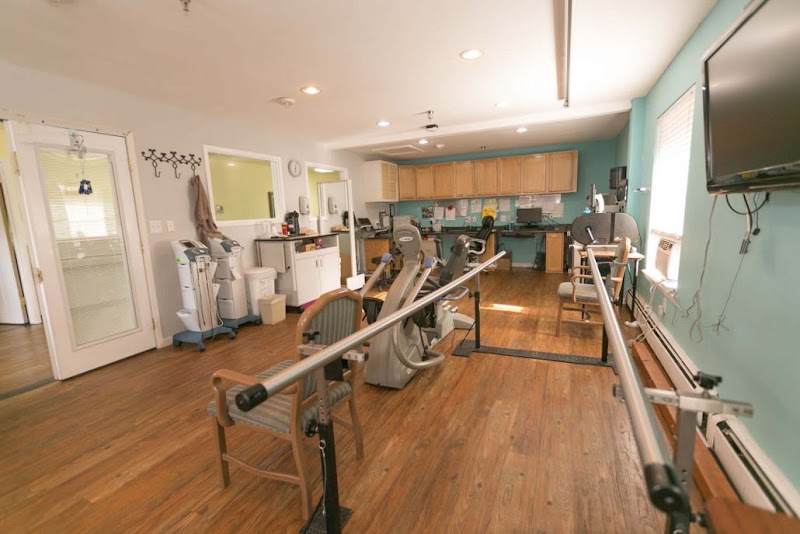
How is Arvada Care And Rehabilitation Center Staffed?

CMS rates ARVADA CARE AND REHABILITATION CENTER's staffing level at 2 out of 5 stars, which is below average compared to other nursing homes. Staff turnover is 56%, which is 10 percentage points above the Colorado average of 46%. High turnover can affect care consistency as new staff learn residents' individual needs. RN turnover specifically is 81%, which is notably high. RNs provide skilled clinical oversight, so turnover in this role can affect medical care quality.

What Have Inspectors Found at Arvada Care And Rehabilitation Center?

State health inspectors documented 16 deficiencies at ARVADA CARE AND REHABILITATION CENTER during 2022 to 2025. These included: 1 that caused actual resident harm, 14 with potential for harm, and 1 minor or isolated issues. Deficiencies causing actual harm indicate documented cases where residents experienced negative health consequences.
Who Owns and Operates Arvada Care And Rehabilitation Center?

ARVADA CARE AND REHABILITATION CENTER is owned by a for-profit company. For-profit facilities operate as businesses with obligations to shareholders or private owners. The facility is operated by THE ENSIGN GROUP, a chain that manages multiple nursing homes. With 54 certified beds and approximately 43 residents (about 80% occupancy), it is a smaller facility located in ARVADA, Colorado.
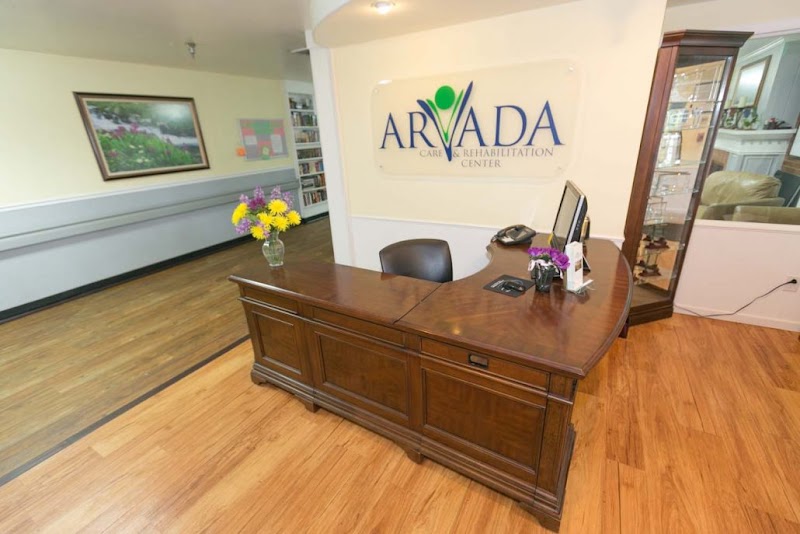
How Does Arvada Care And Rehabilitation Center Compare to Other Colorado Nursing Homes?

Compared to the 100 nursing homes in Colorado, ARVADA CARE AND REHABILITATION CENTER's overall rating (5 stars) is above the state average of 3.2, staff turnover (56%) is near the state average of 46%, and health inspection rating (4 stars) is above the national benchmark.

What Should Families Ask When Visiting Arvada Care And Rehabilitation Center?

Based on this facility's data, families visiting should ask: "How do you ensure continuity of care given staff turnover, and what is your staff retention strategy?" "Can you walk me through typical staffing levels on day, evening, and night shifts?" "Can I visit during a mealtime to observe dining assistance and food quality?" "How do you handle medical emergencies, and what is your hospital transfer rate?" These questions are particularly relevant given the facility's high staff turnover rate and the below-average staffing rating.

Is Arvada Care And Rehabilitation Center Safe?

Based on CMS inspection data, ARVADA CARE AND REHABILITATION CENTER has a clean safety record: no substantiated abuse findings (meaning no confirmed cases of resident harm), no Immediate Jeopardy citations (the most serious violation level indicating risk of serious injury or death), and is not on the Special Focus Facility watch list (a federal program monitoring the lowest-performing 1% of nursing homes). The facility has a 5-star overall rating and ranks #1 of 100 nursing homes in Colorado. While no facility is perfect, families should still ask about staff-to-resident ratios and recent inspection results during their visit.

Do Nurses at Arvada Care And Rehabilitation Center Stick Around?

Staff turnover at ARVADA CARE AND REHABILITATION CENTER is high. At 56%, the facility is 10 percentage points above the Colorado average of 46%. Registered Nurse turnover is particularly concerning at 81%. RNs handle complex medical decisions and coordinate care — frequent RN changes can directly impact care quality. High turnover means new staff may not know residents' individual needs, medications, or preferences. It can also be disorienting for residents, especially those with dementia who rely on familiar faces. Families should ask: What is causing the turnover? What retention programs are in place? How do you ensure care continuity during staff transitions?

Was Arvada Care And Rehabilitation Center Ever Fined?

ARVADA CARE AND REHABILITATION CENTER has been fined $8,018 across 1 penalty action. This is below the Colorado average of $33,159. While any fine indicates a compliance issue, fines under $50,000 are relatively common and typically reflect isolated problems that were subsequently corrected. Families should ask what specific issues led to these fines and confirm they've been resolved.

Is Arvada Care And Rehabilitation Center on Any Federal Watch List?

ARVADA CARE AND REHABILITATION CENTER is not on any federal watch list. The most significant is the Special Focus Facility (SFF) program, which identifies the bottom 1% of nursing homes nationally based on persistent, serious quality problems. Not being on this list means the facility has avoided the pattern of deficiencies that triggers enhanced federal oversight. This is a positive indicator, though families should still review the facility's inspection history directly.