LIFE CARE CENTER OF EVERGREEN
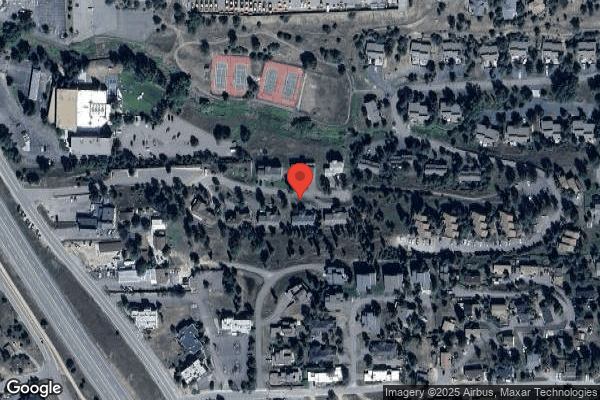
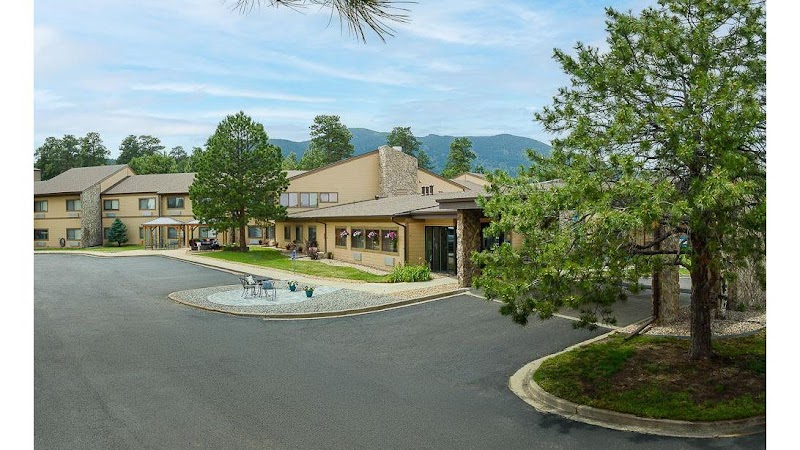
2987 BERGEN PEAK DR, EVERGREEN, CO 80439 (303) 674-4500
For profit - Corporation 120 Beds LIFE CARE CENTERS OF AMERICA Data: November 2025
Trust Grade
93/100
#35 of 208 in CO
Last Inspection: May 2025

Inspected within the last 6 months. Data reflects current conditions.

Overview

Life Care Center of Evergreen has an excellent Trust Grade of A, indicating a high level of quality and care. They rank #35 out of 208 nursing homes in Colorado, placing them in the top half, and #3 out of 23 in Jefferson County, meaning only two local options are better. The facility's performance is stable, with 11 issues consistently noted in both 2023 and 2025, but none are life-threatening. Staffing is a strength, with a 4/5 star rating and a turnover rate of 30%, significantly lower than the state average. However, there are concerning findings, such as staff not consistently following hand hygiene during food preparation and serving food that was not at safe temperatures or palatable, indicating room for improvement in meal service quality.

Trust Score
A
93/100
In Colorado
#35/208
Top 16%
Safety Record
Low Risk
No red flags
Inspections
Holding Steady
4 → 4 violations
Staff Stability
✓ Good
30% annual turnover. Excellent stability, 18 points below Colorado's 48% average. Staff who stay learn residents' needs.
Penalties
✓ Good
No fines on record. Clean compliance history, better than most Colorado facilities.
Skilled Nurses
✓ Good
Each resident gets 70 minutes of Registered Nurse (RN) attention daily — more than 97% of Colorado nursing homes. RNs are the most trained staff who catch health problems before they become serious.
Violations
⚠ Watch
11 deficiencies on record. Higher than average. Multiple issues found across inspections.
★★★★★
5.0
Overall Rating
★★★★☆
4.0
Staff Levels
★★★★★
5.0
Care Quality
★★★★☆
4.0
Inspection Score
Stable
2023: 4 issues
2025: 4 issues

The Good

  • 4-Star Staffing Rating · Above-average nurse staffing levels
  • 5-Star Quality Measures · Strong clinical quality outcomes
  • Low Staff Turnover (30%) · Staff stability means consistent care
  • Full Sprinkler Coverage · Fire safety systems throughout facility
  • No fines on record
  • Staff turnover is low (30%)

    18 points below Colorado average of 48%

Facility shows strength in staffing levels, quality measures, staff retention, fire safety.

The Bad

Chain: LIFE CARE CENTERS OF AMERICA

Part of a multi-facility chain

Ask about local staffing decisions and management

The Ugly 11 deficiencies on record

May 2025 4 deficiencies
CONCERN (D)

Potential for Harm - no one hurt, but risky conditions existed

Incontinence Care (Tag F0690)

Could have caused harm · This affected 1 resident

**NOTE- TERMS IN BRACKETS HAVE BEEN EDITED TO PROTECT CONFIDENTIALITY** Based on observations, record review and interviews, the facility failed to ensure residents with indwelling catheters received ...

Read full inspector narrative →
**NOTE- TERMS IN BRACKETS HAVE BEEN EDITED TO PROTECT CONFIDENTIALITY** Based on observations, record review and interviews, the facility failed to ensure residents with indwelling catheters received the appropriate care and services according to professional standards for one (#57) of two residents reviewed for catheter care out of 32 sample residents. Specifically, the facility failed to: -Obtain physician's orders for the use and care of Resident #57's catheter; and, -Maintain documentation for Resident #57's catheter care and maintenance. Findings include: I. Facility policy and procedure The Indwelling Urinary Catheter (Foley) Management policy, revised 6/27/23, was provided by the nursing home administrator (NHA) on 5/15/25 at 6:18 p.m. It read in pertinent part, The facility will ensure that residents admitted with a urinary catheter, or determined to need a urinary catheter for medication indication will have the following areas addressed: timely and appropriate assessments related to the indication for use of an indwelling catheter; identification and documentation of clinical indications for the use of a catheter, as well as criteria for the discontinuance of the catheter when the indication for use is no longer present; insertion, ongoing care and catheter removal protocols that adhere to professional standards of practice and infection prevention and control procedures; response of the resident during the use of the catheter, and ongoing monitoring for changes in condition related to potential catheter associated urinary tract infection (CAUTI), recognizing, reporting and addressing such changes. II. Resident #57 A. Resident status Resident #57, age greater than 65, was admitted on [DATE] and readmitted on [DATE]. According to the May 2025 computerized physician orders (CPO), diagnoses included protein-calorie malnutrition, sepsis (infection of the blood), acute respiratory failure, chronic obstructive pulmonary disease (COPD), obstructive and reflux uropathy (blockage of the urinary tract) and stage 2 pressure ulcer. The 4/7/25 minimum data set (MDS) assessment indicated the resident had moderate cognitive impairments with a brief interview for mental status (BIMS) score of 11 out of 15. The resident needed substantial assistance from staff for most activities of daily living. The MDS assessment documented the resident had an indwelling urinary catheter. B. Observations On 5/12/25 at 11:31 a.m. Resident #57 was lying in bed with his urinary catheter bag clipped to his bed. C. Record review Resident #57's comprehensive care plan documented he had a foley catheter, initiated 4/3/25. Pertinent interventions, initiated on 4/3/25, included providing catheter care every shift and educating the resident and/or family regarding indwelling catheter and care. Pertinent interventions, initiated on 4/4/25, included checking the tubing for kinks each shift, following enhanced barrier precautions and observing the resident for and document pain/discomfort due to the catheter. A 4/4/25 physician note written at 9:37 a.m. documented Resident #57 was admitted to the facility with obstructive uropathy and was to continue indwelling uropathy. A review of Resident #57's May 2025 CPO revealed the following physician orders: -Trial of void (assessment for catheter removal): discontinue the foley catheter post void (emptying the bladder) residual (PVR) and notify the provider if the result was greater than 300 millimeters (ml). If the resident cannot void after six hours, then perform a bladder scan and notify the provider of results regardless of the result, ordered 4/9/25 to 4/12/25. -Insert indwelling foley catheter and catheter care order set, ordered 4/11/25. A 4/12/25 administration note documented at 1:03a.m. that Resident #57 had a foley catheter in place after two of two void attempts resulted in retention. A 4/12/25 administration note documented at 10:51 a.m. that Resident #57 had an indwelling foley catheter placed. -The facility failed to obtain physician's orders for the flushing and maintenance of Resident #57's indwelling urinary catheter, and there was no documentation of urinary catheter care or maintenance on the May 2025 treatment administration record (TAR). A 5/12/25 skilled progress note written at 12:22 p.m. documented Resident #57 had a foley catheter draining clear yellow urine, catheter care was given each shift and with every incontinent episode. -However, a review of Resident #57's progress notes from 5/2/25 through 5/12/25 revealed between 5/2/25 and 5/10/25 there was no documentation of catheter care for Resident #57. III. Staff interviews The NHA was interviewed on 5/15/25 at 3:45 p.m. The NHA said the facility utilized a checklist when a resident admitted to the facility that included the resident's diagnoses. The NHA said Resident #57's checklist documented he had a catheter but the facility did not have a physician's order for the catheter and catheter care but should obtain an order. The DON was interviewed on 5/15/25 at 5:00 p.m. The DON said the facility did perform catheter care for the resident and catheter care was documented in the resident's progress notes. -However, review of Resident #57's electronic medical record (EMR) did not include documentation that indicated catheter care was consistently provided.
CONCERN (D)

Potential for Harm - no one hurt, but risky conditions existed

Drug Regimen Review (Tag F0756)

Could have caused harm · This affected 1 resident

**NOTE- TERMS IN BRACKETS HAVE BEEN EDITED TO PROTECT CONFIDENTIALITY** Based on observations, record review and interviews, the facility failed to act upon the pharmacist's recommendations in a timel...

Read full inspector narrative →
**NOTE- TERMS IN BRACKETS HAVE BEEN EDITED TO PROTECT CONFIDENTIALITY** Based on observations, record review and interviews, the facility failed to act upon the pharmacist's recommendations in a timely manner for two (#27 and #20) of five residents out of 32 sample residents. Specifically the facility failed to: -Ensure two medications which potentially contributed to falls for Resident #27 were discontinued, per the pharmacist and physician's recommendations; and, -Ensure Resident #20's serum sodium levels were obtained timely after the pharmacist recommended the laboratory work to be completed. Findings include: I. Facility policy and procedure The Pharmacy Recommendations policy and procedure, revised 11/19/24, was provided by the nursing home administrator (NHA) on 5/13/25 at 6:46 p.m. It revealed in pertinent part, Medication regimen review (MRR) is a thorough evaluation of minimizing adverse consequences and potential risks associated with medication. MRRs are done for residents who experience an acute change of condition and for whom an immediate MRR is requested after appropriate staff have notified the resident's physician, the medical director (MD) and the director of nursing (DON) about the acute change. II. Resident #27 A. Resident status Resident #27, age [AGE], was admitted on [DATE]. According to the May 2025 computerized physician orders (CPO), diagnoses included displaced fracture of the greater trochanter of the left femur (left hip fracture), age-related osteoporosis with current pathological fracture, chronic obstructive pulmonary disease (chronic lung disease) and hyperlipidemia (high cholesterol). The 3/18/25 minimum data set (MDS) assessment revealed the resident had moderate cognitive impairment with a brief interview for mental status (BIMS) score of 11 out of 15. He was independent with rolling in bed, eating, oral hygiene and moving from lying to sitting in bed position. He required partial assistance for sitting to standing, toilet transfers and shower transfers. Walking 10 feet was not attempted due to medical conditions or safety concerns. The MDS assessment indicated Resident #27 had fallen since the prior assessment. It indicated one fall was with a minor injury and one fall was without injury. B. Record review Review of Resident #27's May 2025 CPO revealed the following physician's orders: Tizanidine (muscle relaxer) 2 milligrams (mg) one tablet three times a day for muscle relaxant related to fracture of the superior rim of left pubis, ordered 1/20/25. Atorvastatin calcium (cholesterol lowering medication) 80 mg one tablet by mouth at bedtime for hyperlipidemia, ordered 11/15/23. Review of Resident #27's May 2025 medication administration record (MAR) revealed Resident #27 received all of his scheduled doses of Tizanidine and atorvastatin calcium. The 2/8/25 medication regimen review (MRR), conducted by the pharmacist, for Resident #27 was received from the NHA on 5/13/25 at 6:46 p.m. The pharmacist had recommended to the physician to discontinue one or more medications that could have been a contributing factor to Resident #27's recent falls. The medications included tizanidine, pregabalin, buprenorphine, escitalopram, trazodone, oxycodone and atorvastatin. The physician reviewed the pharmacist's recommendations on 2/11/25 and recommended discontinuing Resident #27's atorvastatin and tizanidine. -However, tizanidine and atorvastatin were not discontinued and Resident #27 continued to receive the medications (see physician's orders above). III. Resident #20 A. Resident status Resident #20, age [AGE], was admitted on [DATE]. According to the May 2025 CPO, diagnoses included delusional disorder, depression, pain and dementia with mood disturbances. The 3/17/25 MDS assessment revealed Resident #20 was cognitively intact with a BIMS score of 14 out of 15. She was independent with transfers, toileting, bed mobility and walking and required set-up assistance with dressing. The MDS assessment revealed the resident received antipsychotic, antidepressant and opioid pain medications. B. Record review Review of Resident #20's May 2025 CPO revealed the following physician's orders: Sertraline hydrochloride (hcl) (antidepressant medication) 100 milligram (mg) tablets. Give 200 mg by mouth one time a day for depression, ordered 8/15/24. Olanzapine (antipsychotic medication) 5 mg. Give half a tablet by mouth one time a day related to delusional disorder and unspecified dementia with mood disturbances, ordered 5/21/24. Olanzapine 5 mg tablet. Give one tablet by mouth at bedtime related to delusional disorder and unspecified dementia with mood disturbances, ordered 5/21/24. Tramadol HCl (opioid pain medication) 50 mg tablets. Give half a tablet by mouth three times a day for chronic pain syndrome, ordered 5/29/24. The 3/7/25 pharmacisit's MMR report revealed that Resident #20 received Sertraline, Olanzapine,and Tramadol, which could cause or worsen hyponatremia (low sodium) or syndrome of inappropriate antidiuretic hormone secretion (SIADH), which could cause water retention and low sodium levels. Resident #20's most recent serum sodium level was 134 milli-equivalents per liter (mEq/L) on 2/10/25 (normal sodium levels are 135 mEq/L to 145 mEq/L). The pharmacist recommended obtaining a serum sodium level on the next convenient lab day, four weeks after dose changes,and periodically thereafter. The primary care provider (PCP) agreed with the recommendation and signed the form on 3/14/25. -However, review of Resident #20's electronic medical record (EMR) did not reveal documentation that the serum sodium level was ordered or obtained. IV. Staff interviews The DON was interviewed on 5/15/25 at 11:00 a.m. The DON said the MRR completed by the pharmacist on 2/8/25 for Resident #27 was an intervention in response to one of his falls. She said it was the responsibility of the physician to respond to the pharmacist's recommendations and return their response to the facility. She said it was the physician's responsibility to enter physician's orders into the residents' electronic medical records (EMR) following a pharmacy review. She said nursing staff generally followed up to ensure the pharmacist's recommendations and physician's orders in response to the recommendations were completed. The DON said Resident #27's physician was new to the facility in February 2025 and the facility had since provided education with the physicians and medical director about ensuring they entered physician's orders in the residents' EMRs following a medication change due to a pharmacy review. The DON said the primary care physician (PCP) entered the physician's orders into the residents' EMRs for the specific lab test that was to be drawn, but the nurse entered the physician's orders for the actual physical lab draw. The DON said she did not find an order for a serum sodium level for Resident #20 in the resident's EMR. She said the facility could obtain blood work any day of the week, so it should not have taken several weeks to obtain. She said the blood work normally would be drawn within a day or two of the physician's order being placed. The PCP was interviewed on 5/15/25 at 12:45 p.m. The PCP said he received the recommendations from the pharmacy and had 30 days to get back to the facility with answers to the pharmacist's recommendations. He said he normally got back to the facility within a week. He said it was a team approach to get the physician's orders he recommended based on the pharmacist's recommendations entered into the EMR. The PCP said sometimes he entered the orders and other times it was the nurses. He said sometimes things were missed in regards to the communication of whether the physician or the nurses were entering the physician's orders into the EMR. The PCP said he recommended discontinuing Resident #27's tizanidine and atorvastatin calcium in February 2025 but the medications somehow got missed being discontinued. The PCP said he could re-check Resident #20's sodium level at any time. He said he thought Resident #20 had her annual wellness visit soon, at which time a sodium level would be drawn anyway.
CONCERN (D)

Potential for Harm - no one hurt, but risky conditions existed

Deficiency F0776 (Tag F0776)

Could have caused harm · This affected 1 resident

**NOTE- TERMS IN BRACKETS HAVE BEEN EDITED TO PROTECT CONFIDENTIALITY** Based on interviews and record review, the facility failed to ensure one (#45) of one residents reviewed for radiology and diagn...

Read full inspector narrative →
**NOTE- TERMS IN BRACKETS HAVE BEEN EDITED TO PROTECT CONFIDENTIALITY** Based on interviews and record review, the facility failed to ensure one (#45) of one residents reviewed for radiology and diagnostic services, received timely care out of 32 sample residents. Specifically, the facility failed to schedule and obtain magnetic resonance imaging (MRI - diagnostic imaging) in a timely manner for Resident #45. Findings include: I. Facility policy and procedure The Diagnostic Services policy, revised on 9/24/24, was provided by the nursing home administrator (NHA) on 5/15/25 at 6:15 p.m. It revealed in pertinent part, The facility will ensure that diagnostics services meet the needs of residents. The facility is responsible for the quality and timeliness of services whether services are provided by the facility or an outside resource. II. Resident #45 A. Resident status Resident #45, age greater than 65, was admitted on [DATE]. According to the May 2025 computerized physician's orders (CPO), diagnoses included a history of displaced fracture of right acetabulum (a break in the ball-and-socket portion of the hip joint) and infection of a surgical site. The 3/14/25 minimum data set (MDS) assessment revealed the resident had intact cognition with a brief interview for mental status (BIMS) score of 13 out of 15. The 3/14/25 MDS assessment revealed his most recent physical therapy regimen was started 3/13/25. He had received physical therapy two days during the seven day look-back period. The 11/25/24 MDS assessment revealed he used a manual wheelchair, required substantial assistance for most transfers and toileting, was dependent on assistance for bathing and required set-up assistance with eating. B. Resident interview Resident #45 was interviewed on 5/12/25 at 4:39 p.m. Resident #45 said the scheduling coordinator (SC) was working with him to get a MRI that was ordered a month ago. He said she had not been much help. He said she just kept telling him she would look into it. He said the MRI was ordered because he had increased pain in his right hip and leg. He said he could not lift his right leg anymore. He said it hurt the most when he tried to straighten it. He said he could ride the bicycle in the gym, but standing and walking were very painful. He said after trying to walk in physical therapy, he would have increased pain for the next two days. C. Record review Review of Resident #45's May 2025 CPO revealed a physician's order for a MRI without contrast of the lumbar spine and right hip, ordered 4/14/25 at 12:01 p.m. by the nurse practitioner (NP). On 5/13/25 at 9:24 a.m. the MRI order was marked as complete and discontinued by the MDS coordinator (MDSC). -However, the appointment for the MRI was never scheduled by the facility (see interviews below). A review of Resident #45's electronic medical record (EMR) revealed the following progress notes: An NP noted, dated 11/9/24, revealed Resident #45 had returned to the facility after an open reduction internal fixation (ORIF) procedure on 11/2/24, to repair a fracture of his right upper leg/hip. A PCP note, dated 3/12/25, revealed that Resident #45 was frustrated with his evaluation by the orthopedic surgeon. He said he was not happy with his visit. The surgeon reviewed his Xrays and told him there was nothing wrong and then left the room. The resident said he was continuing physical therapy but still felt like something was wrong with his right hip. A NP note, dated 4/1/25, revealed that the resident's orthopedic clinic notes were reviewed with the resident. The notes documented the radiograph (Xray) showed routine healing but did reveal areas where it appeared a suture had moved. The orthopedic note documented to continue with physical and occupational therapy and follow up in six weeks for a repeat Xray. An Xray would be repeated as recommended. A NP note, dated 4/14/24, revealed Resident #45 had ongoing right lower extremity weakness and pain. He had trace dorsiflexion (upward movement of the foot towards the shin) but he was apparently able to do some walking. The note documented that given the resident's ongoing issues, the NP recommended obtaining a MRI of the lower back and hip, and initiating a referral for a new orthopedic doctor. The resident agreed and the NP was going to place the new outpatient orders for a MRI. A PCP note, dated 4/16/25, revealed Resident #45's surgical and more recent Xrays were reviewed with the resident. The resident continued to have significant hip pain to the point where he was debilitated and unable to walk. The note documented the NP recommended to obtain a second opinion with a different orthopedic surgeon and the NP had made the referrals. The facility said the resident was no longer participating in physical therapy. A NP note, dated 4/18/25, documented the plan was to continue with the second opinion following the MRI. A nursing note, dated 4/21/25, documented Resident #45 had called his original orthopedic surgeon's office and canceled his follow-up appointment. The resident said he wanted to pursue a second opinion elsewhere. -A review of Resident #45's electronic medical record (EMR) revealed a referral form for the MRI was not completed and sent, until 5/13/25 (see interview below). A PCP note, dated 5/14/25, documented Resident #45 reported he was supposed to have a MRI of his hip this week to assess his continued hip pain. The facility said the resident was using the gym and exercise equipment, but was not receiving formal physical therapy anymore. -Review of Resident #45's EMR did not reveal documentation that the resident had received a MRI since it was recommended on 4/14/25 by the NP. III. Staff interviews The SC was interviewed on 5/14/25 at 9:36 a.m. The SC said after the doctor ordered a test, the nurse verified it and then the order went directly to her or as a transportation request form filled out by the nurse. She said she usually received the orders right away but she did not receive Resident #45's transportation form from nursing until this month (May 2025). She said the MRI order was dated 4/14/25. She said she sent a fax on Tuesday (5/13/25) at 1:10 p.m. to the resident's new doctor for a MRI of the lumbar spine and right pelvis. The SC said the office required a referral. She said she filled out the referral form for the MRI and appointment, and the NP signed it on 5/12/25 (during the survey). She said she did not know why the order did not get to her until May 2025, but it was possible that the order had disappeared from their electronic charting system. She said once the appointment was scheduled, the resident received a blue appointment reminder sign, which was usually a week before. The MDSC was interviewed on 5/14/25 at 3:33 p.m. The MDSC said the standard practice was when the date of an order had passed, it was deleted from the system under the assumption that it had been completed already. She said that appointments and orders that were over a month old got deleted so that the system did not get cluttered. She said that the director of nursing (DON) and the SC were the ones who dealt with the follow-through of the orders. The NP was interviewed on 5/14/25 at 3:45 p.m. The NP said that an Xray obtained by the facility (2/19/25) revealed that Resident #45 had some medial displacement. The NP said the resident returned to his surgeon, who said there was nothing wrong with Resident #45's hip despite the Xray findings. He said that prompted him and the resident to obtain a second opinion in April 2025. The NP said typically, a resident should be able to get an appointment confirmation sooner than a month. He said when a resident needed an appointment outside of the facility, he entered an order and then the nurse filled out a form and gave it to the SC. He said the SC made the appointments. The NP said he made a lot of outpatient referrals, so there might have been a backlog. He said the SC often complained about not hearing back from the offices she called. He said he frequently updated Resident #45 on the status of his MRI. The DON was interviewed on 5/15/25 at 11:59 a.m. The DON said that outpatient MRI appointments could take a month or two to schedule, unless it was emergent. She said that the SC obtained the MRI order just recently. She said Resident #45 had had a lot of imaging done, and had changed doctors several times, which made it confusing. She said the SC was very efficient in ensuring the schedule was done and appointments were scheduled. The DON said that when Resident #45 canceled his appointment in March, 2025 they thought that that was the appointment associated with the MRI. She said the MRI did appear in more recent notes though and she had heard that he wanted to change orthopedic doctors again. She said that for the past several months, even though the resident had been cleared by orthopedics to do weight bearing, he had not been wanting to bear weight. She said the resident was more compliant now, but for a few months he did not like what the orthopedic doctor was saying or what the imaging found. The PCP was interviewed on 5/15/25 at 12:47 p.m. He said that because of the facility's population and location, they did sometimes run into problems related to logistics and getting referrals and tests completed timely. IV. Facility follow-up On 5/16/22 at 2:27 p.m. (after the survey) the NHA provided additional documentation that indicated Resident #45 was scheduled for a MRI on 5/22/25 at 12:20 p.m.
CONCERN (F)

Potential for Harm - no one hurt, but risky conditions existed

Food Safety (Tag F0812)

Could have caused harm · This affected most or all residents

Based on observations, record review and interviews, the facility failed to store, prepare and distribute food in a sanitary manner in the main kitchen. Specifically, the facility failed to: -Ensure e...

Read full inspector narrative →
Based on observations, record review and interviews, the facility failed to store, prepare and distribute food in a sanitary manner in the main kitchen. Specifically, the facility failed to: -Ensure employees performed hand hygiene appropriately during meal service; and, -Ensure food was labeled, dated and disposed of timely. Findings include: I. Ensure employees performed hand hygiene appropriately during meal service A. Professional reference The Colorado Retail Food Regulations, (3/16/24) and retrieved on 5/20/25 read in pertinent part, Food employees shall clean their hands and exposed portions of their arms immediately before engaging in food preparation, including working with exposed food, clean equipment and utensils, and unwrapped single-service and single-use articles and: after touching bare human body parts other than clean hands and clean, exposed portions of arms; after using the toilet room; after coughing, sneezing, using a handkerchief or disposable tissue; using tobacco products, eating, or drinking; after handling soiled equipment or utensils; during food preparation, as often as necessary to remove soil and contamination and to prevent cross contamination when changing tasks; before donning gloves to initiate a task that involves working with food; and after engaging in other activities that contaminate the hands. (2-301.15) B. Facility policy and procedure The Safe Food Handling policy, revised 4/26/23, was provided by the nursing home administrator (NHA) on 5/15/25 at 6:18 p.m. The policy read in pertinent part, Associates shall wash their hands in accordance with the hand hygiene policy and current food code guidelines, before handling or consuming food including working with clean equipment and utensils, and: After coughing sneezing or blowing nose, after touching the hair, mouth or touching tobacco products, during food preparation, as often as necessary to remove soil and contamination and to prevent cross contamination when changing tasks, before donning gloves to initiate a task that involves working with food and after engaging in any other activities that contaminate the hands. C. Observations During a continuous observation on 5/14/25, beginning at 11:15 a.m. and ending at 12:17 p.m., the following was observed during the meal preparation and service in the main kitchen: At 11:25 a.m. dietary aide (DA) #1 blew his nose into a tissue. DA #1 wiped his nose with the tissue and discarded the tissue in a garbage can. -Without washing his hands, DA #1 picked up a room delivery tray, placed it on the trayline, picked up silverware rolled in a linen napkin and placed it on the tray. At 11:32 a.m. DA #1 touched his face, scratched his neck with his left hand and continued to assemble meal trays for room delivery. At 12:01 p.m. DA #1 touched his face twice with his left hand. Without washing his hands, DA #1 picked up two four ounce bowls of dessert and placed them on a meal tray for delivery. At 12:04 p.m. DA #1 touched his nose with his left hand,and without washing his hands picked up a heated room delivery base and placed it on the counter. DA #1 pulled a meal delivery cart forward, then covered a plated meal with a lid. DA #1 picked up the room delivery base and placed it under the plated meal. DA #1 picked up a can of soda and a drinking glass with the same hand, filled the glass with ice and placed them both on the assembled meal tray for delivery. D. Staff interviews Cook (CK) #1 and DA #2 were interviewed together on 5/15/25 at 2:30 p.m. CK #1 said the staff received hand hygiene training online during their employee onboarding at the facility. CK #1 said the staff should wash their hands if they changed tasks, after removing disposable gloves or putting gloves on. DA #2 said hand hygiene should be conducted after touching a contaminated surface. The divisional registered dietitian (DRD) was interviewed on 5/15/25 at 2:30 p.m. The DRD said hand hygiene should be conducted after coughing, sneezing or after adjusting your glasses with your hands. The NHA was interviewed at 5:00 p.m. The NHA said hand hygiene training was always provided upon hire. The NHA said if an issue with hand hygiene was identified in an observation by any manager there would be follow up education provided to the staff member. The NHA said dietary staff were included in hand hygiene training provided by the infection preventionist (IP) for the facility. II. Ensure time and temperature control food was labeled, dated and disposed of timely A. Professional reference The Colorado Retail Food Regulations, (3/16/24) and retrieved on 5/20//25 read in pertinent part, Commercially processed food: open and hold cold, refrigerated, ready-to-eat time/temperature control for safety food prepared and packaged by a food processing plant shall be clearly marked, at the time the original container is opened in a food establishment and if the food is held for more than 24 hours, to indicate the date or day by which the food shall be consumed on the premises, sold, or discarded, the day the original container is opened in the food establishment shall be counted as day one and the day or date marked by the food establishment may not exceed a manufacturer's use-by date if the manufacturer determined the use-by date based on food safety. (3-501.17) B. Facility policy and procedure The Safe Food Handling policy, revised 4/26/23 was provided by the nursing home administrator (NHA) on 5/15/25 at 6:18 p.m. The policy read in pertinent part, The facility must store, prepare, distribute and serve food in accordance with professional standards for food service safety. Local, state and federal regulations are followed when handling food. Snacks and other food items sent from the foodservice department will be handled safely in regard to temperature, labeling and storage. C. Observations The initial main kitchen tour was conducted on 5/12/25 at 9:30 a.m. The following was observed in the walk in refrigerator: -A clear uncovered plastic container that contained shredded cheese in the walk in refrigerator was not marked with a label or date; -A metal pan covered with plastic wrap that contained cheese and was not marked with a label or date; -A container covered with plastic wrap labeled with green chili and a use by date of 5/8/25; -Turkey pastrami opened and approximately half the product remaining, covered with plastic wrap and written date of 4/17/25; -A container of buttermilk with a printed best by date of 4/29/25; and, -A metal pan with five raw chicken breasts in a clear plastic bag not dated or labeled. During the initial main kitchen tour on 5/12/25 at 9:30 the following was observed in the reach-in refrigerator: Five clear plastic containers with lids and different food in each container. The containers were not labeled or dated. D. Staff interviews CK #1 was interviewed on 5/15/25 at 2:30 p.m. CK #1 said meats used for meals were typically pulled from the freezer the day prior to service and then cooked the next day. The DRD was interviewed on 5/15/25 at 2:30 p.m. The DRD said food items that were not dated should be discarded. The DRD said the kitchen staff did rounds to check product dates in the refrigerators. The NHA was interviewed on 5/15/25 at 5:00 p.m. The NHA said the facility registered dietitian (RD) would do a monthly walk through in the kitchen with a specific focus with sanitation, but would start doing the walk through more frequently in the future.
Oct 2023 4 deficiencies
CONCERN (D)

Potential for Harm - no one hurt, but risky conditions existed

Deficiency F0761 (Tag F0761)

Could have caused harm · This affected 1 resident

Based on observations and interviews, the facility failed to ensure all drugs and biologicals used in the facility were properly stored in one out of three medication carts. Specifically, the facility...

Read full inspector narrative →
Based on observations and interviews, the facility failed to ensure all drugs and biologicals used in the facility were properly stored in one out of three medication carts. Specifically, the facility failed to ensure medication carts were locked when left unattended and medications were not left unattended. Findings include: I. Facility policy and procedure The Storage and Expiration Dating of Medications, Biologics policy, revised 7/21/22, was received from the nursing home administrator (NHA) on 10/16/23 at 1:22 p.m. It revealed in pertinent part, the policy sets forth the procedures relating to the storage and expiration of medications, biologics, syringes and needles. Facility should ensure that all medications and biologics, including treatment items, were securely stored in a locked cabinet/cart or locked medication room that was inaccessible by residents and visitors. II. Observations On 10/24/23 at 9:37 a.m. the north cart on the first floor was observed unlocked without a licensed nurse present. The cart remained unlocked until 9:45 a.m. At 10:32 a.m. registered nurse (RN) #1 was observed administering medications. RN #1 dispensed one tablet of Lisinopril (blood pressure medication) into a medication cup when she was called away to assist a staff member with resident care. RN #1 failed to lock up the Lisinopril medication in the cup and one medication card containing 13 doses of Lisinopril. RN #1 was in a resident room not in sight of the medication cart or medications left on top of the cart. RN #1 returned to her medication cart at 10:36 a.m. III. Staff interviews RN #1 was interviewed on 10/24/23 at 10:43 a.m. She said she should have locked up all the medications in the cart before leaving to assist the resident. RN #1 said keeping medications locked when nurses were not at the cart was important to prevent a resident accidentally getting ahold of the wrong medications. RN #1 said medication carts were to be kept locked when a nurse was not present to prevent someone from accessing them. The director of nursing (DON) was interviewed on 10/26/23 at 10:49 a.m. She said nurses should not leave any medications unattended and needed to lock them in the cart if they need to step away. The DON said keeping medications secured was for resident safety.
CONCERN (E)

Potential for Harm - no one hurt, but risky conditions existed

Menu Adequacy (Tag F0803)

Could have caused harm · This affected multiple residents

Based on observations, record review and interviews, the facility failed to ensure menus met the needs of residents and were followed for mechanically altered diets. Specifically, meal portion sizes w...

Read full inspector narrative →
Based on observations, record review and interviews, the facility failed to ensure menus met the needs of residents and were followed for mechanically altered diets. Specifically, meal portion sizes were served incorrectly for resident with puree diet orders. Findings include: I. Facility policy and procedure The Therapeutic Diets policy and procedure, revised 4/25/23, was provided by the nursing home administrator (NHA) on 10/26/23 at 12:00 p.m. It revealed in pertinent part, Therapeutic diets will be provided as prescribed by the attending physician or per state guidelines. The intent of this is to ensure the residents receive and consume foods in the appropriate form and/or the appropriate nutrient content as prescribed by a physician to support the treatment and plan of care for each resident and in accordance with his or her goals and preferences. A modified texture diet is specifically prepared to alter the consistency of food and/or beverage in order to facilitate oral intake. Associates responsible for preparation and service of therapeutic and modified diets will have adequate knowledge of those diets. All therapeutic and modified diets are extended on the menu and posted on the serving line. II. Lunch meal 10/24/23 A. Record review The menu included the main entree consisting of sweet and sour meatballs with sweet and sour sauce, steamed rice, italian vegetable blend and garlic bread. The dessert was fresh cantaloupe. A review of resident diets on 10/17/23 at 8:30 a.m. revealed five residents had physician orders for a puree diet. Menu extensions were provided by the divisional registered dietitian (DRD) on 10/23/23 at 10:11 a.n. The menu called for a #8 scoop (0.5 cup) of puree sweet and sour meatballs, a #8 scoop (0.5 cup) of puree steamed rice and #8 scoop (0.5 cup) of italian vegetable blend. B. Observations During observations of the tray line for lunch service on 10/24/23 incorrect scoop sizes were used to portion food for residents who received a puree diet. A #16 blue scoop (0.25 cup) was used instead of a #8 gray scoop (0.5 cup) which resulted in 50% of the portion listed on the menu extension serving sizes. -The sweet and sour meatballs portion for the puree diet was served as 0.25 cup portion with the #16 blue scoop instead of the 0.5 cup portion with the #8 scoop. -Mashed potatoes were substituted for puree rice. The mashed potatoes were served as a 0.25 cup portion with the #16 blue scoop instead of the 0.5 cup portion with the #8 scoop. -The puree vegetables were served as a 0.25 cup portion with the #16 blue scoop instead of the 0.5 cup portion with the #8 scoop. III. Staff interviews The nutrition services manager (NSD) and the DRD were interviewed on 10/26/23 at 11:30 a.m. The NSD said the facility had not had this many residents with puree diet orders until recently and it was something new for the cooks at the facility. The NSD said she would provide education to the staff on the incorrect portions. The DRD said she spoke to the cooks who served lunch service on 10/24/23 regarding the puree scoop sizes. The DRD said the facility pulled the blue scoops out of rotation after that lunch meal and other small portioned scoops the facility did not use to ensure incorrect portion utensils were not used on the line. The DRD said she did not want the scoops used or accessible to the staff. The DRD said she asked one of the cooks who served lunch on 10/26/23 why the staff used the incorrect scoop because he had his dietary manager certification. The DRD said the cook told her he knew better and he said he just zoned out from putting the correct scoop in the hot food pans on the line.
CONCERN (E)

Potential for Harm - no one hurt, but risky conditions existed

Deficiency F0804 (Tag F0804)

Could have caused harm · This affected multiple residents

Based on interviews, observations and record review, the facility failed to consistently serve food that was palatable and at a safe and appetizing temperature. Specifically, the facility failed to e...

Read full inspector narrative →
Based on interviews, observations and record review, the facility failed to consistently serve food that was palatable and at a safe and appetizing temperature. Specifically, the facility failed to ensure resident food was palatable in taste and texture. Findings include: I. Facility policy and procedure The Resident Satisfaction with Food and Dining policy and procedure, revised 4/25/23, was provided by the nursing home administrator (NHA) on 10/26/23 at 12:00 p.m. It revealed in pertinent part, The facility will have a process in place to monitor the quality of food and beverages delivered to the residents. Each resident received and the facility provides food prepared by methods that conserve nutritive value, flavor and appearance; food and drink that is palatable, attractive and at a safe and appetizing temperature. II. Resident interviews Resident #2 was interviewed on 10/23/23 at 10:43 a.m. She said food was mediocre, not so good and sometimes it was just barely warm. Resident #1 was interviewed on 10/23/23 at 2:18 p.m. She said the food was mediocre and cold at times and not cooked all the way from frozen state, especially at breakfast. Resident #48 was interviewed on 10/23/23 at 3:55 p.m. He said food at the facility was mediocre and not like home cooking. Resident #13 was interviewed on 10/24/23 at 2:30 p.m. She said there was one cook that caused quite a problem with the quality and temperatures of food at the facility. III. Observations A test tray for a regular diet was evaluated by three surveyors immediately after the last resident had been served their room tray for lunch on 10/25/23 at 12:25 p.m. The test tray served consisted of turkey pot pie, breadstick and broccoli and peach pie for dessert. The peach pie was served pureed because no regular peach pie servings were available. The breadstick was overcooked and snapped in half when it was pulled apart. The breadstick crust and crumb were dry and crusty on each end and difficult to bite down on. Half of the breadstick remained soft inside. The broccoli was overcooked, a green-gray color and did not hold its shape, while some of the broccoli pieces served were mushy. The puree peach pie lacked peach flavor and the pie crust tasted undercooked. IV. Staff interviews The nutrition services manager (NSD) and the divisional registered dietitian (DRD) were interviewed on 10/26/23 at 11:30 a.m. The NSD said the facility did not serve breadsticks very often. The NSD said the staff made about 12 more breadsticks to finish the meal. The breadstick for the test tray came directly out of the oven and was not cooked correctly. The NSD said it was possible the broccoli was one of the last portions or the minced and moist broccoli for the modified texture. The DRD said the breadsticks should be warmed up and steamed lightly for moisture and a hard one was sent to the test tray. The DRD said a little moisture from the steamer works great for the breadsticks. The DRD said she thought the broccoli on the test tray was the moist and minced broccoli produced for a modified texture diet. The DRD said the kitchen staff were overproducing the amount of food at meals and the staff cut back the extra production. The DRD said in trying to manage product, not waste food and decreasing leftovers. The staff just cut their food production amounts to short and served the minced and moist broccoli instead of regular texture for the test tray. Both the DRD and the NSD said the peach pies were fully cooked before being pureed for meal service.
CONCERN (E)

Potential for Harm - no one hurt, but risky conditions existed

Infection Control (Tag F0880)

Could have caused harm · This affected multiple residents

**NOTE- TERMS IN BRACKETS HAVE BEEN EDITED TO PROTECT CONFIDENTIALITY** Based on observations and interviews the facility failed to maintain an infection control program designed to provide a safe, sa...

Read full inspector narrative →
**NOTE- TERMS IN BRACKETS HAVE BEEN EDITED TO PROTECT CONFIDENTIALITY** Based on observations and interviews the facility failed to maintain an infection control program designed to provide a safe, sanitary and comfortable environment to help prevent the development and transmission of disease and infection. Specifically the facility failed to: -Ensure resident rooms were cleaned and disinfected properly; and, -Ensure staff administered medications in a hygienic manner. Findings include: I. Failure to clean residents room appropriately A. Facility policy and procedure The Daily Room Cleaning policy, revised 7/19/23, received from the nursing home administrator (NHA) on 10/26/23 at 1:22 p.m. It revealed in pertinent part, the cleanliness of each resident room was maintained on a daily basis by the housekeeping staff to provide fresh, clean, and sanitary environment and reduce the potential for nosocomial infections. B. Observation On 10/25/23 at 10:02 a.m. housekeeper (HSK) #1 and HSK #2 were observed cleaning resident room [ROOM NUMBER] a double occupancy room. HSK #1 performed hand hygiene and applied gloves she started in the bathroom spraying the walls, toilet, sink, toilet riser with a clorox disinfectant. HSK#1 took an orange rag that was soaked in Stride all purpose cleaner and began wiping down the bathroom starting with handrails, walls, handles of the toilet riser, cord for bathroom call light, top of the toilet, back of toilet, toilet riser seat down the legs of riser. Wearing the same gloves HSK#1 reached into the wet mop pad bucket that contained several mop pads, took one out, rang it out then applied Clorox spray to the mop pad and began mopping the bathroom floor. While mopping HSK #1 touched the toilet riser handles with her contaminated gloves. -HSK #1 failed to change her contaminated gloves before touching the toilet riser handles. HSK #2 was cleaning the room while HSK #1 was cleaning the bathroom. HSK#2 performed hand hygiene applied gloves, took an orange rag, rang it out and sprayed it with Clorox. HSK #2 wiped the main door handle, then cleaned the bedside table for bed A top to bottom, continued to the sink counter moving resident personal items. HSK #2 picked up a personal water cup with gloves touching the spout where a resident would drink from that had touched the rag with the cleaner on it. HSK #2 continued to clean bed B bedside table top to bottom, heater vent, night stand for bed B then bed A night stand. HSK #2 then collected a new rag to clean the mirror with glass cleaner. -HSK #2 failed to change out the rag between bed A and bed B side of the room. On 10/25/23 at 10:18 a.m. HSK #1 and HSK #2 were observed cleaning room [ROOM NUMBER] a private room. HSK #2 sprayed a rag with Clorox then began wiping down the bedside table, the dresser including handles, the sink, counter, the closet along with handles and she wiped down the cloth recliner. -HSK #2 used the same soiled rag to clean the recliner, closet and counter after cleaning the sink which was considered dirtier. HSK #1 sprayed down the bathroom with Clorox the towel rack, toilet, toilet riser, sink and handrails. HSK#1 took a rag she rang out from the bin containing Stride cleaner she then started to wipe down the bathroom. HSK #2 wiped down the towel rack, the sink, handrails, the toilet and toilet riser, wiped the hand rails again, the handle to flush toilet and the light switch. -HSK #2 cleaned the handrail and light switch with the same rag she cleaned the toilet with. C. Staff interviews HSK #1 was interviewed on 10/26/23 at 9:59 a.m. She said bathrooms were to be cleaned from the cleanest area to the dirtiest. HSK #1 said she should have not cleaned the handrails again with the same rag she cleaned the toilet with because the toilet was considered dirtier than the hand rail and she could have introduced germs to the hand rail. HSK #2 was interviewed on 10/26/23 at 9:59 a.m. She said a double occupancy room should be cleaned with a different rag to prevent infections from being spread from one resident side of the room to the other. The housekeeping and laundry manager (HLM) was interviewed on 10/26/23 at 11:25 a.m. She said rooms were to be cleaned from the cleanest to the dirtiest areas and if a room was a double occupancy, each side should be cleaned with a different rag to prevent spread of germs from one side to the other side of the room. The HLM said high touch areas of a room were to be cleaned daily like the call light, bed control and bedside tables. The HLM said all rooms were cleaned every other day except Saturday when no housekeepers were scheduled but had staff on call for emergent situations. The infection preventionist (IP) was interviewed on 10/26/23 at 12:41 p.m. She said housekeepers were educated to clean from the cleanest to the dirtiest areas to help infection prevention. II. Failed to administer medication in a hygienic manner A. Professional reference According to the Center for disease control (CDC) control and prevention, Hand Hygiene Basics retrieved on 10/30/23 from: https://www.cdc.gov/handhygiene/providers/guideline.html (2020), it read in pertinent part, healthcare providers should practice hand hygiene at key points in time to disrupt the transmission of microorganisms to patient including before patient contact; after contact with blood, body fluids, or contaminated surfaces (even if gloves worn); before invasive procedures; and after removing gloves (wearing gloves was not enough to prevent the transmission of pathogens in a healthcare settings). B. Facility policy and procedure The Administration of Medication policy and procedure, reviewed 8/24/23, was received from the NHA on 10/26/23 at 1:22 p.m. it revealed in pertinent part, the facility will ensure medications were administered safely and appropriately. C. Observations On 10/24/23 at 9:49 a.m. registered nurse (RN) #1 was observed administering medications to Resident #203. RN #1 dispensed medication according to physician orders, took medications to the room, took the resident's blood pressure, then handed the medication cup to the resident. Resident #203 then poured medications onto his bed side table. RN #1 then touched the medication with her bare hands pushing them into a pile on the table. Resident #203 said he took them one at a time as he lined the pills up one-by-one using his fingers. RN #1 then started lining up the pills in a line for Resident #203 with her bare fingers. When Resident #203 was done taking his medications RN #1 exited the residents room returning to the medication cart. -RN #1 did not perform hand hygiene, she touched medication with her barehands and failed to perform hand hygiene after touching the medications. At 10:22 a.m. RN #1 began preparing medications for Resident #202 a pill fell on the medication cart she attempted to pick it up with the medication cup but ended up just pushing it around on the medication cart. RN #1 then sanitized her hands, collected a glove and picked up the medication and placed it into the medication cup. RN #1 then took the medication to Resident #202 to be administered. -RN #1 failed to dispense medication in a hygienic manner and continued to administer the medication to a resident. D. Staff interview RN #1 was interviewed on 10/24/23 at 1:48 p.m. She said hand hygiene should be completed before preparing medications and after medications have been administered to a resident to help prevent infection as hands could transfer germs. RN #1 said nurses were not to touch medications with their bare hands as it could transfer germs. RN #1 said the medication that fell on the cart should have been discarded and new one dispensed as the cart could have been dirty and transferred germs onto the pill. The director of nursing (DON) was interviewed on 10/26/23 at 10:49 a.m. She said hand hygiene should be completed by nursing staff before preparing medication and after administration to prevent infection. The DON said nurses should not touch medications with their bare hands because of the increased the risks of infection.
Jul 2022 3 deficiencies
CONCERN (D)

Potential for Harm - no one hurt, but risky conditions existed

Deficiency F0760 (Tag F0760)

Could have caused harm · This affected 1 resident

**NOTE- TERMS IN BRACKETS HAVE BEEN EDITED TO PROTECT CONFIDENTIALITY** Based on observations, interviews and record review the facility failed to ensure residents were kept free from significant medi...

Read full inspector narrative →
**NOTE- TERMS IN BRACKETS HAVE BEEN EDITED TO PROTECT CONFIDENTIALITY** Based on observations, interviews and record review the facility failed to ensure residents were kept free from significant medication errors for two (#6 and #8) of four reviewed out of 33 sample residents. Specifically, the facility failed to ensure: -An insulin pen was primed before administered to Resident #6, to ensure the correct insulin dose was given; and, -Resident #8 did not receive expired medication. Cross-reference F759 failure to ensure the facility was free of medication error rates of five percent or greater. Findings include: I. Professional reference According to the Lantus SoloStar pen (2020), How to use your Lantus SoloStar Pen, retrieved on [DATE] from https://www.lantus.com/dam/jcr:817aed9c-a677-4cd6-a6b3-d93d8aba629a/lantus-solostar-pen-guide.pdf read in pertinent part, Perform a safety test, dial a test dose of 2 (two) units. Hold the pen with the needle pointing up and lightly tap the insulin reservoir so the air bubbles rise to the top of the needle. This will help you get the most accurate dose. Press the injection button all the way in and check to see that insulin comes out of the needle. The dial will automatically go back to zero after you perform the test. If no insulin comes out, repeat the test 2 more times. If there is still no insulin coming out, use a new needle and do the safety test again. Always perform the safety test before each injection. Never use the pen if no insulin comes out after a second needle. According to the Cleveland Clinic, Gabapentin, reviewed [DATE], retrieved on [DATE] from https://my.clevelandclinic.org/health/drugs/21561-gabapentin read in pertinent part, Neurontin and generic forms of Neurontin tablets may be broken into two pieces. You can take the second half for your next dose. Don't use the half-tablet beyond 28 days after the whole tablet was cut or broken. II. Facility policy The Administration of Medications policy and procedure, revised on [DATE] was provided by the nursing home administrator (NHA) on [DATE] at 1:40 p.m. It documented, in pertinent part, The facility will ensure medications are administered safely and appropriately per physician order to address residents' diagnoses and signs and symptoms. Staff who are responsible for medication administration will adhere to the 10 Rights of Medication Administration: -Right Drug; -Right Resident; -Right Dose; -Right Route; -Right Time and Frequency; -Right Documentation; -Right Assessment; -Right to Refuse; -Right Evaluation; and, -Right Education and Information. III. Failure to ensure Resident #6's insulin FlexPen was primed prior to administration A. Resident #6's status Resident #6, age [AGE], was admitted on [DATE]. According to the [DATE] computerized physician orders (CPO), diagnoses included diabetes mellitus, chronic kidney disease stage 4 and atherosclerotic heart disease. The [DATE] minimum data set (MDS) assessment revealed Resident #6 was moderately impaired with a brief interview for mental status (BIMS) score of nine out of 15. She did not exhibit behaviors or reject care. She received insulin injections the past seven days. B. Medication administration record (MAR) The [DATE] MAR revealed an order for insulin, it read, Lantus Solution (Insulin Glargine) inject 16 units subcutaneously one time a day for diabetes, rotate injection sites. C. Observation and interview Licensed practical nurse (LPN) #1 was observed preparing and administering medications to Resident #6 on [DATE] at 7:50 a.m. LPN #1 prepared Lantus (insulin) FlexPen 16 units for Resident #6. She dialed the FlexPen to 16 units and administered it to the resident in her right arm. She did not prime the FlexPen prior to administration. LPN #1 was interviewed immediately afterwards. She said the FlexPen needed to be primed routinely and she primed the insulin pen sometimes. She acknowledged the FlexPen needed to be primed with 2 units prior to administration to ensure the resident received their accurate dose of medication. IV. Failure to ensure Resident #8 received unexpired medication A. Resident #8's status Resident #8, age less than 60, was admitted on [DATE]. According to the [DATE] CPO diagnoses included multiple sclerosis, chronic pain syndrome and polyneuropathy. The [DATE] MDS assessment revealed Resident #8 was cognitively intact with a BIMS score of 14 out of 15. She did not exhibit behaviors or reject care. She received pain medication routinely and as needed. She experienced occasional pain in the past five days. B. MAR The [DATE] MAR revealed an order for neuropathic pain, it read, Gabapentin Tablet 600 mg give 1.5 tablets by mouth three times a day for neuropathic pain. C. Observation and interview Registered nurse (RN) #1 was observed preparing and administering medications to Resident #8 on [DATE] at 7:35 a.m. RN #1 prepared Gabapentin 600 mg 1.5 tablets administered them to Resident #8. The Gabapentin 600 mg half tablet was individually packaged with an expiration date of [DATE]. RN #1 was interviewed immediately following the administration. She said the packaging on the medication card looked as though the date of expiration was [DATE] and acknowledged it had been crossed out with the new expiration date of [DATE]. She said she needed to take the information to the director of nursing for review and contact the pharmacy for follow-up. V. Administrative interviews The DON and regional nurse consultant (RNC) were interviewed on [DATE] at 1:48 p.m. The DON said the nurses were educated on how to prime insulin pens prior to administration. She said LPN #1 knew how to prime the insulin pen, but she was nervous. The DON was interviewed a second time on [DATE] at 11:31 a.m. She said she notified the pharmacy regarding the error and change in expiration date of the Resident #8's gabapentin. She said she was told the medication (Gabapentin 600 mg half tablet) had a 28 day expiration date. She acknowledged the medication error. She planned to provide training regarding the decreased end date of the Gabapentin when split. The medical director was interviewed on [DATE] at 11:44 a.m. She said she was in contact with the pharmacy regarding the medication error (administering Gabapentin beyond its expiration date). She said the facility had reviewed the incident, and she requested that the pharmacy send a 600 mg tablet and 300 mg capsule to ensure the resident received the ordered medication of 900 mg. She said she did not want it to become an issue at any of the other facilities she served. She said a consulting pharmacist was working on an action plan regarding how they dispensed medications with a shortened expiration date. The pharmacist was interviewed on [DATE] at 12:04 p.m. He said he was notified by the facility on [DATE] regarding staff administering Gabapentin 600 mg split tablet beyond its use date and had been researching and brainstorming with other managers regarding dispensing Gabapentin 600 mg split tablets. He said he was notified (received a safety alert) by his corporate office via memo sometime in 2021 that if the pharmacy dispensed Gabapentin 600 mg split tablets, which was a film coated tablet, the beyond use date was shortened 28 days. He said he was in the process of researching the efficacy regarding splitting the Gabapentin tablet, and just started the first draft of the pharmacy action plan to possibly include dispensing/switching the resident to 300 mg increment capsules, and possibly labeling the medication with alert to ensure staff administering the medication knew the medication had a shortened beyond use date. The pharmacist was interviewed a second time on [DATE] at 9:30 a.m. He said the shortening of the end date of Gabapentin was something the manufacturer recommended, but there was nothing in the documentation in which he researched which suggested any major concerns. He said his clinical judgment would lead him to suspect that the efficacy of the medication (Gabapentin) was reduced if given past its expiration date.
CONCERN (D)

Potential for Harm - no one hurt, but risky conditions existed

Deficiency F0883 (Tag F0883)

Could have caused harm · This affected 1 resident

**NOTE- TERMS IN BRACKETS HAVE BEEN EDITED TO PROTECT CONFIDENTIALITY** Based on interviews, and record review, the facility failed to develop and implement policies and procedures related to influenz...

Read full inspector narrative →
**NOTE- TERMS IN BRACKETS HAVE BEEN EDITED TO PROTECT CONFIDENTIALITY** Based on interviews, and record review, the facility failed to develop and implement policies and procedures related to influenza and pneumococcal immunizations for one (#48) of five reviewed for immunizations out of 33 sample residents. Specifically, the facility failed to ensure Resident #48 received the pneumococcal vaccination for more than nine months after he consented to receive it on 9/28/21. Findings include: I. Professional reference According to the centers for disease control and prevention (CDC), Pneumococcal Vaccine Recommendations (Page last reviewed: 1/24/22) retrieved on 7/18/2022 from: https://www.cdc.gov/vaccines/vpd/pneumo/hcp/index.html. It read in pertinent part, CDC recommends routine administration of pneumococcal conjugate vaccine (PCV15 or PCV20) for all adults 65 years or older who have never received any pneumococcal conjugate vaccine or whose previous vaccination history is unknown. II. Facility policy The Influenza Vaccine and Pneumococcal Vaccine Policy for Residents, revised 12/31/21, was provided by the nursing home administrator (NHA) on 7/14/22 at 9:17 a.m. It read in pertinent part, Purpose: to facilitate the delivery of appropriate vaccinations in a timely manner, to increase the levels of vaccination coverage, and to decrease the morbidity and mortality rate of influenza and pneumococcal diseases. The resident's medical record includes documentation that indicates, at a minimum, the following: that the resident or resident's representative was provided education regarding the benefits and potential side effects of pneumococcal immunization; and that the resident either received the pneumococcal immunization or did not receive the pneumococcal immunization due to medical contraindications or refusal. III. Resident #48 A. Resident status Resident #48, above [AGE] years old, was admitted on [DATE], with initial admission 4/21/21. According to the July 2022 computerized physician orders (CPO), diagnoses included COVID-19, muscle weakness, chronic kidney disease, and traumatic brain injury. The 6/18/22 minimum data set (MDS) assessment revealed the resident had moderate cognitive impairment with a brief interview for mental status (BIMS) score of zero out of 15. He required extensive assistance with one person for bed mobility, transfers, walking in the room, dressing, toilet use, bathing, and personal hygiene. The MDS further revealed that the resident's pneumococcal vaccination was not up to date and reason for not receiving was he was not eligible due to medical contraindication. -However, there was no documentation that the vaccine was offered or that there was a medical contraindication. B. Record review 1. Immunization record Review of the immunization record revealed Resident # 48 had not been offered or received the pneumococcal vaccination. 2. Consent Resident #48 immunization consent, dated 9/28/21, documented consent was verbally given by the resident and signed by two nurses. The resident representative line was left blank and did not indicate which resident representative, if any, was present or spoken to. Further review of Resident #48's record revealed there was no documentation of the pneumonia vaccination being offered or given to the resident. 3. Progress notes Review of all progress notes from 9/17/21-7/12/22 revealed the following related to vaccines and immunizations. On 9/21/21 progress note related to Resident #48 receiving his first COVID-19 vaccine at Evergreen fire station. On 9/22/21 progress note related to Resident #48 having no adverse effects relative to recent COVID-19 vaccination. On 10/14/21 progress note related to Resident #48 receiving his second dose of the Pfizer COVID-19 vaccine. Family and resident consented and resident was considered fully vaccinated on 10/29/21. On 11/2/21 progress note related to Resident #48 consented to receiving the annual flu vaccine, and received the vaccine on 10/29/21 at 2:00 p.m. to left arm, no adverse reaction noted. -However there were no progress notes related to Resident #48 being offered or receiving the pneumococcal vaccine. IV. Staff interviews The infection preventionist (IP) was interviewed on 7/13/22 at 2:24 p.m. The IP acknowledged upon review of records that Resident #48 had not been given his pneumococcal vaccine. The IP said she did not find any specific notes in the progress notes and said the progress notes was where she would document if she spoke with the resident or family. The IP said that the family signed the consent on 9/29/21 for the pneumonia vaccine. The IP said it was signed by the nurse as a verbal consent upon admission and another nurse signed as well. The IP said the nurse got verbal consent upon admission but it did not say which resident representative was spoken to. The IP said after the consent the pneumococcal vaccine was not administered. The IP said she was not sure where the process failed but would follow up on it. The NHA was interviewed on 7/14/22 at 9:17 a.m. She said she understood there had been identified an opportunity for Resident #48 to receive a pneumococcal vaccine and since bringing it to their attention he had now received the vaccine. The NHA said they followed up when brought to their attention yesterday and the facility did an audit, and no other residents had signed consents and had not received the vaccine. The NHA said they did an audit on consents for pneumococcal and influenza vaccines and one root cause of why the vaccine could have been missed was the form changed to two separate consent forms. The NHA said the facility went through the admission charts and prepared the charts with the correct documents. The NHA said with regards to all residents who were eligible for the pneumococcal vaccine they had consents redone if needed, and vaccines were offered and given yesterday. The NHA said an audit of the paperchart consents showed some inconsistencies and the facility did brand new consents for everyone. The NHA said they found opportunities about how to make sure the vaccine system stayed strong. The NHA said the facility looked at an internal audit and they developed a tool for admissions checklist, to provide more clarity. The NHA said nurses will now submit the checklist to medical records and grand rounds will check consents with new admissions at that time. The NHA said the facility initiated education of the admission audit, and general nurse education of the three part process-consent, administer and document. The NHA said the facility saw inconsistencies and they followed up and want the consent paper form and progress notes to match with consistency. The director of nursing (DON) and IP were interviewed on 7/14/22 at 10:55 a.m. The DON said the admitting nurse went through all consents with the resident and/or power of attorney (POA). The DON said if the nurse talked to a family member it should either be written on the consent form or in the progress notes. The DON said resident/POA education was done at the time of administering the vaccine. The DON said residents who have given consent for a pneumococcal vaccine, should be offered and given the vaccine in order to prevent pneumonia. V. Facility follow up After being brought to the facility's attention the following information was provided: Received from the NHA on 7/14/22 at 10:15 a.m. attesting that on 7/13/22 the facility performed a full-house audit on the following: paper flu and pneumonia consents in current resident charts; flu and pneumonia vaccine status and documentation in electronic medical records; and admissions, ready to go blank charts. Documentation of an inservice presented by the DON on 7/13/22 to the nursing staff regarding influenza and pneumococcal vaccine and nursing expectations. Revealed that the admitting nurse will obtain consent for the influenza (given October 1-March 31) and Pneumococcal from resident or resident POA will be accountable to administer the vaccine. If verbal consent was obtained the nurse will document on the consent form who gave verbal authorization. The nurse will obtain an order from the primary care physician. The nurse then will chart in the medical record that it was given under the immunization tab. Documentation of an inservice presented by the DON on 7/13/22 to the nursing staff regarding the nursing admission checklist, note initials and signature required, and detailed consent and immunization information required. Progress noted date 7/14/22 at 9:54 a.m. was received from the IP on 7/14/22 at 10:54 p.m. It revealed that the IP had spoken with the family representative of Resident #48 regarding the pneumococcal vaccine. The IP said the family acknowledged that they had previously spoken about no known history of vaccine administration, however the resident representative stated the resident had always given importance to vaccinations in the past when he managed his own care, this had caused delay with consent in the past. The IP provided education to the resident and family and said the CDC had approved the PSV20 for patients with unknown pneumonia vaccine history. The resident and residents representative gave consent to receive the PCV20: vaccine was administered with no complications, resident tolerated well. The vaccine information sheet (VIS) was provided to the resident and administration details were noted in the electronic medical records immunization record.
CONCERN (E)

Potential for Harm - no one hurt, but risky conditions existed

Unnecessary Medications (Tag F0759)

Could have caused harm · This affected multiple residents

Based on observations, record review and staff interviews, the facility failed to ensure it was free of medication error rates of five percent or greater. Specifically, the medication pass observation...

Read full inspector narrative →
Based on observations, record review and staff interviews, the facility failed to ensure it was free of medication error rates of five percent or greater. Specifically, the medication pass observation error rate was 10.71%, or three errors out of 28 opportunities for error and affected three of four residents reviewed. Findings include: I. Facility policy The Administration of Medications policy and procedure, revised on 5/6/22, was provided by the nursing home administrator (NHA) on 7/13/22 at 1:40 p.m. It documented, in pertinent part, The facility will ensure medications are administered safely and appropriately per physician order to address residents' diagnoses and signs and symptoms. Staff who are responsible for medication administration will adhere to the 10 Rights of Medication Administration: -Right Drug; -Right Resident; -Right Dose; -Right Route; -Right Time and Frequency; -Right Documentation; -Right Assessment; -Right to Refuse; -Right Evaluation; and, -Right Education and Information. II. Medication Errors 1. Registered nurse (RN) #1 was observed preparing and administering medications to Resident #8 on 7/12/22 at 7:35 a.m. RN #1 prepared Buspirone (anti-anxiety medication) 10 mg (milligrams) 2 (two) tablets, Protonix (gastroesophageal reflux disease medication) 40 mg 1 (one) tablet, Senna S (constipation medication) 2 tablets, Vitamin D3 (supplement) 1,000 IU (international units) 2 tablets, Gabapentin (medication for neuropathic pain) 600 mg 1.5 tablets, Tramadol (pain medication) 50 mg 1 tablet and Tylenol (pain medication) 325 mg 2 tablets and administered them to Resident #8. The Gabapentin 600 mg half tablet was individually packaged with an expiration date of 7/9/22. Cross-reference F760 failure to ensure residents are free from significant medication errors. RN #1 was interviewed immediately following the administration. She said the packaging on the medication card looked as though the date of expiration was 12/9/22 and acknowledged it had been crossed out with the new expiration date of 7/9/22. She said she needed to take the information to the director of nursing for review and contact the pharmacy for follow-up. 2. Licensed practical nurse (LPN) #1 was observed preparing and administering medications to Resident #6 and Resident #4 on 7/12/22 at 7:50 a.m. and 8:03 a.m. LPN #1 prepared Prozac (antidepressant medication) 20 mg 1 tablet, Metformin (diabetic medication) 750 mg 1 tablet, Trajenta (diabetic medication) 5 mg 1 tablet, Metoprolol (hypertension medication) 50 mg 1 tablet, Miralax (constipation medication) 17 gm (grams), and Lantus (insulin) FlexPen 16 units for Resident #6. She dialed the FlexPen to 16 units. She did not prime the FlexPen. LPN #1 administered all PO (by mouth) medications to Resident #6 and administered the 16 units of Lantus to Resident #6 in her right arm. Cross-reference F760 failure to ensure residents are free from significant medication errors. LPN #1 prepared Aspirin (prophylactic) 81 mg 1 tablet, Fexofenadine (allergy medication) 180 mg 1 tablet, Lasix (for edema) 40 mg 1 tablet, Hydroxyzine (urticarial dermatitis) 25 mg 1 tablet, Levothyroxine (hypothyroidism) 150 mcg (microgram) 1 tablet, Metformin (diabetes medication) 500 mg 1 tablet, Metoprolol (hypertension medication) 0.5 tablet, Montelukast (allergy medication) 10 mg 1 tablet, Potassium (potassium replacement medication) 20 meq (milliequivalents) 1 tablet and vitamin D3 (supplement) 1,000 IU 1 tablet and administered them to Resident #4. According to Resident #4's July 2022 electronic medication administration record (eMAR) the Fexofenadine order read to give 30 mg instead of 180 mg. LPN #1 was interviewed immediately afterwards. She said the FlexPen needed to be primed routinely and she primed the insulin pen sometimes. She acknowledged the FlexPen needed to be primed with 2 units prior to administration to ensure the resident received their accurate dose of medication. She acknowledged she did not administer the correct dose of Fexofenadine to Resident #4, she said she would contact the physician to clarify the dose. III. Administrative interviews The DON and regional nurse consultant (RNC) were interviewed on 7/12/22 at 1:48 p.m. The DON said the nurses were educated on how to prime insulin pens prior to administration. She said LPN #1 knew how to prime the insulin pen, but she was nervous. She said the pharmacist completed medication pass with the nurses monthly, and she would check to see if LPN #1 had a recent medication pass competency and she planned to provide LPN #1 additional education/training. They said they clarified the order for Fexofenadine to include the over the counter dose of 180 mg instead of 30 mg. The DON was interviewed a second time on 7/13/22 at 11:31 a.m. She said she notified the pharmacy regarding the error and change in expiration date of the Resident #8's gabapentin. She said she was told the medication (Gabapentin 600 mg half tablet) had a 28 day expiration date. She acknowledged the medication error. She planned to provide training regarding the decreased end date of the Gabapentin when split in half. IV. Facility follow-up The NHA provided copies of education dated 7/12/22 for LPN #1 and 7/13/22 for RN regarding the 10 rights of Medication Administration (see above). Additionally, LPN #1's training included proper priming of the FlexPen with 2 units prior to administering, giving blood pressure medications within parameters (on 6/13/22) and RN #1's training included looking at expiration dates of medication prior to administering.
Understanding Severity Codes (click to expand)
Life-Threatening (Immediate Jeopardy)
J - Isolated K - Pattern L - Widespread
Actual Harm
G - Isolated H - Pattern I - Widespread
Potential for Harm
D - Isolated E - Pattern F - Widespread
No Harm (Minor)
A - Isolated B - Pattern C - Widespread

Questions to Ask on Your Visit

  • "Can I speak with families of current residents?"
  • "What's your RN coverage like on weekends and overnight?"

Our Honest Assessment

Strengths
  • • Grade A (93/100). Above average facility, better than most options in Colorado.
  • • No major safety red flags. No abuse findings, life-threatening violations, or SFF status.
  • • No fines on record. Clean compliance history, better than most Colorado facilities.
  • • 30% annual turnover. Excellent stability, 18 points below Colorado's 48% average. Staff who stay learn residents' needs.
Concerns
  • • 11 deficiencies on record. Higher than average. Multiple issues found across inspections.
Bottom line: Generally positive indicators. Standard due diligence and a personal visit recommended.

About This Facility

What is Life Of Evergreen's CMS Rating?

CMS assigns LIFE CARE CENTER OF EVERGREEN an overall rating of 5 out of 5 stars, which is considered much above average nationally. Within Colorado, this rating places the facility higher than 99% of the state's 100 nursing homes. This rating reflects solid performance across the metrics CMS uses to evaluate nursing home quality.
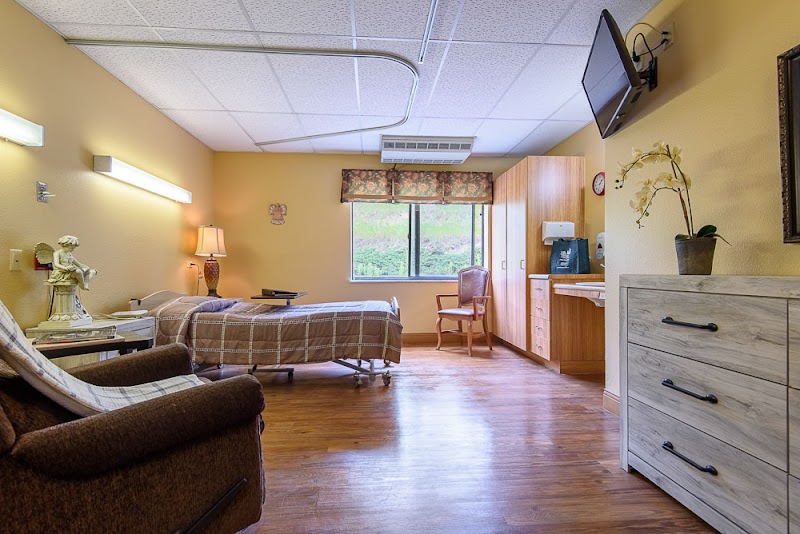
How is Life Of Evergreen Staffed?

CMS rates LIFE CARE CENTER OF EVERGREEN's staffing level at 4 out of 5 stars, which is above average compared to other nursing homes. Staff turnover is 30%, compared to the Colorado average of 46%. This relatively stable workforce can support continuity of care.

What Have Inspectors Found at Life Of Evergreen?

State health inspectors documented 11 deficiencies at LIFE CARE CENTER OF EVERGREEN during 2022 to 2025. These included: 11 with potential for harm.
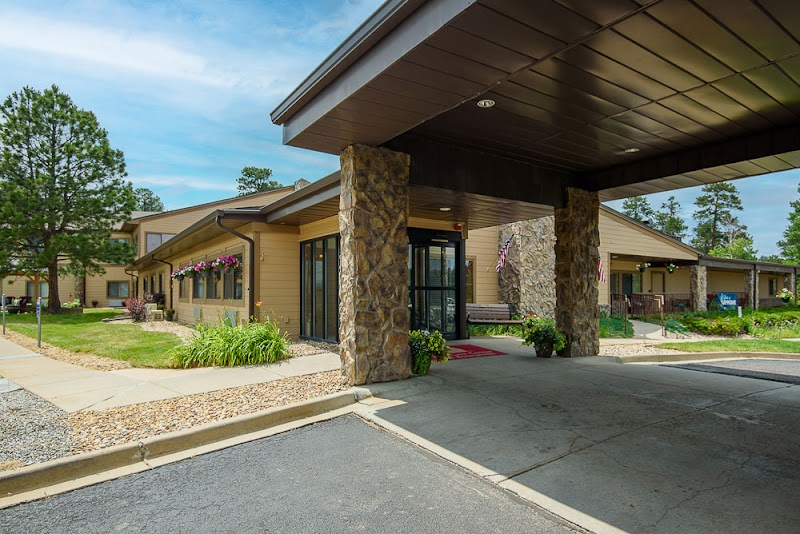
Who Owns and Operates Life Of Evergreen?

LIFE CARE CENTER OF EVERGREEN is owned by a for-profit company. For-profit facilities operate as businesses with obligations to shareholders or private owners. The facility is operated by LIFE CARE CENTERS OF AMERICA, a chain that manages multiple nursing homes. With 120 certified beds and approximately 56 residents (about 47% occupancy), it is a mid-sized facility located in EVERGREEN, Colorado.
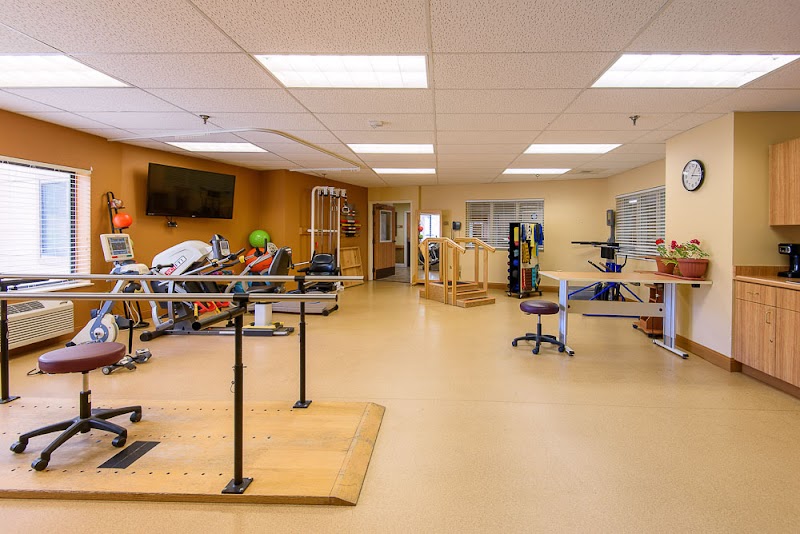
How Does Life Of Evergreen Compare to Other Colorado Nursing Homes?

Compared to the 100 nursing homes in Colorado, LIFE CARE CENTER OF EVERGREEN's overall rating (5 stars) is above the state average of 3.2, staff turnover (30%) is significantly lower than the state average of 46%, and health inspection rating (4 stars) is above the national benchmark.

What Should Families Ask When Visiting Life Of Evergreen?

Based on this facility's data, families visiting should ask: "Can I visit during a mealtime to observe dining assistance and food quality?" "How do you handle medical emergencies, and what is your hospital transfer rate?" "Can I speak with family members of current residents about their experience?"

Is Life Of Evergreen Safe?

Based on CMS inspection data, LIFE CARE CENTER OF EVERGREEN has a clean safety record: no substantiated abuse findings (meaning no confirmed cases of resident harm), no Immediate Jeopardy citations (the most serious violation level indicating risk of serious injury or death), and is not on the Special Focus Facility watch list (a federal program monitoring the lowest-performing 1% of nursing homes). The facility has a 5-star overall rating and ranks #1 of 100 nursing homes in Colorado. While no facility is perfect, families should still ask about staff-to-resident ratios and recent inspection results during their visit.

Do Nurses at Life Of Evergreen Stick Around?

Staff at LIFE CARE CENTER OF EVERGREEN tend to stick around. With a turnover rate of 30%, the facility is 16 percentage points below the Colorado average of 46%. Low turnover is a positive sign. It means caregivers have time to learn each resident's needs, medications, and personal preferences. Consistent staff also notice subtle changes in a resident's condition more quickly.

Was Life Of Evergreen Ever Fined?

LIFE CARE CENTER OF EVERGREEN has no federal fines on record. CMS issues fines when nursing homes fail to meet care standards or don't correct problems found during inspections. The absence of fines suggests the facility has either maintained compliance or corrected any issues before penalties were assessed. This is a positive indicator, though families should still review recent inspection reports for the full picture.

Is Life Of Evergreen on Any Federal Watch List?

LIFE CARE CENTER OF EVERGREEN is not on any federal watch list. The most significant is the Special Focus Facility (SFF) program, which identifies the bottom 1% of nursing homes nationally based on persistent, serious quality problems. Not being on this list means the facility has avoided the pattern of deficiencies that triggers enhanced federal oversight. This is a positive indicator, though families should still review the facility's inspection history directly.