BETH ISRAEL AT SHALOM PARK
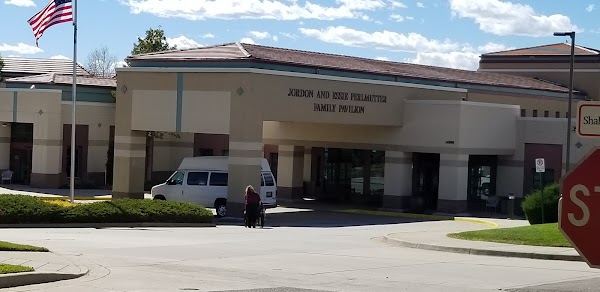
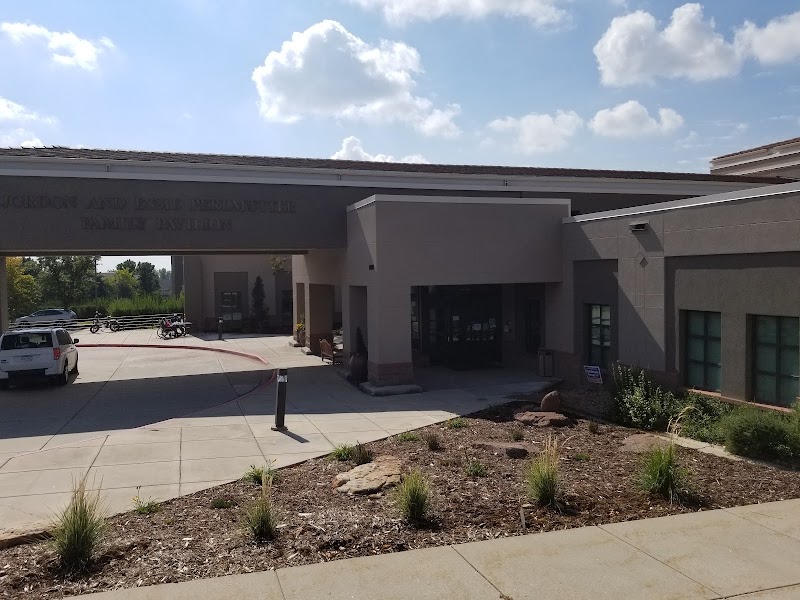
14800 E BELLEVIEW DR, AURORA, CO 80015 (303) 680-5000
Non profit - Corporation 135 Beds Independent Data: November 2025
Trust Grade
95/100
#7 of 208 in CO
Last Inspection: October 2023

Over 2 years since last inspection. Current conditions may differ from available data.

Overview

Beth Israel at Shalom Park in Aurora, Colorado, has an impressive Trust Grade of A+, indicating it is an elite facility with top-tier services. It ranks #7 out of 208 facilities in Colorado, placing it well within the top tier, and #2 out of 20 in Arapahoe County, meaning there is only one better local option. The facility is improving, having reduced issues from 2 in 2022 to none in 2023. Staffing is a strong point, with a 4/5 star rating and an 8% turnover rate, significantly lower than the state average of 49%, which helps ensure continuity of care. However, there are concerns to consider, as the facility has had some deficiencies, including improper food storage practices that could affect resident safety and a medication error rate that slightly exceeded the acceptable level. Although there are no fines recorded, which is positive, families should be aware of these recent incidents to make an informed decision. Overall, while the strengths of the facility are notable, potential weaknesses should also be taken into account.

Trust Score
A+
95/100
In Colorado
#7/208
Top 3%
Safety Record
Low Risk
No red flags
Inspections
Getting Better
2 → 0 violations
Staff Stability
✓ Good
8% annual turnover. Excellent stability, 40 points below Colorado's 48% average. Staff who stay learn residents' needs.
Penalties
✓ Good
No fines on record. Clean compliance history, better than most Colorado facilities.
Skilled Nurses
✓ Good
Each resident gets 47 minutes of Registered Nurse (RN) attention daily — more than average for Colorado. RNs are trained to catch health problems early.
Violations
✓ Good
Only 5 deficiencies on record. Cleaner than most facilities. Minor issues only.
★★★★★
5.0
Overall Rating
★★★★☆
4.0
Staff Levels
★★★★★
5.0
Care Quality
★★★★★
5.0
Inspection Score
Stable
2022: 2 issues
2023: 0 issues

The Good

  • 4-Star Staffing Rating · Above-average nurse staffing levels
  • 5-Star Quality Measures · Strong clinical quality outcomes
  • Low Staff Turnover (8%) · Staff stability means consistent care
  • Full Sprinkler Coverage · Fire safety systems throughout facility
  • No fines on record
  • Staff turnover is low (8%)

    40 points below Colorado average of 48%

Facility shows strength in staffing levels, quality measures, staff retention, fire safety.

The Bad

No Significant Concerns Identified

This facility shows no red flags. Among Colorado's 100 nursing homes, only 1% achieve this.

The Ugly 5 deficiencies on record

Jul 2022 2 deficiencies
CONCERN (E)

Potential for Harm - no one hurt, but risky conditions existed

Unnecessary Medications (Tag F0759)

Could have caused harm · This affected multiple residents

Based on observations, interviews, record review, and facility policy review, the facility failed to maintain a medication error rate of 5% or less. There were two errors out of 31 opportunities for e...

Read full inspector narrative →
Based on observations, interviews, record review, and facility policy review, the facility failed to maintain a medication error rate of 5% or less. There were two errors out of 31 opportunities for error, which resulted in a 6.45% medication error rate for 1 (Resident #73) of 4 residents observed during medication pass. Findings included: A review of the facility policy titled, Medication Administration, dated 11/20/2020, revealed, Policy Explanation and Compliance Guidelines: 10. Review MAR [Medication Administration Record] to identify medication to be administered. 11. Compare medication source (bubble pack, vial, etc. [et cetera]) with MAR to verify resident name, medication name, form, dose, route, and time. The policy also indicated, 14. Administer medication as ordered in accordance with manufacturer specifications. An observation of the medication administration pass on 07/12/2022 at 7:24 AM for Resident #73 revealed Licensed Practical Nurse (LPN) #1 administered Flonase nasal spray, two sprays in each nostril; B-12 1000 microgram (mcg) tablet; Senna 8.6 milligram (mg) two tablets; and Famotidine 40 mg one tablet. A review of the Physician's Orders revealed the following orders: - An order dated 06/07/2019 indicated the resident was to receive Flonase Allergy Relief nasal spray, 50 mcg. The directions were to administer one spray in each nostril daily for allergies. - An order dated 08/16/2019 indicated the resident was to receive cyanocobalamin (Vitamin B-12) 500 mcg daily for B12 deficiency. During an interview on 07/12/2022 at 7:36 AM, LPN #1 said he administered two sprays of the Flonase in each nostril to Resident #73. During an interview on 07/12/2022 at 10:16 AM, LPN #1 said a 1000 mcg tablet of Vitamin B12 was administered to Resident #73 during the medication pass. LPN #1 reviewed the physician's orders and stated the orders were for Vitamin B12 500 mcg and Flonase one spray in each nostril. During an interview on 07/13/2022 at 10:48 AM, the Director of Nursing (DON) said it was expected for staff to observe the six rights of medication administration, including the right dosage. The nurse was responsible to ensure medications were given correctly. (The six rights of medication administration, referenced by the DON are an accepted standard of nursing practice. The six rights include: 1. Right patient. 2. Right drug. 3. Right dose. 4. Right route. 5. Right time. 6. Right documentation). During an interview on 07/13/2022 at 11:57 AM, the Administrator said the expectations for the nursing staff included being accurate, always reading the orders before administering the medications.
CONCERN (F)

Potential for Harm - no one hurt, but risky conditions existed

Food Safety (Tag F0812)

Could have caused harm · This affected most or all residents

Based on observations, interviews, and facility policy review, the facility failed to store food in accordance with professional standards for food service safety. Observations in the kitchen/dry stor...

Read full inspector narrative →
Based on observations, interviews, and facility policy review, the facility failed to store food in accordance with professional standards for food service safety. Observations in the kitchen/dry storage area revealed food items in the refrigerators, freezers, and dry storage were not dated nor labeled with an expiration date. This failed practice had the potential to affect 121 residents who received food from the main kitchen. Findings included: A review of the facility policy titled, Food and Supply Storage, revised 01/2022, revealed, Policies: All food, non-food items and supplies used in food preparation shall be stored in such a manner as to prevent contamination to maintain the safety and wholesomeness of the food for human consumption. Foods past the 'use by', 'sell-by', 'best-by' or 'enjoy by' date should be discarded. Cover, label and date unused portions and open packages. Products are good through the close of business on the date noted on the label. Date and rotate items; first in, first out. Discard food past the use-by or expiration date. On 07/11/2022 from 10:43 AM to 11:03 AM, the surveyor observed the following in the kitchen, in the presence of the Director of Dining Services (DDS) and Executive Sous Chef (ESC): - In the dry storage area, an opened 32-ounce (oz.) box of raisins had no opened date. An opened 56-oz. box of cornbread stuffing mix had no opened date. An opened 160-oz. bag of durum wheat pasta had no opened date. An opened bag of multi-colored cereal had no label, nor opened date. - In the reach-in freezer, four 14-oz. marble cakes had expiration dates of 02/25/2022. - In the walk-in kosher refrigerator, an opened bag of hash brown patties had an approximately three-inch hole in the bag, which was open to air. There was no opened date or label on the bag. An opened bag of meatballs had no label or opened date. A bag of red meat had no label or date. - In walk-in refrigerator C, two yellow peppers contained brown and white runny substances. - In walk-in refrigerator E, an opened bag of yellow shredded cheese had no label or date. An opened bag of approximately five cookies had no label or date. - In walk-in refrigerator H, an opened 32-oz. carton of liquid eggs was unsealed, with the contents exposed to air. During an interview on 07/13/2022 at 9:31 AM, the DDS said he expected all dietary employees to label/date opened foods to be stored in the freezers, refrigerators, and dry storage and to discard food items past their expiration date. He revealed it was his and the ESC's ultimate responsibility to check behind other dietary employees to ensure foods were labeled, dated, and discarded if expired. In an interview on 07/13/2022 at 9:36 AM, the ESC said he expected foods to be labeled/dated after opening and discarded by the expiration date or if spoiled. He revealed he was aware that all opened food items required a label/date to be placed on it before storing it. He indicated he and the DDS were responsible for monitoring for proper food storage in the refrigerators, freezers, and dry storage. The ESC indicated some dietary staff were out and on vacation, so they were a little behind on labeling/dating food items. In an interview on 07/13/2022 at 12:19 PM, the Director of Nursing (DON) said he held the elders in the highest esteem and expected all opened foods to be labeled and dated and for expired foods to be disposed of. The DON stated the DDS was ultimately responsible for checking to ensure foods were labeled/dated, within expiration dates, and not spoiled. In an interview on 07/13/2022 at 12:37 PM, the Administrator said the DDS was ultimately responsible for checking the refrigerators, freezers, and dry storage daily to ensure proper storage and labeling of food items. The Administrator stated she expected all opened foods in the refrigerators, freezers, and dry storage to be labeled/dated and stored properly and for expired/spoiled food to be discarded when or before they expired.
Apr 2021 3 deficiencies
CONCERN (D)

Potential for Harm - no one hurt, but risky conditions existed

Respiratory Care (Tag F0695)

Could have caused harm · This affected 1 resident

**NOTE- TERMS IN BRACKETS HAVE BEEN EDITED TO PROTECT CONFIDENTIALITY** Based on observations, record review and interviews, the facility failed to ensure residents who needed respiratory care were pr...

Read full inspector narrative →
**NOTE- TERMS IN BRACKETS HAVE BEEN EDITED TO PROTECT CONFIDENTIALITY** Based on observations, record review and interviews, the facility failed to ensure residents who needed respiratory care were provided such care, consistent with professional standards of practice, the comprehensive person-centered care plan and the resident ' s goals and preferences for two (#33, and #96) of three residents reviewed for oxygen therapy out of 40 sample residents. Specifically, the facility failed to ensure oxygen was administered according to physician orders for Resident #33 and #96. Findings include: I. Facility policy The oxygen policy, provided by the director of nursing (DON) on 4/29/21 at 8:40 a.m., revised on 3/5/2020, included, Oxygen will be administered per physician order and nursing evaluation. II. Resident #33 A. Resident status Resident #33, [AGE] years old, was admitted to the facility on [DATE]. According to the April 2021 computerized physician orders (CPO), diagnoses included acute respiratory failure with hypoxia and chronic obstructive pulmonary disease (COPD). The 2/1/21 minimum data set (MDS) assessment revealed the resident was severely cognitively impaired with a brief interview for mental status (BIMS) of seven out of 15. The MDS identified the resident utilized oxygen. B. Record review The long term story care plan, updated 11/15/2020, identified the resident wore oxygen because of COPD and encouraged staff to check the oxygen level if the resident felt short of breath or more weak than usual. -The care plan did not identify the resident would remove the oxygen nasal cannula. The April 2021 CPO included: -Oxygen (O2) at one liter per minute (lpm) by (via) nasal cannula continuous ordered 2/2/21. C. Observations and interviews On 4/27/21 at 10:27 a.m. Resident #33 was laying down in his bed. He had his nasal cannula on, but the concentrator was not on. Registered nurse (RN) #1 was asked about Resident #33 and his oxygen. She said he was ordered 1 LPM continuously. She said he took off his oxygen often and the facility could make him wear it, but the facility did monitor him for low oxygen levels. After she was informed his concentrator was off, she went into his room and turned on the concentrator. She said the aides could turn on the concentrator. She said they were not allowed to adjust it. She checked and the concentrator setting was at 1 LPM. She said the concentrator should have been on. On 4/27/21 at 2:30 p.m. Resident #33 was in his room in bed with his nasal cannula on, and the concentrator was off. Certified nurse aide (CNA) #2 said the concentrator should be on. She turned on the concentrator. The concentrator was set to 2 LPM. She said the concentration should be set at 2 LPM. She said she was told by the nurse of the LPM setting the concentrator should be set at. She said he often would take off his nasal cannula. On 4/27/21 at 2:57 p.m. RN #2 said Resident #33 often would take off his oxygen. She said he was non-compliant about wearing the nasal cannula. She said his order was for 1 LPM. She checked the setting on the concentrator and adjusted it to 1 LPM. She said it should be at the ordered setting to make sure he was receiving the correct dose prescribed. She said too much oxygen could increase the carbon dioxide and be more harmful. She said oxygen was a medication. She said aides were not allowed to adjust the concentrator. D. Interview The DON was interviewed on 4/28/21 at 2:05 p.m. He said oxygen was a medication. He said Resident #33 was ordered 1 LPM continuously. He said the resident often refused to wear the oxygen. He said if the resident refused to wear the oxygen, he would expect the nurse to write a note. He said the long term story care plan should have identified he would remove the nasal cannula. He said if Resident #33 was in his room and in bed, the concentrator should be on and at the correct setting. He said if the resident received too much oxygen he could develop high carbon dioxide levels which are dangerous. He said education would be provided to the staff. II. Resident #96 A. Resident status Resident #96, age [AGE], was admitted [DATE]. According to the April 2021 computerized physician orders (CPO), the diagnoses included Alzheimer ' s, dementia, chronic respiratory failure with hypoxia, hypertensive chronic kidney disease, and major depressive disorder. The 3/29/21 MDS assessment revealed the resident had significant cognitive impairment. The resident was totally dependent on two people for transferring. She had impairment on both sides, with limited range of motion for upper and lower extremities. She required oxygen therapy. She did not reject care. B. Record review A physician order dated 4/10/20 , revealed to take a full set of vitals, check vital signs once daily. A physician order dated 1/30/21 revealed to start oxygen at 3 LPM (liters per minute) via NC (nasal cannula) continuously. Keep oxygen saturation 88% and above. Inhalation every shift. For hypoxia. Review of the daily vital signs from 2/1/21 through 4/28/21 revealed the resident was charted to be on 3 LPM, 14 times out of 134 opportunities. All other documented opportunities indicated the resident was on 2 LPM. The resident ' s care plan narrative, last revised 4/13/21, identified that because of her chronic respiratory failure with hypoxia, she required supplemental oxygen. C. Resident observations On 4/26/21 at 11:17 a.m. Resident #96 was observed resting in the hallway common area, near the kitchenette, in her tilted high back wheelchair. She was using her portable oxygen concentrator. It was set at 2 ½ LPM . -At 11:25 a.m. certified nurse aide (CNA #10) took the portable oxygen concentrator to be refilled. She returned, placed the full portable oxygen concentrator back on the resident ' s wheelchair, and placed it for the resident to use. The CNA set the concentrator back on 2 ½ LPM. On 4/27/21 at 10:05 a.m. the resident was observed in her room, in her wheelchair. Her room oxygen concentrator was on and in use. It was set at 2 LPM. On 4/28/21 at 7:46 a.m. Resident #96 was observed in the hallway common area, seated in her wheelchair. Her portable oxygen concentrator was missing. A minute later CNA #10 was observed placing the full portable oxygen concentrator on the resident ' s wheelchair, and put in place for the resident to use. The CNA set the concentrator on 2 ½ LPM. D. Staff interviews On 4/28/21 at 7:48 a.m. CNA #10 said that the night staff usually refilled the oxygen tanks before the end of their shift, but she always checked anyway, to make sure they were all filled. She said someone must have forgotten to double check Resident #96 ' s. She said the resident was on 2 ½ LPM. She said she would not adjust the liters. She said she knew what to put the liter flow on by looking at what the room concentrator was set on. She went to the resident ' s room, turned the room oxygen concentrator on, and said that it also read 2 ½ LPM. She said that was how she knew it was supposed to be set at 2 ½ LPM. She said each morning she received a piece of paper from the nurse to take resident vitals. She said she then turned the paper back into the nurse, so they could put the information into the resident ' s chart. Registered nurse (RN #7) was interviewed on 4/28/21 at 7:55 a.m. He said that the CNAs filled out the vital forms each morning, and then gave them to him. He said he then put the information into the residents ' records, and also verified the orders when he did it. He said he thought Resident #96 was on oxygen at 2 LPM. He went to the resident, and looked at her portable oxygen concentrator, and said it was currently set at 2 ½ LPM. He said he would check the resident ' s oxygen physician order. After the RN reviewed the resident ' s order, he said the resident had an order to be on oxygen at 3 LPM. He said that the CNAs had to turn the portable oxygen concentrators off to refill them, but they should place the oxygen back onto the liters they were already on. He said that the white boards in the residents ' rooms was where they would write what the oxygen order was, for reference. He went to the resident ' s room, and pointed out that 3 LPM was written in the top corner of the white board for Resident #96.
CONCERN (E)

Potential for Harm - no one hurt, but risky conditions existed

Deficiency F0761 (Tag F0761)

Could have caused harm · This affected multiple residents

Based on observations, interviews and record review, the facility failed to ensure drugs and biologicals were labeled and stored in accordance with accepted professional standards in one of three medi...

Read full inspector narrative →
Based on observations, interviews and record review, the facility failed to ensure drugs and biologicals were labeled and stored in accordance with accepted professional standards in one of three medication rooms, and two of six medication carts. Specifically, the facility failed to: -Date two vials of Tubersol when opened on the first skilled floor; -Date a Wixela inhaler when opened on the third floor west medication cart; and, -Date a Breo inhaler when opened on the third floor east medication cart. I. Professional references According to the Tubersol package insert, retrieved on 5/3/21 from: https://www.fda.gov/media/74866/download, A vial of TUBERSOL which has been entered and in use for 30 days should be discarded. According to the Wixela prescribing information, retrieved on 5/3/21 from: https://dailymed.nlm.nih.gov/dailymed/fda/fdaDrugXsl.cfm?setid=3beef422-8a07-4a45-9ba6-414511e4b7e2, Wixela should be stored inside the unopened moisture-protective foil pouch and only removed from the pouch immediately before initial use. Discard Wixela one month after opening the foil pouch or when the counter reads 0, whichever comes first. According to the Breo prescribing information, retrieved on 5/3/21 from: https://gskpro.com/content/dam/global/hcpportal/en_US/Prescribing_Information/Breo_Ellipta/pdf/BREO-ELLIPTA-PI-PIL-IFU.PDF, Discard Breo Ellipta six weeks after opening the foil tray or when the counter reads 0, whichever comes first. II. Observations and interviews On 4/28/21 at 8:57 a.m. the first floor medication storage room was found to have two opened vials of Tubersol with no date of opening on the vial. Assistant director of nursing (ADON) #1 said the night shift should have noticed the undated vials. She said the vials were good 28 days after opening. She said with no open date she did not know when they were opened and would discard them right away. On 4/28/21 at 9:24 a.m. the third floor west medication cart had a Wixela inhaler with no date of opening. The storage instructions on the side of the box was shared with registered nurse (RN) #3. She said she did not know the inhaler had a limited time to be used after opening and would discard the inhaler right away. On 4/28/21 at 9:40 a.m. the third floor east medication cart had a Breo inhaler with no date of opening. The storage instructions on the side of the box was shared with RN #1. She said she did not know about the expiration time and would discard the inhaler right away. III. Management interview The director of nursing (DON) was interviewed on 4/28/21 at 2:15 p.m. He said the two Tubersol vials should have been dated to know if the preservative is still good to ensure the efficacy of the medication. He said the inhalers should have been dated for the same reasons. He said education would be provided to the staff.
CONCERN (E)

Potential for Harm - no one hurt, but risky conditions existed

Food Safety (Tag F0812)

Could have caused harm · This affected multiple residents

**NOTE- TERMS IN BRACKETS HAVE BEEN EDITED TO PROTECT CONFIDENTIALITY** Based on observation, record review and interviews the facility failed to ensure food safety and sanitation of personal resident...

Read full inspector narrative →
**NOTE- TERMS IN BRACKETS HAVE BEEN EDITED TO PROTECT CONFIDENTIALITY** Based on observation, record review and interviews the facility failed to ensure food safety and sanitation of personal resident refrigerators on three of three floors. Specifically, the facility failed to ensure personal resident refrigerators were maintained, monitored, and cleaned. Findings include: I. Facility policy and procedure The Resident Room Refrigerator policy, updated 9/1/15, was provided by the nursing home administrator (NHA) on 4/28/21 at 2:32 p.m. It read in pertinent part, Refrigerators and freezers will be cleaned, (and) contents properly stored. Housekeeping will check refrigerators to verify appropriate storage and cleanliness as part of routine cleaning of resident rooms. Refrigerators will be cleaned a minimum of weekly and as needed for spills and spoiled food. If any care partner sees food or beverages that is spoiled or has safety issues please discuss the questionable item with the resident. Food and beverages will be discarded on a regular schedule or every 2 (two) days and/or when the food/beverage is past the printed expiration date. II. Observations and resident interviews Personal refrigerators in 12 rooms (305, 323, 336, 200, 204, 228, 230, 232, 234, 236, 223, and 102) did not have a temperature or cleaning log accompanying the refrigerator. Personal refrigerators in eight rooms (305, 336, 208, 228, 230, 234, 223, and 102) did not have thermometers in them. An observation on 4/26/21 at 11:06 a.m. revealed opened juices in the room of Resident #73. The resident had opened 46 oz. Sysco thickened orange juice, with an expiration date of 5/25/21, on his bedside table. There was no open date documented on the carton. It was room temperature to the touch. A second identical carton was found opened, with an expiration date of 5/25/21, on the resident's television stand. There was no opened date documented on the second carton, and it was also at room temperature to the touch. Once the second container lid was opened, mold was observed inside the opening. The cartons' instructions stated After opening, may be kept up to 7 days under refrigeration. Certified nurse aide (CNA #10) entered Resident #73's room on 4/26/21 at 11:10 a.m. She said the CNAs and the nurses would often bring the resident thickened drinks for his room, since the resident did not always like to leave his room. She said the two cartons in his room may have been brought to him recently. She was not sure when they had come to his room, but that they would have been left for him. The CNA observed the mold inside one of the cartons, and she said that perhaps staff should date when they were opened. She discarded the cartons. Resident personal refrigerators from all three floors were observed on 4/27/21 between 2:40 p.m. and 4:05 p.m. and revealed the following: In room [ROOM NUMBER], at 2:40 p.m., the refrigerator had visible food residue on the inside surfaces and the freezer compartment was frosted shut. The resident said no one checks or cleans out the refrigerator. She said something had started to smell in the refrigerator, and she did not know the source. In room [ROOM NUMBER] at 2:45 p.m., there was an unopened yogurt dated April 2019 and un-dated food inside of a plastic bag inside the refrigerator. The resident said no one came to clean the refrigerator. He said the refrigerator was left in his room by the former occupant. In room [ROOM NUMBER], at 2:50 p.m., the freezer was dirty with food residue stuck on the freezer surfaces and needed to be defrosted. The contents of the resident's refrigerator included: Guacamole in freezer expired 4/18/19 on package and facility label dated 3/3, Two expired unopened guacamole containers in fridge expired 3/29/2020, one opened brown guacamole in container expired 4/18/21, no open date was indicated on the packaging, one mold-covered guacamole expired 3/26/21, no open date was included on the open package, multiple expired Sargento Snack packs containing cheese, nuts, and dried fruit, three packages of six individual snack containers expired on 9/11/2020. -Three packages of six individual snack containers expired 10/23/2020, 10/30/2020, and 12/6/2020, an undated plastic bag contained half of a large cookie that was hard as a rock, an undated apple pie from a fast-food restaurant was stuck to the back of the fridge by a sticky substance, an undated, open container of instant mashed potatoes was completely covered in mold. -Two open, un-dated bottles of nutritional supplement (Ensure) expired 10/1/2020 and 2/1/21. The cheese in the container was dried out and moldy. -The resident said her refrigerator had not been cleaned or gone through since visits stopped because of COVID-19. She said her family cleaned and maintained the refrigerator for her. She said she was not able to access the refrigerator herself and needed staff assistance to get her snacks out of the fridge. She said staff would sometimes clean it. She said some of the food had been in there for over a year. In room [ROOM NUMBER], at 3:00 p.m., the inside of the fridge was clean. The leftover food in a facility container in the refrigerator was un-dated and there was a small carton of milk that expired on 2/24/21. -The resident said no one comes to clean their refrigerator or to check the temperature. She said she and her husband kept it clean and needed to throw out the old food in the fridge. In room [ROOM NUMBER] was observed at 3:10 p.m., The food in the fridge was un-dated. In room [ROOM NUMBER], at 3:20 p.m. the refrigerator had a smell emanating from it after being opened, the open packages of food were un-dated and some unlabeled. The freezer compartment was frosted shut. room [ROOM NUMBER], at 3:22 p.m., the thermometer in the refrigerator read 30 degrees Fahrenheit (F). The freezer compartment was frosted shut. room [ROOM NUMBER], at 3:30 p.m., there were no dates on the open containers and leftover food. -The resident said no one cleans or checks the temperature of my refrigerator for me. She said she has to clean the refrigerator herself. room [ROOM NUMBER], at 3:35 p.m., the thermometer inside the refrigerator ready 35 degrees F. The freezer compartment was frosted shut. -The resident said she completed the cleaning of her refrigerator. She said she needed to defrost the refrigerator but did not know what to do and when she asked the staff, they said they did not know either. room [ROOM NUMBER], at 3:40 p.m., no dates on opened food packages in the refrigerator. room [ROOM NUMBER], at 4:05 p.m., there was food residue on the inside of the refrigerator and freezer compartment. An open bottle of chocolate sauce expired 4/2/19 and an open bottle of supplemental nutrition (Ensure) expired 2/1/2020. III. Record review The facility director (FD) provided temperature logs on 4/29/21 at 12:21 p.m. The temperature logs revealed the last temperature taken for an unspecified floor was in January 2021. The temperatures were taken and recorded weekly. The last temperature logs for the other two unspecified floors were dated December 2020 and were blank. IV. Staff interviews Certified nurse aide (CNA) #3 was interviewed on 4/27/21 at 3:25 p.m. She said it was the night shift's responsibility to clean and check the temperature of resident refrigerators. Housekeeper #1 was interviewed on 4/27/21 at 3:42 p.m. He said the CNA and nurses usually check the temperatures and were responsible for cleaning the resident refrigerators. Dietary aide (DA) #1 was interviewed on 4/27/21 at 3:50 p.m. She said she was not sure if nursing staff or dietary staff were responsible for cleaning the resident refrigerators. She said all food should be labeled with a date before being put into any refrigerator. CNA #4 was interviewed on 4/27/21 at 3:55 p.m. She said the housekeeping staff was responsible for cleaning the resident refrigerators. She said if she was asked or noticed a resident refrigerator needed cleaning she would clean it. CNA #5 was interviewed on 4/27/21 at 3:57 p.m. She said nursing staff could clean the resident refrigerators but did not know who was responsible for cleaning and monitoring them. Registered nurse (RN) #5 was interviewed on 4/27/21 at 3:58 p.m. She said she thought housekeeping was supposed to clean and monitor the resident refrigerators. She said some CNAs will clean out the refrigerators if they notice the refrigerators need attention. Assistant director of nursing (ADON) #1 was interviewed on 4/27/21 at 4:00 p.m. She said nursing staff and dietary staff had to clean and monitor resident refrigerators. She said temperatures should be checked every 24 hours. She said the temperatures in the resident refrigerators were not being checked. She said open food in residents' refrigerators, from the facility or family members, should be cleaned out after 72 hours. She said the inside of resident refrigerators should be cleaned regularly. She said not all fridges in resident rooms had thermometers. She said there should not be one-year-old food in resident fridges. She said if there was no date on open food it should be thrown away because staff would not know how old it was and if it was safe for resident consumption. CNA #6 was interviewed on 4/27/21 at 4:10 p.m. She said she did not know who was responsible for cleaning and monitoring resident refrigerators. The dietary manager (DM) was interviewed on 4/28/21 at 11:20 a.m. He said housekeeping was responsible for cleaning personal resident refrigerators. He said he was not sure who should check temperatures. He said leftovers from meals should not be in the fridge past 72 hours of the date on the container. He said packaged foods should be thrown out according to the date on the package. He said any spoiled/moldy food should be thrown out. The FD was interviewed on 4/28/21 at 11:53 a.m. He said he started as FD three months ago and was still compiling a working list of things he needed to do in the facility. He said housekeeping staff should be checking temperatures, cleaning, and monitoring the personal resident refrigerators. He said he did a walk-through of the facility to find out who had personal refrigerators, temperature sheets, and thermometers. He said refrigerator temperatures should be checked and documented weekly. He said all personal resident refrigerators should have thermometers. He said food in resident refrigerators should be thrown out two days after it was put into the refrigerator. He said he was working on equipping all personal refrigerators with temperature sheets, thermometers, and educating his staff. -The previous observations and interviews indicate a clear systemic breakdown regarding who is to monitor the resident refrigerators.
Understanding Severity Codes (click to expand)
Life-Threatening (Immediate Jeopardy)
J - Isolated K - Pattern L - Widespread
Actual Harm
G - Isolated H - Pattern I - Widespread
Potential for Harm
D - Isolated E - Pattern F - Widespread
No Harm (Minor)
A - Isolated B - Pattern C - Widespread

Questions to Ask on Your Visit

  • "Can I speak with families of current residents?"
  • "What's your RN coverage like on weekends and overnight?"

Our Honest Assessment

Strengths
  • • Grade A+ (95/100). Above average facility, better than most options in Colorado.
  • • No major safety red flags. No abuse findings, life-threatening violations, or SFF status.
  • • No fines on record. Clean compliance history, better than most Colorado facilities.
  • • Only 5 deficiencies on record. Cleaner than most facilities. Minor issues only.
Concerns
  • • No significant concerns identified. This facility shows no red flags across CMS ratings, staff turnover, or federal penalties.
Bottom line: Generally positive indicators. Standard due diligence and a personal visit recommended.

About This Facility

What is Beth Israel At Shalom Park's CMS Rating?

CMS assigns BETH ISRAEL AT SHALOM PARK an overall rating of 5 out of 5 stars, which is considered much above average nationally. Within Colorado, this rating places the facility higher than 99% of the state's 100 nursing homes. This rating reflects solid performance across the metrics CMS uses to evaluate nursing home quality.

How is Beth Israel At Shalom Park Staffed?

CMS rates BETH ISRAEL AT SHALOM PARK's staffing level at 4 out of 5 stars, which is above average compared to other nursing homes. Staff turnover is 8%, compared to the Colorado average of 46%. This relatively stable workforce can support continuity of care.

What Have Inspectors Found at Beth Israel At Shalom Park?

State health inspectors documented 5 deficiencies at BETH ISRAEL AT SHALOM PARK during 2021 to 2022. These included: 5 with potential for harm.
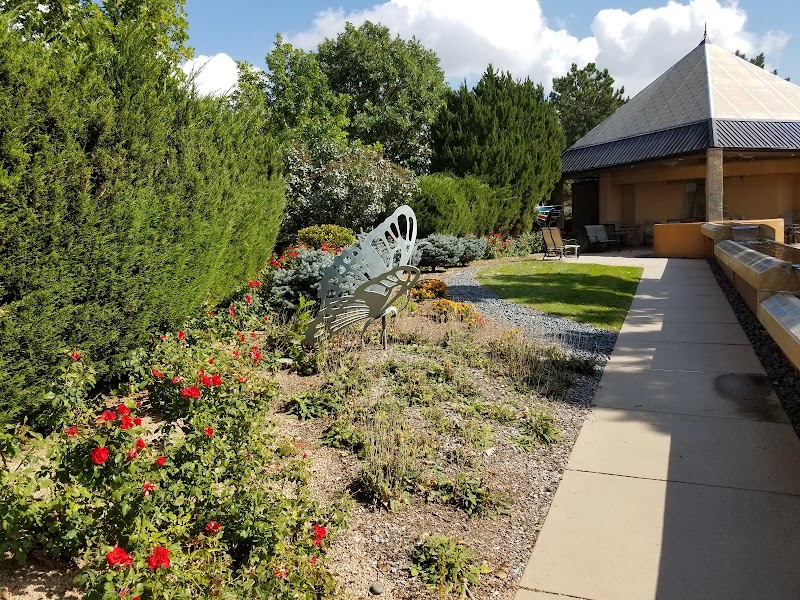
Who Owns and Operates Beth Israel At Shalom Park?

BETH ISRAEL AT SHALOM PARK is owned by a non-profit organization. Non-profit facilities reinvest revenue into operations rather than distributing to shareholders. The facility operates independently rather than as part of a larger chain. With 135 certified beds and approximately 141 residents (about 104% occupancy), it is a mid-sized facility located in AURORA, Colorado.
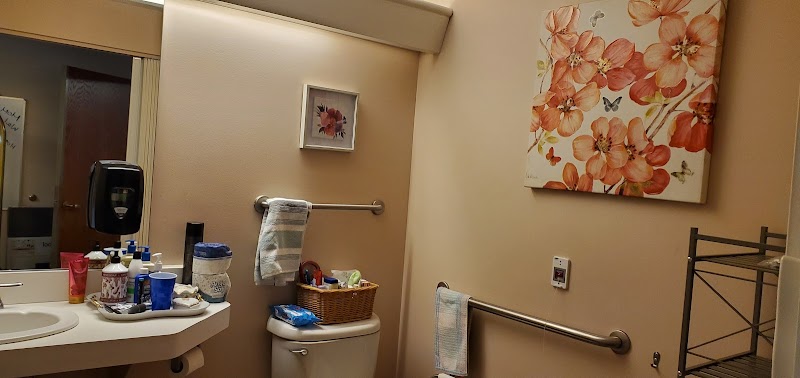
How Does Beth Israel At Shalom Park Compare to Other Colorado Nursing Homes?

Compared to the 100 nursing homes in Colorado, BETH ISRAEL AT SHALOM PARK's overall rating (5 stars) is above the state average of 3.2, staff turnover (8%) is significantly lower than the state average of 46%, and health inspection rating (5 stars) is much above the national benchmark.

What Should Families Ask When Visiting Beth Israel At Shalom Park?

Based on this facility's data, families visiting should ask: "Can I visit during a mealtime to observe dining assistance and food quality?" "How do you handle medical emergencies, and what is your hospital transfer rate?" "Can I speak with family members of current residents about their experience?"

Is Beth Israel At Shalom Park Safe?

Based on CMS inspection data, BETH ISRAEL AT SHALOM PARK has a clean safety record: no substantiated abuse findings (meaning no confirmed cases of resident harm), no Immediate Jeopardy citations (the most serious violation level indicating risk of serious injury or death), and is not on the Special Focus Facility watch list (a federal program monitoring the lowest-performing 1% of nursing homes). The facility has a 5-star overall rating and ranks #1 of 100 nursing homes in Colorado. While no facility is perfect, families should still ask about staff-to-resident ratios and recent inspection results during their visit.

Do Nurses at Beth Israel At Shalom Park Stick Around?

Staff at BETH ISRAEL AT SHALOM PARK tend to stick around. With a turnover rate of 8%, the facility is 38 percentage points below the Colorado average of 46%. Low turnover is a positive sign. It means caregivers have time to learn each resident's needs, medications, and personal preferences. Consistent staff also notice subtle changes in a resident's condition more quickly. Registered Nurse turnover is also low at 17%, meaning experienced RNs are available to handle complex medical needs.

Was Beth Israel At Shalom Park Ever Fined?

BETH ISRAEL AT SHALOM PARK has no federal fines on record. CMS issues fines when nursing homes fail to meet care standards or don't correct problems found during inspections. The absence of fines suggests the facility has either maintained compliance or corrected any issues before penalties were assessed. This is a positive indicator, though families should still review recent inspection reports for the full picture.

Is Beth Israel At Shalom Park on Any Federal Watch List?

BETH ISRAEL AT SHALOM PARK is not on any federal watch list. The most significant is the Special Focus Facility (SFF) program, which identifies the bottom 1% of nursing homes nationally based on persistent, serious quality problems. Not being on this list means the facility has avoided the pattern of deficiencies that triggers enhanced federal oversight. This is a positive indicator, though families should still review the facility's inspection history directly.