LITTLETON CARE AND REHABILITATION CENTER
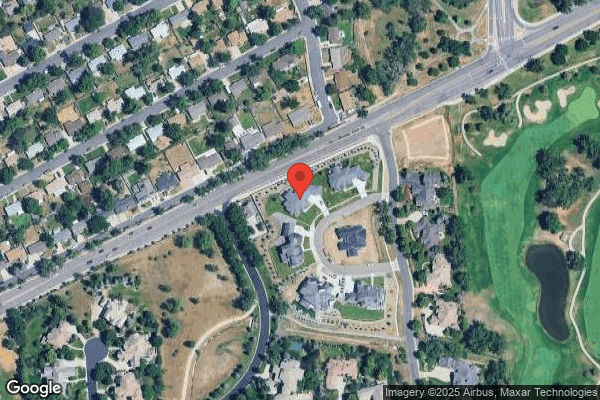
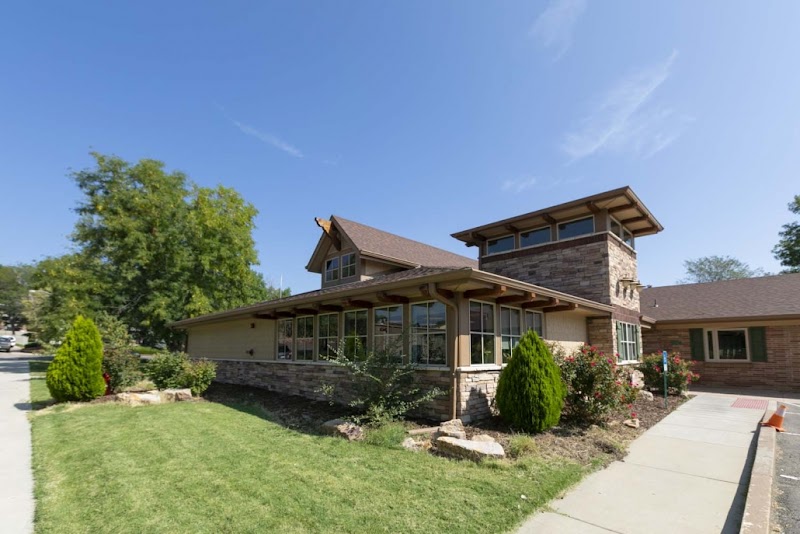
5822 S LOWELL WAY, LITTLETON, CO 80123 (303) 798-2497
For profit - Corporation 35 Beds THE ENSIGN GROUP Data: November 2025
Trust Grade
83/100
#37 of 208 in CO
Last Inspection: January 2024

Within standard 12-15 month inspection cycle. Federal law requires annual inspections.

Overview

Littleton Care and Rehabilitation Center has a Trust Grade of B+, which indicates it is above average and recommended for families considering care options. It ranks #37 out of 208 facilities in Colorado, placing it in the top half, and #4 out of 20 within Arapahoe County, meaning there are only three better local choices. However, the facility's performance is worsening, with issues increasing from 1 in 2023 to 6 in 2024. Staffing is a moderate strength with a 3/5 rating and a turnover of 45%, which is slightly below the state average. On the downside, the facility has been fined $7,781, which is average but suggests some compliance problems, and it has concerning incidents like failing to respond to a resident's call for assistance, leading to distress, and not addressing grievances raised by residents. Additionally, there were issues with maintaining proper infection control practices, which could put residents at risk. While there are strengths in quality measures and overall ratings, families should be aware of these significant weaknesses.

Trust Score
B+
83/100
In Colorado
#37/208
Top 17%
Safety Record
Moderate
Needs review
Inspections
Getting Worse
1 → 6 violations
Staff Stability
⚠ Watch
45% turnover. Above average. Higher turnover means staff may not know residents' routines.
Penalties
○ Average
$7,781 in fines. Higher than 61% of Colorado facilities. Some compliance issues.
Skilled Nurses
✓ Good
Each resident gets 60 minutes of Registered Nurse (RN) attention daily — more than 97% of Colorado nursing homes. RNs are the most trained staff who catch health problems before they become serious.
Violations
⚠ Watch
12 deficiencies on record. Higher than average. Multiple issues found across inspections.
★★★★★
5.0
Overall Rating
★★★☆☆
3.0
Staff Levels
★★★★★
5.0
Care Quality
★★★★☆
4.0
Inspection Score
Stable
2023: 1 issues
2024: 6 issues

The Good

  • 5-Star Quality Measures · Strong clinical quality outcomes
  • Full Sprinkler Coverage · Fire safety systems throughout facility
  • No fines on record

Facility shows strength in quality measures, fire safety.

The Bad

Staff Turnover: 45%

Near Colorado avg (46%)

Higher turnover may affect care consistency

Federal Fines: $7,781

Below median ($33,413)

Minor penalties assessed

Chain: THE ENSIGN GROUP

Part of a multi-facility chain

Ask about local staffing decisions and management

The Ugly 12 deficiencies on record

1 actual harm
Oct 2024 3 deficiencies 1 Harm
SERIOUS (G) 📢 Someone Reported This

A family member, employee, or ombudsman was alarmed enough to file a formal complaint

Actual Harm - a resident was hurt due to facility failures

Free from Abuse/Neglect (Tag F0600)

A resident was harmed · This affected 1 resident

**NOTE- TERMS IN BRACKETS HAVE BEEN EDITED TO PROTECT CONFIDENTIALITY** Based on record review and interviews, the facility failed to ensure two (#1 and #5) 11 residents out of 12 sample residents wer...

Read full inspector narrative →
**NOTE- TERMS IN BRACKETS HAVE BEEN EDITED TO PROTECT CONFIDENTIALITY** Based on record review and interviews, the facility failed to ensure two (#1 and #5) 11 residents out of 12 sample residents were kept free from abuse. Resident #1, who had limited mobility and required staff assistance with bed mobility and transfers due to a recent hip surgery, was admitted to the facility on [DATE]. On the night of 7/21/24, Resident #1 used her call light to request staff assistance with being repositioned in bed. The resident later used her call light to request staff assistance with going to the bathroom. Both times, when staff had not responded to the resident's call light in over one hour, the resident called her legal representative. Both times, the resident's representative called the facility and staff eventually answered Resident #1's call light. Early in the morning on 7/22/24, Resident #1 again called her representative. The resident was crying and scared and wanted to leave the facility. Resident #1 reported that registered nurse (RN) #1 had come into her room, got close to her face and yelled at her to stop using her call light. According to Resident #1, RN #1 told her if she did not stop using her call light, staff would not come to assist her. Resident #1's representative arrived at the facility after receiving the phone call and removed Resident #1 from the facility due to the resident crying hysterically, being scared and not wanting to remain in the facility. The resident's representative reported the incident to the local police department on 7/22/24. Certified nurse aide (CNA) #1, who witnessed the incident between RN #1 and Resident #1, wrote a statement on 7/22/24 which documented RN #1 had spoken sternly to the resident and told her to stop using her call light and nobody was going to answer the call light. The facility completed a grievance related to the allegation but failed to investigate the incident until 9/12/24, over one month later, when the facility was alerted by the state board of nursing that RN #1's nursing license was being investigated for an allegation of abuse. The facility failed to conduct a complete investigation of the incident or report the allegation to the State Agency on 9/12/24 and RN #1 continued to work at the facility. Additionally, on 10/3/24, during a group interview during the survey, Resident #5, who also required staff assistance, reported he waited for 45 minutes to answer his call light. When nobody came, Resident #5 began yelling for help. He said RN #1 came to the doorway of his room and yelled at him to shut up and quit using his call light. Resident #5 said he was angry at being treated that way by RN #1. Due to the facility's failures to ensure residents were kept free from abuse, Resident #1 and Resident #5 experienced psychosocial harm when RN #1 yelled at the residents for using their call lights and threatened that staff would not answer their call lights if they continued to use them. Findings include: I. Facility policy and procedure The Abuse Investigation and Reporting policy, revised August 2024, was provided by the nursing home administrator (NHA) on 10/3/24 at 8:39 a.m. It read in pertinent part, It is the policy of this facility that reports of abuse, neglect, misappropriation of property and exploitation are promptly and thoroughly investigated. The investigation process will consist of at least the following: -A review of the completed complainant report; -An interview with the person(s) reporting the incident; -Interviews with any witnesses to the incident; -An interview with the resident, if possible; -A review of the resident's medical record; -An interview with staff members having contact with the resident during the period/shift of the alleged incident, if applicable; -Interviews with resident's roommate, family members, and visitors, if applicable; and, -A review of all circumstances surrounding the incident. Employees of this facility accused of resident abuse shall immediately be barred from any further contact with the residents of the facility, pending the outcome of further investigation, prosecution or disciplinary action against the employee. The summary of the investigation will be recorded and attached to the report. Should the investigation reveal that the abuse occurred, the administrator would report such findings to the State Licensing Agency, as necessary, health department within (24 hours) and police department within two (2) hours as necessary with the results of the completion of the investigation. The administrator or designee will complete a copy of the Resident Abuse Investigation Report Form within five (5) working days of the reported incident. II. Incident of verbal abuse on 7/22/24 between Resident #1 and RN #1 A. Facility investigation The facility's investigation of the incident was provided by the NHA on 10/2/24 at approximately 2:00 p.m. A statement written by CNA #1 on 7/22/24 revealed resident #1 was admitted to the facility on the afternoon of 7/21/24. CNA #1 said the resident was using her call light throughout the day and night (on 7/21/24 into 7/22/24). CNA #1 said resident #1 requested assistance with the television, toileting assistance, retrieving food and repositioning in bed. CNA #1 reported RN #1 went into Resident #1's room and sternly told her she needed to stop taking advantage of her call light because the staff had had other residents to attend to. CNA #1's written statement further documented the resident's daughter arrived and removed Resident #1 from the facility. -Despite CNA #1's written statement of the incident, the facility completed a grievance for Resident #1's call light not being answered timely but failed to initiate an investigation for potential verbal abuse until 9/12/24 (see below). On 9/12/24, the facility was notified by the state board of nursing that RN #1 was being investigated for potential abuse. Upon receiving the notification from the state board of nursing, the facility spoke to CNA #1 and reviewed a written statement from RN #1 to the state board of nursing. A statement written by the NHA on 9/12/24 dated 9/12/24 documented his conversation via phone with Resident #1. The statement documented Resident #1 was asked if she recalled an incident with RN #1. The resident responded RN #1 had asked her to stop ringing the call light so frequently and had leaned over the bed and spoken loudly to her. Resident #1 reported she did not remember where or why she was at the facility because she had been on strong antibiotics and was having hip issues. Resident #1 said that she currently lived with her representative and had memory issues. According to the written statement, the NHA asked Resident #1 if she had planned to report RN#1 to the state or get her in trouble. Resident #1 indicated that was not her intention and she just wanted to get out of the facility. -The facility's investigation of the incident failed to include additional interviews with other staff members or residents and the incident was not reported to the State Agency (see interviews below). B. Resident #1 1. Resident status Resident #1, age greater than 65, was admitted on [DATE] and discharged home with her representative on 7/22/24. According to the July 2024 computerized physician's orders (CPO), diagnoses included unilateral primary osteoarthritis, right total hip arthroplasty (hip replacement surgery), depression, unspecified and anxiety disorder. The 7/21/24 nursing admission assessment and functional performance assessment documented the resident was alert and oriented to person, place and time. The resident had limited range of motion of leg including hip and knee, used a walker for mobility and was unable to be evaluated for transfers due to a medical condition or safety concerns. She required substantial to maximum assistance for all other activities of daily living (ADL). The assessment indicated the resident did not have any behavior issues. C. Resident representative interview The resident's representative was interviewed on 10/2/24 at 4:27 p.m. The representative said Resident #1 was admitted to the facility for rehabilitation after a hip surgery. She said the resident arrived at the facility on the afternoon of 7/21/24. She said Resident #1 called her in a panic around 6:00 p.m. (on 7/21/24), because she needed to be repositioned in bed and staff was not answering her call light. The representative said Resident #1 called her again an hour later, still needing assistance.The representative said she called the facility to request assistance for Resident #1. The resident's representative said Resident #1 called her again at approximately 9:00 p.m. (on 7/21/24), when her call light was again not answered for over an hour and she needed to use the bathroom. The representative said she called the facility a second time to request help for Resident #1. The representative said, at 1:21 a.m. on 7/22/24, she received a hysterical phone call from Resident #1. She said the resident was crying and was scared and terrified. She said the resident wanted to call the police. She said Resident #1 told her that RN #1 got into her face, within two inches, and yelled at her to stop using the call light and that she was not allowed to use the call light. The representative said the resident reported RN #1 told her if she continued to use her call light, nobody was going to answer it. The resident's representative said she immediately went to the facility and found Resident #1 scared and terrified and she did not want to stay in the facility. She said because Resident #1 was scared and hysterically crying, she could not leave her at the facility and she took her out of the facility. She said a CNA helped carry the resident's belongings out of the facility and she told the CNA the reason she was taking Resident #1 out of the facility. The representative said the facility wanted her to sign an Against Medical Advice form (AMA), but she refused. The resident's representative said she did not receive any phone calls from the facility after the incident. She said she called the police on 7/22/24 to report the abuse. The representative said the police substantiated the allegation as abuse. D. Police interview The police officer who investigated the incident on 7/22/24 was interviewed on 10/3/24 at 9:56 a.m. The police officer said he was the investigator on the reported abuse of Resident #1. He said the resident had been threatened and yelled at by RN #1 to not use her call light. He said he had attempted to call RN #1 three times during his investigation of the incident and never received a call back. He said,through secondary interviews, he was able to substantiate the abuse and he reported RN #1 to the state board of nursing. E. Staff interviews The NHA and the director of nursing (DON) was interviewed on 10/2/24 at 3:32 p.m The NHA said he did not have a full investigation of abuse involving Resident #1. The DON said he recalled Resident #1 was at the facility for about eight hours and the resident's representative picked her up in the middle of the night. He said the resident's representative requested that CNA #1 help her get the resident into her car. He said while CNA #1 was helping transfer Resident #1 to the representative's car, CNA #1 requested that the representative sign a form to have the resident leave AMA but the representative refused to sign the AMA form. The DON said CNA #1 informed him the representative was not happy with RN #1 and her response to Resident #1 using her call light. The DON said a grievance was filed due to the concerns of call light response time. He said a call light tracking was completed as part of the follow-up to the grievance filed. The NHA said he was not employed at the facility in July 2024. However, he said he had received notification from the state board of nursing in regards to RN #1's involvement in an abuse allegation. The NHA said he had not conducted a complete investigation which included other residents and staff or reported the abuse allegation to the State Agency. He said because the state board of nursing letter was on state letterhead, he thought the State Agency was aware of the incident. The NHA said, after receiving the letter, he contacted Resident #1 on 9/12/24 to get information related to the incident. He said the resident said she vaguely recalled the incident. The NHA said he attempted to contact Resident #1's representative twice on 9/12/24 with no response. The corporate consultant (CC) was interviewed on 10/3/24 at 8:49 a.m. The CC said the abuse policy was reviewed with both the NHA and the DON were educated on 10/2/24 (during the survey) regarding how to timely investigate abuse allegations.III. Incident of verbal abuse between Resident #5 and RN #1 A. Resident #5 1. Resident status Resident #5, age [AGE], was admitted on [DATE]. According to the October 2024 CPO, diagnoses included hemiplegia (paralysis of one side of the body) and hemiparesis (one-sided muscle weakness) following unspecified cerebrovascular disease (stroke) affecting the left dominant side. The 8/28/24 minimum data set (MDS) assessment revealed the resident was cognitively intact with a brief interview for mental status (BIMS) score of 15 out of 15. He required up to two-person assistance with bed mobility, transfers and all ADLs. The assessment indicated the resident did not have any behaviors. B. Resident interview Resident #5 was interviewed on 10/3/24 at 9:30 a.m. Resident #5 said the other night (no date specified) he had his call light on in the evening and he waited for 45 minutes for someone to answer it. He said no one showed up or looked in the door which led to him screaming for help. He said RN #1 came to his room, stood in the doorway and started yelling at him from the door, telling him to shut up and quit calling on his call light. Resident #5 said he had not reported the incident to anyone at the facility. He said the treatment he received from RN #1 made him pissed off that he was treated in this manner. The NHA was informed of the abuse allegation on 10/3/24 at 10:20 a.m. C. Facility follow-up On 10/3/24 at 11:48 a.m., the NHA provided an update regarding Resident #5's abuse allegation. The NHA said the police were notified of the allegation, the interdisciplinary team (IDT) were conducting staff and resident interviews and RN #1 had been removed from the facility's schedule pending the facility's investigation of the allegation.
CONCERN (E) 📢 Someone Reported This

A family member, employee, or ombudsman was alarmed enough to file a formal complaint

Potential for Harm - no one hurt, but risky conditions existed

Deficiency F0565 (Tag F0565)

Could have caused harm · This affected multiple residents

Based on observations, record review and interviews, the facility failed to ensure prompt action was taken upon the filing of a grievance of a group. Specifically, the facility failed to follow-up wi...

Read full inspector narrative →
Based on observations, record review and interviews, the facility failed to ensure prompt action was taken upon the filing of a grievance of a group. Specifically, the facility failed to follow-up with concerns that were brought up by the group of residents during the resident council meetings regarding resident care and life in the facility. Findings include: I. Facility policy The Grievance Policy, dated 10/3/24, was provided by the social services consultant (SSC) on 10/3/24 at 11:47 a.m. It read in pertinent part, To address resident concerns without fear of discrimination or reprisal. Such grievances include those with respect to care and treatment which has been furnished as well as that which has not been furnished, the behavior of staff and of other residents, and other concerns regarding their facility stay. To make prompt efforts to resolve grievances the resident may have. The Grievance Official is responsible for overseeing the grievance process, receiving and tracking grievances; leading any necessary investigations by the facility. The Grievance Official or designee responds to the individual expressing the concern within three (3) working days of the initial concern to acknowledge receipt and describe steps taken toward resolution. The Grievance Official/Designee completes the Grievance Resolution Forms, takes appropriate corrective action in accordance with State law if the alleged violation of resident's right is confirmed by the facility or an outside entity having jurisdiction, such as the State Survey Agency, Quality Improvement Organization, or local law enforcement agency within its area of responsibility. The Grievance Official or designee will contact all parties with the outcome. The grievance log is maintained by the Grievance Official and reviewed by the Quality Assessment & Assurance Committee and shall not become part of the medical record. Results of grievance will be maintained no less than 3 years from issuance of the grievance decision. II. Observations On 10/2/24 at 9:55 a.m. the north and south hallways were observed to be cluttered with wheelchairs, oxygen concentrators, bedside commodes, empty boxes near the storage room and medication carts with computers. The floors of the hallways and the dining room had bits of trash and food on them. III. Resident Interviews Resident #6 was interviewed on 10/2/24 at 2:38 p.m. Resident #6 said the staff took a long time to answer the call lights in the evenings and at night. Resident #4 was interviewed on 10/2/24 at 2:59 p.m. Resident #4 said there were not enough staff to take care of everyone without having to wait a long time for call lights to be answered. She said the rooms were not cleaned daily. IV. Resident group interview The resident group interview was conducted on 10/3/24 at 9:30 a.m. The group consisted of seven residents ( #5, #6, #7, #8, #9, #10 and #11) who were interviewable based on assessment and the facility. The residents all said they continued to have concerns with the facility's follow-up on grievances. The concerns were as follows: -The facility failed to act upon grievances; -The facility had a lot of turnover and therefore the grievances were not acted upon; -The facility did not listen to the resident council group in order to help resolve issues; -The residents did not hear back from staff in regards to any grievances filed; and, -The facility continued to have complaints regarding staffing issues, call lights not being answered, clutter in the hallways and cleanliness of the building. V. Resident council meeting minutes The resident council meeting minutes for July 2024, August 2024 and September 2024 were provided by the director of nursing (DON) on 10/2/24 at 10:37 a.m. The 7/22/24 resident council meeting minutes documented the following resident concerns: The old business section (from June 2024) documented resident concerns of trash not being emptied, the utilization of agency staff during night of care (NOC) and not enough towels or washcloths for residents. The status update documented by the interdisciplinary team (IDT) said they were trying to minimize using agency staff. Resident concerns for the month of July 2024 included call light times were too long at night, there were too many wheelchairs and equipment in the hallways, and staff left wet towels in resident rooms and were not cleaning the toilet stools after use. -There was no documentation in the minutes which indicated how the facility planned to follow up on the resident concerns. The 8/19/24 resident council meeting minutes documented the following resident concerns: Hallways were cluttered with wheelchairs, commodes and supplies when the delivery trucks came and the residents did not have enough towels or wash cloths. -There was no documentation in the minutes which indicated how the facility planned to follow up on the resident concerns. The 9/23/24 resident council meeting minutes documented the following resident concerns: The old business section (from August 2024) documented resident concerns that hallways and shower rooms were cluttered, that all wheelchairs and bedside commodes be moved and that call lights were not being answered on time. -There was no documentation in the minutes which indicated how the facility had followed up on the resident concerns. VI. Staff interviews The activity director (AD) was interviewed on 10/3/24 at 10:37 a.m. The AD said resident council meetings were held once a month. She said all administrative team members were present and the residents and staff discussed resident concerns during the meetings. She said she was responsible for writing down meeting minutes. She said she provided the meeting minutes to the social services director (SSD), who was also the facility's grievance official. The AD said the SSD was responsible for filling out grievance forms based on the grievances voiced in the resident council meetings. The SSD was interviewed on 10/3/24 at 11:00 a.m. The SSD said she was the grievance official for the facility. She said she received the resident council meeting minutes from the AD. She said she filled out grievance forms based on the resident concerns brought up in the meetings. She said she would give the grievance forms to the appropriate department head to resolve the issue. The SSD said grievances were to be resolved within 48 hours of receiving the grievance form. She said she was supposed to follow up on grievances if the form was signed as resolved and a resolution was not actually obtained. After reviewing her grievance log, the SSD said she had two grievances filed from July 2024, however, she said they were not followed up on appropriately to ensure an actual resolution was obtained. She said she had no grievance forms filled out for the resident concerns brought up in the August 2024 and September 2024 resident council meetings.
MINOR (C) 📢 Someone Reported This

A family member, employee, or ombudsman was alarmed enough to file a formal complaint

Minor Issue - procedural, no safety impact

Staffing Information (Tag F0732)

Minor procedural issue · This affected most or all residents

Based on observations, record reviews, and interviews, the facility failed to ensure staffing information was posted in a prominent place, readily accessible to residents and visitors. Specifically, ...

Read full inspector narrative →
Based on observations, record reviews, and interviews, the facility failed to ensure staffing information was posted in a prominent place, readily accessible to residents and visitors. Specifically, the facility failed to: -Ensure nurse staffing data was posted on a consistent daily basis; -Ensure when nurse staffing data was posted, that it was posted in a prominent location, readily accessible to residents and visitors; and, -Ensure records of nurse staffing data were retained for 18 months. Findings include: I. Observations Observations in the facility on 10/2/24 at 9:55 a.m. revealed that the nurse staffing hours were not posted for the day. Observations in the facility on 10/3/24 at 10:03 a.m. revealed the nurse staffing hours were posted for 10/3/24, however, they were posted behind the main nurse's station and were not easily accessible to residents and visitors. II. Staff interviews The facility's scheduler was interviewed on 10/3/24 at 11:35 a.m. The scheduler said she was responsible for scheduling the nursing staff. She said she was responsible for posting the nurse staffing hours daily and that she was not sure why the nurse staffing hours information had not been posted on 10/2/24. The scheduler clarified the facility's director of nursing (DON) was responsible for posting nurse staffing hours and she was responsible for posting the schedule. The DON was interviewed on 10/3/24 at 1:15 p.m. He said during the week he would print the staffing information and post it, however, for the weekends, he said he would print the nursing staff data and the facility staff were responsible for hanging it. He said the information was not posted on 10/2/24 because he forgot to post it due to the arrival of the survey team. The DON said he did not keep the printed versions or the electronic copies of the nurse staff postings. He said he was not aware copies of the nurse staffing data needed to be retained for 18 months.
Jan 2024 3 deficiencies
CONCERN (D)

Potential for Harm - no one hurt, but risky conditions existed

Deficiency F0604 (Tag F0604)

Could have caused harm · This affected 1 resident

**NOTE- TERMS IN BRACKETS HAVE BEEN EDITED TO PROTECT CONFIDENTIALITY** Based on observations, record review and staff interviews, the facility failed to ensure one (#13) resident was free from physic...

Read full inspector narrative →
**NOTE- TERMS IN BRACKETS HAVE BEEN EDITED TO PROTECT CONFIDENTIALITY** Based on observations, record review and staff interviews, the facility failed to ensure one (#13) resident was free from physical restraints out of 21 sample residents. Specifically, the facility failed to: -Use the least restrictive device for the least time possible, when using a wander guard on Resident #13; -Have a physician's order in place to check for placement and functioning of Resident #13's wander guard; and, -Identify the wander guard as a restraint on Resident #13's minimum data set (MDS) assessment. Findings include: I. Facility policy and procedure The Alarms policy, dated October 2023, was provided by the director of nursing (DON) on 1/8/24 at 2:24 p.m. The policy read in part, It is the policy of this facility to utilize alarms in limited circumstances, in accordance with the resident's needs, goals, and preferences, so the resident will be able to attain or maintain his or her highest practicable level of physical, mental, and psychosocial well-being. The facility shall establish and utilize a systemic approach for the safe and appropriate use of resident alarms, including efforts to identify risk, evaluate and analyze risk, implement interventions to reduce risk and monitor the effectiveness of the interventions and modify interventions when necessary. Supervision and other resident-specific interventions shall be implemented and documented prior to the use of alarms. When alarms are utilized, additional monitoring shall be provided, including but not limited to: -Verifying alarms are used in accordance with the resident's care plan; -Verifying alarms are working properly; and -Monitoring for adverse consequences associated with the use of the alarms, including psychosocial harm. The Wander System Monitoring Program policy, revised January 2024, was provided by the DON on 1/8/24 at 2:25 p.m. It read in part, Each monitoring wristband will be tested daily for placement and function and replaced as per manufacturer's recommendations. II Resident #13 Resident #13, above the age of 65, was admitted on [DATE]. According to the January 2024 computerized physician orders (CPO), the diagnoses included Alzheimer's disease, difficulty in walking, unsteadiness on feet, heart failure, dizziness and giddiness (lightheadedness) and muscle weakness. The 12/12/23 MDS assessment revealed the resident had severe cognitive impairment with a brief interview for mental status score (BIMS) of five out of 15. He had no behaviors and did not reject care. He required supervision or touching assistance when walking. -It did not identify the wander guard or wandering behaviors. III. Observations On 1/3/24 at 2:23 p.m. Resident #13 was observed walking with the certified nurse aide (CNA) to his room with a wander guard bracelet on his right wrist. IV. Record review A wander guard consent was signed by the resident's representative on 8/26/2020. The targeted behavior identified for the use of the restraint was the resident was exit seeking and had a diagnosis of dementia. The January 2024 CPO revealed no physician's order for the placement of the wander guard nor an order in place to check for placement and functioning of the wander guard. An elopement/wandering evaluation dated 9/6/23 identified the resident as a low risk behavior. The assessment documented that the resident had no history of elopement; the resident made no statements about a desire to leave the facility; the resident had not exhibited wandering behavior; and his wandering behavior had improved compared to the prior evaluation. An elopement/wandering evaluation dated 12/12/23 identified the resident as a high risk for the behavior. However, the assessment documented the resident had no history of elopement; the resident made no statements about a desire to leave the facility; the resident had not exhibited wandering behavior; and his wandering behavior had improved compared to the prior evaluation. The comprehensive care plan, initiated on 10/14/19 and revised on 1/8/24, revealed the resident was an elopement risk/wanderer related to a history of attempts to leave the facility unattended. The interventions initiated 1/8/24 included: -Document wandering behavior and attempted diversional interventions; -Identify pattern of wandering; -Monitor wander guard placement; and, -Provide structured activities. A nursing progress note dated 12/12/23 at 3:09 p.m. revealed the resident triggered as high risk for elopement. The resident was triggered as a high risk due to a diagnosis of dementia and a history of wandering and ambulating as desired. The resident has no longer attempted to exit or state that he wanted to leave the facility. -There were no progress notes in his medical record of elopement attempts or exit seeking behaviors. -There was no evidence of any attempts to use less restrictive alternative measures. V. Staff interviews CNA #2 was interviewed on 1/8/24 at 9:14 a.m. She said it was her first day working at the facility and that she was an agency CNA. She said she did not know if Resident #13 wandered or was an elopement risk. CNA #1 was interviewed on 1/8/24 at 9:38 a.m. She said Resident #13 did not wander or exit seek. She said he did not leave his room unless a staff member invited him to the dining room for meals or activities. She said she did not know why he had a wander guard. Licensed practical nurse (LPN) #1 was interviewed on 1/8/24 at 9:52 a.m. She said on occasion the resident did exit seek and wander, so a wander guard was placed on his ankle. However, he kept removing the wander guard from his ankle and it was placed on his wrist. She said there was not an order to check the placement and functioning of the wander guard daily. She said he wandered up and down the hall. She said she was not aware of any actual elopement attempts to leave the building. The social services director (SSD) was interviewed on 1/8/24 at 9:56 a.m. She said there should be orders in place to check the placement and functioning of the wander guard and it should have been triggered on the MDS assessment. The DON was interviewed on 1/8/24 at 12:49 p.m. She said there should have been an order to check for the placement and functioning of the resident's wander guard; and the use of the wander guard should have been identified on the resident's MDS assessment. The DON said the resident had no elopement attempts and she would have to review the facility policy to see what criteria should be met for the placement of a wander guard alarm. VI. Facility follow-up On 1/8/24 at 10:15 a.m. an order was received from the physician to monitor the wander guard for placement every shift. On 1/8/24 at 10:15 a.m. an order was received from the physician to check the wander guard function every Monday on the night shift. -However, the facility did not assess the need for Resident #13 to continue to use the wander guard and why its continued use was needed.
CONCERN (D)

Potential for Harm - no one hurt, but risky conditions existed

Pressure Ulcer Prevention (Tag F0686)

Could have caused harm · This affected 1 resident

**NOTE- TERMS IN BRACKETS HAVE BEEN EDITED TO PROTECT CONFIDENTIALITY** Based on record review and interviews, the facility failed to ensure one (#7) two out of 21 sample residents with a pressure ulc...

Read full inspector narrative →
**NOTE- TERMS IN BRACKETS HAVE BEEN EDITED TO PROTECT CONFIDENTIALITY** Based on record review and interviews, the facility failed to ensure one (#7) two out of 21 sample residents with a pressure ulcer received the necessary treatment and services according to professional standards of practice. Specifically, the facility failed to follow physician orders for wound care and follow recommendations for linen on air mattresses for Resident #7. Findings include: I. Professional reference According to [NAME], P.A., [NAME], A.G., et.al., Fundamentals of Nursing, 10 ed. (2022), Elsevier, St. Louis Missouri, pg 1262. A health care provider's order for wound care indicates the dressing type, the frequency of changing, and any solutions or ointments to be applied to the wound. According to low air loss mattress system: your top questions answered retrieved on 1/10/24 from: https://homecarehospitalbeds.com/low-air-loss-mattress-systems-your-top-questions-answered/#:~:text=Fitted%20sheets%20should%20not%20be,through%20and%20prevent%20moisture%20buildup, Fitted sheets should not be used over low air loss mattresses because they compress the air cells and restrict air flow. Thin knit or jersey material flat sheets should be used instead. Low air loss mattress covers were specially designed to allow airflow to pass through and prevent moisture buildup. This creates a microclimate between the skin and mattress to keep the user comfortable and prevent skin breakdown. II. Facility policy and procedure The Skin and Wound Monitoring and Management policy and procedure, revised January 2022, was received from the nursing home administrator (NHA) on 1/9/23 at 10:10 a.m. It revealed in pertinent part, a resident having a pressure injury receives necessary treatment and services to promote healing, prevent infection, and prevent new avoidable pressure injuries from developing. Treatments per physician order should be documented in the resident's clinical record. Prevention: In order to prevent the development of skin break down or prevent existing pressure injuries from worsening, nursing staff shall implement the following approaches as appropriate and consistent with residents plan of care: use pressure relieving/reducing and redistributing devices (including but not limited to low air loss mattress, wedges, pillows). Licensed nurse to document presence of pressure reducing devices on treatment administration records as ordered. III. Resident status Resident #7, older than [AGE] years old, was admitted on [DATE]. According to the January 2024 computerized physician orders (CPO), the diagnoses included sepsis (systemic infection), muscle wasting with atrophy (muscle deterioration), moderate protein-calorie malnutrition, depression, congestive heart failure (fluid overload affecting the heart function) and chronic respiratory failure with hypoxia (decreased oxygenation). The 11/14/23 minimum data set (MDS) assessment revealed the resident was cognitively impaired with a brief interview for mental status (BIMS) score of three out of 15. She required maximal physical assistance with dressing and transfers. She required supervision for personal hygiene and eating. The resident was incontinent of bowel and bladder. It documented one stage 3 pressure injury needing pressure reduction devices for chair and bed. IV. Observations On 1/3/24 at 1:50 p.m. Resident #7's bed was observed to have a fitted sheet over the air mattress. -According to the manufacturer's recommendations, fitted sheets should not be used (see above). On 1/8/24 at 10:00 a.m. Resident #7 was lying in her bed resting. Resident #7's bed was made with a fitted sheet over the air mattress. At 10:48 a.m. Resident #7 wound care was being completed by registered nurse (RN) #1. RN #1 collected alginate, border gauze and gloves. RN #1 dated and initialed the new dressing and removed the old dressing from the resident's coccyx. RN #1 checked skin around the wound. RN #1 placed the alginate over the open wound and covered with a border dressing. -RN #1 failed to clean the wound prior to applying the new dressing and used a bordered gauze instead of a foam dressing per wound physician order (see record review below). V. Record review The January 2024 CPO documented the following physician order: Wound care: coccyx, apply alginate and cover with bordered gauze daily and as needed ordered on 12/26/23; Pressure reducing mattress ordered 11/11/23; and, Late entry since 11/11/23 air mattress check placement and function ordered on 11/27/23. The 12/22/23 comprehensive care plan documented Resident #7 had a stage 3 to sacrum initiated on 7/7/23. Interventions administer treatments as ordered, monitor for effectiveness and air mattress placed. The 12/26/23 wound physician progress note documented wound orders as sacral cleanse with normal saline apply alginate cover with foam, change daily. VI. Staff interviews RN #1 was interviewed on 1/8/24 at 1:31 p.m. She said she did not clean the wound prior to applying the new dressing but if it had been soiled with bowel she would have cleaned it. RN #1 said not cleaning a wound placed a resident at increased risk for infections. Certified nurse aide (CNA) #3 was interviewed on 1/8/24 at 2:21 p.m. She said air mattresses were not to have fitted sheets on them. CNA #3 said flat sheets and disposable incontinence pads were to be used on air mattress so linen did not interfere with the offloading mechanism the air mattress was providing. RN #1 was interviewed again on 1/8/24 at 2:25 p.m. She said she was not aware Resident #7 had an air mattress and she did not know if there were special considerations for linen use on air mattresses. RN #1 went to the room and said Resident #7 had an air mattress in use that was made with a fitted sheet. The director of nursing (DON) was interviewed on 1/8/24 at 2:36 p.m. The DON said it was the responsibility of the assistant director of nursing (ADON) to update new orders for wound care and then she would double check the orders. The DON said a wound care order should include what it should be cleaned with like normal saline or if the wound physician had another preference. The DON said not cleaning a wound prior to adding the treatment increased the residents' risk for infection or worsening of the wound. The DON reviewed Resident #7's CPO and said the order did not indicate to clean the wound despite the wound physician order (see record review above) indicated the wound to be cleaned with normal saline. The DON said Resident #7 did have an air mattress due to her skin condition. The DON said she was not aware of the recommendation of not using fitted sheets.
CONCERN (E)

Potential for Harm - no one hurt, but risky conditions existed

Infection Control (Tag F0880)

Could have caused harm · This affected multiple residents

**NOTE- TERMS IN BRACKETS HAVE BEEN EDITED TO PROTECT CONFIDENTIALITY** Based on observations and interviews, the facility failed to maintain an infection control program designed to provide a safe, s...

Read full inspector narrative →
**NOTE- TERMS IN BRACKETS HAVE BEEN EDITED TO PROTECT CONFIDENTIALITY** Based on observations and interviews, the facility failed to maintain an infection control program designed to provide a safe, sanitary and comfortable environment to help prevent the development and transmission of disease and infection. Specifically, the facility failed to: -Ensure resident restrooms were cleaned appropriately; -Ensure surface disinfectant times were followed; and, -Ensure high touch surfaces were cleaned. Findings include: I. Professional reference According to the Environmental Cleaning procedures (reviewed 5/4/23) retrieved on 1/10/24 from: https://www.cdc.gov/hai/prevent/resource-limited/cleaning-procedures.html, documented in part, common high touch surfaces include: sink handles, bedside tables, call bells door knobs, and light switches. High touch surfaces and floors were cleaned at least once daily (24 hour period). At least once daily or every 24 hours high touch surfaces were to be cleaned. II. Facility policy and procedure The Housekeeping Services Infection Control policy and procedure, revised January 2009, received from the nursing home administrator (NHA) on 1/9/24 at 10:39 a.m. It revealed in pertinent part, It was the policy of this facility to require effective environmental sanitization to lessen the hazards of exposure to contaminated air, dust, furnishings, equipment and other formities. Frequent cleaning of the facilities interior will aid in physically removing and reducing microorganisms potential contribution to the incident of health-associated infection (HAI). The Environmental Service Fact Sheet: 7 Cleaning Process, reviewed February 2020, received from the NHA on 1/9/24 at 10:39 a.m. It revealed in pertinent part to clean the toilet: clean inside the toilet with johnny mop and an environmental protection agency (SPA) registered hospital grade disinfectant, paying special attention to the underside of the flush rim. Clean and disinfect all exterior surfaces with a cleaning cloth that has been soaked in an EPA registered hospital grade quaternary disinfectant, going from the cleanest part to the dirtiest. III. Disinfectants used in the facility Western Paper Distributors Chemical guide, undated, received from the NHA on 1/9/24 at 10:39 a.m. revealed in pertinent part Spic & Span (surface disinfectant) time ten minutes to complete total kill claim. Comet bathroom disinfectant had five minutes to complete the total kill time. The [NAME] and Gamble Professional Techincal Bulletin: Concentrated Spic and Span All Purpose Spray and Glass Cleaner, undated, received from the NHA on 1/9/24 at 10:39 a.m. revealed in pertinent part, treated surfaces must remain visibly wet for the time indicated for each organism listed. The [NAME] and Gamble Professional Technical Bulletin: Comet Disinfecting-Sanitizing Bathroom Cleaner, undated, received from the NHA on 1/9/24 at 10:39 a.m. revealed in pertinent part Thoroughly wet hard, non porous surfaces for five minutes, then rinse or wipe clean. Spray the product on the surface and let it stand for five minutes. Toilet bowls and urinals spray on the exposed surface. Brush thoroughly. Let stand for five minutes, then flush. IV. Observations On 1/9/24 at 8:34 a.m. housekeeper (HSK) #1 was cleaning room [ROOM NUMBER], a single occupancy resident room. HSK #1 entered the resident room and sprayed Comet cleaner to the bathroom sink and toilet at 8:36 a.m. HSK #1 collected dry cloth, sprayed it with Spin & Span then wiped down door handles and wardrobe handles. HSK #1 applied more Spic & Span to the same cloth and wiped the cord to the light over the bed. At 8:39 a.m. HSK #1 collected dry cloth and sprayed it with Comet cleaner and collected toilet bowl brush in a small red bucket. HSK #1 poured solution from the red bucket into the toilet bowl. HSK #1 brushed the toilet bowl, the toilet seat with a toilet brush at 8:40 a.m. There was visible brown matter in the toilet bowl and on the toilet seat. HSK #1 flushed the toilet and scrubbed the toilet bowl and seat a second time to remove the remaining brown matter with the toilet brush. HSK #1 took a cloth sprayed with Comet wiping down the toilet seat, handle, rim and the outside of the toilet to the floor. HSK #1 completed the room at 8:45 a.m. -HSK #1 failed to sanitize high touch areas like call light, bed control and television remote. HSK #1 failed to clean the toilet in a hygienic manner by using a toilet brush on areas other than the bowl. HSK #1 failed to wait the recommended surface disinfectant time for the Comet cleaner in the bathroom and the surfaces cleaned with Spic & Span (see disinfectants used in the facility above). At 8:46 a.m. HSK #1 was cleaning room [ROOM NUMBER], a double occupancy resident room. At 8:47 a.m. HSK #1 applied Comet to the bathroom sink and toilet. HSK #1 collected dry cloth and sprayed it with Spic & Span then wiped door handles and wardrobe handles. HSK #1 went to B side of the room and wiped the bedside table down. HSK #1 collected Comet spray , a dry towel, red bucket with Comet solution and the toilet brush. At 8:51 a.m. HSK #1 poured Comet solution from the red bucket into the toilet, scrubbed the toilet bowl and used the brush to scrub the toilet seat. HSK #1 then took a dry cloth and sprayed Comet on it to wipe the toilet seat, the toilet handle and last the outside of the toilet from top to the bottom. HSK #1 room was done at 9:00 a.m. -HSK #1 failed to allow Comet cleaner to stay wet on the surface per the surface disinfectant time recommended for disinfection in the bathroom, she cleaned the toilet from dirty to clean areas and failed to clean high touch areas for both bed A and B like call lights, remotes and light switches and the handrail in the bathroom. V. Staff interviews HSK #1 was interviewed on 1/9/24 at 9:01 a.m. She said the surface disinfectant time for the Comet cleaner was 10 minutes and she was unsure if the cleaner had to stay wet for that long on the surface. HSK #1 was not sure if Spic & Span cleaner had a surface disinfectant time, after reviewing the bottle she said had a 10 minutes surface disinfectant time. HSK #1 said she did not time her cleaning so she was not sure if either cleaner achieved the recommended 10 minute surface disinfectant time. HSK #1 said cleaning a resident's rooms and bathroom from cleanest areas to dirtiest areas was best practice and she should not have cleaned the toilet seat with the toilet bowl brush as the bowl was considered dirtier than the seat and could lead to increased infection risks. HSK #1 said high touch areas were door handles, wardrobe handles, bedside tables, light cord/switches, call lights and should be cleaned daily to prevent infection. The housekeeping and laundry manager (HLM) was interviewed on 1/9/24 at 9:53 a.m. He said rooms were to be cleaned daily with Comet or Spic & Span and both cleaners had a 10 minute surface disinfectant time and the dry time was included in the surface disinfectant time. The HLM said high touch areas were handrails, remotes, bedside tables, call lights, door handles, bed control remotes and needed to be cleaned daily to prevent infection. The HLM said toilet cleaning should be done with Comet cleaner by cleaning the outside areas of the toilet with cloth and the toilet bowl should be cleaned with the toilet brush. The HLM said the toilet seat should not be cleaned with a toilet brush. The infection preventionist (IP) was interviewed on 1/9/24 at 10:10 a.m. She said high touch areas were handles, call lights and light switches and should be cleaned daily for infection prevention. The IP did not know the surface disinfectant times for Comet or Spic & Span, but said cleaning should occur from cleanest areas to dirtiest areas.
Sept 2023 1 deficiency
CONCERN (D) 📢 Someone Reported This

A family member, employee, or ombudsman was alarmed enough to file a formal complaint

Potential for Harm - no one hurt, but risky conditions existed

Notification of Changes (Tag F0580)

Could have caused harm · This affected 1 resident

**NOTE- TERMS IN BRACKETS HAVE BEEN EDITED TO PROTECT CONFIDENTIALITY** Based on record review and interviews, the facility failed to ensure notification of change for one (#1) of three residents revi...

Read full inspector narrative →
**NOTE- TERMS IN BRACKETS HAVE BEEN EDITED TO PROTECT CONFIDENTIALITY** Based on record review and interviews, the facility failed to ensure notification of change for one (#1) of three residents reviewed out of four sample residents. Specifically, the facility failed to make a timely notify of Resident #1's when the resident had a change in medical condition and physical function; when the resident first complained of new symptoms of numbness in the left leg to the resident's physician. Findings include: Record review and interviews confirmed the facility corrected the deficient practice prior to the onsite investigation on 9/6/23 to 9/7/23, resulting in the deficiency being cited as past noncompliance with a correction date of 5/26/23. I. Facility Policy The Change of Condition Reporting policy, revised May 2023, was provided by the director of nursing (DON) on 9/7/23 at 2:49 p.m. It read in pertinent part: It is the policy of the facility that all changes in resident condition will be communicated to the physician. Any sudden or serious change in a resident's condition manifested by a marked change in physical or mental behavior will be communicated to the physician with a request for physician visit promptly and/or acute care evaluation. The licensed nurse in charge will notify the physician. -All symptoms and unusual signs will be communicated to the physician promptly. Routine changes are a minor change in physical and mental behavior, abnormal laboratory and x-ray results that are not life threatening. The nurse in charge is responsible for notification of the physician prior to the end of assigned shift when a significant change in resident's condition is noted. -Document resident change of condition and response in nursing progress notes, on 24- Hour Report or Dashboard and update resident Care Plan, as indicated in clinical meeting. -All attempts to reach the physician and responsible party will be documented in the nursing progress notes. Documentation will include time and response. -The licensed nurse responsible for the Resident will continue assessment and documentation every shift for at least seventy-two (72) hours or until condition has stabilized. -Residents with acute medical changes (and some routine changes), will be listed on the 24 Hour Report or Dashboard and have progress and needs clearly communicated to each shift. II. Resident status Resident #1, age under [AGE] years old, was admitted on [DATE] and discharged to the hospital on 3/16/23. According to March 2023 computerized physician orders (CPO), diagnoses included femur fracture, pain in the hip, anemia, and metastatic prostate cancer: spread to the bone, brain, lung with malignant pleural effusion, lymph node and possibly liver. The minimum data set (MDS) assessment had not yet been completed due to new admission. The hospital admission referral dated 3/8/23 revealed Resident #1 was cognitively intact. The resident was able to walk and was independent with activities of daily living (ADL) prior to 3/7/23 when the resident sustained a non-displaced femur fracture of the top end of the bone at the hip near the pelvic bone and a rib fracture. The fracture related to The break was inoperable . The hospital referred the resident to the facility for rehabilitation services. The goal was for the resident to participate in rehabilitative services, strengthen his fractured leg and restore as much independence as possible to be able to return home with family. III. Record review Hospital assessment and care plan dated 3/7/23, read in pertinent part: Patient is denying .abdominal pain, numbness and tingling in extremities. (Resident name) with a past medical history significant for metastatic (cancer that has spread) prostate cancer that presented with left hip pain . severe and extensive mixed lytic and sclerotic widespread osseous metastatic disease throughout the bony pelvis (cancer that has spread to the bone). Orthopedics consulted - (recommended) non-operative management. Hospital physical therapy (PT) assessment dated [DATE], read in pertinent part: Discharge recommendations: Facility based rehab (can tolerate 1-2 hours of therapy per day). Patient seen for PT treatment session and continues to present with decreased independence in functional mobility due to decreased mobility, generalized deconditioning, decreased activity tolerance, balance impairments, strength deficits, and pain issues. Patient is continuing to have difficulty with overall strength and ability to mobilize the left lower extremity (LLE) (leg) due to pain. The resident needed total assistance to reposition in bed this morning .Barriers to discharge: disease process, current level of function, and pain. Hospital occupational therapy (OT) assessment dated [DATE], read in pertinent part: Discharge recommendation: Facility-based rehab (can tolerate 1-2 hours of therapy/day). Patient present with deficits in the areas of pain, ROM, strength, generalized deconditioning, and activity tolerance resulting in decreased independence for ADLs, . decreased independence for functional mobility required for ADL completion, and decreased safety during daily activities as compared to prior level of function . Today he is able to participate in limited sessions secondary to pain. Pt is NWB (non-weight bearing) on his LLE. OT will continue to follow and treat patient per his plan of care to work on bed mobility and activity tolerance. -Neither the PT or OT assessment document the resident was having numbness in the LLE or inability to move the LLE (see more below). Social services note dated 3/10/23 at 5:54 p.m. read in part: Resident was admitted to the hospital for rib and hip fx (fracture) that was not a result of a fall. (Resident name) was admitted to (facility name) on 3/10/23 for skilled services for his decrease in independence and mobility. (Resident) scored 15/15 on BIMS (brief interview for mental status) (intact cognition) which does not trigger any cognitive concerns. Nurse's note dated 3/11/23 at 6:19 p.m., written by licensed practical nurse (LPN), read in pertinent part: Resident complained of some numbness to the left outer leg and hip. States this is new for him. Staff will monitor. -There was no documentation that the resident's physician was notified of the resident newly reported symptoms of numbness to he left leg and hip and no nursing notes documenting the nurse were monitoring and assessing the resident symptoms over the next 72 hours. The resident's complaints of numbness were not mentioned again in the nursing progress notes until 3/16/23, five days later when the resident again reported symptoms of numbness. Care conference note dated 3/16/23 at 10:58 p.m. read in pertinent part: Concern: (resident's name) feels he is not getting enough therapy due to the amount he believes insurance will allow. Therapy: would like to get resident up and out of his bed with reports that resident not wanting to get out of bed due to level of pain he was feeling. Resident would like to get out of the bed and therapy would like to see him out of bed in a wheelchair for 1-2 hours a day or the amount he is able to tolerate. Nursing: would like to see if they can increase Gabapentin (medication for neurological pain) to help with the level of numbness he is feeling. Change in condition note dated 3/16/23 at 6:05 p.m. read in pertinent part: Symptoms or signs noted of condition change: Increased numbness to both lower extremities. Refer for full evaluation. Physician note dated 3/16/23 read in pertinent part: Today his hip pain is manageable and he states it is anywhere from a level 2-3/10 depending on when he has last taken his pain medication. Today he is concerned because he has increased numbness in bilateral lower extremities that has increased over the last two days. He also reports a new onset of significant weakness in bilateral lower extremities. States that yesterday he was 'at least able to wiggle toes', but since this morning is completely unable to move bilateral lower extremities. He is incontinent but has not noticed saddle anesthesia (a loss of sensation to the area of the buttocks, perineum /groin and inner surfaces of the thighs). He denies fevers/chills. He endorses pain around left hip. New weakness and numbness on exam likely related to prostate cancer metastasis. Contacted on- call line to speak to the patient's oncologist, discussed worsened neurologic findings (oncologist name) recommends patient be evaluated for possible cauda equina (dysfunction of multiple lumbar and sacral nerve roots) given new motor/sensory changes and continued incontinence. emergency room (ED) attending contacted who is aware that the patient will be transported to the ED for imaging. This plan was discussed at length with the patient and the family who state they 'just want to know' why weakness has increased. -Per the above note the physician documented the resident symptoms started two days prior when in fact the resident's symptoms started on 3/11/23 see nursing note above. Nursing note dated 3/16/23 at 9:10 p.m. read in pertinent part: At approximately 6:45 p.m. Patient spoke with (medical provider name) who gave orders to send patient to (hospital name) due to patient's ongoing complaints of numbness to both lower extremities. IV. Interviews LPN #1 was interviewed on 9/7/23 at 1:30 p.m. LPN #1 said remembered the resident complaining of numbness in his left leg and hip, but she was not able to recall details of the resident's complaints. LPN #1 said she called the resident physician's office but could not recall whom she talked to at the physician's office and said she did not write a note to document the notification because the physician she spoke to said it was taken care of. LPN #1 was not able to explain what was meant by it was taken care of and the LPN said she did not ask the physician what it was taken care of meant LPN #1 said she wrote a progress note but did not pass the information along to the oncoming nurse at change of shift. LPN #1 said following the resident's discharge the facility provided her education on requirements to report a change in a resident's change of condition to the resident's physician and nursing staff including leadership staff. LPN #1 said going forward she was instructed that she needed to make immediate notification to the resident's physician of a change in a resident's condition so the physician could assess the resident nn make appropriate treatment recommendations. In addition, she was expected to document the communication; document the physician's response and treatment orders. In addition, the details of the resident's change in condition was to be documented on the nursing 24-hour report. Following a change of condition the resident was to be monitored by nursing for at least the next 72 hours; and that monitoring was to be documented in the resident's record. The DON was interviewed on 9/7/23 at 2:55 p.m. The DON said the facility resident's family expressed concern that the facility failed to report the resident's change of connection to the resident's physician in a timely manner. The resident physician was contacted as a part of an investigation and their response was documented in the investigative report. (Per the investigation documentation the resident's physician and physician's assistant both said they were not notified of the resident change in condition as documented by LPN #1 on 3/11/23). The DON said as a result, to the investigation the facility reviewed the change of condition policy and revised the policy and procedures for identifying and reporting a change in a resident's condition. All nursing and therapy staff were educated on the policy and procedure. V. Facility interventions The facility made changes to the policy and procedures for identifying and reporting a change in resident condition. The DON said an investigation into Resident #1 care, started 5/22/23. The facility reviewed Resident #1's record for a timeline of reporting the resident's condition of the resident's physician. The facility conducted a full in facility audit of all resident's to see if any resident had similar concerns that the had a change in condition where one of the resident's and/or their representative felt the facility was not addressing their medical concerns. They found no similar concerns. On 5/23/23, LPN #1 received disciplinary coaching and education related to expectations for identifying a change in a resident's condition and reporting and documentation procedures. Facility leadership reviewed the change of connection reporting policy; revisions were made to the policy and procedure May 2023. The leadership staff developed and revised the change of condition assessment forms and all nursing and therapy staff were provided education in relation to identification of change in condition and neurological concerns; completed by 5/26/23. Resident #1 was not in the facility at the time of the investigation from 9/6/23 to 9/7/23 and current deficient practice in this area was not found with any of the sample residents.
Sept 2022 2 deficiencies
CONCERN (D)

Potential for Harm - no one hurt, but risky conditions existed

Deficiency F0676 (Tag F0676)

Could have caused harm · This affected 1 resident

**NOTE- TERMS IN BRACKETS HAVE BEEN EDITED TO PROTECT CONFIDENTIALITY** Based on record review and interviews, the facility failed to provide the assistance needed to maintain an ability to complete a...

Read full inspector narrative →
**NOTE- TERMS IN BRACKETS HAVE BEEN EDITED TO PROTECT CONFIDENTIALITY** Based on record review and interviews, the facility failed to provide the assistance needed to maintain an ability to complete activities of daily living (ADLs) for one (#131) out of 18 sample residents. Specifically, the facility ailed to identify and develop a communication system due to the resident's aphasia (loss of ability to understand or express speech) and develop interventions for the staff to communicate effectively. Findings include: I. Resident #131 A. Resident status Resident #131, age [AGE], was admitted on [DATE]. According to the September 2022 computerized physicians orders (CPO), diagnoses included traumatic subdural hemorrhage, aphasia, and type 2 diabetes mellitus. The 6/8/22 minimum data set (MDS) assessment revealed the resident's cognitive status was moderately impaired with a brief interview for mental status (BIMS) score of seven out of 15. She had no identified behaviors. B. Record review The resident did not have a person-centered individualized care plan to address the resident's aphasia identified on the baseline care plan and/or comprehensive care plan. Review of speech therapy notes: -The noted dated 9/7/22 (eight days after the resident's admission) included the medical doctor inquired about communication strategies for the resident due to expressive aphasia. The speech language pathologist provided the resident with a low tech augmentative and alternative communication (AAC) board. -The note dated 9/8/22 included the speech therapist added a pain scale to the AAC at bedside. -The note dated 9/12/22 included the patient was able to use the pain scale on her AAC board. C. Observations and interview Resident #131 was observed in her room on 9/11/22 at 5:23 p.m. On the nightstand next to her bed was a picture board under a gait belt. On 9/13/22 at 9:15 a.m. she said staff did not use the picture board when working with her. -Due to the resident's aphasia, this made it hard for her to communicate her needs to the staff. D. Interviews Certified nurse aide (CNA) #3 was interviewed on 9/13/22 at 9:37 a.m. She said she had not received training on interventions specifically addressing Resident #131's aphasia. Registered nurse (RN) #1 was interviewed on 9/13/22 at 9:43 a.m. She said she had not received training on Resident #131's aphasia or a communication board. The speech therapist (ST) was interviewed on 9/13/22 at 11:11 a.m. She said Resident #131 had a diagnosis of aphasia. She said the therapy department had just started to use the AAC board to include training the resident how to utilize it. She said she had not provided training to the staff yet because she wanted to train the resident first. She said the resident was more alert the past couple of days due to medication changes. At 11:52 a.m. the ST said the plan moving forward was training staff on the AAC board if verbal communication was not successful. The DON was interviewed on 9/13/22 at 11:19 a.m. She said Resident #131 had a diagnosis of aphasia. She said the resident did not have a person-centered individualized care plan addressing aphasia to include communication techniques for the staff to utilize to know the resident's care needs. She said the facility would develop a care plan to improve communication techniques for Resident #131.
CONCERN (D)

Potential for Harm - no one hurt, but risky conditions existed

Deficiency F0813 (Tag F0813)

Could have caused harm · This affected 1 resident

**NOTE- TERMS IN BRACKETS HAVE BEEN EDITED TO PROTECT CONFIDENTIALITY** Based on observations, record review and interviews, the facility failed to implement their policy regarding use and storage of ...

Read full inspector narrative →
**NOTE- TERMS IN BRACKETS HAVE BEEN EDITED TO PROTECT CONFIDENTIALITY** Based on observations, record review and interviews, the facility failed to implement their policy regarding use and storage of foods brought to residents by family and other visitors to ensure safe and sanitary storage, handling, and consumption. Specifically, the facility failed to develop a system to maintain sanitary food storage for Resident #3's personal refrigerator. Findings include: I. Facility policy The Foods Brought by Family or Visitor/ Personal Food Storage, was provided by the nursing home administrator (NHA) on 9/13/22 at 1:57 p.m. included, Policy: Food or beverage brought in from outside sources for storage in facility pantries, refrigeration units, or personal room refrigeration units or designated resident public refrigerators will be monitored by designated facility staff for food safety. Designated facility staff will be assigned to monitor individual room storage and refrigeration units for food or beverage disposal at least weekly. Designated facility staff will monitor cleanliness of individual refrigeration units and ensure cleaning is completed as needed. II. Resident #3 A. Resident status Resident #3, age [AGE], was admitted on [DATE]. According to the September 2022 computerized physicians orders (CPO), diagnoses included morbid obesity, type 2 diabetes mellitus with diabetic neuropathy, and heartburn. The 8/8/22 minimum data set (MDS) assessment revealed the resident's cognitive status was cognitively intact with a brief interview for mental status (BIMS) score of 15 out of 15. She had no identified behaviors or rejections of care during the assessment period. B. Observation and interview The refrigeration unit in Resident #3's room was observed on 9/12/22 at 1:30 p.m. She said the unit was only cleaned out when she would ask staff to clean it out. In the refrigeration unit, there were several containers of food with no dates on them, several yogurt containers, and three cans of soda in the door. There was a strong odor inside the unit. C. Interviews Housekeeping (HSKG) #1 was interviewed on 9/13/22 at 11:48 a.m. She said the certified nurse aides were responsible for cleaning out the refrigeration units in residents' rooms. Certified nurse aide (CNA) #1 was interviewed on 9/13/22 at 12:15 p.m. She said the housekeeping department was responsible for the personal refrigeration units. Social services assistant (SSA) #1 was interviewed on 9/13/22 at 12:46 p.m. She said each resident had an ambassador. She said the ambassador should offer Resident #3 a refrigeration unit cleaning during their rounds. She said Resident #3 often refused to allow the refrigeration unit to be cleaned out. -However, there was no documentation of a system to show the resident's refrigerator was cleaned and food labeled, dated and discarded when expired, nor which department/ambassador was responsible for this task. The director of nurses (DON) was interviewed on 9/13/22 at 12:46 p.m. She said the dietary staff maintained the temperature logs for the refrigeration unit. She said the resident had just allowed the NHA to clean out her refrigeration unit. She said there should have been a system in place to clean out the refrigerator and discard expired foods.
Oct 2019 3 deficiencies
CONCERN (E)

Potential for Harm - no one hurt, but risky conditions existed

Safe Environment (Tag F0584)

Could have caused harm · This affected multiple residents

Based on observation and interview, the facility failed to maintain a safe, clean and comfortable environment in one out of one shower rooms. Specifically, the facility failed to: -Maintain comfortab...

Read full inspector narrative →
Based on observation and interview, the facility failed to maintain a safe, clean and comfortable environment in one out of one shower rooms. Specifically, the facility failed to: -Maintain comfortable temperatures in the shower room; -Keep the shower room clean; -Repair a toilet that was not secured to the floor which created a potential hazard to residents; -Repair a hole in the wall which exposed piping; and -Replace missing tiles. Findings include: Facility policy and procedure The Physical Plant Hazards policy, revised September 2019, was provided by the consultant registered nurse (CRN) on 10/30/19 at 1:50 p.m. It revealed in pertinent part, Temperature levels should be maintained at a range of 71-81 degrees Fahrenheit (F). The Checklist of Deep Clean After a Discharge procedure, undated, was provided by the nursing home administrator (NHA) on 10/30/19 at 1:40 p.m. It read in pertinent part, that all surfaces should be disinfected with appropriate surface contact times for proper sanitation, garbage should be removed and that any maintenance issues should be reported to the maintenance supervisor (MS). Group resident interviews Three residents (#6, #20 and #15) participated in a group resident interview on 10/29/19 at 2:04 p.m. During this interview, all three residents voiced their concern that the shower room was too cold. Observations of the shower room The following was observed on 10/30/19 at 11:28 a.m: -The temperature of the shower room was 66.1F; -The base of the toilet was not secured to the floor and shifted upon weight distribution; -There was a hole beneath the vanity counter which exposed sink pipes; -Sections of the tiling were missing around the trim of the shower room; -The garbage can was filled beyond the brim; and -Toothpaste and residue was in the sink. Staff interviews The certified nurse aide (CNA) was interviewed on 10/30/19 at 11:34 a.m. She said she provided showers to her assigned residents. The CNA was in the shower room and said the room felt cold to her. She said there was a heater in the room so she did not understand the reason for the shower room to feel cold. She said no residents had reported to her that the shower room was cold. The licenced practical nurse (LPN) was interviewed on 10/30/19 at 11:40 a.m. She was in the shower room and confirmed the room felt cold. She confirmed the toilet was not secured to the floor and said some residents used the toilet. The MS was interviewed on 10/30/19 at 11:47 a.m. He said he received work orders typically via phone call, text or an application on his phone. He said the application allowed staff to put in orders for needed repairs. He confirmed the toilet had required frequent repair and had not been secured to the floor since he started in May of 2019. He said he had regularly tried to secure the toilet but it would become unsecured due to people pushing or sitting on it. He said the shower room had required frequent repairs. He said the missing tiles were not an issue because it was only cosmetic and did not create any leaks. He said he was not aware of the hole in the wall beneath the vanity where pipes were exposed and said he would fix it. He said the temperature in the shower room was set for 78 F and he was not sure why the room had not maintained that temperature. The NHA and the CRN were interviewed on 10/30/19 at 11:53 a.m. The NHA and CRN were in the shower room. The NHA said it felt somewhat cold to him in the room. He said he was unaware the shower room needed repairs for the toilet, the hole in the wall and the missing tiles. The CRN said that the shower room was cold to her. The director of nursing (DON) and NHA were interviewed on 10/30/19 at 1:29 p.m. The DON said she had not been in the shower room since the summertime. She said she had not heard any reports from staff or residents regarding the temperature of the shower room. She said she was unaware the toilet needed to be repaired or of any other needed repairs in the bathroom. The DON said the unsecured toilet created a hazard for residents because it was not a stable surface and could tip over and/or move. The NHA said that staff had access to the application for the creation of work orders for any needed repairs. The NHA said the unsecured toilet presented a fall risk to residents. The NHA said the housekeeper cleaned the bathroom every morning and that it was possible the garbage would overfill within a few hours. He said the thermostat for the shower room was set at 74 F and he was not sure why the temperature was not maintained.
MINOR (C)

Minor Issue - procedural, no safety impact

Deficiency F0582 (Tag F0582)

Minor procedural issue · This affected most or all residents

Based on record review and interview, the facility failed to inform two (#181 and #182) of three residents reviewed for beneficiary protection notification out of 22 sampled residents about changes to...

Read full inspector narrative →
Based on record review and interview, the facility failed to inform two (#181 and #182) of three residents reviewed for beneficiary protection notification out of 22 sampled residents about changes to the Medicare covered services. Specifically, the facility failed to provide a skilled nursing facility-advanced beneficiary notice (ABN) for two residents who had remained in the facility after their Medicare coverage had ended. Findings include: Facility policy and procedure The Advanced Beneficiary Notice (ABN) of Non Coverage (Part A) Policy, revised March 2018, was provided by the director of nursing (DON) on 10/30/19 at 10:20 a.m. It revealed in pertinent part, [The facility] must issue a liability notice to original Medicare beneficiaries before the facility provides an item or service that is usually paid for by Medicare, but may not be paid for. Failure to provide the ABN may result in the facility being unable to bill the beneficiary directly for the subject services. The ABN must be verbally reviewed with the beneficiary and/or his/her representative and any questions raised during that review must be answered before it is signed. The ABN must be delivered far enough in advance that the beneficiary or representative has time to make an informed decision. Record review Resident #181 Review of the medical record revealed Resident #181 was discharged from Medicare funded therapy services on 6/6/19. The resident was issued a Notice of Medicare Provider Non-Coverage (NOMNC), however, an ABN/denial letter was not provided. The resident remained in the facility and paid privately for services. Resident #182 Review of the medical record revealed Resident #182 was discharged from Medicare funded therapy services on 5/20/19. The resident was issued a NOMNC, however, an ABN/denial letter was not provided. The resident remained in the facility while pending coverage through Long-Term Care Medicaid. Staff interviews The social services director (SSD) and social services consultant (SSC) were interviewed on 10/30/19 at 10:27 a.m. The SSD said she started in her current position in June 2019. She reported that her process was to review the resident's insurance coverage daily. She would review the coverage in a group meeting, with staff from the business office and rehab on Wednesday mornings. She said she issued NOMNC to the residents at least three days prior to the resident's insurance coverage end date, or as soon as possible. She said if the resident elected to stay in the facility after the insurance coverage ended then she would issue the ABN with the resident and/or their family/representative. She said she would make copies for the resident and/or family if requested and would place another copy in the chart. The SSC said the residents had been discharged from the facility prior to the current SSD starting at the facility. She said the previous SSD had not issued the ABNs as required.
MINOR (C)

Minor Issue - procedural, no safety impact

Staffing Information (Tag F0732)

Minor procedural issue · This affected most or all residents

Based on observations, record review, and interviews the facility must post the following staffing information on a daily basis: the facility name, the current date, the total number and actual hours ...

Read full inspector narrative →
Based on observations, record review, and interviews the facility must post the following staffing information on a daily basis: the facility name, the current date, the total number and actual hours worked by the following categories of licensed and unlicensed nursing staff responsible for direct resident care per shift; registered nurses (RN), licensed practical nurses (LPN) or licensed vocational nurses (LVN), certified nurse aides (CNA), and resident census. Specifically, the facility failed to post the nurse staffing information, on a daily basis, that included the census, the total number and actual hours worked, per shift, by registered nurses (RNs), licensed practical nurses (LPNs), and certified nurse aides (CNAs) directly responsible for resident care. Findings include: I. Facility policy The Staff Posting Policy/Procedure, dated 10/2018, provided by the director of nursing (DON) on 10/30/19 at 12:36 p.m., read in pertinent part: It is the policy of this facility to post nurse staffing daily. Posting will be in a visible area for all residents and resident families. Place out staffing calculator with hours per patient day (PPD). II. Observations Observation of the staff posting on the following dates: 10/28/19 at 11:43 a.m., 10/29/19 at 10:17 a.m., and 10/30/19 at 8:41 a.m., revealed the form the facility used was the Daily Staff Schedule and the following documentation was missing, three required components: the census, the total number and hours worked by RNs, LPNs, and CNAs. III. Record review Review of the daily documents that were used for staff postings for August, September, and October 2019 revealed, the documents were the staff schedules and did not contain the total number and hours worked by RNs, LPNs, and CNAs and the census was missing on eight days in August, eight days in September and 19 days in October. IV. Interview The DON was interviewed on 10/30/19 at 11:57 a.m. She said she was responsible for completing and posting the staffing information each day. She said she was unaware of the regulation requirement for the staff posting. V. Facility follow-up On 10/30/19 at 12:28 p.m. the DON and the consultant registered nurse (CRN) said the correct format for the staff posting was available in their computer but the DON was not aware of it and was posting the nursing schedule everyday that did not have the required components. On 10/30/19 at 1:29 p.m. the DON provided a copy of the staffing calculator form that she said was the correct form to be posted each day for staffing. She then replaced the nursing schedule with the staffing calculator form immediately.
Understanding Severity Codes (click to expand)
Life-Threatening (Immediate Jeopardy)
J - Isolated K - Pattern L - Widespread
Actual Harm
G - Isolated H - Pattern I - Widespread
Potential for Harm
D - Isolated E - Pattern F - Widespread
No Harm (Minor)
A - Isolated B - Pattern C - Widespread

Questions to Ask on Your Visit

  • "Can I speak with families of current residents?"
  • "What's your RN coverage like on weekends and overnight?"

Our Honest Assessment

Strengths
  • • Grade B+ (83/100). Above average facility, better than most options in Colorado.
Concerns
  • • 12 deficiencies on record, including 1 serious (caused harm) violation. Ask about corrective actions taken.
Bottom line: Generally positive indicators. Standard due diligence and a personal visit recommended.

About This Facility

What is Littleton Care And Rehabilitation Center's CMS Rating?

CMS assigns LITTLETON CARE AND REHABILITATION CENTER an overall rating of 5 out of 5 stars, which is considered much above average nationally. Within Colorado, this rating places the facility higher than 99% of the state's 100 nursing homes. This rating reflects solid performance across the metrics CMS uses to evaluate nursing home quality.
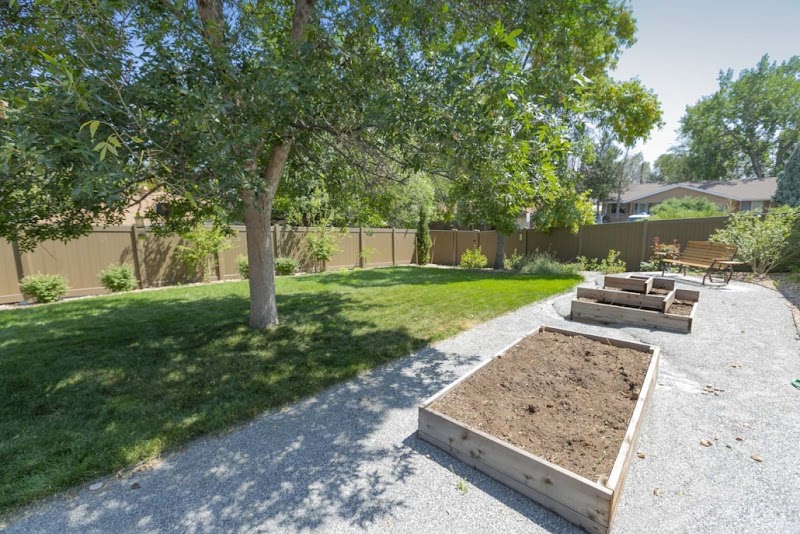
How is Littleton Care And Rehabilitation Center Staffed?

CMS rates LITTLETON CARE AND REHABILITATION CENTER's staffing level at 3 out of 5 stars, which is average compared to other nursing homes. Staff turnover is 45%, compared to the Colorado average of 46%. This relatively stable workforce can support continuity of care.

What Have Inspectors Found at Littleton Care And Rehabilitation Center?

State health inspectors documented 12 deficiencies at LITTLETON CARE AND REHABILITATION CENTER during 2019 to 2024. These included: 1 that caused actual resident harm, 8 with potential for harm, and 3 minor or isolated issues. Deficiencies causing actual harm indicate documented cases where residents experienced negative health consequences.
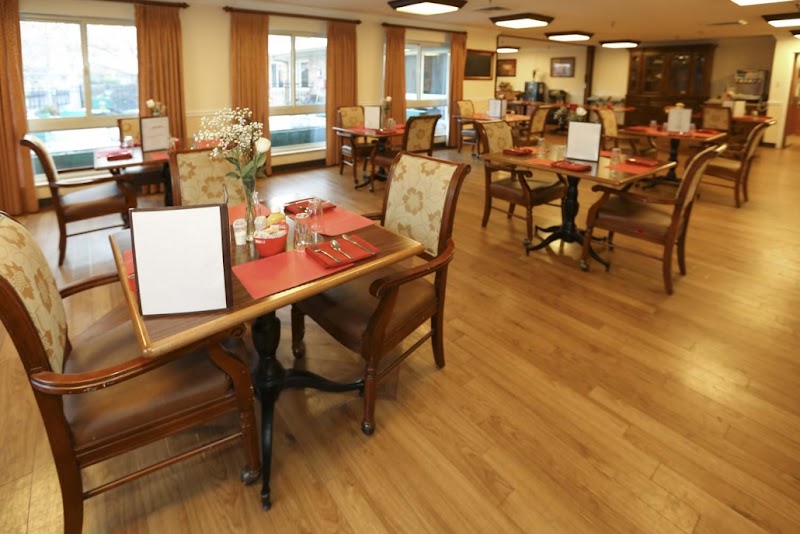
Who Owns and Operates Littleton Care And Rehabilitation Center?

LITTLETON CARE AND REHABILITATION CENTER is owned by a for-profit company. For-profit facilities operate as businesses with obligations to shareholders or private owners. The facility is operated by THE ENSIGN GROUP, a chain that manages multiple nursing homes. With 35 certified beds and approximately 29 residents (about 83% occupancy), it is a smaller facility located in LITTLETON, Colorado.
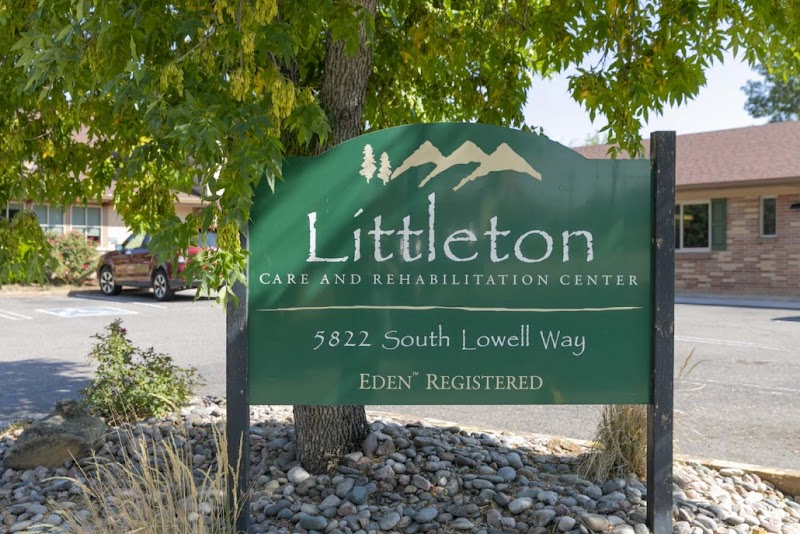
How Does Littleton Care And Rehabilitation Center Compare to Other Colorado Nursing Homes?

Compared to the 100 nursing homes in Colorado, LITTLETON CARE AND REHABILITATION CENTER's overall rating (5 stars) is above the state average of 3.2, staff turnover (45%) is near the state average of 46%, and health inspection rating (4 stars) is above the national benchmark.

What Should Families Ask When Visiting Littleton Care And Rehabilitation Center?

Based on this facility's data, families visiting should ask: "Can I visit during a mealtime to observe dining assistance and food quality?" "How do you handle medical emergencies, and what is your hospital transfer rate?" "Can I speak with family members of current residents about their experience?"

Is Littleton Care And Rehabilitation Center Safe?

Based on CMS inspection data, LITTLETON CARE AND REHABILITATION CENTER has a clean safety record: no substantiated abuse findings (meaning no confirmed cases of resident harm), no Immediate Jeopardy citations (the most serious violation level indicating risk of serious injury or death), and is not on the Special Focus Facility watch list (a federal program monitoring the lowest-performing 1% of nursing homes). The facility has a 5-star overall rating and ranks #1 of 100 nursing homes in Colorado. While no facility is perfect, families should still ask about staff-to-resident ratios and recent inspection results during their visit.

Do Nurses at Littleton Care And Rehabilitation Center Stick Around?

LITTLETON CARE AND REHABILITATION CENTER has a staff turnover rate of 45%, which is about average for Colorado nursing homes (state average: 46%). Moderate turnover is common in nursing homes, but families should still ask about staff tenure and how the facility maintains care continuity when employees leave.

Was Littleton Care And Rehabilitation Center Ever Fined?

LITTLETON CARE AND REHABILITATION CENTER has been fined $7,781 across 1 penalty action. This is below the Colorado average of $33,157. While any fine indicates a compliance issue, fines under $50,000 are relatively common and typically reflect isolated problems that were subsequently corrected. Families should ask what specific issues led to these fines and confirm they've been resolved.

Is Littleton Care And Rehabilitation Center on Any Federal Watch List?

LITTLETON CARE AND REHABILITATION CENTER is not on any federal watch list. The most significant is the Special Focus Facility (SFF) program, which identifies the bottom 1% of nursing homes nationally based on persistent, serious quality problems. Not being on this list means the facility has avoided the pattern of deficiencies that triggers enhanced federal oversight. This is a positive indicator, though families should still review the facility's inspection history directly.