VALLEY VIEW HEALTH CARE CENTER, INC
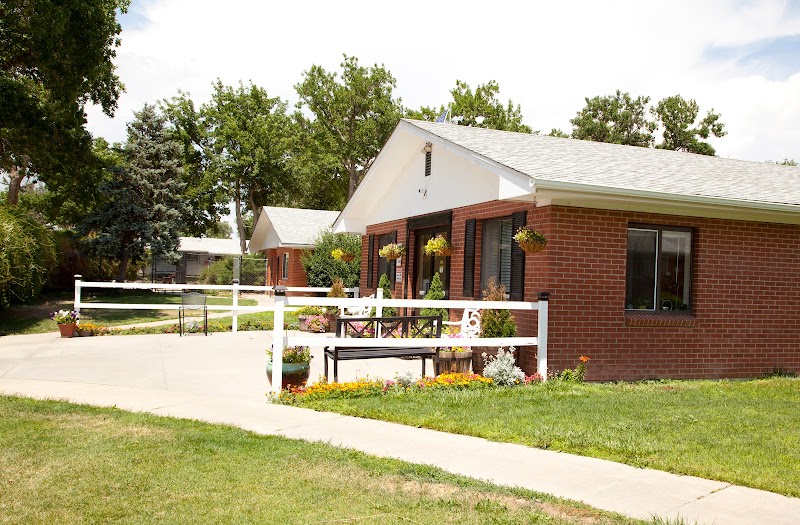
2120 N 10TH ST, CANON CITY, CO 81212 (719) 275-7569
For profit - Partnership 60 Beds VIVAGE SENIOR LIVING Data: November 2025 1 Immediate Jeopardy citation
Trust Grade
1/100
#206 of 208 in CO
Last Inspection: May 2024

Within standard 12-15 month inspection cycle. Federal law requires annual inspections.

Overview

Valley View Health Care Center has received a Trust Grade of F, indicating significant concerns regarding care quality and safety. It ranks #206 out of 208 nursing homes in Colorado, placing it in the bottom tier of facilities in the state, and #6 out of 6 in Fremont County, meaning there are no better local options available. The facility is worsening, with incidents increasing from 6 in 2024 to 8 in 2025. Staffing is rated average with a 3/5 star rating and a turnover rate of 58%, which is higher than the state average, suggesting challenges in staff retention. There are concerning incidents, such as a resident at risk of elopement not receiving adequate supervision, and another resident experienced significant weight loss due to inadequate monitoring. While there are some strengths, including average RN coverage, the overall picture indicates serious issues that families should consider carefully.

Trust Score
F
1/100
In Colorado
#206/208
Bottom 1%
Safety Record
High Risk
Review needed
Inspections
Getting Worse
6 → 8 violations
Staff Stability
⚠ Watch
58% turnover. Above average. Higher turnover means staff may not know residents' routines.
Penalties
○ Average
$21,690 in fines. Higher than 68% of Colorado facilities. Some compliance issues.
Skilled Nurses
○ Average
Each resident gets 38 minutes of Registered Nurse (RN) attention daily — about average for Colorado. RNs are the most trained staff who monitor for health changes.
Violations
⚠ Watch
42 deficiencies on record. Higher than average. Multiple issues found across inspections.
★☆☆☆☆
1.0
Overall Rating
★★★☆☆
3.0
Staff Levels
★★★★☆
4.0
Care Quality
★☆☆☆☆
1.0
Inspection Score
Stable
2024: 6 issues
2025: 8 issues

The Good

  • 4-Star Quality Measures · Strong clinical quality outcomes
  • Full Sprinkler Coverage · Fire safety systems throughout facility
  • No fines on record

Facility shows strength in quality measures, fire safety.

The Bad

1-Star Overall Rating

Below Colorado average (3.1)

Significant quality concerns identified by CMS

Staff Turnover: 58%

12pts above Colorado avg (46%)

Frequent staff changes - ask about care continuity

Federal Fines: $21,690

Below median ($33,413)

Minor penalties assessed

Chain: VIVAGE SENIOR LIVING

Part of a multi-facility chain

Ask about local staffing decisions and management

Staff turnover is elevated (58%)

10 points above Colorado average of 48%

The Ugly 42 deficiencies on record

1 life-threatening 1 actual harm
Sept 2025 1 deficiency
CONCERN (D) 📢 Someone Reported This

A family member, employee, or ombudsman was alarmed enough to file a formal complaint

Potential for Harm - no one hurt, but risky conditions existed

Accident Prevention (Tag F0689)

Could have caused harm · This affected 1 resident

**NOTE- TERMS IN BRACKETS HAVE BEEN EDITED TO PROTECT CONFIDENTIALITY** Based on record review and interviews, the facility failed to ensure one (#1) of three residents at risk for elopement out of th...

Read full inspector narrative →
**NOTE- TERMS IN BRACKETS HAVE BEEN EDITED TO PROTECT CONFIDENTIALITY** Based on record review and interviews, the facility failed to ensure one (#1) of three residents at risk for elopement out of three sample residents received adequate supervision and were kept free from elopement.Specifically, the facility failed to provide Resident #1 with the supervision necessary to prevent elopement.Findings include:Record review and interviews confirmed the facility corrected the deficient practice prior to the onsite investigation on 9/10/25 to 9/11/25, resulting in the deficiency being cited as past noncompliance with a correction date of 9/8/25.I. Facility policy and procedure The Elopement and Wandering policy, dated 2/29/25, was received from the nursing home administrator (NHA) on 9/12/25 at 2:05 p.m. It revealed in pertinent part, To ensure the safety and well being of all residents with potential elopement risk. The goal of the facility is to provide a safe environment using least restrictive measures available in caring for residents who were exhibiting elopement behaviors. The facility defined wanderers as residents who moved around the facility in a non-goal directed manner, but did not make efforts to leave the premises. Elopers are defined as residents who make an overt or purposeful attempt to leave the facility and do not have the ability to identify safety risks. The elopement policy and procedure shall be explained to the resident or the responsible party as needed by a facility staff member. A Wander/Elopement assessment will be completed on all residents upon admission to the facility. The outcome is shared with the interdisciplinary team during the initial care conference, or earlier if the elopement risk is of immediate concern. The elopement risk is assessed quarterly or as needed with change of condition. Nursing staff will address initial elopement risk concerns in the baseline care plan. If the resident is identified as an elopement risk, the following will be maintained: Elopement Resident Identification form, including the current color photo, physical description of the resident, as well as approaches for an individualized plan of care will be in the elopement binder.Implementing and care planning interventions to address safety and decrease risk of elopement. The care plan will be updated to include that an electronic alarm system is used for resident's safety.II. Resident #1A. Resident statusResident #1, age less than 65, was admitted on [DATE]. According to the September 2025 computerized physician orders (CPO), the diagnoses included traumatic brain injury (sudden injury to the brain caused by an external force, such as a blow, bump, or jolt to the head), psychotic disorder with delusions (presence of delusions, which are false beliefs that persist despite evidence to the contrary), alcohol dependence with alcohol induced dementia (abnormal memory), mental disorder due to unknown psychological disorder (conditions that affect a person's thoughts, feelings, and behaviors) and mood disorder due to unknown physiological condition (conditions that affect a person's emotional state).The 8/24/25 minimum data set (MDS) assessment revealed the resident had moderate cognitive impairment with a brief interview for mental status (BIMS) score of eight out of 15. He was independent with eating, toileting, dressing, personal hygiene, transfers and ambulating without any devices.The MDS assessment indicated the resident wandered.B. Resident #1's representative interviewResident #1's guardian was interviewed on 9/11/25 at 10:39 a.m. She said Resident #1 had a history of behaviors and eloping from other facilities after speaking with his mother. The guardian said the facility called her when Resident #1 eloped from the facility on 9/5/25. The guardian said that the resident enjoyed being outside. The guardian said the facility had outside space available for him to enjoy versus other locations he had been at prior. The guardian said when Resident #1 interacted with his mother, she felt this led to him wanting to leave and actually leaving the facility.C. ObservationsOn 9/10/25 at 10:15 a.m. the facility was observed to be a totally secure building specializing in serving residents with severe mental illness, dementia and behavioral health issues. The entire campus had a six-foot high security fence around the whole campus with a wired overhang in the unrestricted front resident space to discourage anyone from climbing over the fence. Staff and visitors had to be keyed in and out of the front gate. On 9/10/25 at 10:48 a.m. Resident #1 was in his room with a one-to-one staff member in the hallway. On 9/10/25 at 12:55 p.m. Resident #1 was sitting on a bench in the front patio with a staff member nearby with a clip board documenting the resident's location. On 9/11/25 at 8:02 a.m. Resident #1 was outside in the front courtyard in line of sight of a staff member.D. Record reviewThe elopement care plan, dated 8/19/25, revealed the resident was identified as an elopement risk. Pertinent interventions included placing the resident's identification information in the facilities development binder (initiated 8/19/25). The secure placement care plan, dated 8/19/25, documented Resident #1 required a secure unit placement related to impaired cognition, history of alcohol dependence, neurological conditions and high risk of elopement. The care plan documented Resident #1 had a documented history of attempting to leave previous facilities without regard for safety and continued to verbalize a desire to leave the current facility. Due to Resident #1's impaired cognition, combined with his primary language being Mongolian, his ability to fully understand care instructions, consequences and safety risk if he were to leave unsupervised were limited. Pertinent interventions included placing the resident's information in the elopement identification binder (initiated 8/19/25), accompanying the resident when he was off the unit (initiated 8/19/25), monitoring exit seeking behaviors by redirecting away from doors (initiated 8/19/25), engaging the resident in meaningful activities (initiated 8/19/25), keeping eyes on the resident (initiated 9/6/25), keeping the resident in line of sight when awake (initiated on 9/6/25), monitoring the resident's hours of sleep (initiated 9/6/25), placing the resident on one-to-one supervision (initiated 9/8/25), assessing and documenting the resident's patterns of wandering (9/8/25) and monitoring the resident's desire for family contact and alcohol (initiated 9/8/25).On 9/10/25 the elopement care plan was updated (during the survey). The updated care plan documented Resident #1 had recently left the facility wearing a backpack, the staff were to increase monitoring of residents if seen with a backpack. The care plan documented the back pack could be a trigger that Resident #1 wanted to leave the facility. A behavior note, dated 8/28/25 at 3:43 p.m., documented Resident #1 spoke to his mother via telephone and the resident became increasingly agitated and ended up hanging up on his mother and walked away. A behavior note, dated 9/4/25 at 3:28 p.m., documented Resident #1's mother called the facility wishing to speak to the nurse. Resident #1's mother asked staff if the fence was electrified as Resident #1 told her he touched the fence and got shocked. The staff informed the caller the fence was not electrified and never had been.A progress note, dated 9/5/25 at 10:58 p.m., documented while completing building rounds at 9:45 p.m., Resident #1 was noted to be missing. A full building and perimeter search was completed. The DON, the NHA, the physician and the local police were notified that Resident #1 was missing. At 10:30 p.m. the resident was found by staff walking up the street. Resident #1 was noted to have a strong smell of alcohol. Resident #1 returned to the facility at 10:45 p.m. A skin check was done and the resident was placed on one-to-one supervision. A psychosocial services note, dated 9/8/25 at 11:01 a.m., documented that the social services director (SSD) met with Resident #1 post elopement on 9/5/25. Resident #1 continued to report his desire to relocate to his home country and his belief he did not need placement in the facility. Resident #1 reported his mother told him she was coming for him because he did not belong there. He reported it was coming soon when he was asked when this was going to happen.III. Facility investigation of Resident #1's elopement on 9/5/25On 9/10/25 at 2:54 p.m. the NHA provided the facility's investigation of Resident #1's elopement from the facility on 9/5/25. The investigation revealed Resident #1 was last seen on 9/5/25 at 9:30 p.m. during routine building rounds. During routine building rounds at 9:45 p.m., Resident #1 was not able to be found. The facility staff commenced a full building and perimeter search immediately after identifying Resident #1 was missing. The facility staff notified the NHA, the director of nursing (DON), the attending physician and the local police department. At 10:30 p.m. Resident #1 was located by facility staff a couple blocks away from the facility. Resident #1 was noted to have a strong odor of alcohol. Resident #1 willingly re-entered the facility at 10:45 p.m. with staff assistance. Resident #1 reported he got disoriented and did not know how to get back to the facility. Upon Resident #1's return, he was assessed by the nurse and placed on one-to-one monitoring by facility staff.The DON interviewed Resident #1 on 9/8/25 and Resident #1 reported he left the facility grounds by climbing the corner section of the perimeter fence. Resident #1 explained the tension wires were installed on the interior side of the fence and served as foot holds, allowing him to climb and propel himself over the fence. Resident #1 indicated that climbing the fence was easy for him to accomplish due to his physical fitness. The investigation documented there were no staff or other resident witnesses. The facility's security cameras did not capture the elopement, identifying a blind spot in coverage. Resident #1 was placed on one-to-one monitoring from staff and monitored for alcohol intoxication. IV. Staff interviewsLicensed practical nurse (LPN #2) was interviewed on 9/10/25 at 5:25 p.m. LPN #2 said she was assigned to be Resident #1's one-on-one for monitoring his whereabouts for elopement concerns. LPN #2 said Resident #1 had voiced in the past his desire to leave the facility to go to his home country. LPN #2 said she normally worked night shift and was on shift the night Resident #1 eloped from the facility. LPN #2 said Resident #1 had seemed baseline, completing normal routines with smoking and spending time outside, taking his medications and conversing with her. LPN #2 said the resident became agitated after a call from his mother on the day of the elopement. LPN #2 said the facility completed 15-minute checks on residents to ensure all residents were accounted for. She said Resident #1 was last seen outside in the front courtyard, prior to him eloping. LPN #2 said that once he was not located in the facility, the staff started a building and grounds search then began notifying appropriate parties. The SSD, the DON, the NHA and the regional nurse consultant were interviewed on 9/11/25 at 9:03 a.m. The SSD said Resident #1 had been a resident at the facility prior to his admission on [DATE]. The SSD said when the resident was previously admitted to the facility, Resident #1 was independent and appropriate on outings. The SSD said the resident had always expressed the want to go to his home country. The SSD said Resident #1's mother no longer had guardianship of Resident #1 and the facility was contacted by the appointed guardian to see if Resident #1 could return to the facility. The SSD said the facility received a call from the resident's mother with questions about the fence being electrified, which the fence was not electrified. The SSD said she reviewed the security cameras one to two times a week or more if needed. She said she reviewed them to observe for behaviors or as part of an investigation to reveal what occurred.
Jun 2025 1 deficiency
CONCERN (E) 📢 Someone Reported This

A family member, employee, or ombudsman was alarmed enough to file a formal complaint

Potential for Harm - no one hurt, but risky conditions existed

Free from Abuse/Neglect (Tag F0600)

Could have caused harm · This affected multiple residents

**NOTE- TERMS IN BRACKETS HAVE BEEN EDITED TO PROTECT CONFIDENTIALITY** Based on observations, record review and interviews, the facility failed to ensure that all residents were free from abuse, negl...

Read full inspector narrative →
**NOTE- TERMS IN BRACKETS HAVE BEEN EDITED TO PROTECT CONFIDENTIALITY** Based on observations, record review and interviews, the facility failed to ensure that all residents were free from abuse, neglect and exploitation for six (#1, #4, #3, #2, #8 and #7) of eight residents reviewed out of 13 sample residents. Specifically, the facility failed to: -Protect Resident #1 from physical abuse by Resident #8; -Protect Resident #4 from physical abuse by Resident #9; -Protect Resident #3 and Resident #8 from physical abuse by each other; -Protect Resident #2 from physical abuse by Resident #10; and, -Protect Resident #7 and Resident #8 from physical abuse by each other. Findings include: I. Facility policy and procedure The Abuse policy, dated 2/29/24, was provided by the nursing home administrator (NHA) on 6/4/25 at 10:57 a.m. The policy read in pertinent part, The facility does not condone resident abuse and shall take every precaution possible to prevent abuse by anyone. Residents have the right to be free from abuse. Providing a safe environment for the resident was an essential duty of the facility. Residents at risk for abusive situations are identified, and appropriate care plans are developed. II. Incident of physical abuse on 4/16/25 by Resident #8 towards Resident #1 A. Facility investigation The 4/16/25 facility investigation was received from the NHA on 6/2/25 at 1:15 p.m. The investigation documented Resident #1 sat on his walker in the hallway and began to back up, almost running into Resident #8. Resident #8 reached out and hit Resident #1 with his arm in the middle of his back. The investigation documented facility staff responded to the altercation and separated the residents. The nurse completed an assessment on both residents and documented Resident #1 and Resident #8 had no changes in behavior and had no injuries. The investigation included interviews with Resident #1 and Resident #8. The facility investigation documented Resident #1 said there was no incident and no one had been abusive towards him. The facility investigation documented Resident #8 said nothing happened with Resident #1. The facility substantiated physical abuse by Resident #8 towards Resident #1. B. Resident #8 (assailant) 1. Resident status Resident #8, age greater than 65, was admitted on [DATE]. According to the June 2025 computerized physician's orders (CPO), diagnoses included dementia with behavioral disturbance and Wernicke's encephalopathy (a neurological condition that can impact balance and cause confusion). The 3/11/25 minimum data set (MDS) assessment revealed the resident had severely impaired cognition with a brief interview for mental status (BIMS) score of zero out of 15. Resident #8 required set-up assistance from staff for standing and was independent with walking. The MDS assessment documented the resident had physical and behavioral symptoms directed towards others during the assessment look back period. 2. Record review The care plan, revised 3/27/25, revealed Resident #8 could become physically aggressive by striking out at others. The care plan documented potential triggers for Resident #8 included disagreements or confrontations with others and people invading his personal space. The care plan identified additional triggers on 3/10/25 to include prolonged waiting for the opening of the dining room for meals. Pertinent interventions included providing physical and verbal cues to alleviate anxiety (initiated 3/10/25), assisting the resident with goals for pleasant behavior (initiated 3/10/25), encouraging the resident to seek a staff member when agitated (initiated 3/10/25) providing support to Resident #8 if other residents were invading his personal space (initiated 4/21/25), offering non-pharmological interventions such as offering food, drinks or an activity of choice (initiated 4/21/25). The care plan directed staff to de-escalate the resident's behavior by reducing wait times, listening to music and watching western television shows (initiated 3/10/25). Review of Resident #8's electronic medical review (EMR) revealed Resident #8 was monitored for 72 hours after the altercation and no additional behaviors were documented. C. Resident #1 (victim) 1. Resident status Resident #1, age greater than 65, was admitted on [DATE]. According to the June 2025 CPO, diagnoses included disorganized dementia, obsessive-compulsive disorder, anxiety and difficulty walking. The 3/20/25 MDS assessment revealed the resident was cognitively intact with a BIMS score of 13 out of 15. Resident #1 required set-up assistance from staff for standing and walking. Resident #1 used a rolling walker with a seat while walking. The MDS assessment indicated the resident did not have behavioral symptoms directed towards others during the assessment look back period. 2. Resident interview Resident #1 was interviewed on 6/2/25 at 2:44 p.m. Resident #1 said he remembered when he was hit on the back by Resident #8. He said Resident #8 hurt him on the back. Resident #1 said he was doing fine now and was not afraid. Resident #1 said he did not know Resident #8 was standing behind him when he pushed his walker backward and he was not angry at Resident #8. 3. Record review The behavior care plan, revised 4/21/25, identified Resident #1 had a behavior pattern of yelling that had the potential to trigger and disrupt other residents to respond with agitation towards Resident #1. Interventions included anticipating and meeting the residents needs, assisting and developing appropriate methods of coping and redirecting Resident #1 from other residents during times of disruptive and yelling behavior. III. Incident of physical abuse on 4/27/25 by Resident #9 towards Resident #4 A. Facility investigation The 4/27/25 facility investigation was received from the NHA on 6/2/25 at 1:15 p.m. The investigation documented the facility reviewed video cameras from 4/27/25 at 2:10 p.m. The video revealed Resident #9 moved down the left side of the hallway towards his room. Resident #4 was observed self-propelling his wheelchair, traveling in the opposite direction of Resident #9. Resident #4 propelled himself past Resident #9's doorway. Resident #9 turned towards Resident #4 and struck him with his fist, hitting Resident #4 in the face and then went into his room. The video summary documented that staff members arrived in the hallway and assisted Resident #4 to move away from Resident #9's doorway. The investigation documented the nurse completed an assessment on both residents and documented Resident #4 and Resident #9 had no changes in behavior and had no injuries. The investigation included interviews with Resident #4 and Resident #9 on 4/28/25. The facility investigation documented Resident #4 said he did not know what the investigator was talking about. Resident #4 denied being involved in an altercation with anyone. The facility investigator interviewed Resident #9, who did not respond to questions and denied he was in an altercation. The facility substantiated physical abuse by Resident #9 towards Resident #4. B. Resident #9 (assailant) 1. Resident status Resident #9, age less than 65, was admitted on [DATE]. According to the June 2025 CPO, diagnoses included schizophrenia (mental illness), traumatic brain injury and cognitive communication deficit. The 5/28/25 MDS assessment revealed the resident had severe cognitive impairments with a BIMS score of three out of 15. Resident #9 was independent with standing and walking. The MDS assessment documented the resident had no physical or verbal behaviors directed at others during the assessment look back period. 2. Record review The behavioral care plan, revised 3/10/25, identified Resident #9 had the potential to be physically aggressive, including hitting, kicking, pushing and grabbing others The resident had a history of causing harm to others and had poor impulse control. The care plan documented aggression was triggered when others entered Resident #9's room or followed too closely behind him. Pertinent interventions included administering medications ordered, assessing and anticipating Resident #9's needs, encouraging Resident #9 to seek a staff member when agitated, giving Resident #9 choices about his care and activities, redirecting other residents when others became too close to Resident #9 and when Resident #9 was agitated and intervening before agitation escalated. An additional intervention, implemented 5/7/25, directed staff to redirect others from Resident #9 in an attempt to decrease physically aggressive behaviors. The 4/27/25 nurse progress note documented that as Resident #9 was walking to his room, he hit Resident #4. The note documented Resident #4 held his hands up in a defensive manner. The camera footage showed Resident #9 hit Resident #4 on the head three times. A head to toe assessment was completed by the registered nurse (RN) and no injuries or bruises were present. On 5/30/25 the physician ordered an increase in Resident #9's antidepressant medication, Trazadone, to 75 milligrams (mg) four times a day, for impulsiveness and physical aggression behaviors. C. Resident #4 (victim) 1. Resident status Resident #4, age less than 65, was admitted on [DATE]. According to the June 2025 CPO, diagnoses included dementia, anoxic brain damage and mood disorder. The 5/28/25 MDS assessment revealed the resident had severe cognitive impairments with a BIMS score of three out of 15. Resident #4 required partial to moderate assistance from staff to stand and sit and substantial assistance from staff to propel a manual wheelchair. The MDS assessment indicated the resident had no behaviors directed towards others during the assessment look back period. 2. Record review The behavioral care plan, initiated 3/10/25, revealed Resident #4 could become verbally aggressive and lash out at others if agitated. Interventions included administering medications as ordered, monitoring Resident #4 and intervening and redirecting when agitated to prevent escalation. IV. Altercation on 4/28/25 between Resident #8 and Resident #3 A. Facility investigation The 4/28/25 facility investigation was received from the NHA on 6/2/25 at 1:15 p.m. The investigation documented the facility reviewed video footage from 4/28/25 at 7:30 p.m. The video revealed Resident #3 and Resident #8 were in the hallway. When Resident #3 walked towards Resident #8, Resident #8 stood up and moved towards Resident #3, hitting Resident #3 multiple times. The footage showed Resident #3 hit the aggressor back after the assailant hit him a couple of times. The facility investigation documented staff responded from inside another resident's room and separated Resident #3 and Resident #8. The investigation documented the nurse completed an assessment on both residents and documented Resident #3 and Resident #8 had no changes in behavior and had no injuries. The facility investigation included interviews with Resident #3 and Resident #8 that were completed on 4/29/25 The facility investigation documented Resident #3 said he did not know why Resident #8 was mad at him. The investigation documented Resident #8 told the facility investigator that Resident #3 said inappropriate things repeatedly, and he hit Resident #3 so he would stop talking inappropriately. The facility investigator interviewed one staff member that reported he heard Resident #3 say explicit language to another resident. The staff member told the facility investigator he went to investigate and observed Resident #3 and Resident #8 in a fistfight and separated the residents. The facility substantiated physical abuse by Resident #8 towards Resident #3. B. Resident #8 (assailant and victim) 2. Record review Review of Resident #8's EMR revealed Resident #8 were placed on 15-minute checks until evaluated by the physician, and no additional behaviors were documented. On 5/2/25 the physician evaluated Resident #8 and frequent monitoring was discontinued. C. Resident #3 (victim and assailant) 1. Resident status Resident #3, age less than 65, was admitted on [DATE]. According to the June 2025 CPO, diagnoses included disorganized dementia, schizophrenia, history of traumatic brain injury and encephalopathy (a brain condition that can cause impaired memory, behavior and level of consciousness). The 4/23/25 MDS assessment revealed the resident was cognitively intact with a BIMS score of 13 out of 15. Resident #3 was independent with standing and walking. The MDS assessment indicated Resident #3 did not have behaviors directed at others during the assessment look back period. 2. Record review The behavior care plan, revised 9/18/24, revealed Resident #3 had the potential to be verbally aggressive due to dementia. Interventions included providing Resident #3 with choices for care and activities and providing the resident time to respond to staff, administering medications as ordered and redirecting other residents away from Resident #3 if Resident #3 was agitated. The 4/28/24 nurse progress note documented Resident #3 was walking toward another resident and the other resident got up and hit Resident #3 multiple times. The record review revealed, on 4/28/25, Resident #3 was placed on 15-minute checks for 72 hours and no additional behaviors were documented. V. Altercation on 5/5/25 between Resident #10 and Resident #2 A. Facility investigation The 5/5/25 facility investigation was received from the NHA on 6/2/25 at 1:15 p.m. The investigation documented the facility reviewed video footage from 5/5/25 at 6:30 p.m. The video footage revealed Resident #2 was walking in the hallway and approached Resident #10's doorway. Resident #10 was walking through the doorway and approached Resident #2. Resident #10 pushed Resident #2 with his arm. Resident #2 was observed to lose her balance and grab onto Resident #10. Resident #10 then pushed Resident #2, causing her to fall backward onto her elbow and wrist. The investigation documented that staff came around the hallway and immediately separated the residents. The facility investigation documented the nurse completed an assessment on 5/525 and contacted the physician to report that Resident #2 had pain in her wrist and elbow. The physician ordered Xrays of Resident #2's wrist and elbow which showed no acute fractures. The investigation documented Resident #10 was placed on one-to-one monitoring when he was outside of his room and 15-minute checks while in his room to prevent additional aggression for 72 hours. The facility investigation documented interviews with Resident #2 and Resident #10 on 5/5/25. The facility investigator documented that Resident #2 said she did not remember the altercation and told the investigator she was not fearful of anyone in the facility. The facility investigation documented Resident #10 told the facility investigator the altercation occurred because Resident #2 was in his room. The facility substantiated physical abuse by Resident #10 towards Resident #2. B. Resident #10 (assailant) 1. Resident status Resident #10, age less than 65, was admitted on [DATE]. According to the June 2025 CPO, diagnoses included Wernicke's encephalopathy and history of traumatic brain injury. The 5/30/25 MDS assessment revealed the resident had moderate cognitive impairments with a BIMS score of 12 out of 15. Resident #10 was independent with standing and walking. The MDS assessment indicated the resident had no behavioral symptoms directed at others during the assessment look back period. 2. Record review The behavioral care plan, revised 3/6/25, documented Resident #10 had challenges with impulse control and may act out physically by lashing out at others due to poor impulse control, which could lead to violent outbursts in the form of hitting, kicking and pushing. Interventions included assisting Resident #10 with appropriate methods of coping when a resident entered his room, intervening as necessary to protect the rights and safety of others, removing individuals from the situation and relocating them to alternative locations as needed, educating Resident #10 about the consequences of being physically aggressive, identifying what de-escalateed behavior and intervening when the resident became agitated to prevent escalations and guide Resident #10 away from the source of distress. The behavioral care plan, revised 4/24/25, was updated with an additional intervention for educating Resident #10 to ask for assistance from staff if another resident was being aggressive with him. The 5/5/25 nurse progress note documented Resident #10 used his forearm to push another resident (Resident #2) and was waving his arms and yelling. The behavioral care plan, updated 5/5/25, included the intervention for one-on-one monitoring while Resident #10 was outside his room and 15-minute monitoring while in the room. C. Resident #2 (victim) 1. Resident status Resident #2, age greater than 65, was admitted on [DATE]. According to the June 2025 CPO, diagnoses included Alzheimer's disease and dementia. The 4/29/25 MDS assessment revealed the resident was severely cognitively impaired with a BIMS score of zero out of 15. Resident #2 was independent with standing and walking. The MDS assessment indicated the resident had behavioral symptoms directed towards others during the assessment look backperiod. 2. Observations On 6/4/25 at 2:30 p.m, Resident #2 was entering a resident's room and removing a stack of papers. Resident #2 wandered in the hallway with the papers for approximately five minutes and another resident assisted Resident #2 to return the papers. There were no facility staff present in the hallway. 3. Record review The behavioral care plan, initiated 8/8/24 and revised 5/5/25, identified Resident #2 had wandering behavior with a history of entering the rooms of other residents without invitation or awareness. Pertinent interventions included redirecting Resident #2 to familiar hallways and to the dining room area where she visited with her spouse and redirecting Resident #2 away from Resident #10 due to past aggression. The 5/5/25 nurse progress note documented Resident #2 was walking in the hallway and stopped and looked into Resident #10's room. Resident #10 came from his room and used his forearm to push Resident #2 and Resident #2 fell to the floor. The physician was contacted and gave an order for Xrays of Resident #2's right wrist and right elbow. VI. Altercation on 5/17/25 between Resident #8 and Resident #7 A. Facility investigation The 5/17/25 facility investigation was received from the NHA on 6/5/25 at 12:10 p.m. The investigation documented the facility reviewed video footage from 5/17/25 at 6:05 p.m. The video footage revealed Resident #7 and Resident #8 were standing next to each other in the hallway by the nurses'station. Resident #7 and Resident #8 exchanged words, Resident #8 approached Resident #7, reaching out and grabbing Resident #7's clothing. Resident #7 grabbed Resident #8's arms and pushed Resident #8 away from him. Resident #7 stumbled and fell backward to the floor. The investigation report documented the nurse completed an assessment on 5/5/25 and contacted the physician to report the occurrence and that Resident #7 had pain near his left hip and low back. The physician ordered a left hip Xray which showed no fracture. The investigation documented Resident #8 was placed on one-to-one monitoring when he was outside of his room and 15-minute checks while in his room to prevent additional aggression for 72 hours. The facility investigation documented interviews were conducted with Resident #7 and Resident #8 on 5/17/25. The facility investigator documented Resident #7 said he was pushed to the floor by Resident #8 and Resident #8 called him names when he was on the floor. When the facility investigator interviewed Resident #8, he reported he did not remember anything. The facility investigation documented one staff member heard the altercation from inside the nurses' station and looked out into the hallway where he saw Resident #7 fall to the floor. The facility substantiated physical abuse by Resident #8 towards Resident #7. B. Resident #8 (assailant and victim) 1. Record review Review of Resident #8's EMR revealed that on 5/17/25, Resident #8 was placed on 15-minute checks until evaluated by the physician and no additional behaviors were documented. On 5/20/25 the physician evaluated Resident #8 and frequent monitoring was discontinued. On 5/20/25 the physician ordered an antipsychotic medication, Risperdal, 1 mg, twice a day for aggressive behaviors. C. Resident #7 (assailant and victim) 1. Resident status Resident #7, age greater than 65, was admitted on [DATE]. According to the June 2025 CPO, diagnoses included Alzheimer's disease, dementia, restlessness and agitation. The 5/16/25 MDS assessment revealed the resident was cognitively intact with a BIMS score of 13 out of 15. Resident #7 was independent with standing and walking. The MDS assessment documented Resident #7 had no physical or verbal behaviors directed at others during the assessment look back period. 2. Record review The 5/17/25 at 6:30 a.m. nurse progress note documented Resident #7 fell to the floor after Resident #8 grabbed Resident #7's arm, which caused Resident #7 to fall to the floor. The physician was notified and gave orders for an Xray for the left hip and pelvis. The record review revealed, on 5/17/25, Resident #7 was placed on 15-minute checks for 72 hours for monitoring purposes. The behavioral care plan, initiated 5/12/25, revealed Resident #7 had the potential to be verbally aggressive due to dementia and Alzheimer's disease. The resident had difficulty expressing his feelings and needs. The interventions included administering medications as ordered, assessing Resident #7's coping skills, allowing Resident #7 time to express himself and his feelings and giving Resident #7 as many choices as possible about his care and activities. VII. Staff interviews Certified nurse aide (CNA) #1 was interviewed on 6/5/25 at 10:05 a.m. CNA #1 said she was assigned to provide care to residents on all of the hallways. She said CNAs were assigned to work on specific hallways but that she was a float CNA and helped on all of the hallways. CNA #1 said Resident #8, Resident #10 and Resident #9 had a history of physical and verbal behaviors towards staff and residents. CNA #1 said if a resident had increased agitation, staff redirected the resident to an activity such as listening to music or watching television. CNA #1 said that when CNAs provided care to residents it was possible there would be no staff members in the hallway to monitor residents in the hallways. CNA #1 said if a CNA was off the floor for a break or lunch or another reason, there were no coworkers assigned to monitor residents or the hallways. CNA #1 said staff helped each other but the hallways were not always monitored. CNA #1 said she had training related to things to watch for and intervene when residents had aggressive behaviors. She said she received training in abuse and de-escalation when hired and periodically during the year at staff meetings and during shift change reports. CNA #1 said Resident #8 exhibited spontaneous behaviors. She said the staff monitored and redirected Resident #8 when he acted aggressively. The social services director (SSD), the director of nursing (DON) and the NHA were interviewed together on 6/5/25 at 2:30 p.m. The SSD said Resident #8 had a history of physical and verbal aggression when others approached his space. The SSD said Resident #8 was spontaneous with behaviors and staff were unable to respond fast enough when Resident #8 had escalating behaviors. The SSD said Resident #8 had not had verbal or physical behaviors since the physician adjusted the resident's Risperdal medication on 5/20/25. The DON said when there was a resident-to-resident altercation, the charge nurse completed an assessment for each resident and notified the physician. The DON said after altercations, residents were placed on one-to-one care or 15-minute checks for close observation for injury or changes in behavior. The DON said Resident #1, Resident #7, Resident #4 and Resident #2 experienced pain from the altercations but had no injuries or changes in behaviors. The NHA said staff responded promptly to the altercations and redirected residents when necessary. The NHA said the facility had continuous video surveillance and recordings of the hallways and the display monitors were positioned inside the nurses'station. The NHA said the video cameras were in place and monitored by staff that worked inside the nurses'station. She said the video surveillance was not monitored continuously by a staff member, and the cameras were in use to help staff monitor all the hallways from the nurses'station when floor staff were helping other residents or were on a break. The NHA said the staff had been educated to not congregate in the breakrooms at the same time as coworkers and there should be staff on each hallway to care for residents and monitor behavior. The NHA said Resident #2 wandered throughout the facility. The NHA said Resident #2 was entering fewer rooms. The NHA said the staff redirected Resident #2 to her hallway, the dining room and the activities area to avoid her entering rooms uninvited. The NHA said the interdisciplinary team (IDT) would continue to review and monitor Resident #2 for wandering behaviors.
Feb 2025 6 deficiencies 1 IJ
CRITICAL (J) 📢 Someone Reported This

A family member, employee, or ombudsman was alarmed enough to file a formal complaint

Immediate Jeopardy (IJ) - the most serious Medicare violation

Accident Prevention (Tag F0689)

Someone could have died · This affected 1 resident

**NOTE- TERMS IN BRACKETS HAVE BEEN EDITED TO PROTECT CONFIDENTIALITY** Based on record review and interviews, the facility failed to ensure one (#3) of three residents at risk for elopement out of 17...

Read full inspector narrative →
**NOTE- TERMS IN BRACKETS HAVE BEEN EDITED TO PROTECT CONFIDENTIALITY** Based on record review and interviews, the facility failed to ensure one (#3) of three residents at risk for elopement out of 17 sample residents received adequate supervision and were kept free from elopement. Specifically, the facility failed to provide Resident #3 with the supervision necessary to prevent elopement. The facility's failures created a situation for the likelihood of serious harm to residents' health and safety if not immediately corrected. The facility was a totally secure building specializing in serving residents with severe mental illness, dementia and behavioral health issues. The entire campus had a six-foot high security fence around the whole campus with a wired overhang in the unrestricted front resident space to discourage anyone from climbing over the fence. The back fenced-in areas did not have the wired overhang, but access was restricted in the overnight hours when staff were not able to monitor residents in those areas. Staff and visitors had to be keyed in and out of the front gate. Prior to his admission to the facility on 7/31/23, Resident #3 was diagnosed with dementia and schizophrenia and had a known history of untreated schizophrenia. He continued to refuse treatment and denied having the diagnosis of schizophrenia. While in the hospital, the resident was assessed to have decisional incapacity with an inability to take care of himself; because of this, he was assigned a court-appointed guardian. While at the hospital awaiting mandated placement, he eloped from the hospital setting and had to be returned to the hospital by a police escort. Resident #3 eloped from the facility on 12/30/24 at approximately 7:15 p.m. and was not noticed to be absent from the facility until 12/31/24 at 11:30 a.m. (approximately 16 hours later) when staff were gathering residents for lunch. After an initial search of the facility and the surrounding neighborhood on the morning of 12/31/24, the facility discovered the resident had spent the night at the local hospital. The hospital assessed the resident, gave him a referral to a local homeless shelter and released him. The resident left the hospital and was found shortly afterward by facility staff wandering in an open field near the hospital. Facility leadership viewed video footage of the outdoor space as a part of their investigation to determine how Resident #3 got out of the secured fencing. The resident was viewed on video surveillance going in and out of the doors to the front yard. He was seen unscrewing the yard lights and poking at the fence. He made several trips in and out of the building to the front fencing. At approximately 7:00 p.m. on 12/30/24, during a time when staff were occupied by an unrelated resident incident, Resident #3 was seen on camera with a packed bag leaving his room and exiting the facility through a nearby door. The resident walked the fence line to the opposite side of the yard until he was out of sight of the camera and was not seen back on camera after that, nor was he observed by any staff anywhere on facility grounds. Facility staff checked the fence where Resident #3 was last seen on camera and discovered two holes in the lower corner where the two pieces of fencing came together. The overhanging guard wire on the top of the fence had been unscrewed and removed. It was the conclusion of the nursing home administrator (NHA) that Resident #3 had used facility silverware to make the holes in the fence and unscrew the security wiring. Then the resident used the holes in the fence to insert his feet, enabling him to pull himself up and climb over the fence where he removed the overhanging security wiring. Findings include: Observations, interviews and record review confirmed the facility corrected the deficient practice prior to the onsite investigation on 2/25/25 to 2/26/25, resulting in the deficiency being cited as past noncompliance with a correction date of 1/2/25. I. Situation of serious harm Resident #3 had been homeless for six years prior to his admission to the facility on 7/31/23 and expressed a desire to return to the city where he had been living prior to his admission to the facility. The facility failed to ensure that facility staff performed regular checks to ensure residents' presence in the facility, particularly when all residents in the facility were known to have a history of elopement-seeking behavior. An interview with the NHA revealed that the facility staff had stopped conducting resident checks to ensure residents' presence in the facility prior to Resident #3's elopement on 12/30/24. Additionally, the facility was not checking the security fencing that surrounded the entire building for breaches where residents could elope. The facility's failure to prevent Resident #3, who had severely impaired cognition, poor safety awareness and a high risk for an elopement attempt, from leaving the facility unsupervised placed the resident at serious risk of harm, serious impairment or death due to the resident's inability to make sound decisions and ensure his own safety. II. Facility plan of correction The corrective action plan the facility implemented in response to Resident #3's elopement incident on 12/30/24 was provided by the NHA on 2/25/25 at 8:45 a.m. The correction plan revealed the following: A. Immediate action On 12/31/24, the facility began their investigation and developed a root cause analysis to determine the necessary corrective actions. Corrective actions included: -Resident #3 returned to the facility and was placed on one-to-one monitoring, but this made him anxious so the facility placed him on 15-minute checks; -Resident rounding was reinstated to account for resident location, checking resident count every 15 minutes for two weeks. Initiated 12/31/24; -Fencing repaired. Completed 12/31/24; -Front yard surveillance camera was adjusted to give staff a view of the whole front yard; completed 12/31/24; -Instituting daily inspection of the fencing, repair as needed for 4 weeks. Initiated on 1/2/25; -New lighting was installed to light up a larger area of the yard. Lighting was placed in a location inaccessible to residents to prevent unscrewing of the bulbs. Completed 1/2/25; and, -Education provided to all staff on rounding, elopement prevention and midnight census count; initiated 12/31/24 and completed 1/2/25. B. Identification of others affected The facility determined the deficient practice had the potential to affect all the residents in the facility. C. Systemic changes The director of nursing (DON) and the assistant director of nursing (ADON) educated all of the staff on the staff expectations to provide resident supervision with rounding, and conducting ongoing midnight census - heads in beds count, with all residents in the facility. The elopement book was updated to include all residents in the facility. In the event of a resident elopement, the facility had a packet of pertinent information to provide to emergency personnel to aid in finding a missing resident. The front fencing would be replaced with a like-new eight-foot fence. The estimate was approved for the job to move forward on 2/26/25 and the date of completion was to be determined. D. Monitoring The facility would evaluate the effectiveness of the plan in quality assurance and program improvement (QAPI) committee meetings for three months and implement additional interventions as needed to ensure sustained compliance. III. Facility policy and procedure The Elopement and Wandering policy, dated 2/29/24, was provided by the NHA on 2/26/25 at 3:40 p.m. The policy read in pertinent part, It is a goal of the facility to provide a safe environment using least restrictive measure available in caring for residents who are exhibiting elopement behavior. The facility defines 'wanderers' as residents who move around the facility in a non-goal directed manner, but do not make efforts to leave the premises. 'Elopers' are defined as residents who make an overt or purposeful attempt to leave the facility and do not have the ability to identify safety risks. If the resident is identified as an elopement risk, the following will be maintained: -Elopement Resident Identification form, including the current color photo, physical description of the resident, as well as approaches for an individualized plan of care will be in the elopement binder; -Implementing and care planning interventions to address safety and decrease the risk of elopement; -A physical restraint use consent shall be obtained from the resident's responsible party if an electronic device is utilized; -A physician order will be required for the use of monitoring the device. The order will include checking the placement of the device every shift and checking the function of the device daily; and, -The care plan will be updated to include that an electronic alarm system is used for resident's safety. IV. Resident #3 A. Resident status Resident #3, age [AGE], was admitted on [DATE]. According to the February 2025 computerized physician orders (CPO), diagnoses included schizophrenia, dementia and diabetes. The 1/9/25 minimum data set (MDS) assessment revealed the resident had severely impaired cognitive impairments with a brief interview for mental status score (BIMS) of zero out of 15. The resident was able to express ideas and wants and was able to understand verbal content in conversations. The resident was independent with most activities of daily living (ADL) but needed set-up or clean-up assistance with oral and personal hygiene and supervision with showering. The resident experienced hallucinations and delusions but was not assessed to be aggressive. The resident rejected evaluation of care and wandered daily during the assessment look-back period. The quarterly social services evaluation, dated 1/10/25, documented the resident completed a BIMS assessment and was found to be cognitively intact with a score of 15 out of 15 on the exam. B. Resident observation and interview Resident #3 was interviewed on 2/26/25 at 2:30 p.m. Resident #3 said he left the facility to return to the city where he had previously lived. He said he hopped the fence and started walking towards the highway. He said he had enough money saved to get a bus ticket, but he got thirsty on the way and stopped at the hospital for a drink of water. He said it was his downfall that he stayed at the hospital too long. Resident #3 said the hospital doctor talked to him and he thought the doctor was trying to find out if he was crazy. He said the hospital staff let him sleep in the back on a bed and in the morning he was given a referral to a local homeless shelter. He said he was going to the shelter when the police showed up and started asking him questions. Resident #3 said he did not trust the police because they were not telling him the truth about what was going on. He said he refused a ride with the police and then left the hospital on his own. He said the facility staff caught up with him and brought him back to the facility. Resident #3 said he did not want to move to another facility because he wanted to return to the city where he had several living opportunities and knew where to get a good sandwich. Resident #3 said if you leave the door open for me I will sneak out. On 2/26/25 at 3:33 p.m. Resident #3 was out in the front yard of the facility walking the perimeter of the fence, pushing on the fence and looking up at the overhanging security wiring. C. Record review 1. Care plans Resident #3's comprehensive care plan, initiated 8/1/23, documented that Resident #3 required placement on a secure neighborhood due to dementia and a history of elopement to unsafe environments. Resident #3's guardian wished for him to remain at the facility with no plan for discharge. Interventions included activities staff were to provide scheduled activities within Resident #3's capabilities, reviewing Resident #3 every 180 days by the interdisciplinary team (IDT) for appropriateness of secure unit placement, monitoring Resident #3 for exit-seeking behavior and redirecting him away from doors and promoting engagement in meaningful activity. Resident #3's comprehensive care plan included a care focus for elopement risk, initiated on 8/1/23 and revised 1/3/25. The care focus revealed that Resident #3 was an elopement risk related to previous elopements at a prior facility and a dementia diagnosis. Resident #3 would often express a desire to be outside, even to sleep. Resident #3 was often found walking along the fence trying to manipulate it so he could get out and would acquire objects to help him meet this goal. While wandering, Resident #3 would often look for weakness in the fence or an opportune time to leave the facility. Resident #3 could become agitated when being checked on or monitored. Interventions included identifying patterns of wandering and determining if wandering was purposeful or random without a goal, distracting Resident #3 by offering him the opportunity to sit outside listening to rock music, encouraging exercise, like jogging; and talking about animals (initiated 8/1/23, revised 1/3/25), implementing one-to-one supervision if needed and, if implemented, following the resident at a close enough distance that staff could see Resident #3 and intervene when needed, ensuring staff did not directly follow him and cause an increase in paranoia symptoms, if the one-to-one supervision was upsetting to Resident #3 switching staff members and giving him space (initiated 1/3/25), conducting frequent visual checks on Resident #3 throughout the day and night to ensure location and safety (initiated 2/25/25) and providing active listening when Resident #3 voiced ideations of leaving the facility in order to promote redirection (initiated 2/26/25). 2. Preadmission Screening and Resident Review (PASRR) The PASRR Level II evaluation, dated 7/23/23, documented that Resident #3 had been living on the streets, was unable to care for himself and ended up in the hospital for treatment of significant swelling in his legs. He had a long history of untreated schizophrenia, with symptoms including paranoid ideation, delusional thoughts, disorganized thinking and speech, flight of ideas and tangential (vague) speech. The assessment further revealed that Resident #3 had problems with his foot but could stand and ambulate independently. He would likely benefit from prompts and set up for showering. He could toilet and complete basic ADLs with little assistance. Due to his symptoms of psychosis, he would benefit from a supervised setting. Resident #3 was in denial about his mental health diagnosis and his need for treatment. Resident #3 lacked insight into his need for more stable housing and need for care. He was resistant to placement in long-term care and wanted to feel independent. Because Resident #3 did not meet the requirements for court-ordered medication, the PASRR assessor recommended the resident be offered an opportunity to accept medications on a voluntary basis. 3. Elopement and wandering risk assessment An elopement risk assessment, dated 1/10/25, revealed Resident #3 was an elopement risk related to previous elopement at a prior facility, dementia diagnosis, and history of being homeless. He spent most of his time outside on facility grounds walking and poking at the fence. This was documented as the rationale for continued need for the resident's secure placement. The assessment indicated the resident's guardian did not want the resident to return to community living. D. Resident #3's elopement incident on 12/30/24 The facility's investigation, dated 12/31/24, revealed the following information: On 12/31/24 at approximately 11:30 a.m. facility staff discovered that Resident #3 was not in the facility when they went to look for him for the lunch meal. Staff initiated an immediate search for the resident and were not able to locate him on the facility grounds or in the immediate neighborhood. Facility staff called the police for assistance and called the local hospital. At 11:30 a.m., the hospital was able to confirm that Resident #3 was at the hospital and they had assessed him. Resident #3 would not get a ride with the police and left the hospital on foot. Facility staff drove to the hospital and found the resident wandering in an open field. Resident #3 accepted a ride with staff to return to the facility. The investigation revealed that none of the staff on duty on the evening of 12/30/24 could give an accurate account of when Resident #3 was last seen in the facility. -Nursing staff had not conducted a monitoring check on the resident at any time on the evening of 12/30/24. The nurse on duty the morning of 12/31/24 documented on Resident #3's December 2024 medication administration record (MAR) that the resident's 6:00 a.m. magnesium and multivitamin tablets were administered. However, it was later discovered through the investigation that the resident was not in the facility at that time. Additionally, staff were not following the care plan to monitor Resident #3's exit-seeking behavior, notice his behavior at the fence looking for weakened fencing areas or monitoring his activity while standing at the fencing. Staff had stopped conducting frequent visual checks of the resident to monitor his location in the facility. It was not until after the resident's elopement that the intervention for frequent visual checks of Resident #3 was added to the resident's care plan. As a part of the facility's investigation, the NHA reviewed video footage of the facility for 24 hours. The video footage revealed Resident #3 had spent the evening of 12/30/24 going in and out of the building, examining the fencing. At one point early in the evening, the resident was observed unscrewing the light bulbs at the far end of the front facility yard. The resident was later seen, at approximately 7:00 p.m,. leaving his room and exiting the door near his room with a packed bag. The resident was then seen on the camera outside, walking the fencing and heading toward the side of the yard where he had spent most of his time that evening and in the location where he had unscrewed the outside light bulbs. The video footage revealed Resident #3 could be seen walking the fencing at 7:00 p.m. until he disappeared off-camera a few minutes later. The resident was not seen back on camera any time after that time. The NHA examined the fence in the area where the resident was last seen and found two holes mid-level in the fencing, one on each side, in the corner where the two pieces of fencing met and the over-hanging wiring had been unscrewed and removed in that section. When interviewed by the NHA upon Resident #3's return to the facility, the resident said he had packed a bag of his belongings and climbed over the fencing with the intention of returning to the city where he previously lived. Resident #3 told the NHA he did not cut the wires on the fence but he did unscrew the wires at the top of the fence and climbed over the fence. Resident #3 said he wanted to get to the city and stay with friends. The NHA asked the resident if he would like a referral sent to other facilities within the desired city's area and the resident agreed but stated he wanted to be able to walk into the community. The NHA explained to Resident #3 the importance of being safe and that the facility would need to contact his guardian to get approval. In conclusion, the investigation report documented that Resident #3 had eloped the facility between 7:00 p.m. and 7:15 p.m. on the evening of 12/30/24 and none of the staff noticed his absence until approximately 16 hours later, on 12/31/24 at approximately 11:00 a.m. V. Staff interviews Resident assistant (RA) #2 was interviewed on 2/25/25 at 1:45 p.m. RA #2 said the staff were conducting 15-minute checks of all residents to make sure residents were present in the facility and the back doors were locked every evening after the last resident smoke break. Licensed practical nurse (LPN) #1 was interviewed on 2/25/25 at 3:45 p.m. LPN #1 said the nurses were locking the back exit doors every evening after the last resident smoke break at 7:30 p.m. to ensure resident safety and minimize the risk of elopement attempts. LPN #1 demonstrated how the doors were locked. The locking mechanism was observed in practice and verified and the back doors were securely locked after the locking button in the nurse's station was activated. LPN #1 said facility staff took turns conducting 15-minute head counts to ensure all residents were accounted for. LPN #1 provided the resident head count binder and the resident head count procedure was observed in practice. Certified nurse aide (CNA) #2 was interviewed on 2/25/25 at 3:50 p.m. CNA #2 provided the resident head count checkbook and said staff from all disciplines took turns rounding and counting all residents to ensure that all residents were accounted for. CNA #2 said if the head count was not accurate, the staff would check the sign-out book to see if a resident was out on a known leave. CNA #2 said if there was no resident on an approved leave, the staff would alert the supervisor on duty and all staff would initiate a search using the census list to find out which resident was missing, while other staff would initiate a search on and off grounds for the missing resident. RA #1 was interviewed on 2/26/25 at 10:24 a.m. RA #1 said she assisted the CNAs with providing non-direct care resident-related tasks. RA #1 said one of the tasks she performed was monitoring Resident #3 in the dining room to make sure he did not remove silverware from the dining room because he was using it to loosen the fencing so he could elope from the facility. RA #1 said Resident #3 was on 15-minute checks and she had assisted staff in monitoring Resident #3's location since his last elopement in December 2024. RA #1 said Resident #3 spent most of his time in his room watching television or walking around the front yard pushing on the fencing. Registered nurse (RN) #2 was interviewed on 2/26/25 at 10:43 a.m. RN #2 said Resident #3 got up early and ate breakfast in the dining room and then spent the early afternoon before lunch wandering the facility's front yard. RN #2 said Resident #3 ate lunch in his room and then resumed wandering the yard but he rarely wandered in the hallways. RN #2 said Resident #3 had not attempted to elope on the day shift but he did successfully elope one time on the overnight shift. RN #2 said she had seen the resident checking the front fencing, pushing and pulling on the chain links. RN #2 said Resident #3 was hard to talk to but he had told staff that he did not believe that he belonged in the facility. RN #2 said the facility had a button to lock the back doors where there was no overhanging security fencing at 5:00 p.m. because there was less staff around to monitor that area on the evening and overnight shifts. RN #3 was interviewed on 2/26/25 at 10:51 a.m. RN #3 said he was aware that Resident #3 had eloped from the facility on 12/30/24 but he did not think that the resident wandered without intention. RN #3 said Resident #3 was on 15-minute checks all day, and staff regularly checked the perimeter fencing for signs of damage that would affect security and elopement prevention. He said the back facility doors were locked starting at 5:00 p.m. every evening. RN #3 said Resident #3 sometimes needed redirection when he was fixated on examining the front fencing but that staff had to also give him space if he became frustrated and agitated with the staff's attention and monitoring. He said staff also had to monitor Resident #3 closely at mealtime to make sure he did not take the silverware out because he would use it to disable the security fencing. CNA #1 was interviewed on 2/26/25 at 10:51 a.m. CNA #1 said she was recently hired and knew who Resident #3 was and had heard about his elopement. She said the resident had not attempted to elope since then. She said Resident #3 wandered outside during the daytime and spent a lot of time in his room. CNA #1 said if Resident #3 eloped from the facility, again staff would initiate a code and initiate an immediate search for the resident. CNA #1 said she had not yet received training on how to respond to a resident elopement. The NHA was interviewed on 2/25/25 at 5:30 p.m. The NHA said she arrived to work on 12/31/24 to find that the staff were unable to locate Resident #3 while conducting rounds to gather residents for the lunch meal. She said while staff initiated a search for the resident, she reviewed video footage of the facility inside and outside. She said she observed the resident on camera going in and out of the facility several times. The NHA said that at approximately 7:00 p.m., Resident #3 was observed leaving his room with a packed bag, going out front towards the security fence and disappearing off camera. She said she checked the fencing where the resident disappeared and discovered there were holes in the fence and the top overhanging security wire was removed. The NHA said staff alerted local police of the resident's absence and called the local hospital and discovered the resident was at the hospital. She said she sent staff to go get the resident and bring him back to the facility. The NHA said the IDT conducted a root cause analysis and found that staff had stopped conducting rounding to check for residents' presence in the facility and the integrity of the fencing was not being monitored. The NHA said following Resident #3's elopement incident, resident rounding had been initiated to ensure all residents were in the facility, the lighting had been replaced so that no one would unscrew the lightbulbs and the camera had been readjusted to give staff a full view of the entire yard. However, the NHA acknowledged that the facility cameras were not being continuously monitored by staff, so staff would not necessarily see a resident climbing over the fence, even with the camera readjustment. The NHA said the fencing was immediately repaired but it was found to be in poor condition in some areas, so the facility planned to replace the fencing just in the front at this time with a like-new eight-foot fence. The NHA provided the estimate and approval for the like-new eight fence for review. The NHA was not sure when the project would be completed.
CONCERN (D) 📢 Someone Reported This

A family member, employee, or ombudsman was alarmed enough to file a formal complaint

Potential for Harm - no one hurt, but risky conditions existed

Deficiency F0568 (Tag F0568)

Could have caused harm · This affected 1 resident

**NOTE- TERMS IN BRACKETS HAVE BEEN EDITED TO PROTECT CONFIDENTIALITY** Based on record review and interviews, the facility failed to establish and maintain a system that assures a full and complete a...

Read full inspector narrative →
**NOTE- TERMS IN BRACKETS HAVE BEEN EDITED TO PROTECT CONFIDENTIALITY** Based on record review and interviews, the facility failed to establish and maintain a system that assures a full and complete and separate accounting, according to generally accepted accounting principles, of each resident's personal funds entrusted to the facility on the resident's behalf for one (#8) of four residents reviewed for personal funds out of 17 sample residents. Specifically, the facility failed to provide Resident #8 a copy of her personal funds statement on at least a quarterly basis. Findings include: I. Resident status Resident #8, age [AGE], was admitted on [DATE]. According to the February 2025 computerized physician orders (CPO), diagnoses included major depressive disorder and borderline personality disorder. The 1/28/25 minimum data set (MDS) assessment revealed the resident was cognitively intact with a brief interview for mental status (BIMS) score of 15 out of 15. She required no assistance with her activities of daily living (ADL). II. Resident interview Resident #8 was interviewed on 2/25/25 at 10:47 a.m. Resident #8 said she was supposed to get a personal funds statement every three months and she had not received a statement from the facility since June 2024. She said it had been seven months since she had received her last statement. She said the business office manager (BOM) was responsible for printing out the personal funds statements. Resident #8 said when she had asked for a personal funds statement, it took the business office two months to print it out. She said she was frustrated with the process. She said she should not have to ask for her personal funds statements and she should automatically get them. III. Record review Review of Resident #8's electronic medical record (EMR), under the business office task dated 4/18/24, revealed a resident personal funds statement for the period of 12/30/23 to 3/29/24. Resident #8 signed off that the statement was received, however, there was no date documented for when the resident signed it. There was no further business office documentation in Resident #8's EMR. On 2/26/25 at 10:56 a.m. a request was made to the BOM for documentation regarding when Resident #8 received her quarterly personal funds statements. -The facility was unable to provide documentation to show that Resident #8 had received her quarterly statements. IV. Staff interviews The BOM was interviewed on 2/25/25 at 4:12 p.m. The BOM said she was in charge of making sure residents received personal funds account statements. The BOM said residents got a copy of their personal funds statement when they asked for it. However, she said she sent out personal funds statements to residents every month. The BOM was interviewed a second time on 2/26/25 at 10:56 a.m. The BOM said she was not sure when Resident #8 last received a personal funds statement. She said she would have to look into it. The nursing home administrator (NHA) was interviewed on 2/26/25 at 9:17 a.m.The NHA said residents could request a personal funds statement at any time. The NHA said she did not know how often residents should receive personal funds statements from the facility. She said resident fund management services (RFMS) was run by the corporate office. She said the corporate office was responsible for sending out residents ' personal funds statements. The NHA said she did not know that residents should receive personal funds statements on a quarterly basis.
CONCERN (E) 📢 Someone Reported This

A family member, employee, or ombudsman was alarmed enough to file a formal complaint

Potential for Harm - no one hurt, but risky conditions existed

Safe Environment (Tag F0584)

Could have caused harm · This affected multiple residents

**NOTE- TERMS IN BRACKETS HAVE BEEN EDITED TO PROTECT CONFIDENTIALITY** Based on observations and interviews, the facility failed to maintain a sanitary, orderly, and comfortable environment in seven ...

Read full inspector narrative →
**NOTE- TERMS IN BRACKETS HAVE BEEN EDITED TO PROTECT CONFIDENTIALITY** Based on observations and interviews, the facility failed to maintain a sanitary, orderly, and comfortable environment in seven of 26 resident rooms and damaged areas in one of two resident halls out of two units. Specifically, the facility failed to: -Ensure blinds were intact in seven resident rooms; and, -Ensure the heating vents were intact and not falling off the heating units. Findings include: I. Facility policy and procedure The Homelike Environment policy, revised February 2021, was provided by the nursing home administrator (NHA) on 2/26/25 at 5:26 p.m. It read in pertinent part, Residents are provided with a safe, clean, comfortable and homelike environment and encouraged to use their personal belongings to the extent possible. The facility staff and management maximize, to the extent possible, the characteristics of the facility that reflect a personalized, homelike setting. These characteristics include: a clean, sanitary and orderly environment. II. Environmental tour and interview The environmental tour was completed on 2/25/25 at 9:30 am and again on 2/26/25 at 9:52 a.m. The following was observed: Resident rooms #6, #10, #11, #19, #22, #23 and #28 had broken window blinds that were yellow and heavily soiled with dust and debris. The window blinds in the dining room were broken and dusty. Resident room [ROOM NUMBER] had a broken doorframe and the heating units just outside of rooms #18 and #19 were bent and coming off the wall. The ceiling on the right side hallway where the mechanical lifts were stored had an approximate three-inch hole punched in the ceiling and the heating cooling vent in the ceiling was cracked. III. Resident interview The resident in room [ROOM NUMBER] said their blinds were very dusty, it bothered them and they had wanted it to be cleaned for a while. IV. Staff interview The NHA was interviewed on 2/26/25 at 5:33 p.m. The NHA said the facility was without a permanent maintenance director and was in the process of promoting a current staff member to the position. The NHA said she would take a look at the broken blinds and other areas of the facility for needed repairs. The NHA said she would consider the most appropriate type of window covering and get the broken blinds replaced. The NHA said the blinds should be on a routine cleaning schedule.
CONCERN (E) 📢 Someone Reported This

A family member, employee, or ombudsman was alarmed enough to file a formal complaint

Potential for Harm - no one hurt, but risky conditions existed

Free from Abuse/Neglect (Tag F0600)

Could have caused harm · This affected multiple residents

**NOTE- TERMS IN BRACKETS HAVE BEEN EDITED TO PROTECT CONFIDENTIALITY** Based on record review and interviews, the facility failed to ensure five (#1,#7, #4, #10 and #3) of 15 residents reviewed for a...

Read full inspector narrative →
**NOTE- TERMS IN BRACKETS HAVE BEEN EDITED TO PROTECT CONFIDENTIALITY** Based on record review and interviews, the facility failed to ensure five (#1,#7, #4, #10 and #3) of 15 residents reviewed for abuse were kept free from abuse out of 17 sample residents. Specifically, the facility failed to: -Protect Resident #1 from physical abuse by Resident #6 and Resident #2; -Protect Resident #7 from physical abuse by Resident #2; -Protect Resident #4 from physical abuse by Resident #5; -Protect Resident #10 from physical abuse by Resident #11; and, -Protect Resident #3 from verbal abuse by a staff member. Findings include: I. Facility policy and procedure The Abuse policy, dated 2/29/24, was provided by the nursing home administrator (NHA) on 2/25/25 at 9:57 a.m. It read in pertinent part, The community does not condone resident abuse and shall take every precaution possible to prevent resident abuse by anyone, including staff members, other residents, volunteers, and staff of other agencies serving the resident, family members, legal guardians, resident representatives, sponsors, friends, or any other individuals. Residents have the right to be free from abuse, neglect, misappropriation of residents' property and exploitation. This includes, but is not limited to, freedom of corporal punishment, involuntary seclusion, verbal, mental, sexual or physical abuse, and physical or chemical restraints not required to treat the resident's symptoms. Employees have a unique position of trust with vulnerable residents. II. Failed to protect Resident #1 from physical abuse by Resident #6 A. Incident of physical abuse between Resident #1 and Resident #6 on 1/24/25 On 1/24/25 at 4:40 a.m. Resident #1 went into Resident #6's room. Resident #1 climbed into bed with Resident #6. Resident #6 became upset and began to hit Resident #1. Certified nurse aide (CNA) #6's interview indicated Resident #1 went into Resident #6's room while Resident #6 was sleeping and got into bed with him. CNA #6 heard Resident #1 say wait, stop. As CNA #6 entered the room, Resident #1 was lying on the bed and Resident #6 was sitting up punching Resident #1 in the face. CNA #6 held Resident #6's hands and pulled Resident #1 up out of the bed. As CNA #6 was doing so, Resident #6 hit Resident #1 in the kidney area three more times. CNA #6 took Resident #1 to his room and put him into bed. Upon assessment, no injuries were noted on Resident #1 or Resident #6. Resident #1 and Resident #6 were not interviewable. The facility substantiated the abuse. B. Resident #1 (victim) 1. Resident status Resident #1, age [AGE], was admitted on [DATE] and readmitted on [DATE]. According to the February 2025 computerized physician orders (CPO), diagnoses included dementia and alcohol cirrhosis of the liver. The 12/12/24 minimum data set (MDS) assessment revealed the resident's cognitive status was severely impaired with a brief interview for mental status (BIMS) score of zero out of 15. The assessment indicated the resident had wandering behaviors. 2. Record review Resident #1's care plan, initiated 9/29/22 and revised 2/7/25, identified the resident was at risk of injury related to wandering. Interventions included redirecting Resident #1 to his room when he was room seeking and staff were to be aware of Resident #1's location and assist him to his room or another safe place as needed. -There were no new interventions added following the 1/24/25 incident with Resident #2. The progress note, dated 1/24/25 at 7:05 a.m., documented that at 4:40 a.m. the CNA on rounds heard the sound of loud hits. The CNA went to investigate and found Resident #1 in another resident's bed. The other resident was hitting Resident #1 in the face. As the CNA was getting Resident #1 out of the other resident's bed, the other resident hit him in the back and kidney area three times. The CNA removed Resident #1 from the room and took him to his room and put him in his bed. The CNA reported the incident to the licensed practical nurse (LPN) on duty. There were no red bruised or open areas noted to the resident's face or back. C. Resident #6 (assailant) 1. Resident status Resident #6, age [AGE], was admitted on [DATE]. According to the February 2025 CPO, diagnoses included dementia and alcohol cirrhosis of the liver. The 1/22/25 MDS assessment revealed the resident's cognitive status was severely impaired with a BIMS score of zero out of 15. The assessment indicated the resident had no behaviors. 2. Record review The progress note dated 1/24/25 at 7:22 a.m. documented the CNA doing rounds at 4:40 a.m. heard sounds of loud hits. The CNA went to investigate and found another male resident in Resident #6's bed. Resident #6 was hitting the other resident in the face. As the CNA was getting the other resident out of Resident #6's bed, Resident #6 hit him in the back and kidney area three times. The other resident was removed by the CNA. Resident #6 stated, I think I hit him in the face and back, he wouldn't get out. III. Failed to protect Resident #1 from physical abuse by Resident #2 A. Incident of physical abuse between Resident #1 and Resident #2 on 2/1/25 During the evening shift on 2/1/25 at 3:15 p.m., the nurse on duty heard a resident yelling in the hallway and ran over to investigate. The nurse witnessed Resident #2 standing in the hallway and Resident #1 pointing at Resident #2 and yelling Why? Why? Upon review of video footage, it was determined that Resident #2 was behind Resident #1 walking down the hallway when Resident #2 suddenly started kicking and punching Resident #1 from behind. The residents were separated, an investigation was initiated, 72-hour close monitoring was initiated with Resident #2 and the police were called. A door chime was purchased to help with giving Resident #2 some relief and reassurance that hopefully no other resident would accidentally go into his room. Upon review of video footage, it was determined that the alleged assailant (Resident #2) was behind the victim (Resident #1) walking down the hallway when the alleged assailant suddenly started kicking and punching the victim from behind. The assessment was completed, and there were no injuries noted. Resident #2 was interviewed and said Resident #1 was going into his room so he hit him. Resident #1 was unable to be interviewed. The facility substantiated the abuse. B. Resident #1 (victim) 1. Record review -Review of Resident #1's care plan revealed there were no updates to his care plan following the incident with Resident #2 on 2/1/25. The progress note, dated 2/1/25 at 4:01 p.m., documented the nurse, at 3:15 p.m., heard Resident #1 yelling in distress from the hallway. The nurse ran over and Resident #1 was standing and pointing at another resident and yelling Why? Why? and had burrito residue in his hair. Another resident was standing nearby in the hallway and stated I hit him, he was going in my room. Immediately separated residents. A head to toe skin check was done, and no new injuries noted. C. Resident #2 (assailant) 1. Resident status Resident #2, age less than 65, was admitted on [DATE]. According to the February 2025 CPO, diagnoses included schizophrenia and anxiety. The 12/4/24 MDS assessment revealed the resident's cognitive status was severely impaired with a BIMS score of three out of 15. The assessment indicated the resident had no behaviors. 2. Record review Resident #2's physical aggression care plan, initiated 1/28/25, identified the resident had physical aggression toward staff and residents related to the disease process and trauma to phobia. Interventions included reducing stimuli around Resident #2 so he did not have anxiety induced episodes. Resident #2's behavior care plan, initiated 12/7/22 and revised 3/27/24, identified the resident had a behavior problem related to becoming intrusive to others and being physically aggressive. Interventions included Resident #2's triggers for striking out were related to others coming too close to his personal space, Resident #2's behavior was de-escalated by redirecting him from potential or actual altercations, assuring Resident #2 was monitored for aggressive behavior towards other residents and redirected to decrease altercations, intervening as necessary to protect the rights and safety of others, approaching/speaking to Resident #2 in a calm manner, diverting the resident's attention and removing the resident from the situation and taking him to an alternate location as needed. The progress note, dated 2/1/25 at 4:15 p.m. documented the nurse heard a resident yelling, at 3:14 p.m., in the hallway. The nurse ran over and saw Resident #2 standing in the hallway and the other resident was pointing at Resident #2 and yelling, Why? Why? and had Resident #2's food in his hair. When the nurse asked what happened, Resident #2 stated he was going in my room, so I hit him. The nurse separated the residents and placed Resident #2 on one-to-one supervision. Video footage revealed Resident #2 was behind the other resident as he was walking down the middle of the hallway, and then Resident #2 suddenly started kicking and punching the other resident from behind multiple times with no provocation as the other resident staggered away and started yelling out. IV. Failed to protect Resident #7 from physical abuse by Resident #2 A. Incident of physical abuse between Resident #7 and Resident #2 on 1/18/25 On 1/18/25 at 2:00 p.m. licensed practical nurse (LPN) #2 heard yelling outside the kitchen doorway. LPN #2 immediately went to investigate and found both residents had already separated. Upon reviewing the camera footage, it was determined that Resident #2 had kicked Resident #7 on the lower leg approximately two times. The residents were separated, the police were called and monitoring was initiated. The residents were separated and assessed. No injuries were noted. Resident #2 was interviewed and said he did not know what happened. Resident #7 did not recall the incident. The facility substantiated abuse. B. Resident #7 (victim) 1. Resident status Resident #7, age [AGE], was admitted on [DATE]. According to the February 2025 CPO, diagnoses included Alzheimer's disease and dementia. The 11/1/24 MDS assessment revealed the resident's cognitive status was severely impaired with a BIMS score of six out of 15. The assessment indicated the resident had no behaviors. 2. Record review Resident #7's care plan, initiated 10/26/24 and revised 1/31/25, identified Resident #7 wandered related to Alzheimer's disease. Interventions included identifying patterns of wandering: was it purposeful, aimless, or escapist or was Resident #7 looking for something, intervening as appropriate, distracting Resident #7 from wandering by offering pleasant diversions, structured activities, food, conversation, television and books, and providing structured activities, such as toileting, walking inside and outside, reorientation strategies including signs, pictures and memory boxes. C. Resident #2 (assailant) 1. Record review The progress note, dated 1/18/25 at 3:05 p.m., documented the nurse was charting in the nursing station at 2:00 p.m. when he heard yelling outside by the kitchen doorway. When the nurse immediately ran out to investigate, both Resident #2 and the other resident had already separated. When checking the camera footage, it looked like Resident #2 was walking past the other resident in the doorway and Resident #2 kicked the other resident in the leg one to two times. When questioned, Resident #2 stated I don't know what happened and walked away. Resident #2 placed on a one-to-one supervision. Resident #2's room was on the opposite side of the building from the other resident. V. Failed to protect Resident #4 from physical abuse by Resident #5 A. Incident of physical abuse between Resident #4 and Resident #5 on 1/24/25 On 1/24/25 at 7:04 p.m. Resident #4 entered the doorway of Resident #5's room. Resident #5 pushed Resident #4 out of the doorway causing her to fall. Upon reviewing the video of the altercation, the video revealed Resident #4 entering the doorway of Resident #5's room. Resident #5's hand and arm were seen pushing Resident #4 causing Resident #4 to fall down. Resident #5 refused to be interviewed, and Resident #4 was unable to be interviewed. An assessment was completed and Resident #4 had no injuries. The facility substantiated abuse. B. Resident #4 (victim) 1. Resident status Resident #4, age [AGE], was admitted on [DATE]. According to the February 2025 CPO, diagnoses included Alzheimer's disease and dementia. The 12/12/24 MDS assessment revealed the resident's cognitive status was severely impaired with a BIMS score of zero out of 15. The assessment indicated the resident had wandering behaviors 2. Record review Resident #4's care plan, initiated 8/8/24 and revised 11/19/24, identified Resident #4 wandered related to Alzheimer's disease. Interventions included if Resident #4 was seen wandering into other residents' rooms, staff were to redirect her to her room, distracting Resident #4 from wandering by offering pleasant diversions, structured activities, food, conversation, television and books, and providing structured activities, such as toileting, walking inside and outside, reorientation strategies including signs, pictures and memory boxes. The progress note, dated 1/24/25 at 10:31 p.m., documented that at 7:04 p.m. Resident #4 entered the doorway of another resident. He pushed Resident #4 causing her to fall. Resident #4 landed on her left side and hit the left side of her head. Resident #4 was unable to give a description of the altercation. Resident #4 was assessed and neurological checks started. Resident #4 was assisted up and taken to her room and assisted to bed. C. Resident #5 (assailant) 1. Resident status Resident #4, age less than 65, was admitted on [DATE]. According to the February 2025 CPO, diagnoses included Wernicke's encephalopathy (low thiamine) and alcohol induced dementia. The 12/6/24 MDS assessment revealed the resident's cognitive status was cognitively intact with a BIMS score of 14 out of 15. The assessment indicated the resident had no behaviors. 2. Record review Resident #5's behavior care plan, initiated 6/3/22 and revised 12/9/22, identified Resident #5 had behavioral challenges related to poor impulse control that put the resident at risk for verbal or physical altercations. Interventions included educating Resident #5 to ask for assistance from staff if another resident was being aggressive with him. assisting Resident #5 to develop more appropriate methods of coping and interacting, such as calling nursing staff for assistance if a resident entered his room and taking a minute to think before reacting, if reasonable, discussing the resident's behavior, and explaining/reinforcing why the resident's behavior was inappropriate and/or unacceptable. Resident #5's physical aggression care plan, initiated 6/3/22, identified the resident had the potential to be physically aggressive due to poor impulse control. Interventions included educating Resident #5 to the consequences of being physically aggressive (pushing or hitting) other residents and modifying the resident's environment, including placing a stop sign on the resident's door to distract other residents from entering. The progress note, dated 1/24/25 at 9:42 p.m., documented that at 7:04 p.m. a female resident entered the doorway of Resident #5's room. Resident #5 pushed her and she fell to the ground. Resident #5 denied pushing her but it was seen on camera. Resident #5 was put on behavior monitoring for 72 hours. Resident #5 did not want to talk about the incident. VI. Failed to protect Resident #10 from physical abuse by Resident #11 A. Incident of physical abuse between Resident #10 and Resident #11 on 2/10/25 On 2/10/25 at 12:04 p.m. Resident #10 was in the hallway and was going between the wheelchair of Resident #11 and another resident when Resident #11 struck out with his right arm and made contact with Resident #10's middle finger knuckle. Resident #10 yelled out he hit me, but it does not hurt. Resident #10 stated Resident #11 hit him and he did not know why. Resident #11 said Resident #10 was calling him names. The video review revealed Resident #10 was going between two wheelchairs. When he was to the back and right side of Resident #11's wheelchair, Resident #11 swung his arm back, making physical contact with Resident #10. Resident #11 stated Resident #10 was calling him names. The residents were assessed and no injuries were noted. The facility substantiated the abuse. B. Resident #10 (victim) 1. Resident status Resident #10, age less than 65, was admitted on [DATE]. According to the February 2025 CPO, diagnoses included traumatic brain injury and dementia. The 11/1/24 MDS assessment revealed the resident's cognitive status was severely impaired with a BIMS score of zero out of 15. The assessment indicated the resident had no behaviors. 2. Record review Resident #10's care plan, initiated 1/2/25, identified Resident #10 was an elopement risk related to a traumatic brain injury and dementia. Interventions included identifying patterns of wandering: was it purposeful, aimless, or escapist or was Resident#10 looking for something, intervening as appropriate and distracting Resident #10 from wandering by offering pleasant diversions, structured activities, food, conversation, television and books. C. Resident #11 (assailant) 1. Resident status Resident #11, age less than 65, was admitted on [DATE]. According to the February 2025 CPO, diagnoses included hypertension and dementia. The 12/18/24 MDS assessment revealed the resident's cognitive status was intact with a BIMS score of 15 out of 15. The assessment indicated the resident had no behaviors. VII. Failed to protect Resident #3 from verbal abuse by a staff member A. Incident of verbal abuse between Resident #3 and a staff member on 12/4/24 On 12/4/24 at 2:50 p.m., it was reported a verbal altercation occurred between Resident #3 and a staff member. A former staff (FS) member interview revealed LPN #1 was at her cart passing medications. Resident #3 walked by and asked her for a styrofoam cup. Resident #3 said his cups were taken. LPN #1 told him she did not take them. Then LPN #1 and Resident #3 started yelling. Resident #3 demanded LPN #1 give him a cup. LPN #1 said no because Resident #3 was a hoarder. LPN #1 continued to yell, then Resident #3 said I'll punch you. LPN #1 stepped toward Resident #3 yelling for him to do it (hit her), repeating the statement several times. The FS member then yelled telling them to separate and for LPN #1 to lock her cart and move it and herself to the nurse's station. Resident #3 went to the men's hall. Resident #3 was assessed and no injuries were noted. The facility substantiated abuse. B. Resident #3 (victim) 1. Resident status Resident #3, age [AGE], was admitted on [DATE]. According to the February 2025 CPO, diagnoses included schizophrenia and dementia. The 1/9/25 MDS assessment revealed the resident's cognitive status was severely impaired with a BIMS score of zero out of 15. The assessment indicated the resident rejected care. 2. Record review Resident #3's care plan, initiated 8/4/23 and revised 4/1/24, identified Resident #3 had paranoid delusions and was suspicious and paranoid. Interventions included caregivers were to provide opportunities for positive interaction and attention, stopping and talking with the resident as they were passing by and monitoring the resident for behavior episodes and attempting to determine the underlying cause. VIII. Staff interviews CNA #1 was interviewed on 2/25/25 at 3:38 p.m. CNA #1 said if there was an altercation between residents, she would separate the residents and ensure they were safe. She said she would call for assistance. She said she would notify the charge nurse. She said she knew Resident #11 could get upset and she had seen him throw a cup. She said she was not familiar with any of the other residents. She said if she witnessed any kind of altercation between a resident and a staff member, she said she would try to remove the resident from the situation and tell the staff member to step away, then report it to the director of nursing (DON). CNA #2 was interviewed on 2/25/25 at 3:47 p.m. CNA #2 said if she saw an altercation, she would separate the residents to make sure they were safe and report the incident to the abuse coordinator. She said when Resident #2 became agitated, she would remove him from the situation and offer him a snack, offer him his room or offer for him to watch television (TV). She said she had not seen any issues with the other identified residents. LPN #1 was interviewed on 2/25/25 at 3:53 p.m. LPN #1 said if she saw an altercation between residents, she would call other staff for assistance, separate the residents, make sure the area and residents were safe and notify the DON and/or the NHA. She said she would start the paperwork, notifications and write a behavior note. LPN #1 said when Resident #11 became upset, it was important to keep him at arm's length from the other residents because he could reach out. She said Resident #2 liked to karate chop when in an altercation with another resident. She said he was aware of other residents who liked to wander around his area of the facility. She said the facility placed a stop sign in front of the doorway as a deterrent for the other residents. She said interventions for Resident #2 included to distract him and to offer him the opportunity to go outside. She said Resident #6 liked to keep to himself. She said she had not seen any behavior from him. LPN #1 said she and Resident #3 had a previous altercation and she did not work with him anymore. She said Resident #3 did not like her and they had a large disagreement that caused them to both raise their voices and Resident #3 threatened to hit her. She said she had to take training (professional improvement planning) and now the other nurses addressed his needs. She said she had never seen Resident #3 put his hands on anyone. Registered nurse (RN) #1 was interviewed on 2/25/25 at 4:00 p.m. RN #1 said she would address Resident #3's needs knowing the strong dislike Resident #3 had with LPN #1. She said all the nurses worked as a team. She said when any kind of altercation occurred, the staff separated the residents and made sure everyone was safe. She said an assessment would be completed as well as the abuse coordinator would be notified. She said the provider and families were notified also. The NHA, who was also the facility's abuse coordinator, was interviewed on 2/26/25 at 2:50 p.m. The NHA said her staff were to separate the residents and make sure they were safe, to try to de-escalate the situation and try to find out what happened. She said she was to be notified as soon as the situation was safe. She said it was important to try to find triggers to help prevent future altercations and educate the staff on them. She said there had been training with staff on approaches and to give residents space. She said she had been at the facility for around two months and she was working on new approaches with staff. She said it was important to her for all the residents to feel safe in their own home.
CONCERN (F) 📢 Someone Reported This

A family member, employee, or ombudsman was alarmed enough to file a formal complaint

Potential for Harm - no one hurt, but risky conditions existed

Deficiency F0838 (Tag F0838)

Could have caused harm · This affected most or all residents

Based on record review and staff interviews, the facility failed to conduct and document a facility-wide assessment to determine what resources were necessary to care for its residents competently dur...

Read full inspector narrative →
Based on record review and staff interviews, the facility failed to conduct and document a facility-wide assessment to determine what resources were necessary to care for its residents competently during both day-to-day operations and emergencies. Specifically, the facility failed to develop a facility assessment that included all resources, education, staff competencies and facility based risk assessments for a facility that was a totally secured locked facility for residents with mental illness and dementia diagnosis. Cross-reference F689: failure to prevent a resident from eloping a secured locked facility. Findings include: I. Facility policy and procedure The Facility Assessment policy, dated October 2018, was provided by the nursing home administrator (NHA) on 2/26/25 at 5:26 p.m. It read in pertinent part, A facility assessment is conducted annually to determine and update our capacity to meet the needs of and competently care for our residents during day-to-day operations. Determining our capacity to meet the needs of and care for our residents during emergencies is included in this assessment. The facility assessment includes a detailed review of the resident population. The facility assessment also includes a detailed review of the resources available to meet the needs of the resident population. The facility assessment is intended to help our facility plan for and respond to changes in the needs of our resident population and helps determine budget, staffing, training, equipment and supplies needed. It is separate from the quality assurance and performance improvement evaluation. II. Record review The facility assessment was last reviewed on 2/14/25 by the NHA, the director of nursing (DON), the medical director and the governing body and other members of the leadership team. The facility assessment failed to document: -The supplies, equipment and care needed when operating a totally secured locked facility; -The care required by the resident population, using evidence-based, data-driven methods that consider the types of diseases, conditions, physical and behavioral health needs, cognitive disabilities, overall acuity, and other pertinent facts that are present within that population, consistent with and informed by individual resident assessments; and, -Include staff training/education necessary to provide the level and types of support and care needed for the resident population needing to reside in a secured locked environment. III. Staff interviews The NHA was interviewed on 2/26/25 at 5:33 p.m. The NHA said the facility assessment was recently updated but she did not remember specifically what was written about the needs of the resident in relation to needing to live in a totally secure facility. The NHA said she would meet with the leadership team and discuss the resident needs and update the facility assessment to reflect more information on providing the resident population a safe and secure environment.
CONCERN (F) 📢 Someone Reported This

A family member, employee, or ombudsman was alarmed enough to file a formal complaint

Potential for Harm - no one hurt, but risky conditions existed

Deficiency F0843 (Tag F0843)

Could have caused harm · This affected most or all residents

Based on record review and interviews, the facility failed to have a written transfer agreement with one or more hospitals approved for participation under Medicare and Medicaid programs to reasonably...

Read full inspector narrative →
Based on record review and interviews, the facility failed to have a written transfer agreement with one or more hospitals approved for participation under Medicare and Medicaid programs to reasonably ensure residents would be transferred from the facility to a hospital, and assured of timely admission to the hospital when transfer was medically appropriate. Specifically, the facility failed to ensure a written agreement was in effect with one local area hospital. Findings include: I. Record review A request was made to the nursing home administrator (NHA) on 2/26/25 at 2:10 p.m., for the facility's hospital transfer agreement. -The facility was unable to provide a written agreement for the one area hospital. II. Staff interview The NHA was interviewed on 2/27/25 at 2:53 p.m. The NHA said the facility could not locate a hospital transfer agreement. The NHA said she reached out to the local hospital and would get a transfer agreement completed since she could not locate a current agreement. She said it was important to have a hospital transfer agreement in case the facility needed to send a resident out.
May 2024 6 deficiencies
CONCERN (D) 📢 Someone Reported This

A family member, employee, or ombudsman was alarmed enough to file a formal complaint

Potential for Harm - no one hurt, but risky conditions existed

Deficiency F0561 (Tag F0561)

Could have caused harm · This affected 1 resident

**NOTE- TERMS IN BRACKETS HAVE BEEN EDITED TO PROTECT CONFIDENTIALITY** Based on interviews and record review, the facility failed to ensure one (#10) of fifteen residents reviewed for choices out of ...

Read full inspector narrative →
**NOTE- TERMS IN BRACKETS HAVE BEEN EDITED TO PROTECT CONFIDENTIALITY** Based on interviews and record review, the facility failed to ensure one (#10) of fifteen residents reviewed for choices out of 32 sample residents remained free of resident right restrictions in order to promote and facilitate resident self- determination. Specifically the facility failed to ensure Resident #10 received baths consistently according to his choice of frequency and bathing preference. Findings include: I. Facility policy and procedure The Dignity policy and procedure, revised February 2021, was provided by the nursing home administrator (NHA) on 5/15/24 at 4:30 p.m. It revealed in pertinent part, The facility culture supports dignity and respect for residents by honoring resident goals, choices, preferences, values and beliefs. This begins with the initial admission and continues throughout the resident' s facility stay. II. Resident #10 A. Resident status Resident #10, age less than 65, was admitted on [DATE]. According to the May 2024 computerized physician orders (CPO), diagnoses included personal history of traumatic brain injury, mononeuropathy of unspecified lower limb (nerve damage), other chronic pain, other muscle spasm, polyneuropathy (nerve damage) and unspecified psychotic disorder with delusions due to known physiological condition. The 4/25/24 minimum data set (MDS) assessment revealed the resident had moderate cognitive impairment with a brief interview for mental status (BIMS) score 12 out of 15. He required set-up assistance for eating and oral hygiene. He was dependent on staff for toileting hygiene. He required substantial assistance for showering and required moderate assistance for personal hygiene. The assessment indicated the resident did not refuse care within the review period. B. Resident interview Resident #10 was interviewed on 5/13/24 at 2:23 p.m. Resident #10 said he preferred to receive assistance with bathing on Wednesdays and Saturdays. He said he preferred to take a bath over a bed bath. He said the staff told him if they could not give him his bath on his preferred bath day they would make it up to him later in the week. He said the staff did not follow-up later in the week to give him his missed bath. Resident #10 said there were no scheduled bath aides on the weekends and the certified nurse aides (CNA) would refuse to help him bathe. C. Record review The resident' s bathing preferences were reviewed on 5/14/24 at 1:30 p.m. The resident' s bathing preferences documented the resident wanted to have assistance taking a tub bath on Wednesdays and Saturdays. The resident's activities of daily living (ADL) bathing task logs for the month of March 2024 through May 2024 (3/1/24 to 5/14/24) were reviewed on 5/14/24 at 1:35 p.m. The task logs revealed the resident did not receive his baths according to his specified day preferences of Wednesdays and Saturdays for six baths out of 17 opportunities. The task logs further revealed the resident did not receive one tub bath as he specified, but instead, he received a bed bath on one out of 17 opportunities. III. Staff interviews CNA #2 was interviewed on 5/15/24 at 11:37 a.m. CNA #2 said that it was hard to give all of the residents their baths/showers, especially on the weekends. She said there was no bath aide scheduled on the weekends. She said the CNAs were busy attending to the residents' other needs. CNA #2 said other CNAs often refused to give residents their baths on the weekends because they did not believe it was their responsibility and they thought the responsibility fell on the bath aide. CNA #2 said she had a sheet which had all of the residents' preferred shower/bath days on it. She said Resident #10 preferred to receive baths on Wednesdays and Saturdays. Registered nurse (RN) #1 was interviewed on 5/14/24 at 11:45 a.m. RN #1 said he was not sure why Resident #10 did not receive his baths on his preferred days. He said Resident #10 should receive baths per his preference in order to make sure the resident' s choices in his home were followed and also to give the resident a sense of control in their home. RN #1 said it was all of the staff' s responsibility to ensure the resident received baths according to his preferred days and bathing type. He said the responsibility would not only fall on the bath aide, but the CNAs should be able to help with showers/baths in addition. The director of nursing (DON) was interviewed on 5/15/24 at 2:14 p.m. The DON said the residents had the right to make their own choices. She said the residents should get their baths on their preferred days and preferred bathing type. The DON said the CNA staff were under the wrong impression that the bath aide was responsible for all the baths and that he had been addressing the issue through education with the staff. The nursing home administrator (NHA) was interviewed on 5/14/24 at 3:45 p.m. The NHA said residents' choices and or preferences should be adhered to. The NHA said the DON had provided education to the CNA staff to clarify roles and responsibilities and to ensure baths were adhered to on the residents' preferred days and according to their preferred bathing type.
CONCERN (D) 📢 Someone Reported This

A family member, employee, or ombudsman was alarmed enough to file a formal complaint

Potential for Harm - no one hurt, but risky conditions existed

PASARR Coordination (Tag F0644)

Could have caused harm · This affected 1 resident

**NOTE- TERMS IN BRACKETS HAVE BEEN EDITED TO PROTECT CONFIDENTIALITY** Based on record review and interviews, the facility failed to incorporate the recommendations from the PASRR (preadmission scree...

Read full inspector narrative →
**NOTE- TERMS IN BRACKETS HAVE BEEN EDITED TO PROTECT CONFIDENTIALITY** Based on record review and interviews, the facility failed to incorporate the recommendations from the PASRR (preadmission screening and resident review) Level II determination and evaluation report into the assessment, care planning and transition of care for one (#2) of five residents out of 32 sample residents. Specifically, the facility failed to: -Take steps to ensure services were provided as recommend in Resident #2 's PASRR Level II report; and, -Ensure the PASRR recommendations were included in Resident #2 's care plan. Findings include: I. Facility policy and procedure The PASRR Completion policy, revised 9/26/23, was provided by the nursing home administrator (NHA) on 5/16/24 at 4:30 p.m. It read in pertinent part, If the resident has a PASRR Level II, the community is responsible for ensuring that any recommendations from the PASRR Level II are implemented and care planned for the resident. II. Resident status Resident #2, age less than 65, was admitted on [DATE]. According to the May 2024 computerized physician orders (CPO), diagnoses included personality change due to known physiological condition, personal history of traumatic brain injury, psychotic disorder with hallucinations due to known physiological condition and anxiety disorder. The 3/4/24 minimum data set (MDS) assessment revealed the resident had severe cognitive impairments with a brief interview of mental status (BIMS) score of five out of 15. The assessment indicated the resident required supervision assistance with eating. He required partial assistance with oral hygiene and personal hygiene. He was dependent on staff for toileting and showering. The assessment indicated the resident had not been evaluated for a PASRR Level II. -However, the resident had been evaluated for a PASRR Level II and had recommendations (see record review below). III. Record review A review of the Resident #2 's PASRR Level II, dated 12/21/16, revealed the resident had inappropriate social behavior and physical aggression. Resident #2 could be sexually inappropriate with staff and peers alike. He tended to touch females in their breast and buttocks region when they were close by. He also used rude gestures frequently and it was unclear if the use of these gestures was related to some type of frustration on his part. The behavior continued despite redirection and per his neuropsychological report, would likely continue on an ongoing basis given the resident 's severe cognitive impairments. When the behaviors occurred, staff was to calmly redirect Resident #2 with clear and simple directions such as please don't touch me (directions more complex would not be understood by Resident #2 given his cognitive impairments). The PASRR Level II documented it may have been helpful to observe what was going on in the environment before the behaviors occurred as the staff tried to identify the triggers for the behavior. If the triggers could be identified, staff could work to anticipate the resident 's needs and ultimately and hopefully curb the concerns. Staff needed to have a plan in place so that he was not allowed to touch his peers inappropriately. The plan should address all areas of the resident's day, to include passing others in the hall and sitting in the dining room and common areas, as well as any possible roommate concerns. The PASRR Level II documented the services were to be provided by a qualified community mental health professional such as individual therapy twice monthly. The facility was to offer psychotherapy to Resident #2, per his recent neuropsychological report, to monitor symptoms and to provide support for him and facility staff in dealing with inappropriate sexual behaviors. -A review of the comprehensive care plan, dated 3/27/24, did not reveal the resident 's PASRR Level II screening and specialized services recommendations for his mental illness. -The social services progress notes reviewed from 1/13/24 through 5/13/24 revealed there was no documentation to indicate the facility had reached out to a mental health provider to establish services for psychotherapy twice per month as recommended on the Level II PASRR. -A review of the May 2024 CPO did not reveal a physician 's order for the resident to be seen for psychotherapy twice per month. The performance improvement plan (PIP) was provided by the social services director (SSD) on 5/15/24 at 3:40 p.m. It was initiated March 2024, related to the Level II PASRR identification revealed the facility needed to adhere to the specialized services recommendations and integrate the Level II PASRR into the resident 's care plan. The PASRR Level II action item had a target date of 4/12/24. -The PIP action item related to the Level II PASRR was not completed upon review on 5/13/24. IV. Staff interviews The SSD was interviewed on 5/12/24 at 4:34 p.m. The SSD said the PASRR recommendations were not followed up on according to her review of Resident #2's medical record. She said Resident #2 had not received psychotherapy twice monthly, but the resident met with a psychiatrist once per month. The SSD said the reason the facility did not identify that Resident #2 was not receiving the care and services that were recommended in the Level II PASRR was because the facility did not do a whole house audit to identify which resident 's had Level II PASRRs. She said she would audit all residents' PASRRs and ensure all recommendations were followed and maintain a spreadsheet to track PASRRs due and follow-up on all recommendations. The SSD said she would obtain the necessary psychotherapy services for the resident through a community partner that would meet weekly with Resident #2. The nursing home administrator (NHA) was interviewed on 5/16/24 at 3:45 p.m. The NHA said education, training and audits would be put in place to ensure the facility maintained tracking of PASRR evaluation completion and follow up on recommendations.
CONCERN (D) 📢 Someone Reported This

A family member, employee, or ombudsman was alarmed enough to file a formal complaint

Potential for Harm - no one hurt, but risky conditions existed

Dental Services (Tag F0791)

Could have caused harm · This affected 1 resident

**NOTE- TERMS IN BRACKETS HAVE BEEN EDITED TO PROTECT CONFIDENTIALITY** Based on observations, record review and interviews, the facility failed to ensure one (#23) of five residents reviewed for anci...

Read full inspector narrative →
**NOTE- TERMS IN BRACKETS HAVE BEEN EDITED TO PROTECT CONFIDENTIALITY** Based on observations, record review and interviews, the facility failed to ensure one (#23) of five residents reviewed for ancillary services out of 33 sample residents received routine dental care and 24-hour emergency dental care. Specifically, the facility failed to refer Resident #23 to the dentist to obtain dentures timely. Findings include: I. Facility policy The Ancillary Service policy and procedure, dated 11/4/13, was provided by the nursing home administrator (NHA) on 5/15/24 at 3:25 pm. It read in pertinent part Ancillary services, including, but not limited to dental, vision, audiology and podiatry will be provided to the resident per state and federal regulatory guidelines; at the resident/responsible family members request; and as needed. Any resident needing or requesting ancillary services such as dental, vision, audiology and podiatry will have their needs met timely. Social services/designee will be responsible for ensuring residents needing ancillary services receive needed/requested services in a timely manner. II. Resident Status Resident #23, age greater than 65, admitted on [DATE]. According to the May 2024 computerized physician orders (CPO), diagnoses included dementia (abnormal thought process), epilepsy (abnormal electrical brain activity), chronic obstructive pulmonary disease (abnormal oxygen exchange). The 4/30/24 minimum data set (MDS) assessment revealed the resident had moderate cognitive impairment with a brief interview of mental status (BIMS) score of 11 out of 15. He was independent of eating, transfers, toileting, dressing, and personal hygiene. The assessment revealed the resident did not have any broken or loose fitting full or partial dentures. The assessment documented the resident did not have any mouth or facial pain, discomfort or difficulty with chewing. -However, the resident was edentulous (missing all teeth). III. Resident interview and observations Resident #23 was interviewed on 5/13/24 at 1:57 p.m. Resident #23 said he was struggling to eat because he did not have dentures. Resident #23 said a staff member from the facility told him they were going to help him get dentures. He said he had still not been seen by a dentist and had been in the facility since January 2024. Resident #23 said he was tired of eating grilled cheese sandwiches. He said he had been eating grilled cheese sandwiches, since they were easy to chew without dentures. Resident #23 said he did not know how he was supposed to eat if he had no teeth. Resident #23 opened his mouth and only gums were observed. IV. Record review The resident had a physician's order that indicated the resident may have a podiatrist, ophthalmologist, dental and audiology as needed, ordered on 1/31/24. A review of Resident #23's comprehensive care plan, revised on 4/30/24, revealed the resident's dental issues were not addressed in the resident's plan of care. A review of Resident #23's electronic medical record (EMR) did not reveal the resident was offered or provided access to dental services. A physician progress note, dated 2/1/24, revealed Resident #23's needed help finding his dentures. Resident #23 was edentulous and needed upper and lower dentures. A food preference assessment, dated 2/3/24, revealed the resident had trouble chewing certain foods because he had no teeth. A social service progress note, dated 2/5/24, revealed the social service director (SSD) spoke with the social worker at the previous facility Resident #23 resided about his dentures being lost. The other facility had not located the lost dentures. The note documented Resident #23 was added to the resident list for the next dental visit. A nutrition assessment, dated 2/7/24, revealed that Resident #23 dentures were lost. A care conference progress note dated 2/13/24, documented Resident #23 had a poor appetite and had lost his dentures at the previous facility. The family attended the conference and expressed concern about his missing dentures. V. Staff interviews The SSD was interviewed on 5/15/24 at 12:06 p.m. The SSD said residents could see a dentist every six months and as needed. The SSD said the facility had a dentist that came to the facility, but that dentist stopped visiting the facility in December 2023 and stopped accepting Medicaid as a payment source in March 2024. The SSD said she had to find another provider to provide services on site in the facility. The SSD said she got a contract for a new dentist, but a date had been set up for the initial visit. The SSD said as soon as the new dentist came to the facility she would start the a post eligibility of income (PETI) process so Resident #23 could get his new dentures. She said once the PETI process was initiated it would take one to two weeks to get approved and then dentures could be ordered. The SSD said the new dentist was able to fit residents for new dentures. The SSD said Resident #23 had no teeth left. The SSD said Resident #23 had told her once he would really like to get his dentures made. The SSD said the facility did not send the resident to a dentist in the community, because they were waiting for the new dentist to come to the facility. The director of nursing (DON) was interviewed on 5/15/24 at 1:03 p.m. The DON said he was not aware that Resident #23 was missing his dentures. The DON said if a resident reported dental issues the SSD was to be notified to get services scheduled. The DON said if a resident had dental issues it could affect their eating. Licensed practical nurse (LPN) #1 was interviewed on 5/15/24 at 1:32 p.m. LPN #1 said she was not aware Resident #23 had any dental concerns or did not have dentures. Certified nurse aide (CNA) #1 was interviewed on 5/15/24 at 1:35 p.m. CNA #1 said she was aware Resident #23 had no teeth. CNA #1 said Resident #23 ordered grilled cheese sandwiches a lot because they were soft to chew.
CONCERN (D)

Potential for Harm - no one hurt, but risky conditions existed

Room Equipment (Tag F0908)

Could have caused harm · This affected 1 resident

Based on interviews and observations, the facility failed to maintain all mechanical, electrical, and patient care equipment in safe operating condition in the main kitchen. Specifically the facility ...

Read full inspector narrative →
Based on interviews and observations, the facility failed to maintain all mechanical, electrical, and patient care equipment in safe operating condition in the main kitchen. Specifically the facility failed to: -Ensure the kitchen's oven was maintained to function properly; -Ensure two of six burners were functioning properly; and, -Ensure the kitchen oven door was repaired to ensure the oven maintained consistent and appropriate cooking temperatures for cooked food. Findings include: I. Facility policies and procedures The Kitchen Sanitation policy and procedure, undated, was provided by the nursing home administrator (NHA) on 5/15/23 at 4:30 p.m. It read in pertinent, All utensils, counters, shelves and equipment are kept clean, maintained in good repair and are free from breaks, corrosions, open seams, cracks and chipped areas that may affect their use or proper cleaning. Seals, hinges and fasteners are kept in good repair. II. Observation On 5/13/24 at 9:06 a.m. the oven door was not latched and there was approximately a one inch gap between the oven door seal and the oven. The oven door was opened with difficulty as it appeared that the bottom left latch was not attached or not functioning properly preventing the door from opening with ease. It prevented the door from closing securely. The stove top burners were observed and only four of six burners were functional. III. Staff interviews Dietary aide (DA) #1 was interviewed on 5/15/24 at 10:37 a.m. DA #1 said the oven and stove had been broken for at least a year and a half. He said he had notified his supervisor and the former facility administrator and nothing had been done due to the budget. He said the kitchen was overlooked for repairs and maintenance, which was very frustrating and made it difficult to complete his job. He said the broken burners resulted in not being able to cook as efficiently and things took a longer time to cook with the amount of burners they had functional. He said the broken oven door led to inadequate temperature control and he said it would not reach past 350 degrees Fahrenheit (F), which meant they had to cook food longer to ensure the food was cooked to the correct temperature. He said this often delayed resident meal service. DA #1 said it was a safety concern since the oven door did not close all the way and if grease or any flammable cooking products fell from the stove top into the oven then the oven could catch fire. The nutrition services manager (NSM) was interviewed on 5/14/23 at 11:25 a.m. The NSM said the oven had been broken for a long time and she had put in requests to repair the oven, but the facility refused to repair it. She said she had been informed that due to the budget, they were unable to repair the oven. The NSM said the oven's temperature was inconsistent but would not go beyond 400 degrees F. She said this led to inconsistent cooking times. She said there were broken burners on the stove that made it difficult for the cooks to complete the meals timely. The NHA was interviewed on 5/15/24 at 3:45 p.m. The NHA said she was aware of the broken oven and stove top burners. She said she notified the corporation but they refused to repair the oven and stove top due to budget constraints. She said she would make sure the oven and stove top burners were repaired soon to ensure all foods are cooked to safe temperatures adequately and consistently.
CONCERN (E)

Potential for Harm - no one hurt, but risky conditions existed

Resident Rights (Tag F0550)

Could have caused harm · This affected multiple residents

Based on observations and interviews, the facility failed to provide a meal service for residents in a manner and in an environment that maintained or enhanced the residents' dignity and respect in fu...

Read full inspector narrative →
Based on observations and interviews, the facility failed to provide a meal service for residents in a manner and in an environment that maintained or enhanced the residents' dignity and respect in full recognition of their individuality for residents served in two of two dining rooms. Specifically, the facility failed to ensure an adequate system was in place to provide meal services in a timely fashion to residents waiting to be served and seated in the dining room. I. Facility policy The Frequency of Meals policy, revised July 2017, was provided by the nursing home administrator (NHA) on 5/15/24 at 1:27 p.m. It read in pertinent part, The facility will serve at least three meals or their equivalent daily at scheduled times. Meals will be served four to six hours apart to help assure that residents receive nutritional requirements. A schedule of meal times and snacks shall be posted in resident areas. II. Posted meals The posted meal times for the main dining room were scheduled to begin breakfast at 7:00 a.m. to 8:30 a.m., lunch at 11:00 a.m. to 12:30 p.m. and dinner at 5:00 p.m. to 6:30 p.m. III. Resident interviews Resident #47 was interviewed on 5/14/24 at 11:56 a.m. Resident #47 said lunch was supposed to be served at 11:00 a.m. everyday but it was always late. Resident #47 said it was quite boring sitting at the table waiting to be served his meal. Resident #1 was interviewed on 5/14/24 at 12:00 p.m. Resident #1 said lunch was supposed to be served at 11:00 a.m. However, he said it was always served late and he would fall asleep waiting to be served. Resident #1 said the dietary staff always served the room trays first. Resident #41 was interviewed on 5/14/24 at 12:22 p.m. Resident #41 said the lunch meal was always served late. She said sometimes she would have to leave her food on the table and return to her room to use the bathroom because she had to wait for so long. She said when she returned from the bathroom her meal was cold. III. Observations The main dining room was observed on 5/13/24 at 10:54 a.m. The main dining room was divided into the left dining room and the right dining room. There were two residents sitting in the right dining room and four residents sitting in the left dining room. There were two tables that were broken. One was not being used and the other had one resident sitting at it. During a continuous observation on 5/13/24 during the lunch meal, beginning at 10:54 a.m. and ended at 12:16 p.m., the following was observed in the main dining room: -At 11:27 a.m. staff began to serve residents their drink of choice. Lunch had not been served. -At 11:59 a.m. a resident entered the dining room and was told by staff there was not a place for her to sit and she would have to wait for an empty seat. -At 12:16 p.m. the first resident was served lunch. The lunch meal service was one hour and 16 minutes late. During a continuous observation on 5/14/24 during the lunch meal, beginning at 11:00 a.m. and ended at 12:39 p.m., the following was observed in the main dining room: -At 11:00 a.m. residents started entering the dining room for lunch. -At 11:36 a.m there were 26 residents in the dining room waiting to be served lunch. -At 11:45 a.m. one resident in the right dining room was served his meal and an unidentified staff member sat with him to assist. -At 11:59 a.m. a certified nurse aide (CNA) asked for the first resident's lunch order. -At 12:05 p.m. the first resident was served in the left dining room. Four residents in the left dining room were observed sleeping. Another resident entered the dining room. However, there were no chairs available to sit in. He exited the dining room. -At 12:20 p.m. Resident #1 asked the staff for a yogurt and was told the facility did not have any more yogurt. Another resident asked for orange juice and was told the facility was out of orange juice. -At 12:22 p.m. all residents in the left dining room had received their lunch. The staff began to serve the right dining room. -At 12:39 p.m. the last resident was served lunch. The lunch meal was not completed until 12:39 p.m., one hour and 39 minutes after the posted meal time of 11:00 a.m. IV. Staff interviews Dietary aide (DA) #1 was interviewed on 5/15/24 at 1:17 p.m. DA #1 said the cook that worked on Mondays and Tuesdays was always late serving lunch. The nutrition services manager (NSM) was interviewed on 5/15/24 at 1:19 p.m. The NSM said the lunch meals on 5/13/24 and 5/14/24 were late because of the cook. The NSM said the cook needed training on the timeliness of meals.The NSM said the meals should be served timely at the posted meal times. The NSM said the dining room was small so the facility tried to serve residents as they were seated and clean up after them as soon as they were finished so another resident could take their place. The NHA was interviewed on 5/15/24 at 1:49 p.m. The NHA said meals should be served timely because residents were waiting. He said there had to be so many hours between meals per the regulation. The NHA said late meals were unacceptable and the cook had been educated three times in the past for late meals. The NHA said she had put in an order for new dining room tables and chairs.
CONCERN (E)

Potential for Harm - no one hurt, but risky conditions existed

Food Safety (Tag F0812)

Could have caused harm · This affected multiple residents

Based on observations, record review and interviews, the facility failed to ensure food was prepared, distributed and served under sanitary conditions in the kitchen. Specifically, the facility failed...

Read full inspector narrative →
Based on observations, record review and interviews, the facility failed to ensure food was prepared, distributed and served under sanitary conditions in the kitchen. Specifically, the facility failed to: -Ensure the walk-in refrigerator maintained a safe operating temperature of 41 degrees Fahrenheit (F) or below to prevent food from spoiling; and, -Ensure all damaged tiles were repaired to ensure all surfaces in the kitchen were cleanable. Findings include: I. Ensure the walk-in refrigerator maintained a safe operating temperature of 41 degrees F or below to prevent food from spoiling A. Professional reference The Colorado Retail Food Regulations, (1/1/19), were retrieved on 5/17/24 from https://cdphe.colorado.gov/environment/food-regulations. It revealed in pertinent part, Time/temperature control for safety food cold holding shall be maintained at 5 degrees Celsius (C) (41 degrees F) or less. B. Facility policy and procedure The Kitchen Sanitation and Infection Control policy and procedure, undated, was provided by the nursing home administrator (NHA) on 5/15/24 at 4:30 p.m. It revealed in pertinent part, All local, state, and federal standards and regulations will be followed in order to assure a safe and sanitary food and nutrition services department. All refrigerated and frozen foods will be stored and handled properly. All dry and staple food items will be stored properly. All refrigerated foods should be stored at or below 41 degrees F. Frozen foods should be stored at a temperature that keeps frozen food solid. C. Observations On 5/13/24 at 9:10 a.m. the thermometer that was hanging on a shelf in the walk-in refrigerator indicated the internal temperature was 45 degrees F. There were two cooling fans out of six total that were observed to not be functional. Two products were tested to obtain the temperature of the items. A fruit cup's temperature was taken and it measured 52.2 degrees F. A yogurt's temperature was taken and it measured 52.1 degrees F. DA #1 said all of the food would be disposed of. D. Record Review On 5/13/24 at 9:15 a.m. the temperature log from 5/1/24 through 5/13/24 was reviewed. It revealed a few days were not recorded for the walk-in refrigerator. Other entries revealed the refrigerator averaged 38 degrees F. The 5/13/24 morning entry was incomplete upon survey entrance. D. Interviews Dietary aide (DA) #1 was interviewed on 5/14/24 at 9:14 a.m. DA #1 said all refrigerators should be at or below 41 degrees F. He said food could go bad if the temperature was higher than 41 degrees F. DA #1 said he did not know why the log was not completed upon survey entrance in addition to the missing entries for a few days in the month of May 2024. DA #1 said the dining staff needed to take the temperature of the refrigerator first thing in the morning to ensure the food maintained the appropriate temperature overnight. DA #1 said he needed to throw away all the products in the refrigerator because of the lack of documentation and accuracy of the log in addition to the internal temperature of food items reaching 52 degrees F. He said he could not determine how long the issue had been present. DA #1 said it was important to prevent residents from eating the food that had gone bad or had the potential to make people sick. He said the food could quickly develop Salmonella or other bacteria which would cause residents to get sick. The nutrition services manager (NSM) was not available for an interview on 5/14/24. However, the NSM was notified by the NHA related to the refrigerator's high holding temperature. The NHA was interviewed on 5/14/24 at 9:30 a.m. The NHA said it was dangerous to have food being held at 52 degrees F and she said she would ensure all products in the refrigerator were thrown away and they would fix the refrigerator and order new products. The NHA said it was important not to serve the residents spoiled food or food that was not held at safe temperature because it could cause the residents to become sick. The infection preventionist (IP) was interviewed on 5/15/24 at 4:11 p.m. The IP said all refrigerators need to hold food at 41 degrees F or below to make sure food was kept cold. She said food could go bad when not kept cold at appropriate temperatures and microorganisms could develop which could lead to residents getting sick and potentially even death could occur, depending on the severity of the sickness and the resident's co-morbidities and age. II. Ensure all damaged tiles were repaired to ensure all surfaces in the kitchen were cleanable. A. Professional reference The Colorado Retail Food Regulations, effective 1/1/19, were retrieved 5/17/24 from https://cdphe.colorado.gov/environment/food-regulations. It revealed in pertinent part, Floors, floor coverings, walls, wall coverings, and ceilings shall be designed, constructed, and installed so they are smooth and easily cleanable. B. Facility policy and procedure The Kitchen Sanitation and Infection Control policy and procedure, undated, was provided by the NHA on 5/15/24 at 4:30 p.m. It revealed in pertinent part, All local, state, and federal standards and regulations will be followed in order to assure a safe and sanitary food and nutrition services department. The director of food and nutrition services will be responsible for providing safe foods to all individuals. C. Observations On 5/15/24 at 9:19 a.m. the floor of the kitchen, which included the dry storage room, was observed. Approximately 15 tiles were observed to be broken and no longer adhered to the floor. One floor tile by the dishwasher was missing. A few wall tiles were observed to be broken in the dry storage room. The ceiling was sagging in areas of the kitchen and was visibly dirty with brown stains and grease stains. D. Staff interviews DA #1 was interviewed on 5/13/24 at 10:12 a.m. DA #1 said the tiles in the kitchen should be cleanable which meant they could not be broken. He said not only was it an infection control issue since they could not be cleaned and there might be mold and bacteria under the tile, but it was also a slip and trip hazard working in the kitchen. DA #1 said there was water dripping from inside of the wall and that could be why the ceiling was sagging. DA #1 said the kitchen floors, walls and ceilings were visibly dirty because the kitchen staff did not clean them. DA #1 said it had been a few months since the kitchen was deep cleaned. He said it was hard to be motivated to clean and keep the kitchen looking good when the environment was in poor condition. He said he notified his supervisor and administration of both structural issues with the floor and ceiling but they had not been repaired due to the budget and the amount of money it would cost. The NSM was interviewed on 5/14/24 at 2:50 p.m. The NSM said she was aware of the broken tiles, dirty ceiling and walls. She said the kitchen was deep cleaned once every three months. She said she notified administration about the repairs needed and they had obtained quotes to replace the floor, walls and ceiling but it cost too much money and the corporation would not approve it. The NSM said all surfaces should be cleanable and she needed to have staff deep clean the entire kitchen and she hoped all broken walls, floor, ceiling would be repaired. The IP was interviewed on 5/1/24 at 4:11 p.m. The IP said the floor, walls and ceiling should be cleaned to prevent microorganisms from developing. She said broken tiles could harbor microorganisms between the broken tiles and underneath it. She said it was not a sanitary working condition and it was not safe since the broken tiles were a trip and fall hazard. The IP said, due to the broken tiles, the surfaces were not cleanable and the tiles should be repaired on all surfaces. She said the kitchen needed to be deep cleaned and a routine cleaning should occur and she would be more involved with the process to ensure the kitchen remained clean and safe. The NHA was interviewed on 5/15/24 at 4:45 p.m. The NHA said she was aware of the broken tiles, wall and sagging ceiling. She said she had requested a quote and sent the quotes to corporate but they refused to fix it due to the cost of the repairs. She said the kitchen needed to be gutted and cleaned up and staff needed to be educated on proper kitchen sanitation. She said the kitchen staff needed to have more oversight to ensure the kitchen ran smoothly and did not pose any health concerns or safety concerns.
Oct 2023 1 deficiency
CONCERN (D) 📢 Someone Reported This

A family member, employee, or ombudsman was alarmed enough to file a formal complaint

Potential for Harm - no one hurt, but risky conditions existed

Pressure Ulcer Prevention (Tag F0686)

Could have caused harm · This affected 1 resident

**NOTE- TERMS IN BRACKETS HAVE BEEN EDITED TO PROTECT CONFIDENTIALITY** Based on observations, record review and interviews, the facility failed to provide the necessary treatment and services to prev...

Read full inspector narrative →
**NOTE- TERMS IN BRACKETS HAVE BEEN EDITED TO PROTECT CONFIDENTIALITY** Based on observations, record review and interviews, the facility failed to provide the necessary treatment and services to prevent pressure injuries from occurring for two (#1 and #2) of four residents reviewed out of four sample residents. Specifically, the facility failed to: -Notify the physician timely when a pressure ulcer was discovered and implement timely treatment orders for Resident #1; and, -Accurately complete a weekly skin assessment to reflect the Resident #1 and Resident #2's skin impairments. Findings include: I. Professional reference The National Pressure Injury Advisory Panel (NPIAP), Prevention and Treatment of Pressure Ulcers accessed on 10/17/23 from https://npiap.com/ read in pertinent part, steps to prevent the emergence of pressure ulcers in individuals identified as being at high risk include scheduled repositioning to avoid individuals being in a position that places pressure on a vulnerable area for a long period of time. II. Facility policy The Pressure Ulcer policy, dated 3/10/23, was received 10/17/23 by the nursing home administrator (NHA) and read in pertinent part, The facility to assess and implement interventions as appropriate to reduce the likelihood of development of pressure injuries and that a resident who has a pressure injury receives appropriate care and services to promote healing and to prevent additional pressure injuries; Prevention of pressure injury. Using standardized Braden Risk Assessment Tool, assess a resident's pressure injury risks upon admission, quarterly or whenever there is a change in condition or functional ability if indicated, and discuss the goals of care with the resident and or responsible party and nursing staff; Conduct a thorough skin assessment. The facility will complete this assessment upon admission and weekly thereafter unless otherwise indicated; Assess bony prominences and other areas where pressure has impaired the circulation to the tissue, such as pressure from positioning or use of medical devices; The skin assessment should include the following; -Skin color; -Skin turgor; -Red, discolored or darkening skin areas; -Deep tissue injury; -Breaks or sores on the skin; -Drainage or pus; -Pain or soreness; -Swelling anywhere on the body; -Excessive moisture; -Incontinence; -Scabs, scars, skin tears, burns; -Contracture; -Prosthesis; -Paralysis; -Congenital abnormalities; -Trauma; Document skin assessment findings in the medical record and incorporate any identified problems into an initial plan of care. Presence of pressure injury. Daily monitoring with accompanying documentation should include; -An evaluation of the pressure injury and the peri wound area; -An evaluation of the status of the dressing, including tissue surrounding the pressure injury; -Presence of possible complications, such as signs of increasing area of the pressure injury or soft tissue infection; -Whether pain, if present, is being adequately controlled. Treatment of pressure injury. The facility has systems for the prevention, identification, reporting, investigation and control of infections and communicable diseases of residents, staff, and visitors. This system includes an ongoing system of surveillance designed to identify possible communicable diseases and infections before they can spread to other persons in the facility and procedures for reporting possible incidents of communicable disease or infections. III. Resident #1 A. Resident status Resident #1, age [AGE], was admitted on [DATE] and passed away 7/3/23. According to the October 2023 computerized physician orders (CPO), diagnoses included epilepsy, osteoarthritis of the hip, right side paralysis, dementia, muscle weakness and COVID-19. According to the 4/12/23 minimum data set (MDS) assessment, the resident had severe cognitive impairment with a brief interview for mental status (BIMS) score of six out of 15 and had hallucinations and delusions. He required extensive assistance of two staff for bed mobility, transfers, toilet use, personal hygiene and extensive assistance of one for dressing, and supervision from staff for eating. He was always incontinent and had no pressure injuries. B. Record review The resident's care plan initiated 6/23/23 read: Resident #2 had stage 2 pressure ulcer on left buttock related to immobility. Resident requires extensive staff assistance for completion of activities of daily living (ADLs) and personal hygiene tasks. Resident has the potential for skin breakdown related to incontinence, impaired mobility, poor nutrition/hydration. On 5/2/23 the skin assessment read the patient was non-compliant with performing weekly skin body audit. On 5/5/23 the physician evaluated the resident and did not include documentation regarding the resident's skin. On 6/2/23 the physician evaluated the resident and did not include documentation regarding the resident's skin. -There were not consistent skin assessments completed from 5/2/23 to 6/18/23. On 6/18/23 the skin assessment read the skin integrity/wound care-coccyx breakdown. -However, orders for wound monitoring was not ordered until 6/21/23. On 6/21/23 the skin assessment read pressure injury noted to right buttocks measuring 1.5 cm x 0.5 cm. On 6/21/23 a physician's order was initiated to monitor the left buttock every shift and to document on the daily wound monitoring program every shift. A physician's order was initiated to cleanse the left buttock wound with normal saline, pat dry with gauze, apply antibiotic ointment to wound, apply skin prep to perimeter of wound and cover with an island type dressing. On 6/23/23 temperature 101.1 degrees Fahrenheit, administered Tylenol for the fever. The resident tested positive for COVID-19. On 6/23/23 the resident was transferred to the hospital emergency department (ED) for COVID-19. The resident was treated for infection in the ED and returned to the facility on 6/24/23. He refused a nursing assessment and did not allow the nurse to complete a skin check. On 6/27/23 a CPO was initiated for wound care and read: cleanse skin to left buttocks with normal saline, pat dry with gauze, apply antibiotic ointment to wound, apply skin prep to perimeter of wound, cover with island dressing at bedtime. -However, the order was initiated three days after the resident returned from the hospital. C. Staff interview The director of nursing (DON) was interviewed on 10/17/23 at 9:18 a.m. She said she knew Resident #1. She said the resident had a skin tear that was infected because the resident frequently refused care. She said she was unaware the resident had a pressure injury wound. The regional nurse consultant (RNC) was interviewed on 10/17/23 at 11:50 a.m. She said the records review indicated Resident #1 did not have skin assessments between 5/2/23 and 6/18/23. She said the facility did not have a wound nurse or wound physician. IV. Resident #2 A. Resident status Resident #2, over the age of 65, was admitted to the facility on [DATE]. According to the October 2023 CPO, diagnoses included dementia, chronic obstructive pulmonary disease, contractures in the left and right knee, epidermolysis bullosa dystrophica (a blistering skin disorder) and depression. According to the 7/27/23 MDS assessment, the resident had severe cognitive impairment and a BIMS was not assessed. He required extensive assistance from two or more staff for bed mobility, transfers, locomotion on and off the unit, dressing, toilet use and personal hygiene and extensive assistance from one staff for eating. The facility completed a Braden skin assessment and identified the resident was at high risk for pressure injury. The resident was provided a pressure reducing mattress for his bed and his chair. B. Record review On 2/3/23 the physician documented the resident declined removal of tumors on his face, including debulking maneuvers. On 9/7/23 the skin assessment read the resident had no skin issues. On 9/14/23 the skin assessment read the resident had no skin issues. On 9/21/23 the skin assessment read the resident had no skin issues. On 10/5/23 the skin assessment read the resident had no skin issues. On 10/5/23 the physician documented the resident had obvious cancer of his facial tumors due to his history of skin cancer and prolonged presence of the facial skin tumors. He documented the facial tumors a scaling, ulcerated, scabbed, angry in appearance. The resident continued to decline any treatment or debulking or removal of the lesions on his right temple area, left check, right side of his face and upper chest. On 10/12/23 the skin assessment read the resident had no skin issues. The residents care plan, dated 8/4/23, did not include care related to the skin lesions. The care plan read the resident was at risk for skin breakdown, redness or development of blisters or discoloration. The interventions to be provided by staff included: -Geri sleeves on at all times to prevent skin tears; -Instruct/assist to shift weight in wheelchair often to relieve pressure; -Monitor/document/report as needed any changes in skin status; -Weekly skin check by licensed nurse. C. Observation On 10/17/23 at 3:20 p.m. the resident's facial skin lesions were observed. The resident had lesions on his left and right cheek, right temple area. D. Staff interviews Registered nurse (RN) #1 was interviewed on 10/18/23 at 8:17 a.m. She said it was facility policy to complete a skin assessment when a resident was admitted to the facility and then every week. She said all skin findings should be documented on the skin assessment. RN #1 said if the nurse discovered new skin concerns, the nurse should call the physician to report the concerns, complete a change in condition assessment, notify the family and the DON. The assistant director of nursing (ADON) was interviewed on 10/18/23 at 8:40 a.m. She said it was facility policy for residents to have a weekly skin check. She said abnormal skin findings, including skin lesions and skin cancer should be included in the skin assessment. The ADON said she was not familiar with the resident's skin lesions and history of skin cancer. V. Facility follow-up On 10/17/23 (during the survey) the facility quality assurance and performance improvement (QAPI) team documented seven of 59 residents were behind on their weekly skin assessments and licensed nurses completed the overdue skin assessments. The improvement plan that identified and included the following for improvement: -Residents that needed a weekly skin assessment was completed on 10/17/23; -Nurses were educated to complete weekly skin assessments when due; -The QAPI team will monitor and audit in the daily clinical meeting to ensure the weekly skin assessments were completed; and, -The Pressure Injury policy will be initiated and followed if new pressure injuries are identified.
Sept 2023 1 deficiency
CONCERN (D) 📢 Someone Reported This

A family member, employee, or ombudsman was alarmed enough to file a formal complaint

Potential for Harm - no one hurt, but risky conditions existed

Free from Abuse/Neglect (Tag F0600)

Could have caused harm · This affected 1 resident

**NOTE- TERMS IN BRACKETS HAVE BEEN EDITED TO PROTECT CONFIDENTIALITY** Based on interviews and record review, the facility failed to ensure one (#1) out of three sample residents were kept free from ...

Read full inspector narrative →
**NOTE- TERMS IN BRACKETS HAVE BEEN EDITED TO PROTECT CONFIDENTIALITY** Based on interviews and record review, the facility failed to ensure one (#1) out of three sample residents were kept free from abuse. Specifically, the facility: -Failed to prevent a resident-to-resident altercations between Resident #1 and #2. Findings include: I. Facility policy and procedure The Abuse Policy, revised 10/28/2020, was provided by the nursing home administrator (NHA) on 9/7/23 at 11:36 a.m., included in part, Abuse is defined as the willful infliction of injury, unreasonable confinement, intimidation, or punishment with resulting physical harm, pain, mental anguish, deprivation of goods or services that are necessary to attain or maintain physical, mental, or psychosocial well-being. Willful means the individual must have acted deliberately, not that the individual must have intended to inflict injury or harm. II. Altercation on 7/8/23 A. Record review for Resident #2 A progress note from Resident #2's record dated 7/8/23 at 7:01 p.m. included, Certified nurse aide (CNA) was notified by Resident #2 that another resident (Resident #1) was in his room. When the CNA went to the resident's (Resident #2's) room she observed Resident #1 lying on the floor in the hallway. When this nurse arrived, Resident #1 was sitting up in the hallway propped up against the wall. Family member (for Resident #1) notified. (City) police department (PD) notified. Medical doctor (MD) notified. Director of nursing (DON) and administrator notified. B. Record review for Resident #1 A progress note from Resident #1's record dated 7/8/23 at 6:48 p.m. included, At 6:00 p.m. (a) CNA was notified by Resident #2 that another resident (Resident #1) was in his room. When the CNA went to the resident's (Resident #1's) room, she observed (Resident #1) lying on the floor in the hallway. When this nurse arrived, (Resident #1) was sitting up in the hallway propped up against the wall. Residents were immediately separated and assessed. The resident (Resident #1) was noted to have an abrasion to right elbow and right wrist, red area to back of right shoulder, and limited range of motion (ROM) to right shoulder. Resident (#1) unable to reply to questions of pain. Neurochecks initiated and within normal limits (WNL) for resident. Vital signs stable (VSS). Medical doctor (MD) notified with order received to send to hospital for evaluation Wife (of Resident #1) notified. (City) police notified. C. Witness statement Registered nurse (RN) #1 wrote a witness statement on 7/8/23, On 7/8/23 at approx 6:00 p.m. a CNA informed this nurse that (Resident #2) told her that another resident was in his room. When the CNA went to check, (Resident #1) was sitting in the hallway by Resident #2's room. When I arrived Resident #1 was sitting up in the hallway propped up against the wall outside of Resident #2's room. The residents were immediately separated. Resident #1 was assessed and noted to have abrasions to right elbow and right wrist and reddened area to back of right shoulder. Limited ROM to right shoulder noted. I asked Resident #1 if he was in pain he only responded with a nonsensical reply. Neurochecks performed and WNL for resident. Vitals stable. MD notified and order received to send to hospital. Police notified. Resident transported to ER. D. Investigation The facility investigation included: -On 7/8/23 at 5:40 p.m., an allegation was made that a male resident (Resident #2) hit another male (Resident #1) causing him to fall on the floor. During the investigation, the residents were separated, the assailant was placed with a one to one (1:1) caregiver, police and all appropriate parties notified. Victim was assessed and treated. The victim was assessed after and found to have an abrasion to right elbow, right wrist, red area to the back of shoulder, and was transported to hospital for x-rays. -The victim was interviewed and replied in a nonsensical conversation with the nurse. -The assailant was interviewed. He stated he got beat up and he did not hit anyone. -Conclusion: After reviewing the camera (footage) the incident was substantiated. -Actions: If Resident #2 is in the vicinity of Resident #1, please redirect to another area. III. Resident #1 A. Resident status Resident #1, under the age of 60, was admitted on [DATE] and readmitted [DATE]. According to the September 2023 computerized physicians orders (CPO), diagnoses included epilepsy and disorders of the brain. The 8/7/23 minimum data set (MDS) assessment revealed the resident's cognitive status was severely impaired and unable to complete a brief interview for mental status (BIMS). He displayed verbal behavioral symptoms directed toward others three times during the assessment period. B. Record review Resident #1 was sent to the hospital following the altercation. The hospital findings included, The bones are intact with no acute fracture .the soft tissues are normal. IV. Resident #2 A. Resident status Resident #2, under the age of 60, was admitted on [DATE]. According to the September 2023 computerized physicians orders (CPO), diagnoses included schizophrenia and epilepsy. The 8/7/23 minimum data set (MDS) assessment revealed the resident's cognitive status was intact with a brief interview for mental status (BIMS) score of 15 out of 15. He had no identified behaviors or rejections of care. V. Interviews Certified nurse aide (CNA) #1 was interviewed on 9/6/23 at 10:54 a.m. She said she had been working at the facility since April. She said she was not aware of Resident #2 displaying any behaviors and had never seen any displays of behaviors. CNA #2 was interviewed on 9/6/23 at 10:56 a.m. She said Resident #2 would ask repetitive questions, but not aggressive behaviors. She said staff (CNAs) were expected to report any altercations immediately to the nurse and separate them for safety. She said the residents would get a 72 hour sitter. Registered nurse (RN) #1 was interviewed on 9/6/23 at 10:55 a.m. She said she was the nurse who was notified of the incident first and the nurse who completed the initial assessment. She said she had not seen Resident #1 be aggressive with anyone before that day. She said the residents were separated immediately, completed assessments, then completed the necessary notifications. She said she did not see the altercation, that she had arrived after Resident #2 was already on the floor. She said after notification, the primary physician for Resident #2 gave an order for him to be transported to the hospital to get xrays to see if there were injuries. The social services director (SSD) was interviewed on 9/6/23 at 11:55 a.m. She said after the altercation, the facility went back to review camera footage to see if they could determine what had happened. She said there was a clear view of Resident #1 being pushed out of Resident #2's room and falling to the floor. She said Resident #2 was visible in the doorway. She said the footage was turned over to the police. She said Resident #2 did not have a history of aggression and since the incident both residents were doing well without further interactions.
Jan 2023 20 deficiencies
CONCERN (D)

Potential for Harm - no one hurt, but risky conditions existed

PASARR Coordination (Tag F0644)

Could have caused harm · This affected 1 resident

**NOTE- TERMS IN BRACKETS HAVE BEEN EDITED TO PROTECT CONFIDENTIALITY** Based on interviews and record review, the facility failed to incorporate the recommendations from the preadmission screening an...

Read full inspector narrative →
**NOTE- TERMS IN BRACKETS HAVE BEEN EDITED TO PROTECT CONFIDENTIALITY** Based on interviews and record review, the facility failed to incorporate the recommendations from the preadmission screening and resident review (PASRR) level II determination and evaluation report into the assessment, care planning and transitions of care for two (#54 and #41) out of five residents reviewed for PASRR out of 21 sample residents. Specifically, the facility failed to: -Take steps to ensure services were provided as recommended in the resident's PASRR level II for Resident #54; and, -Notify the state mental health agency recommendations could not be met for Resident #54 or #41. Findings include: I. Facility policy and procedure The Social Services PASRR (Pre-admission Screen and Resident Review) Policy, dated 11/3/17 was provided by the nursing home administrator (NHA) on 1/23/23. It revealed in pertinent part, The social services staff are responsible for assuring that the specialized services needed or recommended by the PASRR- level II are reviewed, implemented, and care planned within the facility within 14 days of admission. There should be a valid and detailed written explanation in cases when the PASRR-level II recommendations cannot be implemented and contact with OBRA (state mental health agency) for approval is required. If services recommended cannot be provided, then the facility is responsible for transferring/discharging the individual to a placement where such services are available. II. Resident #54 A. Resident status Resident #54, age under [AGE] years old, was admitted on [DATE]. According to the January 2023 computerized physician orders (CPO), the diagnoses included bipolar disorder. The 11/30/22 minimum data set (MDS) assessment revealed the resident was not assessed for cognition and a brief interview for mental status (BIMS) was not done. The resident is identified in the MDS assessment as having a level II PASRR for a serious mental illness. B. PASRR level II notice of determination for MI (mental illness) evaluation and facility failures The resident ' s pre-admission level II PASRR was reviewed on 1/23/23 at 8:49 a.m. The PASRR level II, provided to the facility on 6/22/22, revealed that based on the evaluation, the resident met the criteria for a PASARR MI and was in need of nursing facility level of service and required specialized services. The PASRR included recommendations for services to meet the resident's needs: -Unmet recommendation: Supported employment. The comprehensive care plan, initiated on 6/14/22, revealed the resident exhibited obsessive and compulsive symptoms, severe manic and psychotic features and impaired decision making abilities related to diagnosis of bipolar. -The care plan did not identify she had a level II PASRR nor that any specialized services had been recommended. Social service progress notes dated 6/9/22 through 1/23/23 failed to show any notes regarding seeking supported employment options in or outside of the facility. PASRR progress notes from 6/9/22 through 1/23/23 failed to show any notes had been written. Mental health provider (psychiatrist, who completed medication management review) progress notes from 6/9/22 through 1/23/23 revealed no notes where recommendations had been discussed with her mental health provider. Physician/medical provider progress notes dated 1/6/23 documented that the resident had discussed with her physician a desire to work with the local behavioral health agency. She reported experiencing stress related to not being able to work. C. Resident interview The resident was interviewed in her room on 1/18/23 at 10:14 a.m. She stated she was not allowed to work and no staff in the facility, including the social services director (SSD) had discussed options for employment in or outside of the facility. She did not know why she was not allowed to work. III. Resident #41 A. Resident status Resident #41, age under [AGE] years old, was admitted on [DATE]. According to the January 2023 CPO, the diagnoses included major depressive disorder, post-traumatic stress disorder, and anxiety. The 10/18/22 MDS assessment revealed the resident was severely cognitively impaired with a BIMS score of seven out of 15. The section of the MDS assessment for PASRR level II identification was not coded. B. PASRR level II notice of determination for MI evaluation and facility failures The resident ' s pre-admission Level II PASRR was reviewed on 1/23/23 at 8:49 a.m. The level II notice of determination dated 4/28/21 identified the resident as meeting criteria for PASRR mental illness. The PASRR included recommendations for services to meet the resident's needs: -Unmet recommendation: Individual therapy. The comprehensive care plan, initiated on 3/30/21, revealed the resident exhibited behaviors of adjustment issues and refusing care related to a diagnosis of major depressive disorder. -The care plan did not identify she had a level II PASRR nor that any specialized services had been recommended. Social service progress note dated 3/30/21 referred to the resident expressing depression and social services director (SSD) intending on establishing therapy for the resident. -There were no other progress notes referencing psychosocial wellbeing and no follow up notes to explain the outcome of the therapy referral. PASRR progress notes from 3/30/21 through 1/23/23 failed to show any notes had been written regarding that the state mental health agency had been notified of the failures to meet individual therapy recommendations. Mental health provider progress note dated 4/19/22 revealed the resident expressed sadness and tearful over loss related to being away from her children. Mental health provider progress note dated 7/1/22 revealed the resident had noticeable improvements in her affect (experience of feeling or emotion) after medication changes. The social services notes dated 3/30/21 through 1/23/23 failed to show that recommendations had been discussed with the resident ' s mental health provider or attempts to reproach therapy had been discussed with the resident after her affect began to improve 7/1/22. IV. Staff Interviews The activities director (AD) was interviewed on 1/23/23 at 9:10 a.m. She stated Resident #54 was a spearhead in the facility ' s resident community. The resident was active with activities and very social. She participated in leading some activities where she read horoscopes or the newspaper to the other residents. Resident #41 was inconsistent in her activity participation. She would participate for a week or two then withdraw and stay away from everyone. The SSD was interviewed with the social services consultant (SSC) on 1/23/23 at 10:26 a.m. The facility did PASRR audits during the 72 hour admission audit to ensure that the PASRR was in the resident ' s medical record after admission and to review recommendations with the interdisciplinary team (IDT). The PASRR level II recommendations would also be included in the resident ' s care plan. The SSD and SSC reviewed the resident ' s medical record and were not able to show recommendations had been care planned. The SSD said that Resident #54 did not participate in any kind of supported employment due to not being able to related to her mental illness. The SSD acknowledged that she had not made any attempts to provide a work program within the facility or explore that option with the resident. She had also made no notifications to the state mental health agency that the facility was unable to meet the recommendation of supported employment. The SSD stated that regarding Resident #41, the resident had declined individual therapy. No reattempts to offer therapy had been tried or notifications to the state mental health agency had been made. An email request was sent to the SSC on 1/24/23 at 11:27 a.m. requesting documentation of supported employment attempted for Resident #54 or notification to the state mental health agency their recommendations for the resident could not be met. The SSD was interviewed with SSC on 1/24/23 at 12:15 p.m. The SSC said that the facility did not notify the state mental health agency when they did not meet the recommendations for specialized services. She stated that the facility had been instructed by the state mental health agency that they no longer have to. She was unable to provide documentation showing where they had been provided these instructions. Received an email response on 1/24/23 at 12:46 p.m. from the regional clinical consultant (RCC) and the SSC stating that the facility was not required to report outcomes of recommendations. V. Facility follow-up On 1/23/23 at 3:37 p.m. the SSC forwarded an ancillary progress note for Resident #41 dated 10/25/21 stating that the resident had been discharged from counseling services due to not wanting to attend scheduled meetings. No notes showing further attempts were received. -However, the resident had mental health services 4/19/22 and 7/1/22. Follow up email to the Colorado health facilities and emergency medical services division (CDPHE) from OBRA/PASRR program manager on 1/25/23 at 12:18 p.m. revealed in pertinent part, If a resident declines to participate in specialized services identified on the PASRR Notice of Determination, they have that right (PASRR and/or the skilled nursing facility) cannot force anyone into specialized mental health services against their will. The resident must consent to the services. If the resident declines, the facility needs to document this in their PASRR progress notes within the resident's chart and indicate that the resident has declined the referral. If a facility isn't coordinating the services that have been identified for a level II PASRR identified resident, then they should be reaching out to the state mental agency to identify the barriers the skilled nursing facility has with coordinating the services. They should be documenting their attempts to coordinate services in the resident's PASRR progress notes. If the skilled nursing facility has not documented any attempts to coordinate services and have not outreached to the state or the state PASRR vendor then in these instances CDPHE may find that the skilled nursing facility isn't successfully executing the care plan that is necessary for the level II identified resident.
CONCERN (D)

Potential for Harm - no one hurt, but risky conditions existed

Deficiency F0646 (Tag F0646)

Could have caused harm · This affected 1 resident

**NOTE- TERMS IN BRACKETS HAVE BEEN EDITED TO PROTECT CONFIDENTIALITY** Based on interviews and record review, the facility failed to notify the state mental health agency promptly after a significant...

Read full inspector narrative →
**NOTE- TERMS IN BRACKETS HAVE BEEN EDITED TO PROTECT CONFIDENTIALITY** Based on interviews and record review, the facility failed to notify the state mental health agency promptly after a significant change in the mental condition of three (#54 and #32) of five residents out of 21 sample residents. Specifically, the facility failed to notify the state mental health agency of Resident #54 and Resident #32 necessity for inpatient psychiatric hospitalizations. Findings include: I. Facility Policy and Procedure The Social Services PASRR (Pre-admission Screen and Resident Review) policy, dated 11/3/17, was provided by the nursing home administrator (NHA) on 01/23/23. It revealed in pertinent part, If a resident ' s status changes after admission, the social services staff are responsible for contacting OBRA (state mental health agency) coordinator via completion and submission of a post admission level I form (PAL) for a potential psychiatric status change review. If there is a change in category of psychiatric medications ordered or a psychiatric diagnosis change, significant deterioration in mental health condition; significant increase in psychiatric symptoms, or psychiatric hospitalization, regardless of whether there is a change in diagnosis or medications. Changes related to mental illness that do not require an OBRA contact still require that the Level I must be current and accurate. Changes are to be documented in one of these two ways within 10 business days of identifying the change; Completion of a PASRR specific progress note or completion of an updated PAL form (which would not need submission to OBRA but must be part of the medical record). II. Resident #54 A. Resident status Resident #54, age under 65 years, was admitted on [DATE]. According to the January 2023 computerized physician orders (CPO), the diagnoses included bipolar disorder. The 11/30/22 minimum data set (MDS) assessment revealed the resident was not assessed for cognition and a brief interview for mental status (BIMS) was not done. The resident was identified in the MDS assessment as having a level II PASRR for a serious mental illness. B. Record review The comprehensive care plan, initiated on 6/14/22, revealed the resident exhibited obsessive and compulsive symptoms, severe manic and psychotic features and impaired decision making abilities. The resident was taking antipsychotic medications and antidepressant medications for symptoms/behaviors related to diagnosis of bipolar disorder. Her care plan did not identify she had a level II PASRR nor that the resident had psychiatric hospitalizations during her stay at the facility. According to the January 2023 CPO, the resident had orders dated 10/19/22 to be sent out for a mental health hold (M1 hold) to an inpatient mental health hospital due to a change in condition related to increased agitation, manic delusions, and drug seeking behaviors. Social service progress notes dated 10/10/22 through 1/23/23 revealed in pertinent part, Progress note dated 10/11/22 documented the SSD spoke with the resident ' s guardian regarding refusals to take medications and that the facility was going to seek outpatient crisis services. There were no further social services notes after 10/11/22. PASRR progress notes from 10/10/22 through 1/23/23 failed to show any notes had been written. Mental health provider (psychiatrist, who completed medication management review) progress notes from 10/10/22 through 1/23/23 revealed no notes had been written. The resident ' s pre-admission level II PASRR was reviewed on 1/23/23 at 8:49 a.m. The level II notice of determination dated 6/22/22 identified the resident as meeting criteria for PASRR mental illness. Risk analysis was not included. The level II evaluation dated 6/22/22 identified history of psychiatric hospitalizations, delusions, hallucinations, poor medical and medication compliance, and elopement risk. III. Resident #32 A. Resident status Resident #32, age under [AGE] years old, was admitted on [DATE]. According to the January 2023 CPO, the diagnoses included schizoaffective disorder and unspecified psychosis. The 11/29/22 MDS assessment revealed the resident was cognitively intact with a BIMS score of 15 out of 15. The section of the MDS assessment to be completed for PASRR level II identification had not been identified. B. Record review The comprehensive care plan, initiated on 8/13/19, revealed the resident exhibited refusal for care, manipulative behaviors towards others, exposing himself, delusions and impaired decision making abilities. The resident was taking antipsychotic medications and antidepressant medications for symptoms/behaviors related to diagnosis of schizoaffective disorder and unspecified psychosis. His care plan did not identify that he had a level II PASRR nor that the resident had psychiatric hospitalizations during his stay at the facility. According to the January 2023 CPO, the resident had orders dated 10/11/21 to be sent out for a voluntary psychiatric evaluation for suicidal ideations and orders dated 2/14/2020 to be transported to the emergency room for psychiatric evaluation. Social service progress notes from 2/14/2020 through 1/23/23 revealed in pertinent part, Progress note dated 2/14/2020 documented the SSD contacted three different psychiatric inpatient facilities to obtain a short term stay for the resident due to psychiatric decompensation. Another progress note dated 2/14/2020 documented the resident was evaluated at the facility for an M1 hold and was determined to not be at his psychiatric or behavioral baseline. The resident was sent out by psychiatric transport. Progress note dated 1/23/23 (during survey) documented the SSD requested from the PASRR authority the resident ' s complete level II evaluation from admission. There were no social service progress notes related to the 10/11/21 psychiatric evaluation for suicidal ideation nor notes leading up to the evaluation related to behaviors. PASRR progress notes from 2/14/2020 through 1/23/23 failed to show any notes had been written regarding the 2/14/2020 inpatient psychiatric stay or the 10/11/21 psychiatric evaluation for suicidal ideations. Mental health provider progress notes from 2/14/2020 through 1/23/23 revealed in pertinent part, Progress note dated 3/12/2020 documented the resident ' s psychosis required inpatient psychiatric evaluation. Upon returning to the facility, the resident remained unstable and required multiple significant psychotropic medication changes from the provider. Progress notes dated 3/30/2020 identify new behaviors of self-induced vomiting. Progress notes dated 11/22/2020 identify behaviors of sexual acts requiring additional medication. -No progress notes were written by the mental health provider regarding the order dated 10/11/21 to be sent out for a voluntary psychiatric evaluation for suicidal ideations. The resident ' s pre-admission level II PASRR was reviewed on 1/23/23 at 8:49 a.m. The resident ' s chart was missing his PASRR evaluation and only contained the notice of determination dated 7/10/19. The resident was identified as meeting criteria for PASRR mental illness. Risk analysis included behaviors: suicidal/self-injury, inappropriate sexual behaviors, substance abuse, poor medical and medication compliance, and elopement risk. Without the level II evaluation, the resident ' s complete psychiatric history including past inpatient stays and behaviors, was not available. V. Staff Interviews The SSD was interviewed with the social services consultant (SSC) on 1/23/23 at 10:26 a.m. The SSD stated if a resident had a change in medication classification, increase in behaviors or symptoms this would warrant sending in an update to the state mental health authority. The facility did PASRR audits during the 72 hour admission audit to ensure that the PASRR was in the resident ' s medical record after admission. The interdisciplinary team (to include the SSD) also did weekly chart audits after admission. The SSD was unaware that Resident #32 ' s chart was missing his level II PASRR evaluation from admission. The SSD acknowledged that without the evaluation, the resident ' s complete psychiatric history including past inpatient stays and behaviors, would not be available to the facility. The SSC said that the facility would contact the state mental health authority to request a copy. The SSC said the SSD had received PASRR training and would provide documentation of her training. In regards to updates to the state mental health authority, the SSC the facility would not send in an update to the state mental health authority if a resident under their care was sent out for an inpatient psychiatric hospitalization if they had a history of such placements in their level II evaluation. The SSC said that this was the guidance from the state mental health authority that the facility had received and would provide documentation of that guidance. The SSD was interviewed with the SSC on 1/24/23 at 12:15 p.m. The SSC stated again the facility also would not send in an update to the state mental health authority if a resident under their care was sent out for an inpatient psychiatric hospitalization if they had a history of such placements in their level II evaluation. The documentation of guidance was a one page provider education for when to request a PASRR status change. The provider education revealed in pertinent part, There has been a shift so that previous PAL triggers that were ' PASRR reportable ' that are not considered a true PASRR status change per Colorado ' s definition of any significant change in the resident ' s condition, do not need to be submitted as a new PASRR Level I screen. Crosswalk for reporting: -Increase in psychiatric/behavioral symptoms, not due to dementia needs a Level I screen submitted. -readmission to a nursing facility after inpatient psychiatric stay needs a Level I screen submitted . -New or worsening serious symptoms not due to dementia or other organic conditions needs a Level I screen submitted. The document was a broad guidance according to the SSC. The SSC stated that the facility was going by their interpretation of this document and sending in updates on a case by case basis. VI. Facility follow-up The facility forwarded the registration for the PASRR 101 training for the SSD on 1/23/23 at 3:37 p.m. The training was scheduled on 1/27/21. The email did not provide confirmation that the SSD had attended. The facility forwarded an email communication between the SSC and the OBRA/PASRR program manager for the state mental health agency on 1/25/23 (after exit) at 9:55 a.m. The email communication revealed in pertinent part, The state mental health authority and the state are only wanting a new Level 1/status change to be reported if the reason behind the medication change/adjustment is significant new or worsening symptoms. Follow up email to the Colorado health facilities and emergency medical services division (CDPHE) from OBRA/PASRR program manager on 1/25/23 (after exit) at 12:18 p.m. revealed in pertinent part, If a resident was admitted inpatient to a psychiatric facility during their skilled nursing facility length of stay, this qualifies as a status change. Psychiatric facility admission typically requires the presence of serious symptoms (imminent danger to self, others or grave disability/psychotic symptoms that impair ability to function). A psychiatric unit admission is a change in level of care and indicates that there has been a significant change in the resident's needs to ensure safety, psychiatric symptoms stabilization.
CONCERN (D)

Potential for Harm - no one hurt, but risky conditions existed

Deficiency F0658 (Tag F0658)

Could have caused harm · This affected 1 resident

**NOTE- TERMS IN BRACKETS HAVE BEEN EDITED TO PROTECT CONFIDENTIALITY** Based on record review and interviews, the facility failed to provide services that met professional standards of quality accord...

Read full inspector narrative →
**NOTE- TERMS IN BRACKETS HAVE BEEN EDITED TO PROTECT CONFIDENTIALITY** Based on record review and interviews, the facility failed to provide services that met professional standards of quality according to accepted standards of practice for one (#50) of five residents reviewed of 21 sample residents. Specifically, the facility: -Failed to communicate with other staff the care and treatment for a skin tear for Resident #50, and, -Failed to follow facility policy and write a treatment order received by the provider for Resident #50. Findings include I. Resident #50 Resident #50, age [AGE], was admitted on [DATE]. According to the January 2023 computerized physician order (CPO), diagnoses included dementia, psychotic disturbance, and unsteadiness on feet. The 11/17/22 minimum data set (MDS) assessment revealed the resident had severe cognitive impairment with a brief interview for mental status (BIMS) score of one out of 15. He was noted to have verbal behaviors one to three days in the past seven. No rejection of cares noted. II. Observation Resident #50 was observed on 1/19/23 at 11:13 a.m. in his wheelchair at the nurse's station. A nurse was observed cleaning an open area on the back of Resident #50's hand. There was an open area with a small amount of blood. The unidentified nurse applied steri-strips after cleaning the area. III. Record review Review of the progress notes on 1/23/23 revealed no order for monitoring the steri-strip and areas to the back of Resident #50's hand. The resident ' s electronic chart did not have a progress note about the injury. IV. Interviews The certified medication aide (CMA) #1 was interviewed on 1/23/23 at 10:12 a.m. She said she did not know what happened to Resident #50's hand and did not know why there were steri-strips on his hand. She said there were no orders for the steri-strips. Licensed practical nurse (LPN) #5 was interviewed on 1/23/23 at 12:00 p.m. She said she could not find any information in Resident #50's chart about the skin tears and the steri-strips. She said she called out to the nurse who was on duty that day and asked her to return to the facility and write a note. The interim director of nursing (IDON) was interviewed on 1/23/23 at 12:05 p.m. She said the order for the steri-strips for Resident #50's hand should have been entered into the resident ' s medical chart. She said there should have been some type of report and progress note to have the staff monitor the area. She said the CNAs stated he hit his hand on the dresser while cares were being provided. She said the entire situation should have been documented and she would be providing education for the nursing staff moving forward.
CONCERN (D)

Potential for Harm - no one hurt, but risky conditions existed

Deficiency F0659 (Tag F0659)

Could have caused harm · This affected 1 resident

**NOTE- TERMS IN BRACKETS HAVE BEEN EDITED TO PROTECT CONFIDENTIALITY** Based on observations, interviews and record review, the facility failed to provide services by qualified persons for one (#42) ...

Read full inspector narrative →
**NOTE- TERMS IN BRACKETS HAVE BEEN EDITED TO PROTECT CONFIDENTIALITY** Based on observations, interviews and record review, the facility failed to provide services by qualified persons for one (#42) out of 21 sample residents. Specifically, the facility failed to ensure Residents #42 was assessed by a registered nurse (RN) following a fall. Findings include: I. Resident status Resident #42, age [AGE], was admitted on [DATE]. According to the January 2023 computerized physician orders (CPO), diagnoses included dementia with agitation, epilepsy, chronic obstructive pulmonary disease (COPD), and acute kidney failure. According to the 11/10/22 minimum data set (MDS) assessment, the resident had severe cognitive impairment with a brief interview for mental status (BIMS) score of two out of 15. The resident had no behaviors. He required extensive assistance for bed mobility, transfers, grooming and toilet use. The MDS revealed no falls since admission. II. Record review The care plan, initiated 4/27/22 and revised 10/17/22, identified the resident was at risk for falls related to epilepsy, dementia, traumatic brain injury (TBI), impaired mobility, and medication use. Interventions include ensuring appropriate positioning in the center of bed. Provide assistance with repositioning as indicated. Ensure that the resident is wearing appropriate footwear when ambulating or mobilizing in a wheelchair. The resident receives additional support services through hospice The 1/12/23 nursing progress notes documented at 1:40 p.m. certified nurse aide notified this writer that a resident was found on the room floor next to his bed. Upon arrival resident assessment was done and no injuries noted. Resident denied hitting his head. Resident stated that he was trying to reach out for his chair and had to get on the floor to help. The nursing progress note was documented by licensed practical nurse (LPN) #5. A review of the resident's medical record on 1/24/23 at 11:06 a.m. did not reveal documentation the resident was assessed by an RN following the fall the resident sustained on 1/12/23. III. Staff interviews Licensed practical nurse (LPN) #1 was interviewed on 1/23/23 at 12:30 p.m. She said she would go to the resident's room in case of a fall, start vitals, and make sure the resident was safe before they were moved. She said, I cannot assess the resident or pick them off the floor. She said she would call the director of nursing or charge nurse. LPN #2 was interviewed on 1/23/23 at 3:30 p.m. She said, I would ensure the resident was okay and I would call out for help. She said after ensuring the resident was okay, I would help them stand up and get them to bed and start vitals and start neurological checks in the event they hit their head. The interim director of nursing (IDON) was interviewed on 1/23/23 at 4:21 p.m. The IDON said the staff should get the nurse immediately and should not move the resident off the ground without the nurse completing an assessment. She said the assessment should be completed by an RN. She said an LPN was not able to conduct an assessment because it was outside of an LPN's scope of practice. She said the RN must complete the assessment to determine if the resident sustained an injury. She said the RN assessment should be documented in the resident's medical record.
CONCERN (D)

Potential for Harm - no one hurt, but risky conditions existed

Deficiency F0676 (Tag F0676)

Could have caused harm · This affected 1 resident

**NOTE- TERMS IN BRACKETS HAVE BEEN EDITED TO PROTECT CONFIDENTIALITY** Based on interviews, observations and record review, the facility failed to provide the necessary assistance with activities of ...

Read full inspector narrative →
**NOTE- TERMS IN BRACKETS HAVE BEEN EDITED TO PROTECT CONFIDENTIALITY** Based on interviews, observations and record review, the facility failed to provide the necessary assistance with activities of daily living (ADL) for two (#54 and #32) out of five residents reviewed for ADLs out of 21 sample residents. Specifically, the facility failed to provide bathing according to the resident's preferences for Resident #54 and #32. Findings include: I. Facility policy The Activities of Daily Living (ADLs) Supporting policy, revised March 2018, was provided by the nursing home administrator (NHA) on 1/23/23. It read in pertinent parts, Residents will be provided with care, treatment and services as appropriate to maintain or improve their ability to carry out activities of daily living (ADLs). Interventions to improve or minimize a resident's functional abilities will be in accordance with the resident's assessed needs, preferences, stated goals and recognized standards of practice. II. Resident #54 A. Resident status Resident #54, age under 65 years, was admitted on [DATE]. According to the January 2023 computerized physician orders (CPO), the diagnoses included bipolar disorder. The 11/30/22 minimum data set (MDS) assessment revealed the resident was not assessed for cognition and a brief interview for mental status (BIMS) was not done. The resident required supervision and set up for bathing. B. Observations On 1/18/23 at 10:14 a.m. the resident was observed in her room. She had visible dandruff on her scalp and in her hair. She was wearing a blue dress, blazer, and colorful socks. On 1/19/23 at 11:25 a.m. the resident was observed walking down the hallway wearing the same blue dress, blazer and socks as the prior day. Her hair appeared to be greasy with increased dandruff. On 1/23/23 at 9:21 a.m. the resident was observed walking down the hallway wearing the same blue dress from the previous week. Her hair remained greasy with visible dandruff On 1/18/23 at 10:14 a.m. the resident was interviewed in her room. She stated it was her preference to shower every day but the staff told her that she could not due to staff not being available. The staff told her when she could shower and it was not daily or at the times she preferred. On 1/23/23 at 9:21 a.m. the resident was interviewed in the hallway. She stated she had not had her clothes cleaned yet and the clothing she was wearing from the prior week were not clean. She stated the laundry took a long time and this bothered her because she had obsessive compulsive disorder and wanted to have clean clothes and shower daily. She said she had not taken a shower for more than a week. C. Record review The comprehensive care plan, initiated on 6/14/22, revealed the resident exhibited obsessive and compulsive symptoms, severe manic and psychotic features and impaired decision making abilities. For activities of daily living, the resident could be resistive to care related to her diagnosis. Interventions were for staff to allow the resident to make decisions about treatment regime to provide a sense of control, encourage as much participation/interaction by the resident as possible during care, and provide the resident with opportunities for choice during care. Bathing sheets for the resident from 9/29/22 through 1/15/23 were reviewed on 1/23/23. For the month of October 2022, the resident received two showers. For the month of November 2022, the resident received one shower. For the month of December 2022, the records were not available. For the month of January 2023, the resident received one shower. The records revealed between 9/29/22 and 1/15/23, there was no documentation where the resident had either refused or was unavailable when staff were offering a shower. Physician/medical provider progress notes dated 1/6/23 documented that the resident was cooperative with showers. III. Resident #32 A. Resident status Resident #32, age under 65 years was admitted on [DATE]. According to the January 2023 CPO, the diagnoses included schizoaffective disorder and unspecified psychosis. The 11/29/22 MDS assessment revealed the resident was cognitively intact with a BIMS score of 15 out of 15 . The resident required supervision and set up for bathing. B. Resident observation and interview On 1/18/23 at 1:23 p.m. the resident was observed in his room. His hair appeared oily and matted and his fingernails were long. The resident was interviewed in his room. The resident stated he preferred two showers a week but had only been getting three showers a month. When he told staff he wanted to take a shower, they told him that they were not available to help him. C. Record review The comprehensive care plan, initiated on 8/13/19, revealed the resident exhibited refusal for care, manipulative behaviors towards others, exposing himself, delusions and impaired decision making abilities. For activities of daily living, the resident had a potential for ADL self-care performance deficits. He preferred to bathe twice weekly on Sundays and Thursdays. Interventions were for staff to provide set up for the resident to shower independently. The staff were also to check the resident's nails length, trim, and clean on bath days and as needed. Bathing sheets for the resident from 9/29/22 through 1/16/23 were reviewed on 1/23/23. For the month of October 2022, the resident received seven showers. For the month of November 2022, the resident received three showers. For the month of December 2022, the resident received two showers. For the month of January 2023, the resident received three showers. The records revealed between 9/29/22 and 1/16/23, the resident had either refused or was unavailable when staff were offering a shower seven times; however, records also revealed that staff waited several days before offering another shower to the resident again after these occurrences. IV. Staff interviews Certified nursing assistant (CNA) #10 was interviewed on 1/23/23 at 11:37 a.m. She stated she was unaware of Resident #54 or Resident #32 having behaviors related to taking showers. Licensed practical nurse (LPN) #2 was interviewed on 1/23/23 at 11:40 a.m. She stated Resident #32 did not refuse to take showers and she had been working with him for almost a year. He could shower himself, the staff set up the supplies in the shower room for him. He did need staff to assist him with shaving but he was independent with the rest of his personal hygiene. Resident #54 preferred to shower every evening and would like two a day if possible. She could shower herself, the staff set up the supplies in the shower room for her. The LPN was not aware of any behaviors regarding refusing to change her clothing. She said the resident would change her clothes multiple times a day if possible. The interim director of nursing (IDON) was interviewed on 1/23/23 at 12:44 p.m. She said it would be important to provide showers at least twice a week to maintain skin integrity, monitor for skin breakdown, and ensure proper hygiene.
CONCERN (D)

Potential for Harm - no one hurt, but risky conditions existed

ADL Care (Tag F0677)

Could have caused harm · This affected 1 resident

**NOTE- TERMS IN BRACKETS HAVE BEEN EDITED TO PROTECT CONFIDENTIALITY** Based on observations, record review and interview, the facility failed to ensure a resident who was unable to carry out activit...

Read full inspector narrative →
**NOTE- TERMS IN BRACKETS HAVE BEEN EDITED TO PROTECT CONFIDENTIALITY** Based on observations, record review and interview, the facility failed to ensure a resident who was unable to carry out activities of daily living (ADLs) receives the necessary services and assistance for bathing for one (#50) of four residents reviewed for bathing assistance of 21 sample residents. Specifically, the facility failed to provide bathing for Resident #50. Findings include: I. Resident status Resident #50, age [AGE], was admitted on [DATE]. According to the January 2023 computerized physician order (CPO), diagnoses included dementia, psychotic disturbance, and unsteadiness on feet. The 11/17/22 minimum data set (MDS) assessment revealed the resident had severe cognitive impairment with a brief interview for mental status (BIMS) score of one out of 15. He was noted to have verbal behaviors one to three days in the past seven. No rejection of cares noted. He required extensive assistance with bathing. II. Record review The care plan, revised on 1/18/23, identified an ADL self-care performance deficit related to a diagnosis (d/x) of dementia. Interventions included extensive assistance with bathing. The care plan, revised 1/18/23, identified the resident was occasionally resistive to care related to dementia. Interventions included if the Resident resists with ADLs, reassure resident, leave and return five to ten minutes later and try again. The shower/bath records did not identify Resident #50 received a shower/bath in the past 30 days. III. Observation Resident #50 was observed on 1/18/23 at 8:35 a.m. with a dirty shirt on. Resident #50 was observed on 1/23/23 at 10:45 a.m. in the small dining room with debris on his pants. IV. Interviews Certified nurse aide (CNA) #5 was interviewed on 1/23/23 at 9:03 a.m. She said when Resident #50 refused a shower/bath, staff would leave him alone, and try again three more times. After the third time if he refused, she would report to the nurse. She said staff would offer the next day. She said staff just need to continue to offer. The interim director of nursing (IDON) was interviewed on 1/23/23 at 12:44 p.m. She said she was not able to locate any evidence of a shower or bath for Resident #50. She said it would be important to provide showers at least twice a week to maintain skin integrity, monitor for skin breakdown, and ensure proper hygiene.
CONCERN (D)

Potential for Harm - no one hurt, but risky conditions existed

Respiratory Care (Tag F0695)

Could have caused harm · This affected 1 resident

**NOTE- TERMS IN BRACKETS HAVE BEEN EDITED TO PROTECT CONFIDENTIALITY** Based on observations, record review and interviews, the facility failed to ensure residents who needed respiratory care were pr...

Read full inspector narrative →
**NOTE- TERMS IN BRACKETS HAVE BEEN EDITED TO PROTECT CONFIDENTIALITY** Based on observations, record review and interviews, the facility failed to ensure residents who needed respiratory care were provided such care, consistent with professional standards of practice for one (#2) of three residents reviewed for the use of supplemental oxygen of 21 sample residents. Specifically, the facility -Failed to ensure oxygen was administered according to physician orders for Resident #2, and -Failed to have a system in place to communicate oxygen concentrator settings for staff. Findings include: I. Resident #2 A. Resident status Resident #2, age [AGE], was admitted on [DATE] and readmitted on [DATE]. According to the January 2023 computerized physicians orders (CPO), diagnoses included muscle weakness, venous insufficiency, and epilepsy. The 12/6/22 minimum data set (MDS) assessment revealed the resident's cognitive status was moderately impaired with a brief interview for mental status (BIMS) score of eight out of 15. He had no identified behaviors or rejections of care during the assessment period. He was extensive assist with cares. He required oxygen. B. Record review The care plan, initiated 4/14/16, identified Resident #2 had oxygen therapy related to hypoxia. Interventions included oxygen (O2) at two liters per minute (lpm) via nasal cannula with a continuous flow. The January 2023 CPO included: -Oxygen at two lpm via nasal cannula ordered 7/6/2020. C. Observations Resident #2 was in his room on 1/18/23 at 9:40 a.m. His room oxygen concentrator was set at three lpm. Resident #2 was in his room on 1/19/23 at 9:45 a.m. His room oxygen concentrator was set to three lpm. D. Interviews The MDS coordinator (MDS) was interviewed on 1/19/23 at 9:59 a.m. She said oxygen was considered a medication. She said the order for Resident #2's oxygen was for two lpm. She said it was important to follow physician orders for the safety and highest health for the resident. She said the facility did not have a system in place to ensure all the staff knew the correct concentrator settings. She said she would provide additional training to staff on the importance of having the correct oxygen liter flow. The interim director of nursing (IDON) was interviewed on 1/23/23 at 11:39 a.m. She said oxygen was considered a medication. She said oxygen cannot be administered without an order. She said too much oxygen was just as bad as not enough oxygen. She said it was important to follow physician's orders and would follow up with MDS coordinator on continued training to staff on oxygen settings to ensure the physician's orders were followed.
CONCERN (D)

Potential for Harm - no one hurt, but risky conditions existed

Deficiency F0700 (Tag F0700)

Could have caused harm · This affected 1 resident

**NOTE- TERMS IN BRACKETS HAVE BEEN EDITED TO PROTECT CONFIDENTIALITY** Based on observation, interview and record review, the facility failed to assess/reassess, obtain consent, and review the risks ...

Read full inspector narrative →
**NOTE- TERMS IN BRACKETS HAVE BEEN EDITED TO PROTECT CONFIDENTIALITY** Based on observation, interview and record review, the facility failed to assess/reassess, obtain consent, and review the risks and benefits for using side rails (transfer bars) with the resident/resident representative for one (#42) of one resident reviewed for use of bed rails for positioning use out of 21 sample residents. Specifically, the facility failed to assess and review the risk and benefits for using side rails (transfer bars) prior to the use by Resident #42. Findings include: I. Resident #42 A. Resident status Resident #42, age [AGE], was admitted on [DATE]. According to the January 2023 computerized physician orders (CPO), diagnoses included dementia with agitation, epilepsy, chronic obstructive pulmonary disease (COPD), and acute kidney failure. According to the 11/10/22 minimum data set (MDS) assessment, the resident had severe cognitive impairment with a brief interview for mental status (BIMS) score of two out of 15. The resident had no behaviors. He required extensive assistance for bed mobility, transfers, grooming and toilet use. No bed rails utilized. B. Observation The resident was observed in his room sleeping on 1/19/23 at 9:46 a.m. The resident was sleeping at an angle with his head next to the wall and his feet hanging off the bed with the blankets over his head. The resident's mattress had a gap approximately three inches wide from the mattress to the bed rail. The mattress was observed to be too small for the bed frame with a gap one both bed rails. C. Record review The resident did not have a care plan identifying the use of repositioning bars/bed rails, goals or interventions. The resident did not have a physical device and restraint assessment. The January 2023 CPO did not contain a physician's order for the use of bed rails. Further review of Resident #42's medical record revealed no evidence of interdisciplinary assessment(s), no evidence consent had been obtained, and no evidence the risks/benefits of using bed rails had been discussed with the resident/representative. On 1/24/23 at 8:11 a.m., the NHA sent an email stating the facility did not have a policy for bed safety. D. Staff interview The hospice registered nurse (HRN) was interviewed on 1/24/23 at 8:33 a.m. The HRN placed a supply staff member on speaker phone as she had him check to see if there was a physician's order for the bed with rails for Resident #42. The supply employee stated he did not have an order or physician's order for the bed rails for Resident #42 but he could get an order if needed. The maintenance aide (MA) #1 was interviewed on 1/23/23 at 8:52 a.m. The MA said, He was the person who installed and removed the grab bars on the resident's bed. He said, I can not remember how long it has been since I installed them, and no I do not do regular inspections or regular check of the equipment. The regional clinical consultant (RCC) was interviewed on 1/24/23 at 12:01p.m. The RCC said restorative nursing are responsible for the monitoring of all rails in the facility. She said the placement of the half bed rails on Resident #42's bed slipped through the cracks because the facility did not know where they came from. The RCC said the maintenance department had removed the bed rails from the resident's bed. The nursing home administrator was interviewed on 1/24/23 at 12:37 p.m. The nursing home administrator said, I do not know where the bed rails came from, I wasn't aware if the bed and rails were brought in by Hospice.
CONCERN (D)

Potential for Harm - no one hurt, but risky conditions existed

Medication Errors (Tag F0758)

Could have caused harm · This affected 1 resident

**NOTE- TERMS IN BRACKETS HAVE BEEN EDITED TO PROTECT CONFIDENTIALITY** Based on record review and interviews, the facility failed to two (#54 and #41) residents of five were free from unnecessary psy...

Read full inspector narrative →
**NOTE- TERMS IN BRACKETS HAVE BEEN EDITED TO PROTECT CONFIDENTIALITY** Based on record review and interviews, the facility failed to two (#54 and #41) residents of five were free from unnecessary psychotropic medications out of 21 sample residents. Specifically, the facility failed to ensure consents were obtained and contained black box warnings for the usage of psychotropic medications for Resident #54 and #41. Findings include: I. Resident #54 A. Resident status Resident #54, age under 65 years, was admitted on [DATE]. According to the January 2023 computerized physician orders (CPO), the diagnoses included bipolar disorder. The 11/30/22 minimum data set (MDS) assessment revealed the resident was not assessed for cognition and a brief interview for mental status (BIMS) was not done. B. Record review The comprehensive care plan, initiated on 6/14/22, revealed the resident exhibited obsessive and compulsive symptoms, severe manic and psychotic features and impaired decision making abilities. The resident was taking antipsychotic medications and antidepressant medications for symptoms/behaviors related to diagnosis of bipolar disorder. The interventions included discussing with the power of attorney (POA) and/family the ongoing need for the use of these medications. Also, to educate the resident, POA and/or family regarding current medication regimen, changes recommended, risks, benefits, side effects and toxic symptoms of psychotropic medications being given. The November 2022 through January 2023 medication administration records (MAR) revealed the following physician orders for psychotropic medications: -Invega Sustenna suspension 156 MG/ML (milligrams/milliliters)-inject 156 MG intramuscularly one time a day every 21 days for bipolar disorder, manic, with psychosis-ordered on 12/8/22; -Invega Sustenna suspension 156 MG/ML -inject 156 MG intramuscularly one time a day every 21 days for bipolar disorder, manic, with psychosis-ordered on 11/23/22 discontinued 12/8/22; -Clonidine 0.1 MG- give 1 tablet by mouth two times a day for adult ADD (attention deficit disorder) - ordered on 12/24/22 discontinued 1/10/23; -Clonidine 0.1 MG- give 1 tablet by mouth two times a day for adult ADD (attention deficit disorder)- ordered on 1/10/23; -Clonazepam 0.25 MG- give 1 tablet by mouth three times a day for bipolar disorder-ordered 11/23/22; -Chlorpromazine (Thorazine) 100 MG- give 100 MG by mouth as needed for schizoaffective disorder/bipolar type for 14 days twice a day-ordered 11/29/22; -Lithium carbonate 300 MG- give 300 MG by mouth every morning and at bedtime for bipolar disorder, manic, with psychosis-ordered 11/23/22 discontinued 11/29/22; and, -Seroquel 100 MG- give 100 MG by mouth as needed for bipolar disorder, manic, with psychosis for 14 days twice a day as needed- ordered 11/23/22 discontinued 11/29/22. The resident's medical records were reviewed on 1/23/23 at 3:12p.m. It revealed in pertinent part, Social service progress notes were reviewed on 1/23/23 dated 11/23/22 through 1/23/23 and failed to show any notes had been written at all by social services. Nursing progress notes dated 11/23/22 through 1/23/23 revealed there were no conversations with the resident or her representative regarding medication changes, consent, changes recommended, risks, benefits, side effects and or toxic symptoms. -Under evaluations in the resident's medical record revealed there were no consents. II. Resident #41 A. Resident status Resident #41, age under 65 years, was admitted on [DATE]. According to the January 2023 CPO, the diagnoses included major depressive disorder, post-traumatic stress disorder, and anxiety. The 10/18/22 MDS assessment revealed the resident was severely cognitively impaired with a BIMS score of seven out of 15. B. Record review The comprehensive care plan, initiated on 3/30/21, revealed the resident exhibited behaviors of adjustment issues and refusing care. The resident was taking antipsychotic medications related to major depressive disorder with loss of functioning related stroke. The interventions included educating the resident and/or family regarding risks, benefits, side effects and toxic symptoms of psychotropic medications being given. The August 2022 through January 2023 MAR revealed the following physician orders for psychotropic medications: -Aripiprazole (Abilify) 2 MG- give 1 tablet by mouth one time a day related to major depressive disorder-ordered 8/15/22; -Sertraline (Zoloft) 25 MG- 1 tablet by mouth in the morning related to major depressive disorder- ordered 8/15/22 discontinued 11/14/22; and, -Zoloft 50 MG- give 1 tablet by mouth in the morning related to major depressive disorder- ordered 11/14/22. The resident's medical records were reviewed on 1/23/23 at 3:12p.m. It revealed in pertinent part, Social service progress notes from 8/1/22 through 1/23/23 revealed one note had been written on 1/23/23 pertaining to the residents' son wanting to take the resident home. There were no notes pertaining to conversations with the resident or her representative regarding medication changes, consent, changes recommended, risks, benefits, side effects and or toxic symptoms. Nursing progress notes dated 8/1/22 through 1/23/23 revealed there were no conversations with the resident or her representative regarding medication changes, consent, changes recommended, risks, benefits, side effects and or toxic symptoms. -Under evaluations in the resident's medical record revealed there were no consents. III. Staff interviews The social services director (SSD) was interviewed on 1/23/23 at 10:26 a.m. The SSD stated the director of nursing (DON) or minimum data set (MDS) coordinator obtained consents from the responsible parties for psychotropic medications. An email request was sent to social services consultant (SSC) on 1/24/23 at 11:27 a.m. for psychotropic drug consents for Resident #41's Abilify and Resident #54's Invega, Chlorpromazine, Seroquel, Lithium, Clonazepam, Trazodone, Abilify, Prozac and Zyprexa. Email response received from regional clinical consultant (RCC) and SSC on 1/24/23 at 12:46 p.m. that no consents were completed for the requested medications. The MDS coordinator was interviewed on 1/24/23 at 12:28 p.m. She stated medication changes were discussed during the monthly psychotropic drug meeting. The SSD would be notified in that meeting of medication changes and ensure consents were in place. Consents for psychotropic medications were located in the resident's medical records under informed nursing consent for psychoactive drugs in evaluations. There was no other place in the medical record that these consents would be found. Interview with interim director of nursing (IDON) and nursing home administrator (NHA) on 1/24/23 at 1:20 p.m. The DON stated the nursing department obtained consents from the resident's responsible party for psychotropic medications. The NHA verified that medications such as Thorazine, Seroquel, Lithium, Clonazepam, Trazodone, Abilify, Prozac, and Zyprexa would all require a consent from the resident and/or their responsible party. The NHA stated all antipsychotic, antidepressant, and antianxiety medications required consent.
CONCERN (D)

Potential for Harm - no one hurt, but risky conditions existed

Deficiency F0849 (Tag F0849)

Could have caused harm · This affected 1 resident

**NOTE- TERMS IN BRACKETS HAVE BEEN EDITED TO PROTECT CONFIDENTIALITY** Based on observations, record review and interviews, the facility failed to ensure that the hospice services provided meet profe...

Read full inspector narrative →
**NOTE- TERMS IN BRACKETS HAVE BEEN EDITED TO PROTECT CONFIDENTIALITY** Based on observations, record review and interviews, the facility failed to ensure that the hospice services provided meet professional standards and principles that applied to individuals providing services in the facility for one (#42) of two residents reviewed for hospice services out of 21 sample residents. Specifically, the facility failed to: -Have a written agreement for Resident #42 that included both the most recent hospice plan of care and a description of the services furnished by the long term care (LTC) facility; and, -Ensure that the LTC facility staff provide orientation regarding the policies and procedures of the facility, including patient rights, appropriate forms, and record keeping requirements, to hospice staff furnishing care to LTC residents. Findings include: I. Resident #42 A. Resident status Resident #42, age [AGE], was admitted on [DATE]. According to the January 2023 computerized physician orders (CPO), diagnoses included dementia with agitation, epilepsy, chronic obstructive pulmonary disease (COPD), and acute kidney failure. According to the 11/10/22 minimum data set (MDS) assessment, the resident had severe cognitive impairment with a brief interview for mental status (BIMS) score of two out of 15. The resident had no behaviors. He required extensive assistance for bed mobility, transfers, grooming and toilet use. The resident had a life expectancy less than six months. B. Record review The care plan, initiated 4/27/22 and revised 10/17/22, identified the resident received additional support services through hospice. Interventions include hospice CNA (certified nurse aide) to visit twice weekly to assist with showers/bathing, grooming, hygiene. Hospice Chaplain and social worker to visit monthly and as needed for support. Hospice to participate in care. Facility IDT (interdisciplinary team) to invite hospice staff to participate in care plan meetings quarterly or as needed. Refer to the Hospice care plan and collaborate with hospice staff regarding patient care. -The facility failed to invite hospice staff to participate in care plan meetings quarterly and as needed. -The facility failed to provide hospice staff orientation regarding the policies and procedures of the facility, including patient rights, appropriate forms, and record keeping requirements, to hospice staff furnishing care to LTC residents. -The facility failed to have a designated staff member with a clinical background, coordinating care for the resident between the hospice agency and the facility. C. Interviews Certified nurse aide (CNA) #1 was interviewed on 1/19/23 at 10:20 a.m. She said, I think he was receiving hospice care. She said, I don't really know how often they come in but I think maybe two times a week. She said hospice staff would come in and give Resident #42 a shower. She said, I think there is a book in the nurse ' s station but I have never looked at it. Hospice certified nurse aide (HCNA) #2 was interviewed on 1/19/23 at 10:48 a.m. She said a HCNA was in the facility two times a week. She said HCNAs rotate into the facility when providing care for Resident #42. She said she had not received any orientation to the facility ' s policy. She said her documentation went to the hospice company and she gave facility staff a short verbal report if there were any issues. She said, I only know hospice care plans and I have never been asked to review the facility ' s care plan. She said she had never been invited to any of the resident ' s care plan meetings. The hospice registered nurse (HRN) was interviewed on 1/23/23 at 8:33 a.m. She said she was in the facility one time a week or as needed (PRN). She said she was familiar with the facility and with the residents she provided care. She said she had not received any type of orientation from the facility. She said her documentation went to the hospice company and she gave facility staff a short verbal report if there were any issues. She said she had never been invited to any of the resident ' s care plan meetings and, I am not aware of the facility ' s care plan. CNA #2 was interviewed on 1/23/23 at 2:36 p.m. She said Resident #42 was receiving hospice. She said they come in once a week to give the resident a bath. Licensed practical nurse (LPN) #2 was interviewed on 1/23/23 at 3:03 p.m. She said the hospice team was responsible for the showers for the residents receiving their services. She said she would have a conversation with the hospice nurse if there were any changes in medication or care. She said she did not know the resident ' s hospice care plan. She said the hospice nurse had a book located at the nursing station with their notes but she would never read them. The interim director of nursing (IDON) was interviewed on 1/24/23 at 12:47 p.m. She said she was familiar with hospice service but was not familiar with all aspects of the requirements. She said she did not know who the facility hospice coordinator was but she would assume it would have been the old director of nursing (DON). She said from this moment forward the facility would provide orientation to all hospice staff, which would entail policies and procedures of the facility, including patient rights. She said all staff need to ensure the facility had better communication with the hospice provider and ensure coordinated care was provided.
CONCERN (E)

Potential for Harm - no one hurt, but risky conditions existed

Resident Rights (Tag F0550)

Could have caused harm · This affected multiple residents

Based on observations and interviews, the facility failed to provide a meal service for residents in a manner and in an environment that maintained or enhanced the residents' dignity and respect in fu...

Read full inspector narrative →
Based on observations and interviews, the facility failed to provide a meal service for residents in a manner and in an environment that maintained or enhanced the residents' dignity and respect in full recognition of their individuality for residents served in two dining rooms. Specifically, the facility failed to: -Ensure residents had complete access to the dining room and ensure dining room doors were not locked during meal times; and, -Ensure an adequate system was in place to provide meal services in a timely fashion to residents waiting to be seated in the dining room. Findings include: A. Posted mealtimes The posted meal times for the main dining room were scheduled to begin breakfast at 7:00- 8:30 a.m., lunch at 11:00 a.m.-12:30 p.m. and dinner at 5:00 p.m.-6:30 p.m. B. Resident interviews Resident #32 was interviewed at 10:40 a.m. Resident #32 said he eats at 11:30 a.m., because he had a scheduled meal time and if he missed it he would have to eat in his room. On 1/19/23 at 11:19 a.m. Resident #52 was asked if he was waiting to go into the dining room. He said, Hell yes I am, he then proceeded to explain they lock the door and would not let anyone in the dining room until others have eaten. He said, I think it's because they don't have enough space. C. Observations Lunch room doors were locked prior to all meals. There were eight tables total in two dining areas and 12 chairs. Two unvaccinated residents sit in their own dining room and the vaccinated residents eat in the other dining room. 1/19/23 -At 11:06 a.m. There were five residents standing in line, three residents were in their wheelchairs waiting outside the dining room. -At 11:12 a.m. there were nine residents standing in line and four residents were in their wheelchairs in the lunch line. -At 11:27 a.m. Resident #14 was agitated regarding having to wait to go into the dining room. Resident #14 continued to verbalize not understanding why he had to wait and he wanted to eat. -At 11:32 a.m. Resident #50 was next to the nurse's station yelling that he wanted something to drink. -At 11:50 a.m. eight residents were standing and five residents in wheelchairs were waiting in line. -At 12:02 p.m. Resident #59 came walking toward the lunch line, looked around and went toward the direction of his room. -At 12:11 p.m. Resident #17 was sitting on a stool next to the activity room waiting for lunch. -At 12:23 p.m. Resident #47 came to the lunch line. He looked at the lunch line and ran his hands through his hair to show frustration. He turned around and went toward his room. -At 12:26 p.m. the last of the residents were allowed into the dining room. During this observation Resident #47 never returned to the lunch line. 1/23/23 -At 11:01 a.m. four residents were in front of the dining room door waiting for lunch. Two residents were standing and two were sitting in wheelchairs. -At 11:07 a.m., five residents were standing against the wall and three residents in wheelchairs waiting in line. -At 11:15 a.m. four residents were standing in line waiting for lunch to be served and three residents in wheelchairs were waiting in line outside the dining room. -At 11:20 a.m. Resident #14 was agitated with the nursing home administrator (NHA) regarding having to wait to go into the dining room. Resident #14 continued to verbalize not understanding why he had to wait and that he wanted to eat. The NHA assured him that he would eat soon and the resident kept demanding to know when. -At 11:23 a.m. seven residents were standing and three residents in wheelchairs were waiting in line. -At 11:26 a.m. Resident #17 walked up and checked on the lunch line. He turned around and went in the direction of his room. -At 11:27 a.m. Resident #14 was agitated regarding having to wait to go into the dining room. Resident #14 verbalized not understanding why he had to wait and that he wanted to eat. -At 11:42 a.m. 12 residents were standing and four residents in wheelchairs were waiting for lunch. -At 11:43 a.m. three residents were taken into the dining room. -At 11:47 a.m. two more residents got in the lunch line. -At 11:52 a.m. six residents, two residents in wheelchairs, were waiting in the lunch line. -At 11:57 a.m., nine residents were standing and four residents in wheelchairs were waiting in line. -At 12:00 p.m. an activity staff member stated to residents in line are you all still waiting for lunch? -At 12:05 p.m. the nursing home administrator (NHA) walked by, looked at the line and returned to his office. -At 12:06 p.m. one more resident entered the dining room. -At 12:11 p.m. a dietary staff opened the door and said it would be about another 15 minutes before getting served. -At 12:21 p.m. Resident #47 walked to the back of the lunch line to see if it was open. He turned around and went back toward his room. -At 12:25 p.m. four residents were still waiting for lunch. -At 12: 38 p.m. Resident #47 returned again and had to wait. -At 12:43 p.m., the rest of the residents were allowed into the dining area. C. Staff Interview The NHA was interviewed on 1/24/23 at 1:22 p.m. He said the assisted residents were served their meals first and the facility had only two residents at every table due to social distancing and mandatory six feet apart. He said unvaccinated residents were in one dining area and the vaccinated in the other dining area. He said the facility locks the door to the dining room to ensure the social distancing was followed. He said the facility had dropped to moderate COVID level for approximately four weeks as they had been relatively high. He said residents were constantly asking why they have to wait for their meals and, I know they get frustrated and angry but we are doing it for their safety. He said this decision was a corporate decision and they would continue to follow social distancing and mask wearing for the safety of residents and staff. The dietary manager (DM) was interviewed on 1/24/23 at 1:55 p.m. The DM said residents were served meals at different times. She said the first residents allowed in the dining room were the residents who require assistance with eating or supervision. She said as those residents finished their meal another resident was allowed in. The DM was told of the observations of mealtimes. The DM said she was aware that residents get frustrated and some get very angry. She said this was done because of social distancing and COVID. She said they have to keep two residents who are unvaccinated in one area and the vaccinated residents in the other. She said she was aware that this was a long process.
CONCERN (E)

Potential for Harm - no one hurt, but risky conditions existed

Safe Environment (Tag F0584)

Could have caused harm · This affected multiple residents

**NOTE- TERMS IN BRACKETS HAVE BEEN EDITED TO PROTECT CONFIDENTIALITY** Based on observations and staff interviews, the facility failed to maintain a sanitary, orderly, and comfortable environment for...

Read full inspector narrative →
**NOTE- TERMS IN BRACKETS HAVE BEEN EDITED TO PROTECT CONFIDENTIALITY** Based on observations and staff interviews, the facility failed to maintain a sanitary, orderly, and comfortable environment for residents in 12 of 26 resident rooms, three of three hallways and kitchen. Specifically, the facility failed to ensure walls, baseboard coves, halls, floors, handrails, and ceiling tiles were repaired, painted and properly maintained. Findings include: I. Initial observations Observations of the resident living environment conducted on 1/23/23 at 10:57 a.m. revealed: room [ROOM NUMBER]: The corner next to the residents' bed had chipped and peeling sheetrock approximately three feet high by five inches wide, the metal corner piece was exposed. The room was painted a light yellow but had a section approximately five feet by four feet, which were repainted in a medium brown shade of paint. The flooring was damaged throughout the room with a section approximately six feet by five wide, which was black and worn. The corner next to the restroom had chipped and peeling sheetrock approximately 12 inches high and four inches wide. room [ROOM NUMBER]: The wall in the restroom had two dime sized holes. The corner wall next to the restroom had chipped and peeling sheetrock approximately 12 inches high by three inches wide. room [ROOM NUMBER]: The wall next to the resident's bed had a section approximately five feet wide by four feet high with various shades of paint. The ventilation fan in the restroom was not functioning. room [ROOM NUMBER]: The electrical outlet next to the resident's bed was held together with duct tape. The flooring next to the resident's bed was damaged with a section approximately 13 inches long by 12 inches wide, which was black and worn. The wall behind the commode had peeling and damaged sheet rock approximately 13 inches long by five inches high. The baseboard cove in the restroom had a section approximately 14 inches long by four inches high, which was pulling away from the wall. The heater vent next to the resident's bed had been pushed into the sheetrock from the bed being pushed into the wall. room [ROOM NUMBER]: The wall next to the resident's bed had a section approximately five feet wide by four feet high with various shades of paint. room [ROOM NUMBER]: The wall next to the resident's bed had a section approximately seven feet wide by four feet high with various shades of paint. The ventilation fan in the restroom was not functioning. room [ROOM NUMBER]: The wall next behind the resident's headboard had a section approximately four feet wide by four feet high with various shades of paint. The heater vent next to room [ROOM NUMBER] was damaged with a missing heater vent cover approximately three feet long. There was a hole in the ceiling approximately two inches in circumference. The hand rail across from room [ROOM NUMBER] was missing a corner piece approximately six inches long and five inches wide with the plastic exposed. room [ROOM NUMBER]: The window shade had broken and missing blind slats. The wall next to the restroom had a section approximately five feet wide by four feet high with miss matched paint. room [ROOM NUMBER]: The towel rack in the restroom was missing. The wall next to the resident's bed had a section approximately six feet wide by three feet high with various shades of paint. room [ROOM NUMBER]: The wall next to the resident's bed had a section approximately four wide by four feet high with various shades of paint. room [ROOM NUMBER]: The wall next to the resident's closet had a section approximately three feet wide by two feet high with various shades of paint. room [ROOM NUMBER]: The light bar above the resident's bed was falling off with a telephone handing off the end of the light bar. The ceiling in the assisted dining room had two sections of sheet rock both approximately five feet long by four feet wide, which had been replaced but not completed. II. Environmental tour and staff interview The environmental tour was conducted with the maintenance supervisor (MS) and maintenance aide (MA) on 1/24/23 at 9:13 a.m. The above detailed observations were reviewed. The MS documented the environmental concerns. The MS said staff had not been utilizing the work orders and had recently been educated on the work order process and how to fill out requisition requests for repairs in the facility, which were located at each nursing station. The MS said the reason for the miss matched paint was they could not match the paint and they needed to repair some holes in the walls. The MS said he did not have any repair requisition requests for the above-mentioned items. The MS said the above-mentioned damage should have been repaired and addressed in a timely manner.
CONCERN (E)

Potential for Harm - no one hurt, but risky conditions existed

Free from Abuse/Neglect (Tag F0600)

Could have caused harm · This affected multiple residents

**NOTE- TERMS IN BRACKETS HAVE BEEN EDITED TO PROTECT CONFIDENTIALITY** Based on interviews and record review the facility failed to prevent resident to resident altercations for six (#42, #40, #7, #1...

Read full inspector narrative →
**NOTE- TERMS IN BRACKETS HAVE BEEN EDITED TO PROTECT CONFIDENTIALITY** Based on interviews and record review the facility failed to prevent resident to resident altercations for six (#42, #40, #7, #17, #20 and #59) of six residents out of 21 sample residents. Specifically, the facility failed to prevent resident to resident physical abuse altercations between: -Resident #42 and Resident #40; -Resident #7 and Resident #17; and, -Resident #20 and Resident #59. Findings include: I. Facility policy and procedure The Abuse policy, modified on 11/15/19, was received from the nursing home administrator (NHA) on 1/19/23 at 10:47 a.m. It read in pertinent part: The facility does not condone resident abuse and shall take every precaution possible to prevent resident abuse by anyone, including staff member, other residents, volunteers, and staff of other agencies serving the resident, family members, legal guardians, resident representative, sponsor, friends, or any other individuals. Every resident has the right to be free from verbal, sexual, physical and mental abuse, corporal punishment and involuntary seclusion. II. Resident to resident physical altercation between Resident #42 and #40 A. Facility investigation Investigation date 12/12/22 Resident #40 was standing behind the wheelchair when he was trying to push Resident #42's wheelchair. Resident #40 told Resident #42 to stop. Resident #40 cursed at Resident #42 and threatened to cut his head off and then Resident #40 came around Resident #42's wheelchair and both residents started slapping each other. Resident #42 was interviewed after the altercation but he was unable to explain what happened. Resident #40 was interviewed after the altercation but he was unable to explain what happened. -The facility substantiated that abuse occurred. B. Resident #42 (victim) 1. Resident status Resident #42, age [AGE], was admitted on [DATE]. According to the January 2023 computerized physician orders (CPO), diagnoses included dementia with agitation, epilepsy, chronic obstructive pulmonary disease (COPD), and acute kidney failure. According to the 11/10/22 minimum data set (MDS) assessment, the resident had severe cognitive impairment with a brief interview for mental status (BIMS) score of two out of 15. The resident had no behaviors. He required extensive assistance for bed mobility, transfers, grooming and toilet use. 2. Record review The care plan, initiated 4/27/22 and revised 10/17/22, identified the resident had a behavior problem such as wandering. Interventions include anticipating and meeting resident's needs. Caregivers provide opportunities for positive interaction and attention. Stop and talk with the resident as passing by. -The interventions failed to address how staff was to provide redirection to the resident when the resident was observed to wander without purpose into potentially unsafe situations. C. Resident #40 (assailant) 1. Resident status Resident #40, age [AGE], was admitted on [DATE] and readmitted on [DATE]. According to the January 2023 CPO, diagnoses included Alzheimer's and dementia with agitation. According to the 11/15/22 MDS assessment, the resident had severe cognitive impairment with a BIMS score of zero out of 15. The resident had wandering behaviors and resistive to care. He required supervision for bed mobility, transfers, grooming and toilet use. 2. Record review The care plan, initiated 2/5/2020 and revised 11/25/22, identified the resident had behavioral problems of being verbally and physically aggressive. He was easily angered if he did not like something or things were not the way he thought they should be. The resident believed that the facility was a school and became upset with staff when he could not find his classes. Interventions included intervening as necessary to protect the rights and safety of others. Approach/speak in a calm manner and divert attention. Remove from the situation and take to alternate locations as needed. Monitor behavior episodes and attempt to determine the underlying cause. Consider location, time of day, persons involved, and situations. Document behavior and potential causes. Nursing log note dated 12/12/22 at 11:55 a.m., documented in part: Certified nurse aide (CNA) reported to this nurse that there was a resident to resident incident with this Resident #42 and Resident #40. It was reported to this nurse that Resident #40 was in his wheelchair when Resident #40 walked into the room and started moving his chair. Resident #42 asked Resident #40 to stop and that was when Resident #40 walked around Resident #42's wheelchair in front of the Resident #42 and started yelling at Resident #42 and Resident #40 started slapping resident's arms. Resident #42 slapped back. This nurse asked resident if he got into a fight, and he stated Yes I did and he didn't get one hit on me and I am just fine. Head to toe assessment done, no injuries to report. Police department, nursing home administrator (NHA), director of nursing (DON), social service director (SSD) medical doctor (MD) and daughter notified. D. Staff interview CNA #5 was interviewed on 1/23/23 at 9:10 a.m. CNA #5 said Resident #40 had a habit of wandering into other residents' rooms and fiddling with the door knobs. CNA #5 said Resident #40 was easily agitated and he would strike out at staff or other residents. CNA #5 said, Yes he was very resistant to care. III. Resident to resident physical altercation between Resident #7 and #17 A. Facility investigation Facility investigation date 12/22/22 Resident #7 and Resident #17 were ambulating in the hall nudgingeach other. Resident #7 was pushed by Resident #17. Resident #7 punched Resident #17 in the nose causing it to bleed. Residents were separated, and the assailant was placed on one-to-one caregivers. Police and all appropriate parties notified. After reviewing the camera footage and statements of staff, the incident was substantiated. Resident # 7's interview investigation statement dated 12/22/22, no time given, documented. Resident #7 said Resident #17 pushed me. Resident #7 reported no fear or pain. Resident # 17's interview investigation statement dated 12/22/22 at 4:16 p.m. documented Resident #7 said he kept hitting me and he pointed to the back of his head today. Then he hit him again. A. Resident #7 (victim) 1. Resident status Resident #7, age under [AGE] years old, was admitted on [DATE]. According to the January 2023 CPO, diagnoses included psychotic substance use, psychotic substance induced persisting dementia, dementia, and disorganized schizophrenia. According to the 12/6/22 MDS assessment, the resident had severe cognitive impairment with a BIMS score of four out of 15. The resident had no behaviors. He required supervision for bed mobility, transfers, grooming and toilet use. 2. Record review The care plan, initiated 9/3/14 and revised 12/29/22, identified the resident wandered and paced the facility hall ways and in and out of front offices. He has a history of being physically and verbally aggressive towards staff and other residents. When walking he will run into others either intentionally to get their attention or unintentionally. Interventions include document behaviors in POC (point of care, the resident's electronic record) behavior tracking. Residents were reviewed by the facility psychiatrist quarterly or as needed. Monitor the resident when in common areas and redirect if he starts to get inappropriate with others in any way. Nurse note dated 12/22/22 at 3:51 p.m. documented in part: Resident #7 and Resident #17 were ambulating in the hall nudging each other. Resident #7 was pushed by Resident #17. Resident #7 punched Resident #17 in the nose causing it to bleed. Residents were immediately separated and Resident #17 was given first aid to stop left nose bleeding. MD, SSD, DON, NHA, PD, and family notified. Orders to send Resident #17 to emergency room received however Resident #17 refused. MD again notified and an order for facial series x-rays was ordered and called to the local hospital. Residents were separated and assessed for further injury with none noted, and placed on 15 minute checks for 24 hours. Resident #7 sustained no visible injuries during this altercation and neither resident voiced fear for safety. C. Resident #17 (assailant) 1. Resident status Resident #17, age [AGE], was admitted on [DATE]. According to the January 2023 computerized physician orders (CPO), diagnoses included dementia of unspecified severity with agitation, traumatic brain injury, and epilepsy. According to the 10/25/22 minimum data set (MDS) assessment, the resident had severe cognitive impairment with a brief interview for mental status (BIMS) score of two out of 15. The resident had no behaviors. He required supervision for bed mobility, transfers, grooming and toilet use. 2. Record review The care plan, initiated 4/22/22 and revised 11/4/22, identified the resident had potential for aggressive behavior related to diagnosis of traumatic brain injury (TBI) with behavioral disturbance. Interventions include assisting the resident to develop more appropriate methods of coping and interacting. Encourage the resident to express feelings appropriately. If reasonable, discuss the residents ' behavior. Explain/reinforce why behavior was inappropriate and/or unacceptable to the resident. Monitor behavior episodes and attempt to determine the underlying cause. Consider location, time of day, persons involved, and situations. Document behavior and potential causes. D. Staff interview CNA #1 was interviewed on 1/24/23 at 2:36 p.m. CNA #1 said Resident #17 keeps to himself and would stay in his room. She said he could be hard to redirect especially if he was frustrated. She said she had heard about the incident on 12/22/22 but she was not working that day. IV. Resident to resident physical altercation between Resident #20 and #59 A. Facility investigation Written request for abuse investigation for Resident #20 and Resident #59 was given to the nursing home administrator on 1/23/23 at 8:27 p.m. The investigation was not completed (see NHA interview). B. Resident #20 (victim) 1. Resident status Resident #20, age [AGE], was admitted on [DATE]. According to the January 2023 CPO, diagnoses included dementia, psychotic disturbance, mood disturbance, anxiety and epilepsy. According to the 10/25/22 MDS assessment, the resident had severe cognitive impairment with a BIMS score of three out of 15. The resident had no behaviors. He required supervision for bed mobility, transfers, grooming and toilet use. 2. Record review The care plan, initiated 4/22/22 and revised 11/3/22, identified the resident had potential for behavior problems related to diagnosis of dementia without behavioral disturbance and depressive disorder. Interventions include assisting the resident to develop more appropriate methods of coping and interacting. Encourage the resident to express feelings appropriately. Caregivers provide opportunities for positive interaction and attention. Stop and talk with him/her as you pass by. Nurse note dated 11/27/22 at 4:15 p.m., documented in part: Resident #20 came in from smoking area and reported Resident #59 came up behind him and hit him in the back of the head/neck area. He reported that I wasn't doing anything to him. No injury was observed at this time. Tylenol 325mg (milligrams) 2 tabs PO (by mouth) given for discomfort. C. Resident #59 (assailant) 1. Resident status Resident #59, age [AGE], was admitted on [DATE]. According to the January 2023 CPO, diagnoses included schizophrenia, epilepsy, traumatic brain injury and anxiety. According to the 11/8/22 MDS assessment, the resident had severe cognitive impairment with a BIMS score of six out of 15. The resident had behaviors directed toward others. He required supervision for bed mobility, transfers, grooming and toilet use. 2. Record review The care plan, initiated 11/2/22, identified the resident had behavioral problems related to becoming intrusive to others and physically aggressive when unable to effectively communicate his wants, needs and feelings. Interventions included anticipating and meeting the resident's needs. Caregivers provide opportunities for positive interaction and attention. Stop and talk with him/her as you pass by. If reasonable, discuss the residents ' behavior, and explain/reinforce why behavior was inappropriate and/or unacceptable to the resident. Nurse note dated 11/28/22 at 9:45 a.m. documented in part: it was reported Resident #59 came behind Resident #20 out on the smoking porch and hit him in the back of the head/neck area. Observed on camera that this event was factual and after incident happened Resident #59 took a few steps away and then came back behind him a second time and head butted him again in the head/neck area before returning into the building. This nurse questioned him and he denied any involvement in the incident. He appears upset that he is not smoking at this time related to smoking behaviors. Educated him that since he was not smoking he did not need to be on the smoke porch at smoking time. Attempting to keep him in line of sight. D. Staff interview Certified nurse aide (CNA) #2 was interviewed on 1/23/22 at 11:10 a.m. CNA #2 said Resident #59 wandered all day long. She said Resident #59 can become aggressive especially if he did not get his way. She said it was very hard to try and redirect him but if he becomes aggressive, I walk away and try and come back later. The social services director (SSD) was interviewed on 1/24/23 at 12:01 p.m. She said, I come in and do the investigation and interviews. She said she would interview the victims and staff and any witness of the alleged abuse, and report the abuse to the state portal. She said the interdisciplinary team (IDT) develops interventions such as room changes and we review medications. She said, I would talk to all involved in the investigation and ask how things are going. The SSD said I do not have any documentation on the communication for any of the investigations identified above. The NHA was interviewed on 1/24/23 at 1:22 p.m. The NHA said I am the abuse coordinator but the SSD would complete the majority of the investigations but I would step in if needed. He said being in a locked facility setting, the facility residents often exhibit behaviors towards one another and the staff. The NHA said certain behaviors could sometimes be controlled with psychotropic medications or by the use of redirection but sometimes redirection did not work. The NHA said the facility had cameras located in the hallways which help the facility substantiate abuse cases and help with the investigation. The NHA said he did not have an investigation for the resident to resident altercation involving Resident #20 and Resident #59.
CONCERN (E)

Potential for Harm - no one hurt, but risky conditions existed

Deficiency F0726 (Tag F0726)

Could have caused harm · This affected multiple residents

Based on record review and interviews, the facility failed to ensure certified nurse aides (CNA) were able to demonstrate competencies in skills and techniques necessary to care for residents' needs, ...

Read full inspector narrative →
Based on record review and interviews, the facility failed to ensure certified nurse aides (CNA) were able to demonstrate competencies in skills and techniques necessary to care for residents' needs, as identified through resident assessments, and described in the plan of care. Specifically, the facility failed to ensure nursing staff had completed competencies prior to providing skilled services as described in the plan of care for six out of six CNAs reviewed for competencies. Findings include: I. Competency records Review of the facility competencies records revealed four CNAs had one competency for Hoyer (mechanical) lift use: CNA #9 on 10/11/22, CNA #1 on 9/14/22, CNA #5 on 9/13/22, and certified nurse aide with medication authority #1 on 9/13/22. The facility had no other competencies for six of six CNAs reviewed. II. Interviews The interim director of nursing (IDON) was interviewed on 1/24/23 at 11:00 a.m. She said competencies were important to ensure staff were safe to provide cares to residents. She said she would work on ensuring staff could provide care safely. The nursing home administrator (NHA) was interviewed on 1/24/23 at 11:37 a.m. He said he was not able to locate competencies beyond the Hoyer lift for the four CNAs. He said the CNAS should have competencies to ensure safe care for the residents. He said the facility was actively looking for a staff development coordinator to ensure the competencies were completed for safe care of the residents.
CONCERN (E)

Potential for Harm - no one hurt, but risky conditions existed

Deficiency F0761 (Tag F0761)

Could have caused harm · This affected multiple residents

**NOTE- TERMS IN BRACKETS HAVE BEEN EDITED TO PROTECT CONFIDENTIALITY** Based on observations, interviews and record review, the facility failed to ensure drugs and biologicals were labeled and stored...

Read full inspector narrative →
**NOTE- TERMS IN BRACKETS HAVE BEEN EDITED TO PROTECT CONFIDENTIALITY** Based on observations, interviews and record review, the facility failed to ensure drugs and biologicals were labeled and stored in accordance with accepted professional standards, in one of two medication carts, and one of one medication storage rooms. Specifically, the facility: -Failed to discard an expired vial of tuberculin; -Failed to date a vial of tuberculin when opened; and, -Failed to date a Breo inhaler and Advair inhaler when opened. Findings include: I. Professional references According to the Breo Ellipta inhaler website, retrieved [DATE] from: https://gskpro.com/content/dam/global/hcpportal/en_US/Prescribing_Information/Breo_Ellipta/pdf/BREO-ELLIPTA-PI-PIL-IFU.PDF, Safely throw away BREO ELLIPTA in the trash 6 weeks after you open the tray or when the counter reads '0', whichever comes first. Write the date you open the tray on the label on the inhaler. According to the Tubersol package insert, retrieved [DATE] from: https://www.fda.gov/media/74866/download, A vial of TUBERSOL which has been entered and in use for 30 days should be discarded. Prescribing information for Advair diskus, retrieved [DATE] from https://gskpro.com/content/dam/global/hcpportal/en_US/Prescribing_Information/Advair_Diskus/pdf/ADVAIR-DISKUS-PI-PIL-IFU.PDF ADVAIR DISKUS should be stored inside the unopened moisture-protective foil pouch and only removed from the pouch immediately before initial use. Discard ADVAIR DISKUS 1 month after opening the foil pouch or when the counter reads '0'. II. Observation and interview On [DATE] at 9:45 a.m. the medication cart for the west hall contained an Advair inhaler with no open date and a Breo inhaler with no open date. The medication room refrigerator had an open vial of tuberculin with an open date of [DATE] and a tuberculin vial open without an open date. Licensed practical nurse (LPN) #4 was interviewed on [DATE] at 9:45 a.m. She said she was not aware the inhalers were not dated when opened. She said she would discard the inhalers immediately. She said there were new inhalers available to open. She said she did not get into the refrigerator in the medication room, and was not aware there were two tuberculin vials, one expired and one not dated when opened. She said she would discard the vials. III. Interviews The interim director of nurses (IDON) was interviewed on [DATE] at 11:39 a.m. She said it was important to date medication when opened to ensure efficacy and safety of the medication. She said the expired vial of tuberculin should have been discarded 30 days after opening.
CONCERN (E)

Potential for Harm - no one hurt, but risky conditions existed

Medical Records (Tag F0842)

Could have caused harm · This affected multiple residents

**NOTE- TERMS IN BRACKETS HAVE BEEN EDITED TO PROTECT CONFIDENTIALITY** Based on observations, record review and interviews, the facility failed to ensure medical records were kept in a secure and con...

Read full inspector narrative →
**NOTE- TERMS IN BRACKETS HAVE BEEN EDITED TO PROTECT CONFIDENTIALITY** Based on observations, record review and interviews, the facility failed to ensure medical records were kept in a secure and confidential manner and the medical record was complete and accurate in keeping with accepted standards of practice for three (#54, #32 and #41) of five residents out of 21 sample residents. Specifically, the facility failed to keep all medical records for Resident #54, #32, and #41 information complete and accurate. Findings include: I. Resident #54 A. Resident status Resident #54, age under 65 years, was admitted on [DATE]. According to the January 2023 computerized physician orders (CPO), the diagnoses included bipolar disorder. The 11/30/22 minimum data set (MDS) assessment revealed the resident was not assessed for cognition and a brief interview for mental status (BIMS) was not done. B. Record review The elopement care plan, initiated on 11/23/22, documented the resident was an elopement risk/wanderer. The secure unit focus documented the resident required placement due to bipolar disorder, hallucinations and delusions as well as anxiety. Interventions included to review the resident every 180 days for appropriateness for secure unit placement. The resident's pre-admission screening and resident review (PASRR) level II was reviewed on 1/23/23 at 8:49 a.m. The level II notice of determination dated 6/22/22 identified the resident as meeting criteria for PASRR mental illness. Recommendations included individual therapy. Secure unit placement evaluations were not located in the resident's medical record. Documentation of individual therapy services were not located in the resident's medical record. II. Resident #32 A. Resident status Resident #32, age under 65 years, was admitted on [DATE]. According to the January 2023 CPO, the diagnoses included schizoaffective disorder and unspecified psychosis. The 11/29/22 MDS assessment revealed the resident was cognitively intact with a BIMS score of 15 out of 15. B. Record review The secure unit care plan, initiated on 4/24/2020, documented the resident was an elopement risk/wanderer due to his alcohol as well as his poor decision making. Interventions included to review the resident every 180 days for appropriateness for secure unit placement. The resident's pre-admission level II PASRR was reviewed on 1/23/23 at 8:49 a.m. The resident's chart was missing his PASRR evaluation and only contained the notice of determination dated 7/10/19. The resident was identified as meeting criteria for PASRR mental illness. Recommendations included individual therapy. Secure unit placement evaluations were not located in the resident's medical record. Documentation of individual therapy services were not located in the resident's medical record. Social service progress note dated 1/23/23 (during survey) documented the social service director (SSD) requested from the PASRR authority the resident's complete level II evaluation from admission. III. Resident #41 A. Resident status Resident #41, age under 65 years, was admitted on [DATE]. According to the January 2023 CPO, the diagnoses included major depressive disorder, post-traumatic stress disorder, and anxiety. The 10/18/22 MDS assessment revealed the resident was severely cognitively impaired with a BIMS score of seven out of 15. B. Record review The elopement care plan, initiated on 4/29/21, revealed that the resident was not at risk for elopement or wandering. The secure unit care plan, initiated on 4/26/21, documented that the resident required secure unit placement due to her diagnosis of major depressive disorder. Interventions included to review the resident every 180 days for appropriateness for secure unit placement. The resident's pre-admission Level II PASRR was reviewed on 1/23/23 at 8:49 a.m. The level II notice of determination dated 4/28/21 identified the resident as meeting criteria for PASRR mental illness. Recommendations included individual therapy. Secure unit placement evaluations were not located in the resident's medical record. Documentation of individual therapy services were not located in the resident's medical record. IV. Staff interviews The social services director (SSD) was interviewed on 1/23/23 at 10:26 a.m. She stated the facility kept the secure unit placement evaluation forms in a separate binder in her office, not in the resident's medical record. The facility kept the residents individual therapy notes in a separate binder in the social services office. Binders were kept on top of a file cabinet, accessible to any person who came inside the social services office when the door was unlocked. Documents were not kept in a secure file cabinet. When asked for secure unit placement evaluation forms for Resident #54, #32, and #41, the SSD was able to locate them in a binder. However, she was not able to locate therapy records for Resident #54, #32, or #41. She was not able to locate the PASRR level II evaluation form for Resident #32 in her office. She stated was going to have to contact the therapy provider for the records and the state mental health agency for the PASRR. The SSD stated she was told by the minimum data set (MDS) coordinator that these records were to be kept in her office and not in the resident's medical record. The MDS coordinator was interviewed on 1/24/23 at 12:28 p.m. She stated that all records should be in the resident's medical record to include PASRR, psychological therapy notes, and secure unit placement evaluation forms. She said she had not given instructions to the SSD to keep these documents separate in a binder. V. Facility follow-up On 1/23/23 at 3:37 p.m. the social services consultant (SSC) forwarded an ancillary progress note for Resident #41 dated 10/25/21 stating that the resident had been discharged from counseling services due to not wanting to attend scheduled meetings. No therapy notes were attached. On 1/24/23 at 9:00 a.m., the NHA provided psychological therapy notes via email for Resident #32 and #54. Cover page for the notes was a fax transmittal form that showed that the SSD had to request the notes directly from the outside provider to be faxed to the facility.
CONCERN (E)

Potential for Harm - no one hurt, but risky conditions existed

Deficiency F0886 (Tag F0886)

Could have caused harm · This affected multiple residents

Based on interviews and record review, the facility failed to conduct testing in a manner that was consistent with current standards of practice for conducting COVID-19 tests all for 21 sample residen...

Read full inspector narrative →
Based on interviews and record review, the facility failed to conduct testing in a manner that was consistent with current standards of practice for conducting COVID-19 tests all for 21 sample residents. Specifically, the facility failed to document in the resident records the results of COVID-19 tests for residents. Findings include: I. Record review Medical records were reviewed for 21 sample residents from November 2022 to 1/24/23. There were no COVID testing results in the resident's medical charts reviewed. II. Staff interview The interim director of nursing (IDON) was interviewed on 1/24/23 at 1:30 p.m. She said she did not know the results needed to be in the resident's charts, and would work with the facility to ensure the results were included in the resident's medical records going forward.
CONCERN (F) 📢 Someone Reported This

A family member, employee, or ombudsman was alarmed enough to file a formal complaint

Potential for Harm - no one hurt, but risky conditions existed

Deficiency F0727 (Tag F0727)

Could have caused harm · This affected most or all residents

Based on record review and interviews, the facility failed to have a registered nurse (RN) scheduled eight hours consecutively a day for seven days a week. Specifically, the facility did not have a RN...

Read full inspector narrative →
Based on record review and interviews, the facility failed to have a registered nurse (RN) scheduled eight hours consecutively a day for seven days a week. Specifically, the facility did not have a RN between 1/13/23 to 1/19/23. Findings include: I. Record review Review of the January 2023 schedule, the facility did not have a RN in the facility from 1/13/23 through 1/19/23. II. Staff interviews The nursing home administrator (NHA) was interviewed on 1/19/23 at 1:40 p.m. He said there was no RN in the building at that time. He said the director of nursing left the building pending an investigation on 1/13/23. Since that day, there has not been a RN in the building. He said he was actively looking to hire a full time RN. At 3:30 p.m. the NHA said the facility would have a RN start 1/23/23. He said until the RN started, he had reached out to the medical director, and the medical director said he would be available over the weekend for any needs the facility might need to include coming into the facility by phone. At 4:30 p.m. the NHA said the facility would have a RN start 1/20/23.
CONCERN (F)

Potential for Harm - no one hurt, but risky conditions existed

Food Safety (Tag F0812)

Could have caused harm · This affected most or all residents

Based on observations, record review and staff interviews, the facility failed to ensure food was stored, prepared, and served under sanitary conditions in the main kitchen. Specifically, the facility...

Read full inspector narrative →
Based on observations, record review and staff interviews, the facility failed to ensure food was stored, prepared, and served under sanitary conditions in the main kitchen. Specifically, the facility failed to ensure the dishwasher maintained sufficient levels of water temperature and sanitizing solution. Findings include: I. Chemical Sanitization A. Professional Reference According to the State Board of Health Colorado Retail Food Establishment Rules and Regulations (effective 1/1/19) pg. 132-137, read in part, Cleaning and sanitizing may be done by spray-type, immersion ware washing, or by any other type of machine or device if it is demonstrated that it thoroughly cleans and sanitizes equipment and utensils. Chemical sanitizing ware washing machines (single-tank, stationary-tank, door-type machines and spray-type glass washers) may be used provided that: 1) The temperature of the wash water shall not be less than 120°F (49°C); 2) The wash water shall be kept clean; and 3) Chemicals added for sanitization purposes shall be automatically dispensed; and 4) Utensils and equipment shall be exposed to the final chemical sanitizing rinse in accordance with the manufacturer's specifications for time and concentration; and 5) The chemical sanitizing rinse water temperature shall not be less than 75°F (24°C) nor less than the temperature specified by the machine's manufacturer. B. Observation and interviews At the beginning of kitchen observation on 1/19/23 at 8:45 a.m., the dietary aide (DA) #1 started to wash the dishes from the morning meal. He said the water temperature of the dishwasher was supposed to be above 120 degrees F. DA #1 said the chemical solution was tested three times as well as the water temperature. DA #1 said the thermostat on the dishwasher had not been working for a long time. DA #1 said the facility would take the water temperature with a manual thermometer. DA #1 said he did not have a thermometer to check the water temperature. The DA#1 had a thermometer and ran a wash cycle. He checked the temperature of the water and the thermometer read 114 degrees Fahrenheit (F). DA #1 ran another dish cycle and again took the temperature which was at 114 degrees F. DA #1 then repeated the process three more times with the same result of 200 parts per million (PPM) and thermometer reading of 114 degree F. The sanitizing solution (chlorine) should be at 50-100 PPM. -At 9:02 a.m. DA #2 said the dishwashing machine thermometer had not been working for as long as she has been working and that it had been about three years. -At 9:05 a.m. the dietary manager (DM) was told of the issues with the dishwasher. She had DA #1 ran another load of dishes and had her test sanitation level and the temperature. It read 200 PPM and 114 degrees F. The DM said the facility had been running the dishwasher machine all morning long as it might have taken all of the hot water from the water heater which provides hot water to the kitchen. The DM said the hand washing sink was on the same plumbing as the dishwasher. The DM observed the temperature at the hand washing sink at 127 degrees F. She said she would have to stop using the dishwasher and call their dishwasher service provider to come in and check the machine immediately. The DM said they would switch to all paper products until the machine was repaired. She said she would have to report the issue with the nursing home administrator (NHA) and see what their plans were to continue serving meals. -At 1:45 p.m. the maintenance supervisor (MS) said the machine was still not temping correctly. He said he had found out the previous maintenance supervisor had removed a temperature booster from the dishwasher and he speculated that this was the reason for the low temperatures. -At 2:20 p.m. the dietary manager said the dishwasher was not staying up to temperature. She said she had been in contact with a corporate supervisor who stated it was okay to wash and rinse with the dishwasher and then sanitize from a sink. She said the water had to stay at 70 degrees F and the sanitation had to be at 200 parts per million (PPM). They would need to soak the pans for 15 seconds and then air dry. She said the facility would still be using paper products for the resident meals but would wash the pans to prepare the food. She said they would have the booster part for the heating element in the dishwasher. She said the dishwasher was outdated which makes getting the parts for it much more difficult. On 1/24/23 at 1:55 p.m. the DM and the regional coordinator (RC) were interviewed. The DM said the booster should be in next week and they would replace it as soon as it gets in. She said they were using paper products at all meals and would continue to use them until the dishwasher was repaired. The RC said there was some misinformation about the machine and it being outdated. She said the machine was fine and it was the booster heater that went out on this particular machine and it would be replaced as soon as the part came in.
CONCERN (F)

Potential for Harm - no one hurt, but risky conditions existed

Deficiency F0882 (Tag F0882)

Could have caused harm · This affected most or all residents

Based on observations and interviews, the facility failed to have an individual designated as an infection preventionist who had completed specialized training in infection prevention and control. Sp...

Read full inspector narrative →
Based on observations and interviews, the facility failed to have an individual designated as an infection preventionist who had completed specialized training in infection prevention and control. Specifically, the facility had not had an infection preventionist (IP) employed since August 2022. Findings include: I. Facility policy The Infection Prevention and Control policy, revised October 2018, was provided by the nursing home administrator (NHA) on 1/25/23. It read in pertinent part, The infection prevention and control program is developed to address the facility-specific infection control needs and requirements identified in the facility assessment and the infection control risk assessment. II. Observations Between 1/17/23 and 1/24/23 during the survey while conducting an infection control investigation, there was no infection preventionist in the building. III. Staff interviews The NHA was interviewed on 1/19/23 at 1:40 p.m. He stated that there was no IP present in the building. He was actively seeking to hire a full time nurse to fill the IP role. The NHA was interviewed again on 1/23/23 at 3:09 p.m. He stated he had not had an IP on staff since 8/30/22.
Dec 2021 6 deficiencies 1 Harm
SERIOUS (G)

Actual Harm - a resident was hurt due to facility failures

Deficiency F0692 (Tag F0692)

A resident was harmed · This affected 1 resident

**NOTE- TERMS IN BRACKETS HAVE BEEN EDITED TO PROTECT CONFIDENTIALITY** III. Resident #15 A. Resident status Resident #15 was admitted on [DATE]. The November 2021 computerized physicians orders (CPO)...

Read full inspector narrative →
**NOTE- TERMS IN BRACKETS HAVE BEEN EDITED TO PROTECT CONFIDENTIALITY** III. Resident #15 A. Resident status Resident #15 was admitted on [DATE]. The November 2021 computerized physicians orders (CPO) indicated a diagnosis of frontotemporal dementia, dementia with behavioral disturbances and lower back pain. The 9/14/21 minimum data set (MDS) revealed the resident was severely cognitively impaired and could not understand others or be understood by others. The resident was independent with toileting, transferring, personal hygiene, bathing and eating. The MDS indicated it was not known if the resident had experienced weight loss. Resident's weight documented on the MDS assessment was 116 lbs. According to the chart below, the resident experienced a weight loss of 4.9 percent from 9/3/21 to 12/1/21. The gaps in between were times when the resident was not weighed. B. Record review Weight records documented: 9/3/21, 123.9 pounds 9/14/21,116 pounds 12/1/21,118.1 pounds, a weight loss of 5.8 lbs over three months, which was 4.7%. Clinical physicians orders dated 12/29/2020 included an order for Glucerna nutritional shake three times per day for weight loss. Care plan updated on 7/19/21 indicated that Resident #15 had diabetes and often refused her diabetes medications. The care plan included offering the resident healthy choices for meals. The resident will only eat bread, fish and chicken. She will not drink anything but coffee. The care plan indicated that weekly weights should be taken due to Resident # 15 being a nutritional risk. -However, weekly weights were not obtained (see weight record above). Progress nutritional note dated 8/2/21 indicated the resident refused to be weighed in April, May and July 2021. -No interventions were noted when the resident refused to be weighed nor was it indicated on her nutrition care plan (see above). The resident weight chart indicated that the resident's weight had not been taken between 9/14/21 and 12/1/21. See documentation below for October 2021. There were no weights taken in November 2021 and no documentation why they were not taken. -The re-weight of the resident occurred on survey 12/1/21. The 11/29/21 progress note documented, Weight review: Weight on 9/3/21 was 123.9 pounds, resident refused to be weighed in October. 11/19/21- 110.8 pounds which is a 13.1 pound weight loss in 10 weeks. Request re-weigh to confirm weight loss. -No interventions were noted to determine if the resident had a true weight loss. The 12/1/21 progress note documented, nutritional update: resident was re weighed on 12/1/21 with a weight of 118.1 pounds. Weight loss since 9/3/21 was 5.8 pounds.This is a 4.7 percent weight loss. Documentation indicates the resident had eaten 60 percent of her meals. The resident will usually take the Glucerna if she did not eat her meal. -However, see staff interviews below about staff not being able to go into the resident's room to check how much she had eaten. Clinical physicians orders were updated on 12/2/21 for Glucerna nutritional shake four times per day for weight loss (during the survey). C. Staff interviews The corporate registered dietitian (CRD) was interviewed on 12/2/21 at 11:05 a.m. She said Resident #15 ate in cycles and took her food to her room. She said the resident would exhibit behaviors in the dining room until she got her tray. She said the staff had to inspect the meal tray before it went to the resident's room. She said she referred the resident to social services quality improvement (SSQI) to see if there was something else they could do to help the staff monitor the residents food intake. The registered dietitian (RD) was interviewed on 12/1/21 at 1:31 p.m. She said Resident #15 refused to have her weight taken on several occasions. She said the staff should monitor the food that went in her room and what was thrown away. She said the resident's behaviors affected her meal intake. She said the resident refused medication for her diabetes. Certified nurse aide (CNA) #1 was interviewed on 11/30/21 at 9:47a.m. She said Resident #15 wanted her meals right away or she exhibited behaviors in the dining room. She said the resident was fixated on coffee and bread and hoarded her meals in her room. She said it was difficult to tell how much the resident was eating because she would usually not let anyone in her room. She said sometimes one staff member could go through the resident's room while another staff member assisted the resident to get her food from the dining room. Nurses aide (NA)#1 was interviewed on 12/2/21 at 9:12 a.m. She said Resident #15 would not let staff in her room so it was difficult for them to track how much she was eating. She said the resident hid food in her dresser and closet and staff would not often find it until it was rotten. The DON was interviewed on 12/2/21 at 2:20 p.m. She said Resident #15 will eat bread. She said the resident sucks on her food and then spits it in the trash. She said the resident would sometimes go to the store and the only food she would buy was cheese crackers and tea. She said Resident #15 would usually drink her Glucerna drink. Based on observations, record review and interviews, the facility failed to ensure the nutritional and hydration needs were consistently met for two residents (#13 and #15) of three out of 26 sample residents. Specifically, the facility failed to implement interventions to prevent a significant weight loss for Resident #13 who was at nutritional risk due to poor nutritional intake and who required staff assistance for cueing at meals. The facility failed to identify assistance needed with meals in timely manner and address Resident #13's nutritional needs. Lack of timely interventions to aid Resident #13 to maintain her nutritional status led to a significant, unplanned weight loss of 13.4% in four months. In addition, the facility failed to ensure Resident #15 had consistent weekly weights obtained and implement interventions when Resident #15 had weight loss. Findings include I. Facility policy The Nutrition Parameter policy, date of review was 2020, provided by the corporate registered dietitian (CRD) on 12/2/21 at 10:57 a.m., read in pertinent part; Based on a resident's comprehensive assessment, the facility must ensure that a resident maintains acceptable parameters of nutritional status, such as body weight and protein levels, unless the resident's clinical condition demonstrates that this is not possible. Procedure: Resident needs are met during all aspects of care with resident centered care practices in place Resident's weights are taken regularly and are accurate.Weight changes are addressed with respect to reason for change and appropriate interventions are made. Keys to Meeting This Policy: Malnutrition risk factors are addressed for at risk residents. Hydration, calorie and protein needs and resident response are reviewed in team meetings. Nutrition interventions are started within two- four days of identification of a problem and documentation in the medical record. Nutrition interventions are ordered to individual needs as documented in the medical records including care plans and, as needed, with minimal data set (MDS) triggers. If a resident's condition declines, physician documentation may be requested to support an unavoidable deterioration. Nutrient needs are addressed on a regular basis via assessment or medical order for change of condition Meal observation are completed regularly by the RDN or designee for changes in food and fluid intake. Optimal Conditions: Nutrition interventions are offered, when possible using regular food and meal service. Interventions are changed to reduce satiety and response is positive. Nutrition care process is utilized for nutrition assessment and altered as conditions change Nutrition interventions address calorie, protein, fluid and micronutrient needs and determined by nutritional assessment by the RDN Interventions may be prescribed or care planned with documentation to support use and changes in the medical record Resident needs are compared to response to intervention for optimal cost control and to reduce waste and supplement dependence. II. Resident #13 A. Resident status Resident #13, age [AGE], was admitted on [DATE]. According to the November 2021 computerized physician orders (CPO), pertinent diagnoses included dementia, hypertension, afibrillation, seizure disorder and depression. The 9/14/21 minimum data set (MDS) assessment revealed the resident was cognitively impaired. He required extensive assistance with two people for bed mobility, transfers, hygiene and toilet use. He required extensive assistance from one person for hygiene and eating. He had no behaviors. He was on a mechanically altered diet. No weight loss or gain was coded. B. Observations and interviews Resident #13 was observed and interviewed on 11/29/21 at 9:21 a.m. He laid in bed and tried to talk but had extremely dry lips and mouth. His lips were stuck together and he managed to speak and said he needed some milk.He asked again and wanted help to get some milk. He had no fluids at bedside but was able to push his call light for assistance. Certified nurse aide (CNA) answered the call light and he asked for some milk. No milk was supplied and no fluids were offered after the CNA left the room. -At 11:45 a.m. he had his call light on and when the CNA answered the light he asked for water. She told him she would get him some and left the room. Ten minutes later no one one returned to the room to offer or provide fluids. -Continuous observation from 12:39 p.m. to 3:18 p.m. revealed the infection preventionist (IP) was in Resident #13 room to collect a specimen for a COVID-19 test and he said I am thirsty. CNA#3 was in the room and told the IP the resident was on thickened liquids and he needed help with his fluids. No fluids were offered or brought into the room for him during the almost three-hour observation. -At 1:15 p.m. the resident remained in his bed. No cares and or staff had been in the room since 12:39 p.m. -At 2:50 p.m. the resident turned on his call light, an unidentified CNA answered the light and he asked for water. No water was offered. CNA did not come back with any fluids and no fluids were at the bedside. -At 3:18 p.m. the call light was on again and he asked for water, CNA#8 told him they would be getting him up for dinner soon and left the room and did not offer any fluids. On 11/30/21 at 10:13 a.m. Resident #13 was observed in the dining room. He was given one eight ounce (oz) cup of juice and he drank the entire cup down in one big gulp. He was given two more cups of eight oz juices and he drank those down just as fast. The juice was poured from a juice pitcher. CNA#1 then moved the resident on the scale in the dining room. That made the resident mad. He was given a 12 oz glass of milk and he gulped that down fast and yelled give me more milk and threw his cup across the room. His dentures were falling out of his mouth because they were too big. CNA #1 moved him to another table in the dining room where there were full cups of eight oz juices left behind from another resident. He proceeded to pick up the juice and the CNA took it away from him and reminded him he needed thickened liquids. The CNA gave him a 12 oz cup of thickened milk and he drank that in one big gulp. The CNA told him that was his last cup of milk. Nurse aide (NA) #1 assisted him back to his room. Continuous observation on 12/1/21 from 7:41 a.m. to 10:42 a.m. licensed practical nurse (LPN) #1 assisted Resident #13 with a nutritional supplement in his room. She held the drink for him and he was unable to use the straw so he drank it from the spout. He told the nurse he was hungry and wanted to get up. She said he usually stayed in bed because he hated to get up for breakfast. She said the restorative aide assisted him with meals and helped in the dining room but she quit a few months ago. CNA #2 assisted him up and took him to the dining room. He was given three cups, an eight oz of juice, one 12 oz of water (thickened) and one eight oz cup of coffee. He drank all the fluids and sat at the table for a little while -At 8:16 a.m. he was assisted back into his room and observed to be put into bed. No food was offered to him in the dining room and no fluids offered in the room before laying him down. -At 8:35 a.m. food trays were delivered to the Bear Claw unit which was where Resident #13 resided. NA #1 was interviewed and said all the food trays were delivered to the residents on the unit. Observation revealed no food trays left in the cart. No food tray was offered or delivered to Resident #13 in his room. -At 9:30 a.m. Resident #13 remained in his bed. No fluids were at bedside. -At 10:42 a.m. the food trays for lunch were delivered to the Bear Claw unit. Resident #13 remained in bed. NA #1 opened the food tray cart which revealed no food tray for Resident #13. No food tray was offered or available for Resident #13. NA #1 was interviewed and said Resident #13 refused his meals. She said he only wanted milk. No milk was offered to him. -The facility failed to offer food and assistance to the resident at meals (cross-reference F677 for ADLs). He was not offered fortified oatmeal at each meal that he liked to eat several times a day per the nutrition care plan. Resident #13 was interviewed on 12/1/21 at 11:00 a.m. He said he was thirsty and wanted milk. He said the facility never gave him milk and he wanted some. He said he was upset they do not give him milk. C. Record review Resident #13's weight record revealed: 7/10/21 152.5 pounds (lbs) 7/30/21 152.3 lbs 8/6/21 154.2 lbs 9/1721 142.0 lbs, 10.5 lb weight loss from 7/10/21 10/29/21 138.5 lbs, 3.5 lb weight loss from 9/17/21 11/26/21 134.5 lbs, an additional 4 lb weight loss since 10/29/21; in total 18 lbs weight loss, 13.4% which was considered significant. -There were no nutritional notes addressing the resident's weight loss on 9/17/21, 10/29/21 or 11/26/21 until the weight loss was identified on survey (see nutrition note 11/29/21). There was no interdisciplinary meeting to determine the root cause of the resident's weight loss nor were his dietary preferences consistently monitored (see meal observations above). The nutrition care plan revised on 7/6/21, read in pertinent part; Resident #13 was unable to take himself to the dining room for meals. Staff will transport Resident #13 to his meals and assist him with feeding as needed. Often he will refuse the meal that was served but will eat oatmeal anytime it was offered and he loves milk. Often he will keep his eyes closed during meals and frequently will not open his mouth for feeding and will say ' No ' but then will open his mouth to take the bite. He required constant cueing and encouragement. The resident's risk of formal nutrition will be minimized through the review date. Resident #13 prefered foods with soft and or pureed texture. His family states he would often eat oatmeal several times a day. Dietary to serve fortified oatmeal when he requested oatmeal. Restorative nursing to provide a dining program to assure adequate food and fluid intake as well as maintain self feeding practices.Explain and educate the resident the importance of maintaining the diet ordered. Encourage the resident to comply. Explain consequences of refusal, obesity or malnutrition risk factors. Monitor weights as ordered and monthly.Obtain food preferences and offer as much as possible. Offer food alternates of equal nutritional value when the resident refuses a meal. Provide, serve diet as ordered regular diet mechanical soft texture and nectar thickened liquids. Monitor intake and record every meal. Offer fortified foods at all meals.Offer fortified whole milk and fortified oatmeal at all meals. Provide supplements as ordered: Med pass between meals at 10:00 a.m., 2:00 p.m. and at night. Magic cup one time a day at dinner. Assist the resident with meals as needed. If the resident was not using utensils, feed the resident. Put finger food in the resident's hand to encourage eating finger foods. Obtain and monitor lab and diagnostic work as ordered. Report results to the medical director (MD) and follow up as indicated. Registered dietitian (RD) to evaluate and make dietary change recommendations as needed. Nutrition note dated 7/6/2021 for Resident #13 read in pertinent part: Oral intake of meals and supplements meets assessed needs of 1785-2142 kilogram per calorie (kcal), 71.4 grams (gm) protein, and 1785-2142 ml fluid. Wt in usual range of 148-157 lbs# and the resident had regained wt that was lost during COVID-19 illness. His lowest wt during recovery was at 147.6#. 4/12/21 nutritional labs within normal except elevated blood urine nitrogen (BUN/Creatinine) ratio Recommend to encourage between meal fluids. Resident #13 had an order for staff to feed the resident his regular diet with mechanical soft texture and nectar thick fluids with fortified foods at all meals including fortified milk at all meals and fortified cereal at breakfast. He also received a med pass three times a day between meals and at night and a magic cup at dinner. Ensure was discontinued related to resident filling up on it and refusing meals. Wt had been maintained since ensure was discontinued. The September 2021 meal intake records documented that Resident #13 consumed the following: -76 percent (%) to 100% of meals on 13 occasions out of 95 meals; -51 to 75% of meals on 14 occasions out of 95 meals; -26 to 50% of meals on 17 occasions out of 95 meals; -0-25% of meals on 24 occasions out of 95 meals; and, Refused meals on 27 occasions out of 95 meals. The October 2021 meal intake records documented that Resident #13 consumed the following: -76 percent (%) to 100% of meals on nine occasions out of 93 meals; -51 to 75% of meals on nine occasions out of 93 meals; -26 to 50% of meals on 24 occasions out of 93 meals; -0-25% of meals on 26 occasions out of 93 meals; and, Refused meals on 25 occasions out of 93 meals. The medication administration record (MAR) dated October 2021 for Resident #13 revealed: Magic cup was refused twelve out of 30 days; Mirtazapine medication had no refusals; and, Medpass was refused three times out of 30 days. The November 2021 computerized physician orders (CPO) for Resident #13 revealed: -Mirtazapine tablet 7.5 milligrams (ml), give one tablet by mouth one time a day at bedtime for specified depression. Order date was 10/6/21. (This medication was ordered to stimulate the resident's appetite, see RD interview below). -Encourage increased fluid intake every shift. Order date was 4/7/2020. -Regular diet, mechanical soft texture, nectar consistency. Staff needs to feed the resident. Order date was 3/12/2020. -Med pass (supplemental drink) is given three times a day: 10:00 a.m., 2:00 p.m. and bedtime. Order date 3/3/2020. -Magic cup (fortified supplemental ice cream) one time a day at dinner. Order date was 1/11/2020. -Provide fortified foods at meal times, no specific directions. Order date was 12/10/19. -Multiple vitamins-minerals give one tablet by mouth one time a day for. Order date 2/19/19. -Provide fortified foods at meal times. Order date 12/10/19. The medication administration record (MAR) dated November 2021 for Resident #13 revealed: Magic cup was refused four out of 30 days; Mirtazapine medication was refused two of 30 days; and, Medpass was refused seven times out of 30 days. The November 2021 meal intake records documented that Resident #13 consumed the following: -76 percent (%) to 100% of meals on five occasions out of 90 meals; -51 to 75% of meals on 11 occasions out of 90 meals; -26 to 50% of meals on 13 occasions out of 90 meals; -0-25% of meals on 15 occasions out of 90 meals; and, Refused meals on 46 occasions out of 90 meals. Nutrition note dated 11/29/21 for Resident #13 read in pertinent part: Resident #13 had been followed by the nutrition assessment review (NAR) since weight (wt) loss began between 8/20/21 to 9/17/21 (13.5 pounds with 9/17/21 wt of 142#). Wt loss was confirmed on 9/24/21. On 10/5/21 Paxil was discontinued and remeron was ordered for increased agitation and decreased oral intake (declined from 75 percent (% ) in August to 30% in September) resulting in wt loss. Resident has been on Remeron for two months without increase in appetite and wt loss continues with an additional 6.4# lost during this time with 11/26/21 wt of 134.5#. Resident #13 was frequently refusing medications including remeron and med pass. In October his oral intake declined to 17.4% of meals with about five meal refusals a week. In November, oral intake was now minimal with all lunches refused for the last 16 days along with four breakfasts and eight dinners. Oral intake of meals was now about 6.2%. Fluid intake has also declined. Resident #13 was offered fortified oatmeal and fortified milk at all meals, med pass three times a day between meals and at night, multivitamin with minerals magic cup at dinner, but with refusals further wt loss was anticipated. 10/7/21 nutritional labs: hemoglobin and hematocrit (H/H) 12.9 low /38.6 low, mean corpuscular volume (MCV) 102 high, blood urine nitrogen and creatinine (BUN/Creat) ratio 26 high, chloride 111 high, total protein 5.1 low, albumin 3.3 low, cholesterol 86 low. Labs reflect minimal food and fluid intake. Recommend to notify physician of minimal oral intake related to meal and supplement refusals. May want to consider comfort care. Consider discontinuing atorvastatin medication since cholesterol was low and intake was minimal. Consider checking serum folate and Vitamin B12 for depressed H/H and elevated MCV. -The nutrition note above was written after weight loss was identified on a survey. D. Interviews NA #1 was interviewed on 11/30/21 at 1:30 p.m. She said Resident #13 did not eat much, he stayed in bed most of the time. She said he needed help with his fluids and his meals. She said he liked milk. She said his wife came in one time and talked directly into his ear and he would eat for her. So she tried to talk directly into his ear and he was always more cooperative with that. She had no official training on who eats what, so she tried to get him to eat but he refused at times. She said no fluids were left at the bedside because he needed help to drink and he asked for fluids when he wanted them. Licensed practical nurse (LPN) #1 was interviewed on 12/1/21 at 10:40 a.m. She said Resident #13 had weight loss. She said since the restorative program stopped he stayed in bed a lot. She said he drank the Med Pass (nutritional supplement) mostly and his fortified milk. The corporate quality assurance nurse (CQAN) was interviewed on 12/1/21 at 10:43 a.m. She said the facility did not have a restorative program at this time. She said Resident #13 was being seen by the therapy department. -However, the therapist was unavailable for an interview. The dietary manager (DM) on 12/1/21 at 11:10 a.m. She said the CNAs took the residents' food orders and then a food tray was set up for them. She had a list of residents and a food card with the residents' diet order and any restrictions listed. She said the resident's name was crossed out on the list when the food tray was prepared. She said that was the procedure they followed for every meal so no resident missed a food tray. Some resident names were not crossed out on the list and she said those residents refused breakfast. Resident #13's name was crossed out of the breakfast and lunch meal on 12/1/21 (see above) which meant he did receive a meal according to the DM. -However, during observations on 12/1/21 Resident #13 was not offered any food during the breakfast or lunch meal. The corporate registered dietitian (CRD) was interviewed on 12/1/21 at 12:00 p.m. She said Resident #13 was on fortified oatmeal at every meal and he drank that out of a cup not a bowl. She said the staff were supposed to offer food to all residents even when they stated they did not want anything. She said thickened liquids were not at the bedside because of a choking risk. The staff had to assist the resident who was on thickened liquids. She said the thickened liquid was added to juice, coffee and milk for Resident #13. She said the team discussed comfort measures for Resident #13 in October 2021. -However, there was no discussion of comfort measures identified in the nutritional progress notes/assessments in October 2021 when the resident had weight loss. The registered dietitian (RD) was interviewed on 12/1/21 at 1:07 p.m. She said she did the nutritional assessments for the new admissions and annually. She said the dietary manager started the assessments from observations and talked with the facility staff about each resident. She worked with the director of nurses (DON) with meal intakes and weights to get the most accurate plan for the residents. She did see residents that triggered for weight loss and changes with their diet. She made recommendations to the DON in the monthly meetings. She recommended a medication to help Resident #13 with his appetite and to fortify his foods. She said he loved oatmeal and rarely refused that. She said the team discussed having him go on comfort care. She said she expected the staff to offer and assist the residents with food and fluids even when they were on comfort care. She said weight loss could occur when no assistance was given to the residents. She said an action was needed for training staff on meal assistance. She said Resident #13 was not on hospice services.
CONCERN (D)

Potential for Harm - no one hurt, but risky conditions existed

ADL Care (Tag F0677)

Could have caused harm · This affected 1 resident

**NOTE- TERMS IN BRACKETS HAVE BEEN EDITED TO PROTECT CONFIDENTIALITY** III. Resident #5 A. Resident status Resident # 5 age [AGE] was admitted on [DATE].The December 2021 computerized physician orde...

Read full inspector narrative →
**NOTE- TERMS IN BRACKETS HAVE BEEN EDITED TO PROTECT CONFIDENTIALITY** III. Resident #5 A. Resident status Resident # 5 age [AGE] was admitted on [DATE].The December 2021 computerized physician orders (CPO) indicated a diagnosis of unspecified dementia without behavioral disturbance, need for assistance with personal care, and gastric ulcer. The 8/27/21 minimum data set (MDS) revealed the resident was severely cognitively impaired and could not understand others and could not be understood by others.The resident required extensive assistance with dressing, transfers, toilet use, bathing and required supervision and one person physical assistance with eating. B. Observations 11/29/21 -At 10:45 a.m.Resident #5 sat at the dining room table. -At 10:47 a.m.the resident was talking to herself. -At 10:53 a.m.the resident received her meal. -At 11:06 a.m. the resident did not eat her food. -At 11:09 a.m the resident was yelling out to staff. She was not eating, nor was she encouraged to eat. -At 11:11 a.m. the resident was not eating or encouraged to eat. -At 11:18 a.m. Resident #5 did not receive assistance with her meal. She was not offered an alternative. -At 11:21 a.m. nurse assistant (NA)#1 offered the resident a sandwich in place of her meal. -At 11:26 a.m. the resident called out for assistance. -At 11:31 a.m. NA #1 sat with the resident and encouraged her to eat her sandwich. 11/30/21 -At 10:47 a.m. Resident #5 was seated in the dining room across from another resident. -At 10:59 a.m. the resident received her meal and told the staff she did not want that meal. It was left in front of the resident and the staff walked away. Each portion of the meal was placed in separate bowls. Continuous observation from 11:03 a.m. to 11:32 a.m. indicated that the resident did not eat her meal or was encouraged to eat. -At 11:40 a.m. an unidentified staff member got some peanut butter from the kitchen and sat down with Resident #5. She spread some of the peanut butter on a roll and handed it to the resident. She would not eat the roll. Then staff offered the resident a bite of the desert which she accepted. The resident took one more bite of the desert and said she did not want to eat anymore. The resident appeared to have trouble holding her spoon. 12/1/21 -At 11:04 a.m. the first plate was served in the dining room. -At 11:20 a.m. Resident # 5 received her food. Each item on the menu was placed in separate bowls. The resident had a mask on her face just below her nose. Staff did not help her move the mask so she could eat. -At 11:31 a.m. the resident put a spoon up to her mouth and the food was blocked by her mask and fell onto her clothes. -At 11:38 a.m. the resident tried to put food in her mouth with a fork and the mask blocked the food and it fell onto the resident's clothes. The resident did not receive any assistance with eating. -At 11:40 a.m. the resident tried to drink her milk and the mask blocked the milk and it went all down the front of her shirt. The resident did not receive any assistance. -At 11:48 a.m. the resident did not receive any assistance from staff with her meal. It was observed that the resident had a liquid substance and pieces of food all over the front of her shirt and pants. -At 11:53 a.m. the resident did not receive any assistance from the staff with eating her meal. -At 12:05 p.m. the resident tried to drink more of her milk and it went all over the front of her shirt blocked by the mask she had on. -At 12:15 p.m. the resident sat at her table and did not receive any meal assistance from the staff. -At 12:25 p.m. NA #1 sat down with Resident #5 and took off her mask. She began feeding the resident some peaches.This was the first time during the lunch meal that the staff had offered assistance to the resident. C. Record review The care plan revised on 10/12/21 indicated Resident #5 has a nutritional problem with a diagnosis of dementia. She leaves over 25 percent of her meals uneaten. Interventions were to offer the resident an alternative at meal times and observe and document the amount of food eaten. The activity of daily living task sheet from 11/1/21 to 11/30/21 documented Resident #5 required oversight, supervision and cueing with eating. D. Interviews NA#1 was interviewed on 12/2/21 at 9:15 a.m.She said Resident #5 needed assistance with eating. She said sometimes the resident would eat on her own if someone would sit with her and encourage her to eat. She said everyone who sat in the dining room needed some kind of assistance. The social services assistant was interviewed on 12/2/21 at 9:35 a.m. She said Resident #5 received assistance with eating. She said all the resident's food was placed in separate bowls to make the meal easier for her to eat. The registered dietitian (RD) was interviewed on 12/2/21 at 1:10 p.m. She said Resident #5 gets Med Pass dietary supplements three times a day. She said the resident received assistance and encouragement with eating. She included the resident should be monitored for weight loss and offered alternatives at meal times. The resident's weight fluctuated between 113 pounds and 111 pounds over the last three months, however there was potential for more weight loss. The director of nursing (DON) was interviewed on 12/2/21 at 2:20 p.m. She said the facility did not have a restorative program for dining at this time. She said Resident #5 would benefit from having one-on-one assistance at mealtime. She said the resident's weight has fluctuated a lot. She said the resident received Med Pass dietary supplement three times per day. IV. Facility follow up The corporate registered dietitian (CRD) was interviewed on 12/1/21 at 2:00 p.m. She said they started a performance improvement plan (PIP) to staff on meal assistance. Based on observations, record review and interviews, the facility failed to ensure residents who were unable to carry out activities of daily living received the necessary services to maintain meal assistance for two residents (#13 and #5) of three residents reviewed out of 26 sample residents. Specifically, the facility failed to ensure Resident #13 and #5 received assistance with meals and fluid intake. Finding include: I. Facility policy The Assistance with Meal policy, revised July 2017, provided by the corporated registered dietitian (CRD) on 12/1/21 at 2:30 p.m., it read in pertinent part; Policy Statement Residents shall receive assistance with meals in a manner that meets the individual needs of each resident. Policy interpretation and implementation Dining room residents: -All residents will be encouraged to eat in the dining room. -Facility staff will serve resident trays and will help residents who require assistance with eating. -Residents who cannot feed themselves will be fed with attention to safety, comfort and dignity, for Residents requiring full assistance: -Nursing staff will remove food trays from the food cart and deliver the trays to each resident's room. -Residents who cannot feed themselves will be fed with attention to safety, comfort and dignity. II. Resident #13 A. Resident status Resident #13, age [AGE], was admitted on [DATE]. According to the November 2021 computerized physician orders (CPO), pertinent diagnoses included dementia, hypertension, a fibrillation, seizure disorder and depression. The 9/14/21 minimum data set (MDS) assessment revealed the resident was cognitively impaired. He required extensive assistance with two people for bed mobility, transfers, hygiene and toilet use. He required extensive assistance from one person for hygiene and eating. He had no behaviors. He was on a mechanically altered diet. B. Observations and interviews On 11/30/21 at 10:13 a.m. Resident #13 was observed in the dining room. His food tray was delivered to him which had fruit in juice on the tray. He poured the fruit with the juice into the empty milk cup and he drank that. Nurse aide (NA) #1 assisted him back to his room. He did not eat any of the food in front of him and no assistance was given. NA #1 said he would drink the entire gallon of milk if he could. She said he did not eat and they needed to encourage him to eat. The entire time she assisted back to his room he asked everyone around him for some milk. No food or fluid was offered in his room. There was no fluid at his bedside. Continuous observation on 12/1/21 from 7:41 a.m. to 10:42 a.m. licensed practical nurse (LPN) #1 assisted Resident #13 with a nutritional supplement in his room. She held the drink for him and he was unable to use the straw so he drank it from the spout. He told the nurse he was hungry and wanted to get up. She said he usually stayed in bed because he hated to get up for breakfast. She said the restorative aide assisted him with meals and helped in the dining room but she quit a few months ago. CNA #2 assisted him up and took him to the dining room. He was given three cups, an eight oz of juice, one 12 oz of water (thickened) and one eight oz cup of coffee. He drank all the fluids and sat at the table for a little while. -At 8:16 a.m. he was assisted back into his room and observed to be put into bed. No food was offered to him in the dining room and no fluids offered in the room before laying him down. -At 8:35 a.m. food trays were delivered to the Bear Claw unit which was where Resident #13 resided. NA #1 was interviewed and said all the food trays were delivered to the residents on the unit. Observation revealed no food trays left in the cart. No food tray was offered or delivered to Resident #13 in his room. -At 9:30 a.m. Resident #13 remained in his bed. No fluids were at bedside. -At 10:42 a.m. the food trays for lunch were delivered to the Bear Claw unit. Resident #13 remained in bed. NA #1 opened the food tray cart which revealed no food tray for Resident #13. No food tray was offered or available for Resident #13. NA #1 was interviewed and said Resident #13 refused his meals. She said he only wanted milk. However, no milk was offered to him. -The facility failed to offer food and assistance to the residents at meals. He was not offered fortified oatmeal which he liked to eat often at each meal per the nutrition care plan (cross-reference F692). C. Record review The restorative progress note dated 5/16/21 read in pertinent part: Resident #13 was active in the dining program. We sat with him in the dining room when he was eating his meals to encourage self feeding. He will eat most of his meal and we are there to assist as needed. He has no issues at this time. Restoration will continue with the dining program six days a week at least 15 minutes for each program. No changes at this time. The restorative progress note dated 5/26/21 read in pertinent part: Resident #13s dining program plan revealed he was usually pleasant and cooperative with his programs. Some days he participated more than other days. Occasionally he chooses to refuse completely. He is able to self propel his wheelchair in the hallway. At mealtimes he was able to feed himself, he required frequent prompting and encouragement. The restorative progress note dated 6/5/21 read in pertinent part: Resident #13 was on an active range of motion program, and a dining program. Plan was to sit with him in the dining room when he was eating his meals to encourage self feeding. He will eat his meals by himself with cues but sometimes he needs assistance. He has no issues at this time. Restoration will continue with the dining program six days a week at least 15 minutes for each program. No changes at this time. -No other restorative notes were available and he was not offered restorative dining (see interviews below). Nurse note dated 10/7/21 for Resident #2 read in pertinent part: Per aid report, resident refused dinner this evening and would not allow CNA to get him out of bed for dinner. Residents also declined a room-tray with CNA assistance. Leave me alone, I'm sleeping. Nurse note dated 10/21/21 for Resident #13 read in pertinent part; Resident's nutritional intake continues to be poor. He frequently refused to get up in the wheelchair and go to the dining room for meals. He also declined the magic cup supplement. Signs of dehydration due to hypotension. Educated aides to offer fluids frequently and offer assistance to encourage nutritional intake as the resident will allow. Medical director recommended encouraging foods with high sodium content to aid in blood pressure stabilization. Eating and self performance tasks for November 2021 for Resident #13 revealed: How the resident eats and drinks, regardless of skill. Do not include eating and drinking during medication pass. Includes intake of nourishment by other means; -required supervision for meals seven of 56 times; -required extensive assistance for meals one of 56 times; -required extensive assistance for meals three of 56 times; and, -required total assistance for meals 43 of 56 times. D. Staff interviews The dietary manager (DM) was interviewed on 12/1/21 at 8:10 a.m. during observations. She said the dining room opened early to assist those residents who needed extra time to eat, assistance to eat and those with choking hazards to be watched closely by staff. Resident #13 was in the dining room and he needed assistance with eating all of his meals. He did not always eat in the dining room, sometimes he ate in his room and needed assistance. Certified nurse aide (CNA) #1 was interviewed on 12/1/21 at 10:30 a.m. She said Resident #13 was on a restorative dining program for a while but then that person quit. She said the resident needed a lot of assistance with meals and fluid intakes. She said he refused sometimes but when she went slow with him he would drink fluids and eat. She said it took time and they tried to help him. She said he liked a lot of milk and oatmeal. The registered dietitian (RD) was interviewed on 12/1/21 at 1:07 p.m. She said the dining room was open for the residents who needed more assistance with meals. She expected the staff to assist the residents during the meal times. Resident #13 needed assistance to eat with cueing and physical help. She said he was on comfort care but staff should offer him a meal and assist them with the meal. She said she was not aware he had no oatmeal offered between meals and drinks were expected to be offered often between meals. She said nursing was responsible for training staff on meal assistance. The director of nurses (DON) was interviewed on 12/1/21 at 2:15 p.m. She said meal assistance was provided to residents who needed extra care and those that triggered for weight loss. Resident #13 needed assistance with fluids and food and a lot of encouragement to eat. He did have weight loss and interventions were put into place to assist him to maintain his weight. She expected staff to offer assistance to the resident and offer food and fluid for every meal.
CONCERN (D)

Potential for Harm - no one hurt, but risky conditions existed

Unnecessary Medications (Tag F0759)

Could have caused harm · This affected 1 resident

Based on observations, record review and interviews, the facility failed to ensure it was free of medication error rates of five percent or greater for two (#3 and #35) of four residents observed duri...

Read full inspector narrative →
Based on observations, record review and interviews, the facility failed to ensure it was free of medication error rates of five percent or greater for two (#3 and #35) of four residents observed during medication administration. Specifically, there was an error rate of 6.67% percent with two errors out of 30 opportunities for error. Findings include: I. Facility policy and procedure The Medication Administration policy, revised 11/26/19, was provided by the corporate quality assurance nurse (CQAN) on 12/3/21 at 11:38 a.m. It read, in pertinent part, Medications are administered in accordance with written orders of the attending physician or physician or physician extender (an agent of the physician or licensed healthcare provider). II. Observation and interview of medication errors A. Resident #3 Licensed practical nurse (LPN) #1 was observed preparing and administering medication to Resident #3 on 12/1/21 at 6:29 a.m. The resident's orders included Docusate Sodium (stool softener) one tablet give 100 mg (milligram) by mouth two times a day for constipation, ordered 5/4/15. While preparing Docusate Sodium, LPN #1 poured two 100 mg tablets into a medicine cup along with other scheduled medications and administered them. The ordered called for 100 mg instead LPN #1 gave 200 mg. LPN #1 was interviewed immediately after she administered the medications to the resident. She said she was nervous and acknowledged she administered the incorrect dose (giving two 100 mg tablets of Docusate Sodium instead of one tablet). B. Resident #35 Licensed practical nurse (LPN) #1 was observed preparing and administering medication to Resident #35 on 12/1/21 at 9:22 a.m. The resident's orders included Nutren (nutrition tube feeding formula) 2.0 flush with 120 ml (milliliters) of water before and after, ordered 11/3/21. LPN #1 poured medications individually into medication cups, she crushed medications that were crushable and emptied capsules into the medication cups. LPN #1 prepared a clean field for all medications and placed all medication cups on the clean field. LPN #1 said she did not have a cylinder for the piston syringe so she poured water from the bathroom sink into a plastic cup. The cup was filled half to three fourths of the way, the cup did not have a measuring line to indicate the amount of water in the cup. She used the piston syringe to draw water and placed a small amount into individual medication cups and administered medications via gastrostomy (G-tube). She flushed the G-tube before and after each medication pouring a small amount of water into the syringe; however before and after Nutren 2.0 administration LPN #1 did not follow the physician order and flush the resident's G-tube with 120 ml of water. LPN #1 was interviewed on 12/1/21 at 10:35 a.m. She said the cylinder for the piston syringe was on back order so that was the reason she poured water into a cup. She said she should have used a measuring cup from the kitchen to ensure she was administering the correct amount of water to the resident. She acknowledged that she did not administer 120 ml of water to the resident before and after the administration of Nutren 2.0, but should have. III. Staff interviews The CQAN was interviewed on 12/1/21 at 11:07 a.m. She said she needed to speak with the nurse regarding the medication errors, and later acknowledged the errors. The director of nursing (DON) was interviewed on 12/2/21 at 2:12 p.m. She said since COVID it had been a while since the pharmacist had been in to complete training with medication pass with nurses, but it was usually scheduled quarterly. She said she completed verbal on the spot education with LPN #1 and planned to continue training with all nurses.
CONCERN (E)

Potential for Harm - no one hurt, but risky conditions existed

Free from Abuse/Neglect (Tag F0600)

Could have caused harm · This affected multiple residents

**NOTE- TERMS IN BRACKETS HAVE BEEN EDITED TO PROTECT CONFIDENTIALITY** Based on interviews and record review, the facility failed to ensure residents had the right to be free from physical abuse for ...

Read full inspector narrative →
**NOTE- TERMS IN BRACKETS HAVE BEEN EDITED TO PROTECT CONFIDENTIALITY** Based on interviews and record review, the facility failed to ensure residents had the right to be free from physical abuse for five (#2, #15, #25, #40 and #47) of seven residents out of 26 sample residents. Specifically, the facility failed to ensure: -Residents #2, #15 and #47 were kept free from abuse by Resident #29; -Resident #40 was kept free from abuse by Resident #9; and, -Resident #25 was kept free from abuse by Resident 40. I. Facility policy and procedure The Abuse policy, last revised November 2019, was provided by the regional health information manager ([NAME]) on 11/29/21 at 12:00 p.m. It read in pertinent part, Providing a safe environment for the resident is one of the most basic and essential duties of our facility. Employees have a unique position of trust with vulnerable residents. This facility promotes an atmosphere of sharing with residents and staff without fear of retribution. Residents must not be subjected to abuse by anyone, including but not limited to facility staff, other residents, consultants, volunteers, staff of other agencies serving the residents, family members or legal guardians, friends, or other individuals. Identification of abuse shall be the responsibility of every employee. -Each facility assess each potential resident prior to admission. The assessment includes a behavior history. Persons with a significant history or high risk of violent behavior are carefully screened and assessed for appropriateness of admission. If a resident experiences a behavior change resulting in aggression toward other residents, the facility conducts further assessment and arranges for appropriate psychiatric evaluation for further screening. The resident's car plan is revised to include new approaches to reduce or eliminate any further chance of abuse. Recommendations for appropriate intervention, up to and including hospitalization, can then be implemented. When another resident jeopardizes the safety of one resident, alternative placement may be considered for that resident. II. Incident of physical abuse on 11/4/21 between Resident #29 and Resident #15 A. Facility investigation The facility investigation, dated 11/4/21, was provided by a corporate quality assurance nurse (CQAN) on 11/30/21 at 2:16 p.m. On 11/4/21 at 8:55 p.m. Resident #15 was heard screaming in the unit hallway. She said that Resident #29 hit her. Resident #15 refused an assessment and went back to her room. Resident #29 refused an assessment and began pacing up and down the hall. No injuries were observed at the time of the incident. Resident #15 was not taken to the hospital. There were no witnesses to the incident. The administrator, police, family member and director of nursing were notified of the incident. B. Resident #29 1. Resident status Resident #29 was admitted on [DATE] and discharged on 11/20/21. The November 2021 computerized physicians orders (CPO) indicated a diagnosis of unspecified mood disorder, altered mental status, and malignant neoplasm (cancer) of tonsil. The 10/18/21 minimum data set (MDS) assessment revealed the resident was cognitively impaired with a brief interview mental status (BIMS) score of nine out of 15. The resident required supervision with dressing, bathing and personal hygiene. There were no behaviors noted in the MDS. 2. Record review The care plan dated 10/26/21 indicated that Resident #29 had the potential to be physically aggressive due to poor impulse control. Interventions for behaviors were: -Assess and anticipate resident's needs: food, thirst. toileting needs, comfort level,body positioning, pain, etc. -Provide physical and verbal cues to alleviate anxiety; give the resident positive feedback, assist verbalization of source of agitation, assist to set goals for more pleasant behavior, encourage seeking out of staff members when agitated. -Give the resident as many choices as possible about care and activities. -Monitor and report any signs of the resident posing any threat to himself or others. Progress notes dated 11/4/21 indicated that Resident #15 was heard screaming in the hallway of the unit. Resident #15 stated that Resident #29 hit her. Resident #29 refused an assessment from the nurse on duty and she went to her room. Progress note dated 11/19/21 indicated that Resident #29 was placed in hospice care. Progress note dated 11/20/21 indicated that Resident #29 discharged to Hospice house due to failing health caused by the malignant neoplasm of tonsil. C. Resident #15 1. Resident status Resident #15 was admitted on [DATE]. The November 2021 computerized physicians orders (CPO) indicated a diagnosis of frontotemporal dementia, dementia with behavioral disturbances and lower back pain. The 9/14/21 minimum data set (MDS) revealed the resident was severely cognitively impaired and could not understand others or be understood by others. The resident was independent with toileting, transferring, personal hygiene and bathing. Behaviors were coded at two with screaming at other residents and staff and hitting or kicking other residents and staff. 2. Record review Care plan revised 7/19/21 indicated the resident had a behavior problem due to frontal lobe dementia and would be physically and verbally abusive to staff and other residents. She is difficult to redirect and tends to talk over others to get their attention. Interventions used for behaviors were: -Take the resident away from the situation to protect her and the other residents. -Monitor behavior episodes to determine the underlying causes. -Talk to the resident in a calm manner and try to divert her attention away from the situation. -Praise the residents' improvement in behavior. Progress note dated 11/4/21 Resident #15 stood at the junction in the hall and screamed that Resident #29 hit her. No injuries were noted and both residents refused to be assessed by the nurse on duty. Both residents were redirected back to their rooms. Resident #15 complied and went back to her room. Resident #29 refused to return back to his room and began pacing back and forth in front of the nurses station. Progress note dated 11/5/21 revealed Resident #15 was on follow up for neurological checks as a result of the altercation between her and Resident #29. The resident refused to allow the staff to perform the checks. D. Staff interviews Nurses aide (NA ) #1 was interviewed on 12/2/21 at 9:12 a.m. She said Resident #29 had exhibited aggressive behavior towards residents and staff on multiple occasions. She said she did not witness the altercation that took place on 11/4/21 between Resident #29 and Resident #15 although she had seen Resident #29 choked another resident. She said that Resident #29 was discharged to a hospice center because his cancer was getting worse.III. Incident of abuse on 11/7/21 between Resident #29 and Resident #2 A. Facility investigation The facility investigative report dated 11/7/21, provided by the corporate quality assurance nurse (CQAN) on 11/30/21 at 10:30 a.m. Review of the investigation revealed on 11/7/21 an unwitnessed altercation where Resident #29 hit Resident #2 in the face. CNA #12 was the first to arrive and separated the residents. Resident #29 was placed with a one-to-one staff supervision and sent to the emergency room for a change in cognitive mentation. Both residents were assessed by a registered nurse (RN) and a red mark appeared on Resident #2 cheek. Resident #2 was interviewed and said he didn't know what happened, he just started beating on me. He said he was fearful of the resident. He said he had pain. No pain medication was given. Resident #29 was interviewed and he said Nothing happened, you didn't see it and you can't prove it. Five residents were interviewed. They were asked if they were afraid of Resident #29 and they stated no. The facility staff were reeducated on keeping residents safe. The incident was reported to appropriate authorities and it was substantiated. B. Resident #2 1.Resident status Resident #2, age [AGE], was admitted on [DATE]. According to the December 2021 computerized physician orders (CPO), pertinent diagnoses included dementia, diabetes, hypertension, bipolar and post traumatic stress syndrome (PTSD). The 8/24/21 minimum data set (MDS) assessment revealed the resident was cognitively impaired. He required extensive assistance with two people for bed mobility, transfers, hygiene and toilet use. He was totally dependent on dressing and supervision of one for meals. He had verbal and physical behaviors toward others. 2. Resident interview An attempt was made to interview Resident #2 on 12/2/21 at 11:30 a.m. about the incident and he said he did not remember. IV. Incident of abuse on 11/8/21 between Resident #29 and Resident #47 A. Facility investigative report The facility investigative report dated 11/7/21, provided by the corporate quality assurance nurse (CQAN) on 11/30/21 at 10:30 a.m. Review of the investigation revealed on 11/8/21, read in pertinent part; Resident #29 had his hands around Resident #47 neck. Resident #29 was taken out of the room and was placed in sight at the nurse station for 24 hours. His room was watched on a video camera. Both residents were assessed by the RN and had no pain. Resident #47 was interviewed and said, We used to date and he was harmless. Resident #29 was interviewed and he said Resident #47 was his girlfriend. Resident #47 was re-educated to use her call light and stay away from Resident #29. She was not fearful of Resident #29. Five residents were interviewed. They were asked if they were afraid of Resident #29 and they stated no. CNA #9 was interviewed and said the residents were always together and dined at the same table. The DON was interviewed and said on numerous occasions she saw the residents together. The facility staff were re-educated on keeping residents safe. The incident was reported to appropriate authorities and it was substantiated. B. Resident #47 1. Resident status Resident #47, age [AGE], was admitted on [DATE]. According to the December 2021 computerized physician orders (CPO), pertinent diagnoses included dementia, atrial fibrillation, and hypertension. The 11/9/21 minimum data set (MDS) assessment revealed the resident was cognitively impaired. She required extensive assistance with two people for bed mobility, transfers, hygiene and toilet use. She had supervision of one for meals. She had no behaviors. 2. Resident interview Resident #47 was interviewed on 12/2/21 at 11:44 a.m. She said Resident #29 was her boyfriend and he made a mistake with his hand on her neck. She said she was not afraid of him. C. Staff interviews Certified nurse aide (CNA) #4 was interviewed on 12/1/21 at 6:00 a.m. She said she assisted NA#1 to remove Resident #29 from Resident #47's room. She said she had seen the residents together a lot, and he was always in her room. She said the facility moved Resident #29 to the other side of the building after the incident. Nurse aide (NA) #1 was interviewed on 12/2/21 at 11:50 a.m. She said she found Resident #29 hands around Resident #47. She said she removed Resident #29 from the room. The facility wanted the NA to sit with the resident but she said she was afraid of Resident #29. She said she watched his room from the cameras to make sure he stayed in there. She said he moved from the facility a few weeks later. V. Administrative interviews The social service assistant (SSA) was interviewed on 12/2/21 at 9:28 a.m. She said she had witnessed Resident #29 aggressive behaviors towards residents on many occasions. She said he became more aggressive as his cancer progressed. She included that the resident was discharged to a hospice facility on 11/20/21. The director of nurses (DON) was interviewed on 12/2/21 at 2:16 p.m. She said she was aware of the altercations between Residents #2, #47 and #29. She said she was not the direct abuse coordinator but she was aware of the incidents. She said Resident #29 was admitted to the facility with no behaviors and he had declined due to his diagnosis and became aggressive toward residents. He was angry one minute and fine the next. He was reassessed in the emergency room for cognitive changes and eventually discharged to a hospice facility. She said the incidents were investigated and reported to the State Agency. The CQAN was interviewed on 12/2/21 at 2:30 p.m. She said the abuse coordinator who was the nursing home administrator (NHA) investigated the incidents and notified the ombudsman and the resident's families. She said the facility moved Resident #29 to the other side of the facility and the physician continued with new medications for the resident to help with his decline from his diagnosis. She said the staff were trained on abuse and behaviors during their initial orientation and annually. They had monthly huddles to discuss any new incidents to help support each other. VI. Incident of physical abuse on 11/12/21 between Resident #40 and Resident #9 A. Facility investigation The investigation file was provided by the corporate quality assurance nurse (CQAN) and director of nursing (DON) on 11/30/21 at 10:17 a.m. Review of the investigation revealed on 11/12/21 at 12:40 p.m. staff witnessed Resident #9 punch Resident #40 in the stomach. Nurse aide (NA) #2's interview revealed the following: NA #2 said she was asked by Resident #9 to fix his bed. When she entered Resident #9's room Resident #40 was following close behind her. As she and Resident #40 entered Resident #9's room, Resident #9 began to punch Resident #40 in the stomach. The victim (Resident #40) was non-interviewable due to being cognitively impaired. He had no signs of injury. Resident #9 was interviewed. He stated he was sick of the resident coming in his room and he wanted him to stay out. Two certified nurse aides (CNAs) working on the unit were interviewed. They stated they did not witness the incident. Five residents were interviewed. They were asked if they had been treated rough by staff, other residents or anyone else in the facility, they stated no. They were asked if they were afraid of any staff or residents, they stated no. The facility provided staff education (huddle) to redirect Resident #40 from entering other resident rooms. The incident was reported to appropriate authorities and it was substantiated. B. Resident #9 1. Resident status Resident #9, age [AGE], was admitted on [DATE] and readmitted on [DATE]. According to the December 2021 computerized physician orders (CPO), diagnoses included major depressive disorder, psychoactive substance abuse and personality change due to known physiological condition. The 8/24/21 minimum data set (MDS) assessment revealed Resident #9 was moderately impaired with brief interview for mental status (BIMS) score of 11 out 15. He exhibited behavioral symptoms not directed towards others (such as hitting or scratching self, pacing, rummaging, public sexual acts, disrobing in public, throwing or smearing food or bodily wastes, or verbal/vocal symptoms like screaming, disruptive sounds) one to three times during the assessment period. 2. Record review a. Care plan The behavioral care plan, initiated 6/3/2020 and revised on 9/24/21, revealed Resident #9 had the potential to be physically aggressive related to anger, depression and poor impulse control. Interventions included to anticipate the resident's needs, comfort and body position, provide physical and verbal cues to alleviate anxiety, provide positive feedback, assist to set goals for more pleasant behavior; encourage seeking out staff member when agitated, intervene before agitation escalates, guide away from the source of distress and give the resident as many choices as possible about care and activities. b. Progress notes The progress note dated 11/12/21 at 1:03 p.m. documented the nurse was alerted that Resident #40 followed a staff member into Resident #9's room. Resident #9 shouted profanities and asked Resident #40 to get out of his room and when he did not Resident #9 punched Resident #40 three times in the stomach. Resident #40 left the room, all appropriate parties were notified. C. Resident #40 1. Resident status Resident #40, age less than 60, was admitted on [DATE], readmitted on [DATE] and discharged on 11/15/21. According to the December 2021 CPO, diagnoses included dementia with behavioral disturbance, traumatic brain injury and anxiety. The 10/26/21 MDS assessment revealed Resident #40 was severely impaired with a BIMS score of zero out of 15. He exhibited physical symptoms directed towards others one to three days during the assessment period. He exhibited behavioral symptoms not directed towards others (such as hitting or scratching self, pacing, rummaging, public sexual acts, disrobing in public, throwing or smearing food or bodily wastes, or verbal/vocal symptoms like screaming, disruptive sounds) one to three times during the assessment period. 2. Record review a. Care plan The behavioral care plan, initiated 5/18/21 and revised on 9/2/21, revealed Resident #40 had behaviors including intrusive behaviors, wandering and placing himself in potentially dangerous situations related to his diagnoses. Interventions included to provide 1:1 (one-to-one) as needed for intrusive behaviors and when he could not be redirected, psychiatry to review medications quarterly and as needed, staff to keep Resident #40 within line of site and intervene when he attempted to enter others rooms or personal space and attempt to involve in activities that interested him. b. Progress notes The progress note dated 11/12/21 at 1:03 p.m. documented Resident #40 followed a staff member into Resident #9's room. Resident #9 shouted profanities and asked Resident #40 to get out of his room and when he did not Resident #9 punched Resident #40 three times in the stomach. Resident #40 left the room, all appropriate parties were notified. VII. Incident of sexual abuse on 11/15/21 between Resident #25 and Resident #40 A. Facility investigation The investigation file was provided by the corporate quality assurance nurse (CQAN) and director of nursing (DON) on 11/30/21 at 10:17 a.m. Review of the investigation revealed on 11/15/21 Resident #25 stated she was lying in bed with her clothes on and male resident came into her room and began to touch her all over her body and private areas. She rang her call bell and gave her statement. An investigation was initiated. The assailant was placed under supervision until sent out to the ER (emergency department). Resident #25 was interviewed, she said the resident came to her room and touched her. Initially the resident showed signs of anxiety but later calmed due to reassurance that the assailant would no longer be in the building, she had no signs of injury. CNA #1 and #2 were interviewed, they stated they saw the assailant down Resident #25's hallway (by the victim's room). Documentation reviewed showed the assailant had previous incident of being physically intrusive to others and was not easily redirectable. The facility had consulted with an outside management company, social services consultant and psychiatrist for medication and behavioral interventions for the assailant in an attempt to reduce or prevent intrusive behaviors. Resident #40 was placed under one-to-one staff supervision prior to being sent to ER. No signs of injury. Four other residents were interviewed. They were asked if staff or residents violated their personal boundaries, if staff or resident at the facility had been in their rooms without reason and if residents or staff touched or violated them in any way? They all answered no. CNA #1 and #2 were asked if they witnessed the abuse, they answered no. The incident was reported to appropriate authorities and it was substantiated. B. Resident #25 1. Resident status Resident #25, age [AGE], was admitted on [DATE] and readmitted on [DATE]. According to the December 2021 CPO, diagnoses included diabetes mellitus, anxiety disorder, depressive episodes and absence of right leg below knee. The 10/6/21 MDS assessment revealed Resident #25 was cognitively intact with BIMS score of 14 out 15. She did not exhibit any behaviors. 2. Record review a. Care plan The behavioral care plan initiated 9/3/14 and revised on 7/21/21 revealed Resident #25 used psychotropic medications for anxiety and depressive disorder. Interventions included to administer medications as ordered and monitor for side effects, perform gradual dose reduction per regulations or as needed and provide non-pharmacological interventions such as: 1:1 (one to one) redirection, reassurance, and assess for pain. b. Progress notes Review of progress notes dated 11/15/21 at 6:35 p.m. revealed Resident #25 expressed no fear of other residents. C. Resident #40 The 11/15/21 at 6:30 a.m. progress note documented Resident #40 was fixated on entering rooms, shoving through staff to get to peers and/or whomever/whatever he was fixated on. Staff offered food/fluids; however this was not effective. The resident was becoming more physically aggressive with staff. That morning at 6:00 a.m. the CNA reported to the nurse Resident #25 said Resident #40 came into her room and touched her genital area. At 6:15 a.m. another resident reported Resident #40 came into her room, attempted to drink out of her water pitcher and she tried to stop him and he bit her. The resident was placed on 15 minute checks, staff were unable to keep him or other residents safe due to his behaviors and physical aggression, they contacted Resident #40's physician and he was sent to the ER. D. Staff interviews The social services assistant was interviewed on 11/30/21 at 12:27 p.m. She said the staff had been trained to intervene with any resident to resident altercations, and offer redirection and distraction. She said Resident #40 was very busy and would follow staff up and down the hallways and in resident rooms. She said Resident #40 was hit by Resident #9 because he went into his room. She said they provided one-to-one staff supervision with the resident, offered fluids/snacks, activities such as watching while she typed on her computer and created the schedule. She said Resident #40 would always ask for a hard drive, they got him a computer to use but it would only keep him busy for about 10 minutes and then he would be up wandering and would follow staff up and down the hallway. The DON and CQAN were interviewed on 12/2/21 at 2:10 p.m. The DON said the nursing home administrator (NHA) was the abuse coordinator but additionally she was notified of resident to resident abuse. She said monthly they had QA (quality assurance) meetings and the interdisciplinary (IDT) reviewed residents who had behaviors. She said Resident #9 had a long history of incarceration. She said they had to set boundaries with him and encourage good behavior when he did not get his way. She said when the incident occurred it happened very quickly as Resident #40 liked to follow the staff around. She said that day NA #2 did not have time to react and redirect Resident #40 from going into Resident #9's room and he was immediately struck by Resident #9. She said staff were educated right away on how to redirect him from going into resident rooms. She said regarding Resident #40 they recently educated staff on providing distraction and one-to-one redirection when he was wandering or intrusive. She said they implemented numerous interventions to keep him and others safe. She said they gave him a tablet, ordered him a life size golden retriever and purchased him a mechanical cat but the activities would not keep him engaged for long.
CONCERN (E)

Potential for Harm - no one hurt, but risky conditions existed

Deficiency F0809 (Tag F0809)

Could have caused harm · This affected multiple residents

Based on observations, record review, and interviews the facility failed to ensure residents received their meals in a timely manner and the facility failed to have substantial nourishing snacks avail...

Read full inspector narrative →
Based on observations, record review, and interviews the facility failed to ensure residents received their meals in a timely manner and the facility failed to have substantial nourishing snacks available. Specifically, the facility failed to ensure: -There were not more than 14 hours between a substantial evening meal and breakfast the following day; and, -Nourishing snacks were offered to residents at bedtime. Findings include: I. Facility policy The Frequency of Meals policy, developed 1/12/16 and reviewed 2020, was provided by the corporate registered dietitian (CRD) on 12/2/21 at 10:57 a.m. It read, in pertinent part, There must be no more than 14 hours between a substantial evening meal and breakfast the following day, except as provided when a nourishing snack is provided at bedtime, up to 16 hours may elapse between a substantial evening meal and breakfast the following day if a resident group agrees to this meal span, and a nourishing snack is served. The facility must offer snacks at bedtime. II. Meals served greater than 14 hours Posted meal times located on the back of the dining room door were listed as follows: Breakfast 7:30 a.m. Lunch 10:30 a.m. Dinner 4:30 p.m. Open meal times at 8:30 a.m., Lunch at 11:30 a.m. and Dinner at 5:30 p.m. On 11/29/21 at 4:18 p.m. there were 17 residents observed in the dining room being served their meals. On 12/1/21 7:05 a.m. there were several residents observed in the dining room and staff assisting residents into the dining room. C. Interviews Licensed practical nurse (LPN) #1 was interviewed on 12/1/21 at 6:04 a.m. She said residents who required assistance were served in the dining room for meals at 7:00 a.m., 10:00 a.m., and 4:00 p.m. III. Snacks available The resident council president was interviewed on 11/29/21 at 2:43 p.m. He said residents were offered snacks in the afternoon and not at bedtime. He presented a zip lock back with chips which was delivered as his snack. IV. Staff interviews Certified nurse aide (CNA) #4 was interviewed on 12/1/21 at 5:36 a.m. CNA #4 said snacks were given to residents who asked for them. CNA #11 was interviewed on 12/2/21 at 10:45 a.m. She said residents received snacks in the afternoon at 3:00 p.m. She said they only offered bedtime snacks to the residents who asked for them. The social services assistant (SSA) was interviewed on 12/2/21 at 11:00 a.m. She said she helped pass snacks in the afternoon at 3:00 p.m. She said occasionally she worked as a CNA on the floor. She said residents did not get snacks at bedtime unless they asked for them because too much food was being wasted and thrown away. The dietary manager (DM) dining service manager was interviewed on 12/2/21 at 11:15 a.m. She said snacks were replaced in the snack fridge at the nurse's station every day after 2:00 p.m. by the dish attendant. She said the residents did not get snacks at bedtime unless they asked for it because a lot of food had been wasted. The registered dietitian (RD) and corporate registered dietitian (CRD) were interviewed on 12/1/21 at 1:04 p.m. The RD said she worked at the facility for five years. She said she would observe the facility once a month. She would complete a walk through the kitchen and review and observe dining or meals in resident rooms. She said they would start an action plan and training of all staff on offering snacks to residents. The CRD acknowledged there was not supposed to be more than 14 hours between dinner and breakfast unless a substantial snack was offered at bedtime, she said they started an action plan to ensure that residents (who could not ask for a snack) were offered a snack at bedtime. The director of nursing (DON) and corporate quality assurance nurse (CQAN) were interviewed on 12/2/21 at 2:10 p.m. The DON said the kitchen made croissant peanut butter and jelly sandwiches on 11/29/21 as snacks. She said the residents did not like them and that was the reason they were still observed in the refrigerator the following morning. She said they started an action plan, they planned to get feedback from the residents and review likes and dislikes for snacks in their next food committee meeting.
CONCERN (E)

Potential for Harm - no one hurt, but risky conditions existed

Deficiency F0886 (Tag F0886)

Could have caused harm · This affected multiple residents

Based on observation, and interviews the facility failed to follow infection control measures to prevent the potential cross contamination of SARS-CoV-2 COVID-19, with two (#2 and #13) of two resident...

Read full inspector narrative →
Based on observation, and interviews the facility failed to follow infection control measures to prevent the potential cross contamination of SARS-CoV-2 COVID-19, with two (#2 and #13) of two residents out of 26 sample residents. Specifically, the infection preventionist (IP) failed to wear proper personal protective equipment (PPE), a protective gown, consistently when collecting SARS-C0V-2 COVID-19 specimens from two residents. Findings include: I. Professional reference According to the CDC guidance, Guidance for SARS-CoV-2 Point-of-Care and Rapid Testing, updated 7/8/21, available from:https://www.cdc.gov/coronavirus/2019-ncov/lab/point-of-care-testing.html#anchor_1615506986947, accessed on 12/6/21. It read in pertinent part: Rapid point-of-care tests provide results within minutes (depending on the test) and are used to diagnose current or detect past SARS-CoV-2 infections in various settings, such as: Long-term care facilities and nursing homes. Specimen Collection & Handling of Point-of-Care and Rapid Tests -Proper specimen collection and handling are critical for all COVID-19 testing. For personnel collecting specimens or working within six feet of patients suspected to be infected with SARS-CoV-2, maintain proper infection control and use recommended personal protective equipment (PPE), which could include an N95 or higher-level respirator (or face mask if a respirator is not available), eye protection, gloves, and a lab coat or gown. II. Facility policy The COVID-19 Prevention, Response and Testing policy, revised on 7/28/21, provided by the corporate quality assurance nurse (CQAN) on 12/3/21 at 12:35 p.m., read in pertinent part: The facility will respond promptly upon suspicion of illness associated with a novel coronavirus in efforts to identify, treat, and prevent the spread of the virus and implement COVID-19 testing in accordance with Center for Medicare and Medicaid System (CMS) regulations. Surveillance Testing: The facility will conduct testing in a manner that is consistent with current standards of practice for conducting COVID-19 testing including use of droplet precaution PPE. III.Observations and interviews The infection preventionist (IP) was observed on 11/29/21 at 12:39 p.m. to collect a SARS-C0V-2 COVID-19 specimen from Resident #2. The IP wore an N95 mask and one glove on her right hand. She swabbed the resident's nares and placed the specimen swab in a vial she held with her left bare hand and put in a specimen bag. She doffed the one glove, performed hand hygiene, and went into Resident #13's room. She swabbed the resident and put the vial in a bag on the cart. -She failed to wear a gown for both residents, gloves and eye protection when swabbing for COVID-19. The IP was interviewed following the observation and she said she had been a nurse several years and knew what PPE to wear when swabbing residents. She said she did not have to wear a gown as the facility had no residents currently with COVID-19. She said she would refuse to wear one when she did not have to. The director of nurses (DON) was interviewed on 11/29/21 at 1:32 p.m. She said she expected the staff to wear a gown, gloves, eye protection and an N95 mask when collecting COVID-19 specimens. She started education to all the nurses to continue to follow the CDC guidelines on proper PPE use. IV. Facility follow-up -On 11/30/21, the CQAN provided a copy of education on PPE during COVID testing, given by CQAN and DON to seven staff members.
Understanding Severity Codes (click to expand)
Life-Threatening (Immediate Jeopardy)
J - Isolated K - Pattern L - Widespread
Actual Harm
G - Isolated H - Pattern I - Widespread
Potential for Harm
D - Isolated E - Pattern F - Widespread
No Harm (Minor)
A - Isolated B - Pattern C - Widespread

Questions to Ask on Your Visit

  • "What changes have you made since the serious inspection findings?"
  • "What safeguards are in place to prevent abuse and neglect?"
  • "Why is there high staff turnover? How do you retain staff?"
  • "Can I speak with families of current residents?"
  • "What's your RN coverage like on weekends and overnight?"

Our Honest Assessment

Strengths
  • • Licensed and certified facility. Meets minimum state requirements.
Concerns
  • • Multiple safety concerns identified: Federal abuse finding, 1 life-threatening violation(s), 1 harm violation(s). Review inspection reports carefully.
  • • 42 deficiencies on record, including 1 critical (life-threatening) violation. These warrant careful review before choosing this facility.
  • • $21,690 in fines. Higher than 94% of Colorado facilities, suggesting repeated compliance issues.
  • • Grade F (1/100). Below average facility with significant concerns.
Bottom line: This facility has a substantiated abuse finding. Extreme caution advised. Explore alternatives.

About This Facility

What is Valley View Health, Inc's CMS Rating?

CMS assigns VALLEY VIEW HEALTH CARE CENTER, INC an overall rating of 1 out of 5 stars, which is considered much below average nationally. Within Colorado, this rating places the facility higher than 0% of the state's 100 nursing homes. A rating at this level reflects concerns identified through health inspections, staffing assessments, or quality measures that families should carefully consider.
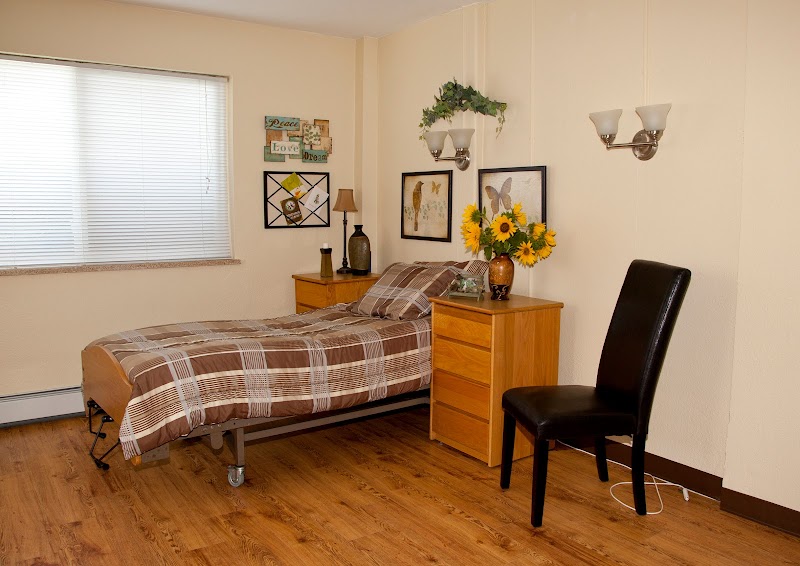
How is Valley View Health, Inc Staffed?

CMS rates VALLEY VIEW HEALTH CARE CENTER, INC's staffing level at 3 out of 5 stars, which is average compared to other nursing homes. Staff turnover is 58%, which is 12 percentage points above the Colorado average of 46%. High turnover can affect care consistency as new staff learn residents' individual needs. RN turnover specifically is 62%, which is notably high. RNs provide skilled clinical oversight, so turnover in this role can affect medical care quality.

What Have Inspectors Found at Valley View Health, Inc?

State health inspectors documented 42 deficiencies at VALLEY VIEW HEALTH CARE CENTER, INC during 2021 to 2025. These included: 1 Immediate Jeopardy (the most serious level, indicating potential for serious harm or death), 1 that caused actual resident harm, and 40 with potential for harm. Immediate Jeopardy findings are rare and represent the most serious regulatory concerns. They require immediate corrective action.
Who Owns and Operates Valley View Health, Inc?

VALLEY VIEW HEALTH CARE CENTER, INC is owned by a for-profit company. For-profit facilities operate as businesses with obligations to shareholders or private owners. The facility is operated by VIVAGE SENIOR LIVING, a chain that manages multiple nursing homes. With 60 certified beds and approximately 58 residents (about 97% occupancy), it is a smaller facility located in CANON CITY, Colorado.
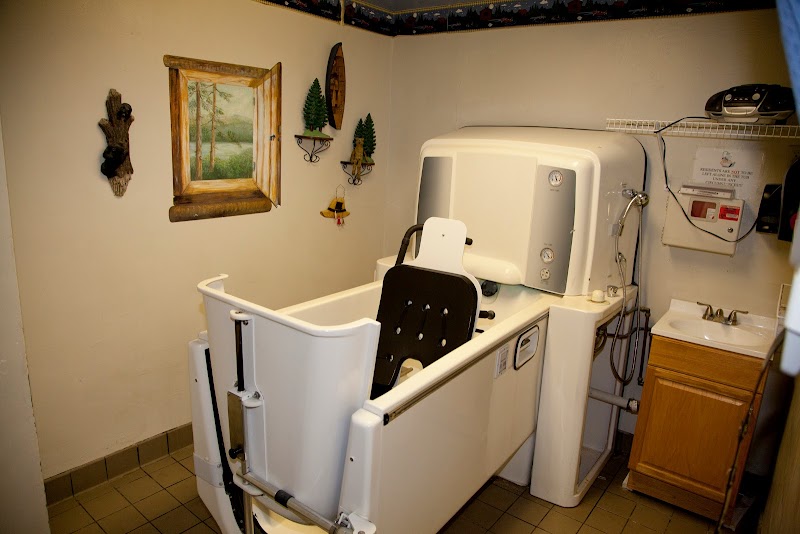
How Does Valley View Health, Inc Compare to Other Colorado Nursing Homes?

Compared to the 100 nursing homes in Colorado, VALLEY VIEW HEALTH CARE CENTER, INC's overall rating (1 stars) is below the state average of 3.1, staff turnover (58%) is significantly higher than the state average of 46%, and health inspection rating (1 stars) is much below the national benchmark.

What Should Families Ask When Visiting Valley View Health, Inc?

Based on this facility's data, families visiting should ask: "What changes have been made since the serious inspection findings, and how are you preventing similar issues?" "What safeguards and monitoring systems are in place to protect residents from abuse or neglect?" "How do you ensure continuity of care given staff turnover, and what is your staff retention strategy?" "Can I visit during a mealtime to observe dining assistance and food quality?" These questions are particularly relevant given the facility's Immediate Jeopardy citations, the substantiated abuse finding on record, and the facility's high staff turnover rate.

Is Valley View Health, Inc Safe?

Based on CMS inspection data, VALLEY VIEW HEALTH CARE CENTER, INC has documented safety concerns. The facility has 1 substantiated abuse finding (meaning confirmed case of resident harm by staff or other residents). Inspectors have issued 1 Immediate Jeopardy citation (the most serious violation level indicating risk of serious injury or death). The facility has a 1-star overall rating and ranks #100 of 100 nursing homes in Colorado. Families considering this facility should ask detailed questions about what corrective actions have been taken since these incidents.

Do Nurses at Valley View Health, Inc Stick Around?

Staff turnover at VALLEY VIEW HEALTH CARE CENTER, INC is high. At 58%, the facility is 12 percentage points above the Colorado average of 46%. Registered Nurse turnover is particularly concerning at 62%. RNs handle complex medical decisions and coordinate care — frequent RN changes can directly impact care quality. High turnover means new staff may not know residents' individual needs, medications, or preferences. It can also be disorienting for residents, especially those with dementia who rely on familiar faces. Families should ask: What is causing the turnover? What retention programs are in place? How do you ensure care continuity during staff transitions?

Was Valley View Health, Inc Ever Fined?

VALLEY VIEW HEALTH CARE CENTER, INC has been fined $21,690 across 3 penalty actions. This is below the Colorado average of $33,296. While any fine indicates a compliance issue, fines under $50,000 are relatively common and typically reflect isolated problems that were subsequently corrected. Families should ask what specific issues led to these fines and confirm they've been resolved.

Is Valley View Health, Inc on Any Federal Watch List?

VALLEY VIEW HEALTH CARE CENTER, INC is not on any federal watch list. The most significant is the Special Focus Facility (SFF) program, which identifies the bottom 1% of nursing homes nationally based on persistent, serious quality problems. Not being on this list means the facility has avoided the pattern of deficiencies that triggers enhanced federal oversight. This is a positive indicator, though families should still review the facility's inspection history directly.