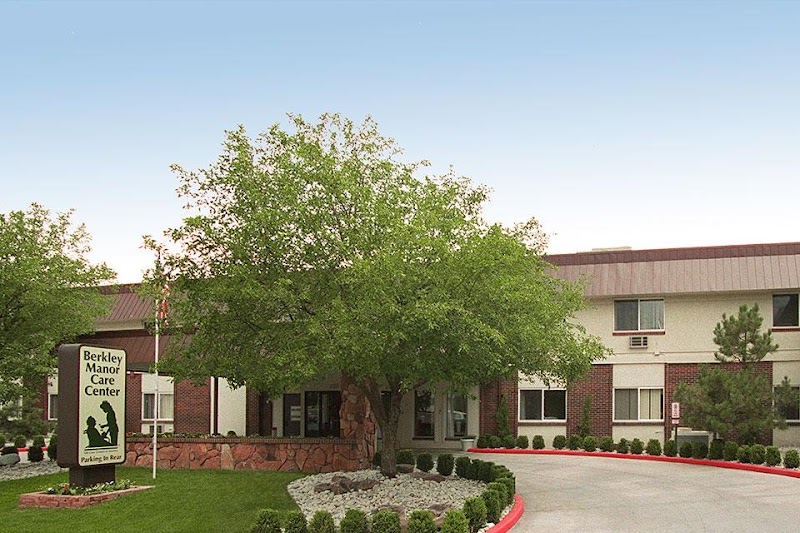
BERKLEY MANOR CARE CENTER

735 S LOCUST ST, DENVER, CO 80224 (303) 320-4377
For profit - Limited Liability company 118 Beds LIFE CARE CENTERS OF AMERICA Data: November 2025
Trust Grade
63/100
#55 of 208 in CO
Last Inspection: November 2023

Within standard 12-15 month inspection cycle. Federal law requires annual inspections.

Overview

Berkley Manor Care Center has a Trust Grade of C+, indicating it is slightly above average. Ranked #55 out of 208 facilities in Colorado, it falls in the top half, and at #5 out of 21 in Denver County, only four local options are better. The facility is improving, with issues decreasing from 17 in 2022 to just 3 in 2023. Staffing is a notable strength, earning a perfect 5-star rating with only a 10% turnover rate, which is significantly lower than the state average. However, there are concerns, including $17,160 in fines, which is average for the area, and serious incidents such as a resident developing a pressure injury due to inadequate monitoring and another resident not receiving proper fall precautions, leading to a head injury. Additionally, the facility has faced issues with infection control practices, indicating room for improvement in maintaining a safe environment.

Trust Score
C+
63/100
In Colorado
#55/208
Top 26%
Safety Record
Moderate
Needs review
Inspections
Getting Better
17 → 3 violations
Staff Stability
✓ Good
10% annual turnover. Excellent stability, 38 points below Colorado's 48% average. Staff who stay learn residents' needs.
Penalties
✓ Good
$17,160 in fines. Lower than most Colorado facilities. Relatively clean record.
Skilled Nurses
✓ Good
Each resident gets 49 minutes of Registered Nurse (RN) attention daily — more than average for Colorado. RNs are trained to catch health problems early.
Violations
⚠ Watch
29 deficiencies on record. Higher than average. Multiple issues found across inspections.
★★★★☆
4.0
Overall Rating
★★★★★
5.0
Staff Levels
★★★★☆
4.0
Care Quality
★★★☆☆
3.0
Inspection Score
Stable
2022: 17 issues
2023: 3 issues

The Good

  • 5-Star Staffing Rating · Excellent nurse staffing levels
  • 4-Star Quality Measures · Strong clinical quality outcomes
  • Low Staff Turnover (10%) · Staff stability means consistent care
  • Full Sprinkler Coverage · Fire safety systems throughout facility
  • No fines on record
  • Staff turnover is low (10%)

    38 points below Colorado average of 48%

Facility shows strength in staffing levels, quality measures, staff retention, fire safety.

The Bad

Federal Fines: $17,160

Below median ($33,413)

Minor penalties assessed

Chain: LIFE CARE CENTERS OF AMERICA

Part of a multi-facility chain

Ask about local staffing decisions and management

The Ugly 29 deficiencies on record

2 actual harm
Nov 2023 3 deficiencies 1 Harm
SERIOUS (G) 📢 Someone Reported This

A family member, employee, or ombudsman was alarmed enough to file a formal complaint

Actual Harm - a resident was hurt due to facility failures

Pressure Ulcer Prevention (Tag F0686)

A resident was harmed · This affected 1 resident

**NOTE- TERMS IN BRACKETS HAVE BEEN EDITED TO PROTECT CONFIDENTIALITY** Based on observation, interviews, and record review, the facility failed to assess and monitor an existing pressure injury for o...

Read full inspector narrative →
**NOTE- TERMS IN BRACKETS HAVE BEEN EDITED TO PROTECT CONFIDENTIALITY** Based on observation, interviews, and record review, the facility failed to assess and monitor an existing pressure injury for one (#50) of seven residents reviewed for wounds out of 32 sample residents and failed to take steps to prevent the resident's development of pressure injuries. Resident #50 who required hands on assisance from staff to complete activities of daily living such as toileting, bed mobility, dressing and personal hygiene and who was at high risk for developing pressure injuries developed facility acquired pressure injury. The resident's pressure injury was first discovered on 4/27/23 and started as a redness spread over the bony part of the resident's left hip. The wound care physician classified the wound as a trauma wound. There was no documentation in the resident's chart to identify what type of trauma caused the wound to develop other than the resident lying on the hip creating skin damage for pressure to the wound site. A note written by the facility's occupational therapist (OT) documented that the pressure injury was discovered on 4/27/23 after the resident had been sitting up in her wheelchair for an extended period. The injury was linked to the resident seating system and position in the wheelchair from the wheelchair components and the cushion putting pressure on the resident's left hip. Following the observation, the OT adjusted the resident's wheelchair seating system and the wound improved by 5/24/23 but emerged again a month later. On 6/28/23 the resident medical record revealed the wound to the resident left hip emerged again as an open wound measuring 1.3 centimeters (cm) in length by 2 cm in width by 2 cm in depth. The wound bed was covered with 100% slough (stringy yellowish dead skin). The facility physical therapist (PT) assessed the resident and recommended the resident lay off of her left side to facilitate wound healing to the left hip. Following this recommendation, the resident developed a pressure injury to the right hip (on 9/4/23). The wound was assessed as an unstageable pressure injury on the resident's right posterior (back) hip with full-thickness of the skin (extending beyond two layers of skin tissue) and tissue loss. The wound measured 0.5 cm in length by 0.7 cm in width with no measurable depth. The PT reassessed the resident's seating system following the progression of the facility acquired pressure injuries and documented that the resident had had an inappropriate wheelchair and positioning program causing poor posture and skin related issues. The assessment documented that the resident required more frequent repositioning assistance to offload pressure from the left him with added side and back laying positions. The assessment documented that the resident had been tolerating the recommended repositioning; however, observations revealed the resident was not being respositioned as recommended (see observations below). The wound care physician (WCP) assessment of the pressure injuries reviewed the WCP believed the wounds were avoidable (see the WCP interview below). Interventions were not implemented consistently and observation of the resident's care revealed a lack of timely repositioning and staff not following the PT's recommendations to assist resident to offload pressure alternating from side to side and back lying on a frequent basis in order to promote healing the left hip wound and improved skin integrity. The facility failed to promote full healing of the wound and failed to prevent the formation of a second wound from worsening. The facility's failure to develop and implement timely and effective interventions led to the development of two unhealed pressure injury wounds one of which caused the resident severe pain. On 11/22/23, the pressure injury to the resident's left hip while healing persisted and measured 0.7 cm, in length by 0.7 cm in width by 0.1 cm in depth. However, the pressure injury wound to the right rear hip, first observed 9/4/23, worsened from intact skin to an unstageable pressure injury measuring 1.2 cm in length by 1.2 cm in width by 0.1cm depth with a build-up of dead tissue and severe pain at the wound site. The wound required surgical debridement to remove dead tissue and progressed to a stage 4 pressure ulcer measured 1.2 cm in length by 1.2 cm that began to spread under the surface of the skin at the wound edges. Findings include: I. Professional reference According to the National Pressure Injury Advisory Panel, European Pressure Injury Advisory Panel and Pan Pacific Pressure Injury Alliance Prevention and Treatment of Pressure Injuries: Clinical Practice Guideline, third edition, [NAME] Haesler (Ed.), EPUAP/NPIAP/PPPIA: 2019, retrieved from https://www.internationalguideline.com/guideline on 12/7/23, Pressure ulcer classification is as follows: Category/Stage 1: Nonblanchable Erythema (discoloration of the skin that does not turn white when pressed, early sign of tissue damage) Intact skin with nonblanchable redness of a localized area usually over a bony prominence. Darkly pigmented skin may not have visible blanching; its color may differ from the surrounding area. The area may be painful, firm, soft, warmer or cooler as compared to adjacent tissue. Category/Stage 1 may be difficult to detect in individuals with dark skin tones. May indicate 'at risk' individuals (a heralding sign of risk). Category/Stage 2: Partial Thickness Skin Loss Partial thickness loss of dermis presenting as a shallow open ulcer with a red pink wound bed, without slough. May also present as an intact or open/ruptured serum filled blister. Presents as a shiny or dry shallow ulcer without slough or bruising.This Category/Stage should not be used to describe skin tears, tape burns, perineal dermatitis, maceration or excoriation. Category/Stage 3: Full Thickness Skin Loss Full thickness tissue loss. Subcutaneous fat may be visible, but bone, tendon or muscle are not exposed. Slough may be present but does not obscure the depth of tissue loss. May include undermining and tunneling. The depth of a Category/ Stage 3 pressure ulcer varies by anatomical location. The bridge of the nose, ear, occiput and malleolus do not have subcutaneous tissue and Category/ Stage 3 ulcers can be shallow. In contrast, areas of significant adiposity can develop extremely deep Category/Stage 3 pressure ulcers. Bone/tendon is not visible or directly palpable. Category/Stage 4: Full Thickness Tissue Loss Full thickness tissue loss with exposed bone, tendon or muscle. Slough or eschar (dark dead skin) may be present on some parts of the wound bed. Often include undermining and tunneling. The depth of a Category/Stage 4 pressure ulcer varies by anatomical location. The bridge of the nose, ear, occiput and malleolus do not have subcutaneous tissue and these ulcers can be shallow. Category/ Stage 4 ulcers can extend into muscle and/ or supporting structures (fascia, tendon or joint capsule) making osteomyelitis possible. Exposed bone/tendon is visible or directly palpable Unstageable: Depth Unknown Full thickness tissue loss in which the base of the ulcer is covered by slough (yellow, tan, gray, green or brown) and/or eschar (tan, brown or black) in the wound bed. Until enough slough and/or eschar is removed to expose the base of the wound, the true depth, and therefore Category/ Stage, cannot be determined. Stable (dry, adherent, intact without erythema or fluctuance) eschar on the heels serves as 'the body's natural (biological) cover' and should not be removed. Suspected Deep Tissue Injury: Depth Unknown Purple or maroon localized area of discolored intact skin or blood-filled blister due to damage of underlying soft tissue from pressure and/or shear. The area may be preceded by tissue that is painful, firm, mushy, boggy, warmer or cooler as compared to adjacent tissue. Deep tissue injury may be difficult to detect in individuals with dark skin tones. Evolution may include a thin blister over a dark wound bed. The wound may further evolve and become covered by thin eschar. Evolution may be rapid, exposing additional layers of tissue even with optimal treatment. II. Facility policy The Skin Integrity and Pressure Ulcer/Injury Prevention and Skin Management policy, reviewed 3/31/23, was provided by the nursing home administrator (NHA) on 11/30/23 at 1:26 p.m. It revealed in pertinent part, Provide associates and licensed nurses with procedures to manage skin integrity, prevent pressure, ulcer injury, complete, wound assessment/documentation, and provide treatment and care of skin and wounds utilizing professional standards of the NPIAP (National Pressure Injury, Advisory Panel) and WOCN (Wound, Ostomy, Continent, Nurse Society). A comprehensive skin inspection/assessment on admission and readmission to the center may identify pre-existing signs of possible deep tissue damage already present. These signs include purple or very dark areas, surrounded by edema; profound, redness, or induration; bogginess; and or discoloration. These signs possibly indicate an unavoidable stage three or four with slough, drainage, or even eschar within a few days. A risk assessment to Braden Scale, or Norton Scale determines the resident's. Risk of pressure injury development. The score is documented on the tool and placed in the resident's medical record using the appropriate form. Certain risk factors have been identified that increase a resident's susceptibility to develop or impair healing of pressure injuries. Examples include, but are not limited to; impaired/decreased mobility and decreased functional ability. Morbid conditions, such as end-stage, renal disease, thyroid disease, diabetes mellitus, or other end-of-life concerns. Drugs such as steroids that may affect wound healing. Impaired diffuse, or localized blood flow. A patient's refusal of some aspects of care treatment especially in multi-system organ failure, or end-of-life conditions. Exposure of skin to urinary and fecal incontinence. Under nutrition, malnutrition, and hydration deficit, edema and history of a healed injury. Measures to maintain and improve resident's tissue tolerance to pressure and implemented in the plan of care. All residents upon admission are considered to be at risk of pressure injury development due to medical issues requiring nursing care and related disease processes and illness or need for rehabilitation services. Upon admission and throughout stay at minimum distribution surface is in use with her and repositioning as needed with ADL care/assistance in care, if needed to include skin barriers, application as needed, preventative, wheelchair cushions, if indicated, etc. Skin inspections with particular attention to bony prominences. Skin cleansing with appropriate cleanser at the time of swelling and at routine intervals. Minimize skin exposure to incontinence using devices and skin barriers. Minimize injury due to shear friction through proper positioning, transfers, and turning schedules. Encourage PO food and fluid intake and improve residence, mobility and activity when potential exists. Measures to protect the resident against the adverse effect of external mechanical forces, such as pressure friction, and are implemented in the plan of care; reposition, at least every 2 to 4 hours, as consistent with overall patient goal and medical condition. Utilize positioning devices to keep prominences from direct contact and ensure proper body alignment protection/suspension if indicated. A distribution mattress surface is placed under the resident. When positioned in the wheelchair, the resident is to be placed on a pressure reduction device and repositioned. When positioned in a wheelchair consideration is given to postural alignment, distribution, weight, balance, and stability. When skin breakdown occurs, it requires attention and a change in the plan of care may be indicated to treat the resident. III. Resident #50 A. Resident status Resident #50, age [AGE], was admitted on [DATE]. According to the November 2023 computerized physician orders (CPO), the diagnoses included Parkinson's, dementia with behavioral disturbances and major depressive disorder. According to the 11/10/23 minimum data set (MDS) assessment, the resident was cognitively severely impaired and was unable to complete a brief interview for mental status (BIMS). She was dependent on one person with transferring and dressing. She required substantial assistance from one person with toileting, bed mobility, dressing, personal hygiene and eating. The resident was dependent on a wheelchair and needed moderate assistance with locomotion. The resident was at risk for developing pressure ulcers. The resident had unhealed pressure ulcers. The resident had one unstageable pressure ulcer. The pressure ulcers were not present at admission. B. Observations On n 11/27/23 Resident #50 was observed and revealed: -At 9:00 a.m. the resident was in her bed lying on her right side. -At 10:00 a.m. the resident was in her bed lying on her right side. -At 11:58 a.m. the resident was in her bed lying on her right side. On 11/28/23 Resident #50 was observed and revealed: -At 10:26 a.m. the resident was in her bed lying on her right side. -At 10:40 a.m. an unknown CNA went into the Resident #50's room but did not reposition her and the resident remained lying on her right side. -At 12:30 a.m. a unknown CNA went into Resident #50's room to help her roommate, but did not assist Resident #50 with any care. Resident #50 remained on her right side. -At 1:30 p.m. the Resident #50 remained on her right side. On 11/30/23 Resident #50 was observed and revealed: -At 9:00 a.m. the resident was in her wheelchair in the hallway. -At 12:00 p.m. an unknown staff member transported the resident, who was still up in her wheelchair to the dining room for lunch. -At 12:45 p.m. after the resident finished lunch, an unknown staff member transported the resident to her room and transferred her to bed using a hoyer (mechanical) lift. The staff laid her down on her right side. C. Record review According to the Braden scale (a scale to measure risk of developing pressure ulcers) dated 5/11/23 Resident #50 was at mild risk of developing pressure ulcers. According to the health status note dated 5/1/23 at 11 a.m., the resident had a new skin issue discovered on 4/27/23. The resident had redness spread over her left hip. The registered nurse (RN) on duty cleansed the skin and placed prophylactic (preventative) foam dressing on the left hip. A seating cushion that was previously placed for positioning the resident in the wheelchair was removed and OT had been working with the resident on positioning. OT removed a rigid lateral support (lateral trunk support) and adjusted lateral support so it would not rest on the bony prominence of her hip. According to a care management note dated 5/4/23 OT was discontinued due to the resident meeting all her wheelchair goals. According to the OT Discharge summary dated [DATE] the resident received therapy between 3/15/23 and 5/6/23. The resident had been assessed by OT due to the resident being at risk for falling out of her wheelchair due to inability to sit up in the chair without leading to the left. The initial intervention for positioning was causing additional rubbing and pressure on the residents left hip. As a part of the assessment and treatment the OT made adjustments to preventing the support from rubbing against the resident's hip. According to an event note dated 6/28/23 the resident had an open area to her left hip on the bony prominence. The affected area had been padded with mepilex dressing for the past four weeks due to non blanchable redness (when the skin is unable to return to a normal pigment when pressed) that developed from using equipment to help her sit upright in her wheelchair. The resident was evaluated by the wound team. According to the wound observation tool dated 6/28/23 the resident acquired a new skin impairment on 6/28/23, on her left hip. The first observation revealed the resident's skin had epithelial tissue (normal healthy skin) present and granulation tissue (beefy red tissue an indicator that skin was healing) the wound had a small amount of serous drainage (normal clear yellow fluid an indicator of a healing wound). The wound measured 1.3 cm in length, 2.2 cm in width and 0.2 cm in depth. According to the wound note dated 7/5/23 the resident's left hip was identified as a trauma wound with a status of not healed. The wound measurements were 1.3 cm in length by 1.9 cm in width with no measurable depth with 100% slough. There was a small amount of serous drainage noted. The physician performed surgical debridement (procedure to remove dead tissue). Post debridement measurements were 1.3 cm in length by 1.9 cm in width by 0.1 cm in depth. According to the wound note dated 7/12/23 the resident had an unhealed left hip trauma wound. The wound measurements were 1.3 cm in length by 2.2 cm in width with no measurable depth.There was a small amount of sero-sanguineous (watery bloody) drainage noted. The wound bed had 95% eschar and 5% slough. There was no change noted in the wound progression. The left hip wound was still developing but not enough to allow for debridement. According to wound notes dated 7/19/23 the resident's left hip trauma wound and had received a status of not healed. The wound measured 1.5 cm length by 2.5 cm in width with no measurable depth. There was a small amount of serous drainage noted. Wound bed had 100% slough. There was no change noted in the wound progression. The wound was surgically debridement; post debridement measurements were 1.5 cm in length by 2.5 cm in width by 0.3 cm in depth. According to the PT evaluation and treatment plan dated 7/19/23 the resident had a pressure wound. The resident had poor posture, adverse effects to skin integrity and there was inconsistent use of hoyer lift. The resident's goal was to be able to sit in an upright position and transfer safely in the hoyer lift to decrease further risk of skin trauma. The PT assessment recommended making changes to the resident's wheelchair cushion. According to the wound note dated 8/2/23 the resident's left hip wound measured 1.7 cm in length by 2.4 cm in width with no measurable depth, muscle was exposed. There was a moderate amount of serous drainage noted. Wound bed had 100% slough. The wound was surgically debrided with post debridement measurements of 1.7 cm length by 2.4 cm width by 0.3 cm. According to the August 2023 treatment administration record (TAR) treatment orders included instructions for staff to reposition resident every two hours and ensure offload of the left hip at all times every shift for wound on left hip, ensuring the resident was not laying on left hip until wound was resolved. Order dated 8/2/23 and discontinued 9/24/23. According to the wound note dated 8/9/23 the resident's left hip wound measurements were 2.5 cm in length by 1.3 cm in width with no measurable depth. Muscle was exposed and tunneling (occurs when a chronic wound has progressed to form an opening underneath the surface of the wound's edge) was present at a distance of 1.4 cm. There was a moderate amount of serous drainage noted. Wound bed had 100% slough. The wound was surgically debrided. The post debridement measurements were 2.5 cm in length by 1.3 in cm width by 0.1 cm in depth. According to the PT evaluation and treatment plan dated 8/30/23 the resident's wheelchair was modified but continued to require monitoring for adverse effects. The assessment recommended that the resident be encouraged to lay on her side while in bed to alleviate pressure to aid with left wound healing but this resulted in a non-blanchable redness on the resident's right hip. The resident continued to require education on participants in a rotating program reposition and promote overall skin integrity. According to the comprehensive care plan focus for impaired skin integrity dated 8/24/23 the resident had a trauma injury wound. Interventions included providing treatment as ordered. Weekly skin checks in wound rounds. Air pressure mattress. Clean and dry skin after each incontinent episode. Encourage the residents to wear geri-gloves (non-compression, seamless knit material that contours to the body to protect thin, sensitive skin from tears, abrasions, and light bruising) as tolerated, to avoid skin tears on hands. Staff should make certain nails are trimmed. Added padding to the resident's wheelchair arms. Ensure the resident's hands on her lap when assisting her with ambulation. According to the altered skin integrity care focus dated 9/11/23 interventions included assisting the resident to reposition when in bed off of her back with the use of wedges, as tolerated, to prevent skin breakdown. According to an event note dated 9/4/23, the resident had a non-blanchable wound to the right hip bony prominence. The affected area was maroon in color. The resident had been laying mostly on her right side due to the wound on her left hip. The resident did not like to lay on her back to relieve pressure from both bony prominences. Affected area was cleansed with normal saline, skin prep and covered with mepilex dressing. According to wound notes dated 9/6/23, the resident developed an unstageable pressure injury on her right posterior hip with full-thickness skin and tissue loss. The pressure ulcer had received a status of not healed. The wound measured 0.5 cm in length by 0.7 cm in width with no measurable depth. The wound bed had 100% epithelialization with obscured full-thickness skin and tissue loss. According to wound note dated 9/6/23 the resident's left hip wound measured 1.2 cm in length by1.5 in cm width by 1 cm in depth with undermining (occurs when significant erosion occurs underneath the outwardly visible wound margins resulting in more extensive damage beneath the skin surface) with a maximum distance of 2.3 cm. According to event note dated on 9/11/23,the resident had a non blanchable wound. The resident was sleeping and resting on an air mattress with order for staff to provide repositioning assistance and wound care treatment and dressing changes. According to the wound observation tool dated 9/13/23 the resident had an unstageable pressure ulcer facility acquired on 9/4/23, on her right hip. The wound was worsening and had slough tissue. The wound measurements were 3.0 cm in length and 5.0 cm in width According to the PT evaluation and treatment plan dated 9/20/23 the resident tolerated the position throughout the day with no adverse effects to the left hip wound. The resident tolerated a rotating positioning program in supine (on back) to promote overall skin integrity. The resident currently had an inappropriate wheelchair and positioning program. The resident needed a smaller wheelchair and to be repositioned more frequently. According to the September 2023 treatment administration record (TAR) treatment orders included instructions for staff to reposition the resident and offload bilateral hip as allowed every shift for skin management order dated 9/24/23 and discontinued 10/19/23. According to the PT Discharge summary dated [DATE] the resident was discharged with a good seated and supine positioning with no worsening wounds. According to the pressure ulcer care focus dated 11/13/23 the resident had an unstageable pressure ulcer on her right hip. Interventions included administer medications and treatments, as ordered. Provide enhanced barrier precautions. Inform the resident and family of any new skin breakdown. Perform lab and other diagnostic work as ordered, report the results to the medical doctor and follow up as indicated. Observe and report changes in skin status; appearance, color, wound healing, sign of infection, wound size and stage of wound. Serve diet as ordered and monitor intake and record. According to the wound note dated 11/15/23 The resident had an unstageable pressure injury on her right, posterior hip with obscured full-thickness skin and tissue loss and had received a status of not healed. The wound measured 1.2 cm in length by 1.2 cm in width with no measurable depth, with undermining at a distance of 2.6 cm. There was a large amount of serous drainage noted. The patient reports a wound pain of level 0/10. The wound bed had 80%, granulation, 20% slough. The wound was surgically debrided, post debridement measurements were 1.2 cm in length by 1.2 cm in width by 0.1cm depth. According to the wound observation tool dated 11/22/23 the resident acquired a skin impairment on her left hip, due to trauma of equipment use on 6/28/23 (seating and transferring devices, see above). The left pressure wound was assessed to have been healing with granulation tissue (beefy red) the wound had serous and scan drainage. measurements were 0.7 cm, in length by 0.7 cm in width by 0.1 cm in depth. According to the wound observation tool dated 11/22/23 the resident had a stage 4 pressure ulcer facility acquired on 9/4/23, on her right hip. The wound was worsening and had granulation and slough tissue . The wound measurements were, 1.2 cm in length and 1.2 cm in width with tunneling. IV. Staff interviews The wound care physician (WCP) was interviewed and observed on 11/29/23 at 1:20 p.m. while performing wound care on Resident #50's left hip. The WCP said the resident was admitted to the facility on [DATE], with a left hip trauma injury. The wound had been unstable. The wound had worsened and was now classified as a stage 4 pressure injury with tunneling and had a large amount of drainage. The WCP said the wound likely had severe colonization and was possibly an infection but he was unable to determine the severity of the infection because he was unable to see the bottom of the wound. The WCP said if the resident acquired the left hip wound at the facility then the wound on her right hip was avoidable. The wound doctor said the resident would not have acquired the right hip wound if she did not have the left wound. The WCP said the resident was positioned on the right hip because it was painful to lay on her left hip. The WCP said the resident should be repositioned supine (on her back) to avoid the wound's progression. The WCP said both wounds were stage 4. Registered nurse (RN) #1 was interviewed on 11/29/23 at 2:20 p.m. RN #1 said the resident's left hip trauma wound developed because the resident would propel herself in her wheelchair and would lean to the left side. RN #1 said the pressure ulcer on the right side developed because the resident was in pain and preferred to only lay on her right side. RN #1 said the resident should be positioned on her back to relieve pressure on both hips. RN #1 said the resident had wedge cushions on her bed to help the resident stay positioned on her back. Certified nursing aide (CNA) #1 was interviewed on 11/30/23 at 8:59 a.m. CNA #1 said if there was a change in skin condition the CNAs would report to the nurse and the nurses would report it to the resident's physician. CNA #1 said residents should be repositioned every two hours. CNA #1 said the residents in the facility should not have pressure ulcers if they were repositioned. CNA #1 said Resident #50 acquired pressure ulcers because she was not repositioned properly. CNA #1 said the resident initially had skin issues due to poor positioning in the wheelchair and because the resident was consistently laying on her left side due to not wanting to face the wall while in bed it made her wounds worse. CNA #1 said the resident's bed was facing the other way so now the resident was willing to lay on her right side. CNA #1 said the resident had bed wedges to keep her laying on her back and off her hips. CNA #1 said the other staff did not reposition the resident correctly; she knew this because she observed the other CNAs position the resident consistently on to her right side because the resident moved around when she was on her back. The director of nursing (DON) was interviewed on 11/30/23 at 12:06 p.m. The DON said if a change in the resident's skin was found the CNAs were to notify a nurse and the nurse would notify DON and start the risk management assessment documentation. The DON said residents who could not reposition themselves should be repositioned every two hours. The DON said Resident #50 had first developed a skin tear because she was not seated properly in her wheelchair and was leaning to the left causing friction. The DON said therapy staff put a wedge positioning cushion in place to prevent further skin issues but the resident did not tolerate laying on her back to offload pressure on her hips. The DON said the resident was not eating enough so she was at high risk of pressure ulcers. V. Facility follow-up On 12/1/23, the nursing home administrator (NHA) provided an addendum to the physician's 11/17/23. The addendum note dated 12/1/23 (after exit), documented the wound progress note demonstrates that the wound was unavoidable. The resident was combative during care and repositioning. -The note provided no other rationale about why the wound development was now determined to be unavoidable. Additionally, the WCP said during the interview that the resident's right hip wound was avoidable and would not be there if not for the left wound causing the resident pain and making her reluctant to off load pressure from the right hip and lay on her back.
CONCERN (D) 📢 Someone Reported This

A family member, employee, or ombudsman was alarmed enough to file a formal complaint

Potential for Harm - no one hurt, but risky conditions existed

Deficiency F0761 (Tag F0761)

Could have caused harm · This affected 1 resident

Based on observations and interviews, the facility failed to ensure all drugs and biologicals were properly stored and labeled in one of two medication storage rooms. Specifically, the facility failed...

Read full inspector narrative →
Based on observations and interviews, the facility failed to ensure all drugs and biologicals were properly stored and labeled in one of two medication storage rooms. Specifically, the facility failed to ensure vaccines and insulins (medications used to regulate blood glucose levels) were not stored in a dormitory style fridge. Findings include: I. Professional reference According to the Vaccine storage and Handling Toolkit retrieved on 11/30/23 from: https://www.cdc.gov/vaccines/hcp/admin/storage/toolkit/storage-handling-toolkit.pdf it revealed in pertinent part Do not store any vaccines in a dormitory-style or bar-style combined refrigerator/freezer unit under any circumstances. These units pose a significant risk of freezing vaccines, even when used for temporary storage. II. Facility policy and procedure The Storage and Expiration Dating of Medication, Biologicals policy, revised 7/21/22, was received from the nursing home administrator (NHA) on 11/30/23 at 12:50 p.m. It revealed in pertinent part, facility should ensure that medications and biologicals were stored at their appropriate temperatures according to the United States Pharmacopeia guidelines for temperature ranges. III. Observation On 11/30/23 at 9:19 a.m. the first floor medication room was observed to have a dormitory style refrigerator used to store vaccines and insulins. -The following insulin medications were stored in the refrigerator: three Trulicity pens, five Lantus pens, one Novolog pen, one insulin emergency kit containing one vial of each Lispro, Humalog, Humulin R and Lantus. -The following vaccines were stored in the refrigerator: eight Influenza quadrivalent 2023-2024 formula vials and 18 Prevnar 20 (vaccine for pneumonia) vials. -The freezer was observed with ice built up in and around the freezer compartment affecting the first shelf of the refrigerator. IV. Staff interviews Registered nurse (RN) #1 was interviewed on 11/29/23 at 9:19 a.m. She said the freezer had a lot of ice built up around it and needed to be cleaned out. RN #1 said she did not believe the medications or vaccines in the refrigerator were compromised by the freezer or the ice build up. RN #1 said it was the responsibility of the night shift nurse to log temperatures and clean the medication refrigerators. The director of nursing (DON) was interviewed on 11/30/23 at 12:27 p.m. She said medication refrigerators were to be cleaned by nursing staff. The DON said medications and vaccines were not to be stored in a dormitory style refrigerator as they could freeze medication. The DON was not aware the first floor medication refrigerator was a dormitory style refrigerator and that it had a large amount of ice built up around the freezer. The infection preventionist (IP) was interviewed on 11/30/23 at 2:03 p.m. He said medications and vaccines should be stored at the manufacturer's recommendations. The IP was unaware there was a dormitory style refrigerator in use for medication/vaccine storage and said it should not be used as it was not good at regulating temperature within the compartment.
CONCERN (D) 📢 Someone Reported This

A family member, employee, or ombudsman was alarmed enough to file a formal complaint

Potential for Harm - no one hurt, but risky conditions existed

Deficiency F0923 (Tag F0923)

Could have caused harm · This affected 1 resident

Based on observations and staff interviews, the facility failed to provide adequate outside ventilation by means of windows and/or mechanical ventilation. Specifically, the facility failed to ensure ...

Read full inspector narrative →
Based on observations and staff interviews, the facility failed to provide adequate outside ventilation by means of windows and/or mechanical ventilation. Specifically, the facility failed to ensure the soiled linen laundry room exhaust fan was functional. Findings include: I. Observations An observation of the soiled linen laundry room was completed on 11/30/23 at 10:45 a.m. An exhaust fan was installed in the ceiling of the soiled linen laundry room. The fan was not audible and did not create air movement with the switch turned on. The fan was covered with thick gray and black debris. As a measure of checking the function of the fan, a small square of single ply toilet paper was placed against the vent. The exhaust fan was unable to hold the toilet tissue in place which indicated the fan did not function properly. -Soiled linen odors such as urine were observed during multiple observations in the soiled linen laundry room. The soiled linen laundry room exhaust fan was not functional. II. Staff Interview The environmental tour was conducted with the director of maintenance (DM) and the housekeeping director (HKD) on 11/30/23 at 10:46 a.m. The HKD said the exhaust fan had not worked in the soiled linen laundry room for the past 10 years. The DM confirmed the exhaust fan was not functional because he had shut it off from the main breaker three months prior to the survey because it was too loud and therefore he had to turn it back on to demonstrate it was functional during the survey. He said the fan had been serviced recently to ensure it was functional. -The DM attempted to turn on the fan from the main breaker, however, the fan did not turn on. -The DM was unable to provide documentation that the exhaust fan had been previously serviced. The DM said the ventilation fan should be in good working condition to protect staff from foul odors and ensure there was adequate airflow within the room.
Aug 2022 17 deficiencies 1 Harm
SERIOUS (G)

Actual Harm - a resident was hurt due to facility failures

Accident Prevention (Tag F0689)

A resident was harmed · This affected 1 resident

**NOTE- TERMS IN BRACKETS HAVE BEEN EDITED TO PROTECT CONFIDENTIALITY** Based on record review, observations, and staff interviews, the facility failed to ensure two (#54 and #4) of four residents rev...

Read full inspector narrative →
**NOTE- TERMS IN BRACKETS HAVE BEEN EDITED TO PROTECT CONFIDENTIALITY** Based on record review, observations, and staff interviews, the facility failed to ensure two (#54 and #4) of four residents reviewed for accident hazards out of 34 sample residents, were provided adequate supervision and a safe environment to prevent accidents and the re-occurrence of accidents. Resident #54 was admitted to the facility on [DATE] with a diagnosis and history of falls. The resident had four falls from 8/23/21 through 4/7/22. The facility failed to implement effective fall precautions with her risk of falling. On 4/7/22 the resident sustained a head injury following a fall which required hospital treatment. The interventions included educating the resident but also documented the resident was not always able to communicate her needs and that she forgot conversations held after a few minutes. The resident had a care plan to wear non-skid socks. During the survey from 8/8/22 to 8/11/22, the resident was observed walking the hallway in nylon material socks that were not non-skid. In addition, the facility failed to: -Transfer Resident #4 in an appropriate manner; -Ensure a tube feeding device was plugged into a medical electrical outlet power strip; and, -Ensure electric cord was clear of a water source. Findings include: I. Resident #54 A. Facility policy The Fall Management policy, revised 4/7/22, was provided on 8/16/22 at 3:53 p.m. via email from the nursing home administrator (NHA). It revealed in pertinent part, Purpose To promote patient safety and reduce patient falls by proactively identifying, care planning and monitoring of patients' fall indicators. Policy The facility will assess the resident upon admission/readmission, quarterly, with change in condition, and with any fall event for any fall risks and will identify appropriate interventions to minimize the risk of injury related to falls. Avoidable Accident means that an accident occurred because the facility failed to: Identify environmental hazards and/or assess individual resident risk of an accident, including the need for supervision and/or assistive devices. Evaluate/analyze the hazards and risks and eliminate them, if possible, or, if not possible, identify and implement measures to reduce the hazards/risks as much as possible. Implement interventions, including adequate supervision and assistive devices, consistent with a resident's needs, goals, care plan and current professional standards of practice in order to eliminate the risk, if possible, and, if not, reduce the risk of an accident. Monitor the effectiveness of the interventions and modify the care plan as necessary, in accordance with current professional standards of practice. Unavoidable accident means that an accident occurred despite sufficient and comprehensive facility systems designed and implemented to: Identify environmental hazards and individual resident risk of an accident, including the need for supervision. Evaluate/analyze the hazards and risks and eliminate them, if possible and, if not possible, reduce them as much as possible. Implement interventions, including adequate supervision, consistent with the resident's needs, goals, care plan, and current professional standards of practice in order to eliminate or reduce the risk of an accident. Monitor the effectiveness of the interventions and modify the interventions as necessary, in accordance with current professional standards of practice. All patients have fall indicators. Fall indicators are patient specific information that, when alone or combined with other fall indicators, create a potential for a patient to fall. B. Resident status Resident #54, age [AGE], was admitted on [DATE]. According to the August 2022 computerized physical orders (CPO), the diagnoses included Alzheimer's disease, adult failure to thrive, hypertension (high blood pressure), disorientation, dysphagia (difficulty swallowing), history of falls, and dementia with behavioral disturbances. The 7/16/22 minimum data set (MDS) assessment revealed the resident had severe cognitive impairment with a brief interview for mental status score (BIMS) of three out of 15. The resident did not reject care from staff. She required extensive assistance with bed mobility, dressing, toilet use, and personal hygiene. She required limited assistance with transfers, and walking in the corridors. She was not steading moving from a seated to standing position. C. Record review A review of the facility fall investigations provided by the nursing home administrator (NHA) on 8/1/22 at 1:27 p.m. revealed Resident #54 fell four times. The resident had an injury during the fourth fall which required the resident to be sent to the hospital. A review of the four falls revealed in pertinent part: -The 8/23/21 fall report revealed the resident was found lying in the bathroom on her back, wearing only one non-skid sock. The report did not document any predisposing environmental, physiological, or situational factors that were documented on the fall investigation. The report did not contain any interventions that were put in place. The fall was unwitnessed. The resident was unable to give a description of the fall event. -The 12/18/21 fall report revealed a registered nurse (RN) assessed the fall but only revealed the resident was found on her right side. The report did not document where she was found at the time of the fall, what was the reason she fell, and no other predisposing environmental, physiological, or situational factors were documented on the fall investigation. The report did not contain any interventions that were put in place. The fall was unwitnessed. The resident was combative with staff during the fall assessment by the RN. The resident was unable to give a description of the fall event. -The 12/21/21 fall report revealed the resident was found on her left side on the floor. The report did not document where she was found at the time of the fall, what was the reason she fell, and no other predisposing environmental, physiological, or situational factors were documented on the fall investigation. The report did not contain any interventions that were put in place. The fall was unwitnessed. The resident was unable to give a description of the fall event. -The 4/7/22 fall report revealed Resident found lying face down with a chair on top of her, resident is alert but unable to tell what happened, small abrasion on forehead some bleeding noted. Resident was rubbing left hip and crying.The facility called an ambulance to transport the resident to the hospital. The report did not contain the location where the injury took place. The report documented there were no predisposing factors about the fall with injury. The resident was unable to give a description of the fall. -A follow up fall investigation report for the 4/7/22 fall, written on 4/14/22 (seven days after the fall) was provided by the facility nurse consultant (FNC) on 8/11/22 at 11:49 a.m. revealed in pertinent part, The event time was 3:00 a.m. The resident ambulates without assistance, able to transfer herself, has a history of falls. Resident was on the floor flat on her back, bleeding from the back of her head. Resident was then assisted to a sitting position, notice a deep laceration on her occipital (back of the head). Pressure dressing applied to stop bleeding. At 3:45 a.m. the resident started vomiting. Ambulance called and arrived at 3:53 a.m. The current interventions that were put in place at the time of the 4/7/22 fall were to Anticipate and meet the resident's needs. Assist with activities of daily living (ADLs) as needed, call light within reach. Educate the resident about safety reminders and what to do if a fall occurs. Provide activities that minimize the potential for falls while providing diversion and distraction. Provide appropriate footwear when ambulating non-skid socks provided. The 4/14/22 follow-up investigation had blank pages to the following questions: -Resident/family interviews and an interview of the resident who experienced the event with a list of questions and the resident's responses to be documented was left blank. The 4/14/22 follow-up investigation listed the falls for the past six months which were not included on the fall investigations revealed: -8/23/21 resident was face on floor in bathroom. The section documenting what new intervention was implemented after the fall was left blank. -12/18/21 resident was face of floor beside roommates bed. The section documenting what new intervention was implemented after the fall was left blank. -12/21/21 resident was found on (the) floor. The section documenting what new intervention was implemented after the fall was left blank. The fall care plan revealed the resident was at risk for falls related to diagnosis Alzheimer's dementia with decreased safety awareness, history of urinating in inappropriate places, history of falls. Interventions included: Educate the resident/family/caregivers about safety reminders and what to do if a fall occurred (4/11/22). Provide activities that minimize the potential for falls while providing diversion and distraction (added 7/16/21). Provide appropriate footwear when ambulating non skid-socks provided (added 3/28/21). Encourage the resident to participate in activities that promote exercise, physical activity for strengthening and improved mobility (added 7/16/21). An additional care plan revised on 1/27/22 revealed due to the resident's severe cognitive impairment, education would require specific strategies. -The resident's fall care plan had not been updated when the resident fell on 8/3/21, 12/18/21 and 12/21/21. There was no documentation that the family was educated about safety reminders. The resident was not provided with activities (see activity director interview below). The resident to spend her day walking back and forth throughout the hallways unassisted with no staff reminders of safety/mobility device. The resident was observed not wearing non-skid-socks (see observations below). D. Observations On 8/8/22 and 8/9/22 from 9:00 a.m. until 4:30 p.m. Resident #54 was not wearing shoes. She was wearing red nylon socks which were not non-skid socks. She walked almost continuously from one end of the upstairs hallway to the other. She stopped to talk to residents, walked into her bedroom, and continued to walk without staff assistance. She did not use a walker, cane, or wheelchair while she walked. On 8/10/22 and 8/11/22 from 9:00 a.m. until 5:30 p.m the resident was lying on her bed, and she sat up for meals. Per staff interviews below, the resident often was up at night pacing and would sleep during the day. E. Interviews Licensed practical nurse (LPN) #1 was interviewed on 8/11/22 at 10:35 a.m. She said Resident #54 was up all night on 8/9/22. She said the resident often stayed up all night pacing and walking back and forth on the second floor and then she slept all day. She said the staff would offer her snacks to keep her occupied when she paced up and down the halls. She said the resident had on non-skid socks today. She said the resident had two pairs of socks in her closet. She said one pair of socks was non-skid and one pair of socks was not. She said she did not know if the red socks the resident wore yesterday were non-skid and she said those socks were not in the resident's closet. She said the resident was unable to put on her own socks. She said staff put socks on the resident daily. She said the resident did not prefer to wear shoes. She said the resident did not understand how to utilize her call light. She said due to the resident's mental status she did not understand directions very well. Certified nurse aide (CNA) #4 was interviewed on 8/11/22 at 11:20 a.m. She said Resident #54 was up again all night on 8/10/22. She said when the resident was up all night she paced the hallways and was in bed all the following day. She said Resident #54 walked the halls on the second floor almost everyday and all day. The activity director (AD) was interviewed on 8/11/22 at 11:30 a.m. She said Resident #54 did not attend activities. She said the activity department tried one time to give the resident a one-to-one visit but she declined. She said no other one-to-one attempts were made or given since the resident declined personal visits. She said the resident did not attend group activities often because it was hard for her to pay attention. She said the activity department did not put supplies in the resident's room to help the night staff utilize items when the resident was up all night. She said she would get supplies and put in the resident's room for the evening staff to use with Resident #54. The NHA was interviewed on 8/11/22 at 4:40 p.m. She said from what she remembered about Resident #54's fall on 4/7/22 and from reading the notes, the resident was up wandering most of the night. She said the resident was a fall risk. She said the resident was in her room, fell flat on her back on the floor, and had lacerations to the back of her head. She said the resident had Alzheimer's and dementia and had not declined in health. She said she was unaware of the resident wearing or having regular socks instead of non-skid socks. She said the interventions put in place for falls for Resident #54 would need to be reviewed and updated after the survey (the exit was on 8/11/22). II. Resident #4 A. Facility policy The Mechanical Lift policy, revised 7/22/21, was provided by the director of nursing (DON) on 8/10/22 at 6:23 p.m. It read in pertinent part: The purpose of the policy was to provide guidance when transferring a resident with a mechanical lift.It is important to train staff regarding resident assessment about the importance of safe transfers when using a mechanical lift to transfer a resident. Residents who become frightened during a transfer in a mechanical lift may exhibit resistance movements that can result in avoidable accidents. Communication with the resident during the transfer may help to reduce the resident ' s fear and avoid an accident. The facility will provide this kind of lift for the residents who are determined to need this type of transfer to meet their needs.The facility will ensure that two associates are present during the time of the transfer and that one of the associates is over the age of 18.The facility will use the Lippincott procedure for hoyer lifts and sit-to stand transfers. B. Resident status Resident #4, age [AGE], was admitted on [DATE]. The August 2022 computerized physicians orders (CPO) included a diagnosis of type 2 diabetes, chronic kidney disease, history of falling, localized edema and difficulty in walking. The 7/21/22 minimum data set (MDS) indicated the resident was cognitively impaired with a brief interview of mental status (BIMS) with a score of five out of 15. The resident required extensive assistance with toileting, sitting to stand, chair to bed transfer, dressing and bathing. C. Record review Transfer training documentation was received from the director of nursing (DON) one 8/10/22 at 6:23 p.m. It read: any mechanical lift requires two staff members when transferring a resident.The training sign off sheet contained 28 staff signatures, half of which took the training on 7/19/22 and the other half took the training on 7/21/22. The MDS functional status review dated 7/21/22 indicated the resident was totally dependent on the hoyer (mechanical) lift and needed a two person assistance with transferring, from sitting to a lying position and the resident was dependent on her wheelchair for mobility. The care plan detail was updated on 7/29/22. Resident #4 has an activity of daily living (ADL) self-care performance deficit. She has bilateral upper and lower extremity contractures.The resident has non weight-bearing status. A two person hoyer lift should be used for all transfers. D. Observations On 8/10/22 at 1:43 p.m., the resident was sitting in her recliner chair. Certified nurse aide (CNA) #5 and CNA #9 placed the hoyer mechanical lift sling around the resident. The sling criss crossed between her legs. When the CNA began to raise the lift. At 1:50 p.m., the director of rehabilitation (DOR) arrived into the room, after CNA #5 had requested her to come into the room. The DOR told the CNAs that a sit-to-stand lift would be used. She failed to look at the sling which was placed on the resident prior to changing the mechanical lift from a full hoyer lift to a sit to stand. CNA #9 said the sling for the sit-to stand lift was on top of the resident ' s closet. The sling was removed and placed behind the resident. The straps crisscrossed across her breasts. The straps were tight. CNA #5 began to use the lift and the resident was assisted into the standing position. The resident did not have her hands on the lift, and her arms hung down, as she was lifted. The resident called out that it hurt. The CNAs continued using the lift with the incorrect sling after the resident called out that it hurt and she was placed on the bed. The sling was removed. CNA #5 said the sling needs to be an extra large sling. CNA #5 looked at the sling which was used, and it was a medium. She said she would locate a large sling. At 2:06 p.m the DOR told the charge nurse that the sit-to-stand lift was the lift to use with her transfers from the bed to chair and vice versa, although she needed an extra large sling. E. Interviews The director of nursing (DON) was interviewed on 8/10/22 at 4:32 p.m. She said Resident #4 was supposed to be transferred by two staff in the hoyer lift instead the staff used a sit-to-stand lift. She said the staff used a medium sling when they should have used an extra large one. She said it resulted in extreme discomfort to the resident since the sling was too small. The director of rehabilitation (DOR) was interviewed on 8/11/22 at 5:30 p.m. The DOR, who was an occupational therapist assistant, said when she arrived at the room, the resident was complaining that the full mechanical lift sling was hurting her legs, so she said she made the decision to use the sit-to-stand lift. She said that in the past the sit-to stand lift was utilized for this resident. She did confirm that she did not assess the hoyer mechanical lift sling. She said the resident had been assessed for the sit-to-stand lift at an earlier date. She confirmed, she had not checked the sling which was in the room. The DOR said an extra-large sit-to-stand sling would be obtained. She said when the transfer happened, it was tight and squeezed her breasts. The DOR said having the right sling for the resident was important. III. Ensure tube feeding device was plugged into a medical grade power surge protector A. Observations On 8/8/22 at 10:36 a.m., room [ROOM NUMBER] had a tube feeding device, which was plugged into a regular power strip. It was not a medical grade power surge. On 8/10/22 at approximately 4:00 p.m., the tube feeding device continued to be plugged into the non-medical power surge. B. Staff Interview The nursing home administrator (NHA) was interviewed on 8/11/22 at 7:00 p.m. The NHA said environmental plant rounds were completed weekly. She said it was to ensure the environment was safe. She said they had not identified the medical equipment that was not plugged into a medical grade power strip. She said the facility did have medical grade power strips and would replace it immediately. IV. Ensure electrical cord was clear of water source A. Observations On 8/8/22 at 2:30 p.m., room [ROOM NUMBER] had an electrical cord from the television which was observed hanging over the sink. The cord was plugged into a power surge protector, which was plugged in over the wardrobe closet. The power surge protector was not plugged into a ground fault circuit interrupter (GFCI). On 8/8/22 at 4:00 p.m., the cord was observed in the same position. B. Staff Interview On 8/8/2022 at 5:30 p.m., the nursing home administrator (NHA) was shown the electrical cord hanging over the sink. The NHA said, I missed that on my earlier round. The NHA asked the resident if she could unplug the television for a minute while she rerouted the electrical cord. The NHA immediately removed the cord from the power strip protector and plugged it into the GFCI outlet. The cord length still had the capability of hanging into the sink. The NHA said she would get some clips to ensure the cord was not close to the water source.
CONCERN (D)

Potential for Harm - no one hurt, but risky conditions existed

Deficiency F0578 (Tag F0578)

Could have caused harm · This affected 1 resident

**NOTE- TERMS IN BRACKETS HAVE BEEN EDITED TO PROTECT CONFIDENTIALITY** Based on record review and interviews, the facility failed to ensure each resident had the right to formulate an advanced direct...

Read full inspector narrative →
**NOTE- TERMS IN BRACKETS HAVE BEEN EDITED TO PROTECT CONFIDENTIALITY** Based on record review and interviews, the facility failed to ensure each resident had the right to formulate an advanced directive for three (#46, #54 and #4) of 24 residents reviewed out of the 34 sample residents. Specifically the facility failed to: -Ensure advanced directives for Residents #46, #54, and #4 were completed accurately. The facility utilized the medical orders for scope and treatment (MOST) for the resident's advance directives; -Have Resident #46 sign his advance directive as he was his only power of attorney: and, -Have a legal signature on Resident #54's advance directives when a physician designated a family member as the resident's authorized representative. Findings include: I. Professional reference According to the Colorado Advance Directives Consortium, Guidance for Health Care Professionals website, 2022 accessed online 8/15//22 from https://www.coloradoadvancedirectives.com the new Colorado MOST, effective [DATE]; The MOST is primarily intended for elderly, chronically, or seriously ill individuals who are in frequent contact with healthcare providers. The MOST must be signed by the individual or, if incapacitated, by the individual's authorized healthcare agent, proxy, or guardian. It must also be signed by a physician, advanced practice nurse (APN), or physician's assistant (PA). This signature translates patient preferences into medical orders, which must be followed regardless of the provider's privileges at the admitting facility. Only valid surrogate decision makers have authority to sign the MOST form on behalf of the individual; family members, financial powers of attorney, or other persons who are not valid healthcare decision makers do not have authority to sign. If there is no signature by the individual or his or her surrogate decision maker, the form is not valid as orders or patient preferences. For nursing facilities: Nursing facilities should institute policies for scheduled completion of a MOST for new admissions, not necessarily at admission but within the first two or three days of the resident's stay. II. Facility policy The Advance Directives and Advance Care Planning policy, revised on [DATE], was provided by the director of nursing (DON) on [DATE] at 9:18 a.m. It revealed in pertinent part: Residents have the right to self-determination regarding their medical care. This includes the right of an individual to direct his or her own medical treatment, including the right to execute or refuse to execute an advance directive. Durable Power of Attorney-According to many state practices, a durable power of attorney for healthcare is a signed, dated, and witnessed paper naming another person to make decisions for the resident should he or she become unable to make decisions for him or herself. This may include: a husband, wife, daughter, son, or close friend as a resident's authorized spokesperson. The document will specify what type of decisions the DPOA (durable power of attorney) may make. Each time the resident is admitted to the facility, quarterly, and when a change in condition is noted in the resident condition, the facility should review the advance directive and advance care planning information. III. Resident #46 A. Resident status Resident #46, age under 70, was admitted on [DATE]. According to the [DATE] computerized physician orders (CPO), the diagnoses included type 2 diabetes mellitus, end stage renal disease, renal dialysis, history of falling, gastro esophageal reflux disease (GERD), congestive heart failure (CHF), and an acquired absence of the left leg below the knee (BKE). The [DATE] minimum data set (MDS) assessment revealed the resident was cognitively intact with a brief interview for mental status score (BIMS) of 14 out of 15. He required extensive assistance with bed mobility, transfers, dressing, toilet use, and personal hygiene. The resident was frequently incontinent of urine, and had occasional bowel incontinence. The resident did not reject care from staff. The seven day look back period documented the resident received a total of 216 minutes of physical therapy. B. Resident interview Resident #46 was interviewed on [DATE] at 3:15 p.m. He said he was his own power of attorney in all matters. He said his wife was not his power of attorney. C. Record review Review of Resident #46's medical record revealed the resident did not sign his MOST form or have any other advance directives which he signed in the medical records. The MOST form was signed on [DATE] by the resident's wife. There were no power of attorney or medical power of attorney documents in the resident's medical records. Resident #46's wife signed for him to receive specific medical directives which included the resident was to receive cardiopulmonary resuscitation (CPR). The wife also marked the medical interventions which included full scope of treatment, use of intubation, advanced airway interventions, mechanical ventilation, cardioversion as indicated, medical treatment, intravenous fluids ( IV) fluids, etc., and also provide comfort measures. IV. Resident #54 A. Resident status Resident #54, age [AGE], was admitted on [DATE]. According to the [DATE] computerized physical orders (CPO), the diagnoses included Alzheimer's disease, adult failure to thrive, hypertension (high blood pressure), disorientation, dysphagia (difficulty swallowing), history of falls, and dementia with behavioral disturbances. The [DATE] minimum data set (MDS) assessment revealed the resident had severe cognitive impairment with a brief interview for mental status score (BIMS) of three out of 15. The resident did not reject care from staff. She required extensive assistance with bed mobility, dressing, toilet use, and personal hygiene. She required limited assistance with transfers, and walking in the corridors. She was not steading moving from a seated to standing position. B. Record review Resident #54's medical record revealed the resident had no completed MOST form or other advanced directives. On [DATE] the resident's nurse practitioner (NP) signed the line indicating health care professionals. The patient representative line was left blank and did not have a signature. V. Interviews The social service director (SSD) was interviewed on [DATE] at 12:02 p.m. She said she was the interim SSD until the facility could hire a permanent social worker. She said the company had a social worker consultant who visited the facility one time per month. The SSD said she was unaware some advance directive forms were not signed. She said Resident #46's wife signed a different health care form so she assumed the wife had the power of attorney (POA). She said there was no documentation in the medical record that the wife had power of attorney or medical power of attorney. She said she had no proof the husband gave the wife POA. She said she would contact the company consultant and have her help with a facility audit so that all MOST forms were signed by the legal representative. She said she did not notice that there was no legal representative signature on the MOST form for Resident #54. She said in the medical record the physician had designated #54's sister to be the legal representative. She said she never called the resident's sister to sign the MOST form and was unaware that the resident had a sister. The director of nursing (DON) was interviewed on [DATE] at 3:00 p m. She said if there was an emergency and the resident needed to be sent to the hospital, the nursing staff was to look in the electronic medical records and read what the resident's wishes were on the MOST form. She said the electronic medical record would also let the nursing staff know to perform cardiopulmonary resuscitation (CPR) or not to perform CPR. The DON said she was new to the facility. She said she was unaware the information about the MOST forms was not up to date in the paper chart and in the electronic records for some of the residents. She said she would make sure the MOST forms for all the residents were reentered into the electronic records to ensure accuracy for the residents. She said it was important to ensure the resident's advance directives, MOST forms were accurate to ensure the resident's wishes were followed. VI. Resident #4 A. Resident status Resident #4, age [AGE], was admitted on [DATE]. The [DATE] computerized physicians orders (CPO) included diagnoses of type 2 diabetes,chronic kidney disease, history of falling, localized edema,and difficulty in walking. The [DATE] minimum data set (MDS) indicated the resident was cognitively impaired with a brief interview of mental status (BIMS) with a score of five out of 15. The resident required extensive assistance with toileting,sitting to stand, chair to bed transfer,dressing and bathing. B. Review of the MOST form The resident's MOST form was signed by Resident #4's medical durable power of attorney (MDPOA), which was her daughter, on [DATE] and last signed by a staff member on the same date. -The resident's MOST form did not have any signatures from the resident's physician.
CONCERN (D)

Potential for Harm - no one hurt, but risky conditions existed

Deficiency F0676 (Tag F0676)

Could have caused harm · This affected 1 resident

**NOTE- TERMS IN BRACKETS HAVE BEEN EDITED TO PROTECT CONFIDENTIALITY** Based on observation, record review and interviews, the facility failed provide care and services for activities of daily living...

Read full inspector narrative →
**NOTE- TERMS IN BRACKETS HAVE BEEN EDITED TO PROTECT CONFIDENTIALITY** Based on observation, record review and interviews, the facility failed provide care and services for activities of daily living including speech, language and other communication systems for one (#14) out of 34 sample residents. Specifically, the facility failed to: -Ensure Resident #14 was able to communicate in her preferred language; and, -Ensure the communication book was available at Resident #14's bedside. Findings include I. Resident status Resident #14, age [AGE], was admitted on [DATE]. According to the August 2022 computerized physician orders (CPO) diagnoses included,type 2 diabetes mellitus with hyperglycemia, abnormal posture, and chronic kidney disease stage three. According to the minimum data assessment (MDS) dated [DATE] coded as being cognitively intact with a score of 15 out of 15 on the brief interview for mental status (BIMS). The resident required extensive assistance with activities of daily living. The resident spoke Spanish as a primary language. II. Resident interview and observations Resident #14 was interviewed on 8/8/22 at 4:24 p.m. The resident said her primary language was Spanish. She said some staff were able to communicate with her in Spanish, but there were times when there was no interpreter and the staff were unable to understand her. On 8/9/22 at 9:16 a.m., the language line phone number was hanging on the wall. The resident said she did not know what the phone number was for. Resident #14 was interviewed again on 8/11/22 at 10:30 a.m. The resident said she enjoyed watching television (TV), however, she said she was not able to find a Spanish station. She said it would be nice to watch TV in Spanish. She said the staff did not use a communication book or language line if they did not speak Spanish. She said since the staff did not understand her, I feel bad, I keep trying to tell them but I sometimes give up. -At 5:45 p.m. a dinner tray was delivered to the resident's room. An unidentified certified nurse aide (CNA) asked what resident wanted to drink using hand gestures and voiced Diet Coke in English. The resident was not provided other options to drink that she understood. III. Record review The care plan, revised on 6/25/22, identified the resident was at risk for communication problems related to language barrier. The resident was able to speak and understand some English but preferred to discuss her care needs in Spanish. Pertinent interventions included that the resident preferred to communicate about her care needs in Spanish (such as speaking with a provider, discussing medications, or care plan). A Spanish communication book (red binder in color) at her bedside to use for communication assist- routines-frequently asked questions (at the bedside or the night stand). The care plan included the intervention to utilize interpreter services in Spanish as needed for related conversations. IV. Interviews Certified nurse aide (CNA) #6 was interviewed on 8/10/22 at 10:37 a.m. She said Resident #14 could speak some English when no one who could speak Spanish was available but preferred Spanish. She said the staff tried to get a CNA that speaks Spanish most of the time to help communicate with the resident. Licensed practical nurse (LPN) #3 on 8/10/22 at 5:55 p.m. She said there was a line to call for translation but was not sure of the number or location. She said there was a book with pictures to help translate. The LPN located a red communication book on the bookshelf at nurses station. The social service director (SSD) was interviewed on 8/11/22 at 10:51 a.m. The SSD said the family was used to assist with translation. She said there was a phone number for translation services and posters printed out with common simple responses. She said the translation line that staff could use.
CONCERN (D)

Potential for Harm - no one hurt, but risky conditions existed

Deficiency F0679 (Tag F0679)

Could have caused harm · This affected 1 resident

**NOTE- TERMS IN BRACKETS HAVE BEEN EDITED TO PROTECT CONFIDENTIALITY** Based on observations, record review and staff interviews, the facility failed to provide an ongoing program to support resident...

Read full inspector narrative →
**NOTE- TERMS IN BRACKETS HAVE BEEN EDITED TO PROTECT CONFIDENTIALITY** Based on observations, record review and staff interviews, the facility failed to provide an ongoing program to support residents in their choice of activities, designed to meet the interests of and support the physical, mental, and psychosocial well-being of each resident, encouraging both independence and interaction in the community for one (#62) of five residents reviewed for activities out of 34 sample residents. Specifically, the facility failed to ensure Resident #62 was invited and encouraged to attend activities of her preference. Findings include: I. Facility policy and procedures The Therapeutic Activities Program policy and procedure, revised 11/2/21, was provided on 8/10/22 at 12:20 p.m., by the nursing home administration (NHA). It read in pertinent part, Directing the activity program includes scheduling of activities, both individual and groups, implementing and or/delegating the implementation of the programs, monitoring the response and/or reviewing/evaluating the response to the programs to determine if the activities meet the assessed needs of the resident, and making revisions as necessary. II. Resident #62 A. Resident status Resident #62, age [AGE], was admitted on [DATE]. According to the August 2022 computerized physician orders (CPO), diagnoses included traumatic subdural hemorrhage with loss of consciousness (state of being awake), history of falling, and acute kidney failure. According to the 8/3/22 minimum data set (MDS) assessment, the resident had severe cognitive impairment with a brief interview for mental status (BIMS) score of three out of 15. The resident had no behaviors. She required extensive assistance for bed mobility, transfers, grooming and toilet use. The resident did not have an assessment of daily and activity preferences. B. Record review The care plan, initiated 7/28/22 and revised 8/9/22, identified the resident had communication problems related to head injury. Interventions include: Be conscious of resident position when in groups, activities, dining room to promote proper communication with others. Allow adequate time to respond, repeat as necessary, do not rush, request clarification from the resident to ensure understanding, face when speaking, make eye contact, turn off TV/radio to reduce environmental noise, Ask yes/no questions if appropriate, Use simple, brief, consistent words/cues, Use alternative communication tools as needed. The activity calendar for 8/9/22 listed the following: -8:30 a.m. daily chronicles and activity flier -10:00 a.m. up and atom -11:00 a.m. music and memories -2:00 p.m. Bingo -3:00 p.m. Bingo -4:00 p.m. board games The activity calendar for 8/10/22 listed the following: -8:30 a.m. daily chronicles and activity flier -10:00 a.m. resident council meeting -10:30 a.m. food committee -2:00 p.m. up and atom -3:00 p.m. Jeopardy -4:00 p.m. ice cream sandwich cart C. Observations Observations on 8/9/22 revealed the resident did not have any meaningful activity. The resident was sitting in her wheelchair at the following times: 8:25 a.m., 9:35 a.m., 10:45 a.m., 10:24 a.m., and 11:18 a.m., 1:45 p.m., 2:28 p.m., 2:47 p.m., 3:32 p.m., 4:01 p.m., and 4:42 p.m. -At 8:25 a.m., Resident #62 was lying in her bed sleeping. -At 9:35 a.m., certified nurse aide (CNA) #1 provided care for Resident #62. -At 9:46 a.m., Resident #62 was sitting in her wheelchair next to her bed. -At 10:45 a.m., Resident #62 was still in her wheelchair next to her bed. The resident was lying in bed from 1:10 p.m.-2:42 p.m. -At 3:15 p.m., the resident was sitting in her wheelchair in her room. -At 4:01 p.m., three staff members entered the resident's room and provided care and placed the resident in her bed. During the observation, staff, other residents and/or volunteers did not interact with the resident. Additionally, the resident was not provided with sensory activities and was not invited to attend any of the scheduled activities. Observations on 8/10/22 revealed the resident did not have any meaningful activity. The resident was sitting in her wheelchair at the following times: 8:20 a.m., 9:38 a.m., 10:00 a.m., 12:53 p.m., 2:28 p.m., 3:32 p.m., and 4:42 p.m. -At 8:20 a.m., Resident # 62 was lying in her bed. -At 9:38 a.m., certified nurse aide (CNA) #1 provided care for Resident #62. -At 9:46 a.m., activity assistant #2 walked past Resident #62's room. He did not enter the resident's room or interact with Resident #62. -At 10:00 a.m., Resident #62's husband was sitting next to his wife. He was asking her how she was feeling. -At 11:30 a.m., CNA #1 provide care for Resident #62 and placed her in her wheelchair. The resident was sitting in her wheelchair from 12:53 p.m.-2:00 p.m. -At 3:32 CNA #2 provided care for Resident #62 -At 3:40 p.m., the resident was sitting in her wheelchair in her room. -At 4:42 p.m., Resident #62 three staff members entered the resident's room and provided care and placed the resident in her bed. During the observation, staff, other residents and/or volunteers did not interact with the resident. Additionally, the resident was not provided with sensory activities and was not invited to attend any of the scheduled activities. D. Interviews Resident #62's spouse was interviewed on 8/8/22 at 11:27 a.m. He said Resident #62 sat in her room and did not do anything. He said she loves Bingo. He said activities would cancel activities and would never let him know they were canceled. He stated, I am here every day and no one comes in to invite her. The activity director (AD) was interviewed on 8/10/22 at 8:30 a.m. The AD was informed of the observations above. She said all residents' should be encouraged and invited to all activities. She said, I need to do better on documenting when we invite residents and when residents refuse activities. She said the negative outcome for residents not participating in activities could be boredom, isolation, depression and negative behaviors and wandering.
CONCERN (D)

Potential for Harm - no one hurt, but risky conditions existed

Respiratory Care (Tag F0695)

Could have caused harm · This affected 1 resident

**NOTE- TERMS IN BRACKETS HAVE BEEN EDITED TO PROTECT CONFIDENTIALITY** Based on resident observations, record review and staff interviews, the facility failed to ensure residents received proper resp...

Read full inspector narrative →
**NOTE- TERMS IN BRACKETS HAVE BEEN EDITED TO PROTECT CONFIDENTIALITY** Based on resident observations, record review and staff interviews, the facility failed to ensure residents received proper respiratory treatment and care for one (#17) of two residents reviewed for supplemental oxygen use out of 34 sample residents. Specifically, the facility failed to administer oxygen in accordance with the physician's order for Resident #17. Findings include: I. Facility policy and procedures The Oxygen Administration/Safety/Storage/Maintenance policy and procedure, revised 8/8/21, was provided on 8/11/22 9:18 a.m., by the director of nursing (DON). It read in pertinent part, ' To assure that oxygen is administered and stored safely within the healthcare centers or in an outside storage area. II. Resident #17 A. Resident status Resident #17, age [AGE], was admitted on [DATE]. According to the August 2022 computerized physician orders (CPO), diagnoses included fracture of right femur (hip), diabetes mellitus, and fracture of lateral condyle of left femur, history of falls, depression and anxiety. According to the 7/4/22 minimum data set (MDS) assessment, the resident had no cognitive impairment with a brief interview for mental status (BIMS) score of 15 out of 15. The resident had no behavioral symptoms. She required extensive assistance for bed mobility, transfers, grooming and toilet use. The resident received oxygen therapy. B. Record review The care plan, initiated 5/2/22 and revised 7/31/22, identified the resident had oxygen therapy related to ineffective gas exchange. Interventions included: residents should be ambulatory, provide extension tubing or portable oxygen apparatus. Give medication as ordered by physician. Oxygen setting: O2 (oxygen) via nasal cannula at two liters per minute continuous. The August 2022 CPO included an oxygen order dated 4/29/22 for O2 at 2 liters per minute (LPM) continuously via nasal cannula. Document every shift. C Observation The resident was observed in her room on 8/8/22 at 10:31 a.m., sitting in her wheelchair. She did not have her oxygen on. The resident was observed sitting in the lunchroom on 8/8/22 at 12:49 p.m. She did not have her oxygen on. The resident was observed on 8/9/22 at 1:13 p.m., coming out of the cafeteria. She was talking with the charge nurse about her wheelchair. She was not wearing her oxygen. D Staff interview Certified nurse aide (CNA) #1 was interviewed on 8/10/22 at 12:02 p.m. CNA #1 said Resident #17 only wore her oxygen when she was sleeping. Registered nurse (RN) #1 was interviewed on 8/10/22 at 12:13 p.m. She said she was familiar with Resident #17. She said Resident #17 only wore oxygen when she was sleeping or when she needed it. The RN was told of the observations. She said the physician's order should have been followed for oxygen and the resident should have been using her oxygen as ordered. The director of nursing (DON) was interviewed on 8/10/22 at 1:51 p.m. She said oxygen was a medication. She said the oxygen should be administered as the provider ordered it. The DON said a negative outcome from not being administered oxygen when ordered could be altered mental status, stroke, dizziness, falls, and hypoxic (low oxygen) events and could have put the residents in respiratory distress.
CONCERN (D)

Potential for Harm - no one hurt, but risky conditions existed

Deficiency F0697 (Tag F0697)

Could have caused harm · This affected 1 resident

**NOTE- TERMS IN BRACKETS HAVE BEEN EDITED TO PROTECT CONFIDENTIALITY** Based on record review and interviews, the facility failed to provide effective pain management services to one (#13) of 34 samp...

Read full inspector narrative →
**NOTE- TERMS IN BRACKETS HAVE BEEN EDITED TO PROTECT CONFIDENTIALITY** Based on record review and interviews, the facility failed to provide effective pain management services to one (#13) of 34 sample residents. Specifically, the facility failed to try more than one non-medication pain management interventions for Resident #13. I. Facility policy The Pain policy, revised on 7/17/21, was delivered by the nursing home administrator (NHA) on 7/16/22 at 10:40 a.m. It read in pertinent part: The purpose of pain assessment and management is to help residents maintain their highest practicable level of well being by managing pain indicators. Based on the comprehensive assessment of a resident, this facility must ensure that residents receive the treatment and care in accordance with professional standards of practice, the comprehensive care plan, and the resident ' s choices related to pain management. All residents will be assessed for pain indicators upon admission/readmission. An individualized pain care plan will be developed and reviewed and revised by the interdisciplinary team on a quarterly basis or as needed. II. Resident status Resident #13, aged 82, was admitted on [DATE]. The August 2022 computerized physician's orders (CPO) indicated a diagnosis of pulmonary embolism, pain in left arm and wrist, osteoarthritis, chronic pain in both knees, history of falling, and history of urinary tract infections. The 6/3/22 minimum data set (MDS) revealed the resident could not be assessed for mental status due to severe memory loss. The resident required one person assistance with bathing,moderate assistance with dressing,independent assistance with toilet transfer,and limited assistance with personal hygiene. The MDS pain management assessment dated [DATE] indicated the resident was taking scheduled pain medication. The rest of the assessment was not filled out. III. Resident interview Resident # 13 was interviewed on 8/8/22 at 10:00 a.m. She said her knees hurt all of the time. She said the facility had tried rehab for her but it did not help the pain. She said the facility did not offer her consistent non-pharmacological interventions for pain. She said she had started taking cortisone injections to her knee and that did help the pain, but the effectiveness did not last more than a day or two. IV. Record review Physicians orders for pain were: 8/4/21- Lidocaine patch 4% applies to the left knee in the morning for pain. Take the patch off at bedtime. 11/11/21-Tylenol Tablet 325 MG (Acetaminophen) Give 2 tablets by mouth three times a day for osteoarthritis pain. 11/19/21-Oxycodone HCl Tablet 5 mg Give 1 tablet by mouth every 6 hours as needed for end of life pain. Care plan dated 8/5/22 indicated the resident experienced chronic pain in left forearm and in both knees. The resident's acceptable level of pain is 3 out of 10 on the pain scale. Non- medical pain interventions include decreased stimulation and rest. Another non medical intervention includes repositioning and alternating heat and ice. The resident should also take pain medications as ordered. The 8/1/22-8/15/22 medication administration records (MAR) indicated the resident experienced pain on a scale of 3 or higher on seven out of 15 days. Non-pharmacological interventions for pain documented on the MAR from 8/1/22 to 8/15/22 were: 1- decrease stimulation 2- rest 3- repositioning 4- heat/ice The non-pharmacological interventions were used on four days out of 15 days. V. Interviews Licensed practical nurse (LPN) #1) was interviewed on 8/11/22 at 2:40 p.m. She said Resident #13 had chronic pain in both of her knees and she went out to a clinic twice a month to get cortisone shots. She said the resident refused to do physical therapy because she said the therapy did not help her. The director of nursing (DON) was interviewed on 8/11/22 at 4:00 p.m. She said Resident #13 did have chronic pain in both of her knees and her right forearm. She said the cortisone shots in her knees did help ease her pain but did not totally alleviate the pain. She said the pain medication should be monitored every shift for effectiveness and reported to her and the physician if the pain regimen was not effective.
CONCERN (D)

Potential for Harm - no one hurt, but risky conditions existed

Deficiency F0740 (Tag F0740)

Could have caused harm · This affected 1 resident

**NOTE- TERMS IN BRACKETS HAVE BEEN EDITED TO PROTECT CONFIDENTIALITY** Based on observation, interviews, and record review, the facility failed to monitor and document mood to prevent depression diff...

Read full inspector narrative →
**NOTE- TERMS IN BRACKETS HAVE BEEN EDITED TO PROTECT CONFIDENTIALITY** Based on observation, interviews, and record review, the facility failed to monitor and document mood to prevent depression difficulties for one (#12) of six residents reviewed for mood/behaviors of 34 sample residents. Specifically, the facility failed to ensure the residents behavioral needs were person centered and individualized to meet his needs for depression. Findings include: I. Facility policy and procedures The Behavior Management Pathway, no revised date, was provided on 8/10/22 at 12:20 p.m., by the nursing home administration (NHA). It read in pertinent part, Individualized approaches to care are provided as part of a supportive physical, mental and psychosocial environment, and are directed toward understanding, preventing, relieving, and /or accommodating a resident's behavioral health needs. II. Resident #12 A. Resident status Resident #12, age [AGE], was admitted on [DATE]. According to the August 2022 computerized physician orders (CPO), diagnoses included atrial fibrillation, cellulitis (skin infection) of left lower limb, contracture right ankle, contracture of left ankle, and major depression. According to the 7/29/22 minimum data set (MDS) assessment, the resident had no cognitive impairment with a brief interview for mental status (BIMS) score of 13 out of 15. The resident had no depression with the resident scoring zero of 27 on the patient health questionnaire (PHQ-9). The resident had no behavioral symptoms. He required extensive assistance for bed mobility, transfers, grooming and toilet use. B. Observations On 8/8/22 at 11:32 a.m., the resident was lying in bed sleeping. On 8/8/22 at 2:13 p.m. the resident was lying in his bed watching television. On 8/9/22 at 1:58 p.m., emergency medical technicians (EMT) were preparing the resident for transportation to a doctor appointment. On 8/10/22 at 8:59 a.m., the resident was observed lying blankly looking into space. On 8/10/22 at 3:23 p.m., the resident was lying watching television. C. Resident interview Resident #12 was interviewed on 8/8/22 at 10:16 a.m. He said, I am unable to do anything other than stay in his bed because of my feet. He said, I can sit in my wheelchair but only for a short while. Resident #12 said, I just don ' t have any energy. Resident #12 was interviewed on 8/10/22 at 9:05 a.m. He said, I didn ' t even realize you were there. Resident #12 said he had a procedure yesterday and was glad to get outside of the facility. He said, Having the sun on my face and feeling the heat was so nice because I have been cooped up in the place for a while. Resident #12 said, I have not been in my home since October, and I haven ' t seen any of my grandkids, which bums me out. Resident #12 said he has not spoken with social service here at the facility for a while. He said, I have bouts of depression and anxiety and I can get really depressed. He said, I am a Vietnam Veteran. Resident #12 said, It would be nice to talk with social services and let them know how I am really feeling. D. Record review The care plan, initiated 2/16/22 and revised 7/23/22, identified the resident had a diagnosis of depression. The resident had potential for decline of depression. The resident takes two anti-depression medications. The resident did not have statements of depression but did indicate signs and symptoms of depression in decrease in eating. Interventions include encouraging family visits, monitoring food intake, and providing psych services as needed. The August 2022 CPO included the following orders: Duloxetine HCl Capsule Delayed Release Sprinkle 60 MG give 1 capsule by mouth at bedtime for depression start date 2/14/22; and, Bupropion HCI one 60 MG tab by mouth two times daily for depression order date 2/14/22. -Resident #12 did not have an active physician order for a psych evaluation. E. Staff interviews Certified nurse aide (CNA) #7 was interviewed on 8/10/22 at 4:40 p.m. She said the resident was given extensive assistance for activities of daily living (ADL). She said he would refuse meals and just did not care to eat at times. She said he showed signs of being sad and he would respond with a one word response. She said Resident #12's spouse used to visit but she has not seen her for a while. She said she reported all behaviors to the nurses. Registered nurse (RN) #4 was interviewed on 8/11/22 at 8:16 a.m. She said Resident #12 had various moods and was stubborn at times. She said Resident #12 has verbalized his depression on several occasions. She said Resident #12 said, I don't know how much more I can take. RN #4 said Resident #12 and his spouse had a small fallout and she had not been in the facility for some time. She said she reported it to the social service director (SSD). The social service director (SSD) was interviewed on 8/11/22 at 10:34 a.m. The SSD was told of the observations and interviews above. She said she was not the social services staff assigned to Resident #12's case until this past June 2022. She said she was the social service assistant and that the SSD quit in June 2022 and she had taken over his case. She said Resident #12 had recently had a recommendation for a psych evaluation. The SSD said it had not been followed up as there have been some contractual issues with the psychologist they have been working with. The SSD said, I do not know the timeline on when we will have a contract approved. She said, I think the psych evaluation will help him in the future. The SSD said it was reported to her that Resident #12 and his family had an argument, which resulted in the family not visiting as much. She said it would have been her expectation that she should have made contact with Resident #12 to investigate the mental health needs of Resident #12.
CONCERN (D)

Potential for Harm - no one hurt, but risky conditions existed

Deficiency F0790 (Tag F0790)

Could have caused harm · This affected 1 resident

**NOTE- TERMS IN BRACKETS HAVE BEEN EDITED TO PROTECT CONFIDENTIALITY** Based on observations, record review and interviews, the facility failed to promptly provide, or obtain from an outside resource...

Read full inspector narrative →
**NOTE- TERMS IN BRACKETS HAVE BEEN EDITED TO PROTECT CONFIDENTIALITY** Based on observations, record review and interviews, the facility failed to promptly provide, or obtain from an outside resource, routine and emergency dental services to meet the residents' needs for one out of 34 sample residents. Specifically, the facility failed to ensure Resident #14 received assistance to get her lower dentures repaired. Findings include: I. Resident status Resident #14, age [AGE], was admitted on [DATE]. According to the August 2022 computerized physician orders diagnoses included, type 2 diabetes mellitus with hyperglycemia, abnormal posture, and chronic kidney disease stage three. According to the minimum data assessment (MDS) dated [DATE] the resident was coded as be cognitively intact with a score of 15 out of 15 on the brief interview for mental status (BIMS). The resident required extensive assistance with activities of daily living. The MDS did not code the resident had problems with her dentures. II. Resident observations and interview Resident #14 was interviewed on 8/9/22 at 8:50 a.m. The resident said she did not wear her lower dentures, as they hurt her mouth, so she does not wear them. The resident did not have lower dentures on. Resident #14 was interviewed again on 8/11/22 at 10:20 a.m. Resident #14 said she was not informed when the dentist would return to fix the lower dentures. She stated someone came to look at her dentures but she was not sure on the date. She said due to a language barrier the dental person stated they would send someone back who could communicate better with her. She said no dental staff had returned. On 8/11/22 at 3:00 p.m., the resident did not have her lower dentures on. The lower dentures were observed to be in the denture cup. The lower denture had not been picked up by the dentist. III. Record review The dental progress notes dated 4/23/22 documented in part, the upper and lower dentures were delivered. No adjustments needed. Would re-evaluate in two weeks. The dental progress report dated 7/1/22 documented the mobile dentist visited the facility and was aware lower dentures needed adjustment. There were no adjustments made at the visit related to not having proper instruments. The note indicated they would return in two weeks. -There was no follow-up documented after 7/1/22 regarding the resident's lower denture. IV. Staff interviews The social service director (SSD) was interviewed on 8/11/22 at approximately 2:00 p.m. The SSD said that the dentist came out to replace the dentures, however, she was not sure where the process was at, and if she needed to inquire. No follow up noted while in the facility. Certified nurse aide (CNA) #3 was interviewed on 8/11/22 at 3:00 p.m. The CNA said she had translated for the dentist when he saw the resident about a month ago. She said that the resident had explained the new lower dentures did not fit, and they needed to be adjusted. The CNA said she had not been wearing the lower dentures.
CONCERN (E)

Potential for Harm - no one hurt, but risky conditions existed

Safe Environment (Tag F0584)

Could have caused harm · This affected multiple residents

**NOTE- TERMS IN BRACKETS HAVE BEEN EDITED TO PROTECT CONFIDENTIALITY** Based on observations and staff interviews, the facility failed to maintain a sanitary, orderly, and comfortable environment for...

Read full inspector narrative →
**NOTE- TERMS IN BRACKETS HAVE BEEN EDITED TO PROTECT CONFIDENTIALITY** Based on observations and staff interviews, the facility failed to maintain a sanitary, orderly, and comfortable environment for residents in 26 of 53 resident rooms, six of six hallways. Specifically, the facility failed to ensure walls, baseboard cove, doors, floor tiles, and ceiling were repaired, painted and properly maintained: and failed to ensure resident's had clean bath linens. Findings include: A. Initial observations Observations of the resident living environment conducted on 8/10/22 at 3:00 p.m. revealed: room [ROOM NUMBER]: The bedside table had water damage with a two inch gap of saturated wood all the way around the table exposing the metal underneath. The wall underneath the television had four large nails sticking out of the wall. The resident did not have any towels next to her sink. room [ROOM NUMBER]: The heater vent behind the resident's bed was damaged from the bed being lifted and lowered. The four inch ceiling border along the top of the walls was missing throughout the entire room. The residents did not have any towels next to their sink. The heater vents next to room [ROOM NUMBER] and #126 were damaged and pulled away from the bottom of the heater. room [ROOM NUMBER]: The wall behind the resident's bed had a painted area approximately four feet long by three feet wide which had been repaired but not completed. The residents did not have any towels next to their sink. room [ROOM NUMBER]: The wall in the restroom had a painted area approximately 13 inches in circumference which had been repaired but not completed. room [ROOM NUMBER]: The wall behind the resident's bed had a painted area approximately four feet long and three feet high which had been repaired but not completed. The wall in the restroom had four painted areas approximately five inches in circumference which had not been completed. The wall underneath the sink had damaged sheetrock approximately 12 inches by 13 inches. The resident did not have any towels next to his sink. room [ROOM NUMBER]: The wall behind the resident's bed had damaged sheetrock from the bed being lifted and lowered. The residents did not have any towels next to their sink. room [ROOM NUMBER]: The baseboard cove approximately four feet long by four inches high was missing next to the resident's bed. The residents did not have any towels next to their sink. room [ROOM NUMBER]: The heater had a section approximately five feet long which was pulled away from the wall leaving a four inch gap. The wall next to the resident's bed had four deep scratches approximately six inches long. The wall behind the bed had approximately six deep scratches from the bed being lifted and lowered. The residents did not have any towels next to their sink. room [ROOM NUMBER]: The wall behind the resident's bed had deep scratches from the bed being lifted and lowered. The baseboard cove had a section approximately five feet long pulling away from the wall. The resident's dresser did not have a top drawer. The residents did not have any towels next to their sink. room [ROOM NUMBER]: The heater vent shield approximately eight feet long was laying on the floor and not attached to the heater. A section of floor tiles approximately four feet by five feet were damaged. The floor tiles were black with a one fourth inch gap around the whole area. The tile in the restroom had three holes approximately four inches in circumference. The restroom door had a hole approximately four inch by three in circumference. The residents did not have any towels next to their sink. room [ROOM NUMBER]: The heater vent shield approximately 15 feet long was laying on the floor and not attached to the heater. The wall underneath the clock had four large nickel sized holes. The baseboard cove next to the resident's bed was missing a section approximately five feet long. The transition strip at the door's entrance was too high. A section of floor tiles next to the sink were damaged and had black discolored areas. The residents did not have any towels next to their sink. room [ROOM NUMBER]: There was a large hole underneath the sink approximately 13 inches by 13 inches. The hole exposed all of the polyvinyl chloride (PVC) pipe in the wall. The residents did not have any towels next to their sink. room [ROOM NUMBER]: There was a large corner piece approximately seven inches high and three inches wide which was broken. room [ROOM NUMBER]: The ceiling had three areas approximately six feet by six feet in circumference which had water damaged. All areas had brown rings around the edges and had peeling sheetrock. The residents did not have any towels next to their sink. room [ROOM NUMBER]: The wall next to the residents ' sink had an area approximately six inches high by two inches wide. room [ROOM NUMBER]: The resident was missing a privacy curtain approximately 12 feet long next to his bed. The 200 hall shower room was missing a corner piece next to the shower approximately four feet high and three inches wide. room [ROOM NUMBER]: The bedside table had water damage with a two and a half inch gap of saturated wood all the way around the table exposing the metal underneath. The resident's wall behind the bed had damaged sheetrock from the bed being lowered and lifted. The resident did not have any towels next to her sink. room [ROOM NUMBER]: The heater vent shield approximately five feet long was laying on the floor and not attached to the heater. The towel rack was falling off the wall. The resident did not have any towels next to his sink. room [ROOM NUMBER]: The foot board had been broken and was leaning against the wall. room [ROOM NUMBER]: The wall next to the sink had four dime size holes. The resident did not have any towels next to his sink. room [ROOM NUMBER]: The skid strips next to the sink were peeling off. There were no towels provided for the resident. B. Environmental tour and staff interview The environmental tour was conducted with the maintenance assistant (MA) and housekeeping supervisor (HS) on 8/11/22 at 10:46 a.m. The above detailed observations were reviewed. The HS documented the environmental concerns. The MA said the facility had been without a supervisor for several months. The MA said they had just hired a supervisor today and he would be starting soon. The MA said staff were supposed to fill out work orders but he mostly hears about problems through certified nursing aides (CNAs). He said staff had not been utilizing the work orders and hopes this will change with the new supervisor coming on board. The MA said he did not have any repair requisition requests for the above-mentioned. The HS said all of the residents get towels in the morning for their morning care such as washing up and their perineal care. He said the residents will use paper towels during the rest of the day. The HS said they have the towels in the closet and did have enough stock for the residents. Registered nurse (RN) #3 was interviewed on 8/11/22 at 1:49 a.m. She said CNAs provide towels to the residents in the morning and the residents would use paper towels the rest of the day. She said the residents should have clean towels in the cabinet but the CNAs would hand them out in the morning.
CONCERN (E)

Potential for Harm - no one hurt, but risky conditions existed

Deficiency F0685 (Tag F0685)

Could have caused harm · This affected multiple residents

**NOTE- TERMS IN BRACKETS HAVE BEEN EDITED TO PROTECT CONFIDENTIALITY** III. Resident #14 A. Resident status Resident #14, age [AGE], was admitted on [DATE]. According to the August 2022 computerized ...

Read full inspector narrative →
**NOTE- TERMS IN BRACKETS HAVE BEEN EDITED TO PROTECT CONFIDENTIALITY** III. Resident #14 A. Resident status Resident #14, age [AGE], was admitted on [DATE]. According to the August 2022 computerized physician orders (CPO) diagnoses included, type 2 diabetes mellitus with hyperglycemia, abnormal posture, and chronic kidney disease stage three. According to the minimum data assessment (MDS) dated [DATE] resident #14 adequately sees fine detail, including regular print in newspapers/books with use of corrective lenses. BIMs score 15/15. Uses Wheelchairs and 2 people assist with transfers. B. Resident interview Resident #14 was interviewed on 8/9/22 at 8:59 a.m. The resident said her glasses had been broken for months. She said she enjoyed reading the bible. She said it was difficult to read without her glasses. She said she currently reads by closing one eye and reading through one eye. She said she had to adjust with reading this way, as her glasses have been broken for awhile. C. Observations and interview On 8/9/22 at 8:58 a.m. the resident's eyeglasses were observed to have a lense missing and a crack down the right lower frame. On 8/11/22 at 3:00 p.m. the resident's eyeglasses were observed with certified nurse aide (CNA) #3 to have a lense missing and a crack down the right lower frame. She said the resident spent her time reading the bible and also doing crossword puzzles. She said the resident has said it was difficult without glasses. D. Record review The ocular progress note dated 5/11/22 states she received new glasses delivery. The ocular progress notes dated 6/21/22 showed the resident had an eye exam and that she had reported her broken and missing lens on her glasses. The care plan last updated on 6/25/22, identified the resident wore glasses and enjoyed reading the bible daily to meet her spiritual needs. E. Interviews The interim social service director (SSD) was interviewed on 8/11/22 at 10:51 a.m. The SSD said the resident was seen in June 2022 for an eye exam. The SSD said there was no other follow up after the June 2022 appointment. Based on observations, record review and interviews the facility failed to ensure proper treatment and assistive devices to maintain vision and hearing abilities for two (#37 and #14) of two residents out of 34 sample residents. Specifically the facility failed to provide services to fix broken glasses for Resident #37 and #14. Findings include: I. Facility policy The Vision and Hearing Assistive Devices policy, revised 8/31/21, was provided by the director of nursing (DON) on 8/11/22 at 8:30 a.m. It revealed in pertinent part: Ensure residents receive proper treatment and assistive devices to maintain vision and hearing abilities. Assistive devices to maintain vision include but are not limited to, glasses, contact lenses, magnifying lens or other devices that are used by the resident. The facility will assist as needed with making appointments and arranging transportation to obtain needed services. In situations where the resident has lost their device, the facility must assist residents and their representative in locating resources, as well as in making appointments, and arranging for transportation to replace the lost devices. II. Resident #37 A. Resident status Resident #37, age under 70, was admitted on [DATE]. According to the July 2022 computerized physician orders (CPO), the diagnoses included stage 3 chronic kidney disease, morbid obesity, bipolar disorder, depression, and muscle weakness. The 6/14/22 minimum data set (MDS) assessment revealed the resident was cognitively intake with a brief interview for mental status score (BIMS) of 15 out of 15. She wore corrective lenses, glasses. She needed extensive assistance with bed mobility, transfers, dressing, locomotion on and off the unit, and personal hygiene. She did not reject care from staff. B. Resident interview Resident #37 was interviewed on 8/8/22 at 2:11 p.m. She said the left arm of her glasses had been broken for a few months. She said a staff member put clear adhesive tape on the left arm of the glasses attached to the front glasses frame as a temporary fix for her glasses. She said it was annoying to have tape hold her glasses together. She said she asked for her glasses to get fixed but she never heard anything about the glasses getting fixed. C. Staff interviews Certified nurse aide (CNA) #4 was interviewed on 8/10/22 at 12:57 p.m. She said the resident had tape holding the arm of her glasses to the front frame for a few weeks. She said she was not sure who would fix her glasses. She did not know if Resident #37 would be visited by an eye doctor, or if her family member would help get the glasses fixed. The social service director (SSD) was interviewed on 8/10/22 at 1:05 p.m. She said she was unaware the resident ' s glasses were broken and had tape on her glasses to hold the arm of the glasses to its frame. She said there was not an exact date set yet by the eye doctor to come and visit residents in the facility. She said the eye doctor hopefully would set a date to visit the facility in September 2022. She said she could help the resident with a few ideas to fix the glasses. She said she could go into the room and try to fix the glasses herself. She said she could also get the facility transportation to take her to an outside provider to get the glasses fixed. She said she could also request the eye doctor to come for an emergency visit to come in and fix the glasses. She said she would get the situation handled so that the resident did not have to wear glasses that were broken and held together by tape.
CONCERN (E)

Potential for Harm - no one hurt, but risky conditions existed

Incontinence Care (Tag F0690)

Could have caused harm · This affected multiple residents

**NOTE- TERMS IN BRACKETS HAVE BEEN EDITED TO PROTECT CONFIDENTIALITY** Based on resident and staff interviews and record review, the facility failed to assist residents with either maintaining contin...

Read full inspector narrative →
**NOTE- TERMS IN BRACKETS HAVE BEEN EDITED TO PROTECT CONFIDENTIALITY** Based on resident and staff interviews and record review, the facility failed to assist residents with either maintaining continence or ensuring appropriate treatment to restore continence to the extent possible for two (#14 and #46) of two residents reviewed of 34 sample residents. Specifically, the facility failed to offer and encourage Resident #14 and Resident #46 a toileting program to promote bladder continence. Findings include: I. Facility policy The Incontinence Management policy, revised 11/19/21, received from the nursing home administrator read in pertinent part, conduct a comprehensive, interdisciplinary review and assessment of the resident's continence status of admission, quarterly and with significant change of urinary function including factors that predispose the residents to the development of urinary incontinence and the use of indwelling catheter.Encourage the resident to void regularly for example every 2 hours, when the resident can stay dry, for two hours, increase the intervals by 30 min (minutes) everyday until achieving a 3-4 voiding schedule. II. Resident #14 A. Resident status Resident #14, age [AGE], was admitted on [DATE]. According to the August 2022 diagnoses included, type 2 diabetes mellitus with hyperglycemia, abnormal posture, and chronic kidney disease stage three. The minimum data (MDS) assessment dated [DATE] showed the resident was cognitively intact with a score of 15 out of 15 on the brief interview for mental status. The MDS indicated the resident required assistance of two staff with transfers. The MDS showed the resident was not on a toileting program and she was frequently incontinent of urine. B. Resident interview Resident #14 was interviewed on 8/9/22 at 9:00 a.m. Resident #14 said she had urinary accidents while she waited for assistance to go to the bathroom. The resident said she was aware when she had to urinate. C. Record review The care plan revised 6/25/22 identified Resident #14 had urinary incontinence related to mobility and urgency. Pertinent interventions included the resident was to be checked and changed every two hours and as needed (PRN) with assistance The 8/5/22 evaluation for bowel and bladder training documented, a score 11 which indicated, she was a candidate for toileting, timed or scheduled voiding. -The medical record failed to show a voiding schedule was completed. D. Staff interviews Certified nurse aide (CNA) #11 interviewed 8/10/22 at 9:10 p.m. The CNA stated the resident called the staff to use the restroom. The CNA said the resident was able to void on the toilet. The facility nurse consultant (FNC) was interviewed on 8/11/22 at 2:40 p.m. The FNC said the resident was not on a voiding schedule. She said a three day bladder evaluation to determine an appropriate voiding schedule was not completed. II. Resident #46 A. Resident status Resident #46, age under 70, was admitted on [DATE]. According to the August 2022 computerized physician orders (CPO), the diagnoses included type 2 diabetes mellitus, end stage renal disease, renal dialysis, history of falling, gastro esophageal reflux disease (GERD), congestive heart failure (CHF), and an acquired absence of the left leg below the knee (BKE). The 5/11/22 minimum data set (MDS) assessment revealed the resident was cognitively intact with a brief interview for mental status score (BIMS) of 14 out of 15. He required extensive assistance with bed mobility, transfers, dressing, toilet use, and personal hygiene. The resident was frequently incontinent of urine, and had occasional bowel incontinence. The resident did not reject cares. The seven day look back period documented that the resident received a total of 216 minutes of physical therapy. B. Resident interview Resident #46 was interviewed on 8/9/22 at 3:00 p.m. He said he preferred to go to a toilet to go to the bathroom instead of the staff changing his brief in his bed. He said staff did not want to put him in his wheelchair and take him to the bathroom. He said he felt it was easier for staff to just change him in his bed because he had a missing leg. He said he could use a toilet when staff would assist him into his wheelchair and then help push his wheelchair into his restroom. He said three times a week he went out of the facility to dialysis in his wheelchair. He said he felt since he could go out of the building in his wheelchair he could go to a bathroom and not use an incontinent brief. Resident #46 was interviewed again on 8/10/22 at 5:09 p.m. He said no staff took him to the bathroom today or yesterday. He said he stayed in bed and the staff changed an incontinent brief that he wore instead of helping him to the bathroom. He said he wished the staff would help him into his wheelchair and take him to the bathroom. He said, I don't understand why they cannot do this for me. C. Record review The 5/4/22 evaluation for bowel and bladder training revealed the resident was always mentally aware of his toileting needs, and he was always continent of bowel and bladder. The training scored the resident at a four, which put him into the good category for individual training. Resident #46's comprehensive care plan initiated on 5/6/22 and revised on 6/26/22 revealed the resident had bowel incontinence and was to be assisted with toileting as needed. The 8/4/22 evaluation for bowel and bladder training revealed the resident was always mentally aware of his toileting needs, and he was never continent of bowel and bladder. The training scored the resident at a nine which indicated he was a candidate for toileting, timed or scheduled voiding. III. Staff interviews Certified nurse aide (CNA) #3 was interviewed on 8/11/22 at 10:08 a.m. She said Resident #46 could not go to the bathroom on his own. She said the staff tried once but he did not do it again since that one time the staff tried. She said the staff changed his brief in his bed and assisted him there. She said the staff never assisted him to the bathroom because it was too hard for the resident. The director of nursing (DON) was interviewed on 8/11/22 at 2:40 p.m. She said when a resident was admitted into the facility a bowel and bladder assessment would be done. She said the facility would do a three day study, 72 hours, to determine if a resident needed assistance for a toileting and hygiene program. The assessment provided a score that helped determine if a resident could be put on a program. She said Resident #46 had a score that indicated he was a good candidate for a bowel and bladder training program. She said the facility would provide the program for him. The facility nurse consultant (FNC) was interviewed on 8/11/22 at 2:45 p.m. She said Resident #46 scored a nine on his latest evaluation for bowel and bladder. She said that made him a candidate for a bowel and bladder program. She said the facility only did two days of the three day required study for a toileting program. She said three days were required to complete a voiding program to get a proper evaluation to help the resident. She said the facility would fix the situation and implement a program for him immediately.
CONCERN (E)

Potential for Harm - no one hurt, but risky conditions existed

Deficiency F0744 (Tag F0744)

Could have caused harm · This affected multiple residents

**NOTE- TERMS IN BRACKETS HAVE BEEN EDITED TO PROTECT CONFIDENTIALITY** V. Resident #33 A. Resident status Resident #33, age [AGE], was admitted on [DATE]. According to the August 2022 computerized ph...

Read full inspector narrative →
**NOTE- TERMS IN BRACKETS HAVE BEEN EDITED TO PROTECT CONFIDENTIALITY** V. Resident #33 A. Resident status Resident #33, age [AGE], was admitted on [DATE]. According to the August 2022 computerized physician orders (CPO) diagnoses included, Alzheimer/s disease with early onset, dementia, abnormal weight loss and moderate protein calorie malnutrition. The minimum data (MDS) assessment dated [DATE] brief interview for mental status (BIMS) score of zero out of 15, which indicated the resident had cognitive impairment. The MDS coded the resident required extensive assistance with activities of daily living. B. Observations Throughout the survey between 8/8/22 through 8/11/22 the resident wandered the hallways of the second floor. The resident did not have any meaningful activity. Observations were as follows: On 8/8/22 at 11:00 a.m., the resident walked aimlessly throughout the second floor. The resident did not have any meaningful activity, or did not receive any socialization. -At 12:26 p.m., the resident was assisted with eating by an unidentifed certified nurse aide (CNA). The CNA was sitting next to the resident and assisting her with eating her meal, she failed to interact with the resident during the meal. On 8/9/22 at 2:33 p.m., the resident was walking hallways independently with no direction. She had no meaningful activity. -At 2:57 p.m., the resident entered other resident rooms. -At 3:31 p.m., the resident continued to wander aimlessly throughout the second floor. She continued to not have any meaningful activity. -At 4:49 p.m., the resident got her foot caught under the hoyer (mechanical) lift while walking. There were no staff around. She was heard calling out softly. Licensed practical nurse (LPN) #1 and the facility nurse consultant (FNC) assisted the resident. LPN #1 said, Mama. Let's go to bed or sit down. The resident was up walking within a minute of sitting and staff were conversing amongst themselves and the resident was not provided redirection. The resident then ambulated down the hall and around the corner. On 8/10/22 at 8:36 a.m., the resident was sleeping in the dining room. She had food in front of her and one 120 cc of juice in front of her, however, there were no staff in the dining room. -At 2:48 p.m., the resident continuously walked hallways with no direction, or offer of meaningful activity. C. Record review The care plan revised 6/24/22 revealed the resident was at risk for falls with interventions to provide activities that minimize the potential for falls while providing diversion and distraction. Assist residents with obtaining and displaying personalized decor in her room to assist in providing a home like environment. Will be provided with leisure materials for independent activities such as radio, CD, arts/craft supplies and visual art books as needed. When the resident displays behaviors (wandering into other rooms, disturbing, declining assistance with care) distract with activities. The care plan identified the resident had cognitive deficits and was difficult to understand. She had a diagnosis of dementia, and the goal was to meet her needs with comfort and dignity. Pertinent interventions included, cue, reorient and supervise as needed and allow extra time for the resident to respond to questions and instructions. The care plan identified when the resident displaying behaviors (wandering into other rooms, disturbing, declining assistance with care) distract with activities. D. Staff interviews The activity assistant (AA) #2 was interviewed on 8/11/22 at 8:40 a.m. AA #2 said the resident spent her day walking the hallway. AA #2 said the activity department provided one-to-one activities for some residents lasting 10-20 minutes daily. She said the activity director (AD) assessed what the residents liked to do. The social service director (SSD) was interviewed on 8/11/22 at 10:51 a.m. The SSD said to meet dementia care residents' needs staff needs to listen to them and redirect them. She said staff tried their best to avoid agitating the residents. Based on record review and interviews, the facility failed to ensure residents who displayed or was diagnosed with dementia, received the appropriate treatment and services to attain or maintain his or her highest practicable physical, mental, and psychosocial well-being for two (#54 and #33) of three residents out of 34 sample residents. Specifically, the facility failed to effectively identify person-centered approaches for dementia care for Resident #54 and Resident #33. Findings include: I. Census and Conditions demographic The 8/8/22 Census and Condition form documented that 62 total residents resided at the facility. The form further documented there were 16 residents with a dementia diagnosis and six residents with behavioral healthcare needs. II. Professional reference The Gerontologist (February 2018), retrieved from on 8/22/22: https://academic.oup.com/gerontologist/article/58/suppl_1/S1/4816759?login=true The Alzheimer's Association Dementia Care Practice Recommendations included the following foundations for person-centered care: 1. Know the person living with dementia. It is important to know the unique and complete person, including his/her values, beliefs, interests, abilities, likes, and dislikes-both past and present. This information should inform every interaction and experience. 2. Recognize and accept the person's reality. It is important to see the world from the perspective of the individual living with dementia. Doing so recognizes behavior as a form of communication, thereby promoting effective and empathetic communication that validates feelings and connects with the individual in their reality. 3. Identify and support ongoing opportunities for meaningful engagement. Engagement should be meaningful to, and purposeful for, the individual living with dementia. It should support interests and preferences, allow for choice and success, and recognize that even when the dementia is most severe, the person can experience joy, comfort, and meaning in life. 4. Build and nurture authentic, caring relationships. Persons living with dementia should be part of relationships that treat them with respect and dignity, and where their individuality is always supported. This type of caring relationship is about being present and concentrating on the interaction, rather than on the task. It is about 'doing with' rather than 'doing for' as part of a supportive and mutually beneficial relationship. 5. Create and maintain a supportive community for individuals, families and staff. This allows for comfort and creates opportunities for success. 6. Evaluate care practices regularly and make appropriate changes. III. Facility policy The Behavioral Health Management policy, revised 5/9/22, was sent via email by the nursing home administrator (NHA) on 8/15/22 at 3:27 p.m. It revealed in pertinent part, To promote resident safety, attain highest practicable mental/psychosocial well-being and reduce behavior related events. Providing behavioral health care and services is an integral part of the person-centered environment. This involves an interdisciplinary approach to care, with qualified staff that demonstrate the competencies and skills necessary to provide appropriate services to the resident. Individualized approaches to care are provided as part of a supportive physical, mental, and psychosocial environment, and are directed toward understanding, preventing, relieving, and/or accommodating a resident's behavioral health needs. Highest practicable physical, mental, and psychosocial well-being is defined as the highest possible level of functioning and well-being, limited by the individual's recognized pathology and normal aging process and is determined through comprehensive resident assessment and by recognizing and competently and thoroughly addressing the physical, mental, or psychosocial needs of the individual. Dementia is a general term to describe a group of symptoms related to loss of memory, judgment, language, complex motor skills, and other intellectual function, caused by the permanent damage or death of the brain's nerve cells, or neurons. However, dementia is not a specific disease. There are many types and causes of dementia with varying symptomology and rates of progression. The facility must provide necessary behavioral health care and services which include: a. Ensuring that the necessary care and services are person-centered and reflect the resident's goals for care, while maximizing the resident's dignity, autonomy, privacy, socialization, independence, choice, and safety. b. Ensuring direct care staff interact and communicate in a manner that promotes mental and psychosocial well-being. c. Providing an environment and atmosphere that is conducive to mental and psychosocial well-being. d. Providing meaningful activities which promote engagement, and positive meaningful relationships between residents and staff, families, other residents and the community. Meaningful activities are those that address the resident's customary routines, interests, preferences, etc. and enhance the resident's wellbeing. Provide resident/responsible party and staff education as needed. IV. Resident #54 A. Resident status Resident #54, age [AGE], was admitted on [DATE]. According to the August 2022 computerized physical orders (CPO), the diagnoses included Alzheimer's disease, adult failure to thrive, hypertension (high blood pressure), disorientation, dysphagia (difficulty swallowing), history of falls, and dementia with behavioral disturbances. The 7/16/22 minimum data set (MDS) assessment revealed the resident was not assessed for a brief interview for mental status score. The resident did not reject care from staff. She required extensive assistance with bed mobility, dressing, toilet use, and personal hygiene. She required limited assistance with transfers, and walking in the corridors. She was not steading moving from a seated to standing position. B. Observations On 8/8/22 and 8/9/22 from 9:00 a.m. until 4:30 p.m. Resident #54 was not wearing shoes. She was wearing red nylon socks which were not non-skid socks. She walked almost continuously from one end of the upstairs hallway to the other. She stopped to talk to residents, walked into her bedroom, and continued to walk without staff assistance. She did not use a walker, cane, or wheelchair while she walked. On 8/10/22 and 8/11/22 from 9:00 a.m. until 5:30 p.m the resident was lying on her bed, and she sat up for meals. Per staff interviews below, the resident often was up at night pacing and would sleep during the day. C. Record review The 3/7/19 comprehensive care plan and revised on 1/27/22 (over six months ago) revealed, The resident Has impaired cognitive ability impaired thought processes with dementia. She is often able to communicate her daily preferences, however at times she will say she doesn't know what she wants. She is unable to differentiate staff from non-staff, does not know the location of her room, has poor safety awareness, for example, she frequently hugs strangers and will follow anyone encouraging her to go with them. She is at risk for changes in mood and behavior with dementia. She does not utilize psychotropic medications. The resident has potential to be physically and verbally aggressive towards others (related to) dementia, History of harm to others, poor impulse control. She moved rooms due to negative interaction with former roommate. (Resident) often misinterprets the environment and actions of others (related to) cognitive impairment (dementia). She may yell at staff or raise her fist at them when irritated. Interventions: Allow extra time for resident to respond to questions and instructions. Ask yes/no questions in order to determine the resident's needs. Communicate with family regarding residents capabilities and needs. Analyze times of day, places, circumstances, triggers, and what de-escalates behavior and document. Give the resident as many choices as possible about care and activities. Encourage the resident to participate in activities that promote exercise, physical activity for strengthening and improved mobility. Provide activities that minimize the potential for falls while providing diversion and distraction. -There was no activity one-to-one review log for the year. (see activity director interview below). The July 2022 and August 2022 individual resident daily participation record was provided by the AD on 8/11/22 at 11:20 a.m. It revealed in pertinent part, -July 2022: the resident was documented for 31 days to actively read almost daily, participated in trivia three times, and five times took supplies from a cart. There was no indication of what was on the cart that the resident took. The resident was documented as refused or unable to participate in all other group activities 128 times. -8/1/22 to 8/10/22: the resident was documented to actively read daily. The resident took supplies off the supply cart four times. There was no indication of what was on the cart that the resident took. The resident did not participate in any group activities. The resident was documented as refused or unable to participate 30 times. The 7/17/22 quarterly activity participation note revealed, Activity staff will continue to invite and encourage resident to attend all group activities of potential enjoyment when able but will respect her decision to decline. Resident still prefers to participate in independent activities and small group activities. She has a copy of the New Testament in her room in order to meet her spiritual needs. D. Interviews The social service director (SSD) was interviewed on 8/10/22 at 12:02 p.m. She said she was the interim SSD until the facility could hire a permanent social worker. She said she was unaware Resident #54 had a sister that she could call and get a history about the resident so that she could understand how to work with her. She said she was unaware that Resident #54 had a son in a different state. She said Resident #54 walked back and forth throughout the halls either in the daytime or the evening. She said the facility did not have a special dementia unit. She said she did not provide dementia care for Resident #54. She said she did not have a role in participating in therapeutic recreational activities for those with dementia care needs. Licensed practical nurse (LPN) #1 was interviewed on 8/11/22 at 10:35 a.m. She said Resident #54 was up all night on 8/9/22. She said the resident often stayed up all night pacing and walking back and forth on the second floor and then she slept all day. She said the staff would offer her snacks to keep her occupied when she paced up and down the halls. Certified nurse aide (CNA) #4 was interviewed on 8/11/22 at 11:20 a.m. She said Resident #54 was up again all night on 8/10/22. She said when the resident was up all night she paced the hallways and was in bed all the following day. She said Resident #54 walked the halls on the second floor almost everyday and all day. She said that was about all the resident did except for sleeping and eating. The activity director (AD) was interviewed on 8/11/22 at 11:20 a.m. She said the only dementia training she had was what she watched on the computer. She said she started as the new AD last October (2021). She said neither Resident #54 or Resident #33 were on a one-to-one activity program for dementia care. She said the facility did not have a one-to-one program in the facility for the residents and for any residents with dementia. She said if someone refused a visit she did not try again, she did not document refusals, or try new ideas with someone. She said she did not contact the family to learn what Resident #54 would like. She said we did not do family visits on the phone or on a computer tablet with a family member for Resident #54 so that she could talk or see her family. She said Resident #54 refused a one-to-one visit one time from the activity department and the activity department never asked or offered that to the resident again. She said the facility did not try a different approach after the resident declined to do a one-to-one with her. She said Resident #54 primarily paced up and down the hallways. She said the resident may stop in a group but she did not have the attention span to participate. She said the resident was up awake often through the night walking the hallways and then she slept all day. She said she did not give any activity supplies for the evening staff from the activity department in the event Resident #54 was up all night. She said she would put together supplies for the evening staff to be able to do something with Resident #54. She said the activity department invited Resident #54 to groups but she usually declined.
CONCERN (E)

Potential for Harm - no one hurt, but risky conditions existed

Unnecessary Medications (Tag F0759)

Could have caused harm · This affected multiple residents

**NOTE- TERMS IN BRACKETS HAVE BEEN EDITED TO PROTECT CONFIDENTIALITY** Based on observations, record review and interviews, the facility failed to ensure that its medication error rate was not five p...

Read full inspector narrative →
**NOTE- TERMS IN BRACKETS HAVE BEEN EDITED TO PROTECT CONFIDENTIALITY** Based on observations, record review and interviews, the facility failed to ensure that its medication error rate was not five percent or greater for observed medication administration. Specifically, the facility had a medication error rate of 6.9%, which was two errors out of 29 opportunities for error. Findings include: I. Professional standard According to [NAME], [NAME] and [NAME], (copyright 2017), Fundamentals of Nursing (ninth edition), page 614, it read in part, Safe drug administration involves adherence to prescribed doses and dosage schedules. Follow the medication administration policies of your agency about the timing of medications to ensure that you administer medications at the right time. II. Facility policy The General Dose Preparation and Medication Administration policy and procedure, effective revised on 1/1/22, was provided by the facility nurse consultant (FNC) on 8/11/22 at 6:15 p.m. It included in pertinent part, facility staff should verify that the medication name and dose are correct when compared to the medication order on the medication administration record. Facility staff should only prepare medication for one resident at a time. III. Medication error observations and interviews Licensed practical nurse (LPN) #4 was observed preparing and administering medications for Resident #43 on 8/10/22 at 11:48 a.m. The resident's order was for Lactaid 9000 units, give one tablet by mouth three times a day for lactose intolerance.The LPN dispensed one tablet into the medication cup. The bottle of Lactaid stated that three tablets were needed to make a dose of 9000 units. Registered Nurse (RN) #1 was observed on 8/11/22 at 4:22 p.m. She pre-poured and prepared medications for Resident #164. She then proceeded to place one cup with medication (not labeled) and placed it into the medication cart drawer. RN #1 said she acknowledged she dispensed the medications early for Resident #164 and said it was not normal practice to pre-dispense medications for residents. RN #1 was able to identify the medications as sucralfate (gastrointestinal agent), zinc (trace element), and senna (stimulant laxative). LPN #3 was interviewed on 8/11/22 at 5:39 p.m. She said nurses should not pre-pour medications. LPN #3 said it was important to ask residents first to make sure they were ready for their medications to be prepared and to be taken. The director of nursing (DON) and FNC were interviewed on 8/11/22 at 6:00 p.m. They said pre-pouring medication was not allowed in the facility because it increased the risk of medication errors.
CONCERN (E)

Potential for Harm - no one hurt, but risky conditions existed

Deficiency F0761 (Tag F0761)

Could have caused harm · This affected multiple residents

Based on observations and interviews, the facility failed to ensure all drugs and biologicals were properly stored and labeled in two medication carts and one storage room. Specifically, the facility ...

Read full inspector narrative →
Based on observations and interviews, the facility failed to ensure all drugs and biologicals were properly stored and labeled in two medication carts and one storage room. Specifically, the facility failed to ensure: -Medication or treatment carts were locked when the licensed nurse was not present; -Topical medications were labeled; -Topical medications were not stored on nurses desk; -Food was not stored in the medications storage areas; and, -Disinfectant was kept separate from medication. Findings include: I. Facility policy and procedure The General Dose, Preparation and Medication Administration, dated 1/1/22,, provided on 8/11/22 at 6:15 p.m. from the facility nurse consultant (FNC) read in pertinent part, Facility staff should not leave medication or chemicals unattended. Facility should ensure that all medication carts are always locked when out of sight or unattended. The Storage and Expiration Dating of Medications, Biologicals policy, revised 1/1/22, was provided by the director of nursing (DON) on 8/9/22 at 2:13 p.m. read in pertinent part, Facility should ensure that all medications and biologicals including treatment items, are securely stored in a locked cabinet/cart or locked medication room that is inaccessible by residents and visitors. The facility should ensure that food is not to be stored in the refrigerator, freezer, or general storage areas where medication and biologics are stored. Facility should ensure that test reagents, germicides, disinfectants and other household substances are stored separately from medications.Section 6 Facility should destroy and reorder medications and biologicals with soiled, illegible, worn, makeshift, incomplete, damaged or missing labels or cautionary instructions. II. Observations On 8/8/22 at 2:41 p.m. the first floor treatment cart was found unlocked. On 8/9/22 at 3:34 p.m. the second floor north medication cart was left unlocked with the keys in lock. There was no licensed nurse at the cart, or at the nurses station. Several residents were around the cart area. Licensed practical nurse (LPN) #1 left the cart unlocked and unsupervised for three minutes. On 8/11/22 at 12:32 p.m. the second floor north medication cart was found unlocked and unattended. LPN #1 returned three minutes later. At 12:05 p.m., the second floor south medication cart had the following: -Oxivir TB wipes found next to Colace (stool medication) in cart; -The Drug buster (container used to destroy medications) was next to the Tums; -Salonpas topical roll on (used for pain relief) found in cart with no name or date of opening; and, -Nystatin topical powder had no label or open date. At 12:24 p.m. the medication room on the second floor had personal items found in the room that included water cups and styrofoam food containers with food in it on the counter. At 12:07 p.m. LPN #1 retrieved Biofreeze topical cream for a resident that was located on the nurses station and not locked away from residents. III. Interviews LPN #1 was interviewed on 8/9/22 at 3:34 p.m. The LPN confirmed she left the medication cart unlocked and unattended. She said the medications were to be kept locked at all times when medications were not being administered. LPN #1 was interviewed on 8/11/22 at 12:18 p.m. The LPN confirmed the Salonpas roll was not labeled or dated. She said medications should be labeled. The DON and the FNC were interviewed on 8/11/22 at 2:30 p.m. The DON and the FNC said the medication carts needed to be kept locked when unattended. The FNC said they had started education with the nurses to ensure the carts were locked. The FNC said food or drinks should not be kept in the medication room.
CONCERN (E)

Potential for Harm - no one hurt, but risky conditions existed

Deficiency F0886 (Tag F0886)

Could have caused harm · This affected multiple residents

Based on interviews and record review, the facility failed to test residents, facility staff, and individuals providing services under arrangement and volunteers for COVID-19. Specifically, the facili...

Read full inspector narrative →
Based on interviews and record review, the facility failed to test residents, facility staff, and individuals providing services under arrangement and volunteers for COVID-19. Specifically, the facility failed to ensure: -Rapid point-of-care (POC) tests for COVID-19 were consistently conducted on staff prior to the start of their shift, based on the facility's county positivity rate; and, -Staff implemented correct testing techniques with PCR (polymerase chain reaction) testing to ensure accurate results. Findings include: I. Professional reference The Healthcare Community Transmission Levels for the facility's county of residence, obtained from https://covid19.colorado.gov/healthcare-providers/long-term-care-facilities/healthcare-community-transmission-levels, were reviewed for the time of survey (8/8/22-8/11/22) and found to be in High levels of transmission. The Centers for Disease Control and Prevention (updated 2/2/22), Interim Infection Prevention and Control Recommendations to prevent SARS-CoV-2 Spread in Nursing Homes COVID-19 Nursing Homes, retrieved on 8/11/22 from: https://www.cdc.gov/coronavirus/2019-ncov/hcp/long-term-care.html, documented the following, Expanded screening testing of asymptomatic HCP (healthcare personnel) should be as follows: Fully vaccinated HCP may be exempt from expanded screening testing. In nursing homes, unvaccinated HCP should continue expanded screening testing based on the level of community transmission as follows: In nursing homes located in counties with substantial to high community transmission, unvaccinated HCP should have a viral test twice a week. If unvaccinated HCP work infrequently at these facilities, they should ideally be tested within the 3 days before their shift (including the day of the shift). In nursing homes located in counties with moderate community transmission, unvaccinated HCP should have a viral test once a week. In nursing homes located in counties with low community transmission, expanded screening testing for asymptomatic HCP, regardless of vaccination status, is not recommended. Per recommendations above, these facilities should prioritize resources to test vaccinated and unvaccinated symptomatic people and all close contacts, as well as be prepared to initiate outbreak response immediately if a nursing home-onset infection is identified among residents or HCP. II. Facility Policy The COVID-19 HCP (health care professional) Testing policy, revised on 7/11/22,was provided on 8/11/22 at 8:30 a.m. by the director of nursing (DON). It revealed in pertinent part, HCP who are not up to date with all recommended COVID-19 vaccine doses should continue expanded screening testing based on the level of community transmissions. III. COVID-19 POC testing A. Record review Review of the kitchen schedule revealed the facility had staff who were not up to date on their vaccination status. Cook (CK) #1 was not up to date on vaccination. [NAME] #1 worked on 8/1/22 , 8/7/22 and 8/8/22. However, records failed to show the cook POC tested prior to shift. CK #2 was not up to date on vaccination. [NAME] #1 worked on 8/5/22 and 8/6/22. However, records failed to show the cook POC tested prior to shift. Dietary aide (DA) #1 was not up to date on vaccination. DA #1 worked on 8/1/22, 8/5/22, 8/6/22 and 8/7/22, however, records failed to show the DA POC tested prior to shift. B. Interviews The receptionist (RC) was interviewed on 8/8/22 at 2:45 p.m. She said after a staff member went down the hallway to the COVID-19 testing room, they returned to the front desk and recorded the date, their names, positions, and results of the rapid test in a book that the facility called the test tracking. She said the test tracking book was for all employees in the facility, not just the nursing staff. She said she did not keep track of any specific individuals who should be testing. She said that was not her job to know who might not be up to date on their vaccinations and should be doing a rapid test. She said it was the responsibility of the nursing home administrator (NHA) to monitor the testing and individuals who test. The nursing home administrator (NHA), the director of nursing (DON), and the facility nurse consultant (FNC) were interviewed on 8/11/22 at 1:30 p.m. The NHC said when a staff was not up to date on the vaccination then the staff were required to perform a POC before their shift. The NHA said that it was up to the department head of the department to ensure the testing was completed as required. She said she had not reviewed the records as frequently as should. IV. PCR testing failure A. Professional reference The Centers for Disease Control and Prevention, How to Collect an Anterior Nasal Swab Specimen for COVID-19 Testingmonre https://www.cdc.gov/coronavirus/2019-ncov/testing/How-To-Collect-Anterior-Nasal-Specimen-for-COVID-19.pdf was retrieved on 8/14/22. It documented the following in part: 1. Disinfect the surface where you will open the collection kit. Remove and lay out contents of kit. Read instructions before starting specimen collection. 2. Wash hands with soap and water. If soap and water are not available, use hand sanitizer. 3. Remove the swab from the package. Do not touch the soft end with your hands or anything else. 4. Insert the entire soft end of the swab into your nostril no more than three fourth of an inch (1.5 cm) into your nose. 5. Slowly rotate the swab, gently pressing against the inside of your nostril at least 4 times for a total of 15 seconds. Get as much nasal discharge as possible on the soft end of the swab. 6. Gently remove the swab. 7. Using the same swab, repeat steps 4-6 in your other nostril with the same end of the swab. 8. Place the swab in the sterile tube and snap off the end of the swab at the break line, so that it fits comfortably in the tube. Place the cap on the tube and screw down tightly to prevent leakage. 9. Wash hands or re-apply hand sanitizer. 10. Place the tube containing the swab in the biohazard bag provided and seal the bag. 11. Give the bag with the swab to testing personnel or follow the instructions for returning the specimen for testing. 12. Throw away the remaining specimen collection kit items. 13. Wash hands or re-apply hand sanitizer. B. Observations On 8/11/22 at 1:39 p.m. the director of rehab (DOR) entered the COVID-19 polymerase chain reaction (PCR) testing room. She removed the swab from the package. She very quickly swabbed each side of her nostrils while counting out loud very quickly to three. She placed the swab in a tube and put the tube in the biohazard container for the tubes. C. Interview The DOR was interviewed on 8/11/22 at 1:47 p.m. She said she did not read the instructions that were in the testing room before she tested with the swab for the PCR testing. She said, I only swabbed for three seconds and I did it very fast. I didn't swab slowly or for five seconds inside my nostrils. She said she was sure she had been trained but just forgot to do it correctly. She said she knew by not doing it correctly there would probably not be an accurate result from her PCR test. She said she would do it correctly next time.
CONCERN (E)

Potential for Harm - no one hurt, but risky conditions existed

Deficiency F0923 (Tag F0923)

Could have caused harm · This affected multiple residents

Based on observations and staff interviews, the facility failed to provide adequate outside ventilation by means of windows and/or mechanical ventilation. Specifically, the facility failed to ensure ...

Read full inspector narrative →
Based on observations and staff interviews, the facility failed to provide adequate outside ventilation by means of windows and/or mechanical ventilation. Specifically, the facility failed to ensure resident bathroom exhaust fans were functioning on three of six resident hallways. Findings include: A. Observations An observation of the resident environment was completed on 8/10/22 at 3:00 p.m. Exhaust fans were installed in the ceiling of each bathroom. Bathroom fans in rooms located on the 100 and 200 hall were not audible and did not create air movement with the switch turned on. As a measure of checking the function of each fan, a small square of single ply toilet paper was placed against the vent. The exhaust fans were unable to hold the toilet tissue in place which indicated the fans did not function properly. Urine odors were observed during multiple observations in the 100 and 200 hall, between 8/8/22 and 8/11/22. The bathroom exhaust fans in rooms #127, #125, #123, #122, #121, #118, #210, #212, #209 and #227 were not functioning. B. Staff Interview The environmental tour was conducted with the maintenance assistant (MA) and housekeeping supervisor (HS) on 8/11/22 at 10:46 a.m. The MA confirmed the exhaust fans in all rooms identified above were not functioning. The MA said that the ventilation fans had been worked on previously. The MA said he would have to check the motors on all halls to see why they were not functioning correctly. The MA said the ventilation fans in every resident room should be in good working condition.
CONCERN (F)

Potential for Harm - no one hurt, but risky conditions existed

Infection Control (Tag F0880)

Could have caused harm · This affected most or all residents

**NOTE- TERMS IN BRACKETS HAVE BEEN EDITED TO PROTECT CONFIDENTIALITY** Based on observations and interviews, the facility failed to maintain an infection control program designed to provide a safe, s...

Read full inspector narrative →
**NOTE- TERMS IN BRACKETS HAVE BEEN EDITED TO PROTECT CONFIDENTIALITY** Based on observations and interviews, the facility failed to maintain an infection control program designed to provide a safe, sanitary and comfortable environment to help prevent the development and transmission of disease and infection, including COVID-19 in two of two floors. Specifically, the facility failed to: -Ensure visitors and staff who entered into the facility through the front lobby, reception area, wore masks; -Ensure residents were offered hand hygiene before meals in both the dining rooms and room trays; -Ensure resident bedrooms were cleaned with proper infection control techniques. The housekeeping staff wore the same gloves to clean rooms with double occupancy, and used the same cleaning rag throughout a double occupancy room; and, -Ensure proper personal protective equipment (PPE) were donned and doffed properly. Findings include: I. Facility policy The Infection Prevention and Control Program (IPCP) and Plan, revised 6/7/22, was provided on 8/11/22 at 8:30 a.m. by the director of nursing (DON). It revealed in pertinent part; Goals of the Infection Prevention and Control Program Monitor for any occurrences of infection and implement appropriate control measures. Identify and correct problems relating to infection prevention and control practices. Educate and train HCP (health care personnel), including facility-based and consultant personnel who provide care or services in the facility. Including consultants is important, since they commonly provide in multiple facilities where they can be exposed to and serve as a source of COVID-19. Reinforce adherence to standard IPC measures including hand hygiene and selection and correct use of personal protective equipment (PPE). Have HCP demonstrate competency with putting on and removing PPE and monitor adherence by observing their resident care activities. II. Entering the facility with no face covering A. Observation On 8/8/22 at 9:00 a.m. until 12:30 p.m. several staff and visitors entered the building through glass doors into the lobby receiving area where a receptionist sat. Multiple staff and visitors came in the building without wearing any masks, which included surgical or N95. The staff and visitors waited as necessary for their turn to use a screening machine for their temperature and to answer screening for COVID-19 questions. After the individuals finished their screening, they turned toward the receptionist desk and took a mask out of the mask box. Some individuals talked with the receptionist, other staff members, and family members without having on masks. The facility was currently in outbreak status. The receptionist did not ask for individuals to put on a mask before they entered the facility. There were no signs to inform people that the facility had a COVID-19 outbreak. (see interview below with nursing home administrator and nursing home consultant when they put up warning signs on 8/8/22 at 1:30 p.m.) B. Interviews The receptionist was interviewed on 8/8/22 at 10:00 a.m. The receptionist said when visitors or staff arrived at the facility, she would have them screen in and then they would get a mask out of the box. The nursing home administrator (NHA) and the facility nurse consultant (FNC) was interviewed on 8/8/22 at 1:30 p.m. while in the foyer putting up signage to notify individuals to put on masks due to a COVID-19 outbreak in the facility. The NHA said Don't mind us, we are just setting up the PPE (personal protective equipment) and signage. C. Facility follow-up On 8/8/22 at 2:30 p.m. the foyer area had a table with a basket of N95 masks and a note asking people to wear a mask due to a COVID-19 outbreak in the facility. The new signage posted up in the reception area revealed three signs which revealed: COVID-19 outbreak in the facility. Please stop at the receptionist desk for additional directions. Please remember to wear a mask during your visit. Do not enter if you are sick or required to self-isolate. Clean your hands before and after visiting, use soap and water or ABHR (alcohol based hand rub). There was also a stop sign put up on the glass in front of the receptionist. The yellow stop sign had written across it STOP HERE For Screening. III. Failure to ensure residents were offered hand hygiene before meals A. Professional reference The Centers for Disease Control and Prevention (CDC) Interim Infection Prevention and Control Recommendations to Prevent SARS-CoV-2 Spread in Nursing Homes (updated 2/2/22), retrieved on 8/11/22 from https://www.cdc.gov/coronavirus/2019-ncov/hcp/long-term-care.html, read in pertinent part, Educate residents and families through educational sessions and written materials on topics, including information about SARS-CoV-2, actions the facility is taking to protect them and their loved ones from SARS-CoV-2, and actions they should take to protect themselves and others in the facility, emphasizing when they should wear source control, physically distance, and perform hand hygiene.Facilities should provide instruction, before visitors enter the patient's room, on hand hygiene, limiting surfaces touched, and use of PPE according to current facility policy. B. Facility policy The Hand Hygiene for Residents, Families and Visitors policy, updated on 6/7/22, was received on 8/11/22 from the FNC read in pertinent parts, purpose to decrease the risk of transmission of infection by enabling residents to perform appropriate hand hygiene. Staff should encourage and assist the resident as needed to ensure proper hand hygiene through handwashing or the use of an alcohol-based hand rub. Hand washing should be offered/performed prior to the handling and/or consumption of food or drink C. Observations On 8/8/22 at 12:15 p.m., the second floor dining room was observed. The residents in the dining room were not offered hand hygiene prior to their meal being served. The tables did not contain any hand sanitizer gel or did not have small prepackaged paper towels pre moistened in a sealed package. -At 12:28 p.m., the trays were observed to be passed on the second floor to the rooms. An unidentified certified nurse aide (CNA) passed a meal tray to the resident in room [ROOM NUMBER]. However, she did not offer hand washing to the resident. On 8/10/22 at 6:00 p.m., CNA #9 was observed to pass an evening meal tray to a resident in room [ROOM NUMBER], the CNA did not offer hand washing to the resident prior to the meal being served. -At 6:05 p.m., CNA #10 served an evening meal to a female resident. She was not offered hand washing prior to her meal. D. Interview The NHA, the DON, and the (FNC) were interviewed on 8/11/22 at 1:30 p.m. The NHC said the residents were to be offered hand hygiene prior to the meals. She said staff had been trained, but it was constant training which had to occur. IV. Properly clean resident rooms A. Professional reference The Centers for Disease Control and Preventions: Healthcare-Associated Infections (HAIs) 4.1 General Environmental Cleaning Techniques was reviewed on 4/21/2020 and was retrieved on 8/18/22 at https://www.cdc.gov/hai/prevent/resource-limited/cleaning-procedures.html. The document revealed, to clean from a clean area to a dirty area to avoid spreading dirt and microorganisms. Clean low touch surfaces before high touch areas surfaces. Proceed form high areas to lower areas (top to bottom) to prevent dirt and microorganisms from dripping/falling onto surfaces below thus contaminating already cleaned surfaces. Further, clean environmental surfaces before cleaning floors. Some common high touch surfaces were sink handles, bedside tables, call bells, door knobs, light switches, bed rails, wheel chairs, and counters where medications or supplies were prepared. B. Observations On 8/11/22 at 10:32 a.m. the housekeeping director (HSKD) and laundry assistant (LA) #2 cleaned a room where two residents resided on the second floor of the facility. LA #2 used one yellow cleaning rag to dust and wipe off areas for both residents in the room. She did not change rags or gloves during the cleaning process. She wiped down the two resident's dressers, both bedside tables, televisions, and the outside doorknob to the room with the same yellow rag. She took out of two trash cans the plastic bags which contained trash and put in clean trash bags while wearing the same gloves. She then went to the housekeeping supply cart in the hallway and brought into the room a broom, dustpan, and mop, again while wearing the same gloves. She then swept and moped the entire room. LA #2 wore the same gloves throughout the entire cleaning of the double occupancy resident room. The HSKD while wearing only one pair of gloves, sprayed the toilet with a chemical, went out in the hallway to set a timer for 10 minutes, washed the sink with a green rag, took out a trash bag from under the sink and replaced it with a new bag, grabbed a duster with a long handle to dust the walls and ceilings on both sides of the room, and the window blinds. He then used the same green rag and gloves to wipe off one dresser and the inside door knob of the entry door to the room. He then cleaned the toilet while wearing the same gloves. After he cleaned the toilet he changed his gloves. C. Interviews The HSKD was interviewed on 8/11/22 at 10:47 a.m. He said on 8/11/22 he was training LA #2 to clean resident rooms. He said he was trained to wear only one pair of gloves while he cleaned a resident's room. He said he was trained to only change gloves after the last task of cleaning a resident's room. He said the last cleaning task was cleaning the toilet. He said he cleaned the toilet last with a new cleaning rag, and then he changed his gloves. He said he then went into a new room with the clean gloves. He said he taught LA#2 to wear the same gloves throughout cleaning the residents room. The nursing home administrator (NHA) was interviewed on 8/11/22 at 4:29 p.m. She said she did not know where the housekeeping director received his infection control training. She said when cleaning a room she expected the housekeeping staff to change their gloves between each side of a resident's room. She said she expected the housekeeping staff to change gloves between cleaning bathrooms and resident's private areas. She said it was important to change gloves while cleaning for the safety of not spreading infections. She said the housekeeping staff could spread COVID-19 from resident to resident from not performing the correct infection control techniques. IV. PPE was donned and doffed properly A. Professional reference According to the CDC guidance, Use Personal Protective Equipment (PPE) When Caring for Patients with Confirmed or Suspected COVID-19, dated 6/3/2020, retrieved on 8/22/22 from https://www.cdc.gov/coronavirus/2019-ncov/downloads/A_FS_HCP_COVID19_PPE.pdf. It read in pertinent part, -PPE must be donned correctly before entering the patient area. -PPE must remain in place and be worn correctly for the duration of work in potentially contaminated areas. PPE should not be adjusted. -Face masks should be extended under the chin. -Both your mouth and nose should be protected B. Observations On 8/9/22 at 9:03 a.m. activities assistant (AA) #1 entered a resident's room [ROOM NUMBER] on the first floor. The room was marked for COVID-19 isolation and a three dresser drawer was outside of the door for the staff to put on PPE prior to entering the room. AA #1 entered the isolation room without putting on any PPE except the N95 mask that she was wearing. AA #1 did not put on gloves or a gown before entering the room. AA #1 held in her hand many activity calendars. AA #1 folded a blanket that was on the resident's bed while conversing with the resident. AA #1 exited the isolation room at 9:12 a.m. and used hand sanitizer. AA #1 entered another resident room [ROOM NUMBER] that was not on isolation with the same activity calendars to hand out. On 8/10/22 at 11:00 a.m., AA #1 was observed standing outside of room [ROOM NUMBER], whom was on droplet precautions. The AA #1 had a gown and gloves on, after leaving the room. The AA was looking at the four postings on the door, and then doffed the gown and gloves in the hallway and threw the gloves and gown into the trash can outside of the door. -At 6:05 p.m., the certified nurse aide (CNA) was observed to have the opened food cart, next to the isolation room [ROOM NUMBER] came to the door with no face covering and the CNA handed her the food tray. The CNA did not have any PPE on, as the tray was passed to the resident. C. Interview The FNC was interviewed on 8/10/22 at 6:30 p.m. The FNC said when a resident was on droplet precautions that meant the staff needed to wear full PPE. She said that included, gloves, N95 respirator mask, gown and eye protection. She said she would provide immediate education. The resident should be encouraged to wear a face covering. V. Facility training On 8/11/22 at 8:30 a.m. the DON provided the 4/27/22 inservice/training/education attendance record. The HSKD and LA#2 were not in attendance at this meeting. The training included donning (putting on)/doffing (removing) PPE for rooms on quarantine/droplet precautions, review of disinfecting equipment, and a review of hand hygiene practices. VI. Facility COVID-19 status The nursing home administrator (NHA) was interviewed on 8/11/22 at 4:29 p.m. The NHA said as of 8/8/22 the facility was in a current outbreak with COVID-19. The facility currently had four residents who were positive with COVID-19, and two saff with COVID-19 positive cases, which began on 6/23/22.
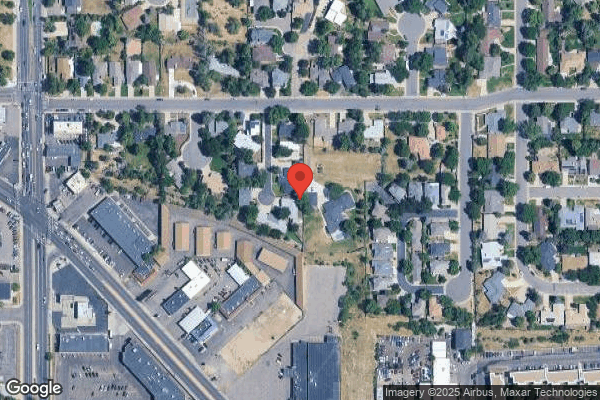
May 2021 9 deficiencies
CONCERN (D)

Potential for Harm - no one hurt, but risky conditions existed

Safe Environment (Tag F0584)

Could have caused harm · This affected 1 resident

**NOTE- TERMS IN BRACKETS HAVE BEEN EDITED TO PROTECT CONFIDENTIALITY** Based on observations, record review and interviews, the facility failed to provide a safe, clean, comfortable and homelike envi...

Read full inspector narrative →
**NOTE- TERMS IN BRACKETS HAVE BEEN EDITED TO PROTECT CONFIDENTIALITY** Based on observations, record review and interviews, the facility failed to provide a safe, clean, comfortable and homelike environment for one resident (#43) out of 38 sampled residents Specifically, the facility failed to: -Provide toiletries to Resident #43, who was independent with toileting; and, -Ensure that Resident #43's room was a homelike environment. Findings include: I. Facility policy The Resident Rights policy was provided by the regional director of clinical services (RDCS) on 5/27/21 at 11:04 a.m. It read in pertinent part, A facility must treat each resident with respect and dignity and care for each resident in a manner and in an environment that promotes maintenance or enhancement of his or her quality of life, recognizing each resident's individuality. The facility must protect and promote the rights of each resident. The resident has a right to a safe, clean, comfortable and homelike environment, including but not limited to receiving treatment and supports for daily living safely. II. Resident #43 A. Resident status Resident #43, age [AGE], was admitted on [DATE]. According to the May 2020 computerized physician orders (CPO), pertinent diagnoses included unspecified dementia without behavioral disturbance and major depressive disorder. According to the 3/31/21 minimum data set (MDS) quarterly assessment, the resident had severe cognitive impairment with a brief interview for mental status (BIMS) score of five out of 15. He was independent with all activities of daily living skills (ADLs). During the assessment period, there were no verbal or physically aggressive behaviors present and the resident did not exhibit wandering behaviors. He had no rejection of cares during the assessment period. B. Resident interview Resident #43 was interviewed on 5/24/21 at 9:31 a.m. He said he was not sure what he was doing. He said for fun he liked to reverse everything and laughed. He said he did not know why he did not have pictures or personal belongings in his room. He said I like pictures, maybe pictures would be nice. III. Observations On 5/24/21 at 9:30 a.m., Resident #43 was observed sitting in a chair in the corner of his room, pulling on his pant leg. The room appeared empty. There were no sheets, blankets or pillows on the bed. There were no personal items or belongings visible in the room. A sign outside the resident's room read No disposables in room. There was no toilet paper in the bathroom. On 5/25/21 at 11:20 a.m. the resident was observed sitting in his room, pulling at his pant leg and laughing to himself. The room was mostly empty except for the bed which had a white blanket and pillow, a chair, small side table and a telephone. In the bathroom there was no toilet paper. On 5/25/21 at 11:00 a.m. resident was observed sitting on his bed in his room. He was humming and tapping his feet. The room remained mostly empty with just a bed, chair, side table and telephone. There was no toilet paper in the resident's bathroom. -At 11:06 a.m., the maintenance director (MTD) entered the resident room and checked the bathroom and toilet that had no toilet paper (see interview below). IV. Record review (cross-reference F744 for dementia care) The resident's ADLs care plan, updated 1/15/21, included that the resident should receive assistance with ADLs such as toileting and ambulation as needed. A behavior note, dated 3/18/21, read that the resident's toilet had been removed from his room because he was flushing and washing with it. The resident then defecated into a hole in the floor in his bathroom and he was trying to push the feces down the hole. The mood and behavior care plan, revised 4/8/21 identified that the resident was at risk for change in mood or behavior due to dementia and confusion. It identified that he had A history of attempting to flush or shove items down the toilet including toothbrushes, cups, silverwares, paper towels, clothing, etc. The resident also had a history of urinating in other areas of the room such as corners, heat vents, attempting to urinate out the window, having bowel movements in non-bathroom areas and smearing feces in non-toilet areas. The resident had a history of dismantling items such as phones, televisions, blinds, vents etc. He has isolated instances of verbal and physical aggression when being redirected from a problem behavior. Interventions included to remove all items that could fit in the toilet from the resident's room. Toiletries to be provided at the time of need or request and then remove from the room for safety. V.Staff interviews The maintenance director (MTD) was interviewed on 5/25/21 at 11:07 a.m. He said that he would enter the resident's room periodically throughout the day to check the resident's toilet to make sure that he was not flushing items down the toilet and causing clogs. He said that the facility had removed all disposable items from the resident's room including the toilet paper because the resident could potentially flush the roll of toilet paper down the toilet. Certified nurse aide (CNA) # 4 was interviewed on 5/26/21 at 11:05 a.m. She said that staff would provide set up assistance to the resident to complete personal hygiene. She said that the resident was independent with toileting. She said he was aware of when he needed to go to the bathroom. She said that the resident would come ask for toilet paper sometimes and she said that on occasion he had wandered into other resident's rooms to find toilet paper. She said that the resident's toilet paper was replaced in his room that morning (due to being identified on survey). She said that she was not aware of the resident being on any sort of toileting program. The social services director (SSD) was interviewed with the admissions director (AD) on 5/27/21 at 3:56 p.m. The SSD said she had just started at the facility four weeks prior and she was aware of some of the difficulties the facility has had to keep the resident occupied so as to deter the behavior of flushing items down the toilet. She said she had sent out several referrals to memory care units for the resident. She said that she felt that removing all items from the resident's room presented an issue with dignity and resident's right to a homelike environment. She said that removing toilet paper from the room of a resident who was independent with toileting was also a dignity issue. The AD said that the resident had been discussed by the interdisciplinary team (IDT). She said the IDT team identified that any item that could potentially end up in the resident's toilet should be removed from the room for safety. She said the IDT team had not discussed what type of items could be left in the room or whether photos or other items could be secured within the room. She said the facility could speak with the resident's daughter to get some ideas about what the resident may like. The infection preventionist (IP)/ registered nurse unit manager was interviewed on 5/27/21 at 12:41 p.m. He said that he participated in the facility's IDT team. He said that Resident #43 could not have disposable items in his room due to the flushing behavior, he said unfortunately we have to keep his clothes in the room as well. He said the nursing staff would try to check with him as frequently as possible to make sure he was not flushing items down the toilet. He said that he was not aware of useful distractions for Resident #43; he said the resident would get very upset when items were removed from his room. He said the resident would walk up and down the hallways sometimes. He said the resident was not very involved with activities. He said that the resident was tinkerer; he liked to take things apart and use his hands. He said it would be nice if we could get him one of those boards with keys and locks or something that could not be flushed down the toilet. He said he was not aware of any previous discussion by the IDT as to what items the resident may have in his room; he said that idea just came to mind during the interview. He said he thought the social services department was working on getting the resident a placement on a dementia unit. He said that he felt a dementia unit would be better suited for the resident's needs. The regional director of clinical services was interviewed on 5/27/21 at 4:22 p.m. She said the facility should have other interventions available besides just removing all belongings and items from the room. She said removing the toilet paper from the room of a resident who was independent with toileting presented an issue with dignity. She said the activities staff were looking into better ways to keep the resident occupied.
CONCERN (D)

Potential for Harm - no one hurt, but risky conditions existed

Quality of Care (Tag F0684)

Could have caused harm · This affected 1 resident

**NOTE- TERMS IN BRACKETS HAVE BEEN EDITED TO PROTECT CONFIDENTIALITY** III. Resident #236 A. Resident status Resident #236, age [AGE], admitted to the facility on [DATE]. According to the May 2021 ...

Read full inspector narrative →
**NOTE- TERMS IN BRACKETS HAVE BEEN EDITED TO PROTECT CONFIDENTIALITY** III. Resident #236 A. Resident status Resident #236, age [AGE], admitted to the facility on [DATE]. According to the May 2021 computerized physician orders (CPO), diagnoses included congestive heart failure (CHF), hyperlipidemia, other specified diseases of blood and blood forming organs and muscle weakness. According to the 5/21/21 minimum data set (MDS) quarterly assessment, the resident had no cognitive impairment with a brief interview for mental status (BIMS) score of 14 out of 15. He required exstentive assistance of one staff person to complete activities of daily living (ADLs). The resident had no rejection of care during the assessment period. B. Resident interview Resident #236 was interviewed on 5/25/21 at 9:00 a.m. He said that his legs had been swollen and red for a while. He said that he did not think there was anything that could be done to help with the swelling. He said that he would take medication. He said he had not been elevating his legs and that nursing staff had not assisted him to elevate his legs. C. Observations On 5/24/21 at 9:02 a.m., the resident was observed lying in his bed with the foot of the bed in a lowered position and the head of the bed was slightly elevated. His legs were observed to be swollen, with reddened cracked skin. On 5/24/21 at 1:56 p.m. the resident was observed sitting in a chair in his room. His legs were red, cracked and swollen looking. On 5/25/21 at 2:09 p.m. the resident was observed sitting in his room; his legs were red, cracked and a small amount of clear fluid ran down his left leg from a skin break in his shin area. There was a small amount of blood observed to be seeping through the resident's left sock in his toe area. On 5/26/21 at 9:19 a.m. the resident was observed sitting in his room, his legs were red, cracked and a small amount of clear fluid was running down his right shin. D. Record review The baseline care plan, dated 5/15/21, did not include that the resident was at risk for skin breakdown and did not identify the resident's edema. A nutritional assessment of the resident dated 5/20/21, read Bilateral lower legs/shins/calves red, warm and +3 non-pitting edema on assessment. Foot of bed elevated to assist with edema. Currently takes Lasix (diuretic) by mouth twice daily. The resident's comprehensive care plan, dated 5/20/21, did not identify the resident's edema or interventions for management and/or monitoring. A skin assessment dated [DATE] documented that the resident's skin was intact. A skin assessment dated [DATE] documented that the resident had edema, inflammation in his right front and rear bilateral lower extremities and open areas on his left second toe and right fourth toe. A health status note dated 5/26/21 read that the physician was called and a voicemail was left related to weeping edema mostly to the right lower extremity. The resident continued on Lasix 20 milligram by mouth twice a day. An event note dated 5/26/21 read in part, Resident noted to have approx .25 centimeter (cm) round, red area with inflammation to right fourth toe and approximately 1.5 cm by .16 cm open area, width unmeasurable to left second toe. Resident noted to have +3-4 non-pitting edema to bilateral lower extremity(BLE), which is baseline for resident, slight weeping noted today to bilateral calves/shins. In-house physician was notified of findings. New orders for wound care consult for toe wounds and ACE wraps from toes to knees during the day. A physician order dated 5/17/21, with a discontinued date of 5/26/21, prescribed Lasix 20 milligram tablet by mouth twice daily for edema. A physician order dated 5/26/21 prescribed Lasix 40 milligram tablet to be taken by mouth twice daily for edema, CHF. E. Staff interviews Certified nurse aide (CNA) # 4 was interviewed on 5/26/21 at 11:05 a.m. She said that she worked on the first floor where the resident's room was located and would provide care to Resident #236. She said that she had noticed that Resident #236's legs were red and swollen which she said she thought might be edema, however, was not aware of any interventions in place. Registered nurse (RN) #1was interviewed on 5/26/21 at 2:35 p.m. She said she had received information during the nurse's report the resident's legs were cracked and weeping. She said a call had been made to the physician. She said he was admitted with edema and his legs had been red and swollen since admission. She said that the resident was prescribed Lasix to treat the edema. She said she would elevate the resident's heels at night time which was an intervention she would typically provide to residents. She said the nursing staff completed weekly skin assessments of the resident. RN #3 was interviewed on 5/26/21 at 2:39 p.m. She said she had just observed that the resident's legs were weeping earlier in her shift and contacted the physician. She said that his care plan did not specifically identify edema or interventions but that the resident would take Lasix medication that was ordered from when he was admitted . She said that she was not aware of any nursing interventions for the resident's edema other than that he took Lasix. The regional director of clinical services (RDCS) was interviewed on 5/26/21 at 4:15 p.m. She said that when a resident is admitted to the facility with edema; staff should be encouraging the resident to elevate their feet as much as tolerated throughout the day. She said that the facility completed weekly weight assessments and had the resident on a low sodium diet, however, the edema was not identified on the baseline or comprehensive care plan. She said the facility was still working on the resident's comprehensive care plan. She said that the care plan should capture the needs of the resident. She said residents should be monitored for edema and other signs and symptoms related to CHF. F. Facility follow-up The resident's care plan was updated during survey on 5/26/21 to include that the resident had congestive heart failure and could experience weight fluctuations related to diuretic medications, gout and bilateral edema. Interventions were added to the care plan to address the resident's edema which included: ace wraps to bilateral lower extremities, encouraging the resident to elevate his legs throughout the day, weekly weight monitoring and staff should observe and report signs and symptoms of congestive heart failure: dependent edema of legs and feet, periorbital edema, shortness of breath, weight gain unrelated to intake and increased heart rate. A physician order dated 5/27/21 prescribed that ACE wraps be applied to resident's bilateral lower extremities during the day one time a day for edema. Based on observation, interview and record review, the facility failed to ensure that residents receive treatment and care in accordance with professional standards of practice for two (#11 and #263) of six residents, out of 38 total sample residents. Specifically, the facility failed to: -Follow a physician's order to notify the prescribing physician when Resident #11's blood glucose level tested above the predetermined level of 400; -Develop a comprehensive person centered care plan, for Resident #11, to include physician orders parameters for acceptable ranges in blood glucose levels and when to notify the physician of the resident change of condition; -Provide consistent monitoring of Resident #263 for signs and symptoms of edema; -Develop a comprehensive person centered care plan for consistent implementation of planned interventions to consistently address Resident #263's diagnosis of edema. Findings include: I. Facility assessment B. Other facility documents The Facility Assessment, updated 10/22/19, was provided by the nursing home administrator (NHA) on 5/24/21 at 10:00 a.m. It reads in pertinent part: Services and Care we offer based on our resident needs: Management of medical conditions: Assessment, early identification of problems/deterioration, management of medical and psychiatric symptoms and conditions such as heart failure, diabetes . -Competent support and care for our resident population every day and during emergencies. All staff training included: Identification of resident changes in condition, including how to identify medical issues appropriately, how to determine if symptoms represent problems in need of intervention, how to identify when medical interventions are causing rather than helping relieve suffering and improve. II. Blood glucose monitoring A. Facility policy and procedure The Change in Residents Condition or Status policy, dated 5/5/2020, was provided by the regional director of clinical services (RDCS) on 5/27/21 at 11:04 a.m. It read in pertinent part: This facility will notify the resident, his/her primary care provider, and resident/resident representative of changes in the resident's condition or status. The Diabetic Management policy and procedure was requested on 5/27/21 at approximately 9:00 a.m. The policy was not provided during or after the survey. B. Professional reference A professional reference from [NAME] Advisor (10/2/2020) Diabetes Mellitus (Type (2) two), Long Term Care, retrieved from https://advisor.lww.com/lna, was provided by the RDCS on 5/27/21 at 11:04 a.m. It read in pertinent part: Provide resident-centered care . -Nursing interventions: Monitor blood glucose levels as prescribed .Assess for signs and symptoms of hypoglycemia. -Obtain blood glucose levels, as ordered; anticipate the need for changes in the prescribed medication if the resident's blood glucose level is outside of the prescribed range. C. Resident #11 1. Resident status Resident #11, age [AGE], was admitted on [DATE]. According to the May 2021 computerized physician orders (CPO), diagnosis included type two diabetes mellitus with diabetic neuropathy, dementia with behavioral disturbances, and cognitive communication deficit. The 1/8/21 minimum data set (MDS) assessment revealed the resident cognition was moderately impaired with a brief interview for mental status (BIMS) score of eight out of 15. The resident did not reject care and received daily insulin injections. 2. Record review The Resident's May 2021 CPO showed the following orders: -Accuchecks two times a day; call the physician if the finger stick blood sugar (FSBS) is over 400; related to type two diabetes mellitus; order date 6/12/2020. -Hyperglycemia Protocol - Notify the physician as needed for blood sugar greater than 400. Hold all insulin coverages unless otherwise indicated; order date 6/11/2020. -Lantus Solution 100 units/ milliliter (ML), (insulin glargine) inject 40 units subcutaneously two times a day for diabetes; order date 9/23/2020. -Tradjenta tablet (5) five milligrams (MG) (linagliptin), give one tablet by mouth one time a day for diabetes mellitus; order date 9/14/2020. The December 2020 medication administration record (MAR) documented three FSGS results over 400 that were not reported to the physician: -On 12/22/2020 at 7:11 p.m., the FSBS was 456.0 milligrams per deciliter (mg/dL). -On 12/24/2020 at 4:55 p.m., the FSBS was 449.0 mg/dL. -On 12/30/2020 at 5:10 p.m., the FSBG was 423.0 mg/dL. The January 2021 MAR documented one FSGS result over 400 that was not reported to the physician: -On 1/4/2021 at 5:14 p.m., the FSBS was 437.0 mg/dL. The April 2021 MAR documented one FSGS result over 400 that was not reported to the physician: -On 4/9/2021 at 6:30 p.m., the FSBS was 404.0 mg/dL. The May 2021 MAR documented two FSGS results over 400 that were not reported to the physician: -On 5/6/2021 at 8:06 a.m. the FSBS was 482.0 mg/dL. -On 5/7/2021 at 9:33 a.m. the FSBS was 508.0 mg/dL. The resident's corresponding MAR's revealed no documentation to show that the resident's physician was notified when the resident's FSBS was over 400 or that the order for the hyperglycemia protocol to hold all insulin coverages unless otherwise indicated was followed on the dates listed above when the resident's FSBS was recorded as being over 400 mg/dL. The resident's progress notes did not document the physician had been notified to give guidance on any new orders, or any potential interventions by the staff for the resident's documented FSBS over 400 mg/dL as listed above. Progress notes document on potential signs and symptoms of hyperglycemia during the times she was assessed to have a FSBS over 400. The note read: -Health status note dated 5/6/21 at 9:58 p.m. Resident was alert but still confused sat up at the side of the bed when this nurse went to check on resident she was at the edge of bed about to slide off this nurse called for assistance .to assist with putting resident back in bed. The resident stated she wanted to get up and go to work; she was tired of being in bed. Resident was reminded that she is non weight bearing and her leg is broke. The resident's comprehensive care plan revealed a care focus, revised 6/21/19, which read: Resident #11's diagnosis of insulin dependent diabetes mellitus putting the resident at risk for inconsistent blood sugars, potentially affecting health. Interventions: Administer medications as ordered. Blood sugar checks as ordered. -Observe and report any signs or symptoms of hyperglycemia . -Observe and report any signs or symptoms of hypoglycemia . The care plan did not document a specific physician ordered FSBS perimeter for when the physician should be notified of a blood glucose level that was either above or below acceptable range. D. Interviews Resident #11 was interviewed on 5/24/21 at 12:51 p.m. Resident #11 was unable to give any specific detail of prescribed diabetes management. The resident felt her diabetes management was going well. Licensed practical nurse (LPN) #2 was interviewed on 5/26/21 at 11:59 a.m. LPN #2 said when a resident's blood sugar level was out of acceptable range per the physician's orders the nurse was to notify the prescribing physician and get treatment orders. The nurse was expected to enter any orders on the resident's MAR and document the communication with the physician in the resident's progress notes. LPN #2 said Resident #11's physician wanted to be notified if FSBS's were above 400. The RDCS was interviewed on 5/26/21 at 4:22 p.m. The RDCS said she was filling in for the director of nursing (DON) while during the DON's vacation. The RDCS said the nurses were expected to notify the resident's physician if the resident's blood glucose was out of the prescribed parameter assigned by the prescribing physician. The nurse should document the communication with the physician and any orders or follow up prescribed by the physician. The RDCS said she would look at the resident record and follow up with the nurses on any concerns she discovers. Registered nurse (RN) #4 was interviewed on 5/27/21 at 12:58 p.m. RN #4 said if a resident FSBS was running low the nurse was to follow the order to give the resident the prescribed treatment to bring the resident's FSBS up to an acceptable level; and then notify the physician of the resident change of condition and response to the prescribed treatment. If the resident's FSBS was running high the nurse was to notify the resident's physician for treatment orders. All findings, response to treatment and physician communication was to be documented in the resident's record. All treatment orders were to be documented on the MAR; physician communication was to be documented in the resident's progress notes.
CONCERN (D)

Potential for Harm - no one hurt, but risky conditions existed

Deficiency F0685 (Tag F0685)

Could have caused harm · This affected 1 resident

**NOTE- TERMS IN BRACKETS HAVE BEEN EDITED TO PROTECT CONFIDENTIALITY** Based on interview and record review the facility failed to ensure one (#38) of one out of 38 total sample residents received pr...

Read full inspector narrative →
**NOTE- TERMS IN BRACKETS HAVE BEEN EDITED TO PROTECT CONFIDENTIALITY** Based on interview and record review the facility failed to ensure one (#38) of one out of 38 total sample residents received proper treatment and assistive devices to maintain vision. Specifically the facility failed to schedule an appointment for evaluation of cataract surgery for Resident #38. Findings include: I. Policy and procedure The policy for Vision and Hearing Assistive devices revised on 6/8/2020 was provided by the admission director (AD) on 5/27/21 at 11:30 a.m. It read in pertinent part, The facility will assist the resident in gaining access to vision and hearing by making appointments and arranging for transportation. II. Resident's status Resident #38, age [AGE], was initially admitted on [DATE] and readmitted on [DATE]. According to the May 2021 computerized physician orders ( CPO), diagnoses included severe persistent asthma and chronic kidney disease. The 5/17/21 minimum data set (MDS) revealed the resident was cognitively intact with a brief interview of mental status (BIMs) score of 15 out of 15. The resident required supervision with bed mobility and transfers. It documented the resident vision was adequate. -The MDS for vision was inaccurately coded. III. Resident interview The resident was interviewed on 5/24/21 at 10:40 a.m. The resident said she had cataracts and needed an appointment to see the eye doctor for evaluation for surgery. She said it had been over a year now and she has not gotten an appointment for the evaluation of her cataract. She said she could not see very well. She said she could see shadow and could not recognize anyone. She said she was afraid that she could go blind. She said the social worker told her she was working on getting her an appointment but she has not gone to see the doctor yet. IV. Record review The comprehensive care plan revised on 6/25/2020, revealed the resident had impaired visual function related to cataracts. Interventions included to arrange consultation with eye care practitioner as required and identify/record factors affecting visual function including physiological (glaucoma, crohn's, macular degeneration, cataracts, color discrimination, light sensitivity and dry eyes). Record review revealed the resident had an eye exam on 2/26/2020. It documented the chief complaint was dry eye with burn. It revealed the physician orders documented to please schedule cataract surgery evaluation with the eye specialist. -There was no record that an appointment for cataract surgery was obtained. The resident was seen again on 3/5/21 by the eye doctor. It documented the chief complaint was cataract with blur. It revealed the physician's order to please schedule cataract surgery evaluation with the first available doctor at the eye clinic. -This appointment came over a year later from the 2/26/2020 appointment. Record review revealed the referral for the resident's cataract evaluation was faxed to the eye clinic on 4/20/21 (However, the referral was sent eight weeks after the resident was last seen by the doctor on 3/5/21). The record further revealed a second fax was sent to the eye doctor on 5/24/21 (one month after the initial referral was sent). It further revealed a third fax was sent to the eye clinic on 5/26/21 during the survey when the facility was made aware. A transportation and appointment request form was reviewed. It documented the resident's name and documented appointment date of 5/14/21. The form was incomplete. It did not reveal the resident was pickup for the appointment. (see activity director's interview below). V. Staff interviews The social service director (SSD) was interviewed on 5/26/21 at 11:45 a.m. The SSD said she had been in her position for about four weeks now and was currently learning her new position. She said the previous SSD provided training to her as to who needed an appointment or who had an appointment. She said she was not aware that Resident #38 needed an appointment for cataract surgery evaluation. She said the activity director (ACD) was responsible for making appointments for residents. She said she would follow up with the previous SSD regarding the resident's appointment. The ACD was interviewed on 5/27/21 at 11:40 a.m. She said she was responsible for activities in the facility and also responsible for making appointments and arranging transportations for residents. She said last year when Resident #38 was referred for cataract evaluation appointment when COVID-19 had started so she was unable to get an appointment (However there was no documentation that she tried to obtain an appointment). She said Resident #38's appointment was scheduled for 5/14/21 but she did not go to the appointment because the eye doctor did not take her insurance. She said she needed help because her workload was a lot. She said sometimes she could not complete all of her tasks such as setting up appointments and transportations for residents. She said she would follow up to ensure she obtained an appointment as soon as possible (ASAP). The infection preventionist (IP) who was the acting director of nursing during the survey was interviewed on 5/27/21 at 1:35 p.m. He said the ACD was responsible for appointments and arranging transportation for residents for appointments He said he was not aware that Resident #38 was not seen by the eye specialist. He said it was important for the resident to be seen by the specialist because if not seen it could cause the resident to go blind. He said he would follow up with the ACD regarding the resident's appointment.
CONCERN (D)

Potential for Harm - no one hurt, but risky conditions existed

Deficiency F0744 (Tag F0744)

Could have caused harm · This affected 1 resident

**NOTE- TERMS IN BRACKETS HAVE BEEN EDITED TO PROTECT CONFIDENTIALITY** Based on record review and interviews, the facility failed to ensure residents who were diagnosed with dementia, received the ap...

Read full inspector narrative →
**NOTE- TERMS IN BRACKETS HAVE BEEN EDITED TO PROTECT CONFIDENTIALITY** Based on record review and interviews, the facility failed to ensure residents who were diagnosed with dementia, received the appropriate treatment and services to attain or maintain his or her highest practicable physical, mental, and psychosocial well-being for one (#43) out of three residents reviewed for mood and behavior out of 38 sample residents. Specifically, the facility failed to provide a person-centered approach to Resident #43 to address his dementia-related behaviors. Findings include: I. Facility policy The Dementia Care policy, Alzheimer disease: Practice Guideline for the Treatment of Patients with Alzheimer Disease and other Dementias from [NAME] Advisor, revised October 2020, was provided by the regional director of clinical services (RDCS) on 5/27/21 ay 11:04 a.m. It read in pertinent part, The care of every patient with dementia must be individualized to meet the needs of the patient. The Activity Evaluation policy, revised 5/18/2020 was provided by the RDCS on 5/27/21 at 11:04 a.m. It read in part, The facility must provide, based on comprehensive assessment care plan the preferences of each patient, an ongoing program to support patients in their choice of activities, designed to the meet the interests of an support the physical, mental and psychosocial well-being of each patient, encouraging both independence and interaction in the community. Person-centered care includes making an effort to understand what each resident is communicating, verbally and nonverbally, identifying what is important to each resident with regard to daily routines and preferred activities, and having an understanding of the resident's life before coming to reside at the facility. II.Resident #43 A. Resident status Resident #43, age [AGE], was admitted on [DATE]. According to the April 2019 computerized physician orders (CPO), pertinent diagnoses included unspecified dementia without behavioral disturbance and major depressive disorder. According to the 3/31/21 minimum data set (MDS) quarterly assessment, the resident had severe cognitive impairment with a brief interview for mental status (BIMS) score of five out of 15. He was independent with all activities of daily living skills (ADLs). During the assessment period, there were no verbal or physically aggressive behaviors present and the resident did not have wandering behaviors. B. Resident interview Resident #43 was interviewed on 5/24/21 at 9:31 a.m. He said he was not sure what he was doing. He said for fun he liked to reverse everything and laughed. He said he did not know why he did not have pictures or personal belongings in his room. He said I like pictures, maybe pictures would be nice. He said that he enjoyed golf, sports and going for walks. He said that he did not get to go for walks. He said I would like a hobby. III. Observations On 5/24/21 at 9:30 a.m., Resident #43 was observed sitting in a chair in the corner of his room, pulling on his pant leg. The room appeared empty. There were no sheets, blankets or pillows on the bed. There were no personal items or belongings visible in the room. A sign outside the resident's room read No disposables in room. On 5/25/21 at 10:48 a.m., the resident was observed sitting in his room and touching the window blind. The room was empty aside from his bed, a chair, small side table and a telephone. -At 10:58a.m. he got up and entered the hallway and began to walk up and down the hallway. -At 11:02 a.m., he was redirected to his room by a housekeeper. He returned to his room and sat on his bed and began to tug at his pant leg. -At 11:05 a.m. the maintenance director (MTD) entered the resident's room and went into the bathroom and checked the toilet. On 5/26/21 the resident was observed in his room from 2:02 p.m. to 2:34 p.m. The resident sat on the edge of his bed and looked at the wall across from the bed. The room was empty aside from the bed, side table, one chair and telephone. -At 2:13 p.m. he laughed to himself and began pulling at his pant leg, and then began pulling on his left thumb nail. -From 2:21 p.m. to 2:34 p.m., he continued to look at the walls across from his bed and tap his feet. IV. Record Review The mood and behavior care plan, revised 4/8/21 identified that the resident was at risk for change in mood or behavior due to dementia and confusion. It identified that he had A history of attempting to flush or shove items down the toilet including toothbrushes, cups, silverwares, paper towels, clothing, etc. The resident also had a history of urinating in other areas of the room such as corners, heat vents, attempting to urinate out the window, having bowel movements in non-bathroom areas and smearing feces in non-toilet areas. The resident had a history of dismantling items such as phones, televisions, blinds, vents, etc. He has isolated instances of verbal and physical aggression when being redirected from a problem behavior. Interventions included to remove all items that could fit in the toilet from the resident's room. Toiletries to be provided at the time of need. The elopement care plan, revised on 4/6/21, identified that the resident was at risk for elopement. It read Resident wanders in hallways and into empty rooms, is at risk for elopement related to statements of wanting to go outside and/or leaving. Resident displays disorientation to place, impaired safety awareness related to dementia. Staff interventions included documenting wandering behavior and attempted diversional interventions in behavior and encourage the resident to participate in activities to divert from exit seeking behavior. The plan included that the resident could often be redirected to his room when reminded if he leaves his family/daughter would not know where to get ahold of him. A behavior note dated 4/7/21 documented that when the resident's room was being cleaned, the housekeeper noted lunch food and salt and pepper packets in the toilet. A physician order dated 4/22/21 prescribed 0.5 milligrams of Risperdal once time daily by mouth for dementia with behavioral and psychological symptoms of dementia. A behavior note dated 4/26/21 read that at 9:00 p.m. upon entering the residents room, staff found that resident had flooded his with feces and water covering the entire bathroom floor, sink with was also filled with feces, soiled clothing and water. The resident was assisted with hygiene. It appeared that the resident had been incontinent and attempted to cleanse his clothes in the commode and sink. The resident became verbally aggressive and agitated when asked what happened. A behavior note dated 5/6/21 read, Resident alert and confused. The resident was noted to be ambulating down the hallway at 1:30 a.m. saying he was working and exercising himself; he was redirected by staff when he started to enter another resident's room. Resident was again noted in the hallway at 2:45 a.m. This time he was attempting to walk utilizing a Hoyer (mechanical) lift to move as his walker. The resident was agitated and shouting to get away from him and leave him alone. He was redirected to his room and offered a drink and snacks which he refused. Psychosocial notes dated 3/17/21, 3/19/21, 4/14/21 and 5/17/21 documented that the facility had followed up on referrals to other facilities with memory care units. Review of behavioral monitoring forms for March, April and May of 2021 revealed that staff documented behaviors and then chose from a standard intervention code list to document what intervention was provided. The resident had one individualized intervention included in the code list which was took item away. -The behavioral monitoring forms revealed that the resident had no documented behaviors in March 2021. The following behaviors were documented in April 2021 and May 2021: -On 4/3/21 the resident exhibited verbal and physical aggression, wandering and exit seeking. The staff interventions were active listening, positive distraction and assisted to a quiet area. -On 4/6/21 the resident exhibited verbal and physical aggression and wandering behaviors. The staff interventions were active listening, positive distraction and assisted to a quiet area. -On 4/7/21 the resident exhibited wandering and exit seeking.The staff interventions were active listening, positive distraction and assisted to a quiet area. -On 4/7/21 the resident flushed items down the toilet. There were no documented staff interventions. -On 4/10/21 the resident flushed items down the toilet (on two occasions). The staff intervention was to take the items away as the first intervention. On the second occasion staff interventions included active listening, gave a snack or drink and assisted to a quiet area. -On 5/6/21 the resident exhibited verbal aggression. The staff interventions included active listening, gave a snack or drink, reassurance of safety, assisted with difficult task and assisted to quiet area. The activity care plan dated, 12/28/2020, included that the resident required moderate assistance to engage in daily leisure activities. It included that the resident should be asked if he requires any personal items from the store. The resident should be assisted with communication to family/friends using a phone/computer tablet once a week or as requested. The resident to be provided with leisure materials once a week or as requested such as television, remote, channel guide, radio/CD player with CD's in Spanish, new testament, puzzle books, writing materials, table puzzles, and playing cards. Activity staff will check in with the resident weekly for any leisure material requests. The resident will receive social visits once a week or as requested to discuss topics of personal interest such as farming, love for horses, Catholic religion, interest in poker, music, and family. Activity staff may also assist resident with an activity such as exercise in room or craft projects. The May 2021 resident daily participation record revealed the resident was a daily passive participant for reading and an active daily participant in televisionfrom 5/1/21-5/26/21. The record indicated that the resident refused to participate in Bingo on 5/4/21 and 5/11/21, was an active participant on 5/18/21 and was unable to attend on 5/20/21. The resident was an active participant in current events/news on 5/1/21, 5/8/21, 5/15/21 and 5/22/21. The resident was an active participant in family/friend visits on 5/8/21 and 5/21/21. The resident refused to participate in social/parties on 5/2/21 and 5/12/21 and an active participant on 5/17/21. V.Staff interviews The MTD was interviewed on 5/25/21 at 11:07 a.m. He said that he would enter the resident's room periodically throughout the day to check the resident's toilet to make sure that he was not flushing items down the toilet and causing clogs. He said that the facility had removed all disposable items from the resident's room including the toilet paper because the resident could potentially flush the roll of toilet paper down the toilet (cross reference to F584; homelike environment). Certified nurse aide (CNA) # 4 was interviewed on 5/26/21 at 11:05 a.m. She said that staff would provide set up assistance to the resident to complete personal hygiene. She said that the resident was independent with toileting. She said he was aware of when he needed to go to the bathroom. She said that the resident would come ask for toilet paper sometimes and she said that on occasion he had wandered into other resident's rooms to find toilet paper. She said if the resident was wandering in the hallway he would be redirected back to his room. She said that the resident's toilet paper was replaced in his room that morning. She said the resident did not often participate in activities. She said the facility had not been able to have many activities due to COVID-19. The activities director (AD) was interviewed on 5/27/21 at 10:39 a.m. She said that due to COVID-19 restrictions, many activities options had been limited but the facility was starting to get back into a more robust offering for activities. She said that the activities staff could not offer the resident activities that could be left in his room due to his behavior of flushing items down the toilet. She said activities staff would go in and read the paper to him, would assist with doing virtual visits with his family and that the resident would attend Bingo from his doorway. She said the interdisciplinary team (IDT) had discussed getting him larger items, a busy board or busy apron, but that she had felt limited in what could be done for the resident. She said it was difficult with residents being more restricted to their rooms and being unable to leave items in the room for him to entertain himself with. She said I felt like there was more I wanted to do for him but couldn ' t because of the flushing behavior. The infection preventionist (IP)/ registered nurse unit manager was interviewed on 5/27/21 at 12:41 p.m. He said that he participated in the facility's IDT team. He said that Resident #43 could not have disposable items in his room due to the flushing behavior, he said unfortunately we have to keep his clothes in the room as well. He said the nursing staff would try to check with him as frequently as possible to make sure he was not flushing items down the toilet. He said that he was not aware of useful distractions for Resident #43; he said the resident would get very upset when items were removed from his room. He said the resident would walk up and down the hallways sometimes. He said the resident was not very involved with activities. He said that the resident was tinkerer; he liked to take things apart and use his hands. He said it would be nice if we could get him one of those boards with keys and locks or something that could not be flushed down the toilet. He said he was not aware of any previous discussion by the IDT as to what items the resident may have in his room; he said that idea just came to mind during the interview. He said he thought the social services department was working on getting the resident a placement on a dementia unit. He said that he felt a dementia unit would be better suited for the resident's needs. The social services director (SSD) was interviewed with the admissions director (AD) on 5/27/21 at 3:56 p.m. The SSD said she had just started at the facility four weeks prior and she was aware of some of the difficulties the facility has had to keep the resident occupied so as to deter the behavior of flushing items down the toilet. She said she had sent out several referrals to memory care units for the resident. She said that removing all items from the resident's room including toilet paper presented an issue with dignity and resident's right to a homelike environment. She felt the resident could use more stimulation and structure to help prevent behaviors. The AD said that the resident had previously lived in a room on the second floor of the facility when his flushing behavior started. She said he was moved to the first floor of the facility in an attempt to minimize damage should he flood the toilet again. She said all items were removed from his room to prevent him from flushing them down the toilet. She said that the resident would walk in the hallways and would be redirected to his room. She said that staff would try to anticipate his needs. She said the toilet paper was removed from his room so that he would not flush the roll down. She said that she thought the resident would be better served living in a dementia care unit.
CONCERN (D)

Potential for Harm - no one hurt, but risky conditions existed

Unnecessary Medications (Tag F0759)

Could have caused harm · This affected 1 resident

**NOTE- TERMS IN BRACKETS HAVE BEEN EDITED TO PROTECT CONFIDENTIALITY** Based on observations, record review and staff interviews, the facility failed to ensure the medication error rate was not 5% or...

Read full inspector narrative →
**NOTE- TERMS IN BRACKETS HAVE BEEN EDITED TO PROTECT CONFIDENTIALITY** Based on observations, record review and staff interviews, the facility failed to ensure the medication error rate was not 5% or greater. Observations of 12 errors out of 33 opportunities for error for two (#30 and #38) of five residents out of 33 sample residents, resulted in a medication error rate of 36.36%. Specifically, the facility failed to: -Ensure all scheduled medications were administered timely as ordered by the physician for Residents #30 and #38 and; ensure all morning medications were administered as scheduled by physician for Resident #38. Findings include: I. Professional reference According to [NAME], [NAME] & [NAME], Clinical Nursing Skills & Techniques, 8th ed. 2016, pp 480-489: To prevent medication errors follow the six rights of medication administration consistently every time you administer medications. Many medication errors are linked in some way to an inconsistency in adhering to the six rights: 1. The right medication 2. The right dose 3. The right patient 4. The right route 5. The right time 6. The right documentation -Medication errors often harm patients because of inappropriate medication use. Errors include inaccurate prescribing; administering the wrong medication, by the wrong route, and in the wrong time interval; and administering extra doses or failing to administer a medication . -When an error occurs, the patient's safety and well-being become the top priority . II. Facility policy and procedure The medication administration policy revised 1/1/2013 was provided to the regional director of clinical service (RDCS) on 5/27/21 at 11:04 a.m. It read in pertinent parts, prior to administration of medication, facility staff take all measures required by the facility policy and applicable law, including, but not limited to the following: verify each time a medication is administered that is the correct medication, at the correct dose, at the correct route, at the correct rate, at the correct time, for the correct resident as set forth in appendix 17: Facility administration times schedule. III. Residents status Resident #30, age [AGE], was admitted on [DATE]. According to the May 2021 computerized physician orders (CPO), diagnoses included embolism and thrombosis of arteries of the lower extremities. Resident #38, age [AGE], was initially admitted on [DATE] and readmitted on [DATE]. According to the May 2021 CPO, diagnoses included severe persistent asthma and chronic kidney disease. IV. Observations of medication administration On 5/25/21 at 10:27 a.m. registered nurse (RN) #2 was observed preparing Resident #30's medications. She poured the resident's morning medications, (with the exception of the following medications: Apixaban, Folic Acid, Keppra ,Topiramate and Vitamin B12 Tablets ) into a medication cup. She poured some water into a clear plastic cup and said she was ready to administer the resident ' s medication. She walked to the resident ' s room with the surveyor. She administered the resident ' s medication at 10:30 a.m. She washed her hands and proceeded to her medication cart.(Some of the medications were scheduled to be administered at 8:00 a.m. but were administered late. Two and a half hours after the scheduled time). On 5/25/21 at 10:52 a.m. RN #2 was observed preparing Resident #38's morning medication. She poured all the resident ' s morning medications in the medication cup. She proceeded to the resident ' s room and administered her medications. The following medications: Advair inhaler and artificial tears were scheduled to be administered at 8:00 a.m. (however the medications were administered at 10:55 a.m., almost three hours after the scheduled time). V. Record review The May 2021 medication administration record (MAR) for Resident #30 was reviewed. The following medications (Folic Acid, Keppra ,Topiramate and Vitamin B12 Tablet) were scheduled to be administered between 6:00 a.m. to 10:00 a.m, but RN #2 did not administer these medications during the observation at 8:00 a.m. They were not given until approximately 11:30 a.m. which would be one and half hours after the 6-10:00 a.m. window to administer these medications. The remainder of her medications that were due to be administered at 8:00 a.m. were not administered until two hours and thirty minutes after the scheduled time. The May 2021 medication administration record (MAR) for Resident #38 was reviewed. It documented the following medications (advair inhaler and artificial tears) were scheduled to be administered at 8:00 a.m. however, the medications were administered at 10:55 a.m., almost three hours after the scheduled time. VI. Staff interviews RN #2 was interviewed on 5/25/21 at 11:01 a.m. She said she was nervous because the surveyors were in the facility. She said she administered all residents who had insulin first and started to administer medications to all other residents. She acknowledged that the medications were being administered late. She said she was aware that all medication should be administered within the required time frame ordered by the physician. She said she did not usually work on the cart but tried her best to administer medication in a timely manner. She acknowledged that she did not administered all of resident #30 ' s medication during medication observation pass. She said she forgot but later administered them to her after the medication pass observation. The RDCS was interviewed on 5/25/21 at 1:00 p.m. She said her expectation was for all nurses to administered medications in according with the five rights of medication administration (the right medication, the right dose, the right patient, the right route, the right time and he right documentation) and follow physician orders. She said administering medications late and not administering all scheduled medications to the resident would be considered medication error and could possibly harm the residents. She said she would provide education to RN #2 about the five rights of medication administrations and to ensure all prescribed and scheduled medications were administered according to physician orders. The infection preventionist who was the acting director of nursing during the survey was interviewed on 5/27/21 at 2:00 p.m. He said the expectation was for the nurse to follow the five rights of medication administration. He said the nurse should administer medication within the required time frame and administered all scheduled medications to the residents. He said the RDCS had already provided education to RN #2. VII. Facility follow-up An education acknowledgment form was provided by the RDCS on 5/25/21 during the survey. It revealed RN #2 was provided training on the five rights of medication administration. It documented RN#2 signed the form.
CONCERN (D)

Potential for Harm - no one hurt, but risky conditions existed

Deficiency F0761 (Tag F0761)

Could have caused harm · This affected 1 resident

**NOTE- TERMS IN BRACKETS HAVE BEEN EDITED TO PROTECT CONFIDENTIALITY** Based on observations, record review and interviews, the facility failed to ensure all drugs and biologicals used in the facilit...

Read full inspector narrative →
**NOTE- TERMS IN BRACKETS HAVE BEEN EDITED TO PROTECT CONFIDENTIALITY** Based on observations, record review and interviews, the facility failed to ensure all drugs and biologicals used in the facility were labeled and stored in accordance with currently accepted professional standards in two out of three medication carts. Specifically, the facility failed to label inhalers and store insulin according to manufacturer instructions. Findings include: I. Facility policy and procedure The Storage of Medications policy and procedures, revised [DATE], was provided by the regional director of clinical services (RDCS) on [DATE] at 11:00 a.m. It read in pertinent part, Facility should ensure that all medications and biologicals that: have an expired date on the label, have been retained longer than recommended by manufacturer or supplier guidelines, have been contaminated or deteriorated are stored separate from other medications until destroyed or returned to the pharmacy or supplier. Once any medication or biological package is opened, the facility should follow manufacturer/supplier guidelines with respect to expiration dates for opened medications. Facility staff should record the date opened on the primary medication container (vial, bottle, inhaler) when the medication has a shortened expiration date once opened or opened. Facility should ensure that medications and biologicals are stored at their appropriate temperatures according to the United States Pharmacopeia guidelines for temperature ranges. Refrigeration: 36 degrees Fahrenheit (F) to 46 degrees (F). II. Observations and interviews A.Cart #1 (first floor) On [DATE] at 2:00 p.m., medication cart #1 was inspected. The following observations were made: -One Wixela Inhub Aerosol Powder inhaler was not labeled with an open date. -Umeclidinium-Vilanterol Aerosol powder inhaler was not labeled with an open date. Registered nurse (RN) #1 said all medications should be labeled when first opened. She said the nurse who first opened the medication was responsible to label the medication with the opened date. She said she was not aware the inhalers were not labeled with the open dates and was not sure of the nurse who opened them. B.Cart #2 (second floor) -One albuterol Sulfate HFA Aerosol inhaler was not labeled with an open date. -One unopened Insulin Levemir Solution was stored at room temperature in the medication cart. III. Record review The manufacturer instructions labeled on the insulin box documented: to store at 36 degrees (F) to 46 degrees (F) to eight degrees Celsius(C) until first use and then store at room temperature. Even though the instructions were labeled on the insulin box indicating how the insulin should be stored (see above) the facility did not follow the instructions. Licensed practical nurse (LPN) #1 said the inhalers should be labeled with an open date when it was first used. She said the nurse who first opened the medication should label it with the date it was opened. She said all unopened insulin should be stored in the refrigerator until first opened and kept in the medication cart for 28 days. She said she was not sure who put the unopened insulin in the medication cart. IV. Staff interview The infection preventionist (IP) who was acting director of nursing during the survey was interviewed on [DATE] at 3:14 p.m. He said it was the responsibility for every nurse to label medication when it was opened. He said he expected all nurses to check the medication cart to make sure medications were stored appropriately. He said his expectation is for all nurses to check the medication carts at the end of their shifts to ensure medications are labeled and stored appropriately. He said he would discard the medications and call the pharmacy for replacement. He said he would provide education to the nurses on labeling medications when opened and ensure medications were stored appropriately.
CONCERN (D)

Potential for Harm - no one hurt, but risky conditions existed

Infection Control (Tag F0880)

Could have caused harm · This affected 1 resident

**NOTE- TERMS IN BRACKETS HAVE BEEN EDITED TO PROTECT CONFIDENTIALITY** Based on observations, record review and interviews, the facility failed to maintain an infection control program designed to pr...

Read full inspector narrative →
**NOTE- TERMS IN BRACKETS HAVE BEEN EDITED TO PROTECT CONFIDENTIALITY** Based on observations, record review and interviews, the facility failed to maintain an infection control program designed to provide a safe, sanitary and comfortable environment to help prevent the possible development and transmission of Coronavirus (COVID-19) and infection for one out of two floors. Specifically, the facility failed to: -Ensure housekeeping staff cleaned high-touch surfaces during routine daily cleaning; and, -Ensure housekeeping staff followed the appropriate procedure when cleaning resident rooms and bathrooms. Findings include: I. Professional standards The Centers for Disease Control and Prevention (2020) Preparing for COVID-19 in Nursing Homes, updated 4/5/21, retrieved on 6/1/21 from: https://www.cdc.gov/coronavirus/2019-ncov/community/disinfecting-building-facility.html/, revealed in part For environmental cleaning and disinfection: develop a schedule for regular cleaning and disinfection of shared equipment, frequently touch surfaces in resident rooms and common areas. Clean high-touch surfaces at least once a day or as often as determined is necessary. Examples of high-touch surfaces include: pens, counters, shopping carts, tables, doorknobs, light switches, handles, stair rails, elevator buttons, desks, keyboards, phones, toilets, faucets, and sinks. II. Facility policy and procedure The Daily Room Cleaning policy, revised 3/9/21, was provided by the infection preventionist on 5/27/21 at 3:08 p.m. It read, in pertinent part, The cleanliness of each residents' room was maintained on a daily basis by the housekeeping staff to provide a fresh, clean, and sanitary environment and reduce the potential for nosocomial infections. III. Observations Housekeeper (HK) #1 was observed on 5/27/21 at 1:45 p.m. preparing to clean room [ROOM NUMBER]. -She removed the bathroom disinfectant spray from the cleaning cart and entered room [ROOM NUMBER]. She sprayed the surfaces in the bathroom. She returned the disinfectant spray to the cart and set her timer for 10 minutes. -She removed the bedroom disinfectant spray from the cleaning cart and sprayed the sink. She returned the spray to the cleaning cart. -She removed a green rag which she sprayed with disinfectant. She used the green rag to clean the overbed table. She returned to the cart and disposed of the soiled rag. -She removed a clean green rag which she sprayed with disinfectant. She cleaned the paper towel dispenser. She returned to the cart and disposed of the soiled rag. -She removed a yellow rag from the cart and cleaned the mirror. She returned to the cart and disposed of the soiled rag. -She removed a clean yellow rag and sprayed it with disinfectant. She then cleaned the vanity, faucet and sink. She returned to the cart and disposed of the soiled rag. She removed her gloves and performed hand hygiene. -She donned clean gloves and removed a clean green rag which she sprayed with disinfectant. She then cleaned the window ledge and blinds. She returned to the cart and disposed of the soiled rag. -She removed a mopping pad from the mop bucket and dropped it on the floor. She placed the mop handle on top of the mop pad. She began to mop the bedroom. -She mopped the floor up to the sink and then placed the mop by the entrance of the room. She removed a red rag from the cart. -15 minutes after spraying the bathroom with disinfectant, she used the red rag to clean the grab bars and toilet. She started at the base of the toilet, then the seat, she raised the seat and cleaned under the seat and the rim of the toilet. She returned to the cart and disposed of the soiled rag. -She took the mop from the entrance of the room and mopped the bathroom. She mopped out of the bathroom and mopped the remainder of the room from the sink to the door with the same mop pad. -She returned the solid mop pad and mop handle to the cart. She used a broom and dustpan to pick up debris at the door. She removed her gloves and performed hand hygiene. She placed a wet floor sign at the entrance and proceeded to the next room. HK #1 failed to clean and disinfect high touch areas such as the door knobs, light switches, closet handles, night stand, call light, phone, television remote, and bed controller. She failed to clean the toilet from top to bottom and clean to dirty. She failed to use a clean mop pad to mop the remainder of the room after mopping the bathroom. She failed to clean and disinfect the inside of the toilet. HK#1 was observed on 5/27/21 at 2:05 p.m. preparing to clean room [ROOM NUMBER]. -She removed the bathroom disinfectant spray from the cleaning cart and entered room [ROOM NUMBER]. She sprayed the surfaces in the bathroom. She returned the disinfectant spray to the cart and set her timer for 10 minutes. -She removed the bedroom disinfectant spray from the cleaning cart and sprayed the sink. She returned the spray to the cleaning cart. -She removed a green rag which she sprayed with disinfectant. She used the green rag to clean the overbed table. She returned to the cart and disposed of the soiled rag. -She removed a clean green rag which she sprayed with disinfectant. She cleaned the paper towel dispenser. She returned to the cart and disposed of the soiled rag. -She removed a yellow rag from the cart and cleaned the mirror. She returned to the cart and disposed of the soiled rag. -She removed a clean yellow rag and sprayed it with disinfectant. She then cleaned the vanity, faucet and sink. She returned to the cart and disposed of the soiled rag. She removed her gloves and performed hand hygiene. -She donned clean gloves and removed a clean green rag which she sprayed with disinfectant. She then cleaned the window ledge. She was unable to clean the blinds because the resident was in bed and the bed was against the window. She returned to the cart and disposed of the soiled rag. -She removed a mopping pad from the mop bucket and dropped it on the floor. She placed the mop handle on top of the mop pad. She began to mop the bedroom. -She mopped the floor to the sink and then placed the mop by the entrance of the room. She removed a red rag from the cart. -12 minutes after spraying the bathroom with disinfectant, she used the red rag to clean the grab bars and toilet. She started at the base of the toilet, then the seat, she raised the seat and cleaned under the seat and the rim of the toilet. She returned to the cart and disposed of the soiled rag. -She took the mop from the entrance of the room and mopped the bathroom. She mopped out of the bathroom and mopped the remainder of the room from the sink to the door with the same mop pad. -She returned the solid mop pad and mop handle to the cart. She used a broom and dustpan to pick up debris at the door. She removed her gloves and performed hand hygiene. She placed a wet floor sign at the entrance and proceeded to the next room. HK #1 failed to clean and disinfect high touch areas such as the door knobs, light switches, closet handles, night stand, call light, phone, television remote, and bed controller. She failed to clean the toilet from top to bottom and clean to dirty. She failed to use a clean mop pad to mop the remainder of the room after mopping the bathroom. She failed to clean and disinfect the inside of the toilet. IV. Staff interviews HK #1 was interviewed on 5/27/21 at 2:20 p.m. She said she cleaned all the resident rooms the same way except for isolation rooms. She said when she cleaned isolation rooms she wore personal protective equipment (PPE). She said she was trained to clean the toilet from the bottom to the top. She said she was trained to mop the bedroom first and then the bathroom. She said she used the same mop pad for both rooms if the bathroom floor was not very dirty. She said if the bathroom floor was really dirty she would use a different mop pad. She said she only cleaned high touch areas when the rooms were deep cleaned. She said the rooms were deep cleaned when there was a discharge, room change or when a resident completed isolation. She said she did not clean high touch areas when daily cleaning was done. The housekeeping supervisor (HKS) was interviewed on 5/27/21 at 2:32 p.m. He said three rags were used to clean the rooms. The green rag was used to clean the high touch surfaces such as the phone, night stand, call light, frame of bed, over bed table, bed control, and door knobs. He said light switches were not cleaned because the staff wore gloves (however, the light switches should be cleaned daily, see interview below). The yellow rag was used for the mirror and sink area. He said the red rag was used for the bathroom. He said the hand rails were cleaned first and then the toilet from bottom to the top. He said the toilet brush was used to clean the inside of the toilet. He said one mop pad was used per room and the bathroom should be mopped last and the mop pad discarded. He said all high touch surfaces should be cleaned daily not just with deep cleaning. He said the facility had infection control training every three months. He said he would immediately educate the housekeeping staff on the proper cleaning techniques. The IP was interviewed on 5/27/21 at 2:59 p.m. He said all high touch surfaces should be cleaned daily and the toilet should have been cleaned from top to bottom not bottom to top. He said the HK #1 should have cleaned from dirty to clean. He said the bathroom should be cleaned and mopped last and the mop pad should never be used to mop any other areas after mopping the bathroom. He said he would immediately provide infection control education to the housekeeping staff. The regional director of clinical services (RDCR) was interviewed on 5/27/21 at 2:59 p.m. She said housekeeping should always clean from top to bottom. She said the bathroom should always be cleaned last and the mop pad should not be used again after mopping the bathroom. She said all high touch surfaces should be cleaned daily including light switches. She said she would make sure education was provided to the housekeeping staff. V. Facility COVID-19 status There were no COVID-19 positive nor presumptive cases in the facility.
CONCERN (E)

Potential for Harm - no one hurt, but risky conditions existed

Medication Errors (Tag F0758)

Could have caused harm · This affected multiple residents

**NOTE- TERMS IN BRACKETS HAVE BEEN EDITED TO PROTECT CONFIDENTIALITY** Based on observations, record review and interviews, the facility failed to ensure residents were free of unnecessary psychotrop...

Read full inspector narrative →
**NOTE- TERMS IN BRACKETS HAVE BEEN EDITED TO PROTECT CONFIDENTIALITY** Based on observations, record review and interviews, the facility failed to ensure residents were free of unnecessary psychotropic medication for three (#20, #108, and #158) of five residents reviewed out of 38 sample residents. Specifically, the facility failed to ensure: -Target behaviors were identified, monitored and tracked for Resident #20, Resident #108, and Resident #158; -Resident specific care plans were initiated for psychotropic medications to include non-pharmacological interventions Resident #20, Resident #108, and Resident #158; -Documentation of non-pharmacological interventions for Resident #20, Resident #108, and Resident#158; and, -Have an appropriate diagnosis for was the administration of an antipsychotic for Resident #108. Findings include: I. Facility policy The Psychotropic Medication Use policy, revised 11/28/16, was provided by the regional director of clinical services (RDCR) on 5/27/21 at 11:02 a.m. It read in pertinent part, A psychotropic drug was any medication that affected brain activities associated with mental processes and behavior. Psychotropic medications should not be used to address behaviors without first determining if there was a medical, physical, functional, psychological, social or environmental cause for the residents behavior. All medications used to treat behaviors must have a clinical indication and be used in the lowest possible dose to achieve the desired therapeutic effect. Facility staff should monitor the resident's behavior using a behavioral monitoring chart or behavioral assessment record. Staff should monitor behavioral triggers, episodes, and symptoms. Staff should document the number and/or intensity of symptoms and the resident's response to staff interventions. II. Resident #20 A. Resident status Resident #20, age [AGE], was admitted on [DATE]. According to the May 2021 computerized physician orders (CPO), the diagnoses included dementia without behavioral disturbances, major depressive disorder, encephalopathy, anxiety disorders, and unspecified intellectual disabilities. The 3/25/21 minimum data set (MDS) assessment revealed, the resident was cognitively intact with a brief interview for mental status score (BIMS) of 13 out of 15. She felt down, depressed or hopeless. She had trouble with sleep and a poor appetite. She had no behaviors and did not reject care. B. Record review The May 2021 CPO documented Resident #20 was ordered, in pertinent part: -Ativan 0.5 mg (milligrams) at bedtime. This was ordered on 5/5/21 for anxiety. -Ativan 0.5 mg in the morning. This was ordered on 5/5/21 for anxiety. -Mirtazapine 15 mg at bedtime. This was ordered on 5/4/21 for depression. -Duloxetine HCI 30 mg two times a day. This was ordered on 5/4/21 for depression. The behavior monitoring form was provided by the RDCR on 5/25/21. -No targeted behaviors were identified and there was no documentation whether behaviors were or were not observed on the form with the resident ordered depression and anxiety medication (see above). The behavior tracking tool was provided by the RDRC on 5/25/21. -No targeted behaviors were identified and there was no documentation whether behaviors were or were not observed on the form with the resident ordered depression and anxiety medication (see above). The resident's comprehensive care plan was reviewed on 5/26/21. -There were no care plans initiated for the use of psychotropic medications, mood, or behaviors. -No progress notes were seen in the medical record, for this admission, addressing target behaviors or behavior monitoring with the resident ordered depression and anxiety medication (see above). C. Staff interviews Certified nurse aide (CNA) #2 was interviewed on 5/26/21 at 4:24 p.m. He said he worked with Resident #20 but was not asked to monitor any targeted behaviors. He said he had not seen any behaviors displayed by her. He said he was not told which behaviors he should be monitoring the resident for. He said if he had observed a behavior he would report it to the nurse. He said behaviors were monitored and documented on the behavior tracking form. CNA #1 was interviewed on 5/26/21 at 4:24 p.m. He said he worked with Resident #20 but was not asked to monitor any behaviors. He said she activated her call light a lot but only wanted the nurse. He said she got agitated if the nurse did not come immediately. He said he was not told which behaviors to monitor for and did not document any of the behaviors he had witnessed. He said when she was anxious or agitated he would ask her what he could do for her. He said he had not tried any non-pharmacological interventions with her because she had no behaviors. He said if he did observe behaviors, he would report them to the nurse. Licensed practical nurse (LPN) #1 was interviewed on 5/26/21 at 4:25 p.m. She said she worked with Resident #20 but had not been told which behaviors to monitor for. She said the only behavior she was aware of was her complaining of pain and she would offer her toileting or repositioning. She said if the resident had behaviors she would find out when receiving a report from the off going nurse. She said all psychotropic medications should have a care plan which included side effects, diagnoses, behaviors and non-pharmacological interventions. She said the nurse admitting the resident should initiate the care plan or any nurse receiving a new order. She said it was important to monitor behaviors to ensure the medications were working for the resident. III. Resident #158 A. Resident status Resident #158, age [AGE], was admitted on [DATE]. According to the May 2021 CPO, the diagnoses included cerebral infarction (stroke), major depressive disorder, and dementia without behavioral disturbances. The 4/29/21 MDS assessment revealed, the resident had severe cognitive impairment with a BIMS of five out of 15. She had trouble concentrating. She had no behaviors and did not reject care. B. Record review The May 2021 CPO documented Resident #20 was ordered: -Lexapro 10 mg daily. This was ordered on 4/16/21 for depression. -Risperidone (antipsychotic) 0.25 mg in the evening. This was ordered on 4/16/21 for dementia with behavioral disturbance. -Mirtazapine 7.5 mg at bedtime. This was ordered on 4/16/21 for dementia with behavioral disturbance. The behavior monitoring form was provided by the RDCR on 5/25/21. -Targeted behaviors were identified, however, there was no documentation whether behaviors were or were not observed on the form. The resident's comprehensive care plan was reviewed on 5/26/21. -There were no care plans initiated for the use of psychotropic medications, mood, or behaviors. The 4/21/21 admission note revealed: Resident #158 had a mental health diagnosis of depression and was receiving lexapro. She was also receiving remeron and risperidone for dementia with behavioral disturbance. She would be monitored for mood and behaviors as well as a psych evaluation if needed. -There were no other progress notes addressing target behaviors or behavior monitoring. C. Staff interviews CNA #2 was interviewed on 5/26/21 at 4:17 p.m. He said he worked with Resident #158 but was not asked to monitor any targeted behaviors. He said the only behavior he had observed was her talking to herself. He said he had not seen any behaviors displayed by her. He said he was not told which behaviors he should be monitoring the resident for. He said if he had observed a behavior he would report it to the nurse. He said if behaviors were monitored it would be documented on the behavior tracking form. CNA #1 was interviewed on 5/26/21 at 4:32 p.m. He said he worked with Resident #158 but was not asked to monitor any behaviors. He said he was not told which behaviors to monitor for and he had not observed any behaviors from her. He said he had not tried any non-pharmacological interventions with her because she had no behaviors. He said if he did observe behaviors, he would report them to the nurse. LPN #1 was interviewed on 5/26/21 at 4:41 p.m. She said she worked with Resident #158 but had not been told which behaviors to monitor for. She said Resident #158 talked to invisible people and sometimes rejected care but was otherwise pleasant. LPN #1 reviewed the residents medical record but was unable to find a care plan identifying targeted behaviors. She said there were no targeted behaviors in the physician orders either. She said they monitor behaviors in the behavior book. She said it was important to monitor behaviors to ensure the medications were working for the resident. She said all psychotropic medications should have a care plan which included side effects, diagnoses, behaviors and non pharmacological interventions. She said the nurse admitting the resident should initiate the care plan or any nurse receiving a new order. IV. Resident #108 A. Resident status Resident #108, age [AGE], was admitted to the facility on [DATE]. According to the May 20201 computerized physician orders (CPO), diagnoses included major depressive disorder and dementia without behavioral disturbance. The minimum data set (MDS) assessment had not been completed. The 4/8/21 admission assessments revealed the resident had cognitive deficits and she required total assistance with bed mobility and transfers. It documented the resident was receiving antipsychotic and antidepressants medications. B. Record review The May 2021 CPO showed the resident had the following medications prescribed for behaviors: -Duloxetine capsule 60 milligrams (mg) one time a day for depression. -Lorazepam 1mg one tablet at bedtime for anxiety. -Olanzapine 7.5mg one tablet at bed time for antipsychotic. -The CPO did not identify the specific diagnosis for the use of antipsychotic medication (Olanzapine). The comprehensive care plan revised on 5/27/21(during survey), identified the resident was at risk for a change in mood or behavior due to medical conditions. It identified resident has a history of crying out/yelling out and is a nonsensical word salad like communication. Interventions included medication as ordered and psychiatric consult as indicated. -The care plan failed to include the psychotropic medications the resident was currently receiving, the target behaviors and appropriate interventions in place. -The progress notes were reviewed with no behaviors documented. The resident's behavior tracking tool dated 2021 from January to December was reviewed. It documented the following psychotropic medications: Ativan, Zyprexa and Duloxetine. It further documented the diagnosis for Ativan was anxiety, Zyprexa was dementia and Duloxetine was depression. -The targeted behaviors section was left blank. -Further record review failed to identify and track the resident's target behaviors which her psychotropic medications were designed to address. C. Staff interviews Certified nurse aide (CNA) #3 was interviewed on 5/26/21 at 10:37 a.m. She said she had worked with the resident for about two weeks now. She said the resident had not exhibited any behaviors. She said she was not aware that the resident should be monitored for behaviors. She said usually if a resident was on monitoring for behaviors, the nurse would let the staff know. She said no staff informed her that the resident was on behavior monitoring. The social service director (SSD) was interviewed on 5/27/21 at 2:05 p.m She said she had been in her position for about four weeks now and was currently learning the process. She said the process was when a resident was receiving psychotropic medications, the social service department was responsible for identifying target behaviors and creating the behavior tracking forms so staff would monitor and track behaviors. She said the resident should have had target behaviors documented for staff to monitor and tracked for when a resident was administered psychotropic medication. She said she would audit all residents receiving psychotropic medications to ensure there was a diagnosis for the medication and targeted behaviors being monitored and tracked. The infection preventionist, who was the acting director of nursing, during the survey was interviewed on 5/27/21 at 1:45 p.m. He said the social service department was responsible for creating behavior monitoring and tracking forms and also initiating care plans related to psychotropic medications use. He said the resident's target behaviors should be tracked and monitored for the effectiveness of the medications.
CONCERN (F)

Potential for Harm - no one hurt, but risky conditions existed

Safe Environment (Tag F0921)

Could have caused harm · This affected most or all residents

**NOTE- TERMS IN BRACKETS HAVE BEEN EDITED TO PROTECT CONFIDENTIALITY** Based on observations, record review and interviews, the facility failed to provide a safe, functional, sanitary and comfortable...

Read full inspector narrative →
**NOTE- TERMS IN BRACKETS HAVE BEEN EDITED TO PROTECT CONFIDENTIALITY** Based on observations, record review and interviews, the facility failed to provide a safe, functional, sanitary and comfortable environment for residents, staff and the public. Specifically, the facility failed to ensure the following areas were free from multiple environmental concerns observed during repeated tours of the facility in: -One of one elevators; and, -22 of 53 resident rooms/bathrooms. Cross-referenced to F880 for failure to clean and sanitize resident rooms properly. Findings include: I. Facility policies and procedures The Safety Management Program policy reviewed 12/23/2020 was provided by the nursing home administrator (NHA) on 6/1/21 at 12:01 p.m. The policy read in pertinent part: The facility is committed to a safety management program designed to provide a physical environment free of hazards, manage staff activities, and minimize the risk of human injury. -This safety management program will be an interactive process involving all staff members in its implementation and will be comprehensive in scope. It shall ensure that personnel are trained to interact effectively with their environment and the equipment they use. -The facility must provide a safe, clean, comfortable, and homelike environment; and maintenance services necessary to maintain a sanitary, orderly, and comfortable interior. -The safety officer is appointed by the executive director to implement and coordinate an effective, comprehensive, facility-wide safety management program .The safety officer is empowered .to intervene whenever circumstances exist that result in unsafe conditions. -The environment of care committee is also responsible for the following: Acting in an advisory capacity on all matters pertaining to safety .Conducting tours for the purpose of discovering and correcting unsafe conditions. The Daily room cleaning policy, revised 3/9/21, was provided by the infection preventionist (IP) on 5/27/21 at 3:08 p.m. The policy read in pertinent part: The cleanliness of each resident's room is maintained on a daily basis by the housekeeping staff to provide a fresh, clean, and sanitary environment and reduce the potential for nosocomial infections. II. Observations Three environmental tours of the facility were conducted on 5/26/21 at 11:05 a.m., 5/27/21 at 9:55 a.m., and 5/27/21 at 2:50 p.m. Observations revealed: The flooring in the main elevator was buckled throughout and the seamed areas were raised up towards the front of the elevator causing gaps and raised edges in the flooring tiles and a potential trip/fall hazard. Resident rooms Second floor Rooms #202, #203, and #206-The bathroom vents were not working and the bathrooms had a urine odor. The bathroom flooring and caulking around the toilet were dirty. room [ROOM NUMBER]-The cover to the heating element was falling off the unit and the jointed areas were not connected causing rough edges to stick out from the unit. The wall by the sink had chipped paint and the floor in the room was dirty in the corners of the room and particularly in heavy traffic walkways. room [ROOM NUMBER]-The cover of the heating element was bent outward and was falling off the unit causing the sharp edges of the metal cover to stick out from the wall causing a safety hazard. The heating cover was soiled with drips of a brown and white substances The tile on the floor by bed two was chipped and a piece was missing. Bed #2 side of the room had a nightstand that was extremely dirty with several thick raised layers of a globed blackened dried substance on the top front edges extending down the front of the nightstand. There was a thick layer of dust and debris under both beds at the floor's corners where it met the wall. There was a brownish substance that had dripped down the wall of the bathroom and had dried there. The bathroom floor and caulking around the toilet was soiled with a brownish-black substance. room [ROOM NUMBER]-The tiles on the bathroom floor were soiled with a dingy brown substance. room [ROOM NUMBER]-The caulking around the sink was soiled with an orange/pink colored substance. The flooring under the sink was soiled with a brownish substance and blackened dirty build-up. room [ROOM NUMBER]-The heating cover was bent away from the heating element and was hanging separated at the seams, leaving the sharp edges sticking out and creating a safety hazard. There was a brownish substance that had dripped down the front of the closet door and had dried there. room [ROOM NUMBER]-The bathroom vent was not working and the bathroom had a strong urine odor. There was a large softball sized hole in the wall behind the head of bed one. The plaster was loose and there was a large pile of plaster on the floor with debris including: a sugar packet, a clear cellophane wrapper and bits of cereal and debris under bed one where the floor met the wall; this was observed during all observations. The light fixture cover by bed two was coming away from the fixture exposing the brightness of the bulb. There was a brownish substance that had dripped down the front of the dresser by the sink and had dried there. The bathroom baseboard had a dirty build up. room [ROOM NUMBER]-The bathroom vent was not working and the bathroom had a strong urine odor. The bottom drawer of the dresser by bed two was broken and the front facing was hanging. room [ROOM NUMBER]-The bathroom vent was not working and the bathroom had an odor. The floor in front of the residents ' furniture (dresser, nightstand plastic storage organizer and bed) was heavily soiled with black dirt stains as well as in the high traffic pathways. room [ROOM NUMBER]-There was a brownish substance that had dripped down the bathroom door and had dried there. The grout around the sink had a greenish brown build up. The floor in the bathroom had a significant amount of dirt blackened build up. Both resident's nightstands were soiled with blackened globbed on dried substance on top and extended down the front of the drawers, and there was a significant amount of black dirt build-up near the top edge and drawer pulls. The wall behind bed one was soiled with drips and brown and blackish dirt build up. room [ROOM NUMBER]-The bathroom vent was not working and the bathroom had a faint urine odor. A large portion of the plastic baseboard strip was missing from the wall by bed one. room [ROOM NUMBER]-The bathroom baseboards were coming up. The bathroom floor and caulking around the toilet was dirty with a dried brownish black substance. room [ROOM NUMBER]-The caulking around the sink was missing. room [ROOM NUMBER]-The bathroom vent was not working and the bathroom had a faint urine odor. The heating element cover was bent away from the wall, was disconnected and was hanging causing sharp edges to stick out and creating a safety hazard. First floor room [ROOM NUMBER]-The privacy curtain was soiled with several red and brown stains. room [ROOM NUMBER]-The bathroom vent was not working and the bathroom had a strong urine odor. The bathroom floor and caulking around the toilet was soiled. room [ROOM NUMBER]-The baseboard rolled linoleum flooring was cracked at the floor and was peeling up. The space between the crack in the flooring had brownish black dirt speckled with a dried yellow substance around the cracked edges. room [ROOM NUMBER]-The bathroom vent was not working and was covered with cobwebs and the room had chipped paint on the walls. room [ROOM NUMBER]-The rolled linoleum flooring was pulling away from the walls that had been repaired with a standard office stapler. The repair was not holding and there was a large gap between the peeling linoleum and the wall. room [ROOM NUMBER]-The covering of the heating element was coming off exposing the heating pipes. There was a large unpainted plaster repair over the air conditioner. III. Other facility documentation Guardian angel rounding/staff check-in document dated 2/23/21 revealed a resident complained that their room was not being maintained. Maintenance reported they were not able to complete all requested repairs due to COVID-19 pandemic restrictions disallowing residents to be relocated for extended periods of time. Resident #26 was interviewed on 2/26/21 at 12:10 p.m. Resident #26 said his room was not fully cleaned every day; he had several concerns about repair needs and the cleanliness of his room. The resident asked how he could get these concerns addressed. IV. Staff interviews Licensed practical nurse (LPN) #2 was interviewed on 5/26/21 at 12:05 p.m. LPN #2 said staff were to report any repair needs to the front desk receptionist. The receptionist would write up a maintenance request and enter the request into a computerized database, which was sent to the maintenance department. The LPN said the resident heating covers had been damaged for a long time, and acknowledged that the nursing staff had little time to do deep cleaning and the housekeeping staff did not always do a thorough job cleaning. The receptionist (REC) was interviewed on 5/27/21 at 10:00 a.m. The REC said staff called the front desk with repair needs. Staff could either fill out the paper repair request or give a verbal request and the receptionist would write up the report request. Once a paper request was made the receptionist was expected to enter the repair request into the electronic database. The request was then forwarded to maintenance or housekeeping supervisors for action. A record of the request was automatically forwarded to the corporate office for accountability. Most of the requests reported by staff involved holes in walls, broken beds and broken lights. The receptionist did not recall getting any repair requests for damaged heating covers, chipped paint, damaged flooring or dirty rooms; but said these were areas that maintenance could have addressed separately for the standard repair requests. On 5/27/21 at 1:30 p.m., an additional environmental tour of the facility was conducted with the maintenance director (MTD), the above mentioned concerns were observed and discussed with the MTD. The MTD said he started in the facility 18 months ago and discovered numerous maintenance issues but was prevented from continuing repairs due to the 2020 isolation restrictions imposed at the onset of the COVID-19 pandemic. The maintenance department had not yet been able to fully resume all maintenance repairs and upkeep as identified and were just taking care of the emergency repairs and minor repair issues, as they were able to move residents out of their rooms for extended periods of time to complete repairs. High priority areas included heating and cooling, clogged or malfunctioning toilets, broken call lights, and water leaks were currently a priority. The MTD identified areas that would need to be addressed once the pandemic restrictions were fully lifted throughout the facility. These areas included wallpaper border removal, room painting, bathroom linoleum replacement, heating fins needing repair, repairing/replacing of window blinds, and other flooring upkeep and replacement. The MTD said the needed repairs had been on hold because they would need the resident to be out of the room for several hours, which was not possible at this time due to residents being restricted to their rooms and the required social distanced requirements when out of their rooms. Because of such restrictions the facility had nowhere to relocate the resident while making repairs to their room. The facility had a couple of unoccupied rooms on the first floor; two of which were being used for storage of personal protective equipment and other supplies. The facility had received approval to rent an outside storage unit so they could move the stored equipment and free up room in which a resident could temporarily relocate while in room repairs and updates were made. This was scheduled to happen mid-June 2021. Once in place the MTD planned to start in room painting and replacement of damaged bathroom flooring. In the interim, he and the housekeeping supervisor were straying the cracked linoleum with an approved sanitizer every two weeks to keep the germs from developing in the cracked flooring. The MTD said he and his maintenance team had repaired the heating element covers in the first floor dining room and were planning to start repairs in the resident rooms. The MTD said that none of the bathroom vents were operational and that as far as he was aware the vents had been deactivated many years ago. The MTD said the maintenance team conducts environment service walks throughout the facility inside and out two to three times a day to catch as many issues as possible; taking care of the issues before they become a problem. They would plaster any holes in the walls of the resident room, but painting in any resident room was currently low on the priority list until they are able to move a resident out of the room while the paint dried. Safety was the primary environmental concern followed by comfort measures. The MTD said he had repaired the elevator flooring but it will not stay secure attached to the floor of the elevator. He planned to get a different type of glue and tray to repair the buckling floor again. He said residents do not access the elevator on their own and no staff had reported tripping on the raised tiles. On 5/27/21 at 2:35 p.m., an additional environmental tour of the facility was conducted with the housekeeping supervisor (HKS), the above mentioned concerns were observed and discussed with the HKS. The HKS said rooms were cleaned daily; which included cleaning of all high touch surfaces with a disinfectant cleaner, floor sweeping, mopping and disinfection of the sink and toilet. Once a week the housekeeper was to do a deep cleaning of the resident rooms; deep cleaning included a routine cleaning plus a deeper cleaning of the floor, walls particularly in the bathroom, and all furnishings including the resident's matters, foot and headboards were to be thoroughly disinfected. The HSK said before the pandemic restrictions when residents could come and go freely deep cleaning included moving items out of the resident rooms to clean under and behind surfaces. HKS said the floors were old and hard to clean properly. He acknowledged that a number of the floors in resident rooms were heavily soiled in high traffic areas and needed to be stripped and waxed in order to restore them. The HSK said the re-wax procedure would take three days to complete; his team could not complete the task until the facility was cleared to move the resident and their belongings out of the room for that length of time.
Understanding Severity Codes (click to expand)
Life-Threatening (Immediate Jeopardy)
J - Isolated K - Pattern L - Widespread
Actual Harm
G - Isolated H - Pattern I - Widespread
Potential for Harm
D - Isolated E - Pattern F - Widespread
No Harm (Minor)
A - Isolated B - Pattern C - Widespread

Questions to Ask on Your Visit

  • "Can I speak with families of current residents?"
  • "What's your RN coverage like on weekends and overnight?"

Our Honest Assessment

Strengths
  • • 10% annual turnover. Excellent stability, 38 points below Colorado's 48% average. Staff who stay learn residents' needs.
Concerns
  • • 29 deficiencies on record, including 2 serious (caused harm) violations. Ask about corrective actions taken.
  • • $17,160 in fines. Above average for Colorado. Some compliance problems on record.
Bottom line: Mixed indicators with Trust Score of 63/100. Visit in person and ask pointed questions.

About This Facility

What is Berkley Manor's CMS Rating?

CMS assigns BERKLEY MANOR CARE CENTER an overall rating of 4 out of 5 stars, which is considered above average nationally. Within Colorado, this rating places the facility higher than 99% of the state's 100 nursing homes. This rating reflects solid performance across the metrics CMS uses to evaluate nursing home quality.

How is Berkley Manor Staffed?

CMS rates BERKLEY MANOR CARE CENTER's staffing level at 5 out of 5 stars, which is much above average compared to other nursing homes. Staff turnover is 10%, compared to the Colorado average of 46%. This relatively stable workforce can support continuity of care.

What Have Inspectors Found at Berkley Manor?

State health inspectors documented 29 deficiencies at BERKLEY MANOR CARE CENTER during 2021 to 2023. These included: 2 that caused actual resident harm and 27 with potential for harm. Deficiencies causing actual harm indicate documented cases where residents experienced negative health consequences.

Who Owns and Operates Berkley Manor?

BERKLEY MANOR CARE CENTER is owned by a for-profit company. For-profit facilities operate as businesses with obligations to shareholders or private owners. The facility is operated by LIFE CARE CENTERS OF AMERICA, a chain that manages multiple nursing homes. With 118 certified beds and approximately 71 residents (about 60% occupancy), it is a mid-sized facility located in DENVER, Colorado.

How Does Berkley Manor Compare to Other Colorado Nursing Homes?

Compared to the 100 nursing homes in Colorado, BERKLEY MANOR CARE CENTER's overall rating (4 stars) is above the state average of 3.1, staff turnover (10%) is significantly lower than the state average of 46%, and health inspection rating (3 stars) is at the national benchmark.

What Should Families Ask When Visiting Berkley Manor?

Based on this facility's data, families visiting should ask: "Can I visit during a mealtime to observe dining assistance and food quality?" "How do you handle medical emergencies, and what is your hospital transfer rate?" "Can I speak with family members of current residents about their experience?"

Is Berkley Manor Safe?

Based on CMS inspection data, BERKLEY MANOR CARE CENTER has a clean safety record: no substantiated abuse findings (meaning no confirmed cases of resident harm), no Immediate Jeopardy citations (the most serious violation level indicating risk of serious injury or death), and is not on the Special Focus Facility watch list (a federal program monitoring the lowest-performing 1% of nursing homes). The facility has a 4-star overall rating and ranks #1 of 100 nursing homes in Colorado. While no facility is perfect, families should still ask about staff-to-resident ratios and recent inspection results during their visit.

Do Nurses at Berkley Manor Stick Around?

Staff at BERKLEY MANOR CARE CENTER tend to stick around. With a turnover rate of 10%, the facility is 36 percentage points below the Colorado average of 46%. Low turnover is a positive sign. It means caregivers have time to learn each resident's needs, medications, and personal preferences. Consistent staff also notice subtle changes in a resident's condition more quickly. Registered Nurse turnover is also low at 14%, meaning experienced RNs are available to handle complex medical needs.

Was Berkley Manor Ever Fined?

BERKLEY MANOR CARE CENTER has been fined $17,160 across 1 penalty action. This is below the Colorado average of $33,250. While any fine indicates a compliance issue, fines under $50,000 are relatively common and typically reflect isolated problems that were subsequently corrected. Families should ask what specific issues led to these fines and confirm they've been resolved.

Is Berkley Manor on Any Federal Watch List?

BERKLEY MANOR CARE CENTER is not on any federal watch list. The most significant is the Special Focus Facility (SFF) program, which identifies the bottom 1% of nursing homes nationally based on persistent, serious quality problems. Not being on this list means the facility has avoided the pattern of deficiencies that triggers enhanced federal oversight. This is a positive indicator, though families should still review the facility's inspection history directly.