CENTER AT LOWRY, LLC
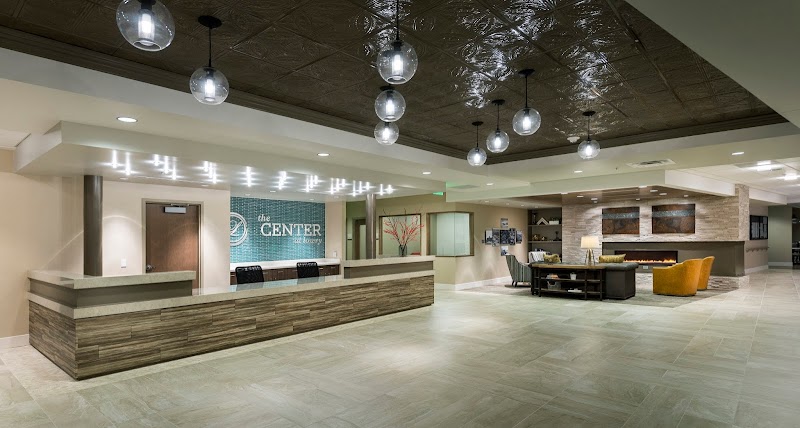
8550 E LOWRY BLVD, DENVER, CO 80230 (303) 676-4000
For profit - Limited Liability company 96 Beds Independent Data: November 2025 1 Immediate Jeopardy citation
Trust Grade
36/100
#137 of 208 in CO
Last Inspection: February 2024

Within standard 12-15 month inspection cycle. Federal law requires annual inspections.

Overview

Families considering Center at Lowry, LLC in Denver should be aware that it received a Trust Grade of F, indicating significant concerns about the facility's care quality. It ranks #137 out of 208 facilities in Colorado, placing it in the bottom half, and #14 out of 21 in Denver County, meaning only a few local options are better. The facility is showing signs of improvement, with issues decreasing from five in 2024 to one in 2025. Staffing is rated average with a 3/5 star rating and a turnover rate of 54%, which is close to the state average. However, there are serious concerns as the facility has faced fines of $17,933 and has had critical findings, including a failure to ensure food was prepared safely, which could lead to foodborne illnesses, and a serious incident where a resident at risk of wandering was not adequately supervised, leading to a potential elopement situation. While the facility does have excellent quality measures, these significant weaknesses should be taken into account.

Trust Score
F
36/100
In Colorado
#137/208
Bottom 35%
Safety Record
High Risk
Review needed
Inspections
Getting Better
5 → 1 violations
Staff Stability
⚠ Watch
54% turnover. Above average. Higher turnover means staff may not know residents' routines.
Penalties
⚠ Watch
$17,933 in fines. Higher than 92% of Colorado facilities. Major compliance failures.
Skilled Nurses
✓ Good
Each resident gets 54 minutes of Registered Nurse (RN) attention daily — more than average for Colorado. RNs are trained to catch health problems early.
Violations
⚠ Watch
14 deficiencies on record. Higher than average. Multiple issues found across inspections.
★★☆☆☆
2.0
Overall Rating
★★★☆☆
3.0
Staff Levels
★★★★★
5.0
Care Quality
★☆☆☆☆
1.0
Inspection Score
Stable
2024: 5 issues
2025: 1 issues

The Good

  • 5-Star Quality Measures · Strong clinical quality outcomes
  • Full Sprinkler Coverage · Fire safety systems throughout facility
  • No fines on record

Facility shows strength in quality measures, fire safety.

The Bad

2-Star Overall Rating

Below Colorado average (3.1)

Below average - review inspection findings carefully

Staff Turnover: 54%

Near Colorado avg (46%)

Higher turnover may affect care consistency

Federal Fines: $17,933

Below median ($33,413)

Minor penalties assessed

The Ugly 14 deficiencies on record

1 life-threatening 1 actual harm
Jul 2025 1 deficiency 1 Harm
SERIOUS (G) 📢 Someone Reported This

A family member, employee, or ombudsman was alarmed enough to file a formal complaint

Actual Harm - a resident was hurt due to facility failures

Accident Prevention (Tag F0689)

A resident was harmed · This affected 1 resident

**NOTE- TERMS IN BRACKETS HAVE BEEN EDITED TO PROTECT CONFIDENTIALITY** Based on record review and interviews, the facility failed to ensure residents received adequate supervision to prevent accident...

Read full inspector narrative →
**NOTE- TERMS IN BRACKETS HAVE BEEN EDITED TO PROTECT CONFIDENTIALITY** Based on record review and interviews, the facility failed to ensure residents received adequate supervision to prevent accidents for one (#1) of three residents reviewed for accidents out of three sample residents.Resident #1 was admitted on [DATE] with diagnoses of metabolic encephalopathy (a change in how the brain works), weakness, difficulty in walking, heart failure and unspecified dementia.On 6/18/25 a nursing staff member documented Resident #1 was wandering, angry and saying he wanted to leave. The facility initiated a care plan for wandering on 6/19/25, however, the care plan did not identify the resident was at risk for elopement, despite the resident indicating he wanted to leave. The facility did not implement any interventions to prevent a potential elopement from the facility for Resident #1. On 6/22/25 Resident #1 was on the phone with a family member and said he was going home. When the family member called the facility to check on the resident, the facility was unable to locate the resident. Resident #1 was found by the police in a soccer field an hour and a half later and transported to the hospital. Resident #1 suffered a laceration (a deep cut) to his head, extensive bruising to his upper extremities, left temple and face, and abrasions (scrapes) to both knees. The resident was transported to the hospital for treatment prior to returning to the facility.Specifically, the facility failed to:- Identify Resident #1 was at risk for elopement; and,-Ensure Resident #1 was provided with the supervision necessary to prevent an elopement. Findings include: Record review and interviews confirmed the facility corrected the deficient practice prior to the onsite investigation on 7/15/25, resulting in the deficiency being cited as past noncompliance with a correction date of 6/26/25. I. Elopement incident on 6/22/25On 6/22/25 the facility staff received a phone call from Resident#1's family member who said she was on the phone with the resident and he said he was going home. The facility was unaware the resident had exited the facility. The police found the resident an hour and a half after he was noted as missing. He was found in a soccer field and had extensive bruising and a laceration to his head. Police transported the resident to the hospital. II. Facility plan of correctionThe corrective action plan the facility implemented in response to Resident #1's elopement incident on 6/22/25 was provided by the nursing home administrator (NHA) on 7/15/25 at 2:05 p.m. The plan documented the following:A. Immediate action On 6/22/25 all staff was educated on the facility's policy and procedure for elopement. The NHA and the regional director of operations completed a facility audit on 6/24/25 and reviewed the wander risk assessment to determine which residents were high risk for elopement. Once identified, residents' care plans were updated to prevent residents from eloping. The binder at the front desk was updated to include pictures and information of residents who were high risk for elopement.Signs were placed at the front exit, on visitor elevators and displayed at the reception desk to alert visitors not to assist residents outside, unless approved by a staff member.B. Identification of other residentsCurrent residents in the facility were reviewed and residents who were high risk for elopement were identified. Effective immediately, new admissions to the facility would be assessed for elopement risk and interventions would be initiated to prevent elopement.C. Systemic changesOn 6/22/25 to 6/26/25 the NHA completed in-services to all staff on the facility's elopement policy to include an elopement assessment, updating the care plan and the basics on conducting a search. All new admissions were assessed and care planned for elopement risk if the assessment indicated moderate to high risk elopement. An elopement drill would be conducted once a month to ensure all staff members were aware of what to do when there was an elopement, per the facility policy.D. MonitoringThe NHA or designee would review random residents' elopement risk assessments to ensure they were completed and that residents who identified as high risk had interventions in place. Monitoring would continue for two weeks and then one time a month for three months. The NHA or designee would monitor that elopement drills were completed monthly for the following three months. III. Facility policy and procedureThe Elopement policy and procedure, revised 3/28/24, was provided by the NHA on 7/14/25 at 1:30 p.m. It read in pertinent part, It is the policy of the facility that staff shall investigate and report all cases of missing residents.If an employee discovers that a resident is missing from the facility, he/she should determine if the resident was out on an authorized leave or pass. If the resident was not authorized to leave, initiate a search of the facility and premises. If the resident was not located, notify the NHA and the director of nursing (DON), the resident's legal representative, the attending physician and law enforcement officials.IV. Resident #1A. Resident statusResident #1, age greater than 65, was admitted on [DATE], readmitted on [DATE] and discharged to the hospital on 7/12/25. According to the July 2025 computerized physician orders (CPO), diagnosis included metabolic encephalopathy, weakness, difficulty in walking, heart failure and unspecified dementia. The 5/20/25 minimum data set (MDS) assessment revealed the resident had moderate cognitive impairment with a brief interview for mental status (BIMS) score of nine out of 15. The assessment indicated the resident used a wheelchair and a walker. He was dependent on staff for transfers. B. Resident #1's representative's interviewResident #1's representative was interviewed on 7/15/25 at 10:16 a.m. via phone. The resident's representative said she was on the phone with Resident #1 when he said he was going home. She said she heard a visitor speaking to the resident asking if he was able to get back in. She said she immediately called the facility to check on his status. She said the facility was unable to locate Resident #1 and a search was conducted. She said the police found Resident #1 at a soccer field behind the facility and transported him to the hospital for treatment of his injuries. C. Record reviewThe wandering care plan, initiated 6/19/25 and revised 7/4/25, revealed Resident #1 had an acute history of wandering outside of the facility grounds. The interventions included checking the resident for physical comfort needs/pain (initiated 6/19/25), offering emotional and psychological support as needed (initiated 6/19/25), providing and involving the resident in activities directed at the resident's specific interests (initiated 6/19/25), reorienting and redirecting the resident as needed (initiated 6/19/25), providing one-to-one staff as needed (initiated 6/26/25) and posting a picture/photo of the resident at the front desk to identify elopement risk (initiated 6/27/25).The elopement care plan, initiated 6/23/25 and revised 7/1/25, revealed Resident #1 left the facility unescorted on 6/22/25 and was at risk for further elopement. Interventions included documenting any attempts at elopement, encouraging visits from friends and family, monitoring the resident's whereabouts regularly, offering emotional support, orienting the resident to the environment, placing a photo of Resident #1 at the front desk to identify the elopement risk and providing a one-to-one staff member for safety. The wandering risk assessment, dated 5/13/25, revealed Resident #1 was a low risk for wandering.-However, the facility failed to complete another wander risk assessment on 6/18/25 when Resident #1 was noted to be upset, wandering in the facility and saying he wanted to leave (see progress note below). A nursing progress note, dated 6/18/25 at 3:46 p.m. (four days before the elopement), revealed Resident #1 was wandering, angry and saying he wanted to leave. The nurse and certified nurse aide (CNA) walked with the resident around the nurses station for 40 minutes. The resident was having a hard time maneuvering his walker. The nurse spoke to Resident #1's representative who was also unable to redirect him. -The facility failed to identify Resident #1's exit seeking behavior prior to his elopement and implement effective interventions to prevent a potential elopement.A nursing progress note, dated 6/22/25 at 9:10 p.m., revealed Resident #1 was last seen at 8:49 p.m. when he was administered medication. He was calm, sitting in a chair in front of the nurses' station and talking on the phone. At 9:10 p.m. Resident #1's representative called the facility to check in and the resident was noted to be missing. The representative said she was speaking to him on the phone and he told her he was coming home. She said she heard a man asking Resident #1 if he knew how to go back into the facility. The entire facility was searched, including outside areas, by the staff. All other residents were accounted for. The assistant director of nursing (ADON), the DON and the police were notified.A nursing progress note, dated 6/23/25 at 5:56 p.m., revealed Resident #1 had returned from the hospital with extensive bruising to both upper extremities, left temple and face. Abrasions were noted to both knees. Resident #1 was highly confused and a wanderer. Staff was unable to easily redirect him. He was a high fall and elopement risk. He had poor balance and resisted most of his cares and treatments. V. Staff interviewsThe facility's receptionist was interviewed on 7/15/25 at 12:10 p.m. The receptionist said the facility's front doors automatically locked at 6:30 p.m. She said a visitor needed to ring the door bell at the front entrance after 6:00 p.m. However, she said anyone was able to exit the facility at any time. She said a receptionist was on duty everyday from 7:00 a.m. to 7:00 p.m. She said at the time of the survey, the facility did not have any wandering residents. She said if a resident was identified as a wander or an elopement risk, their photo and information was posted at the front desk. She said all the staff attended an in-service on the elopement policy following Resident #1's elopement. She said all staff must know where a resident was going or the resident must have a staff member with them when leaving the facility. She said there was a sign out binder for the residents to sign out on pass. CNA #1 was interviewed on 7/15/25 at 12:58 p.m. CNA #1 said Resident #1 always wandered and was exit seeking. She said a CNA was assigned as one-to-one supervision for Resident #1, but she said he did not have one-to-one supervision prior to his elopement. She said he was in an observation room in front of the nurses' station because he was a high fall risk. She said Resident #1 was very fast and he would be sitting in the common area by the elevators and the next moment he would be gone. She said she was not working the day of the elopement. Registered nurse (RN) #1 was interviewed on 7/15/25 at 1:02 p.m. RN #1 said Resident #1 did not have any wandering or exit seeking behavior that he was aware of. He said Resident #1 was admitted as a high fall risk and always had a low blood pressure. He said Resident #1 was admitted to an observation room across from the nurses' station because he was very forgetful and was always trying to get out of bed. He said after Resident #1's elopement, an in-service was provided for all staff. The DON was interviewed on 7/15/25 at 3:40 p.m. The DON said she was not aware of the 6/18/25 nurse progress note that indicated Resident #1 was wandering and wanted to leave. She said the staff did not identify Resident #1's exit seeking behavior and no interventions were put into place as far as she knew. She said she did not know Resident #1 was capable of leaving the second floor. She said she was aware that Resident #1 had a lot of behaviors and was a high fall risk, but she did not know he was a wandering risk. She said the staff had a morning huddle but it was not communicated to her that Resident #1 was exit seeking prior to his elopement from the facility on 6/22/25. She said she was not aware that the MDS coordinator had initiated a wandering care plan on 6/19/25. She said there must have been a lack of communication. The NHA was interviewed on 7/15/25 at 4:18 p.m. The NHA said the staff failed to identify Resident #1's behavior on 6/18/25 as exit seeking. She said the staff were more focused on his fall risk and behaviors. She said she did not think Resident #1 knew where the elevator was or how to get outside. She said following his elopement, a plan of correction was put into place to prevent residents from eloping. She said she believed the facility completed a thorough investigation and put measures in place to safeguard residents from elopements. RN #2 was interviewed via phone on 7/15/25 at 4:43 p.m. RN #2 said Resident #1 was sitting in the lobby next to the elevators and he seemed fine (on 6/22/25). She said she had other residents to care for and continued to provide care for the other residents. She said Resident #1's representative called the facility and asked for Resident #1 to be checked on because she was on the phone with him and she thought he may be outside. RN #2 said she did not think Resident #1 was outside but she said she looked for him anyway. She said the staff was unable to locate the resident and the ADON was notified and she notified the DON and the police. RN #2 said Resident #1 was found by the police and transported to the hospital. She said she was not aware of the 6/18/25 nurse progress note regarding the resident wandering and wanting to leave and was not aware Resident #1 was exit seeking. She said there were only interventions for his fall risk prior to the resident's elopement. She said following the elopement, all staff received an in-service training on the elopement policy, as well as completing risk assessments.
Feb 2024 5 deficiencies 1 IJ (1 facility-wide)
CRITICAL (L)

Immediate Jeopardy (IJ) - the most serious Medicare violation

Food Safety (Tag F0812)

Someone could have died · This affected most or all residents

⚠️ Facility-wide issue

Based on observations, record reviews, and interviews, the facility failed to ensure food was prepared, distributed, and served under sanitary conditions in the kitchen to prevent the spread of foodbo...

Read full inspector narrative →
Based on observations, record reviews, and interviews, the facility failed to ensure food was prepared, distributed, and served under sanitary conditions in the kitchen to prevent the spread of foodborne pathogens. I. Observations, interviews, and record review revealed the facility failed to ensure for the last several months, that cookware, drinkware, dishware, and flatware were sufficiently sanitized over the last several months. The dietary manager (DM) reported the fuse to the electrical breaker was insufficient and shorted out in the facility's high-temperature dishwashing machine on three occasions. The facility changed from a high-temperature process to a low-temperature process by making makeshift modifications to the dishwashing machine. Once converted, the machine's sprayer jets clogged on at least three additional occasions, preventing the sanitizing solution from dispensing. Additionally, the temperature gauge on the dishwashing machine had not been working for an undetermined length of time. The facility, aware of the intermittent problems with the sprayer jets, failed to monitor the sanitation level and water temperature of the dishwashing machine consistently to ensure the cookware, dishware, drinkware, and flatware would be properly sanitized throughout the dishwashing process. Temperature and sanitizing logs for November 2023 could not be located. Log entries were missing for 15 days between December 2023 and February 1, 2024, including on four occasions for multiple, consecutive days. The facility reported using paper products on only one occasion during this time. The dietary manager (DM) said staff were aware they needed to use the three-compartment sink to wash and sanitize dishes when the dishwashing machine was not working but staff interview revealed the facility failed to ensure the water temperature and sanitation levels in the three-compartment sink were at the proper level. The facility's lack of consistent sanitization of cookware, drinkware, dishware, and flatware made the transmission of foodborne pathogens likely to contribute to serious harm to all residents. II. Observation, interview, and record review also revealed several other failures in the facility's preparation, distribution, and service of food. Specifically, the facility failed to ensure: -Staff practiced appropriate hand hygiene and glove use during food preparation activities. -The proper temperature of refrigerated, frozen foods and cooked food. -Kitchen staff wore hair restraints to prevent hair from contacting food; -The kitchen ice machine and filter were clean; -Disposable cups were not immersed and stored in containers holding cooking ingredients; Findings include: I. Immediate Jeopardy for serious harm A. Situation of Immediate Jeopardy The facility failed to ensure cookware, drinkware, dishware, and flatware were sufficiently sanitized; the dishwashing machine had not been working consistently for the last several months. The dietary manager (DM) reported the fuse to the electrical breaker was insufficient and shorted out in the high-temperature dishwashing machine on three occasions. The facility changed from a high-temperature process to a low-temperature process by making makeshift modifications to the dishwashing machine. Once converted, the machine's sprayer jets clogged on at least three additional occasions, preventing the sanitizing solution from dispensing. Additionally, the temperature gauge on the dish machine had not been working for an undetermined length of time. The facility, aware of the intermittent problems with the sprayer jets, failed to monitor the sanitization levels and water temperature consistently to ensure the cookware, dishware, drinkware, and flatware would be sufficiently sanitized throughout the dishwashing process. Temperature and sanitizing logs for November 2023 could not be located, and log entries were missing for 15 days between December 2023 and February 1, 2024, including on four occasions for multiple, consecutive days. The facility reported using paper products on only one occasion during this time. According to staff, thermometers to check the water temperature in the three-compartment sink were not always available which the DM said staff was instructed to use to wash and sanitize dishes when the dishwashing machine was not working. Staff interviews with dietary staff revealed they were unaware of the temperature and sanitizing requirements for manual washing of cookware, drinkware, dishware, and flatware and had not received correct training on manual sanitizing using the three-compartment sink. The facility's lack of consistent sanitization of cookware, drinkware, dishware, and flatware made the transmission of foodborne pathogens likely to contribute to serious harm to all residents. B. Imposition of immediate jeopardy On 2/23/24 at 12:21 p.m., the nursing home administrator (NHA) was notified of the immediate jeopardy situation created by the facility's failure to ensure food was prepared, distributed, and served under sanitary conditions. C. Facility plan to remove immediate jeopardy On 2/23/24 at 3:14 p.m., the facility submitted a plan to remove the immediate jeopardy. The plan read: The facility purchased and installed a low-temp dishwasher that was operable February 8, 2024. 1. Staff were in-serviced 02/23/2024 by Ecolab representative on the process of how to use the new dish machine and successfully returned the demonstration. 2. Staff were in-serviced on the process of how to use 3 compartment sinks in the event that the dishwashing machine is not operable. All staff were able to verbalize understanding of the process. 3. If for any reason neither of the two methods are functional then dietary staff will use disposable paper products. 4. Return demonstration competencies would be completed with each staff prior to starting their next shift. 5. The dishwasher machine will be monitored for proper water temperature and sanitization after each meal. The dietary manager will monitor the temperature and ppm of the dishwasher machine one time a day. The Dietary Manager will receive additional training from the Registered Dietitian on how to monitor dietary staff for compliance. All dietary staff members will be educated on policy and procedure before their next scheduled shift and will provide return demonstration to ensure competency. Furthermore, new dietary staff members will be completing the same process. This education will be completed by the Ecolab representative by 02/23/2024. All patients have the potential to be affected by this alleged deficiency. There is no evidence that any patients were adversely affected. The Administrator or designee will monitor for compliance of the dishwashing process to include temperature, sanitation ppm, and three compartment sinks are being followed per facility policy. Monitoring will be as follows. Daily x1 week, then weekly x4 weeks, then monthly x 2 months for at least 3 months monitoring or until substantial compliance is obtained. Results of audits will be reviewed in the QA monthly meeting to ensure the plan has been implemented, sustained and evaluated for its effectiveness. D. Removal of the immediate jeopardy The above plan was accepted on 2/23/24 at 3:35 p.m., and the immediate jeopardy was removed based on the actions taken and monitoring planned by the facility to remove the immediate jeopardy situation. However, deficient practice remained at a level F, with widespread potential for more than minimal harm. II. Facility failure to ensure for the last several months, that cookware, drinkware, dishware, and flatware were sanitized sufficiently. A. Dishwashing machine Professional Reference: The Colorado Retail Food Regulations, effective 1/1/19, were retrieved 2/8/24 from https://cdphe.colorado.gov/environment/food-regulations. It revealed in pertinent part, ]The temperature of the wash solution in spray-type warewashers that use chemicals to sanitize may not be less than 120 degrees F. When used for warewashing, the wash compartment of a sink, mechanical warewasher, or wash receptacle of alternative manual warewashing equipment, shall contain a wash solution of soap, detergent, acid cleaner, alkaline cleaner, degreaser, abrasive cleaner, or other cleaning agent according to the cleaning agent manufacturer's label instructions. Concentration of the sanitizing solution shall be accurately determined by using a test kit or other device. A chemical sanitizer used in a sanitizing solution for a manual or mechanical operation at contact times shall meet the criteria specified under sanitizers, criteria, shall be used in accordance with the EPA- registered label use instructions, and shall be used as follows: a chlorine solution shall have a minimum temperature based on the concentration and ph of the solution as listed in the following chart concentration range (mg/l). Mg/L means milligrams per liter, which is the metric equivalent of parts per million (ppm). For a minimum temperature of pH 10 or less at 120 degrees F the concentration range should be between or at 25-49 (mg/l). Facility policy and procedure: The Kitchen Sanitation and Infection Control policy and procedure revised 2021, was provided by the NHA on 2/5/24 at 3:33 p.m. It revealed in pertinent part, All local, state, and federal standards and regulations will be followed in order to assure a safe and sanitary food and nutrition services department. -The director of food and nutrition services will be responsible for providing safe foods to all individuals. Dishwashing guidelines and techniques will be understood by staff and carried out in compliance with the state and local health codes. The dish machines will be checked prior to meals to assure proper functioning and appropriate temperatures for cleaning and sanitizing. The person loading dirty dishes will not handle the clean dishes unless they change into a clean apron and wash hands thoroughly before moving from dirty to clean dishes. -Low Temperature Dishwasher and Spray Type Dish Machines Using Chemicals to Sanitize should reach a temperature of 120 degrees F and 50 PPM Hypochlorite for final rinse temperature and sanitation. Dishwashing staff will monitor and record dish machine temperatures to assure proper sanitizing of dishes. The director of food and nutrition services will post a log near the dish machine for the staff to document temperatures. Staff will monitor dish machine temperatures throughout the dishwashing process. -Staff will record dish machine temperatures for the wash and rinse cycles at each meal. The director of food and nutrition services will spot check this log to assure temperatures are appropriate and staff is correctly monitoring dish machine temperatures. Staff will be trained to report any problems with the dish machine to the director of food and nutrition services as soon as they occur. -The director of food and nutrition services will promptly assess any dish machine problems and take action immediately to assure proper sanitation of dishes. 1. Observations and record review Observations and record reviews revealed the facility failed to meet facility expectations to ensure monitoring, reporting, and taking action to ensure proper sanitation of cookware, dishware, drinkware, and flatware. On 1/31/24 at 9:05 a.m., the low-temperature dishwasher temperature gauge was not functional, as the temperature did not change when the machine was not operating and when it was running. The dishwasher machine's chemical sanitizer (hypochlorite) solution was tested and indicated that the testing strip measured between 5 to 10 PPM. The test was repeated three times by the dietary manager (DM) and the hypochlorite PPM solution was between 5 to 10 PPM. On 2/1/24 at 9:00 a.m., a review of the low-temperature dishwasher logs from November to January 2024 for recording temperature and sanitation levels revealed a log for November 2023 could not be located. Further, the dishwasher logs had over 100 missing entries for the dishwashing machine's temperature and PPM during these months. As on 1/31/24, the low-temperature dishwashing machine's temperature gauge was observed to not be functional, as the temperature did not change when the machine was not operating and when it was running. On 2/1/24 at 12:05 p.m., the dishwasher machine's chemical sanitizer (hypochlorite) solution was tested and the testing strip measured 0 PPM. The test was repeated three times by the DM and a contracted kitchen vendor who was present to repair the dishwashing machine. All tests revealed the hypochlorite PPM solution was at 0 PPM. 2. Interviews Staff interviews revealed the expectation that the temperature and PPM should be taken at intervals throughout the dishwashing process to ensure the dishwashing machine functioned properly but that this was not done, even though staff was aware the dishwashing machine had been broken intermittently for the past year. Dietary aide (DA) #1 was interviewed on 2/1/24 at 10:12 a.m. She said the dishwashing machine had been broken for a few months and there was always something wrong with it. She said the temperature gauge was not functional, so she washed dishes manually using the three-compartment sink. The contracted kitchen repair vendor was interviewed on 2/1/24 at 12:05 p.m. He said the sanitizer line that ran to the dishwashing machine was completely clogged and looked like there had been buildup occurring over the past few weeks which decreased the concentration of the hypochlorite solution over time. He said the clog had been removed today and the dishwashing machine was retested. The hypochlorite solution PPM was now 50. The DM (the director of food and nutrition services) was interviewed on 2/1/24 at 2:50 p.m. The DM said he was able to test the dishwashing machine temperature to ensure it reached at least 125 degrees F utilizing a portable thermometer; however, he said other dietary staff did not have access to the thermometer. He said he measured the PPM for the dishwashing machine earlier today, but said he did not document it on the dishwashing machine log along with the machine temperature because he had a reading of 0 PPM and he did not want to indicate a low reading on the log. The DM said a new dishwashing machine was going to be installed on 2/8/24. The registered dietitian (RD) was interviewed on 2/5/24 at 3:40 p.m. He said the dishwashing machine has been broken intermittently throughout the last year and therefore the facility had resorted to using disposable silverware at times. The RD said the temperature and PPM should be taken at intervals before each meal service to ensure the dishwashing machine functioned properly and the dishes were clean and disinfected before serving residents. The infection preventionist (IP) was interviewed on 2/5/24 at 4:11 p.m. She said it was important to ensure the PPM and correct temperature readings were logged for the dishwashing machine to ensure the facility disinfected all eating utensils because the facility had residents with active infectious diseases such as COVID-19, flu, and clostridium difficile. Therefore, the dishes needed to be washed correctly to kill any pathogens. The director of nursing (DON) was interviewed on 2/5/24 at 4:30 p.m. She said it was important to document the PPM and temperature of the dishwashing machine to ensure the machine functioned properly and any plates, mugs, cups, and silverware were disinfected properly. The DON said if proper disinfecting did not occur, it would pose a health risk for the residents due to contamination and the development of infection. The NHA was interviewed on 2/5/24 at 4:46 p.m. She said it was best practice to test the PPM of the dishwashing machine or log entries to ensure the dishwashing machine functioned properly. The DM was interviewed again on 2/23/24 at 8:35 a.m. -He said the fuse to the electrical breaker was insufficient and shorted out on three occasions. The facility then made makeshift modifications to the dishwashing machine, changing it from a high-temperature process to a low-temperature process. He said that once converted, the dishwashing machine's sprayer jets clogged on at least three additional occasions, preventing the sanitizing solution from dispensing. He said the facility used paper products on only one occasion during this time. -He confirmed the temperature and sanitizing logs for November 2023 could not be located. Log entries were missing for 15 days between December 2023 and February 1, 2024, including on four occasions involving multiple, consecutive days (12/13 - 12/14, 12/22 - 12/25, 12/28 -12/30/23, 1/19 -1/21, and 1/26 -1/28/24). -He said a new dishwashing machine was purchased and staff were educated on the current dishwashing machine on 2/6/24 and the new dishwashing machine on 2/12/24. However, interviews with DA #4 and DA #5 on 2/23/24 at 9:00 a.m. revealed staff were not clear about the instructions for operating the new dishwashing machine. DA #4 said he took the PPM but did not log it. DA #5 said she was never trained due to the language barrier she had, she did not understand the training provided. B. Three-compartment sink Observations and interviews revealed the facility failed to ensure the manual sanitation of dishes in the three-compartment sink was properly completed. Professional Reference: The Colorado Retail Food Regulations, effective 1/1/19, were retrieved 2/8/24 from https://cdphe.colorado.gov/environment/food-regulations. it revealed in pertinent part, in manual warewashing operations, a temperature measuring device shall be provided and readily accessible for frequently measuring the washing and sanitizing temperatures in hot water mechanical warewashing operations, an irreversible registering temperature indicator shall be provided and readily accessible for measuring the utensil surface temperature. The temperature of the wash solution in manual warewashing equipment shall be maintained at not less than 110 degrees F and the temperature specified on the cleaning agent manufacturer's label instructions. A chemical sanitizer used in a sanitizing solution for a manual or mechanical operation at contact times shall meet the criteria specified under sanitizers, criteria, shall be used in accordance with the EPA-registered label use instructions. Facility policy and procedure: The Kitchen Sanitation and Infection Control policy and procedure revised 2021, was provided by NHA on 2/5/24 at 3:33 p.m. It revealed in pertinent part, All local, state, and federal standards and regulations will be followed in order to assure a safe and sanitary food and nutrition services department. The director of food and nutrition services will be responsible for providing safe foods to all individuals. The director of food and nutrition services will promptly assess any dish machine problems and take action immediately to assure proper sanitation of dishes. All flatware, serving dishes, and cookware will be cleaned, rinsed, and sanitized after each use. Staff will follow these procedures for washing dishes using the three sink method: -Wash dishes in detergent and warm water to remove all soil. -Prepare the clean sink by measuring the appropriate amount of water into the sink and marking the sink with a water line. -Determine the appropriate amount of detergent to be used, and follow the manufacturer's directions for use. Water should be at 110 F. -Change water frequently to assure effective cleaning of dishes. -Rinse dishes in clean, warm water: Prepare the clean sink with hot water and rinse the dishes thoroughly before placing [them] in the sanitizing sink. Sanitize dishes: -Measure the appropriate amount of sanitizing chemical into the appropriate amount of water (following the manufacturer's guidelines). Water should be 75 to 100 Ft. -Test the sanitizing solution in the sink using the manufacturer's suggested test strips to assure [the] appropriate level. -Place the dishes in the sanitizing sink. Allow to stand according to the manufacturer's guidelines for sanitizer. - Allow dishes to air dry. Invert dishes in a single layer to air dry. Check all dishes to be sure they are clean and dry prior to storing. Sanitize all dishes by immersion in one of the following: -Chlorine 50 to 100 PPM 75° F 10 seconds -Quaternary Ammonium 150 to 200 PPM 75° F Per manufacturer -Iodine 12.5 PPM 75° F 30 seconds. 1. Observations and record review On 2/1/24 at 10:05 a.m., the three-step manual wash and rinse sinks were observed. The wash sink was full of water. The water was tested with a thermometer. The temperature reading was 93.7 degrees F. DA #1 submerged plates and cups into the sink for 19 seconds and then removed the plates and cups and placed them on a drying rack. The sanitizing solution was labeled as Sentinel. Posted directly above the three-step manual wash sink was a display with the procedure for kitchen staff to follow for the three-step manual wash method using a different sanitizing product (Dawn). The Sentinel sanitizer product label recommended a dip time of a minimum of two minutes to be effective. 2. Staff interviews DA #1 was interviewed on 2/1/24 at 10:12 a.m. -She said she used the three-sink manual method because of issues with the dishwashing machine. She said she was told that when using the three-sink method, she needed to first scrape off any food. Second, she placed the dishes in the soapy water. Third, she transferred them to the rinse sink with only water, however, she said she was not instructed to take the water temperature. Lastly, she would take the dishes out of the water and dunk the items into the sanitizing sink for 15 seconds. After this, she pulls the dishes out to air dry. -She said she never timed herself but just waited a few seconds. DA #1 said the instructions posted for the kitchen staff to use the three-compartment sink were wrong and they were for an old sanitation product they no longer use. She said she was trained by the DM to dunk items for 15 seconds in the sanitizing sink. DA #2 was interviewed on 2/1/24 at 2:40 p.m. -He said he oversaw the dinner-time meal service. He said the dishwashing machine had been broken for several months and he never knew when to use it. Due to this uncertainty, he washed all the dishes using the three-step sink. He said he needed to first scrape off any food and then place the dishes in the soapy water and then transfer them to the rinse sink with only water. He said he does not take the temperature of the water. After the rinse, he would dunk the dishes into the sanitizing sink for 15 seconds then pull them out to air dry. -He said he never timed himself but he just had a feeling that 15 seconds had passed. He said he wished there was more clarity with kitchen day-to-day operations, cleaning, and oversight from the DM. The DM was interviewed on 2/1/24 at 2:50 p.m. He said the manual three-sink cleaning method was being used due to issues with the dishwashing machine and that the dunk time for sanitization was 15 seconds. The DM then contacted the manufacturer of the Sentinel sanitizer product and reported he was told the Sentinel sanitizer product would take two minutes to disinfect dishes. Therefore, dishes needed to be dunked for a minimum of two minutes. The DM said the correct procedure should be posted in front of the three-step sink since the posted one was outdated. The RD was interviewed on 2/5/24 at 3:40 p.m. He said the manual three-sink method should have the dunk time posted and the DM should know the correct dunk time. The IP was interviewed on 2/5/24 at 4:11 p.m. She said kitchen staff should have followed manufacturer recommendations when sanitizing dishes using the three-sink manual method to ensure the facility disinfected all eating utensils because the facility had residents with active infectious diseases such as COVID, flu, and clostridium difficile. Therefore, dishes needed to be washed correctly to kill any pathogens. The NHA was interviewed on 2/5/24 at 4:46 p.m. She said it was best practice for kitchen staff to use the correct procedure for the three-sink manual method wash. III. Other failures in the facility's preparation, distribution, and service of food. A. Hand hygiene and glove use Professional Reference: The Colorado retail food regulations, effective 1/1/19, were retrieved 2/8/24 from https://cdphe.colorado.gov/environment/food-regulations. It revealed in pertinent part, employees are preventing cross-contamination of ready-to-eat food with bare hands by properly using suitable utensils such as deli tissue, spatulas, tongs, single-use gloves, or dispensing equipment. Food employees shall clean their hands and exposed portions of their arms immediately before engaging in food preparation including working with exposed food, clean equipment and utensils, and unwrapped single service and single-use articles and: after touching bare human body parts other than clean hands and clean, exposed portions of arms; after using the toilet room; after coughing, sneezing, using a handkerchief or disposable tissue, using tobacco, eating, or drinking; after handling soiled equipment or utensils; during food preparation, as often as necessary to remove soil and contamination and to prevent cross contamination when changing tasks; when switching between working with raw food and working with ready-to-eat food; before donning gloves to initiate a task that involves working with food; after engaging in other activities that contaminate the hands. Food employees shall use the following cleaning procedure in the order stated to clean their hands and exposed portions of their arms, including surrogate prosthetic devices for hands and arms: rinse under clean, running warm water; apply an amount of cleaning compound recommended by the cleaning compound manufacturer; rub together vigorously for at least 10 to 15 seconds while paying particular attention to removing soil from underneath the fingernails during the cleaning procedure and creating friction on the surfaces of the hands and arms or surrogate prosthetic devices for hands and arms, finger tips, and areas between the fingers. Thoroughly rinse under clean, running warm water. Immediately follow the cleaning procedure with thorough drying using a method to avoid re-contaminating hands or surrogate prosthetic devices. Food employees may use disposable paper towels or similar clean barriers when touching surfaces such as manually operated faucet handles on a handwashing sink. Equipment food-contact surfaces and utensils shall be cleaned: -Before each use with a different type of raw animal food such as beef, fish, lamb, pork, or poultry. -Each time there is a change from working with raw foods to working with ready-to-eat foods. -Employees are preventing cross-contamination of ready-to-eat food with bare hands by properly using suitable utensils such as deli tissue, spatulas, tongs, single-use gloves, or dispensing equipment. Facility policy and procedure: The Kitchen Sanitation and Infection Control policy and procedure revised 2021, was provided by the NHA on 2/5/24 at 3:33 p.m. It revealed in pertinent part, All local, state, and federal standards and regulations will be followed in order to assure a safe and sanitary food and nutrition services department. The director of food and nutrition services will be responsible for providing safe foods to all individuals. Employees will wash their hands just before they start to work in the kitchen and after smoking, sneezing, using the restroom, handling poisonous compounds or dirty dishes, and touching face, hair, other people or surfaces or items with potential for contamination. Staff will use good hygienic practices and techniques with access to proper hand washing facilities (available soap, hot water, and disposable towels and/or heat/air drying methods). Antimicrobial or antiseptic gel will not be used in place of proper hand washing techniques. Staff will use clean barriers such as single-use gloves, tongs, deli paper and spatulas when handling food. Gloved hands are considered a food contact surface that can become contaminated or soiled. If used, single use gloves shall be used for only one task (such as working with ready-to-eat food or with raw animal food), used for no other purpose, and discarded when damaged or soiled, or when interruptions occur in the operation. 1. Observations On 2/1/24 between 11:45 a.m. and 12:17 p.m., the cook prepared the residents' plates by stacking plates with warmers on top of one another before putting food on the residents' plates. The cook wore the same gloves throughout the lunch plating and service. Throughout the lunch service, the cook touched other non-disinfected areas within the kitchen such as the freezer and reach-in refrigerator handles, fryer handles, steamer handles, frozen raw chicken, his face, and clothing garments with the same soiled gloves 32 times. The cook also touched a soiled kitchen cleaning cloth seven times with his soiled gloves and proceeded to plate and cut foods with his soiled gloves. During the lunch service, the cook touched both cooked pork and chicken directly with his soiled gloves to stabilize them on the resident plate 11 times as he cut them with a knife and then served the meat to the residents. The knife was not disinfected between cutting ready-to-eat chicken and pork. -During the meal service, the cook requested DA #3, who wore gloves while cleaning dirty dishes and cleaning the surface top of the sink with a chemical sanitizer, to heat two bread rolls. DA #3 did not remove his gloves after cleaning dirty dishes and submerging his hands into the sanitizer solution. He used the soiled gloves to reach into the reach-in refrigerator and touched two bread rolls with his soiled hands, placed them on a plate, and heated them in the toaster. DA #3 put plastic wrap on the rolls when they were out of the toaster; however, he made some contact with the ready-to-eat rolls after being cooked. 2. Staff interviews DA #3 was interviewed on 2/1/24 at 2:45 p.m. He said he forgot to change his gloves before grabbing the bread rolls with his soiled gloves. He said he should have taken his gloves off and sanitized or washed his hands before touching and warming the bread rolls. He said it was important to change or remove gloves to prevent chemical contamination of food. The cook was interviewed on 2/1/24 at 2:46 p.m. He said he was in a hurry and tried to be efficient during the lunch meal service hour and therefore, he forgot to change his gloves throughout the entire meal. However, he said he should have changed them between surfaces, handling meats, and touching areas of the kitchen. He said he should wash his hands and/or use sanitizer before putting on new gloves. The DM was interviewed on 2/1/24 at 2:50 p.m. The DM said staff should always wash their hands and or change gloves and wash hands between different work areas, after touching their garments and or cleaning cloths, after handling different uncooked meats, and especially after handling chemicals or dirty dishes to prevent cross-contamination. The DM said they do have residents who have a religious belief that pork was restricted and therefore, kitchen staff could not touch both ready-to-serve meats in that case. The RD was interviewed on 2/5/24 at 3:40 p.m. He said kitchen staff should wear gloves or wash their hands before touching ready-to-eat food or any surface and re-wash their hands or replace gloves when there is any cross-contamination, especially with raw foods and/or switching gloves in between an allergen. Kit[TRUNCATED]
CONCERN (D)

Potential for Harm - no one hurt, but risky conditions existed

Quality of Care (Tag F0684)

Could have caused harm · This affected 1 resident

**NOTE- TERMS IN BRACKETS HAVE BEEN EDITED TO PROTECT CONFIDENTIALITY** Based on record review and interviews, the facility failed to ensure two (#41 and #114) residents out of three residents receive...

Read full inspector narrative →
**NOTE- TERMS IN BRACKETS HAVE BEEN EDITED TO PROTECT CONFIDENTIALITY** Based on record review and interviews, the facility failed to ensure two (#41 and #114) residents out of three residents received treatment and care in accordance with professional standards of practice out of 43 sample residents. Specifically, the facility failed to administer insulin timely per the physician orders. Findings include: I. Facility policy The Medication Administration policy and procedure, revised 8/22/22, was provided by the nursing home administrator (NHA) on 2/1/24 at 6:25 p.m. It read in pertinent part, It is the policy of this facility that medications are to be administered as prescribed by the attending physician. Medications must be administered in accordance with the written orders of the attending physician. II. Resident #41 A. Resident status Resident #41, age below 65, was admitted on [DATE] and readmitted on [DATE]. According to the February 2024 computerized physician orders (CPO), diagnoses included type 2 diabetes mellitus (too much sugar in the blood), fracture off the neck of the femur (thigh bone), viral hepatitis and cirrhosis of the liver. The 9/13/23 minimum data set (MDS) assessment revealed the resident was cognitively intact with a brief interview for mental status score (BIMS) of 15 out of 15. He had impairment to one side of his lower extremities. He required touching assistance with toilet hygiene, rolling side to side, sitting to lying, lying to sitting, sitting to stand, chair to bed transfers and walking 10 feet. He received insulin. B. Resident interview Resident #41 was interviewed on 2/1/24 at 10:08 a.m. He said his evening insulin was given late on many occasions. C. Record review The blood glucose care plan, initiated 9/8/23, revealed the resident had the potential for fluctuating blood glucose levels, diabetic complications and/or poor wound healing. The interventions included: -Monitor blood sugars per the physician orders and as needed; -Monitor for signs and symptoms of hyperglycemia (high blood sugar) and /or hypoglycemia (low blood sugar) and report to the physician; -Monitor guidelines set by the physician for low or high blood sugars that exceed or meet the parameters and follow up with the physician as needed; and -Provide medications per physician orders. Review of the December 2023 and January 2024 CPO revealed the following orders related to diabetes mellitus (DM) reviewed from 12/1/23 to 1/22/24: -Humalog injection solution (insulin Lispro) inject as per sliding scale: if 200-249=1 unit; 250-299=2 unit; 300-349=3 unit and contact MD (medical doctor); 350-399=4 unit and contact MD, subcutaneously at bedtime for DM. Call MD if BS is >300 and above. Order Date 10/7/23. -Humalog injection solution (insulin Lispro) inject subcutaneously at bedtime for DM (diabetes mellitus). Call the physician if blood sugar is above 300. Order dated 10/7/23. Review of the December 2023 and January 2024 medication and treatment administration record (MAR/TAR) revealed the resident did not receive his humalog sliding scale insulin timely at 7:00 p.m. on the following days: -12/1/23 insulin was administered at 9:05 p.m. -12/6/23 insulin was administered at 10:29 p.m. -12/12/23 insulin was administered at 10:32 p.m. -12/18/2 insulin was administered at 8:53 p.m. -12/19/23 insulin was administered at 9:51 p.m. -12/20/23 insulin was administered at 9:07 p.m. -1/8/24 insulin was administered at 8:35 p.m. -1/9/24 insulin was administered at 8:38 p.m. -1/10/24 insulin was administered at 10:08 p.m. -1/17/24 insulin was administered at 10:08 p.m. -1/19/24 insulin was administered at 10:13 p.m. -1/22/24 insulin was administered at 10:33 p.m. III. Resident #114 A. Resident status Resident #114, age below 65, was admitted [DATE] and discharged [DATE]. According to the October 2023 CPO, diagnoses included type 2 diabetes mellitus, anemia (not enough healthy red blood cells to carry oxygen in the blood) in chronic kidney disease, major depressive disorder, anxiety disorder and muscle spasm. The 9/5/23 MDS assessment revealed the resident was cognitively intact with a BIMS of 15 out of 15. He required limited assistance with dressing, He required supervision with bed mobility, transfers, locomotion on and off the unit, toilet use, and personal hygiene. He received insulin. B. Record review The blood glucose care plan, revised on 10/31/23, revealed the resident had the potential for fluctuating blood glucose levels, diabetic complications and/or poor wound healing related to a diabetic diagnosis. The interventions included: -Monitor blood sugars per the physician orders and as needed; -Monitor for signs and symptoms of hyperglycemia and /or hypoglycemia and report to the physician; and -Provide medications per physician orders. Review of the August to October 2023 CPO revealed the following order related to diabetes mellitus reviewed from 8/8/23 to 10/7/23: -HumaLOG Solution (Insulin Lispro) inject as per sliding scale: if 0-70=0 give high protein/carb and recheck blood glucose and call physician; 71-149=0 no intervention; 150-200=2 units give subcutaneously; 201-250=4 units give subcutaneously; 251-300=6 units give subcutaneously; 301-350=8 units give subcutaneously; 351-400=10 units give subcutaneously; 401-405=call physician if greater than 400, subcutaneously three times a day for DM II. Order date 6/5/23. Review of the August, September and October 2023 MAR/TAR revealed the resident did not receive his humalog sliding scale insulin timely on the following days: -8/8/23 insulin was administered at 9:47 a.m. due at 8:00 a.m. -8/10/23 insulin was administered at 9:56 a.m. due at 8:00 a.m. -8/12/23 insulin was administered at 7:21 p.m. due at 5:00 p.m. -8/13/23 insulin was administered at 11:40 a.m. due at 8:00 a.m. -8/28/23 insulin was administered at 9:35 a.m. due at 8:00 a.m. -8/30/23 insulin was administered at 9:51 a.m. due at 8:00 a.m. -9/16/23 insulin was administered at 9:21 a.m. due at 8:00 a.m. -9/20/23 insulin was administered at 11:20 a.m. due at 8:00 a.m. -9/27/23 insulin was administered at 11:41 a.m. due at 8:00 a.m. -9/29/23 insulin was administered at 10:24 a.m. due at 8:00 a.m. -10/4/23 insulin was administered at 12:38 p.m. due at 8:00 a.m. -10/7/23 insulin was administered at 10:59 a.m. due at 8:00 a.m. -The facility failed to follow the physician orders when administering sliding scale insulin. III. Staff interviews Licensed practical nurse (LPN) #3 was interviewed on 2/5/24 at 2:23 p.m. She said insulin should be administered before the meal because when the resident ate a meal it increased their blood sugar. She said the blood sugar should be kept in the normal range as much as possible to keep the blood sugar regulated. She said the residents' blood sugar could elevate way too high if the insulin was not given timely and put them into hyperglycemia (high blood sugar). Registered nurse (RN) #1 was interviewed on 2/5/24 at 2:29 p.m. He said insulin should be given at the scheduled time. He said if a resident was not given their insulin timely it could increase their blood sugar. He said high blood sugars could affect the resident's eyes and kidneys if not regulated and controlled. The director of nursing (DON) was interviewed on 2/5/24 at 2:59 p.m. She said insulin should be given within the hour either before or after the scheduled time. She said sliding scale short acting insulin should be administered on time. She said long acting insulin works throughout the day. She said the short acting insulin has less effect if not given on time. She said administering insulin should be a priority to be given on time. She said if the resident's blood sugar was too high and the insulin was administered late, the blood sugar would go even higher before the insulin could take effect.
CONCERN (D)

Potential for Harm - no one hurt, but risky conditions existed

Deficiency F0761 (Tag F0761)

Could have caused harm · This affected 1 resident

Based on observation and interviews, the facility failed to ensure medications and biologicals were stored and labeled properly on one of three medication carts reviewed. Specifically, the facility fa...

Read full inspector narrative →
Based on observation and interviews, the facility failed to ensure medications and biologicals were stored and labeled properly on one of three medication carts reviewed. Specifically, the facility failed to ensure nursing staff did not store medications in their pocket. Findings include: I. Facility policy and procedure The Storage of Medication policy and procedure, revised 1/13/22, was received from the nursing home administrator (NHA) on 2/6/24 at 1:30 p.m. It revealed in pertinent part, purpose of this policy was to ensure medications and biologics were stored properly, following all applicable manufacturer and legal requirements, to maintain integrity and support safe effective drug administration. Medication storage should be kept clean. Outdated, contaminated, discontinued or deteriorated medications and those in containers that were cracked soiled or without secure closure should be removed and disposed of. II. Observations and staff interviews Medication cart 2 B was reviewed on 2/5/24 at 4:45 p.m. with licensed practical nurse (LPN) # 4. LPN #4 unlocked the medication cart and removed two medication cups from the top drawer and placed them into her left pant pocket. LPN #4 pulled out the medication cups from her pants when asked about the medication. LPN #4 identified the first medication cup to belong to Resident #69. LPN #4 identified the medication as Lasix (medication used to remove excess fluids from the body). LPN #4 identified the second medication cup to belong to Resident #30. LPN #4 identified the medications in the cup were gabapentin (medication used for neurological pain) and potassium chloride (medication used to increase potassium levels in the body). LPN #4 said she placed the medication cups in her pocket to hide them. LPN #4 said medications should never be stored in a pocket because they could be lost, contaminated or given to the wrong resident. The director of nursing (DON) was interviewed on 2/5/24 at 4:57 p.m. She said medications should not be stored in a pocket because it could lead to infection and was not an acceptable way to store medications.
CONCERN (E)

Potential for Harm - no one hurt, but risky conditions existed

Infection Control (Tag F0880)

Could have caused harm · This affected multiple residents

**NOTE- TERMS IN BRACKETS HAVE BEEN EDITED TO PROTECT CONFIDENTIALITY** Based on observations and interviews the facility failed to maintain an infection control program designed to provide a safe, sa...

Read full inspector narrative →
**NOTE- TERMS IN BRACKETS HAVE BEEN EDITED TO PROTECT CONFIDENTIALITY** Based on observations and interviews the facility failed to maintain an infection control program designed to provide a safe, sanitary and comfortable environment to help prevent the development and transmission of disease and infection for one of two units. Specifically, the facility failed to: -Ensure insulin (medication used for blood sugar control) pens were cleaned prior to administration of insulin to a resident; -Ensure staff donned personal protective equipment (PPE) properly; -Ensure staff did not cause cross contamination from COVID-19 positive resident rooms; and, -Ensure visitors donned PPE prior to entering a COVID-19 positive resident room. Findings include: I. Medication administration failures A. Professional reference According to the Instructions for use Insulin Lispro Kwik pen, retrieved on 2/6/24 from: https://uspl.lilly.com/lispro/lispro.html#ug1, it read in pertinent part, Step one pull pen cap straight off. Wipe the Rubber seal with an alcohol swab. B. Facility policy and procedure The Insulin Pen Injection policy and procedure, revised on 6/14/22, was received from the nursing home administrator (NHA) on 2/5/24 at 2:18 p.m. It revealed in pertinent part, an insulin pen was an injection device with a needle that delivers insulin into the subcutaneous tissue (the tissue between the skin and the muscle). Wipe the rubber stopper with an alcohol wipe. C. Observations Licensed practical nurse (LPN) #2 was observed on 2/1/24 at 12:38 p.m. administering insulin to Resident #227. LPN #2 collected a Lispro insulin pen from the medication cart, applied a new needle to the pen, primed the pen with two units of insulin and dialed two units to administer to the resident. -LPN #2 failed to clean the rubber seal of the insulin pen prior to applying the needle. LPN # 2 was observed at 12:42 p.m. administering insulin to Resident #223. LPN #2 collected the Lispro insulin pen from the medication cart, applied a new needle to the pen, primed the pen with two units, dialed six units and administered insulin. -LPN #2 failed to clean the rubber seal of the insulin pen prior to applying the needle. LPN #2 was observed at 12:47 p.m. administering insulin to Resident #218. LPN #2 collected the Lispro insulin pen from the medication cart, applied a new needle to the pen, primed the pen with two units, dialed the pen to six units and administered insulin. -LPN #2 failed to clean the rubber seal of the insulin pen prior to applying the needle. D. Staff interviews LPN #2 was interviewed on 2/1/24 at 12:54 p.m. She said was not aware that the insulin pens rubber seal needed to be cleaned prior to applying a new needle. The assistant director of nursing (ADON) was interviewed on 2/1/24 at 4:07 p.m. She said the rubber seal on insulin pens should be cleaned with an alcohol swab prior to applying a new needle to prevent infection. The infection preventionist (IP) was interviewed on 2/1/24 at 4:09 p.m. She said an alcohol swab should be used to clean the top of the pen before applying a needle to prevent infection. The director of nursing (DON) was interviewed on 2/6/24 at 9:48 a.m. She said insulin pens should be cleaned prior to applying the needle to prevent bacteria from being introduced into the resident. II. Failures with COVID-19 positive resident rooms A. Facility policy and procedure The Infection prevention policy, revised 8/19/22, was provided by the NHA on 1/31/24 at 2:57 p.m. It read in pertinent part: The staff, employees, consultants, contractors, volunteers, and others who provide services and care to the patients on behalf of the patients. PPE equipment to be worn for contact with blood, bodily fluids, mucus membranes, or non-intact skin. Appropriate PPE to be worn for infection/illnesses and in quarantine rooms. Staff will implement appropriate transmission-based precautions. The Transmission based precaution policy, revised 2/8/21, was provided by the DON on 2/6/24 at 11:15 a.m. it read in pertinent part: Transmission-based precautions are to be used in addition to Standard precautions for patients with documented or suspected infection or colonization with highly transmissible (spreadable) pathogens (germs) for which additional precautions are needed to prevent transmission. Transmission-based precautions include: droplet and airborne precautions. Gowns shall be worn whenever it is anticipated that clothing will have direct contact with the patient, or potentially contaminated environmental surfaces. Droplet precautions shall be used for patients known or suspected to be infected with pathogens transmitted by respiratory droplets that are generated by a patient who is coughing, sneezing or talking. A face mask shall be donned upon entry into the patient room. B. Observations During continuous observation on 1/31/24 between 12:10 p.m. and 12:56 p.m. The infection preventionist (IP) failed to close the gown in the back while donning (put on) PPE for a COVID-19 positive room [ROOM NUMBER]. During continuous observation on 2/1/24 between approximately 2:40 p.m. and 3:10 p.m. Certified nurse aide (CNA) #1 exited a COVID-19 positive resident room [ROOM NUMBER], with the resident's large plastic water cup, set it on the counter while washing his hands, took the cup to the nourishment room for ice, returned and placed the cup on the PPE cart, donned new PPE and re-entered the resident room. At 2:58 p.m. a visitor entered the room, without stopping at the nurse station or donning PPE. The visitor was not wearing a mask. CNA #1 was present when the visitor entered the room. CNA #1 failed to offer PPE to the visitor. At 3:05 p.m. CNA #2 prepared to enter the room, she failed to don the mask (N95) correctly by failing to place the second strap over the head and around the neck to secure the seal of the mask. The CNA failed to put on a face shield or goggles before entering the room. C. Staff interviews Registered nurse (RN) #2 was interviewed on 2/6/24 at 9:55 a.m. RN #2 said when staff was donning PPE, for COVID-19 positive residents, the back of the gown should be closed and resident personal items should not be brought out of the room because it could be a source for contamination. She said family members of COVID-19 positive residents should wear a surgical mask when entering a COVID-19 positive room. She said family members should be educated on the need to wear PPE. CNA #3 was interviewed on 2/6/24 at 10:22 a.m. She said the back of the PPE gown should be closed before entering the room. She said COVID-19 positive residents' personal items should not be taken out of the room. She said family members of COVID-19 positive residents should wear PPE in the resident room and the staff should educate them. LPN #4 was interviewed on 2/6/24 at 10:24 a.m. She said the PPE gown should be closed in the back before entering the resident room. She said items from isolation rooms should not be brought into the hall. She said the staff educated family members about isolation and the need for PPE. The DON was interviewed on 2/6/24 at 10:54 a.m. The DON said COVID-19 positive residents' personal items should not be brought out of the room. She said the staff should encourage family members of COVID-19 positive residents to wear PPE while in the resident room. She said the floor nurses educated the family members, however, any staff member could educate on using PPE. The IP was interviewed on 2/6/24 at 11:01 a.m. The IP said N95 masks needed to have both straps put on to have the proper seal around the face. If the N95 was not on correctly the person could be compromised. She said the gown should be closed in the back when entering an isolation room even for a short time. She said staff should not bring COVID-19 positive residents' personal items into the hall. She said family members should wear PPE into COVID-19 positive residents' rooms because they could be contagious and the disease could be transmitted to others. She said staff should encourage and educate family members to wear PPE into COVID-19 positive resident rooms.
MINOR (C)

Minor Issue - procedural, no safety impact

Deficiency F0577 (Tag F0577)

Minor procedural issue · This affected most or all residents

Based on observations, interview and record review, the facility failed to ensure residents and representatives had full access to the facility's most recent survey findings including the survey resul...

Read full inspector narrative →
Based on observations, interview and record review, the facility failed to ensure residents and representatives had full access to the facility's most recent survey findings including the survey results, certifications, complaint investigations and plans of correction. Specifically, the facility failed to: -Ensure the survey finding binder was available; -Ensure staff members were aware of where the binder was located; and, -Ensure survey documents were updated. Findings include: I. Resident group interview During the resident council meeting on 1/31/24 at approximately 1:30 p.m. Residents, #166 and #59, who were cognitively intact. The residents stated they were not aware of how to access the survey findings binder. II. Observation During observation upon request of the survey findings binder at the front desk on 1/31/24 at 2:00 p.m. The receptionist (RCP) attempted to look for the binder. The nursing home administrator (NHA) came to the front desk and looked in the drawers and cabinets and the admissions coordinator (AC) came from her office to assist. The NHA found the binder in the storage closet behind the front desk. The last survey in the binder was dated 1/15/21. -The recertification survey from 10/27/22 was not included in the binder. III. Staff interview The RCP was interviewed on 1/31/24 at 2:01 p.m. The RCP said she did not know where the survey binder was located. The NHA was interviewed on 1/31/24 at 2:07 p.m. She said the binder was in the storage closet. She said the facility had not had a recertification survey since 2021. The social services director (SSD) was interviewed on 2/6/24 at 9:48 a.m. The SSD said the NHA should keep the survey finding binder up to date. The NHA was interviewed on 2/6/24 at 10:33 a.m. The NHA said she was responsible for keeping the survey binder up to date with the most recent surveys.
Sept 2023 1 deficiency
CONCERN (D) 📢 Someone Reported This

A family member, employee, or ombudsman was alarmed enough to file a formal complaint

Potential for Harm - no one hurt, but risky conditions existed

Deficiency F0760 (Tag F0760)

Could have caused harm · This affected 1 resident

**NOTE- TERMS IN BRACKETS HAVE BEEN EDITED TO PROTECT CONFIDENTIALITY** Based on record review and interviews, the facility failed to ensure one (#15) of three residents out of 12 sample residents did...

Read full inspector narrative →
**NOTE- TERMS IN BRACKETS HAVE BEEN EDITED TO PROTECT CONFIDENTIALITY** Based on record review and interviews, the facility failed to ensure one (#15) of three residents out of 12 sample residents did not experience a significant medication error. Specifically, the facility failed to ensure that Resident #15: -Received all doses of his prescribed diuretic medication; and, -Received the correct dose of the diuretic medication. Findings include: I. Professional reference According to [NAME], P.A. and [NAME], A.G. et.al., (2017), Fundamentals of Nursing, ninth edition, pp 624 - 626, Medication errors can cause or lead to inappropriate medication use or patient harm. Medication errors include inaccurate prescribing, administration of the wrong medication, giving the medication using the wrong route or time interval. Administering extra doses, and/or failing to administer medications. Preventing medication errors is essential. Professional standards such as scope of nursing and standards of practice apply to the activity of medication administration. To prevent medication errors, follow the six rights of medication administration consistently every time you administer medication: the right medication, the right dose, the right patient, the right route, the right time and the right documentation. II. Facility policy and procedure The Medication Administration policy, revised 3/31/21, was provided by the nursing home administrator (NHA) on 9/8/23 at 6:17 p.m. It read in pertinent part, It is the policy of this facility that medications are to be administered as prescribed by the attending physician. Medications should be administered in accordance with the written orders of the attending physician. -The policy did not address the six rights of medication administration. -The policy did not address medication errors. III. Resident status Resident #15, age greater than 70, was admitted on [DATE]. According to the September 2023 computerized physician orders (CPO), diagnoses included heart failure, acute respiratory failure with hypoxia (low levels of oxygen in the body tissues) and pneumonia. The 8/19/23 minimum data set (MDS) assessment revealed that the resident had moderate cognitive impairment with a brief interview for mental status (BIMS) score of 12 out of 15. He required one-person limited assistance for bed mobility, transfers, dressing, toilet use and personal hygiene. He had a diagnosis of heart failure and had received a diuretic medication for six days during the seven day assessment look back period. Per the 8/19/23 MDS assessment, no clinically significant medication issues were identified during a complete drug regimen review. IV. Record review Review of Resident #15's discharge orders from the hospital revealed the following physician's order: Torsemide (diuretic medication which acts to increase urine passing from the body) 20 milligram (mg) tablet. Take one tablet by mouth every other day for fluid retention. The medication was documented as last being given on 8/11/23 at 8:33 a.m. Review of Resident #15's September 2023 CPO revealed the following physician's order: Torsemide oral tablet. Give 20 mg by mouth in the morning for edema. Hold medication for systolic blood pressure (SBP) less than 100. The order was dated 8/14/23. -The physician's order was obtained two days after the resident's admission to the facility. -The physician's order did not match the physician's order on Resident #15's discharge orders from the hospital which indicated the resident was to receive Torsemide 20 mg every other day (not daily). -Review of Resident #15's August 2023 CPO revealed the admitting nurse had incorrectly transcribed the physician's order for Torsemide 20 mg every other day as Toremifene Citrate (a medication used to treat metastatic breast cancer) oral tablet 20 mg by mouth every other day for fluid retention. -The medication error was not identified until 8/14/23 during a post admission medication review conducted by the pharmacist. Review of Resident #15's August 2023 medication administration record (MAR) revealed the resident did not receive a dose of Torsemide until 8/15/23. -The resident missed a dose of Torsemide on 8/13/23. Review of Resident #15's MARS from 8/15/23 to 9/6/23 revealed the resident was receiving Torsemide 20 mg daily (not every other day as the hospital discharge orders had specified - see discharge orders above). -The resident was receiving two times the dose of Torsemide he was initially ordered to receive. Review of physician's assistant (PA) notes revealed the PA documented on 8/15/23 that Resident #15 was receiving Torsemide 40 mg every other day. -The physician's order did not match the physician's order on Resident #15's discharge orders from the hospital which indicated the resident was to receive Torsemide 20 mg every other day (not daily). -The PA additionally documented the resident was on Torsemide 40 mg every other day on 8/17/23, 8/21/23, 8/23/23, 8/28/23, 8/30/23, 9/1/23 and 9/5/23. -The documentation error was not identified until 9/7/23, during the survey. Review of Resident #15's care plan revealed the resident was at risk for cardiac complications related to cardiac/heart disease, hypertension (high blood pressure) and congestive heart failure. Pertinent interventions included administering medications per physician's orders. -The care plan was not initiated until 8/22/23 (10 days after the resident was admitted to the facility). V. Director of nursing (DON) interview The DON was interviewed on 9/7/23 at 2:45 p.m. The DON said the pharmacist identified the initial transcription medication error of Resident #15's Torsemide medication on 8/14/23 during the pharmacist's post admission medication review. She said the admitting nurse had transcribed the medication incorrectly as another medication and the resident missed one dose of the Torsemide. She said the facility educated the admitting nurse regarding ensuring orders were transcribed accurately. She said the medication error was corrected and the resident began receiving Torsemide on 8/15/23. The DON said she was unaware the resident was to be receiving the medication every other day. She confirmed the hospital discharge orders indicated the resident should have been receiving Torsemide 20 mg every other day instead of daily. She said this was another medication error. The DON confirmed the PA's documentation indicated the resident was receiving 40 mg of Torsemide every other day instead of 20 mg every other day. She said she would need to clarify the order with the PA. The DON was interviewed again on 9/7/23 at 3:30 p.m. She said she had spoken with the PA. She said the PA thought the resident was taking 40 mg of Torsemide daily and was unaware that the resident had been receiving 20 mg of the medication daily instead. She said the PA determined Resident #15 was stable and wanted the resident to continue receiving Torsemide 20 mg daily. The DON said she would do another education with the nurses regarding the second medication error.
Oct 2022 6 deficiencies
CONCERN (D)

Potential for Harm - no one hurt, but risky conditions existed

Deficiency F0554 (Tag F0554)

Could have caused harm · This affected 1 resident

**NOTE- TERMS IN BRACKETS HAVE BEEN EDITED TO PROTECT CONFIDENTIALITY** Based on observations, interviews, and record review, the facility failed to ensure that before a resident was allowed the oppor...

Read full inspector narrative →
**NOTE- TERMS IN BRACKETS HAVE BEEN EDITED TO PROTECT CONFIDENTIALITY** Based on observations, interviews, and record review, the facility failed to ensure that before a resident was allowed the opportunity to self-administer medications, the interdisciplinary team (IDT) conducted an assessment to determine if the resident could safely and accurately do so and a physician order for self-administration was obtained for 1 (Resident #14) of 1 sampled resident reviewed for self-administration of medications. Findings included: Review of a facility policy titled, Self-Administration of Medications, dated 07/01/2018, revealed, Patients have the right to self-administer medications if the interdisciplinary team has determined that it is clinically appropriate and safe for the resident to do so. As part of their overall evaluation, the nursing staff will assess each resident's mental and physical abilities to determine whether self-administering medications is clinically appropriate for the resident. Review of an admission Minimum Data Set (MDS), dated [DATE], revealed Resident #14 had a Brief Interview for Mental Status (BIMS) score of 15, indicating the resident was cognitively intact. Observation and interview on 10/24/2022 at 2:45 PM revealed Resident #14 sitting in a wheelchair in their room. On the bedside table in front of the resident, there was a medication cup that contained four pills. Resident #14 stated the nurse left the pills on the bedside table about 15 minutes prior. Resident #14 stated they were not going to take the pills because they wanted to ask the nurse a question. Review of an October 2022 Medication Administration Record (MAR) revealed the facility admitted Resident #14 on 09/13/2022 with diagnoses of neuropathy, depression, lymphedema, and orthostatic hypotension. The MAR indicated the resident was to receive Tylenol extra strength oral tablets, 1000 milligrams (mg) by mouth twice daily for pain (started 10/11/2022); gabapentin oral capsules 400 mg, one capsule by mouth three times daily for neuropathy (started 09/13/2022); and midodrine hydrochloride oral tablets, 10 mg by mouth three times daily for hypotension (started 10/14/2022). Review of Resident #14's medical record revealed no physician's order or assessment for medication self-administration since the resident's admission to the facility on [DATE]. During an interview on 10/25/2022 at 1:12 PM, Registered Nurse (RN) #1 stated that when administering medications, the nurse should remain with the resident to ensure the resident took all medications as ordered. RN #1 further stated Resident #14 was not safe to self-administer medications and that the only time a resident could self-administer medications was if the physician had assessed the resident as safe to do so and the resident had an order written to self-administer medications. During an interview on 10/25/2022 at 3:50 PM, RN #3 stated she left the pills on Resident #14's bedside table the day before because she had to leave Resident #14's room to do something else. RN #3 asserted she did not normally leave pills in a resident's room and acknowledged she should have stayed to ensure Resident #14 took the medications. RN #3 indicated when she returned to Resident #14's room, the pills were still in the cup on the bedside table, and RN #3 did not know how long Resident #14 was left alone with the medications. During an interview on 10/26/2022 at 10:54 AM, the Physician's Assistant (PA) stated Resident #14 needed to be assessed for safety and trained on how to self-administer medications if determined safe to do so. The PA further stated nursing should not leave pills in a resident's room if the resident had not been properly assessed to self-administer medications. During an interview on 10/26/2022 at 3:10 PM, the Director of Nursing (DON) stated she expected the nurse to stay in a resident's room when the resident was taking medications and indicated the nurse should not leave pills at a resident's bedside. The DON further stated that for a resident to self-administer medications, an assessment needed to be completed with a physician's order to self-administer. The DON then stated Resident #14 was not safe to self-administer medications because there was no order and no assessment done. During an interview on 10/26/2022 at 3:48 PM, the Executive Director (ED) stated he expected a nurse to stay in the room when administering a resident's medications. He indicated the nurse should only leave medications with a resident if the resident had been properly assessed to safely administer their own medications.
CONCERN (D)

Potential for Harm - no one hurt, but risky conditions existed

Deficiency F0602 (Tag F0602)

Could have caused harm · This affected 1 resident

**NOTE- TERMS IN BRACKETS HAVE BEEN EDITED TO PROTECT CONFIDENTIALITY** Based on interview, record review, document review, and facility policy review, the facility failed to ensure a resident was fre...

Read full inspector narrative →
**NOTE- TERMS IN BRACKETS HAVE BEEN EDITED TO PROTECT CONFIDENTIALITY** Based on interview, record review, document review, and facility policy review, the facility failed to ensure a resident was free from misappropriation of personal belongings for 1 (Resident #105) of 3 sampled residents reviewed for misappropriation. Specifically, the facility's Social Worker (SW) gave Resident #105's personal belongings to an unidentified visitor without confirming the person's identity or obtaining the resident's permission. Findings included: Review of the facility's undated policy titled, Abuse and Neglect Prohibition revealed, misappropriation of resident property means the deliberate misplacement, exploitation, or wrongful, temporary, or permanent use of a resident's belongings or money without the resident's consent. Review of an admission Record revealed Resident #105 had diagnoses including left foot wound infection, type two diabetes mellitus, and depression. Further review revealed Resident #105 was listed as their own primary contact; the secondary contact indicated, NO contact. Review of an admission Minimum Data Set (MDS), dated [DATE], revealed Resident #105 was independent in cognitive skills for daily decision making per a staff assessment of mental status. Review of a Resident Belonging Inventory Sheet, dated 07/07/2022, revealed Resident #105 had eyeglasses, a wallet, shirts, dresses, shoes, skirts, slippers, stockings, undershirts, underpants, money, and credit cards upon admission. The inventory sheet was signed by Resident #105 on 07/07/2022. Review of Progress Notes, dated 07/23/2022, revealed Resident #105 was discharged to the hospital. During an interview on 10/26/2022 at 12:14 PM, the Executive Director (ED) stated he started employment at the facility after Resident #105 was discharged to the hospital and did not know Resident #105. The ED indicated he received a phone call from Resident #105's family member on 08/12/2022, and the family member wanted to pick up Resident #105's personal belongings. The ED spoke with the SW, who stated someone had already picked up Resident #105's personal belongings. The ED stated the SW gave Resident #105's personal belongings to a person who stated Resident #105 was in the hospital and wanted their wallet. The ED indicated he asked the SW if she contacted Resident #105's family member, and she had not. The ED reached out to the hospital and the assisted living facility where Resident #105 lived prior to admission, and neither had possession of Resident #105's personal belongings. The ED stated he then contacted the police, but it was unknown where Resident #105's personal belongings were upon filing the report. During an interview on 10/26/2022 at 12:48 PM, the SW stated she gave Resident #105's personal belongings to someone, but she could not remember the person's name. When asked how she knew it was permissible to give Resident #105's personal belongings to this person, the SW stated she thought it was alright because this person knew Resident #105 by name and knew the contents of Resident #105's bag. The SW acknowledged she did not confirm with Resident #105 that it was okay to give the belongings to this person. During an interview on 10/26/2022 at 3:19 PM, the Director of Nursing (DON) stated that to prevent misappropriation of personal belongings, facility staff completed an inventory sheet upon admission and verified it with the resident and family member. If a resident went out to the hospital and there was no power of attorney (POA) listed on the face sheet, the SW should reach out to the hospital to get a resident's personal belongings back to them. The DON stated the SW should not have given Resident #105's personal belongings to the person who came to the facility claiming to know Resident #105. During an interview on 10/26/2022 at 3:53 PM, the ED stated that when a resident went out to the hospital and was not coming back, staff typically placed their personal belongings in a bag and labeled it with the resident's name. The facility held onto resident belongings until a family member picked them up. The ED further stated the SW should not have given Resident #105's personal belongings to the person who came to the facility claiming to know Resident #105; she should have verified the person's identity and confirmed with Resident #105 that she had permission to release their personal belongings.
CONCERN (D)

Potential for Harm - no one hurt, but risky conditions existed

Transfer Notice (Tag F0623)

Could have caused harm · This affected 1 resident

**NOTE- TERMS IN BRACKETS HAVE BEEN EDITED TO PROTECT CONFIDENTIALITY** Based on interviews, record review, and facility policy review, it was determined the facility failed to notify the resident and...

Read full inspector narrative →
**NOTE- TERMS IN BRACKETS HAVE BEEN EDITED TO PROTECT CONFIDENTIALITY** Based on interviews, record review, and facility policy review, it was determined the facility failed to notify the resident and the resident's representative in writing and provide a copy of the written notice to the long-term care ombudsman when a resident was transferred to the hospital for 1 (Resident #21) of 3 sampled residents reviewed for hospitalization. Findings included: Review of a facility policy titled, Admissions, Transfers, and Discharge Process, updated on 02/12/2021, indicated, Upon admission, if/when a resident is transferred to another health care facility, transferred within this facility, or discharged from this facility, the resident or his/her representative will be informed about the Facility Admission/Transfer/Discharge policies. The policy did not indicate that the resident or their representative would be informed in writing. Review of Progress Notes, revealed Resident #21 was transferred to the hospital on [DATE] at 12:34 PM, on 10/05/2022 at 1:58 PM, and on 10/11/2022 at 2:09 PM. Review of Resident #21's electronic health record (EHR) revealed no documentation to indicate written notice was provided to Resident #21 or the resident's representative of the resident's transfer to the hospital. An admission Record in the EHR included a name and home phone number for Emergency Contact #1. In an interview on 10/25/2022 at 1:45 PM, Registered Nurse (RN) #2 stated she was present on one of the days when Resident #21 was transferred to a hospital but could not remember the date. RN #2 stated the facility did not provide the resident or the resident's representative with notification in writing of the resident's transfer to the hospital. In an interview on 10/25/2022 at 1:52 PM, Licensed Practical Nurse (LPN) #2 stated that when a resident was transferred to the hospital, the facility staff notified the resident's family by phone of the transfer but did not provide the resident or the resident's representative with written notification. In an interview on 10/25/2022 at 1:56 PM, LPN #1 stated she was present on one of the days when Resident #21 was transferred to the hospital but could not remember the date. LPN #1 stated that when a resident was transferred to the hospital, the facility staff notified the resident's family by phone of the transfer but did not provide a written notification. In an interview on 10/25/2022 at 3:46 PM, RN #3 stated that when a resident was transferred to the hospital, the facility staff notified the resident's family by phone of the transfer and documented the notification in the resident's chart but did not provide written notification. An interview was attempted on 10/26/2022 at 2:28 PM with the local Ombudsman, and a voicemail was left. The Ombudsman did not return the surveyor's call during the survey. In an interview on 10/26/2022 at 3:02 PM, the Director of Nursing (DON) stated that when a resident was transferred to the hospital, facility staff notified the resident's family by phone of the transfer but did not provide written notification. The DON stated the facility did not notify the Ombudsman if a resident was transferred or discharged , and the only time they contacted the Ombudsman was if there were a resident rights concern. In an interview on 10/26/2022 at 3:42 PM, the Administrator (ADM) stated that when a resident was transferred to the hospital, the facility staff notified the resident's family by phone of the transfer but did not provide written notification. The ADM stated he was unaware of whether the facility notified the Ombudsman of a resident transfers.
CONCERN (D)

Potential for Harm - no one hurt, but risky conditions existed

Deficiency F0625 (Tag F0625)

Could have caused harm · This affected 1 resident

**NOTE- TERMS IN BRACKETS HAVE BEEN EDITED TO PROTECT CONFIDENTIALITY** Based on interviews, record review, and facility policy review, it was determined the facility failed to provide written informa...

Read full inspector narrative →
**NOTE- TERMS IN BRACKETS HAVE BEEN EDITED TO PROTECT CONFIDENTIALITY** Based on interviews, record review, and facility policy review, it was determined the facility failed to provide written information regarding the facility's bed-hold policy to a resident and their representative when the resident was transferred to the hospital for 1 (Resident #21) of 3 sampled residents reviewed for hospitalization. Findings included: Review of a facility policy titled, Admissions, Transfers, and Discharge Process, updated on 02/12/2021, indicated, At the time of move in, transfer to another health care facility or overnight visits outside the facility, the resident and/or representative will be provided with information on how to hold the resident's current bedroom during their absence. The policy did not indicate that the resident or their representative would be informed in writing. Review of Progress Notes revealed Resident #21 was transferred to the hospital on [DATE] at 12:34 PM, on 10/05/2022 at 1:58 PM, and on 10/11/2022 at 2:09 PM. Review of Resident #21's electronic health record (EHR) revealed no documentation to indicate that Resident #21 and their representative was provided with written information regarding the facility's bed-hold policy before or at the time of Resident #21's transfer to the hospital. An admission Record in the EHR listed a name and home phone number for Emergency Contact #1. In an interview on 10/25/2022 at 1:45 PM, Registered Nurse (RN) #2 stated she was present on one of the days when the resident was transferred to the hospital but could not remember the date. RN #2 stated that upon admission, residents sign a bed-hold policy notice. RN #2 indicated when a resident was sent to the hospital, they were verbally told about the policy, but the facility did not provide the resident with anything in writing. In an interview on 10/25/2022 at 1:52 PM, Licensed Practical Nurse (LPN) #2 stated a resident was provided with the bed-hold policy upon admission. LPN #2 said facility staff did not go over the bed-hold policy when a resident was transferred to a hospital. LPN #2 stated the facility did not provide a resident or their representative with anything in writing about the bed-hold policy. In an interview on 10/25/2022 at 3:46 PM, RN #3 stated the facility provided a resident a copy of the bed-hold policy upon admission, but facility staff did not go over the policy when the resident was transferred to a hospital. In an interview on 10/26/2022 at 3:02 PM, the Director of Nursing (DON) stated a resident was given the bed-hold policy when the resident was admitted to the facility, and the facility staff went over the bed-hold policy when the resident was transferred to the hospital. The DON stated the information provided was verbal only, and the facility did not provide the resident or resident representative with a written copy of the bed-hold policy upon transfer. In an interview on 10/26/2022 at 3:42 PM, the Administrator (ADM) stated the bed-hold policy was signed upon admission by a resident and was only verbally discussed before the resident was transferred to the hospital.
CONCERN (D)

Potential for Harm - no one hurt, but risky conditions existed

ADL Care (Tag F0677)

Could have caused harm · This affected 1 resident

**NOTE- TERMS IN BRACKETS HAVE BEEN EDITED TO PROTECT CONFIDENTIALITY** Based on observations, interviews, record review, and facility policy review, the facility failed to ensure a resident who requi...

Read full inspector narrative →
**NOTE- TERMS IN BRACKETS HAVE BEEN EDITED TO PROTECT CONFIDENTIALITY** Based on observations, interviews, record review, and facility policy review, the facility failed to ensure a resident who required extensive assistance with personal hygiene was regularly offered trimming or shaving of facial hair to maintain good grooming and hygiene for 1 (Resident #38) of 2 sampled residents reviewed for activities of daily living (ADLs). Findings included: Review of a facility policy titled, ADL Services, revised 02/08/2021, revealed, Patients shall receive assistance with activities of daily living (ADLs) every shift, as appropriate. ADLs include: - Bathing - Grooming - Dressing - Eating - Oral Hygiene - Ambulation - Toilet Activities. Review of an admission Record revealed Resident #38 had diagnoses that included chronic obstructive pulmonary disease, type 2 diabetes mellitus, neuropathy, depression, difficulty walking, weakness, and cognitive communication deficit. Review of an admission Minimum Data Set (MDS), dated [DATE], revealed Resident #38 had a Brief Interview for Mental Status (BIMS) score of 15, which indicated the resident was cognitively intact. The MDS indicated the resident required extensive assistance for personal hygiene. Review of a Care Plan, dated as initiated 10/08/2022, revealed Resident #38 had an actual/potential decline in the ability to perform ADLs. Interventions included providing assistance as needed with grooming, bathing, and personal hygiene according to the resident's preferences. During an observation and interview on 10/24/2022 at 2:37 PM, Resident #38 was lying in bed, with the head of the bed elevated. The resident had facial hair on both sides of their chin that was approximately one inch long. The resident stated they would like to have their facial hair trimmed but did not have a razor at the facility. Review of Bathing Daily per preference task documentation revealed that from 10/08/2022 through 10/24/2022, for the question: Did you shave patient? the staff responded, Resident Refused on six occasions; Not Applicable on one occasion; and No on seven occasions. During an interview on 10/25/2022 at 1:56 PM, Licensed Practical Nurse (LPN) #1 stated the Certified Nursing Assistants (CNAs) were responsible for trimming the resident's facial hair. LPN #1 acknowledged she had never offered to shave the resident's facial hair. During an interview and observation on 10/25/2022 at 2:00 PM, CNA #3 stated the CNAs were responsible for trimming the resident's facial hair. CNA #3 stated she thought she offered to shave the resident last week but acknowledged she did not offer to shave the resident today, when she combed the resident's hair. At this time, CNA #3 and the surveyor went into Resident #38's room. CNA #3 indicated Resident #38's facial hair was approximately one inch long and stated she should have offered to shave Resident #38 earlier in the day when she brushed the resident's hair. Resident #38 stated, Oh, I would love to be shaved. I normally use a regular razor but an electric one will be okay. During an interview on 10/25/2022 at 2:09 PM, LPN #1 entered Resident #38's room to observe the resident's facial hair with the surveyor. After exiting the resident's room, LPN #1 described Resident #38's facial hair was pretty long, and estimated it was approximately one inch long. LPN #1 stated she did not notice Resident 38's facial hair that morning when she provided the resident's morning medications. LPN #1 stated staff should have offered to shave Resident #38. During an observation on 10/25/2022 at 2:12 PM, CNA #3 was in the resident's room, preparing to shave the resident. CNA #3 stated, I offered last week, and you didn't want it. Resident #38 replied, No, you didn't. CNA #3 then shaved Resident #38's facial hair. During an interview on 10/26/2022 at 12:38 PM, the Assistant Director of Nursing (ADON) stated if staff saw a resident with visible facial hair, they should immediately ask the resident if they want to be shaved. She stated if the resident refused, this should be care planned and, if the resident wanted to be shaved, it should be done right then. In an interview on 10/26/2022 at 3:02 PM, the Director of Nursing (DON) stated CNAs were responsible for shaving the residents. The DON stated staff should ask residents if they wanted any assistance with shaving, and it was not appropriate for Resident #38 to have facial hair that was one inch long. In an interview on 10/26/2022 at 3:42 PM, the Administrator (ADM) stated CNAs, and sometimes nurses, were responsible for trimming residents' facial hair. The ADM stated he expected staff to assist the residents to remove the hair or provide the tools to enable the residents to perform the task themselves.
CONCERN (E)

Potential for Harm - no one hurt, but risky conditions existed

Deficiency F0566 (Tag F0566)

Could have caused harm · This affected multiple residents

**NOTE- TERMS IN BRACKETS HAVE BEEN EDITED TO PROTECT CONFIDENTIALITY** Based on interviews, record review, facility policy review, and facility document review, the facility failed to ensure resident...

Read full inspector narrative →
**NOTE- TERMS IN BRACKETS HAVE BEEN EDITED TO PROTECT CONFIDENTIALITY** Based on interviews, record review, facility policy review, and facility document review, the facility failed to ensure residents were allowed to choose whether to perform services for which the facility was responsible for 3 (Resident #44, Resident #102, and Resident #35) of 3 sampled residents who were interviewed about the facility's services during a Resident Council meeting. Specifically, the facility required residents (or their families) perform laundry services for which the facility was responsible. Findings included: Review of a facility policy titled, Resident Use of Laundry Facility Infection Control Policy and Procedure, revised 02/08/2021, revealed, The centers are dedicated to promoting all resident's functional independence with activities of daily living. As such, patients are allowed to utilize the therapy laundry room to wash and dry clothing under the supervision of facility staff. The following policy will be utilized to minimize the risk of infectious disease transmission during the laundering process. Review of the facility's undated Financial Arrangement Agreement revealed, Laundry policy: family members are encouraged to launder the patient's clothing at home. Because of government regulations, the following policies are adopted: clothing must be taken home weekly (or more often for soiled clothing); and if an odor problem is identified with the laundry, clothing will be sent to an outside vendor at the patient's expense. The Federal regulation at 42 CFR 483.10(f)(11)(i)-(iii), tag F571, indicated routine personal hygiene items and services, as required to meet the needs of residents, were among the services included in Medicare or Medicaid payment. The listed items and services included basic personal laundry. Review of an admission Minimum Data Set (MDS), dated [DATE], revealed Resident #44 scored 13 on a Brief Interview for Mental Status (BIMS), indicating the resident was cognitively intact. The MDS indicated the resident was at the facility for a Medicare-covered stay that began on 10/11/2022. During an interview on 10/24/2022 at 4:02 PM, Resident #44 reported that, upon admission, the facility stated the resident's family must launder the resident's personal clothing. Resident #44 expressed worry that if they had an accident or if their family could not launder their clothing often enough, they would not have clean clothes to wear. The resident stated, I don't know what to do. Review of an MDS Entry Tracking Record revealed the facility admitted Resident #102 on 10/17/2022 and that the resident had not had a Medicare-covered stay since the most recent entry to the facility. The resident's cognitive status was not assessed on the entry-tracking record; however, review of the electronic medical record revealed a Brief Interview for Mental Status (BIMS) assessment, dated 10/20/2022, which indicated Resident #102 scored 15 on the BIMS, indicating the resident was cognitively intact. Review of an admission MDS dated [DATE] revealed Resident #35 scored 15 on a BIMS, indicating the resident was cognitively intact. The MDS indicated the resident was at the facility for a Medicare-covered stay that began on 10/07/2022. During a Resident Council interview on 10/26/2022 at 11:06 AM, Resident #44 again mentioned that they were told on admission that their family must do their laundry, and if they had no clean clothes, their only option was to wear a gown. Resident #102 stated they wished the facility offered laundry services, because not everyone had family to do their laundry. Resident #35 stated they had been wearing a gown since 10/07/2022 because their family member was not available until 11/01/2022 to do their laundry, and Resident #35 had no clean clothes. During an interview on 10/25/2022 at 1:01 PM, Certified Nursing Assistant (CNA) #1 stated families did the residents' laundry. CNA #1 indicated if a resident had soiled clothes, they placed them in a bag in the resident's room for the family to pick up, because the facility did not wash personal laundry. CNA #1 further stated the facility provided gowns if a resident had no clean clothes of their own. During an interview on 10/25/2022 at 1:08 PM, CNA #2 stated the facility had no in-house laundry and that most residents had their families take their clothing home to wash them. CNA #2 indicated staff bagged up soiled clothing for the families and offered a gown if a resident had no clean clothes of their own. During an interview on 10/25/2022 at 1:17 PM, Registered Nurse (RN) #1 stated since COVID-19 started, the facility stopped doing residents' laundry. RN #1 noted most families picked up dirty clothes and laundered them at home, because there were no on-site laundry services. RN #1 further stated she did not know why the facility had not started doing residents' laundry again . During an interview on 10/25/2022 at 2:25 PM, CNA #4 stated the facility sent out linens to be laundered at an off-site location but did not wash resident clothes. CNA #4 indicated there was a washer and dryer in the therapy department that a resident could use if they were on occupational therapy (OT) services; otherwise, the family had to do a resident's personal laundry. During an interview on 10/26/2022 at 1:27 PM, the Business Office Manager (BOM) stated residents were responsible for doing their own personal laundry, but the facility sent the linens, towels, blankets, socks, and gowns out to be laundered. The BOM further stated families had to help with laundry, and if a resident had no family, staff helped them use the washer and dryer in the therapy department. The BOM then stated the facility did not charge for personal laundry services, even though the financial agreement reflected that personal laundry would be done at the residents' expense. During an interview on 10/26/2022 at 3:15 PM, the Director of Nursing (DON) stated families had to pick up residents' laundry and wash it at home, because the facility only laundered linens, towels, cloth napkins, and gowns at an outside site. Per the DON, if a resident had no clean clothing, the facility offered gowns to wear. The DON then stated there was a washer and dryer in the therapy department but thought they were only for the use of residents on OT services who were transitioning home. During an interview on 10/26/2022 at 3:50 PM, the Executive Director (ED) stated residents and families were notified upon admission that there were no laundry services available, so most families washed residents' laundry.
Jul 2021 1 deficiency
CONCERN (D)

Potential for Harm - no one hurt, but risky conditions existed

Infection Control (Tag F0880)

Could have caused harm · This affected 1 resident

**NOTE- TERMS IN BRACKETS HAVE BEEN EDITED TO PROTECT CONFIDENTIALITY** Based on observations, interviews and record review, the facility failed to maintain an infection prevention and control program...

Read full inspector narrative →
**NOTE- TERMS IN BRACKETS HAVE BEEN EDITED TO PROTECT CONFIDENTIALITY** Based on observations, interviews and record review, the facility failed to maintain an infection prevention and control program designed to provide a safe and sanitary environment to help prevent the development and transmission of communicable diseases and infections for one out of four units. Specifically, the facility failed to: -Ensure staff followed proper hand hygiene practices with glove changes; -Ensure housekeeping cleaning steps included starting from clean to dirty; and, -Clean and disinfect shared equipment/products. Findings include: I . Facility policies and procedures The Hand Hygiene policy and procedure, dated 5/23/2020, was provided by the nursing home administrator on 7/14/21 via email. It read in pertinent part, Every time you enter a patient room hand sanitizer should be applied. You should sanitize your hands after removing gloves. The Medical Devices/Equipment-Disinfection policy and procedure, dated 3/27/2020, was provided by the nursing home administrator on 7/14/21 via email. It read in pertinent part, The (facility name) will follow CDC (Centers for Disease Control) guidelines for disinfection of medical devices/equipment. All non-dedicated, non-disposable medical equipment used for patient care is cleaned and disinfected with EPA (Environmental Protection Agency) approved product/CDC guidelines & recommendations. Infection rounds are conducted to ensure medical devices/equipment are cleaned and disinfected consistently and correctly. II. Observations of breaks in infection control practices and staff interviews On 7/7/21 at 9:40 am. Entered the labeled red zone, also called the COVID-19 recovery unit, located on the third floor with two newly admitted residents with a positive test result of COVID-19 for recovery. The unit was separated from the rest of the facility with a separate entrance and exit for the staff. The end of the hallway had a draped section that the staff used as a staging area to prepare residents and items for entering the unit per interview with the NHA on 7/7/21 at 2:22 p.m. At 9:55 a.m. housekeeping services director (HSS) who had worked at the facility for the past five years. He was the housekeeping supervisor and his supervisor was the maintenance service director (MSD). He said he received training and instructions on the infections on the unit via a meeting that took place every morning before he got to his assigned unit with the nursing home administrator (NHA) and MSD. He said he was instructed on the appropriate Environmental Protection Agency (EPA) approved product to use for cleaning and disinfecting. At 10:27 a.m. HSS cleaned room [ROOM NUMBER] and at 11:00 a.m. room [ROOM NUMBER], the below described practices were observed in each room. HSS said that his system for cleaning a resident room was to start at the door and work around the room, wiping down the horizontal surfaces. He said the last area he cleaned was the bathroom. He sprayed the clean rag with a peroxide based disinfectant and said the surface contact time was a minute. He said he did extra sprays on the toilet and sink and let them sit longer to make sure he was killing the bacteria and not taking it home to his family. HSS sprayed the rag and wiped off the door handles and set the bottle on the floor and continued to wipe off other surfaces. He went to the cart for a clean rag and set the bottle on the side panel of the cart. He sprayed the clean rag and placed the bottle on the dresser counter. He sprayed a clean rag and moved the bottle to the chair seat next to the window. He went to the cart for a clean rag and set the bottle on the side panel of the cart. He sprayed a rag and moved the bottle to the bedside table and wiped off the remotes and call light. He sprayed the sink and toilet in the bathroom and set the bottle on the floor and then later moved to the top of the sink after wiping it off. After he was finished, he put the bottles on the cart, put other items away on the cart then pulled the bottles out to wipe off, however the cart surface was not cleaned. After spraying twice and waiting a few minutes between each spray to the toilet, sink and shower he then wiped off the surfaces with a clean rag. He used the rag to wipe off the rim of the toilet bowl and under the toilet seat to the top of the toilet seat down the side of the bowl and across the guardrail. HSS used a green and yellow sponge to scrub the sink bowl and the shower stall walls and the seat built into the shower stall. The sponge was stored in the cabinet on the cart and used in each resident room. HSS said that he used the sponge to get a better clean on the surfaces and stored the sponge on the cart. He said he was careful to use extra disinfectant on the sponge to help clean it between use. At 11:14 a.m. certified nurse aide (CNA) #1 used the alcohol based hand sanitizer (ABHS) in room [ROOM NUMBER] while HSS was cleaning. The dispenser was empty so she got a refill. HSS attempted to refill the dispenser, however it broke so he removed it from the resident's room and placed it on the sink counter in the hallway outside of the resident's room in the common area where staff washed their hands. HSS said he would call the maintenance services director (MSD) to replace the ABHS dispenser. At 11:30 a.m. the MSD arrived at the unit carrying a handheld drill and a new ABHS dispenser for which he placed both items on the sink counter next to the broken dispenser. He washed his hands then moved the broken dispenser to the side and opened the new dispenser on the sink counter. He used something on a key ring to open the dispenser, set it on the sink counter then put on his pants belt loop. He put the new dispenser parts together then carried the handheld drill and new dispenser into the resident's room. He placed the drill on the floor and placed the ABHS bottle on the top of the puncture resistant container hanging on the wall, inserted the drip plate for the dispenser into the opening to deposit needles. When completed he picked up the drill from the floor and went to the sink and set the drill on the counter. He then threw away the broken dispenser and washed his hands. He left the unit with the drill but did not clean/disinfect prior to leaving or entering. He did not clean/disinfect before and after setting it on the floor. The MSD said that he managed the housekeeping department; however, the HSS was the supervisor. He said he provided the training to the three employees he had in the housekeeping department. He said that he did not have dedicated equipment for the COVID-19 unit. At 11:42 a.m. licensed practical nurse (LPN) #1 reached into her pockets past the gown she was wearing to get keys to the medication cart. She had the clipboard and pen that was sitting on the makeshift certified nurse aide (CNA) charting area, bedside table in the hallway next to the makeshift nurses station alcove. CNA #1 used the pen and documented resident vital signs on the clipboard then LPN #1 moved the clipboard and pen to the top of the medication cart. LPN #1 said she needed to verify the vital signs before administering medications. LPN #1 placed the bag of medications from the pharmacy on top of the medication cart then threw the bag away once the medications were secured in the medication cart. At 11:54 a.m. an over the counter medication bottle was brought to the nurse and set on top of the medication cart so she could date the container. She checked her pockets moving the gown out of the way but did not find the marker. She asked CNA #1 for a marker for which she pulled out of her pocket past the gown and gave to the nurse to use. As she was reaching across the top of the medication cart to put items away and label them, the gown sleeves were touching the surface. The marker was left on top of the medication cart then moved later to the makeshift nurses station. At 12:06 p.m. after verifying the vital signs she documented the results on the clipboard that was set on top of the medication cart. She then proceeded to draw up the medications for Resident #100 without cleaning/disinfecting the top of the medication cart. At 12:41 p.m. CNA #1 delivered meal tray to Resident #101. She entered the room and performed hand hygiene and donned gloves. She adjusted his legs and then his seat. She moved the catheter tube and bag. He said he dropped the mask she picked up and threw away. She leaned him forward to prepare him to be adjusted by her and the nurse. LPN #1 delivered the mask to CNA #1 who put the mask on his face. But the same gloves that touched the catheter tubing. CNA #1 changed gloves but did not perform hand hygiene and moved the bedside table next to him. She opened a hand wipe from the meal tray and helped him clean hands. She moved the meal next to him on the table. She opened packets of condiments and plasticware. On 7/8/21 at 2:48 p.m. LPN #3 was drawing up medications at the medication cart. On top of the cart surface were medications she had drawn up ready to administer. She was reviewing the clipboard of resident vital signs with the pen which were set on top of the medication cart. She said she had reviewed the vital signs because they were low so she wanted to recheck using a manual cuff. She pulled a purple bag from the bottom of the medication cart and placed it on top of the cart. She had a stethoscope around her neck that she said she cleaned with the sanitation wipes. After she completed taking the blood pressure, she removed gloves and put ABHS in her hand and carried the cuff to the cart and set it on top. She applied the ABHS then donned gloves and used sanitizing wipes on the stethoscope which was then placed on top of the medication cart. The blood pressure cuff was wiped as well and placed back on top of the cart then finally moved to the bottom drawer of the medication cart. The pulse oximeter (POX) probe was set on top of the cart. She wiped the POX probe with sanitizing wipes and replaced on top of the cart. At 3:03 p.m. CNA #1 trying to change Resident #102 who was pulling the sheet over herself every step of the way so CNA #1 kept talking to the resident to get the resident to not resist care. She cleaned the bowel movement (BM) while holding the resident with one arm. She disposed of dirty gloves and put on new gloves then donned a new brief and under pad without hand hygiene. She wiped the skin on buttock with new gloves then assisted with transferring the resident with the same gloved hands. On 7/12/21 at 11:26 a.m. CNA #2 assisted Resident #101 with oral care and repositioning. She removed a pillow from his wheelchair and replaced it with a supportive cushion. She set the pillow on the floor outside the bathroom door. While collecting the dirty linen, she picked up the pillow that did not have a pillow case and set it on the top of the resident's bed/comforter that was contaminated after being on the floor. III. Staff interviews The nursing home administrator (NHA) was interviewed on 7/12/21 at 8:09 a.m. He said that training was provided last week to the housekeeper regarding the moving of bottles from dirty to clean surfaces. He said he would provide the training topics, see facility follow-up below. He said the toilet brushes were supplied to each room and when the resident discharges then the brush will be replaced for the next resident to inhabit the room. He said the sponges were thrown away and would not be used in the future. He said the sponges were discarded and staff trained to not use them during cleaning of rooms. Interviewed the minimum data set (MDS) coordinator (MDSC) who assists with collecting data for the infection preventionist (IP), the IP, and the director of nursing (DON) on 7/13/21 at 1:18 p.m. The surveillance gathering consisted of the MDSC, IP and DON's input. They met daily and more often upon identification of infections in the building. Upon notification of the above mentioned breaks in infection control, the IP said that they conducted frequent monitoring of staff practices and have provided ongoing training to all staff. She said she did not work directly with the housekeeping supervisor, however she did provide some of the all staff training that the housekeeping staff would have attended. The IP said the hand hygiene training consisted of the staff showing her how they wash their hands in the sink. She said she had not in the past included the when to wash hands in the observations but would implement it into the monitoring strategies currently being used. IV Facility follow-up The NHA provided a copy via email on 7/14/21 the training provided to staff regarding infection control practices. -7/8/21 to all staff, the topic of the training was cleaning shared equipment between rooms. -7/10/21 to housekeeping and maintenance director, the topic of the training included cleaning procedures, donning and doffing PPE and surface contact times. -7/10/21 to all staff, the topic of training was hand hygiene. V. Infection and vaccination status of residents and staff in building The facility was not in outbreak status with COVID-19, however they directly admitted residents to the third floor COVID unit for treatment and recovery. Other highly contagious infections included Clostridioides difficile (CDiff) and extended spectrum beta-lactamase (ESBL) that were present in the facility. The NHA was interviewed on 7/7/21 at 8:43 a.m. He reported that 66% of staff were vaccinated for COVID-19 and 71% of residents. He said due to the high rate of admissions and discharges, the resident vaccination rate changed daily. He was seeing an upward trend of residents being admitted and already vaccinated.
Understanding Severity Codes (click to expand)
Life-Threatening (Immediate Jeopardy)
J - Isolated K - Pattern L - Widespread
Actual Harm
G - Isolated H - Pattern I - Widespread
Potential for Harm
D - Isolated E - Pattern F - Widespread
No Harm (Minor)
A - Isolated B - Pattern C - Widespread

Questions to Ask on Your Visit

  • "What changes have you made since the serious inspection findings?"
  • "Can I speak with families of current residents?"
  • "What's your RN coverage like on weekends and overnight?"

Our Honest Assessment

Strengths
  • • Licensed and certified facility. Meets minimum state requirements.
Concerns
  • • Multiple safety concerns identified: 1 life-threatening violation(s), 1 harm violation(s). Review inspection reports carefully.
  • • 14 deficiencies on record, including 1 critical (life-threatening) violation. These warrant careful review before choosing this facility.
  • • $17,933 in fines. Above average for Colorado. Some compliance problems on record.
  • • Grade F (36/100). Below average facility with significant concerns.
Bottom line: Trust Score of 36/100 indicates significant concerns. Thoroughly evaluate alternatives.

About This Facility

What is Center At Lowry, Llc's CMS Rating?

CMS assigns CENTER AT LOWRY, LLC an overall rating of 2 out of 5 stars, which is considered below average nationally. Within Colorado, this rating places the facility higher than 0% of the state's 100 nursing homes. A rating at this level reflects concerns identified through health inspections, staffing assessments, or quality measures that families should carefully consider.
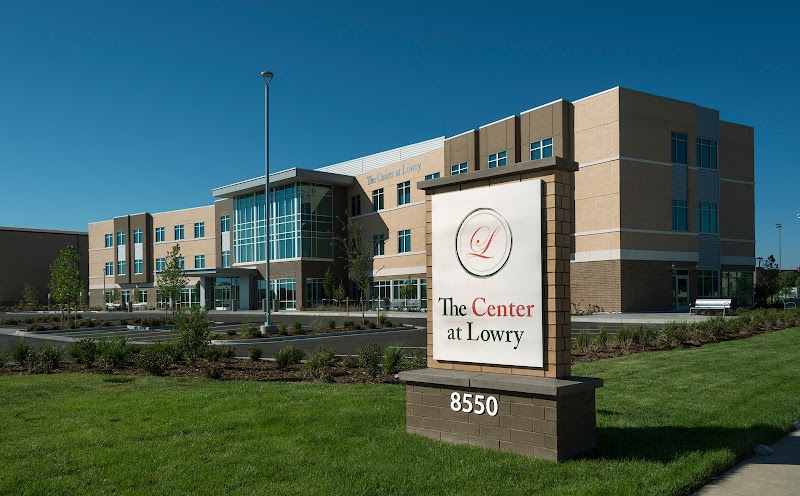
How is Center At Lowry, Llc Staffed?

CMS rates CENTER AT LOWRY, LLC's staffing level at 3 out of 5 stars, which is average compared to other nursing homes. Staff turnover is 54%, compared to the Colorado average of 46%. RN turnover specifically is 61%, which is notably high. RNs provide skilled clinical oversight, so turnover in this role can affect medical care quality.

What Have Inspectors Found at Center At Lowry, Llc?

State health inspectors documented 14 deficiencies at CENTER AT LOWRY, LLC during 2021 to 2025. These included: 1 Immediate Jeopardy (the most serious level, indicating potential for serious harm or death), 1 that caused actual resident harm, 11 with potential for harm, and 1 minor or isolated issues. Immediate Jeopardy findings are rare and represent the most serious regulatory concerns. They require immediate corrective action.

Who Owns and Operates Center At Lowry, Llc?

CENTER AT LOWRY, LLC is owned by a for-profit company. For-profit facilities operate as businesses with obligations to shareholders or private owners. The facility operates independently rather than as part of a larger chain. With 96 certified beds and approximately 75 residents (about 78% occupancy), it is a smaller facility located in DENVER, Colorado.
How Does Center At Lowry, Llc Compare to Other Colorado Nursing Homes?

Compared to the 100 nursing homes in Colorado, CENTER AT LOWRY, LLC's overall rating (2 stars) is below the state average of 3.1, staff turnover (54%) is near the state average of 46%, and health inspection rating (1 stars) is much below the national benchmark.

What Should Families Ask When Visiting Center At Lowry, Llc?

Based on this facility's data, families visiting should ask: "What changes have been made since the serious inspection findings, and how are you preventing similar issues?" "Can I visit during a mealtime to observe dining assistance and food quality?" "How do you handle medical emergencies, and what is your hospital transfer rate?" "Can I speak with family members of current residents about their experience?" These questions are particularly relevant given the facility's Immediate Jeopardy citations.

Is Center At Lowry, Llc Safe?

Based on CMS inspection data, CENTER AT LOWRY, LLC has documented safety concerns. Inspectors have issued 1 Immediate Jeopardy citation (the most serious violation level indicating risk of serious injury or death). The facility has a 2-star overall rating and ranks #100 of 100 nursing homes in Colorado. Families considering this facility should ask detailed questions about what corrective actions have been taken since these incidents.

Do Nurses at Center At Lowry, Llc Stick Around?

CENTER AT LOWRY, LLC has a staff turnover rate of 54%, which is 8 percentage points above the Colorado average of 46%. Moderate turnover is common in nursing homes, but families should still ask about staff tenure and how the facility maintains care continuity when employees leave.

Was Center At Lowry, Llc Ever Fined?

CENTER AT LOWRY, LLC has been fined $17,933 across 1 penalty action. This is below the Colorado average of $33,258. While any fine indicates a compliance issue, fines under $50,000 are relatively common and typically reflect isolated problems that were subsequently corrected. Families should ask what specific issues led to these fines and confirm they've been resolved.

Is Center At Lowry, Llc on Any Federal Watch List?

CENTER AT LOWRY, LLC is not on any federal watch list. The most significant is the Special Focus Facility (SFF) program, which identifies the bottom 1% of nursing homes nationally based on persistent, serious quality problems. Not being on this list means the facility has avoided the pattern of deficiencies that triggers enhanced federal oversight. This is a positive indicator, though families should still review the facility's inspection history directly.