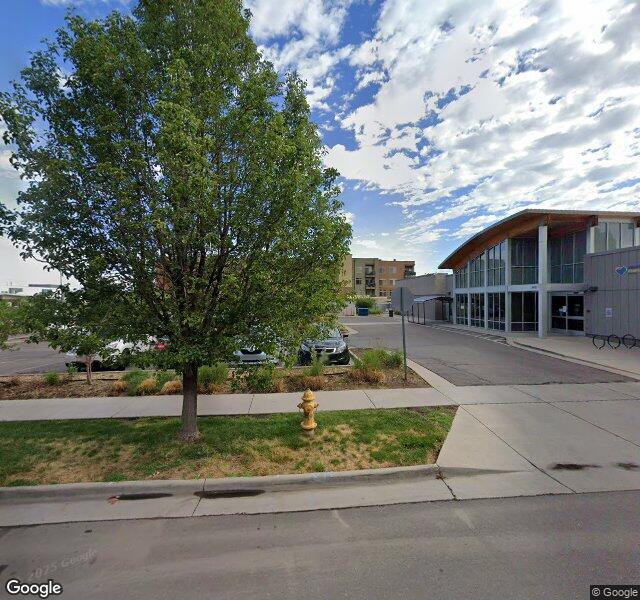
CITY SCAPE REHABILITATION & CARE CENTER LLC

3345 FOREST ST, DENVER, CO 80207 (303) 393-7600
For profit - Partnership 60 Beds Independent Data: November 2025
Trust Grade
0/100
#139 of 208 in CO
Last Inspection: July 2024

Within standard 12-15 month inspection cycle. Federal law requires annual inspections.

Overview

City Scape Rehabilitation & Care Center LLC has received a Trust Grade of F, indicating significant concerns about the quality of care provided. Ranking #139 out of 208 nursing homes in Colorado places it in the bottom half of facilities in the state, and #16 out of 21 in Denver County suggests there are only a few local options that are better. The facility is showing an improving trend, with issues decreasing from 13 in 2024 to just 3 in 2025. However, staffing is a weakness, earning only 1 out of 5 stars, despite an impressive 0% turnover rate, indicating that while staff may stay, the quality is not meeting expectations. The facility has faced concerning fines totaling $36,422, which is higher than most facilities in Colorado, and serious incidents have included multiple instances of resident-to-resident abuse, leading to injuries requiring emergency care. While the quality measures rating is excellent, the serious deficiencies in health inspections and staffing cannot be overlooked.

Trust Score
F
0/100
In Colorado
#139/208
Bottom 34%
Safety Record
High Risk
Review needed
Inspections
Getting Better
13 → 3 violations
Staff Stability
○ Average
Turnover data not reported for this facility.
Penalties
⚠ Watch
$36,422 in fines. Higher than 79% of Colorado facilities, suggesting repeated compliance issues.
Skilled Nurses
○ Average
Each resident gets 40 minutes of Registered Nurse (RN) attention daily — about average for Colorado. RNs are the most trained staff who monitor for health changes.
Violations
⚠ Watch
36 deficiencies on record. Higher than average. Multiple issues found across inspections.
★★☆☆☆
2.0
Overall Rating
★☆☆☆☆
1.0
Staff Levels
★★★★★
5.0
Care Quality
★☆☆☆☆
1.0
Inspection Score
Stable
2024: 13 issues
2025: 3 issues

The Good

  • 5-Star Quality Measures · Strong clinical quality outcomes
  • Full Sprinkler Coverage · Fire safety systems throughout facility
  • No fines on record

Facility shows strength in quality measures, fire safety.

The Bad

2-Star Overall Rating

Below Colorado average (3.1)

Below average - review inspection findings carefully

Federal Fines: $36,422

Above median ($33,413)

Moderate penalties - review what triggered them

The Ugly 36 deficiencies on record

6 actual harm
Jul 2025 2 deficiencies 2 Harm
SERIOUS (G) 📢 Someone Reported This

A family member, employee, or ombudsman was alarmed enough to file a formal complaint

Actual Harm - a resident was hurt due to facility failures

Free from Abuse/Neglect (Tag F0600)

A resident was harmed · This affected 1 resident

**NOTE- TERMS IN BRACKETS HAVE BEEN EDITED TO PROTECT CONFIDENTIALITY** Based on record review and interviews, the facility failed to ensure three (#7, #3 and #5) of four residents reviewed for abuse ...

Read full inspector narrative →
**NOTE- TERMS IN BRACKETS HAVE BEEN EDITED TO PROTECT CONFIDENTIALITY** Based on record review and interviews, the facility failed to ensure three (#7, #3 and #5) of four residents reviewed for abuse out of seven sample residents were kept free from abuse.On 5/21/25 Resident #7 was physically abused by Resident #2. Resident #2 used a belt to hit Resident #7 on top of his head and struck Resident #7 with his belt buckle. Resident #7 sustained a laceration to his head, requiring transfer to the emergency room where Resident #7 received five sutures.Additionally, Resident #5 was physically abused by Resident #1 on 3/22/25 and Resident #3 and Resident #1 were physically abused by each other on 5/3/25. Specifically, the facility failed to:-Protect Resident #7 from physical abuse by Resident #2;-Protect Resident #5 from physical abuse by Resident #1; and, -Protect Resident #3 and Resident #1 from physical abuse by each other.Findings include: I. Facility policy and procedure The Abuse Neglect and Exploitation policy, dated 5/16/25, was provided by the nursing home administrator (NHA) on 6/30/25 at 3:00 p.m. The policy read in pertinent part, “It is the policy of this facility to provide protections for the health, welfare and rights of each resident by developing and implementing written policies and procedures that prohibit and prevent abuse, neglect, exploitation and misappropriation of resident property. “The facility will develop and implement written policies and procedures that prohibit and prevent abuse, neglect, and exploitation of residents and misappropriation of resident property. Establish policies and procedures to investigate any such allegations, and establish coordination with the QAPI (quality assurance and performance improvement) program. “New employees will be educated on abuse, neglect, exploitation and misappropriation of resident property during initial orientation. Existing staff will receive annual education through planned in-services and as needed. “The facility will make efforts to ensure all residents are protected from physical and psychosocial harm, as well as additional abuse, during and after the investigation.” II. Incident of physical abuse of Resident #7 by Resident #2 on 5/21/25 A. Facility investigation The 5/21/25 facility investigation was received from the NHA on 6/30/25 at 1:25 p.m. The investigation documented that Resident #2 and Resident #7 were roommates in a double occupancy room. On 5/21/25 at 4:00 a.m. Resident #7 began using profanity and shouting at Resident #2 causing Resident #2 to become upset. Resident #2 used a belt to hit Resident #7 on top of his head and struck Resident #7 in the head with the belt buckle. The investigation documented facility staff responded to the altercation and separated the residents. The nurse completed an assessment on both residents and documented that Resident #7 was bleeding from his head as a result of being hit on his head with the belt buckle. Resident #7 was sent to the emergency room for treatment. Resident #2 had no injuries. Resident #7 returned to the facility on 5/21/25 with five sutures on the left side of his scalp as a result of the laceration sustained from the belt buckle. Resident #7 was placed in a different room upon his return to the facility and Resident #2 was continued on one-on-one staff supervision. The investigation documented Resident #7 was interviewed by the NHA on 5/21/25 at 9:30 a.m. Resident #7 said he felt comfortable and safe in the facility. Resident #7 was not able to explain what happened and had no memory of the altercation. The investigation documented Resident #2 was interviewed by the NHA on 5/21/25 at 10:00 a.m. Resident #2 said Residen t#7 cursed at him causing Resident #2 to become upset. Resident #2 was not willing to explain the event and said he was sorry for what he did. Resident #2 said he did not mean to hurt Resident #7. The facility investigation indicated physical abuse was substantiated. B. Resident #2 (assailant) 1. Resident status Resident #2, age [AGE], was admitted on [DATE]. According to the June 2025 computerized physician orders (CPO), diagnoses included schizophrenia (mental illness), anxiety and dementia. The 4/29/25 minimum data set (MDS) assessment revealed the resident was cognitively intact with a brief interview for mental status (BIMS) score of 14 out of 15. Resident #2 was independent with ambulation and hygiene, however he was on one-to-one supervision by staff for a history of elopement. The MDS assessment documented the resident had no physical or behavioral symptoms directed towards others during the assessment look back period. 2. Record review The behavioral care plan, revised 7/17/24, revealed Resident #2 could have behavioral outbursts related to schizophrenia exhibited by anger, poor impulse control and physical aggression toward staff and other residents. Pertinent interventions included administering medications as ordered, monitoring/documenting for side effects and effectiveness of medications (initiated 7/17/24), intervening immediately if potential for abuse was observed (initiated 8/6/24), observing interactions with other residents to ensure the residents’ safety and removing the resident from situations that may result in harm to residents immediately (initiated 8/6/24), when the resident became agitated, intervening before the agitation escalated and guide the resident away from sources of distress and engaging the resident calmly in conversation (initiated 7/17/24). -The care plan did not reveal documentation to indicate the interventions were reviewed following the incident for effectiveness of the current interventions or that additional interventions were implemented to prevent reoccurrence of the incident. The 5/1/25 behavioral progress note, documented at 5:05 p.m., revealed Resident #2 refused oral psychiatric medication recently. The nurse on duty educated Resident #2 on medication necessity and side effects of missing scheduled medication, especially psychotropic medications. The physician had been notified that day (5/1/25) and had assessed and educated the resident. A psychiatric nurse practitioner was additionally notified and assessed the resident that day (5/1/25) The resident still refused his medications, said he was feeling good and he did not need any medication messing with his head. A new physician’s order was received to administer Resident #2’s psychotropic medication via an intramuscular route (injection into the muscle). A nurse progress note, dated 5/21/25 at 4:00 a.m., revealed the one-to-one caregiver for Resident #2 called the nurse on duty to notify the nurse of a resident to resident altercation. Resident #7 was found by the nurse on duty lying on his bed and was noted to have active bleeding from the left side of his head. The physician was informed of the altercation. The physician declined for Resident #2 to be transported to the ER for psychiatric evaluation. Resident #2 was placed in a private room until he could be evaluated by a physician. Resident #2 appeared saddened by his actions. Review of Resident #2's electronic medical record (EMR) revealed Resident #2 was monitored for 72 hours after the altercation with Resident #7 on 5/21/25 and no additional behaviors were documented. C. Resident #7 (victim) 1. Resident status Resident #7, age less than 65, was admitted on [DATE]. According to the June 2025 CPO, diagnoses included traumatic brain injury, schizophrenia and dementia. The 4/23/25 MDS assessment revealed the resident had severe cognitive impairments with a BIMS score of four out of 15. Resident #7 required maximum staff assistance with chair to chair transfers and bathing. The MDS assessment documented the resident had no physical and behavioral symptoms directed towards others during the assessment look back period. 2. Record review The behavioral care plan, initiated 11/1/23, revealed Resident #7 had the potential to be verbally aggressive toward other residents related to impulse control and a diagnosis of schizophrenia. Pertinent interventions included administering medications as ordered, monitoring/documenting for side effects and effectiveness of medications (initiated 11/1/23), intervening before agitation escalated when the resident was agitated (initiated 11/1/23), observing for target behaviors, such as refusal of care, verbal aggression toward staff and/or other residents and crying and reporting observed behaviors to the nurse (initiated 8/7/24), observing interactions with other residents, and removing Resident #7 from the situation if signs of frustration or agitation were noted (initiated 8/7/24). -The care plan did not reveal documentation to indicate the interventions were reviewed following the incident for effectiveness of the current interventions or that additional interventions were implemented to prevent reoccurrence of the incident. A nurse progress note, dated 5/21/25 at 4:00 a.m., revealed the one-to-one caregiver for Resident #2 called the nurse on duty to notify the nurse of a resident to resident altercation. Resident #7 was found by the nurse on duty lying on his bed and was noted to have active bleeding from the left side of his head. The nurse on duty applied pressure to stop the bleeding with no effect. Resident #7 was sent out to the emergency room for treatment. A nurse progress note, dated 5/21/25 at 4:30 a.m. revealed the director of nursing (DON), the NHA, the resident’s representative and the physician were called to report the alleged altercation involving Resident #7 and Resident #2. A nurse progress note, dated 5/21/25 at 8:12 a.m. revealed Resident #7 returned from the emergency room with a laceration to his left scalp with five sutures. Review of Resident #7's EMR revealed the resident was monitored for neurological changes and psychosocial distress for 72 hours after the 5/21/25 incident with Resident #2. Resident #7 denied pain or feeling afraid of other residents. D. Staff interviews Nurse aide (NA) #2 was interviewed on 6/30/25 at 11:45 a.m. NA #2 said he was hired as the one-to-one caregiver for Resident #2 on the dayshift around November 2024 months ago due to the resident’s history of elopement. NA #2 said he heard about the incident between Resident #2 and Resident #7. NA #2 said he had not witnessed any physical aggression from Resident #2 towards other residents or staff. Licensed practical nurse (LPN) #2 was interviewed on 6/30/25 at 4:40 p.m. LPN #2 said after the incident with Resident #2 and Resident #7, the facility continued one-to-one staff monitoring for Resident #2 to ensure no other altercations would occur. LPN #2 said before or after the incident, she had not observed any aggression from Resident #2 towards other residents or staff. The DON was interviewed on 6/30/25 at 4:52 p.m. The DON said Resident #2 had a history of wandering throughout the facility and attempting to leave the facility without supervision. The DON said Resident #2 had a care plan for physical aggression toward others and was assigned a one-to-one caregiver to monitor the resident for elopement attempts. The DON said he was contacted the morning of the altercation (5/21/25) between Resident #2 and Resident #7. The DON said the two residents were separated and an investigation was started immediately. The DON said the care plans were updated for both residents involved with new interventions to keep the residents safe. He said the nursing staff were educated regarding the residents’ past behavioral histories along with the new interventions for the residents. -However, review of Resident #2 and Resident #7’s care plans did not reveal new interventions that were added following the 5/21/25 incident between the residents or documentation to indicate the care plans were reviewed following the incident for effectiveness of the current interventions (see record review for Resident #2 and Resident #7 above). NA #1 was interviewed on 6/30/25 at 8:14 p.m. NA #1 said both Resident #2 and Resident #7 had resided in the same room. NA #1 said she was assigned as the one-to-one caregiver for Resident #2, due to his history of elopement, on the overnight shift when the altercation occurred (5/21/25). NA #1 said she was sitting outside of Resident #2 and Resident #7’s room when she heard yelling coming from inside the room. NA #1 said the residents’ room door was closed at the time of the incident. NA #1 said when she went inside of the room, she witnessed Resident #7 bleeding from his head and went to alert the nurse. NA #1 said she had not known that she needed to leave the door open while being a one-to-one caregiver because she had not received any training from the facility before or after the incident happened. NA #1 said both residents usually got along just fine. The NHA and the regional clinical resources (RCR) were interviewed together on 7/1/25 at 10:05 a.m. The NHA said staff responded promptly to the altercation and separated Resident #7 and Resident #2 for safety. The NHA said the investigation was started on 5/21/25 and all involved staff were interviewed. The NHA said Resident #2 had a history of elopement behaviors and that the facility had implemented a one-on-one caregiver prior to the resident’s altercation with Resident #7. The NHA said a one-to-one caregiver for a resident should always be able to visualize the resident for safety and to verbally intervene before any physical aggression occurred. The NHA said after the 5/21/25 incident, Resident #2 and Resident #7 had no additional aggressive behaviors. The RCR said she was unsure if staff received training on the one-to-one caregiver policy because the facility changed ownership in May 2025, however, she said the facility planned to provide training to all nursing staff going forward. The RCR said the one-to-one caregiver (NA #1) should have had Resident #2 and Resident #7’s door open at the time of the altercation. The RCR said both of the residents would have their care plans updated to address the behaviors displayed during the altercation on 5/21/25. III. Incident of physical abuse of Resident #5 by Resident #1 on 3/22/25 A. Facility investigation The 3/22/25 facility investigation of the incident involving Resident #5 and Resident #1 was provided by the NHA on 6/1/25 at 4:00 p.m. The investigation documented that on 3/22/25 at approximately 2:00 p.m., registered nurse (RN) #1 reported an incident involving Resident #5 and Resident #1 to the former NHA. RN #1 stated that yelling was heard from the memory care unit at approximately 2:00 p.m. on 3/22/25. Resident #1 was observed on the floor, lying on his right lateral side, with Resident #5 on the floor as well, in the main hallway of the memory care unit. Resident #1 was observed aggressively grabbing and kicking Resident #5. Staff members immediately separated both residents to different areas within the memory care unit. Resident #1 was placed back into his wheelchair and Resident #5 was placed on a chair. Resident #5 had a scratch on his ear and Resident #1 had a scratch on his nose. The investigation documented that certified nurse aide (CNA) #3 was in the living room area of the memory care unit when Resident #1 came out of his room in his wheelchair. Resident #1 wheeled himself into the living room area and next to where Resident #5 was sitting. Resident #1 then stood up from his wheelchair and grabbed Resident #5. Resident #5 tried to stand up and both Resident #5 and Resident #1 fell to the floor. Both residents started kicking and holding each other while on the floor. Resident #5 and Resident #1 were separated from each other, with Resident #1 being taken out of the memory care unit. Both residents were assessed for injuries. Resident #1 was transported to the hospital by ambulance for evaluation of aggressive behavior. The investigation documented the former NHA interviewed Resident #5 about the incident on 3/22/25. Resident #5, when asked what happened, stated that he was attacked with a knife and now his ear was bleeding. Then Resident #5 stated that he did not know what happened. The investigation documented the former NHA stated that he received a call from the facility about an incident involving Resident #5 and Resident #1. When he arrived at the facility, he noticed Resident #1 sitting in his wheelchair at the nurses station with the nurse cleaning an abrasion on the left side of his nose. The former NHA interviewed Resident #1 on 3/22/25 at 3:00 p.m. about the incident. Resident #1 was not able to answer any questions during the interview. Resident #1 appeared frustrated and was still agitated. A physician’s order was placed by the physician to send Resident #1 to the hospital for evaluation of aggressive behavior. Resident #1 was placed on a one-to-one basis and physician and nurse practitioner (NP) were called for behavioral assessment. The facility’s conclusion was that they were unable to substantiate a willful act of physical abuse in a resident-to-resident altercation as neither Resident #5 or Resident #1 could recall the situation upon interview. -However, physical abuse occurred because Resident #1 grabbed Resident #5 and pulled him to the ground. B. Resident #1 (assailant) 1. Resident status Resident #1, age less than 65, was admitted on [DATE] and readmitted on [DATE]. According to the June 2025 CPO, diagnoses included encephalopathy, vascular dementia without other behavioral disturbances, cerebral infraction and difficulty walking. The 6/16/25 MDS assessment indicated that the BIMS assessment was not unable to be completed because the resident was rarely/never understood. According to the staff assessment for mental status, the resident had short term and long term memory problems and his cognitive skills for daily decision making were moderately impaired. He required maximal staff assistance for most activities of daily living (ADL) and moderate staff assistance with transfers and ambulation. The MDS assessment documented the resident did not have physical or verbal behaviors directed at others or other behavioral symptoms directed toward others during the assessment look back period. 2. Record review The behavior care plan, revised 6/2/25, revealed Resident #1 had a history of behavior problems with confusion and dementia. He paced the facility and tried to enter areas that were for staff, and enter other residents’ rooms. He would rummage and take things that did not belong to him. He had also exhibited impulsive behaviors when attempting to complete inappropriate tasks such as leaving the facility or entering residents' rooms. He had thrown items, rammed into things, or struck out at residents or staff. Pertinent interventions included providing one-to-one staff monitoring, frequent checks, redirecting the resident, maintaining the resident’s personal space, monitoring, recording, and reporting any behavior to the physician of the resident harming others, and monitoring for increased anger, labile mood or agitation, if the resident felt threatened, or was thinking was thinking of harming someone. A note, dated 3/22/25 and attached to the facility’s investigation report documented Resident #1 was taken off the unit (memory care unit) to de-escalate, as he continued to seek out Resident #5 and was striking out and aggressive towards staff. The on-call physician was notified and verbal orders were received for Resident #1 to be transferred to the hospital and to administer Ativan to the resident every six hours as needed for agitation for 48 hours. Resident #1 was transferred to the hospital by emergency medical services (EMS) for increased behaviors of combativeness and agitation at approximately 2:45 p.m. A skin assessment for Resident #1, dated 3/24/25, two days after the incident with Resident #5, noted Resident #1 had bilateral bruising on his forearms and a scabbed open scratch that was being monitored and had treatment orders. Additionally, a right upper lip abrasion was noted, reportedly sustained during a resident-to-resident altercation. The resident declined to shower but was receptive to a bed bath. The skin assessment revealed warm, dry, and clean, and mucus membranes that were clean, moist, and pink. There were no signs or symptoms of infection. The resident denied any pain or discomfort associated with the wound areas. Treatment was administered to the wound areas with vitamin A&D ointment twice daily per physician orders. The resident displayed cooperation throughout care. C. Resident #5 (victim) 1. Resident status Resident #5, age greater than 65, was admitted on [DATE]. According to the June 2025 CPO, diagnoses included cognitive communication deficit, adjustment disorder with mixed anxiety and depressed mood and Alzheimer’s disease with late onset. The 6/5/25 MDS assessment revealed Resident #2 had severe cognitive impairments with a BIMS score of six out of 15. The resident required moderate staff assistance with ADLs and was able to perform sit-to-standing transfers and ambulate a distance of 10 feet without direct staff assistance, utilizing a walker for support. The MDS assessment documented the resident did not have physical or verbal behaviors directed at others or other behavioral symptoms directed toward others during the assessment look back period. 2. Record review -Review of Resident #5’s electronic medical record (EMR) revealed there was no documentation related to the incident with Resident #1 on 3/22/25. -Review of Resident #5’s comprehensive care plan revealed there was no care plan focus for behaviors. IV. Incident of physical abuse between Resident #3 and Resident #1 on 5/3/25 at 10:00 a.m. A. Facility investigation The 5/3/25 facility investigation was provided by the NHA on 6/30/25 at 4:00 p.m. The investigation revealed that Resident #1 got into an altercation and with Resident #3 and both residents were grabbing/scratching each other. Staff were not sure what precipitated the altercation. The residents were kept separated, and RN #1 spoke to them separately. The residents were calm and RN #1 did skin assessments for both residents, noting scratches on Resident #1. Staff members did not witness what started the incident between Resident #1 and Resident #3. Staff members could not provide accounts of what happened or who was the aggressor in the incident. The investigation documented staff heard yelling from the memory care unit at 10:05 a.m. and observed Resident #3 and Resident #1 in the dining room. The residents appeared agitated and Resident #3 had a superficial scratch mark, with intact skin, on his left forearm. Resident #1 had a skin tear to his right forearm Resident #3 was separated from Resident #1 and both residents were placed on fifteen-minute checks for seventy-two hours. Resident #3 claimed Resident #1 hit him. The investigation documented the NHA interviewed certified nurse aide (CNA) #3 on 5/3/25 at 10:40 a.m. about the incident between Resident #1 and Resident #3. CNA #3 said she heard and saw another staff member trying to separate the residents around 10:00 a.m. She said she saw Resident #1 scratching Resident #3 and staff members pulled Resident #1’s wheelchair away from Resident #3. The investigation documented the facility substantiated physical abuse by Resident #3 and Resident #1. B. Resident #1 (assailant and victim) 1. Record review -Review of Resident #1’s EMR revealed there was no documentation related to the incident with Resident #3 on 5/3/25. C. Resident #3 (victim and assailant) 1. Resident status Resident #3, age greater than 65, was admitted on [DATE]. According to the March 2025 CPO, diagnoses including dementia without behavioral disturbance, lack of coordination, and cerebral infarction without residual deficits. He required maximal staff assistance for most ADLs and transfers. The 6/20/25 MDS assessment indicated the resident was severely cognitively impaired with a brief interview for mental status (BIMS) score of three out of 15. The MDS assessment documented the resident did not have physical or verbal behaviors directed at others or other behavioral symptoms directed toward others during the assessment look back period. 2. Record review The psychiatric nurse practitioner (NP) was contacted by the assistant director of nursing (ADON), on 5/4/25, concerning the altercation involving Resident #3 and another resident (Resident #1) within the memory care unit. The communication included the suggestion that a review of the resident’s current psychiatric medications might be beneficial. The NP confirmed her intent to perform a direct evaluation with Resident #3 upon her availability at the facility. -Review of Resident #3’s comprehensive care plan revealed there was no care plan focus for behaviors. V. Staff interviews CNA #1 was interviewed on 6/30/25 at 3:15 p.m. CNA #1 said a physical altercation occurred between Resident #5 and Resident #1 in March 2025. CNA #1 said Resident #5 showed no behavioral changes afterward, and the residents involved no longer interacted with each other or appeared to have a memory of the incident. CNA #1 said the incident was reported to the administration who then investigated the incident. The NHA was interviewed on 7/1/25 at 12:00 p.m. The NHA said he was not the NHA during the incidents involving Resident #5, Resident #1 and Resident #3. He said residents should be monitored for a continuous 72-hour period following a resident-to-resident altercation, ensuring their emotional and psychological stability. The NHA said the policy on how to manage and respond to resident-to-resident altercations was available to staff for reference and training. The NHA said walkie-talkies might be beneficial for staff to have available when critical or emergent situations arose with residents, such as physical altercations, in order to ensure quicker response times from other staff and improve coordination with staff members.said walkie-talkies might be beneficial for staff to have available when critical or emergent situations arose with residents, such as physical altercations, in order to ensure quicker response times from other staff and improve coordination with staff members.
SERIOUS (G) 📢 Someone Reported This

A family member, employee, or ombudsman was alarmed enough to file a formal complaint

Actual Harm - a resident was hurt due to facility failures

Accident Prevention (Tag F0689)

A resident was harmed · This affected 1 resident

**NOTE- TERMS IN BRACKETS HAVE BEEN EDITED TO PROTECT CONFIDENTIALITY** Based on observations, record review and interviews, the facility failed to ensure residents received adequate supervision to pr...

Read full inspector narrative →
**NOTE- TERMS IN BRACKETS HAVE BEEN EDITED TO PROTECT CONFIDENTIALITY** Based on observations, record review and interviews, the facility failed to ensure residents received adequate supervision to prevent accidents for one (#4) of three residents reviewed for accidents out of three sample residents. Resident #4 was admitted on [DATE] for long term care with a diagnosis of dementia. According to the care plan, Resident #4 was determined to be a high fall risk. On 5/28/25 Resident #4 was found on the floor in her room with blood coming from her head. Resident #4 was transported to the hospital for further evaluation. Resident #4 sustained a subdural hematoma (brain bleed) and was diagnosed with a traumatic brain injury. The facility failed to implement person-centered interventions after the resident sustained a fall on 5/28/25. Observations revealed the facility failed to consistently implement the fall interventions on the resident's care plan. Specifically, the facility failed to implement person-centered fall interventions after Resident #4 sustained a fall that resulted in a traumatic brain injury or ensure that staff were consistently following the resident's care planned interventions Findings include: I. Facility policy and procedure The Accident and Supervision policy, implemented 5/16/25, was provided by the nursing home administrator (NHA) on 6/30/25 at 3:44 p.m. It read in pertinent part, The residents' environment will remain as free of accident hazards as is possible. Each resident will receive adequate supervision and assistive devices to prevent accidents. The facility shall establish and utilize a systematic approach to address residents risk and environmental hazards to minimize the likelihood of falls. The facility will provide adequate supervision to prevent accidents. Adequacy of supervision is defined by type and frequency and based on the individual residence assess needs and identified hazards in the residence environment. The facility will use monitoring and modification to evaluate the effectiveness of care plan interventions and adjust interventions as needed to make them more effective. Monitoring and modification process include ensuring that interventions are implemented correctly and consistency, evaluating the effectiveness of interventions, modifying or replacing interventions as needed, and evaluating the effectiveness of new interventions II. Resident #4 A. Resident status Resident #4, age [AGE], was admitted on [DATE]. According to the June 2025 computerized physician orders (CPO), diagnoses included dementia, muscle weakness, abnormal mobility, confusion and history of falls. The 3/24/25 minimum data set (MDS) assessment revealed the resident had severe cognitive impairments with a brief interview for a mental status (BIMS) score of zero out of 15. She required maximal assistance with toileting hygiene and partial or moderate assistance with chair to bed transfers. The MDS assessment indicated the resident did not have a fall after admission. B. Observations During a continuous observation on 6/30/25, beginning at 12:30 p.m. and ending at 4:30 p.m., the following was observed: At 12:30 p.m. Resident #4 was sitting at the dining room table while eating her lunch. The resident had pink socks on both of her feet that did not have anti-slip material on the bottom of them. At 1:15 p.m. licensed practical nurse (LPN) #1 asked the surveyor to keep an eye on the residents while LPN #1 left the locked unit. No other nursing staff were present in the locked unit. At 1:25 p.m. LPN #1 returned to the secured unit. At 1:30 p.m. Resident #4 was sitting alone at the dining room table after completing her meal. She did not have shoes or socks with anti-slip material on the bottom of them. At 2:00 p.m. Resident #4 was sitting at the dining room table alone. Nursing staff were sitting at a dining room table adjacent to Resident #4 looking at their cell phones. At 3:15 p.m. Resident #4 got up out of her chair independently and ambulated in the hallway with her walker without nursing staff supervision. At 3:30 p.m. Resident #4 was ambulating in the hallway and wandered into another resident's room. Upon prompting, LPN #1 assisted and guided Resident #4 back to a chair in the dining room to watch television. At 3:41 p.m. Resident #4 was observed ambulating in the hallway with visibly wet pants and no staff assistance. C. Record review Resident #4's fall care plan, revised 6/10/24, revealed the resident was a high fall risk due to having confusion, gait/balance problems, rheumatoid arthritis, incontinence, poor communication and comprehension and being unaware of safety needs. Interventions included anticipating and meeting the resident's needs (initiated 10/21/22), ensuring the call light was within reach and encouraging the resident to use it (initiated 10/21/22), providing her with hands on assistance to stand/sit as needed for safety (initiated 6/10/24), encouraging the resident to participate in strengthening activities (initiated 10/21/22), following the facility's fall protocol (initiated 10/21/22), providing hands on assistance and ensuring that the resident was wearing appropriate footwear such as hard soled non-skid shoes, slippers, or non-skid socks when ambulating (initiated 10/21/22). -However, observations revealed the staff failed to ensure the resident was wearing appropriate footwear such as hard soled non-skid shoes, slippers, or non-skid socks when ambulating (see observations above). The 5/28/25 facility investigation for Resident #4's fall was received from the NHA on 7/1/25 at 9:15 a.m. The investigation documented that on 5/28/25 Resident #4 was reported to have an unwitnessed fall. Resident #4 was found on the floor by nursing staff, next to her bed bleeding from her head. Resident #4 was sent to the hospital for further evaluation and treatment. A computed tomography (CT - medical imaging) scan was completed and revealed the resident sustained two subdural hematomas. The resident returned to the facility the same day. The facility investigation revealed Resident #4 could not describe what had happened. The investigation documented pressure was applied to the area until emergency services (EMS) arrived. The investigation documented Resident #4 was headed to the bathroom around 2:30 a.m. when a staff member heard a noise coming from Resident #4's room. The staff member immediately went into the room and saw Resident #4 on the floor next to bed. The nursing staff member then quickly alerted the nurse on duty. The nursing staff member said the last time she had checked on Resident #4 was around 1:40 a.m. and the resident was noted to be sleeping in her bed with no concerns. A nursing progress note, dated 5/28/25 at 2:50 a.m., revealed Resident #4 was found on the floor next to her bed with blood coming from her left forehead, a swollen black left eye and blood was noted on the floor and on the resident's gown. The RN on duty obtained physician's orders to send Resident #4 to the emergency room for treatment. A nursing progress, dated 5/28/25 at 6:02 p.m., revealed Resident #4 returned to the facility from the emergency room with multiple injuries, including swelling and bruising to the left forehead and left shoulder. Resident #4 also sustained a laceration to the left forehead requiring dissolvable sutures to be placed. Resident #4 returned from the hospital to the facility with a diagnosis of a traumatic brain injury. III. Staff interviews LPN #1 was interviewed on 6/30/25 at 4:10 p.m. LPN #1 said she was told to watch Resident #4 while she was out of bed because of her recent falls. LPN #1 said she was not aware of any additional interventions to prevent Resident #4 from falling again. -However, LPN #1 asked the surveyor to keep an eye on the residents in the unit, including Resident #4, when she left the secured unit (with no other nursing staff members visible) for 10 minutes (see observations above). The director of nursing (DON) was interviewed on 6/30/25 at 4:42 p.m. The DON said Resident #4 should always have non-slip shoes or socks on her feet because of her recent fall with injury. The DON said there should be at least two staff members visible on the secured unit at all times to monitor and assist the residents. The DON said Resident #4 should not be left alone due to her history of falls with injury. The DON said he would provide additional training for nursing staff regarding fall prevention interventions. The NHA and the regional clinical resources (RCR) were interviewed together on 7/1/25 at 10:05 a.m. The NHA said the facility started an investigation after Resident #4 sustained a fall on 5/28/25. The NHA said the nursing staff did not check on the resident enough because they were not trained on purposeful rounding. The NHA said the nursing staff should monitor residents with dementia and a history of falls to check if they needed assistance. The NHA said after Resident #4 sustained a fall on 5/28/25, Resident #4 had not had another fall. The NHA said there should always be at least two staff members on the secured unit to monitor, provide care to residents and anticipate residents' needs to prevent falls from occurring. The NHA said it was not beneficial to the residents to have been left alone by LPN #1. The RCR said she believed Resident #4's fall was preventable and the staff did not have enough training regarding purposeful and meaningful rounding. The RCR said the facility provided training to all nursing staff on purposeful rounding immediately after the fall occurred. The RCR said the failure of the nursing staff to provide meaningful rounding resulted in Resident #4 sustaining a fall resulting in brain injury.
May 2025 1 deficiency
CONCERN (D) 📢 Someone Reported This

A family member, employee, or ombudsman was alarmed enough to file a formal complaint

Potential for Harm - no one hurt, but risky conditions existed

Accident Prevention (Tag F0689)

Could have caused harm · This affected 1 resident

**NOTE- TERMS IN BRACKETS HAVE BEEN EDITED TO PROTECT CONFIDENTIALITY** Based on record review and interviews, the facility failed to ensure residents received adequate supervision to prevent accident...

Read full inspector narrative →
**NOTE- TERMS IN BRACKETS HAVE BEEN EDITED TO PROTECT CONFIDENTIALITY** Based on record review and interviews, the facility failed to ensure residents received adequate supervision to prevent accidents for one (#1) of three residents reviewed for accidents out of four sample residents. Specifically, the facility failed to implement person-centered fall interventions in a timely manner. Findings include: I. Facility policy The Fall/Accident Assessment Prevention and Review policy, undated, was provided by the nursing home administrator (NHA) on 5/1/25 at 12:42 p.m. It read in pertinent part: The goal of the facility is for residents to remain as free from falls and accidents as possible. To provide guidelines for the assessment, prevention and review of falls and/or accidents. The interdisciplinary team (IDT) will review the forms at the morning quality improvement meeting to determine what immediate action may be necessary. The IDT will again review the forms in greater detail at the weekly IDT meeting. Data collected will be reviewed in an attempt to determine causal factors and trends. Specific approaches to prevent further falls will be determined based on the reasons for the falls as determined in the assessment and review. The care plan will be updated and interventions will be put into place. II. Resident #1 A. Resident status Resident #1, age greater than 65, was admitted on [DATE]. According to the May 2025 computerized physician orders (CPO), diagnoses included Parkinson's disease with dyskinesia (involuntary movements), difficulty in walking, generalized muscle weakness, lack of coordination and chronic pain. The 2/9/25 minimum data set (MDS) assessment revealed that Resident #1 was cognitively intact with a brief interview for mental status (BIMS) score of 15 out of 15. Resident #1 required partial to moderate assistance for sit-to-stand and all surface transfers. B. Resident interview Resident #1 was interviewed on 5/1/25 at 12:00 p.m. Resident #1 said she fell a lot because she waited for help from staff for a long time and transferred herself. She said she did not have fall interventions in place. C. Record review Resident #1's fall care plan, revised 4/25/25, revealed the resident was a high fall risk due to having Parkinson's disease, gait and balance issues and using psychoactive drugs. Interventions were documented as anticipating and meeting the resident's needs, ensuring the call light was within reach and encouraging the resident to use it, educating the resident about safety and what to do if a fall occurred, encouraging the resident to participate in strengthening activities, following the facility's fall protocol, physical therapy to evaluate and treat the resident as ordered and as needed and reviewing information on past falls to determine the cause of the fall. Review of Resident #1's electronic medical record (EMR) revealed the following: Resident #1 had an unwitnessed fall in her room with no injuries on 9/2/24 at 4:30 p.m. A fall intervention was implemented on 10/7/25 to remind and encourage the resident to lock her wheelchair brakes before she transferred herself. -However, the facility did not implement the fall intervention until 35 days after the resident's fall on 9/2/24. Resident #1 had an unwitnessed fall in her room with no injuries on 10/1/24 at 7:00 p.m. A fall intervention was implemented on 10/7/24 for Resident #1 to have a restorative transfer program that focused on consistently locking her wheelchair brakes. -However, the facility did not implement the fall intervention until six days after the resident's fall on 10/1/24 and three days after she sustained another fall on 10/4/24 (see below). Resident #1 had an unwitnessed fall with no injuries in her room while reaching for her water pitcher on 10/11/24 at 3:50 p.m. A fall intervention was implemented on 10/17/24 to ensure frequently used items were within the resident's reach. -However, the facility did not implement the fall intervention until six days after the resident's fall on 10/11/24. Resident #1 had an unwitnessed fall in her room with no injuries on 12/16/24 at 4:48 p.m. A fall intervention was implemented on 1/15/25 for physical therapy to evaluate and treat the resident for strengthening. -However, the facility did not implement the fall intervention until 30 days after the resident's fall on 12/16/24. Resident #1 had a witnessed fall with a skin tear to her left shin while trying to turn off the bedroom light on 4/4/25 at 9:15 p.m. A fall intervention was implemented on 4/24/25 to educate the resident to ensure she was fully in bed and sitting upright before reaching for the light. -However, the facility did not implement the fall intervention until 20 days after the resident's fall on 4/4/25. Resident #1 had an unwitnessed fall with no injuries on 4/5/25 at 3:45 p.m. while sliding out of bed. A fall intervention was implemented on 4/24/25 to encourage the resident to remain centered and properly positioned in bed. -However, the facility did not implement the fall intervention until 19 days after the resident's fall on 4/5/25. III. Staff interviews The NHA and the assistant director of nursing (ADON) were interviewed together on 5/1/25 at 12:42 p.m. The NHA said implementing a fall intervention a week or more after a resident's fall was not prompt and interventions needed to be implemented sooner. The ADON said interventions needed to be implemented as soon as possible to help prevent another fall and to ensure the resident benefited from the fall intervention.
Jul 2024 13 deficiencies 2 Harm
SERIOUS (G)

Actual Harm - a resident was hurt due to facility failures

Free from Abuse/Neglect (Tag F0600)

A resident was harmed · This affected 1 resident

**NOTE- TERMS IN BRACKETS HAVE BEEN EDITED TO PROTECT CONFIDENTIALITY** Based on interviews and record review, the facility failed to ensure that two (#155 and #25) of two residents reviewed for abuse...

Read full inspector narrative →
**NOTE- TERMS IN BRACKETS HAVE BEEN EDITED TO PROTECT CONFIDENTIALITY** Based on interviews and record review, the facility failed to ensure that two (#155 and #25) of two residents reviewed for abuse out of 31 sample residents were kept free from physical abuse. Resident #38 had a known history of physically aggressive behaviors towards others. Nursing progress notes documented the resident had a tendency to throw food, drinks, plates and cups in the dining room. On 3/22/24, the facility initiated behavior monitoring of Resident #38's physically aggressive behavior, including biting and scratching, during activities of daily living (ADL) and refusal of care. However, staff did not consistently document the behavior monitoring. Additionally, the facility failed to identify specific person-centered interventions to address Resident #38's physically aggressive behaviors. On 4/9/24, Resident #38 bit her roommate, Resident #155, on the finger after Resident #155 touched Resident #38's puzzle book. Resident #155 sustained a wound on her left finger which required wound care, a tetanus vaccination and antibiotics. Following the 4/9/24 incident, the facility failed to identify and implement interventions to prevent Resident #38 from biting other residents. Due to the facility's failure to implement person-centered interventions to prevent further episodes of biting, Resident #38 bit Resident #25 on 7/8/24. Findings include: I. Facility policy and procedure The Identifying Types of Abuse policy and procedure, last reviewed September 2022, was provided by the nursing home administrator (NHA) on 7/10/24 at 4:01 p.m. It revealed in pertinent part, Abuse is defined as the willful infliction of injury, unreasonable confinement, intimidation or punishment with resulting physical harm, pain or mental anguish. Abuse toward a resident can occur as resident to resident abuse, staff to resident abuse, or visitor to resident abuse. Physical abuse includes, but is not limited to hitting, slapping, biting, punching or kicking. II. Facility investigation of abuse between Resident #38 and Resident #155 on 4/9/24 The 4/9/24 abuse investigation documented an unwitnessed resident to resident altercation between Resident #38 and Resident #155. It indicated that Resident #155 was in her room and started screaming that her roommate, Resident #38, had bitten her on the finger. A certified nurse aide (CNA) entered the room and removed Resident #155 from the room and Resident #155 told her that Resident #38 had bitten her after she (Resident #155) had touched Resident #38's puzzle book. The on duty nurse and the director of nursing (DON) were notified. A skin assessment was performed and a skin tear of 1 centimeter (cm) by 2.5 cm was observed. The provider was notified and orders for wound care, tetanus vaccination and antibiotics were received. -However, the facility failed to substantiate or unsubstantiate the allegation of physical abuse in the conclusion of the internal investigation. III. Resident #38 A. Resident status (assailant) Resident #38, age greater than 65, was admitted on [DATE]. According to the July 2024 computerized physician order (CPO), diagnosis included dementia with behavioral disturbance and cognitive communication deficit. The 4/18/24 minimum data set (MDS) assessment revealed the resident had moderate cognitive impairment with a brief interview for mental status score of 12 out of 15. She required substantial/maximal assistance with bed mobility, transfers, dressing, toileting and personal hygiene. The assessment indicated the resident exhibited physical behaviors towards others. B. Record review The behavioral care plan, initiated 2/21/24 and revised on 5/29/24, indicated Resident #38 exhibited physically aggressive behaviors towards staff and had a history of physical abuse by her husband. It indicated she did not like male caregivers. It indicated on 4/9/24 she bit a roommate's finger with injury and on 7/8/24 bit another resident's hand without injury. The interventions included two persons for all cares, analyzing times of day, places, circumstances, triggers and what deescalates behavior and documenting, assessing and anticipating the resident's needs and providing physical and verbal cues to alleviate anxiety. -An intervention of attempting to position Resident #38 out of reach of other residents unless supervised, was added on 7/10/24 (following a second incident of biting another resident). The cognition care plan, initiated 1/15/24, indicated Resident #38 was alert and only oriented to self and family consistently and chose when she wanted to speak to others. Interventions included staff meeting and anticipating the resident's needs. The activities care plan, initiated 2/7/24 and revised 5/29/24, indicated Resident #38 was dependent on staff for meeting emotional, intellectual, physical and social needs related to cognitive deficits and behaviors. Interventions included staff to converse with the resident while providing care, encouraging family involvement, providing the resident with an activities calender and providing the resident with assistance to activity functions. -A review of Resident #38's comprehensive care plan did not reveal effective personalized communication interventions when she was unable to communicate an unmet need. It did not reveal effective personalized behavioral interventions for identification or prevention of triggers for the resident's aggressive behaviors towards other residents. -The comprehensive care plan did not reveal any additional interventions added until 7/10/24, after a second incident occurred of Resident #38 biting another resident. The facility initiated daily behavior monitoring of resident's aggressive behaviors, including biting and scratching, during activities of daily living (ADL) and refusals of care on 3/22/24. -However, a review of Resident #38's electronic medical record (EMR) did not reveal routine behavior monitoring towards other residents or documentation of frequent behavior monitoring after incidents of resident to resident aggressive behaviors. A 3/11/24 nursing progress note documented Resident #38 threw her food, juice and water on the floor in her room when she was served her dinner. -There were no interventions implemented to address the resident's behaviors (see care plan review above). A 3/15/24 nursing progress note documented Resident #38 was throwing her cup and plates on the floor in the dining room and was taken back to her room to avoid hurting other residents or caregivers. -There were no interventions implemented to address the resident's behaviors (see care plan review above). A 4/9/24 nursing progress note documented Resident #38 had an altercation with Resident #155, her roommate, and bit her left index finger over word search books and personal space and inflicted a wound. Resident #38 was moved to another room. -There were no interventions implemented to address the resident's behaviors (see care plan review above). A 4/10/24 nursing progress note documented Resident #38 was being monitored related to an altercation with Resident #155 and was not cooperating with staff. Resident #38 was taken to the dining area and was not cooperative. She was then taken to her room and moved to her bed when she scratched a certified nurse aide (CNA). A 7/8/24 nursing progress note documented Resident #38 was witnessed by a staff member biting another Resident #25 on the hand in the television room. Resident #25 was assessed, did not sustain an injury, did not have any pain and was unable to remember the incident. -A review of Resident #38's EMR did not reveal documentation of an interdisciplinary team (IDT) note with a root cause analysis or further interventions identified to prevent behaviors immediately after the 4/9/24 or the 7/8/24 incidents. -An intervention of attempting to position Resident #38 out of reach of other residents, unless supervised, was added following the 7/8/24 incident, however, the intervention was not added until two days after the incident. IV. Resident #155 (victim) A. Resident status Resident #155, age [AGE], was admitted on [DATE] and discharged to the hospital on 4/16/24. According to the April 2024 CPO, diagnoses included end stage renal disease (ESRD) and hypertension. The 3/29/24 MDS assessment revealed the resident had moderate cognitive impairment with a BIMS score of 12 out of 15. She was dependent with transfers, required substantial/maximal assistance with personal hygiene and required partial/moderate assistance with toileting and bed mobility. B. Record review The abuse care plan, initiated 4/12/24, indicated Resident #155 was at risk for being abused related to a dementia diagnosis. Interventions included administering medications, analyzing circumstances and triggers and what deescalated behavior, providing physical and verbal cues to alleviate anxiety, giving the resident choices about care and activities, monitoring any signs of resident posing danger to self and others, removing the resident from harm's way providing a safe environment and intervening when the resident was agitated before escalation and guiding away from sources of distress. The skin impairment care plan, initiated 1/10/24 and revised 4/12/24, indicated Resident #155 had skin integrity impairment related to a bite received from another resident. Interventions included avoiding scratching and keeping hands and body parts from excessive moisture, keeping fingernails short, encouraging nutrition and hydration, following up with facility protocols for treatment of injury, monitoring for side effects of antibiotics, monitoring treatment and documenting location of injury, obtaining blood work of any open wounds as ordered by physician. -A review of Resident #155's comprehensive care plan did not reveal personalized interventions to prevent further abuse from aggression by other residents. The 4/9/24 nursing progress notes documented Resident #155 hollered for help and the CNA alerted the nurse about Resident #155's left index finger which had a skin tear with some blood. The resident was grimacing in pain. The assessment documented the resident had a skin tear of 1 centimeter (cm) by 2.5 cm. An order was received for wound care and to administer tetanus vaccine and Augmentin (an antibiotic). It documented Resident #155 was bitten by her roomate after an altercation over word search books and personal space. The 4/10/24 nursing progress note documented an order for an x-ray to the left index finger and the x-ray result was negative for fracture or dislocation. V. Resident #25 (victim) A. Resident status Resident #25, age greater than 65, was admitted on [DATE]. According to the July 2024 CPO, diagnoses included anxiety and encephalopathy. The 5/28/24 MDS assessment revealed the resident had severe cognitive impairment with a BIMS score of two out of 15. She was dependent with personal hygiene, transfers, required substantial/maximal assistance with toileting, bed mobility and required supervision with eating. B. Record review The skin integrity care plan, initiated 11/10/22 and revised 6/10/24, indicated Resident #25 was bitten on the right hand by another resident on 7/8/24. Interventions included observing the resident's right hand for bruising for 72 hours. -A review of Resident #25's comprehensive care plan did not reveal an abuse care plan or personalized interventions to prevent abuse by other residents after Resident #38 bit Resident #25 on 7/8/24. The 7/8/24 nursing progress note documented Resident #25 was in the television room when a CNA observed Resident #38 biting Resident #25. Resident #25 denied pain or discomfort. Resident #25's right posterior hand was assessed and the skin was observed intact without redness VI. Staff interviews CNA #1 was interviewed on 7/15/24 at 10:25 a.m. CNA #1 said Resident #38 had a history of fighting and biting staff and other residents. She said she observed the 7/8/24 interaction of Resident #38 biting Resident #25's hand. She said Resident #38 reached out for Resident #25's arm and bit her. She said she reported it to the on duty nurse and obtained vital signs on the victim. She said the victim was assessed, had no injury and did not recall the incident. She said a report was filled out and submitted to the DON. She said staff separated the two residents. She said after the incident occurred, staff monitored Resident #38 but she said staff were not given a set frequency of how often to check on the resident. She said staff did not fill out a frequent 15 minute check form for the resident. She said the interventions staff would try with Resident #38 were redirection, separating her from other residents and giving her plenty of personal space. She said staff would also try other activities such as coloring books. She said interventions and special requirements for residents were communicated in the change of shift report. She said she was not sure where to get further pertinent information regarding interventions for residents and would get further guidance. Licensed practical nurse (LPN) #2 was interviewed on 7/15/24 at 10:30 a.m. LPN #2 said Resident #38 was known to refuse medications and care. She said she knew Resident #38 had a history of behaviors which included fighting and biting. She said she had not personally seen those behaviors. She said she knew in the past Resident #38 had to have a sitter but she did not have one anymore. She said if Resident #38 exhibited behaviors towards other residents, staff would separate the residents, redirect, diffuse the situation and provide distractions. LPN #2 said staff would report instances of abuse to the DON, obtain vital signs and assess the victim. She said staff would monitor both the assailant and the victim. She said staff would check on the residents involved in the abuse incident every five minutes but this was not documented. She said staff had a frequent 15-minute check sheet where they could document frequent monitoring but she did not know if this was part of the residents' permanent record. She said any pertinent information regarding behaviors would be documented on the care plan. CNA #1 was interviewed again on 7/15/24 at 11:00 a.m. CNA #1 said pertinent information regarding resident behaviors and safety interventions was found on the [NAME] (a tool utilized to provide consistent care to residents),which was populated from the care plan. The DON and the NHA were interviewed together on 7/15/24 at 12:15 p.m. The NHA said she was the abuse coordinator. The DON said when an incident of alleged physical abuse occurred, to ensure safety, the residents were removed from the situation. She said the nurse on duty would notify the DON and NHA and notify the physician and family or legal decision maker. The DON said the root cause analysis and interventions that were put into place depended on the outcome of the investigation, after staff and resident witness interviews were conducted. She said instances of alleged abuse were discussed in the morning meetings, which included the DON, the NHA and the social services director (SSD). She said these meetings were not documented in the medical record, she said all risk management documentation was included in the incident report. The DON said new interventions that were identified were documented in the alert nurse charting and updated in the care plan. The DON said she was not at the facility at the time of the 4/9/24 incident and could not speak to what was done after that incident. She said however, she was at the facility for the 7/8/24 incident and frequent monitoring was not conducted due to the victim did not have an injury and did not recall the incident. She said the new intervention identified after the 7/8/24 incident was to keep Resident #38 out of arm's reach of other residents unless supervised. She said frequent monitoring sheets were part of the residents' permanent medical record. The DON said she was not aware if Resident #38 had one on one caregivers in the past, but a family member was with her every day. She said she was aware Resident #38 liked puzzles in her room but did not think she was open to doing any other activities. She said there were currently ongoing conversations and education with facility staff about personalizing interventions in care plans. She said since there was a history of behaviors there needed to be a care conference set up with Resident 38's family and her care plan needed to be updated with personalized behavior interventions.
SERIOUS (G) 📢 Someone Reported This

A family member, employee, or ombudsman was alarmed enough to file a formal complaint

Actual Harm - a resident was hurt due to facility failures

Transfer Requirements (Tag F0622)

A resident was harmed · This affected 1 resident

**NOTE- TERMS IN BRACKETS HAVE BEEN EDITED TO PROTECT CONFIDENTIALITY** Based on record review and interviews, the facility failed to ensure an appropriate facility-initiated discharge procedure was f...

Read full inspector narrative →
**NOTE- TERMS IN BRACKETS HAVE BEEN EDITED TO PROTECT CONFIDENTIALITY** Based on record review and interviews, the facility failed to ensure an appropriate facility-initiated discharge procedure was followed for one (#105) of two residents reviewed for discharge out of 31 sample residents. Resident #105, who had a diagnosis of rheumatoid arthritis, anxiety disorder, depression, attention-deficit hyperactivity disorder and chronic pain, was admitted to the facility on [DATE] and involuntarily discharged to a homeless shelter on 2/20/24. The facility failed to provide preparations for a safe and orderly facility-initiated discharge or provide a reason for the discharge. Resident #105 began discharge planning with the facility on 1/11/24 during a care conference where his stated goal was to discharge to an assisted living facility (ALF). The last discharge plan discussion occurred on 2/16/24 when the facility offered to discharge the resident to homeless shelters and he declined this option. On 2/20/24 the facility had Resident #105 escorted from the facility by law enforcement. Resident #105 was crying and begging not to be kicked out of his home. The facility failed to provide the resident with a 30-day discharge notice or any form of written discharge notice and failed to provide written notice to the ombudsman of the discharge. Cross-reference F623 for failure to provide a written discharge notice to the ombudsman to include the reasons for the discharge. Additionally, the facility failed to provide Resident #105 with discharge instructions or his medications. Due to the facility's failures, Resident #105 was in and out of the hospital and homeless shelters following the involuntary discharge. Resident #105 suffered psychosocial harm stating he had a lot of confusion and anxiety when he first left and he was crying and begging at discharge not to be kicked out of his home. Resident #105 was angry about how the facility treated him and said it made him feel like he was a big problem and depreciated. Resident #105 said the experience was horrible when he was threatened with either discharging from the facility or going to jail. Findings include: I. Facility policy and procedure The Transfer or Discharge, Facility-Initiated policy and procedure, dated October 2022, was provided by the nursing home administrator (NHA) on 7/11/23 at 5:05 p.m. It read in pertinent part, Once admitted to the facility, residents have the right to remain in the facility. Facility-initiated transfers and discharges, when necessary, must meet specific criteria and require resident/representative notification and orientation, and documentation as specified in this policy. Facility-Initiated transfer or discharge means a transfer or discharge which the resident objects to, and/or is not in alignment with the resident's stated goals for care and preference. The resident and his or her representative are given a thirty (30)-day advance notice of an impending transfer or discharge from the facility. The resident and representative are notified in writing of the following information: -The specific reason for the transfer or discharge, including the basis; -The effective date of the transfer or discharge; -The specific location to which the resident is being transferred or discharged ; and, -An explanation of the resident's rights to appeal the transfer or discharge to the state, including: -The name, address, email and telephone number of the entity which receives such appeal hearing requests; -Information about how to obtain an appeal form; and, -How to get assistance in completing and submitting the appeal hearing request; -The notice of facility bed-hold and policies; -The name, address, and telephone number of the office of the state long-term care ombudsman; -The name, address, email and telephone number of the agency responsible for the protection and advocacy of residents with intellectual and developmental disabilities; and -The name, address and telephone number of the state health department agency that has been designated to handle appeals of transfers and discharge notices. A copy of the notice is sent to the office of the state long-term care ombudsman at the same time the notice of transfer or discharge is provided to the resident and representative. Nurses notes will include documentation of appropriate orientation and preparation of the resident prior to transfer or discharge. Documentation of facility-initiated transfer or discharge: When a resident is transferred or discharged from the facility, the following information is documented in the medical record: -The basis for the transfer or discharge; -If the resident is being transferred or discharged because his or her needs cannot be met at the facility, documentation will include: the specific resident needs that cannot be met; this facility's attempt to meet those needs; and the receiving facility's services that are available to meet those needs; -That an appropriate notice was provided to the resident and/or legal representative; -The date and time of the transfer or discharge; -The new location of the resident; -The mode of transportation; -A summary of the resident's overall medical, physical, and mental condition; -Disposition of personal effects; -Disposition of medications; -Others as appropriate or as necessary; and, -The signature of the person recording the data in the medical record. -However the above information was not documented in Resident #105's electronic medical record (EMR) (see record review below), and the resident and/or representative did not receive any written notice of an impending facility-initiated discharge. II. Resident #105 A. Resident status Resident #105, age less than 65, was admitted on [DATE] and discharged on 2/20/24 to a homeless shelter. According to the February 2024 computerized physician orders (CPO), diagnoses included rheumatoid arthritis, anxiety disorder, depression, attention-deficit hyperactivity disorder and chronic pain. The 2/20/24 discharge minimum data set (MDS) assessment revealed the resident was cognitively intact with a brief interview for mental status (BIMS) score of 15 out of 15. He was independent for all functional activities of daily living (ADL). The assessment documented the resident had no behavioral symptoms including physical, verbal, or other and there was no rejection of care. The assessment documented active discharge planning was already occurring for the resident to return to the community and a referral had been made to the local contact agency. -Discharge planning according to the residents goals and preferences was to discharge to an ALF. However, the facility suddenly discharged him to a homeless shelter against his wishes (see interviews and record review below). B. Resident interview Resident #105 was interviewed via phone on 7/11/24 at 12:28 p.m. Resident #105 said the facility discharged him with no written discharge notice or reason. He said the facility gave him no discharge instructions or his medications. He said the facility called the police on him when he did not want to go and said he would either go to jail or go to a homeless shelter. Resident #105 said the facility had retaliated against him because he had filed a complaint that the facility was cold and within a week he was told to leave. He said it was a horrible humiliating experience and made him feel like he was a huge problem and depreciated. He said the experience made him furious. He said he had been cold in the building and so he said something. He said he was not provided assistance by the ombudsman and he was not involved in selecting the new location to discharge to. He said he wanted to go to an assisted living facility and he said he was in the middle of that process when the facility suddenly discharged him without notice or reason. Resident #105 said he worked with a psychiatrist and had a lot of confusion and anxiety when he was discharged from the facility. He said he had to go back to the hospital. He said the homeless shelter where he went had put him on a list for housing assistance. C. Resident representative interview The resident's representative was interviewed via phone on 7/11/24 at 11:38 a.m. The representative said the facility initiated Resident #105's discharge and he was not treated properly. The representative said neither she nor the resident had received a written discharge notice or a reason for the discharge. She said at the time of the discharge, she was on facetime with the resident because she lived out of state and had screen recorded the resident crying and begging for the facility not to kick him out. The resident's representative said she was crying as she viewed how the resident was being treated. She said when Resident #105 would not leave, the facility called the police on him and the police forced him out. The resident's representative said she thought the facility was retaliating against the resident because he spoke up about things that concerned him during his stay, such as the heat being turned off and being cold in the building and his clothing coming back from the laundry not cleaned or with holes. The resident's representative said the discharge happened right after he said something and the facility forced him to leave without a written discharge notice. The resident's representative said since his discharge from the facility, the resident had been in and out of the hospital and homeless shelters. D. Frequent visitor (FV) interview A frequent visitor (FV) was interviewed on 7/15/24 at 10:21 a.m. The FV said she did recall Resident #105. She said he was discharged for non payment and he did not want to apply for Medicaid. She said Resident #105 did not call her for assistance. She said she did not see the facility process the required discharge paperwork and no one followed up with her. She said the discharge process just got away. She said the facility was not consistent with their discharge processes and was changing social workers. The FV said she did not receive a written copy of the 30-day discharge notice. E. Record review The long term care (LTC) care plan, initiated 12/29/23, revealed Resident #105 planned to remain at the facility for LTC and may have needed time to adjust to his new environment. However, he would be asked about his interest in discharging from the facility on a quarterly assessment. Interventions included to assist the resident to activities as needed, and to monitor for signs and symptoms (s/s) of decrease in mood or s/s of depression and inform social services if noticed such as little interest in doing things or number of depressed episodes, or experiencing pain. -The care plan was not updated with a new discharge plan. Review of Resident #105's EMR revealed the following progress notes: The 1/11/24 care conference note revealed the resident planned to be discharged by the end of January 2024 and social services would meet the resident's discharge plan needs. The 1/18/24 psychosocial note revealed the resident would like to be discharged to the community independently or in an ALF. The resident had been made aware (company name) independent living had a short waiting list and had indicated he was interested in completing the application and the application was provided to the resident on 1/17/24. The 1/19/24 psychosocial note revealed the writer spoke to the ombudsman regarding the resident's interest in living in an ALF or an independent living facility. The ombudsman recommended (company name) ALF. The 1/25/24 psychosocial note revealed the ALF would come to do a resident assessment of Resident #105 on 1/29/24. The 1/30/24 psychosocial note revealed the resident would not be attending an assessment for (company name) ALF because the resident would be going to the independent living of (company name). The admission coordinator would be contacting the resident to relay the message to him. The 2/1/24 psychosocial note revealed the writer had met with the resident on 1/31/24 and discussed a tour of (company name) ALF. The resident had indicated that he liked the place and was willing to move forward with admission to the ALF. The resident was unsure of the admission to the new facility therefore the writer reached out to the admission coordinator via email and she had indicated that the potential admit date would be in about two weeks (mid-February 2024). The 2/9/24 physician discharge visit note revealed the resident was being seen at the request of the facility administrator for a discharge visit. It revealed the resident suffered from chronic pain due to rheumatoid arthritis and spinal stenosis. It revealed the staff had been dealing with issues regarding behaviors with the resident. The police had been called by the NHA after the resident had an outburst and had yelled inappropriate racial statements and also stated he would kill the people sitting here and still get away with it. The note further revealed the police said they did not have enough reason to take him on a mental hold since he was not suicidal or homicidal and since he did not have a previous history, they could not detain him. The resident's health improved to the extent that the resident no longer needed the services of the facility and the resident would be discharged to a safe housing/shelter and the facility would provide transportation. The 2/9/24 CPO revealed the resident may discharge to safe housing/shelter. The 2/14/24 psychosocial note revealed the writer visited the resident to discuss his discharge plans and the resident was open to discuss his plans. When talking about the ALF location the resident was interested in going to, the resident stated he was not going there because they continued to ask him about another facility he had never been to. However when speaking to the ALF, the writer spoke with the admission coordinator and she had stated that the executive director had declined Resident #105's admission due to his behaviors. During the visit, the resident stated he was not depressed regarding the situation but continued to visit with his own therapist weekly. The resident's goal was to be cordial with others to meet his goal of being discharged to an ALF or independent living. The 2/16/24 psychosocial note revealed the facility met with the resident to discuss discharge plans. The facility offered to discharge him to homeless shelters and he declined this option. The plan was to follow up the following week for any further instructions needed to aid the resident in the discharge transition. The 2/17/24 nurses note revealed the police had been called by the resident to report that the facility's heater was turned off and the resident was cold. The police spoke with the resident and left. The nurse asked the resident if he was still cold and needed more blankets and he had said he was fine. The 2/20/24 at 7:13 a.m. psychosocial note revealed the writer had spoken with the resident's representative on 2/19/24 to discuss the resident's discharge plan. The representative had stated she would help find a location for the resident. The writer and the resident's representative planned to meet with the resident via computer facetime, and if possible with the resident's therapist, on 2/21/24 to discuss the discharge plan. The 2/20/24 at 10:02 a.m. psychosocial note revealed that, during the call on 2/19/24, the resident's representative had asked if the manager of the facility's ownership company could give her a call to understand what was going on at the facility. The writer had spoken to the CEO (chief operating officer) and CFO (chief financial officer) and addressed the concerns of the representative and they planned to call the resident's representative as requested. -The resident's representative revealed during her interview on 7/11/24, the company management had never given her a call. The 2/20/24 at 3:49 p.m. nurses note revealed at approximately 3:50 p.m. Resident #105 was escorted from the facility accompanied by law enforcement. The resident was cooperative. The 2/20/24 at 4:46 p.m. psychosocial note revealed the resident was presented with multiple options when planning to discharge, however, he refused to comply with any option. The resident was discharged that day (2/20/24) and he refused to leave. The writer met with the resident along with a civilian emergency response team, clinicians and the police because of the resident's refusal to leave after being successfully discharged from the facility and the resident was considered to be trespassing. The administrative staff assisted with the process to have the resident transported to a homeless shelter where he would be able to coordinate housing with the shelter's available options. The 2/21/24 at 8:47 a.m. psychosocial note revealed the ombudsman was contacted on 2/20/24 about an emergency discharge of Resident #105 due to the ombudsman being a part of the discharge planning from the beginning. Review of Resident #105's EMR on 7/11/24 at 9:49 a.m. revealed the following: -There was no discharge summary or assessment documentation; -There were no nurses note documentation of appropriate orientation and preparation of the resident prior to transfer or discharge; -There was no reason for the discharge documented in the record; and, -There was no written discharge notice documentation. III. Staff interviews The regional operations consultant (ROC), the NHA, and the social services director (SSD) were interviewed together on 7/11/24 at 3:06 p.m. The NHA said she had started in the NHA position in May 2024 but she was at the facility in other capacities in the month of February 2024. She said the current SSD started in January of 2024. The NHA said the current SSD was fairly new at the time of Resident #105's discharge in February of 2024 but had help from another regional social services consultant who was now no longer with the company. The SSD said the facility initiated the discharge of Resident #105. The NHA said when the discharge process began, Resident #105 was in favor of discharging but she said, at the very end of the process, the discharge became facility-initiated. The NHA said the facility used a third party organization who worked with the community to assist with the discharge. The ROC said there were several factors for why Resident #105 was discharged but the main reason was because the resident was not happy at the facility. The NHA said the ombudsman talked to everyone to help the process. The NHA and the ROC said they did not know what the facility's policy was on discharge notification and they could not give a reason why the discharge was facility-initiated. The NHA said they did not formally notify Resident #105 regarding the discharge. The NHA and the ROC were interviewed again on 7/15/24 at 8:46 a.m. They reiterated that the discharge started as a resident-initiated discharge but they were not sure how or why the discharge became facility-initiated. The NHA and the ROC acknowledged that the progress note documented that it was an emergency discharge and that the police were called but they did not know the reason why the progress note documented that. The NHA and the ROC said they did not know why it was determined that Resident #105 would be discharged on that day (2/20/24) when the resident did not want to be discharged . They said they did not know the reason why the facility discharged the resident or why the facility had not issued a 30-day discharge notice. The director of nursing (DON) was interviewed on 7/16/24 at 10:10 a.m. The DON said on the day a resident was discharged the nurses made preparations to be sure all the resident's medications were ready. The DON said the social services department would handle the transportation arrangements. The DON said the nurses would go over the medications to make sure the resident understood how and when to take the medications. The DON said the discharging resident could take their medications with them. The DON said the nurses would get discharge orders. The DON said the nurse should document the education provided to the resident prior to the discharge. -However, there was no documentation that Resident #105 was provided with his medications or any education regarding medications or his discharge prior to his involuntary discharge on [DATE].
CONCERN (D) 📢 Someone Reported This

A family member, employee, or ombudsman was alarmed enough to file a formal complaint

Potential for Harm - no one hurt, but risky conditions existed

Transfer Notice (Tag F0623)

Could have caused harm · This affected 1 resident

**NOTE- TERMS IN BRACKETS HAVE BEEN EDITED TO PROTECT CONFIDENTIALITY** Based on record review and staff interviews, the facility failed to ensure one (#105) of two residents and/or their responsible ...

Read full inspector narrative →
**NOTE- TERMS IN BRACKETS HAVE BEEN EDITED TO PROTECT CONFIDENTIALITY** Based on record review and staff interviews, the facility failed to ensure one (#105) of two residents and/or their responsible person and the ombudsman were provided a written discharge notice to include the reasons for the move in a language and manner they would understand out of 31 sample residents. Specifically, the facility failed to provide Resident #105 an appropriate written notice of discharge from the facility that included: -The reason for transfer or discharge; -The effective date of transfer or discharge; -The location to which the resident was transferred or discharged ; -A statement of the resident's appeal rights, including the name, address (mailing and email), and telephone number of the entity which receives such requests; -Information on how to obtain an appeal form and assistance in completing the form and submitting the appeal-hearing request; and, -The name, address (mailing and email) and telephone number of the Office of the State. Additionally, the facility failed to provide written notice to the ombudsman of Resident #105's facility-initiated discharge. Findings include: I. Facility policy and procedure The Transfer or Discharge, Facility-Initiated policy and procedure, dated October 2022, was provided by the nursing home administrator (NHA) on 7/11/23 at 5:05 p.m. It read in pertinent part, Once admitted to the facility, residents have the right to remain in the facility. Facility-initiated transfers and discharges, when necessary, must meet specific criteria and require resident/representative notification and orientation, and documentation as specified in this policy. Facility-Initiated transfer or discharge means a transfer or discharge which the resident objects to, and/or is not in alignment with the resident's stated goals for care and preference. The resident and his or her representative are given a thirty (30)-day advance notice of an impending transfer or discharge from the facility. The resident and representative are notified in writing of the following information: -The specific reason for the transfer or discharge, including the basis; -The effective date of the transfer or discharge; -The specific location to which the resident is being transferred or discharged ; and, -An explanation of the resident's rights to appeal the transfer or discharge to the state, including: -The name, address, email and telephone number of the entity which receives such appeal hearing requests. A copy of the notice is sent to the office of the state long-term care ombudsman at the same time the notice of transfer or discharge is provided to the resident and representative. II. Resident #105 A. Resident status Resident #105, age less than 65, was admitted on [DATE] and discharged on 2/20/24 to a homeless shelter. According to the February 2024 computerized physician orders (CPO), diagnoses included rheumatoid arthritis, anxiety disorder, depression, attention-deficit hyperactivity disorder, and chronic pain. The 2/20/24 discharge minimum data set (MDS) assessment revealed the resident was cognitively intact with a brief interview for mental status (BIMS) score of 15 out of 15. He was independent for all functional activities of daily living (ADL). The assessment documented the resident had no behavioral symptoms including physical, verbal, or other and there was no rejection of care. The assessment documented active discharge planning was already occurring for the resident to return to the community and a referral had been made to the local contact agency. -Discharge planning according to the residents goals and preferences was to discharge to an assisted living facility. However the facility suddenly discharged him to a homeless shelter against his wishes (see interviews and record review below). III. Record review -Record review revealed the facility failed to provide a written notice for the facility initiated discharge to Resident #105, to include his appeal rights, and failed to send a written copy of the notice to a representative of the office of the state long-term care ombudsman. -The facility failed to provide a reason for the sudden discharge (cross-reference F622 for transfer and discharge requirements). On 7/11/24 at 3:06 p.m documentation of the discharge notice that was provided to the resident and the written notification of the ombudsman were requested from the facility. -However, the facility failed to provide documentation of the discharge notice and notification to the ombudsman (see interviews below). Review of Resident #105's electronic medical record (EMR) revealed the following progress notes: The 2/20/24 at 3:49 p.m. nurses note revealed at approximately 3:50 p.m. Resident #105 was escorted from the facility accompanied by law enforcement. The resident was cooperative. The 2/20/24 at 4:46 p.m. psychosocial note revealed the resident was presented with multiple options when planning to discharge, however, he refused to comply with any option. The resident was discharged that day (2/20/24) and he refused to leave. The writer met with the resident along with a civilian emergency response team clinicians and the police because of the resident's refusal to leave after being successfully discharged from the facility and the resident was considered to be trespassing. The administrative staff assisted with the process to have the resident transported to a homeless shelter where he would be able to coordinate housing with the shelter's available options. The 2/21/24 at 8:47 a.m. psychosocial note revealed the ombudsman was contacted on 2/20/24 about an emergency discharge of Resident #105 due to the ombudsman being a part of the discharge planning from the beginning. Review of Resident #105's EMR on 7/11/24 at 9:49 a.m. revealed the following: -There was no discharge summary or assessment documentation; -There were no nurses note documentation of appropriate orientation and preparation of the resident prior to transfer or discharge; -There was no reason for the discharge documented in the record; and, -There was no written discharge notice documentation. IV. Staff interviews The social services director (SSD) was interviewed on 7/11/24 at 3:06 p.m. The SSD said he did not issue a written facility-initiated discharge notice to Resident #105 or the ombudsman. The NHA and the regional operations consultant (ROC) were interviewed together on 7/15/24 at 8:46 a.m. The NHA and the ROC said the facility did not issue a facility-initiated discharge notice to Resident #105 or provide written notice to the ombudsman. The NHA and the ROC said they did not know the reason why the facility discharged the resident or why the facility had not issued a 30-day discharge notice.
CONCERN (D)

Potential for Harm - no one hurt, but risky conditions existed

Comprehensive Care Plan (Tag F0656)

Could have caused harm · This affected 1 resident

**NOTE- TERMS IN BRACKETS HAVE BEEN EDITED TO PROTECT CONFIDENTIALITY** Based on record review and interviews, the facility failed to develop a comprehensive care plan for services that were to be pro...

Read full inspector narrative →
**NOTE- TERMS IN BRACKETS HAVE BEEN EDITED TO PROTECT CONFIDENTIALITY** Based on record review and interviews, the facility failed to develop a comprehensive care plan for services that were to be provided in order to attain or maintain the resident's highest practicable physical, mental and psychosocial well-being for one (#19) of two residents reviewed for care planning out of 31 sample residents. Specifically, the facility failed to identify and implement an appropriate care plan in a timely manner for Resident #19's exit seeking behaviors. Findings include: I. Facility policy and procedure The Wandering and Elopement policy, revised March 2019, was provided by the nursing home administrator (NHA) on 7/16/24 at 11:45 a.m. It read in pertinent part, The facility will identify residents who are at risk of unsafe wandering and strive to prevent harm while maintaining the least restrictive environment for residents. If identified as a risk for wandering, elopement, or other safety issues, the resident's care plan will include strategies and interventions to maintain the resident's safety. II. Resident #19 A. Resident status Resident #19, age less than 65, was admitted to the facility on [DATE]. According to the July 2024 computerized physician orders (CPO), diagnoses included dementia and schizophrenia (mental illness that affects a person's mood and behavior). The 4/30/24 minimum data assessment (MDS) assessment revealed the resident was cognitively intact with a brief interview for mental status (BIMS) score of 14 out of 15. The resident required supervision and touching assistance with all activities of daily living. B. Record review A progress note dated 5/19/24 revealed Resident #19 was found with many stolen items, some of which belonged to a woman in the apartment complex next-door to the facility. A physician's note, dated 6/4/24, revealed Resident #19 was interested in leaving the facility and did not want to come back. Resident #19 was sent to the emergency room for further medical and mental health workups. A progress note, dated 6/12/24, revealed Resident #19 was crying, upset and said he wanted to leave. A progress note, dated 6/15/24, revealed Resident #19 shoved a staff member aside while a visitor was entering the facility and walked outside. A certified nurse aide (CNA) attempted to stop Resident #19. The CNA was unable to stop the resident from leaving the facility. The note documented two people nearby, a CNA and the assistant director of nursing (ADON) attempted to redirect the resident back to the facility. Resident #19 was combative with those trying to redirect him and refused to go back into the facility. The paramedics were called to the facility and transported Resident #19 to the hospital for an evaluation. Fifteen minute checks were initiated for Resident #19 upon his return to the facility. A progress note, dated 6/18/24, revealed the interdisciplinary team (IDT) reviewed Resident #19 and found that his elopement attempts had decreased. Resident #19's fifteen minute checks were discontinued during this meeting. A progress note, dated 6/19/24 at 2:48 p.m., revealed Resident #19 followed a visitor out of the facility. Resident #19 made multiple attempts to leave the facility premises but was prevented from doing so by facility staff members. A registered nurse (RN), the nursing home administrator (NHA) and the social services director (SSD) were able to redirect Resident #19 back into the building with significant difficulty. Fifteen minute checks were restarted by nursing staff for Resident #19. A progress note, dated 6/19/24 at 4:47 p.m., revealed Resident #19 was walking in and out of the facility courtyard. A progress note, dated 6/19/24 at 11:54 pm., revealed Resident #19 tried to follow a staff member as she left the facility. Resident #19 was redirected back to the common room where he was crying and looking for his father. A progress note dated 6/20/24 at 5:53 a.m. revealed Resident #19 was exit seeking and crying throughout the preceding night, and required redirection multiple times. A progress note, dated 6/20/24 at 1:18 p.m., revealed Resident #19 required frequent redirection away from the facility exits and continued on fifteen minute checks for safety. A progress note, dated 6/27/24 at 7:46 p.m., revealed at 6:10 p.m. that day Resident #19 exited the facility through a fire exit in the dining room. The facility staff followed Resident #19 and attempted to stop him, but Resident #19 ran after a public bus. All available staff were notified and searched the neighborhood for Resident #19 but were unable to find him. The police were called and Resident #19 was reported as a missing at-risk person. A progress note, dated 6/28/24 at 3:56 a.m., revealed at 1:45 a.m. that morning Resident #19 was found by the police and escorted back to the facility. The nursing staff continued fifteen minute checks on Resident #19 before sending the resident to the emergency room for evaluation. A progress note, dated 6/28/24 at 2:42 p.m., revealed a one-to-one caregiver was assigned to Resident #19 due to his high risk for elopement and poor safety awareness. The 6/28/24 care plan, revised 7/4/24, revealed Resident #19 was an elopement risk due to impaired safety awareness, refusal of medications, and prior elopement attempts. Pertinent interventions included distracting Resident #19 from wandering by offering pleasant diversions, assessing the resident's needs (initiated 6/28/24 and revised on 7/4/24), one-to-one monitoring (initiated 6/28/24 and revised on 7/4/24) and identifying a pattern in the resident's wandering (initiated 6/28/24). -The care plan for elopement risk was not implemented until after Resident #19 returned to the facility after his elopement episode on 6/27/24, despite the resident's numerous attempts to elope prior to 6/27/24. The 6/28/24 elopement evaluation revealed Resident #19 was at a high risk for elopement with a score of 21. C. Staff interviews The SSD was interviewed on 7/15/24 at 11:56 a.m. The SSD said the facility staff usually created a care plan within approximately seven days after a concern had been identified. The SSD said Resident #19 kept to himself when he was first admitted , but started to refuse his medications and escalate in his behaviors. The SSD said Resident #19's exit-seeking behaviors started around his second or third week at the facility and worsened over time. The SSD said Resident #19 started waiting by the main entrance and trying to sneak out the door when visitors were coming and going. The SSD said the facility staff had been able to successfully redirect Resident #19 back inside after his elopement attempts. The director of nursing (DON) was interviewed on 7/16/24 at 10:07 a.m. The DON said the nursing staff or the SSD complete elopement evaluations for residents. The DON said Resident #19 would start hanging out near the main entry, at which point the staff knew to keep a close eye on him. The DON said Resident #19 was able to slip out the door one day following behind a staff member, but they were able to redirect him back into the facility by offering to let him make phone calls. The DON said Resident #19 became a missing person after his last elopement, and the facility had since initiated one-on-one monitoring. The DON said Resident #19's exit-seeking behaviors started to amplify on 6/4/24. The DON said Resident #19's care plan for elopement behaviors was not initiated until 6/28/24.
CONCERN (D)

Potential for Harm - no one hurt, but risky conditions existed

Unnecessary Medications (Tag F0759)

Could have caused harm · This affected 1 resident

**NOTE- TERMS IN BRACKETS HAVE BEEN EDITED TO PROTECT CONFIDENTIALITY** Based on observations, record review and interviews, the facility failed to ensure the medication error rate was not greater tha...

Read full inspector narrative →
**NOTE- TERMS IN BRACKETS HAVE BEEN EDITED TO PROTECT CONFIDENTIALITY** Based on observations, record review and interviews, the facility failed to ensure the medication error rate was not greater than five percent. Specifically, the facility's medication error rate was 7.14%, or two errors out of 28 opportunities for error. Findings include: I. Professional reference According to [NAME], A., [NAME], L. M. (9/14/23). Nursing Rights of Medication Administration. Stat Pearls. National Library of Medicine. retrieved from https://www.ncbi.nlm.nih.gov/books/NBK560654/ on 7/22/24 at 4:16 p.m., Right time: administering medications at a time that was intended by the prescriber. Often, certain drugs have specific intervals or window periods during which another dose should be given to maintain a therapeutic effect or level. Right dose: incorrect dosage, conversion of units, and incorrect substance concentration are prevalent modalities of medication administration error. II. Facility policy and procedure The Administering Medications policy and procedure, revised April 2019, was provided by the nursing home administrator (NHA) on 7/16/24 at 11:45 a.m. It read in pertinent part, Medications are administered in a safe and timely manner and as prescribed. Medications are administered in accordance with prescriber orders, including any required time frame. III. Medication administration to Resident #52 On 7/15/24 at 7:39 a.m. licensed practical nurse (LPN) #2 checked Resident #52's order for Empaglifozin (a medication used for glucose control in diabetes) ten milligrams (mg) one tablet by mouth once a day for diabetes mellitus. LPN #2 looked through Resident #52's medication cards and was unable to find the medication. LPN #2 proceeded to administer Resident #52's other morning medications. -LPN #2 did not administer the Empagliflozin to Resident #52. IV. Medication administration to Resident #33 On 7/15/24 at 8:10 a.m. LPN #1 checked Resident #33's order for Sinemet 25/250 mg one tablet once a day for tremors in Parkinson's disease. She looked through Resident #33's medication cards and was unable to find the Sinemet 25/250 mg card. LPN #1 proceeded to administer Resident #33's other morning medications. -LPN #1 did not administer the Sinemet 25/250 mg to Resident #33. V. Staff interviews LPN #2 was interviewed on 7/15/24 at 7:40 a.m. LPN #2 said Resident #52's Empagliflozin had been ordered but it had not been received. She said she would check again with the pharmacy to find out when it would be delivered. She said when medications were not available for administration, the provider should be notified and it should be documented on the medication administration record (MAR) and the progress notes why the medication could not be administered. LPN #1 was interviewed on 7/15/24 at 8:12 a.m. She said an order had been placed two days prior (7/13/24) for Resident #33's Sinemet 25/250 mg but the medication had not been received and was unavailable for administration. She said the physician needed to be notified and the reason why the medication was not given should be documented. The director of nursing (DON) and the assistant director of nursing (ADON) were interviewed together on 716/24 at 12:30 p.m. The DON said residents'medications needed to be reordered from the pharmacy eight days before the medication was to run out. She said it was the nurses responsibility every shift to make sure medications were ordered timely so they did not run out. She said the pharmacy was only dispensing a three day supply of Resident #52's Empagliflozin because his insurance was only allowing a three day supply at a time. She said the facility was working with the provider to change the resident to another medication so that the facility did not run out of the medication. The DON said Resident #33's Sinemet 25/250 mg was not reordered in a timely manner because the nursing staff did not pull the old card out of the medication cart to get it reordered. The ADON said the facility obtained a physician's order for a one time dose of Sinemet 25/100 mg for the morning to cover until the facility received the resident's correct dose of Sinemet 25/250 mg.
CONCERN (D)

Potential for Harm - no one hurt, but risky conditions existed

Medical Records (Tag F0842)

Could have caused harm · This affected 1 resident

**NOTE- TERMS IN BRACKETS HAVE BEEN EDITED TO PROTECT CONFIDENTIALITY** Based on observations, record review and interviews, the facility failed to maintain medical records in accordance with accepted...

Read full inspector narrative →
**NOTE- TERMS IN BRACKETS HAVE BEEN EDITED TO PROTECT CONFIDENTIALITY** Based on observations, record review and interviews, the facility failed to maintain medical records in accordance with accepted professional standards and practices for one (#7) of one resident out of 31 sample residents. Specifically, the facility failed to ensure Resident #7's medical record was consistently accurate regarding the pressure injury to the resident's left heel. Findings include: I. Resident #7 A. Resident status Resident #7, age [AGE], was admitted on [DATE]. According to the July 2024 computerized physician orders (CPO), diagnoses included traumatic brain injury, muscle weakness, muscle wasting and atrophy, and type 2 diabetes. The 5/17/24 minimum data set (MDS) assessment revealed Resident #7 was significantly cognitively impaired with a brief interview for mental status (BIMS) score of zero out of 15. Resident #7 was dependent on staff for all care, hygiene and mobility. The assessment indicated Resident #7 was at risk of developing pressure ulcers/injuries and that the resident did not reject care. B. Observations On 7/15/24 at 1:45 p.m. Resident #7's left heel wound was observed with the assistant director of nursing (ADON). When Resident #7's pressure relieving boot and dressing were removed, a small open area, which was approximately 0.5 centimeters (cm) in diameter, was observed. The old dressing contained moderate serosanguinous (wound discharge that contains both blood and blood serum which is light pink to red in color) drainage. The wound bed was difficult to visualize due to the slough (creamy or yellow-white dead tissue) in the wound bed. C. Record review The June 2024 CPO revealed the following physician's orders: Right heel wound: apply iodine and leave open to air daily and as needed, ordered 6/26/24 and discontinued 6/28/24. -The physician's order documented the wound care was to be provided to Resident #7's right heel, however, the wound was on the resident's left heel (see wound observation above and 7/16/24 wound physician (WP) note below). Left heel wound: apply iodine and leave open to air daily and as needed, ordered 6/29/24 and discontinued 7/2/24. The July 2024 CPO revealed the following physician's orders: Right heel wound: clean wound with wound cleanser, pat dry, apply medihoney alginate to wound bed and cover with bordered gauze daily and as needed, ordered 7/10/24 and discontinued 7/11/24. -The physician's order documented the wound care was to be provided to Resident #7's right heel, however, the wound was on the resident's left heel (see wound observation above and 7/16/24 WP note below). Right heel wound: clean wound with wound cleanser, pat dry, apply medihoney alginate to wound be, and cover with bordered gauze daily and as needed, ordered 7/9/24 and discontinued 7/11/24. -The physician's order documented the wound care was to be provided to Resident #7's right heel, however, the wound was on the resident's left heel (see wound observation above and 7/16/24 WP note below). Left heel wound: clean wound with wound cleanser, pat dry, apply medihoney alginate to wound bed and cover with bordered gauze daily and as needed, ordered 7/11/24. The 6/11/24 weekly skin assessment revealed Resident #7 had a pressure injury to the left heel. The 6/18/24 weekly wound assessment revealed Resident #7 had a facility-acquired pressure/deep tissue injury on the right heel. Preventative measures that were in place included offloading, elevation, air mattress, and pressure-relieving boots. The wound was entirely epithelial tissue and measured 6.9 cm long by 4.4 cm wide. Treatment included iodine soaked gauze and kerlix daily and as needed. -The wound assessment incorrectly documented the wound was on Resident #7's right heel, however, the wound was on the resident's left heel (see wound observation above and 7/16/24 WP note below). The 6/25/24 weekly wound assessment revealed Resident #7 had a facility-acquired pressure/deep tissue injury on the right heel. The wound was entirely epithelial tissue and measured 6.8 cm long by 3.6 cm wide. The assessment revealed the wound was improving. Treatment course was changed to iodine and being open to air daily and as needed. -The wound assessment incorrectly documented the wound was on Resident #7's right heel, however, the wound was on the resident's left heel (see wound observation above and 7/16/24 WP note below). The 7/2/24 weekly wound assessment revealed Resident #7 had a facility-acquired pressure/deep tissue injury on the right heel. The wound consisted of granulation (new healthy tissue on the surface of a wound) and necrotic tissue (dead tissue). The wound was 40% (percent) slough and 60% eschar (tan, brown or black dry, dead tissue in a wound) and measured 6.7 cm long by 3.5 cm wide and 0.1 cm deep. The assessment revealed the wound was improving. The wound was debrided (removal of damaged tissue ) to the subcutaneous tissue (deepest layer of skin), and the treatment course was changed to medihoney, gauze pad and kerlix daily and as needed. -The wound assessment incorrectly documented the wound was on Resident #7's right heel, however, the wound was on the resident's left heel (see wound observation above and 7/16/24 WP note below). The 7/9/24 weekly wound assessment revealed Resident #7 had a facility-acquired pressure/deep tissue injury on the left heel. The wound consisted of granulation, slough, and necrotic tissue. The wound was 40% slough, 30% granulation, and 30% eschar and measured 5.6 cm long by 3.4 cm wide and 0.1 cm deep. The assessment revealed the wound was improving. The wound was debrided to the subcutaneous tissue, and the treatment course was changed to honey alginate, gauze, and dry dressing daily and as needed. A 7/16/24 wound care assessment revealed a note from the wound physician (WP) that the left heel wound was an unavoidable injury. The note revealed Resident #7 was very non-adherent with proper offloading and dressing changes and frequently refused care from nursing staff. The WP documented Resident #7 developed the wound despite proper measures taken by the facility staff. E. Staff interviews The director of nursing (DON) and assistant director of nursing (ADON) were interviewed on 7/16/24 at 10:24 a.m. The ADON said the facility found the left heel wound while assessing Resident #7's buttock wounds. The ADON said Resident #7's wound prevention interventions included pressure-relieving boots, an air mattress, and repositioning in bed. The WP was interviewed on 7/16/24 at 11:14 a.m. The WP said Resident #7 needed help transferring and was incontinent, and had issues due to lack of mobility that resulted in skin breakdown. The WP said Resident #7 had a pressure wound on his right heel. The WP said the pressure injury for Resident #7 was unavoidable, as the facility used reasonable measures to try to avoid it. -During the interview, the WP incorrectly described the wound as being on Resident #7's right heel when it was on the resident's left heel (see wound observation and 7/16/24 WP note above. .
CONCERN (D)

Potential for Harm - no one hurt, but risky conditions existed

Deficiency F0849 (Tag F0849)

Could have caused harm · This affected 1 resident

**NOTE- TERMS IN BRACKETS HAVE BEEN EDITED TO PROTECT CONFIDENTIALITY** Based on record review and interviews, the facility failed to ensure that the hospice services provided met professional standar...

Read full inspector narrative →
**NOTE- TERMS IN BRACKETS HAVE BEEN EDITED TO PROTECT CONFIDENTIALITY** Based on record review and interviews, the facility failed to ensure that the hospice services provided met professional standards and principles that applied to individuals providing services in the facility for one (#27) of two residents reviewed for hospice services out of 31 sample residents. Specifically, the facility failed to maintain written communication records with the hospice providers for Resident #27. Findings include: I. Facility policy The Hospice Program policy, revised July 2017, was provided by the nursing home administrator (NHA) on 7/17/24 at 12:11 p.m. It read in pertinent part, Ensuring that our facility staff provides orientation on the policies and procedures of the facility, including resident rights, appropriate forms, and record keeping requirements, to hospice staff furnishing care to the residents. II. Resident #27 A. Resident status Resident #27, age greater than 65, was admitted on [DATE] and readmitted on [DATE]. According to the July 2024 computerized physician orders (CPO), diagnoses included cerebrovascular disease, dementia, and hypertension. The 4/30/24 minimum data set (MDS) assessment revealed the resident had severe cognitive impairment with a brief interview for mental status (BIMS) score of zero out of 15. He required substantial to maximal assistance with almost all activities of daily living. The assessment documented the resident was receiving hospice services. B. Record review The 4/16/24 care plan, revised 5/17/24, revealed Resident #27 was receiving hospice services care due to senile degeneration of the brain. Pertinent interventions included checking with Resident #27 to see if he wanted clergy visits, hospice care to be provided by the hospice agency of the resident's choice and having social services provide support to the resident as needed. The July 2024 CPO revealed a physician's order from 4/18/24 that documented Resident #27 had been admitted to hospice services. An additional physician's order dated 4/19/24 revealed the hospice certified nurse aide (CNA) would offer showers to Resident #27. Resident #27's hospice binder was reviewed on 7/15/24 at 1:08 p.m. The hospice binder contained communication notes from the hospice CNA and hospice providers. -There were no hospice communication notes in Resident #27's hospice binder between the dates of 4/22/24 and 7/15/24. -Resident #27's electronic medical record (EMR) did not reveal any documentation of communication from the hospice staff regarding the care they had provided to the resident. C. Staff interviews The director of nursing (DON) and the assistant director of nursing (ADON) were interviewed together on 7/16/24 at 10:07 a.m. The DON said the contracted hospice provider would come to the facility to perform an evaluation and create an initial care plan for the resident so the facility could coordinate care with the hospice provider. The DON said any hospice CNA services would be coordinated with the facility. The DON said hospice communication records were kept in a binder at the nurses' station, and might also be in Resident #27's EMR. -However, there were no hospice communication records in Resident #27's EMR (see record review above). The DON said the hospice CNAs came to the facility twice a week, filled out a shower sheet, and provided the shower sheet to the facility nurse. The DON said the hospice binder was where the hospice providers documented the services they provided and the facility nurses should check the binders routinely. When reviewing Resident #27's hospice binder, the DON said the documentation included in the binder was not what she expected to see. The DON said the most recent communication in the binder was from 4/22/24. The DON said the facility had previously used communication sheets to have the hospice providers document what was done at each visit. The ADON said the most recent documentation from the hospice provider she could find was an updated hospice care plan dated 5/10/24. The DON said the care plan was an overview of any changes made by the hospice provider to Resident #27's ongoing care. She said the hospice care plan did not include information regarding what care was being provided for Resident #27 at each visit by the hospice providers.
CONCERN (E)

Potential for Harm - no one hurt, but risky conditions existed

Deficiency F0730 (Tag F0730)

Could have caused harm · This affected multiple residents

Based on record review and interviews, the facility failed to complete a performance review of every nurse aide at least once every 12 months and provide regular in-service education based on the outc...

Read full inspector narrative →
Based on record review and interviews, the facility failed to complete a performance review of every nurse aide at least once every 12 months and provide regular in-service education based on the outcome of these reviews for two of two certified nurse aides (CNA). Specifically, the facility had not completed annual performance reviews and/or provided regular in-service education based on the outcome of the reviews for CNA #1 and CNA #3. Findings include: I. Facility policy and procedure The In-Service Training, Nurse Aide policy and procedure, dated August 2022, was provided by the nursing home administrator (NHA) on 7/17/24 at 12:13 p.m. It read in pertinent part, The facility completes a performance review of nurse aides at least every 12 months. In-service training is based on the outcome of the annual performance reviews. II. Record review Annual performance reviews were requested on 7/15/24 at 8:12 a.m. for CNA #1 and CNA #3. The facility was unable to provide annual performance evaluations for 2023/2024 for CNA #1 (hired on 7/4/08) and CNA #3 (hired on 7/1/21). The CNA's did not have an annual performance review completed and the CNAs did not have an in-service education plan based on the outcome of the review. III. Staff interviews The director of nursing (DON) was interviewed on 7/16/24 at 12:55 p.m. The DON said the performance evaluations needed to be done. The DON said she was unsure why the annual performance evaluations had not been completed as she was new to the facility. The DON said she believed the competency assessments and performance reviews needed to be done on an annual basis. The DON said she would perform an audit to determine which employees needed a performance review.
CONCERN (E)

Potential for Harm - no one hurt, but risky conditions existed

Food Safety (Tag F0812)

Could have caused harm · This affected multiple residents

Based on observations and interviews, the facility failed to ensure food was prepared, distributed and served under sanitary conditions in the kitchen. Specifically, the facility failed to: -Ensure ki...

Read full inspector narrative →
Based on observations and interviews, the facility failed to ensure food was prepared, distributed and served under sanitary conditions in the kitchen. Specifically, the facility failed to: -Ensure kitchen staff handled ready-to-eat foods in an appropriate sanitary manner to prevent cross contamination; and, -Ensure safe holding temperatures for food items were maintained. Findings include: I. Inappropriate handling of ready-to-eat foods A. Professional reference The Colorado Retail Food Establishment Regulations, effective 3/16/24, were retrieved on 7/17/24 from https://cdphe.colorado.gov/environment/food-regulations. It revealed in pertinent part, Food employees may not contact exposed, ready-to-eat food with their bare hands and shall use suitable utensils such as deli tissue, spatulas, tongs, single-use gloves, or dispensing equipment. If used, single-use gloves shall be used for only one task such as working with ready-to-eat food or with raw animal food, used for no other purpose, and discarded when damaged or soiled, or when interruptions occur in the operation. B. Facility policy The Preventing Foodborne Illness - Employee Hygiene and Sanitary Practices policy, revised November 2022, was provided by the nursing home administrator (NHA) on 7/16/24 at 11:45 a.m. It read in pertinent part, Gloves are considered single-use items and must be discarded after completing the task for which they are used. Gloves are removed, hands are washed and gloves are replaced between handling soiled and clean dishes. Food service employees are trained in the proper use of utensils such as tongs, gloves, deli paper, and spatulas as tools to prevent foodborne illness. C. Observations On 6/25/24 the lunch meal service was observed during a continuous observation, beginning at 10:30 a.m. and ending at 12:10 p.m. The following was observed: At 11:16 a.m. cook (CK) #1 began preparing a side salad for dinner service. CK #1 donned (put on) a pair of gloves and tore open the plastic packaging using both hands for a bag of lettuce. -CK #1 did not change his gloves after touching the outside of the lettuce bag. -CK #1 chopped the lettuce and used the knife to scoop the lettuce into his gloved hand using the same pair of gloves before placing it into a metal bin. CK #1 grabbed a cucumber and diced it, then used the knife to scoop into his gloved hand using the same pair of gloves before placing it into the metal bin. -Using the same gloves, CK #1 touched the outside of a bag of shredded cabbage, ripped the bag open, reached in and grabbed a handful of cabbage, then sprinkled it on top of the salad mixture in the metal bin. -At several points during the lunch service, dietary aide (DA) #1's name tag and apron strings rested on top of and dragged across the surface of the plates that were then used to serve lunch to the residents while DA #1 was reaching over the steam table to scoop food out. D. Staff interview The dietary manager (DM) was interviewed on 7/15/24 at 12:40 p.m. The DM said ready-to-eat foods should be handled with gloves. The DM said dietary staff should wash their hands before putting gloves on and only handle one ready-to-eat food at a time. The DM said dietary staff should change their gloves in between handling packaging and handling ready-to-eat foods. CK #1 was interviewed on 7/16/24 at 1:00 p.m. CK #1 said he had been told he was supposed to change gloves after touching the salad bag and before touching the salad. CK #1 said he did not know he was supposed to do that. II. Maintain safe holding temperatures for food items A. Professional reference The Colorado Retail Food Establishment Regulations, effective 3/16/24, were retrieved on 7/17/24 from https://cdphe.colorado.gov/environment/food-regulations. It revealed in pertinent part, Stored frozen foods shall be maintained frozen. Time/temperature control for safe food cold holding shall be maintained at 5 (five) degrees Celsius (C) (41 degrees Fahrenheit) or less. According to the product guidelines for MedPass Fortified Nutritional Shake, retrieved on 7/17/24 from https://www.hormelhealthlabs.com/resources/for-healthcare-professionals/product-protocols/med-pass-fortified-nutritional-shake-medication-pass-program/, MedPass products can safely remain on a medication cart as long as it is kept at refrigerated temperature range 34 to 40 degrees Fahrenheit (F). Cover, label and refrigerate opened containers of MedPass products and discard after four days as long as the product has been kept at the proper refrigerated temperature range. B. Facility policy The Food Receiving and Storage policy, revised November 2022, was provided by the NHA on 7/16/24 at 11:45 a.m. It read in pertinent part, Frozen foods are maintained at a temperature to keep the food frozen solid. All food items to be kept at or below 41 degrees Fahrenheit (F) are placed in the refrigerator located at the nurses'station and labeled with a'use by'date. C. Observations On 7/10/24 at 9:18 a.m. an initial tour of the kitchen was conducted. The following was found in the main kitchen walk-in refrigerator: -An opened bag of vegetarian chorizo crumbles was found in the walk-in refrigerator. The refrigerator temperature was 40 degrees F. -On the vegetarian chorizo crumble bag, there were instructions indicating to keep the product frozen until time of use. At 12:09 p.m. two cartons of MedPass Shake were on a nurse's medication cart in a plastic bin without a lid. The plastic bin had ice in it that reached approximately one-quarter to one-third the height of the MedPass Shake bottle. On 7/15/24 at 10:25 a.m. a carton of MedPass Shake was on a nurse's medication cart in a plastic bin without a lid. The plastic bin had mostly melted ice and water in it that reached approximately 1.5 inches up the MedPass Shake carton. At 12:50 p.m. on the medication cart there was a container of MedPass nutritional supplement that measured 58 degrees F. The carton of MedPass Shake was on a nurse's medication cart in a plastic bin without a lid. The plastic bin had fresh ice in it that reached approximately one-quarter to one-third the height of the MedPass Shake carton. -The temperature of this nutritional supplement was above the safe temperature parameter for cold foods of 41 degrees F or less. E. Staff interviews The DM was interviewed on 7/10/24 at 9:28 a.m. The DM said the chorizo crumbles could be kept refrigerated. The DM said she read the bag and it indicated to keep the product frozen. The DM said she would throw the product away because it had not been used in a while. The DM was interviewed again on 7/15/24 at 12:40 p.m. The DM said the ideal holding temperatures for cold food items was below 40 degrees F. The DM said the dietary department supplied the MedPass Shakes but did not prepare or maintain the supply on the nurses'carts.
CONCERN (E)

Potential for Harm - no one hurt, but risky conditions existed

Infection Control (Tag F0880)

Could have caused harm · This affected multiple residents

**NOTE- TERMS IN BRACKETS HAVE BEEN EDITED TO PROTECT CONFIDENTIALITY** Based on observations, record review and interviews, the facility failed to maintain an infection control program designed to pr...

Read full inspector narrative →
**NOTE- TERMS IN BRACKETS HAVE BEEN EDITED TO PROTECT CONFIDENTIALITY** Based on observations, record review and interviews, the facility failed to maintain an infection control program designed to provide a safe, sanitary and comfortable environment to help prevent the development and transmission of disease and infection on one of two units. Specifically, the facility failed to: -Ensure residents' rooms were cleaned in a sanitary manner; and, -Ensure staff and residents performed hand hygiene during mealtime. Findings include: I. Failure to clean resident rooms in a sanitary manner A. Professional reference The Centers for Disease Control and Prevention (CDC), Environment Cleaning Procedures (5/4/23), was retrieved on 7/18/24 from https://www.cdc.gov/healthcare-associated-infections/hcp/cleaning-global/procedures.html. It read in pertinent part, Proceed from cleaner to dirtier areas to avoid spreading dirt and microorganisms. Clean patient areas (patient zones) before patient toilets. Proceed from high to low to prevent dirt and microorganisms from dripping or falling and contaminating already cleaned areas. B. Manufacturer's recommendations According to the Bright Solutions HP202 #7 (hydrogen peroxide) manufacturer guidelines, reviewed 2024, retrieved on 7/23/24 from https://mybrightsolutions.com/wp-content/uploads/046200BSL_Lit.pdf, For Use as a One Step Cleaner/Disinfectant. Spray 6-8 (six to eight) inches from the surface, making sure to wet surfaces thoroughly. All surfaces must remain visibly wet for 10 minutes. For use as a Virucide. All surfaces must remain visibly wet for 5 (five) minutes. A one minute contact time is required for HIV (human immunodeficiency virus, the virus that causes AIDS), Influenza Virus type A, SARS Coronavirus 2 (the virus that causes COVID-19). C. Facility policy and procedure The Cleaning and Disinfection of Environmental Surfaces policy and procedure, revised August 2019, was provided by the nursing home administrator (NHA) on 7/17/24 at 1:25 p.m. It read in pertinent part, Environmental surfaces will be cleaned and disinfected according to current CDC recommendations for disinfection of healthcare facilities and the Occupational Safety and Health Administration (OSHA) standard. D. Observations On 7/16/24 at 10:30 a.m. the maintenance assistant (MA), who helped the housekeeping staff, was observed cleaning room [ROOM NUMBER]. The MA put on gloves. He sprayed the bathroom sink, toilet, rails and soap dispenser with Bright Solutions HP202 #7 and placed the bottle on the floor. He proceeded to wipe the outside of the sink, top of the toilet tank, around the outside of the toilet lid, the toilet seat, underneath the toilet seat (which had visible brown material on it), the top of the toilet bowl and down the side of the toilet bowl. After wiping all of the surfaces, the MA disposed of the rag. Without changing gloves or performing hand hygiene, the MA obtained a new rag from the housekeeping cart and wiped the rails next to the toilet and the rails in the shower. -The MA failed to ensure the surfaces remained visibly wet for the five minute virucidal time and the ten minute total disinfection time specified by the manufacturer's guidelines (see guidelines above). -The MA failed to ensure the bottle of disinfectant/cleaning solution was kept sanitary by keeping it off the floor in the bathroom. -The MA failed to change gloves, perform hand hygiene or obtain a clean rag after cleaning the dirty toilet seat and before cleaning the toilet bowl. -The MA failed to change gloves and perform hand hygiene after cleaning the toilet and before touching clean supplies on the housekeeping cart. The MA proceeded to spray and clean the mirror in the bathroom and again placed the disinfectant bottle on the floor. He sprayed and scrubbed the inside of the toilet bowl with a toilet brush. He returned the supplies back to the housekeeping cart. He then got a new rag and proceeded to clean the top of the television (TV) in the room. -The MA again failed to ensure the bottle of disinfectant/cleaning solution was kept sanitary by keeping it off the floor in the bathroom. -The MA failed to change gloves or perform hand hygiene after cleaning the toilet and touching clean supplies on the housekeeping cart and before cleaning the resident's room. -The MA failed to clean the resident's room before cleaning the bathroom and toilet. The MA obtained a reusable mop head, which was soaking in the disinfectant solution on the housekeeping cart. He started in the bathroom and proceeded into the resident room with the same mop head. -The MA failed to mop the resident's room before mopping the bathroom. E. Staff interviews The MA was interviewed on 7/16/24 at 10:45 a.m. He said rooms should be cleaned from top to bottom and clean to dirty. He said rooms should be cleaned in a methodical manner and in a circular fashion around the room. He said he liked to clean the bathroom first so he could get it out of the way before he cleaned the residents' rooms. He said he should have cleaned the resident's room first before the resident's bathroom. He said he should have changed gloves and performed hand hygiene after touching a dirty area and before touching a clean area. The regional maintenance supervisor (RMS), who oversaw the housekeeping staff, was interviewed on 7/16/24 at 10:50 a.m. The RMS said the residents' rooms should be cleaned before the bathrooms and rooms should always be cleaned from clean areas to dirty areas. He said the mop head should be changed out after cleaning the bathroom. He said hand hygiene should be performed and gloves should be changed after touching something dirty and before touching clean supplies on the housekeeping cart. II. Hand hygiene A. Professional reference The Centers for Disease Control and Prevention (CDC). Clean Hands: About Handwashing 2/16/24), was retrieved on 7/23/24 from https://www.cdc.gov/clean-hands/about/index.html. It read in pertinent part, Many diseases and conditions are spread by not washing hands with soap and clean, running water. If soap and water are not readily available, use a hand sanitizer with at least 60% alcohol to clean your hands. Key times to wash hands: before, during and after preparing food and before and after eating food. B. Observations On 7/10/24 during a continuous observation of the lunch meal, beginning at 11:30 a.m. and ending at 12:30 p.m., the following was observed: Ambulatory and wheelchair bound residents were observed entering the dining room and sitting at tables. -Hand hygiene was not offered to ambulatory or wheelchair bound residents. -Dependent residents were not offered or assisted with hand hygiene before the meal. -Canisters of hand wipes were observed on two tables, however, they were not used by residents before or after the meal. Staff was observed bringing lunch plates on trays from the kitchen to the residents and then returning to the kitchen for another lunch plate. Hand sanitizing dispensers were observed on the wall next to the doors to the kitchen. -Staff did not use the hand sanitizer dispensers upon exiting or entering the kitchen area. On 7/26/24 during a continuous observation of the lunch meal, beginning at 11:30 a.m. and ending at 12:15 p.m., the following was observed: Ambulatory and wheelchair bound residents were observed entering the dining room and sitting at tables. -Hand hygiene was not offered to ambulatory or wheelchair bound residents. -Dependent residents were not offered or assisted with hand hygiene before the meal. -Canisters of hand wipes were observed on two tables, however, they were not used by residents before or after the meal. Staff was observed bringing lunch plates on trays from the kitchen to the residents and then returning to the kitchen for another plate. Hand sanitizing dispensers were observed on the wall next to the doors to the kitchen. -Staff did not use the hand sanitizing dispensers upon exiting or entering the kitchen area. C. Staff interviews The DON and ADON were interviewed together on 7/16/24 at 12:30 p.m. The DON said ambulatory residents should be encouraged to wash their hands before leaving their room and going to the dining room. She said dependent and wheelchair bound residents should be offered hand hygiene when they entered the dining area. She said staff should be performing hand hygiene when serving food to residents in the communal dining area. The DON said education on hand hygiene was done quarterly and as necessary. She said a future skills fair for all staff was planned and hand hygiene was a topic that would be discussed.
CONCERN (E)

Potential for Harm - no one hurt, but risky conditions existed

Deficiency F0925 (Tag F0925)

Could have caused harm · This affected multiple residents

**NOTE- TERMS IN BRACKETS HAVE BEEN EDITED TO PROTECT CONFIDENTIALITY** Based on observations, record review and interviews, the facility failed to provide an effective pest control program to ensure ...

Read full inspector narrative →
**NOTE- TERMS IN BRACKETS HAVE BEEN EDITED TO PROTECT CONFIDENTIALITY** Based on observations, record review and interviews, the facility failed to provide an effective pest control program to ensure the facility was free of pests. Specifically, the facility failed to effectively implement and reassess their pest control program. Findings include: I. Professional reference According to the Center for Disease Control (CDC) Guidelines for Environmental Infection Control in Health-Care Facilities, revised July 2019, retrieved on 7/18/24 from https://www.cdc.gov/infectioncontrol/guidelines/environmental/index.html, Cockroaches, flies, and mice are among the typical pest populations found in health-care facilities. Insects and rodents can serve as agents for the mechanical transmission of microorganisms, or as active participants in the disease transmission process by passing pathogens from one source to another. Insects and rodents should be kept out of all areas of a health-care facility, especially any areas where immunosuppressed patients are located. From a public health and hygiene perspective, pests should be eradicated from all indoor environments. Approaches to institutional pest management should focus on: -Eliminating food sources, indoor habitats, and other conditions that attract pests; -Excluding pests from entering the indoor environments; and, -Applying pesticides as needed. Rodents can transmit viruses such as Lymphocytic choriomeningitis, bacteria such as Campylobacteriosis, Leptospirosis, Plague, Salmonellosis, Tularemia, Yersiniosis, and fungi such as Dermatophytosis. II. Facility policy and procedure The Pest Control policy, revised May 2008, was received from the nursing home administrator (NHA) on 7/16/24 at 11:45 a.m. It read in pertinent part, This facility maintains an ongoing pest control program to ensure that the building is kept free of insects and rodents. Maintenance services assist, when appropriate and necessary, in providing pest control services. III. Observations On 7/10/24 at 10:26 a.m. several house flies and gnats were observed flying in the main hallway near the common area. On 7/15/24 at 8:15 a.m. small gnats/flies were flying around the medication cart while medications were being administered in the memory care unit. On 7/15/24 at 12:21 p.m. a glue trap was observed under the resident snack refrigerator in the main wing of the facility. Several cockroaches were stuck to the trap, along with a cockroach egg sac and its hatchlings. On 7/16/24 at 10:04 a.m. the same glue trap was observed under the resident snack refrigerator in the main wing of the facility. Several cockroaches were stuck to the trap, along with a cockroach egg sac and its hatchlings. At 12:14 p.m. daylight was visible at the bottom of the fire exit door near room [ROOM NUMBER]. Daylight was visible in a gap between the main entrance doors. Daylight was visible at the bottom of the door leading to the courtyard from the living area/activities room. Several house flies were observed flying around the main hallway outside of the resident rooms. IV. Resident group interview Seven residents (#20, #18, #33, #34, #35, #41 and #31) who frequently attended the monthly resident council meetings and were identified as alert and oriented by facility and assessment were interviewed on 7/11/24 at 3:13 p.m. All residents in attendance said they had seen pests in the facility. Residents #31, #33 and #41 said they had seen mice in the facility and a squirrel in the dining room. Residents #31, #33 and #41 said the pests in the facility bothered them. Resident #41 said he had seen mice running around his room. Resident #33 said the insects in the facility were very bad and he thought he was getting bit by them. V. Record review On 7/16/24 at 9:12 a.m. the NHA provided the pest control service records on 7/16/24 at 9:12 a.m. for 1/10/24, 2/15/24, 2/27/24, 3/13/24, 4/10/24, 5/8/24, 6/12/24 and 7/15/24. The invoices revealed the following: On 1/10/24 the kitchen and employee break room were treated for German cockroaches. From February 2024 through May 2024 only the kitchen was treated for German cockroaches. In June 2024 and July 2024 the entire facility underwent treatment for German cockroaches. The entire facility underwent treatments for house mice each month from February 2024 through July 2024. -None of the invoices documented the facility was treated for house flies and/or gnats. The quality improvement plan, dated 6/24/24, was received by the NHA on 7/16/24 at 12:40 p.m. The goal of the plan was to eliminate pest issues and educate staff on deep cleaning. A staff inservice was completed on 6/30/24 regarding deep cleaning schedules and proper deep cleaning procedures. Other tasks were marked as ongoing and included resident and family education, obtaining quotes from other pest control companies, and staff education on cleaning procedures. -The quality improvement plan failed to address the multiple points throughout the facility in which daylight was visible and pests could potentially enter the facility. V. Staff interviews The dietary director (DM) was interviewed on 7/10/24 at 9:18 a.m. The DM said the facility did not have an issue with pests in the kitchen but she said she had found a mouse in the dining room. The NHA and the regional operations consultant (ROC) were interviewed on 7/16/24 at 11:59 a.m. The NHA said a few of the residents at the facility had complained about seeing mice more frequently and the facility had responded by creating a quality improvement plan for the issue. -However, the quality improvement plan failed to address the multiple points throughout the facility in which daylight was visible and pests could potentially enter the facility (see record review above). The NHA said the facility had an increase of pests in the facility the week of 6/24/24 and a regional team came to do a deep cleaning of the facility and train staff on pest control measures. The NHA said the regional team worked with the facility to identify possible entry points for pests and repaired them. -However, there were still multiple points observed throughout the facility in which daylight was visible and pests could potentially enter the facility. The ROC said the facility identified they were falling behind on their deep cleaning schedule. The ROC said the facility's pest control company had traps, glue traps and bait boxes set out along the perimeter and within the facility and the pest control company sprayed pesticide around the perimeter. -However, cockroaches, flies and gnats were observed present in the facility on several occasions during the survey (see observations above). The NHA said the facility was still working on eliminating the roaches but that they had a plan in place. The NHA said they had identified that residents were putting food in their drawers, and the facility had given sealed containers to the residents that often had food brought in by their families for better food storage. Regarding flies, the NHA said the facility identified one room in particular as being an issue due to the resident's family bringing in a great deal of fruit. The NHA said the facility was able to eliminate the fruit flies by working with the resident and their family. The NHA said the issue was not really widespread but was more of a one-off incident. -However, there were several observations throughout the survey of houseflies and gnats flying around residential areas (see observations above). The NHA said the facility was looking into switching pest control companies and she was waiting to hear back from another pest control vendor.
CONCERN (E)

Potential for Harm - no one hurt, but risky conditions existed

Deficiency F0947 (Tag F0947)

Could have caused harm · This affected multiple residents

Based on record review and interviews, the facility failed to ensure in-service training for certified nurse aides (CNA) consisted of annual training for dementia management and/or annual abuse traini...

Read full inspector narrative →
Based on record review and interviews, the facility failed to ensure in-service training for certified nurse aides (CNA) consisted of annual training for dementia management and/or annual abuse training for three out of three CNAs reviewed. Specifically, the facility failed to: -Ensure a system was in place to track the CNAs training to ensure they met the annual training requirements; -Ensure CNA #1 and CNA #3 received the required 12 hours of training per year; and, -Ensure CNA #2 received abuse and dementia training upon hire. Findings include: I. Facility policy and procedure The In-Service Training, Nurse Aide policy and procedure, dated August 2022, was provided by the nursing home administrator (NHA) on 7/17/23 at 12:13 p.m. It read in pertinent part, All nurse aide personnel participate in regular in-service education. Annual in-services: are no less than 12 hours per employment year; include training in dementia management and resident abuse prevention. Nurse aide participation in training is documented by the staff development coordinator, or his or her designee and includes: the date and time of the training; the topic of the training; the method used for training; a summary of the competency assessment; and the hours of training completed. II. Record review A review of the CNA training records was completed on 7/16/24 at 12:48 p.m. -CNA #1 was hired on 7/4/08. The training records revealed the hours of training in the previous calendar year were not documented. -CNA #2 was hired on 6/3/24. Her training records did not reveal she had received abuse or dementia training upon hire. -CNA #3 was hired on 7/1/21. The training records revealed the hours of training in the previous calendar year were not documented. III. Staff interviews The director of nursing (DON) was interviewed on 7/16/24 at 12:55 p.m. The DON said they did not have a staff development coordinator (SDC) but she and the assistant director of nursing (ADON) had been handling those tasks. The DON said she started working in the facility in May 2024 and the ADON was also new. The DON said she planned to have a skills fair so that she could complete a lot of staff training. The DON said she wanted to be sure the CNAs had the 12 hours of required minimum training. The DON said she had not implemented a record keeping system yet, but she would implement a spreadsheet and every staff member would be added to keep track of the hours. The DON said the CNAs needed to complete certain training at hire such as dementia and abuse training before working with the residents. The DON said she was going to complete an audit of the staff so she would know which employees needed training.
MINOR (C)

Minor Issue - procedural, no safety impact

Deficiency F0575 (Tag F0575)

Minor procedural issue · This affected most or all residents

Based on observations and interviews, the facility failed to ensure residents received notices orally and in writing which included a written description of their legal rights. Specifically, the faci...

Read full inspector narrative →
Based on observations and interviews, the facility failed to ensure residents received notices orally and in writing which included a written description of their legal rights. Specifically, the facility failed to have the state contact information posted in a readable font size and placed in an area that had ease of access for the residents. Findings include: I. Resident council interview Seven residents (#20, #18, #33, #34, #35, #41 and #31) who frequently attended the monthly resident council meetings and were identified as alert and oriented by facility and assessment were interviewed on 7/11/24 at 3:13 p.m. The residents said they did not know how to file a complaint with the State Agency. II. Observations -Observations on 7/15/24 at 8:47 a.m. and at 2:57 p.m. did not reveal the required postings throughout the facility. III. Staff interviews The social services director (SSD) and nursing home administrator (NHA) were interviewed together on 7/15/24 at 1:58 p.m. The SSD and NHA said they were unable to locate the contact information for the State Agency and nursing home advocacy groups anywhere in the facility. The NHA said she was sure that the posting was hanging up earlier in the day, but could not locate it. The SSD and the NHA were interviewed again on 7/15/24 at 2:04 p.m. The NHA and SSD said they had found a poster on the bulletin board in the common area that had only the information for the facility's corporate contact information. The NHA said she had found another required posting in the administration office that included the information for the State Agency and police department contact information on her bulletin board in her office. -The State Agency posting was not accessible for the residents.
Nov 2023 2 deficiencies
CONCERN (D) 📢 Someone Reported This

A family member, employee, or ombudsman was alarmed enough to file a formal complaint

Potential for Harm - no one hurt, but risky conditions existed

Free from Abuse/Neglect (Tag F0600)

Could have caused harm · This affected 1 resident

**NOTE- TERMS IN BRACKETS HAVE BEEN EDITED TO PROTECT CONFIDENTIALITY** Based on observations, interviews and record review, the facility failed to ensure residents were kept free from abuse for one (...

Read full inspector narrative →
**NOTE- TERMS IN BRACKETS HAVE BEEN EDITED TO PROTECT CONFIDENTIALITY** Based on observations, interviews and record review, the facility failed to ensure residents were kept free from abuse for one (#1) of three residents out of three sample residents reviewed for abuse. Specifically, the facility failed to prevent a resident to resident altercation between Resident #1 and Resident #2. Findings include: I. Professional reference According to the Centers for Disease Control (CDC) website, Preventing Elder Abuse https://www.cdc.gov/violenceprevention/elderabuse/fastfact.html 6/2/21, (Retrieved 12/4/23), Elder abuse is an intentional act or failure to act that causes or creates a risk of harm to an older adult. Common types of elder abuse include: physical abuse, sexual abuse, emotional or psychological abuse, neglect and financial abuse. Physical abuse is when an elder experiences illness, pain, injury, functional impairment, distress, or death as a result of the intentional use of physical force and includes acts such as hitting, kicking, pushing, slapping, and burning. II. Facility policy and procedure The Identifying Types of Abuse policy, revised September 2022, was provided by the nursing home administrator (NHA) on 11/20/23 at 11:20 a.m. It revealed in pertinent part, Abuse of any kind against residents is strictly prohibited. Abuse prevention includes recognizing and understanding the definitions and types of abuse that can occur. It is understood by the leadership in this facility that preventing abuse requires staff education, training, and support, and a facility-wide culture of compassion and caring. Abuse is defined as the willful infliction of injury, unreasonable confinement, intimidation, or punishment with resulting physical harm, pain or mental anguish. Instances of abuse of all residents, irrespective of any mental or physical condition, cause physical harm, pain or mental anguish. Abuse includes verbal abuse, sexual abuse, physical abuse, and mental abuse including abuse facilitated or enabled through the use of technology. Abuse toward a resident can occur as: resident-to-resident abuse. Physical Abuse Physical abuse includes, but is not limited to hitting, slapping, biting, punching or kicking. Examples of injuries that could indicate physical abuse include, but are not limited to: Injuries that are non-accidental or unexplained; Bite marks, scratches, skin tears, and lacerations with or without bleeding, including those that are in locations that would unlikely result from an accident; Bruises, including those found in unusual locations such as the head, neck, lateral locations on the arms, or posterior torso and trunk, or bruises in shapes and; Facial injuries, including but not limited to, broken or missing teeth, facial fractures, black eye(s), bruising, bleeding or swelling of the mouth or cheeks. Psychosocial outcomes Some situations of abuse do not result in an observable physical injury or the psychosocial effects of abuse may not be immediately apparent. In addition, the alleged victim may not report abuse due to shame, fear, or retaliation. Other residents may not be able to speak due to a medical condition and/or cognitive impairment (stroke, coma, Alzheimer's disease), cannot recall what has occurred, or may not express outward signs of physical harm, pain, or mental anguish. Neither physical marks on the body nor the ability to respond and/or verbalize is needed to conclude that abuse has occurred. III. Physical abuse between Resident #1 and Resident #2 The 10/12/23 facility incident report which involved Resident #1 and Resident #2 was provided by the director of nursing (DON) on 11/20/23 at 11:00 a.m. It revealed that the incident took place on the secured unit, in the common dining and activity area at approximately 3:00 p.m. Resident #1 and Resident #2 were seated at two different tables approximately five feet away from each other certified nurse aide (CNA) #1 and CNA #2 were approximately six to eight feet from the residents in the same room (see CNA #2's interview below). CNA#1 had her back to the residents while in the same common area. CNA#1 was getting snacks out of a refrigerator. Resident #1 was seated sideways at the table with her body facing Resident #2 at the other table. CNA #2 served Resident #1 a juice drink. CNA #2 turned her back to Resident #1. Resident #1 asked Resident #2 if he would like her drink. Resident #2 said no and shook his head no. Then Resident #1 stood up and walked over to Resident #2 and dumped her drink on his shirt. Resident #1 walked back to her table where she remained standing. Resident #2 rose up out of his chair, walked over to Resident #1 and punched her four times on the right side of her forehead. The report documented no staff witnessed the drink getting poured on Resident #2. CNA #1 and CNA #2 said the incident happened so quickly that they were not able to prevent the situation that occurred between the two residents. CNA #1 said she was unaware of the tensions that started between the two residents prior to the incident but she did hear them talking to each other. CNA #1 said as Resident #2 was punching Resident #1, CNA #1 said she distracted Resident #2 and was able to get him to stop hitting Resident #1. CNA #1 said she was able to escort Resident #2 out of the common area and back to his room. CNA #2 said even though she was close to Resident #1 and Resident #2 she did not hear or see any of the events between the two residents. CNA #1 went out of the secured unit and into the facility to have registered nurse (RN) #1 come help after Resident #1 had been punched. Resident #1 was still standing with her hands on the table when RN #1 came to help. CNA #2 used her phone to call for help from licensed practical nurse (LPN) #1 who had been delivering medications to residents not on the secured unit. RN #1 said Resident #1 would not let him do a skin assessment on her. RN #1 said because of the refusal he called 911 to come and take Resident #1 to the hospital where she received sterile adhesive bandages and returned that day to the facility (see RN #1's interview below). IV. Resident #1 A. Resident status Resident #1 Resident #1, age [AGE], was admitted on [DATE]. According to the November 2023 computerized physician orders (CPO), diagnoses included cerebral infarction (stroke) affecting the left non-dominant side, age related macular degeneration, dementia with agitation and behavioral disturbances, obsessive-compulsive disorder (OCD) and rheumatoid arthritis. The 9/26/23 minimum data set (MDS) assessment revealed the resident was not assessed for a brief interview for mental status score (BIMS). She had short and long term memory problems, and was severely impaired for cognitive skills for daily decision making. The resident had inattention, disorganized thinking, was short tempered, and easily annoyed. The resident had verbal behavioral symptoms directed towards others. The resident did not reject care from staff. The resident enjoyed reading books, newspapers or magazines, listening to music and doing things with groups of people. The resident required supervision with eating, limited assistance with bed mobility, transfers, walking in her room and corridors and was totally dependent upon staff for toilet use and personal hygiene. The resident used a front wheel walker to ambulate. The resident resided on the secured unit. B. Record review The comprehensive care plan, revised 10/16/23, revealed Resident #1 had aggressive behavior (s), confusion, and dementia. The resident had a behavior problem with a diagnosis of dementia. When being redirected she could become aggressive toward staff, would hit, spit and scratch. Resident #1 would also push or hit her front wheel walker on the secured unit door. Resident #1 had the potential to be verbally and physically aggressive toward staff. Interventions included staff to anticipate and meet the resident's needs, staff to intervene as necessary to protect the rights and safety of others, remove the resident from a situation and take her to an alternative location as needed, redirect the resident as needed, staff to intervene before agitation escalated, staff to guide the resident away from sources of distress, remove the resident to a calm safe environment when conflict arose and allow the resident to vent and share her feelings. The November 2023 medication review report was provided by the DON on 11/28/23 at 2:00 p.m. It revealed the resident was admitted from a different nursing home with a diagnosis of dementia with behaviors. She was to be monitored for restlessness, agitation, hitting, biting, kicking, spitting, cussing, racial slurs, stealing, delusions, hallucinations, psychosis, aggression, and refusing care. Staff were to monitor her behaviors by documenting a N for no behaviors or Y for yes behaviors in the behavior tracking. The October 2023 behavior tracking revealed the resident had a Y for yes behaviors documented on the following dates: 10/6/23, 10/15/23, 10/20/23, 10/27/23 and 10/31/23. The other dates 10/1/23 through 10/30/23 were documented with N for no behaviors. -Staff had documented a N for no behaviors on 10/12/23, the date the resident to resident altercation occurred between Resident #1 and Resident #2. The hospital emergency room report where Resident #1 was sent on 10/12/23 was provided by the DON on 11/30/23 at 10:30 a.m. The report revealed Resident #1 was seen for a facial laceration and received sterilized gauze strips as indicated for trauma, head injury. The strips would fall off within a week of their application. The 10/12/23 nursing progress note documented the resident had an altercation in the memory care unit. Upon assessment (the) resident had sustained a laceration on her right lateral eyebrow area. The laceration measured 1.8 cm (centimeter) by 0.8 cm by 0.2 cm and was actively bleeding at the time of the assessment. Wound care was completed after pressure was applied and bleeding had stopped. The 10/16/23 physician note for Resident #1 revealed after the altercation the resident's medication of Lorazepam (an antianxiety medication) was to be increased from 0.25 mg (milligrams) daily to 0.5 mg two times per day. V. Resident #2 A. Resident status Resident #2, age younger than 65, was admitted on [DATE]. According to the November 2023 CPO, diagnoses included vascular dementia with behavioral disturbances, acute and chronic respiratory failure, memory deficit following cerebrovascular disease (affects blood flow in the brain), aphasia (disorder affecting communication) following cerebral infarction (stroke), type 2 diabetes mellitus, unspecified alcohol-induced disorder and hypertension (high blood pressure). The 10/22/23 MDS assessment revealed the resident was not assessed for a BIMS. He had short and long term memory problems. He had physical behavioral symptoms directed towards others with hitting, kicking, pushing or scratching. He did not reject care from staff. The resident required setup or clean up assistance with eating. He required substantial maximum assistance with dressing and personal hygiene. The resident was able to walk on the unit without any ambulation devices. The resident resided on the secured unit. B. Record review The comprehensive care plan, revised 11/20/23, revealed Resident #2 preferred to keep to himself much of the time. He had behavior problems with confusion and dementia. Resident #2 had impulsive behaviors. Resident #2 would throw items, ram into things or strike out at residents and staff. Resident #2 had the potential to be physically aggressive with poor impulse control, confusion and a history of aggressive behavior, including hitting staff and showing physical aggression toward residents. He could become aggressive when staff or residents interfered with his intended behavior. Interventions included assisting the resident to develop more appropriate methods of coping and interacting, encouraging the resident to express feelings more appropriately, intervening as necessary to protect the rights and safety of others, approaching/speaking to the resident in a calm manner, removing the resident from a situation and taking him to an alternative location as needed, observing for unsafe situations and intervening as needed before agitation escalated, guiding the resident away from sources of distress and ensuring the safety of others around him. The 10/24/23 physician note for Resident #2 revealed the resident was started on Depakote Sprinkles (an anticonvulsant medication used to treat mental/mood conditions) on 10/16/23, four days after the incident with Resident #1. The physician documented that the resident had been much calmer since the medication was started. VI. Staff interviews RN #1 was interviewed on 11/30/23 at 10:58 a.m. RN #1 said he was the house supervisor on duty the day of the resident to resident physical abuse (10/12/23) between Resident #1 and Resident #2. He said CNA #1 came and alerted him that there was a problem on the secured unit. He said when he went back to the secured unit he saw Resident #1 was bleeding on the right side of her head between her forehead and hairline. He said he put a dressing on the area with some pressure and the bleeding stopped. He said he was able to get some measurements but not any depth measurements of the cut because Resident #1 would not let him look at the cut closely to determine a depth. He said at that time he called the physician, and because Resident #1 did not allow him to investigate the cut, along with the physician's determination, they decided to send Resident #1 to the emergency room. He said when she returned from the emergency room she had gauze strips on her head where the cut was. He said he was instructed by the hospital paperwork to monitor Resident #1 for infection and to let the gauze strips fall off on their own over the upcoming week. He said he had to take precautions and send her to the emergency room so that she would allow herself to be treated. RN #1 said Resident #2 was very impulsive and that he would punch people right away so staff had to be watchful of his demeanor. He said after the hitting incident, Resident #2 was put on Depakote and it seemed to have helped. He said Resident #1 at times could be redirected to read, or to look at a picture of the solar system because she liked to name the planets. He said Resident #1 could be agitated all through the day and he said the staff needed to be more vigilant, especially at the end of the day to watch for sundowning. CNA #1 was interviewed on 11/30/23 at 11:15 a.m. She said at the time of the incident between Resident #1 and Resident #2 she was at the refrigerator in the common area where the residents were seated. She said she thought she had them separated by them being seated at different tables. She said her back was to the residents when she was in the refrigerator when the altercation happened. She said CNA #2 also had her back turned to the residents when she had prepared drinks and snacks. She said she heard Resident #1 ask Resident #2 if he would like her drink and he said no. She said Resident #1 stood up, walked approximately five feet over to Resident #2, poured her drink down the front of his shirt, and walked back to her table. CNA #1 said she assumed that was how Resident #2 had the drink poured on him but since CNA #1 had her back to the residents, she did not witness the drink being poured. She said neither CNA witnessed Resident #1 pour the drink on Resident #2, only the observation that Resident #2's shirt was wet. She said Resident #2 got up and walked approximately five feet to where Resident #1 stood. She said Resident #2 punched Resident #1 on the side of the face four times with his closed fist. She said she was able to get Resident #2 to stop, and distracted him to let her walk him back to his room. She said she went to get the house supervisor that day, RN #1, and CNA #2 stayed with the residents and used the phone to call the LPN. She said both CNAs had their backs to the residents and the CNAs were not quick enough to stop the incident. She said as long as Resident #2 was left alone he did not have outbursts. CNA #1 said Resident #1 had poured a drink on her once but she said she did not expect Resident #1 to pour a drink on Resident #2. LPN #1 was interviewed on 11/30/23 at 11:25 a.m. She said she did not witness the altercation but CNA #2 called her on the phone to come back to the memory care unit to help the staff and residents. She said she was the nurse on the secured unit but due to a lot of transition with staff, she also had some medications to be given to a few residents on the other hallway that was not in the secured unit. She said that normally there were two CNAs, one nurse and often a sitter that was a facility CNA that helped with another resident and as needed the sitter helped the other staff on the secured unit. She said typically there were three staff for 12 residents on the secured unit, but that day there were only two CNAs on the unit when the incident happened. She said Resident #2 was much more cooperative than Resident #1 when the staff offered them food. She said Resident #1 and Resident #2 were not interviewed after the incident due to their cognition. She said at one time the facility had a system to interview non-interviewable residents, like the ones on memory care. She said she did not think the facility had that system to interview non-interviewable residents anymore (see NHA interview below). CNA#2 was interviewed on 11/30/23 at 1:30 p.m. She said she gave Resident #2 a snack and then CNA #2 turned her back to Resident #1 but was next to the table where Resident #1 sat. She said she did not hear Resident #1 ask Resident #2 if he would like her drink. She said she did not hear anything until she heard CNA #1 shout no. She said when she turned around she saw CNA #2 put herself in between Resident #1 and Resident #2. She said CNA #1 was able to get Resident #2 to stop punching Resident #1 and she said CNA #1 distracted Resident #2 and walked him back to his room. CNA #2 said she did not see the build-up to the altercation, nor the movements of the two residents between the tables. She said she did not see Resident #1 walk over to Resident #2 and pour her drink on him. CNA #2 said she did not see Resident #2 walk to Resident #1 and punch her repeatedly. CNA #1 said even though she was in the common area room close by the residents she did not hear or see anything. The NHA was interviewed on 11/28/23 at 2:00 p.m. He said he was an interim NHA and had only been at the facility for a few weeks. He said since the survey began he had both CNA #1 and CNA #2 performed a reenactment, a return demonstration of how the abuse occurred (see facility follow-up). He said he was unaware if the facility had a policy and procedure for interviewing non-interviewable residents. He said he understood the importance of communication with residents after an altercation even if they had dementia. The DON was interviewed on 11/30/23 at 11:30 a.m. She said she was home on [DATE], the day of the altercation. She said she was not called by the NHA for approximately three weeks. She said had he called her she would have come in immediately. She said shortly after the incident she provided dementia and abuse training to all of the staff in the facility (see facility follow-up below). She said the facility did not interview Resident #1 and Resident #2 because they were non-interviewable and the facility did not have a process to interview residents with cognitive impairments. The DON said the social service director (SSD) had quit unexpectedly a few days prior, during the survey. She said the SSD did not get involved or do assessments with the residents after the altercation. She said the SSD said she did not want to get involved in the situation. She said the facility was currently looking to hire a new SSD. She said the resident did not get stitches at the hospital. She said the hospital put gauze strips across the skin tear. She said the area where the skin tear was had healed well. She said she taught the staff that they must have visual eye contact on the residents and to separate the residents if danger was anticipated. VII. Facility follow-up On 11/28/23 at 12:55 p.m. the DON provided a copy of the Alzheimer's/dementia in-service training that she provided to the staff on 10/13/23. The training included how to care for residents with dementia, behavioral management and how to report situations to facility management. The training included signatures of the facility staff who attended the training. On 11/28/23 at 1:00 p.m. the NHA provided a report he did, during the survey, on 11/20/23. The NHA said he had CNA #1 and CNA #2 perform a demonstration on the memory care unit of a reenactment of the altercation between Resident #1 and Resident #2. He said he would continue to have the DON and himself educate staff on how to care for residents with dementia. He said he would look into a system of how to interview non-interviewable residents. The report did not add or change any of the information provided previously about the altercation.
CONCERN (E) 📢 Someone Reported This

A family member, employee, or ombudsman was alarmed enough to file a formal complaint

Potential for Harm - no one hurt, but risky conditions existed

Deficiency F0680 (Tag F0680)

Could have caused harm · This affected multiple residents

Based on observations, interviews and record review the facility failed to ensure the activities program was directed by a qualified professional who was a qualified therapeutic recreation specialist ...

Read full inspector narrative →
Based on observations, interviews and record review the facility failed to ensure the activities program was directed by a qualified professional who was a qualified therapeutic recreation specialist or an activities professional necessary to care for residents' needs, as identified through resident assessments, and described in the plan of care. Specifically, the facility failed to have a qualified activities director. Findings include: I. Facility procedure The Activity Director Job Description, not dated, was provided by the nursing home administrator (NHA) on 11/30/23 at 3:40 p.m. It revealed in pertinent part: Job Description: Activities Director Supervisor: Administrator General Description: Plans, coordinates and directs the resident's activity program. Record in the resident's records, necessary documentation regarding activities assessments. Serves on the following committees; infection control, resident care planning, safety disaster and resident care policies. Qualifications: Qualification in basic education course for activity professionals. Working Conditions: Interacting with the general public, often in adverse conditions; many residents and their families are under emotional stress dealing with issues of illness, hospice, death, and grief. Activities: Organize a program of both group and individual activities based on individual resident needs (that) are identified in each resident's care plan. Maintain a balance of recreational activities including physical, social, religious, intellectual, and creative and crafts. Ensure that group activities are scheduled at a time that would provide maximum involvement by interested residents, including evening and weekend programming. Recognize abnormal signs and symptoms, which signify a physical change in a resident's condition that would require nursing intervention and report it. Keep records of resident activity participation in individual medical records, may keep group records of individual records of participation in specific activities scheduled. II. Observations On 11/20/23 at 1:00 p.m., the activity assistant read a devotional to two female residents. On 11/30/23 from 10:00 a.m. through 2:30 p.m., no activities were observed for the residents from the activity department staff. -The secured unit calendars documented several group activities that were scheduled for that day. III. Staff interviews The activity director (AD) was interviewed on 11/30/23 at 2:00 p.m. with the director of nursing (DON) present in the interview. The AD said she had not been trained to be an activity director and had not attended any classes in person or online to get educated on what the job required. She said she did not have a consultant who helped to train her. She said she did not know how to make calendars or that certain activities were to be on a calendar, such as a church or spiritual group. She said she did not know what was required for evening activities. She said she did not have any activity dementia care training specific to use for those who lived in the secured unit. She said she worked for a few months in social services in the facility and then a few months ago was offered the activity director position. She said she did not know any of the state or federal regulations pertaining to the activity department. She said she did not know how to become a certified activity director. The AD said on the morning of 11/30/23 she was told by management to come help on the other units and that was why there were no activities observed today (11/30/23) on the secured unit. The AD said she would like to be trained to do her job or to have the facility supply an activity consultant for her. The AD provided an individualized participation calendar which was used for the residents on the secured unit. She said she did not record any one to one visits with people on the secured unit or throughout the facility. She said she could not provide any documentation of one to one visits for the residents. She said she did not keep track of what was done while visiting residents individually. She said she did not keep track of how long visits were for each resident either. She said she did not have a lot to provide for activity records as proof that activities occurred. The NHA was interviewed on 11/30/23 at 3:30 p.m. He said he would speak with the corporate office for the facility and get the matter handled so that the facility had a qualified AD.
Mar 2023 11 deficiencies 2 Harm
SERIOUS (G) 📢 Someone Reported This

A family member, employee, or ombudsman was alarmed enough to file a formal complaint

Actual Harm - a resident was hurt due to facility failures

Pressure Ulcer Prevention (Tag F0686)

A resident was harmed · This affected 1 resident

**NOTE- TERMS IN BRACKETS HAVE BEEN EDITED TO PROTECT CONFIDENTIALITY** Based on observations, record review and interviews, the facility failed to implement appropriate and timely interventions to en...

Read full inspector narrative →
**NOTE- TERMS IN BRACKETS HAVE BEEN EDITED TO PROTECT CONFIDENTIALITY** Based on observations, record review and interviews, the facility failed to implement appropriate and timely interventions to ensure two (#24 and #44) of six sample residents received the necessary care and treatment to prevent the development of a pressure injury out of 31 sample residents. The facility failed to put interventions in place to prevent pressure injury for Resident #24. Resident #24 was admitted to the facility on [DATE]. At the time of the admission she was evaluated to be at risk for developing pressure injuries. On 11/1/22 resident developed two unstageable pressure injuries on her legs. She was evaluated by a wound care physician who recommended treatments. However, the resident's care plan was not updated with new interventions, and on 12/30/22 she developed a large unstageable pressure injury on her hip. On 12/31/22 resident experienced a change of condition and was sent to the hospital emergency room where she was diagnosed with sepsis due to wound infection on her legs. In addition, the facility failed to consistently implement interventions for a healed pressure injury to Resident #44's left lateral ankle to prevent reoccurrence. Findings include: I. Professional References The National Pressure Ulcer Advisory Panel, https://npiap.com/page/PressureInjuryStages accessed on 3/8/23 read in pertinent part: Pressure Injury: A pressure injury is localized damage to the skin and underlying soft tissue usually over a bony prominence or related to a medical or other device. The injury can present as intact skin or an open ulcer and may be painful. The injury occurs as a result of intense and/or prolonged pressure or pressure in combination with shear. The tolerance of soft tissue for pressure and shear may also be affected by microclimate, nutrition, perfusion, co-morbidities and condition of the soft tissue. Stage 1 Pressure Injury: Non-blanchable erythema of intact skin Intact skin with a localized area of non-blanchable erythema, which may appear differently in darkly pigmented skin. Presence of blanchable erythema or changes in sensation, temperature, or firmness may precede visual changes. Color changes do not include purple or maroon discoloration; these may indicate deep tissue pressure injury. Stage 2 Pressure Injury: Partial-thickness skin loss with exposed dermis Partial-thickness loss of skin with exposed dermis. The wound bed is viable, pink or red, moist, and may also present as an intact or ruptured serum-filled blister. Adipose (fat) is not visible and deeper tissues are not visible. Granulation tissue, slough and eschar are not present. These injuries commonly result from adverse microclimate and shear in the skin over the pelvis and shear in the heel. This stage should not be used to describe moisture associated skin damage (MASD) including incontinence associated dermatitis (IAD), intertriginous dermatitis (ITD), medical adhesive related skin injury (MARSI), or traumatic wounds (skin tears, burns, abrasions). Stage 3 Pressure Injury: Full-thickness skin loss Full-thickness loss of skin, in which adipose (fat) is visible in the ulcer and granulation tissue and epibole (rolled wound edges) are often present. Slough and/or eschar may be visible. The depth of tissue damage varies by anatomical location; areas of significant adiposity can develop deep wounds. Undermining and tunneling may occur. Fascia, muscle, tendon, ligament, cartilage and/or bone are not exposed. If slough or eschar obscures the extent of tissue loss this is an Unstageable Pressure Injury. Stage 4 Pressure Injury: Full-thickness skin and tissue loss Full-thickness skin and tissue loss with exposed or directly palpable fascia, muscle, tendon, ligament, cartilage or bone in the ulcer. Slough and/or eschar may be visible. Epibole (rolled edges), undermining and/or tunneling often occur. Depth varies by anatomical location. If slough or eschar obscures the extent of tissue loss this is an Unstageable Pressure Injury. Unstageable Pressure Injury: Obscured full-thickness skin and tissue loss Full-thickness skin and tissue loss in which the extent of tissue damage within the ulcer cannot be confirmed because it is obscured by slough or eschar. If slough or eschar is removed, a Stage 3 or Stage 4 pressure injury will be revealed. Stable eschar (dry, adherent, intact without erythema or fluctuance) on the heel or ischemic limb should not be softened or removed. The National Pressure Ulcer Advisory Panel, European Pressure Ulcer Advisory Panel and Pan Pacific Pressure Injury Alliance. Prevention and Treatment of Pressure Ulcers: Quick Reference Guide. [NAME] Haesler (Ed.). Cambridge Media: [NAME] Park, Western Australia; 2014. From http://www.npuap.org/wp-content/uploads/2014/08/Quick-Reference-Guide-DIGITAL-NPUAP-EPUAP-PPPIA-Jan2016.pdf (2/17/2017), accessed on 3/8/23. It read in pertinent part, Steps to prevent the emergence of pressure ulcers in individuals identified as being at high risk include scheduled repositioning to avoid individuals being in a position that places pressure on a vulnerable area for a long period of time. The following steps should be taken to prevent the worsening of existing pressure ulcers and promote healing: - Positioning that places pressure on the pressure injury should be avoided. - The pressure ulcer should be assessed upon development and reassessed at least weekly. The results of assessments should be documented. - The ulcer should be observed with each dressing change for signs of infection, improvement, deterioration, or other complications. - Signs of deterioration in the wound should be addressed immediately. - The assessment should include: location, category/stage, size, tissue type, color, periwound (skin around the wound) condition, wound edges, exudate, undermining/tunneling, order. II. Facility Policy The Pressure Ulcer Prevention policy, last revised on April 2018, received by director of nursing (DON) on 2/28/23 at 1:20 p.m. read in pertinent part: Assessment and Recognition 1. The nursing staff and practitioner will assess and document an individual's significant risk factors for developing pressure ulcers; for example, immobility, recent weight loss, and a history of pressure ulcer(s). 2. ???In addition, the nurse shall describe and document/report the following: full assessment of pressure sore including location, stage, length, width and depth, presence of exudates or necrotic tissue; pain assessment; resident's mobility status; current treatments, including support surfaces; and all active diagnoses. The physician will clarify the status of relevant medical issues; for example, whether there is a soft tissue infection or just wound colonization, whether the wound has necrotic tissue, and the impact of comorbid conditions on healing an existing wound. III. Resident #24 A. Resident status Resident #24, age [AGE], was admitted on [DATE] and discharged [DATE] to the hospital and did not return to the facility. According to the March 2023 computerized physician orders (CPO), her diagnoses included multiple sclerosis and type 2 diabetes mellitus with other circulatory complications. The 11/11/22 minimum data set (MDS) assessment revealed the resident's cognition was severely impaired with a brief interview for mental status (BIMS) score of one out of 15. The resident required total assistance of two staff for bed mobility, transfers and activities of daily living. The resident did not have any skin issues upon admission. She had no behavior issues. B. Record review The care plan for skin integrity, was initiated on 6/21/17 and last revised on 3/28/2020, identified the resident had a potential for skin impairments related to compromised mobility related to immobility, cognitive impairment due to diagnosis of dementia, and history of incontinence. Interventions included to inform the resident/family/caregivers of any new area of skin breakdown, teach resident/family the importance of changing positions for prevention of pressure ulcers, encourage small frequent position changes, and weekly skin checks. -However, the care plan was not updated after the pressure injuries were found by the facility staff on 3/1/23 and wound treatment began. -Resident #24 did not have a care plan for refusal of care or any behaviors. 1. Pressure injury development and progression The first pressure wound was initially documented on 11/1/22. The nursing note read: Blister noted (on) the resident's left heel while getting her ready for breakfast. Blister popped into an open wound. MD (medical doctor) notified and order was received. Dressing applied as per order. Resident's shoes changed to house slippers. Resident's son was in the facility with breakfast for the resident and was notified. Will monitor. From 11/2/22 to 12/30/22 Resident #24 was seen by the wound care physician (WCP) #2 for weekly wound checks as well as by the facility nursing staff for weekly pressure ulcer progress reports. Based on wound care physician notes from 11/9/22 to 12/30/22 resident continued to have two unstageable pressure injuries, wound #1 on left heel and wound #2 on the outer left foot. A third unstageable wound was documented on 12/29/22 located on the left hip. Recommendations included to cleanse wounds and apply silver based wound cream and cover with a dry dressing two times a day for wound care. Review of treatment administration orders (TAR) between 11/1/22 and 12/30/22 revealed Resident #24 received following wound treatments: -Left heel wound, cleanse wound to left foot and heel with cleanser apply wet to dry gauze with cleanser solution to wound bed. Two times a day for wound care. The treatments were consistently documented as completed. Review of skin assessments between 11/3/22 and 12/29/22 in electronic medical records revealed that resident's wounds were not consistently documented. On 11/3/22 skin assessment documented no location of wounds or measurements. Assessment missing left foot wound. Notes section contained the following, Wound to left heel wound (physician)assessed yesterday applied Medi honey and medicated dressing covered with border gauze. On 12/29/22 skin assessment documented no location of wounds or measurements. Assessment missing left foot wound. Notes section contained the following, Wound to left heel wound cleanse, apply Dakins to wounds and cover with clean dressing. No new concerns at this time. Wound doctor coming tomorrow. Review of wound care binder, provided by DON) on 3/2/23 revealed Resident #24's wounds were documented on the paper by DON during her rounds with the wound care physician. The paper records were consistent with wound care physician notes. The binder was not a part of the resident's medical electronic or paper record and was kept at the DON's office. The resident's care plan was not updated with the above information and continued to read that the resident was at risk for pressure injury. 2. Change of condition and hospitalization The nurses note on 12/31/22, documented that the resident's daughter came for a visit and was very concerned that her mother was not her usual self, she was lethargic. The daughter requested to transfer the resident to the hospital for evaluation. The resident was transported to the emergency room where she was evaluated and diagnosed with septic shock due to left lower extremity purulent(drainage producing pus) ulcer and cellulitis (skin infection). C. Staff Interviews Certified nurses aide (CNA) #1 was interviewed on 3/1/23 at 10:30 a.m. CNA #1 said Resident #24 was a two person total assist and was unable to reposition herself in bed as well as her wheelchair. She said the resident was frequently observed to be hanging over the left side of her wheelchair. CNA #1 said she would assist the resident in repositioning herself but stated some staff did not. Licensed practical nurse (LPN) #1 was interviewed on 3/1/23 at 10:00 a.m. She said the resident spent a good portion of her day in her wheelchair. She said the resident propelled herself around with her left foot even after the wounds were found on her left foot and left heel. LPN #1 said she was the nurse who called for a hospital transfer on 12/31/22. She noted that the resident did seem more sleepy than usual but found the resident's vital signs to be within normal limits. She said she contacted the on call physician to receive an order to transfer the resident and then called for transport. LPN #1 said any resident with a change of condition would have a progress note generated in their electronic record. The DON was interviewed on 3/1/23 at 11:18 a.m. She said while the facility looked to staff a dedicated wound nurse, she was filling in for the role of wound nurse. She said Resident #24 had a care plan at admission that outlined ways to prevent pressure injuries but said the resident never had a revised care plan stating what the goals and interventions were discussed to improve the pressure wounds Resident #24 received, and to prevent further injury. She said the facility's policy for acute issues were logged in a binder but she said Resident #24 never received an acute care plan either. The DON said the wound that was found on Resident #24's left hip was so large (8 cm x 8 cm) because that was not being assessed during skin checks until that day and had most likely been developing for awhile before it was found. Wound care physician (WCP) #2 was interviewed on 3/2/23 at 10:48 a.m. She said she believed all wounds that resident developed on her legs were vascular wounds. She said she referred the resident on several occasions to vascular specialists, but the family refused the testing. She said the resident was able to change position and move her legs. She said the resident was at risk for developing pressure injuries due to impaired mobility and diabetes. She said her recommendations were to elevate the legs and use multi Podus boots. She said she observed the resident being non-compliant with care when she refused dressing changes on several occasions. She said she evaluated the resident's wounds on 12/30/22 (day prior to hospitalization), and she did not observe any signs of infection or cellulitis. The wounds appeared the same way and there was no indication of systemic infection. Regarding the hip wound that the resident developed on 12/29/22, she said the fact the wound was discovered at such a significant size indicated that the resident's skin was not checked regularly, otherwise it could have been caught earlier. She said the etiology of the hip wound was pressure. The medical director was interviewed on 3/2/23 at 12:26 p.m. She said she reviewed the resident's record and she believed that resident's wounds were unavoidable. She said the resident's appetite and food intake was steadily declining, and her overall condition as well. She said the resident was followed by a wound care physician regularly, wound care treatments were adjusted and modified based on the wounds presentation. She said the resident was able to communicate to staff her likes and dislikes and she was on nutritional supplements for low intake and wound healing. She said progression of the wounds despite all treatments that the resident received demonstrated skin failure. Regarding sepsis, she said she reviewed resident's vital signs and most recent labs. She said there was no clinical indication that the resident was developing sepsis. She said the primary indication of sepsis was increased heart rate and fluctuations in blood pressure. She said the resident had stable blood pressure and heart rate prior to her hospitalization. She said sepsis could develop very rapidly that appeared to be in this case. She said the resident did have mildly elevated white blood cells that potentially was indication of systemic infection, however such elevation was expected in any individual with wounds and was not an indication of sepsis. She said she did not identify any failures in care based on the notes review and her interviews with facility staff. She said the hospitalization was unavoidable due to the resident's decline and acute onset of sepsis. -However, there was no documentation in the resident's medical record to indicate that her wounds were unavoidable. In addition, due to the lack of consistent skin assessments with her being at risk for pressure ulcers, the resident developed an unstageable wound to her left hip. D. Facility follow-up On 3/2/23 DON provided a progress note completed by the medical director. The note was dated 3/2/23 and read in pertinent part, Until her hospitalization, several nursing notes indicate ongoing intermittent non compliance with nutritional supplements, sometimes refusing food and stating 'I eat what I want'. Facility implemented interventions such as different shoe ware, air mattress, offloading booties, supplements (including zinc, vitamin C, glucerna per nutrition notes). Wound care orders had to be changed several times as the wound was not healing (medihoney, wet to dry, Dakins, santyl) In the 24 hours prior to hospitalization patient had normal vital signs without tachycardia or fever and normal blood pressure. Wound care reportedly rounded day prior to hospitalization on 12/30 and point click care (computer system for electronic records) notes indicate that her wound was debrided and there was no report of any infection/cellulitis or new order for antibiotic at the 12/30 assessment. In fact, the patient not treated on antibiotics from what I can see in her medication orders. Cannot rule out vascular compromise to her extremities and also if a patient developed acute sepsis/infection she could have generalized skin organ failure which is not uncommon at the end of life or during an acute illness (a good example is a Kennedy ulcer) which can occur rapidly. There was no clear indication there was an acute wound infection or vital signs evidence of sepsis prior to hospitalization transfer based on nursing notes. Given her rapid change in mental status, ER evaluation was appropriate for further evaluation. IV. Resident #44 A. Resident status Resident #44, age under 65, was admitted on [DATE]. According to the March 2023 CPO diagnoses included unspecified transient ischemic attack, traumatic brain injury, encephalopathy, and dementia with behavioral disturbances. The 10/27/22 MDS showed the resident was severely impaired in cognitive ability to make decisions with a zero out of 15 for the brief interview for mental status. The resident required extensive assistance and was totally dependent on staff for activities of daily living. He was identified at risk for pressure injuries and had no pressure injury at the time of assessment. B. Observations On 2/27/23 at 2:26 p.m. the resident was sitting in the dining room with a left ankle dressing that was dated 2/26/23. At 4:30 p.m. the resident was seated in a wheelchair with the left lateral ankle resting on the floor. On 2/28/23 at 9:00 a.m., the resident was being pushed in a wheelchair by a staff member with the left lateral ankle dragging along the floor. At 9:48 a.m. the wound care physician arrived at the facility to assess the resident's wound. CNA #1 and #2 transferred the resident from wheelchair to the bed. RN #1 changed dressing and the resident fell asleep. The Podus boot (protective boot) remained on the floor at the head of the resident's bed. It was not applied while the resident was in bed as indicated in the physician orders (see below). At 1:45 p.m., the resident was sitting in front of the television with feet resting on the wheelchair footrest with right leg crossed over left leg. C. Wound care observations On 2/28/23 at 2:30 p.m. wound care observations were conducted in the presence of wound care physician (WCP) #1. RN #1 donned gloves and removed the dressing wrapped around the resident's left ankle while the resident was lying in bed. WCP #1 donned gloves and assessed the wound and removed a paper ruler from the carry-on bag to measure the wound (0.4 x 1.6 x 0.0). The wound appeared dry and pink with mild scabbing and swelling, slight scarring at the outer edges of the wound surrounding the left outer ankle. There were no signs of infection. D. Record review The care plan for skin integrity reviewed 11/10/22 revealed Resident #44 had the potential for pressure ulcer development related to disease process, decreased mobility, decreased range of motion, and incontinence. Interventions included follow facility policies/protocols for the prevention/treatment of skin breakdown, Inform the resident/family/caregivers of any new area of skin breakdown and monitor/document/report as needed any changes in skin status: appearance, color, wound healing, signs and symptoms of infection, wound size, and stage. Nursing progress note dated 11/25/22 documented a small open area was noted to the resident's left outer ankle. Weekly pressure ulcer report dated 11/25/22 revealed Resident #44 developed an unstageable pressure injury area to the left outer leg area (left lateral malleolus) measured at 3 centimeters (cm) by 2.8 cm by 2 cm. The wound had no drainage or odor. The weekly pressure ulcer reports continue through 2/27/23 with the wound measured at 1 by 1.5 by 0 centimeters on that last date (decreasing in size). Wound care notes by wound care physician on 12/14/22 revealed a wound on the left lateral malleolus measured at 1.3 by 1.5 by 0.1 centimeters. The weekly wound notes continued through 2/14/23 with the wound measured at 1.2 x 1.4 x 0 on that date. The etiology of the wound was documented as pressure. On 12/14/22 the physician ordered for a Podus boot while in bed was added to the resident's orders. This intervention was not added to the resident's care plan. -The plan of care did not mention special care to the resident's left lower extremity after the weakness was identified by nursing notes on 2/18/22 (see note below). Nursing progress note dated 2/18/22 documented an order for therapy to evaluate for possible brace for left lower extremity due to weakness. . -The care plan was not updated in 2022 or 2023 to reflect the development of pressure injury to the resident's left leg on 11/25/22, and no personalized interventions were in place prior to the injury. The care plan referred to policies and procedures for prevention/treatment of skin breakdown. The resident's treatment administration record for February 2023 revealed consistent daily assessments for pain and administration of oral supplements for nutritional support. -The care plan was not updated after the injury was healed 3/2/23 (at the time of the survey) to make sure the resident's leg was protected from repeated injury. E. Staff interviews The wound care physician (WCP) #1 was interviewed on 2/28/23 at 1:50 p.m. The physician said the wound was on the left lateral malleolus and the wound developed due to the resident crossing the right foot over the left foot causing the left lateral malleolus to drag on the floor as the resident propelled in the wheelchair. The wound measured at 0.4 x 1.6 x 0.0 centimeters and commented the wound was now closed and improved. The physician recommended continuation of weekly betadine and foam dressings. The physician said a protective boot was prescribed but the resident kicked it off on a continual basis. The physician said the wound was progressing nicely but will likely resurface as a result of the resident dragging his left malleolus on the floor while up in the wheelchair. The physician said the resident's wound was a healed stage 3 injury. The DON was interviewed on 2/28/23 at 4:22 p.m. The DON stated the resident's wound was unstageable and there would always be a difference between DON and the wound care physician's measurements of the wound. The DON said the resident's wound was facility acquired and the wheelchair footrest was removed by physical therapy because the footrest was not used by the resident. The DON said the resident kicked off the bunny boot whenever it was placed on the resident's left foot. She reviewed the resident's record and confirmed that there were no documented interventions in the resident's care plan prior to the injury, and the resident did not refuse care. LPN#1 was interviewed on 3/1/23 at 10:30 a.m. LPN #1 said the interventions implemented to protect the resident's left lateral malleolus, included, a Podus boot and repositioning while in bed, wheelchair footrest and repositioning the left ankle while in wheelchair, monitoring for pain, assessing for changes in progress notes, administering supplements, and facilitated nutrition to support wound healing. CNA#1 was interviewed on 3/1/23 at 10:34 a.m. CNA#1 reported if the resident's left foot fell off the footrest the resident was asked if staff could touch the resident's foot first then reposition the foot. If the resident's foot was dragging when the resident took his feet off the footrest CNA#1 redirected, reminded and asked the resident to lift the left foot off the floor. CNA#2 was interviewed on 3/1/23 at 10:39 a.m. CNA #2 stated the resident's left foot was monitored to avoid it from falling off the footrest. CNA#2 reported the resident always took the left foot off the footrest to propel in the wheelchair. The director of rehabilitation (DOR) was interviewed on 3/2/23 at 12:32 p.m. The DOR picked up the resident for therapy and recommended an ankle foot orthosis but the resident complained about it because it was uncomfortable, so the DOR advised the staff to not use it while the resident was in the wheelchair. Explained the left ankle was positioned in an inverted manner and the DOR informed staff to place orthosis to correct the inversion of the left foot as needed. The DOR said ongoing and consistent communication with care staff was needed and ongoing repositioning of the resident's left foot was required. The DOR stated the resident was non-compliant with the recommended interventions. The DOR acknowledged there was no formal staff education about rehabilitation recommendations and planned to meet with nursing staff to reassess the need for formal education.
SERIOUS (G) 📢 Someone Reported This

A family member, employee, or ombudsman was alarmed enough to file a formal complaint

Actual Harm - a resident was hurt due to facility failures

Accident Prevention (Tag F0689)

A resident was harmed · This affected 1 resident

**NOTE- TERMS IN BRACKETS HAVE BEEN EDITED TO PROTECT CONFIDENTIALITY** Based on observation, record review and interviews, the facility failed to ensure two (#41 and #154) of five residents reviewed ...

Read full inspector narrative →
**NOTE- TERMS IN BRACKETS HAVE BEEN EDITED TO PROTECT CONFIDENTIALITY** Based on observation, record review and interviews, the facility failed to ensure two (#41 and #154) of five residents reviewed for accidents out of 31 sample residents remained as free from accident hazards as possible. The facility failed to thoroughly investigate what happened when Resident #41 sustained a left hip and rib fracture on 2/12/23 that required hospitalization. The facility identified the resident's numerous fall risks which included gait problems, forgetfulness and overestimation of limits, muscle weakness, and cognitive communication deficit. The facility determined the likely cause of the resident's fractures were due to an unwitnessed fall (see medical directors interview). In addition, for Resident #154 the facility failed to investigate, identify and put interventions in place to prevent trauma injury on the resident's right shin. Findings include: I. Facility policies and procedures The Accidents and Incidents: Investigating and Reporting policy, revised in July 2017, was provided by the director of nursing. The policy read in pertinent part: All accidents or incidents involving residents, employees, visitors, vendors, occuring on our premises shall be investigated and reported to the administrator. The nurse supervisor/charge nurse and/or the department director or supervisor shall promptly initiate and document investigation of the accident or incident. The following data, as applicable, shall be included: circumstances surrounding the accident/incident, the injured person's account of the incident/accident, the condition of the injured person, including vital signs, and follow up information. The medical director or attending physician shall review and verify conclusions about the possibility of a medical or other similar cause of the finding. Injury of unknown source is defined as an injury that meets both the following conditions: the source of the injury was not observed by any person or the source of the injury could not be explained by the resident, and the injury is suspicious because of the extent of the injury, or the location of the injury, the number of injuries observed at one particular time, or the incidence of injuries over time. II. Resident #41 A. Resident status Resident #41, age [AGE], was admitted on [DATE]. According to the March 2023 computerized physician orders (CPO), diagnoses included encephalopathy (brain disease that alters brain function), cognitive communication deficit, muscle weakness, and vascular dementia with behavioral disturbance. The 1/16/23 minimum data set (MDS) assessment revealed the resident was not assessed for a brief interview for mental status and did have memory problems. The resident had moderate difficulty hearing, adequate vision, and difficulty communicating and finishing thoughts. The resident required supervision for all activities of daily living. For walking, he was unsteady but able to stabilize without staff assistance. The fall section of the MDS assessment revealed the resident did not have a fall in the last six months. The behavior section of the MDS assessment indicated the resident did resist care intermittently but did not have any other types of behaviors. B. Record review The care plan for falls, was initiated on 1/18/21 and last revised on 11/9/22, revealed the resident was at risk for falls due to confusion, gait/balance pr blem, poor communication, hearing problems and unawareness of safety needs. Interventions included to anticipate the residents needs, keep the call light within the reach, making sure the resident was wearing appropriate footwear, and bed in low position at night. -The care plan was not updated with new interventions after a potential fall on 2/12/23. Nursing progress notes dated 2/12/23, documented that the resident was complaining of pain at midnight, when a nurse went in to empty the resident's catheter. On examination it seems the resident was having pain in the left hip and left knee. The physician was contacted to get an order for x-ray of the resident's left hip/knee. At 5:12 p.m. the x-ray results concluded the resident had a fracture to the left hip. The physician was contacted and recommended hospital treatment. C. Incident investigation Incident/accident report was received from the director of nursing on 2/27/23 at 4:15 p.m. revealed on 2/12/23 at 12:30 a.m. registered nurse entered the resident room to empty the catheter bag at midnight. The resident started to complain of left leg, hip, and knee pain. Investigation follow-up was received from the director of nursing on 2/27/23 at 4:15 p.m. revealed on 2/13/23 the resident was lying in bed complaining of hip pain. Summary: Charge nurse reported that he went into the resident's room about midnight to empty the foley catheter and observed the resident guarding left leg and grimacing in pain. Called the medical doctor to get orders. Recommendations: Monitor resident pain as necessary. X-ray confirmed the resident had a hip (left) and orders were obtained. Resident sent out to the hospital for evaluation and treatment. On the reverse side of the investigation follow up form the director of nursing documented resident does not have history of falls and has not fallen to the knowledge of any staff member. Facility concluded that the resident was injured of unknown origin and was probably a result of spontaneous fracture as the resident has a diagnosis of osteoarthritis which has been shown to have a positive association with fractures in men. -The investigation did not include interviews with staff members who worked with the resident on that day. A primary care physician or medical director was not contacted to clarify the possibility of the spontaneous fracture. D. Hospital records The hospital Discharge summary dated [DATE] documented that resident was admitted to the emergency room and was diagnosed with left hip fracture. Resident #41 returned back to the facility on 2/21/23 after the left hip was surgically repaired on 2/13/23. His hospital records were reviewed by a nurse practitioner on 2/24/23, who documented that during the hospital stay resident was diagnosed with left hip fracture and rib fracture. On 2/25/23 the resident was hospitalized again for shortness of breath and at the time of the survey was not in the facility. E. Staff interviews The director of nursing (DON) was interviewed on 3/1/23 at 1:00 p.m. She said the resident had no fall history, the resident was found in bed by a staff member, investigation completed without determination of how the resident developed a hip and rib fracture. The DON concluded the fracture was spontaneous due to the resident's history of osteoarthritis. The director of nursing stated she researched and researched to determine how this could have happened to the resident; found information on spontaneous fractures and thought it fit the situation. The medical director was interviewed on 3/2/23 at 12:26 p.m. She said she reviewed the resident's record and she believed that resident sustained an unwitnessed fall. She said she reviewed his hospitalization records and the resident was diagnosed with hip and rib fracture on 2/12/23. She said rib fracture was only mentioned on computed tomography (CT) scan results and not in actual discharge summary. She said she was not notified about the fractures that the resident sustained in the facility. She said her expectation was that a primary care physician would be notified and consulted for the potential causes of fractures. The vice president of operations was interviewed in the presence of DON on 3/2/23 at 2:30 p.m. He said all injuries of unknown origin should be investigated and include the staff interviews who worked with the resident on that day and a primary care physician should be contacted for clarification if staff were unable to determine the cause. He said the facility did rule out potential abuse/neglect and concluded that the resident sustained an unwitnessed fall. F. Facility follow up On 3/2/23 at 4:15 p.m. the DON submitted a progress note documented by a medical director. The note summarized the resident's medical conditions, and documented the resident resided in the dementia care unit because of poor memory, safety awareness, insight and increased level of care needs. Stated the resident was physically active in terms of ambulation around the unit prior to the event. She said there was no indication of pain prior to the acute onset to hip pain, therefore, questioning if the resident had suffered a fall that was not reported to staff and may have gotten up. She concluded that given the resident's low vitamin D level, old fractures, abnormal heart rate, oxygen needs, and osteoporosis put him at high risk for fractures. No evidence per chart review and discussion with the director of nursing that there was any evidence of any altercation or obvious fall but given the resident's dementia, cannot exclude an unreported fall as the resident can have the ability to get up. Of note, even in hospital notes there is mention in the history and physical examination the resident was trying to ambulate on the fractured extremity. Reiterated there have been known causes of spontaneous fracture, although given the rib fracture concurrently, the medical director would first consider an unwitnessed fall. III. Resident #154 A. Resident status Resident #154, age over 65 years, was admitted on [DATE]. According to the March 2023 computerized physician orders (CPO), diagnosis included acute and chronic respiratory failure, pressure ulcers, dementia and malnutrition. The 2/10/23 minimum data set (MDS) assessment section for cognition, functional status and skin was not completed. B. Record review The comprehensive care plan review revealed that the care plan was initiated on 2/13/23. The care plan did not have a section for skin integrity. The review of physician's orders for March 2023 revealed the resident was receiving treatments for multiple wounds on his legs. According to the electronic and paper records of skin condition from 2/10/23 to 3/2/23, the resident had a total of four skin altercations. He was admitted to the facility with two pressure injuries (left heel and left lateral malleolus) and one trauma injury to his left shin. The wound care note by wound care physician (WCP) #1 documented on 2/28/23 the resident developed a new trauma injury to his right shin, measuring 4 centimeters (cm) by 3.1 cm. The investigation regarding the acquired trauma wound was requested from the DON on 3/1/23 and was not provided. C. Wound observations Wound observations were conducted on 2/28/22 at 1:32 p.m. in the presence of registered nurse (RN) #2 and wound care physician (WCP) #1. A total of four wounds were observed on the resident's leg, including a trauma injury to the right shin measuring 4 centimeters (cm) by 3.1 cm. D. Staff interviews RN #2 was interviewed on 3/2/23. He said the resident had multiple wounds that he was admitted with. He said some wounds were pressure injuries and some were trauma wounds. He said he did not know how the trauma wound occurred. He said his role in wound care was to follow physician treatments and provide dressing changes. The director of nursing (DON) was interviewed on 3/2/23 at 2:30 p.m. She said resident was admitted with multiple wounds, three of the wounds were mentioned on the hospital records and wound #4 (the trauma wound to the right shin) occurred in the facility. She said she did not know how the resident acquired his right shin trauma wound and she did not investigate it.
CONCERN (D)

Potential for Harm - no one hurt, but risky conditions existed

Deficiency F0657 (Tag F0657)

Could have caused harm · This affected 1 resident

**NOTE- TERMS IN BRACKETS HAVE BEEN EDITED TO PROTECT CONFIDENTIALITY** III. Resident #153 A. Resident status Resident #153, age [AGE], was admitted on [DATE]. According to the March 2023 computerized...

Read full inspector narrative →
**NOTE- TERMS IN BRACKETS HAVE BEEN EDITED TO PROTECT CONFIDENTIALITY** III. Resident #153 A. Resident status Resident #153, age [AGE], was admitted on [DATE]. According to the March 2023 computerized physician orders (CPO), the resident's diagnoses included multiple sclerosis and dysphagia (swallowing difficulty). According to the 2/24/23 minimum data set (MDS) assessment, the resident did not have a brief interview for mental status score or functional status documented. B. Resident interview Resident #153 was interviewed on 3/1/23 at 11:15 a.m. The resident said when she arrived at the facility she was talked to by the staff about her care but had not been part of any care planning. C. Record review Resident #153 had an active order for catheter care documented on 2/17/23, Has suprapubic catheter-monitor site for signs and symptoms of infection every shift. The resident did not have an active comprehensive care plan as of 3/1/23. The resident had a history of a superpubic catheter but she did not have it listed as an active diagnosis and had no goals and interventions listed for the care of her catheter. D. Staff interviews The director of nursing (DON) was interviewed on 3/1/23 at 11:18 a.m. She said residents were invited to care plan meetings quarterly and as needed. She said an invitation was sent out to the resident and a family member if necessary. She said Resident #153 was not given a care plan except for a brief admission screening. She said the resident's catheter should have been listed in diagnosis and care planned to ensure it was properly cared for. Based on record review and interviews, the facility failed to ensure the comprehensive care plans for two (#153 and #154) residents out of five sample residents reviewed for care planning were reviewed and revised by the interdisciplinary team out of 31 sample residents. Specifically, the facility failed to: -Update comprehensive care plan for Resident #154 after he developed injury to his legs, and failed to include the care for the gastrointestinal tube (G-tube, to provide nutrition directly to the stomach) that resident had in place; and, -Update Resident #153's care plan regarding catheter care. Findings include: I. Facility policy and procedure The Comprehensive Care Plan policy, revised November 2022, was provided by the director of nursing on 2/28/23 at 1:20 p.m. It revealed, in pertinent part, The care plan is reviewed on an ongoing basis and revised as indicated by the resident's needs, wishes, or a change in condition. At a minimum, the care plan is updated with each comprehensive and quarterly assessment in accordance with resident assessment instrument (RAI) requirements. II. Resident #154 A. Resident status Resident #154, age over 65 years, was admitted on [DATE]. According to the March 2023 computerized physician orders (CPO), diagnosis included acute and chronic respiratory failure, pressure ulcers, dementia and malnutrition. The 2/10/23 minimum data set (MDS) assessment section for cognition, functional status and skin was not completed. B. Record review The comprehensive care plan review revealed that the care plan was initiated on 2/13/23. The care plan did not include a section for G-tube care and maintenance. The care plan did not have a section for skin integrity. The review of physician's orders for March 2023 revealed the resident had a G-tube in place that was used for supplemental intake when resident's oral intake was low. He was to receive 300 milliliters (ml) of water via tube for hydration twice a day. -The resident's comprehensive care plan did not mention the presence of the G-tube or that it required. According to the electronic and paper records of skin condition from 2/10/23 to 3/2/23, the resident had a total of four skin altercations. He was admitted to the facility with two pressure injuries and one trauma injury to his lower extremities. The wound care note by wound care physician (WCP) #1 documented on 2/28/23 the president developed a new trauma injury to his right shin, measuring 4 centimeters (cm) by 3.1 cm. -The resident's comprehensive care plan did not have a section for skin integrity and did not mention the above skin conditions under any other areas of care plan. C. Staff interviews Registered nurse (RN) #2 was interviewed on 3/2/23 at 1:22 p.m. He said Resident #154 had a G-tube that was used for supplemental intake only when the resident's oral intake was low. He said he followed the physician orders that were in resident's electronic records for care and maintenance of the tube. He said the resident had multiple wounds on his legs and was followed by a wound care team. He said the care plans were updated by a minimum data set coordinator (MDSC) nurse. The DON was interviewed on 2/3/23 at 2:15 p.m. She said care plans related to nursing care were updated by an MDS nurse. She said the care plan for Resident #154 should have been updated by the MDS nurse who left a few days ago. She said the current MDS nurse started her position two days ago and was not aware that care plans were not updated. She said care plan for Resident #154 should have been updated with skin conditions that were documented upon admission and discovered later. The care plan also should have been updated with new interventions based on the most current physician orders and resident's needs.
CONCERN (D)

Potential for Harm - no one hurt, but risky conditions existed

Quality of Care (Tag F0684)

Could have caused harm · This affected 1 resident

**NOTE- TERMS IN BRACKETS HAVE BEEN EDITED TO PROTECT CONFIDENTIALITY** Based on record review and interviews, the facility the facility failed to ensure that residents received treatment and care in ...

Read full inspector narrative →
**NOTE- TERMS IN BRACKETS HAVE BEEN EDITED TO PROTECT CONFIDENTIALITY** Based on record review and interviews, the facility the facility failed to ensure that residents received treatment and care in accordance with professional standards of practice for one resident (#18) of two residents reviewed out of 31 sample residents. Specifically, the facility failed to for Resident #18: -Ensure monitoring and treatment were in place for a chemotherapy port; and, -Ensure weeklyskin assessement were completed consistenty and doocumented all skin conditions. Findings include: I. Resident #18 A. Resident status Resident #18, age [AGE], was admitted on [DATE]. According to the March 2023 computerized physician orders (CPO), the diagnoses included encounter for orthopedic aftercare, muscle weakness, chronic pain, displaced intertrochanteric fracture of left femur (hip fracture), scoliosis (abnormal curvature of the spine), gastro-esophageal reflux disease (GERD), multiple myeloma in relapse (cancer in the white blood cells) and chronic obstructive pulmonary disease (COPD). The 1/10/23 minimum data set (MDS) assessment revealed the resident was cognitively intact with a brief interview for mental status (BIMS) with a score of 15 out of 15. She required extensive assistance of one person for bed mobility, locomotion on and off the unit, dressing, toileting and personal hygiene. She required extensive assistance of two people for transfers and supervision with set-up assistance for eating. B. Resident interview Resident #18 was interviewed on 2/27/23 at 1:37 p.m. She said she had a port to her right upper chest. She said when she admitted the facility was unsure how to use the port. She said she was not receiving treatment through the port, but was going to begin cancer treatment in the upcoming weeks. C. Record review The 1/3/23 weekly skin assessment documented Resident #18 had an intravenous (IV) subcutaneous implanted port to her right antecubital (inner part of upper arm), bruising to the left antecubital (inner part of upper arm) and a surgical incision to the left hip. The assessment documented the resident was admitted with a left hip fracture repair. She had 19 staples in three different sites to the left hip with no complaints of pain. It documented the resident had bruising to both arms from blood work and had an IV to her right arm, which was supposed to be removed prior to admission. Resident #18 had a surgical scar to her upper back through the midline of her back. She also had a chemotherapy port to her right upper chest. The assessment documented the resident was done with chemotherapy treatment. Resident #18 had an open area to her left buttock fold and a dressing was applied. A review of the residents electronic medical record revealed a weekly skin assessment was not completed on 1/10/23 or 1/17/23. The 1/24/23 weekly skin assessment documented the resident's skin was warm and dry, her left hip had a healed scar from hip surgery. Resident #18 had redness to her coccyx and had cream applied. The assessment documented her mucous membranes were moist and pink and she had good skin turgor. -The skin assessment did not mention the resident's port to her right upper chest. The 1/30/23 weekly skin assessment documented Resident #18's skin was warm and dry. She had a healed scar from hip surgery to her left hip, had redness to her coccyx with cream in place. The assessment documented her mucous membranes were moist and pink and she had good skin turgor. -The skin assessment did not mention the resident's port to her right upper chest. The 2/6/23 weekly skin assessment documented the same information as the 1/30/23 weekly skin assessment. -The skin assessment did not mention the resident's port to her right upper chest. The 2/13/23 weekly skin assessment documented the same information at the 1/30/23 weekly skin assessment. -The skin assessment did not mention the resident's port to her right upper chest. The 2/14/23 weekly skin assessment documented the same information as the 1/30/23 weekly skin assessment. -The skin assessment did not mention the resident's port to her right upper chest. The 2/20/23 weekly skin assessment documented the resident had a dermatology procedure done on her forehead to remove cancer cells. There was a dressing intact that was to be peeled off in a few days. The assessment documented Resident #18's mucous membranes were pink, moist and intact. Her capillary refill was less than three seconds and brisk. The assessment documented there was no edema noted and pedal pulses were present. -The skin assessment did not mention the resident's port to her right upper chest. The 2/27/23 weekly skin assessment documented the same information as the 2/20/23 weekly skin assessment. -The skin assessment did not mention the resident's port to her right upper chest. A review of the resident's comprehensive care plan revealed the resident's port was not included in her plan of care. The March 2023 CPO revealed the following physician's orders: Monitor chemo port on upper right chest when charting skin assessment, check if area around the port is clean, dry and intact. Notify cancer physician for any concerns, ordered on 3/6/23 (during the survey process). II. Staff interviews Registered nurse (RN) #2 was interviewed on 3/1/23 at 10:18 a.m. He said he was not aware Resident #18 had a port. He said ports should be monitored. The DON, the unit manager (UM) and the minimum data set coordinator (MDSC) were interviewed on 3/1/23 at 1:21 p.m. The DON said ports should be monitored once a shift for signs or symptoms of infection, pain and/or bleeding. The DON said Resident #18's port should be included on the weekly skin assessments. The UM said Resident #18's port was being utilized at that time. She said the resident visited the cancer a couple times a week and they were responsible for monitoring the resident's port. The MDSC said the resident's port and monitoring of the port should be included on the residents plan of care. She confirmed the resident's care plan did not mention the resident's port to her right chest.
CONCERN (D)

Potential for Harm - no one hurt, but risky conditions existed

Deficiency F0685 (Tag F0685)

Could have caused harm · This affected 1 resident

**NOTE- TERMS IN BRACKETS HAVE BEEN EDITED TO PROTECT CONFIDENTIALITY** Based on observations, record review and interviews, the facility failed to ensure proper treatment and assistive device to main...

Read full inspector narrative →
**NOTE- TERMS IN BRACKETS HAVE BEEN EDITED TO PROTECT CONFIDENTIALITY** Based on observations, record review and interviews, the facility failed to ensure proper treatment and assistive device to maintain vision abilities for one (#18) of one resident reviewed for vision out of 31 sample residents. Specifically, the facility failed to offer vision and hearing services to Resident #18. Findings include: I. Facility policy and procedure The Visually Impaired Resident policy, dated March 2021, was provided by the regional vice president (RVP ) on 2/28/23 at 2:36 p.m. It revealed, in pertinent part, While it is not required that our facility provide devices to assist with vision, it is our responsibility to assist the resident and representatives in locating available resources (Medicare, Medicaid or local organizations), scheduling appointments and arranging transportation to obtain needed services. II. Resident #18 A. Resident status Resident #18, age [AGE], was admitted on [DATE]. According to the March 2023 computerized physician orders (CPO), the diagnoses included encounter for orthopedic aftercare, muscle weakness, chronic pain, displaced intertrochanteric fracture of left femur (hip fracture), scoliosis (abnormal curvature of the spine), gastro-esophageal reflux disease (GERD), multiple myeloma in relapse (cancer in the white blood cells) and chronic obstructive pulmonary disease (COPD). The 1/10/23 minimum data set (MDS) assessment revealed the resident was cognitively intact with a brief interview for mental status (BIMS) with a score of 15 out of 15. She required extensive assistance of one person for bed mobility, locomotion on and off the unit, dressing, toileting and personal hygiene. She required extensive assistance of two people for transfers and supervision with set-up assistance for eating. The MDS assessment documented Resident #18 had adequate vision and did not have corrective lenses. B. Resident interview Resident #18 was interviewed on 2/27/23 at 1:26 p.m. She said she has had blurry vision recently and would like to see an eye doctor. She said she had not requested to see an eye doctor since she admitted as she was not aware it was an option. Resident #18 said she was unable to read books anymore, because her vision had become increasinging blurry. Resident #18 was interviewed again on 3/1/23 at 9:38 a.m. She said she had met the social services director (SSD) a couple times since she had been admitted , but had not discussed vision services. C. Record review A request was made for Resident #18's admission agreement on 3/1/23 at 9:45 a.m. The facility did not have any documentation to show the resident's admission agreement was completed. The RVP said he was unable to locate the admission agreement for Resident #18. A review of the resident's comprehensive care plan revealed the residents vision and need for ancillary services was not included in her plan of care. A review of the resident's progress notes revealed no documentation that the resident had been offered vision services as indicated by the social services director (see below). III. Staff interviews The social services director (SSD) was interviewed on 2/28/23 at 1:09 p.m. She said she verbally offered Resident #18 vision and hearing services upon admission, but did not have documentation that she offered it to the resident. The SSD said the admissions coordinator was responsible for obtaining consents for ancillary services such as vision services during the admission process. The SSD said the eye doctor came to the facility on a as needed basis. The RVP was interviewed on 3/1/23 at 2:58 p.m. He said he was unable to locate Resident #18's signed admission agreement. The RVP said the admissions coordinator started on 2/28/23 and was not aware if Resident #18 had signed consents for ancillary services. The RVP said ancillary services should be offered upon admission. He acknowledged the SSD reported she offered ancillary services verbally, but had no documentation. He said documentation was needed. The RVP said ancillary services were addressed in the admission agreement, but was unable to provide documentation Resident #18 received the information.
CONCERN (D)

Potential for Harm - no one hurt, but risky conditions existed

Deficiency F0697 (Tag F0697)

Could have caused harm · This affected 1 resident

**NOTE- TERMS IN BRACKETS HAVE BEEN EDITED TO PROTECT CONFIDENTIALITY** Based on observations, interviews and record review, the facility failed to manage pain in a manner consistent with profession s...

Read full inspector narrative →
**NOTE- TERMS IN BRACKETS HAVE BEEN EDITED TO PROTECT CONFIDENTIALITY** Based on observations, interviews and record review, the facility failed to manage pain in a manner consistent with profession standard of practice, the comprehensive person-centered care plan, and the residents goals and preferences for one (#18) resident reviewed for pain management out of 31 sample residents. Specifically, the facility failed to: -Offer non-pharmacological pain interventions for Resident #18, -Determine an acceptable pain level for Resident #18; and, -Administer pain medications per physician's order. Findings include: I. Facility policy and procedure The Pain Assessment and Management policy, dated March 2020, was provided by the director of nursing (DON) on 3/1/23 at 2:00 p.m. It revealed, in pertinent part, The pain management program is based on a facility-wise commitment to appropriate assessment and treatment of pain, based on professional standards of practice, the comprehensive care plan, and the resident's choices related to pain management. Pain management is a multidisciplinary care process that includes the following: assessing for potential pain, recognizing the presence of pain, identifying the characteristics of pain, addressing the underlying causes of pain, developing and implementing approaches to pain management, identifying and using specific strategies for different levels and sources of pain and modifying approaches as necessary. Observe the resident (during rest and movement) for physiological and behavior (non-verbal) signs of pain. Discuss with the resident (or legal representative) his or her goals for pain management and satisfaction with the current level of pain control. The pain management interventions shall be consistent with the resident's goals for treatment. Such goals will be specifically defined and documented. For example, freedom from pain with minimal medication side effects, less frequent headaches, or improved function, mood, and sleep. Pain management management interventions shall reflect the sources, type and severity of pain. Non-pharmacological interventions may be appropriate alone or in conjunction with medications. Some non-pharmacological interventions include: environmental (adjusting the room temperature, smoothing the linens, providing a pressure-reducing mattress, repositioning), physical (ice packs, cool or warm compress, baths, transcutaneous electrical nerve stimulation, massage, acupuncture), exercise (range of motion exercise to prevent muscle stiffness and contractures) and cognitive or behavioral (relaxation, music, diversions, activities) II. Resident #18 A. Resident status Resident #18, age [AGE], was admitted on [DATE]. According to the March 2023 computerized physician orders (CPO), the diagnoses included encounter for orthopedic aftercare, muscle weakness, chronic pain, displaced intertrochanteric fracture of left femur (hip fracture), scoliosis (abnormal curvature of the spine), gastro-esophageal reflux disease (GERD), multiple myeloma in relapse (cancer in the white blood cells) and chronic obstructive pulmonary disease (COPD). The 1/10/23 minimum data set (MDS) assessment revealed the resident was cognitively intact with a brief interview for mental status (BIMS) with a score of 15 out of 15. She required extensive assistance of one person for bed mobility, locomotion on and off the unit, dressing, toileting and personal hygiene. She required extensive assistance of two people for transfers and supervision with set-up assistance for eating. The MDS assessment indicated the resident did not report pain in the last five days.The resident received a scheduled pain regimen and was offered or declined as needed medications. The resident received non-medication interventions for pain. B. Resident interview and observations Resident #18 was interviewed on 2/27/23 at 1:37 p.m. She said she was in pain constantly. She said she received pain medication, which helped alleviate some of the pain. She said she had requested a heat pack to help alleviate the pain, but the facility staff said the facility did not provide heat packs. During the interview, Resident #18 grimaced when she repositioned herself. Resident #18 was interviewed again on 3/1/23 at 9:38 a.m. She said she had pain in her back, hip and ribs. She said she recently fractured her left hip, which caused her pain. She said she had cancer, which caused her pain in her ribs. Resident #18 said she had a physician order for Tramdaol and Oxycodone, which helped alleviate some of the pain. She said some of the licensed nurses only gave her one tablet of Tramadol instead of two when her pain was at a high level. Resident #18 said she visited her spine doctor on 2/28/23 and he was concerned regarding her pain levels. She said the doctor ordered aquatic therapy to help alleviate some of the pain. C. Record review A review of the resident's comprehensive care plan revealed the resident's pain was not addressed in the plan of care. The March 2023 CPO revealed the following physician's orders for pain: -Oxycodone HCI tablet 5 milligrams (MG)-give one tablet by mouth every four hours as needed for pain, ordered on 1/3/23. -Tramadol HCI tablet 50 MG-give one tablet by mouth every four hours as needed for pain 1 to 3, ordered on 1/16/23. -Tramadol HCI tablet 50 MG-give two tablets by mouth every four hours as needed for pain 4 to 10, ordered 1/16/23. -Lidocaine patch 4% apply to lower back topically two times a day for pain in the morning, off at bedtime, ordered 1/3/23. -Can have Oxycodone two hours after having Tramadol and vice versa and follow frequency as per as needed order. Do not give together every shift for pain management, ordered 3/1/23. The 1/3/23 pain interview documented the pain assessment should be conducted. The assessment documented the resident had occasional pain in the last five days. The resident did not have difficulties sleeping or limiting day-to-day activities in the last five days related to pain. On a scale of zero to 10, the resident ranked her pain at a 4. The assessment had a section to document if the resident was on a scheduled pain medication regimen, received as needed pain medication or received non-medication interventions for pain, but this section was not filled out. A review of the resident's comprehensive care plan revealed the resident did not have a care plan addressing her pain management. A review of the resident's medical record indicated the resident did not have a documented acceptable pain level. A review of Resident #18's medication administration record (MAR) from 1/3/23 through 1/31/23) revealed the following: -Resident #18 received one tablet of Tramadol 50 MG on 1/24/23 when she reported her pain level at a 6 and one tablet of Tramadol 50 MG on 1/27/23 when she reported her pain level at a 4. -Resident #18 received Oxycodone tablet 5 MG 50 times. She did not receive an Oxycodone tablet two days from 1/3/23 through 1/31/23. A review of Resident #18's February 2023 MAR revealed the following: -Resident #18 received one tablet of Tramadol 50 MG on 2/11/23 when she reported her pain level was a 6, received one tablet of Tramadol 50 MG on 2/15/23 in the morning when she reported her pain level as a 6, received two tablets of Tramadol 50 MG on 2/15/23 in the evening when she reported her pain level as a 3, one tablet of Tramadol 50 MG on 2/24/23 when she reported her pain level was a 6 and one tablet of Tramadol 50 MG on 2/26/23 when she reported her pain level as a 6. -Resident #18 received Oxycodone tablet 5 MG 35 times. She reported her pain level from a 2 to a 7 when she received the Oxycodone tablet. She did not receive an Oxycodone tablet seven days during February 2023. -However, the CPO indicated to give one tablet of Tramadol 50 MG for a pain level of 1 to 3 and two tablets of Tramadol 50 MG for a pain level of 4 to 10. -The CPO did not have parameters on administering the Oxycodone tablet 5 MG that was ordered as needed. III. Staff interviews Registered nurse (RN) #2 was interviewed on 3/1/23 at 10:18 a.m. He said Resident #18 received one tablet of Tramadol when her pain level was reported 1 to 3 and two tablets of Tramadol when her pain was reported 4 to 10. He said she often reported a pain level of 6 to 8. He said she reported higher levels of pain with movement. RN #2 said the pain medication was usually effective. RN #2 said Resident #18 had chronic pain. He said the resident was able to reposition herself. He said her spine doctor prescribed 14 sessions of water therapy. He said he was not aware of any non-pharmacological interventions in place to help Resident #18's chronic pain. RN #2 said he was not aware of a documented acceptable pain level, but her pain was often 6 to 8. RN #2 was interviewed again on 3/1/22 at 1:06 p.m. He said he contacted the resident's physician and received orders for therapy to start ultrasound therapy to help with the resident's pain. He said the physician clarified the resident order for Oxycodone. He said she could receive the Oxycodone two hours after Tramadol was administered. RN #2 said the resident's physician would be in the building on 3/6/23 and would address Resident #18's pain management. Certified nurse aide (CNA) #3 was interviewed on 3/1/23 at 1:19 p.m. She said Resident #18 always reported pain when she was providing care. CNA #3 said she was not aware of any measures that addressed Resident #18's pain. She said if Resident #18 reported pain during care, she reported it to the nurse. The DON, the unit manager (UM) and the minimum data set coordinator (MDSC) were interviewed on 3/1/23 at 1:21 p.m. The DON said the resident did not have a documented acceptable pain level. She said the resident's pain varied day to day. The DON said milk and talking with her friends helped Resident #18's pain. The DON said heat or ice packs had not been offered to Resident #18. The MDSC said the resident's pain management was not included on the resident's plan of care, which should be included in the plan of care. The UM said on 2/11/23 the RN documented the wrong amount of Tramadol administered in the resident's MAR. She provided a copy of the controlled drug receipt revealing Resident #18 received two tablets of Tramadol on 2/11/23.
CONCERN (D)

Potential for Harm - no one hurt, but risky conditions existed

Deficiency F0790 (Tag F0790)

Could have caused harm · This affected 1 resident

**NOTE- TERMS IN BRACKETS HAVE BEEN EDITED TO PROTECT CONFIDENTIALITY** Based on interviews and record review, the facility failed to assist a resident in obtaining routine or emergency dental service...

Read full inspector narrative →
**NOTE- TERMS IN BRACKETS HAVE BEEN EDITED TO PROTECT CONFIDENTIALITY** Based on interviews and record review, the facility failed to assist a resident in obtaining routine or emergency dental services, as needed for one (#18) of one residents reviewed for dental care out of 31 sample residents. Specifically, the facility failed to ensure dental services were offered to Resident #18. Findings include: I. Facility policy and procedure The Dental Services policy, dated December 2016, was provided by the regional vice president (RVP ) on 2/28/23 at 2:36 p.m. It revealed, in pertinent part, Routine and emergency dental services are available to meet the resident's oral health services in accordance with the resident's assessment and plan of care. Social services representatives will assist residents with appointments, transportation arrangements, and for reimbursement of dental services under the state plan, if eligible. II. Resident #18 A. Resident status Resident #18, age [AGE], was admitted on [DATE]. According to the March 2023 computerized physician orders (CPO), the diagnoses included encounter for orthopedic aftercare, muscle weakness, chronic pain, displaced intertrochanteric fracture of left femur (hip fracture), scoliosis (abnormal curvature of the spine), gastro-esophageal reflux disease (GERD), multiple myeloma in relapse (cancer in the white blood cells) and chronic obstructive pulmonary disease (COPD). The 1/10/23 minimum data set (MDS) assessment revealed the resident was cognitively intact with a brief interview for mental status (BIMS) with a score of 15 out of 15. She required extensive assistance of one person for bed mobility, locomotion on and off the unit, dressing, toileting and personal hygiene. She required extensive assistance of two people for transfers and supervision with set-up assistance for eating. The assessment documented the resident did not have dentures, mouth pain or broken/missing teeth. B. Resident interview Resident #18 was interviewed on 2/27/23 at 1:26 p.m. She said she had mild tooth pain for a couple months. She said she had not mentioned it to the facility as she was not aware she could be seen by a dentist. She said had several appointments outside the facility for other comorbidities and wished she would have been able to see the dentist. C. Record review A request was made for Resident #18's admission agreement on 3/1/23 at 9:45 a.m. The facility did not have any documentation to show the resident's admission agreement was completed. The RVP said he was unable to locate the admission agreement for Resident #18. A review of the resident's comprehensive care plan revealed the residents dental needs and ancillary service needs were not included in the residents plan of care. A review of the resident's progress notes revealed no documentation that the resident had been offered dental services as indicated by the social services director (see below). III. Staff interviews The social services director (SSD) was interviewed on 2/28/23 at 1:09 p.m. She said she verbally offered Resident #18 dental services upon admission, but did not have documentation that she offered it to the resident. She said she did not recall the resident refusing dental services upon admission. The SSD said the admissions coordinator was responsible for obtaining consents for ancillary services such as dental services during the admission process. The SSD said the dentist came every nine to 12 weeks or as needed. The SSD said Resident #18 had not been at the facility for very long, so she had not offered ancillary services again. The SSD said the dentist was at the facility on 2/27/23 and did not visit Resident #18. She said she was not aware Resident #18 wanted to see the dentist. The RVP was interviewed on 3/1/23 at 2:58 p.m. He said he was unable to locate Resident #18's signed admission agreement. The RVP said the admissions coordinator started on 2/28/23. The RVP said he not aware if Resident #18 had signed consents for ancillary services. The RVP said ancillary services should be offered upon admission. He acknowledged the SSD reported she offered ancillary services verbally, but had no documentation. He said documentation was needed. The RVP said ancillary services were addressed in the admission agreement, but was unable to provide documentation Resident #18 received the information.
CONCERN (E)

Potential for Harm - no one hurt, but risky conditions existed

Deficiency F0678 (Tag F0678)

Could have caused harm · This affected multiple residents

**NOTE- TERMS IN BRACKETS HAVE BEEN EDITED TO PROTECT CONFIDENTIALITY** Based on record review and staff interviews, the facility failed to document resuscitation choices accurately in the medical rec...

Read full inspector narrative →
**NOTE- TERMS IN BRACKETS HAVE BEEN EDITED TO PROTECT CONFIDENTIALITY** Based on record review and staff interviews, the facility failed to document resuscitation choices accurately in the medical record for five (#18, #2, #12, #303 and #154) out of 10 residents reviewed for advance directions out of 31 sample residents had the right to formulate an advanced directive. Specifically, the facility failed to ensure: -Resident #18, #2, #12, #303 and #154 had physician orders for their cardiopulmonary resuscitation (CPR) wishes in their medical record; -Resident #12 and #154 medical orders for scope of treatment (MOST) forms were signed timely; and, -Resident #2 care plan was accurate with her CPR wishes. Findings include: I. Facility policy The Advance Directives policy, dated [DATE], was provided by the director of nursing (DON) on [DATE] at 1:15 p.m. It revealed, in pertinent part, Information about whether or not the resident has executed an advance directive shall be displayed prominently in the medical record. The plan of care for each resident will be consistent with his or her documented treatment preferences and/or advance directive. The director of Nursing Services or designee will notify the Attending Physician of advance directives so that appropriate orders can be documented in the resident's medical record and plan of care. II. Resident #18 A. Resident status Resident #18, age [AGE], was admitted on [DATE]. According to the [DATE] computerized physician orders (CPO), the diagnoses included encounter for orthopedic aftercare, muscle weakness, chronic pain, displaced intertrochanteric fracture of left femur (hip fracture), scoliosis (abnormal curvature of the spine), gastro-esophageal reflux disease (GERD), multiple myeloma in relapse (cancer in the white blood cells) and chronic obstructive pulmonary disease (COPD). The [DATE] minimum data set (MDS) assessment revealed the resident was cognitively intact with a brief interview for mental status (BIMS) with a score of 15 out of 15. She required extensive assistance of one person for bed mobility, locomotion on and off the unit, dressing, toileting and personal hygiene. She required extensive assistance of two people for transfers and supervision with set-up assistance for eating. B. Record review A review of the resident's medical orders for scope of treatment (MOST) form documented the resident wished to be a do not resuscitate (DNR), which was signed by the resident on [DATE]. -The MOST form was signed prior to admission to the facility and was not reviewed upon admission. The [DATE] CPO revealed the resident did not have a computerized physician order for her CPR wishes. The advance directive care plan, initiated on [DATE], revealed Resident #18 indicated she wanted to be a DNR and did not want to receive CPR. The intervention was to have care conferences quarterly, as needed, on request and upon change of condition. III. Resident #2 A. Resident status Resident #2, age [AGE], was admitted on [DATE] and remitted on [DATE]. According to the [DATE] CPO, the diagnoses included vascular dementia, manic episode, altered mental status, bipolar disorder, paranoid personality disorder, borderline personality disorder and multiple sclerosis (degeneration of the nervous system). The [DATE] MDS assessment revealed the resident had severe cognitive impairment with a BIMS score of two out of 15. She required supervision with set-up assistance for bed mobility, transfers, locomotion on and off the unit, eating. She required limited assistance of one person for dressing, toileting and personal hygiene. B. Record review A review of the resident's (MOST) form documented the resident's daughter gave verbal consent to the resident wishing to be full code and receive CPR. The MOST form had the physician's signature, but was undated. The [DATE] CPO revealed the resident did not have a computerized physician order for her CPR wishes. The advance directive care plan, initiated on [DATE] and revised on [DATE], revealed Resident #2's MOST form indicated she was a DNR and did not want to receive CPR. The intervention was to hold care conferences as needed. -The care plan did not match the MOST form indicating the resident did wasn't CPR. IV. Resident #12 A. Resident status Resident #12, age [AGE], was admitted on [DATE]. According to the [DATE] computerized physician orders (CPO), the diagnoses included unspecified dementia, unspecified severity, with other behavioral disturbances, and obsessive-compulsive disorder. The [DATE] minimum data set (MDS) assessment revealed the resident's cognition was severely impaired and a brief interview for mental status was not conducted. She required extensive assistance from two staff members for personal hygiene, toilet use, and dressing. B. Record review A review of Resident #12's MOST form documented the resident's power of attorney signed for the resident to be DNR on [DATE]. The physician signed the resident's MOST form on [DATE], 20 days after the POA signed the resident's MOST form. -Review of the CPO revealed there was no physician's order for do not resuscitate (DNR). V. Resident #154 A. Resident status Resident #154, over age [AGE] years, was admitted on [DATE]. According to the February 2023 CPOs diagnosis included acute and chronic respiratory failure. B. Record review The MOST form, dated [DATE], documented Resident #154 wished to be a full code and to receive a full treatment and cardio-pulmonary resuscitation in the event if his heart stops. A review of Resident #154's MOST form documented the resident's daughter signed for the resident to be full code and received CPR on [DATE]. The physician signed the resident's MOST form on [DATE], seven days after the resident's daughter signed the MOST form. -Review of the CPO revealed no corresponding physician orders in electronic medical records under physician's orders. VI. Resident #303 A. Resident status Resident #303, age [AGE] was admitted on [DATE]. According to the February 2023 CPO diagnosis included hemiplegia (severe or complete loss of strength) and hemiparesis (relatively mild loss of strength) following cerebral infarction (disrupted blood flow to the brain due to problems with blood vessels that supply it) affecting the left non-dominant side of the resident's body. B. Resident interview Resident #303 was interviewed on [DATE] at 11:10 a.m. He was unable to answer questions in reference to end-of-life issues nor scope of treatment in the event of a cardiopulmonary arrest. C. Record review A review of Resident #303's MOST form documented the resident wished to be DNR and signed the form on [DATE]. The unit manager (UM) confirmed the physician had not signed the residents MOST form on [DATE]. The resident's MOST form had not been signed by the physician for 11 days. -Review of the CPO revealed no corresponding physician orders in electronic medical records under physician's orders. VII. Staff interviews Certified nurse aide (CNA) #2 was interviewed on [DATE] at approximately 10:00 a.m. She said the red dots on the residents name tags on their doors indicated they were a fall risk. The unit manager (UM) was interviewed on [DATE] at 1:03 p.m. She said if a resident was found unresponsive the nurses were responsible for verifying the residents code status via the MOST form or CPO. The UM said the residents also had a dot on the door that indicated their code status. She said red dots indicated DNR and green dots indicated full code. The UM said the SSD was responsible for obtaining CPO and ensuring the physicians signed the physical MOST form. She said the physical MOST form, CPO and care plan should match for each resident. The UM said if the resident was cognitively able to fill out the MOST form the facility would complete the form with the resident. She said if the resident was not cognitively intact the resident's representative would complete the form. The UM confirmed Resident #18, #2, #154, # 303 and #12 did not have CPO in the electronic medical record. The UM said Resident #303 completed the MOST form on [DATE], but the physician had not signed the form. The SSD was interviewed on [DATE] at 1:09 p.m. She said she was responsible for assisting the residents and resident representatives fill out the MOST forms upon admission. The SSD said if the resident was cognitively intact they were able to fill out their own forms. She said if the residents were cognitively impaired the residents representative would assist in filling out the form. She said the form should be completed immediately upon admission. The SSD said after the form was filled out it was immediately signed by the physician. The SSD said the residents' care plan should be updated with their code status wishes. She said she was responsible for updating the resident's care plan with their code status.The SSD confirmed Resident #2's physical MOST form indicated she was full code that was signed by her daughter. The SSD said the residents code status should be included in the resident electronic medical record under physician orders. The SSD was interviewed again on [DATE] at 2:36 p.m. She said the minimum data set coordinator (MDSC) who no longer worked at the facility updated Resident #2's care plan with the wrong information. She said she updated Resident #2's care plan with the appropriate code status. The DON and the MDSC were interviewed on [DATE] at 1:21 p.m. The DON said the admissions coordinator was responsible for assisting the resident to fill the physical MOST form. The DON said the physician came to the facility once a week. She said nursing was responsible for faxing the MOST forms to the physician for a signature if the physician was not in the building to ensure timeliness. The DON said the residents should have a CPO for their code status. The DON said each resident had a dot on their name tag on their door that indicated their code status. She said a red dot indicated DNR and a green dot indicated full code. She said the nursing staff verified the code status via the MOST form or CPO. The DON said she obtained a signature from the physician for Resident #303's MOST form. The MDSC said the residents' care plan should be updated with the residents code status. She said Resident #154, #303, #12 and #2 did not have CPO for their code status. The DON was interviewed again on [DATE] at 4:24 p.m. She said she located Resident #303's MOST form that was signed by the physician. -However, the MOST form provided was signed on [DATE]. Resident #303 admitted to the facility on [DATE]. The physical MOST form that was located in the nurses station on [DATE] by the UM that was signed by the resident on [DATE] was not signed by the physician. The clinical vice president (CVP) was interviewed on [DATE] at 2:58 p.m. He said the clinical nursing team was responsible for assisting residents and resident representatives in filling out MOST forms. He said the MOST forms should be signed by the physician immediately. The CVP said the MOST form process was part of the admission process. He said the admission checklist should be reviewed frequently to ensure the admission process was completed including the MOST form.
CONCERN (E)

Potential for Harm - no one hurt, but risky conditions existed

Deficiency F0679 (Tag F0679)

Could have caused harm · This affected multiple residents

**NOTE- TERMS IN BRACKETS HAVE BEEN EDITED TO PROTECT CONFIDENTIALITY** Based on observations, record review and staff interviews, the facility failed to provide an ongoing program to support resident...

Read full inspector narrative →
**NOTE- TERMS IN BRACKETS HAVE BEEN EDITED TO PROTECT CONFIDENTIALITY** Based on observations, record review and staff interviews, the facility failed to provide an ongoing program to support residents in their choice activities, designed to meet the interests of and support the physical, mental, and psychosocial well-being of each resident, encouraging both independence and interaction in the community for nine (#12, #15, #27, #28, #32, #34, #37, #39, and #43) residents reviewed for activity programming out of 31 sample residents. Specifically, the facility failed to: -Offer and provide personalized activity programs for Resident #12, #15, #28, #32, #34, #37 and #39 on secure unit and Residents #27 and #43 on the non-secure unit as documented in their care plan; and, -Conduct activty assessments for Resident #12, #15 #28 #32, #34, #37 and #39. Findings include: I. Facility policy and procedure The Activity Programs policy statement, revised June 2018, was provided by the clinical vice president on 3/2/23 at 3:00 p.m. It revealed, in pertinent part, The activities program is provided to support the well-being of residents and to encourage both independence and community interaction. Activities offered are based on the comprehensive resident-centered assessment and the preferences of each resident. 'Activities' are considered any endeavor, other than routine activities of assisted living (ADL), and which the resident participates, that is intended to enhance his or her sense of well-being and to promote or enhance physical, cognitive or emotional health. Activity programs are designed to encourage maximum individual participation and are geared to the individual residents needs. Activity programs consist of individual, small group, and large group activities that are designed to meet the needs and interests of each resident. Activity programs include activities that promote self-esteem, Comfort, pleasure, education drama creativity, success, and independence. Activities are not necessarily limited to formal activities being provided only by activities staff. Other facility staff, volunteers, visitors, residents, and family members may also provide the activities. Individualized and group activities are provided that reflect the schedules, choices and rights of the resident, are offered at hours convenient to the resident, including evenings, holiday and weekends, reflect the cultural and religious interest, hobbies, life experiences and personal preferences of the resident, appeal to men and women as well as those of various age groups residing in the facility, and incorporate family, visitor, and resident ideas of desired appropriate activities. II. Resident #12 A. Resident status Resident #12, age [AGE], was admitted on [DATE]. According to the January 2023 computerized physician orders (CPO), the diagnoses included unspecified dementia, unspecified severity, with other behavioral disturbances, and obsessive-compulsive disorder. The 1/10/23 minimum data set (MDS) assessment revealed the resident's cognition was severely impaired and a brief interview for mental status (BIMS) assessment was not conducted. She required extensive assistance from two staff members for personal hygiene, toilet use, and dressing. B. Observation A continuous observation was conducted on 2/27/23 beginning at 10:30 a.m. and concluded at 3:00 p.m. in the secured unit. -At 10:30 a.m resident was observed to be sitting at a table in the communal day room with two other residents. The communal television was observed to be displaying a criminal investigation series. No meaningful activities were observed in the resident's area. No communal music was being played. -At 12:00 p.m. lunch was observed to be served to all residents in the communal day room. -From 12:30 p.m. to 3:00 p.m. Resident #12 was observed walking independently from one area to another, walking in a large circle around the secure unit, or sitting at a table alone or joined at times by other residents. There were no meaningful activities observed in the resident's area. Communal television continued to display a criminal investigation series. No music was observed to be played after lunch concluded. A continuous observation was conducted on 2/28/23 beginning at 11:00 a.m. and concluded at 1:30 p.m. in the secured unit. -At 11:00 a.m. Resident #12 was observed sitting at a table with other residents engaged in Bible reading being facilitated by the activities assistant. -At 12:00 p.m. Resident #12 was observed to be eating lunch. -At 1:30 p.m. Resident #12 was observed to be walking in a large circle around the secure unit. No meaningful activities observed in the resident's area, nor were any activities offered to the resident. Communal television is observed to display a criminal investigation series. C. Record review The care plan, with a revision date of 11/22/22, indicated Resident #12 should be asked three to five times per week to participate in group and one-to-one activities. The care plan documented the resident enjoyed looking at books with pictures of animals and discussing those featured animals; the resident enjoyed walking with staff outside of the facility and socializing; staff should explain the importance of social interaction, and leisure activity; staff should invite/encourage the resident to attend activities as a means of supporting participation; The care plan documented the resident liked playing rice sock toss and would need to be directed to activities and functions. -No assessments specific to activities were located during chart review. The activity participation log for Resident #12 documented the following: On 2/27/23 the resident participated in television; and, On 2/28/23 the resident participated in Bible reading, dominoes, music fun, puzzles or table games, socializing, and television. D. Staff interview Certified nurses aide (CNA) # 4 was interviewed on 3/2/23 at 1:00 p.m. She said Resident #12 enjoyed reading nature and science magazines. CNA #2 was interviewed on 3/2/23 at 1:30 p.m. She said Resident #12 enjoyed reading. CNA #5 was interviewed on 3/2/23 at 2:30 p.m. She said Resident # 12 enjoyed reading and walking around the secure unit looking at stuff. III. Resident #15 A. Resident status Resident 15, age [AGE], was admitted on [DATE]. According to the February 2023 CPO, the diagnoses included unspecified dementia, unspecified severity, with other behavioral disturbances, depressive episodes, insomnia, restlessness and agitation, and traumatic brain injury. The 1/19/22 MDS assessment revealed the resident's cognition was severely impaired with a BIMS score of zero out of 15. He required extensive assistance of one staff member for personal hygiene, toilet use, and dressing. B. Observation A continuous observation was conducted on 2/27/23 beginning at 10:30 a.m. and concluded at 3:00 p.m. in the secured unit. -At 10:30 a.m Resident #15 was observed to be either sitting at a table in the communal dayroom or in his bedroom. The communal television was observed to be displaying a criminal investigation series. There were no meaningful activities observed in the resident's area. -At 12:00 p.m. Resident #15 was observed to be eating lunch. -From 12:30 p.m. to 3:00 p.m. Resident #15 was observed to be either sitting at a table in the communal dayroom or in his bedroom. The communal television was observed to be displaying a criminal investigation series. There were no meaningful activities observed in the resident's area. A continuous observation was conducted on 2/28/23 beginning at 11:00 a.m. and concluded at 1:30 p.m. in the secured unit. -At 11:00 a.m. Resident #15 was observed sitting at a table with other residents, all residents had a type of table activity in front of them (foam puzzle with shapes, magazines, and a newspaper specific for senior citizens). Residents #15 was not observed to be engaging with activity. The communal television was observed to display a criminal investigation series. -At 12:00 p.m. Resident #15 was observed to be eating lunch. -At 12:30 p.m. to 1:30 p.m. Resident #15 was observed to be in his room lying on bed. No meaningful activities observed in the resident's area, nor were any activities offered to the resident. Communal television is observed to display a criminal investigation series. C. Record review The care plan, with a date of 11/11/22, indicated that Resident #15 was independent in his participation choices. The documented interventions included the resident be asked to join activities three to five times a week; he enjoyed watching tv, socializing with family and playing dominoes; he should be encouraged and invited to participate in activities; his preference was to watch Western channels on the tv or listen to Spanish music; he should be offered large print or holders if he lacked hand strength. -No assessments specific to activities were located during chart review. The activity participation log for Resident #15 documented the following: On 2/27/23 the resident participated in television; and, On 2/28/23 the resident participated in dominoes, music fun, socializing, and television. D. Staff interview CNA #4 was interviewed on 3/2/23 at 1:00 p.m. She said Resident #15 enjoyed playing dominoes. CNA #4 said the resident did not engage in many activities. She said Resident #15 was a loner. CNA #2 was interviewed on 3/2/23 at 1:30 p.m. She said Resident #15 enjoyed playing dominoes. CNA #2 said Resident #15 enjoyed watching television. She said she did not know the resident's preference for television channel(s). CNA #5 was interviewed on 3/2/23 at 2:30 p.m. She said Resident # 15 enjoyed eating meals. IV. Resident #28 A. Resident status Resident 28, age [AGE], was admitted on [DATE]. According to the February 2023 CPO, the diagnoses included unspecified dementia, unspecified severity, with other behavioral disturbances, anxiety disorder, depression, and dysphagia (impairment of speech). The 1/17/23 MDS assessment revealed the resident's cognition was severely impaired and a BIMS assessment was not conducted. She required extensive assistance of two staff members for personal hygiene, toilet use, and dressing. B. Observation A continuous observation was conducted on 2/27/23 beginning at 10:30 a.m. and concluded at 3:00 p.m. in the secured unit. -At 10:30 a.m. Resident #28 was observed to be seated at a communal dining table with one other resident and a staff member. Resident #28 was observed to have head on the table. -At 12:00 p.m. Resident #28 was observed to be eating lunch. Resident #28 was observed to independently return to her room and lay down on her bed. -From 12:30 p.m. to 3:00 p.m. Resident #28 was observed lying on the bed in her personal room. There were no meaningful activities observed in the resident's area. There was no staff engagement observed to occur. A continuous observation was conducted on 2/28/23 beginning at 11:00 a.m. and concluded at 1:30 p.m. in the secured unit. -At 11:00 a.m. Resident #28 was observed lying on the bed in her personal room. There were no meaningful activities observed in the resident's area. There was no staff engagement observed to occur. -At 12:00 p.m. Resident #28 was observed to be eating lunch. Resident was observed to independently return to her room and lay down on her bed. -At 12:30 p.m. to 1:30 p.m. Resident #28 was observed lying on the bed in her personal room. There were no meaningful activities observed in the resident's area. There was no staff engagement observed to occur. C. Record review The care plan with a date of 11/11/22 indicated Resident # 28 was dependent on staff to meet her social needs. The documented interventions included resident was to be asked to attend activities and was provided one-to-one activities; resident should asked and encouraged three to five times a week to participate in activities; resident was provided one-to-one bedside/in-room visits and activities if unable to attend out of room events; resident preferred being read to, television, music and puzzles; resident should be invited to book club; resident should be asked about visiting with her boyfriend. -No assessments specific to activities were located during chart review. The activity participation log for Resident #28 documented the following: On 2/27/23 the Resident participated in television; and, On 2/28/23 the resident participated in music fun, socializing, and television. D. Staff interview CNA # 4 was interviewed on 3/2/23 at 1:00 p.m. She said Resident #28 participated minimally in activities. She said Resident could not focus. She said Resident #28 enjoyed puzzles. CNA #2 was interviewed on 3/2/23 at 1:30 p.m. She said Resident #28 enjoyed puzzles, music and dancing. CNA #5 was interviewed on 3/2/23 at 2:00 p.m. She said Resident #28 used to enjoy coloring. She said Resident #28 no longer can participate in this activity as she was confused and attempted to eat crayons. V. Resident #32 A. Resident status Resident 32, age [AGE], was admitted on [DATE]. According to the CPO, the diagnoses included cerebrovascular accident (stroke), traumatic brain injury, schizoaffective disorder, bipolar type The 11/28/22 MDS assessment revealed the resident's cognition was severely impaired with a BIMS score of seven out of 15. He required supervised assistance of one staff member for personal hygiene, toilet use, and dressing. B. Observation A continuous observation was conducted on 2/27/23 beginning at 10:30 a.m. and concluded at 3:00 p.m. in the secured unit. in the secured unit. -At 10:30 a.m until 12:00 p.m. Resident #32 was observed to be either sitting at a table in the communal dayroom or in his bedroom. The communal television was observed to be displaying a criminal investigation series. There were no meaningful activities observed in the resident's area. -At 12:00 p.m. Resident #32 was observed to be eating lunch. -At 1:30 p.m. Resident #32 was escorted off the secure unit by agency staff for his scheduled cigarette time. Resident was not observed again on this day. A continuous observation was conducted on 2/28/23 beginning at 11:00 a.m. and concluded at 1:30 p.m. in the secured unit. in the secured unit. -At 11:00 a.m. Resident #32 was not observed to be in any common areas and his bedroom door was closed. -At 12:00 p.m. Resident #32 was observed to be eating lunch. -At 1:30 p.m. Resident #32 was escorted off the secure unit by agency staff for his scheduled cigarette time. C. Record review Care plan dated, 9/14/22, indicated that Resident #32 was not interested in participating in group or one-to-one activities; the resident enjoyed watching television, being outdoors, and socializing with staff and residents; the resident enjoyed rock and roll music and television channels that provided Western movies. -No assessments specific to activities were located during chart review. The activity participation log for Resident #32 was not received. D. Staff interview CNA #4 was interviewed on 3/2/23 at 1:00 p.m. She said Resident #32 enjoyed one-to-one conversations, action movies, and going outside for scheduled cigarette times. CNA #2 was interviewed on 3/2/23 at 1:30 p.m. She said Resident #32 enjoyed reading, reminiscing of his time as a special operations officer while in the military, and going outside for scheduled cigarette times. CNA #5 was interviewed on 3/2/23 at 2:00 p.m. She said Resident #32 enjoyed watching television and going outside for scheduled cigarette times. VI. Resident #34 A. Resident status Resident 34, age [AGE], was admitted on [DATE]. According to the January 2023 CPO, the diagnoses included cerebrovascular disease stroke), vascular dementia, aphasia (loss of ability to understand or express speech), dysphasia (impairment of speech), and major depressive disorder. The 2/4/23 MDS assessment revealed the resident's cognition was severely impaired with a BIMS score of zero out of 15. He required extensive assistance of one staff member for personal hygiene, toilet use, and dressing. B. Observation A continuous observation was conducted on 2/27/23 beginning at 10:30 a.m. and concluded at 3:00 p.m. in the secured unit. -At 10:30 a.m Resident #34 was not observed to be engaged in any meaningful activities. Resident was observed ambulating independently from his bedroom to a table in the communal dayroom. When in the communal dayroom resident would sit at a table for no more than 10 minutes, look at the television and return to his room. The communal television was observed to be displaying a criminal investigation series. There were no meaningful activities observed in the resident's area, nor was he approached by any staff member to engage in an activity. -At 12:00 p.m. Resident #34 was observed to be eating lunch. -At 2:00 p.m. Resident #34 was observed ambulating independently to the communal dayroom and seat himself. Agency staff for a separate resident was observed to engage Resident #34 and another resident in a game of ball toss. Game was observed to last five minutes. Resident #34 returned to his bedroom after the game was finished. A continuous observation was conducted on 2/28/23 beginning at 11:00 a.m. and concluded at 1:30 p.m. in the secured unit. -At 11:00 a.m. Resident #34 was not observed to be in any common areas and his bedroom door was closed. -At 12:00 p.m. Resident # 34 was observed to be eating lunch. Resident #34 would continue to ambulate independently from his room, sit at a table for minutes, stand and return to his room. There were no meaningful activities observed in the resident's area, nor was he approached by any staff member. C. Record review Care plan dated, 11/29/22, indicated Resident #34 was independent for meeting emotional, intellectual, physical, and social needs; resident should be invited to activities; resident enjoyed watching television in the communal dayroom, engaging with puzzles, block games, ball toss, and going outdoors with staff members; resident's music preference was Rock and television channel(s) were Westerns. -No assessments specific to activities were located during chart review. The activity participation log for Resident #34 documented the following: On 2/27/23 the resident participated in television; and, On 2/28/23 the resident participated in balloon toss,music fun, and television. D. Staff interview CNA #4 was interviewed on 3/2/23 at 1:00 p.m. She stated Resident #34 did not like to engage in activities and he did not like to be bothered. CNA #2 was interviewed on 3/2/23 at 1:30 p.m. She said Resident #34 did not like to engage in activities. She said he would become aggressive at times with approach. CNA #5 was interviewed on 3/2/23 at 2:00 p.m. She said Resident #34 engaged in ball toss or dominos. VII. Resident #37 A. Resident status Resident 37, age [AGE], was admitted on [DATE]. According to the February 2023 CPO, the diagnoses included unspecified dementia, unspecified severity, with other behavioral disturbances, insomnia, cerebral infarction, unspecified (stroke), encephalopathy (disease that alters brain function), unspecified. The 12/19/22 MDS assessment revealed the resident's cognition was severely impaired with a BIMS score of zero out of 15. He required extensive assistance with assistance of one to two staff for personal hygiene, toilet use, and dressing. B. Observation A continuous observation was conducted on 2/27/23 beginning at 10:30 a.m. and concluded at 3:00 p.m. in the secured unit. -At 10:30 a.m Resident #37 was not observed to be engaged in any meaningful activities. Resident was observed to be sitting in a reclining chair in the communal dayroom. The communal television was observed to be displaying a criminal investigation series. There were no meaningful activities observed in the resident's area, nor was he approached by any staff member. -At 12:00 p.m. Resident #37 was observed to be eating lunch. -At 12:30 p.m. Resident #37 was assisted by two staff members back to the reclining chair, where he remained for the duration of observations until 3:00 p.m. There were no meaningful activities observed in the resident's area, nor was he approached by staff members to engage in an activity. Observation was conducted on 2/28/23 beginning at 11:00 a.m. and concluded at 1:30 p.m. in the secured unit. -At 11:00 a.m. Resident #37 was observed to be sitting in a reclining chair located in the dayroom. The communal television was observed to be displaying a criminal investigation series. There were no meaningful activities observed in the resident's area, nor was he observed to be approached by a staff member to engage in an activity. -At 12:00 p.m. Resident #37 was observed to be eating lunch. -From 12:30 p.m. until observation concluded at 1:30 p.m. Resident #37 was observed to be sitting in a reclining chair in the day room. There were no meaningful activities observed in the resident's area, nor was he approached by staff members to engage in an activity. C. Record review The care plan dated, 11/22/22, indicated that Resident #37 was involved in activities that included word search, books, puzzles, trivia, and going outside while staff supervises; resident preferred to watch television that involved Westerns; resident should be provided materials for individual activities as desired; resident should be provided with one-to-one or bedside activities if unable to attend out of room activities; resident enjoyed hand massage with lotion. Care plan documented resident asked for a television in his bedroom and it was provided on 4/13/21. A television was not observed to be in his bedroom. -No assessments specific to activities were located during chart review. The activity participation log for Resident #37 documented the following: On 2/27/23 the resident participated in television; and, On 2/28/23 the resident participated in balloon toss, music fun, socializing, and television. D. Staff interviews CNA #4 was interviewed on 3/2/23 at 1:00 p.m. She stated Resident #37 enjoyed coloring and being read to. CNA #2 was interviewed on 3/2/23 at 1:30 p.m. She said Resident #37 enjoyed walking and lying down. CNA #5 was interviewed on 3/2/23 at 2:00 p.m. She said she was not aware of Resident #37's interests. VIII. Resident #39 A. Resident status Resident 39, age [AGE], was admitted on [DATE]. According to the January 2023 CPO, the diagnoses included unspecified dementia, unspecified severity, with other behavioral disturbances, and dysphagia (impairment of speech). The 1/27/23 MDS assessment revealed the resident's cognition was severely impaired with a BIMS score of zero out of 15. She required total assistance of one staff member for personal hygiene, toilet use, and dressing. B. Observation A continuous observation was conducted on 2/27/23 beginning at 10:30 a.m. and concluded at 3:00 p.m. in the secured unit. -At 10:30 a.m Resident #39 was observed to be sitting at communal dining table in dayroom with CNA #2. CNA #2 was observed playing music from a laptop for Resident #39 and another resident. -At 12:00 p.m. Resident #39 was observed to be eating lunch with the assistance of CNA #2. - At 12:30 p.m. Resident #39 was observed to remain at communal dining table in dayroom with CNA #2 and was engaged in conversation. Observation was conducted on 2/28/23 beginning at 11:00 a.m. and concluded at 1:30 p.m. in the secured unit. -At 11:00 a.m. Resident #39 was observed to be sitting at communal dining table in dayroom with CNA #2 and was engaged in conversation. -At 12:00 p.m. Resident #39 was observed to be eating lunch with the assistance of CNA #2. -At 1:30 p.m. Resident #39 was observed to be sitting at communal dining table in dayroom with CNA #2 and was engaged in conversation. C. Record review The care plan, dated 12/12/22, indicated Resident #39 enjoyed sweeping the dining room floor, talking to other residents, Bible reading, watching the television, reading the Denver weekly magazine the facility provided, braiding people's hair, and listening to music. -No assessments specific to activities were located during chart review. The activity participation log for Resident #39 documented the following: On 2/27/23 the resident participated in television; and, On 2/28/23 the resident participated in music fun, and television. D. Staff interview CNA #4 was interviewed on 3/2/23 at 1:00 p.m. She said Resident #39 enjoyed socializing and listening to music. She said Resident #39's music preference was oldies. CNA #2 was interviewed on 3/2/23 at 1:30 p.m. She said Resident #39 enjoyed socializing and listening to music. She said Resident #39's music preference was oldies. CNA #5 was interviewed on 3/2/23 at 2:00 p.m. She said Resident #39 has had a physical decline recently and she enjoyed laying down. IX. Resident #43 A. Resident status Resident #43, age [AGE], was admitted on [DATE]. According to the March 2023 CPO, the diagnoses included cerebral infarction (a disruption of blood flow to the brain) and depression. The 2/23/23 MDS assessment revealed the resident's cognition was severely impaired with a BIMS score of seven out of 15. The resident required maximum assistance of two staff for bed mobility and transfers and partial assistance activities of daily living. She had no history of behavior issues. B. Observations On 2/27/23 a continuous observation was made between 9:00 a.m. to 11:15 a.m. At 9:15 a.m the resident was observed sitting in the common area on the couch with no meaningful activities in reach. She was not invited to the 9:00 a.m. activity as it did not occur. The resident stayed on the couch with no meaningful activities in reach until she left to go eat lunch at 11:15 a.m. She was not invited to the 11:00 a.m. activity and it did not occur. On 2/28/23 a continuous observation was made between 9:30 a.m. to 11:20 p.m. At 9:30 a.m the resident was observed walking up and down the hallway talking to other residents. She was not invited to the 9:00 a.m. activity as it did not occur. The resident then went to sit on the couch in the common room. She had no meaningful activities in reach until she left to go eat lunch at 11:20 a.m. She was not invited to the 11:00 a.m. activity and it did not occur. C. Record review The activity care plan, revised on 12/14/22, documented the resident enjoys being in her room, she was invited to activities and she refused, she could communicate her activity needs. The resident ambulated herself around the facility using her walker, staff would continue to encourage and invite her to activities of her interest. The interventions included inviting the resident to structured activities that may be of interest; explaining to the resident the importance of social interaction and leisure activity time. Encourage her participation; interacting with the resident during group activities, to engage her actively in the group. -A review of the resident's medical record on 3/1/23 at 11:00 a.m. revealed documentation of a comprehensive care plan that was developed to identify and address the socialization and activity needs of the resident including a record of structured activity. X. Resident #27 A. Resident status Resident #27, age [AGE], was admitted on [DATE]. According to the March 2023 computerized physician orders (CPO), the diagnoses included weakness, altered mental status and reduced mobility. The 11/9/22 minimum data set (MDS) assessment revealed the resident was unable to be cognitively assessed due to her persistent altered mental status. She required extensive assistance of two people with bed mobility, dressing, toileting and personal hygiene. B. Observations On 2/27/23 a continuous observation was made between 9:00 a.m. to 11:15 a.m. At 9:15 a.m the resident was observed laying in bed with no meaningful activities in reach. She was not invited to the 9:00 a.m. activity as it did not occur. The resident stayed in bed with no meaningful activities in reach. She was not invited to the 11:00 a.m. activity and it did not occur. On 2/28/23 a continuous observation was made between 9:30 a.m. to 11:20 p.m. At 9:30 a.m the resident was observed laying in bed with no meaningful activities in reach. She was not invited to the 9:00 a.m. activity as it did not occur. The resident stayed in bed with no meaningful activities in reach. She was not invited to the 11:00 a.m. activity and it did not occur. No staff came to the resident's room offering any activities. C. Record review The activity care plan, revised on 12/14/22, documented the resident did not pursue activities, they must be brought to her, sometimes she refused, she enjoyed talking and reading about the Bible and did word searches with assistance. Staff must ask and encourage the resident to participate, she enjoyed family visits. The interventions included inviting the resident to structured activities that may be of interest; explaining to the resident the importance of social interaction and leisure activity time; Encourage her participation; invite and encourage family members to attend activities with the resident in order to support participation. XI. Calendar of events The February 2023 activity calendar documented the following activities on 2/27/23 and 2/28/23. On 2/27/23: 9:00 a.m. Puzzle games 10:00 a.m. Price is Right 11:00 a.m. Table games 1:00 p.m. Dominoes 3:00 p.m. Variety games On 2/28/23: 9:00 a.m. Puzzle games 10:00 a.m. Price is Right 11:00 a.m. Book club 2:00 p.m. Birthday party 4:00 p.m. Balloon toss XII. Staff interview Certified nurse aide (CNA) #1 was interviewed on 3/1/23 at 10:00 a.m. She said the residents have not had a structured activity in a few weeks. She said the activities director has been out a few weeks and believed that was the main reason. Activities assistant (AS) #1 was interviewed on 3/1/23 at 11:00 a.m. She said that the activities director was out of the building for an unknown amount of time regarding a personal issue. She said she was the only designated activity staff in the building who set up and facilitated the activities for the secured and not secured areas of the facility. She said the certified nurse aides were not responsible to facilitate activities in absence of activity staff. She said she did not conduct assessments regarding the resident's activities preference. She said she did not have access to review or document in the facility's electronic medical records. She said the nursing home administrator was her acting supervisor while the activities director was out of the facility for personal reasons.
CONCERN (F)

Potential for Harm - no one hurt, but risky conditions existed

Deficiency F0730 (Tag F0730)

Could have caused harm · This affected most or all residents

Based on staff interviews and record review, the facility failed to complete a performance review of every certified nurse aide (CNA) at least once every 12 months, or provide regular in-service educa...

Read full inspector narrative →
Based on staff interviews and record review, the facility failed to complete a performance review of every certified nurse aide (CNA) at least once every 12 months, or provide regular in-service education based on the outcome of these reviews. Specifically, the facility failed to complete a performance review of every CNA for more than a year or provide any associated training, for five (#2, #5, #6, #7 and #8) of five CNAs reviewed. Findings include: I. Record review Upon review of five CNA personal files, it was identified none of the five CNAs had evidence that performance review was completed and annual competencies or any associated training totaling 12 hours per year was completed. CNAs reviewed included CNA #5, CNA #6, CNA #7, CNA #8 and CNA #9. II. Staff interviews The director of nursing (DON) was interviewed in the presence of vice president of operations on 3/2/23 at 2:26 p.m. She said the facility currently did not have a staff development coordinator. She said the facility was trying to fill in the position and a potential candidate might start on 3/15/23. She said meanwhile she was responsible for training for staff. She believed that performance review was completed for every CNA and they all received training. She said all training in the facility was conducted on the paper and in a form of verbal education. She said training usually was scheduled on pay days, so employees received the training before they could pick up their paycheck. She said she would try to locate the records to show the evidence that CNAs were evaluated and received the training based on the annual evaluation. IV. Facility follow-up On 3/3/23 the facility submitted additional information by email. The attached document included several pages of tests that CNAs took. However, submitted information was still missing the evidence that performance review was completed for CNAs and received training was equal to 12 hours per year.
CONCERN (F)

Potential for Harm - no one hurt, but risky conditions existed

Food Safety (Tag F0812)

Could have caused harm · This affected most or all residents

Based on observations, interviews, and record review the facility failed to store, prepare, distribute and serve food in a sanitary manner in the main kitchen. Specifically, the facility failed to ens...

Read full inspector narrative →
Based on observations, interviews, and record review the facility failed to store, prepare, distribute and serve food in a sanitary manner in the main kitchen. Specifically, the facility failed to ensure proper hand hygiene and glove usage in the main kitchen. Findings include: I. Failed to ensure proper hand hygiene and glove usage A. Professional reference The Colorado Department of Public Health and Environment (2019) The Colorado Retail Food Establishment Rules and Regulations, https://drive.google.com/file/d/18-uo0wlxj9xvOoT6Ai4x6ZMYIiuu2v1G/view, (retrieved 3/2/23) revealed in pertinent part, If used, single-use gloves shall be used for only one task such as working with ready-to-eat food or with raw animal food, used for no other purpose, and discarded when damaged or soiled, or when interruptions occur in the operation. B. Facility policy and procedure The Dietary Services policy, dated 2004, was provided by the certified dietary manager (CDM) on 3/1/23 at 11:23 a.m. It revealed, in pertinent part, Wash hands carefully with soap and water whenever they become soiled, immediately before work in the morning, after using the bathroom, after coughing, sneezing, or blowing the nose, after touching the hair, mouth, or cigarettes, after handling raw unwashed food and dirty dishes; before touching food, clean dishes and silverware. Handwashing procedure: wet hands thoroughly, lather with soap to wrists and use friction, rinse, clean nails, lather second time, rinse with water running from wrist down, dry on paper towel, turn faucet off with paper towel. The Handwashing/Hand hygiene policy, dated August 2019, was provided by the director of nursing (DON) on 3/1/23 at 2:00 p.m. It revealed, in pertinent part, The use of gloves does not replace hand washing/hand hygiene. Integration of glove use along with routine hand hygiene is recognized as the best practice for preventing healthcare-associated infections. Perform hand hygiene before applying non-sterile gloves. C. Observations During the initial kitchen tour on 2/27/23 at 9:33 a.m. the following was observed: -Cook #1 had gloves on both hands and she was talking on her cell phone. She hung up the phone and placed it on the prep table. She picked up a plate wrapped in plastic wrap and labeled it with a sharpie. She reached into a container and grabbed a piece of sliced ham and began making sandwiches. [NAME] #1 did not change gloves or perform hand hygiene. During a continuous observation in the main kitchen during lunch on 2/28/23 beginning at 11:07 a.m. and ending at 12:04 p.m. the following was observed: -At 11:07 a.m. cook #2 had gloves on. He rinsed off a knife under running water and put the knife away. He then grabbed a towel and began wiping off the preparation table. He left the towel on the table and went to the dirty dish room. He put dirty dishes in a rack and placed them into the dishwasher. He then went to the clean side of the dish room and put away a clean sheet pan and a pair of tongs. He returned to the preparation table and moved three plates of dessert to the other side of the table and began wiping the table off again. [NAME] #2 did not change gloves or perform hand hygiene. -At 11:12 a.m. cook #1 went to the dirty dish room and began rinsing off dishes. She went to the clean side of the dish room and began putting away dirty dishes. [NAME] #1 did not perform hand hygiene between handling dirty and clean dishes. -At 11:13 a.m. cook #2 was wearing gloves on both hands. He picked up a pair of oven mitts and put them on over his gloves. He took out a pan of turkey from the oven and placed it on the preparation table. He took the oven mitts off and grabbed a thermometer. He took the temperature of the turkey in multiple spots. He cleaned the thermometer and put it away. He went to the dish room and began putting clean dishes away. He went to the dirty side of the dish room and started another load of dirty dishes. Without changing gloves, cook #2 went to the preparation table and began slicing the turkey breast he took out of the oven. [NAME] #2 did not change his gloves or perform hand hygiene. -At 11:35 a.m. cook #2 had not changed his gloves. He took dirty dishes to the dish room, opened the dishwasher and got clean dishes out of the dishwasher and put them away. He put the oven mitts back on and poured juice over the turkey. He took the oven mitts off, wrapped the turkey in plastic wrap and foil. [NAME] #2 put the turkey back in the oven. He went to the dish room and began washing dishes. He started the dishwasher. He took his gloves off and washed his hands for ten seconds. [NAME] #2 picked up dirty dishes and went to the dirty dish room. [NAME] #2 walked into the dry-storage room. He came back to the main kitchen area and put gloves on. He went to the dirty side of the dish room and began scrubbing the pan that the turkey cooked in. [NAME] #2 picked up a clean knife and cutting board and put them onto the preparation table. He went back to the dirty side of the dish room. He got a towel and began wiping off the preparation table. He went back to the dish room and began rinsing off a pair of tongs. He returned to the preparation table and wiped off the table again. At this point, he took off his gloves and washed his hands. D. Record review The CDM provided a copy of the most recent hand hygiene in-service on 3/1/23 at 11:23 a.m. the in-service was conducted in December 2022. It revealed five dietary employees were educated on the hand hygiene policy. E. Staff interviews Cook #2 was interviewed on 2/28/23 at 2:51 p.m. He said hands should be washed frequently in the kitchen. He said hand hygiene should be performed after every time something new was touched. He said hand hygiene should be performed by turning on the sink, rinsing hands, putting soap on the hands, rubbing the hands together to get all surfaces, rinsing off hands under running water, drying hands with a clean paper towel and turning off the sink with a clean paper towel. The CDM was interviewed on 3/1/23 at 11:06 a.m. She said hand hygiene should be performed frequently in the kitchen. She said staff should not have their phones in the kitchen and if they do touch their phone they should perform hand hygiene prior to returning to work. The CDM said hand hygiene should be performed before and after glove usage. She said gloves should be worn when handling ready-to-eat foods. The CDM said hand hygiene should be performed between tasks and after handling dirty dishes. The CDM said the proper way to wash hands was to turn on the sink, wet hands with water, apply soap, scrub hands for at least 20 seconds ensuring all surfaces were reached, rinse hands in water, dry hands with a paper towel, and use a clean paper towel to turn off the sink. The CDM said she conducted an in-service in December 2022 regarding hand washing. The registered dietitian (RD) was interviewed on 3/1/23 at 12:32 p.m. She said hand hygiene should be performed between tasks in the kitchen. She said if a staff member touched something unsanitary they should wash their hands. She said hand hygiene should be performed when handling dirty dishes and then clean dishes. The RD said gloves should only be worn when handling ready-to-eat foods. She said hands should be washed by turning on the sink, wetting hands, applying soap, lathering hands together to get all surfaces of the hands, rinsing hands thoroughly, drying hands with a clean paper towel and using a paper towel to turn off the sink. The DON was interviewed on 3/1/23 at 1:21 p.m. The DON said she filled the role of the infection preventionist. She said hand hygiene should be performed in the kitchen before preparing or serving foods. She said hand hygiene should be performed after handling dirty dishes and before handling clean dishes. The DON said phones should not be used in the kitchen and if they were hand hygiene should be performed prior to returning to work. She said she had not completed any recent in-services regarding hand hygiene for the dining staff members.
Dec 2021 7 deficiencies
CONCERN (D)

Potential for Harm - no one hurt, but risky conditions existed

Deficiency F0561 (Tag F0561)

Could have caused harm · This affected 1 resident

**NOTE- TERMS IN BRACKETS HAVE BEEN EDITED TO PROTECT CONFIDENTIALITY** Based on observations, interviews and record review, the facility failed to honor resident choices for one (#18) of one reviewed...

Read full inspector narrative →
**NOTE- TERMS IN BRACKETS HAVE BEEN EDITED TO PROTECT CONFIDENTIALITY** Based on observations, interviews and record review, the facility failed to honor resident choices for one (#18) of one reviewed for choices out of 29 sample residents. Specifically, the facility failed to honor Resident #18's request for juice and provide an alternative beverage of her choice. Findings include: I. Resident #18 A. Resident status Resident #18, age [AGE], was admitted on [DATE]. According to the November 2021 computerized physician orders (CPO), diagnoses included Alzheimer's disease with early onset, hypothyroidism, chronic kidney disease, and morbid obesity due to excess calories. The November 2021 CPO also revealed an order dated 8/19/21 for sugar free beverages per the power of attorney (POA) request. -The order did not state that the resident could not have juice. The 8/24/21 minimum data set (MDS) assessment revealed the resident was severely cognitively impaired with a brief interview for mental status (BIMS) score of three out of 15. She required extensive assistance for dressing, toileting and personal hygiene. She required set up assistance for eating with food and liquids placed before the resident for meals and snacks. B. Observations Resident #18 was observed on 11/29/21 at 10:24 a.m. drinking water with her snack. The certified nursing aide (CNA) #1 offered juice to the residents during snack. Resident #18 asked for some juice to drink, CNA #1 stated she was not allowed to have juice because her family did not want her to have juice. She told resident #18 she could have water. Resident #18 said she only had water and everyone else had juice. CNA #1 did not offer other alternatives to juice and only offered her water. On 11/29/21 at 10:40 a.m., Resident #18 asked for juice or tea to drink and was told by CNA #1 she was not allowed to have juice or tea. CNA #1 did not offer other alternatives to drink besides water. The resident asked for a napkin and wrote, I want juice on her napkin. On 11/29/21 at 11:00 a.m. , CNA #1 was observed asking Resident #18 if she could have juice. Resident #18 said no she could not have juice. CNA #1 asked her what her family wanted her to drink and she replied juice. CNA #1 told her that her family wanted her to not drink juice and to drink water. On 11/30/21 at 10:00 a.m., Resident #18 had an empty styrofoam cup on her bedside table. She wrote, I want coffee on her cup. CNA #2 walked by the resident and did not offer her coffee. Approximately 10 minutes later the dietary manager (DM) walked by the resident and read her cup. The DM filled the resident's cup with coffee. C. Record review Review of Resident #18's most recent care plan, updated on 10/26/21, did not reflect fluid restrictions or that the resident was only able to have sugar free drinks and not able to have juice. The 10/26/21 care plan identified the potential of fluid deficit with poor intake and forgetfulness secondary to dementia initiated on 2/4/21. The care plan intervention revealed to educate the resident/family/caregiver on the importance of fluid intake. Encourage the resident to drink fluids of choice and offer fluids at meals, cares, treatment, activities and at bedside. D. Staff and resident interview Resident #18 was interviewed on 11/29/21 at 10:40 a.m. She said she wanted juice to drink. She said she didn ' t understand why everyone else was given juice but she was given water. CNA #1 was interviewed on 11/29/21 at 10:55 a.m. She said the family requested that Resident #18 does not drink juice. She said it was in her chart. She said the resident knew she was not supposed to drink juice and proceeded to ask the resident if she was supposed to drink juice or water. The director of nursing (DON) was interviewed on 12/2/21 at 1:28 p.m. She said she would need to review the order in Resident #18's chart to verify she could not have juice. She said regardless of the order and family preference, the resident would be able to choose what she would like to drink or be offered an alternative to juice other than water. The Registered dietitian (RD) was interviewed on 12/2/21 at 2:30 p.m. He said Resident #18 did have an order for sugar free drinks in her chart and confirmed the order was in her chart. He said it was a preference of her family for her not to have sugary drinks. He said staff should offer alternatives other than water when she asked for juice or give her the juice to drink if that is what she wanted.
CONCERN (D)

Potential for Harm - no one hurt, but risky conditions existed

Respiratory Care (Tag F0695)

Could have caused harm · This affected 1 resident

**NOTE- TERMS IN BRACKETS HAVE BEEN EDITED TO PROTECT CONFIDENTIALITY** Based on observation, record review, and interviews, the facility failed to provide respiratory care services for one (#33) of t...

Read full inspector narrative →
**NOTE- TERMS IN BRACKETS HAVE BEEN EDITED TO PROTECT CONFIDENTIALITY** Based on observation, record review, and interviews, the facility failed to provide respiratory care services for one (#33) of three residents reviewed for respiratory care services out of 29 sample residents. Specifically, the facility failed to ensure oxygen was administered as ordered by the physician for Resident #33. Findings include: I. Professional references [NAME]/[NAME], Fundamentals of Nursing, ninth edition, Elsevier, Canada, 2017, p 900, Oxygen is a therapeutic gas and must be prescribed and adjusted only with a health care provider's order. II. Facility policy The Oxygen Administration policy, revised October 2010, was provided by the nursing home administrator (NHA) on 12/2/21 at 2:20 p.m. It revealed, in pertinent part: Preparation 1. Verify that there is a physician's order for this procedure. Review the physician's orders or facility protocol for oxygen administration. 2. Review the resident's care plan to assess for any special needs for the resident. 3. Assemble the equipment and supplies as needed. General Guidelines 1. Oxygen therapy is administered by way of an oxygen mask, nasal cannula, and/or nasal catheter. The nasal cannula is a tube that is placed approximately one-half inch into the resident's nose. It is held in place by an elastic band placed around the resident's head. Observe the resident upon setup and periodically thereafter to be sure oxygen is being tolerated. Documentation: If the resident refused the procedure, the reason(s) why and the intervention taken. Notify the supervisor if the resident refused the procedure. III. Resident #33 A. Resident status Resident #33, age [AGE], was admitted on [DATE] and readmitted on [DATE]. According to the October 2021 computerized physician orders (CPO), the diagnoses included chronic obstructive pulmonary disease (COPD), elevated white blood cells, altered mental status, lack of coordination, dysphagia, muscle weakness, vascular dementia, cognitive communication deficit, cerebral infarction (stroke), stage three kidney disease, and chronic pain syndrome. The 10/14/21 quarterly minimum data set (MDS) assessment revealed the resident had severe cognitive impairment with a brief interview for mental status score (BIMS) of six out of 15. She had trouble concentrating on things. She required extensive assistance with bed mobility, transfers, locomotion on and off the unit and personal hygiene. Oxygen was not coded in the MDS assessment. The resident did not have any behaviors rejecting cares. B. Record review The 10/1/21 certified physician order (CPO) revealed the resident was to have continuous titration of oxygen greater than 90%, every shift to keep oxygen saturation greater than 90%. (increase or decrease oxygen flow based on the resident's need) The care plan 12/7/2020 with a target date of 12/6/21 revealed: The resident was at risk for exposure to COVID-19. The resident will be free of symptoms of respiratory distress through the next review date. Oxygen settings via the nose cannula to be at continuous titration greater than 90%. The nursing progress notes dated 7/6/21 and 7/7/21 were read on 12/2/21 and revealed the resident continued with oxygen therapy. The 11/29/21 and 11/30/21 medication and treatment administration record (MARS and TARS) documented the resident had continual titration of oxygen for every shift even though the resident was observed not wearing her oxygen during the two days of observations. On 11/29/21 the oxygen saturation was 92 and 90. On 11/30/21 the oxygen saturation was 94 and 91. (see below) C. Observations The resident was observed on the following dates and times not wearing oxygen. Most observations documented that the room oxygen concentrator was on and the nasal cannula was on the ground while the resident was in her bed. On 11/29/21: -12:40 p.m. the resident was in bed, the oxygen concentrator was turned on and running, the nose cannula was on the floor under the resident's wheelchair which was set to the right of her bed. Staff entered, delivered a lunchroom tray, and did not offer or encourage her to put her oxygen on. -12:55 p.m. registered nurse (RN) # 3 walked in the room and asked if the resident liked her lunch. The staff left the oxygen running with the cannula on the ground and did not assist the resident with wearing her oxygen or encourage her to wear it. -1:10 p.m. resident was in bed, oxygen was on, and the cannula was on the floor under her wheelchair. -2:30 p.m. the resident was in bed on her left side, sleeping, not wearing the oxygen cannula. The oxygen was turned on and the tubing was on the ground under the wheelchair. -3:05 p.m. the resident was in bed on her left side, sleeping, not wearing the oxygen cannula. The oxygen was turned on and the tubing was on the ground under the wheelchair. -3:31 p.m. the resident was awake in her bed, flat on her back, the oxygen continued to be on with the cannula on the ground under the wheelchair. -3:44 p.m. certified nurse aides (CNA) #4, #6, and #7 entered the resident's room. The three CNAs assisted Resident #33 to sit up in her bed and put her feet flat on the floor. The three CNAs then assisted the resident into her wheelchair and positioned her to face her television. The three CNAs did not encourage the resident to put on the cannula, left the oxygen turned on, and the oxygen tubing was left on the ground in the same position under the resident's wheelchair. -4:06 p.m. the resident was seated in her wheelchair watching television, the oxygen was running and the cannula remained on the ground under her wheelchair. -4:40 p.m. the resident was in her wheelchair watching television, the oxygen was running and the cannula remained on the ground under her wheelchair. On 11/30/21: -9:00 a.m., 9:30 a.m., 1:09 p.m., 1:41 p.m., and 4:15 p.m., the resident was in bed not wearing her oxygen, the oxygen concentrator was on, and the cannula was on the floor under the back right wheel of her wheelchair. On 12/1/21: -9:39 a.m. RN #2 went into the resident's room with a surveyor and RN #2 administered the resident's medication. RN #2 did not offer to turn on the oxygen concentrator or encourage the resident to wear her oxygen. The nasal cannula was on the floor under the resident's wheelchair. -10:20 a.m. the resident was in her bed, on her back, the oxygen was turned off, and the nasal cannula was on the floor under the resident's wheelchair. -12:16 p.m. the resident was in her bed, on her back, and a lunch tray with food was on her bedside table next to her. She was not wearing her nasal cannula which was on the floor under the resident's wheelchair. -At no time during the observations above were staff seen encouraging Resident #33 to wear her oxygen, replace the tubing, or put the oxygen on Resident #33. No documentation was in the chart for the residents' refusal to wear her oxygen as prescribed. D. Resident interview Resident #33 was interviewed on 11/29/21 at 4:00 p.m. She said the staff put her in her wheelchair to watch television. She said she was not wearing her oxygen because the staff did not put it on her. She said sometimes they do not put it on her or ask her if she would like it on. Resident #33 was interviewed on 11/30/21 at 9:30 a.m. She said she did not know why she was not wearing her oxygen. She said when staff ask her to wear it she may say yes and she said she may say no. She said it depends on how she felt each day if she wanted to wear it or not. Resident #33 was interviewed on 12/1/21 at 10:20 a.m. She said she did not have her oxygen on today because the staff did not ask or give it to her. She said she did not know if she would have accepted wearing it or not. IV. Staff interviews RN #2 was interviewed on 12/1/21 at 2:50 p.m. He said he did not put on Resident #33's oxygen because her order says it was to be given PRN (per as needed) only. RN #2 was interviewed on 12/1/21 at 2:56 p.m. He said he was wrong about Resident #33's oxygen order. He said it was not PRN (per as needed). He said the order read she was to have her oxygen on continuously. He said he went into her room, turned the oxygen on, and put her cannula on her. He said sometimes she took it off and sometimes she would wear it. The director of nursing (DON) was interviewed on 12/2/21 at 2:00 p.m. She said she expected staff to follow physician orders for continuous oxygen for the Resident. She said she expected staff to put on the resident's oxygen and cannula. She said staff thought the order read for oxygen to be PRN (per as needed) for Resident #33. She said the physician's order was for the resident to have on oxygen continuously.
CONCERN (D)

Potential for Harm - no one hurt, but risky conditions existed

Deficiency F0825 (Tag F0825)

Could have caused harm · This affected 1 resident

**NOTE- TERMS IN BRACKETS HAVE BEEN EDITED TO PROTECT CONFIDENTIALITY** Based on observations, record review and interviews the facility failed to ensure one (#22) of one resident reviewed out of 29 s...

Read full inspector narrative →
**NOTE- TERMS IN BRACKETS HAVE BEEN EDITED TO PROTECT CONFIDENTIALITY** Based on observations, record review and interviews the facility failed to ensure one (#22) of one resident reviewed out of 29 sample residents received specialized rehabilitative services in accordance with professional standards of practice. Specifically, the failed to ensure Resident #22 was provided occupational therapy or restorative care for a left hand contracture. Findings include: I. Facility policy The Nursing Services Policy and Procedure Manual for Long-Term Care Rehabilitative and Restorative Care revised April 2020, was provided by the nursing home administrator (NHA) on 12/2/21 at 1:53 p.m. It revealed, in pertinent part: The physician will manage medical issues that affect function, to the extent possible: for example, treat medical conditions or adjust medications causing lethargy, confusion, pain or weakness. The staff and physician will collaborate to identify a rehabilitative or restorative care plan to help improve function and quality of life and meet a resident/patient ' s goals and needs and attain other desired outcomes. II. Resident #22 A. Resident status Resident #22, age [AGE], was admitted on [DATE] and readmitted on [DATE]. According to the November 2021 computerized physician orders (CPO), the diagnoses included contracture of the left hand, anxiety disorder, chronic kidney disease, hypertension (high blood pressure), right knee pain, dysphagia, dorsalgia (back or spine pain), and insomnia. The September 30, 2021 annual minimum data set (MDS) assessment revealed the resident was unable to complete a brief interview for mental status score (BIMS). The resident had continual disorganized thinking. She required total dependence for bed mobility, transfers, locomotion on and off the unit, dressing and toilet use. She required extensive assistance with personal hygiene. She required limited assistance with eating. She did not reject any provided cares from the staff. The resident had a left hand contracture. The resident received zero minutes for physical therapy, occupational therapy, and restorative services. III. Observations On 11/29/21 and 11/30/21 at 9:00 a.m., 10:45 a.m., 1:20 p.m., 3:30 p.m., and 4:15 p.m., the resident was lying on her left side in her bed in the mornings and seated in her wheelchair in the afternoons. Resident #22 did not have any restorative nursing offered or any devices placed in her left hand contracture. IV. Record review The 9/23/21 certified physician order (CPO) revealed: Occupational evaluation and treat for right hand contracture. -The 11/12/21 diagnosis revealed the resident had a left hand contracture. The resident was observed, along with staff interviews, to only have a left hand contracture. The 10/21/21 nursing progress note revealed an outside provider would provide occupational therapy for Resident #22 ' s left hand contracture. The outside provider ' s occupational therapy note revealed in pertinent part: (Resident #22) reports pain with slight passive range of motion of all contracted joints. Patient currently has a piece of gauze between fingernails and palmar surface. Recommended continued use of gauze as a barrier between nails and skin. The 2021 restorative nursing documentation visit sheet in the medical record on the nursing station was reviewed on 11/30/21 at 4:30 p.m. The documentation was blank for all of 2021. On the top of the page was the resident ' s name but there were no recorded visits of restorative care for Resident #22. The resident did not have any documentation of a restorative nursing care plan. The 12/2/21 social service note revealed the facility reached out to the outside provider regarding Resident #22 not receiving therapy. This contact was initiated during the survey after the facility was informed. V. Staff interviews The director of therapy (DOT) was interviewed on 11/30/21 at 4:00 p.m. He said the physical therapy and occupational therapy departments did not provide any services for Resident #22 ' s left hand contracture. He said he did quarterly screenings for all residents regardless of their payer source. He provided his signed 6/30/21 Therapy Screening Form for the resident which revealed the resident had no skilled interventions and the resident was at a baseline level of function. He said the facility did not currently have a restorative director. He said the facility did not have a restorative department at this time. He said Resident #22 went out of the facility to an outside provider to receive therapy for her left hand contracture. He said the facility had not provided services for Resident #22 ' s left hand contracture. Registered nurse (RN) #1 was interviewed on 11/30/21 at 4:15 p.m. She said Resident #22 never went out of the building to receive therapy. She said the outside provider only came to the facility approximately one time per month. The DOT was interviewed again on 12/1/21 at 2:45 p.m. He said he was unaware of a written order on 10/21/21 from the outside provider to provide care for the resident ' s left hand contracture. He said the outside provider should have communicated with him to set up an evaluation for the resident ' s left hand. He said had he been communicated with from the outside provider he would have intervened and done something to help the resident. The DOT was interviewed again on 12/1/21 at 3:00 p.m. He said he called the outside provider and requested them to come to the facility tomorrow and evaluate the resident. He said he would also have an occupational therapist from his company in the building tomorrow to help with the situation. He said he would have the situation resolved by tomorrow. The director of nursing (DON) was interviewed on 12/2/21 at 9:30 a.m. She said the facility's restorative certified nurse aide (CNA) had been out on leave for four months. She said the facility was currently advertising to hire a restorative aide. She said she spoke to the therapy director to handle the situation with Resident #22 and make sure her left hand contracture was taken care of according to the physician's orders. VI. Facility follow-up The nursing progress note on 12/2/21 at 11:53 a.m. revealed the outside provider was in the facility to evaluate Resident #22 for her left hand contracture. The 12/2/21 nursing progress note revealed the resident was ordered occupational services four times a week for 14 days. The order did not read who would provide the service, the facility or the outside provider. The DOT was interviewed again on 12/2/21 at 1:30 p.m. He said he would coordinate with the outside provider and the facility to ensure the resident received services for her left hand contracture. He said he was aware that occupational therapy and restorative care was necessary to prevent skin breakdown as well as any worsening of the left hand. The 12/2/21 Occupational Therapy OT Evaluation and Plan of Treatment from the facility was provided by the DOT on 12/3/21 at 11:11 a.m. It revealed Resident #22 Will tolerate gentle passive range of motion to (the) left hand with use of pain management strategies and relaxation techniques. (Resident #22) will tolerate wearing (a) palm protector 6-8 hours during the day to prevent skin breakdown.
CONCERN (E)

Potential for Harm - no one hurt, but risky conditions existed

Resident Rights (Tag F0550)

Could have caused harm · This affected multiple residents

**NOTE- TERMS IN BRACKETS HAVE BEEN EDITED TO PROTECT CONFIDENTIALITY** Based on observations and interviews, the facility failed to ensure care was provided in a manner and in an environment that mai...

Read full inspector narrative →
**NOTE- TERMS IN BRACKETS HAVE BEEN EDITED TO PROTECT CONFIDENTIALITY** Based on observations and interviews, the facility failed to ensure care was provided in a manner and in an environment that maintains or enhances each resident's dignity and respect, in full recognition of his or her individuality, in two of two dining areas. Specifically, the facility failed to allow residents to a dignified eating experience by providing plastic silverware and paper plates and paper cups instead of metal silverware and regular dishware for the residents to eat their meals with in the main dining room and in the memory care dining room including Resident #26. Findings include: I. Facility policy The Disposable Dishes and Utensils policy, revised April 2007, provided by the registered dietitian (RD) on 12/2/21 at 12:21 p.m. It revealed in pertinent part: The facility will use single-service items only in extenuating circumstances, such as a dish-machine failure, individual resident needs, or other documented reason. II. Resident #26 A. Resident status Resident #26, age under 70, was admitted on [DATE] and readmitted on [DATE]. According to the November 2021 computerized physician orders (CPO), the diagnoses included Parkinson's disease, atrial fibrillation (AFIB), stage 3 kidney disease, muscle weakness, and vascular dementia with behavioral disturbances. The 9/27/21 quarterly minimum data set (MDS) assessment revealed the resident was unable to complete a brief interview for mental status score (BIMS). The resident had continual inattention behaviors, and continual disorganized thinking. The resident required extensive assistance with bed mobility, transfers, locomotion on and off the unit, dressing, toilet use, and personal hygiene. The resident required total dependence with bathing. The resident required supervision with eating. III. Observations and interview on main dining room On the following days residents were given plastic silverware with their meals in the main dining room and in the memory care unit dining room. The residents were observed eating their meals with ceramic plates and small black plastic knives, plastic forks, and plastic spoons. On 11/29/21 at 11:53 a.m. in the main dining room [ROOM NUMBER] residents were observed using plastic silverware to eat their meals. On 11/29/21 at 12:15 p.m. Resident #26 was in the main dining room and he attempted to eat chicken and rice with plastic silverware. Resident #26 attempted to cut his chicken with the plastic knife and fork but was unable to cut the meat. The resident was unable to place rice on his plastic fork and spoon. The resident then tried to cut the chicken with the blunt end of the plastic knife but was unable to cut the meat. The resident attempted several times to use his fingers to eat his rice off of his plate. He was unable to get handfuls of rice into his mouth. Some rice went onto his lap. A certified nurse aide (CNA) who sat across from him at his table did not help assist him or offer metal silverware. The resident was observed at 12:45 p.m. with almost 100% of the food on his plate not eaten. The resident left the dining room at 12:50 p.m. with most of his meal left on his plate. Resident #26 was interviewed on 11/29/21 at 12:17 p.m. Resident #26 said he hated the plastic silverware. He said he could not eat with plastic silverware. He said he could not cut up his food. He said he could not get the food into his mouth with a plastic fork or spoon. He said he wished he could have metal silverware to eat his meals. He said he was always given plastic silverware to use to eat his meals. -On 11/30/21 at 12:05 p.m. all of the residents in the main dining room and the memory care dining room were served their meals with plastic silverware. -On 11/30/21 at 5:00 p.m. all of the residents in the main dining room and the memory care dining room were served their meals with plastic silverware. -On 12/1/21 at 12:10 p.m. all of the residents in the main dining room and the memory care dining room were served their meals with plastic silverware. IV. Secured unit On 11/29/21 at 11:48 a.m. the secured unit was served lunch on paper plates with plastic silverware and paper cups. On 11/30/21 at 12:00 p.m. the secured unit was served lunch on paper plates with plastic silverware and paper cups. On 12/1/21 at 4:35 p.m. the secured unit was served dinner on regular plates with regular silverware and paper cups. V. Staff interviews The registered dietitian (RD) was interviewed on 12/1/21 at 10:27 a.m. The RD said he was the corporate dietitian. He said Resident #26 needed to have his meals set up for him and occasionally cued by the staff to help assist with his eating. The RD said he could understand that all of the residents would have a difficult time eating with plastic silverware. He said a few months prior the kitchen had a garbage disposal that needed to be replaced. He said for a few days while the garbage disposal was being fixed the facility used plastic silverware. He said he thought the staff continued to use plastic silverware after the garbage disposal was fixed. He said the facility never returned to using metal silverware and they should have stopped using plastic silverware. He said all residents should be given metal silverware to eat. He said metal utensils made eating easier. He said the facility had plenty of metal silverware to use. He said he would look into the situation and get it fixed. He said he would make sure the dietary manager was aware of the situation and that the residents would be given metal silverware from now on in the main dining room and in the memory care dining room. He said it was the corporate policy to only use plastic wares for meals when there were extenuating circumstances such as a dishwasher broken. The Registered dietician (RD) was interviewed again on 12/1/21 at 11:55 a.m. He said he became aware of the secured unit not using regular plates and silverware recently and had planned to address the issue this week. He said he spoke to the nursing home administrator (NHA) today and was told they stopped using regular plates about four months ago. He said he was told there was a resident on the secured unit who threw a plate and it broke. Since the incident, the facility started using paper plates. He said he addressed the issue today and moving forward the facility would use regular plates and silverware. The Dietary manager (DM) was interviewed on 12/1/21 at 12:11 p.m. She said she was new to the facility and was not a part of the decision making to not use regular plates on the secured unit. She said the facility did not have enough plates and cups for all of the residents so she purchased new plates and clear plastic cups today for the secure unit. She said moving forward the facility would use regular plates, silverware and cups for the secure unit. The nursing home administrator (NHA) was interviewed on 12/1/21 at 12:20 p.m. She said she was unaware that all of the residents in both dining rooms were only given plastic silverware to eat their meals. She said she thought it was only for a day when the dishwasher was broken. She said the staff should have given the residents metal silverware. She said she understood it would be difficult to cut meat with plastic silverware. She said she acknowledged it was a dignity issue as well. She said the facility would return to using metal silverware. VI. Facility follow-up The RD was interviewed on 12/1/21 at 4:20 p.m. He said he spoke to the dietary staff and he developed interventions to fix the silverware situation. He said beginning on 12/1/21 at the supper meal all residents would have regular metal silverware to use for their meals in both the main and memory care dining rooms.
CONCERN (E)

Potential for Harm - no one hurt, but risky conditions existed

Safe Environment (Tag F0584)

Could have caused harm · This affected multiple residents

**NOTE- TERMS IN BRACKETS HAVE BEEN EDITED TO PROTECT CONFIDENTIALITY** Based on observations and interviews, the facility failed to maintain a clean, comfortable, and homelike resident environment fo...

Read full inspector narrative →
**NOTE- TERMS IN BRACKETS HAVE BEEN EDITED TO PROTECT CONFIDENTIALITY** Based on observations and interviews, the facility failed to maintain a clean, comfortable, and homelike resident environment for one of three neighborhoods. Specifically, the facility failed to ensure: -The residents were given bath linens, washcloths and towels in their rooms for daily use for one of three neighborhood units; and, -The bathroom and toilet seat riser in room [ROOM NUMBER] A was clean. Findings include: I. Facility policy The Quality of Life – Homelike Environment policy, revised May 2017, was provided by the nursing home administrator (NHA) on 12/2/21 at 2:20 p.m. It revealed in pertinent part: The facility staff and management shall maximize, to the extent possible, the characteristics of the facility that reflect a personalized, homelike setting. These characteristics include: Clean bed and bath linens that are in good condition. II. Resident in room [ROOM NUMBER] A was interviewed The resident, who was interviewable, was interviewed on 11/30/21 at 1:56 p.m. He said the facility used to put clean towels in their rooms every day. He said he used to not even need to ask for a towel. He said he was given towels every day years ago but that had changed. He said if he wanted a towel he would need to ask a staff member for one. He said he kept a towel hidden inside his dresser for the days that he wanted to shave. He said he did not know why he was not given towels anymore but he would like to have them again. He said he could only use paper towels to wash his face unless he asked someone to get him a cloth towel. IV. Observations On 11/29/21 at 10:16 a.m. and at 1:50 p.m. there were no bath linens, wash cloths or towels in 12 rooms: #121, #122, #123, #124, #125, #126, #127, #128, #129, #130, #131, and #132. On 11/30/21 at 12:21 p.m. there were no bath linens, wash cloths or towels in 10 rooms: #123, #124, #125, #126, #127, #128, #129, #130, #131, and #132. On 12/1/21 at 9:04 a.m. the facility storage linen closet had 20 clean bath towels and 14 clean wash clothes folded on the shelves. V. Staff interviews Housekeeper (HSK) #1 was interviewed on 12/1/21 at 8:50 a.m. She said no laundry was done in the facility. She said they had a company that was contracted to pick up the dirty clothes and deliver clean ones back to the facility several times a week. She said when clean towels were returned to the facility she put all of them in the facility storage closet which contained clean linens. She said housekeeping did not deliver clean towels to the resident ' s rooms. She said the floor staff gave towels to the residents. Registered nurse (RN) #1 was interviewed on 12/1/21 at 9:04 a.m. RN #1 said the housekeepers put clean towels and washcloths into the storage room. She said the certified nurse aides (CNAs) took clean towels from the storage closet when they gave showers to the residents. RN #1 said the CNAs would daily take a clean washcloth and towel, wash the resident ' s face, and then immediately put the used washcloth and towel in the dirty laundry bins for the contracted linen company to take. She said the staff did not leave washcloths or towels in the resident ' s rooms. CNA # 5 was interviewed on 12/1/21 at 9:16 a.m. She said the floor staff did not leave clean towels in the resident ' s rooms. She said daily the floor staff went into the linen storage room to get a clean washcloth and towel. She said she took a washcloth and a towel into a resident's room and washed their face. She said she then immediately took the used towels and put it in a dirty laundry bin for the laundry service to pick up. She said she never left clean towels in any of the resident ' s rooms. She said if someone asked her for a towel she would go get them one. She said the residents had to ask for a clean towel and they were never given clean towels to leave in their rooms. The nursing home administrator (NHA) was interviewed on 12/1/21 at 12:05 p.m. She said the residents did not get towels in their rooms because of Covid-19. She said when Covid-19 began families complained that if the residents had towels in their rooms germs could be spread. She said the residents could wash their faces with paper towels. She said we have cloth towels that we keep in the storage room. She said another reason the residents did not get clean towels was because a prior resident hoarded the towels. VI. Facility follow-up The NHA was interviewed on 12/2/21 at 1:00 p.m. She said yesterday on 12/1/21 she had a meeting with the facility staff. She said she told them from now on all residents would receive clean towels in their rooms daily. She said she told the staff the residents would not need to ask for clean towels like they had been doing. She said in order to have a homelike environment every resident must have clean towels daily. VII. Resident bathroom in room [ROOM NUMBER]A The Resident had severe cognitive impairment and required two person physical assistance for dressing, toileting and personal hygiene. On 11/29/21 at 3:40 p.m. room [ROOM NUMBER]A's bathroom was observed with urine and feces on the floor and on the walls. The raised toilet seat had a metal base and legs. The metal was corroded with rust and dried feces hanging from the metal base where the toilet seat sat. The housekeeping director (HSKD) was interviewed on 12/1/21 at 9:01 a.m. She said four residents shared this bathroom. She said for one resident, the toilet seat riser had dried feces and rust on the metal bar that holds the toilet seat. She said the therapy department had six new raised toilet seats in boxes in their office. She said she would take one from therapy and ask the maintenance department to assemble and replace the dirty raised toilet seat. The maintenance director (MD) was interviewed on 12/1/21 at 9:32 a.m. He said he would replace the corroded raised toilet seat in room [ROOM NUMBER]A bathroom today. He said he did not have a work order for the raised toilet seat and was unaware of the issue. He said normally the staff would identify a maintenance concern and fill out a work order for him to fix. The corroded toilet seat was replaced on 12/1/21.
CONCERN (E)

Potential for Harm - no one hurt, but risky conditions existed

ADL Care (Tag F0677)

Could have caused harm · This affected multiple residents

**NOTE- TERMS IN BRACKETS HAVE BEEN EDITED TO PROTECT CONFIDENTIALITY** V. Resident #20 A. Resident status Resident #20, age [AGE], was admitted on [DATE]. According to the November 2021 computerized...

Read full inspector narrative →
**NOTE- TERMS IN BRACKETS HAVE BEEN EDITED TO PROTECT CONFIDENTIALITY** V. Resident #20 A. Resident status Resident #20, age [AGE], was admitted on [DATE]. According to the November 2021 computerized physician orders (CPO), diagnoses included sequelae of unspecified cerebrovascular disease, mild cognitive impairment, aphasia, dysphagia, type II diabetes, and abnormal gait and mobility. The 9/28/21 minimum data set (MDS) assessment revealed the resident was severely cognitively impaired with a brief interview for mental status (BIMS) score of two out of 15. He required two person physical assistance for dressing, toileting and personal hygiene. He required setup assistance for eating and mobility. B. Observations Resident #20 was observed on 11/29/21 from 3:27 p.m. to 4:00 p.m. He exited his room wearing gray sweatpants and they had smeared feces on the back of the pants. He walked from his room to the dining room area and sat down at a table. There were two certified nursing aides (CNA) #1 and (CNA) #2 on the secured unit. CNA #1 was sitting down in the dining room in a chair drinking water and CNA #2 was sitting in the dining room eating in the same area as the writer. -Neither CNA were paying attention (as they were eating and drinking) nor assisted Resident #20 back to his room to change his pants before he sat down to eat his snack. On 11/29/21 at 3:40 p.m. Resident #20's bathroom was observed with urine and feces on the floor and on the walls. Cross-reference F584 Resident #20 sat at the table eating a snack with three other residents with feces on his sweatpants for approximately 30 minutes. Resident #20 was observed on 11/29/21 at 4:00 p.m. He walked from the dining room to his bedroom and was in his room for a few minutes before he walked back to the dining room area. CNA #2 approached the resident and assisted him back to his room to change his pants. C. Record review The task list report documented care tasks required. A care task for toilet use read: How the resident uses the toilet room, transfers on/off the toilet and cleanses self after elimination. The task report for toilet use provided by the registered nurse (RN) #1 on 12/2/21 at 2:15 p.m. revealed from 11/3/21 to 11/30/21 the resident received: -Independent with no staff assistance 32 times in the past 30 days; -Supervision assistance from staff 11 times in the past 30 days; -Limited assistance from staff 11 times in the past 30 days; -Extensive assistance from staff 17 times in the past 30 days, and; -Total dependence from staff three times in the past 30 days. The record revealed the resident did not receive assistance from staff during the time of observation reviewed above. D. Staff interviews CNA #2 was interviewed on 11/29/21 at 4:10 p.m. She said Resident #20 had feces on his sweatpants and it was also on the floor in his bathroom. She said she changed his pants and cleaned his bathroom. She said he did need assistance for toileting sometimes but not all of the time. She did not see the feces until he came out of his room the second time. (CNA #2 was eating, and not caring for the residents, see observation above) The housekeeping director (HSKD) was interviewed on 12/1/21 at 9:01 a.m. She said Resident #20 shared the bathroom with three other male residents. She said his toilet seat riser had dried feces and rust on the metal bar that holds the toilet seat. Registered nurse (RN) #1 was interviewed on 12/2/21 at 2:00 p.m. She said Resident #20 was a total assist with toileting care needs and staff should assist him to his room and provide encouragement, guidance and hands on assistance with toileting. VI. Resident #152 A. Resident status Resident #152, age [AGE], was admitted on [DATE]. According to the November 2021 computerized physician orders (CPO), diagnoses included dementia with behavioral disturbance, mild cognitive impairment, benign prostatic hyperplasia without lower urinary tract symptoms and constipation. The 11/16//21 minimum data set (MDS) assessment revealed the resident was severely cognitively impaired with a brief interview for mental status (BIMS) score of three out of 15. He required two person physical assistance for dressing, toileting and personal hygiene. He required set up assistance for eating and mobility. B. Observations Resident #152 was observed on 11/29/21 from 12:29 p.m. to 12:49 p.m. He asked multiple staff to use the bathroom and entered multiple resident rooms looking for his bathroom before a staff directed him to his room. -At 12:29 p.m. he stood up from the table and stated he needed to use the bathroom. There were not any staff present. There was one certified nursing aide (CNA) on the secured unit and she was in another resident's room; -At 12:31 p.m. Resident #152 walked towards an exit door to the outside of the unit and attempted to push the door open. He repeated he needed to use the bathroom; -At 12:32 p.m. Resident #152 entered room another resident's room [ROOM NUMBER] and washed his hands; -At 12:33 p.m. he exited the room and entered another resident's room [ROOM NUMBER] where CNA #1 was assisting a female resident. CNA#1 asked Resident #152 to leave the room.; -At 12:35 p.m. CNA #1 asked Resident #152 to sit back down and helped him back to his seat at the table. He stood back up and asked to use the bathroom, CNA #1 said she would help him to the bathroom in a minute; -At 12:37 p.m., CNA #4 entered the secured unit and asked Resident #152 to sit down at the table. She assisted him to the table and he sat down. Resident #152 asked where his room was and did not get an answer. He stood back up and walked away from the table on the unit, and; -At 12:43 p.m. another staff member walked onto the unit and assisted Resident #152 back to his seat at the table. He asked for help to find his room and said he needed to go to the bathroom. She provided him with a pen and paper and asked him to write down the address he was searching for but did not listen to him ask for the bathroom . -At 12:49 p.m. Resident #152 stood up and asked where his room was and a staff member pointed Resident #152 to the direction of his room. He entered his room and used the bathroom independently. Staff did not assist him with his toileting care needs, including his hand hygiene. -At 12:53 p.m. he exited his room and was asked by staff if he went to the bathroom. Resident #152 used the bathroom independently and urinated on the bathroom floor. He did not use proper hand hygiene and was not assisted by staff for his toileting care needs during observation. C. Record review Review of Resident #152's activities of daily living (ADL) care plan, initiated on 11/29/21, revealed the resident had a self care performance deficit with impaired balance, poor safety awareness and dementia. He was dependent on staff for daily toilet care needs. The care plan documented the resident was inctoninent of bowel and bladder and was a total assist with toileting including cleaning and peri care following episodes of incontinence. The task list report documented care tasks required. A care task for toilet use read: How the resident uses the toilet room, transfers on/off the toilet and cleanses self after elimination. The task report for toilet use provided by the registered nurse (RN) #1 on 12/2/21 at 2:15 p.m. revealed from 11/9/21 to 12/2/21 the resident received: -Limited assistance from staff 27 times in the past 30 days; -Extensive assistance from staff 29 times in the past 30 days, and; -Total dependence from staff four times in the past 30 days. The record revealed the resident did not receive assistance from staff during the time of observation reviewed above. D. Staff interviews CNA #1 was interviewed on 11/29/21 at 12:55 p.m. She said she was the only CNA assigned to the secured unit for the day. She said she usually worked on the secured unit on Mondays and was usually alone. She said most of the residents on the secured unit need assistance with toileting and some of them need two staff to assist them. She said there are 16 residents on the secured unit and there should be two CNA's on the unit. She said because of her experience she can assist all the residents by herself but it was hard to be alone because when she was in a room with another resident all the other residents were alone in the dining room. She said Resident #152 did need assistance with toileting but he would also go alone. The director of nursing (DON) was interviewed on 12/2/21 at 1:28 p.m. She said there should be two certified nursing aides (CNA's) scheduled on the secured unit. She said the nursing staff are responsible for providing activities of daily living (ADL's) for the residents. She said that would include grooming, nails, toileting and bathing. She said all of the residents on the secured unit needed some assistance for ADL's. Registered nurse (RN) #1 was interviewed on 12/2/21 at 2:00 p.m. She said Resident #152 was a total assist with toileting care needs and staff should assist him to his room and provide encouragement, guidance and hands on assistance with toileting. Based on observations, record review and interviews the facility failed to provide assistance with activities of daily living (ADLs) to ensure the highest practicable quality of life and care, for four (#44, #45, #20 and #152) of five residents reviewed out of 29 sample residents. Specifically, the facility failed to: -Ensure Resident #44 was groomed and wore clean clothes daily; and, -Provide nail care for Resident #45 and to assist Residents #20 and #152 with toileting needs. Findings include: I. Facility policy The Activities of Daily Living (ADLs) policy, revised March 2018, was provided by the nursing home administrator (NHA) on 12/1/21 at 1:15 p.m.The policy read in pertinent part, Residents who are unable to carry out activities of daily living independently will receive the services necessary to maintain good nutrition, grooming and personal and oral hygiene. Appropriate care and services will be provided for residents who are unable to carry out ADLs independently, with the consent of the resident and in accordance with the plan of care, including appropriate support and assistance with hygiene(bathing, dressing, grooming, oral care and toileting. II. Resident #44 A. Resident status Resident #44, age [AGE], was admitted on [DATE]. According to the December 2021 computerized physician orders (CPO), diagnoses included Parkinson disease and muscle weakness. The 10/28/21 minimum data set (MDS) assessment revealed the resident was cognitively intact with a brief interview for mental status (BIMS) score of 14 out of 15. He required extensive assistance with bed mobility, dressing, personal hygiene and limited assistance with transfers. There was no rejection of care documented. B. Resident interview and observation Resident #44 was interviewed on 11/29/21 at 3:16 p.m. The resident's coat had dried food stains. He was not groomed. He said he would like to be shaved and have a clean coat. He said no one offered to shave him and change or wash his coat. Resident #44 was observed on 11/30/21 at 1:47 p.m. during smoking time. The social service director was observed bringing him into the facility in a wheelchair from smoking. He was observed wearing the same coat with dried food stains and was not shaved. Resident #44 was observed on 12/1/21 at 9:00 a.m. in the common area. Multiple staff walked by. He was observed the same way as described above. During observation, no staff offered to shave him or change his coat. (the same coat with dried food stains was worn for three consecutive days until the facility was informed during the survey). C. Record review The comprehensive care plan revised on 10/30/21, identified Resident #44 had an activity of daily living (ADL) self-care performance deficit related to confusion, fatigue and impaired balance. Intervention included: Resident #44 required extensive assistance by one staff member to perform personal hygiene and oral care. Assist each shift as necessary. III. Resident #45 A. Resident status Resident #45, age [AGE] was admitted on [DATE]. According to the December 2021 CPO, diagnoses included lower back pain and spinal stenosis. The 11/2/21 MDS assessment revealed the resident was cognitively intact with a BIMS score of 15 out of 15. He required extensive assistance with bed mobility, dressing, personal hygiene and total dependence on transfer. There was no rejection of care documented. B. Resident interview and observation Resident #45 was interviewed on 11/29/21 at 2:00 p.m. His fingernails were long with dried black substance under his fingernails. He said he told the social service director (SSD) that he needed his nails trimmed a few days ago (see interview below). He said she told him she would let the nursing staff know but no one has offered to trim his nails. He said sometimes at night he would mistakenly scratch his skin with his nails. C. Record review The care plan, initiated on 8/23/21, identified Resident #45 had ADL self-care deficits related to confusion, weakness, fatigue and impaired balance. It further documented the resident had Parkinson's disease, cervical myelopathy, lumbar degenerative disc disease and lumbar spinal stenosis. Interventions included: Extensive assistance with one to two people with toileting, mechanical lift with two staff assistance for transfers and encourage resident to discuss feelings about self-care deficit. The care plan failed to address nail care. IV. Staff interviews Certified nurse aide (CNA) #1 was interviewed on 12/1/21 at 10:24 a.m. She said CNAs were responsible for ensuring residents' ADLs were completed. She said nail care and grooming should be completed on the evening shift during showers. She said if the nursing staff observed a resident needing to be groomed, nail care or clean clothes, the staff should ensure they are done. She said Residents #44 and #45 refused care a lot of time (there was no documentation for refusal of care). She said she was not aware Resident #44's coat had dried food and that he needed to be groomed. She said she was not aware Resident #45 needed his nails cut. She said she would assist the Residents #44 and #45. She was observed to offer Resident #44 a clean coat and told the resident she would have him groomed. CNA #1 told Resident #45 that she would assist in cutting his nails and the resident did not refuse. The SSD was interviewed on 12/1/21 at 10:37 a.m. she said Resident #45 reported to her on Monday (11/29/21) that he needed his nails cut. She said she reported it to the nursing staff but was not sure why his nails had not been cut. The director of nursing (DON) was interviewed on 12/2/21 at 1:30 p.m. She said the nursing staff was responsible to offer clean clothes to residents when clothes were not clean, nail care and ensure residents were clean and groomed daily. She said before all residents come out of their rooms, they should be clean and groomed. She said Resident #44 should have been groomed and in a clean coat. She said Resident #45's nails should have been cleaned and cut down. She said Resident #45 nails had been cleaned and cut after she was informed during the survey. She said CNA #1 assisted Resident #44 in changing his soiled coat with a clean one after she was informed during the survey and she will ensure Resident #44 was groomed daily. She said she would provide education to the nursing staff regarding resident's ADLs
CONCERN (E)

Potential for Harm - no one hurt, but risky conditions existed

Deficiency F0744 (Tag F0744)

Could have caused harm · This affected multiple residents

**NOTE- TERMS IN BRACKETS HAVE BEEN EDITED TO PROTECT CONFIDENTIALITY** Based on observations, interviews and record review, the facility failed to provide all residents on the secured unit and includ...

Read full inspector narrative →
**NOTE- TERMS IN BRACKETS HAVE BEEN EDITED TO PROTECT CONFIDENTIALITY** Based on observations, interviews and record review, the facility failed to provide all residents on the secured unit and including one resident (#29) of seven an ongoing program to support residents in their choice of activities, through organized group activities, individual activities and independent activities, to meet the interests of and support the physical, mental, and psychosocial well-being of each resident on a consistent basis out of 29 sample residents. Specifically, the facility failed to implement individualized approaches for activities for Resident #29 who was a cognitively impaired resident and ensure the facility provided a consistent meaningful activity programming to include group activities, individual activities and one to one visits on the secured memory care unit. Findings include: I. Facility policy and procedure The Activity evaluation policy, revised June 2018, was provided by the nursing home administrator (NHA) on 12/1/21 at 3:20 p.m. It read in pertinent part, In order to promote the physical, mental and psychosocial well being of resident, an activity evaluation is conducted and maintained for each resident at least quarterly and with any change of condition that could affect his/her participation in planned activities. The activity evaluation is a part of the comprehensive assessment to help develop an activities plan that reflects the choices and interests of the resident. The resident's lifelong interests, spirituality, life roles, goals, strengths, needs and activity pursuit patterns and preferences are included in the evaluation. The evaluation will allow the resident to participate in activities of his/her choice and interests. II. Secured unit activities A. Observations The secured unit was observed during scheduled group activity times on 11/29/21 from 9:30 a.m. to 2:00 p.m. The secured unit did not conduct an organized activity or follow the activity calendar during the observation period. The residents on the secured unit were observed sitting at tables or outside his/her room in a chair with a bedside table. There were no leisure materials on the tables or available to the residents.There was one certified nurses aide (CNA) on the unit. The November 2021 activity calendar posted on the wall in the secured unit revealed the activities schedule for 11/29/21 were as follows: At 9:00 a.m. one to one visits, at 10:00 a.m. the Price is Right, at 1:00 p.m. dominoes, at 2:00 p.m. book club and at 3:00 p.m. music fun. -At 9:30 a.m. the activity calendar was not followed and there were no organized group or individual activities provided; -At 10:24 a.m. CNA #1 provided a snack to the residents. There was a movie on the television however the residents were not watching the movie; -At 10:53 a.m. the residents were seated in chairs or walking around the unit. There were no organized group or individual activities provided; -At 11:09 a.m. CNA #1 finished cleaning the tables from snacks and sat back down in a chair to watch the movie. The residents were observed staring at each other or in space. There were three residents observed with their eyes closed and heads down in their hand or on the table; -At 11:27 a.m. CNA #1 was seated in a chair and had not offered an activity or one to one visit with any of the residents. There was a female resident picking at her hand while other residents were sleeping or staring into space. The movie was on the television in the background. -At 11:48 a.m. lunch was served on the secured unit; -At 11:56 a.m. Registered nurse RN #2 asked CNA #1 what movie was on the television. CNA #1 stated the name of the movie and said It's Monday, the activity staff isn ' t here on Mondays so we just watch movies. (see CNA#1 interview below); -At 12:18 p.m. the residents were eating lunch. There was a female resident in room [ROOM NUMBER] who stood in her doorway and would not leave her room; -At 12:39 p.m. the first movie on the television ended and a second movie started. The residents were not offered an organized group or individual activity during observation period. -At 12:54 p.m. the female resident in room [ROOM NUMBER] was observed sitting on her bed looking out of her doorway. She has not left her room since observation started. Staff have not offered her an activity or one to one visit. -At 1:57 p.m. the activity director (AD) entered the secured unit and provided a balloon toss activity. The AD turned off the television and turned on some music. The scheduled activity on the calendar for that time was a book club activity instead of balloon toss. -At 2:34 p.m. the activity assistant (AA) entered the secured unit and set a children's alphabet foam puzzle on the table and provided a resident with a children's coloring book and crayons. B. Record review The facility activity calendars for September, October and November 2021 were provided by the activity director (AD) on 12/1//21 at 10:45 a.m. The activity calendars revealed there were on average five scheduled activities per day on the secured unit per month with the first activity starting at 9:00 a.m. and the last activity at 3:00 p.m. on average. The November calendar revealed on 11/29/21 during continuous observation 11/29/21, there were five activities scheduled and none of the activities were provided to the residents. (See above in observation section) The November calendar revealed on 11/30/21 there were five activities on the calendar and three of them were independent puzzles/table games, one was a television show and the other was a birthday party for the main area that was not offered to the residents on the secured unit. C. Staff interviews Certified nursing aide (CNA) #1 was interviewed on 11/29/21 at 10:45 a.m. She said she worked on the secure unit every Monday. She said the activity assistant (AA) worked Tuesday through Saturday and was off on Sunday and Monday. She said there were no activity staff on Sunday and Monday. She said she did not follow the activity calendar and watched movies on Monday. She said she was by herself in the secured unit with 16 residents. She said she did not have the time to do activities. She said she would watch movies and talk with the residents. The activity director (AD) was interviewed on 12/1/21 at 10:02 a.m. She said she had two activity assistants (AA's) before COVID and now she had one AA. She said she worked Monday through Friday and her AA worked Tuesday through Saturday. She said the AA was assigned to the secured unit however would also help with activities on the main unit. She said the CNAs on the secured unit would help with activities on the Sunday and Monday when the AA did not work. She said the CNAs were not provided training on activities and would not do organized activities. She said the CNAs were asked to keep the residents busy, but would not follow the activity calendar. She said she and the AA would not always follow the activity calendar. She said she understood the activities on the calendar would not get done on the days the AA was not back on the secured unit. She said the calendar would not be followed regularly and the staff would do what the residents wanted to do instead of follow the calendar. She said she did not have a one to one program and did not have a list of residents who received one to one visits. She said the AA would be responsible for filling out the daily participation sheets which were a list of possible activities and a check mark would be placed in the box if the resident participated. If a resident did not have a lot of check marks then the AD would provide a one to one visit to that particular resident. She said she did not have a specific list. She said she did have a few independent leisure activity supplies on the secured unit and said she had a corner in the dining room that had a few puzzles and coloring books. She said she completed an activity assessment for each resident at time of admission and would update or complete a new assessment if there was a change of condition in the resident's activity interests. She said she did not complete a quarterly or annual activity assessment and there are many residents who had only one activity assessment because they did not have any changes. She said she would complete a progress note in the computer and update the resident care plan when needed. She said all the staff were provided dementia care training from the facility, but did not have activity training. She said she did not have specialized training in activities, but had been the activity director for 15 years. The activity assistant (AA) was interviewed on 12/2/21 at 10:55 a.m. She said she worked in the activity department full time. She said she worked in the morning for two hours in the housekeeping department and then worked in the activity department the rest of her shift Tuesday through Saturday. She said she worked on the secured unit and on the main unit based on where she was needed and what activities were scheduled. She said she did not always follow the activity calendar and would do what the residents wanted to do that day. She said the certified nursing aides (CNA's) on the secured unit would help do activities on the days she would not work. III. Resident #29 A. Resident status Resident #29, age [AGE], was admitted on [DATE]. According to the November 2021 computerized physician orders (CPO), diagnoses included epilepsy, dementia with behavioral disturbance, altered mental status, violent behavior, bipolar disorder and mild cognitive impairment. Resident received hospice services. The 8/18/21 minimum data set (MDS) assessment revealed Resident #29 was severely cognitively impaired with a brief interview for mental status (BIMS) score of zero out of 15. She required one person assistance with set up and supervision with all activities of daily (ADLs) and was frequently incontinent of bladder. Activities were triggered as a care area for care planning. B. Observations On 11/29/21 the resident was observed during continuous observations from 9:30 a.m. to 2:00 p.m. and then again from 2:00 p.m. to 5:00 p.m. during routine observations. She did not leave her room during the observation period and staff did not offer leisure materials or one to one visits. Her room did not have any leisure materials for her to use and it did not have anything on her walls. She did not have a television and did not have music on in her room. Resident #29 was observed seated on her bed looking out of her open door into the common area of the secured unit or she would stand inside her room in the doorway and look out into the common area. On 11/30/21 through 12/2/21 the resident was observed during routine observations from 9:00 a.m. to 4:00 p.m. She did not leave her room during the observation period and staff did not offer leisure materials or one to one visits. Resident #29 was observed seated on her bed looking out of her open door into the common area of the secured unit or she would stand inside her room in the doorway and look out into the common area. C. Record review Review of Resident #29's activity assessment dated [DATE] revealed the resident enjoyed playing cards, beauty and nail care, current events, dominoes, exercise walks, music, reading, and watching television. The initial assessment was revised on 2/22/21 and revealed the resident did not leave her room and did not want activities. There were no interventions put in place regarding her change of condition and change in activity participation. Review of Resident #29's care plan revised on 3/18/21 revealed the resident had little to no participation in activities. The goal set for the resident was for her to participate in activities of choice five times per week. There were no interventions put in place to encourage, offer or promote one to one visits or independent leisure activities of choice related to her current concern or goal documented in her care plan. Review of Resident #29's activity participation record provided by the AD on 12/1/21 at 10:45 a.m. revealed the following: -September the resident participated in television 13 times and socialization three times ' -October the participation record was not provided by the AD, and; -November the resident participated in television one time and the documentation read the resident refused all activities. Review of Resident #29's progress notes reviewed dated 12/2/21 at 2:26 p.m. revealed the following: -Activity participation note dated 9/16/2020 revealed the resident watched television; -Activity participation note dated 10/13/2020 revealed the resident played cards and enjoyed word search in her room; -Activity participation note dated 2/21/21 revealed the resident enjoyed word search in her room and would watch television from her room. The resident refused one to one visits and would continue to be encouraged to participate in activities, and; -Activity participation note dated 8/25/21 revealed the resident had word search books in her room. She stayed in her room and would continue to be encouraged to participate in activities and staff would provide word search books. The record revealed there were four activity progress notes created since Resident #29's date of admission on [DATE]. The last participation note was on 8/25/21. There was not any documentation to reflect activity staff had attempted to offer one to one visits or provide leisure materials of interest since August 2021. D. Resident and staff interviews Resident #29 was interviewed on 11/29/21 at 2:36 p.m. She said she did not do anything for activities. She said she sat in her room and would look out her door. She said she did not have anything in her room. She said she did have a book once and would like to have a book or a word search again. She said she did not leave her room and would eat her meals in her room. She said she did not think the staff would get her something like a book or food if she asked. Certified nursing aide (CNA) #1 was interviewed on 11/29/21 at 10:45 a.m. She said Resident #29 did not leave her room and did not participate in group activities. She said she spends all of her time in her room. She said she is on hospice care. She said she doesn ' t eat her meals however she would eat snack sometimes when offered. She said she sits on her bed or stands in the doorway, but she doesn ' t like to come out of her room. The activity director (AD) was interviewed on 12/1/21 at 10:02 a.m. She said Resident #29 preferred not to leave her room. She said she did not join group activities. She said she liked to read and listen to music. She said she would observe the television or listen to music played in the common area. She said she did not have a television or music available in her room. She said she did enjoy doing crossword puzzles or word search puzzles in the past but she did not have those currently in her room. She said she was not on a one to one program and she refused to participate in activities. She said she would benefit from a one to one program and she would visit her. She said she did not have a list of residents on one to one and she would visit residents who did not participate in group activities. She said Resident #29 did meet those requirements and she would start to visit more regularly. She said she had not completed a new activity assessment since her date of admission. She said if she had a change of condition she would write a progress note.
Understanding Severity Codes (click to expand)
Life-Threatening (Immediate Jeopardy)
J - Isolated K - Pattern L - Widespread
Actual Harm
G - Isolated H - Pattern I - Widespread
Potential for Harm
D - Isolated E - Pattern F - Widespread
No Harm (Minor)
A - Isolated B - Pattern C - Widespread

Questions to Ask on Your Visit

  • "What safeguards are in place to prevent abuse and neglect?"
  • "Can I speak with families of current residents?"
  • "What's your RN coverage like on weekends and overnight?"

Our Honest Assessment

Strengths
  • • Licensed and certified facility. Meets minimum state requirements.
Concerns
  • • Multiple safety concerns identified: Federal abuse finding, 6 harm violation(s), $36,422 in fines. Review inspection reports carefully.
  • • 36 deficiencies on record, including 6 serious (caused harm) violations. Ask about corrective actions taken.
  • • $36,422 in fines. Higher than 94% of Colorado facilities, suggesting repeated compliance issues.
  • • Grade F (0/100). Below average facility with significant concerns.
Bottom line: This facility has a substantiated abuse finding. Extreme caution advised. Explore alternatives.

About This Facility

What is City Scape Rehabilitation & Llc's CMS Rating?

CMS assigns CITY SCAPE REHABILITATION & CARE CENTER LLC an overall rating of 2 out of 5 stars, which is considered below average nationally. Within Colorado, this rating places the facility higher than 0% of the state's 100 nursing homes. A rating at this level reflects concerns identified through health inspections, staffing assessments, or quality measures that families should carefully consider.

How is City Scape Rehabilitation & Llc Staffed?

CMS rates CITY SCAPE REHABILITATION & CARE CENTER LLC's staffing level at 1 out of 5 stars, which is much below average compared to other nursing homes.

What Have Inspectors Found at City Scape Rehabilitation & Llc?

State health inspectors documented 36 deficiencies at CITY SCAPE REHABILITATION & CARE CENTER LLC during 2021 to 2025. These included: 6 that caused actual resident harm, 29 with potential for harm, and 1 minor or isolated issues. Deficiencies causing actual harm indicate documented cases where residents experienced negative health consequences.

Who Owns and Operates City Scape Rehabilitation & Llc?

CITY SCAPE REHABILITATION & CARE CENTER LLC is owned by a for-profit company. For-profit facilities operate as businesses with obligations to shareholders or private owners. The facility operates independently rather than as part of a larger chain. With 60 certified beds and approximately 53 residents (about 88% occupancy), it is a smaller facility located in DENVER, Colorado.

How Does City Scape Rehabilitation & Llc Compare to Other Colorado Nursing Homes?

Compared to the 100 nursing homes in Colorado, CITY SCAPE REHABILITATION & CARE CENTER LLC's overall rating (2 stars) is below the state average of 3.1 and health inspection rating (1 stars) is much below the national benchmark.

What Should Families Ask When Visiting City Scape Rehabilitation & Llc?

Based on this facility's data, families visiting should ask: "What safeguards and monitoring systems are in place to protect residents from abuse or neglect?" "Can you walk me through typical staffing levels on day, evening, and night shifts?" "Can I visit during a mealtime to observe dining assistance and food quality?" "How do you handle medical emergencies, and what is your hospital transfer rate?" These questions are particularly relevant given the substantiated abuse finding on record and the below-average staffing rating.

Is City Scape Rehabilitation & Llc Safe?

Based on CMS inspection data, CITY SCAPE REHABILITATION & CARE CENTER LLC has documented safety concerns. The facility has 1 substantiated abuse finding (meaning confirmed case of resident harm by staff or other residents). The facility has a 2-star overall rating and ranks #100 of 100 nursing homes in Colorado. Families considering this facility should ask detailed questions about what corrective actions have been taken since these incidents.

Do Nurses at City Scape Rehabilitation & Llc Stick Around?

CITY SCAPE REHABILITATION & CARE CENTER LLC has not reported staff turnover data to CMS. Staff turnover matters because consistent caregivers learn residents' individual needs, medications, and preferences. When staff frequently change, this institutional knowledge is lost. Families should ask the facility directly about their staff retention rates and average employee tenure.

Was City Scape Rehabilitation & Llc Ever Fined?

CITY SCAPE REHABILITATION & CARE CENTER LLC has been fined $36,422 across 2 penalty actions. The Colorado average is $33,443. While any fine indicates a compliance issue, fines under $50,000 are relatively common and typically reflect isolated problems that were subsequently corrected. Families should ask what specific issues led to these fines and confirm they've been resolved.

Is City Scape Rehabilitation & Llc on Any Federal Watch List?

CITY SCAPE REHABILITATION & CARE CENTER LLC is not on any federal watch list. The most significant is the Special Focus Facility (SFF) program, which identifies the bottom 1% of nursing homes nationally based on persistent, serious quality problems. Not being on this list means the facility has avoided the pattern of deficiencies that triggers enhanced federal oversight. This is a positive indicator, though families should still review the facility's inspection history directly.