HILLTOP PARK POST ACUTE
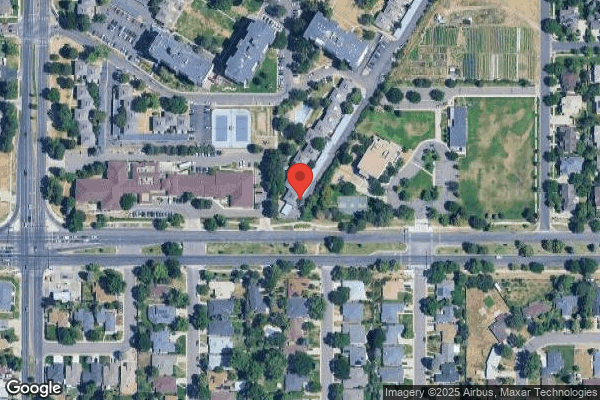
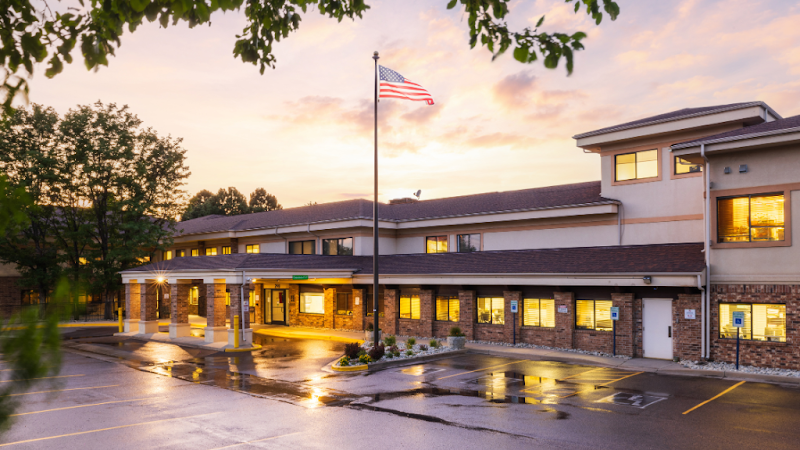
290 S MONACO PKWY, DENVER, CO 80224 (303) 355-2525
For profit - Limited Liability company 160 Beds PACS GROUP Data: November 2025 2 Immediate Jeopardy citations
Trust Grade
1/100
#150 of 208 in CO
Last Inspection: March 2024

Within standard 12-15 month inspection cycle. Federal law requires annual inspections.

Overview

Hilltop Park Post Acute has received a Trust Grade of F, which indicates significant concerns about the quality of care provided. They rank #150 out of 208 facilities in Colorado, placing them in the bottom half, and #18 out of 21 in Denver County, suggesting that only a few local options are better. The facility's trend is worsening, with issues increasing from 4 in 2023 to 20 in 2024, raising red flags for potential residents and their families. Staffing is somewhat stable with a turnover rate of 45%, which is better than the state average of 49%, but the overall staffing rating is only 2 out of 5 stars. The facility has incurred $125,113 in fines, which is concerning as it is higher than 90% of Colorado facilities, indicating repeated compliance problems. While they have average RN coverage, there were serious incidents noted during inspections. For instance, there was a failure to provide necessary respiratory care for four residents and a resident developed a stage 4 pressure injury due to a lack of timely treatment. These findings highlight both the strengths and weaknesses of the facility, making it essential for families to weigh their options carefully.

Trust Score
F
1/100
In Colorado
#150/208
Bottom 28%
Safety Record
High Risk
Review needed
Inspections
Getting Worse
4 → 20 violations
Staff Stability
○ Average
45% turnover. Near Colorado's 48% average. Typical for the industry.
Penalties
✓ Good
$125,113 in fines. Lower than most Colorado facilities. Relatively clean record.
Skilled Nurses
○ Average
Each resident gets 32 minutes of Registered Nurse (RN) attention daily — about average for Colorado. RNs are the most trained staff who monitor for health changes.
Violations
⚠ Watch
36 deficiencies on record. Higher than average. Multiple issues found across inspections.
★★☆☆☆
2.0
Overall Rating
★★☆☆☆
2.0
Staff Levels
★★★★★
5.0
Care Quality
★☆☆☆☆
1.0
Inspection Score
Stable
2023: 4 issues
2024: 20 issues

The Good

  • 5-Star Quality Measures · Strong clinical quality outcomes
  • Full Sprinkler Coverage · Fire safety systems throughout facility
  • No fines on record
  • Staff turnover below average (45%)

    3 points below Colorado average of 48%

Facility shows strength in quality measures, fire safety.

The Bad

2-Star Overall Rating

Below Colorado average (3.1)

Below average - review inspection findings carefully

Staff Turnover: 45%

Near Colorado avg (46%)

Typical for the industry

Federal Fines: $125,113

Well above median ($33,413)

Significant penalties indicating serious issues

Chain: PACS GROUP

Part of a multi-facility chain

Ask about local staffing decisions and management

The Ugly 36 deficiencies on record

2 life-threatening 2 actual harm
Jul 2024 12 deficiencies 1 IJ
CRITICAL (J) 📢 Someone Reported This

A family member, employee, or ombudsman was alarmed enough to file a formal complaint

Immediate Jeopardy (IJ) - the most serious Medicare violation

Pressure Ulcer Prevention (Tag F0686)

Someone could have died · This affected 1 resident

**NOTE- TERMS IN BRACKETS HAVE BEEN EDITED TO PROTECT CONFIDENTIALITY** Based on observations, record review, and interviews, the facility failed to provide one of three residents (#5) out of 21 sampl...

Read full inspector narrative →
**NOTE- TERMS IN BRACKETS HAVE BEEN EDITED TO PROTECT CONFIDENTIALITY** Based on observations, record review, and interviews, the facility failed to provide one of three residents (#5) out of 21 sample residents, with timely and necessary treatment and services to prevent and manage an avoidable, facility-acquired pressure injury that resulted in the development of a stage 4 coccyx wound with osteomyelitis. Resident #5, who had a diagnosis of paraplegia, was admitted on [DATE] with intact skin. The resident was discovered with an unstageable pressure injury on his coccyx on 11/28/23, 14 days after admission. By 1/2/24, the pressure injury had progressed to a stage 4 pressure injury (full-thickness tissue loss with exposed bone, tendon, or muscle). And, on 6/6/24, x-rays revealed the presence of osteomyelitis, inflammation of the bone due to infection, requiring an extended course of antibiotic treatment. Interviews, observations, and record review revealed the facility failed to provide timely and necessary treatment and services to prevent the development of the resident's pressure injury and then, failed to provide the treatment and services necessary to manage the pressure injury and promote healing. Specifically: -Record review and interviews revealed the facility failed to timely provide Resident #5 with devices for pressure relief. Record review revealed a physician's order for an air mattress was not initiated until 2/21/24, approximately two and a half months after the pressure injury had developed and the order was not implemented until 3/10/24, 20 days later. Even then, the air mattress provided had been previously used and the facility was unable to provide documentation on how old the mattress was and how much use it had received, as well as provide an instruction manual on its proper use and settings. Further, an interview with Resident #5 revealed he was not repositioned routinely at night time unless he asked staff to do so. His care plan failed to include a directive for staff to assist the resident in turning and repositioning to offload pressure until 2/21/24, over a month after his pressure injury was assessed as a stage 4. -Record review revealed weekly skin assessments were not completed to ensure Resident #5's pressure injury was regularly monitored; physician orders for dressing changes were not followed and dressing changes were not performed in a manner to prevent infection. -Interviews, record review, and observations revealed the facility failed to ensure the nutritional support ordered on 2/21/24 (double protein) was consistently offered to Resident #5. Per the WCP, interviewed on 7/24/24 at 9:56 a.m., Resident #5's pressure injury was avoidable; he saw no other clinical issues that would contribute to the pressure injury. Findings include: I. Professional references A. Classification of pressure injuries According to the National Pressure Injury Advisory Panel, European Pressure Injury Advisory Panel and Pan Pacific Pressure Injury Alliance Prevention and Treatment of Pressure Injuries: Clinical Practice Guideline, third edition, [NAME] Haesler (Ed.), EPUAP/NPIAP/PPPIA: 2019, retrieved from https://www.internationalguideline.com/guideline on 7/30/24, Pressure ulcer classification is as follows: Category/Stage 1: Nonblanchable Erythema (discoloration of the skin that does not turn white when pressed, early sign of tissue damage) Intact skin with nonblanchable redness of a localized area usually over a bony prominence. Darkly pigmented skin may not have visible blanching; its color may differ from the surrounding area. The area may be painful, firm, soft, warmer or cooler as compared to adjacent tissue. Category/Stage 1 may be difficult to detect in individuals with dark skin tones. May indicate 'at risk' individuals (a heralding sign of risk). Category/Stage 2: Partial Thickness Skin Loss Partial thickness loss of dermis presenting as a shallow open ulcer with a red pink wound bed, without slough. May also present as an intact or open/ruptured serum filled blister. Presents as a shiny or dry shallow ulcer without slough or bruising.This Category/Stage should not be used to describe skin tears, tape burns, perineal dermatitis, maceration or excoriation. Category/Stage 3: Full Thickness Skin Loss Full thickness tissue loss. Subcutaneous fat may be visible, but bone, tendon or muscle are not exposed. Slough may be present but does not obscure the depth of tissue loss. May include undermining and tunneling. The depth of a Category/ Stage 3 pressure ulcer varies by anatomical location. The bridge of the nose, ear, occiput and malleolus do not have subcutaneous tissue and Category/ Stage 3 ulcers can be shallow. In contrast, areas of significant adiposity can develop extremely deep Category/Stage 3 pressure ulcers. Bone/tendon is not visible or directly palpable. Category/Stage 4: Full Thickness Tissue Loss Full thickness tissue loss with exposed bone, tendon or muscle. Slough or eschar may be present on some parts of the wound bed. Often include undermining and tunneling. The depth of a Category/Stage 4 pressure ulcer varies by anatomical location. The bridge of the nose, ear, occiput and malleolus do not have subcutaneous tissue and these ulcers can be shallow. Category/ Stage 4 ulcers can extend into muscle and/ or supporting structures ( fascia, tendon or joint capsule) making osteomyelitis possible. Exposed bone/tendon is visible or directly palpable Unstageable: Depth Unknown Full thickness tissue loss in which the base of the ulcer is covered by slough (yellow, tan, gray, green or brown) and/or eschar (tan, brown or black) in the wound bed. Until enough slough and/or eschar is removed to expose the base of the wound, the true depth, and therefore Category/ Stage, cannot be determined. Stable (dry, adherent, intact without erythema or fluctuance) eschar on the heels serves as 'the body's natural (biological) cover' and should not be removed. Suspected Deep Tissue Injury: Depth Unknown Purple or maroon localized area of discolored intact skin or blood-filled blister due to damage of underlying soft tissue from pressure and/or shear. The area may be preceded by tissue that is painful, firm, mushy, boggy, warmer or cooler as compared to adjacent tissue. Deep tissue injury may be difficult to detect in individuals with dark skin tones. Evolution may include a thin blister over a dark wound bed. The wound may further evolve and become covered by thin eschar. Evolution may be rapid, exposing additional layers of tissue even with optimal treatment. B. Support surfaces 1. According to Joerns Healthcare PRO [NAME] Plus product details, retrieved online from https://www.joerns.com/product/p-r-o-matt-plus/ on 8/5/24, The P.R.O. [NAME] Plus is a non-powered mattress replacement system featuring our Pressure Redistribution Optimization (P.R.O.) Technology. With the addition of an optional control unit, the mattress provides powered immersion or alternating pressure therapy, allowing facilities to use one mattress for both pressure injury prevention and treatment. The P.R.O.Matt® Plus system is designed for a minimum service life of five (5) years, subject to the use and maintenance procedures stated in this manual. The P.R.O. [NAME] Plus is a reactive surface that allows the provision of optimal interface pressures through controlled air cell inflation for at-risk patients in the prevention and treatment of Stage 1 and 2 pressure injuries, and treatment of uncomplicated Stage 3 and 4 pressure injuries in patients with multiple turning surfaces. For Stage 3 and/or Stage 4 treatment, care staff should be able to position the patient off of the pressure wound in at least 2 positions. 2. According to Avacare Medical the How Long Can a Air Mattress Last, retrieved on 7/29/24 from: https://www.avacaremedical.com/blog/how-long-can-a-air-mattress-last.html#:~:text=Air%20mattresses%20can%20endure%20for,sharp%20items%20to%20prevent%20punctures, Air mattresses can assist with medical issues like pressure reduction or better blood circulation. Air mattresses can endure for two to eight years when properly maintained and used occasionally. When the air mattress isn ' t in use, thoroughly deflate it and put it in a carry bag to extend its lifespan. Keep the air mattress in a cool, dry area free of sharp items to prevent punctures. [NAME] ' t over inflate the air mattress; avoid sitting on the edge of an inflated air bed to avoid seams ripping and bulging. II. Facility policy A. The Prevention of Pressure Injuries policy and procedure, revised April 2020, was received from regional nurse consultant (RNC) #1 on 7/24/24 at 10:17 a.m. It read in pertinent part: [P]purpose of this procedure is to provide information regarding identification of pressure injury risk factors and interventions for specific risk factors. Assess the resident on admission (within eight hours) for existing pressure injury risk factors, repeat the risk assessment weekly and upon any changes in condition. Reposition all residents with or without risk of pressure injuries or an individualized schedule, as determined by the interdisciplinary care team. Choose a frequency for repositioning based on the resident ' s risk factors and current clinical practice guidelines. Provide support devices and assistance as needed Select appropriate support surfaces based on the residents' risk factors in accordance with current clinical practice. B. The Supportive Surfaces Guidelines Policy was provided by RNC #1 on 7/25/24 at 11:30 a.m. The policy read in pertinent part: [T]he purpose of this procedure is to provide guidelines for the assessment of appropriate pressure-reducing and relieving devices for residents at risk of skin breakdown. Redistributing supportive surfaces are to promote comfort for all bed or chair-bound residents, prevent skin breakdown, promote circulation and provide pressure relief or reduction. Supportive surfaces alone are not effective in preventing pressure ulcers, but studies indicate that the use of appropriate support surfaces with interventions such as turning, repositioning and moisture management can assist in reducing pressure ulcer development. Any individual at risk for developing pressure ulcers should be placed on a redistribution support surface, such as a foam, gel, static air alternating air, or air loss mattress when lying in bed. For resident(s) who recline and are dependent on staff for repositioning, change their position at least every two hours III. Resident #5 A. Resident status on admission Resident #5, age younger than 65, cognitively intact, with a diagnosis of paraplegia per his 6/11/14 minimum data set (MDS) assessment, was admitted to the facility on [DATE]. A skin assessment completed on admission [DATE]) revealed Resident #5's skin was intact. In an interview on 7/24/24 at 11:30 a.m., registered nurse (RN) #1 and RNC #1 confirmed the resident's admission assessment documented the resident entered the facility with his skin intact. B. Resident status following admission - development, and worsening of a pressure injury on the resident's coccyx. On 11/10/23, a comprehensive skin assessment revealed Resident #5 had redness to his coccyx, and on 11/28/23, 14 days after admission, a wound physician's note revealed an unstageable pressure injury of the resident's coccyx. The onset of the coccyx wound on 11/28/24 was confirmed by RN #1 in an interview on 7/24/24 at 11:30 p.m. On 1/2/24, a wound physician's progress note identified the pressure injury as a stage 4 wound (full-thickness tissue loss with exposed bone, tendon, or muscle). On 6/4/24, an x-ray of the coccyx was ordered to rule out osteomyelitis, which was confirmed on 6/6/24. According to 6/12/24 skin/wound progress notes, on 6/11/24, the wound physician recommended a six-week course of antibiotics to treat the infection. On 7/24/24 at 9:56 a.m. the WCP was interviewed. He said Resident #5 had an avoidable facility-acquired pressure injury to his coccyx. The WCP said Resident #5 had no other clinical issues that could contribute to the wounds. The WCP was unaware of any changes in Resident #5 daily routines that could have contributed to the development or worsening of the pressure injury. The WCP said he noticed the wound was not healing so he suspected osteomyelitis and had an x-ray taken to confirm this diagnosis. The WCP said osteomyelitis requires a long-term use of antibiotics and residents need antibiotics moving forward for a minimum of six weeks. The WCP said Resident #5's wound had become stagnant so he cultured the wound. The WCP said the wound culture provided insight into the infection in the wound and what antibiotics would be successful in the treatment of the resident's osteomyelitis. The WCP said Resident #5 antibiotics had to be changed to medication that could kill the organisms. The WCP said any opening on the skin exposes the body to the environment which can lead to the colonization of bacteria leading to infection. The WCP said providing good wound care to an open area was important to prevent infections and many types of dressings can be used for healing so it was important to be done correctly. On 7/16/24, a coccyx wound culture was collected by the WCP. On 7/18/24, an order was written for placement of a peripherally inserted central catheter (PICC- used to administer intravenous medication) and, on 7/19/24, Cefepime (antibiotic) 2 grams and Vancomycin (antibiotic) 1500 mg IV (intravenous) was ordered for osteomyelitis. C. Facility failures 1. Record review and interviews revealed the facility failed to implement pressure-reducing measures to provide pressure relief and promote healing. a. Delay in initiating an air mattress and failure to ensure the air mattress was properly functioning to be effective. Record review: Record review revealed an order for an air mattress was not initiated until 2/21/24, seven and a half weeks after the coccyx wound was identified as unstageable. The resident's 11/7/24 comprehensive care plan further revealed an air mattress was not placed until 3/10/24, 20 days after the 2/21/24 order. Interviews and observations: Resident #5, interviewed on 7/24/24 at 4:36 p.m., said his current mattress was broken. Resident #5 said that the one he had before was worse. Resident #5 said that the laundry director told him this was the best mattress she could find. The resident was observed lying in his bed on an air mattress with a fitted sheet over the mattress. CNA #1 was interviewed on 7/24/24 at 4:31 p.m. CNA #1 said she checked the resident's air mattress when she did her morning rounds. She said she pushes on the mattress to ensure it is inflated and feels firm to touch. Regional nurse consultant (RNC) #1 and the DON were interviewed on 7/24/24 at 4:00 p.m. The RNC #1 said the facility did not have a system to track equipment repairs needed. The RNC said the only documentation to show when the air mattress currently on the resident's bed was ordered was 2/21/24. RNC #1 was interviewed again on 7/25/24 at 10:33 a.m. RNC #1 said the facility was unable to obtain the operator ' s manufacturer manual for the low-loss air mattress currently placed on Resident #5 ' s bed because the mattress was so old that it was no longer being manufactured or sold by any vendors. RNC #1 was unable to verify the age of the mattress or previous usage of the mattress. She said for that reason, the mattress will be replaced today in the afternoon when the resident gets out of bed. Licensed practical nurse (LPN) #3 was interviewed beginning on 7/29/24 at 9:42 a.m. She said air mattresses were not to have fitted sheets on them as it could restrict the function of the air mattress airflow. The resident's replacement air mattress, a P.R.O [NAME] Plus, was reviewed with LPN #3 for proper function and settings. The air mattress was set at #3 mode therapy and no cycle time. LPN #3 said the air mattress was not set to the right settings based on the physician's order and she needed to get the order clarified to match the settings available on the air mattress pump. The laundry director (LD) was interviewed on 7/29/24 at 10:33 a.m. The LD said she was responsible for managing and placing air mattresses on residents' beds once ordered. -The LD said she was responsible for making sure the mattresses were functioning properly. The LD said she did not monitor the function or integrity of the actual mattress; rather, she only referenced monitoring the pump and its function. When a mattress was not able to hold air and was not making the normal whooshing sounds she said she replaced the mattress pump but did not change out the actual mattress. The LD said the facility had several backup pumps in stock. Malfunction pumps were discarded. -The LD said the facility had recently purchased a couple of new pressure-relieving air mattresses but most of the air mattresses in stock were older and had been acquired by the previous facility owners. Some of the air mattresses were used more than others and they no longer tracked the age or length of time a mattress was used by one of the residents in the facility. -The LD said the facility did not have the manufacturer's manuals for the air mattresses and they did not know the exact age of the mattresses in stock. The LD said she did not know how old the mattress that Resident #5 had been using was or how much time it had been in use by other residents before it was placed on his bed. -The LD said the resident had been complaining about the mattress that was on his bed, saying that it was uncomfortable and was causing him a great deal of discomfort. The LD said she changed out his mattress on 7/28/24 (during the survey) with a new mattress that was approximately a month or two old. -The LD said the lifespan of a pressure-relieving air mattress was dependent upon how long it was in use. She was not sure but thought that an air mattress under continuous use was only effective for pressure relief for a year or two. The NHA confirmed the facility did not have a tracking system to determine how long the older pressure-relieving air mattress had been in use. The NHA said Resident #5 ' s mattress was changed to a newer mattress (on 7/28/24) when the facility was unable to verify the age or usage of the mattress on the resident's bed. b. Failure to timely and consistently implement turning and positioning of the resident. A review of the resident's 11/7/23 comprehensive care plan revealed a directive for staff to assist the resident in turning and repositioning as indicated/tolerated was not initiated until 1/3/24, about a month after the resident's wound was identified and after the wound physician's progress note identified the pressure injury as a stage 4 pressure injury, CNA #1, interviewed on 7/24/24 at 4:31 p.m., said Resident #5 was dependent on staff for positioning due to his medical condition. She said the resident did not refuse care when offered. Resident #5 was interviewed on 7/24/24 at 4:36 p.m. and said that the last time he got up in his wheelchair was last week for 2 to 6 hours. He said he gets up when he wants to. He said the CNAs come in to reposition him when he asks or if he needs to go to the bathroom. Resident #5 said at night, they do not come in and reposition him unless he asks them to. 2. Record review, observations, and interview revealed weekly skin assessments were not completed to ensure Resident #5's pressure injury was regularly monitored; physician orders for dressing changes were not followed and dressing changes were not performed in a manner to prevent infection. a. Weekly assessments March: -On 3/7/24 - no skin assessment was completed -On 3/14/24 - no skin assessment was completed April: -On 4/3/24 - no skin assessment was completed -On 4/17/24 - no skin assessment was completed May: -On 5/2/24 - no skin assessment was completed -On 5/23/24 - no skin assessment was completed June: -On 6/27/24 - no skin assessment was completed b. Orders and dressing changes Orders: A 12/4/23 wound care order read: clean wound to the coccyx with normal saline and apply clean dressing until it was assessed by the wound care team. -However, Resident #5 was seen by the wound physician on 11/28/23, per the 11/28/23 wound physician's note. As such, the order for dressings change was added 7 days after Resident #5 was seen by the wound physician. A 6/21/24 wound care order read: coccyx - cleanse with quarter strength Dakin's (used for cleaning) solution, apply skin barrier cream with zinc to peri wound, cut and apply silver alginate to wound bed, Cover with border gauze dressing. Change dressing every other day. -However, the June 2024 treatment administration records (TARs) revealed Resident #5 received dressing changes daily from 6/23 to 6/25/24. (This treatment order was discontinued on 6/25/24.) A 6/26/24 wound care order read: coccyx - cleanse with quarter strength Dakin's solution, apply barrier cream with zinc to peri-wound (around wound edges but not in the wound), cut and apply hydrofera blue (specialized wound dressing) to wound bed, cover with border gauze change dressing every other day. Order was discontinued on 7/2/24. -However, the June 2024 TAR record revealed Resident #5 dressing was changed daily from 6/26 to 6/30/24, and 7/1 to 7/2/24. The DON was interviewed on 7/24/24 at 12:34 p.m. The DON said the physician should be called when wound care was not administered per the physician's orders. Infection control: On 7/25/24 at 11:50 a.m., Resident #5 was observed receiving care for his coccyx wound. The DON, RN #1, and CNA #1 were present for wound care. Wound care was completed as ordered during observation. -However, RN #1 failed to place a barrier pad under the resident's wound during care. RN #1 was interviewed on 7/25/24 at 12:25 p.m. RN #1 said she should have placed a barrier pad under the resident during wound care to protect him and the linen from being contaminated during wound care. RN #1 said not placing a barrier pad could put the resident at risk for germs to get into the wound. 3. Interviews, record reviews, and observations revealed the facility failed to ensure the nutritional support ordered on 2/21/24 (double protein) was consistently offered to Resident #5. Record review revealed on 2/13/24, an order for a double protein diet was initiated. Dietary aide (DA) #1 was interviewed on 7/25/24 at 3:51 p.m. He said meal tickets for residents will identify special diet considerations in bold letters and allergies were highlighted. DA #1 said a double protein diet means they get two servings of protein items served. DA #1 said protein items were eggs, meat, milk, and cheese. -However, observations revealed the resident was not served double protein: On 7/23/24 at 1:20 p.m., the resident was served two ham and cheese sandwiches. The tray card had written in double ham. However, the ham sandwiches did not have double ham. The sandwiches had one slice of ham and a slice of cheese. At approximately 2:00 p.m., the resident consumed one of the ham and cheese sandwiches. On 7/24/24 at 12:25 p.m., the resident received his meal. The resident received two ham and cheese sandwiches. The dietary tray ticket instructed double protein, and in writing the ticket wrote double ham. The sandwiches had a slice of ham and a slice of cheese. The sandwiches did not have double meat. On 7/24/24 at 12:45 p.m., the registered dietitian consultant (RDC) observed the sandwich served to the resident. She confirmed it was not double the ham. The RDC asked the resident if he would like additional meat for his sandwich and he replied It is a little late, as he had consumed the majority of the sandwich. The registered dietitian (RD) was interviewed on 7/24/24 at 4:55 p.m. -The RD said Resident #5 told her he wanted to have double protein in his meals, as he did not want the health shake of beneprotein. The RD said that the resident was refusing the dinner health shake she discontinued the order for health shakes (4/19/24) although the RD confirmed the resident was consuming the morning and afternoon administrations. The RD said only the dinner beneprotein could have been discontinued, however, the resident had said he did not want to have it any longer and was now receiving double protein. But see observations above; the resident was observed not receiving double protein. -The RD said Resident #5 was not reviewed in a nutrition-at-risk meeting. The RD said she was aware the pressure wounds were worsening. The RD said the zinc and the vitamin C were recently bumped up a week due to the worsening. IV. Final interviews with the administration The NHA was interviewed on 7/29/24 at 11:05 a.m. The NHA said the interdisciplinary team (IDT) conducted daily clinical discussions which included talking about residents' wound and wound care needs. The NHA said he did not recall discussing Resident #5 ' s wound status and was not aware that Resident #5 ' s coccyx wound was infected. The NHA said he was more involved in working with the IDT on revamping the overall care and treatment programs for all residents, rather than knowing the individual treatment needs of each resident. The NHA said the DON took on the role of meeting the individual clinical needs of the residents. The NHA said he was working with the new DON to hire a full-time treatment nurse who would be tasked with managing resident wound care needs and working directly with the WCP to ensure proper treatment of the residents' wounds. The NHA said his goal was for the nursing department to make improvements in tracking and auditing the residents' wound care and treatment needs. The DON was interviewed on 7/29/24 at 11:15 a.m. The DON said she no longer followed the WCP. Instead, the wound care nurse was tasked with tracking the progression of a resident's wound and letting her know of any new and emerging issues so that she could help oversee what was happening with resident care. The DON said there was a lapse in communication from the IDT to her so that she could ensure proper follow-up. The DON said the floor nurses did not alert her of Resident #5's wound status in a timely manner. She said she was not aware immediately that the resident ' s wound was infected or that the floor nurses were not following wound care orders to only change the resident ' s wound dressing every other day, as ordered. The DON said there was also a lack of regular communication with the RD related to Resident #5 ' s nutritional needs and concerns. The DON said if regular communication had occurred, things like nutrition and other care issues would not have been missed. The DON said once she learned that Resident #5 ' s coccyx wound was infected, she made sure the resident was prescribed an antibiotic for proper treatment.
CONCERN (D) 📢 Someone Reported This

A family member, employee, or ombudsman was alarmed enough to file a formal complaint

Potential for Harm - no one hurt, but risky conditions existed

Deficiency F0568 (Tag F0568)

Could have caused harm · This affected 1 resident

**NOTE- TERMS IN BRACKETS HAVE BEEN EDITED TO PROTECT CONFIDENTIALITY** Based on record review and interviews, the facility failed to provide evidence that a quarterly statement was provided to the re...

Read full inspector narrative →
**NOTE- TERMS IN BRACKETS HAVE BEEN EDITED TO PROTECT CONFIDENTIALITY** Based on record review and interviews, the facility failed to provide evidence that a quarterly statement was provided to the resident and/or resident representative for two (#9 and #12) of three residents reviewed for personal funds out of 21 sample residents. Specifically, the facility failed to: -Provide Resident #9 and Resident #12 or their legal representatives a copy of the resident's personal funds financial statement on at least a quarterly basis; -Ensure Resident #9 and Resident #12 or their legal representatives reviewed and signed the form required to give the facility authorization to manage the resident's personal funds; and, -Ensure Resident #9 and Resident #12 or their legal representatives were informed when the resident's total funds reached an amount that required a spend down. Findings include: I. Facility Policy The Management of Residents' Personal Funds policy, dated 2021, was provided by regional nurse consultant (RNC) #1. The policy read: Should the resident elect to have the facility manage his or her personal funds, it must be authorized in writing by the resident or the resident's representative and a copy of such authorization must be documented in the resident's record. II. Resident trust fund authorization form The Authorization and Agreement to Manage Resident Funds form read in pertinent part: l authorize the (facility name) to hold safeguard, manage, and account for my personal funds. Resident trust fund account type: -Transferring: By establishing this account, I authorize the (facility name) to transfer my monthly patient responsibility for care costs amount, if any, due to the (facility name) from this resident trust account to the (facility name) operating account. My monthly personal needs allowance remains in my resident trust account. I authorize the (facility name) to adjust my personal needs allowance amount. -Non-Transferring: All funds deposited to this resident trust account remain in this account, until I authorize the withdrawal of funds in writing. My account will be managed as follows: I. (Facility name) will give me a written receipt for all expenditures and deposits regarding any funds I deposit with (facility name). 2. (Facility name) will maintain a record of all transactions regarding my account in accordance with generally accepted accounting principles. 3. I will have access, at any time upon request, to the above record and will receive an itemized quarterly statement of my account. III. Resident #9 A. Resident status Resident #9 under the age [AGE], was admitted on [DATE]. The 4/15/24 minimum data set (MDS) assessment revealed the resident had intact cognition with a brief interview for mental status (BIMS) score of 14 out of 15. B. Resident and resident representative interview Resident #9 was interviewed on 7/24/24 at 11:30 a.m. Resident #9 said he was not provided any personal funds statements of his account since admitting to the facility, nor was his legal representative provided the statements. He said they had been trying to get the business office manager (BOM) to provide his personal funds statements to his legal representative but it had not been provided as requested. Resident #9's legal representative and financial power of attorney (FPOA) was interviewed on 7/26/24 at 12:49 p.m. The FPOA said she had been trying to get the facility's BOM to honor her FPOA and send her Resident #9's financial statements, but no one from the facility had responded to her request. The FPOA said she had provided documentation of her FPOA status several times and the facility had still failed to communicate with her about Resident #9 finances, which were managed by the facility. C. Record review Review of Resident #9's Authorization and Agreement to Manage Resident Funds document, dated 4/23/24, revealed the form was not signed by the resident or the resident's legal representative. IV. Resident #12 A. Resident status Resident #12, age [AGE], was admitted on [DATE]. According to the July 2024 computerized physician's orders (CPO), diagnoses included dementia. The 7/17/24 MDS assessment revealed the resident had severely impaired cognition with a BIMS score of four out of 15. B. Resident representative interview Resident #12's secondary legal representative was interviewed on 7/29/24 at 3:16 p.m. The secondary representative said she was never consulted about Resident #12's finances and was told that she had no say in the resident's finances, despite being the resident's secondary legal representative and being involved in making decisions about the resident's care. The secondary representative said she was aware the resident had a need to spend down money in the past and wanted the resident to get a larger television because the one she had in her room was small and she had a hard time seeing the picture. The secondary representative said she was unsure if that spend down was used or what the facility had spent the money on. Resident #12's primary legal representative was interviewed on 7/29/24 at 3:23 p.m. The primary representative said she was the resident's primary legal representative but she lived out of state so she relied heavily on the resident's secondary legal representative to provide her first hand information about how the resident was doing and be the person to represent Resident #12 in person at the facility. The primary representative said she and the secondary representative collaborated on decision-making to make sure the facility was acting in the best interests of Resident #12. The primary representative said she had never been provided with a copy of Resident #12's financial statements and the facility had been managing the resident's funds since October 2018. C. Record review Review of Resident #12's Authorization and Agreement to Manage Resident Funds documents, dated 10/13/2020 and 4/24/23, revealed the forms were not signed by the resident or the resident's primary or secondary legal representative. V. Staff interviews The BOM was interviewed on 7/29/24 at 2:26 p.m. The BOM said he managed the residents' personal funds accounts and provided the residents, and the residents' representatives when applicable, with quarterly statements of their personal funds accounts. He said when a resident's personal funds account was near or over the allowable total balance, he notified the resident and the social worker that the resident needed to spend down their excess funds to maintain their eligibility for nursing care. The BOM said Resident #9 had a conservator (a person, official, or institution appointed by a court to take over and manage the estate of an incompetent individual) and he believed that he had talked to the conservator about Resident #9's personal funds and the need to spend down his excess funds. -However, Resident #9 was competent and did not have a conservator. On 3/8/23, Resident #9 had self-appointed a legal representative to act as his FPOA on his behalf in all matters of finance, including banking. The BOM said Resident #12 had a guardian and he was working with the resident's guardian to manage the resident's funds and spend down her excess funds. The BOM said the residents' financial statements were last provided for the past quarter at the end of July 2024.
CONCERN (D) 📢 Someone Reported This

A family member, employee, or ombudsman was alarmed enough to file a formal complaint

Potential for Harm - no one hurt, but risky conditions existed

Transfer Notice (Tag F0623)

Could have caused harm · This affected 1 resident

**NOTE- TERMS IN BRACKETS HAVE BEEN EDITED TO PROTECT CONFIDENTIALITY** Based on record review and interviews, the facility failed to provide notice of discharge to the resident or their representativ...

Read full inspector narrative →
**NOTE- TERMS IN BRACKETS HAVE BEEN EDITED TO PROTECT CONFIDENTIALITY** Based on record review and interviews, the facility failed to provide notice of discharge to the resident or their representative and the Office of the State Long-term Care Ombudsman at least 30 days before the resident's discharge for one (#6) of four residents reviewed for discharge out of 21 sample residents. Specifically, the facility failed to provide Resident #6 an appropriate written notice of discharge from the facility that included: -The reason for transfer or discharge; -The location to which the resident was being transferred or discharged ; -A statement of the resident's appeal rights, including the name, address (mailing and email) and telephone number of the entity which receives such requests; and, -Information on how to obtain an appeal form and assistance in completing the form and submitting the appeal-hearing request. Findings include: I. Facility policy and procedure The Discharge Summary and Plan policy and procedure, revised October 2022, was received from regional nurse consultant (RNC) #1 on 7/24/24 at 10:17 a.m. It revealed in pertinent part, When a resident's discharge is anticipated, a discharge summary and post discharge plan is developed to assist the resident with discharge. The discharge summary includes a recapitulation of the resident's stay at the facility and a final summary of the resident's status at the time of discharge in accordance with established regulations governing release of the resident information and as permitted by the resident. II. Resident #6 A. Resident status Resident #6, age [AGE], was admitted on [DATE] and discharged on 7/23/24 (during the survey). According to the July 2024 computerized physician orders (CPO), diagnoses included hypertension (high blood pressure), hypothyroidism (decreased function of thyroid), type II diabetes (abnormal glucose control), hemiplegia affecting right side (decreased function on the left side of body) and bipolar (abnormal thought process). The 6/12/24 minimum data set (MDS) assessment revealed the resident had moderate cognitive impairments with a brief interview for mental status (BIMS) score of 12 out of 15. He required supervision assistance with dressing and toileting. Resident #6 required set up assistance with eating and personal hygiene. B. Resident interview Resident #6 and a family member were interviewed together on 7/23/24 at 12:13 p.m. Resident #6 said if a resident complained about an issue to the facility staff, the facility would discharge the resident. Resident #6 said he was given a discharge notice on the same day he complained about the staff. Resident #6 said he was being transferred to a facility further away from his family which was going to strain their ability to visit him. Resident #6 said the facility looked for places for him to go but he was not involved with finding a new place. He said he was just told which facility he would be transferred to. Resident #6 said he was unaware of his right to appeal the transfer/discharge but he said, at this point, he did not want to stay in the current facility. C. Record review The resident's electronic medical record (EMR) revealed Resident #6 was issued a Nursing Home Notice of Involuntary Transfer or discharge on [DATE]. The notice documented the resident was being transferred or discharged because it was necessary to meet the resident's welfare and the resident's welfare could not be met in the facility. The notice was signed by the nursing home administrator (NHA) and the resident on 6/14/24. The notice revealed only the local long term care ombudsman was notified by the facility on 6/14/24. The form failed to identify: -The location the resident was being transferred to; -That the State Long-term Care Ombudsman was notified of the transfer/discharge; -Information regarding the resident's appeal rights, including the name, address (mailing and email) and telephone number of the entity which receives such requests; and, -Information on how to obtain an appeal form and assistance in completing the form and submitting the appeal-hearing request. -The resident's EMR failed to provide physician documentation regarding how the facility was unable to provide care to Resident #6, which required him to be transferred/discharged to another facility. A social service progress note on 6/12/24 revealed Resident #6 had a care conference on 6/11/24 and was identified as a long term resident. -There was no documentation to indicate a discussion had taken place at the care conference regarding Resident #6 having behavior concerns or a potential for the resident needing to be transferred or discharged from the facility. -A review of the resident's EMR did not reveal any other progress notes written for transfer/discharge of Resident #6 in the EMR until 7/23/24, the day of transfer/discharge. On 7/23/24 at 12:46 p.m. (during the survey) a social service progress note revealed Resident #6 was aware he was being transferred to another facility and he no longer wanted to be a resident at the facility. III. Staff interviews Registered nurse (RN) #1 was interviewed on 7/29/24 at 2:05 p.m. RN #1 said Resident #6 was transferred to another facility related to behaviors consisting of threats towards others and himself. -However, there was no documentation in the resident's EMR that indicated Resident #6 exhibited behaviors that could not be managed in the facility which required him to be transferred or discharged to another facility. The NHA was interviewed on 7/29/24 at 3:55 p.m. The NHA said transfers/discharges were discussed in the morning stand up meetings. The NHA said he was not aware of the appeal process. He said he reviewed Resident #6's involuntary transfer/discharge paperwork and said he did not see the appeal section on the paperwork Resident #6 signed. The NHA said the facility notified the local ombudsman and he believed the ombudsman could review the appeal process with residents if needed. The NHA said he reviewed additional involuntary transfer/discharge notices and said the facility used two different forms. He said it was up to his business office manager (BOM) on which form was used. The BOM was interviewed on 7/29/24 at 4:22 p.m. The BOM said he only reviewed transfers/discharges during the triple check meeting for billing purposes. He said he did not determine what forms were used in the facility. The NHA was interviewed again on 7/29/24 at 5:15 p.m. The NHA said the facility did not have any records to show why they were unable to provide Resident #6 care to support the involuntary transfer/discharge.
CONCERN (D) 📢 Someone Reported This

A family member, employee, or ombudsman was alarmed enough to file a formal complaint

Potential for Harm - no one hurt, but risky conditions existed

Deficiency F0624 (Tag F0624)

Could have caused harm · This affected 1 resident

**NOTE- TERMS IN BRACKETS HAVE BEEN EDITED TO PROTECT CONFIDENTIALITY** Based on record review and interviews, the facility failed to provide and document sufficient preparation and orientation for on...

Read full inspector narrative →
**NOTE- TERMS IN BRACKETS HAVE BEEN EDITED TO PROTECT CONFIDENTIALITY** Based on record review and interviews, the facility failed to provide and document sufficient preparation and orientation for one (#2) of three residents out of 21 sample residents to ensure a safe discharge from the facility. Specifically, the facility failed to: -Provide Resident #2 and his representative with the correct information regarding the resident's nutritional and tube feeding needs when the resident was discharged ; -Provide Resident #2 and his representative with discharge education or training related to the resident's feeding tube; and, -Provide Resident #2 and his representative with a discharge summary and discharge instructions in a language they understood. Findings include: I. Facility policy and procedure The Discharge Summary and Plan policy and procedure, revised October 2022, was provided by regional nurse consultant (RNC) #1 on 7/24/24 at 10:17 a.m. It read in pertinent part, Every resident is evaluated for his or her discharge needs and has an individualized post discharge plan. The discharge plan is re-evaluated based on changes in the resident's condition or needs prior to discharge. II. Resident #2 A. Resident status Resident #2, age [AGE], was admitted on [DATE] and discharged home on 4/23/24. According to the April 2024 computerized physician orders (CPO), diagnoses included malignant neoplasm of the tongue, type 2 diabetes, and sensorineural hearing loss. The 3/25/24 minimum data set (MDS) assessment documented the resident was cognitively intact with a brief interview for mental status (BIMS) score of 14 out of 15. He required setup assistance with activities of daily living (ADL). The assessment revealed the resident received a therapeutic and mechanically altered diet. B. Resident representative interview The resident's representative was interviewed via phone on 7/22/24 at 11:38 a.m. via a Russian interpreter. The representative said she was the primary caretaker for Resident #2. She said she got the supplies for the resident's tube feeding from his oncologist's office after his discharge because the facility did not provide the supplies when he was discharged . The representative said Resident #2 was currently using the eternal feeding. C. Registered dietitian (RD) interview The registered dietitian (RD) from Resident #2's oncologist's office was interviewed via phone on 7/24/24 at 1:37 p.m. The RD said she saw Resident #2 on 5/17/24, approximately one month after he had been discharged from the facility. She said the resident was not discharged from the facility with any feeding tube equipment and the resident and his representative were not provided any education regarding the resident's feeding tube upon his discharge. The RD said Resident #22 had lost weight and appeared weak since his discharge . She said the resident's representative had told her the resident was only eating handfuls of food, as he was not able to eat much orally due to the resection of his tongue. She said the representative told her the resident had not been using the feeding tube for nutrition after his discharge because the facility had not provided them with tube feeding supplies. D. Record review The discharge care plan, initiated 3/26/24 documented Resident #2 would discharge home with his representative when he had been cleared to discharge home. Pertinent interventions included coordinating medical equipment, pharmacy, home health and in-home support services. Nursing was to provide discharge instructions and education for all physician orders and offer family training with the resident's representative as needed. -Review of Resident #2's electronic medical record (EMR) failed to show documentation which indicated the resident and/or his representative had been provided with training related to the resident's feeding tube and nutritional needs. The 4/19/24 physician's order documented med pass 2.0 was to be administered twice daily after dinner. The resident was no longer NPO (nothing by mouth). The progress note dated 4/22/24 documented a physician's order for the resident to discharge home and a phone number for a translator who could help Resident #2 and his representative with discharge education. The progress note dated 4/23/24 documented Resident #2 discharged home with all of his medications and wound care supplies. Education was provided to the resident and a home health nurse for medication administration and wound care steps. -The progress note failed to document whether the resident would be receiving tube feedings upon discharge or if the resident or the resident's representative was provided with discharge education related to his feeding tube. Review of Resident #2's Discharge summary dated [DATE], which was provided to the resident's representative when the resident was discharged , revealed the dietary and nutritional needs section was left blank. -However, the discharge summary included an attachment which was also provided to the resident's representative when the resident discharged .The instructions on the attachment read in pertinent part, Enteral Feed Order: after meals and at bedtime for hydration/ fluids 150 milliliters (ml) water flush after bolus (a method of administering nutritional formula through a feeding tube using a syringe) feedings. -Additionally, the facility failed to provide the discharge summary and discharge instruction to the resident and his representative in their preferred language of Russian. A 5/17/24 clinical support note from the resident's oncologist office, written by the oncologist's office RD, documented Resident #2 had been eating pureed foods at home, in portions the resident's representative described as handfuls. The resident ate oatmeal and yogurt in the morning on 5/16/24 and had soup and some meat the representative had pureed in a blender for lunch. The resident did not eat dinner on 5/16/24. The representative reported they did not have any tube feeding formula at home because they were not provided any when the resident was discharged from the facility. Resident #2's representative had been flushing water through the resident's feeding tube throughout the day but she said she did not receive any additional education on how to use the resident's feeding tube. E. Staff interview The director of nursing (DON) was interviewed on 7/24/24 at 9:05 a.m. The DON said the Resident #2's tube feedings were discontinued prior to the resident's discharge from the facility. The DON said the resident was eating a full pureed meal a few weeks prior to discharge and therefore he was not discharged with tube feeding formula or tube feeding supplies. She said the resident had been eating pureed food at the facility since 4/19/24. -However, the discharge summary, which was provided to Resident #2's representative when the resident was discharged , failed to document specific dietary and nutritional information and included instructions for providing the resident with water flushes following bolus tube feedings (see record review above).
CONCERN (D) 📢 Someone Reported This

A family member, employee, or ombudsman was alarmed enough to file a formal complaint

Potential for Harm - no one hurt, but risky conditions existed

Deficiency F0660 (Tag F0660)

Could have caused harm · This affected 1 resident

**NOTE- TERMS IN BRACKETS HAVE BEEN EDITED TO PROTECT CONFIDENTIALITY** Based on record review and interviews, the facility failed to develop and implement an effective discharge planning process for ...

Read full inspector narrative →
**NOTE- TERMS IN BRACKETS HAVE BEEN EDITED TO PROTECT CONFIDENTIALITY** Based on record review and interviews, the facility failed to develop and implement an effective discharge planning process for two (#16 and #2) of four residents reviewed for discharge planning out of 21 sample residents. Specifically, the facility failed to: -Ensure the discharge planning process was documented in Resident #16's and Resident #3's electronic medical records (EMR); and, -Ensure the interdisciplinary team (IDT) was a part of the ongoing discharge process for Resident #16 and Resident #3. Findings include: I. Facility policy and procedure The Discharge Summary and Plan policy and procedure, revised October 2022, was provided by regional nurse consultant (RNC) #1 on 7/24/24 at 10:17 a.m. It read in pertinent part, Every resident is evaluated for his or her discharge needs and has an individualized post discharge plan. The discharge plan is re-evaluated based on changes in the resident's condition or needs prior to discharge. II. Resident #16 A. Resident status Resident #16, age less than 65, was admitted on [DATE] and discharged on 5/29/24. According to the April 2024 computerized physician orders (CPO), diagnoses included fracture of the left patella (fracture of the knee), major depression and need for assistance for personal care. The 5/15/24 minimum data set (MDS) assessment documented the resident was cognitively intact with a brief interview for mental status (BIMS) score of 13 out of 15. She was independent with activities of daily living (ADL) but needed set up assistance with lower body extremities. The MDS assessment indicated the resident had an active discharge plan and a referral was made. B. Record review The discharge care plan, initiated on 8/8/23 and revised on 5/31/24, revealed the resident desired to return to an independent living apartment. The goal was for the resident to be discharged when her clinical and rehabilitation goals were met. Pertinent interventions included discussing with the resident and family regarding the discharge planning process and reviewing progress made toward discharge. -The care plan was not updated until 5/31/24, after the resident was discharged . The 3/28/24 primary care progress note documented the resident was seen by the primary care provider. The note documented the resident reported feeling frustrated that she was not sure when she would be able to leave the facility. The note documented the resident said the facility was supposed to help her leave, but her discharge was recently put on hold. The resident said she did not know how long it was going to take to discharge. -Review of the resident's progress notes failed to reveal a discharge plan documented for Resident #16 or follow up from the 3/28/24 primary care progress note. The 5/23/24 care conference note documented the resident was going to be discharged on 5/30/24 to an independent apartment with home health services. -A review of Resident #16's EMR did not reveal documentation indicating the facility had assisted the resident with her discharge goals. -A review of the resident's EMR failed to show the reasons for the discharge and who had made the decision and that the IDT was involved. -A review of the April 2024 CPO did not reveal a physician's order was obtained for the resident's discharge. C. Staff interviews The director of nursing (DON) was interviewed on 7/23/24 at approximately 4:00 p.m. The DON said there was not a physician's order for the resident's discharge. She said the process was to obtain a physician's order prior to the resident's discharge. The social service director (SSD) was interviewed on 7/24/24 at 9:40 a.m. The SSD said Resident #16 was discharged to an independent living facility. The SSD said she reviewed the resident's EMR and said there was no documentation that indicated the discharge plan for Resident #16 or any follow up after the resident's 3/28/24 physician's visit. The social service assistant (SSA) was interviewed on 7/24/24 at 9:45 a.m. The SSA said the resident worked with an independent agency to find housing. The SSA said the facility did not assist with the resident's discharge. III. Resident #2 A. Resident status Resident #2, age [AGE], was admitted on [DATE] and discharged on 4/23/24. According to the April 2024 CPO, diagnoses included malignant neoplasm of the tongue (cancer of the tongue), type II diabetes and sensorineural hearing loss. The 3/25/24 MDS assessment documented the resident was cognitively intact with a BIMS score of 14 out of 15. He required set up assistance with ADL. The MDS assessment documented the resident had an active discharge plan, however a referral was not made, as it was not wanted. B. Record review The discharge care plan, initiated on 3/26/24, revealed the resident's goal was to be discharged home to live with his wife when cleared to be discharged . The goal was to have a safe transition to home. Pertinent interventions included coordinating durable medical equipment, coordinating home health and the nursing staff to provide discharge instructions and education for all physician's orders. -The care plan was not updated throughout his stay. -A review of the resident's progress notes failed to reveal a documented discharge plan for Resident #2. -The resident's EMR failed to document the reasons for the discharge, who had made the decision to discharge and that the IDT was involved. The 4/23/24 progress note documented the resident was discharged home with all medications and wound care supplies. Home health care was arranged. Education was provided for medication administration and wound care steps. -The progress notes and care plan failed to reveal that the facility had a discharge plan which was a safe discharge. C. Staff interviews The SSD was interviewed on 7/24/24 at 9:40 a.m. The SSD said Resident #2 was discharged to his home with his wife. She said she reviewed the resident's EMR and said there was no information or plans documented for the resident's discharge. She said when a resident desired to return to home, a plan should be created and services, such as home health care, arranged. RNC #1 was interviewed on 7/24/24 at 10:00 a.m. RNC #1 said the social work consultant would ensure the SSD received education on the discharge planning process.
CONCERN (D) 📢 Someone Reported This

A family member, employee, or ombudsman was alarmed enough to file a formal complaint

Potential for Harm - no one hurt, but risky conditions existed

Deficiency F0774 (Tag F0774)

Could have caused harm · This affected 1 resident

**NOTE- TERMS IN BRACKETS HAVE BEEN EDITED TO PROTECT CONFIDENTIALITY** Based on record review and interviews, the facility failed to assist residents in making transportation arrangements to and from...

Read full inspector narrative →
**NOTE- TERMS IN BRACKETS HAVE BEEN EDITED TO PROTECT CONFIDENTIALITY** Based on record review and interviews, the facility failed to assist residents in making transportation arrangements to and from the source of service for one (#9) of one resident reviewed for medical transportation out of 21 sample residents. Specifically, the facility failed to assist Resident #9 with scheduling medical transportation by a gurney for a follow-up appointment with a urologist (a physician specializing in conditions that affect the urinary tract). Findings include: I. Facility policy and procedure The Transportation policy, revised December 2008, was provided by the nursing home administrator (NHA) on 7/25/24. It read in pertinent part, Our facility will assist residents in arranging transportation to/from diagnostic appointments when necessary. Should it become necessary to transport a resident to a diagnostic service outside the facility, the social service designee or charge nurse shall notify the resident's representative (sponsor) and inform them of the appointment. The resident's representative (sponsor) will be responsible for transporting the resident to his or her lab appointment. Should it become necessary for the facility to provide transportation, the social service designee will be responsible for arranging the transportation through the business office. A member of the nursing staff, or social services, will accompany the resident to the diagnostic center when the resident's family is not available. Requests for transportation should be made as far in advance as possible. The use of volunteers to transport residents to appointments must be approved by the administrator. II. Resident #9 A. Resident status Resident #9, age less than 65, was admitted on [DATE]. According to the July 2024 computerized physician orders (CPO), diagnoses included paraplegia (paralysis of the lower body), acute transverse myelitis of the central nervous system (swelling of the spinal cord that interrupts the messages that the spinal cord nerves send throughout the body, which can cause pain, muscle weakness, paralysis, sensory problems), osteoporosis, neuromuscular dysfunction of the bladder (a condition that affects the muscles in the bladder), benign prostatic hyperplasia (BPH) and reduced mobility. The 4/15/24 minimum data set (MDS) assessment revealed the resident was cognitively intact with a brief interview for mental status (BIMS) score of 14 out of 15. The resident had impaired lower extremities (hips, knees, ankles and feet). B. Resident and resident representative interview Resident #9 was interviewed on 7/23/24 at 2:00 p.m. Resident #9 said he was not able to get out of bed and into a wheelchair without being in pain due to the contractures in his legs. Resident #9 said he said he was unable to bend his legs and needed to be transported to his physician's appointments in an ambulance on a hospital gurney. He said the facility was not assisting him in securing transportation via a hospital gurney. He said, as a result, he missed two urology appointments because he was told that his insurance provider would not pay for the transportation in an ambulance with a gurney. Resident #9 said he was told that it would cost him $700.00 out of pocket if he wanted to go to his appointments with his gastrointestinal (GI) specialist and the urologist his physician had referred him to. He said the facility told him that they would not pay for the transportation on his behalf. He said it was frustrating because the facility did not listen to his needs. Resident #9's legal representative was interviewed on 7/26/24 at 12:49 p.m. The legal representative said the resident had contractures in both legs and it was extremely painful for him to sit in a manual wheelchair for long periods. The legal representative said the resident would be unable to tolerate the drive to the physician's office, the wait in the office and the transport back to the facility without being in extreme pain due to the restrictive positioning. Resident #9's legal representative said the resident had missed his urology appointment and three appointments to see his GI physician. The representative said it was important for the resident to see the GI physician because he had chronic constipation and was hospitalized in the past for a bowel obstruction which required surgical intervention. Resident #9's legal representative said she had informed the nursing staff numerous times that he had scheduled appointments with the GI physician but no one took the time to seek out insurance approval for the needed gurney transportation, despite the resident's primary care physician's request for the facility to seek approval for this type of transportation. Resident #9's legal representative said the facility had given them many excuses for not securing approval for the resident's gurney transportation. She said the facility first told her the resident's insurance provider would not cover the gurney transportation and said gurney transportation was too expensive. She said the last time she talked to the facility, the staff said they had to fill out a lot of paperwork to request approval for the gurney transportation. She said the facility had still not taken action to secure insurance approval for the gurney transportation so the resident would be able to go to his preferred physician and urologist that his primary care physician had referred him to. C. Record review A review of the resident's comprehensive care plan, revised on 6/19/24, revealed the resident had contractures in both lower legs and was at risk for decline and/or complications with range of motion in the joints, decreased mobility and movement, decreased muscle strength, decreased functional use of extremity, pain, deformity, contracture and/or skin breakdown. A physician's examination note, dated 5/3/24, revealed the resident was taken to the operating room on 6/22/23 due to a small bowel obstruction and had lysis (surgical removal) of adhesions (bands of tissue lining the small intestine) to relieve the bowel blockage and alleviate symptoms of abdominal pain and vomiting. A physician's examination note, dated 6/27/24, revealed the resident was in discomfort from his penile injury from his foley catheter. The note documented the resident had an injury to the glans (tip) of the penis with a vertical tear secondary to the foley catheter placement. The note documented the facility would be asked to arrange an outpatient follow-up appointment with (name of provider) urology for evaluation and for the resident to be transported using a gurney. The note documented the resident would be closely monitored and to continue local wound care. A nurse practitioner examination note, dated 7/12/24, documented Resident #9 was assessed and was unable to properly transfer to a wheelchair due to his chronic extremity contractures related to a diagnosis of paraplegia secondary to transverse myelitis. A physician's referral note, dated 7/11/24, documented to refer the resident to (provider name) urology for evaluation of an injury to the glans penis due to foley catheter insertion. The director of nursing (DON) was informed. A weekly summary note, dated 7/18/24, documented the resident was dependent on staff for bed mobility, transfers and dressing. III. Staff interviews The transportation coordinator (TC) was interviewed on 7/24/24 at 10:41 a.m. The TC said she arranged transportation for residents. She said the nursing staff scheduled the appointments and put them on the calendar. She said she then arranged transportation to the appointments through an independent transportation company. The TC said, depending on the resident's needs, sometimes it was a car to transport residents who were able to walk and independently transfer into a car. She said if the resident used a wheelchair, she would arrange for a wheelchair accessible transportation van. The TC said she was aware Resident #9 needed to have a gurney transport, however, the resident's insurance provider would not pay for that type of transportation. The TC said she was aware that the resident had missed two or three appointments because there was no transportation. She said she was told it would cost $700.00 for a gurney transportation and when she asked the NHA if the facility would pay for the resident's transportation he said no. Regional nurse consultant (RNC) #1 was interviewed on 7/24/24 at 10:41 a.m. RNC #1 said the facility should provide transportation regardless of what the resident's insurance provider would pay for. The NHA was interviewed on 7/27/24 at 11:04 a.m. The NHA said he was told by the TC that Resident #9 could be transported in a wheelchair and that the resident's representative said they would attempt to transport the resident in a wheelchair. The NHA said he was not aware that the resident's appointments had been canceled due to the resident's inability to tolerate long periods sitting in a wheelchair. He said the missed appointments had been rescheduled and the facility was seeking gurney transportation to get the resident to his appointment.
CONCERN (D) 📢 Someone Reported This

A family member, employee, or ombudsman was alarmed enough to file a formal complaint

Potential for Harm - no one hurt, but risky conditions existed

QAPI Program (Tag F0867)

Could have caused harm · This affected 1 resident

Based on interviews and record review, the facility failed to ensure an effective quality assurance program to identify and address facility compliance concerns was implemented, in order to facilitate...

Read full inspector narrative →
Based on interviews and record review, the facility failed to ensure an effective quality assurance program to identify and address facility compliance concerns was implemented, in order to facilitate improvement in the lives of nursing home residents, through continuous attention to quality of care. Specifically, the quality assurance performance improvement (QAPI) program committee failed to identify and address concerns related to quality of care, specifically pressure injuries. Findings include: I. Facility policy and procedure The Quality Assurance and Performance Improvement (QAPI) Program policy, last revised February 2020, was provided by the nursing home administrator (NHA) on 7/29/24 at 4:40 p.m. The policy read in pertinent part, This facility shall develop, implement, and maintain an ongoing, facility-wide, data-driven QAPI program that is focused on indicators of the outcomes of care and quality of life for our residents. The objectives of the QAPI program are to provide a means to measure current and potential indicators for outcomes of care and quality of life, provide a means to implement performance improvement projects to correct identified negative or problematic indicators and establish systems through which to monitor and evaluate corrective actions. II. Review of the facility's regulatory record revealed it failed to operate a QAPI program in a manner to prevent repeat deficiencies and initiate a plan to correct F686 Pressure injuries During the recertification survey on 8/26/21, failure to provide treatment and services for pressure injuries was cited at a G level, actual harm that is not immediate jeopardy, isolated. III. Cross-referenced citations F686 Cross-reference F686 Pressure injuries: The facility failed to implement interventions and treatment to prevent a resident from developing a facility-acquired unstageable pressure injury that evolved into a stage 4 pressure injury which became infected. III. Interviews The medical director (MD) was interviewed on 7/29/24 at 11:15 a.m. The MD said he attended the QAPI meeting monthly. He said pressure injuries were discussed at the QAPI meeting. He said a specialized wound physician followed the residents who had wounds. The MD said he was not aware Resident #5's wounds were infected. Regional nurse consultant (RNC) #2 was interviewed on 7/29/24 at approximately 2:00 p.m. RNC #2 said she came to the facility once a week and was available by phone at any time. She said her role was to give support to the director of nursing (DON) and to the facility. She said when she was at the facility, she reviewed audits and provided teaching when needed. She said she needed to get more involved with the residents who had pressure injuries and review the records and the status of the wounds more frequently. The NHA was interviewed on 7/29/24 at approximately 4:00 p.m. The NHA said the QAPI meetings were held monthly. He said the interdisciplinary team (IDT) was involved and would present topics depending on the agenda. He said, based on topics that were discussed in the QAPI meeting, additional committees would be formed. He said resident council, grievances, reports and any happenings in the building were used to identify issues. The NHA said the QAPI team looked for trends and root causes and then put a performance improvement plan in place. The NHA said the facility had a wound physician and an outside consulting company that was involved with the pressure injuries. He said the pressure injuries were discussed in QAPI meetings. He said the appointed wound nurse reported on the injuries. He said there was a performance improvement plan that was developed in regards to pressure injuries, however, he said it did not include goals. The NHA said, at the morning meetings, pressure injuries were discussed with the IDT. He said although they were discussed, it was not an in-depth discussion. He said for the wound program to advance, the facility would have to discuss each pressure wound more fully.
CONCERN (E) 📢 Someone Reported This

A family member, employee, or ombudsman was alarmed enough to file a formal complaint

Potential for Harm - no one hurt, but risky conditions existed

Resident Rights (Tag F0550)

Could have caused harm · This affected multiple residents

Based on observations, record review and interviews, the facility failed to ensure resident rights were promoted and dignity was maintained for seven (#10, #15, #17, #18, #19, #20, and #21) of seven r...

Read full inspector narrative →
Based on observations, record review and interviews, the facility failed to ensure resident rights were promoted and dignity was maintained for seven (#10, #15, #17, #18, #19, #20, and #21) of seven residents out of 21 sample residents. Findings include: I. Facility policy The Resident Rights policy, revised February 2021, was provided by regional nurse consultant (RNC) #1 on 7/24/24 at 10:17 a.m. It read in pertinent part, Federal and state laws guarantee certain basic rights to all residents of this facility. These rights include the resident right to a dignified existence, to be treated with respect, kindness and dignity, to self determination and to be supported by the facility in exercising his or her rights. II. Resident group interview The resident group interview was conducted on 7/23/24 at 1:00 p.m. The group consisted of seven residents (#10, #15, #17, #18, #19, #20, and #21) who were interviewable based on assessment and facility. The residents stated they continued to have concerns with being treated with respect and dignity. The concerns were as follows: Residents said they were not allowed to leave the facility without a physician's order. Residents said they could not go to the convenience store which was located across the street from the facility. Residents said they felt like they were treated as if they were children. Residents said they did not understand why they were not allowed to leave the building on their own. One resident said he was in jail at a prior time during his life and being unable to leave the facility made him feel like he was in jail. III. Staff interviews The social service director (SSD) and the nursing home administrator (NHA) were interviewed on 7/23/24 at 9:40 a.m. The SSD said residents were not allowed to leave the building without a physician's order pass. She said it was a safety measure because a resident might fall if they walked outside of the building. She said if a resident wanted to leave the building then the nurse would call to get a physician's order for the pass. She said the physician's order pass was usually for four hours. The SSD said two residents were discharged against medical advice because the two residents wanted to leave the building without a physician's order pass. Cross-reference F622 for failure to follow appropriate discharge requirements.
CONCERN (E) 📢 Someone Reported This

A family member, employee, or ombudsman was alarmed enough to file a formal complaint

Potential for Harm - no one hurt, but risky conditions existed

Transfer Requirements (Tag F0622)

Could have caused harm · This affected multiple residents

**NOTE- TERMS IN BRACKETS HAVE BEEN EDITED TO PROTECT CONFIDENTIALITY** Based on record review and interviews, the facility failed to ensure each resident was permitted to remain in the facility and n...

Read full inspector narrative →
**NOTE- TERMS IN BRACKETS HAVE BEEN EDITED TO PROTECT CONFIDENTIALITY** Based on record review and interviews, the facility failed to ensure each resident was permitted to remain in the facility and not transfer or discharge for three (#6, #4 and #3) of four residents reviewed for discharge out of 21 sample residents. Specifically, the facility failed to: -Have documentation from Resident #6's physician regarding the reason for the resident's facility-initiated discharge; -Document the specific resident need(s) that could not be met at the facility, the facility's attempts to meet the resident's needs and the services available at the receiving facility to meet the resident's need(s) for Resident #6; -Document the discharge planning process in Resident #6's electronic medical record (EMR); -Ensure Resident #6's necessary information, including the resident's comprehensive care plan goals, was provided to the receiving facility; and, -Provide Resident #4 and Resident #3 with an appropriate and safe discharge process. Findings include: I. Facility policy and procedure The Discharge Summary and Plan policy and procedure, revised October 2022, was received from regional nurse consultant (RNC) #1 on 7/24/24 at 10:17 a.m. It revealed in pertinent part, When a resident's discharge is anticipated, a discharge summary and post discharge plan is developed to assist the resident with discharge. Residents transferring to another skilled nursing facility or who are discharged to a home health agency, long term care hospital, or inpatient rehabilitation facility are assisted in selecting a post-acute care provider that is relevant and applicable to resident's goals of care and treatment preference. Data used in helping the resident select an appropriate facility include the receiving facility's standard patient assessment data, quality measure data and data on resource use. A member of the interdisciplinary team (IDT) reviews the final post-discharge plan with the resident and family at least twenty-four (24) hours before the discharge is to take place. A copy of the following is provided to the resident and receiving facility and a copy will be filed in the resident's medical records: the evaluation of the resident's discharge needs, the post discharge plan and the discharge summary. II. Resident #6 A. Resident status Resident #6, age [AGE], was admitted on [DATE]. According to the July 2024 computerized physician orders (CPO), diagnoses included hypertension (high blood pressure), hypothyroidism (decreased function of thyroid), type II diabetes (abnormal glucose control), hemiplegia affecting right side (decreased function on the left side of body) and bipolar (abnormal thought process). The 6/12/24 minimum data set (MDS) assessment revealed the resident had moderate cognitive impairment with a brief interview for mental status (BIMS) score of 12 out of 15. He required supervision assistance with dressing and toileting. Resident #6 required set up assistance with eating and personal hygiene. B. Resident interview Resident #6 was interviewed on 7/23/24 at 12:13 p.m. Resident #6 said if residents complained about an issue in the facility, the facility made the residents leave. Resident #6 said he had no intentions of leaving the facility but after he complained about staff, the facility was making him move. He said the facility had him sign a discharge notice on the same day he complained about staff. Resident #6 said the new facility his current facility was transferring him to was further away from his family and would strain their ability to visit him. C. Record review The 6/29/23 comprehensive care plan, revised 3/11/24, revealed Resident #6 was to remain in long term care at the facility as he required 24-hour nursing care. Interventions included reviewing the plan of care/initially/quarterly or as needed and social services was to document changes to the discharge goals per resident preference as indicated. -There was no other documentation on the care plan for discharge/transfer goals or planning. The electronic medical record (EMR) revealed Resident #6 was issued a Nursing Home Notice of Involuntary Transfer or discharge on [DATE]. -The involuntary discharge notice failed to document the reason the resident was being discharged or the reason the resident's needs could not be met at the facility. Review of Resident #6's EMR revealed there were no progress notes regarding the resident's discharge to another facility until 7/23/24, the day of the resident's discharge. Further review of Resident #6's EMR revealed there was no physician documentation which detailed the reason for the resident's facility-initiated discharge. D. Staff interviews The medical director (MD) was interviewed on 7/29/24 at 11:15 a.m. The MD said he had not been informed of a facility-initiated 30-day discharge notice for Resident #6. RNC #1 was interviewed on 7/25/24 at 4:20 p.m. RNC #1 said residents required a physician's order for discharge/transfer. RNC #1 said the social services department did not appropriately document the discharge planning for Resident #6. Registered nurse (RN) #1 was interviewed on 7/29/24 st 2:05 p.m. RN #1 said when a resident discharged to another facility she sent a resident profile, current medication order, treatment orders and the resident's remaining medications, if the doctor allowed them to be sent, to the receiving facility or home with the resident. RN #1 said she did not send a care plan to the facility where Resident #6 transferred to because she was unaware she needed to send a care plan. RNC #2 was interviewed on 7/29/24 at 2:08 p.m. she said the facility had not been sending a comprehensive care plan with residents when they were discharged or transferred. The director of nursing (DON) was interviewed on 7/29/24 at 3:36 p.m. The DON said when a 30-day discharge notice was given to a resident, it was discussed with the interdisciplinary team (IDT) prior to the notice being given. She said Resident #6 had behaviors and would throw food at the certified nurse aides (CNA). She said he had cut an aluminum can, which could have been used as a weapon. The DON said the facility had sent Resident #6 to the hospital when he had unsafe behaviors. She said he would return to the facility and would apologize for the behavior incidents but continued to have behaviors. The DON said Resident #6 was moved to a private room to ensure other residents' safety. She said Resident #6 had the right to appeal the 30-day notice. -However, review of Resident #6's EMR revealed no documentation which indicated the resident had been provided with the contact information to request an appeal of the discharge. Cross-reference F623 for failure to provide notice before discharge. The nursing home administrator (NHA) was interviewed on 7/25/24 at 4:40 p.m. The NHA said there was no documentation in Resident #6's EMR to indicate the facility's discharge planning process for the resident. The NHA said the facility had been working with the social services department for the past six months related to multiple issues.III. Resident #4 A. Resident status Resident #4, age [AGE], was admitted to the facility on [DATE]. According to the April 2024 CPO, diagnoses included calculus of bile duct with cholecystitis, post traumatic stress disorder, borderline personality disorder and need for assistance with personal care. The 3/25/24 MDS assessment documented the resident was cognitively intact with a BIMS score of 14 out of 15. He required setup assistance with activities of daily living (ADL). B. Record review The against medical advice (AMA) release form, dated 4/23/24, read in pertinent part, This document serves to certify that the above named resident (Resident #4) at the above named facility, is leaving the facility against the advice of the attending physician. The resident acknowledges that he/she has been informed of the risks involved and hereby releases the attending physician and the facility from all responsibility from all ill effects which may result from such discharge. -Resident #4 did not sign the document and there was no documentation to explain why the resident did not sign the document. Review of Resident #4's EMR revealed the following progress notes: A progress note, dated 4/23/24, documented Resident #4 told the nurse she needed to go to the bank and would walk if she had to. She was told by the social service director (SSD) that in-house transportation was not available. Resident #4 said she was going to walk to the bank and informed the nurse that Resident #3 was going with her. The nurse said it was too far and the resident said she was going to go because walking a mile was nothing for her. The nurse notified the DON and the NHA. The social service progress note dated 4/23/24 documented Resident #4 was told that walking to the bank was not advised and a medical pass would be needed from the physician. The resident verbalized understanding but continued to state she was leaving. The progress note further documented Resident #4 was alert and oriented and able to make her own decisions. Resident #4 was aware that if she did walk to the bank it would be against medical advice. -Resident #4's progress notes failed to show that the facility oriented and prepared the resident regarding her discharge in a form and manner that the resident could understand. -Review of Resident #4's EMR failed to show any interventions were tried prior to informing Resident #4 she would be discharged AMA if she left the facility to go to the bank and would not be allowed to return to the facility. -Review of Resident #4's April 2024 CPO did not reveal a physician's order which indicated the resident was unable to leave the facility without a physician's order. -Review of Resident #4's EMR failed to reveal a physician's order or a physician's progress note which documented the reason for the resident's discharge, the resident needs that could not be met by the facility or the attempts made by the facility to meet the resident's needs. IV. Resident #3 A. Resident status Resident #3, age less than 65, was admitted to the facility on [DATE]. According to the April 2024 CPO, diagnoses included fracture of unspecified part of the neck of left femur, type II diabetes, heart disease and need for assistance with personal care. The 3/25/24 MDS assessment documented the resident was cognitively intact with a BIMS score of 14 out of 15. He required set up assistance with activities of daily living. B. Record review The against medical advice (AMA) release form dated 4/23/24 read in pertinent part, This document serves to certify that the above named resident (Resident #3) at the above named facility, is leaving the facility against the advice of the attending physician. The resident acknowledges that he/she has been informed of the risks involved and hereby releases the attending physician and the facility from all responsibility from all ill effects which may result from such discharge. -Resident #3 did not sign the document and there was no documentation to explain why the resident did not sign the document The form was signed by the nurse and the receptionist. -Resident #3's progress notes failed to show that the facility oriented and prepared the resident regarding her discharge in a form and manner that the resident could understand. -The progress notes did not reveal any documentation in regards to Resident #3 leaving the facility with Resident #4. -Review of Resident #3's April 2024 CPO did not reveal a physician's order which indicated the resident was unable to leave the facility without a physician's order. -Review of Resident #3's EMR failed to reveal a physician's order or a physician's progress note which documented the reason for the resident's discharge, the resident needs that could not be met by the facility or the attempts made by the facility to meet the resident's needs. V. Staff interviews The DON was interviewed on 7/23/24 at approximately 4:00 p.m. The DON said Resident #4 and Resident #3 were discharged against medical advice (AMA) and no medications were sent with the residents. She said the residents were only sent with their personal belongings when they were discharged AMA. The SSD and the NHA were interviewed together on 7/24/24 at 9:40 a.m. The SSD said Resident #4 was discharged against medical advice because she said she wanted to go to the bank. The SSD said the resident was not allowed to leave the facility without a physician's order. She said Resident #4 was not allowed to use the in-house transportation as she had used it before and was rude to the bus driver. The SSD said when Resident #4 went to the bank, she was rude to the bank teller. The SSD said she told Resident #4 if she walked to the bank it was not safe and she could fall. The SSD was unable to provide any interventions which she used in order to help Resident #4 to get to the bank prior to the resident leaving the facility on 4/23/24. She said because the resident insisted she was leaving to go to the bank, she was told it was against medical advice if she left. The SSD said Resident #3 was discharged against medical advice because he was going to accompany Resident #4 to the bank. The SSD said Resident #3 did not have a physician's order to leave the facility alone. She said anytime the resident wanted to leave the facility, a physician's order was needed or it was considered leaving against medical advice. The SSD said Resident #3 was cognitively intact and understood if he left the facility with Resident #4 he would be leaving against medical advice. The NHA said Resident #3 was discharged against medical advice, because he was getting himself involved with Resident #4, who wanted to leave. The NHA said he paid for a hotel for Resident #4 and Resident #3 for five days. The facility receptionist (FR) was interviewed on 7/25/24 at 1:33 p.m. The FR said she was at the front desk on 4/23/24 the day Resident #4 and Resident #3 left the facility against medical advice. The FR said she did not ask the residents any questions or try to convince the residents to remain in the facility. The FR said the residents did not speak to her when they left the facility.
CONCERN (E) 📢 Someone Reported This

A family member, employee, or ombudsman was alarmed enough to file a formal complaint

Potential for Harm - no one hurt, but risky conditions existed

Deficiency F0661 (Tag F0661)

Could have caused harm · This affected multiple residents

**NOTE- TERMS IN BRACKETS HAVE BEEN EDITED TO PROTECT CONFIDENTIALITY** Based on record review and interviews, the facility failed to ensure a discharge summary was in place for three (#2, #3 and #4) ...

Read full inspector narrative →
**NOTE- TERMS IN BRACKETS HAVE BEEN EDITED TO PROTECT CONFIDENTIALITY** Based on record review and interviews, the facility failed to ensure a discharge summary was in place for three (#2, #3 and #4) of four residents reviewed for discharge out of 21sample residents. Specifically, the facility failed to ensure discharge summaries included a recapitulation of the resident's stay and/or a final summary of the resident's status was completed for Resident #2, #3 and #4. Findings include: I. Facility policy and procedure The Discharge Summary and Plan policy and procedure, revised October 2022, was provided by regional nurse consultant (RNC) #1 on 7/24/24 at 10:17 a.m. It read in pertinent part, The discharge summary includes a recapitulation of the resident's stay at the facility and a final summary of the residents status at the time of the discharge in accordance with established regulations governing release of resident information as permitted by the resident. The discharge summary shall include a description of the resident's:current diagnoses; medial history;course of illness, treatment, and or therapy since entering the facility;current laboratory, radiology, consultation and diagnostic tests;physical and mental function;ability to perform activities of daily living;sensory and physical impairments;nutritional status and requirements including weight, nutritional intake and eating habits, preferences and dietary restrictions; special treatments; mental and psychosocial status; discharge potential; dental condition; activities potential; rehabilitation potential; cognitive status; and, mediation therapy. II. Resident #2 A. Resident status Resident #2, age [AGE], was admitted on [DATE] and discharged on 4/23/24. According to the April 2024 computerized physician orders (CPO), diagnoses included malignant neoplasm of tongue (cancer of the tongue), type II diabetes, and sensorineural hearing loss. The 3/25/24 minimum data set (MDS) assessment documented the resident was cognitively intact with a brief interview for mental status (BIMS) score of 14 out of 15 . He required setup assistance with activities of daily living (ADL). B. Record review The Discharge summary, dated [DATE], documented the resident was discharged to his home with his wife. The discharge summary failed to show that all areas on the form were completed. -A review of the 4/16/24 discharge summary in the resident's electronic medical record (EMR) revealed the following areas were missing: -Physical and mental functional status including ADLs; -Mental, psychosocial and behavior status; -Cognitive status; -Dietary and nutritional status; -Activities potential; -Sensory and physical impairments; -Medial history; -Course of illness, treatment and/or therapy since entering the facility; and, -Current laboratory, radiology, consultation and diagnostic tests. III. Resident #3 A. Resident status Resident #3, age less than 65, was admitted on [DATE] and discharged on 4/23/24. According to the April 2024 CPO, diagnoses included fracture of unspecified part of the neck of left femur, type II diabetes, heart disease and need for assistance with personal care. The 3/25/24 MDS assessment documented the resident was cognitively intact with a BIMS score of 14 out of 15. He required setup assistance with all ADLs. B. Record review -A review of Resident #3's EMR failed to show that a nursing summary with the recapitulation of the resident's stay was completed upon discharge. IV. Resident #4 A. Resident status Resident #4, age [AGE], was admitted on [DATE] and discharged on 4/23/24. According to the April 2024 computerized physician order (CPO), diagnoses included calculus of bile duct with cholecystitis (gallstones), post traumatic stress disorder (PTSD), borderline personality disorder and need for assistance with personal care. The 3/25/24 MDS assessment documented the resident was cognitively intact with a BIMS score of 14 out of 15. He required setup assistance with all ADLs. B. Record review -A review of Resident #4's EMR failed to show that a nursing summary with the recapitulation of the resident's stay was completed upon discharge. V. Staff interviews Regional nurse consultant (RNC) #1 was interviewed on 7/23/24 at approximately 4:00 p.m. RNC #1 said, after reviewing Resident #3 and Resident #4's EMR, there was not a discharge summary. She said Resident #2's discharge summary was incomplete. The social service director (SSD) interviewed on 7/24/24 at 9:40 a.m. The SSD said she opened the discharge summary for a resident who was discharging and informed the interdisciplinary team (IDT) to complete their designated portions. She said the summary was to be completed on the resident's day of discharge. She said the discharge summary, the medication list and any pertinent information was provided to the family or the receiving facility. RNC #2 was interviewed on 7/29/24 at 3:30 p.m. RNC #2 said the nurse manager or discharging nurse was to ensure the discharge summary was complete prior to the residents' discharge. The director of nursing (DON) was interviewed on 7/29/24 at 3:36 p.m. The DON said she was not aware the nurse manager or the discharging nurse was responsible to ensure the discharge summary was complete prior to the residents' discharge.
CONCERN (F) 📢 Someone Reported This

A family member, employee, or ombudsman was alarmed enough to file a formal complaint

Potential for Harm - no one hurt, but risky conditions existed

Deficiency F0726 (Tag F0726)

Could have caused harm · This affected most or all residents

Based on interviews and record review, the facility failed to ensure that all nursing staff had the specific competencies and skill sets necessary to identify, intervene, and notify the physician of r...

Read full inspector narrative →
Based on interviews and record review, the facility failed to ensure that all nursing staff had the specific competencies and skill sets necessary to identify, intervene, and notify the physician of residents' acute changes of condition related to wound development and treatment measures such as providing wound care and management of pressure relieving mattresses. This affected all residents with pressure wounds or those at risk for developing a pressure wound and contributed to Resident #5's pressure wound from worsening to a Stage 4 pressure wound with osteomyelitis (infection at the bone). Cross-reference F686 for failure to prevent worsening of a pressure injury. Specifically, the facility failed to assess all facility-hired nurse staff registered nurses (RNs), licensed practical nurses (LPNs) and certified nurse aides (CNAs) for competency in caring for residents with pressure injuries. Competencies not assessed included all of the following: reporting and documenting when a resident developed a new or worsening wound, assessing the condition or a wound, development and implementation of care plan interventions, ensuring and promoting healthy skin and healing of impaired skin; administration of physician-ordered treatments, and application and implementation of pressure relieving mattresses. Findings Include: I. Facility Policy The Staffing, Sufficient and Competent Nursing policy, revised August 2022, was provided by the nursing home administrator (NHA) on 7/29/24 at 4:38 p.m. It read in pertinent part: Our facility provides sufficient numbers of nursing staff with the appropriate skills and competencies necessary to provide nursing and related care and services for all residents in accordance with resident care plans and the facility assessment. Competency is a measurable pattern of knowledge, skills, abilities, behaviors, and other characteristics that an individual needs to perform work roles or occupational functions successfully. All nursing staff must meet the specific competency requirements of the respective relationship and certification requirements defined by state law. Staff must demonstrate the skills and techniques necessary to care for the resident's needs, including but not limited to, the following areas: basic nursing skills, skin and wound care and identification of changes in condition. Licensed nursing and nursing assistants are trained and must demonstrate competency in identifying, documenting and reporting resident changes of condition consistent with their scope of practice and responsibilities. Competency requirements and training for nursing staff are established and monitored by nursing leadership with input from the medical director to ensure that: -Programs for staff trained results in nursing competency; -Gaps in education are identified and addressed; -Education topics and skills needed are demonstrated based on the resident population; -Tracking or other mechanisms are in place to evaluate the effectiveness of training; and, -Training includes critical thinking skills and management care and complex environments with multiple interruptions. II. Record review On 7/25/24, a request was made to the regional nurse consultant (RNC) #1 and the NHA for the facility's annual competency assessment for all nursing staff. -The facility was unable to produce any documentation to show that the facility's licensed nurses had the specific skill sets necessary to provide competent care for residents' needs, as identified through resident assessments and described in the plan of care for residents with pressure injuries. -Additionally, the facility was unable to produce any documentation to show that the facility's CNAs had the specific skills to provide competent care for residents' needs, as identified through resident assessments and described in the plan of care for residents with pressure injuries. III. Interviews The NHA was interviewed on 7/29/24 at 2:22 p.m. The NHA said the new leadership took over ownership of the facility in April 2024 and they had not yet started the process to assess the competency of the nursing staff.
CONCERN (F) 📢 Someone Reported This

A family member, employee, or ombudsman was alarmed enough to file a formal complaint

Potential for Harm - no one hurt, but risky conditions existed

Deficiency F0940 (Tag F0940)

Could have caused harm · This affected most or all residents

Based on record review and interviews, the facility failed to develop, implement and maintain an effective training program for all staff based on the facility assessment and resident population. Spec...

Read full inspector narrative →
Based on record review and interviews, the facility failed to develop, implement and maintain an effective training program for all staff based on the facility assessment and resident population. Specifically, the facility failed to: -Ensure all direct and non-direct care staff received training in quality assurance and quality improvement (QAPI), compliance and ethics and resident rights; -Ensure all direct and non-direct care staff received training in all components of abuse training including abuse prevention, identification and types of abuse; -Ensure all certified nurse aides (CNA) received at least 12 hours of annual in-service training. Findings include: I. Facility policy and procedure The In-service Training, All Staff policy, dated 2021, was provided by the nursing home administrator (NHA) on 7/28/24 at 9:oo a.m. It read in pertinent part, All staff must participate in initial orientation and annual in-service training. The primary objective of the in-service training is to ensure that staff are able to interact in a manner that enhances the resident's quality of life and quality of care and can demonstrate competencies in the topic areas of the training. Required training topics include the following: -Effective communication with residents and family; -Resident rights and responsibilities; -Preventing abuse, neglect, exploitation, and misappropriation of residence property including activities that constitute abuse neglect exploitation or misappropriation of residential property; -Procedures for reporting incidents of abuse neglect exploitation or misappropriation of resident property; -Dementia Management and Abuse Prevention; -Elements and goals of the facilities QAPI (quality assurance, quality improvement) program; -Infection prevention and control program standards, policies and procedures; -Behavioral Health; and, -The compliance and ethics program standards, policies and procedures. (Compliance and ethics training is conducted annually when this organization is operating five or more facilities). II. Record review Staff training records related to QAPI, compliance and ethics, resident rights and abuse prevention and identification were requested from regional nurse consultant (RNC) #1 and the NHA on 7/25/24 at 8:42 p.m. Additionally, the training records of five CNAs were selected at random for review. -The facility was unable to provide documentation that all staff received the required training and no staff had received training on the facility's QAPI program. Cross-reference to F867 for failure to ensure QAPI improvement activities. -The records of the five randomly selected CNAs (#3, #4, #5, #6 and #7) were reviewed and none of the CNAs received all of the required training sessions (all required components of abuse training, QAPI, Compliance and ethics and resident rights) and none had received a total of 12 hours of annual in-service training. -The training records failed to document the training sessions' durations. III. Staff interviews The NHA was interviewed on 7/29/24 at 2:22 p.m. The NHA said the facility had not provided any staff training on the QAPI program but they would get started on planning for the training. The NHA said they had trained all staff on abuse. -However, the abuse training topic was on the topic of elder and dependent adult abuse reporting and not abuse prevention and identification. -Additionally, some staff received the training more than 12 months prior to the survey and had no record of being provided a refresher training on an annual basis The NHA was interviewed again on 7/31/24 in a follow-up regarding the CNA training records. The NHA said the annual CNA training was a bit bare and the facility would be working on getting the CNAs training up-to-date, along with the QAPI training. .
Mar 2024 8 deficiencies 1 IJ (1 affecting multiple)
CRITICAL (K)

Immediate Jeopardy (IJ) - the most serious Medicare violation

Respiratory Care (Tag F0695)

Someone could have died · This affected multiple residents

**NOTE- TERMS IN BRACKETS HAVE BEEN EDITED TO PROTECT CONFIDENTIALITY** Based on interviews, observations, and record review, the facility failed to ensure residents received necessary respiratory car...

Read full inspector narrative →
**NOTE- TERMS IN BRACKETS HAVE BEEN EDITED TO PROTECT CONFIDENTIALITY** Based on interviews, observations, and record review, the facility failed to ensure residents received necessary respiratory care and services per professional standards of practice for four (#174, #99, #20, and #95) of four residents reviewed for respiratory care out of 46 sample residents. The facility failed to have an effective system to ensure the residents who required specialized respiratory care received such care in a manner consistent with professional standards of practice. -The facility failed to maintain the necessary respiratory supplies to provide for and manage Resident #174's respiratory needs. Resident #174 had a tracheostomy tube (trach tube) with an inner cannula. He was readmitted from the hospital on 3/3/24 with a supply of 3 inner cannulas. The resident required frequent suctioning on 3/5/24 and 3/6/24 to remove mucus plugs, and on 3/6/24 at 9:00 a.m., the resident's last inner cannula was plugged again and removed by the respiratory care director (RCD). No replacement inner cannula was available. While additional inner cannulas were requested from the respiratory vendor at 11:45 a.m., the cannulas did not arrive at the facility until 2:00 p.m., hours after the inner cannula was removed. During that time, the facility monitored the resident hourly, but that was not sufficient. The resident was observed at 2:05 p.m. struggling to breathe. -The facility failed to have plans, orders, and equipment to manage Resident #99's routine and emergency ventilator care. Resident #99, cognitively intact, had a trach tube with oxygen. She used a Trilogy ventilator (ventilator) at bedtime and managed her trach care and ventilator care herself, although she said she did not know the ventilator settings. No orders or care plans for the resident's trach or ventilator were located in the resident's record. Further, on 3/6/24 at 1:45 p.m., observations revealed there was no backup trach at the resident's bedside and the ventilator was not plugged into a red outlet, indicating it was not connected to the generator if the power should fail. -The facility failed to ensure proper administration of specialized respiratory treatment for Resident #95 and proper trach care for Resident #20. Resident #95 had a trach and an order to receive nebulizer treatment via their trach. Registered nurse (RN) #1, unsure how to apply the nebulizer treatment to the trach, called for assistance and the assistant director of nurses (ADON) responded and placed the nebulizer in the resident's mouth instead of attaching it to the trach. Resident #20's trach care was not conducted in a manner to prevent infection. Observations, record review, and staff interviews revealed staff lacked sufficient knowledge in the management of residents requiring specialized respiratory care and services, including a process to ensure respiratory supplies were monitored and accessible to meet the routine and emergency needs of residents on mechanical ventilation and trachs. These failures created a situation of immediate jeopardy for serious harm. Findings include: I. Immediate jeopardy A. Findings of immediate jeopardy The facility failed to have an effective system to ensure the residents who required specialized respiratory care received such care in a manner consistent with professional standards of practice. -The facility failed to maintain the necessary respiratory supplies to provide for and manage Resident #174's respiratory needs. Resident #174 had a tracheostomy tube (trach tube) with an inner cannula. He was readmitted from the hospital on 3/3/24 with a supply of 3 inner cannulas. The resident required frequent suctioning on 3/5/24 and 3/6/24 to remove mucus plugs, and on 3/6/24 at 9:00 a.m., the resident's last inner cannula was plugged again and removed by the respiratory care director (RCD). No replacement inner cannula was available. While additional inner cannulas were requested from the respiratory vendor at 11:45 a.m., the cannulas did not arrive at the facility until 2:00 p.m., hours after the inner cannula was removed. During that time, the facility monitored the resident hourly, but that was not sufficient. The resident was observed at 2:05 p.m. struggling to breathe. -The facility failed to have plans, orders, and equipment to manage Resident #99's routine and emergency ventilator care. Resident #99, cognitively intact, had a trach tube with oxygen. She used a ventilator at bedtime and managed her trach care and ventilator herself, although she said she did not know the ventilator settings. No orders or care plans for the resident's trach or ventilator were located in the resident's record. Further, on 3/6/24 at 1:45 p.m., observations revealed there was no backup trach at the bedside and the ventilator was not plugged into a red outlet, indicating it was not connected to the generator if the power should fail. -The facility failed to ensure proper administration of specialized respiratory treatment for Resident #95 and proper trach care for Resident #20. Resident #95 had a trach and an order to receive nebulizer treatment via their trach. Registered nurse (RN) #1, unsure how to apply the nebulizer treatment to the trach, called for assistance and the assistant director of nurses (ADON) placed the nebulizer in the resident's mouth instead of attaching it to the trach. Resident #20's trach care was not conducted in a manner to prevent infection. Observations, record review, and staff interviews revealed staff lacked sufficient knowledge in the management of residents requiring specialized respiratory care and services. Moreover, the facility lacked a process to ensure respiratory supplies were monitored and accessible to meet the routine and emergency needs of residents on mechanical ventilation and trachs. These failures created a situation of immediate jeopardy for serious harm. B. Facility notice of immediate jeopardy On 3/7/24 at 10:55 a.m. the nursing home administrator (NHA) and director of nursing (DON) were notified that the facility's failure to ensure staff was aware of the status of respiratory equipment, and understood respiratory care procedures for residents with trachs and ventilators, created a situation of immediate jeopardy for serious harm. C. Plan to remove immediate jeopardy 1. The plan On 3/7/24 the NHA presented the following plan to address the immediate jeopardy situation which read in pertinent part: Identification of residents affected or likely to be affected: the facility took the following actions to address the citation and prevent any additional residents from suffering any adverse outcomes. On 3/6/24 the respiratory provider evaluated all current residents with a tracheostomy. The DON/designee audited residents with tracheostomy medical records to ensure the presence of physician's orders and resident specific care plan interventions for the care of their tracheostomy. The DON/designee obtained a bedside supply list and assessed all current residents with a tracheostomy to ensure that any needed tracheostomy care equipment and supplies were at the bedside. The facility took the following actions to prevent any adverse outcomes from reoccurring. On 3/7/24, the policy for tracheostomy care and suctioning were reviewed/revised. Removed aseptic technique for trach care. On 3/6/24 the respiratory provider provided education to licensed nursing staff on tracheostomy care, suctioning, placement of the Trilogy (ventilator), providing nebulizers via trach and following the individualized interventions in each resident care plan, physician's orders for trach care and ensuring trach care equipment/supplies were readily available at the bedside. By 3/15/24, staff who were not present during training will be educated prior to their next working shift and provide return demonstration with training listed above. On 3/7/24 a PRN (as needed) order was added to Trilogy (ventilator) residents orders on placing residents on the Trilogy in the event the resident is not able to provide self-care. On 3/7/24 the DON/designee placed a respiratory flow sheet at the bedside for tracheostomy care documentation. On 3/7/24 the DON/designee provided training to licensed staff on the bedside supply list, respiratory flow sheet for documentation. The DON/designee will audit respiratory flowsheets five times weekly for 30 days, then three times weekly, for 30 days, then one time weekly for 30 days. Results will be reviewed in QAPI to determine further monitoring. Upon identification, the DON or designee will immediately address and remedy any audit deficiencies with the licensed nursing staff. The respiratory provider will audit supplies weekly and provide trach supplies for tracheostomy residents. In the event a supply is running low, nursing will reach out and order additional supplies from the provider. In the event of a respiratory change a Licensed nurse will evaluate the resident, provide care within their scope of practice, for further needs a provider will be contacted to provide further orders. If further emergency management is needed 911 will be contacted for hospital transfer. 2. Interviews with staff involved in the training outlined in the plan above revealed a continued lack of understanding regarding specialized respiratory care and services. Registered nurse (RN) #2 was interviewed on 3/7/24 at 5:47 p.m. She said she received training from the respiratory therapist (RT) on 3/6/24. She said she did not receive any instruction on how to work with the ventilator machine. She said she did not usually work with that resident and did not have contact with it. RN #3 was interviewed on 3/7/24 at 5:50 p.m. The RN said she had training on 3/6/24 on suctioning and trach care with a return demonstration. She said she did not receive ventilator training from the facility. LPN #6 was interviewed on 3/7/24 at 5:50 p.m. LPN #6 said she had done the training, however, she did not perform a return demonstration and only repeated the information back verbally. She said she did not get training on the ventilator. LPN #7 was interviewed on 3/7/24 at 5:54 p.m. LPN #7 said she had training on the suction machine and humidifier with the RT. She said she had received training on the ventilator on 1/31/24 before the resident was admitted . RN #4 was interviewed on 3/7/24 at 5:55 p.m. RN #4 said she received training but did not do a return demonstration and did not receive training for the ventilator or on administering a nebulizer treatment through a trach. LPN #5 was interviewed on 3/7/24 at 5:55 p.m. LPN #5 said she received training on 3/6/24 but not on the ventilator as she does not have one on her floor. 3. Based on the interviews above, the facility conducted a second training with licensed nursing staff later in the day on 3/7/24. LPN #7 was interviewed on 3/7/24 at 7:45 p.m. LPN #7 said the staff had training on trach care, trach mask nebulizer treatments, suctioning, connecting the resident to the ventilator, updating the resident care plan, setting up an aerosol, changing the inner cannula, and connecting the ventilator to oxygen. She said the staff did return demonstrations on everything in the training. RN #3 was interviewed on 3/7/24 at 7:45 p.m. RN #3 said the training included suctioning, physician's orders, plans of care, trach site cleaning, nebulizer treatments and where to find supplies. She said supplies were in the crash (emergency) cart and resident rooms. She said the training also included information about the ventilator and how to put it on a resident. She said the staff performed return demonstrations. LPN #5 was interviewed on 3/7/24 at 7:46 p.m. LPN #5 said staff were re-shown how to do trach care with the insertion and removal of inner cannulas, sectioning sterile technique, how to apply nebulizer treatment to a trach, the ventilator machine application, compressor, humidifier adjustments based on oxygen level, cleaning the stoma (the area of skin around the trach), replacing the trach tube, what to do in an emergency, where the supplies are located in the resident's room and on the crash cart, how to suction through the ventilator, ventilator care plans, and physician orders. RN #4 was interviewed on 3/7/24 at 7:50 p.m. RN #4 said the training included suctioning, nebulizer, and connecting a resident to a ventilator machine. She said there was information on supplies and where to get them. She said the staff did a return demonstration. RN #2 was interviewed on 3/7/24 at 7:51 p.m. She said the staff were re-educated on trach care, cleaning, sterile suction, how to use the ventilator, nebulizer treatments given through the trach, care plans, and physician orders. She said the staff were also trained on where equipment and supplies were to be at the bedside, on the crash cart, and in the oxygen room. D. Removal of immediate jeopardy On 3/7/24 at 8:01 p.m., the NHA and the DON were notified that the immediate jeopardy was lifted based on evidence of the facility's implementation of the plan. However, the deficient practice remained at an E level, a pattern with the potential for more than minimal harm. II. Facility policy and procedure A. The tracheostomy care policy and procedure, dated 8/2013, was provided by the DON at 1:25 p.m., it read in pertinent part: The purpose of the procedure is to guide tracheostomy care and the cleansing of reusable tracheostomy cannulas. Tracheostomy care should be provided as often as needed, at least once daily. A suction machine, supply of suction catheters, exam and sterile gloves, and flush solution, must be available at the bedside at all times. Check physician orders. Clean the removable inner cannula. Unlock the inner cannula. Gently remove the inner cannula by rotating counterclockwise while lifting away from the resident. Clean with a brush. Rinse with saline and dry with pipe cleaners. Replace the cannula carefully and lock in place. Ensure there is an emergency tracheostomy set at the resident's bedside. B. The mechanical ventilation: setup and monitoring policy and procedure, revised 10/2010, was provided by the respiratory care director (RCD) on 3/6/24 at 1:17 p.m. It read in pertinent part: The purpose of this procedure is to provide assisted or controlled ventilation to a resident with acute or chronic respiratory insufficiency. Verify there is a physician's order for this procedure. Review the physician's orders, including instructions for: Tidal volume (the size of the breath); Ventilatory rate (the number of breaths); Pressure limits (how high or low the pressure delivered by the machine should go). In an emergency, a qualified nurse may initiate (start) mechanical ventilation and then obtain specific orders. Review the resident's care plan to assess for any special needs of the resident. Only a qualified nurse or respiratory therapist can initiate mechanical ventilation, based on an appropriate physician order. Steps in the procedure. Check for proper functioning of the lights, alarms, filters, fittings and the humidifier. Start the ventilator. Listen to the resident's lungs and document breath sounds. Connect the ventilator to the resident. Adjust the ventilator alarms so they can be heard by staff responsible for monitoring the resident. Document the resident's status and chart all ventilator settings. III. Resident #174 A. Resident #174, age [AGE], was admitted to the facility on [DATE] and readmitted on [DATE] from the hospital. According to the March 2024 computerized physician orders (CPO), diagnoses included acute respiratory failure with hypoxia (low oxygen), chronic respiratory failure with hypoxia, pneumonitis (inflammation of the lungs) due to inhalation of food and vomit, pneumonia, acute respiratory distress, pulmonary disease, chronic obstructive pulmonary disease (COPD), and hemiplegia (paralysis of one side of the body) and hemiparesis following cerebral infarctions (stroke) affecting right dominant side. 1. The 3/2/24 minimum data set (MDS) assessment documented the resident was unable to perform the brief interview for mental status (BIMS). The resident was dependent on maximal assistance for eating, personal hygiene, toileting, bathing, upper and lower body dressing, rolling left and right, and moving from sitting to lying in bed. 2. admission orders dated 3/2/24 read the resident had a tracheostomy with an inner cannula. An admission summary note on 3/2/24 at 2:09 p.m. documented the resident was unable to successfully use a speaking valve via his trach tube. 3. A review of the resident's record and observations revealed a brief hospitalization on 3/2/24, readmission on [DATE] with secretions and the need for suctioning, and respiratory distress on 3/6/24 when a mucus plug obstructed his airway. A respiratory therapy assessment and evaluation dated 3/2/24 at 12:17 p.m. documented the resident had coarse crackles bilaterally (both lungs) and had a strong productive cough with thick mucus. An admission summary note dated 3/2/24 at 12:22 p.m. documented the resident often needed suctioning. An alert note dated 3/2/24 revealed the resident was discharged to the hospital for a displaced trach tube. He returned to the facility on 3/3/24 with a diagnosis of pneumonia, and care plans for his trach care, respiratory care, and pneumonia were initiated. A medication administration note dated 3/5/24 at 10:04 p.m. documented that the resident required suctioning. A medication administration note dated 3/6/24 at midnight documented the resident required suction and that treatment was effective. A nurse's note dated 3/6/24 at 7:15 a.m. documented trach care rendered including suctioning several times with sizable phlegm (mucus). An observation of the resident on 3/6/24 at 2:05 p.m. during a brief tour with the respiratory care director (RCD) revealed Resident #174 was struggling to breathe. B. Staff interviews revealed the facility failed to maintain the necessary respiratory supplies to provide for and manage Resident #174's respiratory needs and failed to outline procedures and responsibilities to obtain such supplies. 1. At the time of the observation of Resident #174 struggling to breathe (see above), the RCD said the resident's trach tube did not have the inner cannula in place. Further, the nurse said there were no suction catheters in the room; the RCD had to leave the room to obtain more supplies. 2. The RCD was interviewed on 3/6/24 at 12:52 p.m. and 1:43 p.m., and again on 3/7/24 at 9:00 a.m. -He said Resident #174 had a mucus plug on 3/6/24 at 2:05 p.m. when he was observed in respiratory distress. He said he had removed the inner cannula to the trach on 3/6/24 at 9:00 a.m. -He said Resident #174 had three inner cannulas when he returned from the hospital on 3/3/24 and the inner cannula he removed at 9:00 a.m. was the last inner cannula provided by the hospital. He said he had informed the DON that morning that the resident needed more inner cannulas due to the resident being out of supply. He said the nursing staff should have called the respiratory provider for supplies on 3/4/24 or 3/5/24. -He said the tracheostomy residents in the building did not have the supplies they needed for care. 3. The DON was interviewed on 3/6/24 at 2:50 p.m. and again on 3/7/24 at approximately 9:10 a.m. -She said she had called the respiratory service provider on 3/6/24 at 11:45 a.m. after the RCD informed her Resident #174 was out of inner cannulas and the inner cannulas were delivered at 2:00 p.m. She said nursing staff should contact the respiratory vendor when the last box of inner cannulas is opened. She said the resident had a history of plugging his trach with mucus plugs. -She said the facility could have requested a monitor that alarmed from the respiratory service provider for Resident #174 but had not done so. 4. Licensed practical nurse (LPN) #8 was interviewed on 3/7/24 at 9:22 a.m. -LPN #8 said the RCD had informed her of the removal of the resident's inner cannula on the morning of 3/6/24. She said Resident #174 had a lot of secretions and needed to be cleaned and suctioned frequently and that morning, they had increased their monitoring of the resident to hourly. -She said she had put her head into the resident's room on 3/6/24 and he had waved her into the room for care when he was having difficulty breathing. She said she had not realized the resident was out of inner cannulas before 3/6/24. She said she had checked the suction supplies but not the inner cannula supply on 3/4/24 and she had not called the respiratory service provider because she did not realize there was a problem. She said she believed the RCD was to call for supplies. 4. The certified respiratory therapist (CRT) from the respiratory service provider was interviewed on 3/6/24 at approximately 2:50 p.m. -The CRT said their service came to the facility as needed or when a request was made for supplies. He said a member of customer service came to the facility once a week; however, that person did not carry supplies. He said the service only comes to the facility if the facility calls in a request. -The CRT said he comes to the facility once a month to perform trach changes. He said not having an inner cannula on the resident's type of trach (Shiley XLT) meant an ambu-bag could not be connected if there was an emergency. He said a resident could develop a plug if an inner cannula was not in place. -The CRT said he had done nurse training on trach care and suctioning in January 2024. IV. Resident #99 A. Resident #99, under age [AGE], was admitted on [DATE] and readmitted on [DATE]. According to the March CPO, diagnoses included obesity with alveolar hypoventilation (low ventilation of the lungs), acute pulmonary edema, tracheostomy, obesity, fluid overload, hypertension (high blood pressure), pulmonary hypertension (high blood pressure affecting the lungs), history of pulmonary embolism (blood clot), and history of Covid-19. 1. According to the 1/24/24 MDS assessment, the resident was cognitively intact with a BIMS score of 15 out of 15. The resident respiratory requirements were not listed in the MDS or the person-centered care plan. 2. Record review revealed the resident had a trach tube and used a Trilogy ventilator (ventilator). A nurse's note dated 10/14/23 at 8:26 p.m. documented the resident was dependent on a trach tube with oxygen and used a ventilator at bedtime. A nurse note dated 10/21/23 at 5:55 a.m. documented the resident required assistance with trach care. A physician history and physical note dated 10/24/23 at 6:10 a.m. documented the resident was admitted with chronic hypoxic (low oxygen) respiratory failure and continued on the ventilator. Resident #99 had 2 liters (L) of oxygen requirement while resting and 3L with exertion and nighttime ventilator use since February 2022. A readmission summary note, dated 1/24/24, documented the resident returned from the hospital and was trach-dependent with 2L of oxygen. B. The facility failed to have plans, orders, and equipment to manage Resident #99's routine and emergency ventilator care. 1. Resident interview Resident #99 was interviewed on 3/6/24 at 1:35 p.m. She said she did her own trach care and suctioning. She also said she put the ventilator on herself at night; however, she said she did not know what her ventilator settings were. 2. Record review On 3/6/24, at the time of the survey, the resident's care plan for respiratory care initiated on 2/7/24 documented the resident was at risk for complications with the respiratory system due to chronic respiratory failure. Interventions included administering IS (incentive spirometry) every two hours as needed. -However, Resident #99 did not have a care plan for tracheostomy care, suctioning, trach changes, or use of the ventilator at night. On 3/6/24, at the time of the survey, a review of Resident #99's orders revealed the orders did not address the ventilator she wore at her trach tube (invasive ventilation) at night. On 3/6/24, a review of Resident #99's record revealed no evidence that the facility documented her use of the ventilator at night. 3. Observations On 3/6/24 at approximately 1:45 p.m. during a brief tour with the RCD of Resident #99's room, there was no ambu-bag at the bedside, the water in the humidification chamber was pink in color instead of clear, there was no backup trach at the bedside and the ventilator was not plugged into a red outlet, indicating it was not connected to the generator if the power should fail. 4. Staff interviews The DON was interviewed on 3/6/24 at 1:40 p.m. She said there was a ventilator in the building used for invasive ventilation at night through Resident #99's trach tube. She said there should be orders and a care plan for the tracheostomy and ventilator settings. She said the facility did not think about the ventilator being a ventilator, only as a BIPAP (bilevel 2 positive airway pressure support). She said the night shift took care of the resident's ventilator care. The RCD was interviewed on 3/6/24 at 1:43 p.m. He said there should be a care plan and orders for the ventilator and it should be plugged into a red outlet. He said there should be a backup trach set at the bedside. The DON was interviewed again on 3/6/24 at approximately 2:50 p.m. She said the ventilator should be plugged into a red outlet in case of a power outage. She said it could lead to death if the ventilator should stop working while the resident was attached to it and the power went out. V. Resident #95 A. Resident #95 was admitted to the facility on [DATE] with diagnoses that included acute respiratory failure with hypoxia, pneumonia, tracheostomy, chronic respiratory failure, obstructive sleep apnea, hypertension, reduced mobility, and convulsions. The resident's record revealed the resident had a tracheostomy. B. The facility failed to ensure proper administration of specialized respiratory treatment for Resident #95. 1. Observations Registered nurse (RN) #1 was observed on 3/5/24 at 1:02 p.m. administering medications to Resident #95. RN #1 went into the resident's room to administer an Albuterol nebulizer treatment via trach. She said she was unsure how to apply the nebulizer treatment to the resident's trach and she called for assistance. The assistant director of nursing (ADON) came to help. The ADON said the resident was able to hold the nebulizer in her mouth; however, the nebulizer device did not have a mouthpiece attached to it. The resident was unable to hold it on her own; staff had to hold it for her. The ADON placed the corrugated end of the nebulizer into the resident's mouth and held it for the resident. RN #1 and the ADON were needed elsewhere and they requested another nurse come to hold the nebulizer treatment in the resident's mouth until it was completed. LPN #1 came into the resident's room and said the nebulizer should not have been in the resident's mouth, but rather attached to the trach. LPN #1 turned off the nebulizer machine and attached the nebulizer to the resident's trach for proper administration. 2. Staff interviews LPN #1 was interviewed at 1:35 p.m. and said the resident may not have gotten the effect of the medication since it was not initially delivered via the trach. LPN #1 reviewed the resident's orders and they did not direct the resident to receive the nebulizer treatment via her mouth. The RCD was interviewed on 3/5/24 at 1:40 p.m. He said nebulizer treatments should be given via trach if the resident had one to ensure medication reached the lungs. The CRT was interviewed on 3/6/24 at 3:02 p.m. The CRT said the easiest way to administer the nebulizer via trach is by way of the trach mask. He said when a nebulizer is administered via mouth, it should have a mouthpiece. He said the corrugated end should not be in the resident's mouth. The ADON was interviewed on 3/7/24 at 2:35 p.m. The ADON said she was flustered and should have taken the time to appropriately administer the nebulizer treatment. She said giving the medication via mouth may not have been as effective as if the resident had gotten it via the trach. She said the mouthpiece was missing from the nebulizer and she should have gotten a new setup or applied it directly to the trach. VI. Resident #20 A. Resident #20 was admitted to the facility on [DATE] with diagnoses that included pneumonia and respiratory failure. A review of the resident's record revealed the resident had a tracheostomy B. The facility failed to ensure proper trach care for Resident #20. 1. Observations Resident #20's trach care was observed on 3/6/24 at 8:40 a.m. LPN #9 performed trach care on Resident #20. LPN #9 used four swabs, swabbing all the way around the tracheostomy site with each swab. LPN #1 said the inner cannula was to be changed every three days and she had checked it earlier in the morning and it was clean. 2. Interview The CRT was interviewed on 3/6/24 at approximately 2:50 p.m. He said staff should be using a one-swab technique for trach care, using one swab on top and tossing it in the trash, one swab on the bottom and tossing it, and the same on the other side of the trach tube. He said staff should not go all the way around the trach tube with one swab, stating it could create infection or cause problems in the area around the tube.
CONCERN (D)

Potential for Harm - no one hurt, but risky conditions existed

Deficiency F0658 (Tag F0658)

Could have caused harm · This affected 1 resident

**NOTE- TERMS IN BRACKETS HAVE BEEN EDITED TO PROTECT CONFIDENTIALITY** Based on observations and interviews, the facility failed to ensure medications were dispensed according to professional standar...

Read full inspector narrative →
**NOTE- TERMS IN BRACKETS HAVE BEEN EDITED TO PROTECT CONFIDENTIALITY** Based on observations and interviews, the facility failed to ensure medications were dispensed according to professional standards of practice for two (#25 and #2) of 10 residents reviewed for medication administration out of 46 sample residents. Specifically, the facility failed to ensure nurses did not leave medications unattended at residents' bedsides. Findings include: I. Professional reference According to [NAME], P.A., [NAME], A.G., et.al., Fundamentals of Nursing, 10 ed. (2022), E.[NAME], St. Louis Missouri, pp. 606-607. Take appropriate actions to ensure the patient receives medication as prescribed and within the times prescribed and in the appropriate environment. Professional Standards such as nursing scope and standards of practice apply to the activity of medication administration. To prevent medication errors, follow the seven rights of medication administration consistently every time you administer medications. Many medication errors can be linked in some way to an inconsistency in adhering to these seven rights: 1. The right medication 2. The right dose 3. The right patient 4. The right route 5. The right time 6. The right documentation 7. The right indication. II. Facility policy and procedure The Administering Medications policy and procedure, revised April 2019, was received on 3/7/24 at 9:04 a.m. from the nursing home administrator (NHA). It revealed in pertinent part, Residents may self-administer their own medications only if the attending physician, in conjunction with the interdisciplinary care planning team, has determined that they have the decision making capacity to do so safely. III. Resident #25 A. Resident status Resident #25, age greater than 65, was admitted on [DATE]. According to the March 2024 computerized physician orders (CPO), diagnoses included schizophrenia (delusions and false beliefs, disorganized thinking and speech), diabetes mellitus type two (pancreas does not produce enough insulin), anxiety and dysphagia (difficulty swallowing). The 10/18/23 minimum data set (MDS) assessment revealed the resident was cognitively intact with a brief interview for mental status (BIMS) score of 13 out of 15. She required set up assistance for eating. Shewas independent for toileting, personal hygiene, transfers and dressing. B. Observations On 3/6/24 at 11:47 a.m., licensed practical nurse (LPN) #3 was administering medications to Resident #25. She dispensed 4 milligrams (mg) of Zofran (anti-nausea medication) and 750 mg Methocarbamol (muscle relaxer). LPN #3 entered Resident #25's room and left the medications on the resident's bedside table before exiting the room and returning to her medication cart down the hall. -Resident #25 took her medications, however, LPN #3 had already left the room and did not observe the resident taking her medications. C. Record review -The March 2024 CPO did not document a physician's order indicating Resident #25 was able to self administer her medications. -Review of Resident #25's assessments revealed there was no assessment completed to determine if Resident #25 was able to self administer her medications. IV. Resident #2 A. Resident status Resident #2, age younger than 65, was admitted on [DATE]. According to the March 2024 CPO, diagnoses included quadriplegia (paralysis of limbs) and chronic pain syndrome. The 2/21/24 MDS assessment revealed the resident had a moderate cognitive impairment with a BIMS score of 11 out of 15. He required maximum assistance with transfers, moderate assistance for personal hygiene, dressing and toileting. He required setup assistance for eating. B. Observations On 3/6/24 at 11:51 a.m., LPN #3 was administering medications to Resident #2. LPN #3 dispensed 400 mg of gabapentin (nerve pain medication), 5 mg of Cyclobenzaprine (muscle relaxer) and 10 mg of Oxycodone (narcotic pain medication). LPN #3 entered Resident #2's room,left the medication on the resident's bedside table and walked out of the room prior to observing the resident swallowing the medications. -Resident #2 took his medications, however, LPN #3 had already left the room and did not observe the resident taking his medications. C. Record review -The March 2024 CPO did not document a physician's order indicating Resident #2 was able to self administer his medications. -Review of Resident #2's assessments revealed there was no assessment completed to determine if Resident #2 was able to self administer her medications. V. Staff interviews LPN #3 was interviewed on 3/6/24 at 12:00 p.m. She said Resident #25 was able to self administer medications. LPN #3 was unsure if Resident #2 was able to self administer medications. LPN #3 said it was not best practice to leave medications at the bedside and nurses were to watch residents swallow the medications to ensure the resident took them and no other resident could get ahold of them. LPN #3 said she must have been in a hurry and left the medications with the residents. The director of nursing (DON) was interviewed on 3/7/24 at 4:29 p.m. The DON said medications should not be left at the bedside. She said nurses needed to watch residents take the medications to ensure they were taken and another resident did not get ahold of the medications. The DON said if a resident did not take the medications it could affect their health and if another resident was to get a hold of a medication not prescribed to them it could cause adverse effects. The DON reviewed the medical records for Resident #25 and #2 for orders to self administer medications and assessments of resident ability to self administer medications. The DON said neither resident was able to self administer medications.
CONCERN (D)

Potential for Harm - no one hurt, but risky conditions existed

Quality of Care (Tag F0684)

Could have caused harm · This affected 1 resident

**NOTE- TERMS IN BRACKETS HAVE BEEN EDITED TO PROTECT CONFIDENTIALITY** Based on record review and interviews, the facility failed to ensure one (#115) of three residents out of 46 sample residents re...

Read full inspector narrative →
**NOTE- TERMS IN BRACKETS HAVE BEEN EDITED TO PROTECT CONFIDENTIALITY** Based on record review and interviews, the facility failed to ensure one (#115) of three residents out of 46 sample residents received treatment and care in accordance with professional standards of practice. Specifically, the facility failed to administer insulin (medication used to level blood glucose) in a timely manner per the physician orders. Findings include: I. Facility policy The Administering Medications policy, revised April 2019, was received from the nursing home administrator (NHA) on 3/7/24 at 9:04 a.m. The policy revealed in pertinent part, Medications were to be administered within one hour of their prescribed time, unless otherwise specified. II. Resident #115 A. Resident status Resident #115, age younger than 65, was admitted on [DATE]. According to the March 2044 computerized physician orders (CPO), diagnoses included sepsis (systemic infection), type two diabetes mellitus (pancreas doesn't produce enough insulin), hypertension (high blood pressure) and kidney failure. The 1/31/24 minimum data set (MDS) assessment revealed the resident was cognitively intact with a brief interview for mental status (BIMS) score of 13 out of 15. He was dependent on staff for transfers. He required moderate assistance for bathing, dressing and personal hygiene. He required set up assistance for eating. The assessment documented the resident had received insulin since admission to the facility. B. Resident interview Resident #115 was interviewed on 3/4/24 at 11:53 a.m. Resident #115 said the nurses gave him his insulin at different times and he was concerned with not getting the medication on time. Resident #115 said he felt like his diabetes was not being controlled and it was important to his health. C. Record review The 1/30/24 comprehensive care plan documented the resident had diabetes and was at risk for complications manifested by neuropathy (weakness, numbness and pain caused by nerve damage, usually in the hands and feet). The documented goal was to maintain blood glucose levels within range as established by the resident's physician. The intervention was to administer medications as ordered. The March 2024 CPO documented the following medication orders: Insulin Glargine, administer 28 units subcutaneously two times a day at 8:00 a.m. and 8:00 p.m., ordered on 1/26/24. Humalog Insulin, administer 7 units before meals for diabetes. Call the physician if blood sugar is less than 70 and greater than 350. Administer at 8:00 a.m., 12:00 p.m. and 5:30 p.m., ordered on 1/26/24. Review of the medication administration record (MAR) for February and March 2024 revealed the following: The Glargine insulin 8:00 a.m. dose was not administered timely on the following days: -2/7/24, the medication was administered at 10:24 a.m. (one hour and 24 minutes after the allowed administration time); and, -2/10/24, the medication was administered at 10:03 a.m. (one hour and three minutes after the allowed administration time). The Glargine insulin 8:00 p.m. dose was not administered timely on the following days: -2/1/24, the medication was administered at 10:23 p.m. (one hour and 23 minutes after the allowed administration time); -2/8/24, the medication was administered at 9:51 p.m. (51 minutes after the allowed administration time); -2/10/24, the medication was administered at 10:23 p.m. (one hour and 23 minutes after the allowed administration time); -2/11/24, the medication was administered at 9:47 p.m. (47 minutes after the allowed administration time); -2/14/24, the medication was administered at 10:43 p.m. (one hour and 43 minutes after the allowed administration time); -2/15/24, the medication was administered at 9:56 p.m. (56 minutes after the allowed administration time); -2/19/24, the medication was administered at 10:09 p.m. (one hour and nine minutes after the allowed administration time); -2/20/24, the medication was administered at 9:45 p.m. (45 minutes after the allowed administration time); -2/21/24, the medication was administered at 9:37 p.m. (37 minutes after the allowed administration time); -2/26/24, the medication was administered at 10:30 p.m. (one hour and 30 minutes after the allowed administration time); -2/27/24, the medication was administered at 10:00 p.m. (one hour after the allowed administration time); -2/29/24, the medication was administered at 10:40 p.m. (one hour and 40 minutes after the allowed administration time); and, -3/3/24, the medication was administered at 9:40 p.m. (40 minutes after the allowed administration time). The Humalog insulin 8:00 a.m dose was not administered timely on the following days: -2/7/24, the medication was administered at 10:24 a.m. (one hour and 24 minutes after the allowed administration time); and, -2/24/24, the medication was administered at 10:11 a.m. (one hour and 11 minutes after the allowed administration time). The Humalog insulin 12:00 p.m. dose was not administered timely on the following days: -2/28/24, the medication was administered at 1:58 p.m. (one hour and 58 minutes after the allowed administration time); and, -3/2/24, the medication was administered at 2:38 p.m. (two hours and 38 minutes after the allowed administration time). The Humalog insulin 5:30 p.m. dose was not administered timely on the following days: -2/7/24, the medication was administered at 8:43 p.m. (three hours and 43 minutes after the allowed administration time); -2/15/24, the medication was administered at 7:22 p.m. (one hour and 52 minutes after the allowed administration time); -2/19/24, the medication was administered at 7:22 p.m. (one hour and 52 minutes after the allowed administration time); and, -2/25/24, the medication was administered at 7:29 p.m. (one hour and 59 minutes after the allowed administration time). -There were no progress notes documenting the reason the insulin medications were administered late. III. Staff interviews The director of nursing (DON) was interviewed on 3/7/24 at 9:35 a.m. The DON said medications needed to be administered on time to get the desired outcome the resident needed. The DON said if a medication was given later than the allowed administration time the nurse should add a progress note to explain why it was administered late. The DON said insulin helped regulate blood glucose levels and it was important to be administered timely.
CONCERN (D)

Potential for Harm - no one hurt, but risky conditions existed

Deficiency F0685 (Tag F0685)

Could have caused harm · This affected 1 resident

**NOTE- TERMS IN BRACKETS HAVE BEEN EDITED TO PROTECT CONFIDENTIALITY** Based on observations, interviews and record review, the facility failed to assist residents with obtaining vision devices for o...

Read full inspector narrative →
**NOTE- TERMS IN BRACKETS HAVE BEEN EDITED TO PROTECT CONFIDENTIALITY** Based on observations, interviews and record review, the facility failed to assist residents with obtaining vision devices for one (#30) of two residents reviewed for vision/ancillary services out of 46 sample residents. Specifically, the facility failed to ensure Resident #30 received glasses in a timely after an optometry visit. Findings include: I. Facility policy and procedure The Hearing and Vision services policy and procedure, undated, was received from the nursing home administrator (NHA) on 3/7/24 at 6:17 p.m. It revealed in pertinent part To ensure that all residents have access to hearing and vision services and receive adaptive equipment as indicated. The social worker/social service designee was responsible for assisting residents, and their families, in locating and utilizing any available resources, for the provision of the vision and hearing services the resident needs. Assistive devices to maintain vision include, but not limited to: glasses, contact lenses, and magnifying lens or other devices that were used by the residents. II. Resident #30 A. Resident status Resident #30, age greater than 65, admitted on [DATE]. According to the March 2024 computerized physician orders (CPO), diagnoses included hypertension (high blood pressure), Bipolar (mental disorder affecting thinking), type two diabetes mellitus (abnormal insulin regulation) and hemiplegia (paralysis) affecting the right side. The 1/19/24 minimum data set (MDS) assessment documented the resident had moderately impaired cognition with a brief interview of mental status (BIMS) score of 10 out of 15. The assessment did not document the resident's need for glasses. B. Resident Interview Resident #30 was interviewed on 3/5/24 at 9:12 a.m. Resident #30 said he had an eye exam months ago but had not gotten his glasses. Resident #30 said he had spoken with the social worker and was told the glasses had to be approved by insurance first. Resident #30 said he needed glasses to see up close and far away. He said he did not have any glasses and he was struggling to see things at times while he waited for insurance to approve his glasses C. Record review Review of Resident #30's electronic medical record (EMR) revealed he had an eye exam on 10/17/23 that documented the resident required glasses and the glasses were to be ordered once the Post Eligibility Treatment of Income (PETI) was approved. III. Staff interviews The social service director (SSD) was interviewed on 3/6/24 at 11:05 a.m. The SSD said residents were offered ancillary services, including vision, on admission and quarterly at care conferences. The SSD said the optometrist was usually in the facility every 30 to 60 days. The SSD said the PETI system could take three to four months for glasses to come in. The SSD said sometimes the optometrist had glasses which could be loaned to a resident until their glasses were received. The SSD was unsure where Resident #30's approval for glasses was in the PETI process. The SSD said the facility had had some issues with the PETI system since a new management company took over the facility in July 2023 and getting the PETI system up with the new company's NPI (national provider identifier ) number had been a challenge. The SSD said she did not have any explanation for why Resident #30 had been without the glasses ordered by the optometrist for five months. The social service assistant (SSA) was interviewed on 3/6/24 at 11:12 a.m. The SSA said his glasses were ordered through the PETI system but she was unaware when they should come in. The SSD was interviewed again on 3/6/24 at 5:14 p.m. The SSD said the facility had decided to pay for Resident #30's glasses (during the survey). The SSD provided the facility's receipt for Resident #30's glasses. The NHA was interviewed on 3/7/24 at 9:49 a.m. The NHA said the facility had purchased glasses for Resident #30 (during the survey) and was unsure why the glasses had taken so long to be approved by the PETI system.
CONCERN (D)

Potential for Harm - no one hurt, but risky conditions existed

Tube Feeding (Tag F0693)

Could have caused harm · This affected 1 resident

**NOTE- TERMS IN BRACKETS HAVE BEEN EDITED TO PROTECT CONFIDENTIALITY** Based on observation, record review and interviews, the facility failed to ensure residents with a feeding tube received appropr...

Read full inspector narrative →
**NOTE- TERMS IN BRACKETS HAVE BEEN EDITED TO PROTECT CONFIDENTIALITY** Based on observation, record review and interviews, the facility failed to ensure residents with a feeding tube received appropriate treatment and services for one (#102) of three residents reviewed with a feeding tube out of 46 sample residents. Specifically, the facility failed to ensure Resident #102 received her tube feeding administrations as ordered by the physician. Findings include: I. Facility policy and procedure The Enteral Nutrition (feeding tube) policy, revised November 2018, was provided by the nursing home administrator (NHA), on 3/6/24 at 1:24 p.m. It read in pertinent part, Adequate nutritional support through enteral nutrition is provided to residents as ordered. The dietician, with input from the provider and nurse: -Estimate calorie, protein, nutrient, and fluid needs; -Determines whether the resident's current intake is adequate to meet his or her nutritional needs; -Recommends special food formulations; and -Calculates fluids to be provided (beyond free fluids in formula). Examples of potential benefits of using a feeding tube include: -Addressing malnutrition and dehydration; -Promoting wound healing; and/or -Allowing a resident to gain strength that may allow him or her to return to oral nutrition. II. Resident status Resident #102, age above 65, was admitted on [DATE] and readmitted [DATE]. According to the March 2024 computerized physician orders (CPO), diagnoses included type 2 diabetes, need for assistance with personal care, cerebral infarction (stroke), encephalopathy (functioning of the brain is affected), hypertension (high blood pressure) and heart failure. The 2/20/24 minimum data set (MDS) assessment revealed the resident was unable to complete a brief interview for mental status score (BIMS). She had short and long term memory problems. Her cognitive skills for daily decision making were moderately impaired. She was dependent on staff for all activities of daily living (ADL). The assessment revealed the resident had a feeding tube and received a therapeutic diet. The resident received 51% or more of her nutrition and hydration via a feeding tube. She received nutrition or hydration interventions to manage skin problems. III. Observations On 3/4/24 at 10:35 a.m., Resident #102 was laying in her bed. -Her scheduled tube feeding for 6:00 p.m. to 12:00 p.m. was not running and there was no feeding bag hanging. IV. Record review Resident #102's malnutrition care plan, revised 12/12/23, revealed the resident was at risk for malnutrition related to encephalopathy, severe sepsis, hypertension and dysphagia (difficulty swallowing). The interventions included: -Encourage adequate nutrition and hydration; -Enteral (feeding tube) nutrition as ordered; and -Observe for signs and symptoms of malnutrition; -There was no tube feeding care plan. The March CPO documented the following physician orders for Resident #102: Enteral feed order one time a day for enteral feeding. Vital AF 1.2 (tube feeding solution) at 67 ml (milliliters) an hour for 18 hours daily. Run between 6:00 p.m. and 12:00 p.m. -Review of Resident #102's progress notes revealed there were no progress notes which addressed Resident #102's tube feeding not running until 12:00 p.m. V. Staff interviews Licensed practical nurse #2 (LPN) was interviewed on 3/6/24 at 8:40 a.m. LPN #2 said Resident #102's tube feeding started at 6:00 p.m. in the evening and ran until 12:00 p.m. the following day. She said the feeding should be given the full 18 hours for the resident to receive the proper nutrition. She said if the tube feeding was held or stopped early the nurse would document the reason why in the progress notes. The director of nursing (DON) was interviewed on 3/6/24 at 4:03 p.m. The DON said Resident #102's tube feeding should be administered for the full 18 hours for the calories and wound healing. She said if the tube feeding was not given or completed in the order time the nurse should document in the progress note the reason and that the physician was notified. The registered dietician (RD) was interviewed on 3/7/24 at 2:18 p.m. The RD said Resident #102's tube feeding should be given the full 18 hours to meet her nutritional needs and for wound healing.
CONCERN (E) 📢 Someone Reported This

A family member, employee, or ombudsman was alarmed enough to file a formal complaint

Potential for Harm - no one hurt, but risky conditions existed

Free from Abuse/Neglect (Tag F0600)

Could have caused harm · This affected multiple residents

Based on record review, observations and interviews the facility failed to ensure seven (#25, #39, #40, #66, #70, #75 and #115) of 10 residents out of 46 sample residents were kept free from neglect. ...

Read full inspector narrative →
Based on record review, observations and interviews the facility failed to ensure seven (#25, #39, #40, #66, #70, #75 and #115) of 10 residents out of 46 sample residents were kept free from neglect. Specifically, the facility failed to provide adult briefs, wipes, linens, towels and washcloths to Resident #25, #39, #40, #66, #70, #75 and #115 as required to maintain their highest practicable well-being. Findings include: I. Facility policy The Abuse and Neglect policy, revised March 2018, was provided by the director of nursing (DON) on 3/11/24 at 12:44 p.m. It read in pertinent part, Neglect means the failure of the facility, its employees or service providers to provide goods and services to a resident that are necessary to avoid physical harm, pain, mental anguish or emotional distress. A sign of actual physical neglect is inadequate provision of care. II. Resident interviews Resident #40 was interviewed on 3/4/24 at 10:57 a.m. Resident #40 said she had been ordering her own adult briefs and keeping them in her room because the facility ran out of briefs frequently. Resident #115 was interviewed on 3/4/24 at 11:54 a.m. Resident #115 said he had asked for a shower or bed bath and was told he could not have one because there were no towels or washcloths available. He said he had not had a shower in seven days. He said his wife came to visit him and was going to give him a bed bath. Resident #115 said the staff brought him three washcloths to bathe with. He said he was a very clean person and not getting proper supplies for showers made him feel dirty. Resident #115 said on one occasion, when the facility did not have supplies, his wound doctor wanted him to get a shower prior to wound care and the staff did not have the supplies to shower him. Resident #39 was interviewed on 3/4/24 at 2:45 p.m. Resident #39 said the residents were constantly told the facility was out of wipes and the staff had to go hunt for them in other storage areas. She said the certified nurse aides (CNAs) could never find washcloths. She said she was lucky she could buy her own washcloths. She said she had been buying her own washcloths and sending them to the laundry, however, she said she would not get them back from laundry. Resident #39 said she might as well supply the facility with supplies since they did not have the supplies to care for her. Resident #66 was interviewed on 3/4/24 at 3:40 p.m. Resident #66 said the facility ran out of adult briefs frequently and the CNAs had to provide her with a smaller size which was uncomfortable. She said she wore double extra large and they only ever had regular extra large. Resident #70 was interviewed on 3/4/24 at 4:12 p.m. Resident #70 said she recently had diarrhea and her whole bedding needed changing. She said the facility was out of bed pads and wipes. She said the residents were hardly ever provided with wipes to clean themselves properly. Resident #75 was interviewed on 3/5/24 at 9:25 a.m. Resident #75 said she bought her own adult briefs because the facility always ran out of her size. She said she wore double extra large and the facility was always out of them. She said the prior Saturday (3/2/24), the facility ran out of wipes, and her sister had to have wipes delivered to her from the store. Resident #75 said she did not know what she was going to do when her last package of adult briefs ran out because she could not afford more. Resident #25 was interviewed on 3/5/24 at 10:05 a.m. Resident #25 said the facility did not have linens and wipes. She said staff always told her they were out of supplies and needed to go search in other storage areas. She said she did not know what staff were using when supplies ran out. She said she never knew if supplies would be available or not. Resident #25 said other residents had the same issues and it was brought up in their resident council meetings. She said she received two showers a week at 7:00 a.m. She said her bedding was supposed to be changed on her shower days but when she asked for fresh bed linens there were none available. She said laundry did not bring the clean linen to the unit until the afternoon. She said the CNA who provided her showers was unable to change her linens and by the time linens came to the floor it was change of shift and her bed linens would not get changed. Resident #25 said she had to shower early before the staff were too busy or she would not get her shower. She said she had her own towels with her name on them, however, she said they were never returned after laundering. She said the housekeeping supervisor (HKS) told her new towels had been ordered but they had never come. III. Observations On 3/6/24 at 9:05 a.m., the second floor shower room was observed. -The linen cart was empty. -The second floor linen closet had no towels, washcloths or bed linens available to staff. At 9:25 a.m,. the first floor linen closet was observed. -There were no clean towels, washcloths, flat sheets, fitted sheets or pillow cases available for staff to care for the residents. At 10:06 a.m., the supply rooms were observed with the HKS. -The first floor supply room was out of double extra large briefs and underwear. -The second floor supply room was out of double extra large briefs and underwear. -A second supply room on the first floor was out of double extra large briefs and underwear. -The linen closet had no towels available and a CNA was giving showers. At 11:20 a.m., the outside locked storage container was observed. It was stocked with adult briefs, wipes and an unopened box of bed linens. -However, the supplies were not brought into the facility for to staff to use. IV. Staff interviews CNA #1 was interviewed on 3/6/24 at 9:06 a.m. CNA #1 said the unit ran out of adult briefs, wipes, washcloths, towels and bed linen frequently. She said the CNAs would have to go to other units to look for supplies because they could not take supplies from other residents who needed them as well. She said the central supply storage room was locked and she did not know where to get the key from. She said she had complained to management about the unavailability of supplies but nothing had been done about it. CNA #2 was interviewed on 3/6/24 at 9:13 a.m. CNA #2 said the facility ran out of wipes and adult briefs. She said she would have to use a smaller brief on some of the residents. She said the laundry aides did not bring the laundry timely and she did not have washcloths or towels to shower the residents with. She said when the linen closet was empty she would go to the laundry room and see if washcloths, towels, or bed linens were dry so she could bring them to the unit. She said it took time away from caring for the residents when CNAs had to spend so much time looking for supplies. She said the central supply storage room was locked and she did not know where to get the key from. CNA #4 was interviewed on 3/6/24 at 12:50 p.m. CNA #4 said sometimes supplies were just not where they were supposed to be. She said supplies were in storage and not in the central supply room. She said staff did not have access to the storage container outside. She said she had to ask the HKS for supplies and on the weekend when the facility ran out of supplies and there were none in the central supply storage room; CNAs had to ask housekeeping to get them from storage. It could take 15 minutes or more to get the supplies which took time away from the residents' care. CNA #4 said when the facility did not have enough linen they had to wait for the laundry to be washed and go to the laundry room to get what they needed to care for the residents. The HKS was interviewed on 3/6/24 at 9:58 a.m. The HKS said she ordered supplies every week. She said there were four storage rooms for the adult briefs and wipes. She said she had a floor technician who stocked the supply rooms every morning at 5:30 a.m. She said English was not his first language and he often stocked the items in the wrong place. She said she recently placed an order for more linens, towels and washcloths. She said the nursing staff did have to go to the laundry room for linen that was still being washed. She said all staff had access to the central supply room and the outside storage needed a key. The HKS said she made rounds two to three times a day to check supply closets and make sure supplies were available. The DON was interviewed on 3/6/24 at 4:03 p.m. The DON said there were plenty of adult briefs and wipes for the residents' needs. She said the residents should not be buying their own supplies. She said the facility had plenty of towels, washcloths and bed linens to care for the residents. She said she did not know the nursing staff had to go to the laundry room to get the linens they needed. She said the facility would order supplies as needed.
CONCERN (E)

Potential for Harm - no one hurt, but risky conditions existed

Deficiency F0761 (Tag F0761)

Could have caused harm · This affected multiple residents

Based on observation and interviews, the facility failed to ensure medications and biologicals were stored in accordance with professional standards for four of six medication carts. Specifically, th...

Read full inspector narrative →
Based on observation and interviews, the facility failed to ensure medications and biologicals were stored in accordance with professional standards for four of six medication carts. Specifically, the facility failed to ensure: -Medication carts were cleaned with no loose medication; and, -Food was not stored in the medication carts. Findings include: I. Facility policy and procedure The Storage of Medication policy and procedure, revised November 2020, was received from the nursing home administrator (NHA) on 3/7/24 at 6:19 p.m. It revealed in pertinent part, The nursing staff are responsible for maintaining medication storage and preparation areas in clean, safe, and sanitary manor. Medications are stored separately from food and are labeled appropriately. II. Observations and staff interviews On 3/7/24 at 11:16 a.m., the Heritage Way [NAME] medication cart was observed with licensed practical nurse (LPN) #4. -There were seven whole tablets and one half tablet of medication loose in the medication cart. LPN #4 said she was unable to identify any of the loose tablets. LPN #4 said the night shift nurses were responsible for cleaning the medication carts but she was not aware how often they cleaned the carts. On 3/7/24 at 11:28 p.m.,the Heritage Way East medication cart was observed with LPN #2. -There were 20 whole tablets and seven half tablets of medication loose in the medication cart. -Additionally, the medication cart had an open, undated cup of apple sauce stored in a drawer with medications. LPN #2 said food should not be stored in medication carts due to the risk of cross contamination. LPN #2 said it was the responsibility of all nurses who worked the medication carts to keep the carts clean. LPN #2 said night shift nurses were supposed to do a more thorough cleaning of the medication carts. LPN #2 was able to identify three of the tablets as apixaban (blood thinner), one cymbalta (anti-depressant) and one pantoprazole (stomach acid reducer). On 3/7/24 at 11:42 a.m., the Grand Heritage medication cart #2 was observed with LPN #1. -There were two whole tablets loose in the medication cart. LPN #1 said it was the night shift nurses responsibility to clean the medication cart. On 3/7/24 at 11:49 a.m., the Grand Heritage medication cart #1 was observed with LPN #3. -There were nine capsules, 37 whole tablets and 8.5 half tablets of medication loose in the medication cart. LPN #3 said the supervisors were responsible for cleaning the medication carts. LPN #3 was unaware of how often the medication carts were cleaned. LPN #3 was only able to identify three capsules of Gabapentin (used for neuropathy pain) and one Tamsulosin capsule (bladder relaxer). III. Additional interviews The assistant director of nursing (ADON) was interviewed on 3/7/24 at 2:35 p.m. The ADON said the night shift nurses were responsible for cleaning the medication carts nightly. The ADON said food should not be stored in the medication carts as it increased the risk of contamination of medications and food. The director of nursing (DON) was interviewed on 3/7/24 at 4:49 p.m. The DON said medication carts were cleaned nightly by the night shift nurses by wiping from top to bottom on the outside with a disinfectant wipe. The DON said the nurses did not wipe down the inside of the medication carts but looked in the drawers for loose medications or spilled medications. The DON said there should not be any loose medications in the medication carts. The DON said there should not be any food items in the medication carts due to the risk of cross contamination.
CONCERN (F)

Potential for Harm - no one hurt, but risky conditions existed

Infection Control (Tag F0880)

Could have caused harm · This affected most or all residents

**NOTE- TERMS IN BRACKETS HAVE BEEN EDITED TO PROTECT CONFIDENTIALITY** Based on observations and interviews, the facility failed to establish and maintain an infection prevention and control program ...

Read full inspector narrative →
**NOTE- TERMS IN BRACKETS HAVE BEEN EDITED TO PROTECT CONFIDENTIALITY** Based on observations and interviews, the facility failed to establish and maintain an infection prevention and control program designed to provide a safe, sanitary and comfortable environment to help prevent the development and transmission of communicable diseases and infections on one of two units. Specifically, the facility failed to follow proper personal protective equipment (PPE) procedures when entering residents' isolation rooms. Findings include: I. Professional reference According to the Center for Disease Control and Prevention (CDC) Use Personal Protective Equipment (PPE) When Caring for Patients with Confirmed or Suspected COVID-19 (6/3/2020), retrieved on 3/11/24 from https://www.cdc.gov/coronavirus/2019-ncov/downloads/communication/print-resources/A_FS_HCP_COVID19_PPE_card.pdf, PPE must be donned correctly before entering the patient area (isolation rooms, unit if cohorting). PPE must remain in place and be worn correctly for the duration of work in potentially contaminated areas. PPE should not be adjusted (e.g., retying gown, adjusting respirator/face mask) during patient care. PPE must be removed slowly and deliberately in a sequence that prevents self-contamination. A step-by-step process should be developed and used during training and patient care. II. Facility policy The COVID-19 policy, revised May 2023, was provided by the nursing home administrator (NHA) on 3/6/24 at 1:24 p.m. It read in pertinent part,This facility follows infection prevention and control (ICP) practices recommended by the Centers for Disease Control and Prevention to prevent the transmission of COVID-19 within the facility. The infection prevention and control measures include: -Encouraging staff, residents, and visitors to remain up-to-date with all COVID-19 vaccine doses; -Implementing source control measures; -Implementing universal use of PPE; and -Following current environmental infection prevention and control recommendations. III. Observations On 3/4/24 at 12:55 p.m., certified nurse aide (CNA) #2 was observed entering room [ROOM NUMBER] to deliver his lunch tray. The resident was on isolation for COVID-19 and signage was posted along with an isolation cart containing the required PPE. CNA #2 had a N95 respirator mask on. -She did not use alcohol based hand sanitizer (ABHR) before entering the room. -She did not wear a gown, gloves or eye protection. CNA #2 placed the food tray on the resident's over bed table, removed the lid and exited the room. -She did not use ABHR after exiting the room and continued to pass lunch trays to other residents. On 3/6/24 at 8:51 a.m., the activities assistant (AA) was observed entering room [ROOM NUMBER]. The AA did not use ABHR before entering the room. She had a N95 respirator mask on as well as gloves. -The AA did not wear a gown or eye protection. She gave the resident a copy of the day's activities. -The AA did not remove her gloves and use ABHR after exiting the room. She kept the same gloves on and continued from room to room passing out activity fliers and a picture to color. On 3/6/24 at 9:05 a.m., CNA #2 was again observed entering room [ROOM NUMBER]. CNA #2 had a N95 respirator mask on. -She did not use ABHR before entering the room. -She did not wear a gown, gloves or eye protection. CNA #2 picked up the resident's breakfast tray and exited the room. -She did not use ABHR after exiting the room and placed the food tray on the food cart with the other residents' trays. IV. Staff interviews CNA #1 was interviewed on 3/6/24 at 9:10 a.m. CNA #1 said an N95 respirator mask, a gown, gloves and eye protection should be worn before going into a COVID-19 positive room. She said ABHR should be used prior to donning gloves and after removing gloves. She said PPE should be worn anytime staff entered an isolation room. Licensed practical nurse (LPN) #2 was interviewed on 3/6/24 at 9:20 a.m. LPN #2 said facility staff should always wear PPE when entering a COVID-19 positive room. She said the PPE included an N95 respirator mask, an isolation gown, gloves and a face shield. She said ABHR should be used prior to donning gloves and after removing gloves. She said it was important to wear the proper PPE to prevent the spread of COVID-19 to others. The director of nursing (DON) was interviewed on 3/6/24 at 4:03 p.m. The DON said when entering a COVID-19 isolation room, PPE should be worn to protect the residents as well as the staff. She said staff should not be wearing the same gloves and go room to room, especially after leaving a COVID-19 positive room. The DON said she would immediately educate staff on the proper use of PPE and hand hygiene.
Oct 2023 1 deficiency
CONCERN (D) 📢 Someone Reported This

A family member, employee, or ombudsman was alarmed enough to file a formal complaint

Potential for Harm - no one hurt, but risky conditions existed

Deficiency F0645 (Tag F0645)

Could have caused harm · This affected 1 resident

**NOTE- TERMS IN BRACKETS HAVE BEEN EDITED TO PROTECT CONFIDENTIALITY** Based on record review and interviews, the facility failed to conduct a preadmission screening resident review (PASRR) for indiv...

Read full inspector narrative →
**NOTE- TERMS IN BRACKETS HAVE BEEN EDITED TO PROTECT CONFIDENTIALITY** Based on record review and interviews, the facility failed to conduct a preadmission screening resident review (PASRR) for individuals remaining in a facility 30 days past provisional admission approval for one (#3) of three residents reviewed for PASRR out of 10 sample residents. Specifically, the facility failed to submit a new PASRR level I once an automatically approved provisional admission from a hospital had expired for Resident #3 after she resided in the facility for more than 30 days. Findings include: I. Facility policy The admission Criteria policy, revised [DATE], was received from the nursing home administrator (NHA) on [DATE] at 4:17 p.m. It read in pertinent part: All new admissions and readmissions are screened for mental disorders (MD), intellectual disabilities (ID) or related disorders (RD) per the Medicaid Pre-admission Screening and Resident Review (PASARR) process. The facility conducts a Level I PASARR screen for all potential admissions, regardless of payer source, to determine if the individual meets the criteria for a MD, ID or RD. The social worker is responsible for making referrals to the appropriate state-designated authority. The preadmission screening program requirements do not apply to residents who, after being admitted to the facility, were transferred to a hospital. The state may choose not to apply the preadmission screening requirement if: a. the individual is admitted directly to the facility from a hospital where he or she received acute inpatient care; b. the individual requires facility services for the condition for which he or she received care in the hospital; and c. the attending physician has certified (prior to admission) that the individual will likely need less than 30 days of care at the facility. II. Resident status Resident #3, age under 65, was admitted on [DATE] and discharged on [DATE]. According to the [DATE] computerized physician orders (CPO), diagnoses included major depressive disorder. According to the [DATE] minimum data set (MDS), the resident was cognitively intact with a brief interview for mental status (BIMS) score of 14 out of 15. She had a score of three out of 27 on the patient health questionnaire, indicating minimal depression. III. Record review According to the [DATE] requested PASRR review, Resident #3 was provided an auto approved provisional admission to remain in the facility for 30 days. It read in pertinent part: The facility is responsible for submitting a new Level 1 PASRR Screen if the member is anticipated to reside in the facility beyond the approved provisional admission timeline as noted below. Exempted Hospital Discharge = The need for nursing home (NH) regarding convalescent (recovering from an illness or operation) care due to a discharge from an acute care hospital where the rehabilitation care relates to the reason for the hospitalization and has been certified by the attending physician to likely require fewer than 30 days of nursing services. IV. Interviews The social service director (SSD) was interviewed on [DATE] at 1:30 p.m. She reviewed the auto approved provisional admission and said Resident #3 had remained in the facility over 30 days and a new level I PASRR should have been submitted. She said she had not done so and did not know if one had been submitted. She said she was not familiar with the provisional admission process. The PASRR program administrator was interviewed on [DATE] at 3:34 p.m. She said a new level I PASRR for Resident #3 had not been submitted by the facility when the 30 day provisional admission had expired. She said it was the responsibility of the facility to submit a new level I.
Sept 2023 1 deficiency
CONCERN (E)

Potential for Harm - no one hurt, but risky conditions existed

Deficiency F0883 (Tag F0883)

Could have caused harm · This affected multiple residents

**NOTE- TERMS IN BRACKETS HAVE BEEN EDITED TO PROTECT CONFIDENTIALITY** Based on record review and staff interviews, the facility failed to implement policies and procedures related to pneumococcal im...

Read full inspector narrative →
**NOTE- TERMS IN BRACKETS HAVE BEEN EDITED TO PROTECT CONFIDENTIALITY** Based on record review and staff interviews, the facility failed to implement policies and procedures related to pneumococcal immunizations for six (#1, #2, #3, #5, #6 and #8) of eight residents reviewed for immunizations out of eight sample residents. Specifically, the facility failed to: -Offer Resident #1 and #8 the pneumococcal vaccine upon admission; -Offer additional doses of the pneumococcal vaccine to Resident #2, #3 and #5; and, -Have a signed consent of a refusal for Resident #6. Findings include: I. Professional reference According to the Centers for Disease Control and Prevention (CDC) Recommended Immunization Schedule for Adults Aged 19 Years or Older, United States, 2023, retrieved on 9/28/23, from: https://www.cdc.gov/vaccines/schedules/downloads/adult/adult-combined-schedule.pdf, in pertinent part: Routine vaccination - pneumococcal -For those ages 19 or older with an additional risk factor or another indication was: One (1) dose PCV15 (pneumococcal 15-valent conjugate vaccine PCV15 Vaxneuvance) followed by PPSV23 (pneumococcal 23-valent polysaccharide vaccine PPSV23 Pneumovax 23)or one (1) dose PCV20 (pneumococcal 20-valent conjugate vaccine PCV20 Prevnar 20). (see notes) -For those over the age of 65 who meet age requirement and lack documentation of vaccination, or lack evidence of past infection was: One (1) dose PCV15 followed by PPSV23 or one (1) dose PCV20. Special situations: age [AGE]-64 years with certain underlying medical conditions or other risk factors who have not previously received a pneumococcal conjugate vaccine or whose previous vaccination history is unknown: One (1) dose PCV15 or one (1) dose PCV20. If PCV15 is used, this should be followed by a dose of PPSV23 given at least 1 year after the PCV15 dose. A minimum interval of 8 weeks between PCV15 and PPSV23 can be considered for adults with an immunocompromising condition, cochlear implant, or cerebrospinal fluid leak to minimize the risk of invasive pneumococcal disease caused by serotypes unique to PPSV23 in these vulnerable groups. -Note: Immunocompromising conditions include chronic renal failure, nephrotic syndrome, immunodeficiency, iatrogenic immunosuppression, generalized malignancy, human immunodeficiency virus (HIV), Hodgkin disease, leukemia, lymphoma, multiple myeloma, solid organ transplants, congenital or acquired asplenia, sickle cell disease, or other hemoglobinopathies. -Note: Underlying medical conditions or other risk factors include alcoholism, chronic heart/liver/lung disease, chronic renal failure, cigarette smoking, cochlear implant, congenital or acquired asplenia, CSF (cerebral spinal fluid) leak, diabetes mellitus, generalized malignancy, HIV, Hodgkin disease, immunodeficiency, iatrogenic immunosuppression, leukemia, lymphoma, multiple myeloma, nephrotic syndrome, solid organ transplants, or sickle cell disease or other hemoglobinopathies. II. Facility policy The Pneumococcal Vaccine policy, revised March 2022 was provided by the nursing home administrator (NHA) on 9/28/23. It read in pertinent part, All residents are offered pneumococcal vaccines to aid in preventing pneumonia/pneumococcal infections. Prior to or upon admission, residents will be assessed for eligibility to receive the pneumococcal vaccine series, and when indicated, wil be offered the vaccine series within thirty (30) days of admission to the facility unless medically contraindicated or the resident has already been vaccinated. Administration of the pneumococcal vaccines or revaccinations will be made in accordance with current Centers for Disease Control and Prevention (CDC) recommendations at the time of the vaccination. III. Resident #1 A. Resident #1 Resident #1, age [AGE], was admitted on [DATE]. According to the September 2023 computerized physician orders (CPO) diagnoses included chronic obstructive pulmonary disease, dysphasia and dementia. The 8/22/23 minimum data set assessment (MDS) revealed Resident #1 had memory impairments and had moderately impaired decision making. -The MDS inaccurately documented, that the resident was offered and declined the pneumococcal vaccination. B. Record review A review of Resident #1's electronic medical record (EMR) revealed the immunization tracking sheet did not show the resident received the pneumococcal vaccination. -The EMR failed to show that the resident had not been offered the pneumococcal vaccination on admission. The Colorado Immunization Information System (CIIS) showed the PPSV23 was recommended on 7/6/22 IV. Resident #2 A. Resident #2 Resident #2, age [AGE], was admitted on [DATE]. According to the September 2023 CPO diagnoses included chronic obstructive pulmonary disease, palliative care and heart failure. The 8/23/23 minimum data set assessment (MDS) revealed Resident #2 was cognitively intact with a brief interview for mental status (BIMS) score of 15 out of 15. -The MDS assessment inaccurately documented the resident was offered and declined the pneumococcal vaccination. -However, a review of Resident #2's electronic medical records (EMR) revealed the resident had not been offered the pneumococcal vaccine. B. Record review A review of Resident #2's electronic medical record (EMR) revealed the immunization tracking sheet showed the resident refused both the Prevnar 13 and the Polysaccharide (PPSV23) 23. -However, the immunization tracking sheet had no date did not show the resident received the pneumococcal vaccination. -The EMR showed a consent which he signed as a decline, however, there is no date of when it was signed. There was no evidence that the resident had been offered the pneumococcal vaccine any other date. V. Resident #3 Resident #3, age [AGE], was admitted on [DATE]. According to the September 2023 CPO diagnoses included hemiplegia and hemiparesis (paralysis) following unspecified cerebrovascular disease (stroke) affecting left non-dominant side and osteoarthritis. The 7/5/23 minimum data set assessment (MDS) revealed Resident #3 had moderate cognitive impairment with a brief interview for mental status (BIMS) score of eight out of 15. -The MDS assessment inaccurately documented the resident was up to date on the pneumonia vaccination. B. Record review The immunization record showed the resident received pneumovax dose 1 on 1/1/05. The resident received the Prevnar 13 on 1/17/18. -There was no evidence that the resident had been offered the pneumococcal vaccine any other date. VI. Resident #5 A. Resident #5 Resident #5, age [AGE], was admitted on [DATE]. According to the September 2023 CPO diagnoses included legal blindness, vascular dementia and hypertension. The 7/26/23 minimum data set assessment (MDS) revealed Resident #5 was cognitively intact with a brief interview for mental status (BIMS) score of 15 out of 15. -The MDS assessment inaccurately documented the resident was up to date on the pneumonia vaccination. B. Record review The immunization record showed the resident received pneumovax dose 1 on 3/22/10. The resident received the Prevnar 13 on 7/5/16. -There was no evidence the resident was offered the Prevnar 20. VII. Resident #6 Resident #6, age [AGE], was admitted on [DATE]. According to the September 2023 CPO diagnoses included, traumatic subarachnoid hemorrhage without loss of consciousness, epilepsy, and history of brain injury. The 9/5/23 minimum data set assessment (MDS) failed to assess the residents mental status. The MDS assessment documented the resident was offered and declined the pneumococcal vaccination. B. Record review The immunization record documented, the resident refused the pneumococcal vaccination, however, there was no date. Although, the EMR failed to show a consent which showed the resident refused. VIII. Resident #8 Resident #8, age [AGE], was admitted on [DATE]. According to the September 2023 CPO diagnoses included disorder of kidney, benign prostatic hyperplasia, and cerebral infarction. The 7/20/23 minimum data set assessment (MDS) revealed Resident #8 had severe cognitive impairments with a brief interview for mental status (BIMS) score of six out of 15. -The MDS assessment inaccurately documented the resident was offered and declined the pneumococcal vaccination. B. Record review -The EMR failed to show any evidence the resident had been offered the pneumococcal vaccination. XI. Staff interviews The director of nurses (DON) and the nursing home administrator (NHA) were interviewed on 9/28/23 at 11:30 a.m. The DON said the facility offered residents pneumonia vaccinations. She said at admission the resident's vaccination record was obtained. She said that Colorado Immunization Information System (CIIS) was utilized. She said the admitting nurse would then offer and provide education to the resident in regard to the importance of being vaccinated against pneumonia. She said if the resident accepted the pneumonia vaccination then the consent was signed and the vaccination was administered after receiving the physician's order. She said that if the resident refused then the resident signed the consent form. She said she wanted the resident to ask again in a few days after refusal, as the resident may of not been feeling well or may not of understood. If they refuse again, then the resident should be asked annually. The DON and the infection preventionist (IP) were interviewed again on 9/28/23 at 12:00 p.m. The DON said she reviewed the medical records for the specific residents (see above). She said the CIIS was not utilized. She said it was only used for Resident #1. She said reviewing the other records, she said there were different issues with each of the resident's pneumococcal vaccinations. The DON said that if a resident refused, the signed consent needed to be in the medical record and dated. She said they would complete an audit to ensure vaccination records were up to date.
Mar 2023 2 deficiencies
CONCERN (D) 📢 Someone Reported This

A family member, employee, or ombudsman was alarmed enough to file a formal complaint

Potential for Harm - no one hurt, but risky conditions existed

Deficiency F0573 (Tag F0573)

Could have caused harm · This affected 1 resident

**NOTE- TERMS IN BRACKETS HAVE BEEN EDITED TO PROTECT CONFIDENTIALITY** Based on record review and interviews, the facility failed to ensure a copy of medical records were provided timely for two (#1 ...

Read full inspector narrative →
**NOTE- TERMS IN BRACKETS HAVE BEEN EDITED TO PROTECT CONFIDENTIALITY** Based on record review and interviews, the facility failed to ensure a copy of medical records were provided timely for two (#1 and #6) of three out of seven sampled residents. Specifically, the facility failed to ensure records were provided timely upon request for Resident #1 and Resident #6. Findings include: I. Resident #1 A. Resident status Resident #1, age younger than 55, was admitted on [DATE], readmitted on [DATE] and discharged [DATE]. According to the February 2023 computerized physician orders (CPO), the diagnoses included a history of falling and acute pancreatitis. The 2/23/23 minimum data set (MDS) assessment revealed the resident was cognitively intact with a brief interview for mental status score of 14 out of 15. She required supervision with all activities of daily living. B. Record review The 12/13/22 request for medical records was provided to the facility on [DATE] from another skilled nursing facility, for a transfer according to the resident's family request. On 1/30/23 another request was sent to the facility, indicating the request had not been fulfilled from 12/13/22. According to the facility documentation, the facility provided the documentation on 1/30/23, six weeks after the first request. The 12/23/22 request for medical records was provided to the facility from a State Agency to determine the resident's eligibility for financial support. On 1/27/23, an additional request was sent to the facility. It was marked, second request. II. Resident #6 A. Resident status Resident #6, age [AGE], was admitted on [DATE] and discharged [DATE]. According to the August 2022 CPO, the diagnoses included a stage three pressure injury to the sacrum. The 7/25/22 MDS assessment revealed the resident was cognitively intact with a brief interview for mental status score of 15 out of 15. The resident required extensive assistance of one person with bed mobility, transfers, dressing, toileting and personal hygiene. B. Record review The 11/14/22 request for medical records letter was faxed to the facility on [DATE] for Resident #6 from a financial institution. The 12/5/22 request for medical records letter was faxed to the facility on [DATE] by a financial institution. It indicated the request was urgent, as they had not received communication back from the facility regarding the request sent on 11/14/22. III. Staff interviews The director of nursing (DON) and the nursing home administrator (NHA) were interviewed on 3/1/22 at 2:40 p.m. The NHA said the medical records manager was on leave from the facility during the survey process. The NHA said she thought the facility had 30 days to provide medical records upon request. She said she was unaware of the language of the federal regulation. She said the medical records for both Resident #1 and Resident #6 were not provided timely. She said she was unsure why there was a delay in providing medical records for both Resident #1 and Resident #6.
CONCERN (E) 📢 Someone Reported This

A family member, employee, or ombudsman was alarmed enough to file a formal complaint

Potential for Harm - no one hurt, but risky conditions existed

Deficiency F0659 (Tag F0659)

Could have caused harm · This affected multiple residents

**NOTE- TERMS IN BRACKETS HAVE BEEN EDITED TO PROTECT CONFIDENTIALITY** Based on record reviews and interviews, the facility failed to ensure three (#1, #2 and #3) of three residents reviewed for fall...

Read full inspector narrative →
**NOTE- TERMS IN BRACKETS HAVE BEEN EDITED TO PROTECT CONFIDENTIALITY** Based on record reviews and interviews, the facility failed to ensure three (#1, #2 and #3) of three residents reviewed for falls out of seven sample residents received services by a qualified person. Specifically, the facility failed to ensure that Residents #1, #2 and #3 were assessed by a registered nurse (RN) following a fall. Findings include: I. Professional reference Colorado Department of Regulatory Agencies, State Board of Nursing: Practice Act and Laws. 2022. https://dpo.colorado.gov/Nursing/Laws retrieved on 11/8/22 at 3:07 p.m. The practical nursing student is taught to identify normal from abnormal in each of the body systems and to identify changes in the patient's condition, which are then reported to the registered nurse (RN) or medical doctor (MD) for further or 'full' assessment. II. Resident #2 A. Resident status Resident #2, age under 65 years, was admitted on [DATE]. According to the March 2023 computerized physician orders (CPO), the diagnoses included chronic obstructive pulmonary disease (COPD) and malignant neoplasm (cancer) of the liver. The 12/28/22 minimum data set (MDS) assessment revealed the resident had moderate cognitive impairment with a brief interview for mental status score of seven out of 15. She required extensive assistance of one person with transfers, dressing, toileting, personal hygiene, limited assistance of one person with bed mobility, and supervision of one person with eating. 2. Record review The 1/8/23 nursing progress notes revealed Resident #2 was found by licensed practical nurse (LPN) #2 on the floor of her room. The resident said that she fell on her left knee and caught herself with her left hand. -A review of the resident's medical record did not reveal documentation that an RN had completed an assessment of the resident following the fall and prior to being moved off the ground. The 1/29/23 nursing progress notes documented Resident #2 was found by LPN #3 on the floor of her room, sitting on the left side of her bed, after she had called out for help. -A review of the resident's medical record did not reveal documentation that an RN had completed an assessment of the resident following the fall and prior to being moved off the ground.III. Resident #3 A. Resident status Resident #3, age [AGE], was admitted on [DATE] and readmitted on [DATE]. According to the March 2023 CPO, the diagnoses included unspecified dementia without behavioral disturbance, mood disturbance, anxiety, bipolar disorder and Parkinson's disease. The 2/16/23 MDS assessment revealed the brief interview for mental status was not completed. She required limited assistance of one person with bed mobility, transfers, toileting, bathing and dressing. It indicated the resident had sustained one fall with no injury during the assessment period. B. Record review The fall care plan, initiated on 7/19/2016 and updated on 2/20/23, documented the resident was at risk for falls due to potential medication side effects. The interventions included encouraging the resident to transfer and change positions slowly, have commonly used articles within reach, ensuring the resident used nonskid footwear, providing frequent toileting and encouraging the resident to call for assistance. The 2/14/23 progress note of 2/14/23 documented the resident was found sitting on the floor while trying to get up. It indicated the licensed practical nurse (LPN) conducted an assessment and found the resident's range of motion was within normal limits with no injury noted. -A review of the resident's medical record did not reveal documentation an RN assessment had been completed following the resident's fall and prior to the resident being assisted off the floor. IV. Resident #1 A. Resident status Resident #1, age younger than 65, was admitted on [DATE], readmitted on [DATE] and discharged [DATE]. According to the February 2023 CPO, the diagnoses included a history of falling and acute pancreatitis. The 2/23/23 MDS assessment revealed the resident was cognitively intact with a brief interview for mental status score of 14 out of 15. She required supervision with all activities of daily living. B. Record review The 12/4/22 nursing progress note documented the resident was found on the floor, lying on his stomach with the walker close by. It indicated licensed practical nurse (LPN) #1 assessed the resident and called the ambulance to send the resident to the hospital. -The resident's medical record did not contain documentation that the resident had been assessed by a registered nurse before being transported to the hospital. The 12/11/22 nursing progress note documented that LPN #1 was at the front desk when Resident #1 fell backwards on the door to his room, slamming the door shut. LPN #1 assisted the resident, contacted the physician, called for a registered nurse (RN) to assess the resident and called for the resident to be transported to the hospital. -The resident's medical record did not include documentation that an RN assessment had been completed of the resident following the fall and prior to being transported to the hospital. V. Staff interviews The director of nursing (DON) and nursing home administrator (NHA) were interviewed on 3/1/23 at 2:55 p.m. The DON said an RN assessment should be completed after each incident of falls, prior to the resident being moved from the floor. She said it was not within a LPNs scope of practice to perform an assessment. She said the RN assessment should be documented in the resident's medical record. Registered nurse (RN) #1 was interviewed on 3/1/23 at 3:00 p.m. She said following a fall, the resident should be assessed by a registered nurse. She said the assessment must be done before the resident was moved off of the floor. She said the RN assessment should be documented in the resident's medical record.
Dec 2022 5 deficiencies
CONCERN (D)

Potential for Harm - no one hurt, but risky conditions existed

Deficiency F0645 (Tag F0645)

Could have caused harm · This affected 1 resident

**NOTE- TERMS IN BRACKETS HAVE BEEN EDITED TO PROTECT CONFIDENTIALITY** Based on interviews, record reviews, document review, and facility policy review, it was determined that the facility failed to ...

Read full inspector narrative →
**NOTE- TERMS IN BRACKETS HAVE BEEN EDITED TO PROTECT CONFIDENTIALITY** Based on interviews, record reviews, document review, and facility policy review, it was determined that the facility failed to ensure a level I Pre-admission Screening and Resident Review (PASRR) was completed prior to admission to facilitate appropriate placement and care for 2 (Resident #92 and Resident #52) of 3 sampled residents reviewed for PASRR. Findings included: A review of a facility document titled Psychosocial Updates #PASARR, dated 06/2020, revealed, The following information provides a general overview of the Pre-admission Screening and Resident Review (PASARR) process within the nursing home environment. The document also indicated, The PASARR process is federally mandated for all Medicaid-certified Nursing Facilities (NF). The purpose is to ensure that individuals with mental disorders (MD) and/or intellectual disabilities (ID) are not inappropriately placed and housed. Additionally, the policy indicated, There are three (3) primary purposes of the PASARR process: - To evaluate all admissions for Mental Disorders (MD) and/or Intellectual Disabilities (ID) - To ensure the most appropriate placement, e.g. [for example] hospital, home, NF [nursing facility], other - To provide specialized MD/ID services during placement as deemed necessary. The section of the document titled, F645 PASARR Screening for MD/ID, indicated, This regulation requires that all patients be screened prior to admission for the potential of a MD/ID. This is typically referred to as a Level I screening. It is required to be completed prior to admission to ensure appropriate placement and care for those who may require specialized services. 1. A review of an admission Minimum Data Set (MDS), dated [DATE], revealed the facility admitted Resident #92 on 09/15/2022 from an acute care hospital. The MDS indicated the resident had an active diagnosis of schizophrenia; however, Item A1500 indicated the resident was not considered by the state level II PASRR process to have a serious mental illness. A review of Resident #92's level I PASRR results revealed the screening was not completed until 12/13/2022, almost two months after the resident's admission to the facility. The results indicated there was evidence of a known or suspected PASRR condition and that further evaluation was required. The determination indicated a Level II screening was needed. During an interview on 12/15/2022 at 9:03 AM, the Social Services Director (SSD) revealed the facility's process was to have a level I PASRR completed and submitted within 30 days after a resident was admitted to the facility. She indicated she was unaware that a level I PASRR was required prior to admission. The SSD stated she was currently trying to have the level I PASRRs completed by the time the admission MDS was done. The SSD stated prior to the survey, she did not have a process to track level I PASRRs to ensure they were completed timely, but going forward, she would use a spreadsheet that listed all new admissions, and that she would review weekly to ensure a level I PASRR was completed for every admission, to include the outcome the screenings. She stated she did not complete Resident #92's level I PASRR when the resident was admitted , but a level I PASRR was submitted for the resident on the day the issue was identified by the survey team. The SSD stated she had no explanation for why the level I PASRR for Resident #92 was missed. An interview on 12/15/2022 at 10:10 AM was conducted with the Interim Director of Nursing (DON), who revealed she expected the level I PASRRs to be completed the day of admission. The DON stated it was important to complete the screening timely to see if a resident required a level II PASRR and ensure the resident received the services they needed timely. During an interview on 12/15/2022 at 10:38 AM, the Administrator revealed he expected level I PASRRs to be done timely to ensure the facility was the appropriate level of care. The Administrator stated the screenings were also necessary to ensure the facility could meet the needs of the residents and identify any additional services for which residents may qualify. 2. A review of an admission Record Report revealed the facility admitted Resident #52 on 10/28/2022 with diagnoses of depression and post-traumatic stress disorder (PTSD). A review of an admission Minimum Data Set (MDS), dated [DATE], revealed the resident scored 6 on a Brief Interview for Mental Status (BIMS), which indicated severe cognitive impairment. The MDS indicated the resident had active diagnoses including depression and PTSD; however, Item A1500 indicated the resident was not considered by the state level II PASRR process to have a serious mental illness. A review of the December 2022 Medication Administration Record (MAR) revealed Resident #52 received amitriptyline hydrochloride (HCL) tablets, 25 milligrams (mg) by mouth (po) one time per day for depression through 12/14/2022. Additionally, the resident received divalproex sodium delayed-release sprinkle capsules, 250 mg by mouth twice daily beginning on 11/30/2022 for dementia with behaviors. A review of Resident #52's level I PASRR results, dated 12/14/2022, indicated the resident did not have any known or suspected diagnosis of major mental illness. The determination indicated the dates of service approved were 10/28/2022 to 10/29/2022 and that a level II PASRR was not required. During an interview on 12/14/2022 at 8:45 AM, the Social Services Director (SSD) stated she submitted Resident #52's level I PASRR to the state on 12/13/2022. The SSD further stated no PASRR review had been done for Resident #52 prior to 12/13/2022. During an interview on 12/15/2022 at 9:04 AM, the SSD stated the facility must have each resident's level I PASRR completed within 30 days after admission, but she tried to complete them within the first 14 days after admission to determine whether a resident was properly placed or was eligible for additional services. The SSD indicated Resident #52 was admitted in October 2022 and she had no explanation as to why the level I PASRR was not done prior to 12/13/2022. During an interview on 12/15/2022 at 10:10 AM, the Director of Nursing (DON) stated she expected a resident's level I PASRR screening to be completed on the day of admission. She indicated it was important to complete these screenings timely so the facility could provide the appropriate services if a resident required a level II PASRR. During an interview on 12/15/2022 at 10:40 AM, the Administrator stated he expected the level I PASRR screenings to be done in a timely manner, in accordance with the regulations. He indicated it was important to properly screen residents to see if they were eligible for additional services.
CONCERN (D)

Potential for Harm - no one hurt, but risky conditions existed

Comprehensive Care Plan (Tag F0656)

Could have caused harm · This affected 1 resident

**NOTE- TERMS IN BRACKETS HAVE BEEN EDITED TO PROTECT CONFIDENTIALITY** Based on interviews, record reviews, document review, and facility policy review, the facility failed to develop a care plan to ...

Read full inspector narrative →
**NOTE- TERMS IN BRACKETS HAVE BEEN EDITED TO PROTECT CONFIDENTIALITY** Based on interviews, record reviews, document review, and facility policy review, the facility failed to develop a care plan to address the need for wound care and related monitoring for 1 (Resident #156) of 3 sampled residents reviewed for wounds. Findings included: Review of a facility policy titled, Interdisciplinary Care Planning, updated 03/2018, revealed, The patient's care plan is a communication tool that guides members of the interdisciplinary healthcare team in how to meet each individual patient's needs. It also identifies the types and methods of care that the patient should receive. Review of an admission Record Report revealed the facility admitted Resident #156 on 12/21/2018 and re-admitted the resident on 03/10/2021, with diagnoses including cerebral infarction (stroke) and peripheral vascular disease (a disorder of narrowed peripheral blood vessels resulting from a build-up of plaque). A review of a quarterly Minimum Data Set (MDS), dated [DATE], revealed Resident #156 had a Brief Interview for Mental Status (BIMS) score of 0, which indicated severe cognitive impairment. The MDS indicated the resident required extensive assistance of two or more people with bed mobility, transfer, and toileting. According to the MDS, the resident was at risk for developing pressure ulcers/injuries but had no existing pressure ulcers and had no other ulcers, wounds, or skin problems. Review of a care plan, dated as revised 03/16/2021, revealed Resident #156 was at risk for skin alteration due to altered mobility, incontinence, disease process, and malnutrition. Review of a Progress Note, dated 08/09/2022 and signed by the nurse practitioner (NP), revealed Resident #156 was seen for an unstageable non-pressure ulcer to the right great toe that measured 1 centimeter (cm) long by (x) 1 cm wide. The depth was undetermined, and the wound bed was 100% black eschar (a dark, dry scab or dead skin tissue). The note indicated the wound was to be cleaned with wound cleanser and skin prep was to be applied and covered with border gauze. Review of the physician's orders in Resident #156's electronic medical record revealed an order dated 08/19/2022 for betadine to be applied to the resident's right great toe twice daily and for any further changes to be reported to the nurse practitioner or physician. Further review of Resident #156's care plan revealed no care plan was developed to address the care and monitoring related to the resident's right great toe wound. During an interview on 12/14/2022 at 1:38 PM, the MDS Coordinator revealed he was responsible for the care plans. He stated he completed all quarterly and annual MDS assessments and would update the care plans with any changes. He indicated he completed Resident #156's quarterly MDS dated [DATE] but did not identify that the resident was not care planned for treatment related to vascular wounds. He stated the wound care should have been care planned but was not. He indicated he was not sure how this was missed. An interview was conducted on 12/15/2022 at 10:10 AM with the Interim Director of Nursing (DON), who revealed Resident #156's vascular wounds should definitely have been care planned. The DON stated she expected every wound to be care planned and indicated any care a resident received should be care planned. She stated this was important to let staff know what care was required. During an interview on 12/15/2022 at 10:38 AM, the Administrator revealed he would expect a vascular ulcer to be care planned. The Administrator stated he expected all care to have a plan of care developed by the interdisciplinary team (IDT) to educate staff to the approaches they needed to take related to a resident's care.
CONCERN (D)

Potential for Harm - no one hurt, but risky conditions existed

ADL Care (Tag F0677)

Could have caused harm · This affected 1 resident

**NOTE- TERMS IN BRACKETS HAVE BEEN EDITED TO PROTECT CONFIDENTIALITY** Based on observations, record review, interviews, and facility policy review, the facility failed to ensure baths/showers were r...

Read full inspector narrative →
**NOTE- TERMS IN BRACKETS HAVE BEEN EDITED TO PROTECT CONFIDENTIALITY** Based on observations, record review, interviews, and facility policy review, the facility failed to ensure baths/showers were regularly provided to maintain good hygiene for 1 (Resident #87) of 3 dependent sampled residents reviewed for activities of daily living (ADLs). Findings included: A review of a facility document titled, Tub baths and showers, dated 05/20/2022, revealed, Tub baths and showers provide personal hygiene, stimulate circulation, and reduce tension for a patient. The document also indicated, Describe the patient's skin condition and record any discoloration or redness in your notes. Document the patient's tolerance of the procedure. A review of an admission Record Report revealed Resident #87 had diagnoses of cerebral infarction (stroke), polyneuropathy (damage to multiple peripheral nerves), and epilepsy. Review of an admission Minimum Data Set (MDS), dated [DATE], revealed no Brief Interview for Mental Status (BIMS) or staff assessment for mental status information. The MDS indicated the resident required extensive assistance of two or more people with bed mobility, transfer, and personal hygiene. Additionally, the MDS revealed the bathing activity did not occur or was provided by family or non-facility staff 100% of the time during the seven-day assessment period. The behavioral section of the MDS had dashes for all responses, indicating the items, including rejection of care, were not assessed. A review of a care plan, dated as created on 09/07/2022, revealed Resident #87 had an ADL self-care deficit as evidenced by an increased need for assistance with personal care and weakness related to a cerebrovascular accident (CVA-stroke). The interventions were all related to occupational therapy (OT) providing ADL training. There were no interventions that specifically addressed bathing. The care plan did not indicate that the resident refused ADL care. A review of Tub/Shower Task records in the [NAME] section of the electronic medical record revealed Resident #87's baths were scheduled for Tuesday and Friday evenings; however, no baths or showers were documented as having been provided in the last 30 days. The records for Tuesday evening had only one entry, which was dated 12/13/2022 and indicated, Not Applicable. The records for Friday evenings indicated, No Data Found. There was no documentation that the resident had refused baths/showers at any time in the last 30 days. As of 12/15/2022 at 10:00 AM, there were no bath or shower sheets available for review for Resident #87. On 12/12/2022 at 11:51 AM, an observation was made of Resident #87 lying in bed on their back. The resident was nonverbal. The resident's hair was greasy and very disheveled, and there was a full beard and mustache on the resident's face, which measured approximately one-half inch long and had an unkempt appearance. On 12/13/2022 at 11:50 AM, Resident #87's family member was interviewed and stated the facility was not good about giving showers or shaving the resident. The family member indicated that when they questioned staff about this, they were told that the resident refused. The family member indicated they did not believe this explanation, since the resident had always been a very clean person and paid particular attention to their hygiene. The family member also revealed they came to the facility yesterday (12/12/2022) and found the resident's hair to be dirty and not combed, and the resident needed a shower and shave. The family member stated they had shaved the resident during their visit yesterday and felt that the staff had not shaved the resident since the family member had done it two weeks ago. On 12/13/2022 at 2:23 PM, Resident #87 was observed lying in bed on their back. The resident's hair remained very disheveled, with a dirty appearance; however, the resident had been clean shaven. On 12/14/2022 at 3:04 PM, Resident #87 was observed lying in bed on their back with the head of the bed up approximately 45 degrees. The resident's hair remained dirty in appearance and very disheveled. During an interview on 12/14/2022 at 3:05 PM, Certified Nurse Assistant (CNA) #1 stated today was the first time she had worked with Resident #87, and she was not certain when the resident's showers were scheduled. The CNA knew they were not scheduled today since the resident's name was not on the schedule. She indicated the process for knowing how to care for the residents was obtained through verbal report from the previous CNA and by looking in the resident's [NAME] (electronic care plan). She indicated that when staff gave residents' showers, they documented them on the bath sheets and submitted the sheets to the nurses. She indicated staff also documented them in the resident's [NAME]. She stated if a resident refused, she told the charge nurse and documented the refusal on the bath sheets and in the computer. During an interview on 12/14/2022 at 3:12 PM, Licensed Practical Nurse (LPN) #2 stated that when residents were scheduled for a shower, this showed up under a task in the computer, and the nurses printed the schedule for that day and assigned the showers for each aide. She indicated if a resident did not have a shower on a scheduled day, the CNAs documented it on the bath sheets with the reason the bath or shower was not given, then gave the sheets to the nurse. If a resident refused a bath, the nurses went to the resident and attempted to get them to take a shower. If they still refused, the refusal was documented and given to the unit manager. She indicated she was not aware of Resident #87 not having a bath or shower for an extended period but did confirm that the resident often refused, especially if a female aide attempted to give them a bath or shower. On 12/14/2022 at 3:31 PM, the Director of Nursing (DON) was interviewed and stated that first and foremost, residents' baths or showers should be documented in the task area in the computer, and if they refused, the aides should be telling the nurse that they refused. The nurse should go in and encourage them to get their bath/shower that day. If a resident missed their scheduled bath or shower day for whatever reason, this should be documented in the computer. She confirmed that Resident #87 did frequently refuse baths/showers. She indicated the resident usually got a bed bath. She stated the resident's refusals should be documented on the bath sheets and given to the Unit Manager. If it became an issue, the Unit Manager should make the DON aware so she could address the issue with the resident and/or their responsible party. She indicated the bath/shower sheets for Resident #87 had not been located. She confirmed she was aware that Resident #87 only wanted their baths given by a male aide, but the facility had very few male CNAs. The DON indicated the resident would get a bed bath that day. On 12/15/2022 at 10:42 AM, the Administrator stated he expected residents who were dependent on staff for baths/showers to get them regularly. He indicated if a resident wanted their baths given by a male aide, then he expected the facility to accommodate the resident's wishes.
CONCERN (D)

Potential for Harm - no one hurt, but risky conditions existed

Deficiency F0883 (Tag F0883)

Could have caused harm · This affected 1 resident

**NOTE- TERMS IN BRACKETS HAVE BEEN EDITED TO PROTECT CONFIDENTIALITY** Based on record review, interviews, and policy review, the facility failed to ensure that influenza vaccination was given to one...

Read full inspector narrative →
**NOTE- TERMS IN BRACKETS HAVE BEEN EDITED TO PROTECT CONFIDENTIALITY** Based on record review, interviews, and policy review, the facility failed to ensure that influenza vaccination was given to one (Resident #52) of five residents reviewed for vaccinations. Findings included: Review of a facility policy titled, Screening and Vaccinations, dated 05/2022, revealed, Once eligibility is determined the Patient Vaccination Information Acknowledgement form is completed by the nurse or medical professional which is acknowledged by the patient/resident or responsible party. The patient/resident or responsible party either agrees to receive one (1) of the vaccinations, refuses, is ineligible or declines the vaccine. The policy also indicated, Documentation of administration of each vaccination is placed on the Medication Administration Record. The policy provided by the facility did not specifically address influenza vaccinations. A review of an admission Record Report revealed the facility admitted Resident #52 on 10/28/2022 with diagnoses including atherosclerotic heart disease (AHSD) and hypertension. A review of an admission Minimum Data Set (MDS), dated [DATE], revealed Resident #52 scored 6 on a Brief Interview for Mental Status (BIMS), indicating severe cognitive impairment. According to the MDS, the resident had not received the influenza vaccination. The reason the vaccine was not received indicated, none of the above. A review of a Patient Vaccination Informed Consent/Declination Form, dated 10/28/2022, revealed the resident agreed to receive the influenza vaccination; however, there was no documentation in the resident's medical record to indicate the influenza vaccine was administered. On 12/14/2022 at 3:13 PM, the Infection Preventionist was interviewed and confirmed that Resident #52 had not received the influenza vaccination after requesting it on 10/28/2022. She indicated the reason for the resident not receiving it was that she just missed it but would revisit the resident today (12/14/2022) to confirm they still wanted the vaccination. A review of the December 2022 Medication Administration Record printed on 12/15/2022 revealed an undated entry indicating the resident was to receive an influenza vaccine via intramuscular injection. There were no nurses' initials documented to indicate the vaccine was administered prior to 12/14/2022. During an interview on 12/15/2022 at 9:10 AM, the Infection Preventionist stated that after visiting with Resident #52 the previous day, the resident still wanted the influenza vaccination, so she administered the vaccine to the resident on 12/14/2022. On 12/15/2022 at 10:31 AM, during an interview, the Director of Nursing (DON) indicated to ensure residents received their vaccinations, her expectation was for the nurse who completed a resident's admission assessment to check whether the resident had received the influenza or pneumococcal vaccinations. If they had not and wished to receive the vaccination(s), the vaccinations should be administered within 24 hours. She indicated the Infection Preventionist should monitor all residents' vaccination status to ensure vaccinations were given as requested by the residents and/or their families. On 12/15/2022 at 10:38 AM, during an interview, the Administrator stated residents should receive the influenza/pneumococcal vaccinations within 24 hours after requesting them. During an interview on 12/15/2022 at 11:17 AM, Registered Nurse (RN) #3 stated he was not aware of why Resident #52 had not received the influenza vaccination. He indicated the process for ensuring residents got their requested vaccinations was that the nurse asked the resident if they had received them, and if not, whether they wished to receive them. If the residents requested the vaccination(s), they were administered within 24 to 72 hours. During an interview on 12/15/2022 at 11:24 AM, RN #4 stated if a resident requested an influenza or pneumococcal vaccination, the nurses had the resident to complete a consent form, then administered the vaccination, if the vaccination was in-house. If the vaccine was not in-house, the nurse would order it from the pharmacy and administer it when it was received.
CONCERN (E)

Potential for Harm - no one hurt, but risky conditions existed

Deficiency F0582 (Tag F0582)

Could have caused harm · This affected multiple residents

**NOTE- TERMS IN BRACKETS HAVE BEEN EDITED TO PROTECT CONFIDENTIALITY** Based on interviews, record review, and document review, the facility failed to ensure residents were informed in advance and in...

Read full inspector narrative →
**NOTE- TERMS IN BRACKETS HAVE BEEN EDITED TO PROTECT CONFIDENTIALITY** Based on interviews, record review, and document review, the facility failed to ensure residents were informed in advance and in writing of items and services not covered under Medicaid and of the right to an expedited review of service termination for 3 (Residents #256, #56, and #92) of 3 sampled residents reviewed for advance beneficiary notification (ABN). This deficient practice had the potential to place unexpected financial responsibility on residents and/or resident representatives and for residents/representatives to be unaware of the right to appeal service denials. Findings included: A review of a document titled, Form Instructions Skilled Nursing Facility Advanced Beneficiary Notice of Non-coverage (SNFABN) Form CMS-10055, dated 2018, revealed, Medicare requires SNFs [skilled nursing facilities] to issue the SNFABN to Original Medicare, also called fee-for-service (FFS), beneficiaries prior to providing care that Medicare usually covers, but may not pay for in this instance because the care is: - not medically reasonable and necessary; or - considered custodial. The SNFABN provides information to the beneficiary so that s/he can decide whether or not to get the care that may not be paid for by Medicare and assume financial responsibility. SNFs must use the SNFABN when applicable for SNF Prospective Payment System (Medicare Part A). A review of an undated document titled, Form Instructions for the Notice of Medicare Non-Coverage (NOMNC) CMS-10123, revealed, A Medicare provider or health plan (Medicare Advantage plans and cost plans, collectively referred to as 'plans') must deliver a completed copy of the Notice of Medicare Non-Coverage (NOMNC) to beneficiaries/enrollees receiving covered skilled nursing, home health, (including psychiatric home health), comprehensive outpatient rehabilitation facility, and hospice services. The NOMNC must be delivered at least two calendar days before Medicare covered services end or the second to last day of service if care is not being provided daily. 1. A review of an admission Record Report revealed Resident #256 had diagnoses of hypertension, dependence on renal dialysis, and dementia. A review of an admission Minimum Data Set (MDS), dated [DATE], revealed Resident #256 scored 15 on a Brief Interview for Mental Status (BIMS), indicating the resident was cognitively intact. A review of Resident #256's SNF Beneficiary Notification Review completed by the facility for Resident #256 revealed Medicare Part A skilled services started on 09/20/2022, and the last covered day of Part A services was 10/14/2022. The facility initiated the discharge from Medicare Part A services when the benefit days were not exhausted. The form indicated a SNFABN Form CMS-10055 was not provided to the resident because the resident was discharged from the facility and did not receive non-covered services. Further review of the resident's record indicated a NOMNC was provided to Resident #256 or their representative; however, there was no copy available for review. During an interview on 12/13/2022 at 2:00 PM, the Administrator stated the facility had a different Social Worker (SW) in October 2022, who was not issuing ABNs to residents coming off Medicare Part A services when the benefit days were not exhausted. The Administrator indicated facility staff could not find a copy of Resident #256's NOMNC. During an interview on 12/13/2022 at 2:13 PM, the SW stated the Business Office Manager (BOM) was responsible for issuing the ABNs to residents coming off Medicare Part A services. The SW further stated Resident #256's NOMNC was issued before she started in October 2022, and she could not find a copy of it. During an interview on 12/13/2022 at 2:15 PM, the Social Services Director (SSD) stated that in October 2022, she split the resident case load with a different SW who was responsible for issuing Resident #256's NOMNC. The SSD further stated she was not sure why Resident #256's NOMNC was not completed. During an interview on 12/13/2022 at 2:21 PM, the BOM stated the SW was responsible for issuing ABNs to residents coming off Medicare Part A Services. The BOM further stated he did not know if an ABN was issued to Resident #256. During an interview on 12/13/2022 at 2:24 PM, the Administrator stated he could not find documentation that an ABN was given to Resident #256 prior to their last covered day of services. During an interview on 12/15/2022 at 10:25 AM, the Director of Nursing (DON) stated a resident's last covered day of Medicare Part A services should be 48 hours after the NOMNC was issued. It was important to issue the ABN and NOMNC timely, so the resident knew their covered services were ending and they had time to appeal the decision. During an interview on 12/15/2022 at 10:45 AM, the Administrator stated he provided education to the SW and BOM on who was responsible for issuing ABNs to residents coming off Medicare Part A services. The Administrator indicated the BOM was responsible for generating the ABN, and the SW was responsible for getting it signed by the resident or representative, then the ABN would be uploaded into the medical record. The Administrator further stated he expected the ABNs and NOMNCs to be given in accordance with the federal regulations, so the residents were notified in a timely manner of their non-coverage and had time to appeal the decision. 2. A review of an admission Record Report revealed Resident #56 had diagnoses of radiculopathy, dementia, and atherosclerotic heart disease. A review of an admission Minimum Data Set (MDS), dated [DATE], revealed Resident #56 scored 15 on a Brief Interview for Mental Status (BIMS), which indicated the resident was cognitively intact. A review of a SNF Beneficiary Notification Review form completed by the facility for Resident #56 revealed the resident's Medicare Part A skilled services started on 09/12/2022, and the last covered day of Part A service was 11/25/2022. The form indicated the facility initiated the discharge from Medicare Part A services when the benefit days were not exhausted. The form revealed a SNFABN Form 10055 was not provided to Resident #56. The section of the form designated for an explanation of why the form was not provided indicated, Other: No documents observed. During an interview on 12/13/2022 at 2:13 PM, the Social Worker (SW) stated the Business Office Manager (BOM) was responsible for issuing the ABNs to residents coming off Medicare Part A services. During an interview on 12/13/2022 at 2:21 PM, the BOM stated the SW was responsible for issuing ABNs to residents coming off Medicare Part A services. The BOM further stated he did not know if an ABN was issued to Resident #56. During an interview on 12/13/2022 at 2:24 PM, the Administrator stated he could not find documentation that an ABN was given to Resident #56 prior to their last covered day of services. During an interview on 12/15/2022 at 10:25 AM, the DON stated a resident's last covered day of Medicare Part A services should be 48 hours after the NOMNC was issued. It was important to issue the ABN and NOMNC timely, so the resident knew their covered services were ending and they had time to appeal the decision. During an interview on 12/15/2022 at 10:45 AM, the Administrator stated he provided education to the SW and BOM on who was responsible for issuing ABNs to residents coming off Medicare Part A services. The Administrator stated the BOM was responsible for generating the ABN, and the SW was responsible for getting it signed by the resident or representative, then the ABN would be uploaded into the medical record. The Administrator indicated he expected the ABNs and NOMNCs to be provided in accordance with the federal regulations, so the residents were notified in a timely manner of their non-coverage and had time to appeal the decision. 3. A review of an admission Record Report revealed Resident #92 had diagnoses of left hip pain and lack of coordination. A review of an admission Minimum Data Set (MDS), dated [DATE], revealed Resident #92 scored 15 on a Brief Interview for Mental Status (BIMS), indicating the resident was cognitively intact. A review of a SNF Beneficiary Notification Review form completed by the facility revealed Resident #92's Medicare Part A skilled services started on 09/15/2022, and 11/25/2022 was the last covered day of Part A service. The form indicated the facility initiated the discharge from Medicare Part A services when the benefit days were not exhausted and that no SNFABN Form 10055 was provided to Resident #92. The section of the form designated for an explanation of why the form was not provided indicated, Other: No documents observed. During an interview on 12/13/2022 at 2:13 PM, the Social Worker (SW) stated the Business Office Manager (BOM) was responsible for issuing the ABNs to residents coming off Medicare Part A services. During an interview on 12/13/2022 at 2:21 PM, the BOM stated the SW was responsible for issuing ABNs to residents coming off Medicare Part A Services. The BOM further stated he did not know if an ABN was issued to Resident #92. During an interview on 12/13/2022 at 2:24 PM, the Administrator stated he could not find documentation that an ABN was given to Resident #92 prior to their last covered day. During an interview on 12/15/2022 at 10:25 AM, the Director of Nursing (DON) stated a resident's last covered day of Medicare Part A services should be 48 hours after the NOMNC was issued. It was important to issue the ABN and NOMNC timely, so the resident knew their covered services were ending and had time to appeal the decision. During an interview on 12/15/2022 at 10:45 AM, the Administrator stated he provided education to the SW and BOM on who was responsible for issuing ABNs to residents coming off Medicare Part A services. The Administrator stated the BOM was responsible for generating the ABN, and the SW was responsible for getting it signed by the resident or representative, then the ABN would be uploaded into the medical record. The Administrator further stated he expected the ABNs and NOMNCs to be given in accordance with the federal regulations, so the residents were notified in a timely manner of their non-coverage and had time to appeal the decision.
Aug 2021 7 deficiencies 2 Harm
SERIOUS (G)

Actual Harm - a resident was hurt due to facility failures

Pressure Ulcer Prevention (Tag F0686)

A resident was harmed · This affected 1 resident

**NOTE- TERMS IN BRACKETS HAVE BEEN EDITED TO PROTECT CONFIDENTIALITY** IV. Resident #42 A. Resident status Resident #42, age [AGE], was admitted on [DATE]. According to the August 2021 clinical physi...

Read full inspector narrative →
**NOTE- TERMS IN BRACKETS HAVE BEEN EDITED TO PROTECT CONFIDENTIALITY** IV. Resident #42 A. Resident status Resident #42, age [AGE], was admitted on [DATE]. According to the August 2021 clinical physician orders (CPO), diagnoses included unspecified severe protein-calorie malnutrition, weakness, chronic pain syndrome, and vascular dementia without behavioral disturbance. The 7/15/21 minimum data set (MDS) assessment revealed the resident had severe cognitive impairment with a brief interview for mental status (BIMS) of six out of 15. She required two-person extensive assistance for bed mobility, transfers, dressing, toilet use, and personal hygiene. She was at risk for developing pressure ulcers, and had a current stage 4 pressure ulcer. Resident is on hospice B. Wound observation On 8/25/21 at 10:34 a.m., Resident #42's sacrum wound was observed during the weekly wound rounds with the WD, the ADON, and the RAC. Resident #42's wound had a wound VAC (vacuum-assisted closure) device attached to her wound to assist with healing of the wound. The ADON positioned Resident #42 on her side to enable the WD to remove the wound VAC and assess the sacrum wound. The WD turned off the wound VAC and began removing the dressing. When the WD removed the dressing from Resident #42, the black foam covering the wound opening was one piece of foam. There was not any other foam packed into the undermined area of the wound. The WD said the black foam over the opening of the wound was not packed into the wound as it should have been. She said to the ADON that because the foam was not placed in the wound as it should have been, the undermining (tissue under the wound edges that had become eroded and extended under the skin into the subcutaneous tissue area) in the wound had not decreased. The wound was observed to have pink tissue throughout the inside of the wound. There was no slough noted in the wound bed. The WD proceeded to measure all aspects of the wound. The opening of the wound measured 1.3 cm in length by 0.6 cm in width by 0.5 cm in depth. The WD used a cotton swab to measure the area of the wound where undermining was present. The undermining area was from the one o ' clock position to the four o ' clock position and measured 3.5 cm deep under the surface of the skin. (this was a larger surface area as originally measured on 8/5/2021) The WD proceeded to clean the wound and reapply the wound VAC dressing to the wound. The WD cut a piece of black foam and used a cotton swab to pack it into the wound to ensure the foam was in contact with the undermining edges of the wound. Resident #42 cried out several times and said it hurt while the WD was packing the foam into the wound. The resident did not ask the WD to stop. The WD apologized and continued to place the dressing on the wound. The WD did not stop the wound care to give the resident a break. The WD did not ask the resident if she needed pain medication. (F697 cross-reference Pain management) When the WD had completed the dressing and attached the suction hose to the top of the wound dressing, she turned the wound VAC back on. The resident again cried out saying it hurt as the machine suctioned the dressing into place over the wound. The ADON and the WD repositioned the resident and left the room. C. Record review Review of Resident #42's August 2021 CPO revealed the resident had the following physician's order for her coccyx stage 4 pressure wound: apply wound VAC at 125 millimeters of mercury (mmHg) (measurement of pressure). Change on Monday, Wednesday and Friday for wound care. Pack foam into undermining, located at two to four o'clock. The order had a start date of 8/5/21. Review of Resident #42's care plan, initiated 7/20/2020 and revised 1/18/21, revealed the resident had a pressure ulcer to her sacrum. Pertinent interventions included administering treatment per physician orders, collaborating care with hospice, encouraging and assisting as needed to turn and reposition, and providing follow up care with the physician as ordered. Review of the resident's progress notes revealed the following weekly wound round notes: 8/19/21: Chronic stage 4 Coccyx 1.5 cm by 0.8 cm by x 0.5 cm, undermining from one to four o'clock of 3 cm. 100% granulation. Moderate drainage serosanguinous. Peri wound rolled. Care plan in place to promote healing and prevent additional ulceration and infection. Premedicated for pain. Pressure relieving mattress in place. Improvement noted. Last Braden score= 9 on 7/2/21 (the Braden scale is an evidence-based assessment tool used for identifying resident risk for pressure ulcer development; a score of nine out of 23 indicates very high risk for developing pressure ulcers). Resident on hospice services. Goal of treatment to avoid complications and maintain comfort. 8/25/21: Chronic stage 4 Coccyx 1.3 cm by 0.6 cm by 0.5 cm, undermining from one to four o'clock of 3.5 cm.100% granulation. Moderate drainage serosanguinous. Peri wound rolled. Care plan in place to promote healing and prevent additional ulceration and infection.Pre medicated for pain. Pressure relieving mattress in place. Improvement noted. Last Braden score= 9 on 7/2/21. Resident on hospice services. Goal of treatment to avoid complications and maintain comfort. Review of the August 2021 medication administration record (MAR) revealed registered nurse (RN) #1 had changed the wound VAC dressing on 8/23/21 and not packed the foam into the wound undermining as specified in the physician's order. Further review of the August 2021 MAR revealed Resident #42 had been premedicated with pain medication on 8/25/21 at 10:11 a.m., 25 minutes prior to the wound care. The pain medications were not effective. -Cross-reference F697 Pain Management D. Interviews The WD was interviewed on 8/25/21 at 10:54 a.m. The WD said Resident #42 was on hospice services and her wound was slow to heal. She said her goal for the wound was to prevent it from worsening because it caused the resident pain. The WD said the outer surface of the wound had improved since the last time she saw it. However, she said the undermining on the wound had worsened from the previous week because the foam had not been applied to the wound correctly. Licensed practical nurse (LPN) #3 was interviewed on 8/26/21 at 9:57 a.m. LPN #3 said she could not remember the last time the facility provided training on wound VACs. She said she had been doing wound VAC dressing changes for a long time, so she was comfortable changing them. She said if nurses were not comfortable changing a wound VAC dressing, there should be a nurse in the facility who could assist them. LPN #3 said she would not have packed the black foam into the undermining on Resident #42's wound, however she said she would conduct the dressing change according to what was prescribed in the physician's orders. RN #1 was interviewed on 8/26/21 at 10:10 a.m. RN #1 said nurses at the facility had a general knowledge of wound vacs. She said the nurses had not received specific training on how to change the dressing on Resident #42's wound. RN #1 said she was comfortable with changing wound VACs because she had been working with them for awhile. She said if a wound had undermining present, the black foam should be packed into the opening of the wound to ensure the foam was touching all of the undermined surfaces of the wound to help promote healing of the wound. RN #1 said if the foam was not touching all of the wound surfaces, the wound would likely worsen. The ADON was interviewed on 8/26/21 at 10:29 a.m. The ADON said most of the nurses should know how to change wound VAC dressings. She said the facility had not conducted any formal training with the nurses on wound VACs. The ADON said if a nurse had a question regarding a specific wound VAC, there was always a nurse around who could assist them. She said several nurses changed Resident #42's wound VAC at various times. She said the nurses should be packing the black foam into the undermining of the wound as the physician's order directed. The ADON said the foam had not been packed into the wound correctly to prevent worsening of the undermining in the wound. She said she had completed education with the nurses on how to change Resident #42's wound VAC on 8/25/21, and had the nurses sign off that they had been educated. Based on observations, record review and interviews the facility failed to prevent the worsening of stage four pressure ulcers for two of two (#3,#42) out of 29 residents reviewed. The facility failed to ensure all interventions were completed and implemented as ordered by Resident #3's physician. Resident #3 who was admitted with a stage 4 pressure ulcer, and was a known high risk for the development and worsening of the already existing pressure ulcer did not have his pressure ulcer interventions implemented consistently to avoid the Stage 4 pressure ulcer from becoming worse. Resident #3's pressure ulcer went from 2.5cm long by 9 cm wide by 0.1 cm deep on 8/19/21 to 5 cm long by 9.5 cm wide by 1.1 cm deep on 8/25/21. During this time Resident #3 experienced increased and constant pain (cross-reference F697), to the point of Resident #3 making a comment, this really hurts!. during a wound treatment that occurred during the survey. Furthermore, during the wound observation on 8/25/21 the wound dressing that was on the resident was dated 8/21/21. The treatments were not completed as ordered by the physician to encourage and promote healing for Resident #3's wound. The wound doctor (WD) spoke to the assistant director of nursing (ADON) and said the wound would not heal if the nursing staff did not pack the wound with the alginate rope and use an appropriately sized dressing. See wound observations. The facility failed to ensure physician orders for wound care were followed appropriately in order to avoid a worsening Stage 4 pressure ulcer for Resident #42. The nurse who changed the wound VAC (vacuum-assisted closure) device prior to the date the wound doctor changed the dressing did not pack the black foam dressing into the wound as was specified in the order. The black foam was not touching the undermined edges (tissue under the wound edges that had become eroded and extended under the skin into the subcutaneous tissue area) of the wound as it should have been, and therefore the undermining measurements of the wound increased in size. The facility failures of not following wound care orders and completing the dressing change as ordered lead to a worsening of the stage 4 pressure ulcer for Resident #42 who was already in a compromised health status. Resident #42 sustained unnecessary pain because of this action. (cross-reference F697) I. Facility policy The Pressure Ulcer policy, revised in December 2013, was received from the nursing home administrator (NHA) on 8/31/21 at 1:05 p.m. It is read in the pertinent part: Interview the resident and or representative upon admission about the resident's risk factors for developing pressure ulcers.The initial assessment included the Braden Scale for predicting pressure sore risks.The registered dietician should complete a nutritional assessment for each resident to determine if they have nutritional deficiencies. The Braden scale is completed for a resident at the time of admission and then weekly for the next three weeks after that. Then the scale is completed quarterly and with a significant change. If the patient does not have skin alterations but does have the risk factors for developing pressure ulcers such as incontinence, limited movement, friction and shear or nutrition then an initial plan of care will be developed. The facility should assign a wound management team with such staff members as a dietician, physical therapist and nurse. This team should evaluate the skin conditions of residents on a weekly basis. Findings should be documented in the residents ' record. II. Resident #3 A. Resident status Resident #3, age [AGE], was admitted on [DATE]. According to the August 2021 computerized physician orders (CPO) diagnosis included end stage renal disease, diabetes, pressure ulcer of sacral region stage four, and dependence on renal dialysis. The 8/12/2021 minimum data set (MDS) revealed the resident was cognitively intact with a brief interview of a mental status score (BIMS) of 15 out of 15. He required extensive assistance with transfers, personal hygiene and toilet use. He also required limited assistance with bed mobility and dressing. MDS indicated Resident #3 had a stage four pressure ulcer on his coccyx upon admission to the facility on 5/13/21. B. Observations 8/23/21 -At 3:15 p.m. A pressure relieving cushion was observed on Resident # 3's wheelchair. There was an air mattress on his bed. Wound care observation and statements by wound doctor (WD) and Resident #3 On 8/25/21 at 11:48 a.m., Resident #3's coccyx wound treatment was observed during weekly wound rounds with the WD, the assistant director of nursing (ADON), and the resident assessment coordinator (RAC). The ADON helped position the resident on his side to enable the WD to remove the old dressing from the wound. The old dressing did not completely cover the wound on the resident's coccyx. The lower half of the wound was observed not covered by the foam dressing which had been placed over the wound on 8/21/21. -The next treatment should have been done on 8/23/21 according to the physician orders every other evening, see orders below) The WD removed the foam dressing from the wound. There was no alginate rope packing in the wound when she removed the dressing. The WD spoke to the ADON and said the wound would not heal if the nursing staff did not pack the wound with the alginate rope and use an appropriately sized dressing. -Nursing staff were not following physician orders to help heal the residents' wound. Pink, granulated (healthy) tissue was visible in some parts of the wound, in addition to areas which were covered with yellow slough (dead tissue). A nickel sized white area of bone was observed in the deepest depth of the wound. The WD measured all aspects of the wound. The wound measured 5.0 centimeters (cm) long by 9.5 cm wide by 1.1 cm deep. After measuring the wound, the WD cleansed it, packed it with alginate rope, and placed a foam dressing over the entire wound. She did not debride the wound.The cleansing and packing of the wound caused the resident to cry out with pain during the process. Progress notes dated 8/25/21 at 12:42 p.m. included Resident # 3 was premedicated for pain before the procedure and had minimal complaints of pain. The medication administration record (MAR) indicated the resident was given one 5mg oxycodone tablet for pain in between the time frame of 8:00 a.m. and 8:00 p.m. No specific time was provided. Resident #3 said I need to go to the hospital because this wound was not going to heal here at this place. The ADON helped the resident reposition when the WD was finished applying the dressing, and the WD left the resident's room. -The resident was not sent to the hospital. C. Record review for Resident #3 Physician orders dated 6/10/21, body audit every day for skin observation. Physician orders dated 7/10/21, Cleanse coccyx wound with wound cleanser, pat dry and pack into tunneling with alginate rope and cover with foam dressing. Change the dressing every other evening shift. The treatment administration record (TAR) for July 2021 and August 2021 revealed the following information: July 2021, indicated the wound treatment was not performed on five days out of 31 days reviewed and the body audit was not performed on four out of the 31 days reviewed. August 2021, indicated the wound treatment was not performed on three days out of 26 days reviewed and the body audit or skin check was not performed on five out of 26 days reviewed. Care plan revised on 8/9/21 included Resident #3 had a stage four pressure ulcer of the sacral area. The interventions recommended were: administer analgesics as needed, administer wound treatment per physician orders, pressure redistributing support surface and repositioning during activities of daily living (ADL's.) Wound note dated 8/25/21 at 12:42 p.m. revealed the following information, The dimensions were 5 centimeters (cm) long by 9.5 cm wide by 1.1cm deep. There was 70% granulation tissue, 30% slough; minimum drainage, and peri-wound scarring. Wound note dated 8/19/21 at 10:51 a.m. revealed the following information, The dimensions of the wound were 2.5 cm long by 9 cm wide by 0.1 cm deep. There was 70% granulation tissues, 30% slough, minimum drainage and peri- wound scarring. 8/11/2021 @ 12:47 p.m. General Progress Note Note Text: Body audit note: Patient has no new areas of skin breakdown noted. The Wound Care team was here today to do his dressing change. Patient tolerated the procedure well with PRN pain medication for the coccyx wound. Wound note dated 8/11/21 at 11:42 a.m. The dimensions of the wound were 2.5 cm long by 11cm wide by 0.2 cm deep.There was 80% granulation tissue, 20% slough, minimum drainage, and peri-wound scarring. This was documented by nursing staff. D. Interviews Resident interview Resident #3 was interviewed on 8/23/21 at 3:01 p.m. He said the nurses don ' t change his wound dressing as often as they should. He said the dressing should be changed every day and the nurses were doing it every three days. He said he thought his wound on his bottom was getting worse and his pain was on a scale of six out 10 most of the time. Wound doctor interview The wound doctor (WD) was interviewed on 8/25/21 at 12:07 p.m. The WD said the nurse who had changed the dressing on 8/21/21 had not packed the wound with alginate rope and had used the wrong size dressing over the wound. She said the wound had worsened from the previous week when she had last seen it. The WD said the previous week's measurements for the wound were 2.5 cm long by 9.0 cm wide by 1.0 cm deep. She said the length of the wound had doubled in size in one week. The WD said the wound for Resident #3 was not going to heal if staff did not complete the dressing changes with the wound supplies specified in the order or cover it with a properly sized dressing. RN #2 was interviewed on 8/25/21 at 3:30 p.m. She said the last time she provided wound care for Resident #3 was 8/21/21. She said she would be providing wound care treatment for the resident later in the shift usually around bedtime. The assistant director of nursing (ADON) was interviewed on 8/26/21 at 3:30 p.m. She said Resident #3 had a stage 4 pressure ulcer on his coccyxs upon admission to the facility. She said the evening nurse on the unit did the dressing changes for the resident's wound. She said this was to be done every other day.
SERIOUS (G)

Actual Harm - a resident was hurt due to facility failures

Deficiency F0697 (Tag F0697)

A resident was harmed · This affected 1 resident

**NOTE- TERMS IN BRACKETS HAVE BEEN EDITED TO PROTECT CONFIDENTIALITY** Based on observations, interviews and record review, the facility failed to manage pain in a manner consistent with professional...

Read full inspector narrative →
**NOTE- TERMS IN BRACKETS HAVE BEEN EDITED TO PROTECT CONFIDENTIALITY** Based on observations, interviews and record review, the facility failed to manage pain in a manner consistent with professional standards of practice, the comprehensive person-centered care plan, and the resident's goals and preferences for two (#3 and #42) of three residents reviewed out of 29 total sample residents. Specifically, the facility failed to: -Provide adequate pain management during routine wound care for Residents #3 and #42; -Notify the physician when pain medications were ineffective for Residents #3 and #42; -Ensure Resident #3's pain was managed in line with the resident's goals for effective pain management and acceptable pain level; and, -Conduct a comprehensive pain assessment on a routine basis for Resident #42. These facility failures contributed to Resident #3 and Resident #42 experiencing undue severe pain. The residents did not receive adequate pain management prior to or during routine wound care, and suffered unnecessary pain as a result. The facility staff made multiple statements both residents cried out or yelled out during past and present wound care, however, the staff failed to ensure the residents were at an acceptable pain level prior to and during wound care. Findings include: I. Facility policy and procedures The Pain Practice Guide policy, dated November 2011, was provided by the nursing home administrator (NHA) via email on 8/30/21 at 12:06 p.m. It read in pertinent part, The purpose of the Pain Practice Guide is to describe the process steps for techniques and interventions to prevent and, or manage pain, both chronic and acute. Appropriate pain management can result in better quality of life. A pain interview is a required component of the minimum data set (MDS) assessment. Conducting ongoing subjective pain evaluations outside of the resident assessment instrument (RAI) are important to provide a comprehensive description of a patient's pain status. If current complaints of pain or conditions exist that may be associated with pain, notify the physician and obtain orders for treatment. Re-evaluate patients with pain regularly; evaluation of a patient's pain is recommended on a daily basis. Results are documented on the medication administration record (MAR) following each observation. Patients with a score of four to seven twice in a seven day period, or who had one score of eight, nine, or 10 are reported to the physician for possible treatment adjustment. Pain may fluctuate over time so appropriate pain evaluation is essential. A re-evaluation of signs and symptoms of pain is completed to determine if additional interventions or an alternative course of action is needed. II. Resident #3 A. Resident status Resident #3, age younger than 70, was admitted on [DATE] and readmitted on [DATE]. According to the August 2021 computerized physician orders (CPO), diagnoses included pressure ulcer of sacral region, stage 4, end stage renal disease, and dependence on renal dialysis. The 8/12/21 MDS assessment revealed the resident was cognitively intact with a brief interview for mental status (BIMS) of 15 out of 15. He required one-person limited assistance for bed mobility and dressing, one-person extensive assistance for personal hygiene, and two-person extensive assistance for transfers and toilet use. The resident received scheduled and as needed pain medications. He did not receive non-medication interventions for pain. He had pain almost constantly. On a pain scale of zero to 10, with zero being no pain and 10 being the worst pain the resident could imagine, he rated his pain at a score of eight. B. Observation On 8/25/21 at 11:48 a.m., Resident #3's sacral wound was observed during weekly wound rounds with the wound doctor (WD), the assistant director of nursing (ADON), and the resident assessment coordinator (RAC). The resident was positioned on his side to enable the WD to perform the wound measurements and change the dressing to the wound. The wound was large, and a nickel sized white area of bone was observed in the deepest depth of the wound. After measuring the wound, the WD proceeded to clean the wound with saline. Resident #3 yelled out that it hurt whenever the WD touched the inside of the wound with the gauze she was using to clean the wound. After cleaning the wound, the WD proceeded to pack the wound with alginate rope. The resident immediately tensed his entire body and began crying. He continued to yell out in pain throughout the rest of the wound dressing change, stating that it hurt. C. Record review The August 2021 CPO revealed Resident #3 had the following orders for pain: -Tylenol tablet (Acetaminophen) 650 milligrams (mg) every six hours as needed for pain rated 1-5, initiated 8/4/21; -Oxycodone HCl Tablet 5 mg every 12 hours for pain, initiated 8/4/21; -Oxycodone HCl tablet 10 mg every six hours as needed for pain rated 6-10, initiated 8/4/21; and, -Pain evaluation every shift for monitoring of patient's pain level, initiated 8/4/21. -The CPO did not reveal an order for the resident to be premedicated with pain medication prior to wound care. Review of Resident #3's care plan, initiated 5/13/21, revealed the resident had pain to his sacrum related to a stage 4 pressure wound. Pertinent interventions included administering pain medication per physician orders and notifying the physician if pain frequency/intensity worsened or if the current pain regimen had become ineffective. -The care plan did not include an intervention for the resident to be premedicated with pain medication prior to wound care. Review of Resident #3's progress notes revealed the following wound round documented on 8/25/21 at 12:42 p.m: Resident re-admitted on [DATE] with the following skin alterations: Coccyx: Dimensions: 5 centimeters (cm) by 9.5 cm by 1.1 cm, 70% granulation (healthy) tissue, 30% slough (dead tissue); minimal drainage, peri-wound scarring. Treatment: alginate rope packed into wound, covered with foam. Do treatment every other day. Wound culture obtained. Right second toe trauma, measures 1.5 cm by 1.5 cm by 0.1cm. Treatment: clean with wound cleanser, cover with dry dressing, Change daily. Nutrition assessment completed 6/25/21. Braden score = 19 on 8/4. Pain assessment completed on 8/4/21. Resident pre-medicated for pain, minimal complaints during treatment. -Despite the progress note's documentation that Resident #3 was premedicated for pain prior to wound care, review of Resident #3's MAR for 8/25/21 revealed the resident had not received any as needed pain medication since 4:58 a.m., and the resident was out of the facility at dialysis during the 8:00 a.m. medication administration and had not received his scheduled dose of pain medication at that time. In addition, the observations of the resident crying out in pain several times and saying it hurt during the wound care did not indicate Resident #3's pain was minimal or managed well to an acceptable level for Resident #3. Review of Resident #3's comprehensive pain assessments revealed the following: -7/5/21: Documented the resident's pain goal was a 3. His highest pain level had been an 8, and his lowest pain level had been a 2; -7/29/21: Documented the resident's pain goal was a 3. His highest pain level had been a 9, and his lowest pain level had been a 4; and, -8/5/21: Documented the resident's pain goal was a 3. His highest pain level had been a 7, and his lowest pain level had been a 5. Review of the every shift pain evaluations on Resident #3's July 2021 MAR revealed the following: There were 90 opportunities for pain evaluation - out of the 90 opportunities the following was indicate: -There were 10 shifts when the pain level was not documented; -There were 31 shifts when the resident's pain was rated at a 3 out of 10 or below, which was the patient's stated goal for pain level; -There were 25 shifts when the resident's pain was rated at a 4 or 5 out of 10; and, -There were 24 shifts when the resident's pain was rated at a 6-10, and of those, there were 4 shifts when his pain was rated at a 10 out of 10. Further review of the resident's July 2021 MAR revealed he received as needed pain medication 47 times during the month. The effectiveness of the medication was documented as unknown 11 times, and ineffective two times. There was no documentation to indicate if the physician had been notified when the medication was ineffective. Review of the every shift pain evaluations on Resident #3's August 2021 MAR revealed the following: There were 67 opportunities for pain evaluation; out of the 67 opportunities the following was indicate: -There were 30 shifts when the resident's pain was rated at a 3 out of 10 or below, which was the patient's stated goal for pain level; -There were nine shifts when the resident's pain was rated at a 4 or 5 out of 10; and, -There were 28 shifts when the resident's pain was rated at a 6-10, and of those, there were 2 shifts when his pain was rated at a 10 out of 10. Further review of the resident's August 2021 MAR revealed he received as needed pain medication 44 times during the month. The effectiveness of the medication was documented as unknown 4 times, and ineffective one time. There was no documentation to indicate if the physician had been notified when the medication was ineffective. D. ADON interview The ADON was interviewed on 8/25/21 at 4:25 p.m. The ADON said Resident #3 usually had quite a bit of pain during the wound dressing changes. She said the nursing staff had premedicated him with pain medication prior to the dressing being changed. The ADON said the resident's pain medication might not be effective enough for him. She said the nurses should follow up with the physician regarding his pain level during wound dressing changes. -Despite the ADON statement that Resident #3 had received pain medication prior to the wound dressing change, review of Resident #3's MAR for 8/25/21 revealed the resident had not received any as needed pain medication since 4:58 a.m., and the resident was out of the facility at dialysis during the 8:00 a.m. medication administration and had not received his routine dose of pain medication at that time. II. Resident #42 A. Resident status Resident #42, age [AGE], was admitted on [DATE]. According to the August 2021 clinical physician orders (CPO), diagnoses included chronic pain syndrome and vascular dementia without behavioral disturbance. The 7/15/21 minimum data set (MDS) assessment revealed the resident had severe cognitive impairment with a brief interview for mental status (BIMS) of six out of 15. She required two-person extensive assistance for bed mobility, transfers, dressing, toilet use, and personal hygiene. The resident received scheduled pain medications. She did not receive as needed pain medications or non-medication interventions for pain during the look-back period of the assessment. She exhibited the following indicators of pain or possible pain on a daily basis: non-verbal sounds (crying, whining, gasping, moaning, or groaning), vocal complaints of pain (that hurts, ouch, stop), and facial expressions (grimaces, winces, wrinkled forehead, furrowed brow, clenched teeth or jaw). Resident is on hospice B. Observation On 8/25/21 at 10:34 a.m., Resident #42's sacrum wound was observed during the weekly wound rounds with the WD, the ADON, and the RAC. Resident #42's wound had a wound VAC (vacuum-assisted closure) device attached to her wound to assist with healing of the wound. The resident was positioned on her side to enable the WD to perform the wound measurements and change the wound VAC dressing. After measuring and cleaning the wound, the WD proceeded to reapply the wound VAC dressing to the wound. The WD cut a piece of black foam and used a cotton swab to pack it into the wound to ensure the foam was in contact with the undermining edges (tissue under the wound edges that had become eroded and extended under the skin into the subcutaneous tissue area) of the wound. Resident #42 cried out several times and said it hurt while the WD was packing the foam into the wound. The WD apologized and continued to place the dressing on the wound. When the WD had completed the dressing and attached the suction hose to the top of the wound dressing, she turned the wound VAC back on. The resident again cried out saying it hurt as the machine suctioned the dressing into place over the wound. The ADON and the WD repositioned the resident and left the room. C. Record review The August 2021 CPO revealed Resident #42 had the following orders for pain: -Ibuprofen Tablet 600 mg two times a day for pain related to polyosteoarthritis, initiated 7/10/19; -Morphine Sulfate (Concentrate) Solution 100 mg/5 milliliters (ml), give 0.5 ml four times a day for pain related to polyosteoarthritis, initiated 8/5/2020; -Morphine Sulfate 20mg/ml, give 0.5 ml every two hours as needed for pain, initiated 5/20/2020; -Methadone HCl tablet 20 mg three times a day for pain related to polyosteoarthritis, initiated 2/5/21; and, -Pain Evaluation every day shift for monitoring of the patient's pain level, initiated 3/28/19. -The CPO did not reveal an order for the resident to be premedicated with pain medication prior to wound care. Review of Resident #42's care plan, initiated 7/21/2020 and revised 7/31/2020, revealed the resident had pain related to a diagnosis of osteoarthritis. The resident would call out when being transferred via mechanical lift, or when changing positions and during toileting needs. Pertinent interventions included adjusting the times of the resident's activities of daily living and treatment activities so that they occured after pain benefits had been achieved (wound dressing changes, etcetera), reporting nonverbal expressions of pain such as moaning, striking out, grimacing, crying, thrashing, change in breathing, etcetera, collaborating care with hospice, and notifying the physician if pain frequency/intensity worsened or if current pain regimen had become ineffective. Review of Resident #42's progress notes revealed the following wound round documented on 8/25/21 at 10:35 a.m: Chronic stage 4 coccyx 1.3 cm by 0.6 cm by 0.5 cm undermining one to four o'clock of 3.5 cm. 100% granulation. Moderate drainage serosanguinous. Periwound rolled. Care plan in place to promote healing and prevent additional ulceration and infection. Premedicated for pain. Pressure relieving mattress in place. Improvement noted. Last Braden score= 9 on7/2/21. Resident on hospice services. Goal of treatment to avoid complications and maintain comfort. -The wound progress note failed to document the had stated it hurt during the wound care. Review of Resident #42's August 2021 MAR revealed she had been medicated with as needed pain medication on 8/25/21 at 10:11 a.m. However, the nurse had documented on the MAR that the pain medication was ineffective. -There was no documentation indicating that hospice or the primary physician had been notified regarding the ineffectiveness of the pain medication. Further review of Resident #42's August 2021 MAR revealed the resident had received only four doses of as needed pain medication for the entire month, despite the fact that her wound VAC dressing was changed every Monday, Wednesday, and Friday, indicating she had not been premedicated for all of her dressing changes. Review of Resident #42's comprehensive pain assessment history revealed the resident had not had a comprehensive pain assessment conducted since 1/25/21. For Resident #42 who had a BIMS of six out of 15, the facility failed to monitor her for nonverbal pain indicators and ensure the resident's pain was at a tolerable or acceptable level for her. D. Interviews The WD was interviewed on 8/25/21 at 10:54 a.m. The WD said Resident #42 was on hospice services and her wound was slow to heal. She said her goal for the wound was to prevent it from worsening because it caused the resident pain. Registered nurse (RN) #1 was interviewed on 8/25/21 at 12:13 p.m. RN #1 said Resident #42 would often cry out when she was being repositioned or during wound care. She said the resident had scheduled pain medication and should be medicated with as needed pain medication prior to wound care. RN #1 said she had given Resident #42 pain medication at 10:11 a.m., a half an hour before the wound care was performed. She said she marked the as needed pain medication ineffective because Resident #42 had pain during the wound care. RN #1 said if the resident said she was hurting, then she would agree that is an indicator she had pain and the pain medications were not effective. She said perhaps her pain medications should be re-evaluated, and they should look into getting something such as a numbing medication to help with the pain during wound care. Certified nurse aide (CNA) #5 was interviewed on 8/25/21 at 2:00 p.m. CNA #5 said Resident #42 cried out a lot when she was repositioned. She said the resident would frequently say ow when they moved her or the nurses did wound care. CNA #5 said she would let the nurses know when the resident was in pain so they could give her pain medication. The ADON was interviewed on 8/25/21 at 4:25 p.m. The ADON said Resident #42 would often yell out in pain and say that it hurt when staff changed her wound VAC dressing. She said the resident was medicated prior to the dressing change. The ADON agreed the pain medication might not have been effective because Resident #42 still had pain despite receiving the medication half an hour before the wound dressing change. She said the nurses should follow up with the physician about getting pain medication that might be more effective for her. III. Additional interviews Licensed practical nurse, (LPN) #1 was interviewed on 8/25/21 at 3:58 p.m. LPN #1 said if a resident could verbalize pain, she evaluated their pain based on what the resident told her. She said if a resident was unable to verbalize pain, she used other indicators such as crying, facial grimacing, moaning, and yelling out to determine if the resident might have pain. LPN #1 said if a resident had pain despite scheduled pain medications, she would look to see if they had an as needed pain medication and administer that. She said if the resident had scheduled and/or as needed pain medications that did not seem to be effective for the pain, she would call the physician and see about getting an order for something more effective. LPN #1 said the physician notification regarding the pain medications should be documented in the progress notes. RN #2 was interviewed on 8/25/21 at 4:04 p.m. RN #2 said she evaluated residents for pain based on whether or not the resident said they had pain. She said she also looked for facial grimacing, and other physical signs such as body tensing and increased blood pressure and pulse as indicators of pain. She said she would also use non-medication interventions such as repositioning and dimming the lights to see if that helped with the pain. RN #2 said if the non-medication interventions were not effective, she would medicate a resident with their pain medications. She said nurses should give the pain medications and then return within an hour to assess if the pain medications were effective. RN #2 said if pain medications do not seem to be effective, nurses should call the physician and see about getting a different order for pain medications that might be more effective. She said notification of the physician should be documented in the nurses progress notes. CNA #4 was interviewed on 8/25/21 at 4:11 p.m. CNA #4 said residents showed pain by screaming out when they repositioned them or by facial grimacing. She said would tell the nurses if she thought a resident was in pain so the nurse could give them pain medications.
CONCERN (D)

Potential for Harm - no one hurt, but risky conditions existed

Deficiency F0645 (Tag F0645)

Could have caused harm · This affected 1 resident

**NOTE- TERMS IN BRACKETS HAVE BEEN EDITED TO PROTECT CONFIDENTIALITY** Based on record review and interviews the facility failed to provide preadmission screening and resident review (PASRR) level tw...

Read full inspector narrative →
**NOTE- TERMS IN BRACKETS HAVE BEEN EDITED TO PROTECT CONFIDENTIALITY** Based on record review and interviews the facility failed to provide preadmission screening and resident review (PASRR) level two for residents diagnosed with mental illness not including dementia for one of three (#11) out of 29 residents reviewed. Specifically the facility failed to ensure the screening for PASRR Level II for Resident #11 was completed prior to admission to the facility. Findings include: I. Resident status A. Resident #11 Resident #11, age [AGE] was admitted on [DATE]. The August 2021 computerized physician orders indicated a diagnosis of malignant neoplasm of the stomach, chronic kidney disease, adult failure to thrive and schizophrenia. According to the 6/2/2021 minimum data set (MDS) the resident was cognitively impaired with a brief interview of mental status (BIMS) score of 11 of 15. He required limited assistance with dressing, personal hygiene, toileting and bathing. The MDS included a diagnosis of schizophrenia without dementia. The 12/2/2020 MDS indicated the resident had this diagnosis at admission to the facility. II. Record review Physicians orders initiated on 2/19/21 included Paliperidone Palmitate ER Suspension 273 MG IM (intramuscular) for schizophrenia, (every) q12 weeks, administered by the veteran's administration registered nurse (VA RN). New physician orders dated 8/19/21 indicated Paliperidone Palmitate ER Suspension Prefilled Syringe 273 MG/0.875ML Inject 273 mg intramuscularly one time a day every 3 month(s) starting on the 19th for 1 day(s) for Schizophrenia. Care plan detail note last updated 7/7/21 indicated that Resident #11 met the criteria for PASRR Level II with a diagnosis for mental illness (schizophrenia). This note was added by the qualatex representative (QR). -However no PASSR II was completed. The August 2021 medication administration record included that the Paliperidone Palmitate ER Suspension 273 MG was administered to Resident #11 on 8/19/21. The PASRR review for Resident #11 for Level I screening dated 1/19/21 was received from the social services director (SSD) on 8/26/21 at 9:45 a.m. It indicated that after a manual review of the responses to the Level I screening questions and review of additional information submitted, there was evidence of a known or suspected PASRR condition and further evaluation was required. The determination of the review was that a PASRR Level II evaluation was required. III. Interviews The PASRR II for Resident #11 was requested from the SSD on 8/24/21 at 4:00 p.m. The corporate supervisor (CS) was interviewed on 8/25/21 at 1:00 p.m. He said that he and the SSD looked for the PASRR II screening for Resident #11 and could not find it. He said the facility did not have one for this resident and the SSD will get that done as soon as possible. The SSD was interviewed on 8/26/21 at 9:45 a.m. She said it was her responsibility to make sure that PASRR screenings were completed for residents before admission. She said that Resident #11 did not have a PASRR Level II screening. She said Resident #11 was admitted on [DATE]. She said she was on maternity leave from December 2020 to March 2021 and she did have an assistant in charge while she was gone. She said the assistant was no longer employed at the facility since January 2021. -She said she had resubmitted the screening report for PASRR Level II for Resident #11 this morning.
CONCERN (D)

Potential for Harm - no one hurt, but risky conditions existed

Deficiency F0676 (Tag F0676)

Could have caused harm · This affected 1 resident

**NOTE- TERMS IN BRACKETS HAVE BEEN EDITED TO PROTECT CONFIDENTIALITY** Based on record review, observations, and interviews, the facility failed to provide appropriate treatment and services for acti...

Read full inspector narrative →
**NOTE- TERMS IN BRACKETS HAVE BEEN EDITED TO PROTECT CONFIDENTIALITY** Based on record review, observations, and interviews, the facility failed to provide appropriate treatment and services for activities of daily living (ADLs) for one (#42) of three residents reviewed out of 29 sample residents. Specifically, the facility failed to follow the physician's orders for the resident to wear Geri sleeves. (Geri sleeves are stockings for the arms which protect sensitive thin skin from tears, abrasions or bruising) Findings include: I. Resident #42 Resident #42, age [AGE], was admitted on [DATE] and readmitted on [DATE]. According to the 8/25/21 computerized physician orders (CPO), the diagnoses included epilepsy, unspecified protein calorie malnutrition, peripheral vascular disease, a history of falling, vascular dementia, chronic pain syndrome, and anxiety disorder. The resident was at risk for developing pressure ulcers or injuries, and had skin tears. According to the July 2021 annual minimum data set (MDS) assessment revealed the resident had severe cognitive impairment with a brief interview for mental status score of six out of 15. She required extensive assistance with bed mobility, transfers, dressing, eating, toilet use and personal hygiene. She had total dependence on staff for upper and lower body dressing, and to put on and off footwear. II. Record review The 10/2/2020 physician orders were read and revealed the resident was to wear Geri sleeve protection to the bilateral upper extremities (arm, wrist and hand) every shift to prevent scratching. The 7/2/21 general progress note was read and revealed, about a 2.0 X 1.5cm skin tear was noted to the left lateral elbow. Skin noted by certified nurse aide (CNA) right after a shower. The CNA said the resident scratched herself. The August 2021 medical administrative record sheet (MARS) was read and revealed staff documented the resident had the Geri sleeves on 8/23/21, 8/24/21 and 8/25/21. -The resident's arms were observed on those three days. The resident was not wearing the Geri sleeves in the morning and afternoon per physician's orders. (see observations below) III. Observations Resident #42 was observed not wearing Geri sleeves on both arms on the following dates and times: -On 8/23/21 at 9:20 a.m., 12:10 a.m., 2:50 p.m., and 3:30 p.m.; -On 8/24/21 at 10:16 a.m., 12:00 p.m., 2:33 p.m., and 4:45 p.m.; -On 8/25/21 at 8:57 a.m., 11:10 a.m., 1:08 p.m., and 3:29 p.m. During the observations above no staff were seen to put on or encourage the resident to wear her Geri sleeves. No gloves were seen in the residents room, see RN interview below. IV. Interviews Registered nurse (RN) #1 was interviewed on 9/25/21 at 1:08 p.m. She said the resident needed to wear Geri sleeves on her arms because sometimes she cuts her skin on her arms with her nails. RN #1 was Resident #42's nurse. RN #1 looked in Resident #42's closet and a three drawer dresser in the closet for the resident's Geri sleeves. RN #1 said she did not know where the Geri sleeves would be located if they were not in the resident's closet. RN #1 said she did not know why the resident was documented as having the Geri sleeves on when she did not have them on. She said if the resident refused it would be marked as refused in the resident's medication administration records (MARS.) RN #1 took out of the closet a blue heel boot called a Prevelon (company name) heel protector. (Designed to wear below the knee, a pillow type device fitted around calves and down around the heel to the toes, with a strap to keep the item in place, like a boot, which elevates the heels from touching the bed) She said sometimes we use the Prevelon foot boot on her arm. RN #1 said she could not find the Geri sleeves in her nurse's cart drawers either. RN #1 said she would get the situation taken care of immediately before she went home today at 2:00 p.m. -At 3:29 p.m. the resident was still not wearing Geri sleeves. Assistant director of nursing (ADON) was interviewed on 8/25/21 at 3:10 p.m. She said staff are expected to follow the physician's orders. She said Resident #42 needed to have on her protective Geri sleeves because the resident scratched herself and could cut her own skin. She said the staff were to mark in the electronic medical records (EMRs) when the resident refused to wear the protective sleeves. She said the staff cannot mark that the Geri sleeves were on when they were not. She said the resident would not wear a heel boot instead of an arm sleeve.
CONCERN (D)

Potential for Harm - no one hurt, but risky conditions existed

Accident Prevention (Tag F0689)

Could have caused harm · This affected 1 resident

**NOTE- TERMS IN BRACKETS HAVE BEEN EDITED TO PROTECT CONFIDENTIALITY** Based on record review and interviews, the facility failed to provide adequate supervision and an environment as free from accid...

Read full inspector narrative →
**NOTE- TERMS IN BRACKETS HAVE BEEN EDITED TO PROTECT CONFIDENTIALITY** Based on record review and interviews, the facility failed to provide adequate supervision and an environment as free from accident hazards as possible for one (#66) of three sample residents. Specifically, the facility failed to ensure: -Resident #66's care plan was updated after a fall to prevent possible future falls; and, -Resident #66 was assessed by the appropriate healthcare provider after a fall. Findings include: I. Facility policy and procedure The Falls Practice Guide, revised 12/2011, was provided electronically by the nursing home administrator (NHA) on 8/30/21. It read, in pertinent part: The purpose of the Falls Practice Guide is to describe the process steps for identification of patient fall risk factors and interventions and systems that may be used to manage falls. The family and responsible party is notified of the fall event or change in fall risk factors and the patient's current condition. The patient's condition, response to interventions and subsequent care provided is documented in the patient's clinical record. If the current fall evaluation still describes the patient accurately, then a narrative summary of the patient's condition and circumstances surrounding the event are documented in the patient's clinical record. The care plan is revised as clinically indicated to meet the patient's current needs. II. Resident status Resident #66, age [AGE], was originally admitted on [DATE], and last readmitted [DATE]. According to the August 2021 computerized physician orders (CPO), the diagnoses included unspecified sequelae of unspecified cerebrovascular disease, need for assistance with personal care, epilepsy, acute kidney failure, and ileus. The 8/5/21 minimum data set (MDS) assessment revealed the resident had significant cognitive impairment with a brief interview for mental status score of seven out of 15. He required extensive assistance of two people for activities of daily living (ADL). He had two falls with no injury, and two falls with minor injury since the last assessment period. A. Fall on 7/6/21 A 7/7/21 at 3:01 a.m. progress note documented that the resident's roommate came to the desk to report that Resident #66 was on the floor. The progress note documented the resident had a bump to his forehead and one on the top of his head. He also had a bruise to his left arm, and an abrasion to the right knee. Resident stated he was trying to get out of bed. The nurse documented the resident's bed was placed into the lowest position, and the call light was within his reach. This was documented by a registered nurse (RN). A care plan, initiated 10/30/12, recorded that the resident was at risk for falls due to right sided hemiparesis, poor safety awareness, and potential medication side effects. It was last revised on 7/7/21 to document that the resident had an actual fall on 7/6/21. Interventions included in pertinent part to keep the bed in a low position, encourage to ask for assistance to transfer, reinforce need to call for assistance, and report development of pain, bruises, change in mental status, ADL function, appetite, or neurological status per facility guidelines post fall. The 7/7/21 fall investigation documented that the care plan was revised, and now included need to keep bed in lowest position at all times. B. Fall on 7/29/21 A 7/29/21 progress note documented that the resident had returned from the dining room after breakfast, and then taken to the shower by a certified nurse aide (CNA). While in the shower, the resident had become sick and had multiple emesis (vomiting). The licensed practical nurse (LPN #1) who was documenting the progress note, documented that she was called to the shower room to evaluate the resident. The LPN asked the aide to take the resident to his bed to allow for a better examination. As the resident was being pushed in his wheelchair, into his room, he slumped forward and fell head first out of his wheelchair onto his left side. He sustained a laceration to the left forehead and a small abrasion below the right knee. The resident denied pain except a headache. The resident was turned slowly onto his back and examined for injuries. Neurological checks were initiated and the resident was at baseline. The resident was assisted back to bed via total lift and 3 (three) person assist. Once in bed, the resident had a gastrointestinal assessment, and his laceration was cleansed. The LPN documented that the nurse practitioner was notified, and came to see the resident. -The record did not reveal that a registered nurse assessed the resident after this fall. An 8/4/21 social service note documented that the resident was alert and oriented x 1, to person only. The care plan did not identify the fall on 7/29/21. There were no additional identified interventions since the 7/6/21 fall. It did not identify a tilted wheelchair or cushion, as stated by the OT (see interview below). The care plan did not identify the resident's current cognitive impairment, alert only to self. The care plan also did not document that any other specific fall had occurred except for the one on 7/6/21. -The 7/29/21 fall investigation documented no care plan revisions. C. Resident observations Resident #66 was observed on 8/24/21 at 10:17 a.m. sleeping in his manual wheelchair. His head was tilted downward, resting on his chest. The door to his room was closed. Resident #66 was observed on 8/25/21 at 9:45 a.m., 2:10 p.m., and 4:05 p.m. lying in bed. The bed was observed in its regular position, not in a low position as indicated in his care plan Resident #66 was observed on 8/26/21 at 10:05 a.m. sleeping in his wheelchair. His head was tilted downward, resting on his chest. The door to his room was closed. III. Staff interviews The occupational therapist (OT) was interviewed on 8/25/21 at 9:51 a.m. She said that a resident fall would be documented on an incident report, and the staff would discuss the fall in the morning meeting. She said that therapy may need to be included in evaluating the resident, if the doctor asked for a therapy order. She said the staff would do a screening to see if they could identify what may have caused a resident to fall. She said nurses would do a post-fall assessment. She said the resident preferred to scoot himself, and had not liked some of the prior interventions. She said the staff had honored his request to be independent. She said to help him keep his independence, they had tilted him back a little in his wheelchair, and had provided a cushion that tilted. She said it helped him keep his balance. Licensed practical nurse (LPN #1) was interviewed on 8/26/21 at 10:15 a.m. She said that the resident had an emesis while in the shower on 7/29/21. She said she asked the certified nurse aide (CNA) to take the resident back to his room. She said the resident then fell out of his wheelchair, and onto his head. He received a cut above his left eye, and some abrasions to at least one of the knees. She said she was notified, and she found the resident on the floor. She said she assessed the resident, and then with the assistance of two aides, she helped put the resident in bed. She said she was confident in her evaluation skills, and would only get a registered nurse (RN) if she had found something unusual, such as a severe injury. She said the nurse practitioner (NP) had just entered the facility around the time she had found the resident on the floor. She said the NP looked in on the resident after he was in bed. She said the staff lowered the resident's bed when he was going to sleep. The assistant director of nursing (ADON) was interviewed on 8/26/21 at 12:11 p.m. She said whichever nurse was working the floor would document any injury on a resident, such as a bruise, skin tear, or alteration to the skin. She said the facility would update a care plan after each fall. She said there would always be a note in the care plan regarding the most recent fall. She said that any nurse, whether LPN (licensed practical nurse) or RN (registered nurse), could assess a resident after a fall. She said an RN would do an assessment if there was a major injury. Certified nurse aide (CNA #2) was interviewed on 8/26/21 at 1:09 p.m. She said that resident #66 had fallen occasionally, and had been declining in his independence. She said staff tried to keep an eye on him, but he had fallen a few times. She said when a resident had fallen, she would go to the nurse, who would then go and assess the resident. She said any nurse could assess and review the resident. After the assessment, the nurse would help the aides to get the resident up off the ground. CNA #3 was interviewed on 8/26/21 at 1:55 p.m. She said resident #66 had a history of falling. She said he would fall forward out of his wheelchair, so they would do frequent checks on him. She said if the resident fell, she would get the nurse and not touch him. She said only an RN was allowed to assess a resident before getting them off of the floor. The ADON was interviewed on 8/26/21 at 3:40 p.m. She said she had not been aware that LPNs could not assess residents after a fall. She said after every fall, there should be an update to the resident care plan to identify the new fall that had occurred.
CONCERN (D)

Potential for Harm - no one hurt, but risky conditions existed

Deficiency F0849 (Tag F0849)

Could have caused harm · This affected 1 resident

**NOTE- TERMS IN BRACKETS HAVE BEEN EDITED TO PROTECT CONFIDENTIALITY** Based on record review, and interviews, the facility failed to collaborate with the hospice provider to attain or maintain the h...

Read full inspector narrative →
**NOTE- TERMS IN BRACKETS HAVE BEEN EDITED TO PROTECT CONFIDENTIALITY** Based on record review, and interviews, the facility failed to collaborate with the hospice provider to attain or maintain the highest practicable physical, mental and psychosocial well-being for one resident (#42) reviewed for hospice services out of 29 sample residents. Specifically, the facility failed to: -Collaborate with the hospice provider to develop a coordinated plan of care for Resident #42. -Ensure adequate communication and documentation between the facility and the hospice provider occurred. Findings include: I. Resident status Resident #42, age [AGE], was admitted on [DATE] and readmitted on [DATE]. According to the 8/25/21 computerized physician orders (CPO), the diagnoses included epilepsy, unspecified protein calorie malnutrition, peripheral vascular disease, history of falling, vascular dementia, chronic pain syndrome, and anxiety disorder. The resident was at risk for developing pressure ulcers or injuries, and had skin tears. According to the July 2021 annual minimum data set (MDS) assessment revealed the resident had severe cognitive impairment with a brief interview for mental status score of six out of 15. She required extensive assistance with bed mobility, transfers, dressing, eating, toilet use and personal hygiene. She had total dependence on staff for upper and lower body dressing, and to put on and off footwear. II. Hospice contract with the facility The Nursing Facility Hospice, General Inpatient and Respite Care Services Agreement from 1/16 and updated 8/27/21, was provided by the nursing home administrator (NHA) via email on 8/30/21 at 4:12 p.m. It was read and revealed in pertinent part: The Plan of Care will be updated as often as the patient condition requires, but no less frequently than every fifteen (15) calendar days. A copy of each updated Plan of Care will be furnished to the Facility upon each update, but no less frequently than every fifteen (15) days. The Hospice and Facility representatives shall document and keep written records of all such communications and shall document that the services provided are furnished in accordance with the terms of this Agreement. Facility shall prepare and maintain medical records for each Hospice patient receiving services pursuant to this Agreement in accordance with all applicable federal and State laws, rules, and regulations and generally accepted medical record practices and shall complete such records in the same timely manner as required by the staff personnel of Hospice. The medical records shall consist of at least progress notes and clinical notes describing all services and events. III. Record review The 7/14/19 notification of hospice care was reviewed and revealed the resident elected hospice service effective 7/14/19. The hospice diagnosis for services was protein malnutrition. The 7/6/21 care plan was reviewed and revealed the following under the focus sections for the resident. Resident #42 was at risk for falls due to weakness, history of frequent falls, potential medication side effects, bowel and bladder incontinence, respiratory symptoms and management, neurological disorders due to seizure disorders, and skin integrity due to the disease process. The interventions section revealed, to collaborate care with hospice for each of the care areas. -There were no specifics of how collaboration would occur for each area. The electronic medical records (EMRs) were reviewed on 8/25/21 and the records did not have any hospice provider visit notes. The hard chart (paper copy) on the nurse ' s station had a tab at the end of a binder for the hospice provider to place their notes. There were no written progress notes for the entire year 2021. A licensed practical nurse (LPN) wrote a signature that they visited on 5/28/21 but no notes concerning the visit were documented. No other documentation of visits from the hospice provider was in the hard copy chart. IV. Staff interviews Registered nurse (RN) #1 was interviewed on 8/25/21 at 10:00 a.m. She said all of the progress notes from all of the hospice visits are in the hard chart. paper copies on the nurse ' s station. She said that in the paper chart was where hospice was to leave their notes to communicate with the facility. She said there was a special tab in the back of a chart just for the hospice provider. RN #1 said there were no notes in the electronic medical records (EMRs) under the hospice tab. Assistant director of nursing (ADON) was interviewed on 8/26/21 at 9:00 a.m. She said all hospice visits were to have a written note in the back of the paper chart on the nurse ' s station. She said the hospice company would fax their notes also and then they were to be put in the paper chart on the nurse ' s station. She said the hospice provider did not have access to the facility's EMRs. She said they were not kept in the medical records office. She said the hospice tab in the EMRs had no notes in it because all their notes should be in the chart on the nurse ' s station. She said leaving the notes in the chart was how the provider communicated with the facility. She said if a physician needed to read about the hospice visits they were to read them in the chart on the nurse ' s station. She said she did not know why there were no progress notes of any visits for the year 2021. Nursing home administrator (NHA) was interviewed on 8/26/21 at 9:30 a.m. He said he was unaware there were no notes from the hospice provider in the chart on the nurses station. He said he did not know why there were no notes from the hospice company in the EMRs. He said he would call the company immediately and have them send over the progress notes they had for Resident #42. He said the facility had utilized the hospice company for many years. The social service director (SSD) was interviewed on 8/26/21 at 5:08 p.m. She said the residents have quarterly care conferences. She said Resident #42 ' s hospice provider was always invited to the care conferences. She said the hospice company can attend in person, on a video call, or over the phone. She said attendance helped with continuity of care between the facility, the resident, the resident ' s family, and hospice. She said it was documented that the hospice provider was invited to attend on 5/31/21 and 7/30/21 but they did not attend or call. She said hospice last attended a care conference for Resident #42 last year on 11/11/2020. V. Follow-up record review from the hospice provider: On 8/26/21 at 9:30 a.m. the nursing home administrator (NHA) called the hospice provider and asked for written documentation of visits to the facility for Resident #42. The notes were sent to the facility during survey and the NHA provided the notes at 11:20 a.m. The hospice visit notes from July 2019 through August 2021 were given. They were read and revealed the following information that the hospice provider had but was not given in writing to the facility. -dates of provider visits -client medication report including dose and frequency -pain associated with a wound, pain frequency, pain quality and pain interventions -signs and symptoms of infection -wound care provided -assessment of respiratory status -caregivers were to explore concerns of decreased appetite and nurturing aspects of food, nutritional needs -assessment of skin VI. Hospice staff interview The hospice registered nurse (HRN) was interviewed on 8/26/21 @ 4:10 p.m. on the phone. She said the hospice company never gave any notes for the facility in the resident ' s chart on the nurse ' s station. She said our visit notes are kept in-house with our company and were not given to the facility. She said when she visited with a resident she would afterwards find a staff member to talk to. She said she found a nurse to speak with and verbally communicated all health information. She said the communication was only verbal and never written in the paper chart or sent for the EMRs. She said every time she visited Resident #42 she assessed her, including wounds and if she had any discomfort, cross-reference F686. She said she had no idea how the facility knew or had proof that she spoke with a nurse to give a report. She said the hospice provider can in the future leave notes in the hard chart on the nurse ' s station. She said the hospice company had their own binders that they could give to the facility specifically for the residents and put their visit notes in it. She said she was unaware the facility had ever requested notes from the hospice caregivers of what services were provided. She said she was unaware there was no progress note documentation from the hospice provider in the resident ' s hard copy chart for the year 2021.
CONCERN (E)

Potential for Harm - no one hurt, but risky conditions existed

Infection Control (Tag F0880)

Could have caused harm · This affected multiple residents

**NOTE- TERMS IN BRACKETS HAVE BEEN EDITED TO PROTECT CONFIDENTIALITY** Based on observations, record review and interviews, the facility failed to ensure a proper infection control process was in pla...

Read full inspector narrative →
**NOTE- TERMS IN BRACKETS HAVE BEEN EDITED TO PROTECT CONFIDENTIALITY** Based on observations, record review and interviews, the facility failed to ensure a proper infection control process was in place for two of three units reviewed. Specifically the facility failed to: -Offer hand hygiene to residents before meals; -Failed to wear the appropriate personal protective equipment (PPE) when entering transmission based precautions rooms (TBP); and, -Failed to wipe down face shields between each resident while taking vital signs in COVID-19 presumptive unit. I. Failure to offer hand hygiene to residents at meals A. Facility policy and procedures The Infection Control manual, updated July 2021, was received from the nursing home administrator (NHA) on 8/30/21 at 12:13 p.m. It read in pertinent part: The facility is committed to provide a safe and healthy environment for the employees and residents. The long term care population has an increased risk of infections due to the following factors: altered mobility, comorbid conditions, indwelling devices such as catheters and environmental issues such as multi patient rooms, group treatments and socialization areas. Each year the facility shall complete an annual risk assessment review of the infection control program to include establishing reliable and sustainable surveillance systems, analyzing healthcare associated infection rates, educating staff regarding prevention strategies,identifying areas of performance improvement and developing and implementing performance improvement plans. The Hand Hygiene policy, dated July 2021, was provided by the nursing home administrator (NHA) via email on 8/30/21 at 11:48 a.m. It read in pertinent part, Hand hygiene is the single most important measure for reducing the risk of the spread of infection. It can reduce the transmission of healthcare associated infections to patients and staff. Consistent practice of good hand hygiene procedures reduces healthcare associated infections by preventing the spread of microorganisms. II. Observations A. Grand Heritage Unit , inappropriate PPE, hand hygiene and vital equipement, Rooms on the Grand Heritage unit had two residents in the room. The facility had Covid-19 tests administered to the two residents. While waiting for the results of the test, the resident's room were placed on isolation precautions. There was a cart outside the room which contained personal protective equipment (PPE), gowns, gloves, surgical masks and N95 masks. There was no signage on the door telling staff or visitors what type of PPE to wear. Three different staff members entered the room without proper PPE during the survey. 1. Inapproprieate wearing of PPE a. Observation and interviews for room [ROOM NUMBER] 8/23/21 On 8/23/21 at 2:55 p.m. licensed practical nurse (LPN) #4 entered the isolation room. He wore a N95 mask and a face shield. He did not donn (put on) other PPE that was in the cart outside the resident's door. He did not donn (put on) or doff (take off) a gown, and he did not wear gloves. He entered the isolation room, and picked up the food tray that was in front of the resident in bed A. He used his non-gloved hands to stack her used cups that were on her bedside table and placed them onto her used food tray. He brought the items out of the room, opened a cart for empty food trays, and placed it inside. He did not use hand hygiene when he exited the room. LPN #4 was interviewed on 8/23/21 at 3:00 p.m. He said he did not put on a gown or gloves to enter the resident's room. He said he knew better than to enter without a gown and to touch items in the room without gloves. He said he had been trained to enter isolation rooms by putting on full PPE before he entered. He said he was trained to wash his hands or use sanitizer when he exited an isolation room. He said he usually did it properly but did not that time. He said he knew if they had Covid-19 he could spread it to other residents who lived on the hallway or even take it home to his family. 8/24/21 On 8/24/21 at 3:01 p.m. certified nurse aide (CNA) #4 walked into the isolation room wearing a face shield and a N95 mask. She took a disposable gown off the back of the inside of the door, held it against her body, and walked out into the hallway. In the hallway she put on the disposable gown that had hung on the back of the door, and put on gloves. She did not perform hand hygiene before donning the PPE. She entered the resident's room, refilled water glasses, and while dressed in PPE put four dirty glasses in the hallway on top of the isolation cart that was outside of the room. She then hung up the disposable isolation gown on the back of the inside of the resident's door. She removed her gloves and put them in the trash can, came out into the hall and used hand sanitizer and picked up the four dirty glasses to place in a bin on a cart which she used to deliver water.She did not sanitize her hands again after touching the contaminated used glasses. CNA #4 was interviewed on 8/24/21 at 3:15 p.m. She said she thought she had heard the residents received a negative test result to their Covid-19 tests today. She said I was just handing out water so we do not need to wear clean PPE because I am not touching anyone. She said I only touched their dirty dishes. She said she put on the previously worn disposable gown on the inside of the door and not a clean new gown because she did not have to wear a clean gown. She said it was not necessary to put on a clean gown just to give water to the residents and collect their dirty dishes from the isolation room. 8/25/21 On 8/25/21 at 8:34 a.m. CNA #3 entered the isolation room with a shield and a N95 mask on. She did not put on the gloves or gown that was in the cart to the right of the resident's door. She carried a tray with breakfast and set it down on a bedside table in front of the resident who was in bed A. She asked the resident if she could help wash her hands. CNA #3 opened a hand washing sanitizing packet, held the resident's hands in her ungloved hands and washed the resident's hands. She left the room and did not use hand hygiene as she exited. CNA #3 was interviewed on 8/25/21 at 8:39 a.m. She said she forgot to put on PPE. She said she forgot to put on a gown. She said she forgot to wear gloves. She said she forgot to use hand sanitizer before entering the resident's room and afterwards. She said she should have had on gloves to touch the resident's hands. She said, I need to protect the residents who lived in the facility and her own family. Registered nurse (RN) #1 was interviewed on 8/25/21 at 8:41 a.m. with CNA #3. RN #1 said full PPE was needed to enter the isolation room. She said we have not received the resident's Covid-19 test results yet. She said the cart should have been enough to know to put on the PPE. She said staff do not need a sign to do what they are trained to do. RN #1 said that CNA #3 should not have entered the room without putting on full PPE. RN #1 told CNA #3 to always wear full PPE to enter the isolation room. RN #1 said she would find some signage and put it on the resident's door today which would read, airborne precautions with pictures of staff wearing PPE. She said staff know better than to enter an isolation room without full PPE every time with no exceptions. She said there should not be gowns on the back of the door either. She said used gowns left in the room, hanging on the inside of the door, should be considered contaminated. Additional interviews Assistant director of nursing (ADON) was interviewed on 8/25/21 at 4:13 p.m. She said no test results had come back for the residents on isolation in room [ROOM NUMBER]. She said staff know better than to enter isolation rooms without full PPE every time. She said there are no exceptions to the rule to wear full PPE every time in an isolation room, even to drop off a tray, or for any reason. She said we will reinforce the staff to wear full PPE in the isolation room. She said no gowns should be hanging on the back of the door in the isolation room either. She said staff should not wear used gowns that hang on the back of the door. She said they should put on clean PPE, mask, face shield, gown, and gloves when they enter the room, and take it off when they exit the room. She said they should sanitize their hands before they enter the room and when they exit the room also. She said until we know the results of the Covid-19 test for the residents, staff are to wear full PPE to enter the isolation room. B. Hand hygiene 8/23/21 -At 8:29 a.m. breakfast cart arrived at unit Certified nurse aide (CNA#5) and (CNA #8) delivered the breakfast trays to the residents. Continuous observations from 8:29 a.m. to 9:00 a.m revealed the staff delivered food to each resident in the unit and did not offer hand hygiene to the residents before the meal. -At 12:22 p.m. lunch cart arrived at the unit and at 12:32 p.m. first lunch tray delivered to room [ROOM NUMBER]. CNA#8 did not offer hand hygiene to the resident before the meal. Continuous observation of the lunch meal delivery from 12:32 p.m. to 12:51 p.m. revealed that CNA #5 and CNA #8 delivered meals to all of the residents on the unit and did not offer hand hygiene to the residents. C. Observations of second floor presumptive positive unit: 8/24/21 -At 2:45p.m. CNA #7 entered the unit -At 2:48 p.m. CNA #7 donned personal protective equipment (PPE) and entered room [ROOM NUMBER] with the vitals equipment. She did not sanitize the vitals equipment before entering the room. -At 2:59 p.m. CNA #7 left room [ROOM NUMBER] and sanitized her hands. She did not sanitize the vitals equipment -At 3:01 p.m.CNA #7 donned PPE and entered room [ROOM NUMBER]. She left the vitals equipment in the hall. -At 3:03 p.m. CNA #7 disposed of PPE in the room then left room [ROOM NUMBER]. She did not sanitize her hands. -At 3:06 p.m. CNA #7 donned PPE and sanitized the vitals equipment. -At 3:08 p.m. CNA#7 entered room [ROOM NUMBER] with the vitals equipment. -At 3:12 p.m. CNA #7 came out of room [ROOM NUMBER] with the vitals equipment. She sanitized her hands, and put on new PPE. She did not wipe down her face shield. She did not sanitize the vitals equipment. -At 3:15 p.m. CNA #7 went into room [ROOM NUMBER] with the vitals equipment. -At 3:25 p.m. CNA #7 came out of room [ROOM NUMBER] with the vitals equipment. She sanitized her hands and the vitals cart. She did not wipe down her face shield. D. Observations on the Medbridge untit hand hygiene and face shields On 8/23/21 at 12:11 p.m., licensed practical nurse (LPN) #2 entered room [ROOM NUMBER] with a meal tray. She placed the tray on the resident's bedside table, uncovered the meal, placed straws in the drinks, and asked the resident if she needed anything else. The resident responded no and LPN #2 left the room. LPN #2 did not offer hand sanitization to the resident prior to exiting the room. On 8/23/21 at 12:17 p.m., certified nurse aide (CNA) #6 entered room [ROOM NUMBER] with a meal tray. She put the tray down on the resident's bedside table. The resident was sitting in a chair by the window. CNA #6 set up the resident's meal tray but did not offer him any opportunity for hand sanitization prior to leaving the room. xx. Interviews LPN #2 was interviewed on 8/23/21 at 12:55 p.m. LPN #2 said residents should be offered hand wipes or alcohol-based hand rub (ABHR) prior to eating their meals. The assistant director of nursing (ADON) was interviewed on 8/24/21 at 1:37 p.m. The ADON said staff should offer all residents the opportunity to wash their hands prior to eating. She said they should use hand wipes or ABHR if soap and water was not easily accessible. D. Failure to wipe down face shields xx. Observations 8/23/21 On 8/23/21 at 12:11 p.m., licensed practical nurse (LPN) #2 entered room [ROOM NUMBER] (continuation from above observation), a transmission-based precautions room on the presumptive positive COVID-19 unit, to deliver a meal tray to the resident. LPN #2 was wearing an N95 mask and a face shield. Prior to entering the room, LPN #2 put a surgical mask over her N95 mask, and donned a disposable gown and gloves. After assisting the resident with meal set up, LPN #2 removed her surgical mask, gown, and gloves in the room prior to exiting the room. -She did not wipe down her face shield after exiting the room and leaving the unit to get another resident ' s meal tray. On 8/23/21 at 12:17 p.m., CNA #6 entered room [ROOM NUMBER], a transmission-based precautions room on the presumptive positive COVID-19 unit, to deliver a meal tray to the resident. CNA #6 was wearing an N95 mask and a face shield. Prior to entering the room, CNA #6 put a surgical mask over her N95 mask, and donned a disposable gown and gloves. After assisting the resident with meal set up, CNA #6 removed her surgical mask, gown, and gloves in the room prior to exiting the room. -She did not wipe down her face shield after exiting the room and leaving the unit to get another resident ' s meal tray. 8/25/21 On 8/25/21 at 8:31 a.m., HSK #1exited room [ROOM NUMBER], a transmission-based precautions room on the presumptive positive COVID-19 unit, after cleaning the room. She did not wipe down her face shield after exiting the room. HSK #1 proceeded to room [ROOM NUMBER], another transmission-based precautions room to begin cleaning the room. HSK #1 entered room [ROOM NUMBER] with the same face shield that had not been wiped down. xx. Interviews The activities director (AD) was interviewed on 8/23/21 at 12:10 p.m. The AD said the PPE for the presumptive positive COVID-19 unit included an N95 mask, face shield, disposable gown, and gloves. She said staff placed a surgical mask over their N95 mask whenever they entered a room, and disposed of the surgical mask prior to exiting the room. She said they could wear the same N95 mask since it was covered by the surgical mask. The AD said staff disposed of their gown and gloves in the rooms prior to exiting a room. She said once staff had exited a room, they were to wipe down their face shields with disinfectant wipes prior to entering another room or leaving the unit. LPN #2 was interviewed on 8/23/21 at 12:22 p.m. LPN #2 said staff was to wear a surgical mask over their N95 mask when entering resident rooms on the unit. She said they disposed of the surgical mask, along with their gown and gloves prior to exiting the room. LPN #2 said their face shields were supposed to be wiped down with disinfectant wipes each time they exited a room, prior to entering another resident ' s room or leaving the unit. The ADON was interviewed on 8/25/21 at 4:25 p.m. The ADON said staff on the presumptive positive COVID-19 unit should be wiping down their face shields with disinfectant wipes after they had exited a resident room and before going into another resident ' s room or leaving the unit. She said education had been provided to staff on the proper PPE to wear on the unit, and the appropriate procedures regarding the face shields.
Understanding Severity Codes (click to expand)
Life-Threatening (Immediate Jeopardy)
J - Isolated K - Pattern L - Widespread
Actual Harm
G - Isolated H - Pattern I - Widespread
Potential for Harm
D - Isolated E - Pattern F - Widespread
No Harm (Minor)
A - Isolated B - Pattern C - Widespread

Questions to Ask on Your Visit

  • "What changes have you made since the serious inspection findings?"
  • "Can I speak with families of current residents?"
  • "What's your RN coverage like on weekends and overnight?"

Our Honest Assessment

Strengths
  • • 45% turnover. Below Colorado's 48% average. Good staff retention means consistent care.
Concerns
  • • Multiple safety concerns identified: 2 life-threatening violation(s), 2 harm violation(s), $125,113 in fines, Payment denial on record. Review inspection reports carefully.
  • • 36 deficiencies on record, including 2 critical (life-threatening) violations. These warrant careful review before choosing this facility.
  • • $125,113 in fines. Extremely high, among the most fined facilities in Colorado. Major compliance failures.
  • • Grade F (1/100). Below average facility with significant concerns.
Bottom line: Trust Score of 1/100 indicates significant concerns. Thoroughly evaluate alternatives.

About This Facility

What is Hilltop Park Post Acute's CMS Rating?

CMS assigns HILLTOP PARK POST ACUTE an overall rating of 2 out of 5 stars, which is considered below average nationally. Within Colorado, this rating places the facility higher than 0% of the state's 100 nursing homes. A rating at this level reflects concerns identified through health inspections, staffing assessments, or quality measures that families should carefully consider.

How is Hilltop Park Post Acute Staffed?

CMS rates HILLTOP PARK POST ACUTE's staffing level at 2 out of 5 stars, which is below average compared to other nursing homes. Staff turnover is 45%, compared to the Colorado average of 46%. This relatively stable workforce can support continuity of care.

What Have Inspectors Found at Hilltop Park Post Acute?

State health inspectors documented 36 deficiencies at HILLTOP PARK POST ACUTE during 2021 to 2024. These included: 2 Immediate Jeopardy (the most serious level, indicating potential for serious harm or death), 2 that caused actual resident harm, and 32 with potential for harm. Immediate Jeopardy findings are rare and represent the most serious regulatory concerns. They require immediate corrective action.
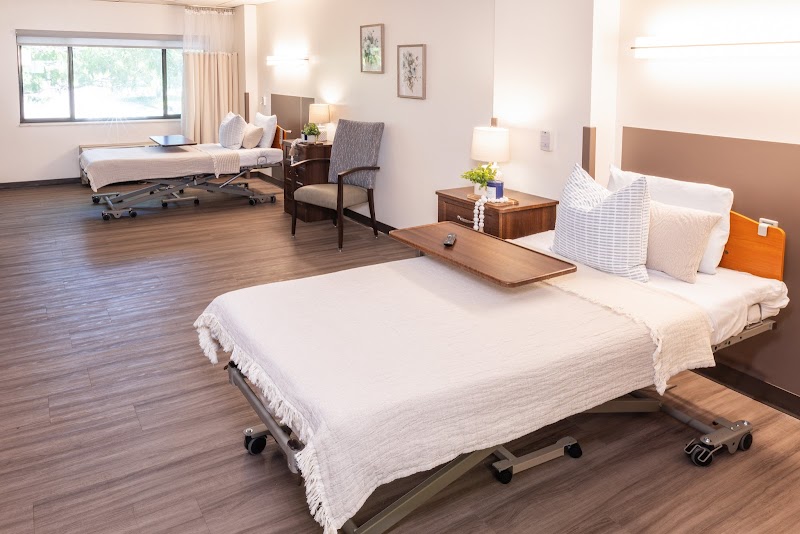
Who Owns and Operates Hilltop Park Post Acute?

HILLTOP PARK POST ACUTE is owned by a for-profit company. For-profit facilities operate as businesses with obligations to shareholders or private owners. The facility is operated by PACS GROUP, a chain that manages multiple nursing homes. With 160 certified beds and approximately 136 residents (about 85% occupancy), it is a mid-sized facility located in DENVER, Colorado.
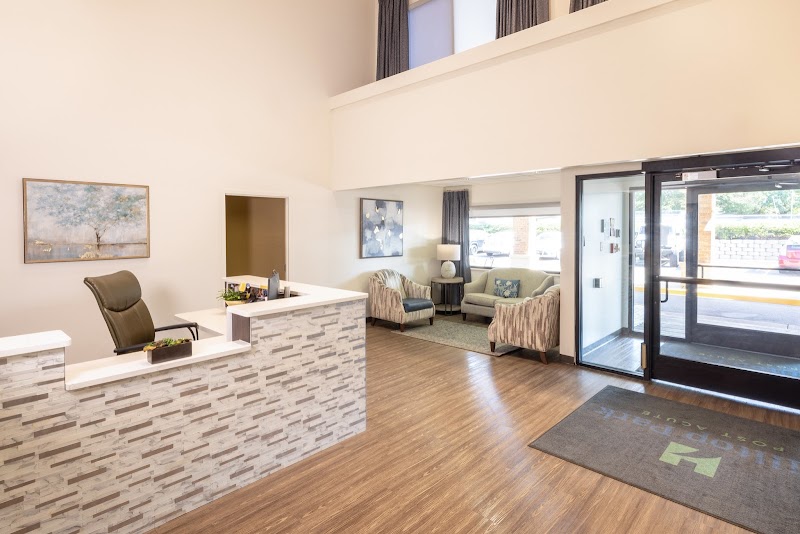
How Does Hilltop Park Post Acute Compare to Other Colorado Nursing Homes?

Compared to the 100 nursing homes in Colorado, HILLTOP PARK POST ACUTE's overall rating (2 stars) is below the state average of 3.1, staff turnover (45%) is near the state average of 46%, and health inspection rating (1 stars) is much below the national benchmark.

What Should Families Ask When Visiting Hilltop Park Post Acute?

Based on this facility's data, families visiting should ask: "What changes have been made since the serious inspection findings, and how are you preventing similar issues?" "Can you walk me through typical staffing levels on day, evening, and night shifts?" "Can I visit during a mealtime to observe dining assistance and food quality?" "How do you handle medical emergencies, and what is your hospital transfer rate?" These questions are particularly relevant given the facility's Immediate Jeopardy citations and the below-average staffing rating.

Is Hilltop Park Post Acute Safe?

Based on CMS inspection data, HILLTOP PARK POST ACUTE has documented safety concerns. Inspectors have issued 2 Immediate Jeopardy citations (the most serious violation level indicating risk of serious injury or death). The facility has a 2-star overall rating and ranks #100 of 100 nursing homes in Colorado. Families considering this facility should ask detailed questions about what corrective actions have been taken since these incidents.

Do Nurses at Hilltop Park Post Acute Stick Around?

HILLTOP PARK POST ACUTE has a staff turnover rate of 45%, which is about average for Colorado nursing homes (state average: 46%). Moderate turnover is common in nursing homes, but families should still ask about staff tenure and how the facility maintains care continuity when employees leave.

Was Hilltop Park Post Acute Ever Fined?

HILLTOP PARK POST ACUTE has been fined $125,113 across 15 penalty actions. This is 3.6x the Colorado average of $34,330. Fines at this level are uncommon and typically indicate a pattern of serious deficiencies, repeated violations, or failure to correct problems promptly. CMS reserves penalties of this magnitude for facilities that pose significant, documented risk to resident health or safety. Families should request specific documentation of what issues led to these fines and what systemic changes have been implemented.

Is Hilltop Park Post Acute on Any Federal Watch List?

HILLTOP PARK POST ACUTE is not on any federal watch list. The most significant is the Special Focus Facility (SFF) program, which identifies the bottom 1% of nursing homes nationally based on persistent, serious quality problems. Not being on this list means the facility has avoided the pattern of deficiencies that triggers enhanced federal oversight. This is a positive indicator, though families should still review the facility's inspection history directly.