CONCERN
(D)
📢 Someone Reported This
A family member, employee, or ombudsman was alarmed enough to file a formal complaint
Potential for Harm - no one hurt, but risky conditions existed
Deficiency F0569
(Tag F0569)
Could have caused harm · This affected 1 resident
Based on record review and interviews, the facility failed to ensure money from personal funds account was managed accurately one (#110) of five residents reviewed for personal funds accounts out of 4...
Read full inspector narrative →
Based on record review and interviews, the facility failed to ensure money from personal funds account was managed accurately one (#110) of five residents reviewed for personal funds accounts out of 41 sample residents. Specifically, the facility failed to reimburse Resident #110's estate within 30 days from the resident's personal funds account after his death. Findings include:I. Resident 110's representative interviewResident #110's representative was interviewed on 8/20/25 at 12:46 p.m. He said he had opened a resident trust account on 12/20/24 at the facility. He said the resident passed away on 1/13/25, before any of the funds were used. The representative said he had left many voice messages for the facility's admission coordinator and left messages with the receptionist regarding the refund. Resident #110's representative was interviewed again on 8/21/25 at 11:46 a.m. The representative said he did not understand how the facility did not have his contact information since he was in communication with the nursing staff during Resident #110's stay. II. Record reviewThe resident's admission agreement, dated 12/20/24 was signed by the Resident #110's representative. It revealed the resident's representative opened a resident fund on admission. The resident fund management service stated in pertinent part, In the event of my death, I redirect that any funds owed or advanced to me by the facility prior to my death are to be paid to the facility with any remaining balance in my resident fund account to become part of my estate.Review of Resident's #110's face sheet (form that contains pertinent information) revealed the incorrect phone number for the representative. -However, the admission agreement had the correct phone number and address. The electronic medical record did not reveal any documentation indicating that the facility had attempted to return the funds to the resident's estate or contact the resident's representative regarding the funds after the resident's death. III. Staff interviewThe business office manager (BOM) was interviewed on 8/20/25 at 11:05 a.m. The BOM said a resident's estate was reimbursed with remaining funds from a personal account after a death. He said Resident #110 did not open an account and would need to look into it. The BOM was interviewed on 8/20/25 at 12:00 p.m. The BOM said the resident did open an account and the facility would send a refund check to Resident #110's representative. The BOM was interviewed 8/21/25 at 1:00 p.m. He said the facility had not been able to get in touch with the representative after Resident #110's death. The BOM said the facility had sent a check to Resident #110's old address in hopes the family submitted a change of address card. The BOM said the check was returned to the facility and there was no further attempt to contact the representative.
CONCERN
(D)
Potential for Harm - no one hurt, but risky conditions existed
Deficiency F0605
(Tag F0605)
Could have caused harm · This affected 1 resident
**NOTE- TERMS IN BRACKETS HAVE BEEN EDITED TO PROTECT CONFIDENTIALITY** Based on observations, record review and interviews, the facility failed to ensure that one (#34) of five residents out of 41 sa...
Read full inspector narrative →
**NOTE- TERMS IN BRACKETS HAVE BEEN EDITED TO PROTECT CONFIDENTIALITY** Based on observations, record review and interviews, the facility failed to ensure that one (#34) of five residents out of 41 sample residents were free from chemical restraint and were receiving the least restrictive approach for their needs. Specifically, the facility failed to:-Provide adequate documentation, including physician documented risks versus benefits, to justify the addition of new psychotropic medications, the increase in dosage of psychotropic medications and/or the continued use of psychotropic medications;-Ensure behavior monitoring physician's orders reflected the specific behaviors Resident #34 was to be monitored for for the use of psychotropic medications; and,-Ensure consents were obtained prior to the administration of psychotropic medications for Resident #34.Findings include:I. Resident #34A. Resident statusResident #34, age less than 65, was admitted on [DATE]. According to the August 2025 computerized physician orders (CPO), diagnoses included dementia and Huntington's disease (a genetic disorder creating a breakdown of nerve cells in the brain that help control movement, mood, and thought process).iThe 6/30/25 minimum data set (MDS) assessment revealed the resident was cognitively intact with a brief interview for mental status (BIMS) score of 15 out of 15. The MDS assessment indicated the resident had no behaviors and did not experience delusions. B. Record reviewResident #34's comprehensive care plan, initiated 11/20/24, revealed that the resident took an anticonvulsant medication. Interventions were to administer the medication as ordered and ask the physician to review the medication if side effects persisted (initiated 11/20/24).Resident #34's cognitive function care plan, initiated 9/19/24, revealed the resident had impaired cognitive function and impaired thought processes related to dementia and Huntington's Disease. Interventions included having a female nurse administer medications related delusions and preferences (initiated 7/1/25). Resident #34's anxiety focus care plan, initiated 11/20/24, revealed that the resident took an antianxiety medication. Interventions included monitoring and recording occurrences of target behavioral symptoms (pacing, wandering, disrobing, inappropriate response to verbal communication and violence/aggression towards staff/others). Non-pharmacological interventions included offering a back rub, redirecting, speaking to/approaching the resident in a calm manner, repositioning, offering snacks/fluids/milk, assessing for pain, providing a quiet environment, encouraging him to express feelings, taking the resident to activities and providing reassurance (initiated 11/20/24). Resident #34's depression care plan, initiated 11/20/24, revealed that the resident took an antidepressant medication. Interventions included monitoring and documenting ongoing signs and symptoms of depression unaltered by antidepressant medications: sad, irritable, anger, never satisfied, crying, shame, worthlessness, guilt, suicidal ideations, negative mood/comments, slowed movement, agitation, disrupted sleep, fatigue, lethargy, decreased enjoyment in usual activities, changes in cognition, changes in weight/appetite, fear of being alone or with others, unrealistic fears, attention seeking, concern with body functions, and anxiety. Non-pharmacological interventions included offering a back rub, redirecting, speaking to/approaching the resident in a calm manner, repositioning, offering snacks/fluids/milk, assessing for pain, providing a quiet environment, encouraging him to express feelings, taking the resident to activities and providing reassurance (initiated 11/20/24). Resident #34's mood care plan, initiated 11/20/24, revealed that the resident took an antipsychotic medication related to Huntington's disease. Interventions included documenting episodes of behavior and documenting non-pharmacological interventions, such as offering a back rub, speaking to/approaching the resident in a calm manner, repositioning, offering snacks/fluids/milk, assessing for pain and providing a quiet environment (initiated 11/20/24).Review of Resident #34's August 2025 CPO revealed the following physician's orders:Sertraline (an antidepressant) 25 milligrams (mg) to give a total of 175 mg. Give one time a day for depression, ordered on 9/18/24.Divalproex sodium delayed release sprinkle (an anticonvulsant) 125 mg. Give two capsules three times a day for Huntington's disease, ordered on 9/18/25 and discontinued on 7/29/25.Divalproex sodium delayed release sprinkle 125 mg. Give three capsules three times a day for Huntington's disease, ordered on 7/29/25.Alprazolam (an antianxiety medication) 0.5 mg tablet. Give one time a day for anxiety, ordered on 9/18/24 and discontinued on 5/12/25.Alprazolam 0.25 mg tablet. Give one time a day for anxiety, ordered 5/12/25 and discontinued 5/15/25.Alprazolam 0.5 mg tablet. Give one time a day for anxiety, ordered on 5/15/25 (an increase).Propranolol (a beta-blocker used for an off-label use to treat anxiety) 60 mg. Give one time a day for Huntington's disease, ordered on 4/3/25. Olanzapine (an antipsychotic medication) 15 mg. Give one time a day for Huntington's disease, ordered on 1/31/25.Olanzapine 7.5 mg. Give one tablet at bedtime for Huntington's disease, ordered on 1/31/25 (an increase and in addition to 15 mg). Olanzapine 7.5 mg. Give one tablet in the afternoon for Huntington's disease, ordered on 3/1/25 (an increase and in addition to 15 mg and 7.5 mg).Risperdal (an antipsychotic medication) 0.5 mg. Give two times a day for Huntington's disease with paranoia, ordered on 4/14/25 and discontinued on 5/12/25. Risperdal 0.5 mg. Give two times a day for Huntington's disease with paranoia, ordered on 5/19/25 and discontinued on 6/26/25.Clozaril (an antipsychotic medication) 12.5 mg. Give one time a day for Huntington's disease, ordered on 8/6/25. Monitor for behaviors for Sertraline every night and every day: flat affect, withdrawn. Interventions: 1. One-on-one. 2. Activity. 3. Adjust room temperature. 4. Back rub. 5. Change position. 6. Give fluids. 7. Give food. 8. Redirect. 9. Remove the resident from the environment. 10. Toilet. 11. Other., ordered on 3/2/25.Monitor for behaviors for Zyprexa (Olanzapine) every night and every day: easily agitated, hard to redirect at times. Interventions: 0. Back rub. 1. Redirect. 2. Speak to/approach in a calm manner. 3. Reposition. 4. Offer snacks/fluids/milk. 5. Assess for pain. 6. Provide a calm environment., ordered on 3/2/25.Monitor for behaviors for Xanax (Alprazolam) every night and every day: increased anxiety, restlessness. Interventions: 0. Back rub. 1. Redirect. 2. Speak to/approach in a calm manner. 3. Reposition. 4. Offer snacks/fluids/milk. 5. Assess for pain. 6. Provide a calm environment., ordered on 3/2/25.Monitor for behaviors for Depakote (Divalproex) every night and every day: labile mood, easily agitated. Interventions: 1. One-on-one. 2. Activity. 3. Back rub. 4. Change position. 5. Give food/fluids. 6. Redirect. 7. Remove the resident from the environment., ordered on 3/2/25.Monitor for behaviors for antipsychotic use, every night and every day: paranoid ideations and/or verbal aggression. Interventions: 0. Back rub. 1. Redirect. 2. Speak to/approach in a calm manner. 3. Reposition. 4. Offer snacks/fluids/milk. 5. Assess for pain. 6. Provide a calm environment., ordered on 5/29/25. A review of Resident #34's mediation administration records (MAR) and treatment administration records (TAR) from 5/1/25 to 8/19/25 revealed the following:Resident #34's May 2025 (5/1/25 to 5/31/25) MAR/TAR revealed there was one behavior episode associated with Sertraline with an intervention of giving fluids documented as effective on 5/18/25. There were two behavior episodes associated with Olanzapine with redirection, speaking in a calm manner, repositioning, and offering snacks documented as effective on 5/4/25 and 5/20/25. There were five behavior episodes associated with Alprazolam with redirection, speaking in a calm manner, and repositioning documented as effective 5/4/25, 5/11/25, 5/18/25, 5/20/25, and 5/25/25. There were no documented episodes of behaviors associated with Divalproex.Resident #34's June 2025 (6/1/25 to 6/30/25) MAR/TAR revealed there were no documented behavior episodes associated with Sertraline. There were three behavior episodes associated with Olanzapine with redirection, speaking in a calm manner, repositioning, providing a quiet environment, and offering snacks documented as effective on 6/4/25, 6/5/25, and 6/18/25. There was one behavior episode associated with Alprazolam with redirection, speaking in a calm manner, and repositioning documented as effective on 6/18/25. There was one behavior episode associated with Divalproex with changing position and redirection documented as effective on 6/4/25. There were five behavior episodes of paranoid ideations and/or verbal aggression associated with antipsychotic medications with redirection, speaking in a calm manner, and offering snacks documented as effective on 6/11/25, 6/18/25, 6/19/25, 6/20/25 and 6/30/25. -Two of the five documented behavior episodes had no interventions documented as being attempted. Resident #34's July 2025 (6/1/25 to 6/30/25) MAR/TAR revealed there were no documented behavior episodes associated with Sertraline. There was one behavior episode associated with Olanzapine with redirection, speaking in a calm manner, repositioning, providing a quiet environment, and offering snacks documented as effective on 7/28/25. There were no documented behavior episodes associated with Alprazolam. There were no documented behavior episodes associated with Divalproex. There was one behavior episode of paranoid ideations and/or verbal aggression associated with antipsychotic medications with redirection and speaking in a calm manner documented as effective on 7/2/25. Resident #34's August 2025 (8/1/25 to 8/19/25) MAR/TAR revealed there were no documented behavior episodes associated with Sertraline. There were three behavior episodes associated with Olanzapine with redirection, speaking in a calm manner, and providing a quiet environment documented as effective on 8/3/25, 8/4/25 and 8/5/25. There were three behavior episodes associated with Alprazolam with redirection, speaking in a calm manner, and providing a quiet environment documented as effective 8/3/25, 8/4/25, and 8/5/25. There were two behavior episodes associated with Divalproex with redirection, speaking in a calm manner, and providing a quiet environment documented as effective on 8/3/25 and 8/5/25. There were three behavior episodes of paranoid ideations and/or verbal aggression associated with antipsychotic medications with no effective interventions documented on 8/3/25, 8/4/25 and 8/5/25. Review of Resident #34's electronic medical record (EMR), from 4/1/25 to 8/19/25, revealed the following progress notes:A nursing note, dated 4/14/25, revealed the physician started the resident on Risperdal 0.25 mg twice a day for seven days and then increased it to 0.5 mg twice a day.-Between 4/1/25 to 4/14/25, there were no documented behaviors in the progress notes precipitating the addition of the Risperdal. A social services note, dated 5/12/25, revealed during the psychoactive medication meeting it had been recommended to discontinue Resident #4's Risperdal and decrease the resident's Olanzapine. -The Risperdal was discontinued and then restarted on 5/19/25. The Olanzapine was never decreased (see physician's orders above).A social services note, dated 5/20/25, revealed the resident had voiced paranoia that his juice had been poisoned. A call was placed to notify the physician of the change in behavior.-A review of the behavior monitoring physician's orders failed to reveal the resident's specific paranoia of poisoning had been added to the behavior monitoring, nor documentation to indicate that a behavior monitoring physician's order had been entered for the Risperdal when it was restarted on 5/20/25 (see physician's orders above). A social services note, dated 6/6/25, revealed Resident #34 had been displaying delusions that other residents and staff wanted to fight him. The resident targeted males with this delusion and would close his door so he was unable to see them and this was effective for calming the resident down. -A review of the behavior monitoring physician's orders failed to reveal the resident's specific paranoia of males had been added to the behavior monitoring (see physician's orders above). A nursing note, dated 6/26/25, revealed the physician had increased the resident's Risperdal to 1 mg twice a day.-Between 6/6/25 to 6/26/25, there were no documented behaviors in the progress notes precipitating the increase of the Risperdal, nor documentation to indicate that a behavior monitoring physician's order had been entered for the Risperdal when it was increased on 6/26/25 (see physician's orders above). -Additionally, there were no behaviors documented on the MAR or TAR between 6/20/25 and 6/26/25 to justify the increase of the antipsychotic medication (see record review above).A nursing note, dated 8/6/25, revealed the physician started the resident on Clozaril 12.5 mg. -Between 7/1/25 and 8/6/25, there were no documented behaviors in the progress notes precipitating the increase of the Divalproex, the addition of the Clozaril, nor documentation to indicate that a behavior monitoring physician's order had been entered for the addition of the Clozaril (see physician's orders above). A social services note, dated 8/8/25, revealed the physician added the Clozaril for Huntington's disease with behavioral disturbances. The resident had been displaying an increase of paranoia, reluctance to allow staff into his room to include a decreased acceptance of housekeeping services, and striking out at staff. -A review of the resident's EMR, failed to reveal behaviors of physical aggression or a refusal to allow staff into his room, nor documentation to indicate that a behavior monitoring physician's order had been entered for these new behaviors to justify the addition of Clozaril (see physician's orders above). Pharmacist recommendations for Resident #34' medications, dated 3/3/25 revealed the pharmacist recommended reducing the resident's Sertraline and Alprazolam due to there had been no changes to the medications since September 2024. The physician declined stating it would be contraindicated. Pharmacist recommendations for Resident #34' medications, dated 5/2/25, revealed the pharmacist recommended reviewing the resident's dual antipsychotic medication usage (Olanzapine and Risperdal) and providing a risk/benefit to justify the dual treatment. The physician declined stating it would be contraindicated. Pharmacist recommendations for Resident #34' medications, dated 8/6/25, revealed the pharmacist recommended a risk/benefit for the Divalproex, changing the Olanzapine to twice a day or just once a day (taking three times a day), and a review of the Risperdal in combination with the Olanzapine due to the resident's history of falls. Psychotropic medication meeting minutes, dated 8/11/25, revealed the 8/6/25 recommendations were considered but no there was no follow-up on discussing the potential medication changes with the resident's psychiatrist noted in Resident #34's EMR.-A review of Resident #34's EMR failed to reveal any risk versus benefits documented by the physician for the resident to remain on the current medication regime, or to justify the medication increases to the regimen (see physician's orders above). A review of the resident's psychoactive medication consents revealed the facility received consent for the Divalproex and Sertraline medications on 8/20/25 (during the survey), despite the medications having been started on 9/18/24 and 7/29/25 (see physician's orders above).III. Staff interviewsCertified nurse aide (CNA) #1 was interviewed on 8/20/25 at 2:02 p.m. CNA #1 said the nurses communicated resident specific behaviors and individualized non-pharmacological interventions to the CNAs verbally. CNA #1 said Resident #34 was sometimes paranoid of particular staff, usually males, and would refuse to work with them. CNA #1 said Resident #34 did not have behaviors of physical or verbal aggression. Registered nurse (RN) #1 was interviewed on 8/20/25 at 2:20 p.m. RN #1 said the nurses were supposed to document residents' behaviors on the MAR and in the progress notes and the two should match. RN #1 said the resident specific behaviors and individualized non-pharmacological interventions were on the behavior monitoring physician's orders. She said Resident #34 had behaviors of not wanting to work with males and paranoia that other staff members were trying to harm him. RN #1 said if he did not want to work with someone, he would yell at them and close his door. She said the non-pharmacological interventions that worked with him were to encourage him to lie down and take a nap and then he would usually feel better. The social services director (SSD) was interviewed on 8/21/25 at 10:00 a.m. She said that the facility determined the efficacy of psychoactive medications being administered by using behavior monitoring physician's orders within the MAR, with resident specific behaviors listed. The SSD said if the physician decided to not make any changes to a resident's psychoactive medications, there should be a risk/benefit written to explain the rationale. The SSD said Resident #34 had behaviors of yelling out and the non-pharmacological interventions that worked were to sit and talk to him. She said he did not have any triggers and his preference for gender specific caregivers depended on the day. The SSD said the facility used trial and error to determine what non-pharmacological interventions would work and once individualized interventions had been determined, the behavior monitoring physician's order should be updated. She said Resident #34 had consistent staff that should know his moods. The SSD said she was unable to say why there were not behavior monitoring physician's orders for each of Resident #34's antipsychotic medications and what the facility was monitoring for each one. The director of nursing (DON) was interviewed on 8/21/25 at 3:11 p.m. The DON said the effectiveness of psychotropic medications was determined through medication specific behavior monitoring on the MAR. He said that non-pharmacological interventions should be individualized to the resident. The DON said it was important to have consistent behavior monitoring to ensure continuity of care. He said if a physician declined to follow pharmacist recommendations, citing it would not be beneficial to the resident's condition, the facility would request a risk versus benefit statement from the physician.-However, there were no risk versus benefits statements documented in Resident #34's EMR (see record review above).
CONCERN
(D)
Potential for Harm - no one hurt, but risky conditions existed
Quality of Care
(Tag F0684)
Could have caused harm · This affected 1 resident
**NOTE- TERMS IN BRACKETS HAVE BEEN EDITED TO PROTECT CONFIDENTIALITY** Based on record reviews and interviews, the facility failed to ensure two (#1 and #47) of five residents out of 41 sample reside...
Read full inspector narrative →
**NOTE- TERMS IN BRACKETS HAVE BEEN EDITED TO PROTECT CONFIDENTIALITY** Based on record reviews and interviews, the facility failed to ensure two (#1 and #47) of five residents out of 41 sample residents received treatment and care in accordance with professional standards of practice. Specifically, the facility failed to:-Ensure Resident #1's physician was notified of a skin alteration for anticoagulation monitoring; and,-Ensure weekly skin assessments were completed for Resident #47 prior to him developing moisture associated skin damage (MASD). Findings include:I. Facility policy and procedureThe Skin Assessment policy, revised May 2018, was provided by the nursing home administrator (NHA) on 8/21/25 at 7:48 a.m. It read in pertinent part, It is the policy of the facility to assess all residents upon admission, when a comprehensive assessment is required and quarterly thereafter to identify risk of skin breakdown. The purpose is to identify residents at risk for skin breakdown and institute appropriate preventative measures. All residents will be assessed for skin risk using a pressure ulcer risk assessment form within 24 hours of the time of admission by a licensed nurse. Residents will be re-assessed for skin risk when a comprehensive assessment is required and quarterly, significant change, or annually thereafter. Weekly skin evaluations will be completed by a licensed nurse weekly and as needed.II. Resident #1 A. Resident statusResident #1, age greater than 65, was admitted on [DATE]. According to the August 2025 computerized physician orders (CPO) diagnoses included pneumonia, chronic respiratory failure with hypoxia (lack of sufficient oxygen), type 2 diabetes mellitus, hemiplegia (paralysis) and hemiparesis (weakness), anemia (lack of healthy red blood cells), congestive heart failure and long term use of anti-coagulants (blood thinner medication).The 7/21/25 minimum data set (MDS) assessment revealed the resident was cognitively intact with a brief interview for mental status (BIMS) score of 15 out of 15. She was independent for meals and was dependent on care for all other activities of daily living (ADL).The assessment documented the resident was taking an anticoagulant medication.B. Resident observation and interviewOn 8/18/25 at 2:45 p.m. Resident #1's right wrist was observed. The resident had a bruise on her right wrist, approximately two inches by two inches around. The bruise was dark brown throughout. Resident #1 was interviewed on 8/18/25 at 2:45 p.m. Resident #1 said she hurt her wrist the previous week and had the bruise since last week. Resident #1 said she could not remember how she got the bruise and said it was not from an (intravenous line) IV or blood draw. She said the bruise hurt initially but it was no longer painful.On 8/19/25 at 1:28 p.m. Resident #1's wrist was observed. The resident had a bruise on her right wrist, approximately two inches by two inches around. The bruise was dark brown throughout. Resident #1 was interviewed on 8/19/25 at 1:28 p.m. Resident #1 said the bruise on her wrist did not hurt.C. Record reviewResident #1's anticoagulant therapy care plan, revised 2/14/25, documented she received anticoagulant therapy related to a diagnosis of atrial fibrillation (irregular and rapid heartbeat). Pertinent interventions, initiated 2/14/25, included to monitor, document, and report to the provider as needed signs and symptoms of anticoagulant complications: blood tinged or blood in the urine, black tarry stools, dark or bright red blood in stools, sudden severe headaches, nausea, vomiting, diarrhea, muscle joint pain, lethargy, bruising, bleeding, blurred vision, shortness of breath, loss of appetite, sudden changes in mental status, significant or sudden changes in vital signs.A review of Resident #1's August 2025 CPO revealed the following physician's orders:Eliquis (blood thinner) oral tablet 2.5 mg, give one tablet by mouth two times a day for atrial fibrillation, ordered 6/9/23.Anti-coagulant: monitor, document, and report to the provider signs and symptoms of anticoagulant complications such as blood tinged or blood in urine, black tarry stools, dark or bright red blood in stools, sudden severe headaches, nausea, vomiting, diarrhea, muscle joint pain, lethargy, bruising , blurred vision, shortness of breath, loss of appetite, sudden changes in mental status, significant or sudden changes in vital signs, every day and night shift for eliquis, ordered 3/2/25.The anti-coagulant monitoring was marked as completed twice a day in the residents medication administration record (MAR) on 8/18/25 and 8/19/25.-However, a review of the resident's electronic medical record (EMR) revealed there was no documentation of a bruise to Resident #1's wrists (see nursing assessment below) or notification to the provider until 8/20/25 (during the survey).An 8/20/25 nursing skin note documented at 3:02 p.m. that upon skin inspection, Resident #1 was observed to have discolorations at bilateral medial wrists and her skin was noted as intact. The resident denied pain or discomfort and stated that she had an IV insertion attempted to both wrists at an external provider, and her physician was present and concurred with this story. A skin assessment was completed that included measurements and her spouse was notified. Orders were obtained to monitor the site for pain or signs and symptoms of worsening or infection. The left wrist measured approximately 3.0 by 2.6 and the right wrist measured approximately 6.4 by 4.3.-The note did not indicate what unit of measurement the bruises were.The 8/20/25 change in condition summary documented at 3:50 p.m. revealed that the change in condition/s reported on the evaluation were a change in skin color or condition. The resident was on an anticoagulant other than warfarin. The positive findings reported on the resident evaluation for this change in condition was a skin status evaluation of discoloration. The resident did not have pain. Upon skin inspection, the resident was observed with discolorations at her bilateral medial wrists. When questioned, the resident stated that she had blood draws performed at an external provider and the resident's physician was present and concurred that they attempted IV insertion at one site and then at the other. -However, the bruise on the resident's right wrist was observed on 8/18/25 and the resident reported she had the bruise the previous week. The facility documentation failed to reveal the presence of the bruise after anti-coagulant monitoring was completed.III. Resident #47 A. Resident statusResident #47, age less than 65, was admitted on [DATE]. According to the August 2025 CPO, diagnoses included Parkinson's disease, history of pneumonia, depression and bipolar disorder (mental illness).The 8/18/25 MDS assessment revealed the resident was cognitively intact with a BIMS score of 15 out of 15. The resident was independent for meals and was dependent on care for all other activities of daily living (ADL).The assessment documented the resident was at risk for developing pressure injuries but did not document the resident had MASD.B. Record reviewResident #47's 5/13/25 Braden Scale pressure sore risk assessment documented the resident's sensory perception was slightly limited, with occasionally moist skin, and he walked occasionally and had slightly limited mobility. The assessment documented the resident's nutrition was probably inadequate, there was no apparent problem with friction and shear and the resident was at low risk for developing pressure sores.A 6/21/25 weekly skin evaluation documented Resident #47's skin was clean and warm with fair skin turgor (elasticity).A 7/20/25 weekly skin evaluation documented Resident #47 was observed with MASD on the right gluteal fold with treatment in place. Skin was otherwise warm to the touch, the color was normal, and the turgor (elasticity) was adequate.A 7/21/25 non-pressure skin ulcer weekly assessment documented an initial review of a non-pressure skin site on the buttocks with an unknown onset date. The type of skin ulcer/wound was MASD with a small amount of clear drainage. Risk factors included aging, malnutrition, dementia and impaired mobility. Education provided was continuous education and treatments as prescribed.-A review of the resident's EMR revealed weekly skin assessments were not completed between 6/21/25 and the 7/20/25 skin assessment.IV. Staff interviewsThe NHA, regional clinical resource (RCR) #1 and the director of nursing (DON) were interviewed together on 8/21/25 at 2:42 p.m. The NHA said if a skin alteration was found on a resident, the alteration should be entered into the resident's EMR and a treatment order would then be placed. The NHA said when Resident #48's skin assessment was supposed to be completed, staff were scheduled on the shifts who were not normally scheduled and they were not completed.The DON said the facility did verify (during the survey) that the Resident #1 did have a procedure to her wrists that could potentially cause bruising. The DON said anti-coagulant monitoring assessment would involve a full skin check as ordered in the resident's medical record. The DON said if the staff who completed the assessment discovered a skin issue it should be reported to him and the facility can then monitor the site. The DON said residents with weekly skin assessments (Resident #48) had their skin assessment completed on the same day their showers were scheduled. The DON said Resident #48 did have a history of refusing skin checks.-However, Resident #1 anti-coagulant monitoring was marked as completed on the day and night shift on 8/18/25 and 8/19/25 but did not identify Resident's #1's bruises.The RCR #1 said if a resident refused to have their skin assessment completed the refusal could be documented in the resident medical record.-However, Resident #48 did not have documented refusals of his skin assessments that were not completed on 6/28/25, 7/5/25 and 7/12/25.V. Facility follow upThe weekly skin assessments action plan, dated 8/20/25 was provided by the NHA on 8/21/25 at 6:00 p.m. The action plan documented the following: The facility has not consistently completed skin assessments on a weekly basis for all residents. An audit was conducted to identify any resident that has not had a recent skin assessment completed. An audit was conducted to ensure all residents have a skin assessment assigned and scheduled in the resident's EMR. Education provided to licensed nurses on the expectations of completing weekly skin assessments as scheduled and documenting refusals when applicable, all to be completed by 8/22/25.
CONCERN
(D)
Potential for Harm - no one hurt, but risky conditions existed
Accident Prevention
(Tag F0689)
Could have caused harm · This affected 1 resident
**NOTE- TERMS IN BRACKETS HAVE BEEN EDITED TO PROTECT CONFIDENTIALITY** Based on observations record review and interviews, the facility failed to ensure the environment were free of accidents and haz...
Read full inspector narrative →
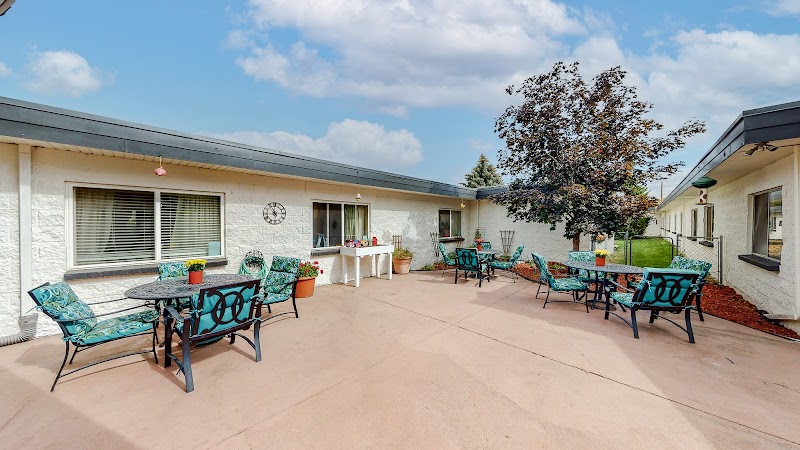
**NOTE- TERMS IN BRACKETS HAVE BEEN EDITED TO PROTECT CONFIDENTIALITY** Based on observations record review and interviews, the facility failed to ensure the environment were free of accidents and hazards for one (#68) of two residents reviewed out of 41 sample residents. Specifically, the facility failed to: -Ensure Resident #68 was assessed to determine if he was safe to smoke independently; and,-Ensure Resident #68 was not smoking within ten feet of the facility. Findings include:I. Facility policy and procedureThe Smoking policy and procedure, revised 1/1/25, was provided by the nursing home administrator (NHA) on 8/21/25 at 9:31 a.m. It revealed in pertinent part,This facility does not allow smoking of any kind to occur within the facility. No lighting materials (matches, lighters), or smoking devices will be allowed to be kept in the possession of the residents, on their person.II. Resident #68A. Resident statusResident #68, age less than 65, was admitted on [DATE]. According to the August 2025 computerized physician orders (CPO), diagnoses included cellulitis (infection of the skin) of the left lower limb and sepsis (infection of the blood). The 8/18/25 minimum data set (MDS) assessment revealed the resident was cognitively intact with a brief interview for mental status (BIMS) score of 13 out of 15. B. Resident interviewResident #68 was interviewed on 8/19/25 at 2:29 p.m. He said the nurses kept his cigarettes and sometimes they asked him for his lighter. Resident #68 said there was no smoking schedule. He said he went outside when he wanted and he used to smoke in the back of the building. He said recently the facility told him he had to go across the street off the property to smoke. Resident #68 said his lighter was in his pocket and pulled it out. C. ObservationsOn 8/18/25 at 11:32 a.m. Resident #68 exited the facility through a door located next to the dining room onto a side patio. Resident #68 was smoking on the patio less than three feet from the door. The smell of cigarettes could be smelt inside the resident dining room. On 8/21/25 at 11:38 a.m. Resident #68 was outside the building in the front driveway to the parking lot smoking cigarettes. D. Record reviewThe comprehensive care plan, revised 8/14/25, revealed the resident was at risk for impaired cognitive function and/or impaired thought processes related to psychotropic drug use. Interventions included giving the resident step by step instructions, one at a time as needed to support cognitive function.Progress notes reviewed from 8/13/25 to 8/19/25 revealed the following:A nursing note, dated 8/13/25, revealed the resident was admitted via ambulance from the hospital. The resident was agitated and trying to leave the facility to smoke a cigarette. The resident told the staff, I told them (the hospital) not to bring me here if I couldn't smoke. I would rather be on the streets. The staff offered the resident to get an order from the physician for nicotine patches but the resident refused. A nursing note, dated 8/16/25, revealed the resident was asking for cigarettes more often and if he did not get them, he would then ask to go out of the facility. A review of Resident #68's electronic medical record (EMR) on 8/20/25 at 9:30 a.m. failed to reveal a smoking assessment had been completed on Resident #68. A smoking assessment was completed on 8/20/25 at 2:32 p.m. (during the survey). The assessment indicated the resident was able to smoke safely and had agreed to smoke off the facility property. III. Staff interviewsLicensed practical nurse (LPN) #2 was interviewed on 8/20/25 at 1:48 p.m. She said the facility did not do smoking assessments because the facility was a non smoking facility. She said the staff allowed residents who smoked cigarettes to keep their own lighter and cigarettes and the staff determined their safety based on the residents' level of mental orientation. LPN #2 was not sure where smoking residents went to smoke.Certified nurse aide (CNA) #1 was interviewed on 8/20/25 at 2:02 p.m. She said Resident #68 went to the back of the facility to smoke. CNA #1 said the nurse held onto his cigarettes and lighter. Registered nurse (RN) #1 was interviewed on 8/20/25 at 2:20 p.m. She said the facility did not do smoking assessments because the facility was a non smoking facility. RN #1 said Resident #68 held onto his own cigarettes and she kept his lighter locked up in her medication cart. The director of nursing (DON) was interviewed on 8/20/25 at approximately 2:30 p.m. He said the facility did not do smoking assessments because the facility was a non smoking facility. He said if a resident smoked, they were advised of the smoking policy and that they had to leave the property to go outside to smoke. The DON said the facility would offer alternatives, like nicotine patches or gum. He said Resident #68 had his own cigarettes and the staff held onto his lighter. He said they would complete a smoking assessment for Resident #68.The NHA was interviewed on 8/21/25 at 11:42 a.m. He identified the front driveway leading into the parking lot as part of the facility property and he said residents were not to smoke in that area.
CONCERN
(D)
Potential for Harm - no one hurt, but risky conditions existed
Respiratory Care
(Tag F0695)
Could have caused harm · This affected 1 resident
**NOTE- TERMS IN BRACKETS HAVE BEEN EDITED TO PROTECT CONFIDENTIALITY** Based on observations, record review and interviews, the facility failed to ensure one (#48) of three residents who required res...
Read full inspector narrative →
**NOTE- TERMS IN BRACKETS HAVE BEEN EDITED TO PROTECT CONFIDENTIALITY** Based on observations, record review and interviews, the facility failed to ensure one (#48) of three residents who required respiratory care received care consistent with professional standards or practice out of 41 sample residents.Specifically, the facility failed to ensure Resident #48's bilevel positive airway pressure (BiPAP) machine was cleaned and sanitized. Findings include:I. Facility policy and procedureThe BiPAP/CPAP Monitoring and Management policy, dated May 2014, was provided by the nursing home administrator on 8/21/25 at 9:43 a.m. It read in pertinent part, The policy of the facility is that BiPap/CPAP (continuous positive airway pressure) devices be administered as ordered by the physician for conditions such as chronic respiratory failure, respiratory distress, and sleep apnea. Interventions are implemented to minimize risks associated with BiPAP/CPAP. The tubing will be changed weekly. For machines using humidification, fill the appropriate chamber with distilled water. The chamber will be cleansed every evening before usage per manufacturer directions.II. Resident #48A. Resident statusResident #48, age greater than 65, was admitted on [DATE]. According to the August 2025 computerized physician orders (CPO) diagnoses included type 2 diabetes mellitus, chronic obstructive pulmonary disease (COPD), chronic respiratory failure with hypoxia (body tissues do not receive enough oxygen), dependence on supplemental oxygen, major depressive disorder and dependence on supplemental oxygen.The 6/19/25 minimum data set (MDS) assessment revealed the resident was cognitively intact with a brief interview for mental status (BIMS) score of 15 out of 15. She needed substantial assistance from staff for bathing and lower body dressing, and set-up assistance with eating and hygiene.The assessment did not document the resident used noninvasive mechanical ventilation or BiPAP machine.-However, observations, record review and interviews revealed the resident used a BiPAP (see below).B. Resident interview and observationsOn 8/18/25 at 3:59 p.m. Resident #48's BiPAP machine and tubing were on top of her nightstand next to her bed. The tubing was connected to a mask that was on the resident's bed. The reservoir in the BiPAP machine had a layer of scale that covered the bottom of the reservoir.Resident #48 was interviewed on 8/18/25 at 3:59 p.m. Resident #48 said the company that supplied oxygen services for the facility was at the facility every week. Resident #48 said she did not think her BiPAP machine had ever been cleaned and was told a nurse should clean the machine. Resident #48 said she had a bag to store her oxygen tubing but nothing to store her BiPAP mask. Resident #48 said she usually stored her BiPAP mask under her pillow.On 8/19/25 Resident #48's BiPAP machine and tubing were on top of her nightstand next to her bed. The tubing was connected to a mask that was on the resident's bed. The reservoir in the BiPAP machine had a layer of scale that covered the bottom of the reservoir and the reservoir had a layer of condensation inside.Resident #48 was interviewed on 8/19/25 at 1:40 p.m. Resident #48 her BiPAP machine had not been cleaned that day or the previous day.III. Record reviewResident #48's respiratory care plan, revised 12/26/24, documented she had altered respiratory status and difficulty breathing related to chronic obstructive pulmonary disease, chronic respiratory failure with hypoxia, shortness of breath when lying flat, and dependence on supplemental oxygen. Pertinent interventions, initiated 12/16/24, included that the resident had oxygen therapy.-However, the resident's comprehensive care plan did not include a care plan or interventions for BiPAP administration, use or cleaning.A review of Resident #48's August 2025 CPO revealed the following physician's order:BIPAP to run overnight. For any issues contact the facility's respiratory services vendor; one time a day please connect the oxygen tube to the concentrator and BIPAP, ordered 10/4/24.-The CPO did not include orders for cleaning the BiPAP.-Review of the resident's electronic medical record (EMR) did not include documentation that the BiPAP had been cleaned.IV. Staff interviewsThe NHA and the director of nursing (DON) were interviewed together on 8/21/25 at 2:42 p.m. The DON said the facility's respiratory services vendor was supposed to clean Resident #48's BiPAP machine. The DON said the vendor was supposed to do the cleaning once a week and the vendor rounded once a week in the facility. The DON said Resident #48's BiPAP machine had scale inside and the respiratory vendor cleaned out Resident #48's BiPAP machine during the survey.
CONCERN
(D)
Potential for Harm - no one hurt, but risky conditions existed
Deficiency F0742
(Tag F0742)
Could have caused harm · This affected 1 resident
**NOTE- TERMS IN BRACKETS HAVE BEEN EDITED TO PROTECT CONFIDENTIALITY** Based on record review and interviews, the facility failed to ensure residents diagnosed with a mental disorder or psychosocial ...
Read full inspector narrative →
**NOTE- TERMS IN BRACKETS HAVE BEEN EDITED TO PROTECT CONFIDENTIALITY** Based on record review and interviews, the facility failed to ensure residents diagnosed with a mental disorder or psychosocial adjustment difficulty received appropriate treatment and services to attain the highest practicable mental and psychosocial wellbeing for one (#53) of five residents out of 41 sample residents. Specifically, the facility failed to:-Ensure individualized care approaches were provided and monitored with ongoing assessment for Resident #53 in order to meet the emotional and psychosocial needs of the resident; and,-Ensure Resident #53, who had expressed suicidal ideations, a history of attempts, and a history of trauma, was monitored for signs and symptoms of suicidal ideation. Findings include:I. Resident #53A. Resident statusResident #53, age less than 65, was admitted on [DATE]. According to the August 2025 computerized physician orders (CPO), diagnoses included bipolar disorder (mental illness), William's syndrome (a genetic disorder causing impaired physical characteristics and intellectual disabilities), suicidal ideations and major depressive disorder. The 6/30/25 minimum data set (MDS) assessment revealed the resident was cognitively intact with a brief interview for mental status (BIMS) score of 15 out of 15. The MDS assessment indicated the resident had felt down, depressed, hopeless and that she was a failure. B. Resident interview Resident #53 was interviewed on 8/20/25 at 10:46 a.m. Resident #53 said that it had been difficult for her to live in the facility because the other residents were so much older than her and she was more independent than the other residents. She said she has struggled with depression since admitting to the facility and she did not feel her Latuda (antipsychotic medication) was working for her depression. Resident #53 said she had been sexually molested by a physical therapist that came to her home prior to admitting to the facility while her caregiver was in the other room and the therapist had threatened to kill her if she reported the abuse. She said she did report it after discovering she was not the only person the physical therapist abused. Resident #53 said she had been overwhelmed being unable to care for herself, despondent with her unsafe living conditions, and depressed about the abuse. She said she felt the only way to get out of her situation was to threaten suicide. She said she did not have a plan at the time but she had seriously considered carrying it out and had a history of attempting suicide in her past. C. Record reviewThe trauma care plan, revised 12/11/24, revealed Resident #53 was at risk for re-traumatization related to a history of trauma including, childhood sexual abuse and recent sexual abuse within the last year. The resident had an open case against the perpetrator. Interventions included assisting the resident to develop more appropriate methods of coping and interacting, encouraging the resident to do things that provided her relief (per the resident, that included keeping busy) and explaining all procedures to the resident before starting and allow her to adjust to the changes. The mood care plan, revised 4/15/24, revealed Resident #53 had mood problems related to a diagnosis of bipolar disorder, depression and adjustment disorder. Signs of depression for the resident included crying and withdrawing. The resident had a suicide lethality assessment completed and a safety plan completed. Interventions included monitoring the resident for risks for harm to self including: suicidal plan, past attempts at suicide, risky actions (stockpiling pills, saying goodbye to family, giving away possessions or writing a note), intentionally harming or trying to harm self, refusing to eat or drink, refusing medications or therapies, expressing a sense of hopelessness or helplessness and observing for signs and symptoms of mania or hypomania (racing thoughts or euphoria; increased irritability; frequent mood changes; pressured speech; flight of ideas; marked change in need for sleep; agitation or hyperactivity) (initiated 12/11/24). Review of theAugust 2025 CPO revealed the following physician's orders:Latuda 80 milligrams (mg). Give one time a day for bipolar disorder, ordered on 12/10/24. Behavior monitoring for tearfulness, isolation, and self deprecating statements. Non-pharmological interventions: 1. One-on-one. 2. Offer activity. 3. Adjust room temperature. 4. Back rub. 5. Change position. 6. Give food. 7. Give fluids. 8. Redirect. 9. Remove from the situation. 10. Toilet. 11. Other., ordered 2/6/25.Duloxetine (an antidepressant) 60 mg. Give one a day depression, ordered 5/19/25. -Review of the August 2025 CPO did not include a physician's order to monitor for potential signs and symptoms of suicidal ideation.Progress notes reviewed from 4/1/25 to 8/19/25 revealed the following:A psychiatric nurse practitioner (NP) note, dated 4/30/25, revealed the resident was seen for worsening depressive symptoms and high anxiety. The resident reported that her current depression severity was an eight out of 10 and her Latuda and Duloxetine were providing minimal relief. The NP wrote that the clinical reasoning suggested that the current medication regimen was suboptimal, given the resident's reported lack of efficacy and to consider increasing the Latuda to 120 mg to address the depressive symptoms. The NP also noted the resident suffered from post traumatic stress disorder (PTSD) and to consider cross tapering from Duloxetine to Effexor for depression as Duloxetine was not a robust antidepressant and Effexor would treat depression along with PTSD.A psychiatric follow up note, dated 8/21/25 (during the survey), revealed the resident reported she was dealing with a lot and was experiencing increased stress related to the upcoming court case regarding the sexual assault from two years ago, with the perpetrator's sentencing approaching in September 2025. The resident reported feeling more depressed than usual and believed her current medications were not working effectively. The resident reported she had a history of numerous psychiatric hospitalizations, primarily for depression and suicidal thoughts, and a past suicide attempt. The psychiatrist recommended increasing the Latuda to 120 mg and tapering from Duloxetine to Effexor for depression. A review of Resident #43 electronic medical record (EMR) revealed;The preadmission screening and resident review (PASRR) level II determination and evaluation for mental illness and developmental disabilities, dated 12/05/24, revealed the resident had admitted to the facility from an inpatient psychiatric unit after being placed on a mental health hold after presenting to the hospital with suicidal ideations. The resident had been living in a situation where she experienced bedbugs and was unable to care for herself, prompting her to ask a homeless man to move in and be her caregiver. She reported to the evaluator that she was overwhelmed by trying to live independently and knew no other way to get out of her situation. The evaluator revealed the resident had interests in crochet, music and coloring in adult coloring books.A safety plan, dated 12/11/24, revealed warning signs of suicidal ideations included calling people names, making statements that she was worthless, and expressing she was feeling pushed around. Helpful interventions included to involve the resident in crafts, crocheting, making jewelry and coloring. -A review of the residents behavior monitoring order and care plan failed to include the identified warning signs and specific interventions. An initial psychiatric assessment, dated 2/14/25, revealed the resident had been struggling with an increase in PTSD symptoms with intrusive thoughts of her perpetrator coming to the facility and assaulting her again. She shared with the psychiatrist a history of repeated childhood sexual abuse, an experience of being sold for sex by a boyfriend and the recent assault by a physical therapist at a prior placement. The psychiatrist had recommended increasing the Latuda to 120mg and tapering from Duloxetine to Effexor for depression as well as monitoring for suicidal ideations. -A review of the pharmacist recommendations dated 1/2/25 to 8/5/25 failed to reveal the psychiatrist's recommendations had been considered or the clinical rationale for not considering the recommendations.Social service assessments, dated 3/21/25 and 6/10/25, revealed the resident had a potential trauma trigger when provided gender specific caregivers, but the assessment did not specify what gender and how the facility was mitigating the potential trigger. A review of psychotropic medication meeting minute notes, dated 6/9/25, revealed no recommendations by the psychiatrist were discussed or implemented. -There were no other psychotropic medication meeting minute notes for Resident #43. III. Staff interviewsLicensed practical nurse (LPN) #1 was interviewed on 8/20/25 at 1:51 p.m. LPN 1 said if a resident had a history of suicidal ideations, the nurse would see a monitoring order in the CPO. She said Resident #53 did not have a history of suicidal ideations, attempts or verbalizations. -However, the resident had a history of suicide attempts (see resident interview and record review above).Certified nurse aide (CNA) #3 was interviewed on 8/20/25 at 1:57 p.m. She said if a resident had a history of suicidal ideations or attempts, the nurse would tell the CNA's verbally. CNA #3 said Resident #53 had behaviors of believing others did not like her but no other behaviors. CNA #1 was interviewed on 8/20/25 at 2:02 p.m. She said if a resident had a history of suicidal ideations or attempts, the nurse would tell the CNA's verbally. CNA #1 said Resident #53 did not show any signs of depression and did not have a history of suicidal ideations, attempts, or verbalizations. The social services director (SSD) was interviewed on 8/21/25 at 10:00 a.m. She said if a resident had a history of suicidal ideations or suicide attempts, the facility would start an order for monitoring of signs and symptoms. The SSD said she collected that information from the PASRR, admission record review, resident interviews and family interviews. She said it was important to monitor the resident and let the staff know to monitor so if the resident had a change in mood, it could be reported to the SSD immediately. She said Resident #53 had behaviors of tearfulness, expressing she was too young to be in a nursing facility and a history of trauma. She said Resident #53 had an incident of sexual assault in the last two years and was going through the process with the courts to prepare for the trial and sentencing of the perpetrator. The SSD said Resident #53 had been several court related depositions since arriving at the facility and it had been emotionally difficult for the resident to go through that. She said she did not believe going through the court process had exacerbated Resident #53's trauma of sexual abuse, but she had not been monitoring for that. The SSD said she was not monitoring for suicidal ideations because the incident at the psychatric hospital prior to admission had not been serious. She said her expectation was for the staff to find a resident's behaviors in the history and physical records in the chart and she assumed the staff were aware that if a resident made comments about being depressed or down, they would report it to the SSD. The SSD said the non-pharmological interventions for Resident #53's depression included offering back rubs and if staff offering back rubs was triggering, the resident would convey that to the staff. The SSD said she did not believe it would be additionally triggering for Resident #53 to have to verbalize to the staff back rubs may make her uncomfortable.
CONCERN
(D)
Potential for Harm - no one hurt, but risky conditions existed
Infection Control
(Tag F0880)
Could have caused harm · This affected 1 resident
Based on observations and interviews, the facility failed to maintain an infection control program designed to provide a safe, sanitary and comfortable environment and to help the development and tran...
Read full inspector narrative →
Based on observations and interviews, the facility failed to maintain an infection control program designed to provide a safe, sanitary and comfortable environment and to help the development and transmission of communicable diseases and infections on one of four units.Specifically, the facility failed to ensure staff wore the appropriate personal protective equipment (PPE) when providing care for Resident #5, who was on enhanced barrier precautions (EBP). Findings include:I. Professional referenceAccording to the Centers for Disease Control and Prevention's (CDC) Frequently Asked Questions (FAQs) about Enhanced Barrier Precautions in Nursing Homes, revised June 28, 2024, retrieved from https://www.cdc.gov/long-term-care-facilities/hcp/prevent-mdro/faqs.html on 8/26/25, Definition and scope of Enhanced Barrier Precautions. The presence of an indwelling device is a major risk factor for being colonized with or acquiring a MDRO (multidrug resistant organism). Therefore, the safest practice would be to wear a gown and gloves for any care (dressing changes) or use (injecting or infusing medications or tube feeds) of the indwelling medical device. It may be acceptable to use gloves, alone, for some uses of a medical device that involve only limited physical contact between the healthcare worker and the resident (passing medications through a feeding tube). This is only appropriate if the activity is not bundled together with other high-contact care activities and there is no evidence of ongoing transmission in the facility. Facilities should define these limited contact activities in their policies and procedures and educate healthcare personnel to ensure consistent application of enhanced barrier precautions.II. Facility policy and procedure:The Enhanced barrier precautions policy, revised May 2025, was received from the nursing home administrator (NHA) on 8/21/25 at 11:40 a.m. It read in pertinent part, Enhanced Barrier Protection (EBP}: used in conjunction with standard precautions and expand the use of PPE through the use of gown and gloves during high-contact resident care activities that provide opportunities for indirect transfer of MDROs to staff hands and clothing then indirectly transferred to residents or from resident-to-resident. (residents with wounds and indwelling medical devices are at especially high risk of both acquisition of and colonization with MDROs). The use of gown and gloves for high-contact resident care activities is indicated, when Contact Precautions do not otherwise apply, for nursing home residents with wounds and/or indwelling medical devices regardless of known MDRO infection of colonization. Examples of high-contact resident care activities requiring gown and glove use for Enhanced Barrier Precautions include: dressing, bathing/showering, transferring, providing hygiene, changing linens, changing briefs or assisting with toileting, device care or use (central vascular line, indwelling urinary catheter, feeding tube and tracheostomy/ventilator) and wound care. III. ObservationsDuring a continuous observation on 8/20/25, beginning at 3:37 p.m. and ending at approximately 4:00 p.m., the following was observed:At 3:37 p.m. licensed practical nurse (LPN) #2 entered Resident #5's room, carrying two medication cups and an unopened irrigation tray kit. Resident #5 was sitting in her wheelchair next to the sink in her bedroom. LPN #2 placed the medication cups and irrigation tray onto the countertop next to the sink.At 3:39 p.m. LPN #2 donned )put on) a pair of gloves. LPN #2 repositioned Resident 5's shirt and pants to uncover the resident's feeding tube. LPN #2 opened the irrigation tray kit and removed the graduated cylinder and 60 milliliter (mL) syringe inside. LPN #2 infused water via the syringe, into Resident #5's feeding tube. LPN #2 flushed Resident #5's feeding tube with approximately 30 mL of water. LPN #2 poured the first medication into the syringe and let it infuse to gravity. LPN #2 flushed Resident #5's feeding tube with another approximately 30 mL of water. LPN #2 poured the second medication into the syringe and let it infuse to gravity. LPN #2 then flushed approximately 60 mL of water into Resident #5's feeding tube. -LPN #2 did not put on a gown prior to providing care to Resident #5, who was on EBP. IV. Staff interviewsLPN #2 was interviewed on 8/21/25 at 12:06 p.m. LPN #2 said when a resident was on EBP, the staff needed to wear a gown, gloves and a mask. LPN #2 said she did not wear a gown while administering medications to Resident #5 through her feeding tube. LPN #2 said she did not know if the nursing staff needed to wear PPE during medication administration. The assistant director of nursing (ADON) was interviewed on 8/21/25 at 12:00 p.m. The ADON said when a resident was on EBP, the nursing staff should wear a gown and gloves when administering medications through a feeding tube.
CONCERN
(E)
📢 Someone Reported This
A family member, employee, or ombudsman was alarmed enough to file a formal complaint
Potential for Harm - no one hurt, but risky conditions existed
Safe Environment
(Tag F0584)
Could have caused harm · This affected multiple residents
Based on observations and interviews, the facility failed to provide a safe, functional, sanitary, and comfortable environment for residents, staff and the public in three of four shower rooms. Specif...
Read full inspector narrative →
Based on observations and interviews, the facility failed to provide a safe, functional, sanitary, and comfortable environment for residents, staff and the public in three of four shower rooms. Specifically, the facility failed to ensure shower rooms and tubs were clean and free from debris in order for residents to have a sanitary environment to bathe.Findings include:I. ObservationsOn 8/18/25 at 1:35 p.m. the Summit Ridge unit shower rooms were inspected. The first shower room had empty shampoo and body wash bottles on the floor, along with piles of wet towels. The room had a smell of urine. The inside of the tub contained a bag of wet towels, two empty bottles and there was unidentified black grime and hair inside the tub.On 8/18/25 at 1:45 p.m. the Highline Creek unit shower room was inspected. The shower room had visibly dirty and wet towels on the floor. The inside of the tub contained wet towels, empty bottles and unidentified trash inside the tub. On 8/18/25 at 2:00 p.m. the Riverwalk unit shower room was inspected. The shower room was filled with resident equipment (wheelchairs, walkers and bedside commodes) with no access to the shower stall. II. Resident representative interviewResident #5's representative was interviewed on 8/19/25 at 3:42 p.m. The representative said one day she observed there was feces all over the floor in the shower room and in the shower and it smelled very bad. The representative said she had gone into the shower rooms before and had seen used towels on the floor and empty shampoo bottles. III. Staff interviewsLicensed practical nurse (LPN) #2 was interviewed on 8/20/25 at 1:45 p.m. LPN #2 said the certified nurse aides (CNA) were to clean the shower rooms after each time the room was used. LPN #1 was interviewed on 8/20/25 at 1:51 p.m. LPN #1 said the CNAs were to clean the shower rooms at the end of their shift and the housekeepers deep cleaned the shower rooms weekly. CNA #3 was interviewed on 8/20/25 at 1:57 p.m. CNA #3 said the CNAs cleaned the shower rooms after using them and the housekeepers were supposed to clean the shower rooms weekly. The director of nursing (DON) was interviewed on 8/20/25 at approximately 2:30 p.m. The DON said that the facility was not currently using the tubs but he did not know why. He said if a resident asked to take a bath, first the CNAs would need to determine if a tub was working and then it would have to be cleaned. The DON said his expectation, regardless of if the tubs were working or not, was that the shower rooms were to be cleaned after every use and kept clean and disinfected for the residents by the CNAs.
CONCERN
(E)
Potential for Harm - no one hurt, but risky conditions existed
Deficiency F0809
(Tag F0809)
Could have caused harm · This affected multiple residents
**NOTE- TERMS IN BRACKETS HAVE BEEN EDITED TO PROTECT CONFIDENTIALITY** Based on observations and interviews, the facility failed to ensure residents received substantial nourishing snacks per their p...
Read full inspector narrative →
**NOTE- TERMS IN BRACKETS HAVE BEEN EDITED TO PROTECT CONFIDENTIALITY** Based on observations and interviews, the facility failed to ensure residents received substantial nourishing snacks per their preferences. Specifically, the facility failed to:-Ensure residents received snacks upon request; and, -Ensure nourishing snacks were available for diabetic residents. Findings include:I. Resident group interviewSix residents (#18, #24, #33, #48, #71 and #93) who regularly attended the resident council meetings were interviewed on 8/19/25 at 2:20 p.m. The residents were identified as alert and oriented by the facility and assessment.The group of residents said the facility did not provide a variety of snacks and did not provide enough snacks for all the residents. The residents said the units often ran out of snacks in the evening. The residents said when they asked the staff for snacks, the residents were told that snacks were not available. Resident #71 said they were unaware there were snacks available in the evening. Resident #48 said there were no snack options available that aligned with his needs, since he followed a diabetic diet. II. ObservationsOn 8/18/25 at approximately 9:15 a.m. the Riverwalk nourishment refrigerator contained the following: two cartons of milk, an unidentified [NAME] jar with a pink substance, a store brand water bottle with an unidentified yellow liquid and four plates of different unlabeled foods. No additional snacks were observed in the refrigerator. On 8/19/25 at 3:56 p.m. the Riverwalk nourishment refrigerator contained the following: a tray with seven sandwiches, a carton of milk and one cup of peaches. No snacks were observed in the surrounding cabinets. On 8/19/25 at 4:00 p.m. the Summit Ridge nourishment refrigerator contained the following: a tray with seven sandwiches. No snacks were observed in the surrounding cabinets. On 8/19/25 at 4:07 p.m. the Highline Creek nourishment refrigerator contained the following: a tray with seven sandwiches was observed. No snacks were observed in the surrounding cabinets. On 8/20/25 at 10:10 a.m. the Riverwalk nourishment refrigerator contained the following: a tray with five sandwiches dated 8/19/25, two yogurts, two cartons of milk and twenty ice cream cups. In the cabinet next to the refrigerator, there was a basket containing nine peanut butter cheese crackers, eleven Oreo cookie packets, eleven chocolate cookie packs and four individually bagged rice crispy squares. On 8/20/25 at 10:15 p.m. the Summit Ridge nourishment refrigerator Contained the following: seven sandwiches dated 8/19/25, thirteen yogurts, a carton of milk and twenty ice cream cups. No snacks were observed in the surrounding cabinets. On 8/20/25 at 10:20 a.m. the Highline Creek nourishment refrigerator contained the following: a tray with seven sandwiches dated 8/19/25 and twenty ice cream cups. In the cabinet at the nurses' station, there was a basket containing eight peanut butter cheese crackers, twenty Oreo cookie packets, eleven chocolate cookie packs, and seven oatmeal cream pie packets. III. Staff interviewsLicensed practical nurse (LPN) #2 was interviewed on 8/20/25 at 1:45 p.m. She said the dietary staff brought the snacks to the nourishment refrigerators everyday at 2:30 p.m. She said if a resident was diabetic, sometimes there were fruit cups to offer them, otherwise the staff had to go to the main kitchen to get a snack for those residents. LPN #1 was interviewed on 8/20/25 at 1:51 p.m. She said she was unable to locate any diabetic snacks in the refrigerator or cabinets on Highline Creek. Certified nurse aide (CNA) #3 was interviewed on 8/20/25 at 1:57 p.m. She said she was not aware what snacks were available that she could offer a resident who was a diabetic. CNA #3 said the dietary staff put the same snacks in the cabinets for the entire week and sometimes for several weeks. CNA #1 was interviewed on 8/20/25 at 2:02 p.m. She said the units did not have snacks for residents that were on a diabetic diet. She said the staff would have to try to get snacks from the kitchen when they had a chance, but if the staff were busy it could be challenging. The registered dietitian (RD) consultant and the dietary manager (DM) were interviewed together on 8/20/25 at 11:40 a.m. The DM said the cook took snacks to the different nourishment refrigerators in the evening for the following day. She said she was unsure how the snacks provided met all the resident's dietary needs. The RD consultant said the dietary staff would check the nutritional refrigerators in the morning during the week and the weekends to ensure there were snacks available. She said the facility provided diabetic residents snacks such as milk, cheese sticks, yogurt, and applesauce and those snacks should be in the nutritional refrigerators and if the staff were out, they could request more from the kitchen. The director of nursing (DON) was interviewed on 8/20/25 at approximately 2:30 p.m. He said the nourishment refrigerators and cabinets on the units should have snacks available for all resident diets including diabetic and renal. He said the nurses and CNAs should be aware of what snacks a particular resident was able to eat on their diet by looking at the diet orders. The DON said all residents, regardless of diet, should have the same access to snacks on the units.
CONCERN
(E)
📢 Someone Reported This
A family member, employee, or ombudsman was alarmed enough to file a formal complaint
Potential for Harm - no one hurt, but risky conditions existed
Food Safety
(Tag F0812)
Could have caused harm · This affected multiple residents
**NOTE- TERMS IN BRACKETS HAVE BEEN EDITED TO PROTECT CONFIDENTIALITY** Based on observations and interviews, the facility failed to ensure food was stored, prepared, and served under sanitary conditi...
Read full inspector narrative →
**NOTE- TERMS IN BRACKETS HAVE BEEN EDITED TO PROTECT CONFIDENTIALITY** Based on observations and interviews, the facility failed to ensure food was stored, prepared, and served under sanitary conditions in the main kitchen.Specifically, the facility failed to:-Utilize a pest control method that was sanitary; and,-Ensure perishable foods were labeled and dated. Findings include:I. Failure to utilize a method for pest control that was effective and sanitaryA. Professional referenceAccording to the Colorado Food Regulations (effective 3/16/24), retrieved on 8/28/25.Removing Dead or Trapped Birds, Insects, Rodents, and Other Pests. Dead or trapped birds, insects, rodents, and other pests shall be removed from control devices and the premises at a frequency that prevents their accumulation, decomposition, or the attraction of pests. (Chapter 6-501.112)B. Facility policy and procedureThe Pest Control policy and procedure, revised 4/2021, was provided by the nursing home administrator (NHA) on 8/21/25 at 9:31 a.m. It revealed in pertinent part, It is the policy of the facility to provide an environment free of pests. Procedures to include; monitoring of the environment will be done by the facility staff.B. ObservationsOn 8/18/25 at 8:45 a.m. during the initial walk through of the kitchen, a flat glue board pest trap approximately 7 inches by 4 inches was exposed and placed behind the steam table. The pest trap was more than 75% covered in various sizes of insects resembling cockroaches and within less than three feet of a gray tub that contained clean bowls. C. Record reviewA service report, dated 8/18/25 (during the survey), from the facility pest control company revealed the technician found dead German cockroaches, mice and spiders in the glue pest traps placed within the interior of the facility. D. Staff interviewsThe registered dietitian (RD) was interviewed on 8/18/25 at 9:00 a.m. She said she was not aware the glue pest trap was behind the kitchen equipment. The registered dietitian (RD) consultant was interviewed on 8/19/25 at 10:40 a.m. She said the facility kitchen staff did not put the exposed glue pest trap down, it was the facilities' pest control company that placed them. She said the facility kitchen staff were unaware the trap was there. She said the glue pest trap should not have been in proximity to the desert bowls. She said the desert bowls should have been covered and not exposed. The facility's pest control company was interviewed on 8/19/25 at 12:31 p.m. The exterminator said the facility contacted the company a month ago regarding seeing cockroaches in the open areas of the kitchen floors. He said he laid out approximately five to seven glue pest traps to determine the amount of roaches in the kitchen and potential areas of infestation. II. Failure to ensure perishable foods were labeled and dated.A. Professional reference According to the Colorado Retail Food Establishment Rules and Regulations (effective 3/16/24) retrieved 8/26/25A date marking system that meets the criteria using a method approved by the Department for refrigerated, ready-to-eat, potentially hazardous food (time/temperature control for safety food) that is frequently re-wrapped, such as lunch meat or a roast. Marking the date or day of preparation with a procedure to discard the food on or before the last date or day by which the food must be consumed on the premises. Marking the date or day the original container is opened in a food establishment with a procedure to discard the food on or before the last date or day by which the food must be consumed on the premises. Using calendar dates, days of the week, color coded marks or other effective marking methods. (Chapter 3-29)B. ObservationsOn 8/18/25 at 8:45 a.m. during an initial kitchen tour, an unlabeled bowl with saran wrap over it in the walk in refrigerator that resembled coleslaw with a date of 8/16/25 and no label.On 8/18/25 at approximately 9:15 a.m. the Riverwalk nourishment refrigerator contained the following: an unidentified [NAME] jar with a pink substance, a store brand water bottle with an unidentified yellow liquid and four plates of different unlabeled foods with saran wrap over the plates. On 8/18/25 at 9:32 a.m., the Summit Creek nourishment refrigerator contained a bowl with a white creamy substance that resembled a salad dressing consistency and saran wrap over it without a label or date. C. Staff interviewsLicensed practical nurse (LPN) #1 was interviewed on 8/20/25 at 1:51 p.m. She said the nurses and the certified nurse aides (CNA) were responsible for making sure items were labeled and not spoiled in the nourishment refrigerators. LPN #1 said if unlabeled or expired items were found, the nurses and CNAs should throw those items out. CNA #3 was interviewed on 8/20/25 at 1:57 p.m. She said it was part of the nightshift staff's responsibility to throw out unlabeled or spoiled items in the nourishment refrigerators.CNA #1 was interviewed on 8/20/25 at 2:02 p.m. She said it was part of the nightshift staff's responsibility to throw out unlabeled or spoiled items in the nourishment refrigerators. CNA #1 said if the day shift sees expired or unlabeled items, they should throw the items out and not wait for the night shift.The RD consultant was interviewed on 8/20/25 at 2:25 p.m. She said the kitchen staff were to check the nourishment refrigerators every morning and on the weekends for expired or unlabeled items.The director of nursing (DON) was interviewed on 8/20/25 at approximately 2:30 p.m. He said the nursing staff and dietary staff were responsible for checking the nourishment refrigerators. daily. The DON said it was important unlabeled and expired items were removed in case a resident accidentally ate those items and had a reaction or became sick.
CONCERN
(E)
📢 Someone Reported This
A family member, employee, or ombudsman was alarmed enough to file a formal complaint
Potential for Harm - no one hurt, but risky conditions existed
Safe Environment
(Tag F0921)
Could have caused harm · This affected multiple residents
**NOTE- TERMS IN BRACKETS HAVE BEEN EDITED TO PROTECT CONFIDENTIALITY** Based on observations, record review and interviews, the facility failed to provide a safe, sanitary, functional and comfortable...
Read full inspector narrative →
**NOTE- TERMS IN BRACKETS HAVE BEEN EDITED TO PROTECT CONFIDENTIALITY** Based on observations, record review and interviews, the facility failed to provide a safe, sanitary, functional and comfortable environment for residents, staff and the public. Specifically the facility failed to:-Ensure necessary kitchen equipment was maintained in safe, working condition by repairing leaks to sinks timely; and,-Ensure handrails were in safe, operational, and functional conditions. Findings include:I. Failure to ensure kitchen equipment was maintained in safe and working conditionA. ObservationsOn 8/18/25 at 8:45 a.m. during the initial walk through of the kitchen, a P-trap (part of the pipe that is shaped like the letter P) pipe under the kitchen's handwashing sink was leaking water into a three gallon bucket, which was almost completely full.B. Staff interviewsDietary aide (DA) #1 was interviewed on 8/18/25 at 9:00 a.m. He said the handwashing sink had started leaking that same week. The maintenance director (MTD) was interviewed on 8/21/25 at 1:39 p.m. He said the handwashing sink in the kitchen started leaking several months ago and he noticed it was leaking into the subfloor. He said he replaced the P-trap pipe but it began leaking again a month ago. II. Failure to ensure handrails were in safe, operational, and functional conditions. A. ObservationsOn 8/18/25 at approximately 9:30 a.m. during an initial walk through, the following was observed:There was gray electrical tape covered the center portions and the curved, connecting sections attaching the hand railings to the wall by room [ROOM NUMBER], #8, #11 and #58.There was gray electrical tape and yellow caution tape on the curved, connecting section attaching the handrailing to the wall outside of room [ROOM NUMBER] was observed;The hand railings were cracked with exposed sharp edges in the center sections and the curved, connecting sections attaching the handrailing to the wall on the handrails outside of the business office and outside of room [ROOM NUMBER]; and, The handrail was missing the curved, connecting section attaching the handrailing to the wall outside of room [ROOM NUMBER].B. Staff interviewsThe MTD was interviewed on 8/21/25 at 1:39 p.m. He said he was unsure how long the handrails had been damaged. He said it had been an ongoing problem trying to repair the handrails because the residents bumped into handrails and broke the railings. He said the damaged handrails created a hazard for the residents.