SLOAN'S LAKE REHABILITATION CENTER

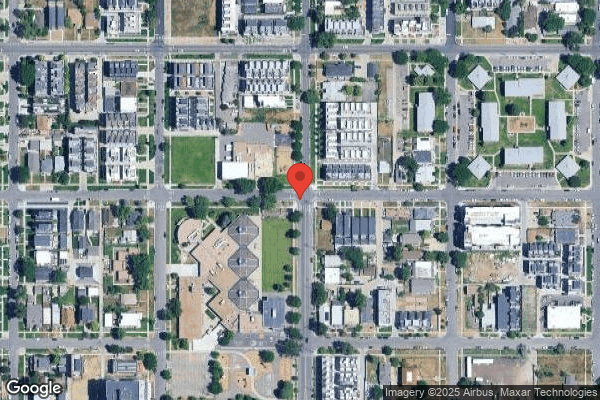
1601 LOWELL BLVD, DENVER, CO 80204 (303) 534-2211
For profit - Limited Liability company 42 Beds THE ENSIGN GROUP Data: November 2025 1 Immediate Jeopardy citation
Trust Grade
76/100
#43 of 208 in CO
Last Inspection: January 2024

Within standard 12-15 month inspection cycle. Federal law requires annual inspections.

Overview

Sloan's Lake Rehabilitation Center has a Trust Grade of B, indicating it is a good choice but not without its shortcomings. It ranks #43 out of 208 facilities in Colorado, placing it in the top half, and #2 out of 21 in Denver County, suggesting it is one of the better local options. Unfortunately, the facility is worsening, with the number of issues increasing from 4 in 2022 to 7 in 2024. Staffing is a strong point, receiving 5 stars and a turnover rate of 28%, significantly lower than the state average, which means staff members are likely to remain familiar with residents' needs. On the downside, there was a critical incident where a resident missed 12 doses of anticoagulant medication after surgery, putting them at serious risk for blood clots. Additionally, the facility failed to maintain proper infection control practices, such as cleaning glucometers between residents, highlighting concerns about hygiene. Overall, while there are strengths in staffing and a good trust grade, families should be aware of the facility’s recent issues and critical incidents.

Trust Score
B
76/100
In Colorado
#43/208
Top 20%
Safety Record
High Risk
Review needed
Inspections
Getting Worse
4 → 7 violations
Staff Stability
✓ Good
28% annual turnover. Excellent stability, 20 points below Colorado's 48% average. Staff who stay learn residents' needs.
Penalties
✓ Good
No fines on record. Clean compliance history, better than most Colorado facilities.
Skilled Nurses
✓ Good
Each resident gets 69 minutes of Registered Nurse (RN) attention daily — more than 97% of Colorado nursing homes. RNs are the most trained staff who catch health problems before they become serious.
Violations
⚠ Watch
14 deficiencies on record. Higher than average. Multiple issues found across inspections.
★★★★★
5.0
Overall Rating
★★★★★
5.0
Staff Levels
★★★★★
5.0
Care Quality
★★★★☆
4.0
Inspection Score
Stable
2022: 4 issues
2024: 7 issues

The Good

  • 5-Star Staffing Rating · Excellent nurse staffing levels
  • 5-Star Quality Measures · Strong clinical quality outcomes
  • Low Staff Turnover (28%) · Staff stability means consistent care
  • Full Sprinkler Coverage · Fire safety systems throughout facility
  • No fines on record
  • Staff turnover is low (28%)

    20 points below Colorado average of 48%

Facility shows strength in staffing levels, quality measures, staff retention, fire safety.

The Bad

Chain: THE ENSIGN GROUP

Part of a multi-facility chain

Ask about local staffing decisions and management

The Ugly 14 deficiencies on record

1 life-threatening
Jan 2024 7 deficiencies
CONCERN (D) 📢 Someone Reported This

A family member, employee, or ombudsman was alarmed enough to file a formal complaint

Potential for Harm - no one hurt, but risky conditions existed

ADL Care (Tag F0677)

Could have caused harm · This affected 1 resident

**NOTE- TERMS IN BRACKETS HAVE BEEN EDITED TO PROTECT CONFIDENTIALITY** III. Resident #96 A. Resident status Resident #96, age greater than 65, was admitted on [DATE] and discharged on 2/24/23. Accord...

Read full inspector narrative →
**NOTE- TERMS IN BRACKETS HAVE BEEN EDITED TO PROTECT CONFIDENTIALITY** III. Resident #96 A. Resident status Resident #96, age greater than 65, was admitted on [DATE] and discharged on 2/24/23. According to the February 2023 CPO, diagnoses included major depressive disorder, anxiety disorder, fracture of the upper and lower end of right fibula, muscle weakness, moderate obesity and presence of an artificial knee joint. The 1/8/23 MDS assessment revealed the resident was cognitively intact with a BIM) score of 15 out of 15. The resident required supervision with oral hygiene, dependent with bed mobility, toileting, and maximal assistance with personal hygiene which included showers. He had no behaviors or refusals of care. B. Record review Resident #96's comprehensive care plan, initiated on 1/2/2023, identified the resident had an ADL self-care performance deficit related to toe-touch weight bearing (TTWB), open reduction and internal fixation (ORIF) of the left ankle. Interventions included one to two staff assistance with personal hygiene including showers. -The [NAME] did not indicate shower days for Resident #96. The bathing record from 1/1/23 to 2/24/23 revealed the resident received one shower in a 55 day time frame. Documentation showed that the facility charted his showers as not applicable for 46 days from 1/4/23 to 2/24/23. Eight days were documented as the resident wasunavailable. C. Staff interviews CNA #2 was interviewed on 1/22/24 at approximately 2:00 p.m. The CNA said the resident's showers were assigned each day. She said each resident's shower days were assigned per the resident's preference. She said each CNA verified from the EHR who their assigned showers were in order to plan accordingly. The CNA said all refusals were reported to the unit nurse. CNA #2 said residents who were not bathed regularly could be at risk for infections, itchiness, and dry skin. Registered nurse (RN) #1 was interviewed on 1/22/24 at 2:10 p.m. The RN said the CNAs completed showers during their shift and reported all refusals to the nurse. The RN said the nurses usually attempted to find out the reason for the refusal and provided education to the resident about the importance of regular showers. The RN said regular showers were important to avoid the spread of infectious diseases. Based on observations, record review and interviews, the facility failed to ensure residents who were unable to carry out activities of daily living (ADLs) received the necessary services and assistance for bathing for two (#108 and #96) of four sample residents reviewed out of 30 sample residents. Specifically, the facility failed to provide bathing for Resident #108 and #96 to maintain personal hygiene. Findings include: I. Facility policy and procedure The Activity of Daily Living policy, dated October 2023, was provided by the nursing home administrator (NHA) on 1/23/24/at 10:50 a.m. It read in pertinent part, It is the policy of this facility that residents are given the appropriate treatment and services to maintain or improve his/her abilities. Residents who are unable to carry out activities of daily living (ADL) will receive necessary services or support to maintain. ADL documentation will be maintained in the electronic health record under tasks, care plan, assessments, or therapy documentation. ADL's will be care planned to reflect the resident specific needs. II. Resident #108 A. Resident status Resident #108, age [AGE], was admitted on [DATE] and discharged on 1/17/24. According to the January 2024 computerized physician orders (CPO), diagnoses included cerebral infarction (stroke), multiple fractures of pelvis (sacrum, and pubis), type 2 diabetes mellitus and chronic kidney disease. The 1/4/23 minimum data set (MDS) assessment was in progress. The 1/11/23 interdisciplinary (IDT) brief interview for mental status (BIMS) assessment revealed the resident had moderate cognitive impairment with a BIMS score of 11 out of 15. The 1/5/23 functional performance observation assessment revealed he required substantial/maximal assistance with one person for eating, toileting, personal hygiene, transfers and bed mobility. He was dependent for sit to stand. Shower/bathing was not assessed. B. Resident interview and observation Resident #108 was interviewed along with the resident's representative on 1/17/24 at 3:05 p.m. Resident #108's hair was disheveled and long, uncombed and greasy. The resident's representative said she complained to the facility about his lack of showers and hygiene because he had been there for two weeks before the staff finally gave him a sponge bath. Resident #108 said he wanted a shower at least two to three times per week. C. Record review Resident #108's ADL self care performance deficit care plan, revised 1/8/24, revealed the resident had self care performance deficits related to showers/bathing. Pertinent interventions were to assist with his bathing on Monday and Thursday evenings and as necessary or requested. The shower preference sheet dated 1/4/24 revealed the resident preferred a shower three days per week. The [NAME] (a tool utilized by staff to provide consistent care for residents) report, dated 1/4/24, revealed the resident needed assistance with his bathing on Monday and Thursday evenings and as necessary or requested. Resident #108's bathing task records were reviewed from 1/4/24 to 1/17/24. The records revealed the resident was scheduled for two showers per week on Tuesday and Friday day shifts, per patient preference. Resident #108 was documented in the electronic health record (EHR) to have received no showers from 1/4/24 to his discharge on [DATE]. The resident was documented to have refused bathing on 1/8/24 and 1/12/24 and one sponge bath on 1/16/24. -However, there was no documentation in the progress notes or CNA task records why the resident refused or documentation of assessment or follow up. -The resident missed all of his scheduled showers. D. Staff interviews Certified nurse aide (CNA) #3 was interviewed on 1/18/24 at 3:00 p.m. She said she had worked at the facility for about one year and the staff mainly did showers, not bed baths, at the facility. CNA #3 said she documented the showers in the EHR, including the type of shower and any resident refusals. CNA #3 said the process for resident refusals was to document in the EHR and she would put in a comment about why the resident refused. CNA #3 said she asked the resident three times and then documented the refusal and put it in the note. CNA #3 said she was not required to tell the nurse about the refusal since she added a comment in the task section. Licensed practical nurse (LPN) #2 was interviewed on 1/18/24 at 03:07 p.m. She said the CNAs completed the showers and sometimes occupational therapy (OT) worked on that as part of therapy. LPN #2 said the CNAs documented in the EHR task section. LPN #2 said the CNAs let the nurses know of shower refusals and how many refusals because they should try a couple of times to get the resident to take a shower. LPN #2 said the CNAs needed to let the nurses know if a resident was not getting showers because of infection control concerns. LPN #2 said it was important for the residents to receive regular showers for good hygiene, cleanliness, to feel good, promote healing and infection control especially for those who were post surgical residents. The director of nursing (DON) was interviewed on 1/22/24 at 3:33 p.m. She said the CNAs completed the showers and if OT did the showers she asked the CNAs to chart that. The DON said on admission the residents were asked about their shower preferences and she noted that Resident #108's preference was for three times per week. The DON said she would recommend a minimum of two showers per week for basic hygiene and cleanliness. The DON said if a resident refused a shower she would expect the CNA to tell the nurse so they could help encourage the resident and chart that in the progress notes. The DON said it was important for Resident #108 to receive his showers per his preference in addition to maintaining his dignity and cleanliness.
CONCERN (D)

Potential for Harm - no one hurt, but risky conditions existed

Respiratory Care (Tag F0695)

Could have caused harm · This affected 1 resident

**NOTE- TERMS IN BRACKETS HAVE BEEN EDITED TO PROTECT CONFIDENTIALITY** Based on resident observations, record review and interviews, the facility failed to ensure residents received proper respirator...

Read full inspector narrative →
**NOTE- TERMS IN BRACKETS HAVE BEEN EDITED TO PROTECT CONFIDENTIALITY** Based on resident observations, record review and interviews, the facility failed to ensure residents received proper respiratory treatment and care for one (#12) of four residents reviewed for supplemental oxygen use out of 30 sample residents. Specifically, the facility failed to: -Ensure a physician's order was in place for Resident #12's continuous oxygen use. Findings include: I. Facility policy The Oxygen Administration Policy, revised March 2019, was provided by the nursing home administrator (NHA) on 1/23/24 at 10:47 a.m. It read in pertinent part, The purpose of the oxygen policy is to provide sufficient oxygen to the bloodstream and tissues. The oxygen administration procedure included obtaining the appropriate physician's order. II. Resident #12 A. Resident status Resident #12, over age [AGE], was admitted on [DATE]. According to the January 2024 computerized physician orders (CPO), diagnoses included atrial fibrillation, hyperlipidemia, cardiac arrhythmia, hypoxia (low blood oxygen) and traumatic brain injury (TBI). According to the 12/30/23 minimum data set (MDS) assessment, the resident had moderate cognitive impairment with a brief interview for mental status (BIMS) score of 11 out of 15. He was dependent on staff for bed mobility, transfers, grooming, and toilet use. The resident received oxygen therapy. B. Record review Resident #12's oxygen care plan, initiated on 12/11/23, identified the resident had oxygen therapy related to ineffective gas exchange. Interventions included administering medication as ordered by the physician, monitoring for signs and symptoms of respiratory distress and reporting any signs to a medical provider, and applying oxygen via nasal cannula up to 2 liters per minute (LPM) to keep oxygen saturations (oxygen blood levels) at or above 90% and titrating LPM (adjusting up and down) as indicated. -The January 2024 CPO did not include an order for the continued use of oxygen for the resident. C. Observation On 1/17/24 at 2:20 p.m., Resident #12 was seated in his wheelchair in his room with an oxygen cannula in his nostrils. The resident's oxygen concentrator was set to 1 LPM. On 1/18/24 at 9:59 a.m., Resident #12 was lying in his bed with an oxygen cannula in his nostrils. The oxygen concentrator was set to 2 LPM. On 1/18/24 at 1:05 p.m., the resident was seated in his wheelchair in his room with his oxygen cannula in his nostrils set at 2 LPM. D. Staff interviews Certified nurse aide (CNA) #1 was interviewed on 1/18/24 at 3:19 p.m. CNA #1 said Resident #12 used oxygen continuously via nasal cannula at 2 LPM. The CNA said the resident was currently on 2 LPM and had been on oxygen since the beginning of her shift. Licensed practical nurse (LPN) #1 was interviewed on 1/18/23 at 3:36 p.m. The LPN said oxygen was considered a medication and required a physician's order before administration to any resident. LPN #1 said the resident had a physician's order in place but she could not locate the order in the resident's medical records. LPN #1 said a negative outcome of not having a physician's order for oxygen therapy could be the resident receiving too much oxygen causing hypercapnia (too much carbon dioxide in the bloodstream) or less oxygen causing respiratory distress such as hypoxia (insufficient level of oxygen to the bloodstream). The director of nursing (DON) was interviewed on 1/18/24 at 3:50 p.m. The DON said it was important for the nursing staff to ensure a physician's order was in place for every resident who required oxygen therapy. She said she was not sure why the resident did not have the required physician's order, however, she immediately ordered staff to call the physician's office to obtain an order for oxygen use for the resident. The DON said negative outcomes from administering oxygen without proper physician orders could be altered mental status, dizziness, falls and hypoxic events and could have put the resident in respiratory distress.
CONCERN (D)

Potential for Harm - no one hurt, but risky conditions existed

Deficiency F0697 (Tag F0697)

Could have caused harm · This affected 1 resident

**NOTE- TERMS IN BRACKETS HAVE BEEN EDITED TO PROTECT CONFIDENTIALITY** Based on observations, interviews and record review, the facility failed to establish parameters for pain medication for one (#1...

Read full inspector narrative →
**NOTE- TERMS IN BRACKETS HAVE BEEN EDITED TO PROTECT CONFIDENTIALITY** Based on observations, interviews and record review, the facility failed to establish parameters for pain medication for one (#105) of five residents in a manner consistent with professional standards of practice out of 30 sample residents. Specifically, the facility failed to: -Ensure pain parameters were established and implemented for physician ordered as needed (PRN) pain medications; and, -Ensure non pharmacological interventions were implemented before administration of an opioid pain medication. Findings include: I. Facility policy and procedure The Pain Management policy, revised November 2019, was provided by the nursing home administrator (NHA) on 1/22/24 at 10:52 a.m. It read in pertinent part, Residents are provided and receive the care and services needed according to established practice guidelines. Resident pain is assessed and managed by an interdisciplinary team who work together to achieve the highest practicable outcome. The facility assists each resident with pain to maintain or achieve the highest practicable level of well being and functioning by: screening to determine if the resident has been experiencing pain; comprehensive evaluation of the pain; licensed nurse will complete the licensed evaluation in Point Click Care; and utilizing pharmacologic and/or non pharmacologic interventions to manage and/or try to prevent the pain consistent with the resident's goals. II. Resident #105 A. Resident status Resident #105, age [AGE], was admitted on [DATE]. According to the January 2024 computerized physician orders (CPO), diagnoses included rheumatoid arthritis (RA) and sacral fracture. The 1/16/24 minimum data set (MDS) assessment revealed the resident had moderate cognitive impairment with a brief interview for mental status (BIMS) score of 10 out of 15. He required setup assistance with eating, supervision with personal hygiene, partial/moderate assistance with bed mobility and substantial/maximal assistance with toileting. -The assessment failed to indicate if the resident was on scheduled pain medication program, received as necessary (PRN) pain medications or received non pharmacological interventions for pain management. B. Observations On 1/22/24 at 7:35 a.m., certified nurse aide with medication authority (CNA/MA) #1 entered Resident #105's room and asked what number his pain was on the pain scale. Resident #105 rated his pain a 6 out of 10. She asked Resident #105 if he wanted Tramadol or Oxycodone. CNA/MA #1 checked the Resident #105's medication orders and administered Oxycodone 2.5 milligrams (mg) to Resident #105. -She did not verify on the medication administration record (MAR) pain medication parameters or obtain guidance from licensed nursing partners regarding pain medications without ordered parameters. -She did not offer a non pharmacological intervention before administration of an opioid pain medication. C. Record review The pain management care plan, initiated on 1/12/24, indicated Resident #105 was at risk for pain from a pelvic fracture. Interventions included to administer pain medications as ordered, anticipate need for pain relief, follow pain scale to medicate as ordered, monitor/report to nurse resident complaints of pain or requests for pain treatment and pain assessment every shift. -A review of Resident #105's comprehensive care plan did not reveal a person centered approach with identification of location, type or intensity of pain the resident experienced. -The care plan did not include personalized non pharmacological interventions to address the resident's pain. It did not identify a baseline assessment of pain or person centered pain management goals. Review of Resident #105's January 2024 CPO revealed the following physician orders related to pain management: Acetaminophen 1000 mg every six hours as needed for pain management. The date of the order was 1/19/24. Tramadol 50 mg every six hours as needed for severe pain. The date of the order was 1/19/24. Oxycodone 2.5 mg every eight hours as needed for acute pain. The date of the order was 1/18/24. Monitor level of pain every shift using a 1-10 scale, ordered 1/11/24, where: -0 indicated no pain; -1 to 3 indicated mild pain; -4 to 5 indicated moderate pain; -6 to 9 indicated severe pain; and, -10 indicated excruciating pain. -A review of the January 2024 CPO failed to reveal documentation regarding the location and type of the resident's pain being treated by Acetaminophen, Tramadol or Oxycodone. -The physician orders did not include specific pain scale parameters for the PRN Acetaminophen and Oxycodone. D. Staff interviews CNA/MA #1 was interviewed on 1/22/24 at 7:40 a.m. CNA/MA #1 said the Oxycodone did not have specific ordered pain parameters and the Tramadol was ordered for severe pain. She said she let the resident decide which pain medication would be effective for his pain. Registered nurse (RN) #3 was interviewed on 1/22/24 at 9:30 a.m. RN #3 said when a resident was experiencing pain, non pharmacological approaches should be tried first. She said if pain medication was needed a pain assessment should be done first. She said a pain parameter should be ordered. She said Acetaminophen was administered for mild to moderate pain and opioid pain medication was administered for severe pain. RN #3 said if a pain parameter was not ordered for a pain medication the physician should be consulted to obtain pain parameters. The director of nursing (DON) was interviewed on 1/23/24 at 11:00 a.m. She said non pharmacological approaches should be tried first before pain medication was administered. She said pain assessments should be done before administration of a pain medication. She said which pain medication to give was based on physician ordered pain parameters. She said opioid pain medications should have pain medication parameters ordered. She said CNA/MA's should follow the physician ordered parameters for which pain medication to give. She said CNA/MA's should consult their licensed nursing partners if pain parameters were not ordered or not clear. She said she would review Resident #105's MAR for unclear or missing pain medication parameters.
CONCERN (D)

Potential for Harm - no one hurt, but risky conditions existed

Deficiency F0698 (Tag F0698)

Could have caused harm · This affected 1 resident

**NOTE- TERMS IN BRACKETS HAVE BEEN EDITED TO PROTECT CONFIDENTIALITY** Based on record review and interviews, the facility failed to ensure one (#191) of two residents out of 30 sample residents rece...

Read full inspector narrative →
**NOTE- TERMS IN BRACKETS HAVE BEEN EDITED TO PROTECT CONFIDENTIALITY** Based on record review and interviews, the facility failed to ensure one (#191) of two residents out of 30 sample residents received dialysis services consistent with professional standards of practice. Specifically, the facility failed to ensure consistent communication and documentation with the dialysis center regarding care and services was completed for Resident #191. Findings include: I. Facility policy and procedure The Renal Dialysis, Care of Resident and Hemodialysis policy, revised December 2020, was provided by the nursing home administrator (NHA) on 1/22/24 at 10:00 a.m. It read in pertinent part, Facility licensed nurses will complete the baseline information, pre and post dialysis section of the nurses dialysis communication record. Dialysis center licensed nurses will complete the dialysis center section of the nurses dialysis communication record. II. Resident #191 A. Resident status Resident #191, age less than 65, was admitted on [DATE]. According to the January 2024 computerized physician orders (CPO), diagnoses included end stage renal disease (ESRD). The 1/9/24 minimum data set (MDS) assessment revealed the resident was cognitively intact with a brief interview for mental status (BIMS) score of 15 out of 15. He required substantial/maximal assistance with transfers, partial/moderate assistance with toileting and bed mobility and supervision with personal hygiene. B. Record review The nutrition care plan, initiated 1/4/24, documented Resident #191 was at nutritional risk related to ESRD and dialysis. It indicated the resident received dialysis on Mondays, Wednesdays and Fridays. The fistula (an irregular connection between an artery and a vein created surgically to facilitate dialysis) care plan, initiated 1/8/24, documented the care of the fistula related to dialysis. Interventions included pressure reducing mattress, avoid scratching, good nutrition and hydration and facility protocols. -Further review of Resident #191's comprehensive care plan revealed the facility failed to initiate and implement a resident specific care plan focus for dialysis. On 1/18/24 a review of the hemodialysis communication record forms from 1/5/24 to 1/17/24 revealed the following: -On 1/8/24, a hemodialysis communication form was not on the chart; -On 1/10/24, a hemodialysis communication form was not on the chart; and, -On 1/15/24, a hemodialysis communication form was not on the chart. -Review of Resident #191's electronic medical record (EMR) failed to reveal documentation to indicate communication between the facility and the dialysis center had occurred on 1/8/24, 1/10/24 or 1/15/24. C. Staff interviews Registered nurse (RN) #2 was interviewed on 1/18/24 at 12:30 p.m. RN #2 said the facility nurse filled out the top portion of the nurses dialysis communication form, including vital signs, any medications to be administered during dialysis and other pertinent information. She said the form was sent to dialysis with the resident. RN #2 said the dialysis nurse filled out their portion of the form with information such as medications received, pre and post dialysis weights and other pertinent information. She said the form was supposed to be sent back to the facility with the resident after dialysis. She said this document was a permanent record on the resident's medical chart. RN #2 said if the form did not return to the facility with the resident, nurses should communicate with the dialysis center. She said there had been an issue with the dialysis center consistently not returning the hemodialysis communication form back to the facility with Resident #191 after dialysis. RN #2 said she did not know if nurses had communicated with the dialysis center regarding the missing communication forms. The director of nursing (DON) was interviewed on 1/23/24 at 11:00 a.m. She said the dialysis communication form should be filled out by the facility nurse prior to the resident going to dialysis with vital signs and medications. The dialysis nurse was to document pre and post dialysis weights, medications received and other pertinent information and return the form to the facility with the resident. She said nurses should communicate and document with the dialysis center if this form did not come back with the resident. She said the facility nurses were to check the resident's vital signs and fistula dressing upon the resident's return to the facility and document the information on the dialysis communication form. The DON said this communication should happen every time the resident went to dialysis and the communication form was a permanent part of the resident's medical record. She said receiving dialysis communication forms back from dialysis centers was an ongoing problem. She said Resident #191 had missing dialysis communication forms. She said the information from the forms was important for effective communication and the continuity of care between the facility and the dialysis center.
CONCERN (D)

Potential for Harm - no one hurt, but risky conditions existed

Deficiency F0760 (Tag F0760)

Could have caused harm · This affected 1 resident

**NOTE- TERMS IN BRACKETS HAVE BEEN EDITED TO PROTECT CONFIDENTIALITY** Based on observation, record review and interviews, the facility failed to ensure residents were free from significant medicatio...

Read full inspector narrative →
**NOTE- TERMS IN BRACKETS HAVE BEEN EDITED TO PROTECT CONFIDENTIALITY** Based on observation, record review and interviews, the facility failed to ensure residents were free from significant medication errors for one (#196) of five residents reviewed for medication errors of 30 sample residents. Specifically, the facility failed to ensure that Resident #196 was administered an anticoagulant medication correctly by removing the medication from a capsule before administration to the resident. Findings include: I. Professional reference Boehringer Ingelheim Pharmaceutical. (November 2023). Package insert. Pradaxa. U. S. Food and Drug Administration (FDA). https://content.boehringer-ingelheim.com/DAM/c669f898-0c4e-45a2-ba55-af1e011fdf63/pradaxa%20capsules-us-pi.pdf, retrieved on 1/24/24 at 10:07 a.m. Pradaxa capsules should be swallowed whole. Pradaxa capsules should be taken with a full glass of water. Breaking, chewing, or emptying the contents of the capsule can result in increased exposure (more of the drug in a shorter amount of time). Amaraneni, A., Chippa, V., and [NAME], A. (2023). Anticoagulation Safety. Stat Pearls. National Library of Medicine. https://pubmed.ncbi.nlm.nih.gov/30085567/#:~:text=Oral%20anticoagulants%20have%20been%20classified,for%20harm%20when%20used%20clinically, retrieved 1/25/24 at 11:38 a.m. Oral anticoagulants have been classified as high alert medications according to the Institute of Safe Medication Practices (ISMP) because they have the potential for harm when used clinically. II. Facility policy and procedure The Therapeutic Research Center Medications That Should Not Be Crushed reference guide, revised February 2023, was provided by the director of nursing (DON) on 1/22/24 at 10:05 a.m. It revealed in pertinent part, Pradaxa (Dabigatran) intact product must be taken to avoid increased exposure. III. Resident #196 A. Resident status Resident #196, age [AGE], was admitted on [DATE]. According to the January 2024 computerized physician orders (CPO), diagnoses included periprosthetic right hip fracture and atrial fibrillation (abnormal heart rhythm). The minimum data set assessment (MDS) was not completed due to the resident being recently admitted . According to the 1/22/24 nursing assessment the resident was alert to person, place and time. The nursing assessment revealed the resident had swallowing difficulties, was on a modified diet and required crushed medications to be administered. B. Observations On 1/22/24 at 7:14 a.m. certified nurse aide with medication authority (CNA/MA) #1 opened the Pradaxa capsule and sprinkled the medication into applesauce. CNA/MA #1 entered Resident #196's room and administered the medication to the resident. -CNA/MA #1 did not verify or obtain guidance if medication was able to be removed from the capsule from reference material or licensed nursing staff prior to the administration of the medication. C. Record review The 1/21/24 computerized physician order (CPO) revealed an order for Pradaxa (an anticoagulant medication) oral capsule 150 milligrams (mg). Give by mouth two times a day for atrial fibrillation. The 1/21/24 CPO revealed an order for anticoagulant bleeding monitoring including blood tinged or frank blood in urine, black tarry (sticky) or frank blood in stool, sudden severe headache, nausea, vomiting, diarrhea, muscle joint pain, lethargy, bruising, blurred vision, shortness of breath, loss of appetite, sudden changes in mental status or significant or sudden change in vital signs every shift. -A comprehensive review of the CPO did not reveal Pradaxa could be removed from the capsule for administration. IV. Staff interviews CNA/MA #1 was interviewed on 1/22/24 at 10:00 a.m. She said Resident #196 required his medications to be crushed because of a swallowing problem. She said she did not know if medication could be removed from the capsule. She said she had not thought to check to see if the medication could be removed from the capsule. She said medications that could not be crushed or removed from the capsule should be verified with the licensed nursing staff. The DON was interviewed on 1/22/24 at 10:18 a.m. She said, upon consultation with the facility pharmacist, Pradaxa should not be removed from the capsule because the capsule was removed from the drug, more of the drug could be absorbed in a shorter amount of time which increased the risk of bleeding. She said Resident #196 would be monitored for bleeding but the physician provider did not want additional monitoring (blood work) at this time. She said the provider had changed Pradaxa to Eliquis (an anticoagulant), which could be crushed. She said, in consultation with the pharmacist, she had provided a list of updated medications that should not be crushed reference guide for the medication administration carts. She said staff that provided medication administration should reference this guide before crushing or removing medications from their capsules. She said the CNA/MA's should verify with their licensed nursing partners before crushing medications. She said if there were additional concerns by nursing staff the pharmacy should be consulted. The pharmacist was interviewed on 1/23/24 at 12:48 p.m. She said Pradaxa should not be removed from its capsule because of the increased risk of rapid absorption of the drug which increased the risk of bleeding. She said Resident #196 had only received two doses of Pradaxa since admission the risk of bleeding was not as high of a concern and did not require lab work. She said the provider had changed Resident #196 to an anticoagulant which could be crushed. She said she had provided nursing staff with education and reference materials for which medications could be crushed or removed from their capsules.
CONCERN (D)

Potential for Harm - no one hurt, but risky conditions existed

Deficiency F0806 (Tag F0806)

Could have caused harm · This affected 1 resident

**NOTE- TERMS IN BRACKETS HAVE BEEN EDITED TO PROTECT CONFIDENTIALITY** III. Resident #191 A. Resident status Resident #191, age less than 65, was admitted on [DATE]. According to the January 2024 CPO...

Read full inspector narrative →
**NOTE- TERMS IN BRACKETS HAVE BEEN EDITED TO PROTECT CONFIDENTIALITY** III. Resident #191 A. Resident status Resident #191, age less than 65, was admitted on [DATE]. According to the January 2024 CPO, the diagnoses included end stage renal disease (ESRD). The 1/9/24 MDS assessment revealed the resident was cognitively intact with a BIMS score of 15 out of 15. He required substantial/maximal assistance with transfers, partial/moderate assistance with toileting and bed mobility and supervision with personal hygiene. B. Resident interview Resident #191 was interviewed on 1/17/24 at 1:50 p.m. He said he had not spoken to a dietitian since his admission on [DATE]. He said he was on a renal diet. He said he had been receiving bananas and potatoes which he was not allowed to eat on a renal diet. Resident #191 said he went to dialysis in the evenings. He said the facility did not send dinner with him when he left the facility at 3:30 p.m. He said when he returned at 9:00 p.m., his dinner was usually waiting, cold, for him in his room. He said he was not comfortable eating food left out for an extended period of time. Resident #191 was interviewed again on 1/18/24 at 1:00 p.m. He said when he did not like what was served on the renal diet menu for lunch there was not another option on the menu for him to choose from. He said staff did not offer him an alternative. He said he did not like the alternatives in the always available menu book. He said his family was bringing food from home. C. Observations On 1/18/24 at 12:30 p.m., Resident #191 was observed sitting in the dining area and refused his lunch tray. Staff did not offer an alternative lunch and provided the resident with a cupcake. Resident #191 returned to his room without eating lunch. D. Record review The nutrition care plan, initiated 1/4/24, documented Resident #191 was an increased nutritional risk and was on a therapeutic diet for ESRD and dialysis. Interventions included a physician ordered renal diet, monitor weights and intakes, offer and encourage snacks and fluids and honor resident rights to make personal choices. The 1/9/24 nutrition evaluation documented Resident #191 was particular with the food he ate and he was having difficulty adjusting to the food in the facility. The 1/14/24 nutrition progress note recommendations documented to continue the resident's renal diet as ordered, offer a Prostat (protein supplement) every day for protein needs and to monitor weights and oral intakes. -The nutrition progress note failed to reveal a consultation with Resident #191 regarding therapeutic diet education, food choices, preferences and alternatives. E. Staff interviews CNA #5 was interviewed on 1/22/24 at 2:10 p.m. She said residents were given a meal ticket at noon for the next day. She said if the resident did not like what was on the menu they would mark out what they did not want. A substitution or alternative was not automatically offered or provided in place of what the resident did not want. She said if residents did not like what was on the menu for their diet they could order from the always available menu. The DM was interviewed on 1/22/24 at 2:40 p.m. She said when residents were admitted they were provided education on how the meal ordering system worked. She said residents were also provided education on how to order from the always available menu. She said the RD rounded on every resident to find out resident preferences which were added in the care plan. She said an RD was to see every resident within five days of admission. She said for therapeutic diets, the diet was ordered by the physician on transfer from the hospital. The DM said the RD would round with the resident and review the diet, preferences and restrictions. She said she the facility's usual RD had recently been gone and a PRN RD was working remotely and had completed new resident nutritional evaluations through chart review. The DM said an RD had not seen Resident #191 since he was admitted . She said dialysis centers did not allow food to be sent with residents to dialysis. She said because of food safety Resident #191 should not have his tray left in his room until he returned from dialysis. She said education would be provided for staff to store his tray in the unit refrigerator until he returned from dialysis in the evening. Based on observations, record review and interviews, the facility failed to provide each resident with a nourishing, well-balanced diet that meets his or her daily nutritional and special dietary needs that accommodated resident allergies, intolerances and preferences for two (#106 and #191) of six residents out of 30 sample residents. Specifically, the facility failed to: -Ensure Resident #106 was provided appropriate vegetarian meal items per the menu spreadsheets after the meat was eliminated; -Ensure Resident #191 was provided or offered a substitute meal when the resident did not like the lunch item provided; -Ensure Resident #191 was provided with dinner after a late dialysis appointment; and, -Follow the therapeutic dialysis diet for Resident #191. Findings include: I. Facility policy and procedure The Resident Food Preferences and Meal Alternates policy, revised July 2021, was provided by the nursing home administrator (NHA) on 1/23/24 at 2:32 p.m. It read in pertinent part, Specific food preferences, diet restrictions, and diet history will be gathered upon admission to inform the food service department of the resident's information. Appropriate alternate foods will be prepared and substituted for food dislikes, allergies, and/or intolerances. Upon admission (within 48-72 hours) and periodically as needed, the food service manager or dietician, or designee, will interview the individual for the following information: acceptance of diet order, food preferences, intolerances, allergies, cultural and/or religious preferences, location where the meals are to be served and diet history. Information is included in nutrition evaluation, care plan, and resident meal ticket. The information is kept on file to ensure that each individual's needs and desire for food are met. The food service staff are responsible for preparing and serving the alternates. The food service department will make reasonable accommodations to meet resident preferences and special requests. The food service staff will use the menu substitution lists and menu spreadsheets as a guideline for appropriate, nutritionally balanced substitutions. II. Resident #106 A. Resident status Resident #106, age greater than 65, was admitted on [DATE], and discharged on 1/22/24. According to the January 2024 computerized physician orders (CPO), diagnoses included chronic embolism and thrombosis of deep veins of left leg (blood clot), chronic kidney disease, and cerebral infarction (stroke). The 1/7/24 minimum data set (MDS) assessment revealed the resident was cognitively intact with a brief interview for mental status (BIMS) score of 13 out of 15. She required substantial/maximal assistance with toileting hygiene and lower body dressing. She required partial/moderate assistance with bathing, bed mobility, and transfers. She was independent with eating. B. Resident observation and interview Resident #106 was interviewed on 1/17/24 at 2:11 p.m. She said she was a vegetarian. Resident #106 said the kitchen took the meat off her meals but did not substitute another protein. Resident #106 said it was a real struggle when she first admitted because they served her meat. She said the dietary manager (DM) had a meeting with her and now the meat was gone but she was still not receiving a substitute for the protein. She said she knew what was on the menu by the meal slip but she had not seen an always available menu for alternatives. Resident #106 said if she did not like what was on the menu then she was not able to eat. She said she liked peanut butter sandwiches but they were not offered. She said no one had offered her any type of protein shakes. Resident #106 was observed on 1/18/24 at 12:14 p.m. Her lunch tray had dill potatoes, chef's vegetable blend, cornbread and butter and a lemon bar. The resident said sometimes they offered almond milk but it was not offered that meal and she was drinking water. Resident #106 said the food service staff had not offered or provided a meat substitute for her meals. The 1/18/24 menu spreadsheet revealed select vegetarian item to serve in place of the catch of the day. -However no vegetarian protein substitution had been provided to Resident #106. C. Record Review Resident #106's nutritional care plan, initiated 12/31/23 and revised 1/16/24, revealed in pertinent part to honor residents rights to make personal dietary choices and provide dietary education as needed (initiated 1/2/24). -There was no documentation regarding the resident's preference for a vegetarian diet. A grievance was filed on 1/2/24 by Resident #106's representative. The resident's representative said the resident did not eat meat and wanted no meat on her tray. The DM responded on 1/3/24 and said she had spoken to the resident's representative and told her to give dietary services a list of proteins the resident wanted. The DM said she went out and got Resident #106 beans and told her about garbanzo beans. The DM said the resident's representative would provide some of the proteins and to give the resident whatever she would circle on her menu. Other foods requested were vegetable patties and avocados. The DM told the resident and her representative they already had these items in the kitchen. The DM told them if there was any other special request she would be happy to go and buy it. -The meat was eliminated from the resident's meals however no protein substitutions were provided or offered on the resident's meal ticket. -The vegetarian preference was added to the resident's meal ticket but not to the care plan. The 1/5/24 admission nutrition evaluation revealed the resident liked most foods, had no major dislikes and would order preferred foods off the daily menu. -However the evaluation was completed by a PRN (as needed) dietician off site and did not involve an interview with the resident, therefore it had not documented that the resident was a vegetarian. Review of Resident #106's meal ticket revealed the following information regarding the resident's meal and food preferences: -Vegetarian; -Regular portions; -Allergies: None; -Beverages: No preferences; -Dislikes: Eggs; -Prefers: No meats; -Refer to spreadsheet for portion sizes; and, -Note: No meats, make sure food is hot. The bottom of the meal ticket read in pertinent part,, Remember to check the additional diet information above and make appropriate adjustments. -However the meal tickets had no notice for the kitchen to add a vegetarian protein substitute from the menu spreadsheet, therefore no appropriate vegetarian protein meal item was provided after the meat was eliminated. D. Staff interviews Certified nurse aide (CNA) #4 was interviewed on 1/22/24 at 1:58 p.m. She said resident meal tickets came on a paper on the resident's meal tray to be filled out by the resident for the next day's meals. The papers were then taken back to the kitchen when the trays were picked up. CNA #4 said the residents filled out their own orders and she was not involved with the ordering or offering of alternate items. The registered dietician (RD) and corporate registered dietician (CRD) were interviewed on 1/22/24 at 2:11 p.m. The RD said the usual procedure for determining resident's preferences and therapeutic diets was to see all residents within five days of admission to interview the resident, gather information from the chart and to put dietary interventions in place on the care plan. The RD said she would typically see everyone in the facility however she had been off work for over a month and a PRN dietician was reviewing the residents charts remotely and there were no in-person interviews. The RD said the DM interviewed residents and updated the meal tray cards but Resident #106's meal ticket was not updated to a vegetarian diet until after the family filed a grievance with the facility. The RD said if a resident was a vegetarian it should be noted on the admission nutrition evaluation but it had not been done for Resident #106 because the PRN dietician had not interviewed the resident. The RD said if a vegetarian resident did not want the meat the dietary staff had menu extensions (menu spreadsheets) and would substitute a menu item that was similar in nutritional value. The RD said Resident #106's lunch on 1/18/24 was not a complete/healthful meal due to missing the protein substitute. The RD said it would be the kitchen's responsibility to select a vegetarian protein option. The CRD, after having viewed Resident #106's meal tickets from 1/14/24 to 1/19/24, said there should have been a spot for the protein substitution on the ticket for either the resident to write in a preference or for the kitchen to put in an appropriate vegetarian protein option. The CRD said the resident was not regularly getting a food group (protein) substitution which was a concern. The CRD said that was why the in-person interviews of residents were important. The CRD said there was a combination of systems that she needed to address to make the process better and she would do some additional training.
CONCERN (D)

Potential for Harm - no one hurt, but risky conditions existed

Infection Control (Tag F0880)

Could have caused harm · This affected 1 resident

**NOTE- TERMS IN BRACKETS HAVE BEEN EDITED TO PROTECT CONFIDENTIALITY** Based on observations, interviews and record review, the facility failed to maintain an infection control program designed to pr...

Read full inspector narrative →
**NOTE- TERMS IN BRACKETS HAVE BEEN EDITED TO PROTECT CONFIDENTIALITY** Based on observations, interviews and record review, the facility failed to maintain an infection control program designed to provide a safe, sanitary and comfortable environment to help prevent the development and transmission of disease and infection on one out of two floors. Specifically, the facility failed to: -Ensure a resident's room was cleaned in a sanitary manner; -Ensure that the proper cleaning agent was used to clean a resident's room who was on transmission based precautions; and -Ensure appropriate personal protective equipment (PPE) was worn to clean a resident's room who was on transmission based precautions for Clostridium difficile. Findings include: I. Housekeeping A. Professional reference 1. The Centers for Disease Control (CDC) Frequently Asked Questions for Clinicians about Clostridium Difficile (10/25/22), https://www.cdc.gov/cdiff/clinicians/faq.html, retrieved on 1/25/24 at 10:26 a.m., read in pertinent part, Wear gowns and gloves when entering Clostridium difficile infection (CDI) rooms and during their care. Ensure adequate cleaning and disinfection strategy, ensure adequate cleaning and disinfection of environmental surfaces and reusable devices, especially items likely to be contaminated with feces and surfaces that are touched frequently. Use an Environmental Protection Agency (EPA) registered disinfectant with a sporicidal claim for environmental surface disinfection after cleaning in accordance with label instructions. (Note: only hospital surface disinfectants listed on EPA's List K are registered as effective against Clostridium difficile spores). 2. The CDC Environment Cleaning Procedures (5/4/23), https://www.cdc.gov/hai/prevent/resource-limited/cleaning-procedures.html#anchor/1505929362118, retrieved on 1/25/24, read in pertinent part, Proceed from cleaner to dirtier areas to avoid spreading dirt and microorganisms. Proceed from high to low to prevent dirt and microorganisms from dripping or falling and contaminating already cleaned areas. B. Manufacturer recommendations According to the Clorox Healthcare Fuzion Cleaner Disinfectant (EPA List K registration #67619-30) manufacturer guidelines. January 2024, retrieved from https://www.cloroxpro.com/products/clorox-healthcare/fuzion/ on 1/25/24 at 11:05 a.m. Remove gross soil if visible, For Clostridium difficile spores and tuberculosis (TB), always clean the surface prior to disinfecting. Spray 6-8 inches from the surface until the surface is completely wet. Disinfect by leaving solution on surface for Clostridium difficile spores two minutes of contact time. Wipe with a clean damp cloth. Allow to air dry. C. Observation On 1/23/24 at 9:30 a.m., housekeeper (HS) #1 cleaned resident room [ROOM NUMBER] following the resident's discharge from the facility. The resident had been on transmission based precautions for Clostridium difficile. The following observations were made: HS #1 entered the resident's room after donning gloves and placed the resident's belongings into plastic bags. -HS #1 did not put a protective isolation gown on prior to entering the room. HS #1 sprayed the fall mats, bedside table, nightstand, bed and recliner chair in the room lightly with Oxivir, a disinfectant, and immediately began wiping the disinfectant off the surfaces without allowing the disinfectant to remain on the surface for an appropriate dwell time (the amount of time a disinfectant needs to remain on a surface without being wiped away or disturbed to effectively kill germs). -Oxivir is a disinfectant which is not on the EPA List K for disinfectants effective against Clostridium difficile. -She cleaned from a low area and proceeded to a high area. HS #1 sprayed the bathroom vanity, sink, toilet, shower and commode chair lightly with Oxivir. -The surfaces were not visibly wet. -HS #1 used Oxivir, a disinfectant not on the EPA List K for disinfectants effective against Clostridium difficile. HS #1 wiped the top of the toilet bowl, underneath the toilet seat, tank of the toilet and down the outside of the toilet bowl. -She cleaned the toilet from a dirty area to a clean area and from a low area to a high area without changing gloves, rags or performing hand hygiene. HS #1 turned on the shower and rinsed off the commode with water. -She did not use a disinfectant on the EPA List K for disinfectants effective against Clostridium difficile D. Staff interviews HS #1 was interviewed on 1/23/24 at 10:00 a.m. She said she did not know if there was anything she needed to do differently for residents who were on transmission based precautions with Clostridium difficile. She said she wore gloves for all residents' rooms that she cleaned but did not know if she needed to wear a gown for residents on isolation. She said she used Oxivir to clean residents' rooms and it needed to be visibly wet for one minute. HS #1 said she did not know if there were any other disinfectants she needed to use for Clostridium difficile. She said surfaces needed to be cleaned from clean to dirty and after cleaning a dirty area she should not return to a clean area. The director of nursing (DON) who was also the facility's infection preventionist (IP) was interviewed on 1/23/24 at 10:36. She said when a resident who was on transmission based precautions for Clostridium difficile was discharged they did a full deep cleaning of the room. She said the room should be cleaned with the Clorox Healthcare Fuzion Cleaner because it was an approved disinfectant for Clostridium difficile. The DON said surfaces should remain visibly wet for the manufacturer recommended time of two minutes. She said housekeepers should wear gowns and gloves to clean rooms with Clostridium difficile. She said it was important to start from clean to dirty and top to bottom to not track dirty particles back to clean areas as it could potentially spread infectious agents.
Oct 2022 4 deficiencies
CONCERN (D)

Potential for Harm - no one hurt, but risky conditions existed

Quality of Care (Tag F0684)

Could have caused harm · This affected 1 resident

**NOTE- TERMS IN BRACKETS HAVE BEEN EDITED TO PROTECT CONFIDENTIALITY** Based on record review and staff interviews, the facility failed to ensure one (#191) resident reviewed of five sample residents...

Read full inspector narrative →
**NOTE- TERMS IN BRACKETS HAVE BEEN EDITED TO PROTECT CONFIDENTIALITY** Based on record review and staff interviews, the facility failed to ensure one (#191) resident reviewed of five sample residents received treatment and care in accordance with professional standards of practice out of 21 sample residents. Specifically, the facility failed to have a wound care order in place prior to treatment being provided for Resident #191. Findings include: I. Facility policy and procedure The Pressure Ulcer Skin Monitoring and Management policy, dated October 2021, received from the director of nursing (DON) on 10/13/22 at 3:50 p.m. In pertinent part read, a resident having a pressure ulcer receives necessary treatment and services to promote healing, prevent infection and prevent new avoidable sores from developing. The nurse is responsible for assessing and evaluating the residents wounds on admission, readmission, weekly and discharge. Prevent existing pressure ulcers from worsening, nursing staff to implement the following approaches as appropriate and consistent with care plan; referral to wound physician, pressure reduction measures, registered dietician and supplements as indicated, therapy as indicated to increase mobility. Nurse to administer treatment to each affected area per the physician's order. II. Resident status Resident #191, age [AGE], was admitted on [DATE]. According to the October 2022 computerized physician orders (CPO), the diagnoses included fungal infection, hypertension (high blood pressure), adult failure to thrive, and difficulty walking. The 10/2/22 brief interview for mental status score (BIMS) revealed the resident had a moderate cognitive impairment with a status score of 11 out of 15. Based on nurse assessment, it documented he required one person extensive assistance with transfers, toileting, dressing, bed mobility and personal hygiene. III. Wound care observations On 10/12/22 at 9:53 a.m. registered nurse (RN) #1 cleaned the resident's right heel with saline and gauze. He applied a bandage with medihoney (a treatment for wounds) applied to the right heel and a self adhesive wrap was used to hold dressing in place. On 10/13/22 at 11:05 a.m. RN #2 observed the residents right heel, it had dressing covering it with nurse initials and date of 10/13/22. IV. Record review The October 2022 CPO reviewed on 10/12/22 at 10:01 a.m. failed to reveal a wound care order for the resident's right heel. The admission skin assessment dated [DATE] revealed the resident was admitted with two deep tissue injuries (DTI, a type of pressure injury) one to each heel. The October 2022 CPO reviewed again on 10/13/22 at 11:44 a.m. (after the wound observations, see above) revealed a new order for resident's right heel DTI: medihoney and foam dressing daily every day shift for stage two, ordered on 10/13/22 at 11:22 a.m. V. Staff interviews RN #1 was interviewed on 10/12/22 at 10:19 a.m. He said the resident had a DTI to his right heel. He said he cleansed the wound with saline and gauze, applied medihoney to a bandage then applied it and secured with self adhesive wrap to keep dressing in place. He said medihoney was commonly used for wounds. RN was unable to locate the order for dressing applied to the right heel in the resident's CPOs. He said there should be an order in place for wound care. RN #2 was interviewed on 10/13/22 at 11:10 a.m. She said the resident had wounds to both heels and she applied dressings this morning. The RN pulled up an order for wound care on a computer. The resident's CPO revealed an order for medihoney and foam dressing to the left heel. She said she applied this dressing order to the right heel because that treatment should be for the right heel and not the left. She said she would get the order clarified. The DON was interviewed on 10/13/22 at 1:45 p.m. She said there needs to be a physician's order in place for wound care to be provided. She said nurses needed an order so they knew what to do for wounds including supplies they needed. She said the nurses needed to ensure that the order was appropriate for the wound.
CONCERN (D)

Potential for Harm - no one hurt, but risky conditions existed

Respiratory Care (Tag F0695)

Could have caused harm · This affected 1 resident

**NOTE- TERMS IN BRACKETS HAVE BEEN EDITED TO PROTECT CONFIDENTIALITY** Based on record review and interviews, the facility failed to ensure one of five residents (#197) reviewed for respiratory servi...

Read full inspector narrative →
**NOTE- TERMS IN BRACKETS HAVE BEEN EDITED TO PROTECT CONFIDENTIALITY** Based on record review and interviews, the facility failed to ensure one of five residents (#197) reviewed for respiratory services out of 21 sample residents, received respiratory care consistent with professional standards of practice, the comprehensive person-centered care plan, and the resident's goals and preferences. Specifically, the facility failed to have an order for oxygen in place for Resident #197. Findings include: I. Facility policy and procedure The Oxygen Administration policy, dated July 2022, received from the director of nursing (DON) on 10/13/22 at 3:50 p.m., documented in pertinent part, oxygen therapy is administered, as ordered by the physician. Procedure includes obtaining a physician's order. II. Resident status Resident #197, age [AGE], was admitted on [DATE]. According to the October 2022 computerized physician orders (CPO), the diagnoses included cervical laminectomy (surgical procedure to relieve pressure on the spinal cord and nerves), subdural hemorrhage (bleeding between the brain and the skull), myelodysplastic syndrome (immature blood cells in bone marrow), polyneuropathy (malfunction of peripheral nerves), and benign prostatic hyperplasia (enlargement of the prostate). The 10/6/22 brief interview for a mental status score (BIMS) assessment revealed the resident was severely cognitively impaired with a brief interview for a mental status score (BIMS) of five out of 15. According to the resident's care plan, he required two person assistance with transfers, bed mobility, toileting, dressing and personal hygiene. III Observations On 10/10/22 at 3:20 p.m. the resident was observed wearing a nasal cannula with oxygen at two liters per minute. IV. Record review The 10/5/22 CPO failed to reveal an order for oxygen use. The daily skilled nursing notes on 10/5/22, 10/6/22, and 10/7/22 documented the resident was receiving four liters per minute of oxygen via a nasal cannula. The 10/8/22 and 10/9/22 skilled nurses notes documented the resident was receiving oxygen at two liters per minute via nasal cannula. No skilled nursing note for 10/10/22 was located. V. Staff Interviews Registered nurse (RN) #3 was interviewed on 10/11/22 at 12:48 p.m. She said the resident was on oxygen. The RN was unable to find an order for oxygen in the resident's CPO. She said there should be orders for oxygen. Certified nurse aide (CNA) #1 was interviewed on 10/11/22 at 12:55 p.m. She said Resident #197 was on oxygen. RN #4 was interviewed over the phone on 10/13/22 at 1:35 p.m. He said the resident was on four liters of oxygen via nasal cannula when he was working with the resident. The DON was interviewed on 10/13/22 at 1:45 p.m. She said every resident should have a physician's order in place prior to oxygen administration, including Resident #197.
CONCERN (E)

Potential for Harm - no one hurt, but risky conditions existed

Deficiency F0578 (Tag F0578)

Could have caused harm · This affected multiple residents

**NOTE- TERMS IN BRACKETS HAVE BEEN EDITED TO PROTECT CONFIDENTIALITY** Based on record review and interviews the facility failed to ensure residents had the right to formulate advance directives for ...

Read full inspector narrative →
**NOTE- TERMS IN BRACKETS HAVE BEEN EDITED TO PROTECT CONFIDENTIALITY** Based on record review and interviews the facility failed to ensure residents had the right to formulate advance directives for four (#140, #137, #141, and #188) out of seven residents reviewed for advance directives out of 21 sample residents. Specifically, the facility failed to ensure: -Medical orders for scope and treatment (MOST) forms, used to summarize and consolidate important information about an individual's preferences for life-sustaining treatments including: cardiopulmonary recussications (CPR), artificial nutrition, and hydration, were completed accurately and thoroughly, for Residents #140, #137, #141, and #188; -That when an individual other than the resident signed and completed the resident's MOST form that resident representative had the legal authority to do so, for Residents #140, #137, #141 and #188; and, -The facility obtained documentation proof that the resident representative signing the resident's MOST form had the legal authority to make medical decisions on behalf of the resident, for Residents #140, #137, #141, and #188. Findings include: I. Professional reference The Colorado Advance Directives Consortium, Guidance for Health Care Professionals website, dated [DATE], retrieved on [DATE] from http://www.coloradoadvancedirectives.com/wp-content/uploads/[DATE]-MOST-Booklet-REV-2015.pdf read in pertinent part, If the individual resides in a nursing facility, the facility staff are responsible for keeping the MOST form updated. The MOST must be signed by the individual or, if incapacitated, by the individual's authorized healthcare agent (a surrogate: a designated individual legally empowered to make decisions related to the health care of an individual in the event that he or she is unable to do so; also known as agent and proxy), proxy, or guardian. It must also be signed by a physician, advanced practice nurse, or physician's assistant. This signature translates patient preferences into medical orders, which must be followed regardless of the provider's privileges at the admitting facility. The Colorado Revised Statutes Title 15- Probate, Trusts, and Fiduciaries Article 18.5- Proxy and Surrogate Decision Makers for Medical Treatment and for the Health Care Benefit Decisions revised 2020, retrieved [DATE] from https://leg.colorado.gov/sites/default/files/images/olls/crs2020-title-15.pdfread in pertinent part, A power of attorney must be signed by the principal. The power of attorney must contain a date of execution. A health care provider or health care facility may rely, in good faith, upon the medical treatment decision of a proxy decision-maker if an adult patient's attending physician determines that such patient lacks the decisional capacity to provide informed consent to or refusal of medical treatment and no guardian with medical decision-making authority, agent appointed in a medical durable power of attorney, person with the right to act as a proxy decision-maker was appointed. The determination that an adult patient lacks decisional capacity to provide informed consent to or refusal of medical treatment may be made by a court or the attending physician, and the determination shall be documented in such patient's medical record. The attending physician has obtained an independent determination of the patient's lack of decisional capacity by another physician; by an advanced practice nurse who has collaborated about the patient with a licensed physician either in person, by telephone, or electronically; or by a court. II. Facility policy and procedure On [DATE] at 12:42 p.m., a request was made to the nursing home administrator for the facility's policy and procedures on MOST forms, advanced directive, resident rights, and quality of care; these policies were not provided. III. Resident #140 A. Resident status Resident #140, age [AGE], was admitted to the facility on [DATE]. According to the [DATE] computerized physician's orders (CPO), diagnoses included fracture of right femur (hip), chronic obstructive pulmonary disease, and dementia. The [DATE] MDS assessment was not completed for BIMS at the time of the survey. A brief interview for mental status (BIMS) evaluation was completed on [DATE]; the resident scored four out of 15 indicating severe cognitive impairment. B. Record review The resident's admission record/face sheet revealed the resident was her own responsible party and documented that the resident's daughter was her emergency contact. -The face sheet did not identify a resident representative with medical power of authority (MPOA) decision making authority. Review of Resident #140's MOST form dated [DATE], revealed the form was signed by an individual identified as the resident's son. -The resident's medical record failed to show documented proof that the resident's son was her legally designated MDPOA for medical decisions. C. Interviews Resident #140 was interviewed on [DATE] at 10:40 a.m. The resident was unable to answer questions about medical concerns or medical decisions. The resident's family member was interviewed on [DATE] at 11:02 a.m. The resident's family member said the resident's daughter was responsible for making medical decisions for the resident; however, the facility permitted the resident's son-in-law to sign the resident's MOST form. III. Resident #137 A. Resident status Resident #137, age [AGE], was admitted to the facility on [DATE]. According to the [DATE] CPO, diagnoses included abscess (growth) of groin, unspecified dementia, and muscle weakness. The [DATE] MDS assessment had not been completed including the BIMS evaluation at the time of the survey. B. Record review The resident's admission record/face sheet identified the resident as her own responsible party and her son as the medical consent contact. Review of Resident #137's MOST form, dated [DATE], revealed the resident's identifying information, including the resident's name, was left blank. -The form was incomplete and a medical professional reviewing the form would have no way to link the form to the Resident #137. -The resident's medical record failed to show legal paperwork in the resident's record that someone other than the resident was legally appointed to make medical decisions for the resident. C. Interviews Resident #137 was interviewed on [DATE] at 10:56 a.m. The resident was unable to answer questions about health care [NAME]. Licensed practical nurse (LPN) #2 was interviewed on [DATE] at 11:23 a.m. LPN #2 said the resident's MPOA paperwork was in the resident's medical record behind the resident's MOST form; when the LPN looked in the resident's chart the MPOA paperwork was missing. The LPN said the resident's medical record should contain a copy of the resident's MPOA appointment if another person was going to make medical decisions on behalf of the resident. LPN #2 said the social services director's (SSD) responsibility to collect the MDPOA documents from the resident's legal representative. D. Additional information -When alerted that the resident name was missing from the resident's MOST form the facility completed the resident identification information on the MOST form to identify the resident's name and date of birth . On [DATE] at 3:20 p.m. the NHA provided the resident's MPOA document. The form revealed the resident's son was appointed to be the resident's legal representative for medical decisions. However, the form was not signed by the resident; It was instead signed by the person appointed to be as the resident's MPOA. The signature on the form, that should have been the resident's signature as the person giving a chosen person the authority to speak on their behalf, was legible and the signature of the resident's son and not the resident. IV. Resident #141 A. Resident status Resident #141, age [AGE], was admitted to the facility on [DATE]. According to the [DATE] CPO, diagnoses included compression fractures of vertebra (backbone) and unspecified dementia. The [DATE] MDS assessment had not been completed including the BIMS evaluation at the time of the survey. . B. Record review The resident's admission record/face sheet identified the resident as her own responsible party and her daughter as emergency contact; there was no person identified as the resident's MPOA. Review of Resident #141's MOST form for advance directives, dated [DATE], revealed the form was not signed by the resident, but instead was signed by the resident's daughter. -The resident's medical record failed to show legal paperwork in the resident's record that someone other than the resident was legally appointed to make medical decisions for the resident. C. Interviews Resident #141 was interviewed on [DATE] at 10:02 a.m. The resident was able to talk about meals and the therapy she was receiving but could not explain where she was or why she was at the facility. V. Resident #188 A. Resident status Resident #188, age [AGE], was admitted to the facility on [DATE]. According to the [DATE] CPO, diagnoses included cervical spinal cord injury, inflammation in shoulders and neck, and unspecified deficits in cognition. The [DATE] MDS assessment had not been completed including the BIMS evaluation at the time of the survey. B. Record review The resident's admission record/face sheet documented the resident was her own responsible party, the resident's spouse was the emergency contact, and no person was identified as the resident's MPOA. Resident #188's MOST form, dated [DATE], was signed by a person identifying as the resident's medical durable power of attorney (MDPOA). -However, the facility did not have documented proof that the individual signing the resident MOST was designated to be the resident's MDPOA. -The resident's medical record failed to show legal paperwork in the resident's record that someone other than the resident was legally appointed to make medical decisions for the resident. C. Interviews Resident #188 was interviewed on [DATE] at 1:12 p.m. The resident was unable to accurately state what day of the week, remember what she had for lunch or discuss medical details. RN #1 was interviewed on [DATE] at 11:35 a.m. RN #1 said that a resident's MDPOA paperwork should be in the resident's medical record paper chart under the social services section. The nurse would be responsible for collecting that paperwork from the families. RN #1 was unable to locate the resident's MDPOA paperwork. VI. Additional staff interviews The director of nursing (DON) was interviewed on [DATE] at 10:40 a.m. The DON said during the admission process, the admitting nurse was tasked with reviewing the MOST form with the resident. If the resident was undecided, then the nurse educated them that they were a full code, until the resident decided otherwise. The interdisciplinary team (IDT) completed a chart audit within 24-72 hours to ensure that all documentation was present. The social services director (SSD) collected the responsible party documents, power of attorney or health care proxy, from families and scanned the paperwork into the resident's chart. If a resident was not alert and oriented, the nurse reached out to the responsible party listed on the admission record to help with signing paperwork and making decisions for the resident. The DON was not aware of the process the facility used to ensure that the responsible party listed on the admission record had valid paperwork in the chart to make medical decisions on behalf of the resident. The SSD was interviewed on [DATE] at 12:49 p.m. with a nursing home administrator present (NHA). The SSD said she was not part of the process for ensuring that MOST forms were signed or audited. The SSD said she was part of the process for making sure that the family brought their POA paperwork in by the time of the first care conference which was within a week of admission. The SSD said the admitting nurse would request the family to bring in the paperwork if they were the ones filing out the admission paperwork. The SSD said that the medical records manager did the audits for the POA paperwork. The NHA was interviewed on [DATE] at 3:14 p.m. The NHA said the medical records department did the chart audits for new admissions but they did not have an audit form to show an audit has been completed. The medical records department communicated what was missing to the departments through an internal text system and email. The NHA said that during the survey, the IDT team had identified that they did not have an audit tool and there were gaps in their process of ensuring documentation was in the resident's charts. The NHA said the facility would develop a performance improvement plan (PIP) to address the missing POA forms and create an audit tool to check for complete admission records. The NHA said the facility did not have POA paperwork in the records for Residents #140, #141, or #188. The facility did have a medical durable power of attorney (MDPOA) document for Resident #137 that the NHA was able to locate in a different file outside of the resident's medical record. The NHA showed the MDPOA during the interview and the document had a date of execution at the bottom but the year was cut off in the copy. The NHA stated that the facility was going by the fax transmittal date on the top of the form, not the date of execution at the bottom. The regional clinician resource (RCR) was interviewed on [DATE] at 4:05 p.m. with DON and the NHA present in regards to the new nursing admission checklist the facility had created during the survey for their PIP. She said the form would be used by IDT within 24 hours of a resident's admission. Under the consent section of the form, there was a section to indicate the MOST form had been completed. There was also a section to indicate that the POA/Proxy had been completed. The RCR, DON, NHA acknowledged that there was not a section on the checklist that pertained to ensuring that the responsible party paperwork was in the resident's chart. VII. Facility follow-up On [DATE] at 11:53 p.m. the regional clinical resource (RCR) provided an inservice for facility staff on the details of the MOST forms. Four staff were in attendance; the DON and three LPNs. The training curriculum included a brief overview of the medical orders for scope of treatment (MOST)- guidance for healthcare professionals dated [DATE] and revised 2017, provided by The Colorado Advance Directives Consortium. That guidance document presented to nursing staff read in pertinent part: Only valid surrogate decision makers (Medical Durable Power of Attorney, Guardian, Proxy-by-Statute, etc.) have authority to sign the MOST form; family members, financial powers of attorney, or other persons who are not valid healthcare decision makers do not have authority to sign. If there is no signature by the individual or his or her surrogate decision maker, the form is not valid as orders or patient preferences. Healthcare Proxy-by-Statue: In Colorado, no one is given automatic authority in decision making for another adult. Next of kin' , spouse, adult children, or other relatives are not authorized decision makers unless duly appointed as a Healthcare Agent or Guardian. Medical Durable Power of Attorney: In Colorado, no one is automatically authorized to make healthcare decisions for another adult. The Medical Durable Power of Attorney (also called the 'Power of Attorney for Healthcare') is a document the individual (the principal) signed to appoint someone else to make the principal's healthcare decisions in case of incapacity. Additional guidance included in the nurses training revealed nursing staff were to: -Completed a MOST form with all new residents on the day of admission; and, -Obtain the resident's signature on the form. On [DATE] at approximately 4:00 p.m., the NHA provided documentation that the facility conducted a full audit of resident charts to ensure completed MOST form. The facility planned to contact resident representatives where MOST forms were incomplete or the resident record was missing documentation of MDPOA.
CONCERN (E)

Potential for Harm - no one hurt, but risky conditions existed

Infection Control (Tag F0880)

Could have caused harm · This affected multiple residents

**NOTE- TERMS IN BRACKETS HAVE BEEN EDITED TO PROTECT CONFIDENTIALITY** Based on observations, record review, and interviews the facility failed to maintain an infection control program designed to pr...

Read full inspector narrative →
**NOTE- TERMS IN BRACKETS HAVE BEEN EDITED TO PROTECT CONFIDENTIALITY** Based on observations, record review, and interviews the facility failed to maintain an infection control program designed to provide a safe, sanitary and comfortable environment to help prevent the development and transmission of disease. Specifically, the facility failed to: -Clean glucometers between residents; and, -Properly don and doff personal protective equipment (PPE) for isolation rooms. Findings include: I. Facility policy and procedure The Fingerstick Blood Sugar/Hypoglycemia/Hyperglycemia policy, dated July 2022, received from the director of nursing (DON) on 10/13/22 at 3:50 p.m. read in pertinent part, procedure 1. gather equipment; glucose monitor, test strips, lancet, gloves, and germicidal disposable wipes. 2. Wipe down blood glucose monitor with approved germicidal wipes 3.explain procedure to resident 4. Provide privacy 5. wash hands 6. apply gloves 7. Wipe residents' fingers with alcohol wipe, allow air dry, do not blow on area 8. obtain finger stick blood sugar level 9. Discard lancet in sharps container 10 wipe down blood glucose monitor with approved germicidal wipes. 11. Wash hands. 12. Document blood glucose in electronic medical records. The Infection Control Prevention and Control Program policy, dated September 2017, received from the the nursing home administrator (NHA) on 10/10/22 read in pertinent part, the infection prevention and control program is a facility wide effort involving all disciplines and individuals and is an integral part of the quality assurance and performance improvement program. Goal is to decrease the risk of infection to residents and personnel. Ensure compliance with state and federal regulations relating to infection control. II. Glucose monitor A. Observations On 10/11/22 at 3:39 p.m. licensed practical nurse (LPN) #1 was observed using a glucose monitor on a resident. She used the same glucose monitor on another resident without disinfecting between the residents. B. Staff interviews LPN #1 was interviewed on 10/11/22 at 4:05 p.m. She said there was one glucose monitor per cart and if a resident was in isolation they had their own in their room. She said glucose monitors should be cleaned between residents for infection control measures with wipes and allowed to air dry. She confirmed she did not clean the glucose monitor between residents. The DON was interviewed on 10/11/22 at 4:07 p.m. after she was notified of the glucose monitor not being sanitized between patients. She said they have one glucose monitor for each resident requiring glucose monitoring in their rooms. She said nurses were to be cleaning glucose monitors with sani cloth purple top wipes between uses if the monitor was used on multiple residents. She said staff were to follow the recommendations on the back of the sani wipes for dry time, she said it was between two to four minutes. She said she would start education on disinfecting glucose monitors immediately. C. Additional information On 10/12/22 at 8:42 a.m. the DON provided a blood glucose monitor audit performed on 10/11/22 showing all residents in the facility had their own glucose monitor in their room. A one-to-one education was completed with LPN #1 revealing each resident had their own glucose monitor in their room and glucometers were to be disinfected between use. An all staff inservice attendance record for glucometer checks indicating one glucose monitor per resident and the need to be disinfected between uses. III. Donning and doffing PPE A. 500 unit 1. Observations On 10/12/22 observations were made on the East unit between 11:05 a.m. and 12:00 p.m. At 11:05 a.m LPN #2 was observed entering room [ROOM NUMBER]. The sign on the door read isolation precautions. She was wearing a surgical mask and goggles. She sanitized her hands, put a blue gown on, took off her surgical mask and put it into the front pocket of her scrubs. She put on a N95 mask, gloves, and entered the room. At 11:10 a.m. she exited the room wearing goggles and N95. She closed the door behind herself with a napkin, approached the trash bin, opened the lid of the trash with her hand, threw away the N95 mask, closed the trash lid, reached into her pocket for a surgical mask, and put it on. She did not sanitize her hands after she touched the lid and she did not replace her surgical mask with a new one. At 11:48 a.m. certified nurse aide (CNA) #3 was observed entering room [ROOM NUMBER]. The sign on the door read isolation precautions. CNA #3 put on a blue gown, she was already wearing a surgical mask and goggles. She put gloves on and positioned a new N95 mask on top of her surgical mask. She walked to the trash, opened the lid with her hand, threw away a plastic wrap from N95 mask, and closed the lid. She did not change her gloves, she grabbed a meal tray that was handed to her by another staff member and entered the room. She exited the room at 11:50 a.m. she was wearing a surgical mask and goggles. At 11:53 a.m. same CNA #3 was observed entering room [ROOM NUMBER]. The sign on the door read isolation precautions. CNA #3 put the blue gown on, approached the trash bin, opened the lid with her hands, threw away plastic wrap from the gown, and closed the trash lid. She did not sanitize her hands, she opened a new N95 mask, placed it on top of the surgical mask that was already on her face, put gloves on, and entered the room. 2. Staff interviews The director of nursing (DON) was interviewed on 10/13/22 around 4:30 p.m. She said residents on 500 unit were on isolation precautions for incomplete vaccination status. She said the precautions were airborne. For the airborne precautions staff were expected to wear N95 masks, goggles, gowns and gloves. After the use, masks, gloves and gowns should have been disposed of and goggles must be cleaned. She said N95 should not be worn above the surgical mask. She said she would provide education to the staff on proper PPE donning and make sure donning stations were equipped with proper trash bins and disinfecting wipes for goggles. B. 600 unit 1. Observations On 10/12/22 at 9:40 a.m. CNA #5 entered an isolation room without gowning up, applying gloves, or changing out her mask. On 10/12/22 at 12:45 p.m. the social service director (SSD) was donning a gown to enter an isolation room and walked down the hall in the gown and gloves to throw away trash touching the trash receptacle with gloves. The SSD did not change gloves prior to entering the residents room. 2. Staff interviews CNA #5 was interviewed on 10/12/22 at 9:50 a.m. She said she was returning a resident back to his room who was in isolation. She said she did not apply a gown so she could get a resident into their room timely.
Jul 2021 3 deficiencies 1 IJ
CRITICAL (J)

Immediate Jeopardy (IJ) - the most serious Medicare violation

Deficiency F0760 (Tag F0760)

Someone could have died · This affected 1 resident

**NOTE- TERMS IN BRACKETS HAVE BEEN EDITED TO PROTECT CONFIDENTIALITY** Based on record review and interviews, the facility failed to ensure residents are free of any significant medication errors for...

Read full inspector narrative →
**NOTE- TERMS IN BRACKETS HAVE BEEN EDITED TO PROTECT CONFIDENTIALITY** Based on record review and interviews, the facility failed to ensure residents are free of any significant medication errors for one (#87) of five out of 25 sample residents related to anticoagulant management. Specifically, the facility failed to ensure anticoagulant medication was administered in a timely manner for Resident #87. Resident #87 was admitted to the facility following a surgical procedure. Upon admission, the resident had a physician's order for an anticoagulant medication to prevent blood clots from developing. The resident did not receive the anticoagulant medication between 3/3/21 (admission date) and 3/9/21, representing 12 missed doses. Although the medication was not received from the pharmacy until 3/9/21, it was recorded on the medication administration record (MAR) as given on several occasions. Serious harm was likely to occur as the resident was at greatest risk for developing a blood clot by not receiving the anticoagulant medication post surgery. The facility did not do anything or was not even aware of the extent of the error until it was brought to their attention during the recent recertification survey. Findings include: I. Findings of immediate jeopardy Resident #87 was admitted to the facility following a surgical procedure. Upon admission, the resident had a physician's order for an anticoagulant medication to prevent blood clots from developing. The resident did not receive the anticoagulant medication between 3/3/21 (admission date) and 3/9/21, representing 12 missed doses. Although the medication was not received from the pharmacy until 3/9/21, it was recorded on the MAR as given on several occasions. Serious harm was likely to occur as the resident was at greatest risk for developing a blood clot by not receiving the anticoagulant medication post surgery. The facility did not do anything or was not even aware of the extent of the error until it was brought up during the recent recertification survey. II. Facility notice of immediate jeopardy On 7/15/21 at 10:38 a.m. the nursing home administrator (NHA) was notified of immediate jeopardy via phone. III. Facility plan to remove immediate jeopardy The facility failed to ensure anticoagulant medication was administered in a timely manner. -The immediate remedy was that all residents were audited for missed medications on 6/29/21 by the Pharmacy resource. There were no anticoagulants identified as not given or not available. -Education on medication administration and was started with all nurses on 6/29/21 and completed on 6/30/21. The education included identifying medication errors, what to do if a medication is unavailable, and why it is important. -On 6/30/21 the First Dose pharmacy emergency kit was changed and Warfarin, Lovenox and Xarelto were stocked to ensure no delay if a medication was newly ordered or a resident was a new admission. Pradaxa was not added as it is in the same pharmacological class as Xarelto and likely can be substituted for one dose with an order if needed (both XA inhibitors-are anticoagulants, used to both treat and prevent blood clots in veins, and prevent stroke and embolism in people with atrial fibrillation) to maintain other frequently used items in the first dose machine. -On 7/12/21 the nurse management team began reviews of all admissions from the previous day to occur on business days. The review includes anticoagulation orders and medication administration review. Any issues identified in the morning review are addressed immediately. IV. Removal of immediate jeopardy On 7/15/21 at 4:43 p.m. through record review and interviews the facility's plan for removal of immediate jeopardy was accepted and the level of deficient practice remains at D, no actual harm with the potential for more than minimal harm. V. Facility policies and procedures The Medication Errors and Adverse Reactions policy, revised August 2007, was provided by the director of nursing (DON) on 6/30/21 at 11:35 a.m. The policy revealed medication errors and adverse drug reactions must be reported to the resident's attending physician. -Nursing service should monitor a resident after medication error for 72 hours if clinically indicated. -A detailed account of the incident must be recorded on an incident report. Clinically relevant information about follow-up of the resident should be recorded in the chart, including: the date and time of the incident, the kind of medication error or adverse reaction, the name of the physician, the date and time the physician was conducted, the physician's orders, resident's condition and other information as necessary or appropriate. -Documentation of the resident's condition and response to treatment must be recorded during the monitoring period. V. Resident #87 A. Resident status Resident #87, age [AGE], was admitted on [DATE] and discharged on 3/24/21. According to the March 2021 computerized physician orders (CPO), diagnoses included unstable burst fracture of the first lumbar vertebra, multiple fractures of ribs on the left side, unspecified fall, and stage 3 chronic kidney disease. The 3/8/21 minimum data set (MDS) assessment revealed the resident was cognitively intact with a brief interview for mental status (BIMS) score of 13 out of 15. The resident required extensive staff assistance for bed mobility, transfers, dressing, toileting, and personal hygiene. The resident received an anticoagulant medication five times during the seven day assessment period. B. Record review Physician's order dated 3/3/21 at 3:00 p.m., revealed to administer Xarelto (anticoagulant) tablet 15 milligrams (mg) orally twice daily as a prophylaxis for 21 days. The March 2021 Medication Administration Record (MAR), revealed the Xarelto medication was not administered (marked with a number 7-other see nursing note: not available) on the following dates and times: -4th at 7:00 a.m., and 7:00 p.m., -5th at 7:00 a.m., -6th at 7:00 p.m., -8th at 7:00 p.m., and -9th at 7:00 a.m. The March 2021 Medication Administration Record (MAR), revealed the Xarelto medication was administered (marked with a check mark) on the following date and times even though the medication was not in the facility to administer to the resident: -5th at 7:00 p.m., -6th at 7:00 a.m., -7th at 7:00 a.m., and 7:00 p.m., -8th at 7:00 p.m., and -9th at 7:00 p.m. The care plan for the use of an anticoagulant therapy (Xarelto) related to post surgery was initiated on 3/5/21. The goal for the resident was to be free from discomfort or adverse reactions related to the use of an anticoagulant medication. One of the interventions was to monitor and report any signs/symptoms of thromboembolism: acute onset of shortness of breath, pleuritic chest pain, cough, coughing up blood, syncope and anxiety. The computerized pharmacy delivery form provided by the DON on 6/30/21 at approximately 1:00 p.m., revealed the anticoagulant Xarelto 15 mg was delivered to the facility on 3/9/21 at 11:50 a.m. This form was signed by a nursing staff member. -Cross-reference F755, failed to ensure the accurate acquiring, receiving, dispensing and administering of drugs to meet the needs of each resident. The Risk Management Form #2479 for a medication error, was provided by the clinical resource representative (CRR) on 6/30/21 at 12:00 noon. The form was completed on 6/29/21 at 5:21 p.m. This was after the survey started on 6/28/21. The form revealed the resident was not given Xarelto on 3/4/21 morning and evening doses, 3/5/21 morning dose, 3/8/21 evening dose and 3/9/21 morning dose. -Immediate action taken revealed the resident was on daily monitoring throughout her stay. The resident was administered Xarelto 15 mg from 3/9/21 evening dose through 3/23/21 without complications. The facility's Medical Director was notified and reviewed the resident's clinical record. No injuries were noted at the time of the event. -The additional notes revealed on 6/29/21 the resident's chart had already closed after 30 days. The medication error was noted and the medical director was notified. He reviewed the resident's clinical record and indicated there was no negative outcome. Staff noting that the medication was not available received one-on-one education. The facility's nursing staff were provided general in-service on medication availability. A follow up call to the resident was conducted to let her know that she did not receive her medication as ordered and she said she was aware of this when she was at the facility. VI. Staff interviews The DON was interviewed on 6/30/21 at 11:36 p.m. She reviewed and acknowledged the documentation on the resident's MAR dated 3/1/21, which revealed the resident did not receive her physician ordered Xarelto six times and was administered the Xarelto six times. -However this was inaccurate according to the Pharmacy delivery form, the medication was not in the facility to administer to the resident. -The DON said this medication was not kept in the facility's computerized medication dispensing machine and it had to come from the pharmacy. She said if medication was not available, a nurse should call the resident's physician and the pharmacy to see when the medication would be delivered to the facility. -The DON said she first learned of this concern on 6/29/21 after the survey started, when she was asked to provide additional documentation on this issue. The clinical resource representative (CRR) was interviewed on 6/30/21 at 12:00 noon. She reviewed and acknowledged the documentation on the resident's MAR dated 3/1/21, which revealed the resident did not receive her physician ordered Xarelto six times and was administered the Xarelto six times. She said this medication was not in the facility's computerized medication dispensing machine and was not sure when the medication was delivered to the facility. She did agree that multiple staff members had charted if the medication was not available and had also charted the medication that was administered to the resident. -The CRR said she first became aware of the concern on 6/29/21 after the survey started. She said if a medication was not available, the staff member should call the pharmacy and see if it had been delivered. If it had not been delivered, the staff member should call the resident's physician and see if there was an alternative medication that could be utilized or if it was appropriate for the facility to wait until the medication was delivered by the pharmacy. The medication technician (MT) #2 was interviewed on 6/30/21 at 12:26 p.m. She reviewed and acknowledged the documentation on the resident's MAR dated 3/1/21. She said she documented three times on the MAR the number 7 which meant 'other' (see nurses note pertaining to the administration of the medication). The nurse notes were initiated to reveal the medication was not available. She said if the medication was not available she would tell a nurse and it would be that nurse's responsibility to call the resident's physician and the pharmacy. She said she did not call either of them herself. The licensed practical nurse (LPN) #2 was interviewed on 6/30/21 at 1:39 p.m. She reviewed the resident's MAR dated 3/1/21 and said she did not administer the Xarelto one time, because it was not available. She said the number 7 meant other (see nurse note). She reviewed the corresponding nurse note and agreed it revealed the medication was not available. She said if there was a check mark with staff initials, then the medication had been administered. She said if medication was not available she would call the resident's physician and let them know. She would also call the pharmacy to see when the medication would be delivered. She said there was no documentation in her nurse's note that this was done. The DON was interviewed on 6/30/21 at 1:47 p.m. She said a check mark with staff initials meant the medication was administered. She said Xarelto was an anticoagulant medication and was ordered for this resident as a prophylactic measure. She said this medication was used to to prevent the potential occurrence for the development of an embolism (obstruction in an artery which was typically a clot of blood) or the development of a thrombosis (blood clot in a blood vessel). The DON was interviewed on 7/1/21 at 10:20 a.m. She said the computerized pharmacy delivery form revealed the Xarelto was delivered to the facility on 3/9/21 at 11:50 a.m., and the form was signed by a nursing staff member. She said she had spoken with several of the staff members that had initialed the medication was administered and they all agreed if they documented it was administered, then they did administer the medication. -At 11:51 a.m. the DON said the hospital's discharge medication list was placed into the facility's computerized physician's orders on 3/3/21. This was the resident's date of admission. She said all of the resident's medications were delivered to the facility on 3/3/21, except for the Xarelto. She said the Xarelto was delivered on 3/9/21. The DON said when the admission medication orders were faxed to the pharmacy, the facility did not receive anything from the pharmacy that the Xarelto was not available. She said there was no documentation the pharmacy was called by facility staff on the day the medications were delivered and that the Xarelto was not received by the facility. She said a nurse note dated 3/5/21 at 8:18 a.m., revealed the pharmacy was notified of the need for the Xarelto. -At 12:16 p.m., the DON said it was the responsibility of the nurse that received the medications from the pharmacy to ensure the accuracy of all the medications that were delivered. The nurse was also to notify the pharmacy if there were any discrepancies in the delivery. VII. Conclusion The facility failed to ensure Resident #87 received her Xarelto as the physician ordered. The resident arrived at the facility on 3/3/21. There was no documentation that the pharmacy was alerted by the facility that the Xarelto had not been delivered with all the other resident's admission medications. The resident's [DATE]/1/21 revealed the resident received the medication six times and had not received the medication six times. The pharmacy delivered the medication on 3/9/21 at 11:50 a.m.
CONCERN (D)

Potential for Harm - no one hurt, but risky conditions existed

Pharmacy Services (Tag F0755)

Could have caused harm · This affected 1 resident

**NOTE- TERMS IN BRACKETS HAVE BEEN EDITED TO PROTECT CONFIDENTIALITY** Based on record review and interviews, the facility failed to ensure an adequate system was in place to include a process for ti...

Read full inspector narrative →
**NOTE- TERMS IN BRACKETS HAVE BEEN EDITED TO PROTECT CONFIDENTIALITY** Based on record review and interviews, the facility failed to ensure an adequate system was in place to include a process for timely ordering and delivery of medications for one (#87) of five out of 25 sample residents. Specifically, the facility failed to ensure Resident #87's anticoagulant medication was ordered and delivered to the facility in a timely manner. Findings include: I. Facility policies and procedures The Pharmacy Services policy, updated 1/2019, was provided by the director of nursing (DON) on 7/1/21 at 11:56 a.m. The policy revealed by written agreement, arrangements shall be made to assure that pharmaceutical services were available to provide residents with prescribed drugs and biologicals both routine and emergency. The Requirement of Pharmacy policy, updated 1/2019, was provided by the DON on 7/1/21 at 11:56 a.m. The policy revealed the pharmacy would provide 24-hour prescription service on a prompt and timely basis of drugs and biologicals. The facility would be notified of any medication that was not available until the next day. The Pharmacy General Information policy, updated 1/2019, was provided by the DON on 7/1/21 at 11:56 a.m. The policy revealed on-call service was available at all times 24 hours daily, 365 days a year. Medication orders must be placed two hours before scheduled delivery times of Monday through Friday; priority delivery at 10:00 a.m., first delivery at 2:00 p.m., second delivery at 5:00 p.m. and third delivery at 8:00 p.m. New admission medications would be delivered throughout the day. New admission and new orders should follow the fax cutoff and departure times. If it was after hours, remember to call if the medications were needed prior to the next scheduled delivery. II. Resident status Resident #87, age [AGE], was admitted on [DATE] and discharged on 3/24/21. According to the March 2021 computerized physician orders (CPO), diagnoses included unstable burst fracture of the first lumbar vertebra, multiple fractures of ribs on the left side, unspecified fall, and stage III chronic kidney disease. The 3/8/21 minimum data set (MDS) assessment revealed the resident was cognitively intact with a brief interview for mental status (BIMS) score of 13 out of 15. The resident required extensive staff assistance for bed mobility, transfers, dressing, toileting, and personal hygiene. The resident received an anticoagulant medication five times during the seven day assessment period. III. Record review The care plan for the use of an anticoagulant therapy (Xarelto) related to post surgery was initiated on 3/5/21. The goal for the resident was to be free from discomfort or adverse reactions related to the use of an anticoagulant medication. One of the interventions was to monitor and report any signs/symptoms of thromboembolism: acute onset of shortness of breath, pleuritic chest pain, cough, coughing up blood, syncope and anxiety. Physician's order dated 3/3/21 at 3:00 p.m., revealed to administer Xarelto (anticoagulant) tablet 15 milligrams (mg) orally twice daily as a prophylaxis for 21 days. The computerized pharmacy delivery form provided by the DON on 6/30/21 at approximately 1:00 p.m., revealed the anticoagulant Xarelto 15 mg was delivered to the facility on 3/9/21 at 11:50 a.m. This form was signed by a nursing staff member. -This indicated the resident missed six doses of Xarelto. Cross-reference F760 IV. Staff interviews The DON was interviewed on 6/30/21 at 11:36 p.m. She said this medication was not kept in the facility's computerized medication dispensing machine and it had to come from the pharmacy. She said if a medication was not available, a nurse should call the resident's physician and the pharmacy to see when the medication would be delivered to the facility. The clinical resource representative (CRR) was interviewed on 6/30/21 at 12:00 noon. She said this medication was not in the facility's computerized medication dispensing machine and was not sure when the medication was delivered to the facility. -The CRR said if a medication was not available, the staff member should call the pharmacy and see if it had been delivered. If it had not been delivered, the staff member should call the resident's physician and see if there was an alternative medication that could be utilized or if it was appropriate for the facility to wait until the medication was delivered by the pharmacy. The medication technician (MT) #2 was interviewed on 6/30/21 at 12:26 p.m. She said if the medication was not available she would tell a nurse and it would be that nurse's responsibility to call the resident's physician and the pharmacy. She said she did not call either of them herself. The licensed practical nurse (LPN) #2 was interviewed on 6/30/21 at 1:39 p.m. She said if a medication was not available she would call the resident's physician and let them know. She would also call the pharmacy to see when the medication would be delivered. She said there was no documentation in her nurse's note that this was done. The DON was interviewed on 7/1/21 at 10:20 a.m. She said the computerized pharmacy delivery form revealed the Xarelto was delivered to the facility on 3/9/21 at 11:50 a.m., and the form was signed by a nursing staff member. -At 11:51 a.m. the DON said the hospital's discharge medication list was placed into the facility's computerized physician's orders on 3/3/21. This was the resident's date of admission. She said all of the resident's medications were delivered to the facility on 3/3/21, except for the Xarelto. She said the Xarelto was delivered on 3/9/21. The DON said when the admission medication orders were faxed to the pharmacy, the facility did not receive anything from the pharmacy that the Xarelto was not available. She said there was no documentation the pharmacy was called by facility staff on the day the medications were delivered and that the Xarelto was not received by the facility. She said a nurse note dated 3/5/21 at 8:18 a.m., revealed the pharmacy was notified of the need for the Xarelto. -At 12:16 p.m., the DON said it was the responsibility of the nurse that received the medications from the pharmacy to ensure the accuracy of all the medications that were delivered. The nurse was also to notify the pharmacy if there were any discrepancies in the delivery. V. Conclusion The facility failed to ensure Resident #87 received her Xarelto as the physician ordered. The resident arrived at the facility on 3/3/21. There was no documentation that the pharmacy was alerted by the facility that the Xarelto had not been delivered with all the other resident's admission medications. The pharmacy delivered the medication on 3/9/21 at 11:50 a.m.
CONCERN (E)

Potential for Harm - no one hurt, but risky conditions existed

Infection Control (Tag F0880)

Could have caused harm · This affected multiple residents

**NOTE- TERMS IN BRACKETS HAVE BEEN EDITED TO PROTECT CONFIDENTIALITY** Based on observation, record review and interviews the facility failed to maintain an infection program designed to provide a sa...

Read full inspector narrative →
**NOTE- TERMS IN BRACKETS HAVE BEEN EDITED TO PROTECT CONFIDENTIALITY** Based on observation, record review and interviews the facility failed to maintain an infection program designed to provide a safe, sanitary and comfortable environment to help prevent the development and transmission of disease and infection such as coronavirus (COVID-19) in one of two units. Specifically, the facility failed to ensure the use of proper personal protective equipment (PPE) in resident isolation rooms #502, #506, #509 and #520. I. Professional reference According to Center for Disease Control (CDC) guidance, Responding to Coronavirus (COVID-19) in Nursing Homes Considerations for the Public Health Response to COVID-19 in Nursing Homes, updated 4/30/2020, retrieved online 7/6/21 from: https://www.cdc.gov/coronavirus/2019-ncov/hcp/nursing-homes-responding.html Even as nursing homes resume normal practices and begin relaxing restrictions, nursing homes must sustain core infection control (IPC) practices and remain vigilant for SARS-CoV-2 infection among residents and HCP (heathcare personnel) in order to prevent spread and protect residents and HCP from severe infections, hospitalizations, and death. Residents with confirmed SARS-CoV-2 infection who have not met criteria for discontinuation of Transmission-Based Precautions should be placed in the designated COVID-19 care unit. In general, all other new admissions and readmissions should be placed in a 14-day quarantine, even if they have a negative test upon admission. All recommended COVID-19 PPE should be worn during care of residents under observation, which includes use of an N95 or higher-level respirator (or facemask if a respirator is not available), eye protection (i.e., goggles or a disposable face shield that covers the front and sides of the face), gloves, and gown. II. Facility policy The Infection Control policy, revised on March 2021, provided by the director of nurses (DON) on 6/28/21 at 11:00 a.m. read in pertinent part; The policy of the facility that the spread of infections will be prevented by placing a resident in a private isolation room. The procedures or precautions for COVID-19 positive residents and for COVID-19 unknown residents included wearing an N95 mask, eye protection, gowns and gloves. III. Observations and interviews of PPE not worn correctly in isolation rooms On 6/28/21 at 11:35 a.m., a sign on the door to room [ROOM NUMBER] revealed was on droplet precautions due to a recent admission to the facility on 6/15/21. He was seated in a chair by the window and was not wearing a mask. His wife, who was visiting the resident, sat in a chair beside the resident and was not wearing any personal protection equipment (PPE). She said it was her understanding, she did not have to wear all of the PPE because she had received both vaccinations for COVID-19. On 6/28/21 at 11:52 a.m., registered nurse (RN) #2 went into room [ROOM NUMBER]. She only wore a surgical mask and was not wearing a gown, gloves, N95 mask or eye protection as indicated, since the resident was on droplet precautions. She stood approximately six feet from the resident and his wife during their verbal interaction. She did not remove the surgical mask (she should have worn a N95 mask while in the room) when she left the room. She should have put on a new mask prior to leaving the resident's room. On 6/28/21 at approximately 1:00 p.m., medication technician (MT) #2 said the resident's wife and RN #2 should have worn a gown, gloves, N95 mask and eye protection prior to entrance to room [ROOM NUMBER]. She said the resident in room [ROOM NUMBER] was on droplet precautions. On 6/28/21 at 2:25 p.m., the director of nursing (DON) said RN #2 as well as the resident's wife should have been wearing full PPE (gown, gloves, N95 mask and eye protection) prior to entering into room [ROOM NUMBER]. On 6/29/21 at 12:35 p.m., RN #2 said she should have donned full PPE (gown, gloves, N95 mask and eye protection) before she entered room [ROOM NUMBER]. She acknowledged she was not wearing the appropriate PPE for the observation on 6/28/21 at 11:52 a.m. On 7/1/21 at 7:42 a.m., the DON provided the Visitation Guidelines that included the requirements for PPE (gown, mask, gloves and eye protection ) prior to entrance into room [ROOM NUMBER]. -This document was signed by the resident's wife on 6/23/21 at 2:00 p.m. IV. Additional observations and interviews of PPE not worn correctly The dietary aide (DA) was observed on 6/28/21 at 11:53 a.m. to deliver lunch trays to residents' rooms. She delivery a tray to an isolation room [ROOM NUMBER]. She walked into the room with just a surgical mask on. Without gloved hands she moved things around on the bedside table to make room for the food tray. She left the room, performed hand hygiene and delivered a lunch tray to isolation room [ROOM NUMBER]. She wore the same surgical mask and no other PPE. She left the room once and came back with a soda for the resident. She left the room performed hand hygiene and entered resident isolation room [ROOM NUMBER]. She put the tray on the bedside table and took the dirty breakfast tray out of the room with her bare hands. She put the dirty tray in the utility room across the hallway and entered room [ROOM NUMBER] again with beverages for the resident. The sign on the doors read droplet precautions and there was an isolation cart outside of all the isolation rooms. The dietary aide (DA) was interviewed on 6/28/21 at 12:10 p.m. She said she had worked at the facility for about a month. She said she was trained to wear personal protective equipment in isolation rooms when they had COVID-19. She said she watched a video but did not have anyone show her in person how to put the PPE on. She said she was not sure if she needed to wear the PPE in the isolation room to deliver food trays. She said she knew she had to offer the residents hand hygiene spray when she delivered the residents tray to them. Immediately after the interview with the DA delivered another room tray to isolation room [ROOM NUMBER] without wearing proper PPE. The wound nurse (WN) was interviewed on 6/28/21 at 12:25 p.m. She said full PPE gear to include N95 mask, gown, gloves and eye protection was worn in an isolation room. She said she was told to follow the state guidelines to prevent the spread of COVID-19. The director of nurses (DON) was interviewed on 6/28/21 at 2:09 p.m. She said staff had to wear full PPE gear to include an N95 mask, a face shield, gown and gloves. She said any new residents were placed in an isolation room until the status of their COVID-19 vaccine was verified. She said residents were presumed positive until then. She said the sign on the door and the isolation cart outside the residents room showed the staff the resident was in isolation and she expected the staff to wear the appropriate gear in the isolation room. She said monthly training occurred with updates on infection control and PPE. She said pathogens can spread when PPE was not worn correctly in isolation rooms. V. Facility follow-up Follow-up training was provided by the director of nurses (DON) on 6/28/21 at 3:17 p.m. The donning and doffing of personal protective equipment (PPE) on 6/28/21 revealed the steps on how to don and doff PPE. There were signatures of 31 staff members and the DA was on the list of educated staff. VI. Facility COVID-19 status The director of nurses (DON) was interviewed on 6/27/21 at 8:40 a.m. She said they had zero COVID-19 positive residents and six COVID-19 presumptive positive residents.
Understanding Severity Codes (click to expand)
Life-Threatening (Immediate Jeopardy)
J - Isolated K - Pattern L - Widespread
Actual Harm
G - Isolated H - Pattern I - Widespread
Potential for Harm
D - Isolated E - Pattern F - Widespread
No Harm (Minor)
A - Isolated B - Pattern C - Widespread

Questions to Ask on Your Visit

  • "What changes have you made since the serious inspection findings?"
  • "Can I speak with families of current residents?"
  • "What's your RN coverage like on weekends and overnight?"

Our Honest Assessment

Strengths
  • • No fines on record. Clean compliance history, better than most Colorado facilities.
  • • 28% annual turnover. Excellent stability, 20 points below Colorado's 48% average. Staff who stay learn residents' needs.
Concerns
  • • Multiple safety concerns identified: 1 life-threatening violation(s). Review inspection reports carefully.
  • • 14 deficiencies on record, including 1 critical (life-threatening) violation. These warrant careful review before choosing this facility.
Bottom line: Generally positive indicators. Standard due diligence and a personal visit recommended.

About This Facility

What is Sloan'S Lake Rehabilitation Center's CMS Rating?

CMS assigns SLOAN'S LAKE REHABILITATION CENTER an overall rating of 5 out of 5 stars, which is considered much above average nationally. Within Colorado, this rating places the facility higher than 99% of the state's 100 nursing homes. This rating reflects solid performance across the metrics CMS uses to evaluate nursing home quality.

How is Sloan'S Lake Rehabilitation Center Staffed?

CMS rates SLOAN'S LAKE REHABILITATION CENTER's staffing level at 5 out of 5 stars, which is much above average compared to other nursing homes. Staff turnover is 28%, compared to the Colorado average of 46%. This relatively stable workforce can support continuity of care.

What Have Inspectors Found at Sloan'S Lake Rehabilitation Center?

State health inspectors documented 14 deficiencies at SLOAN'S LAKE REHABILITATION CENTER during 2021 to 2024. These included: 1 Immediate Jeopardy (the most serious level, indicating potential for serious harm or death) and 13 with potential for harm. Immediate Jeopardy findings are rare and represent the most serious regulatory concerns. They require immediate corrective action.

Who Owns and Operates Sloan'S Lake Rehabilitation Center?

SLOAN'S LAKE REHABILITATION CENTER is owned by a for-profit company. For-profit facilities operate as businesses with obligations to shareholders or private owners. The facility is operated by THE ENSIGN GROUP, a chain that manages multiple nursing homes. With 42 certified beds and approximately 38 residents (about 90% occupancy), it is a smaller facility located in DENVER, Colorado.

How Does Sloan'S Lake Rehabilitation Center Compare to Other Colorado Nursing Homes?

Compared to the 100 nursing homes in Colorado, SLOAN'S LAKE REHABILITATION CENTER's overall rating (5 stars) is above the state average of 3.2, staff turnover (28%) is significantly lower than the state average of 46%, and health inspection rating (4 stars) is above the national benchmark.

What Should Families Ask When Visiting Sloan'S Lake Rehabilitation Center?

Based on this facility's data, families visiting should ask: "What changes have been made since the serious inspection findings, and how are you preventing similar issues?" "Can I visit during a mealtime to observe dining assistance and food quality?" "How do you handle medical emergencies, and what is your hospital transfer rate?" "Can I speak with family members of current residents about their experience?" These questions are particularly relevant given the facility's Immediate Jeopardy citations.

Is Sloan'S Lake Rehabilitation Center Safe?

Based on CMS inspection data, SLOAN'S LAKE REHABILITATION CENTER has documented safety concerns. Inspectors have issued 1 Immediate Jeopardy citation (the most serious violation level indicating risk of serious injury or death). The facility has a 5-star overall rating and ranks #1 of 100 nursing homes in Colorado. Families considering this facility should ask detailed questions about what corrective actions have been taken since these incidents.

Do Nurses at Sloan'S Lake Rehabilitation Center Stick Around?

Staff at SLOAN'S LAKE REHABILITATION CENTER tend to stick around. With a turnover rate of 28%, the facility is 18 percentage points below the Colorado average of 46%. Low turnover is a positive sign. It means caregivers have time to learn each resident's needs, medications, and personal preferences. Consistent staff also notice subtle changes in a resident's condition more quickly. Registered Nurse turnover is also low at 14%, meaning experienced RNs are available to handle complex medical needs.

Was Sloan'S Lake Rehabilitation Center Ever Fined?

SLOAN'S LAKE REHABILITATION CENTER has no federal fines on record. CMS issues fines when nursing homes fail to meet care standards or don't correct problems found during inspections. The absence of fines suggests the facility has either maintained compliance or corrected any issues before penalties were assessed. This is a positive indicator, though families should still review recent inspection reports for the full picture.

Is Sloan'S Lake Rehabilitation Center on Any Federal Watch List?

SLOAN'S LAKE REHABILITATION CENTER is not on any federal watch list. The most significant is the Special Focus Facility (SFF) program, which identifies the bottom 1% of nursing homes nationally based on persistent, serious quality problems. Not being on this list means the facility has avoided the pattern of deficiencies that triggers enhanced federal oversight. This is a positive indicator, though families should still review the facility's inspection history directly.